
Cotton Candy Crape Myrtle
Lagerstroemia indica ‘Cotton Candy’Local DFW Delivery Only
Product Details
Cotton Candy Crape Myrtle
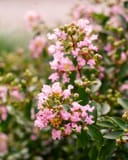
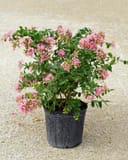
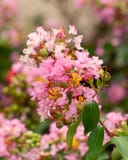
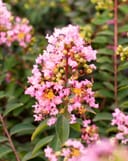
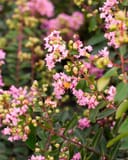
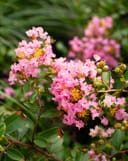
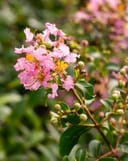
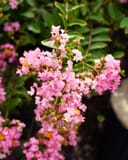
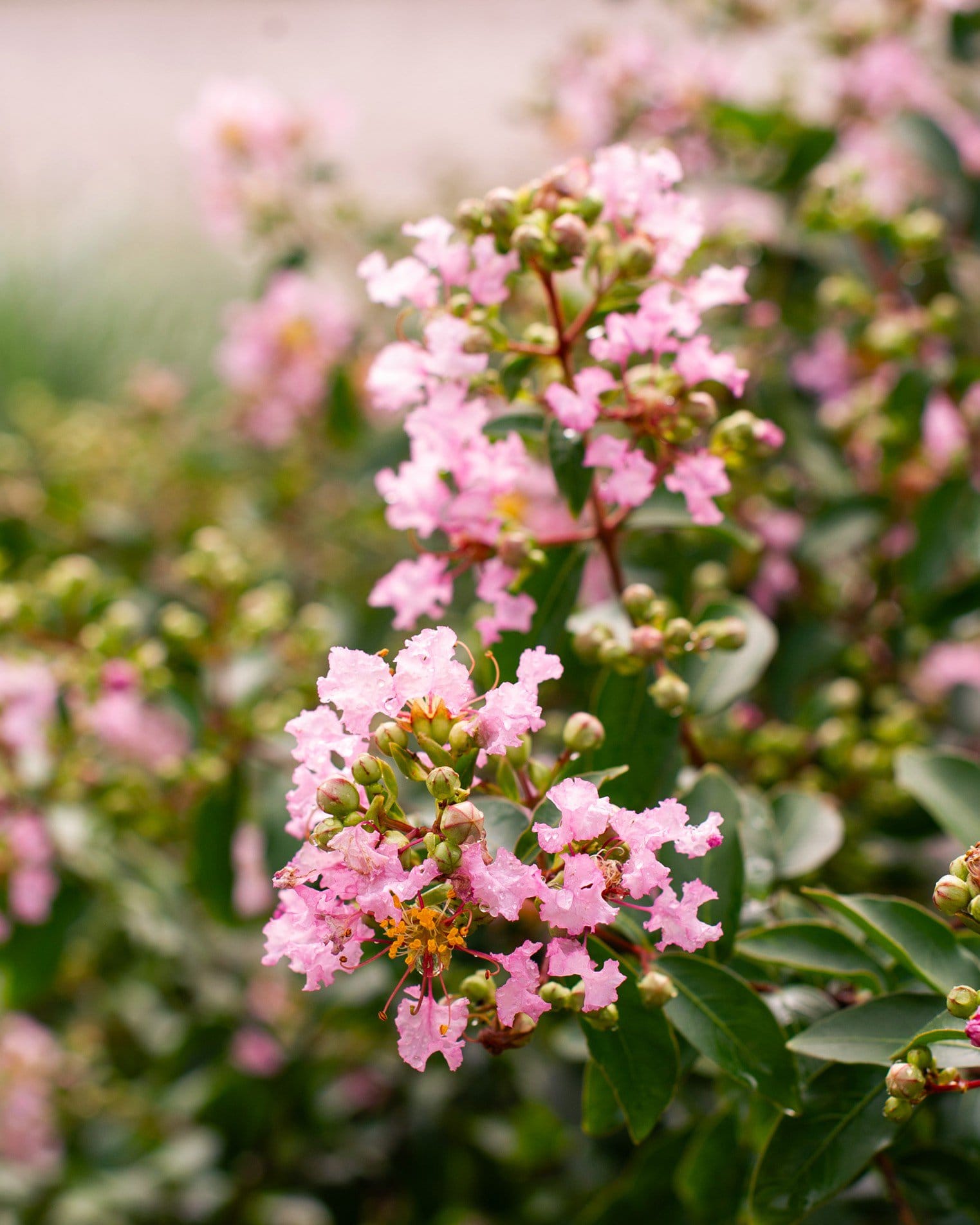
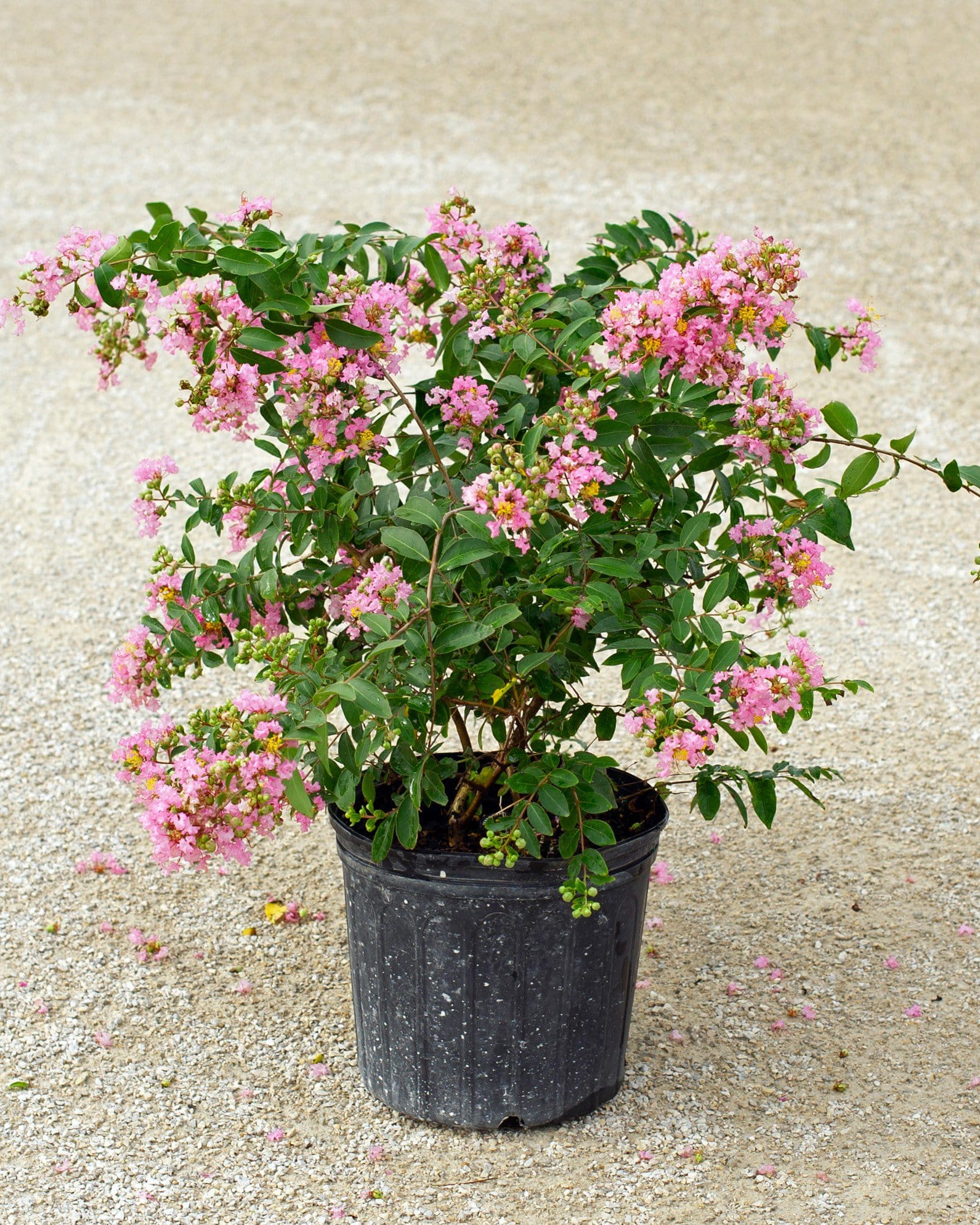
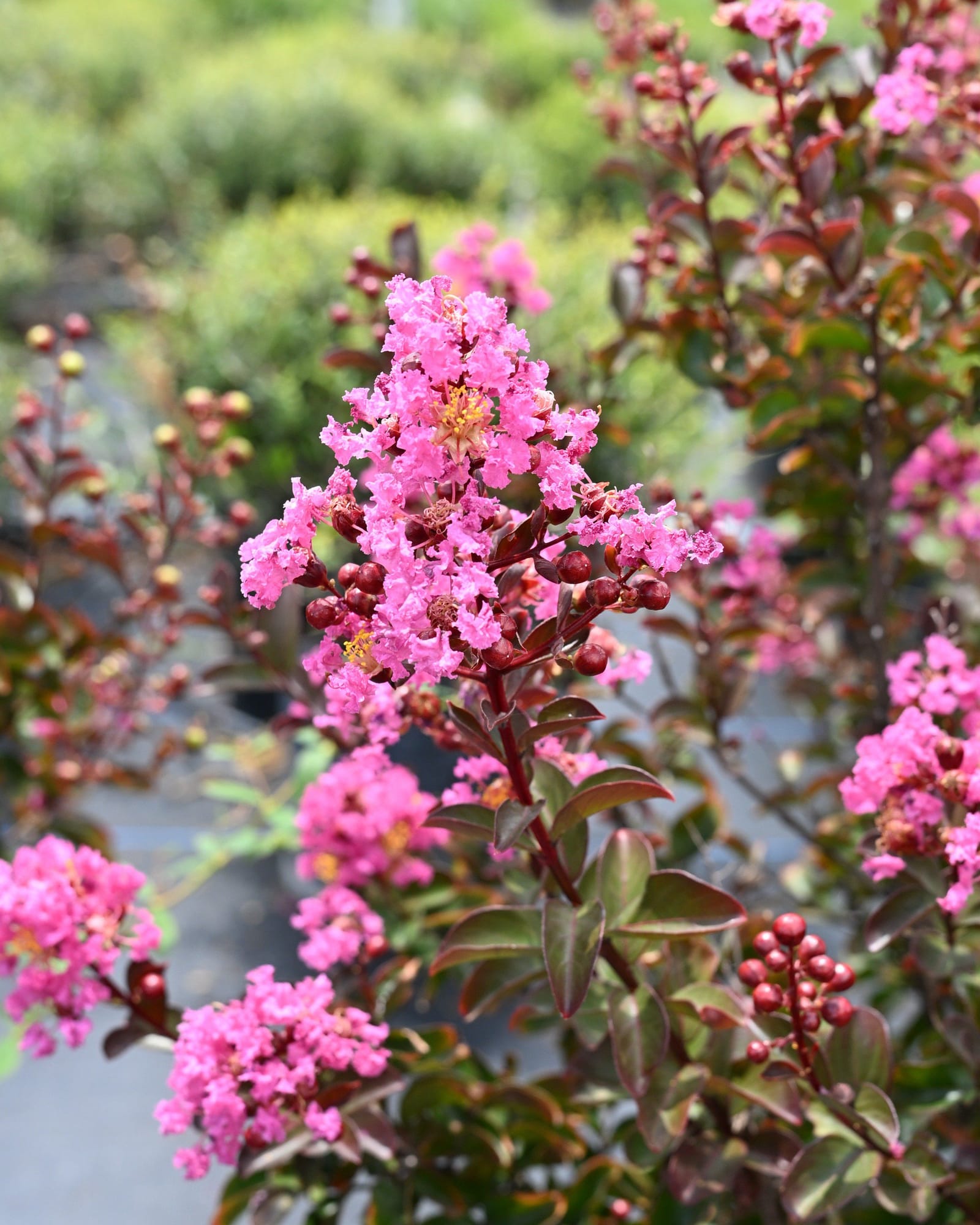
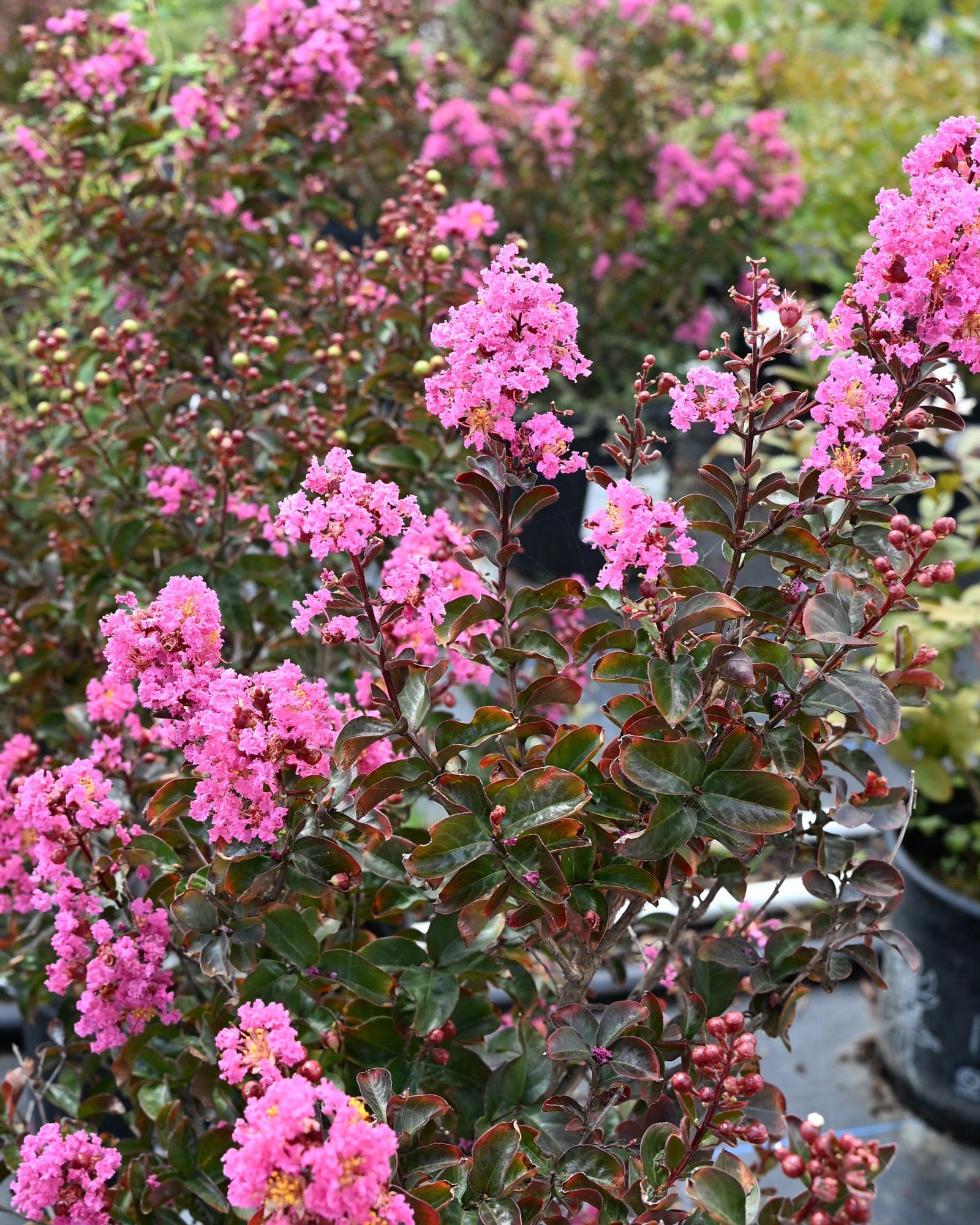
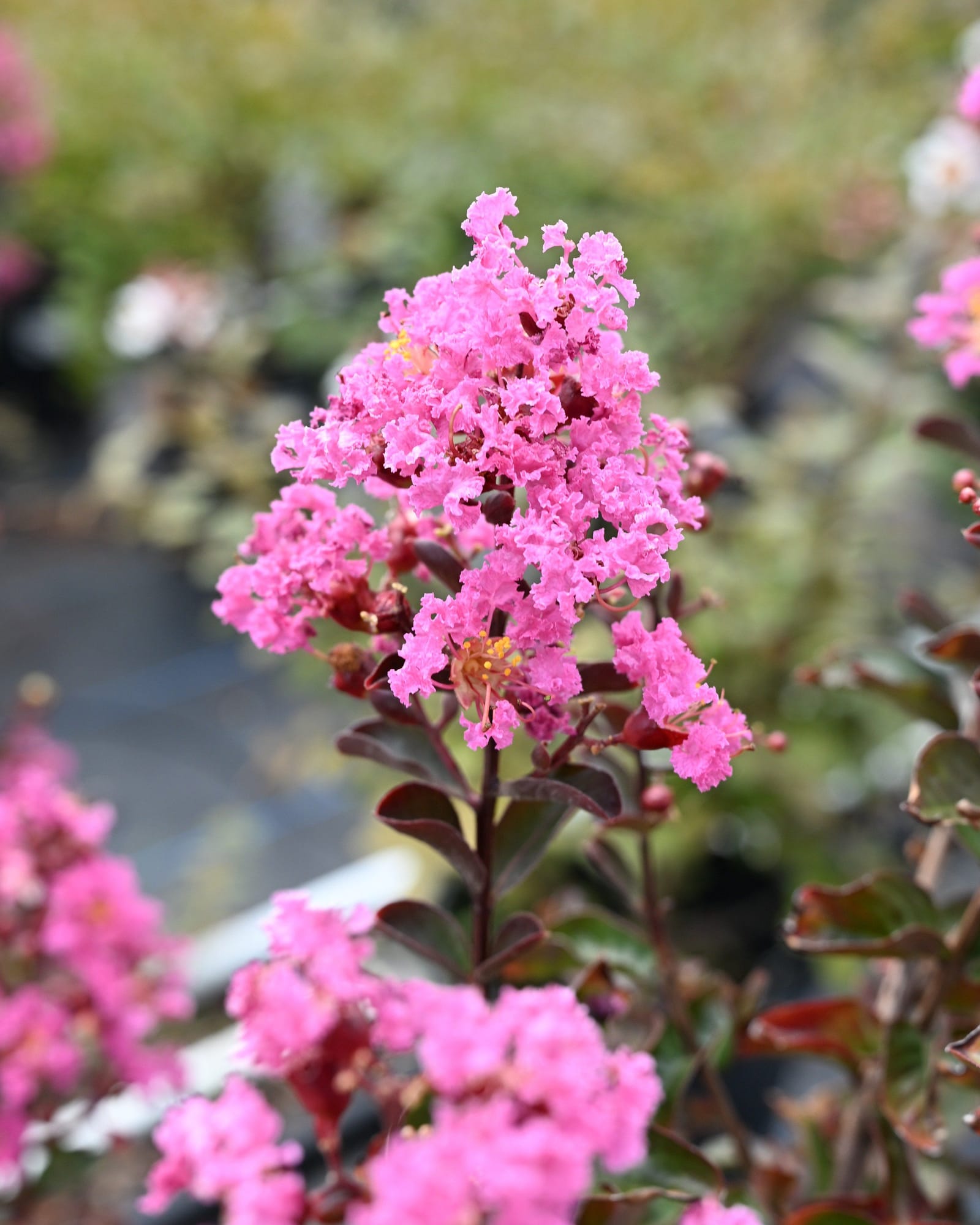
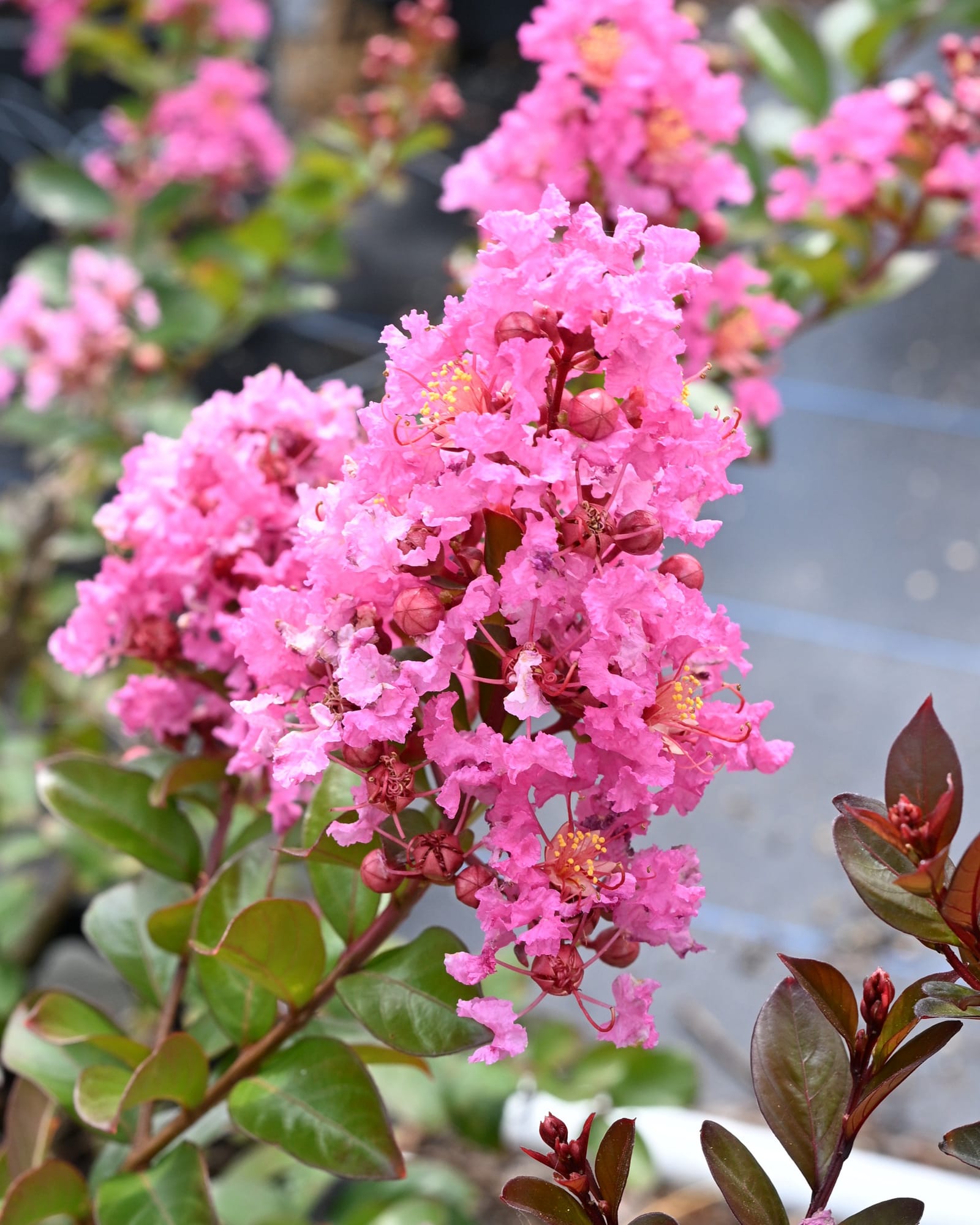
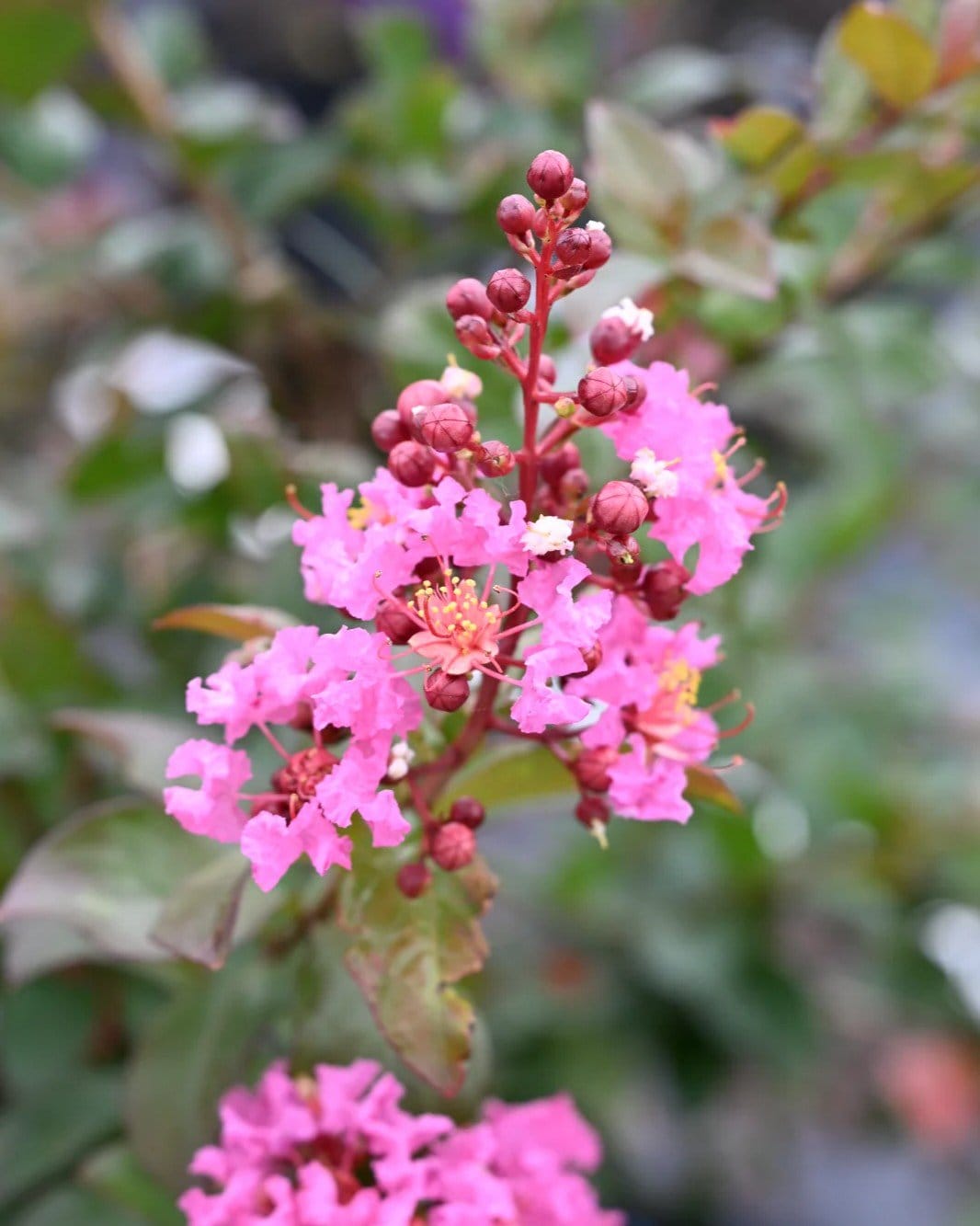
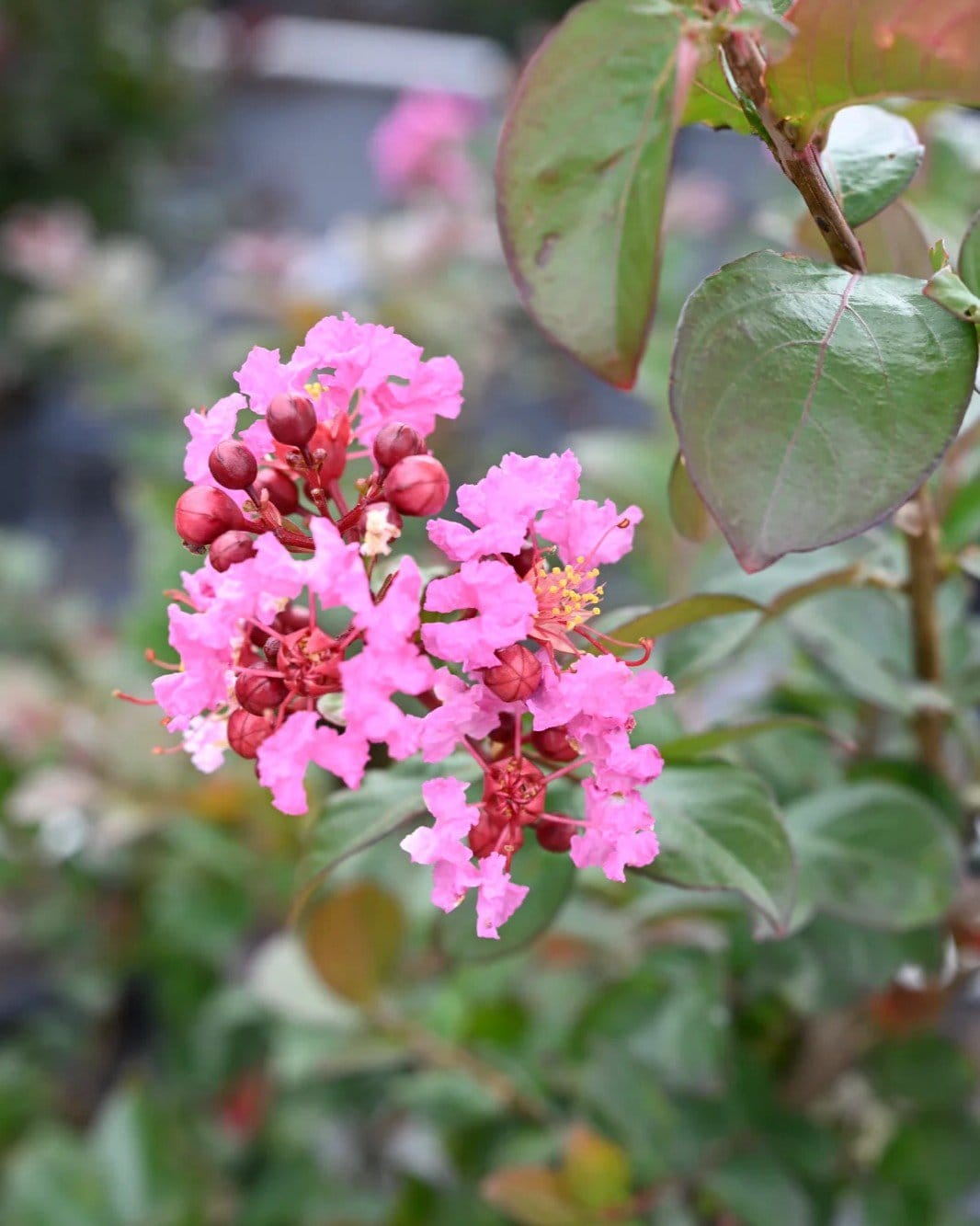
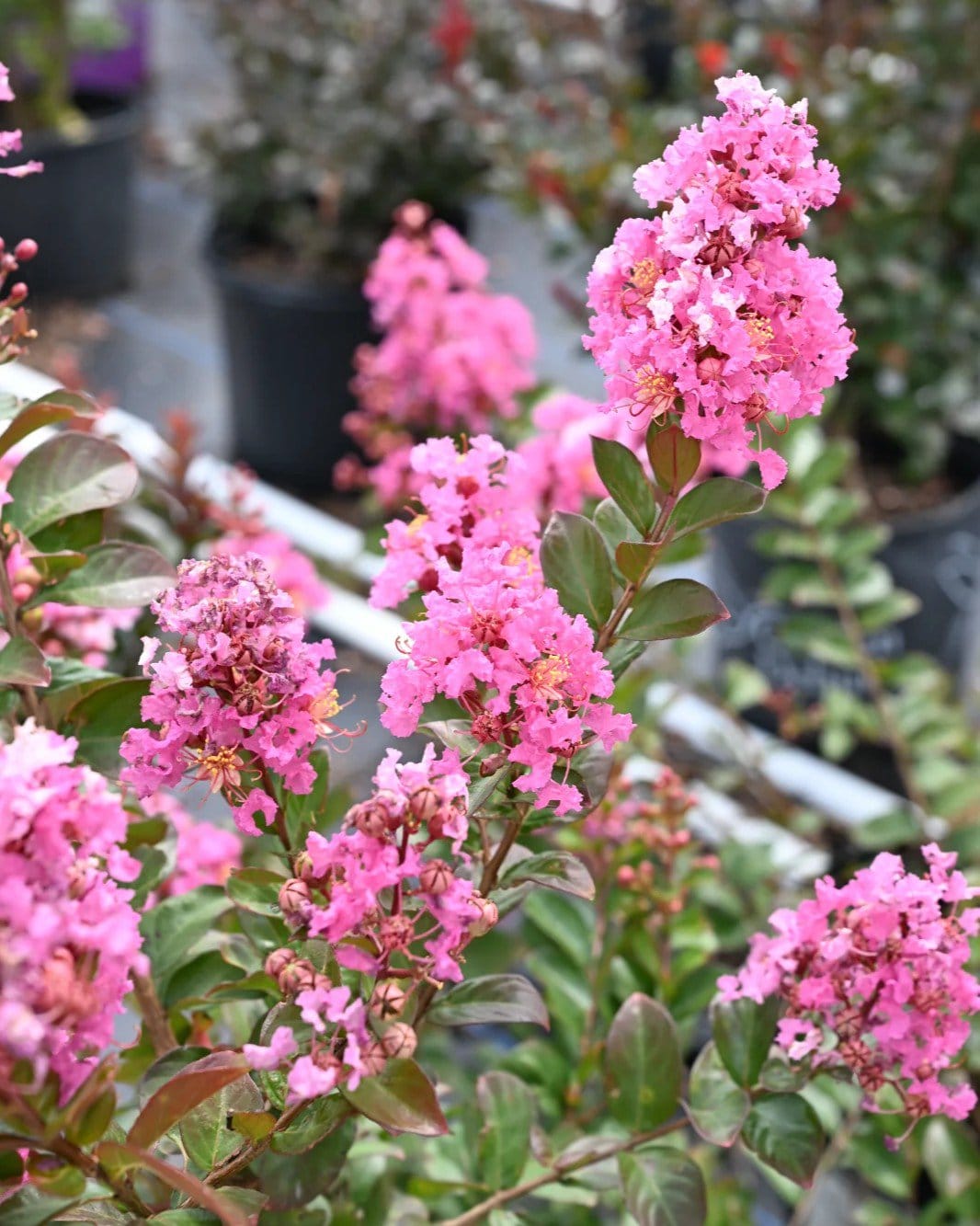
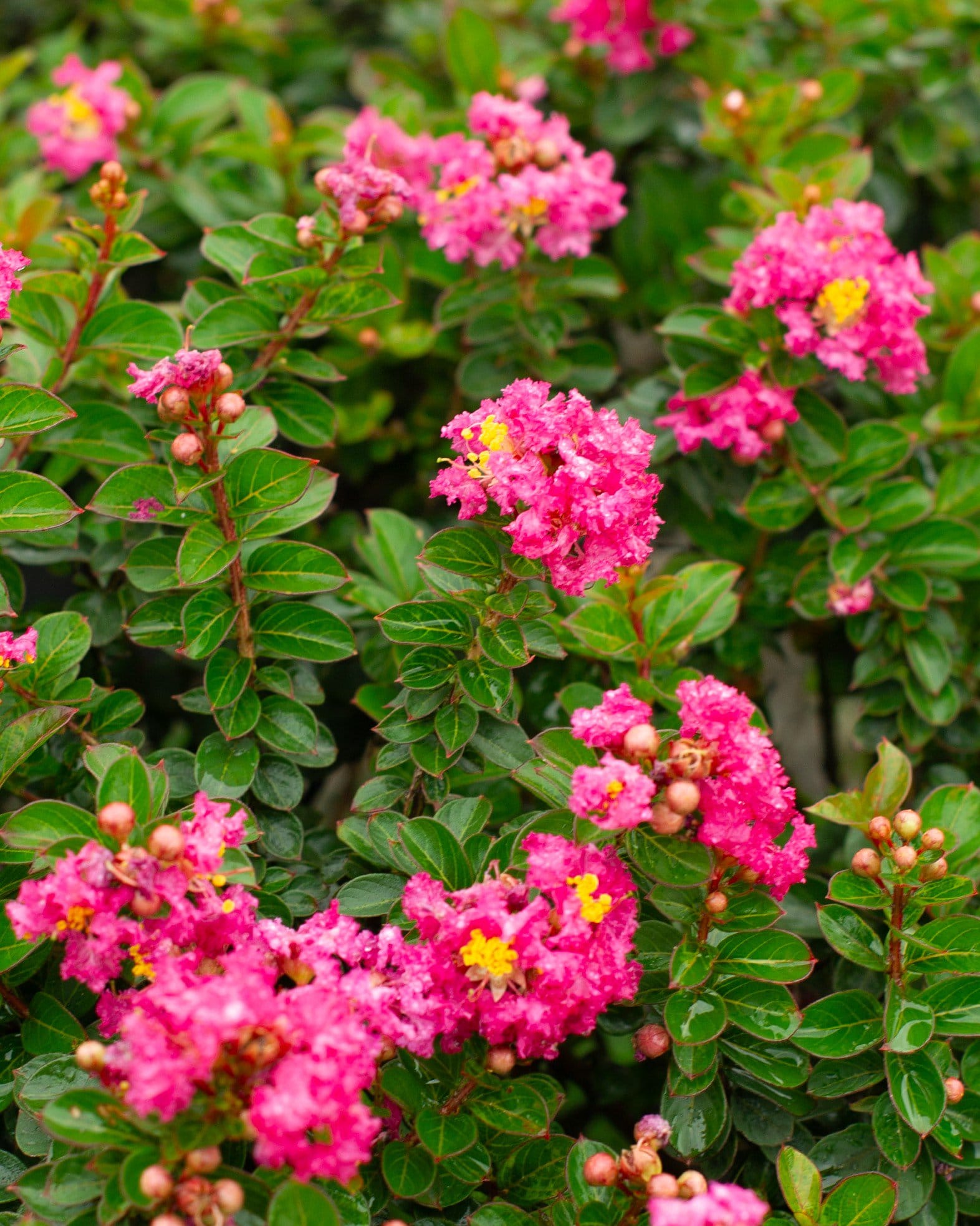
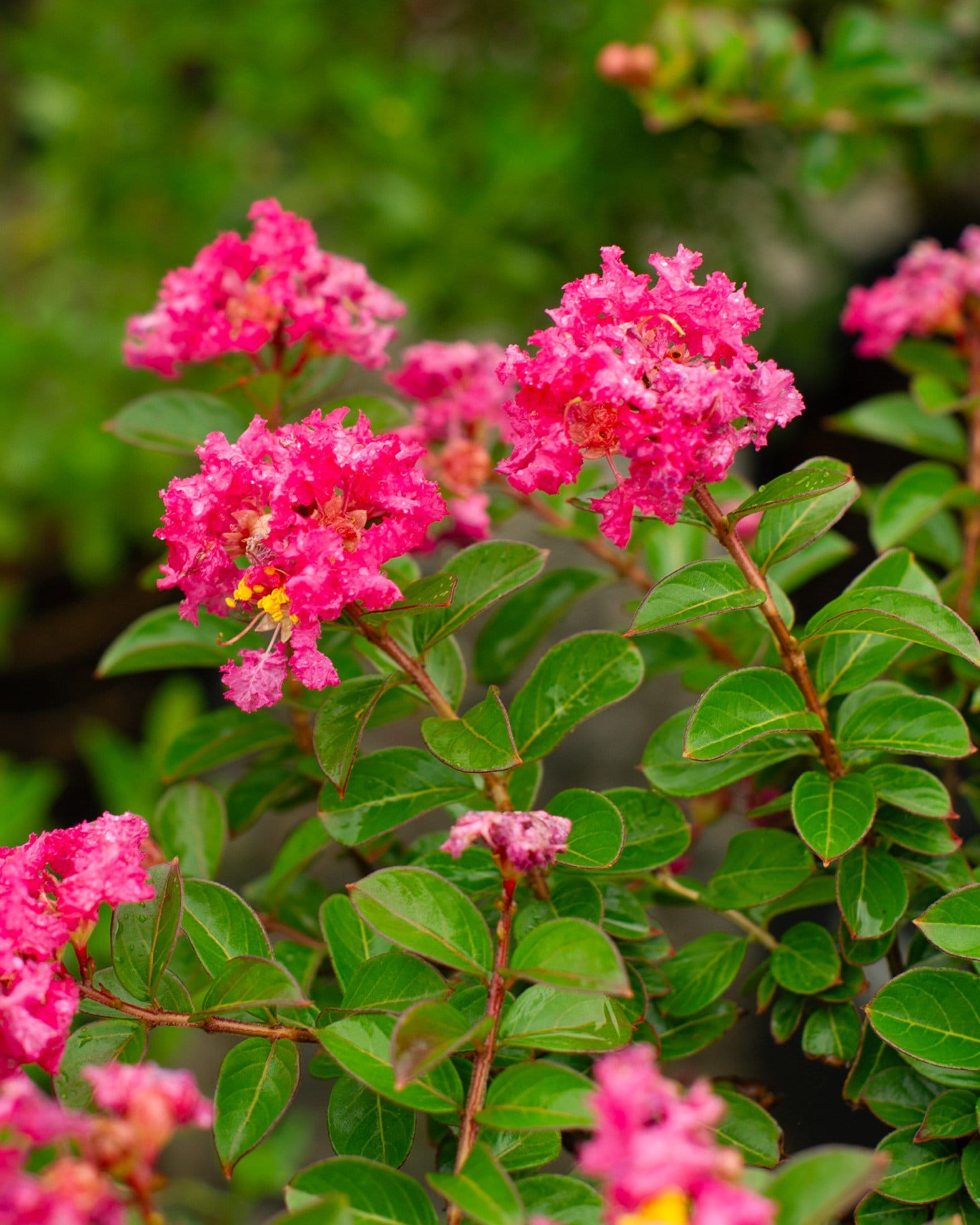
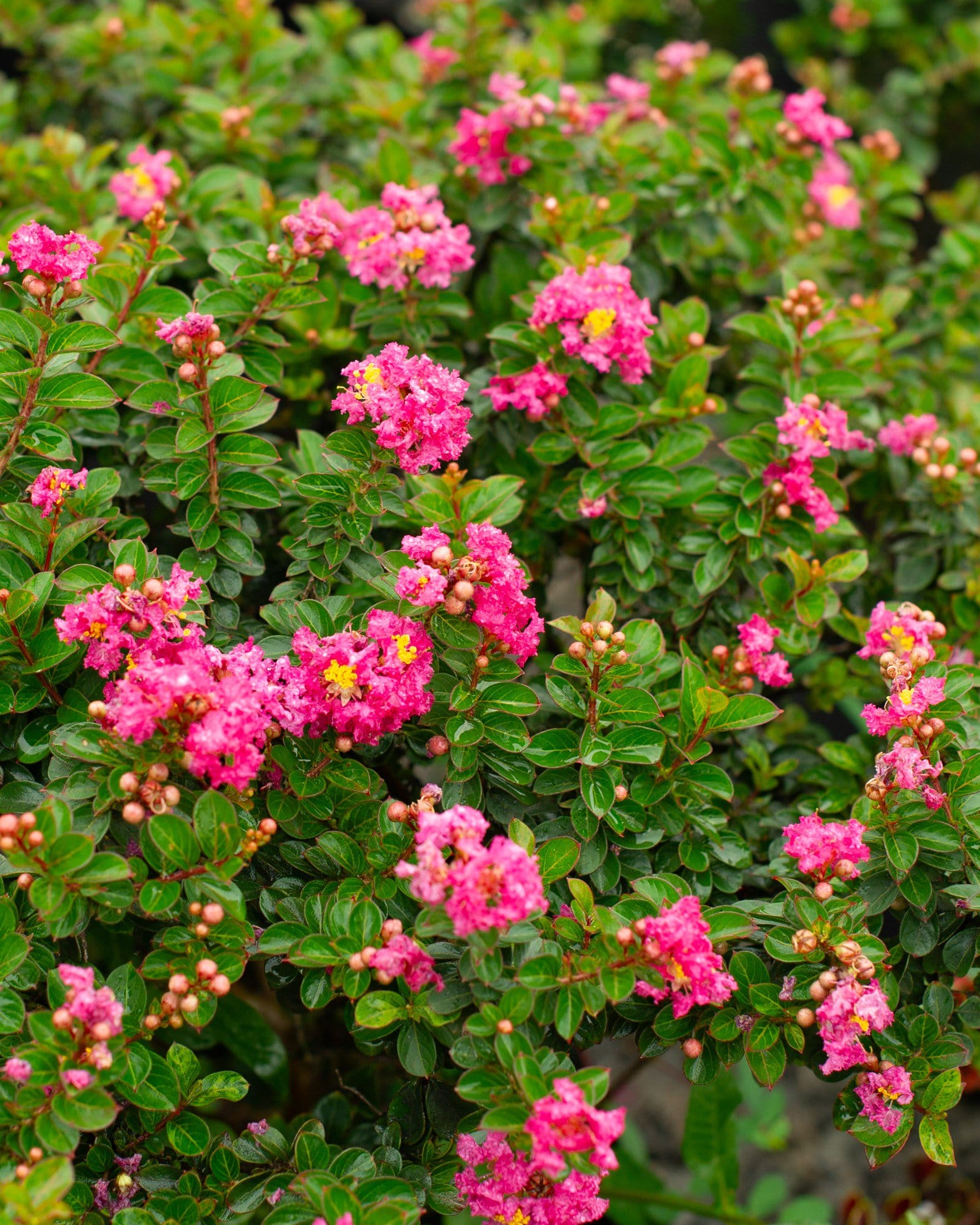
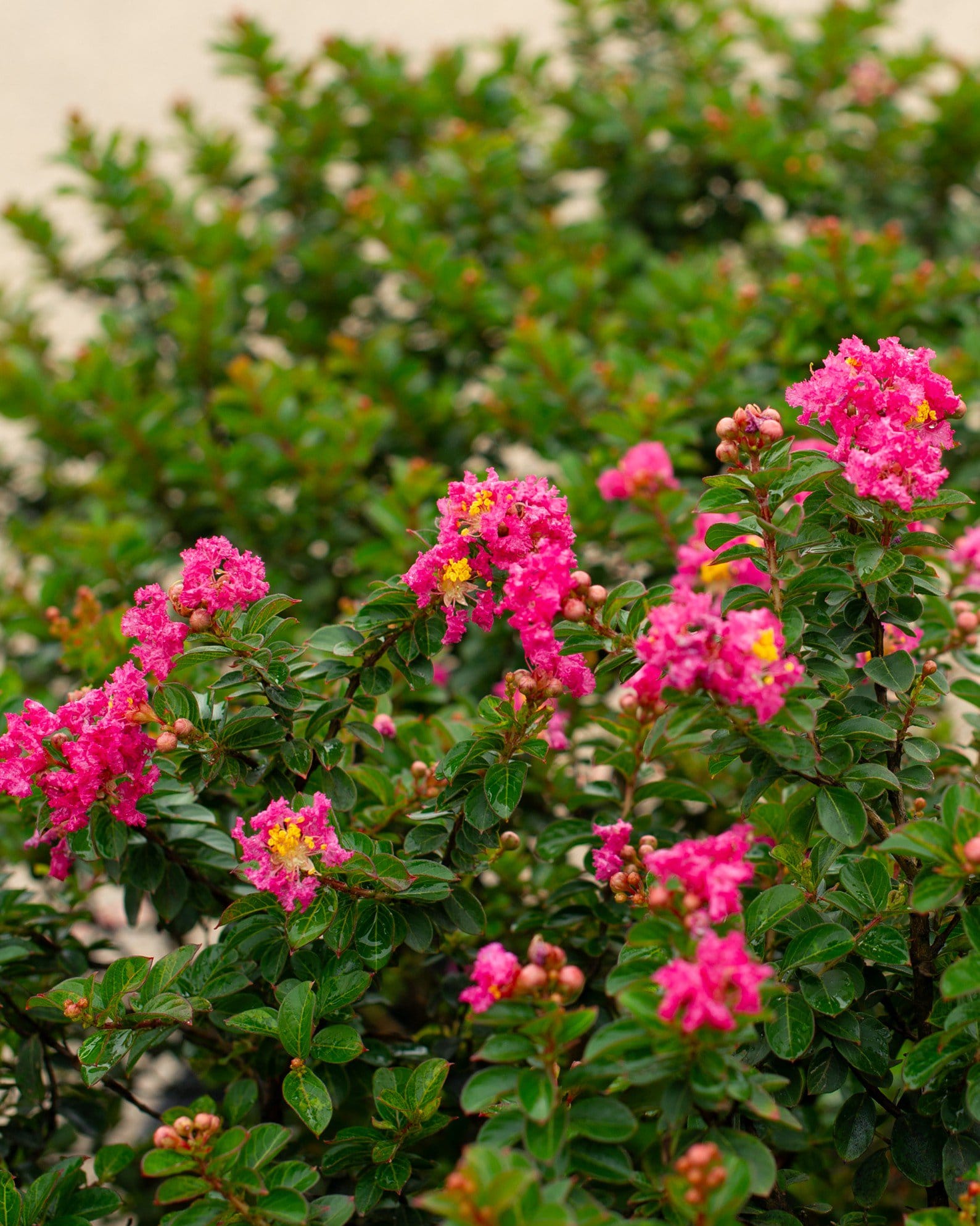
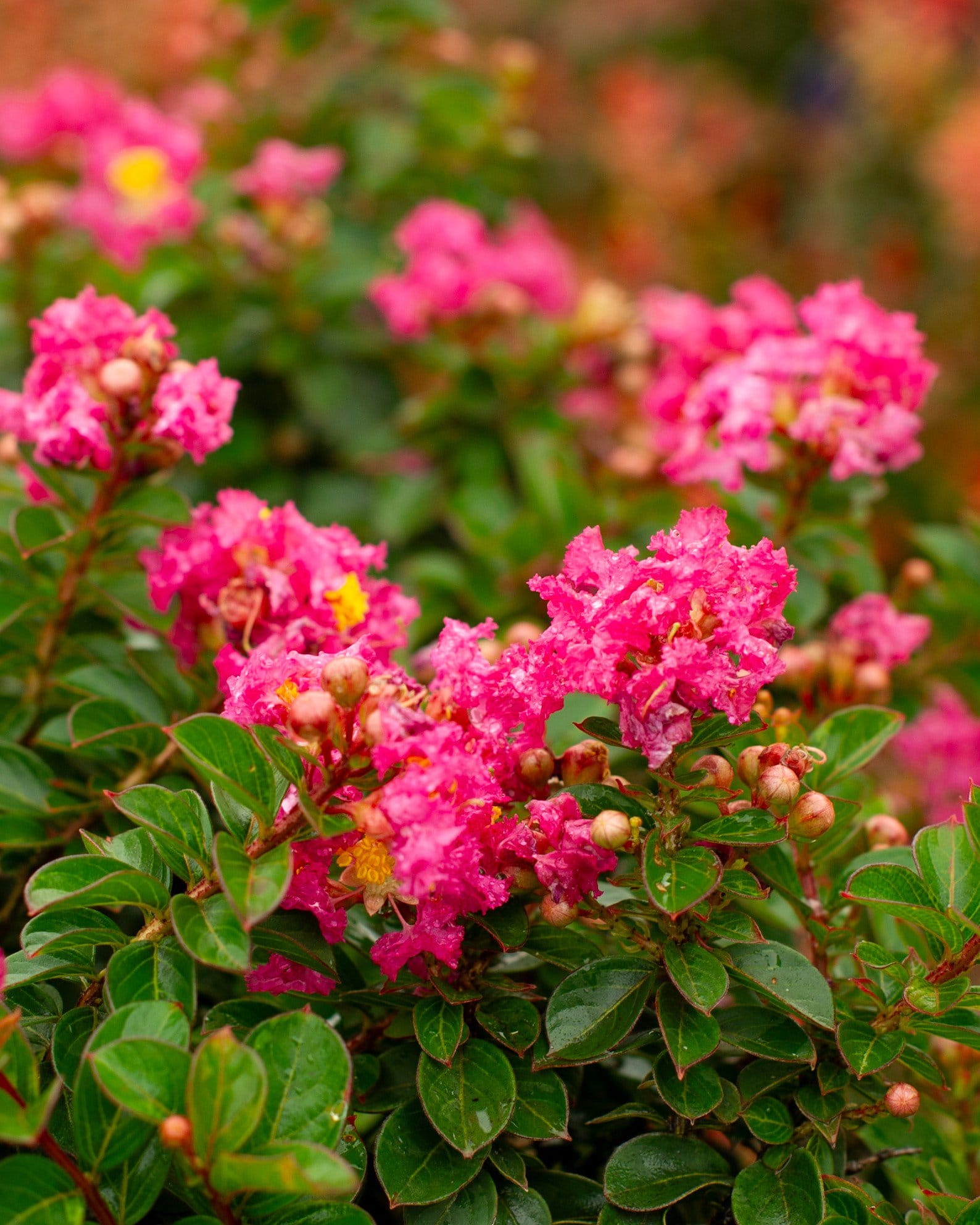
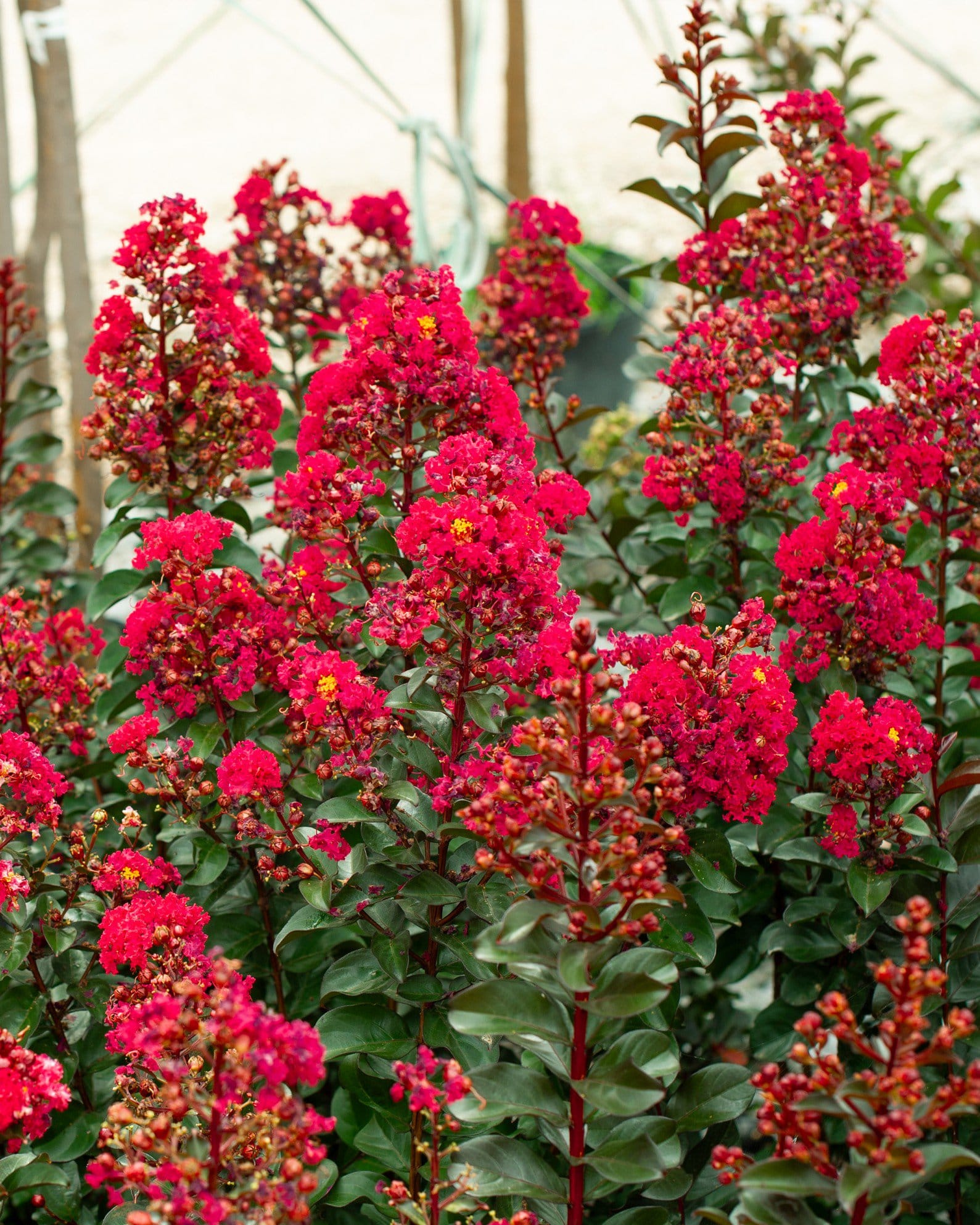
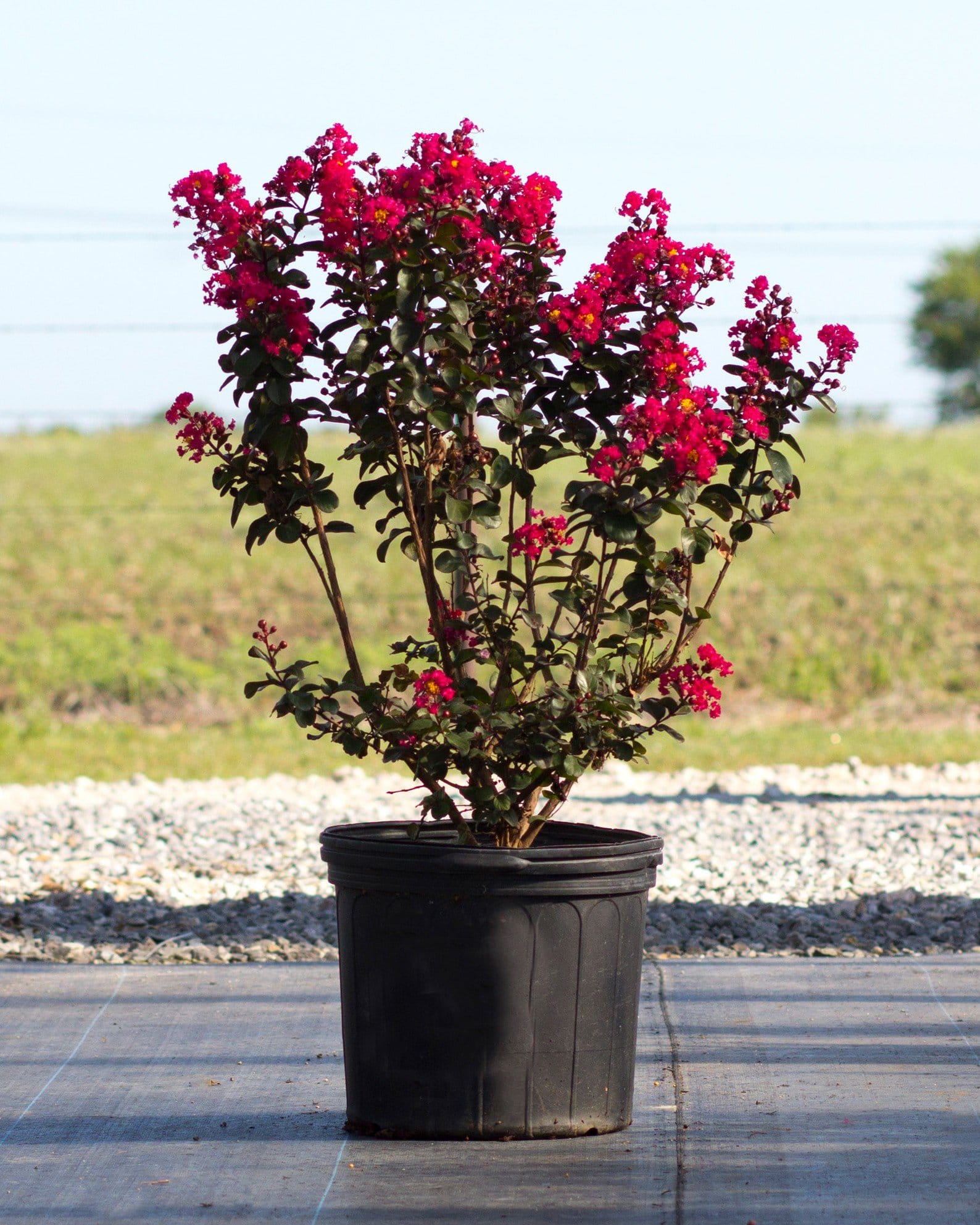
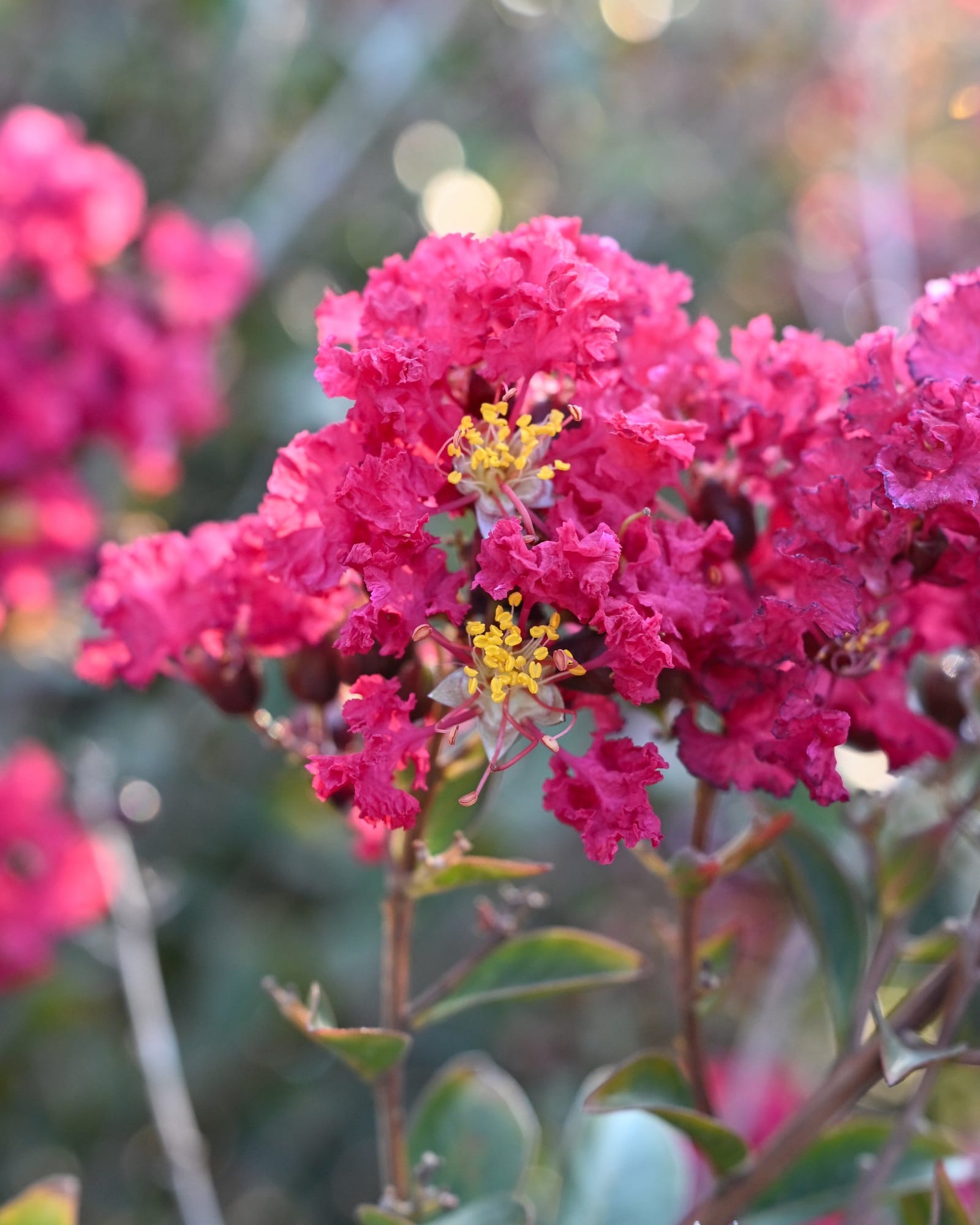
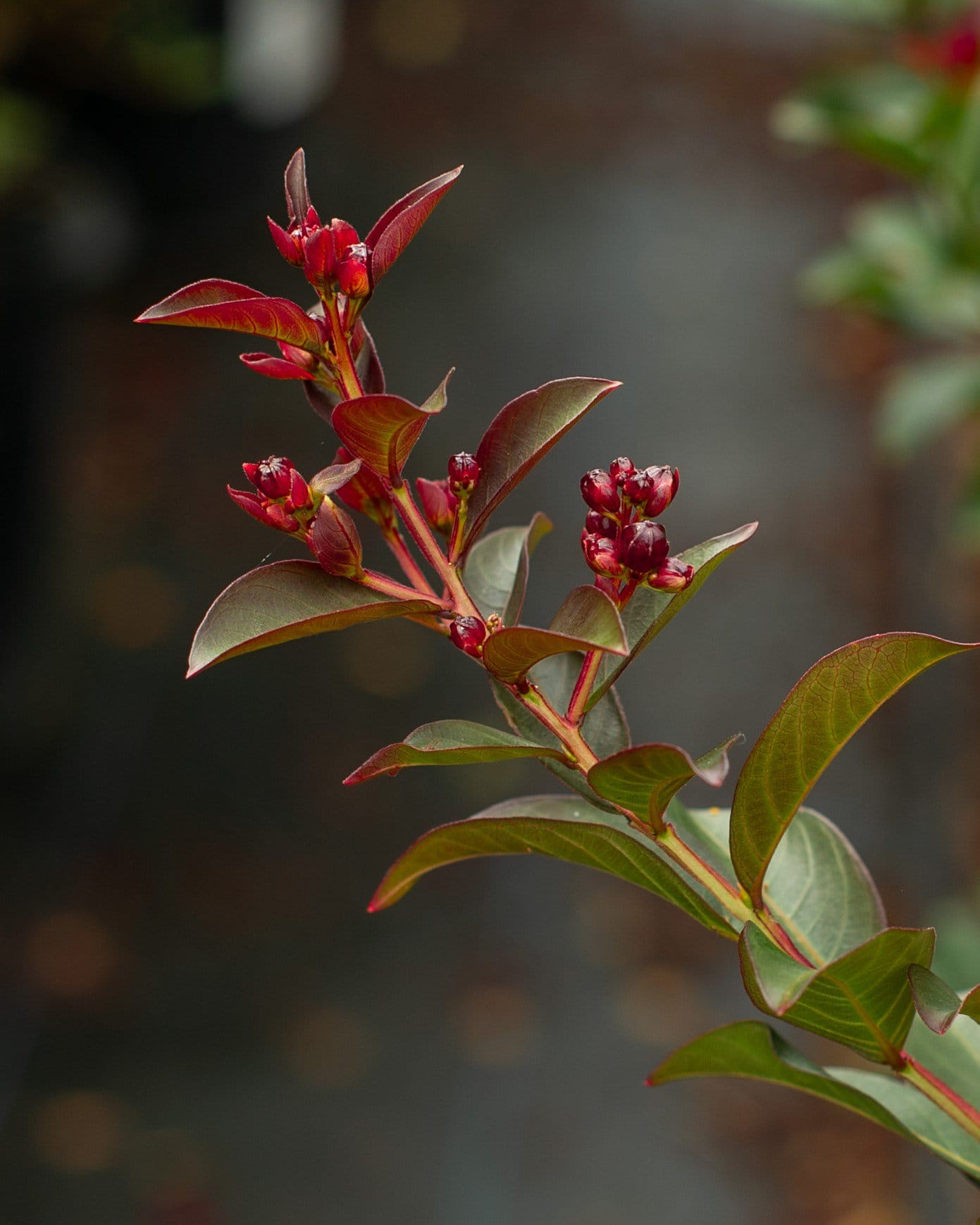
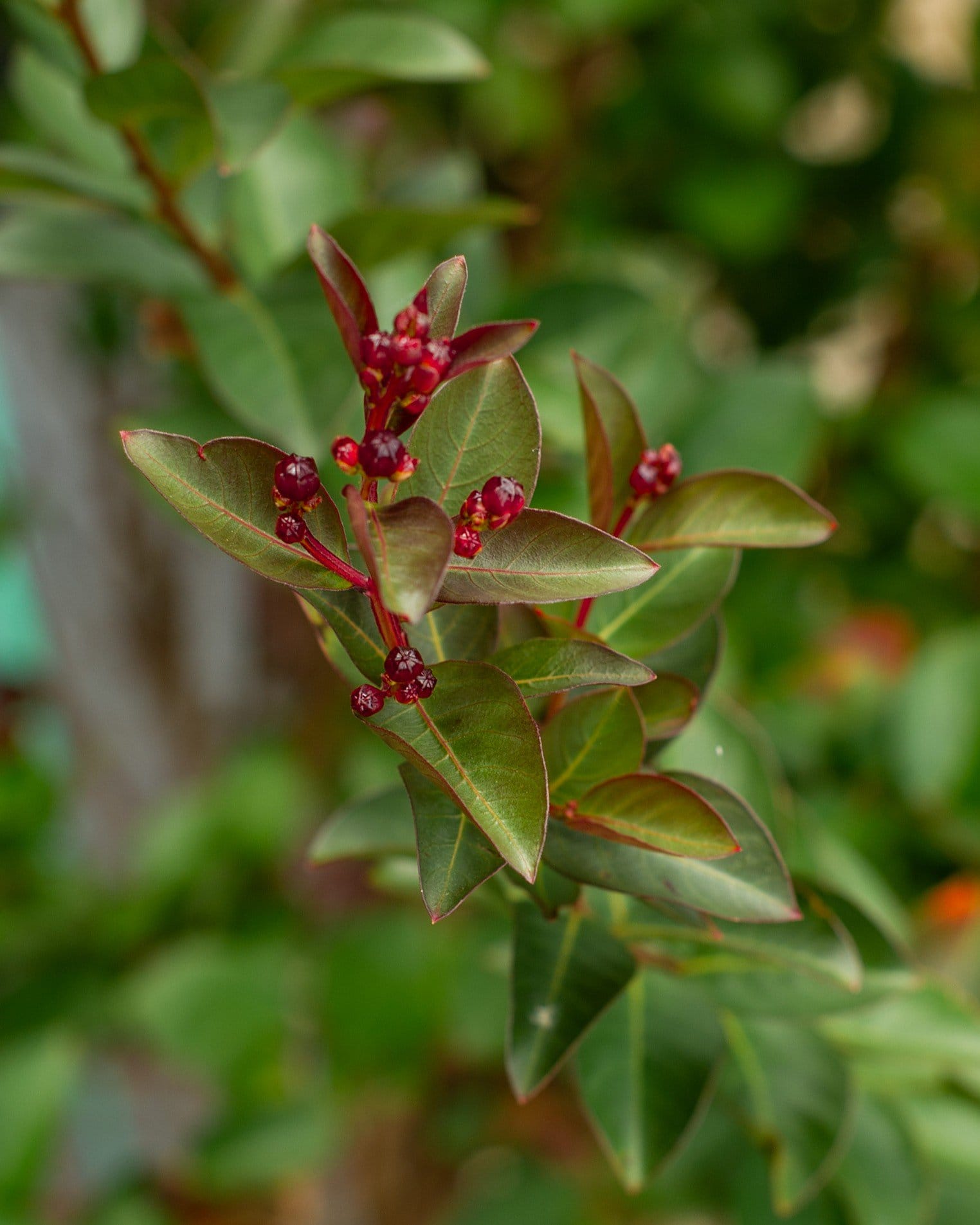
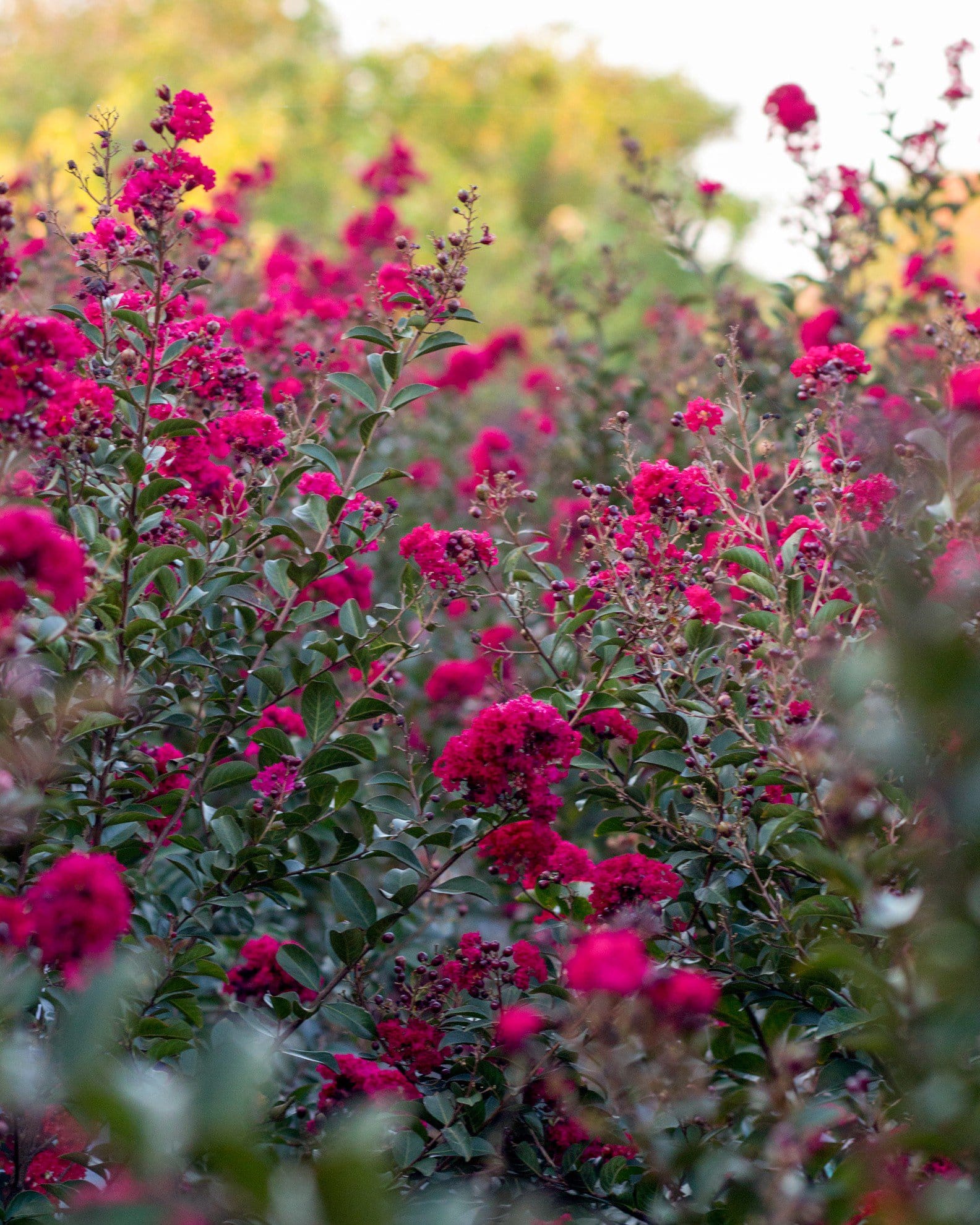
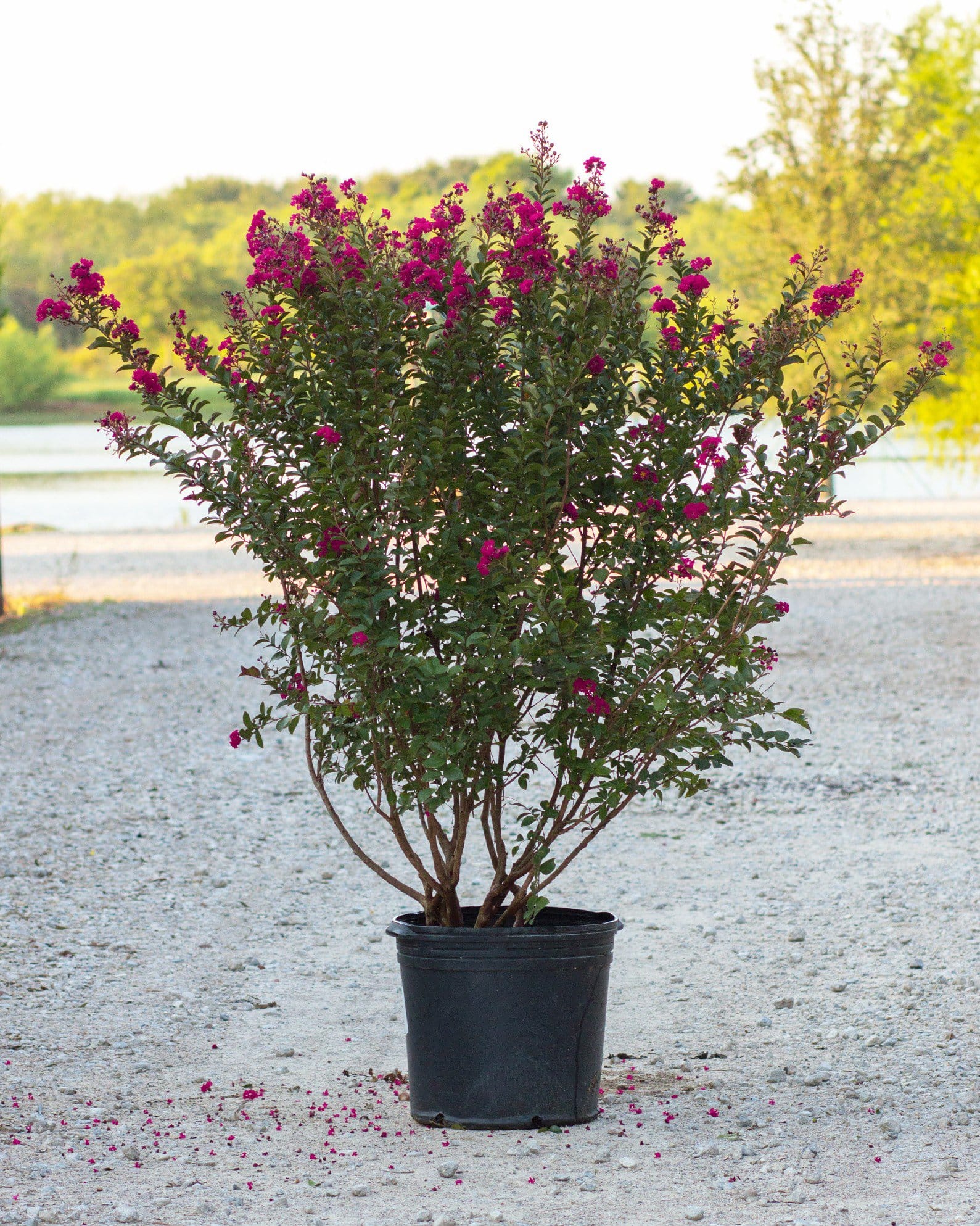
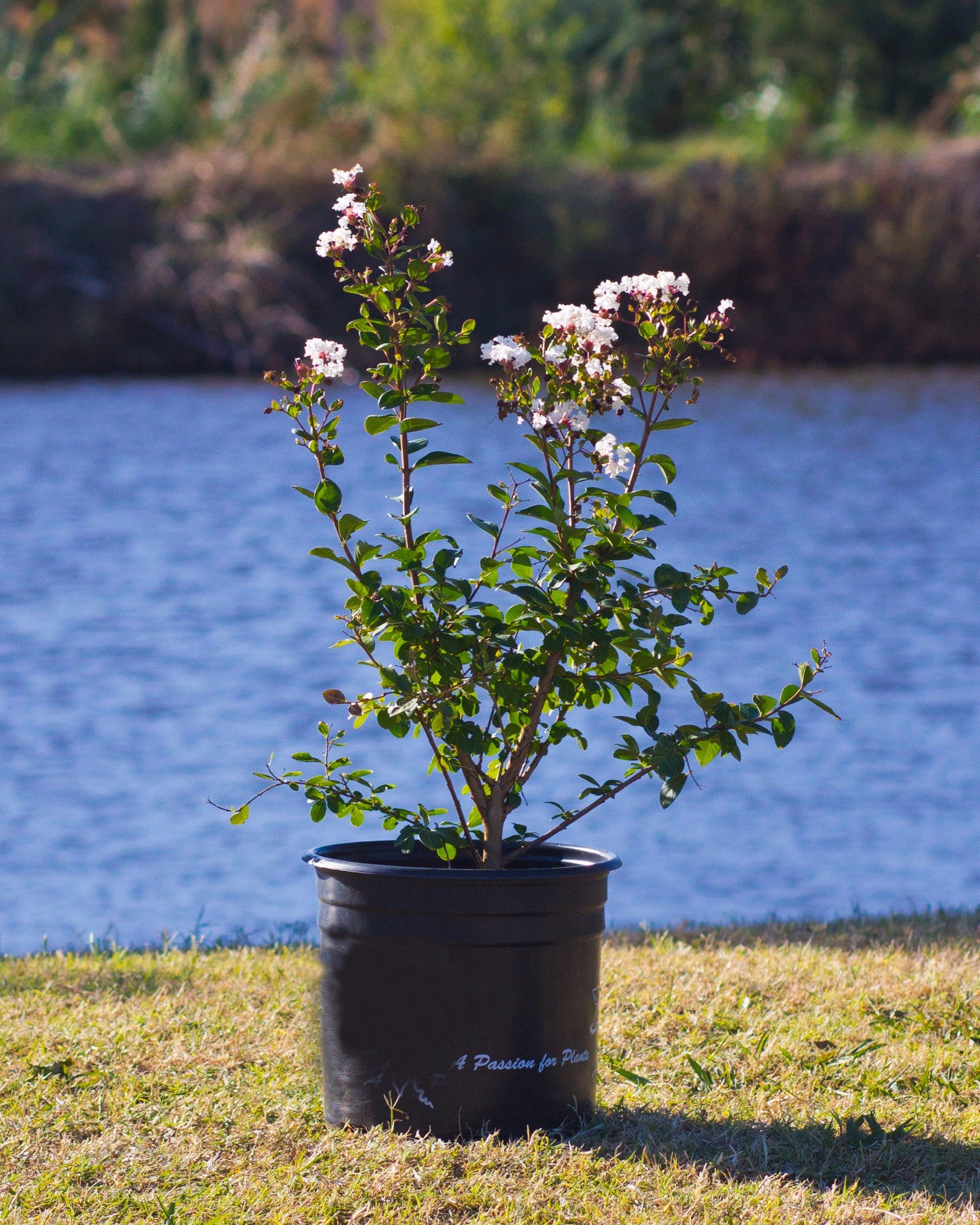
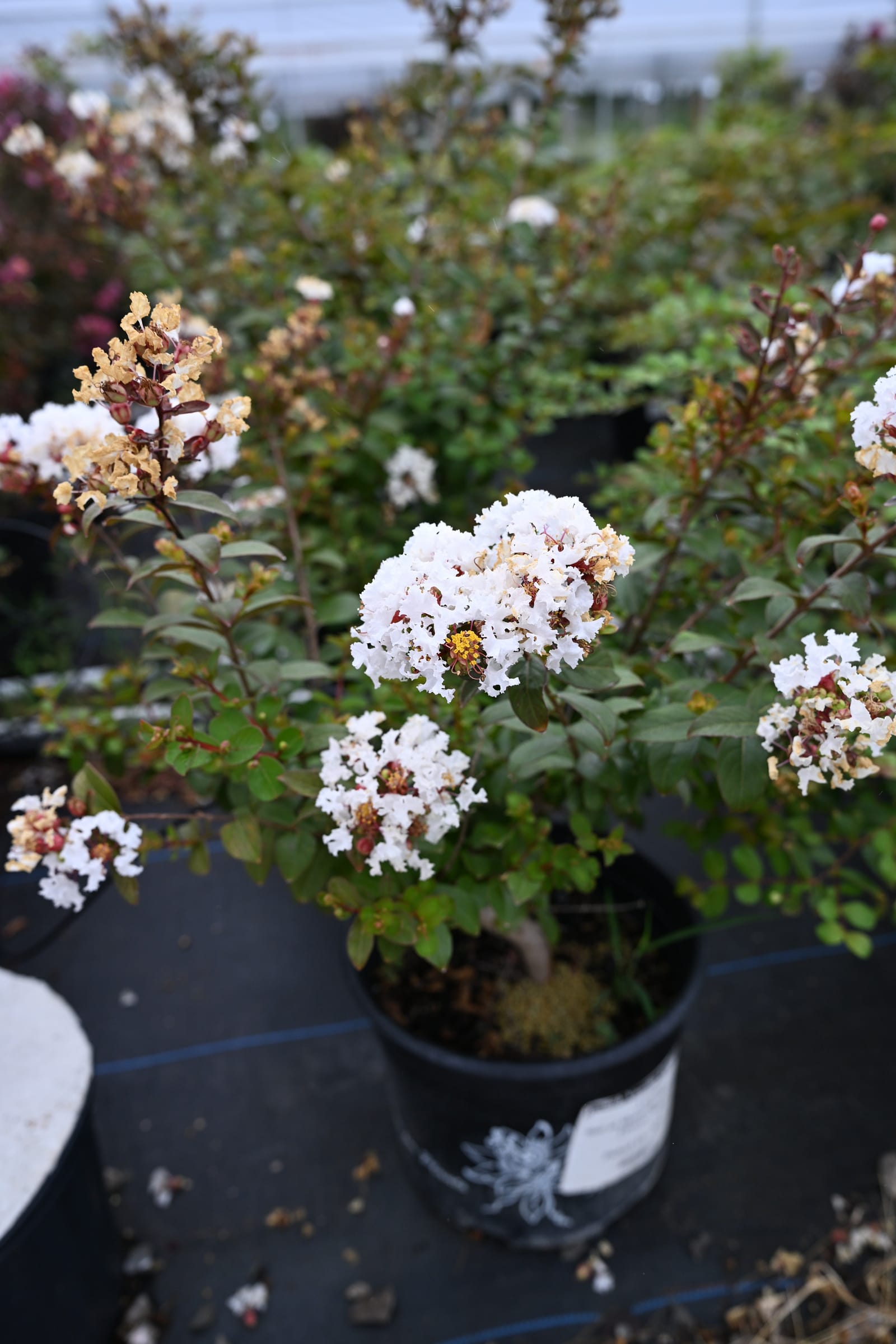
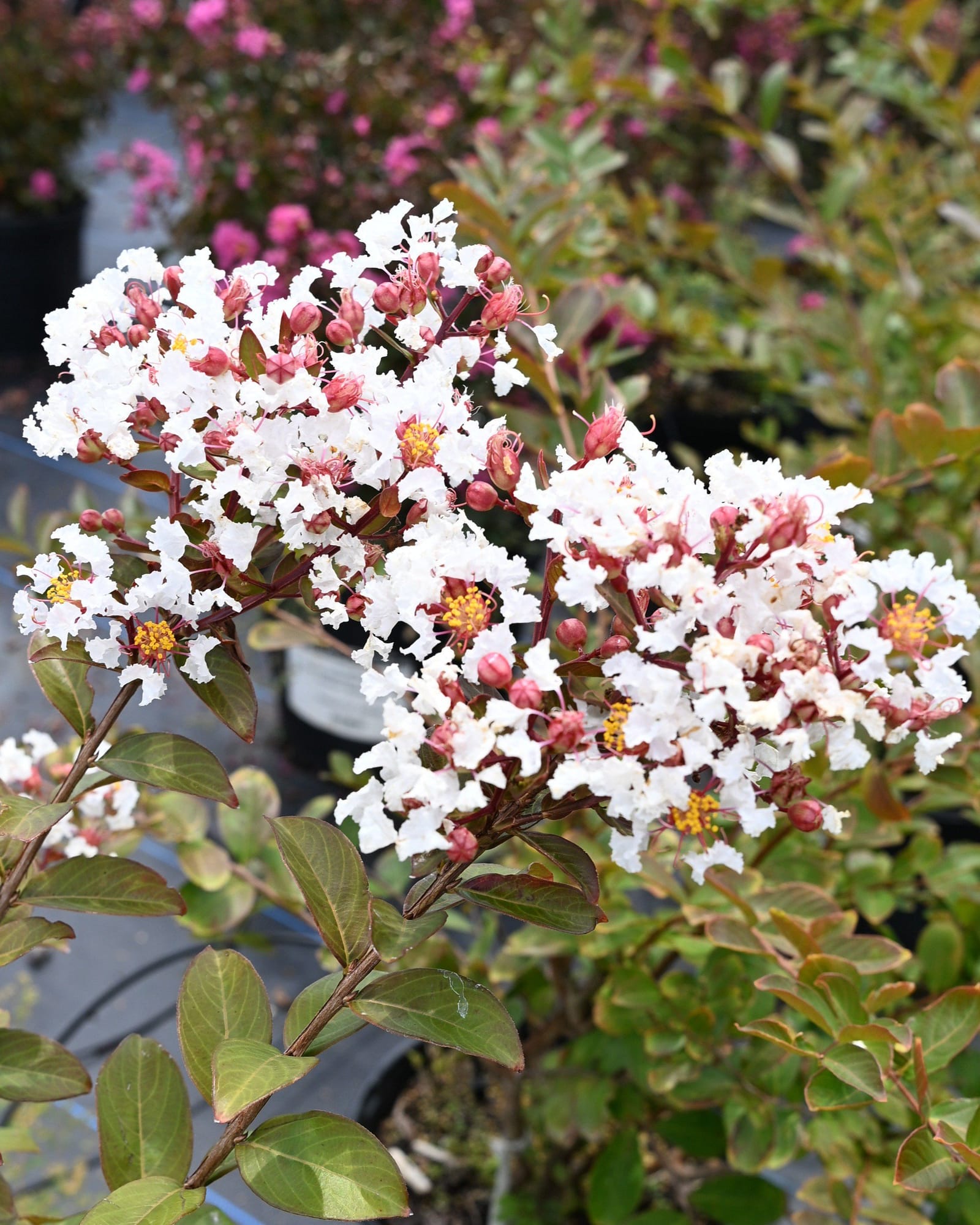
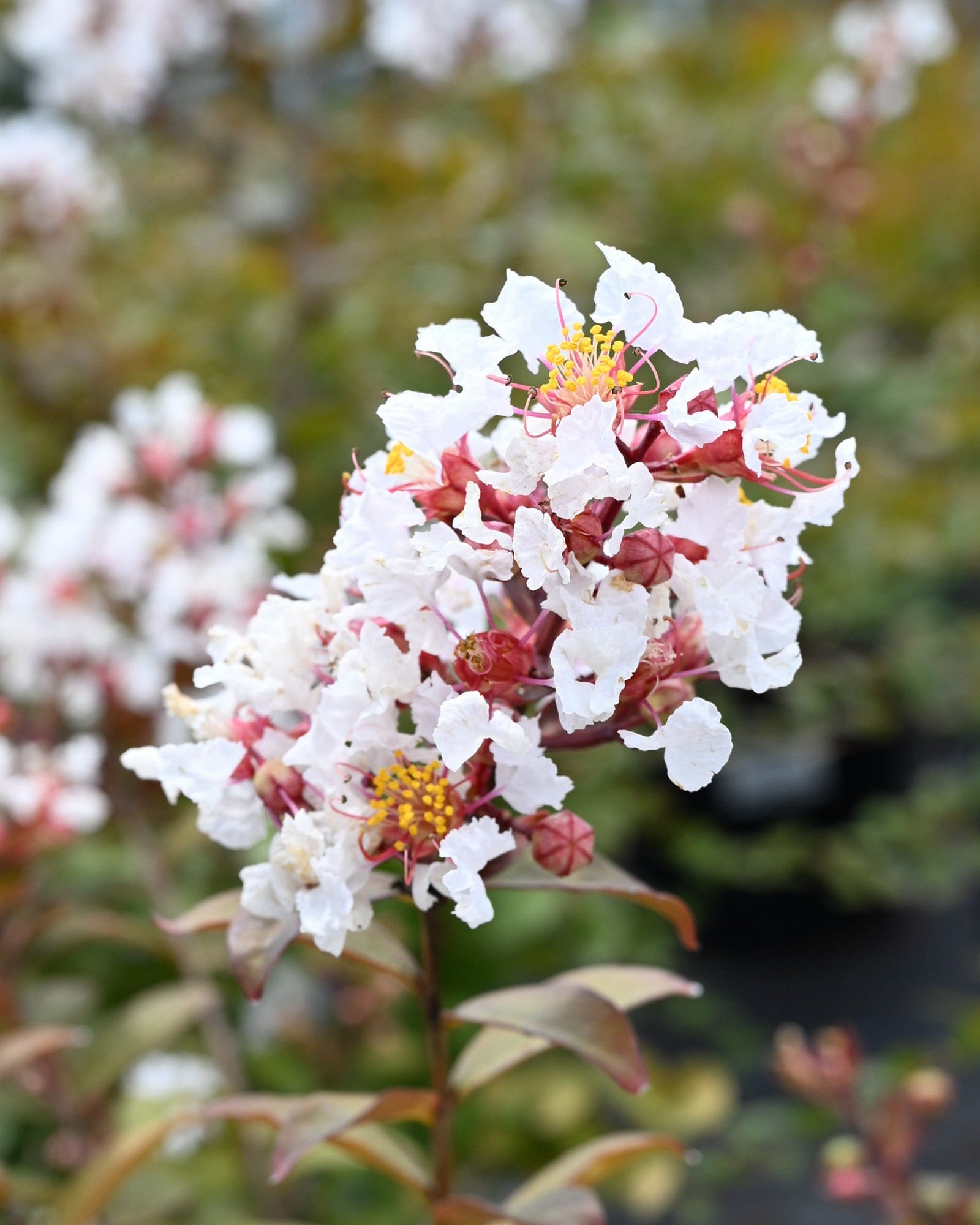
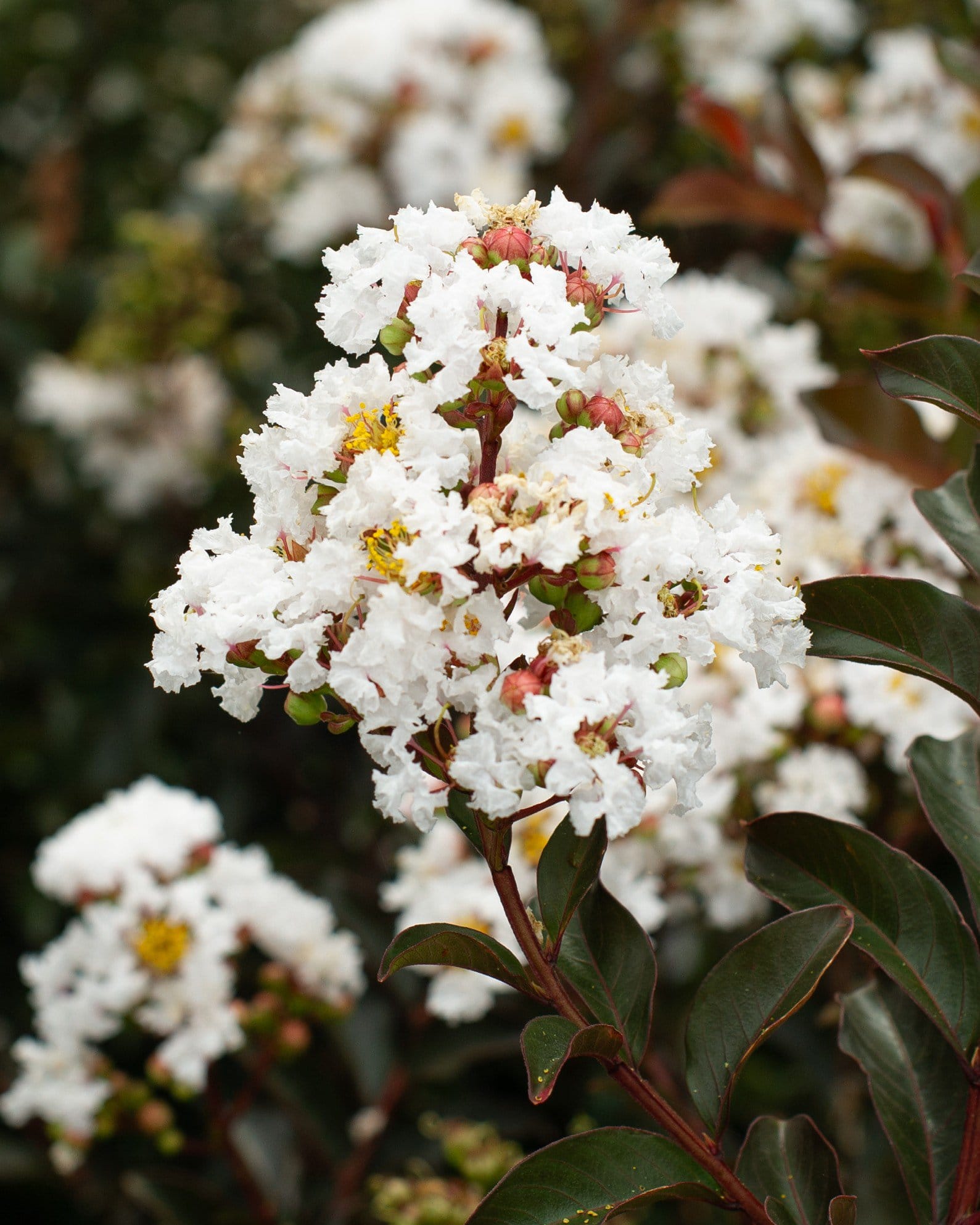
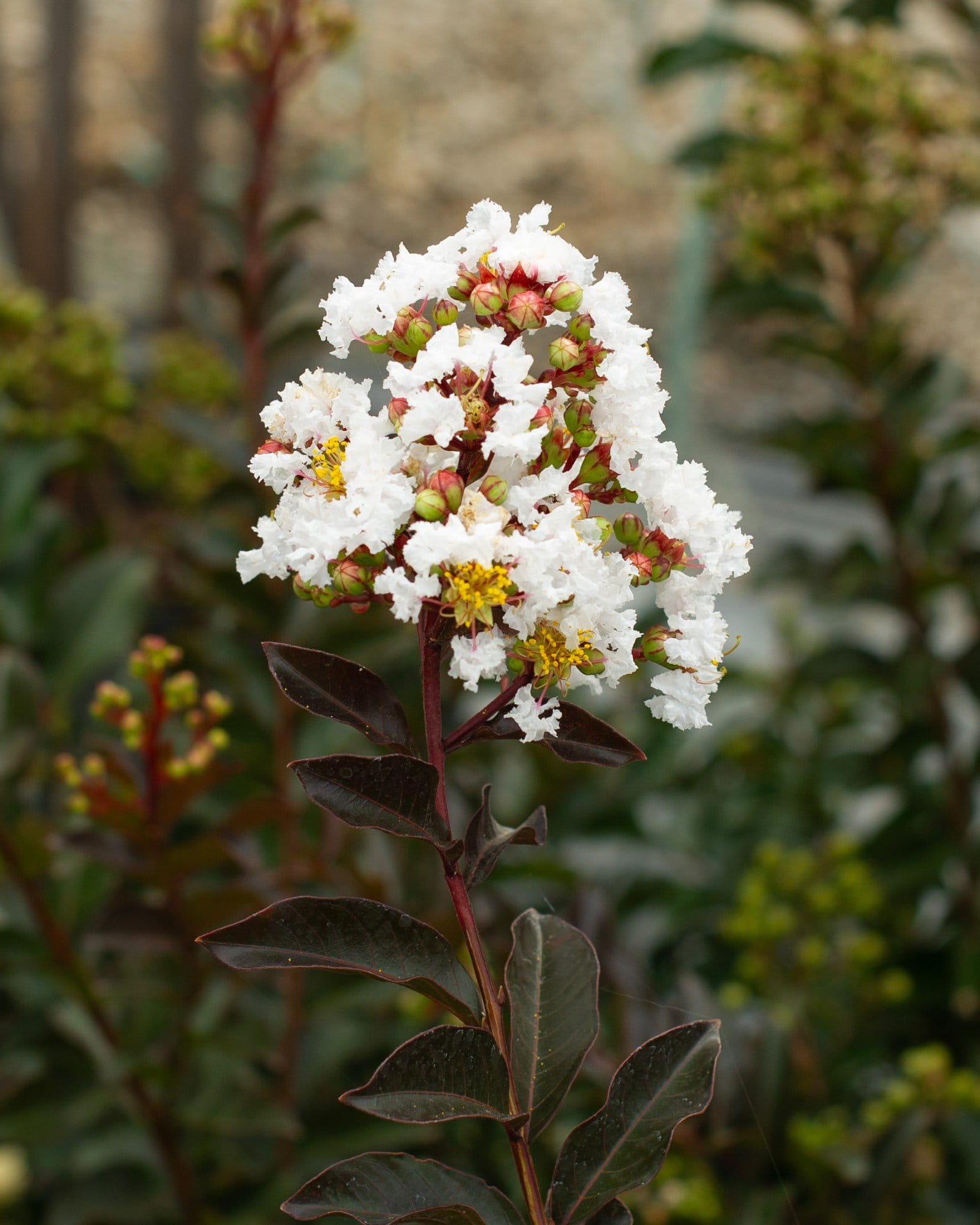
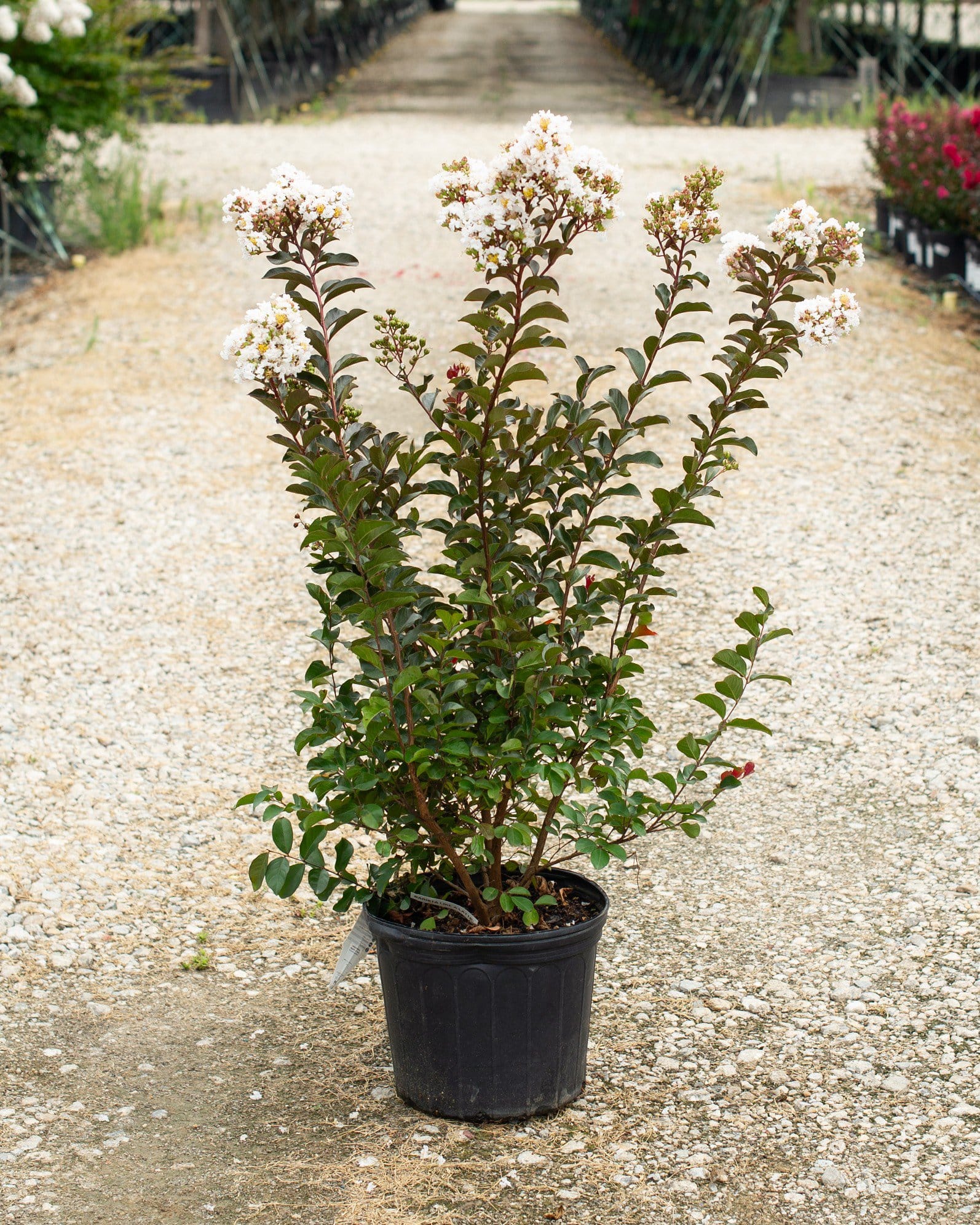
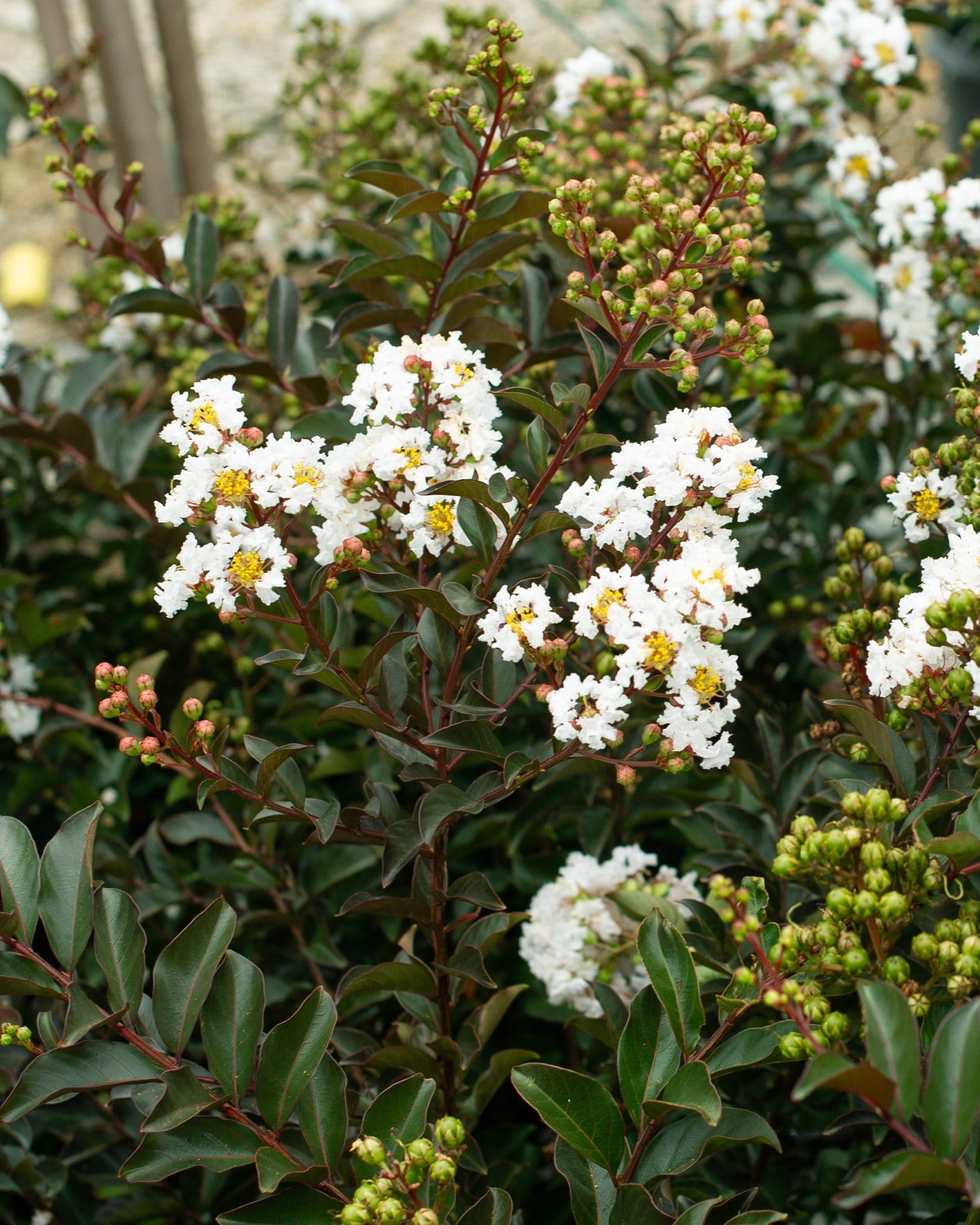
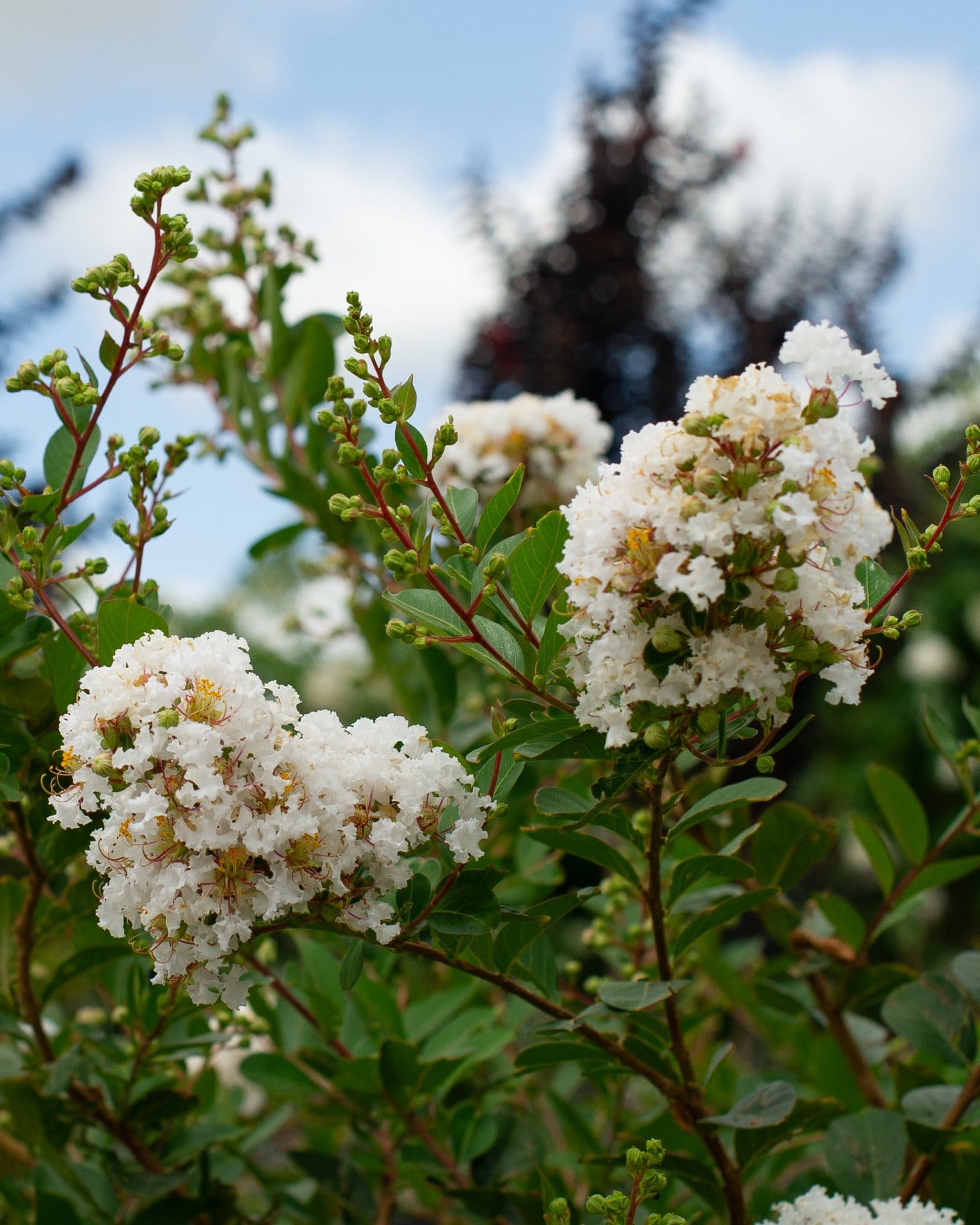
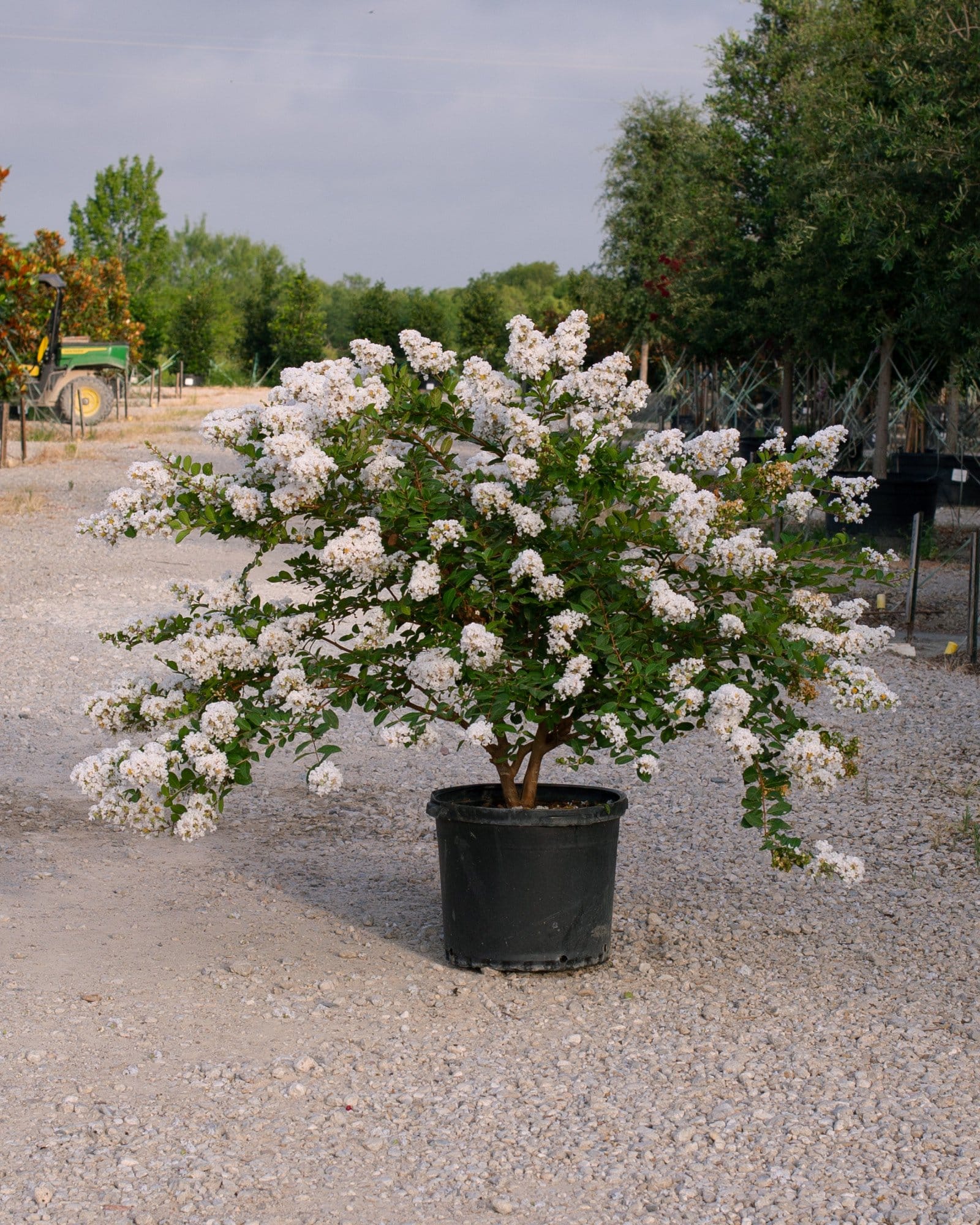
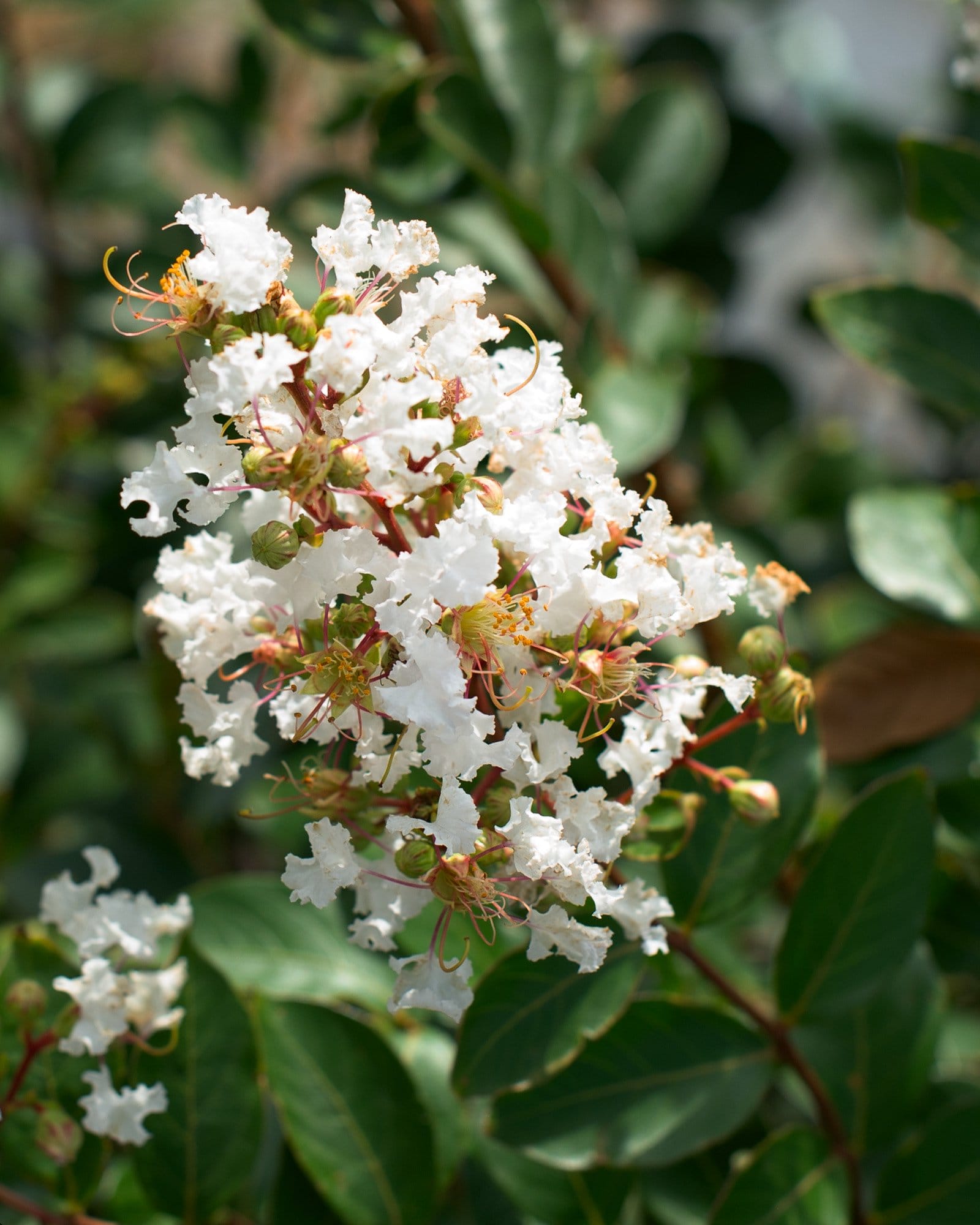
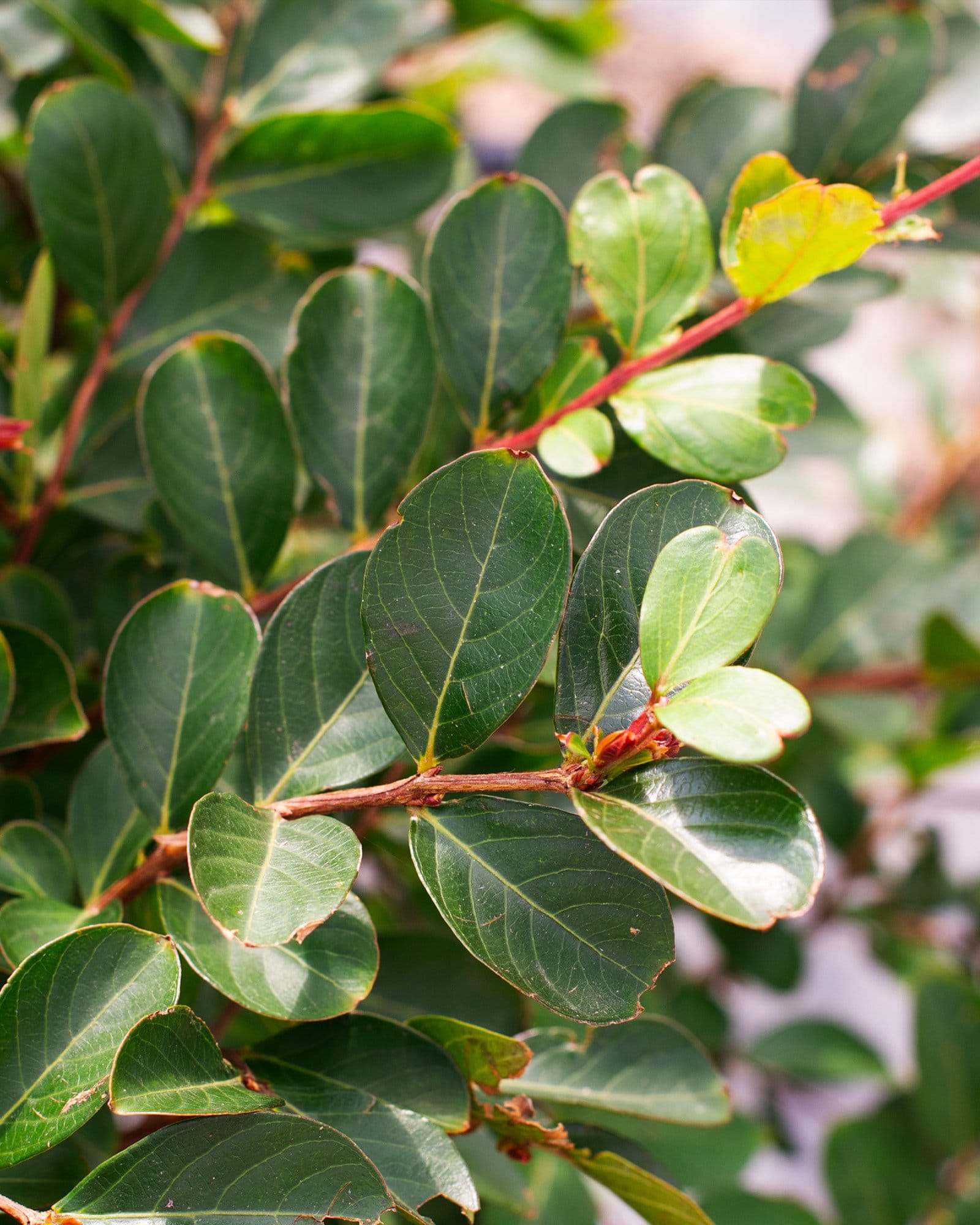
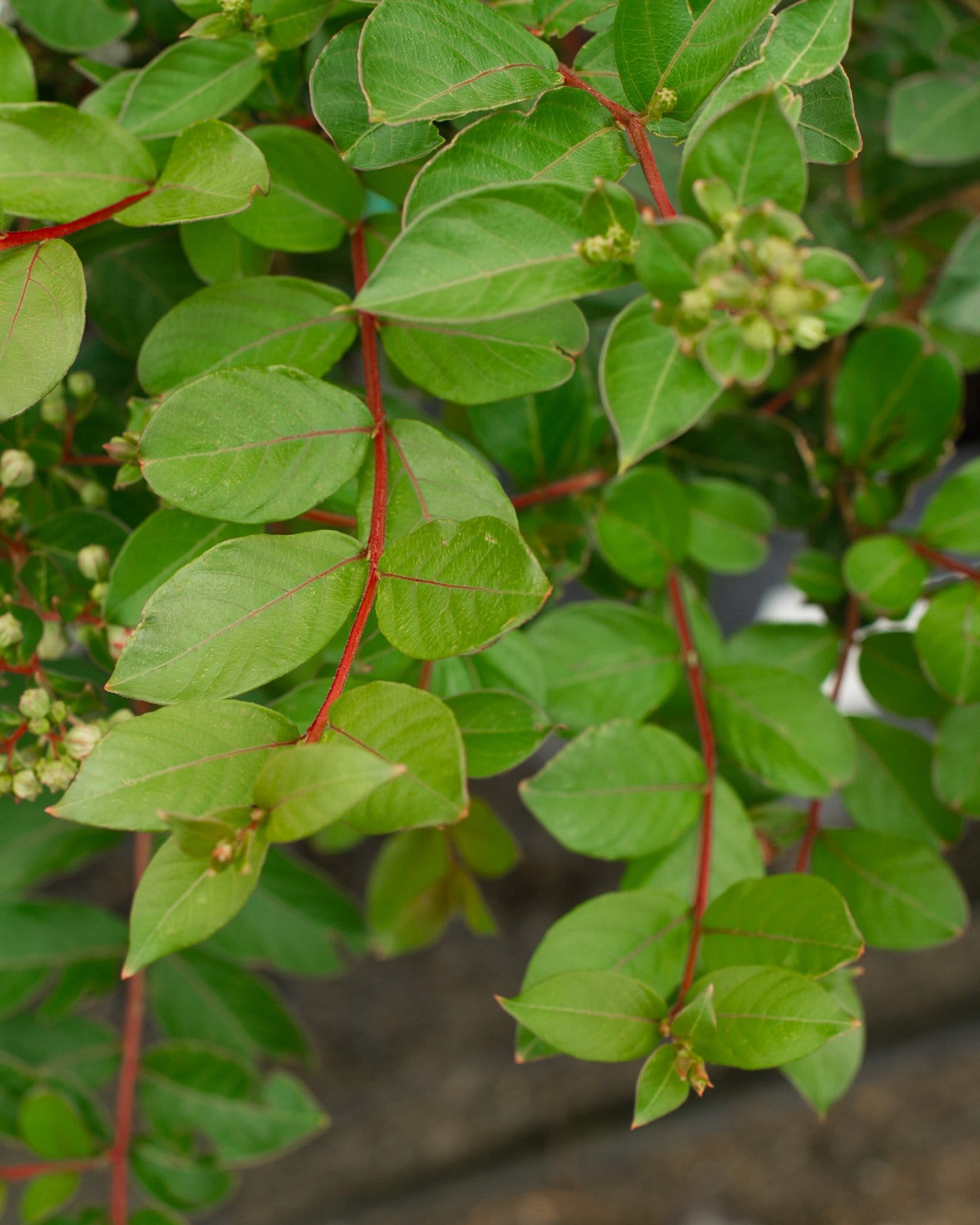
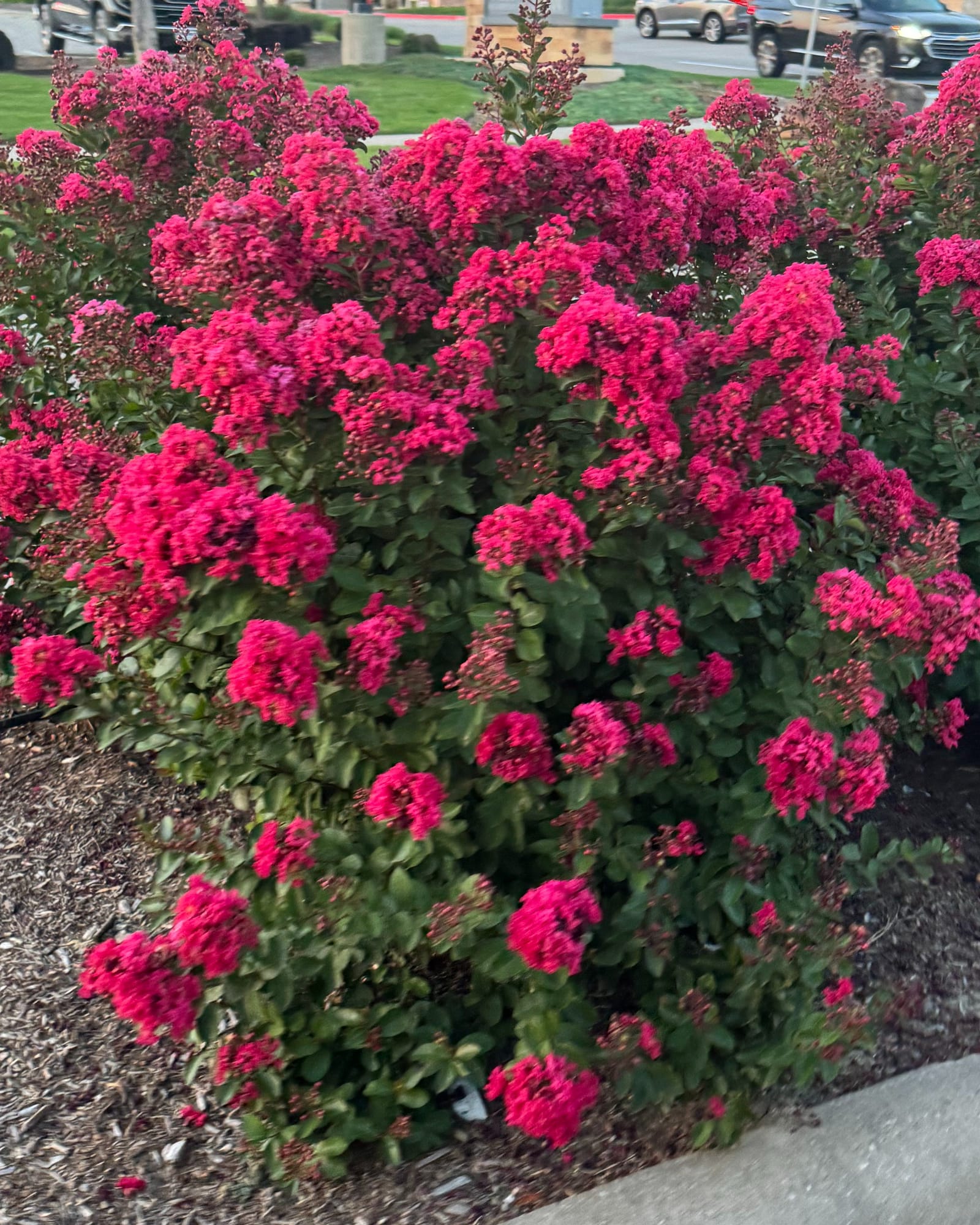
Lagerstroemia indica ‘Cotton Candy’Cotton Candy Crape Myrtle is a gorgeous deciduous shrub that lights up the landscape with soft, fluffy pink flower clusters all throughout summer. Its smooth, peeling bark and attractive branching structure provide year-round interest. Reaching 2 feet in height and just as much in width, this variety works well as a statement piece or grouped along borders and driveways.
- Deciduous flowering shrub
- Moderate to fast growth rate
- Soft pink blooms all during summer
- Attractive bark
- Great for ornamental beds, borders, and driveways
Cotton Candy Crape Myrtle thrives in full sun and well-drained soil, showing excellent heat and drought tolerance once established. Hardy in USDA zones 6 through 9, it's a fantastic choice for Texas beds looking to add long-lasting color and charm. Trim in late winter to encourage full blooming and a strong shape.
Cotton Candy Crape Myrtle is a beautiful choice for residential landscapes, where owners can benefit not only from its charm but low-maintenance nature. Here’s all it needs to thrive:
- Watering: Water regularly during the first growing season to establish a deep, resilient root system. Once established, Cotton Candy Crape Myrtle is drought-tolerant and performs best with deep, infrequent watering during prolonged dry periods.
- Pruning: Prune in late winter or early spring to remove crossing, damaged, or inward-growing branches. Minimal pruning is preferred, as this cultivar naturally develops an elegant, well-balanced structure without heavy cutting.
- Fertilizing: Apply a balanced, slow-release fertilizer in early spring to support healthy growth and consistent flowering. Avoid excessive nitrogen, which can encourage leafy growth at the expense of blooms.
- Mulching: Apply a 2-3 inch layer of mulch around the base to conserve moisture and regulate soil temperature. Keep mulch several inches away from the trunk to prevent moisture-related bark issues.
- Winter Care: Cotton Candy Crape Myrtle is cold-hardy within its growing range and typically requires no winter protection once established. Young trees benefit from mulch over the root zone during their first winter.
Cotton Candy Crape Myrtle is dependable and low-maintenance, though a few issues may appear under stress or unfavorable conditions:
- Powdery Mildew: A white, powdery coating may appear on leaves during humid weather. Planting in areas with good airflow and selecting disease-resistant cultivars helps reduce the occurrence.
- Aphids: Clusters of small insects may feed on tender growth, producing sticky honeydew. Rinsing foliage with water or applying insecticidal soap provides effective control.
- Sooty Mold: Black residue may coat leaves as a result of aphid honeydew. Managing the insect population resolves the issue and restores foliage appearance.
- Leaf Spot: Dark or irregular spots may develop during extended wet periods. Removing fallen leaves and improving air circulation limits the spread.
- Cold Damage: New growth may be damaged by late spring freezes. Pruning affected tips in spring encourages healthy regrowth.
Cotton Candy Crape Myrtle typically lives 30-50 years with proper care. Its strong branching structure supports long-term health and resilience. Mature trees often gain character and beauty over time.
It grows at a moderate rate, adding approximately 12-18 inches per year. Light flowering may begin within the first year, with full canopy development and peak bloom reached in 5-7 years. Growth remains refined and manageable as the tree matures.
The soft pink summer blooms attract bees and other beneficial insects. Flowering coincides with peak pollinator activity. Group plantings increase visibility and pollinator visits.
It’s considered deer-resistant once established. Young trees may experience occasional browsing. Mature specimens are rarely bothered.
It can be grown in large containers during its early years. Containers highlight their blooms and allow for controlled placement. Long-term performance is best when planted in the ground.
Division does not apply to this woody tree. New plants are best established from nursery-grown stock. Transplanting mature trees should be done by professionals.
Mass plantings create soft, uniform sweeps of pink color. Consistent growth habit keeps groupings visually cohesive. Group plantings also enhance summer bloom impact.
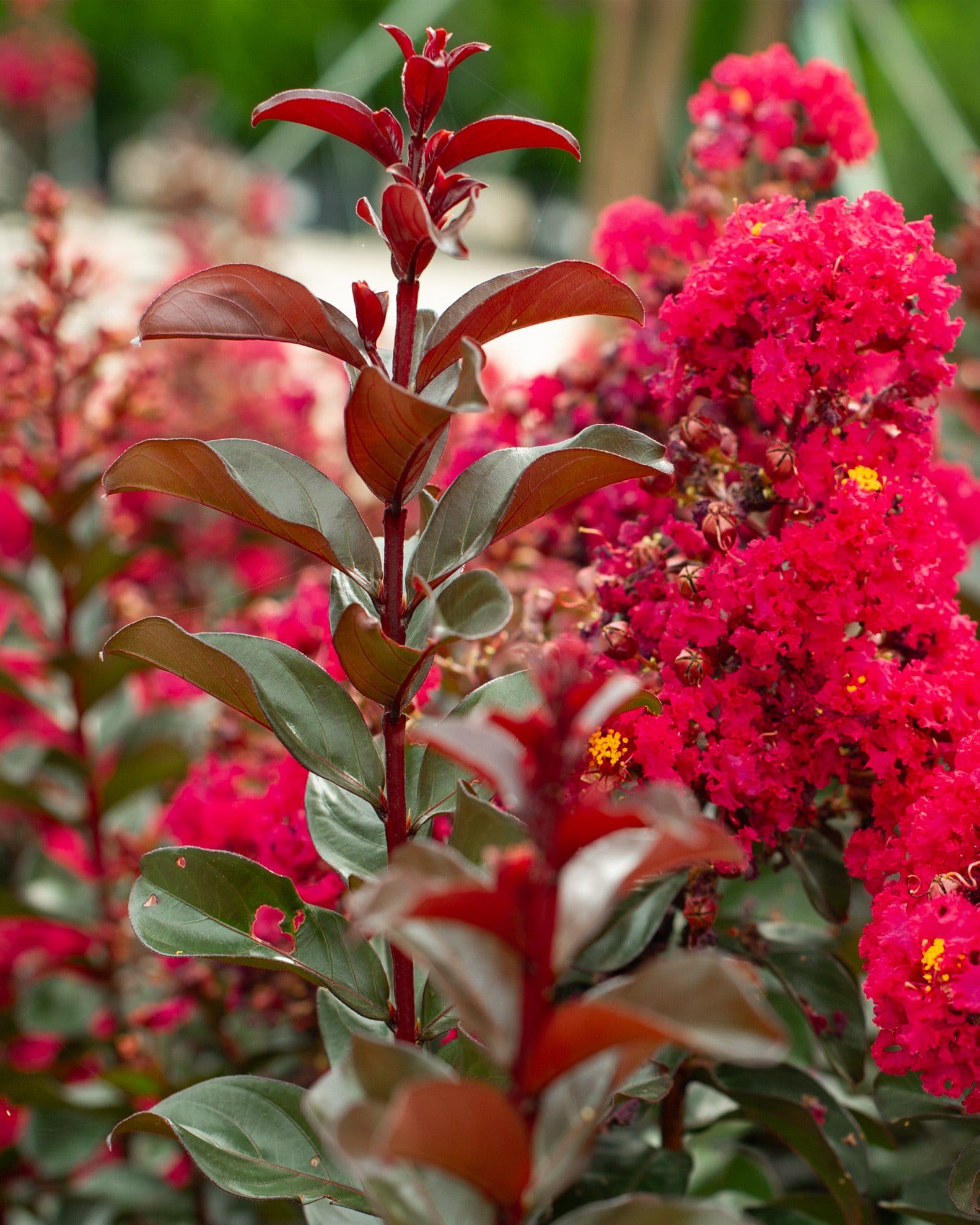
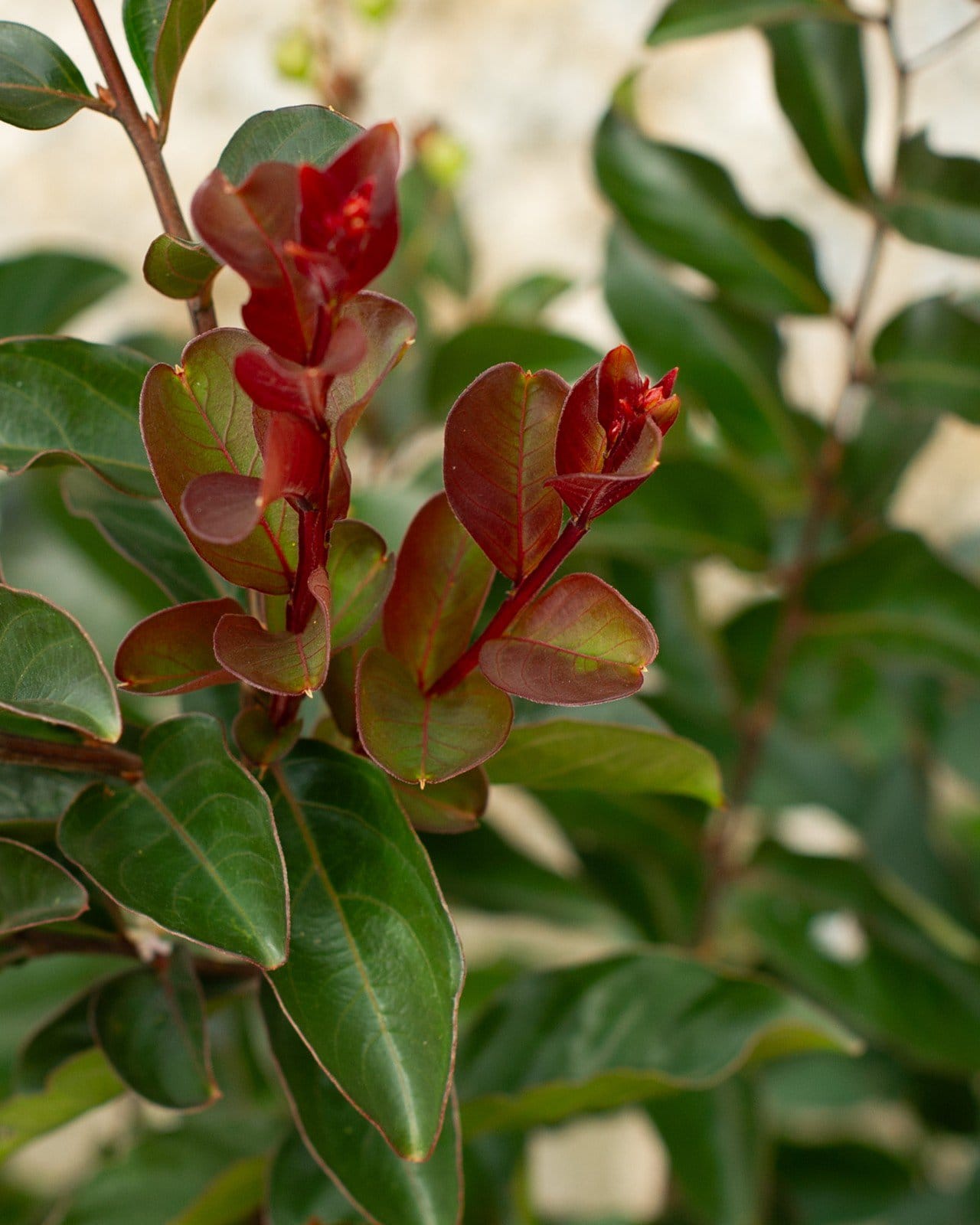
It pairs beautifully with ornamental grasses, lavender, roses, and evergreen shrubs. Darker foliage provides contrast to its pale blooms. These combinations offer year-round interest.
Once established, it requires very little care beyond occasional pruning and watering. Its disease resistance reduces ongoing maintenance needs. Consistent performance makes it ideal for residential and commercial landscapes.
Cotton Candy Crape Myrtle stands out for its delicate pink blooms and graceful form. It brings softness and elegance to summer landscapes. Few crape myrtles offer such refined beauty with such easy care.
Special Features
You might also like
Dark Roast Crape Myrtle
Maturity: 3' H x 3' W
Peppermint Mocha Crape Myrtle
Maturity: 3' H x 3' W
Pocomoke Crape Myrtle
Maturity: 3' H x 3' W
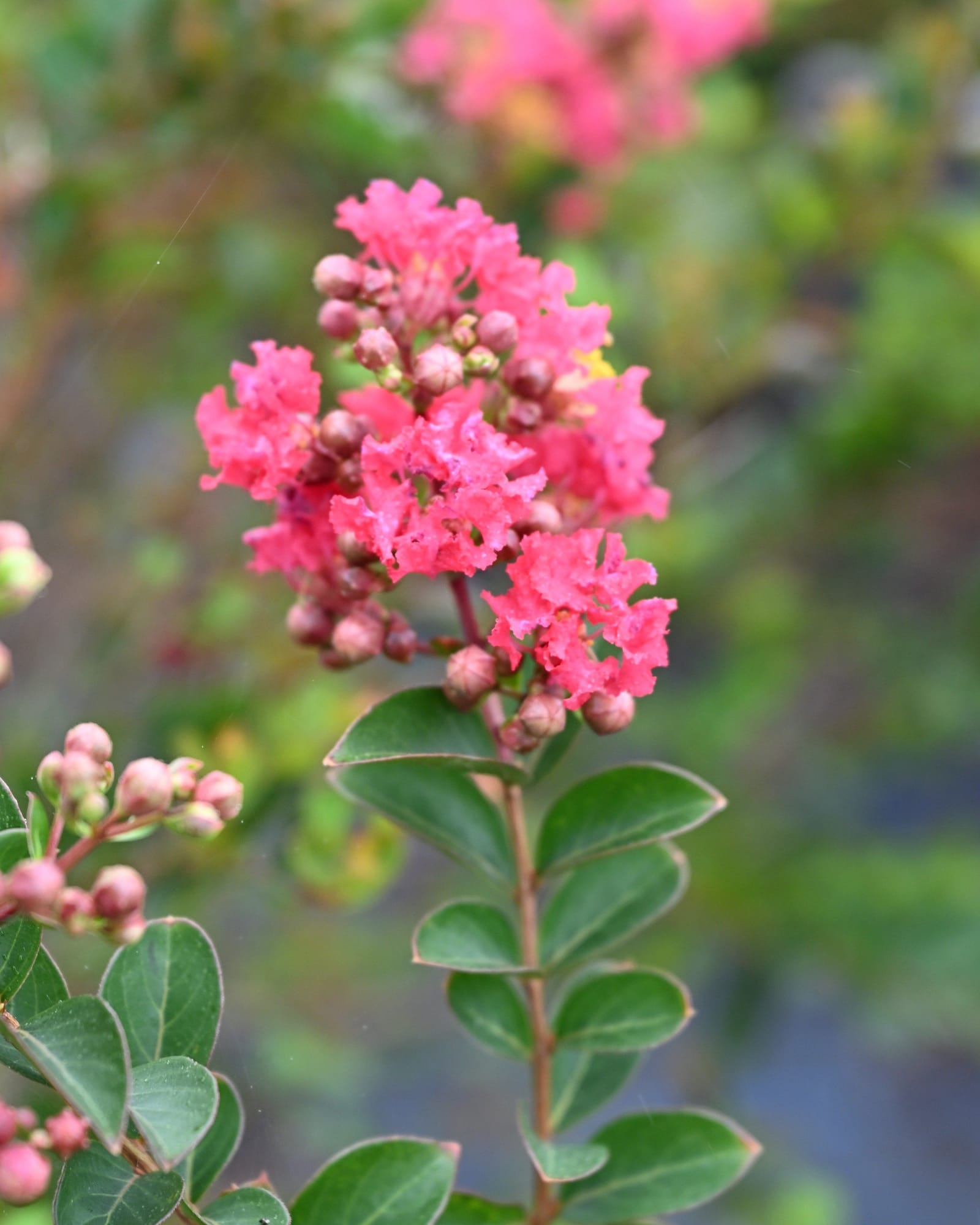
Bellini Raspberry Crape Myrtle
Maturity: 3' H x 3' W
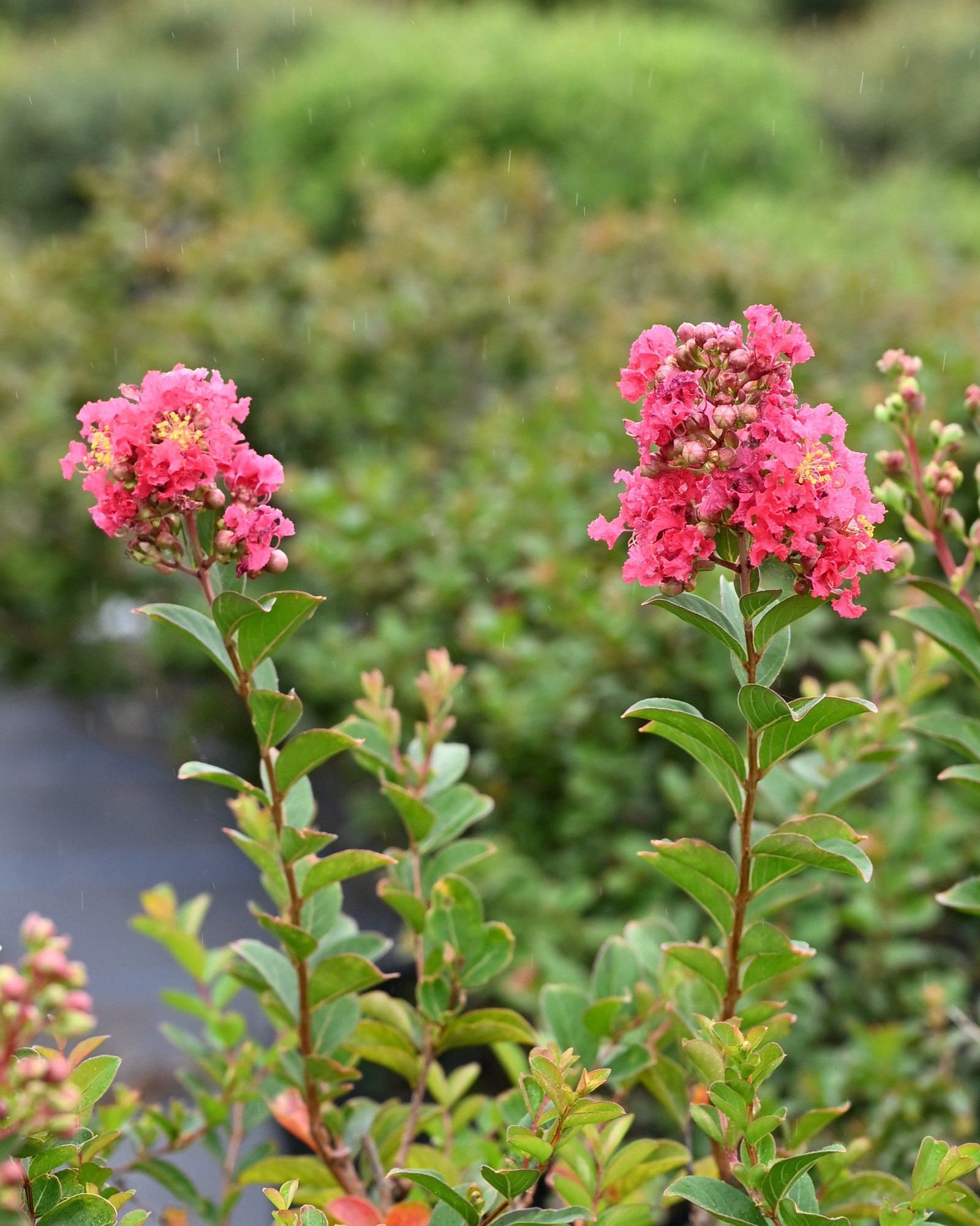
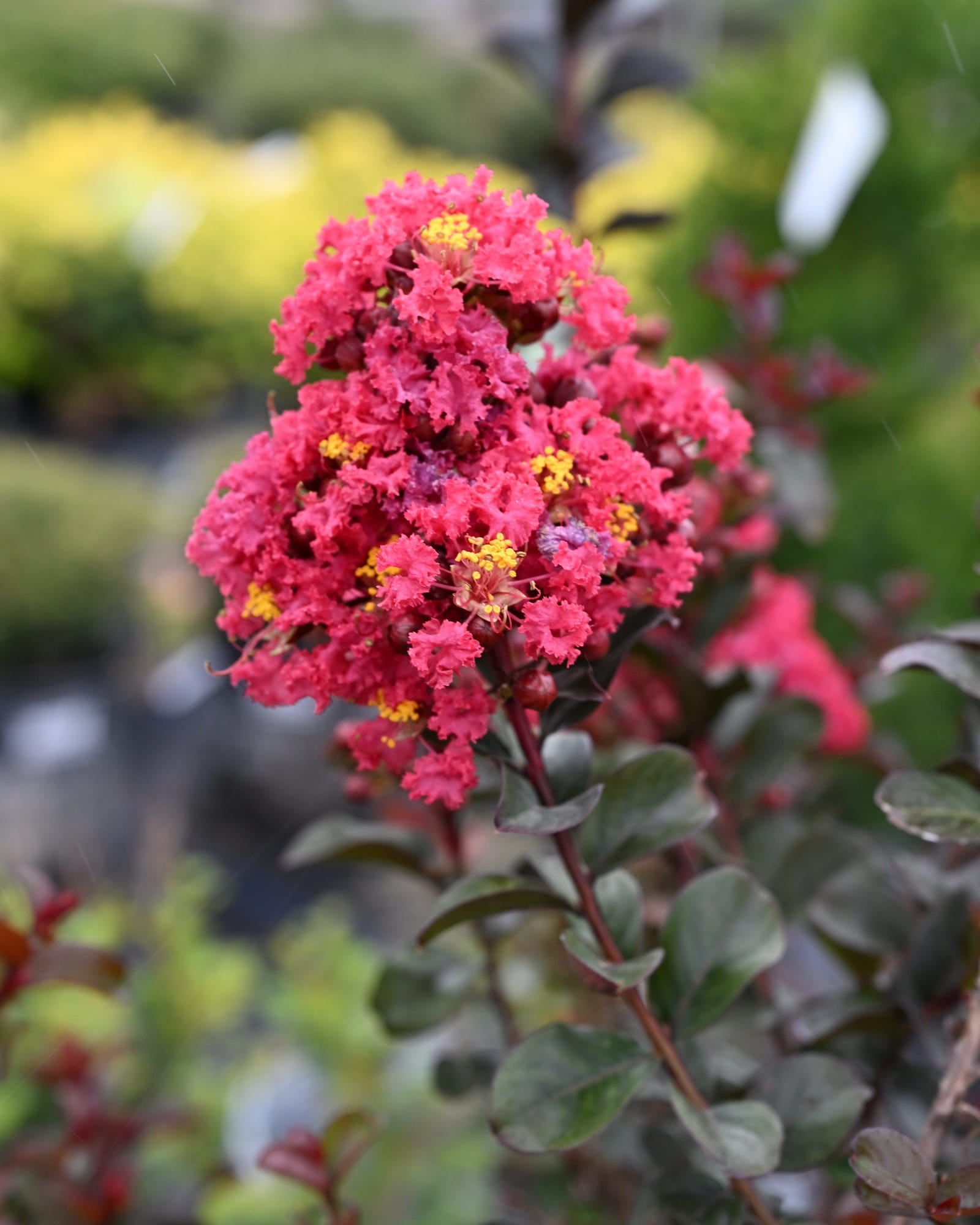
Cherry Mocha Crape Myrtle
Maturity: 3' H x 3' W
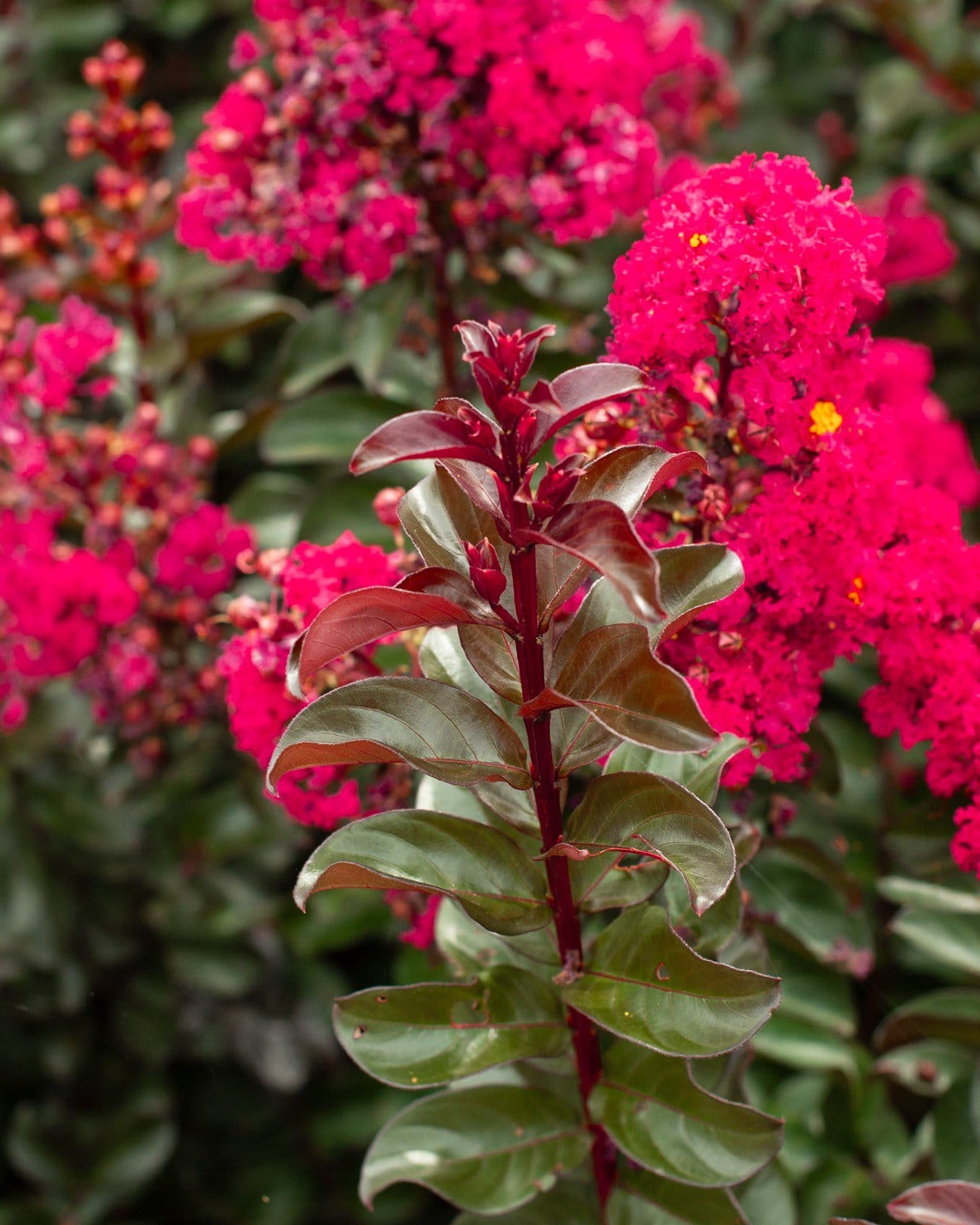
Double Feature Crape Myrtle
Maturity: 6' H x 6' W
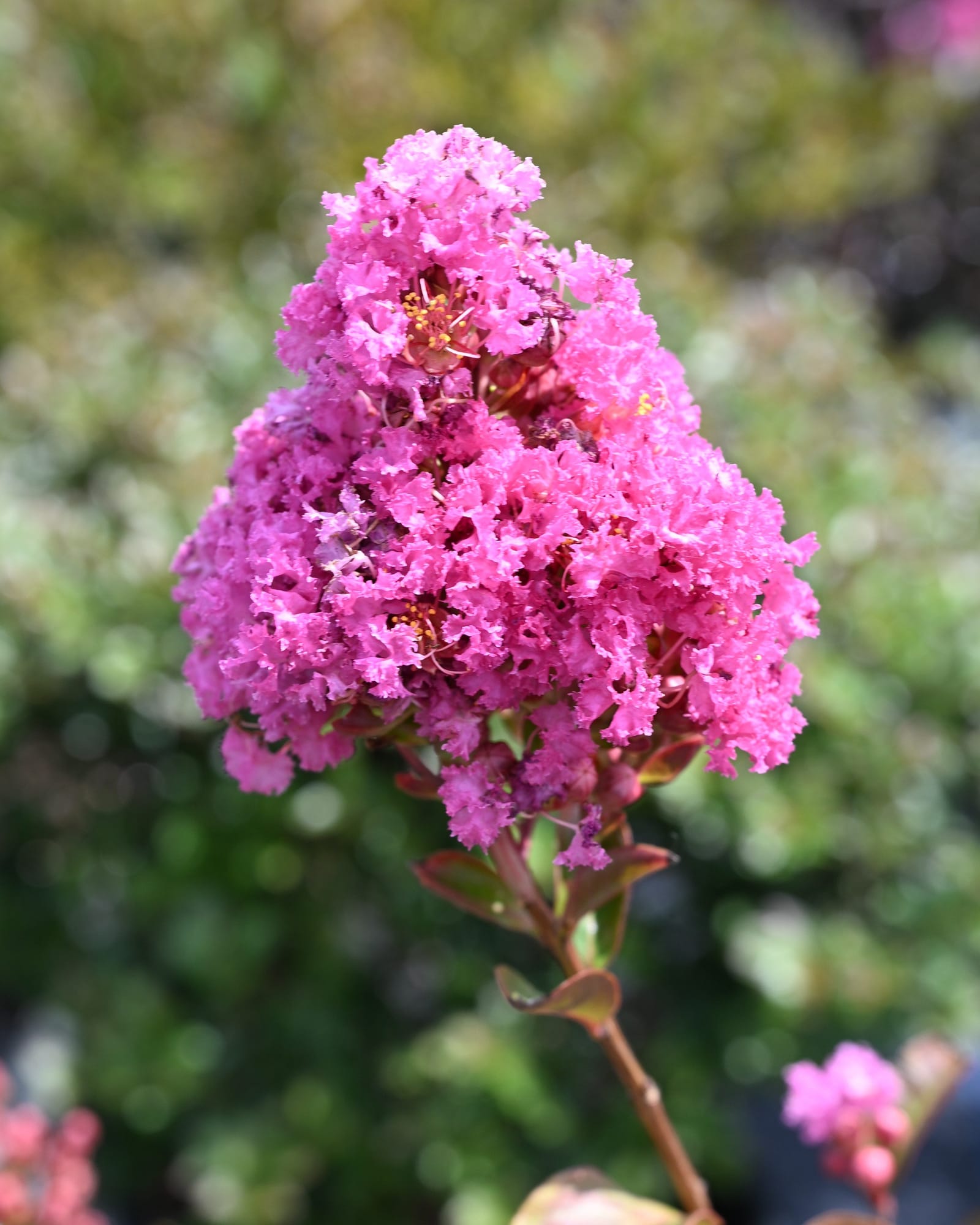
Enduring Fuchsia Crape Myrtle
Maturity: 4' H x 4' W
Enduring Lavender Crape Myrtle
Maturity: 4' H x 4' W
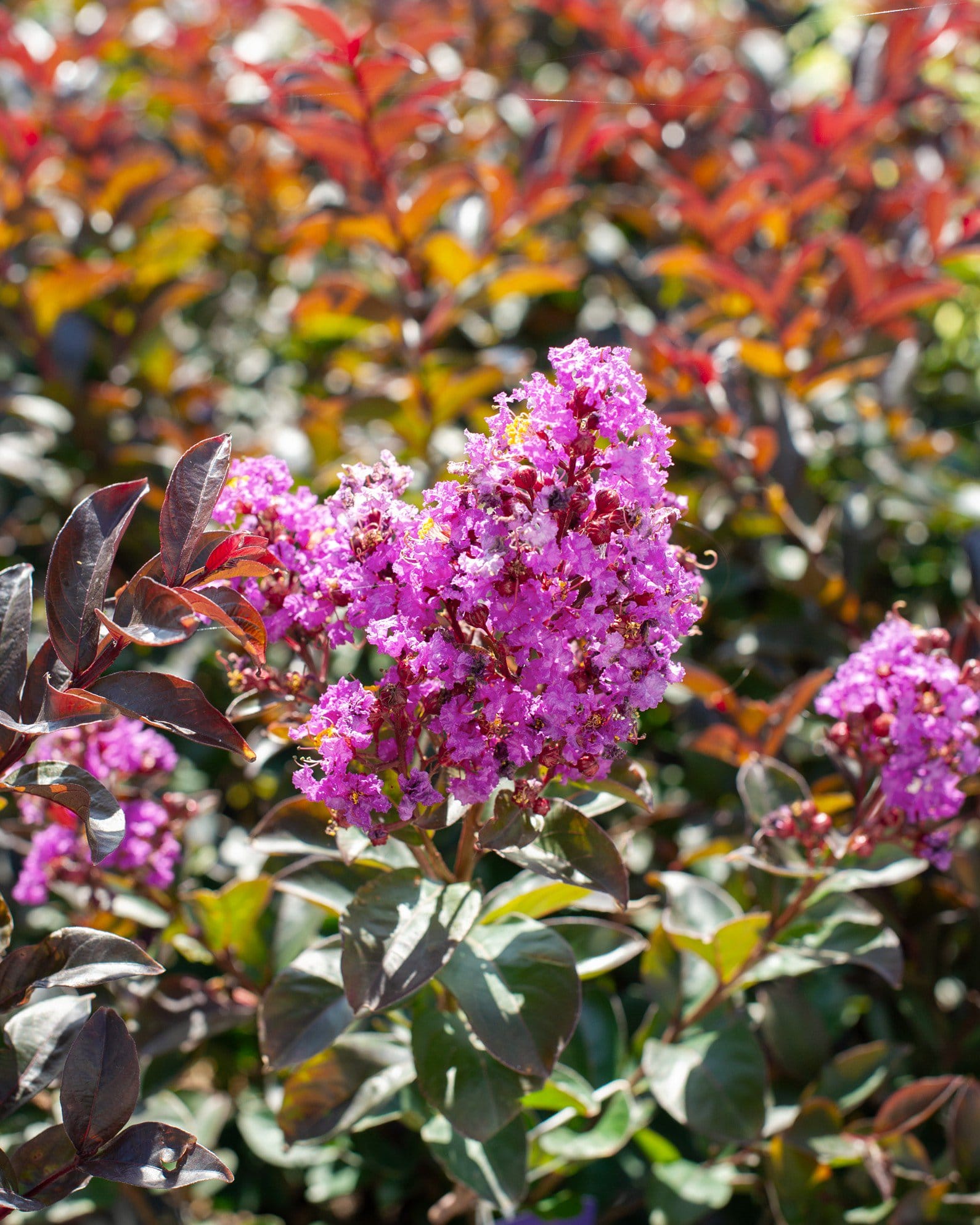
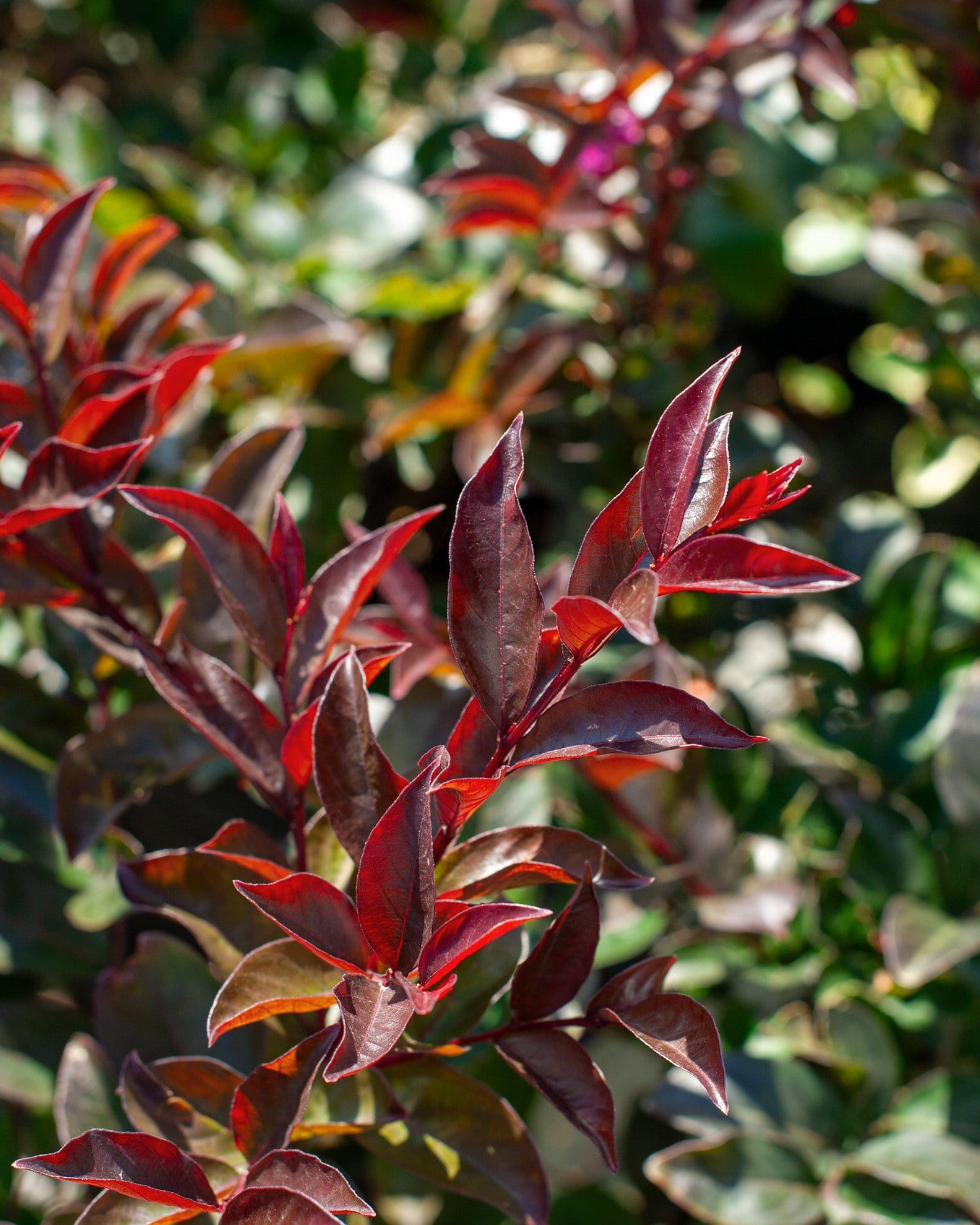
Enduring Red Crape Myrtle
Maturity: 4' H x 4' W
Enduring Summer Red Crape Myrtle
Maturity: 4' H x 4' W
Enduring White Crape Myrtle
Maturity: 4' H x 4' W
French Vanilla Crape Myrtle
Maturity: 2' H x 2' W
Like a Latte Crape Myrtle
Maturity: 3' H x 3' W
Acoma Crape Myrtle
Maturity: 7' H x 6' W
Lava Java Crape Myrtle
Maturity: 3' H x 3' W
Compare Similar Plants
Cotton Candy Crape Myrtle This plant | ||
|---|---|---|
| Scientific Name | Lagerstroemia indica ‘Cotton Candy’ | Lagerstroemia indica ‘Dark Roast’ |
| Size at Maturity | 2' H x 2' W | 3' H x 3' W |
| Leaf Retention | Deciduous | Deciduous |
| Fall Color | Yellow | Yellow |
| Flower Color | Pink | Pink |
| Bloom Times | Summer | Summer |
| Sizes Available | 3, 7 gal | 5 gal |

Our 1-Year Planting Guarantee
We take pride in our plants and installation services. If any plants or trees installed by Treeland fail to thrive within the first year, we'll provide a replacement credit in accordance with our guarantee program.
Learn More About Our Guarantee