




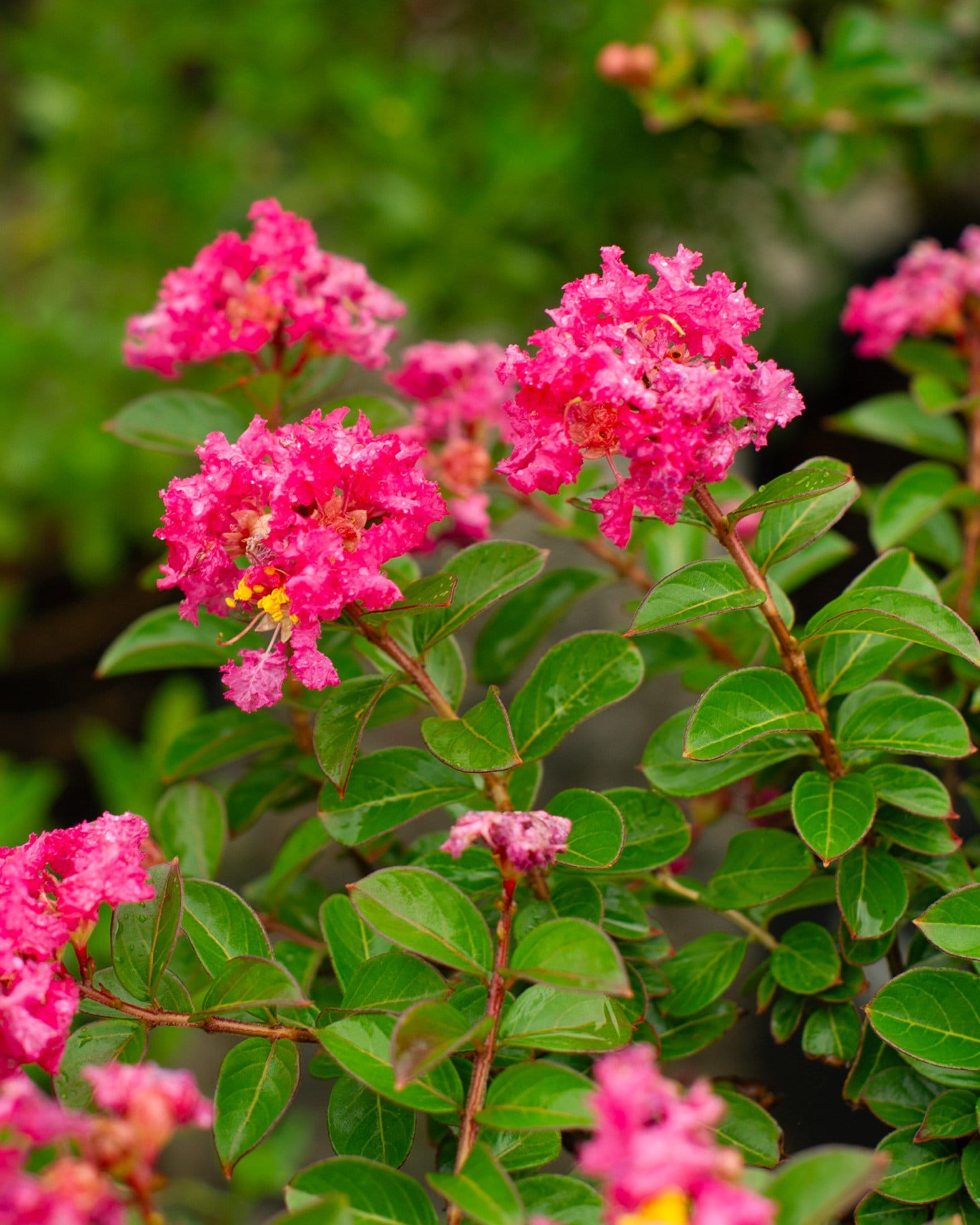
Pocomoke Crape Myrtle
Lagerstroemia ‘Pocomoke’Local DFW Delivery Only
Product Details
Pocomoke Crape Myrtle
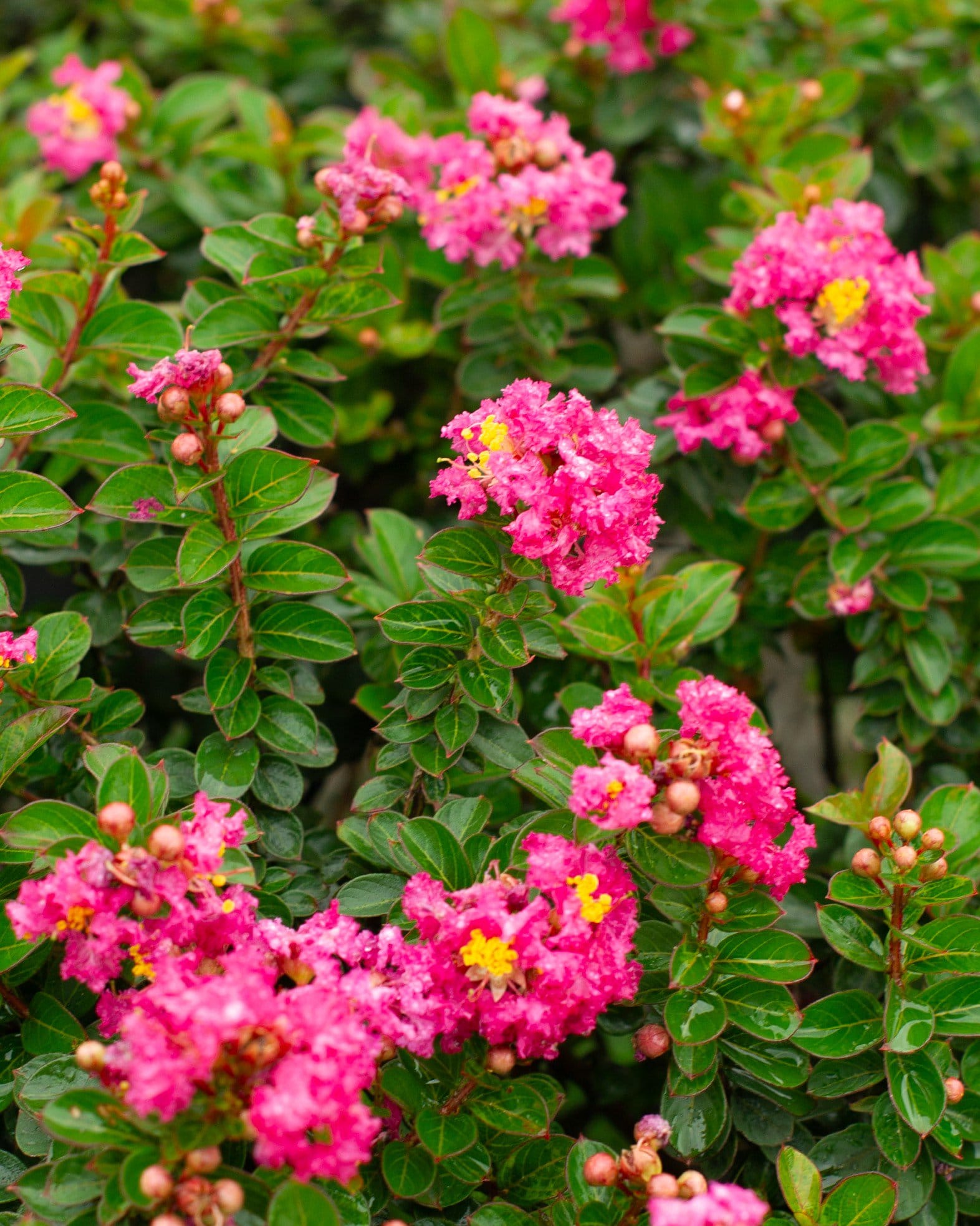
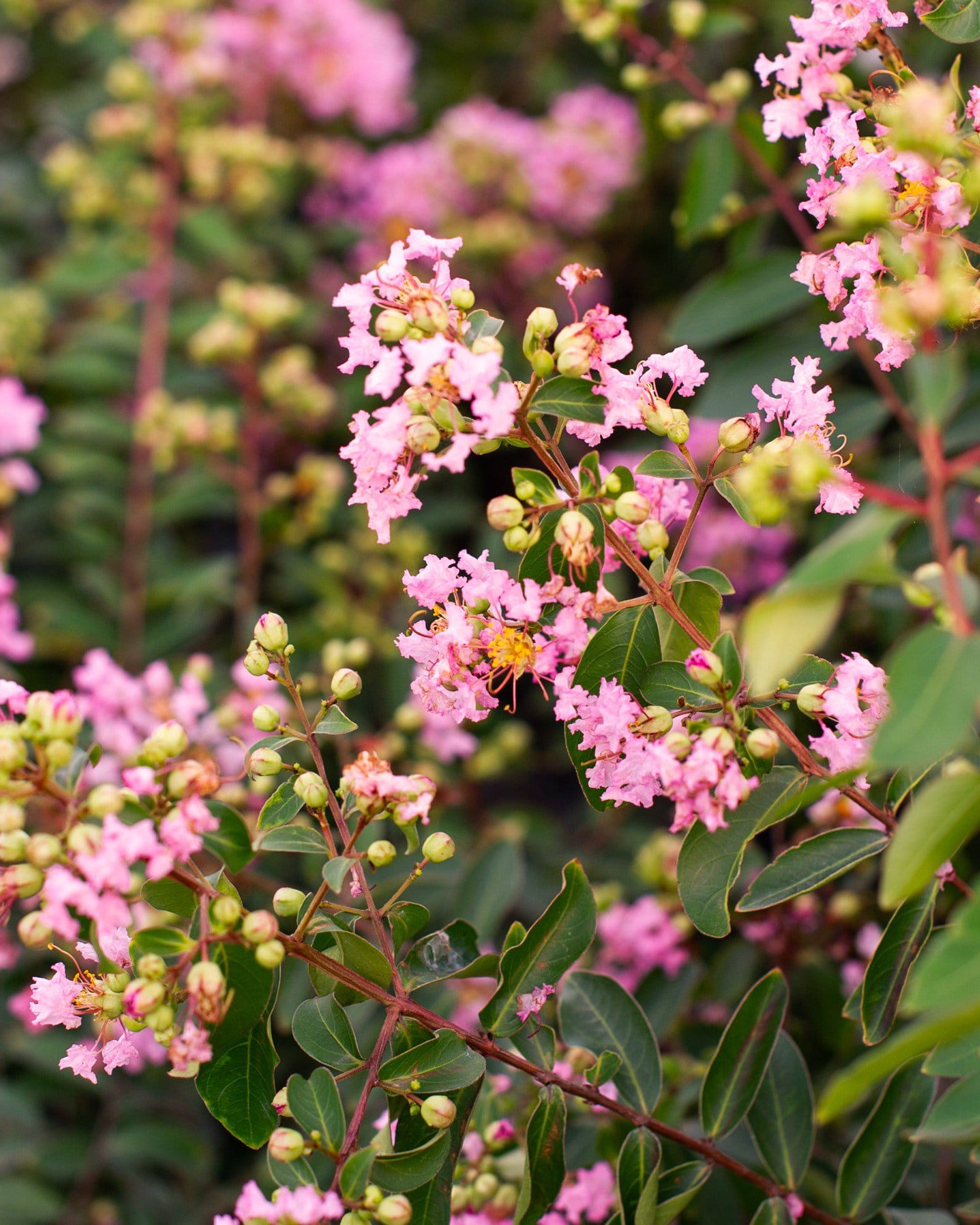
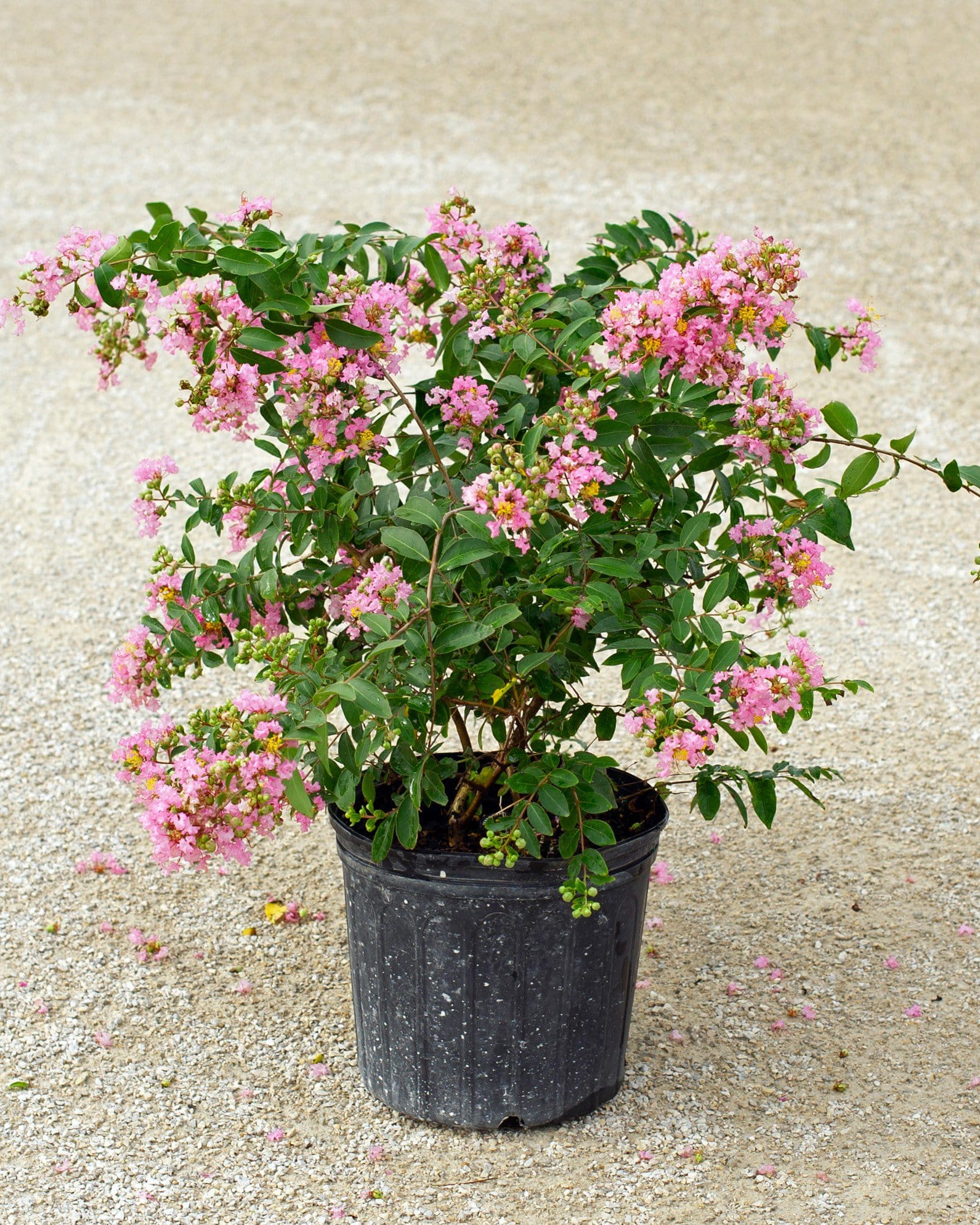
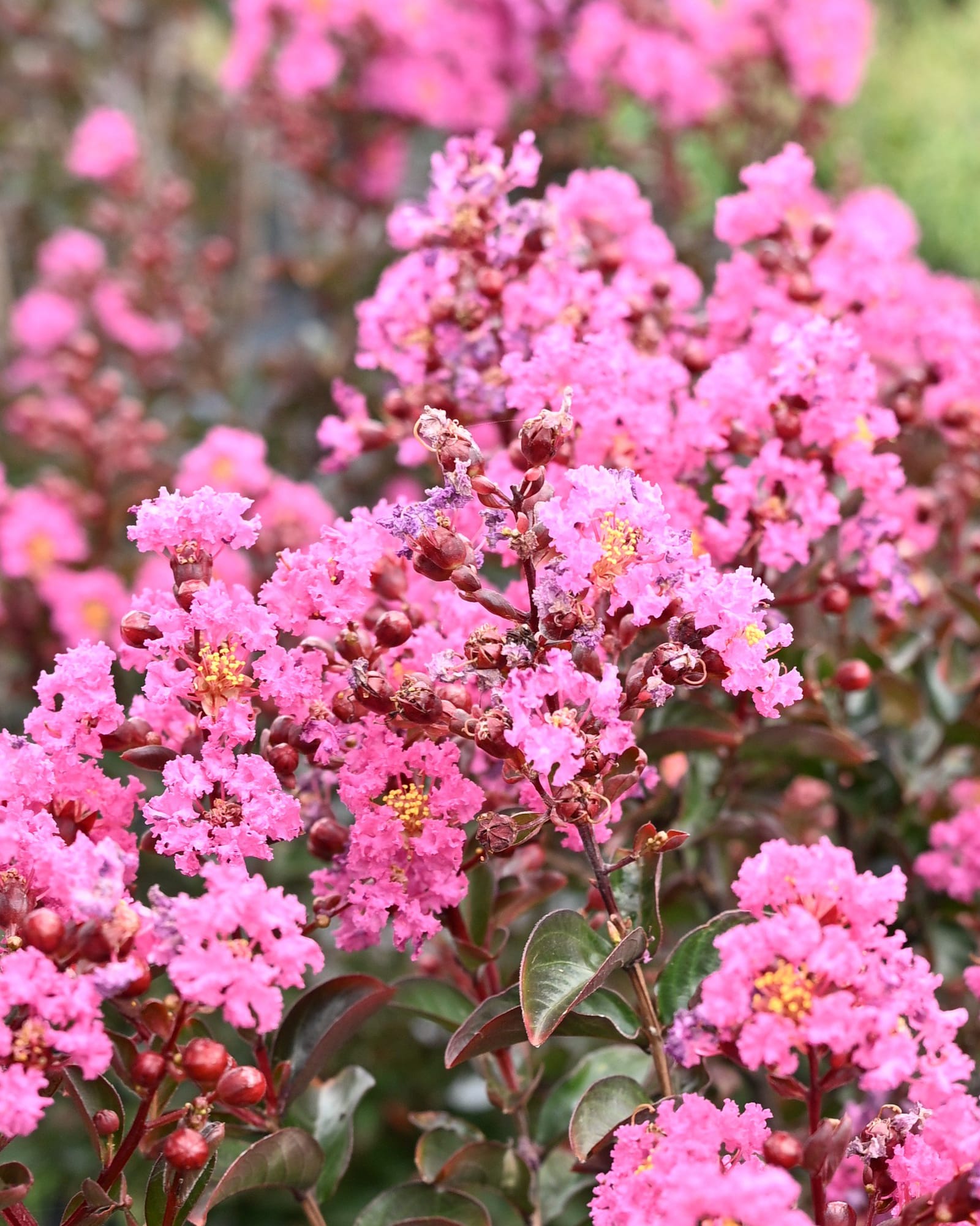
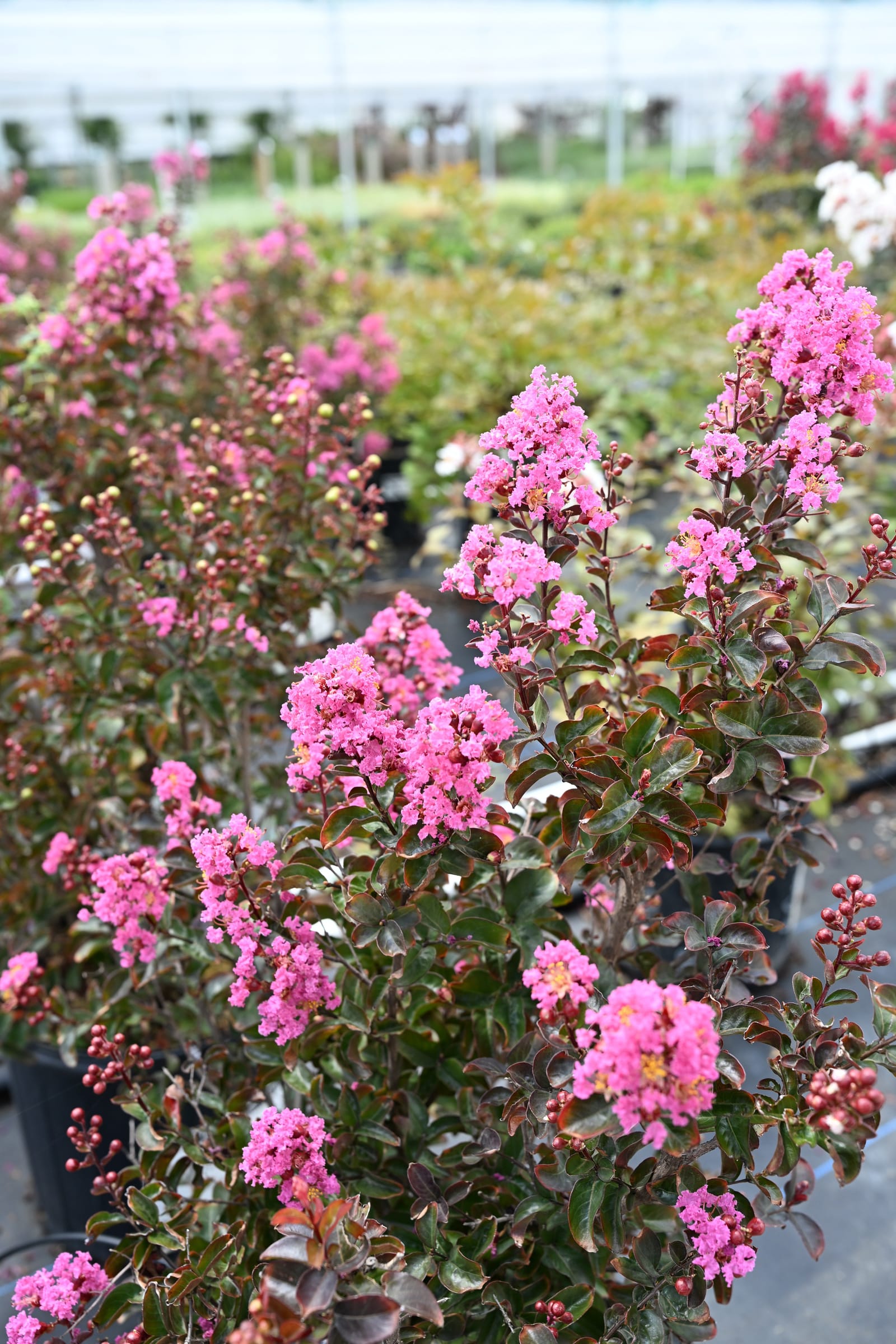
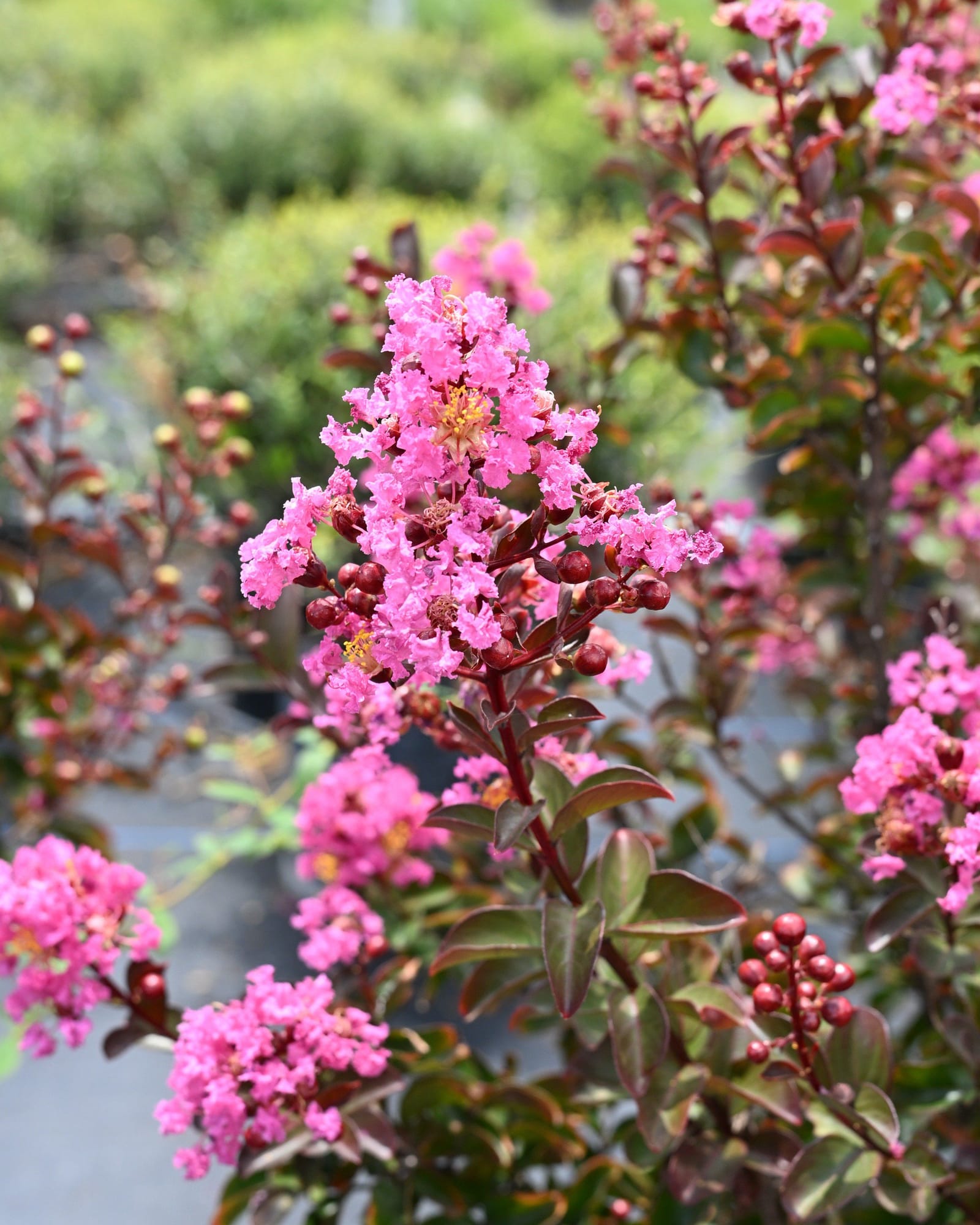
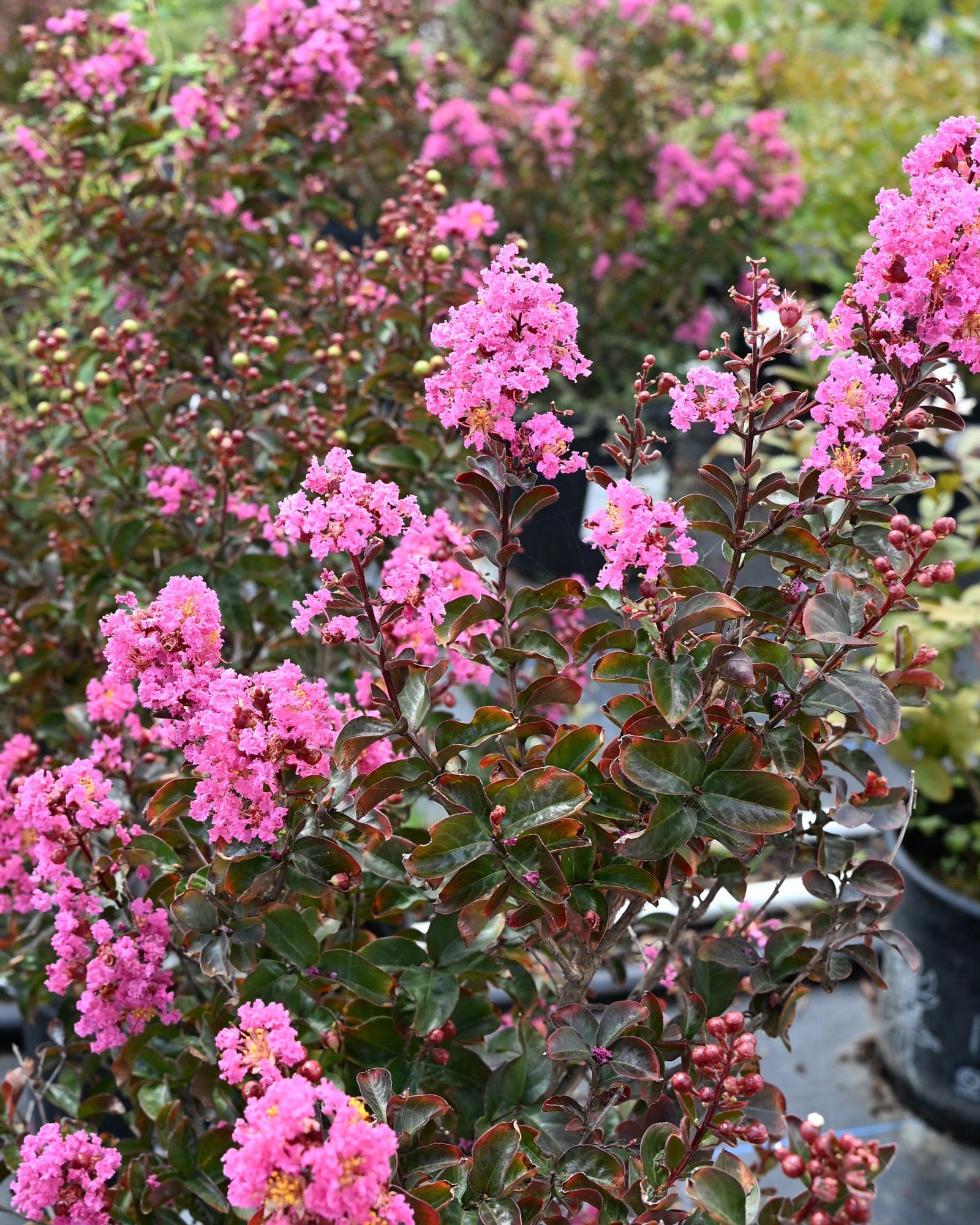
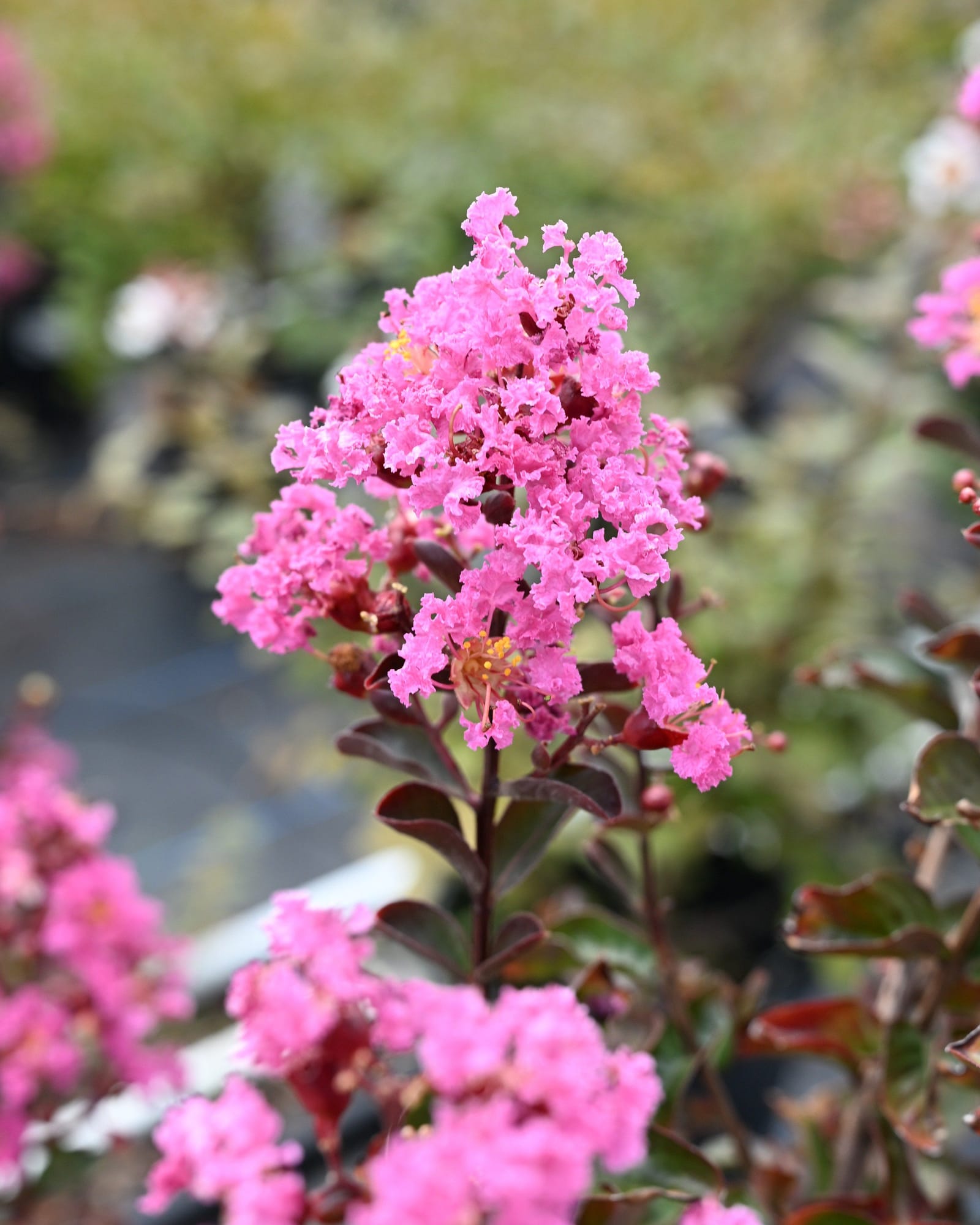
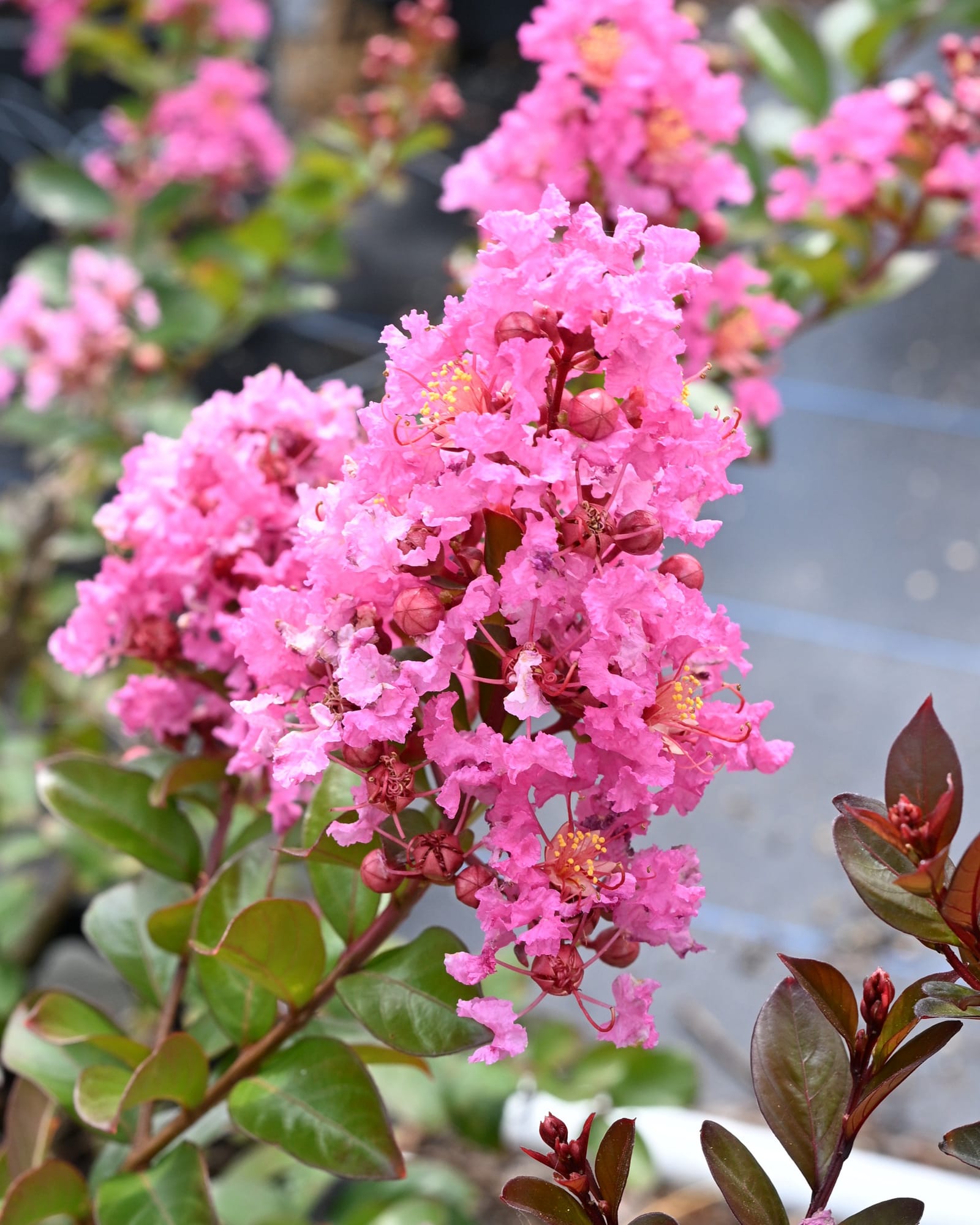
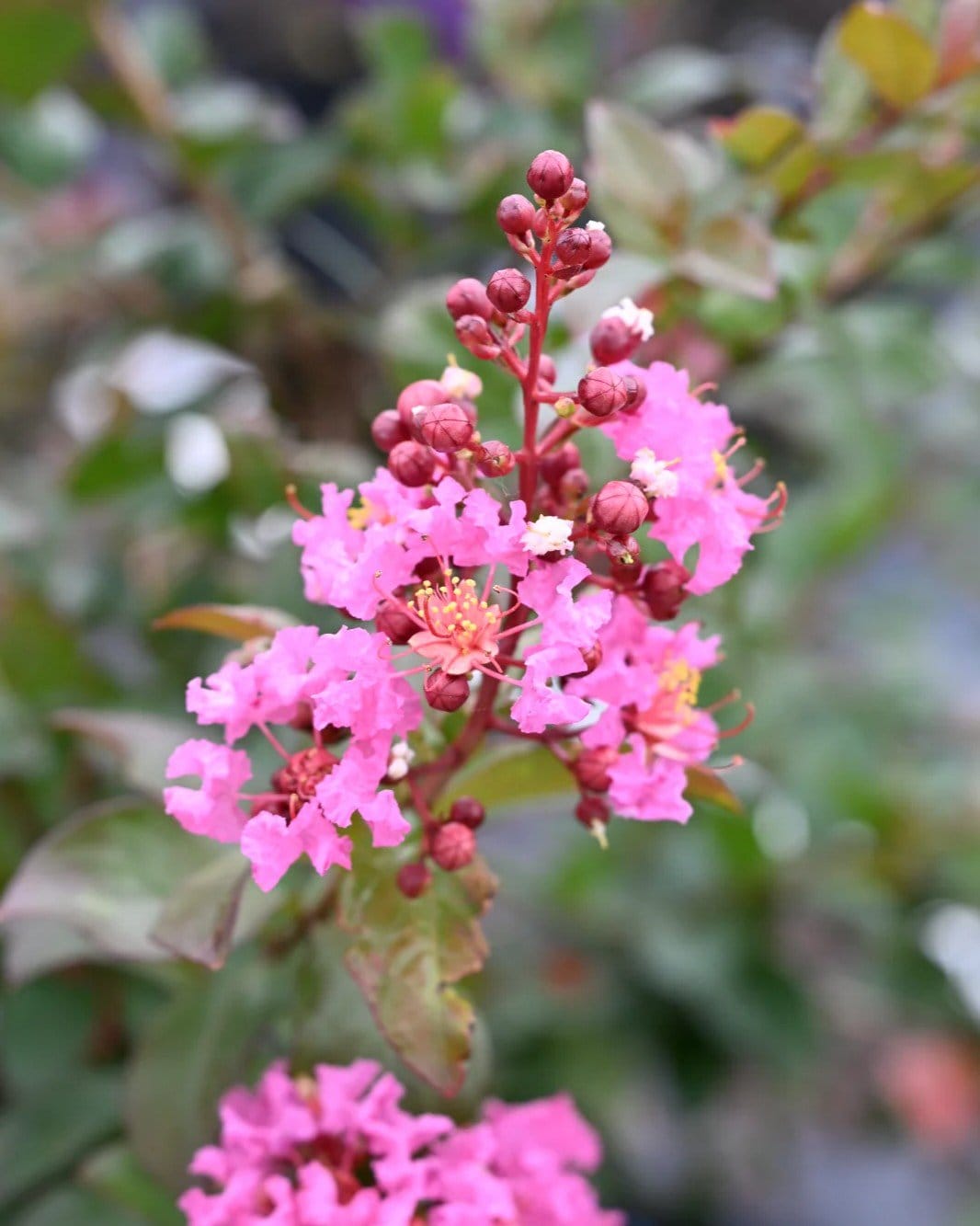
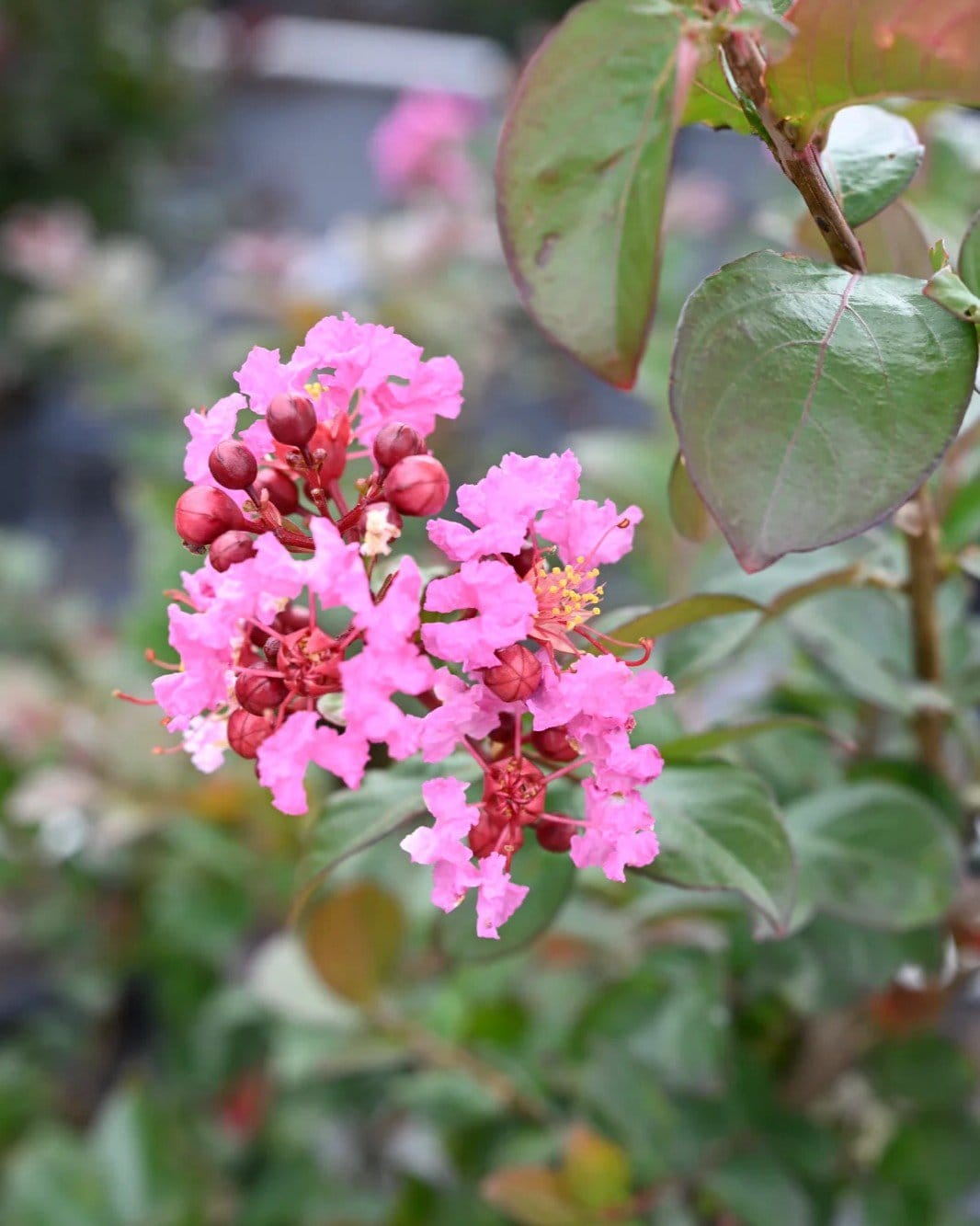
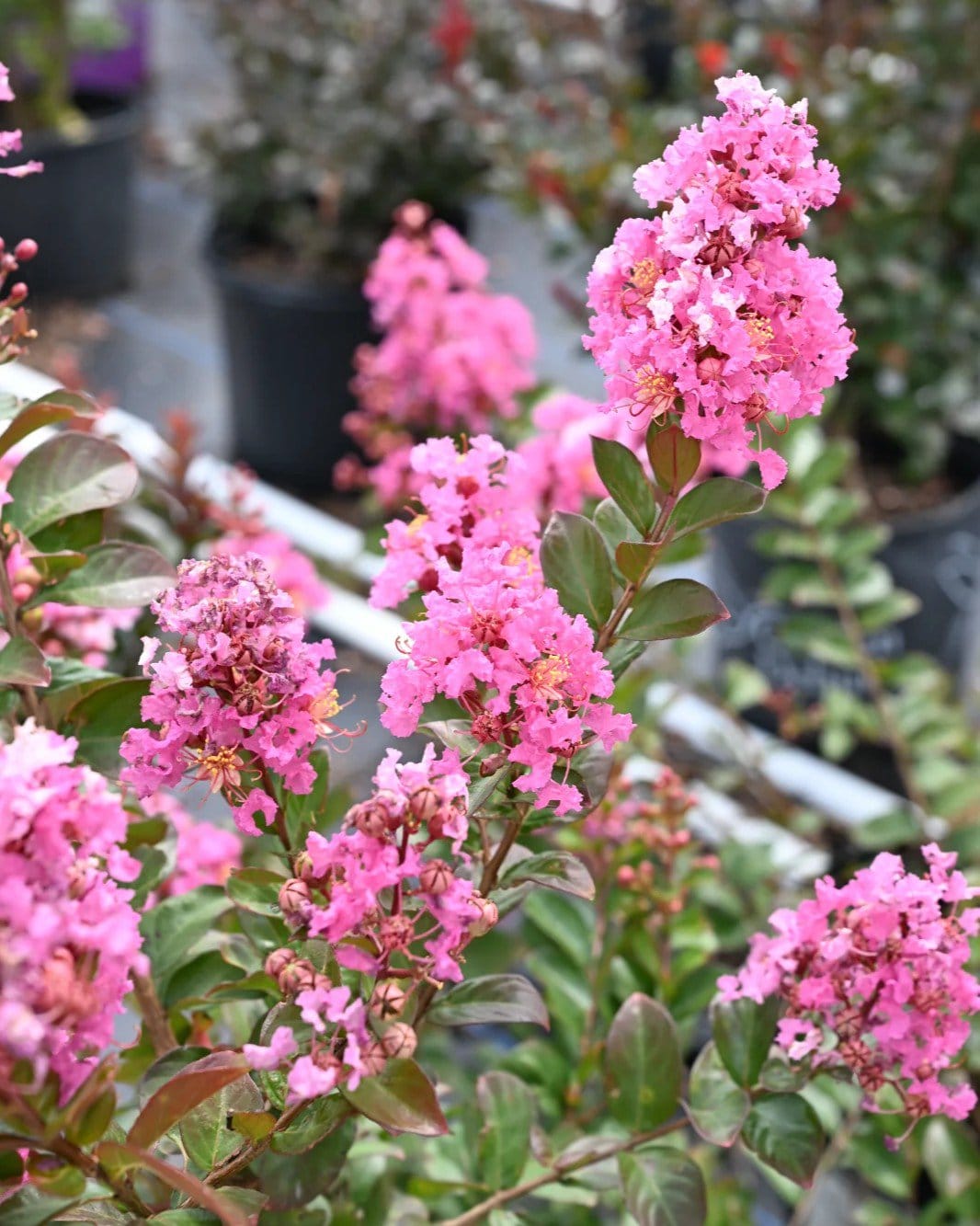
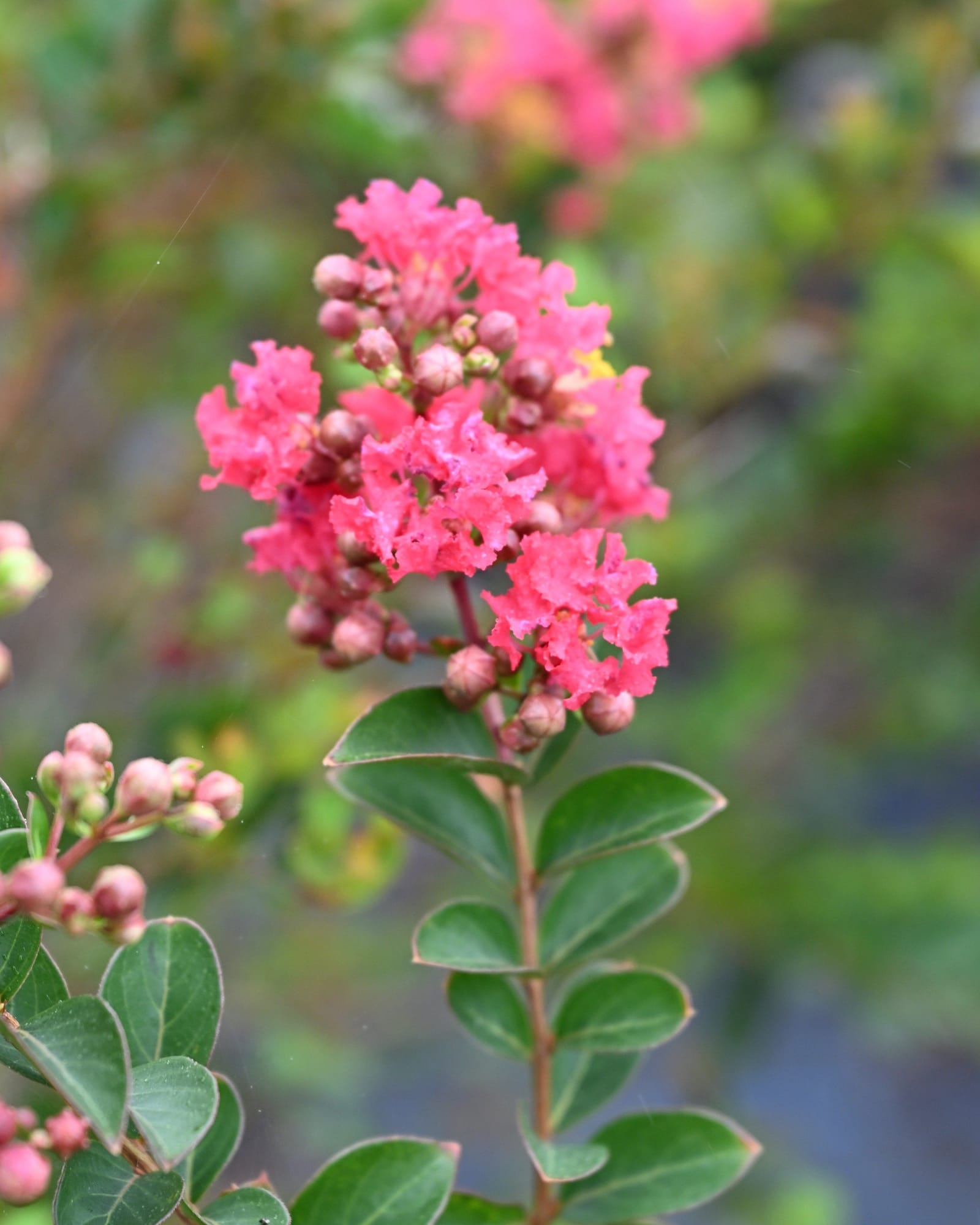
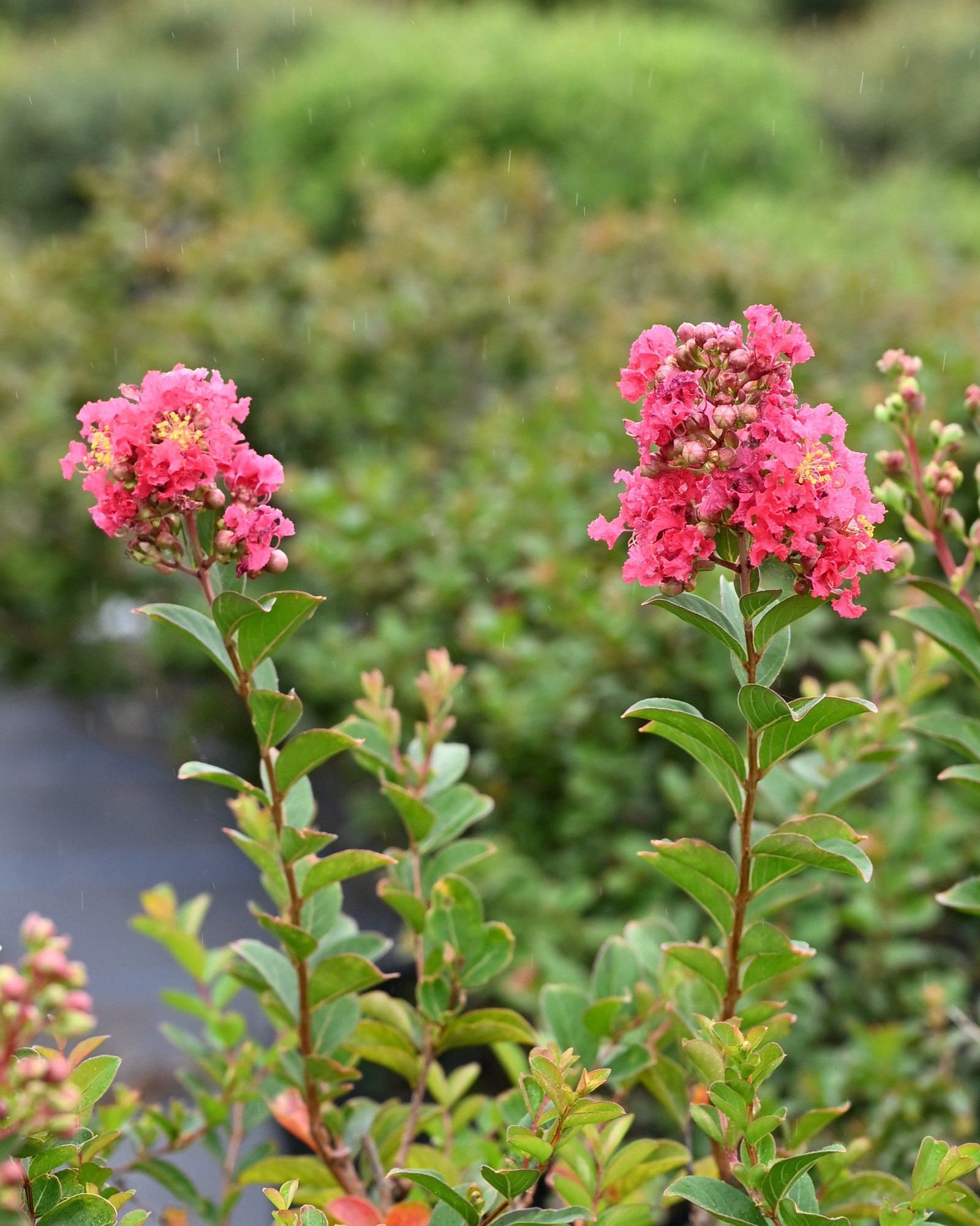
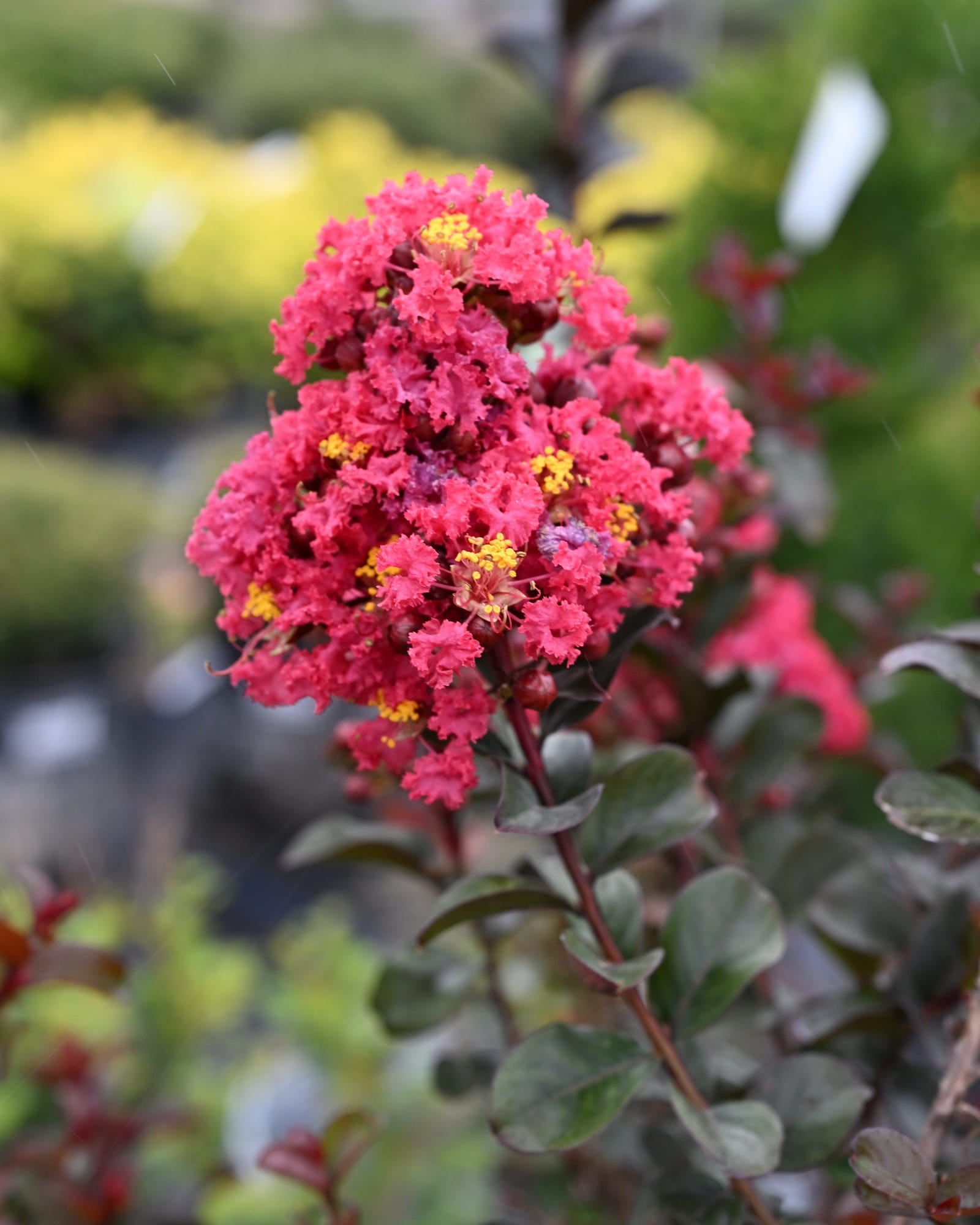
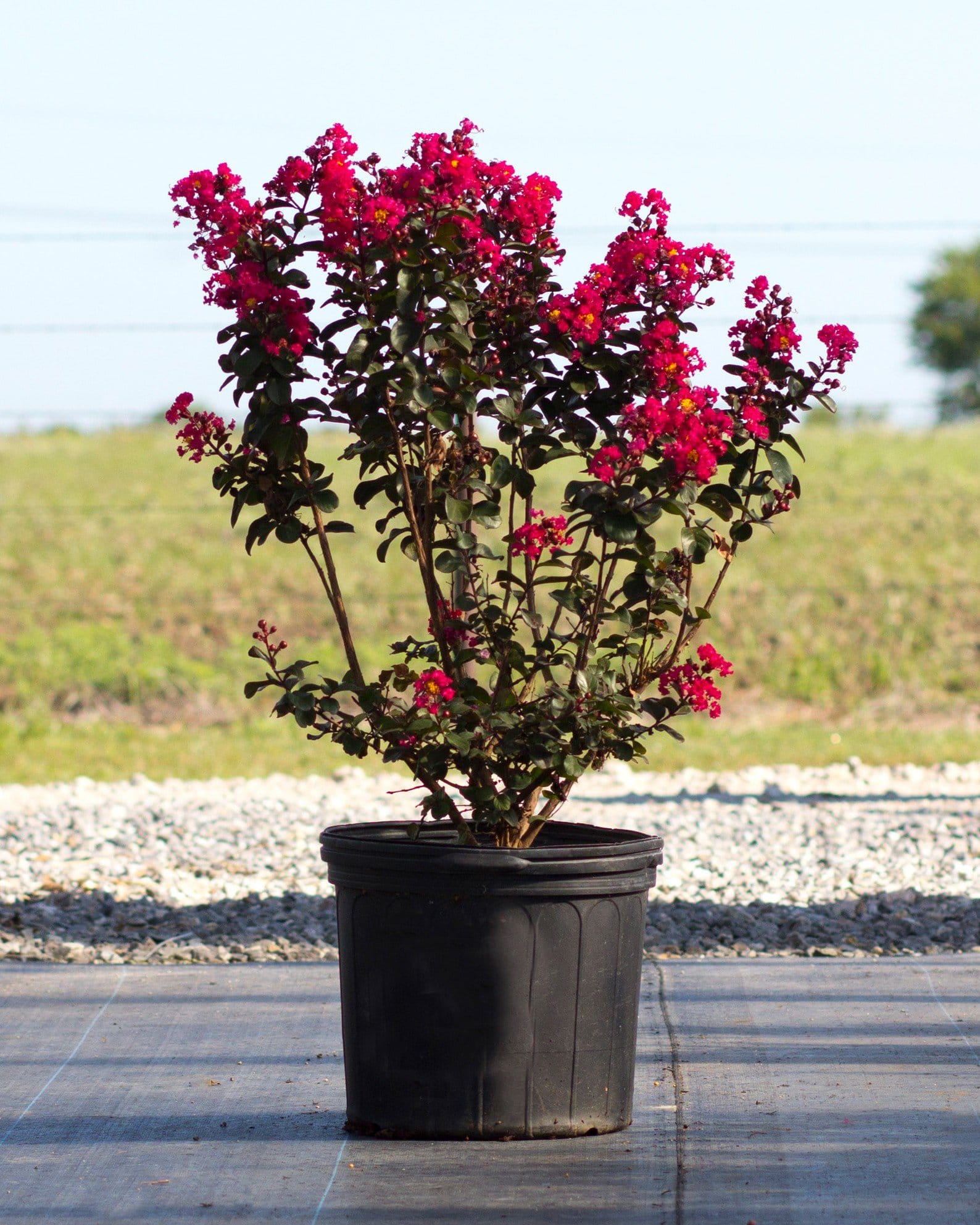
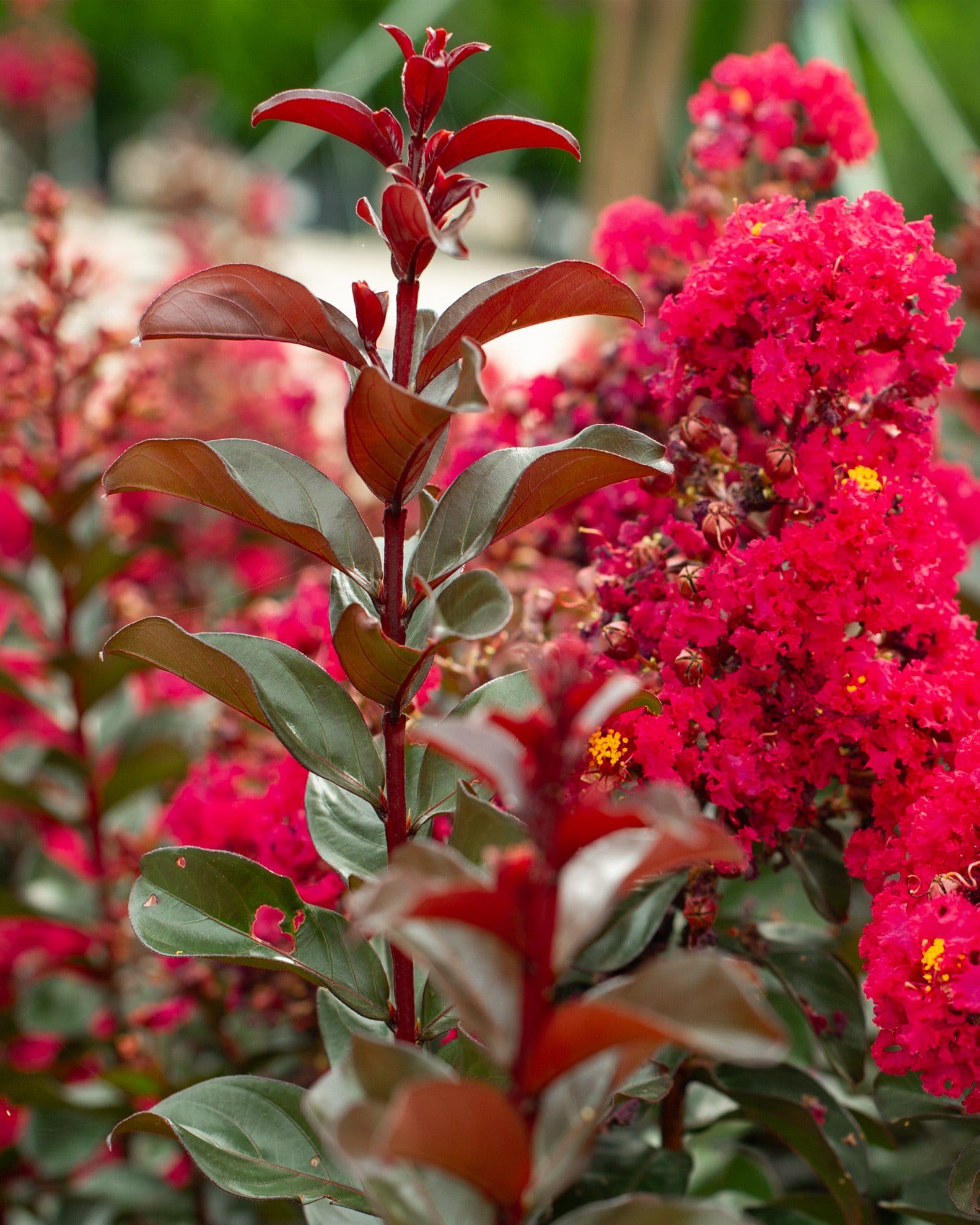
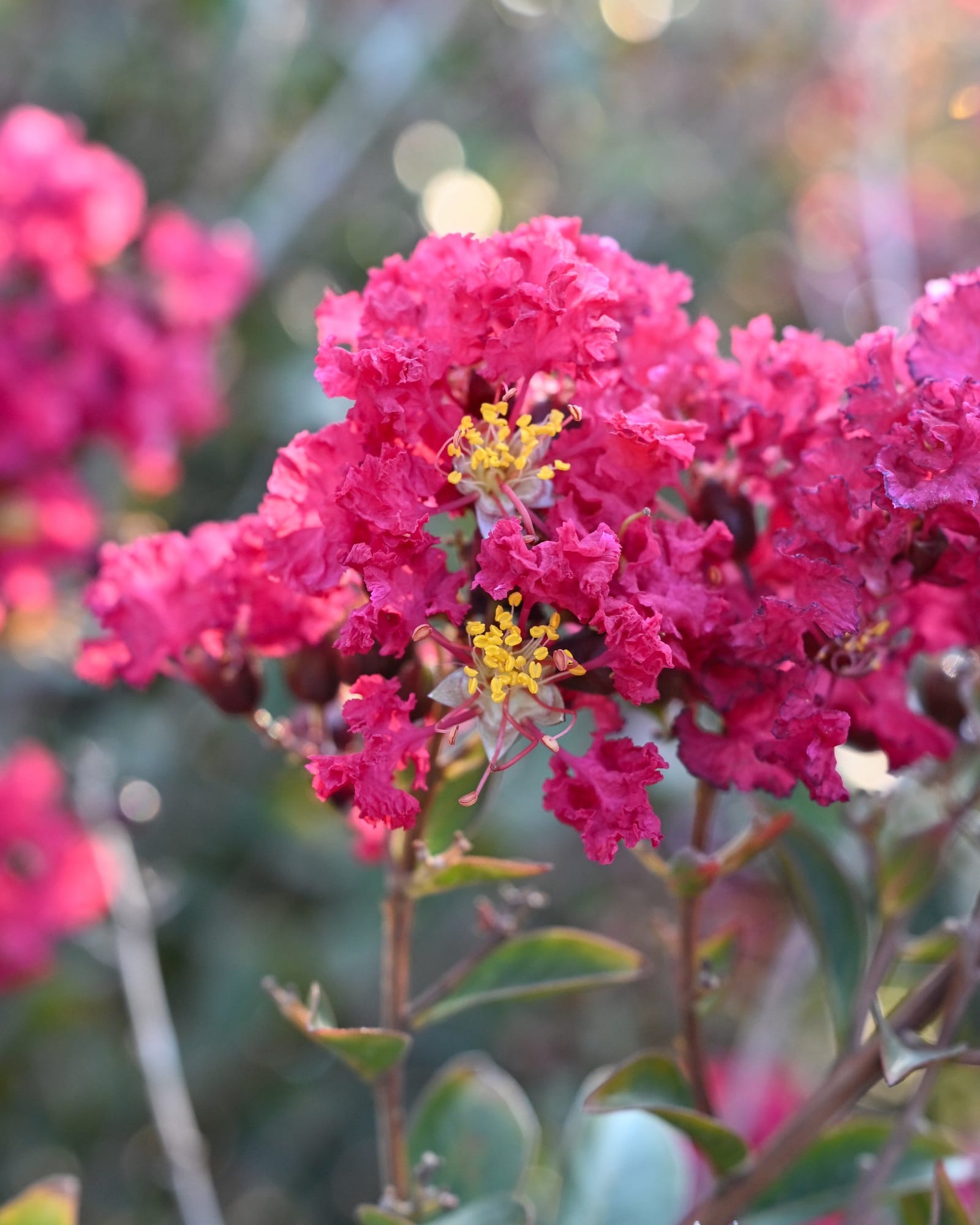
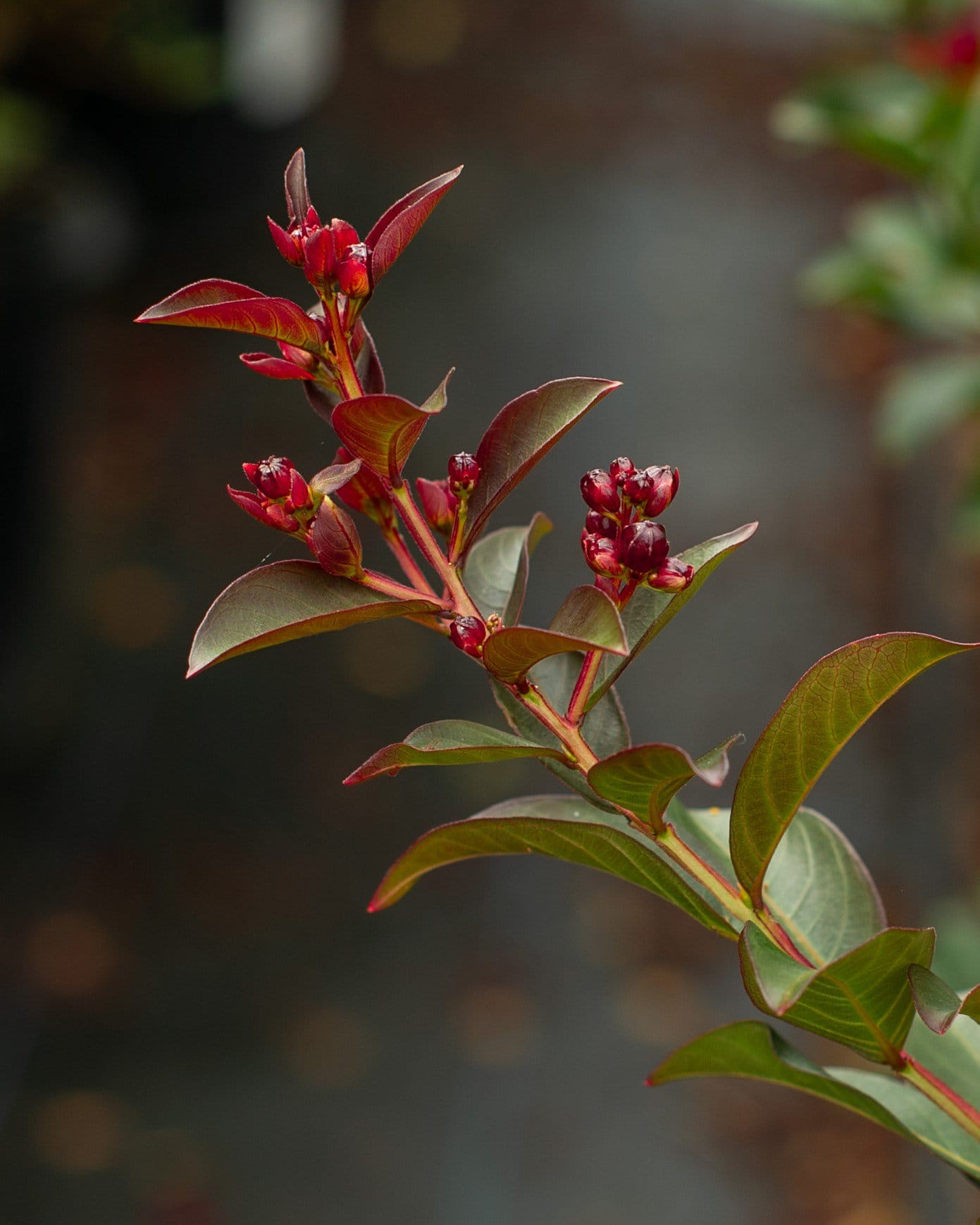
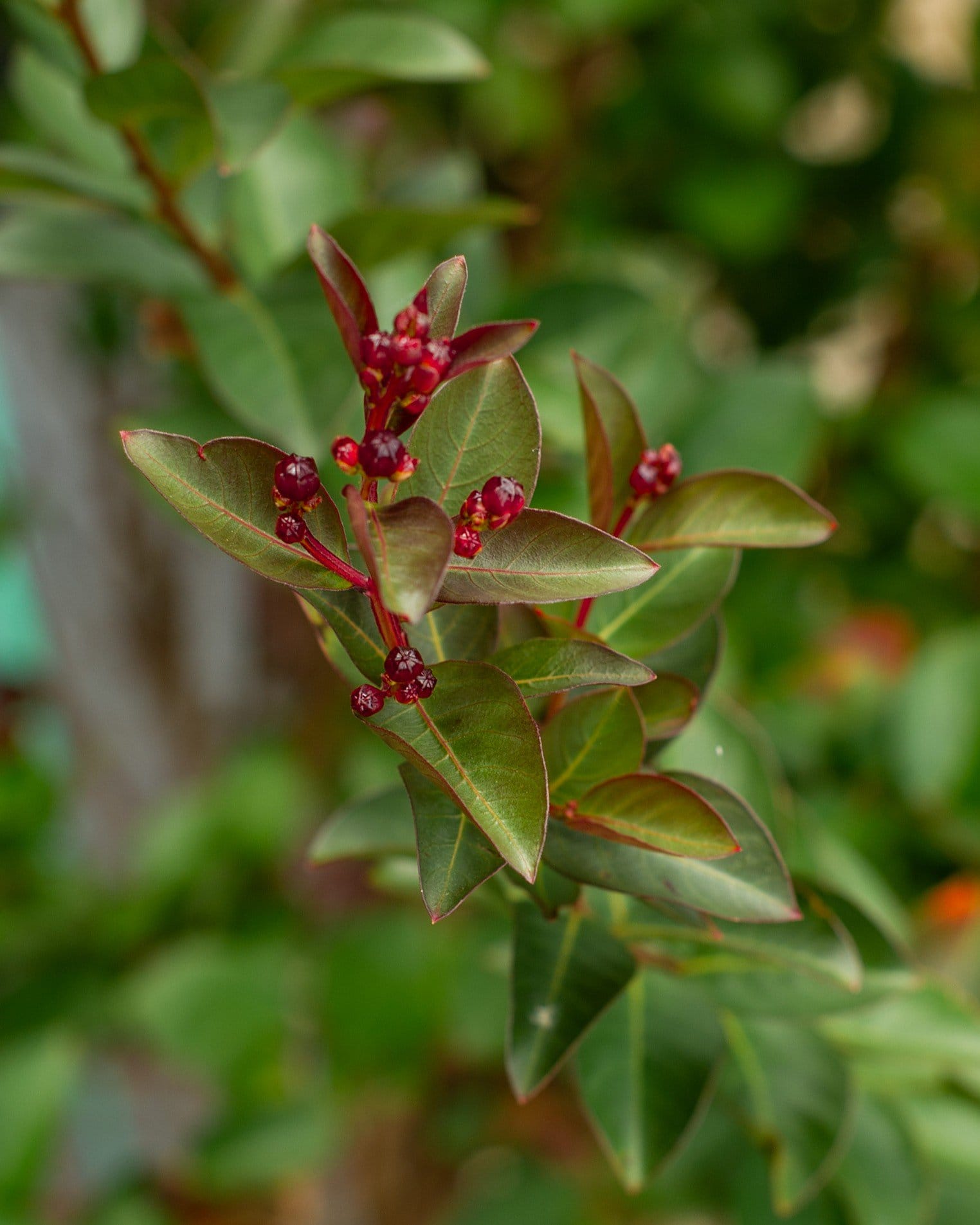
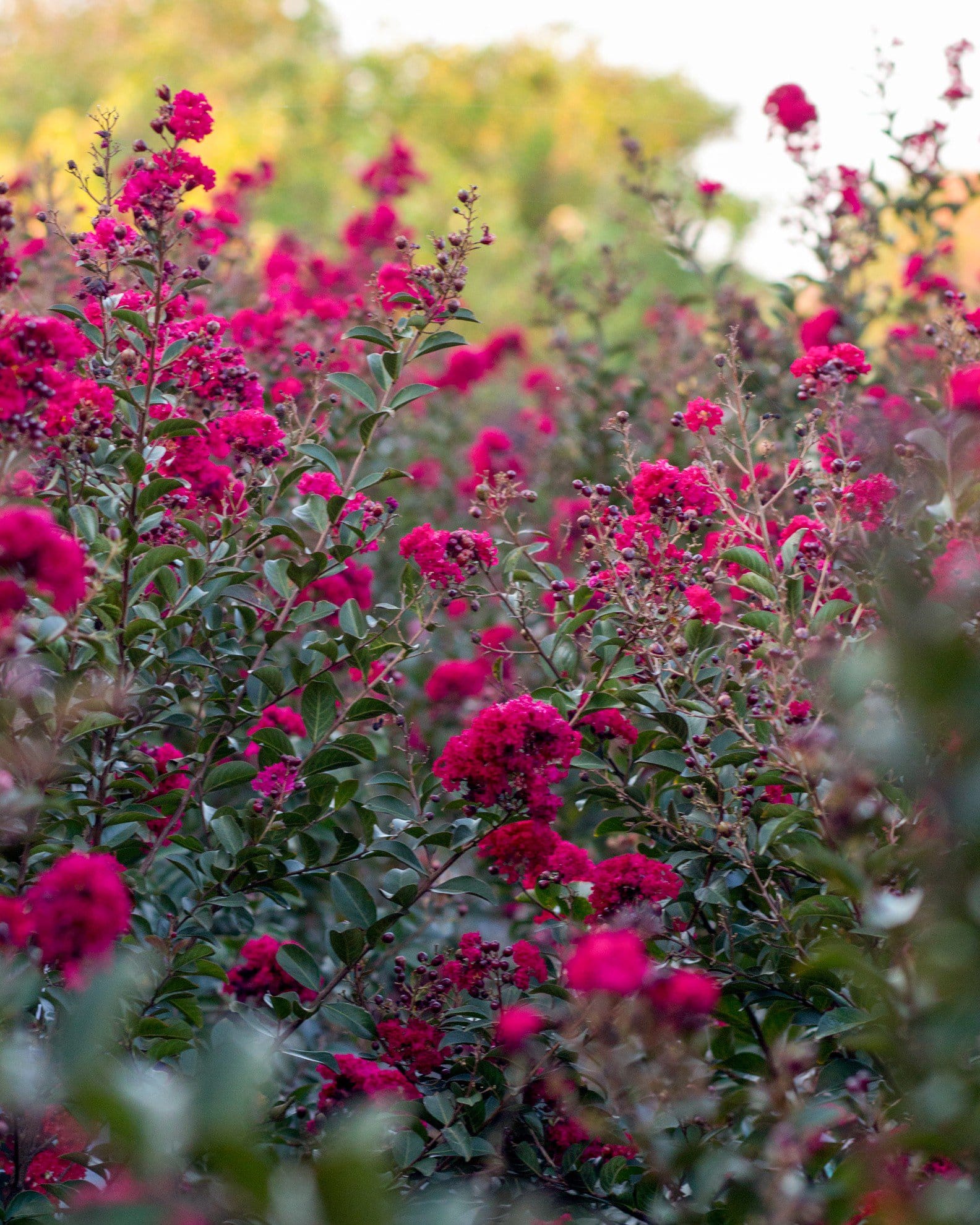
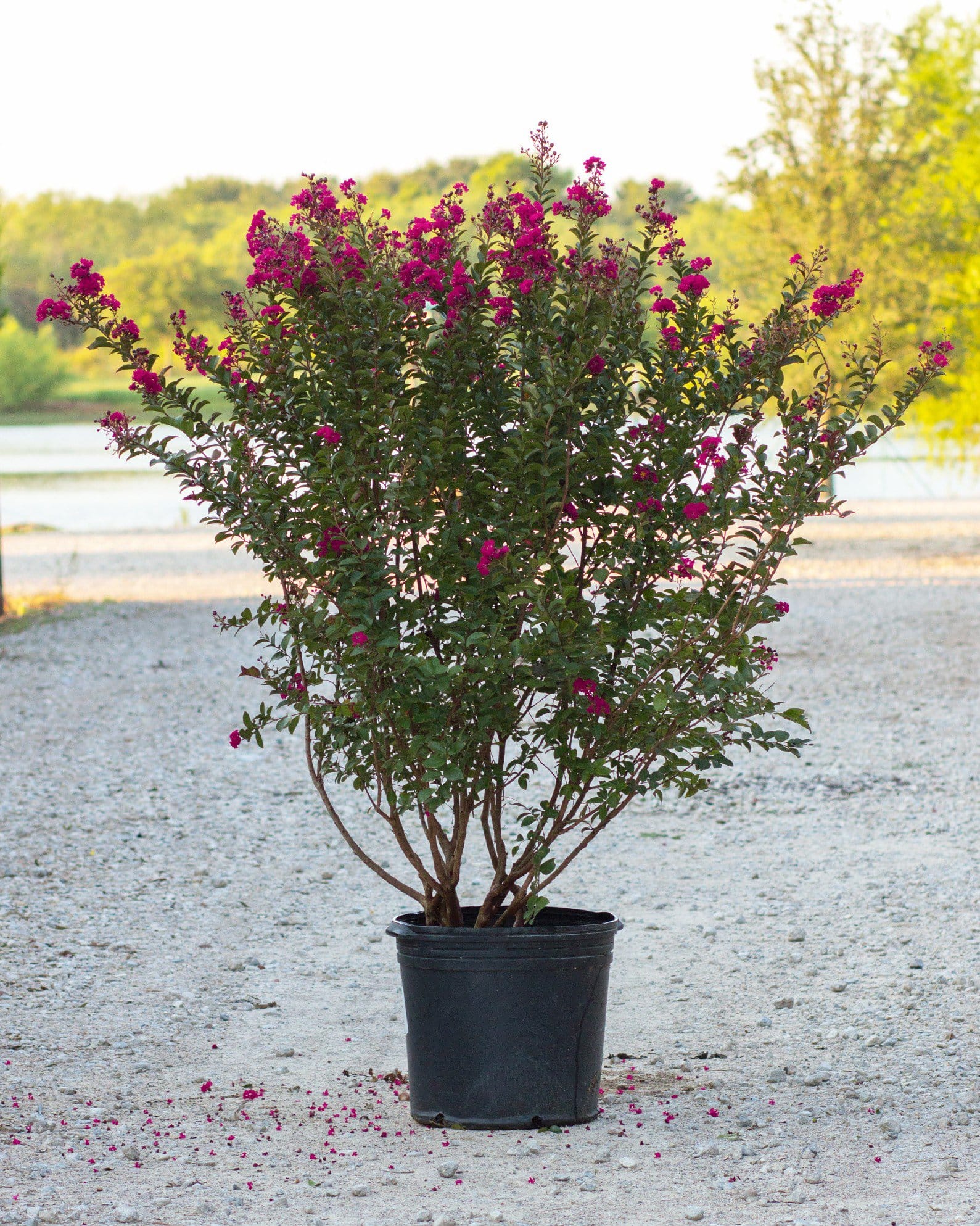
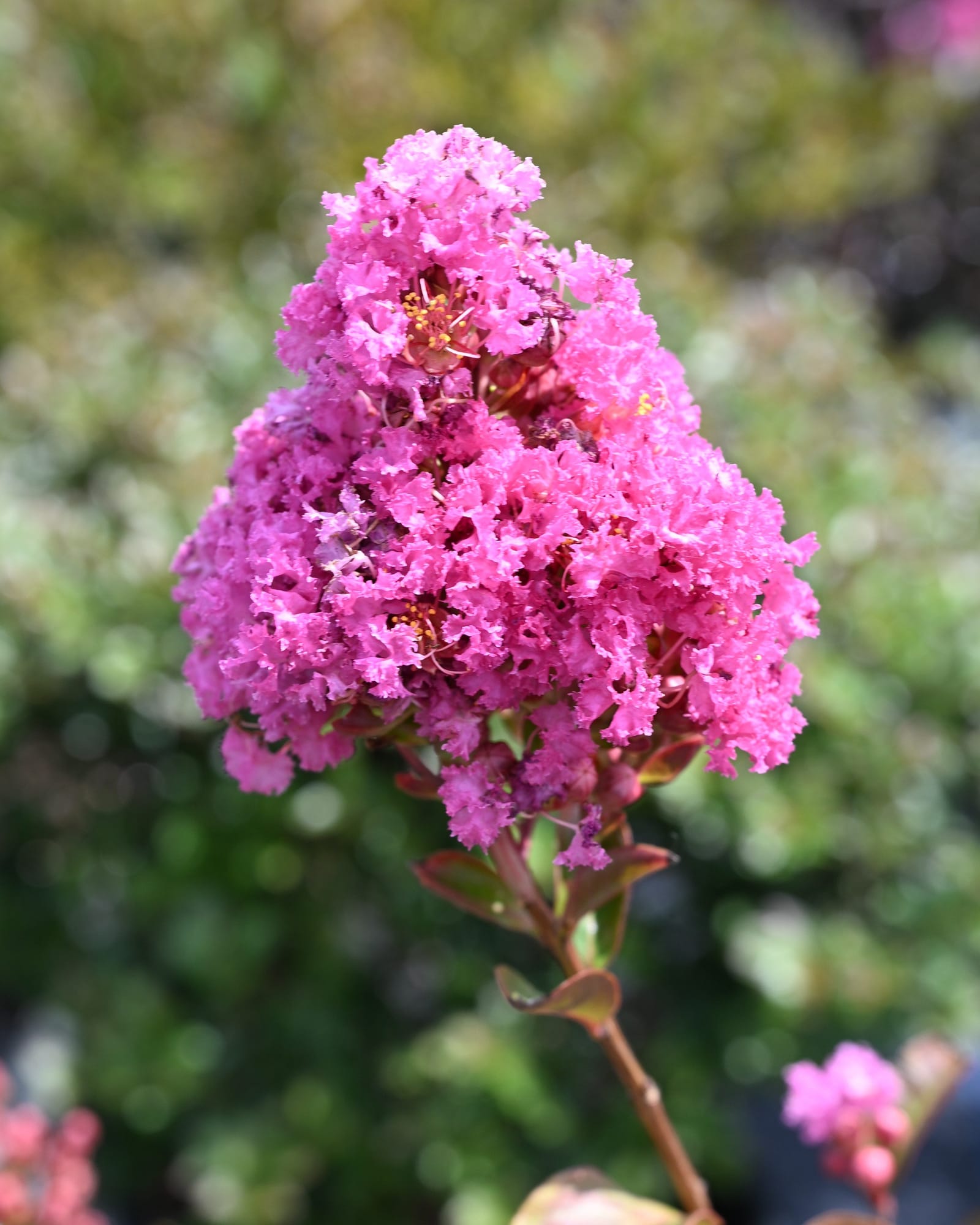
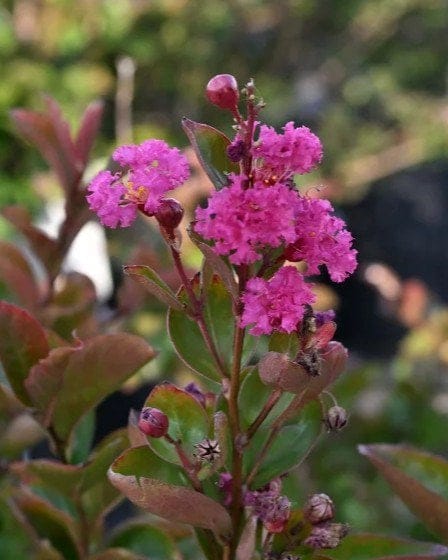
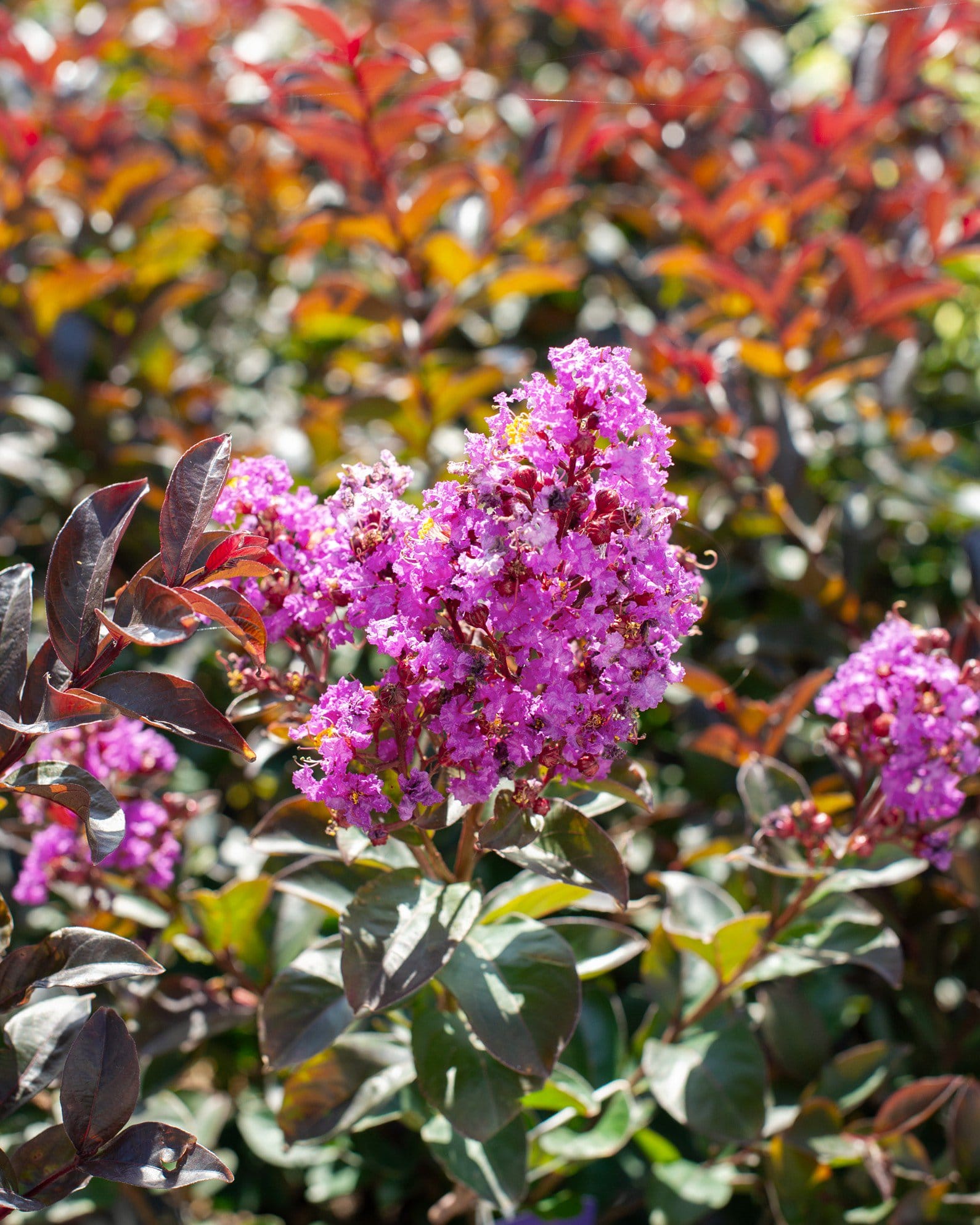
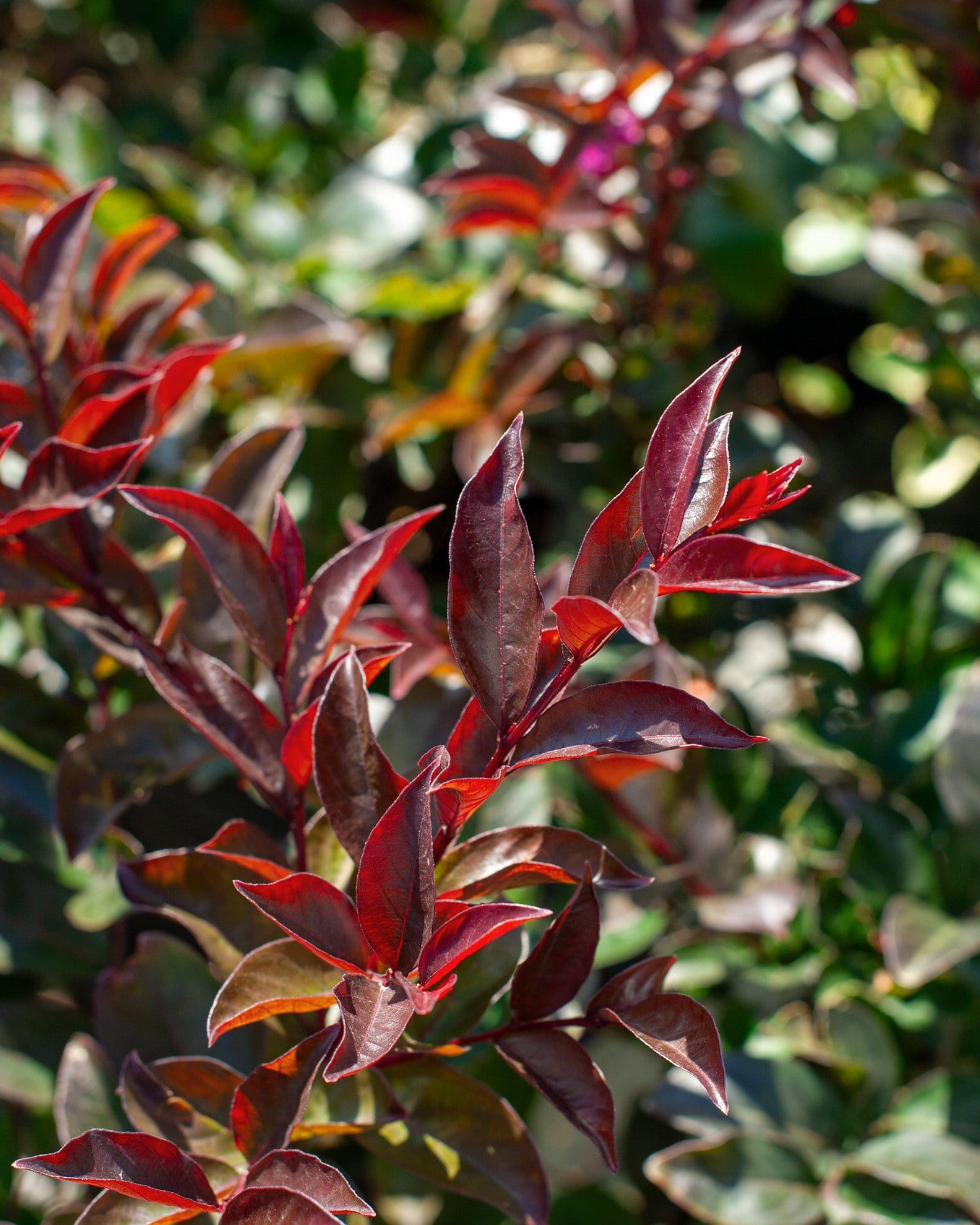
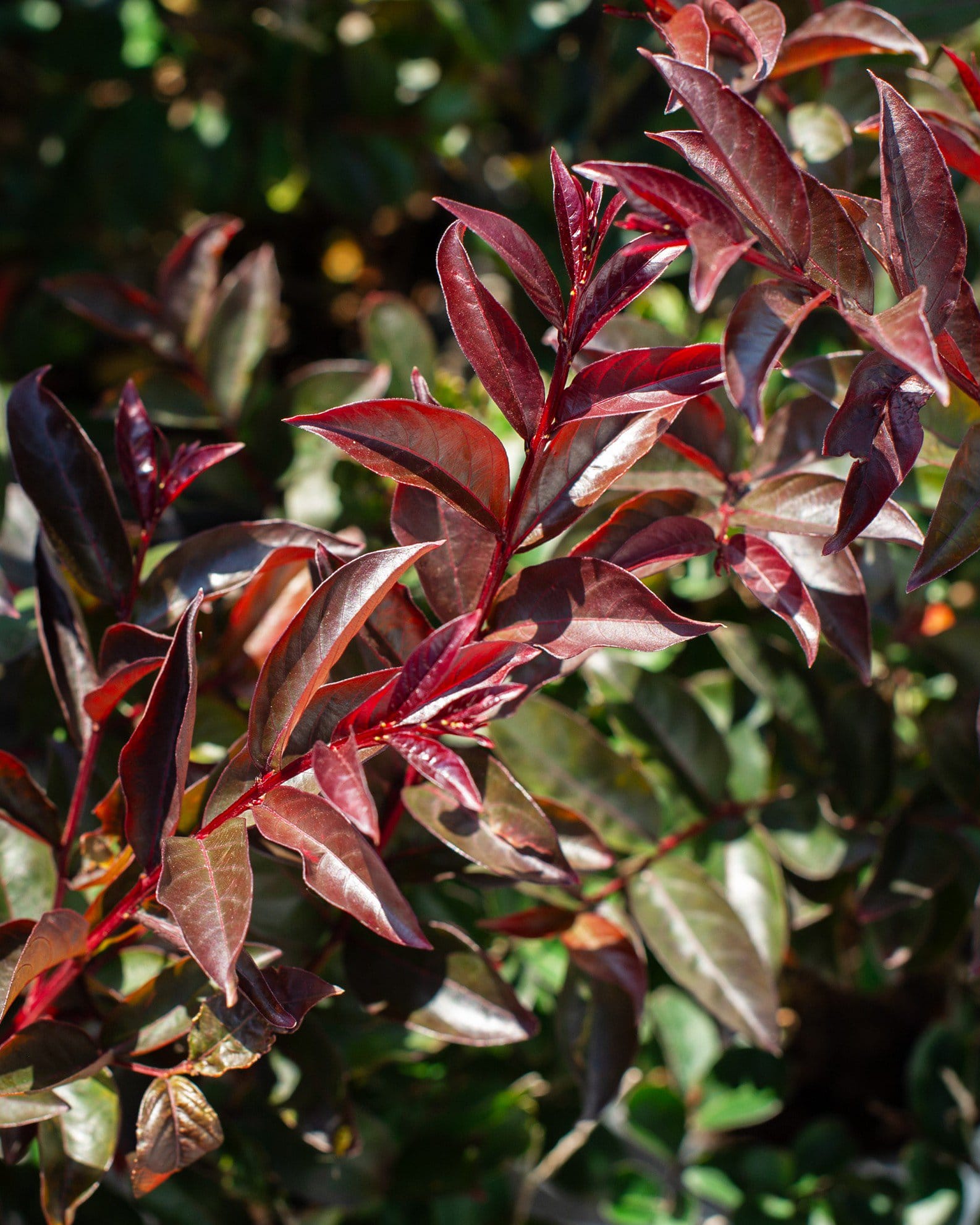
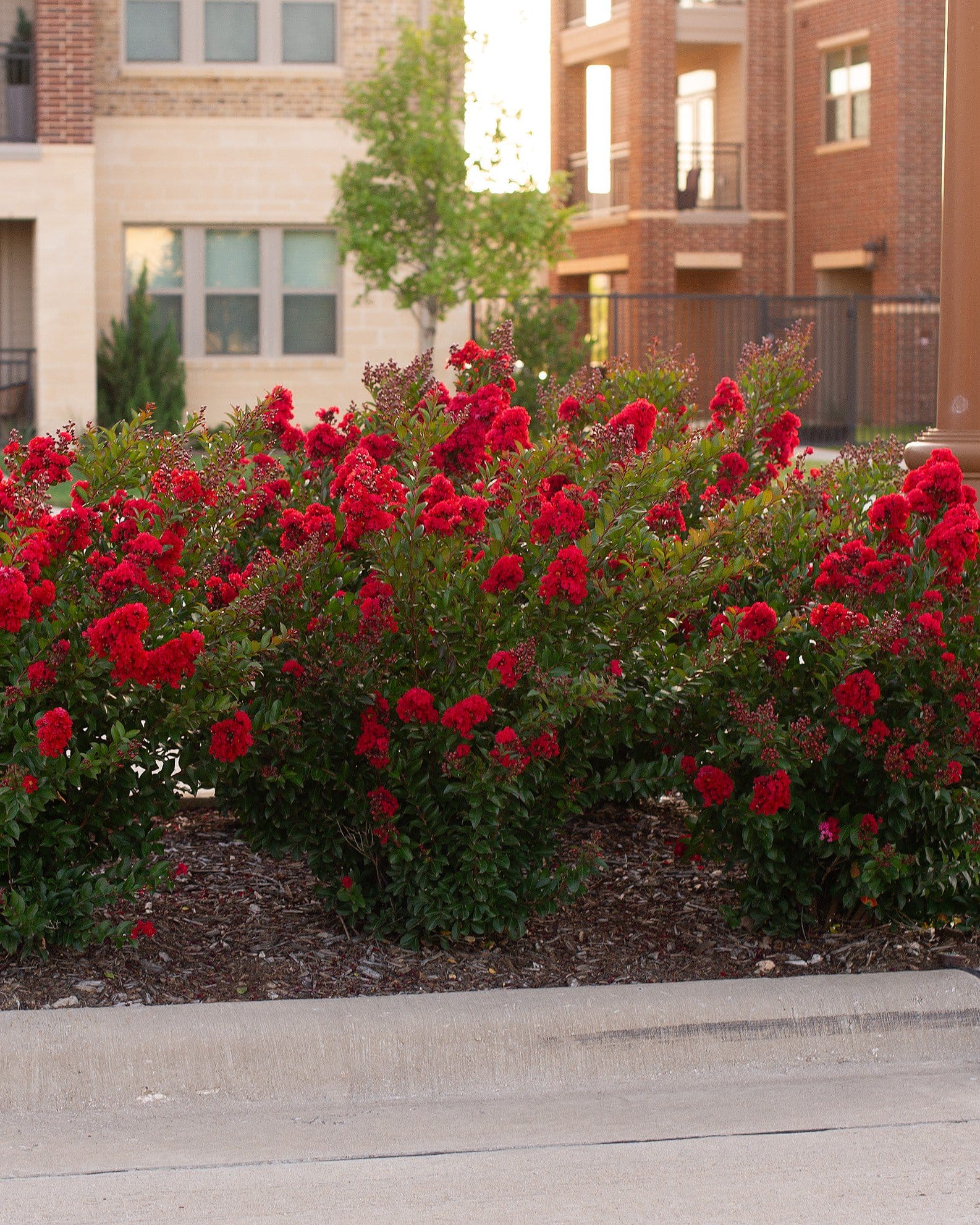
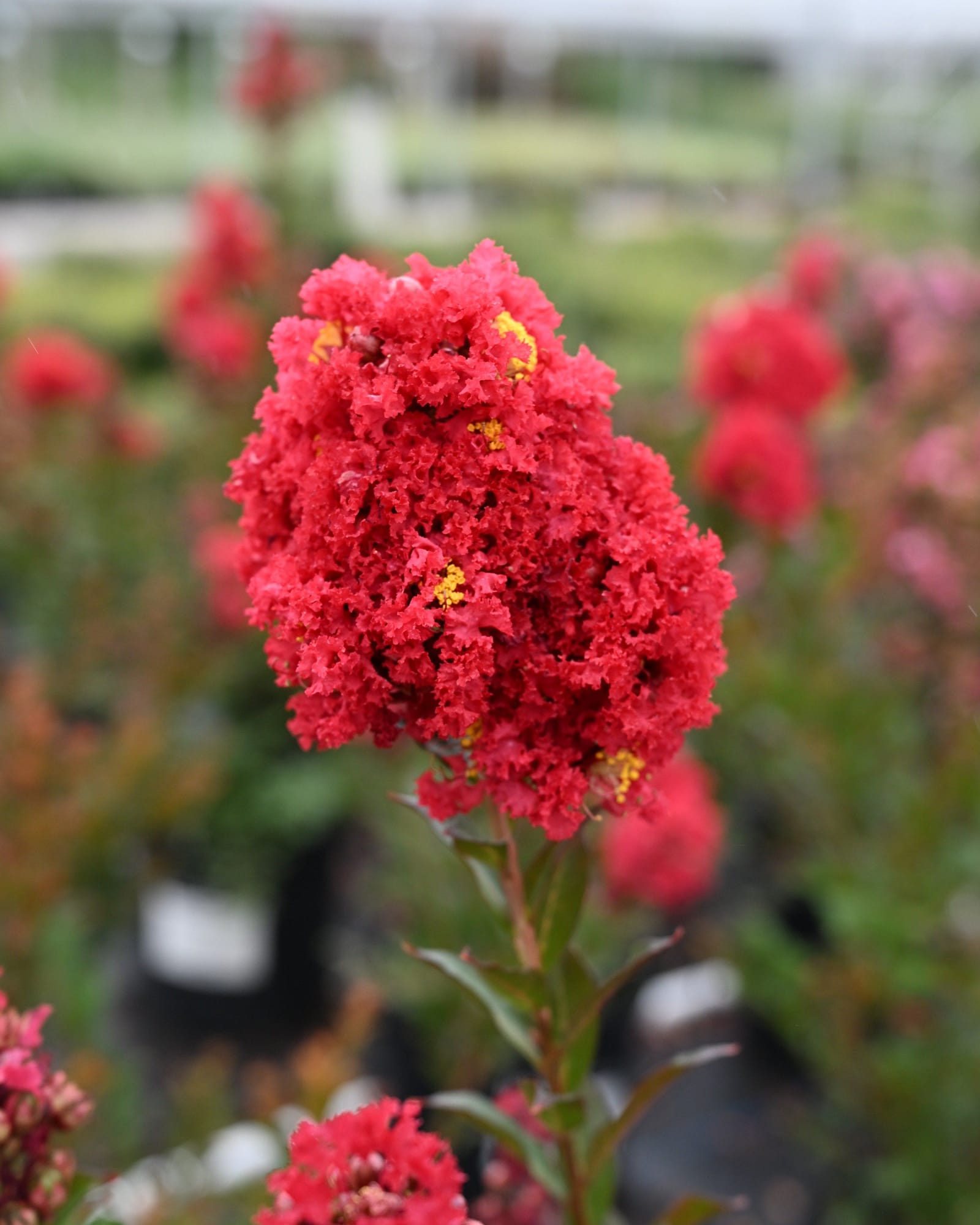
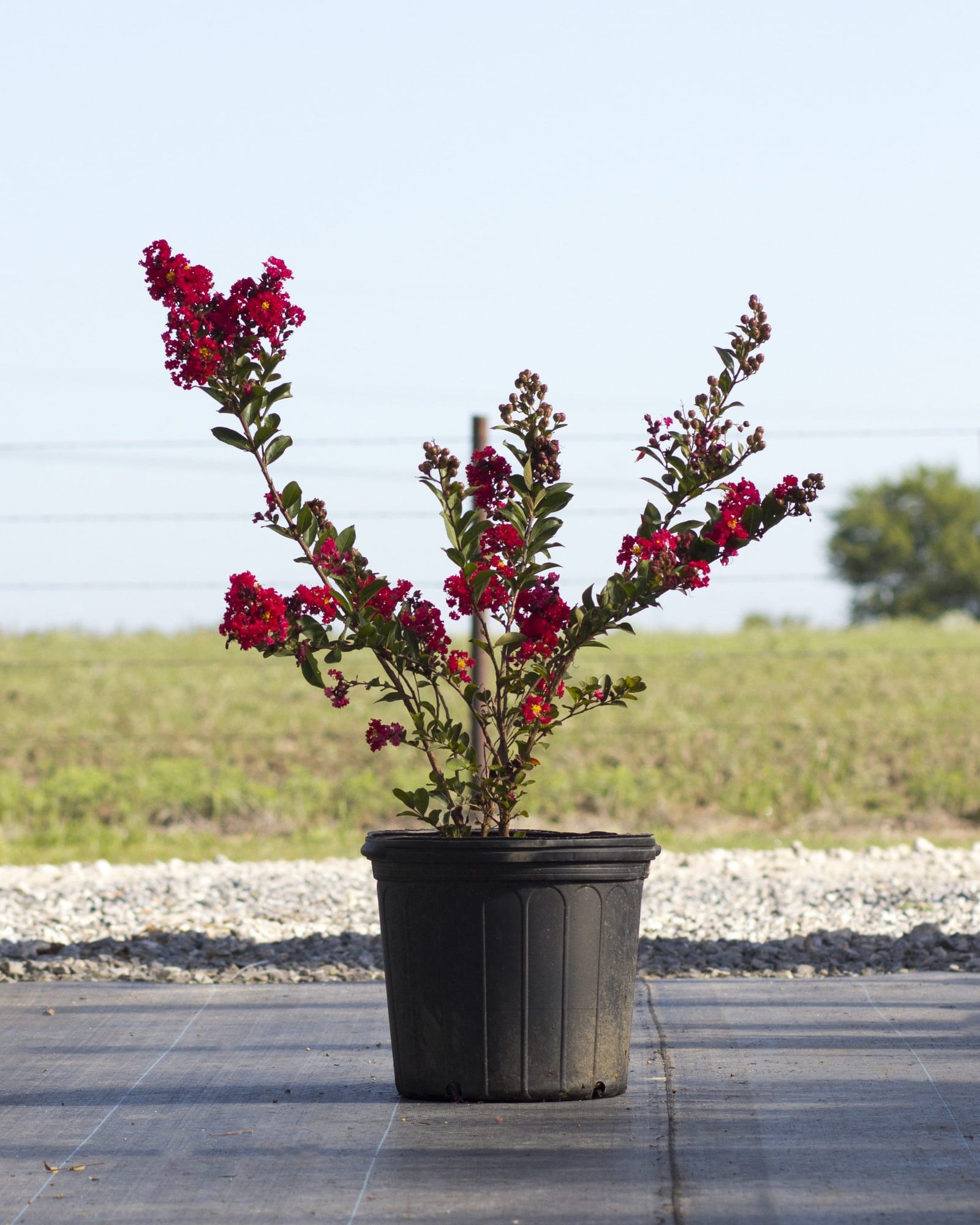
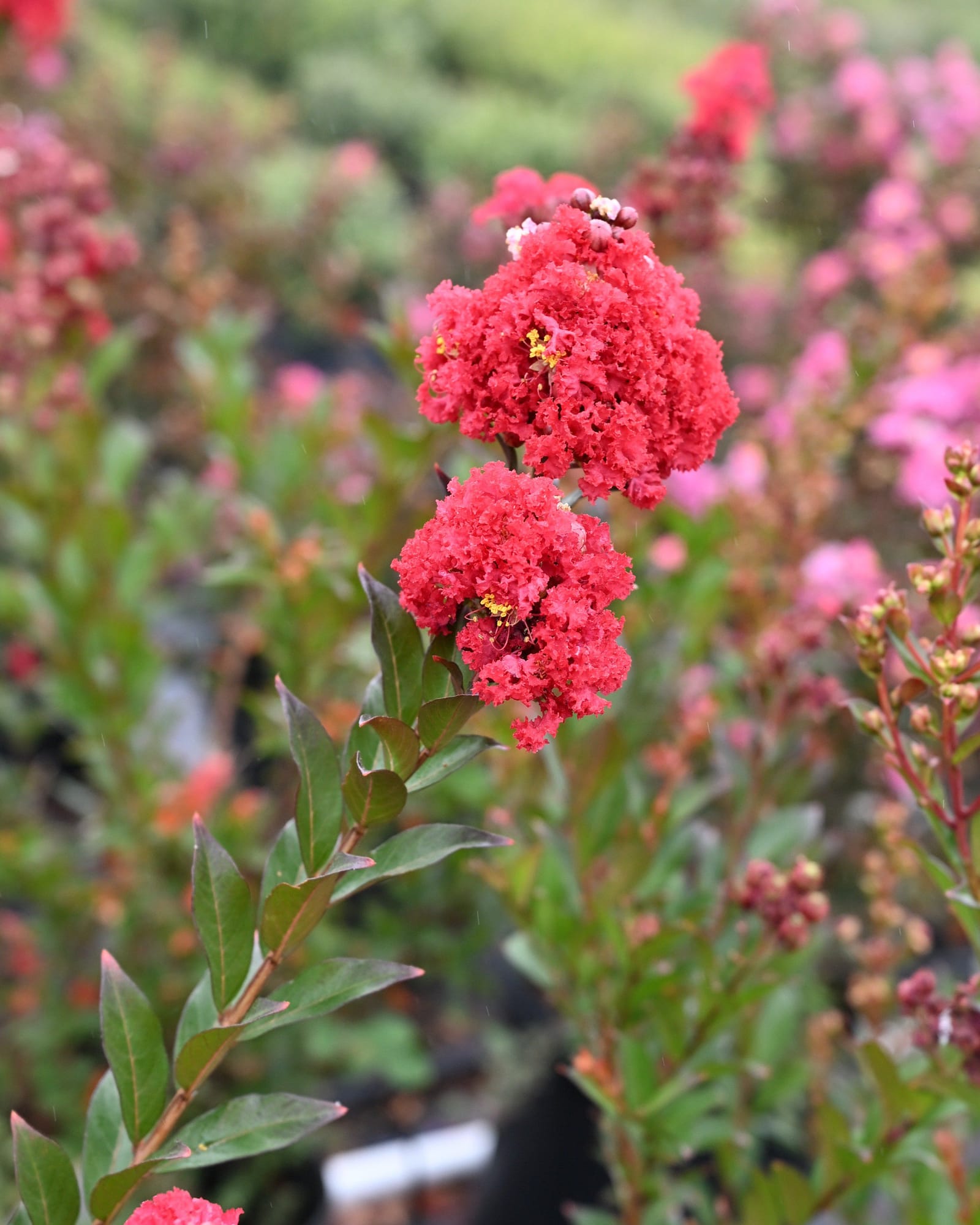
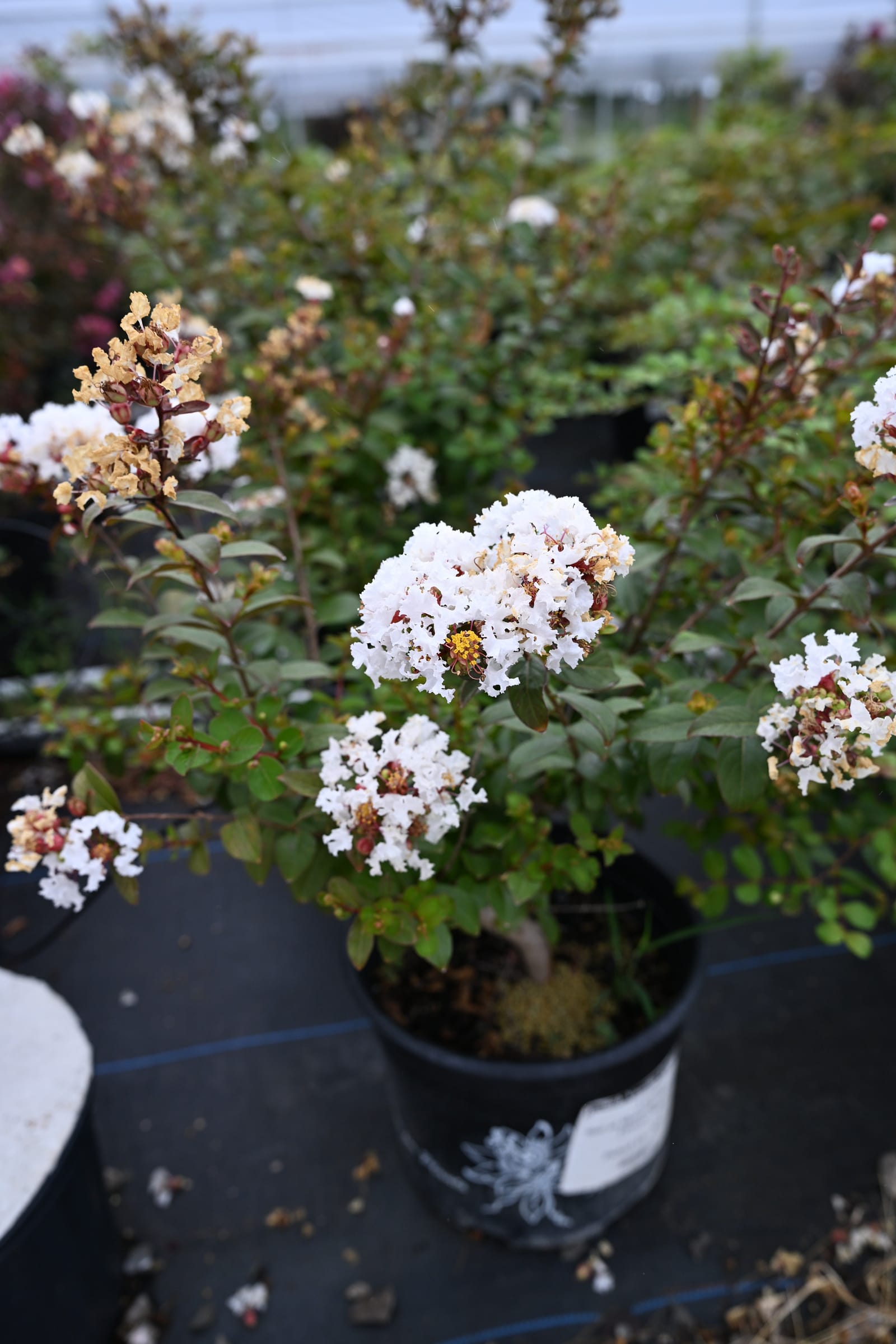
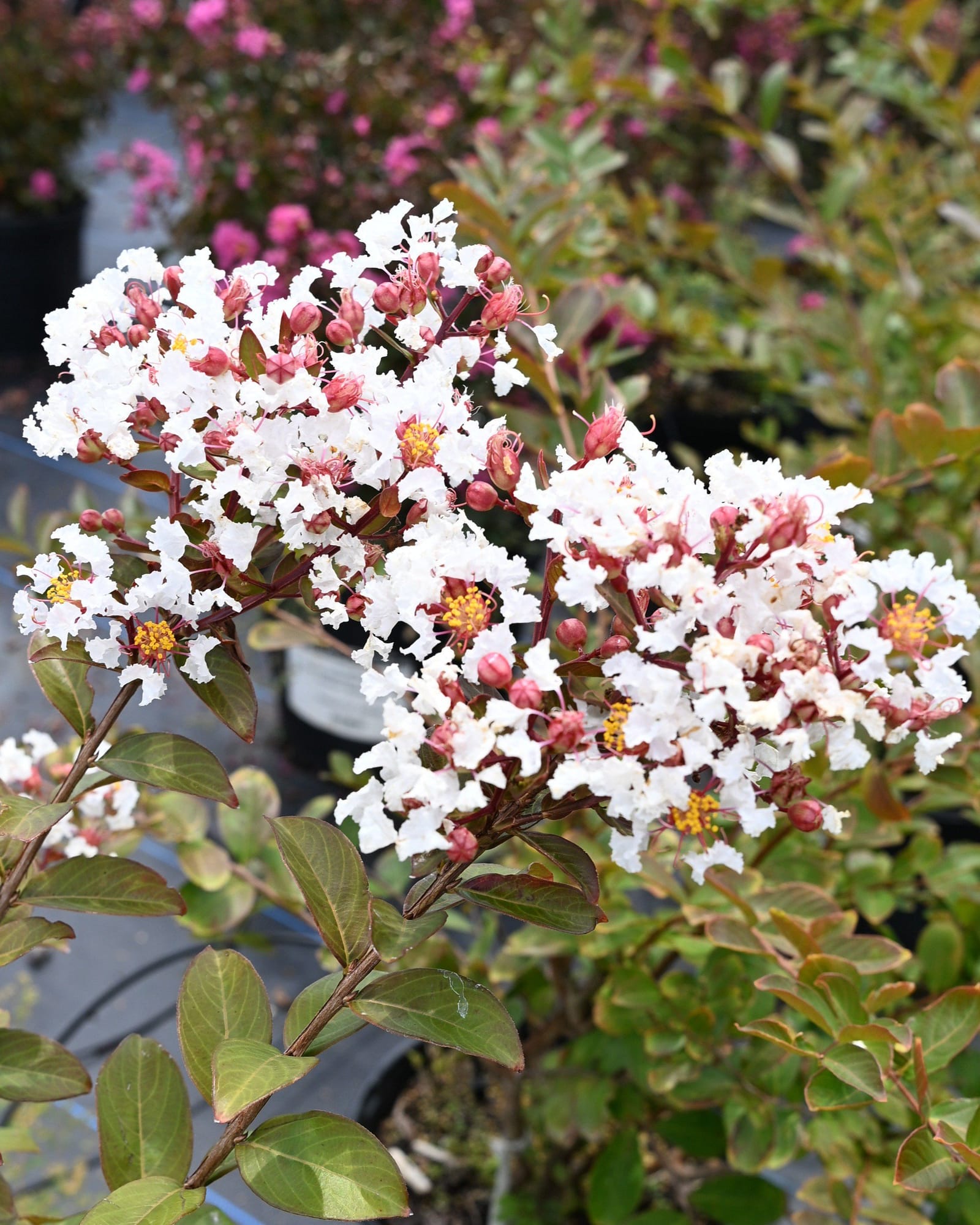
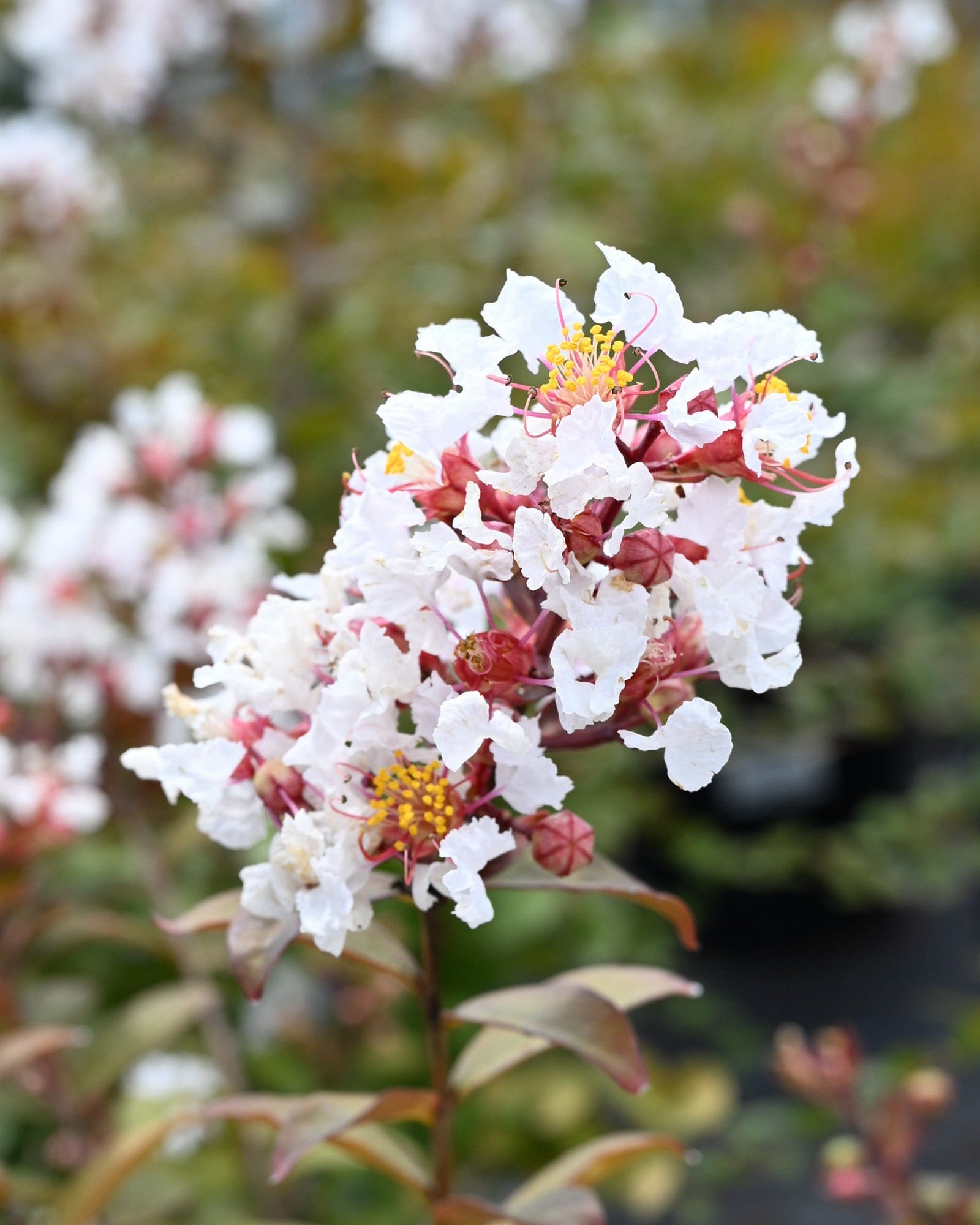
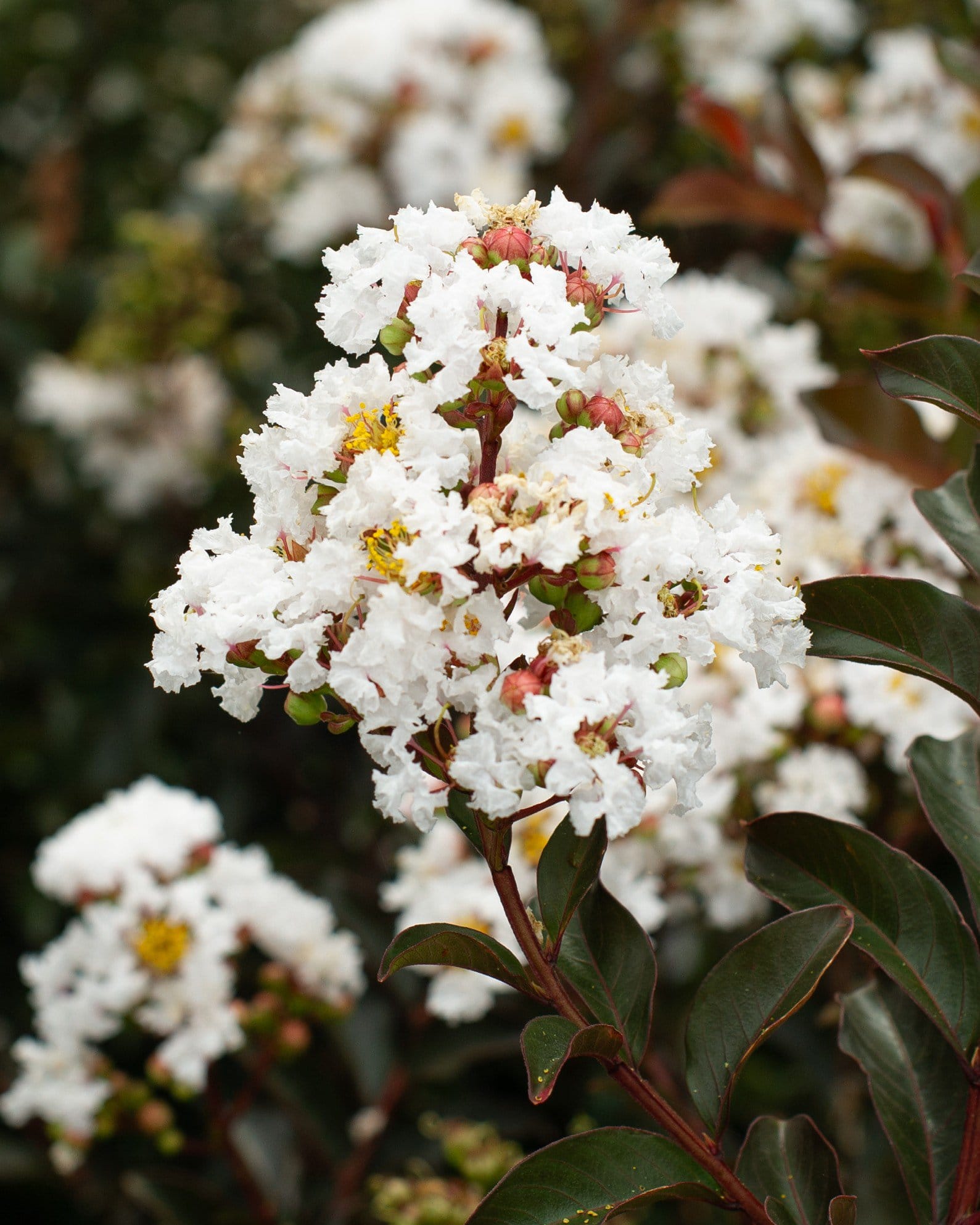
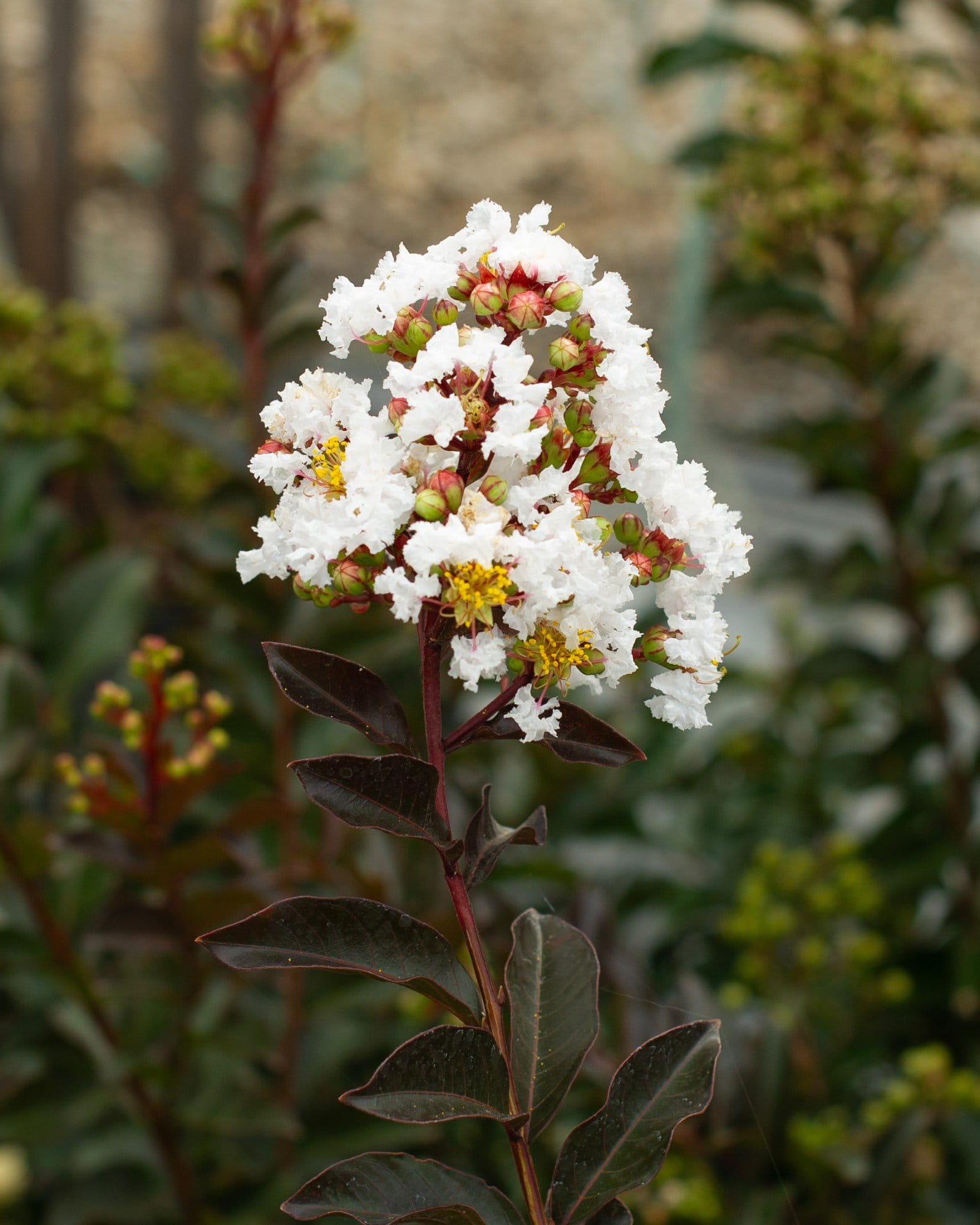
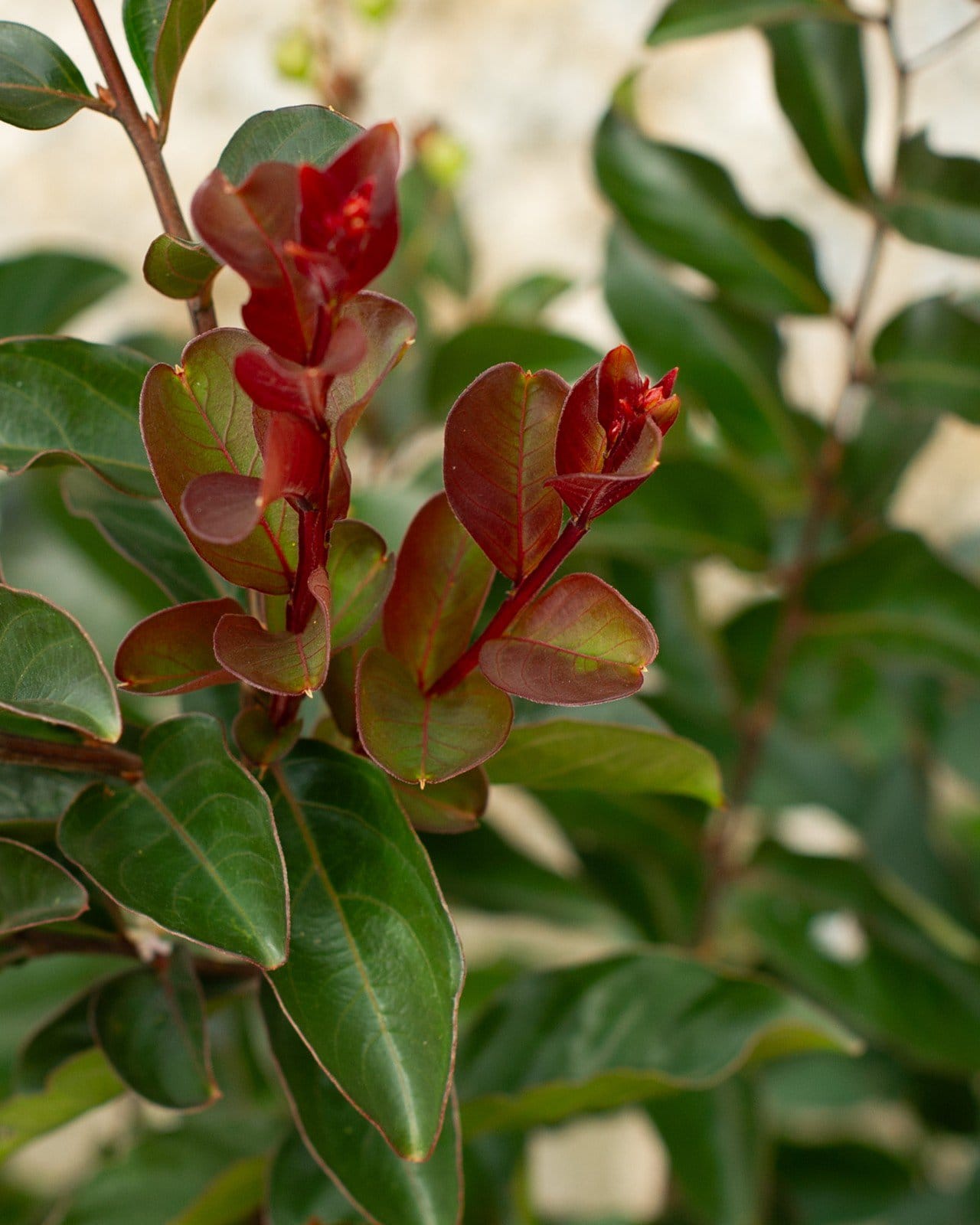
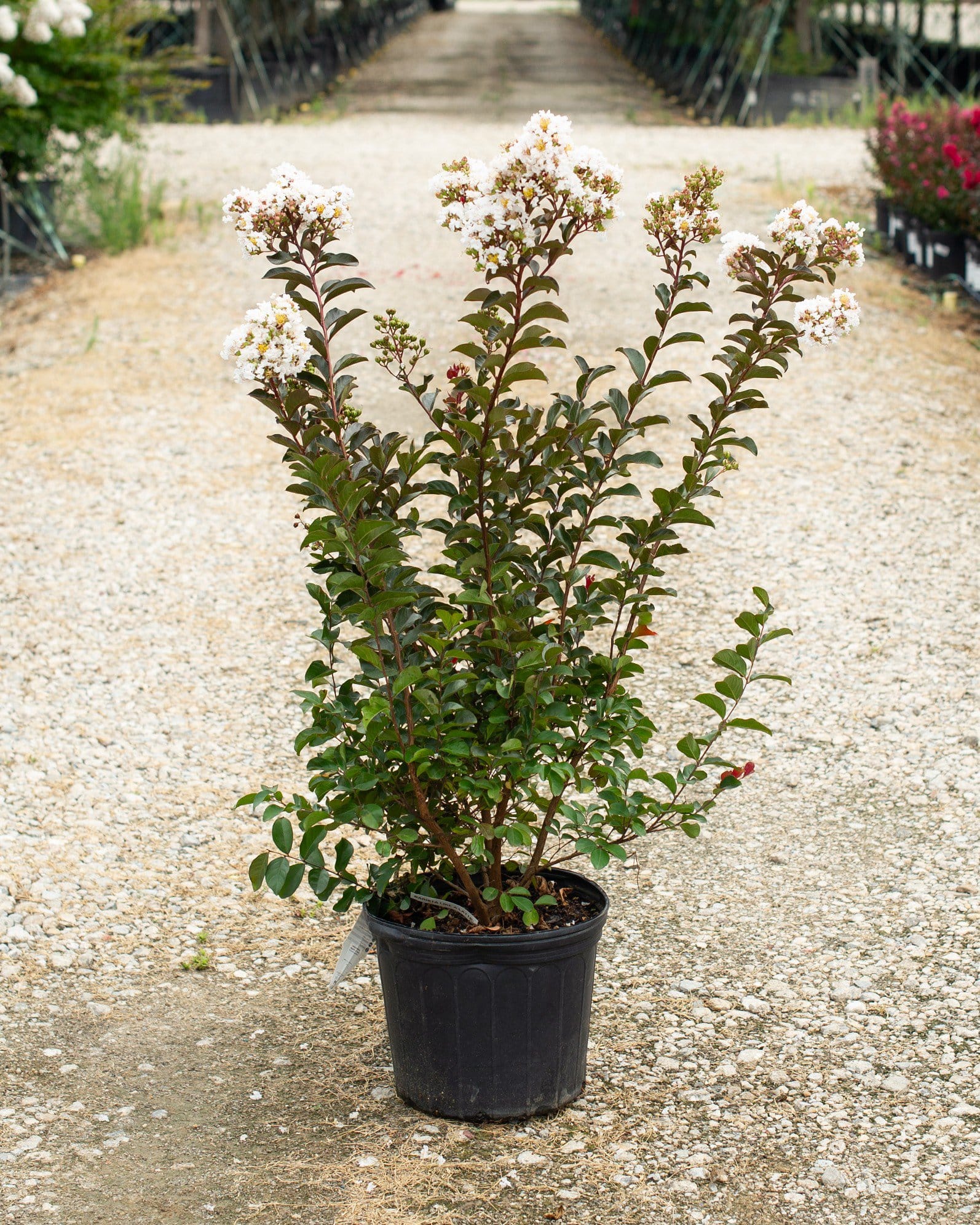
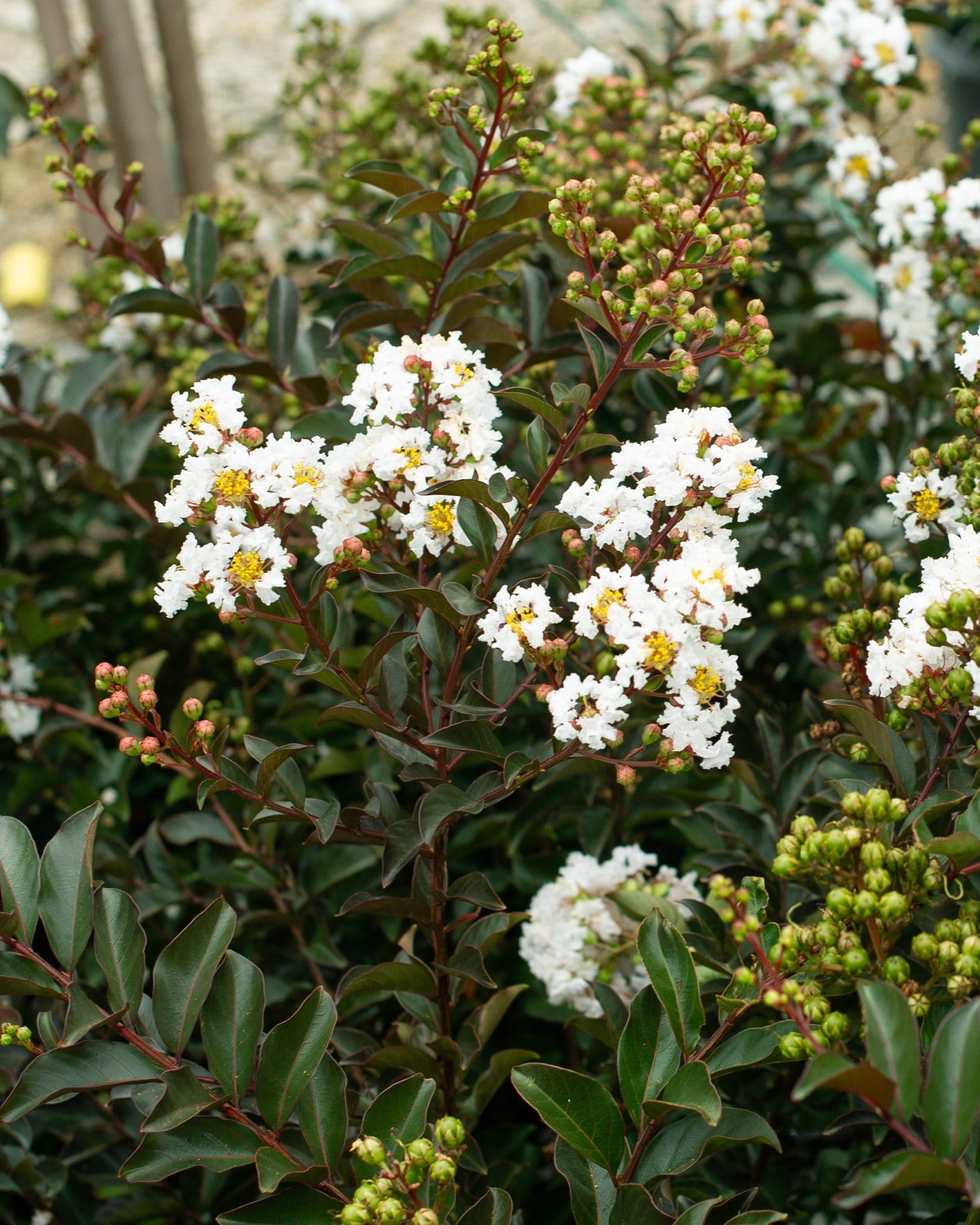
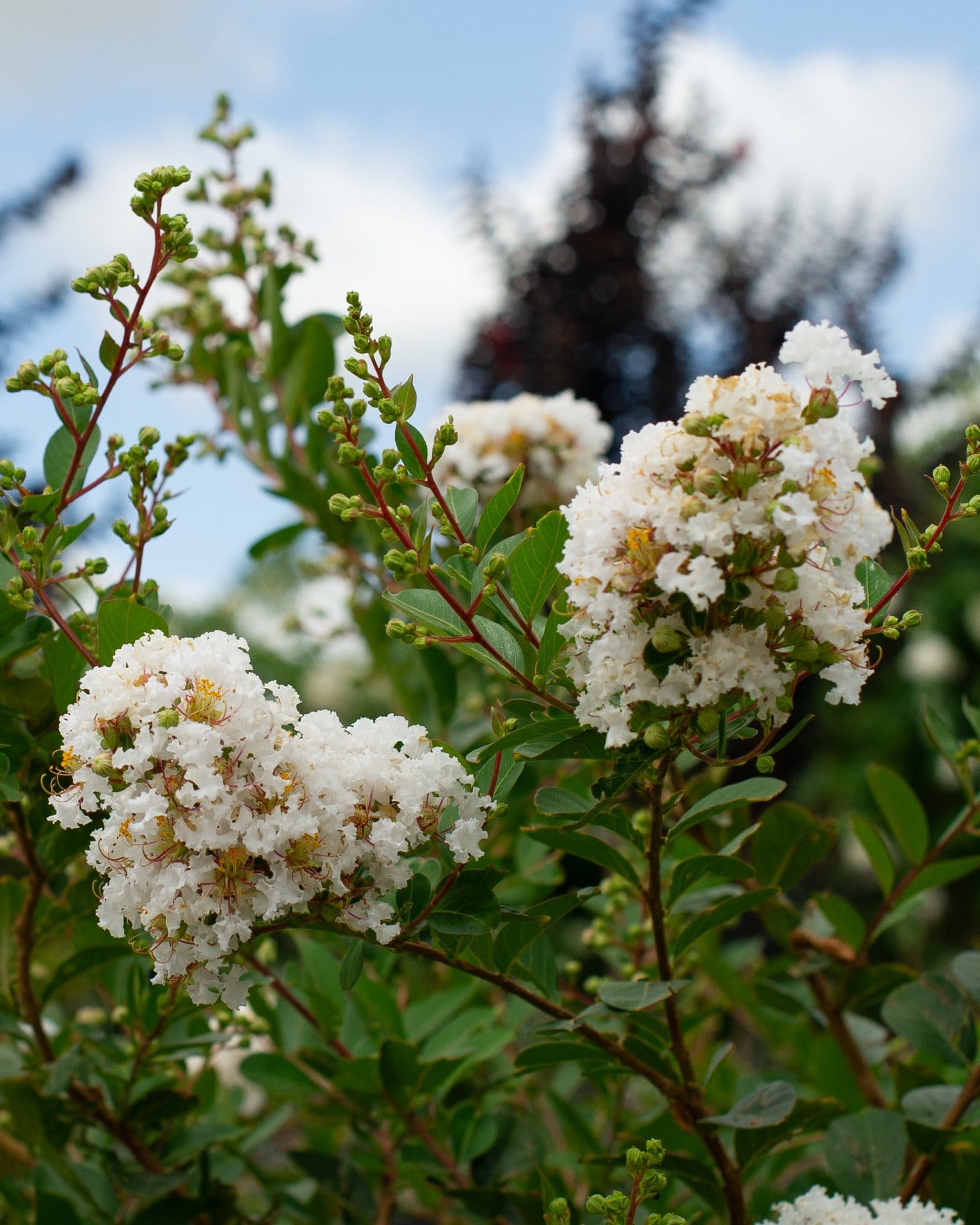
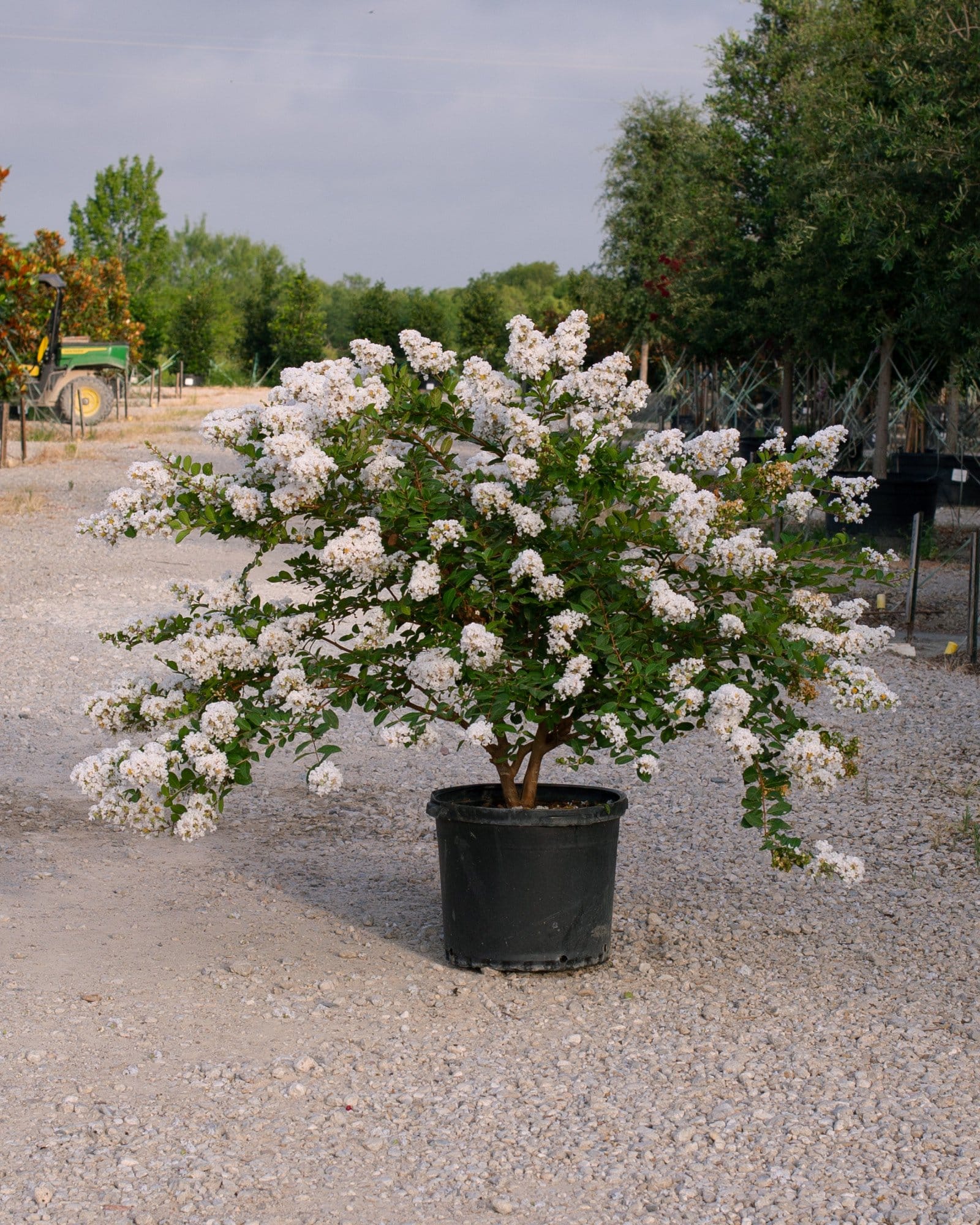
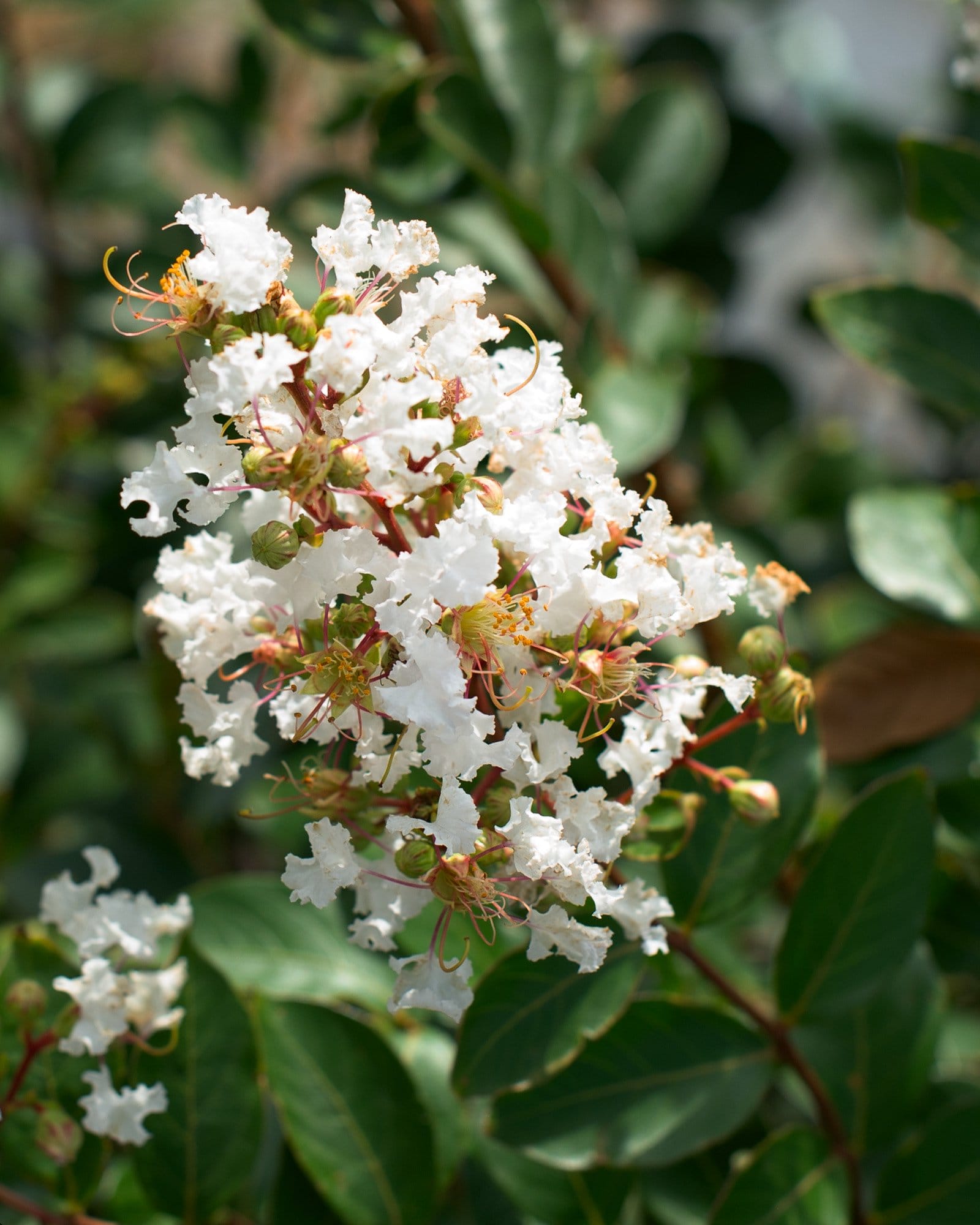
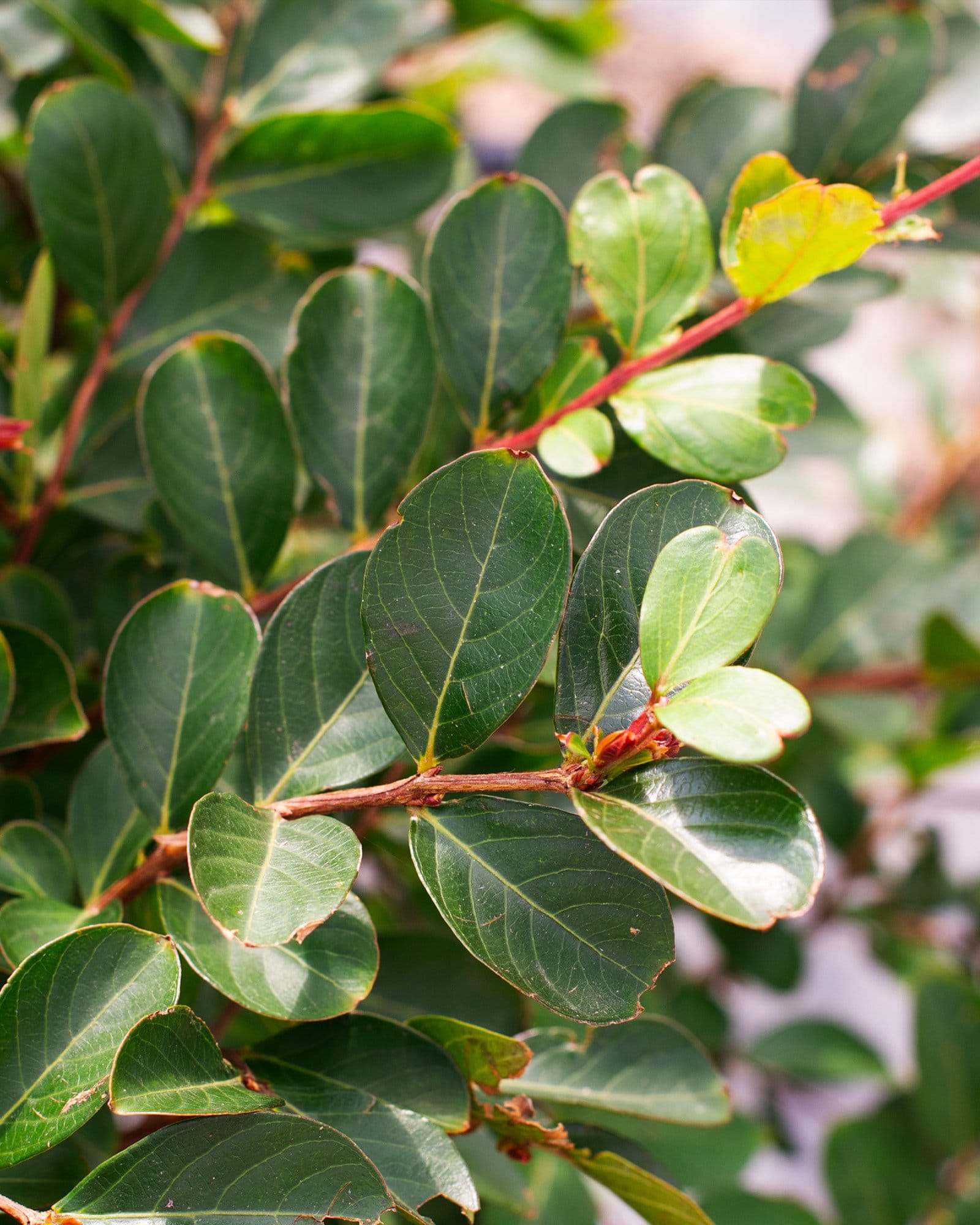
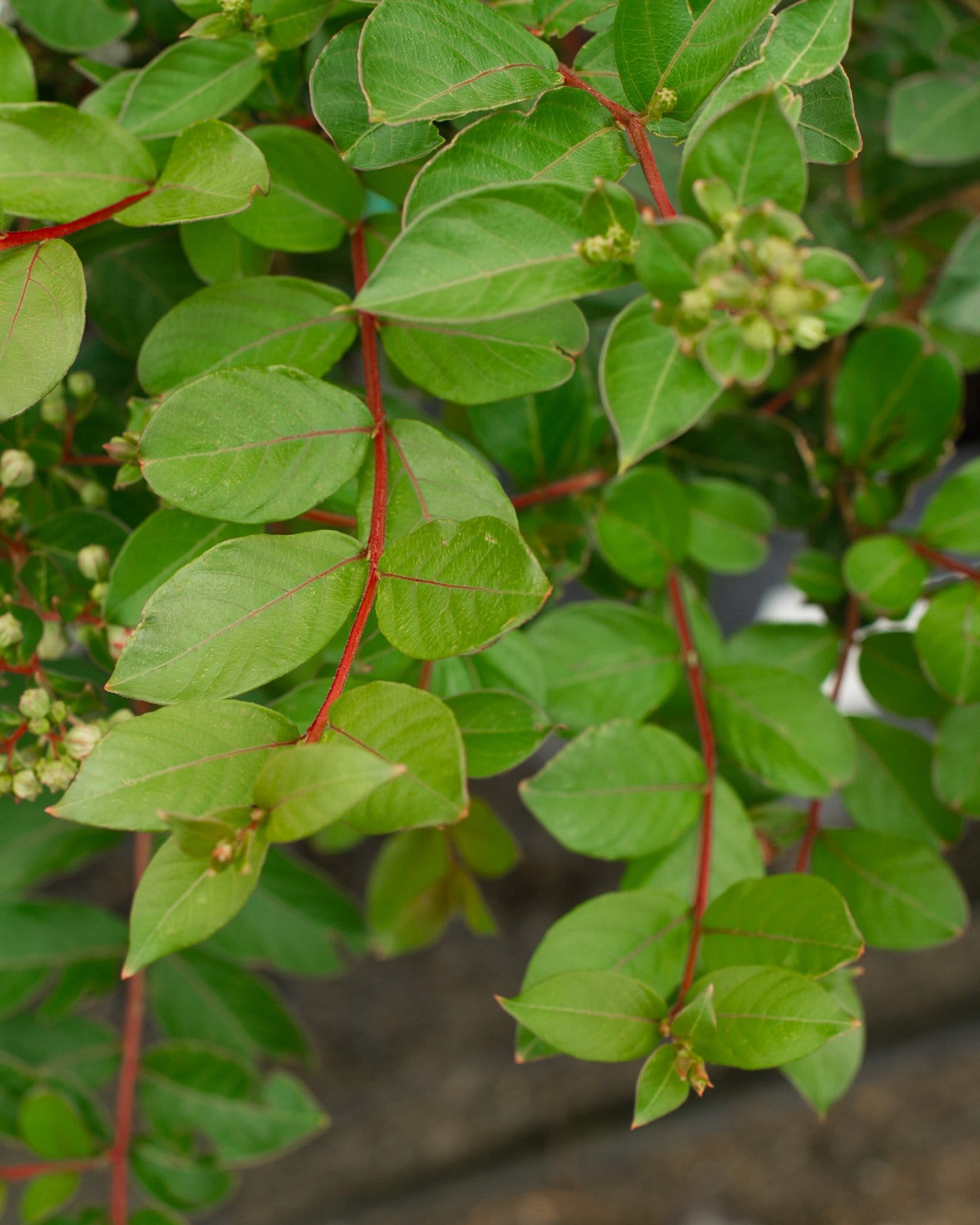
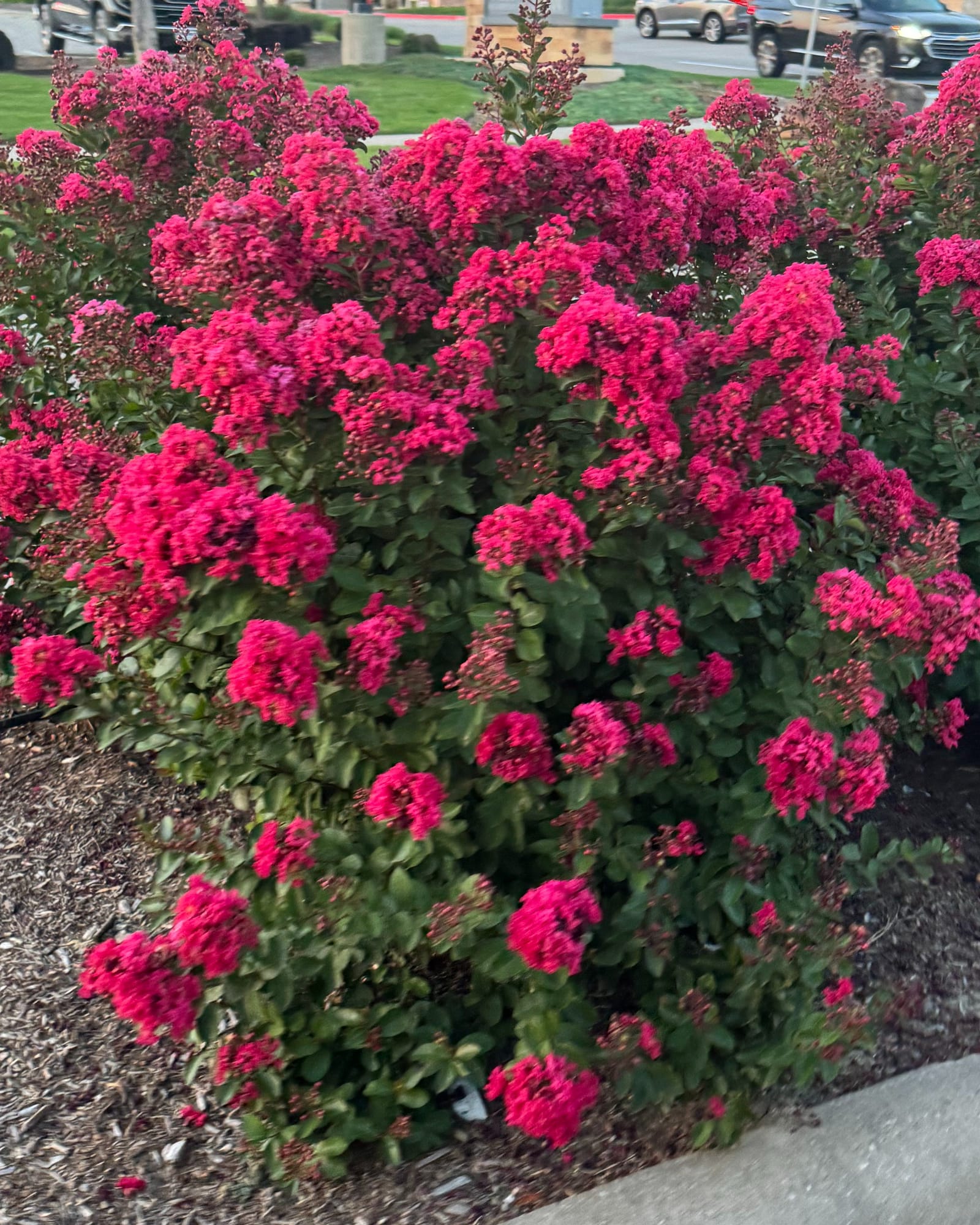
Lagerstroemia ‘Pocomoke’Pocomoke Crape Myrtle delivers bold seasonal color with clusters of deep pink blooms that appear in summer. These vibrant flowers stand out beautifully against its dense, dark green foliage, creating an eye-catching display. Compact in size, growing up to 3 feet in height and about 3 feet in width at maturity, it’s an excellent choice for borders, small beds, containers, or as a standout accent in mixed plantings.
- A deciduous shrub
- Rounded, compact growth habit
- Moderate growth rate
- Deep pink flowers blooming in summer
- Great for borders, containers, and small beds
Pocomoke Crape Myrtle is hardy in zones 6–9 and fits seamlessly into your North Texas landscape. It thrives in full sun and prefers well-drained soil. With a bit of care, it rewards you with vibrant summer color and tidy form, adding long-lasting beauty to your outdoor spaces.
Pocomoke Crape Myrtle delivers reliable summer color without the size or maintenance demands of larger crape myrtles. Here’s all it needs to thrive in your landscape:
- Watering: Water regularly during the first growing season to establish a strong, fibrous root system. Once established, Pocomoke Crape Myrtle is moderately drought-tolerant and performs best with deep, occasional watering during extended dry periods.
- Pruning: Prune lightly in late winter or early spring to remove dead or weak branches and maintain shape. Heavy pruning is unnecessary, as this cultivar naturally stays compact and well-branched.
- Fertilizing: Apply a balanced, slow-release fertilizer in early spring to support healthy growth and consistent flowering. Avoid overfertilizing, which can lead to excessive foliage growth and reduced blooms.
- Mulching: Apply a 2-3 inch layer of mulch around the base to conserve moisture and suppress weeds. Keep mulch several inches away from stems to prevent moisture-related issues.
- Winter Care: Pocomoke Crape Myrtle is cold-hardy within its growing range and generally requires no winter protection once established. Young plants benefit from mulch over the root zone during their first winter.
Pocomoke Crape Myrtle is easygoing and resilient, though a range of minor issues may appear depending on weather, soil, and site conditions:
- Cercospora Leaf Spot: Brown or reddish spots may appear on leaves during prolonged warm, wet weather. Removing fallen leaves and improving airflow helps reduce recurrence.
- Spider Mites: Fine stippling or a dusty appearance may develop during hot, dry periods. Rinsing foliage and maintaining even moisture keep populations in check.
- Nutrient Imbalance: Leaves may appear pale or undersized if nutrients are depleted. A light spring feeding restores healthy color and growth.
- Root Stress: Poor drainage can cause slowed growth or leaf drop. Improving soil structure and avoiding overwatering support long-term health.
- Branch Dieback: Older or shaded stems may decline over time. Selective pruning encourages fresh growth and improves overall plant vigor.
Pocomoke Crape Myrtle typically lives 25-40 years with proper care. Its compact growth habit places less stress on branches and roots over time. Mature plants often become denser and more refined with age.
Pocomoke Crape Myrtle grows at a moderate rate, adding approximately 10-14 inches per year. Light flowering may begin within the first year, with full size and peak bloom reached in 4-6 years. Growth remains controlled and compact as it matures.
It’s considered moderately deer-resistant once established. Young plants may experience occasional browsing. Mature shrubs are rarely damaged.
It performs well in large containers thanks to its naturally compact size. Containers allow for flexible placement and controlled growth. Regular watering is more important for container-grown plants.
Pocomoke Crape Myrtle tolerates summer heat well once established. Flowering remains reliable during warm weather. Supplemental watering during extreme heat supports bloom longevity.
Division is not appropriate for this woody shrub. New plants are best established from nursery-grown stock. Transplanting mature specimens should be done carefully.
Mass plantings create soft, uniform mounds of pink summer color. Its compact size allows for closer spacing without crowding. Group plantings enhance visual impact in smaller landscapes.
It maintains a tidy, non-invasive growth habit. It does not spread aggressively or sucker excessively. Minimal pruning keeps it well contained.
Once established, it requires very little care beyond occasional pruning and watering. Its compact form reduces long-term maintenance needs. Consistent performance makes it ideal for residential landscapes.
Pocomoke Crape Myrtle stands out for delivering classic crape myrtle blooms in a truly compact form. It offers elegance and summer color without overwhelming space. Few crape myrtles are as well-suited to small gardens.
Special Features
You might also like
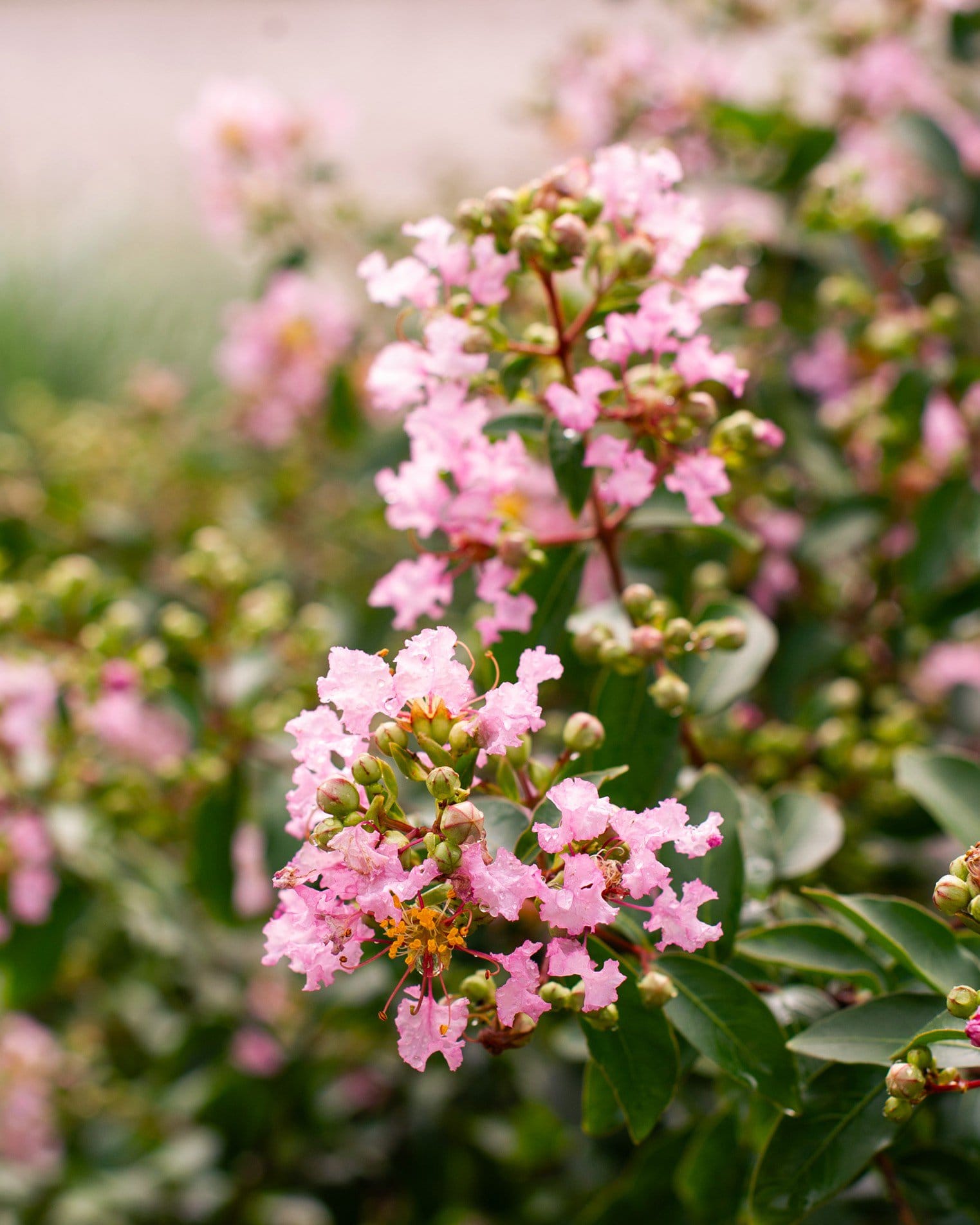
Cotton Candy Crape Myrtle
Maturity: 2' H x 2' W
Dark Roast Crape Myrtle
Maturity: 3' H x 3' W
Peppermint Mocha Crape Myrtle
Maturity: 3' H x 3' W
Bellini Raspberry Crape Myrtle
Maturity: 3' H x 3' W
Cherry Mocha Crape Myrtle
Maturity: 3' H x 3' W
Double Feature Crape Myrtle
Maturity: 6' H x 6' W
Enduring Fuchsia Crape Myrtle
Maturity: 4' H x 4' W
Enduring Lavender Crape Myrtle
Maturity: 4' H x 4' W
Enduring Red Crape Myrtle
Maturity: 4' H x 4' W
Enduring Summer Red Crape Myrtle
Maturity: 4' H x 4' W
Enduring White Crape Myrtle
Maturity: 4' H x 4' W
French Vanilla Crape Myrtle
Maturity: 2' H x 2' W
Like a Latte Crape Myrtle
Maturity: 3' H x 3' W
Acoma Crape Myrtle
Maturity: 7' H x 6' W
Lava Java Crape Myrtle
Maturity: 3' H x 3' W
Compare Similar Plants
Pocomoke Crape Myrtle This plant | ||
|---|---|---|
| Scientific Name | Lagerstroemia ‘Pocomoke’ | Lagerstroemia indica ‘Cotton Candy’ |
| Size at Maturity | 3' H x 3' W | 2' H x 2' W |
| Leaf Retention | Deciduous | Deciduous |
| Fall Color | Yellow | Yellow |
| Flower Color | Pink | Pink |
| Bloom Times | Summer | Summer |
| Sizes Available | 3, 7 gal | 3, 7 gal |


Our 1-Year Planting Guarantee
We take pride in our plants and installation services. If any plants or trees installed by Treeland fail to thrive within the first year, we'll provide a replacement credit in accordance with our guarantee program.
Learn More About Our Guarantee