
 Popular
Enduring Lavender Crape Myrtle
Lagerstroemia ‘PIILAG B3’Local DFW Delivery Only
Product Details
Enduring Lavender Crape Myrtle
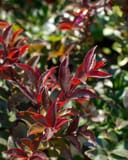
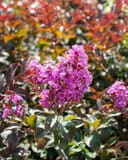
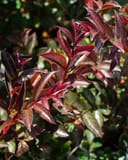
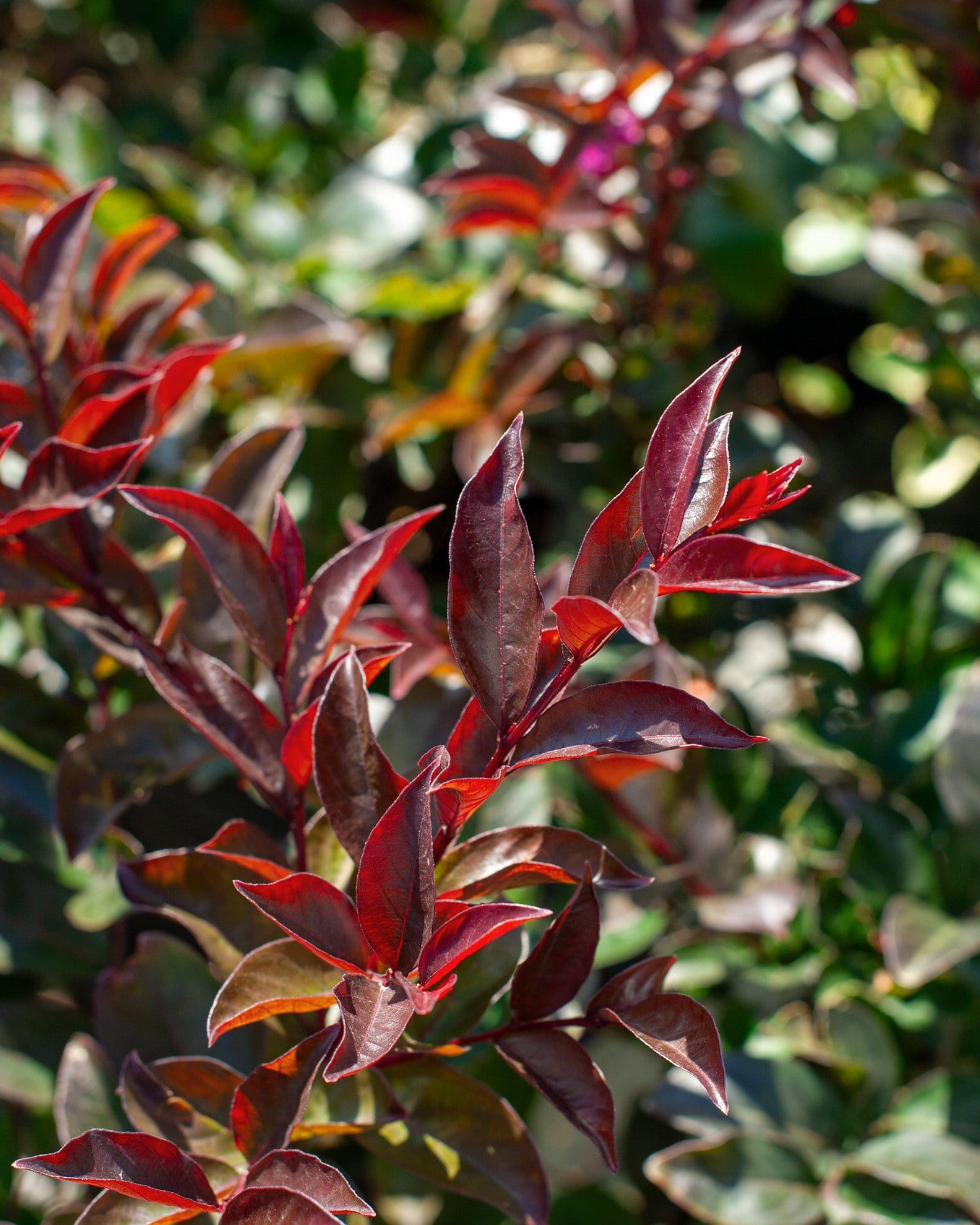
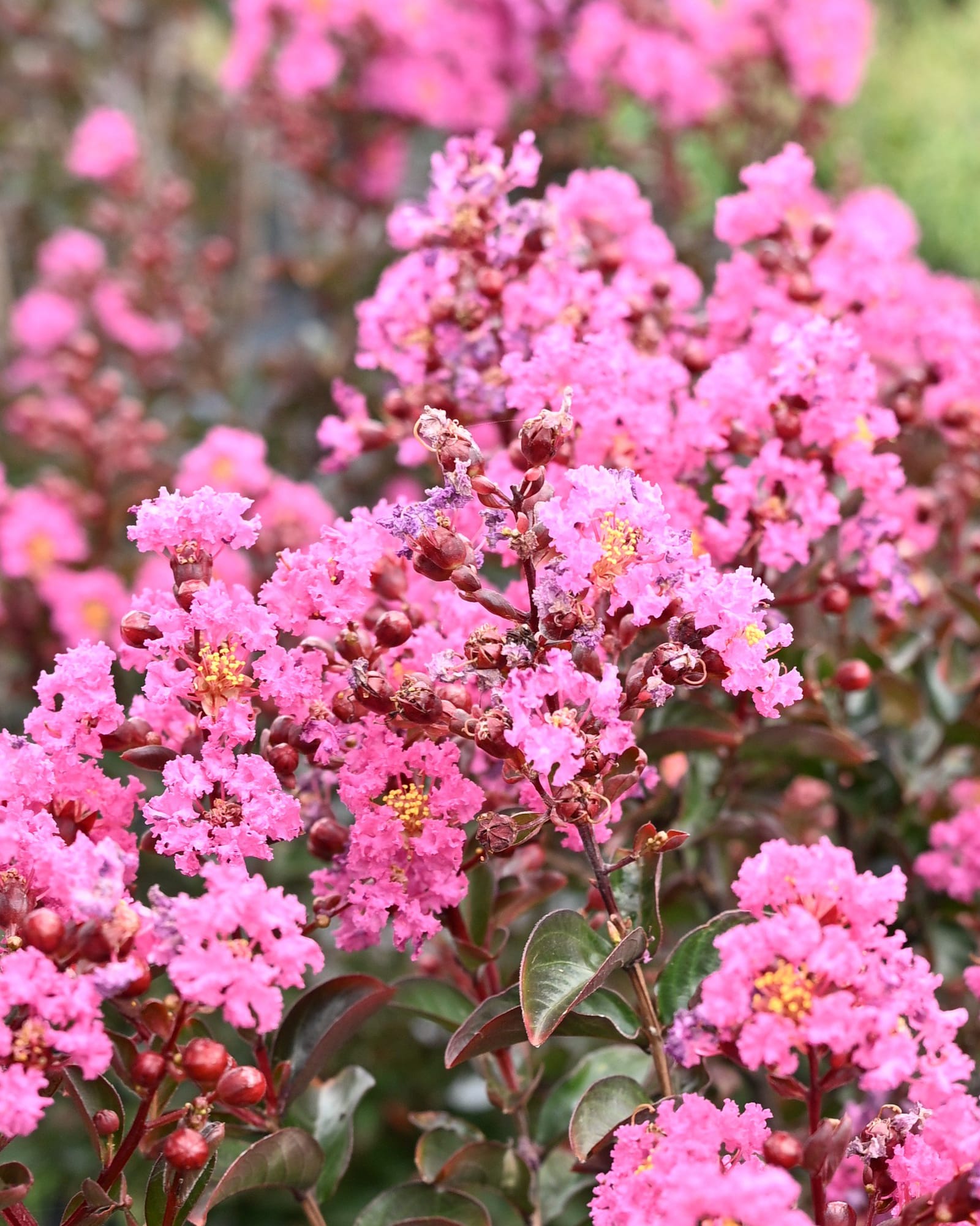
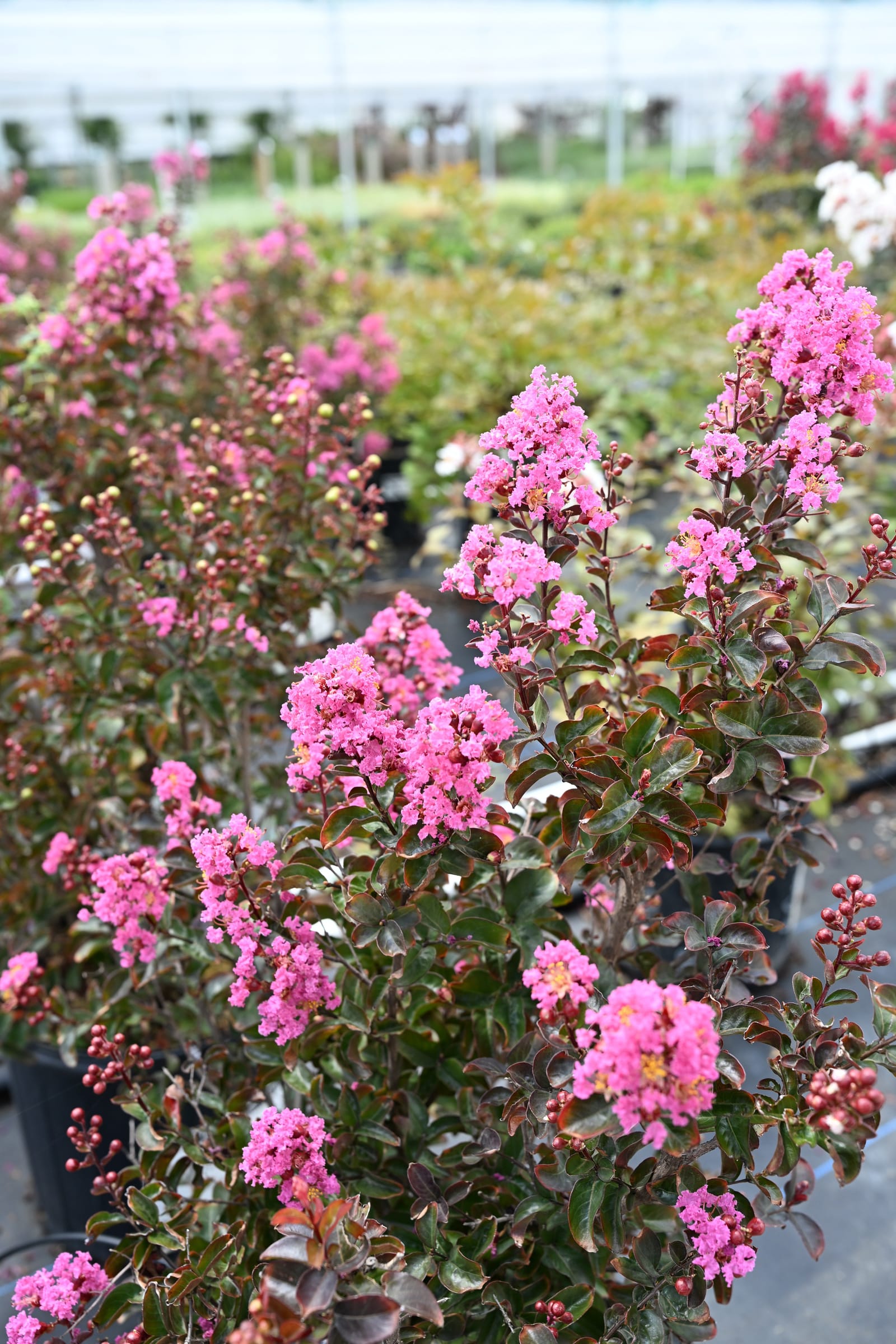
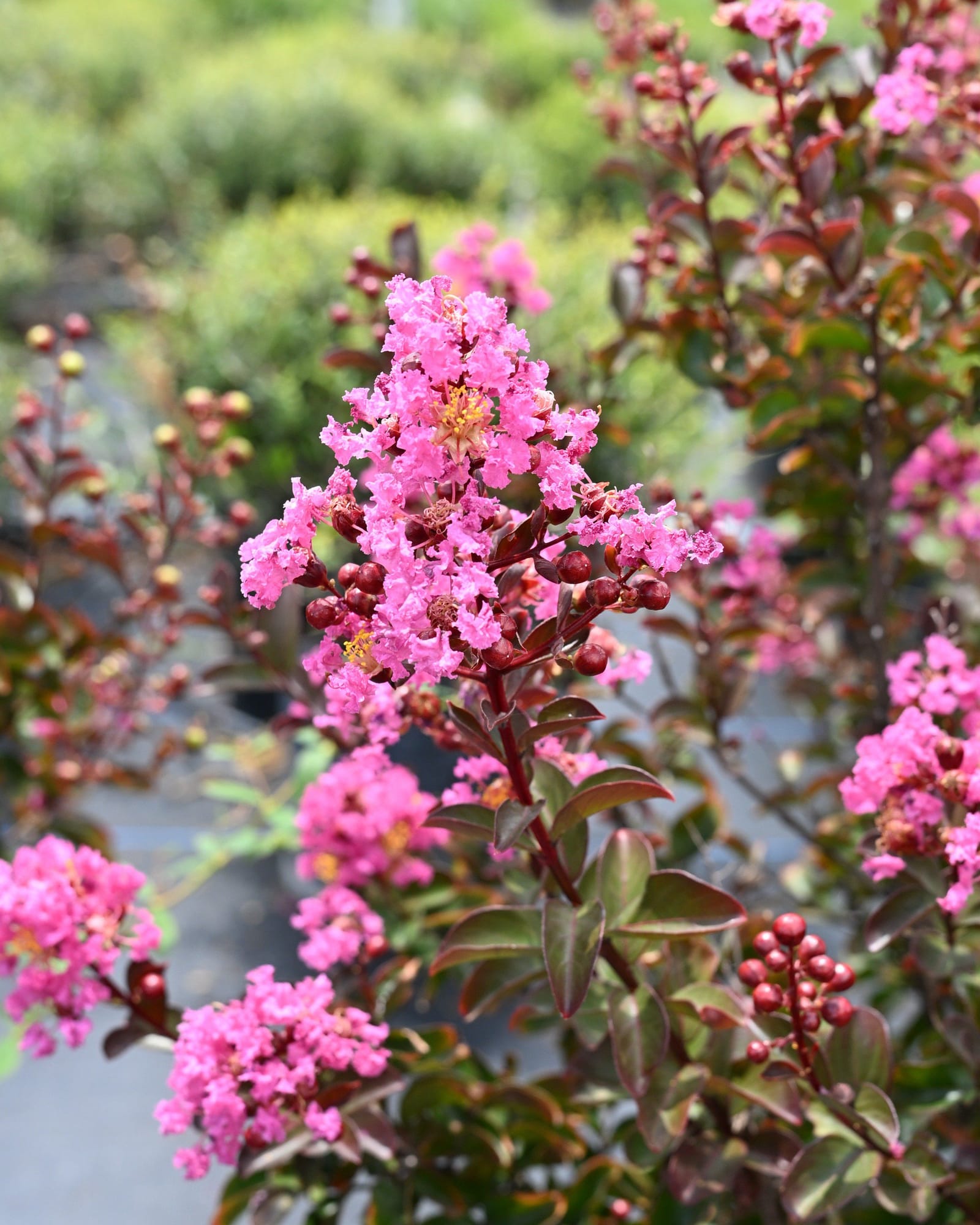
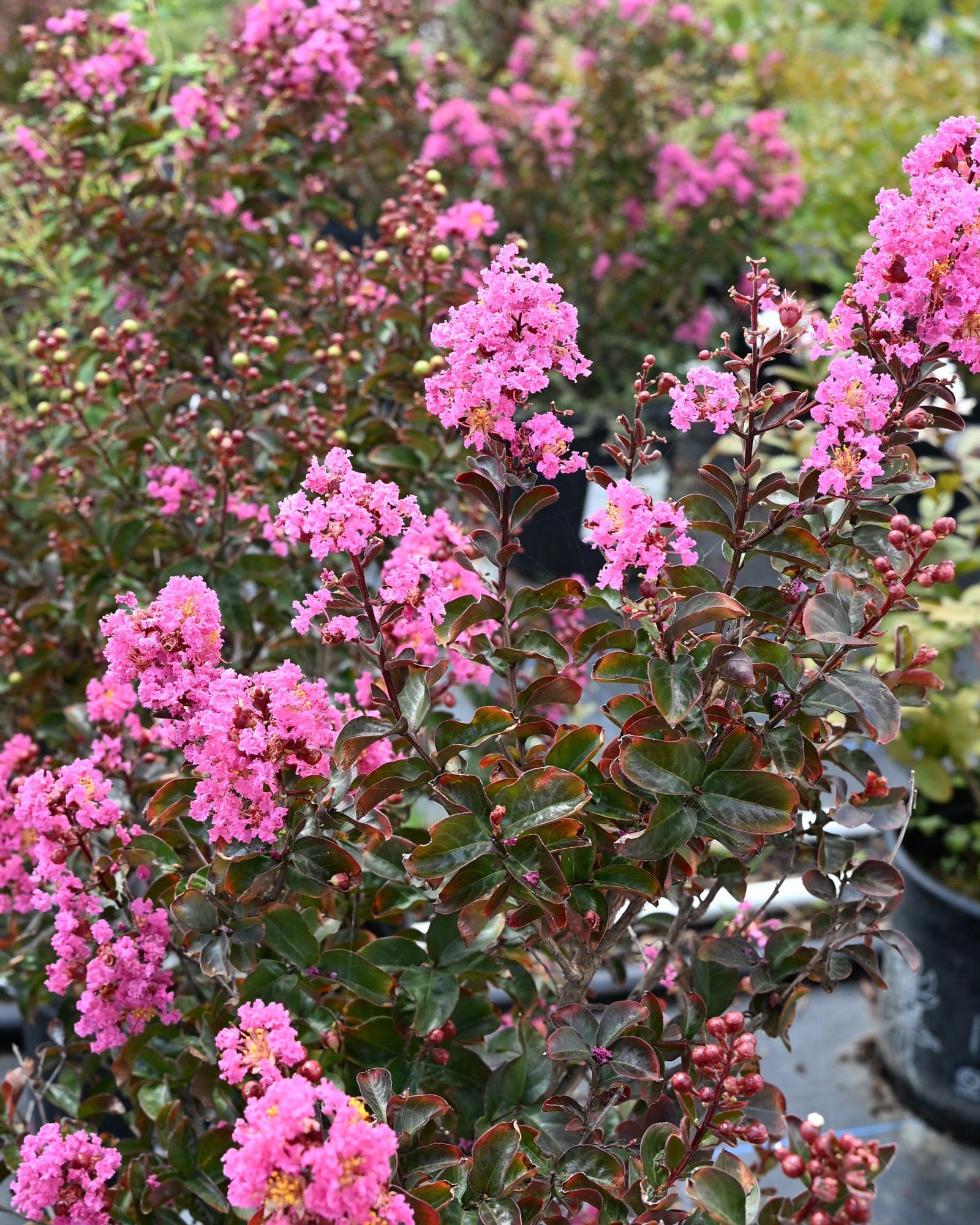
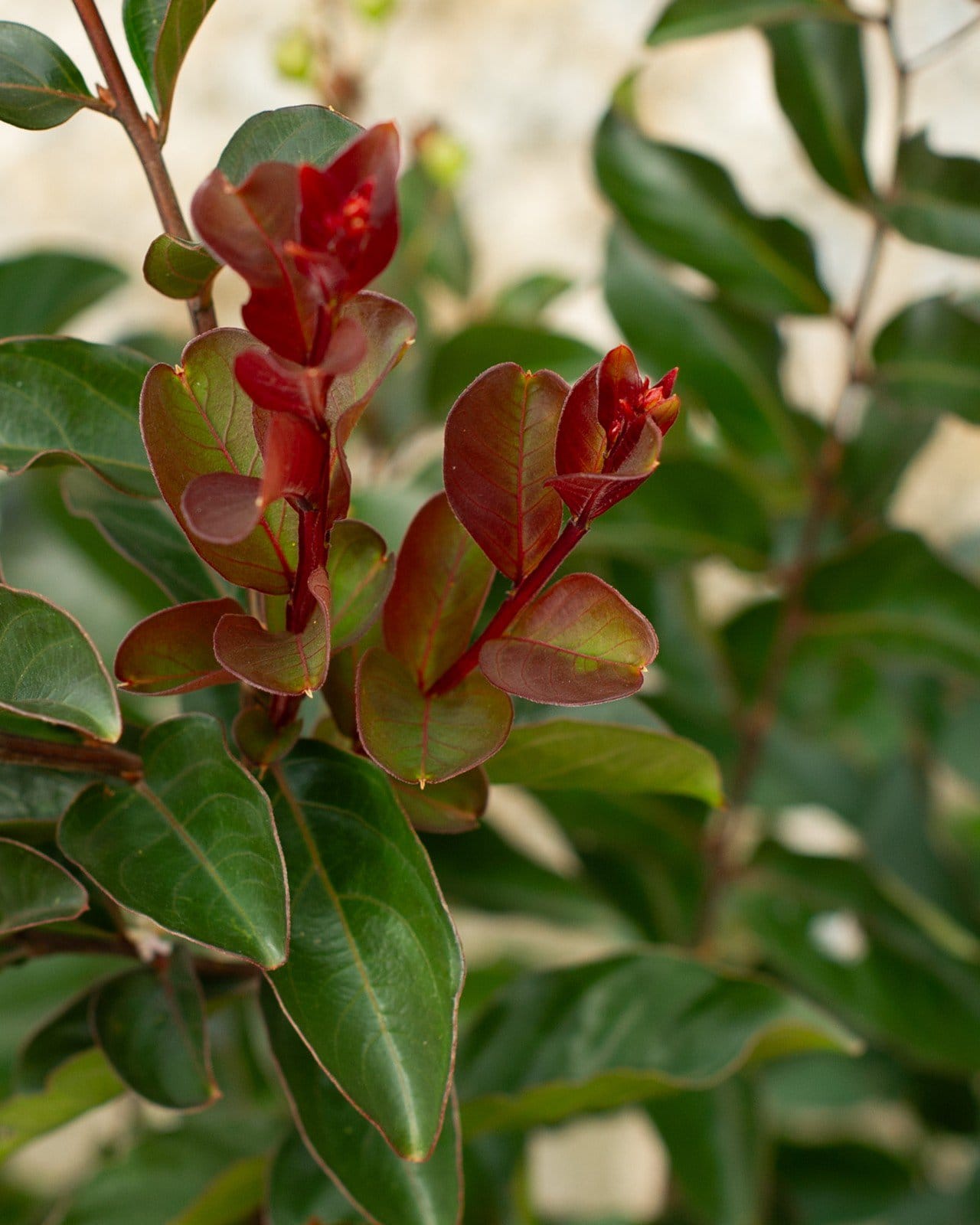
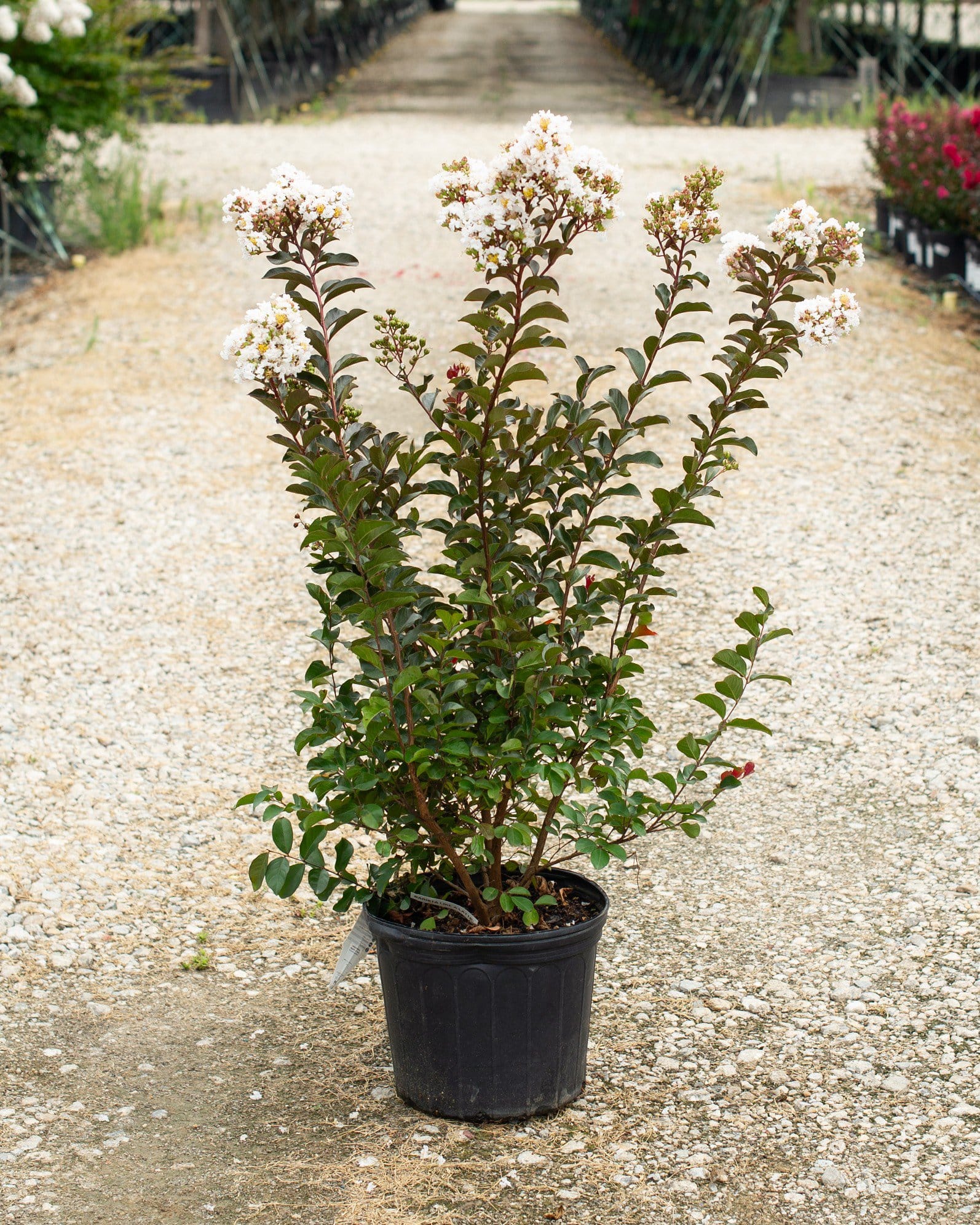
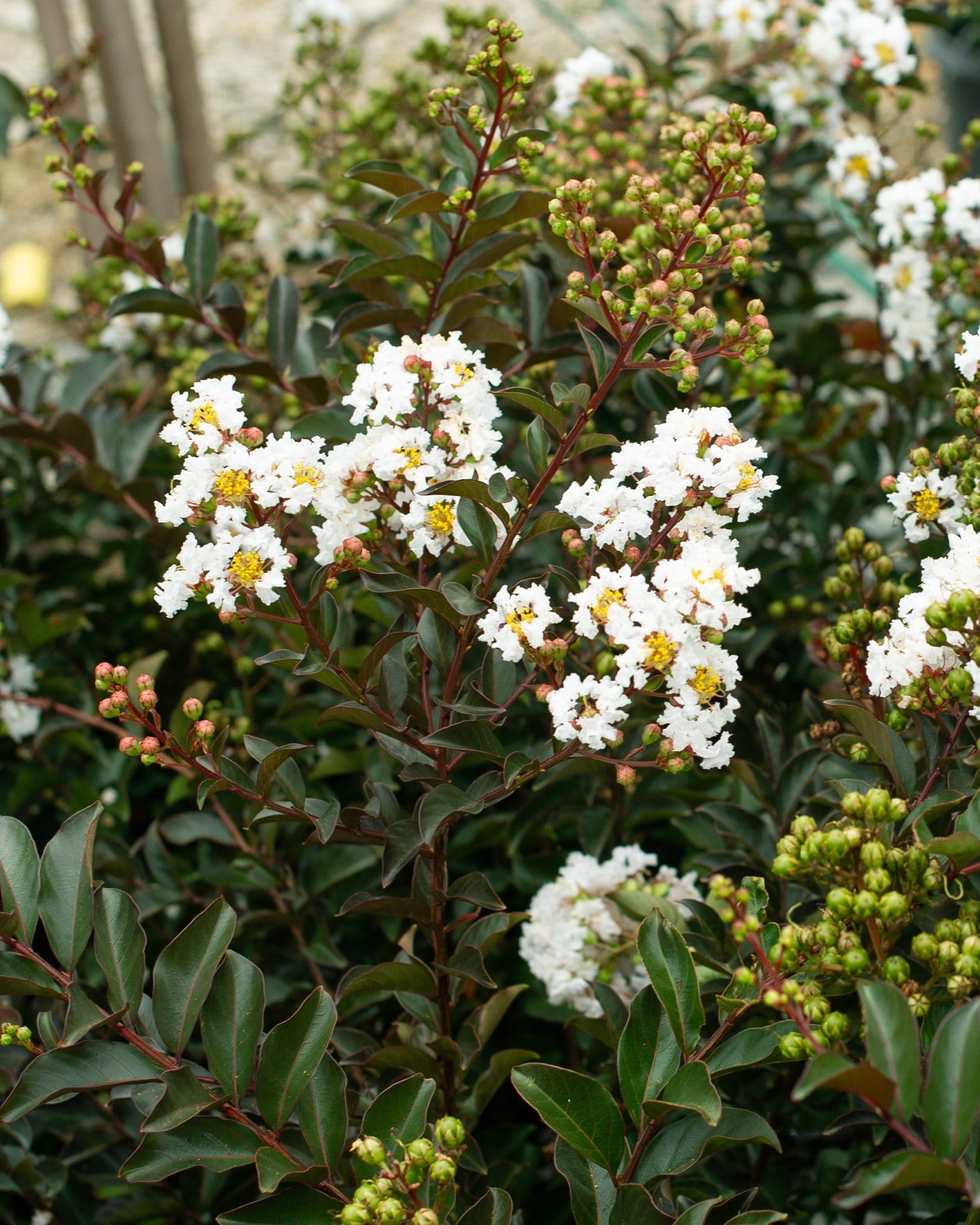
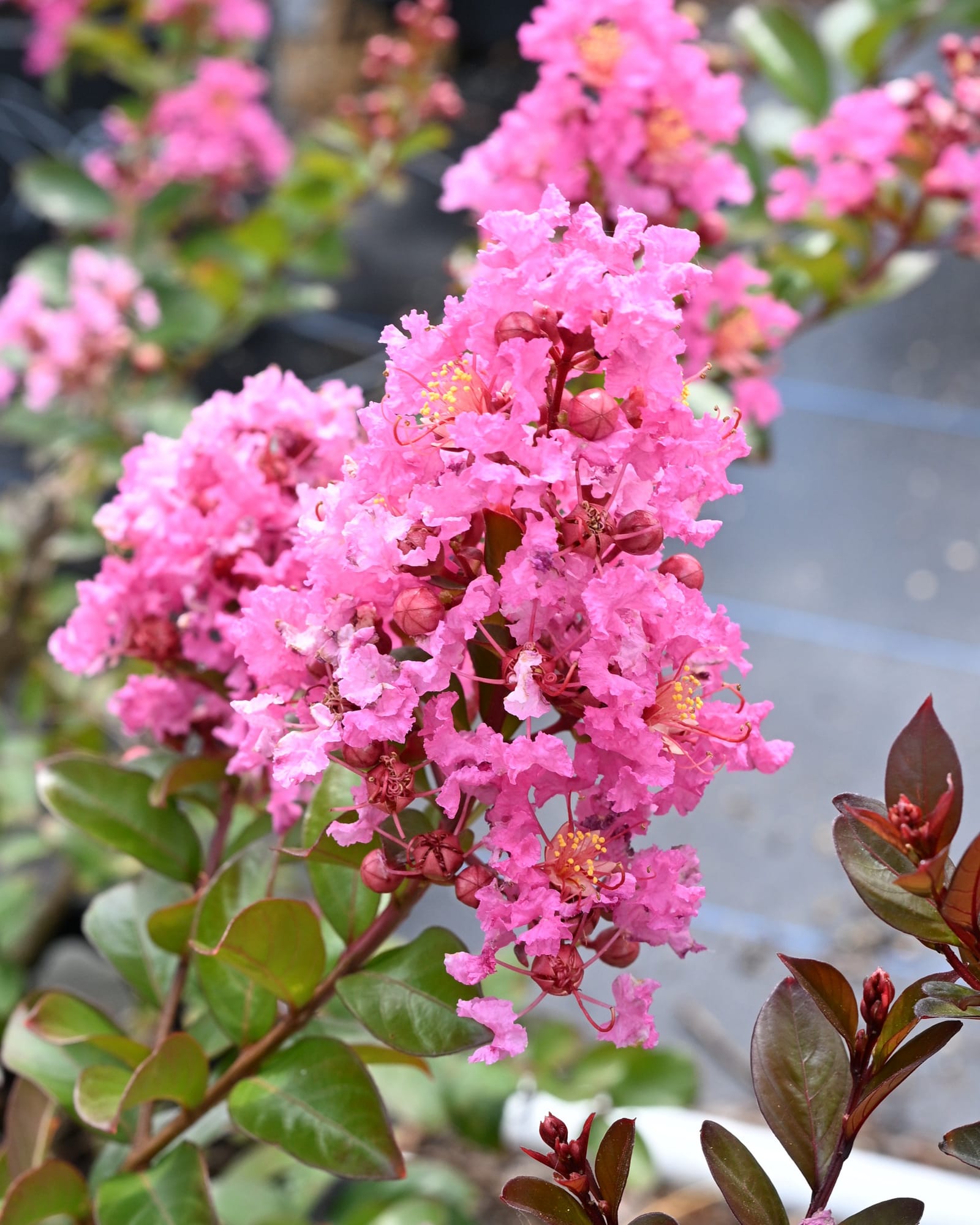
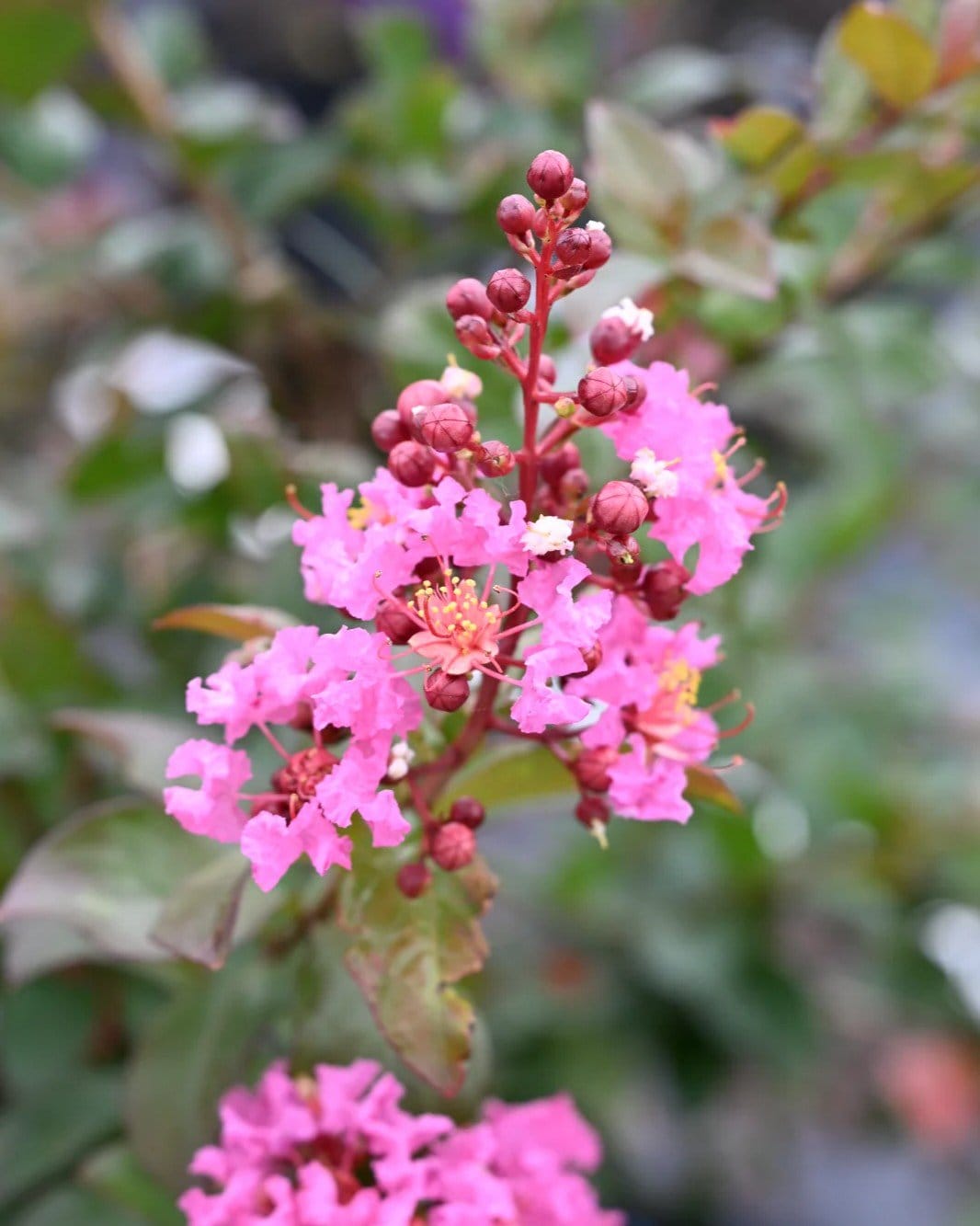
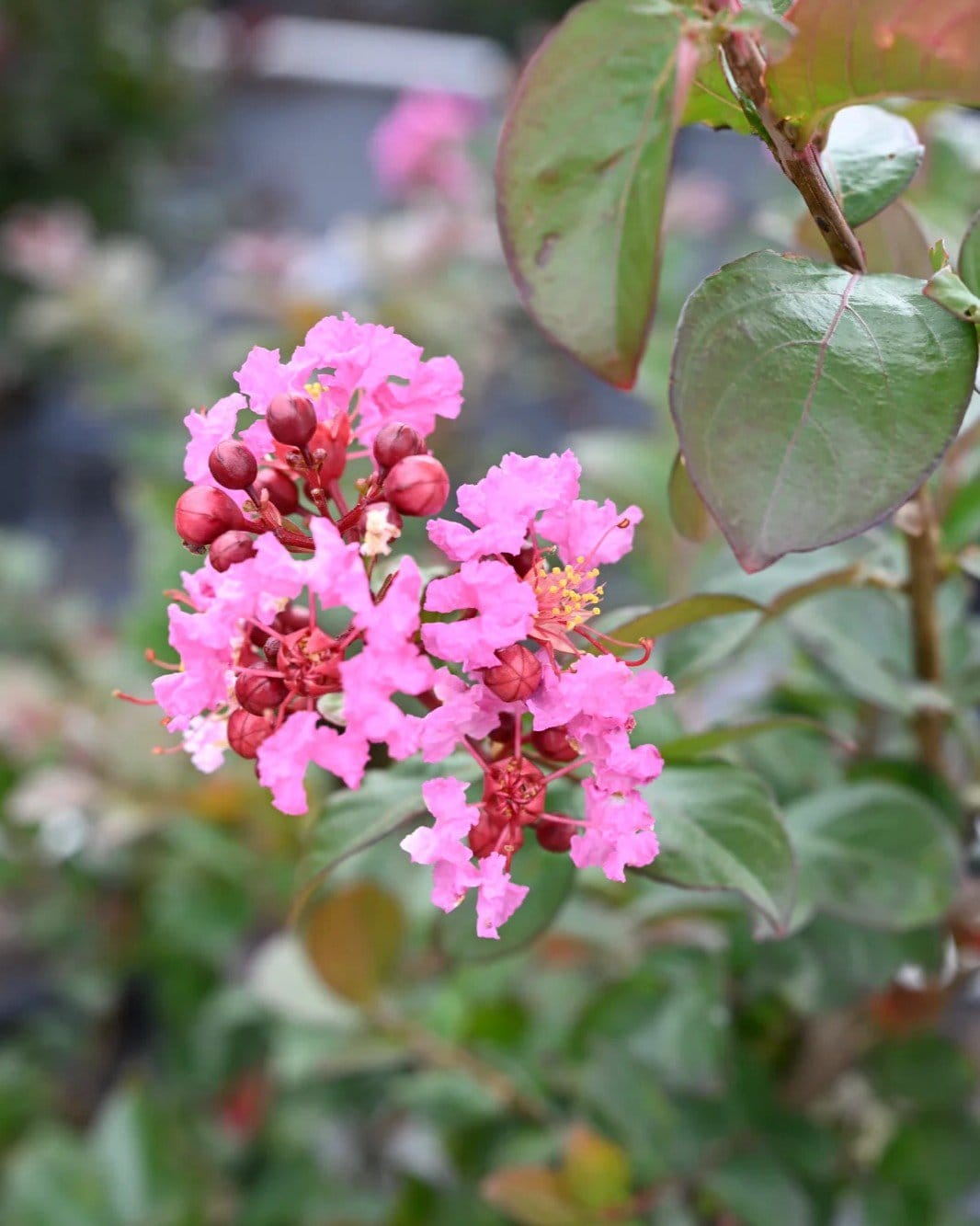
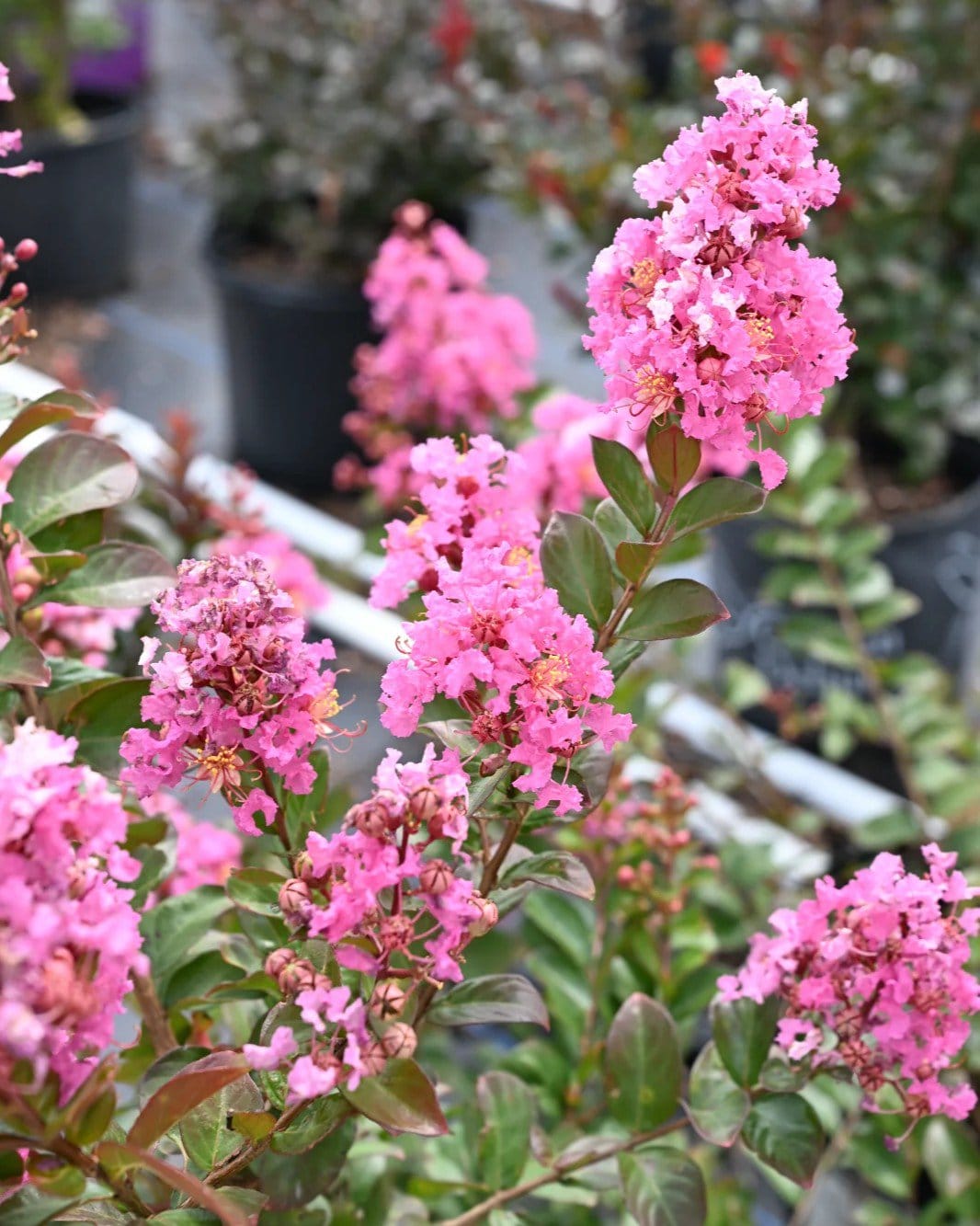
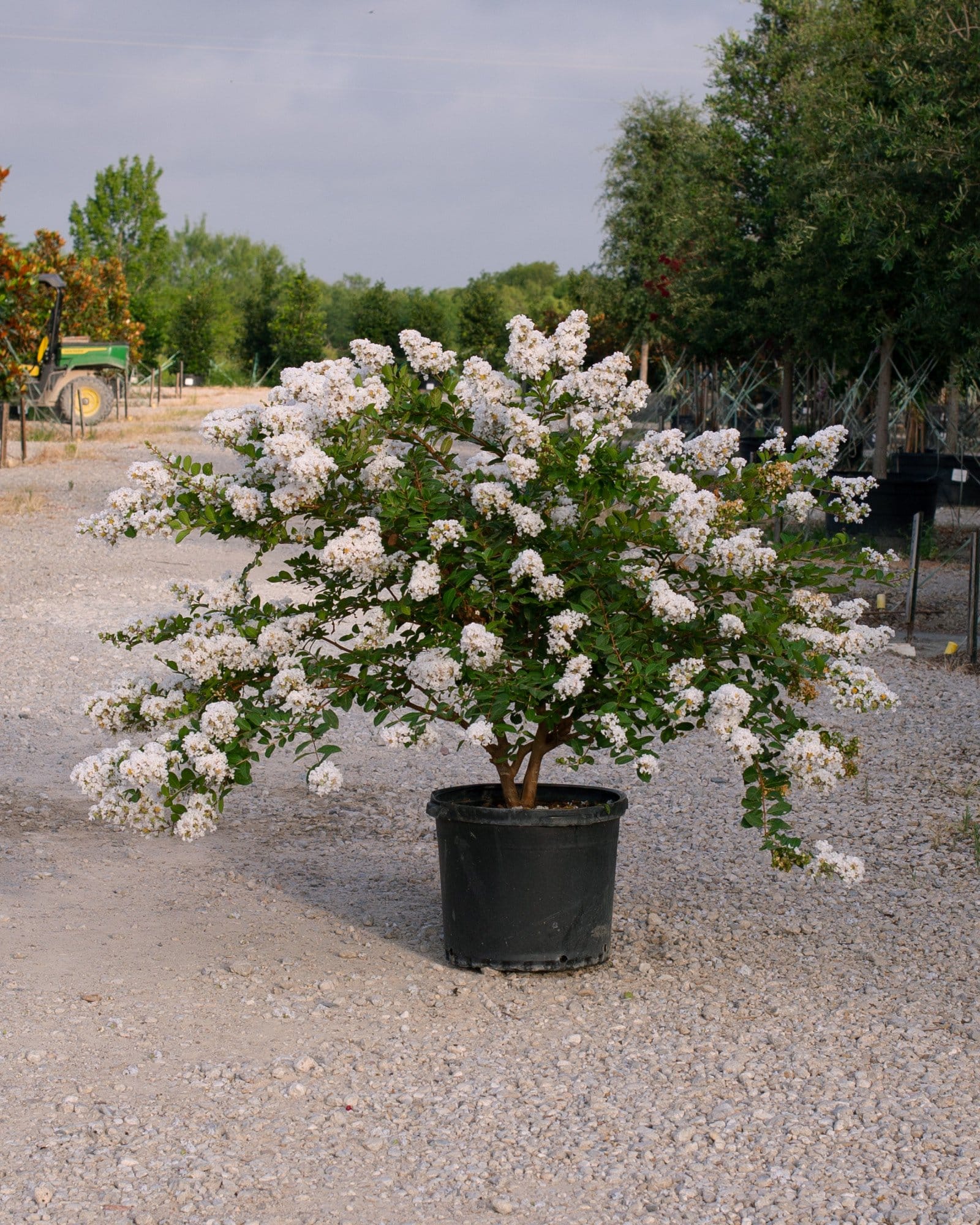
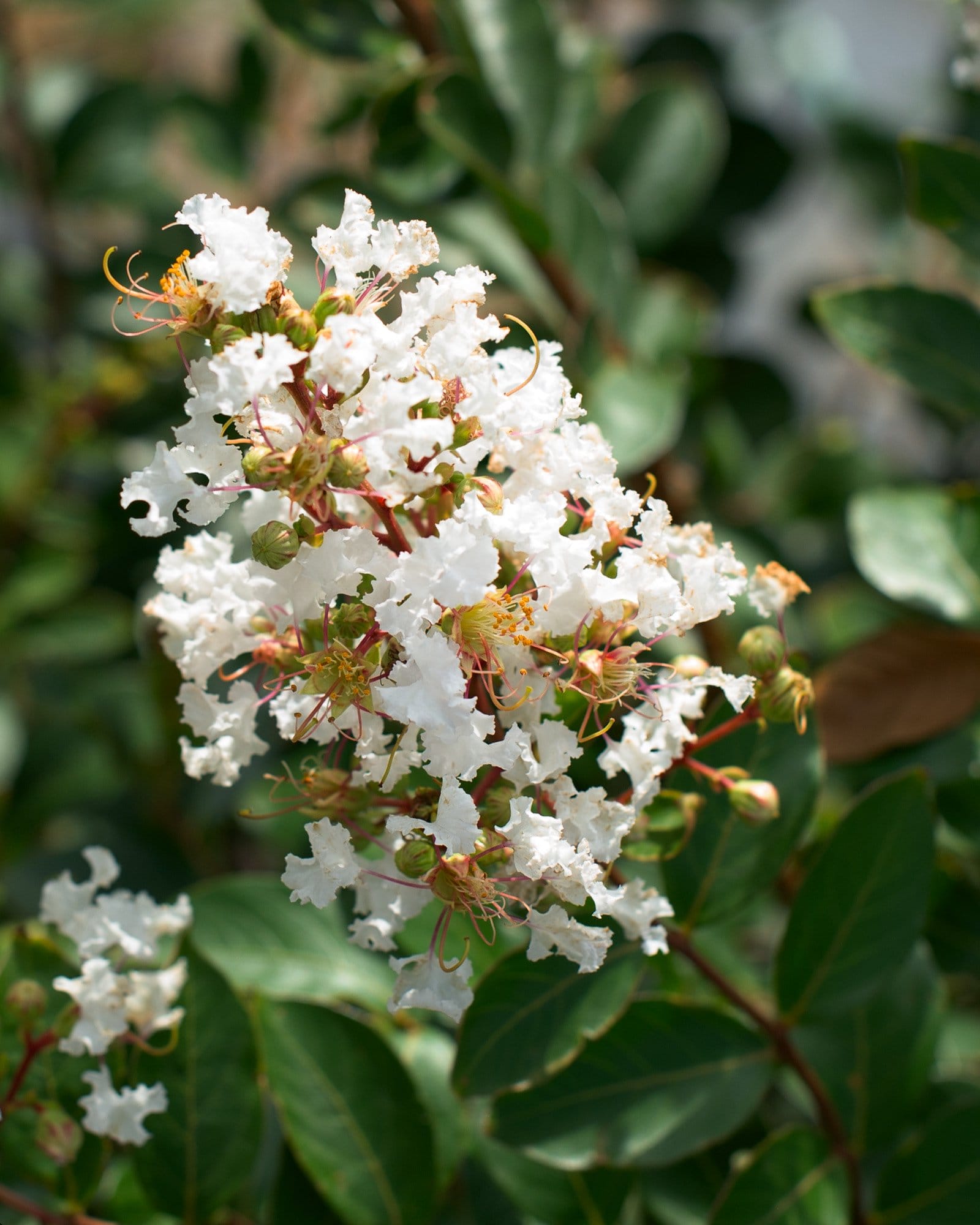
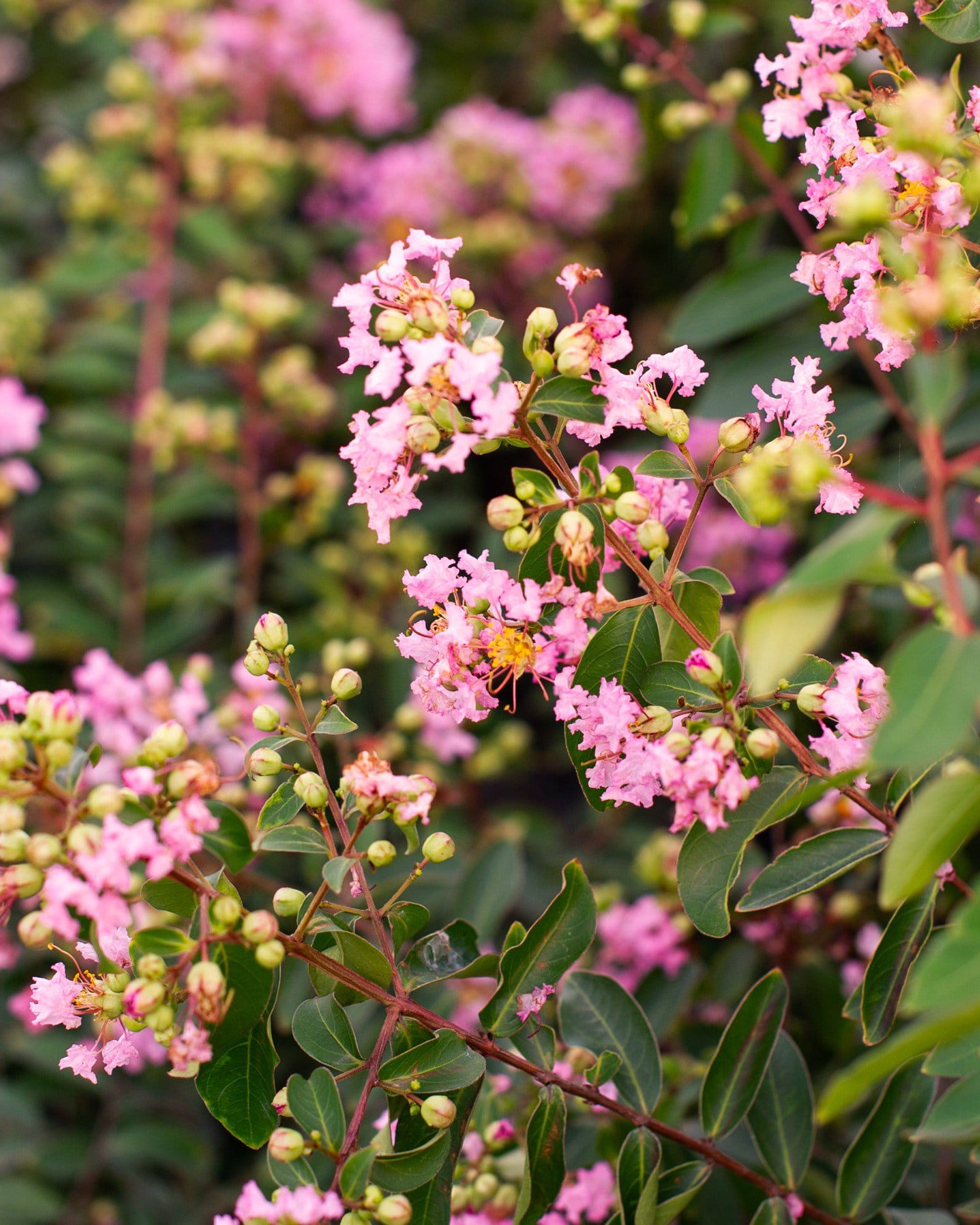
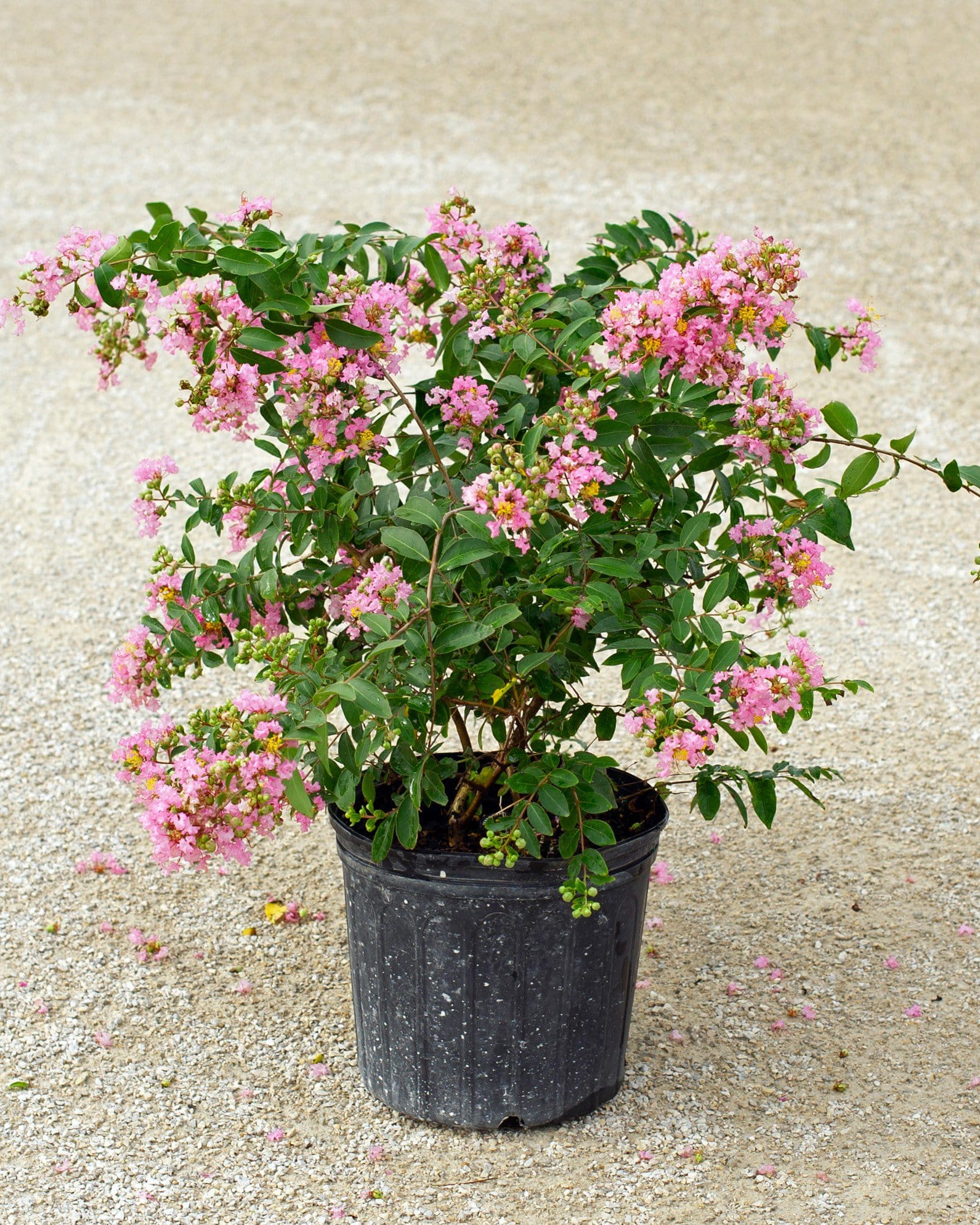
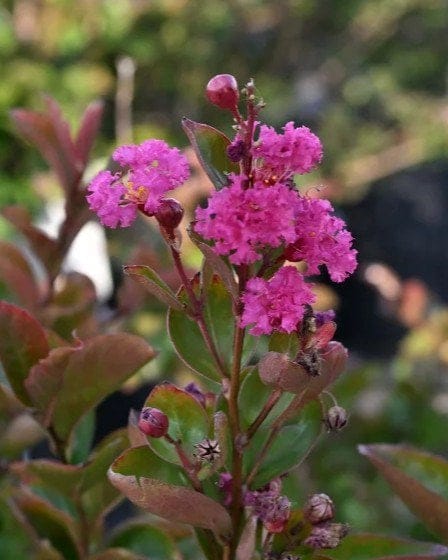
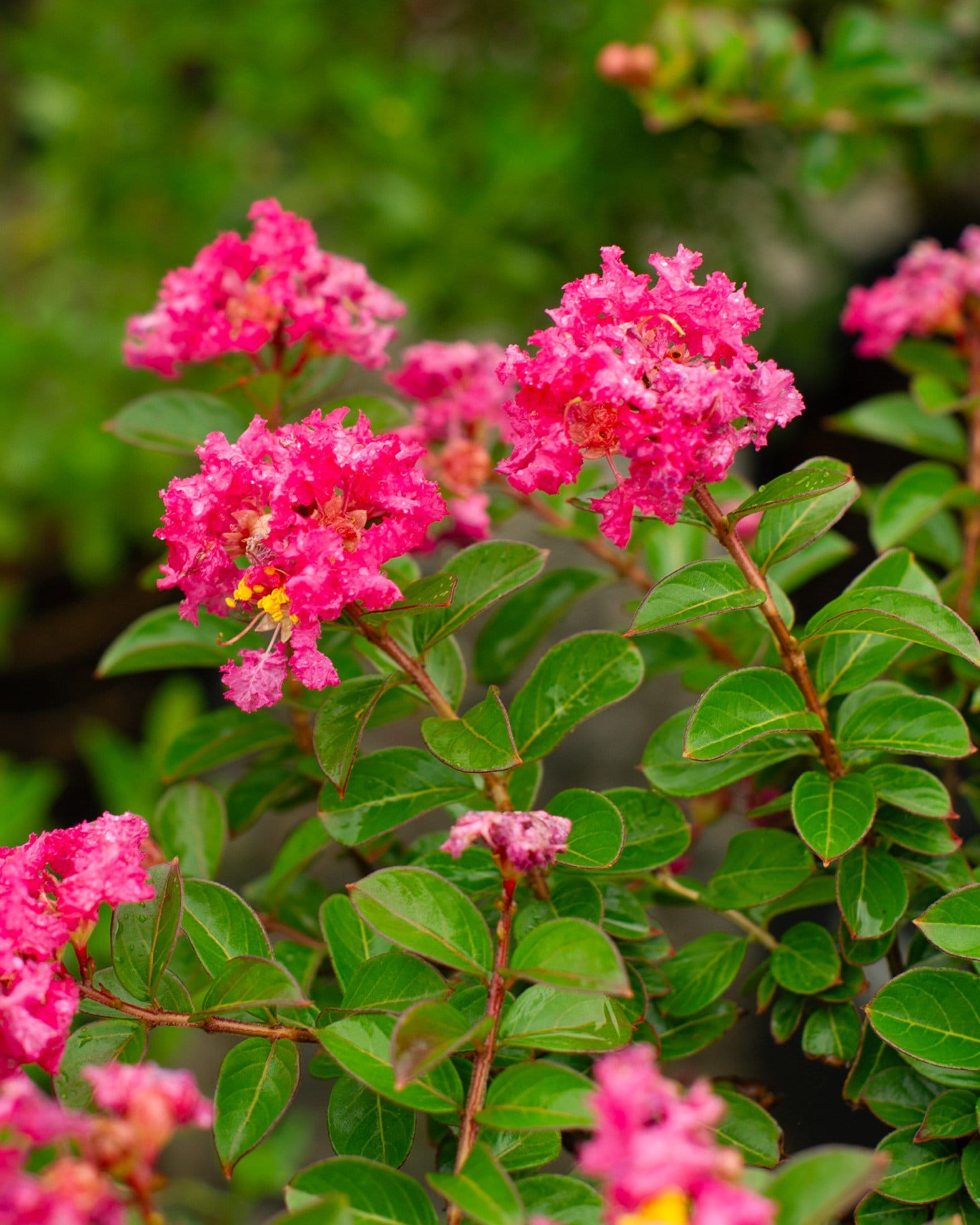
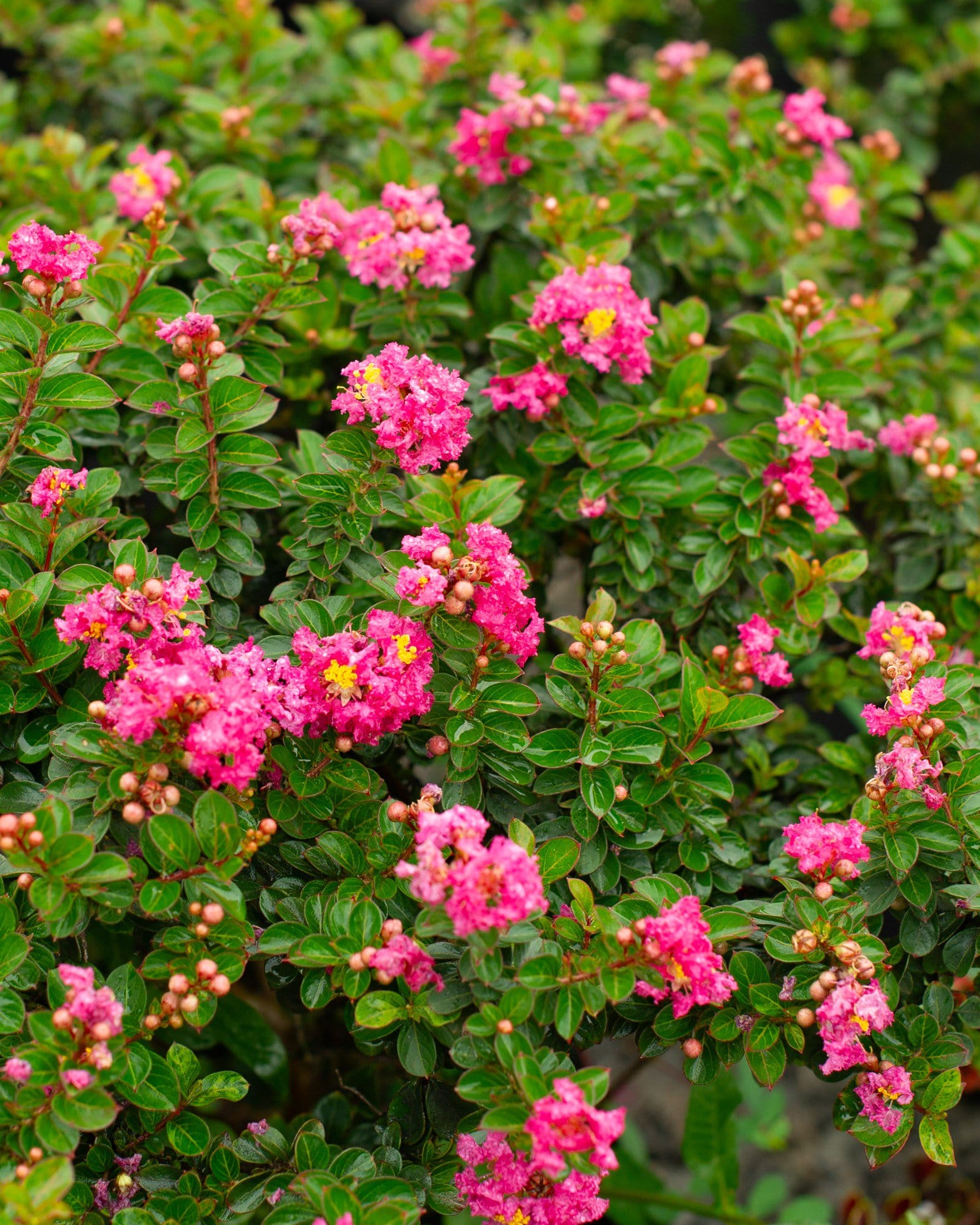
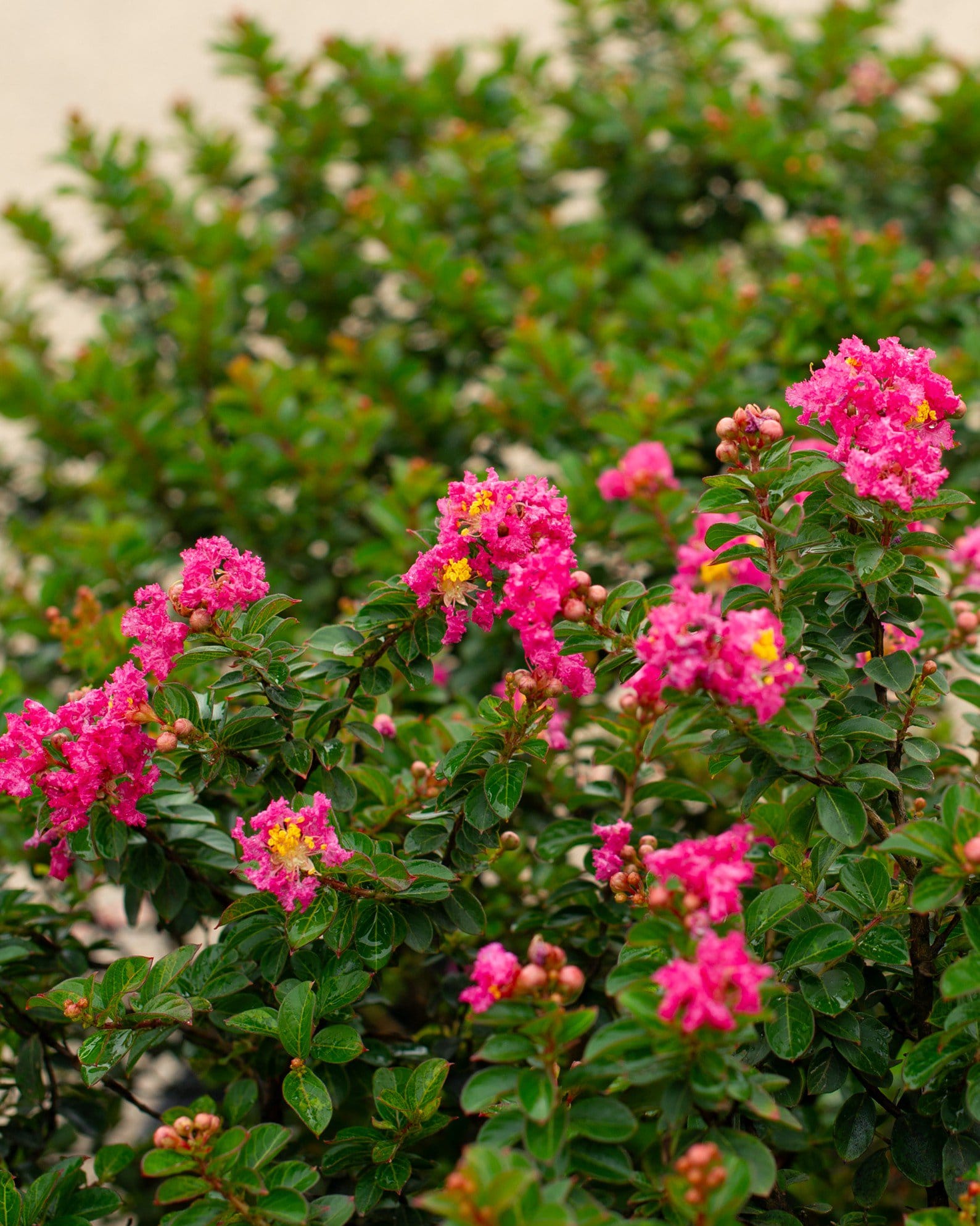
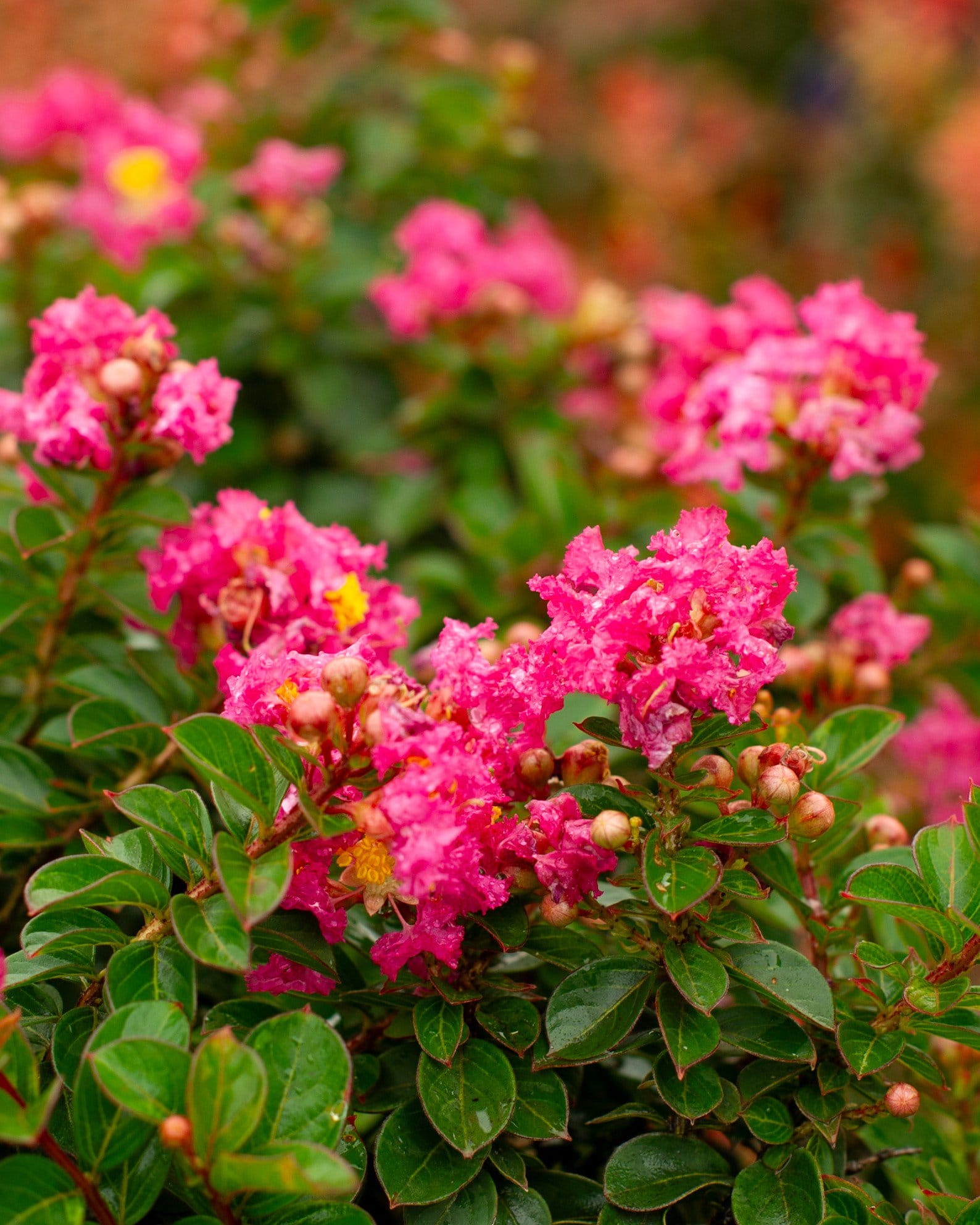
Lagerstroemia ‘PIILAG B3’Enduring Lavender Crape Myrtle is a compact, deciduous shrub admired for its elegant pinkish purple flowers and dense, rounded growth habit. Blooming in summer, its soft clusters of flowers create a beautiful contrast with deep green leaves. At maturity, this shrub reaches 4 feet in both height and width. It's an excellent choice for small spaces, foundation beds, or containers.
- Deciduous shrub
- Moderate growth rate, rounded, compact habit
- Soft pinkish purple flowers in summer
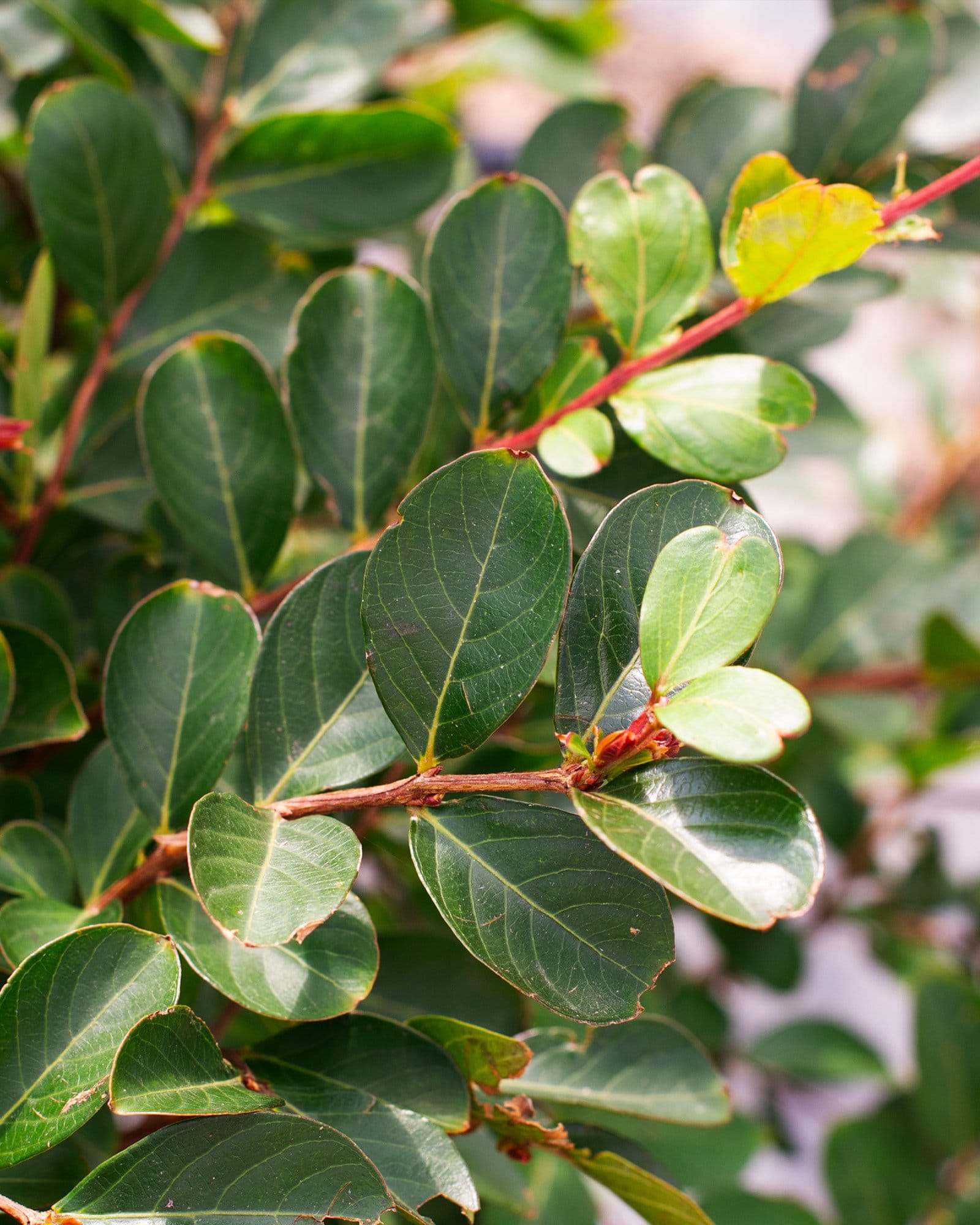
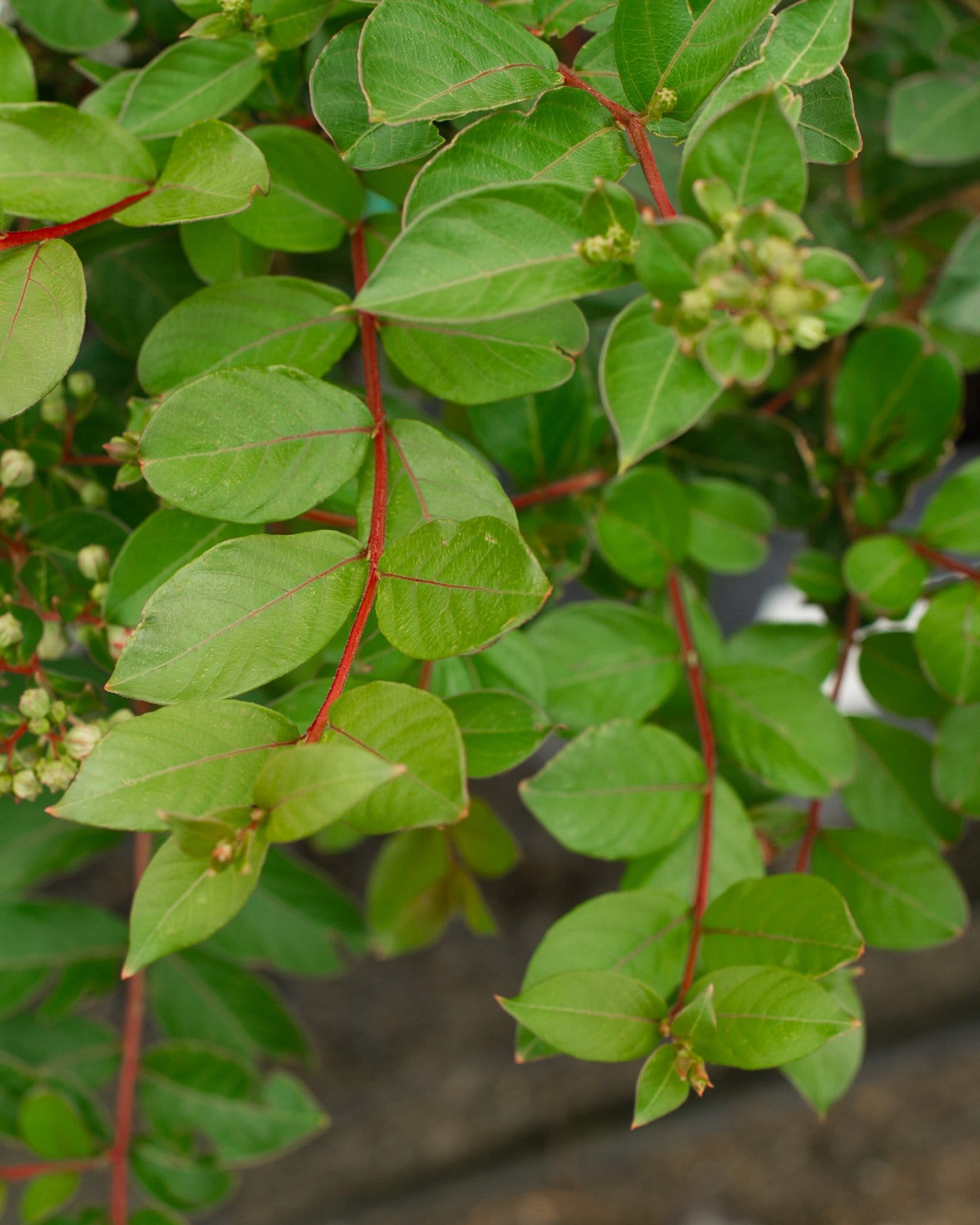
- Green foliage adds texture and contrast
- Ideal for beds, borders, and large containers
Enduring Lavender Crape Myrtle loves sunny spots and well-drained soil. Once mature, it's quite enduring, making it great for the Texas climate. Hardy in USDA zones 6 through 10, this variety offers reliable color and structure with minimal upkeep. Trim in late winter to encourage new growth and flowering.
Enduring Lavender Crape Myrtle is a low-maintenance tree or large shrub that will thrive with just a little bit of care and effort.
- Watering: Water consistently during the first 1-2 growing seasons to help roots establish. Once mature, it is drought-tolerant but benefits from supplemental watering during prolonged dry periods or extreme heat. Avoid waterlogged soil, which can lead to root rot.
- Pruning: Light pruning in late winter or early spring encourages new growth, maintains shape, and promotes abundant blooms. Remove dead, damaged, or crossing branches. Avoid heavy pruning into old wood, as this can reduce flowering.
- Fertilizing: Apply a balanced, slow-release fertilizer in early spring to encourage healthy growth and vibrant blooms. Avoid high-nitrogen fertilizers, which can lead to excessive leafy growth at the expense of flowers.
- Mulching: A 2-3 inch layer of mulch around the root zone conserves moisture, moderates soil temperature, and suppresses weeds. Keep mulch several inches away from the trunk to prevent rot.
- Winter Care: In colder regions, mulch around the base to protect roots from freezing. Container-grown trees may require additional frost protection during severe winters.
Common Issues and How to Take Care of Them
- Powdery Mildew: White, powdery growth on leaves may appear in humid conditions. Improve airflow, avoid overhead watering, and use fungicides if necessary.
- Aphids: Small sap-sucking insects can distort leaves and cause sticky residue. Spray with water or use insecticidal soap if infestations occur.
- Cercospora Leaf Spot: Causes dark spots on leaves, sometimes leading to premature leaf drop. Remove affected leaves and maintain good spacing for airflow.
- Sooty Mold: Often a secondary issue caused by honeydew from aphids or scale insects. Controlling the sap-sucking pests prevents mold growth.
- Root Rot: Poor drainage or overwatering can lead to root decay. Plant in well-draining soil and avoid standing water.
With proper care, Enduring Lavender Crape Myrtle provides vibrant color, low-maintenance beauty, and multi-season interest in landscapes.
It grows at a moderate rate, typically 6-12 inches per year, reaching 4 feet tall and wide at maturity. Regular pruning encourages a fuller canopy and more abundant flowering.
Anytime between fall and spring is ideal to allow roots to establish before extreme heat. Planting during these seasons reduces transplant shock and promotes strong initial growth.
Water deeply once or twice per week during the first year. Once established, occasional deep watering during dry spells is sufficient, but consistent moisture encourages the best flowering.
Yes, once established, it thrives in hot, dry conditions, though supplemental watering during prolonged droughts enhances bloom quality.
Yes, it performs well in large pots with well-draining soil. Container-grown trees may require more frequent watering and occasional fertilization for optimal growth.
Enduring Lavender Crape Myrtle produces abundant lavender flowers throughout the summer and into early fall. Deadheading spent blooms is optional but can encourage additional flowering.
Yes, its foliage and woody stems are generally unappealing to deer, making it a reliable choice in areas with moderate deer activity. While not completely deer-proof, occasional browsing is rare and typically does not affect overall plant health or flowering.
With proper care, it can live 20-30 years, maintaining its vibrant blooms and strong structural form. Regular pruning and disease monitoring support long-term health.
Yes, it adapts well to city landscapes, tolerating heat, compacted soils, and moderate pollution, making it suitable for streetscapes and urban yards. Its resilience and low-maintenance nature make it a strong option for tough urban planting sites where other trees might struggle.
Absolutely. Its dense branching and upright growth habit make it excellent for informal hedges, privacy screens, or mass plantings. Light pruning helps maintain a uniform shape and encourages more blooms.
Special Features
You might also like
Dark Roast Crape Myrtle
Maturity: 3' H x 3' W
Enduring Red Crape Myrtle
Maturity: 4' H x 4' W
French Vanilla Crape Myrtle
Maturity: 2' H x 2' W
Like a Latte Crape Myrtle
Maturity: 3' H x 3' W
Peppermint Mocha Crape Myrtle
Maturity: 3' H x 3' W
Acoma Crape Myrtle
Maturity: 7' H x 6' W
Cherry Mocha Crape Myrtle
Maturity: 3' H x 3' W
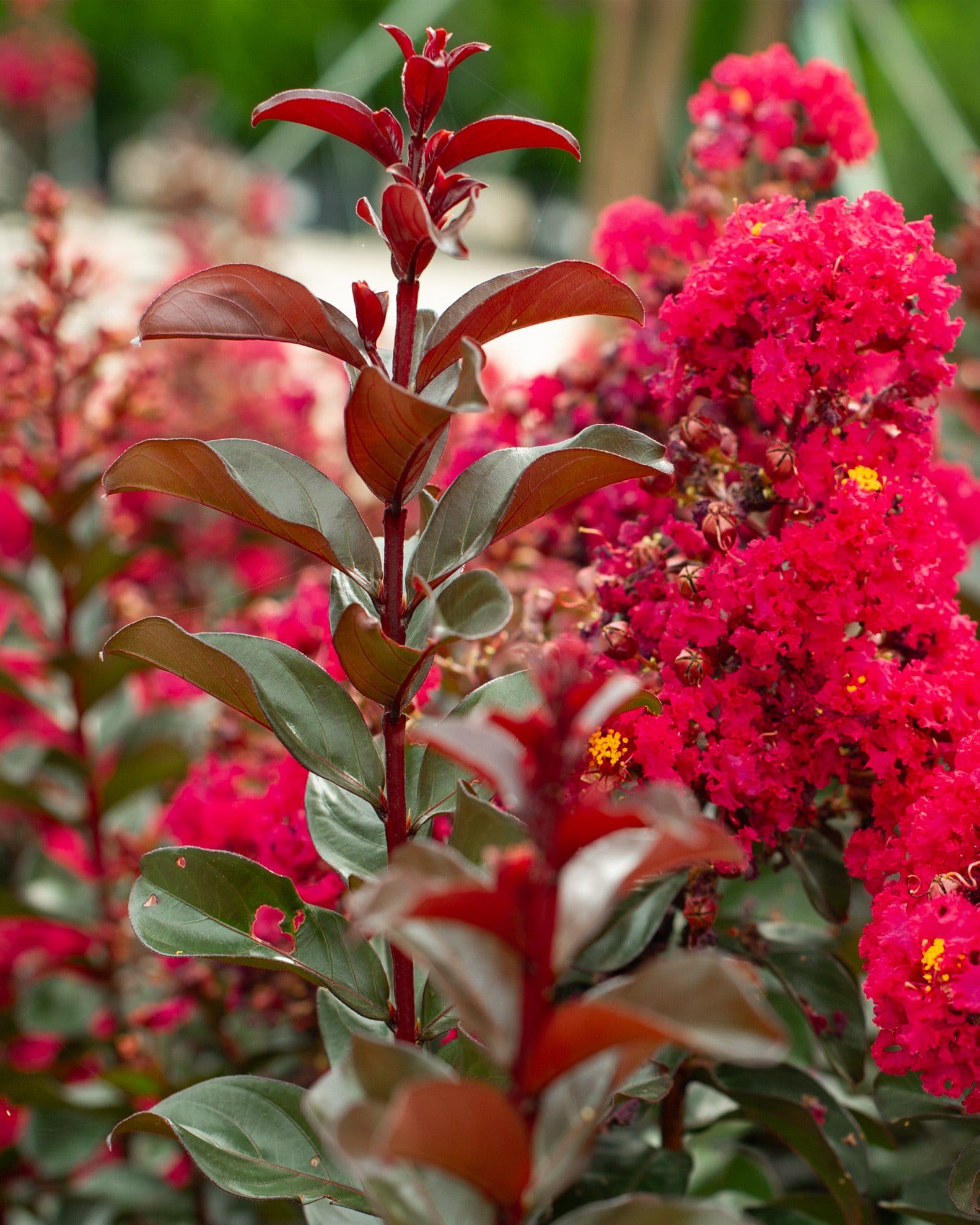
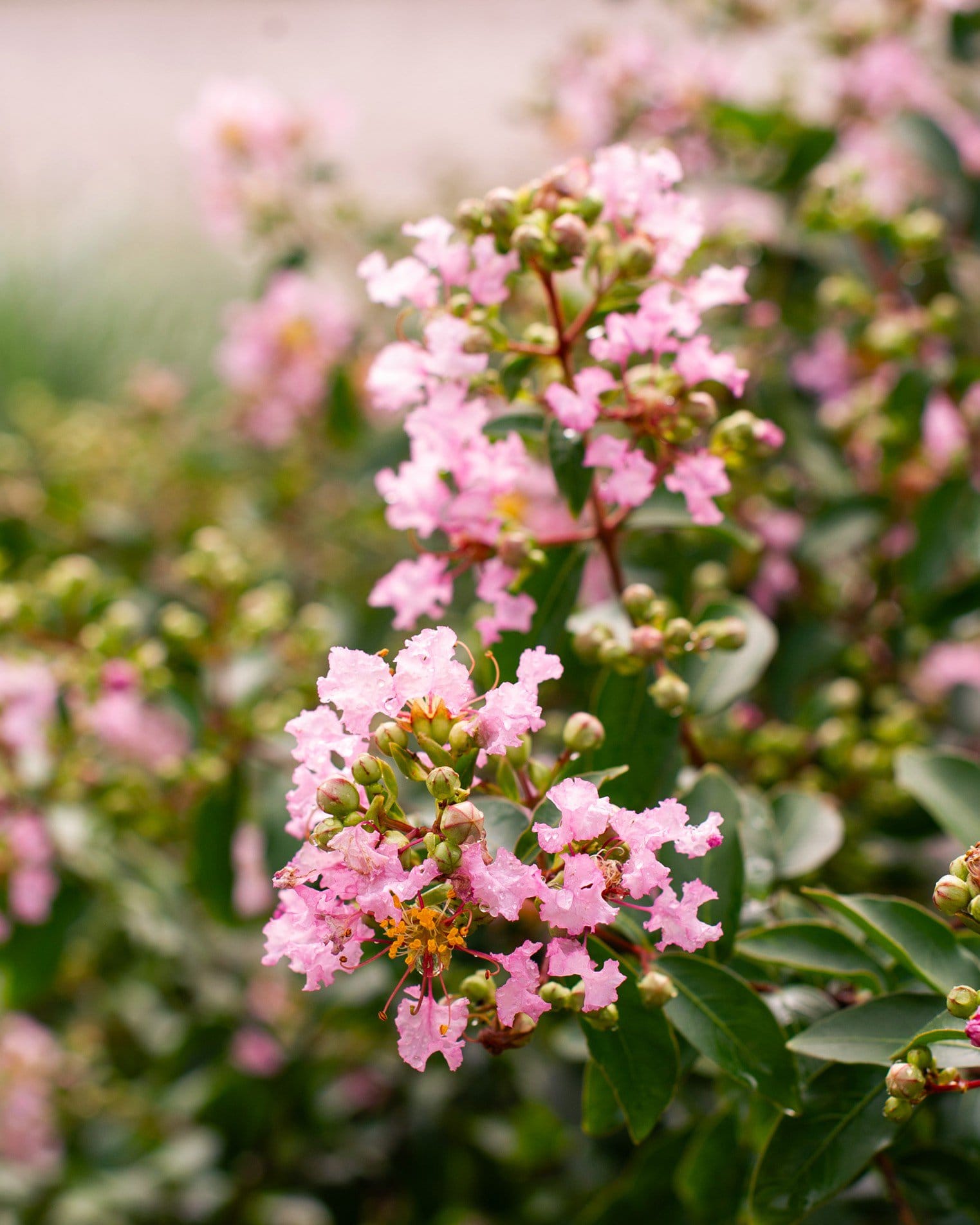
Cotton Candy Crape Myrtle
Maturity: 2' H x 2' W
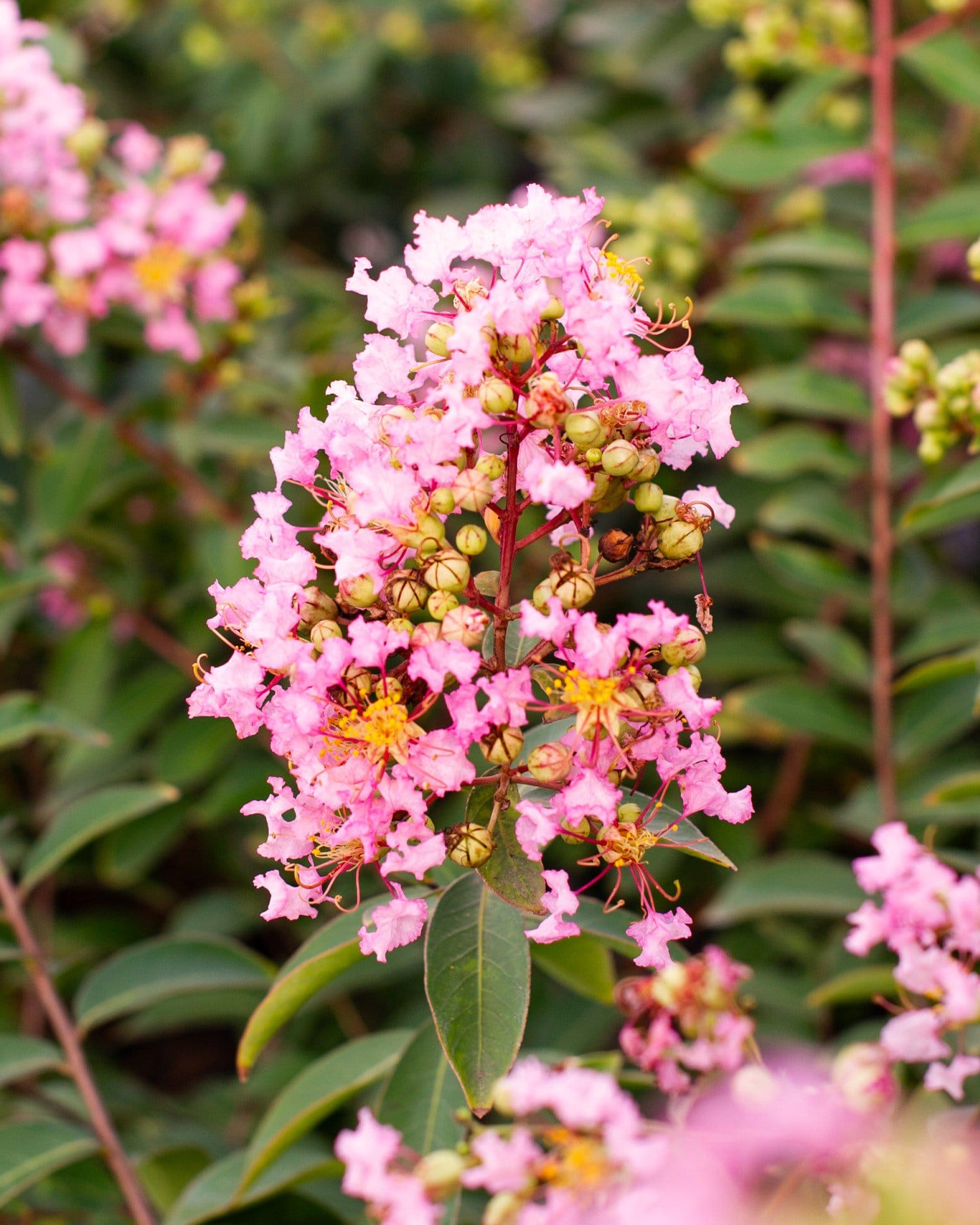
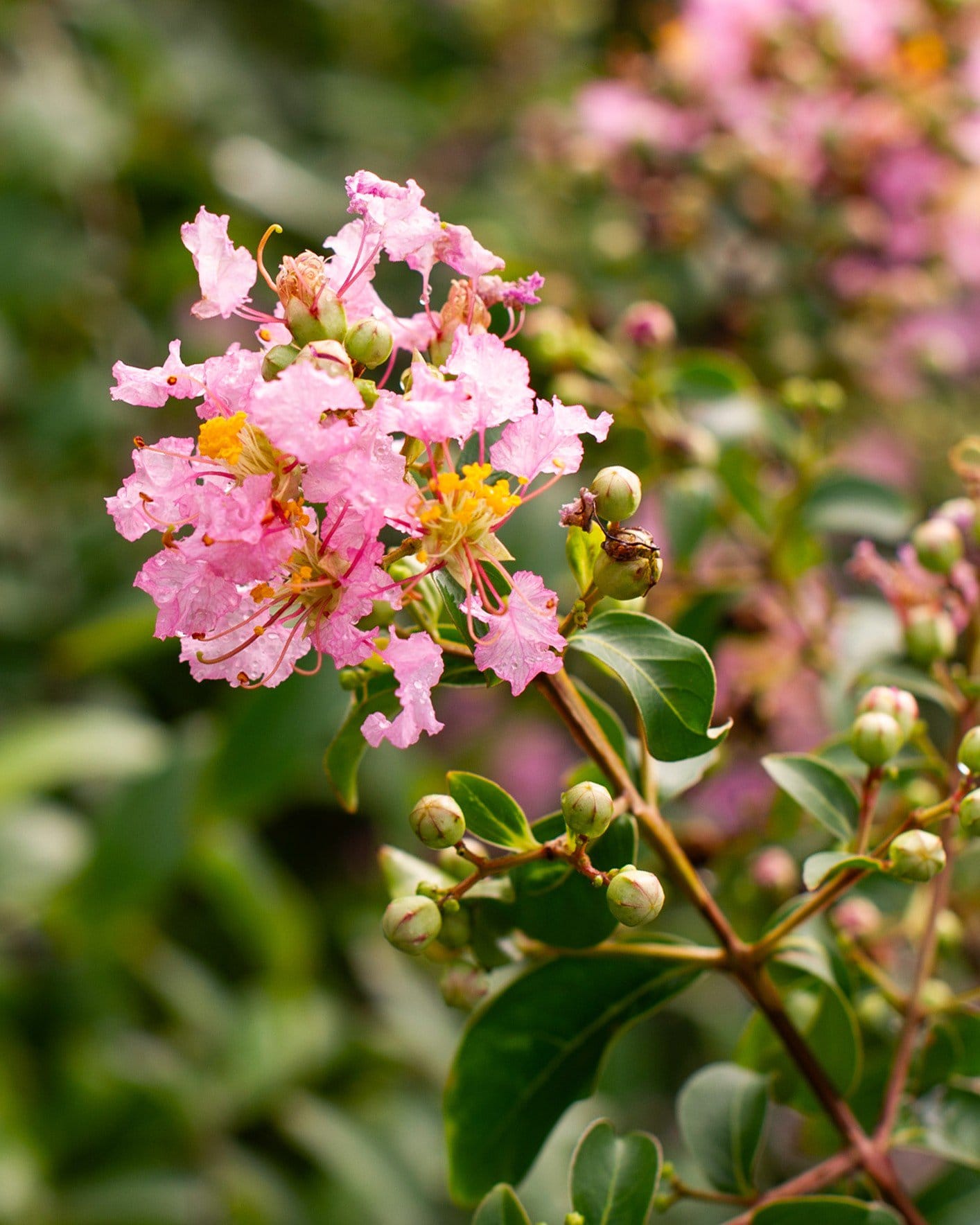
Double Feature Crape Myrtle
Maturity: 6' H x 6' W
Enduring Fuchsia Crape Myrtle
Maturity: 4' H x 4' W
Enduring Summer Red Crape Myrtle
Maturity: 4' H x 4' W
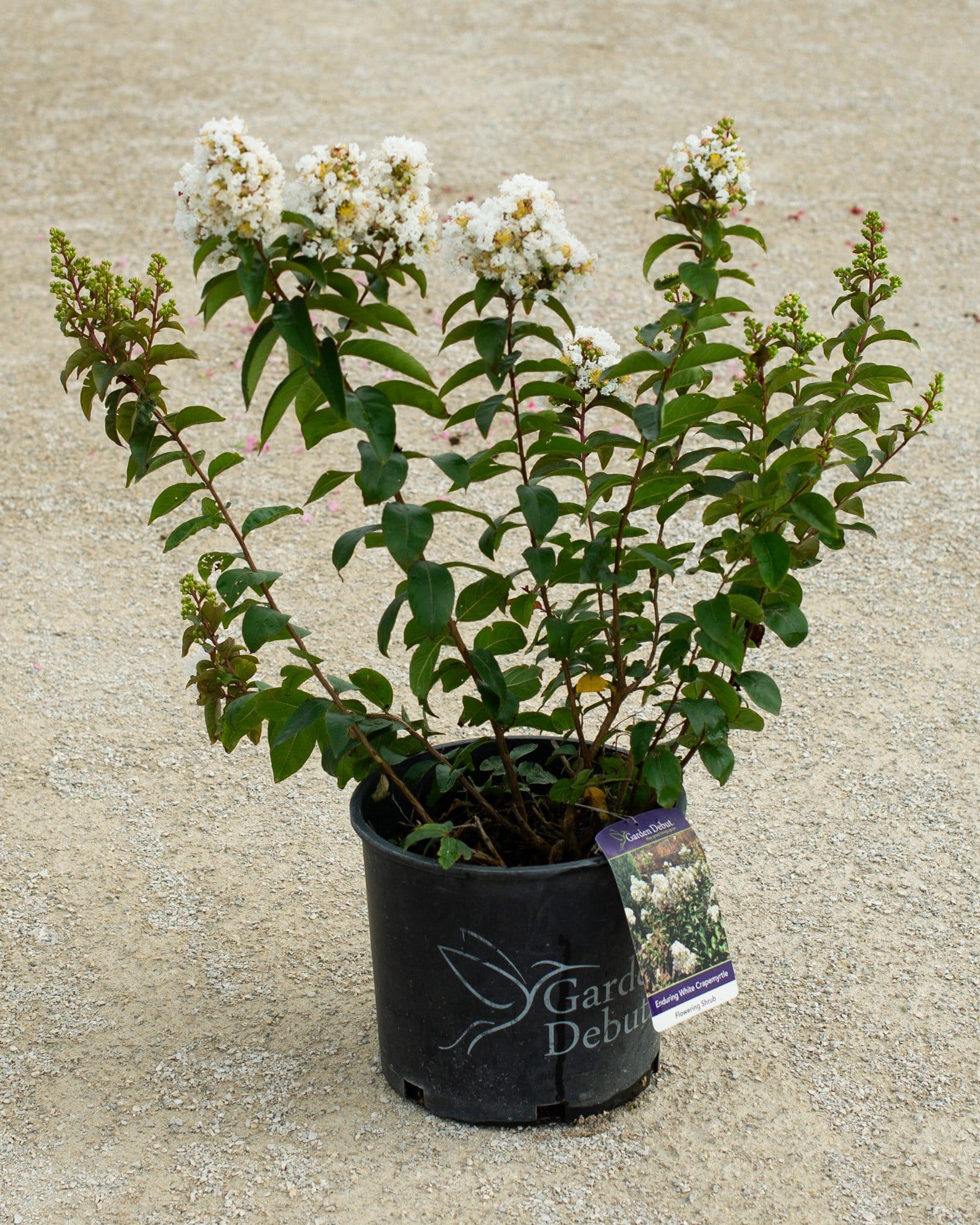
Enduring White Crape Myrtle
Maturity: 4' H x 4' W
Pocomoke Crape Myrtle
Maturity: 3' H x 3' W
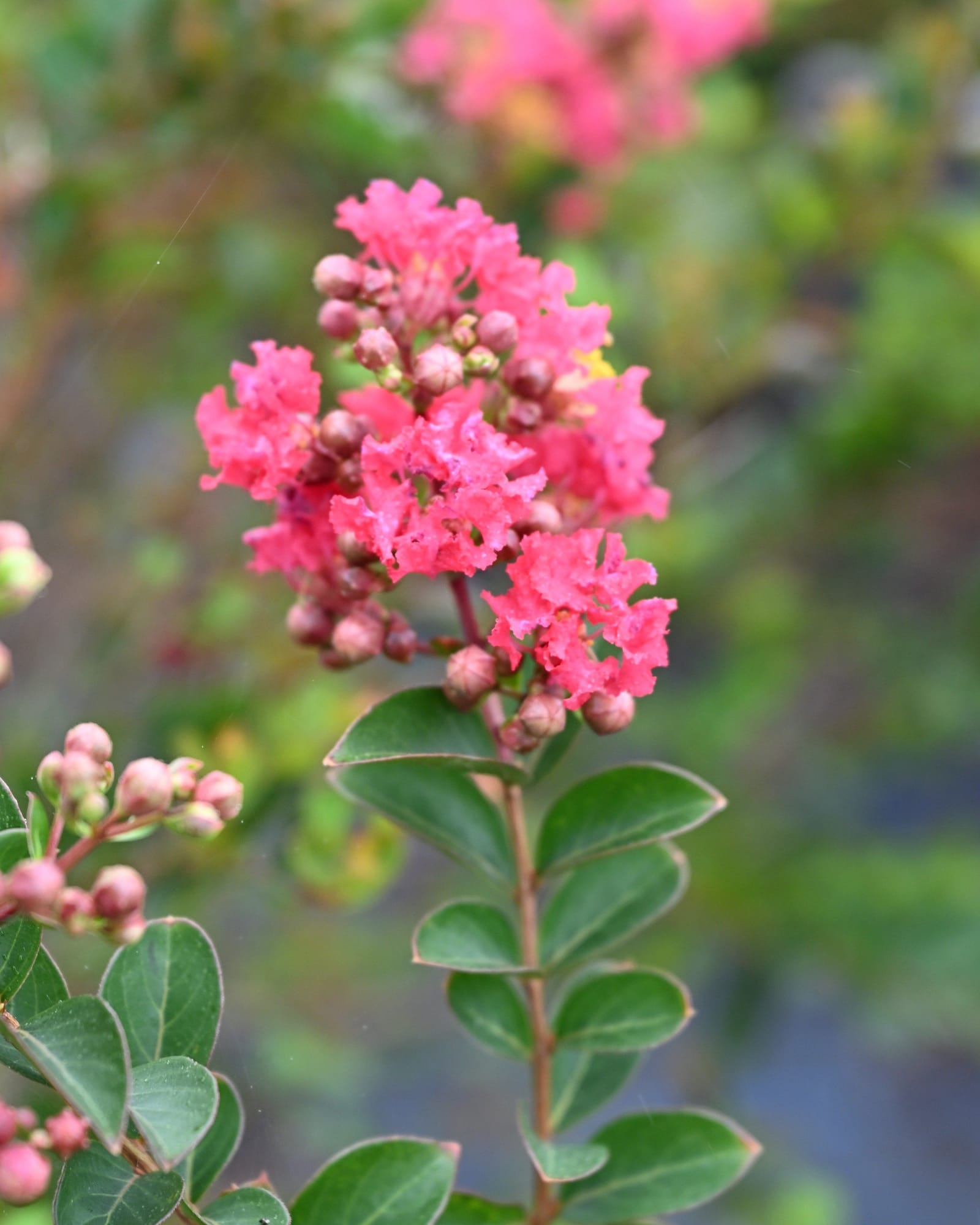
Bellini Raspberry Crape Myrtle
Maturity: 3' H x 3' W
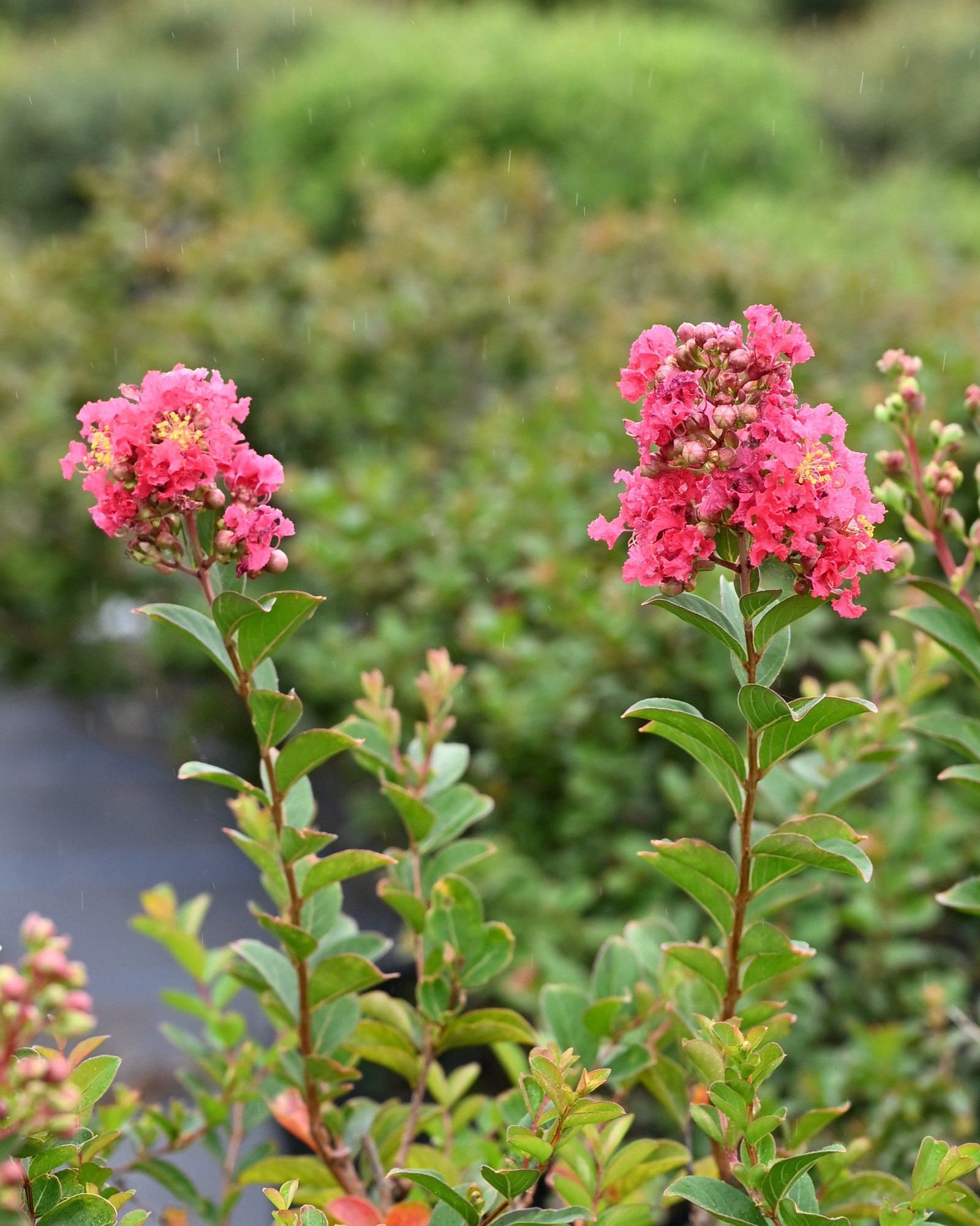
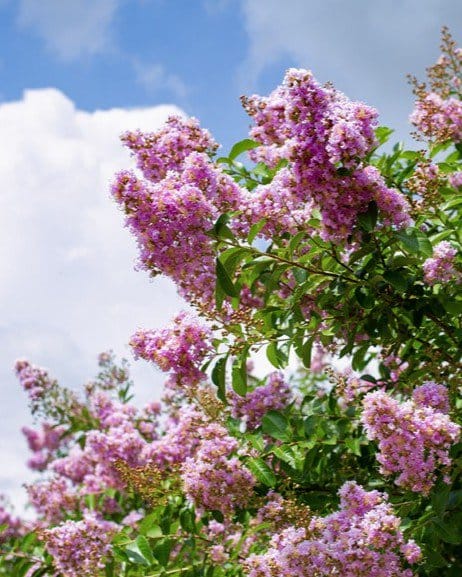
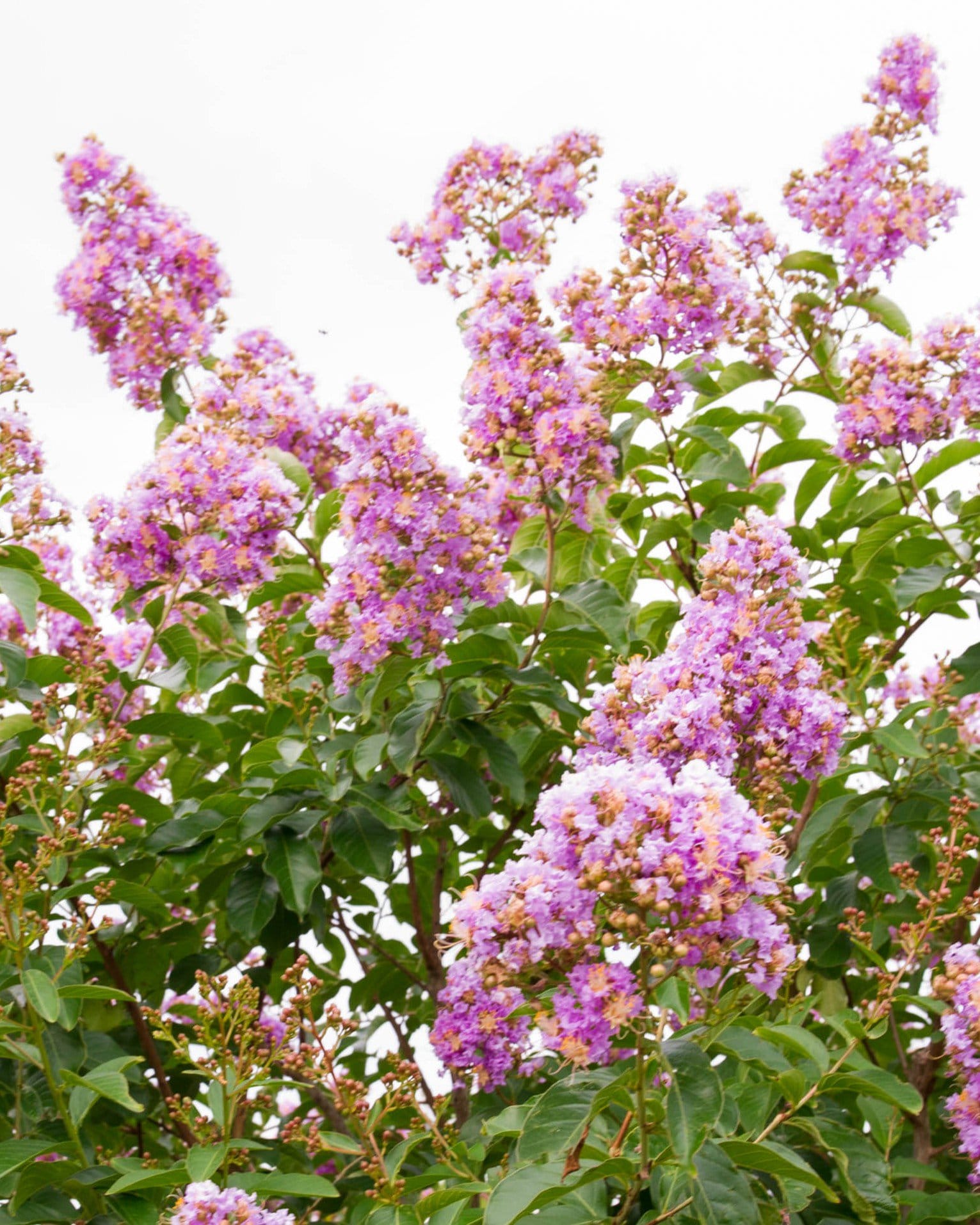
Muskogee Crape Myrtle
Maturity: 25' H x 20' W
Compare Similar Plants
Enduring Lavender Crape Myrtle This plant | ||
|---|---|---|
| Scientific Name | Lagerstroemia ‘PIILAG B3’ | Lagerstroemia indica ‘Dark Roast’ |
| Size at Maturity | 4' H x 4' W | 3' H x 3' W |
| Leaf Retention | Deciduous | Deciduous |
| Fall Color | Yellow | Yellow |
| Flower Color | Purple | Pink |
| Bloom Times | Summer | Summer |
| Sizes Available | 3 gal | 5 gal |


Our 1-Year Planting Guarantee
We take pride in our plants and installation services. If any plants or trees installed by Treeland fail to thrive within the first year, we'll provide a replacement credit in accordance with our guarantee program.
Learn More About Our Guarantee