
 Texas Native
Carolina Buckthorn
Frangula carolinianaProduct Details
Carolina Buckthorn
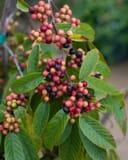
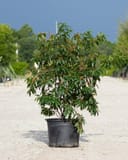
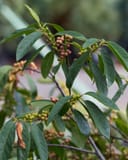
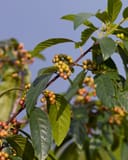
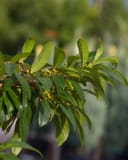
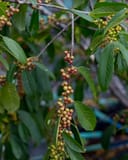
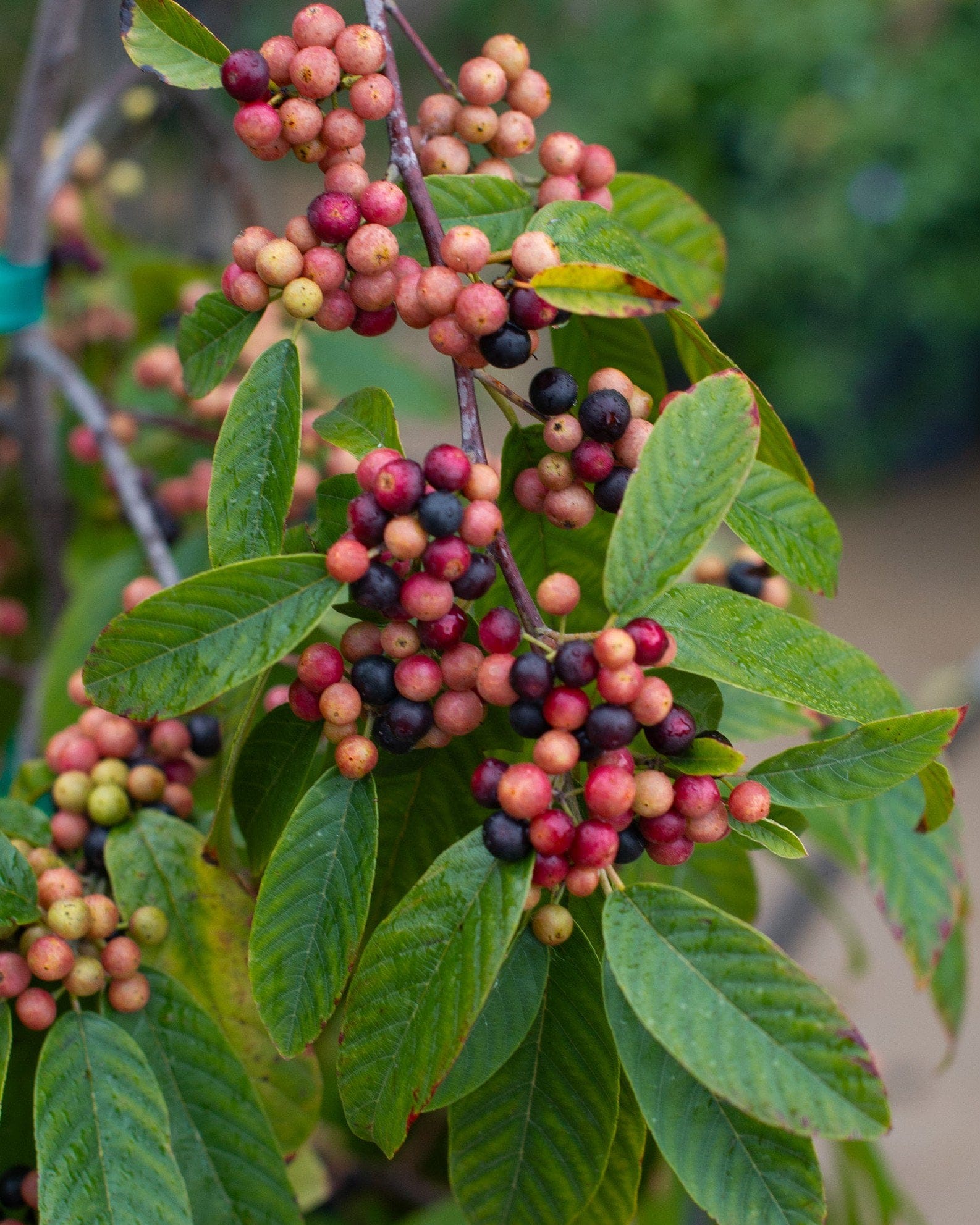
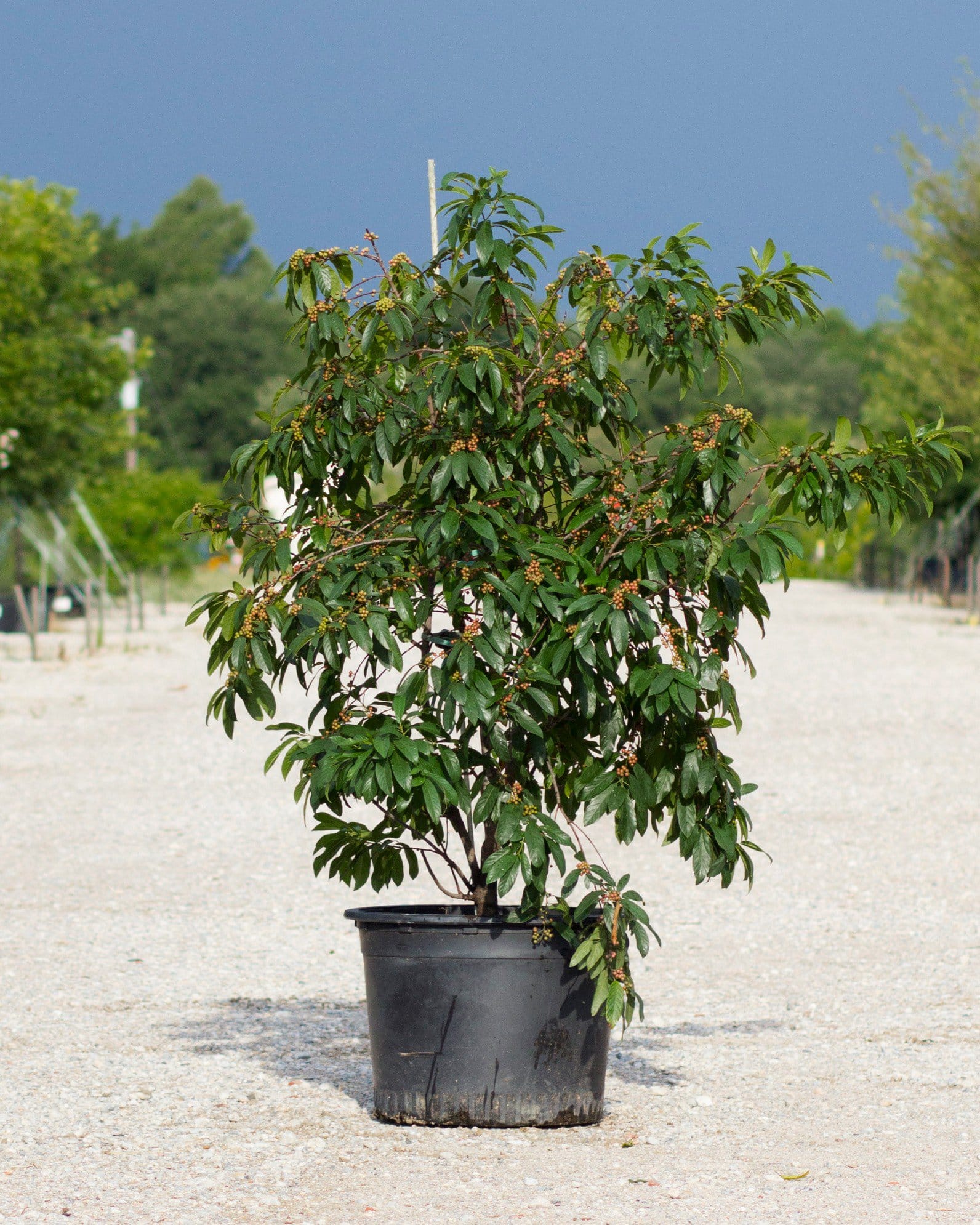
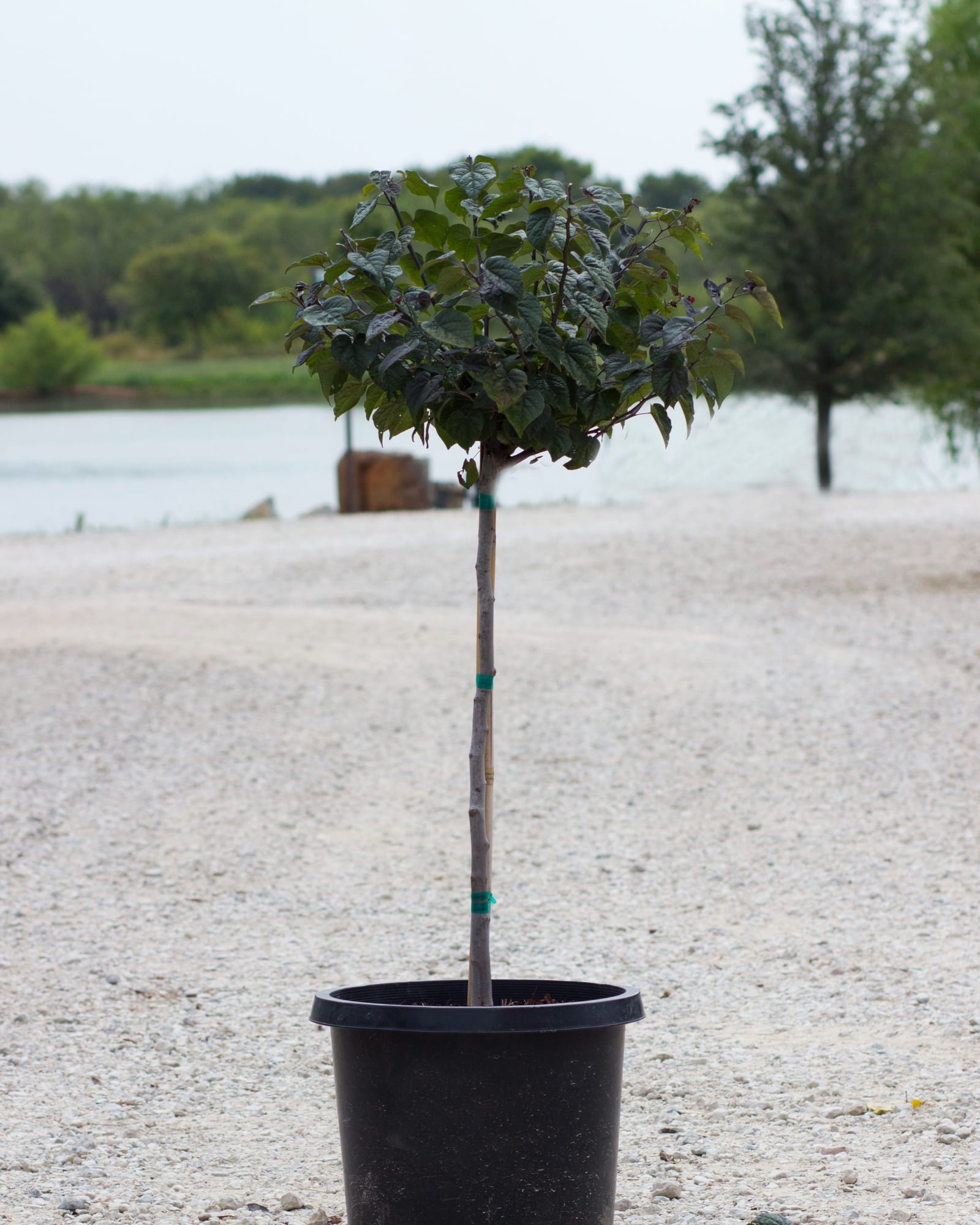
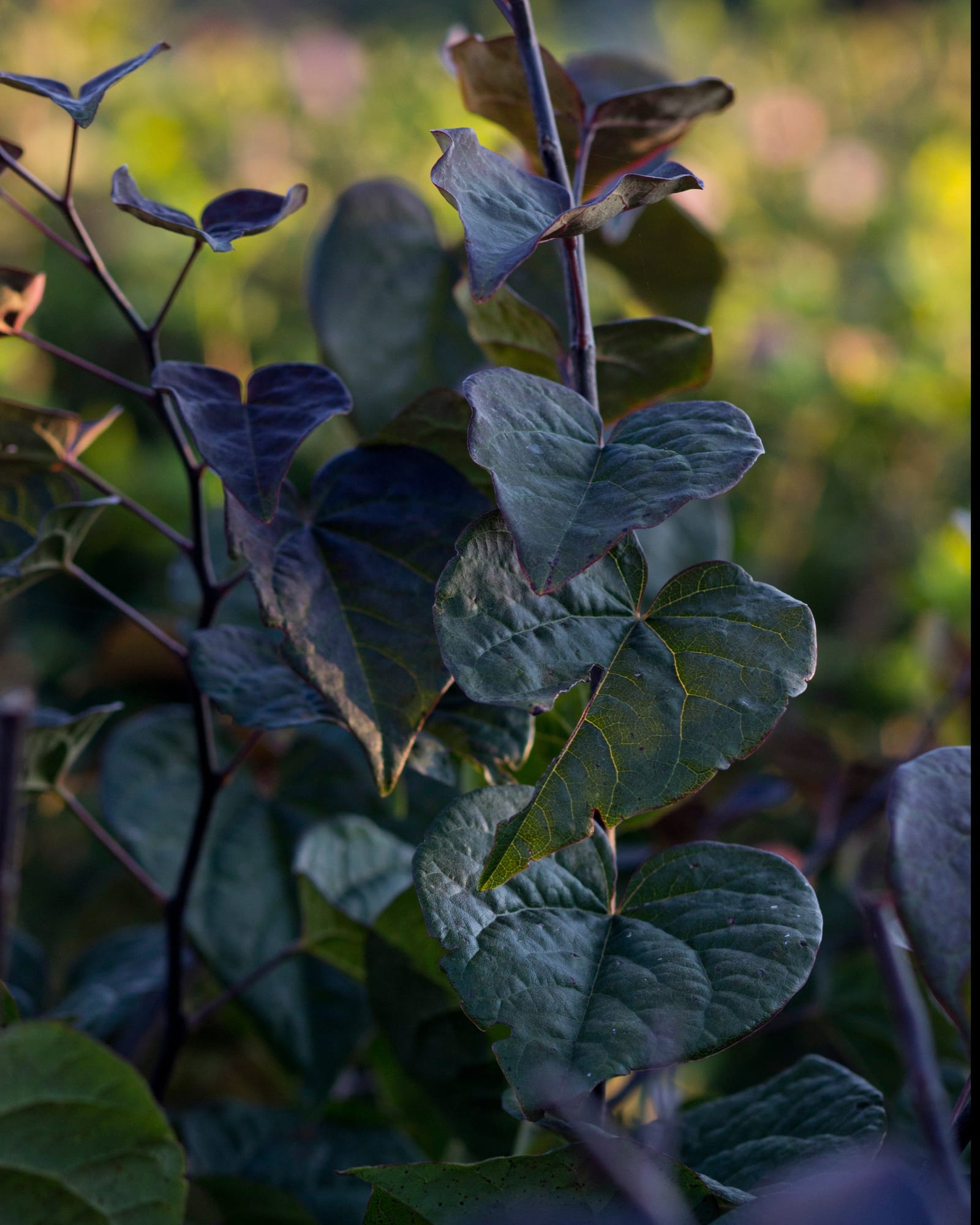
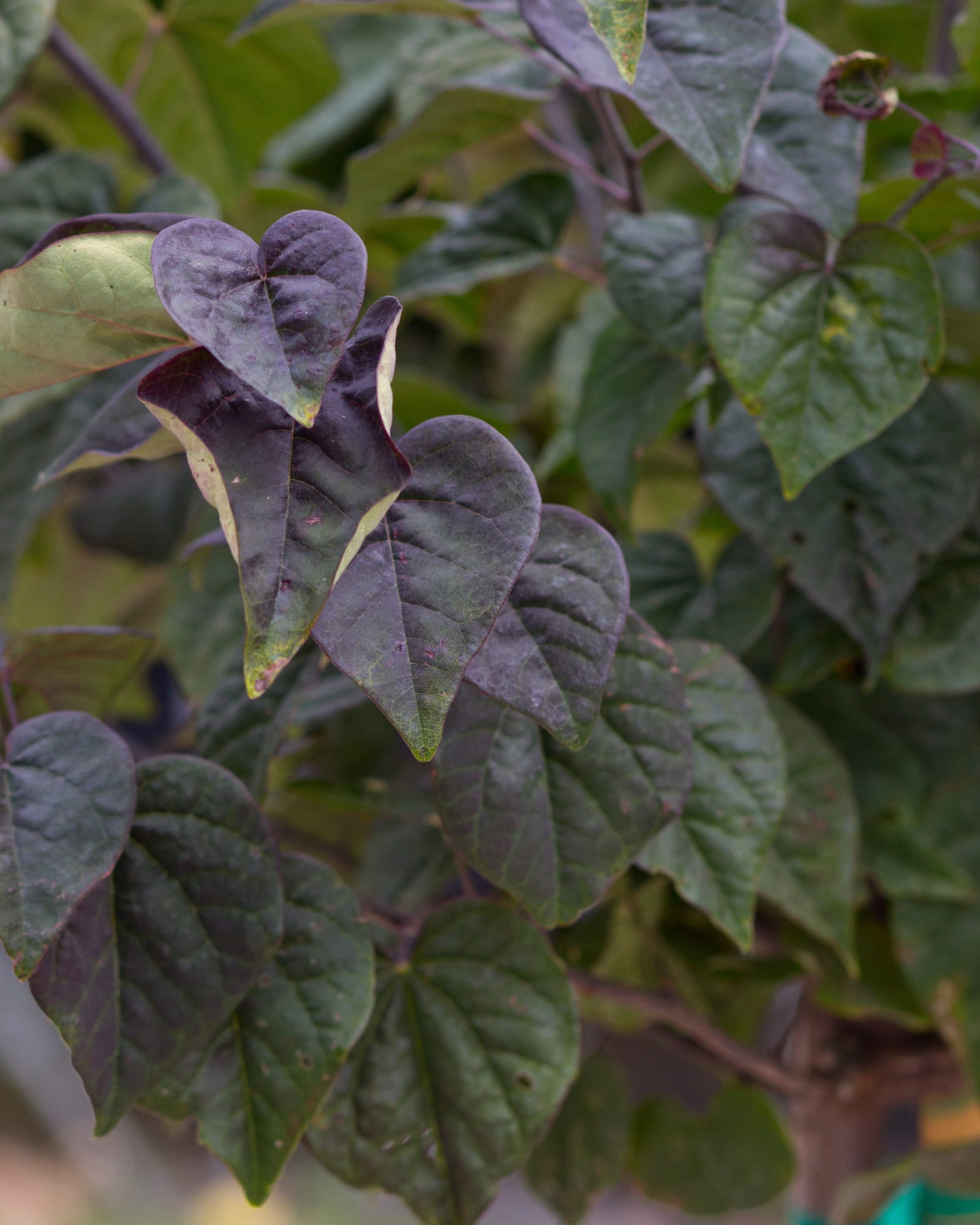
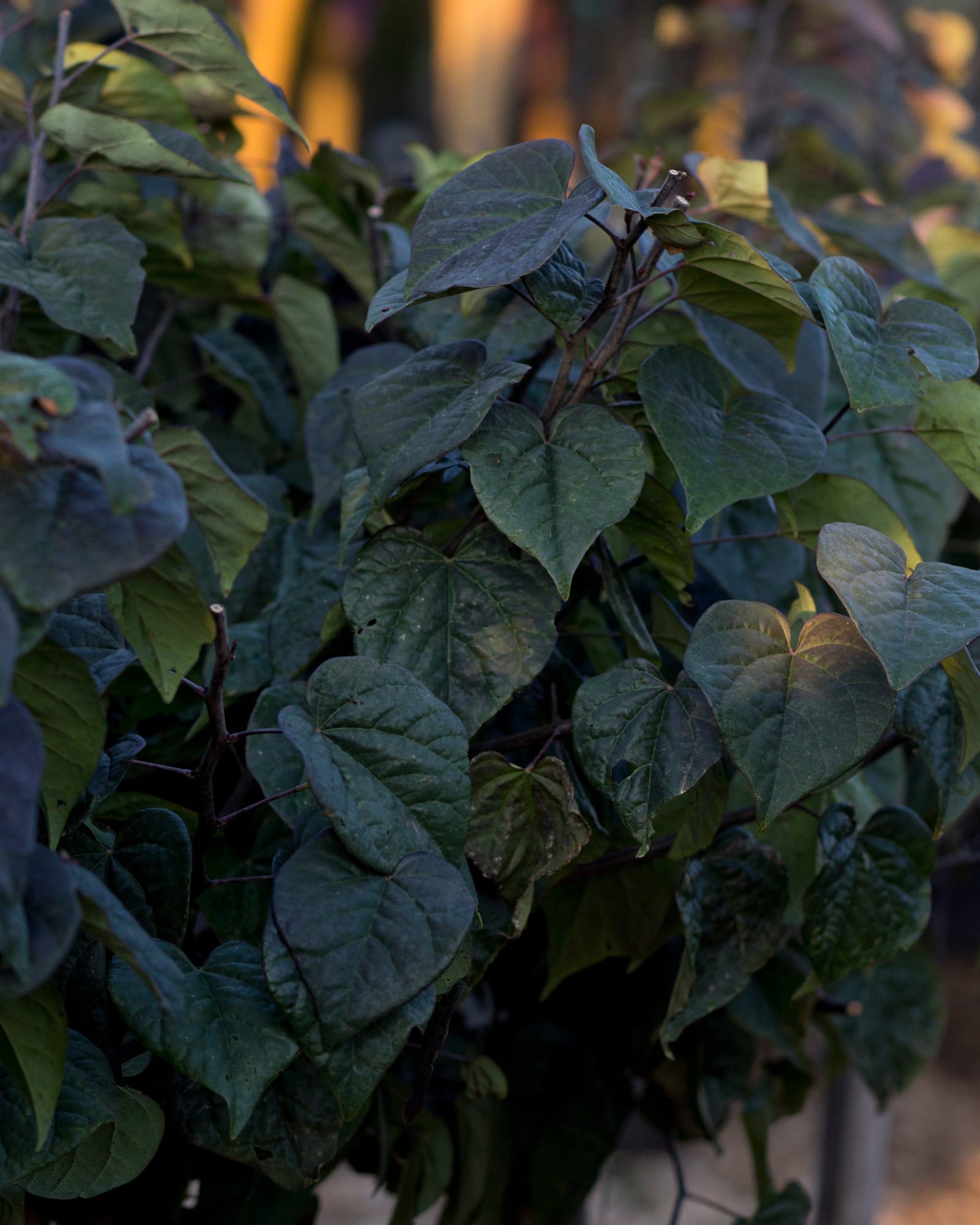
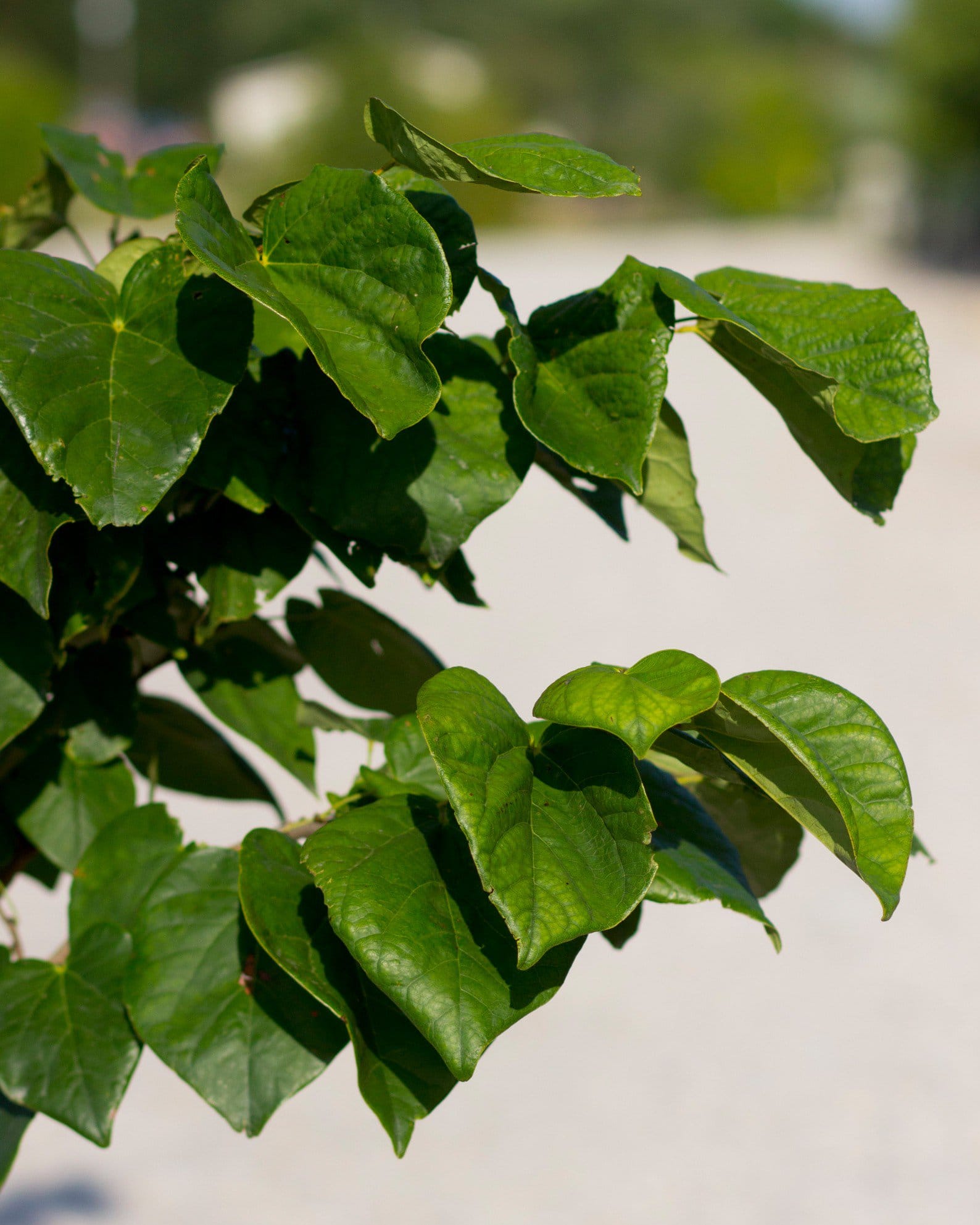
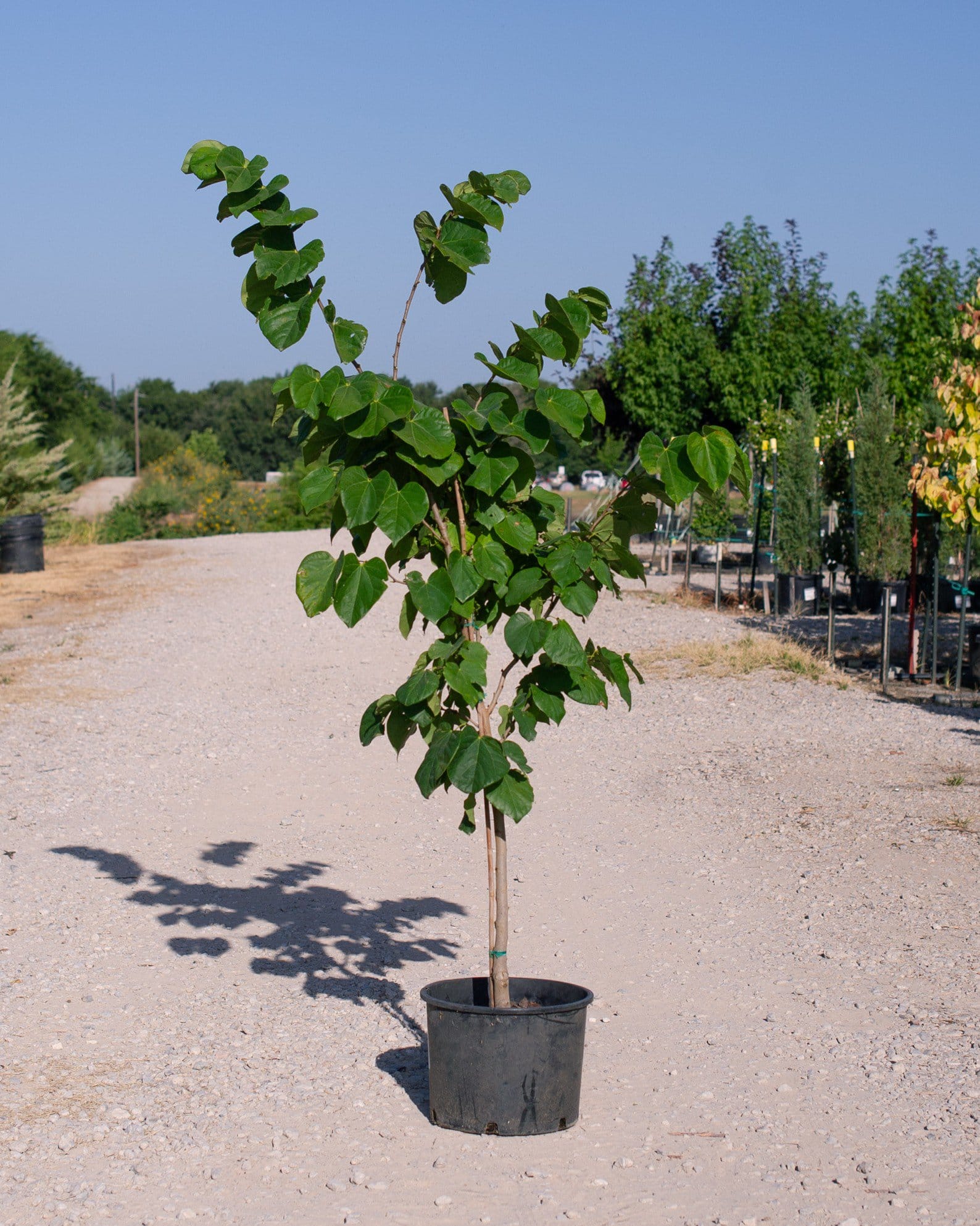
Frangula carolinianaCarolina Buckthorn is a resilient and adaptable native that brings year-round interest to the landscape. This deciduous shrub or small tree reaches about 12 feet in height and width, forming a dense, rounded canopy that works well as a screen, hedge, or focal point in flower beds and borders. Its glossy, dark green leaves provide a lush backdrop throughout the growing season and transition to subtle fall hues, adding seasonal depth.
- Deciduous shrub or small tree
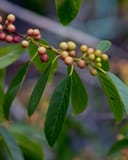
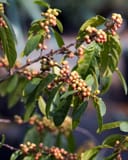
- Produces large bright red berries
- Moderate growth rate
- Glossy green foliage provides textural contrast
- Adaptable to a variety of soil types and conditions
- Ideal for screening, hedges, or foundation planting
Carolina Buckthorn thrives in full sun to partial shade and prefers well-drained soil. Its manageable size and dense form make it perfect for medium-sized landscapes, offering privacy and structure without overwhelming surrounding plants. Hardy in USDA zones 4 through 8, it’s a dependable, attractive choice for North Texas and beyond.
Carolina Buckthorn becomes notably low-maintenance once established, needing only minimal care to thrive in Texas landscapes. Here’s all it requires to grow beautifully:
- Watering: Water deeply during the first growing season to establish a stable, well-developed root system. Once established, it tolerates moderate drought conditions, though occasional deep watering during extended dry periods helps maintain foliage density and strong fall color.
- Pruning: Prune in late winter while the plant is dormant to shape structure and remove crossing branches. It naturally develops an upright, open habit, so heavy pruning is rarely required.
- Fertilizing: Fertilizer is generally unnecessary in average soils. If growth appears weak, a light application of balanced fertilizer in early spring can encourage healthy new growth without overstimulation.
- Mulching: Apply a 2-3 inch layer of mulch around the root zone to conserve moisture and stabilize soil temperature. Keep mulch several inches away from the trunk to prevent excess moisture buildup against bark.
- Winter Care: Established plants are cold-hardy and typically require no special winter protection. Young specimens benefit from consistent watering before freeze events to prevent root stress.
Carolina Buckthorn is typically resilient, though occasional environmental stress or minor pest issues may arise. Prompt correction keeps it healthy and structurally sound.
- Leaf Spot: Small brown or black lesions may appear during prolonged wet conditions. Removing fallen leaves and improving airflow helps reduce fungal recurrence.
- Chlorosis: Pale leaves with green veins may indicate nutrient imbalance in alkaline soils. Iron supplementation or soil amendments restore healthy coloration.
- Aphids: New growth may curl slightly due to feeding insects. A strong spray of water usually manages light infestations effectively.
- Twig Dieback: Individual small branches may fail to leaf out after winter stress. Pruning back to healthy wood encourages vigorous regrowth.
- Root Stress from Poor Drainage: Yellowing foliage and slowed growth may signal saturated soil. Improving drainage and adjusting irrigation practices restores balance.
Carolina Buckthorn commonly lives 40-60 years under favorable conditions. Proper drainage and structural pruning support long-term health. Mature plants remain reliable landscape features for decades.
It typically grows 12-24 inches per year in suitable environments. Structural maturity often develops within 8-12 years. Its moderate growth rate supports stable branch development.
It is valued for its fine-textured foliage and dependable golden-yellow fall color. The foliage remains clean and glossy throughout the growing season. Its understated appearance makes it versatile in many landscape styles.
No, it is not invasive and is unrelated to the problematic common buckthorn species. Carolina Buckthorn behaves responsibly in the landscape. It does not aggressively spread by seed or root.
Birds are attracted to the fruit produced on female plants. The branching structure also offers nesting habitat. It contributes positively to ecological plantings.
It adapts well to a range of soil types, including moderately alkaline conditions. Good drainage remains more important than soil fertility. Proper placement supports long-term performance.
It does not produce significant thorns like some buckthorn species. Occasional short spur-like growth may appear but is not considered hazardous. This makes it more landscape-friendly.
Yes, it can be pruned to develop a single trunk or maintained as a multi-stemmed form. Early structural pruning determines its long-term shape. Both forms are stable and attractive.
Once established, it handles moderate drought well. Extended dry periods may reduce leaf density but rarely cause permanent damage. Occasional deep watering improves resilience.
Its native adaptability and wildlife value make it well-suited for naturalistic landscapes. It integrates easily with other native shrubs and trees. Controlled growth keeps it manageable over time.
Special Features
You might also like
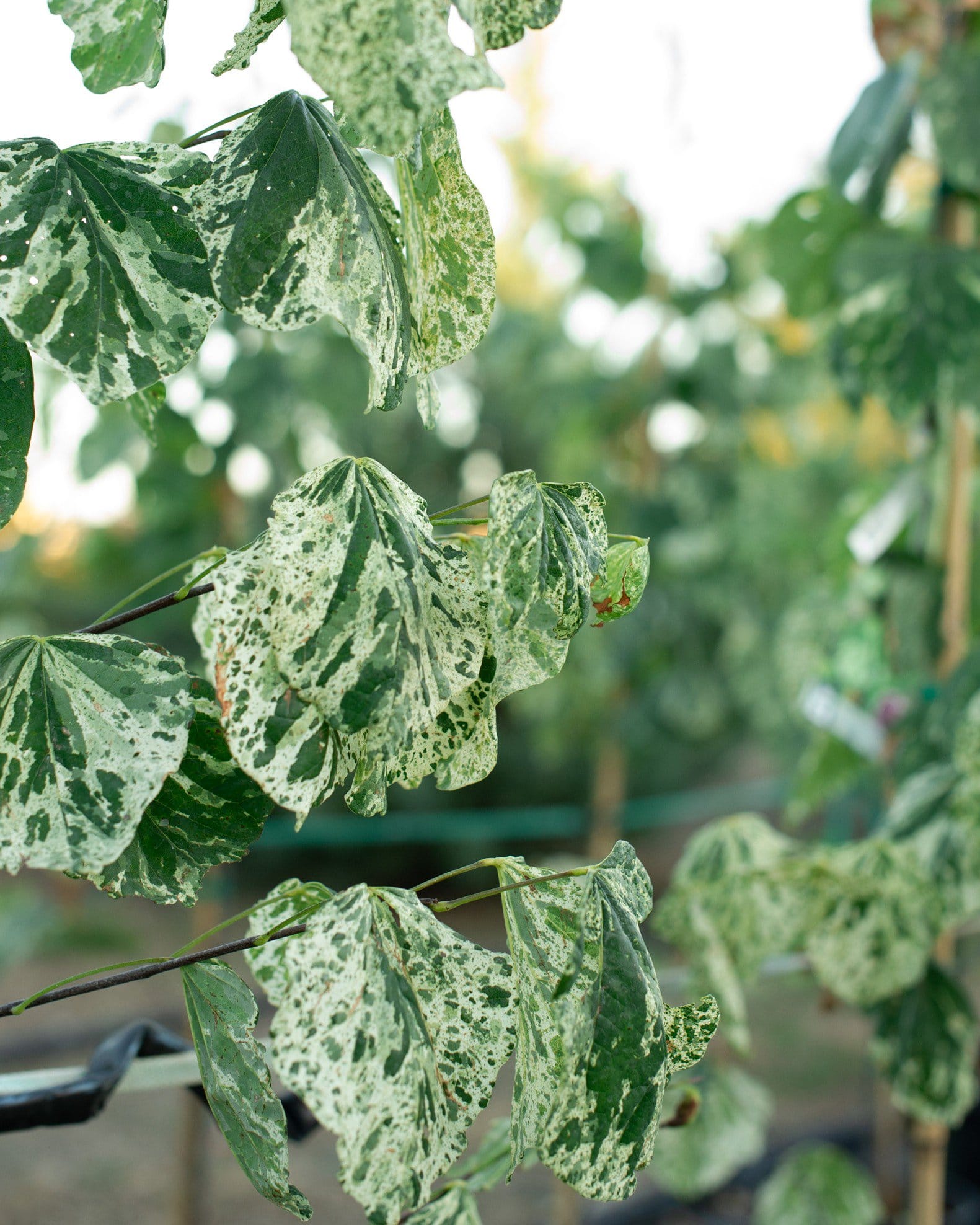
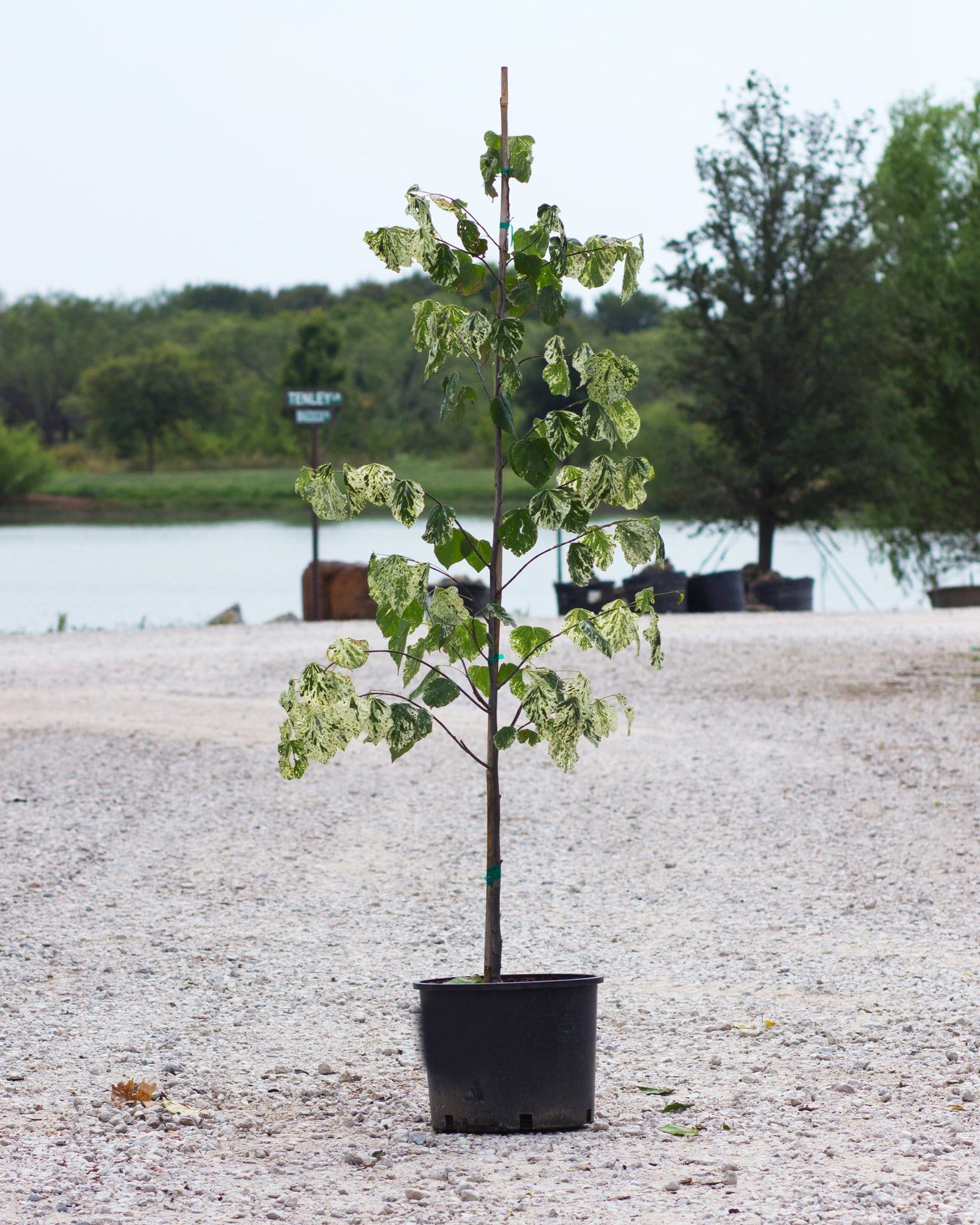
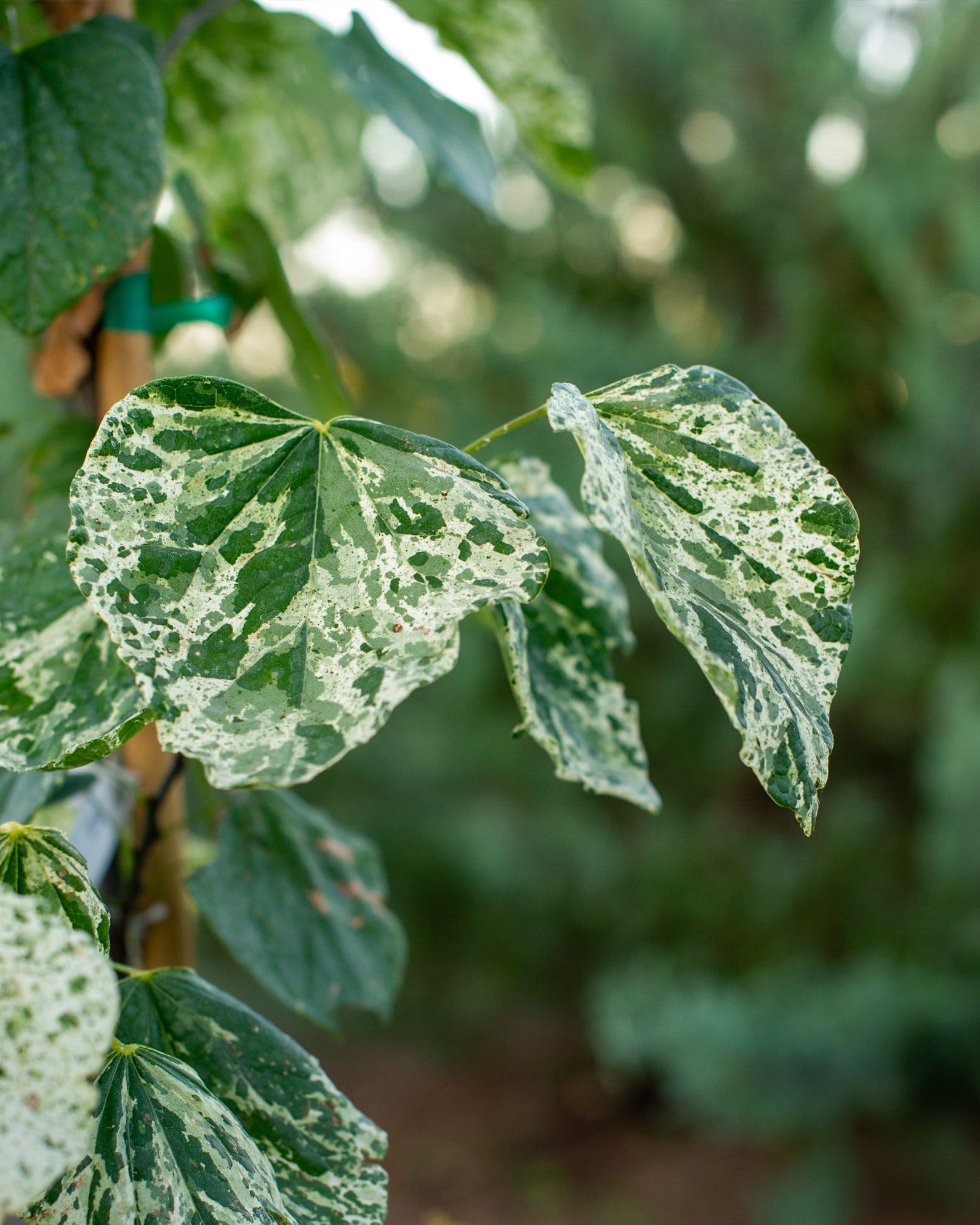
Alley Cat Redbud
Maturity: 15' H x 15' W
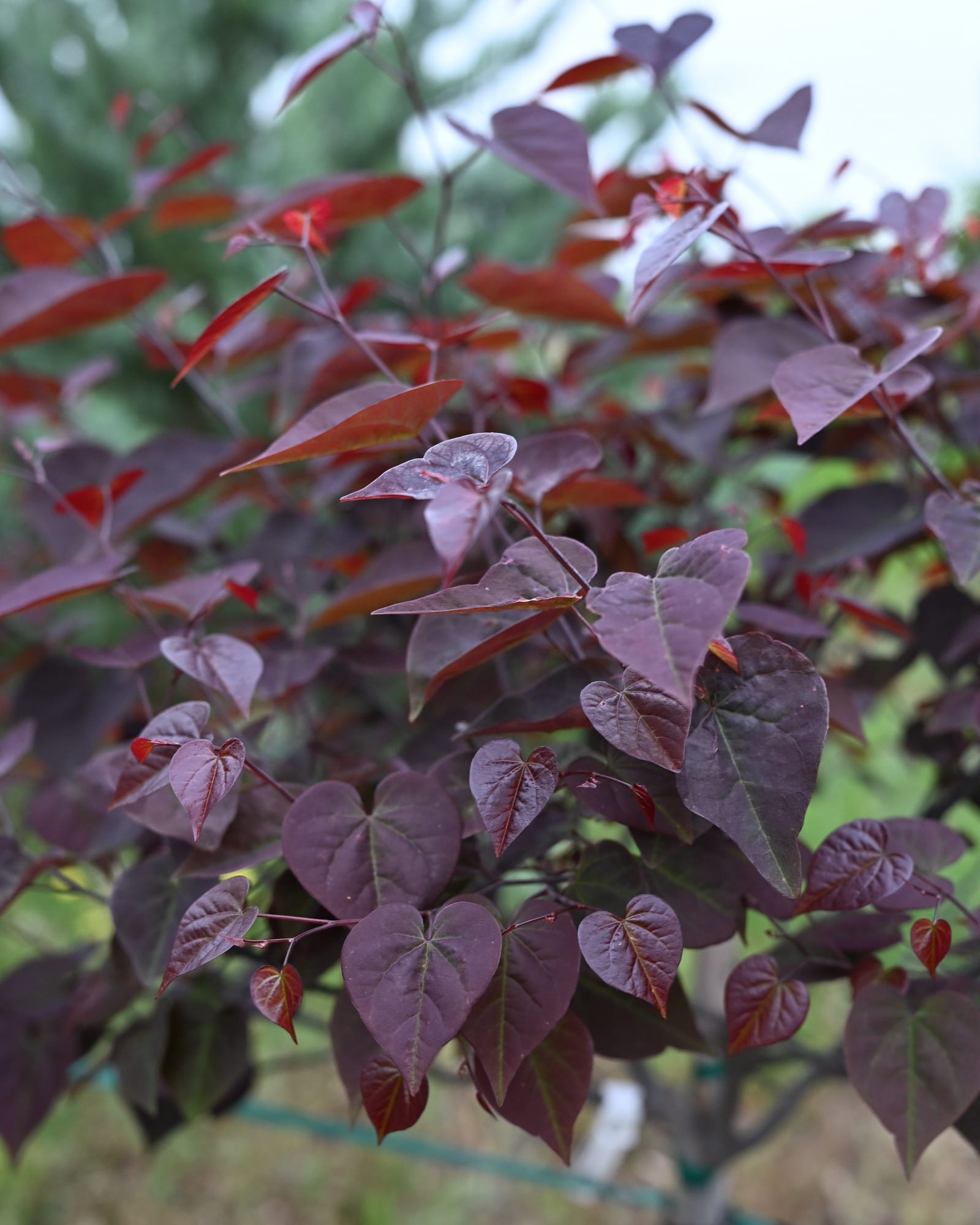
Amethyst Redbud
Maturity: 8' H x 8' W
Black Pearl Redbud
Maturity: 20' H x 20' W
Bubble Gum Redbud
Maturity: 15' H x 12' W
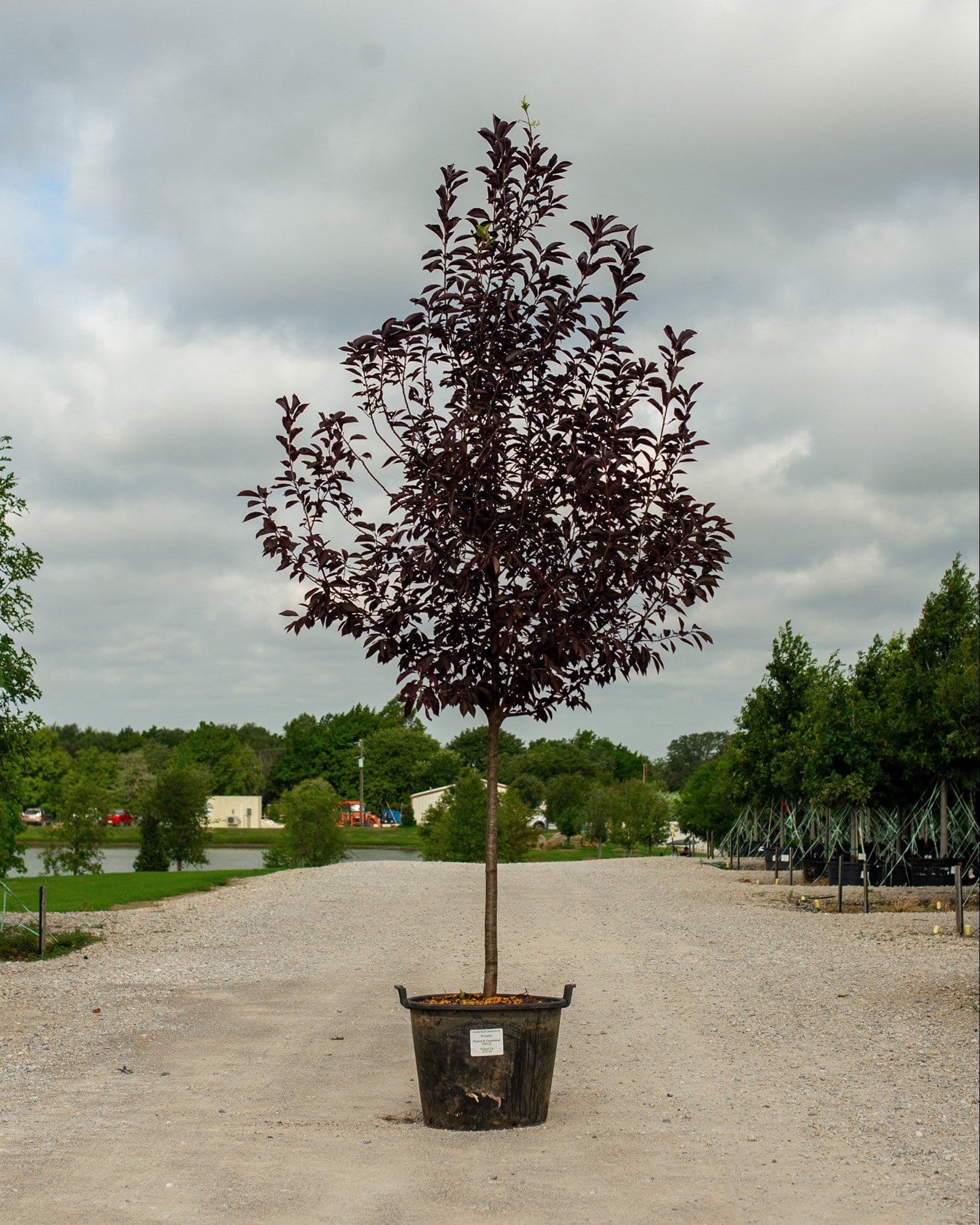
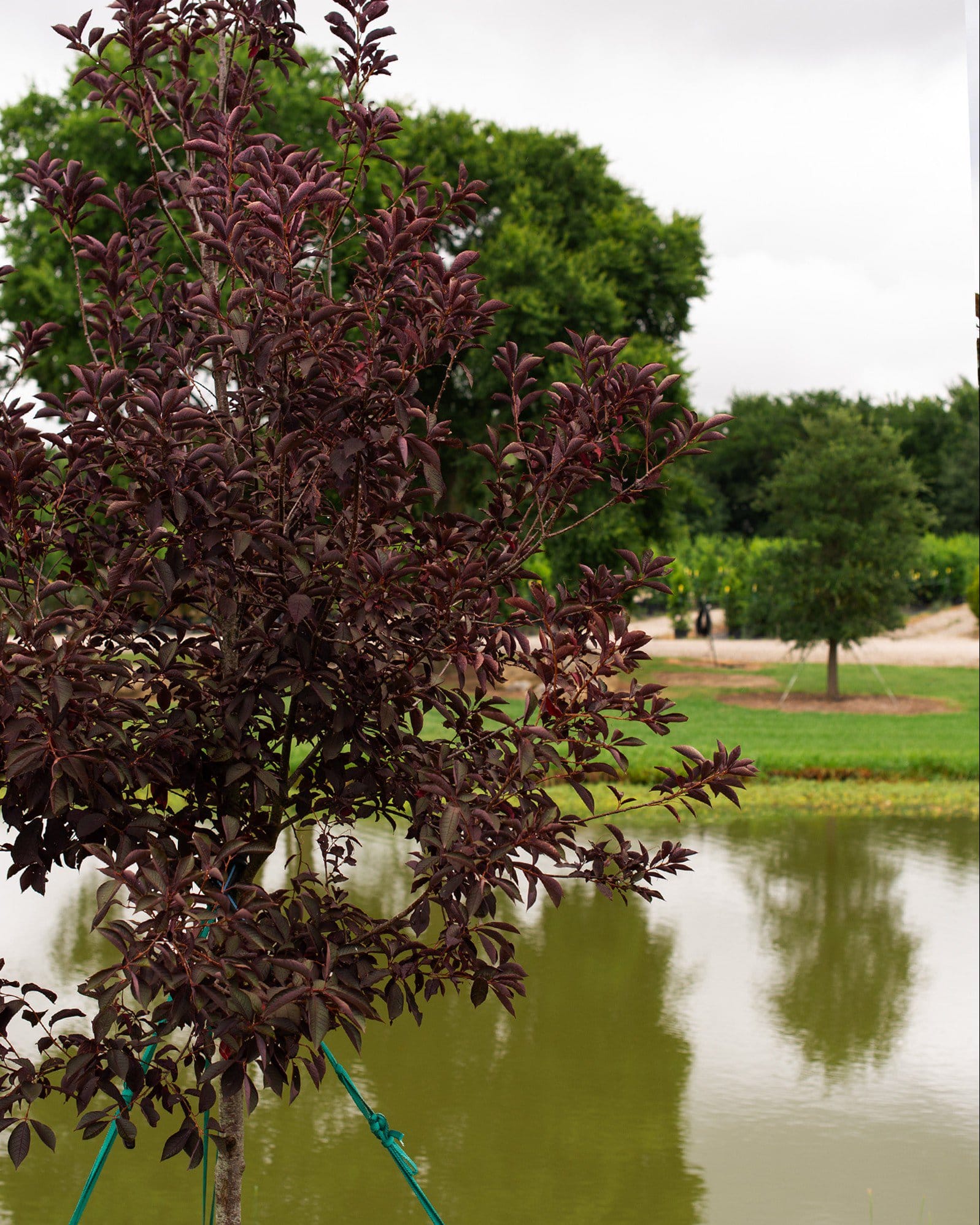
Canada Red Chokecherry
Maturity: 20' H x 15' W
Cotton Candy Redbud
Maturity: 20' H x 15' W
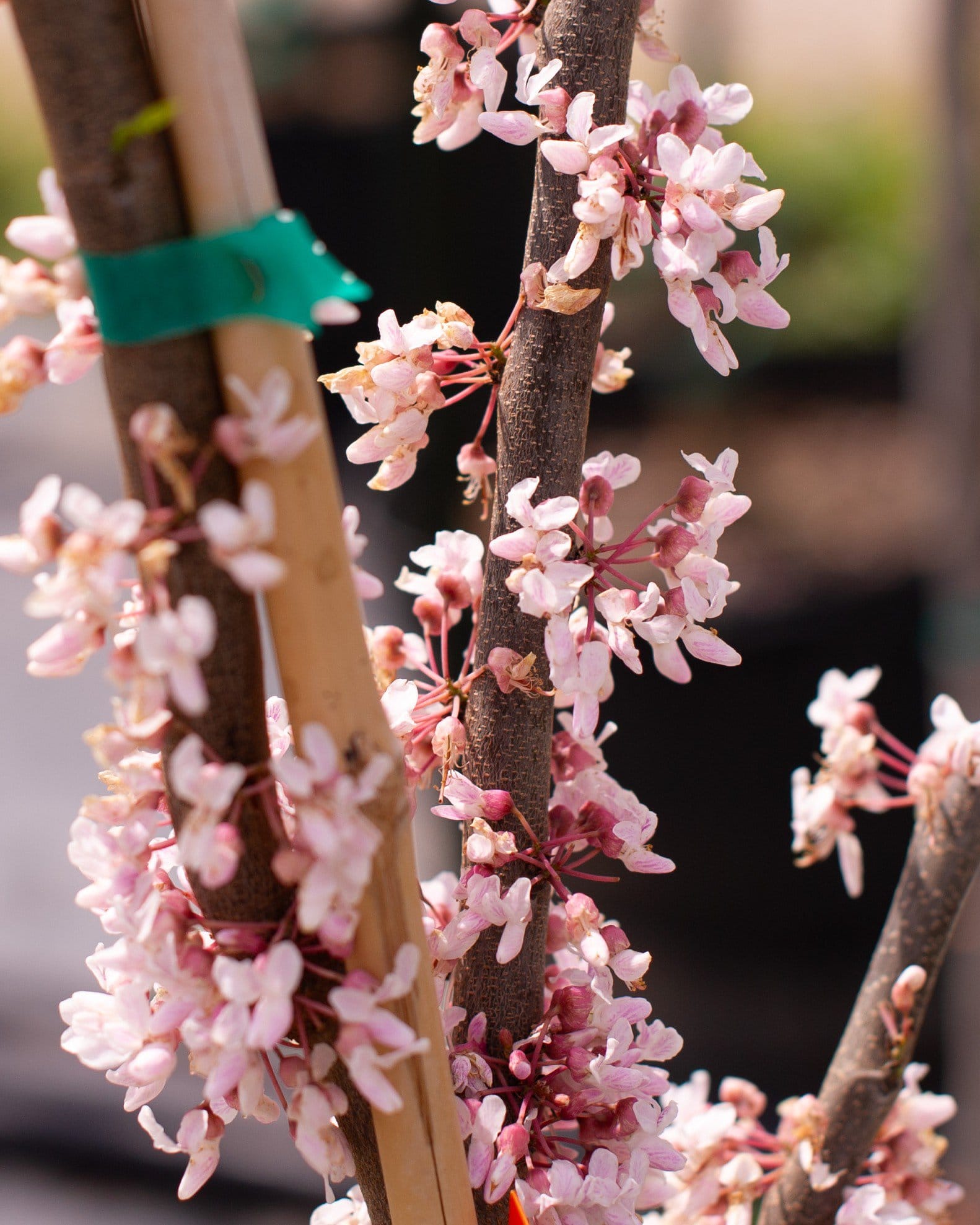
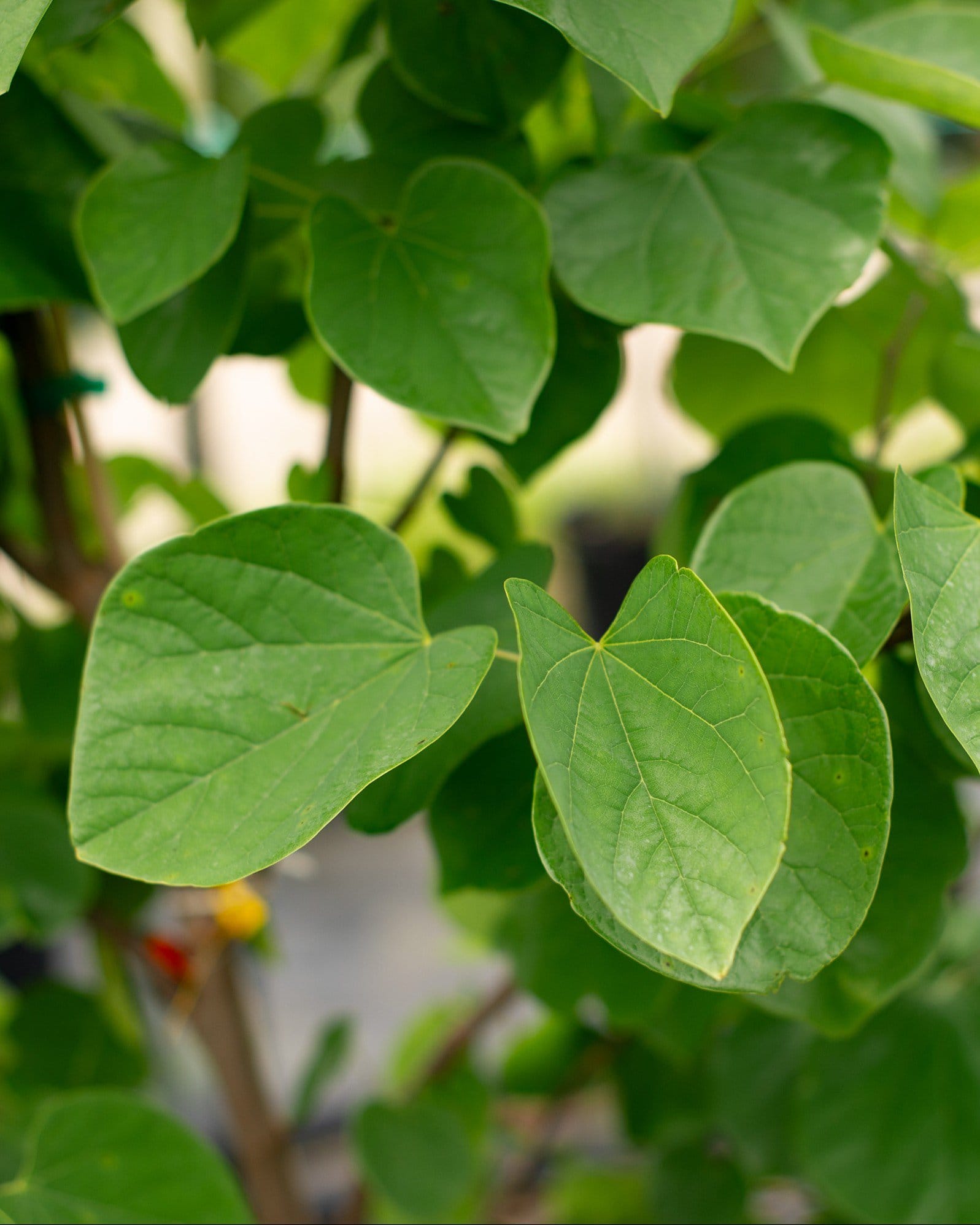
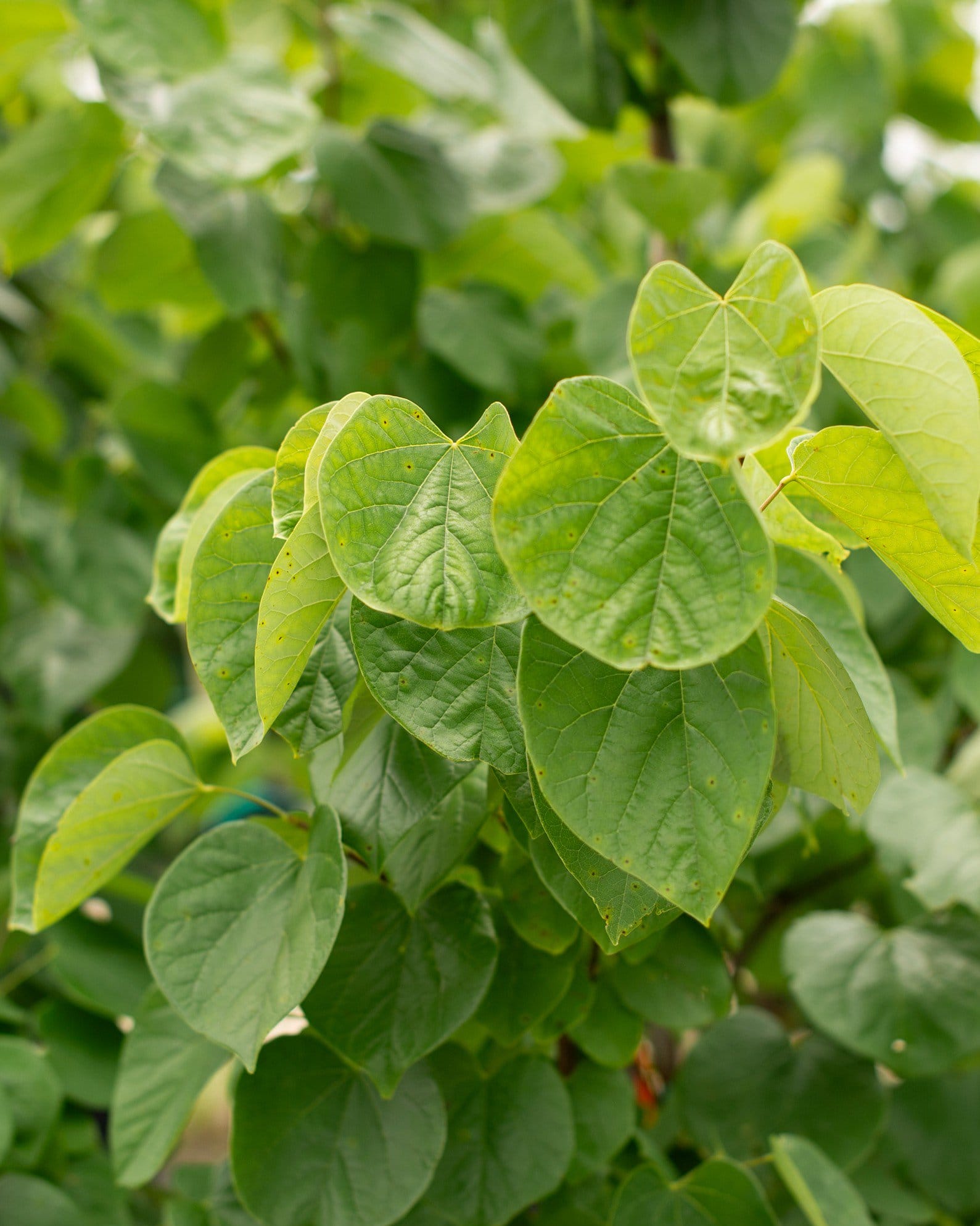
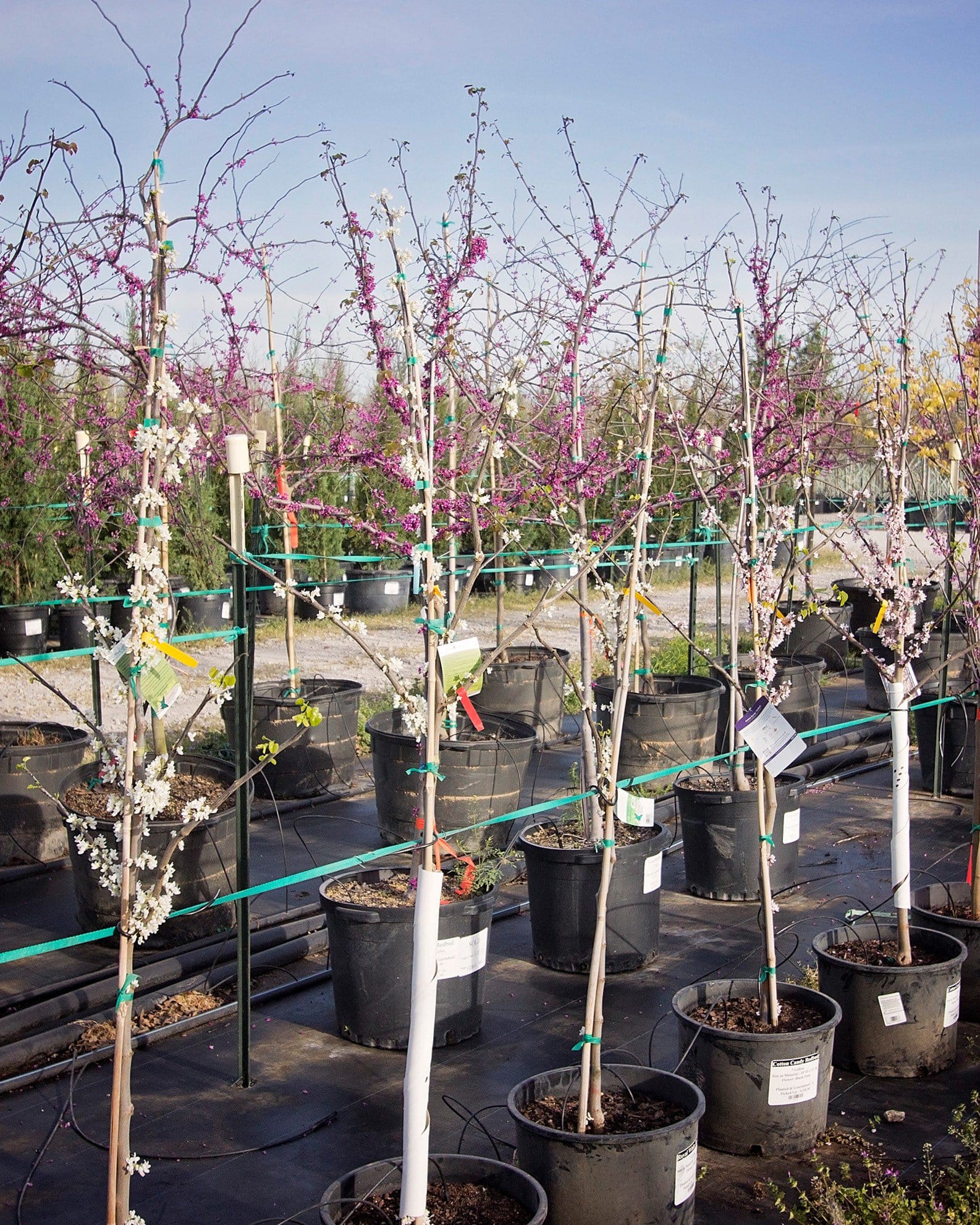
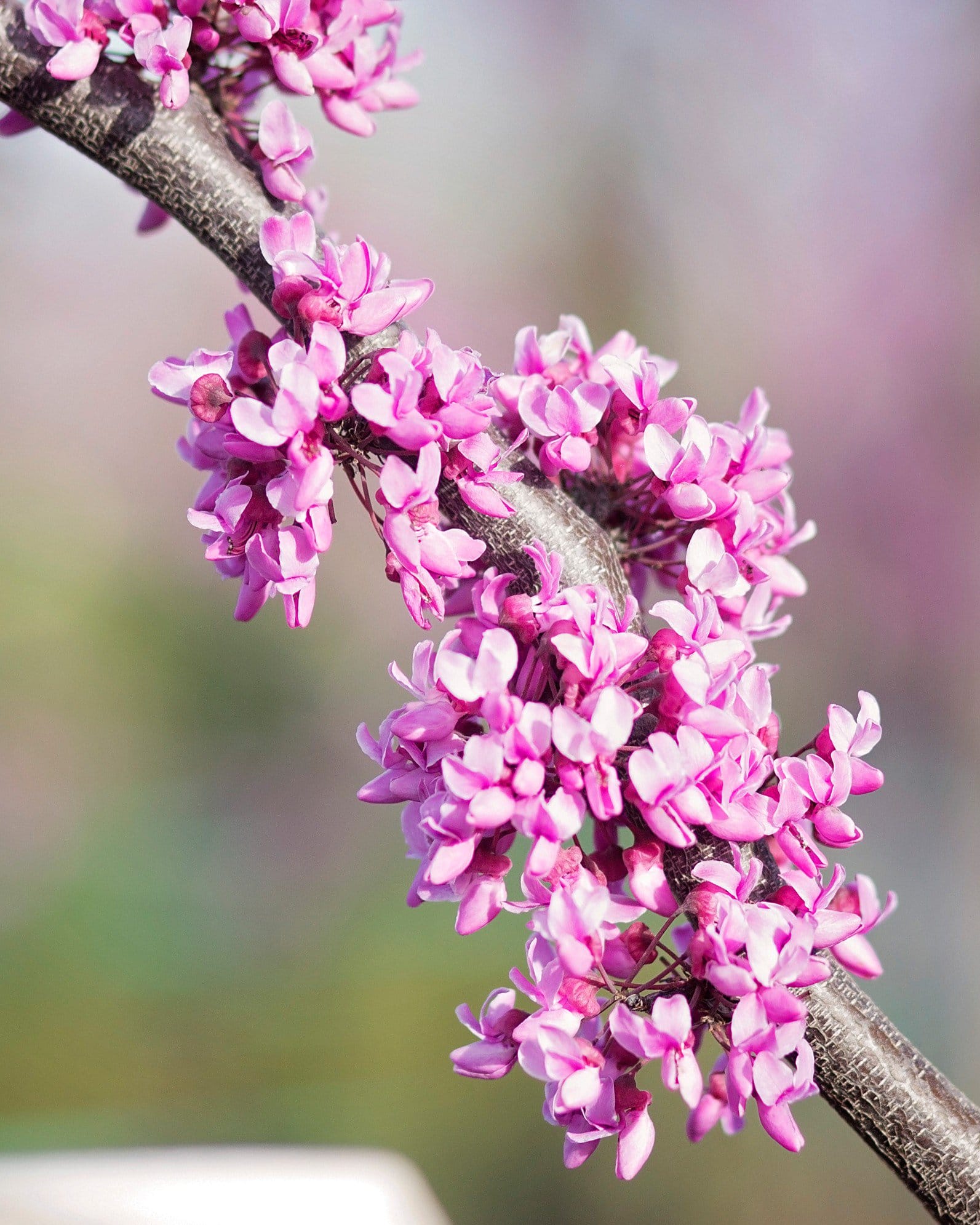
Eastern Redbud
Maturity: 20' H x 20' W
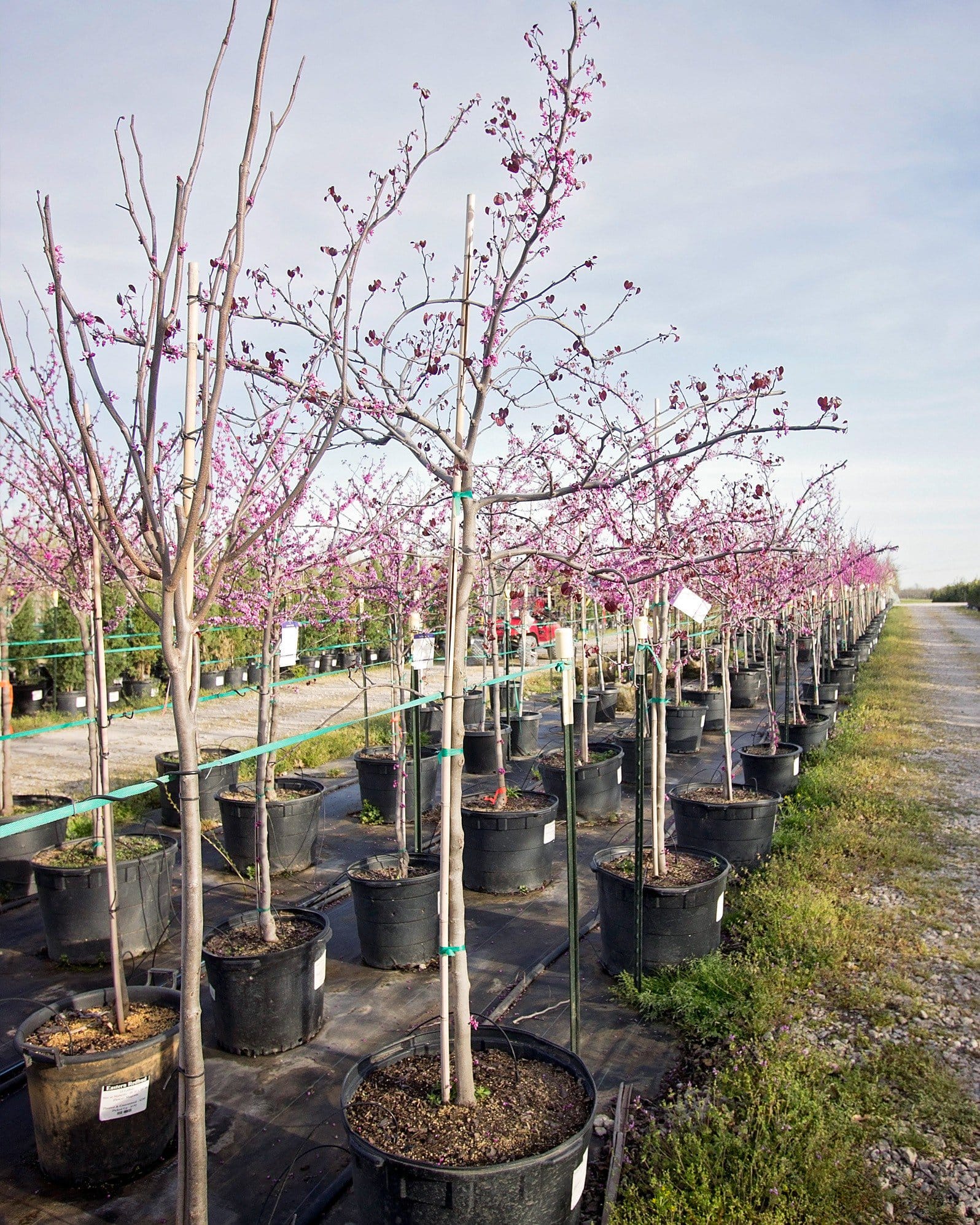
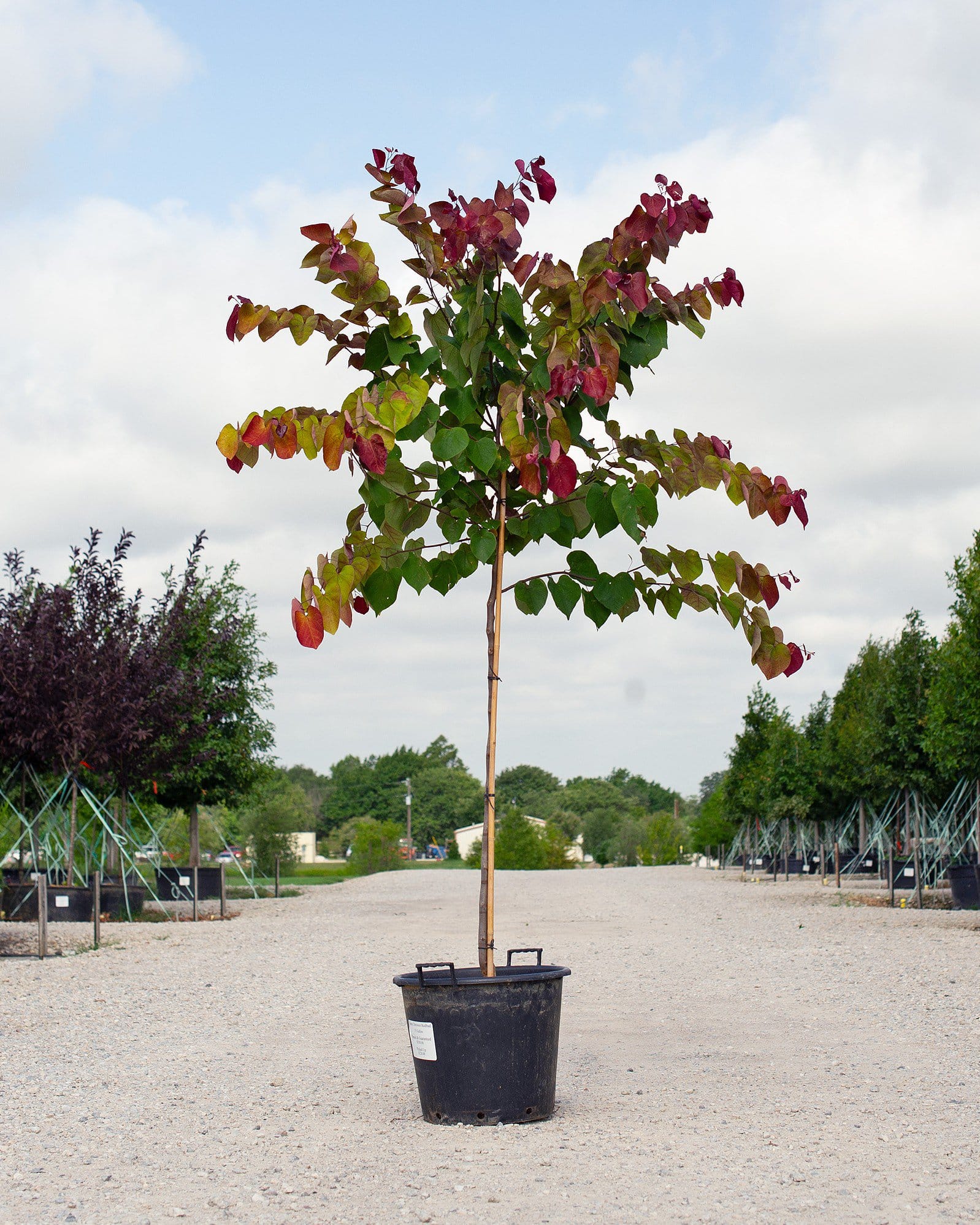
Flame Thrower Redbud
Maturity: 15' H x 15' W
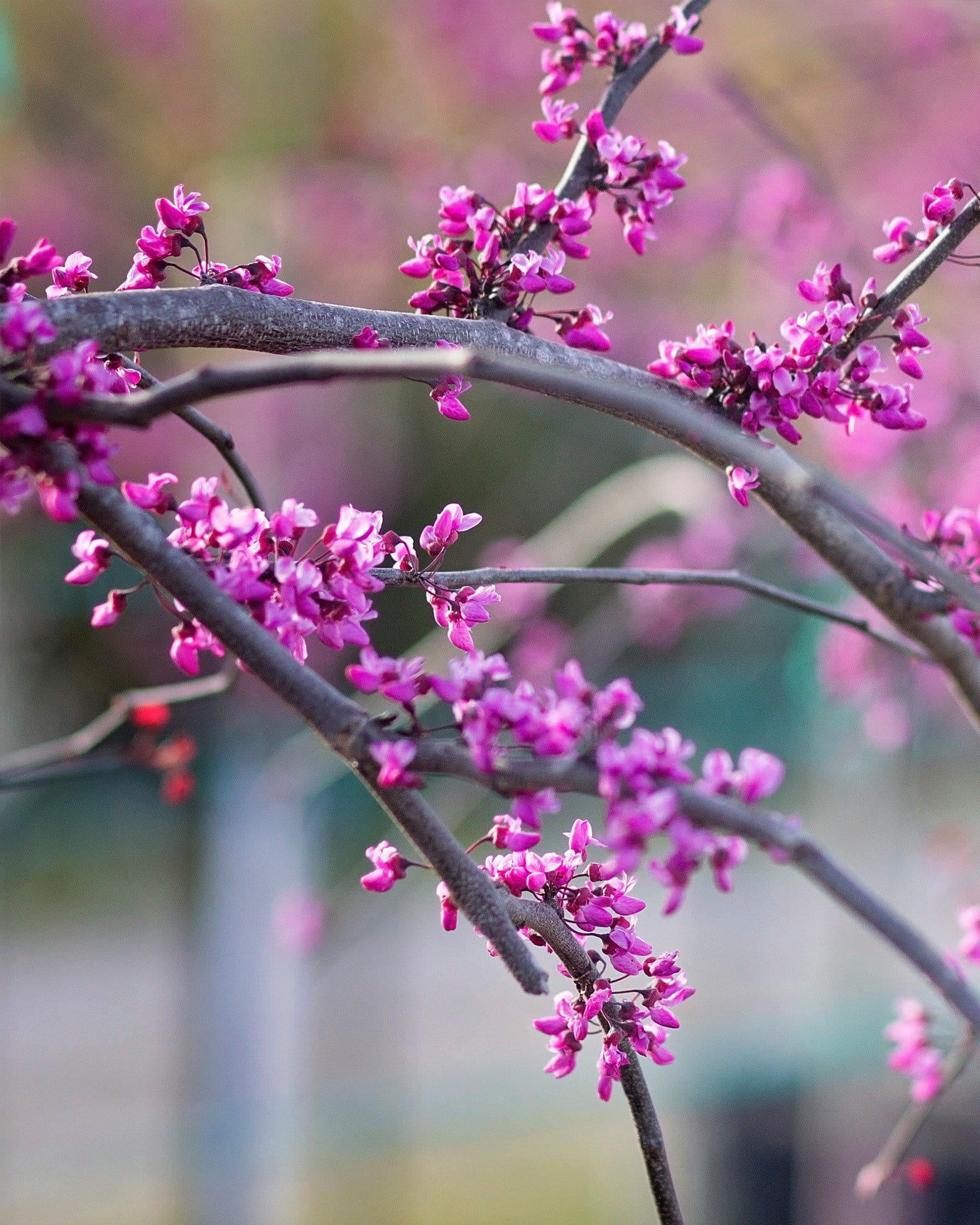
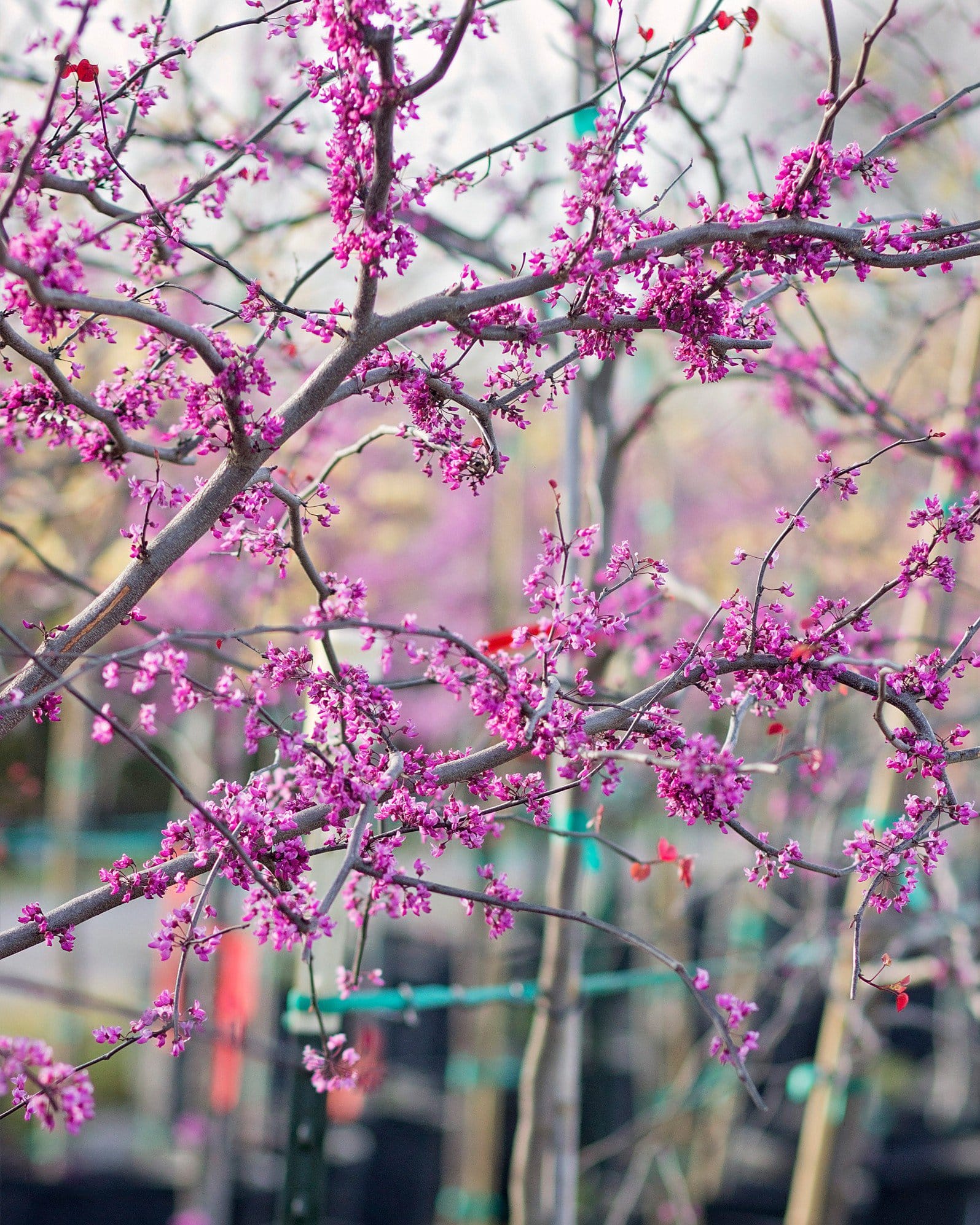
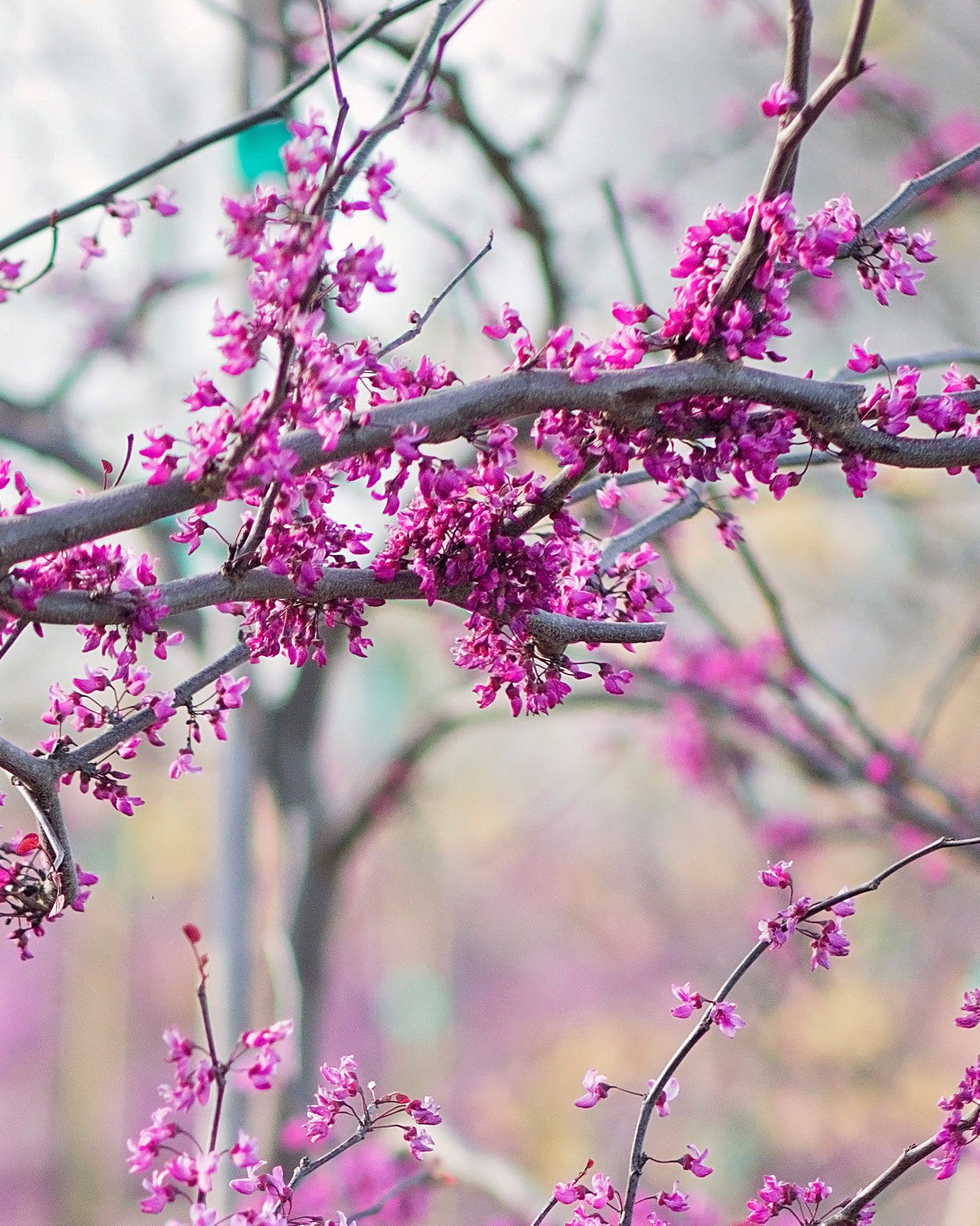
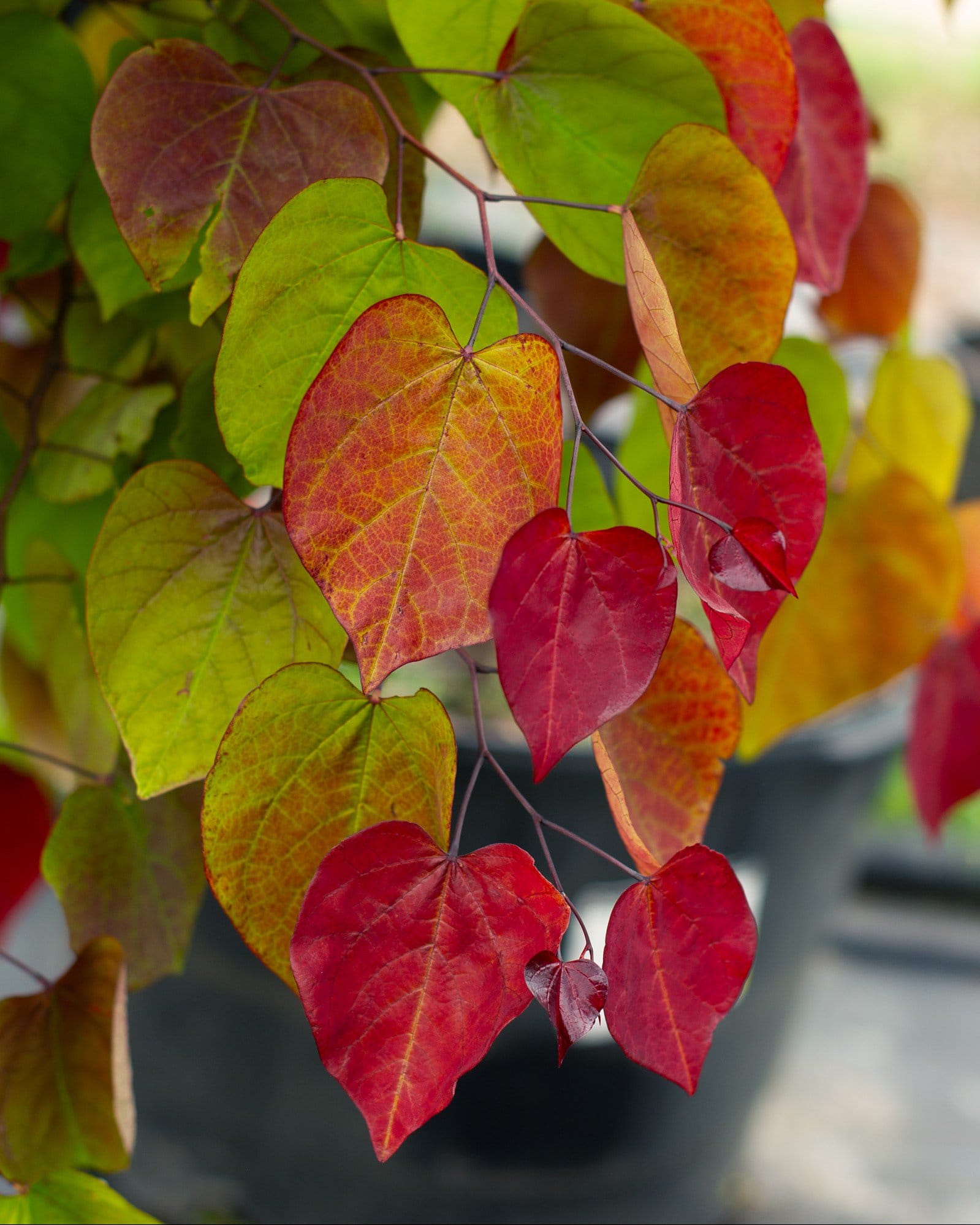
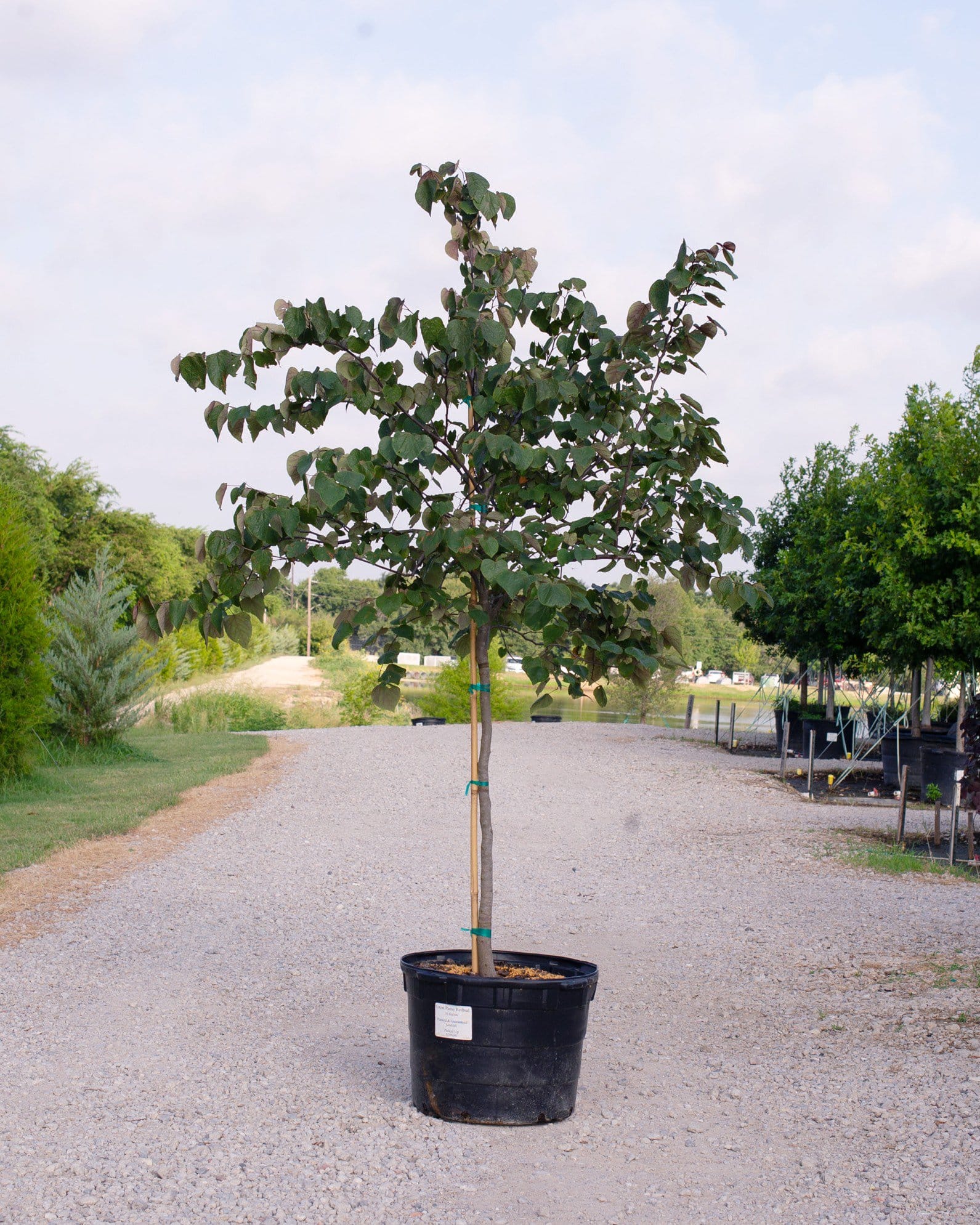
Forest Pansy Redbud
Maturity: 20' H x 20' W
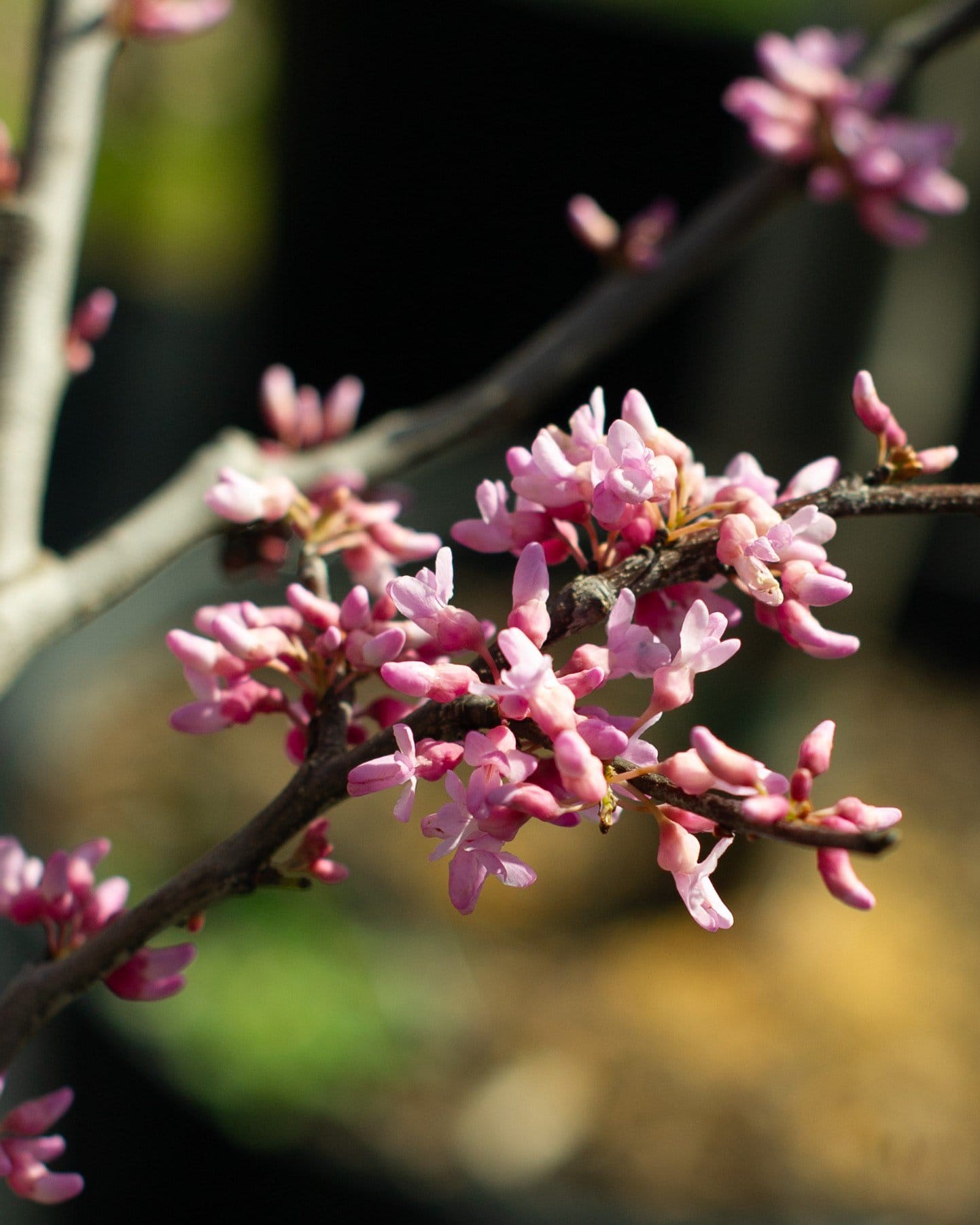
Gilded Hearts Redbud
Maturity: 15' H x 15' W
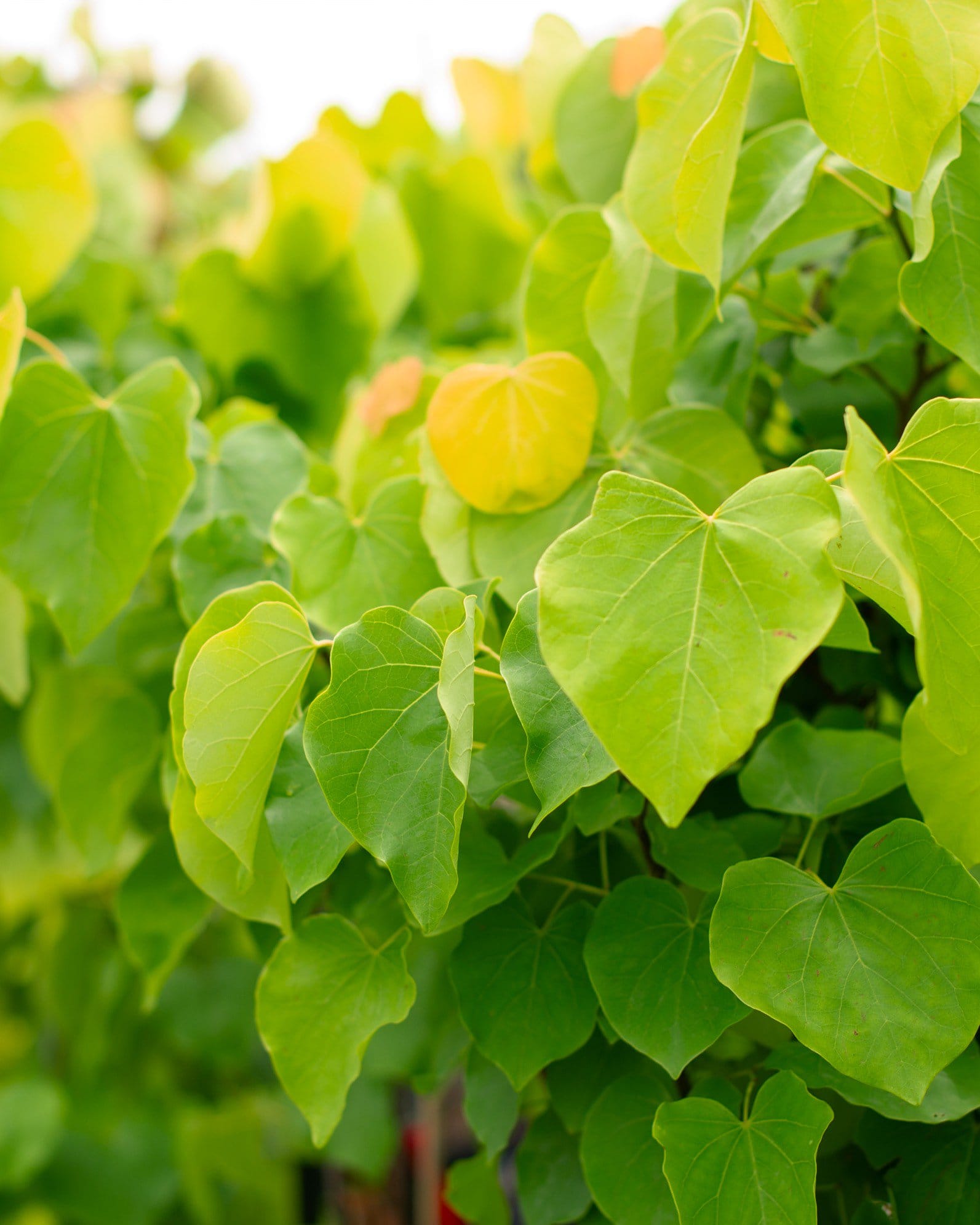
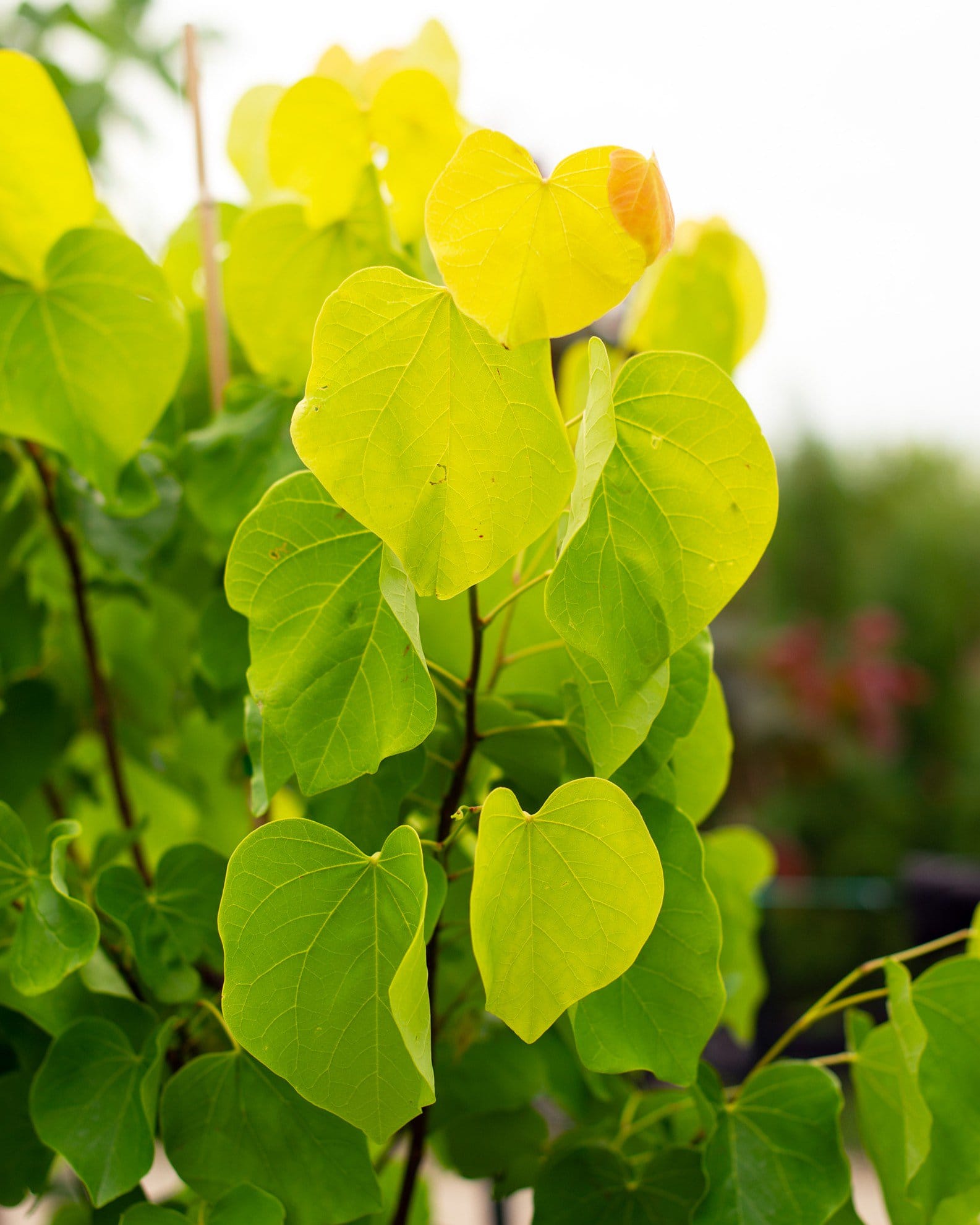
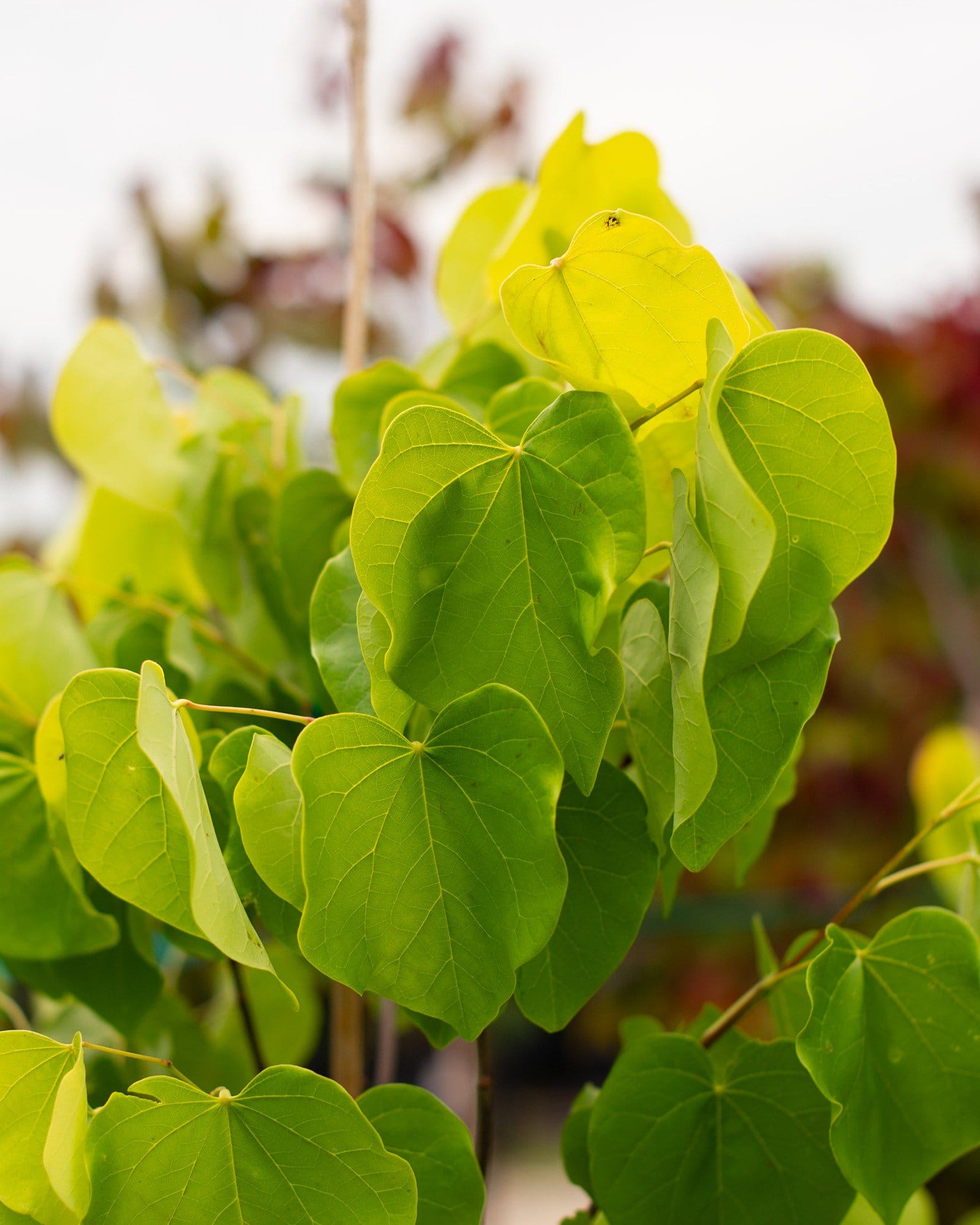
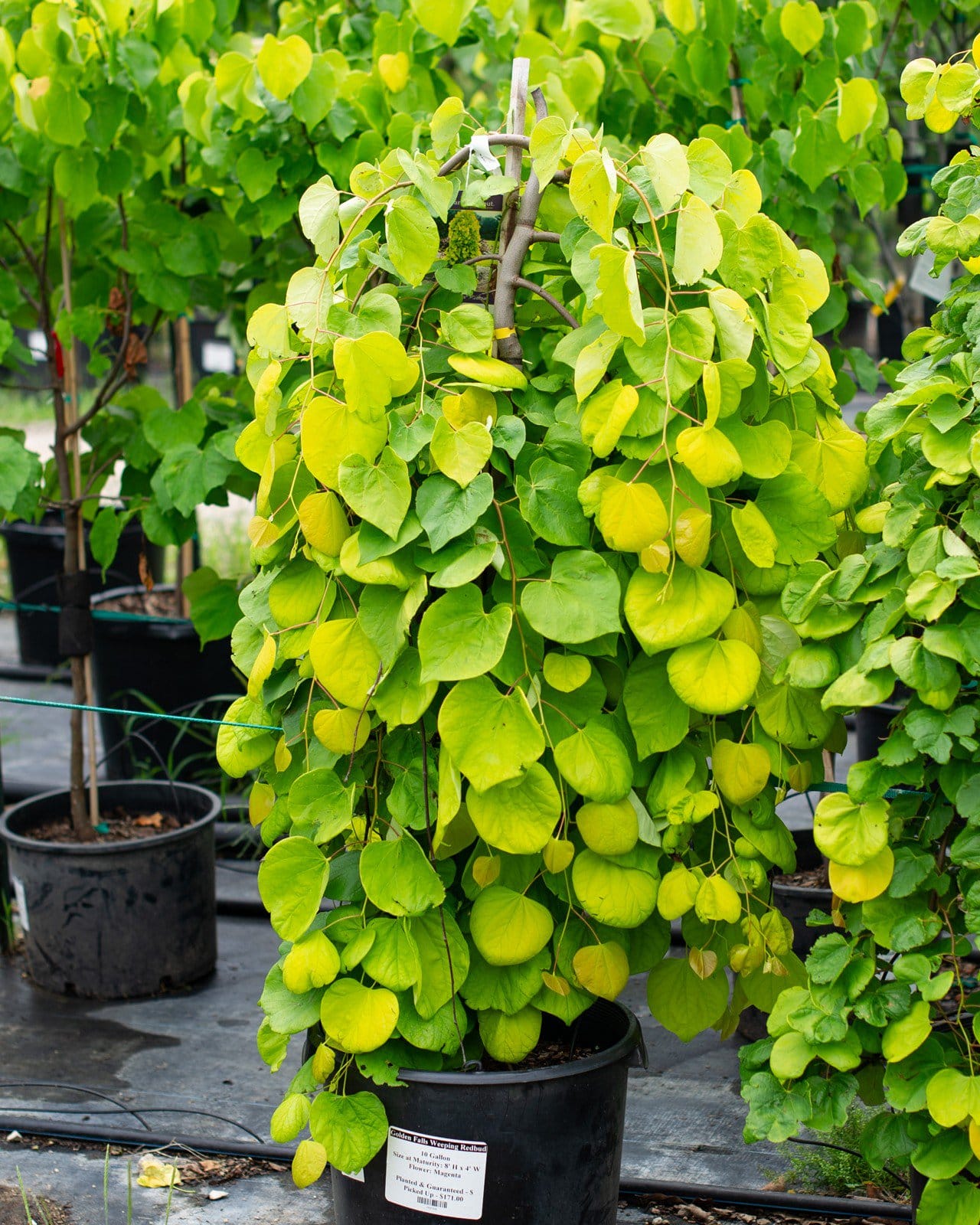
Golden Falls Weeping Redbud
Maturity: 8' H x 4' W
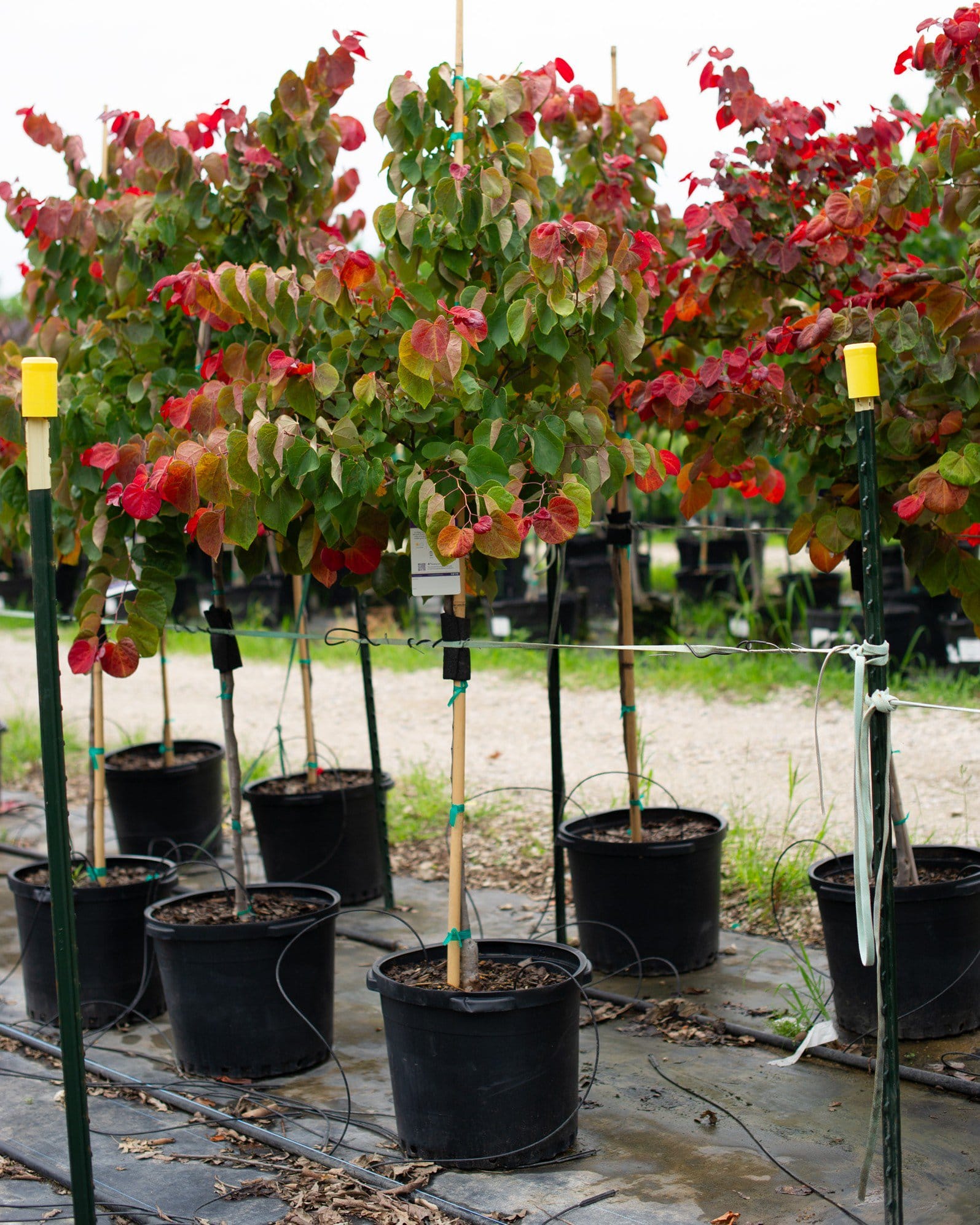
Hearts A'Fire Redbud
Maturity: 15' H x 15' W
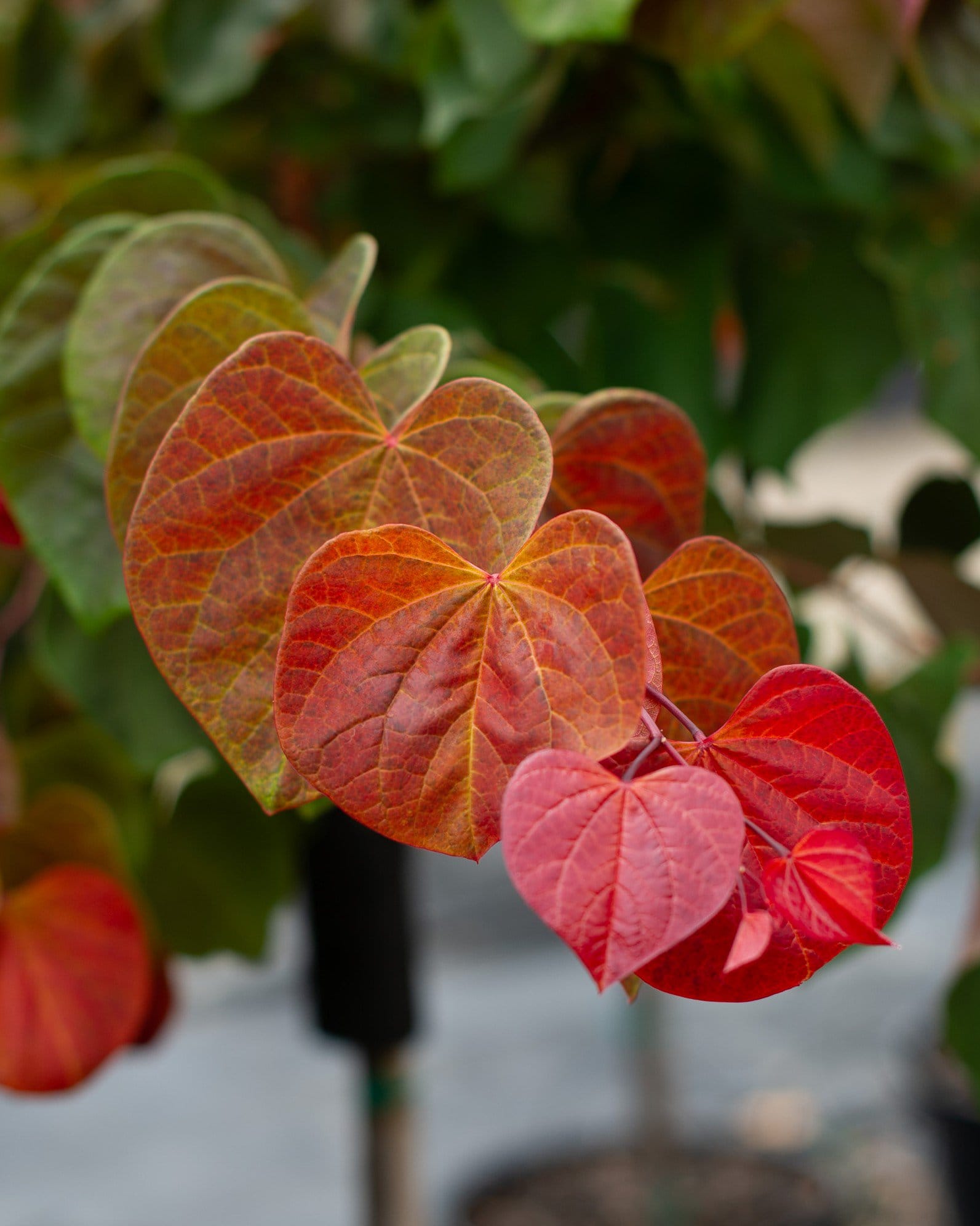
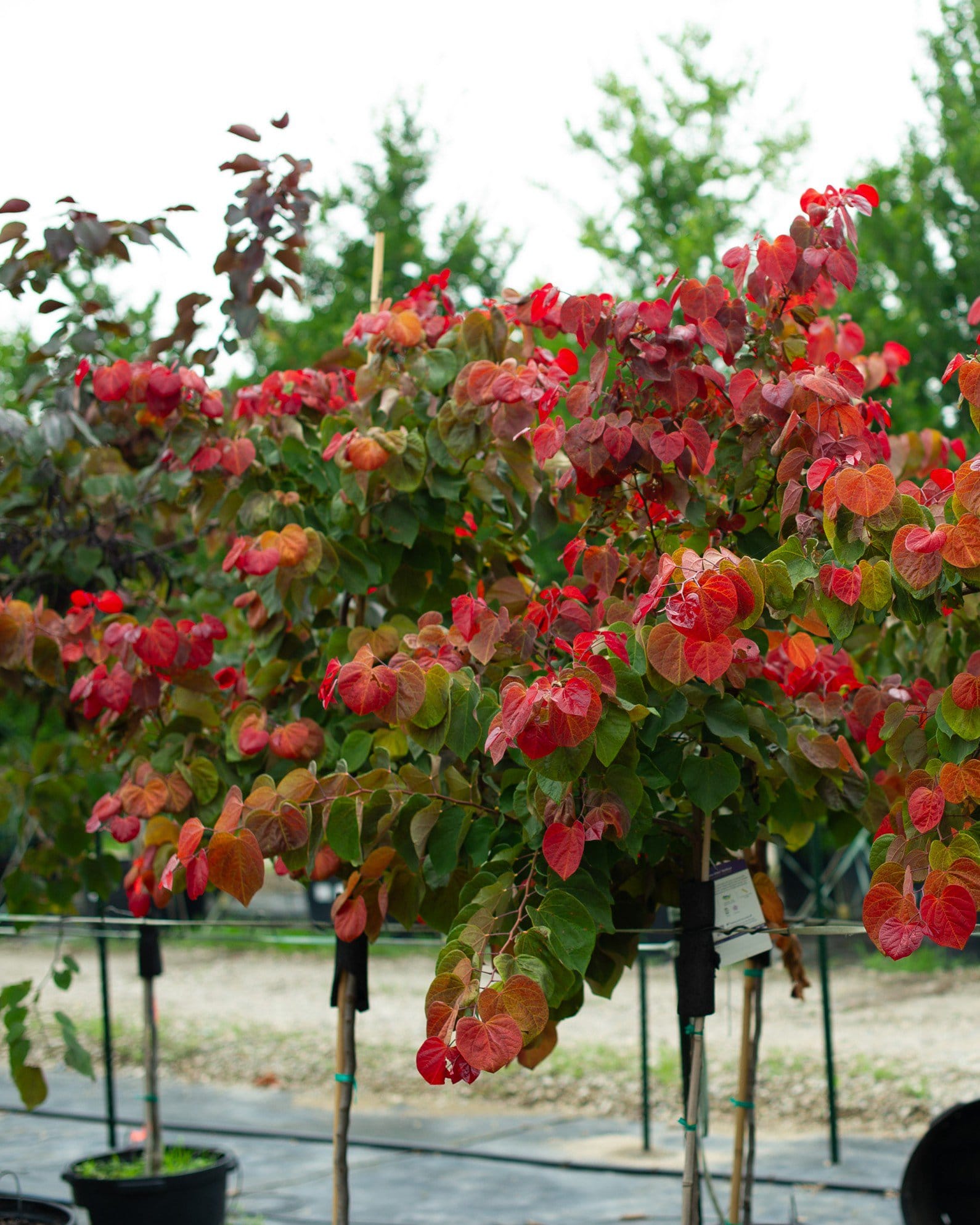
Hearts of Gold Redbud
Maturity: 15' H x 15' W
Luscious Lavender Redbud
Maturity: 15' H x 15' W
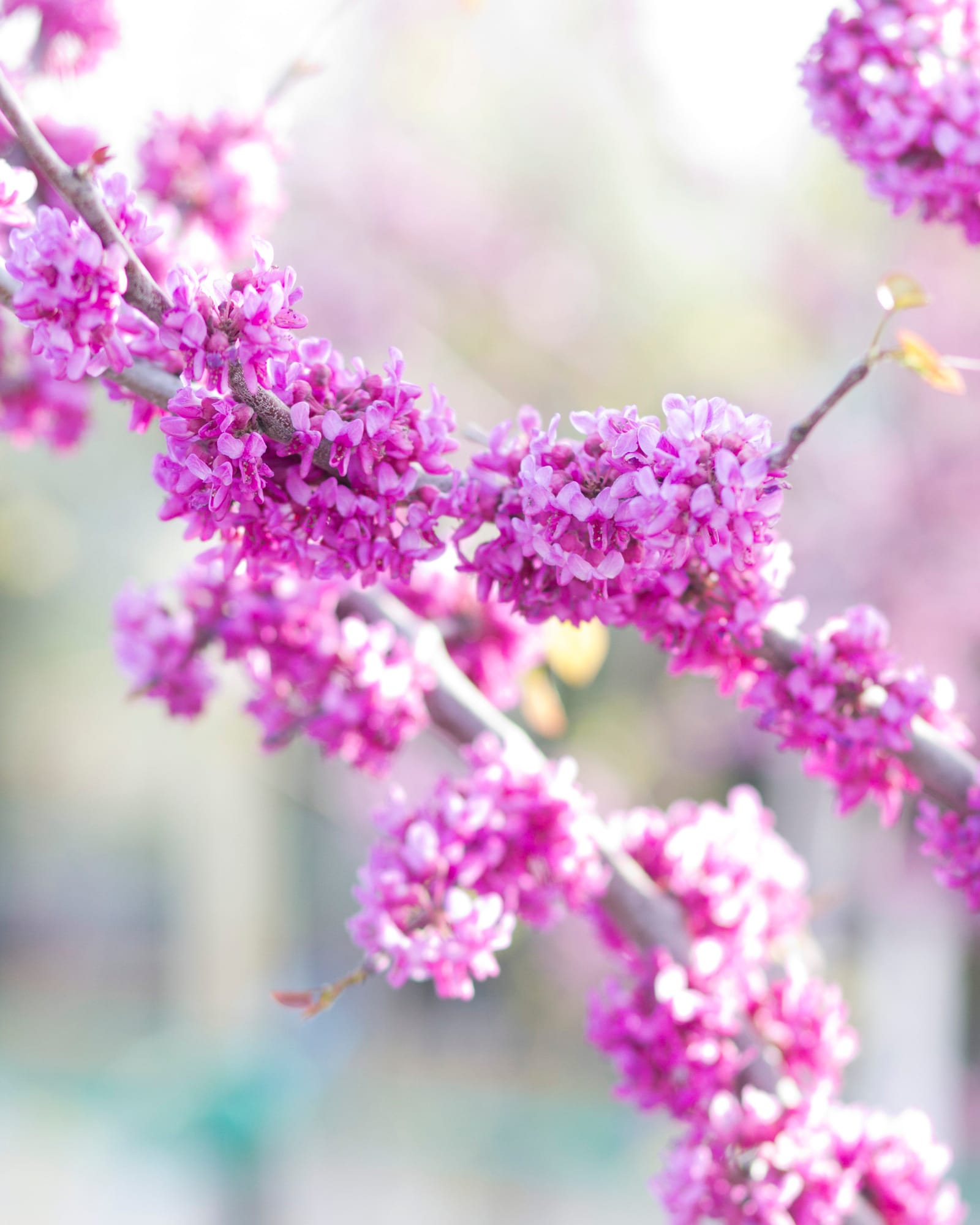
Merlot Redbud
Maturity: 15' H x 15' W
Compare Similar Plants
Carolina Buckthorn This plant | ||
|---|---|---|
| Scientific Name | Frangula caroliniana | Cercis canadensis ‘Alley Cat’ |
| Size at Maturity | 12' H x 12' W | 15' H x 15' W |
| Leaf Retention | Deciduous | Deciduous |
| Fall Color | — | Yellow |
| Flower Color | — | Pink |
| Bloom Times | — | — |
| Sizes Available | — | 7 gal |


Our 1-Year Planting Guarantee
We take pride in our plants and installation services. If any plants or trees installed by Treeland fail to thrive within the first year, we'll provide a replacement credit in accordance with our guarantee program.
Learn More About Our Guarantee