
 Texas Native
Alley Cat Redbud
Cercis canadensis ‘Alley Cat’Local DFW Delivery Only
Product Details
Alley Cat Redbud
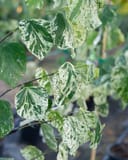
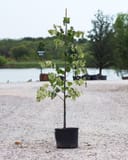
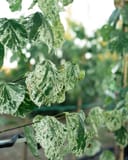
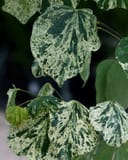
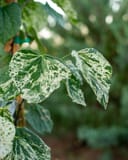
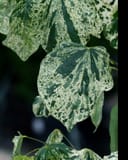
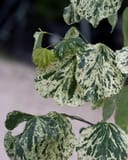
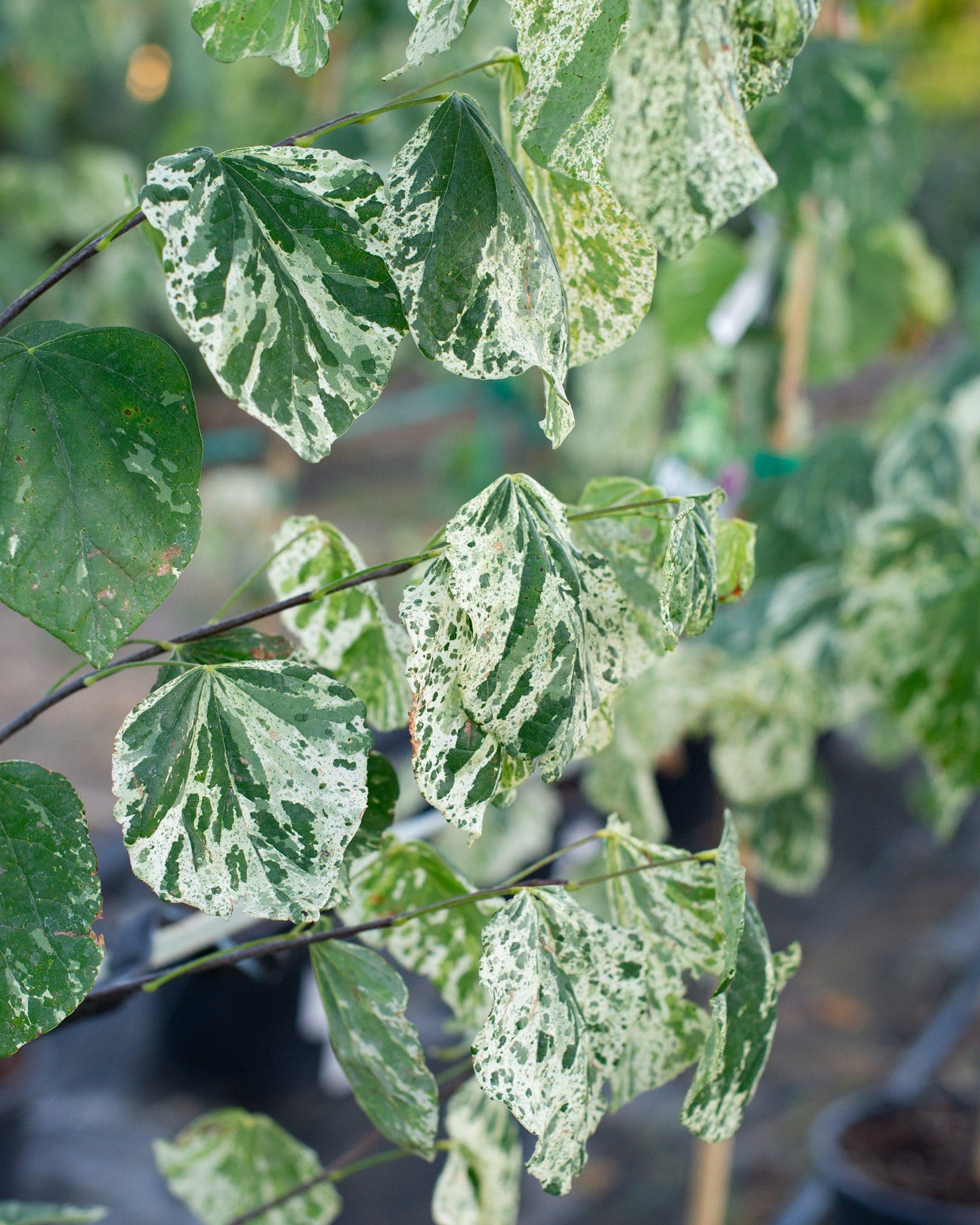
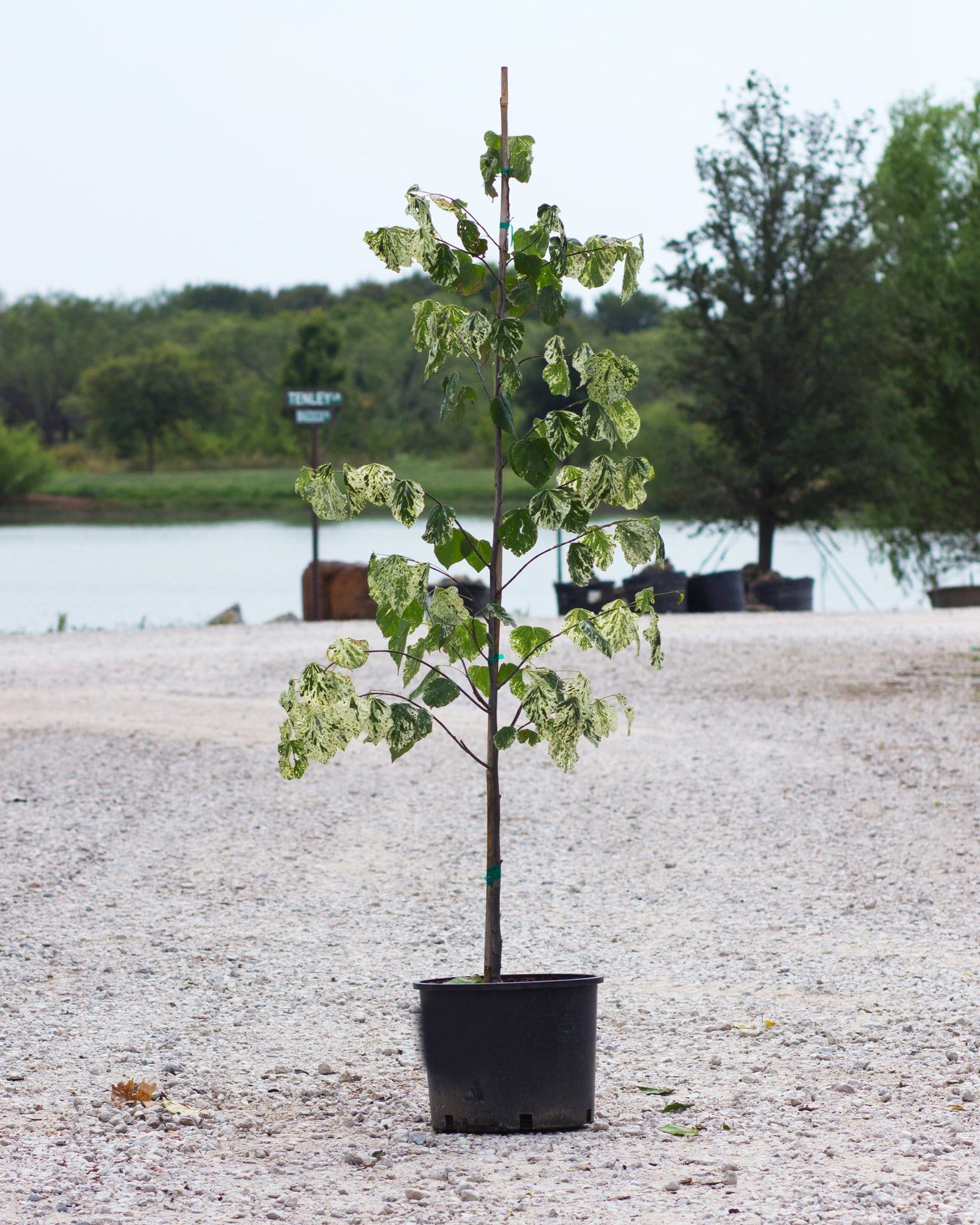
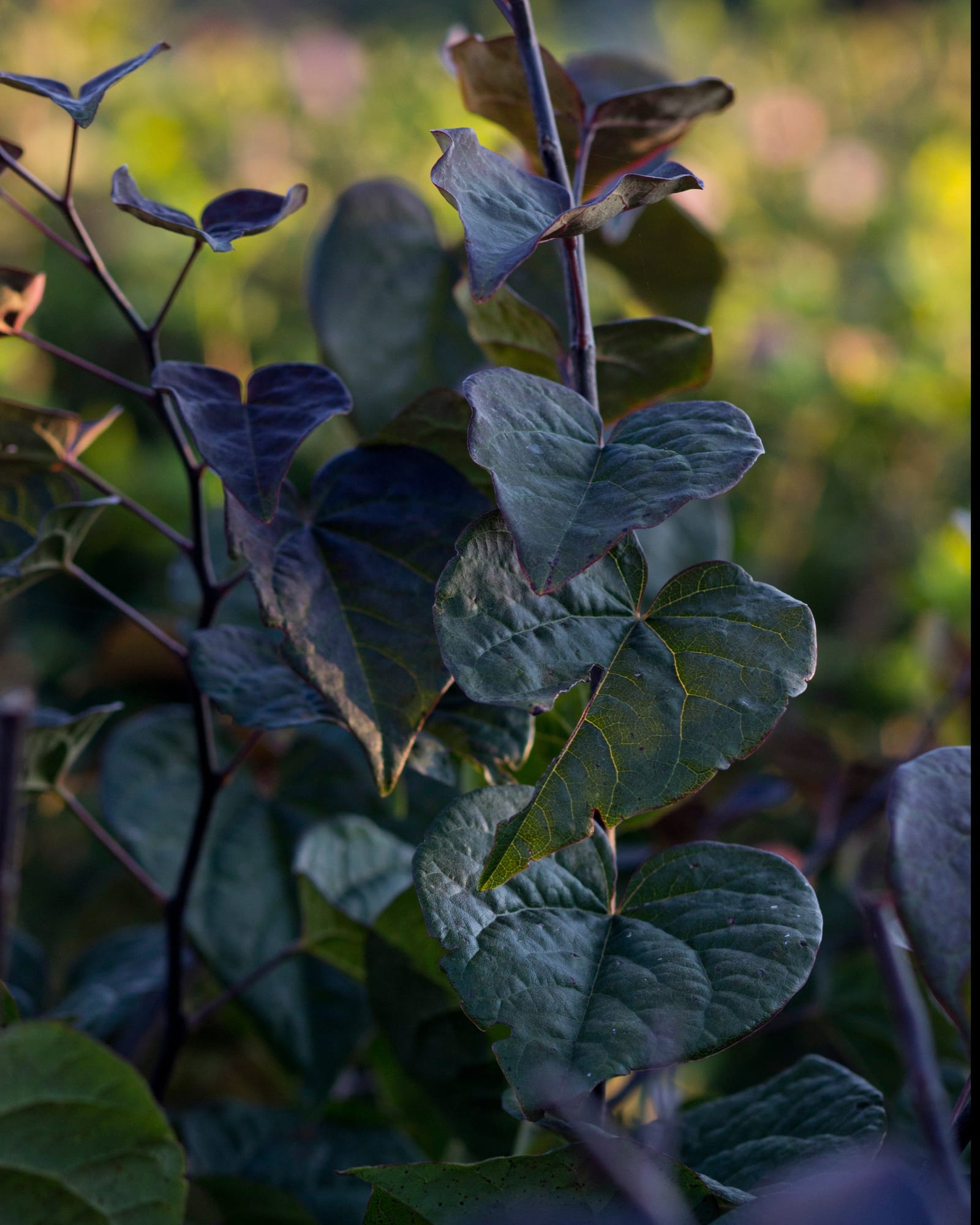
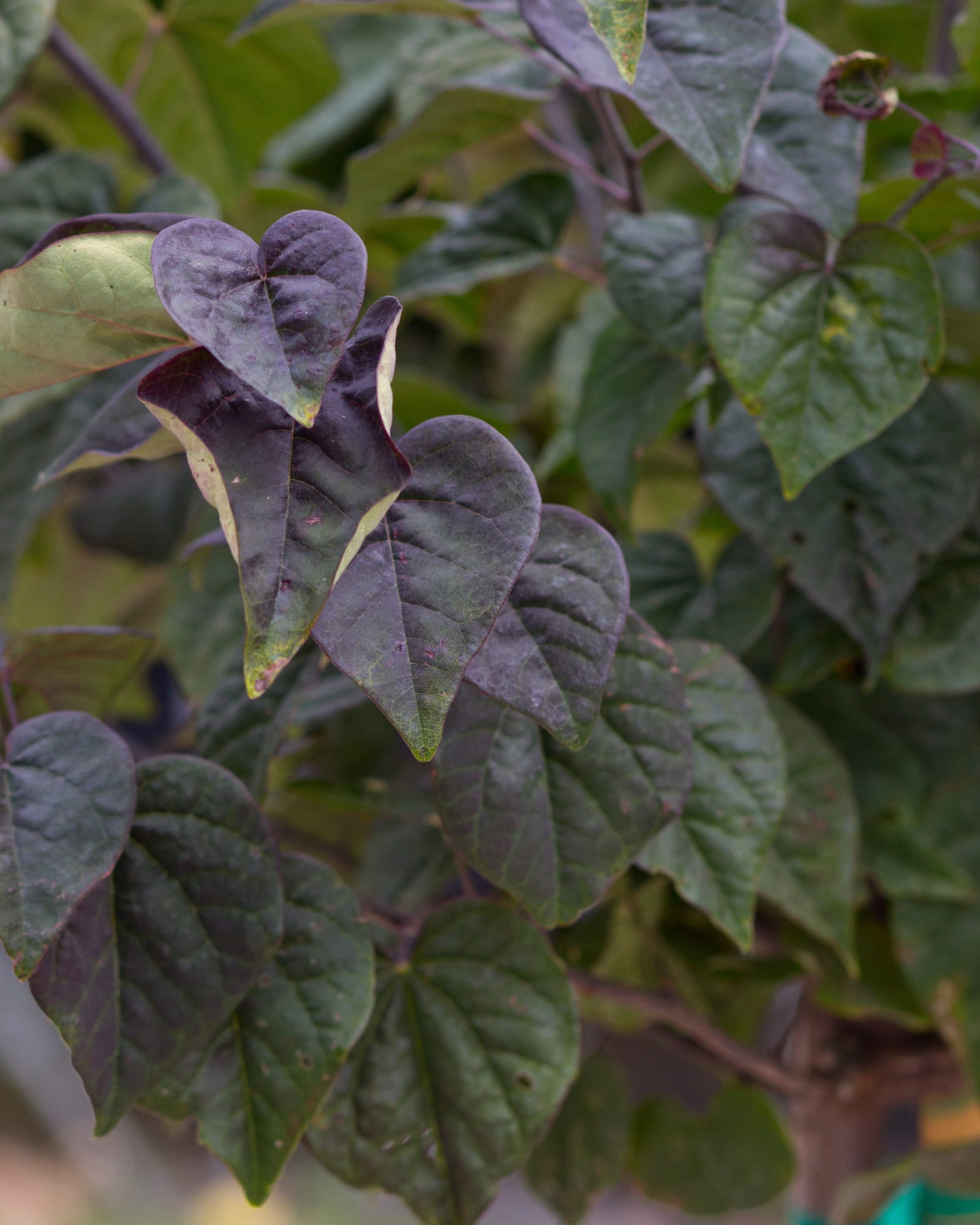
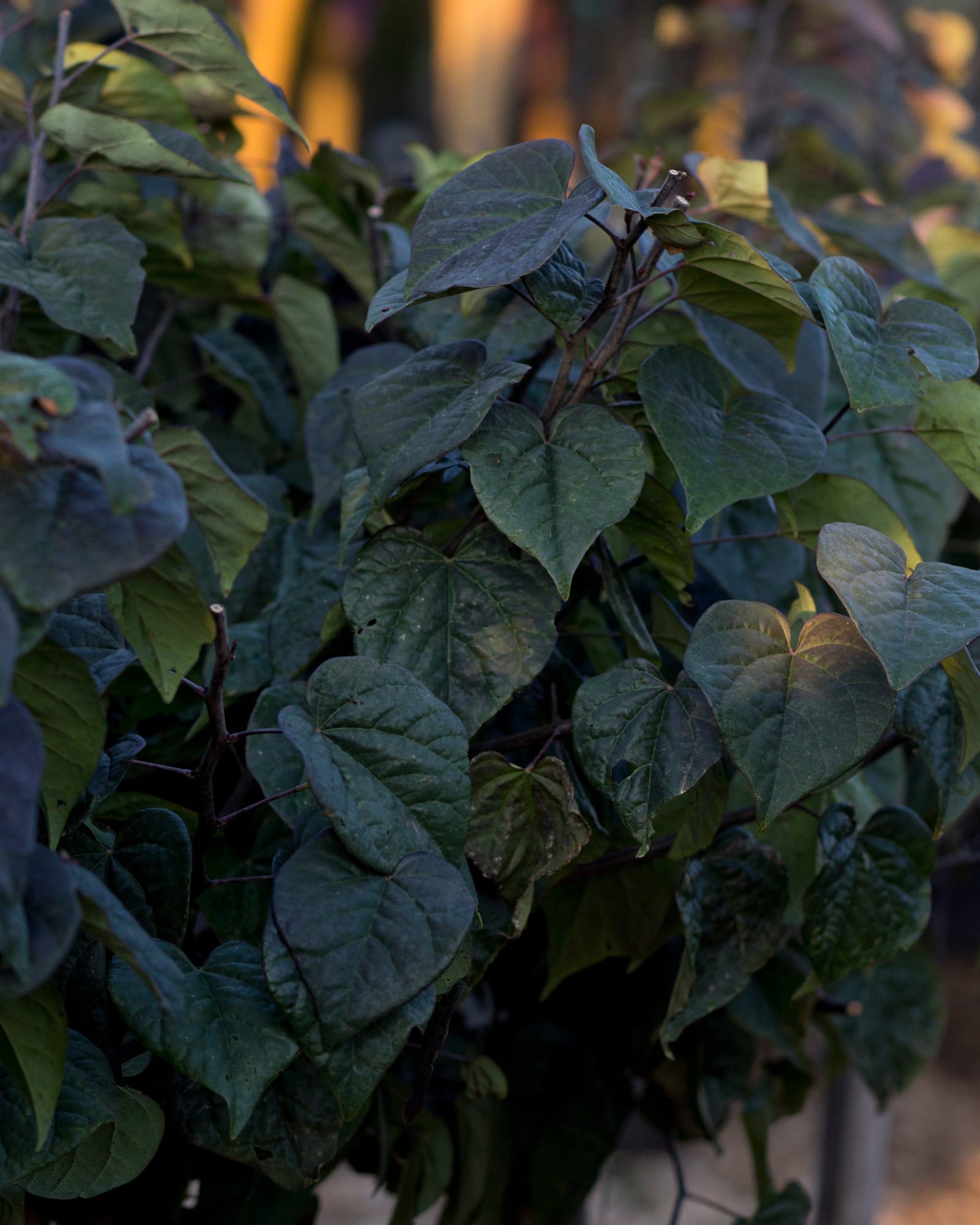
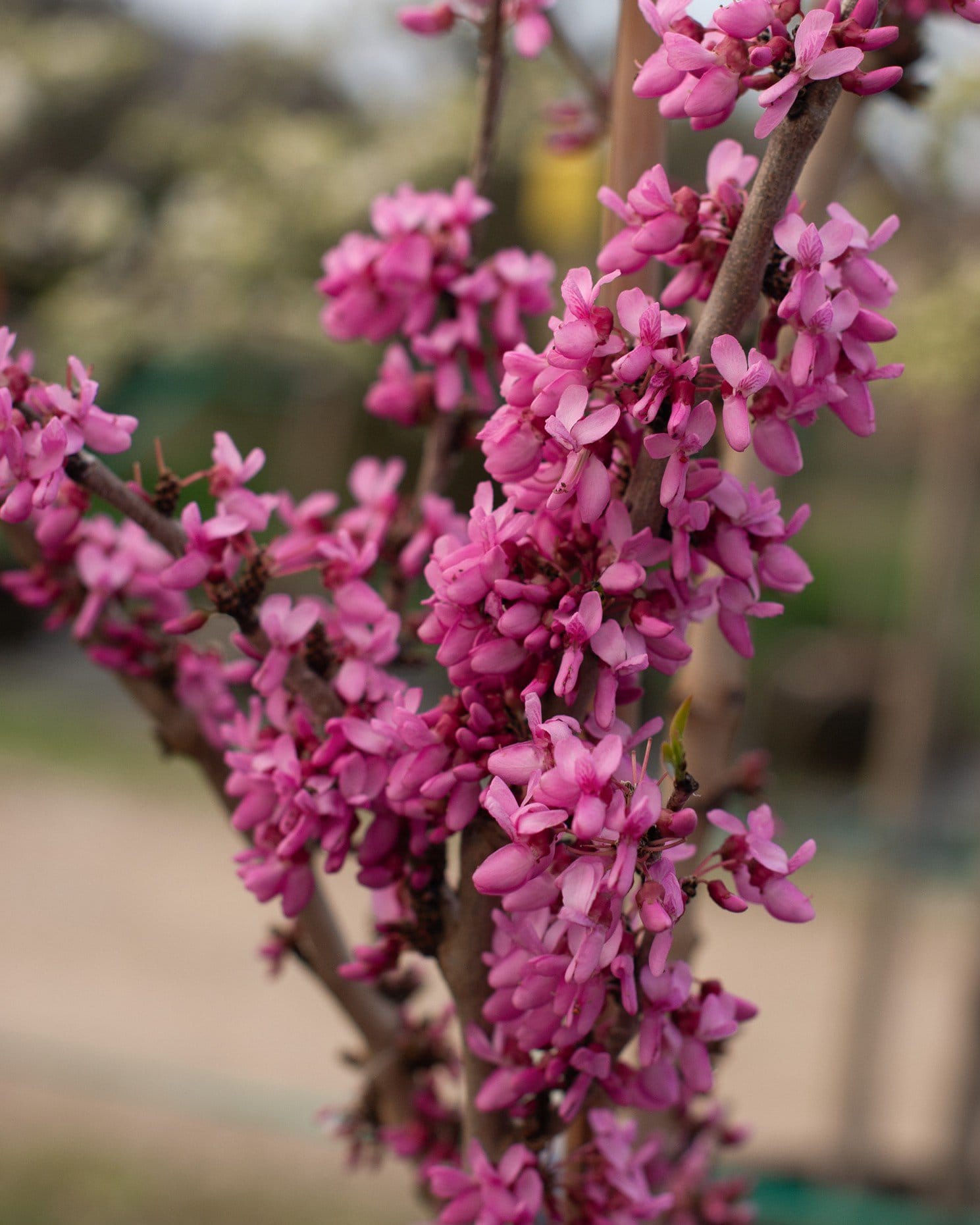
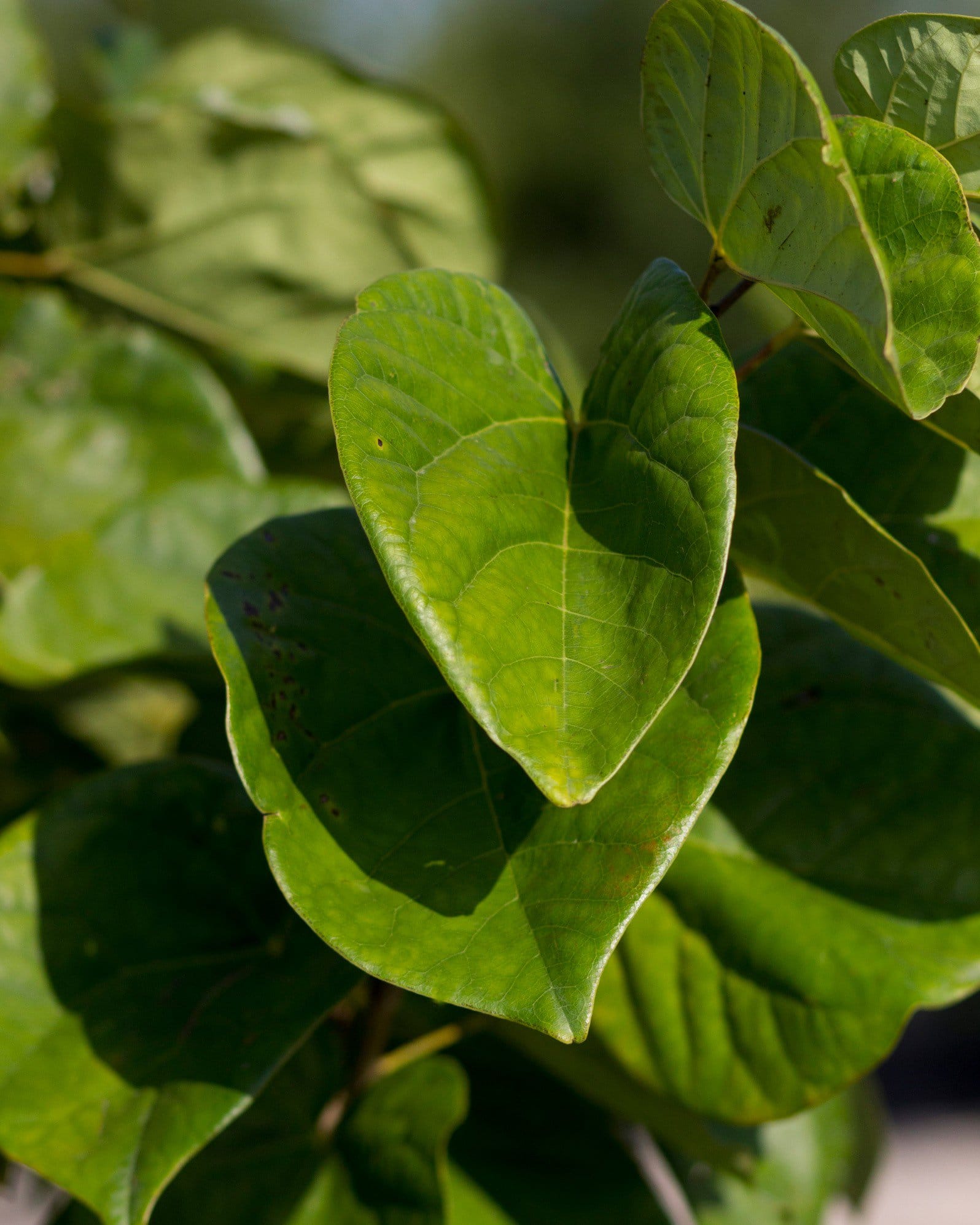
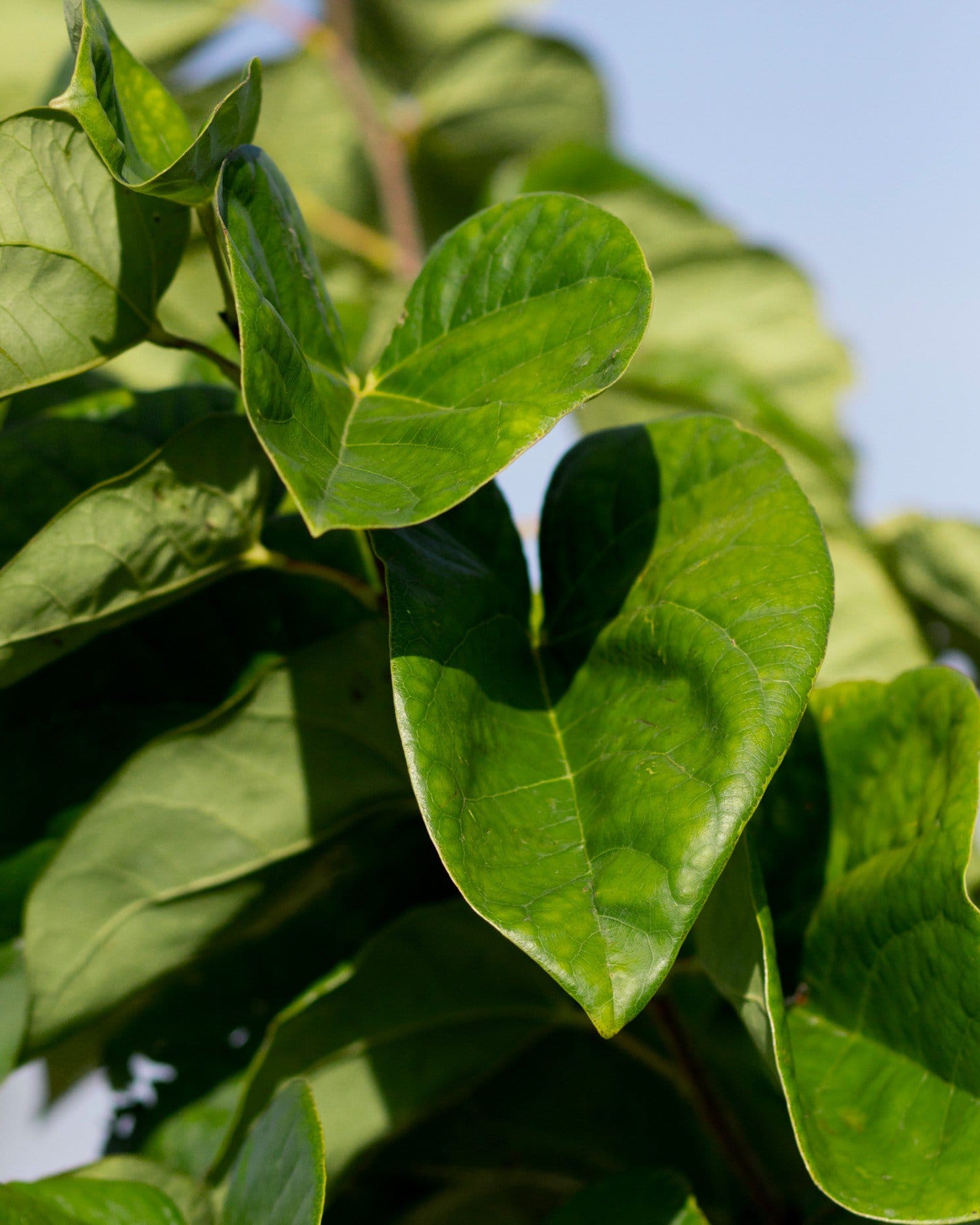
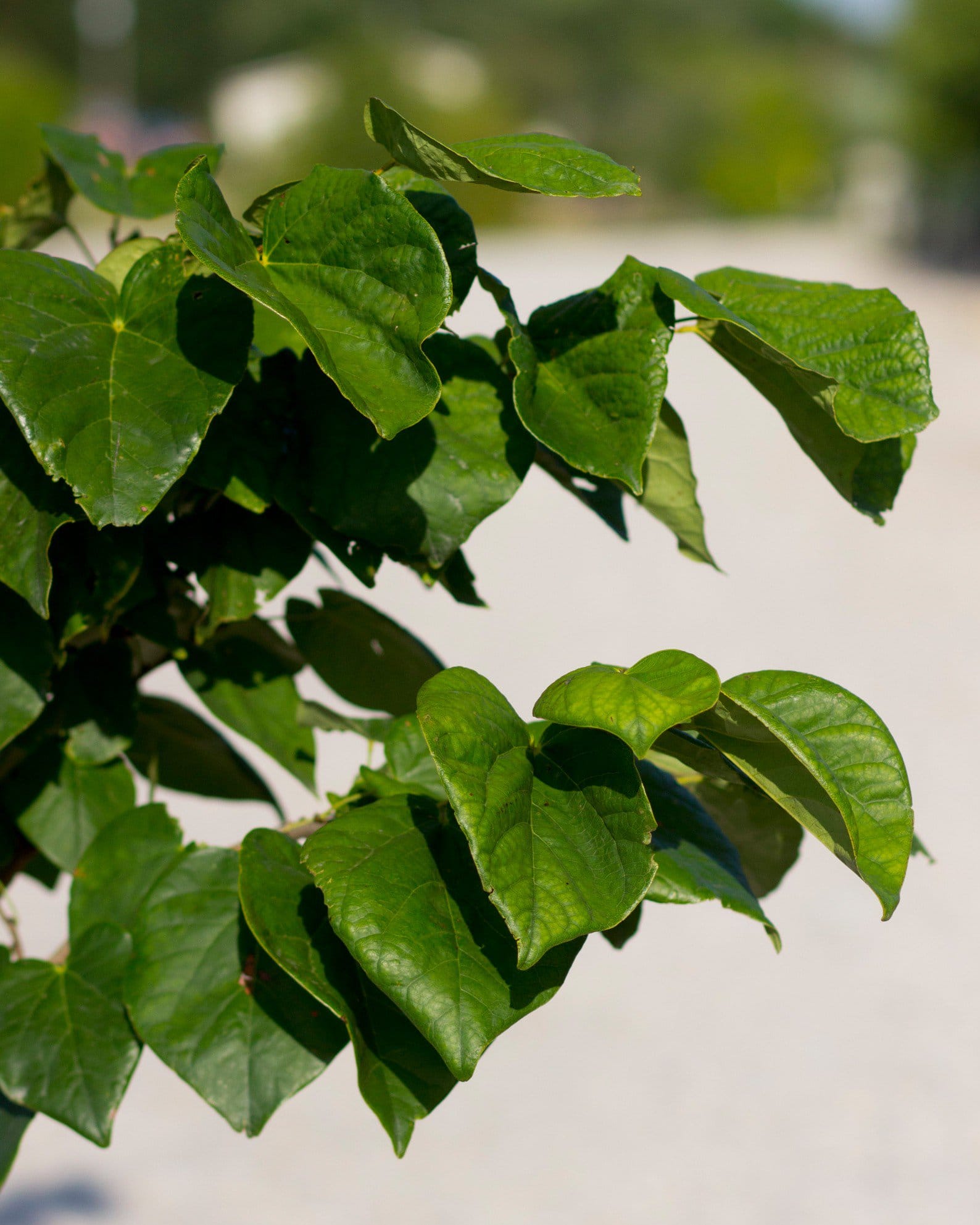
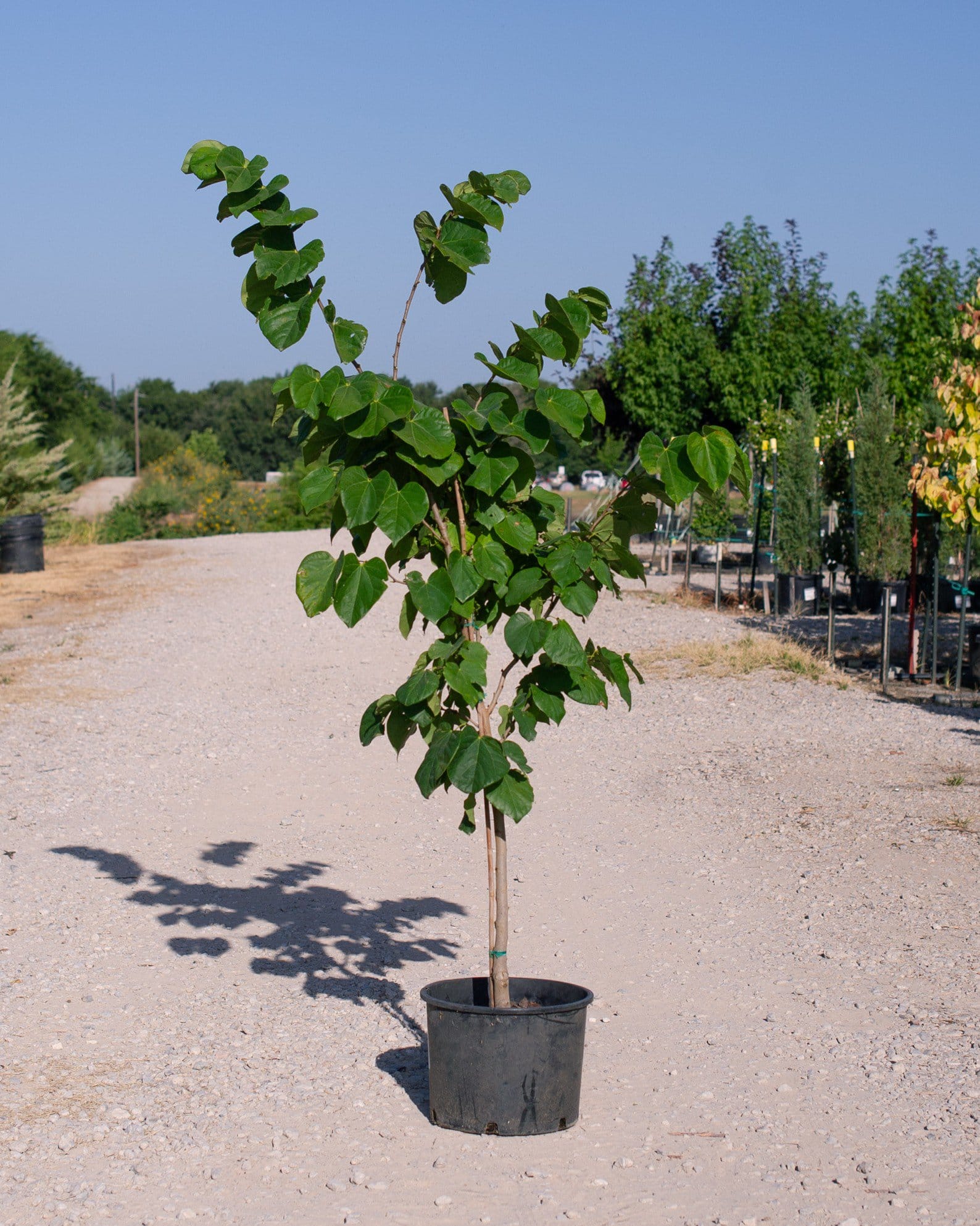
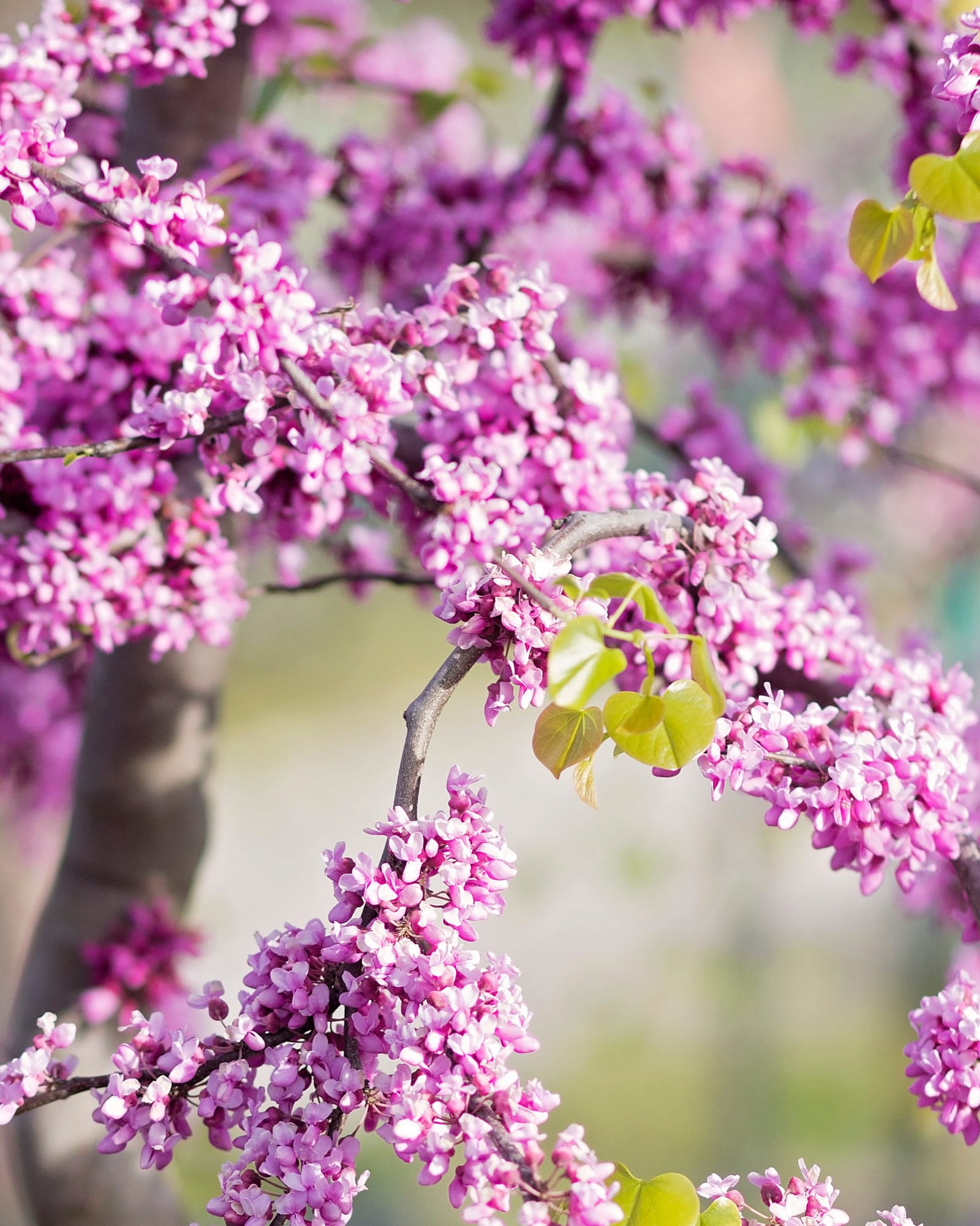
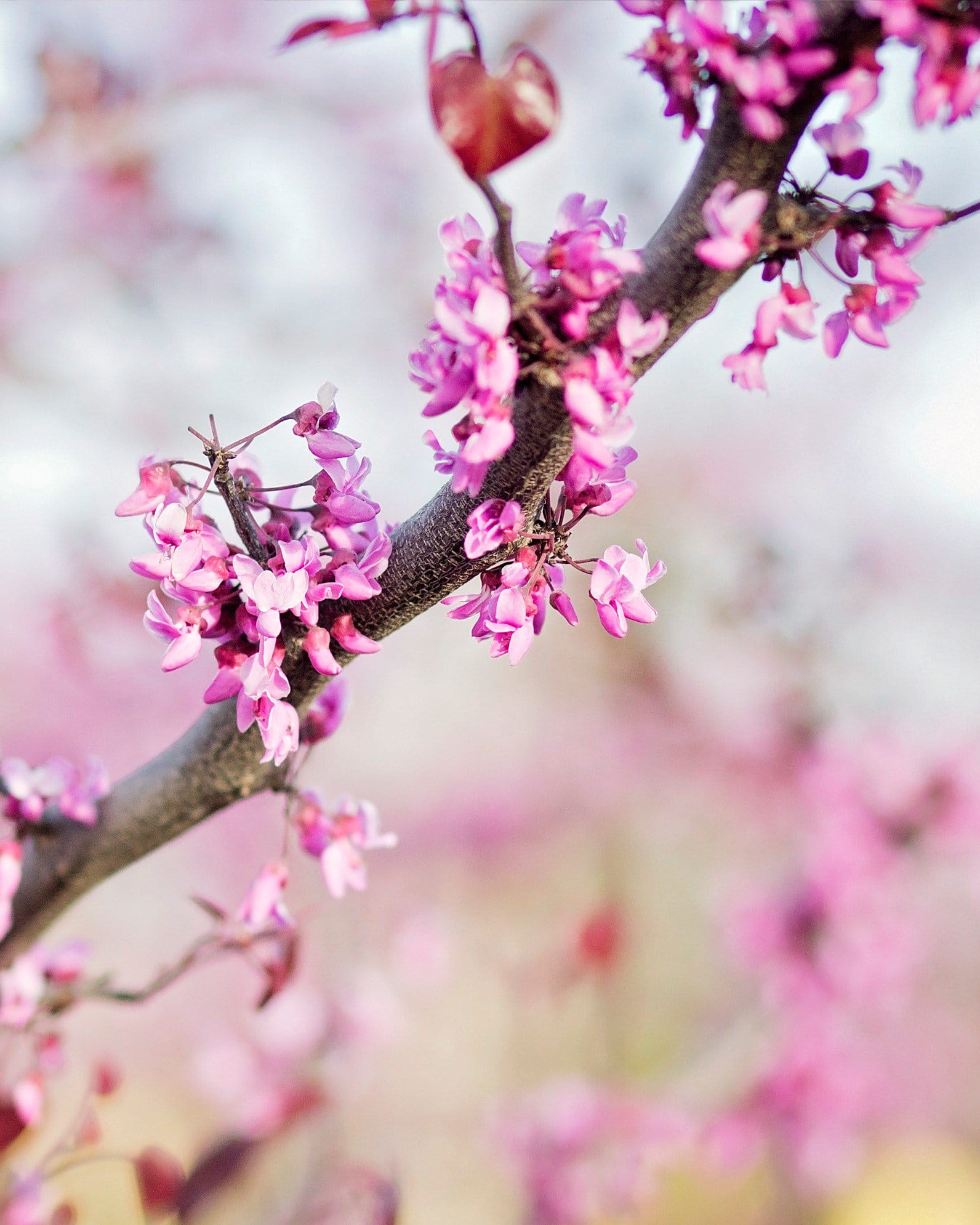
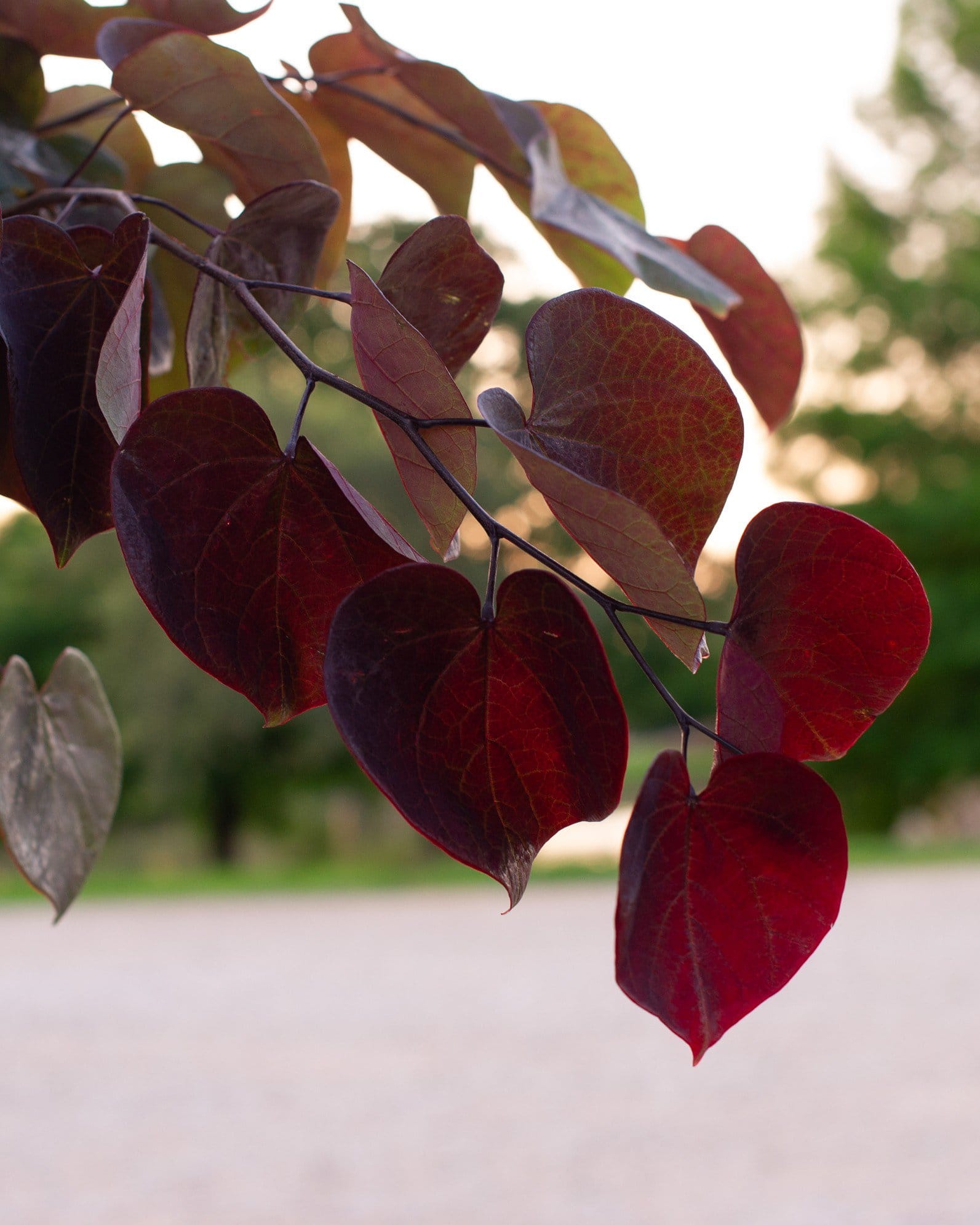
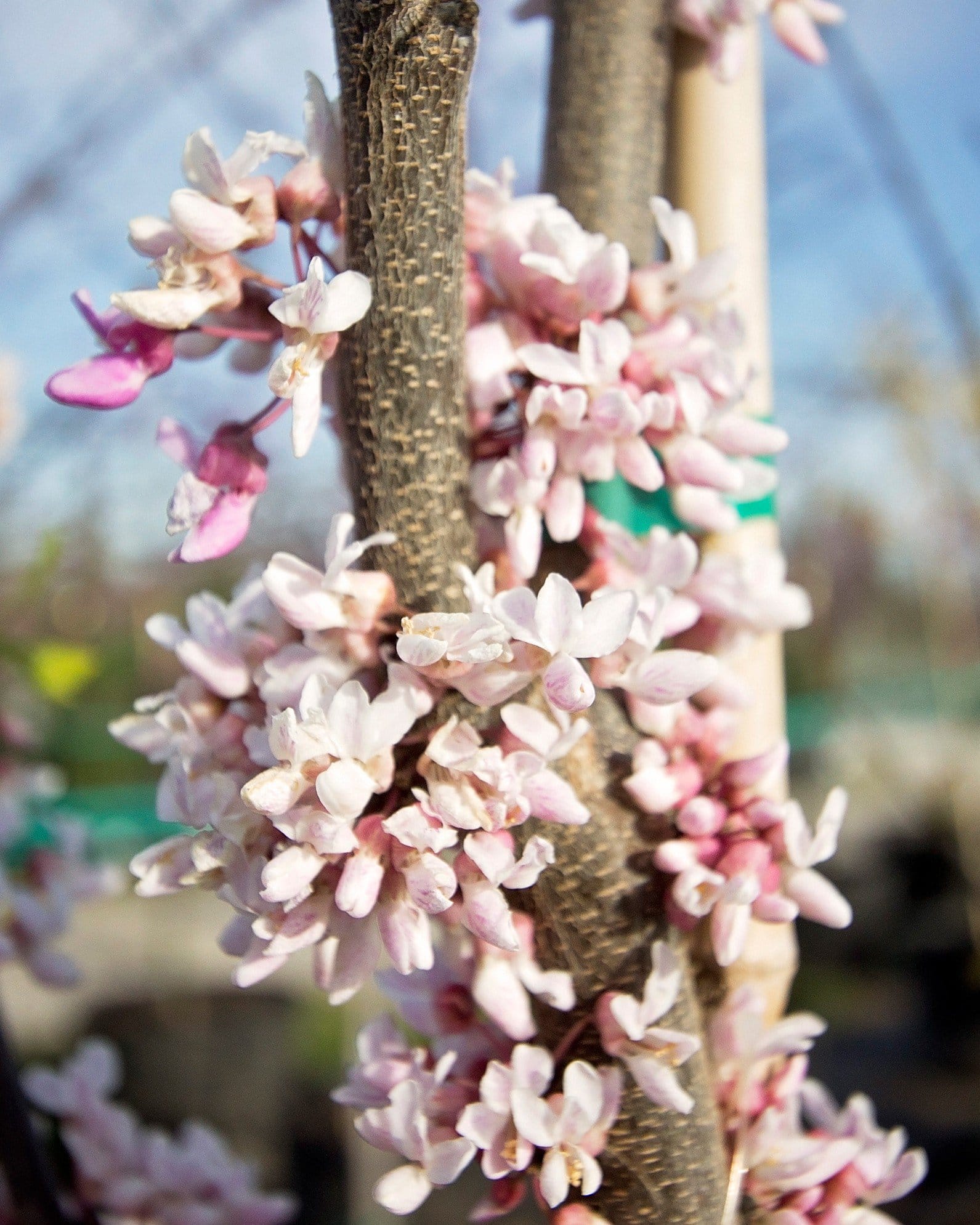
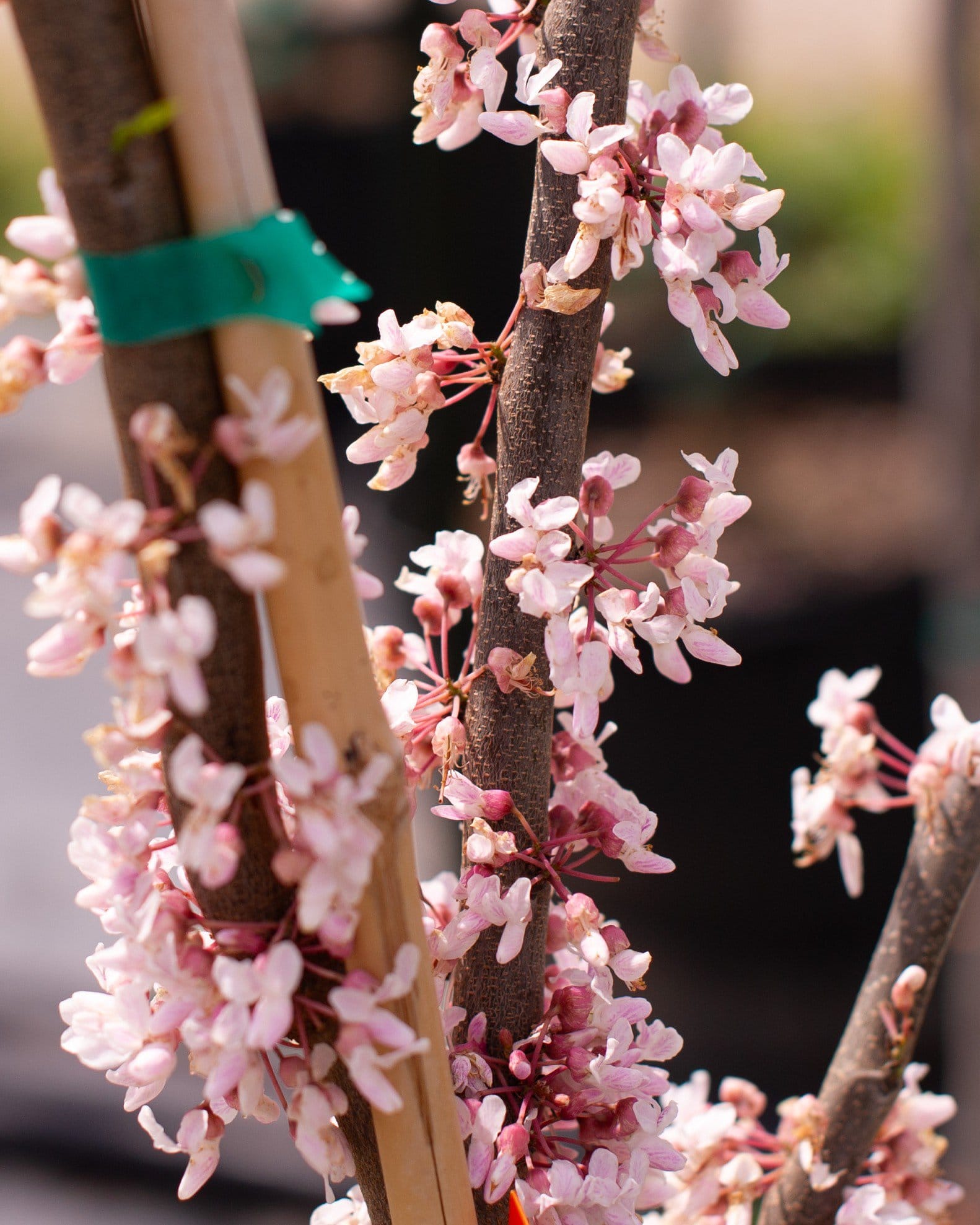
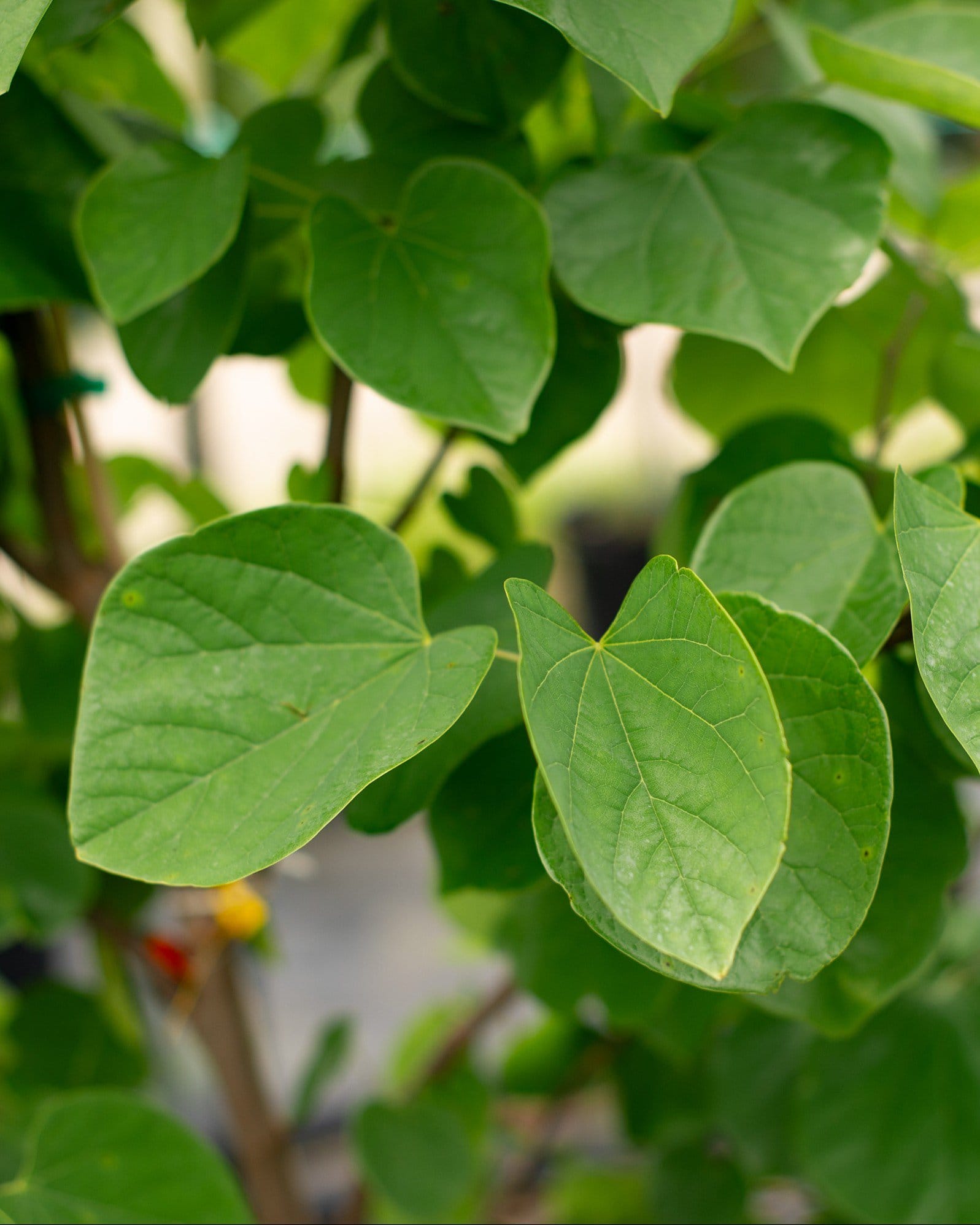
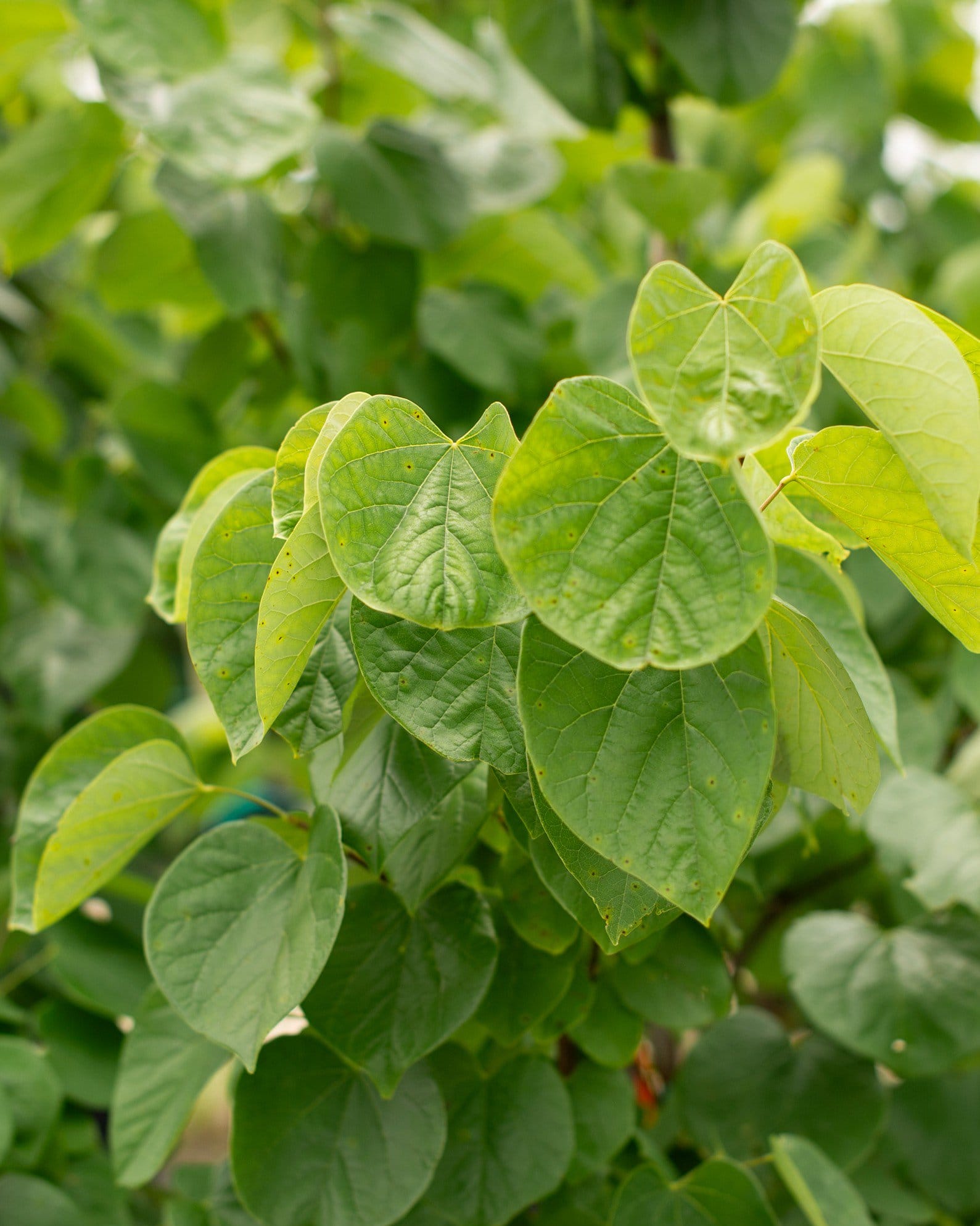
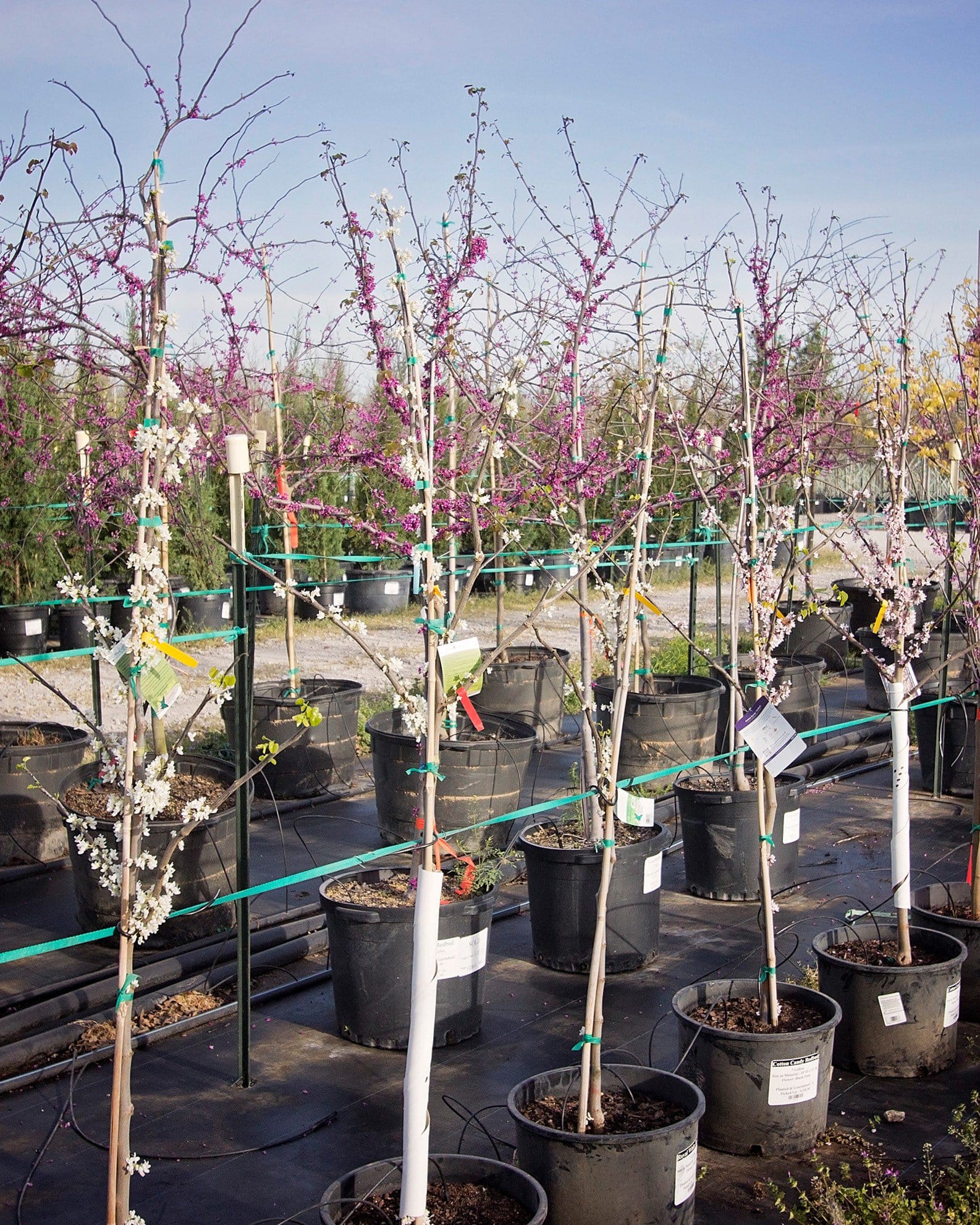
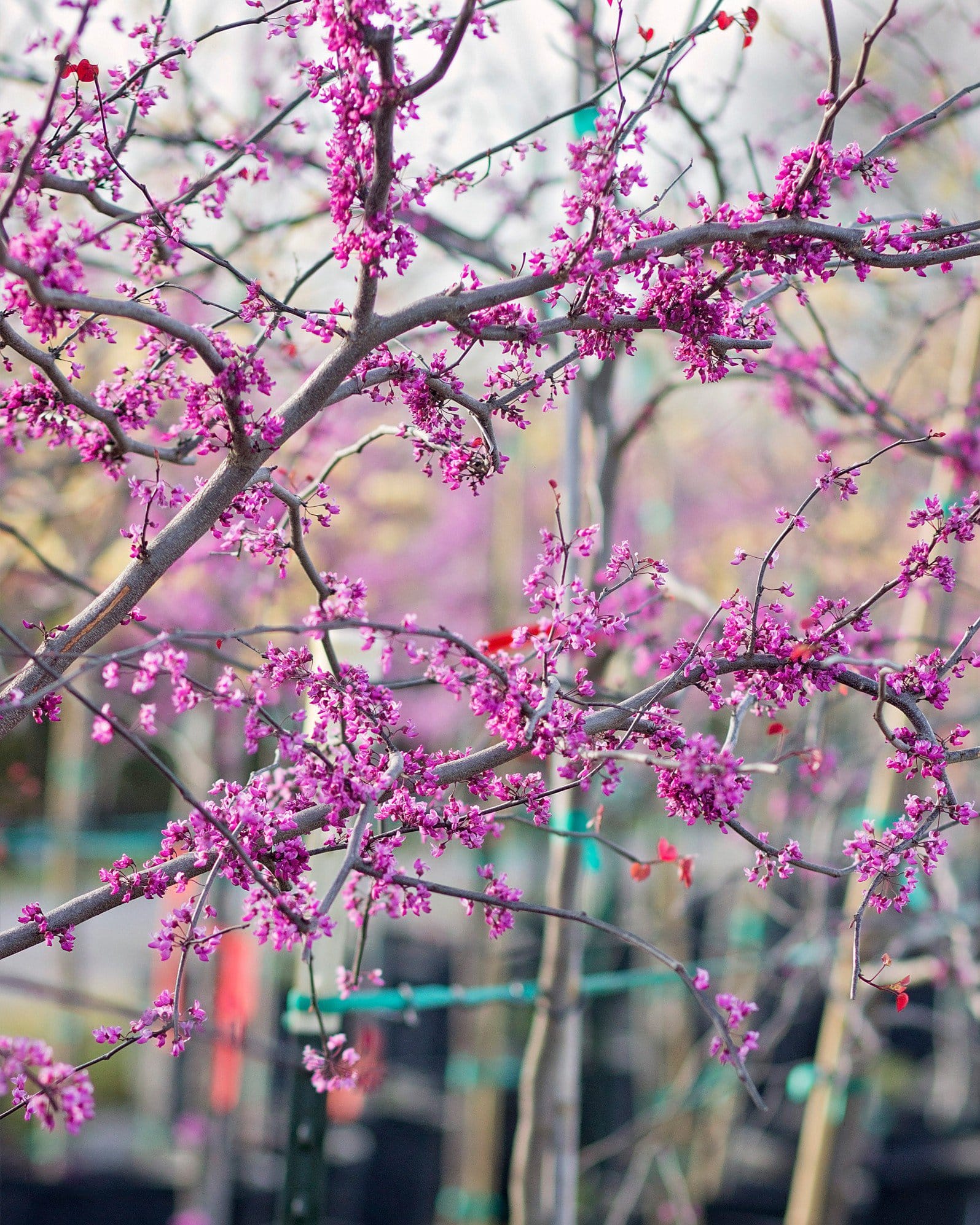
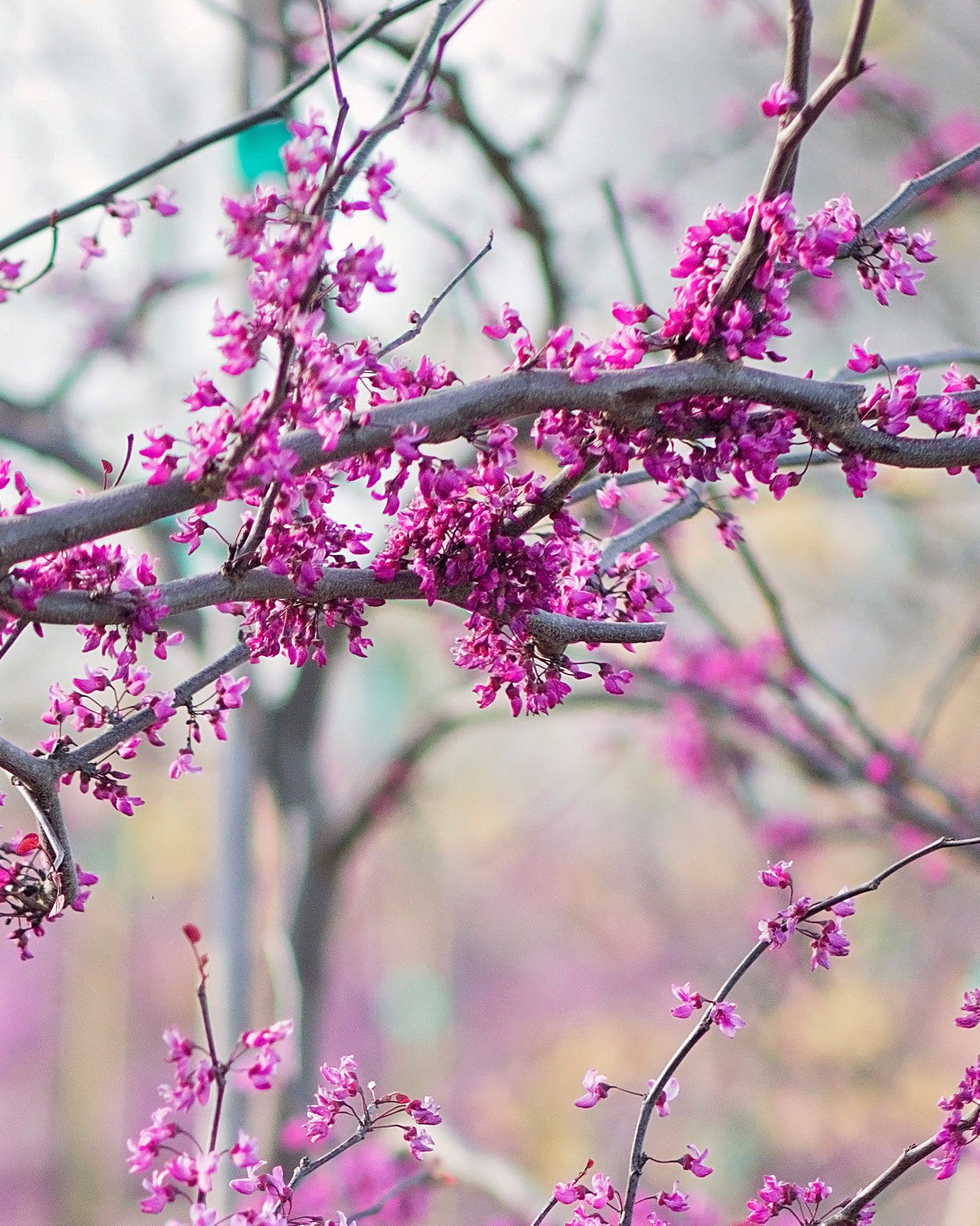
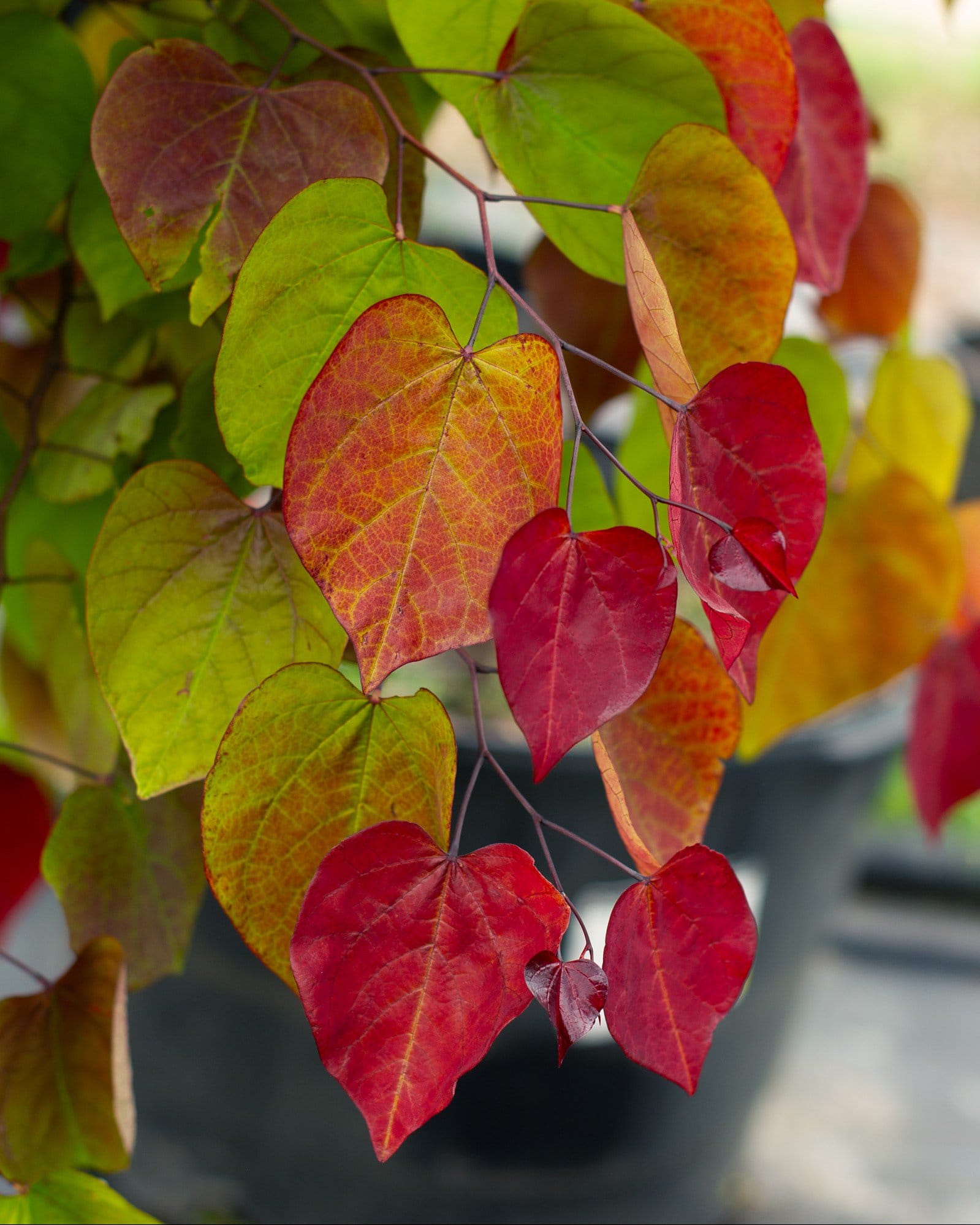
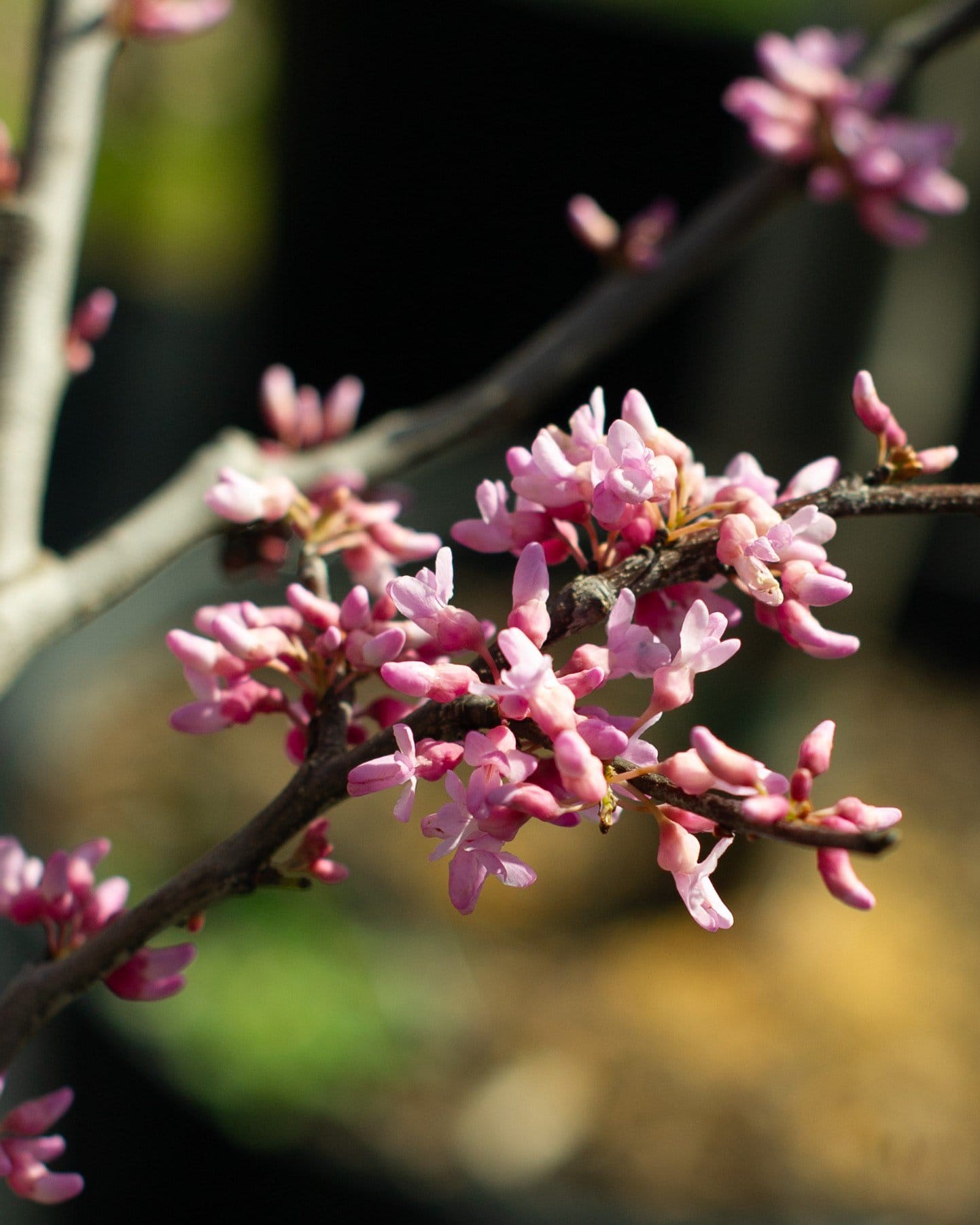
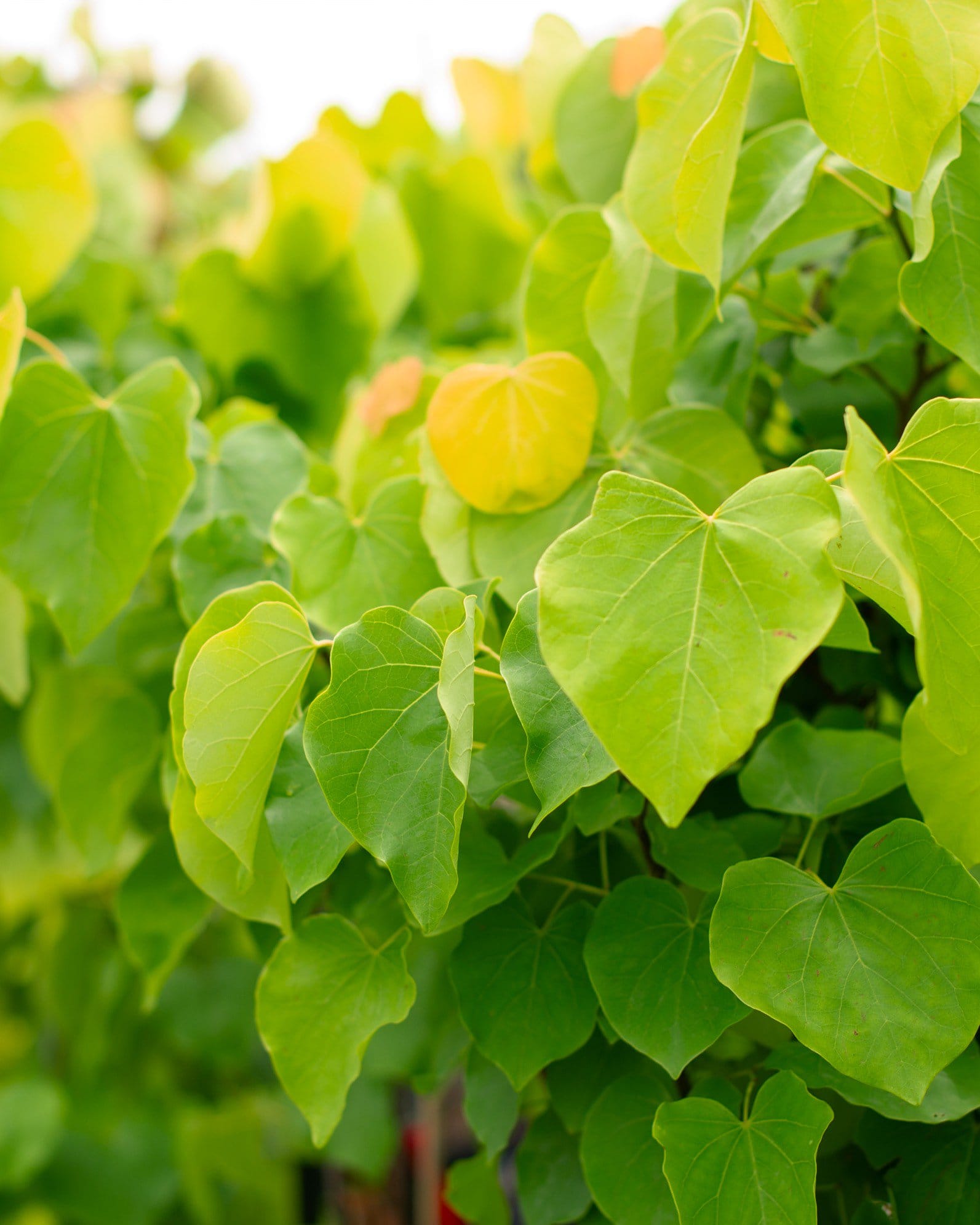
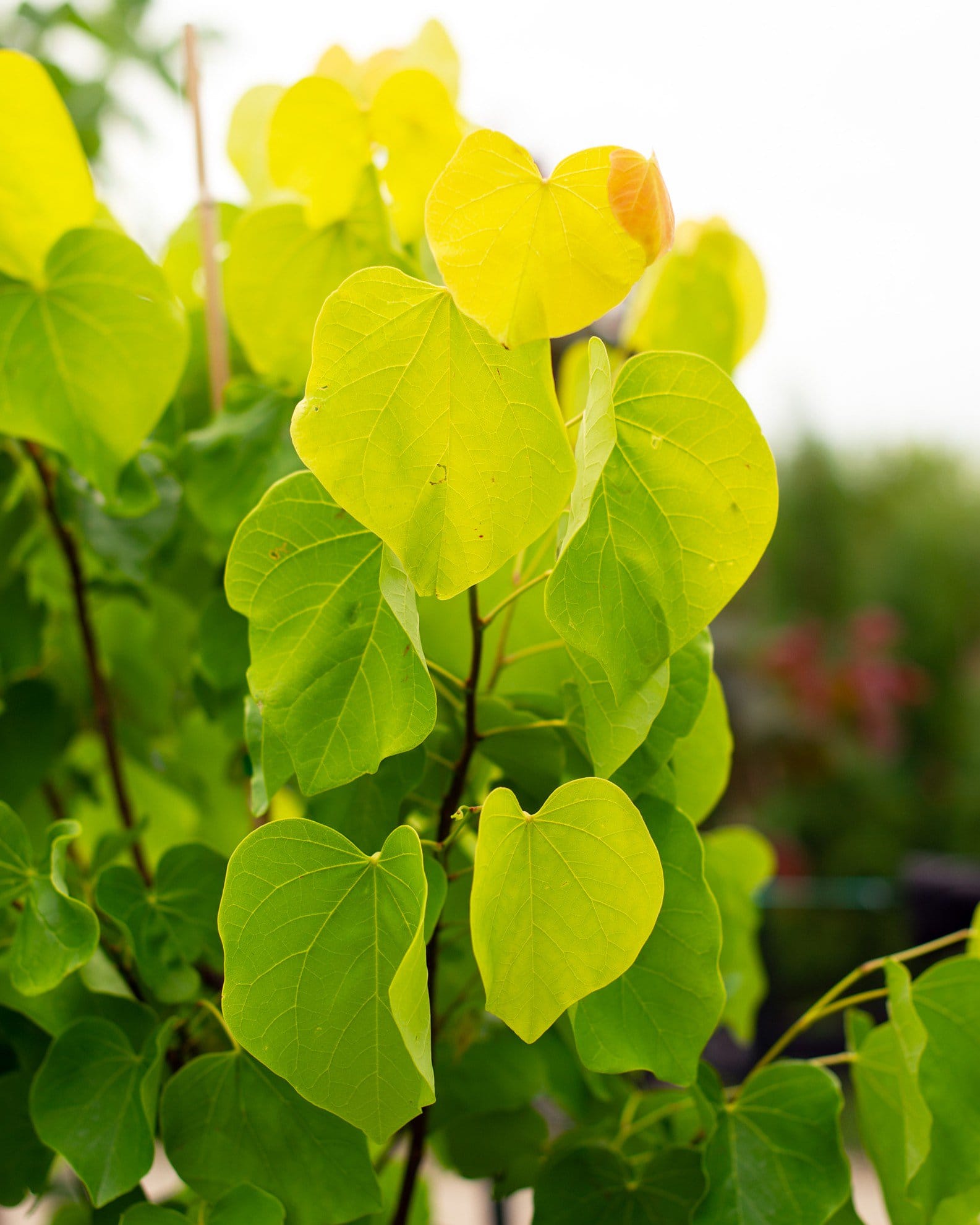
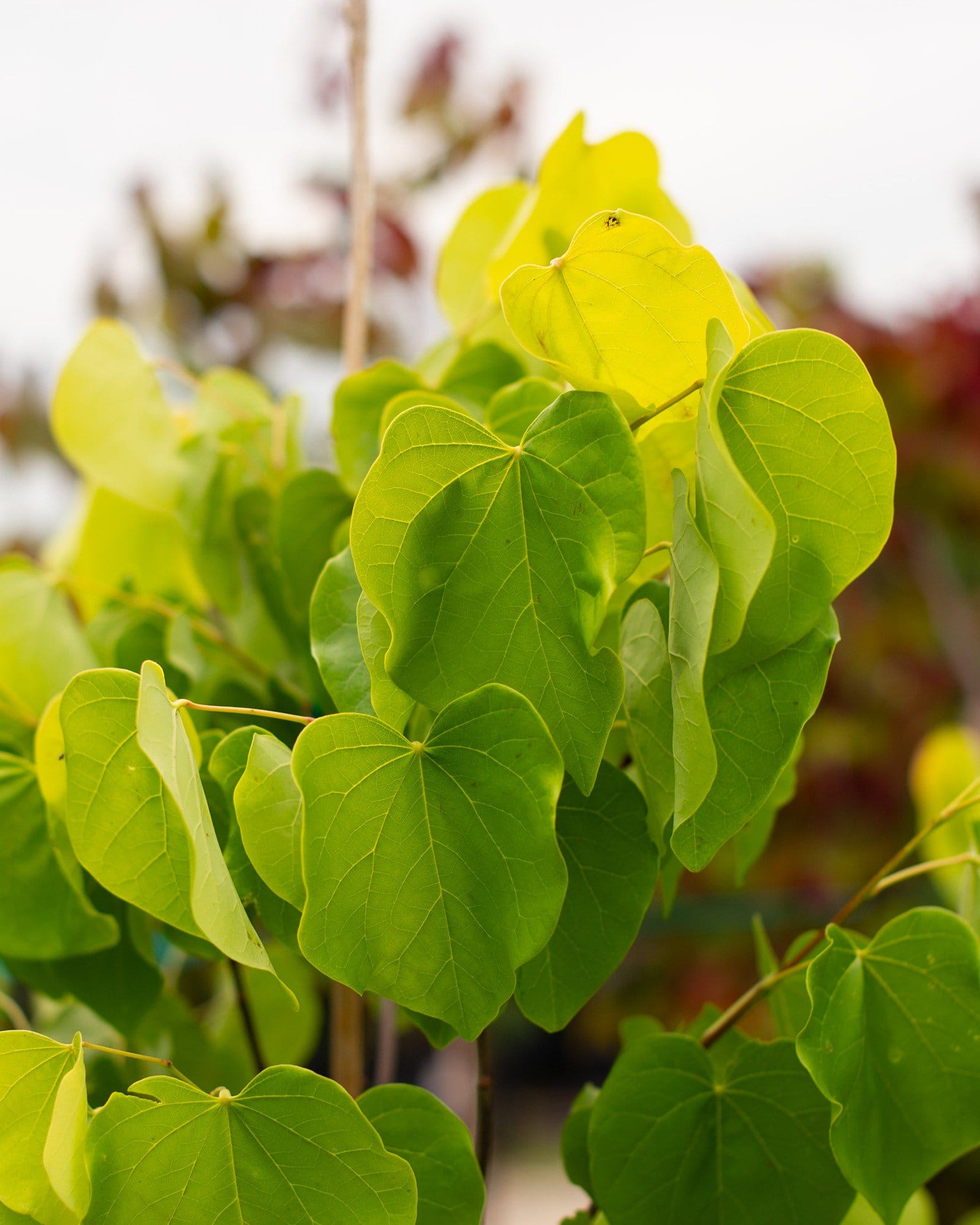
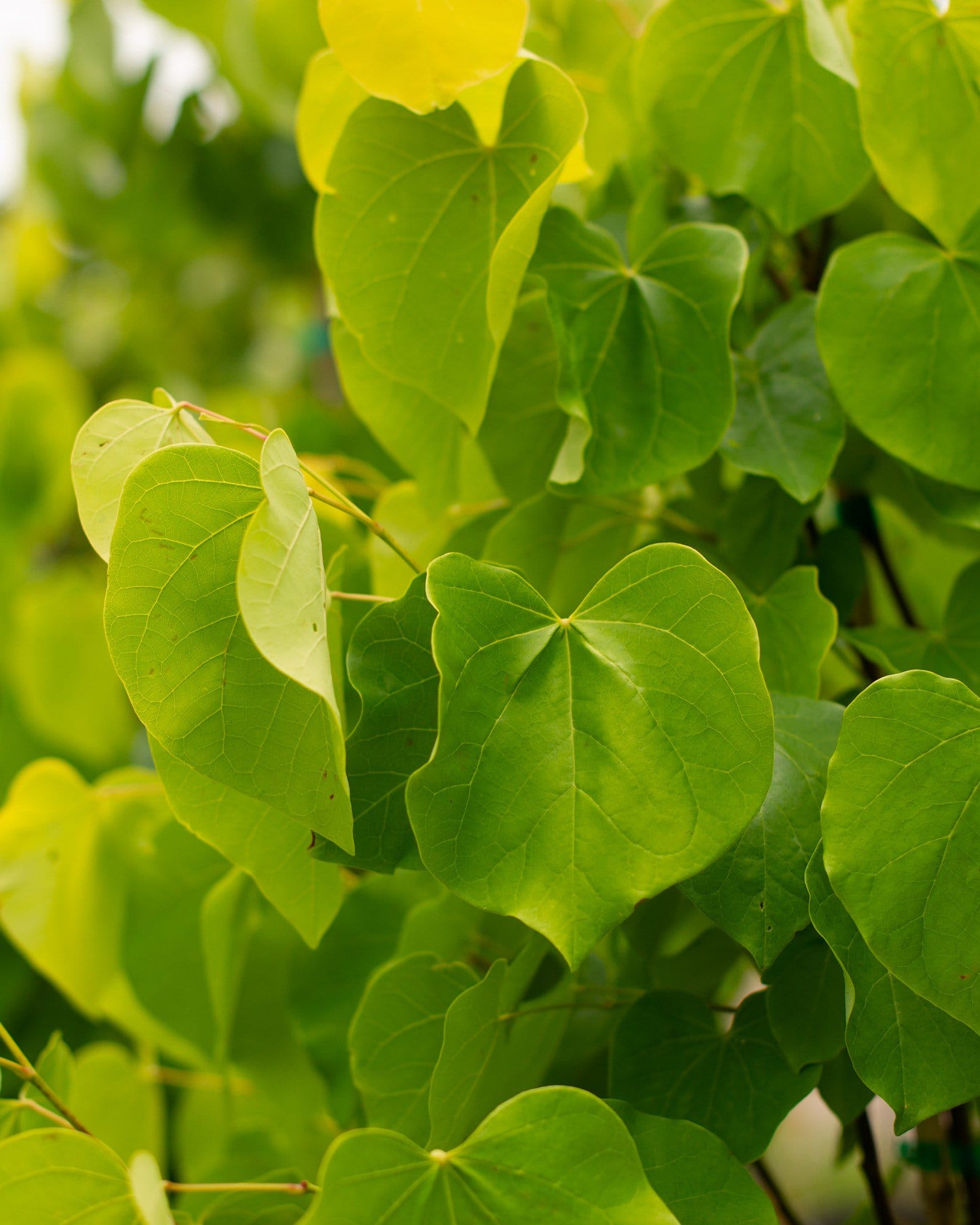
Cercis canadensis ‘Alley Cat’Alley Cat Redbud delivers a standout, multi-season presence with its vivid spring flowers and bold foliage. In early spring, clusters of rosy-pink blooms create a dramatic display before leaves emerge. As the season progresses, heart-shaped leaves unfurl in a distinctive pattern of green splashed with white and cream, ensuring continued visual interest throughout summer. In autumn, foliage shifts to shades of golden yellow, extending the tree’s appeal well into the fall season. It reaches 15 to 20 feet in height and width at maturity.
- A deciduous ornamental tree
- Rosy-pink flowers in early spring
- Distinctive variegated foliage
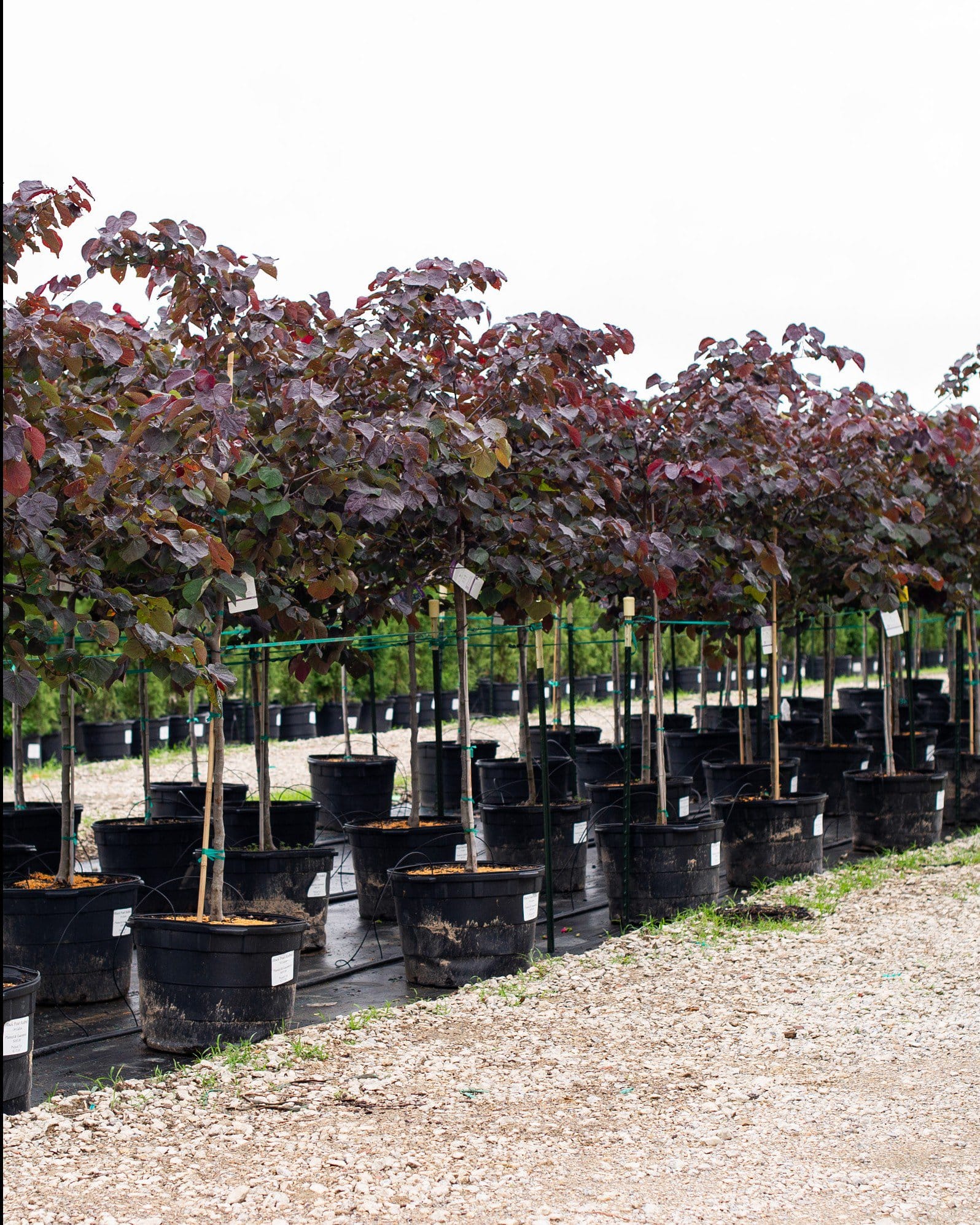
- Compact, rounded form
- Excellent for specimen use, borders, and landscapes
Alley Cat Redbud performs best in full sun to partial shade with well-drained soil. Hardy in zones 5-9, it adapts seamlessly to the North Texas climate. With year-round visual interest and reliable seasonal color, this redbud offers enduring value in any landscape design.
Alley Cat Redbud brings a fresh, luminous presence to the landscape while requiring only modest care once established. Here’s what it needs to grow beautifully:
- Watering: Provide deep, steady watering during the first several years to develop a resilient root system. Once mature, Alley Cat handles dry periods well, though balanced moisture helps maintain leaf vibrancy and bloom production.
- Pruning: Prune in late winter to remove crossing, damaged, or crowded branches to keep the canopy open and healthy. This cultivar naturally forms a rounded, appealing shape, so only light structural work is typically required.
- Fertilizing: Apply a slow-release, balanced fertilizer in early spring to support strong new growth and consistent variegation. Incorporating compost improves soil texture and overall vigor.
- Mulching: A 2-3 inch mulch layer helps conserve moisture, steady soil temperature, and protect shallow roots. Keep mulch pulled slightly away from the trunk to prevent bark issues, and refresh annually.
- Winter Care: Alley Cat is reliably hardy and typically withstands winter conditions without issue. Young trees may benefit from light wind protection in their first year, and any winter dieback should be pruned before spring growth begins.
Alley Cat is an adaptable cultivar, but may encounter a few manageable issues:
- Leaf Spot: Irregular leaf blotches may form in humid conditions. Removing affected leaves and improving airflow helps prevent recurrence.
- Canker: Sunken or cracked bark lesions indicate canker infection. Prune out damaged branches promptly and minimize stress to support recovery.
- Aphids: Sticky residue and curled foliage suggest aphid feeding. Rinse with water or apply insecticidal soap to restore healthy growth.
- Scale Insects: Waxy bumps or honeydew on stems indicate scale presence. Dormant-season horticultural oil helps break their life cycle.
- Verticillium Wilt: Sudden wilting or branch decline may occur in infected soil. Improve drainage and remove infected limbs to slow progression.
- Leaf Scorch: Browning leaf edges may appear during drought. Mulching and regular moisture help preserve the variegated foliage.
- Twig Dieback: Browning tips can follow harsh winters. Prune back to healthy wood in late winter to encourage new growth.
Alley Cat generally lives 20-35 years when provided with well-drained soil and seasonal care. Its strong vigor and adaptable nature help it remain a reliable ornamental feature for decades.
It grows at a moderate rate of about 1-2 feet per year. Its rounded canopy and bold variegation usually reach full expression within 5-7 years.
Yes - its early pink blooms offer nectar to bees and other spring pollinators. The branching structure provides light seasonal cover for small birds and garden insects.
Its thicker foliage is moderately unappealing to browsing animals, though young trees may need limited protection during establishment. Once matured, damage is typically minimal.
Its striking white-and-green variegated foliage makes it especially effective in modern gardens, cottage-style landscapes, woodland edges, and foundation plantings. It brightens shaded areas and adds dramatic contrast in sunlit settings.
Hostas, hydrangeas, ferns, loropetalums, evergreen shrubs, Japanese forest grass, and dark-leaved perennials contrast beautifully with its variegated foliage. These combinations provide depth and seasonal richness.
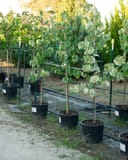
Yes - young Alley Cat trees adapt well to large containers, making them ideal for patios or entryway accents. As roots expand, transitioning to the ground ensures long-term strength and health.
Younger trees transplant successfully when moved in late winter or early spring. With proper post-transplant watering, they reestablish quickly and resume healthy growth.
It excels as a focal specimen due to its eye-catching foliage, but it also works beautifully in small clusters or mixed borders. Groupings highlight the contrast between variegated leaves and surrounding greenery.
Its bold, naturally occurring variegation - splashed in creamy white and soft green - is unlike most redbuds. Paired with bright pink blooms and a clean rounded structure, it offers striking year-round ornamental interest.
Special Features
You might also like
Amethyst Redbud
Maturity: 8' H x 8' W
Bubble Gum Redbud
Maturity: 15' H x 12' W
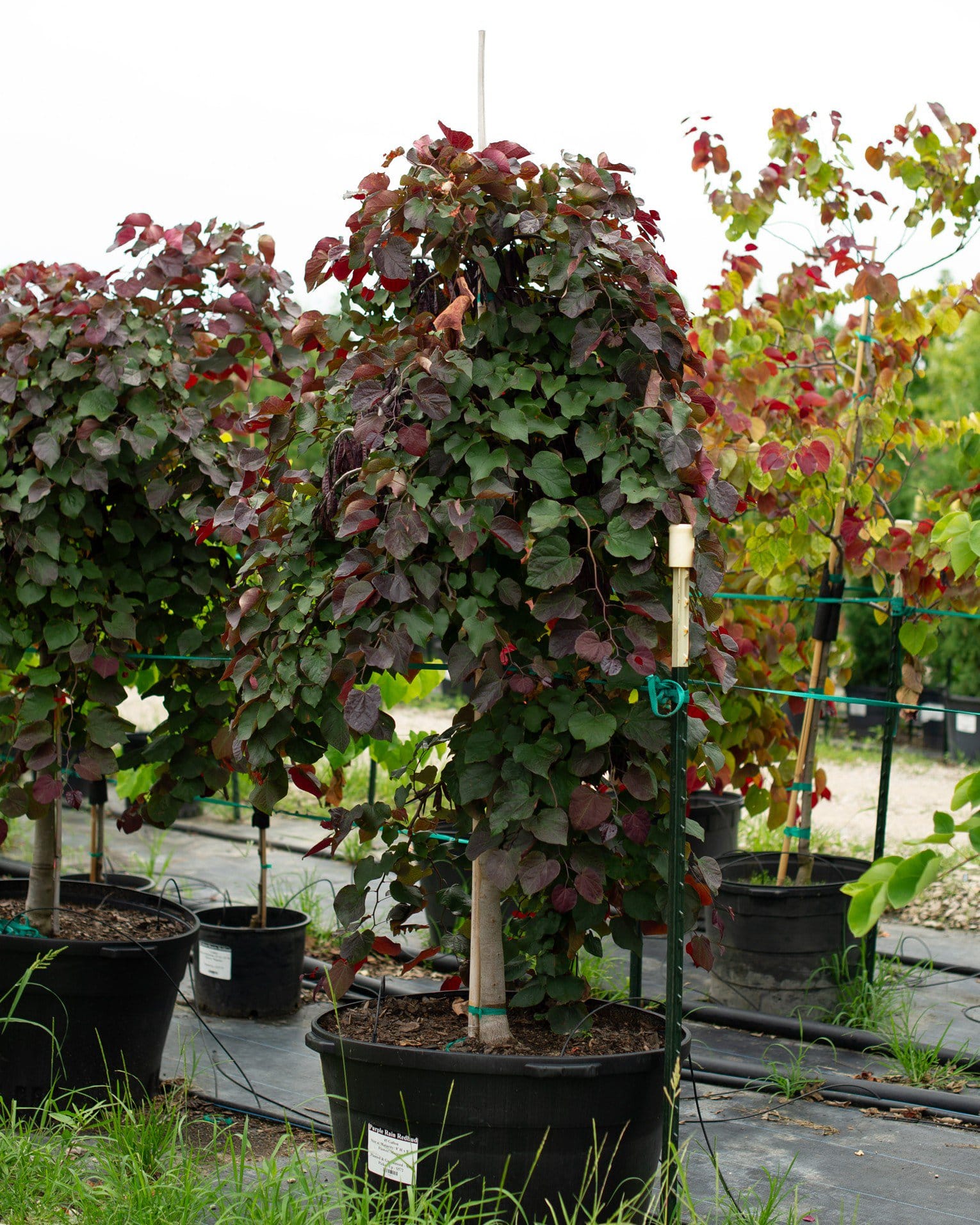
Purple Rain Weeping Redbud
Maturity: 8' H x 8' W
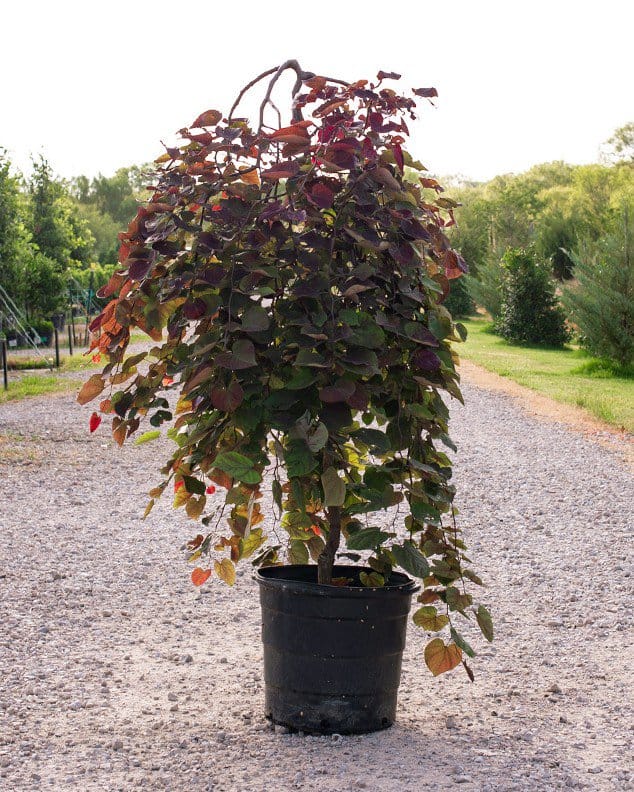
Ruby Falls Weeping Redbud
Maturity: 6' H x 10' W
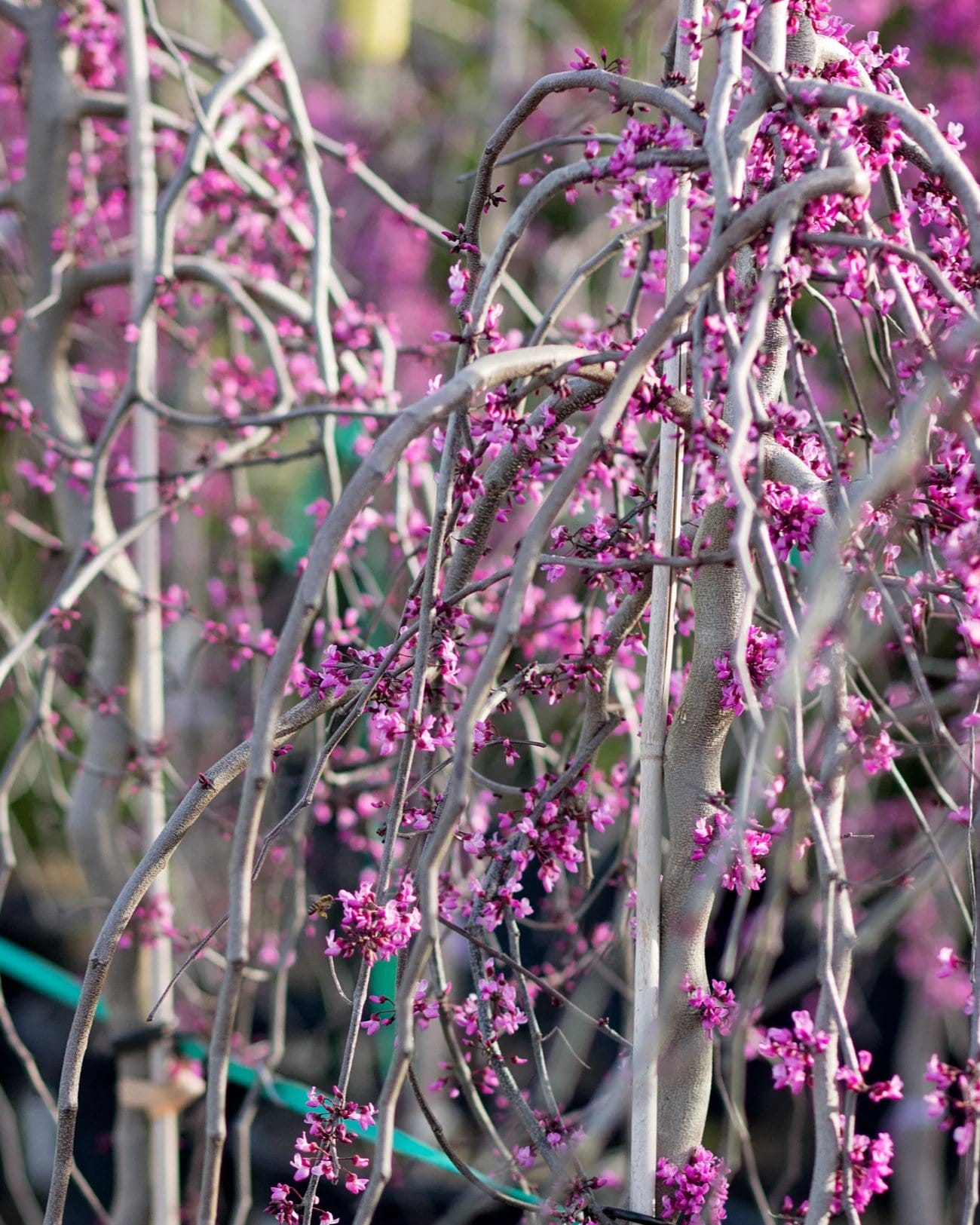
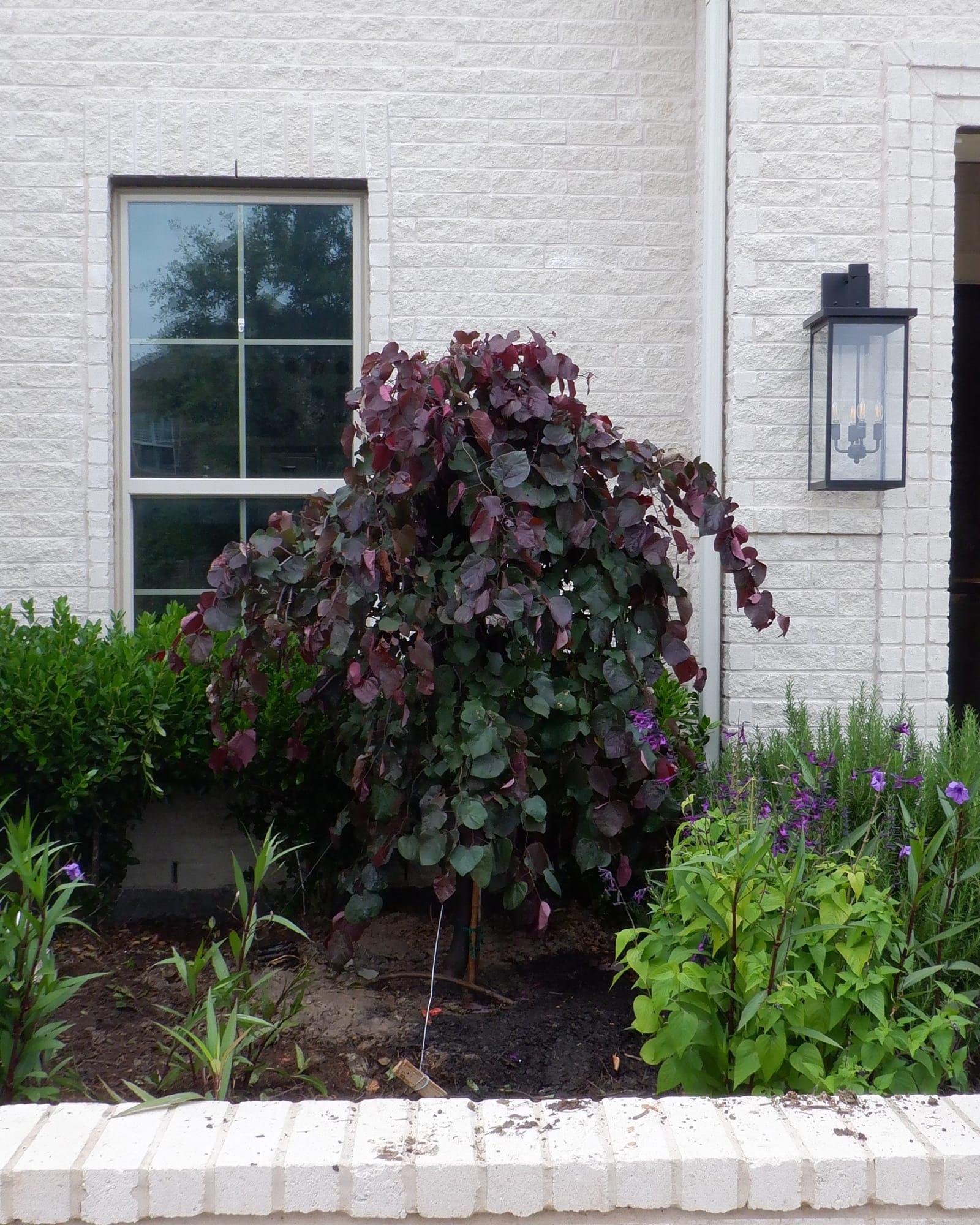
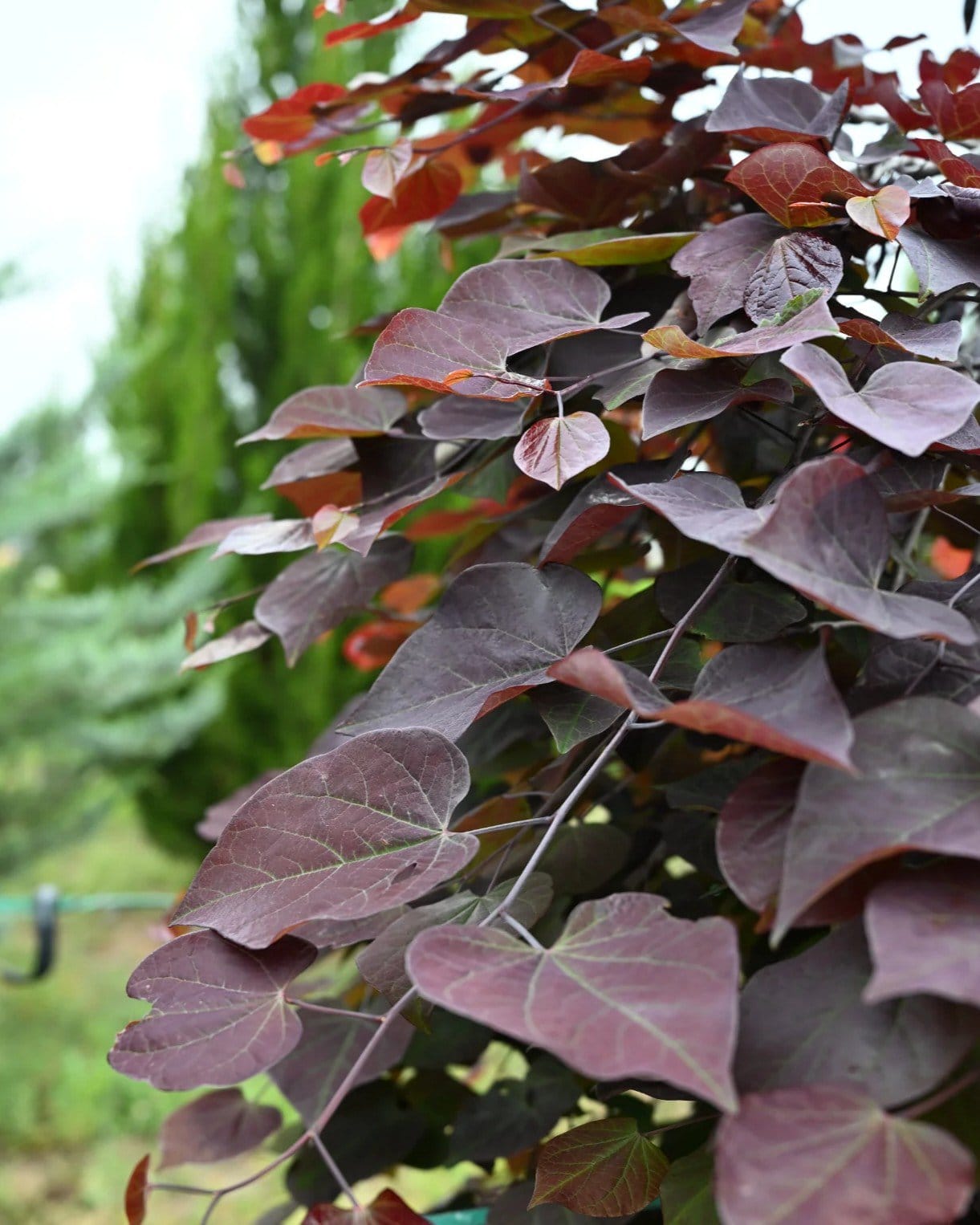
Traveller Weeping Redbud
Maturity: 5' H x 10' W
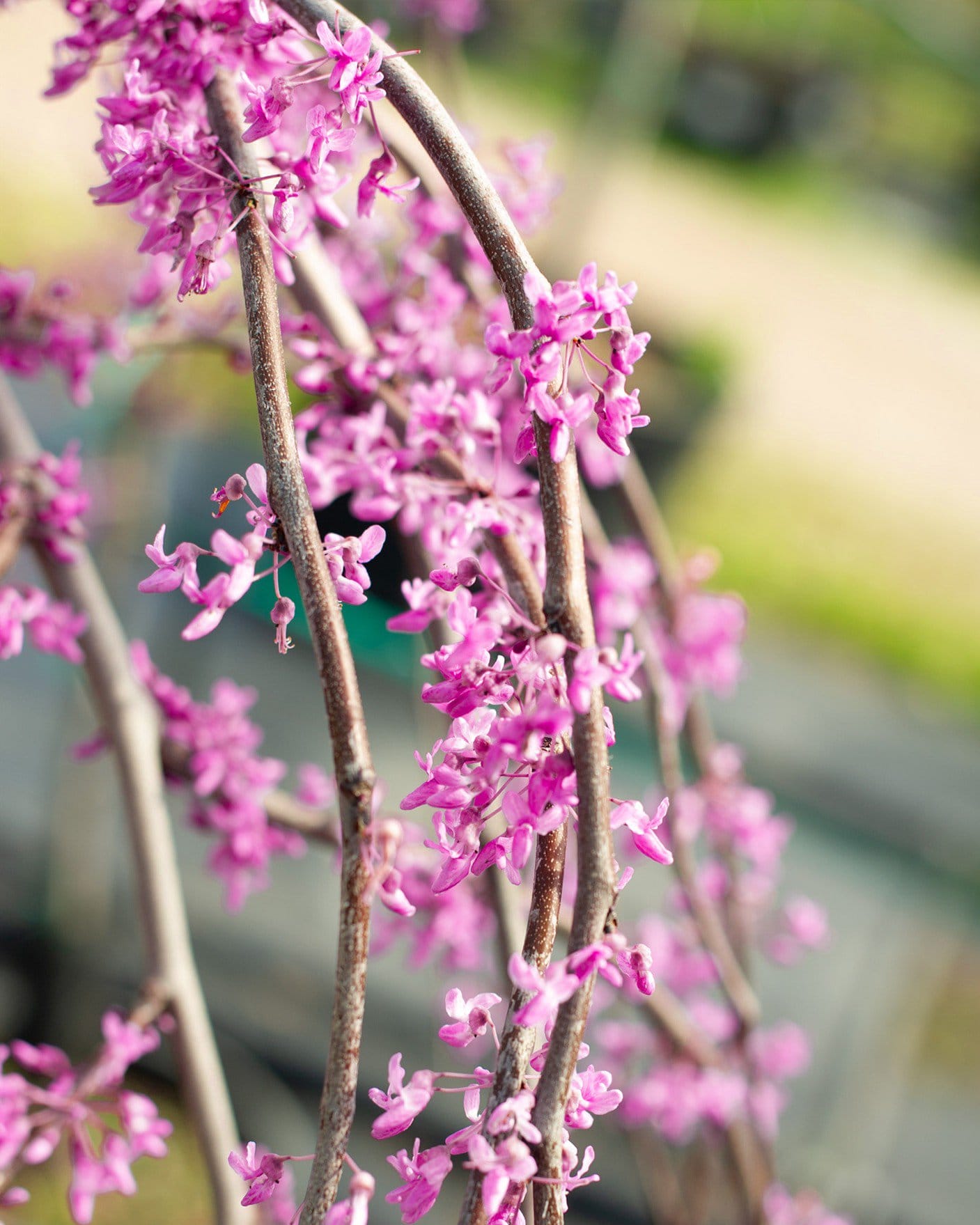
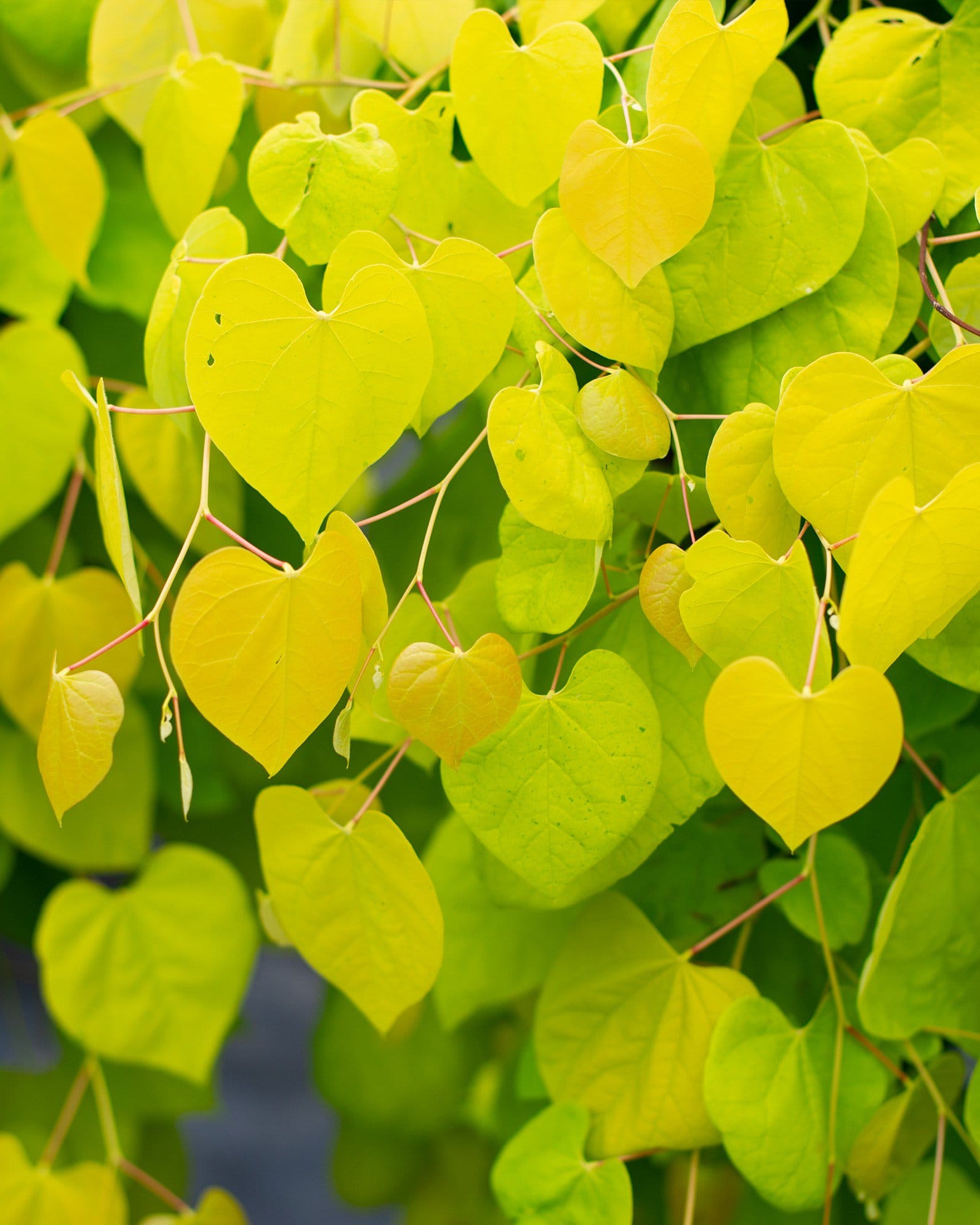
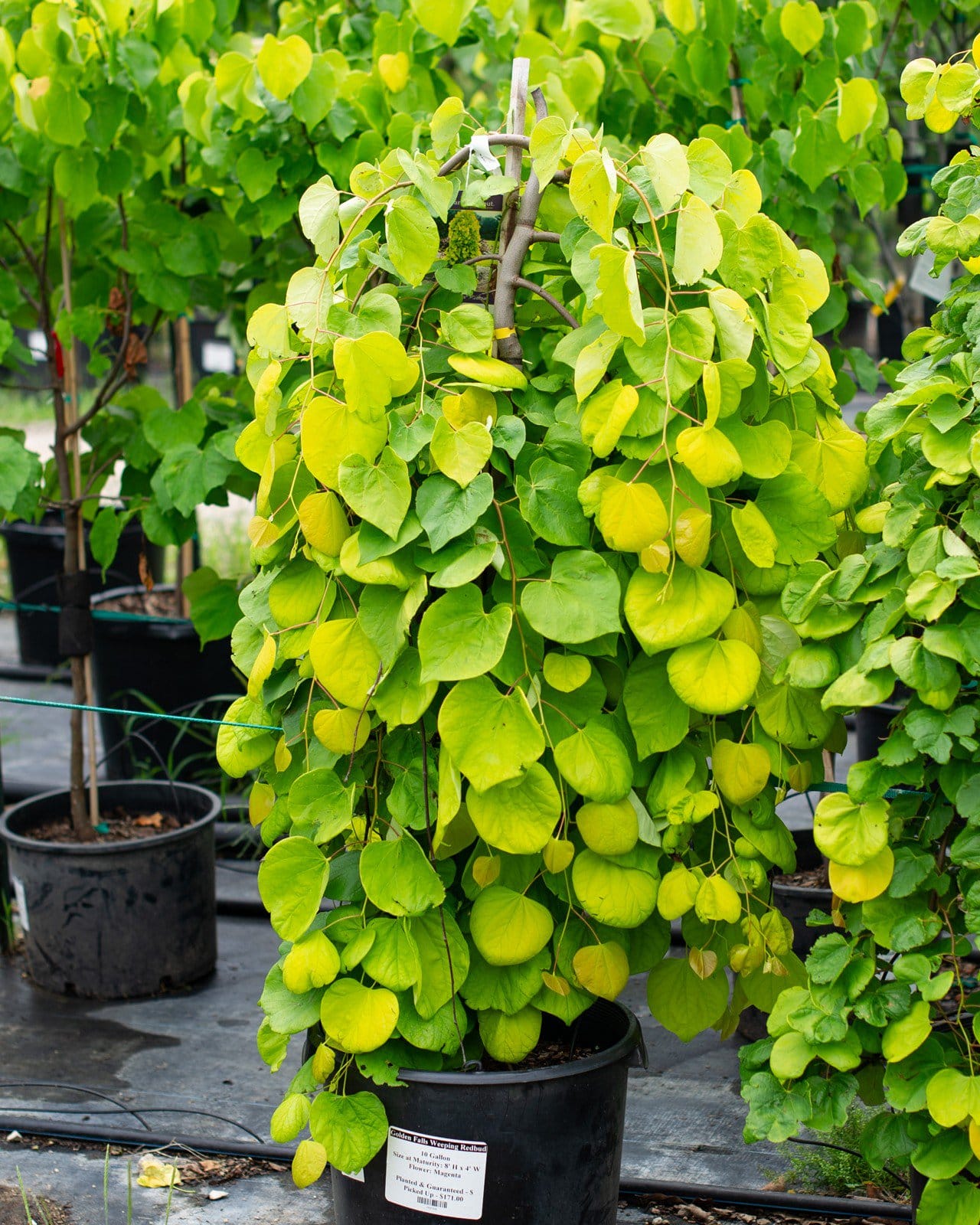
Golden Falls Weeping Redbud
Maturity: 8' H x 4' W
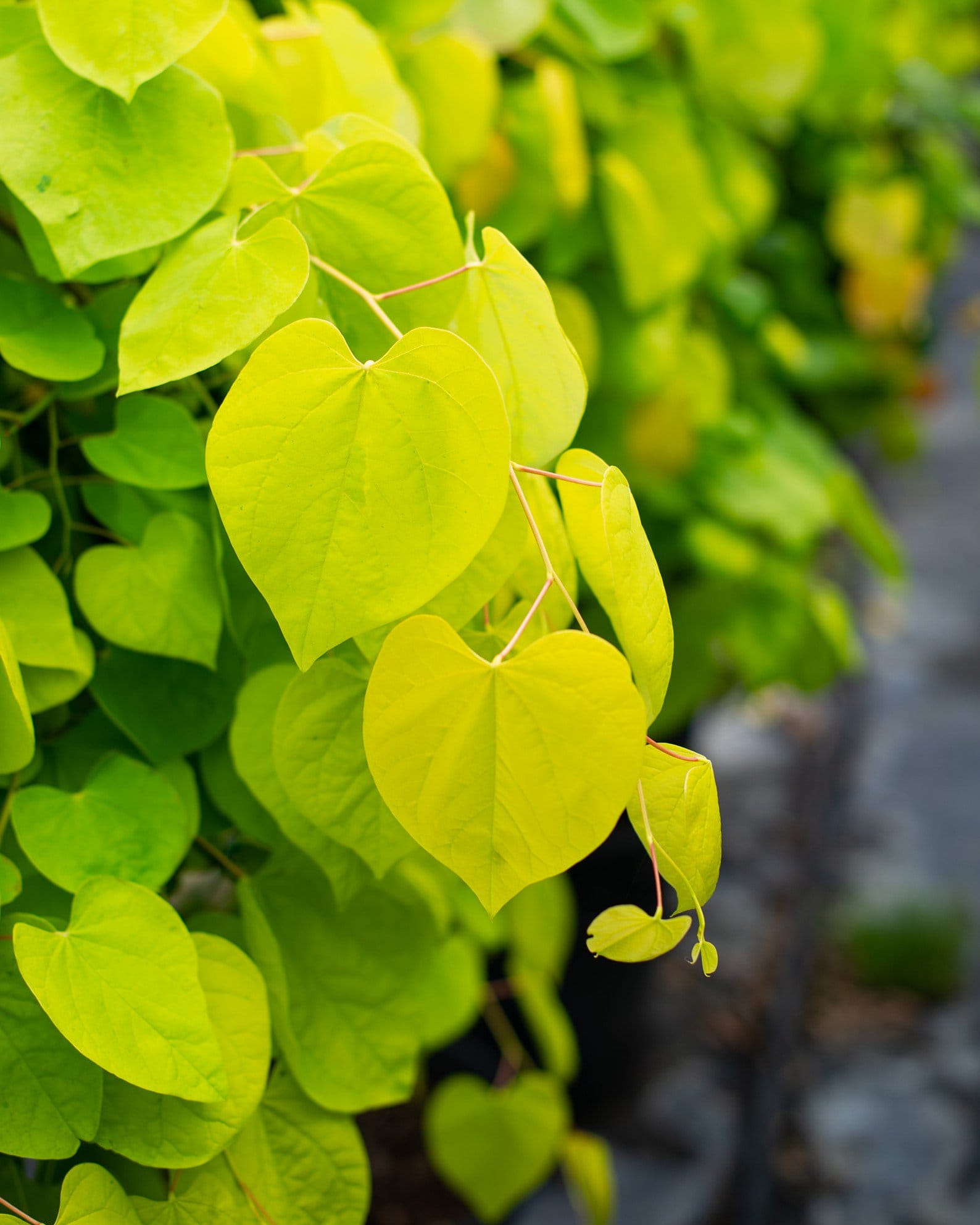
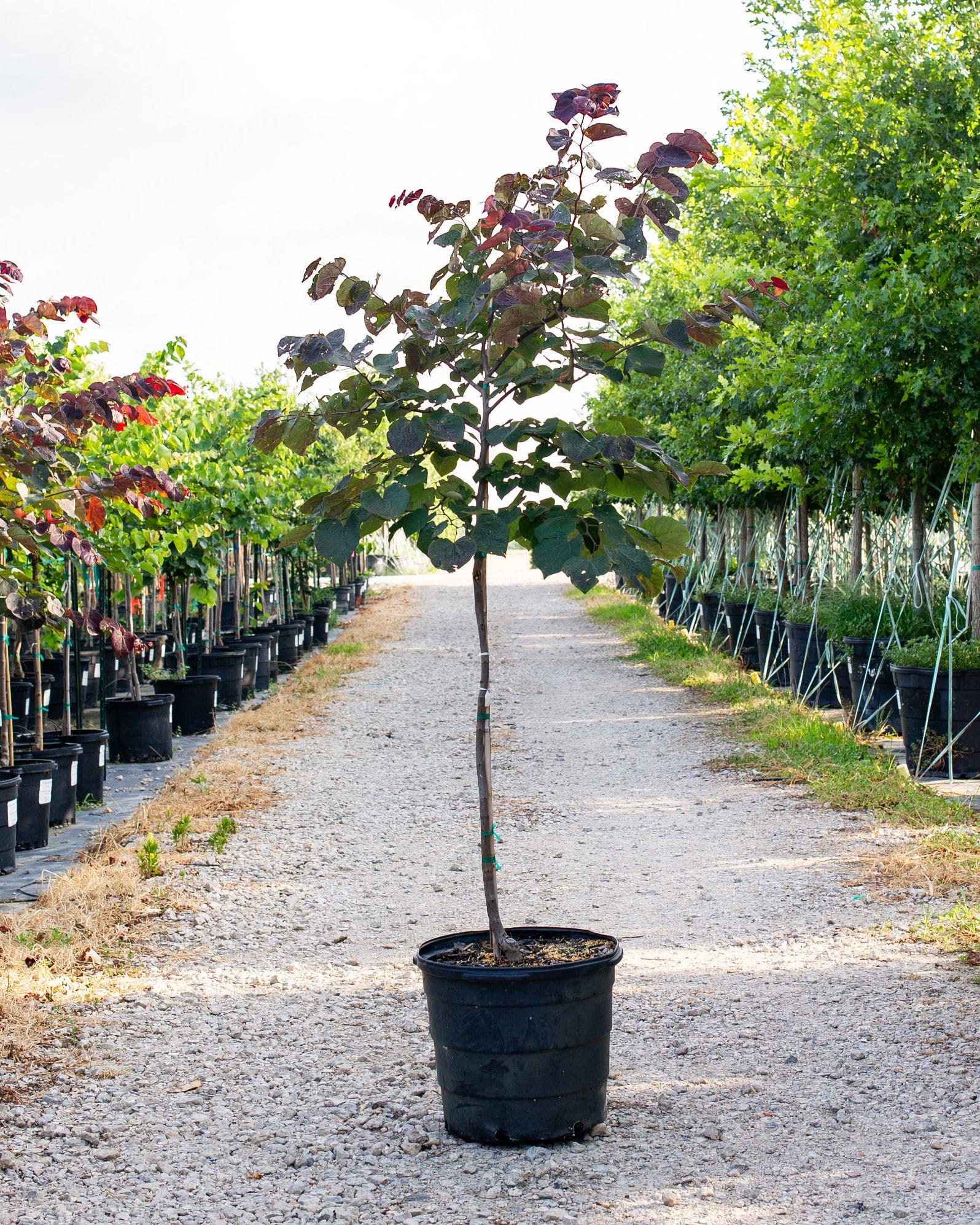
Black Pearl Redbud
Maturity: 20' H x 20' W
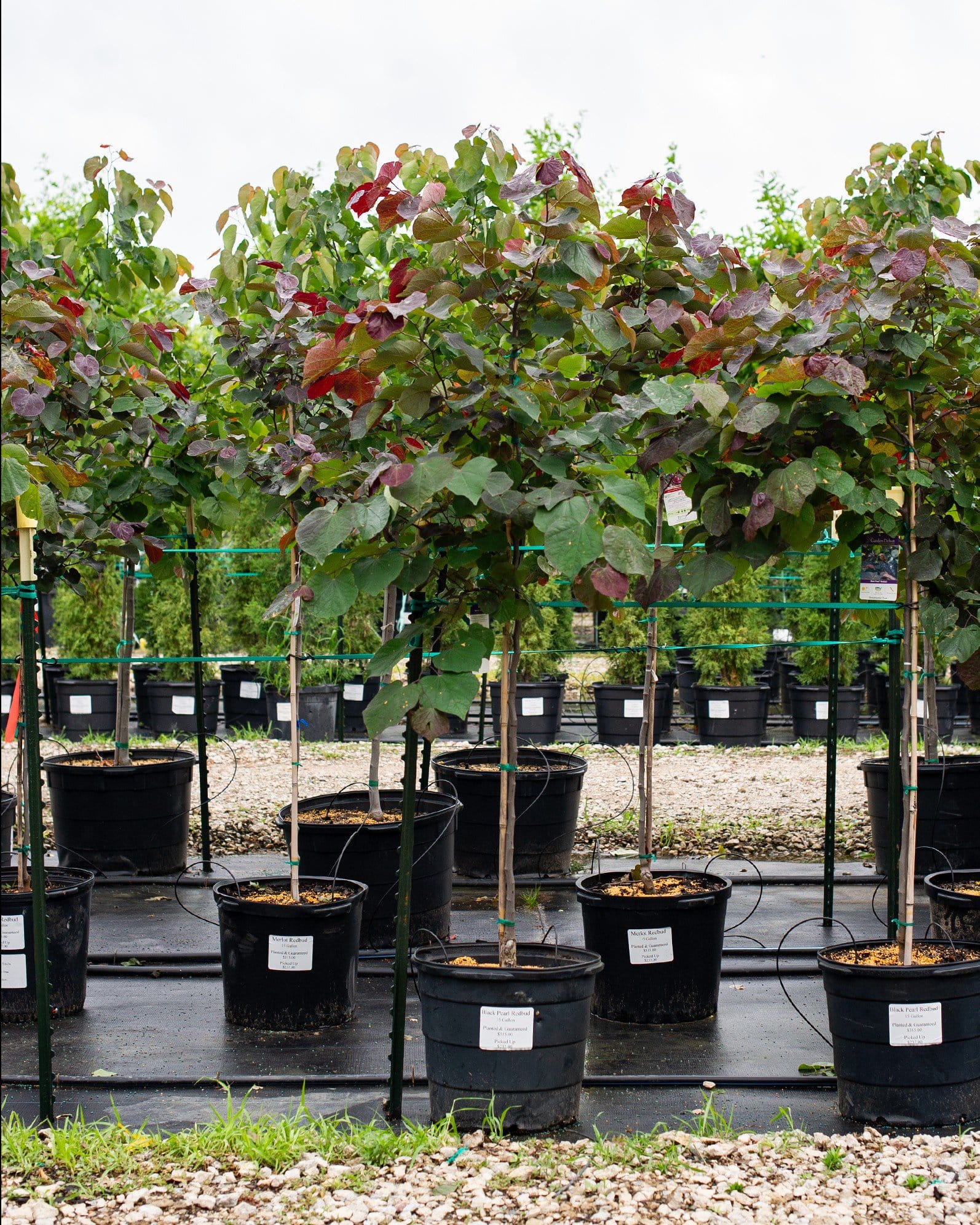
Cotton Candy Redbud
Maturity: 20' H x 15' W
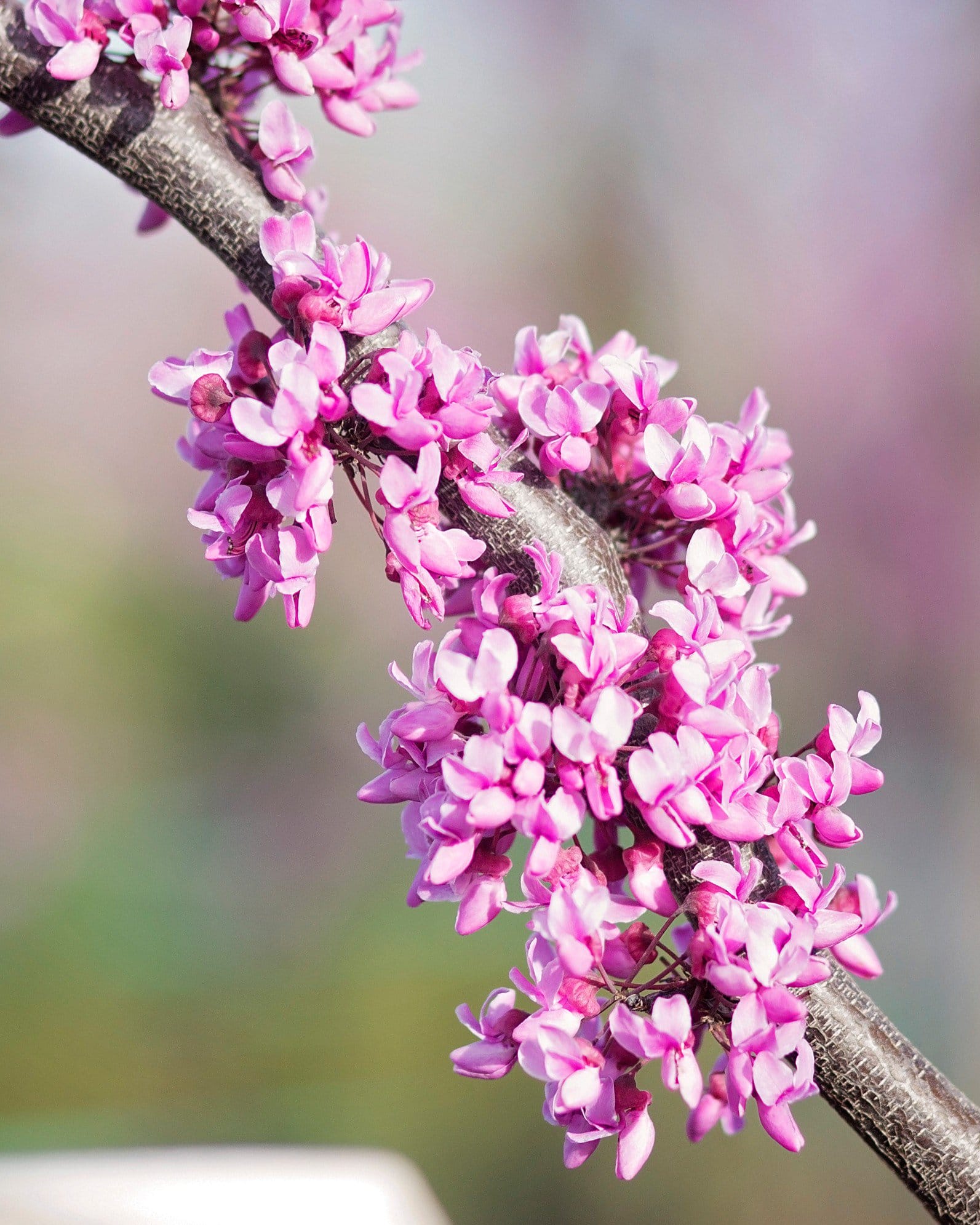
Eastern Redbud
Maturity: 20' H x 20' W
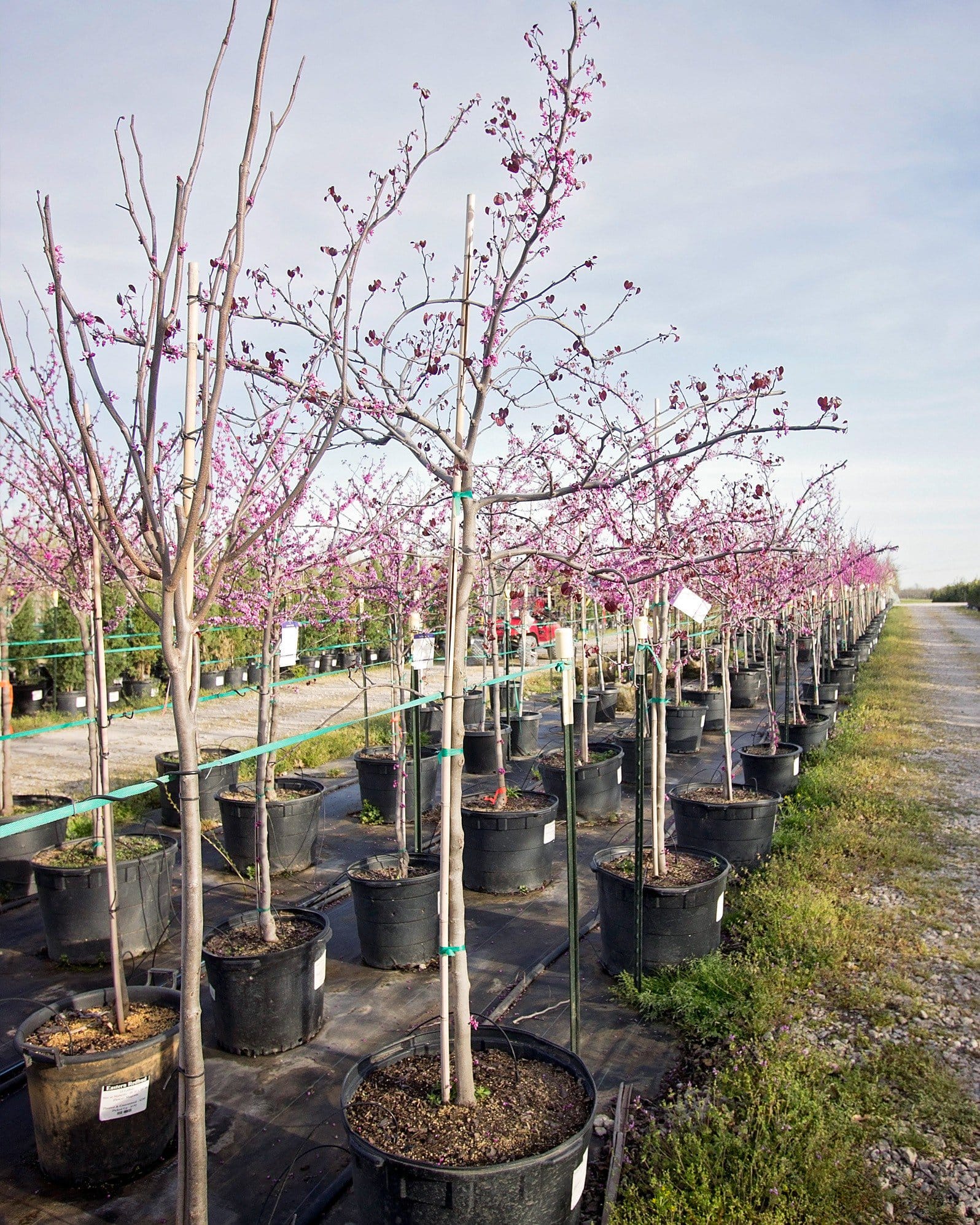
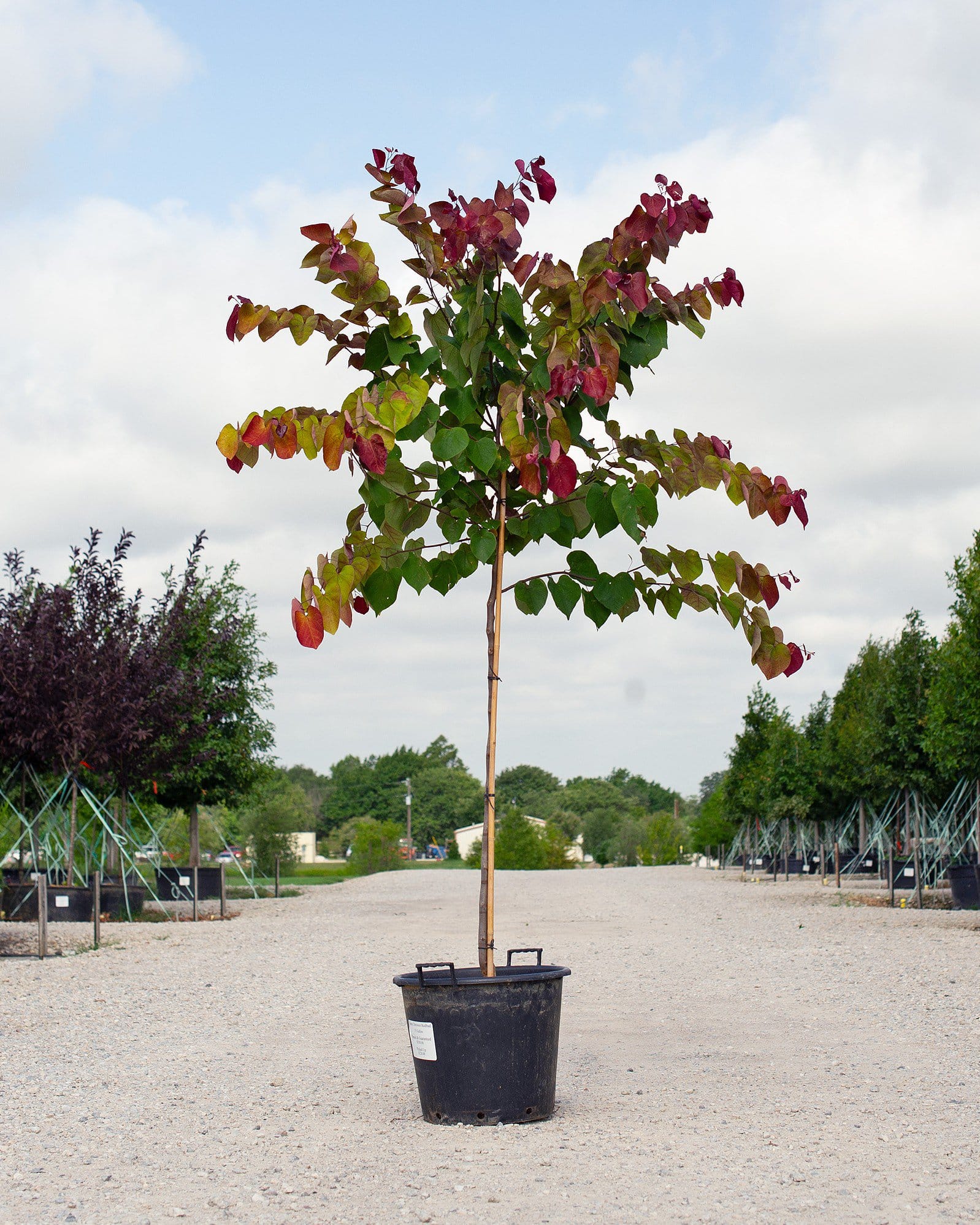
Flame Thrower Redbud
Maturity: 15' H x 15' W
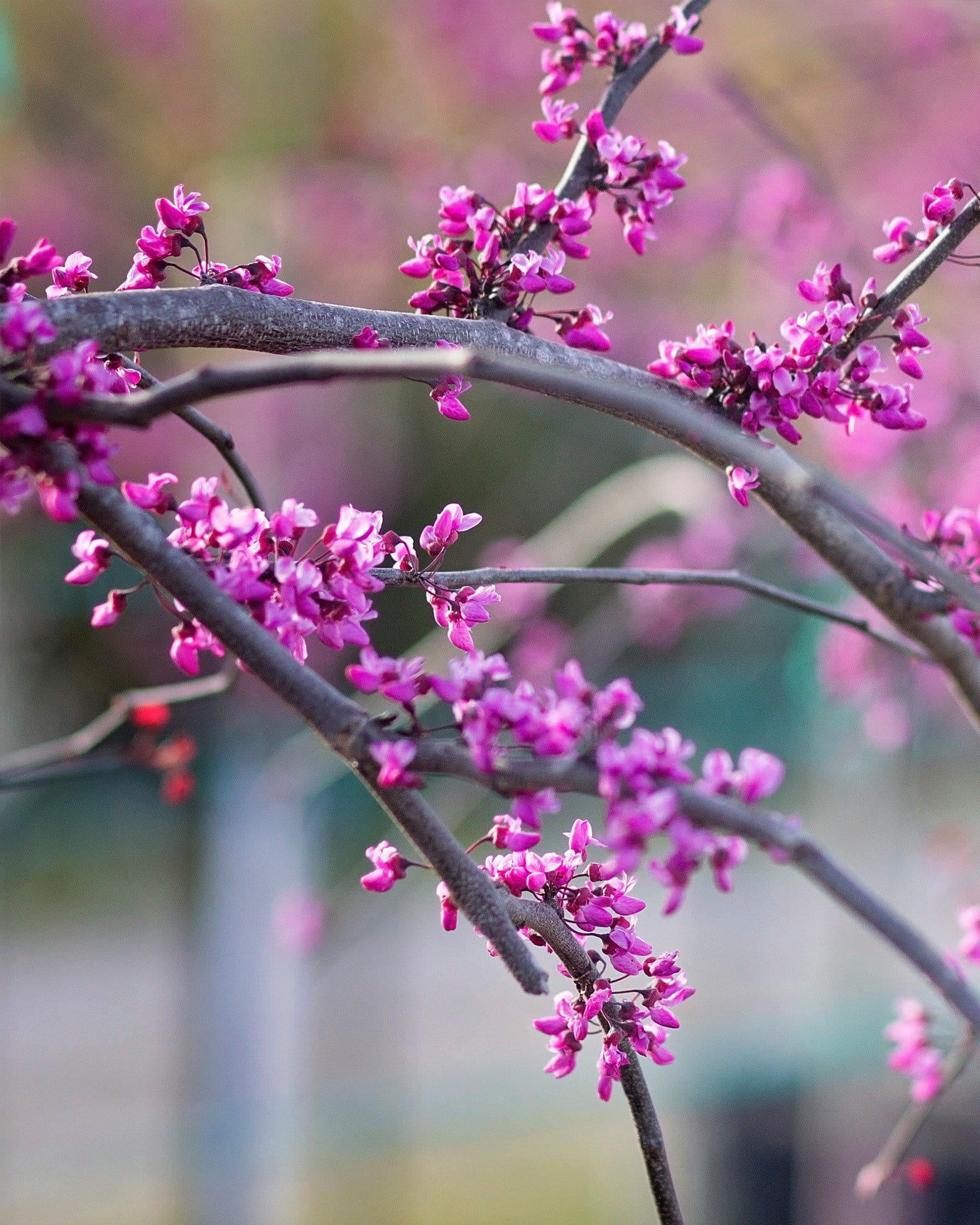
Gilded Hearts Redbud
Maturity: 15' H x 15' W
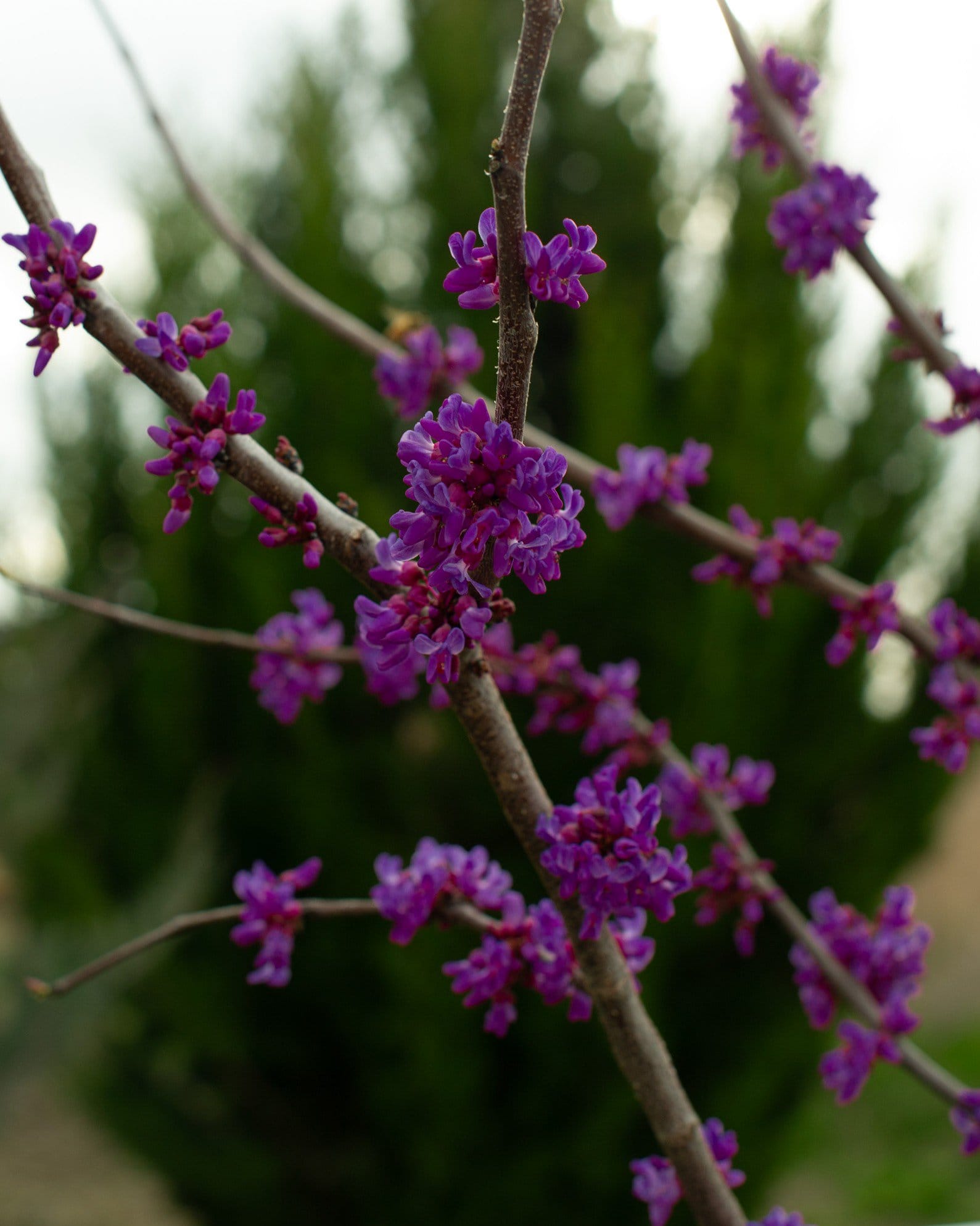
Luscious Lavender Redbud
Maturity: 15' H x 15' W
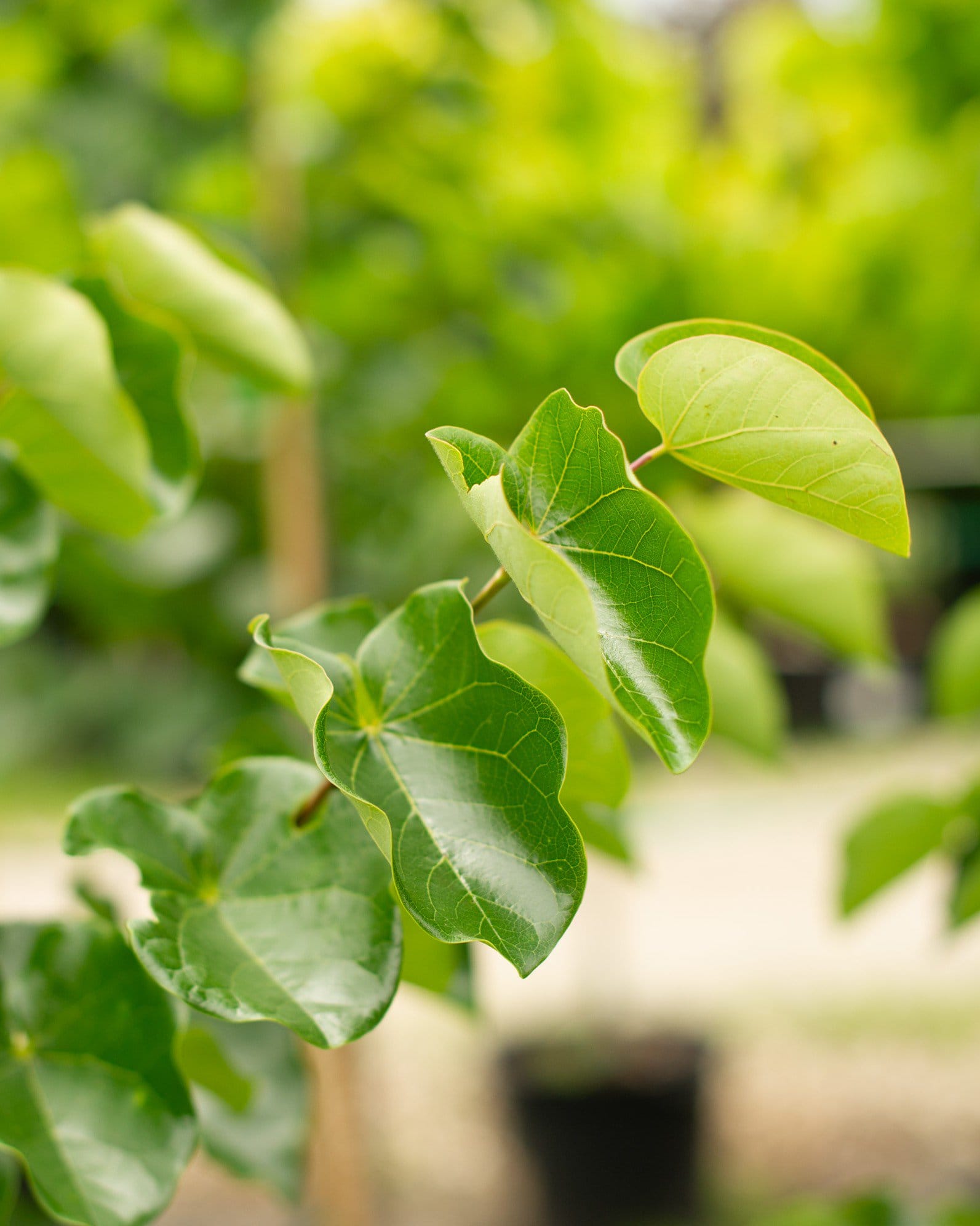
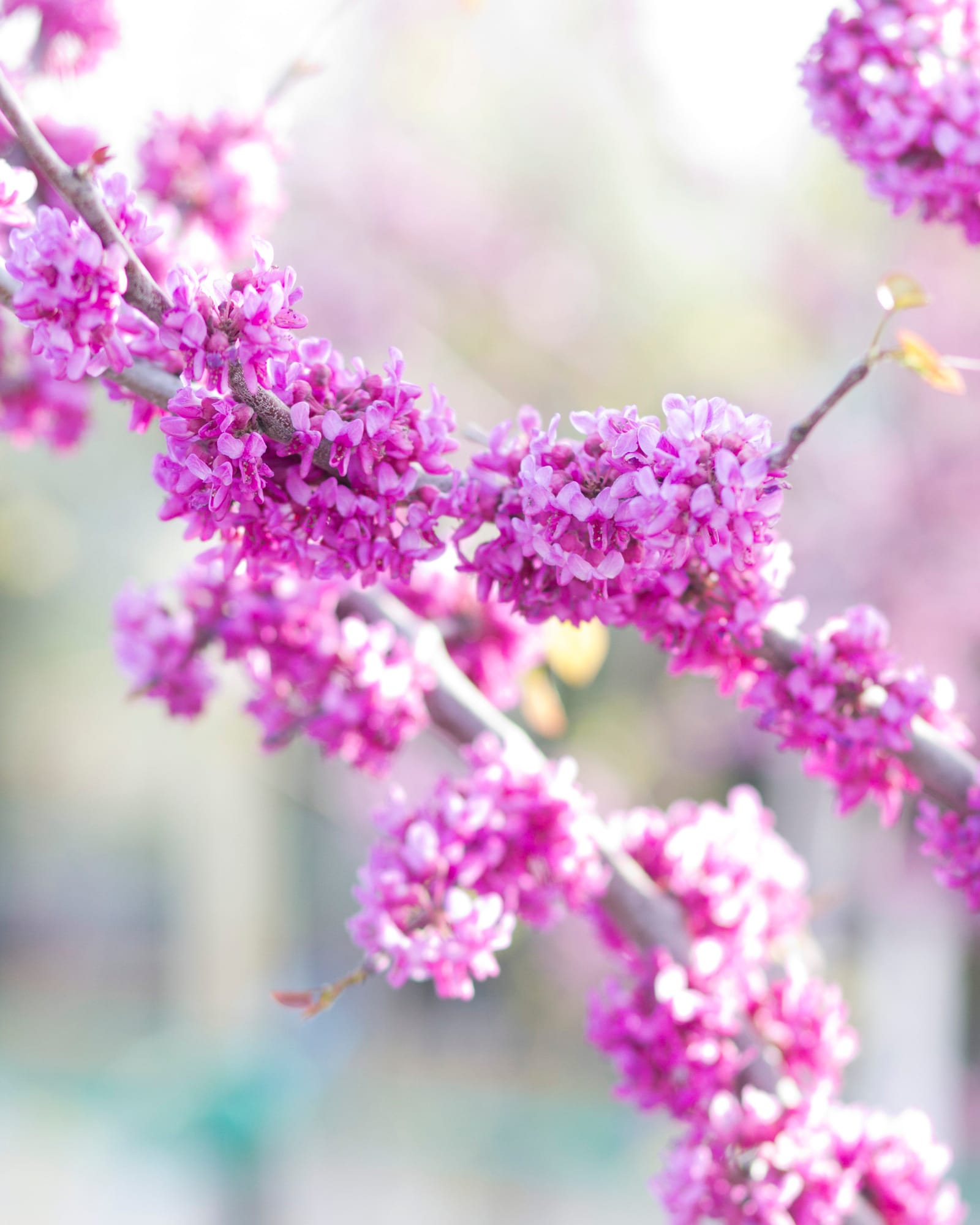
Merlot Redbud
Maturity: 15' H x 15' W
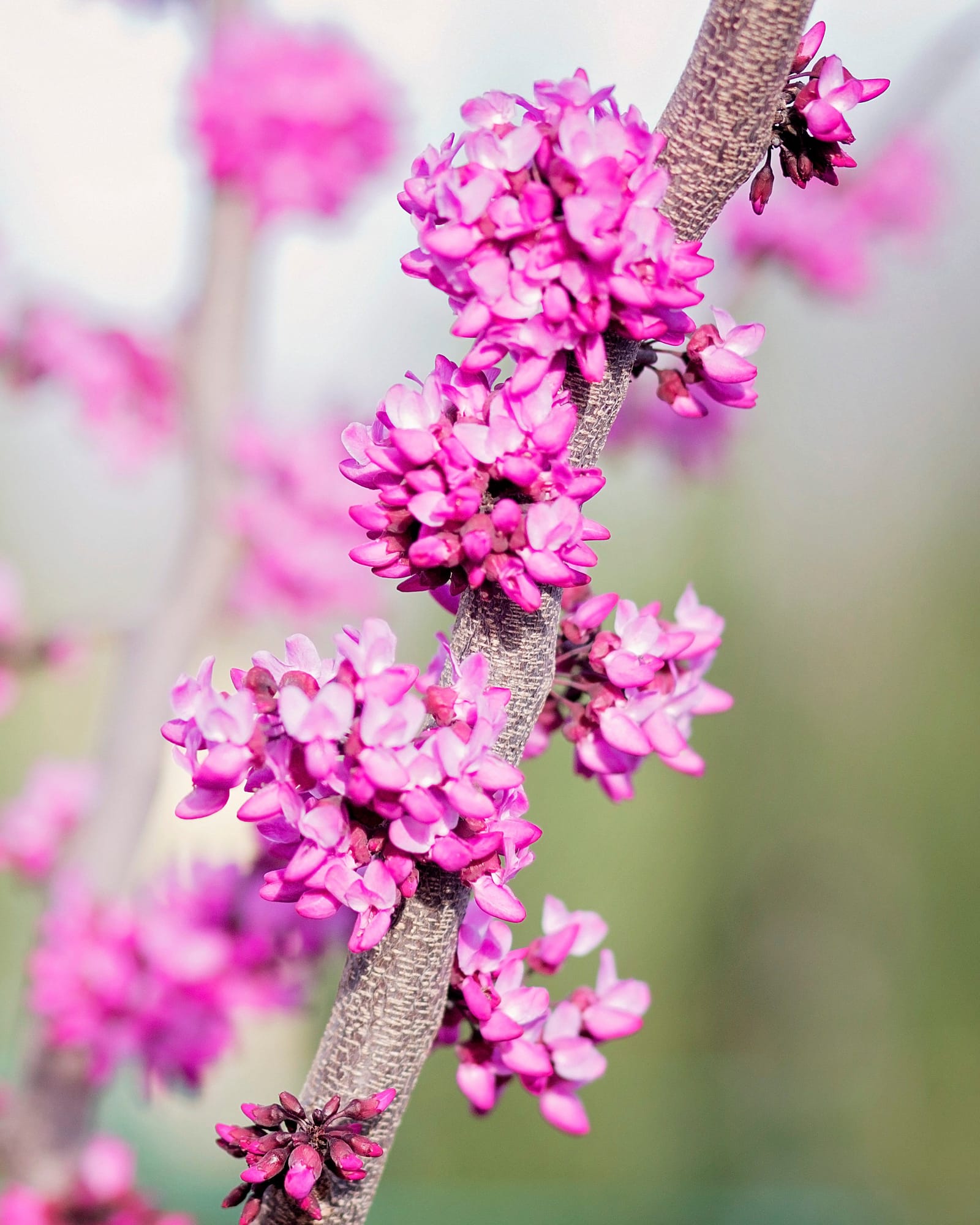
Oklahoma Sparkler Redbud
Maturity: 15' H x 15' W
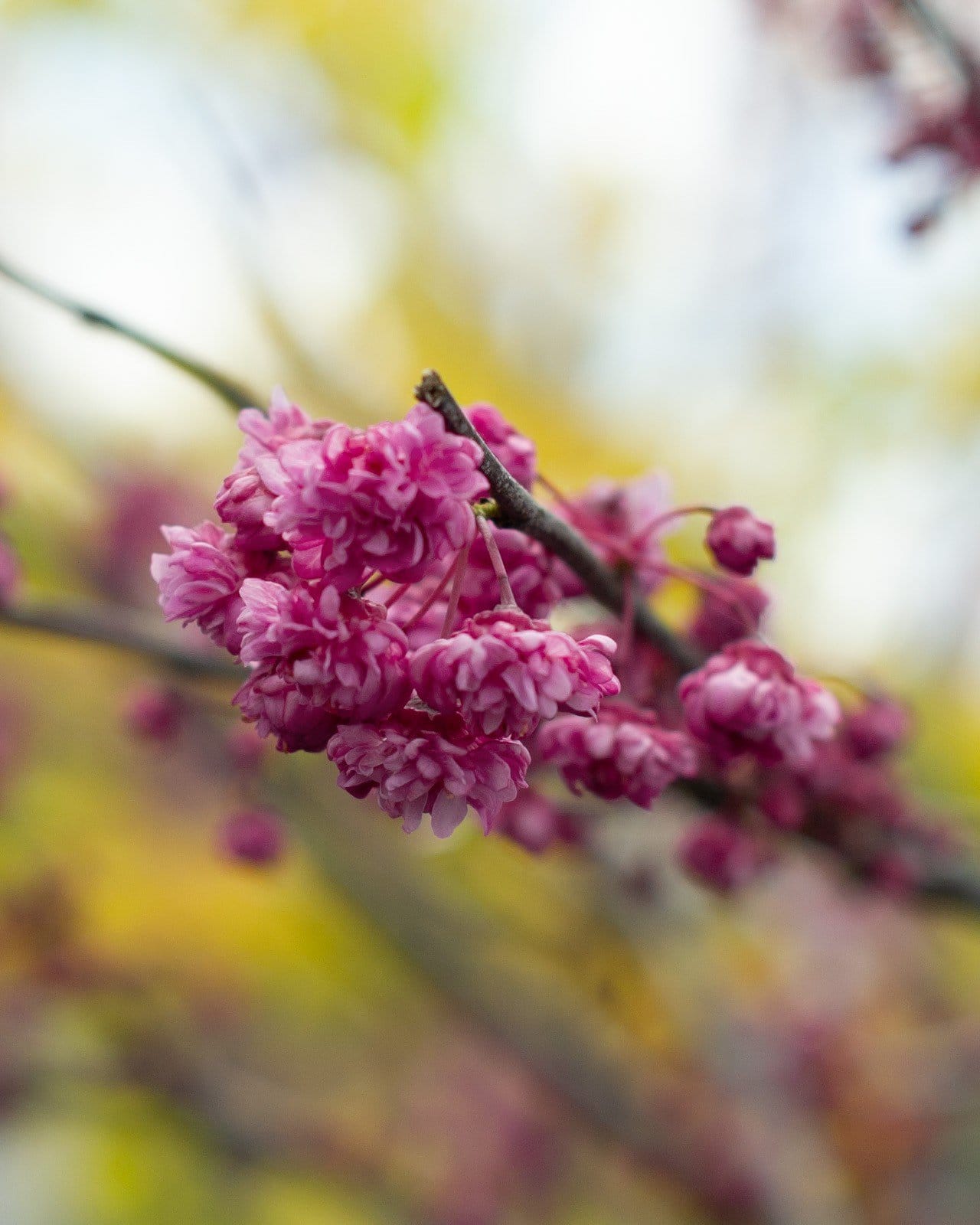
Pink Pom Poms Redbud
Maturity: 15' H x 15' W
Compare Similar Plants
Alley Cat Redbud This plant | ||
|---|---|---|
| Scientific Name | Cercis canadensis ‘Alley Cat’ | Cercis canadensis 'NC2017-6' |
| Size at Maturity | 15' H x 15' W | 8' H x 8' W |
| Leaf Retention | Deciduous | Deciduous |
| Fall Color | Yellow | Yellow |
| Flower Color | Pink | Pink |
| Bloom Times | — | Spring |
| Sizes Available | 7 gal | 15 gal |


Our 1-Year Planting Guarantee
We take pride in our plants and installation services. If any plants or trees installed by Treeland fail to thrive within the first year, we'll provide a replacement credit in accordance with our guarantee program.
Learn More About Our Guarantee