
 Texas Native
Hearts of Gold Redbud
Cercis canadensis 'Hearts of Gold'Local DFW Delivery Only
Product Details
Hearts of Gold Redbud
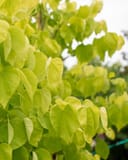
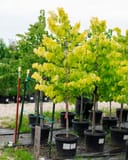
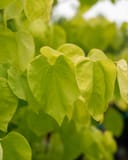
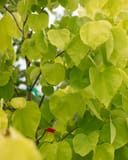
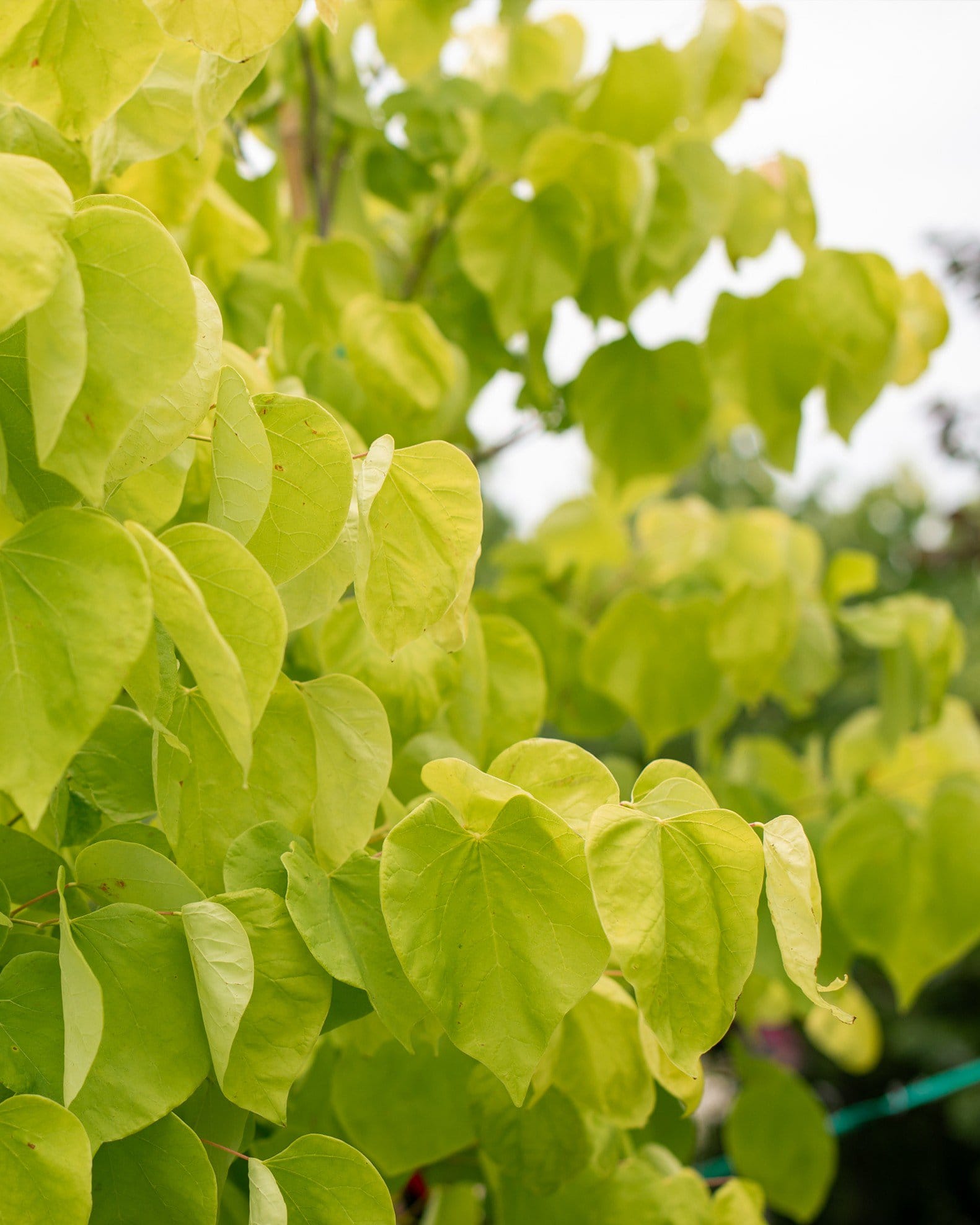
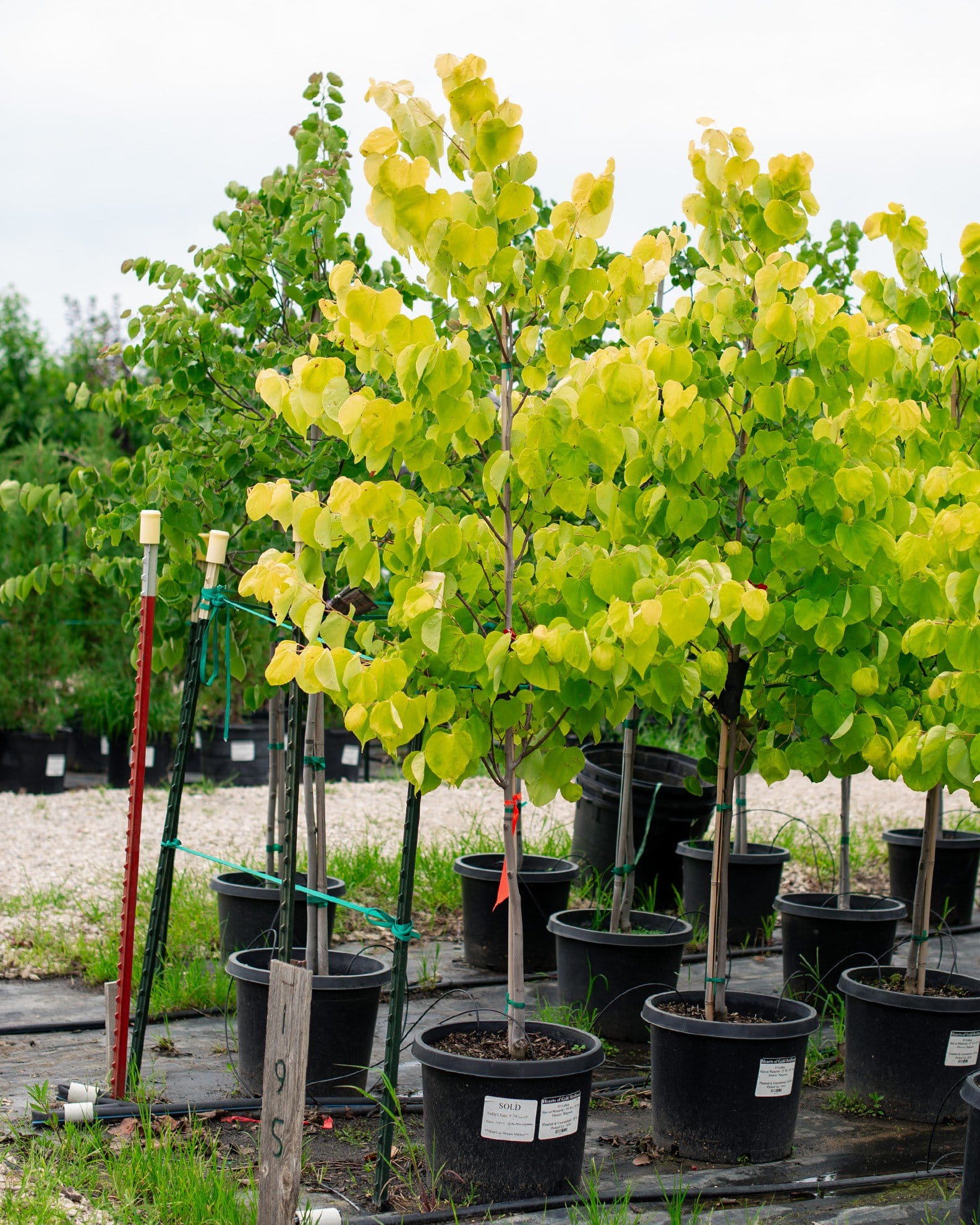
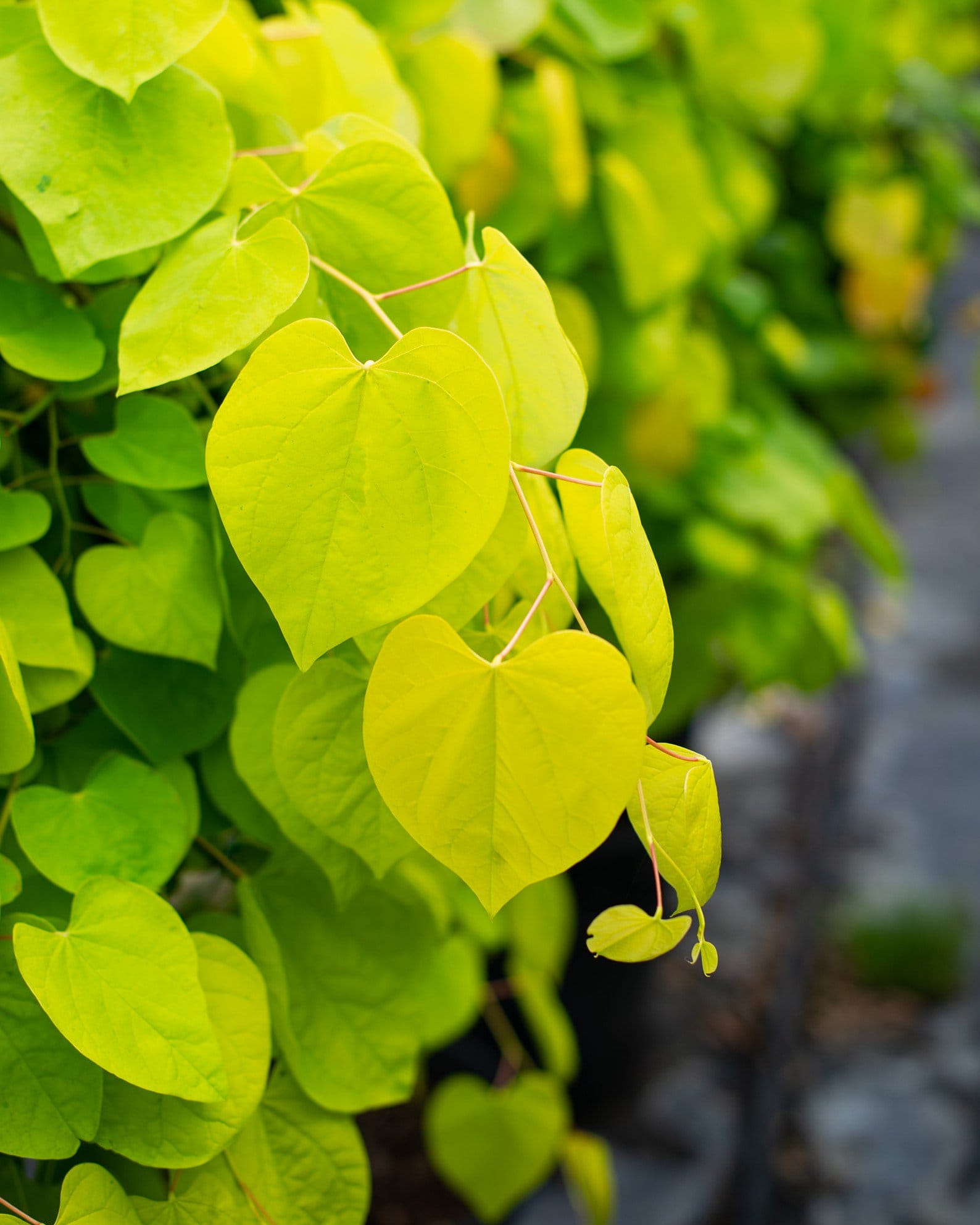
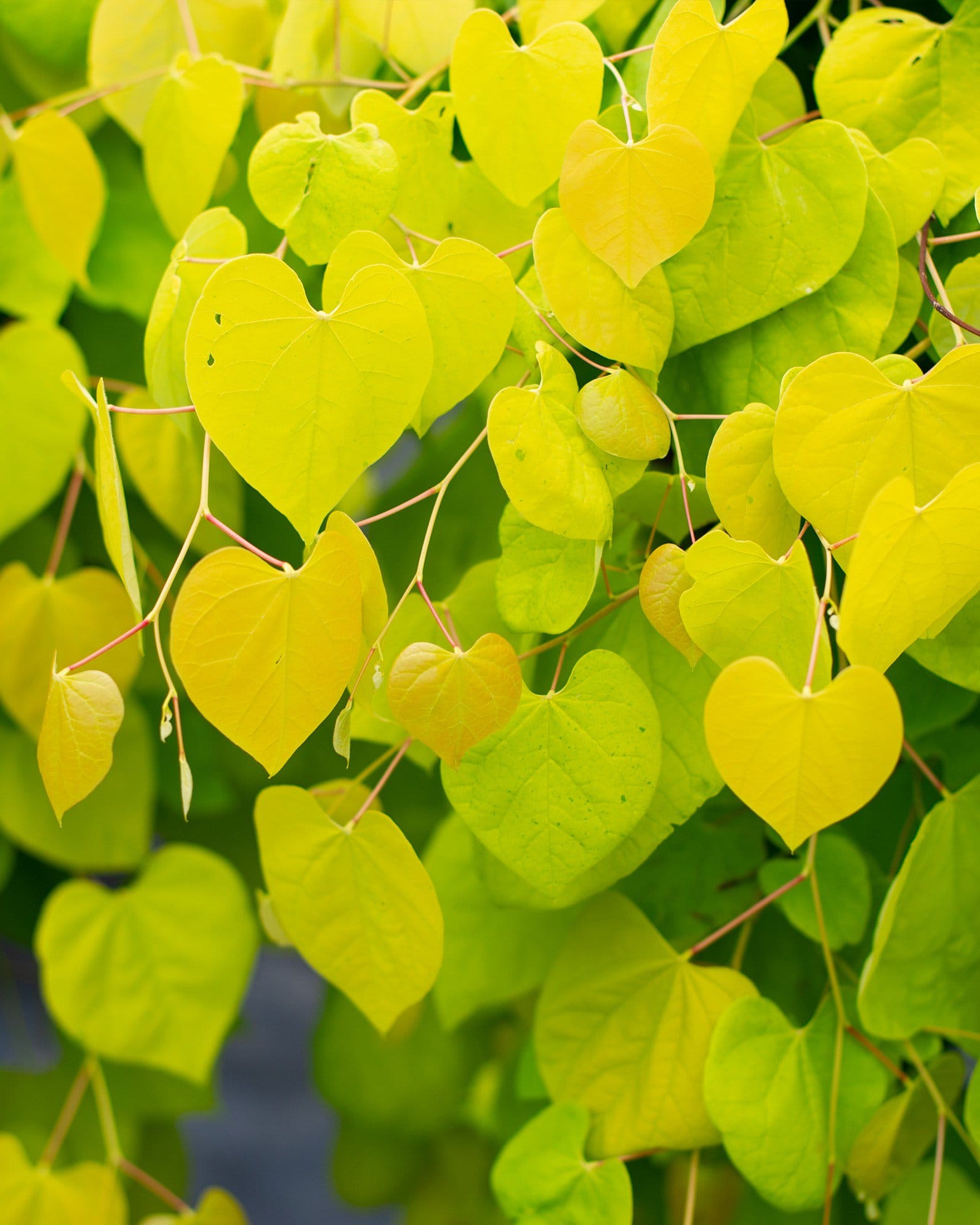
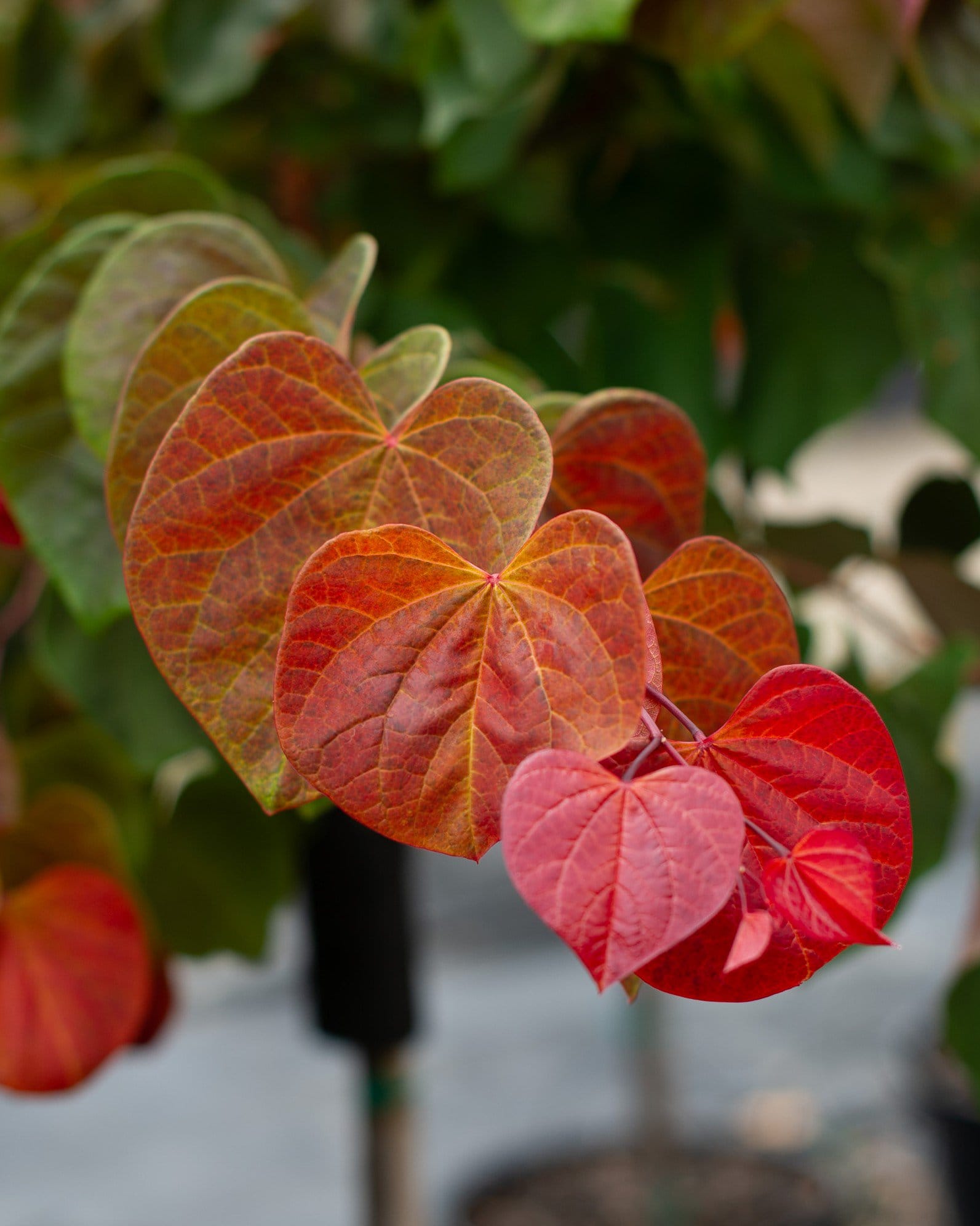
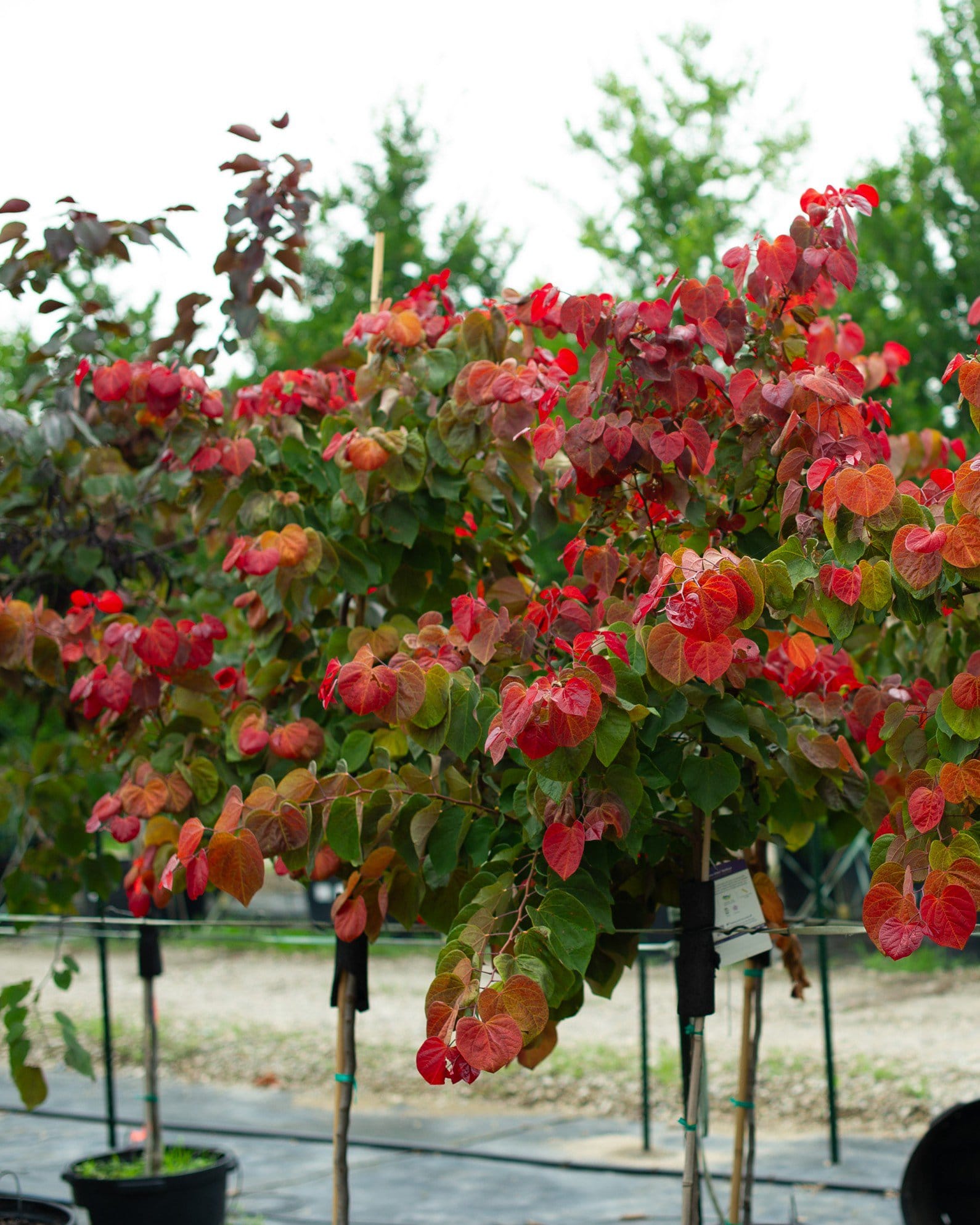
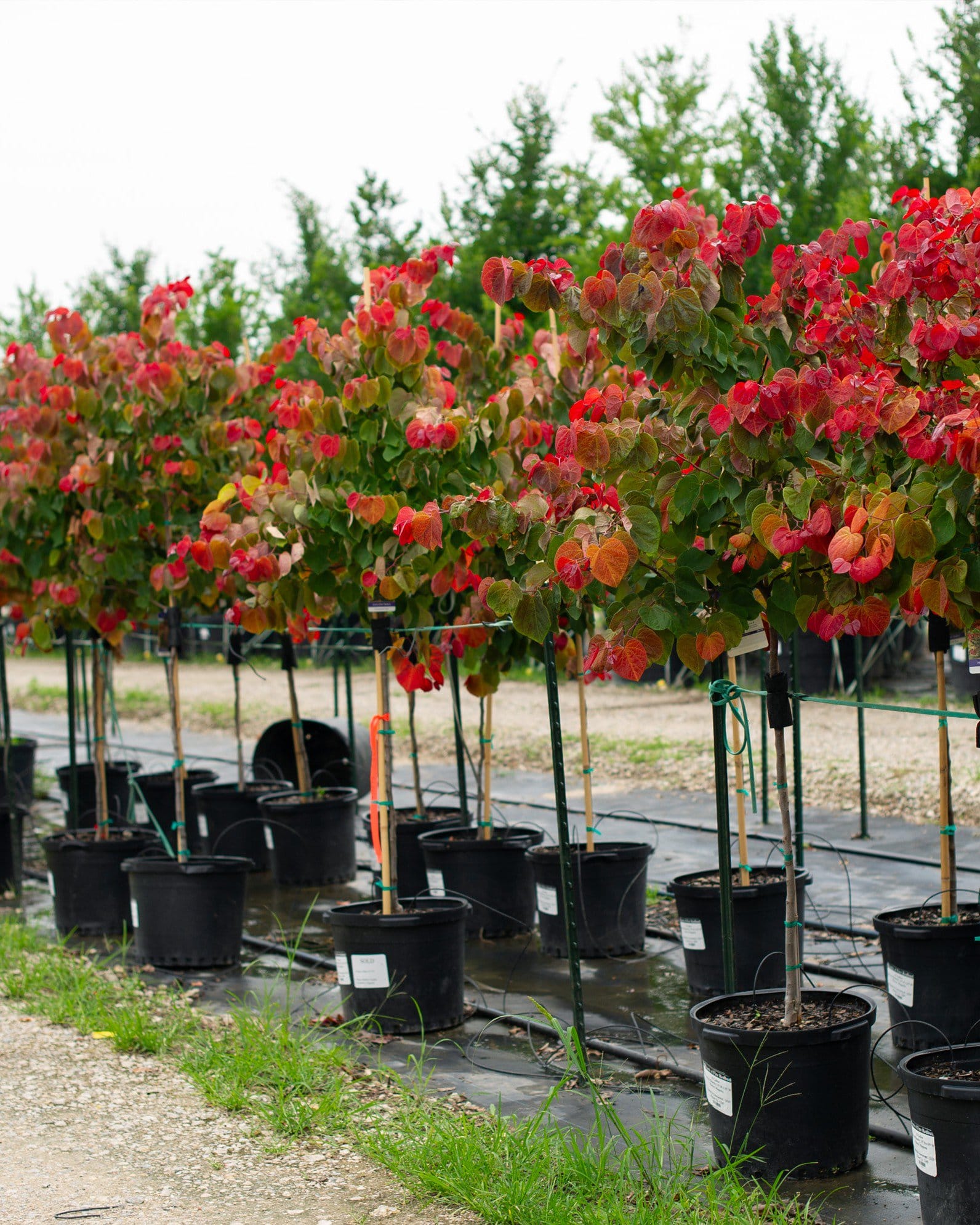
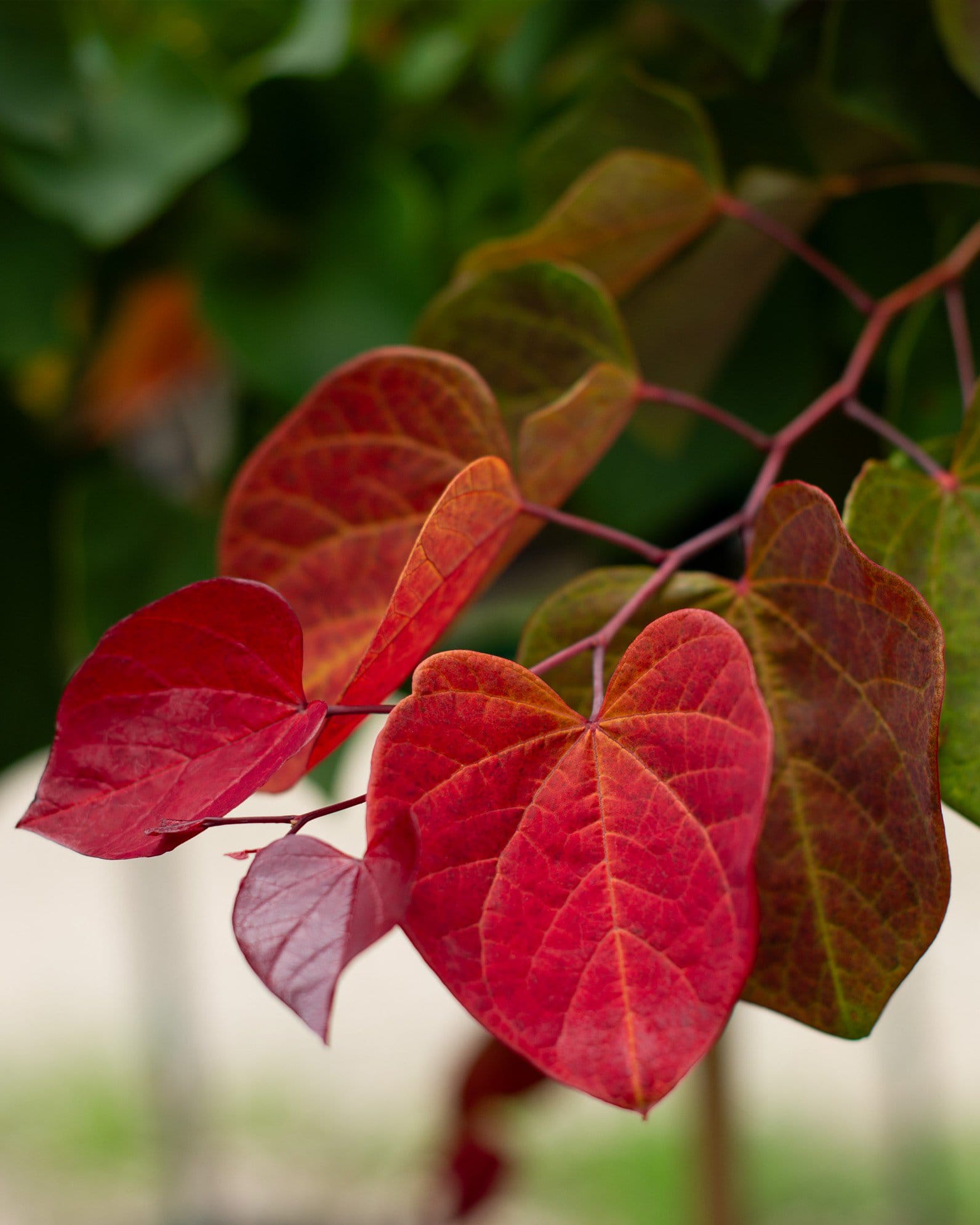
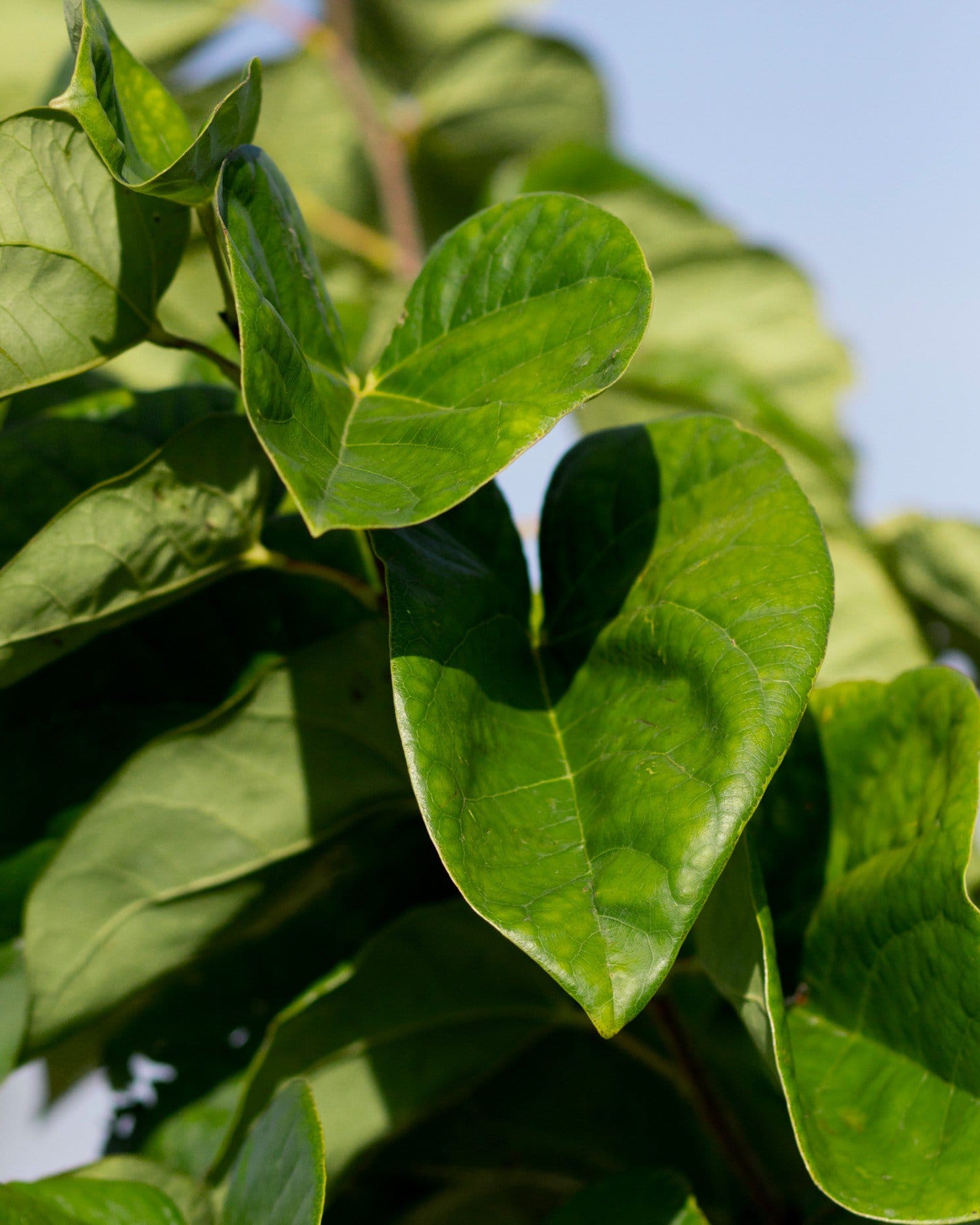
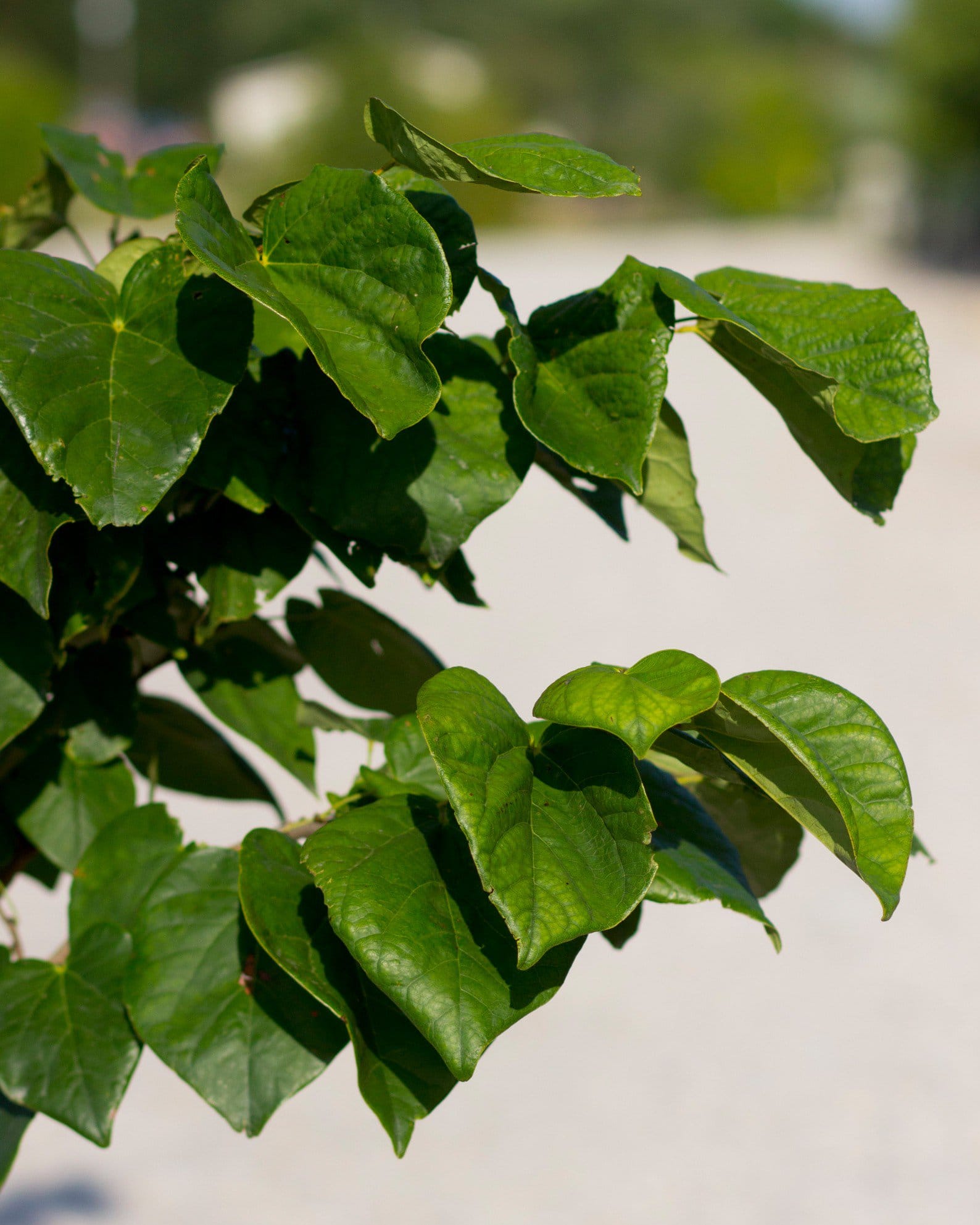
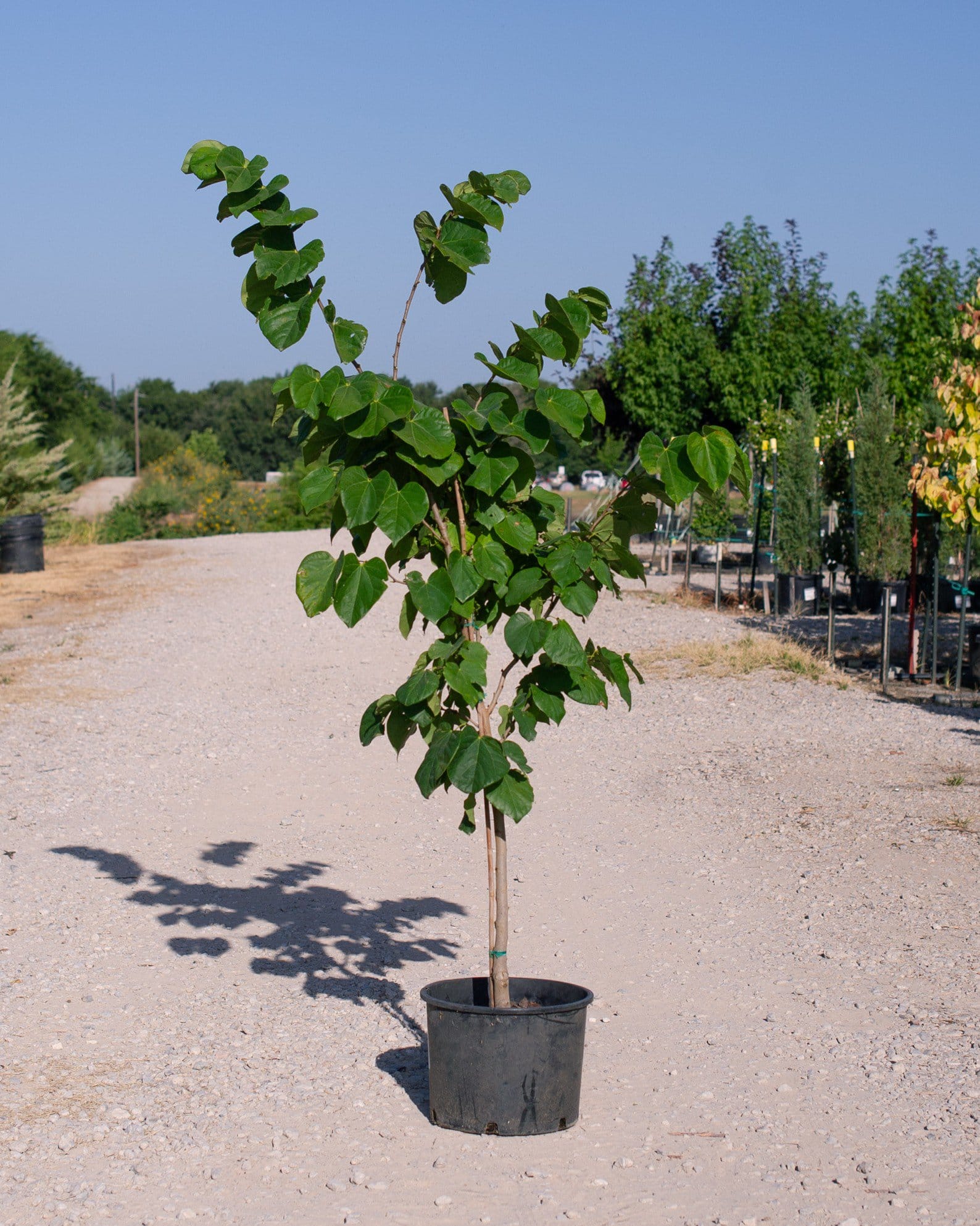
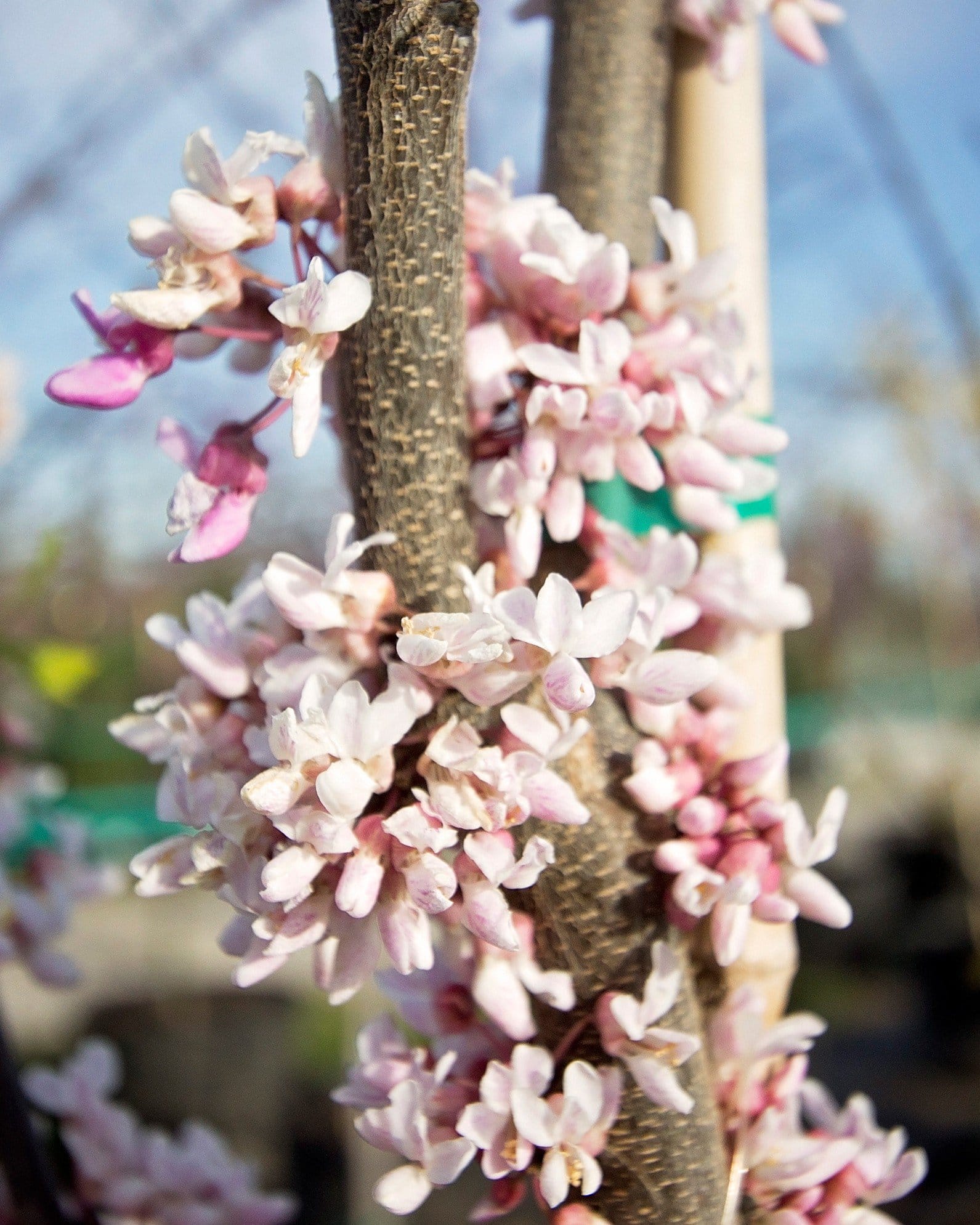
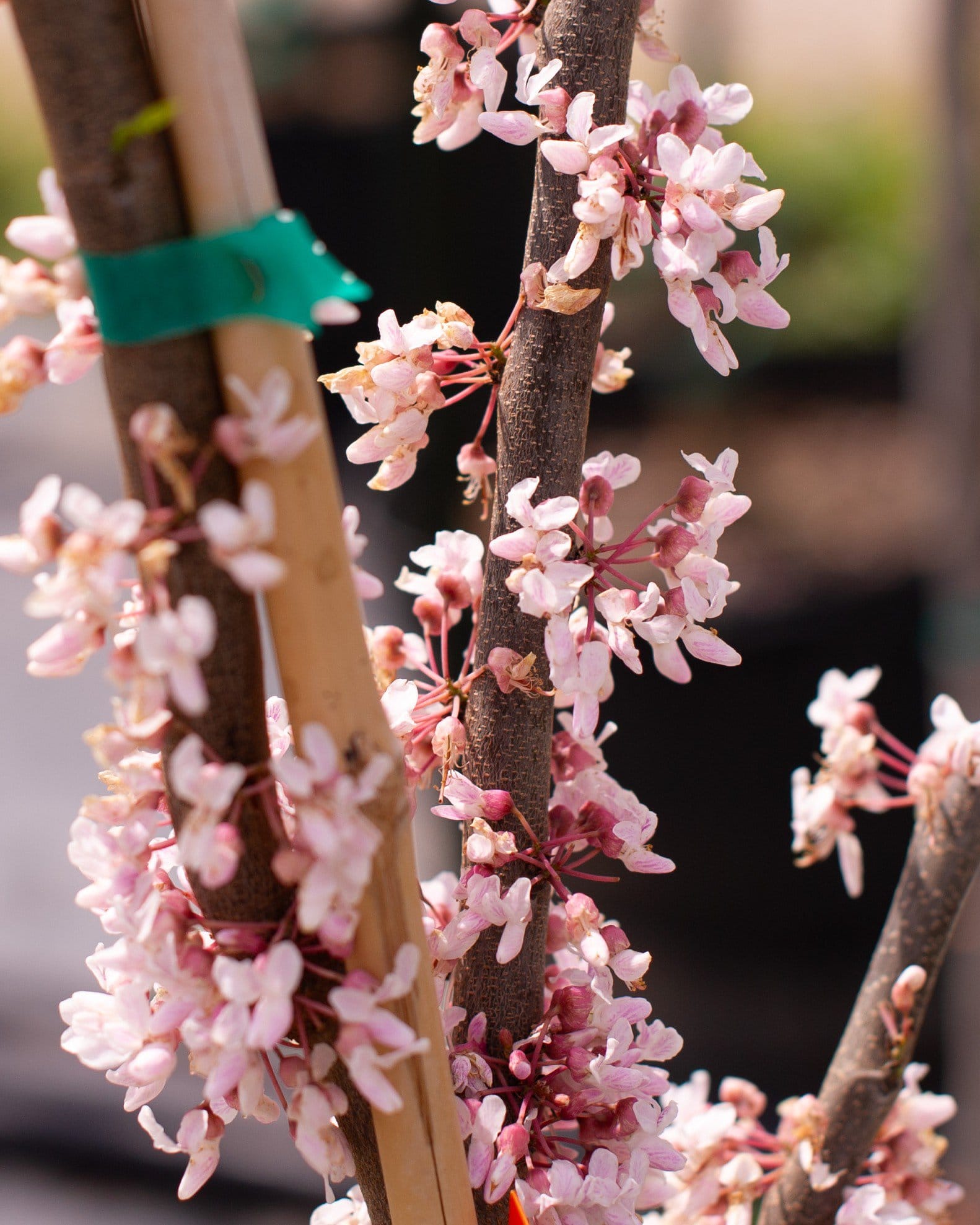
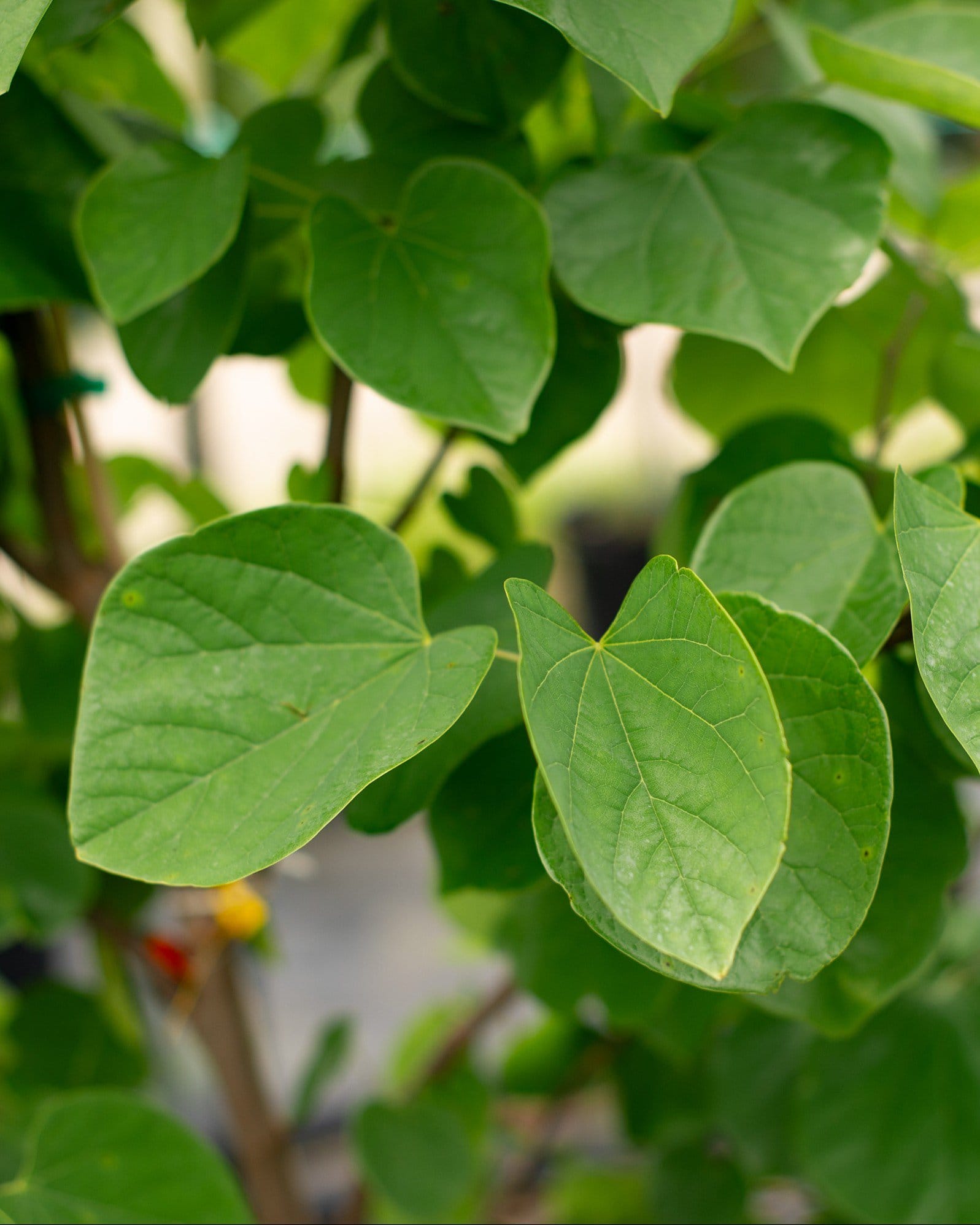
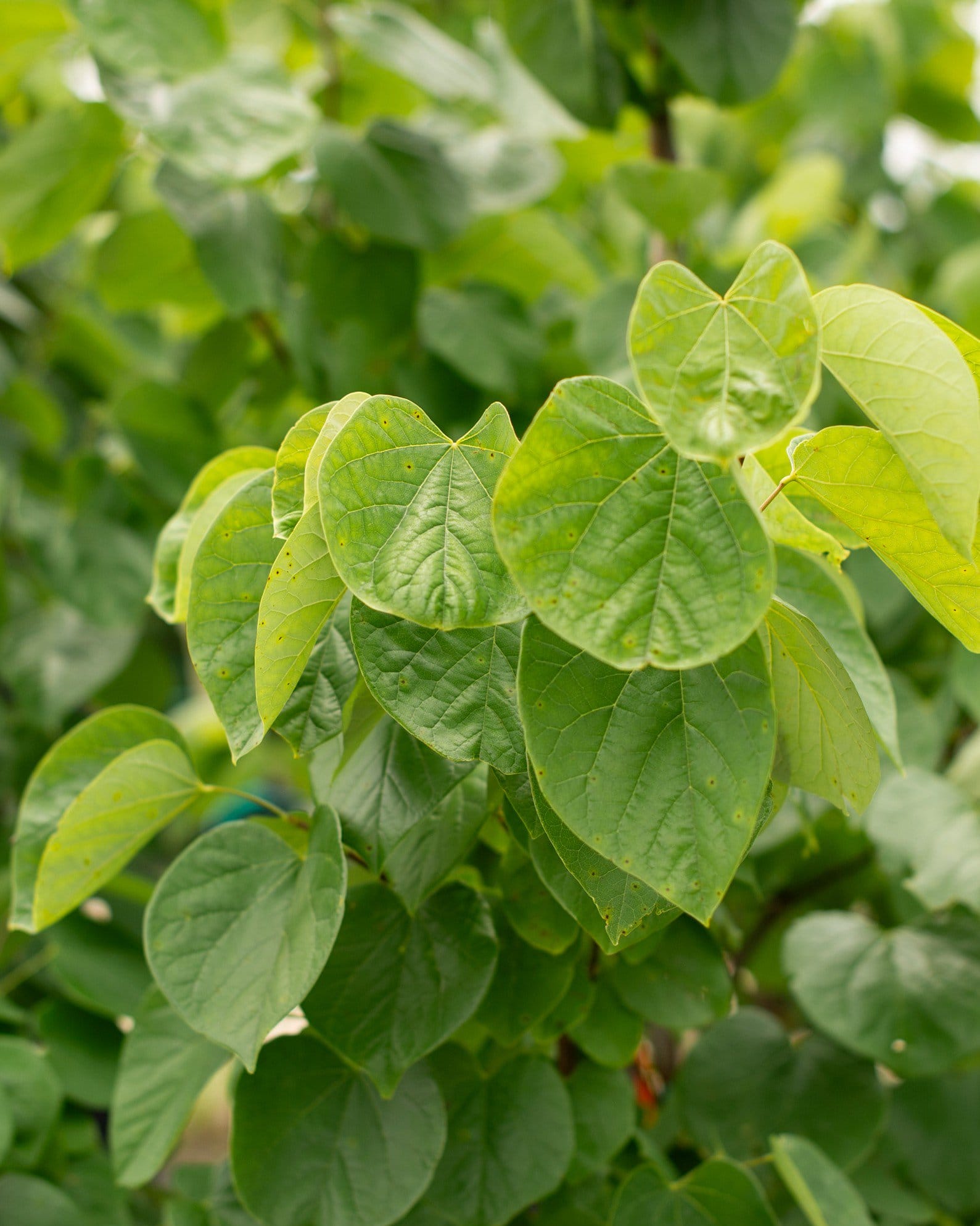
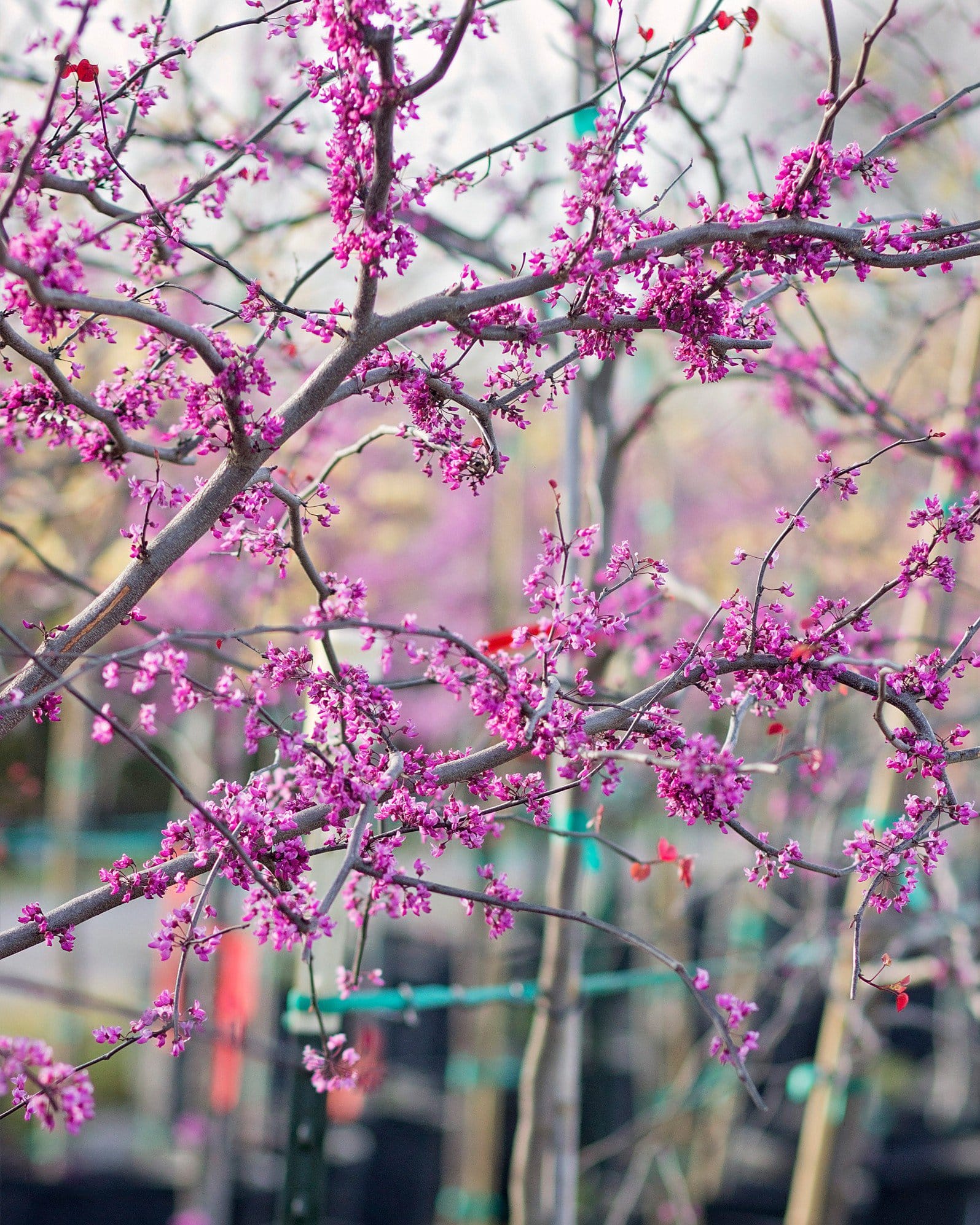
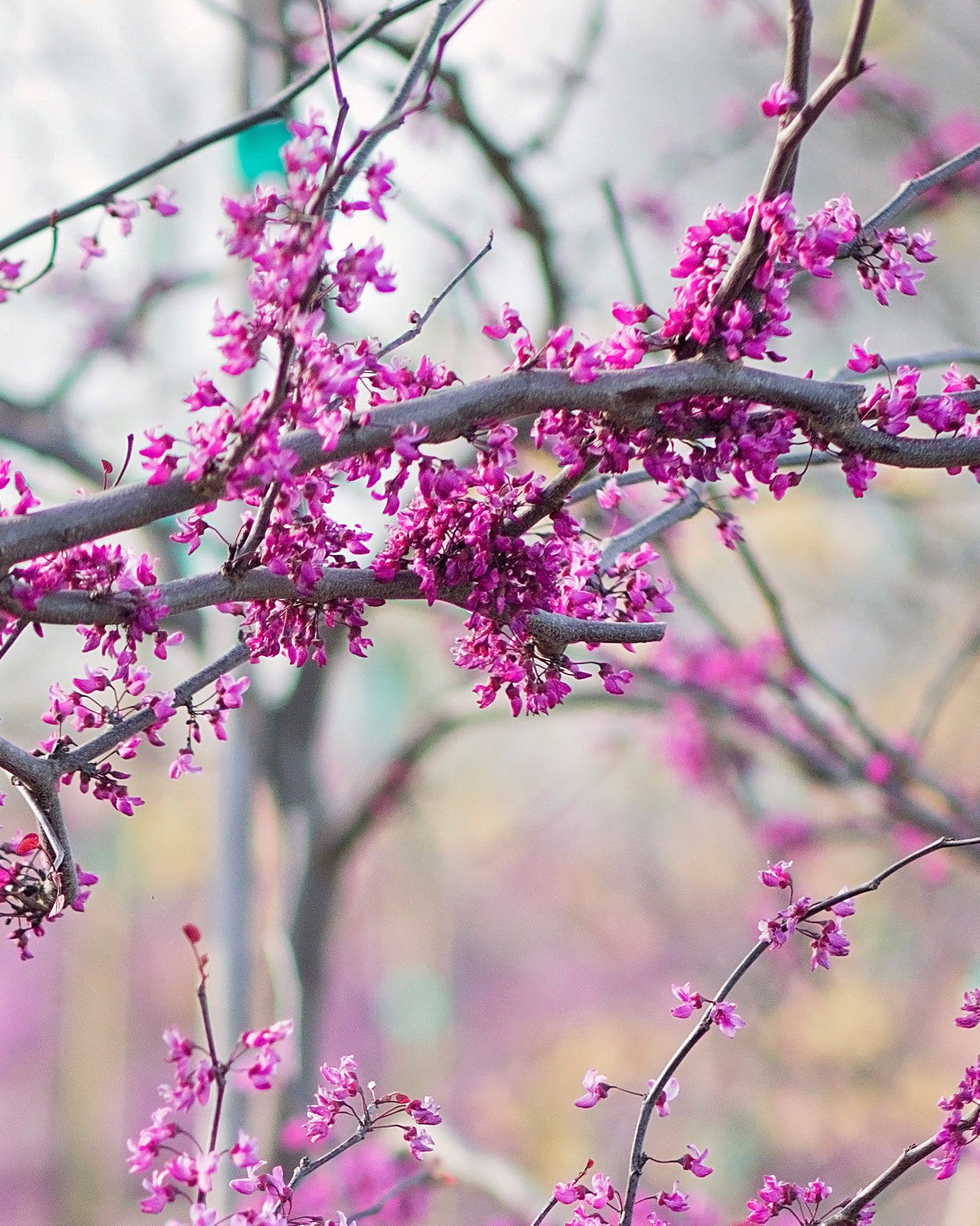
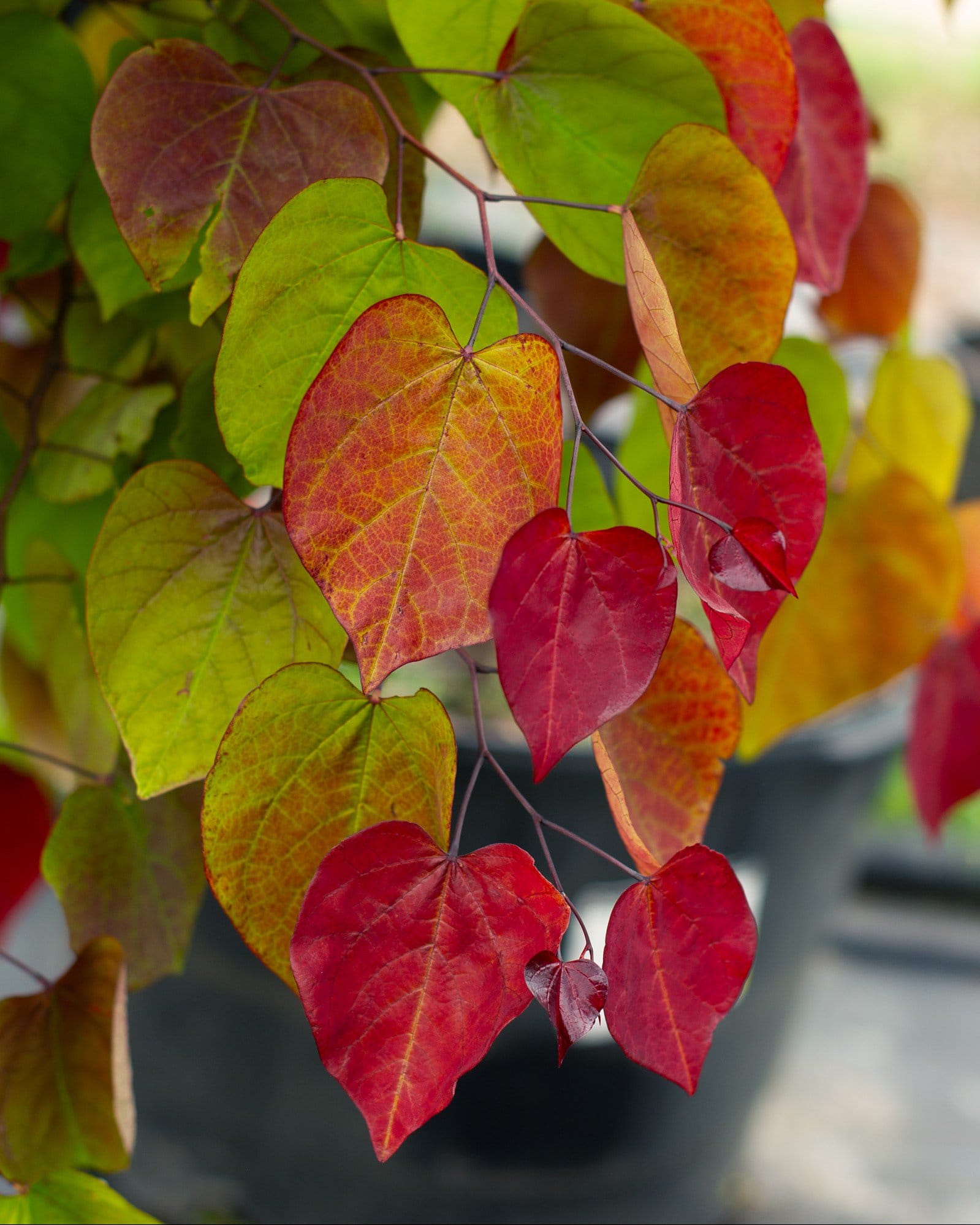
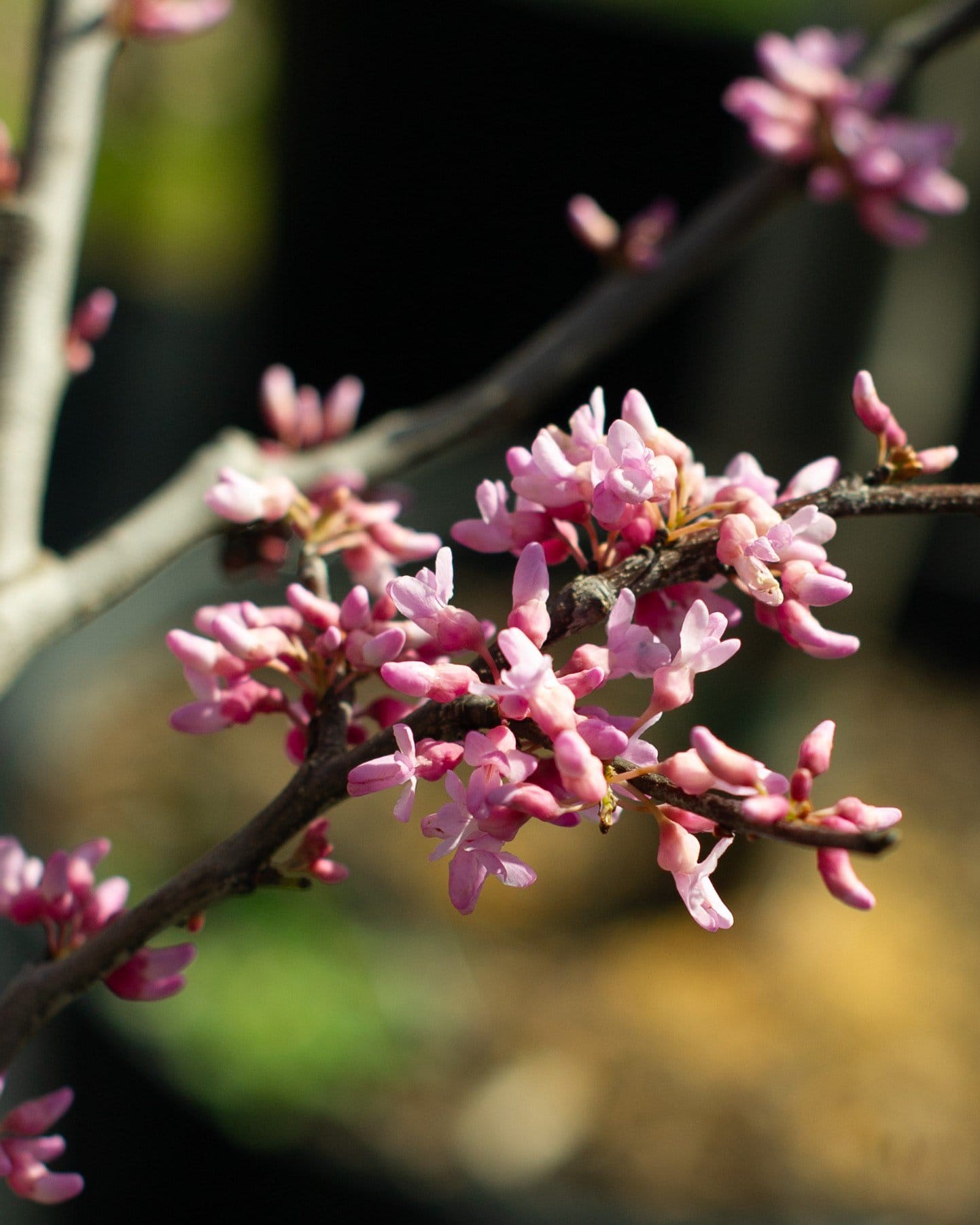
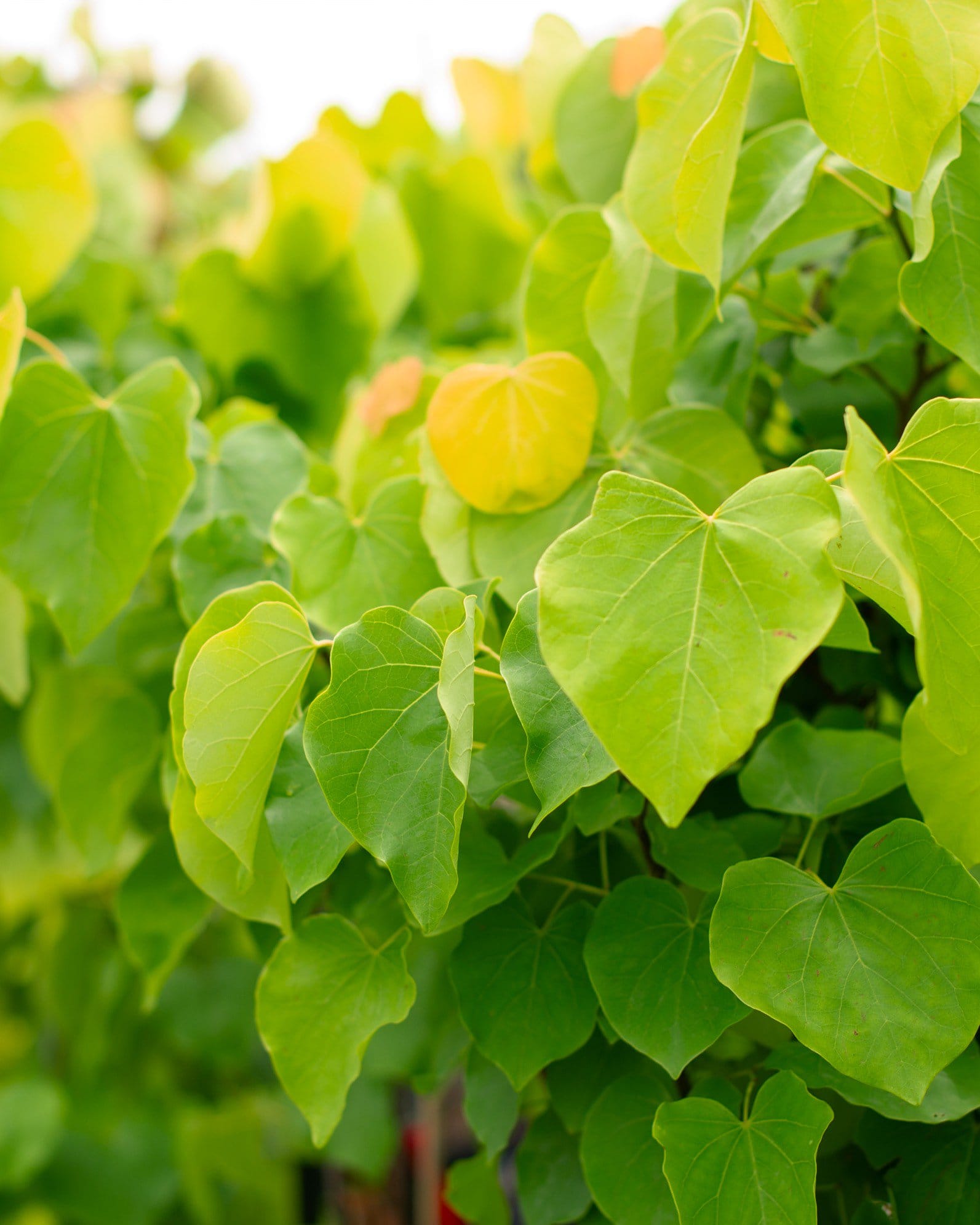
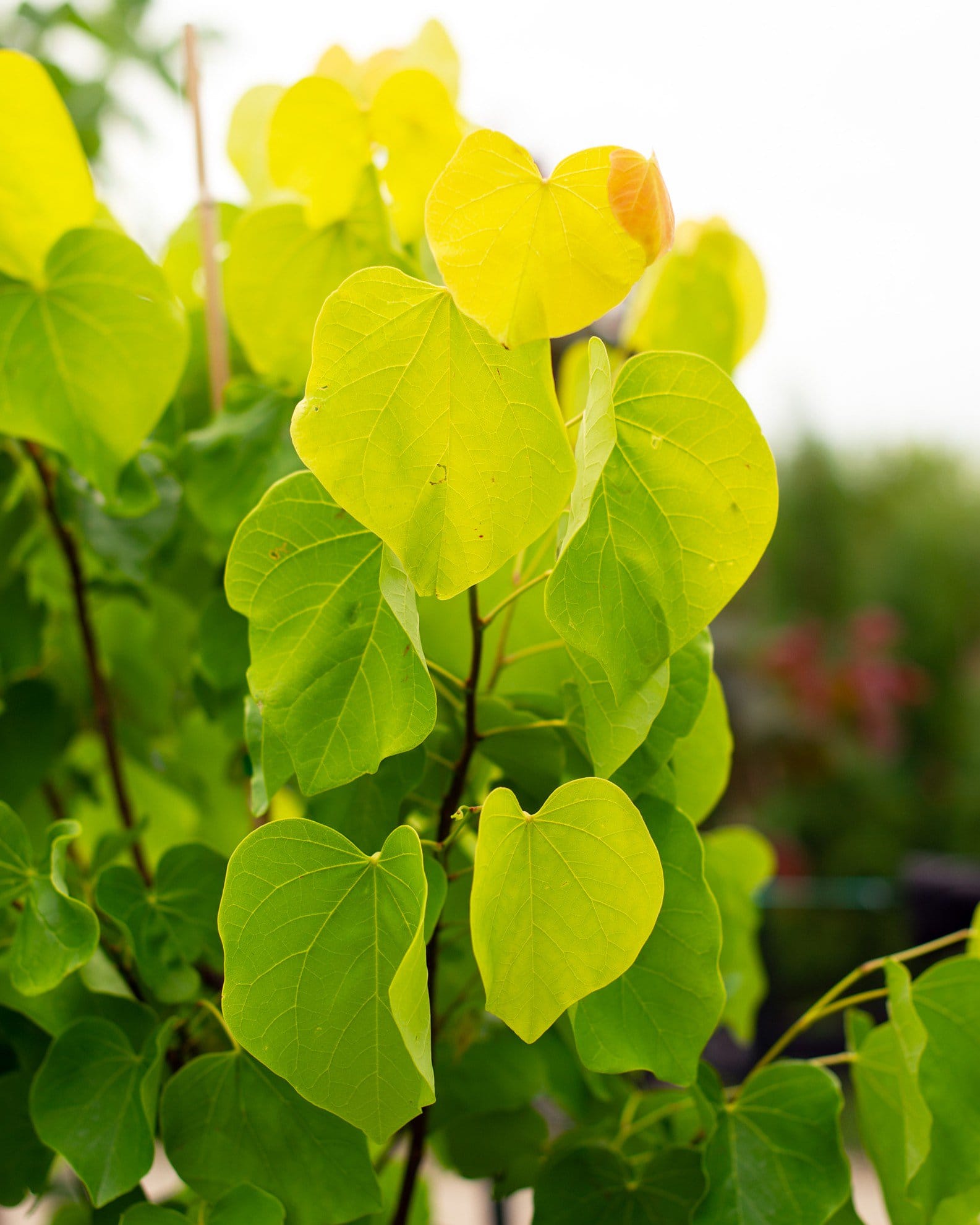
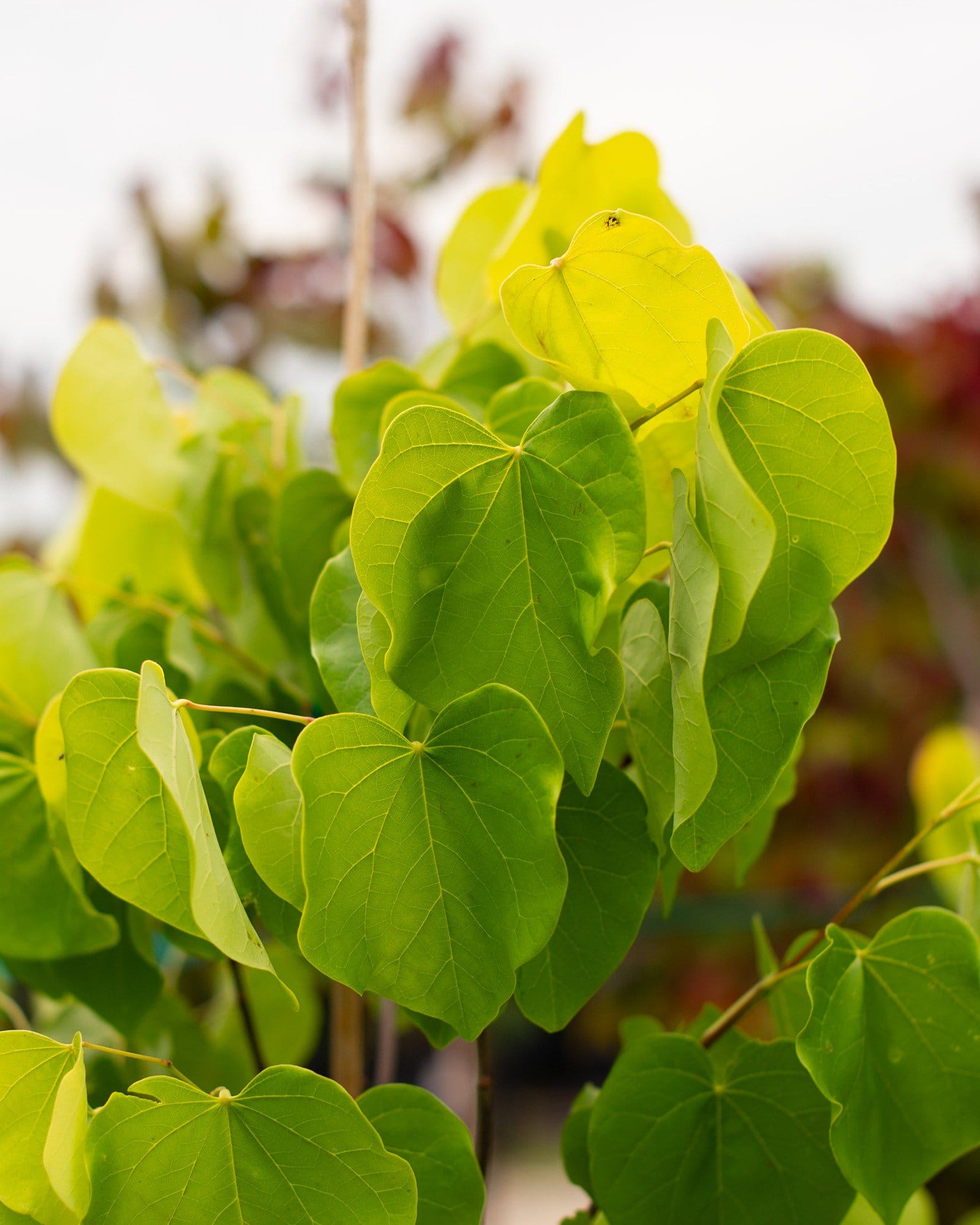
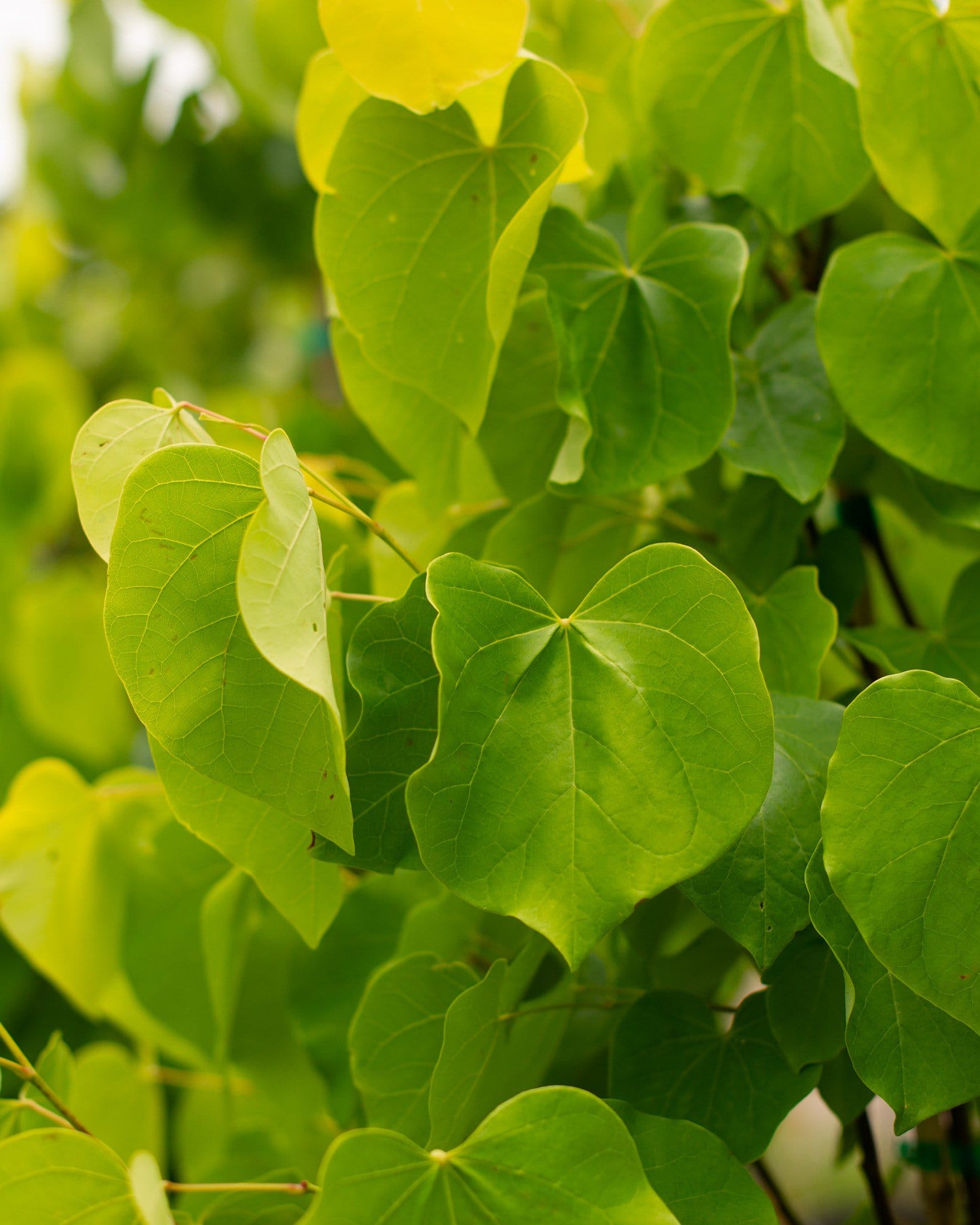
Cercis canadensis 'Hearts of Gold'Hearts of Gold Redbud is a standout ornamental tree that brings instant brightness to the landscape. In early spring, its bare branches erupt with soft lavender-pink blooms, followed by a flush of heart-shaped leaves in vivid golden yellow. This tree grows 15 feet in height and width, forming a broad, rounded canopy that offers dappled shade and brilliant visual interest. It’s ideal for use as a specimen tree, anchor in mixed beds, or a cheerful focal point in any sunny yard.
- Deciduous tree
- Moderate growth rate
- Golden-yellow foliage that holds color through the season
- Classic pink blooms in spring
- Wide, rounded canopy ideal for front yards or mixed borders
Hearts of Gold thrives in full sun to partial shade with well-drained soil. Hardy in USDA zones 5 through 9, it’s a dazzling and dependable choice for North Texas folk who love bold color and heart-shaped charm.
Hearts of Gold Redbud brings radiant golden foliage while remaining easy to maintain once established. Here’s everything it needs to grow beautifully:
- Watering: Provide deep, consistent watering during the first several years to help the root system establish. Once mature, Hearts of Gold tolerates moderate drought, though steady moisture keeps the foliage bright and prevents stress during hot spells.
- Pruning: Prune in late winter to remove crossing, damaged, or inward-growing branches and to maintain an open, balanced canopy. Heavy shaping is rarely needed, as the tree naturally forms a rounded and elegant structure.
- Fertilizing: Apply a light dose of slow-release fertilizer in early spring to support vigorous new growth and strong leaf color. Compost or organic matter improves soil fertility and long-term health. Avoid excessive nitrogen, which may dull the gold coloration.
- Mulching: A 2-3 inch mulch layer helps retain soil moisture and insulate shallow roots. Keep mulch slightly away from the trunk to prevent bark issues, and refresh the layer annually for best performance.
- Winter Care: Hearts of Gold is reliably cold-hardy once established. Young trees may benefit from some wind protection in their first winter, especially in exposed landscapes. Any minor dieback can be removed during late-winter pruning.
Although resilient, Hearts of Gold Redbud may face occasional issues under environmental stress:
- Leaf Spot: Brown or irregular patches may appear during humid or rainy conditions. Improving airflow and removing fallen leaves helps reduce repeat infections.
- Canker: Sunken or darkened sections of bark can indicate canker. Prune out affected limbs promptly and reduce tree stress to support recovery.
- Verticillium Wilt: Sudden wilting or branch dieback may signal this soilborne disease. Removing affected areas and improving soil drainage may help slow progression.
- Aphids: Curling new leaves or sticky residue point to aphid feeding. Rinsing foliage or applying insecticidal soap quickly restores healthy growth.
- Leaf Scorch: Browning edges during heatwaves or drought are common. Consistent watering and a good mulch layer help prevent future scorch.
- Scale Insects: Small bumps along stems with sticky honeydew indicate scale. Seasonal horticultural oil treatments help reduce populations effectively.
Hearts of Gold Redbud typically lives 20-40 years with good care and favorable conditions. With proper maintenance, many remain striking focal points well into maturity.
It grows at a moderate rate of about 1-2 feet per year. Most trees reach their full canopy form and leaf-color expression within 5-7 years.
Its early spring flowers are highly appealing to bees and other pollinators. The tree offers a welcome nectar source at a time when few plants are in bloom.
Its moderate size and tidy structure make it ideal for compact landscapes where vibrant color is desired. Even one specimen can elevate the entire garden design.
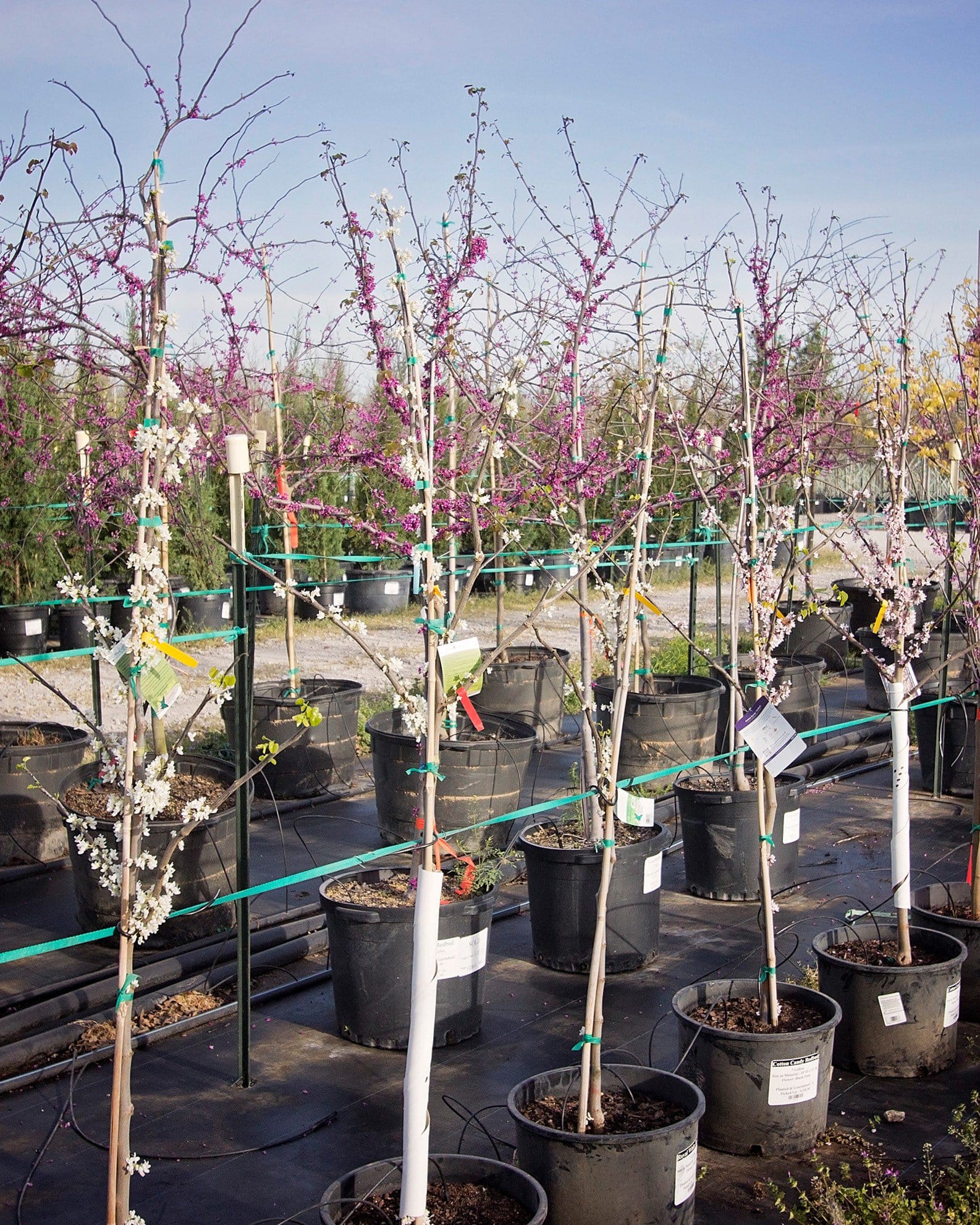
It can be grown in a large container during its youth, making it suitable for patios and entryways. For the best long-term health, planting in the ground allows roots to expand naturally.
Deer may nibble new leaves occasionally, but the tree is not a preferred food source. Light protection during the establishment period usually prevents damage.
Purple Heucheras, Hostas, Hydrangeas, Ferns, Dogwoods, and ornamental grasses create a beautiful contrast with their golden foliage. These combinations bring depth and elegance to garden spaces.
Yes - groupings of Hearts of Gold create a radiant, sunlit effect across the landscape. When paired with darker-foliage plants, the golden leaves appear even more vibrant.
Young trees transplant well when moved in late winter or early spring. Consistent watering afterward helps them settle quickly into their new location.
Its brilliant golden leaves, heart-shaped form, and reliable spring bloom make it a standout in both color and charm. Few ornamental trees offer such warmth and brightness in such a manageable size.
Special Features
You might also like
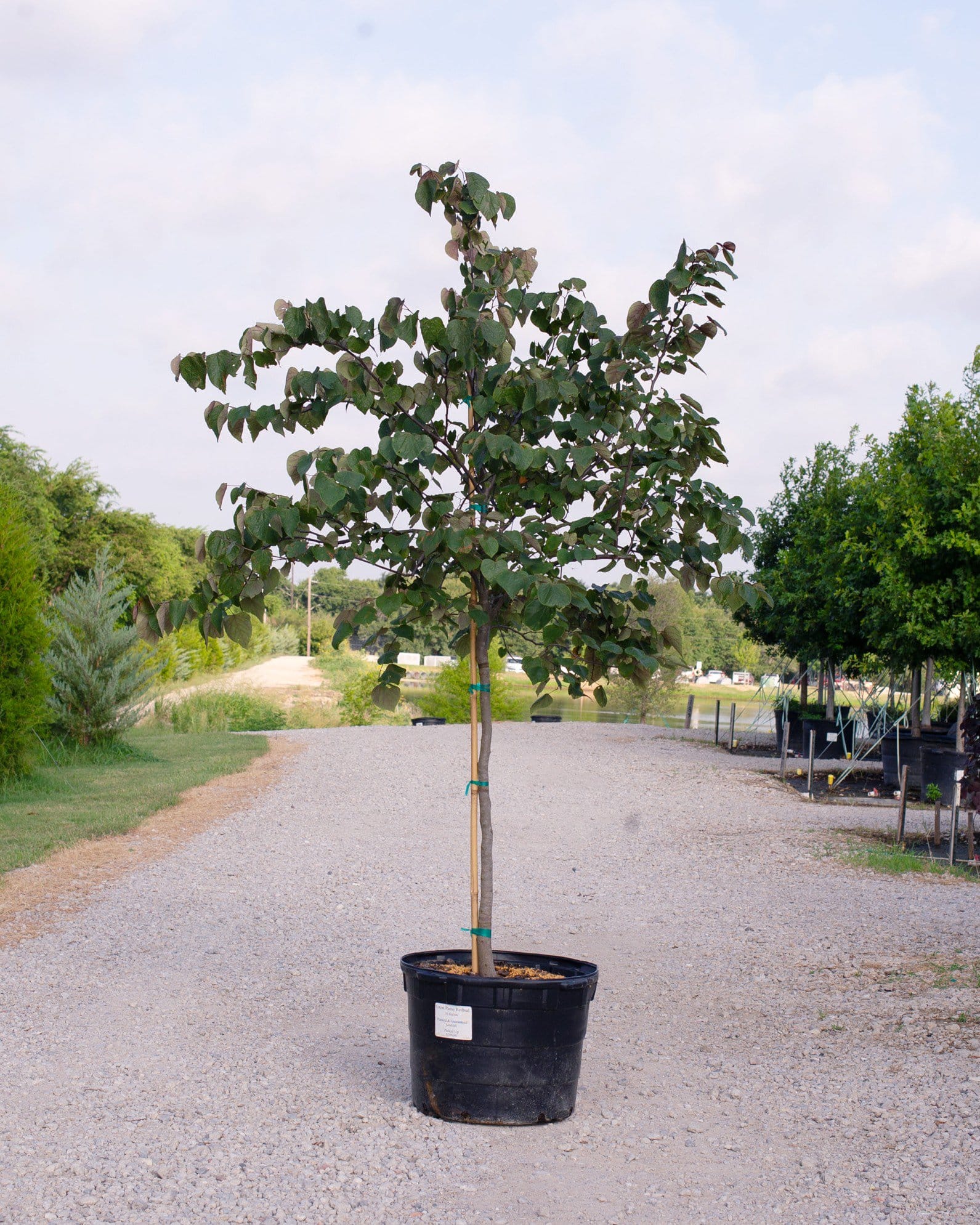
Forest Pansy Redbud
Maturity: 20' H x 20' W
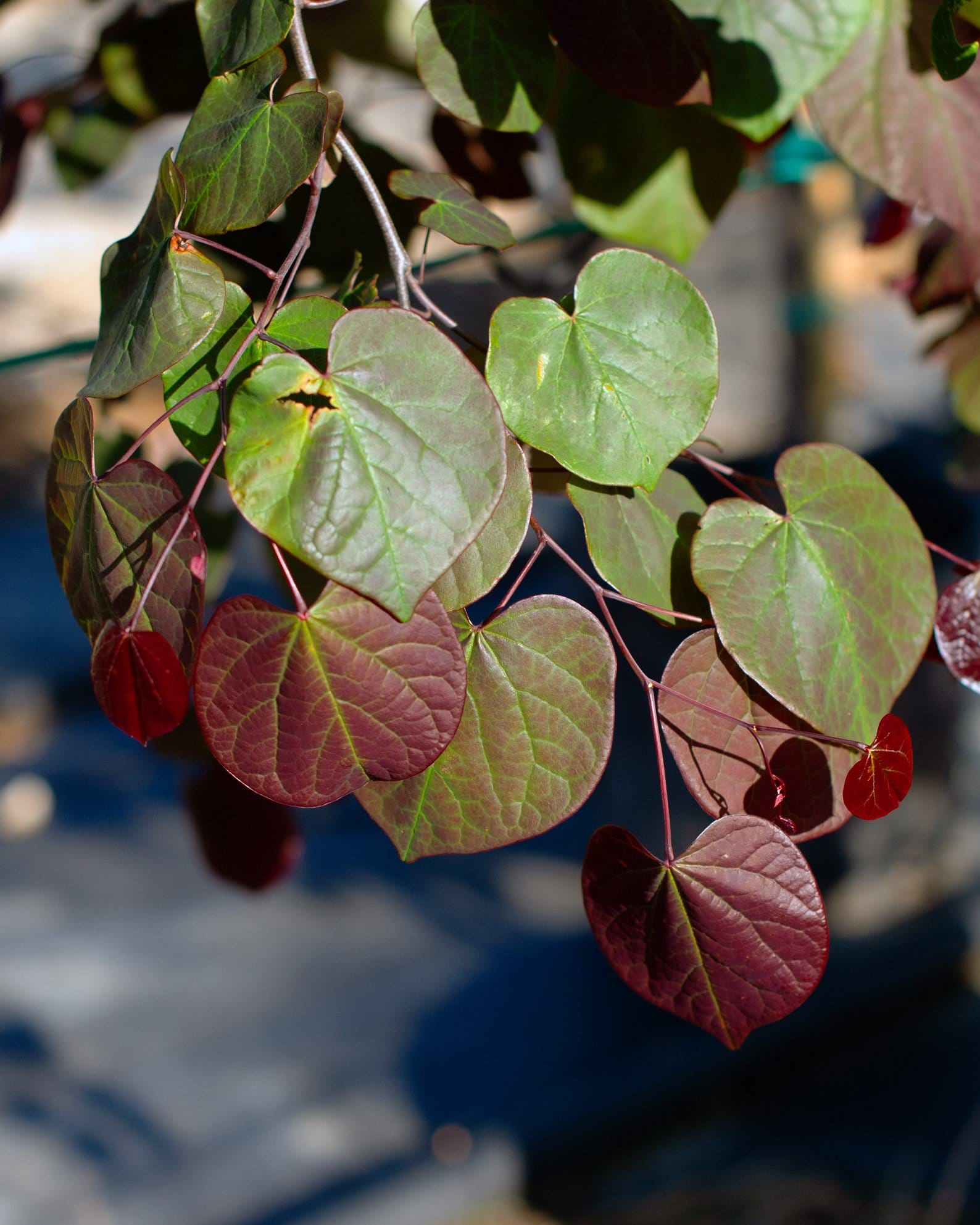
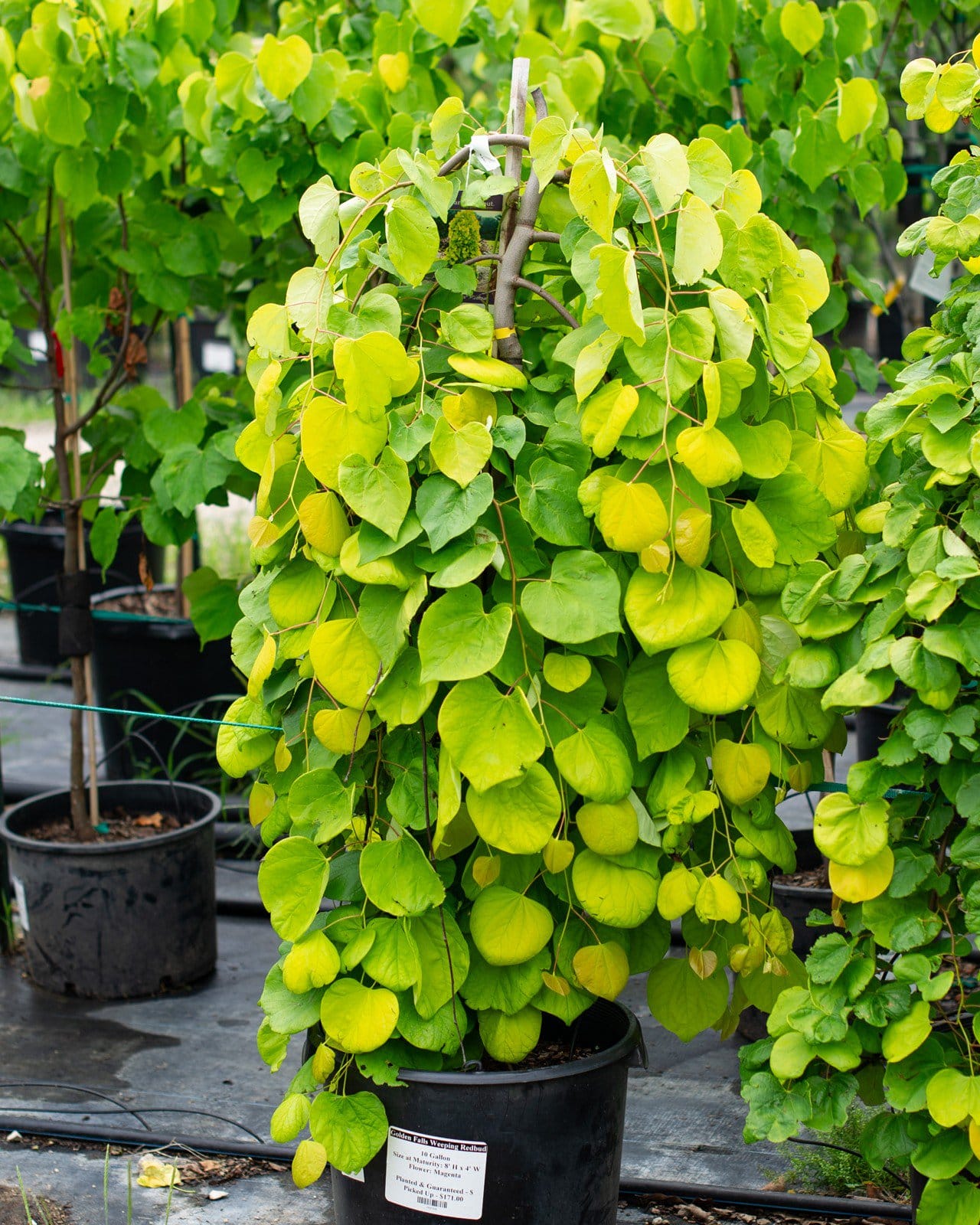
Golden Falls Weeping Redbud
Maturity: 8' H x 4' W
Hearts A'Fire Redbud
Maturity: 15' H x 15' W
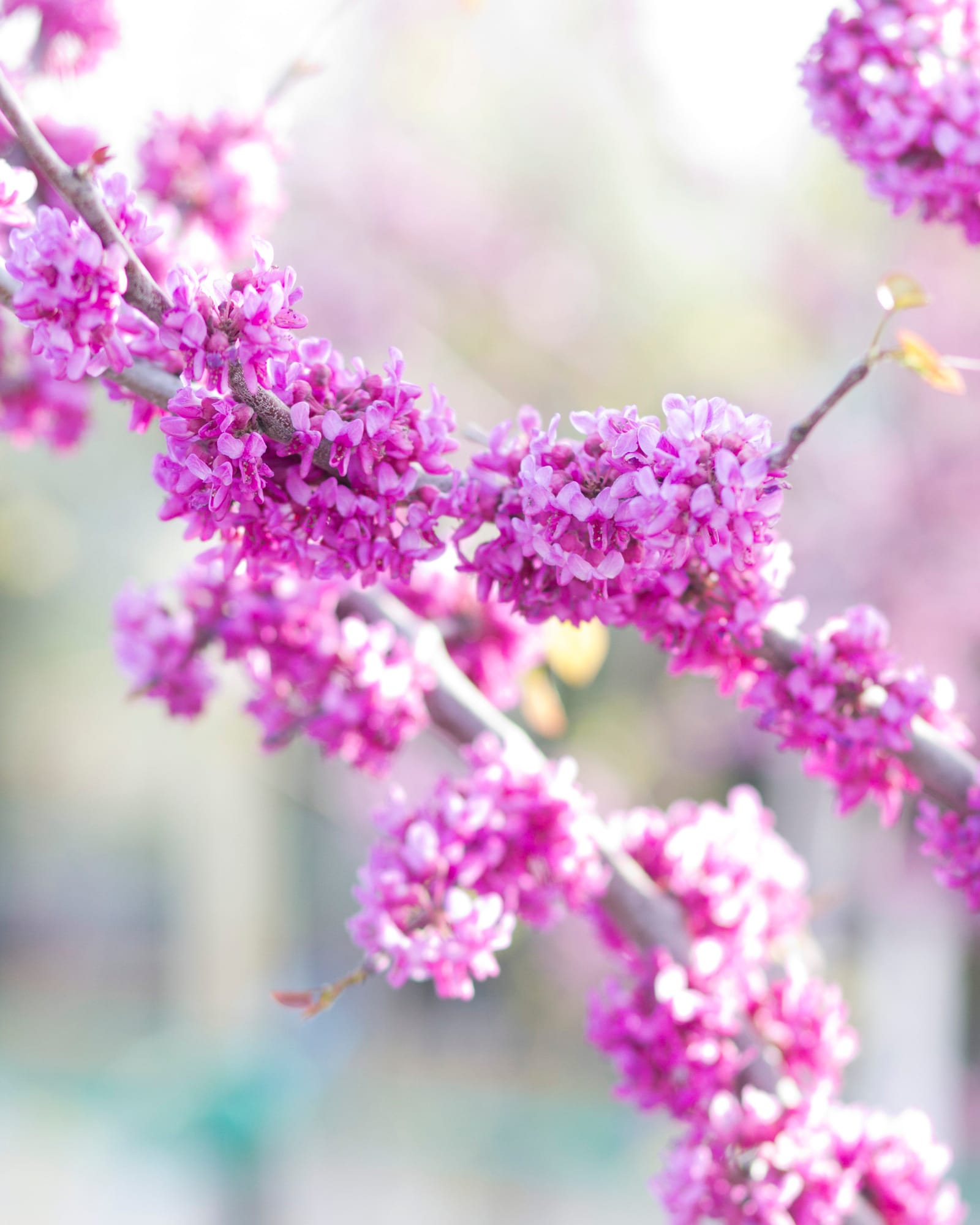
Merlot Redbud
Maturity: 15' H x 15' W
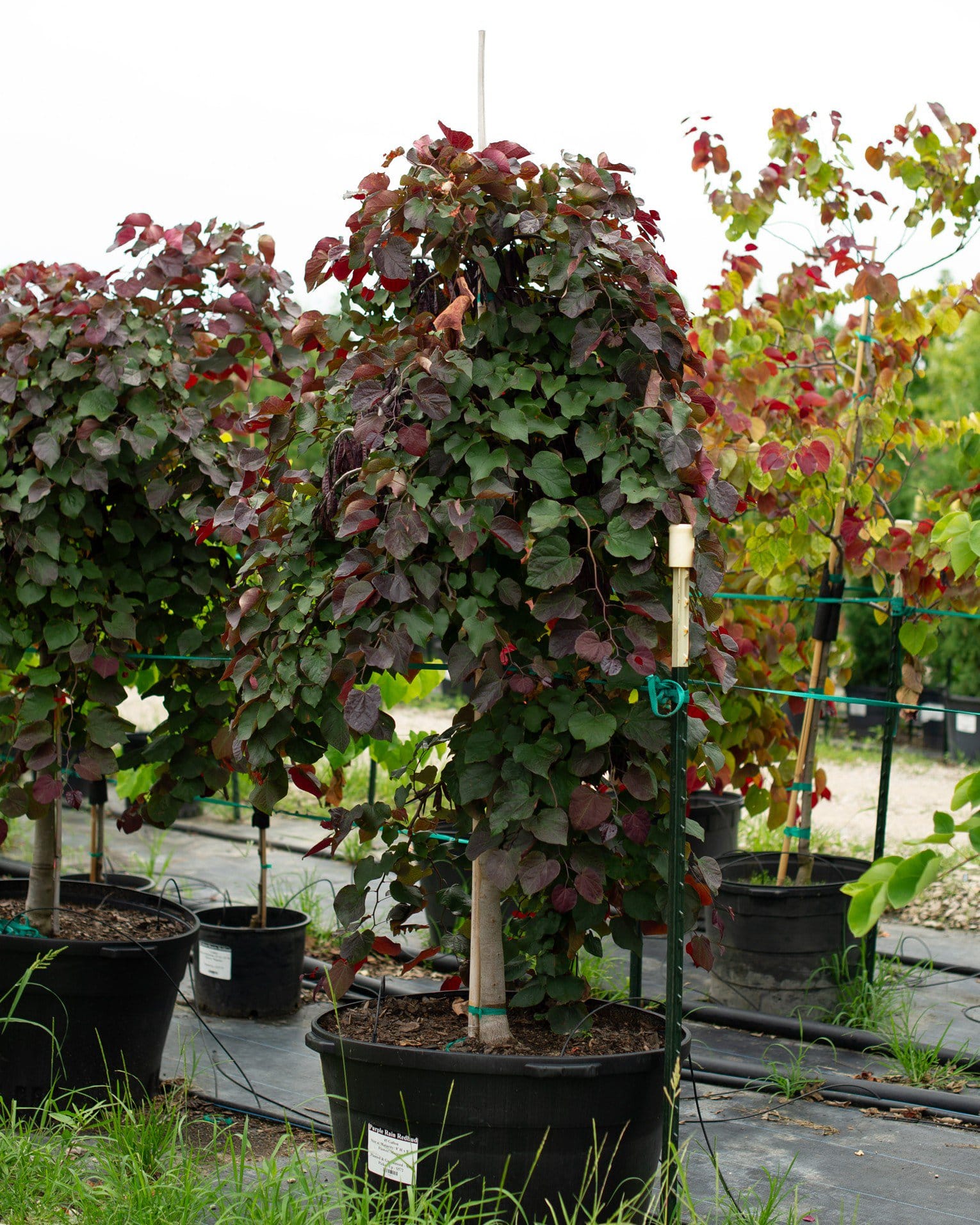
Purple Rain Weeping Redbud
Maturity: 8' H x 8' W
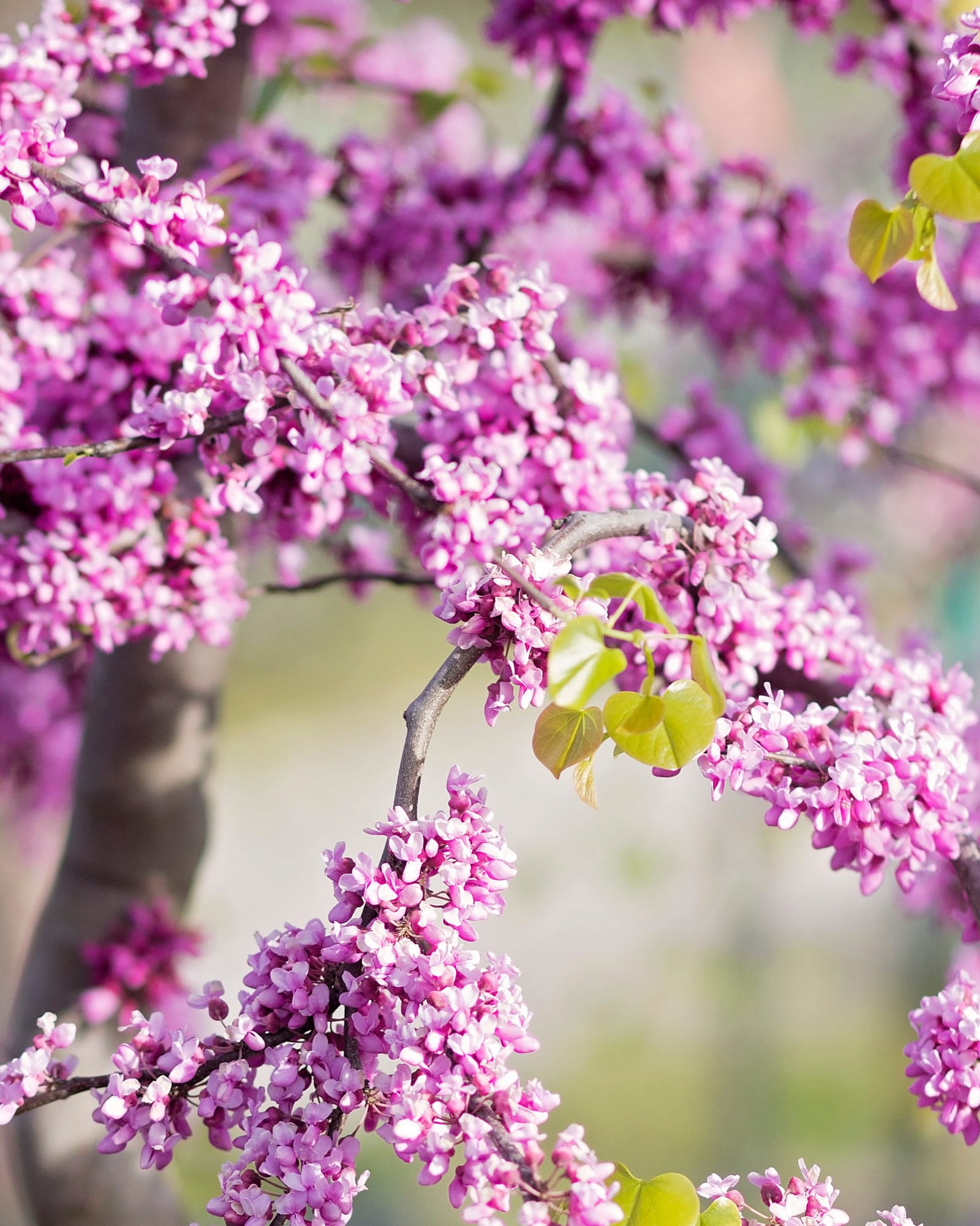
Traveller Weeping Redbud
Maturity: 5' H x 10' W
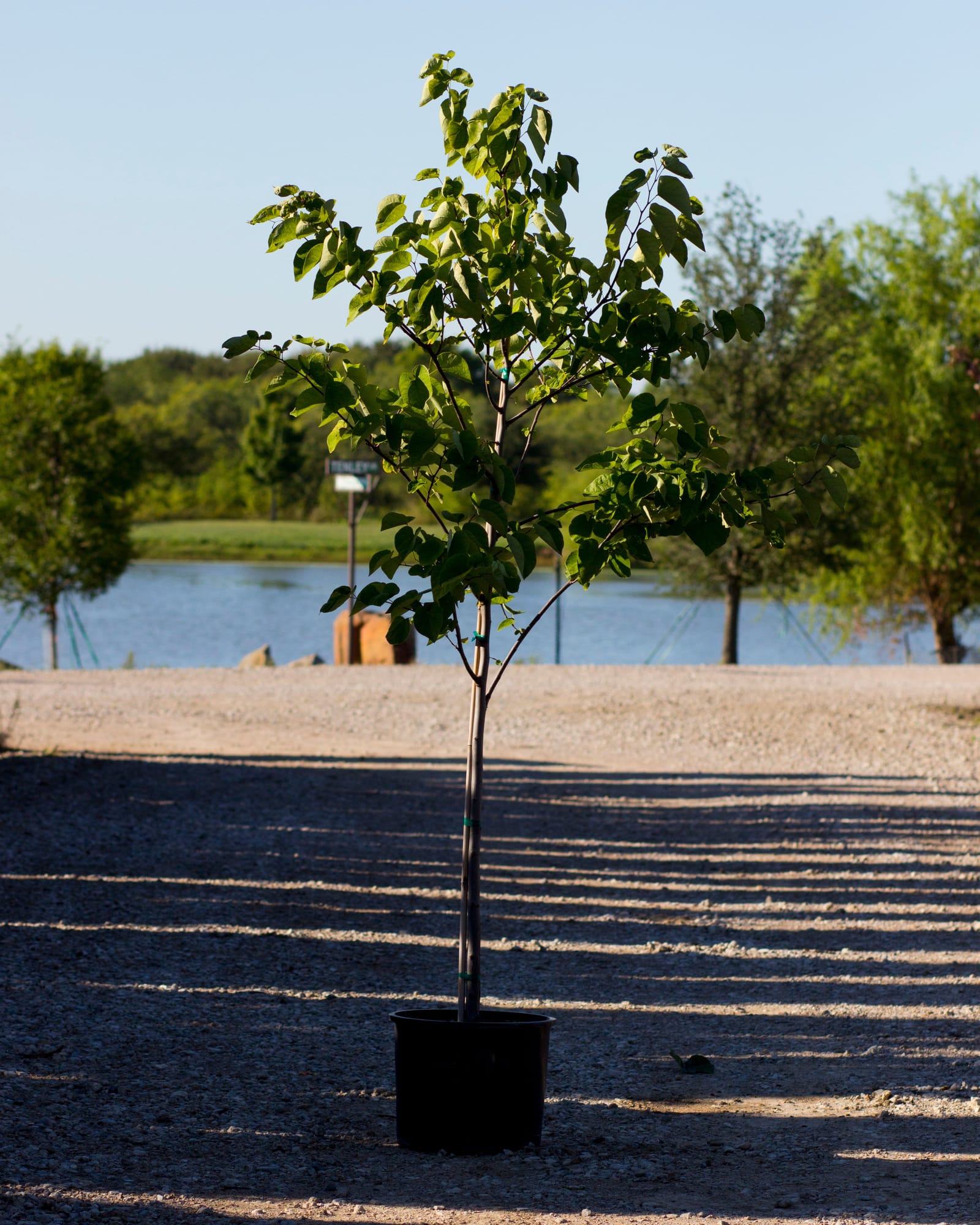
White Pom Poms Redbud
Maturity: 15' H x 15' W
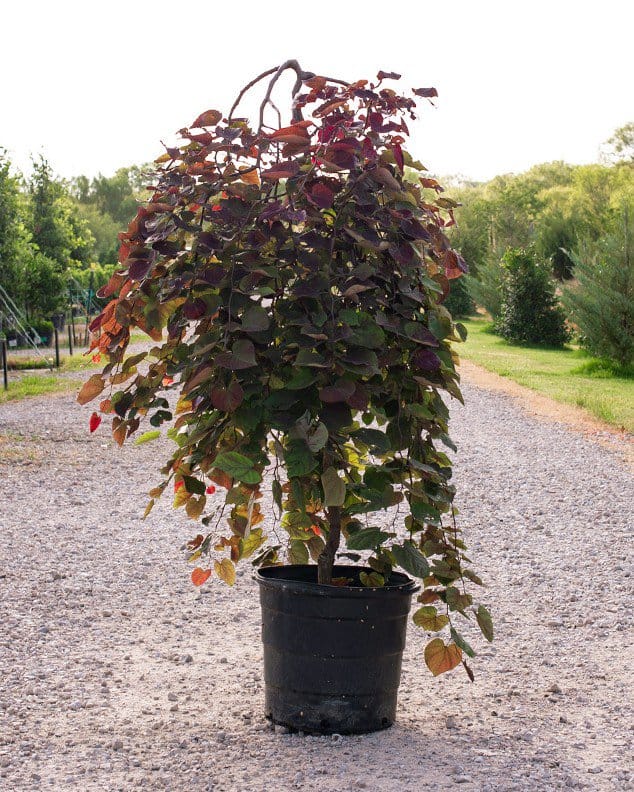
Ruby Falls Weeping Redbud
Maturity: 6' H x 10' W
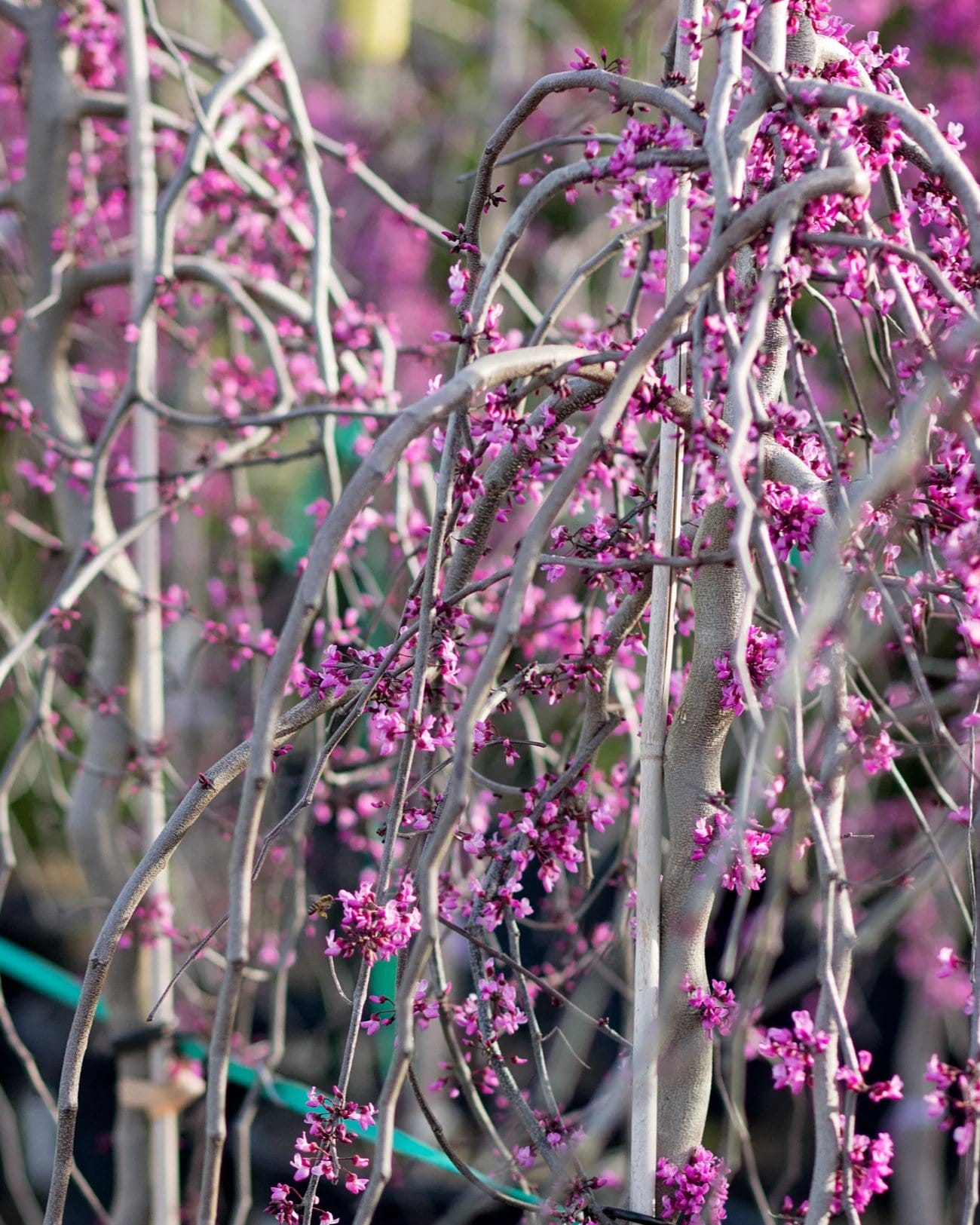
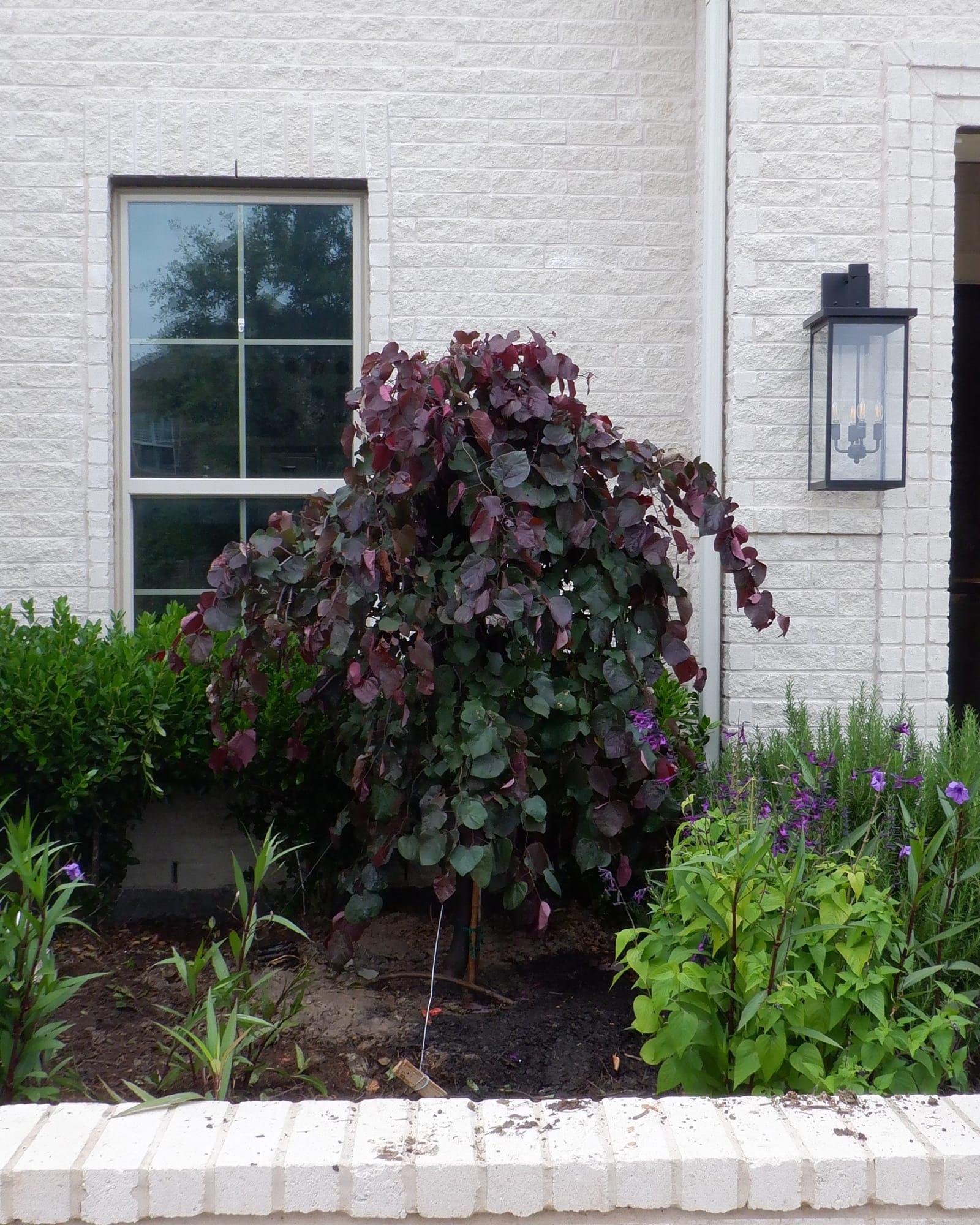
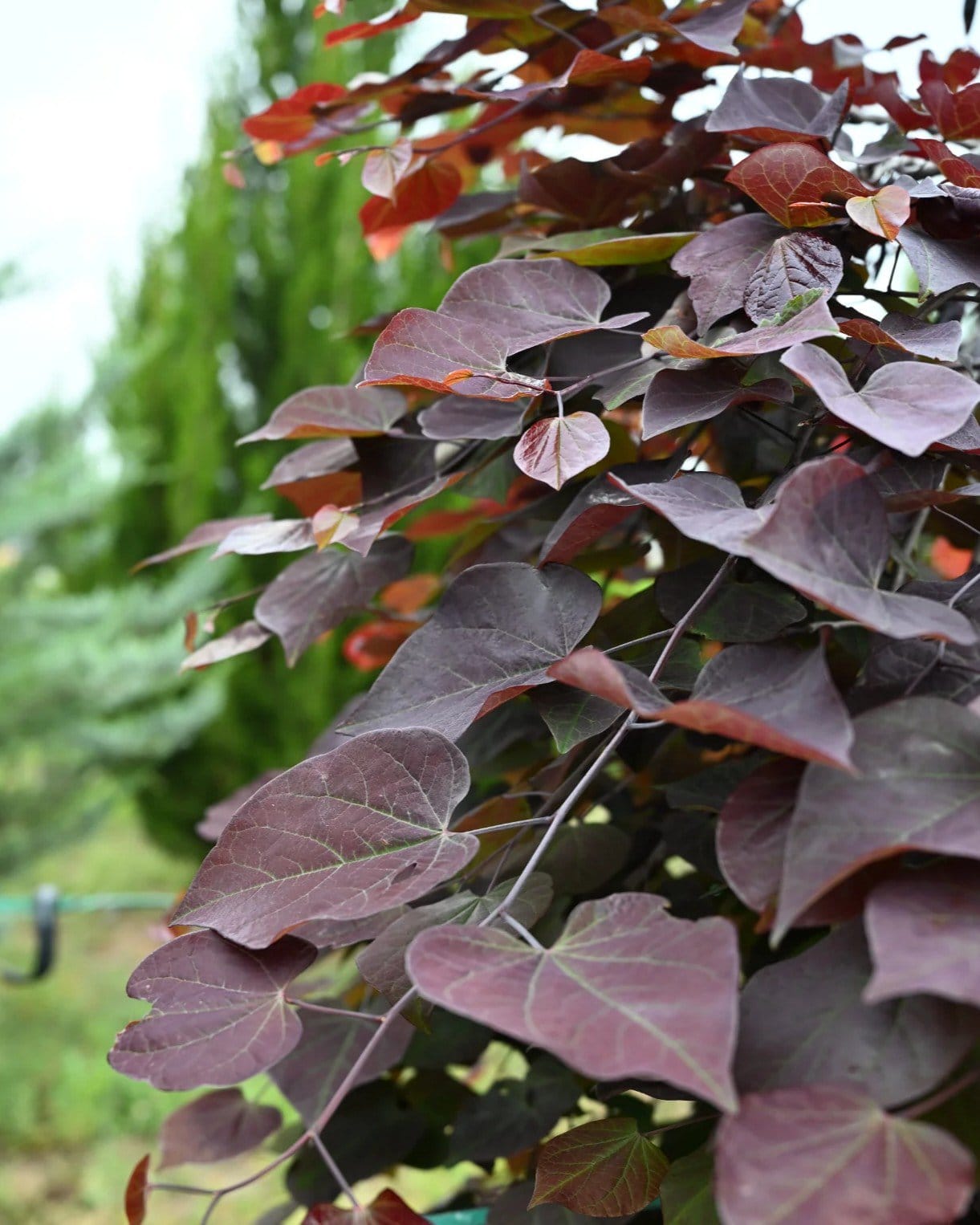
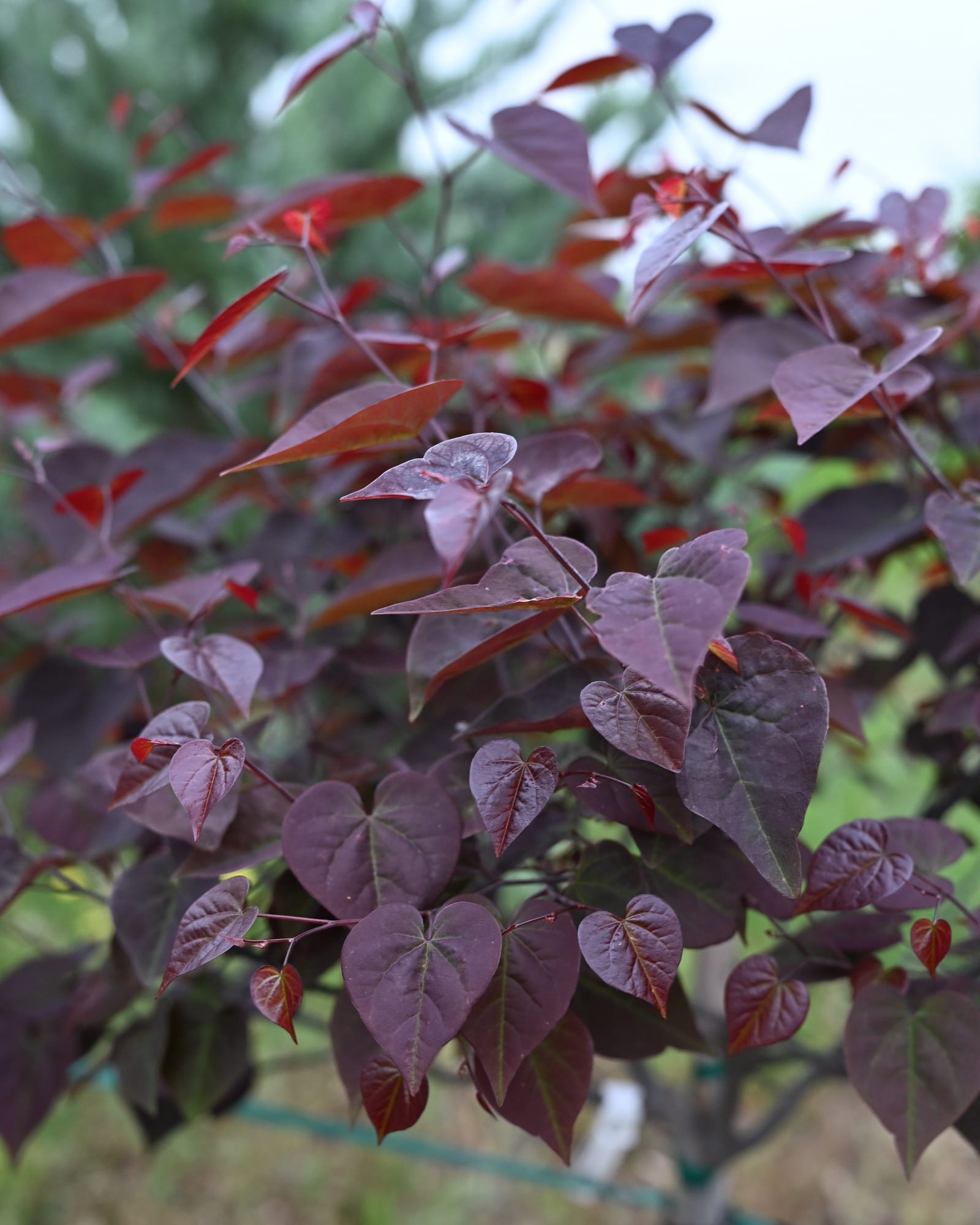
Amethyst Redbud
Maturity: 8' H x 8' W
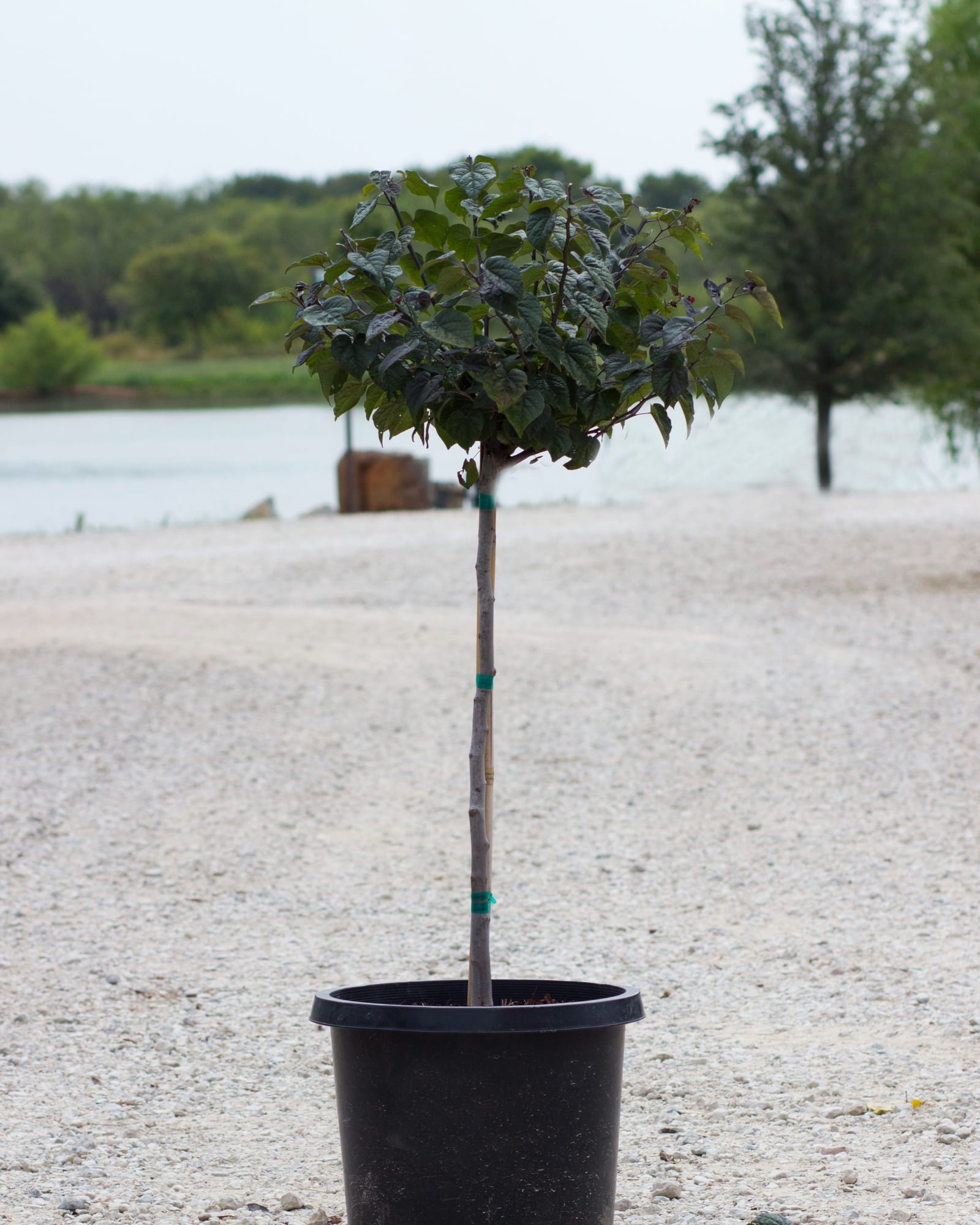
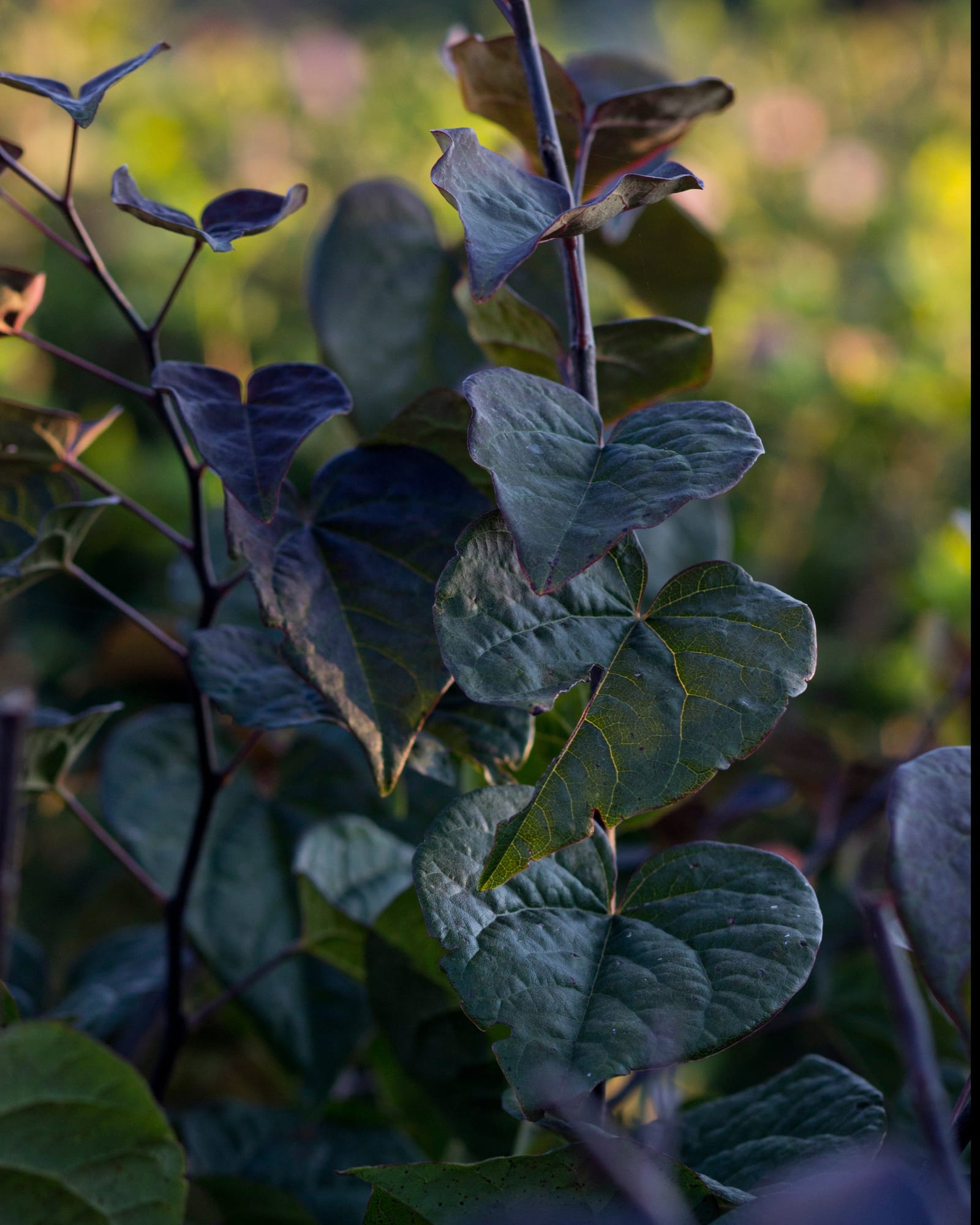
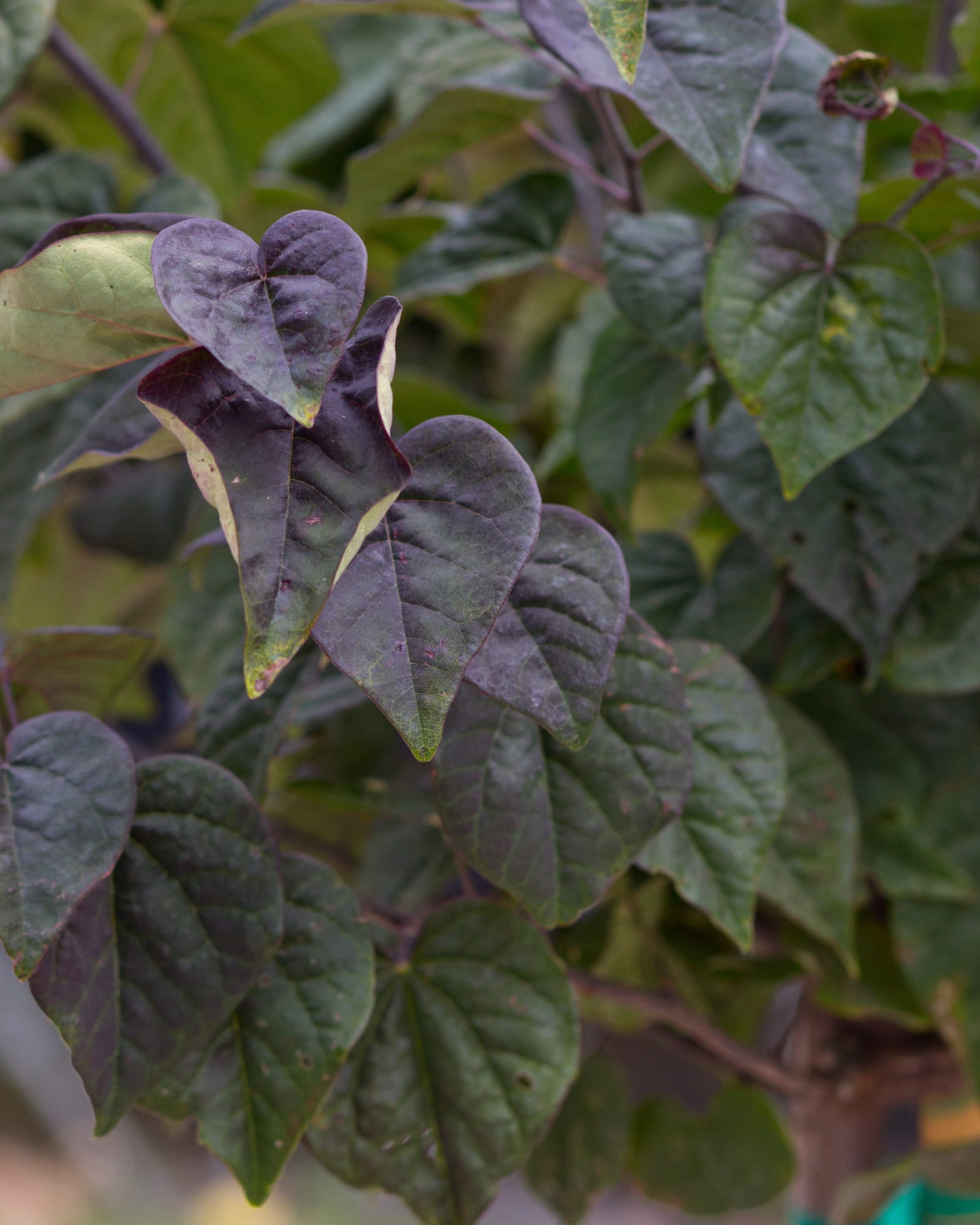
Black Pearl Redbud
Maturity: 20' H x 20' W
Bubble Gum Redbud
Maturity: 15' H x 12' W
Cotton Candy Redbud
Maturity: 20' H x 15' W
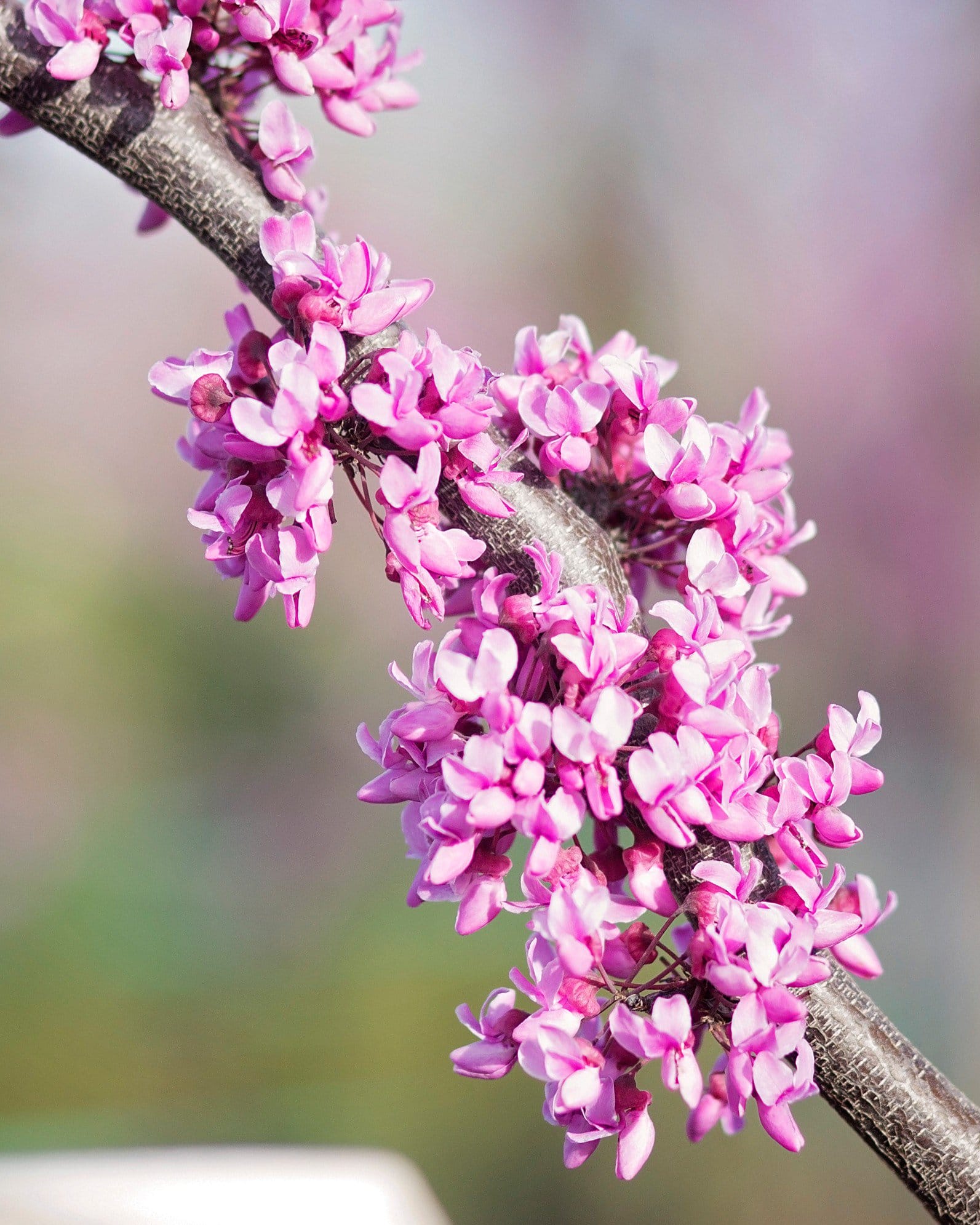
Eastern Redbud
Maturity: 20' H x 20' W
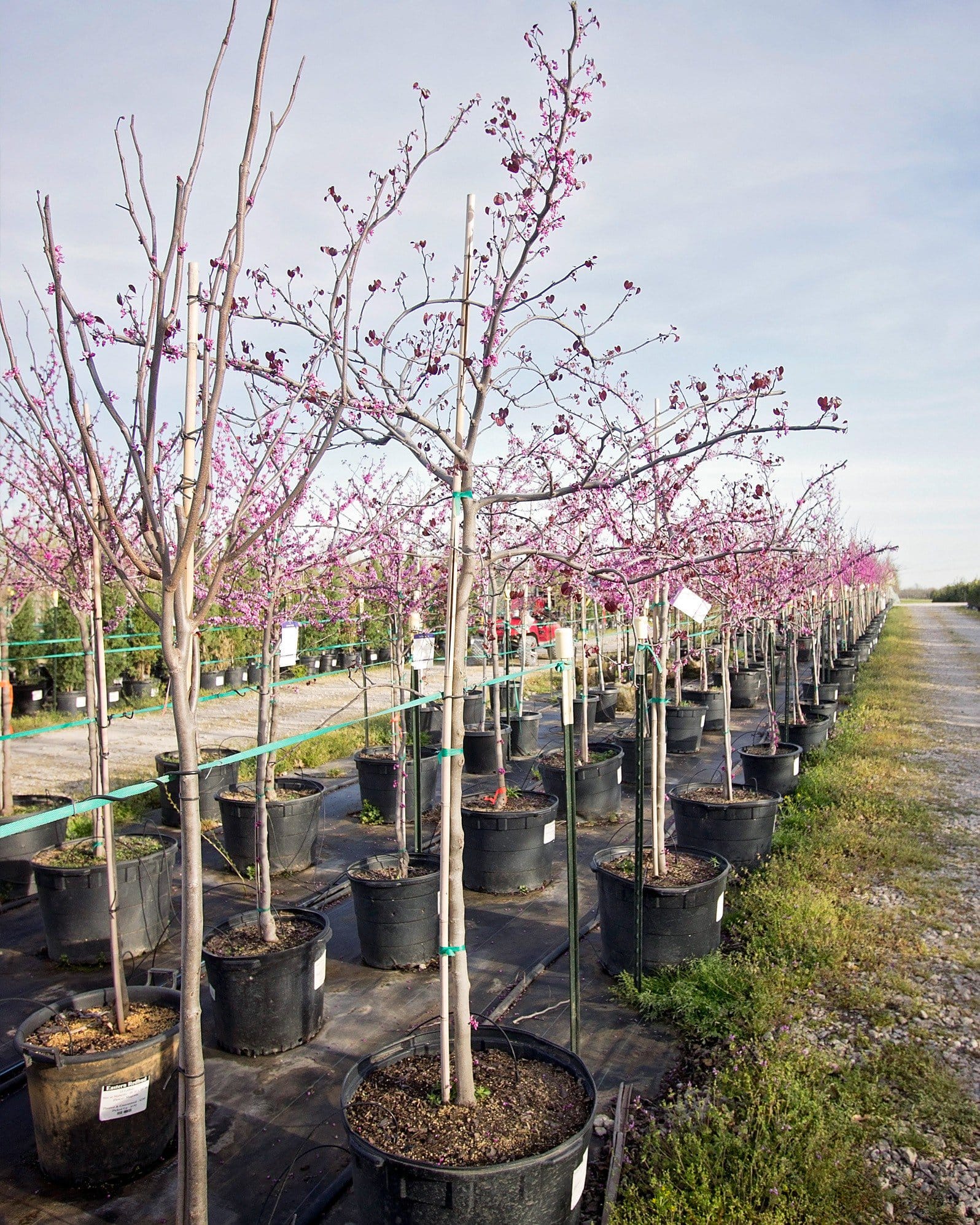
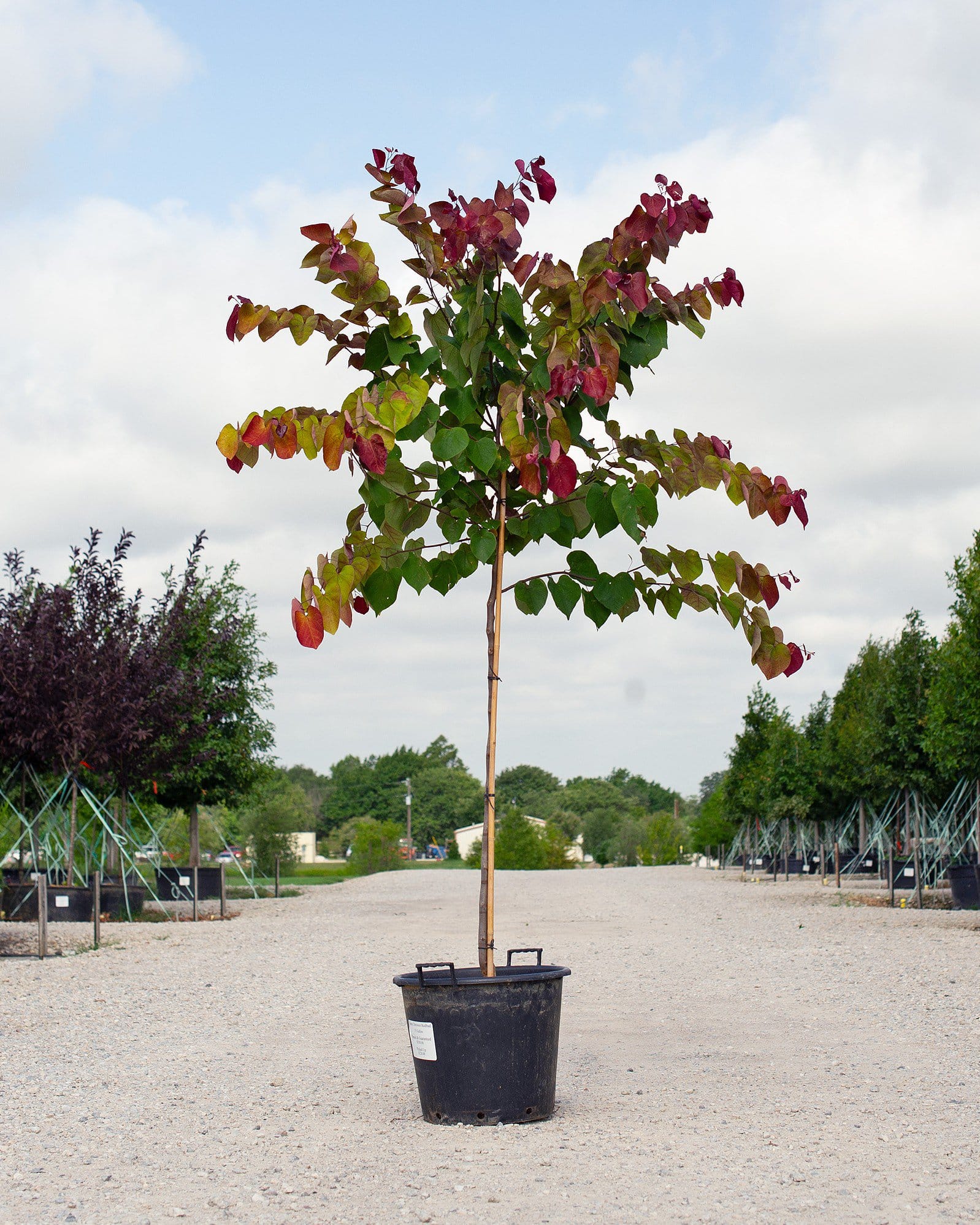
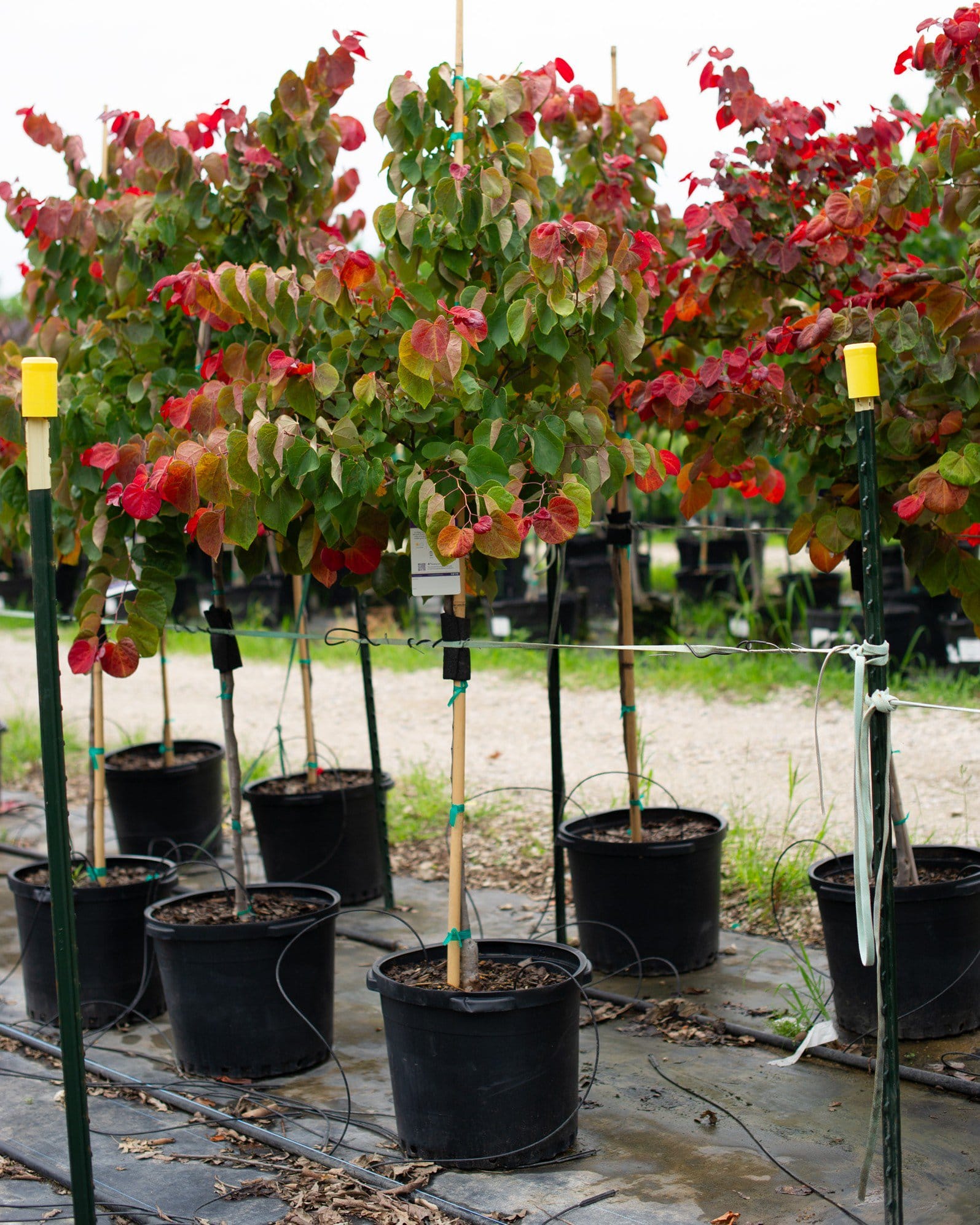
Flame Thrower Redbud
Maturity: 15' H x 15' W
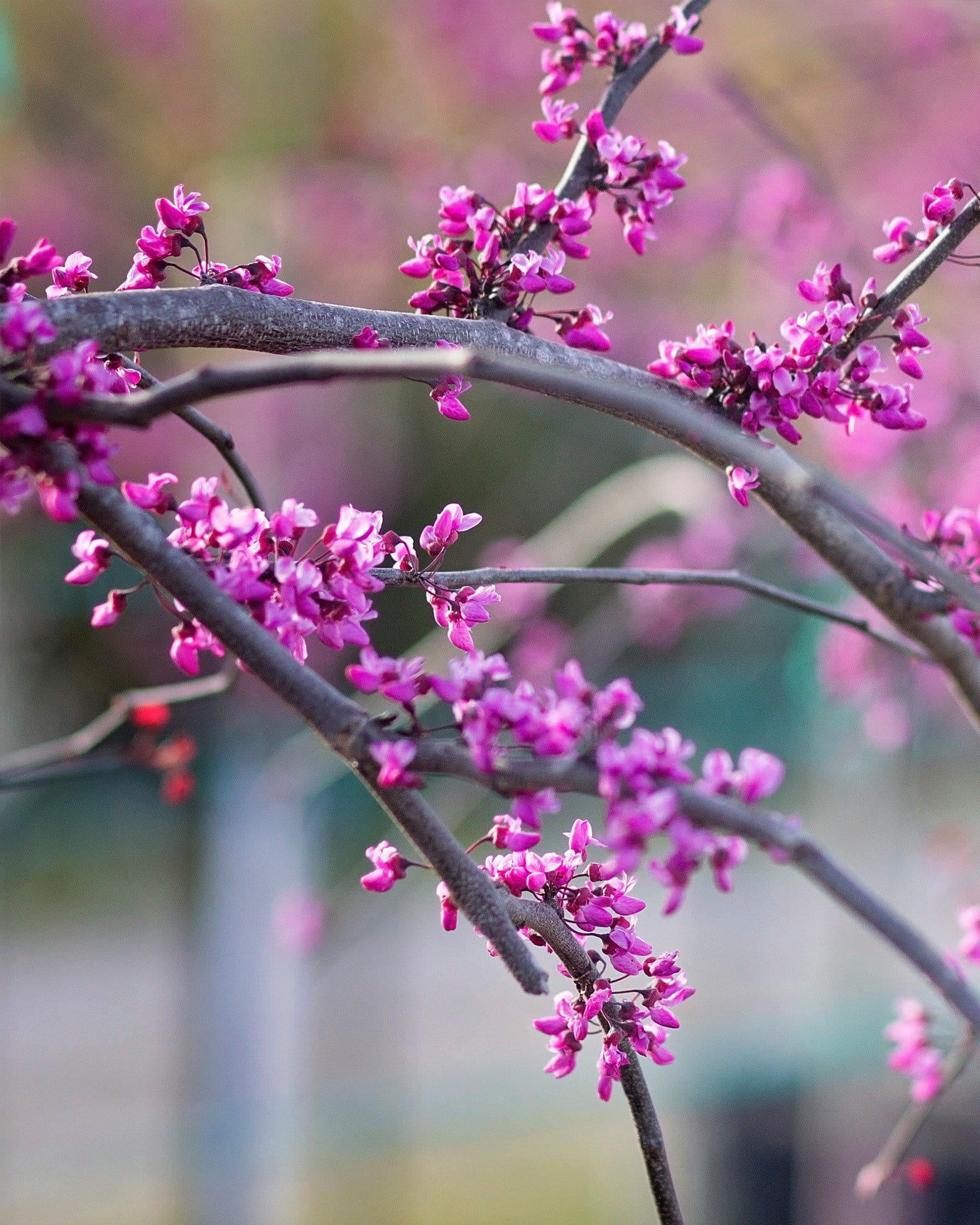
Gilded Hearts Redbud
Maturity: 15' H x 15' W
Compare Similar Plants
Hearts of Gold Redbud This plant | ||
|---|---|---|
| Scientific Name | Cercis canadensis 'Hearts of Gold' | Cercis canadensis ‘Forest Pansy’ |
| Size at Maturity | 15' H x 15' W | 20' H x 20' W |
| Leaf Retention | Deciduous | Deciduous |
| Fall Color | Orange & Red | Orange & Red |
| Flower Color | Pink | Pink |
| Bloom Times | Spring | Spring |
| Sizes Available | 15, 30 gal | 7, 15, 45 gal |


Our 1-Year Planting Guarantee
We take pride in our plants and installation services. If any plants or trees installed by Treeland fail to thrive within the first year, we'll provide a replacement credit in accordance with our guarantee program.
Learn More About Our Guarantee