
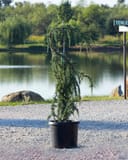
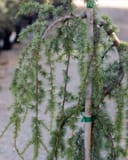
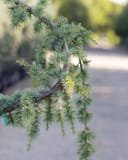
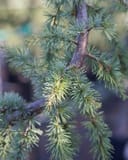
Blue Atlas Cedar Glauca Pendula
Cedrus atlantica ‘Glauca Pendula’Local DFW Delivery Only
Product Details
Blue Atlas Cedar Glauca Pendula
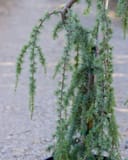
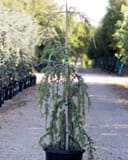
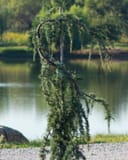
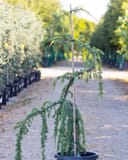
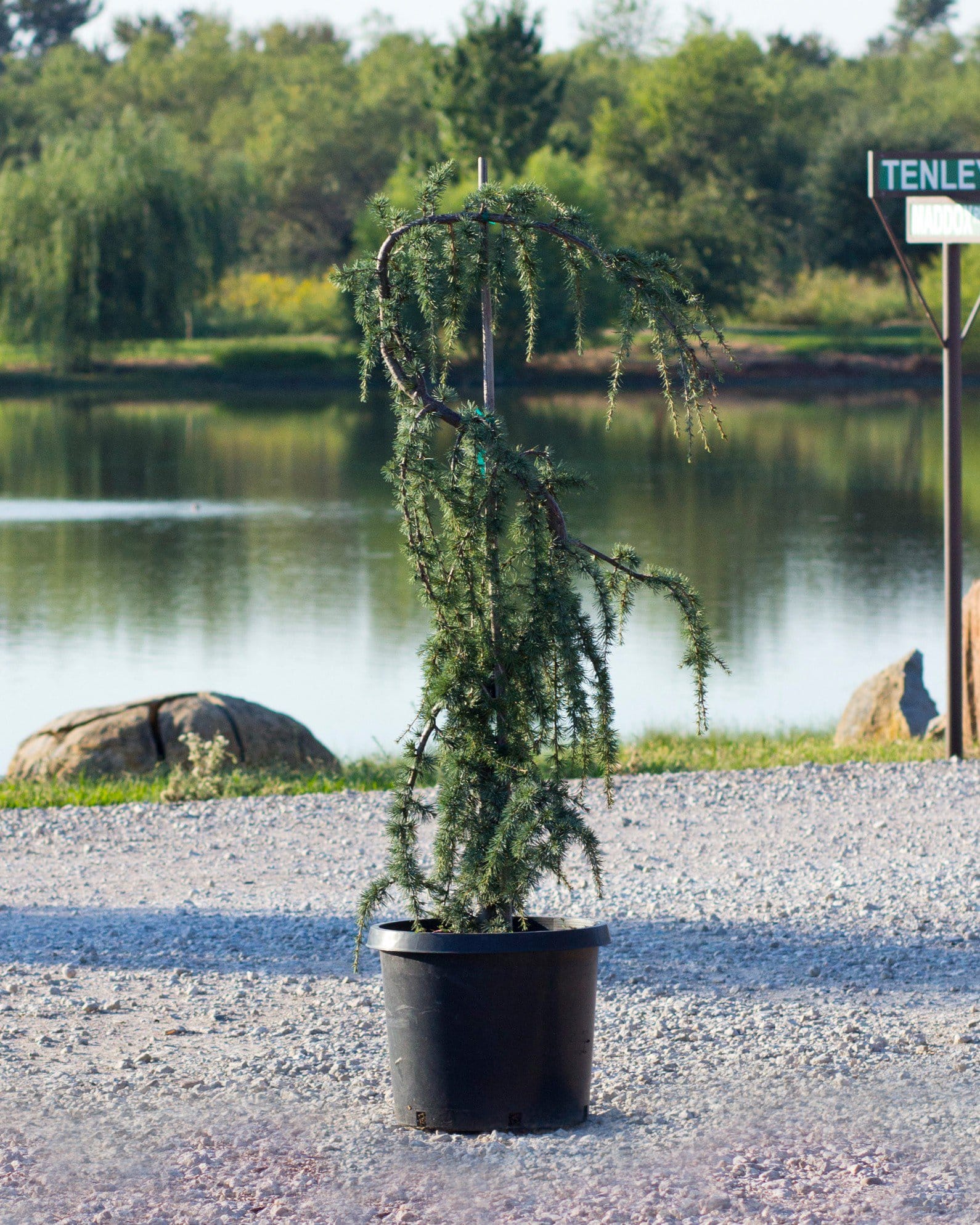
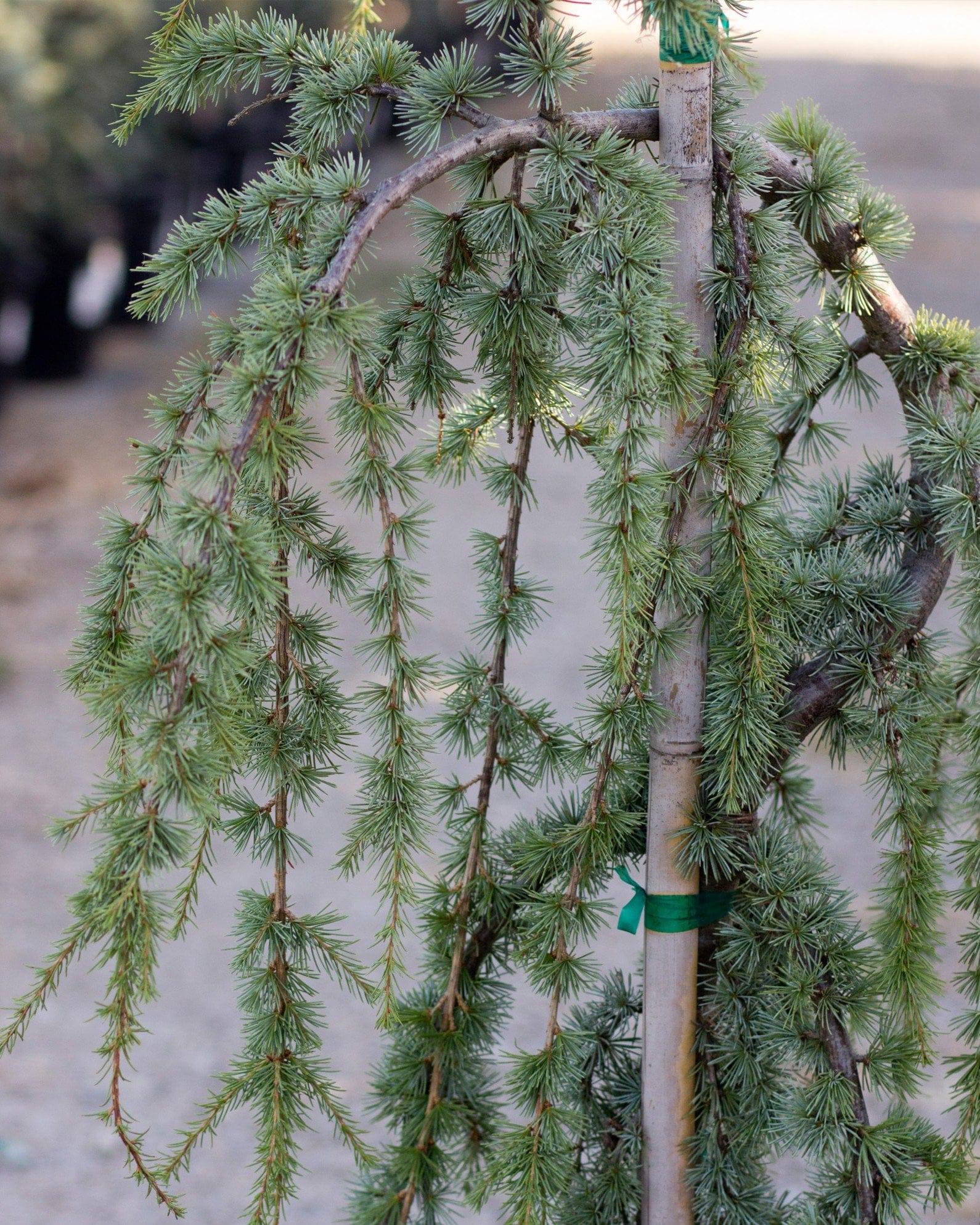
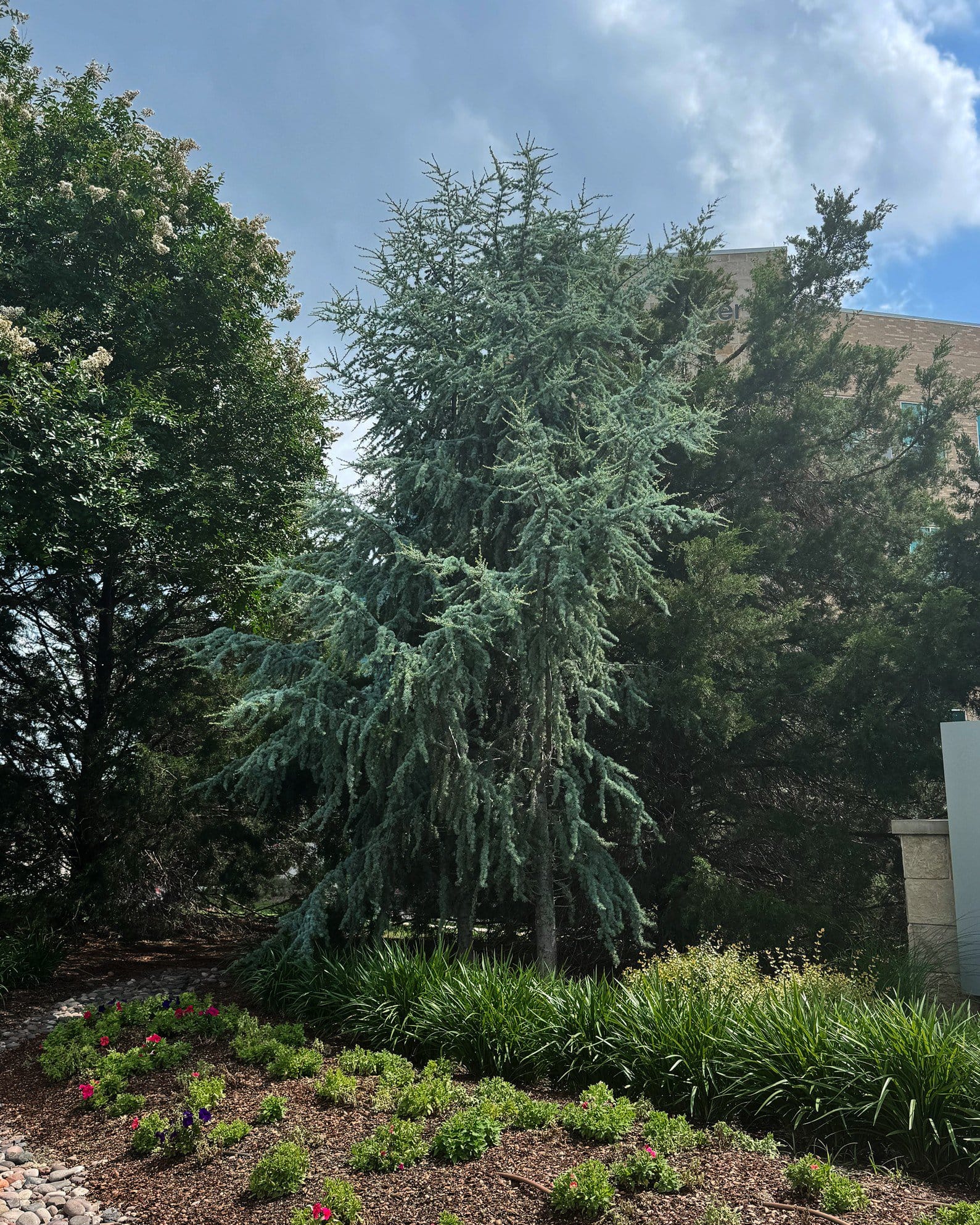
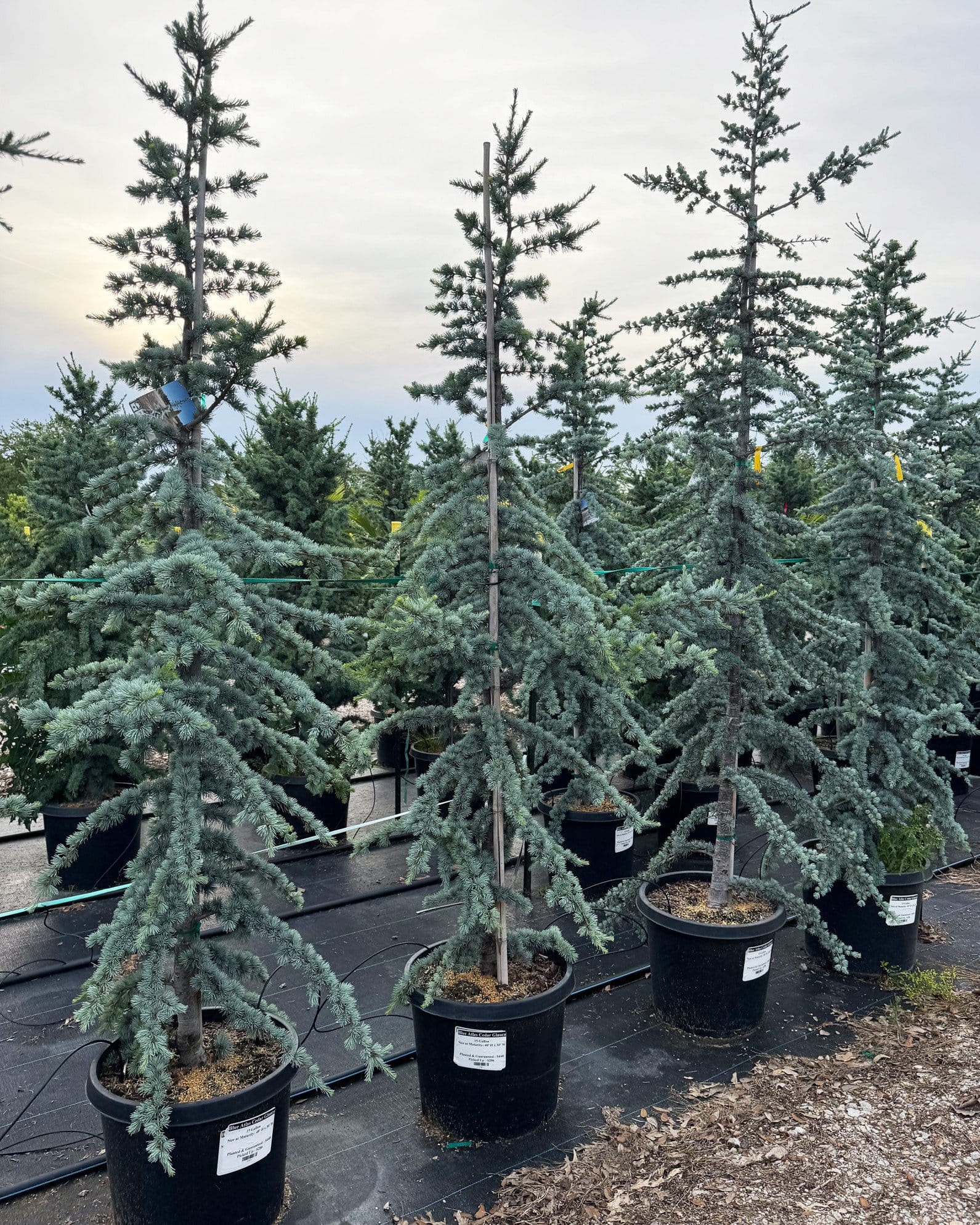
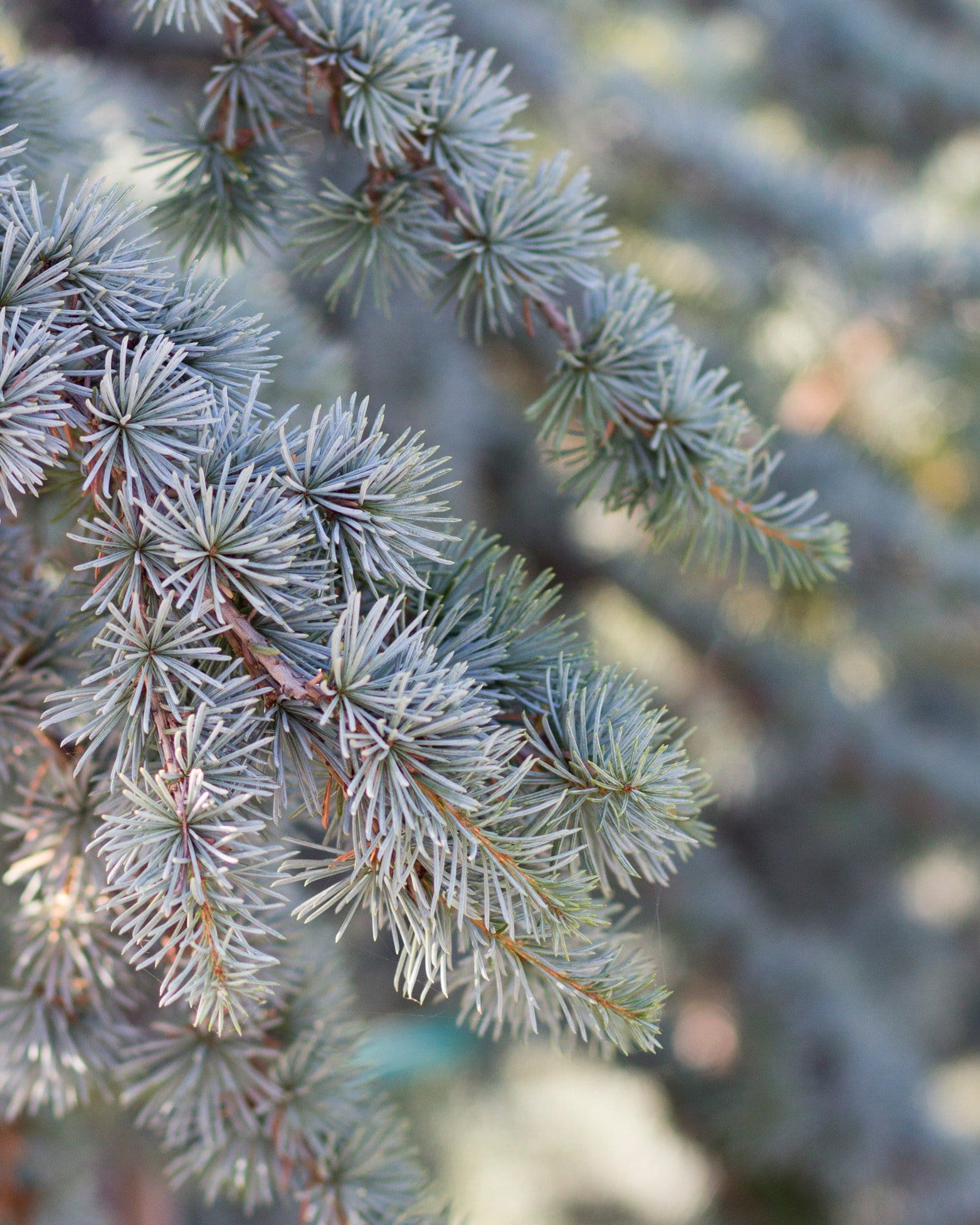
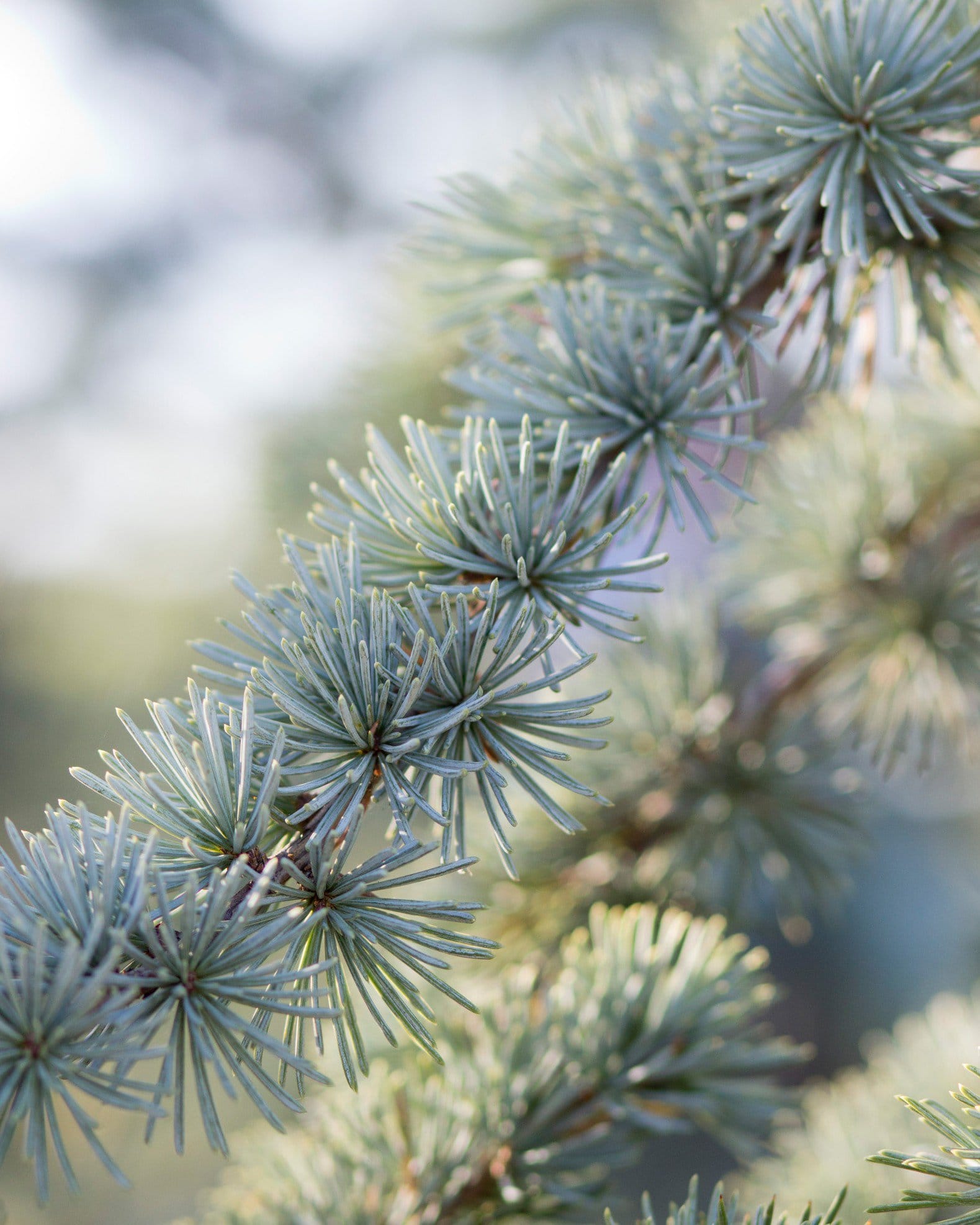
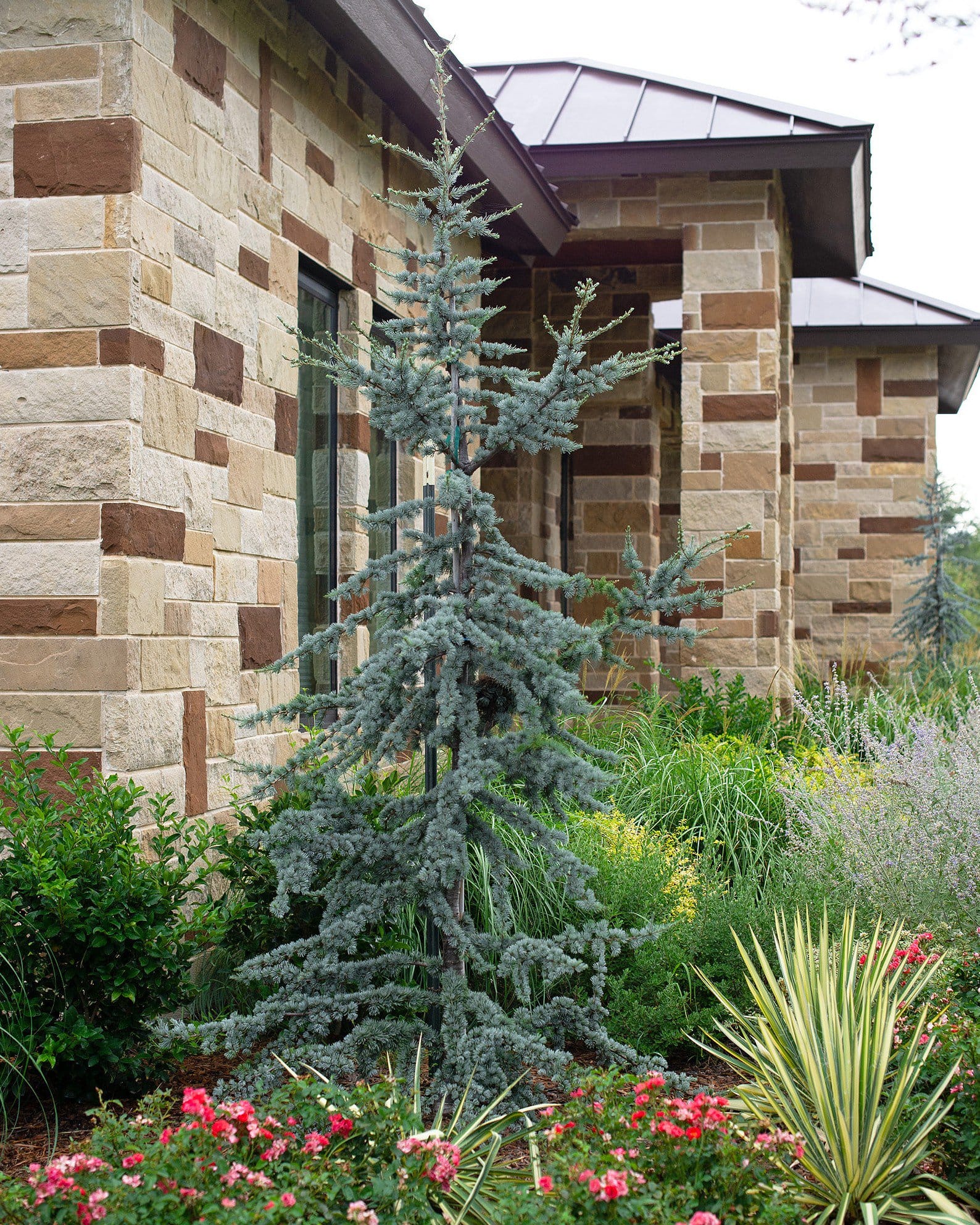
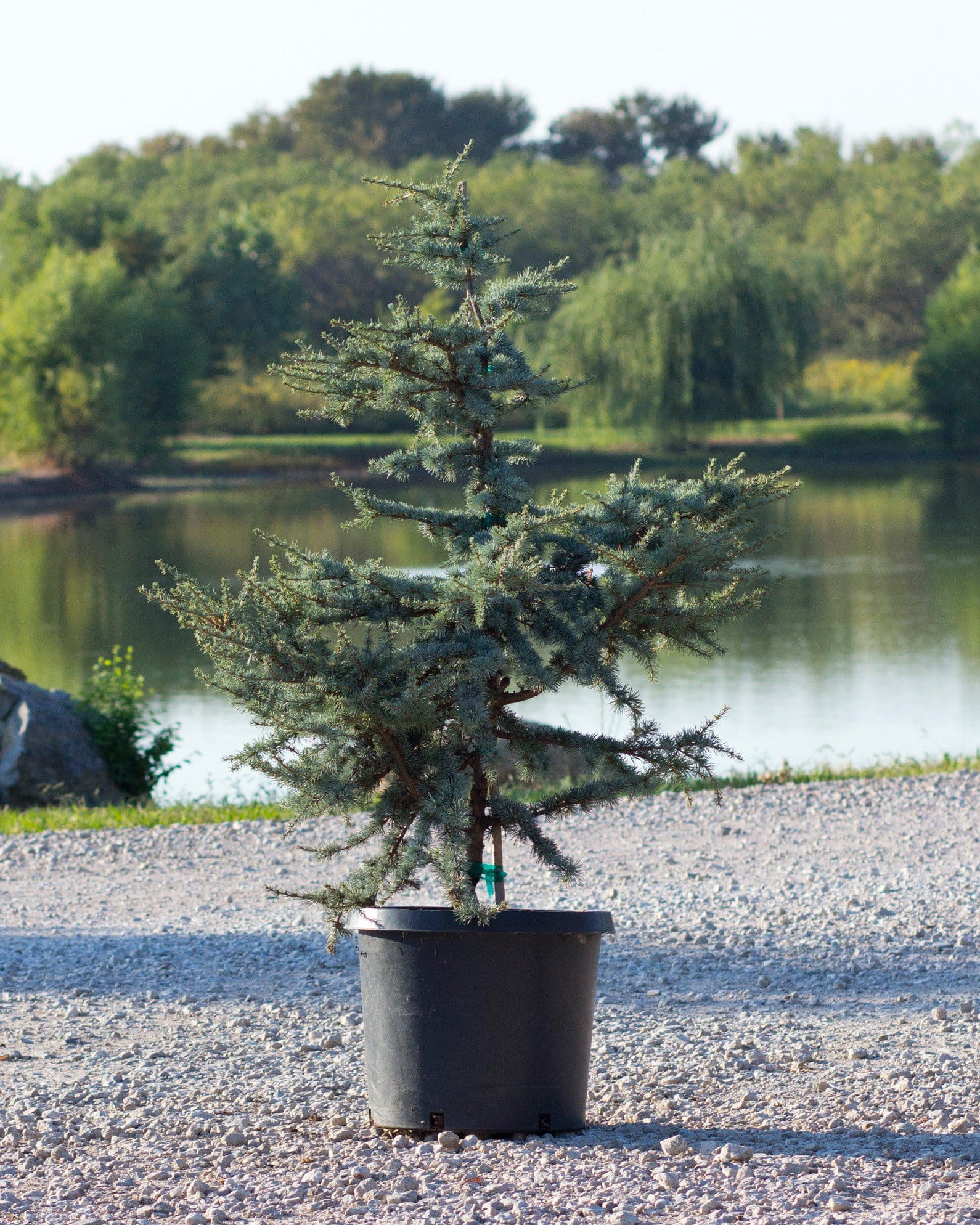
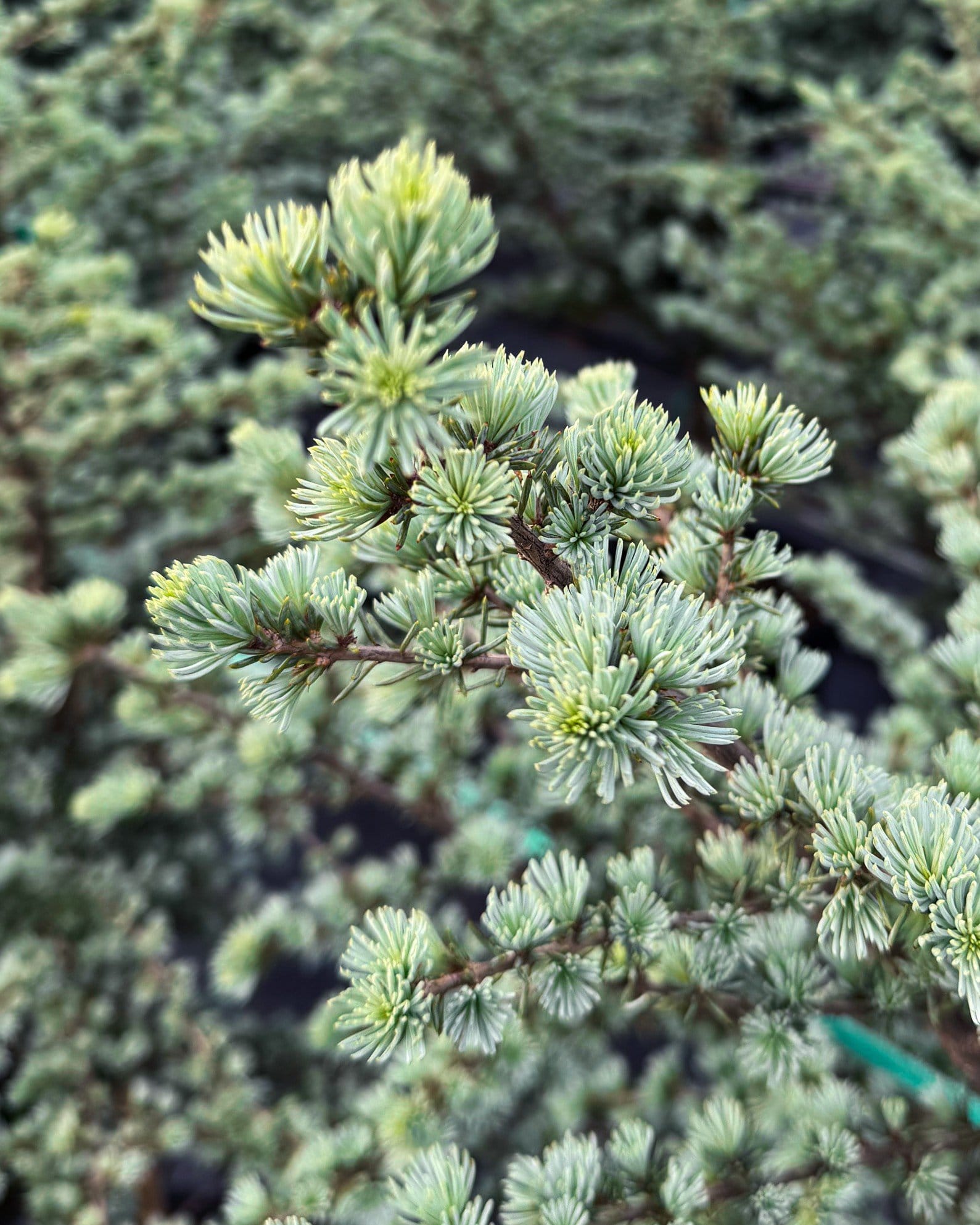
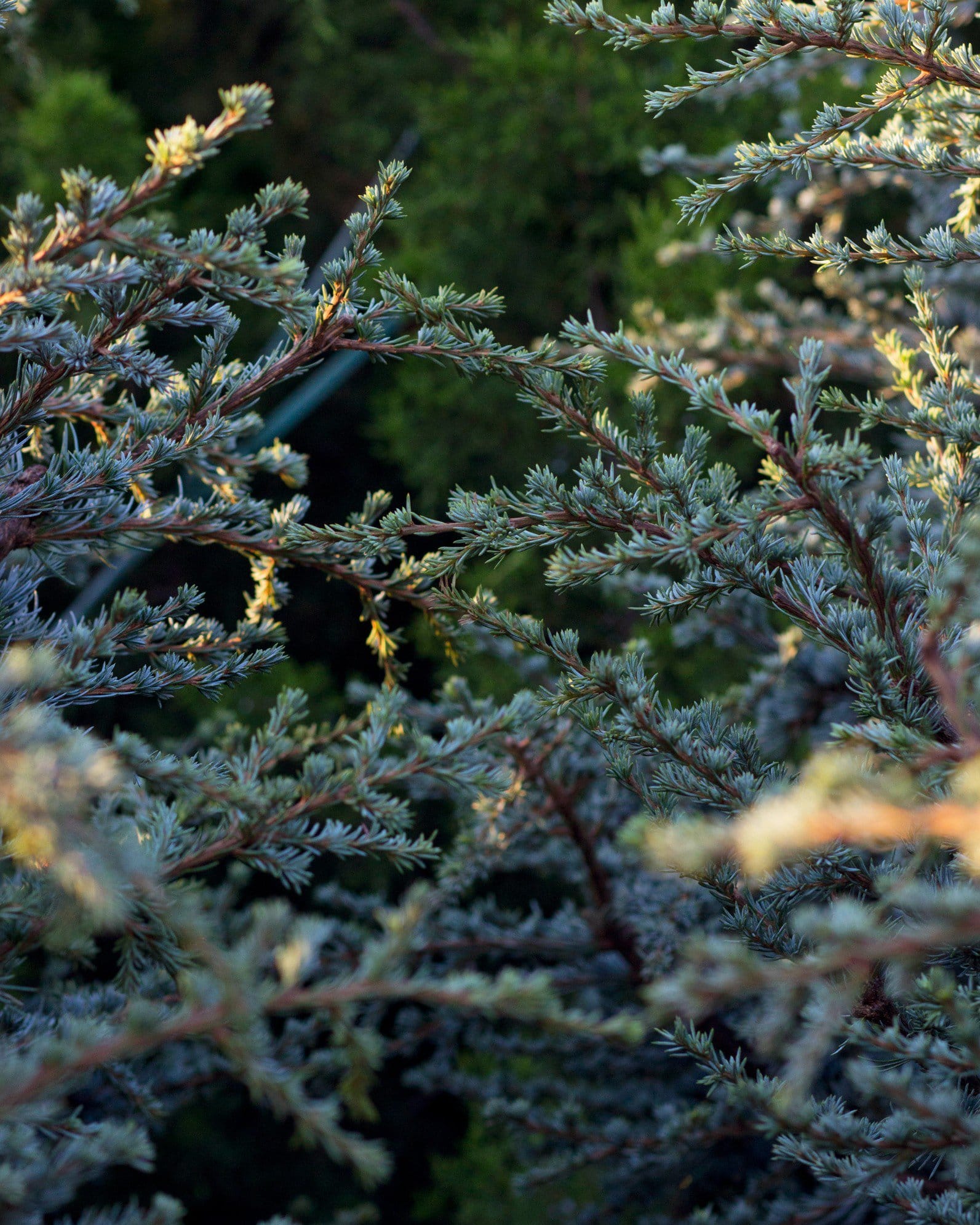
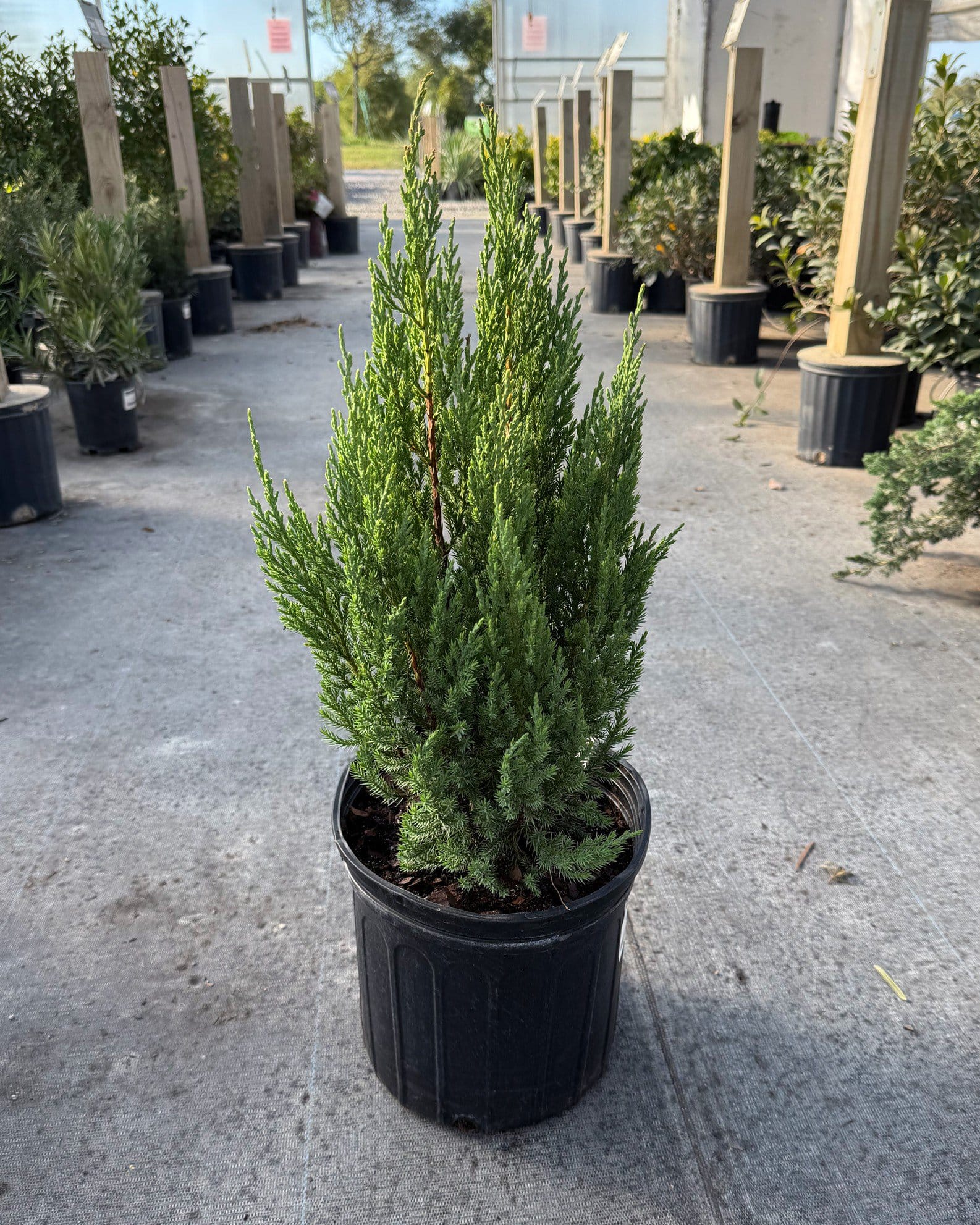
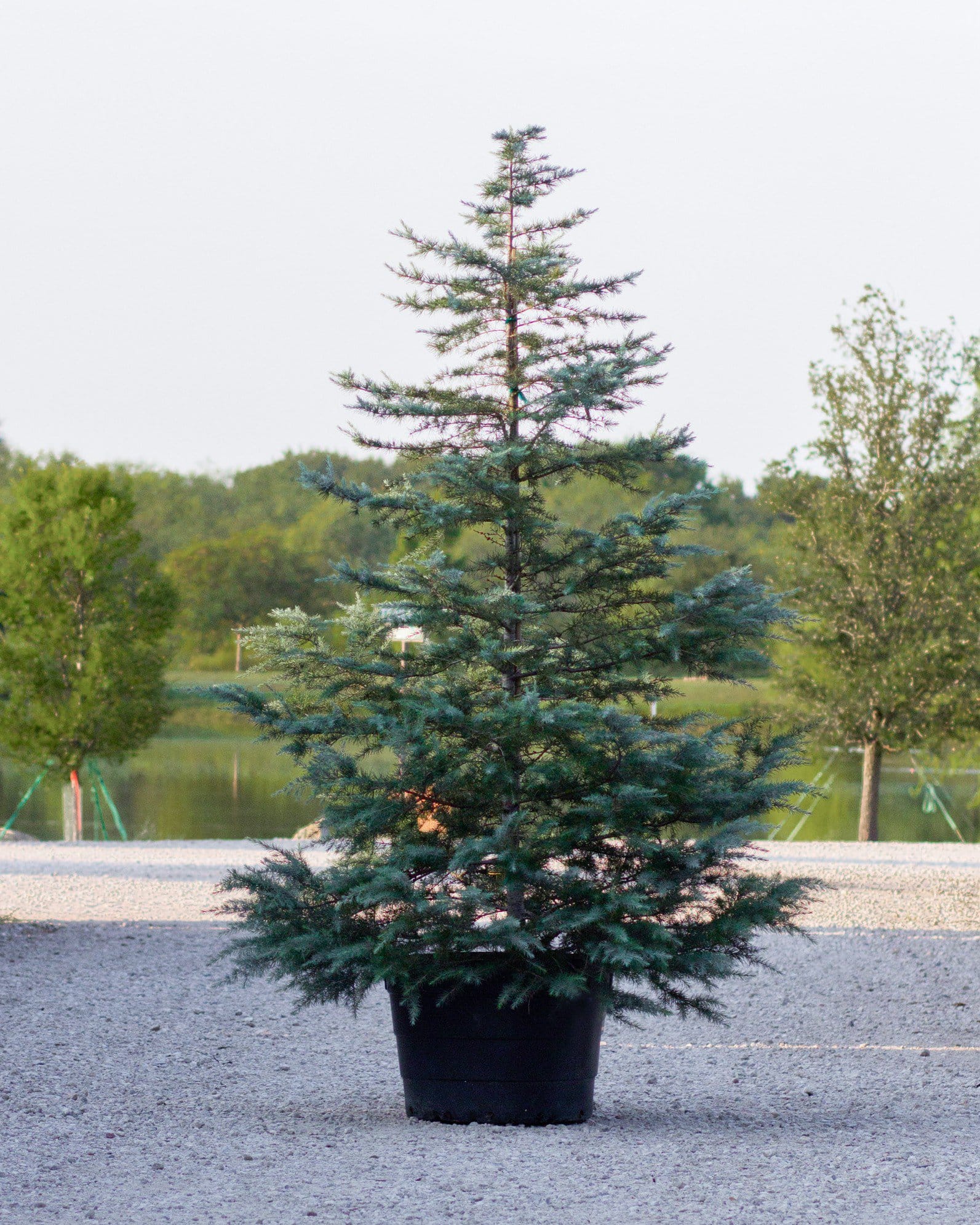
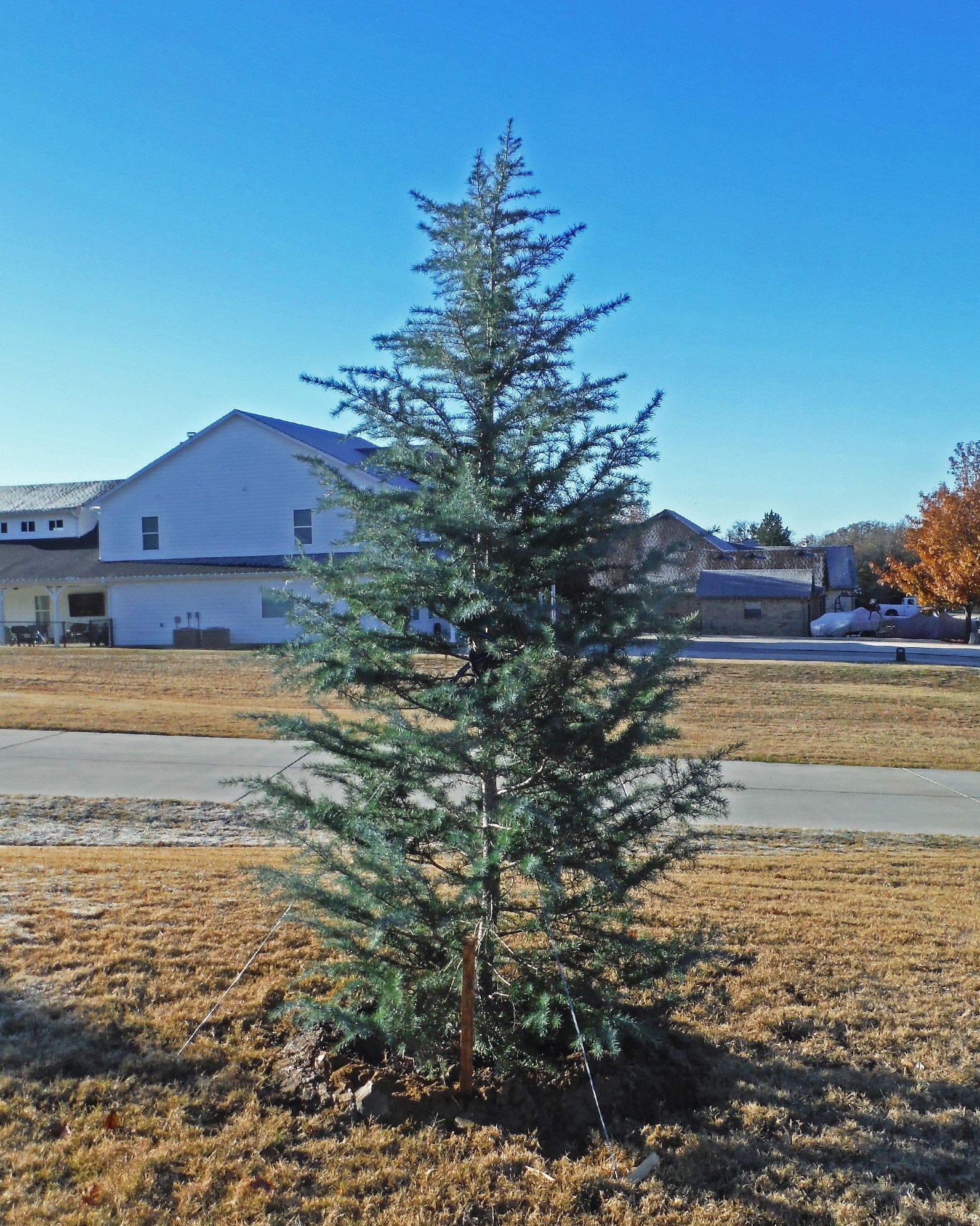
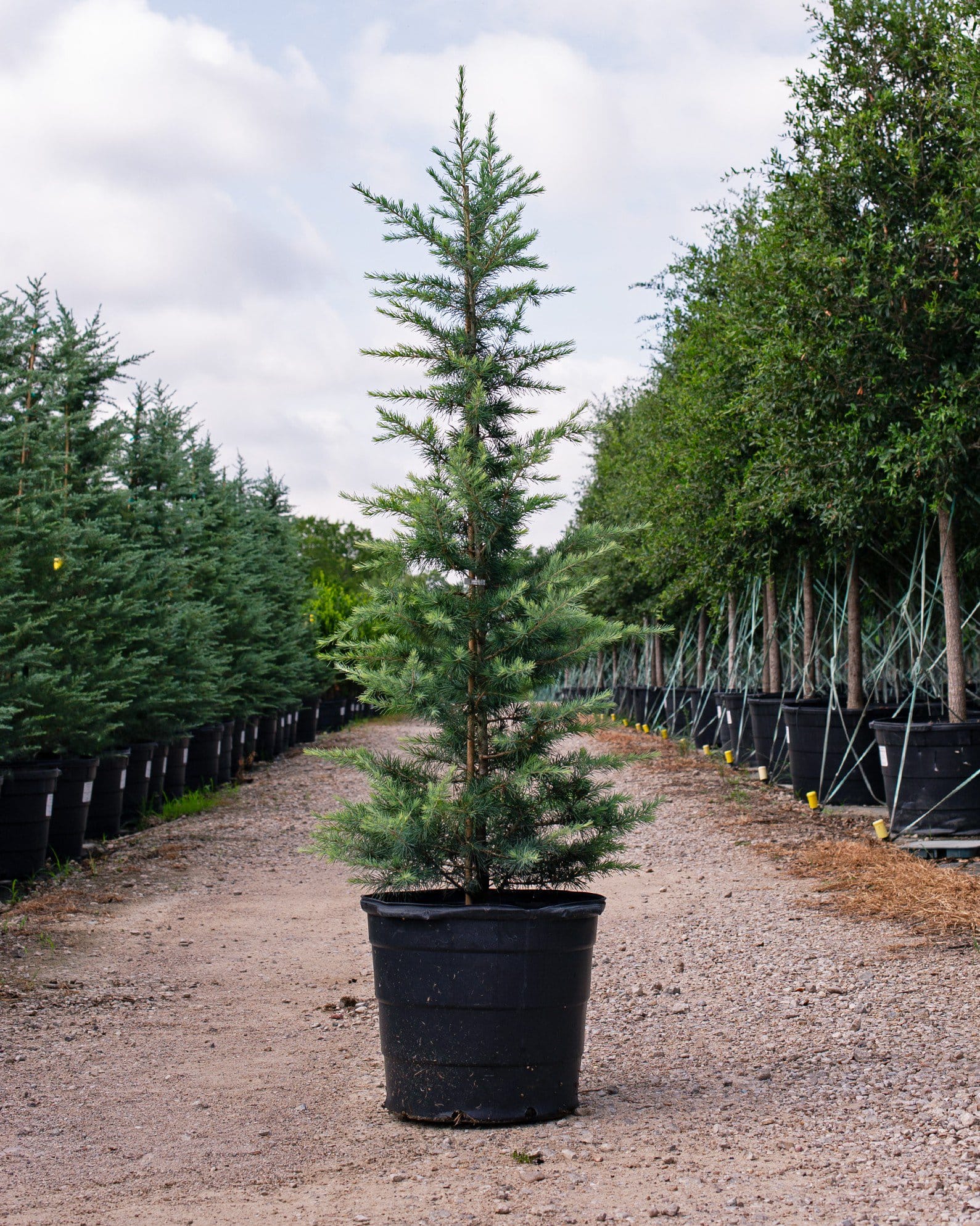
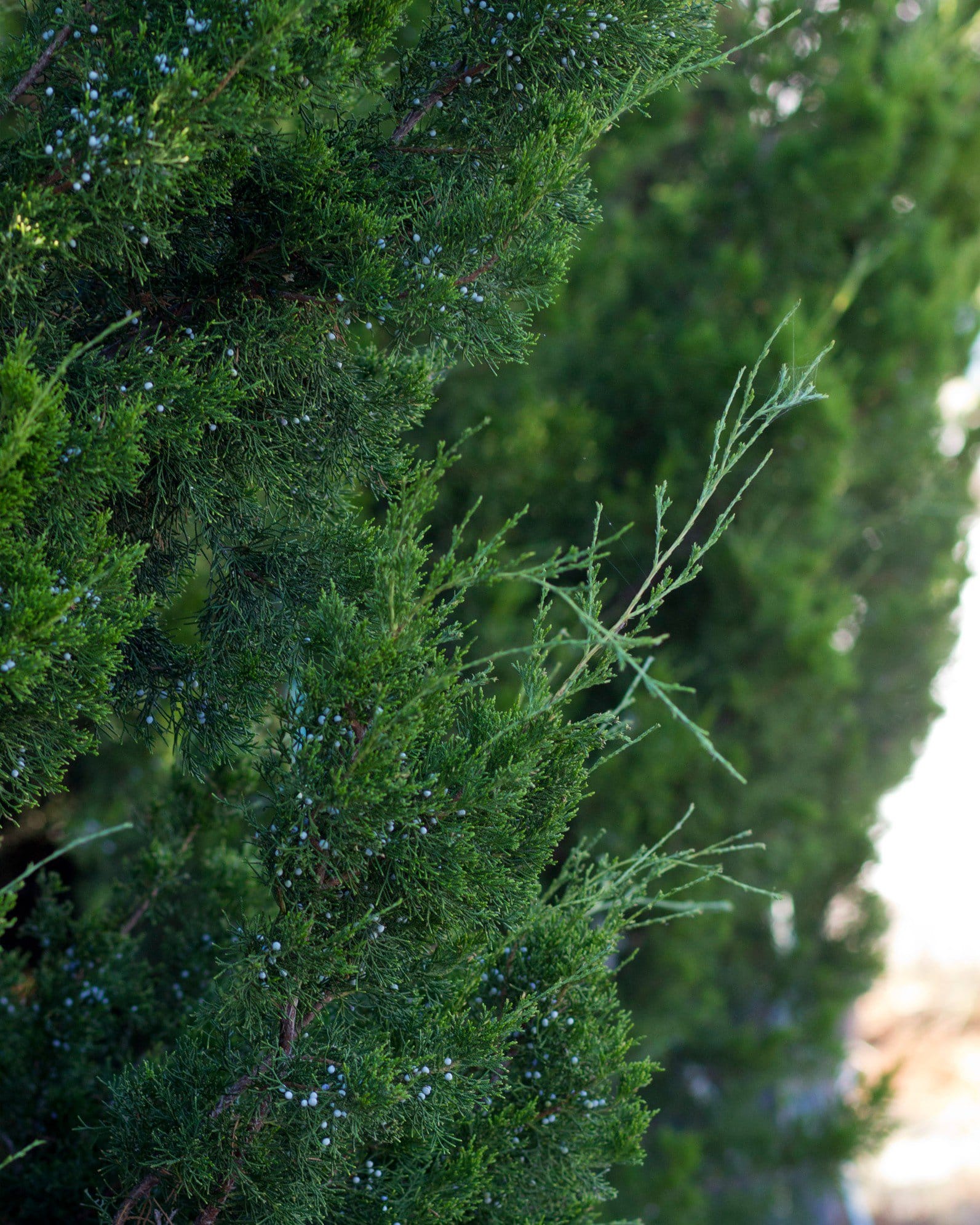
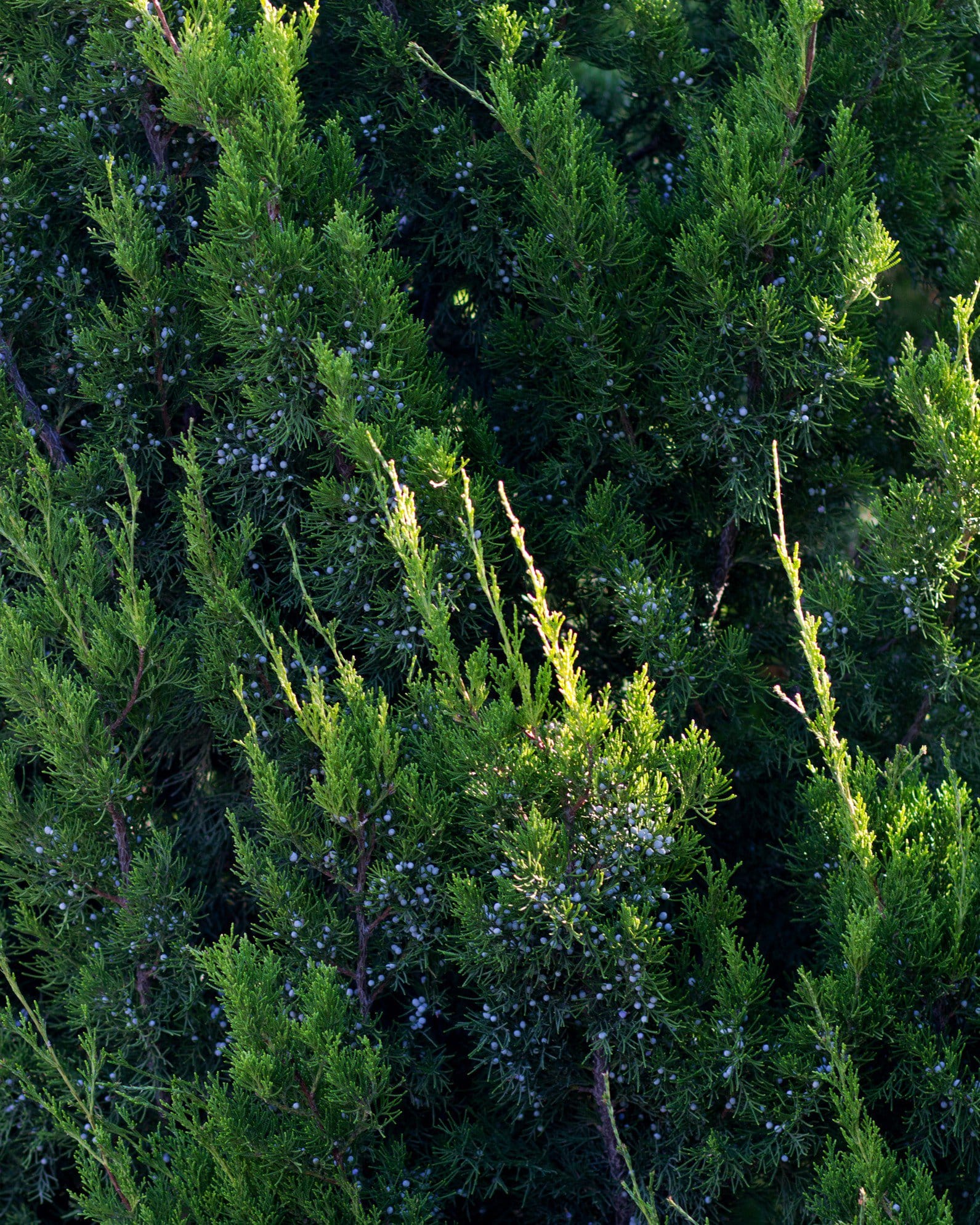
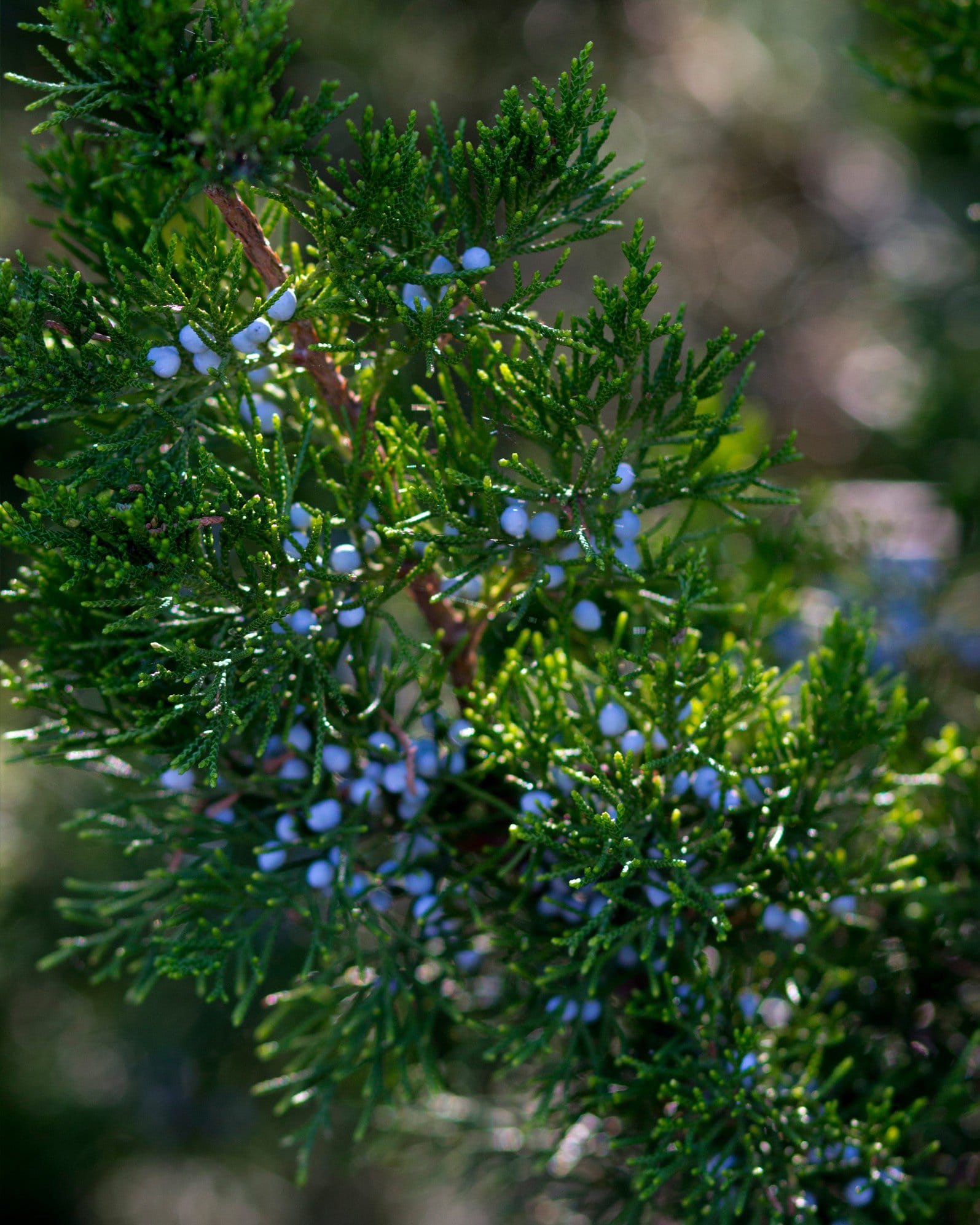
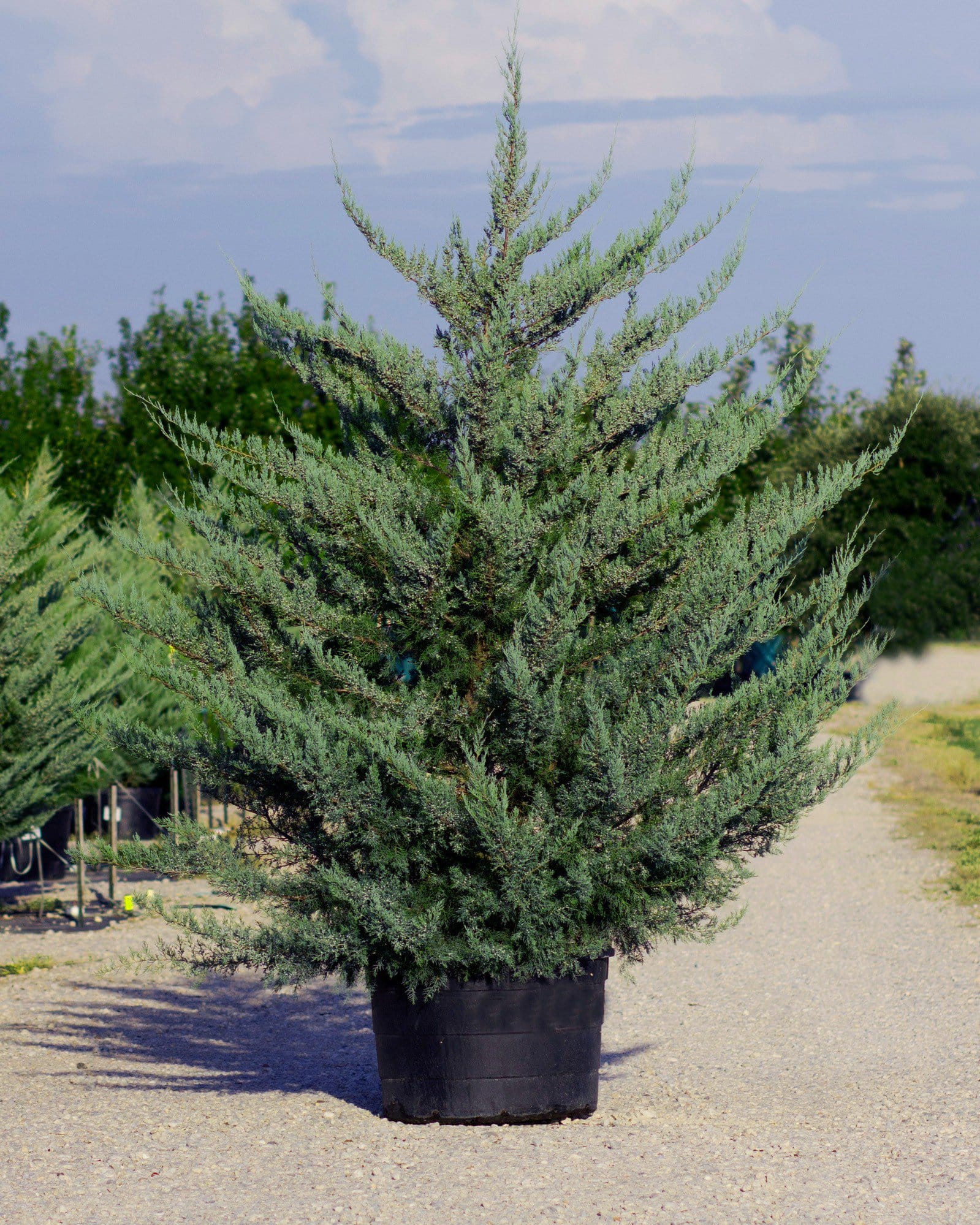
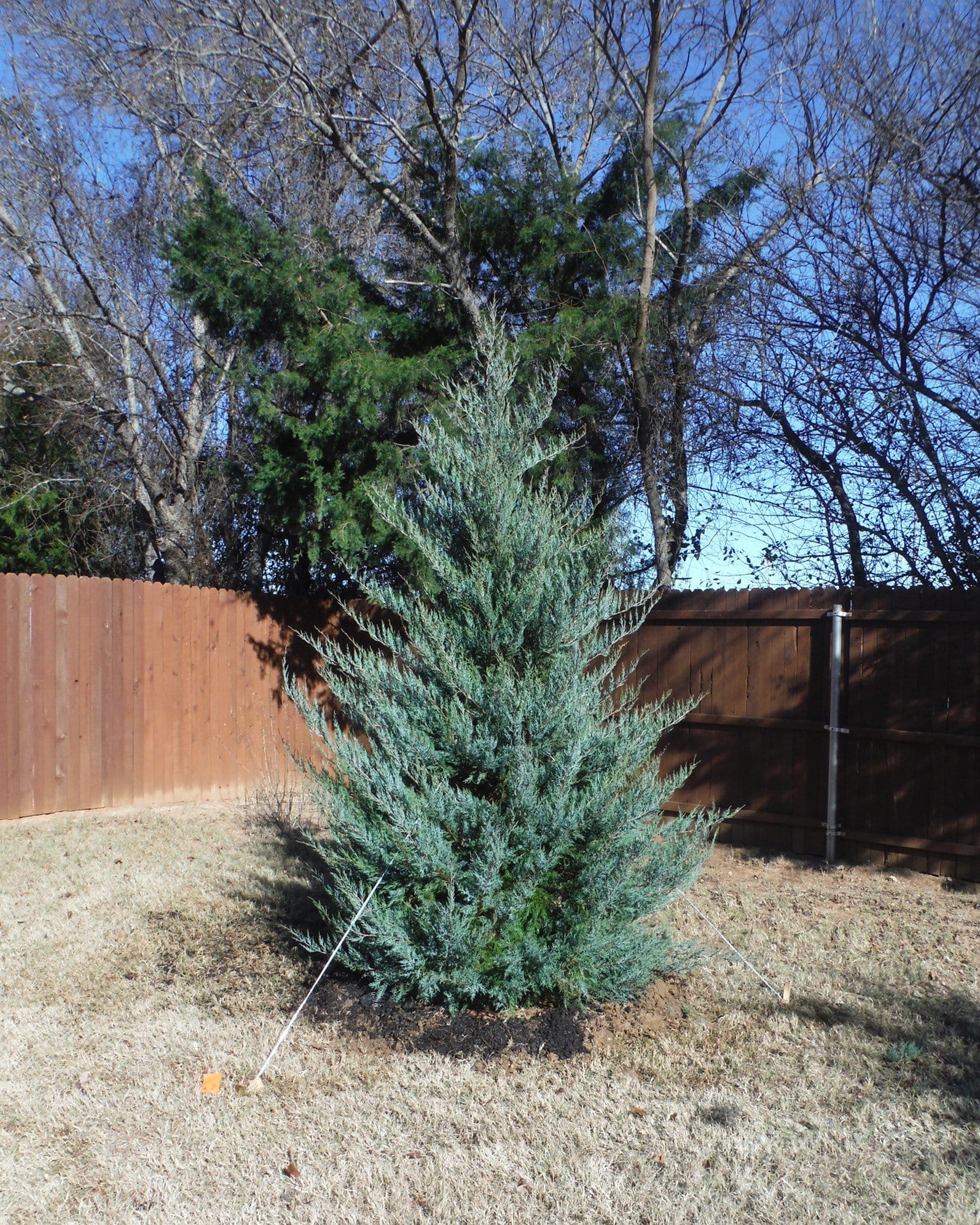
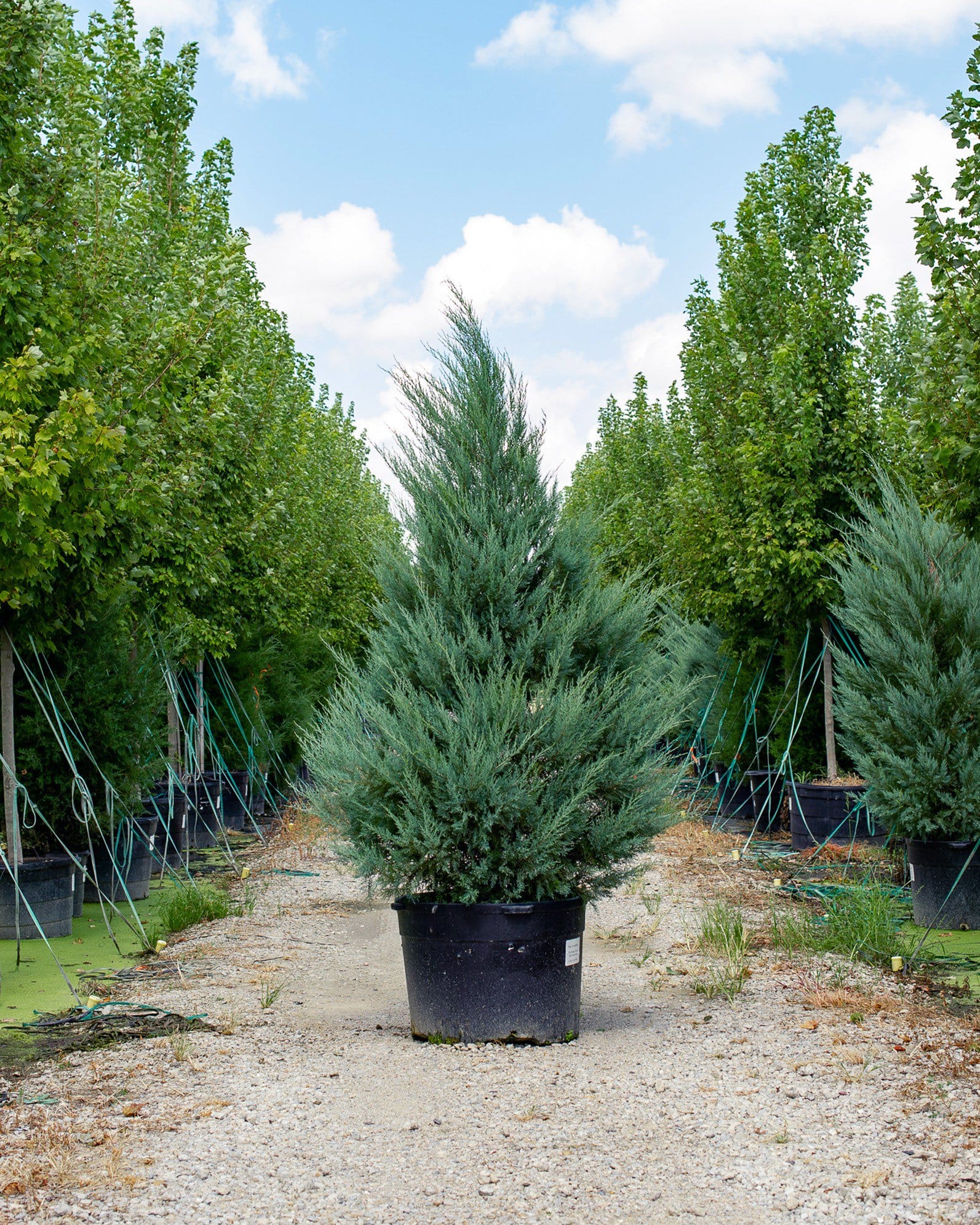
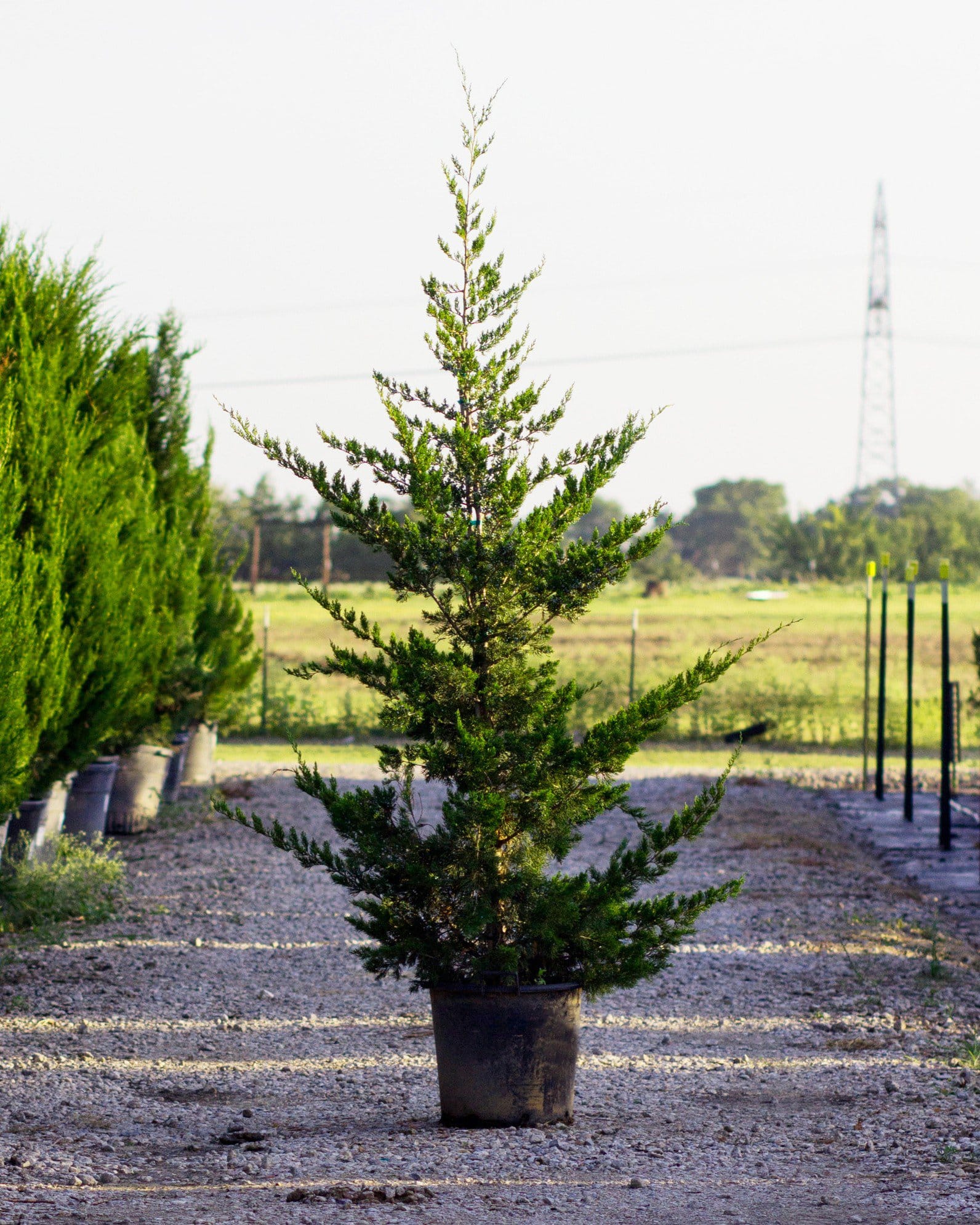
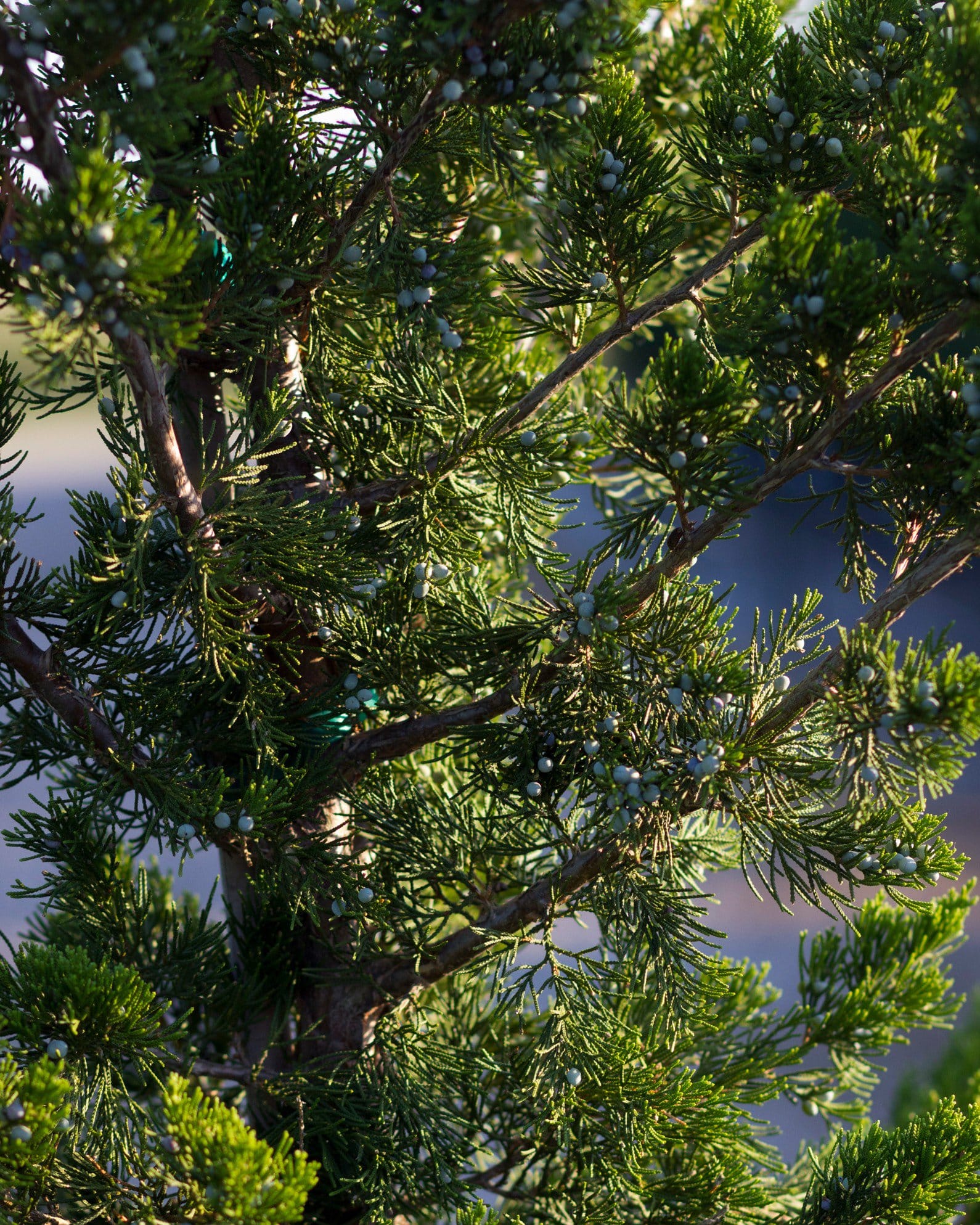
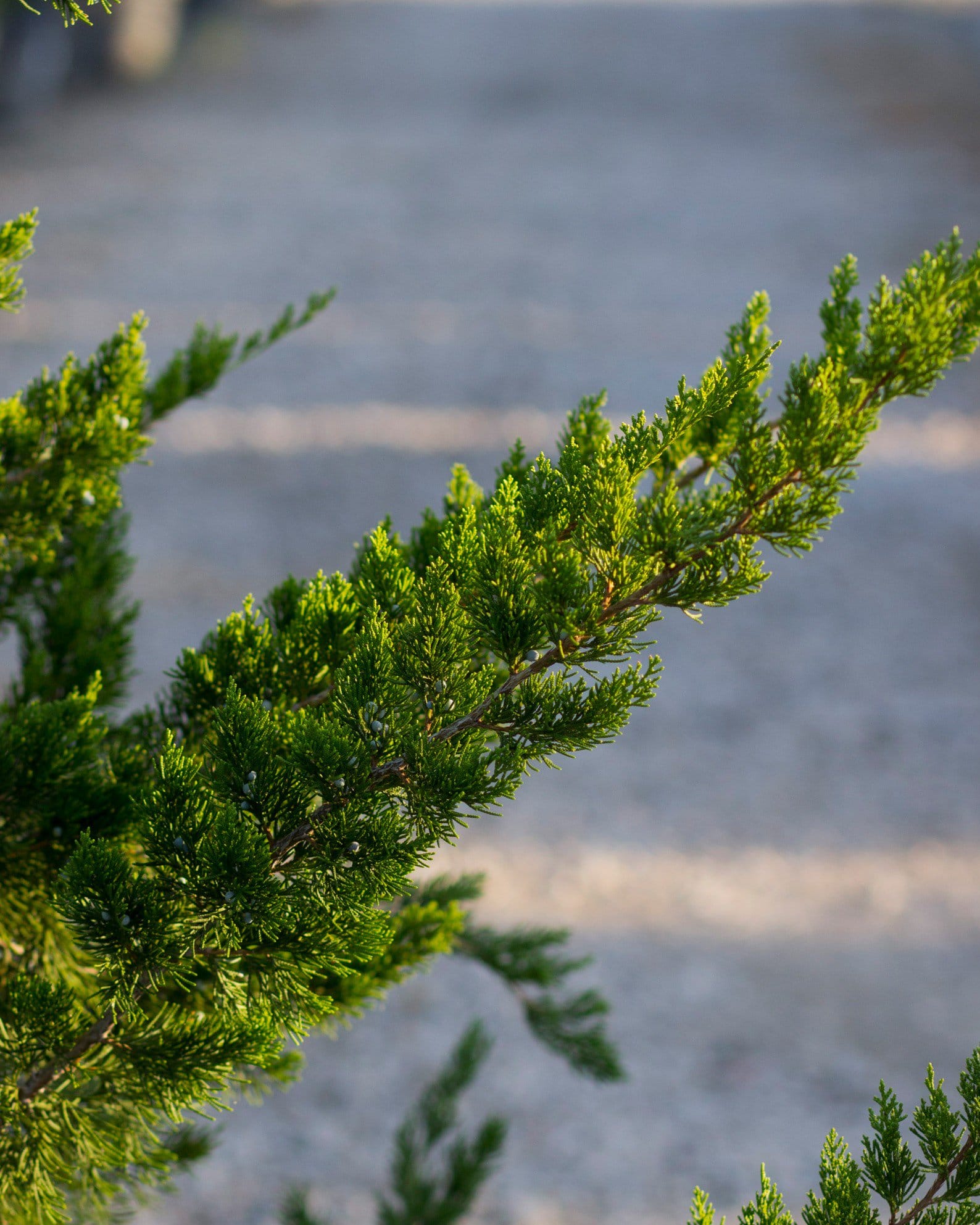
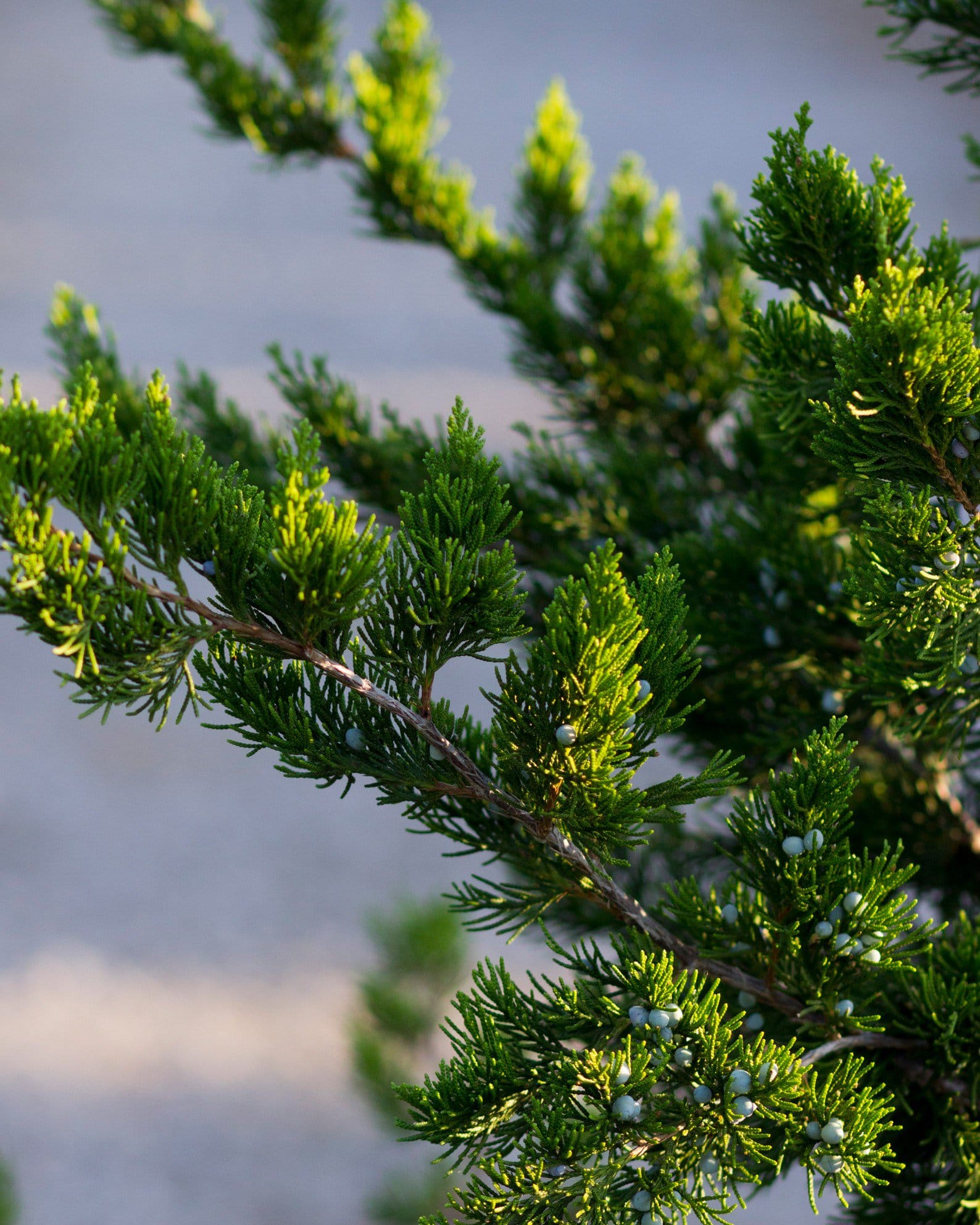
Cedrus atlantica ‘Glauca Pendula’The Blue Atlas Cedar ‘Glauca Pendula’ is a truly unique evergreen tree, prized for its dramatic weeping habit and glistening silvery-blue needles. Its flowing, architectural form can be trained over arbors, down walls, or allowed to sprawl into a sculptural centerpiece. At maturity, this cedar typically reaches 10 in height and width. Every specimen grows a little differently, adding one-of-a-kind movement and personality to your landscape.
- Evergreen tree
- Moderate growth rate with signature weeping form
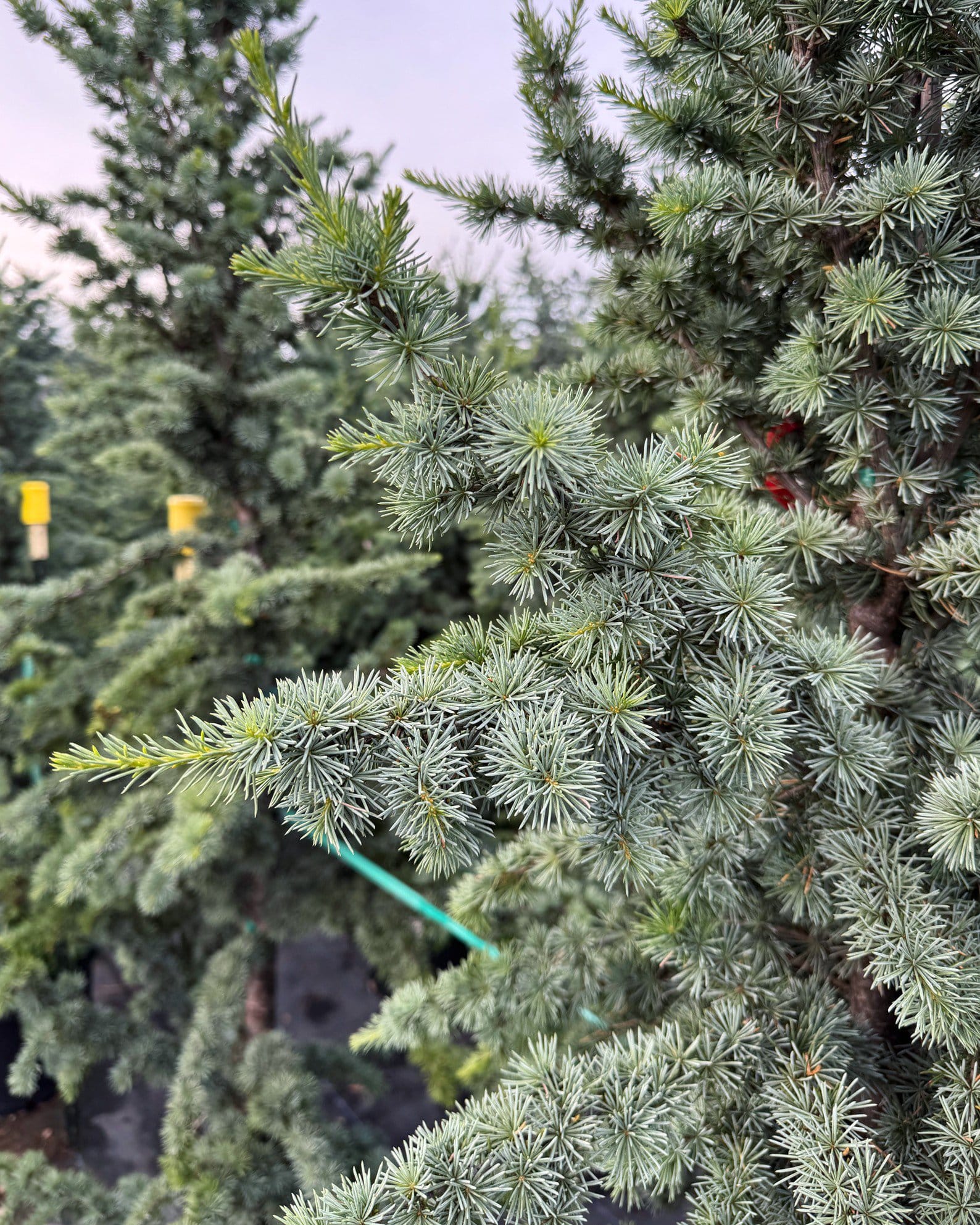
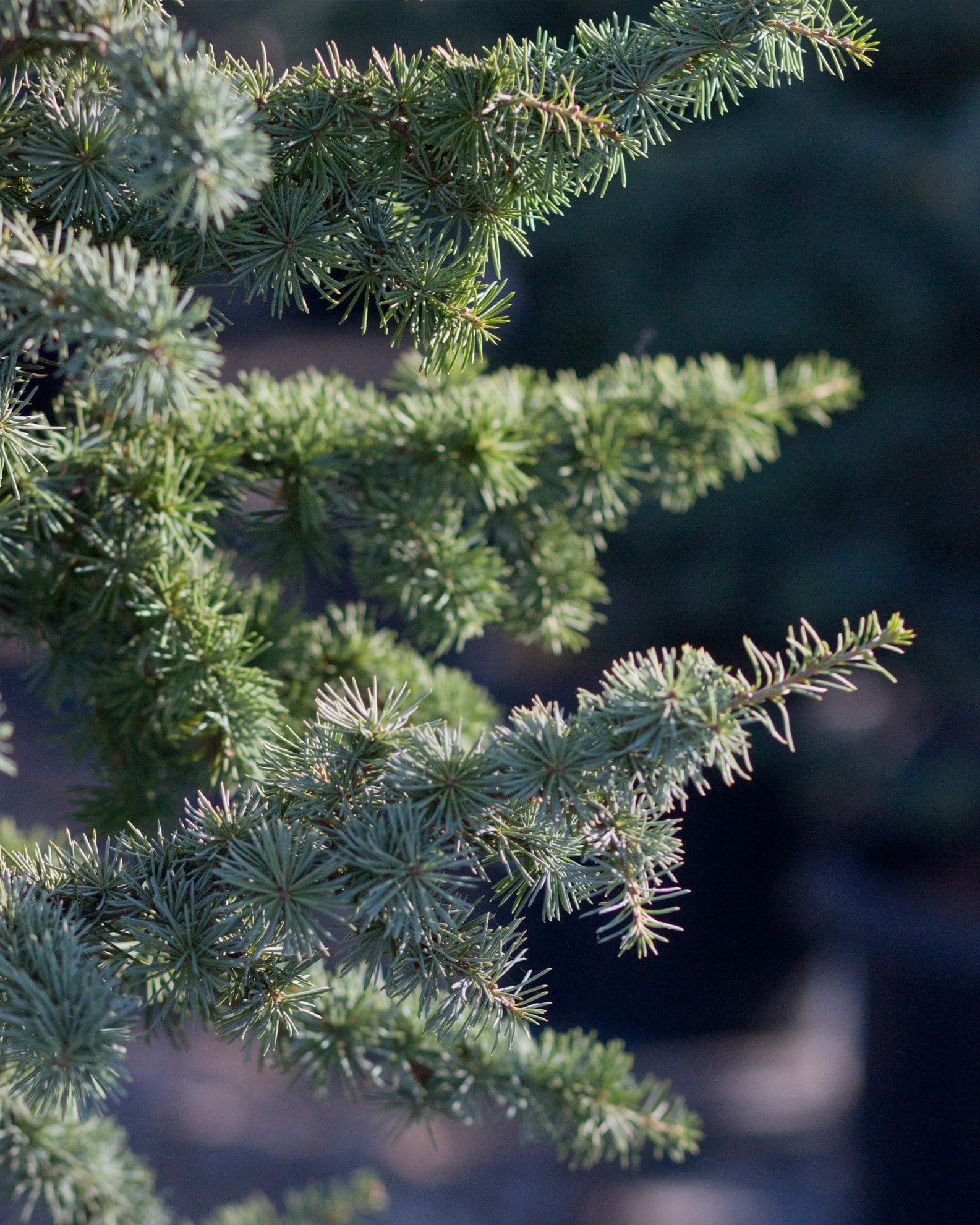
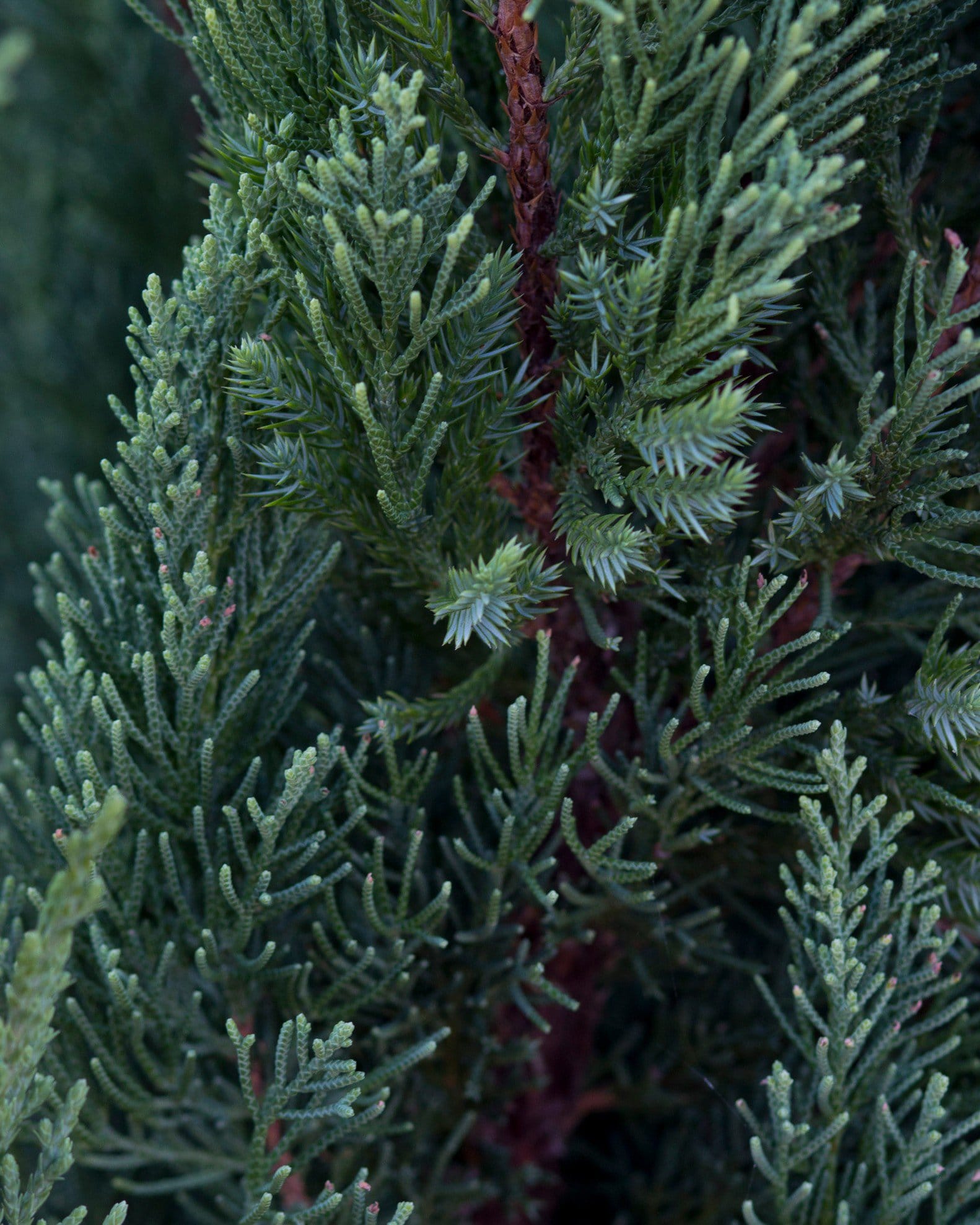
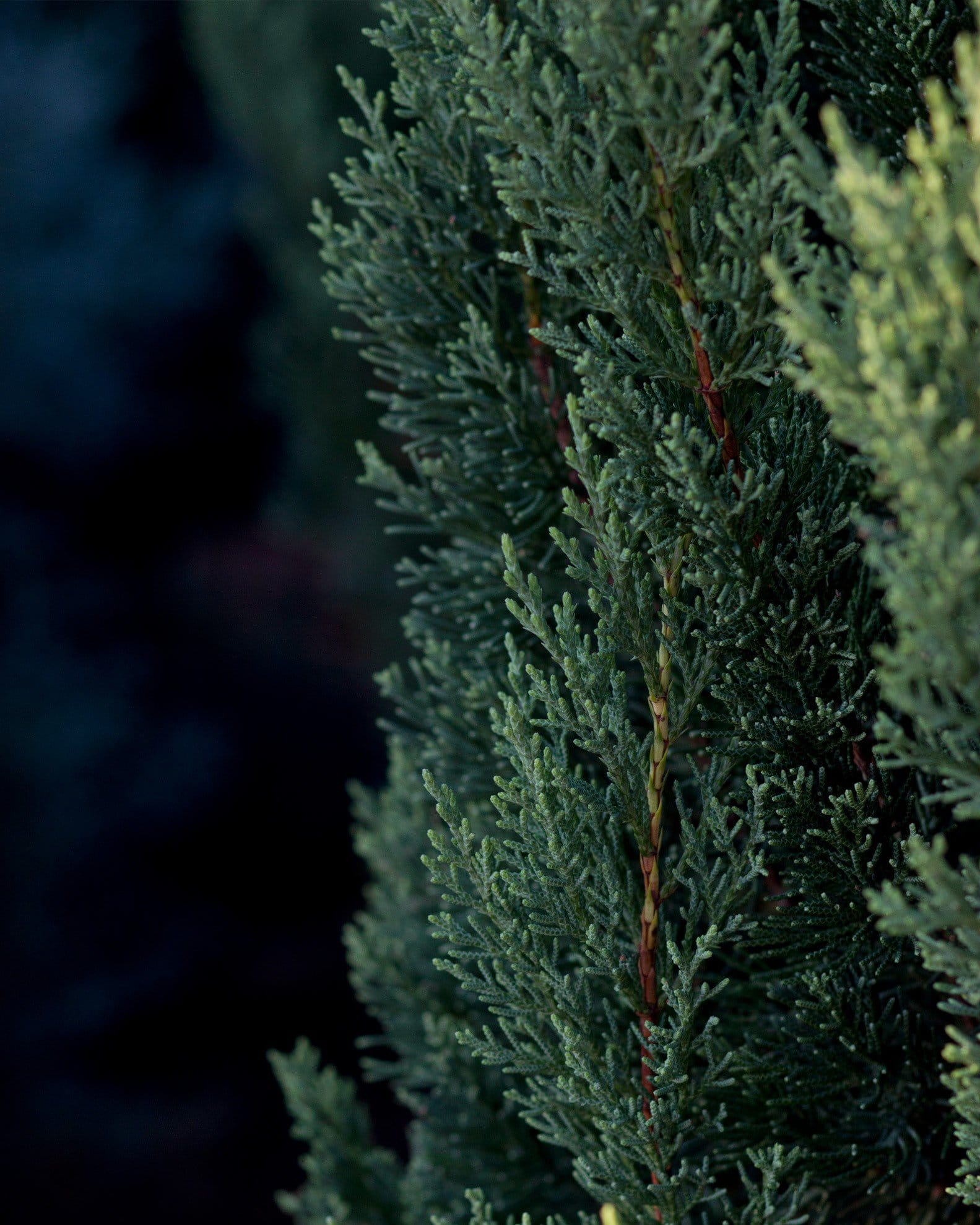
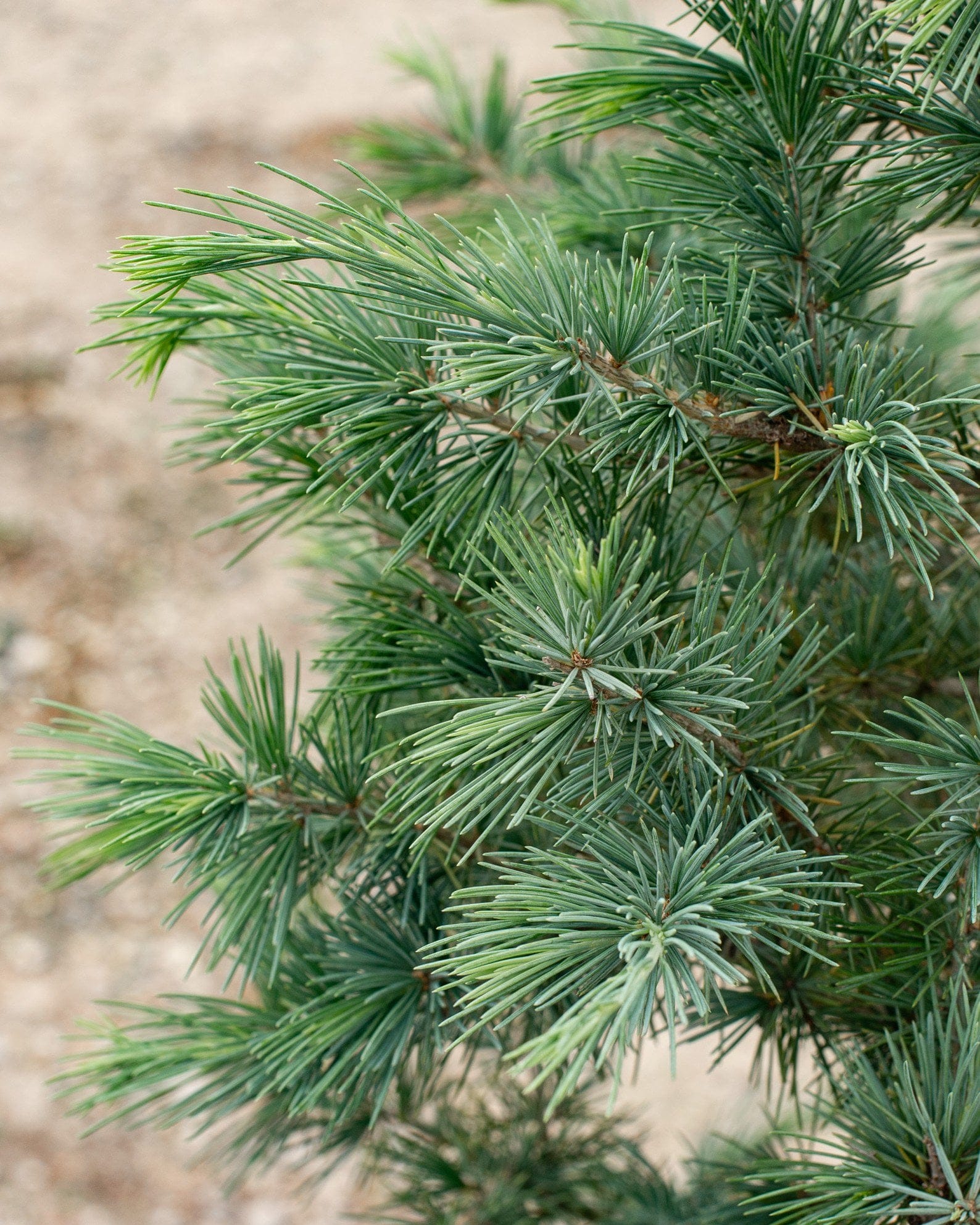
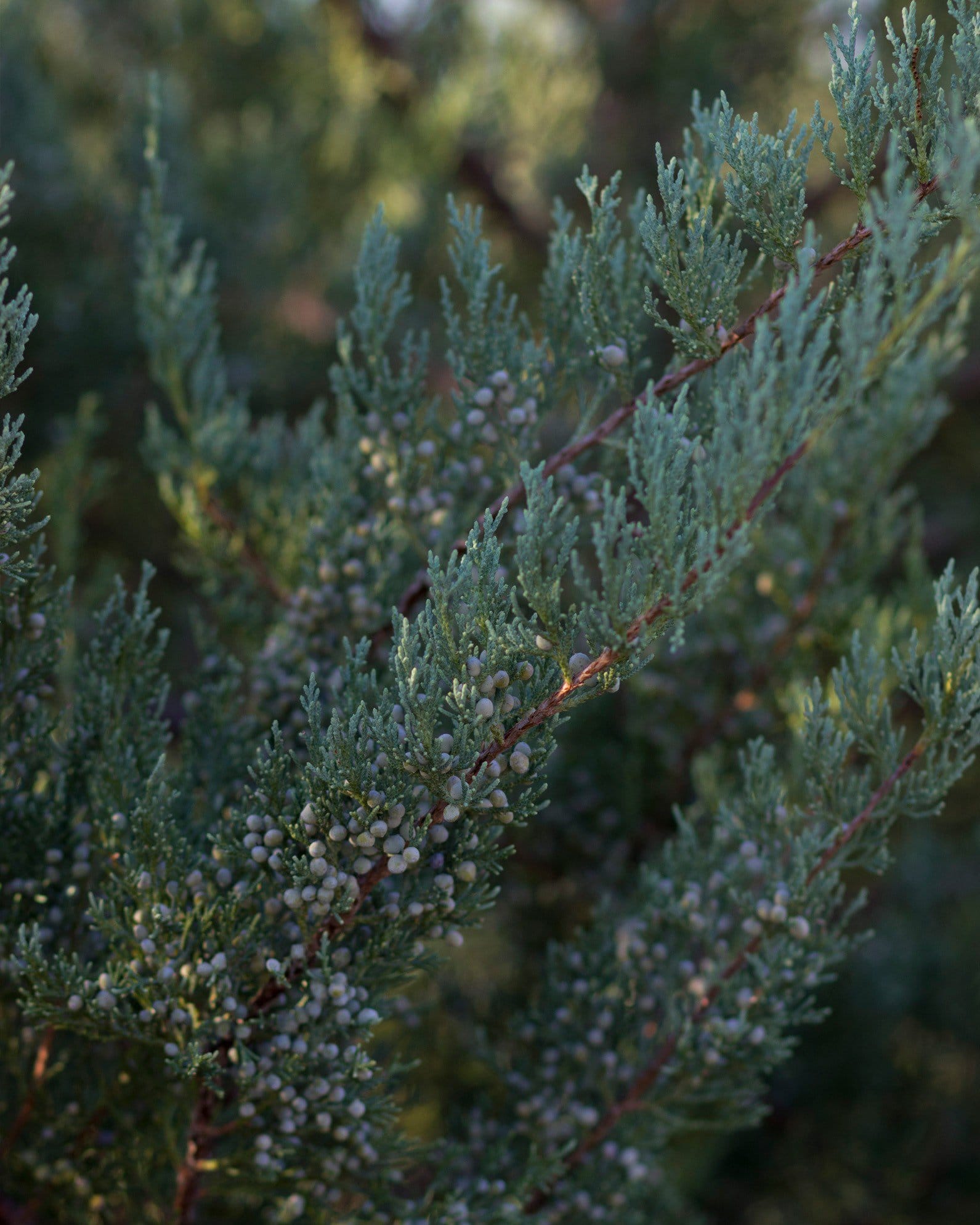
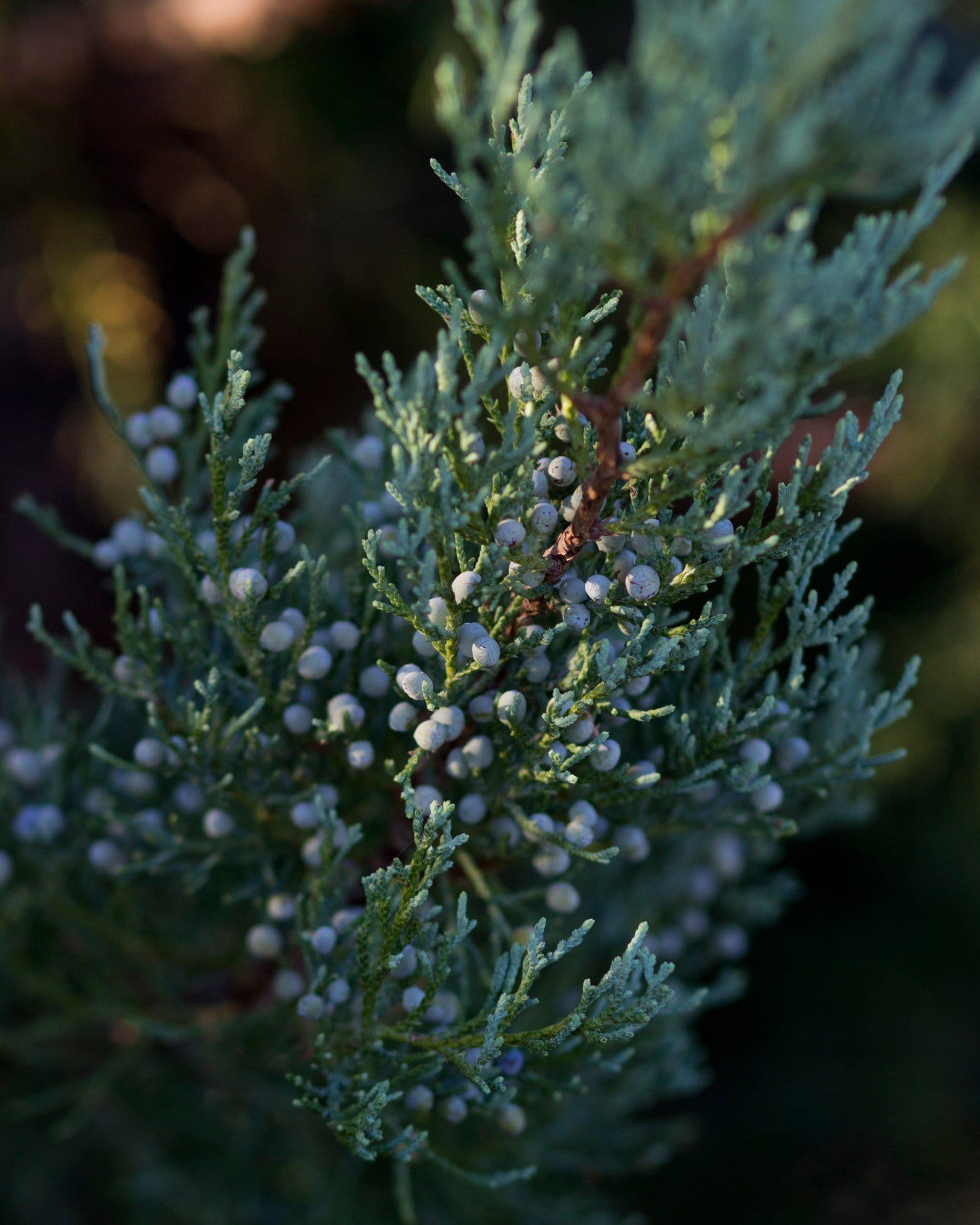
- Blue-silver needles offer year-round color
- Ideal as a specimen or accent tree
- Hardy drought-tolerant at maturity
This tree grows beautifully in full sun and well-drained soil. Hardy in USDA zones 6 through 9, it fares well across much of Texas, especially the North. Minimal trimming is needed - just shape it when young to guide its dramatic silhouette.
Maintenance
With thoughtful early training and consistent establishment care, Blue Atlas Cedar Glauca Pendula becomes a breathtaking focal point that remains low-maintenance for decades:
- Watering: Water young ‘Glauca Pendula’ deeply and regularly during the first 2-3 years to build a strong root system that supports its sweeping, architectural form. Once mature, it is highly drought-tolerant and typically needs supplemental watering only during prolonged heat waves.
- Pruning: Pruning is minimal but purposeful. Shape and train the leader in late winter if a specific form is desired - whether horizontal, serpentine, or slightly arching - and prune only to remove damaged, rubbing, or overly congested branches.
- Fertilizing: This cedar thrives in well-drained soils and generally requires little fertilizer once established. If needle color dulls or growth slows, apply a light, slow-release, balanced fertilizer in early spring.
- Mulching: Apply a 2-3 inch mulch layer around the base to retain moisture, insulate surface roots, and protect the soil from temperature extremes. Maintain a mulch-free space around the trunk to prevent moisture buildup.
- Winter Care: 'Glauca Pendula’ is reliably cold-hardy but may show slight bronzing during harsh winters, especially in areas exposed to strong winds. Young plants benefit from wind shelter during the first few years, after which they typically handle winter weather with ease.
Common Issues and How to Take Care of Them
Though resilient, ‘Glauca Pendula’ can experience a few manageable issues in extreme conditions:
- Needle Blight: Brown patches form on clusters of needles during cool, wet, stagnant weather. Remove affected branches and increase air circulation to minimize repeat infections.
- Spider Mites: Fine stippling, weakened needles, and thin webbing appear during hot, dry spells. Increase humidity, rinse foliage, or apply horticultural oil to restore needle vibrancy.
- Root Rot: Sudden browning and decline appear when grown in poorly drained or consistently wet soils. Improve drainage and reduce watering frequency to protect roots.
- Cedar Bark Beetles: Tiny exit holes and thinning sections of foliage indicate boring insect activity. Maintain tree vigor and avoid trunk injuries; consult a professional for severe cases.
- Form Deformation: If the central leader is not trained early, the tree may develop an unintended shape. Stake and guide the leader during early growth to achieve the desired cascading silhouette.
These trees often live 80-120 years, maintaining their sculptural, artistic presence throughout their lives. Their longevity makes them unforgettable statement pieces in both home gardens and large landscapes.
It grows moderately - typically 10-18 inches per year - and achieves its characteristic cascading form in 10-20 years. This steady pace allows the tree to be trained early while developing into a dramatic long-term feature.
Yes - the aromatic, resinous needles make it generally unappealing to deer. Young trees may still benefit from protection if deer pressure is significant.
It grows beautifully in large containers during its early years, especially when used as a patio showpiece. Eventually, it benefits from being planted in the ground where it has room to express its full dramatic form.
It handles heat well when planted in well-drained soil and given deep, infrequent watering during extreme drought. Mulch and partial wind protection help preserve needle color through intense summers.
It shines best as a focal point, but when used in repeated, intentional placements, it creates striking artistic or modern designs. Its dramatic form adds visual rhythm to courtyards, gardens, and large open spaces.
Companions such as Japanese Maple, Mondo Grass, Dwarf Pines, and ornamental grasses accentuate its blue needles and cascading silhouette.
Yes - it tolerates pollution, reflected heat, and narrow planting beds surprisingly well.
Young plants transplant well when moved during dormancy, especially when grown in containers. Larger specimens can be relocated by professionals, though early placement ensures the best long-term success.
While the branches of a Pendula Blue Atlas Cedar naturally weep or cascade downward, the tree has no natural ability to grow upward on its own. Without human intervention, it would essentially grow as a silver-blue groundcover, sprawling across the soil like a living waterfall.
How the Curvy Structure is Created
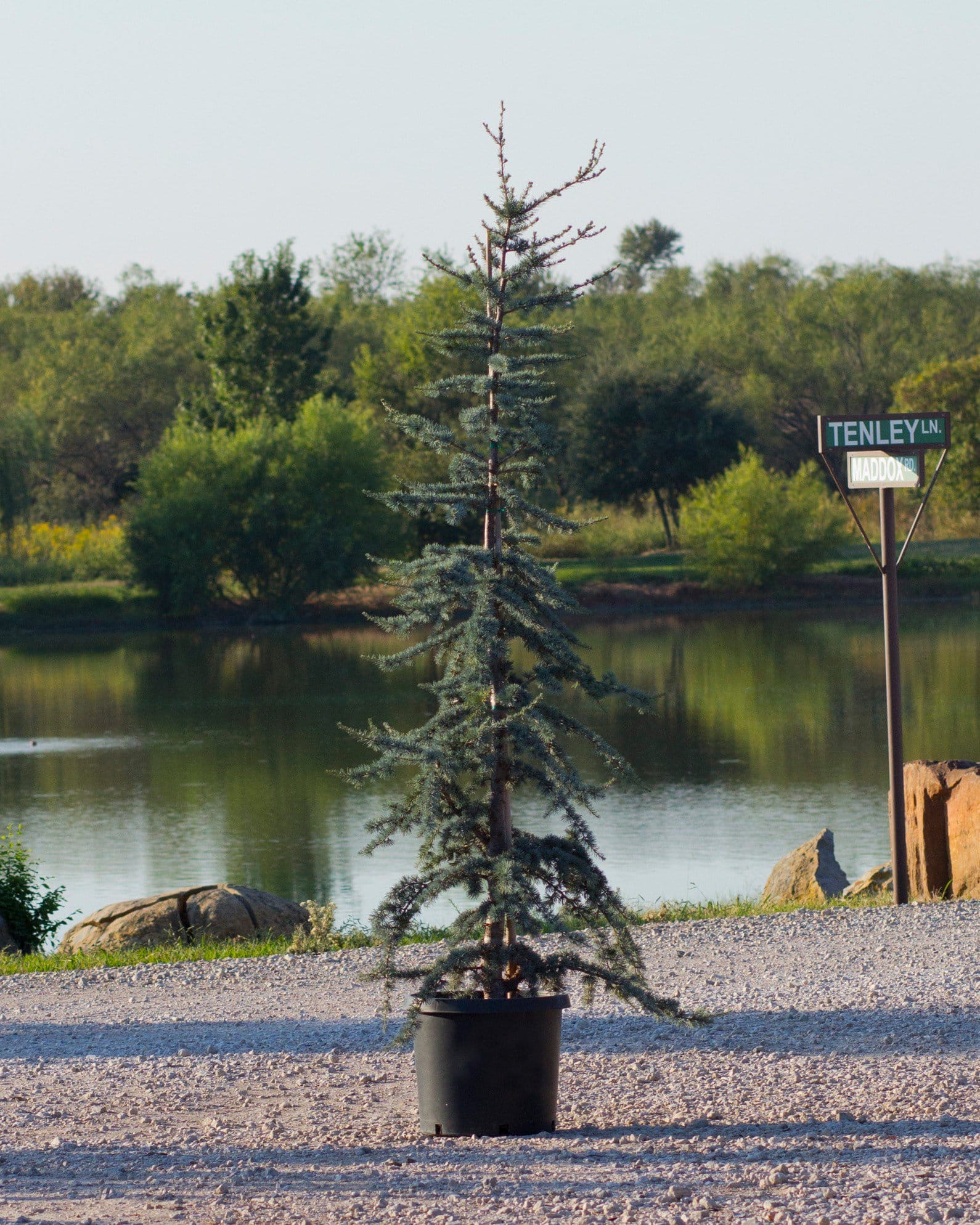
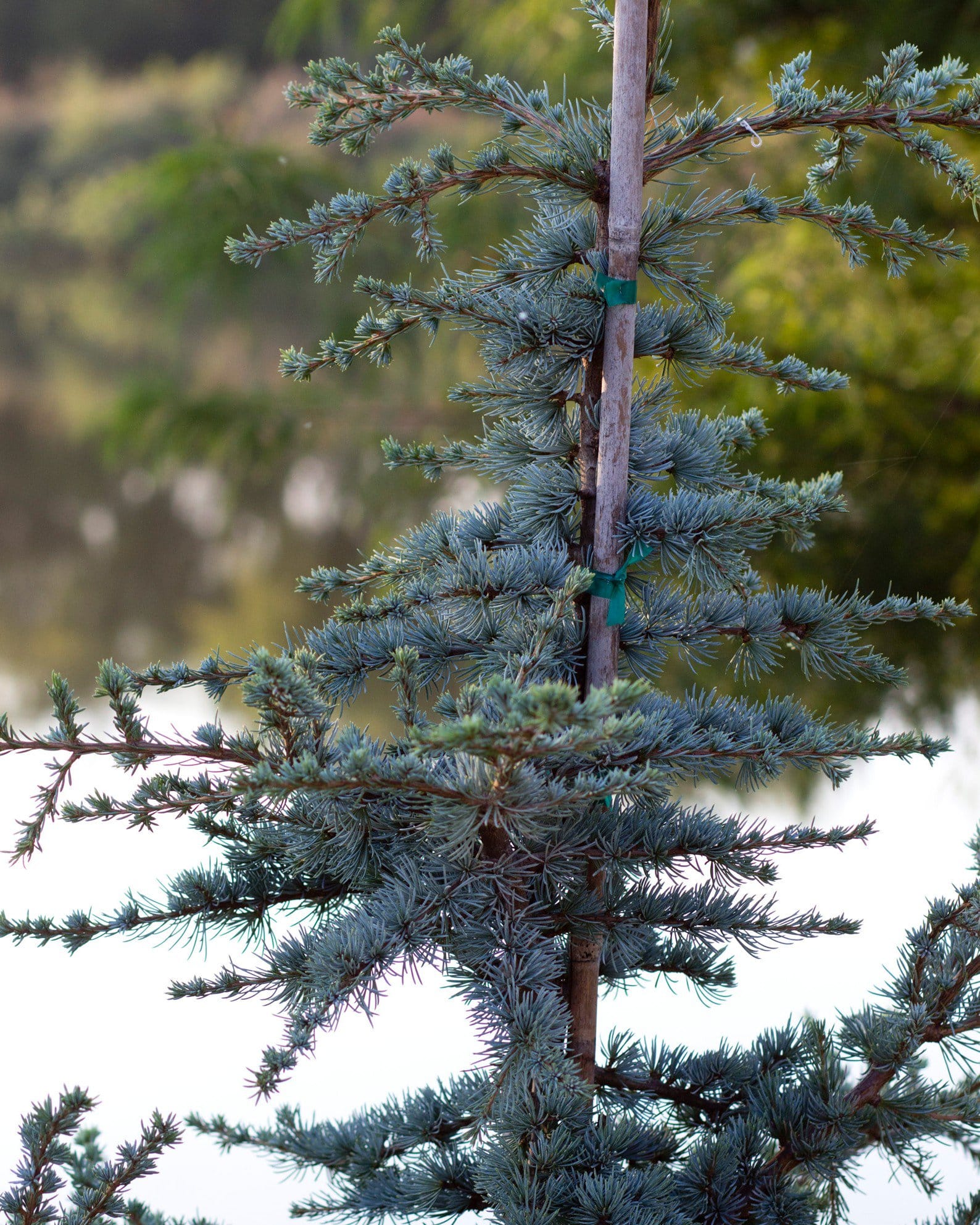
The striking, upright serpentine shapes you see in botanical gardens and high-end landscapes are the result of deliberate staking and training during the tree’s youth:
- Establishing Height: To give the tree height, growers select a flexible central branch (the leader) and ties it to a sturdy stake (often metal or heavy bamboo). The tree will only grow as tall as the stake it is tied to.
- Creating the Curves: The S shape is achieved by bending that leader into a specific direction and securing it. Once the wood sets and hardens (which can take several seasons), the stake is moved or reshaped to guide the next few feet of growth in a different direction.
- The "Set" Point: Once growers stop staking the leader and lets it flop over, that becomes the maximum height of the tree. From that point on, all new growth will cascade toward the ground.
Special Features
You might also like
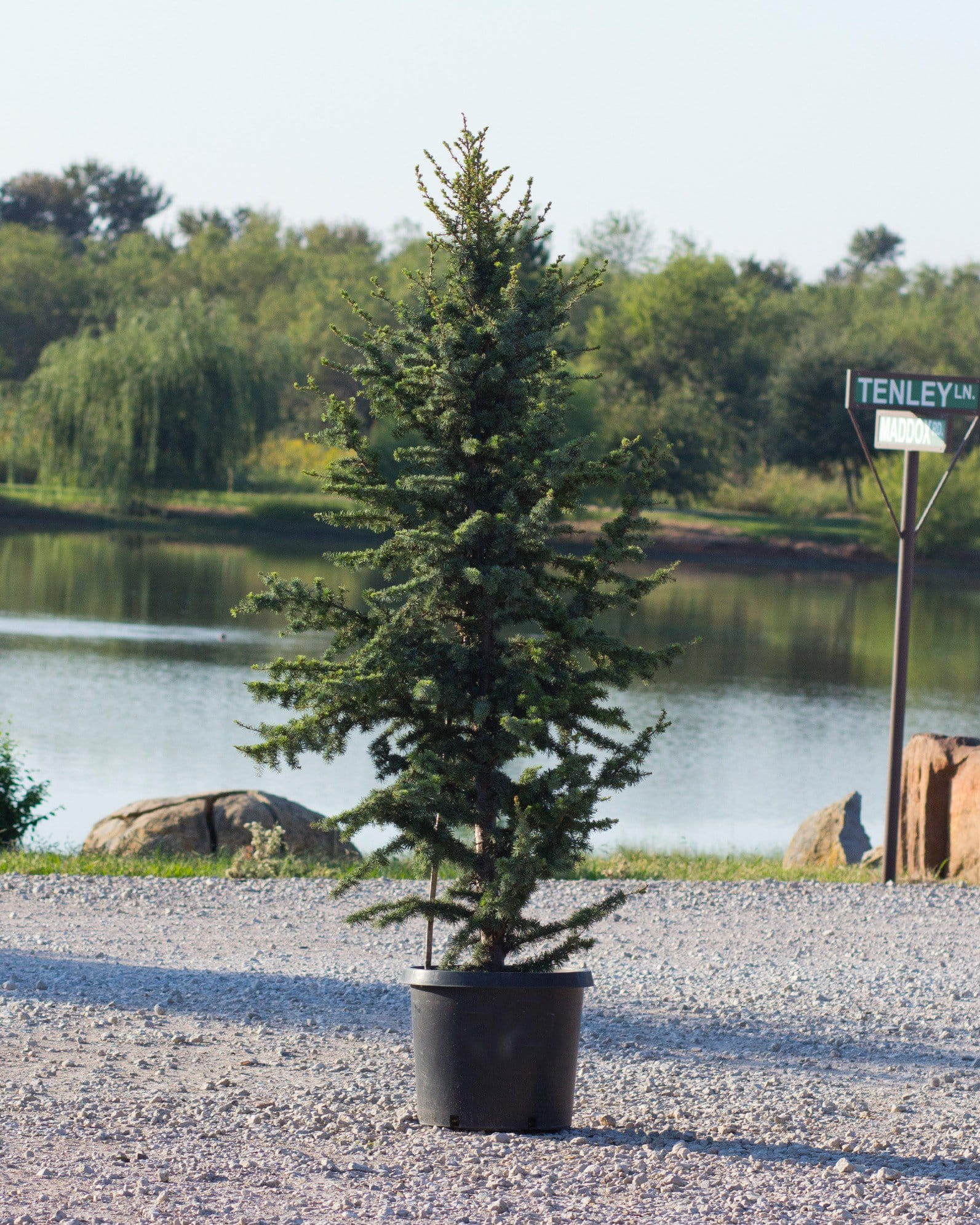
Blue Atlas Cedar Fastigiata
Maturity: 40' H x 15' W
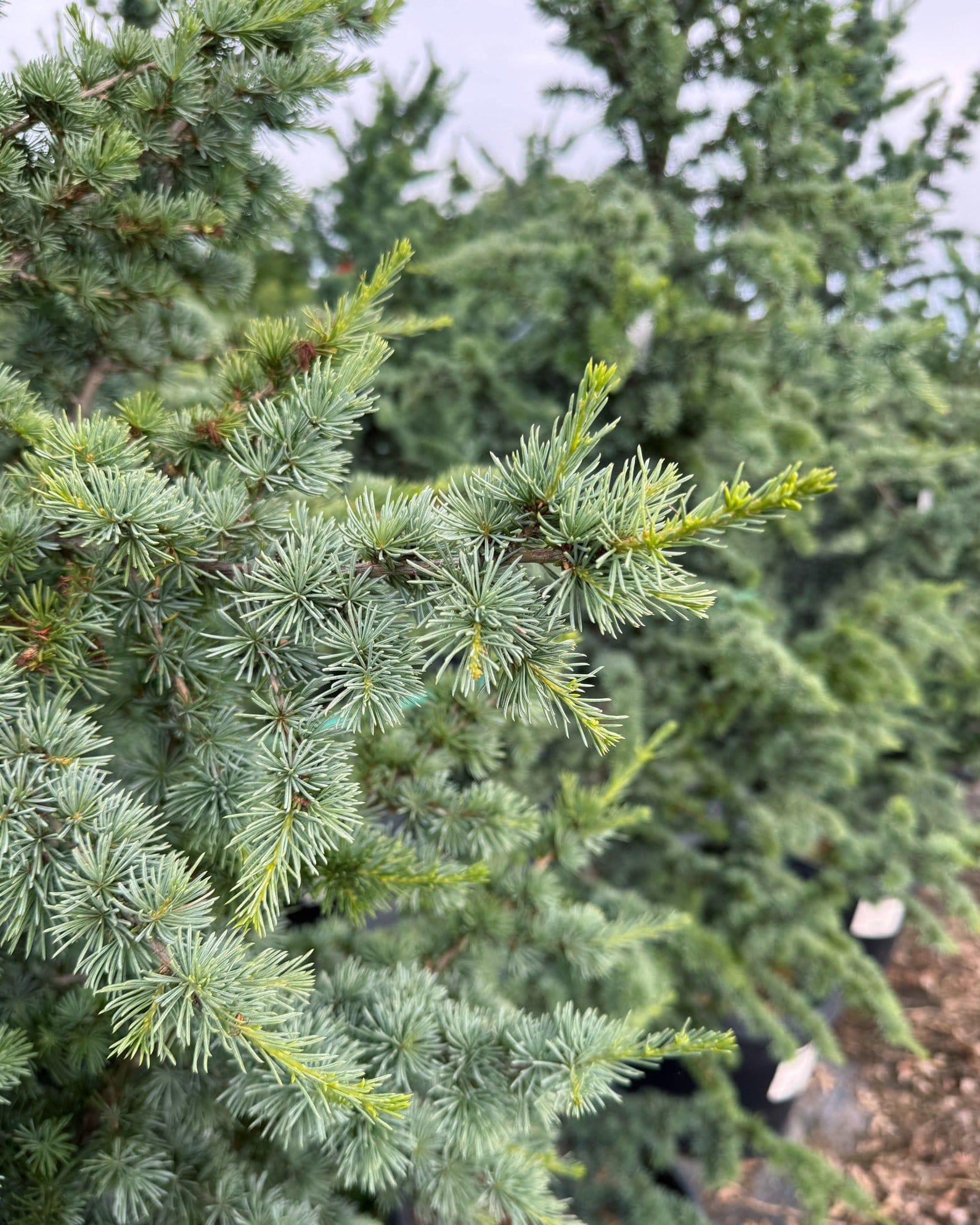
Blue Atlas Cedar Glauca
Maturity: 40' H x 30' W
Blue Atlas Cedar Horstmann
Maturity: 10' H x 6' W
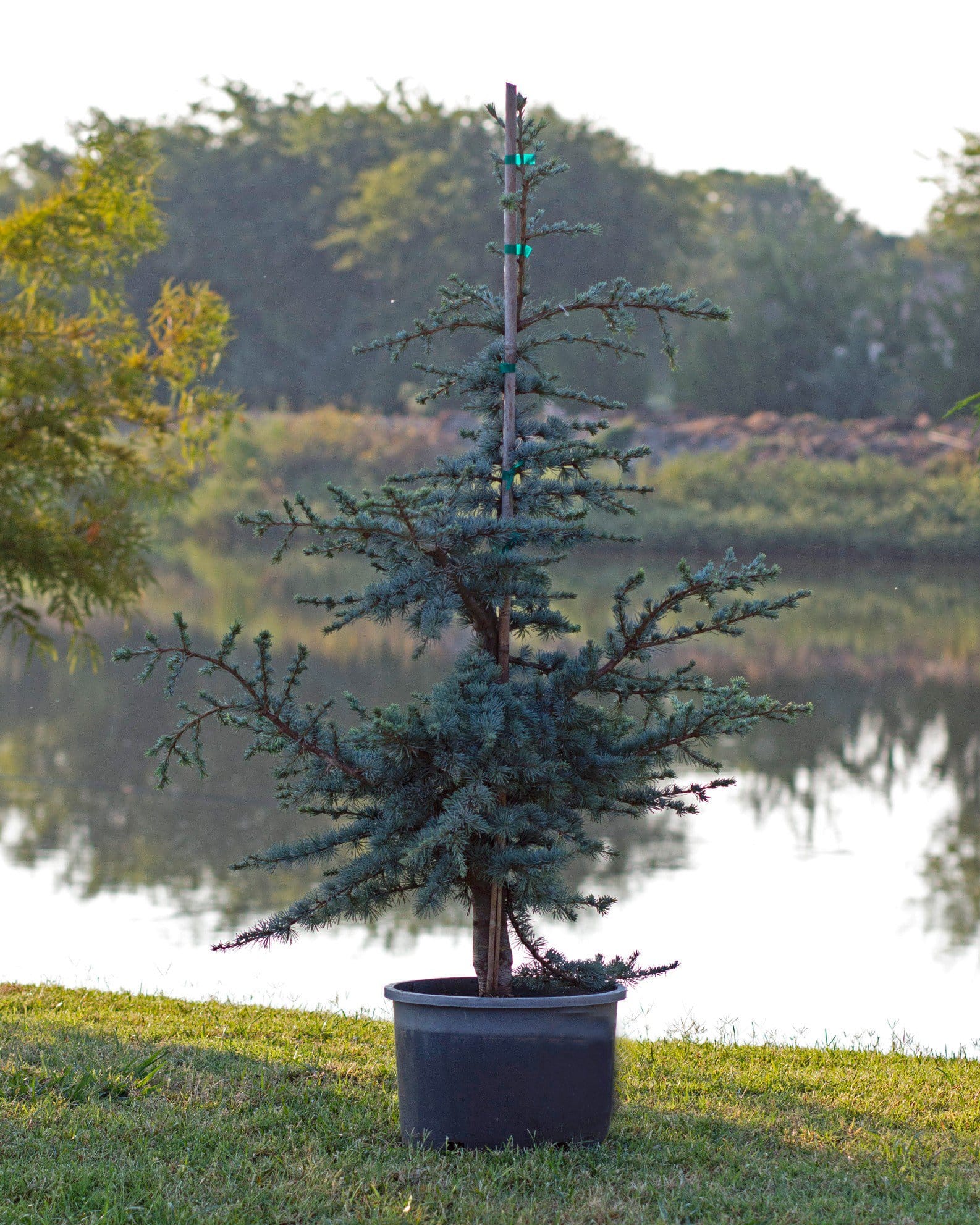
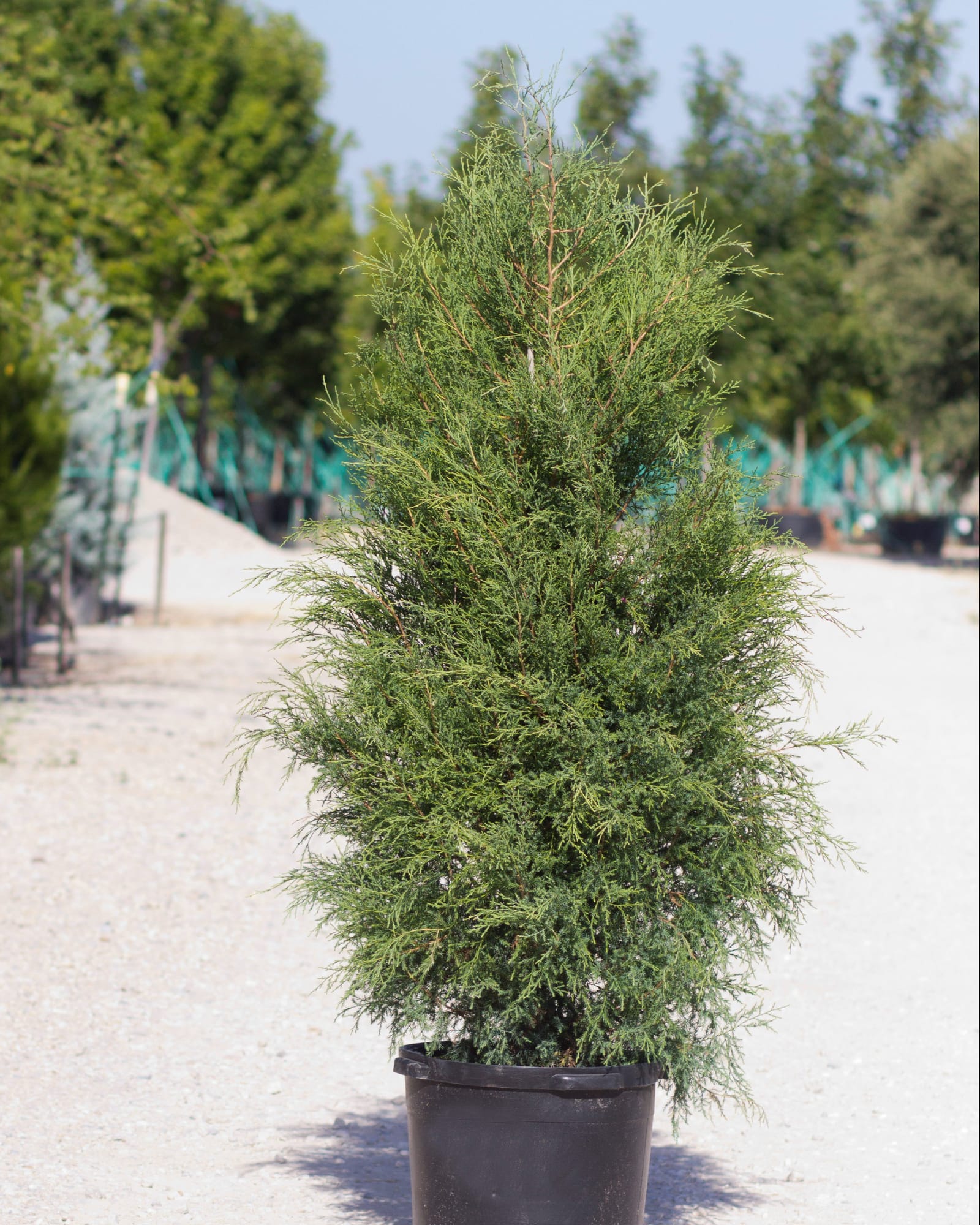
Southern Red Cedar Fuzzy Wuzzy
Maturity: 35' H x 25' W
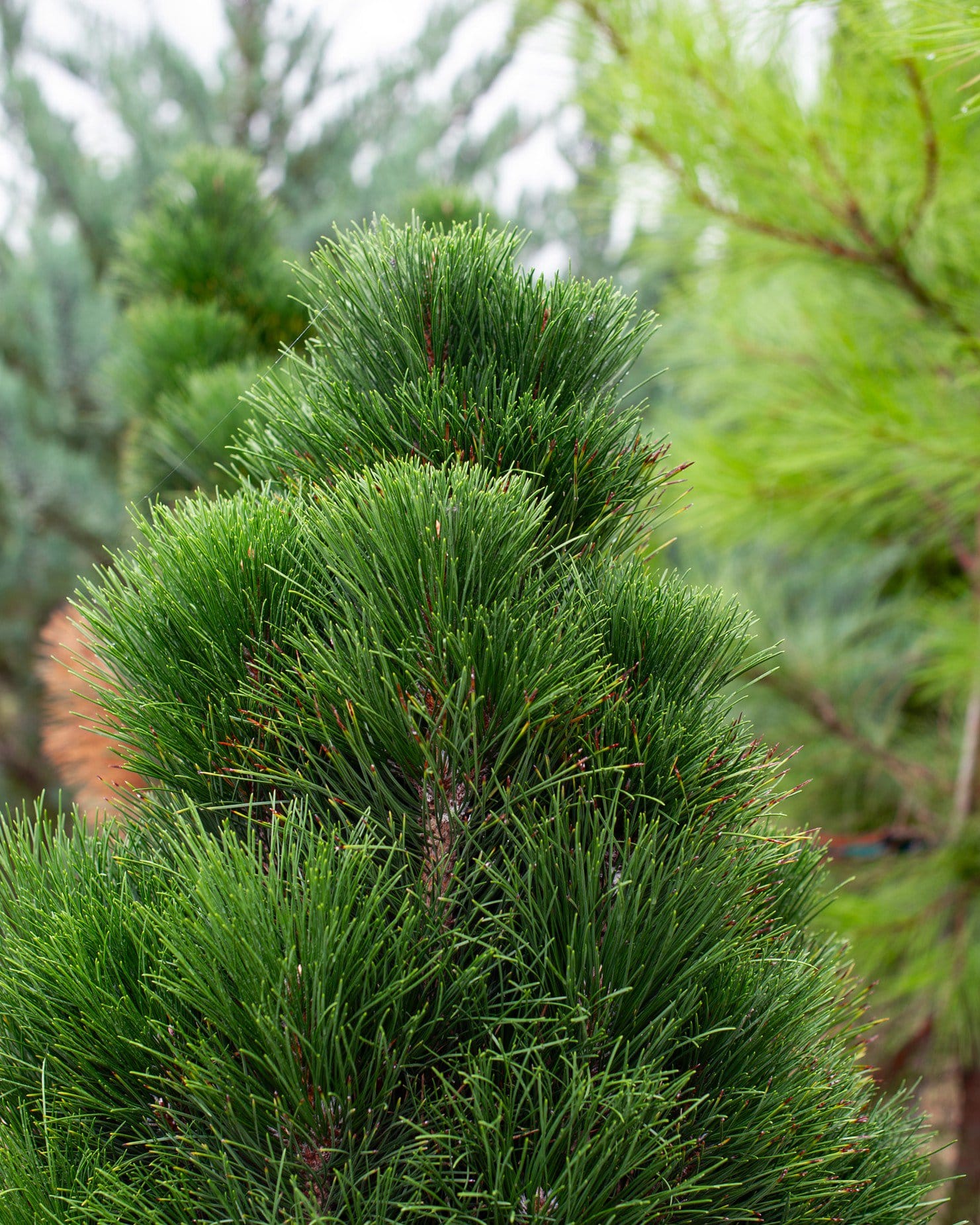
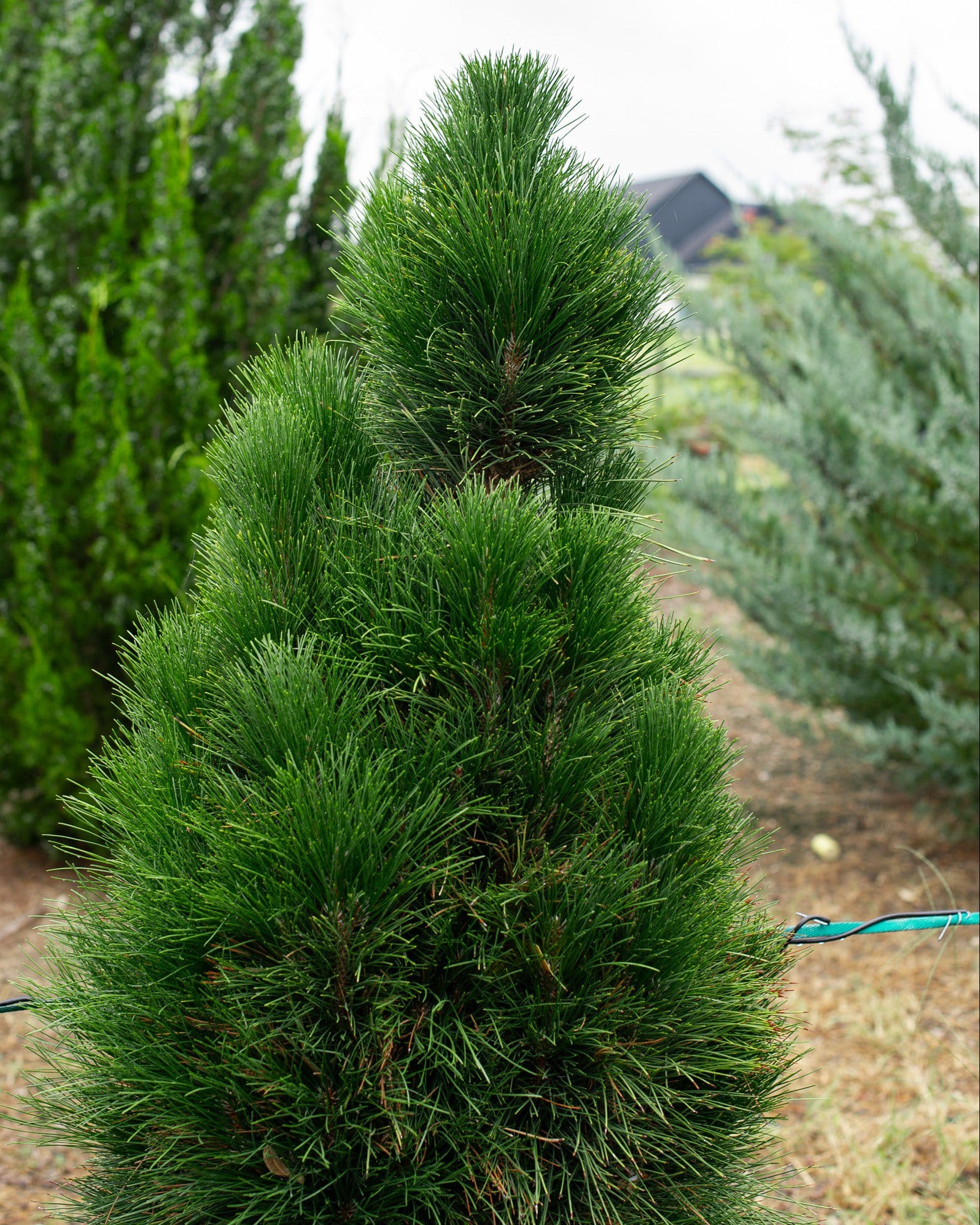
Austrian Pine Green Tower
Maturity: 12' H x 3' W
Blue Point Juniper
Maturity: 12' H x 7' W
Deodar Cedar Patti Faye
Maturity: 30' H x 25' W
Eastern Red Cedar
Maturity: 30' H x 20' W
Eastern Red Cedar Brodie
Maturity: 25' H x 12' W
Eastern Red Cedar Burkii
Maturity: 25' H x 20' W
Eastern Red Cedar Canaertii
Maturity: 25' H x 20' W
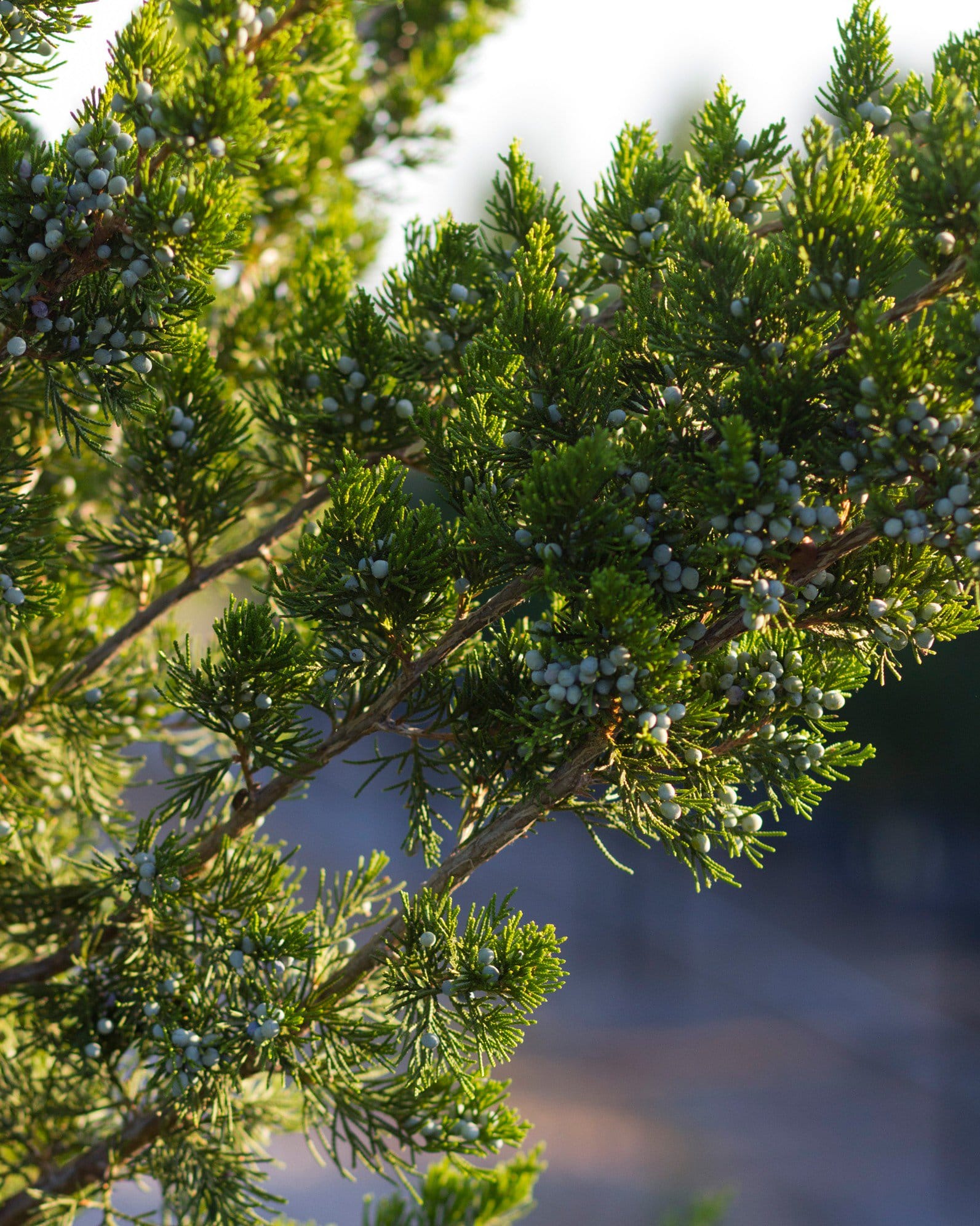
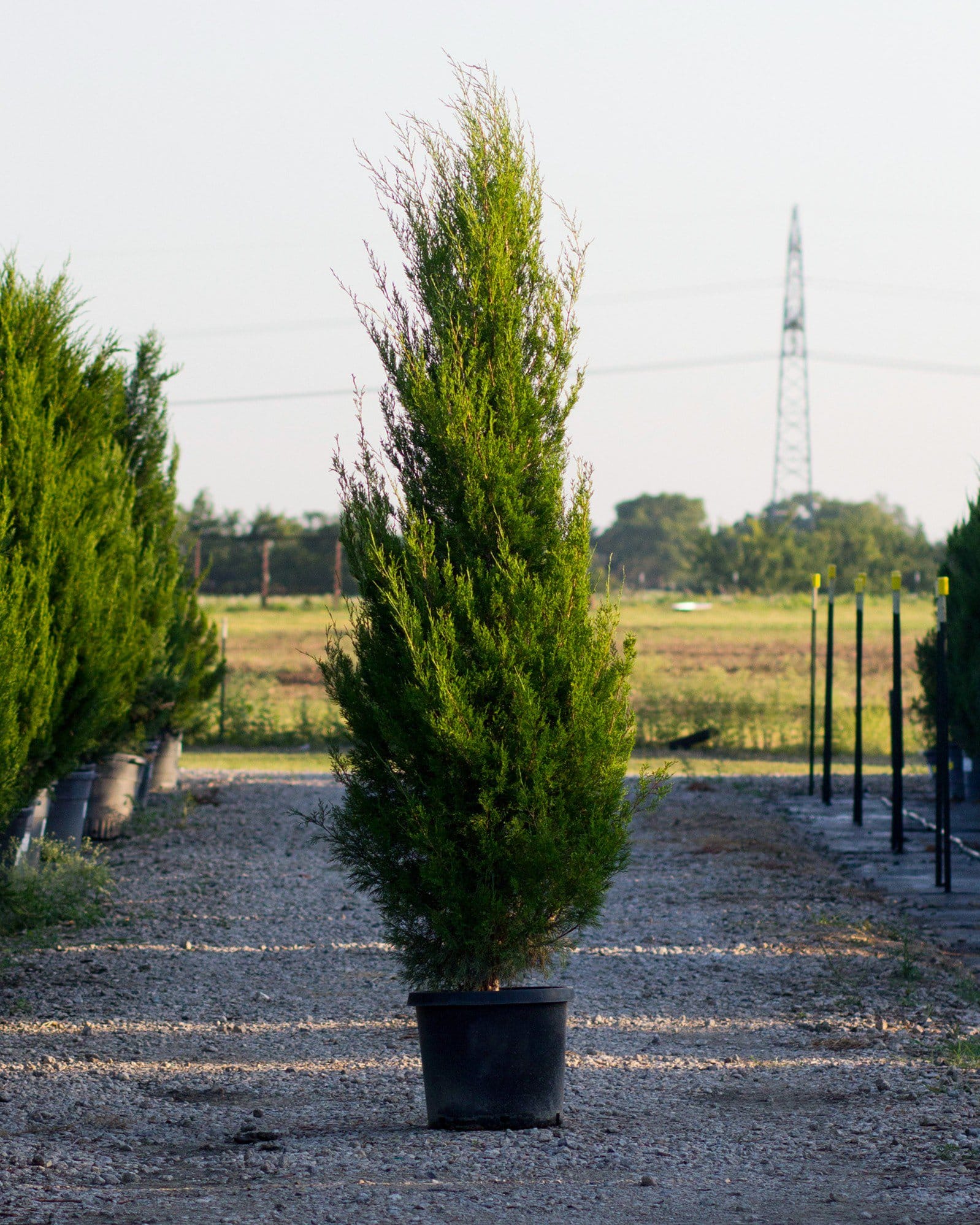
Eastern Red Cedar Emerald Feather
Maturity: 12' H x 5' W
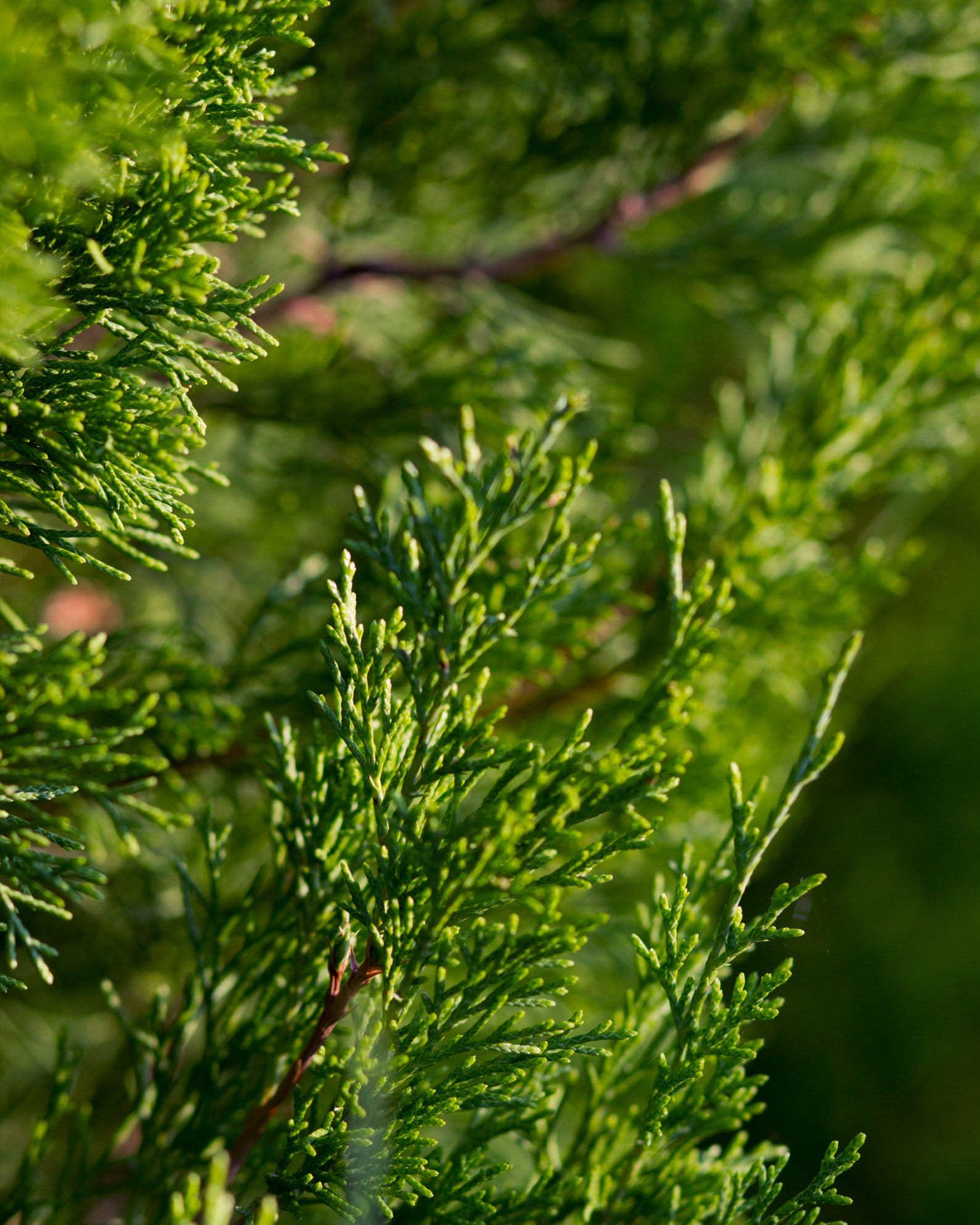
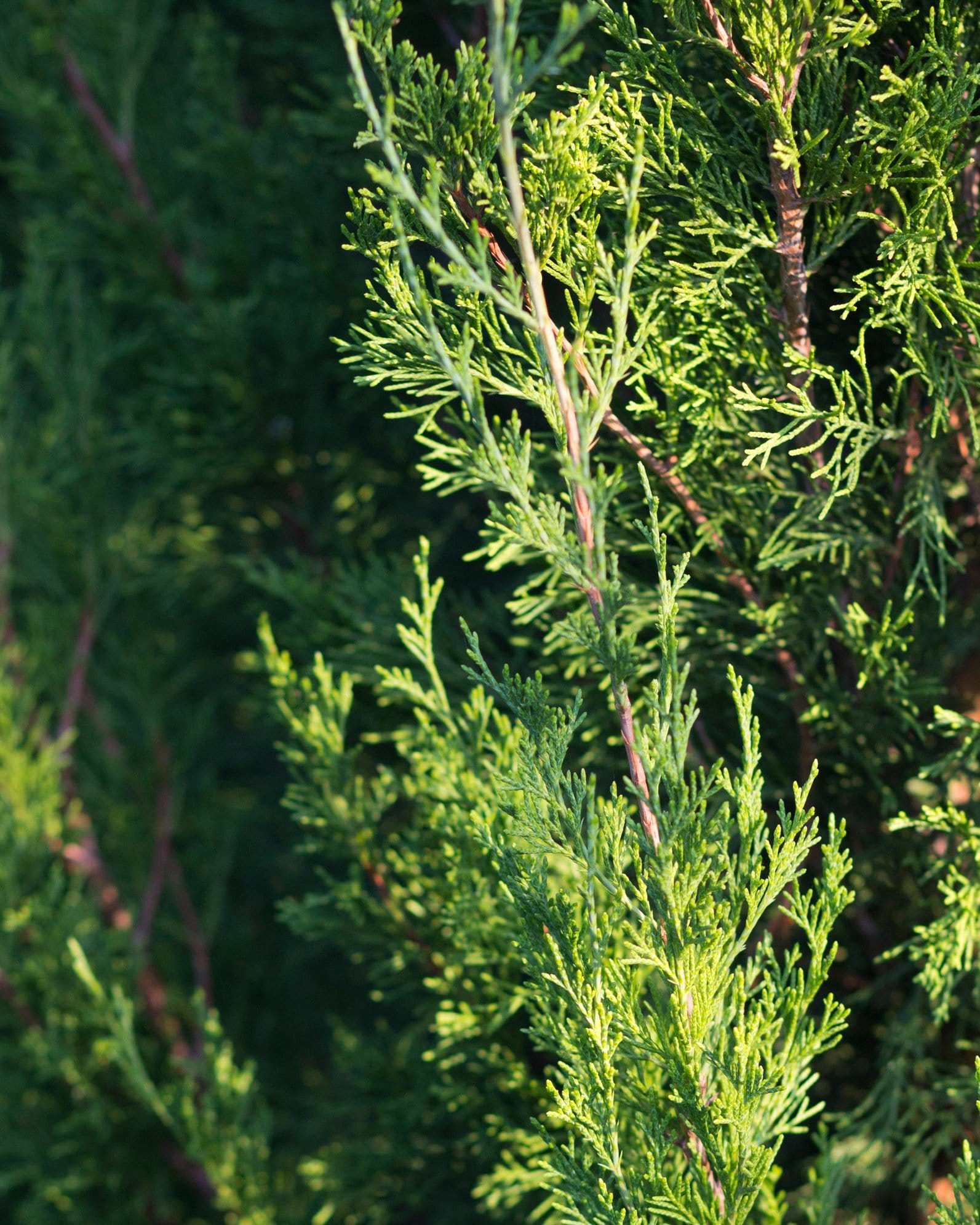
Eastern Red Cedar Emerald Sentinel
Maturity: 15' H x 7' W
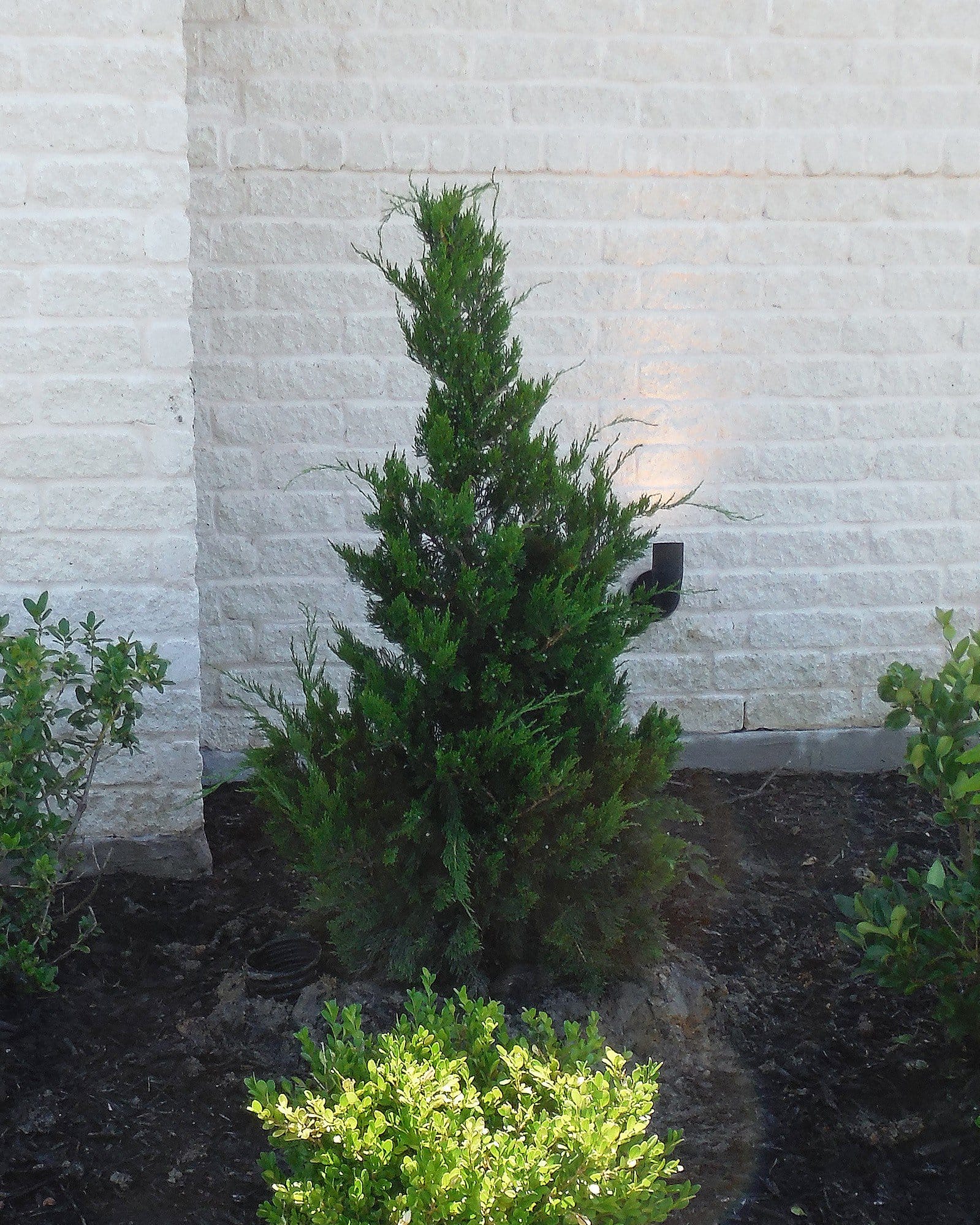
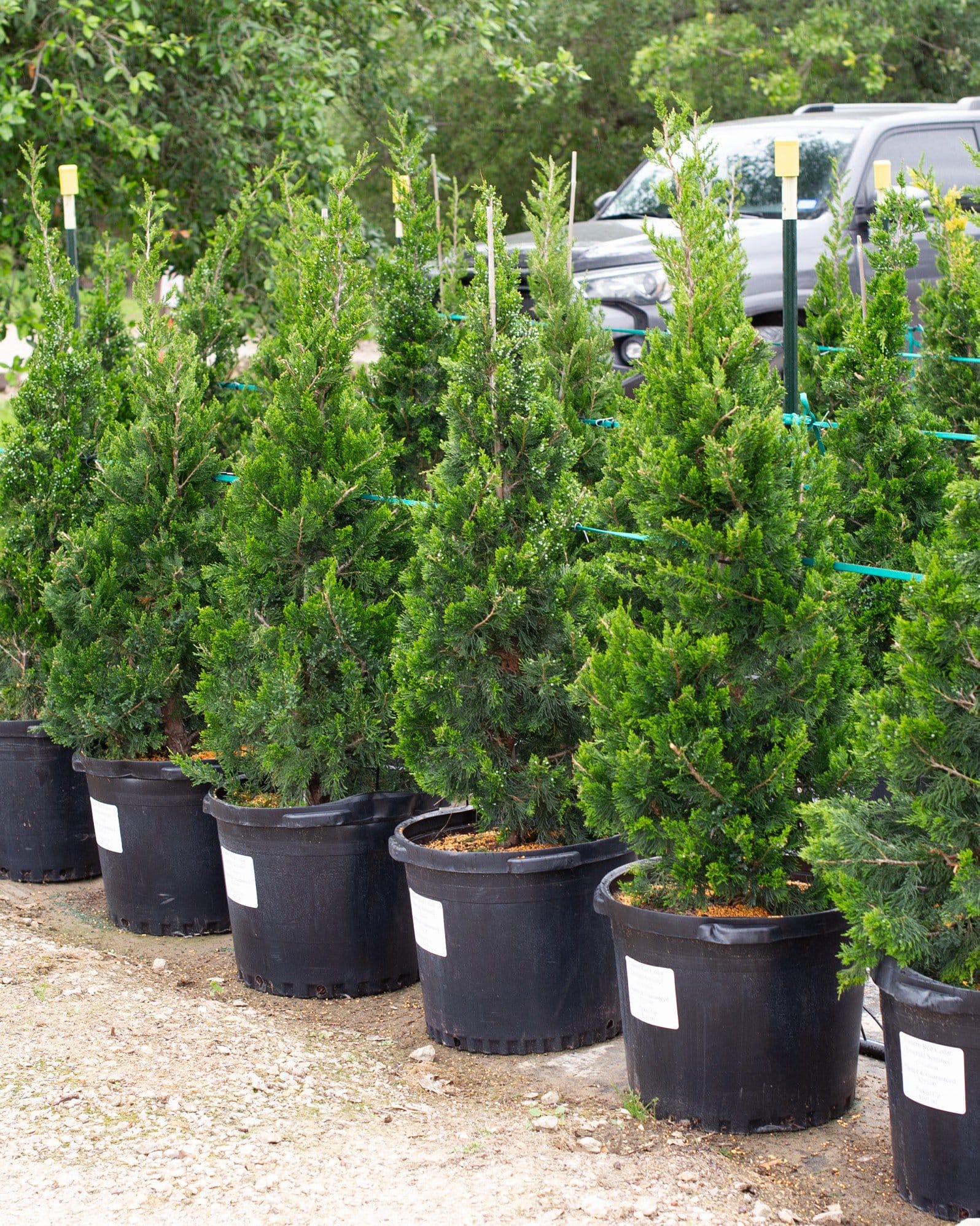
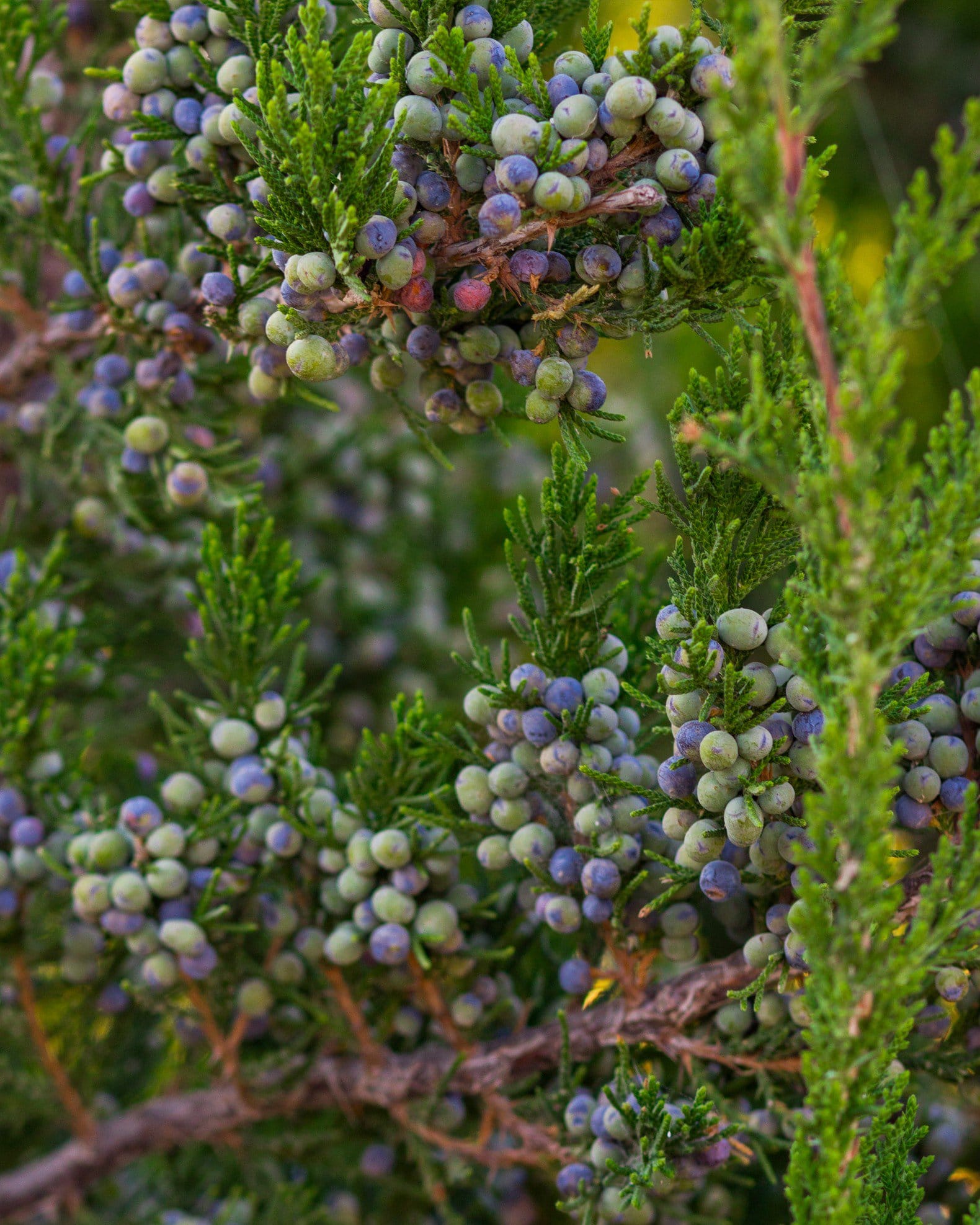
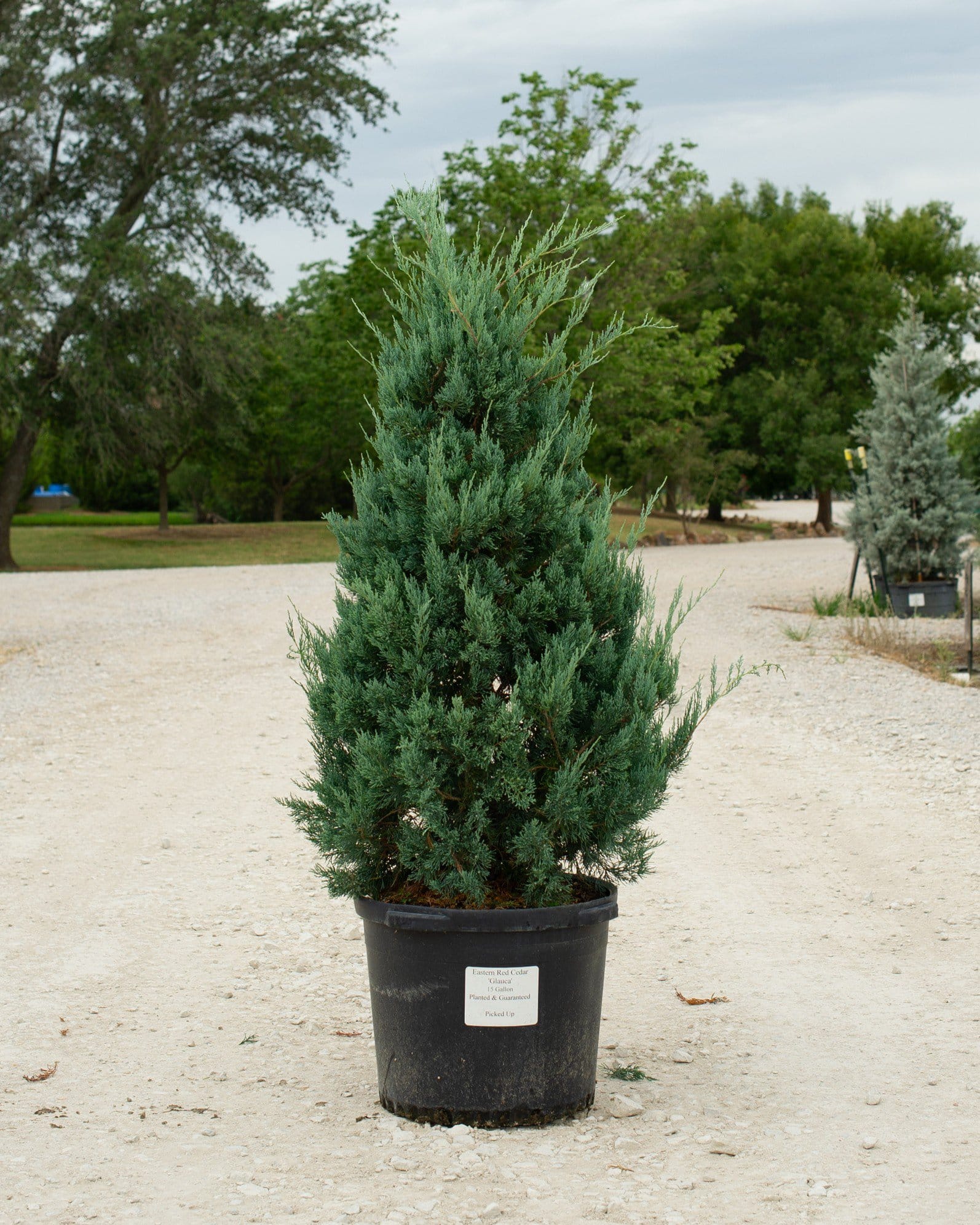
Eastern Red Cedar Glauca
Maturity: 20' H x 6' W
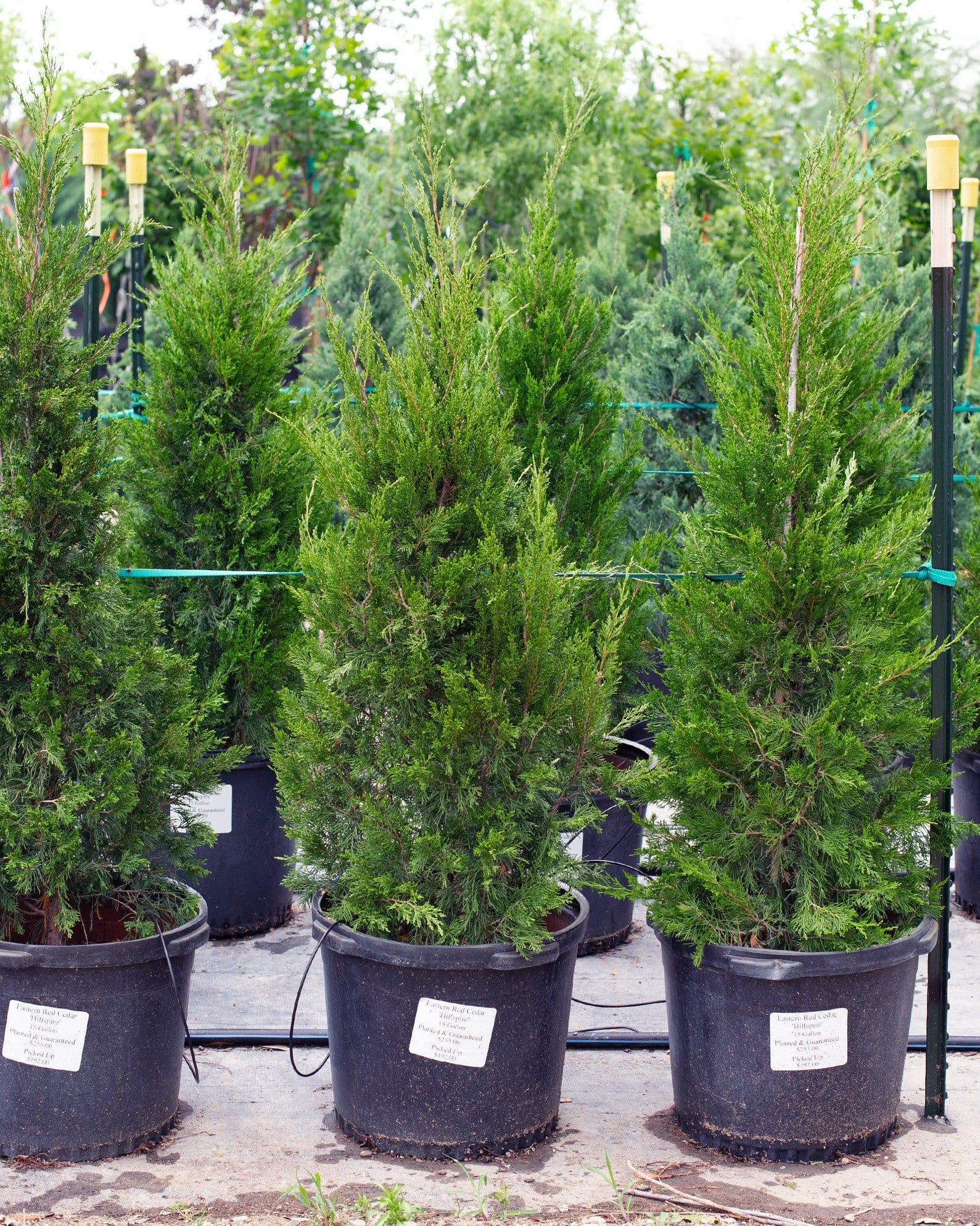
Eastern Red Cedar Hillspire
Maturity: 25' H x 15' W
Compare Similar Plants
Blue Atlas Cedar Glauca Pendula This plant | ||
|---|---|---|
| Scientific Name | Cedrus atlantica ‘Glauca Pendula’ | Cedrus atlantica ‘Fastigiata’ |
| Size at Maturity | 10' H x 10' W | 40' H x 15' W |
| Leaf Retention | Evergreen | Evergreen |
| Sizes Available | 5, 6, 15 gal | 15 gal |


Our 1-Year Planting Guarantee
We take pride in our plants and installation services. If any plants or trees installed by Treeland fail to thrive within the first year, we'll provide a replacement credit in accordance with our guarantee program.
Learn More About Our Guarantee