
Deodar Cedar Patti Faye
Cedrus deodara ‘Patti Faye’Local DFW Delivery Only
Product Details
Deodar Cedar Patti Faye
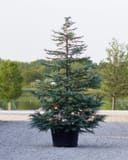
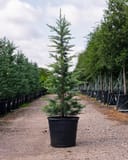
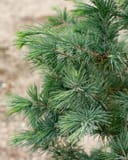
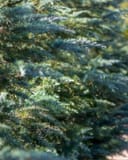
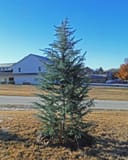
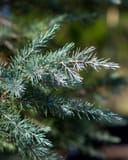
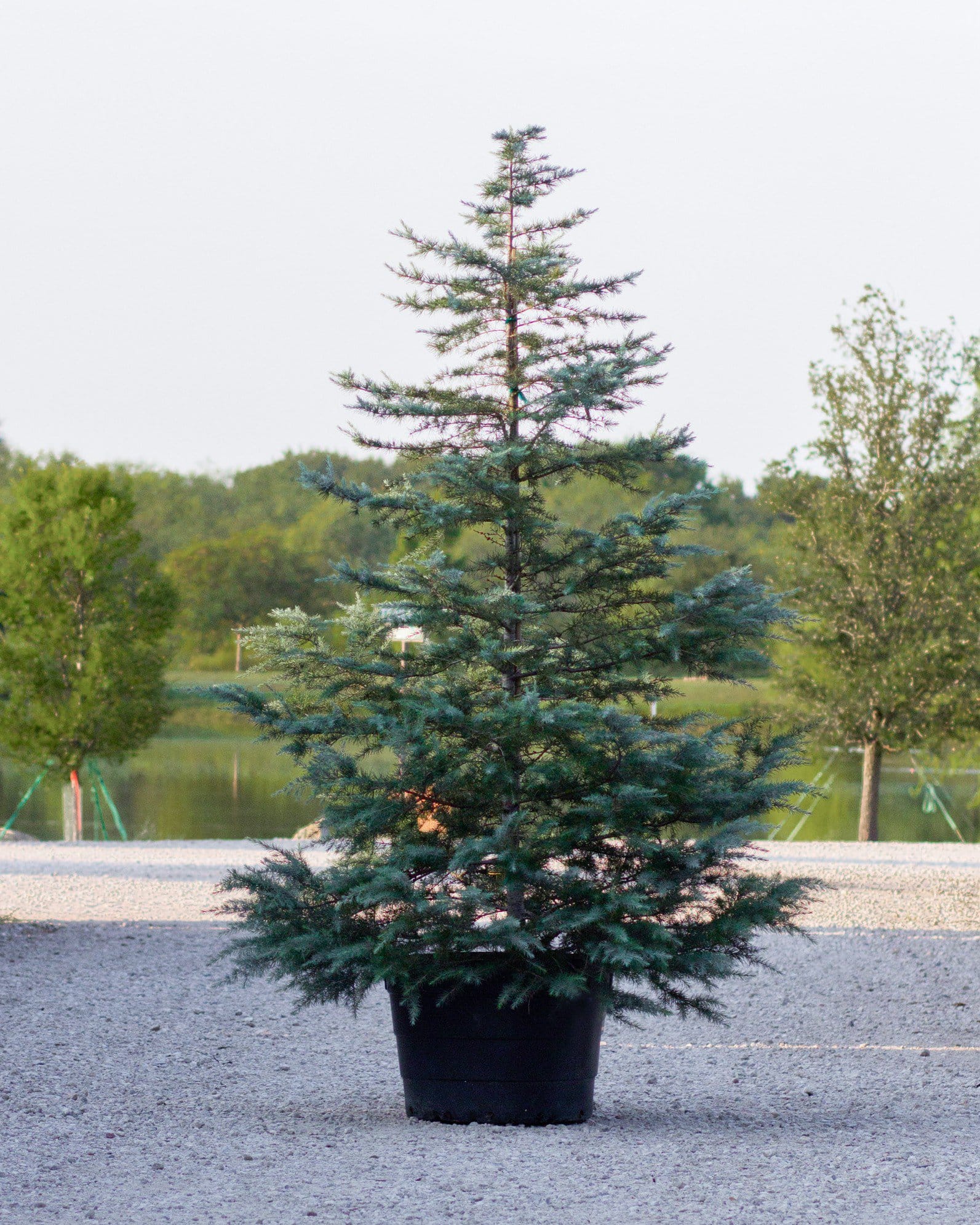
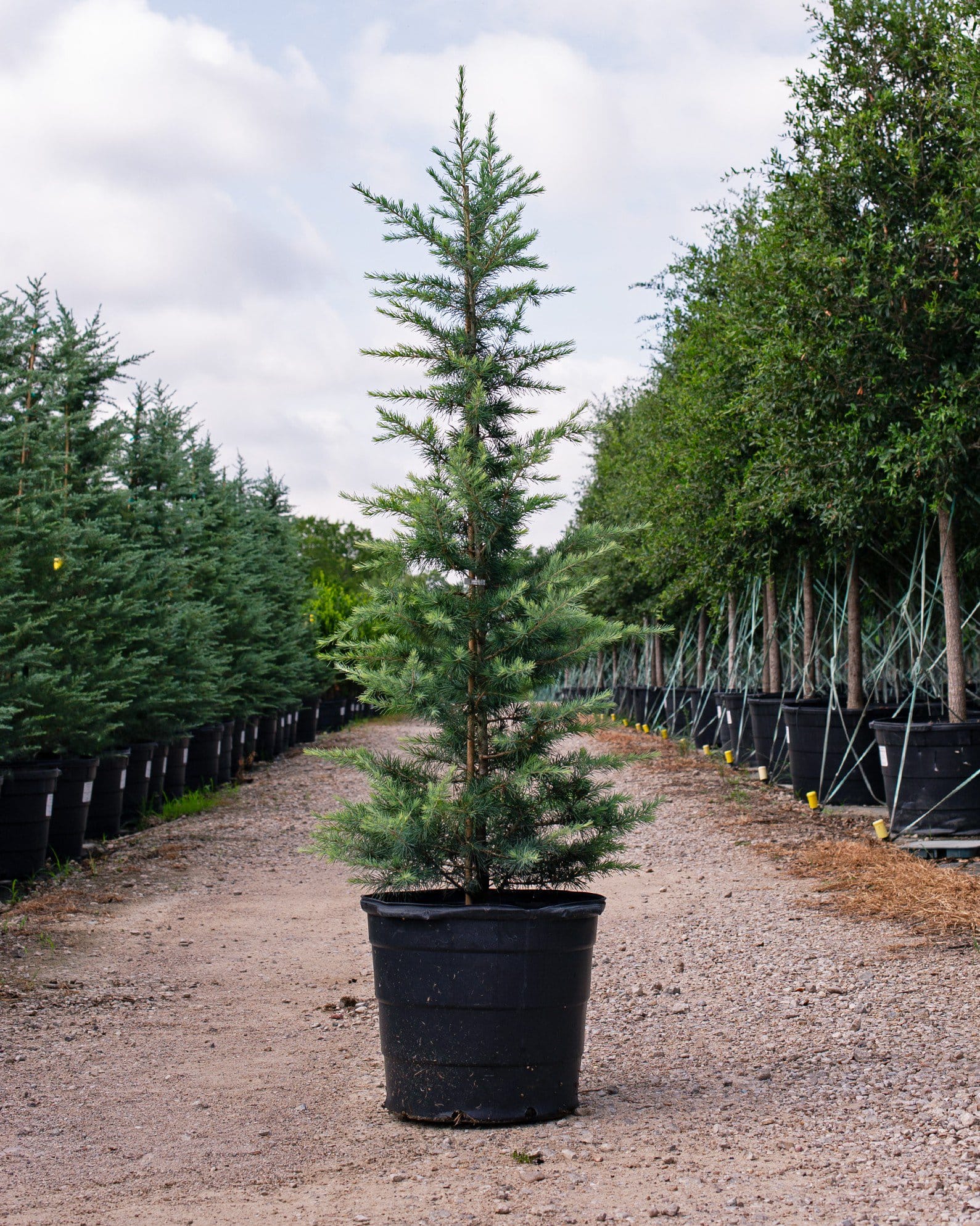
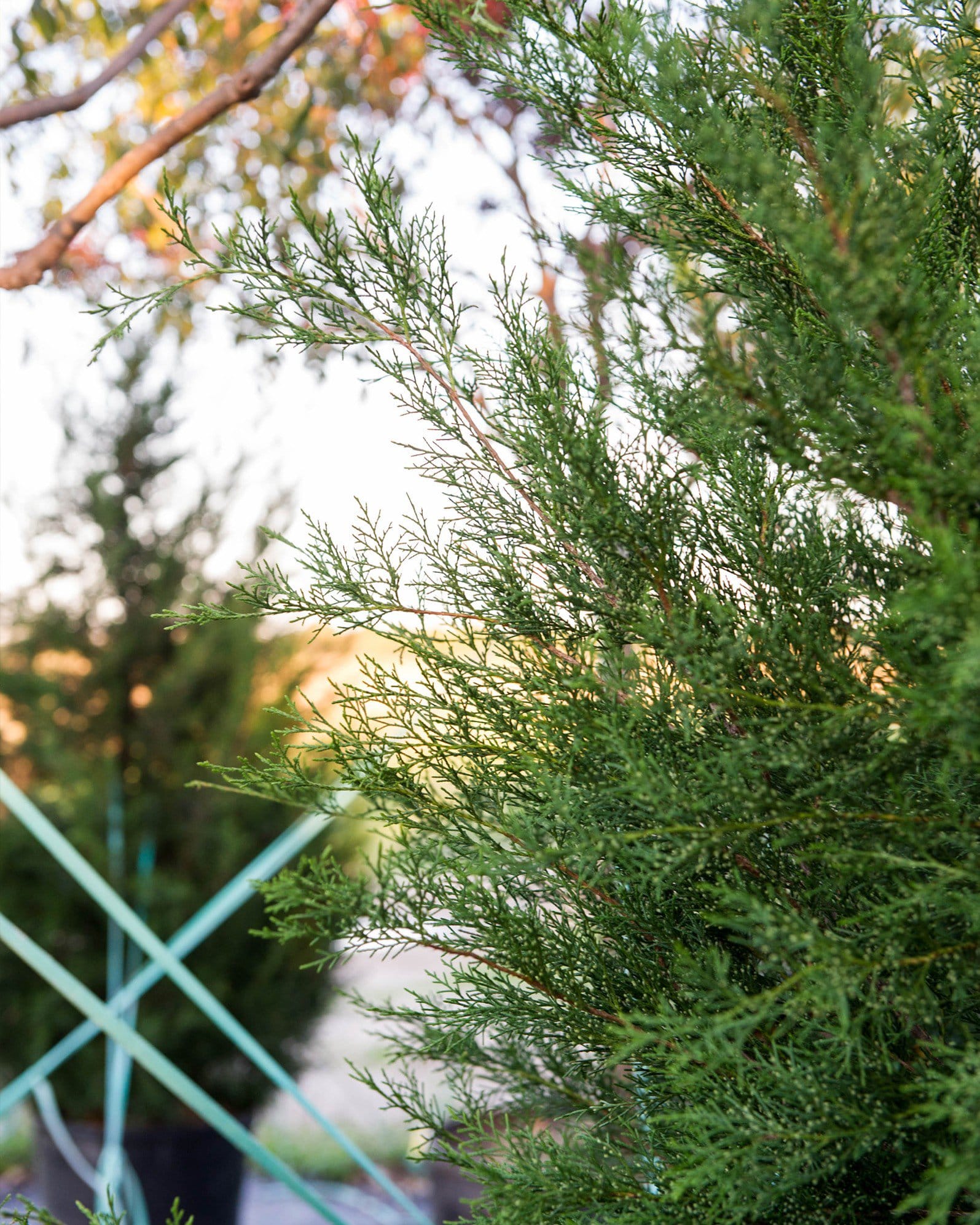
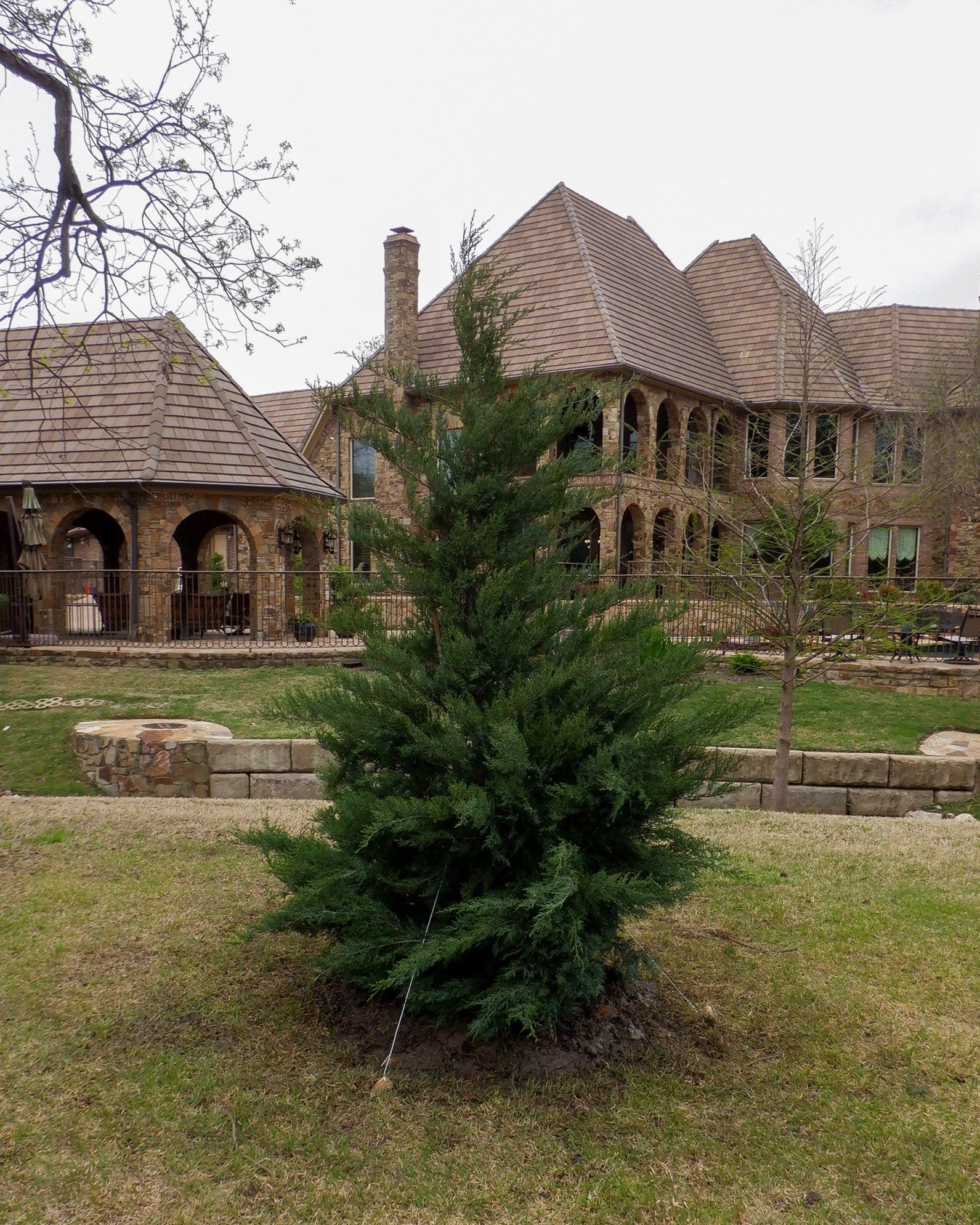
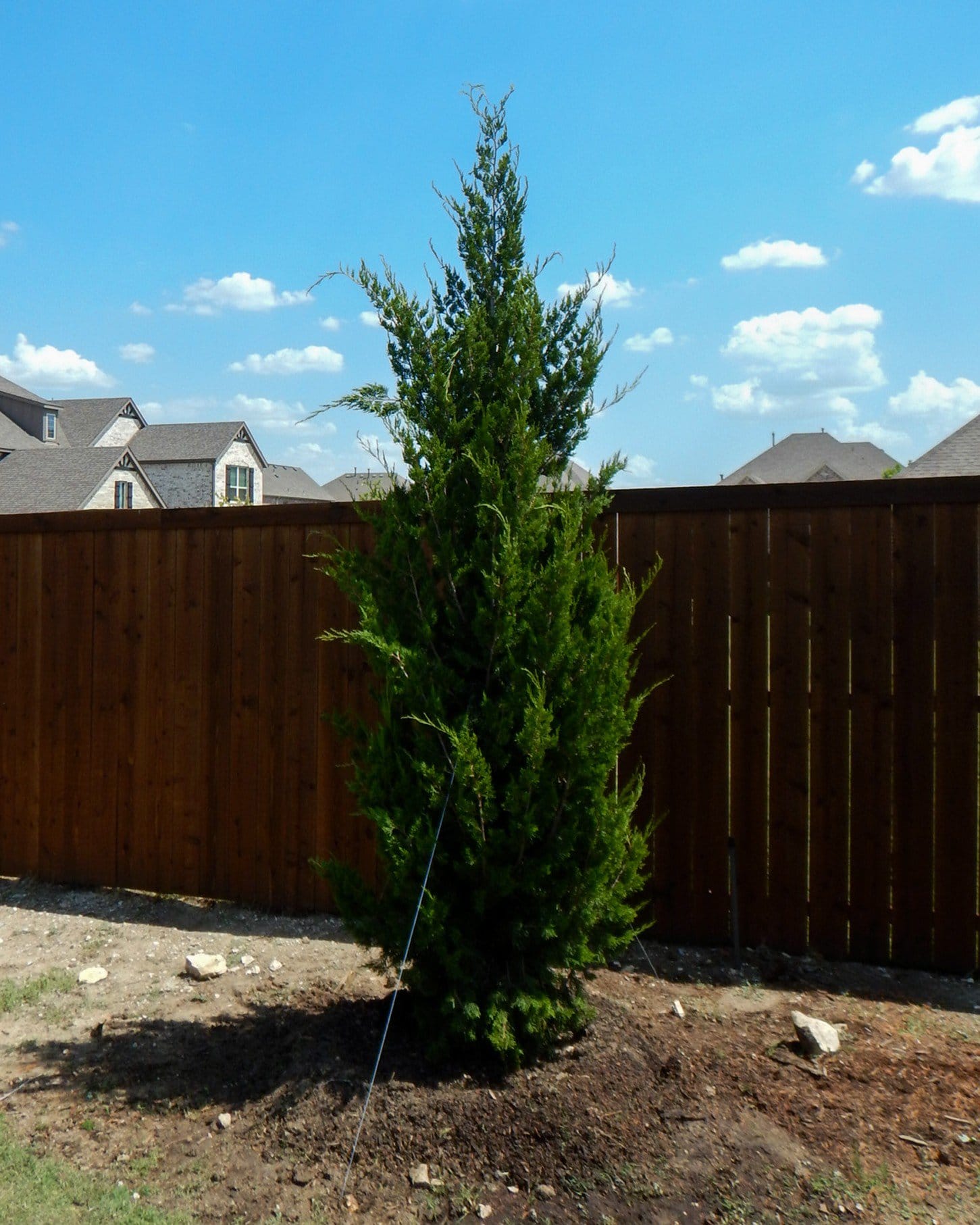
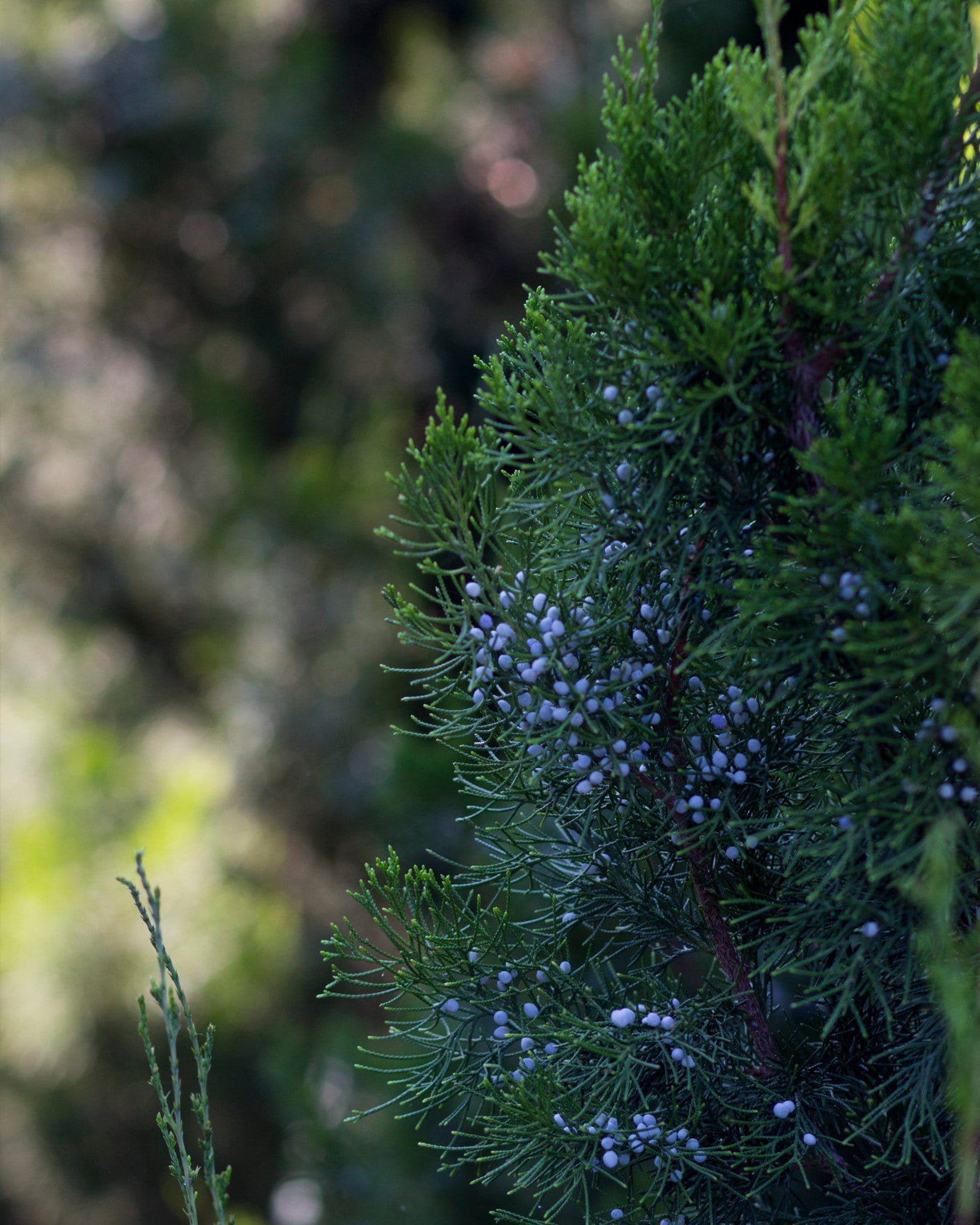
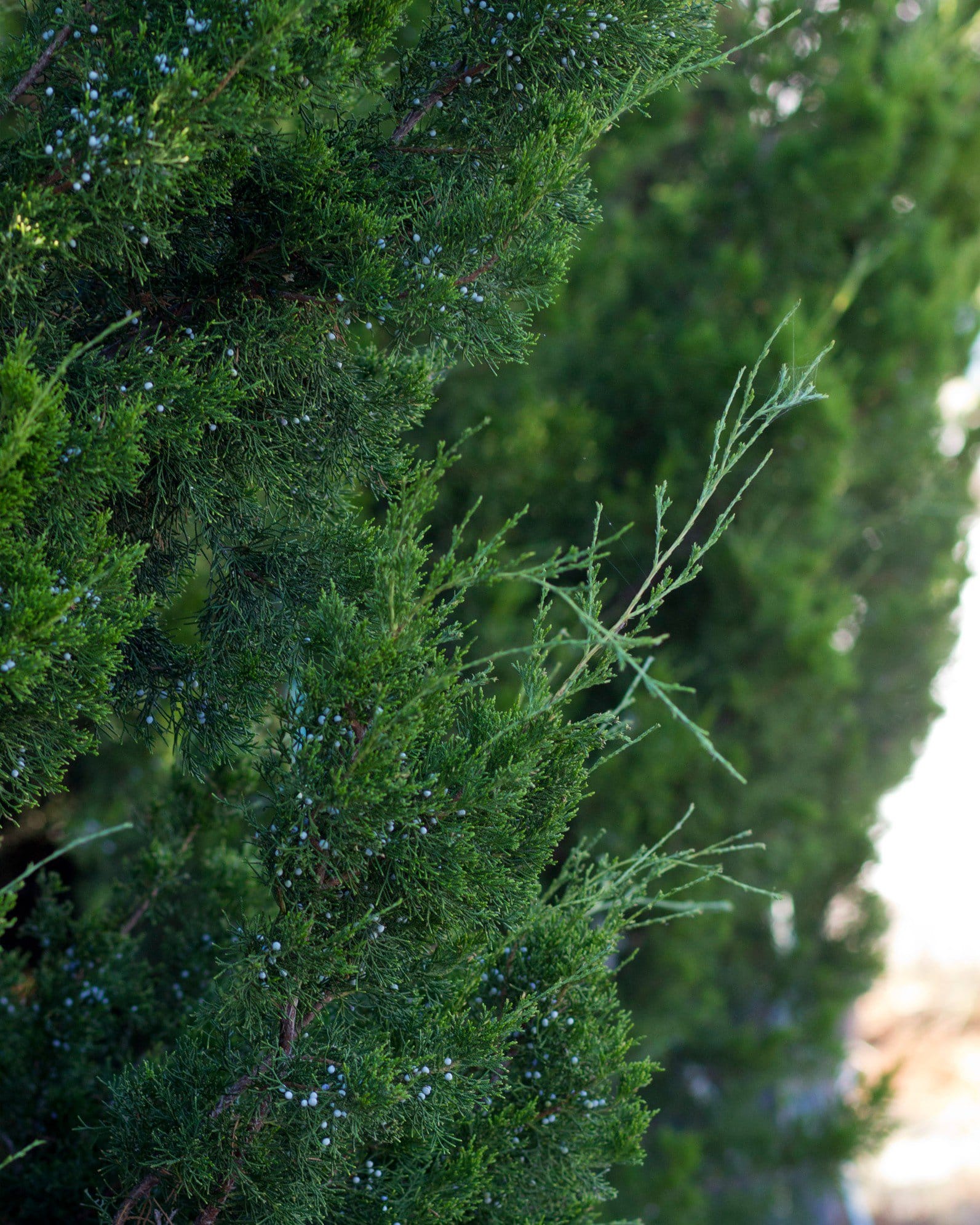
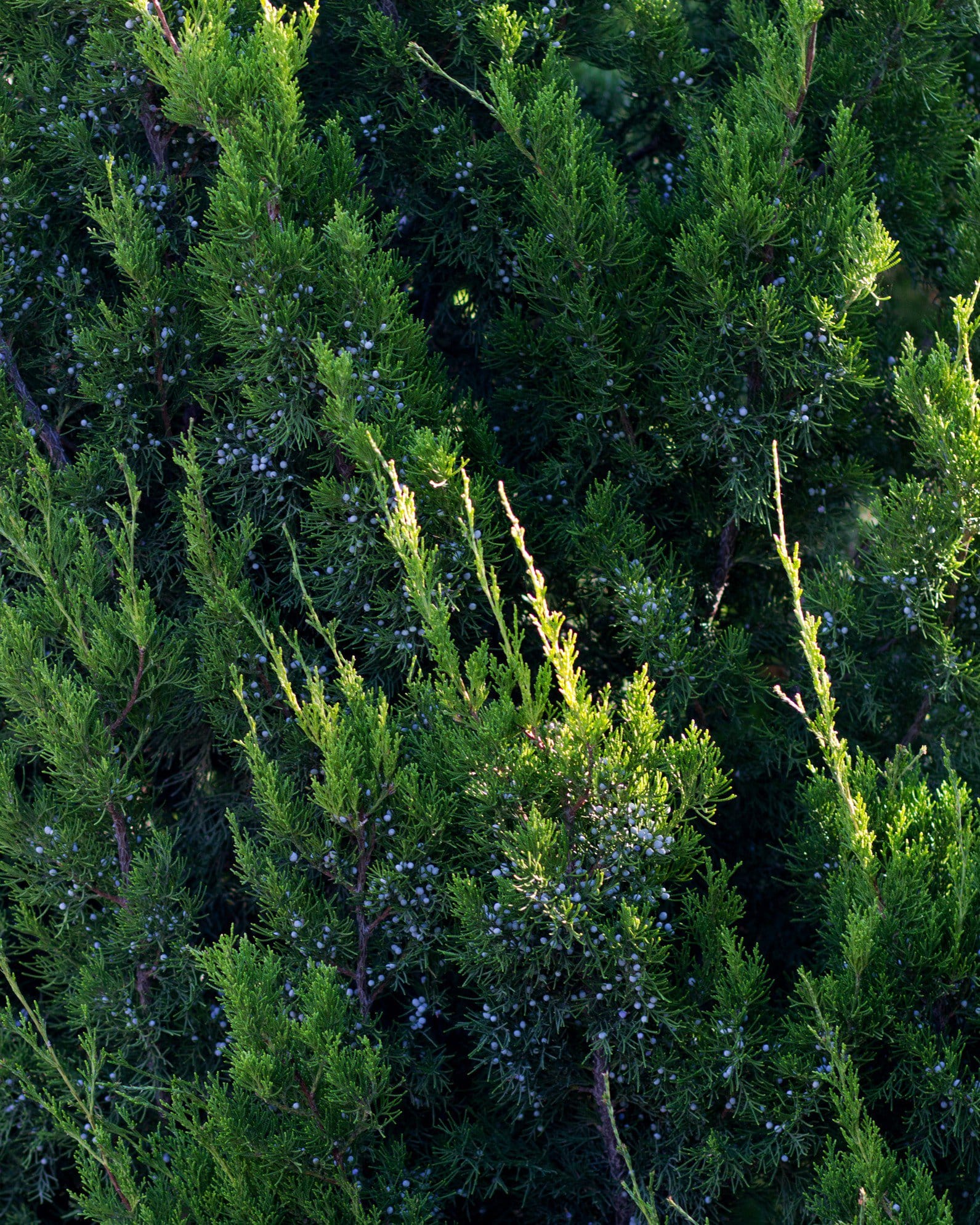
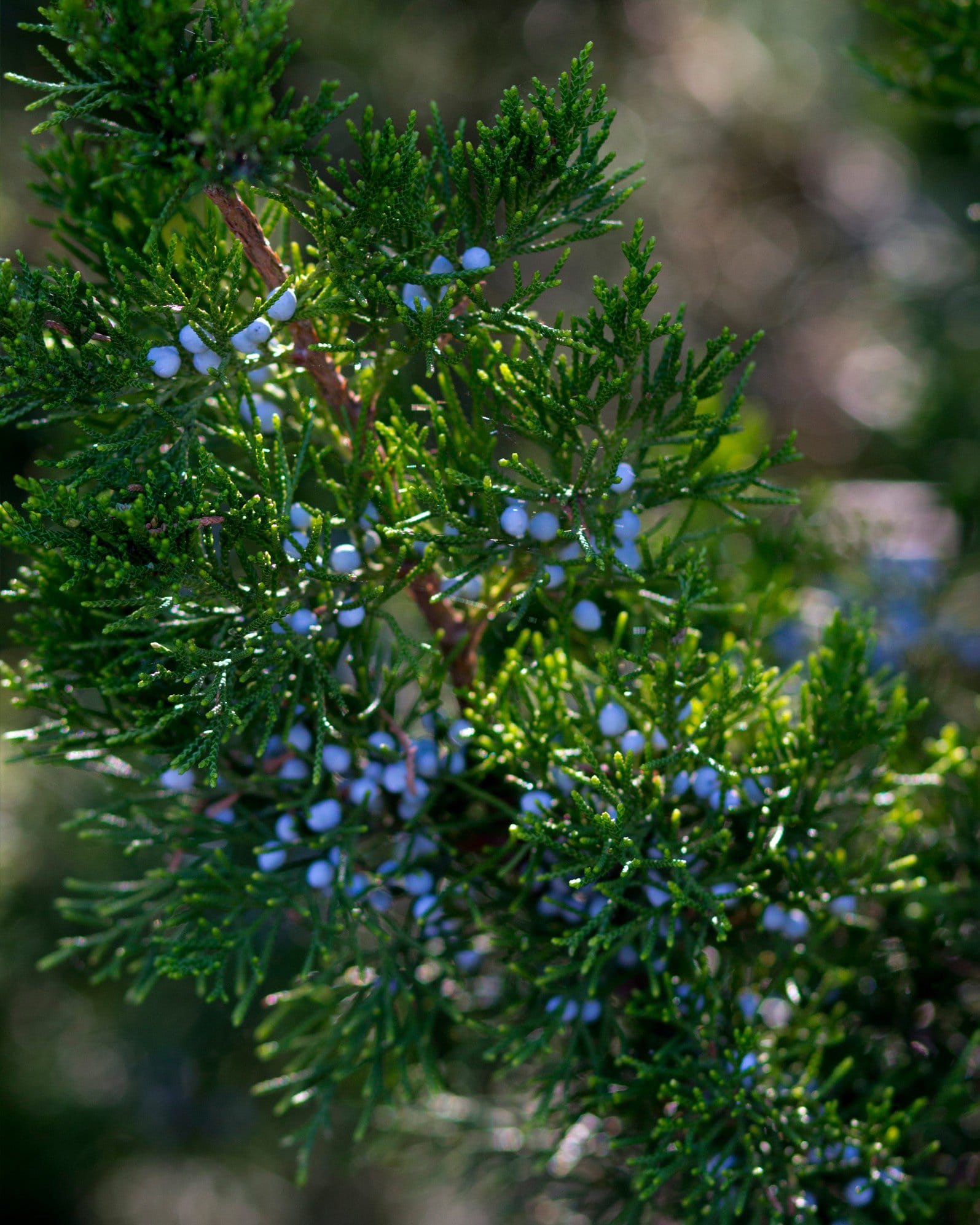
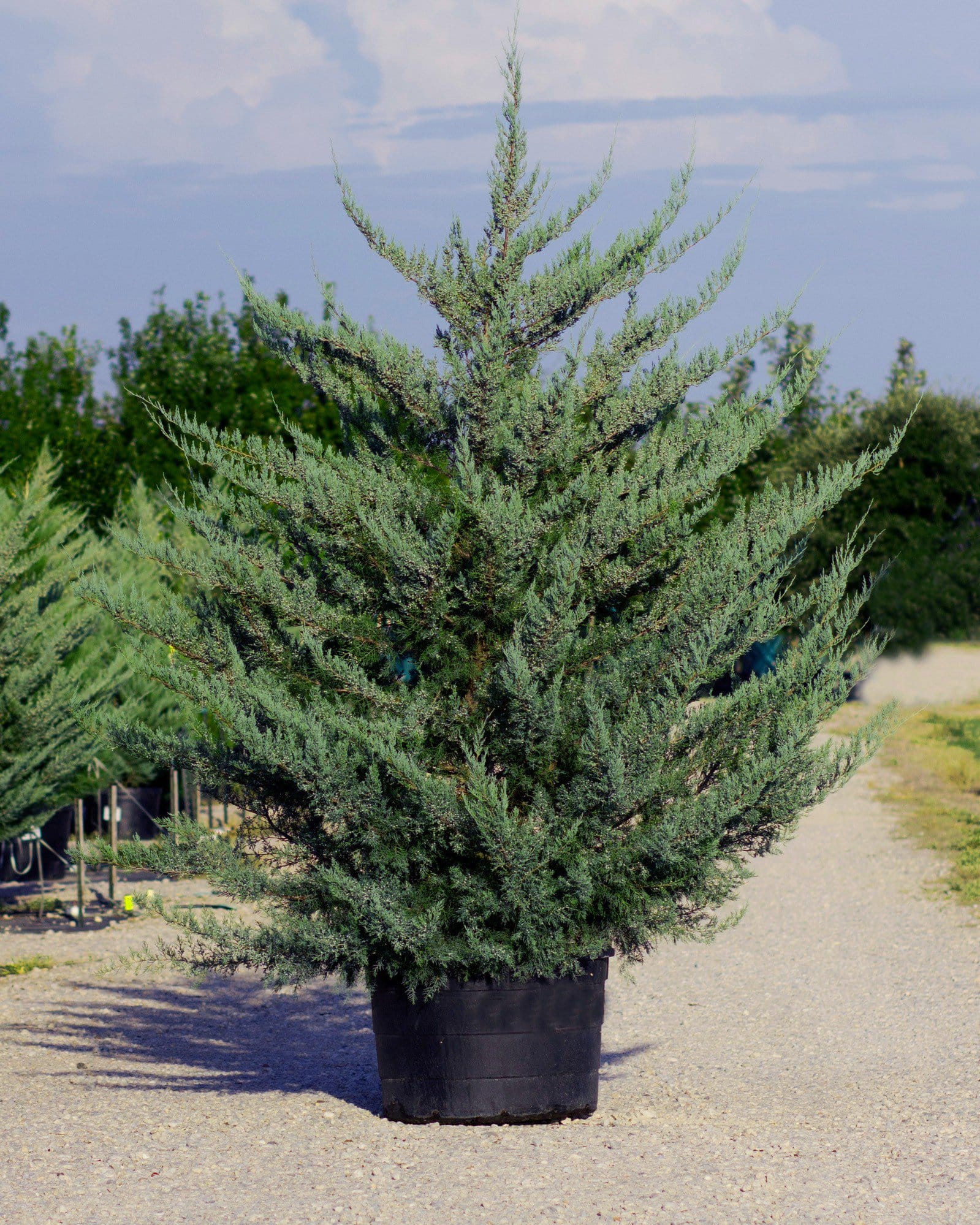
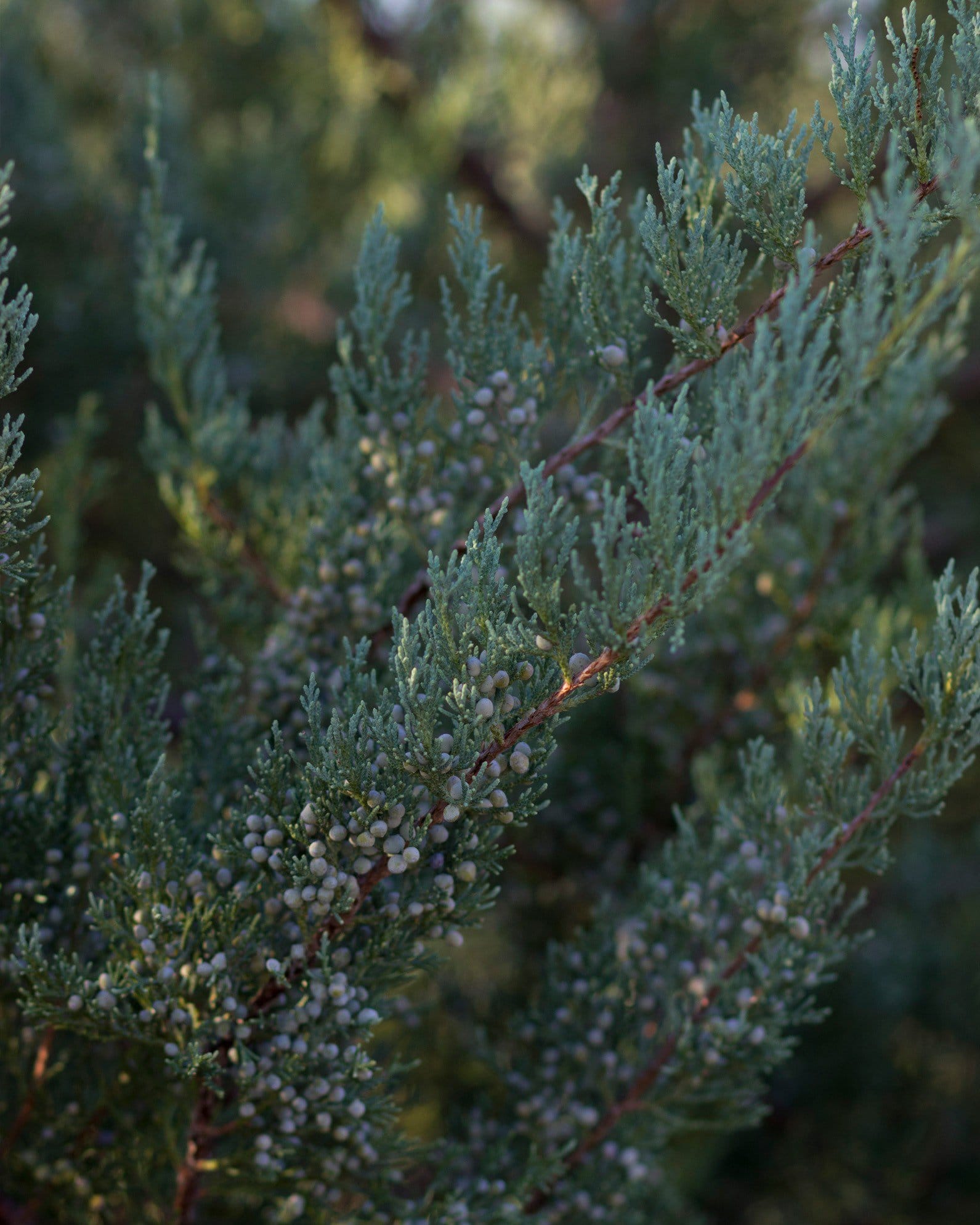
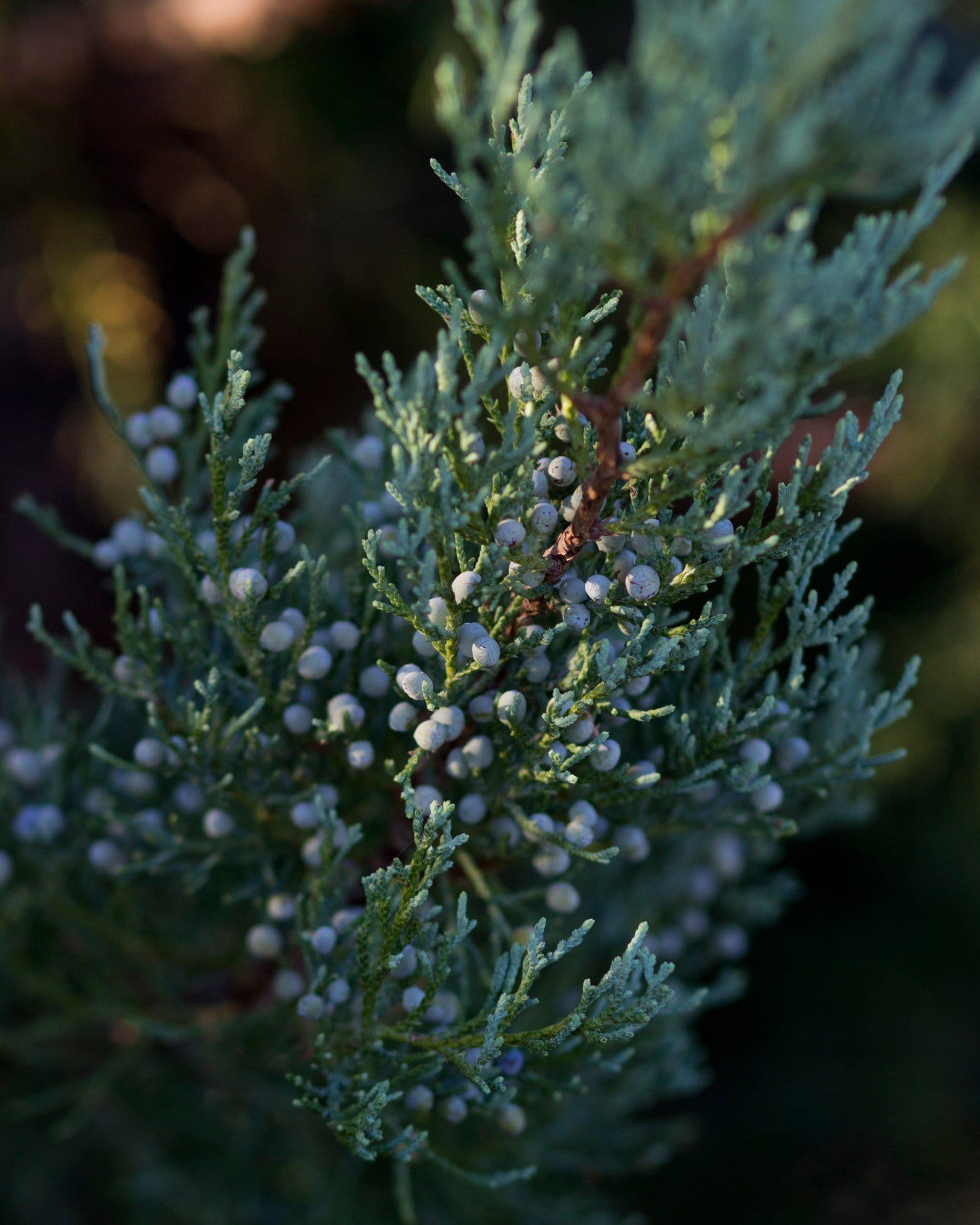
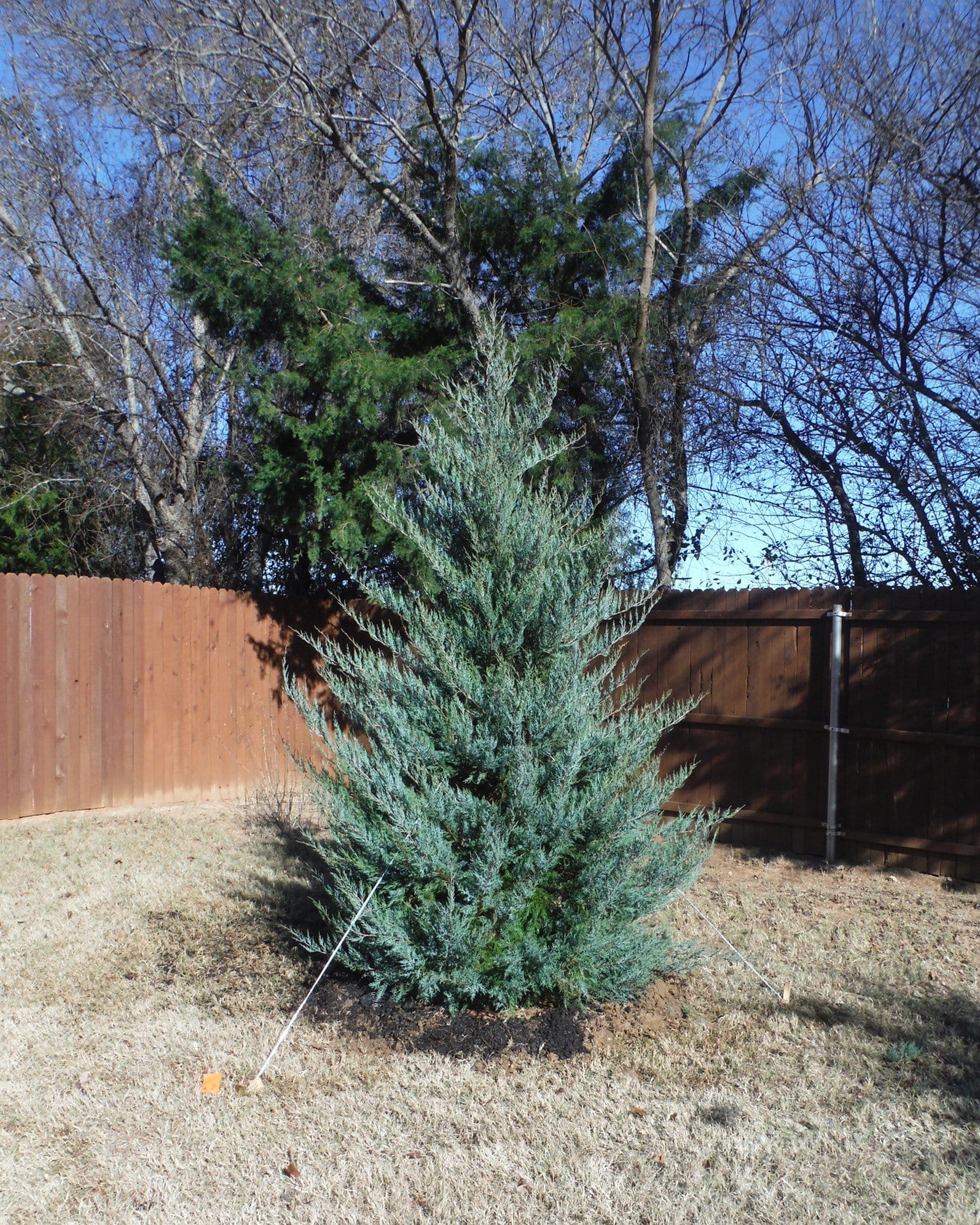
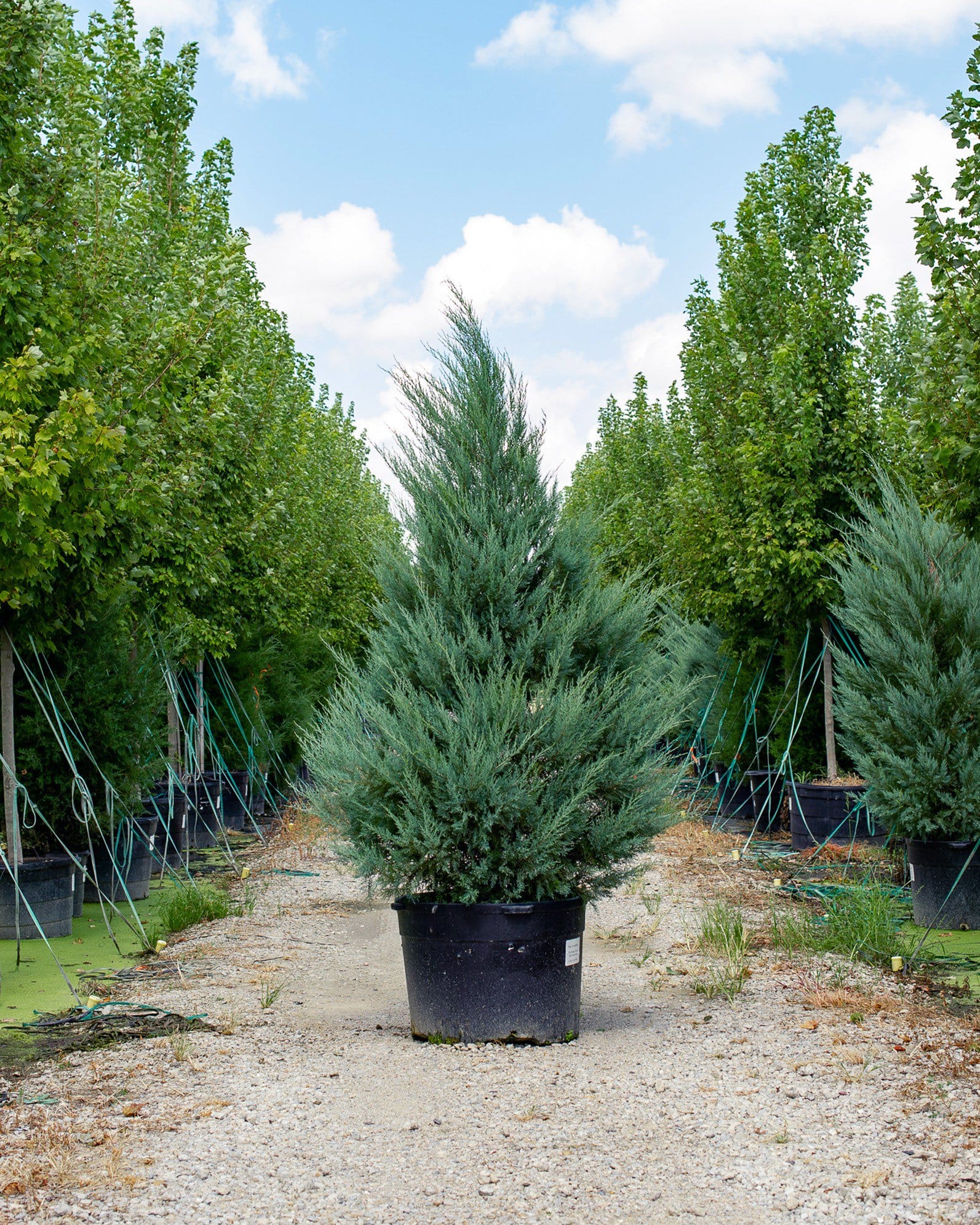
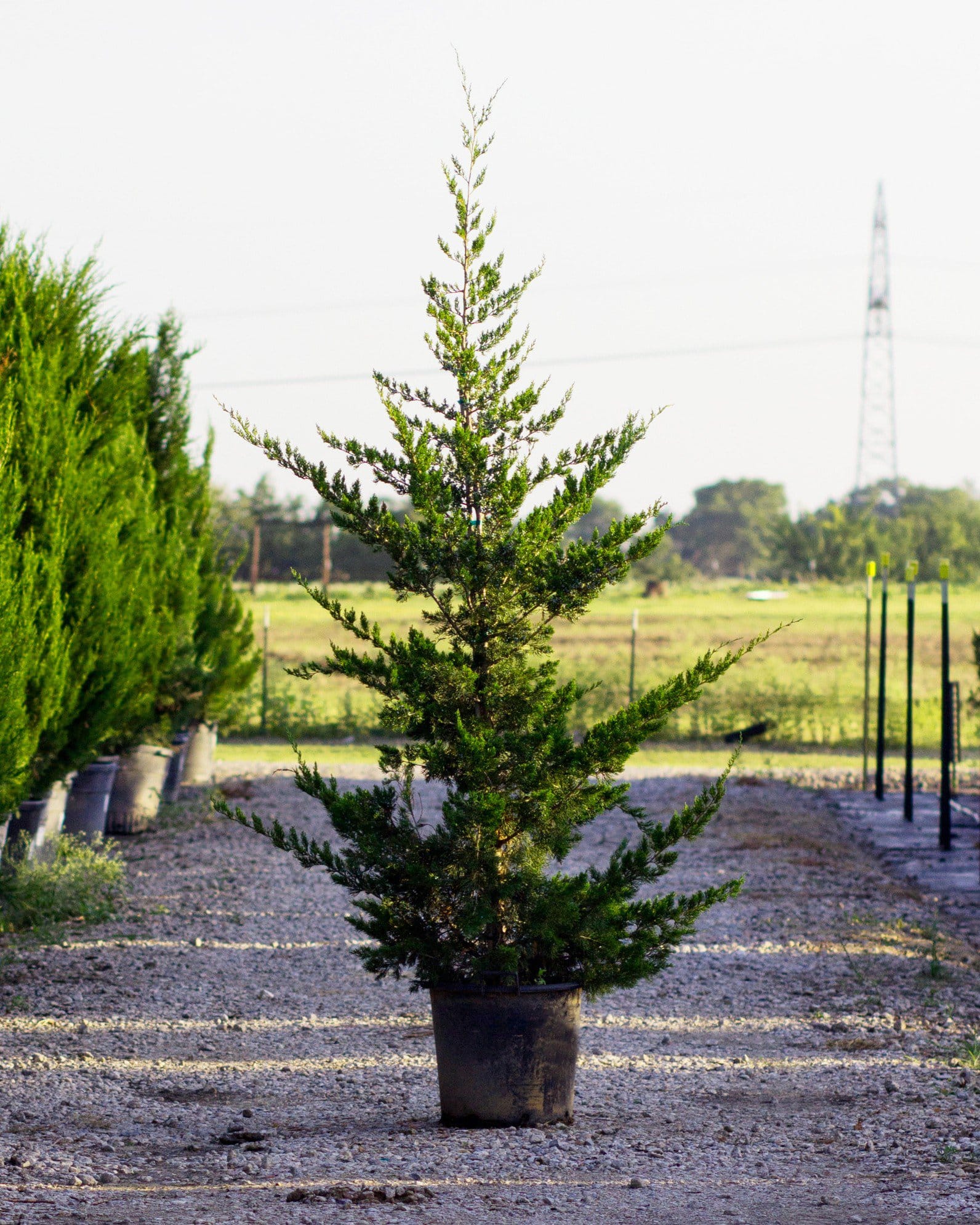
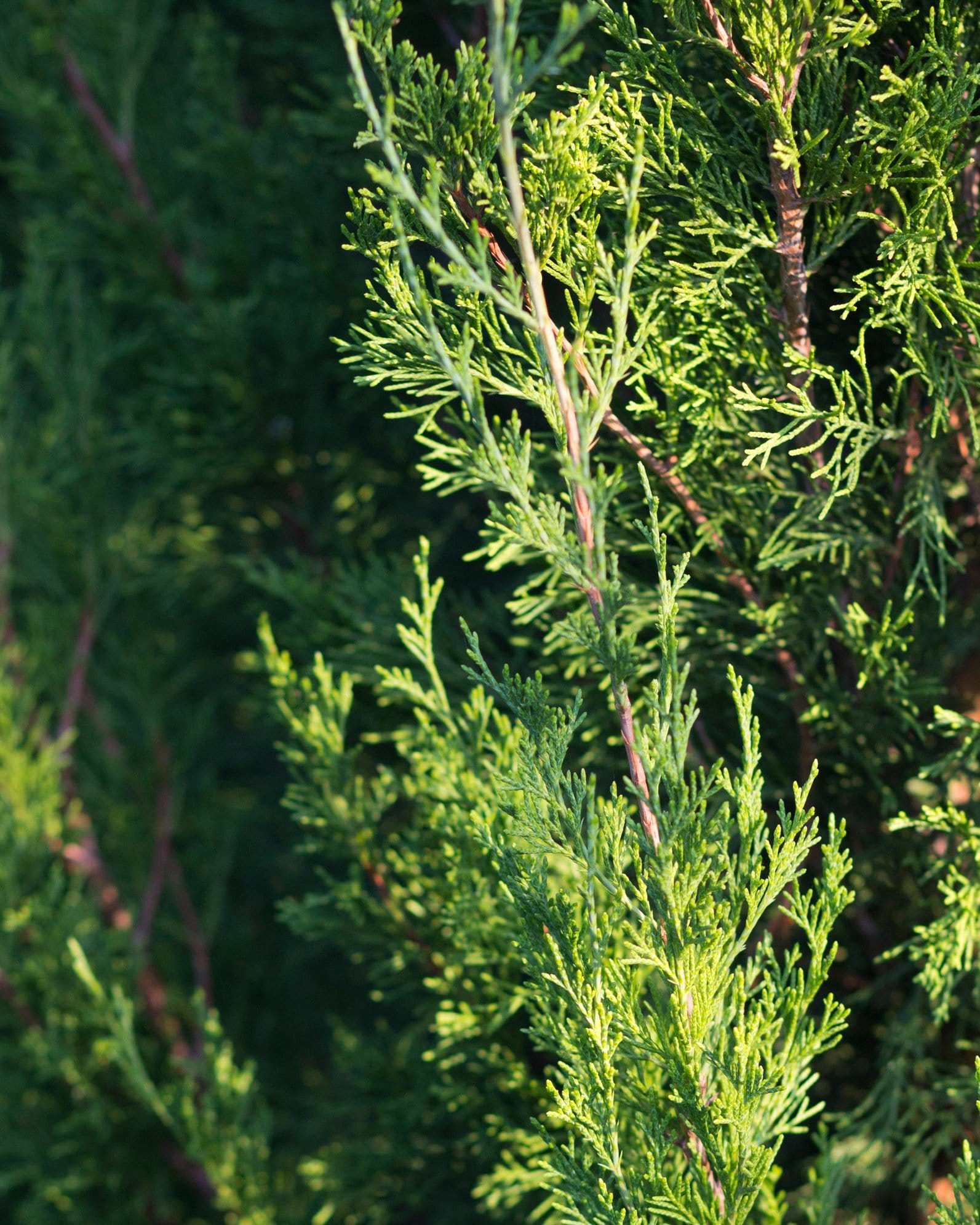
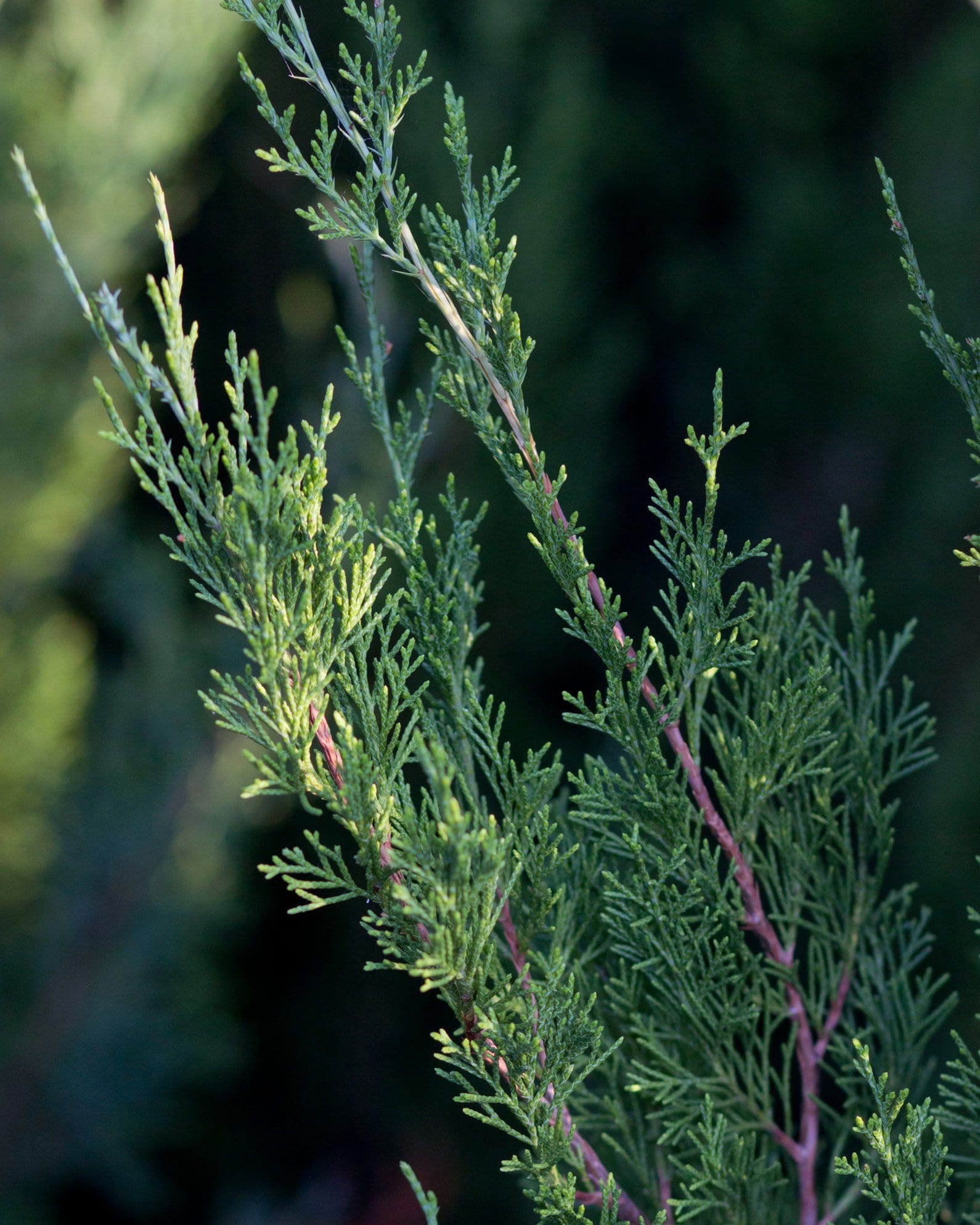
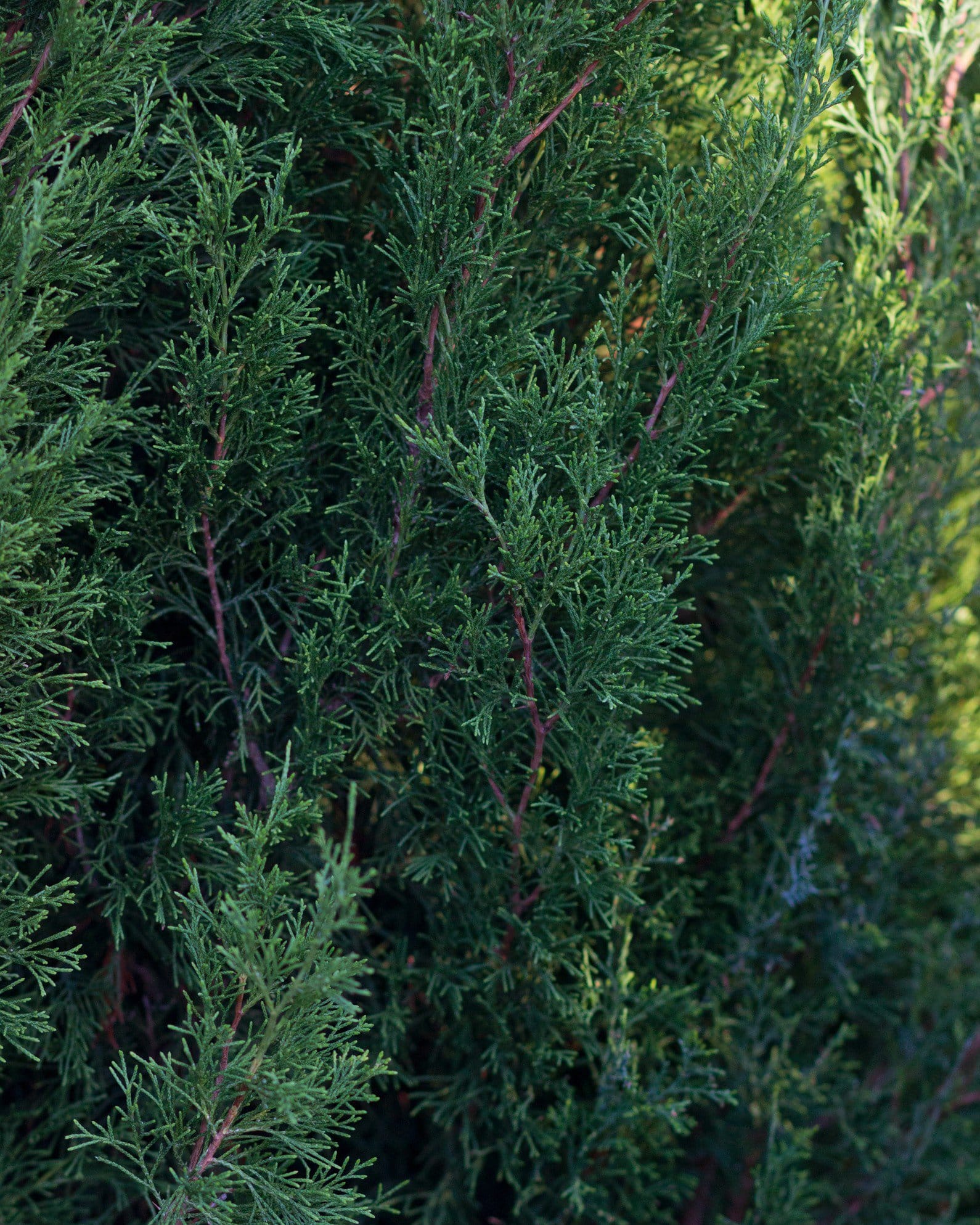
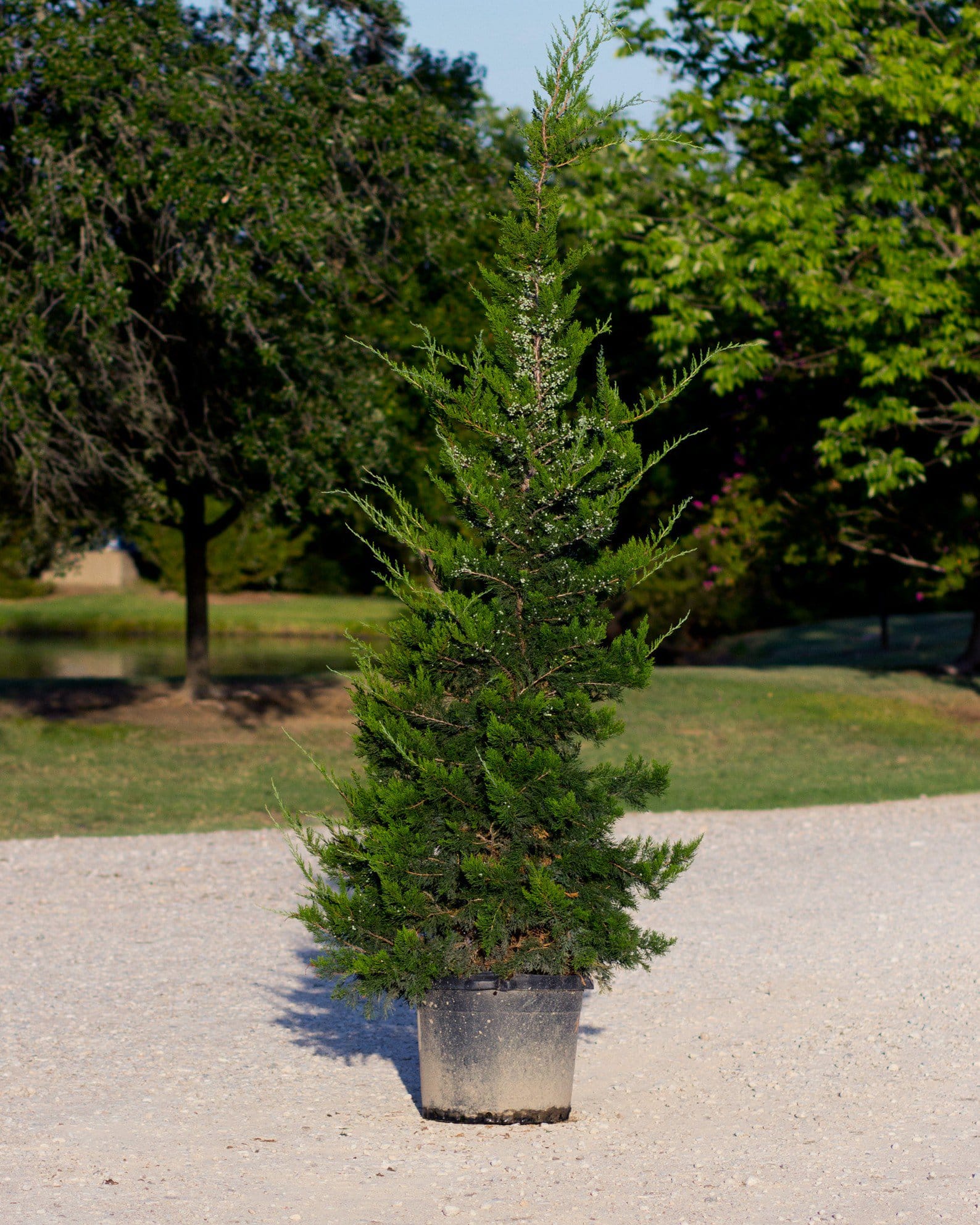
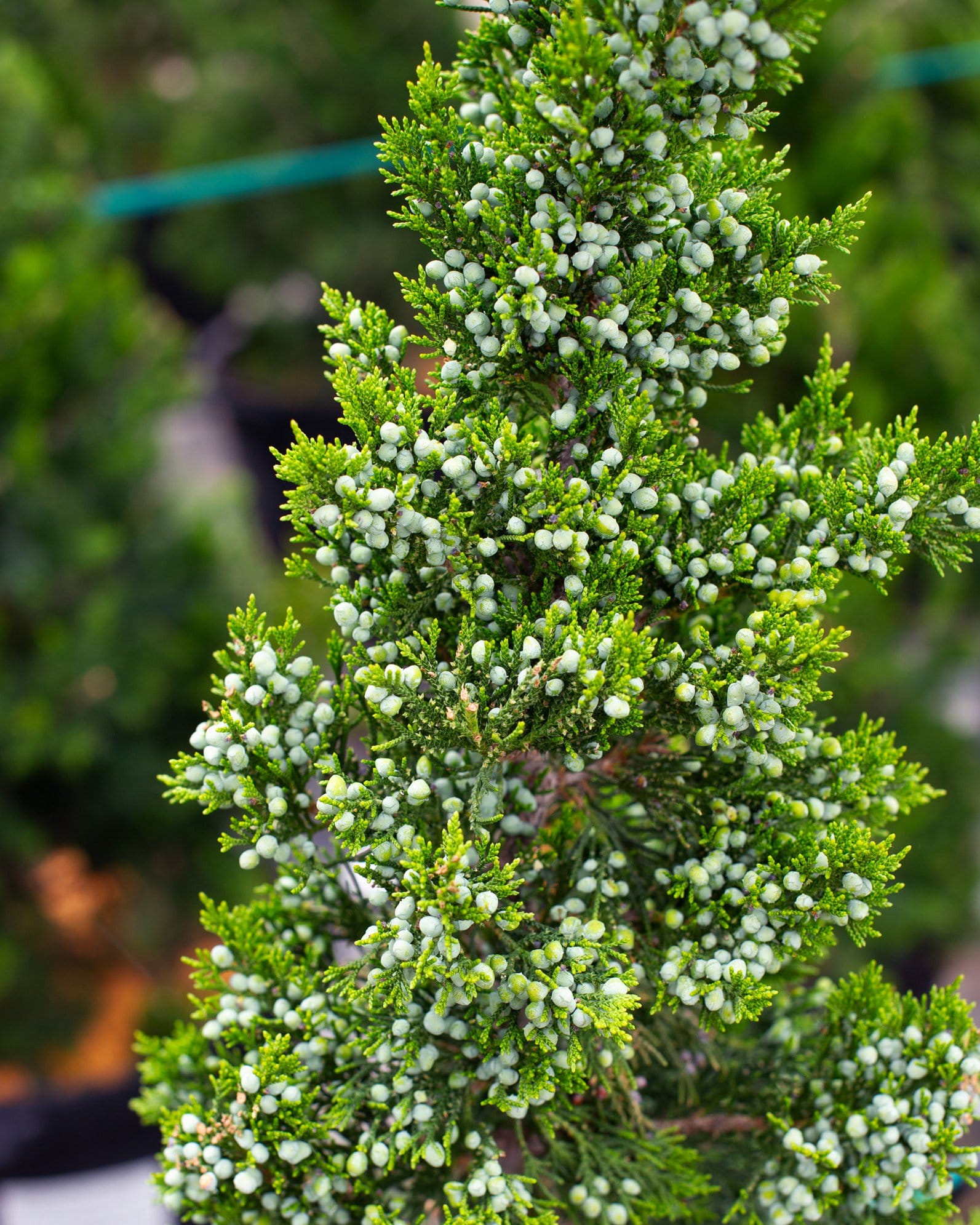
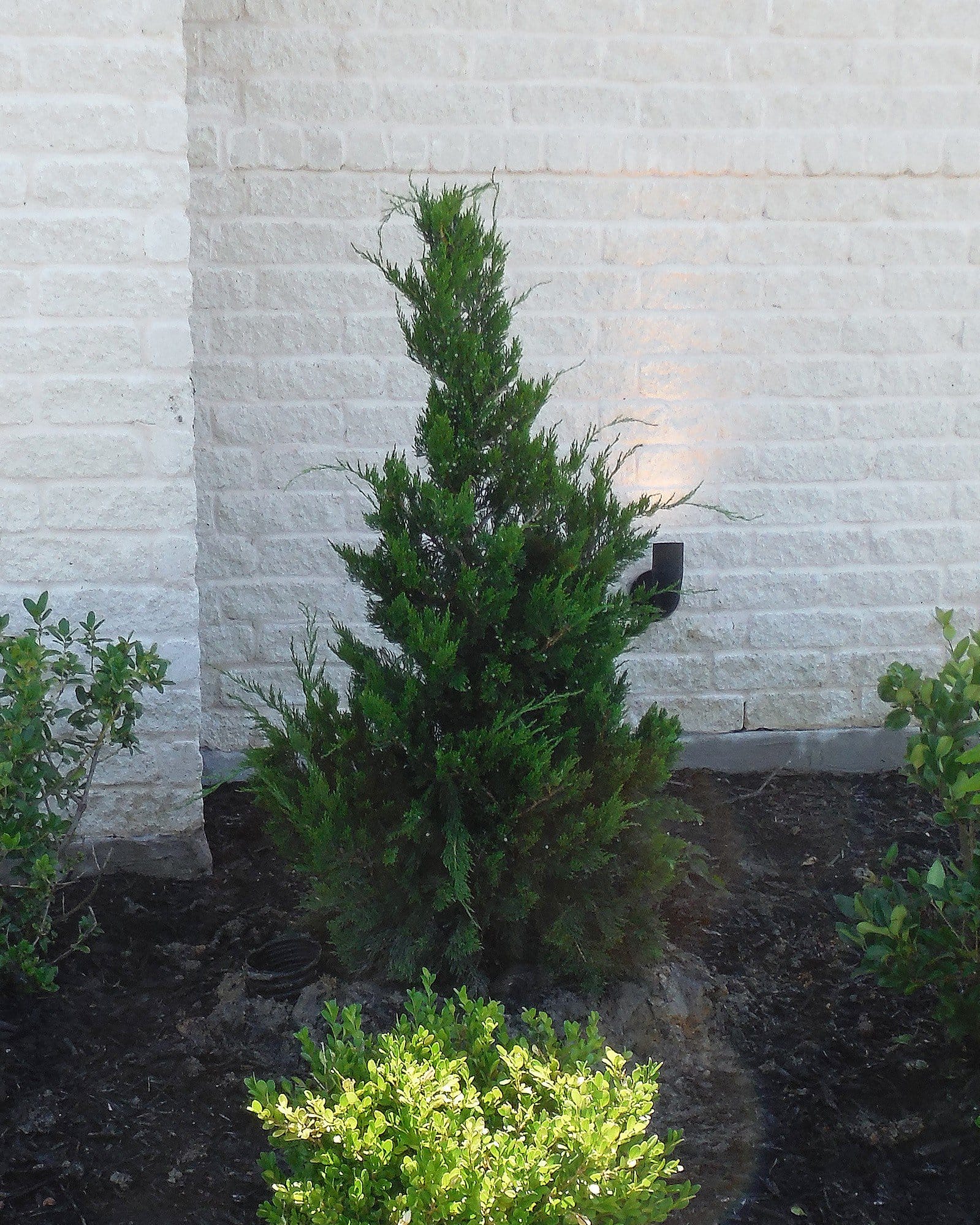
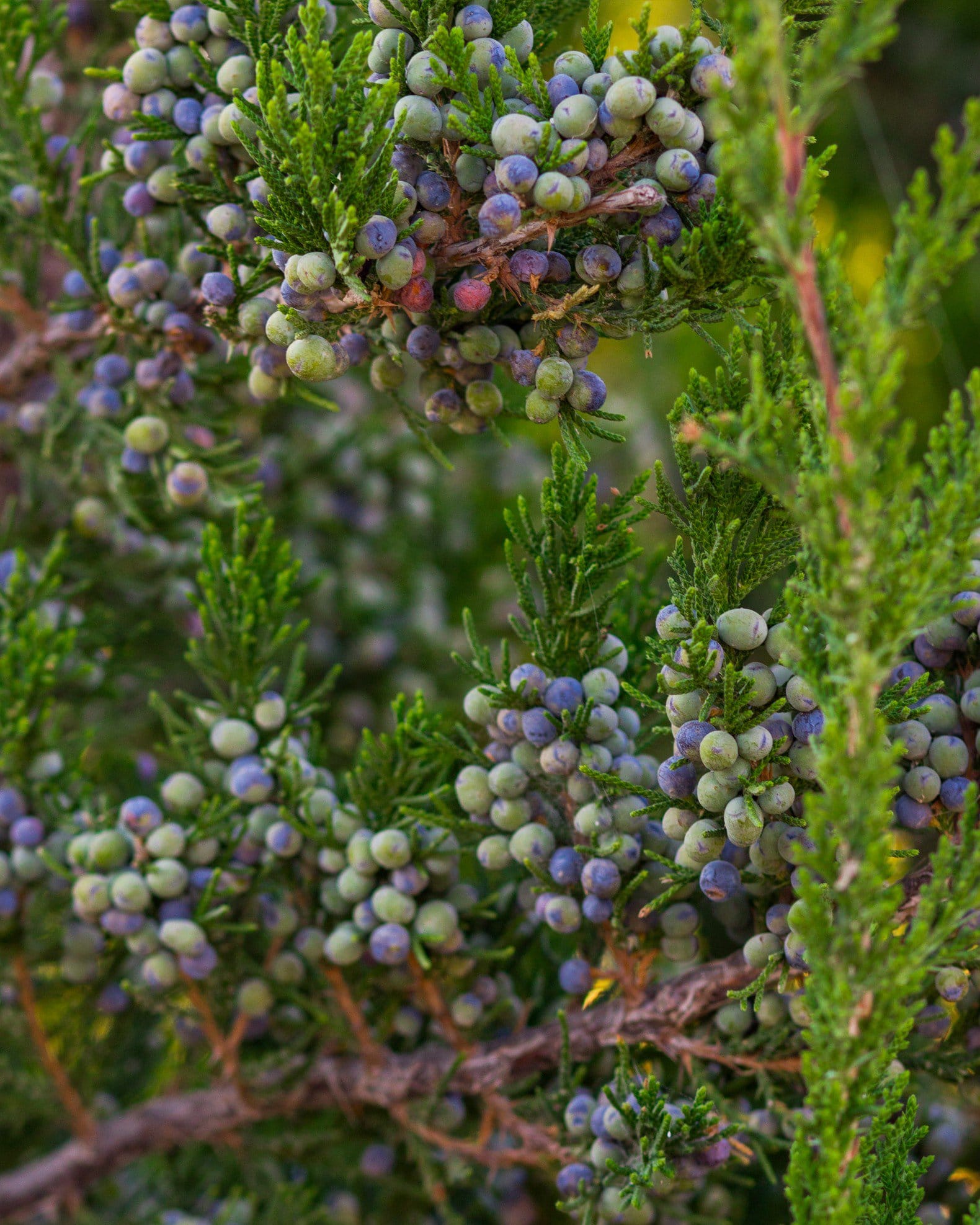
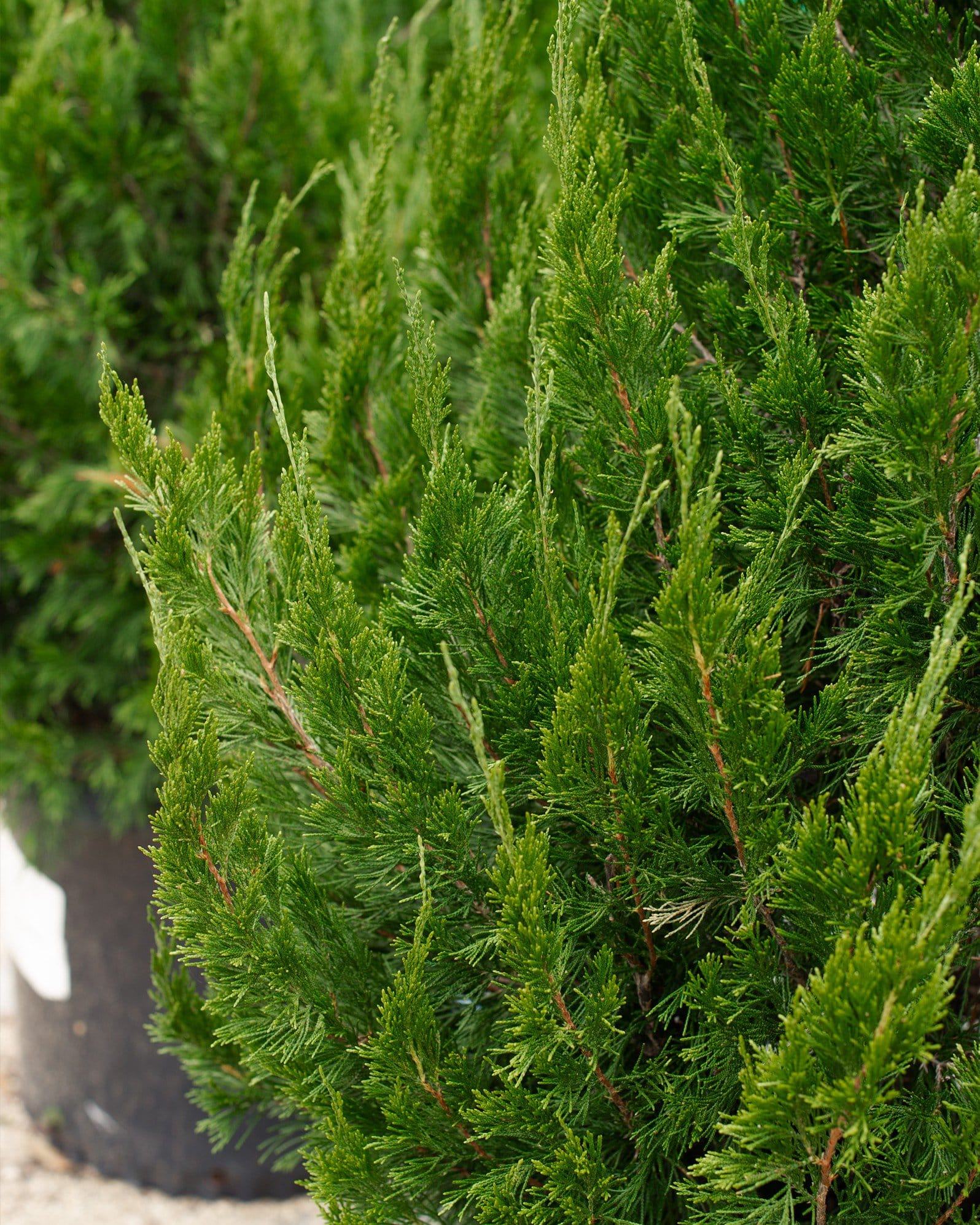
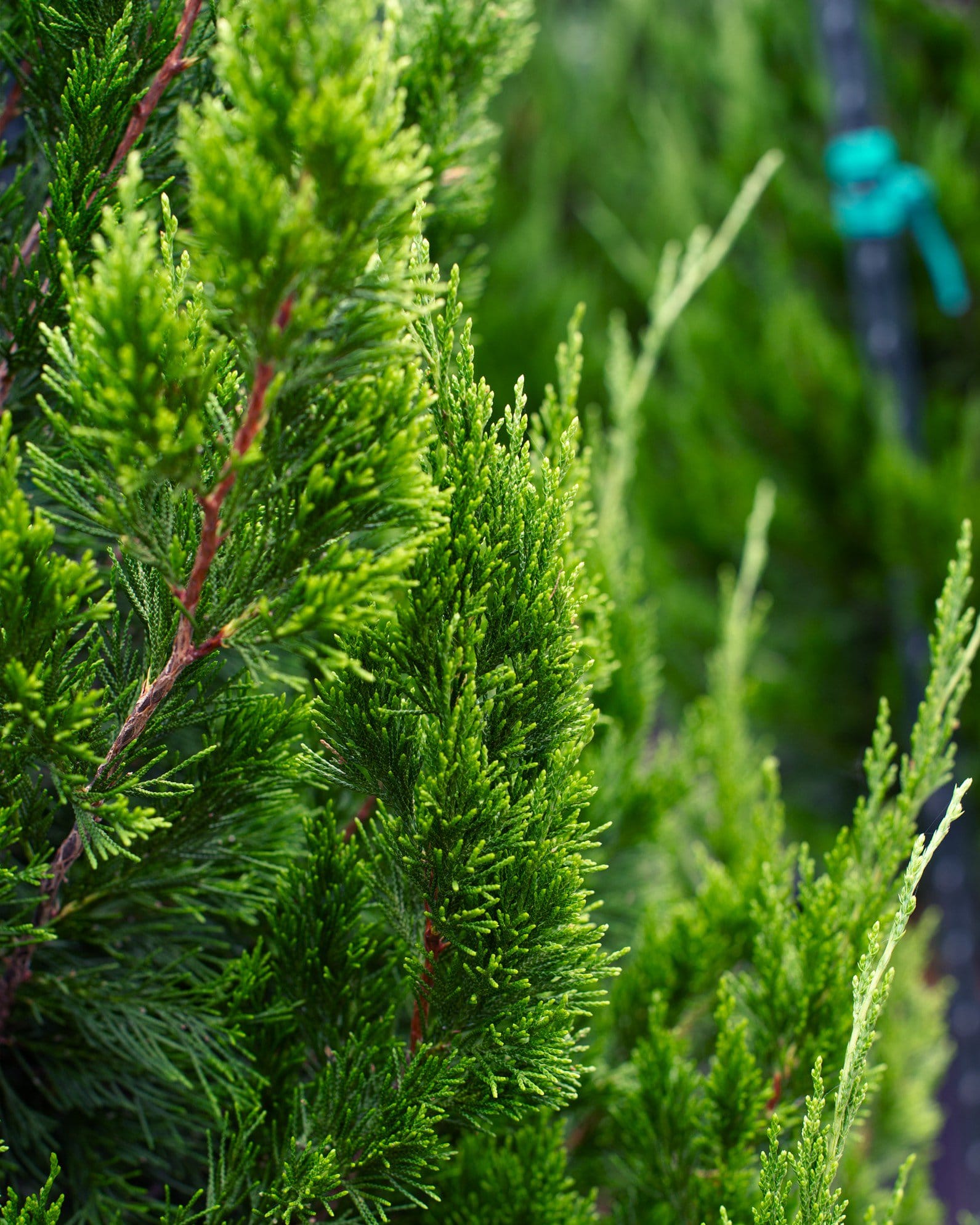
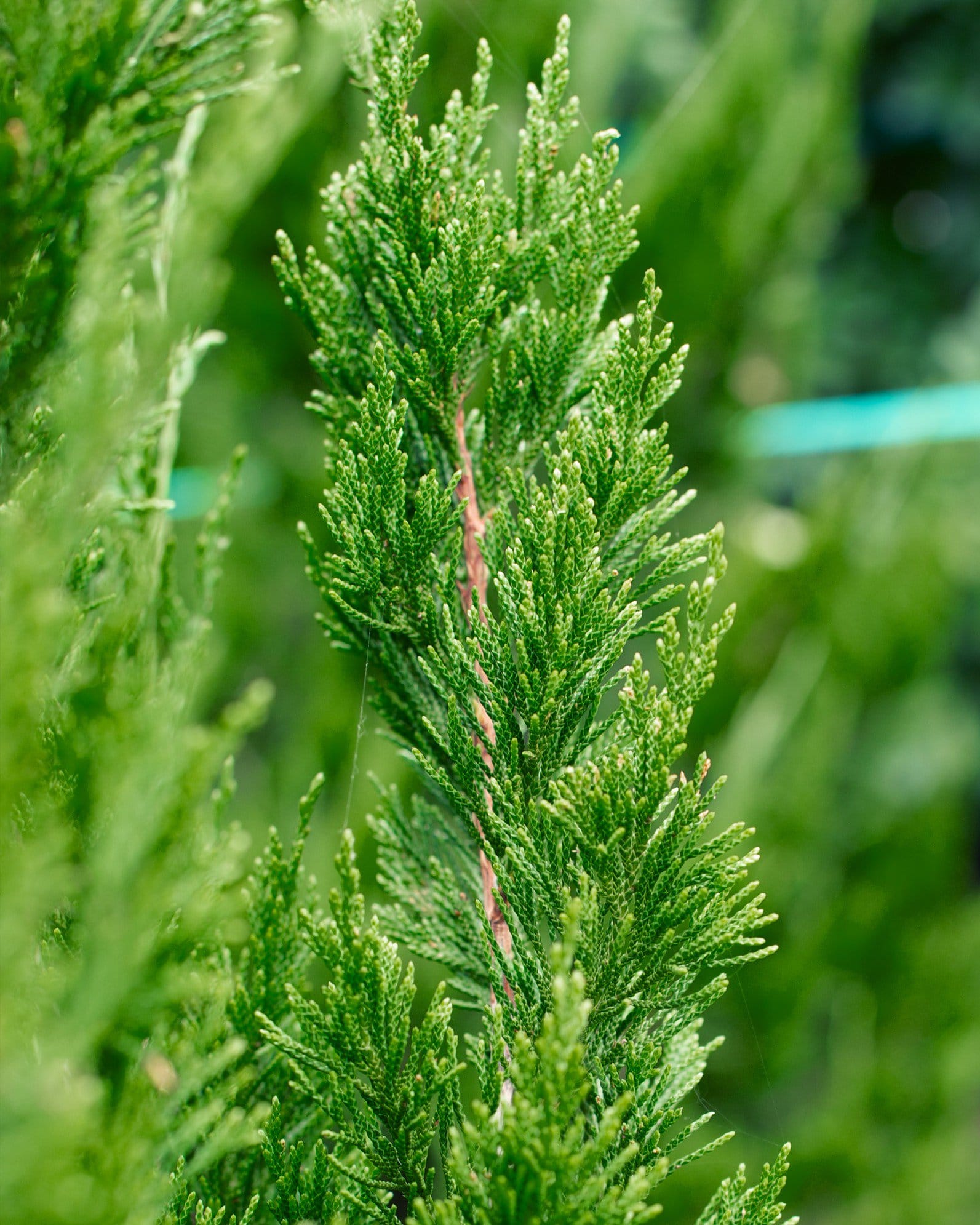
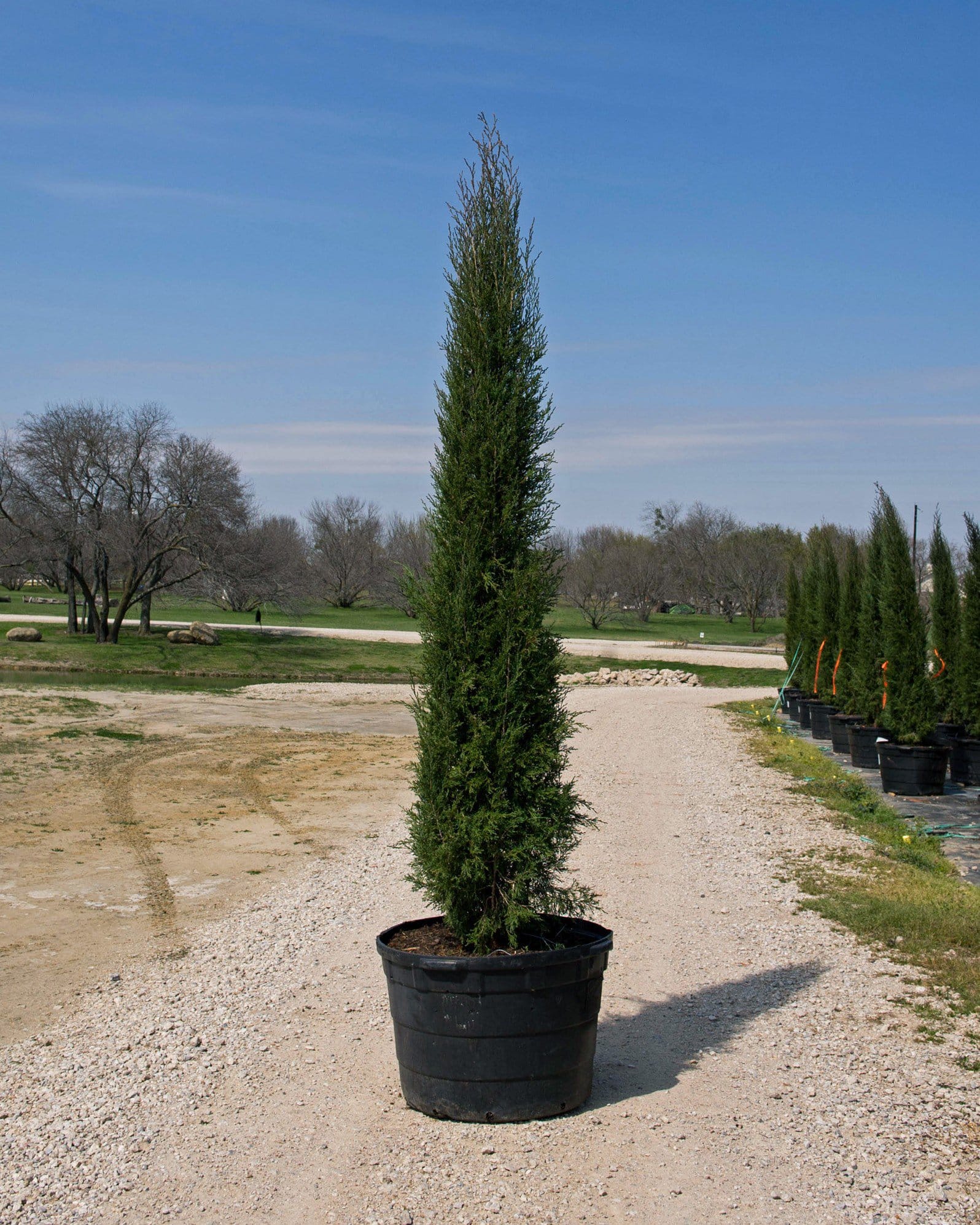
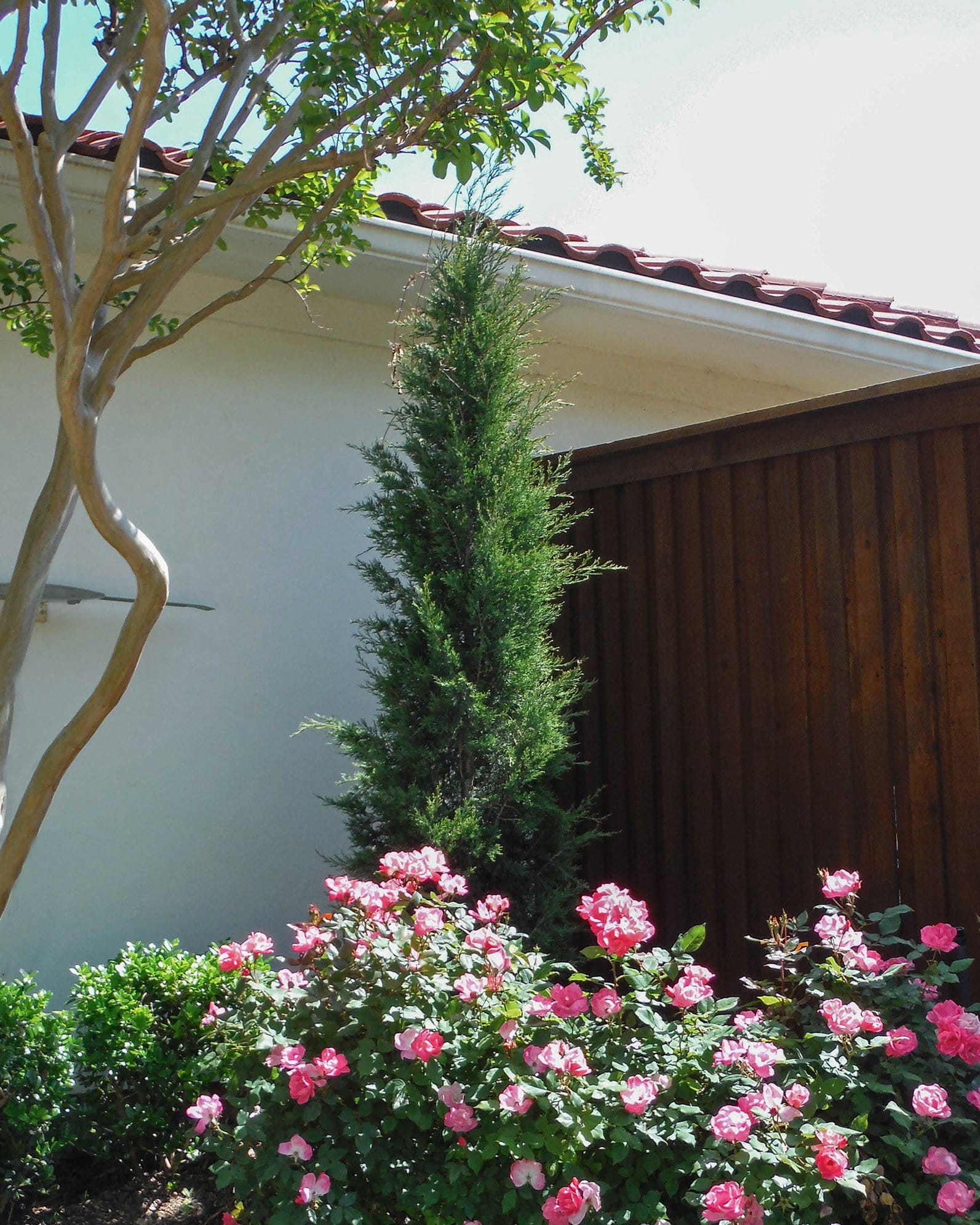
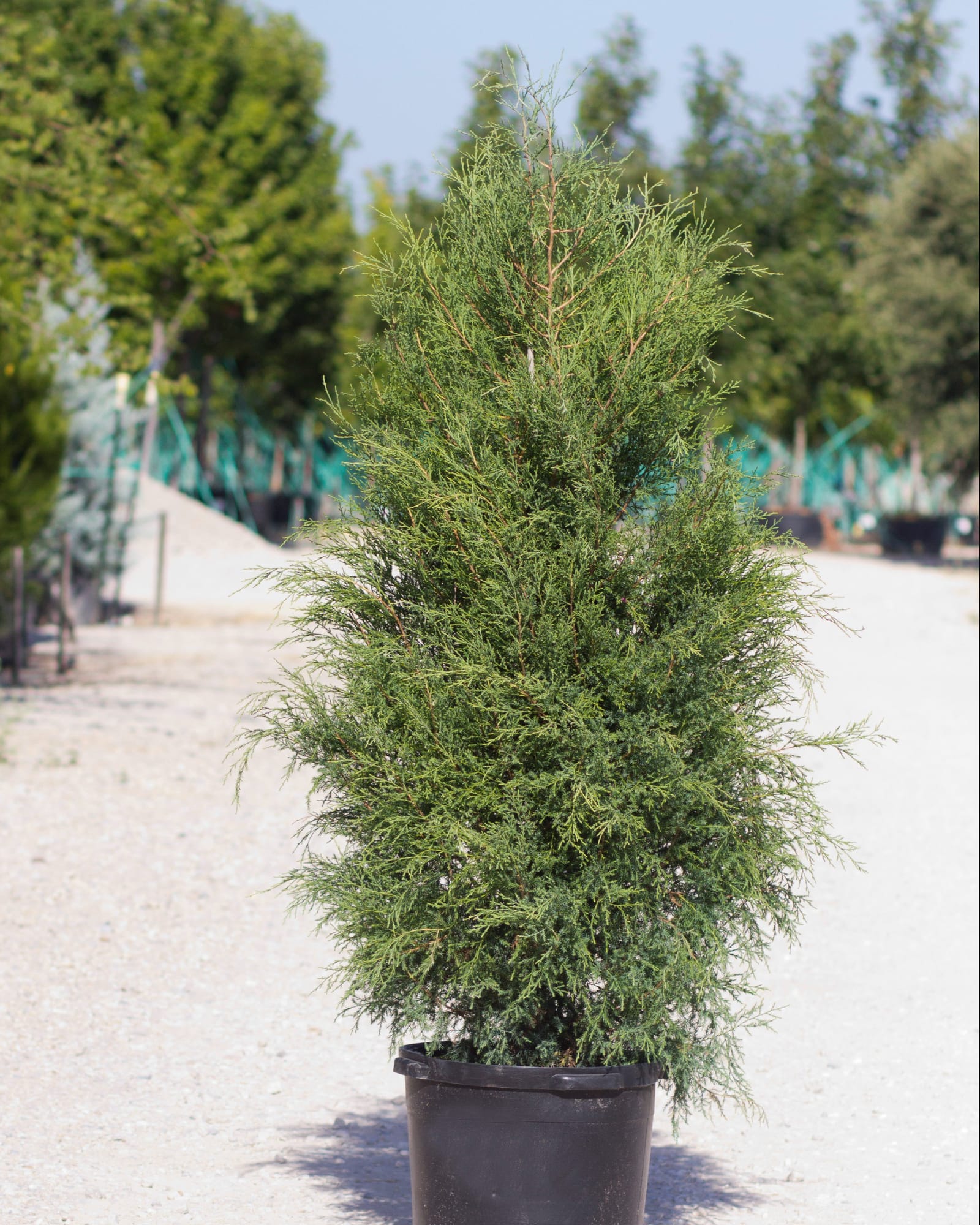
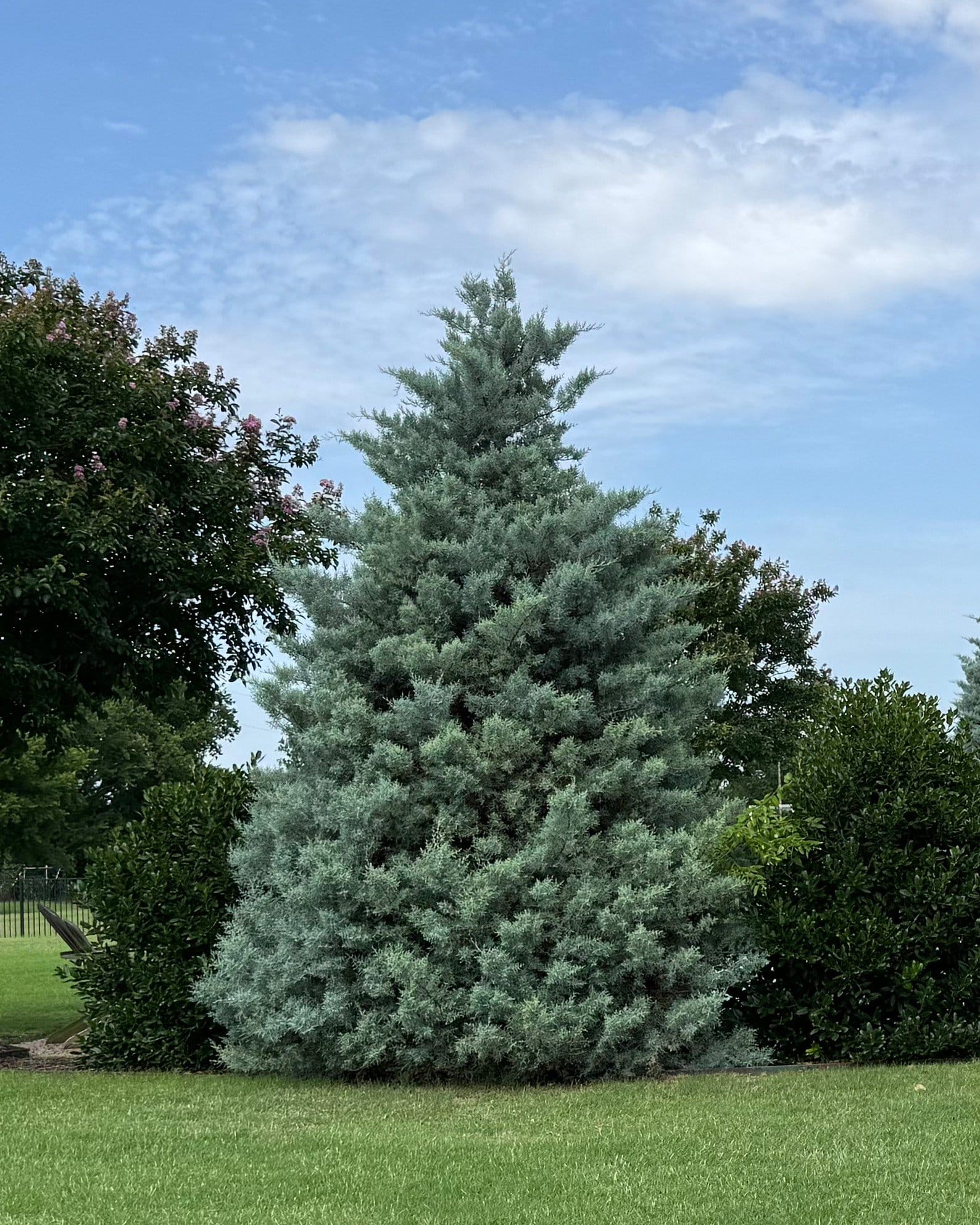
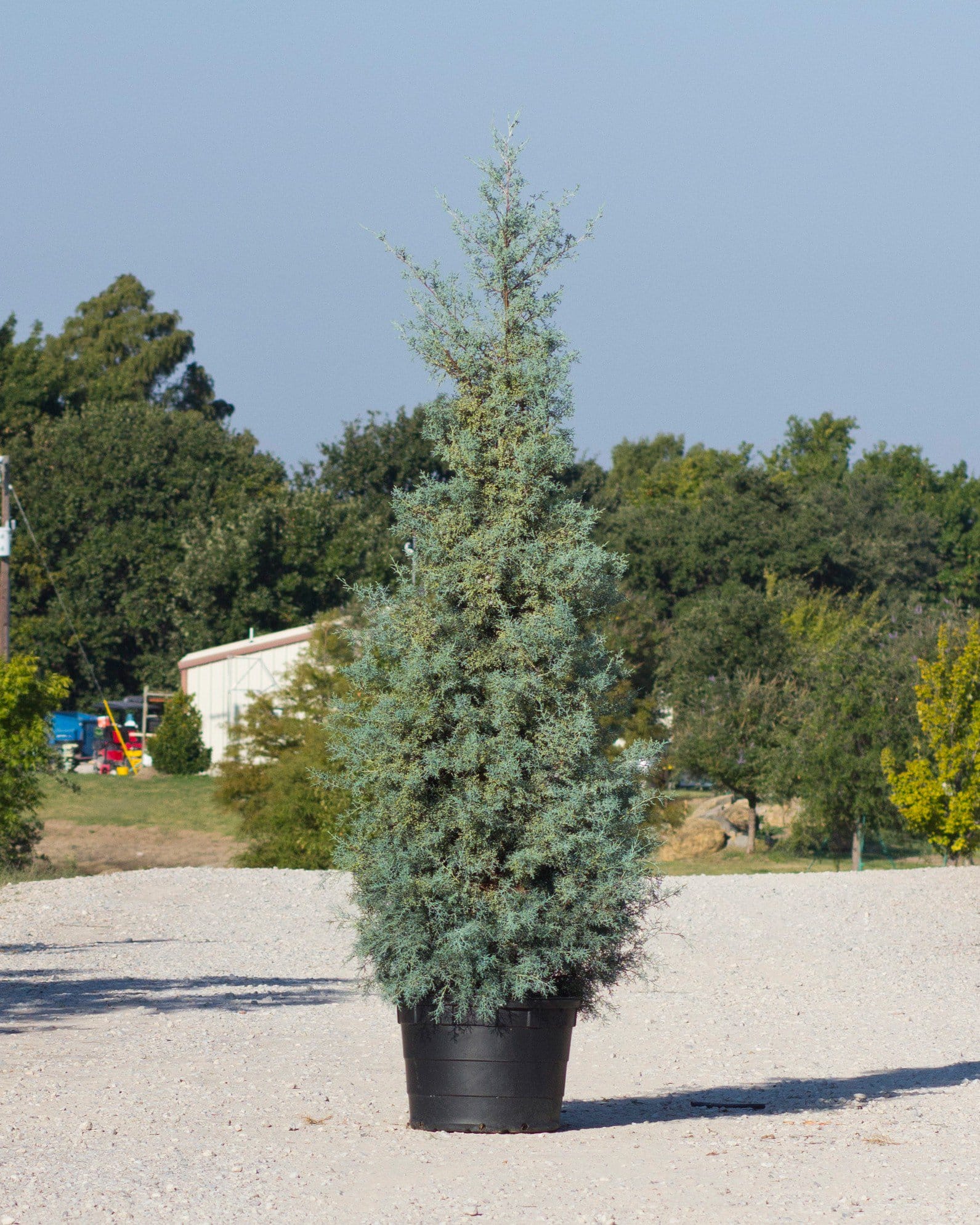
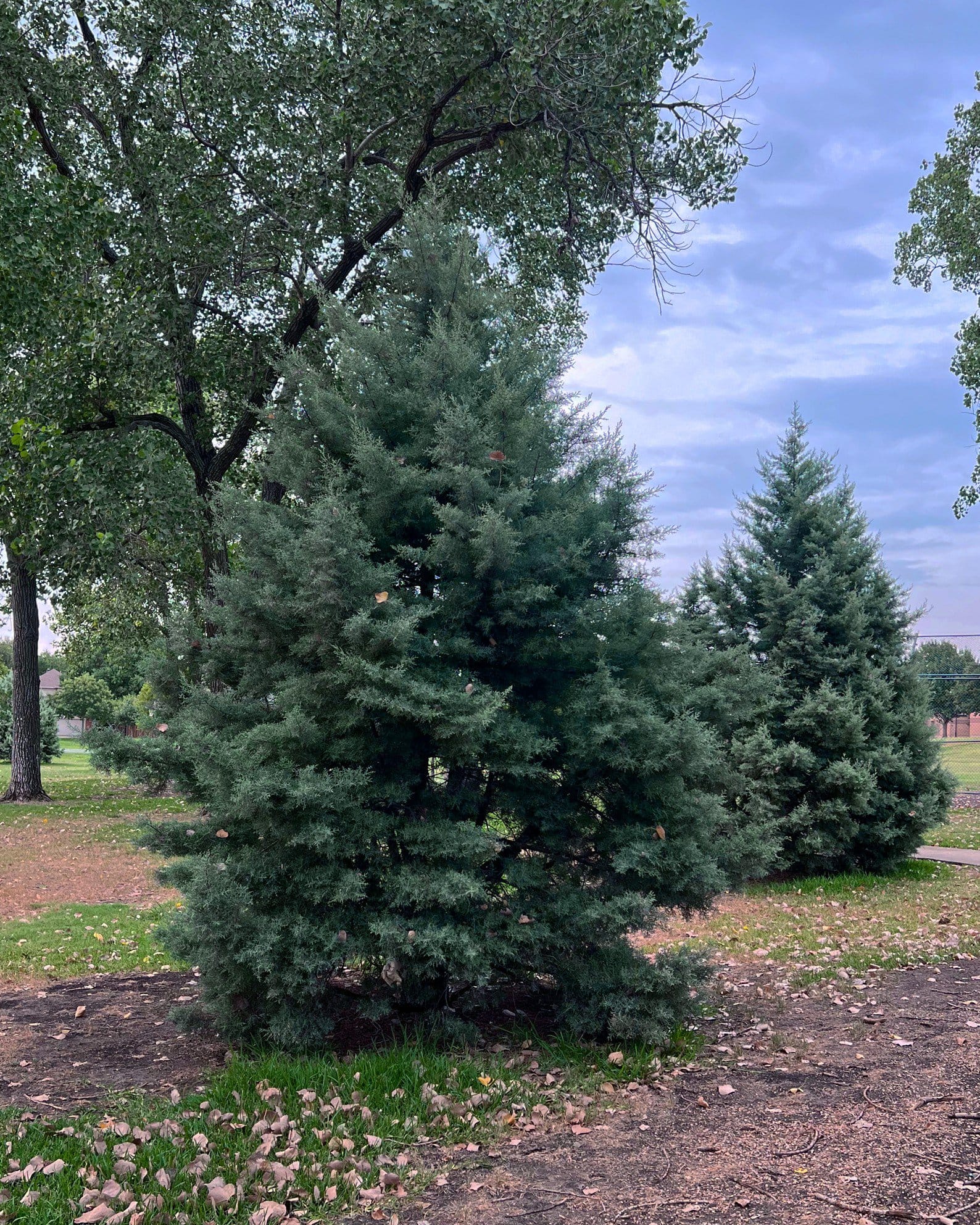
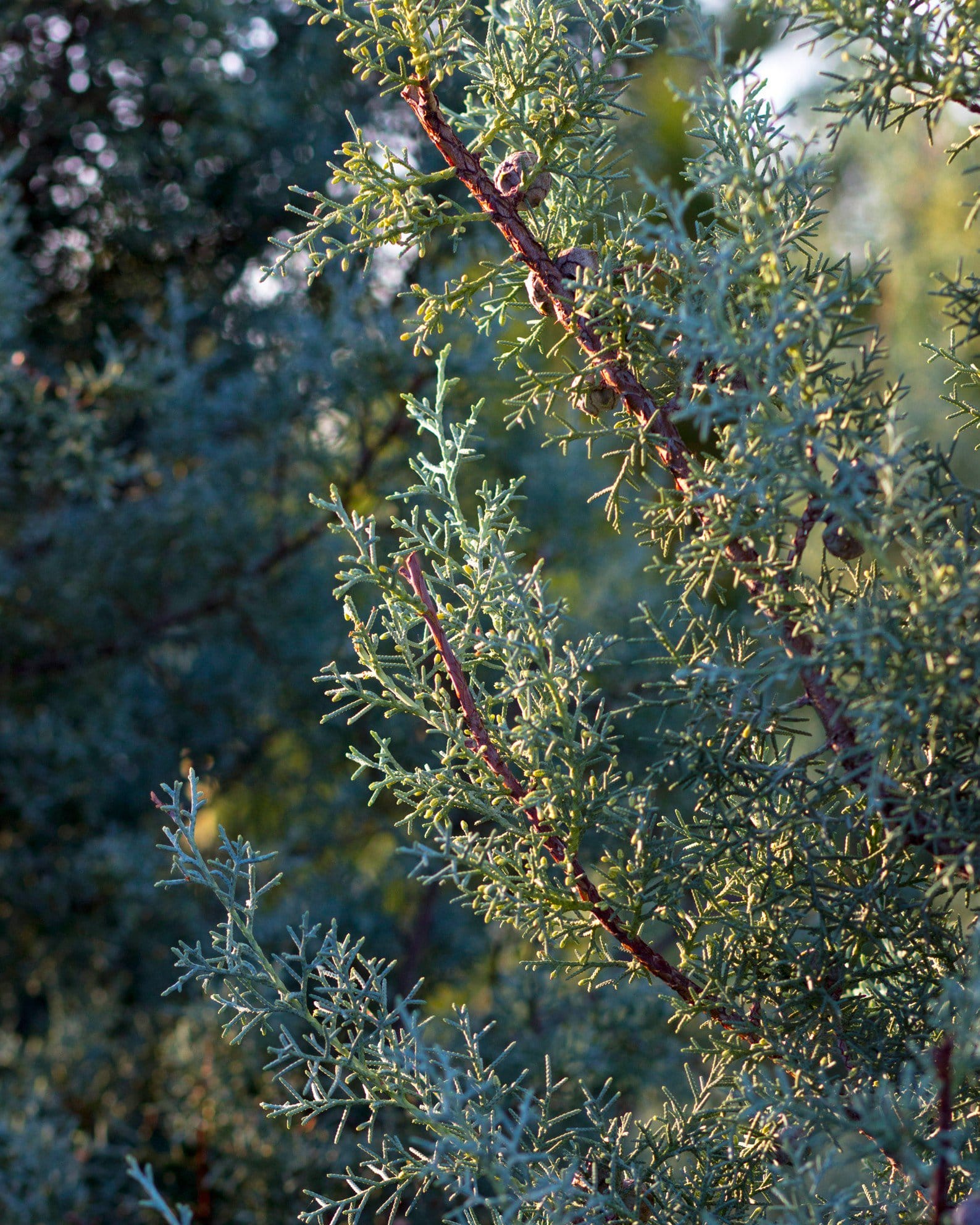
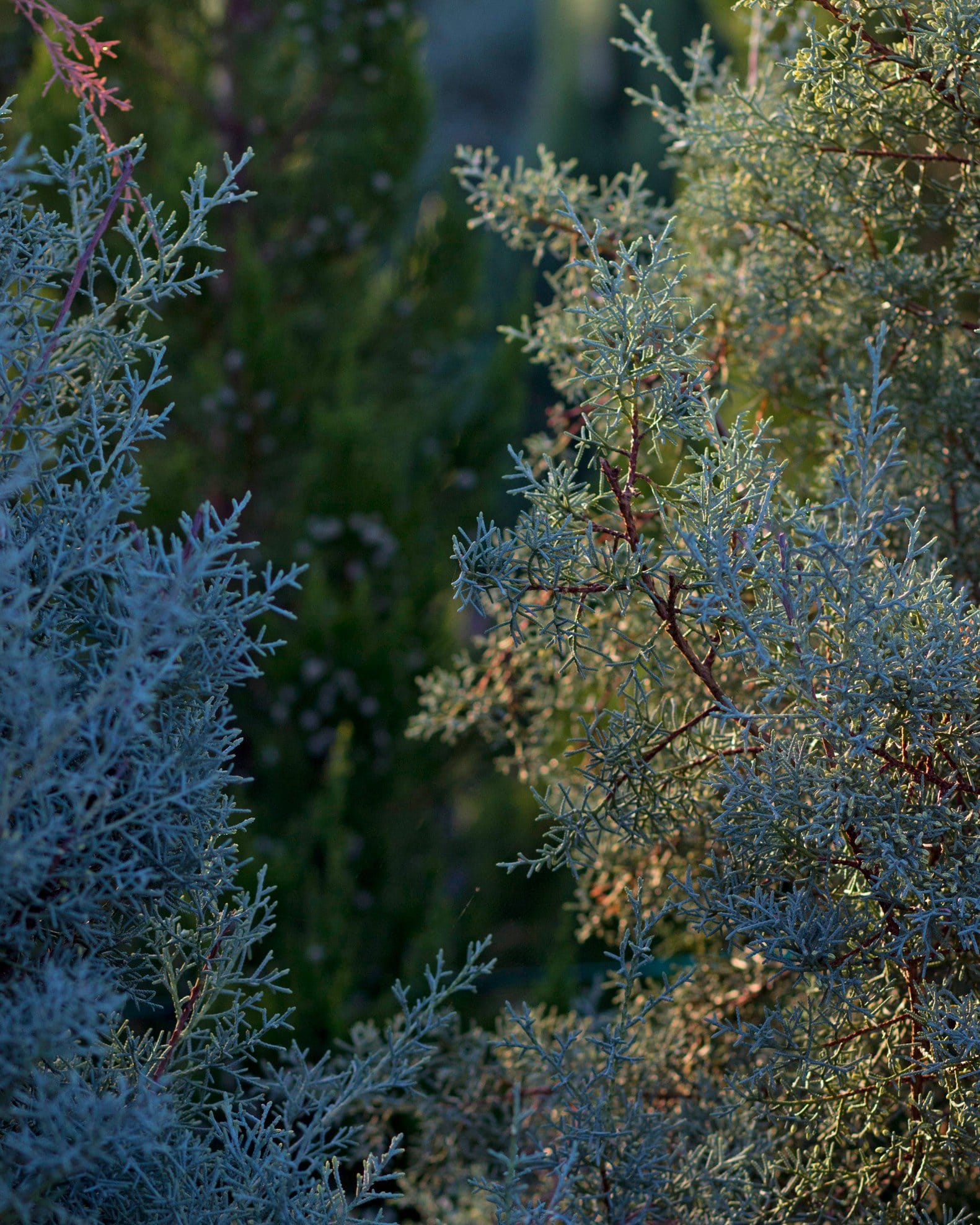
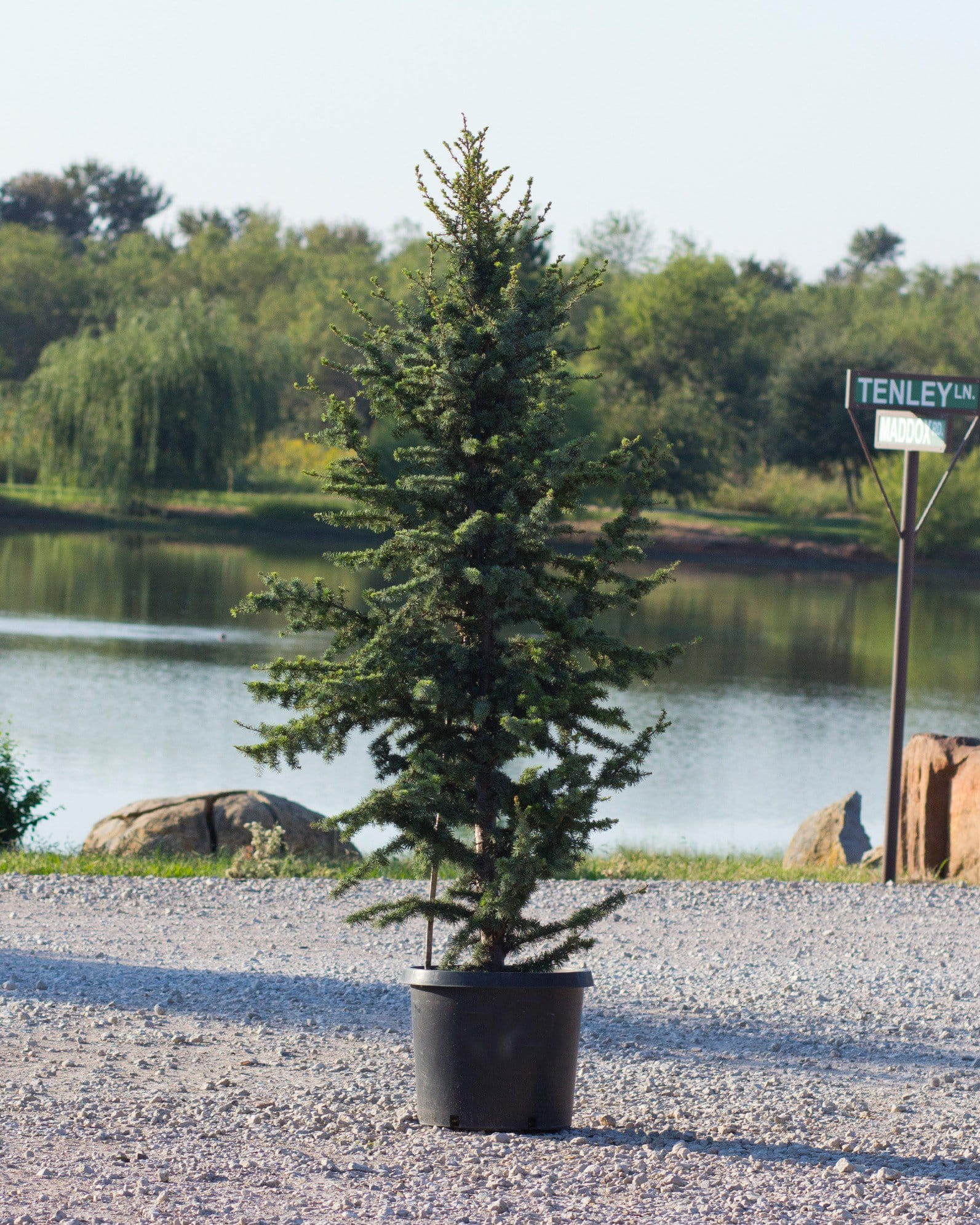
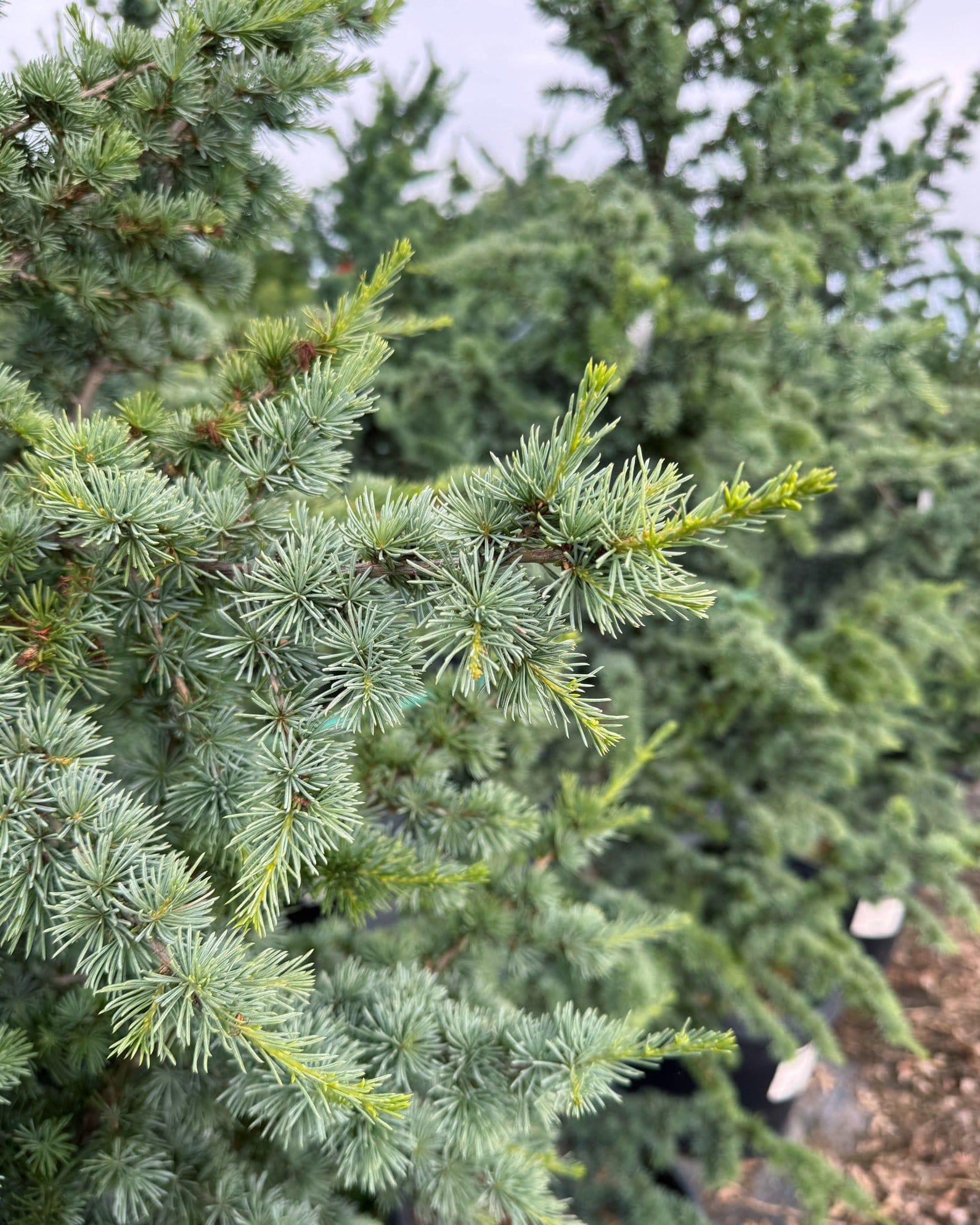
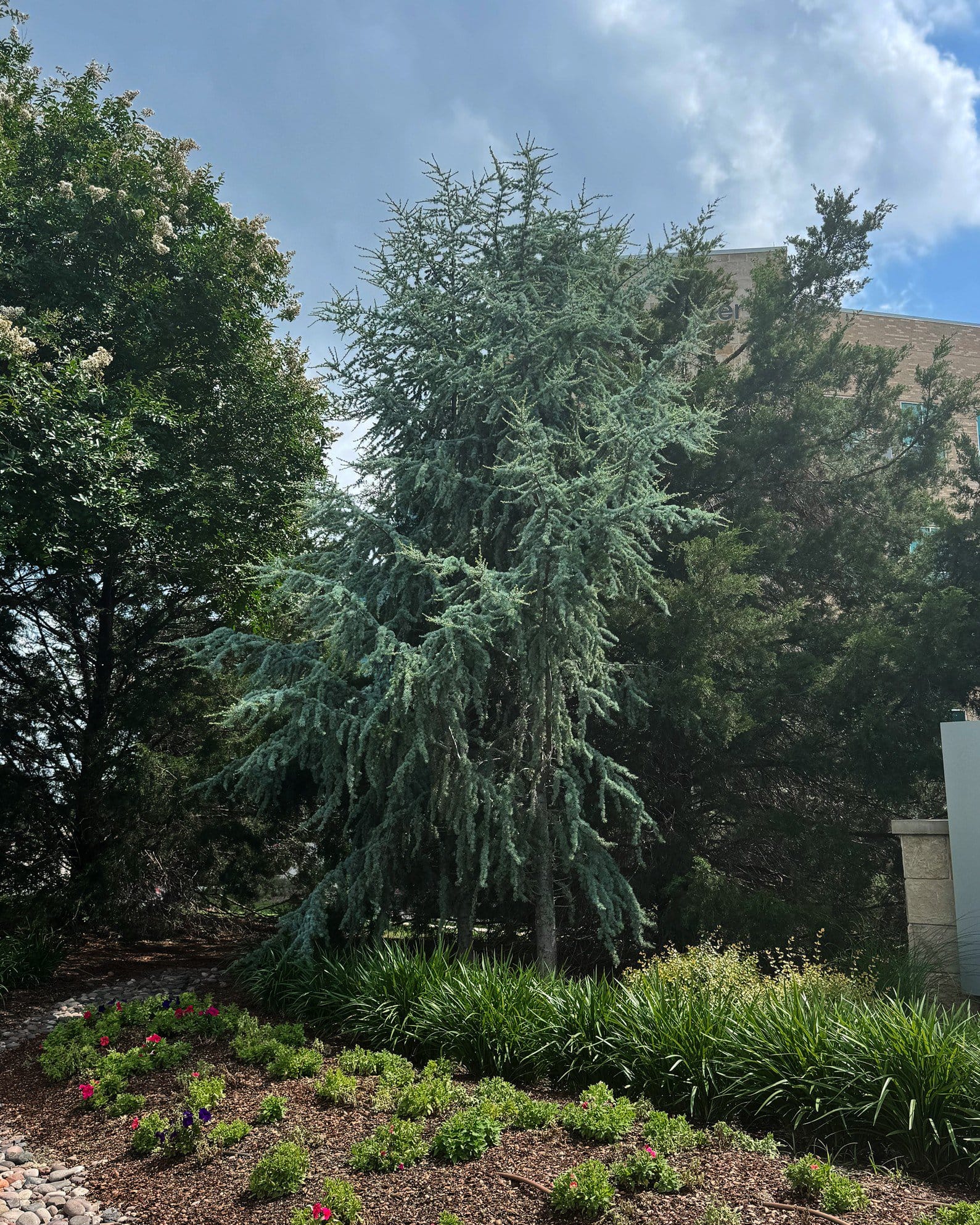
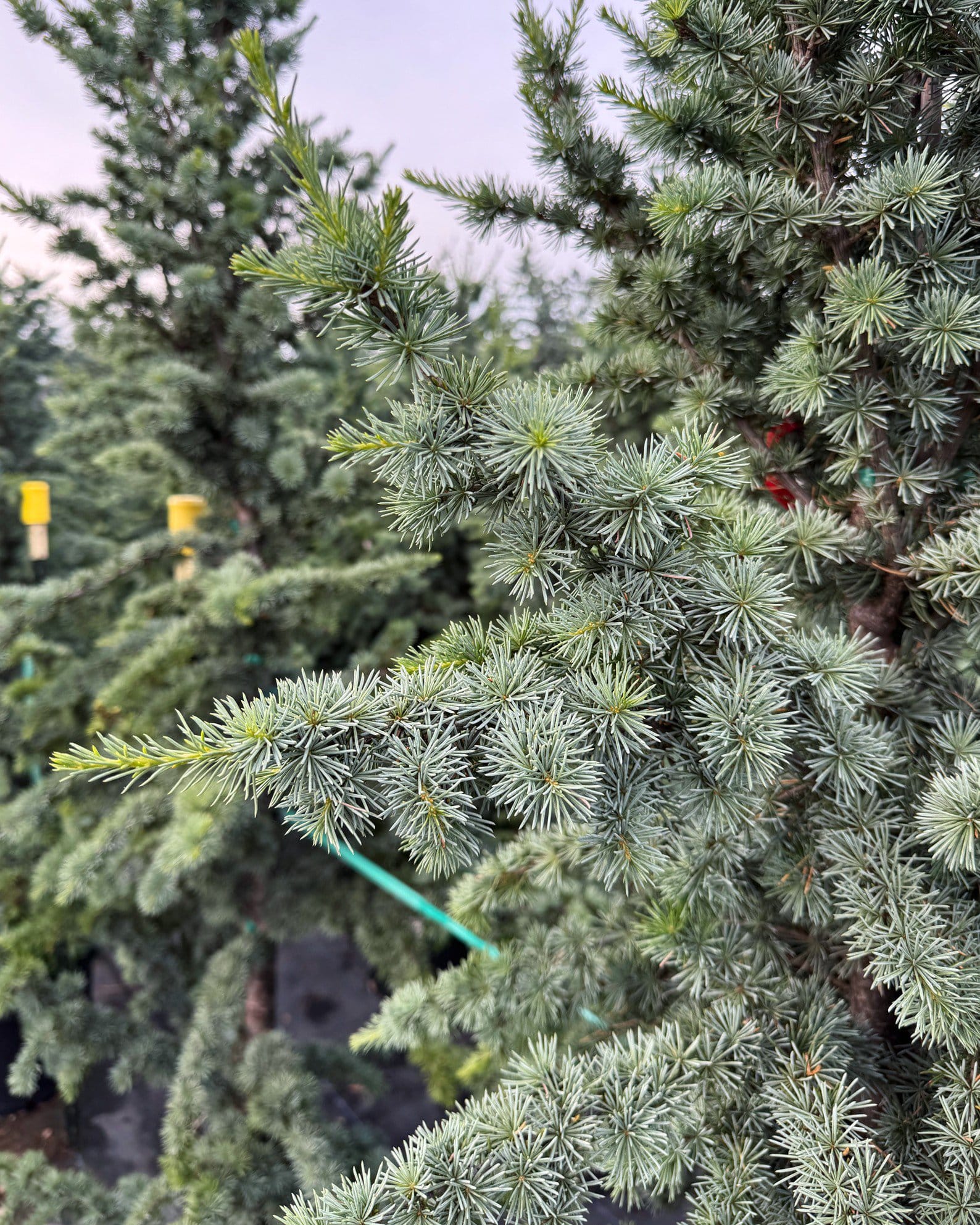
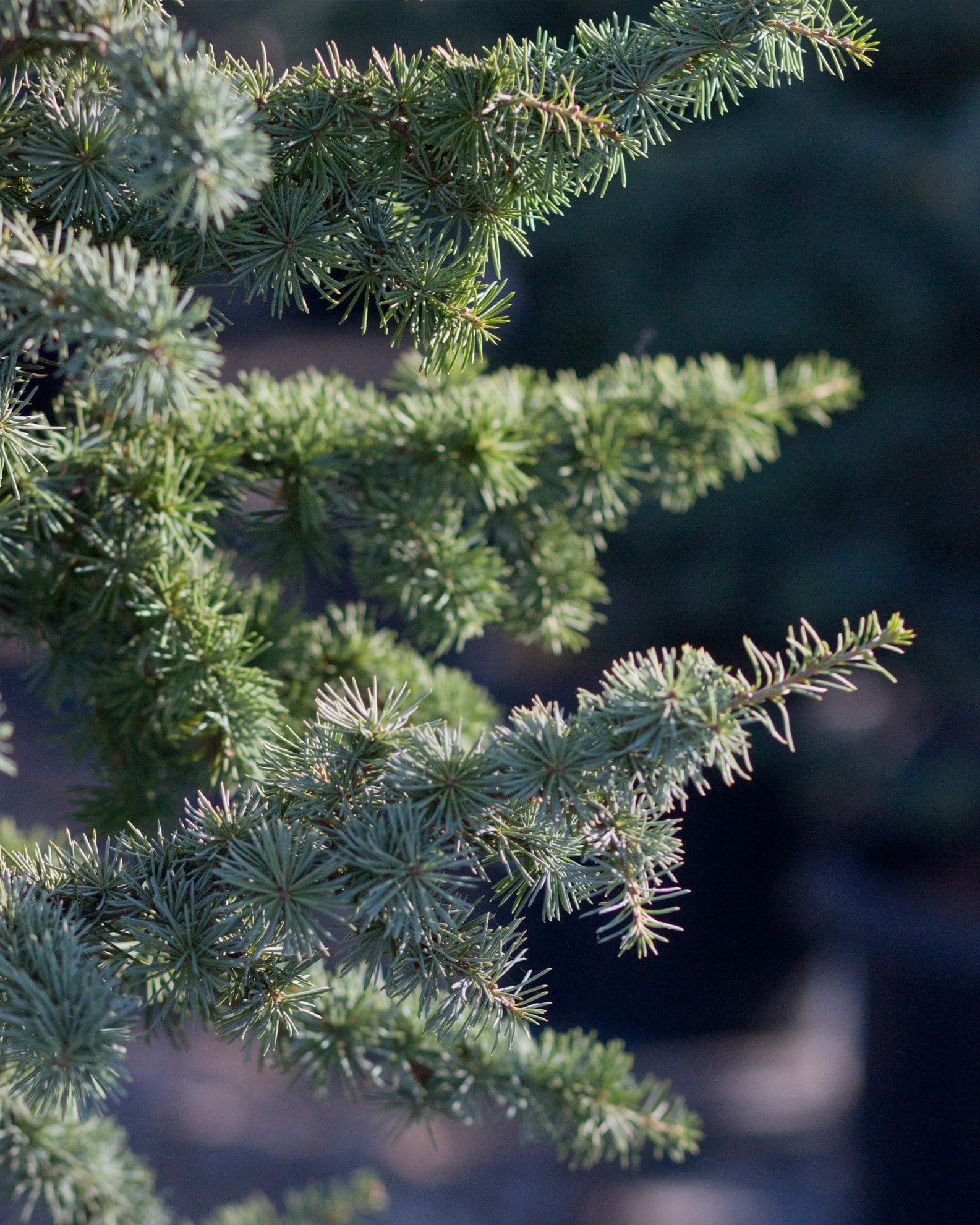
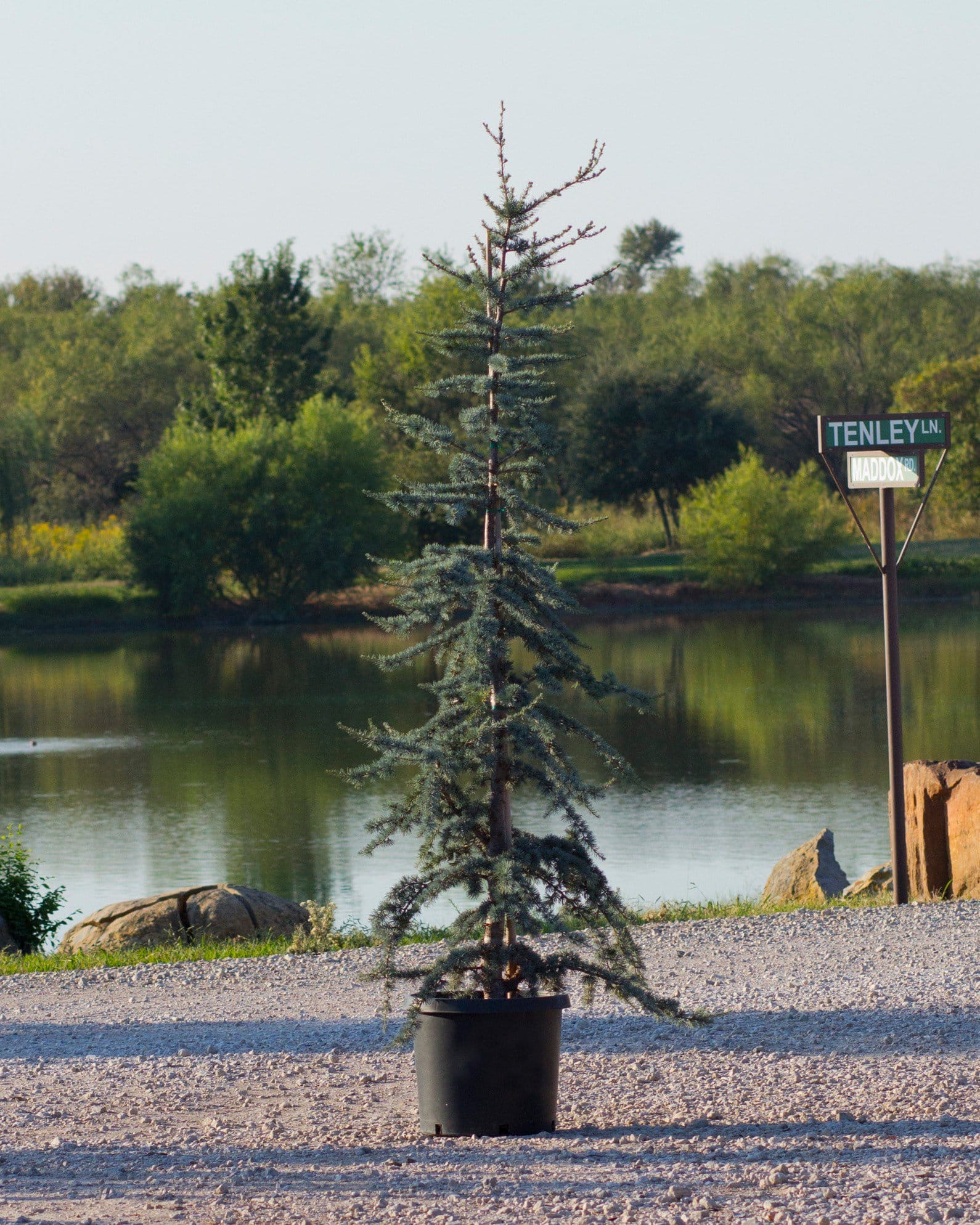
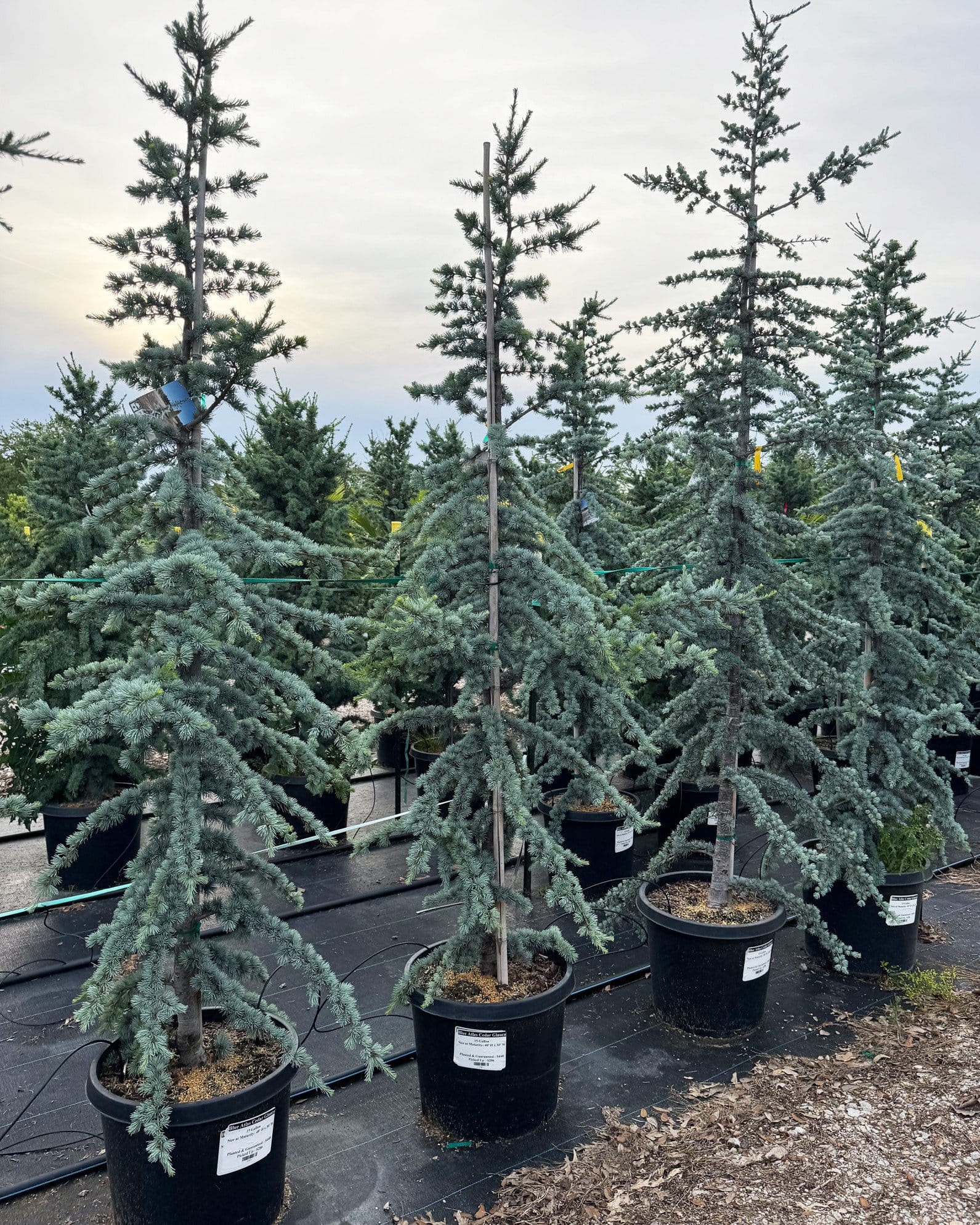
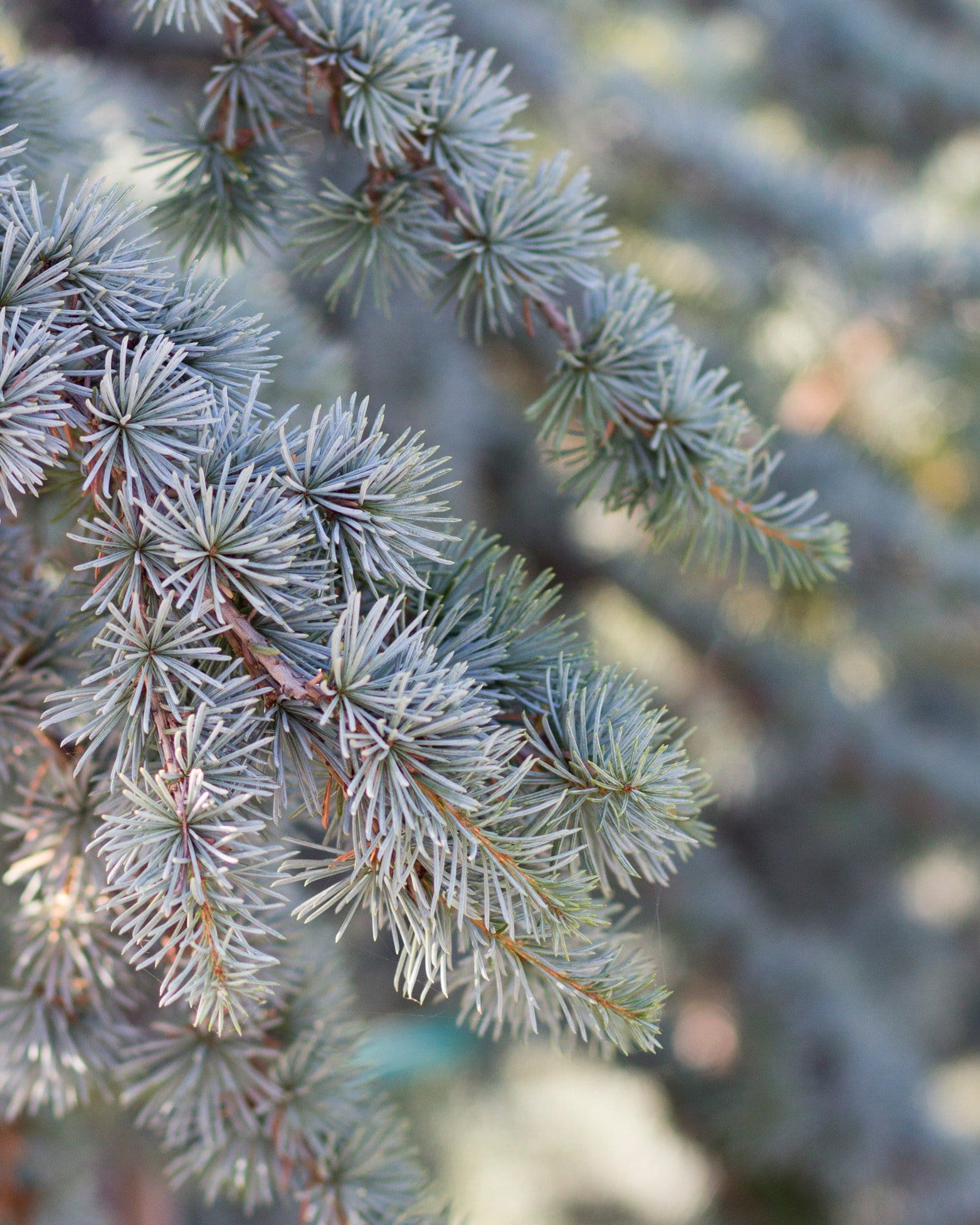
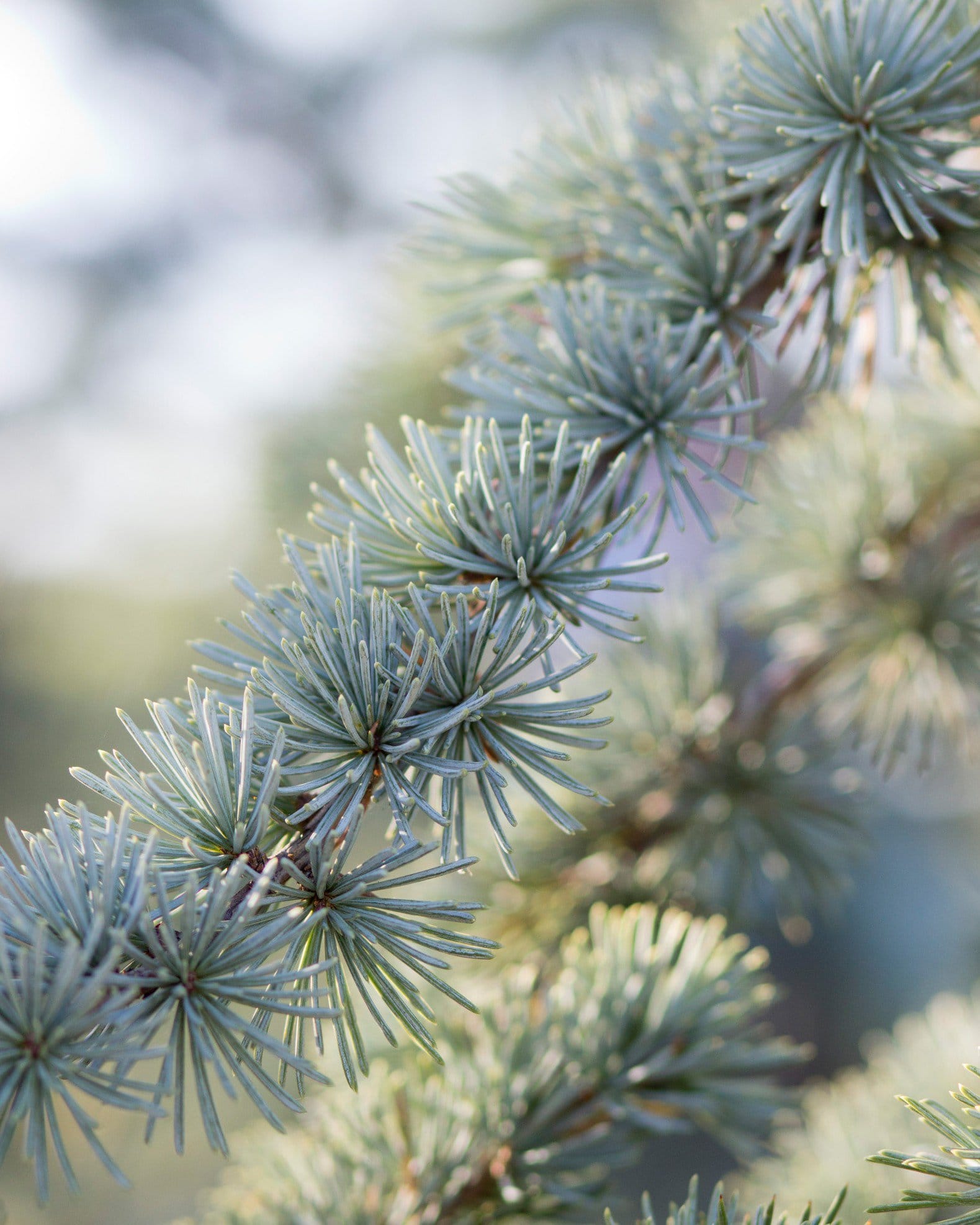
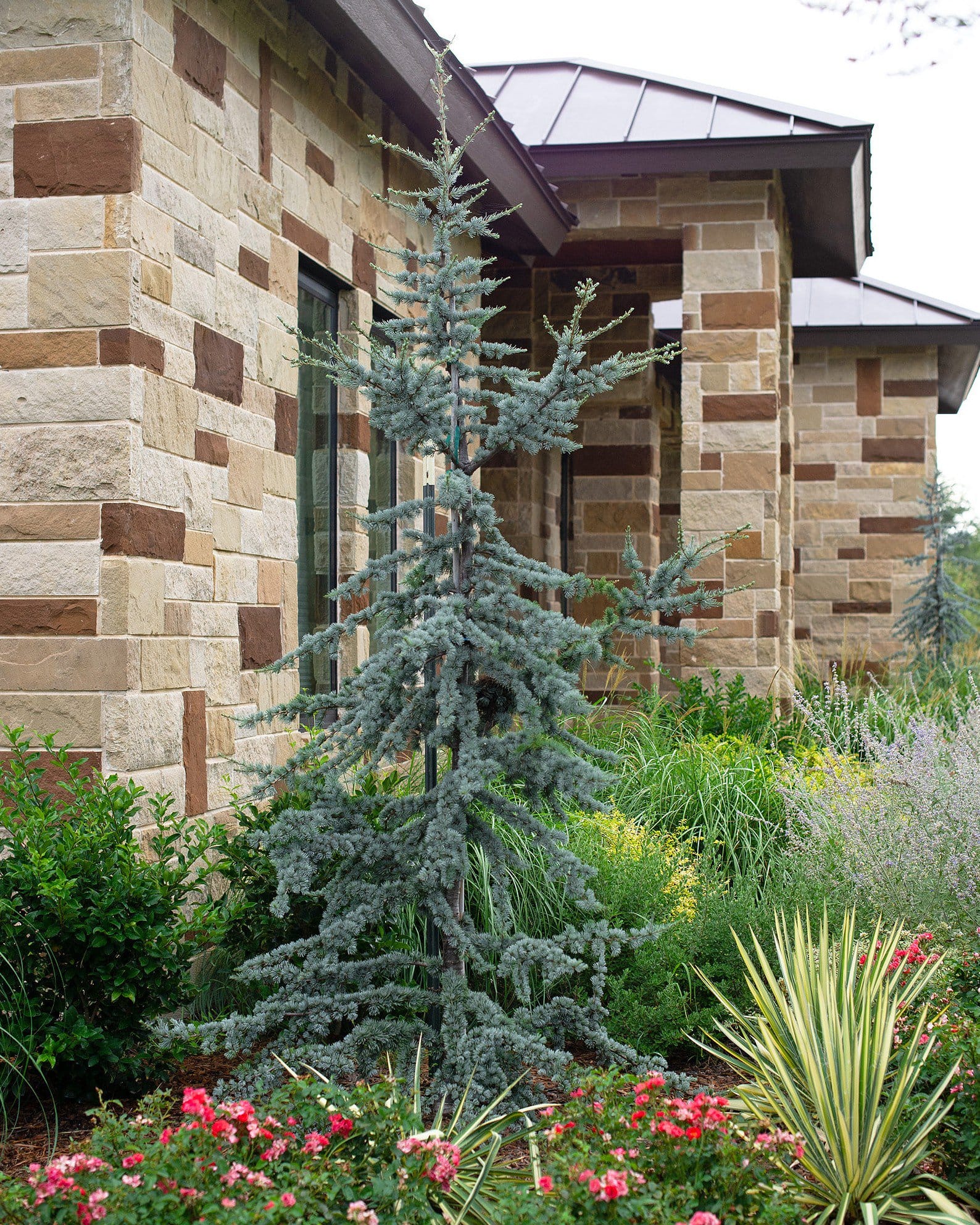
Cedrus deodara ‘Patti Faye’The Deodar Cedar ‘Patti Faye’ is a cultivar of the classic Deodar Cedar, known for its powder-blue needles and graceful weeping branches. Slower-growing and more compact than its full-sized relatives, this beauty brings architectural elegance to any space. It matures at 30 feet in height and 25 feet in width, with a naturally flowing silhouette that’s both sculptural and soft. ‘Patti Faye’ is the perfect choice for a focal point in landscapes, Asian-inspired beds, or planted in groups for a moody effect.
- Evergreen tree
- Fast growth rate with recognizable cedar form
- Grows up to 30 feet in maturity
- Ideal for accent plantings, rock beds, and serene landscapes
- Heat-tolerant and adaptable once established
This tree prefers full sun and well-drained soil, but will tolerate part shade and average soil types. Hardy in USDA zones 7 through 9, it thrives in most Texas climates. It’s drought-tolerant at maturity and requires little trimming - just occasional shaping if desired.
Maintenance
With proper establishment, Deodar Cedar Patti Faye becomes an elegant, low-maintenance evergreen that brings year-round texture and grace to the landscape:
- Watering: Water young ‘Patti Faye’ deeply and consistently during the first 2-3 years to establish a resilient root system. Once established, the tree becomes moderately drought-tolerant and typically needs supplemental watering only during extended dry spells.
- Pruning: Pruning is rarely necessary thanks to its naturally tidy, pyramidal form. If shaping is desired, prune lightly in late winter to remove damaged, crossing, or irregular branches, taking care not to disturb its graceful, layered architecture.
- Fertilizing: This cedar thrives in well-drained soil and usually requires little fertilizer once mature. If needle color appears dull or growth slows, apply a light, slow-release, balanced fertilizer in early spring.
- Mulching: Apply a 2-3 inch layer of mulch around the base to retain moisture, suppress weeds, and protect surface roots from temperature extremes. Keep mulch several inches away from the trunk to prevent excess moisture against the bark, and refresh annually for optimal soil health.
- Winter Care: ‘Patti Faye’ is reliably cold-hardy and tolerates most winter climates with ease. Young plants may show mild bronzing or needle tip burn during severe cold snaps, but they recover readily with spring growth.
Common Issues and How to Take Care of Them
Although Deodar Cedar ‘Patti Faye’ is generally resilient, a few manageable issues may appear under stressful conditions:
- Needle Blight: Clusters of brown or shedding needles appear after prolonged humidity or poor airflow. Remove affected branches and increase airflow to minimize recurrence.
- Spider Mites: Fine stippling, dull needles, and light webbing occur during hot, dry conditions. Increase humidity, rinse foliage, or apply horticultural oil to restore needle vibrancy.
- Root Rot: Sudden browning and dieback occur when the tree is planted in poorly drained soil. Improve drainage and avoid overwatering to protect root health.
- Cedar Bark Beetles: Tiny exit holes and thinning foliage indicate boring insect activity. Maintain strong overall health, avoid mechanical trunk injuries, and consult a professional if severe.
- Winter Burn: Needle tips may brown after harsh winds or cold spikes. Provide wind protection for young trees and ensure deep watering before winter to reduce stress.
These trees commonly live 60-100 years, maintaining their graceful form and silvery-blue presence throughout their lifespan. Their longevity makes them exceptional long-term ornamental investments.
It grows at a moderate rate of 12-18 inches per year and typically reaches its mature pyramidal shape in 20-30 years. This steady pace allows it to form a beautifully layered structure without becoming unwieldy.
Its aromatic needles make it generally unappealing to deer, reducing the likelihood of browsing. Nonetheless, young trees benefit from early protection in areas with heavy deer activity.
It handles heat well when planted in well-drained soil, particularly with deep, occasional watering during extreme drought. Mulching helps preserve needle color and moisture during hot conditions.
It cannot be divided due to its woody trunk and unified root structure. New plants must be purchased or propagated through grafting or cuttings.
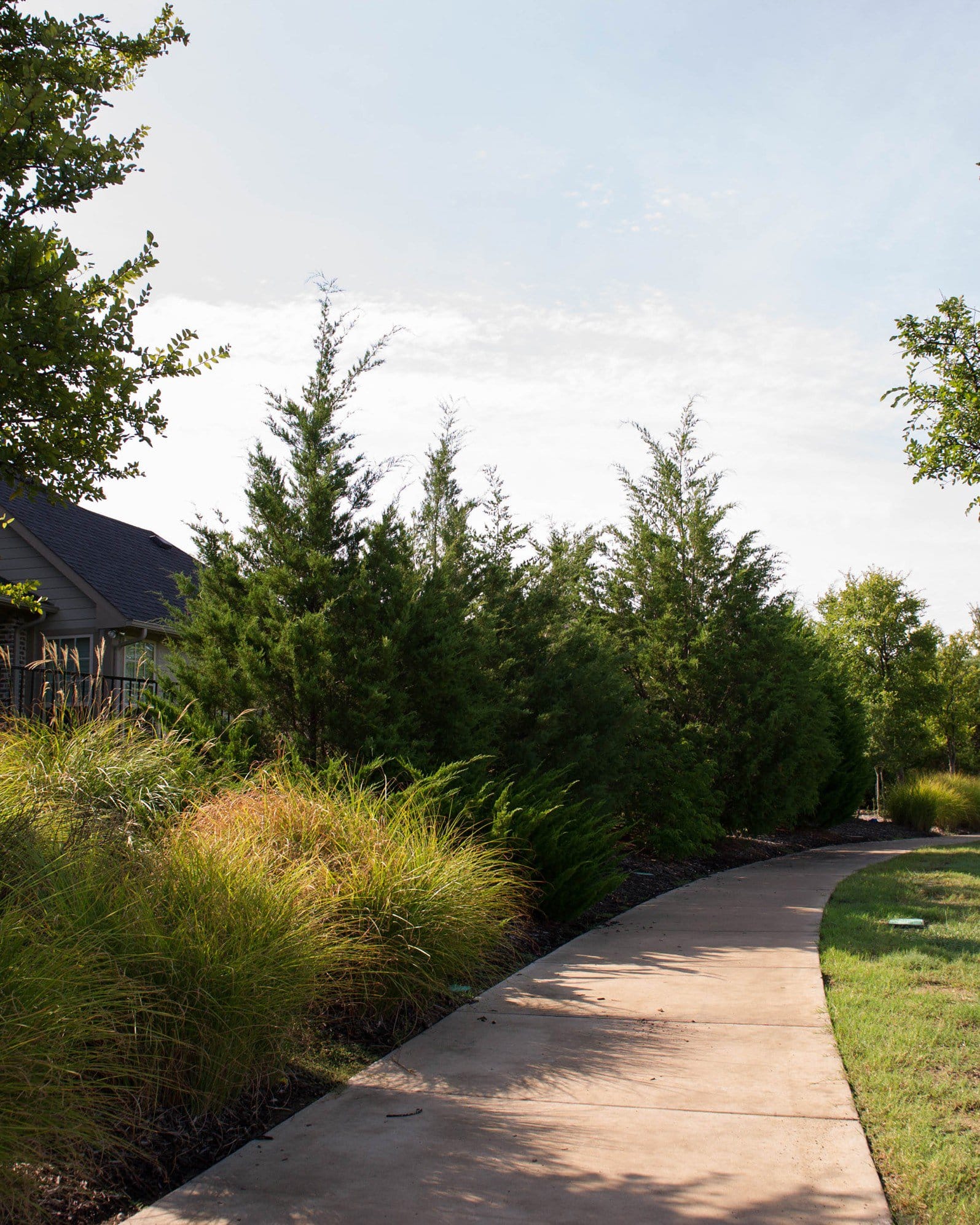
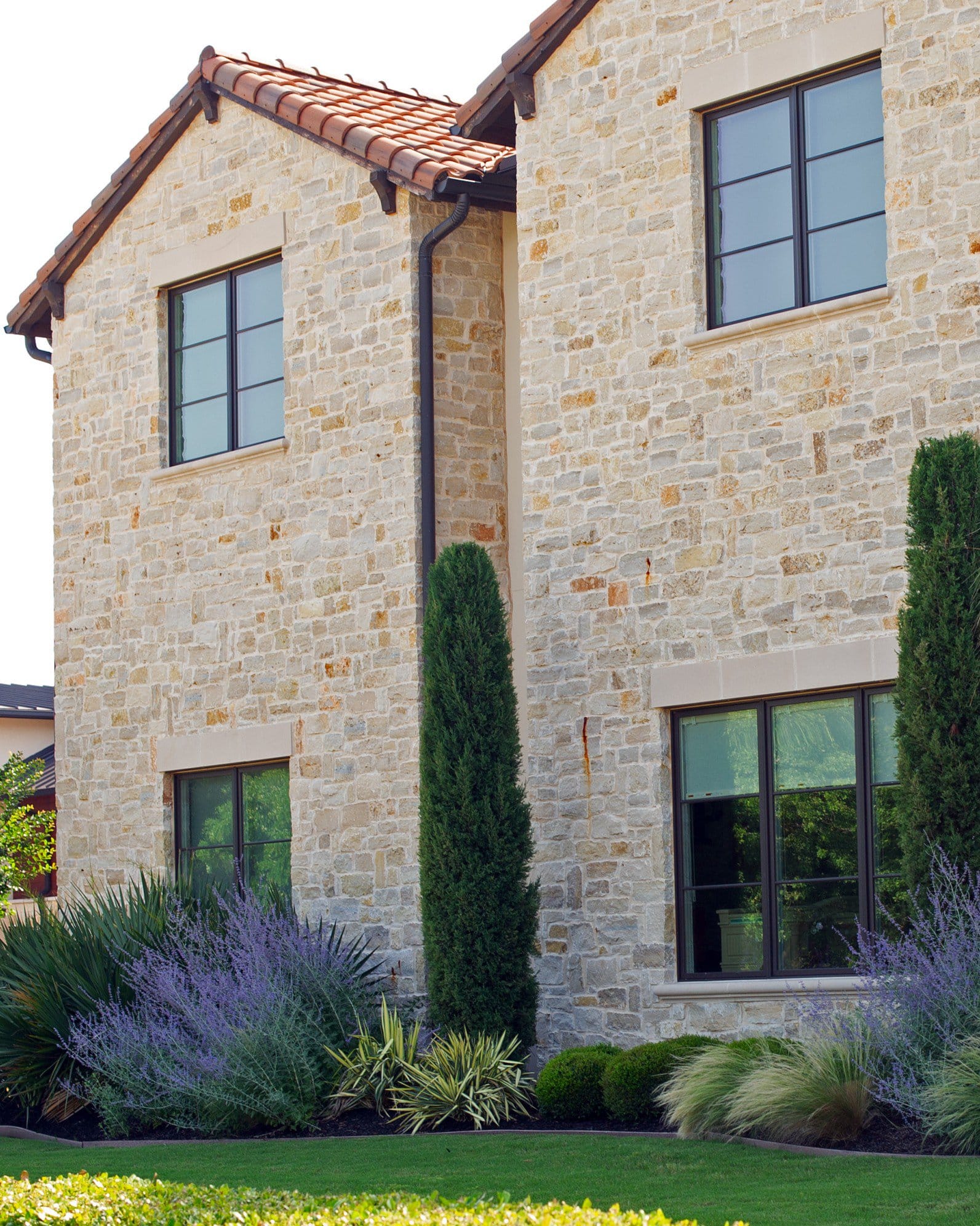
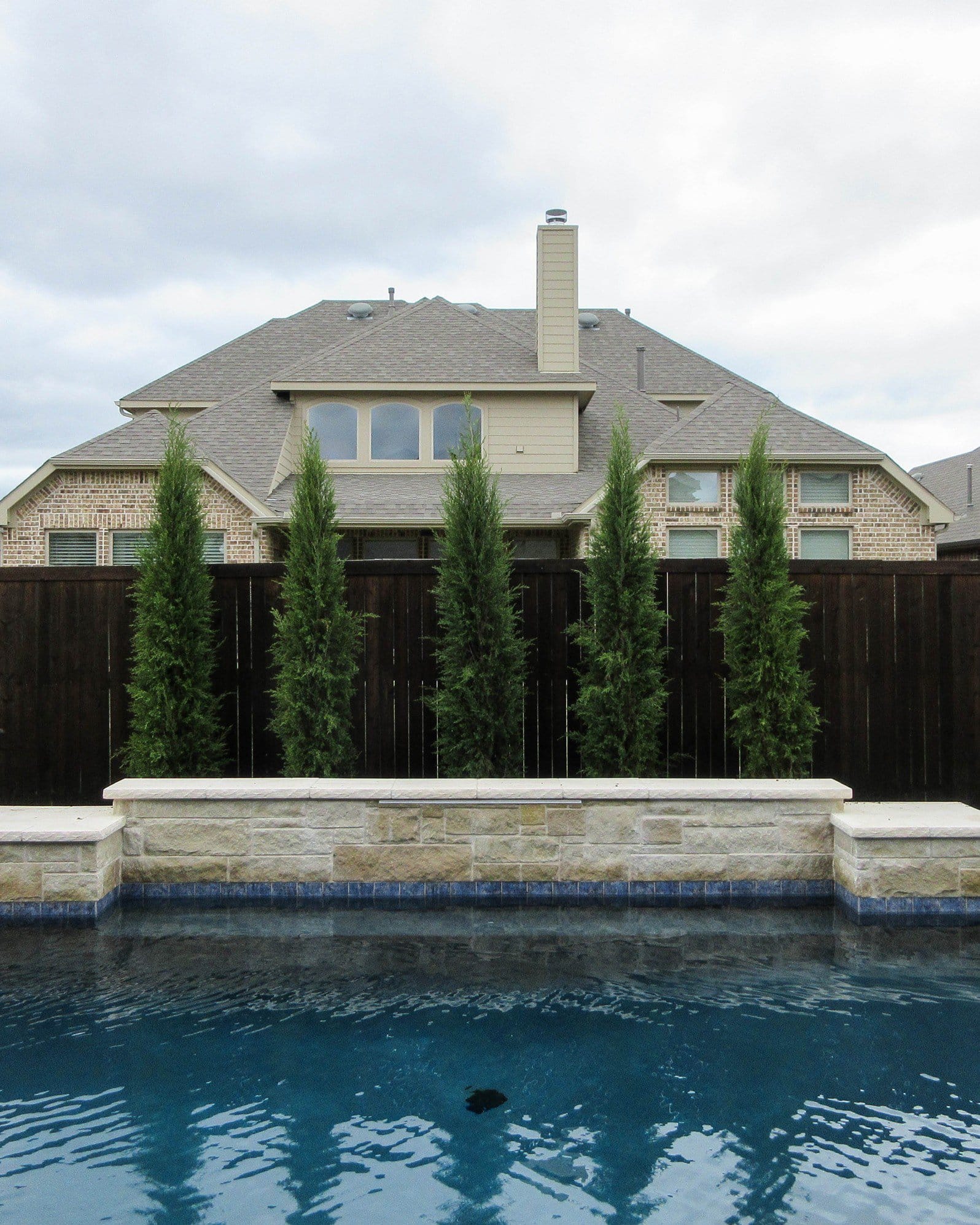
It works beautifully in repeated plantings for structured designs, borders, or evergreen backdrops. Multiple specimens create a cohesive, calming landscape rhythm.
Japanese Maple, Austrian Pine, Loropetalum, and ornamental grasses complement its soft needles and pyramidal shape. These companions enhance color contrast and give year-round visual appeal.
Yes - it tolerates pollution, reflected heat, and confined planting areas better than many conifers. Its compact stature and elegant shape make it ideal for courtyards, modern gardens, and city landscapes.
Young ‘Patti Faye’ trees transplant well when moved during dormancy. Older specimens can be relocated with professional care, though early placement ensures the best long-term success.
Special Features
You might also like
Eastern Red Cedar
Maturity: 30' H x 20' W
Eastern Red Cedar Brodie
Maturity: 25' H x 12' W
Eastern Red Cedar Burkii
Maturity: 25' H x 20' W
Eastern Red Cedar Canaertii
Maturity: 25' H x 20' W
Eastern Red Cedar Emerald Feather
Maturity: 12' H x 5' W
Eastern Red Cedar Emerald Sentinel
Maturity: 15' H x 7' W
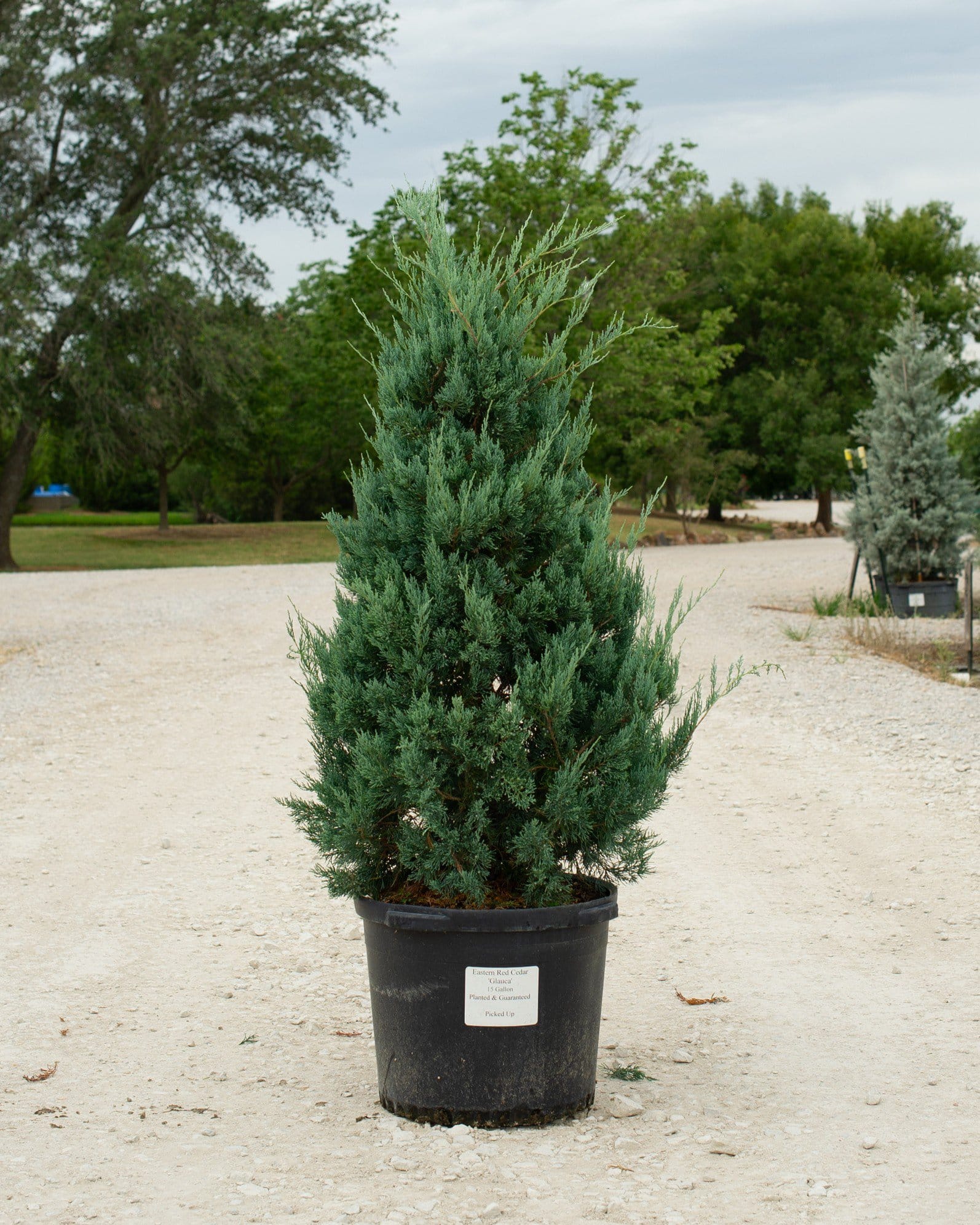
Eastern Red Cedar Glauca
Maturity: 20' H x 6' W
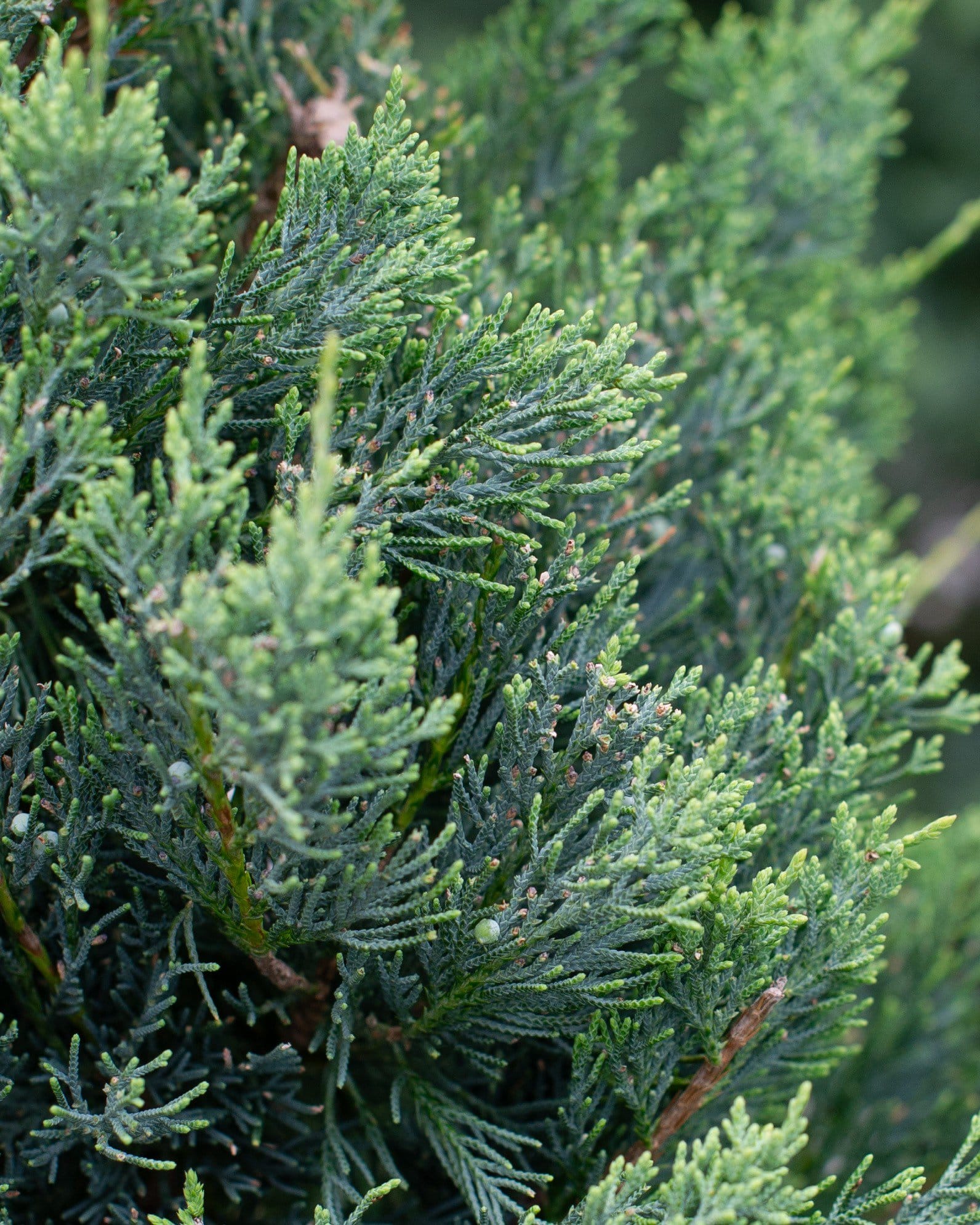
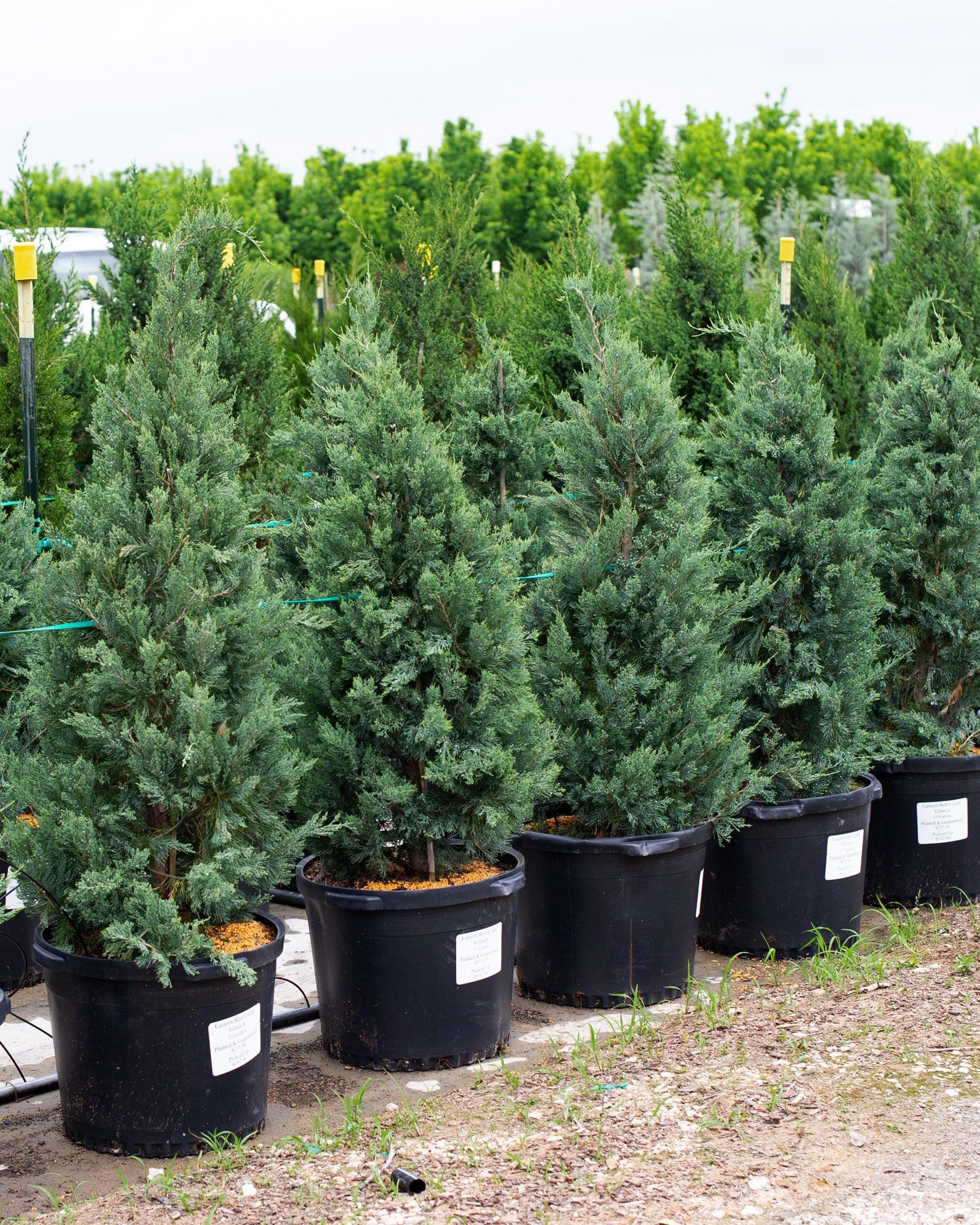
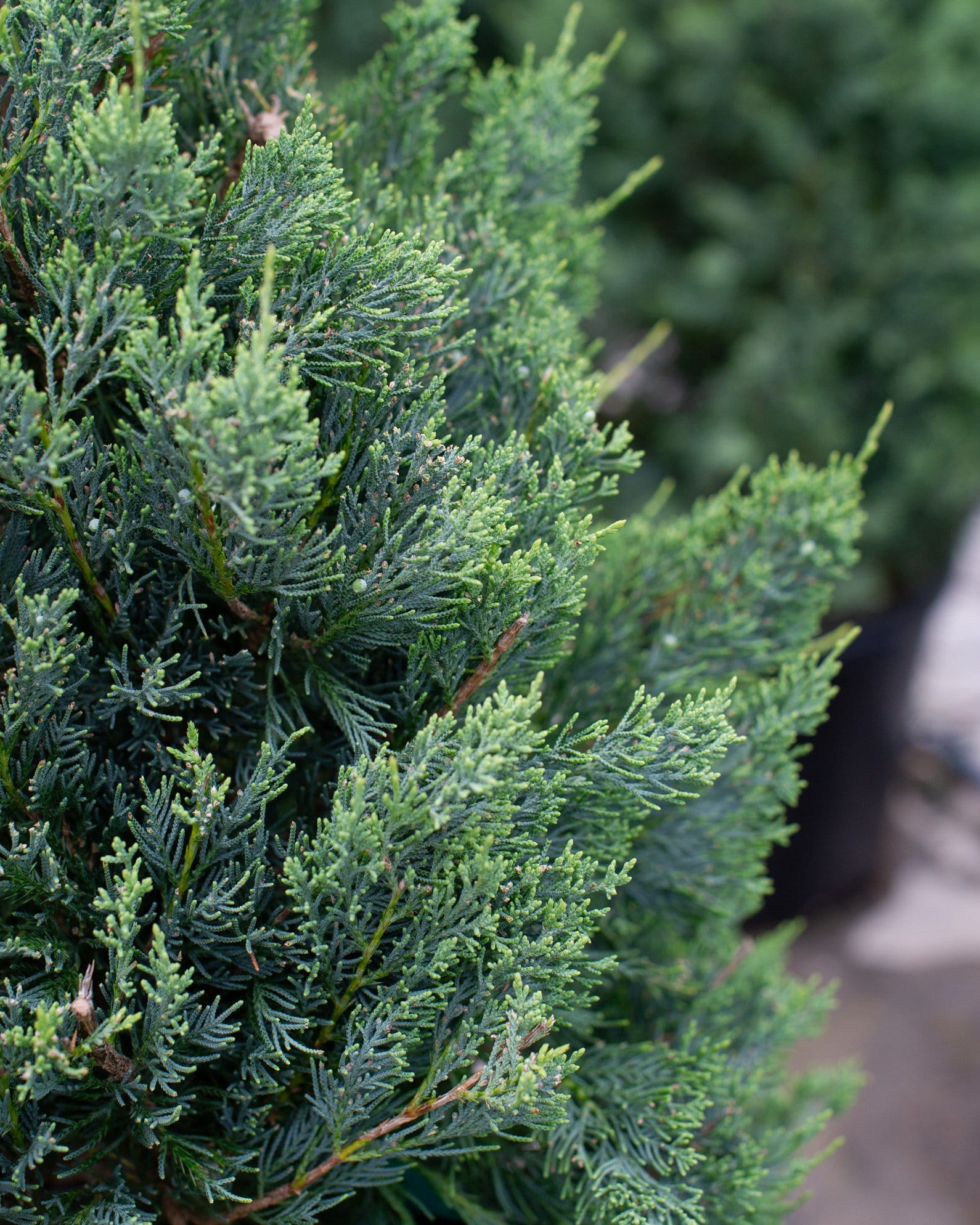
Eastern Red Cedar Hillspire
Maturity: 25' H x 15' W
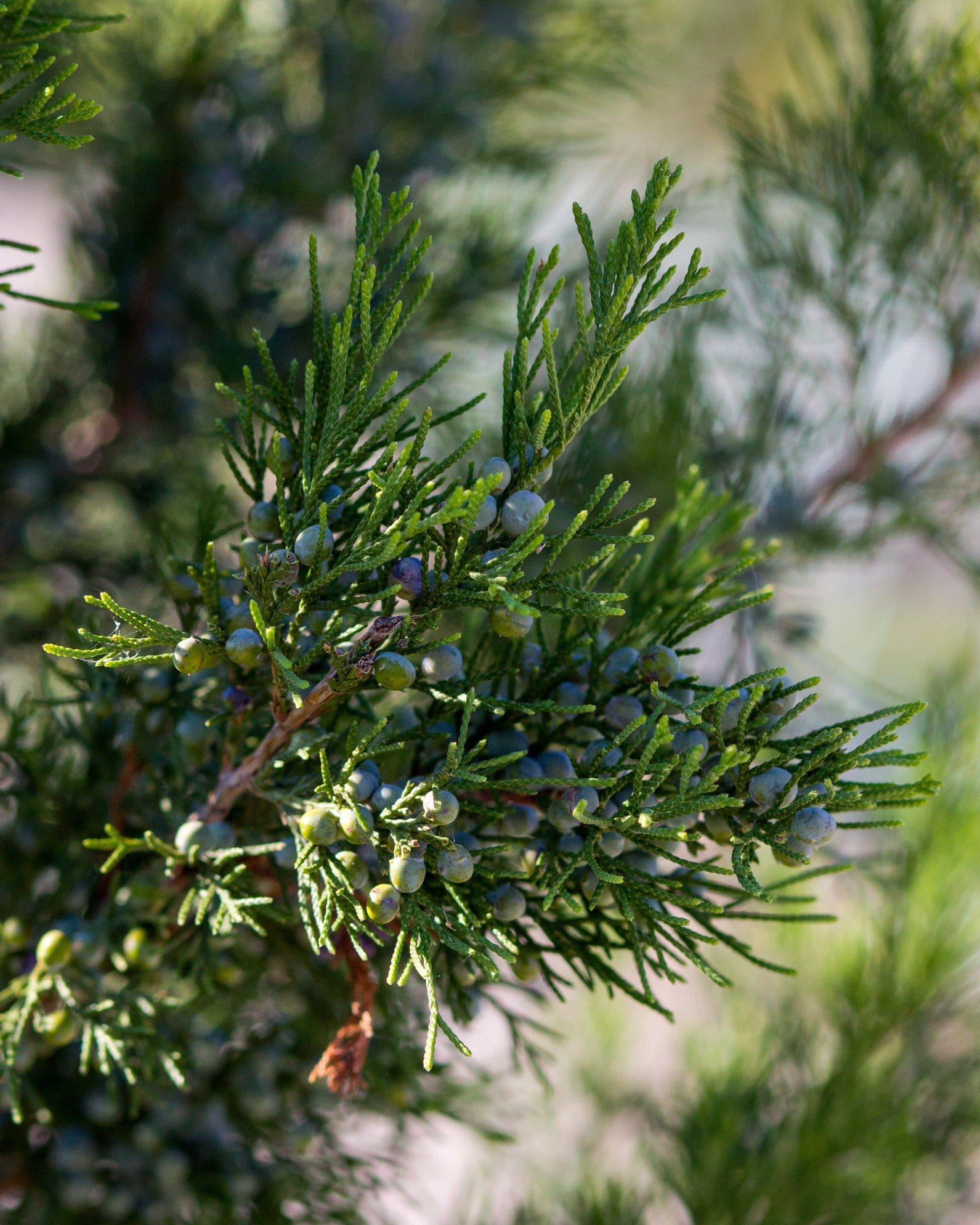
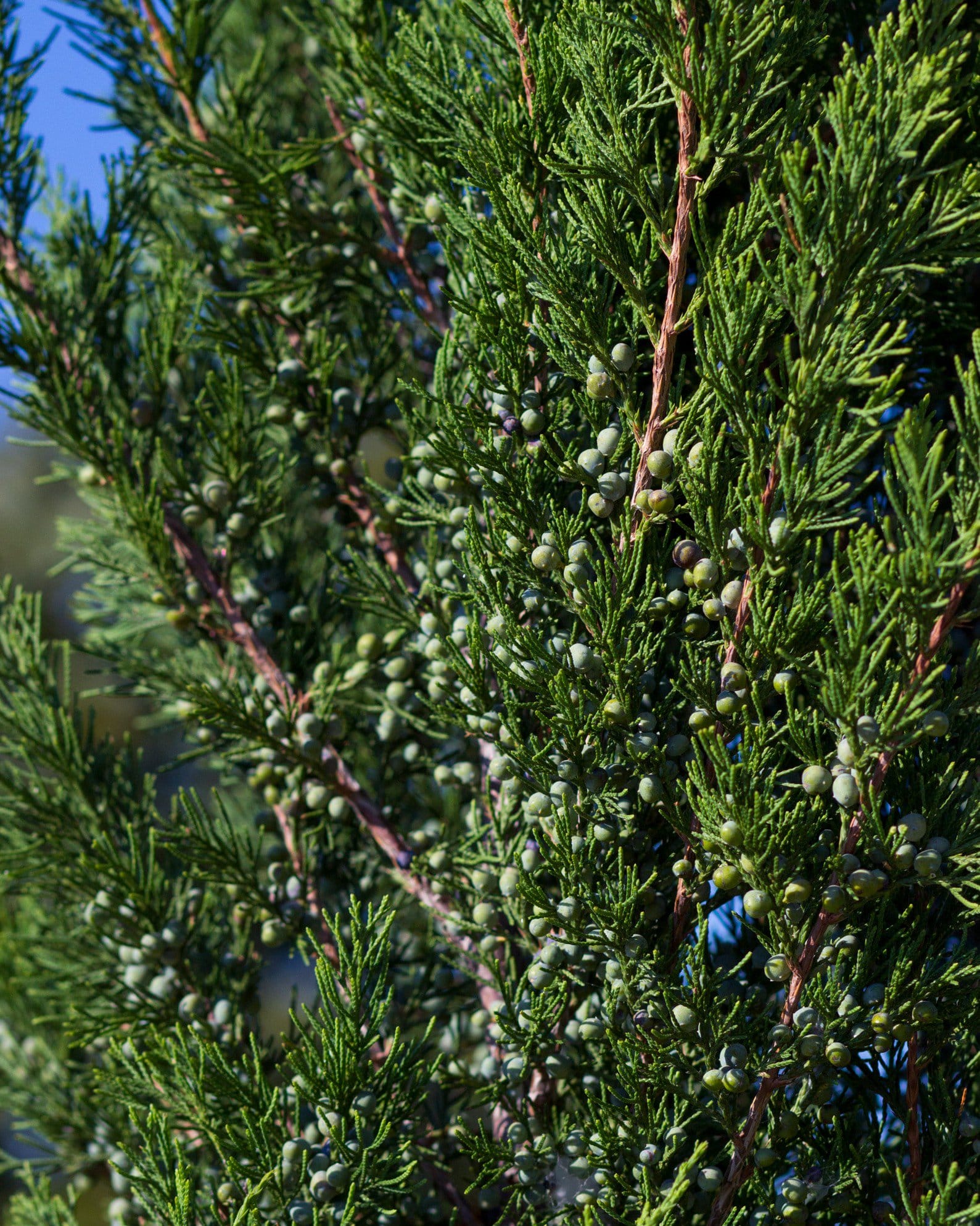
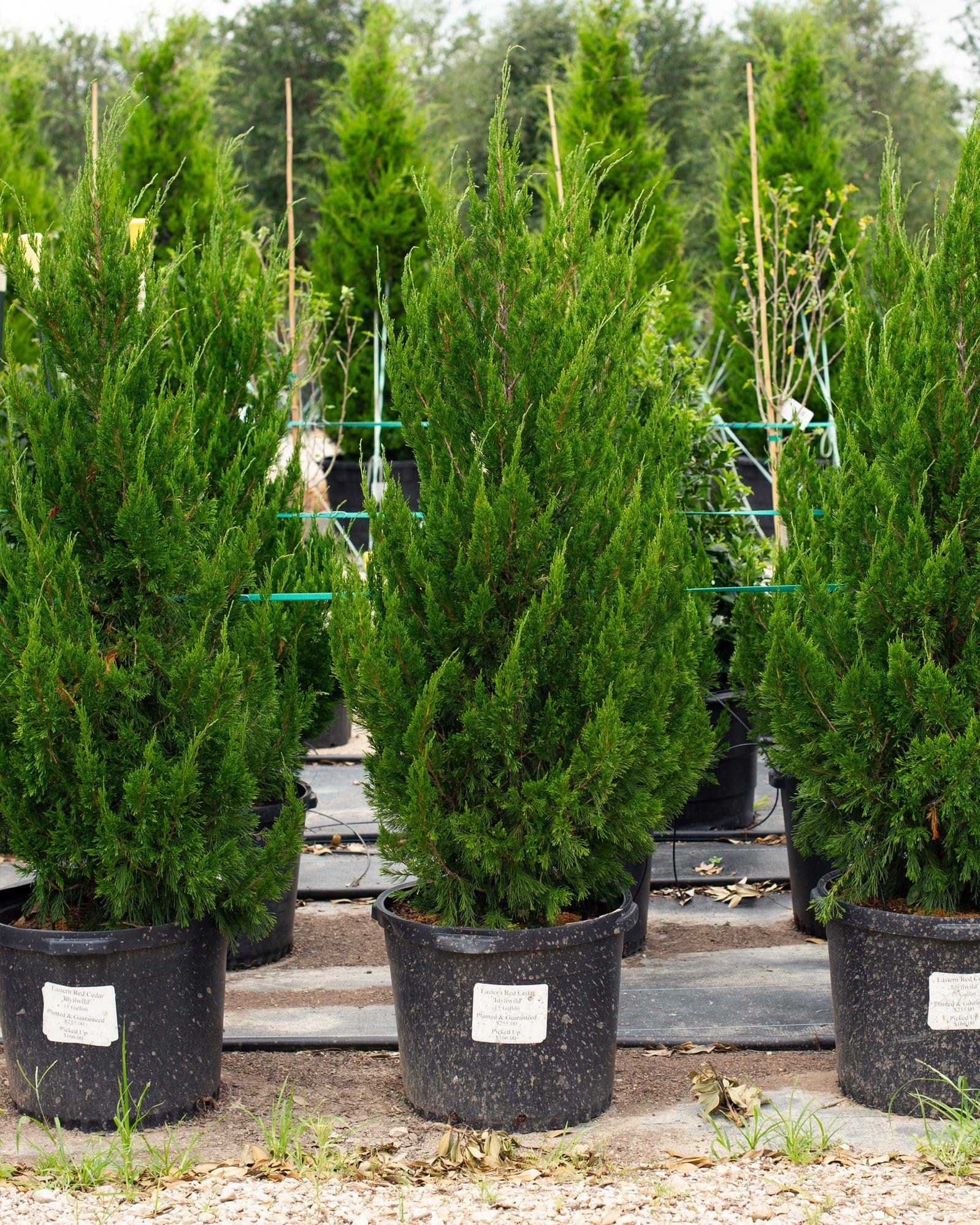
Eastern Red Cedar Idyllwild
Maturity: 15' H x 7' W
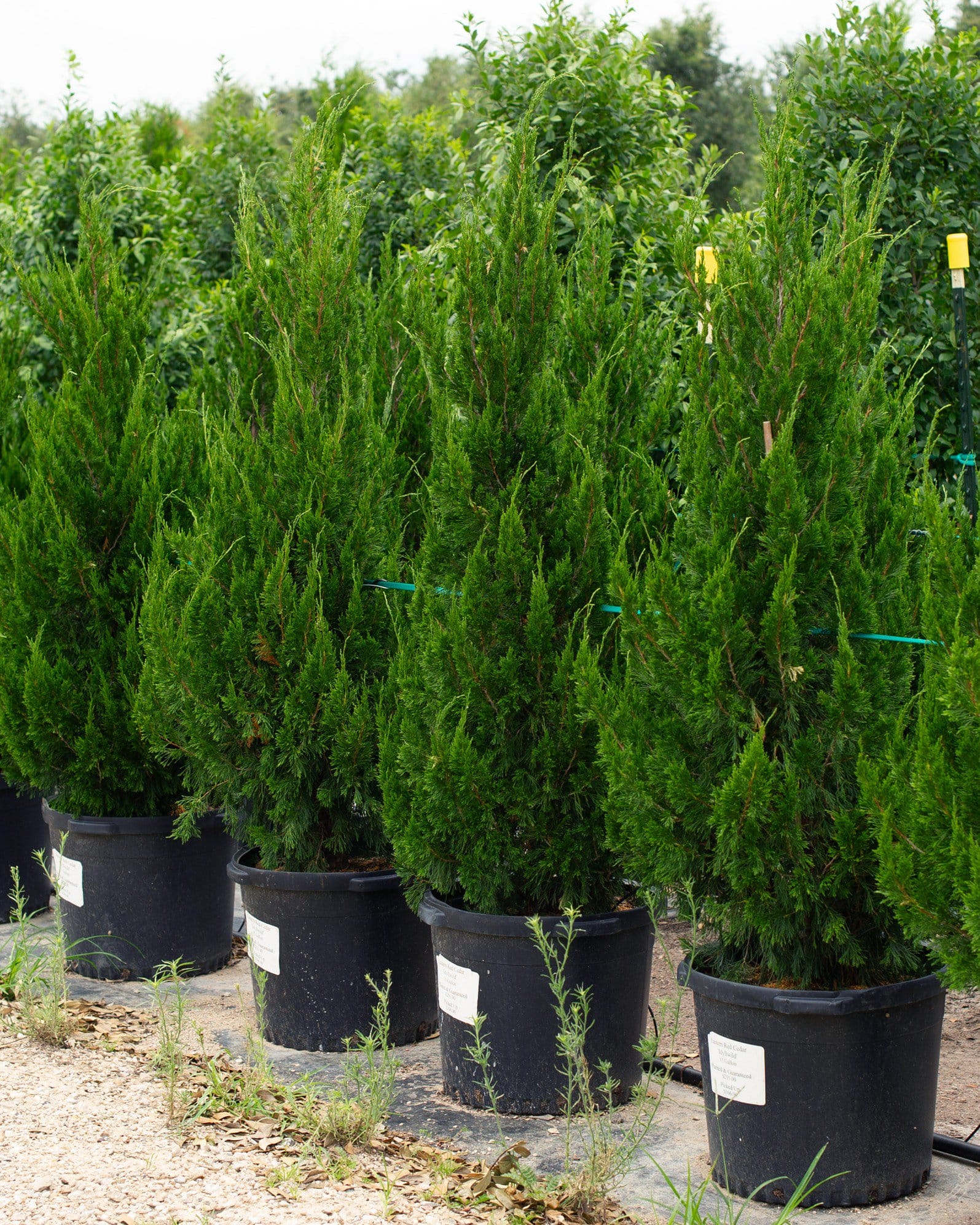
Eastern Red Cedar Taylor
Maturity: 25' H x 4' W

Southern Red Cedar Fuzzy Wuzzy
Maturity: 35' H x 25' W
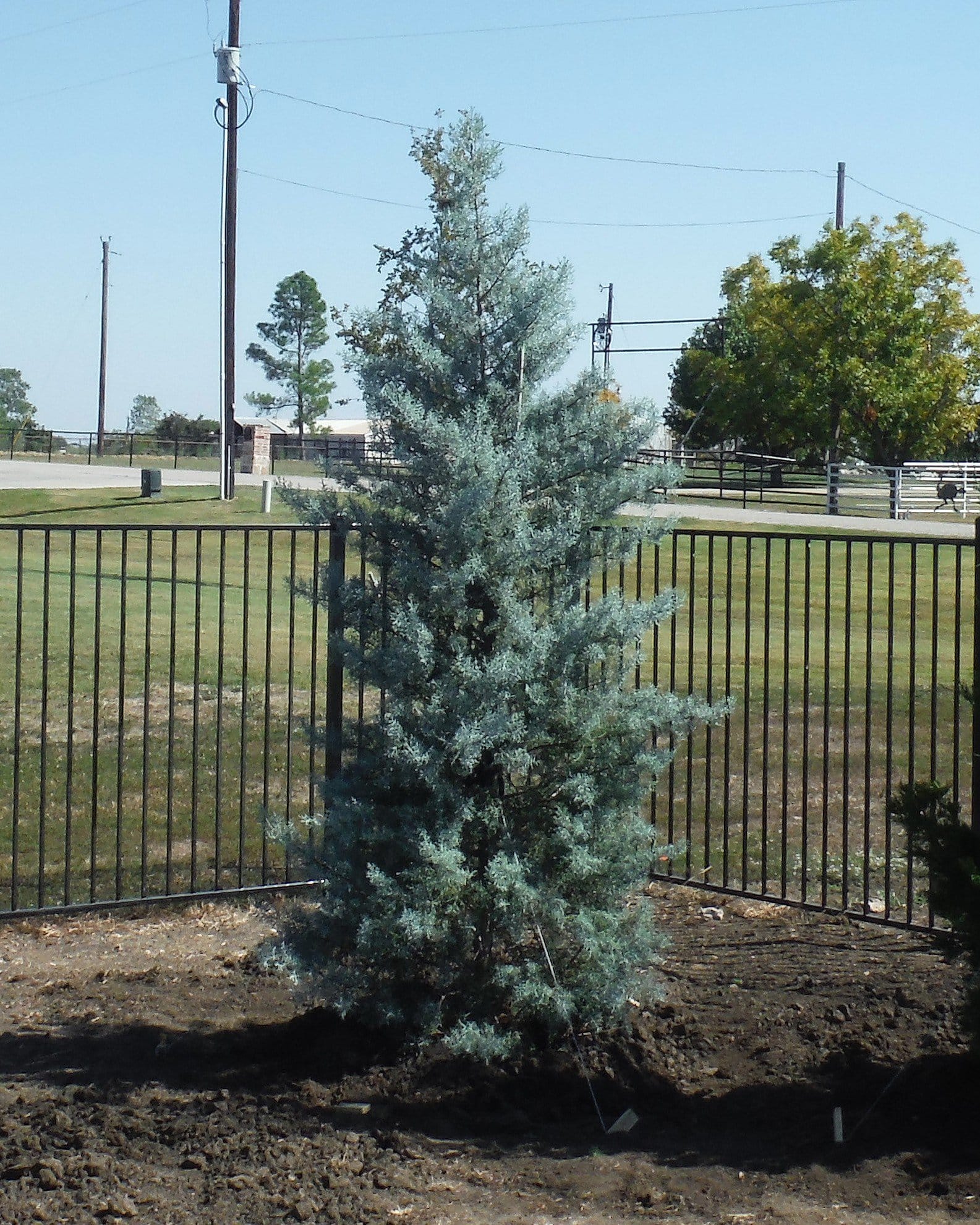
Arizona Cypress Blue Ice
Maturity: 25' H x 15' W
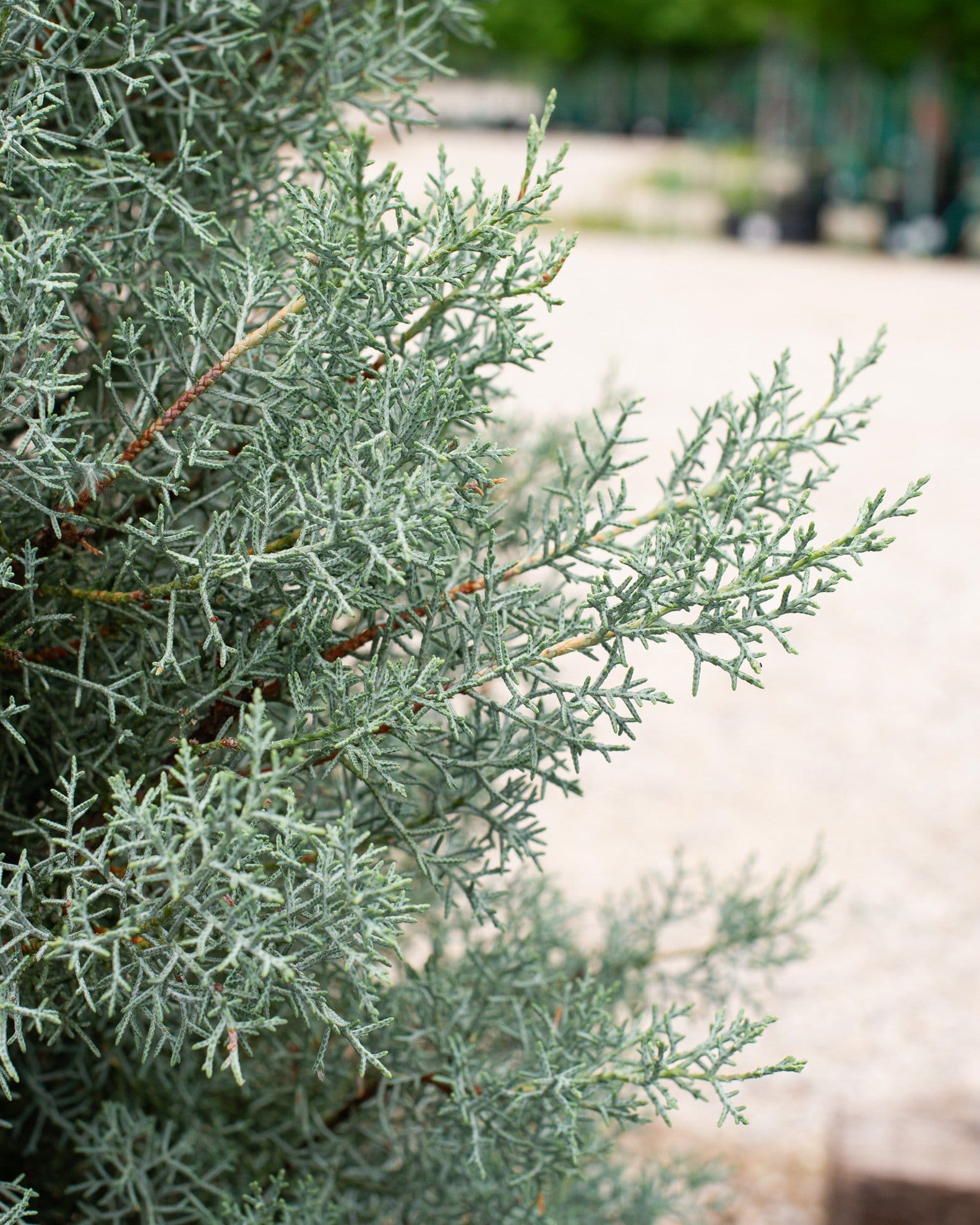
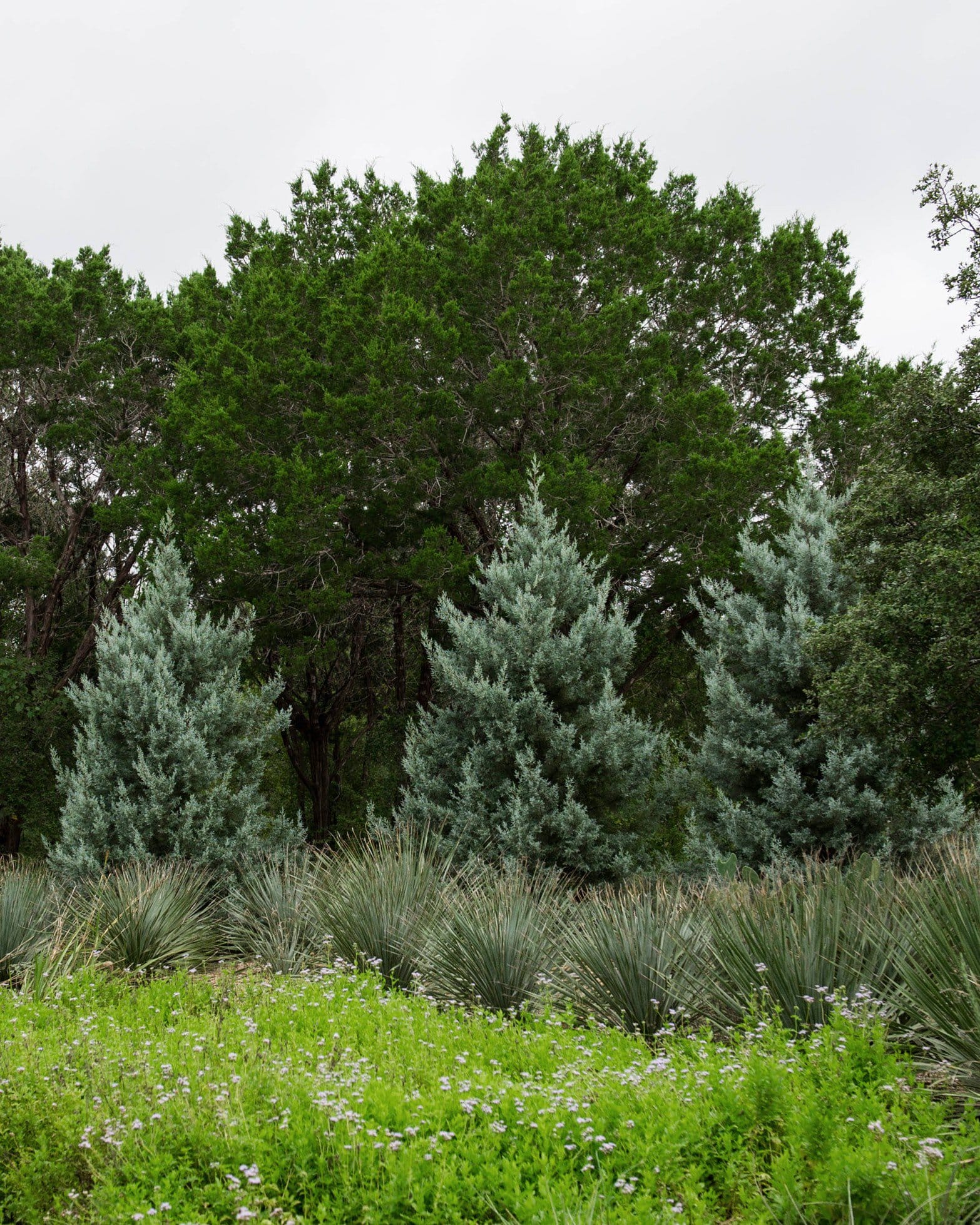
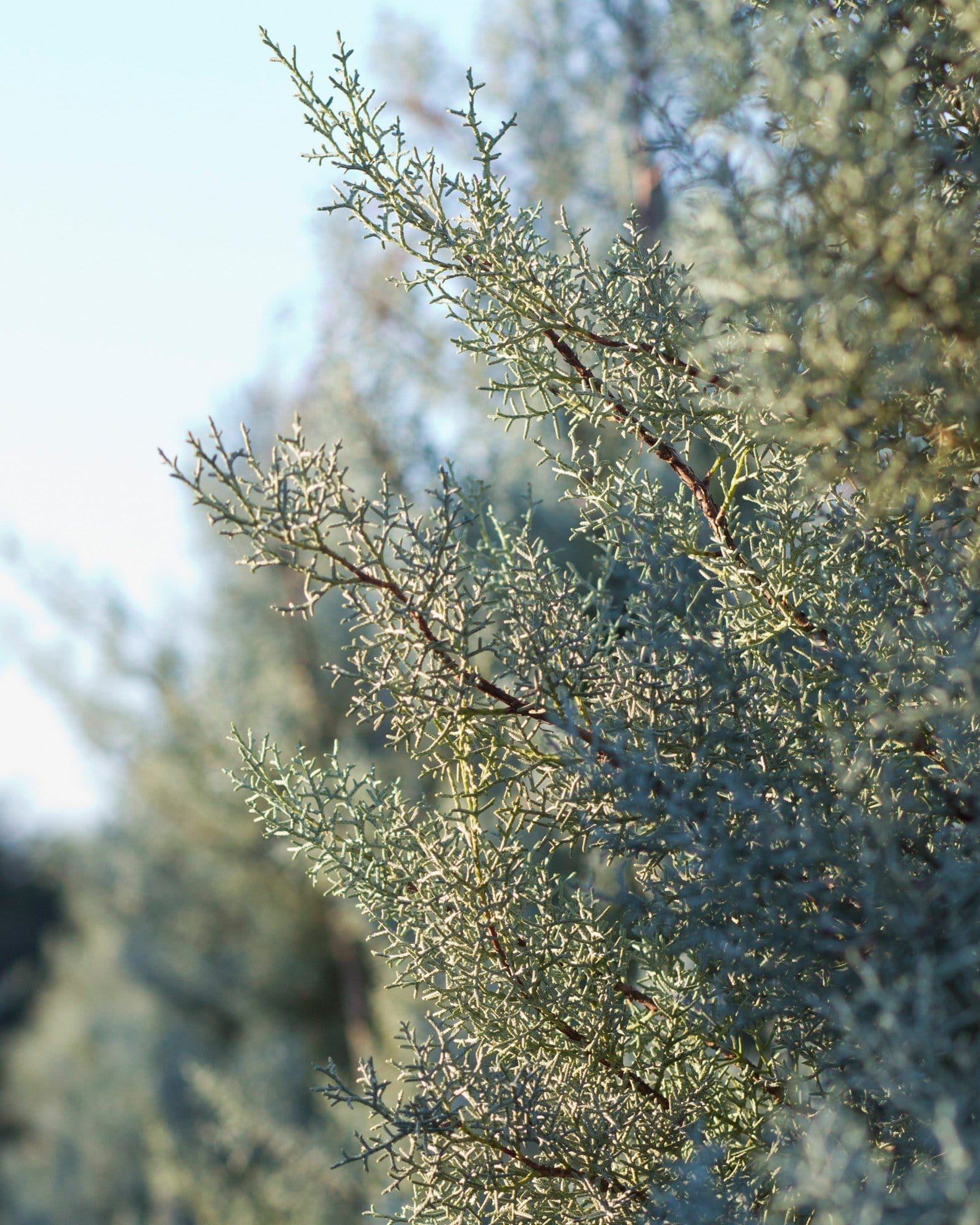
Arizona Cypress Carolina Sapphire
Maturity: 30' H x 20' W
Blue Atlas Cedar Fastigiata
Maturity: 40' H x 15' W
Blue Atlas Cedar Glauca
Maturity: 40' H x 30' W
Compare Similar Plants
Deodar Cedar Patti Faye This plant | ||
|---|---|---|
| Scientific Name | Cedrus deodara ‘Patti Faye’ | Juniperus virginiana |
| Size at Maturity | 30' H x 25' W | 30' H x 20' W |
| Leaf Retention | Evergreen | Evergreen |
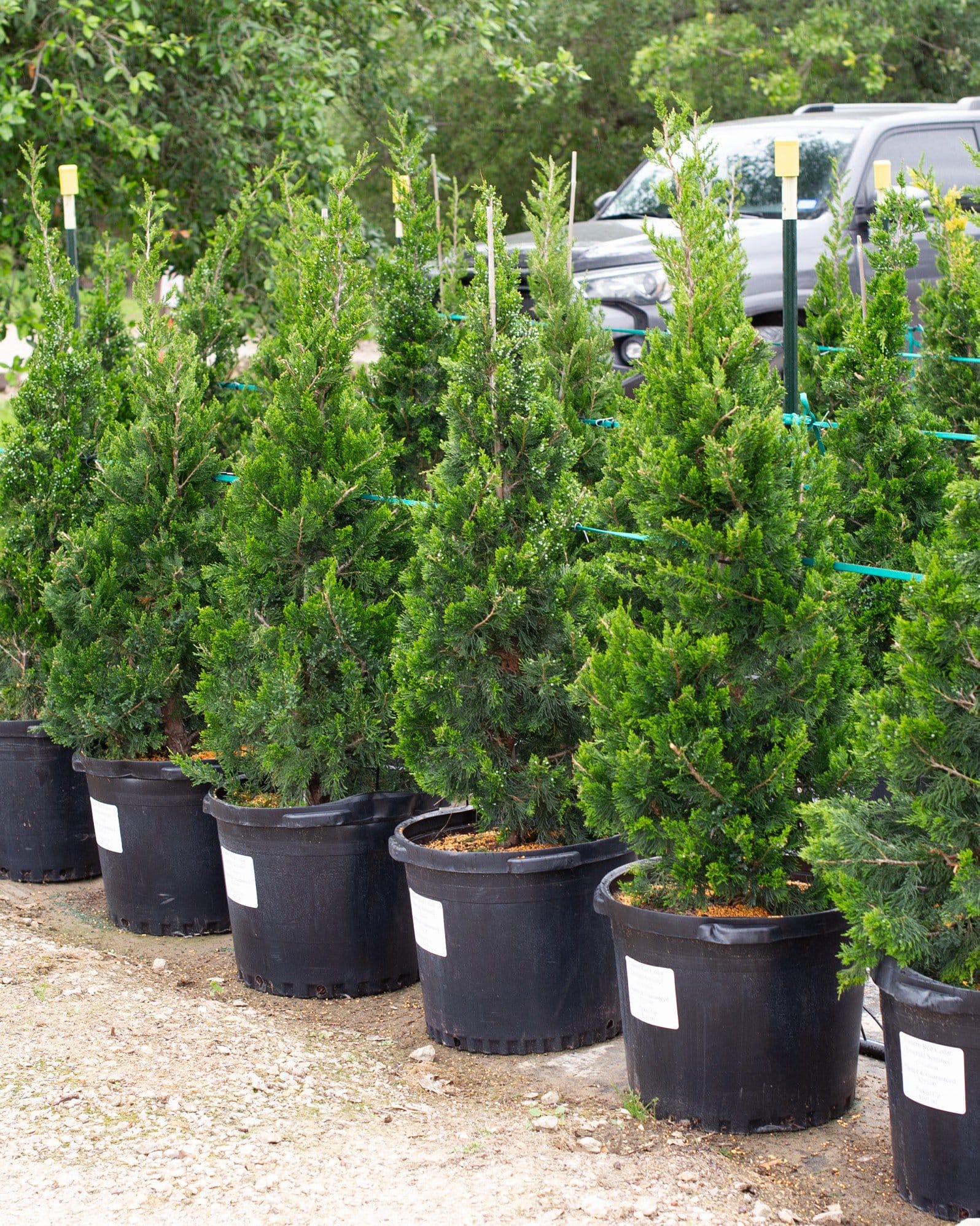
| Sizes Available | 15, 30, 45 gal | 3, 7, 15, 30, 45 gal |


Our 1-Year Planting Guarantee
We take pride in our plants and installation services. If any plants or trees installed by Treeland fail to thrive within the first year, we'll provide a replacement credit in accordance with our guarantee program.
Learn More About Our Guarantee