
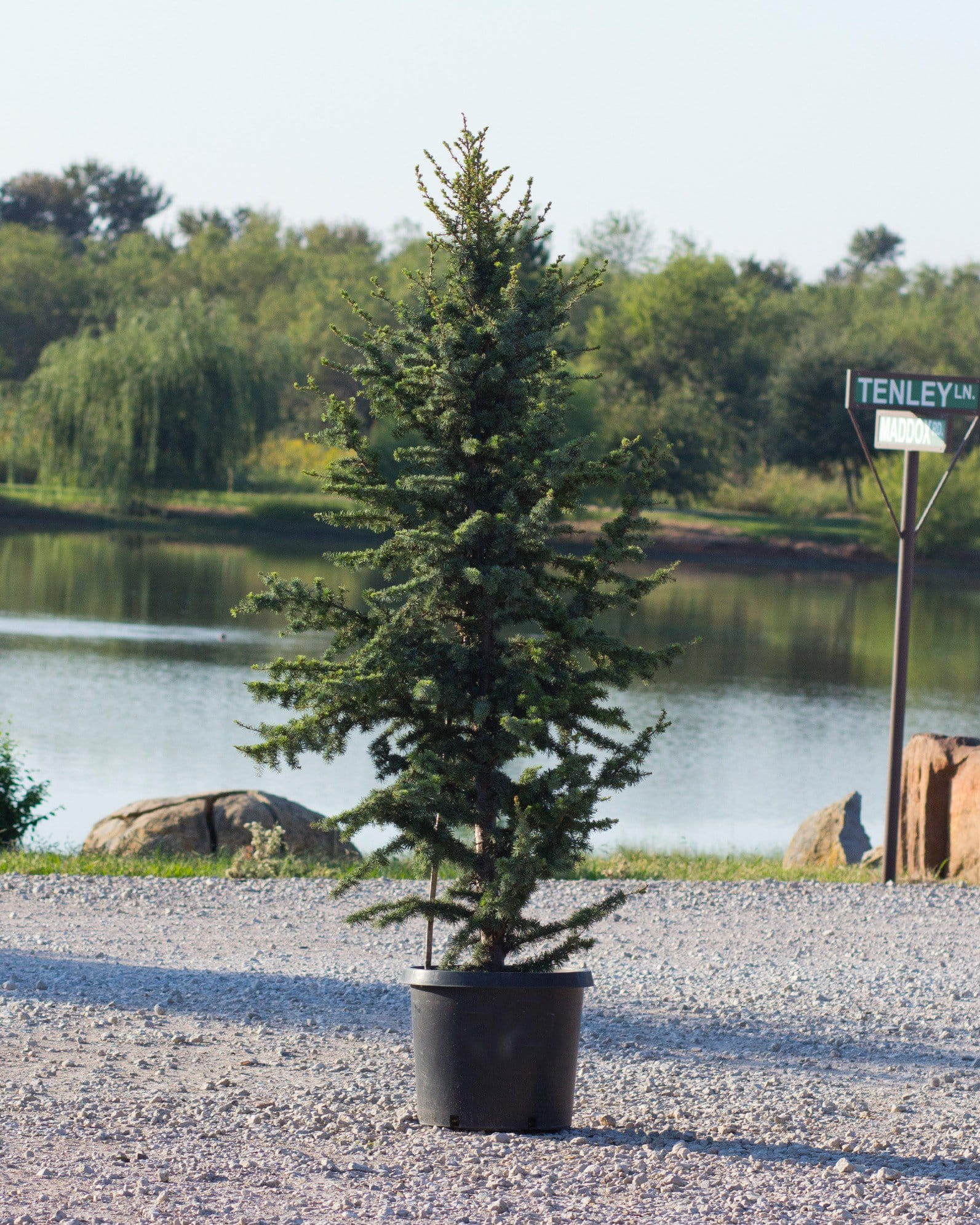
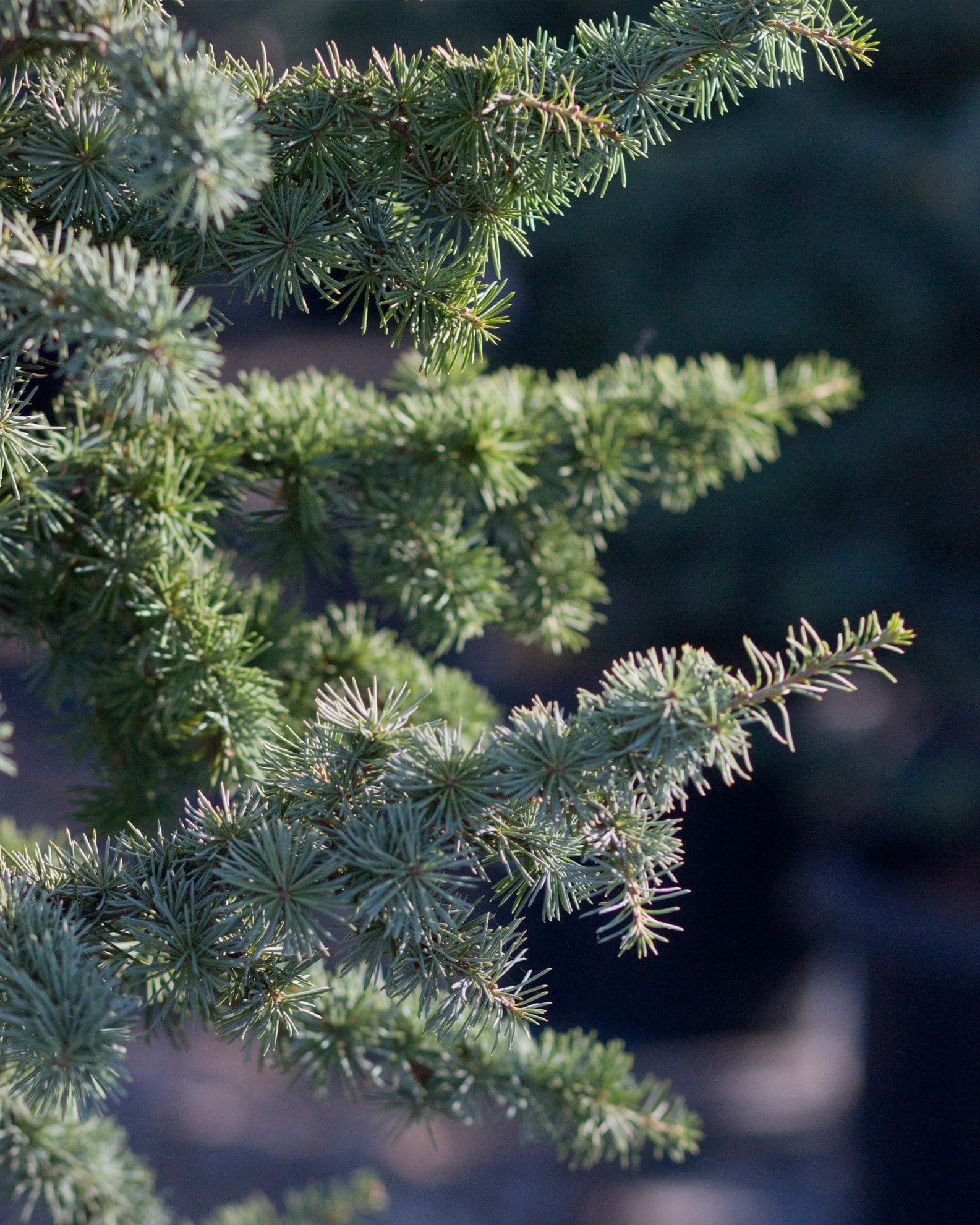
Blue Atlas Cedar Fastigiata
Cedrus atlantica ‘Fastigiata’Local DFW Delivery Only
Product Details
Blue Atlas Cedar Fastigiata
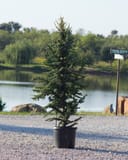
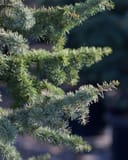
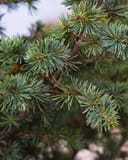
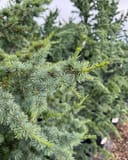
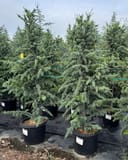
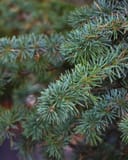
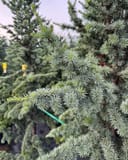
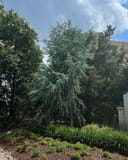
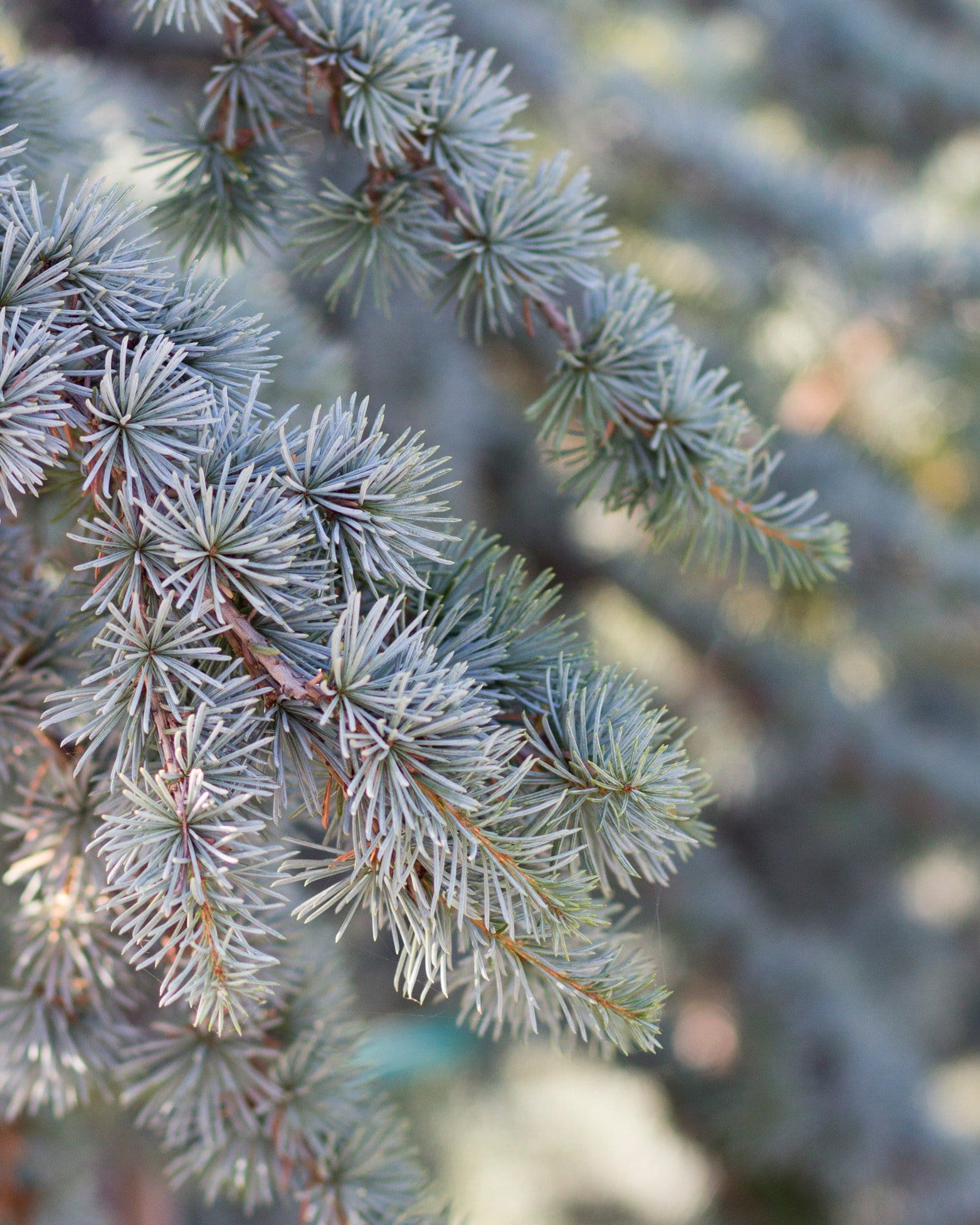
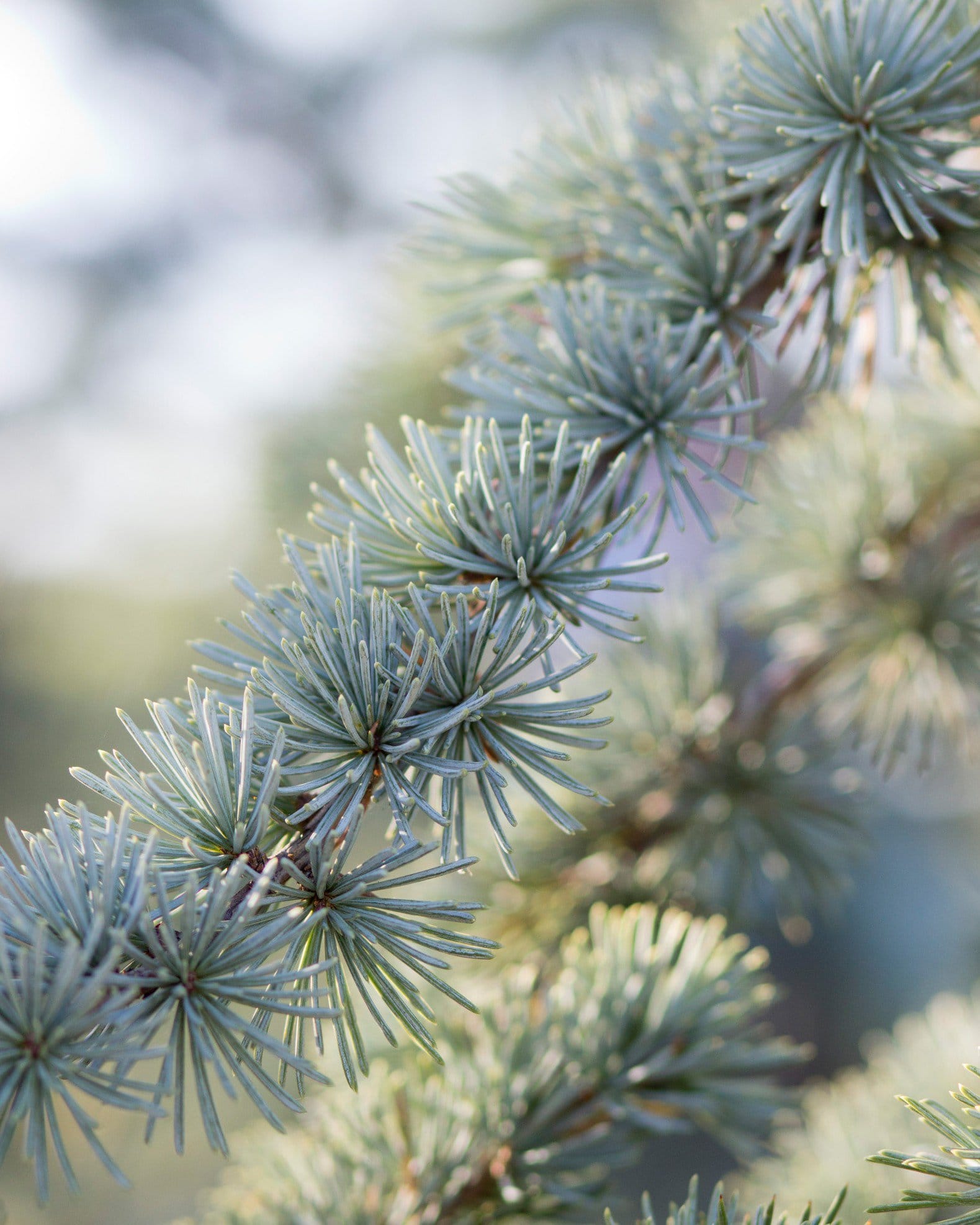
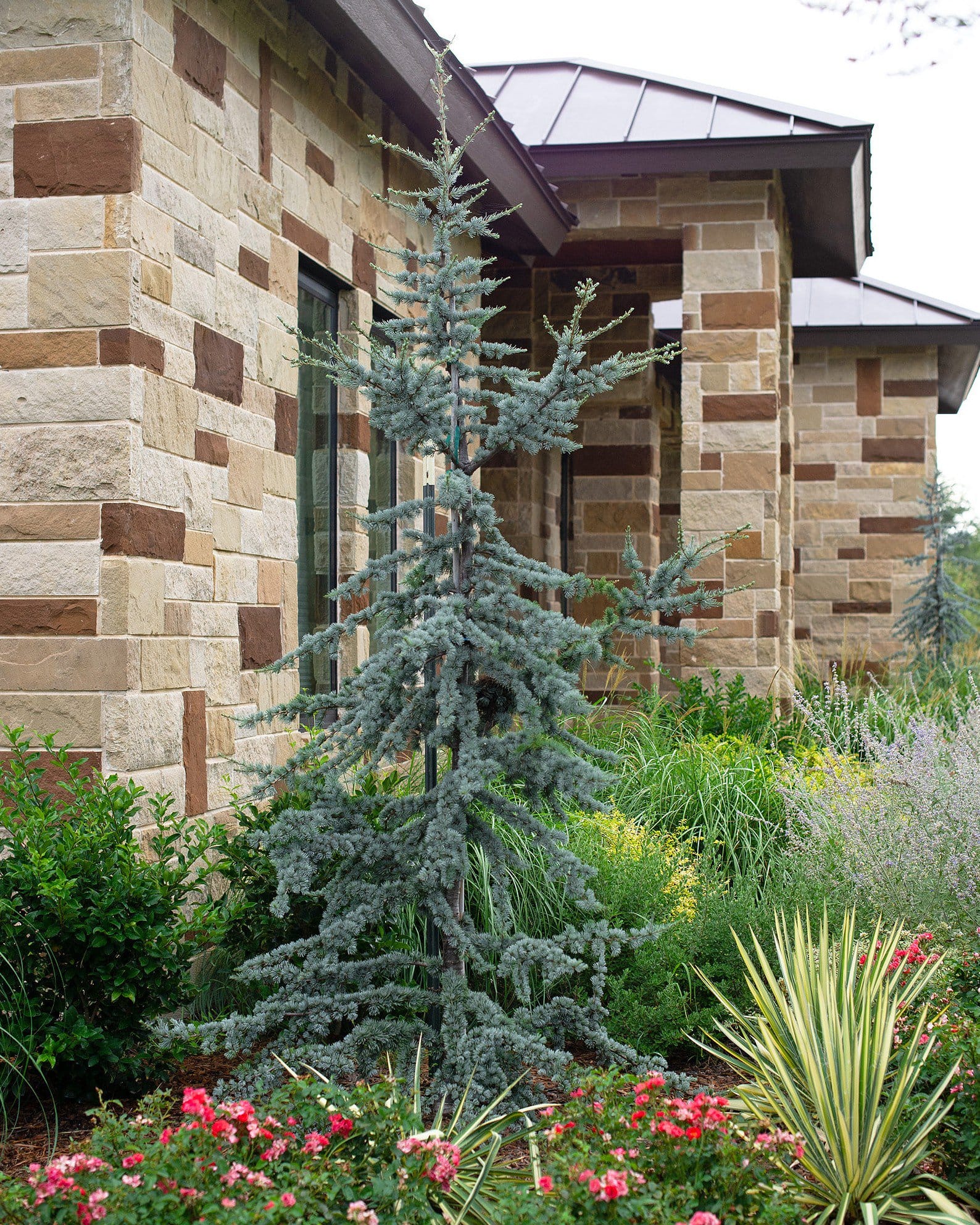
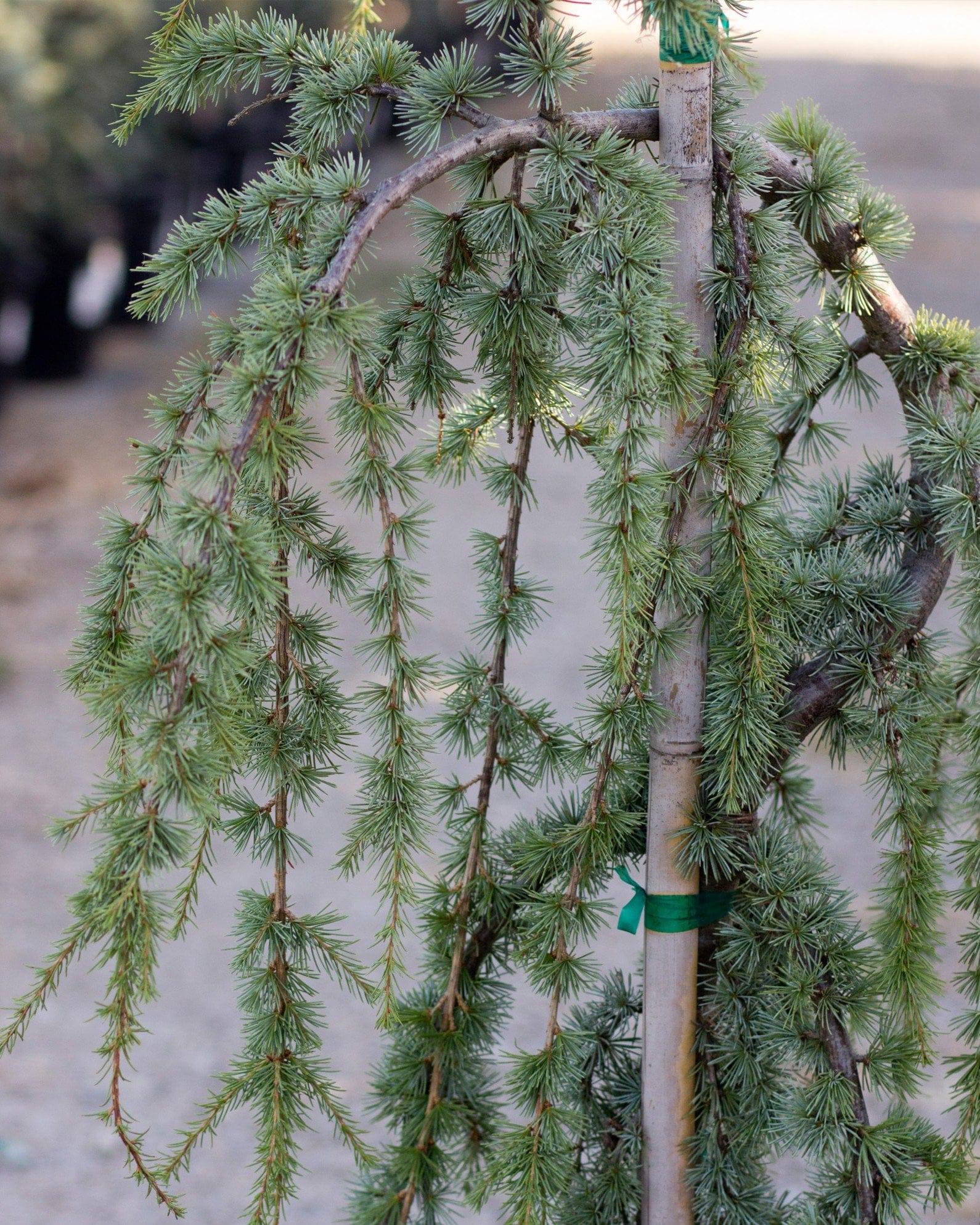
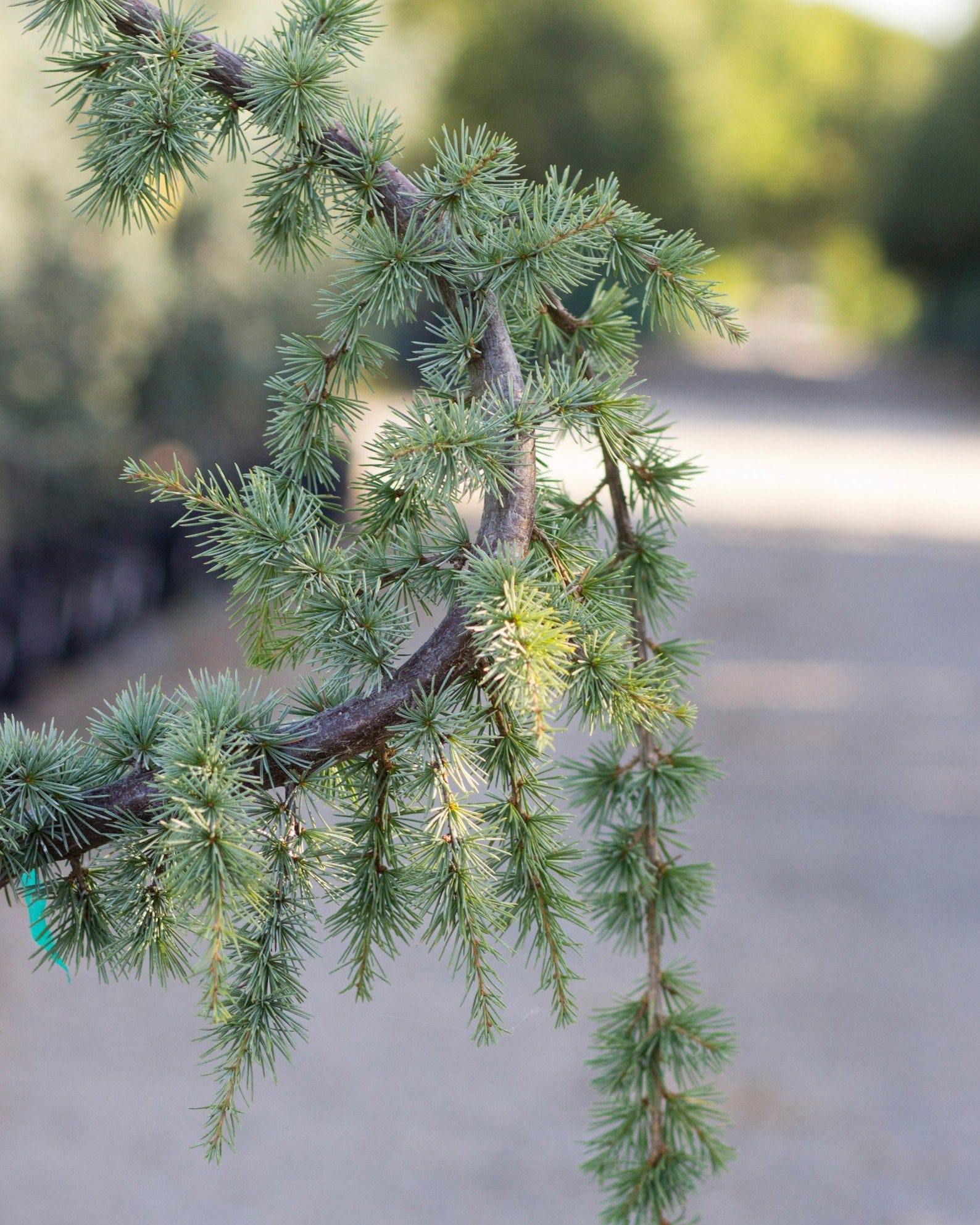
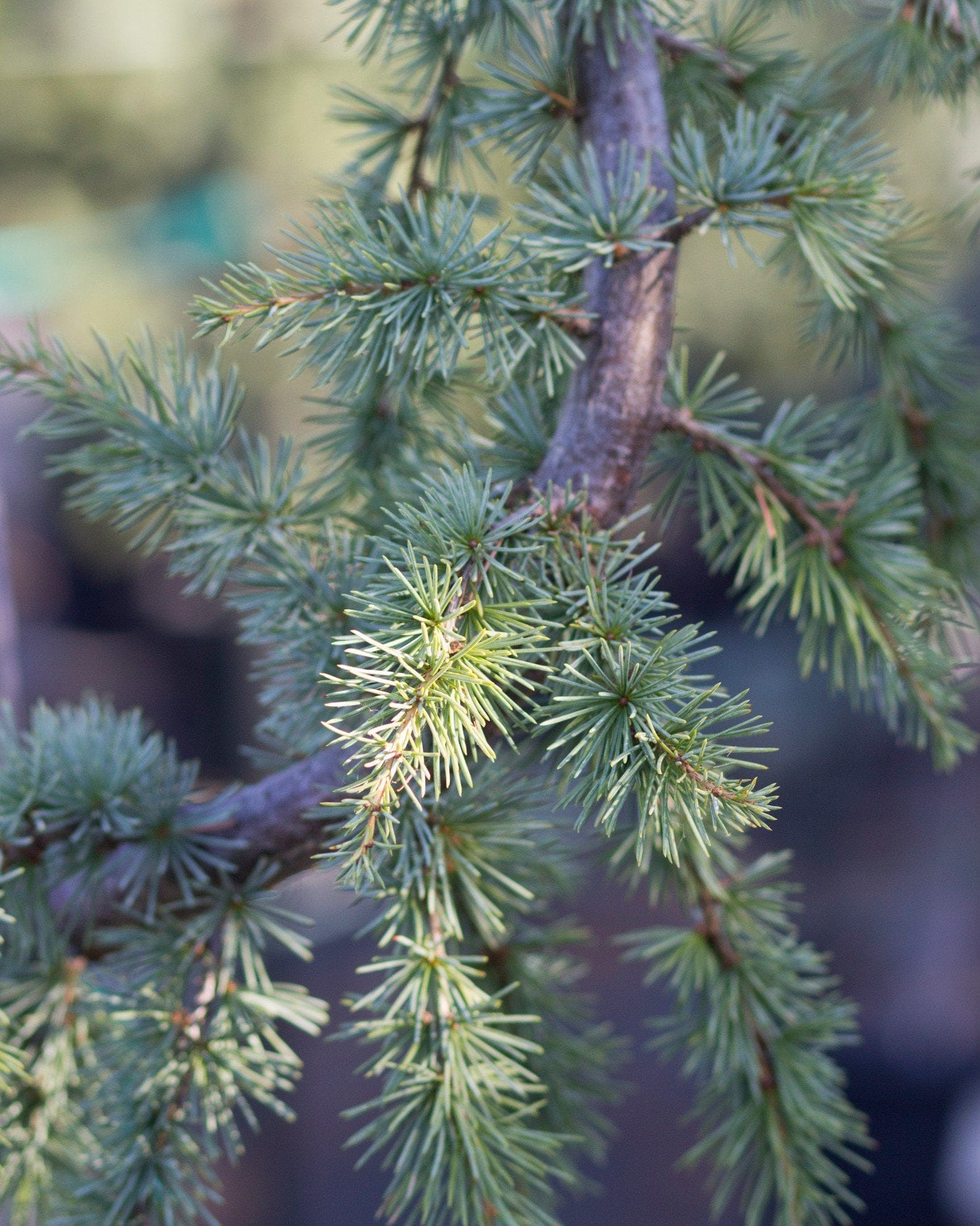
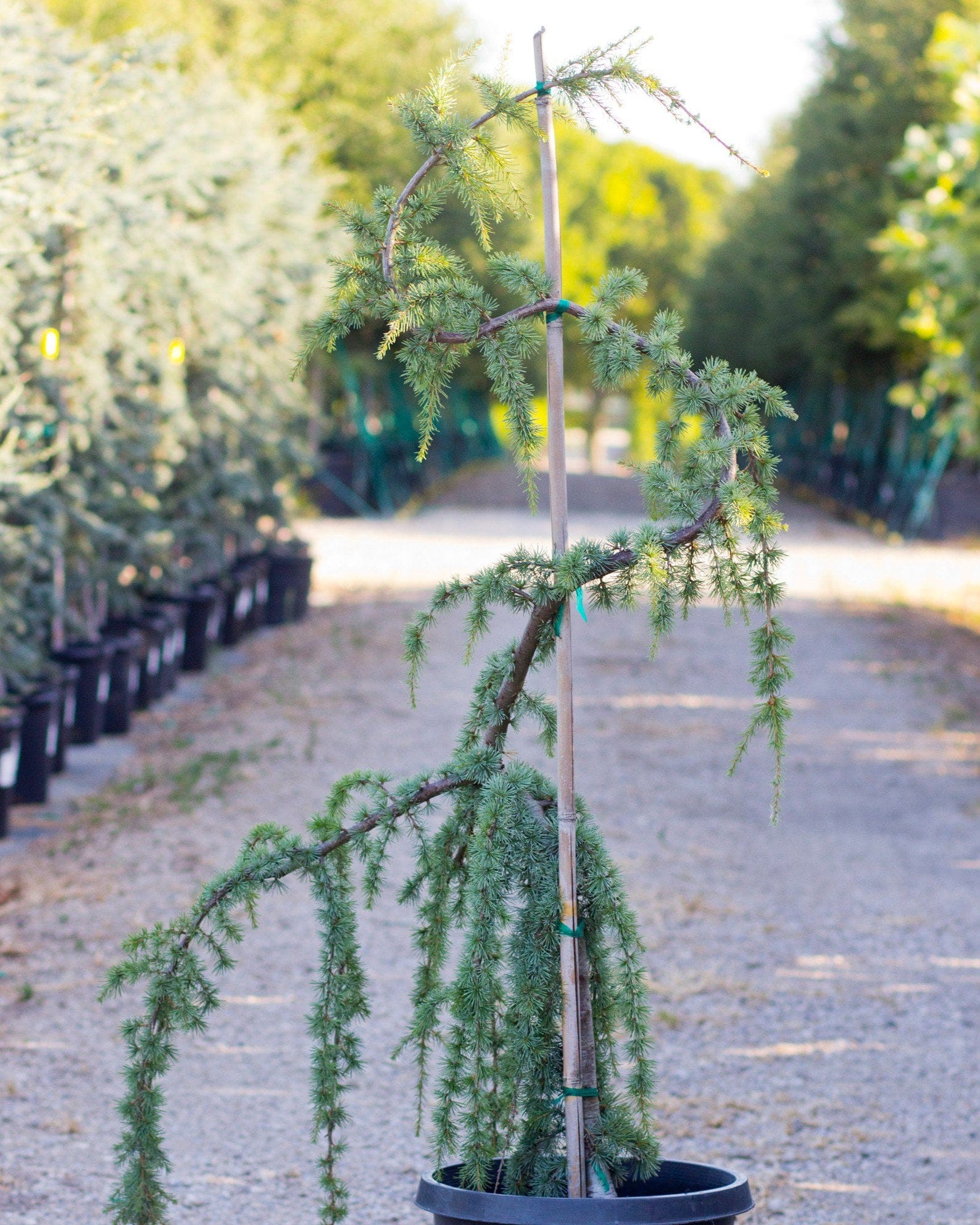
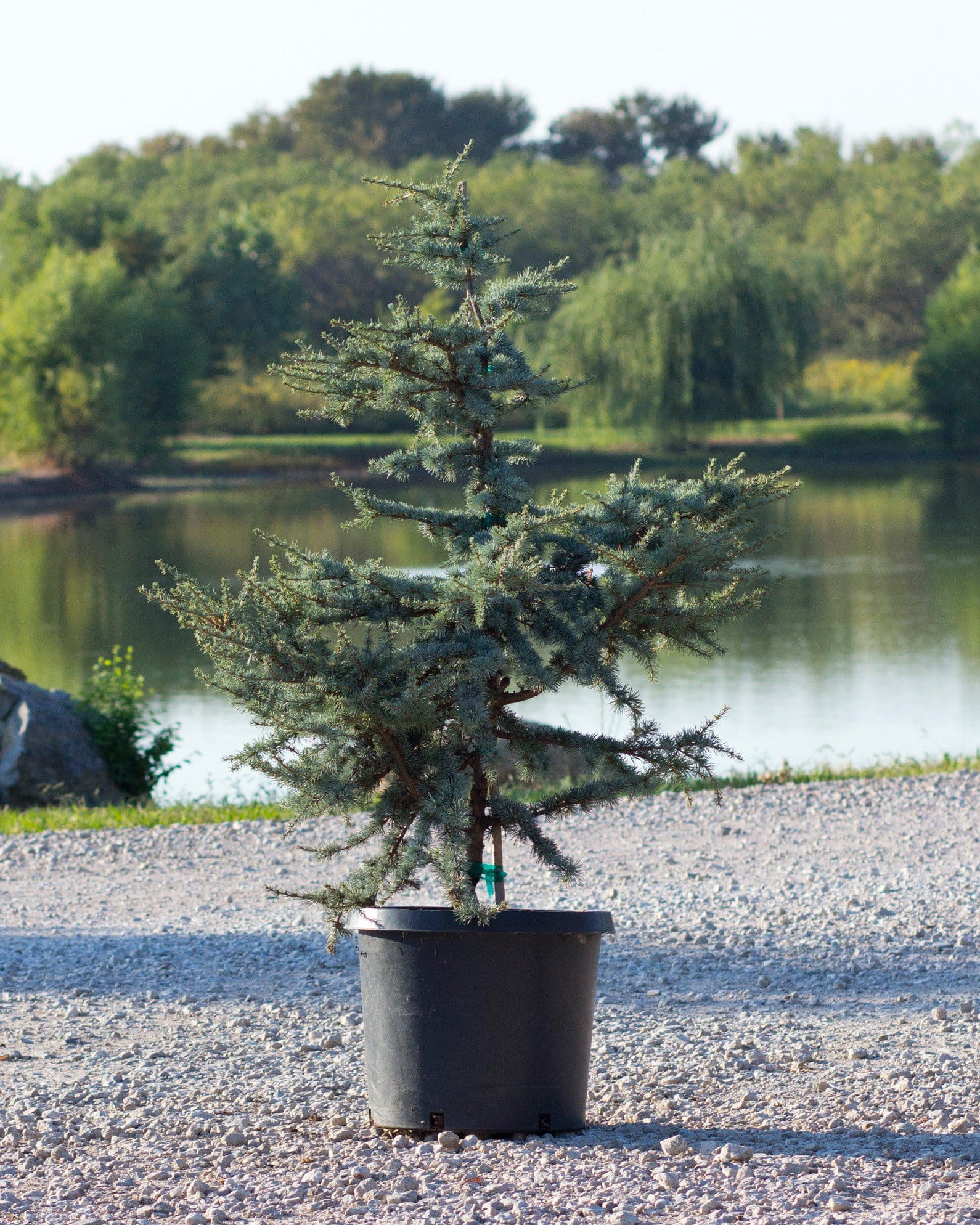
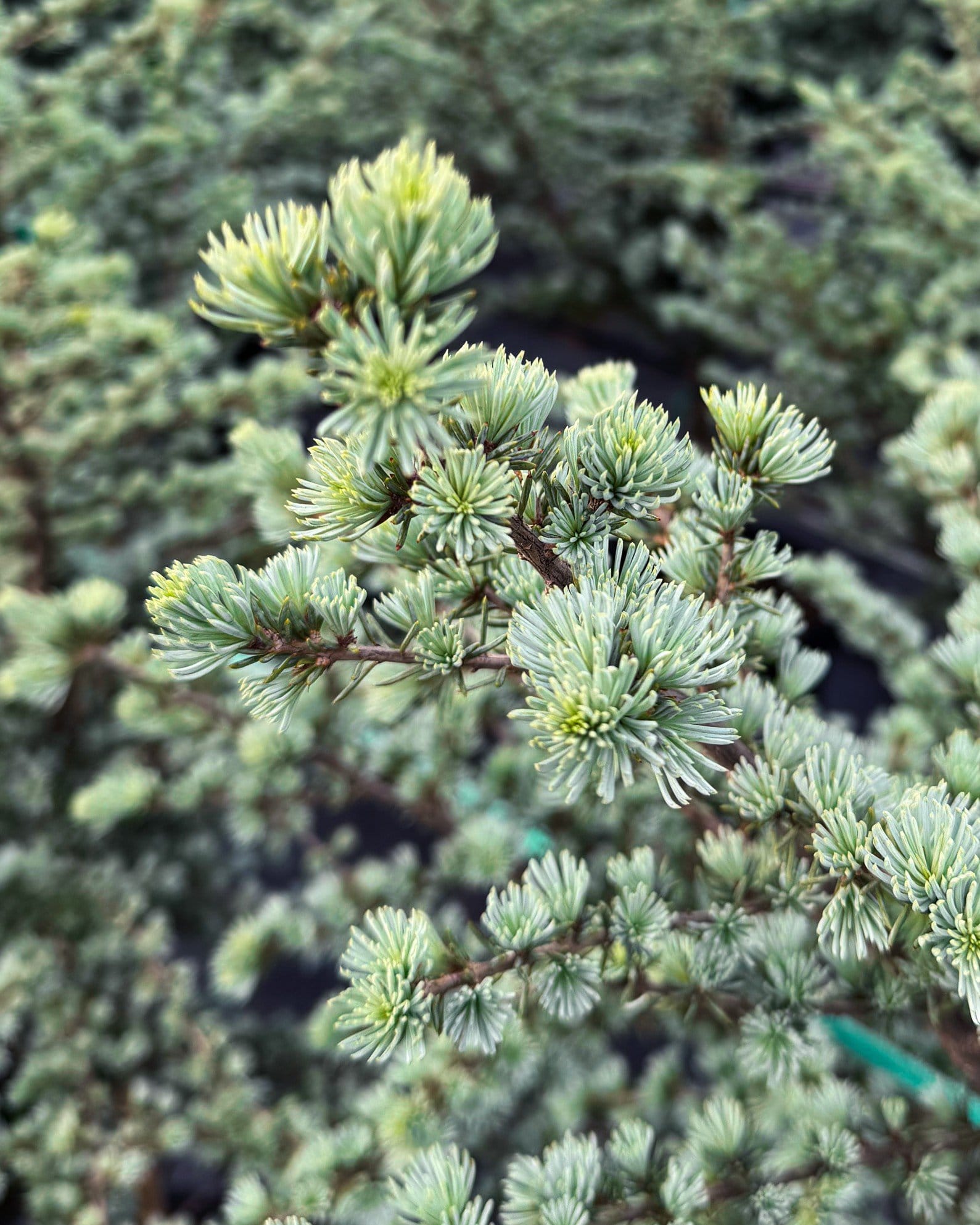
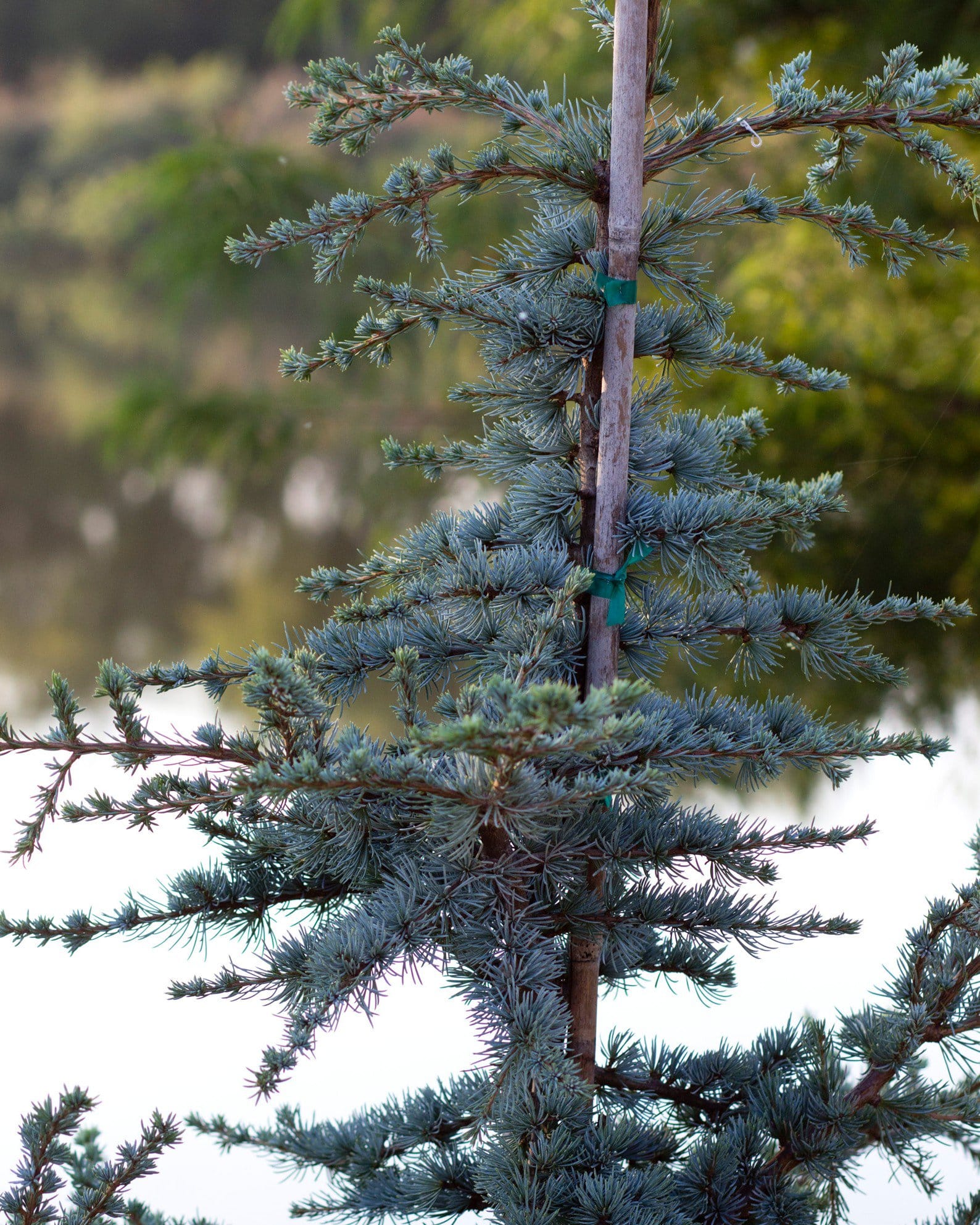
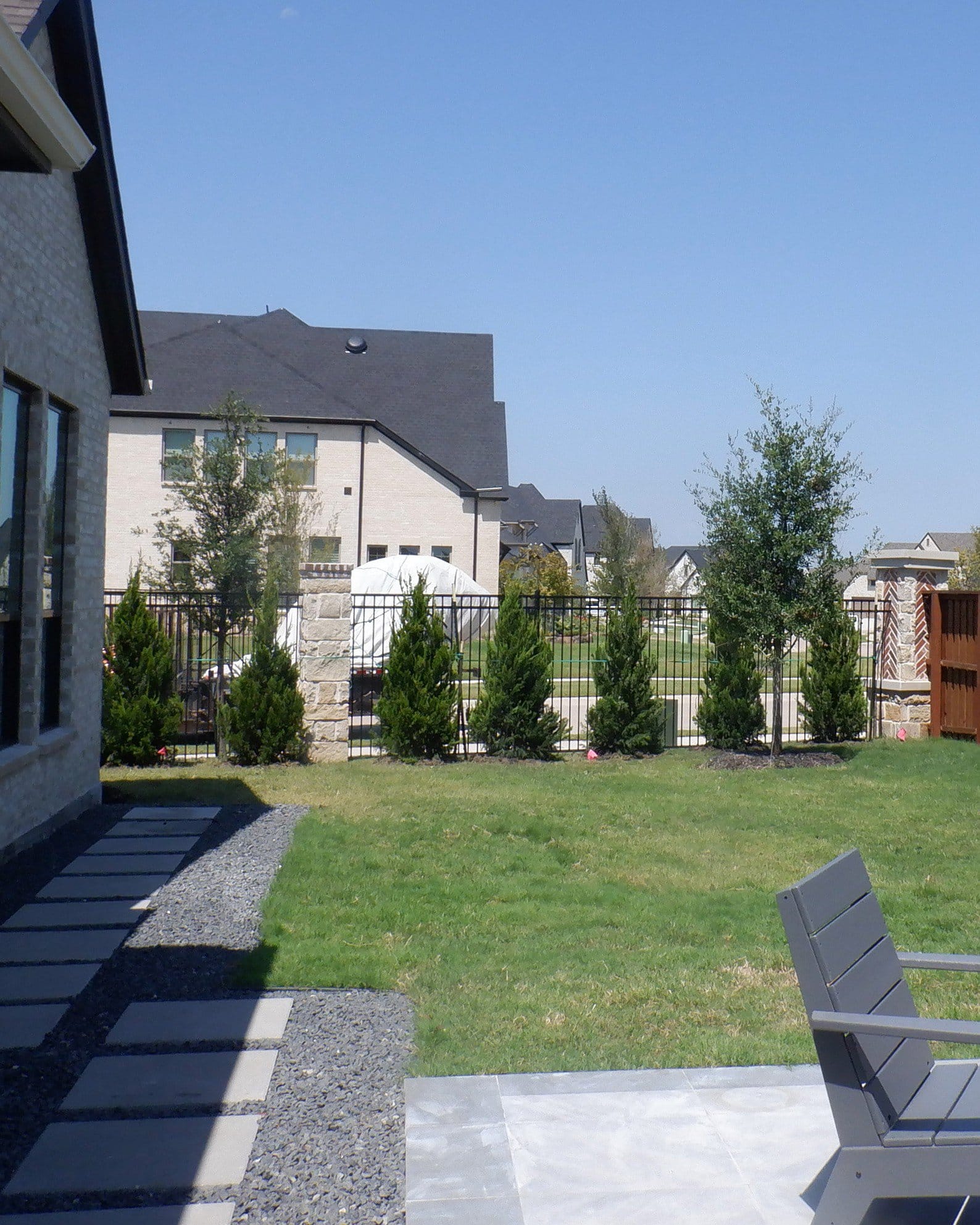
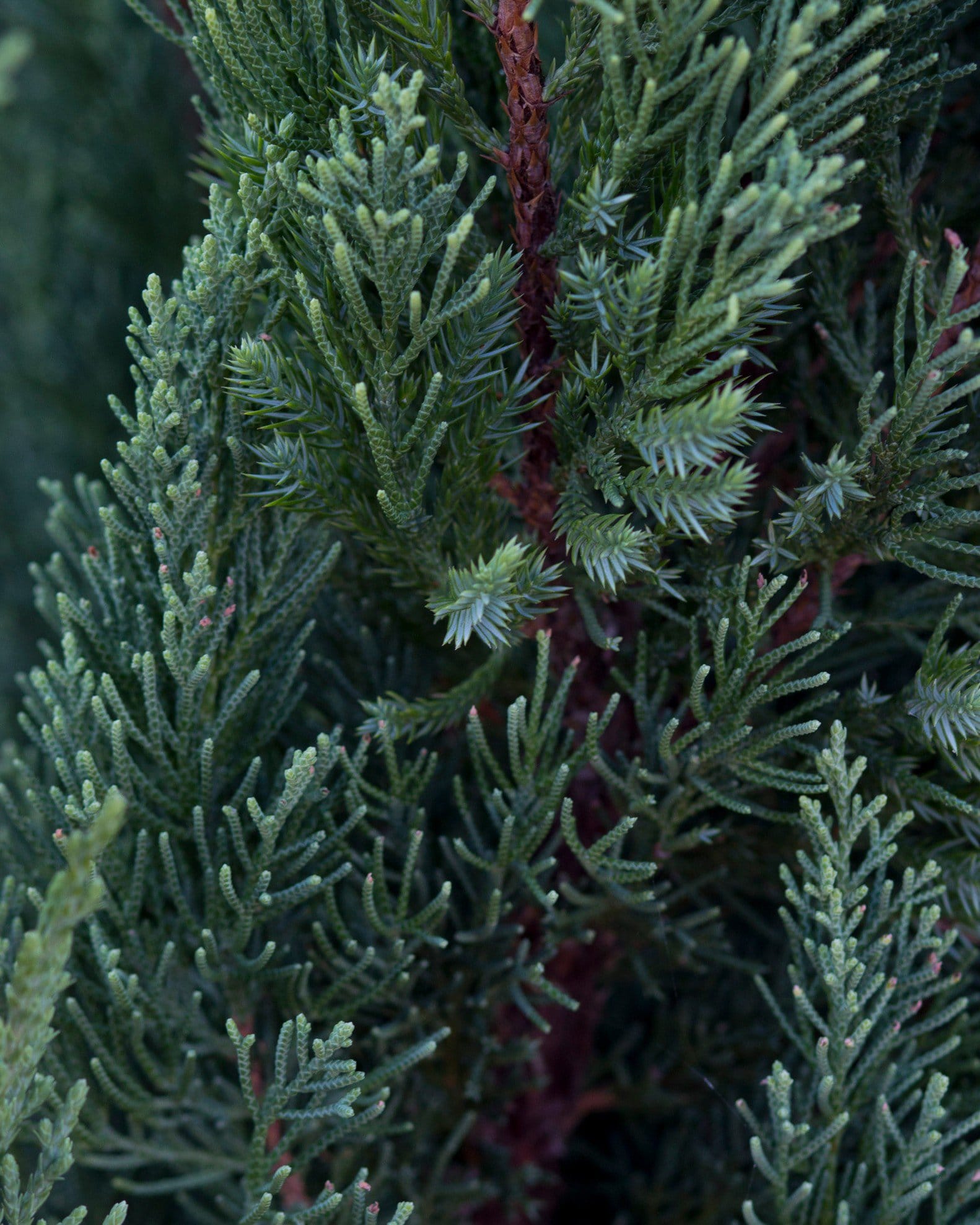
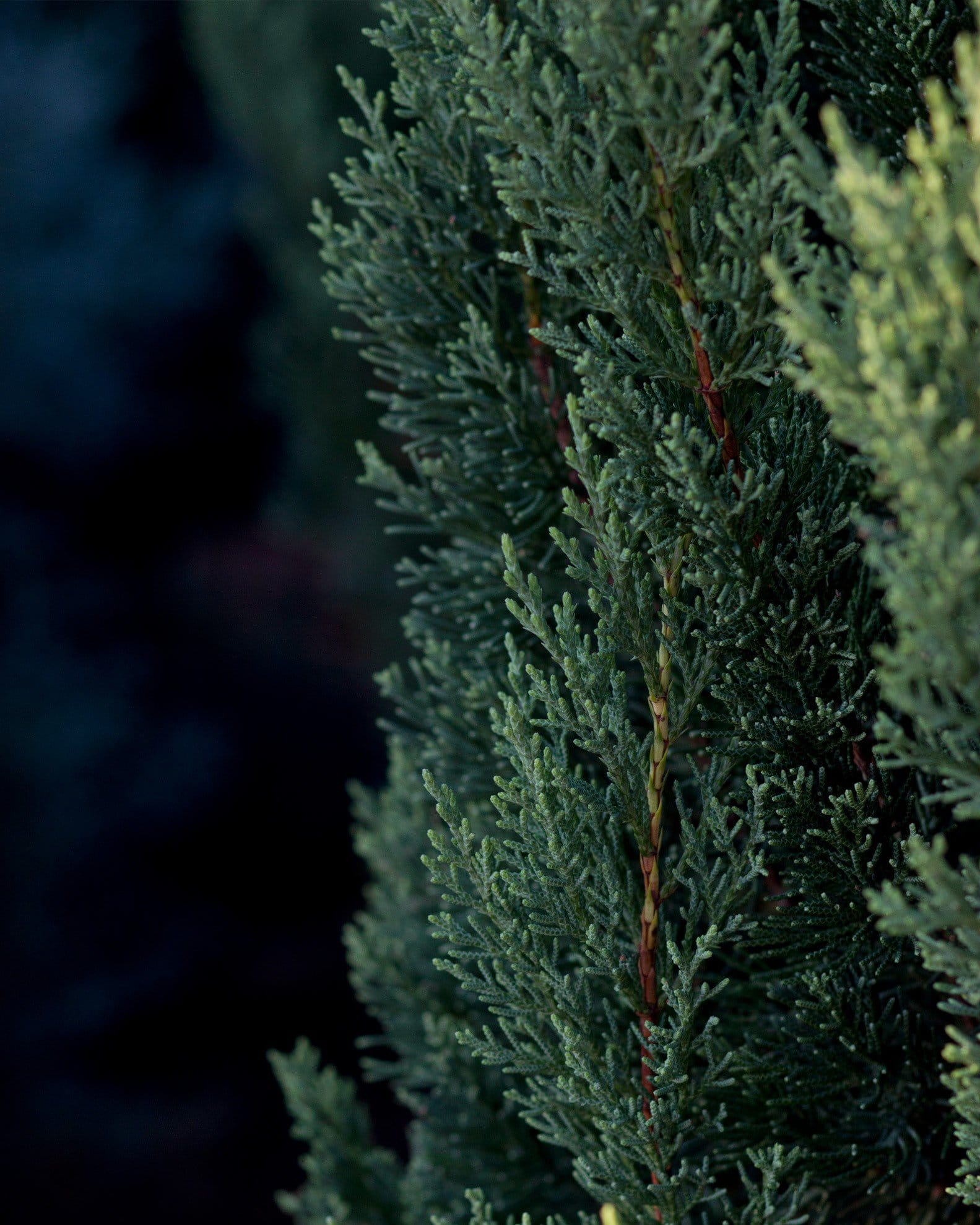
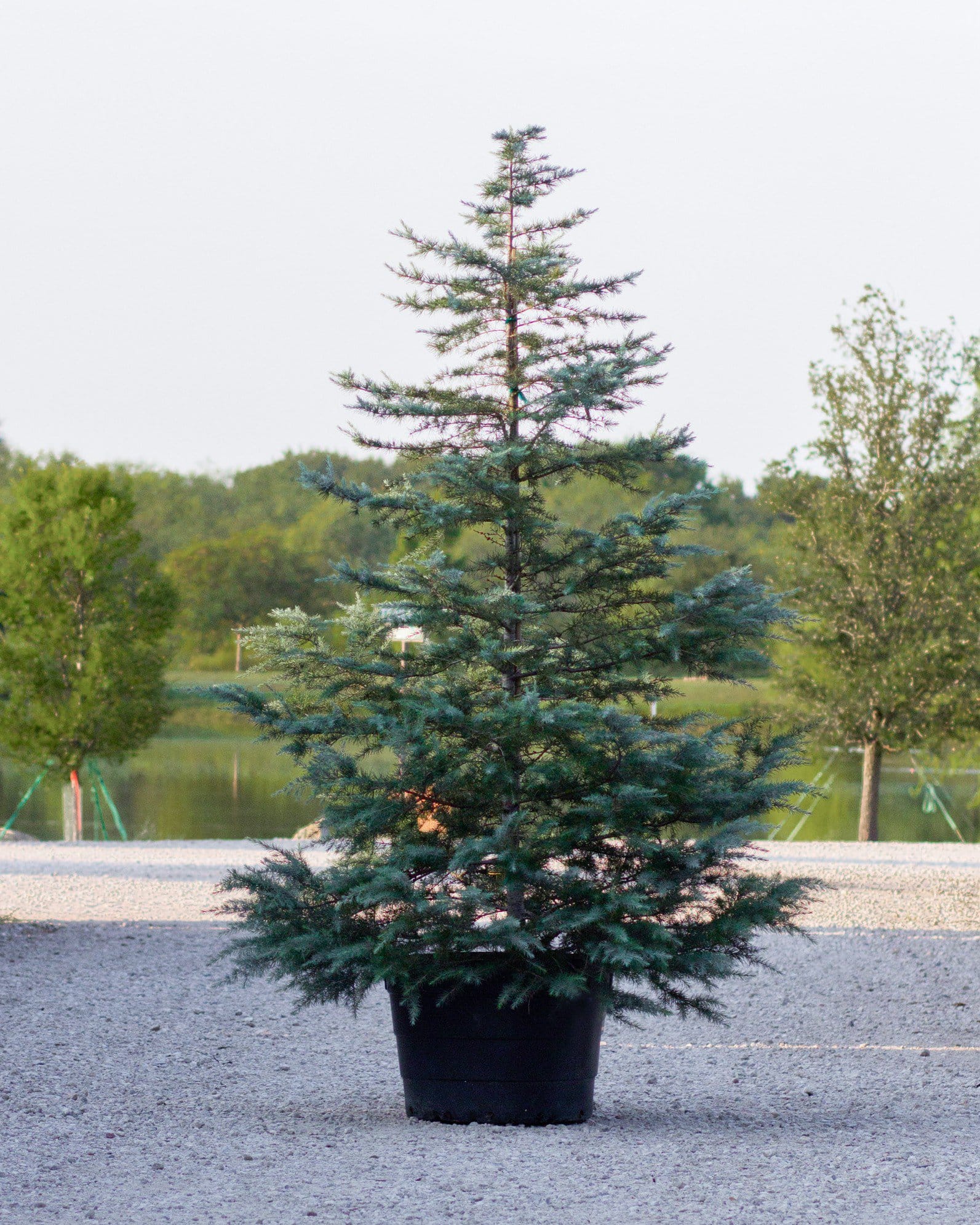
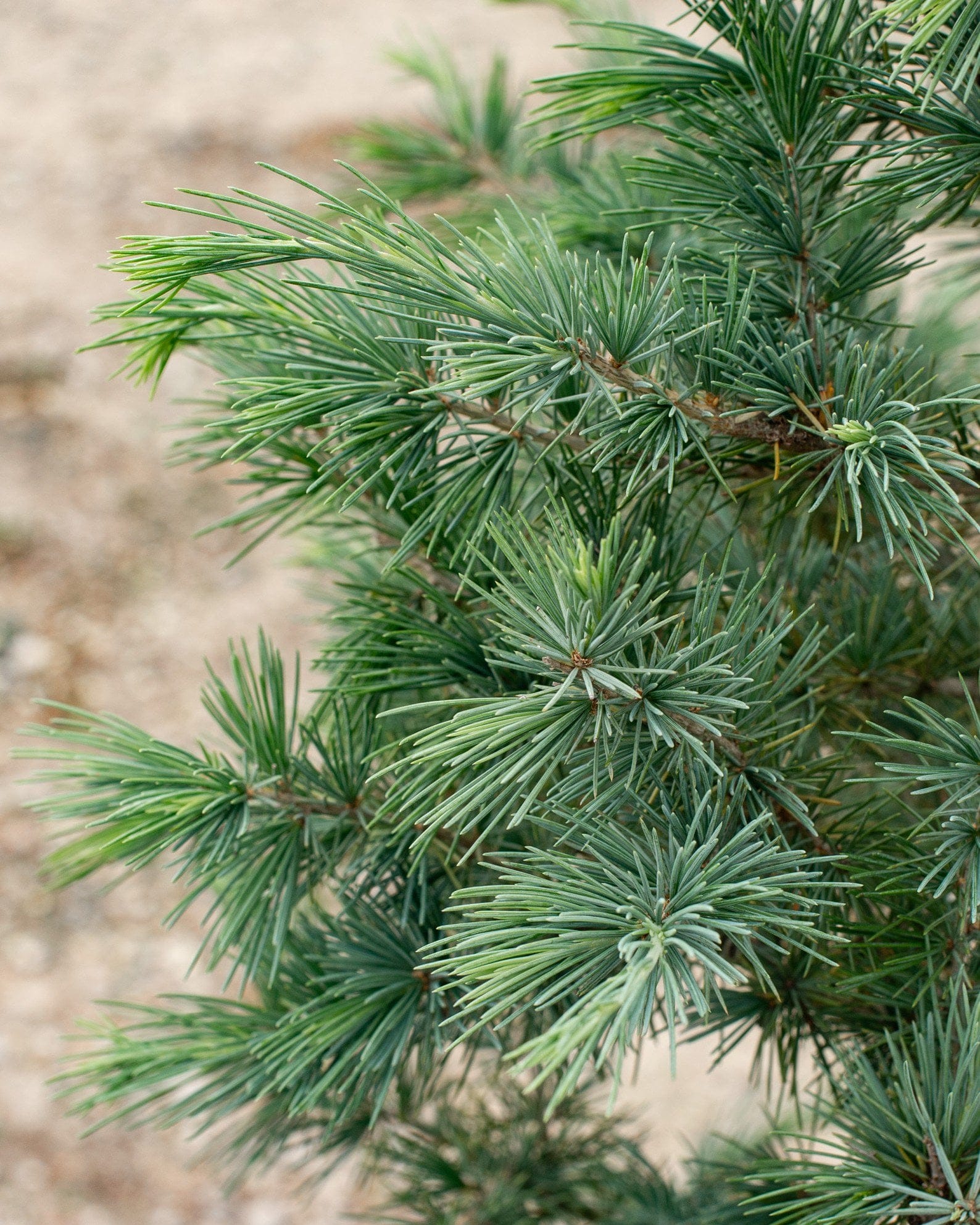
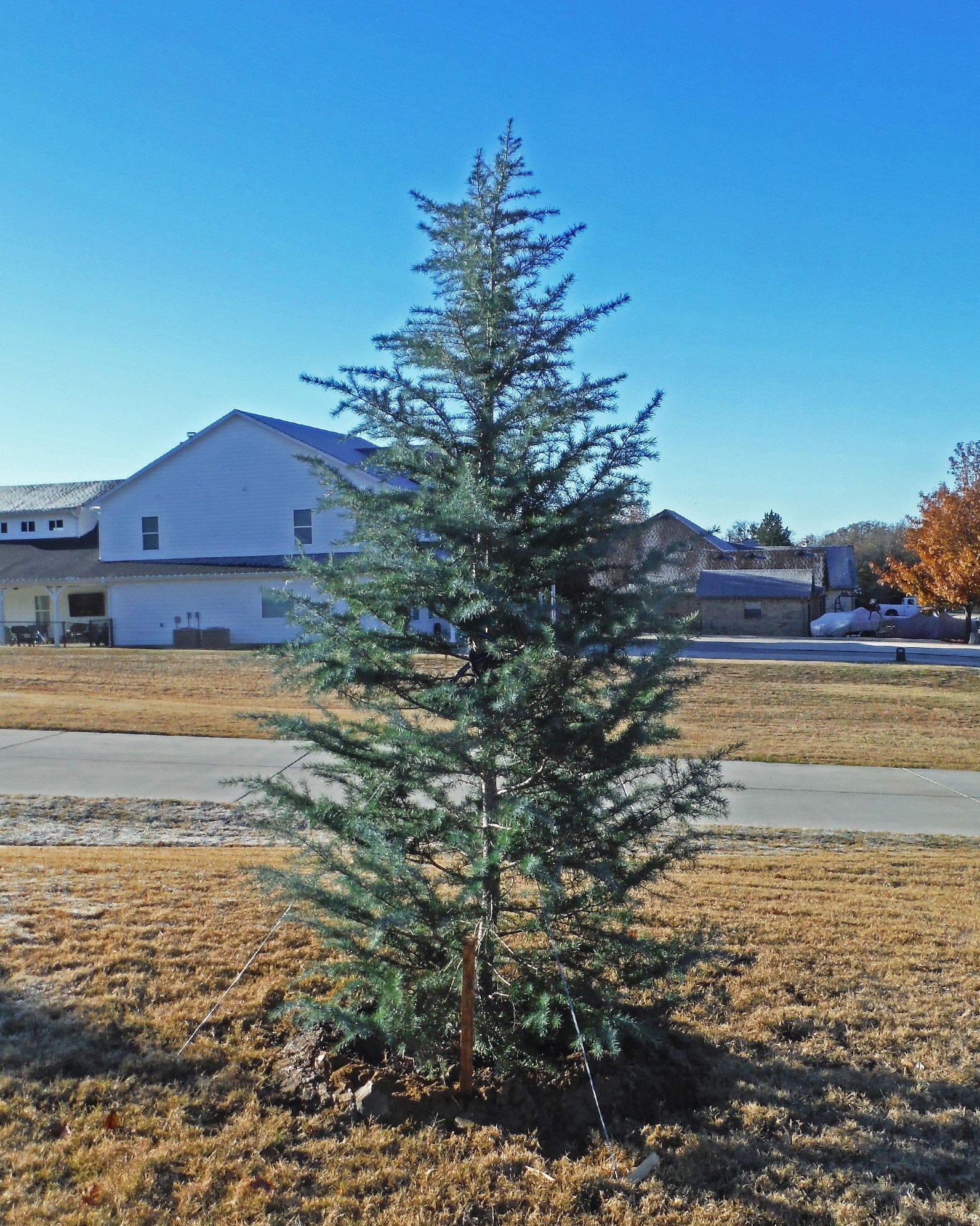
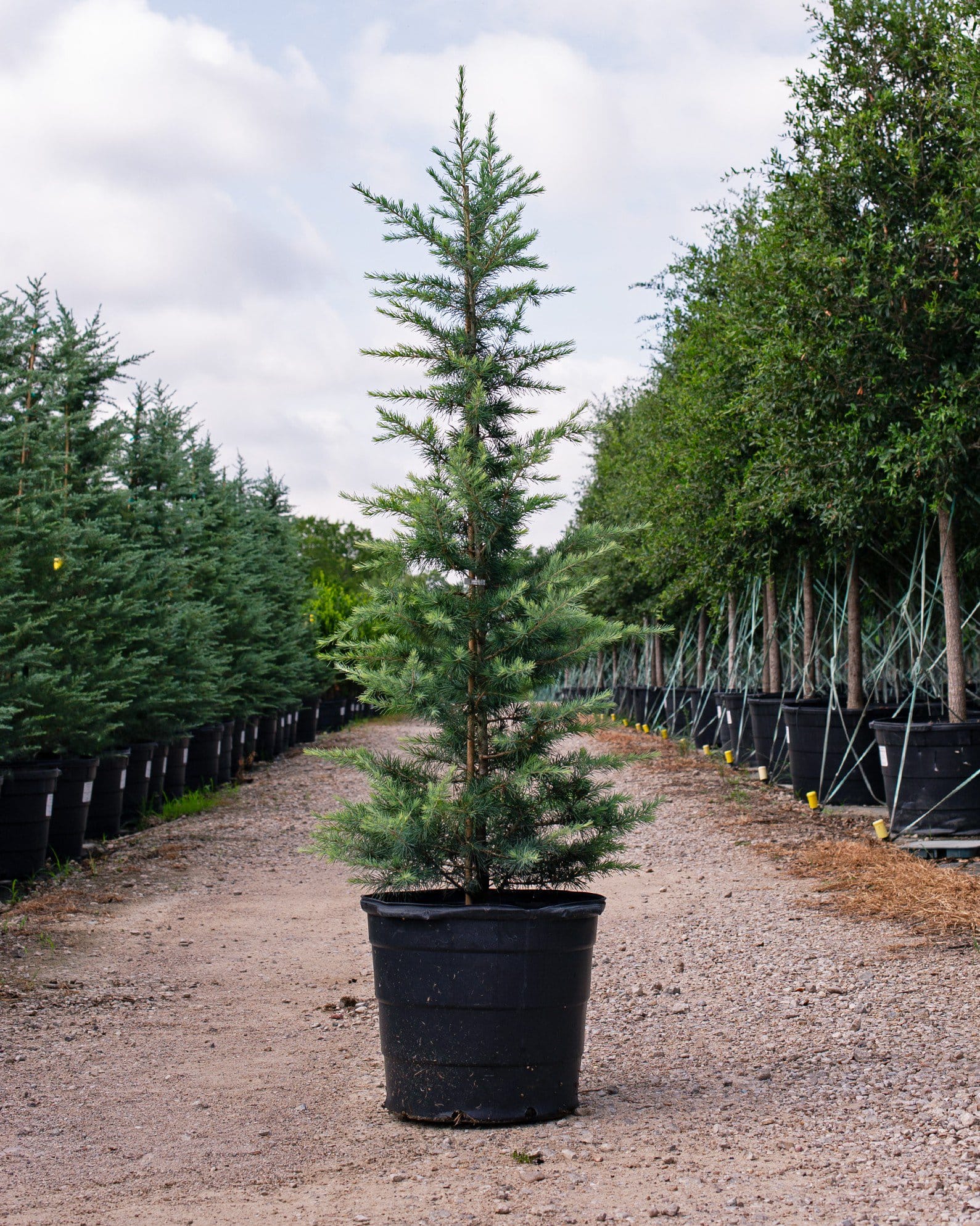
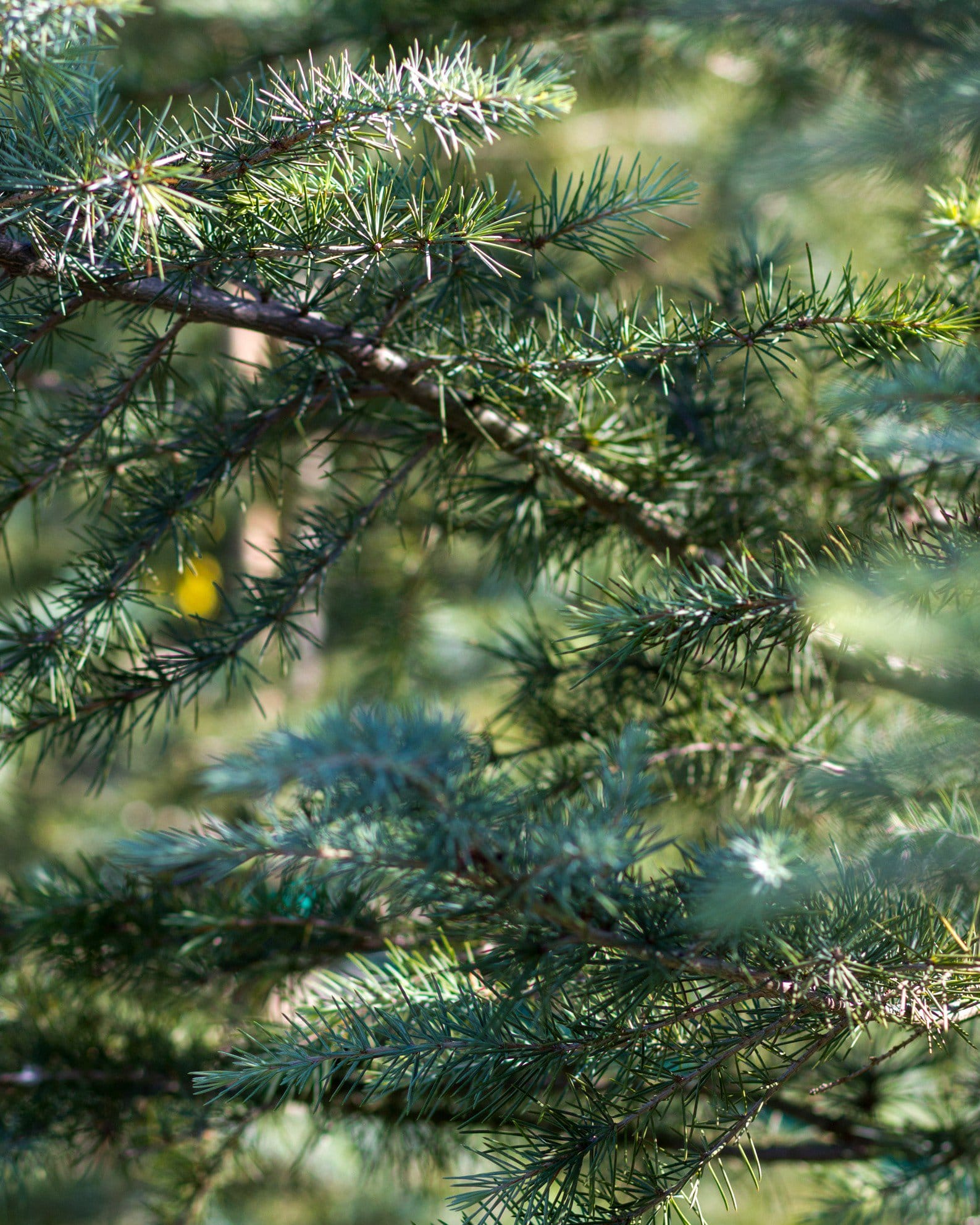
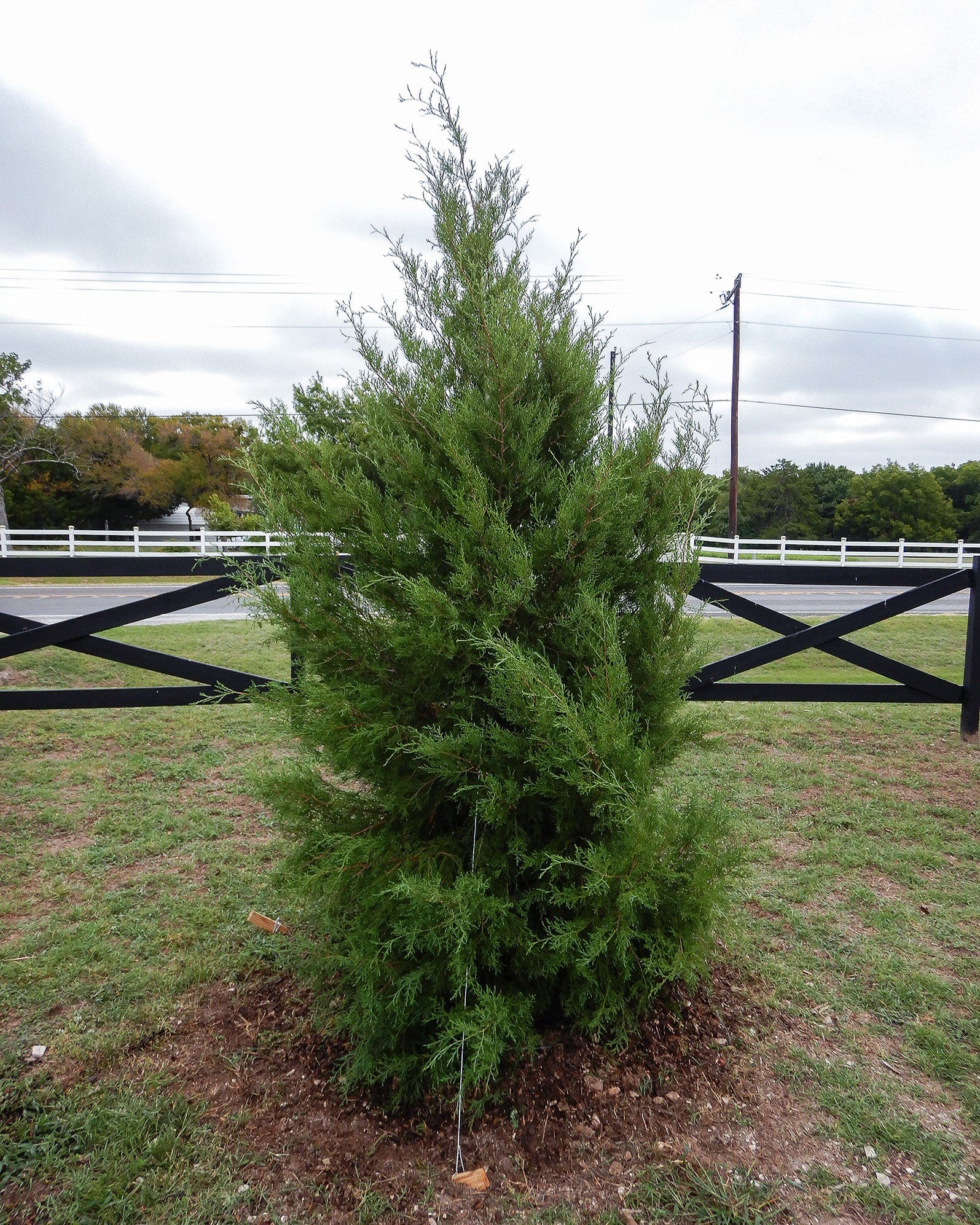
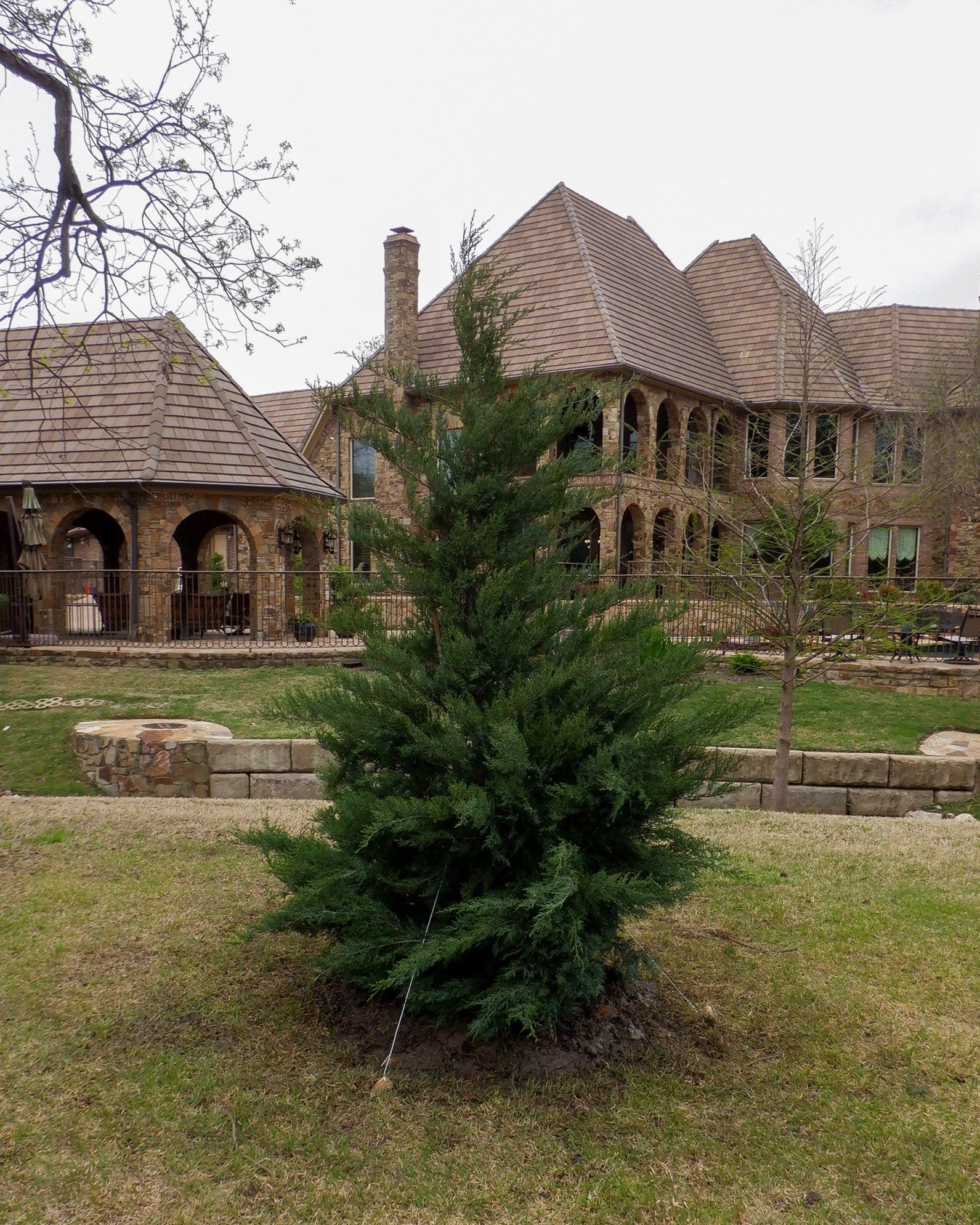
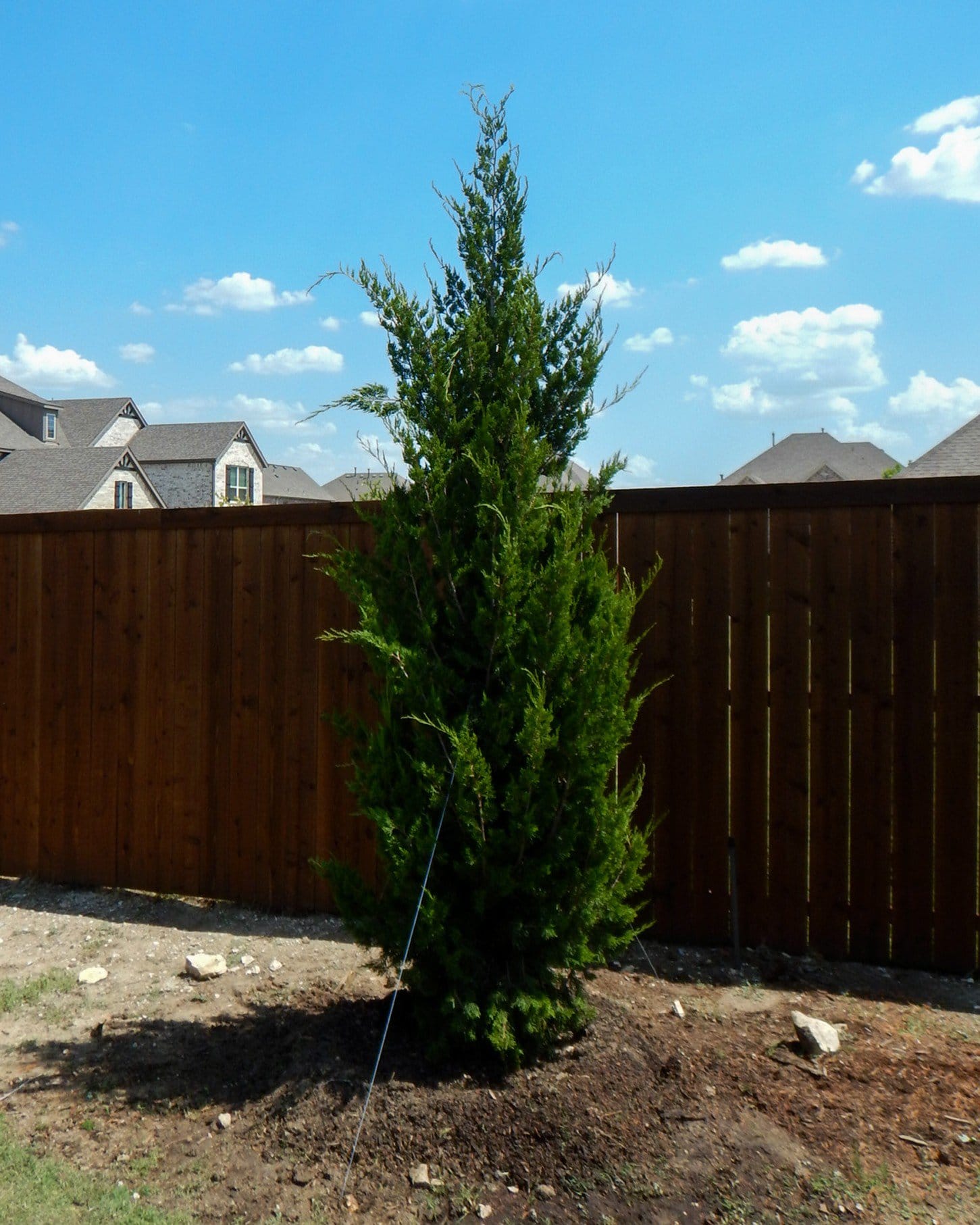
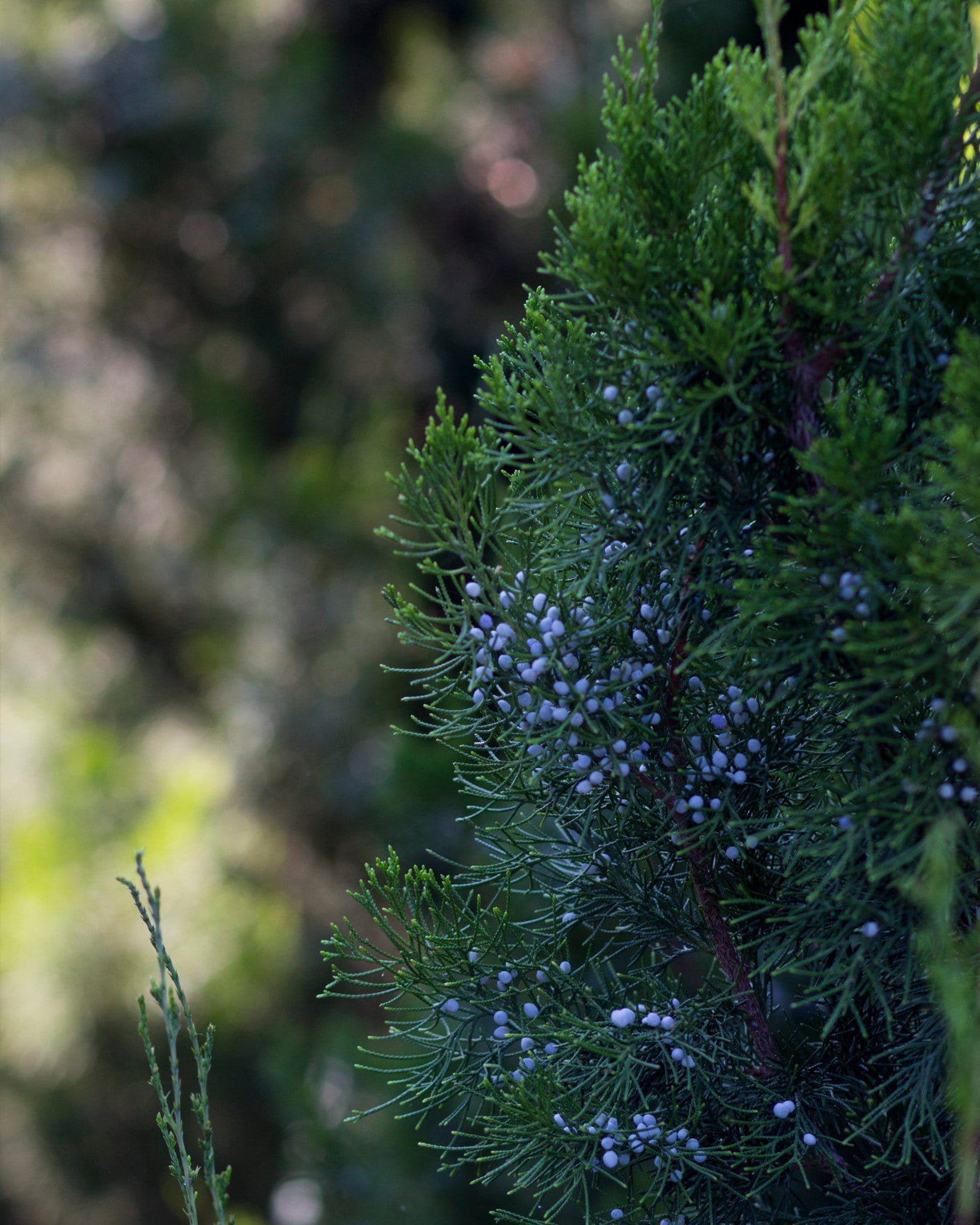
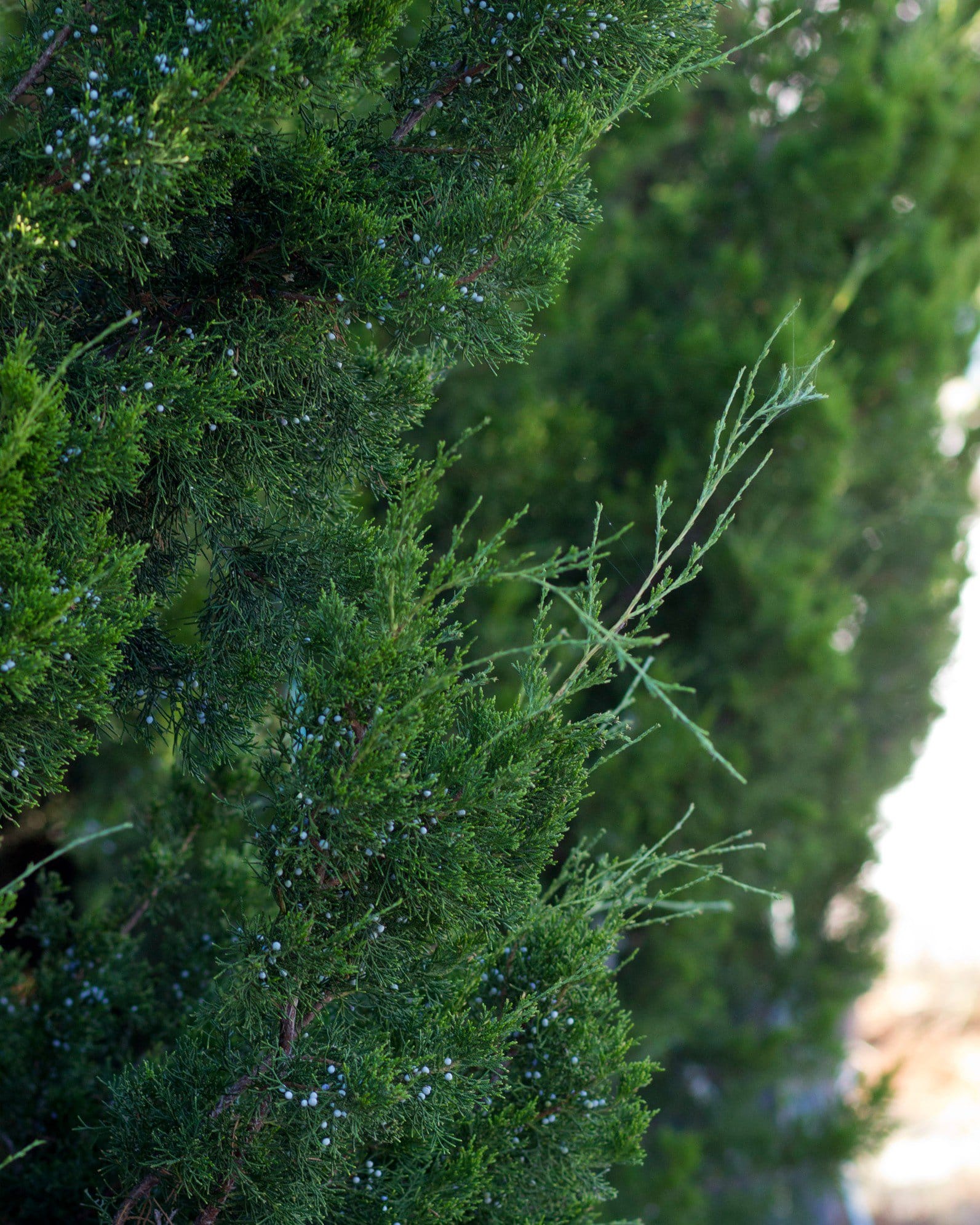
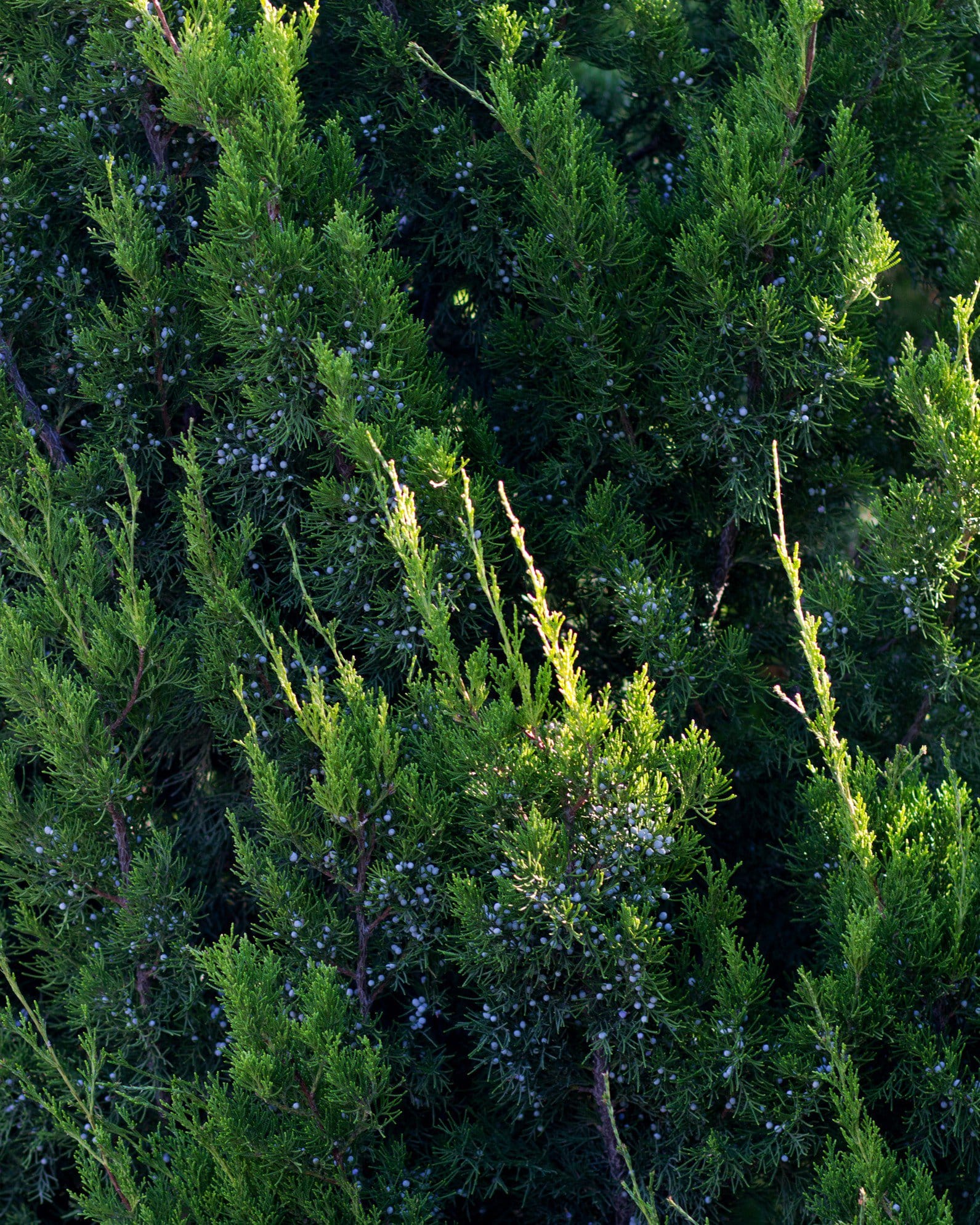
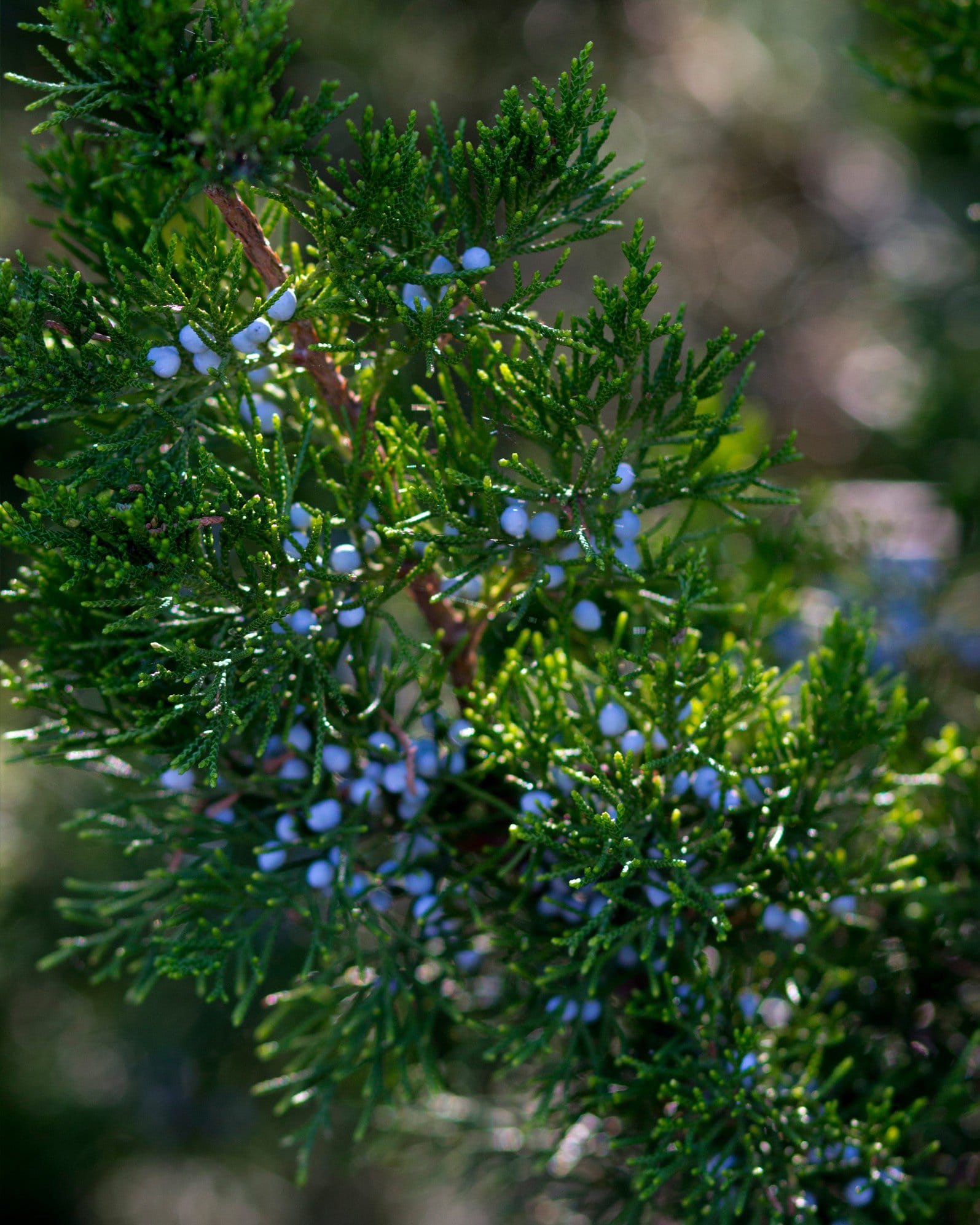
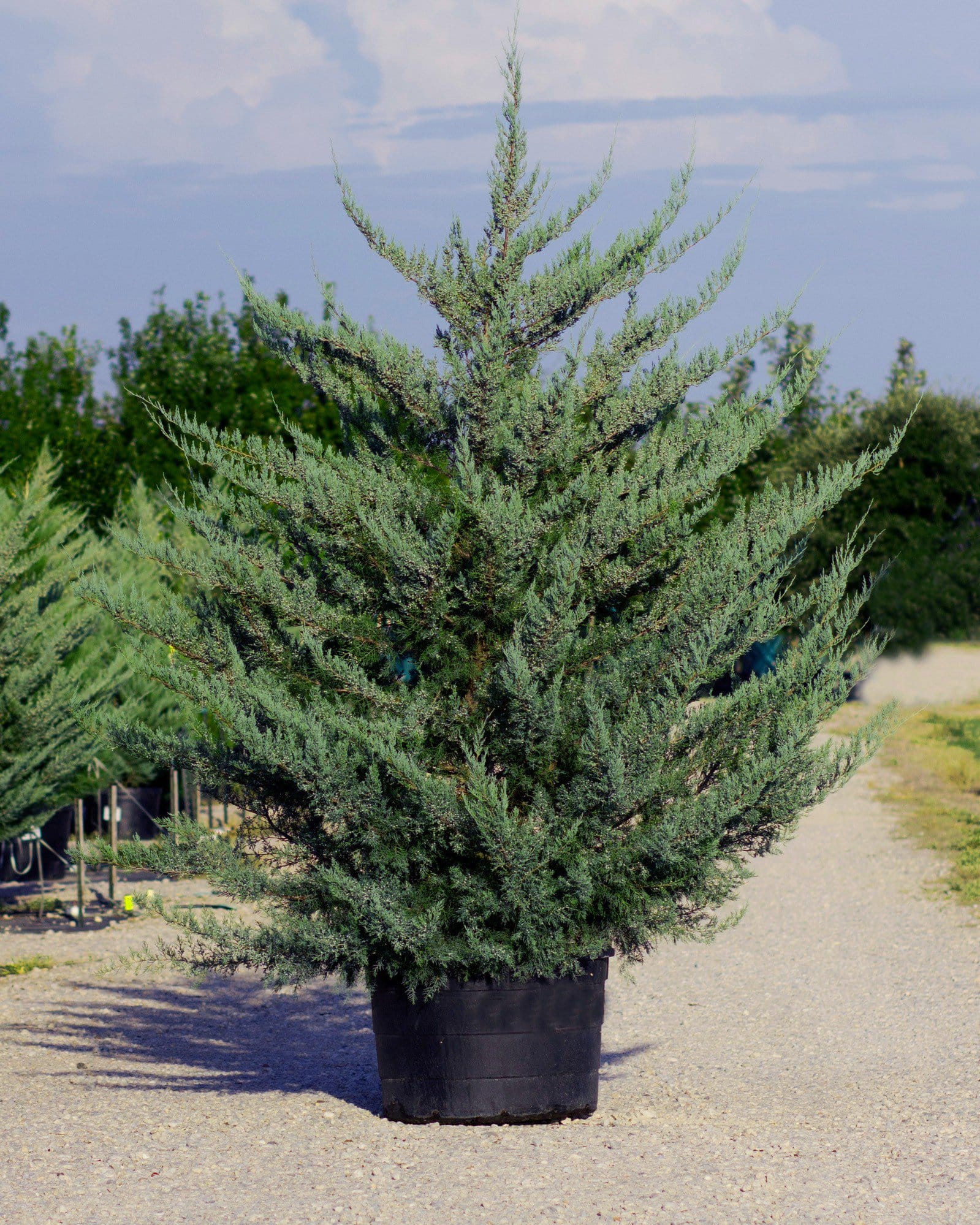
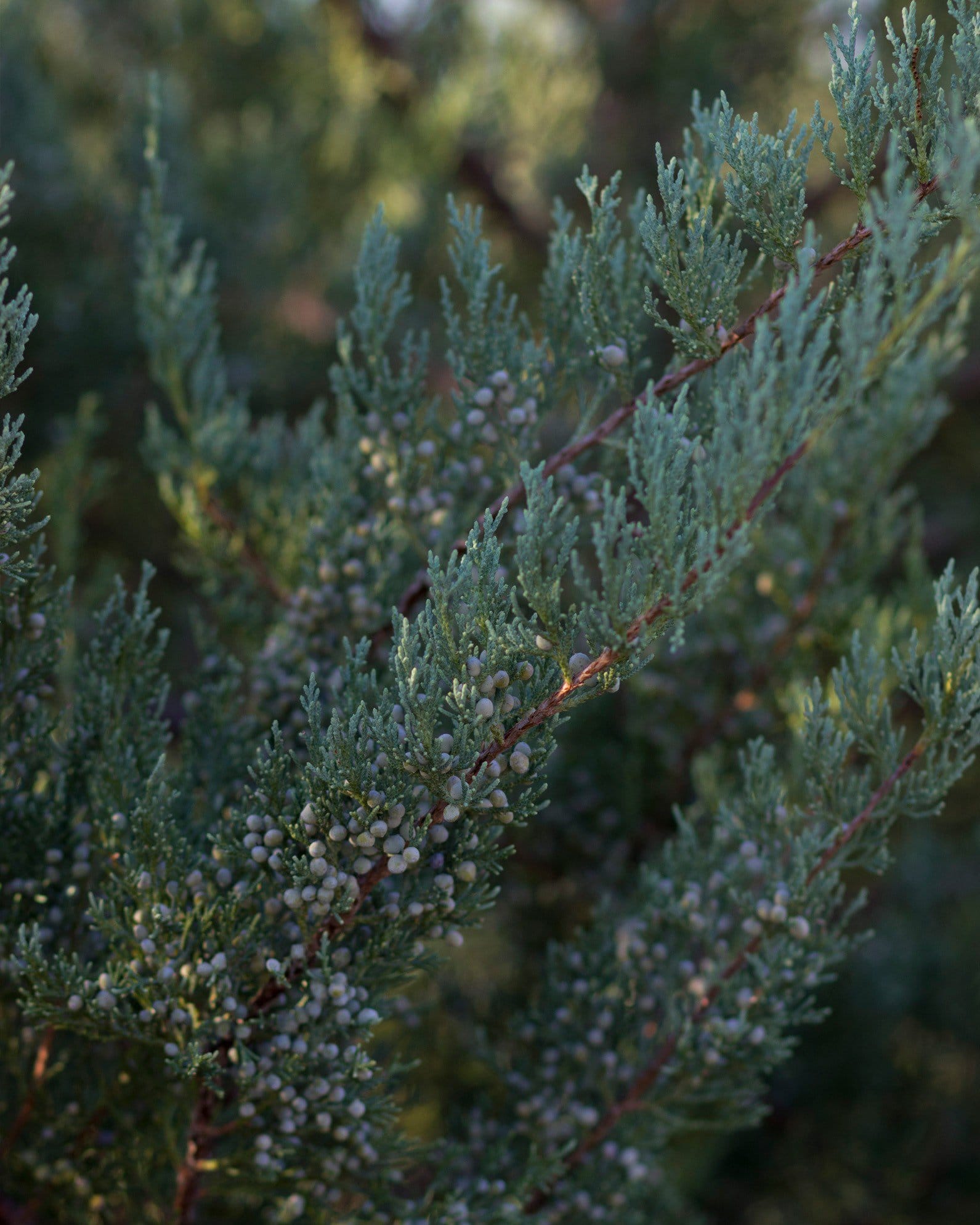
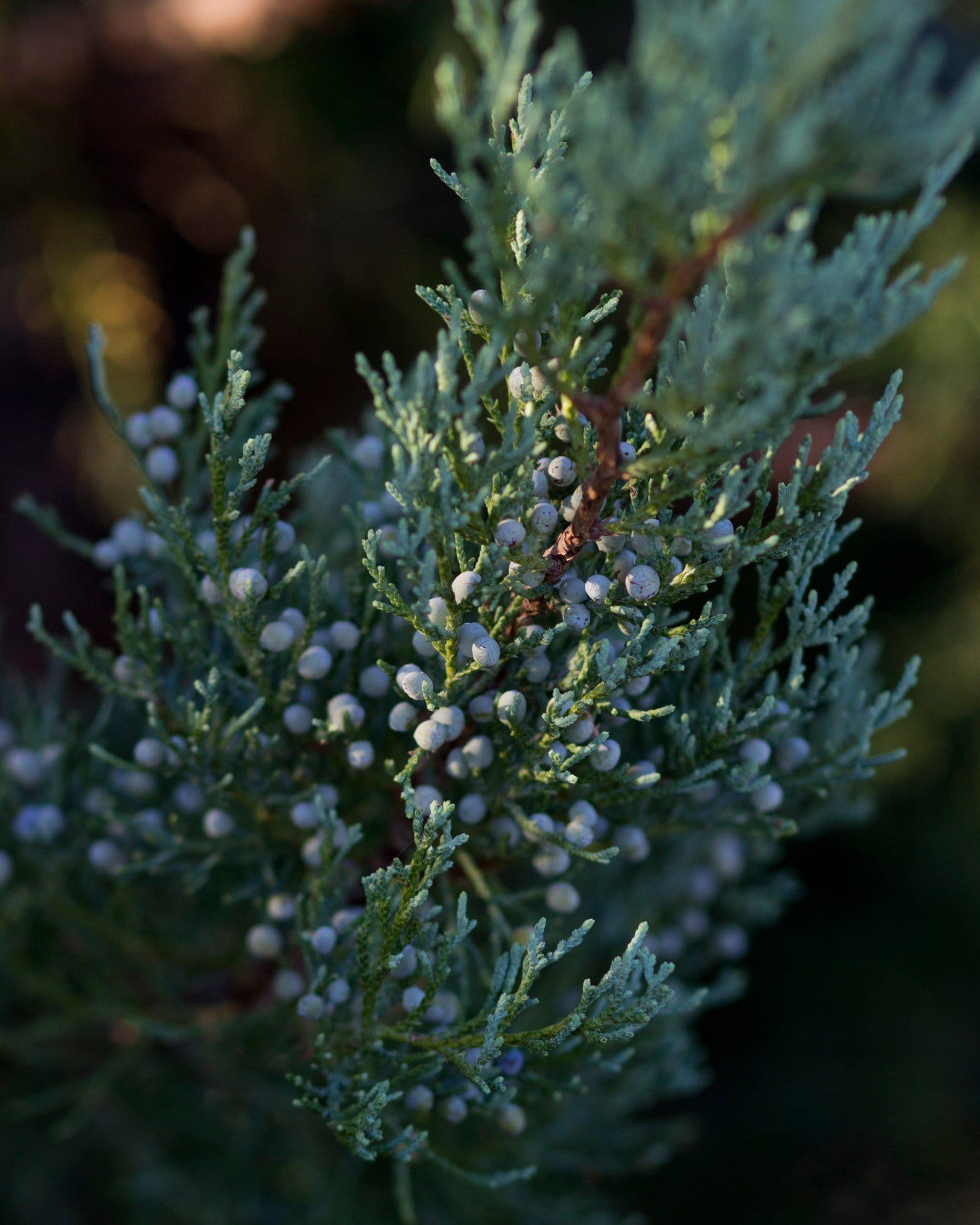
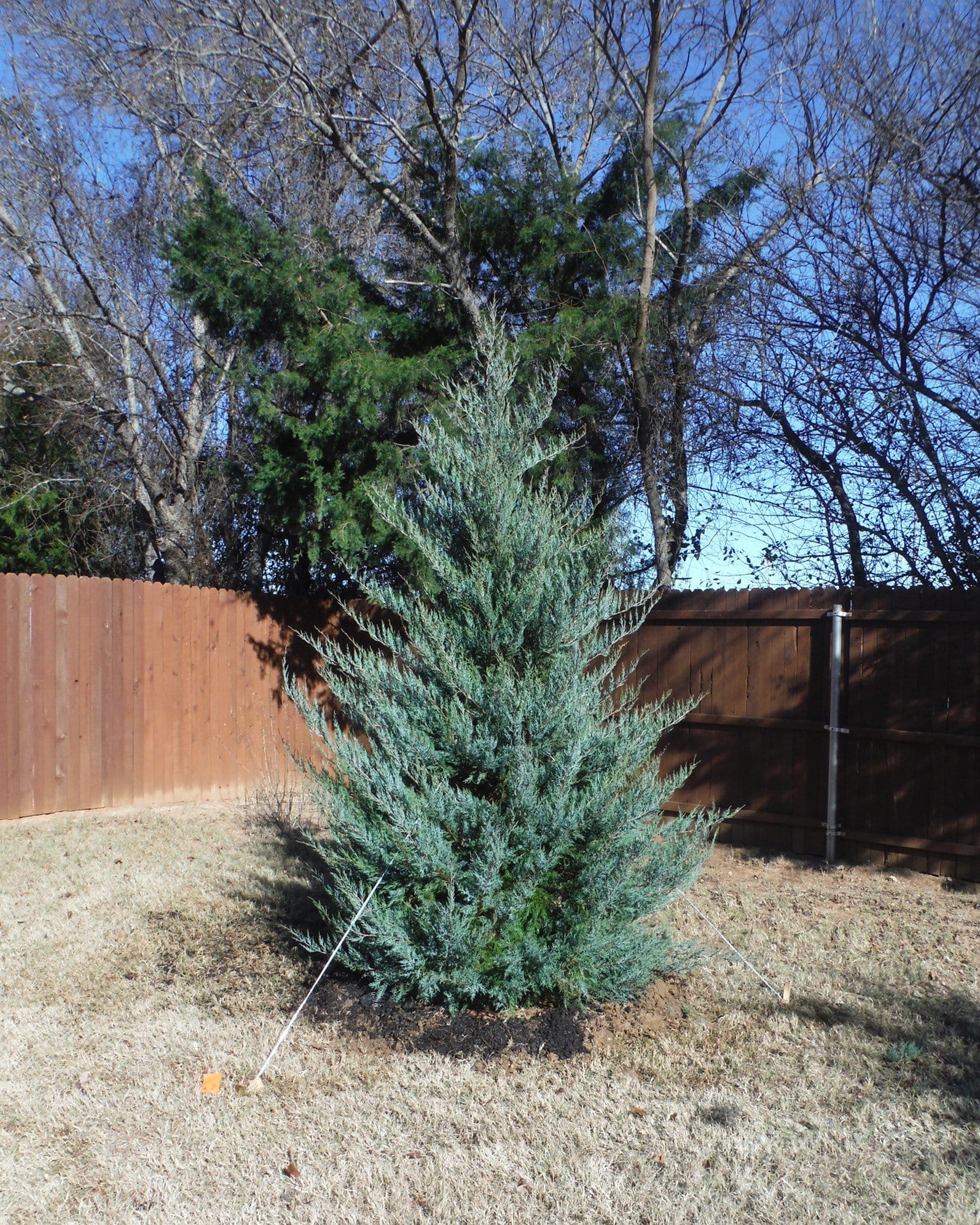
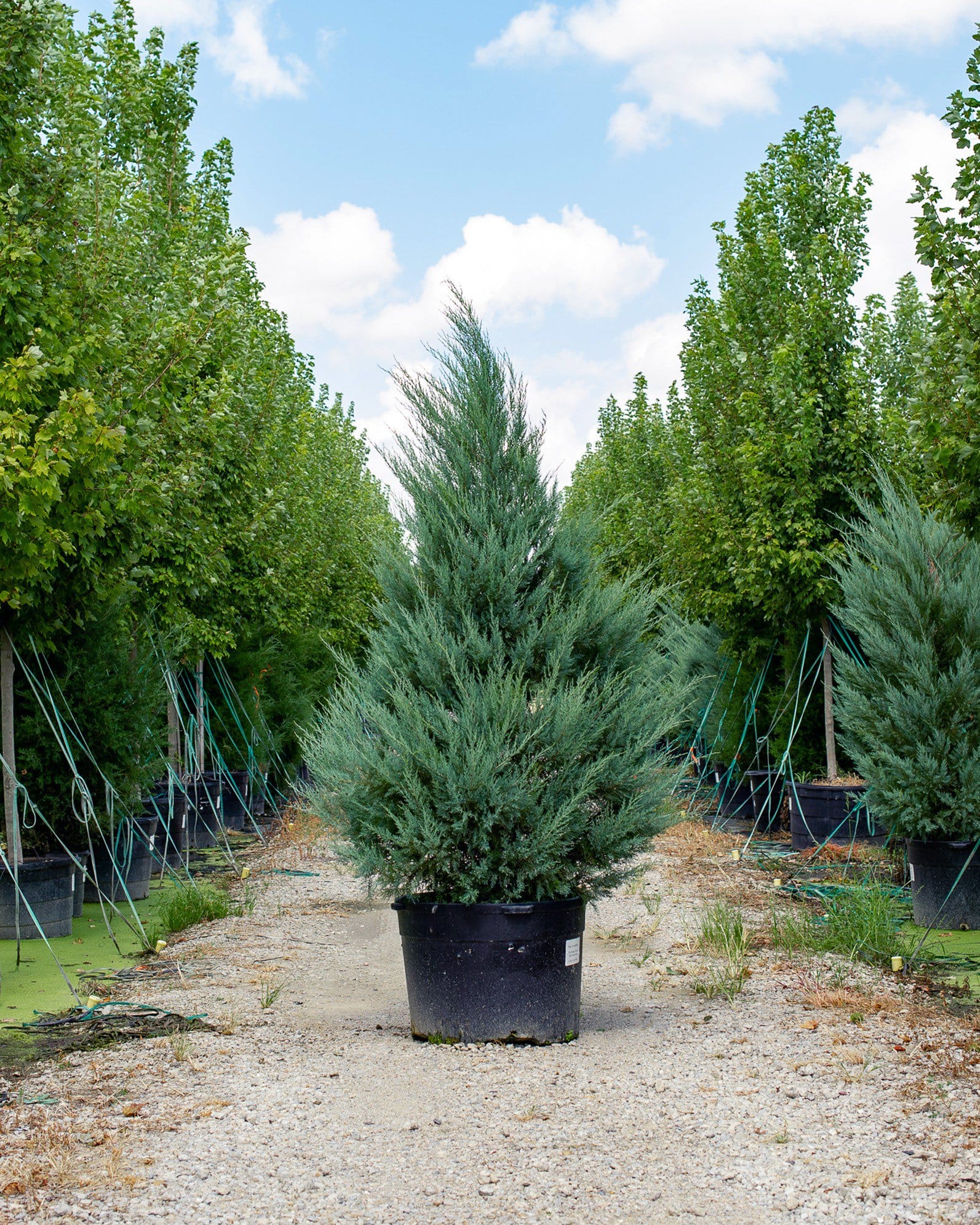
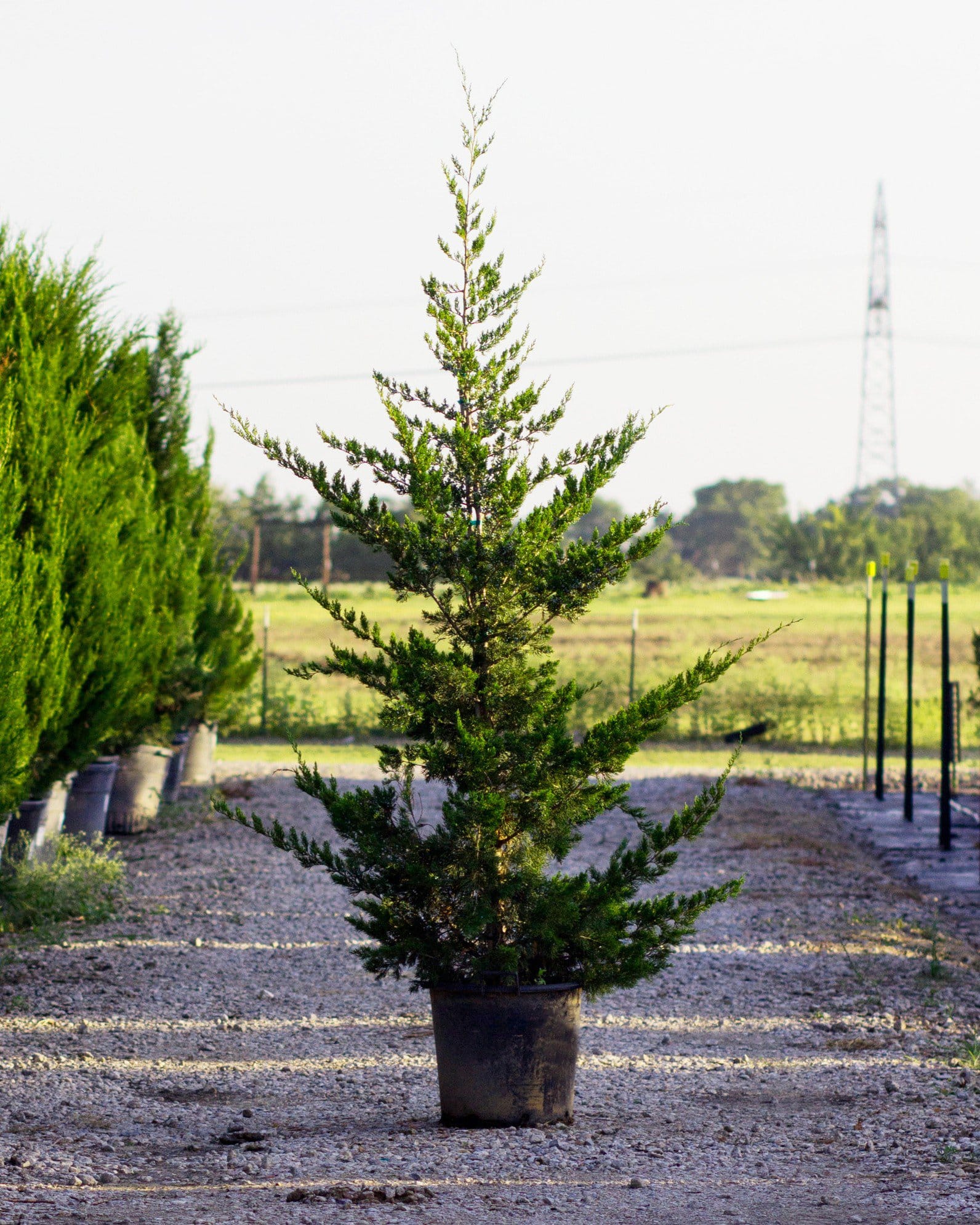
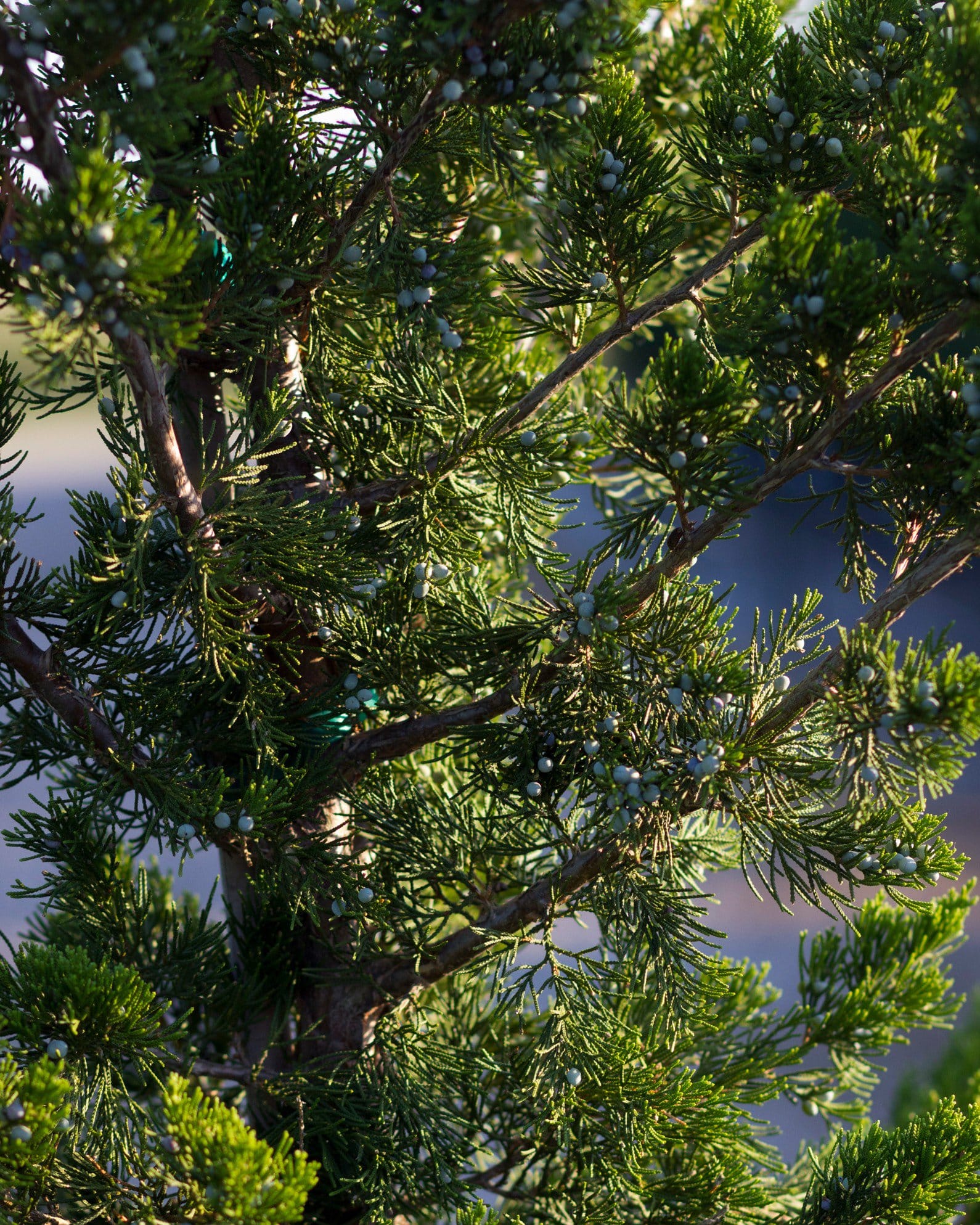
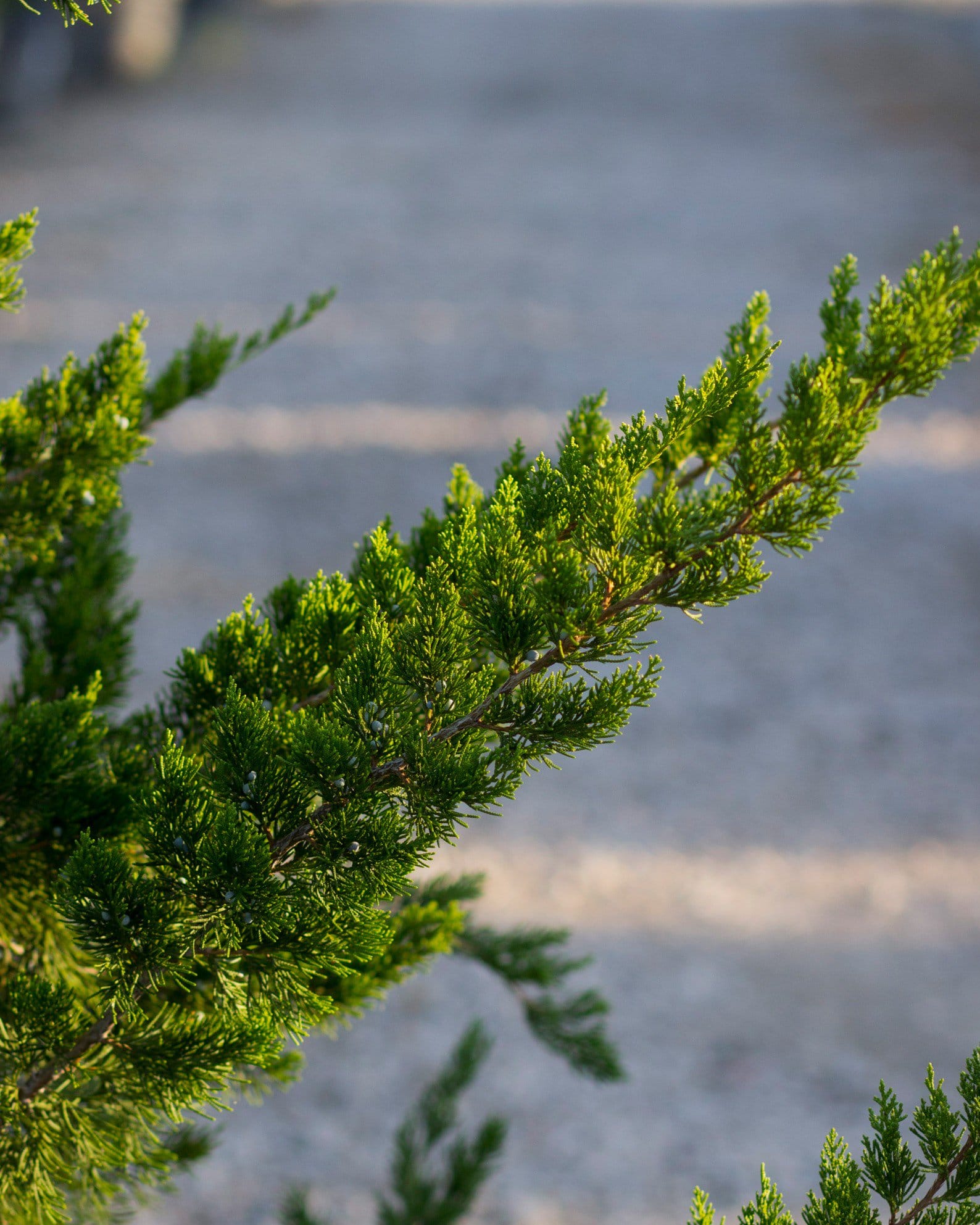
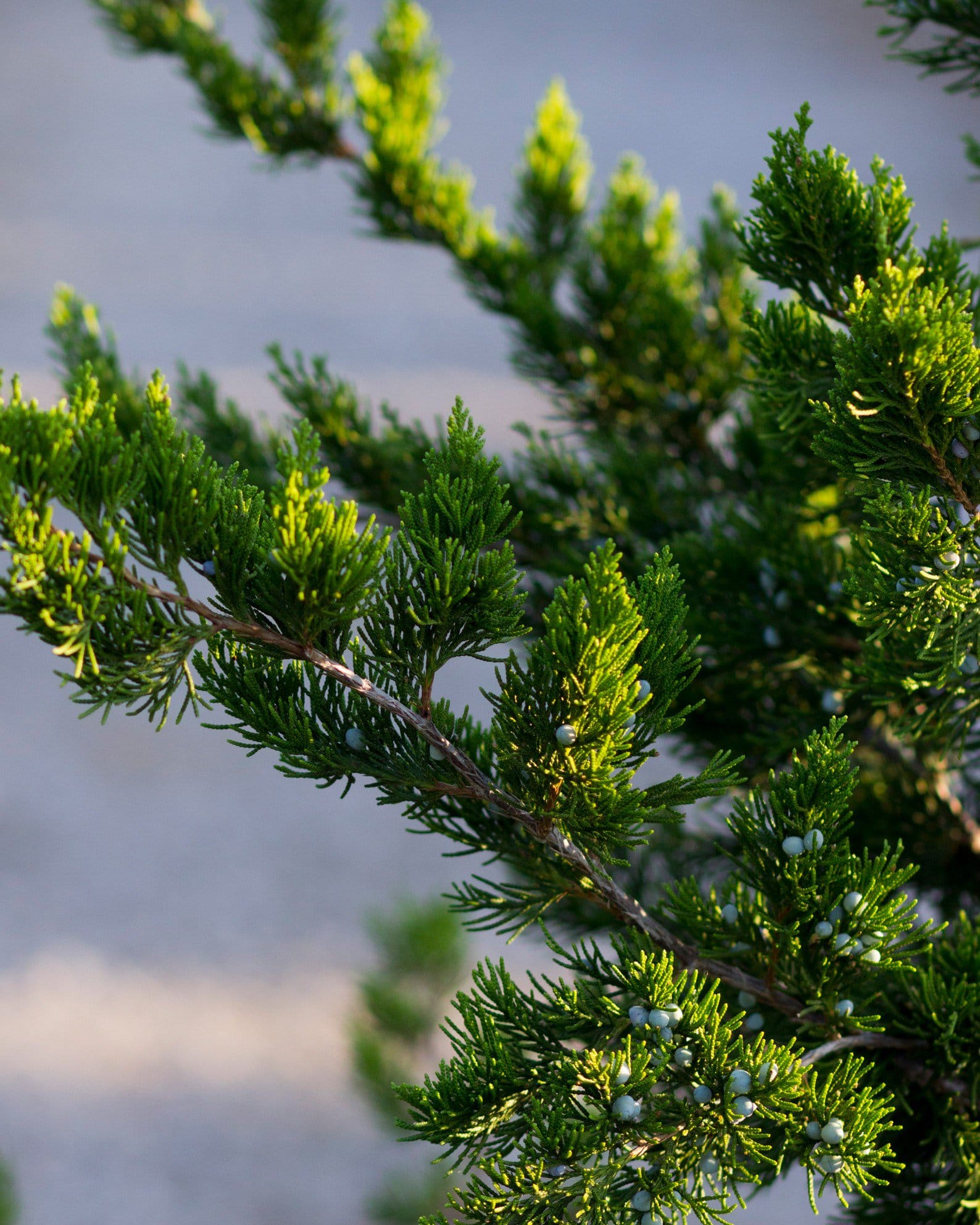
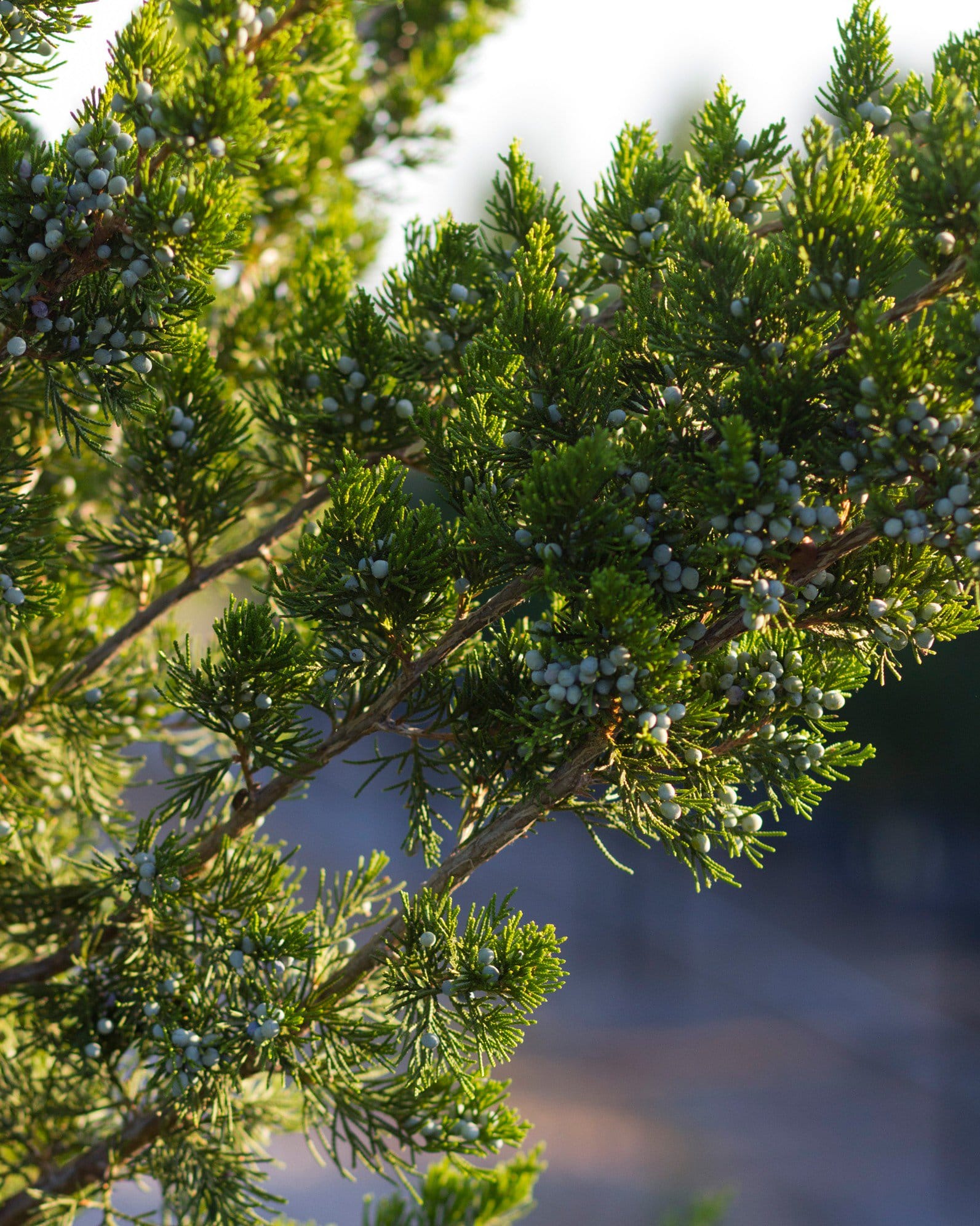
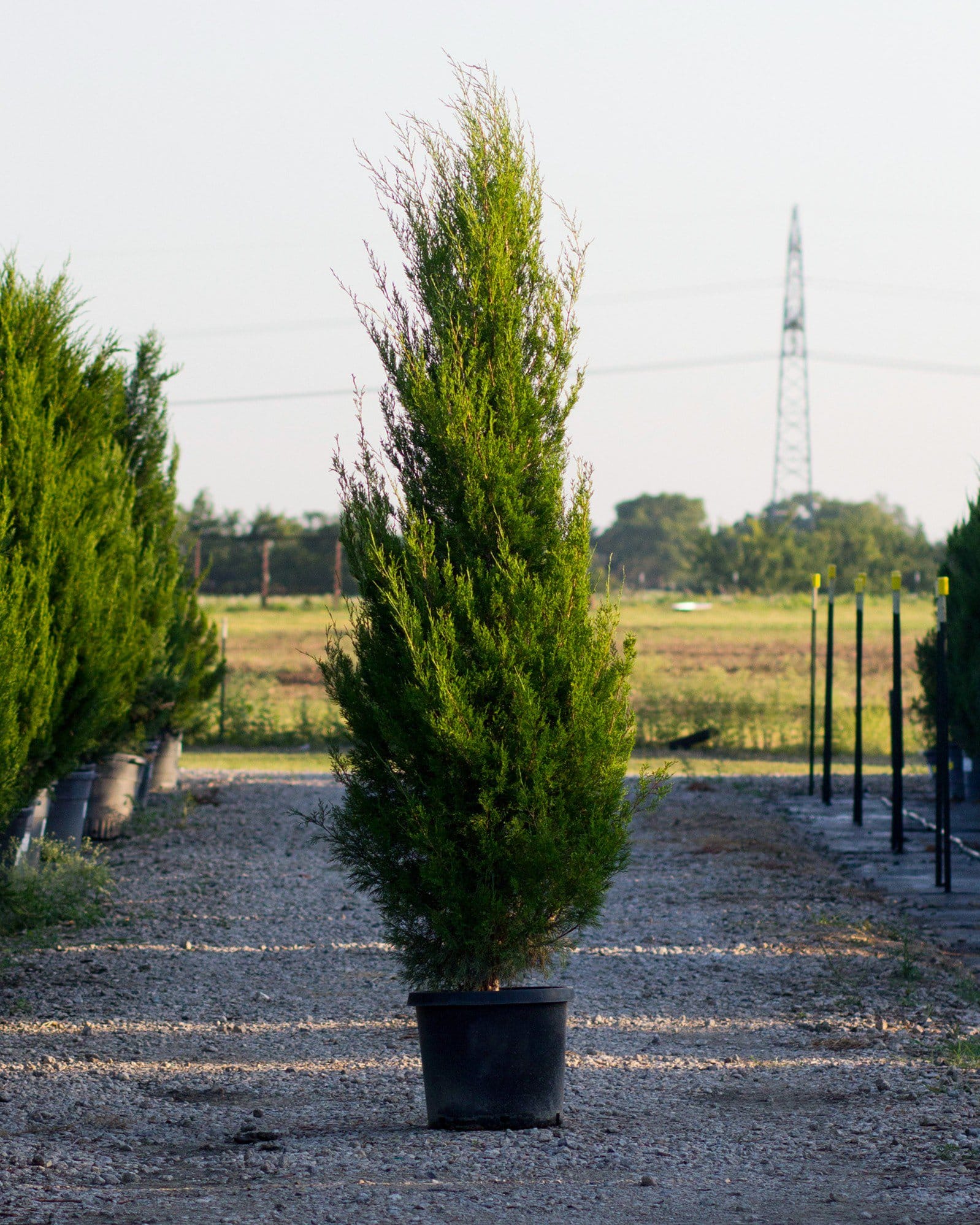
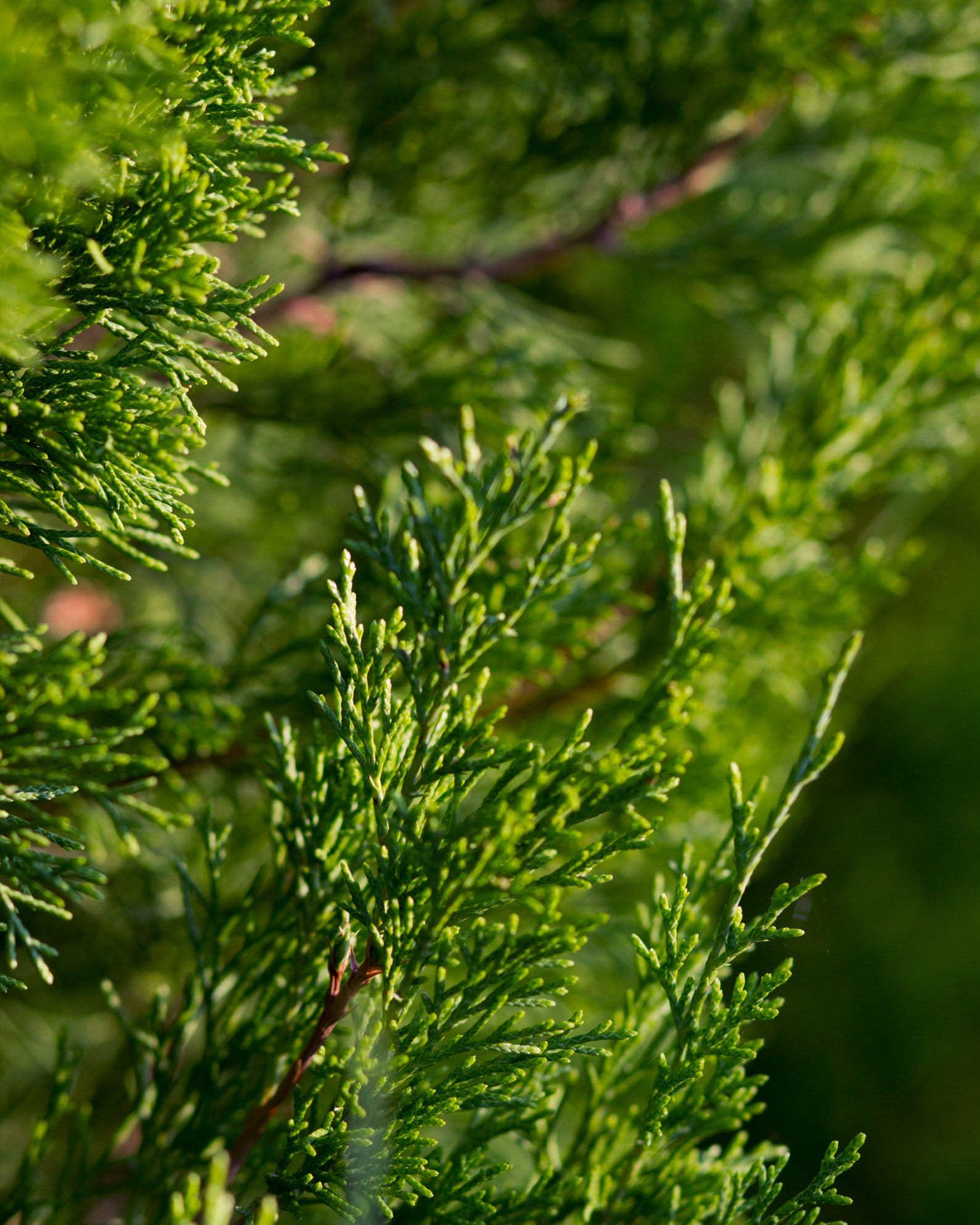
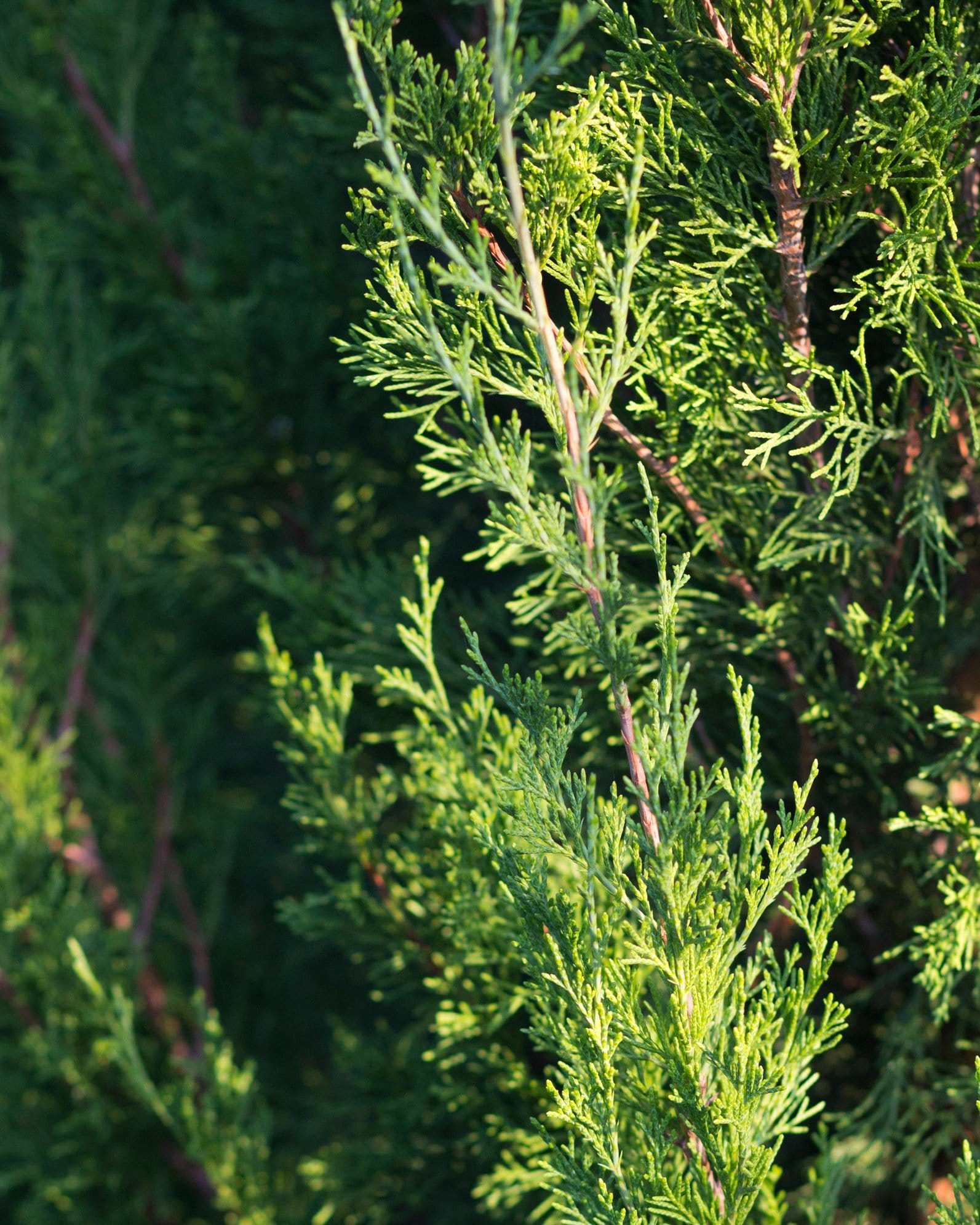
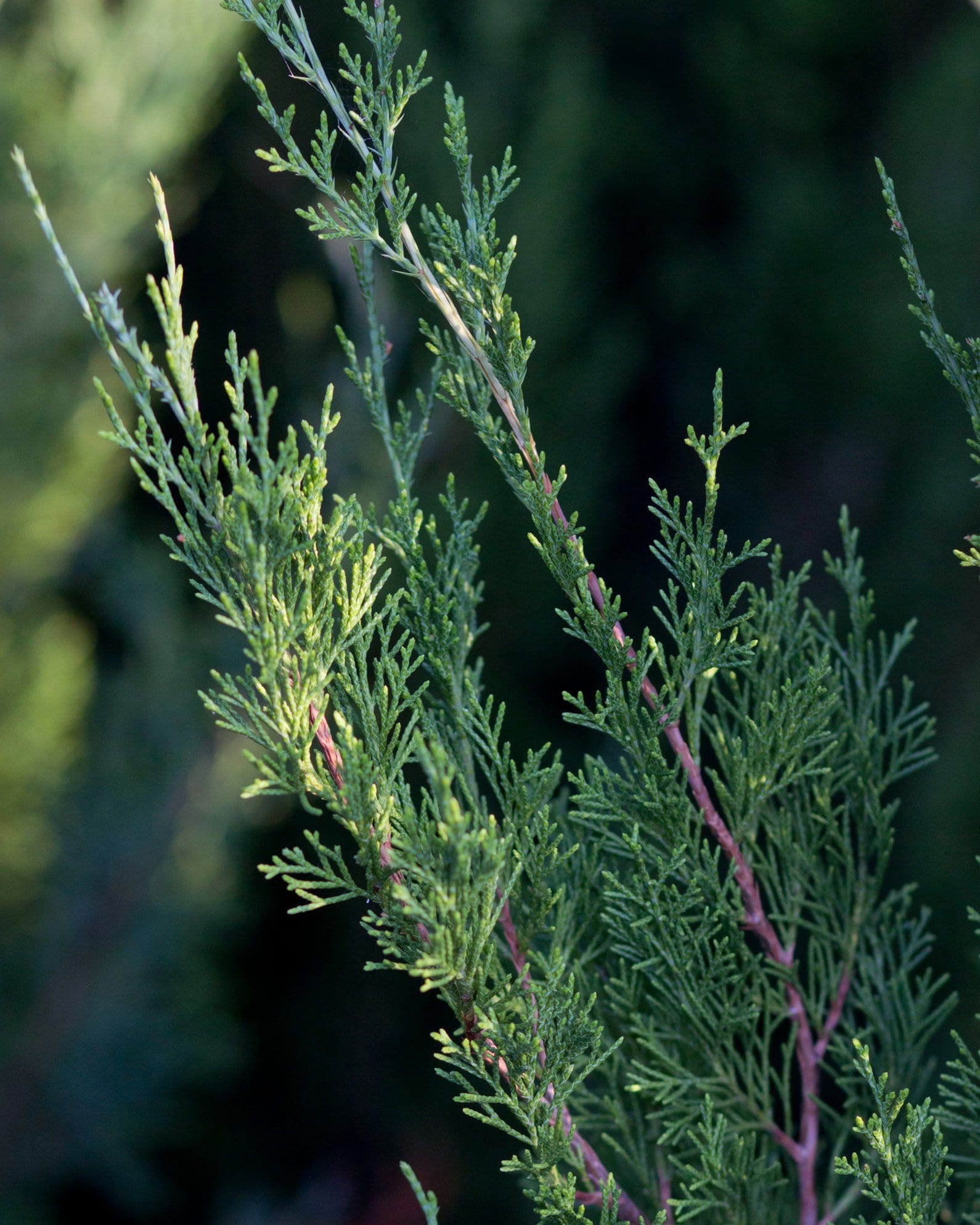
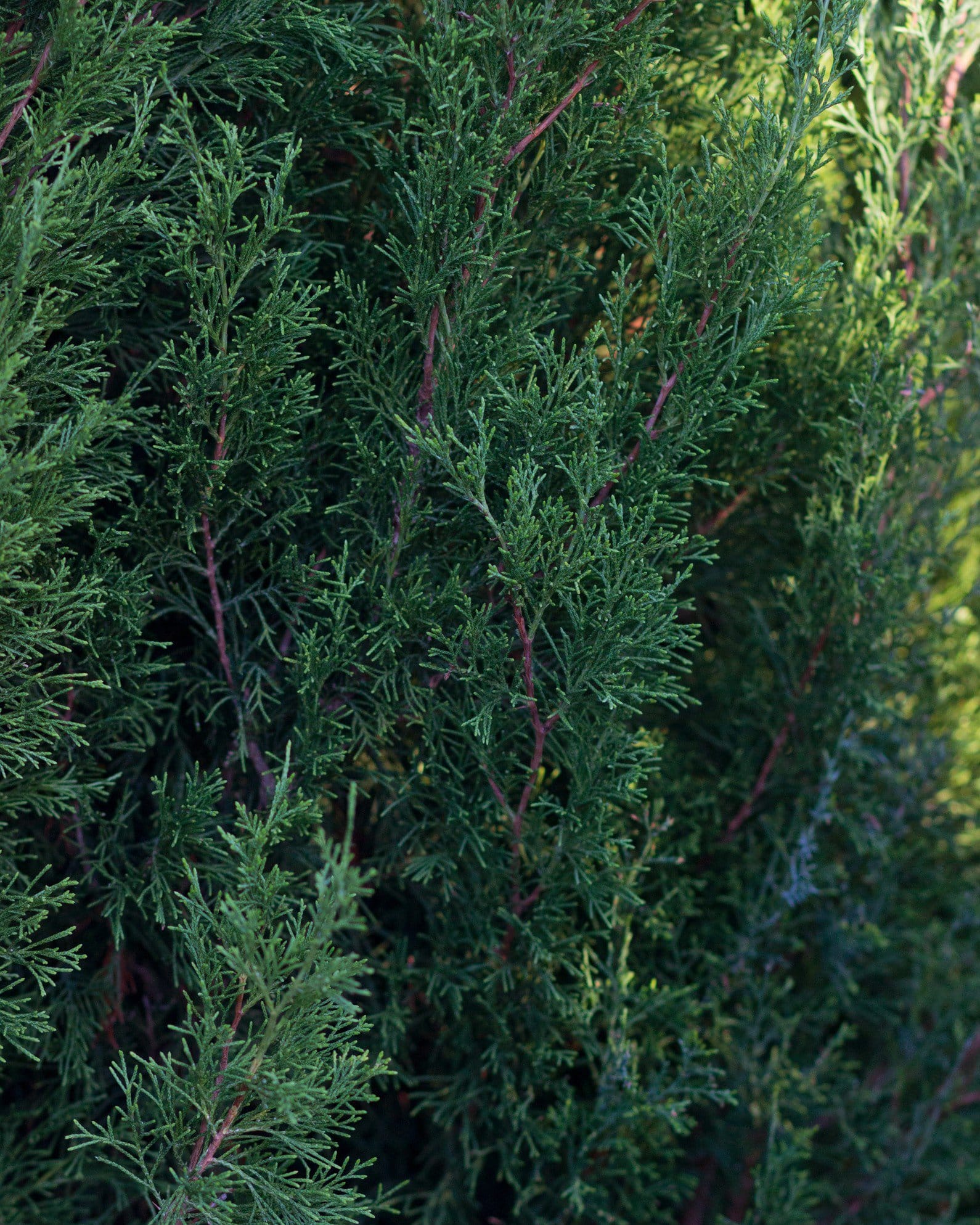
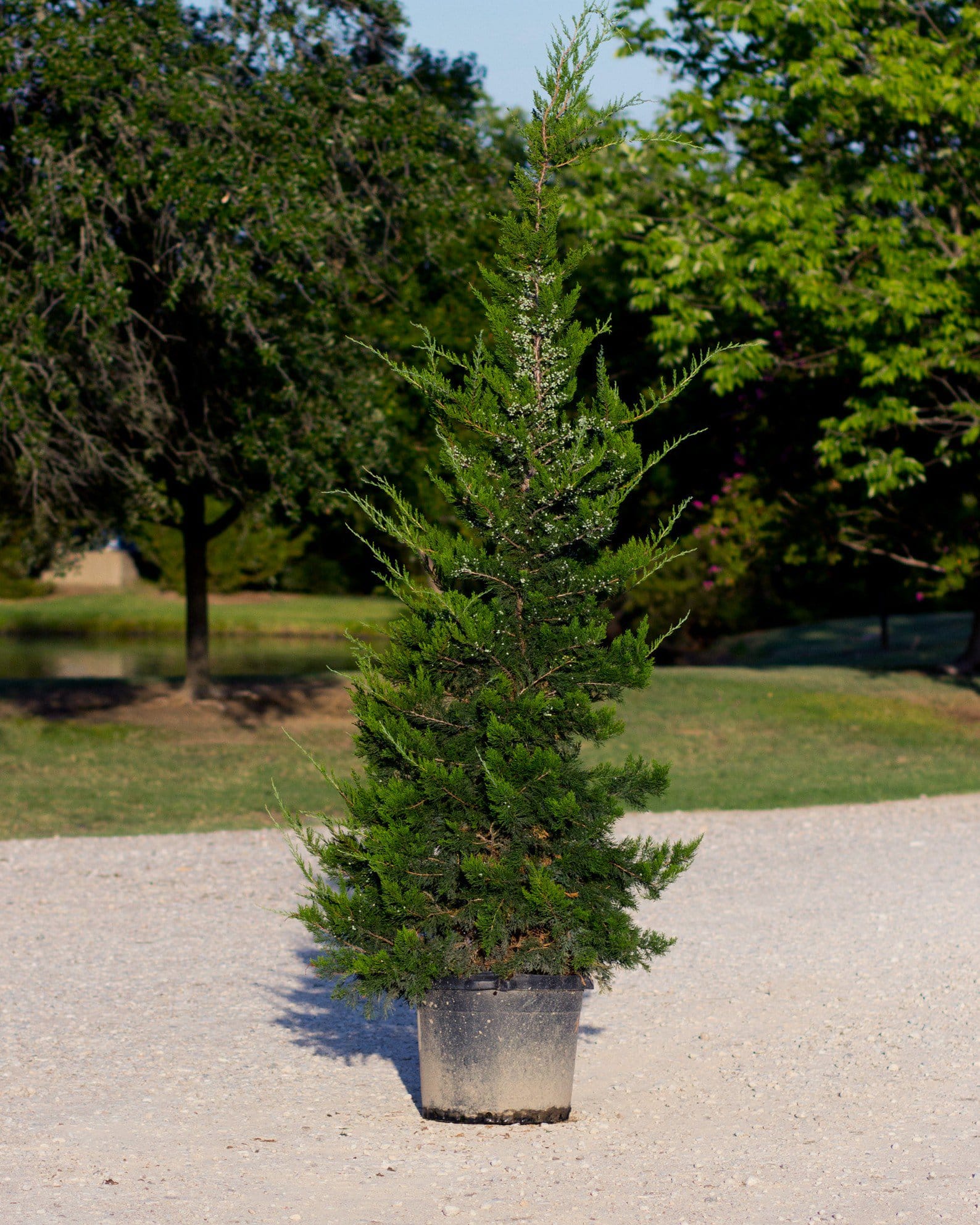
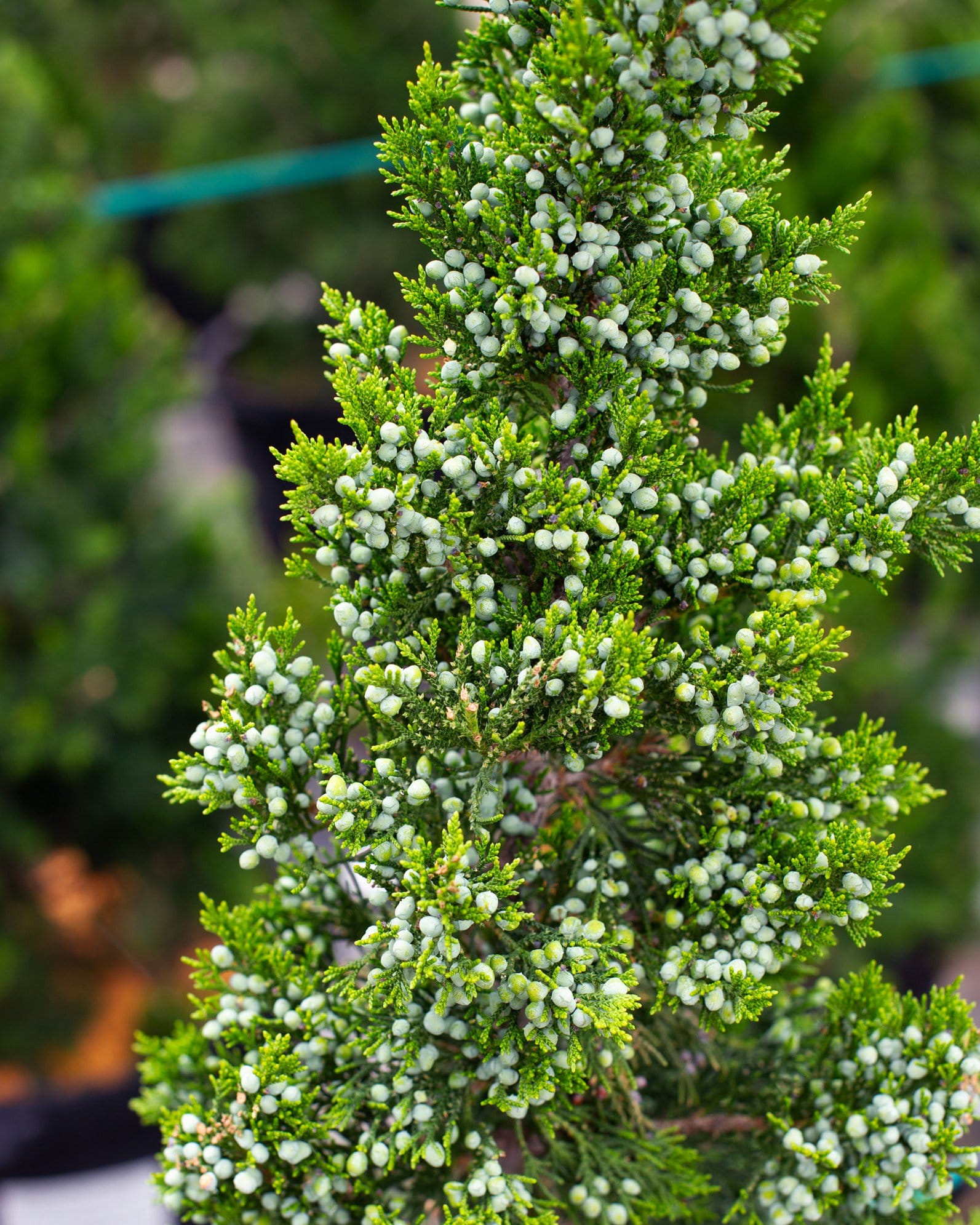
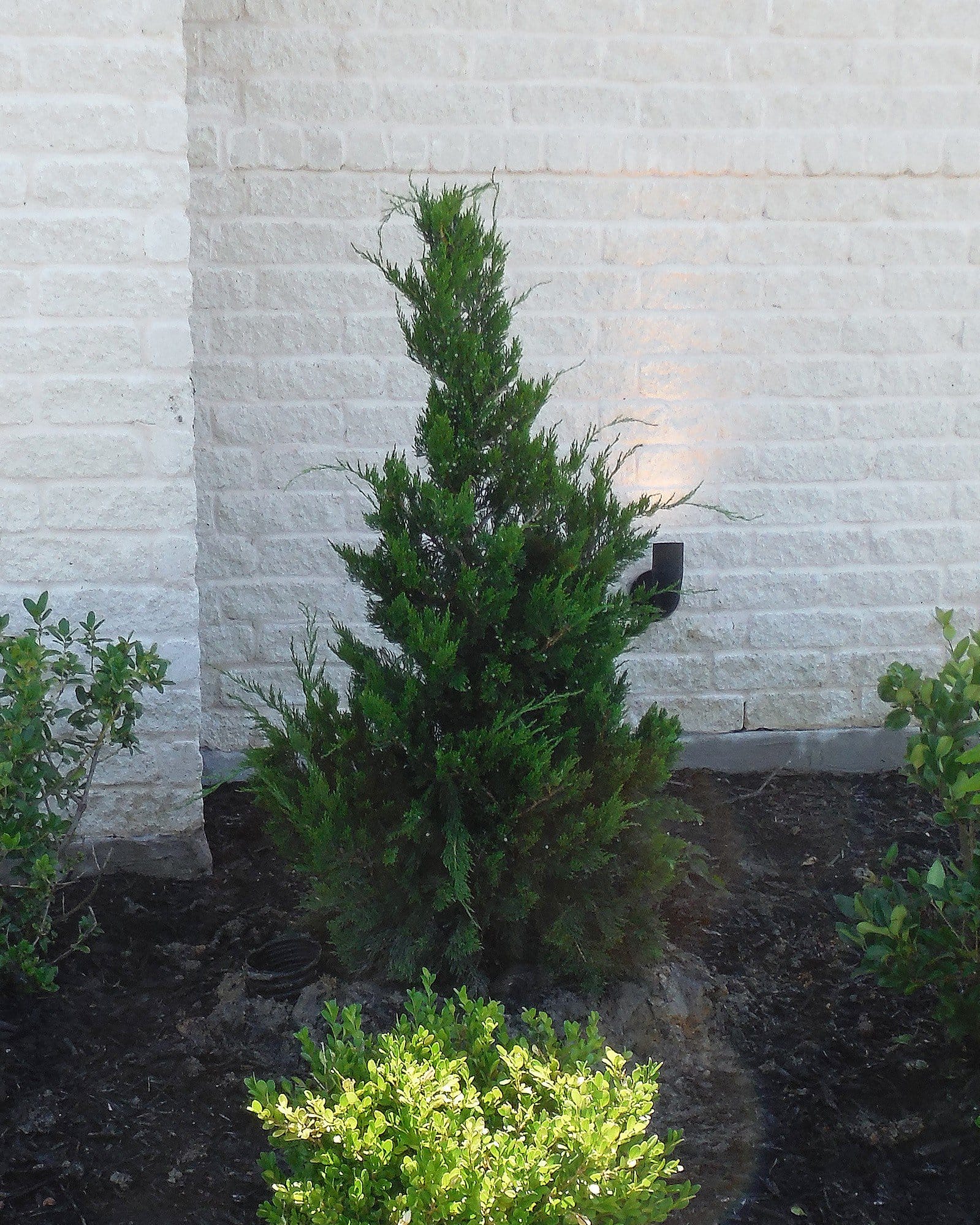
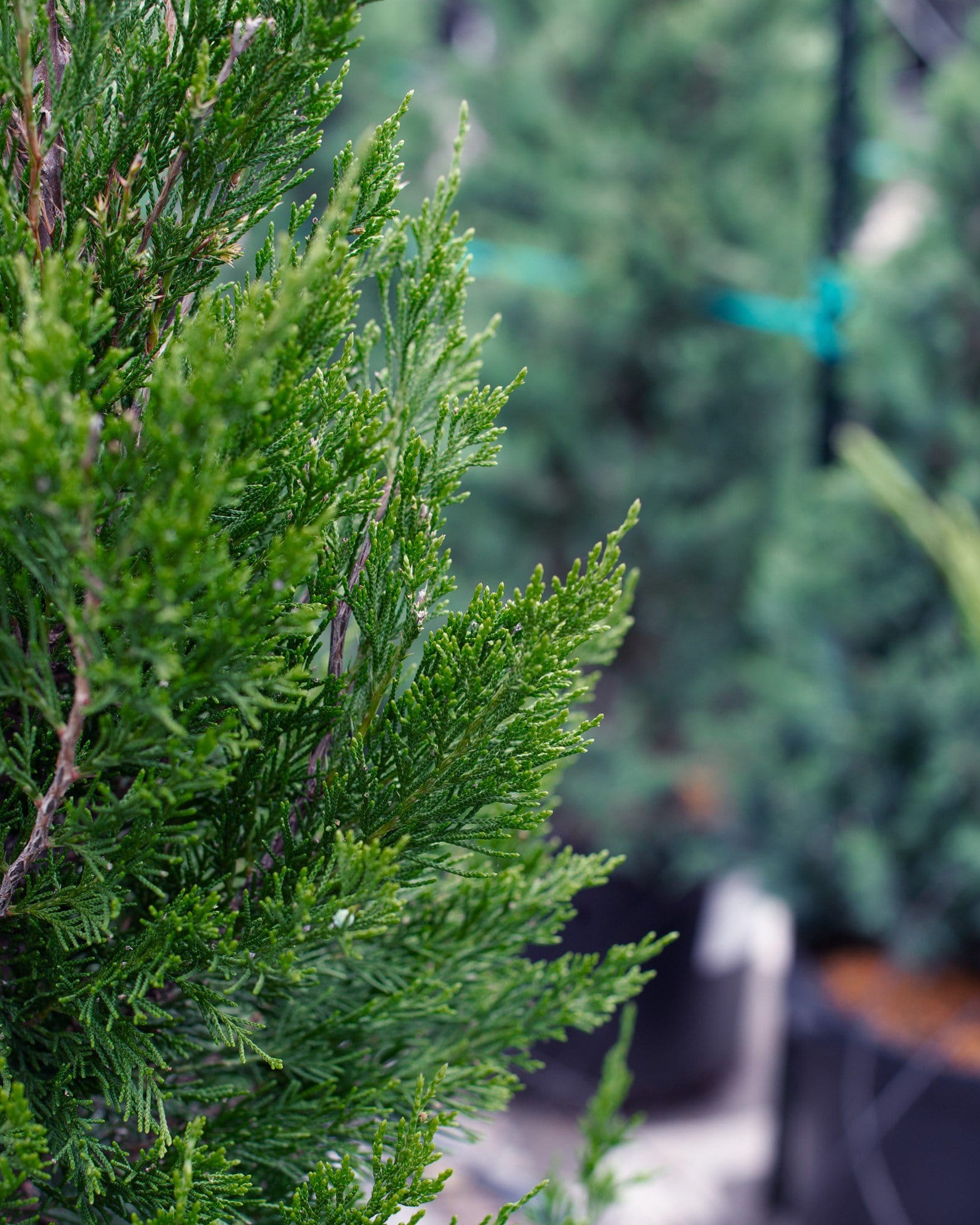
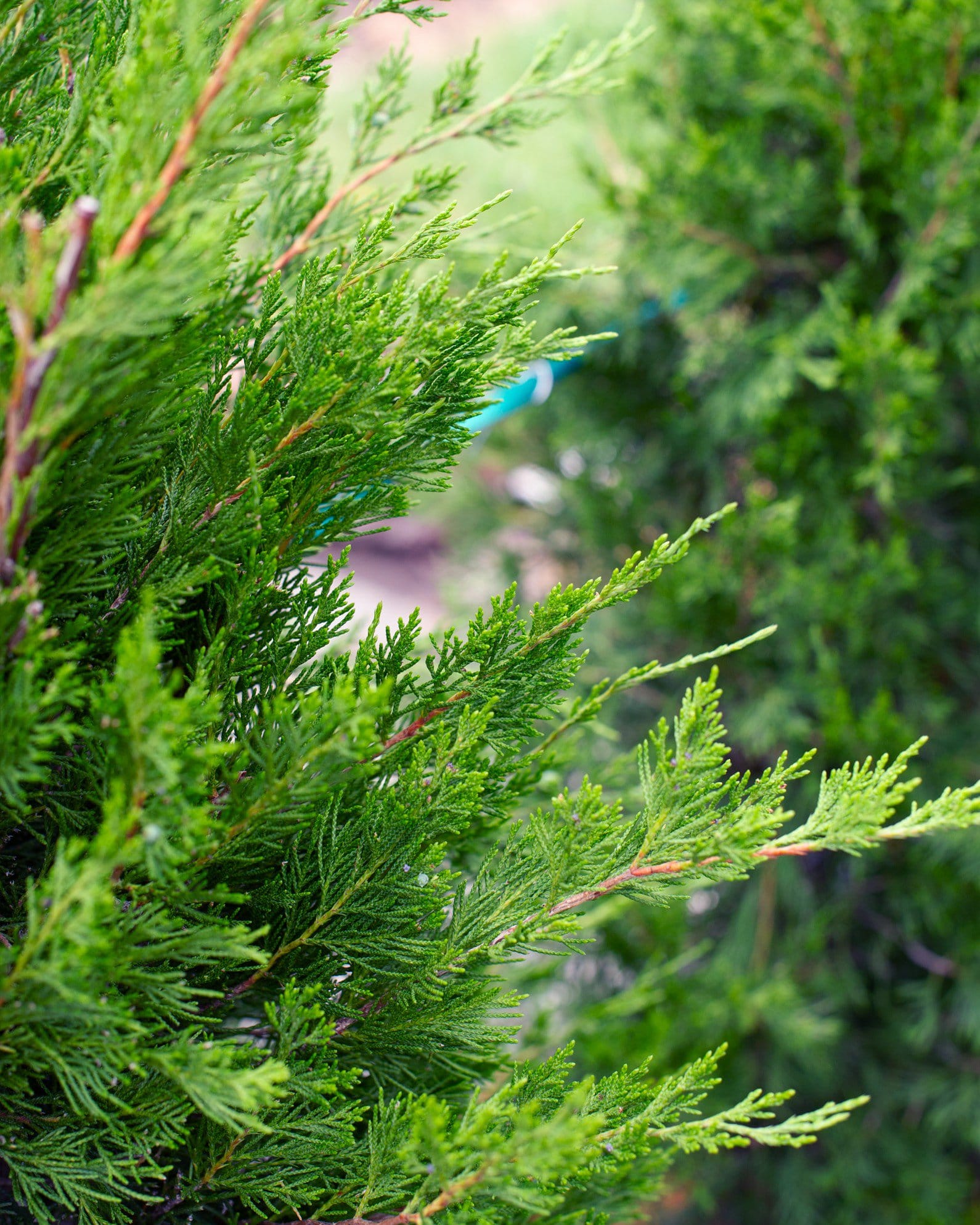
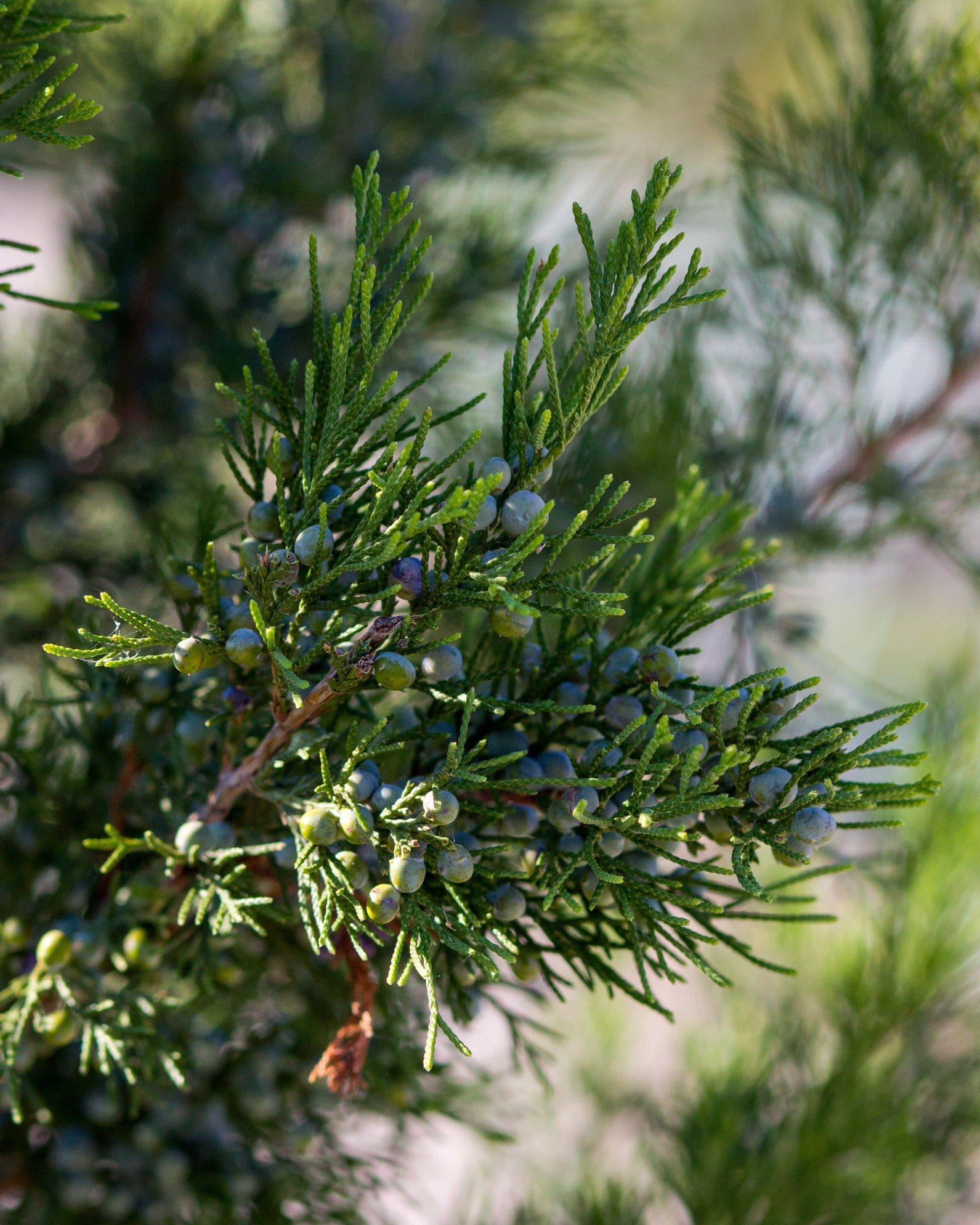
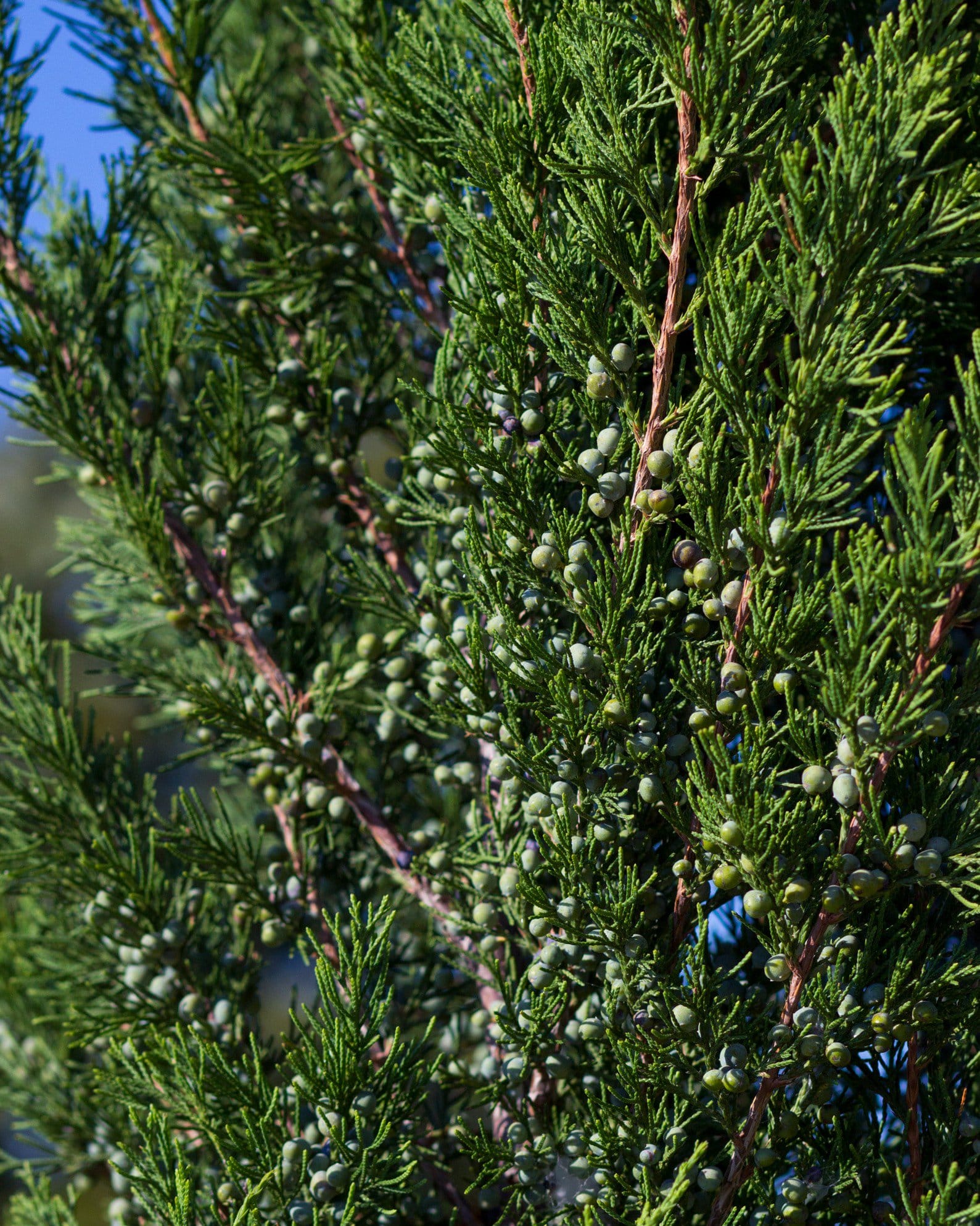
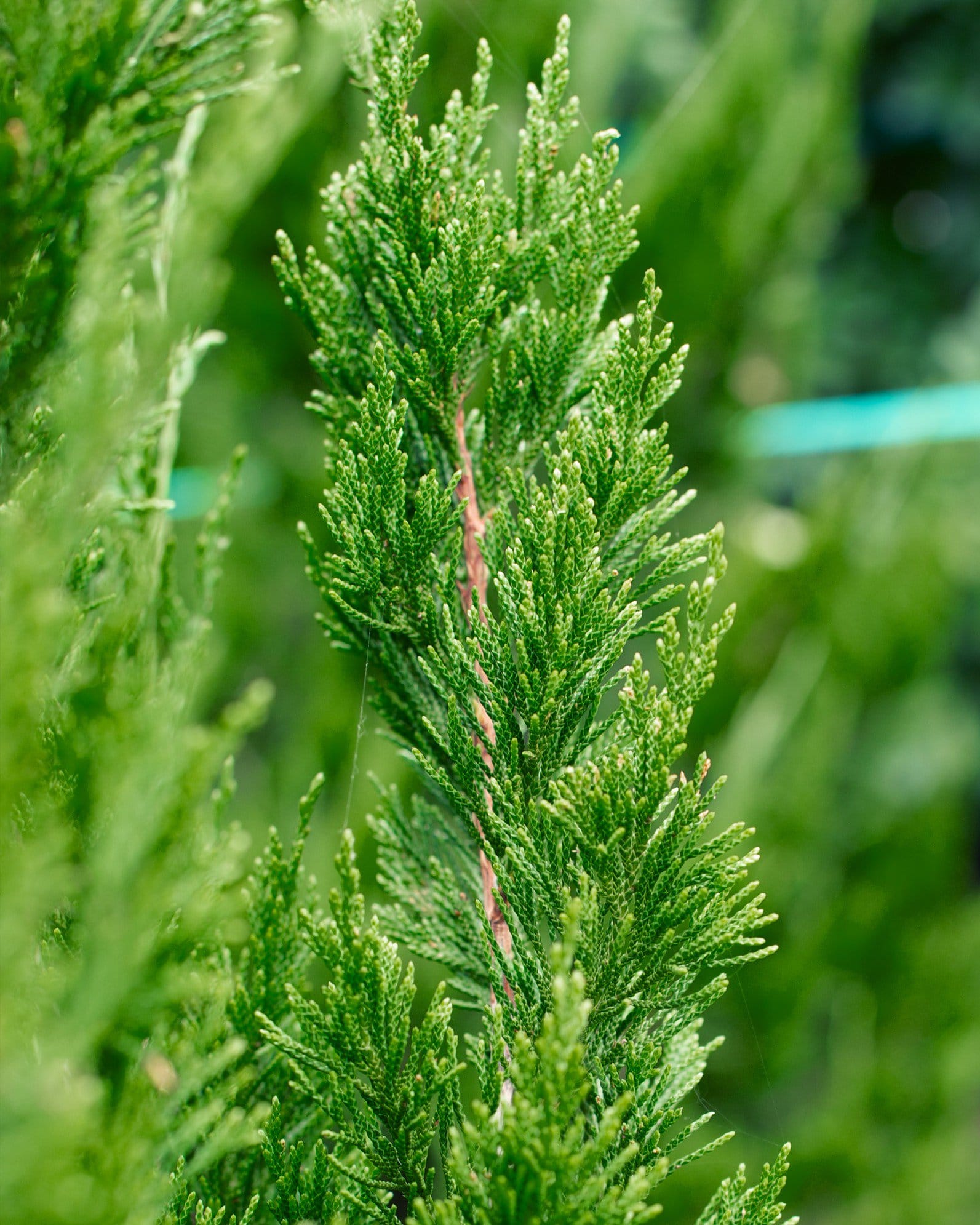
Cedrus atlantica ‘Fastigiata’The Blue Atlas Cedar ‘Fastigiata’ is a breathtaking, upright variety. Its densely packed, silvery-blue needles grow along stiff branches, creating a vertical silhouette perfect for modern and traditional landscapes alike. This conifer grows up to 40 feet in height while keeping a 15 feet width, making it a fantastic choice for tight spaces where height is desired without excessive width. It shines as a specimen tree, in rows along property lines, or flanking entryways for architectural interest.
- Evergreen tree
- Moderate growth rate
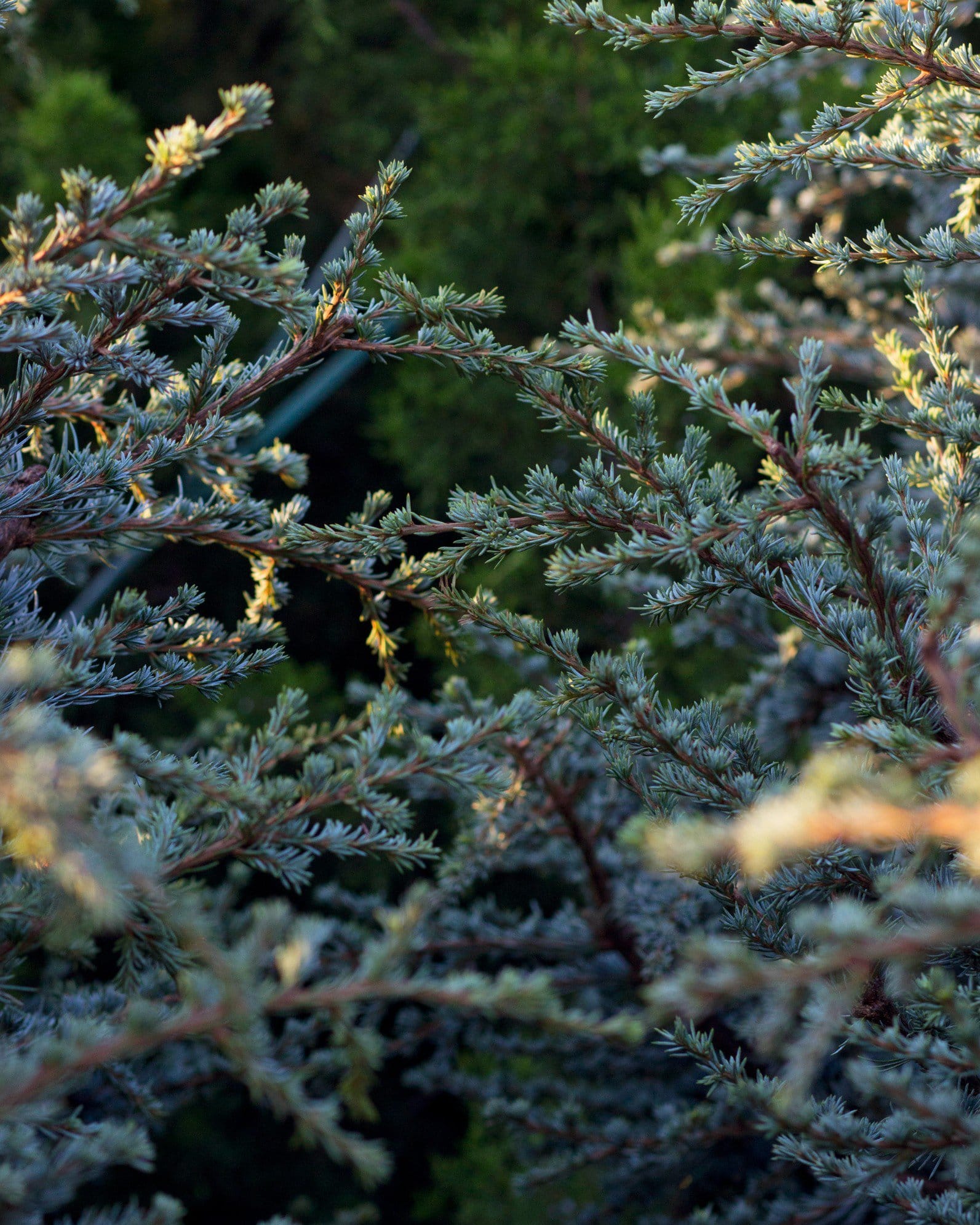
- Silvery-blue needles provide year-round color
- Excellent focal point or privacy screen
- Hardy and adaptable
Thrives in full sun and well-drained soil. It’s drought-tolerant once mature and needs some trimming to maintain shape. Hardy in USDA zones 6 through 9, it’s a stunning and dependable tree for adding height, color, and texture to Texas landscapes and beyond.
Maintenance
With thoughtful early care, Blue Atlas Cedar Fastigiata becomes a long-lived architectural focal point that thrives with surprisingly little maintenance:
- Watering: Water deeply and consistently during the first 2-3 years to help develop a strong, drought-tolerant root system. Once established, ‘Fastigiata’ becomes very drought-resistant and usually needs supplemental watering only during prolonged heat waves.
- Pruning: Pruning needs are minimal thanks to its naturally narrow, vertical habit. If shaping is desired, prune lightly in late winter to remove damaged or congested interior branches, avoiding heavy cuts that disrupt its clean columnar form.
- Fertilizing: This cedar thrives in well-drained soils and typically requires little fertilizer once established. If needle color fades or growth slows, a light spring application of slow-release, balanced fertilizer can support renewed vigor - but avoid high-nitrogen.
- Mulching: Apply a 2-3 inch layer of mulch around the base to conserve moisture, insulate surface roots, and limit weed competition. Maintain several inches of space between mulch and the trunk, and refresh the mulch annually to support consistent moisture and soil health.
- Winter Care: Blue Atlas Cedar is reliably cold-hardy but benefits from protection from strong winter winds, which can dry needles. Young trees may show slight bronzing during unusually harsh cold, yet they recover readily in spring.
Common Issues and How to Take Care of Them
Blue Atlas Cedar are generally low-maintenance, though a few manageable issues may appear under extreme stress or poor conditions:
- Needle Blight: Browning clusters of needles appear after extended humidity or poor airflow. Prune out affected branches and increase spacing to improve circulation.
- Spider Mites: Fine stippling and dull gray-green needles emerge during hot, dry conditions. Rinse foliage regularly or apply horticultural oil to reduce populations.
- Root Rot: Sudden decline and browning occur when grown in poorly drained or waterlogged soils. Improve drainage and reduce watering frequency to prevent further damage.
- Cedar Bark Beetles: Small exit holes and thinning foliage indicate boring activity. Keep the tree healthy, avoid trunk injuries, and consult a professional for severe infestations.
- Needle Drop: Interior needle loss occurs naturally as the cedar renews growth, but excessive shedding during drought signals stress. Deep watering during long dry spells helps stabilize growth.
These trees commonly live 60-120 years, developing into powerful vertical accents with enduring presence. Their longevity makes them treasured focal points for both home landscapes and large estates.
It grows at a moderate rate of 12-18 inches per year and typically reaches its characteristic narrow, upright form in 10-20 years. This steady pace supports strong structure and long-term resilience.
While not a pollinator magnet, its dense branching provides shelter for small birds and beneficial wildlife. As the tree matures, it becomes a reliable refuge during winter months.
Its aromatic, resinous needles are generally unappealing to deer, making browsing uncommon. Young trees may still benefit from early protection in heavy-deer areas.
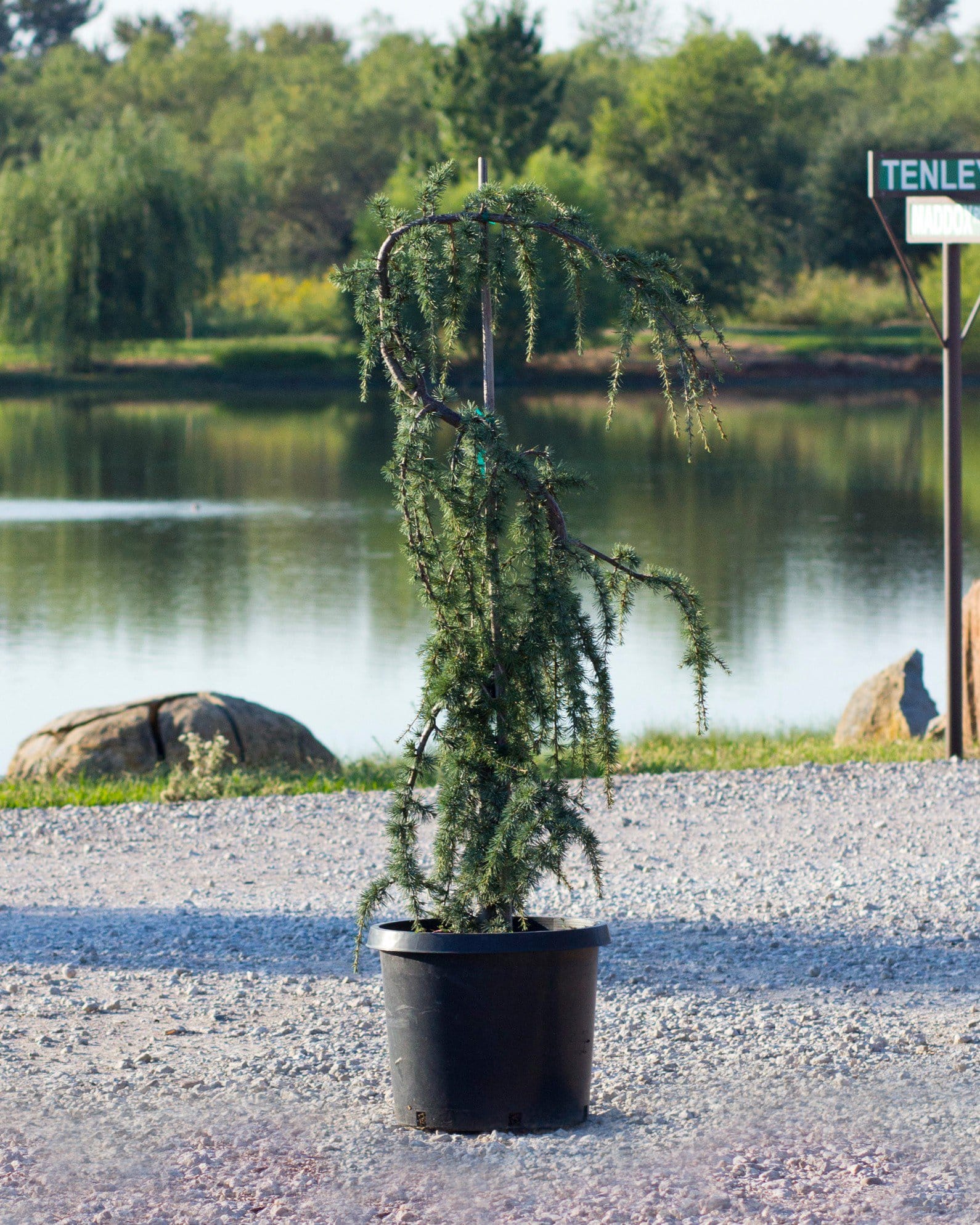
It can be grown in containers for several years, especially when young, but eventually needs ground planting to reach full size and stability. Large, well-drained containers provide the best results for temporary placement.
It handles heat well when planted in well-drained soil and given deep, occasional watering. Mulch and protection from reflected heat help preserve needle color through extreme summers.
It can't be divided due to its single woody root system. New plants should be purchased or propagated by grafting or cuttings.
Yes - its narrow, uniform form makes it ideal for allees, architectural lines, and formal entries. Repeating multiple specimens creates a dramatic, elegant statement.
It tolerates pollution, heat, and restricted spaces better than many conifers, making it an excellent urban specimen. Its vertical form suits courtyards, narrow beds, and modern landscapes.
Young trees transplant well when moved during dormancy and handled with care. Older specimens require professional equipment, but good preparation ensures a smooth transition.
Special Features
You might also like
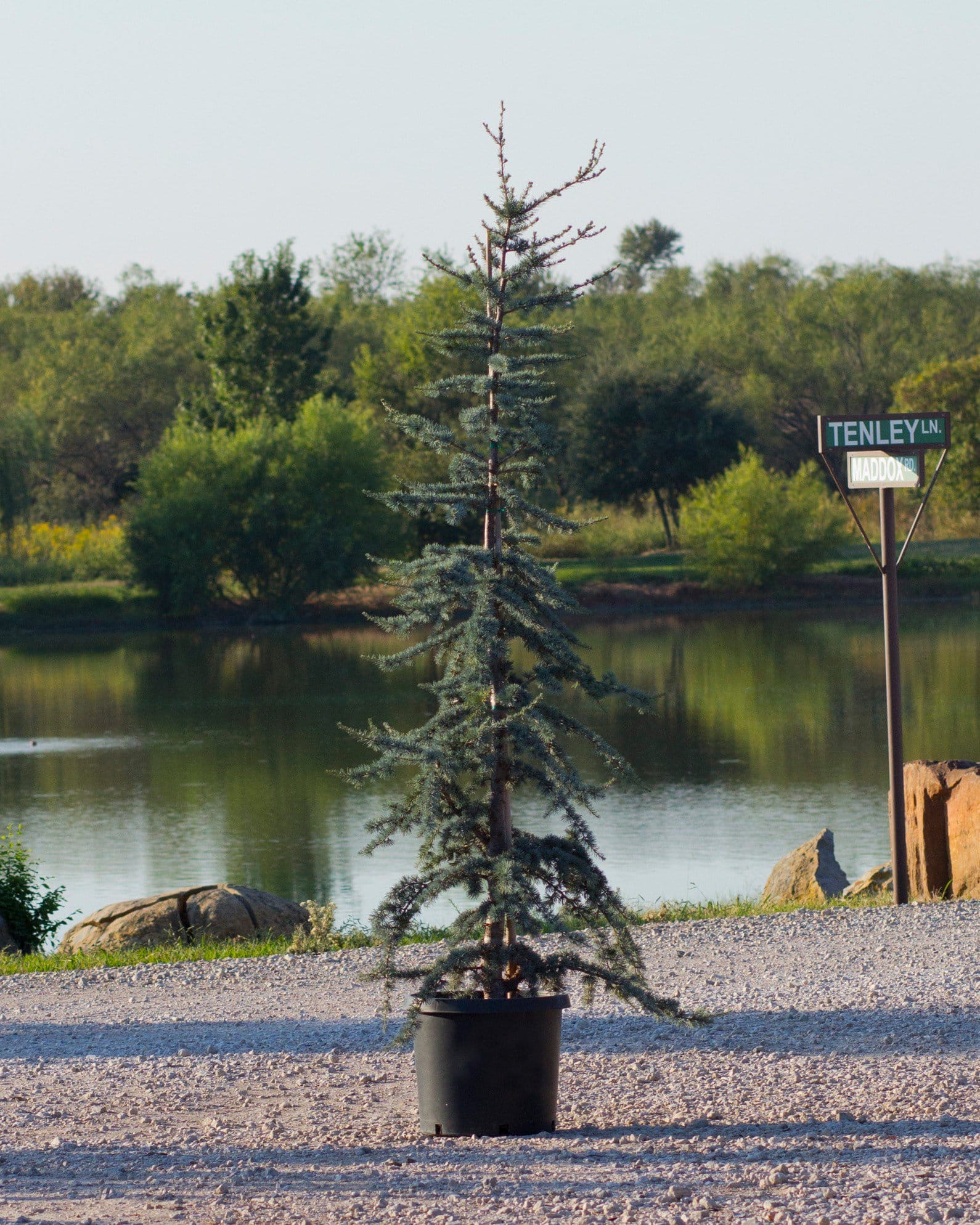
Blue Atlas Cedar Glauca
Maturity: 40' H x 30' W
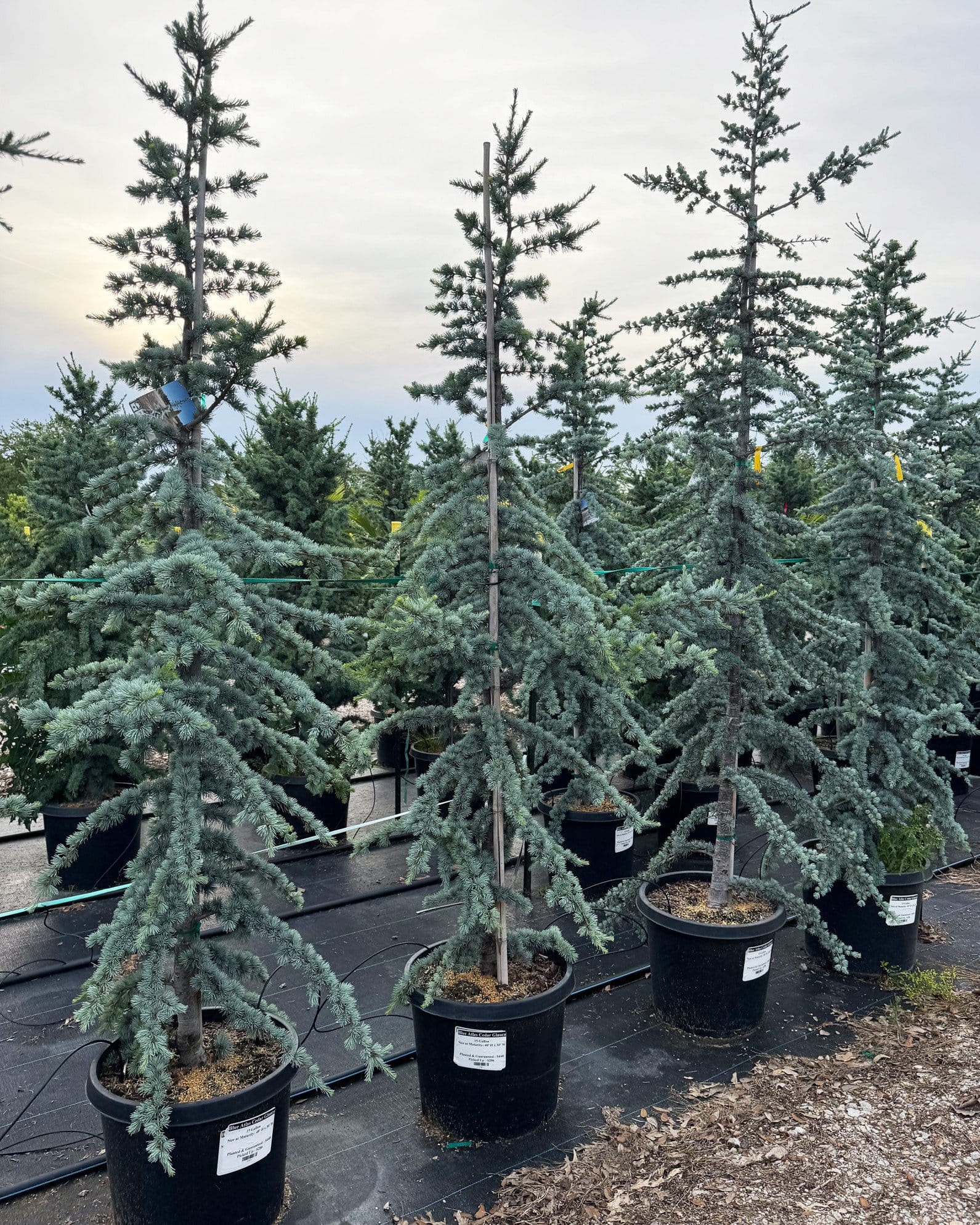
Blue Atlas Cedar Glauca Pendula
Maturity: 10' H x 10' W
Blue Atlas Cedar Horstmann
Maturity: 10' H x 6' W
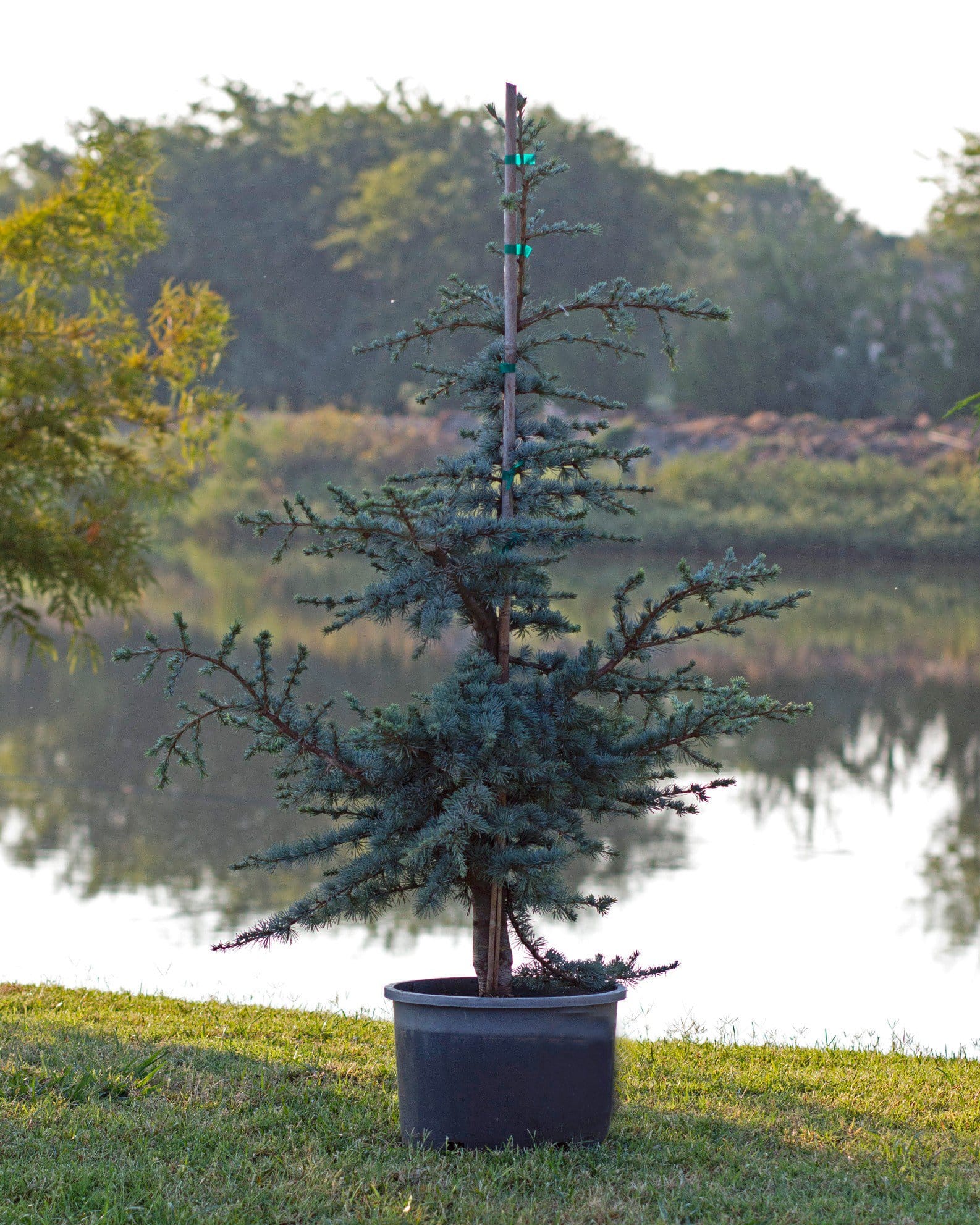
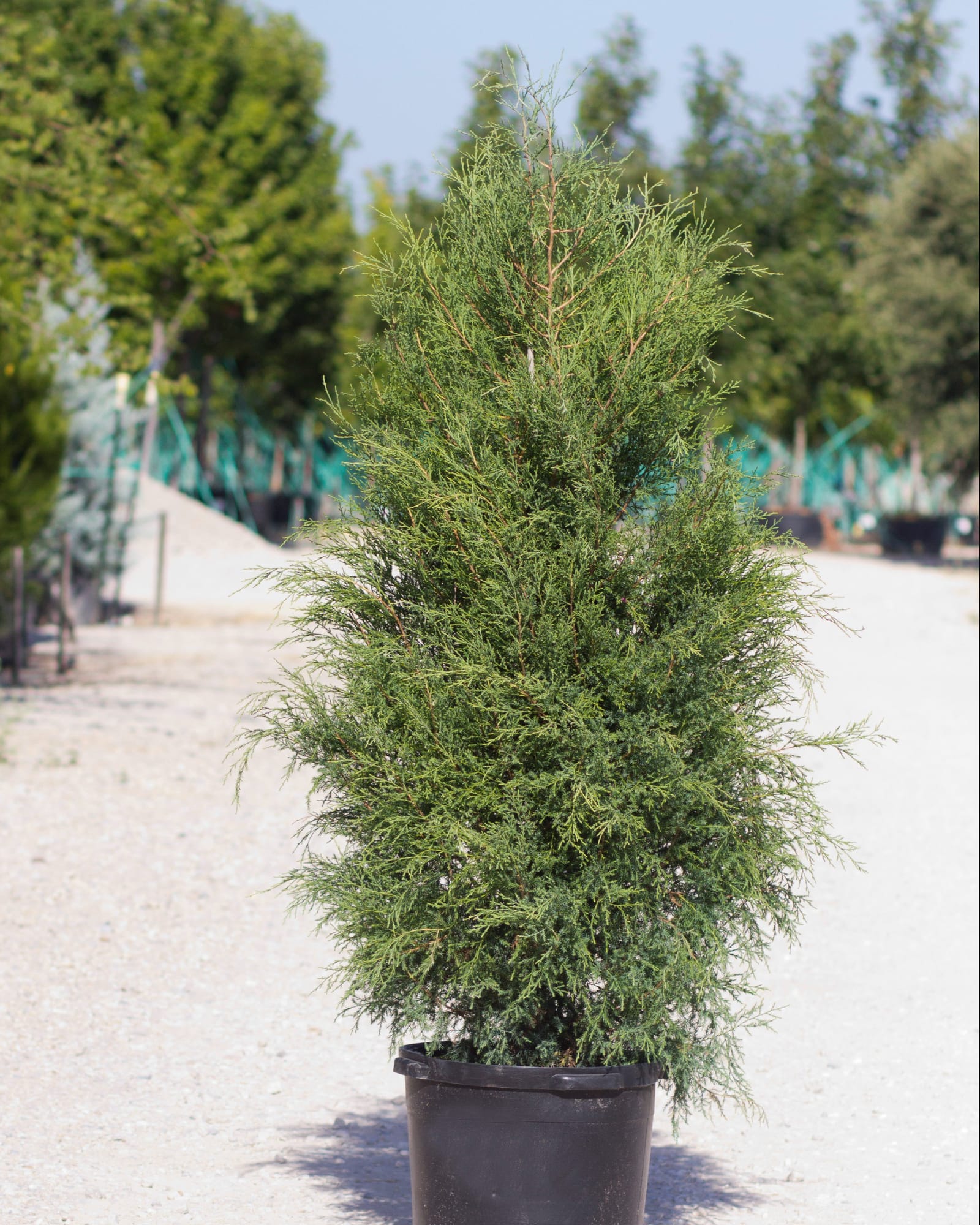
Southern Red Cedar Fuzzy Wuzzy
Maturity: 35' H x 25' W
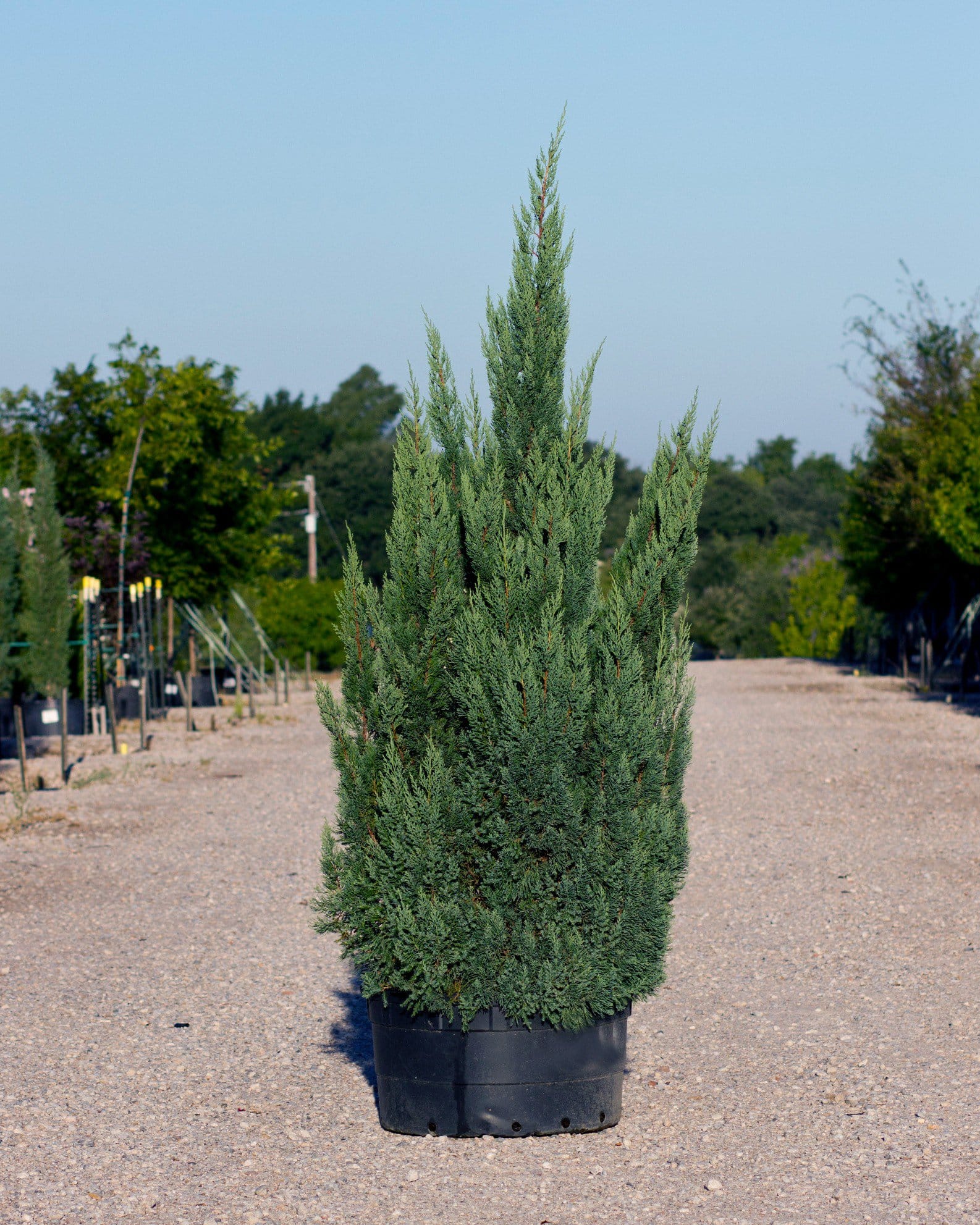
Blue Point Juniper
Maturity: 12' H x 7' W
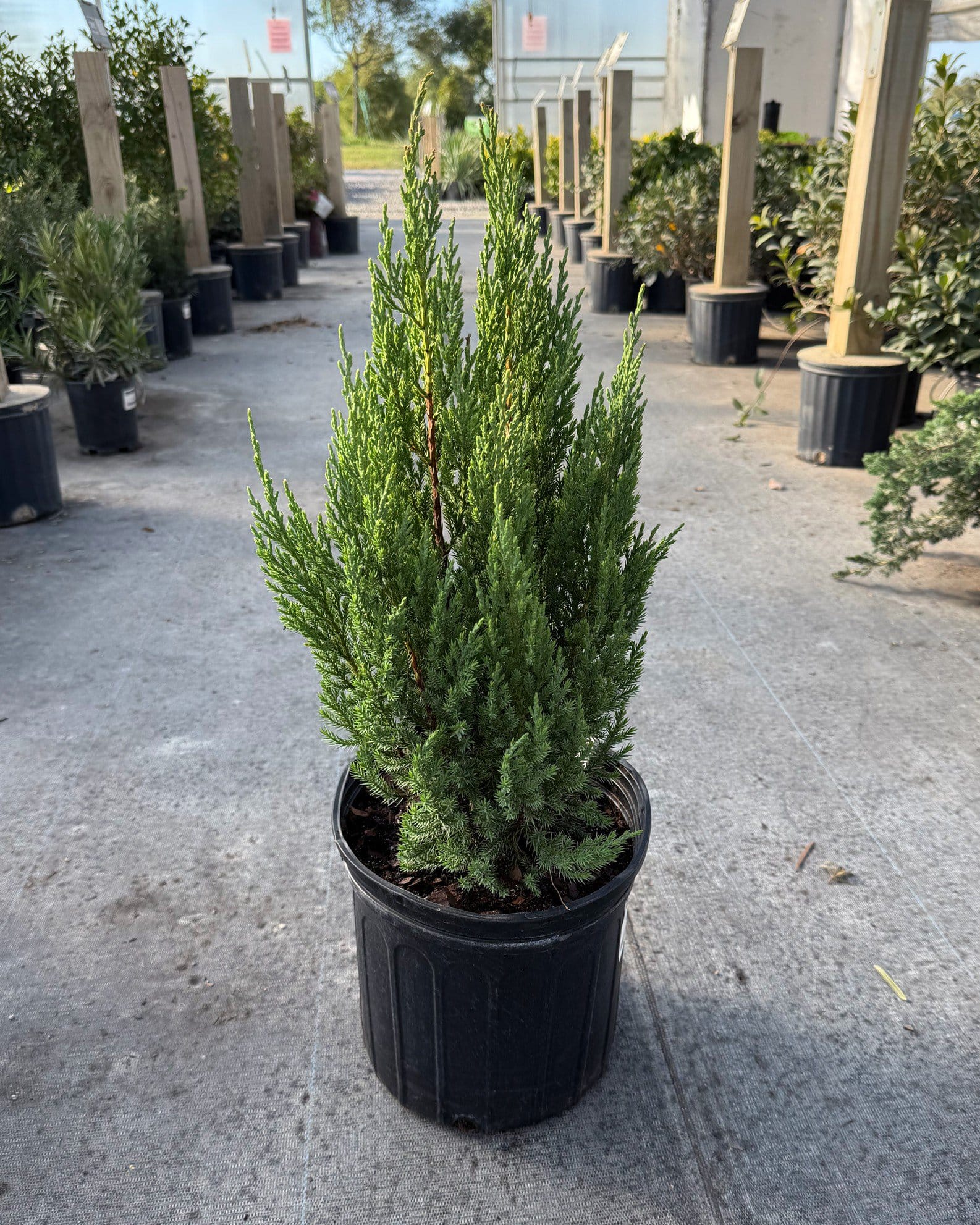
Deodar Cedar Patti Faye
Maturity: 30' H x 25' W
Eastern Red Cedar
Maturity: 30' H x 20' W
Eastern Red Cedar Brodie
Maturity: 25' H x 12' W
Eastern Red Cedar Burkii
Maturity: 25' H x 20' W
Eastern Red Cedar Canaertii
Maturity: 25' H x 20' W
Eastern Red Cedar Emerald Feather
Maturity: 12' H x 5' W
Eastern Red Cedar Emerald Sentinel
Maturity: 15' H x 7' W
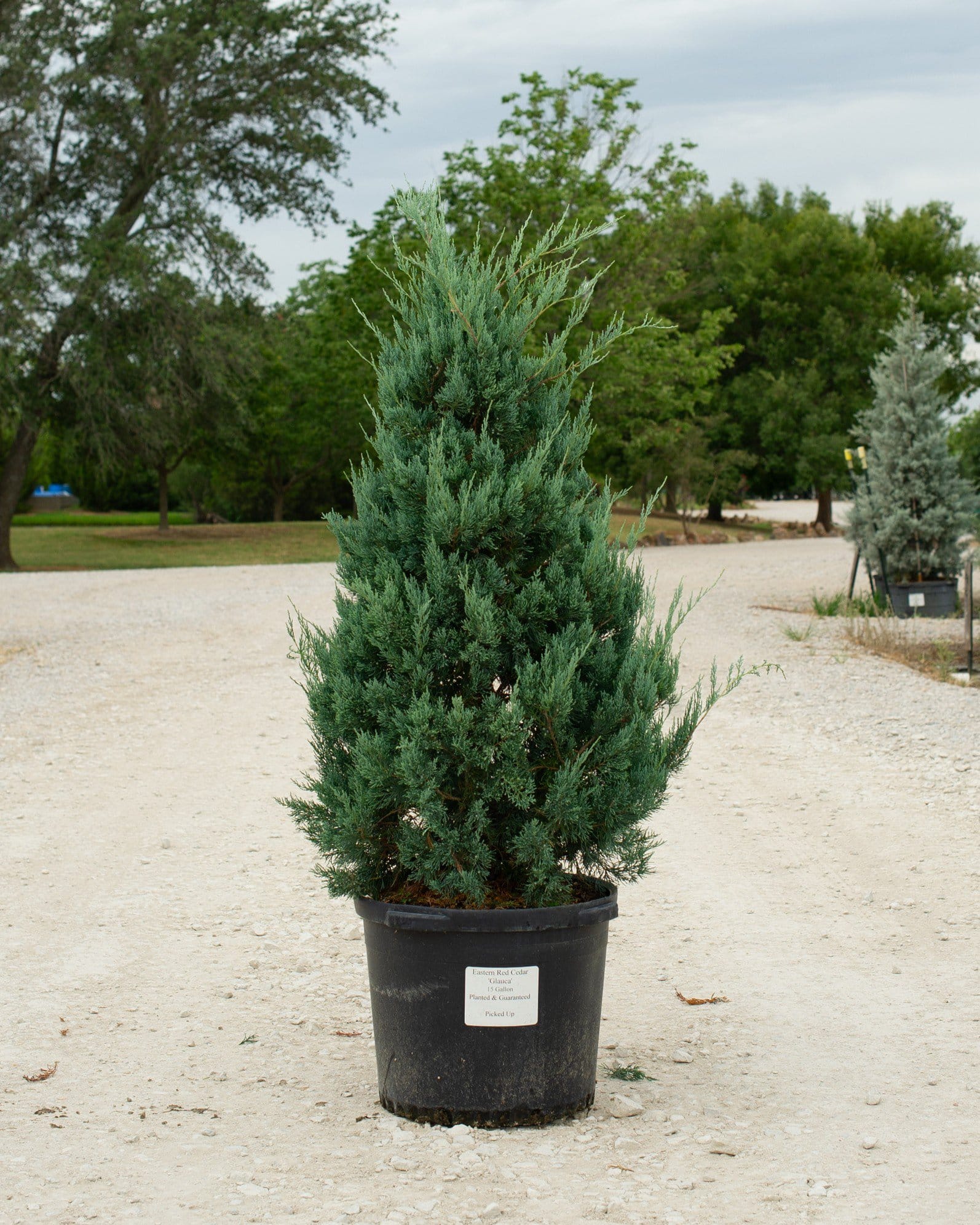
Eastern Red Cedar Glauca
Maturity: 20' H x 6' W
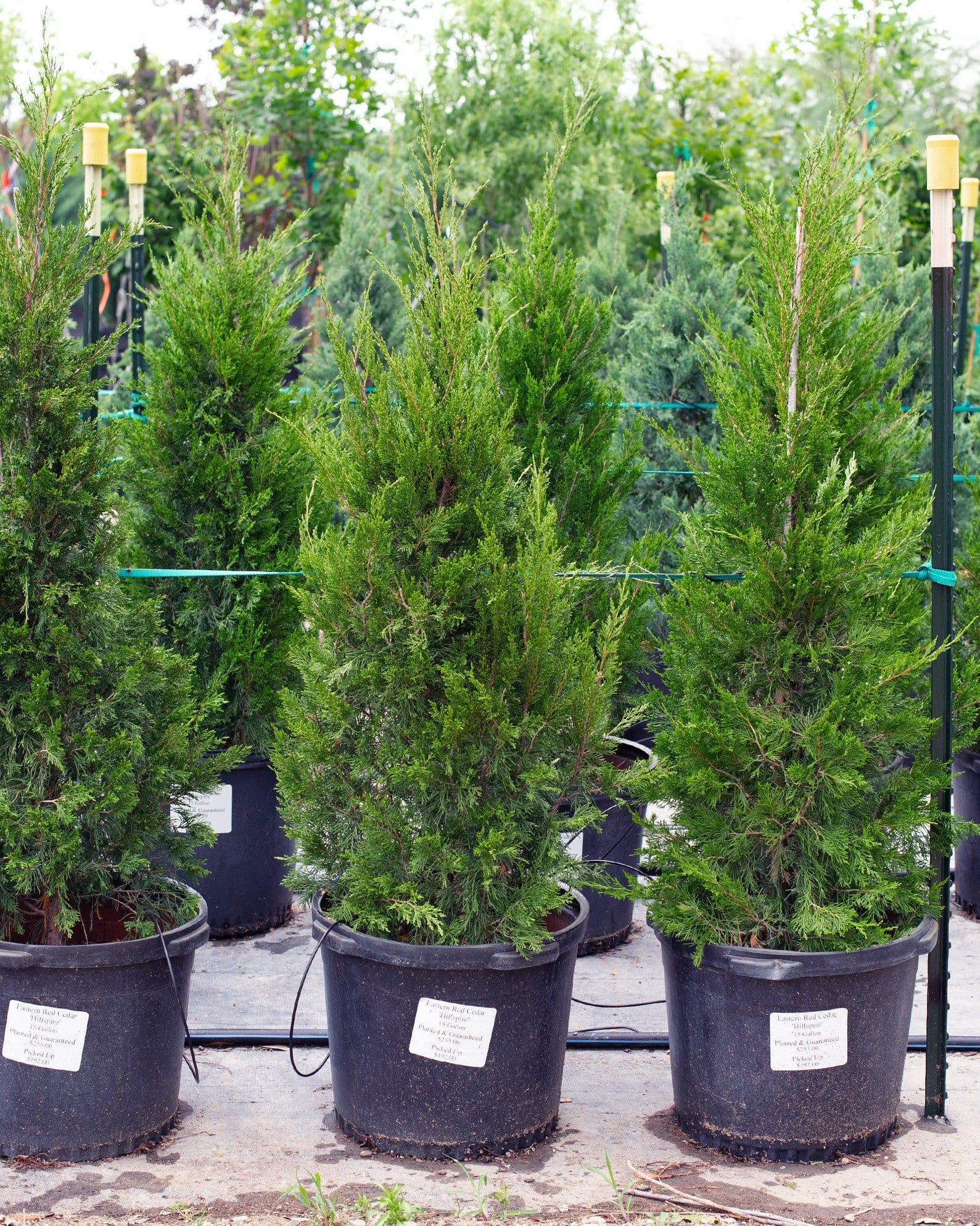
Eastern Red Cedar Hillspire
Maturity: 25' H x 15' W
Eastern Red Cedar Idyllwild
Maturity: 15' H x 7' W
Compare Similar Plants
Blue Atlas Cedar Fastigiata This plant | ||
|---|---|---|
| Scientific Name | Cedrus atlantica ‘Fastigiata’ | Cedrus atlantica ‘Glauca’ |
| Size at Maturity | 40' H x 15' W | 40' H x 30' W |
| Leaf Retention | Evergreen | Evergreen |
| Sizes Available | 15 gal | 15, 30 gal |


Our 1-Year Planting Guarantee
We take pride in our plants and installation services. If any plants or trees installed by Treeland fail to thrive within the first year, we'll provide a replacement credit in accordance with our guarantee program.
Learn More About Our Guarantee