
Blue Atlas Cedar Glauca
Cedrus atlantica ‘Glauca’Local DFW Delivery Only
Product Details
Blue Atlas Cedar Glauca
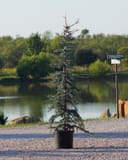
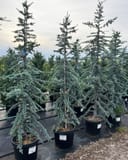
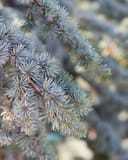
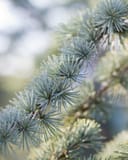
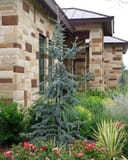
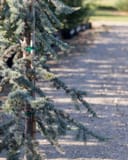
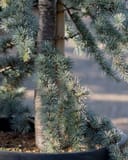
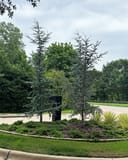
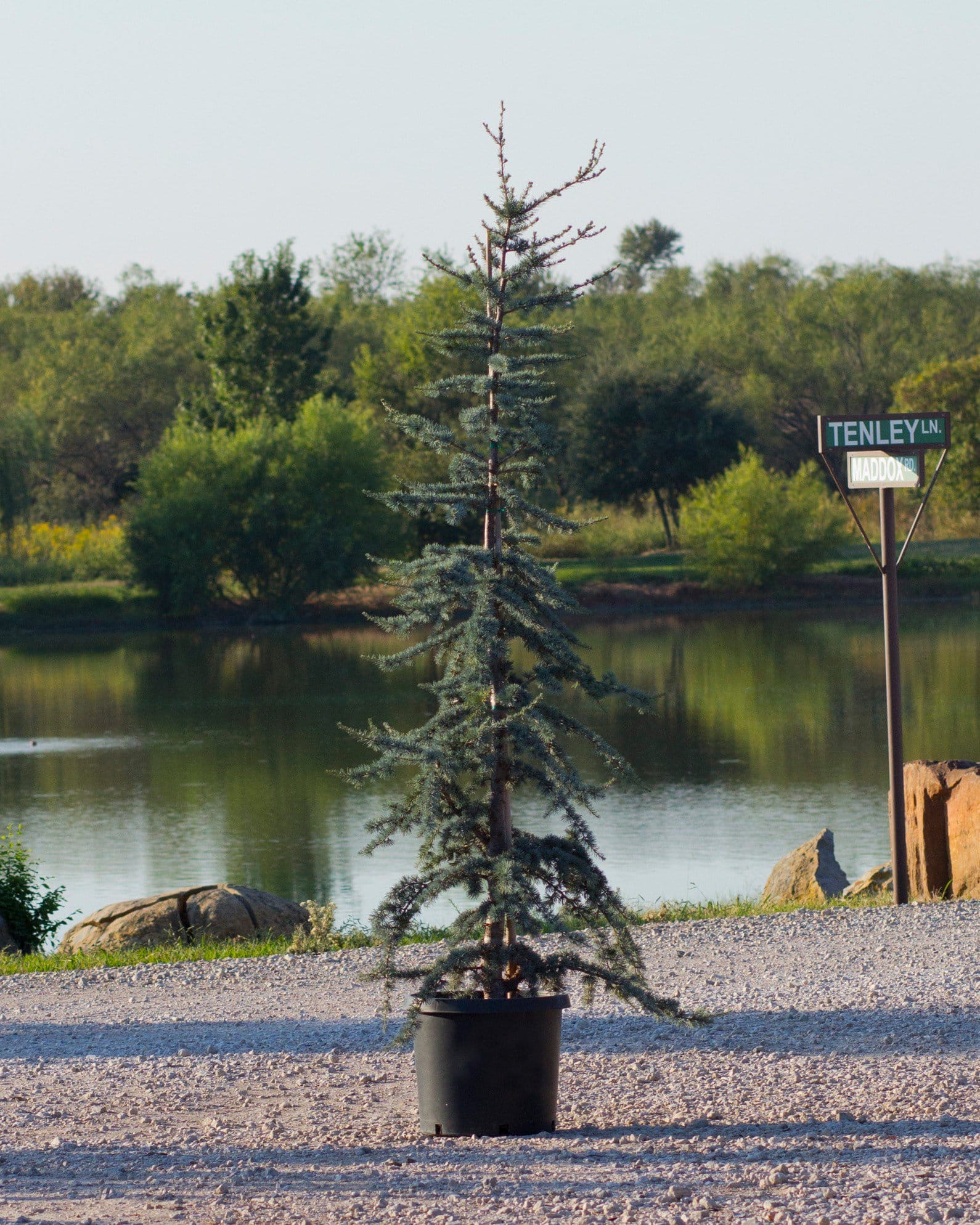
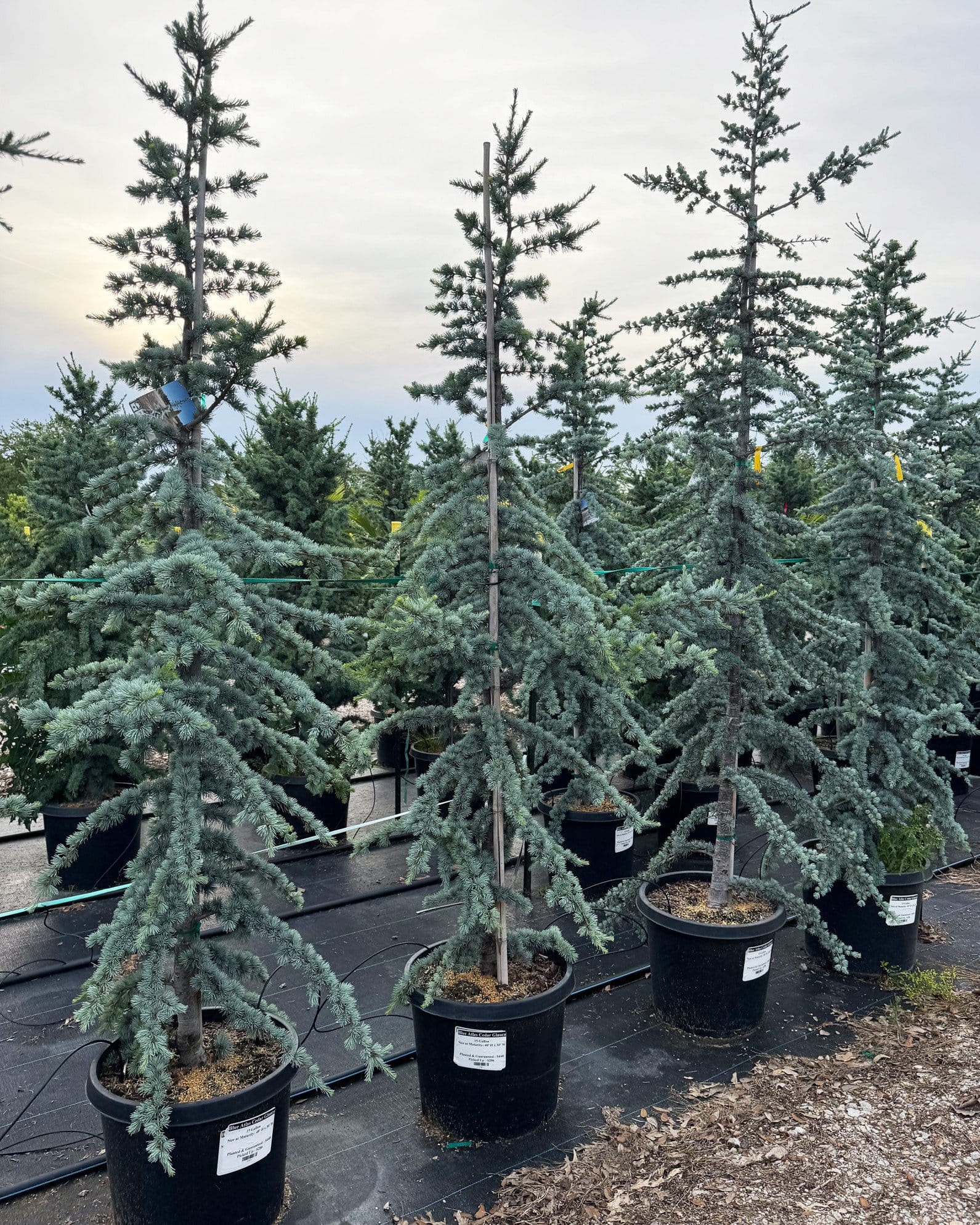
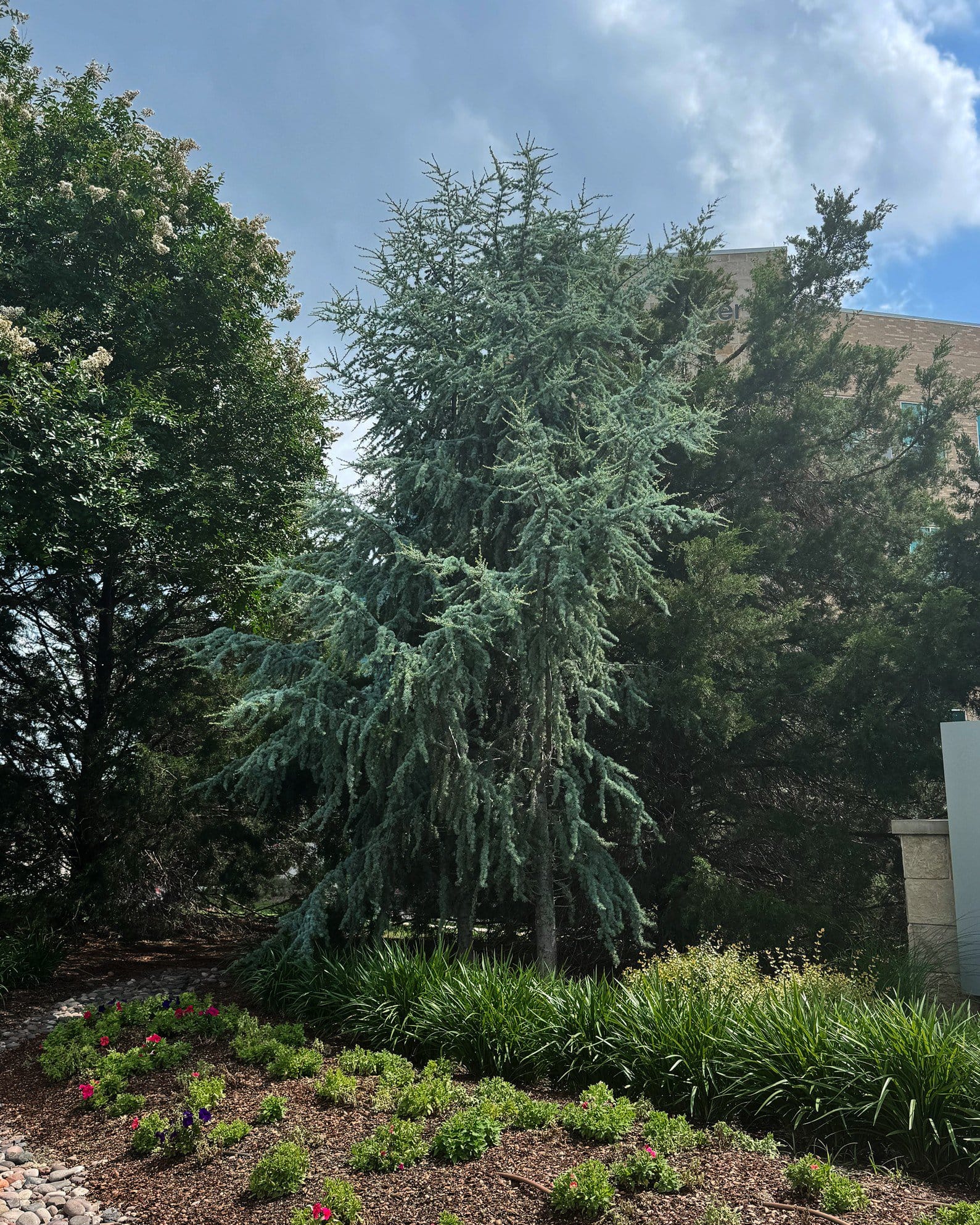
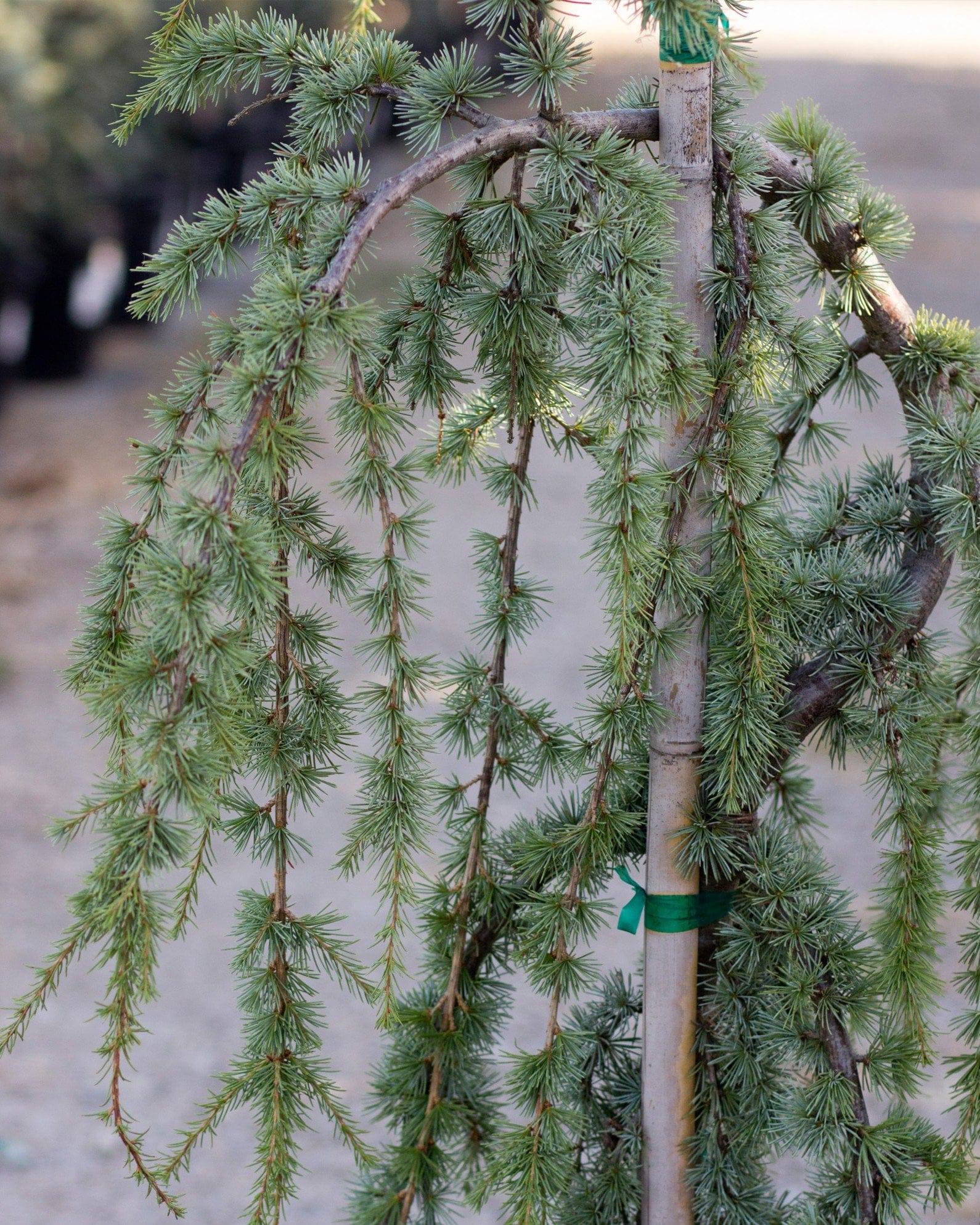
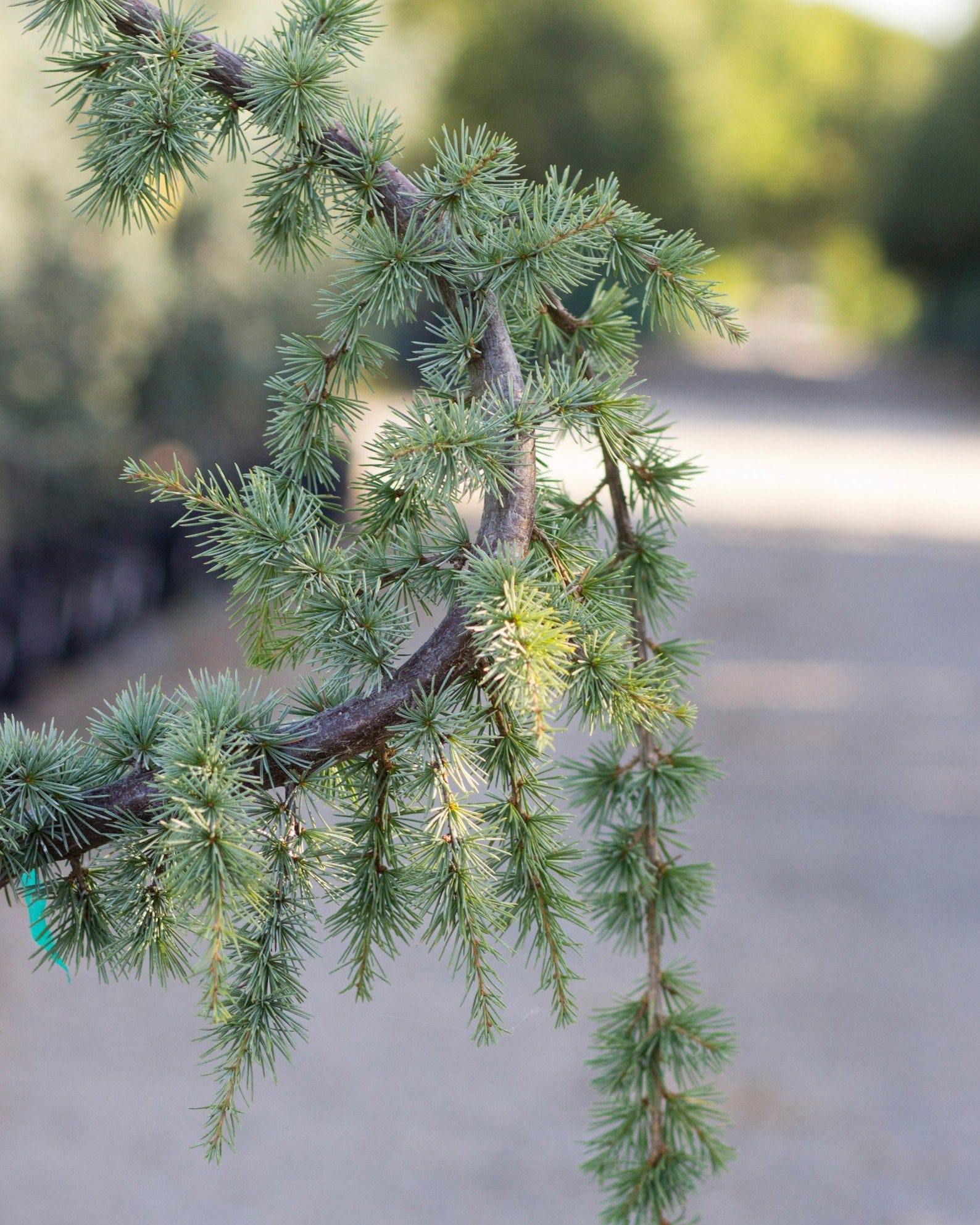
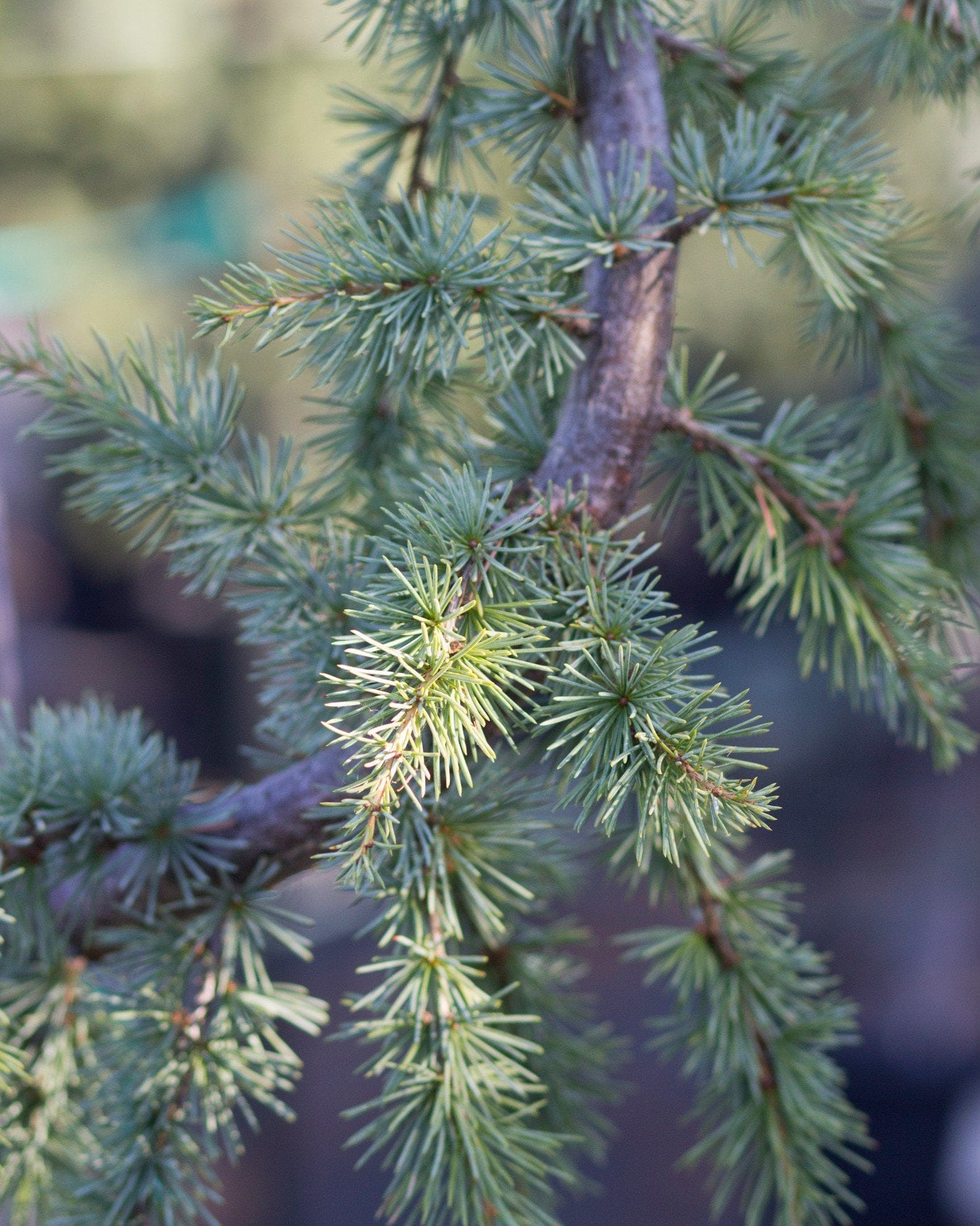
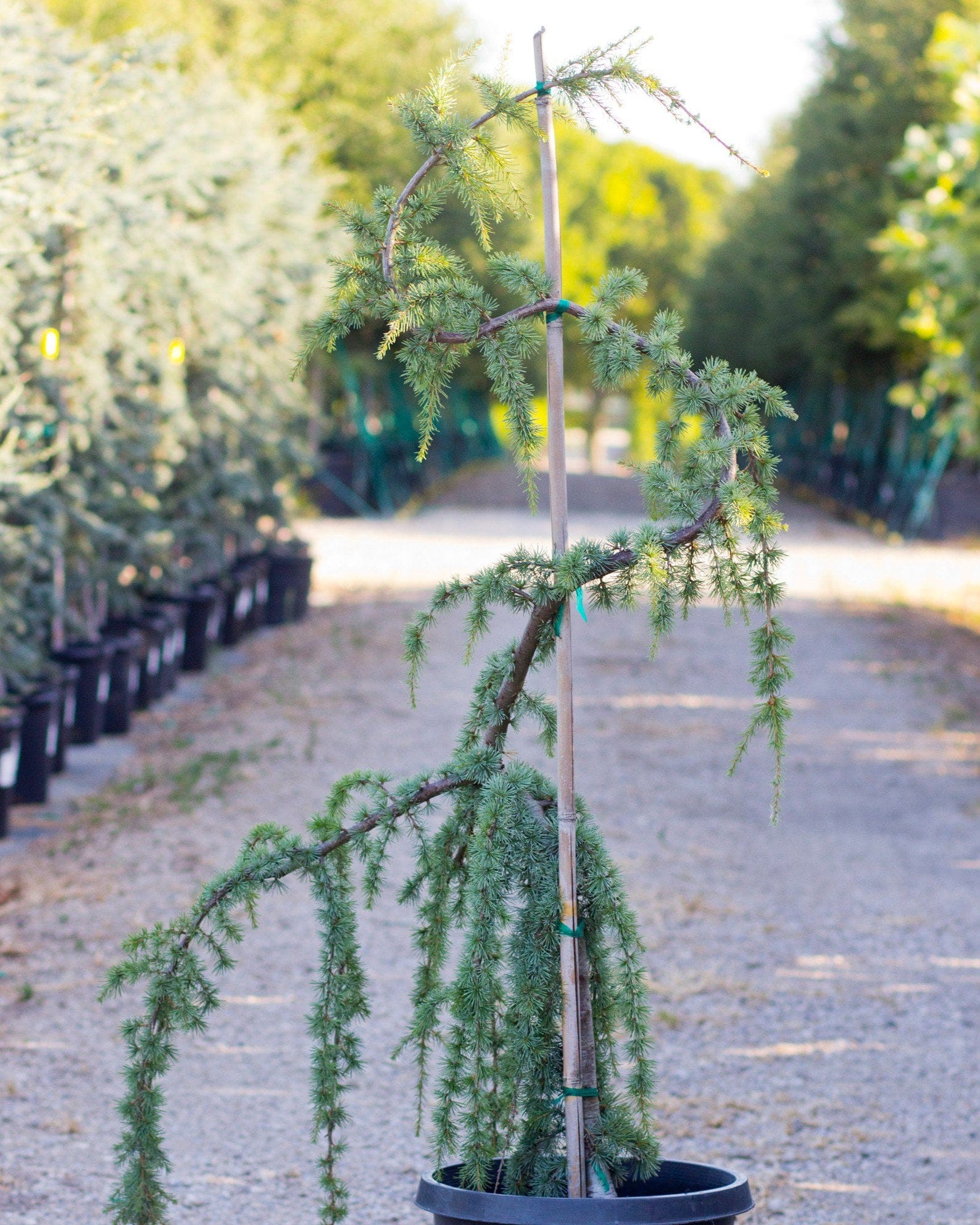
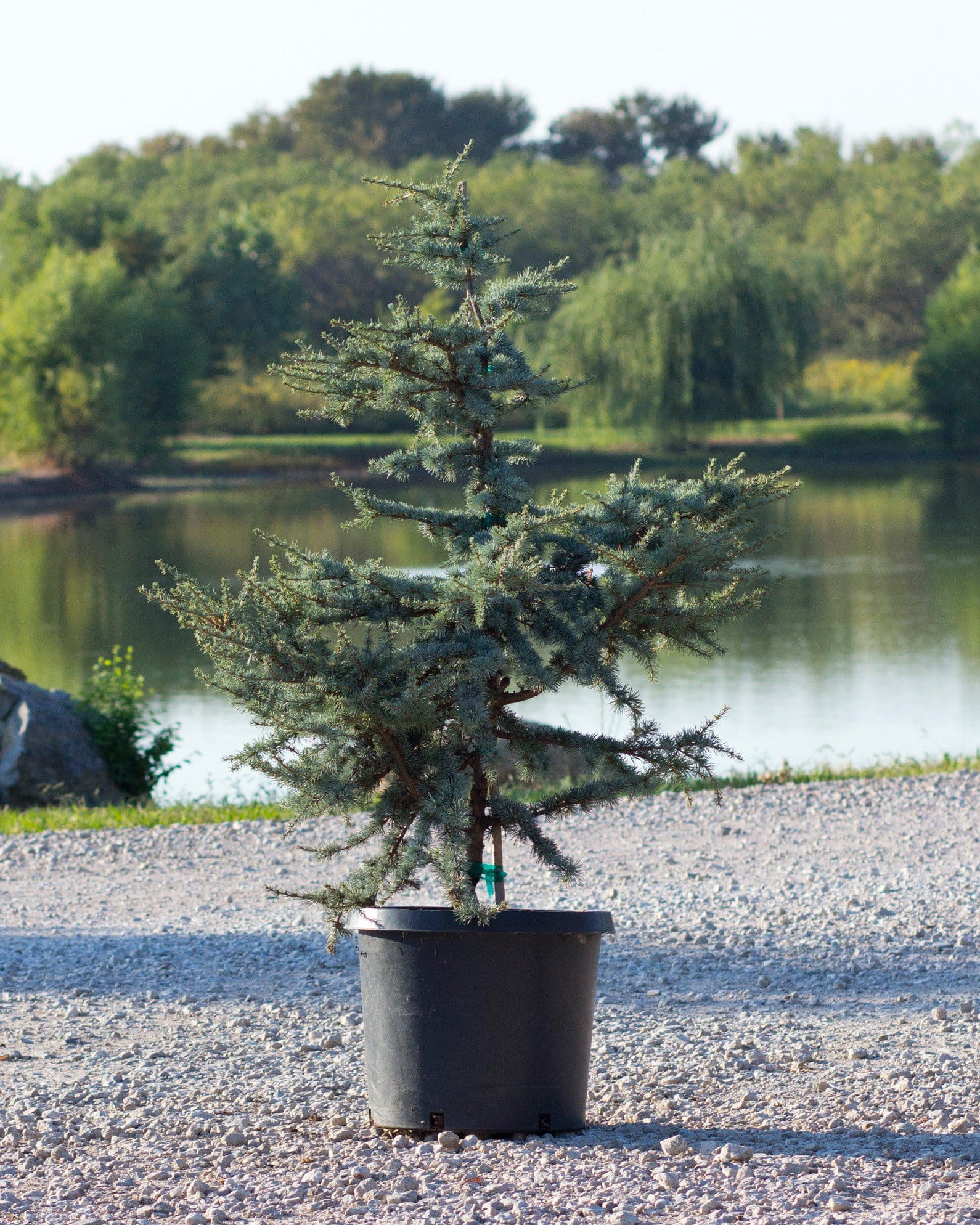
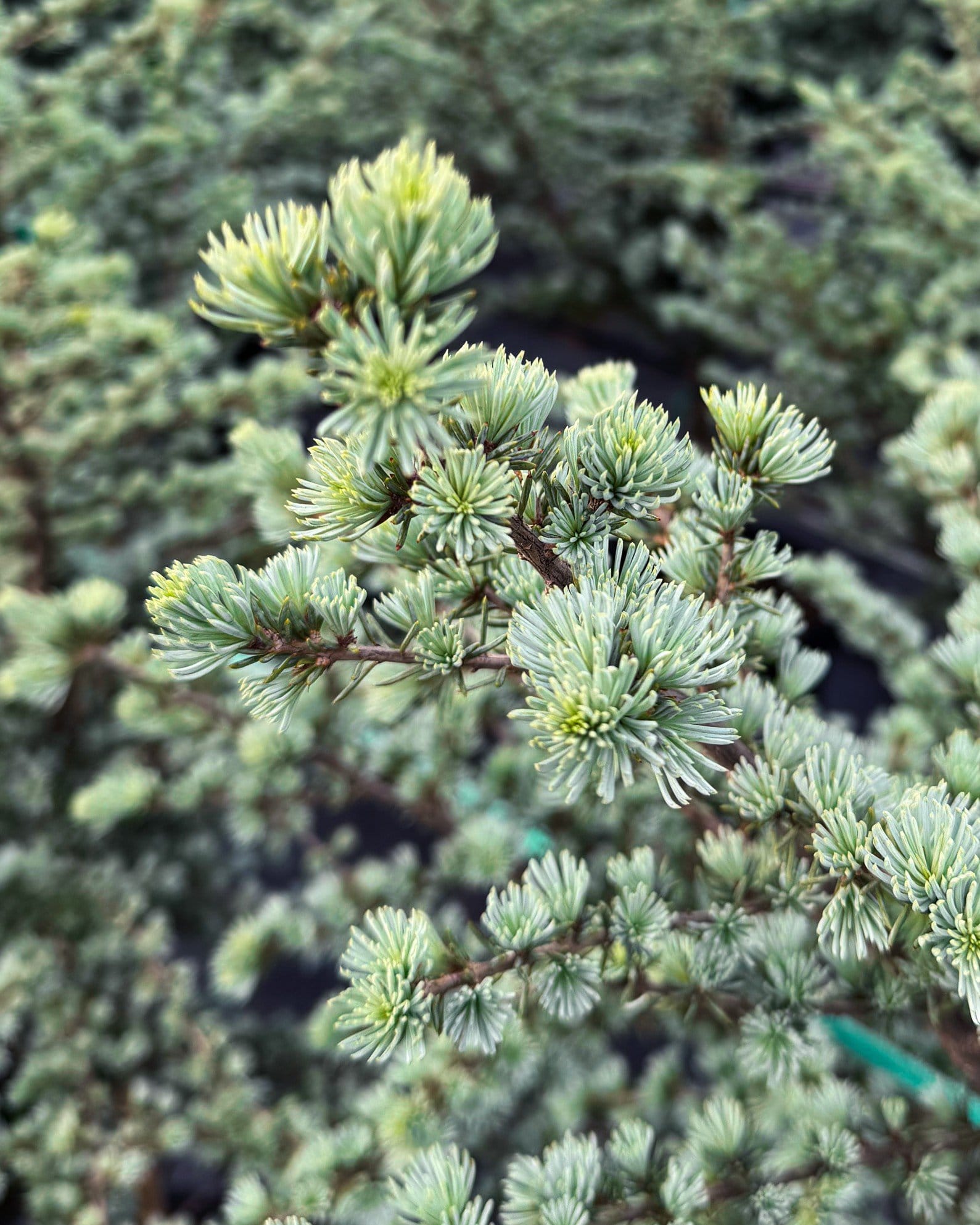
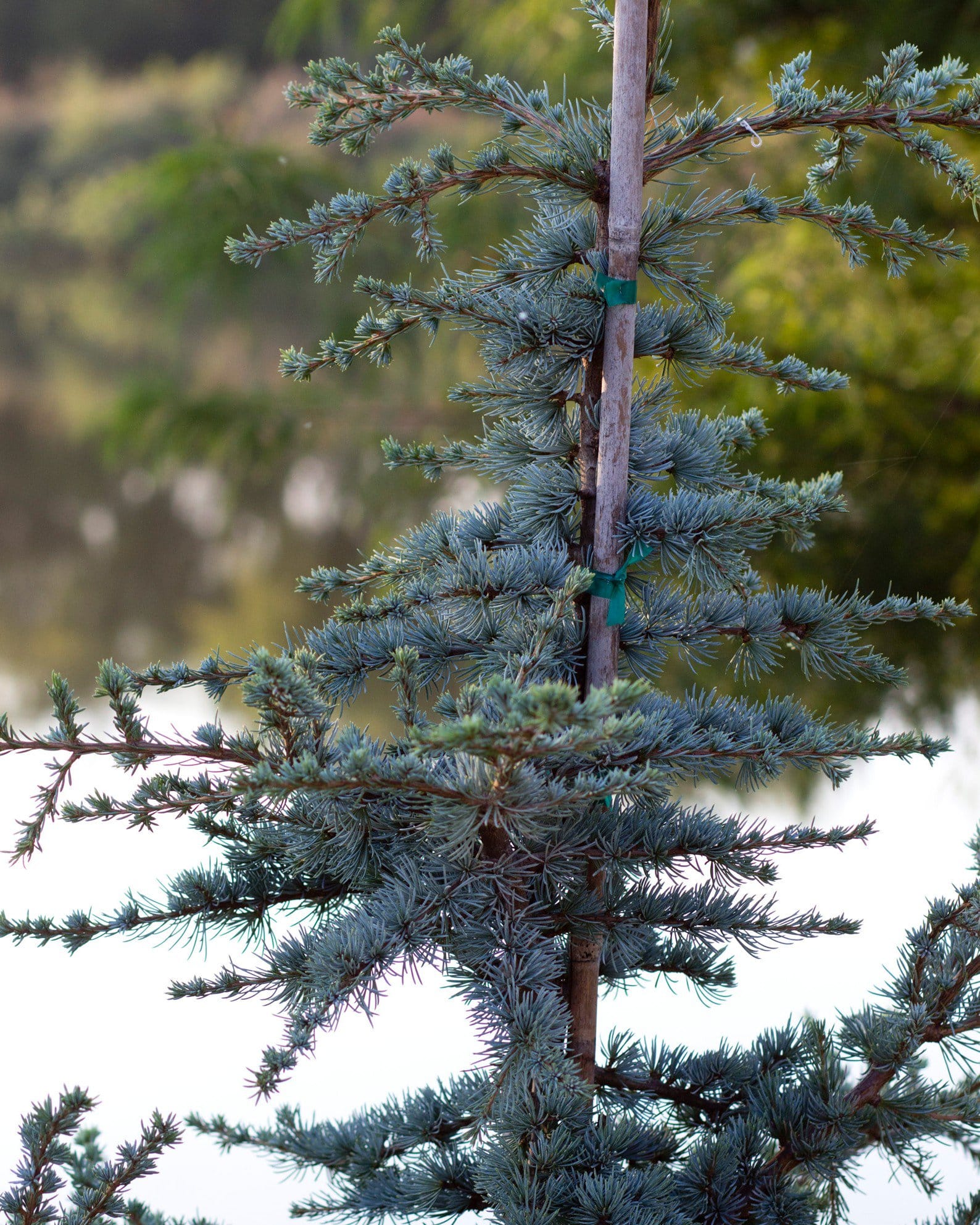
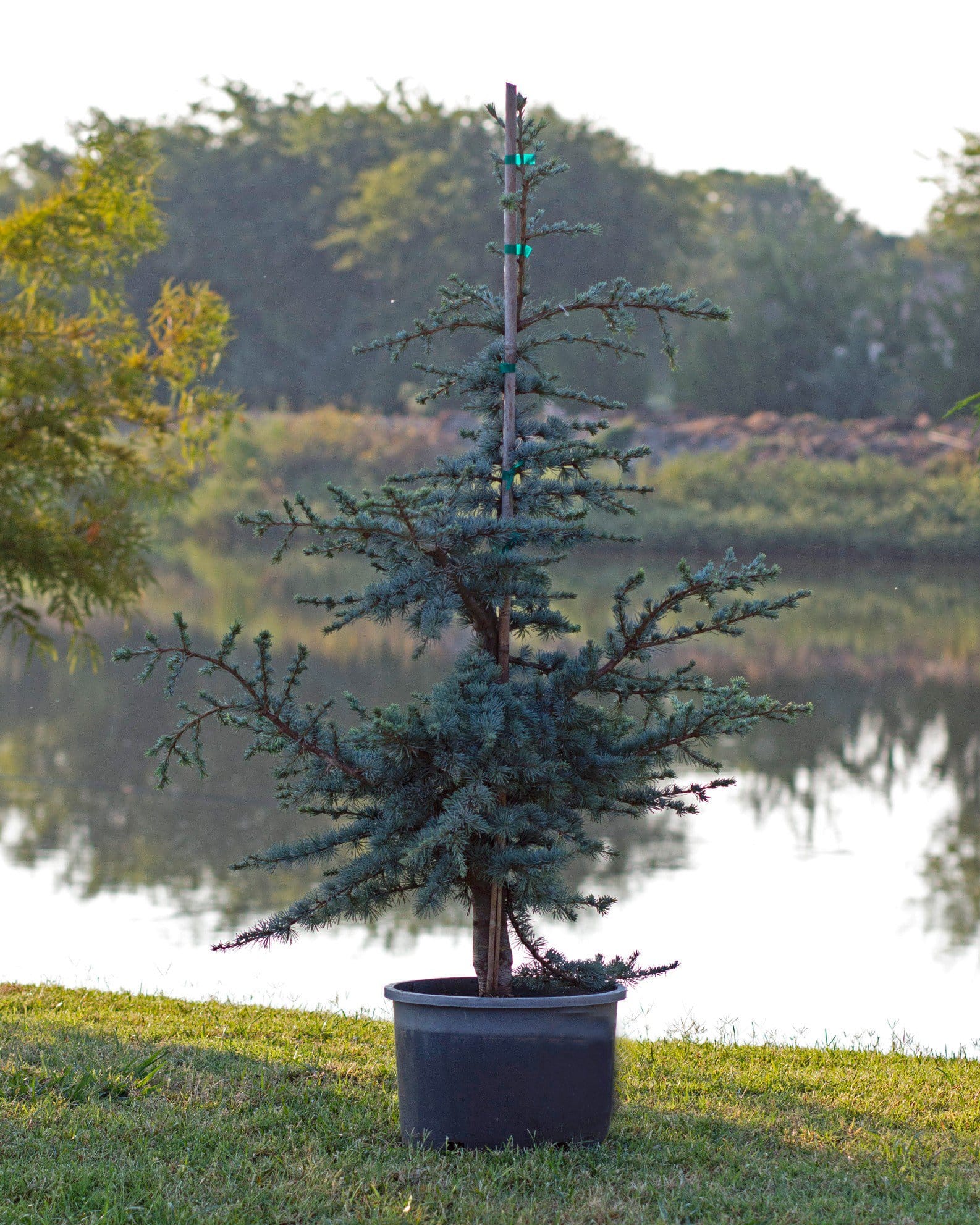
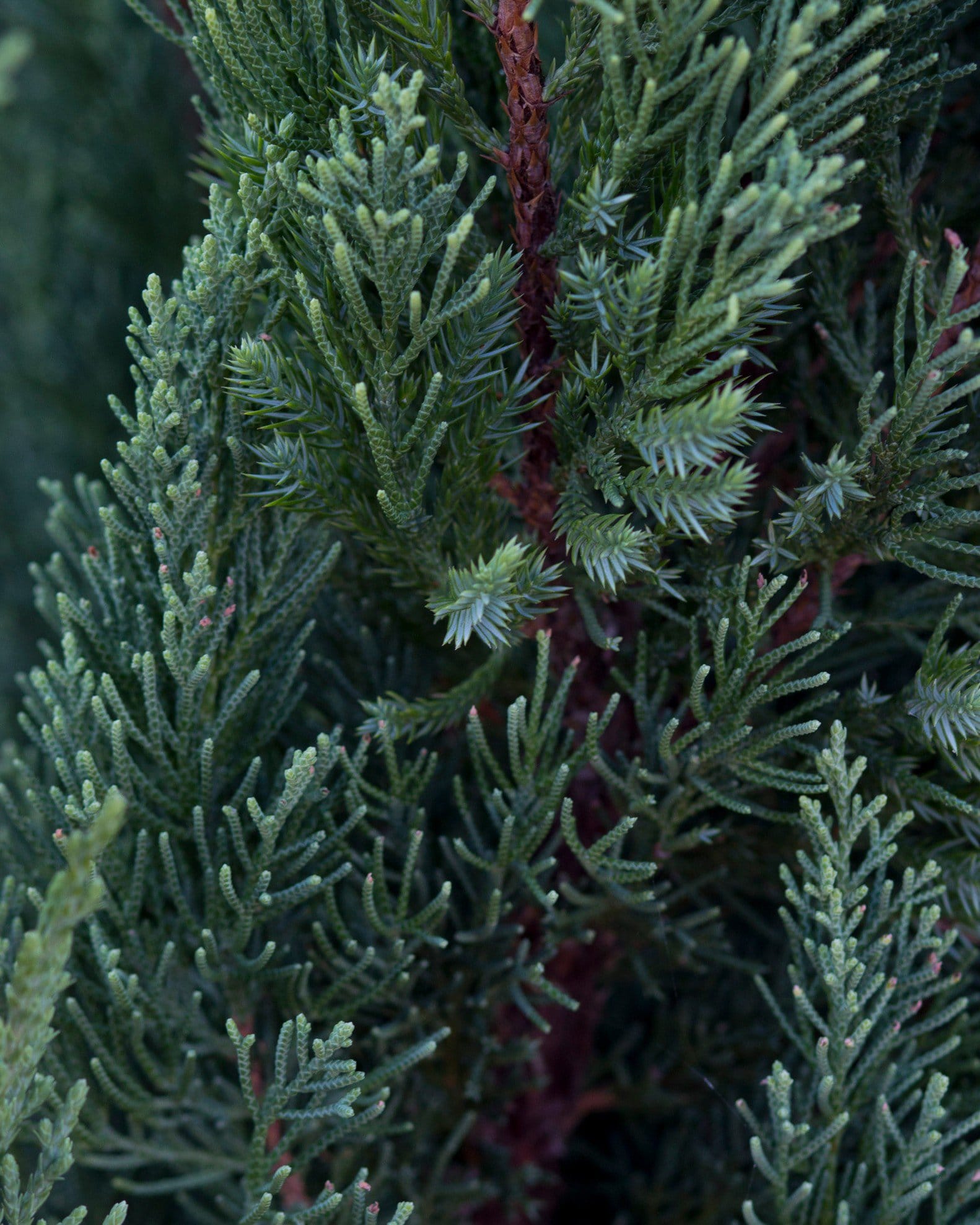
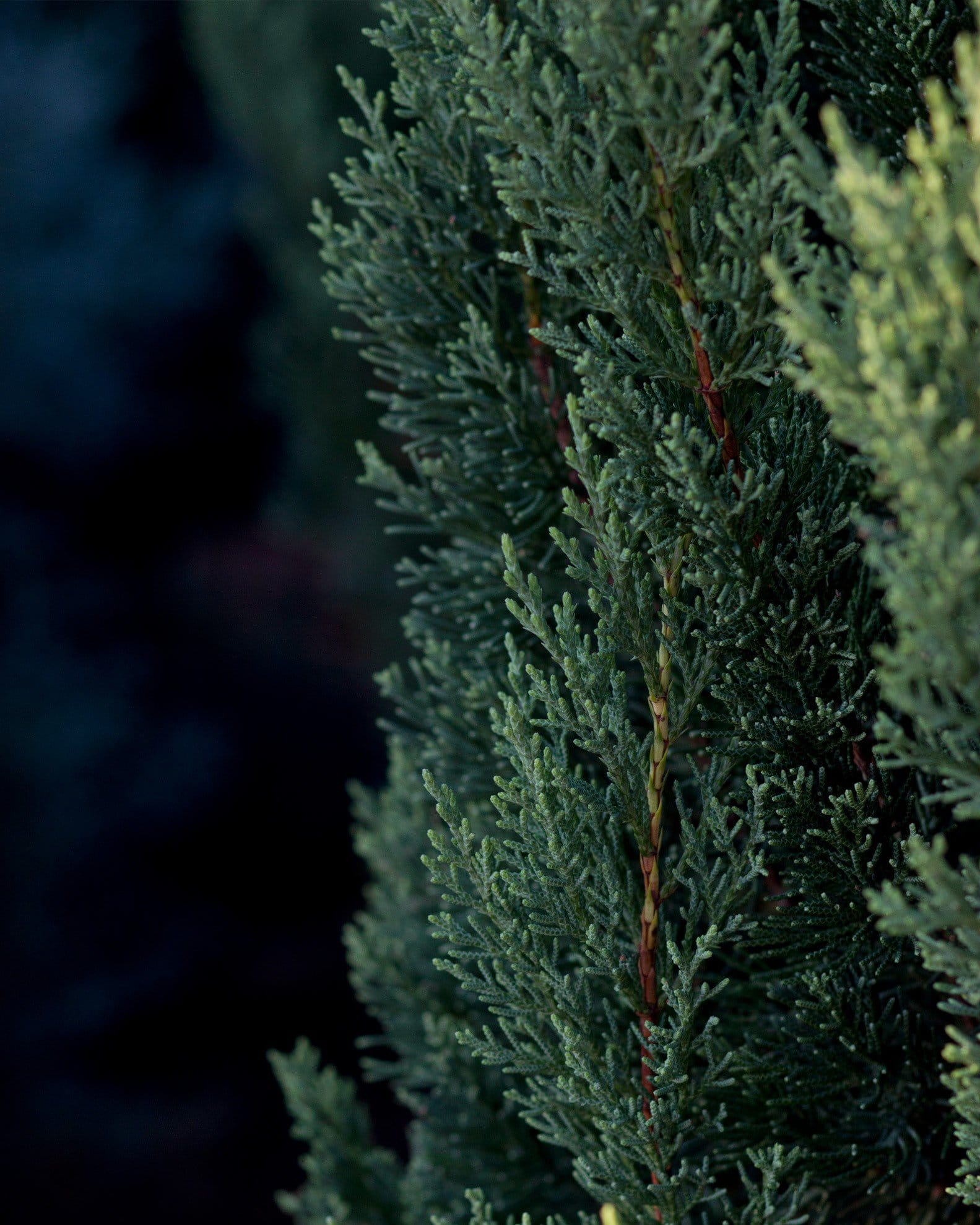
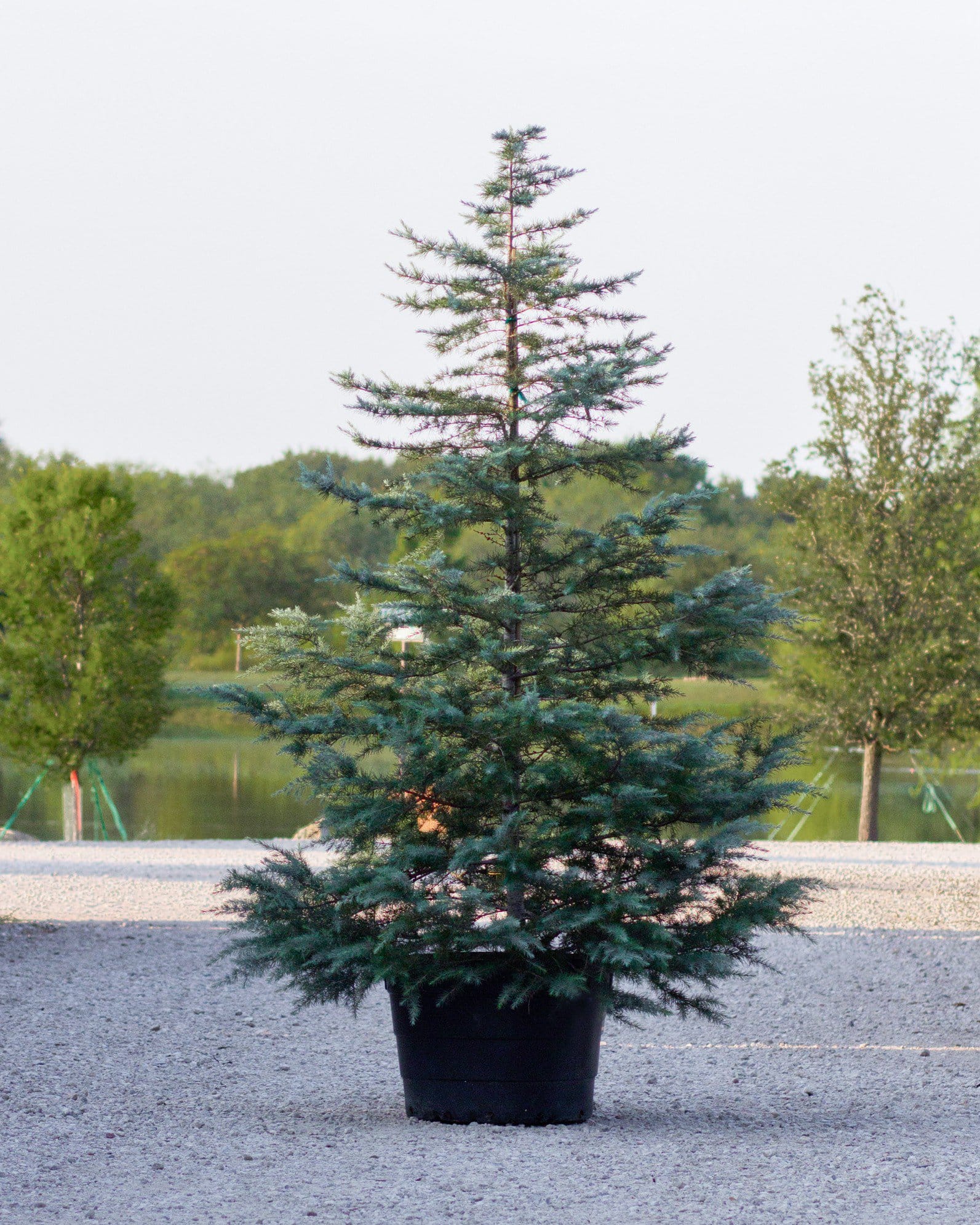
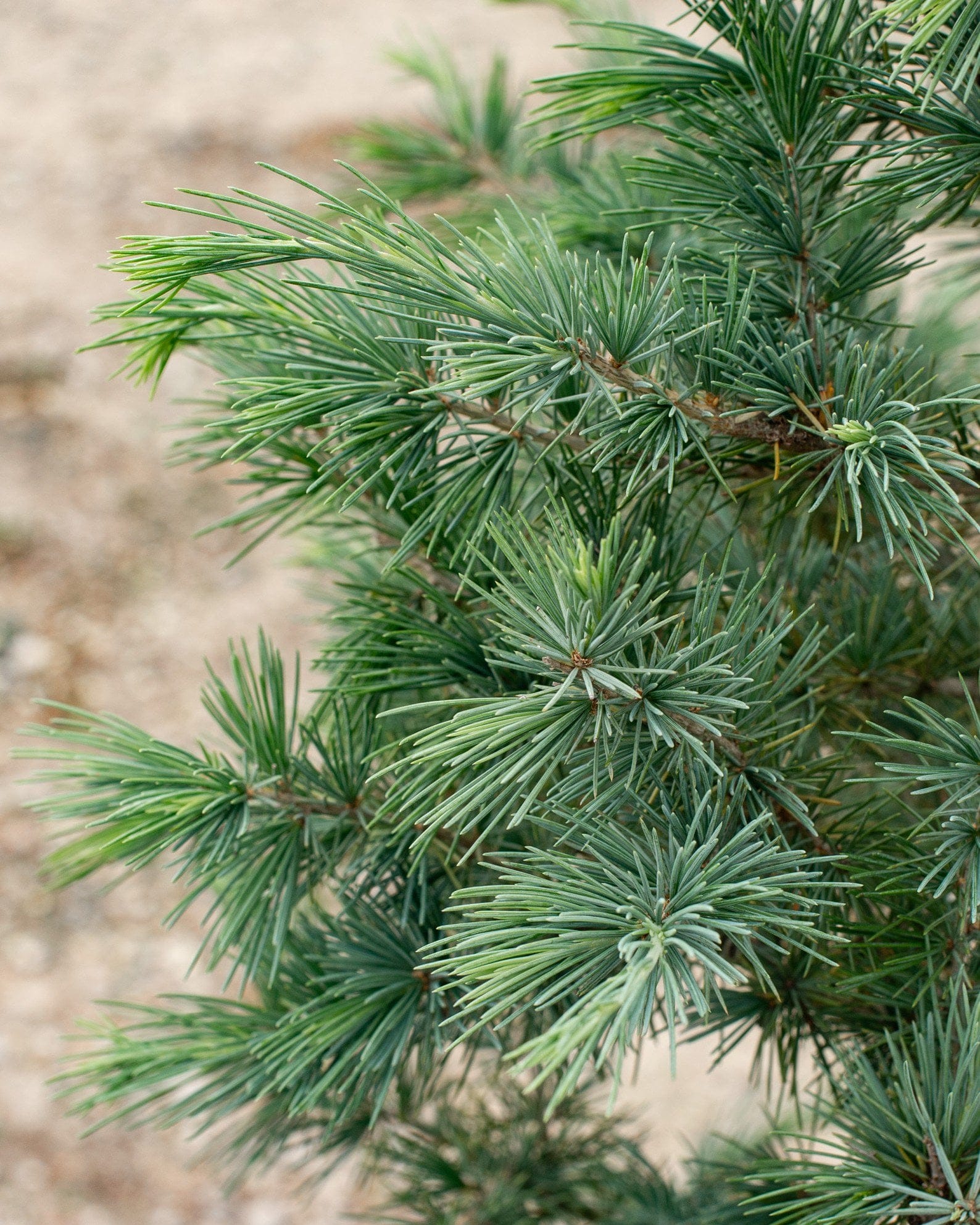
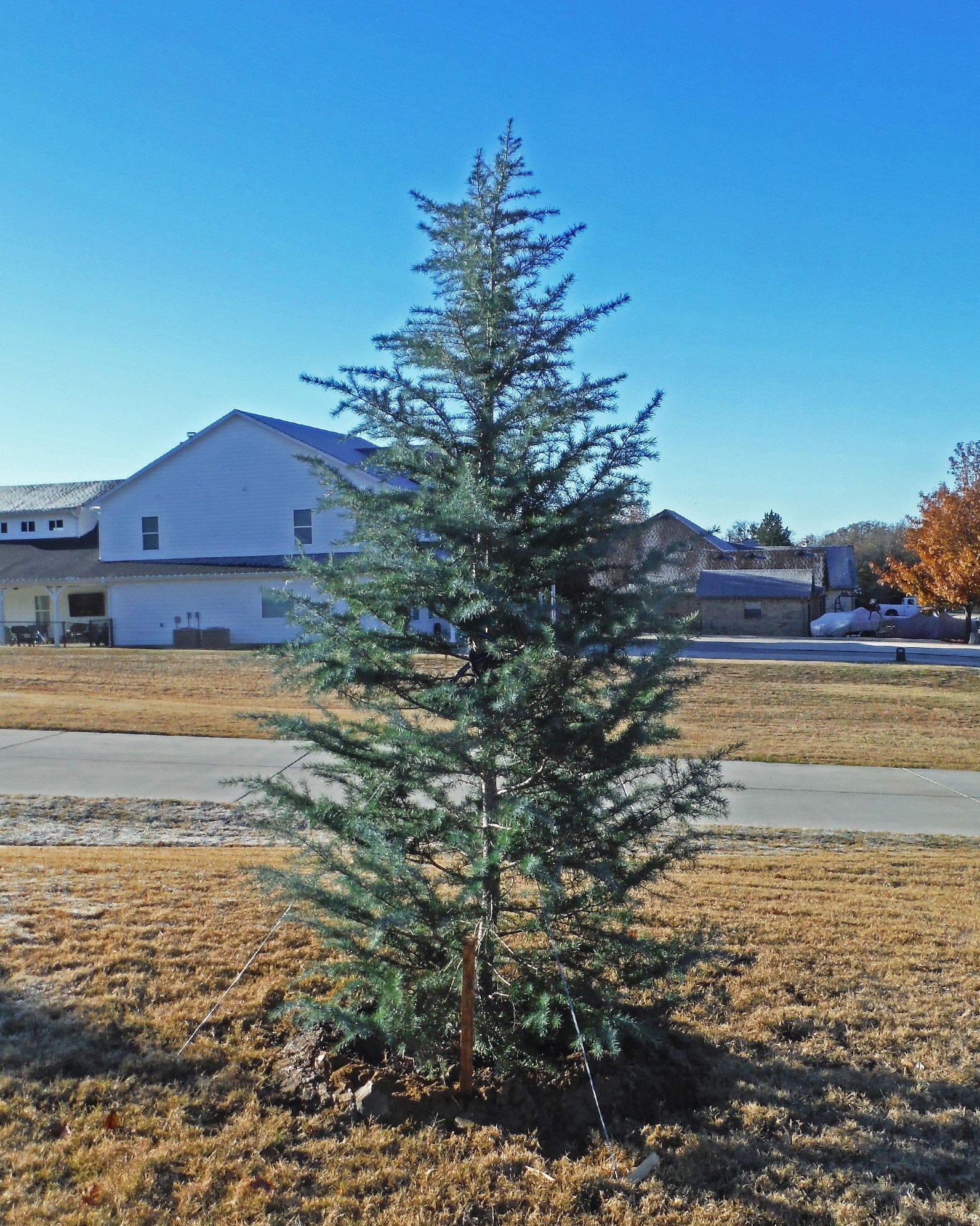
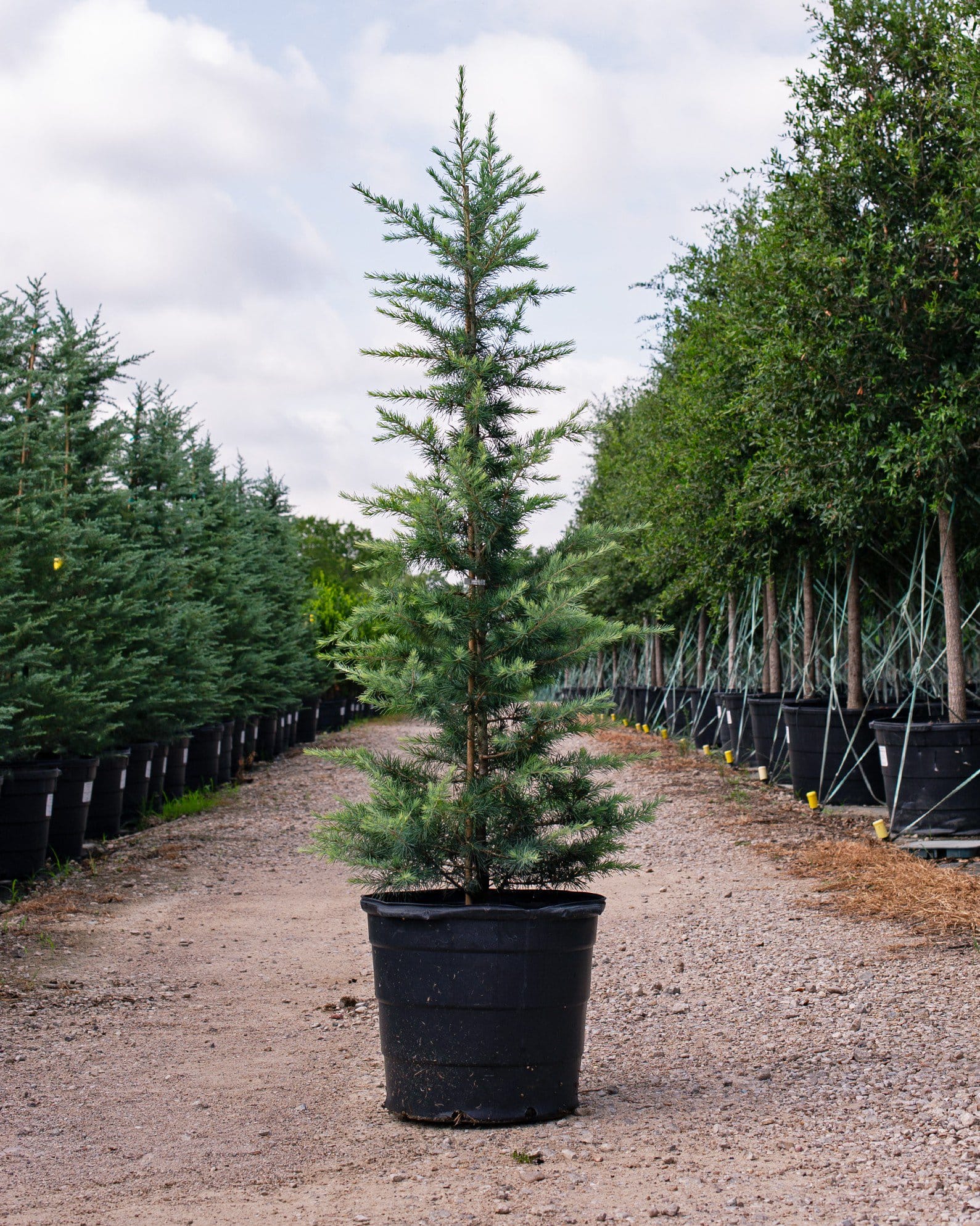
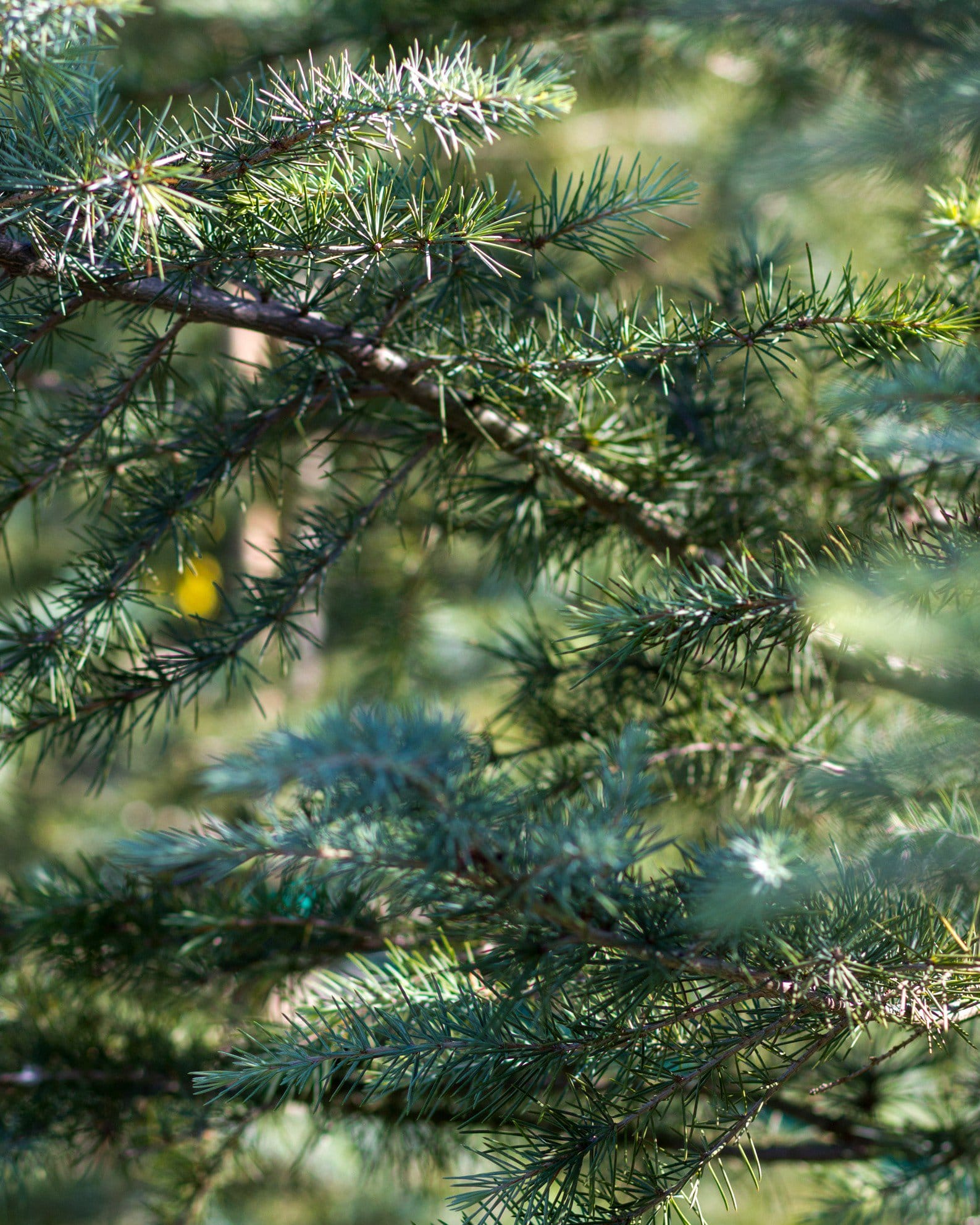
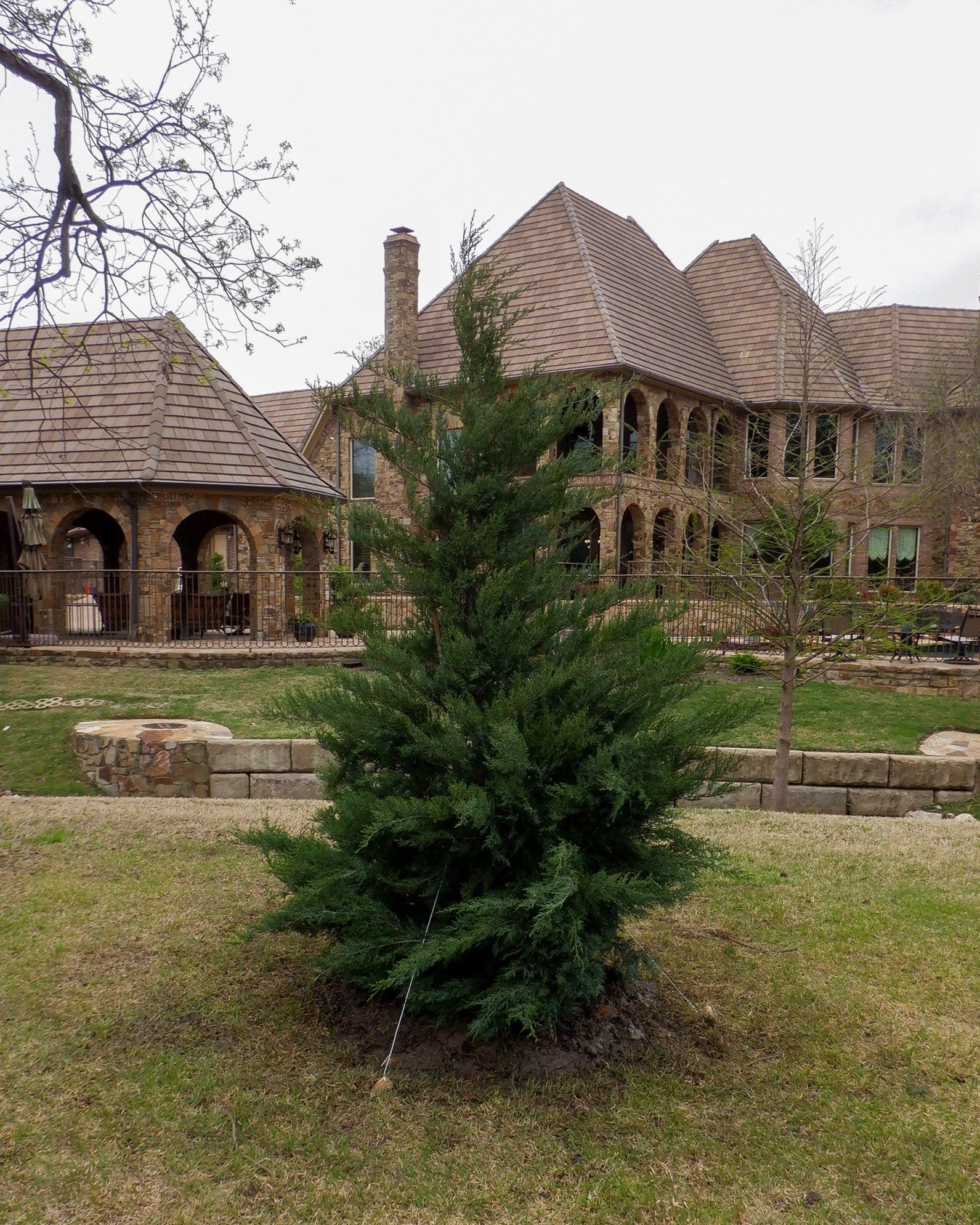
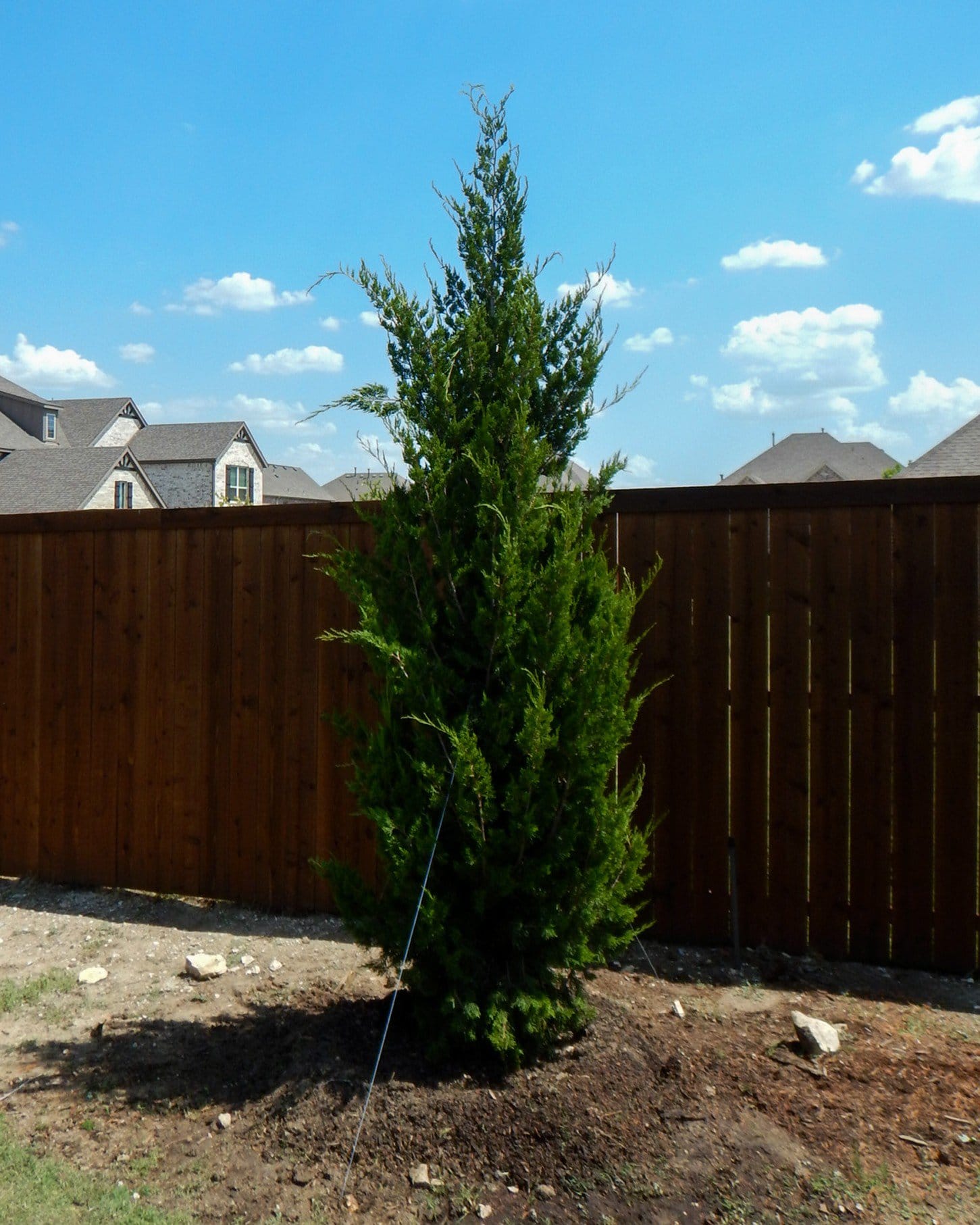
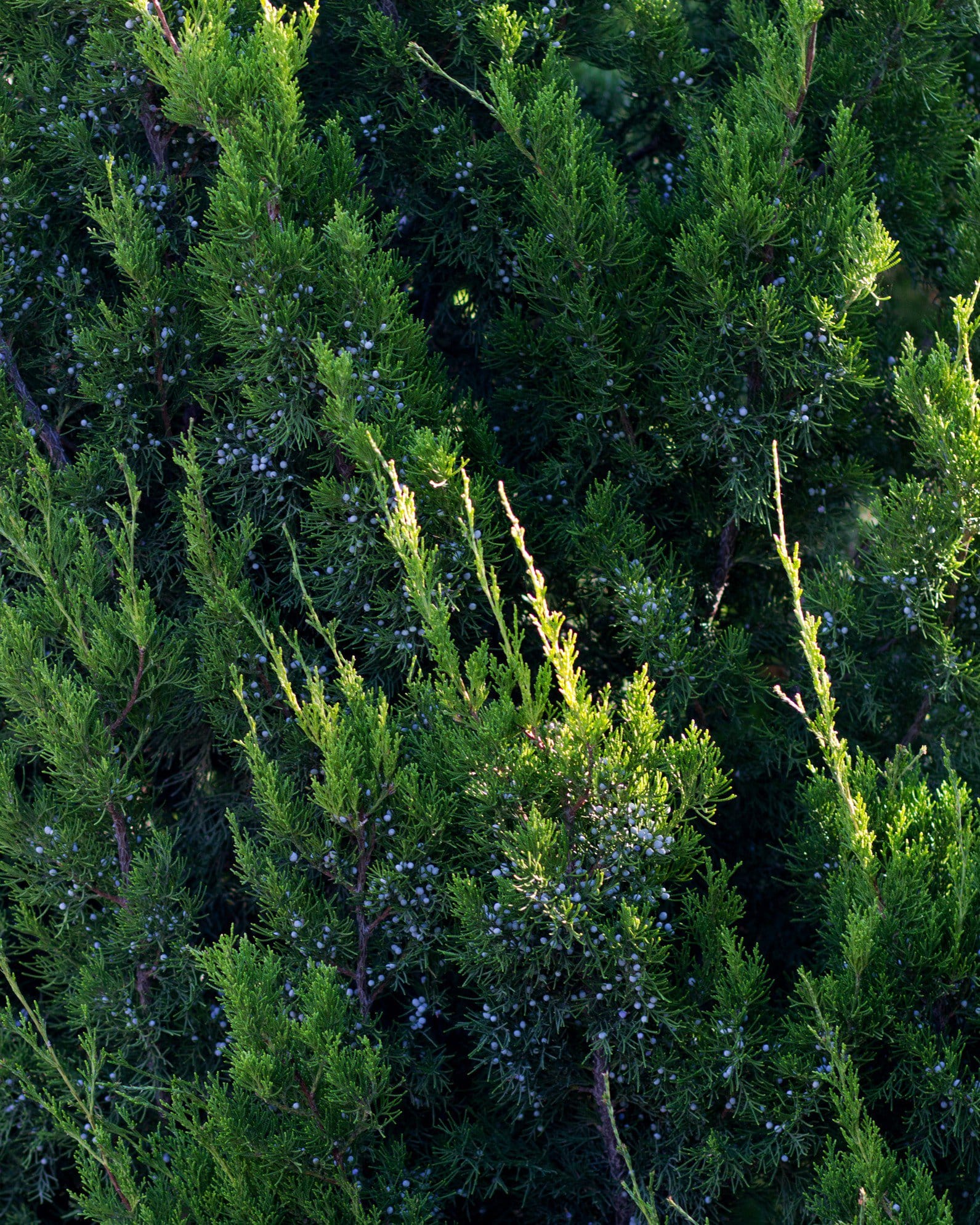
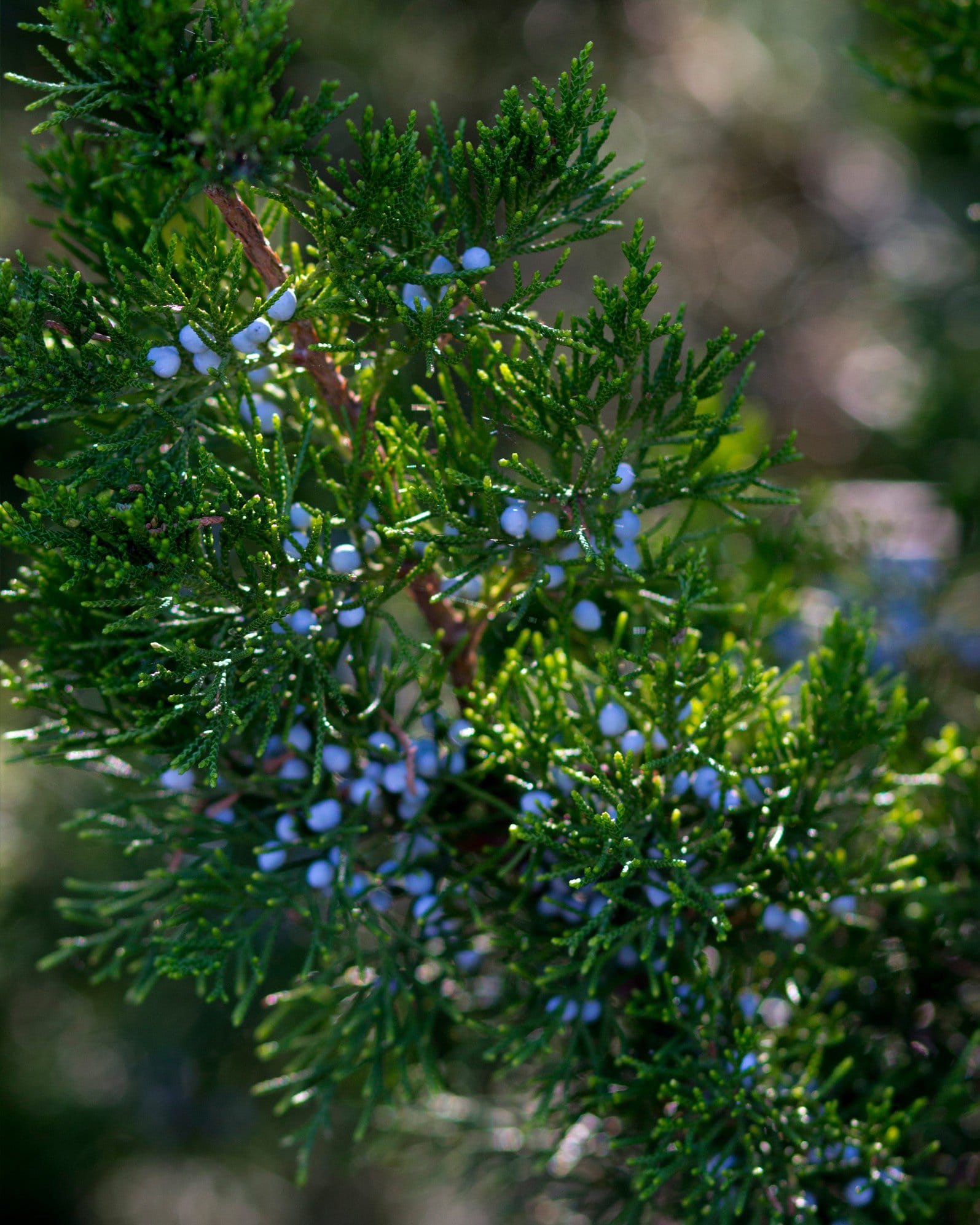
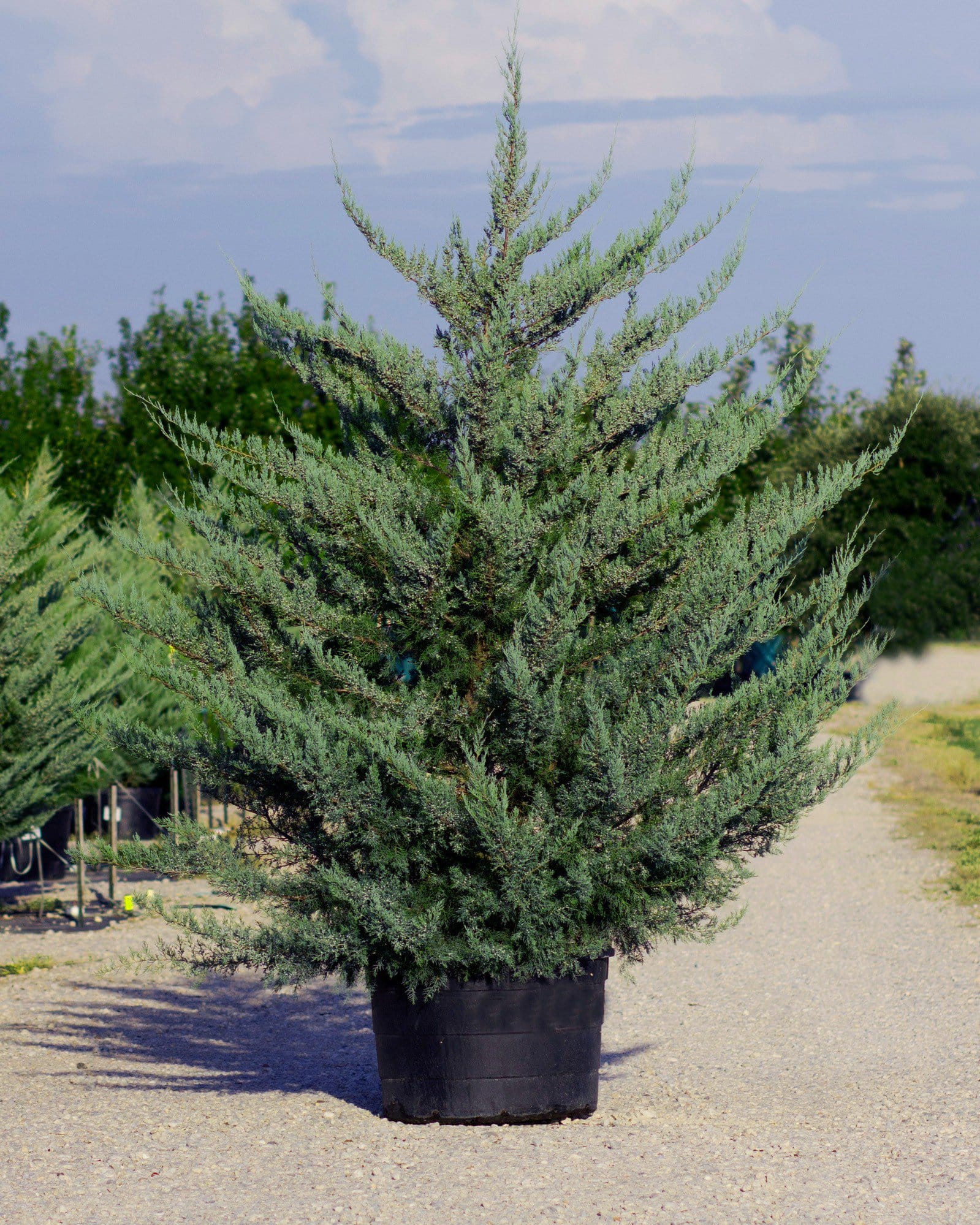
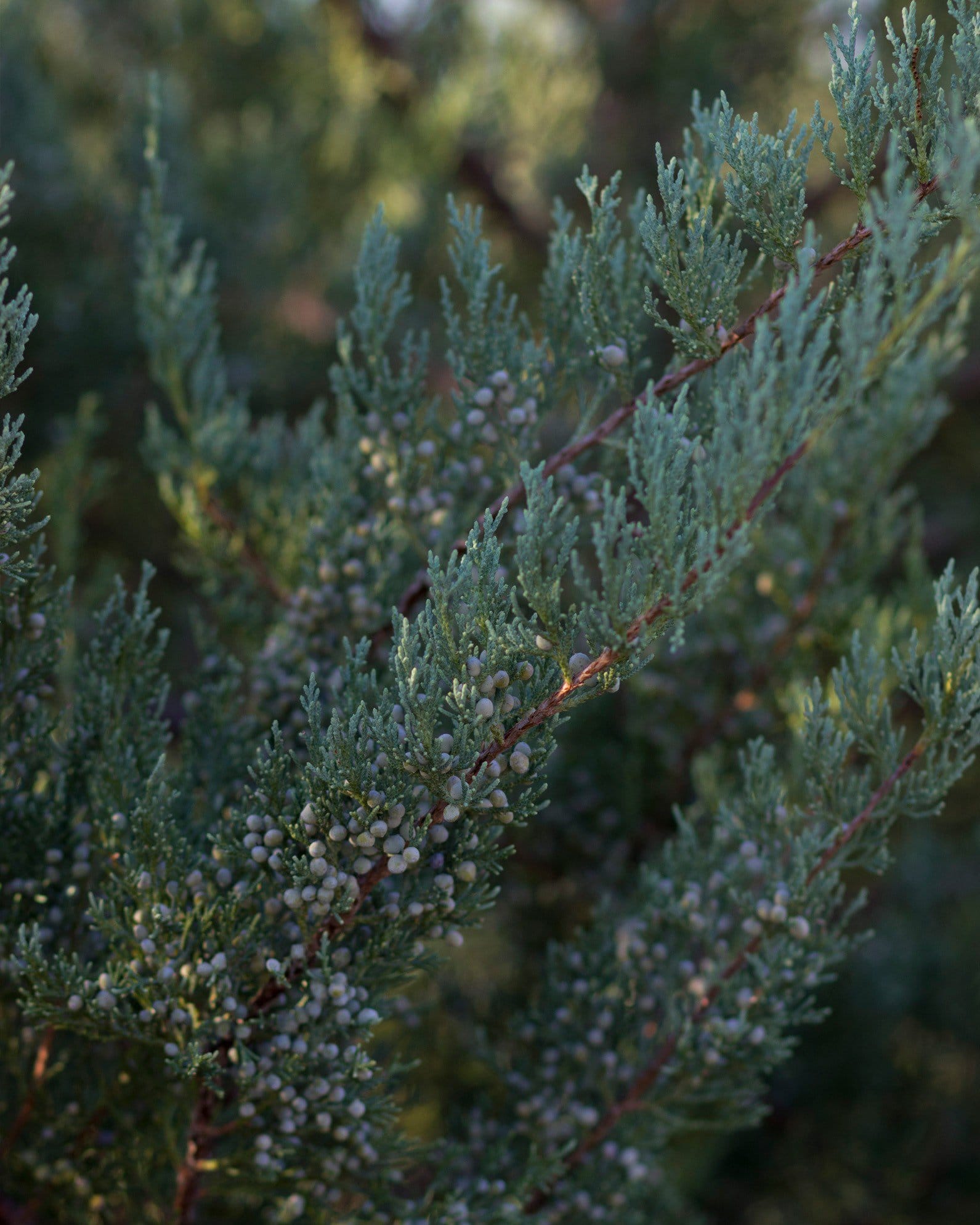
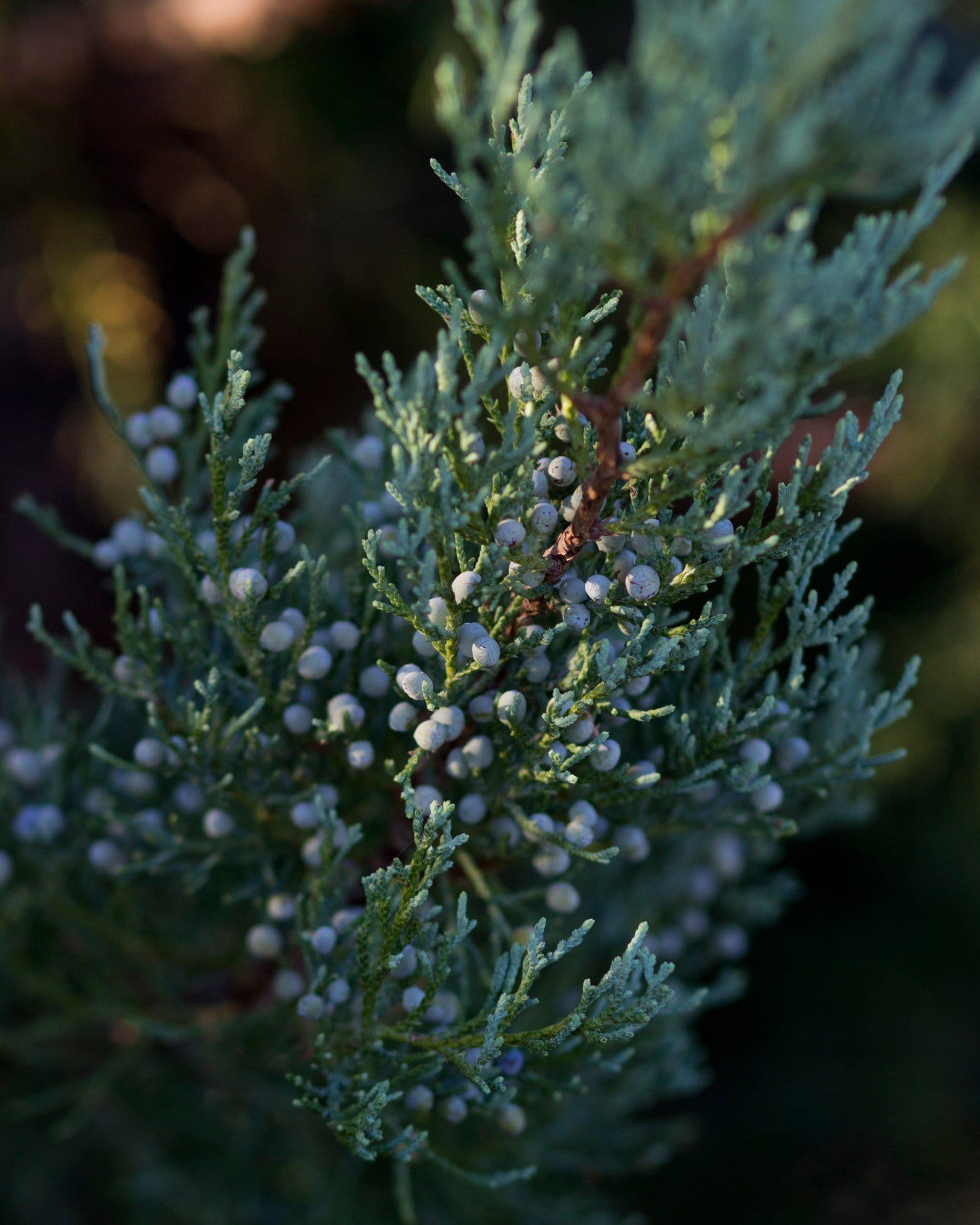
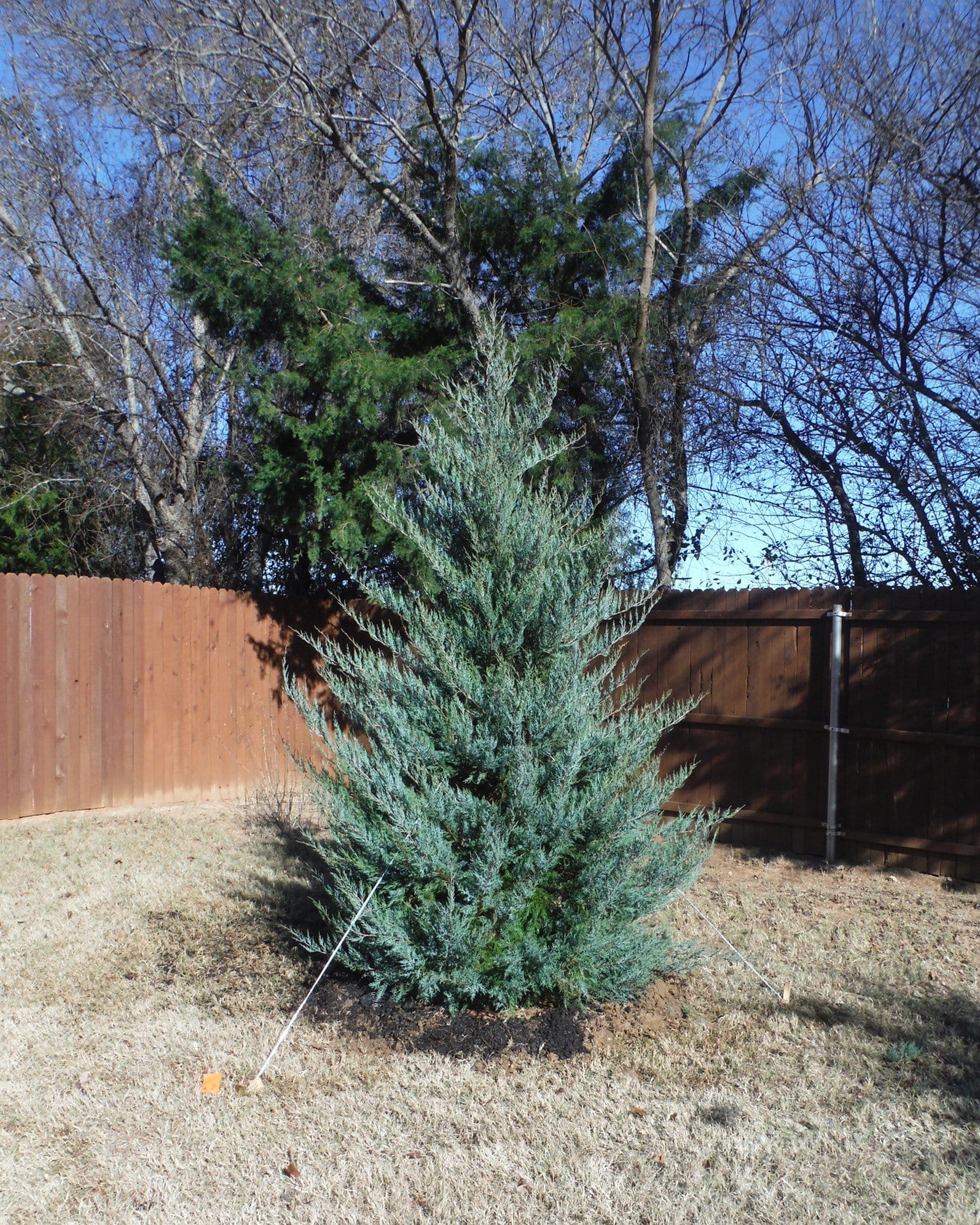
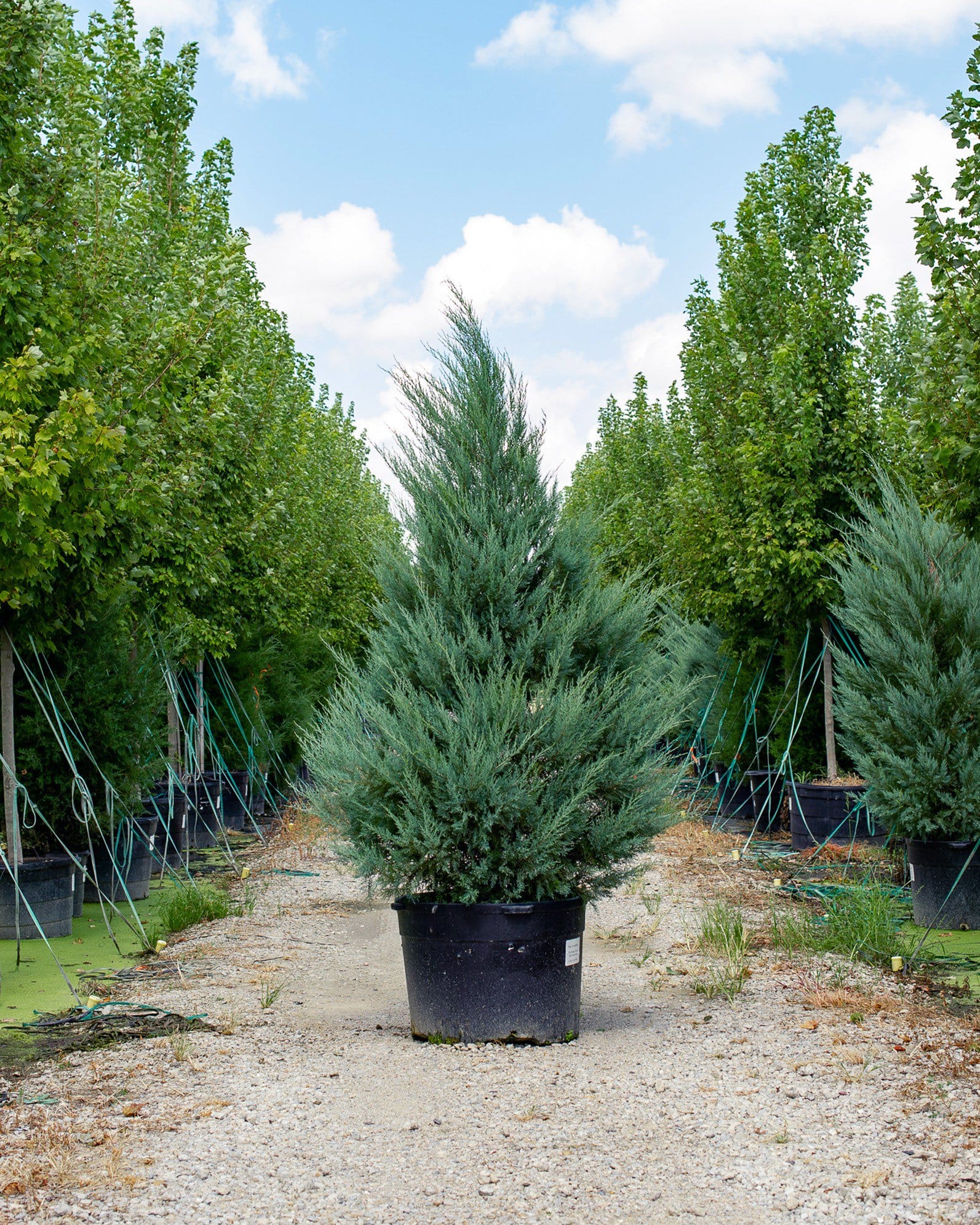
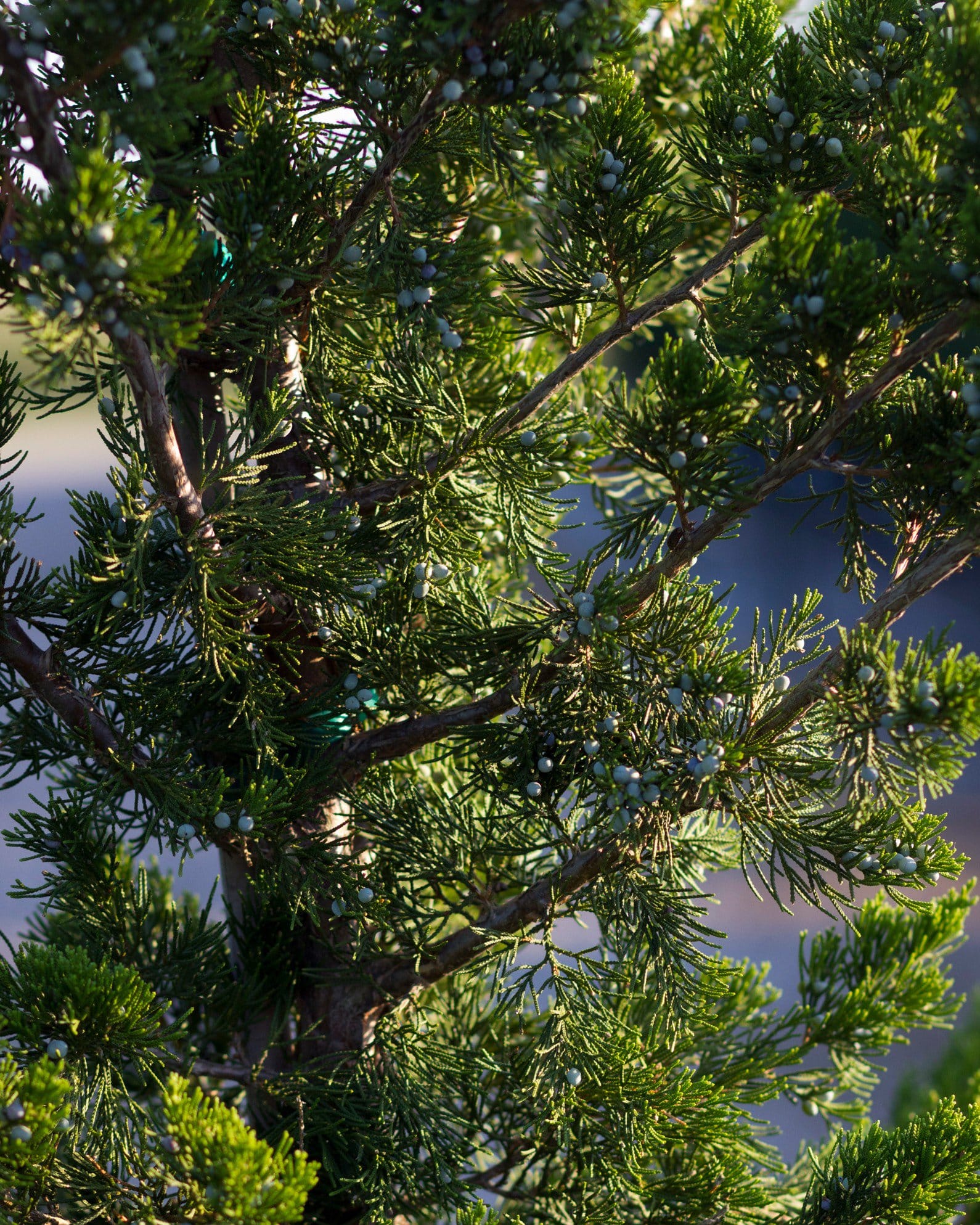
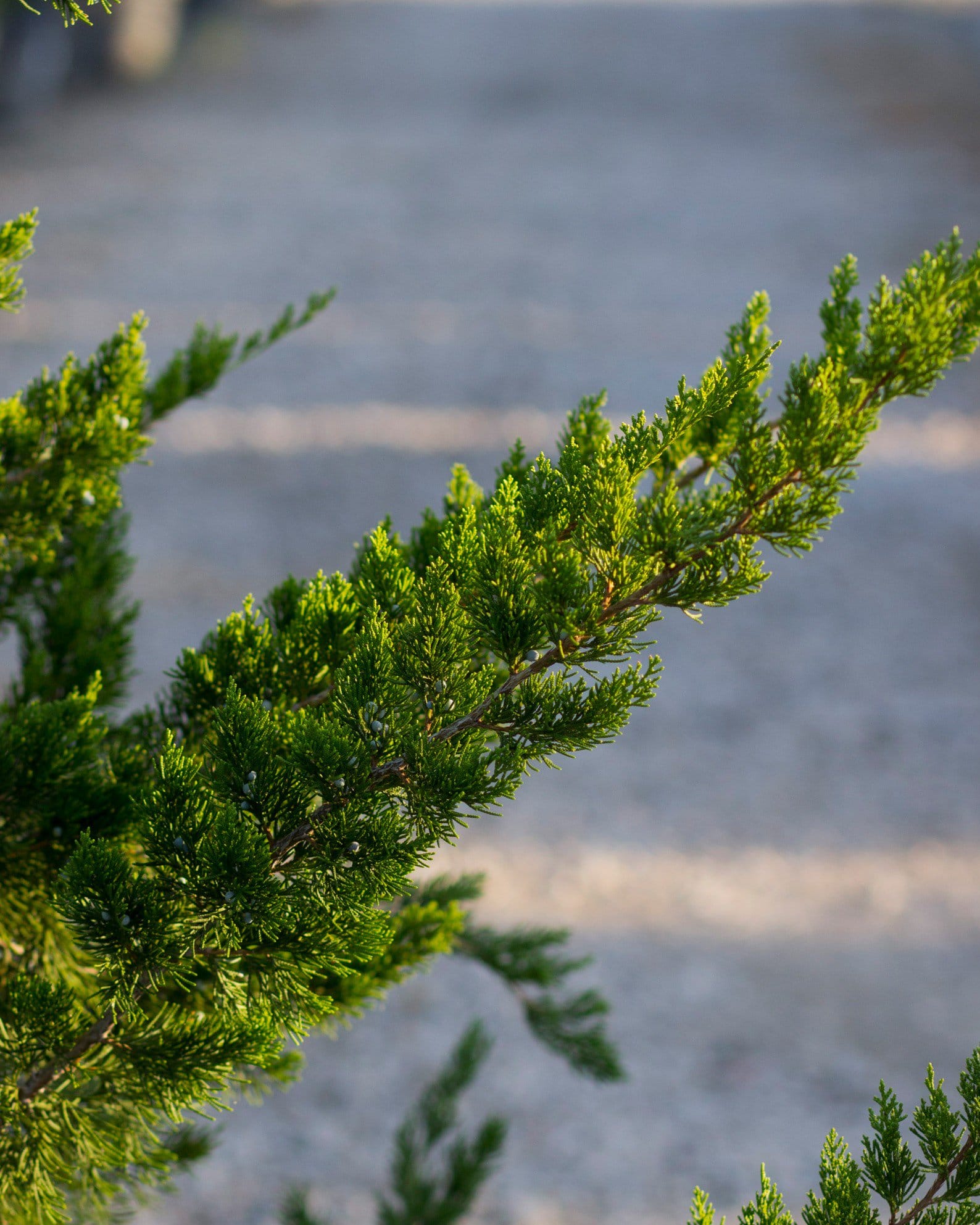
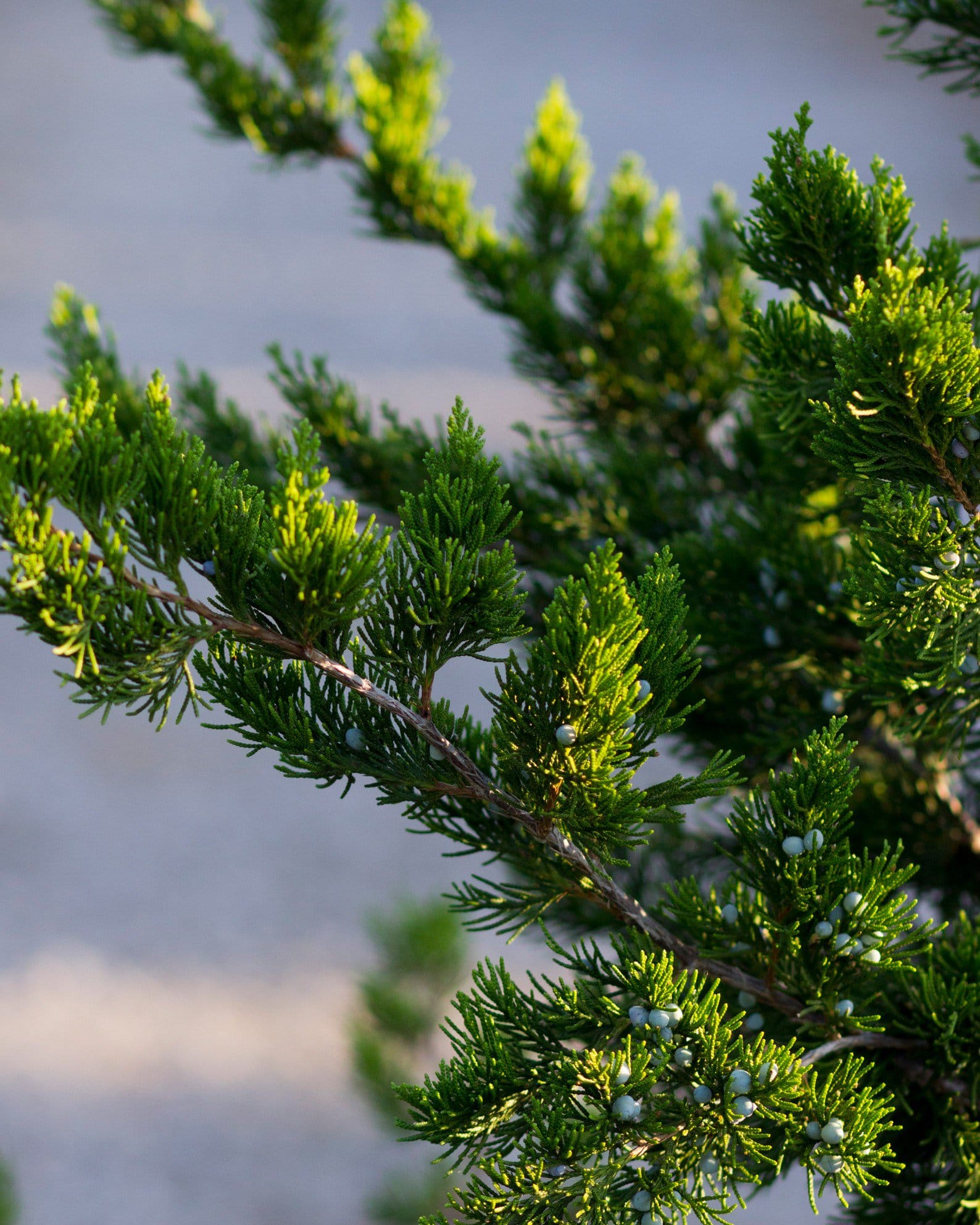
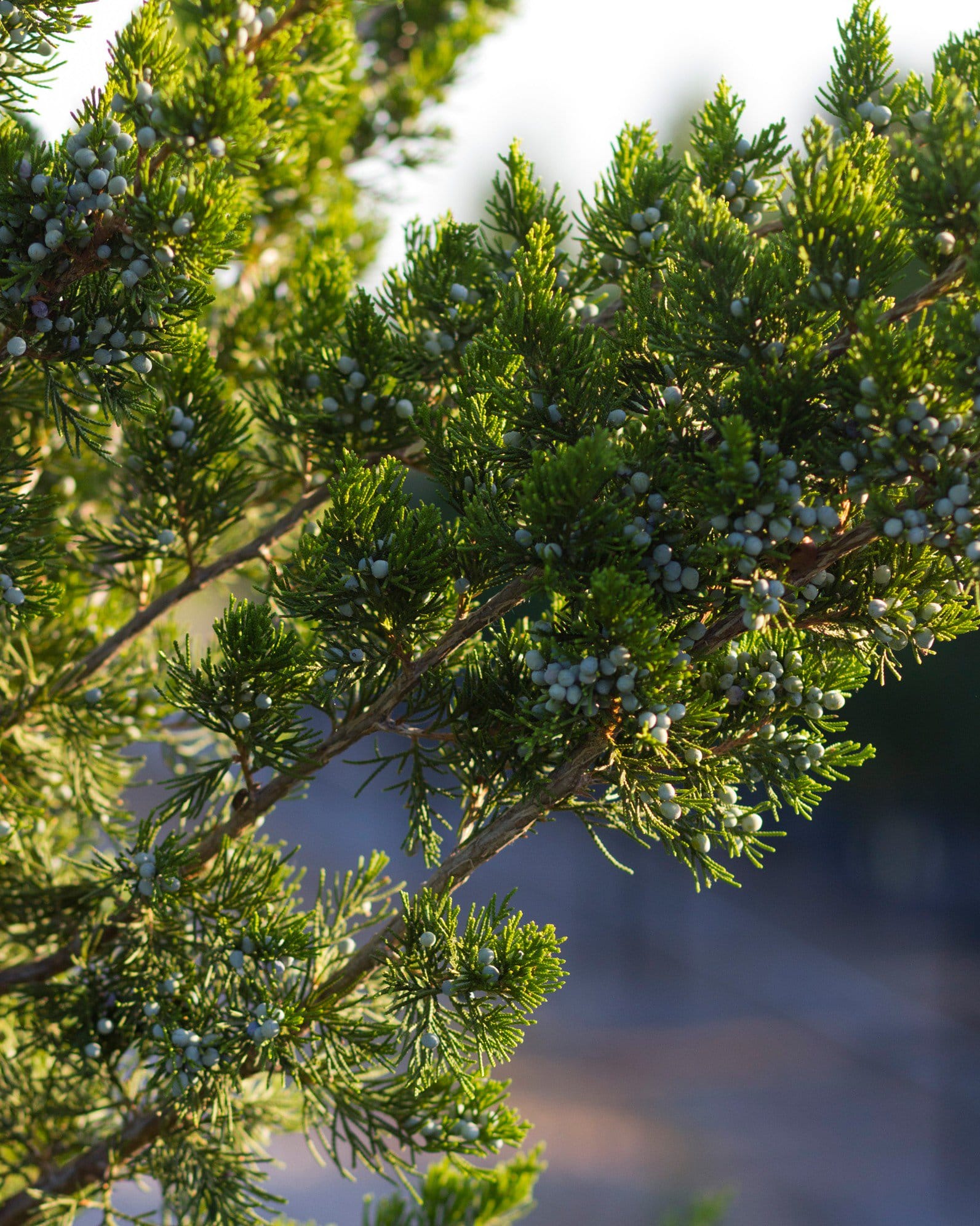
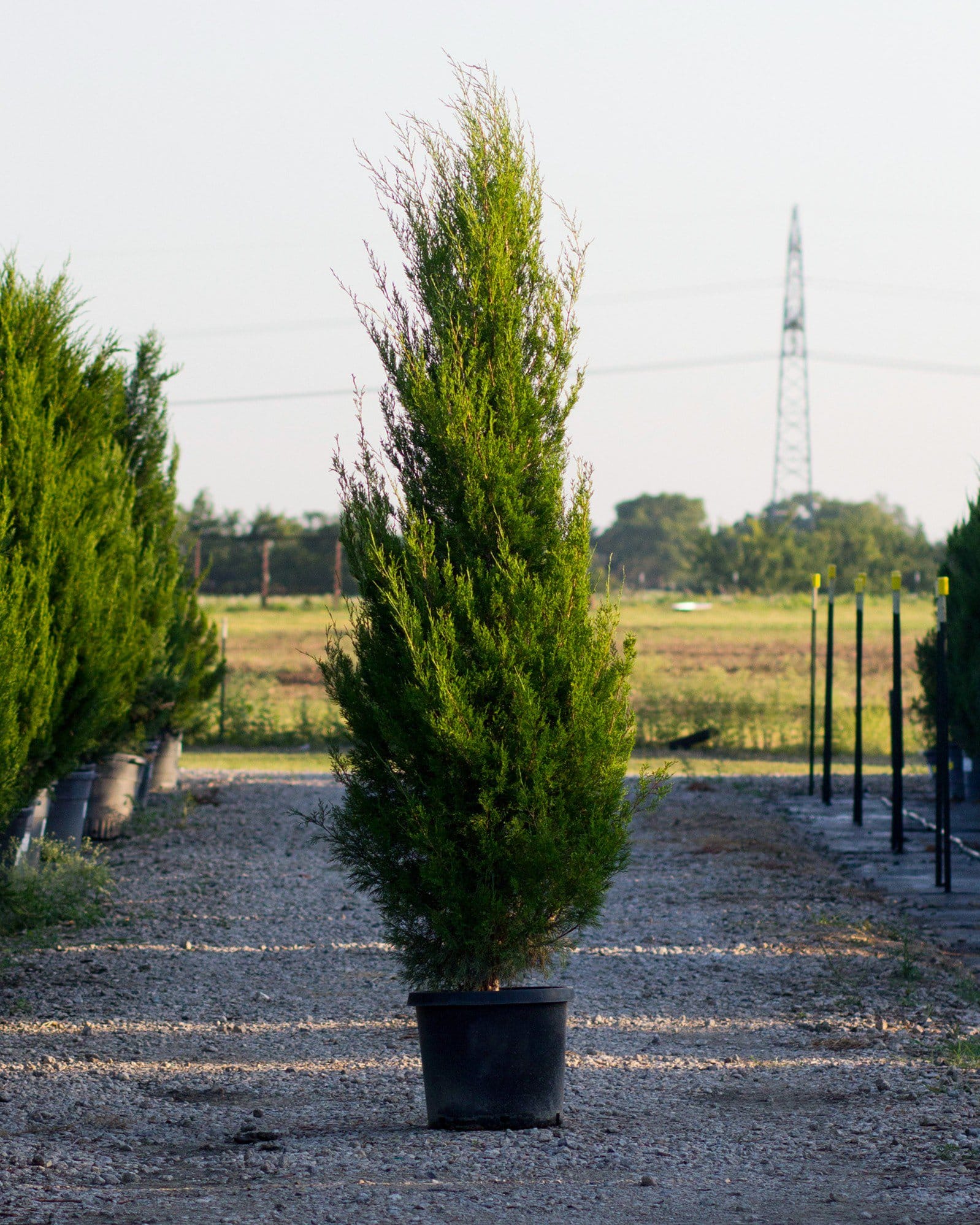
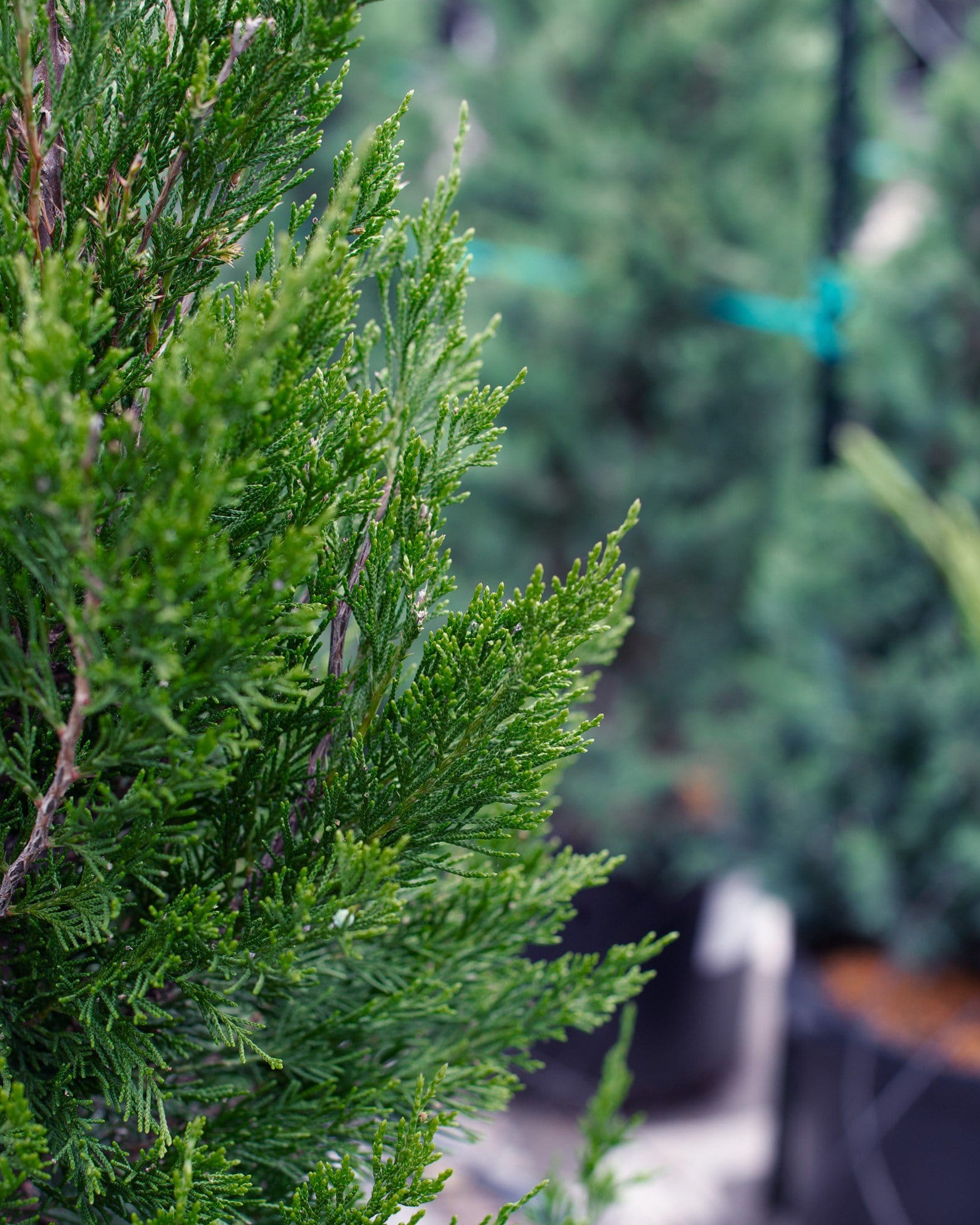
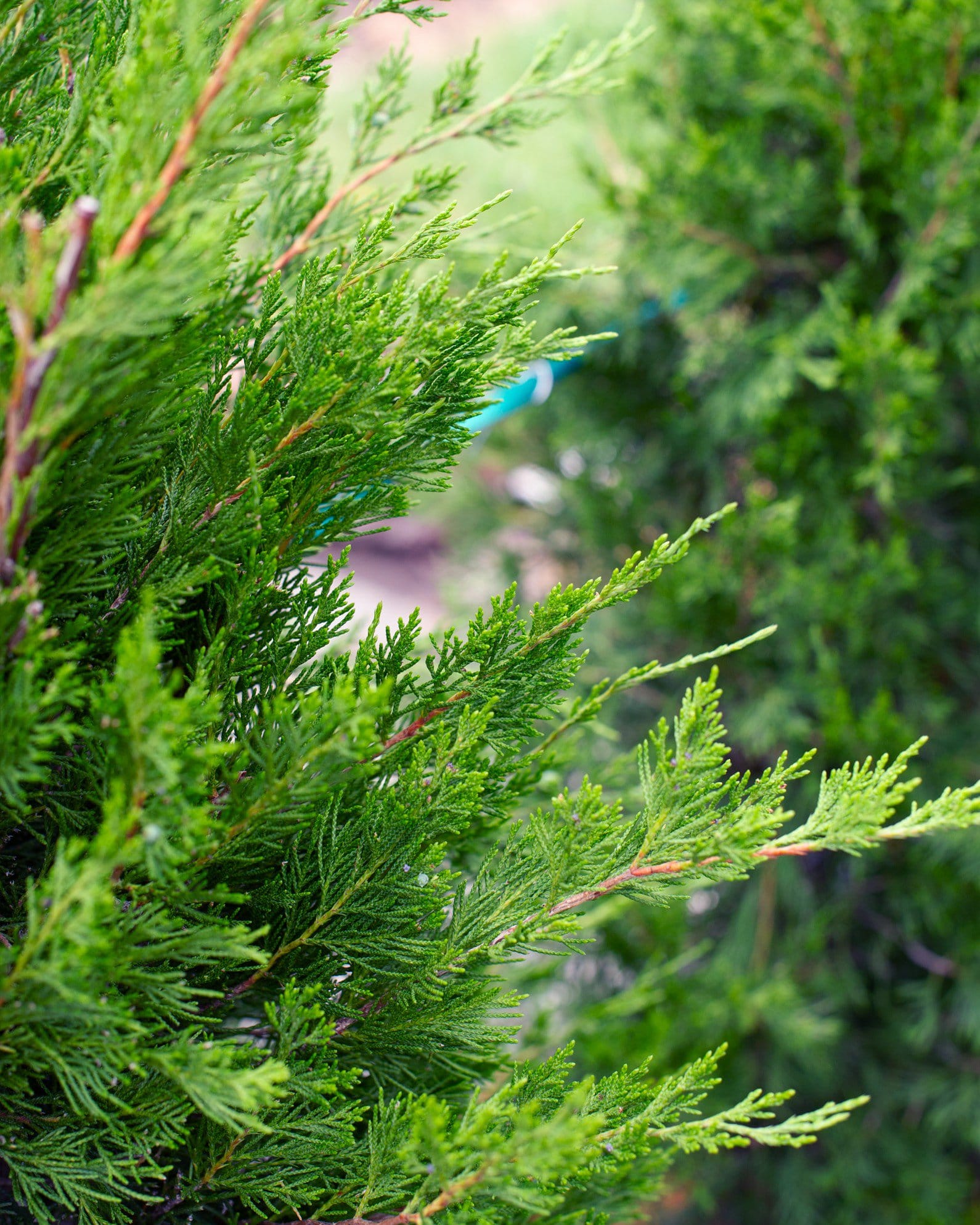
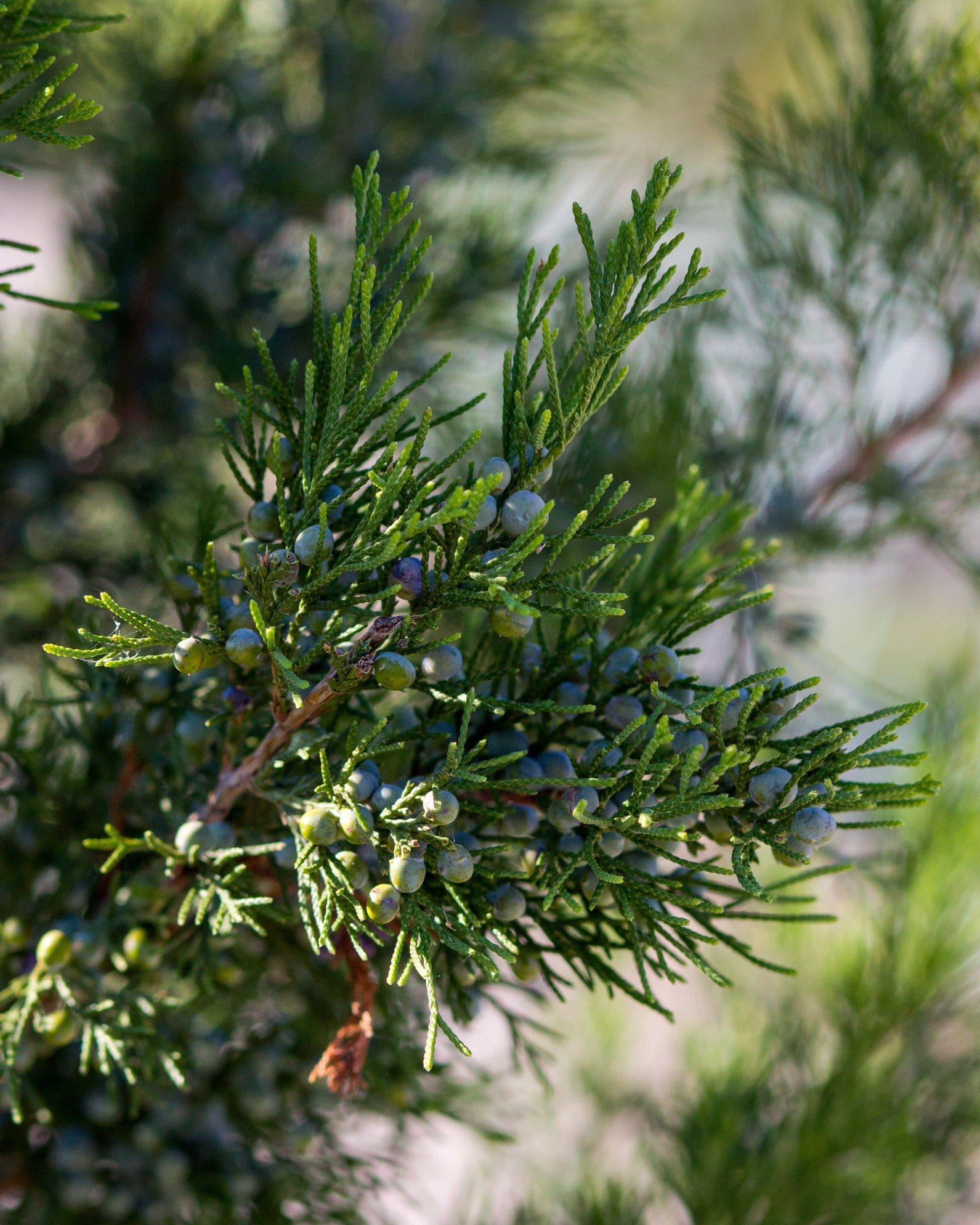
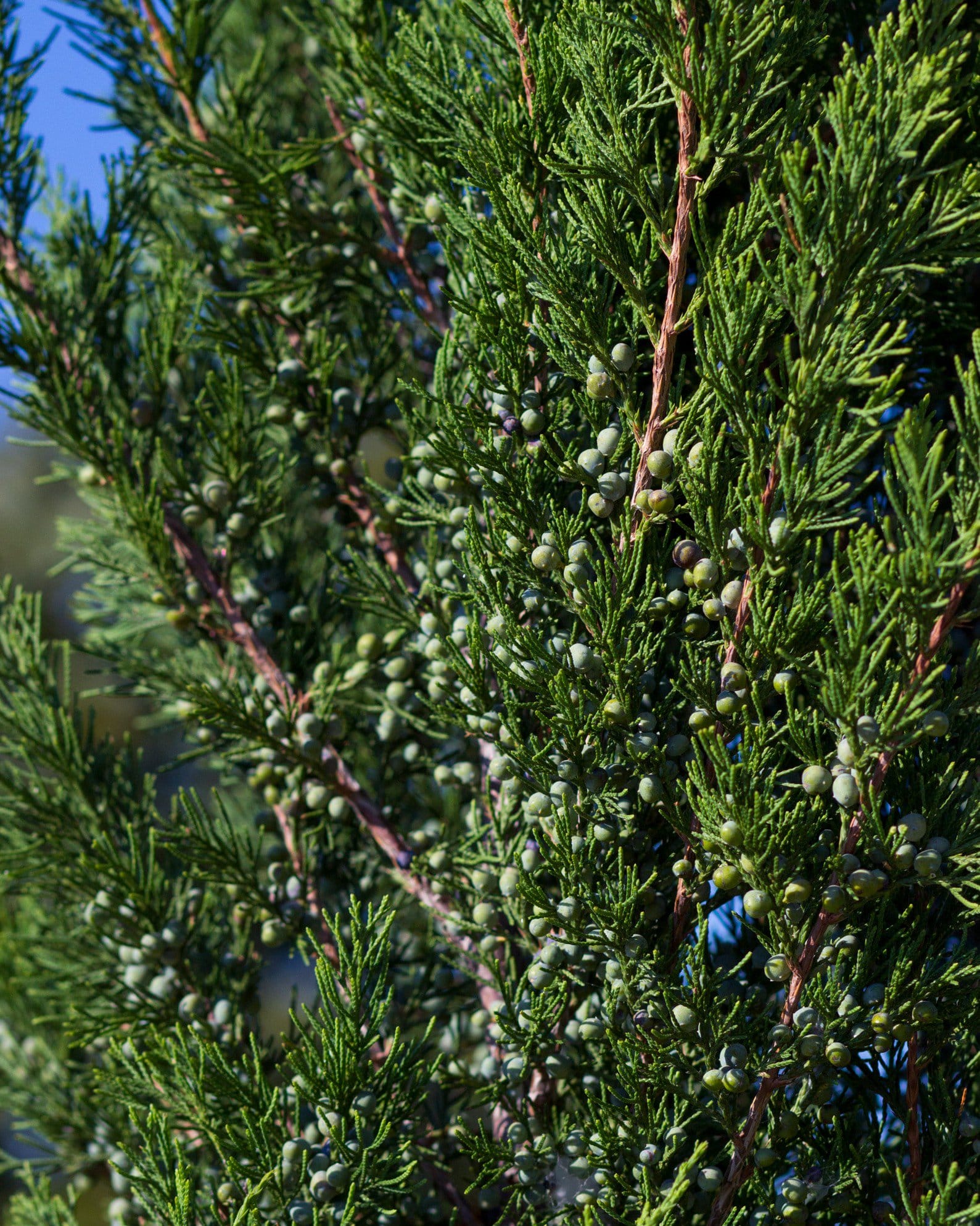
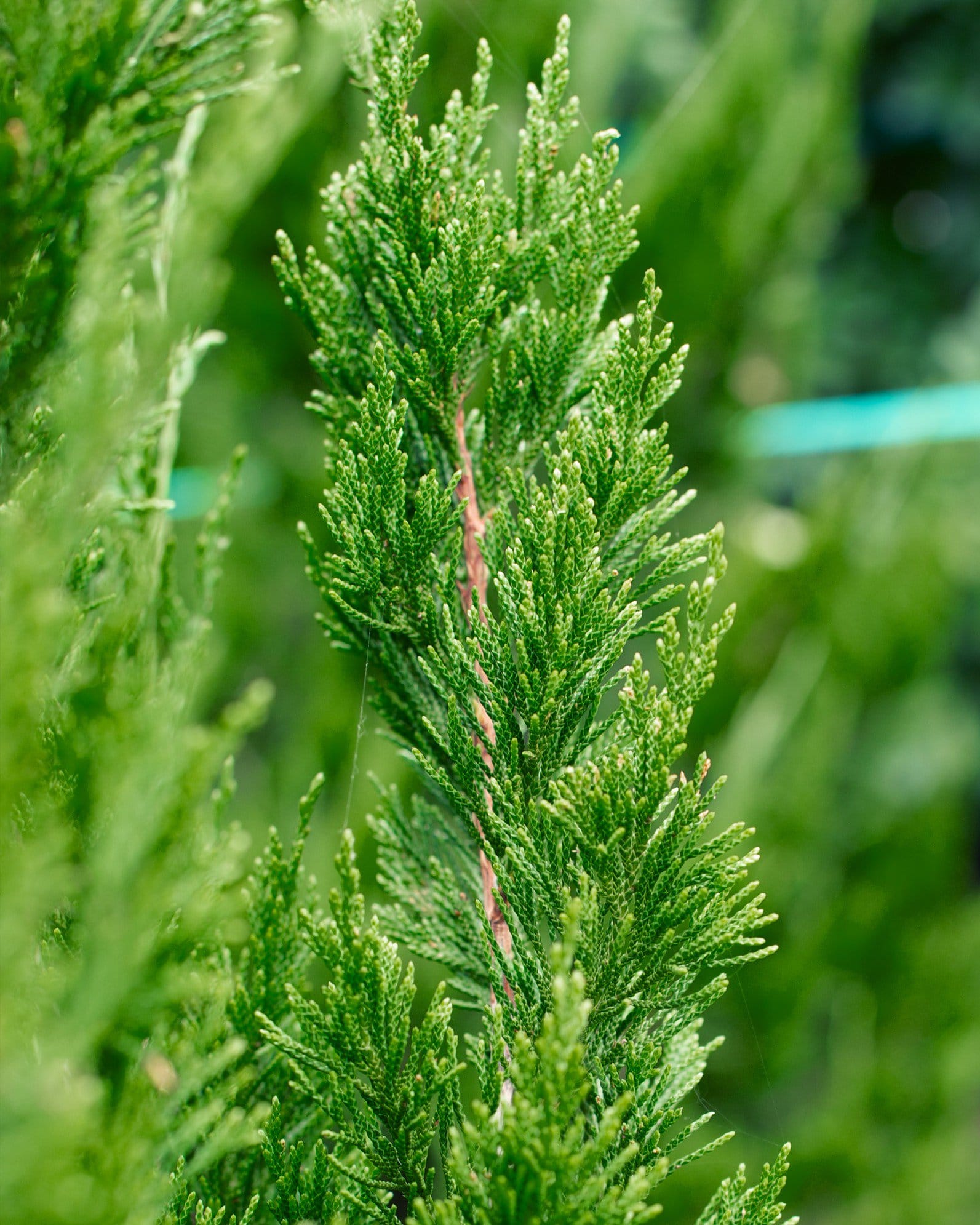
Cedrus atlantica ‘Glauca’The Blue Atlas Cedar 'Glauca' is a bold and beautiful evergreen tree, treasured for its steel-blue needles that shimmer in the sun and offer year-round color. Its open, pyramidal shape becomes more graceful and picturesque with age, creating a commanding presence in the landscape. This cedar grows 40 feet tall and 30 feet wide, making it perfect as a stand-alone specimen tree or as a dramatic anchor in large-scale designs.
- Evergreen tree
- Moderate to slow growth rate with broad pyramidal form
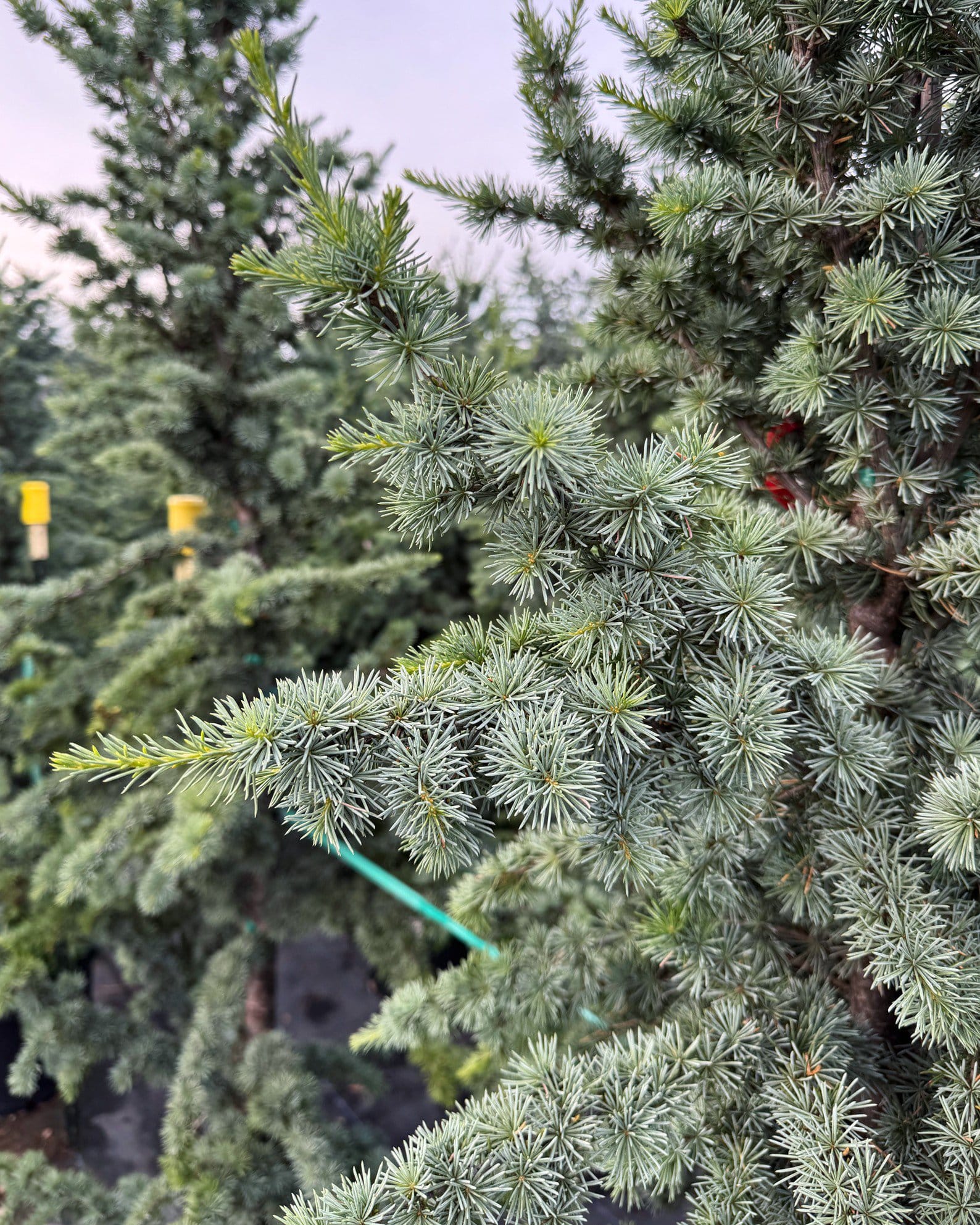
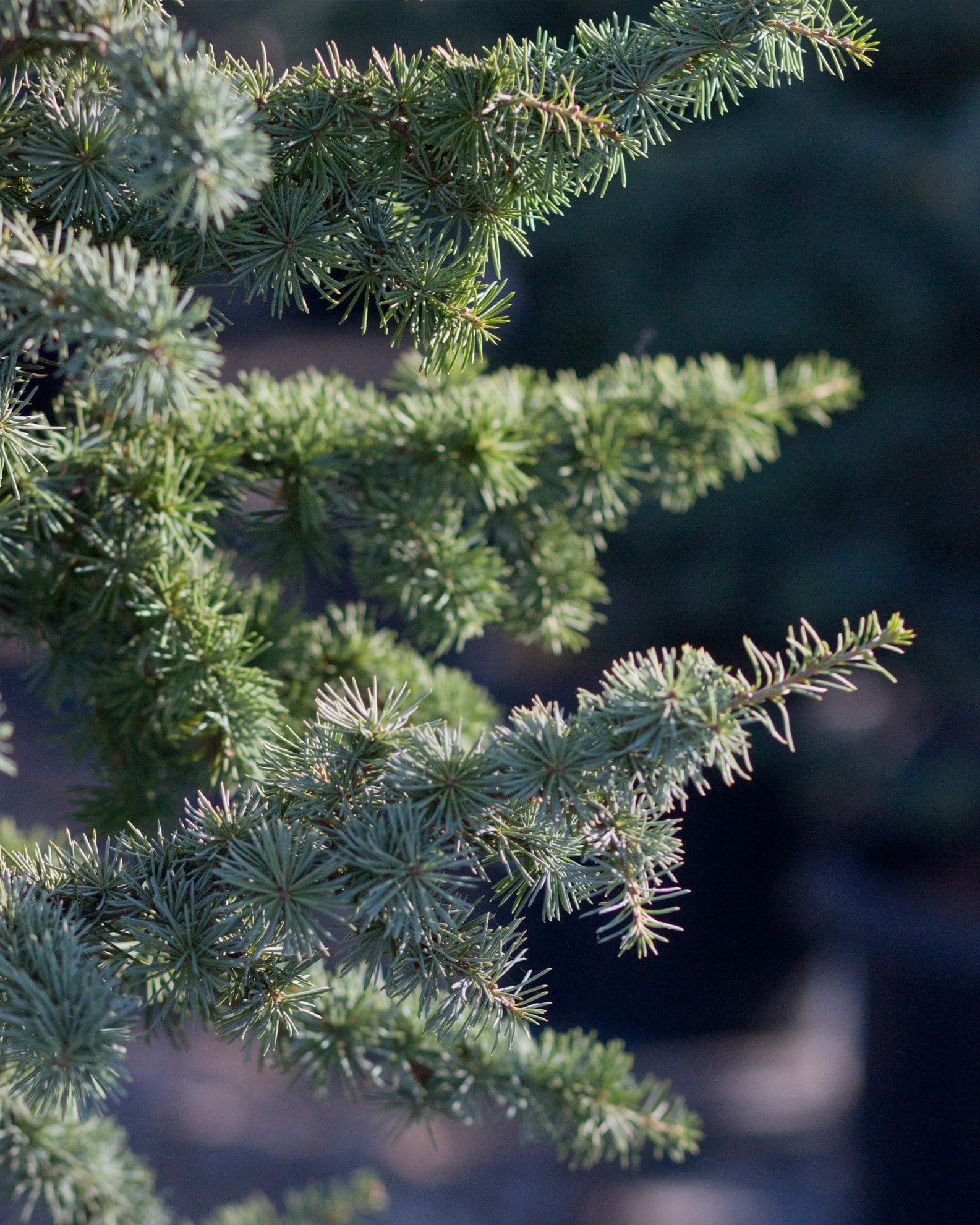
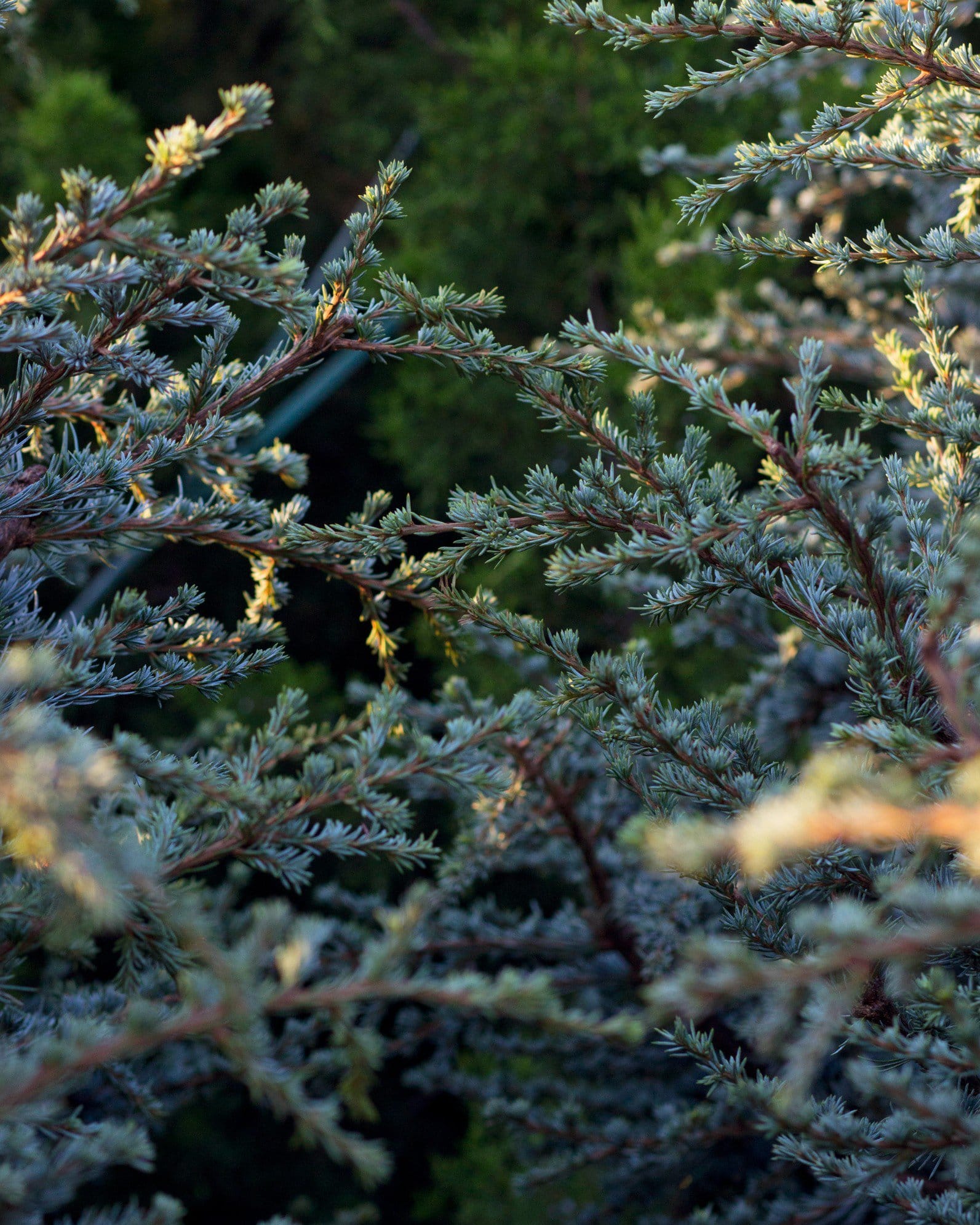
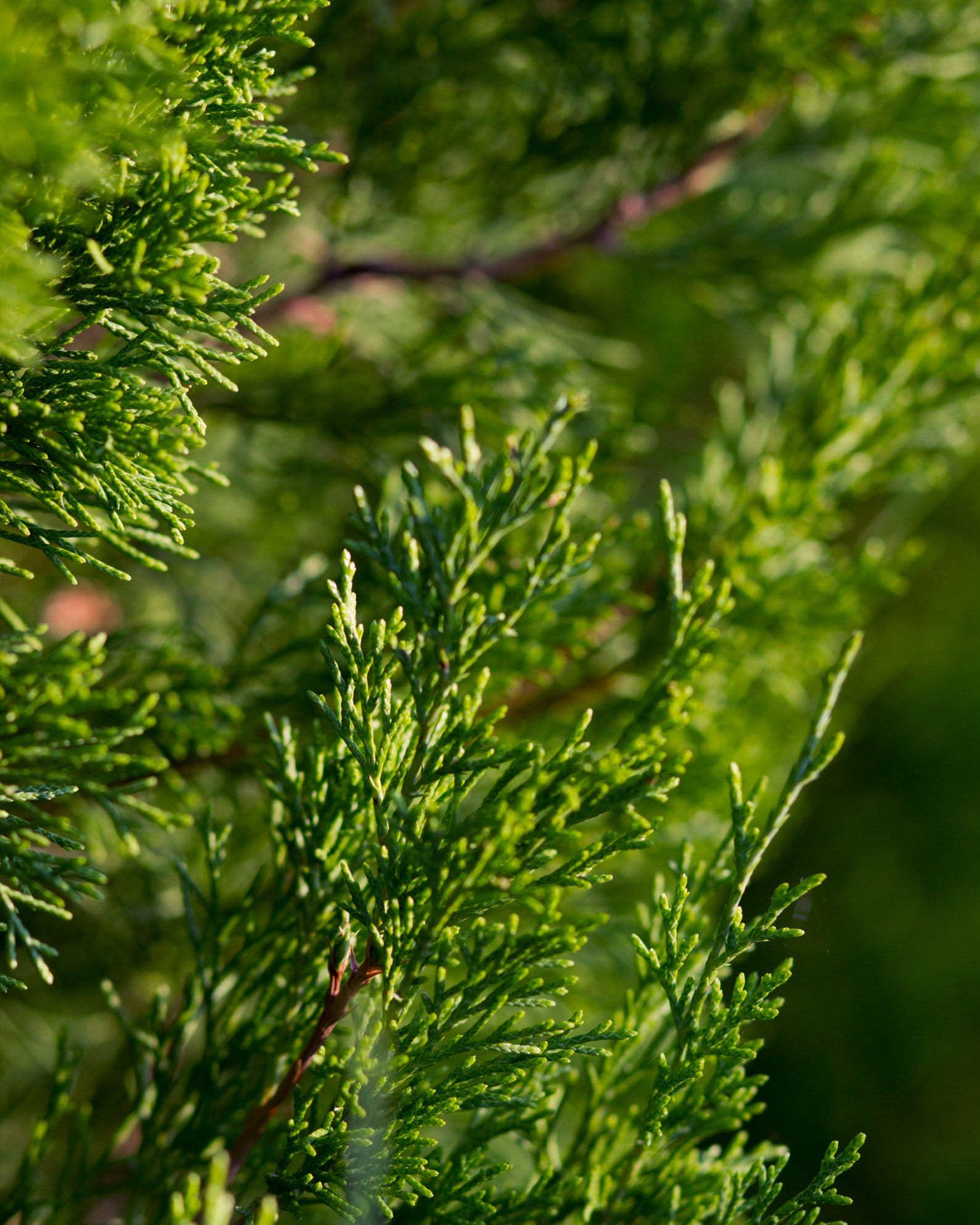
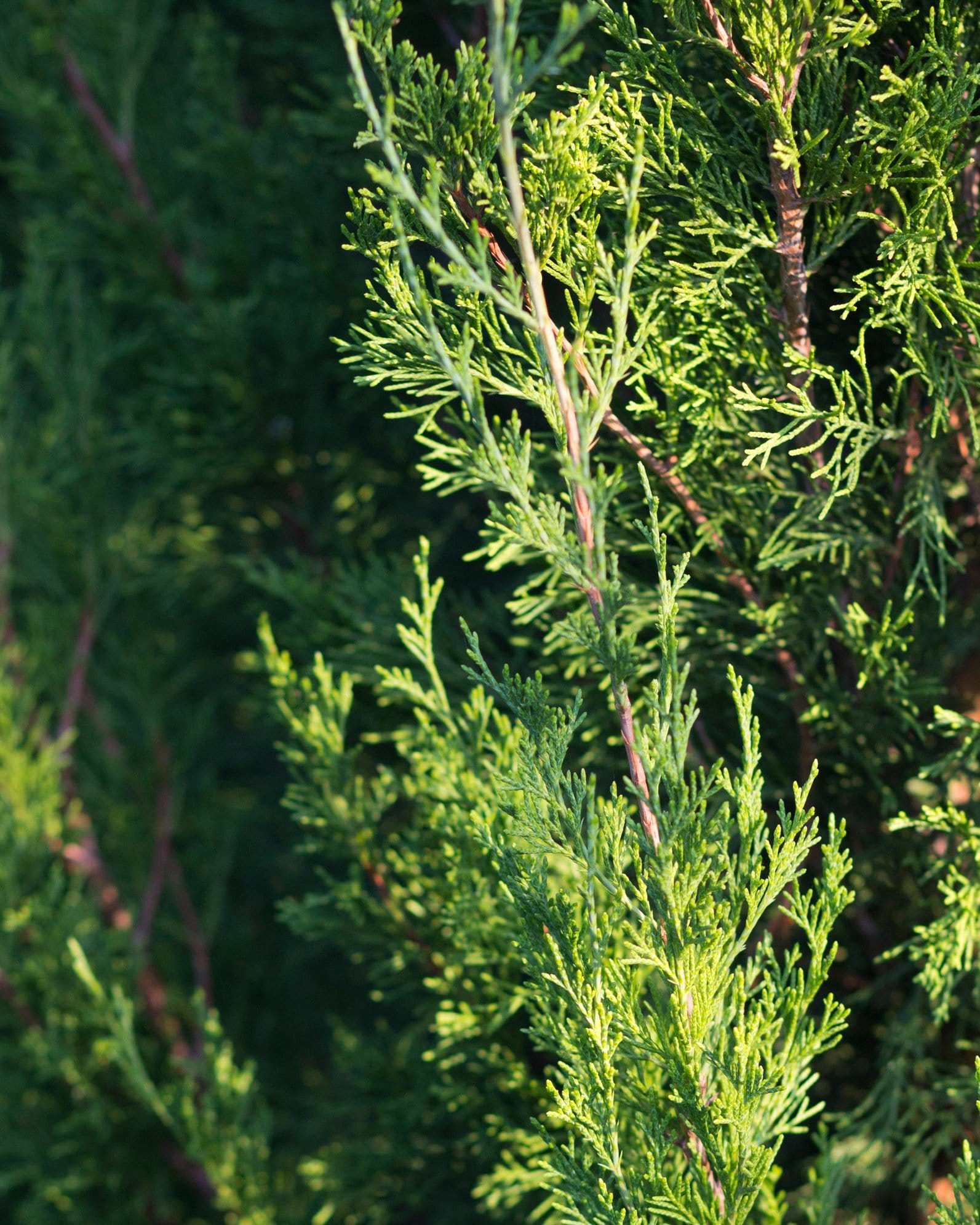
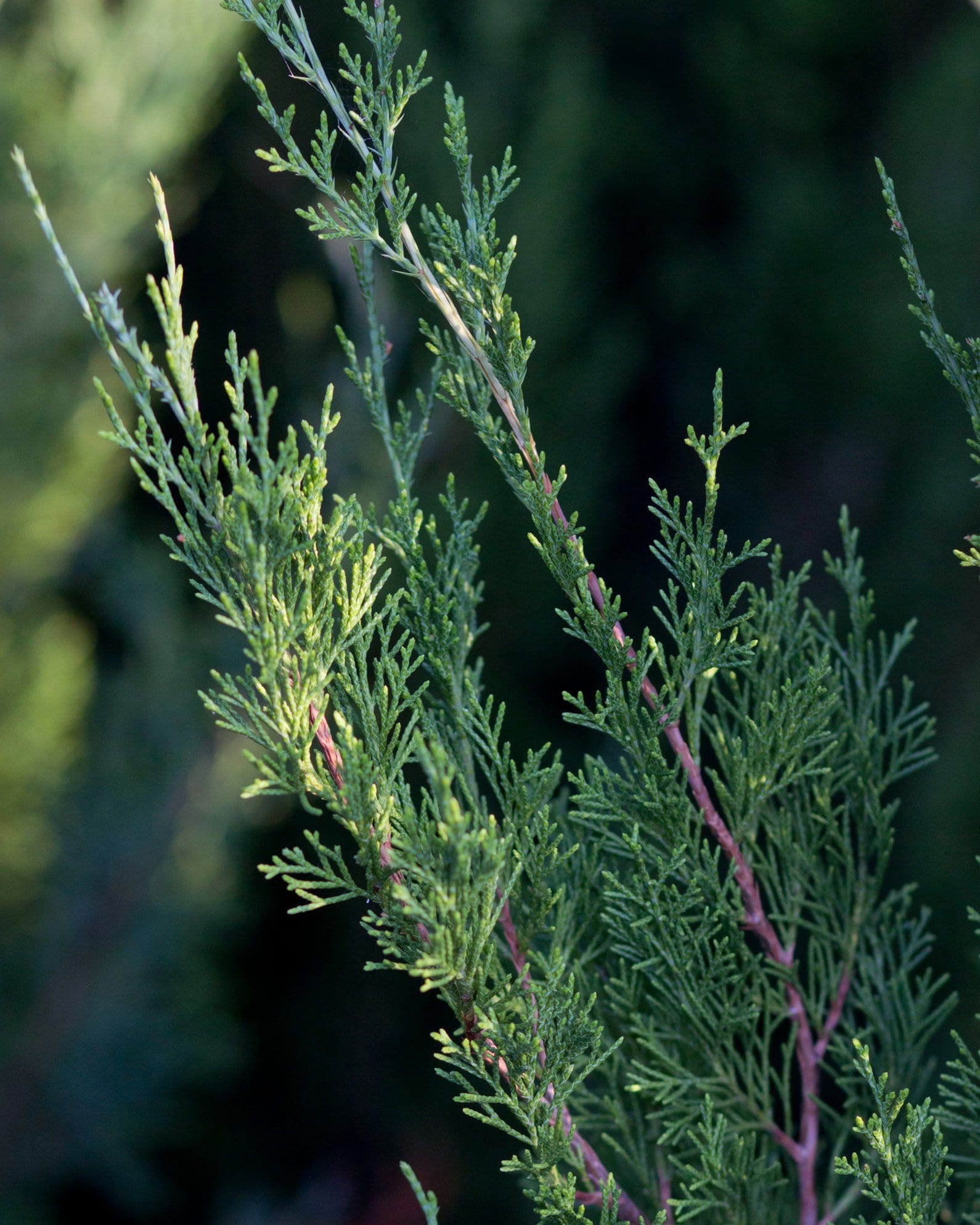
- Silvery-blue needles provide year-round interest
- Ideal as a statement or specimen tree
- Hardy and adaptable at maturity
This tree grows beautifully in full sun - but will tolerate partial shade - and well-drained soil. It's drought-tolerant at maturity and requires minimal trimming to maintain shape. Hardy in USDA zones 6 through 9, it's well-suited for North Texas and similar climates where dramatic, architectural trees are desired.
Maintenance
With proper establishment, Blue Atlas Cedar Glauca becomes a long-lived, low-maintenance specimen that brings year-round color and sculptural beauty:
- Watering: Water young ‘Glauca’ plants deeply and consistently for the first 2-3 years to build a strong, drought-resistant root system. Once mature, it becomes notably tolerant of dry conditions and usually needs supplemental watering only during prolonged extreme heat.
- Pruning: Pruning needs are minimal thanks to its naturally bold, symmetrical form. If shaping is necessary, prune in late winter to remove damaged, rubbing, or congested interior branches, taking care to preserve the tree’s architectural character.
- Fertilizing: This cedar performs well in nutrient-balanced soils and typically requires little fertilizer once established. If needle color fades or annual growth slows, apply a light dose of slow-release, balanced fertilizer in early spring - avoiding high-nitrogen.
- Mulching: Apply a 2-3 inch mulch layer around the base to conserve moisture, protect shallow roots, and maintain even soil temperatures. Keep mulch several inches away from the trunk to prevent excess moisture at the base.
- Winter Care: Blue Atlas Cedar is reliably cold-hardy but may show slight bronzing during harsh winters, especially in exposed sites. Providing wind protection during its early years helps prevent winter desiccation and ensures smooth seasonal transitions.
Common Issues and How to Take Care of Them
‘Glauca’ is generally resilient and low-maintenance, though a few manageable issues can appear in stressful or overly humid conditions:
- Needle Blight: Browning patches appear on clusters of needles during cool, wet conditions. Remove affected branches and improve air circulation to reduce future infections.
- Spider Mites: Fine stippling, dull foliage, and thin webbing develop in hot, dry weather. Rinse foliage regularly or apply horticultural oil to keep populations under control.
- Root Rot: Sudden decline and browning occur when roots sit in waterlogged soil. Improve drainage and adjust irrigation to keep soil consistently well-drained.
- Cedar Bark Beetles: Tiny exit holes and thinning sections of foliage indicate boring activity. Keep the tree healthy and avoid trunk wounds, consulting a professional for significant infestations.
- Needle Drop: Interior needle loss occurs naturally but becomes excessive during drought or heat stress. Deep, infrequent watering stabilizes growth and prevents further shedding.
These cedars commonly live 80-150 years when planted in well-drained soil and given attentive early care. Their impressive lifespan makes them iconic, long-term specimen trees for large landscapes.
It grows moderately - typically 12-18 inches per year - and reaches a mature pyramidal form in 15-25 years. This steady pace allows it to develop a powerful, sculptural presence without becoming unmanageable.
While not a significant pollinator plant, its dense evergreen structure offers excellent shelter for small birds and overwintering wildlife. As it matures, it becomes a dependable refuge during hot summers and cold winters alike.
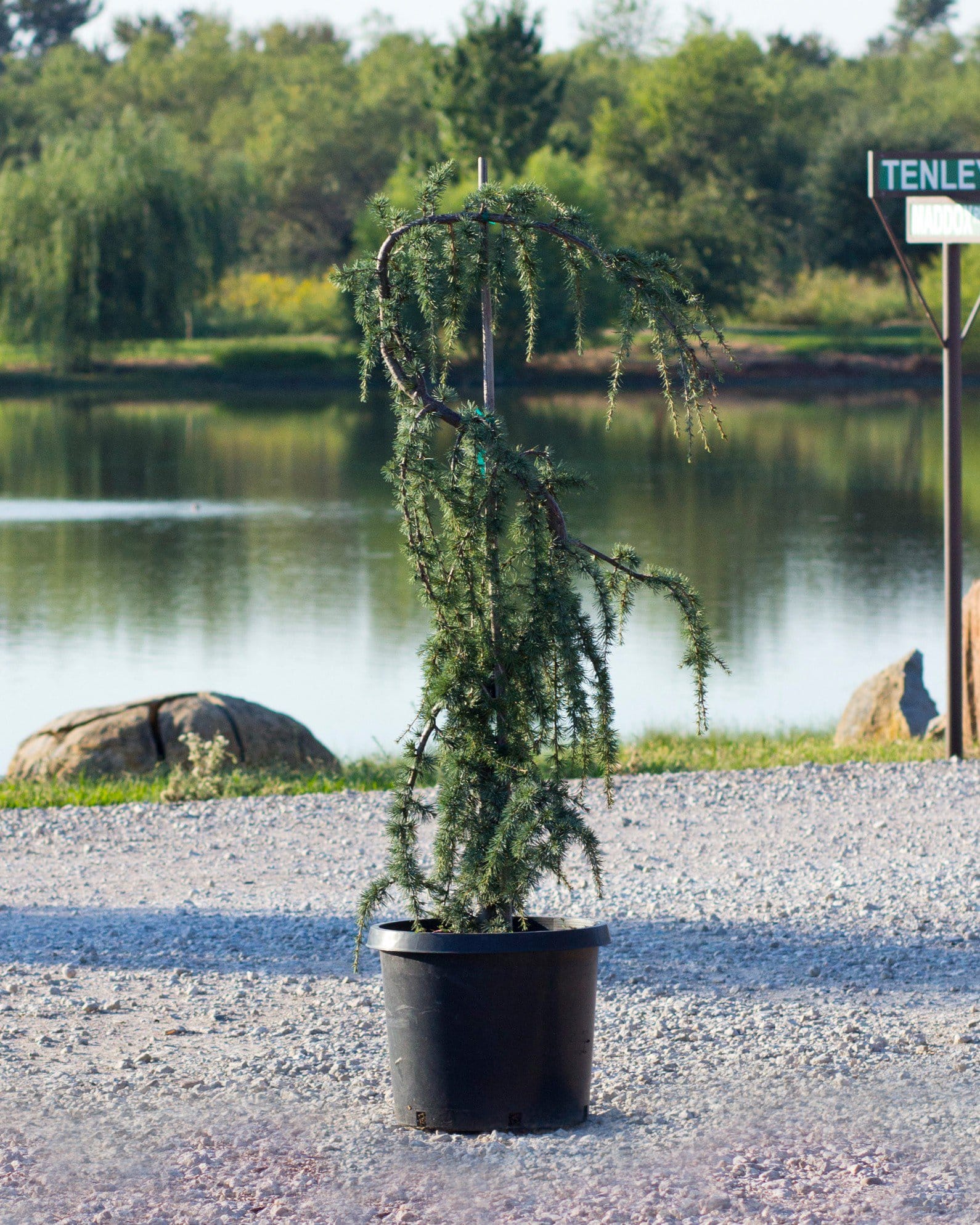
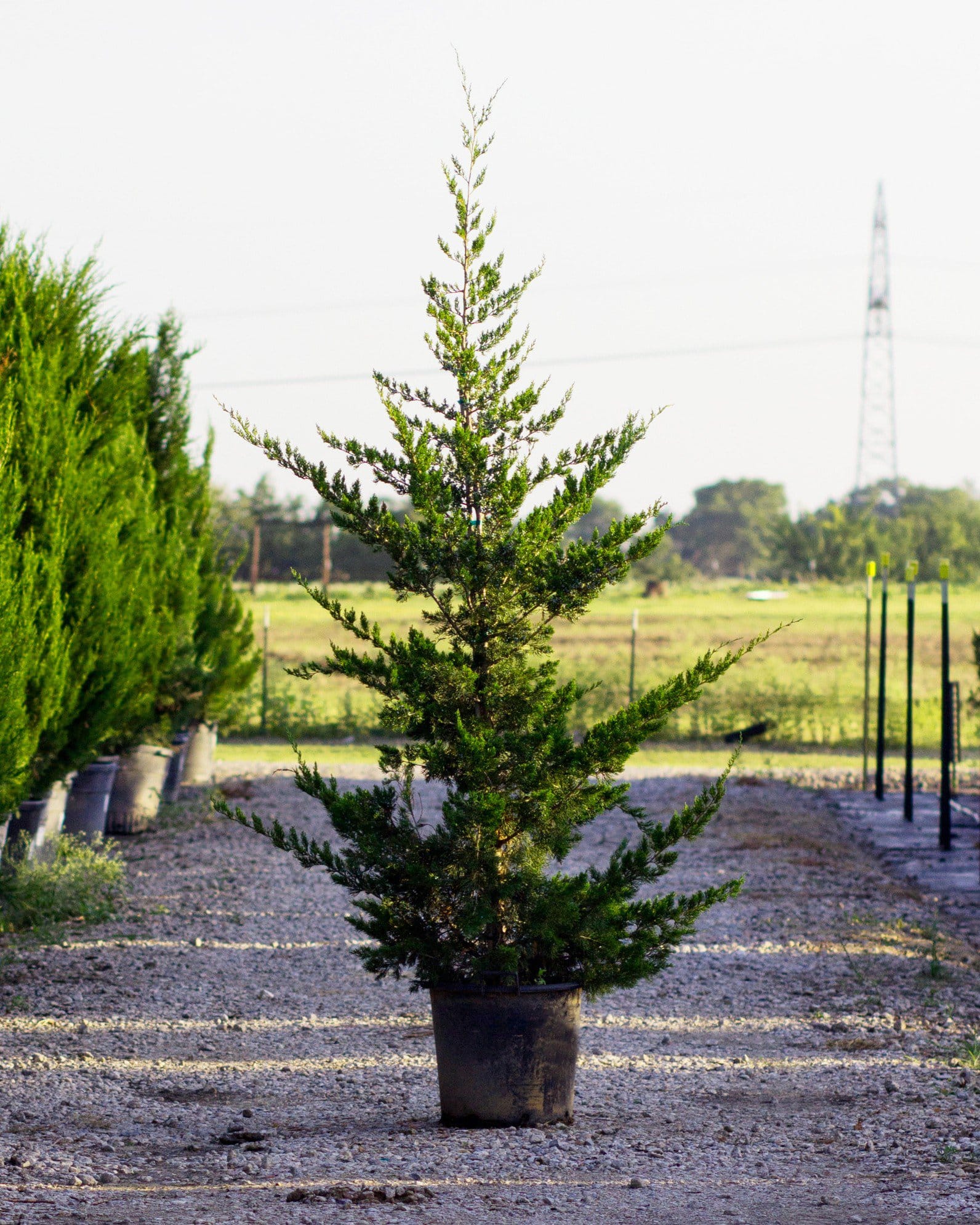
It can be grown in large containers during its youth, especially as a patio or entryway focal point. Eventually, it performs best when planted in the ground where it has room to develop its full width and stature.
It handles heat well when planted in well-drained soil and given deep, occasional watering during extreme drought. Mulch and protection from reflected heat help maintain needle vibrancy through hot summers.
It can't be divided, as it grows from a single woody trunk and unified root system. Propagation requires grafting or cuttings, typically performed by growers.
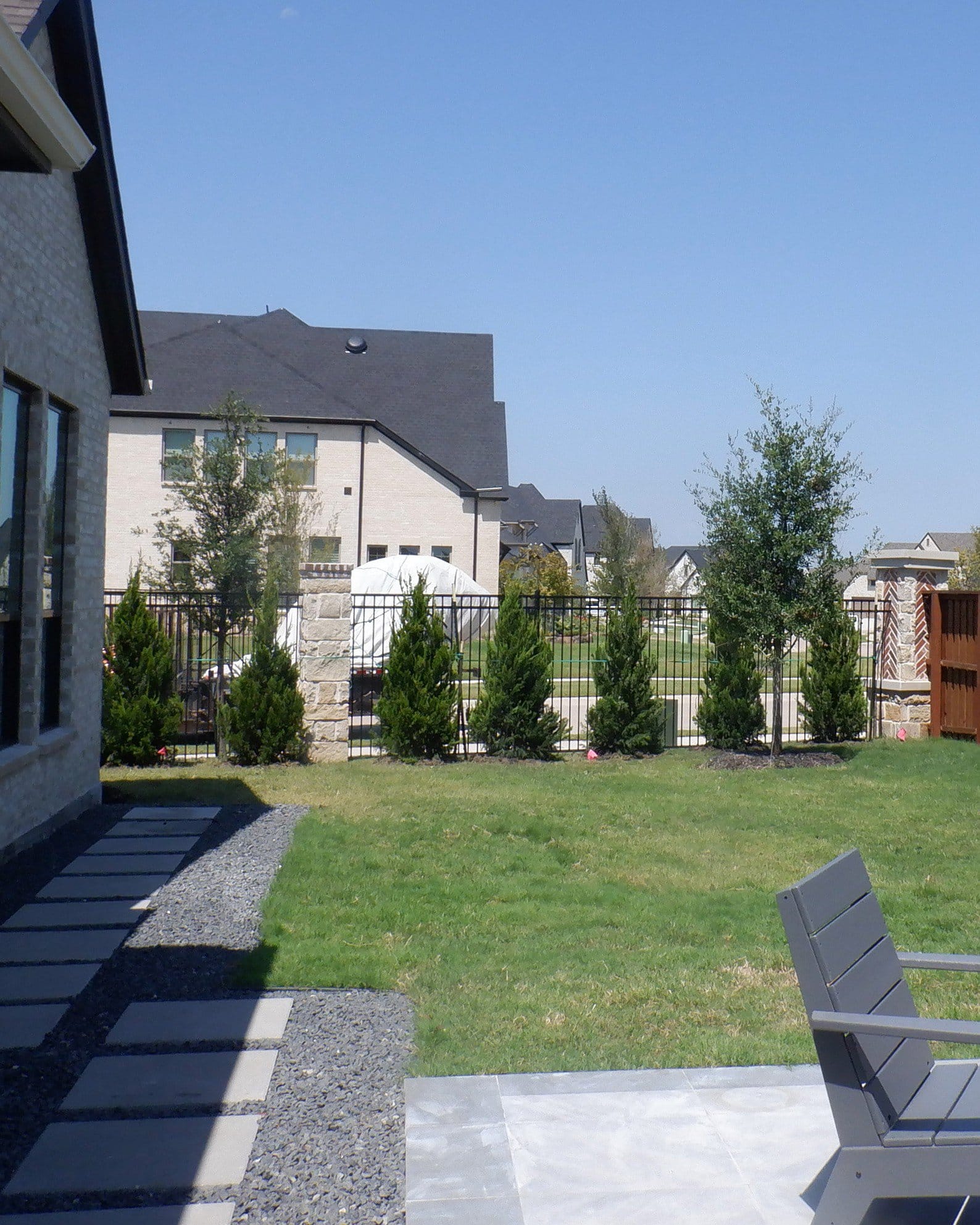
It makes a bold statement in structured plantings and allees, offering strong vertical lines and intense color. Repeating several specimens creates a dramatic, almost architectural rhythm in the landscape.
Companions such as Japanese Maple, Dwarf Alberta Spruce, Lavender, Carissa Holly, and ornamental grasses complement its blue needles and wide pyramidal silhouette.
Yes - it tolerates pollution, heat, and limited rooting space surprisingly well for a large conifer.
Young trees transplant well when moved during dormancy with intact root balls. Older trees can be transplanted by professionals, though earlier planting always results in stronger, more predictable long-term growth.
Special Features
You might also like
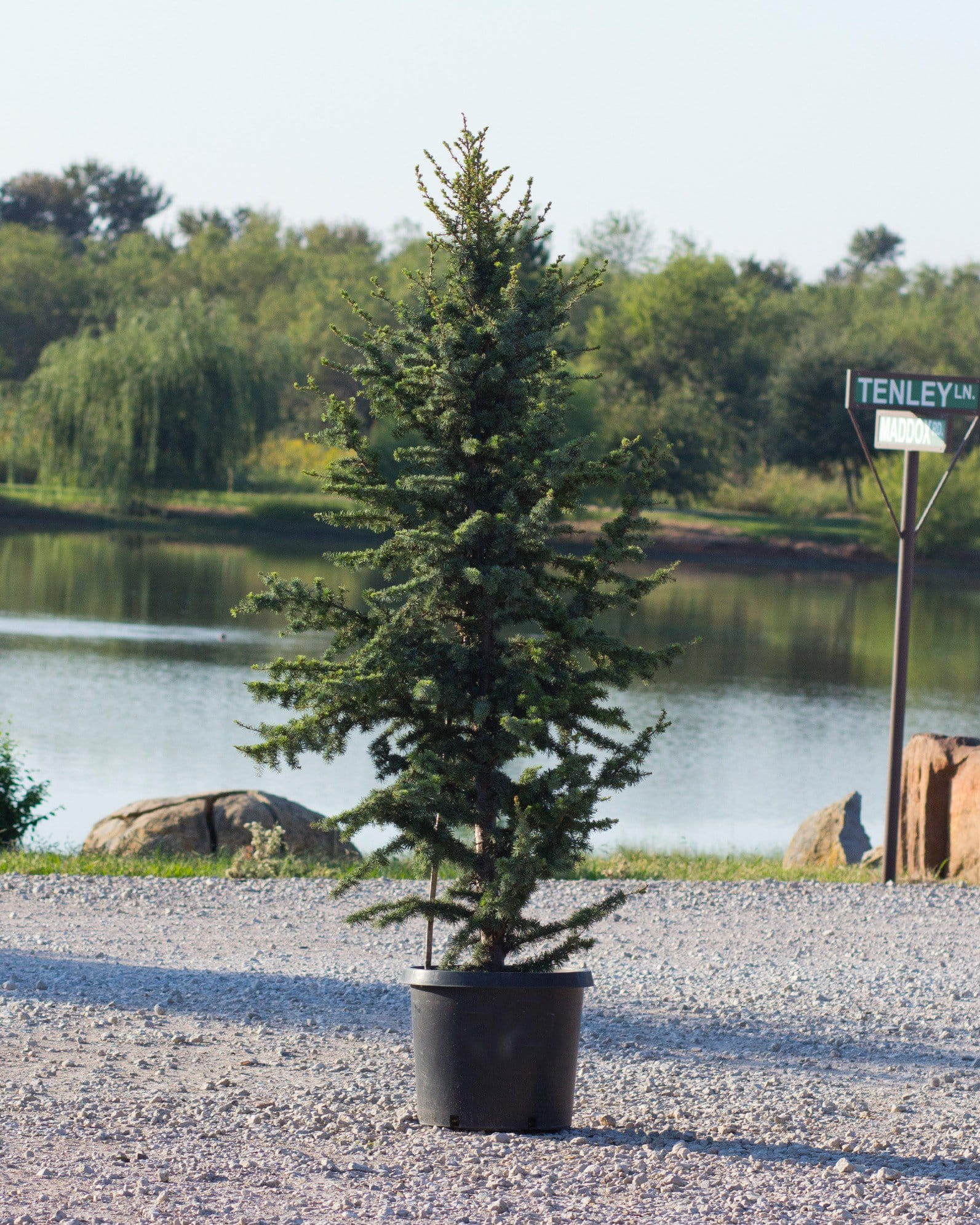
Blue Atlas Cedar Fastigiata
Maturity: 40' H x 15' W
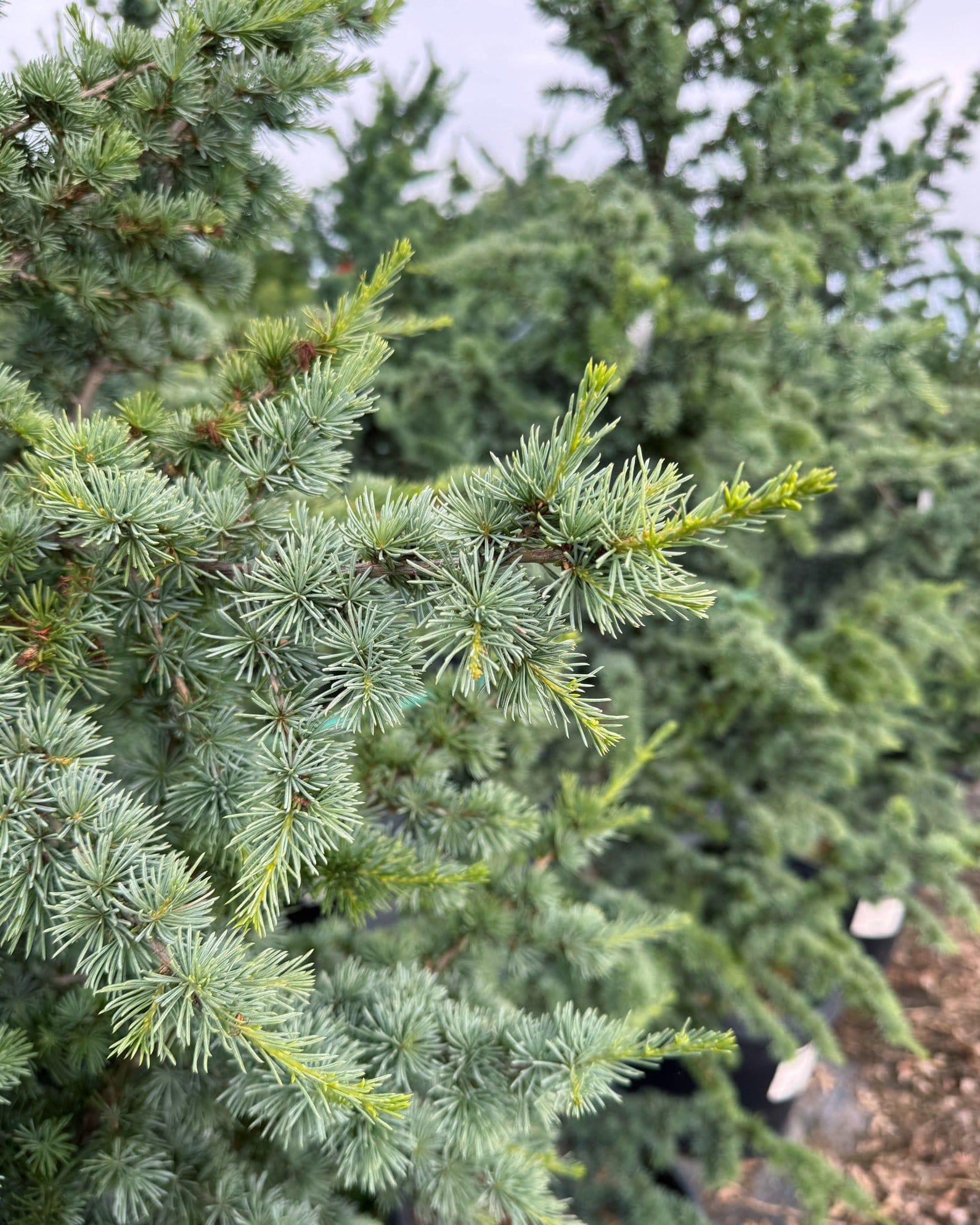
Blue Atlas Cedar Glauca Pendula
Maturity: 10' H x 10' W
Blue Atlas Cedar Horstmann
Maturity: 10' H x 6' W
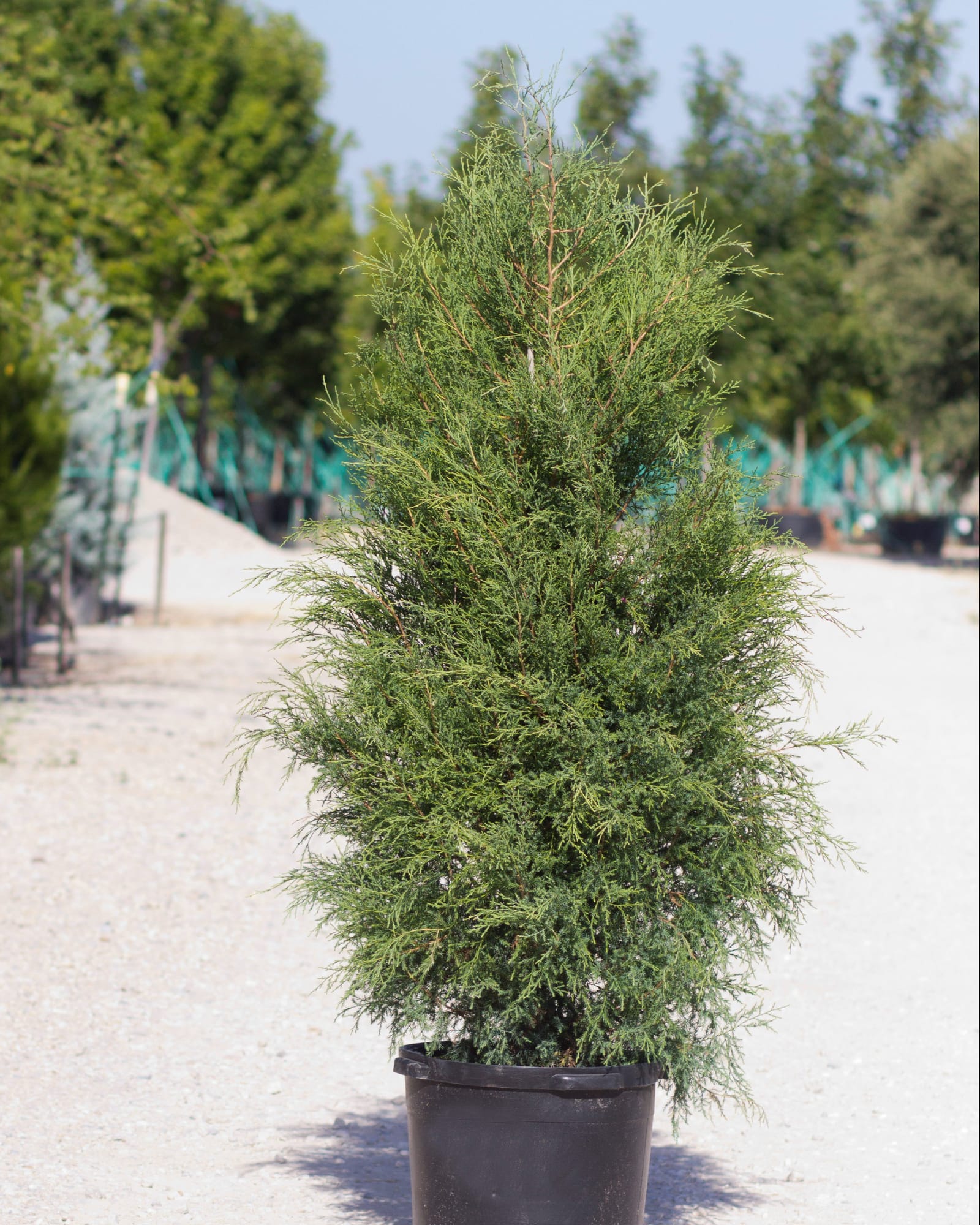
Southern Red Cedar Fuzzy Wuzzy
Maturity: 35' H x 25' W
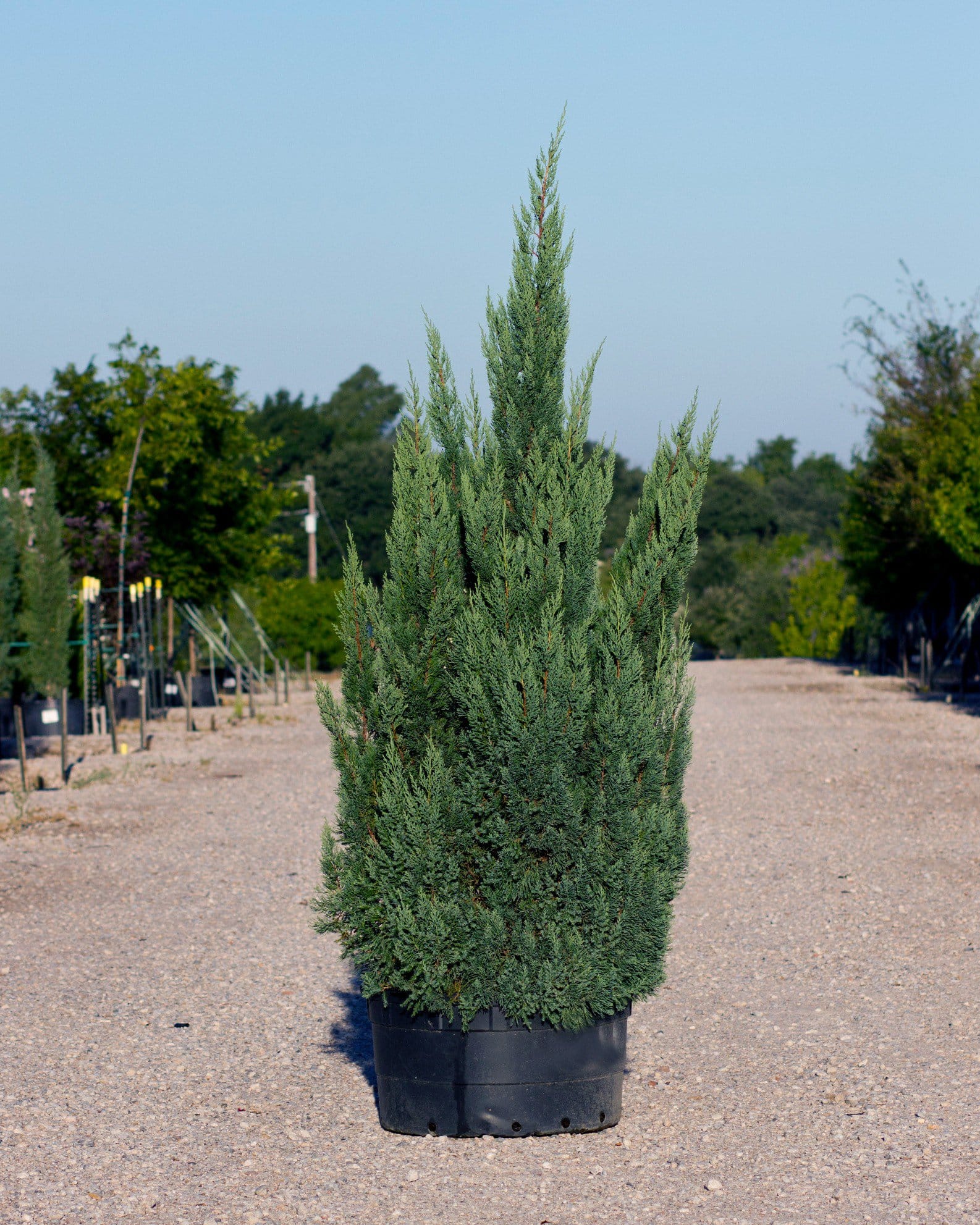
Blue Point Juniper
Maturity: 12' H x 7' W
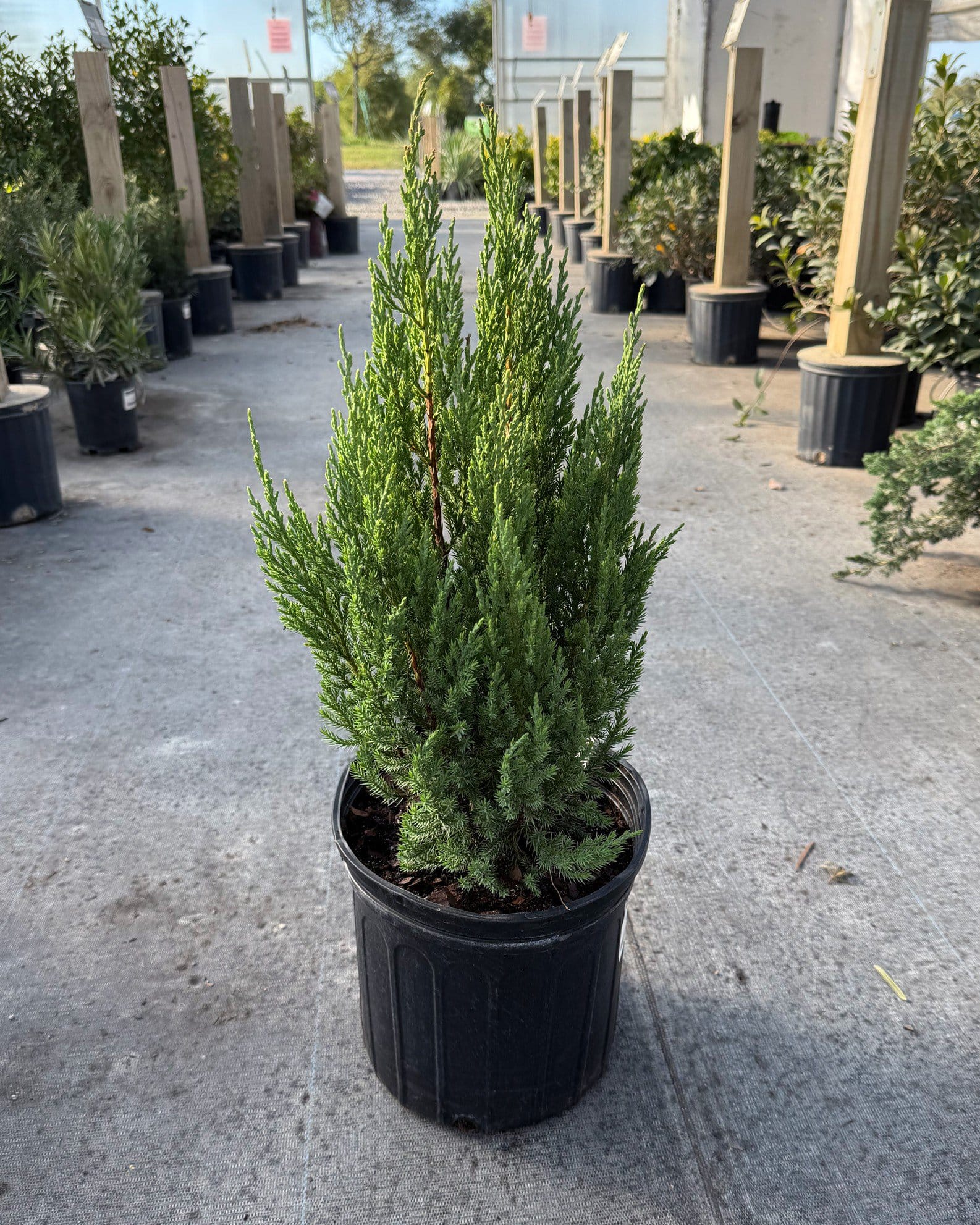
Deodar Cedar Patti Faye
Maturity: 30' H x 25' W
Eastern Red Cedar
Maturity: 30' H x 20' W
Eastern Red Cedar Brodie
Maturity: 25' H x 12' W
Eastern Red Cedar Burkii
Maturity: 25' H x 20' W
Eastern Red Cedar Canaertii
Maturity: 25' H x 20' W
Eastern Red Cedar Emerald Feather
Maturity: 12' H x 5' W
Eastern Red Cedar Emerald Sentinel
Maturity: 15' H x 7' W
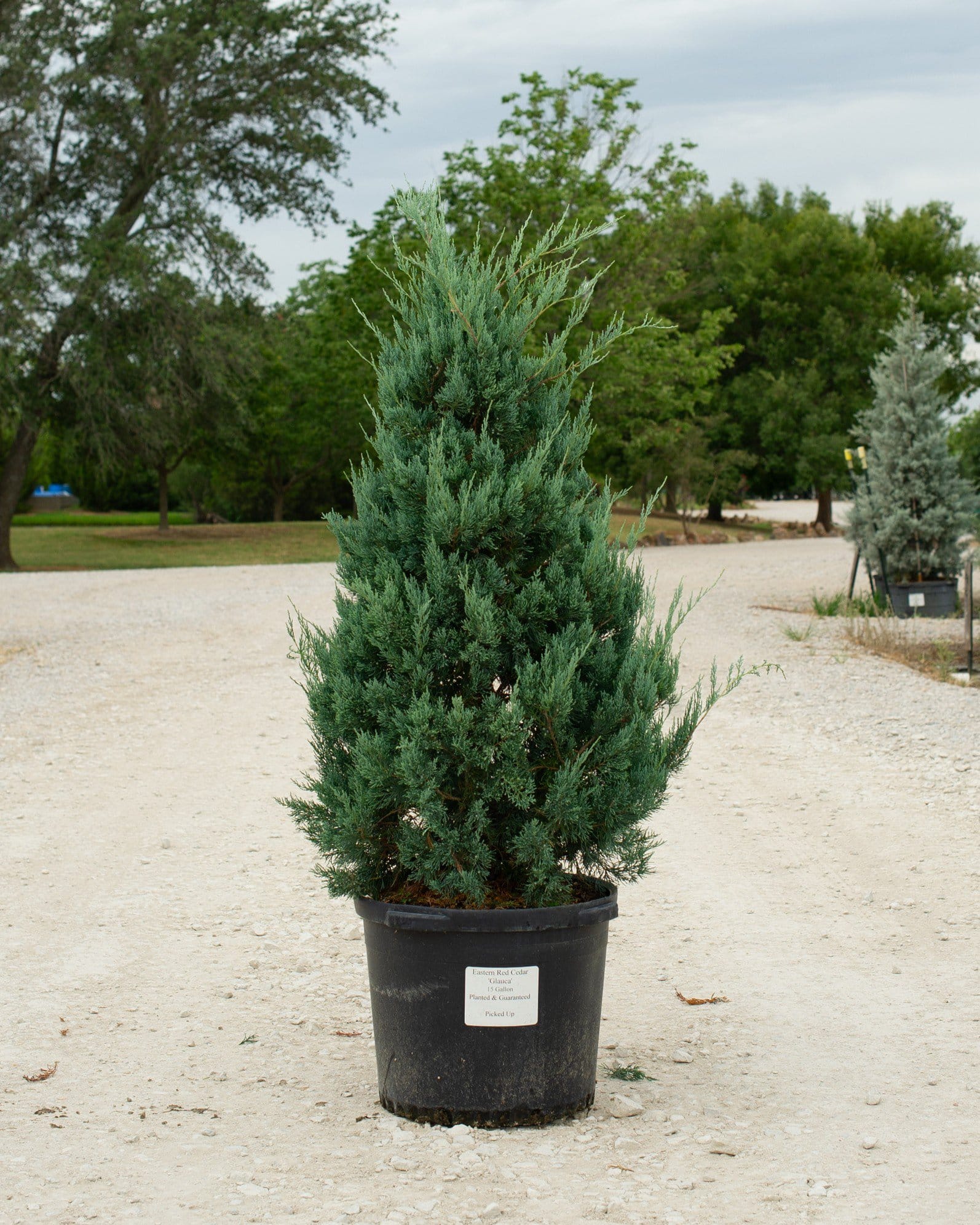
Eastern Red Cedar Glauca
Maturity: 20' H x 6' W
Eastern Red Cedar Hillspire
Maturity: 25' H x 15' W
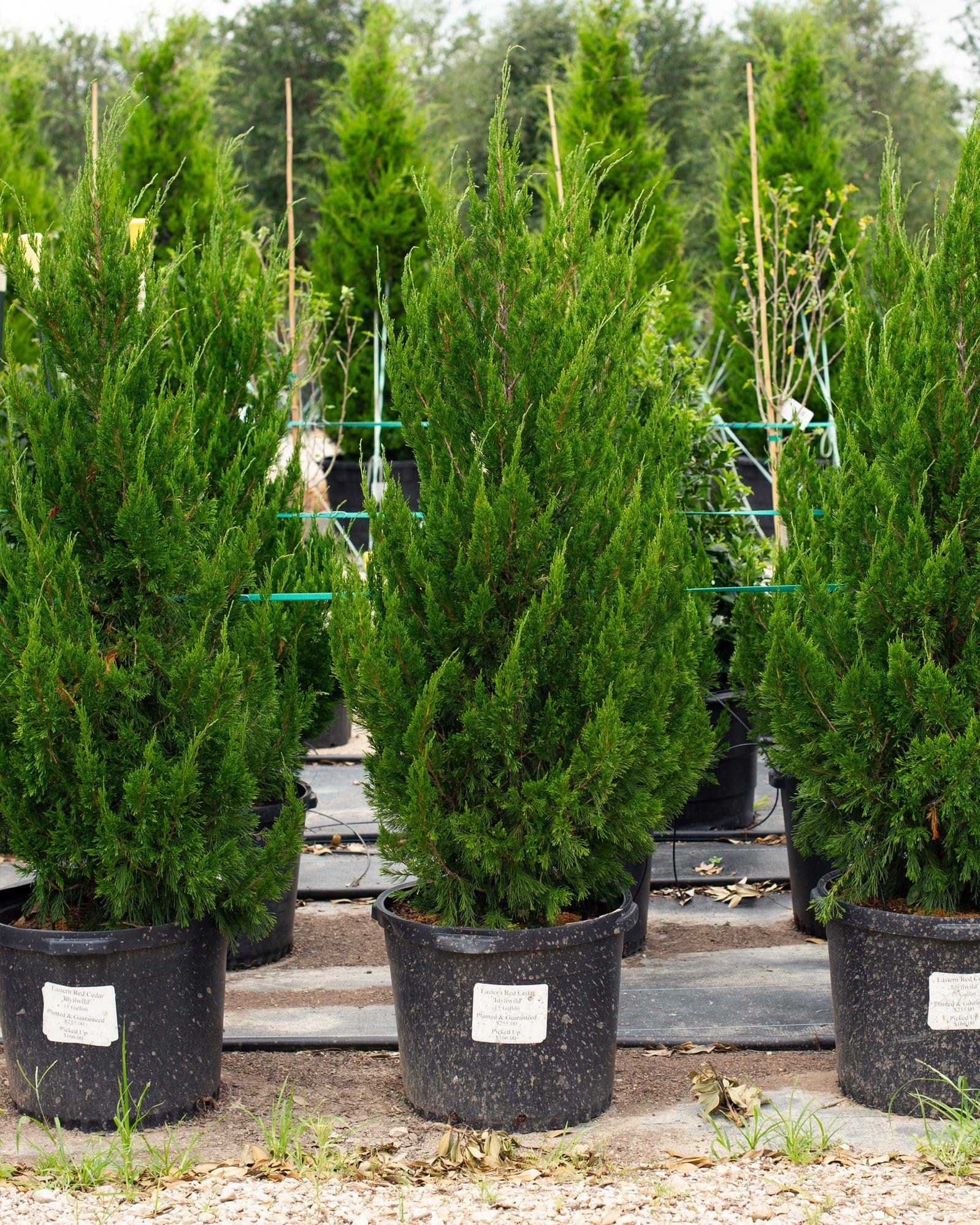
Eastern Red Cedar Idyllwild
Maturity: 15' H x 7' W
Compare Similar Plants
Blue Atlas Cedar Glauca This plant | ||
|---|---|---|
| Scientific Name | Cedrus atlantica ‘Glauca’ | Cedrus atlantica ‘Fastigiata’ |
| Size at Maturity | 40' H x 30' W | 40' H x 15' W |
| Leaf Retention | Evergreen | Evergreen |
| Sizes Available | 15, 30 gal | 15 gal |


Our 1-Year Planting Guarantee
We take pride in our plants and installation services. If any plants or trees installed by Treeland fail to thrive within the first year, we'll provide a replacement credit in accordance with our guarantee program.
Learn More About Our Guarantee