


 Popular
 Texas Native
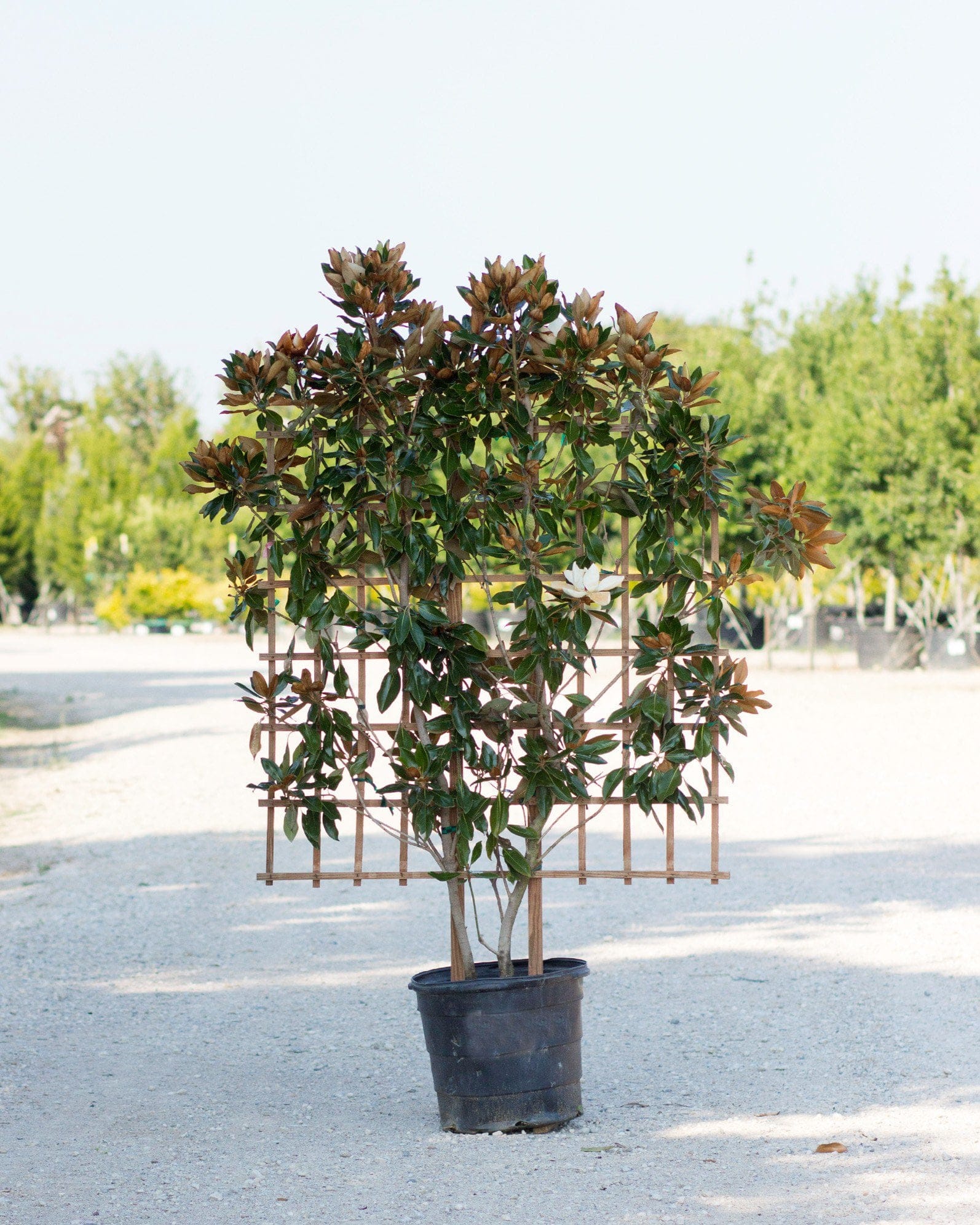
Teddy Bear Magnolia
Magnolia grandiflora 'Southern Charm'Local DFW Delivery Only
Product Details
Teddy Bear Magnolia
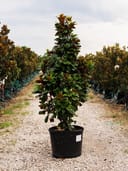
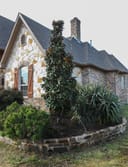
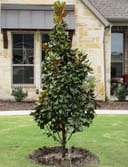
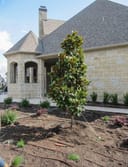
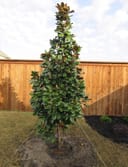
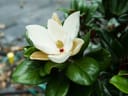
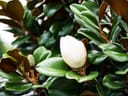
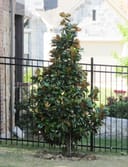
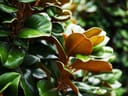
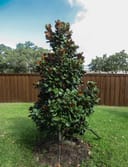
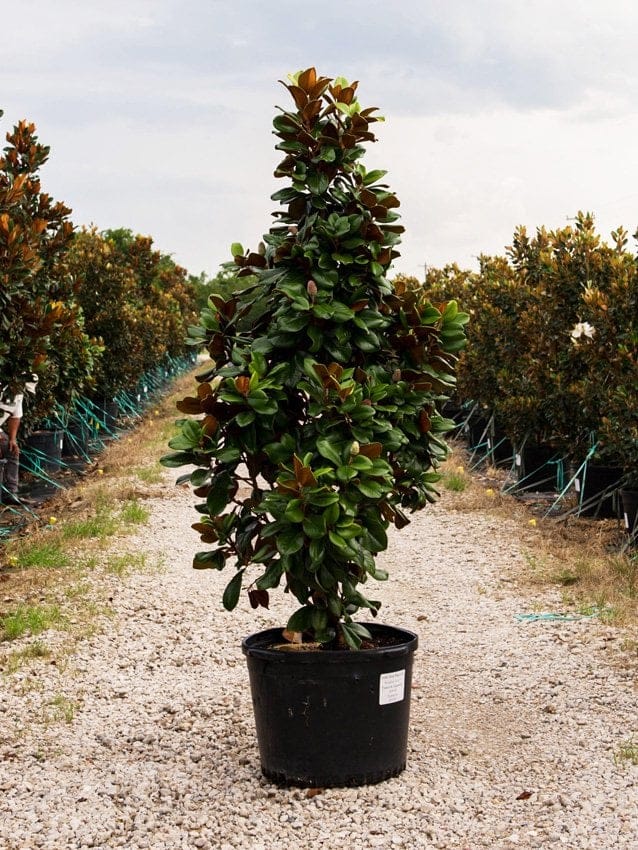
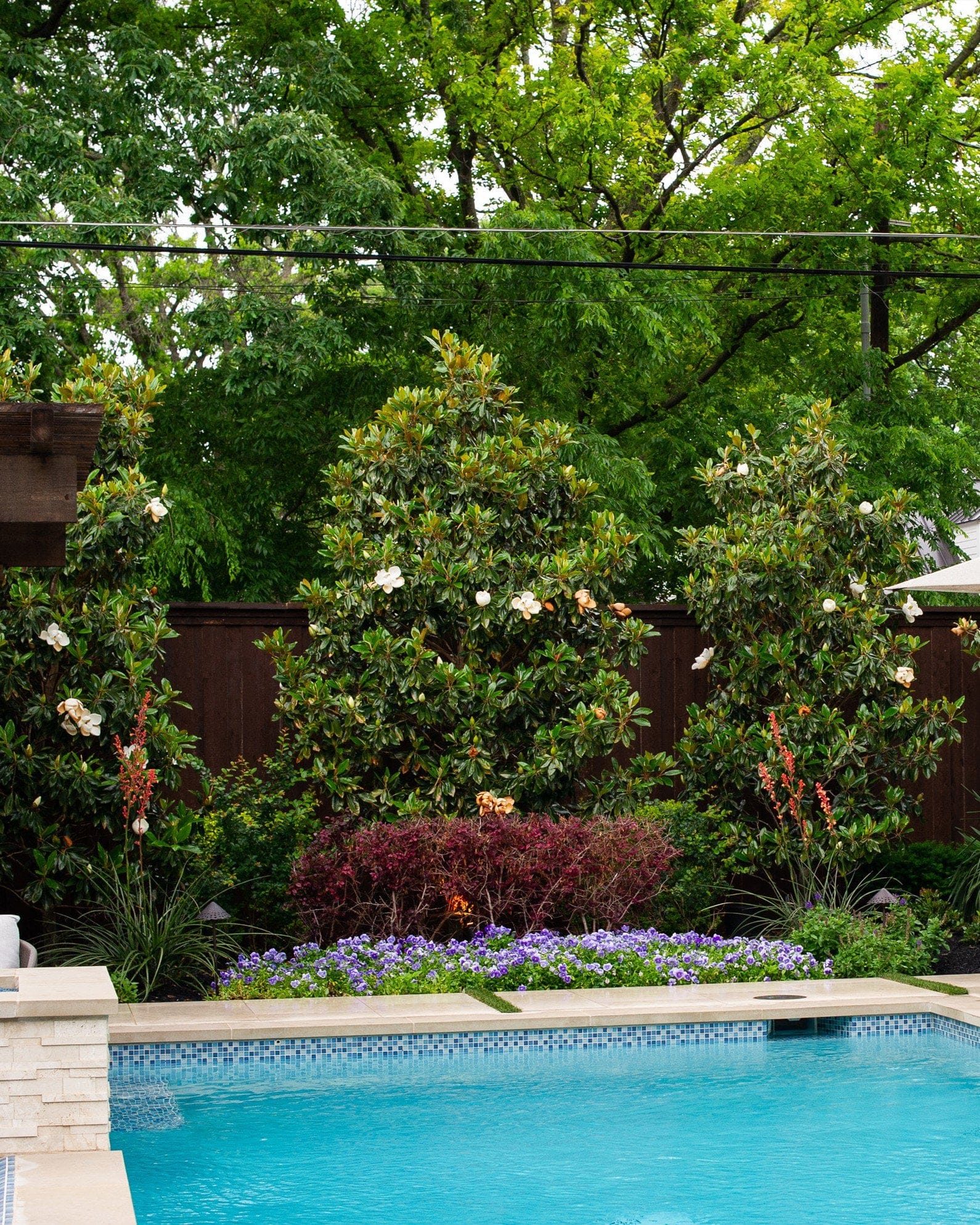
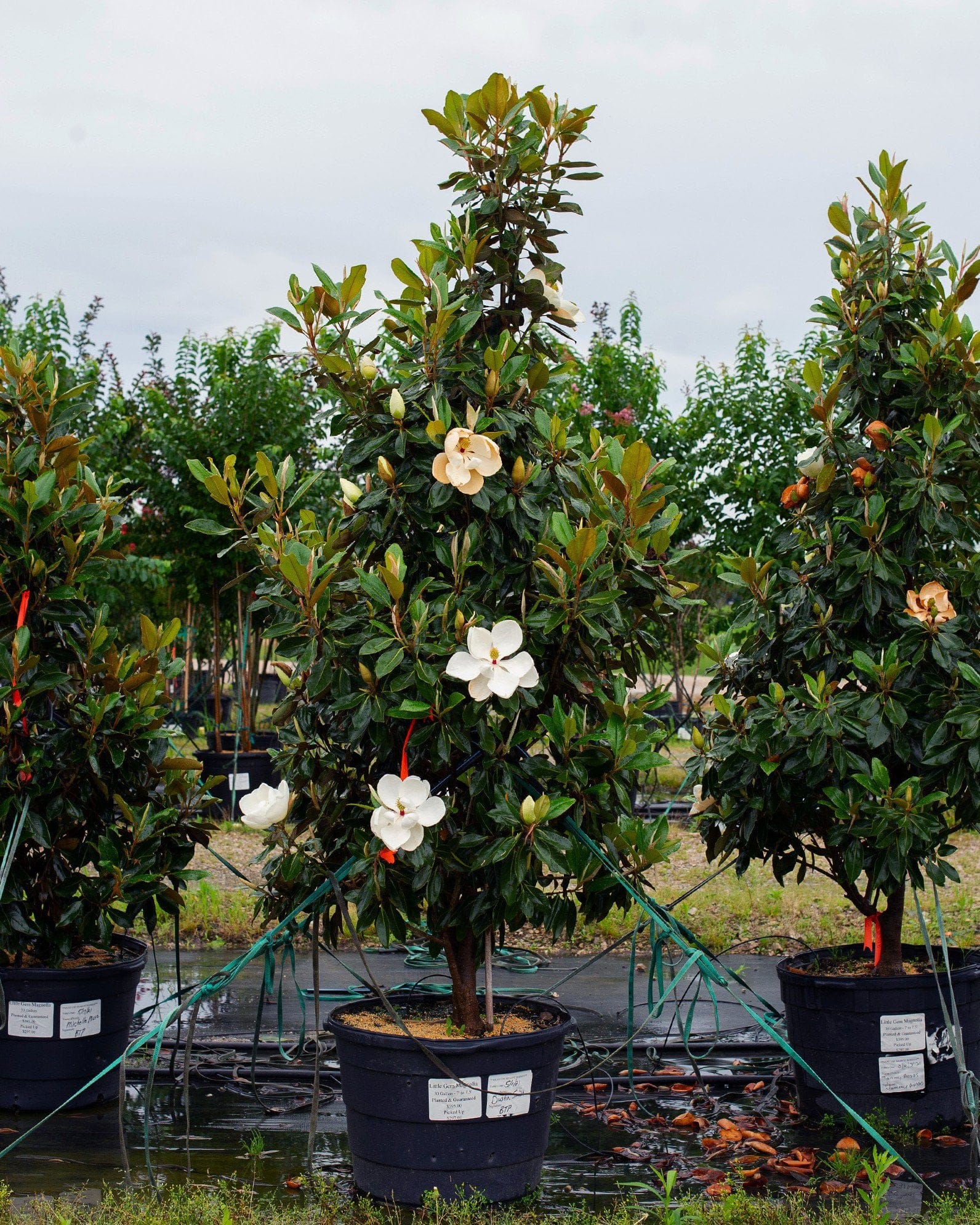
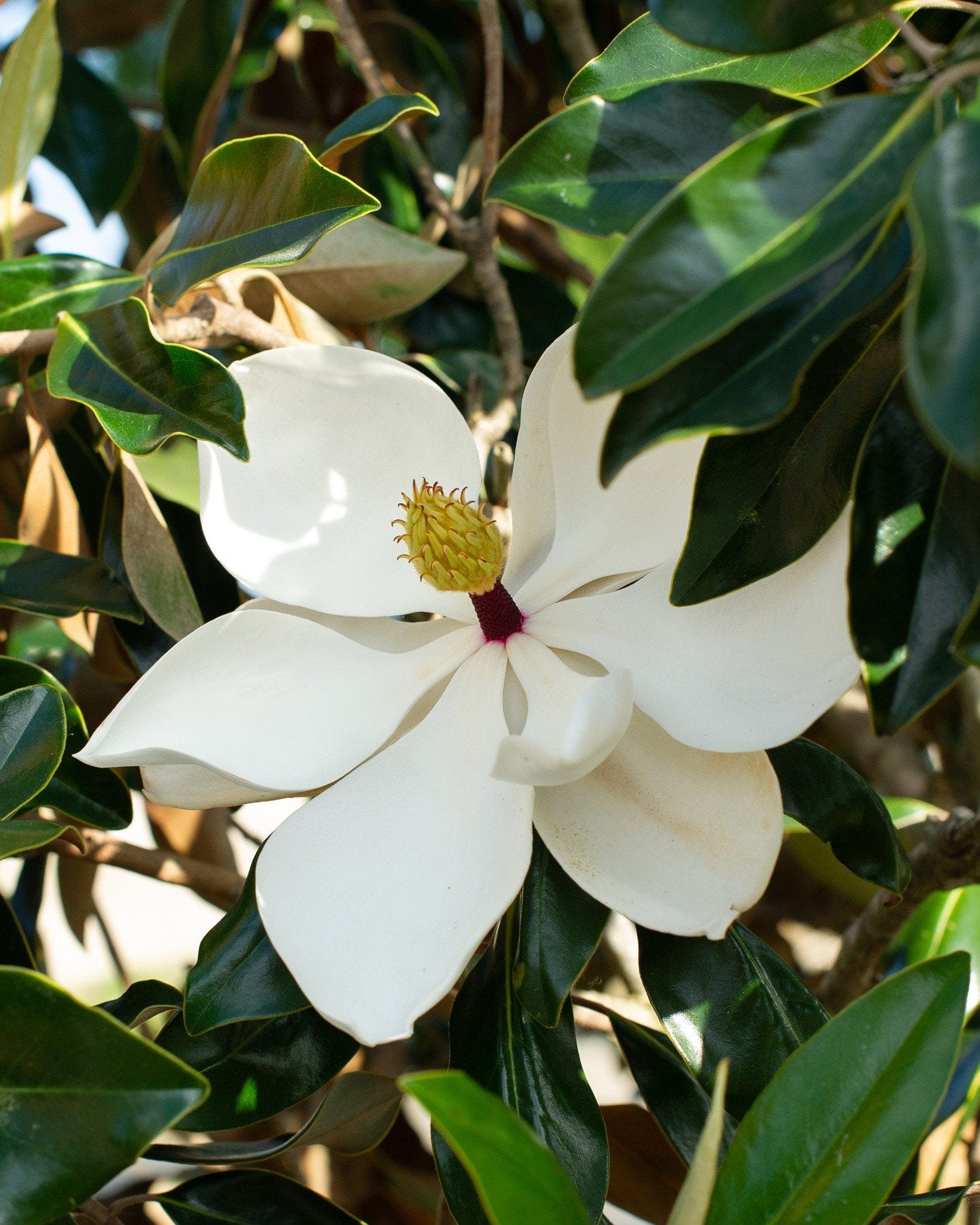
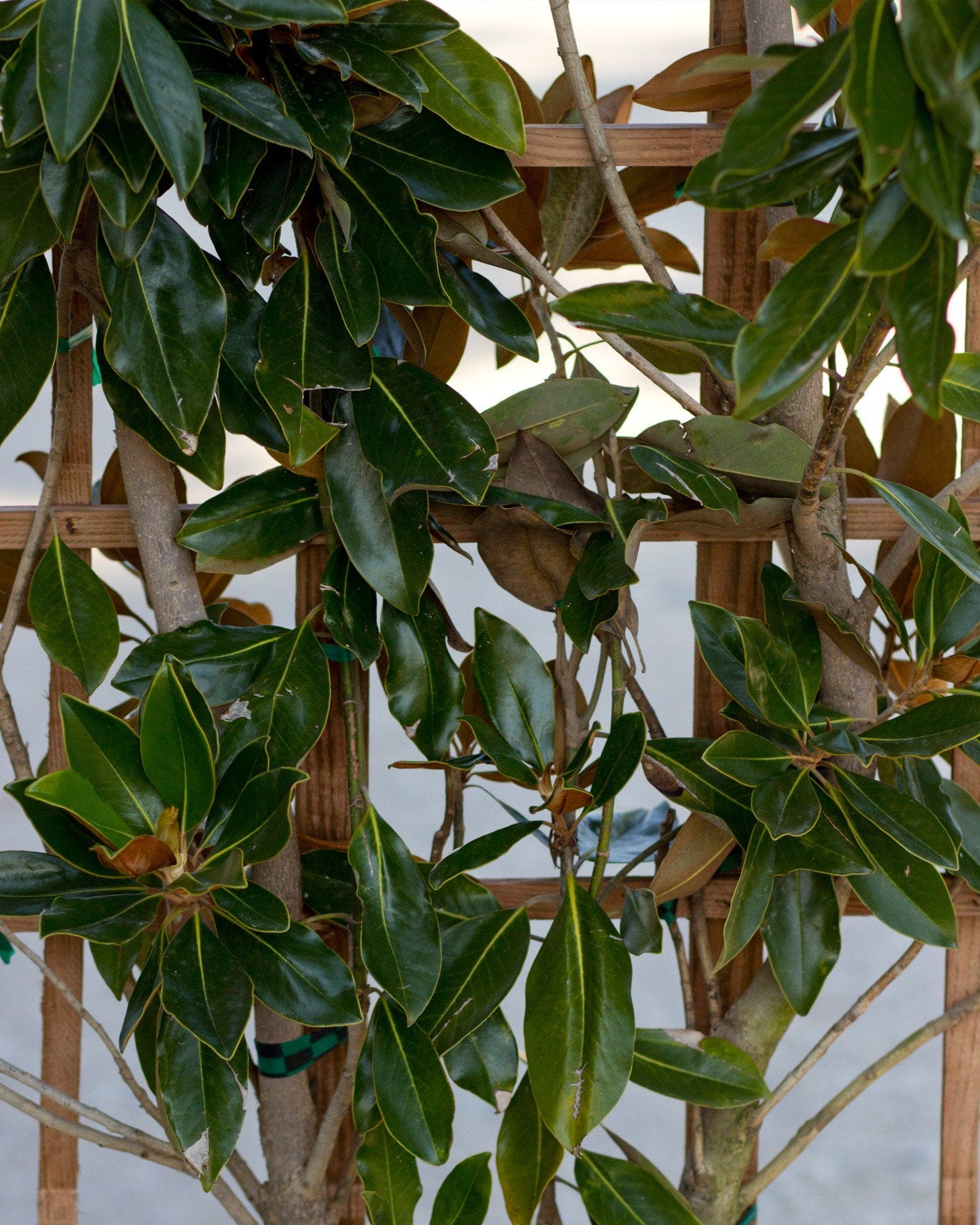
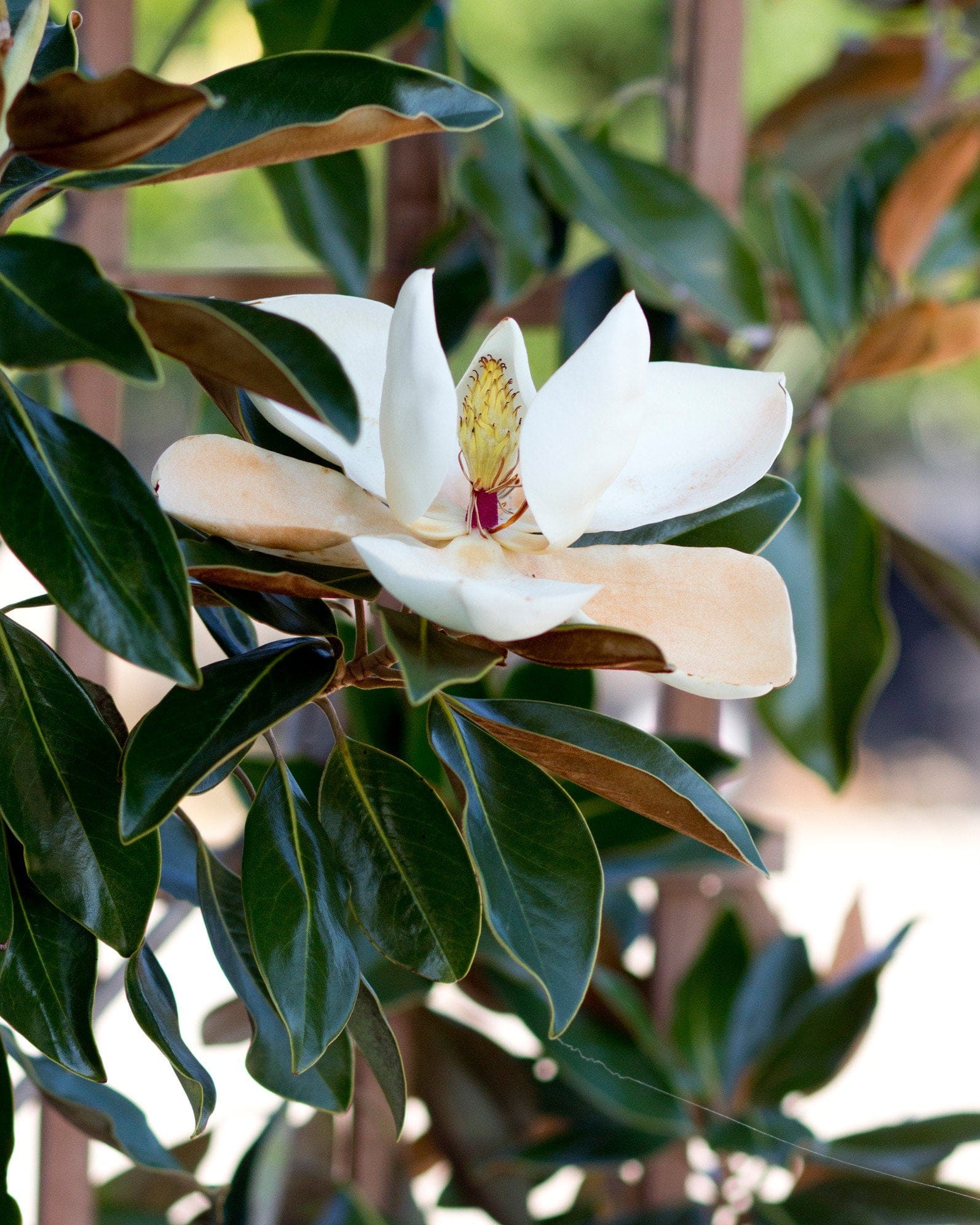
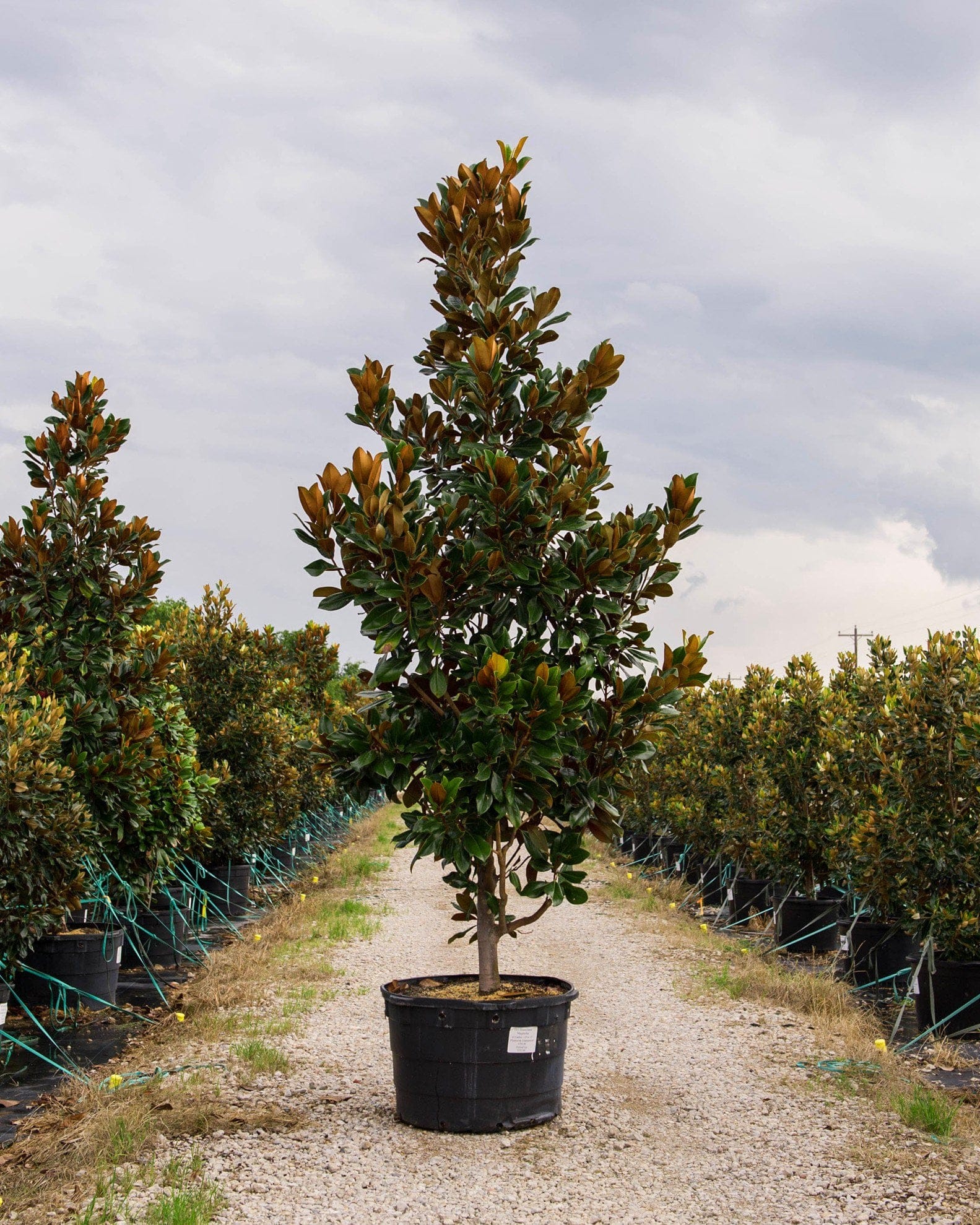
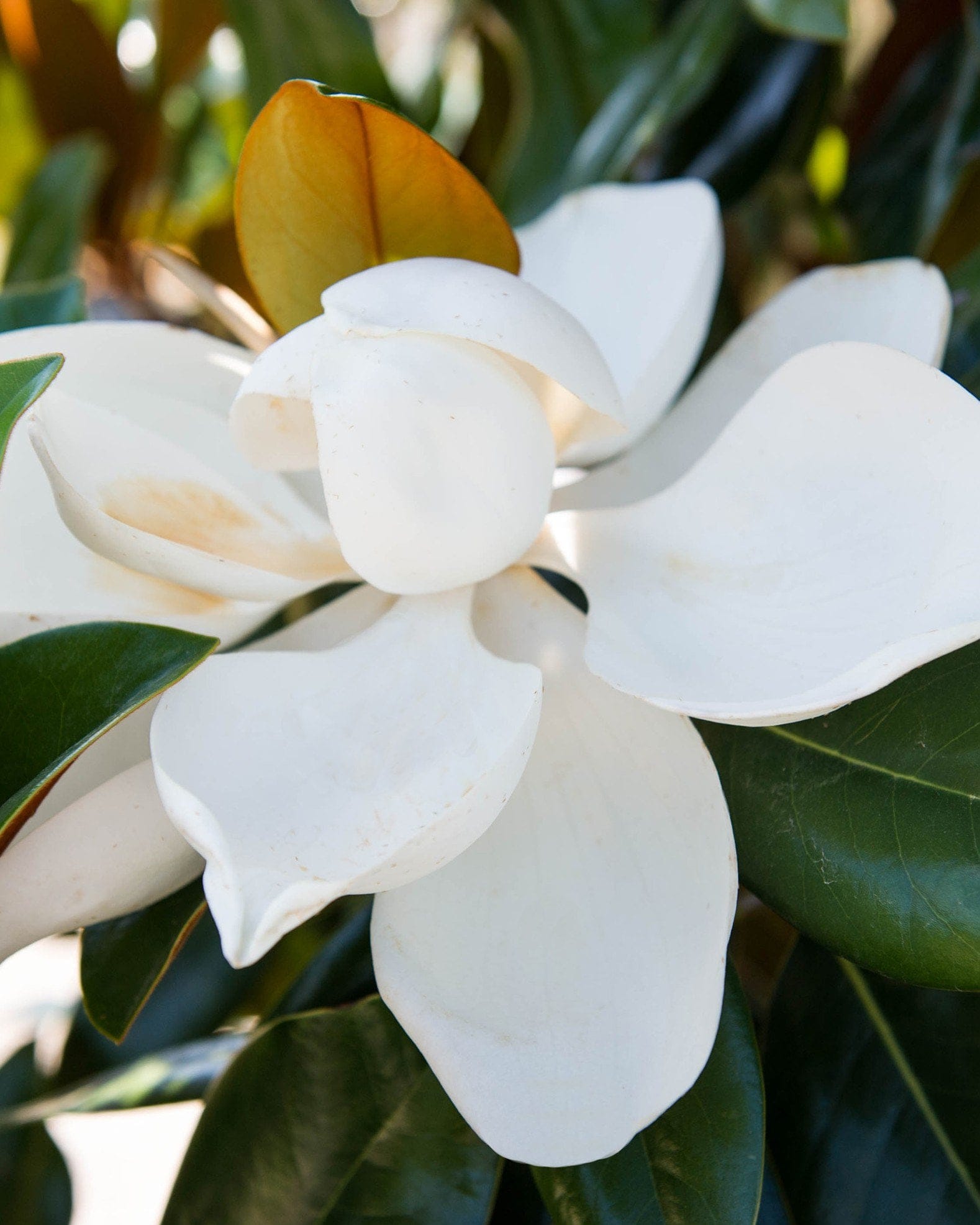
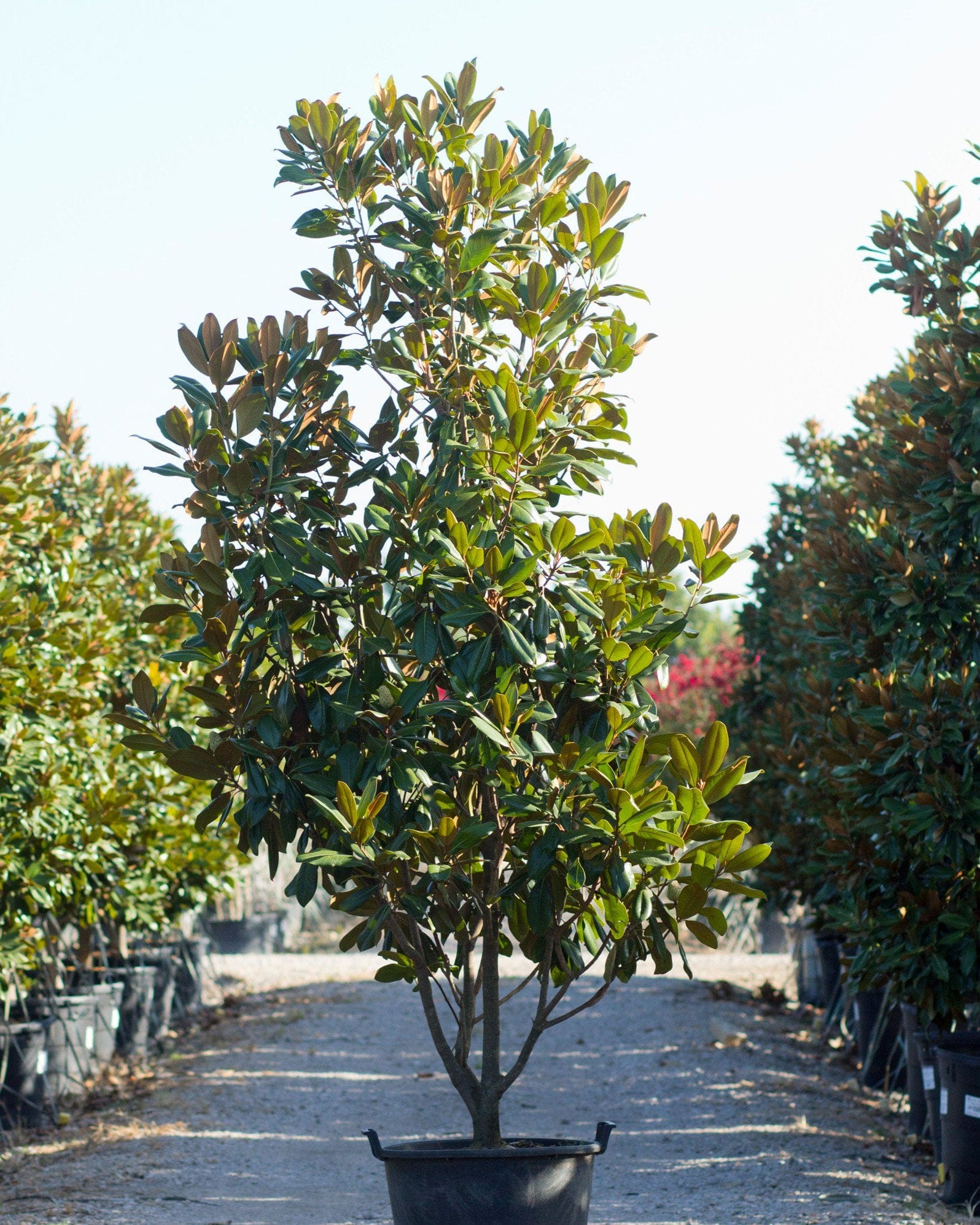
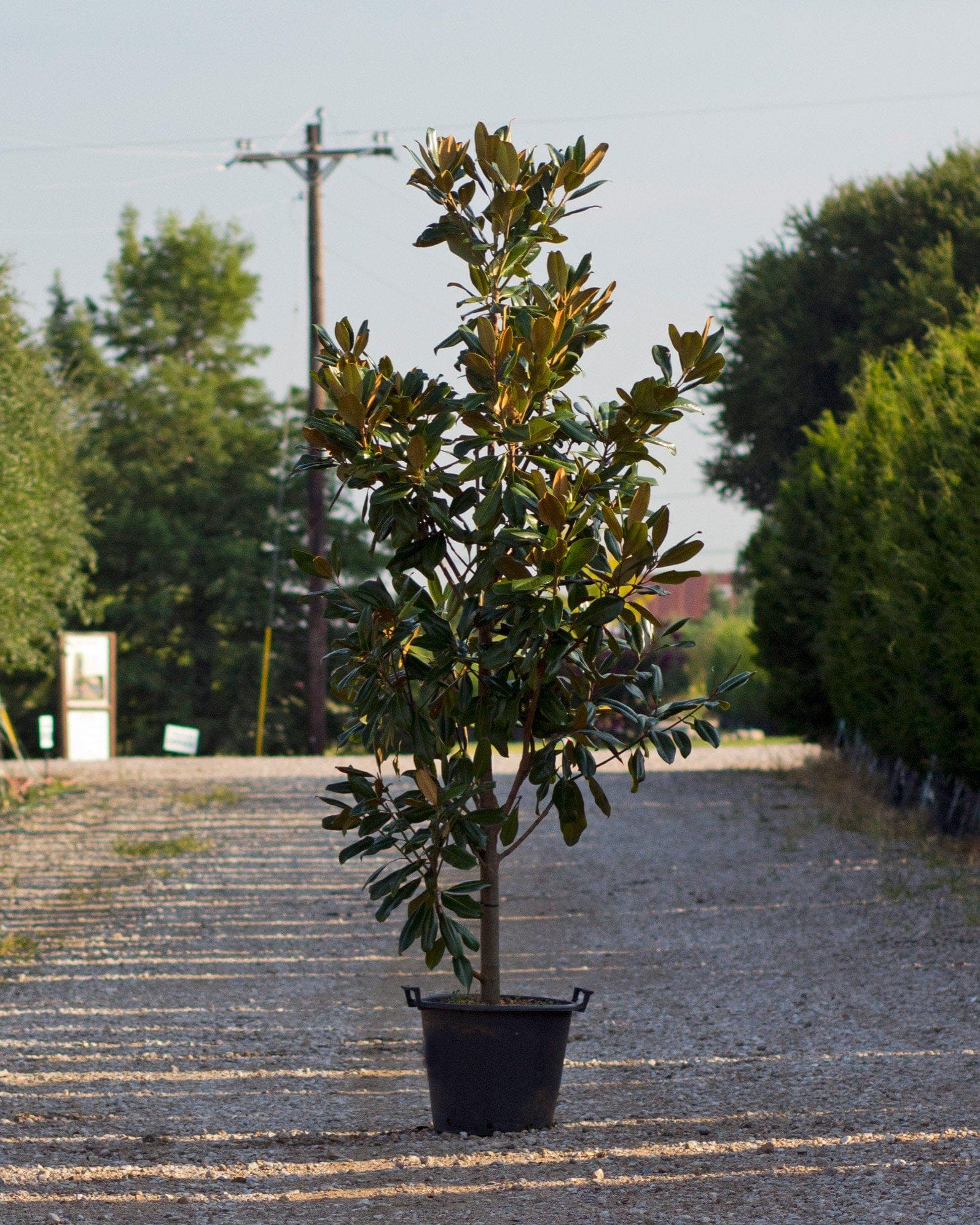
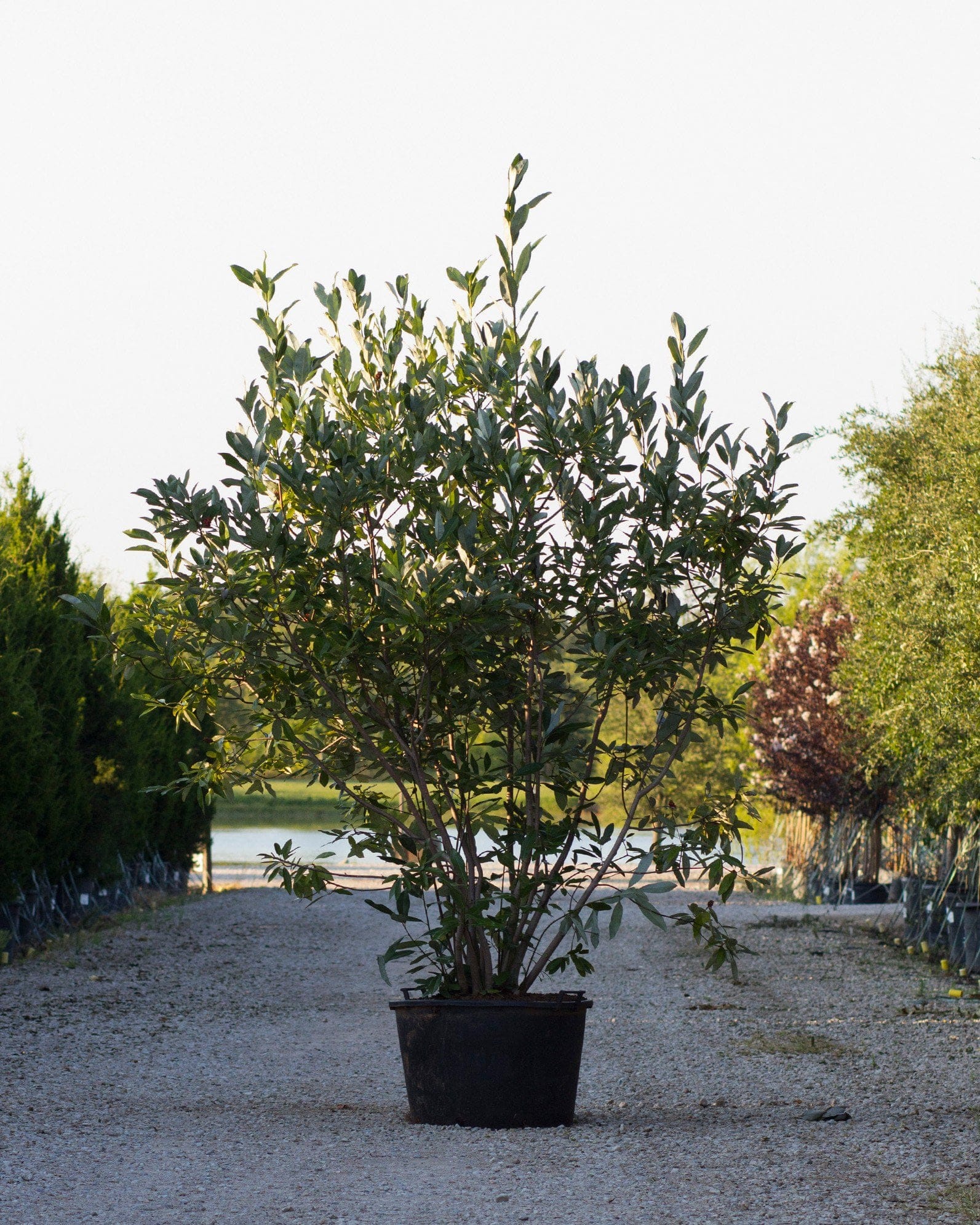
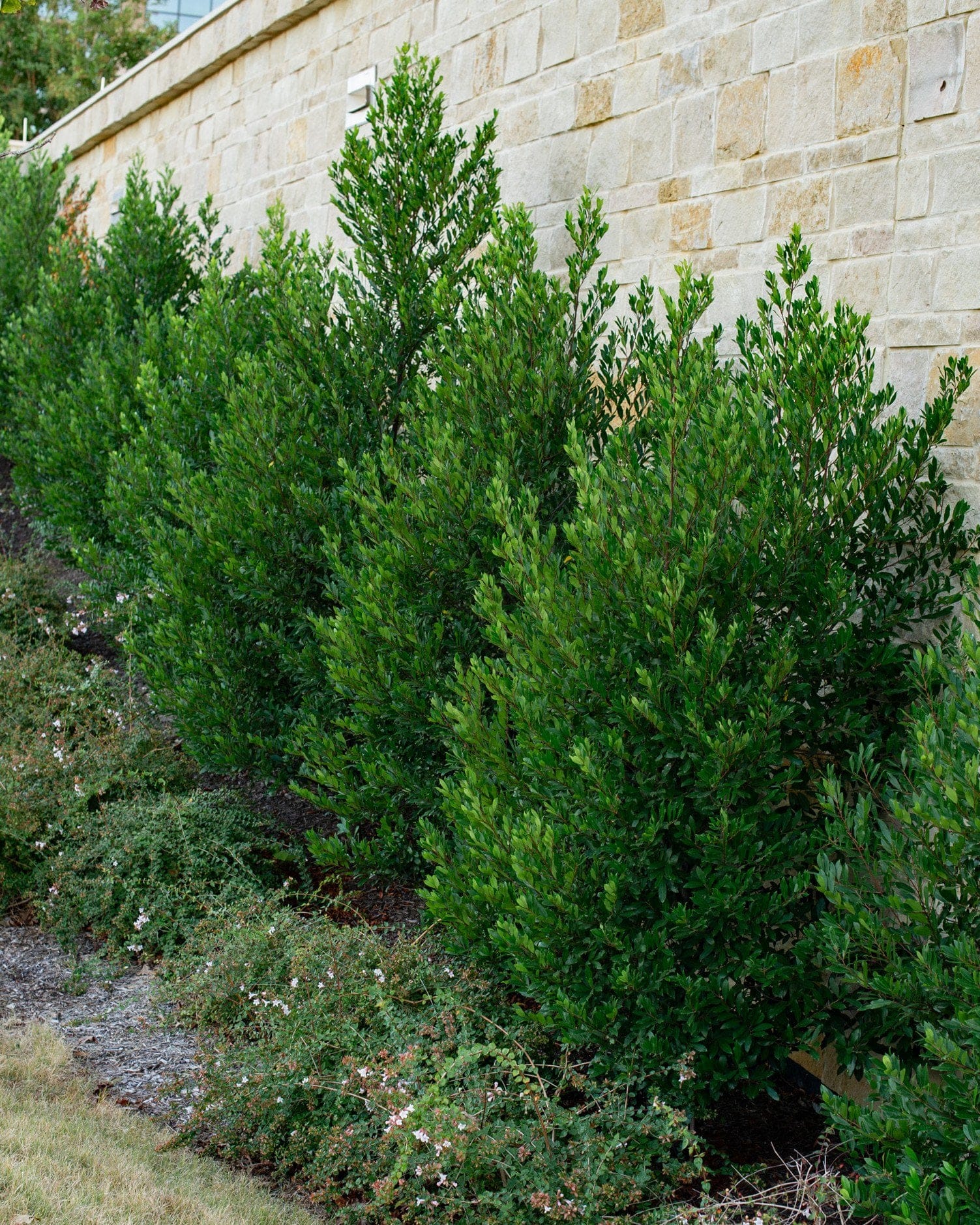
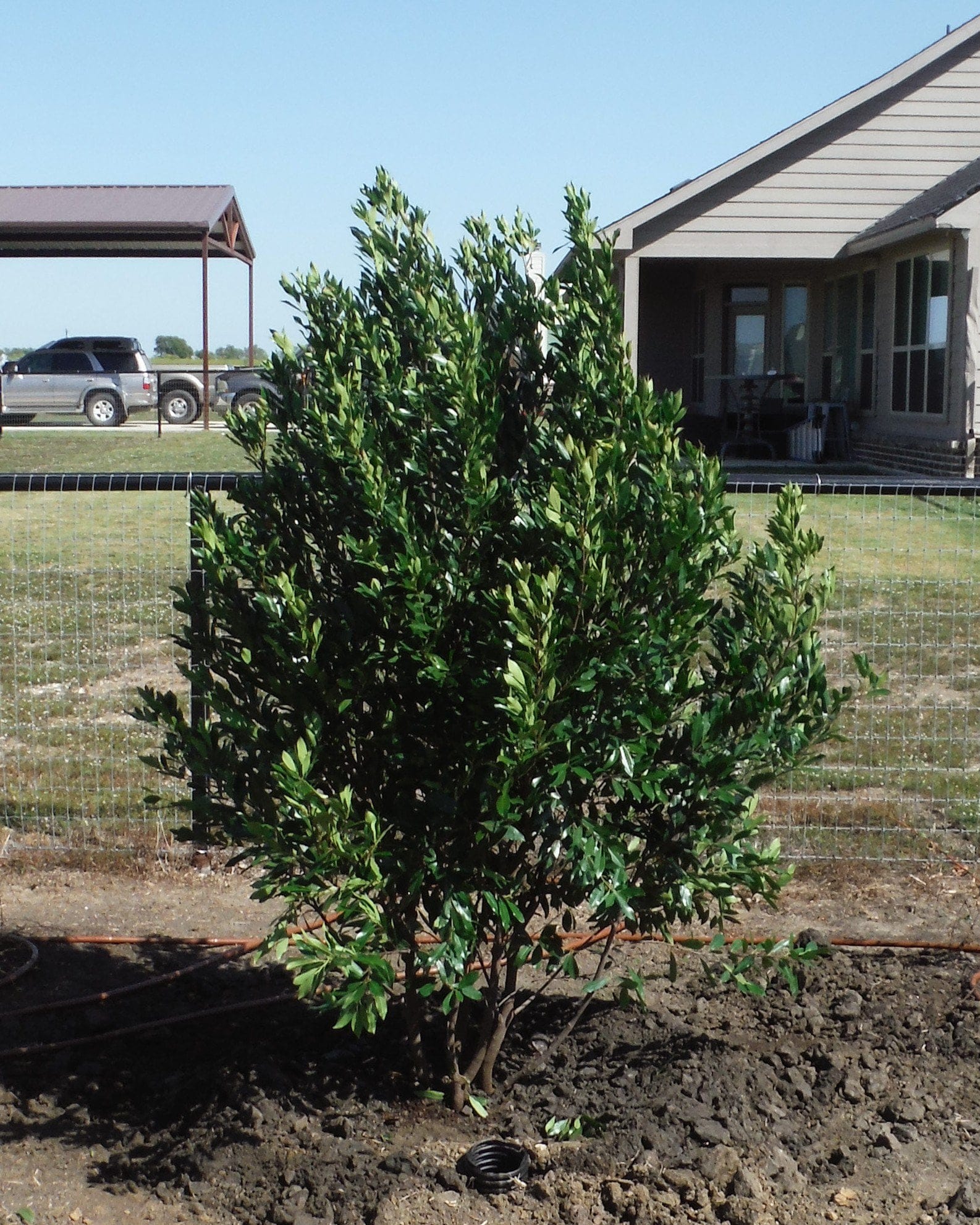
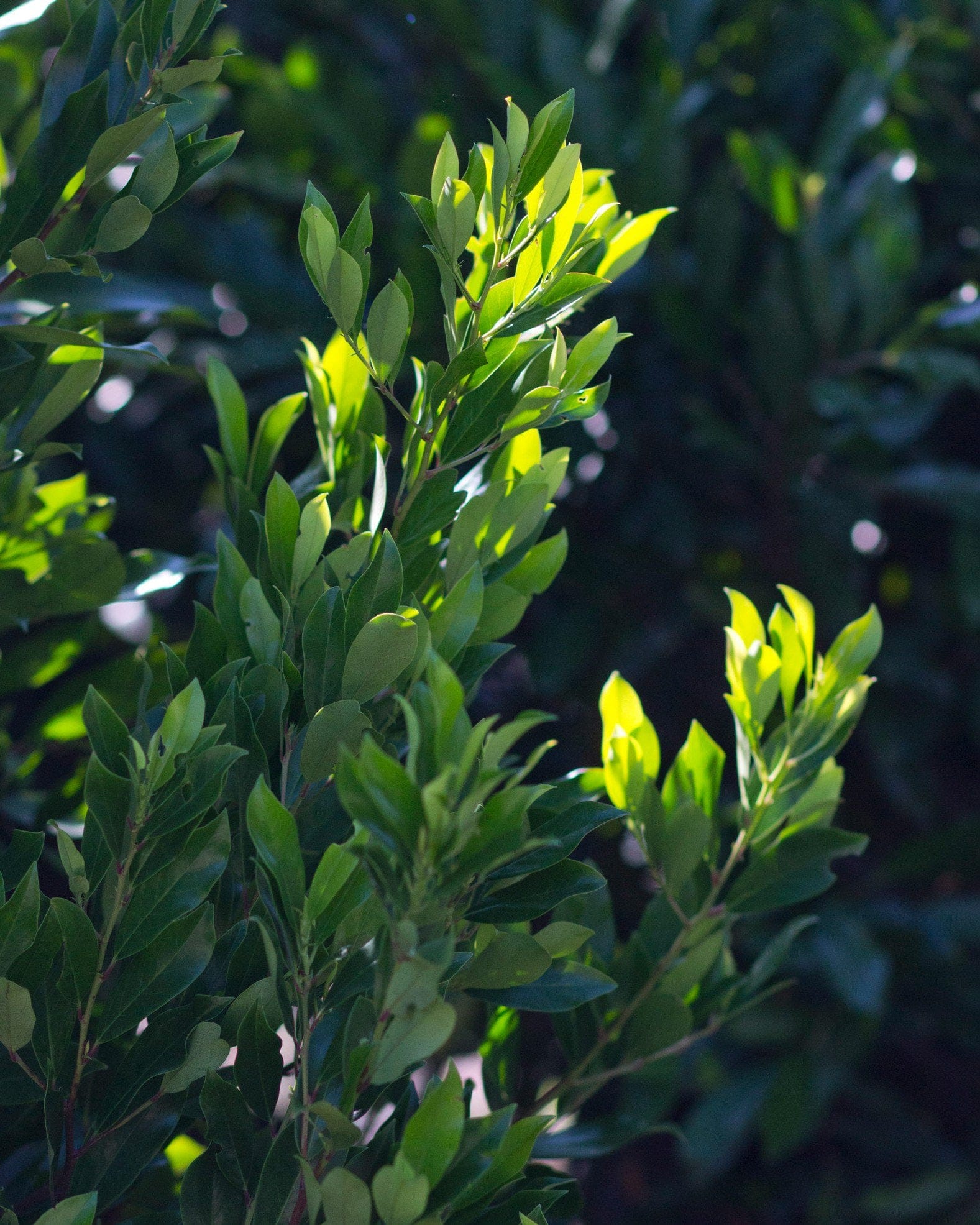
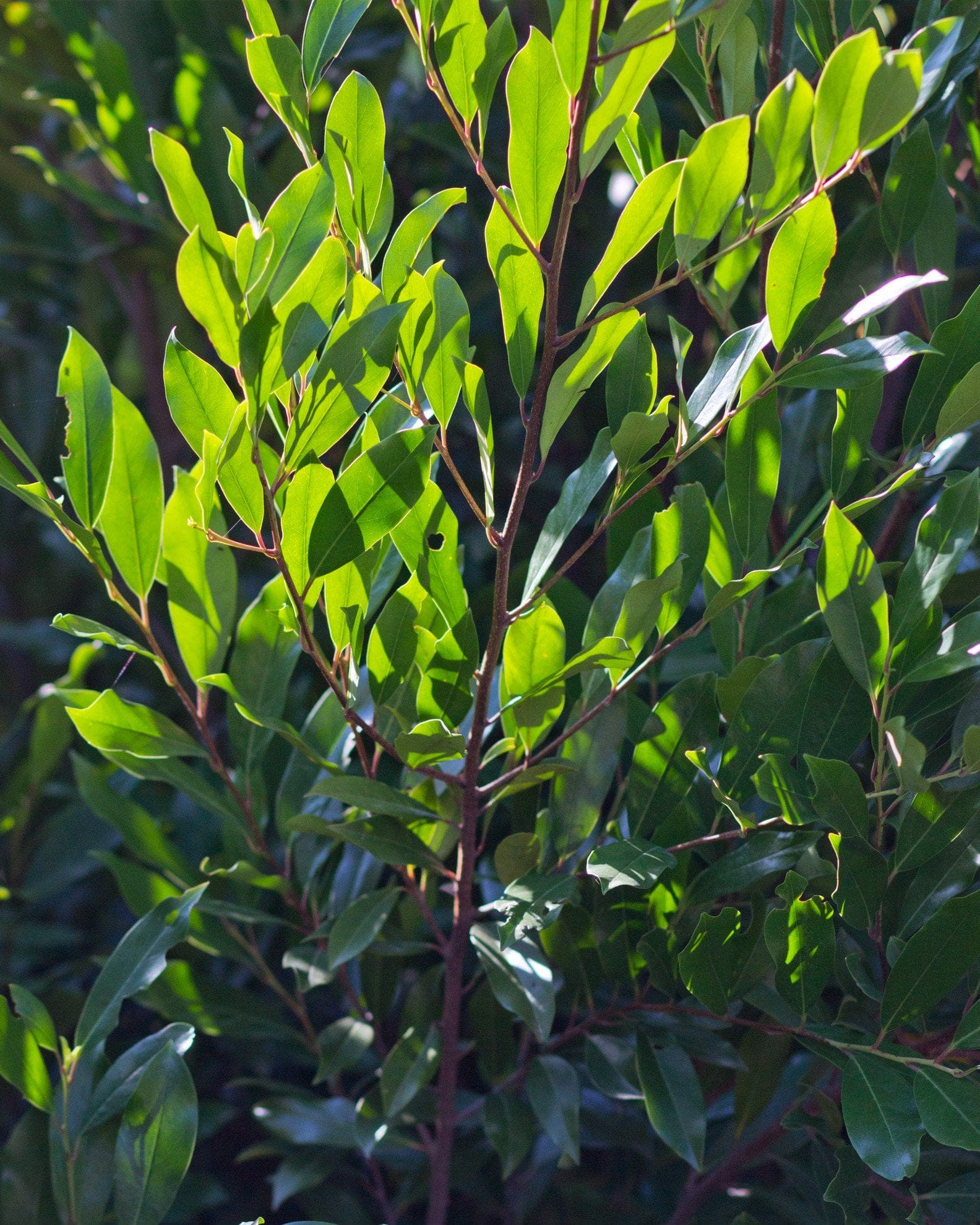
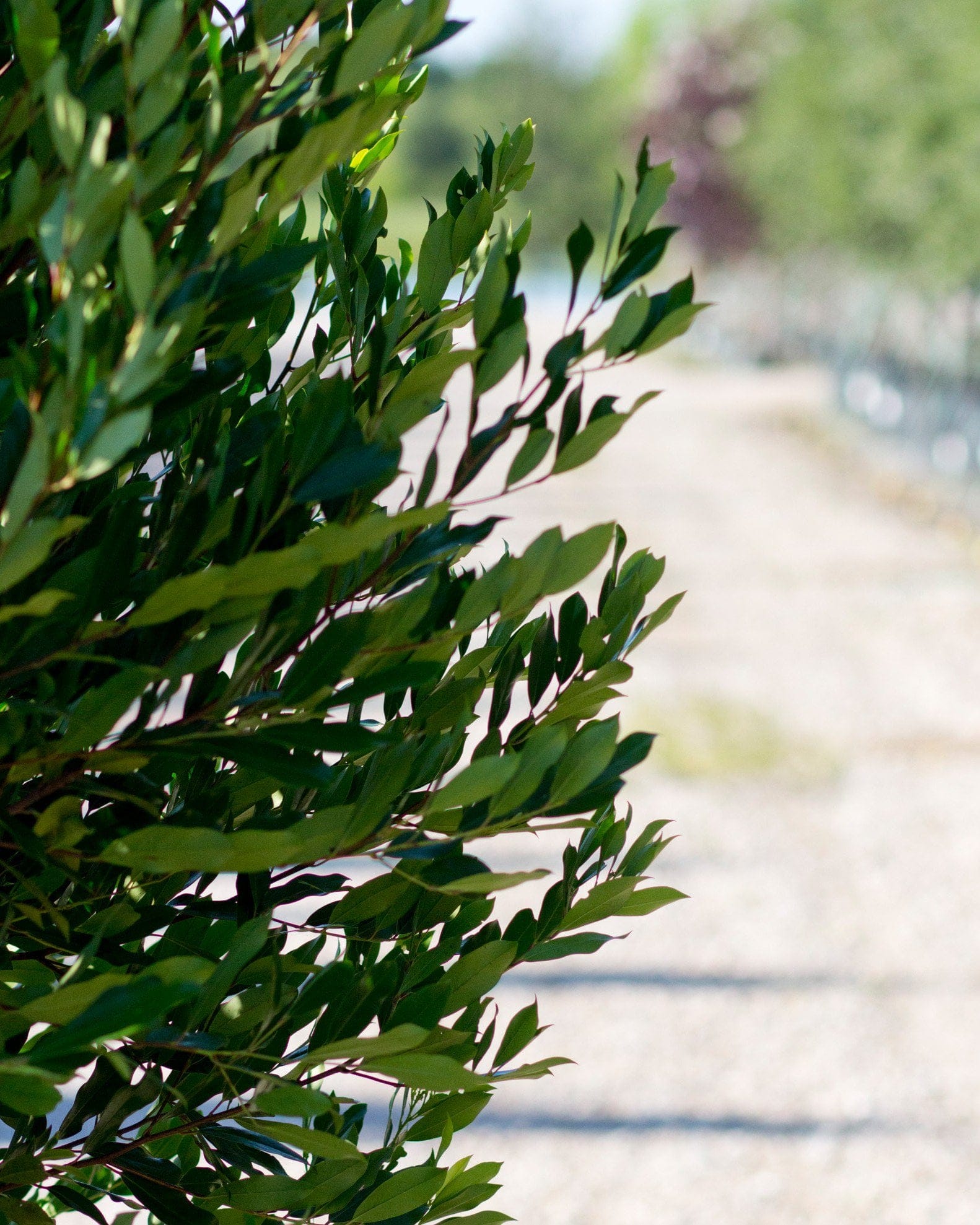
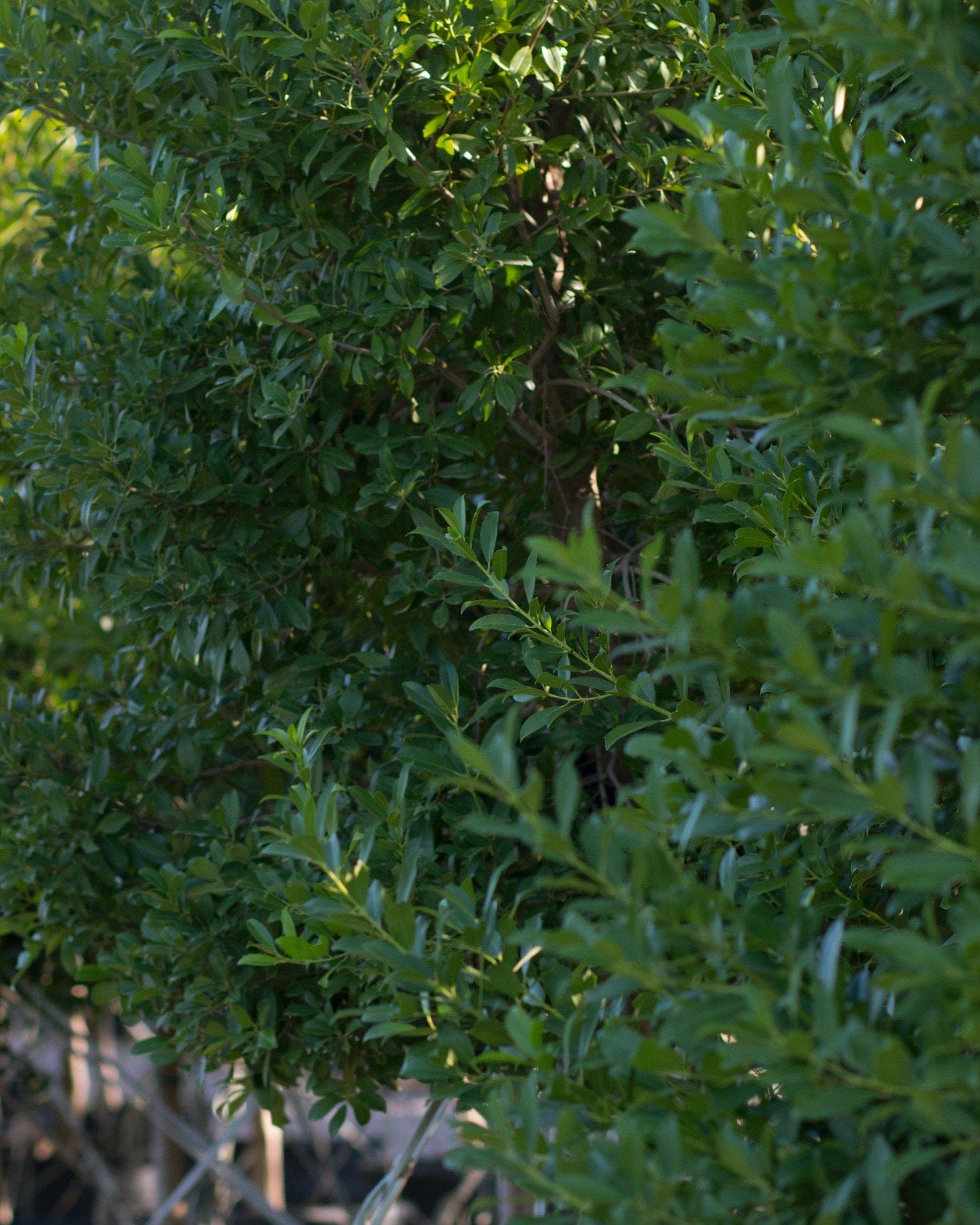
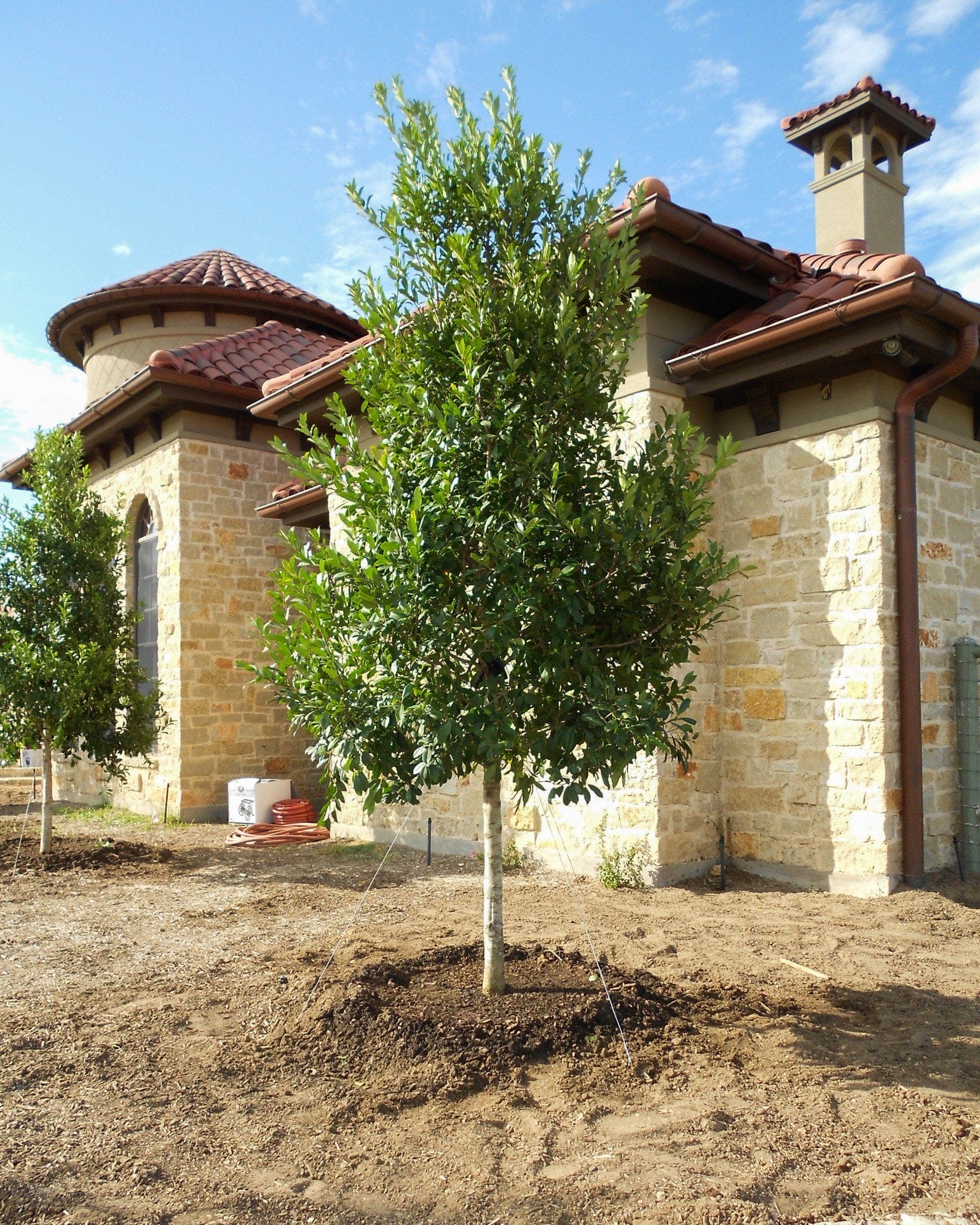
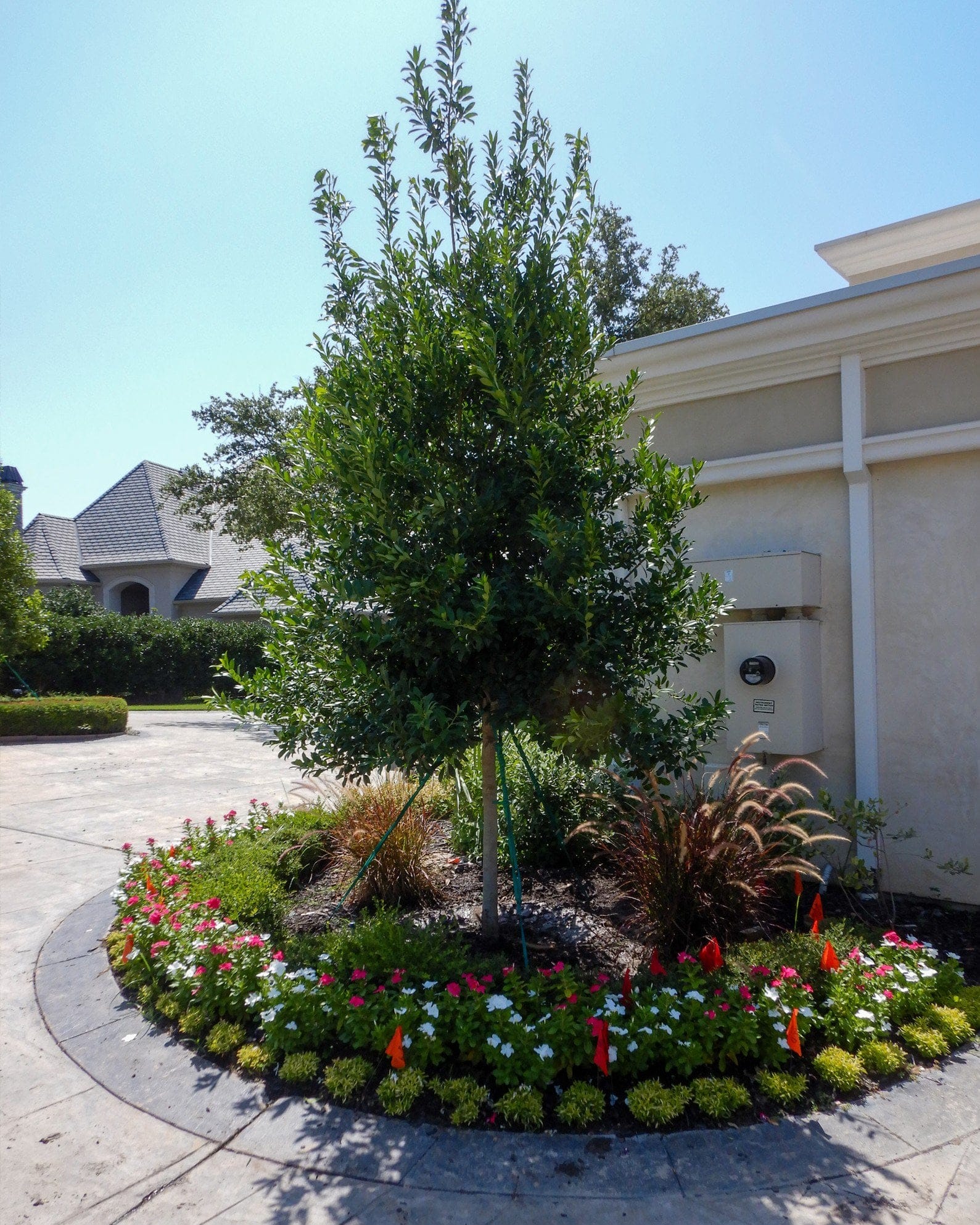
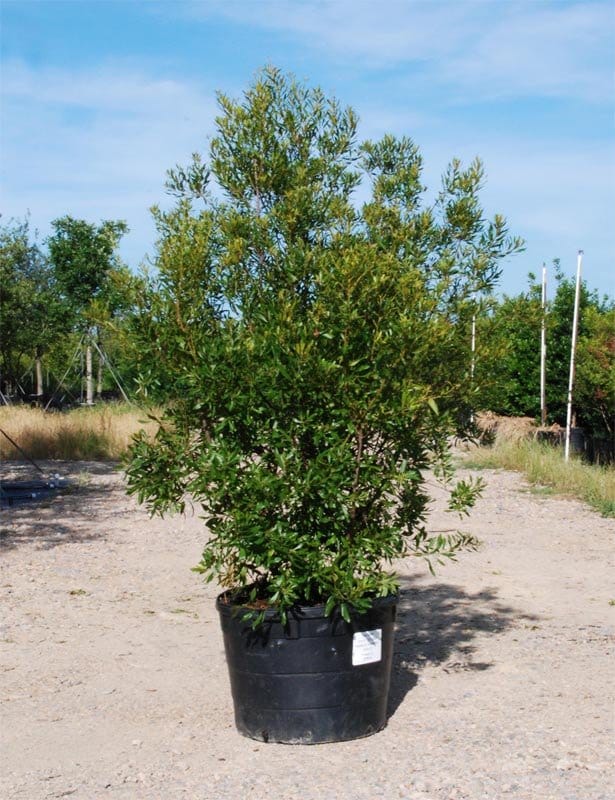
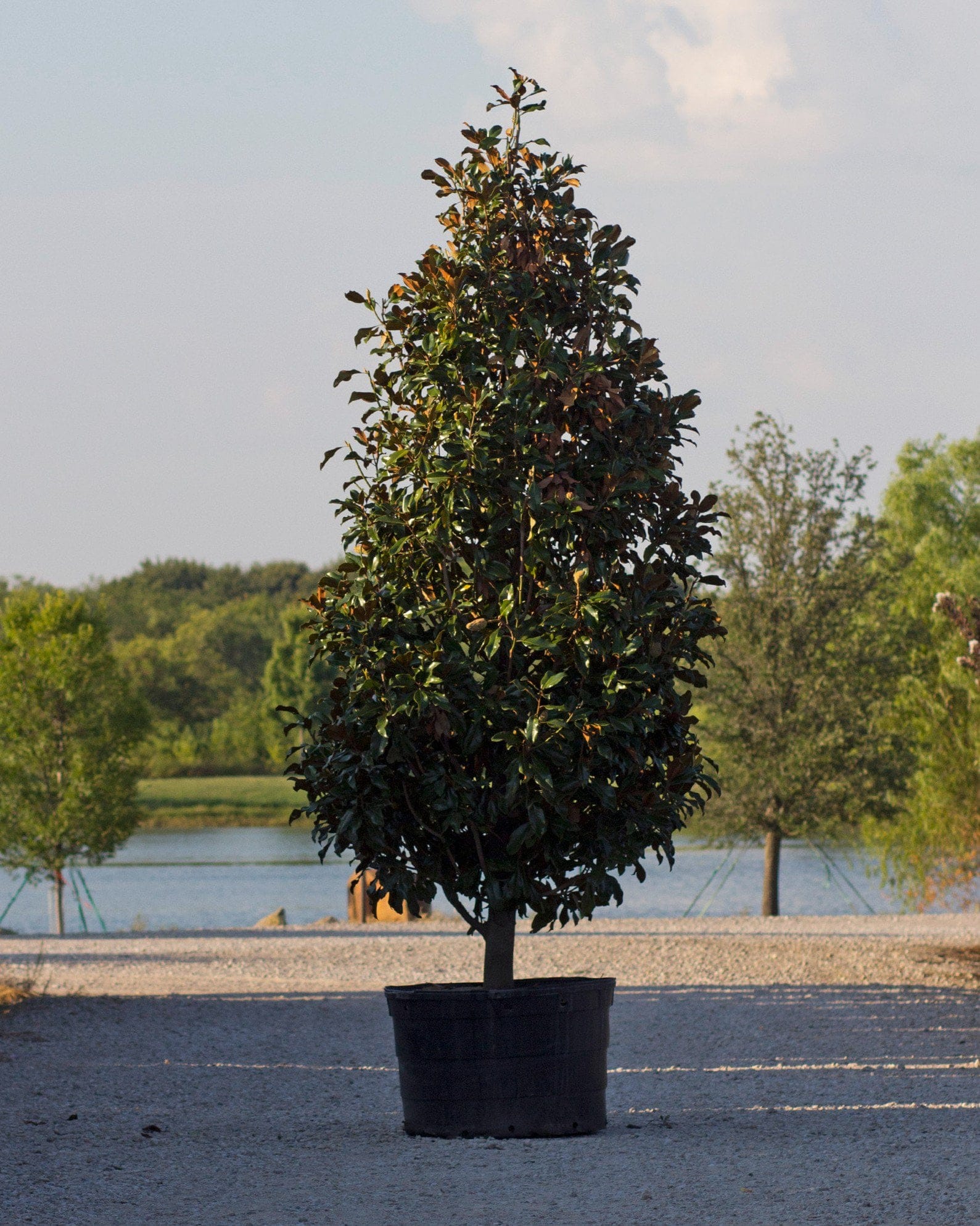
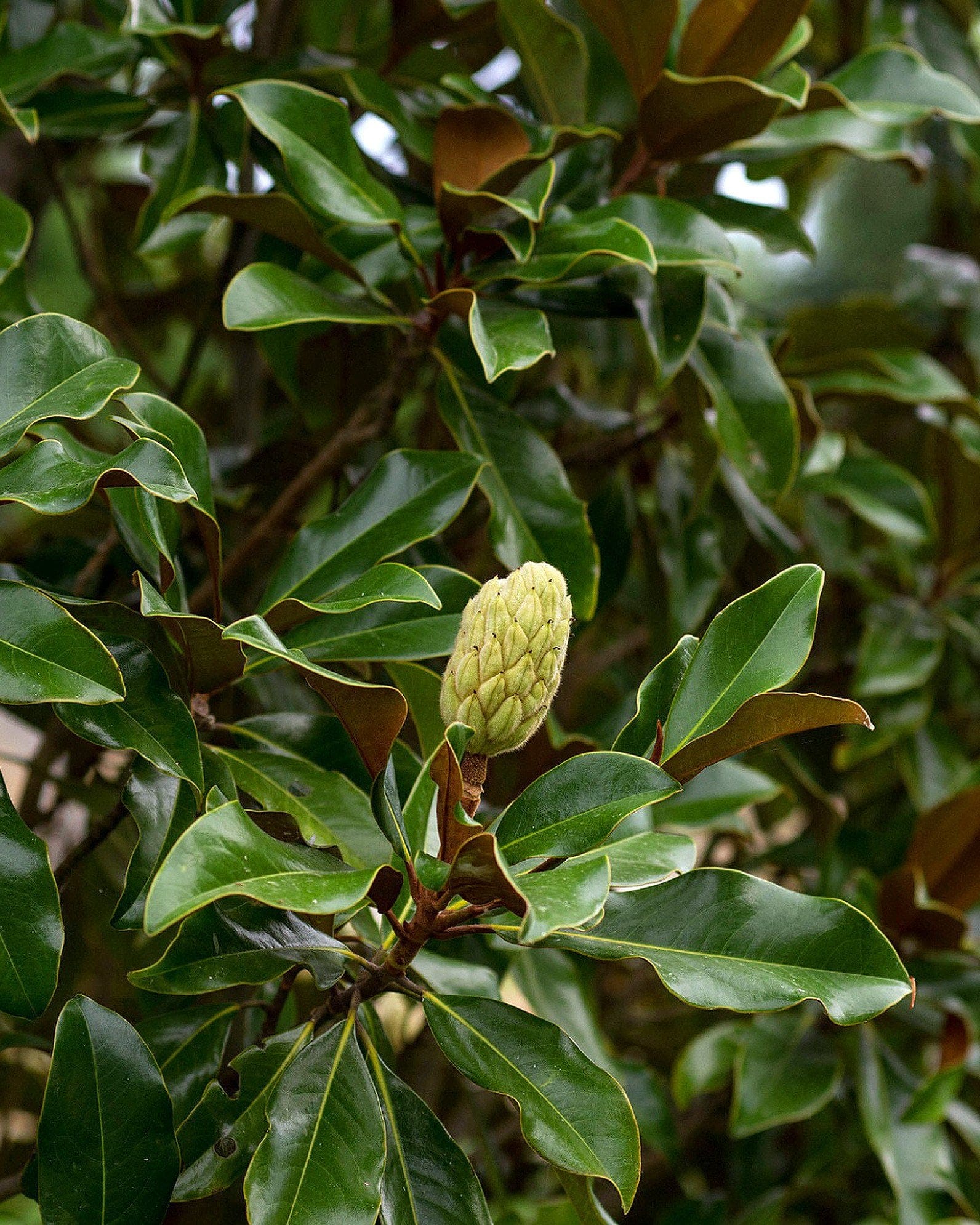
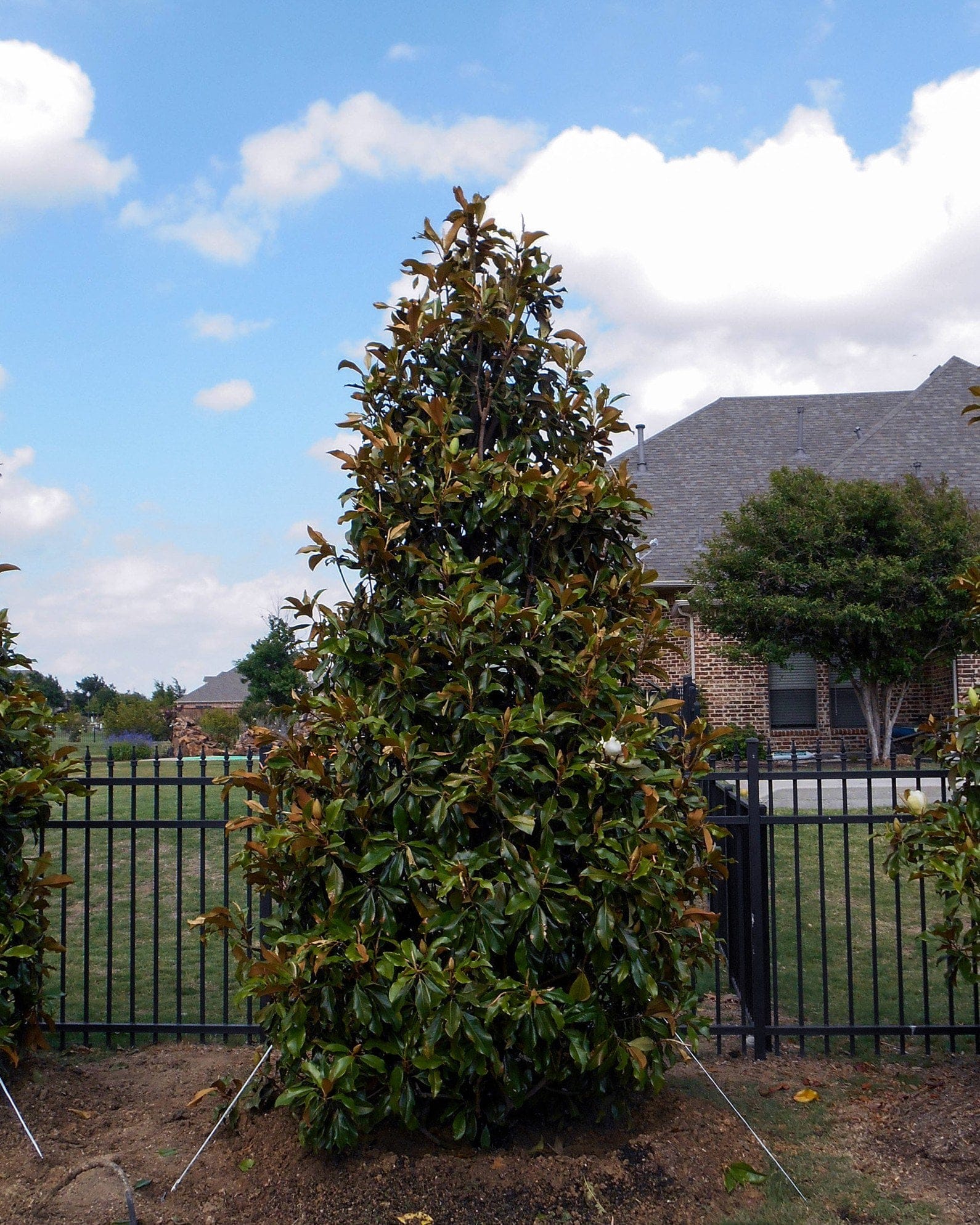
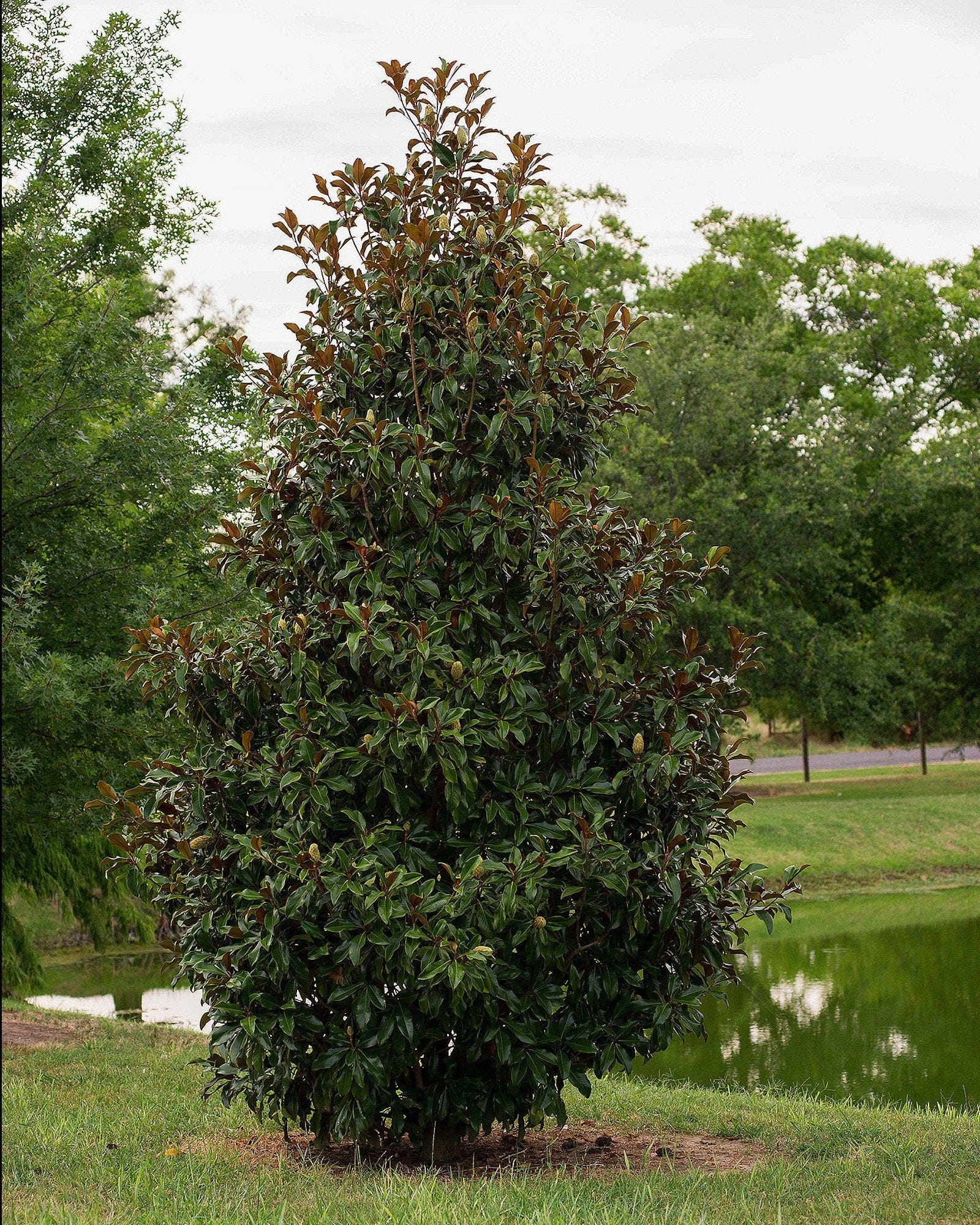
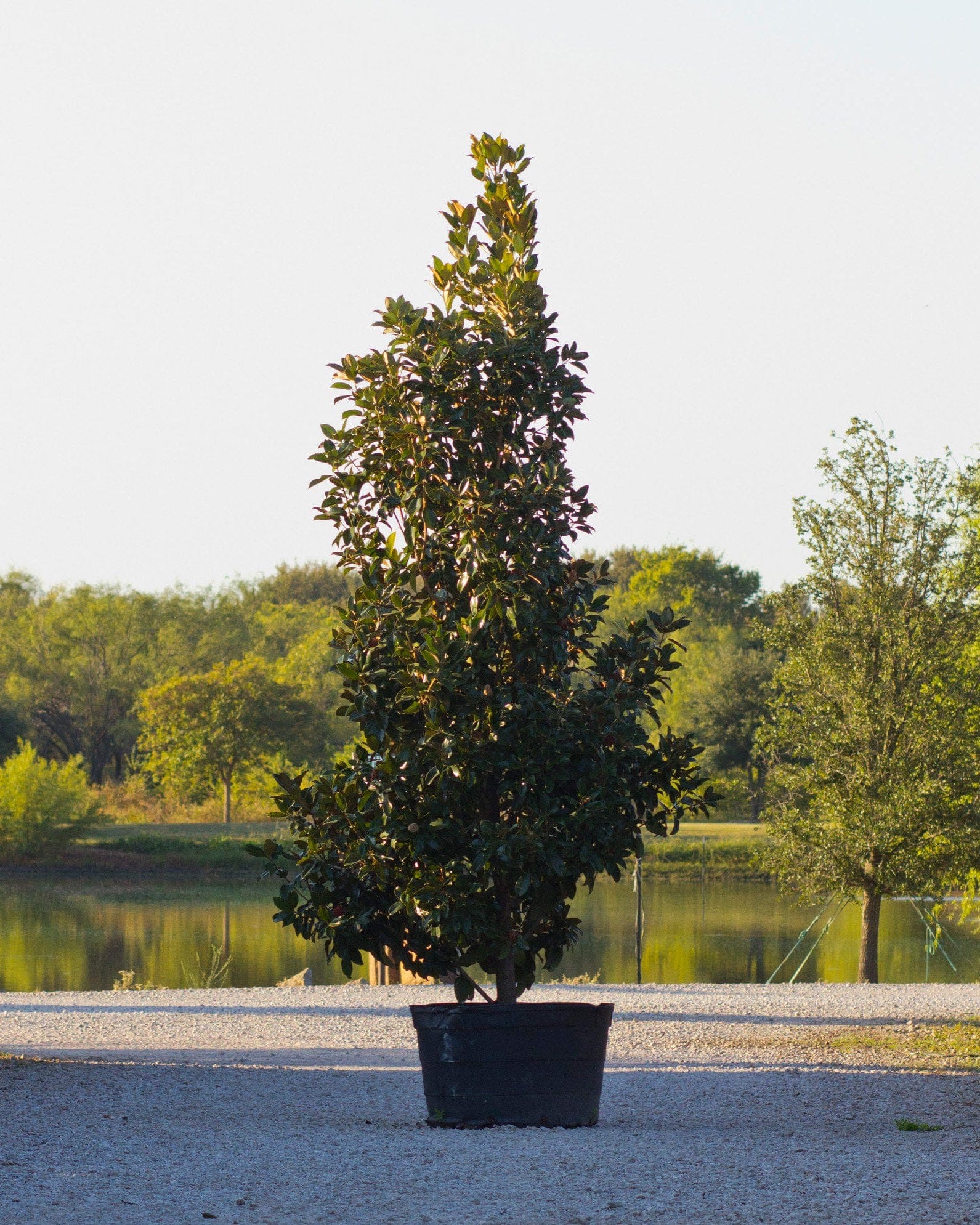
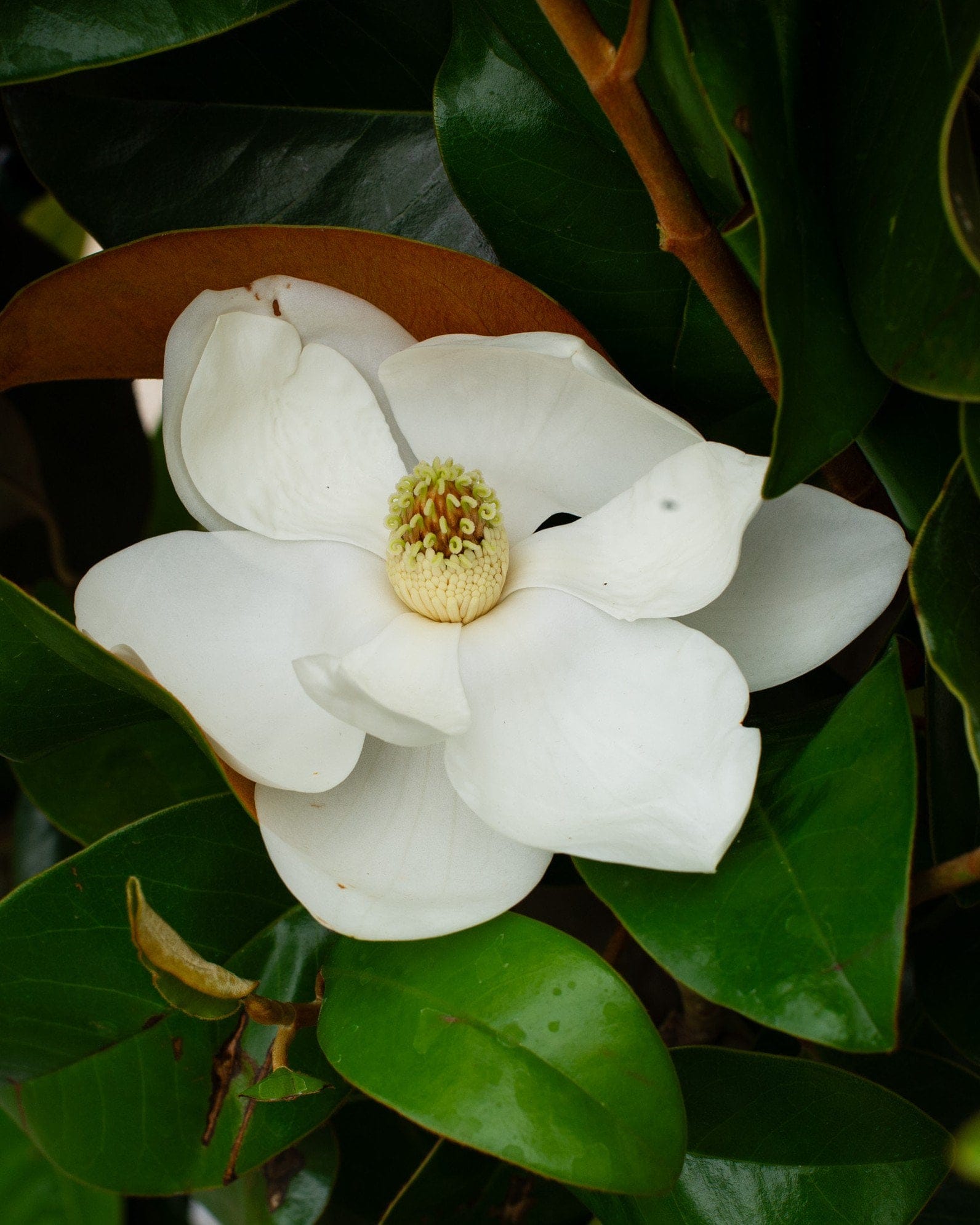
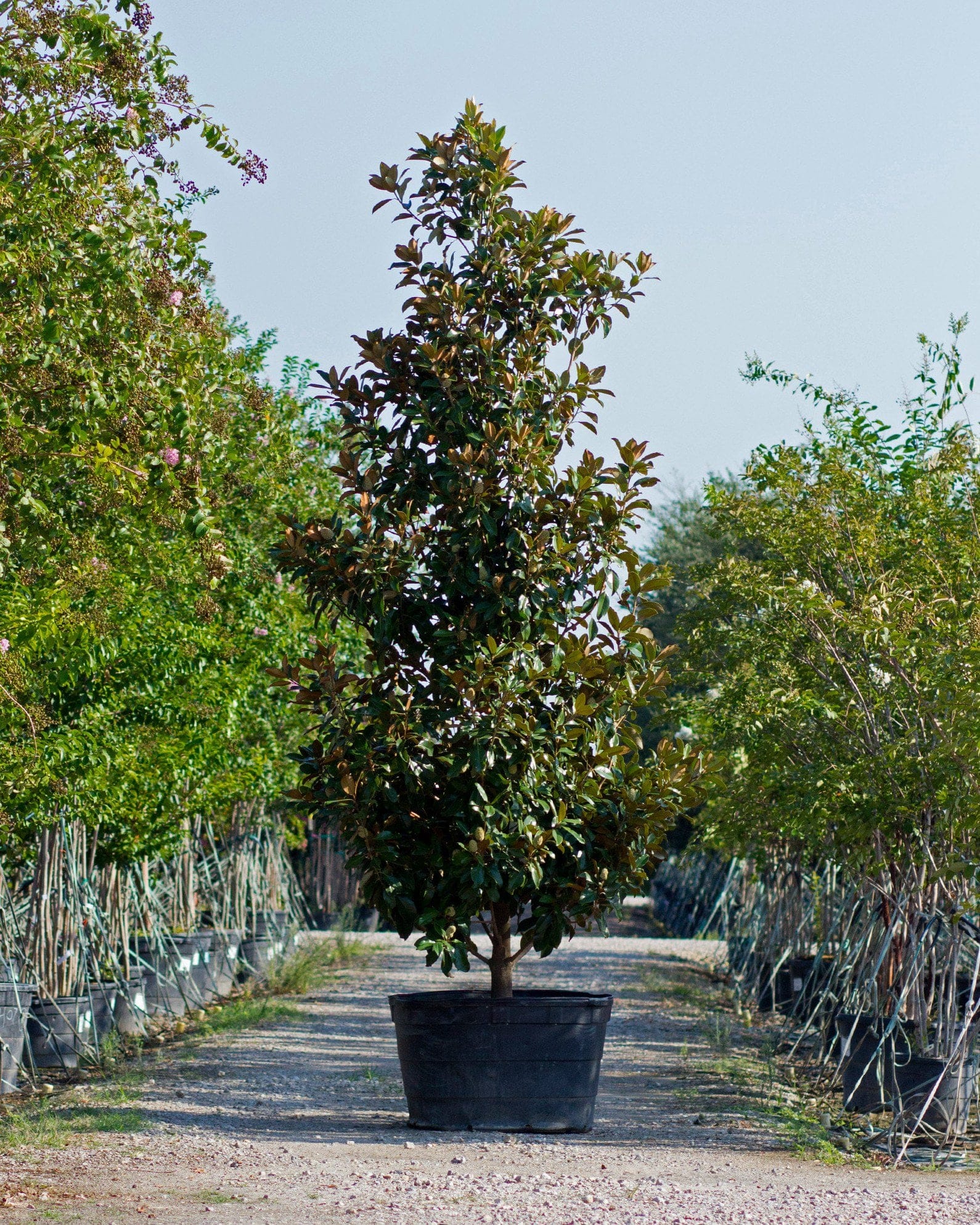
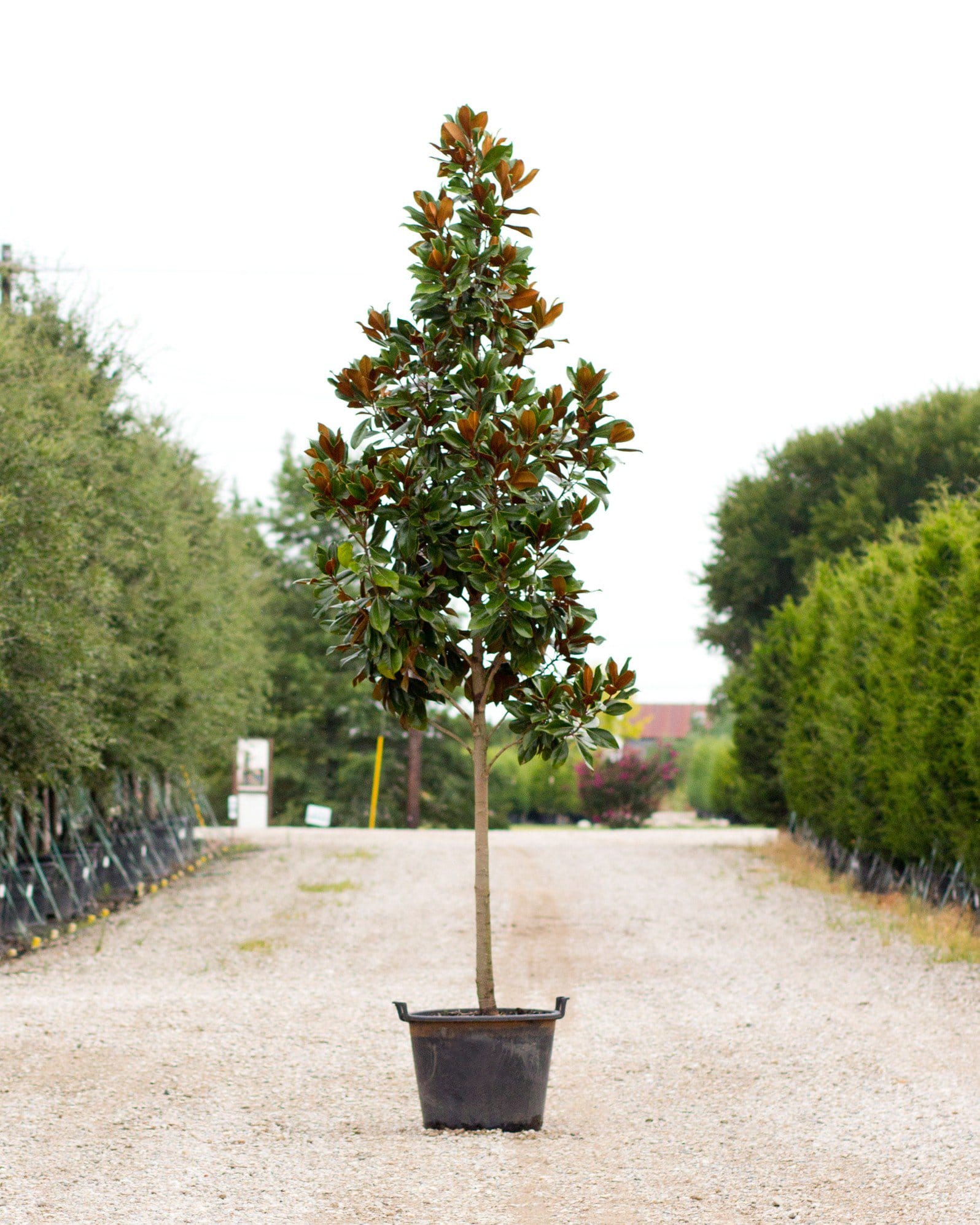
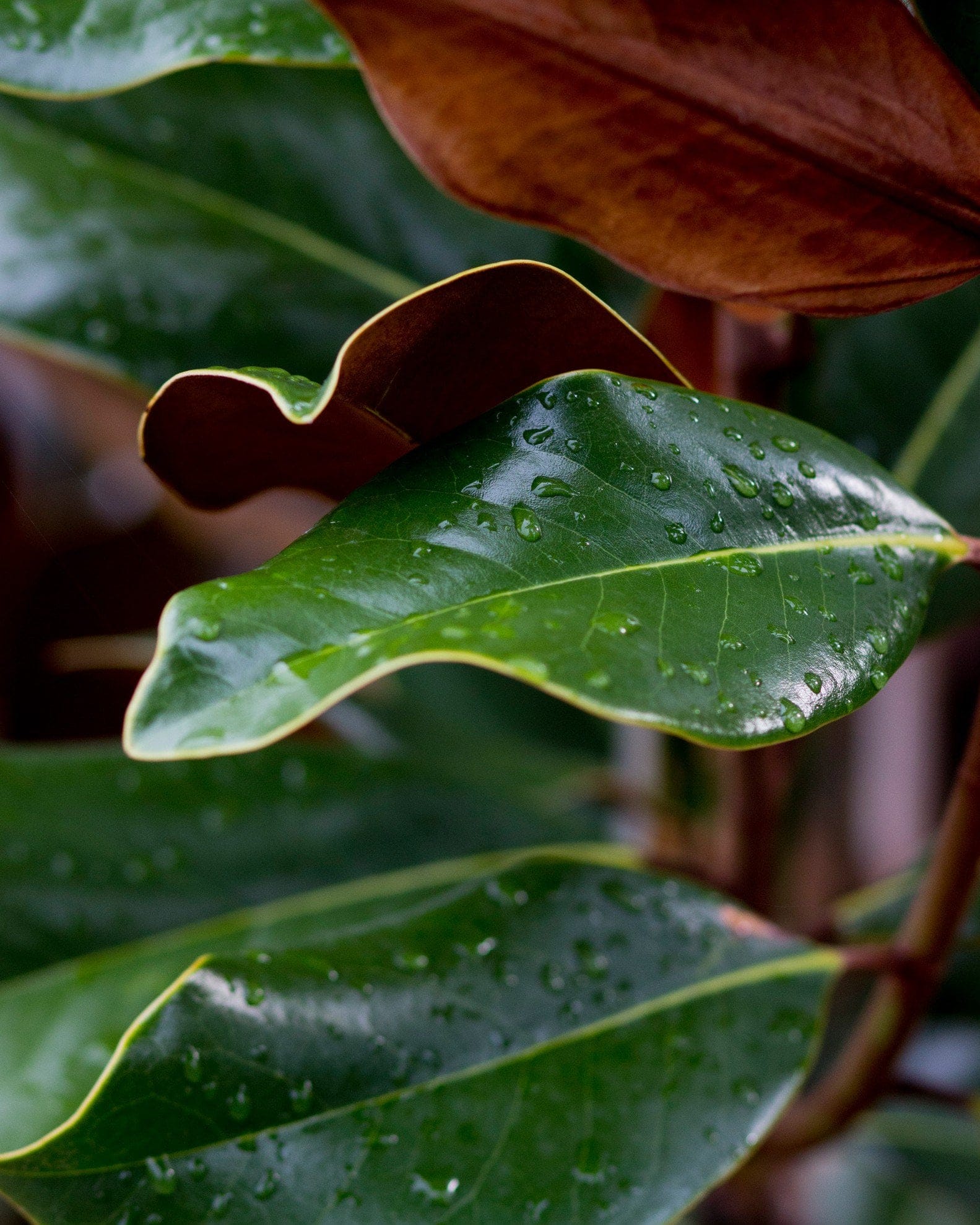
Magnolia grandiflora 'Southern Charm'The Teddy Bear Magnolia truly lives up to its name with its balanced shape and lush, glossy leaves that add both softness and structure to any landscape. Reaching about 30 feet tall and 15 feet wide, its upright growth makes it an ideal choice for smaller yards, city beds, or refined evergreen screens. During summer, it delights with large, creamy white blossoms that carry the signature magnolia scent - sweet, citrusy, and nostalgic. These flowers stand out beautifully against the dense foliage, bringing a touch of luxurious southern charm without overwhelming the space.
- Evergreen tree
- Slow to moderate growth rate
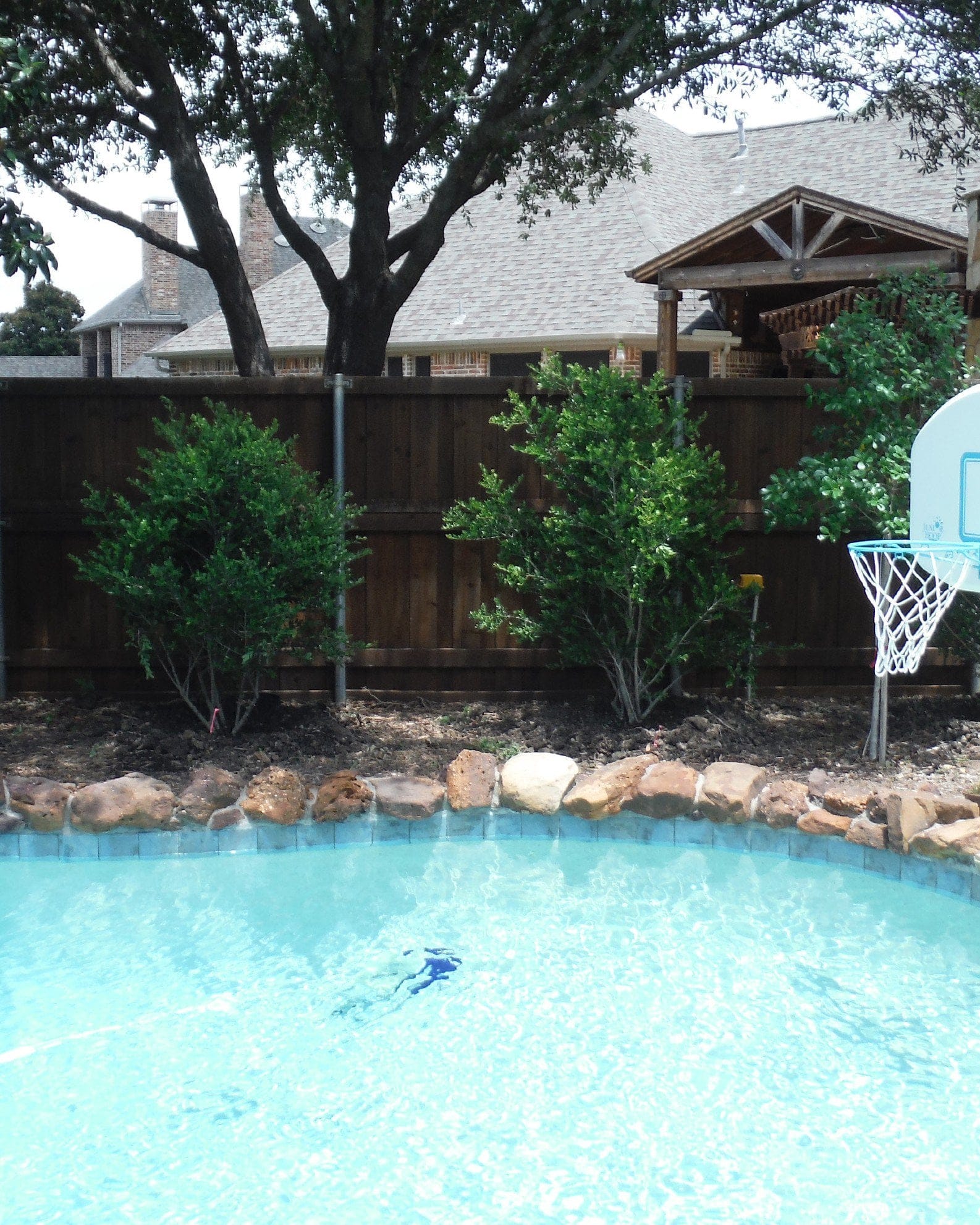
- Dense, upright growth great for privacy or accent planting
- Fragrant white blooms in late spring and summer
- Compact size makes it suitable for patios, courtyards, and smaller yards
Plant in full sun to partial shade and well-draining soil for best results. Teddy Bear Magnolia is a darling of Southern beds for good reason. Thrives in USDA zones 7 through 9, making it perfect for warmer parts of Texas.
Maintenance
Teddy Bear Magnolia is both stunning and easy to care for. Here’s how you can help it grow beautifully:
- Watering: Water deeply and regularly during the first growing season to help establish a strong root system. Once mature, Teddy Bear Magnolia is moderately drought-tolerant but prefers consistent moisture during hot or dry weather. Always allow the top few inches of soil to dry slightly between waterings, and avoid standing water near the base.
- Pruning: Teddy Bear Magnolia has a naturally compact, symmetrical habit that requires little pruning. Remove dead, damaged, or crossing branches in late winter before new growth begins. Light shaping after flowering helps maintain a neat outline, but avoid aggressive pruning.
- Fertilizing: Feed in early spring with a slow-release, balanced fertilizer formulated for acid-loving plants. A midsummer application of compost or organic matter around the drip line helps sustain nutrient levels and soil health.
- Mulching: Apply a 2–3 inch layer of mulch around the base to retain moisture, regulate soil temperature, and prevent weed competition. Keep mulch a few inches away from the trunk to prevent bark rot.
- Winter care: Teddy Bear Magnolia is hardy and holds its leaves year-round, even in cooler regions. In areas prone to freezing winds or frost, young trees benefit from a protective mulch layer over the root zone. Mature trees tolerate moderate cold well and recover quickly from minor winter stress.
Common Issues and How to Take Care of Them
Teddy Bear Magnolia is a strong and reliable tree, but a few common issues may arise under stress or improper care:
- Leaf Yellowing: Often caused by overwatering, poor drainage, or nutrient deficiency. Ensure well-draining soil and apply an iron supplement if chlorosis (yellow leaves with green veins) occurs.
- Leaf Burn: Brown edges may appear from heat stress or inconsistent watering. Deep watering and mulching help prevent this.
- Scale Insects: Small, waxy pests that may appear on stems or leaf undersides. Treat with horticultural oil or insecticidal soap if necessary.
- Sooty Mold: A black film that sometimes follows scale infestations. It’s harmless to the plant but can be cleaned off with mild soapy water once pests are removed.
- Root Rot: Caused by prolonged soggy soil. Ensure the planting site drains freely and avoid planting too deeply.
- Sparse Blooming: Can result from overfertilizing or insufficient sunlight. Magnolias bloom best in full sun and with balanced feeding.
With proper care, it can live 50 to 80 years or more. Its dense structure and slow, steady growth make it a lasting feature in gardens and landscapes for generations.
It grows at a moderate pace, typically adding 12 to 18 inches of height per year. Within 5 to 7 years, it develops its full, compact form and begins blooming reliably.
Yes - its large, fragrant blooms are magnets for bees, beetles, and other beneficial pollinators. The sweet scent and creamy petals draw activity to the garden all summer long.
Yes, it’s considered moderately deer-resistant. Deer may occasionally nibble young shoots, but mature foliage is typically avoided due to its leathery texture.
Very well. It was bred specifically for Southern climates and performs beautifully in hot, humid regions where other magnolias may struggle.
Yes - though it prefers the ground long-term, it can thrive for many years in large, deep containers. Choose a sturdy pot with excellent drainage and water regularly to maintain even soil moisture.
Absolutely. It’s tolerant of pollution, compacted soil, and reflected heat, making it ideal for courtyards, office landscapes, and narrow planting areas where space is limited.
Yes, gently. Remove one or two of the oldest interior branches each spring to open airflow and encourage fresh growth. Avoid severe pruning - steady, gradual shaping maintains its natural balance.
Exceptionally so. Its creamy white flowers release a rich, sweet, classic magnolia fragrance that perfumes the surrounding air for weeks at a time.
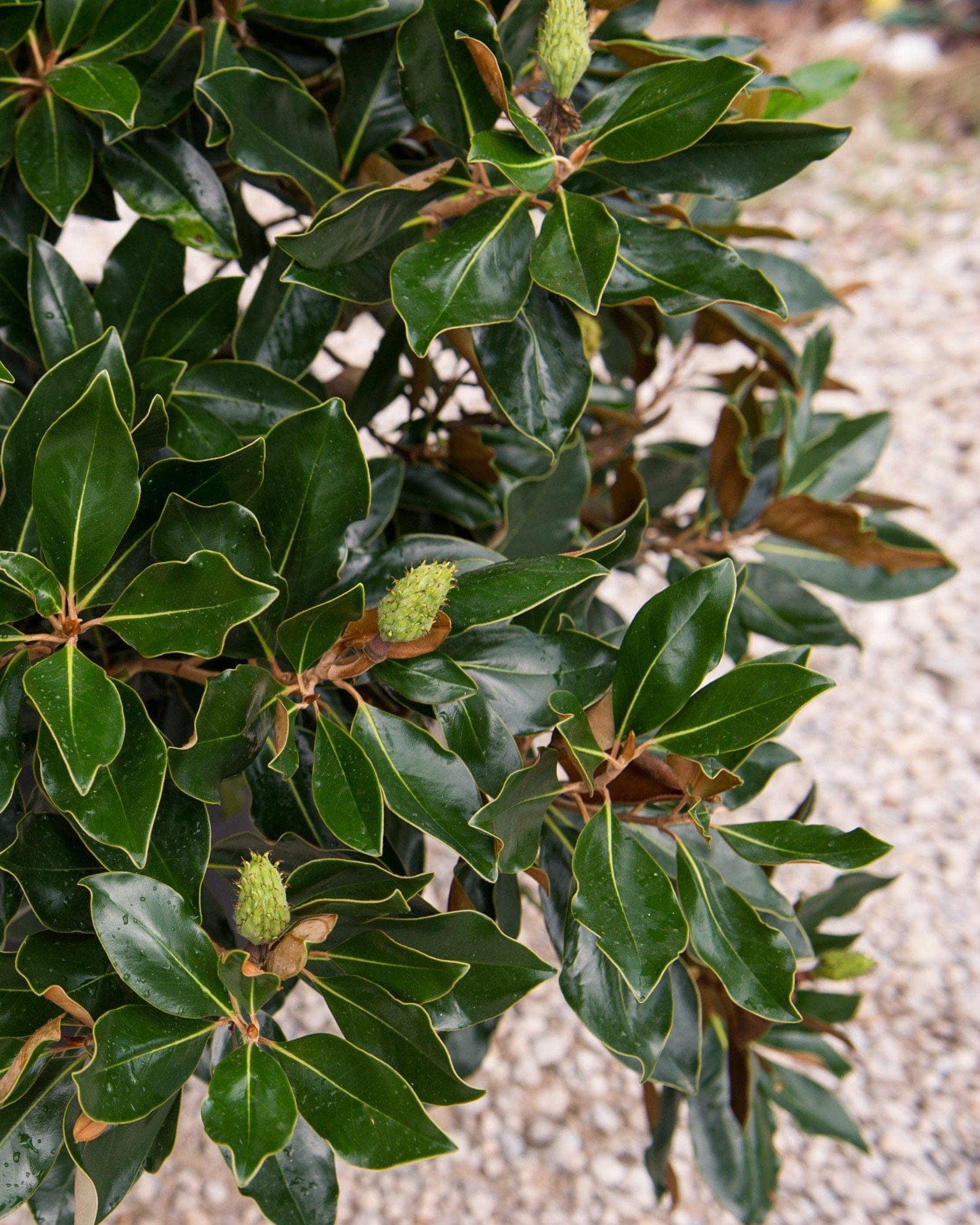
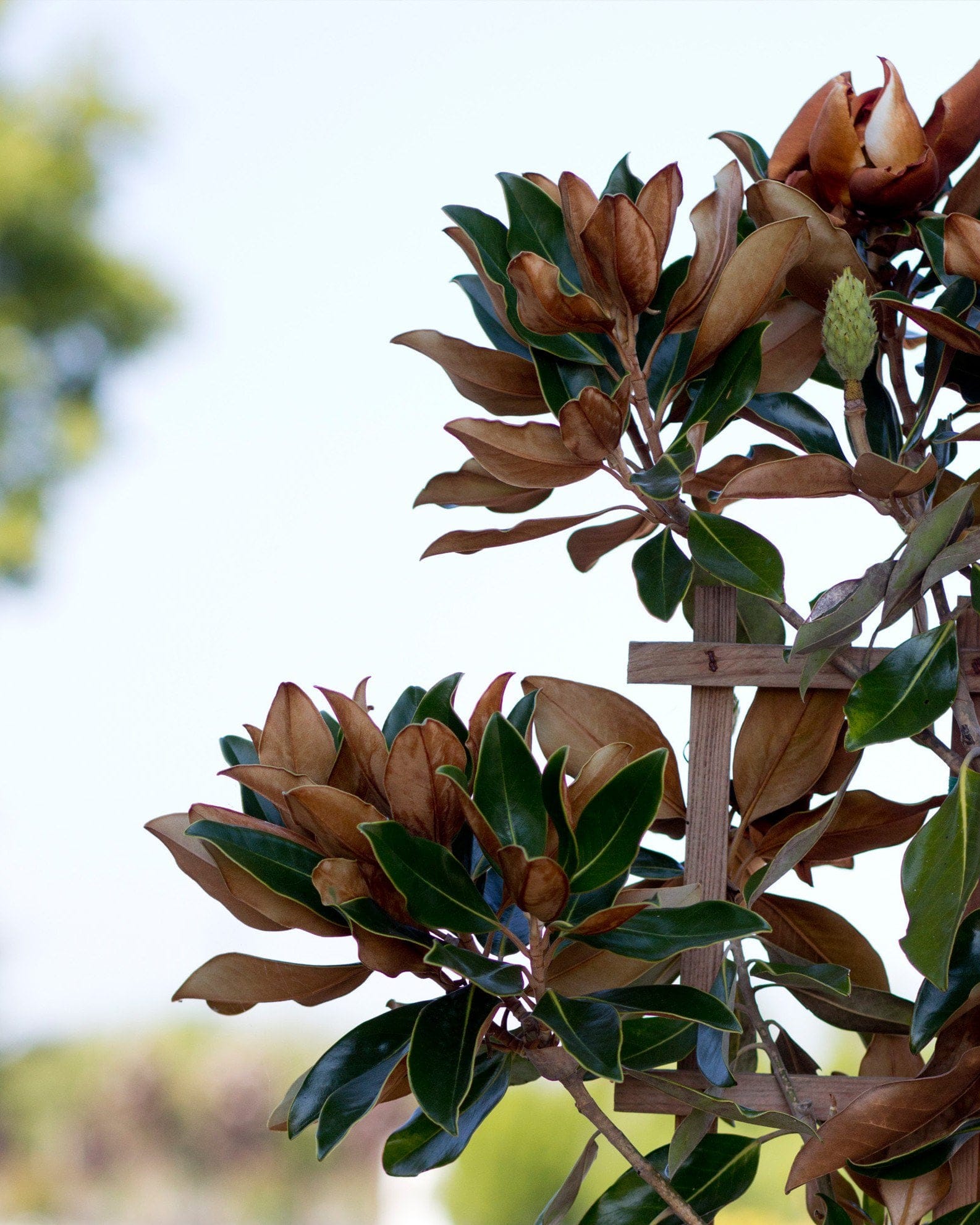
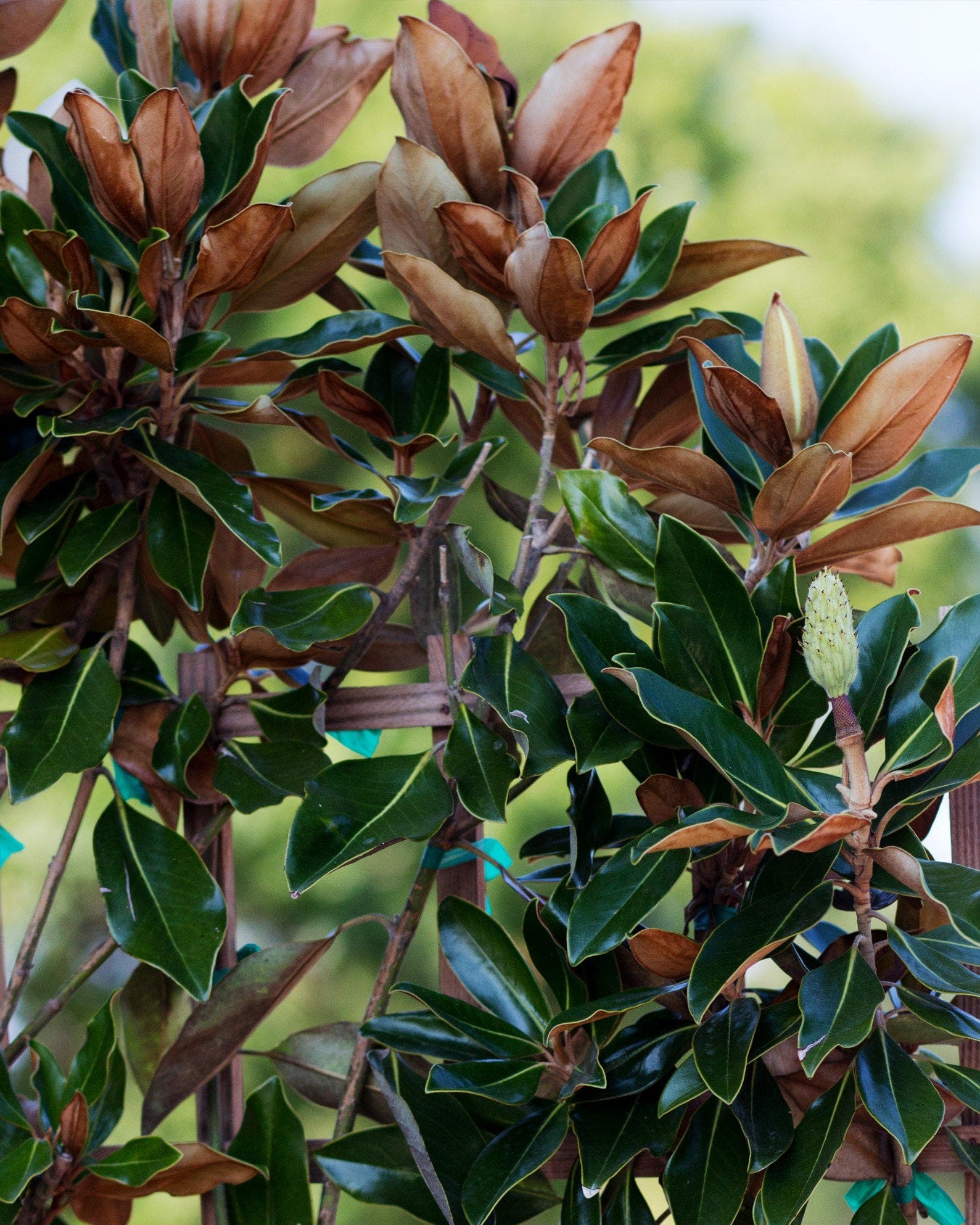
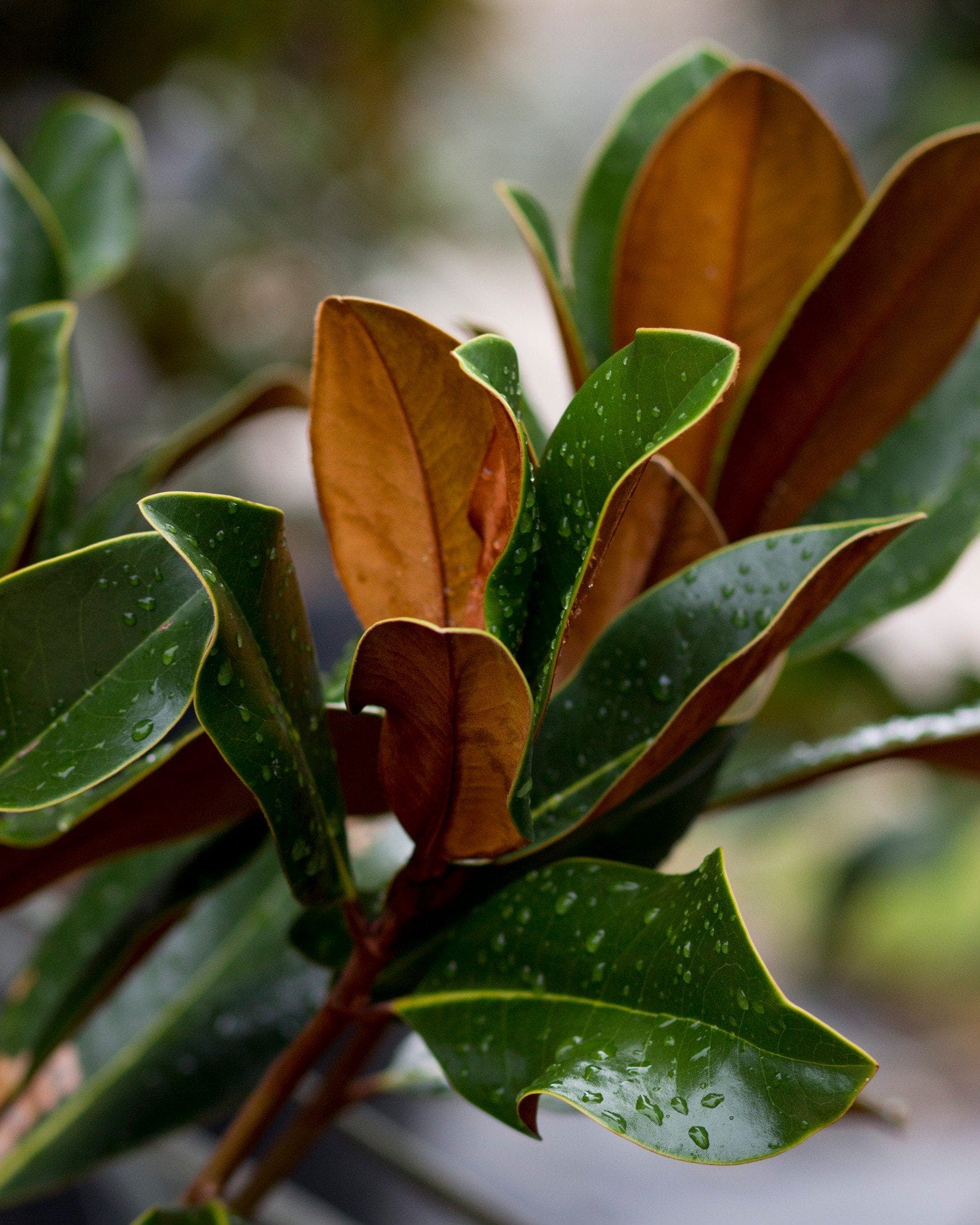
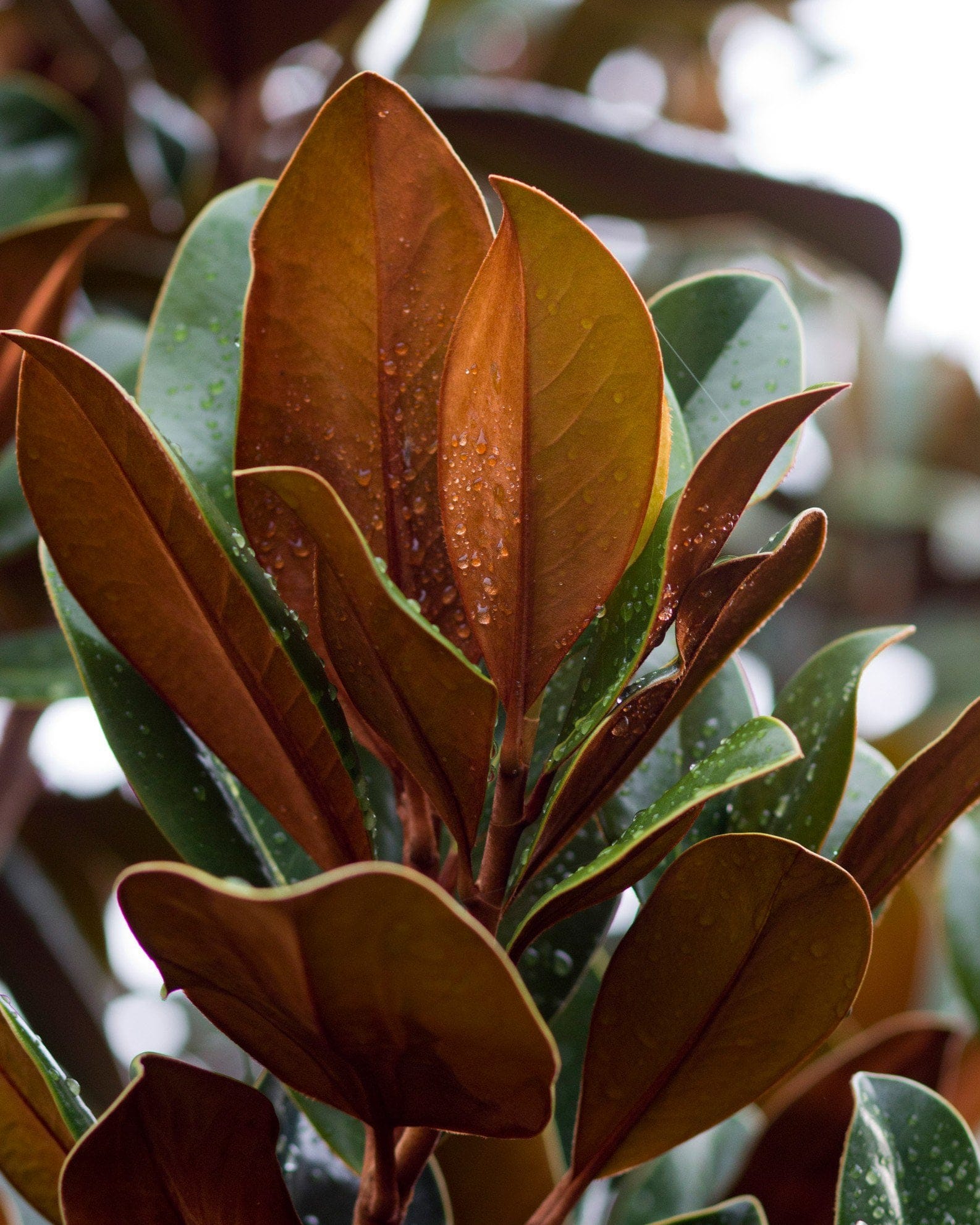
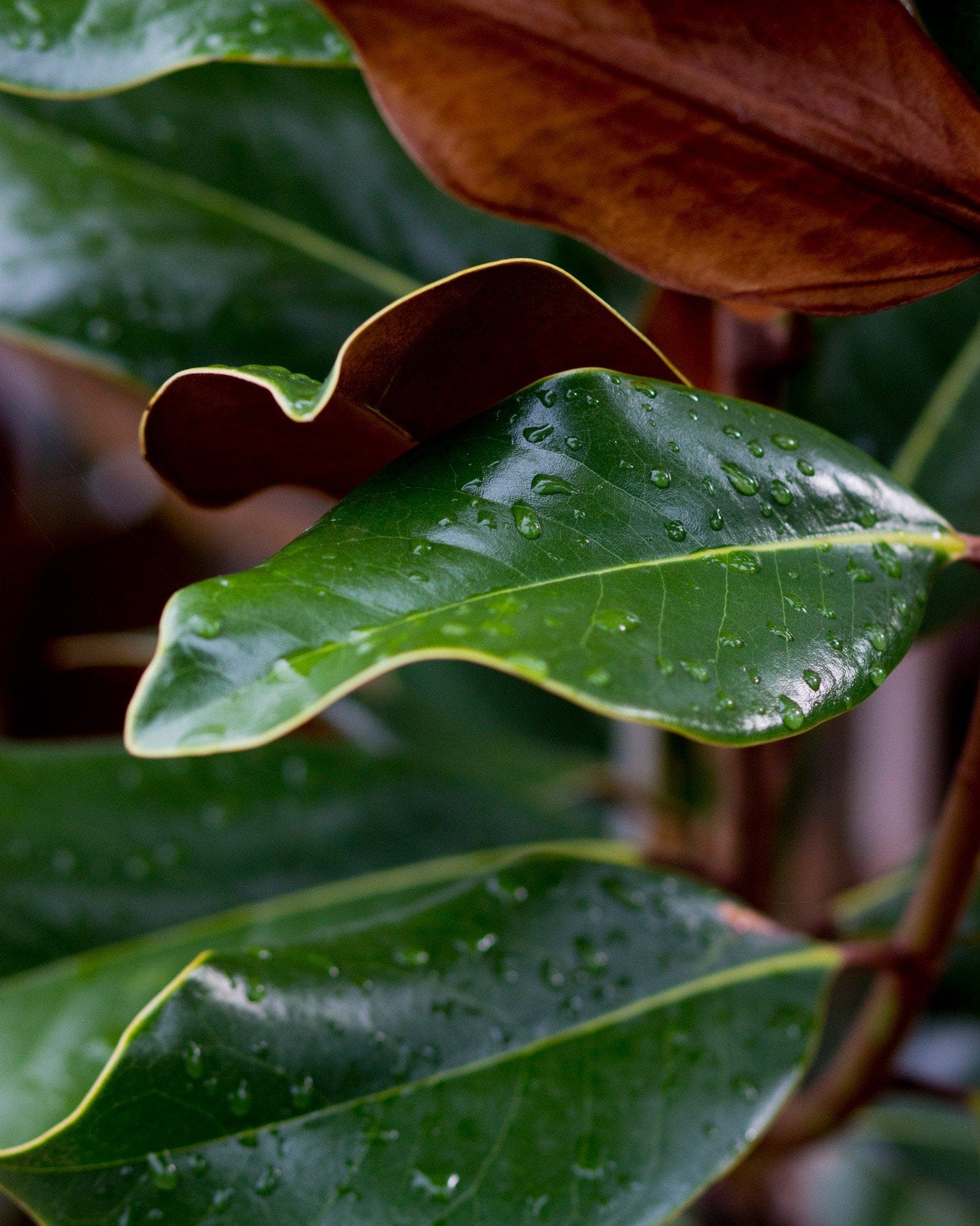
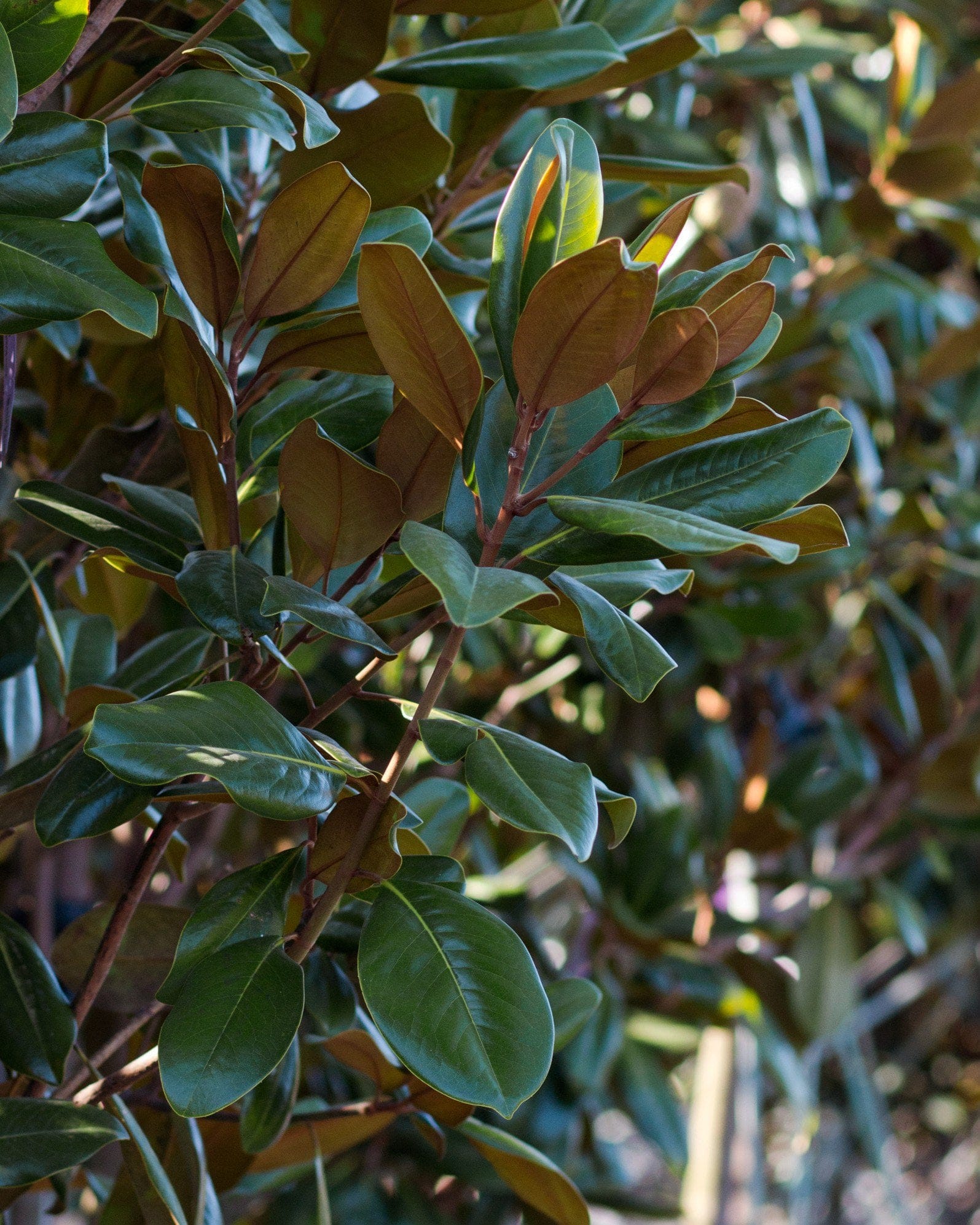
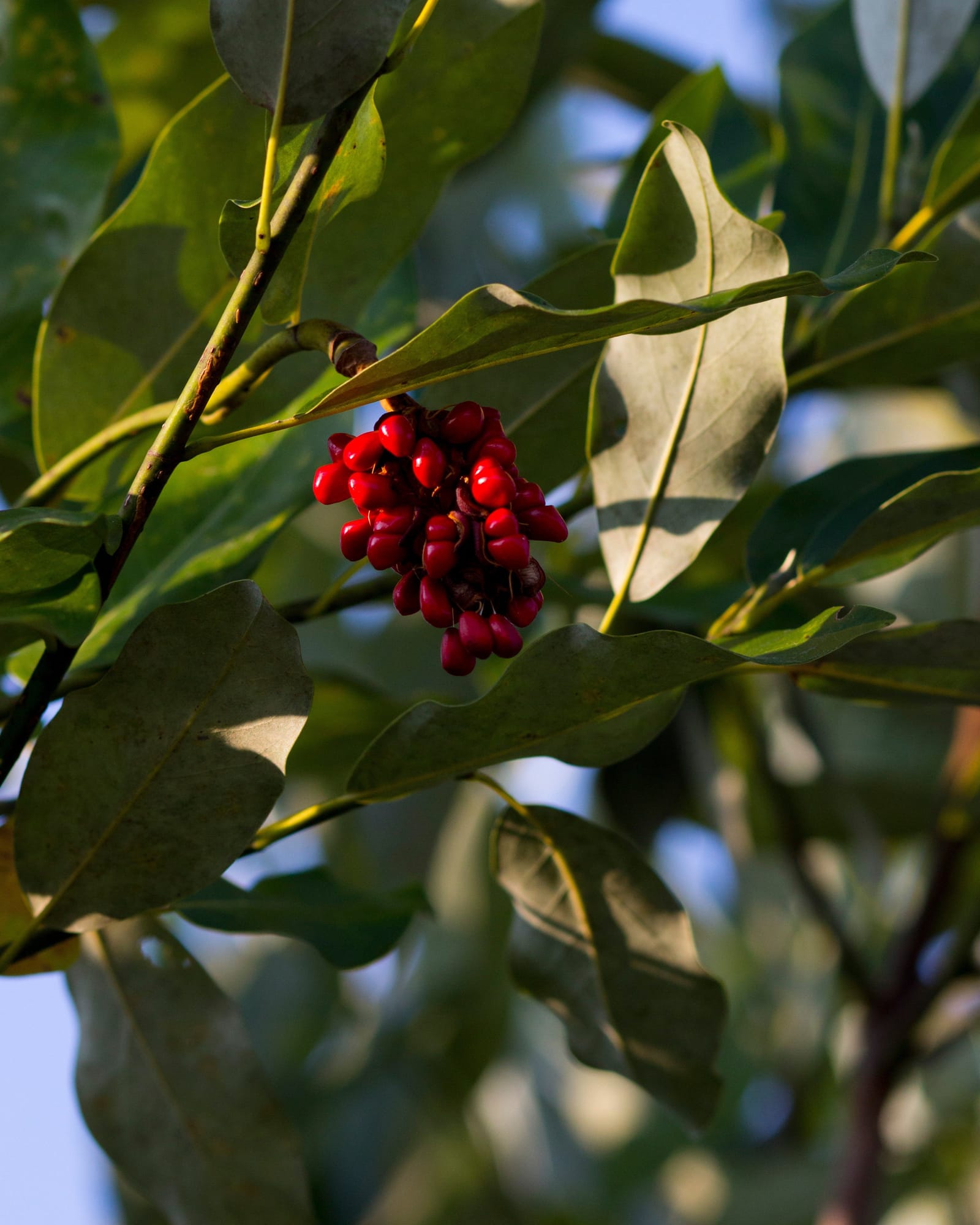
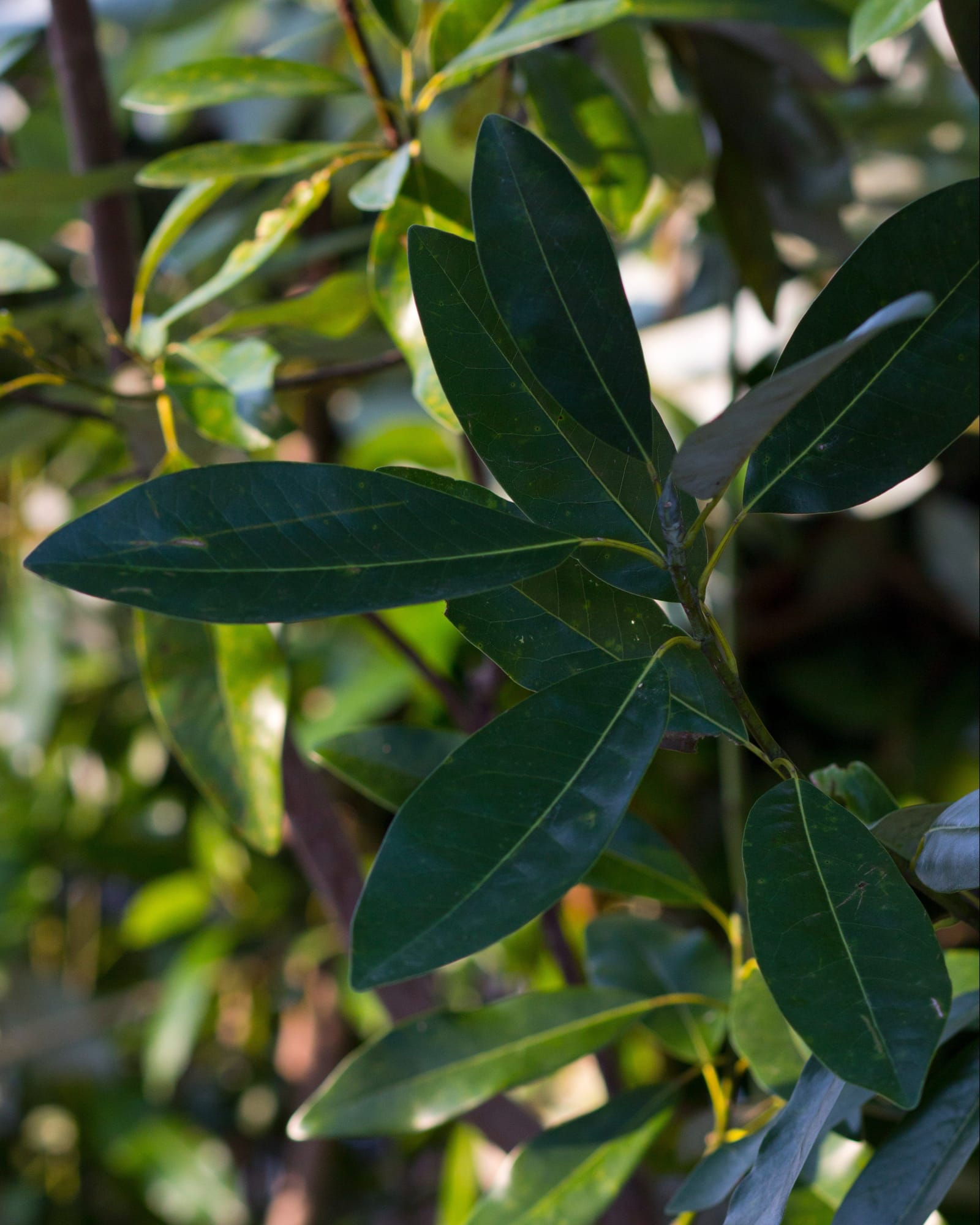
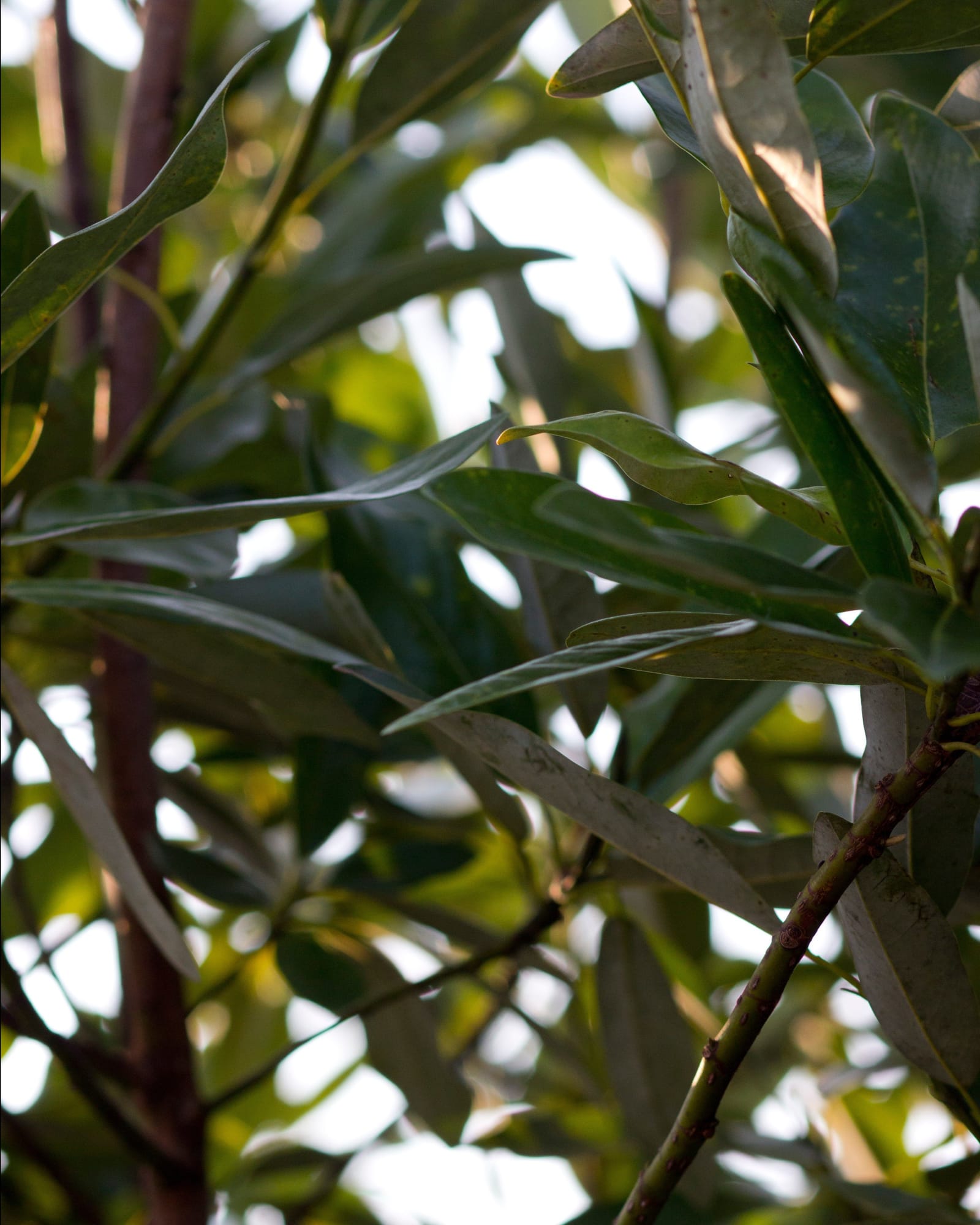
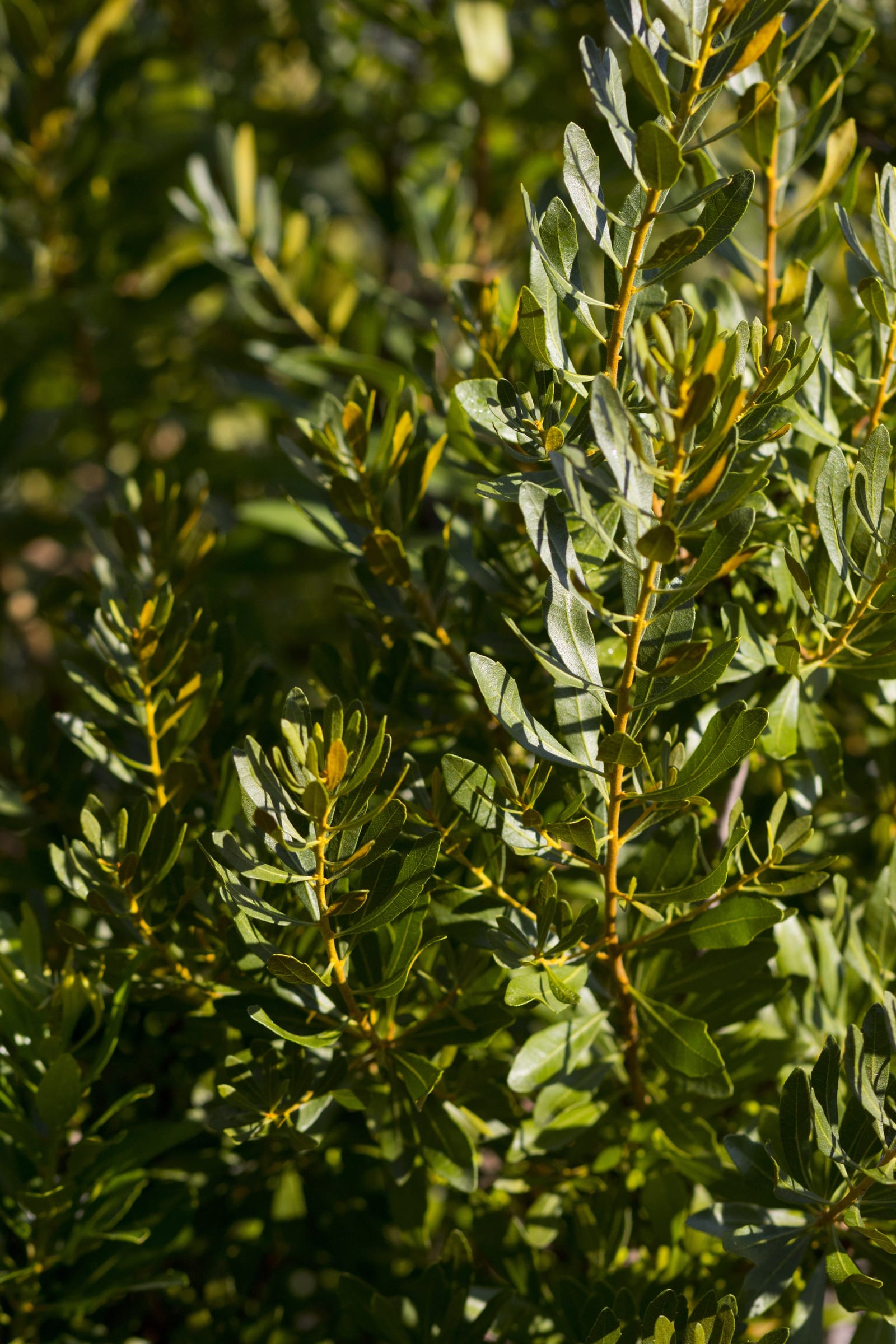
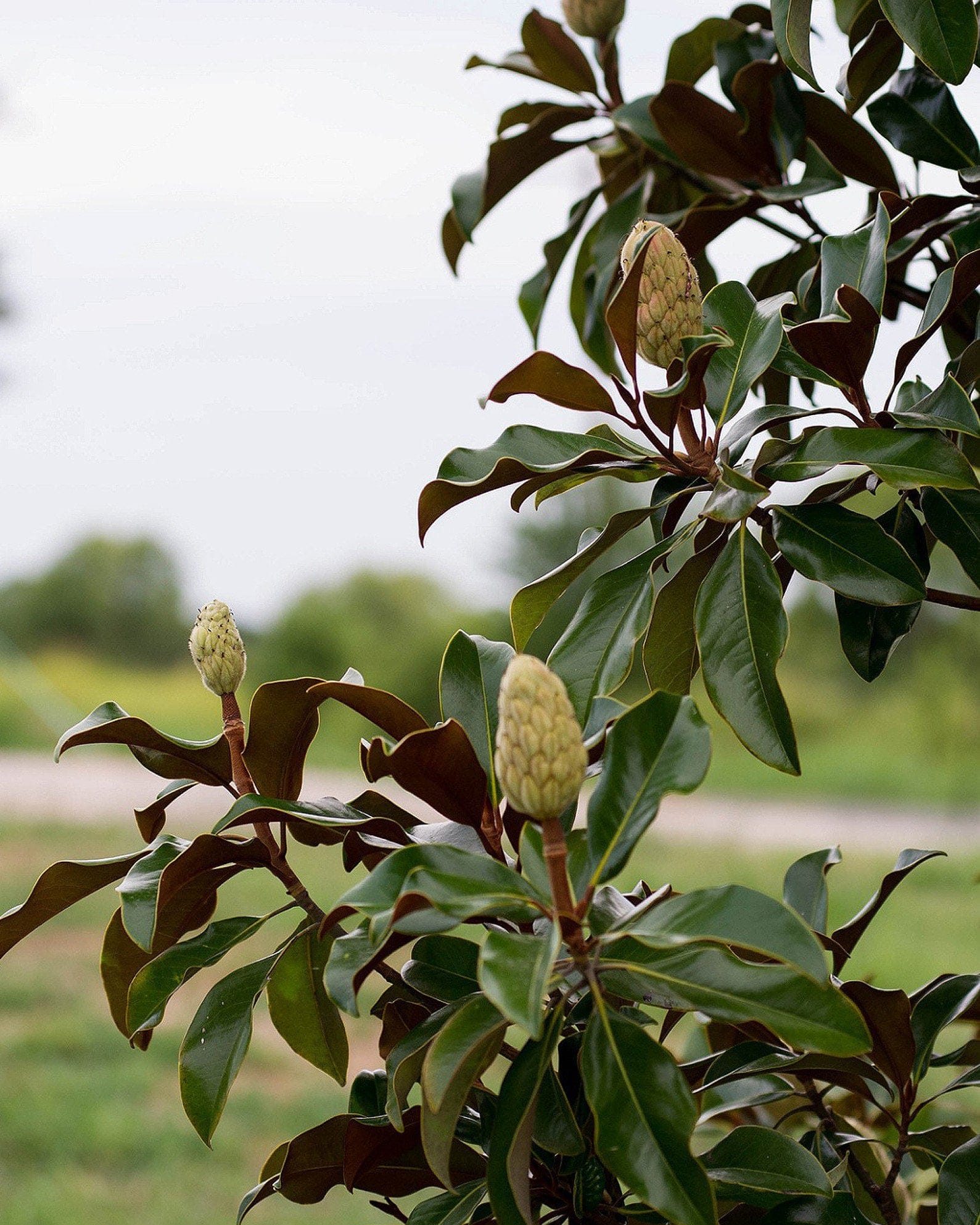
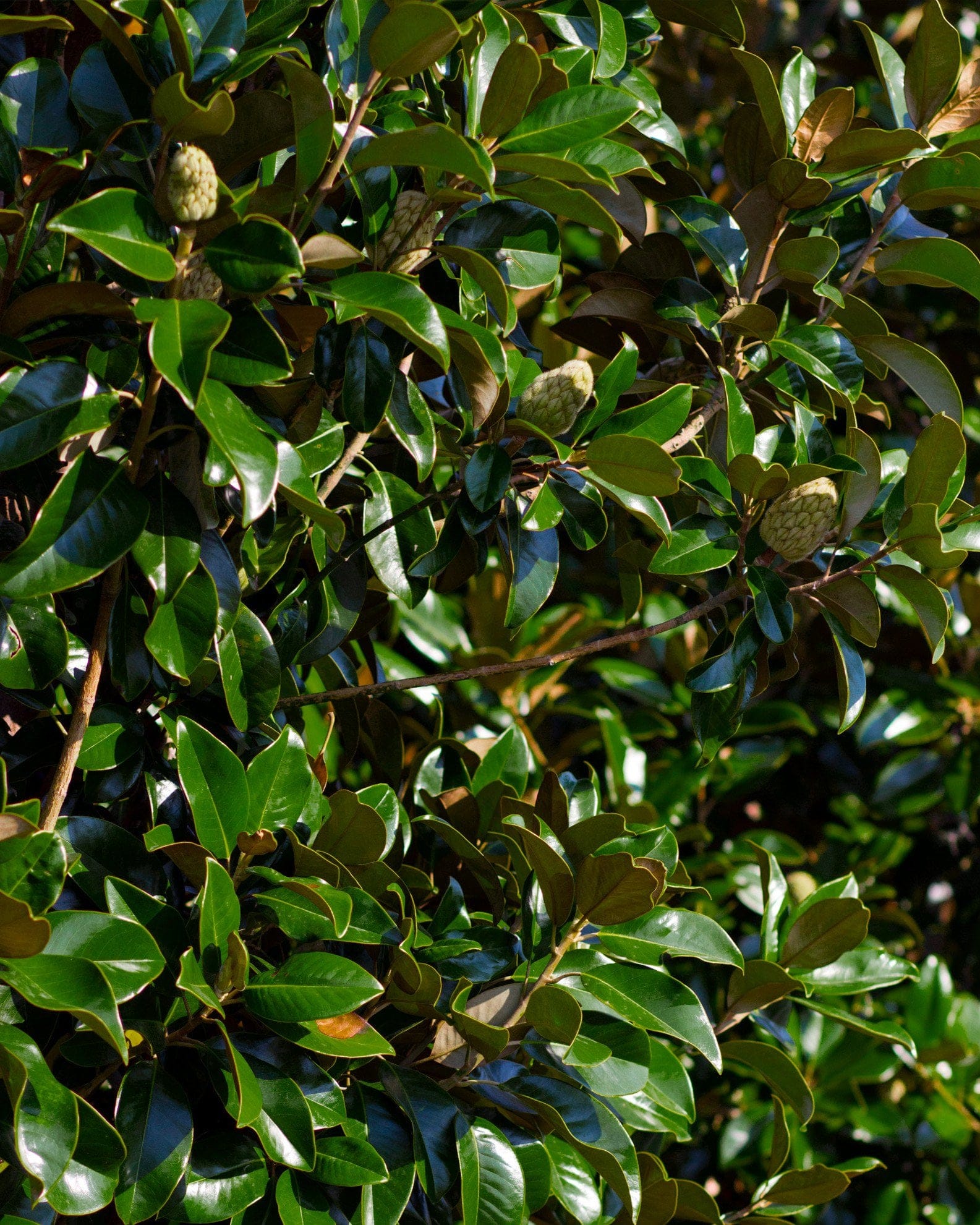
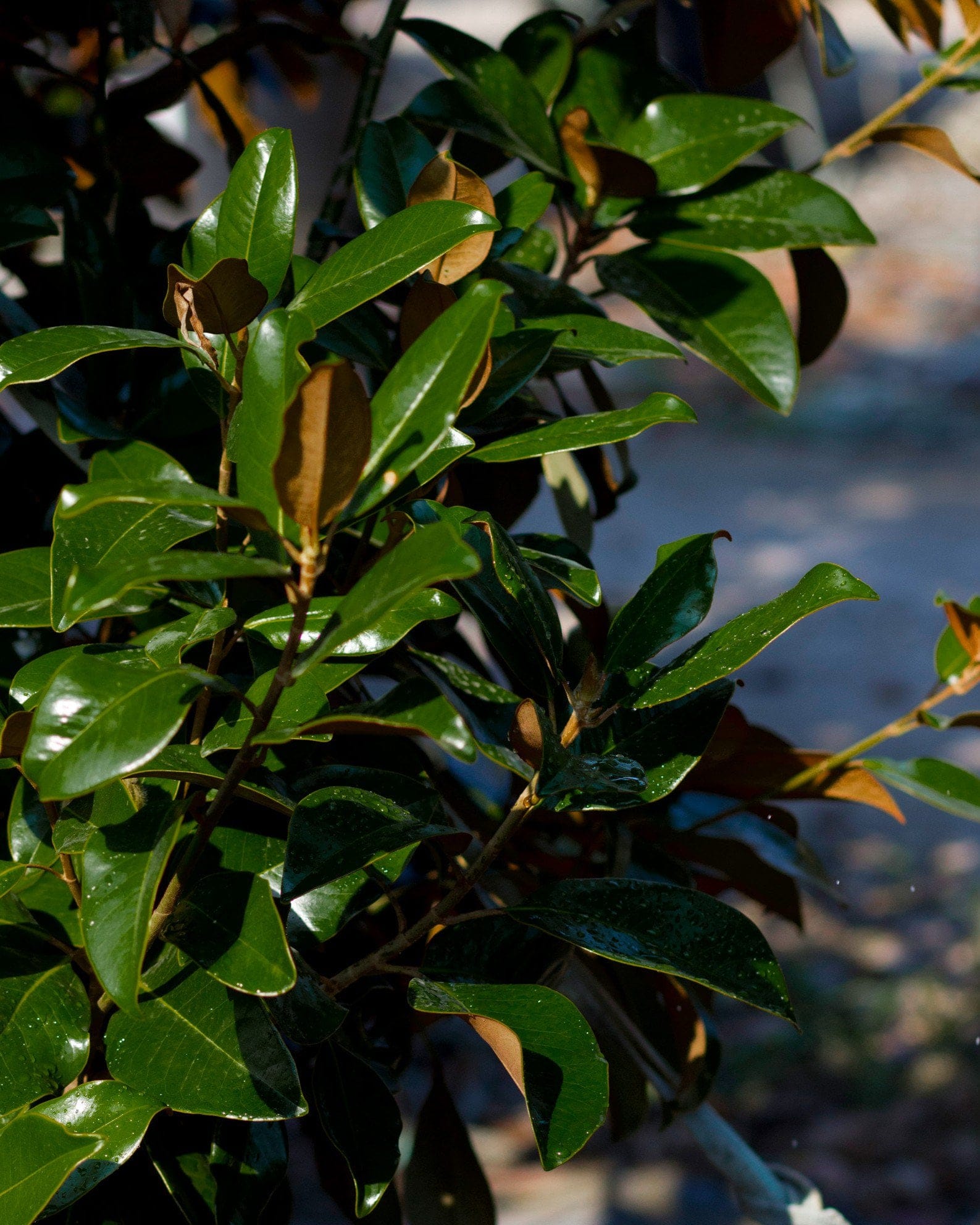
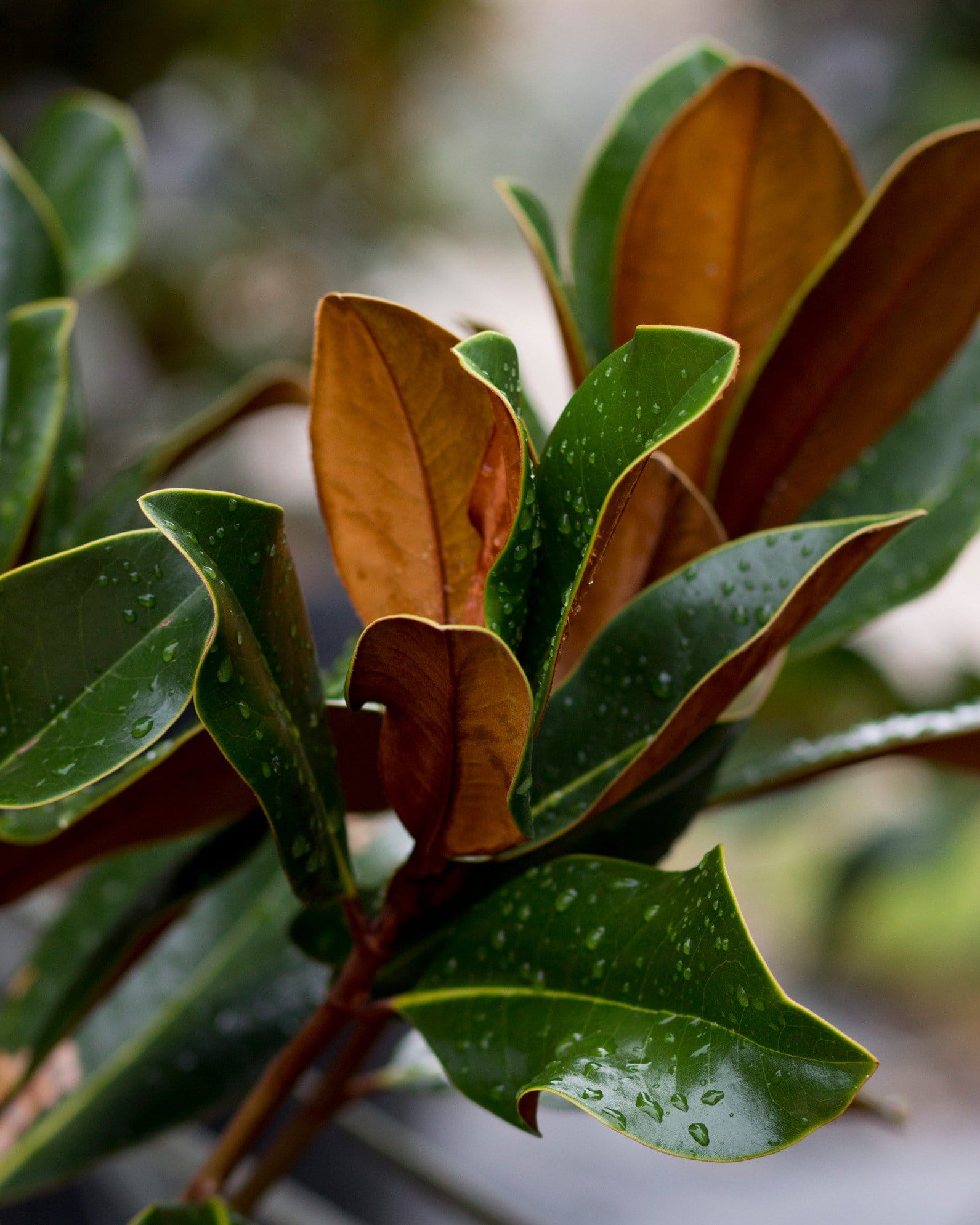
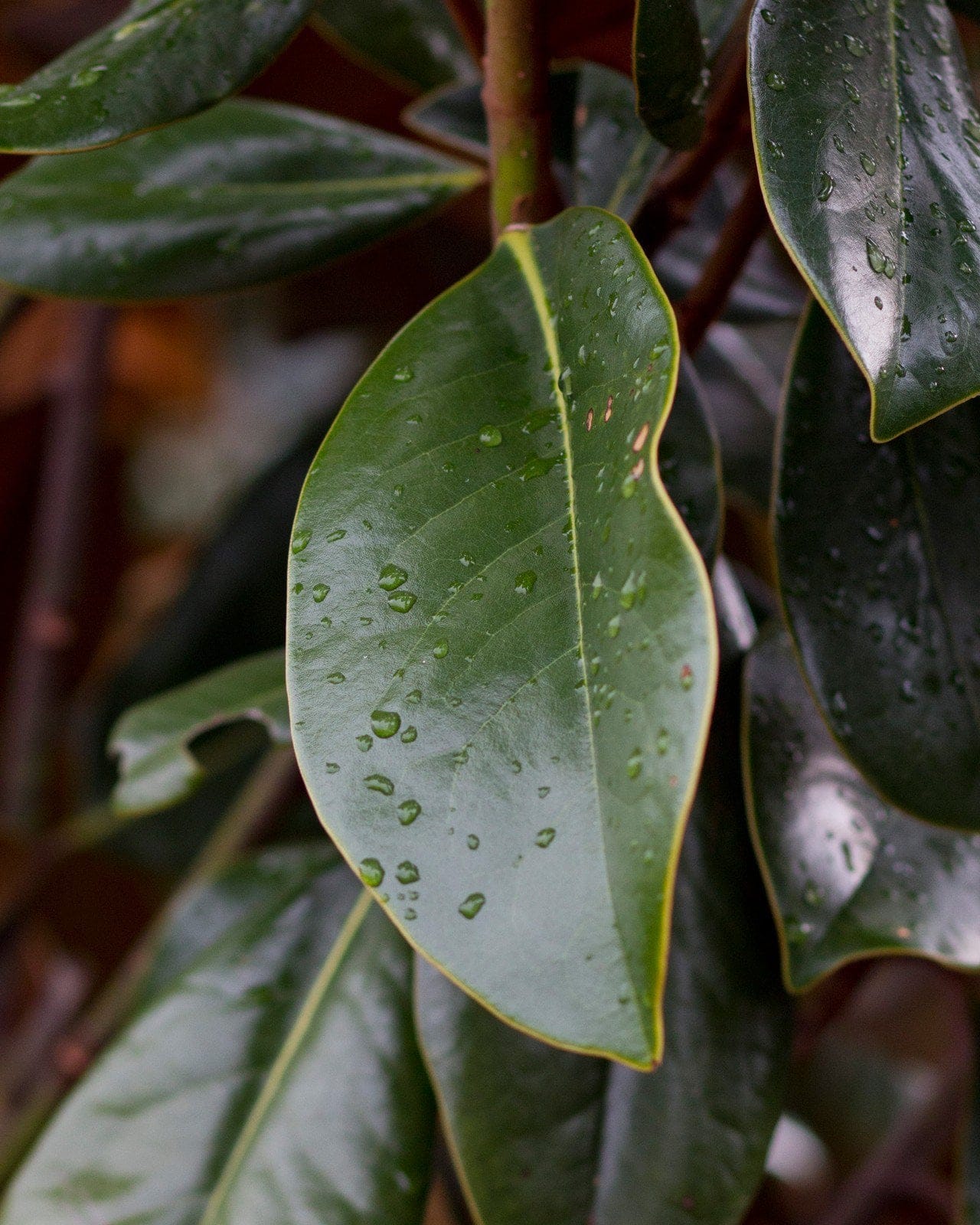
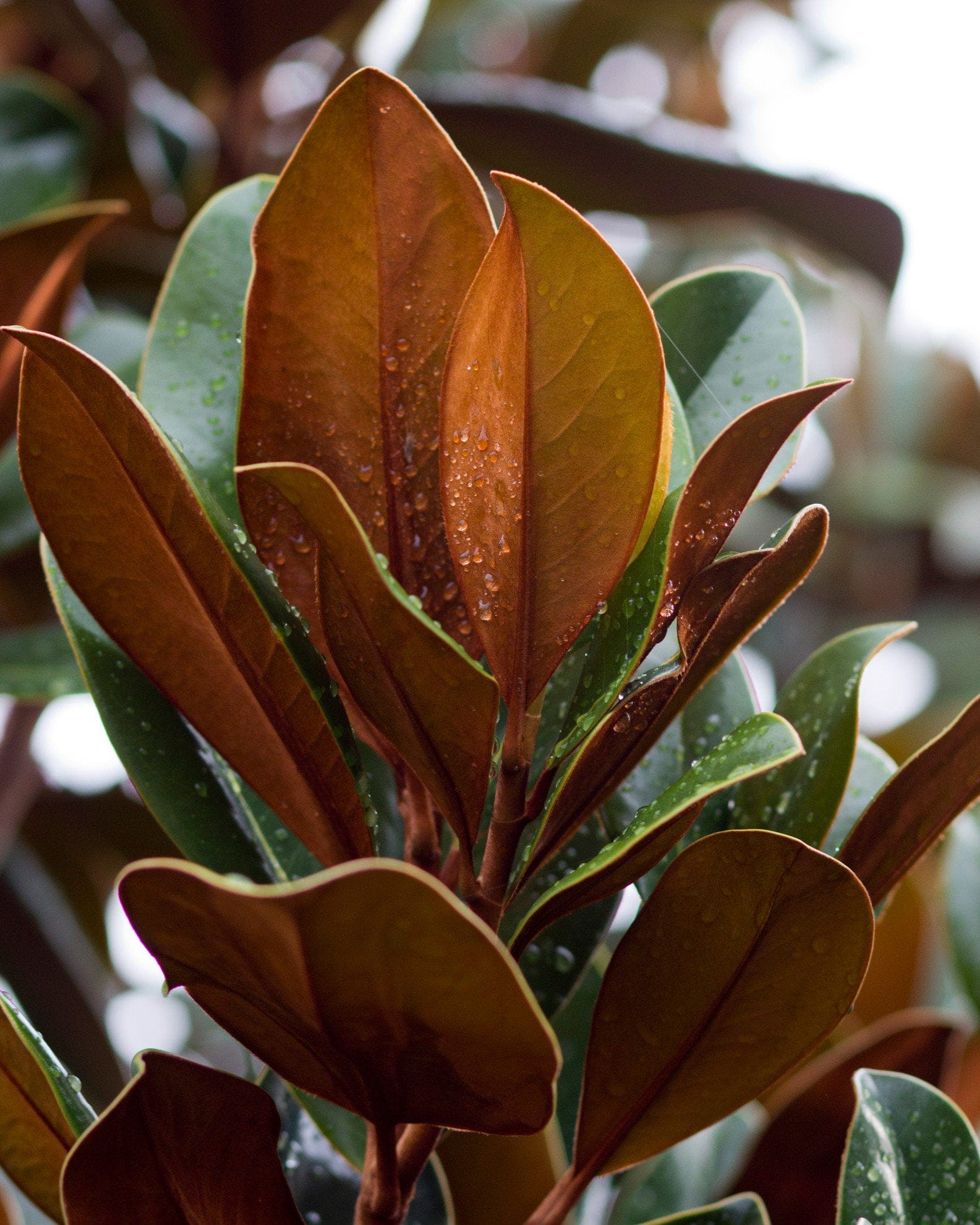
Its smaller stature and dense, upright habit make it perfect for limited spaces, while its thick, glossy leaves and distinctive rust-colored undersides give it incredible visual richness.
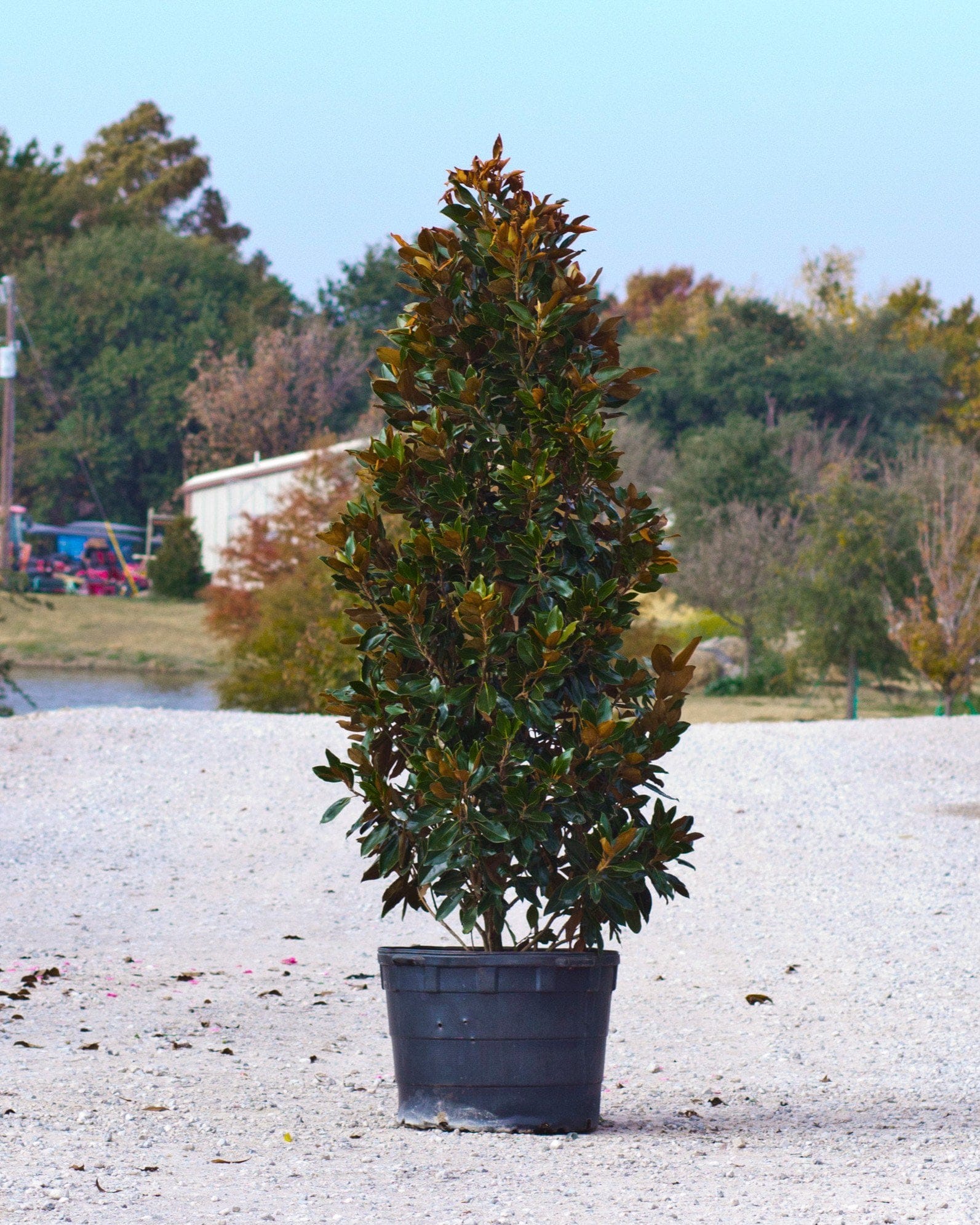
The Little Gem Magnolia (Magnolia grandiflora ‘Little Gem’) and the Teddy Bear Magnolia (Magnolia grandiflora ‘Southern Charm’ or 'Teddy Bear') are both popular, compact evergreen cultivars of the larger Southern Magnolia, but they differ primarily in their final size, growth habit, and foliage. The Teddy Bear is generally the taller, narrower variety, often developing a more slender, compact, columnar shape and ultimately reaching 25-30 feet high with a spread of 12–18 feet, making it excellent for screening or tight spaces. The 'Teddy Bear' is prized for its exceptionally large, round leaves that have a heavier, velvety, reddish-brown felt (indumentum) on the underside, which, combined with its dense branching, gives it a distinct, "cuddly" appearance and makes it superior for use as a dense hedge or focal specimen in smaller gardens. In contrast, the Little Gem is the more open selection, typically growing in a rounded form to a smaller, more contained size of about 20–25 feet high and 10–15 feet wide. It is most famous for its heavier volume of flower production and extended bloom season, often flowering from late spring well into the autumn. Its leaves are glossy green with a fuzzy, rusty-brown underside.
Special Features
You might also like
Compare Similar Plants
Teddy Bear Magnolia This plant | ||
|---|---|---|
| Scientific Name | Magnolia grandiflora 'Southern Charm' | Magnolia grandiflora ‘Little Gem’ |
| Size at Maturity | 30' H x 15' W | 20' H x 14' W |
| Leaf Retention | Evergreen | Evergreen |
| Flower Color | White | White |
| Bloom Times | Summer | Summer |
| Sizes Available | 15, 30, 45 gal | 3, 5, 7, 15, 30, 45, 65, 95 gal |

Our 1-Year Planting Guarantee
We take pride in our plants and installation services. If any plants or trees installed by Treeland fail to thrive within the first year, we'll provide a replacement credit in accordance with our guarantee program.
Learn More About Our Guarantee