
 Popular
 Texas Native
Wax Myrtle
Myrica ceriferaLocal DFW Delivery Only
Product Details
Wax Myrtle
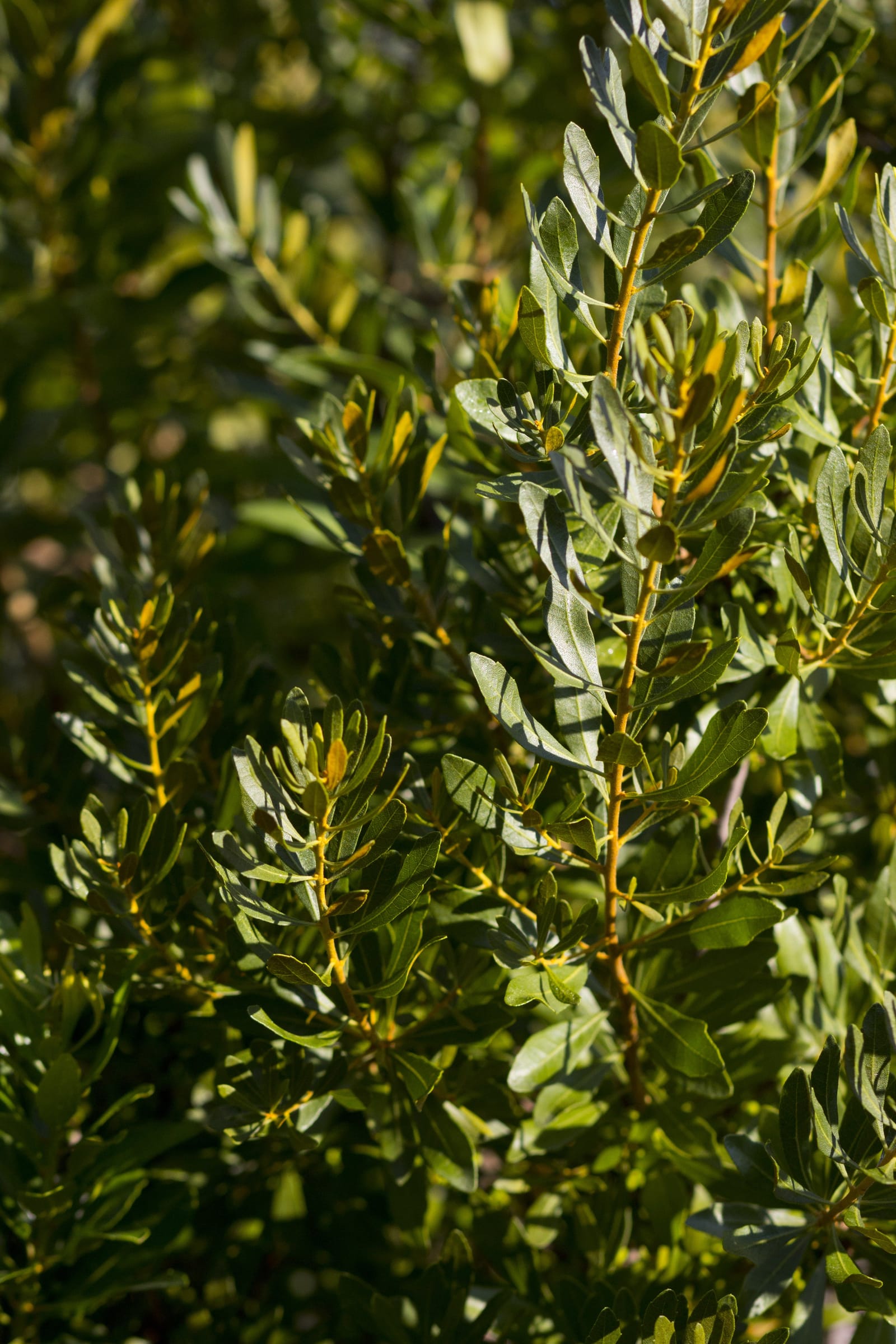
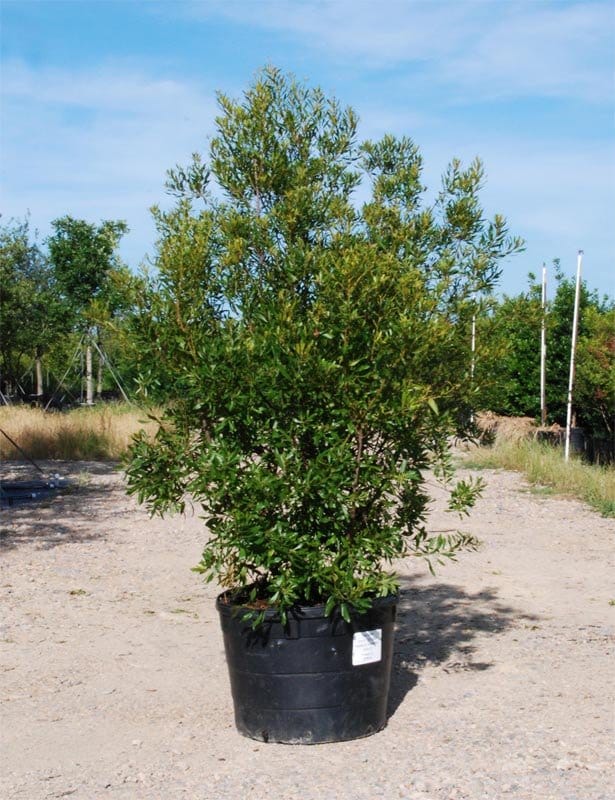
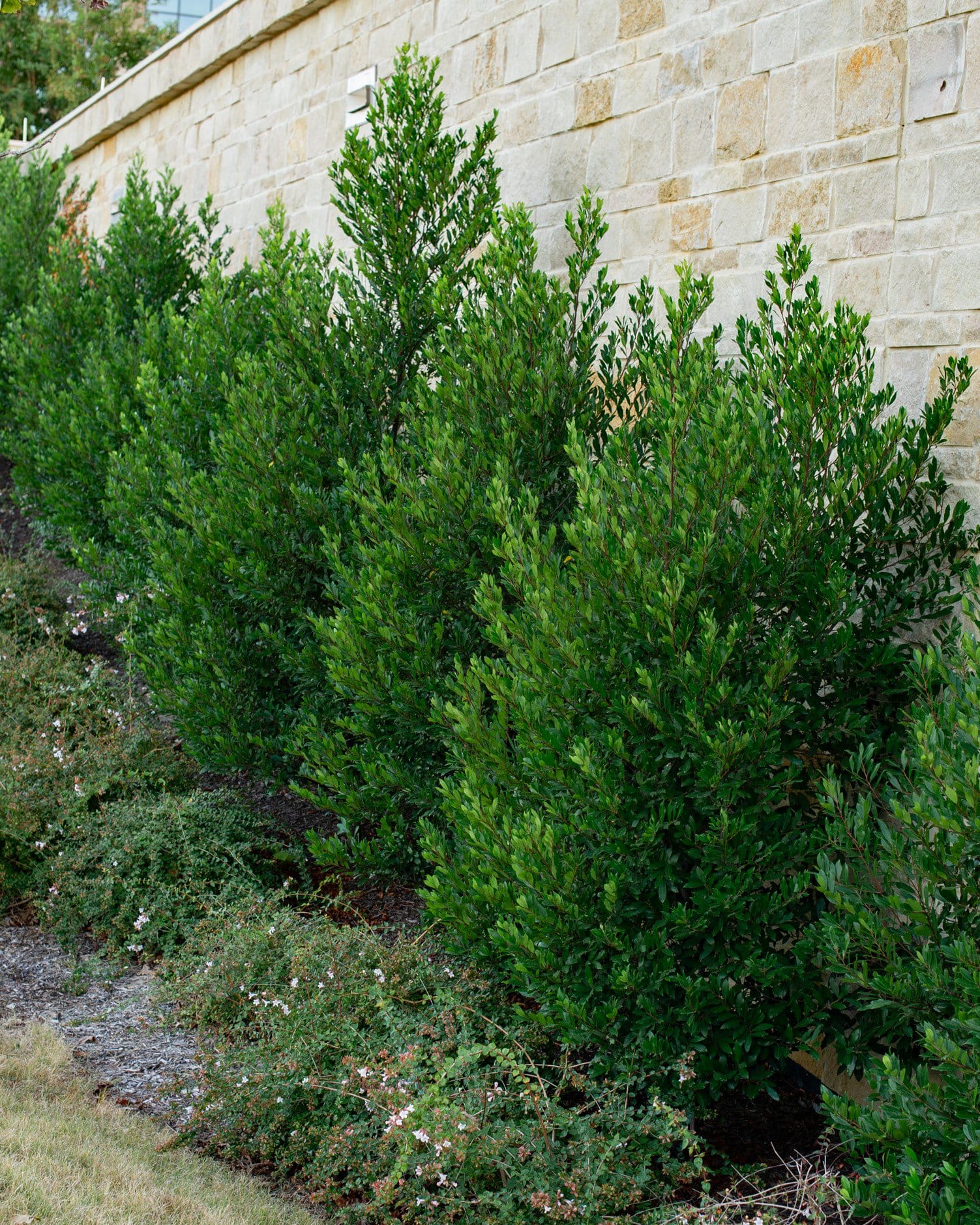
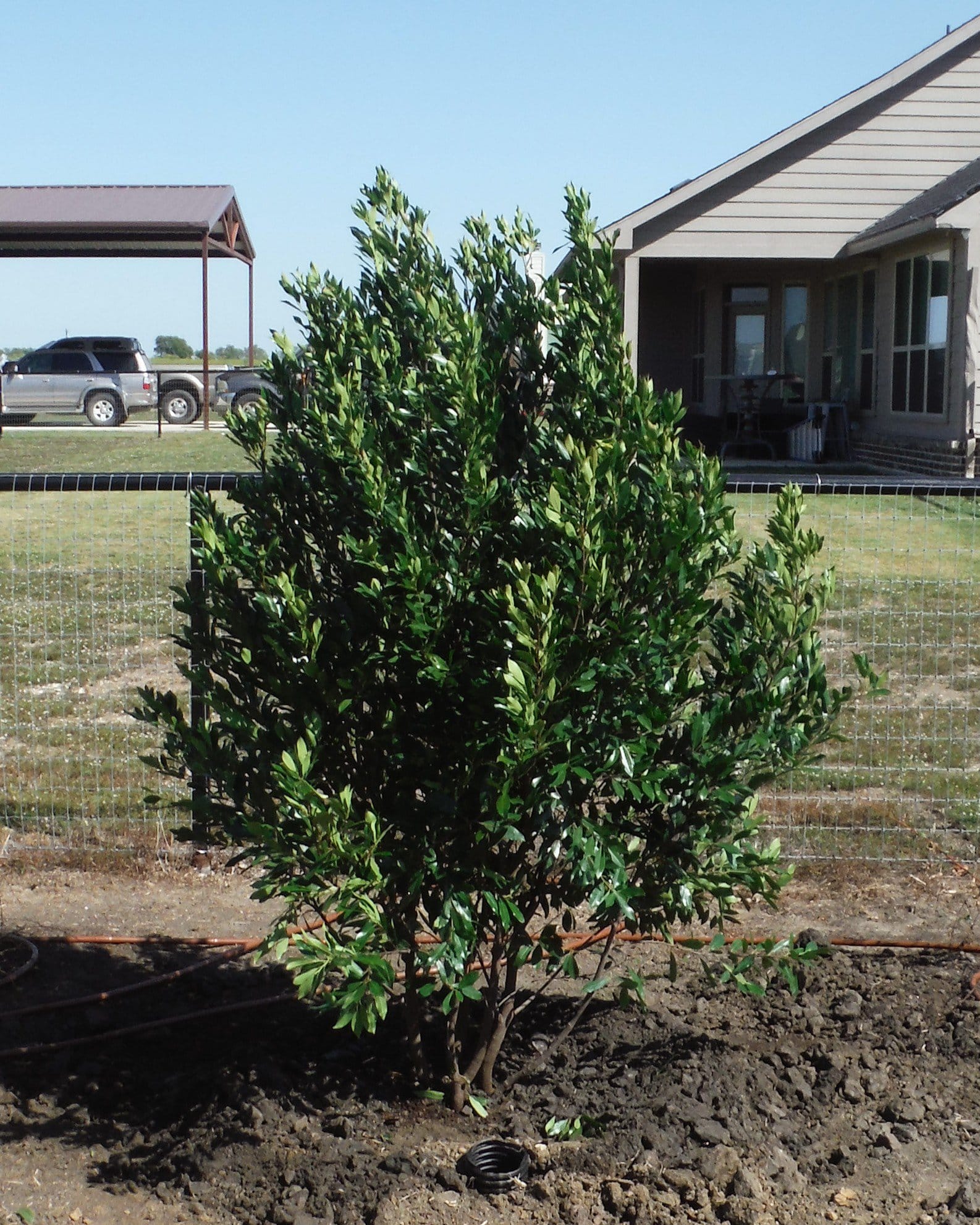
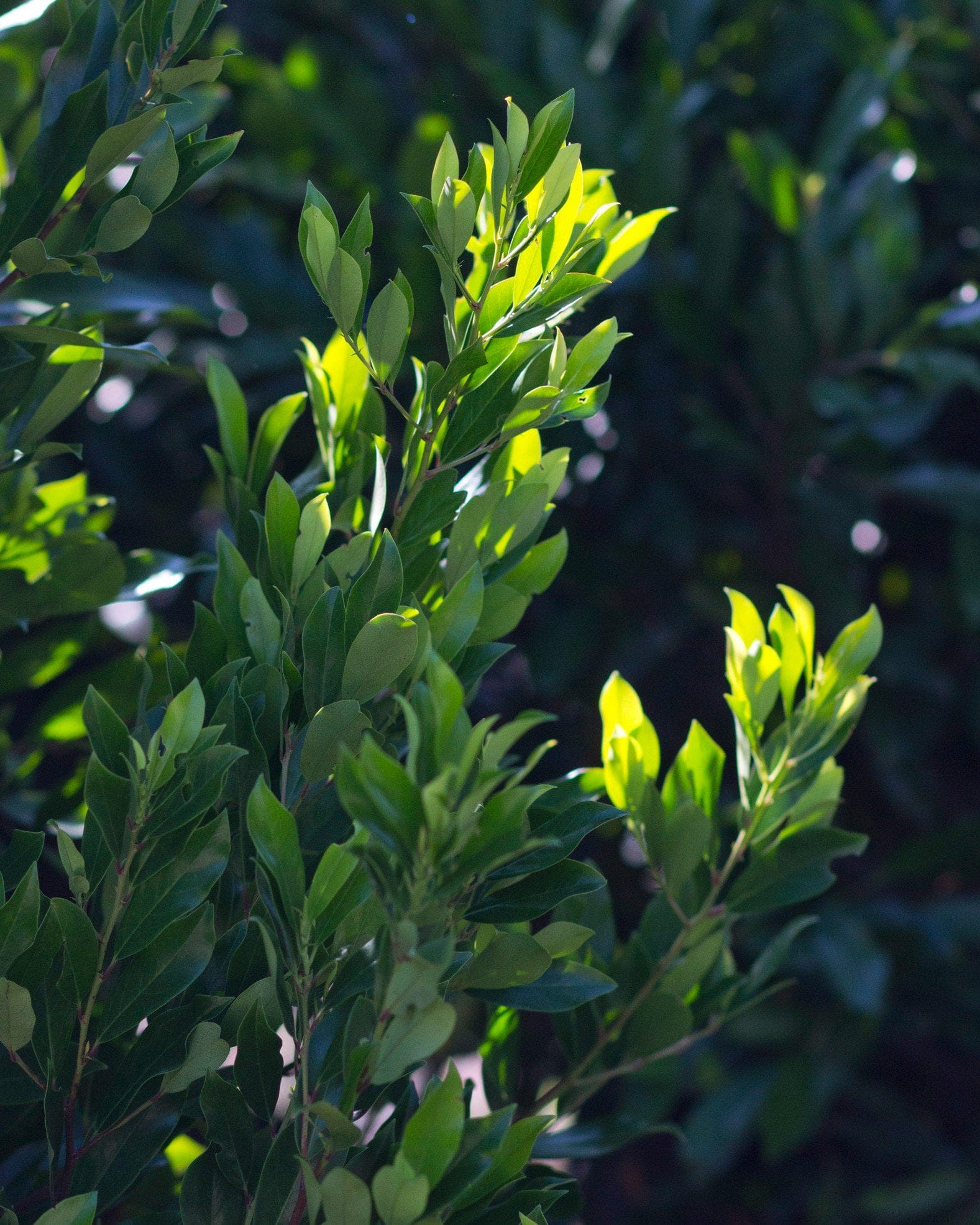
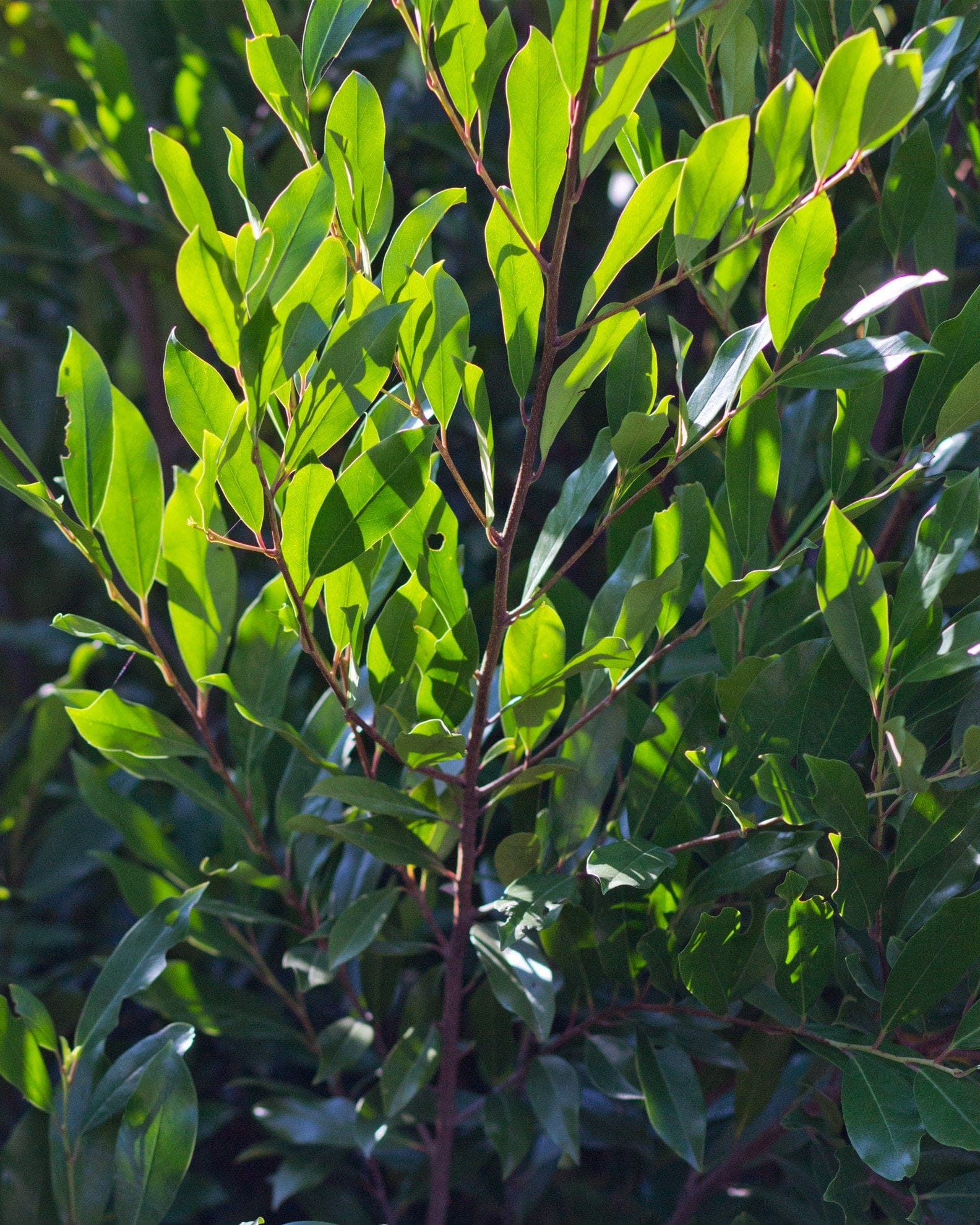
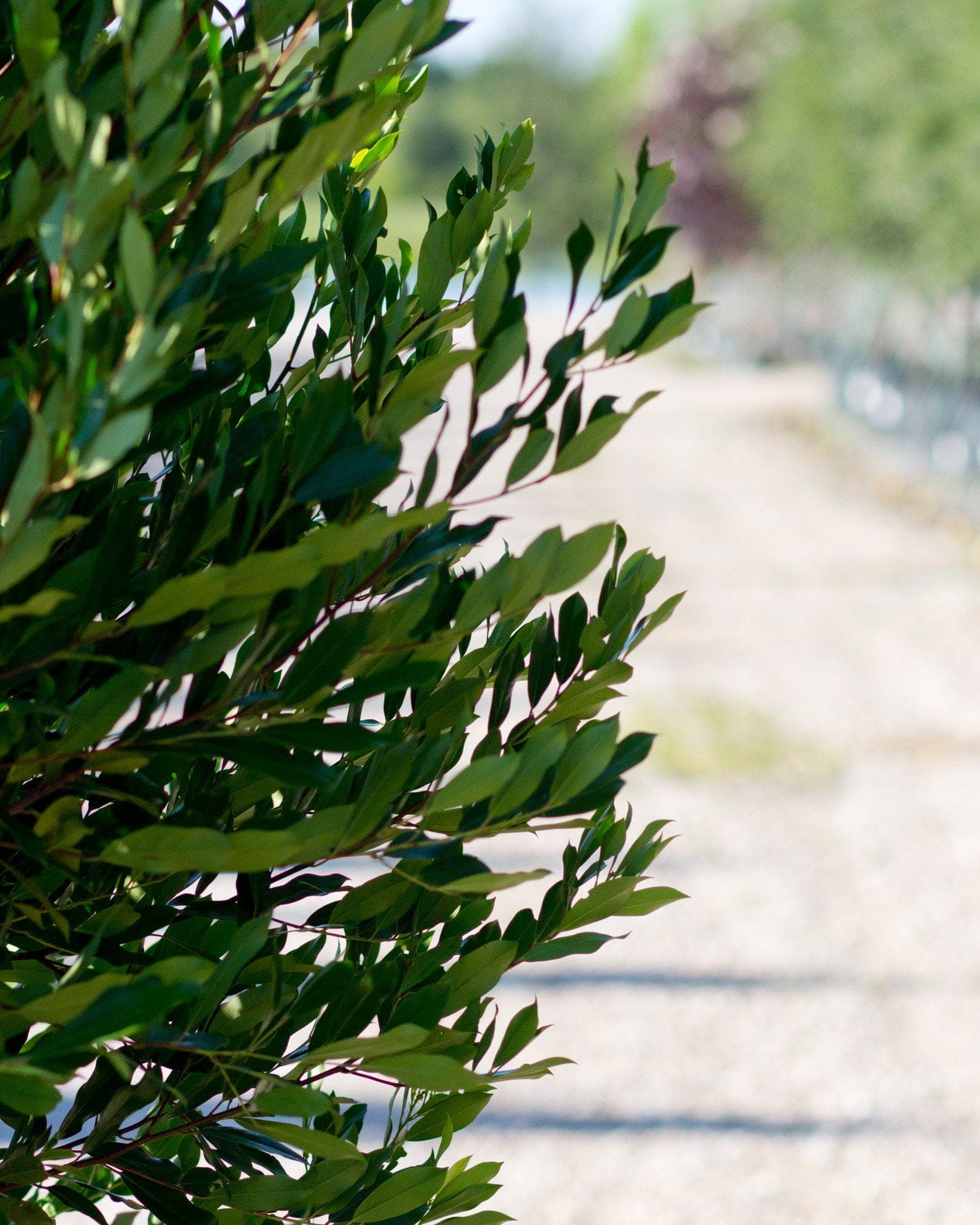
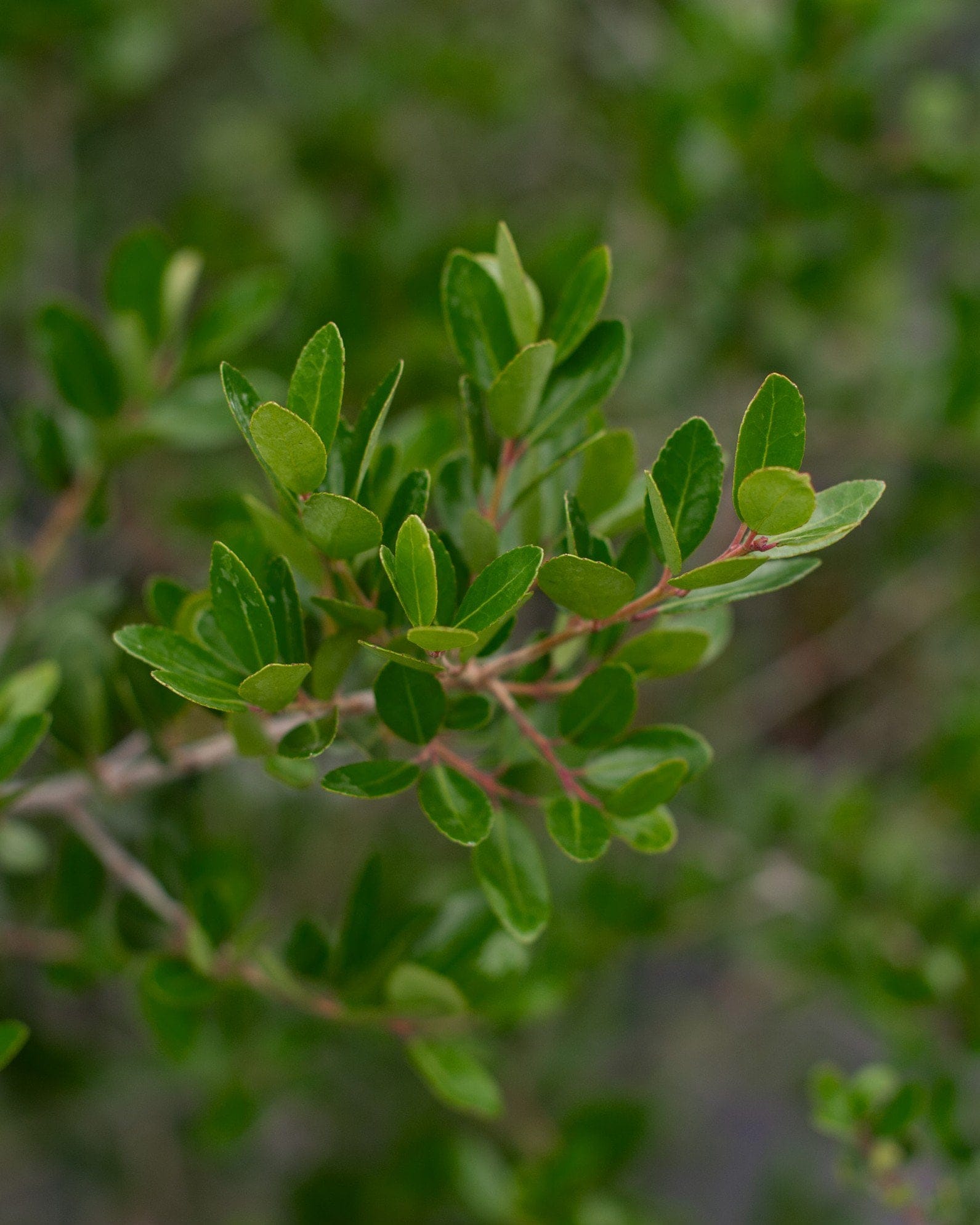
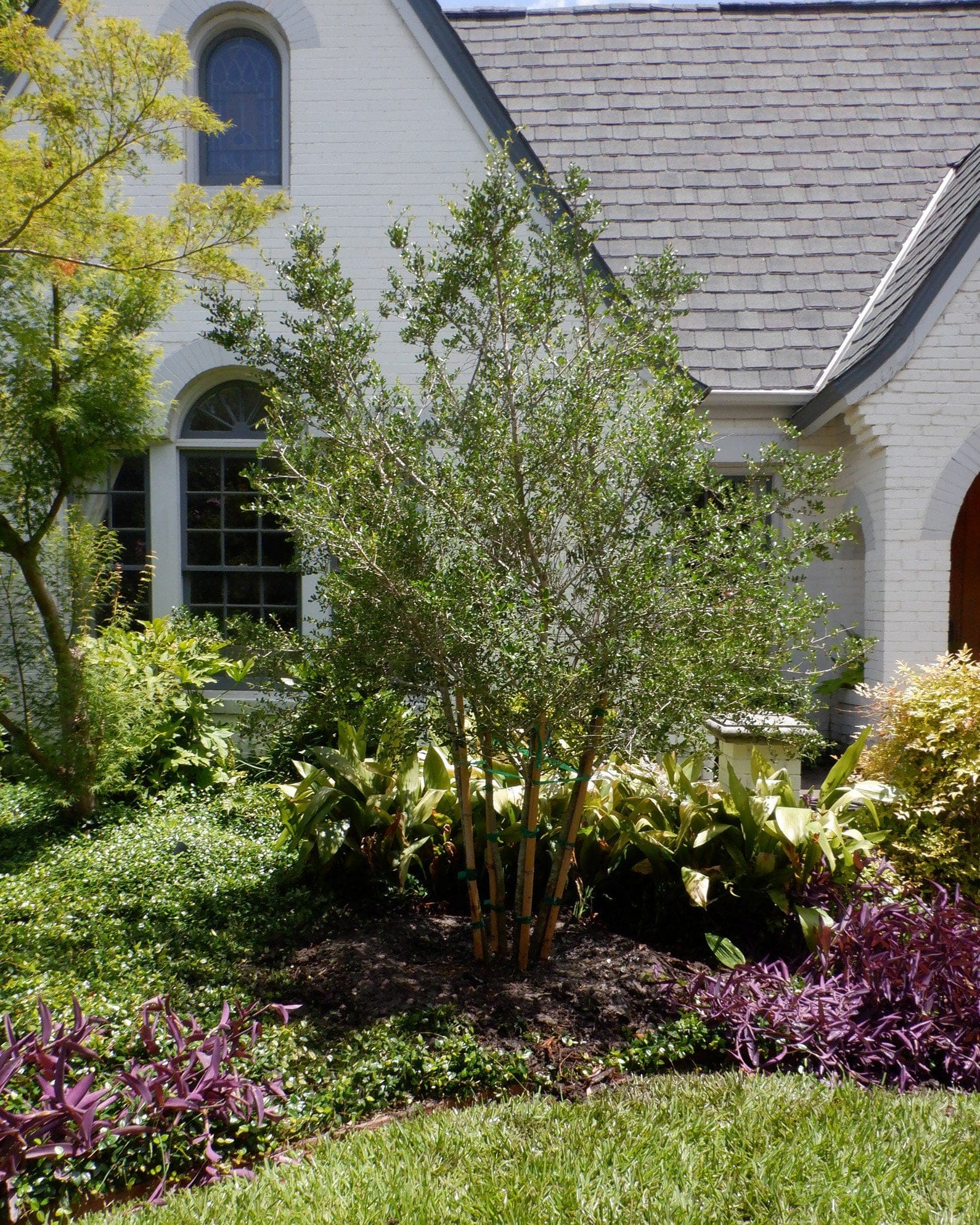
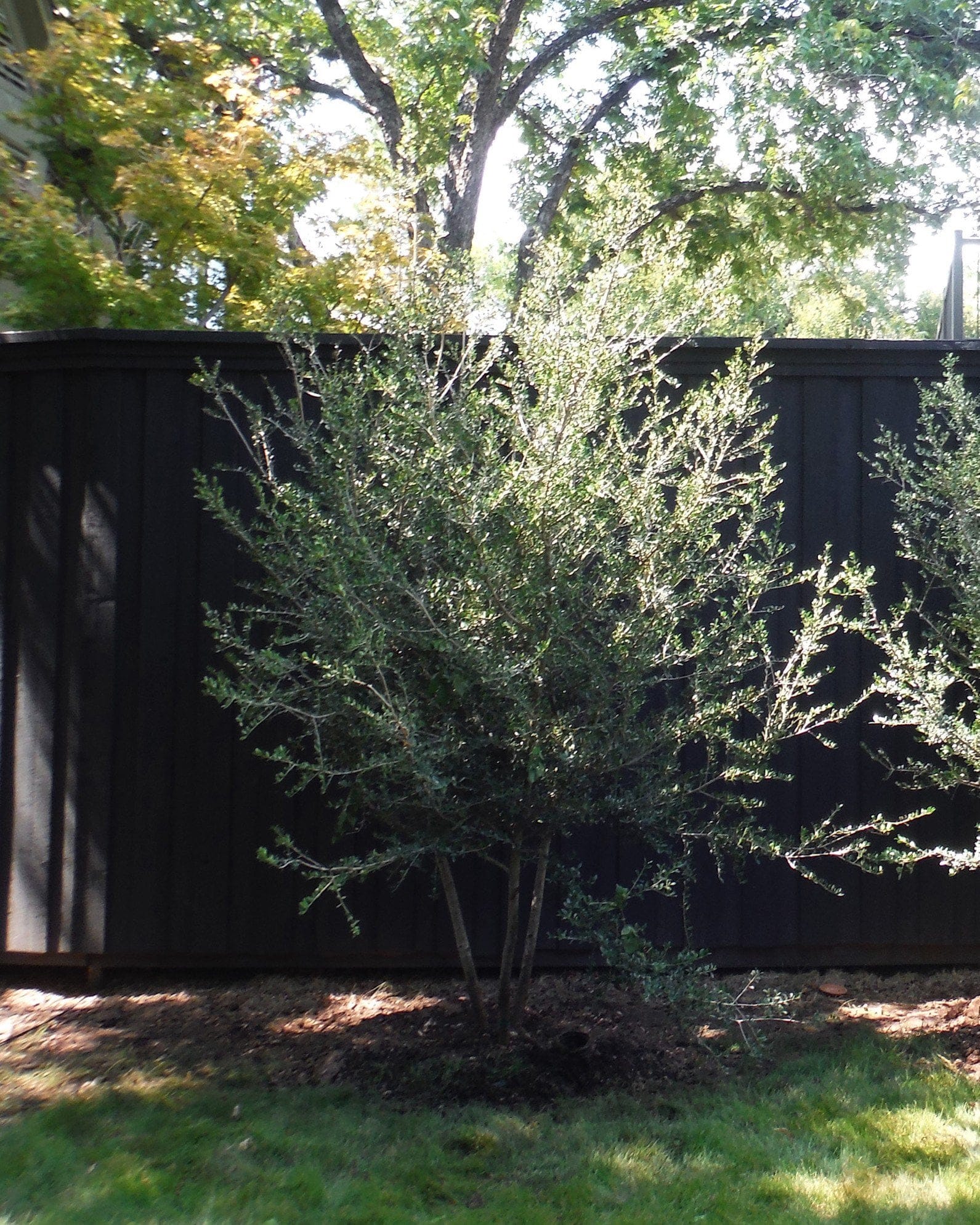
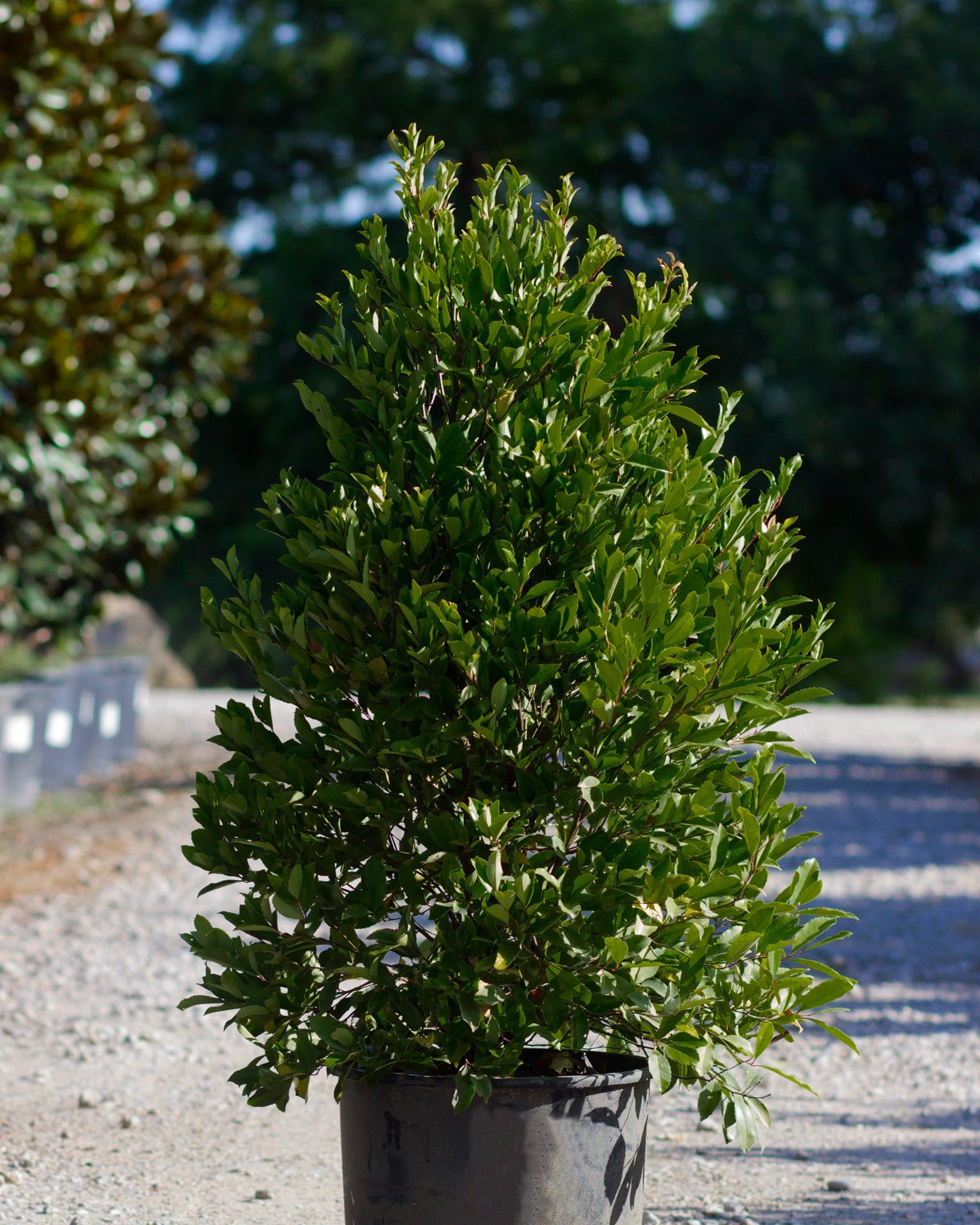
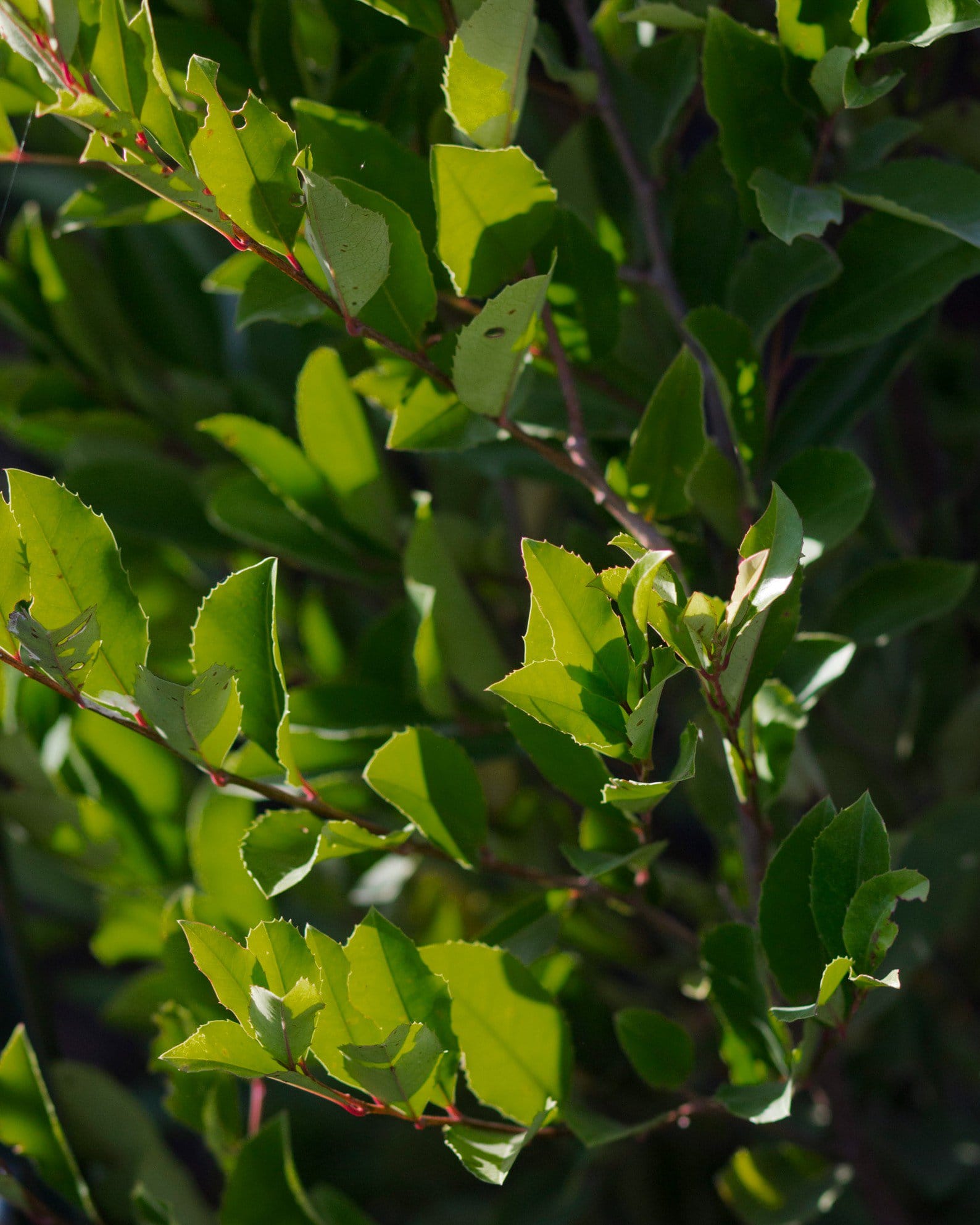
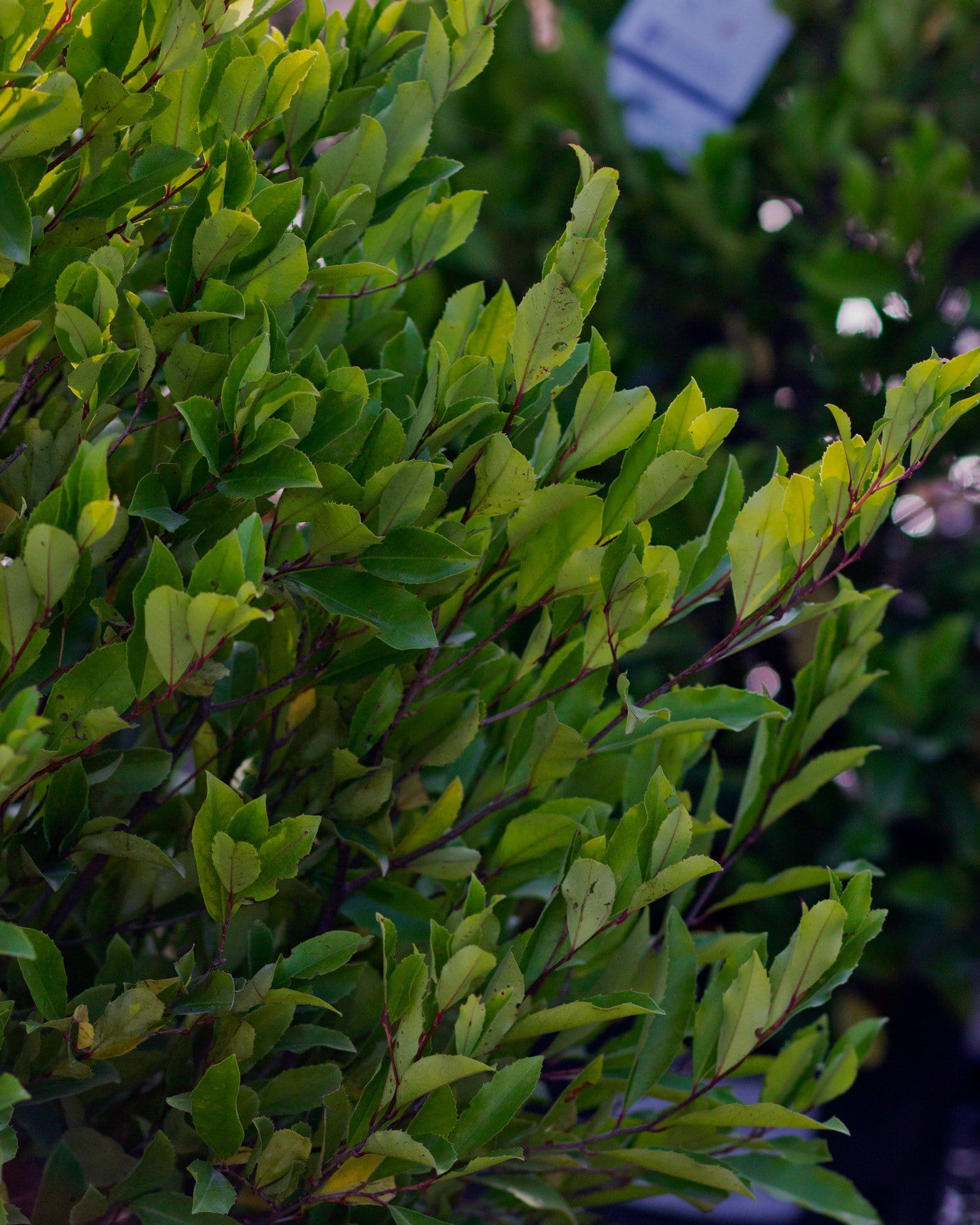
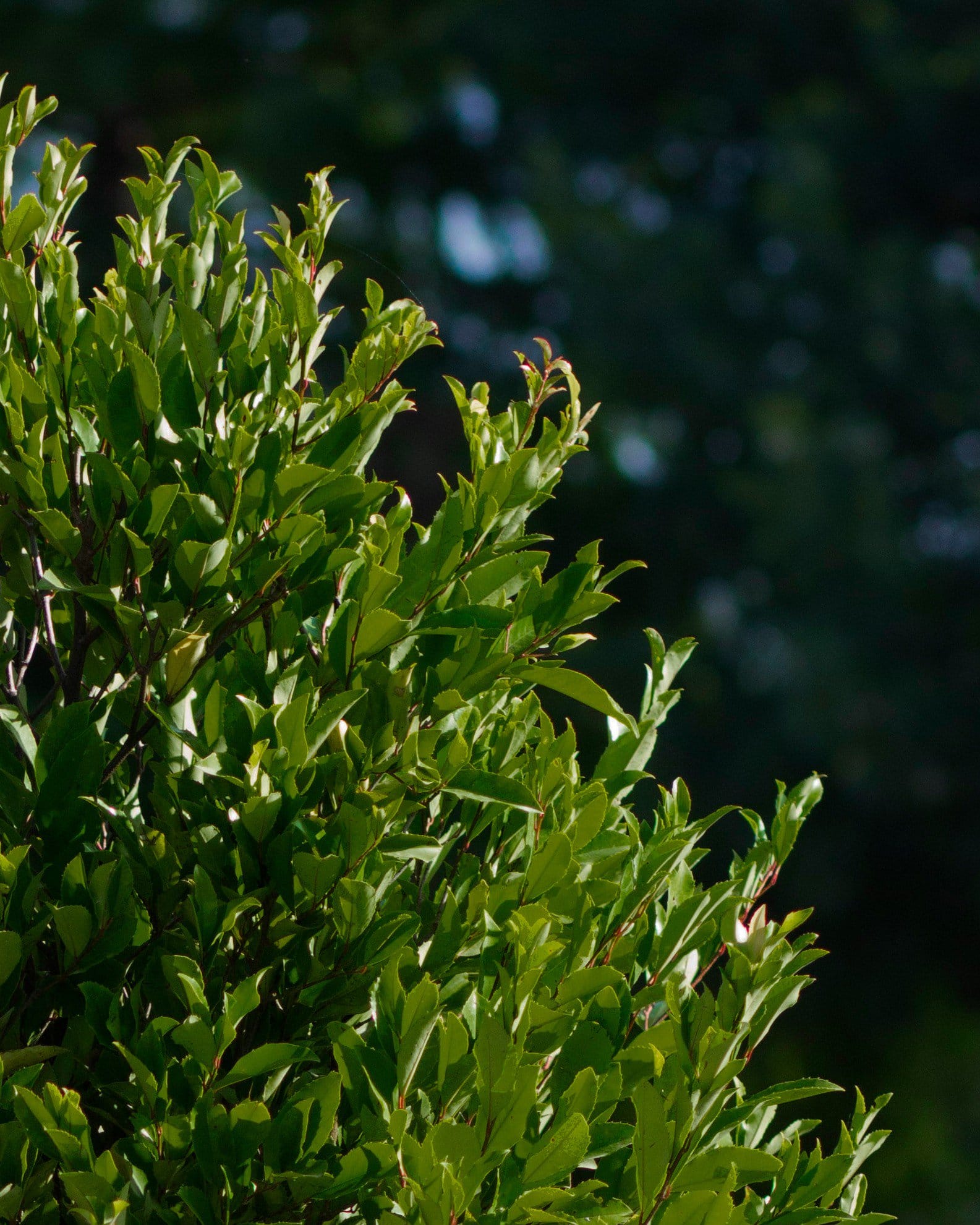
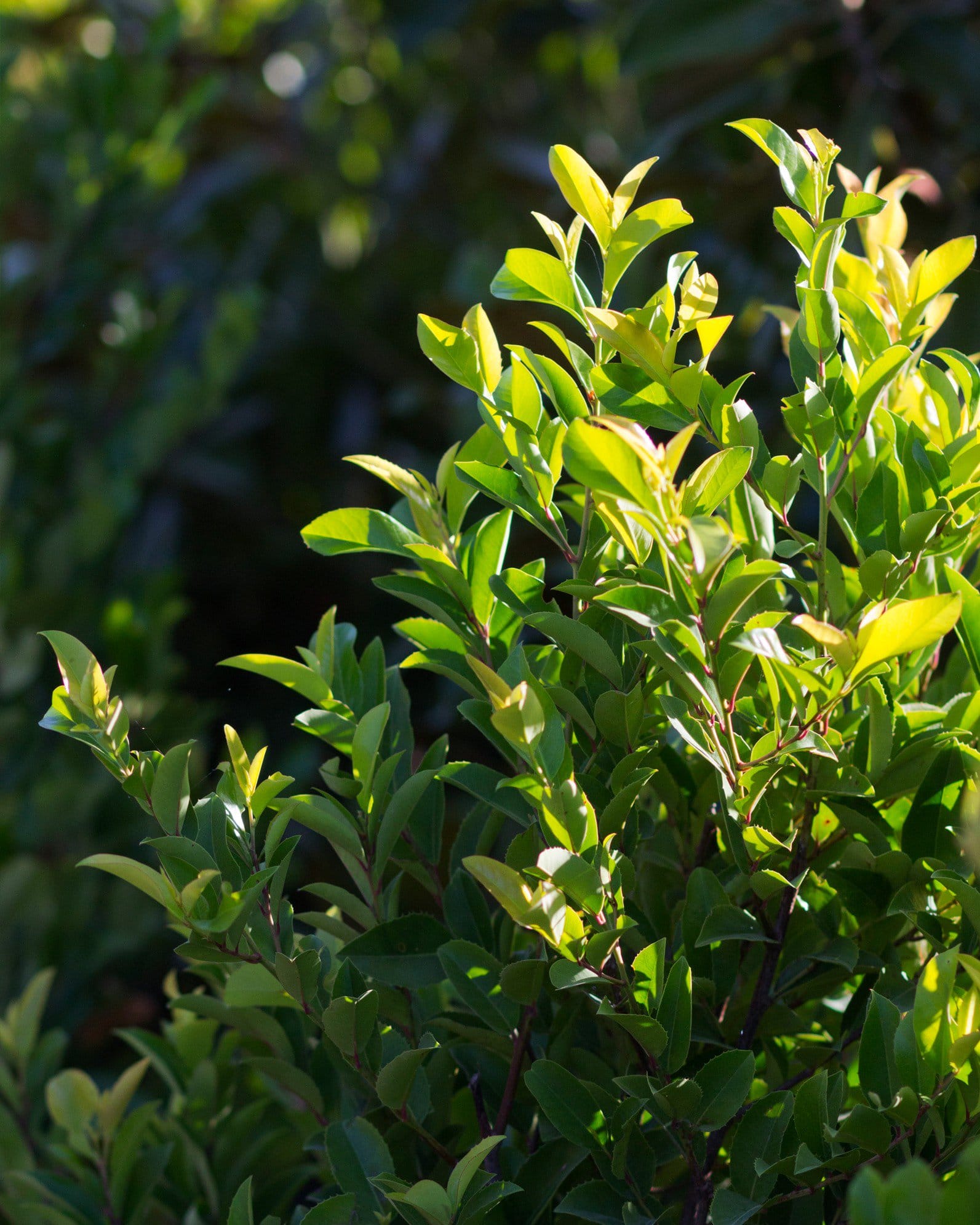
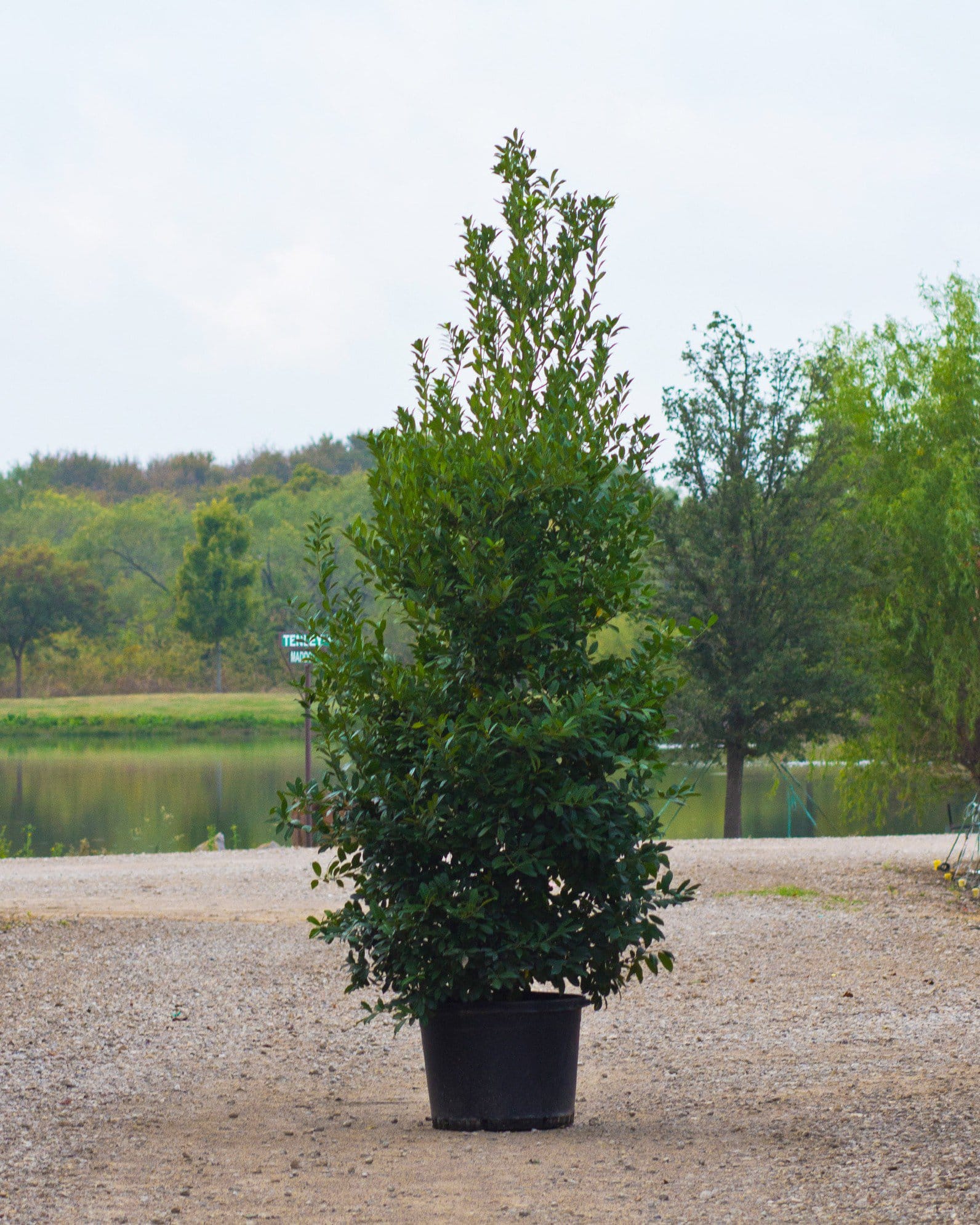
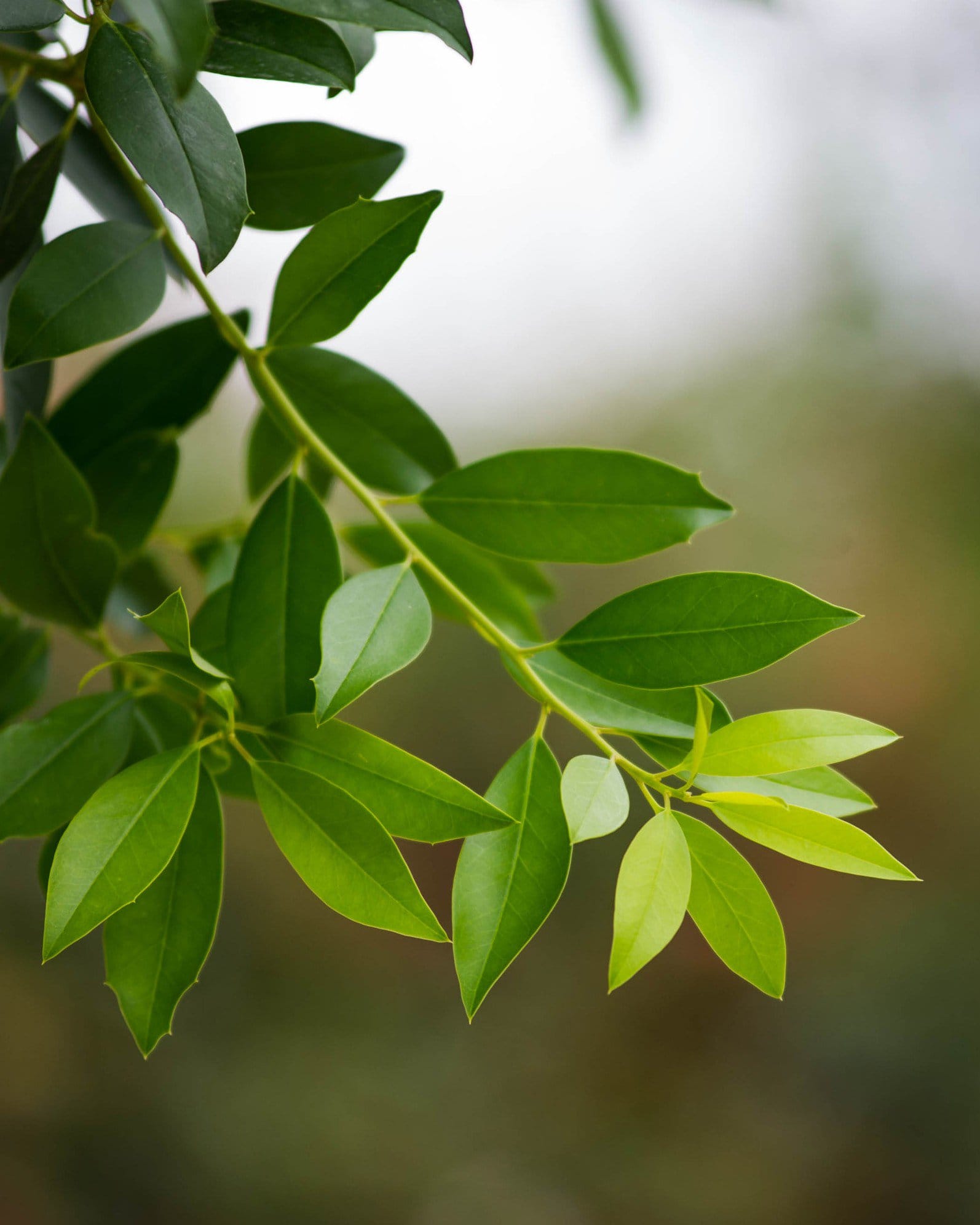
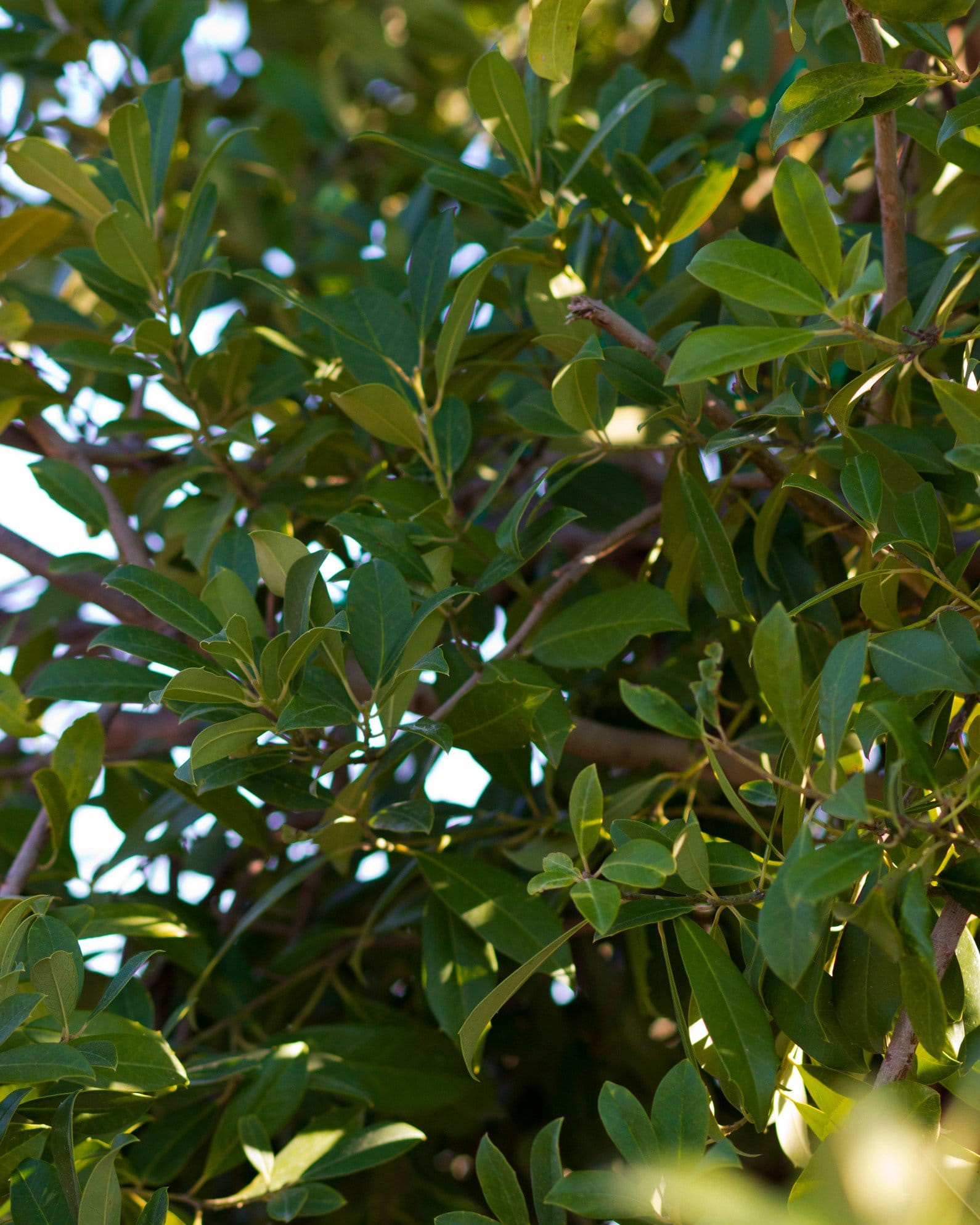
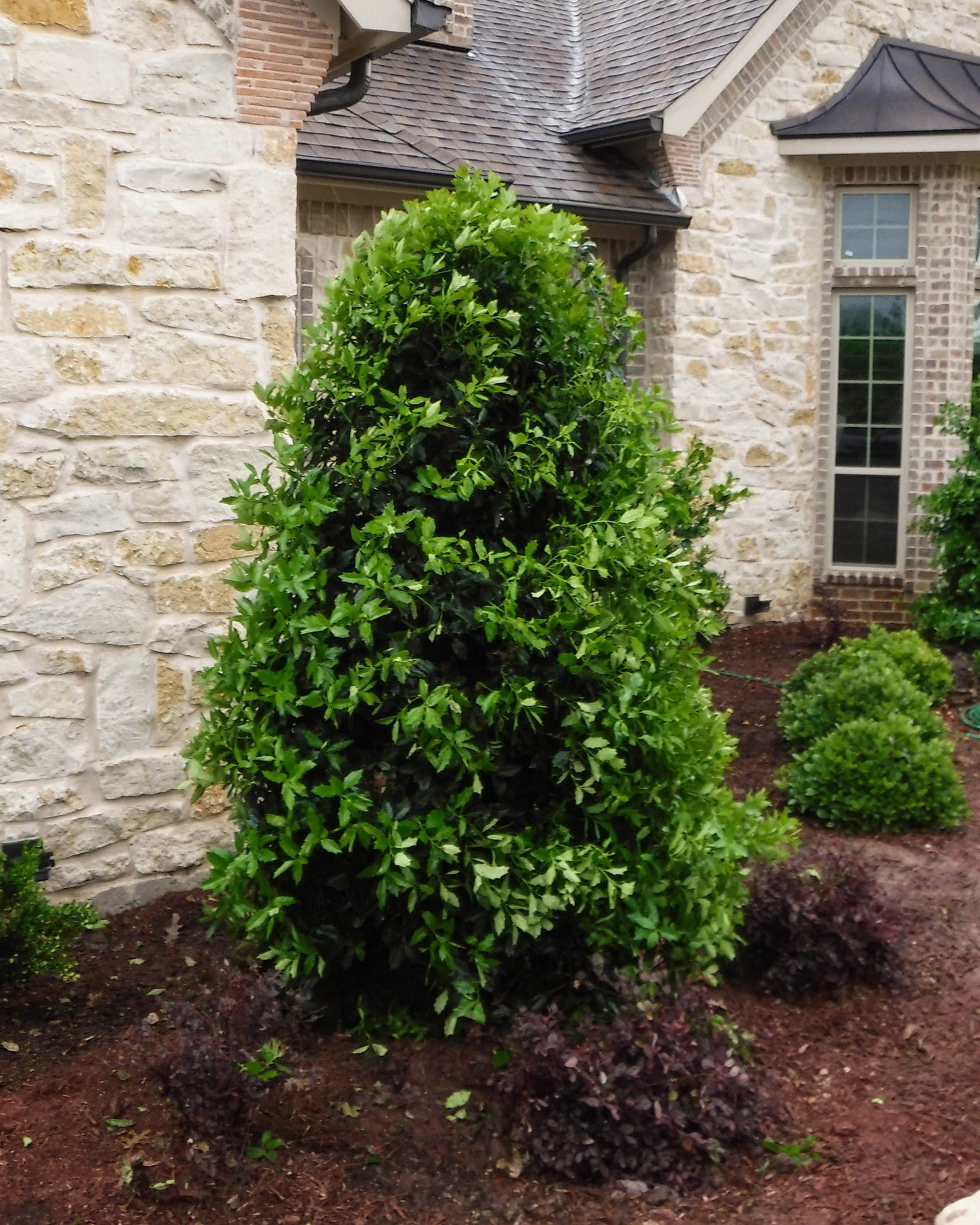
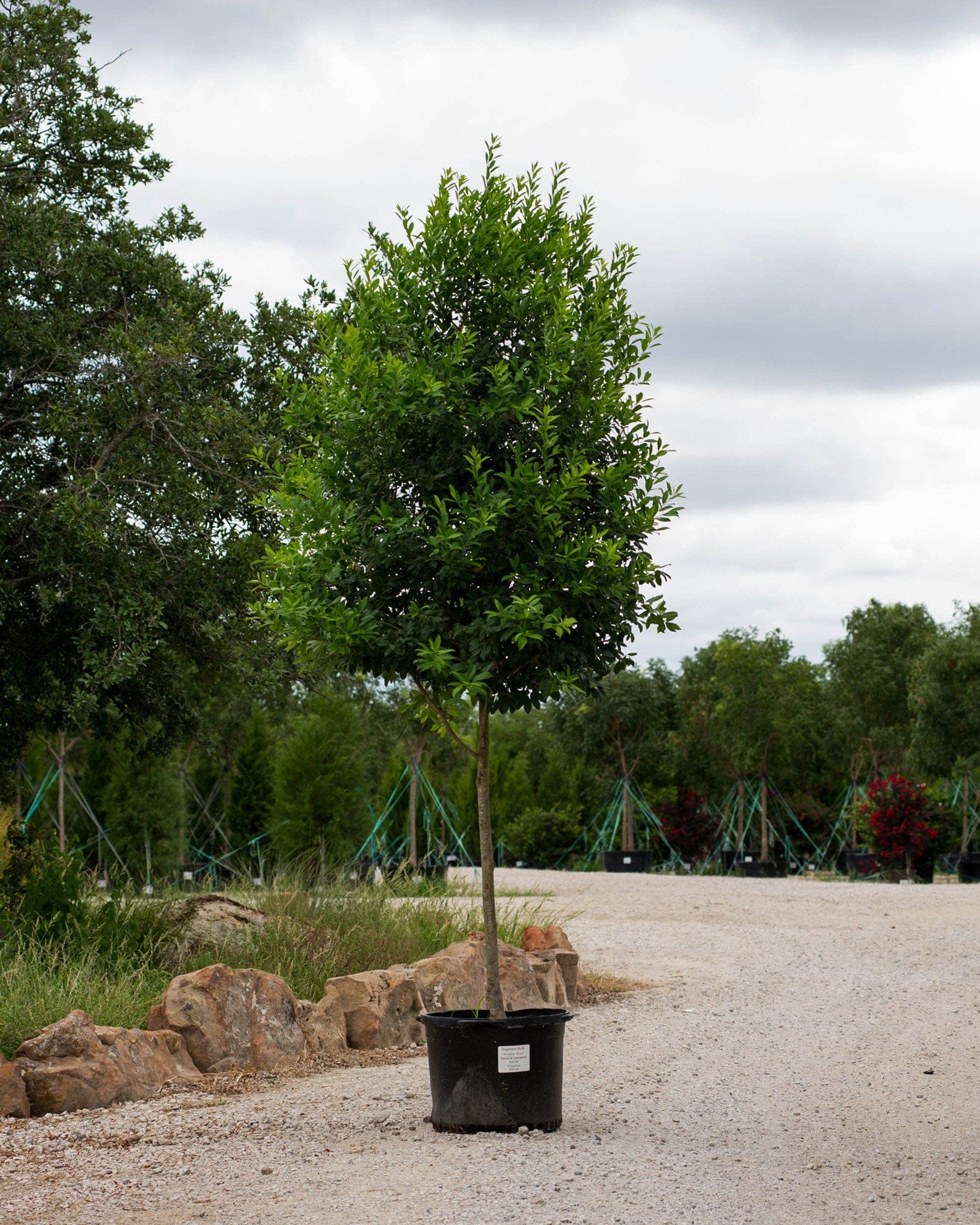
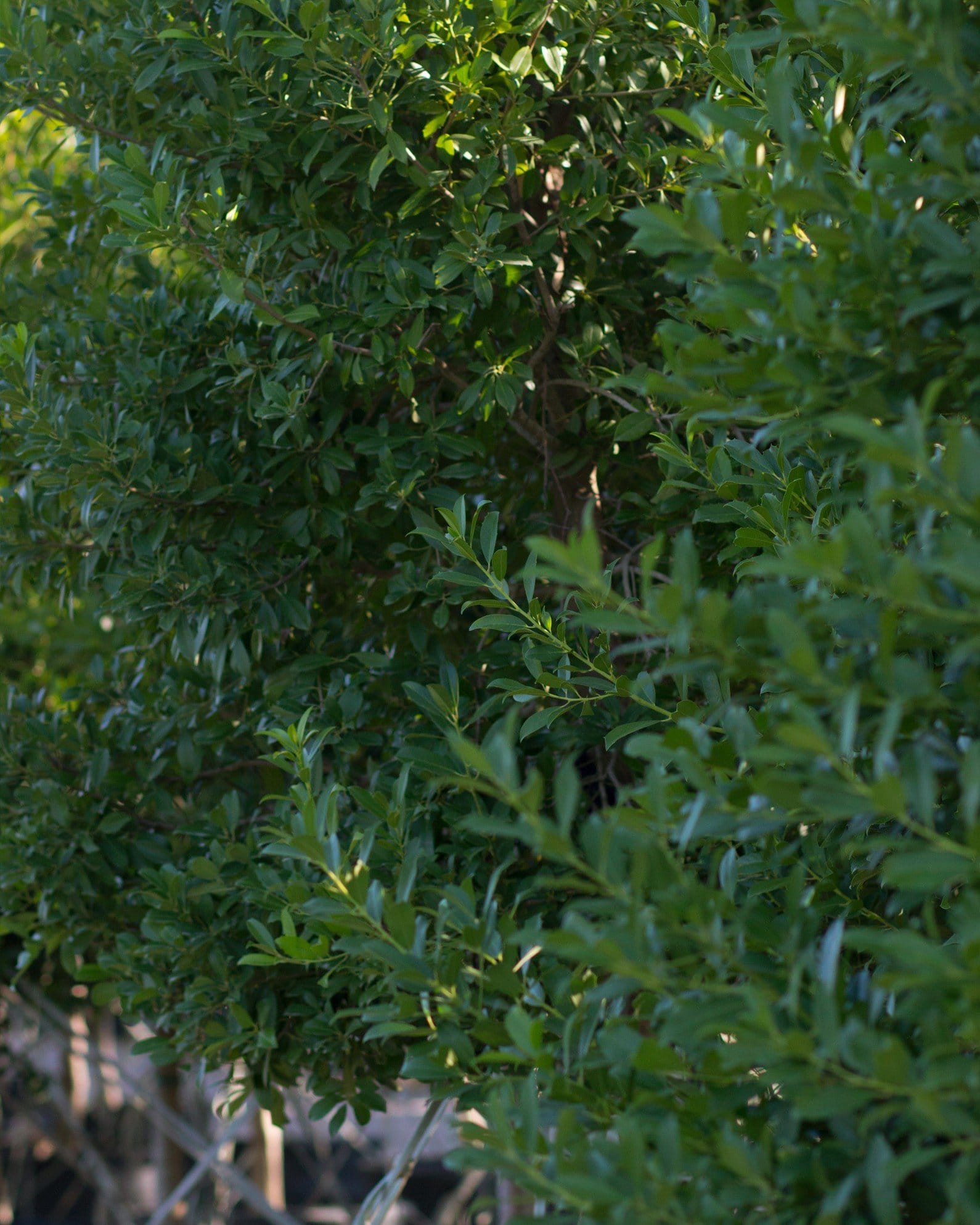
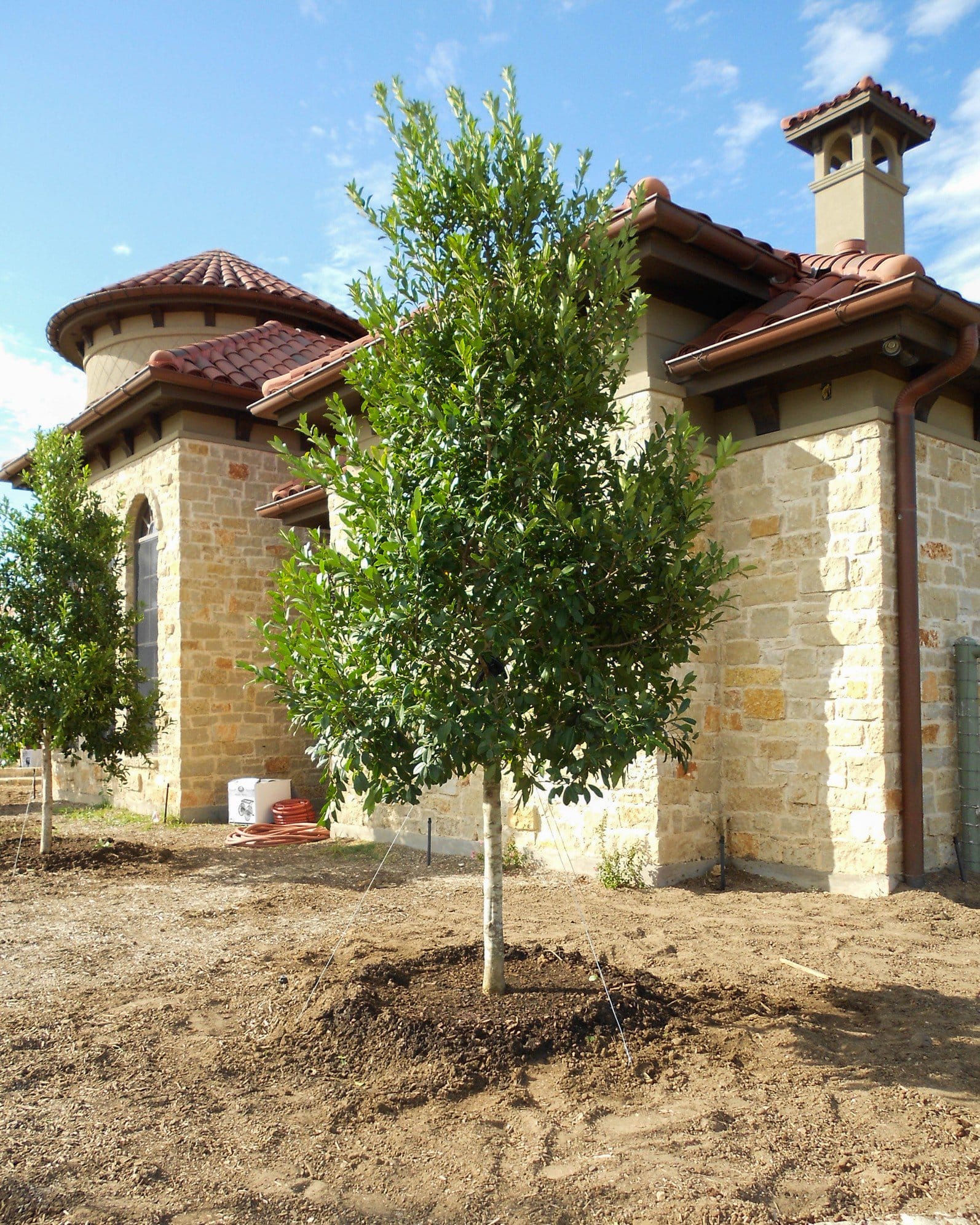
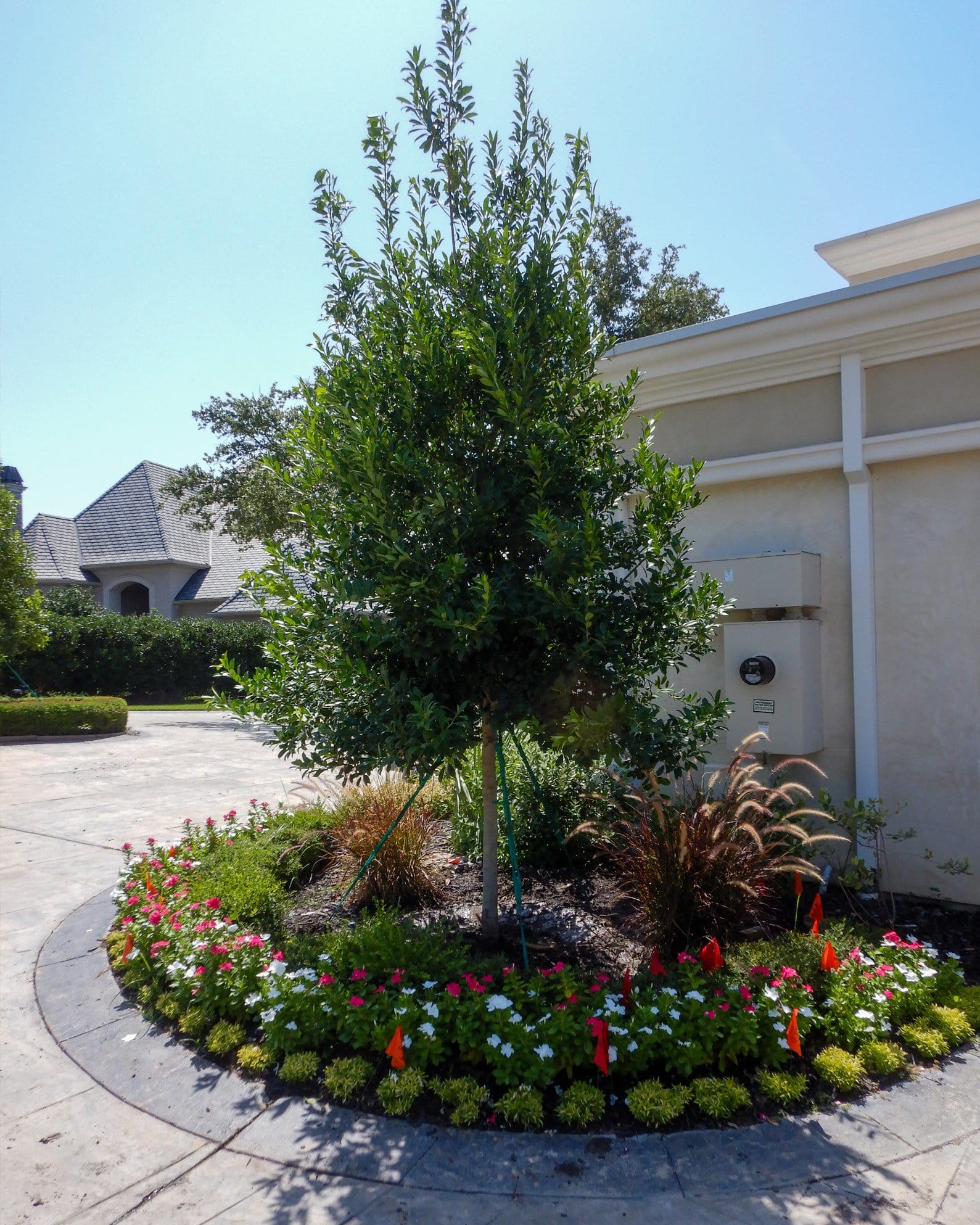
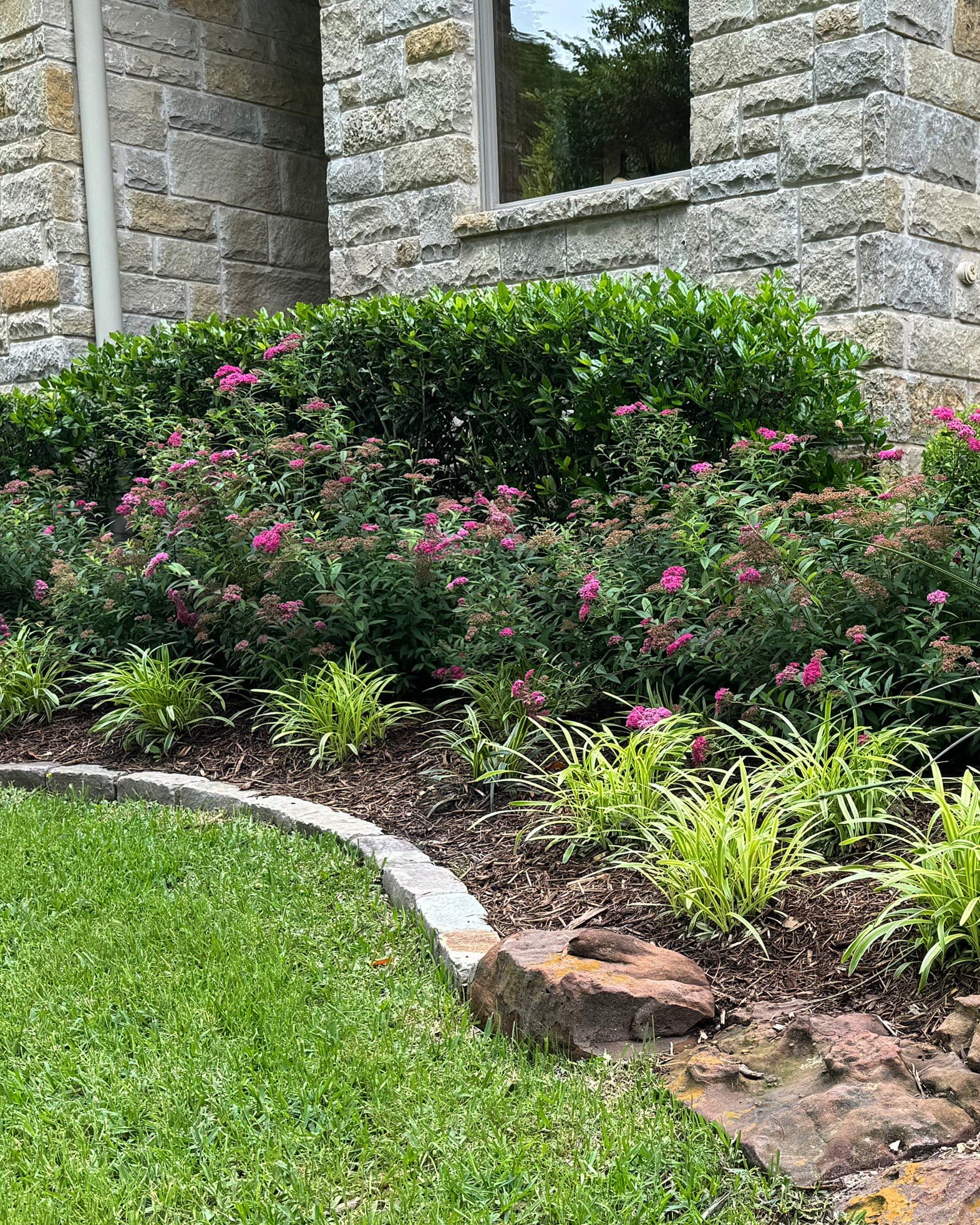
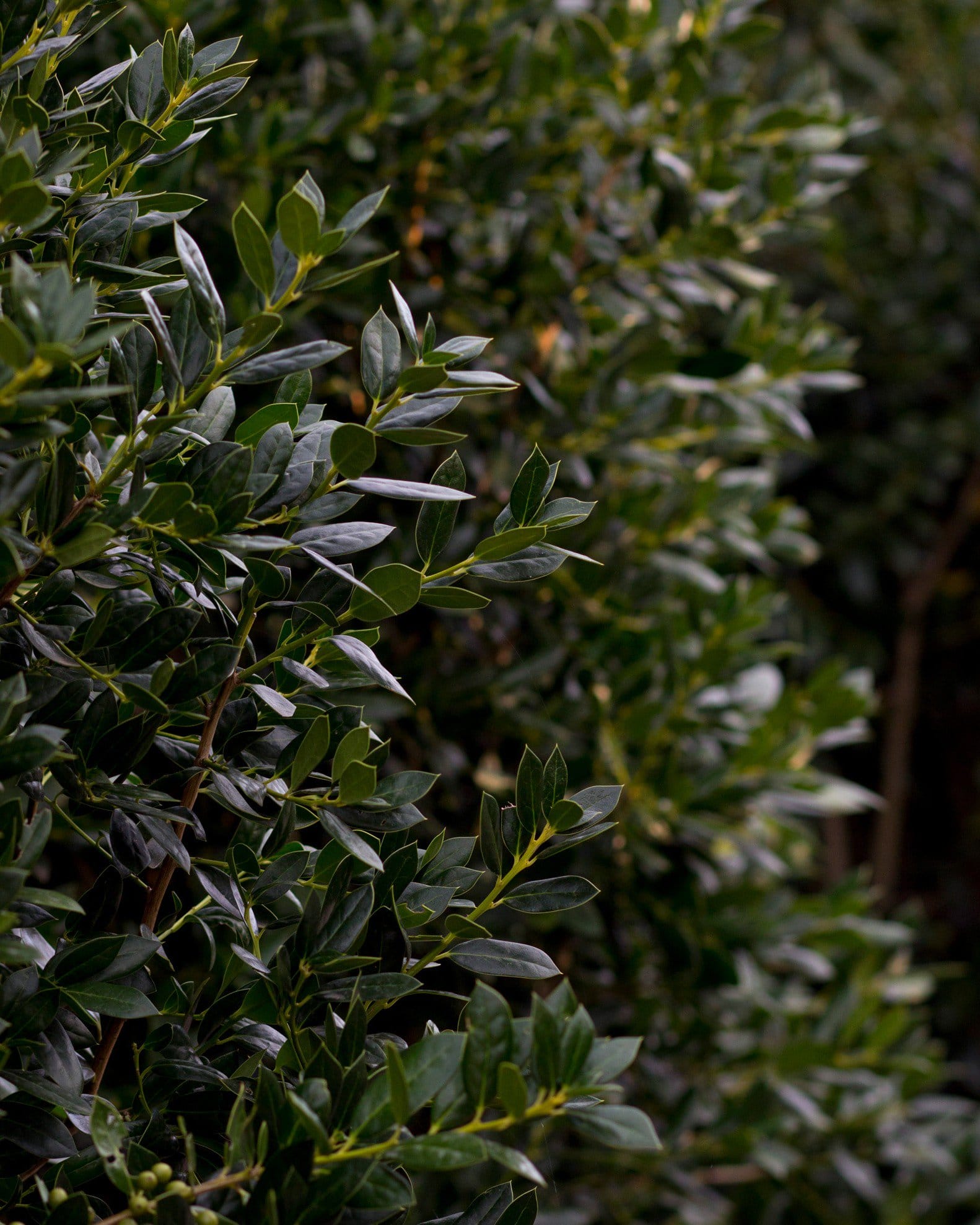
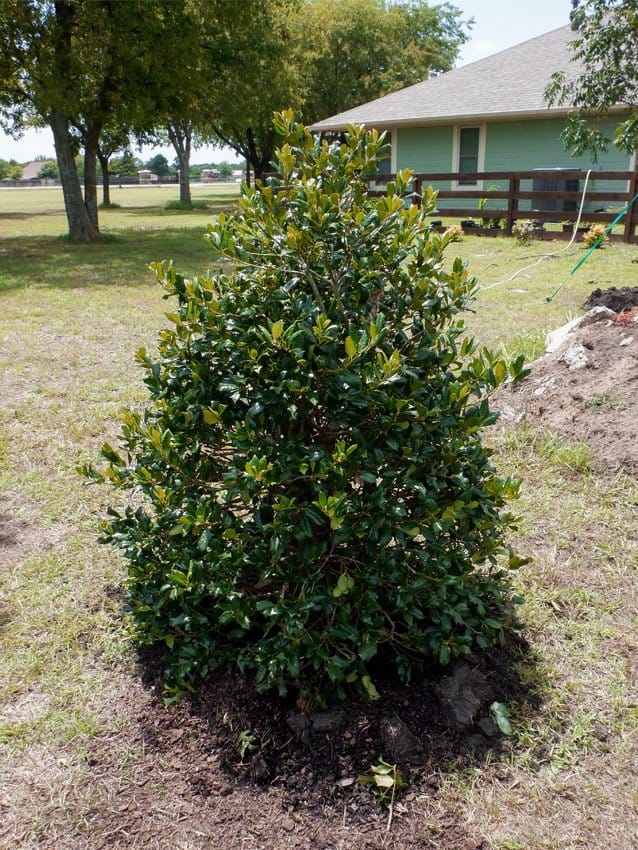
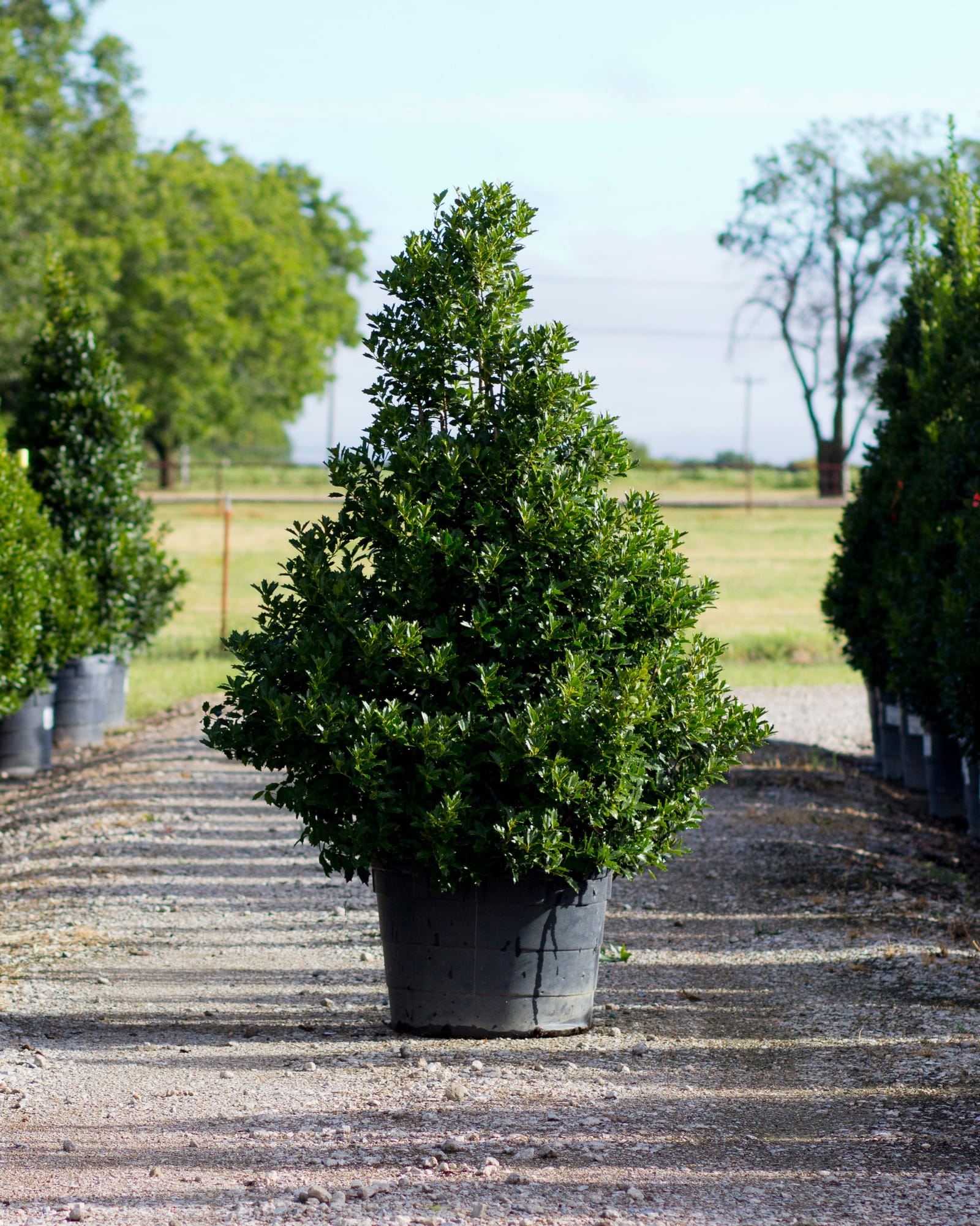
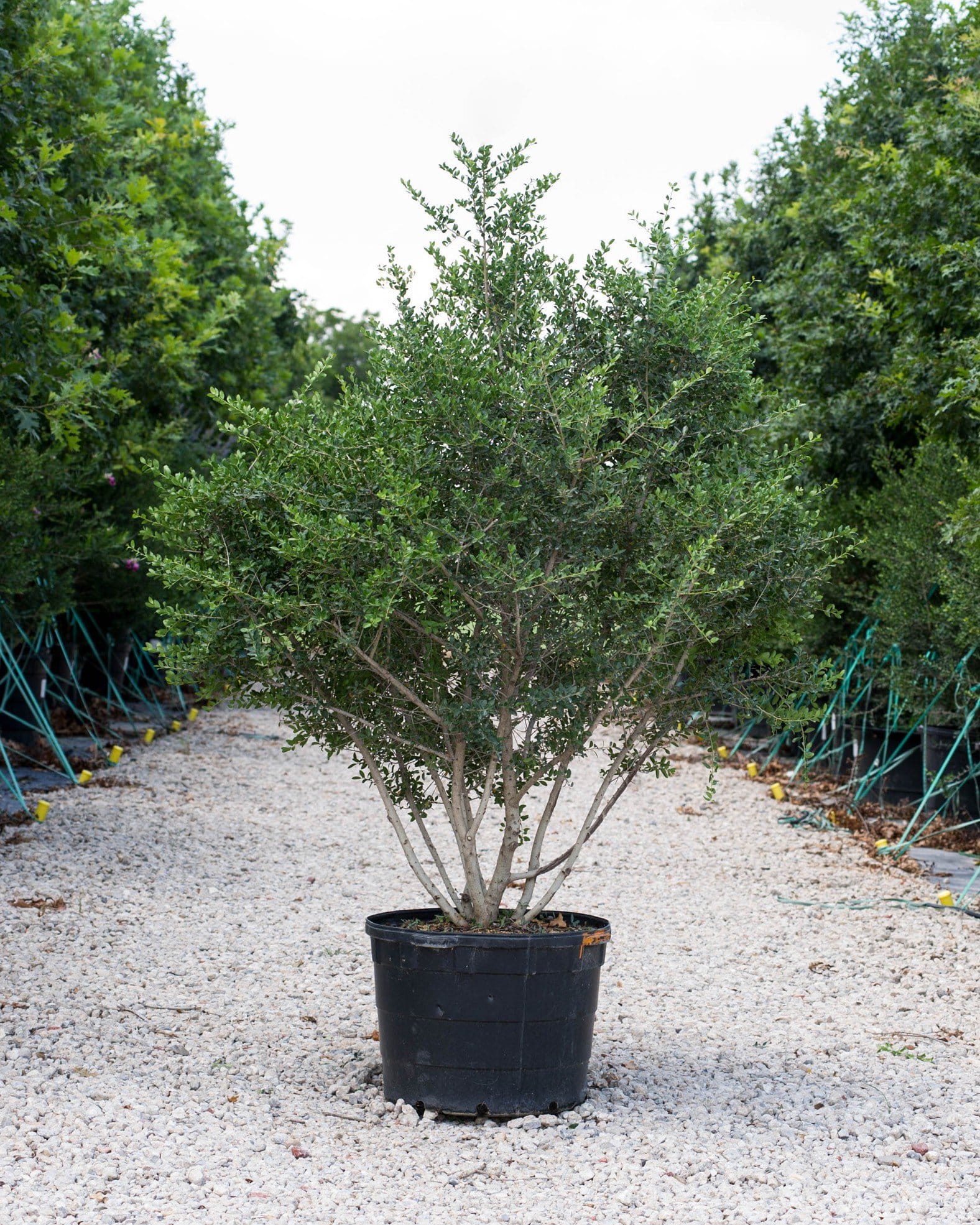
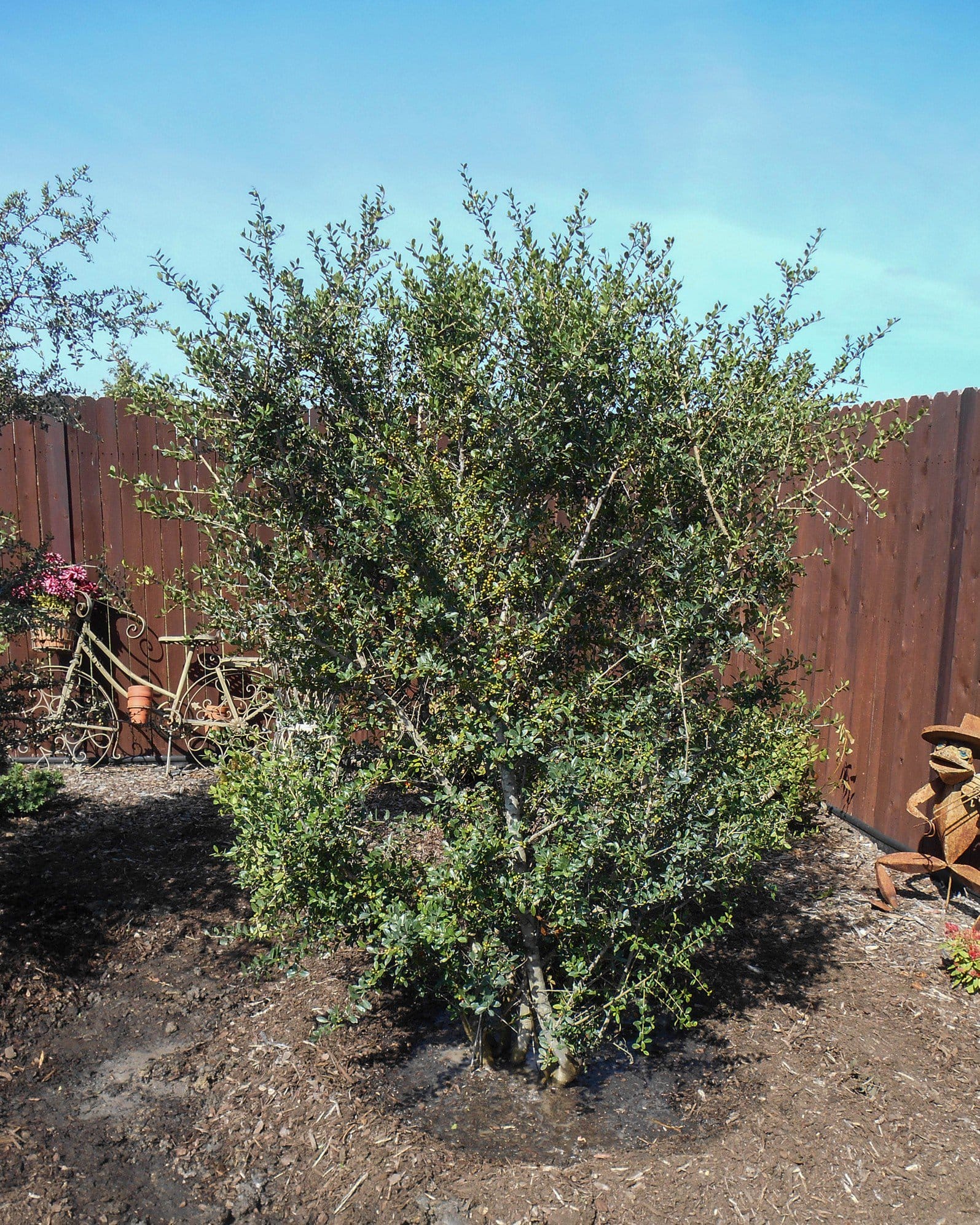
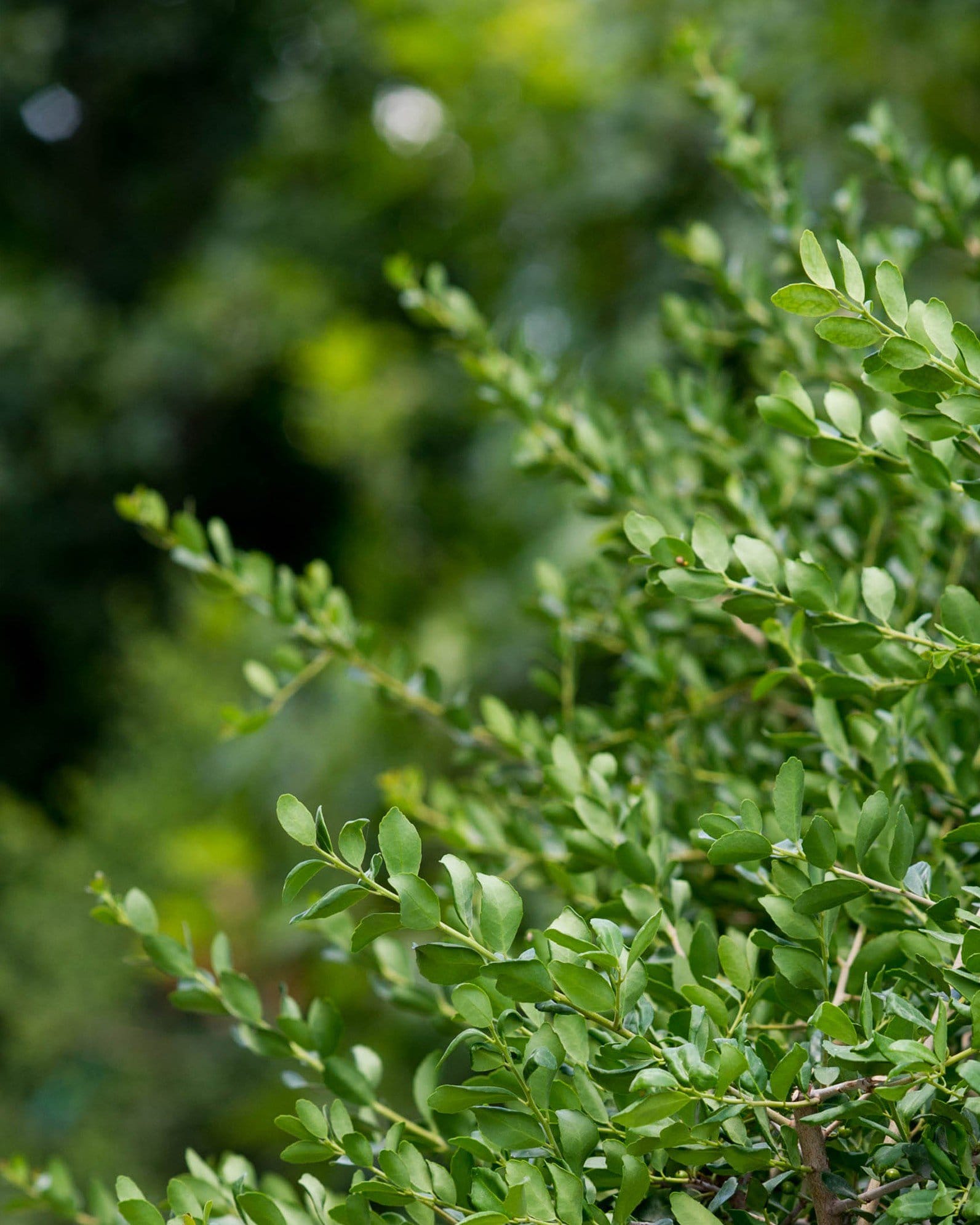
Myrica ceriferaWax Myrtle is a well-loved evergreen shrub known for its fragrant foliage and graceful, multi-stemmed structure. Growing up to 15 feet tall and wide at maturity, it forms a dense, rounded shape that provides year-round texture and structure. The narrow, glossy green leaves give off a light, pleasant fragrance when touched, adding a subtle sensory feature to your landscape.
- Evergreen shrub
- Moderate growth rate
- Aromatic, glossy green foliage provides year-round color and scent
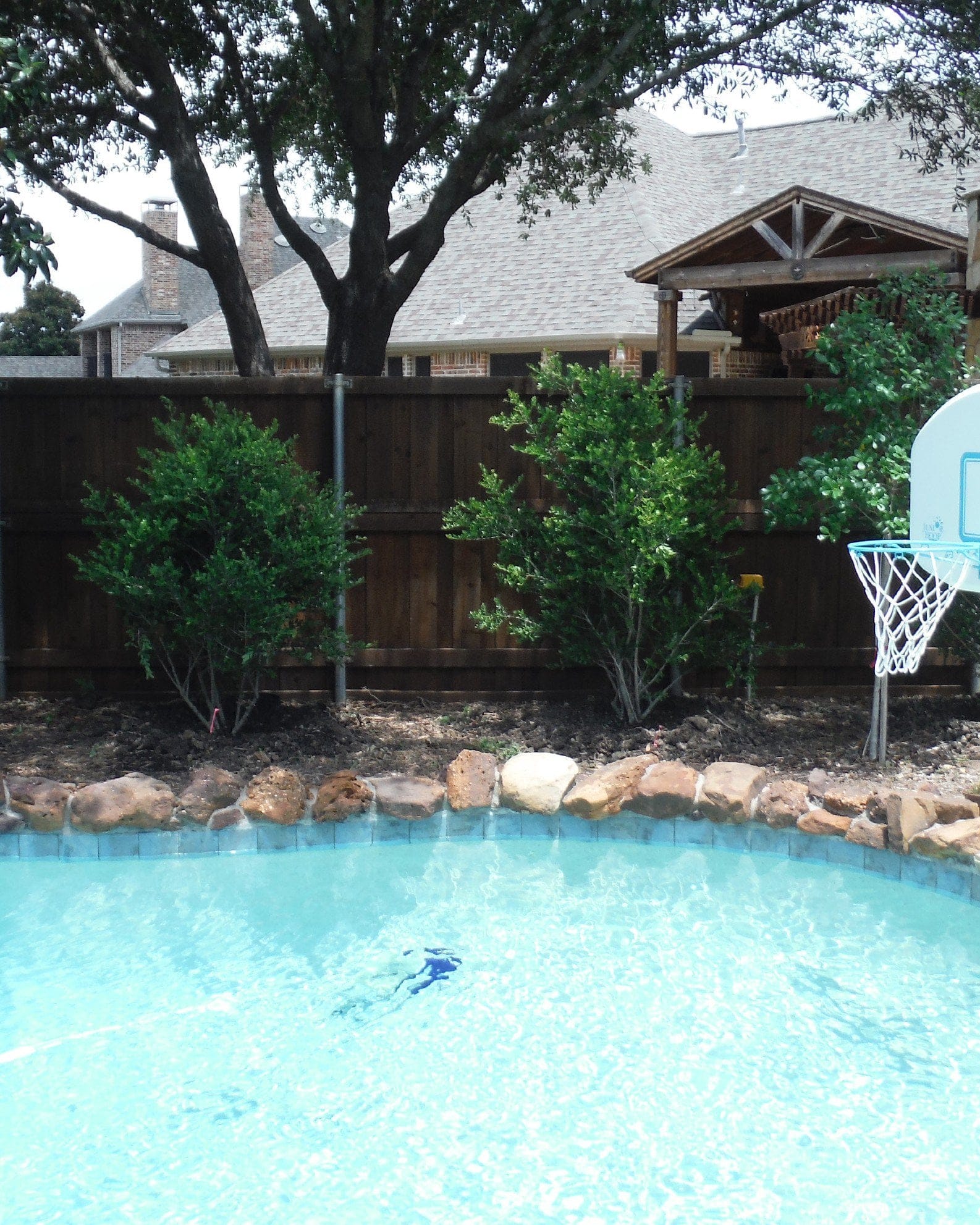
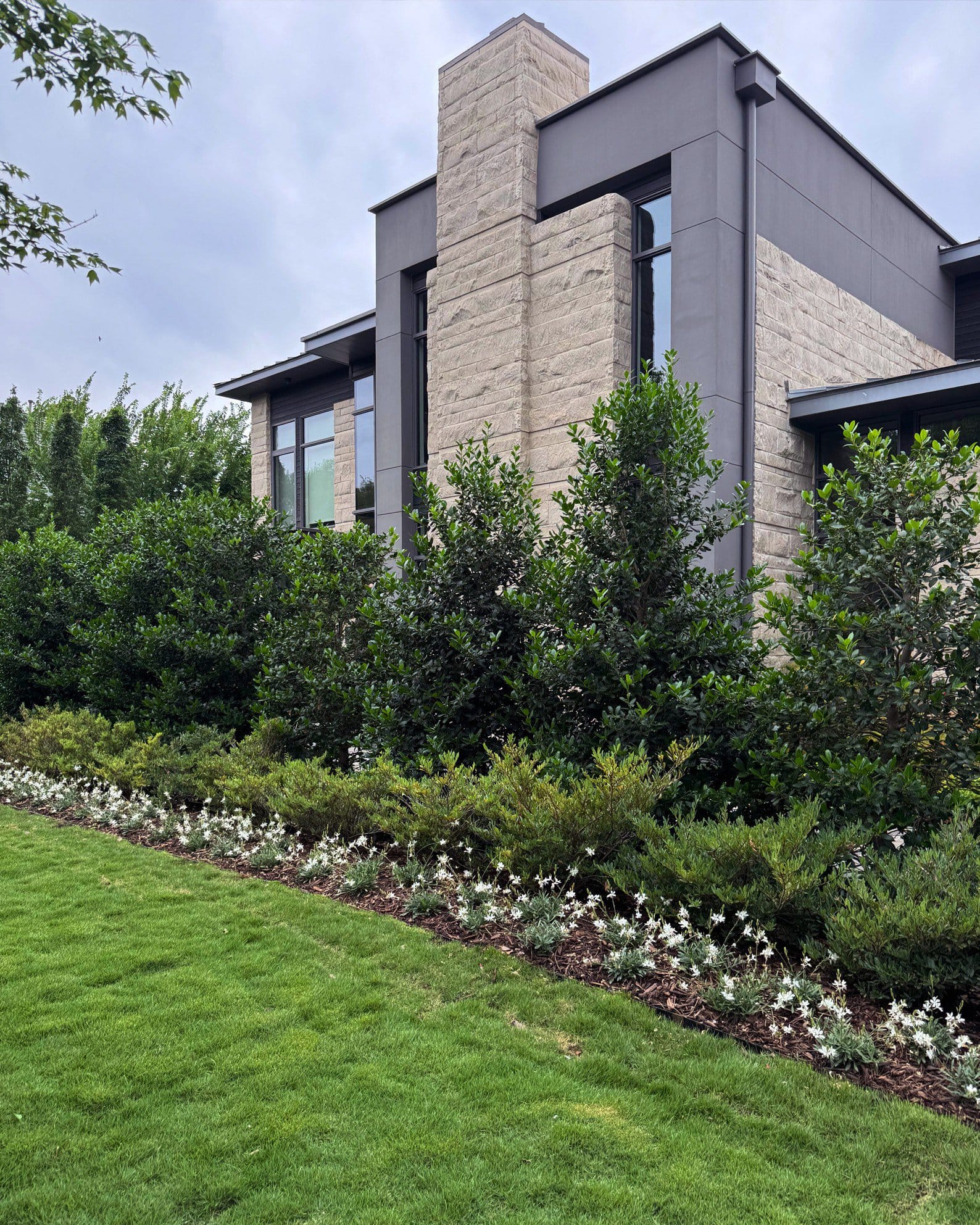
- Excellent as a screen, backdrop, or focal feature
- Suitable for a range of planting styles, from formal to informal designs
Wax Myrtle thrives in full sun to partial shade and prefers well-drained soils, making it well-adapted to the varied conditions found in North Texas landscapes. Hardy in USDA zones 7 through 10, it’s a strong choice for adding evergreen interest, soft motion, and fragrance to flower beds, borders, or larger mixed plantings.
Maintenance
Wax Myrtle is great at thriving in conditions that challenge most shrubs. This is everything it needs for beautiful growth:
- Watering: Water regularly during the first growing season to establish a deep and extensive root system. Once established, Wax Myrtle is highly drought-tolerant but appreciates occasional deep watering during prolonged dry periods. It also tolerates periodic wetness and even thrives near ponds or coastal areas where saltwater exposure would harm other plants.
- Pruning: Wax Myrtle responds well to pruning and can be shaped into a hedge, screen, or small multi-trunked tree. Prune in late winter or early spring before new growth begins to control size or maintain a natural form. Remove crossing or crowded branches for better airflow. Light trimming throughout the year keeps it dense and neat, while rejuvenation pruning every few years encourages fresh, vigorous growth.
- Fertilizing: In most soils, Wax Myrtle needs little to no fertilization. It naturally fixes nitrogen, allowing it to thrive in nutrient-poor conditions. If growth appears slow, apply a light dose of balanced, slow-release fertilizer in spring. Avoid excessive feeding.
- Mulching: Apply a 2-3 inch layer of mulch around the base to retain moisture, regulate soil temperature, and suppress weeds. Keep mulch a few inches away from the trunk to prevent bark decay. Refresh annually in spring or after pruning to maintain a tidy appearance.
- Winter care: Wax Myrtle is hardy through most Southern and coastal regions. In areas prone to severe freezes, young plants may experience tip burn or partial defoliation, but they recover quickly with warm weather.
Common Issues and How to Take Care of Them
Wax Myrtle is generally pest-free and low-maintenance, but a few minor issues can occur under stress or poor conditions:
- Leaf Drop: Common after transplanting or during drought. Maintain consistent watering until the plant re-establishes.
- Sooty Mold: Black residue caused by sap-feeding insects such as aphids or whiteflies. Rinse leaves and treat insects with insecticidal soap if needed.
- Scale Insects: Small bumps along stems or leaves. Remove by hand or treat with horticultural oil during dormancy.
- Yellowing Leaves: Often due to overwatering or compacted soil. Improve drainage and reduce irrigation frequency.
- Cold Damage: In northern zones, young plants may show browning after frost. Prune lightly in spring to remove damaged growth - the plant will regrow vigorously.
- Sparse Growth: Usually from too much shade. Wax Myrtle performs best in full sun for thick, lush foliage.
With proper care, Wax Myrtle can live 30 to 40 years or more. Mature plants develop sturdy trunks and dense canopies that improve in character with age.
It grows quickly, often 1 to 2 feet per year. Within 3 to 5 years, it reaches its mature size and forms a full, dense hedge or small tree.
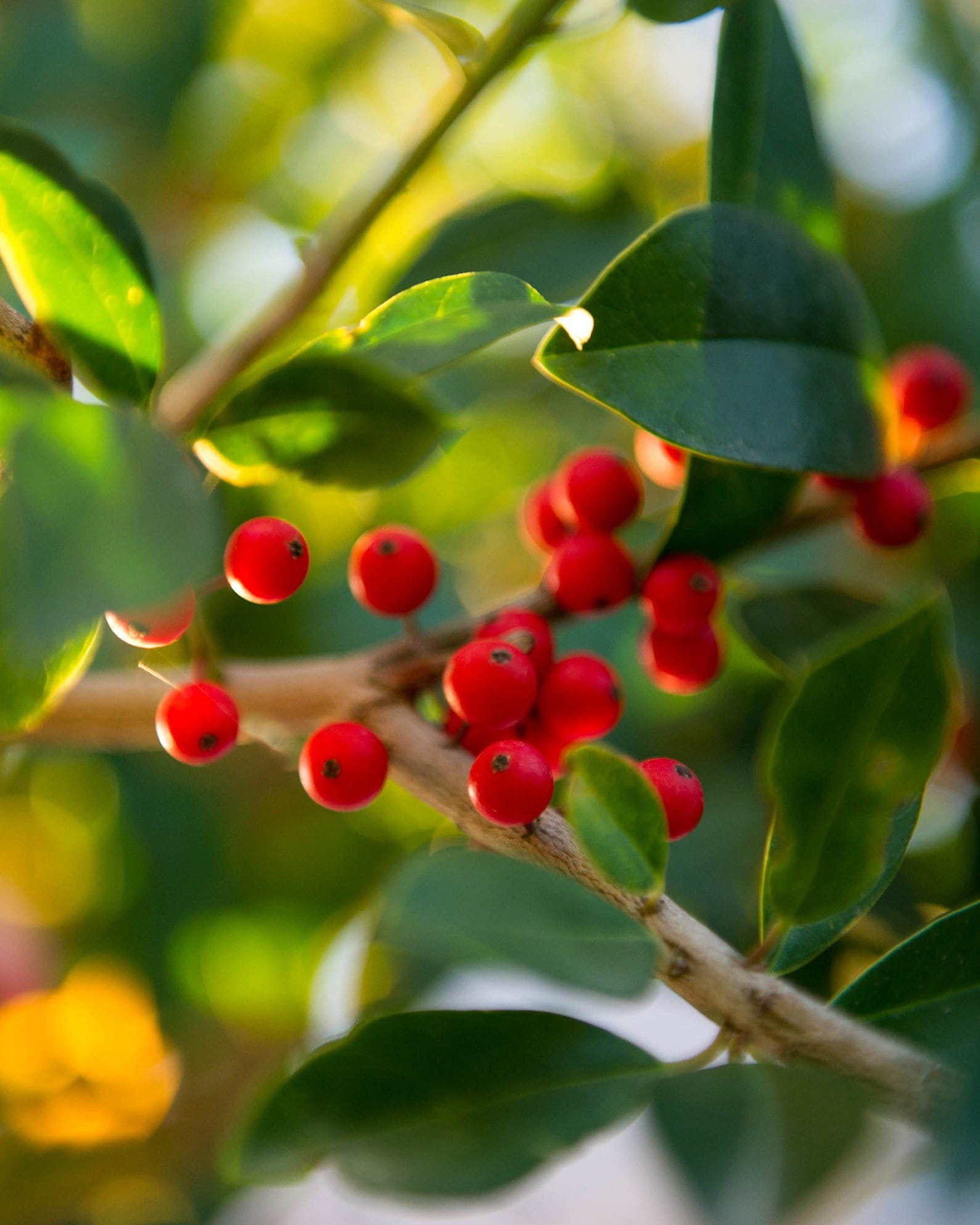
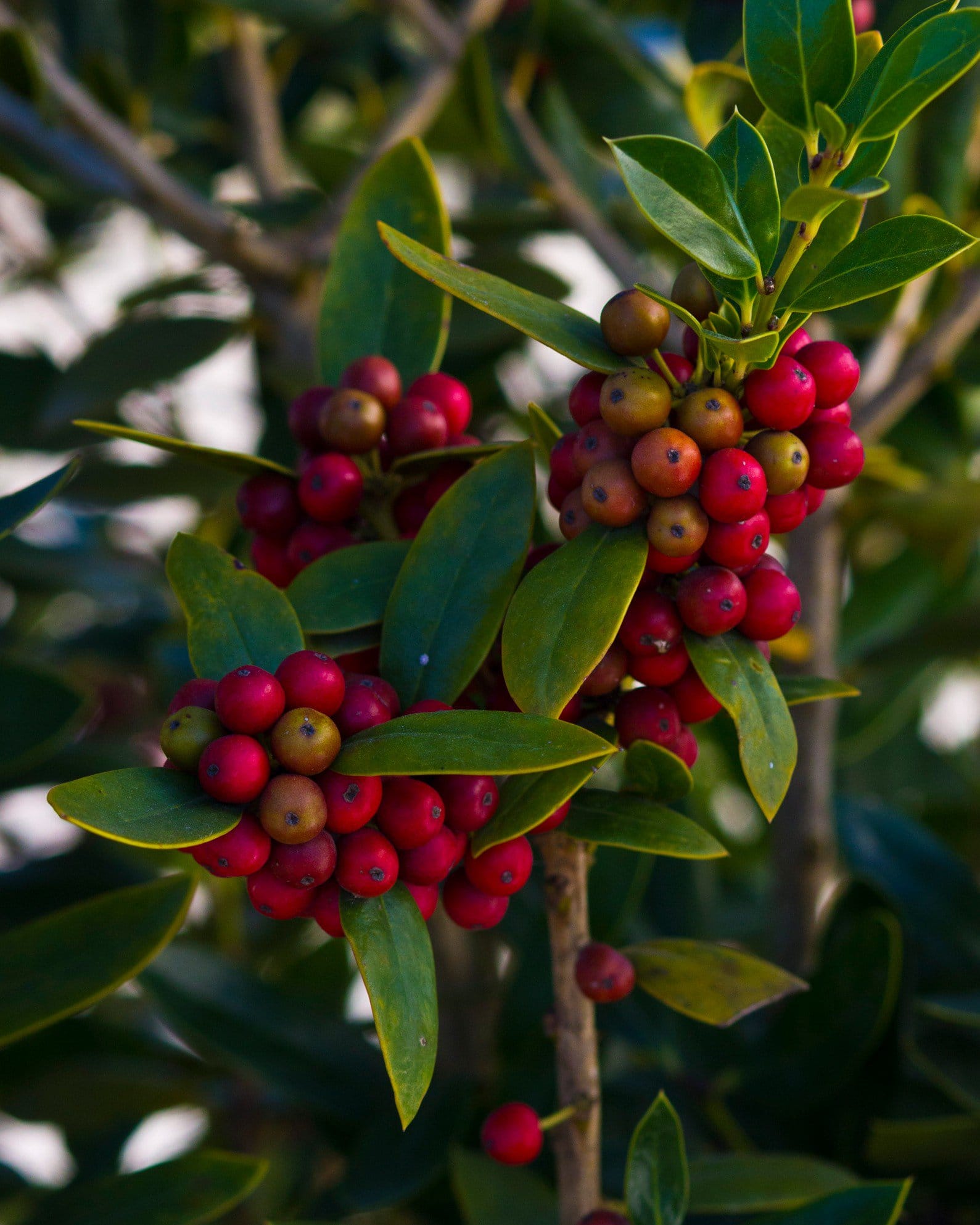
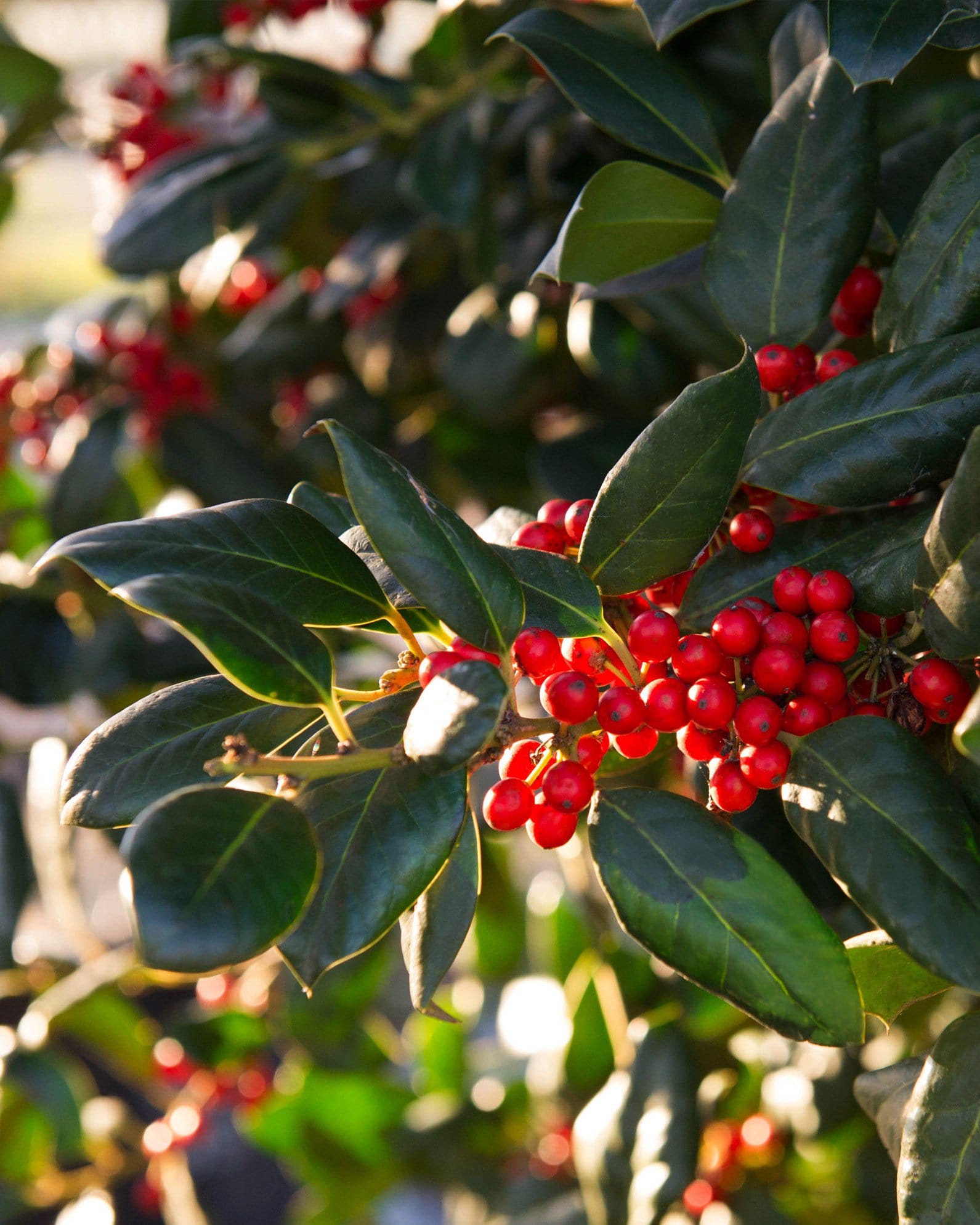
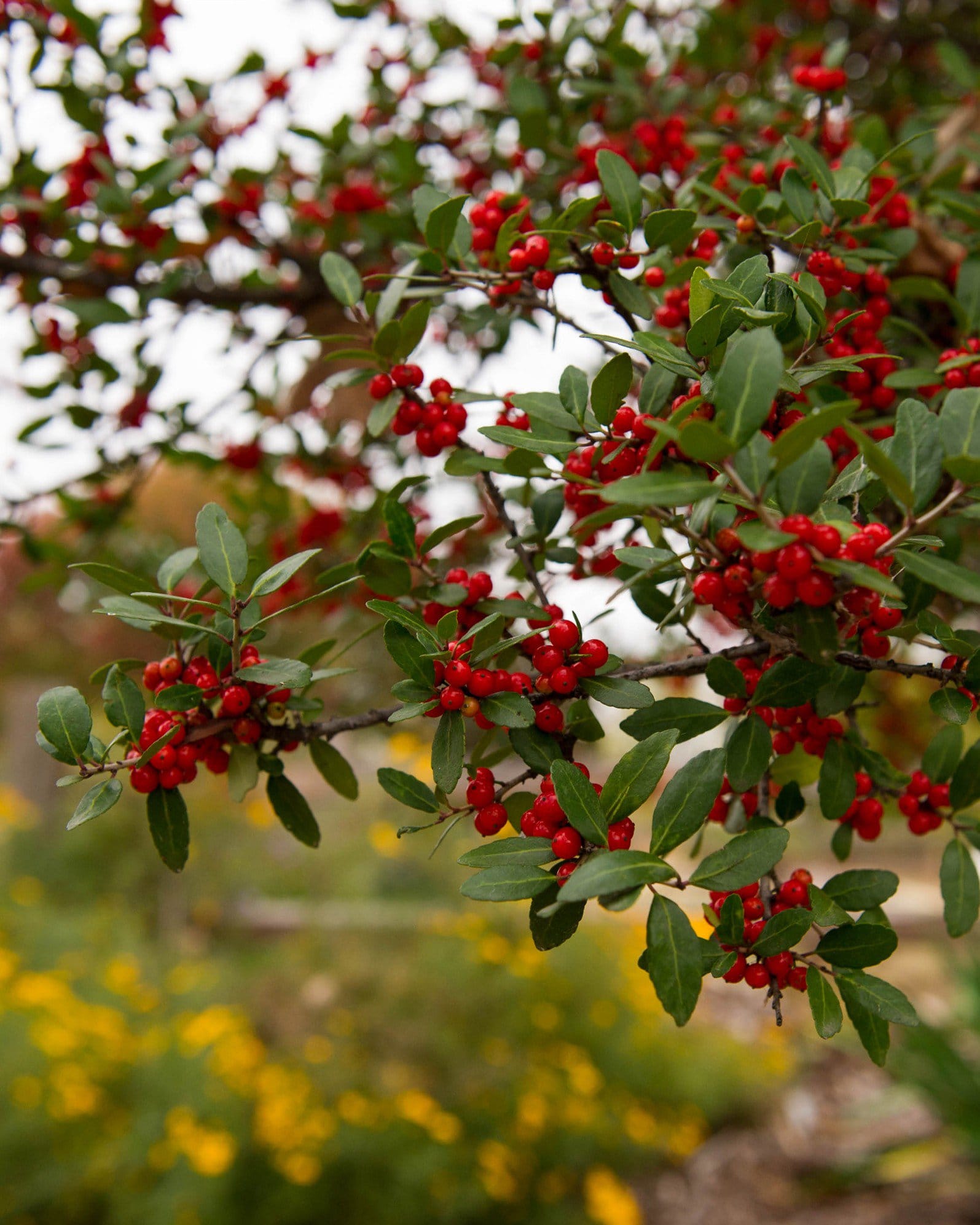
Yes - birds love its waxy berries, and its small flowers attract bees and beneficial insects. It’s also a host plant for several butterfly species.
Yes, it’s moderately deer-resistant. The aromatic foliage makes it less appealing to deer and rabbits, especially once mature.
Extremely well. It thrives in hot, humid climates, tolerates poor soil, and endures both dry and coastal conditions with ease.
Yes - young plants can thrive in large pots for patios or entryways. Choose a deep container with good drainage and prune occasionally to control size.
Absolutely. It’s one of the best shrubs for salt spray, pollution, and high winds, making it ideal for city gardens and beachfront landscapes alike.
Yes. Cut back up to one-third of the oldest stems to the base in early spring. The plant quickly fills in with fresh, dense new growth.
Yes - its glossy leaves release a clean, spicy scent when brushed or crushed. The waxy berries have a subtle fragrance as well.
Its unique combination of fragrance, salt tolerance, and nitrogen-fixing ability makes it unmatched for sustainable, low-maintenance landscapes. Whether shaped into a hedge or left natural as a multi-trunked accent, Wax Myrtle adds year-round beauty, wildlife value, and adaptability that few shrubs can match.
Special Features
You might also like
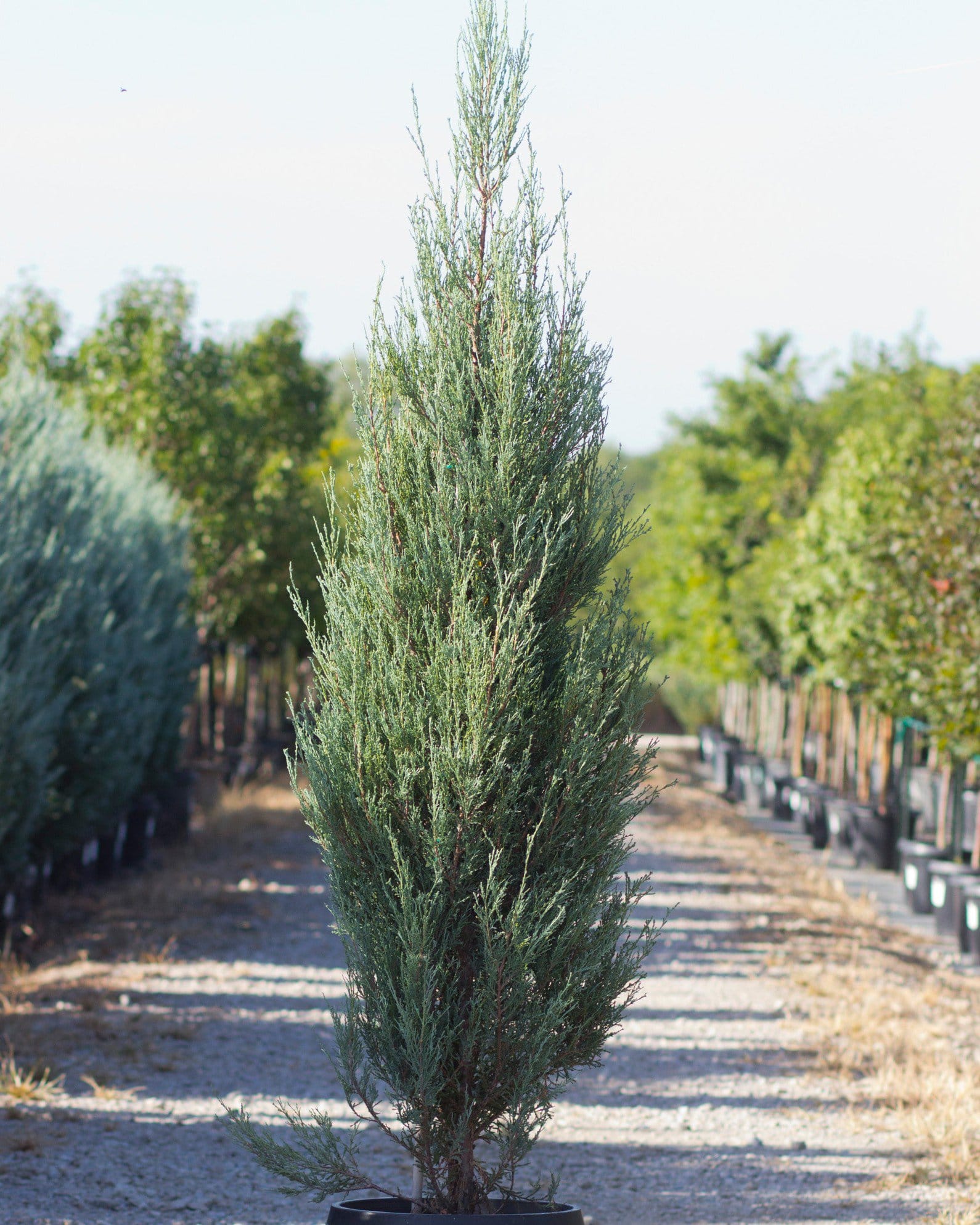
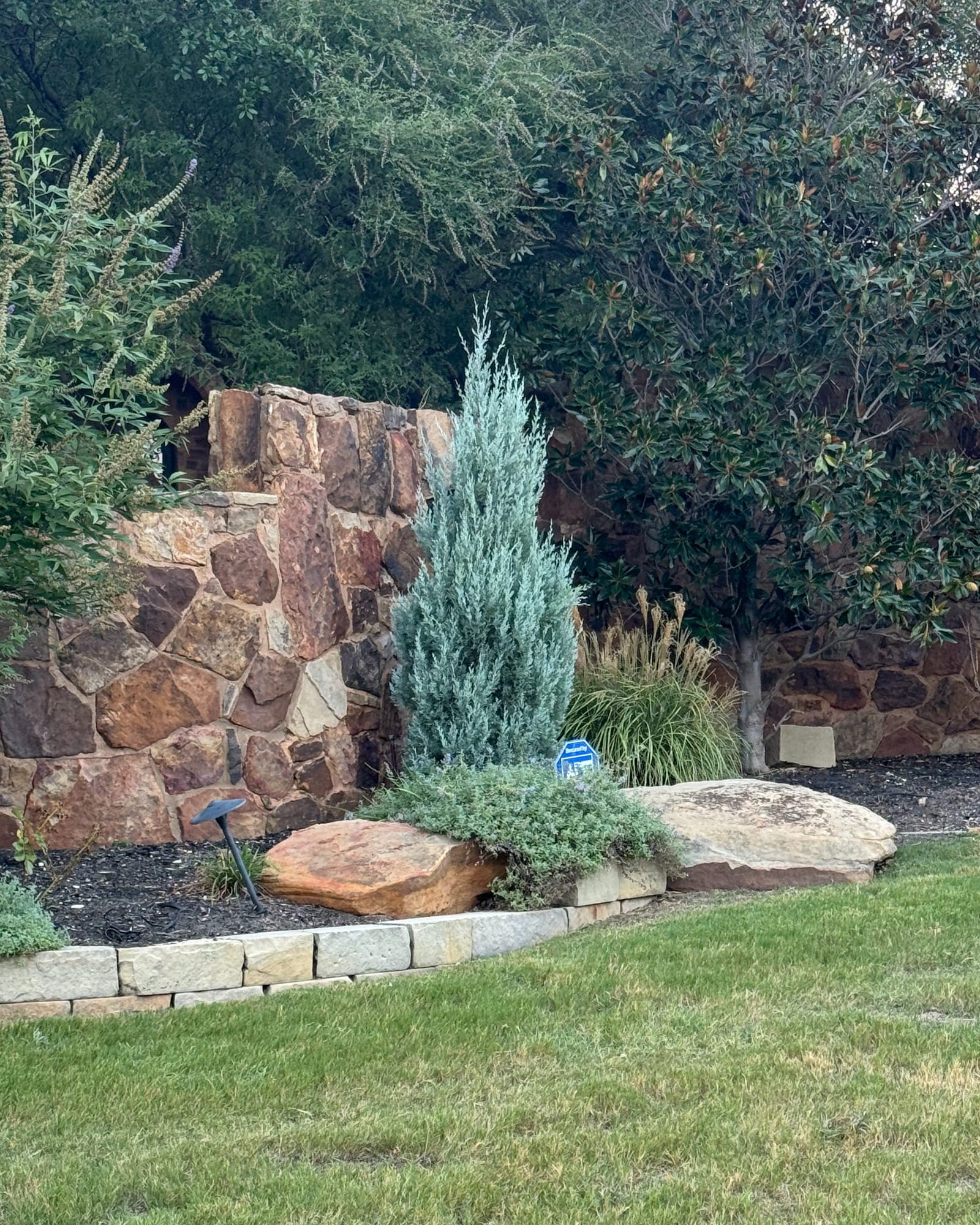
Blue Arrow Juniper
Maturity: 12' H x 2' W
Cherry Laurel Bright 'N Tight
Maturity: 10' H x 8' W
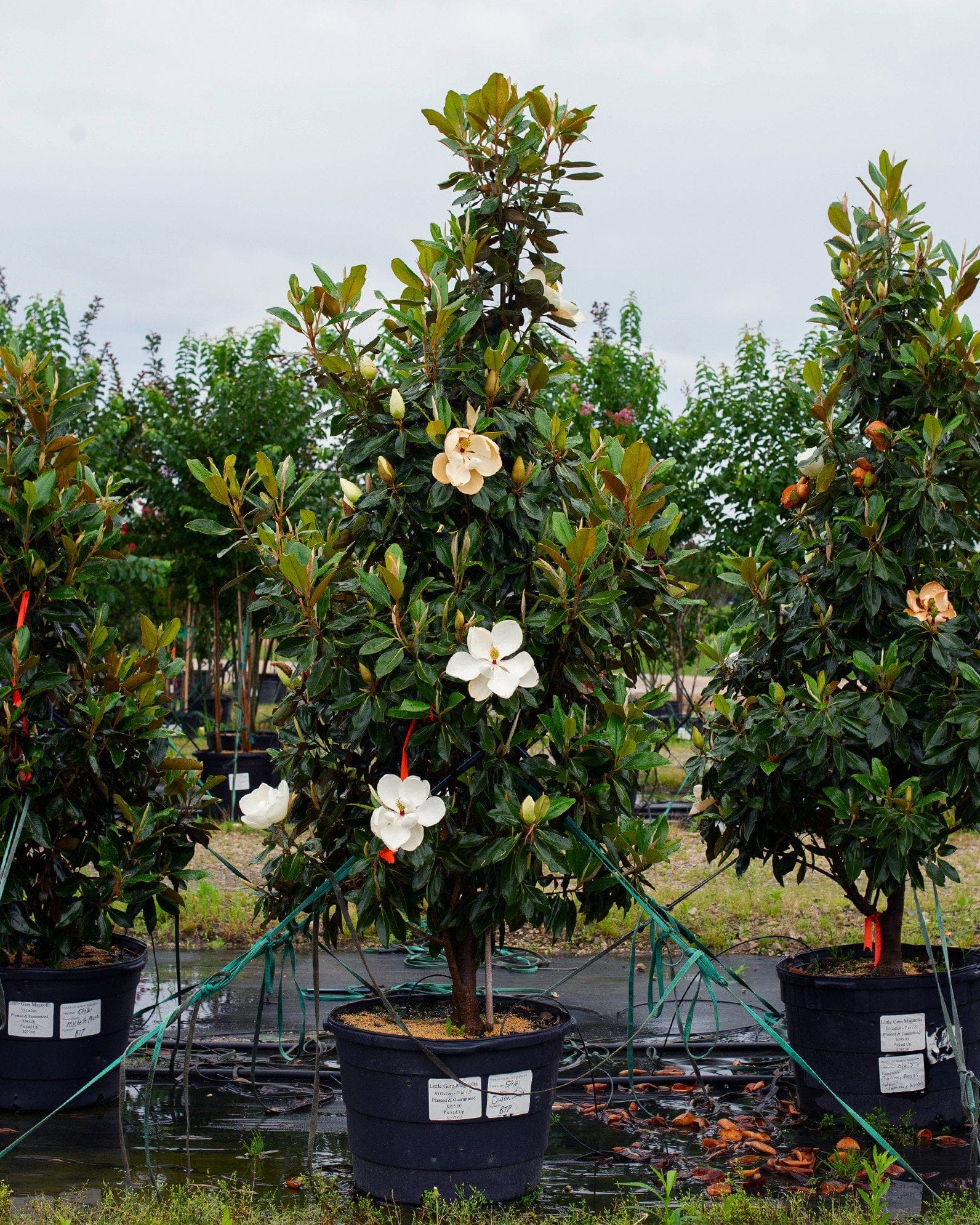
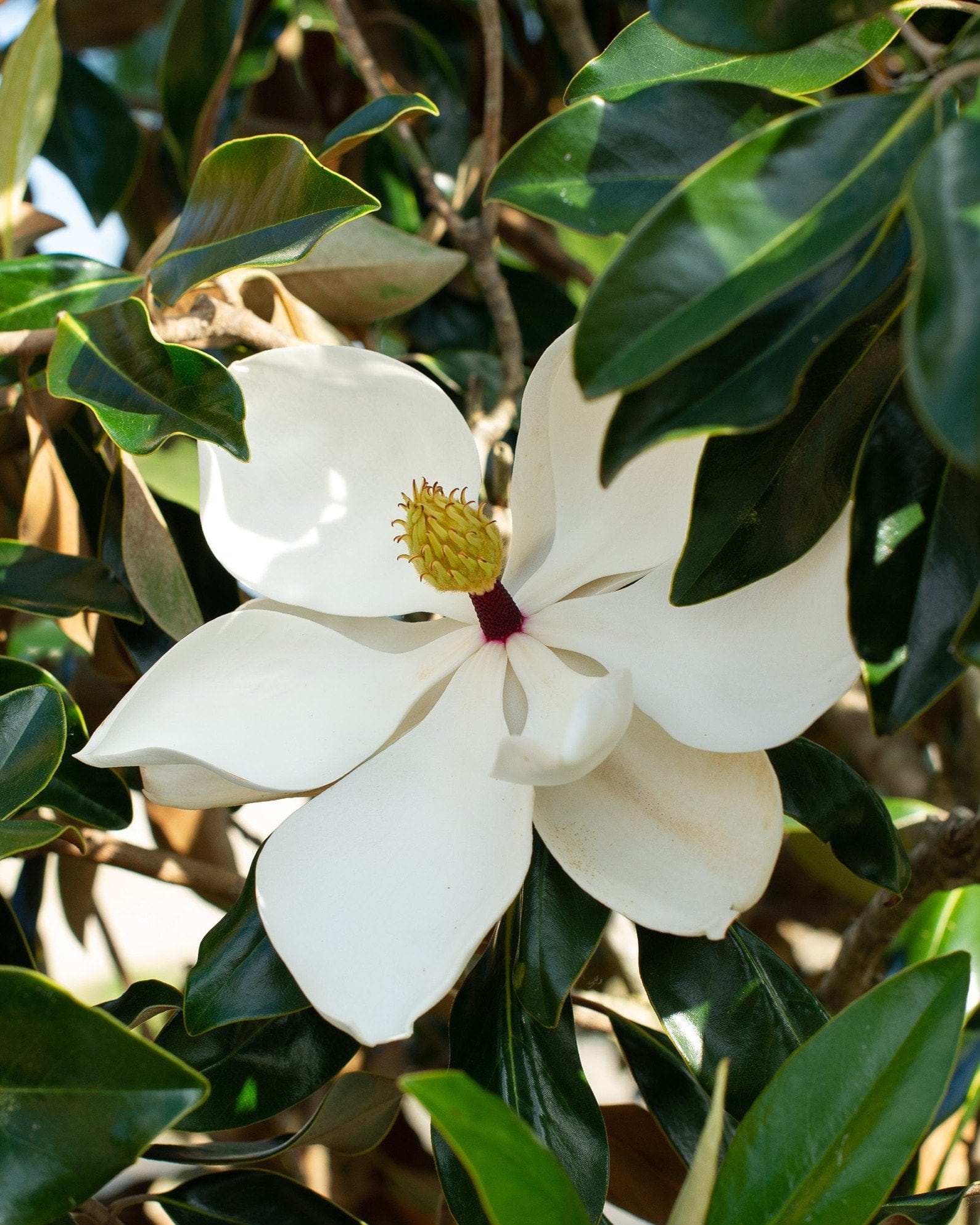
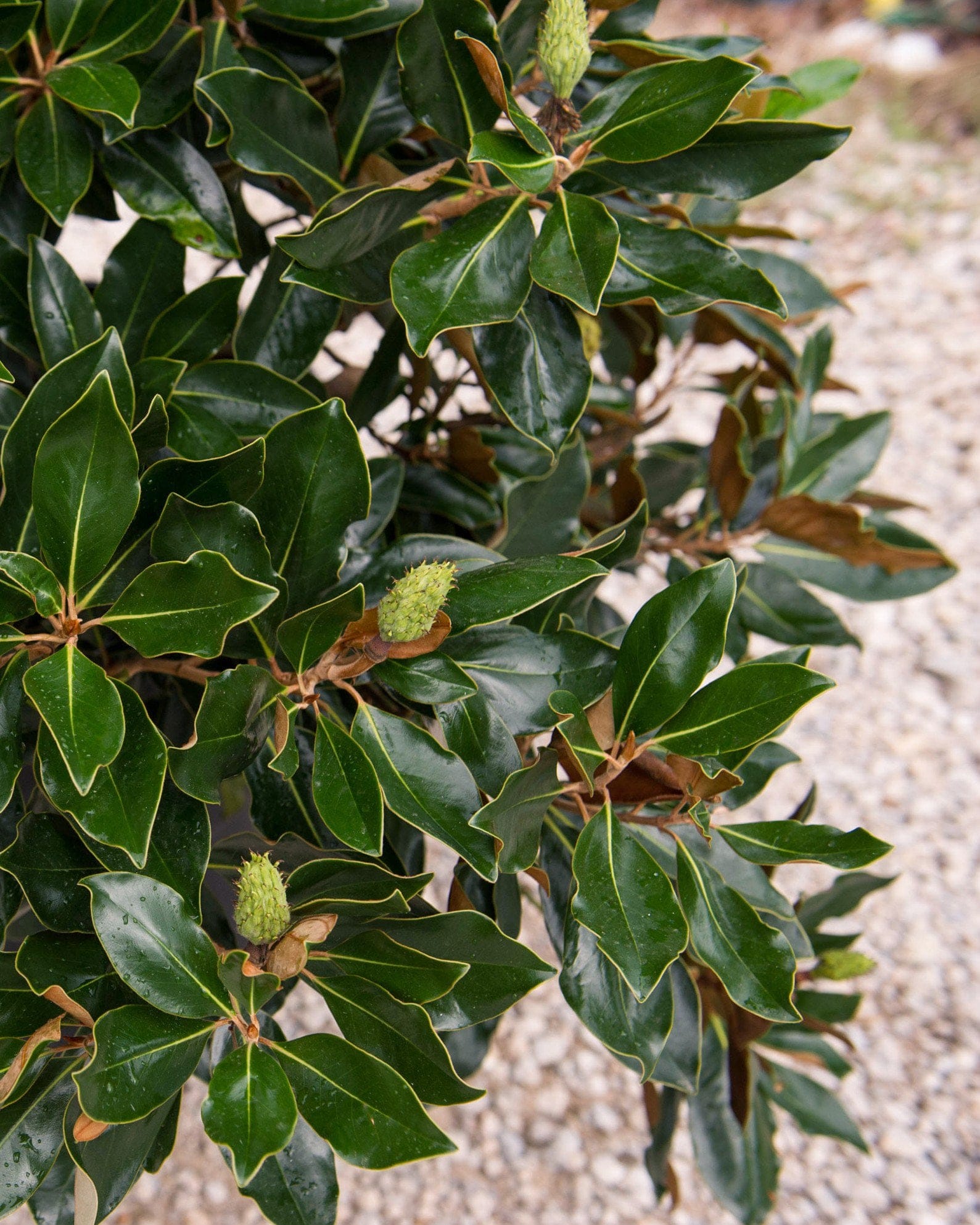
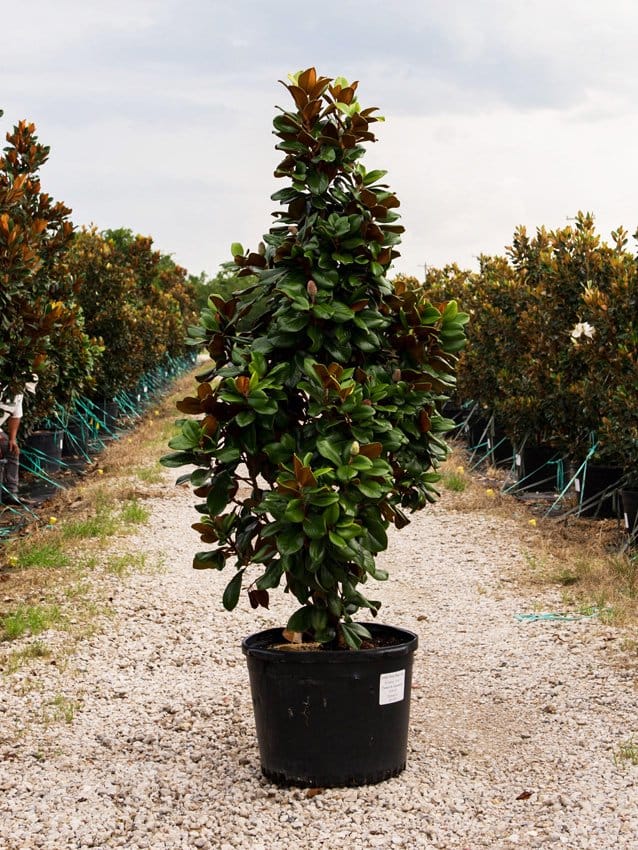
Little Gem Magnolia
Maturity: 20' H x 14' W
Teddy Bear Magnolia
Maturity: 30' H x 15' W

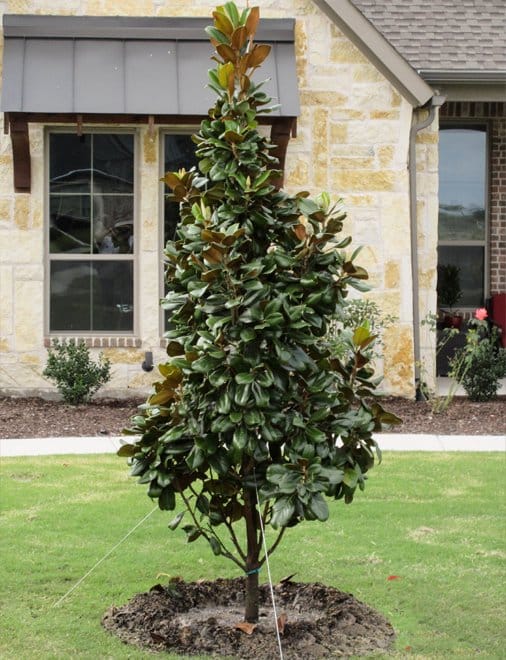
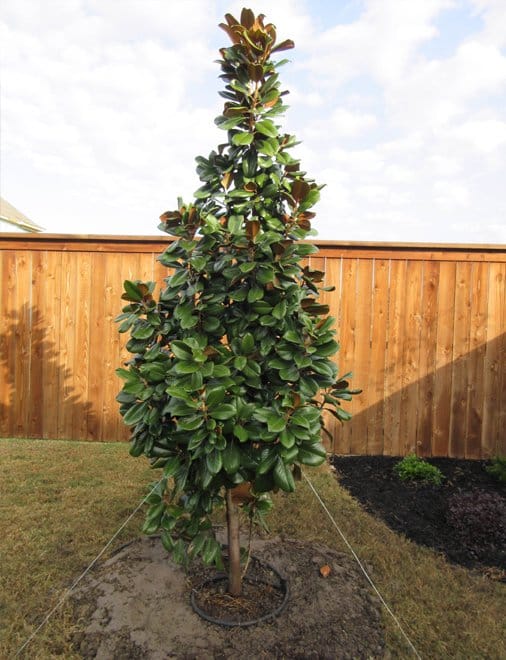
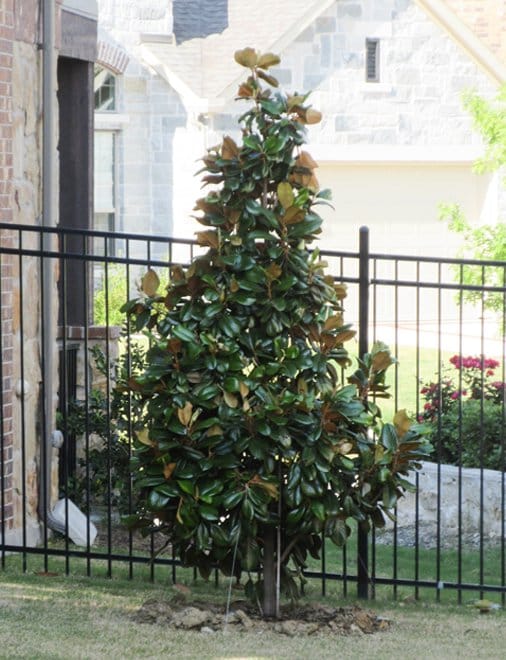
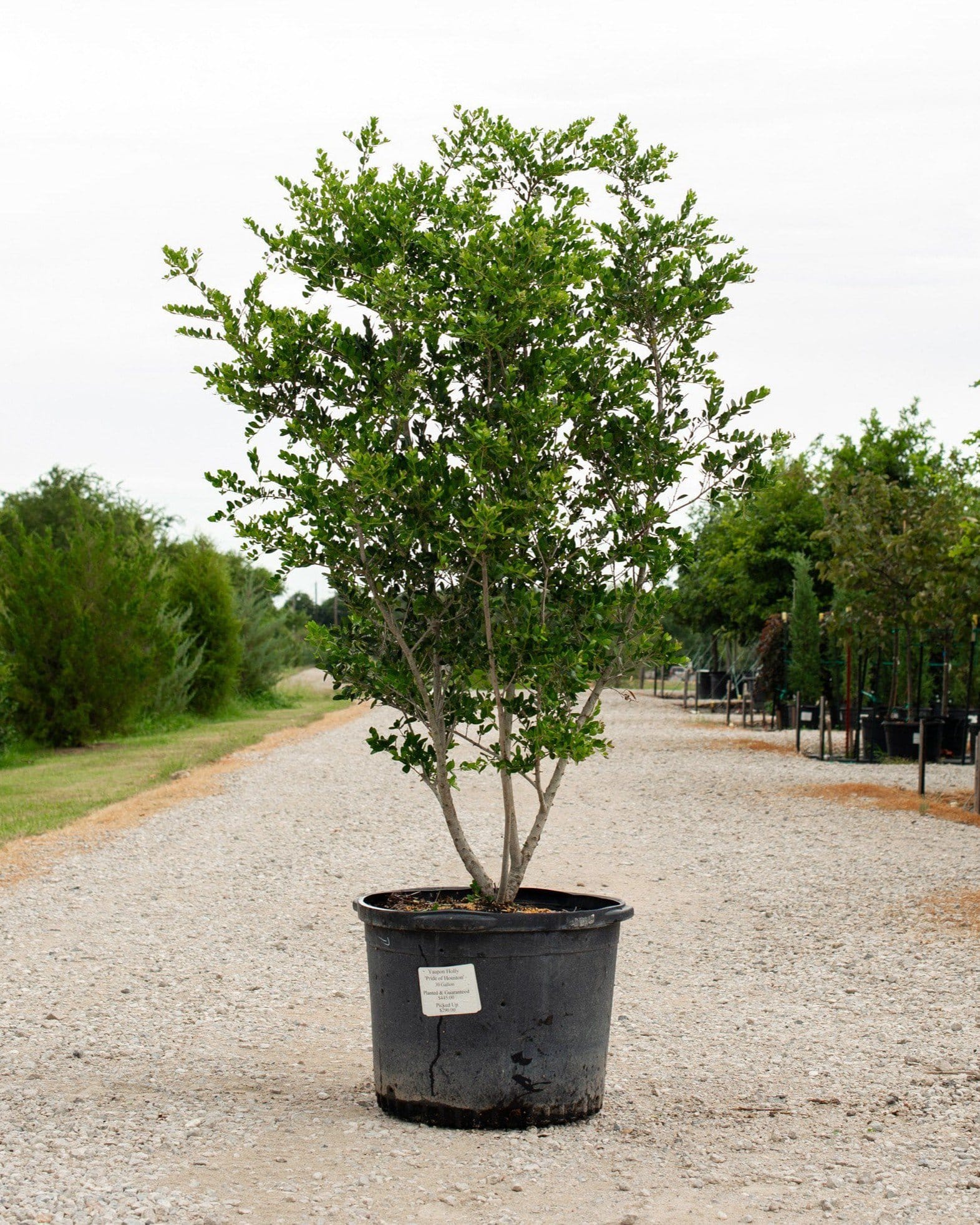
Yaupon Holly Pride of Houston
Maturity: 20' H x 15' W
Cherry Laurel Centre Court
Maturity: 25' H x 15' W
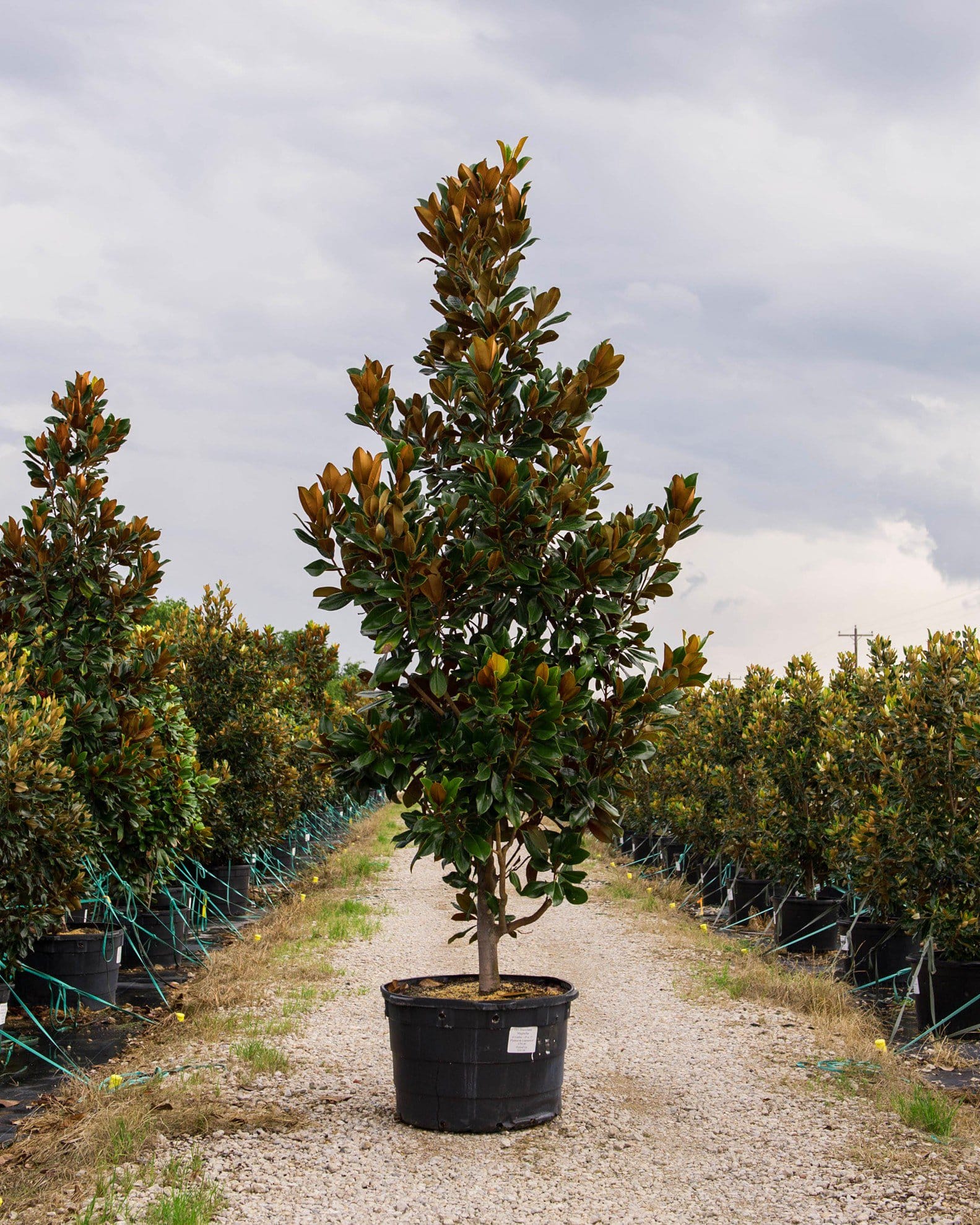
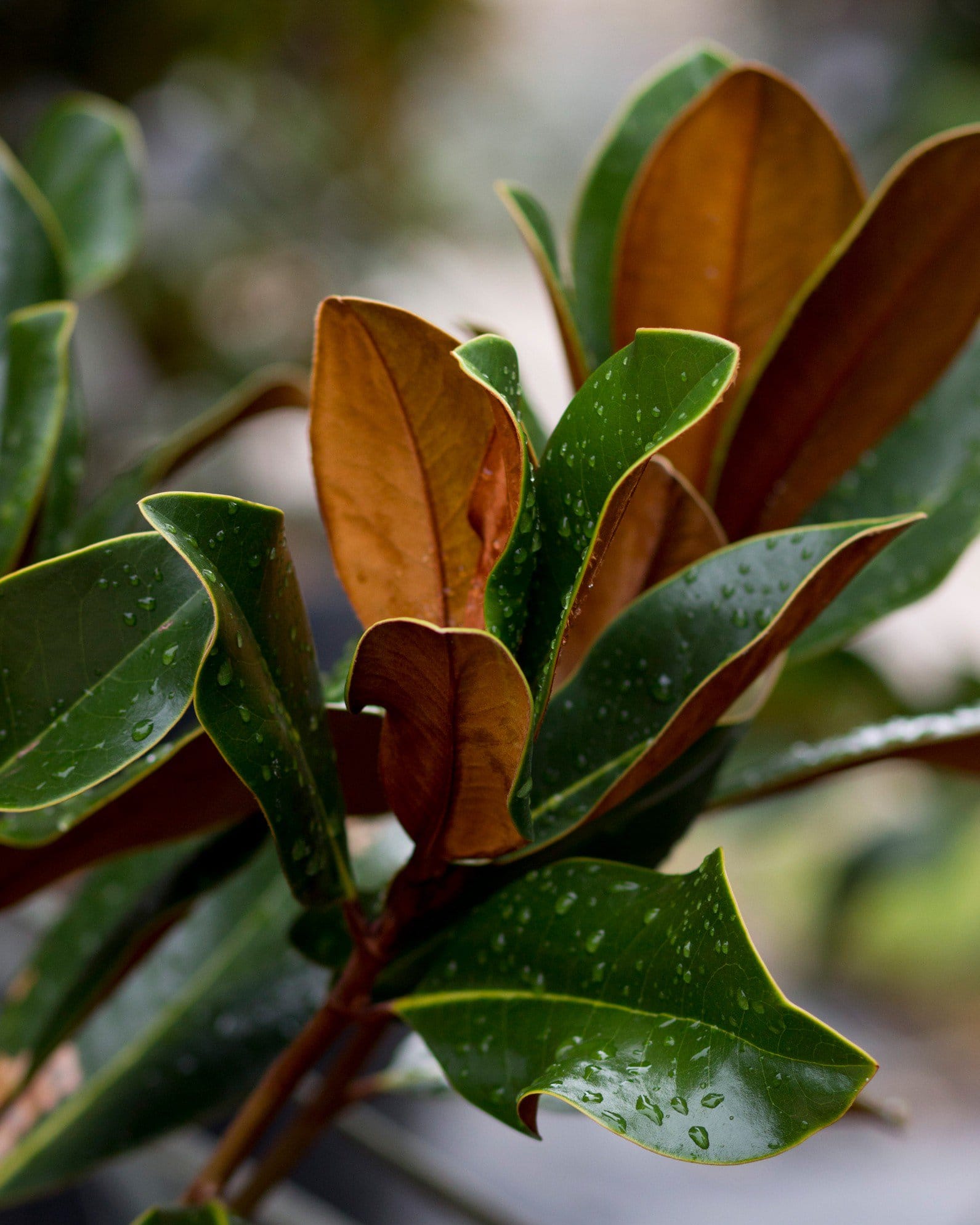
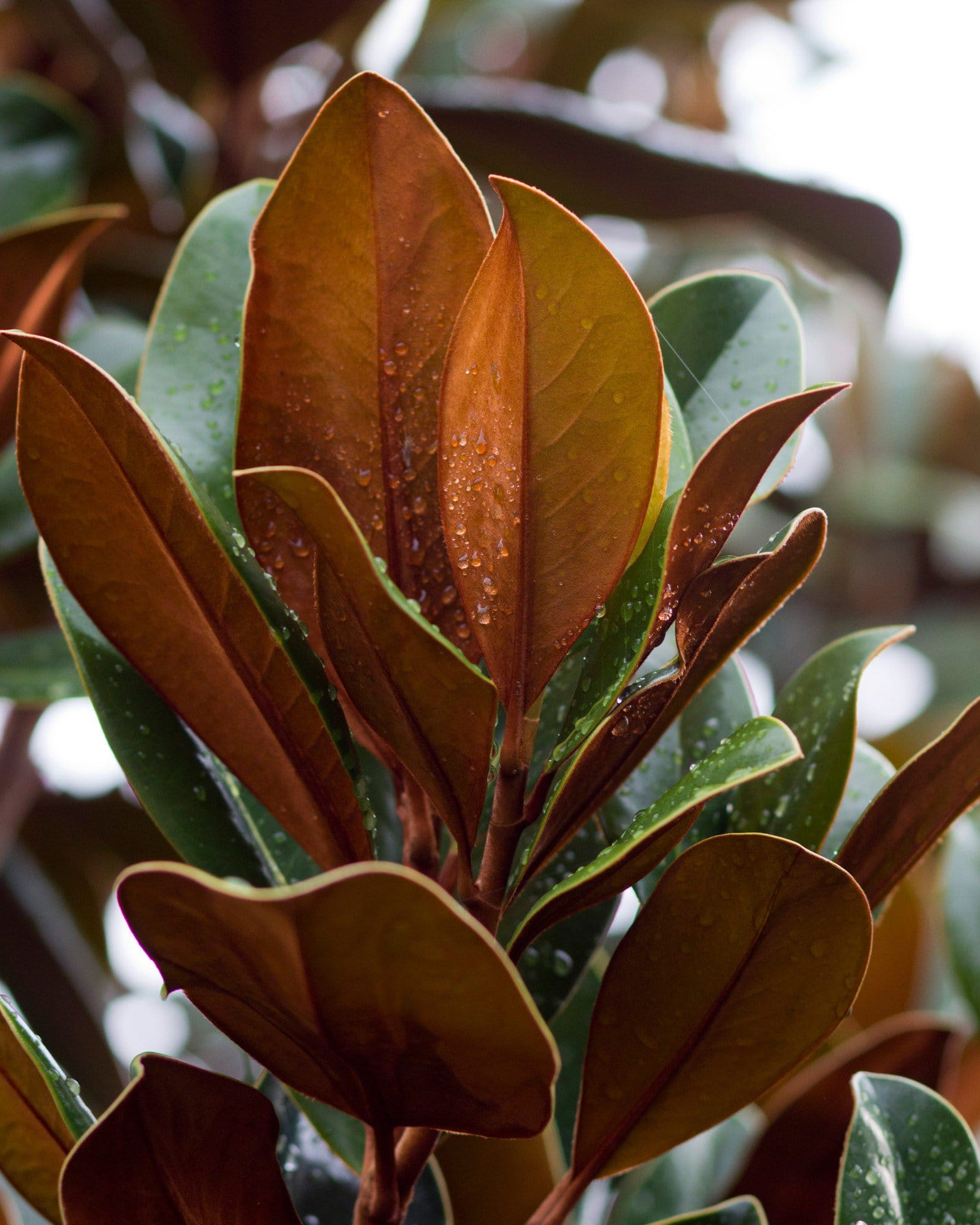
DD Blanchard Magnolia
Maturity: 45' H x 25' W
Eagleston Holly Full to Ground
Maturity: 20' H x 14' W
Eagleston Holly Tree Form
Maturity: 20' H x 14' W
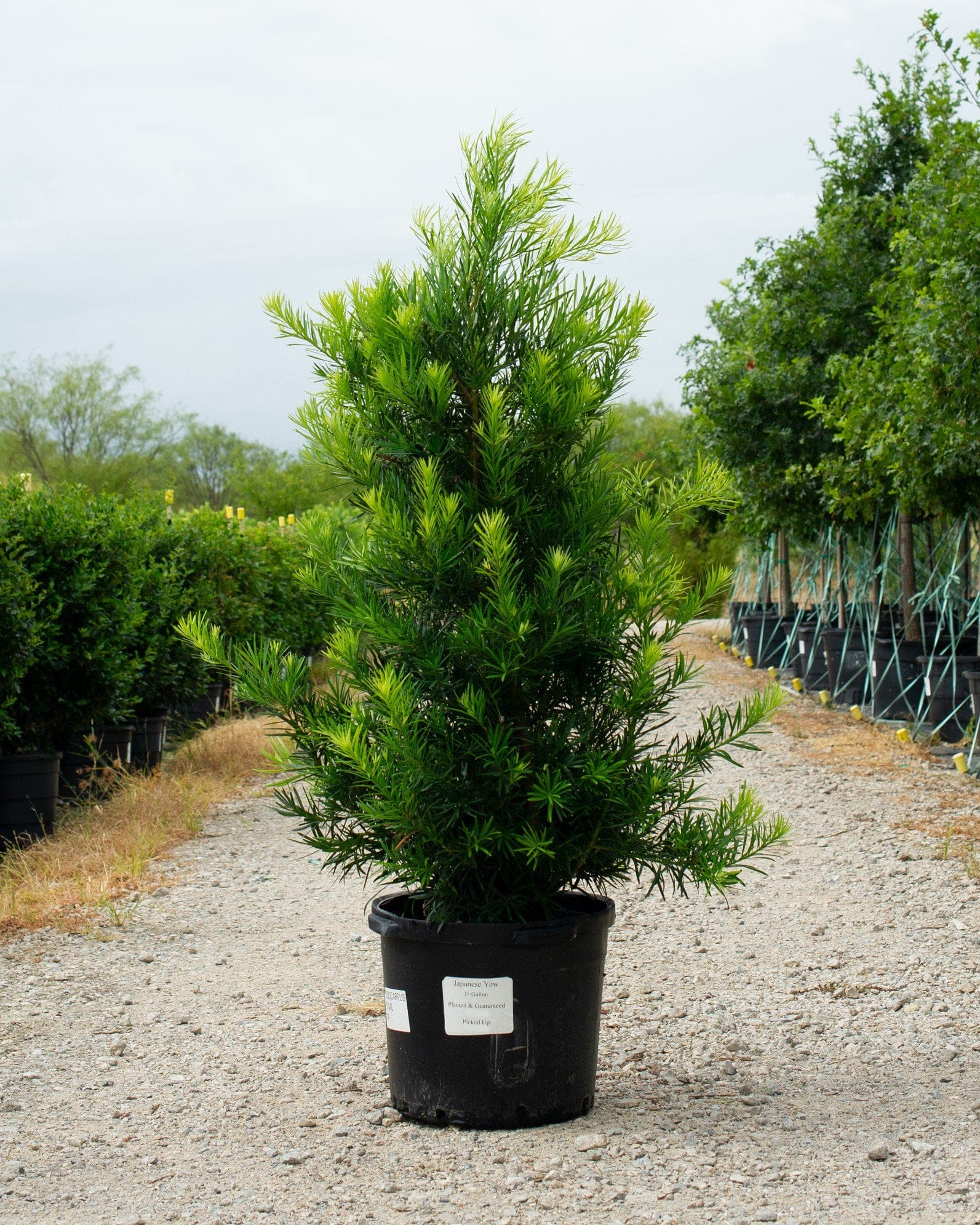
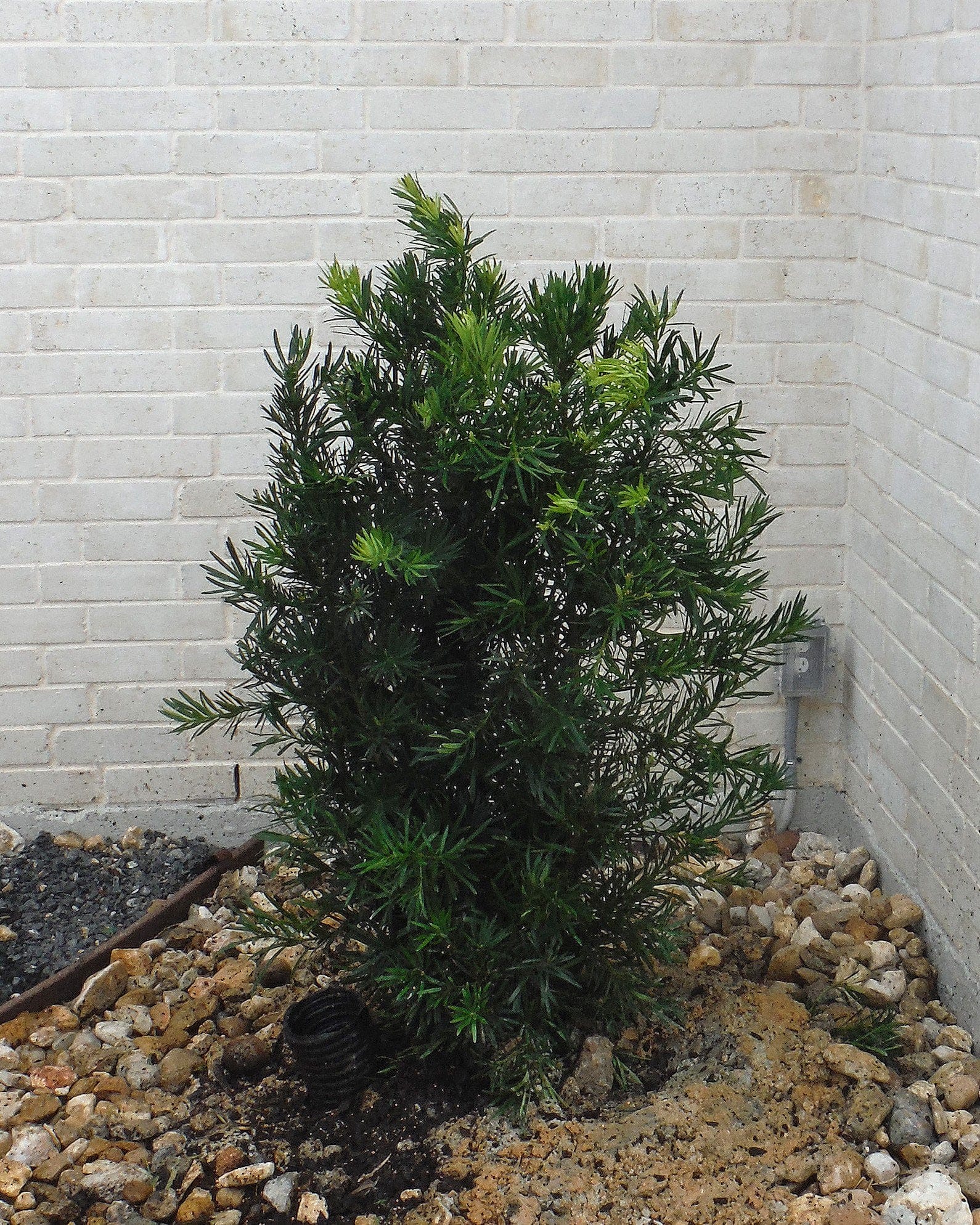
Japanese Yew
Maturity: 15' H x 7' W
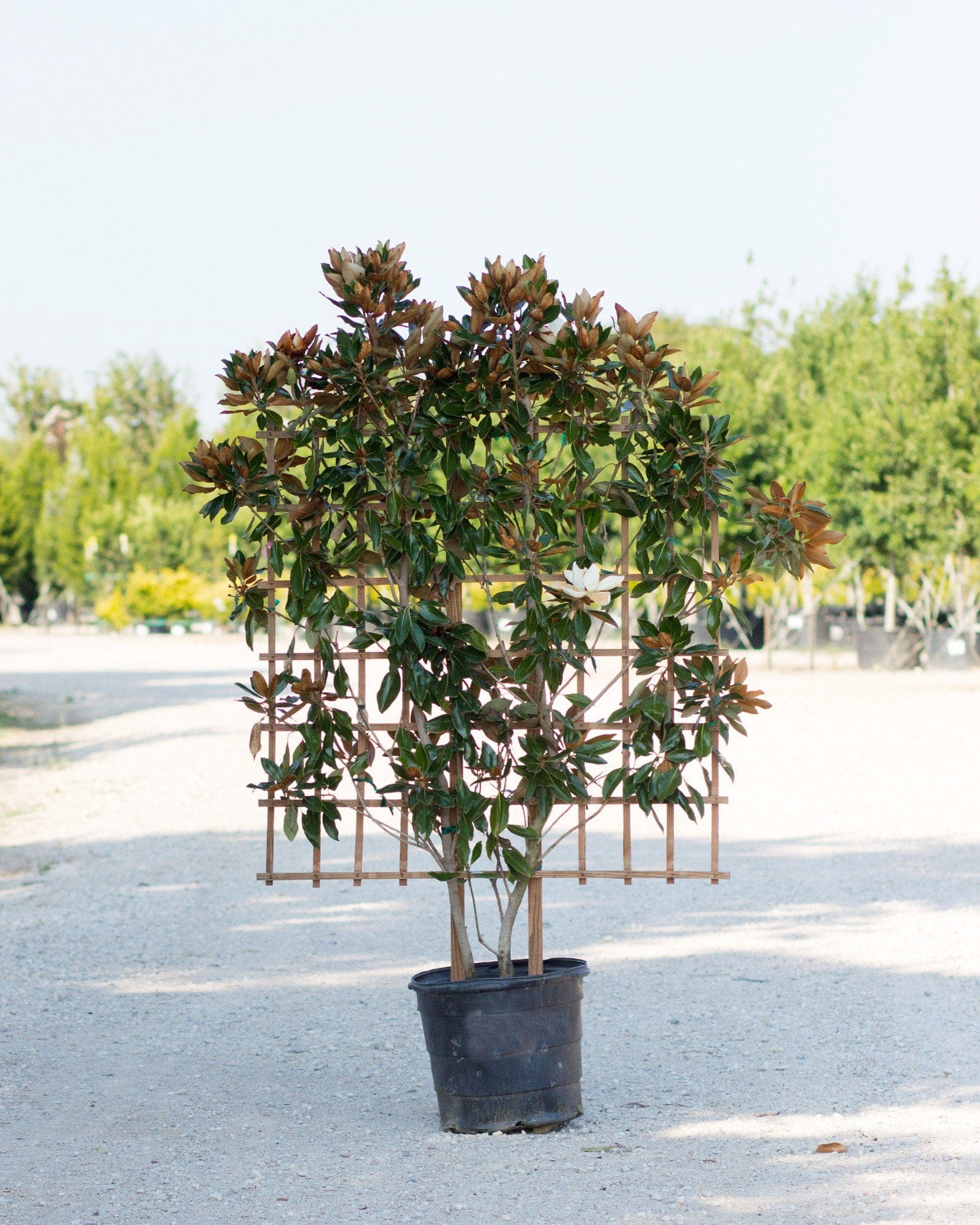
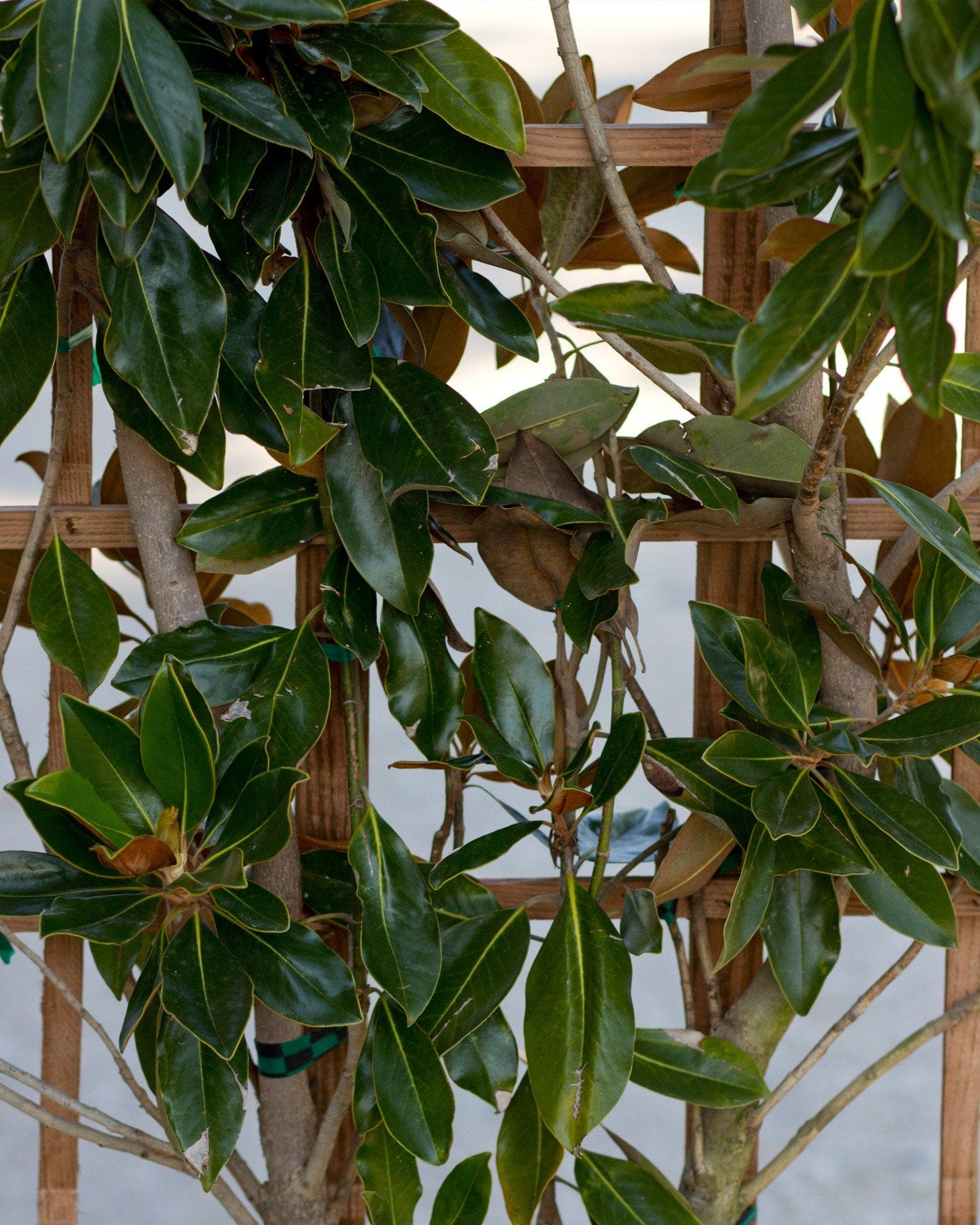
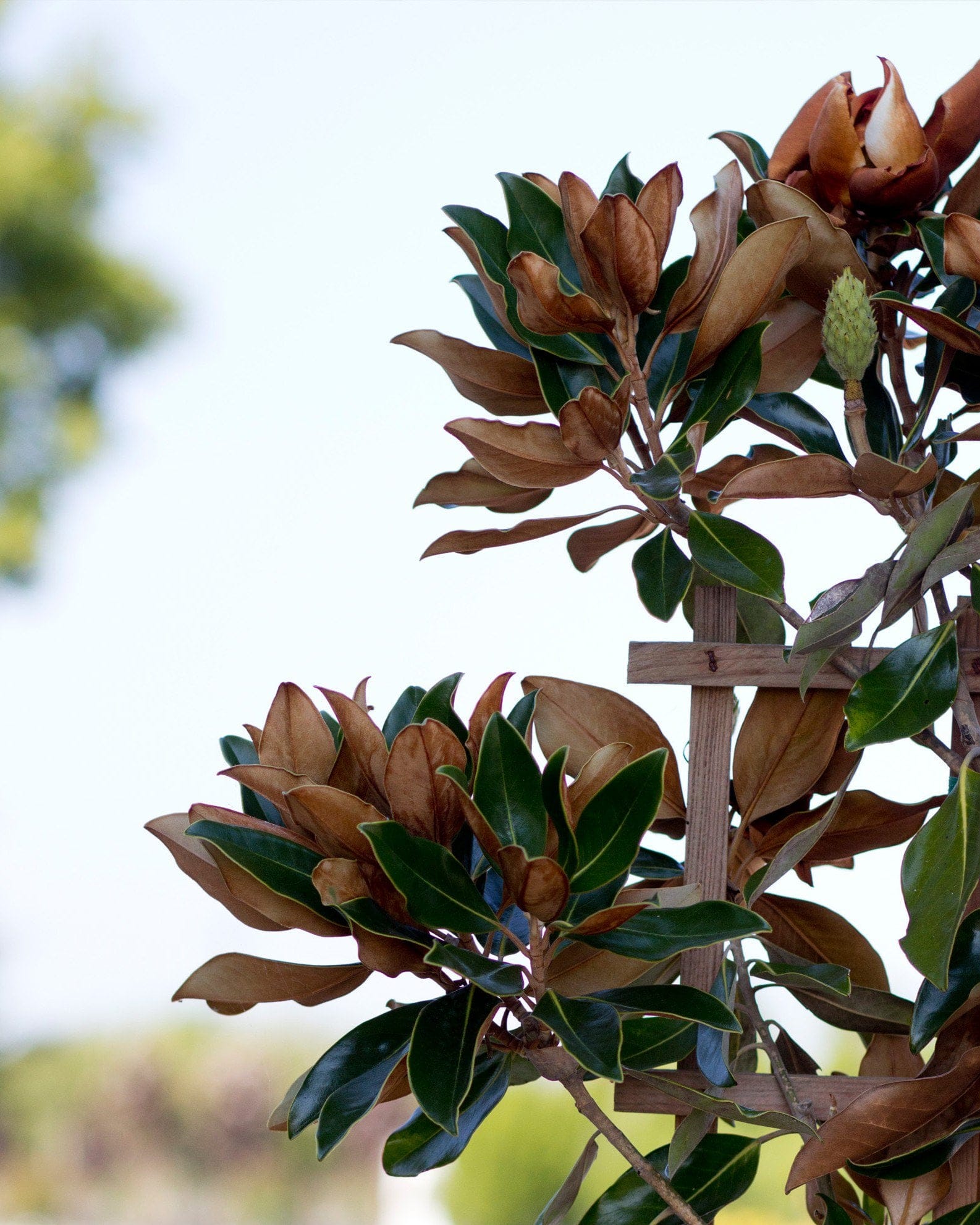
Little Gem Magnolia Espalier
Maturity: 20' H x 14' W
Needlepoint Holly
Maturity: 10' H x 8' W
Nellie R Stevens Holly
Maturity: 20' H x 14' W

Oakland Holly
Maturity: 16' H x 7' W
Yaupon Holly
Maturity: 20' H x 15' W

Compare Similar Plants
Wax Myrtle This plant | ||
|---|---|---|
| Scientific Name | Myrica cerifera | Juniperus scopulorum 'Blue Arrow' |
| Size at Maturity | 15' H x 15' W | 12' H x 2' W |
| Leaf Retention | Evergreen | Evergreen |
| Flower Color | — | — |
| Bloom Times | — | — |
| Sizes Available | 3, 7, 15, 30 gal | 15 gal |


Our 1-Year Planting Guarantee
We take pride in our plants and installation services. If any plants or trees installed by Treeland fail to thrive within the first year, we'll provide a replacement credit in accordance with our guarantee program.
Learn More About Our Guarantee