
 Texas Native
Yaupon Holly
Ilex vomitoriaLocal DFW Delivery Only
Product Details
Yaupon Holly
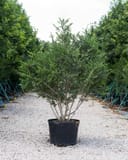
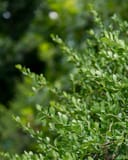
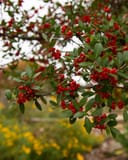
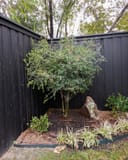
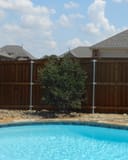
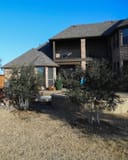
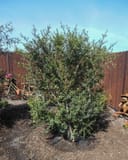
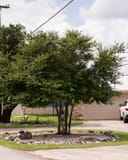
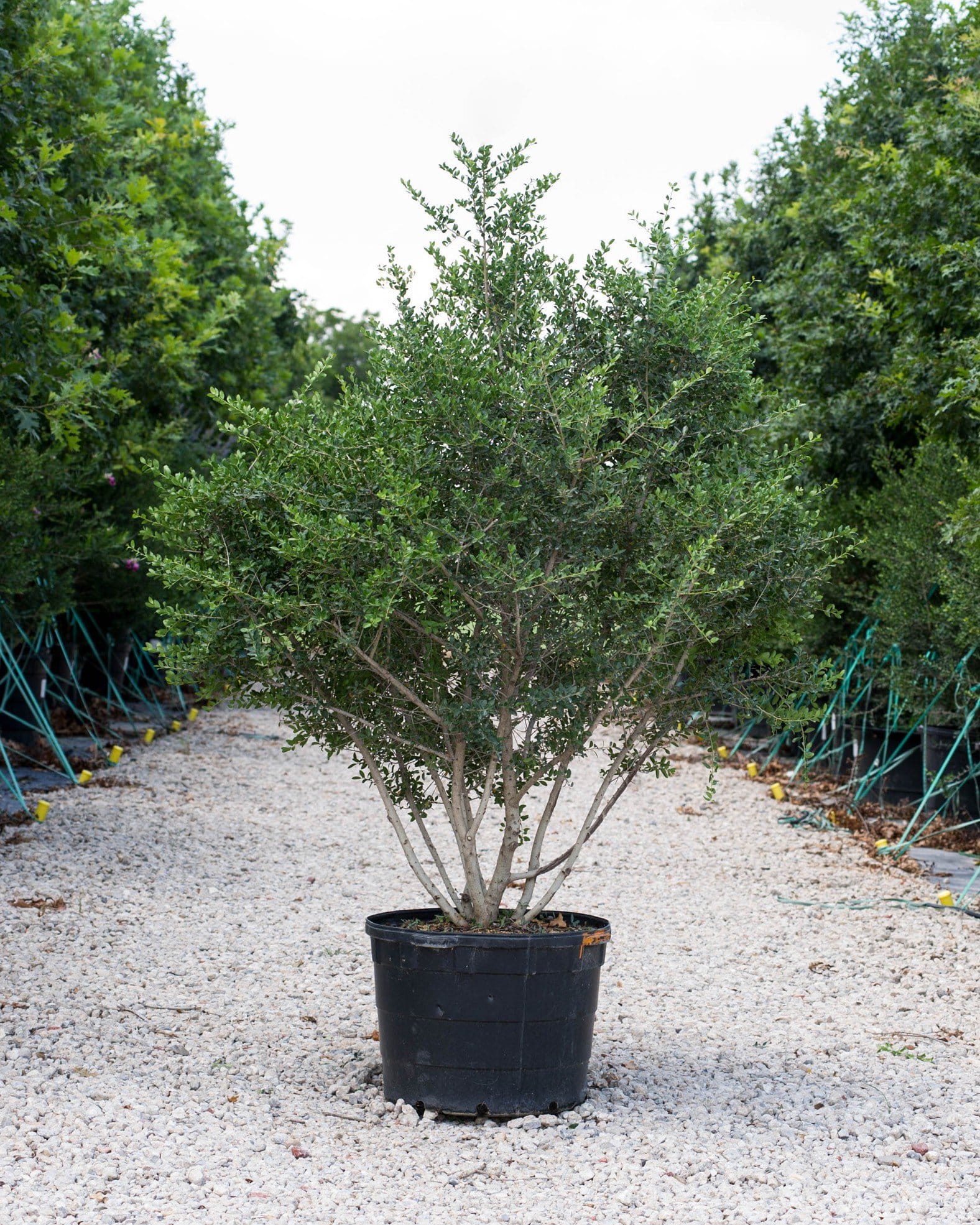
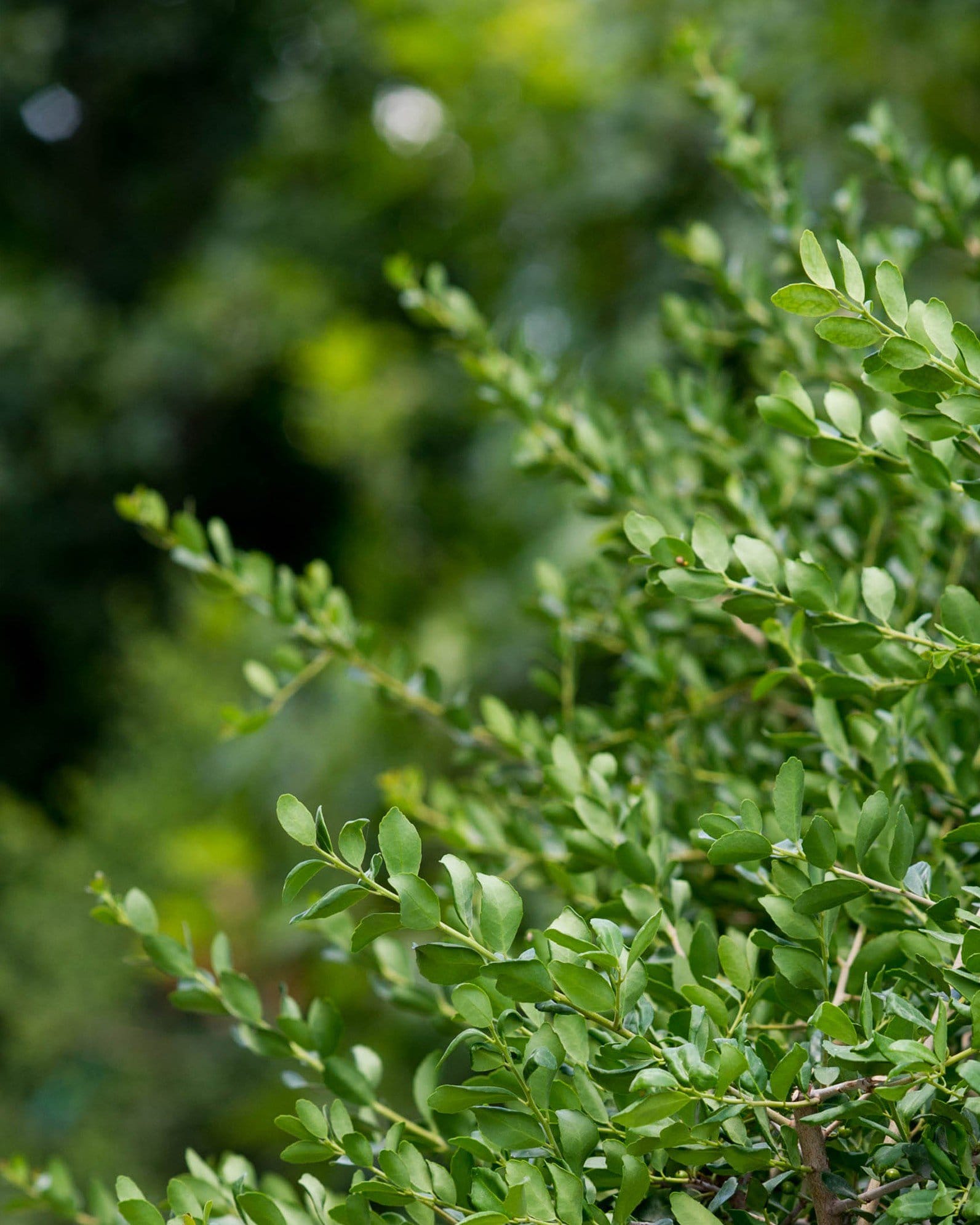
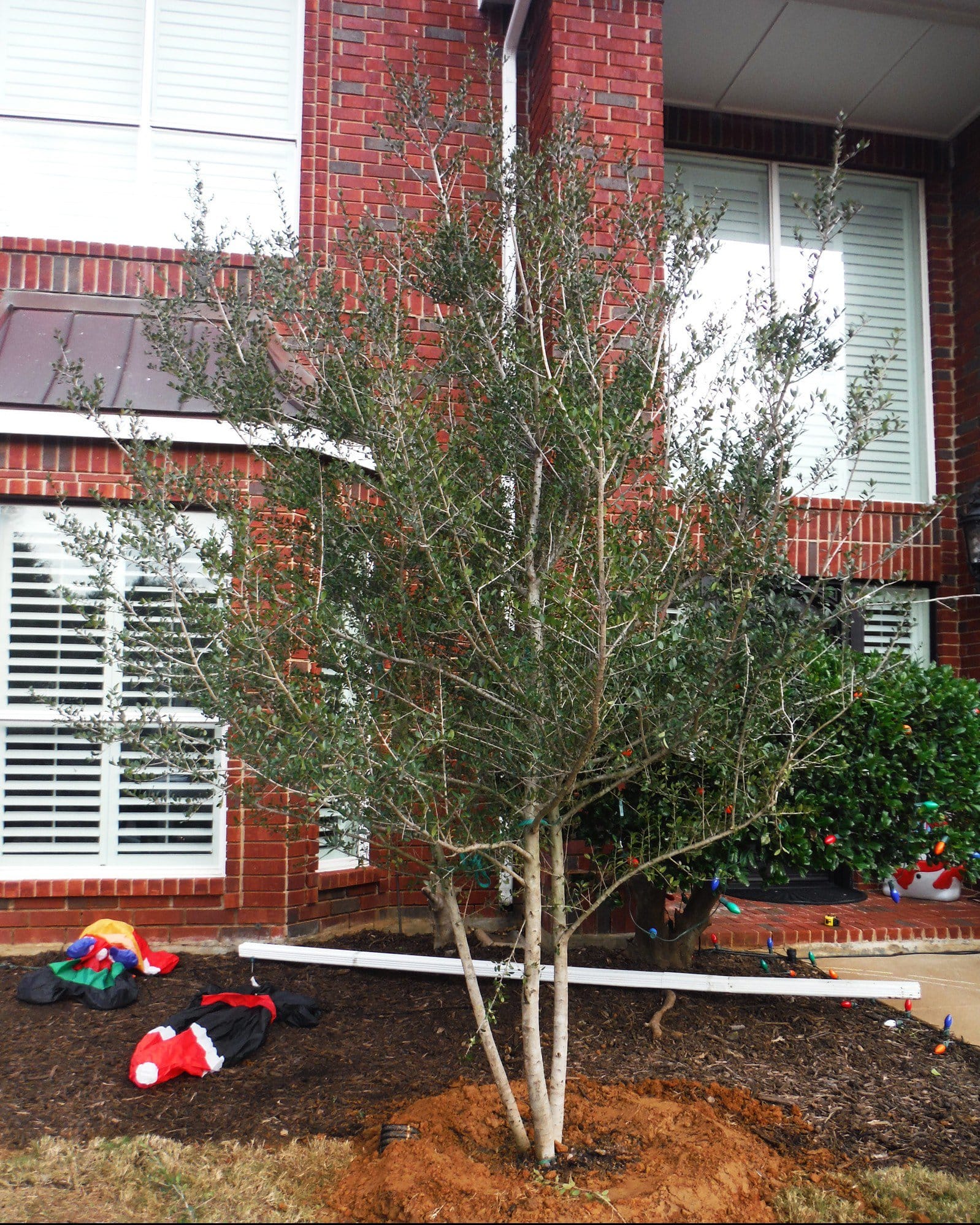
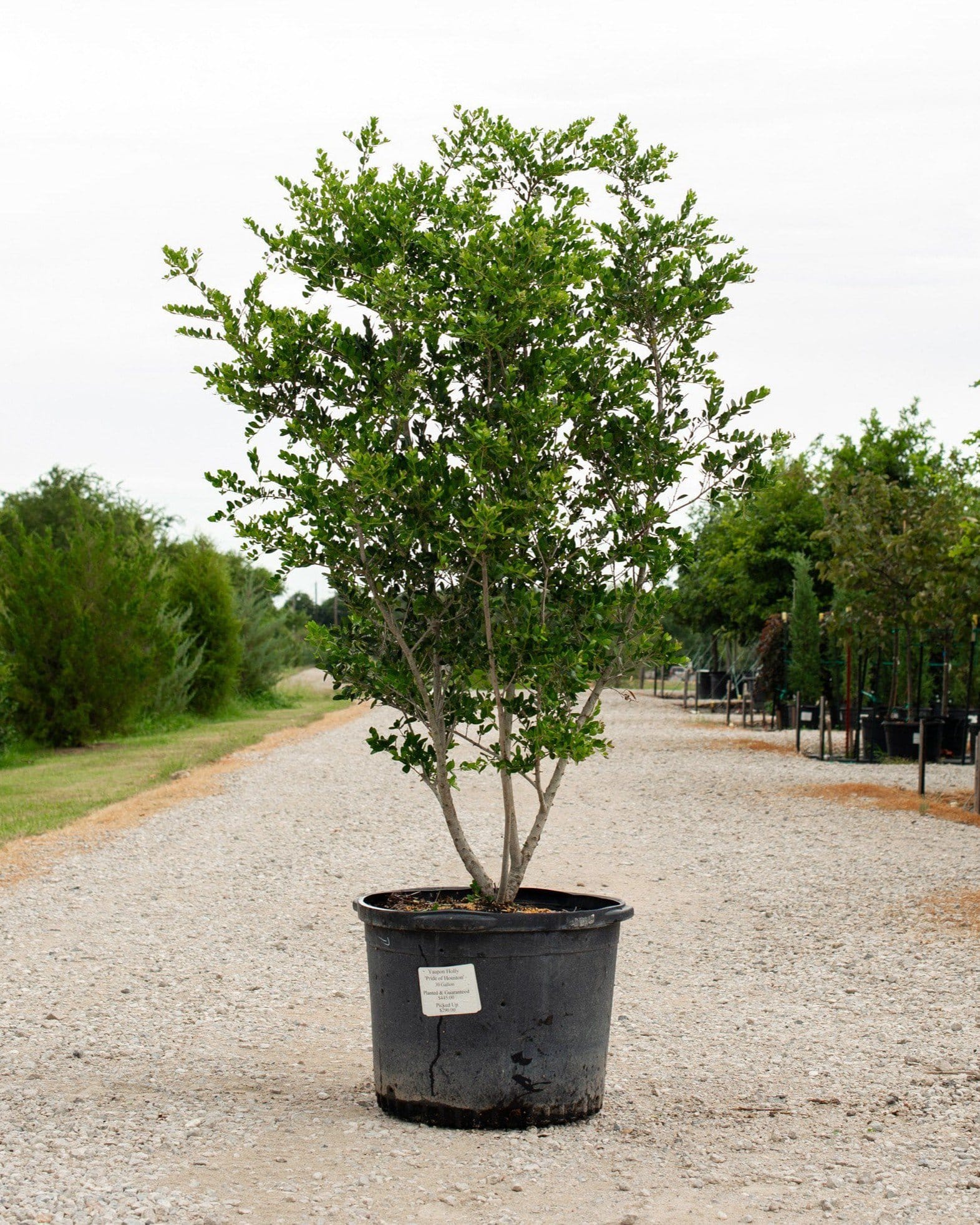
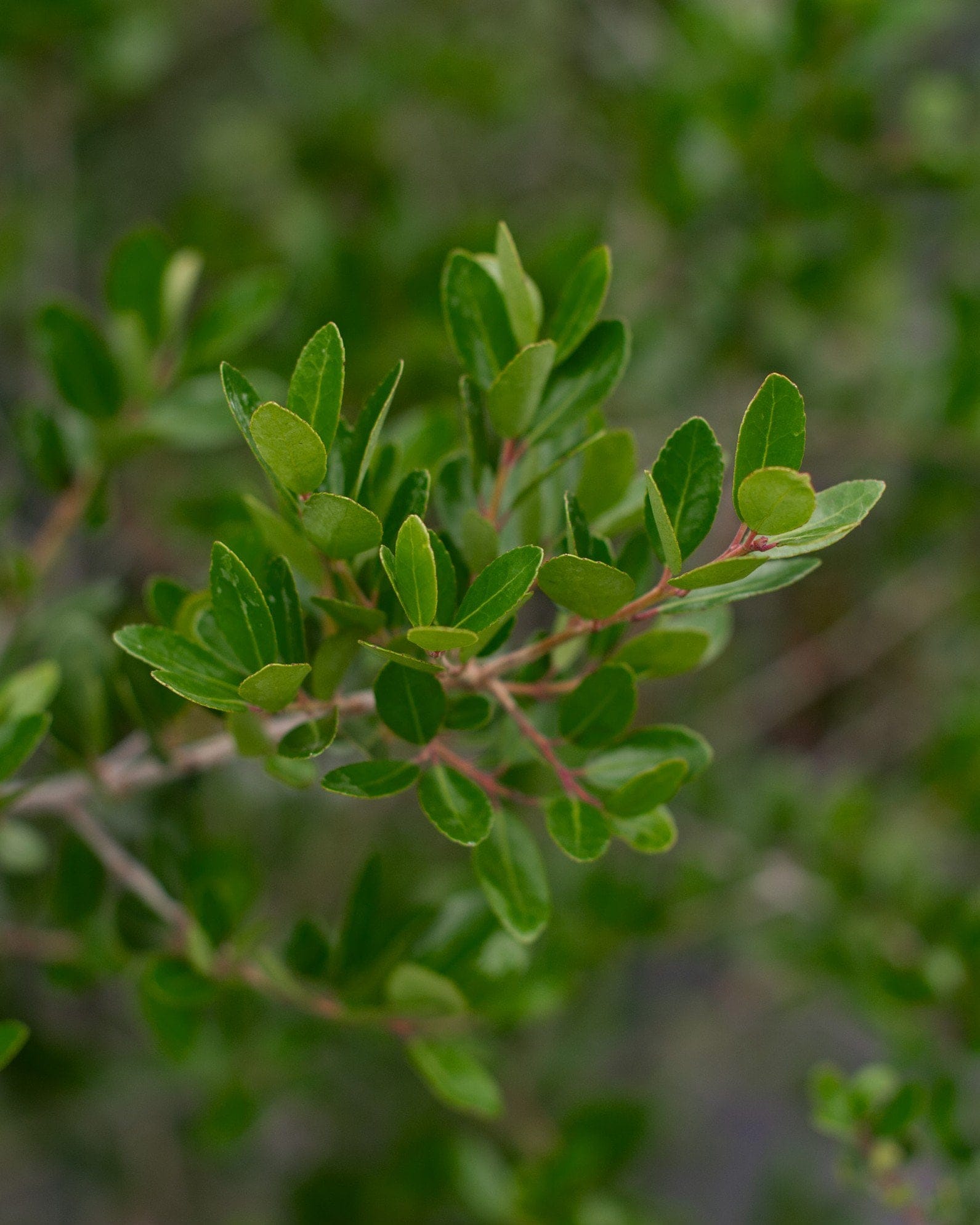
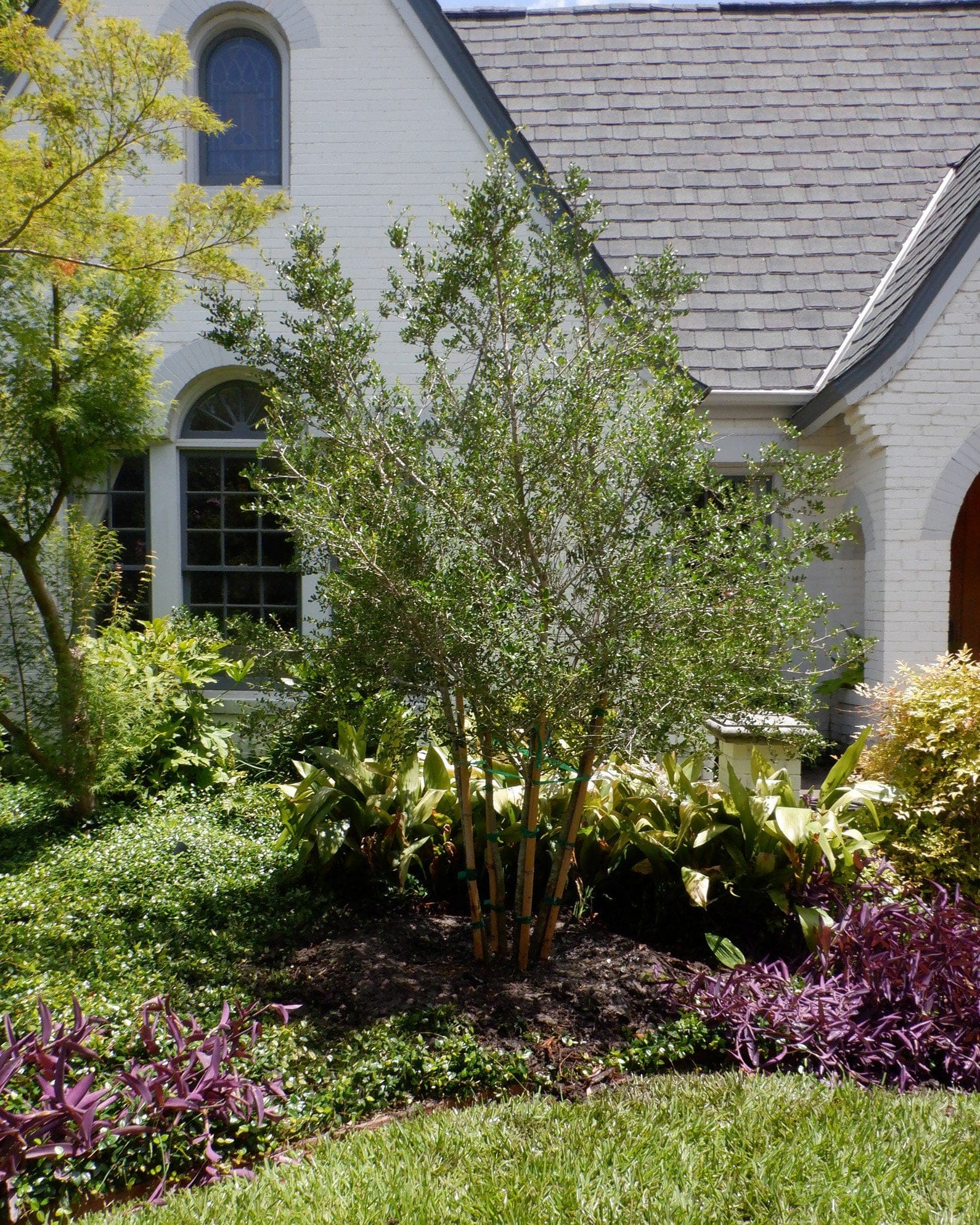
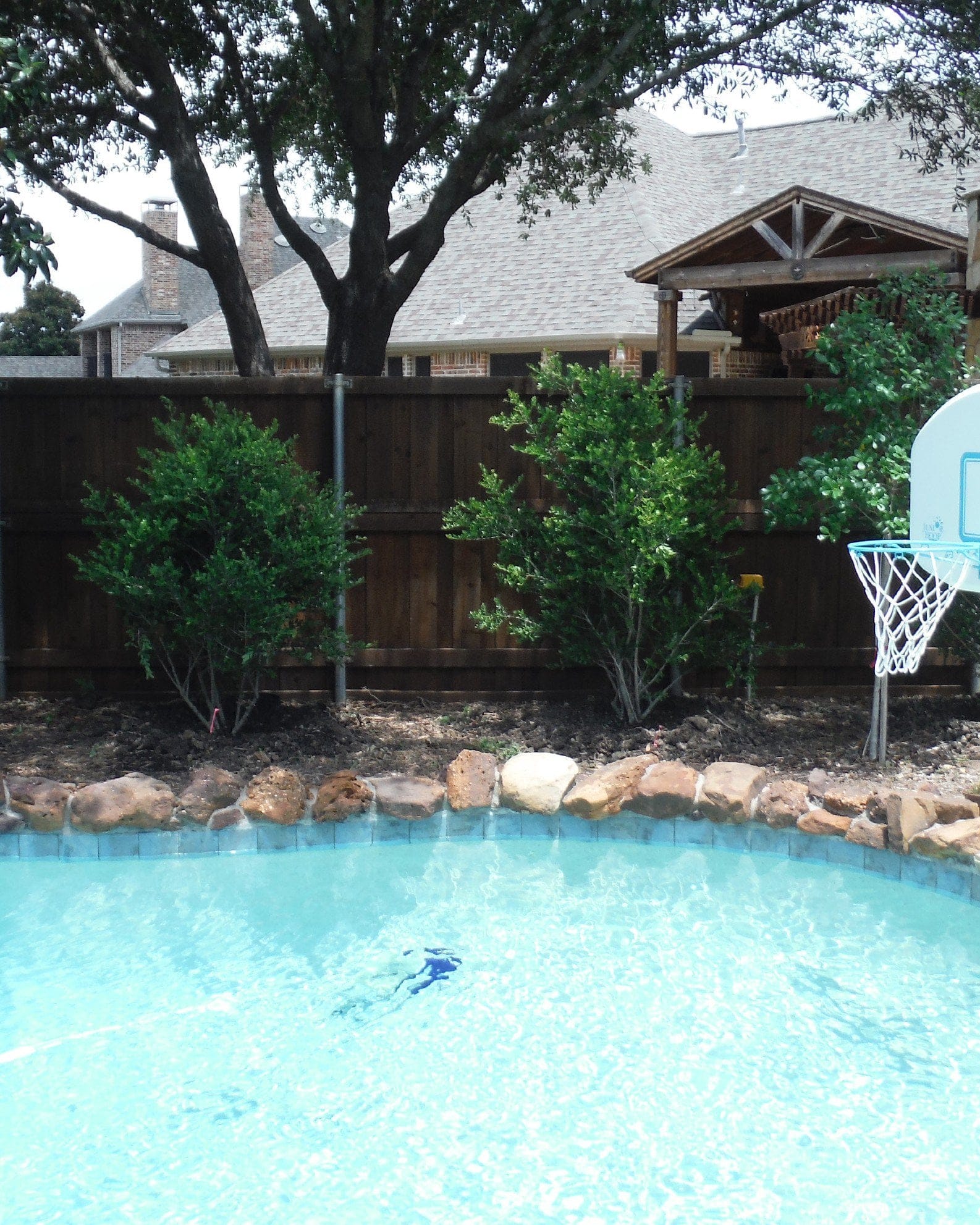
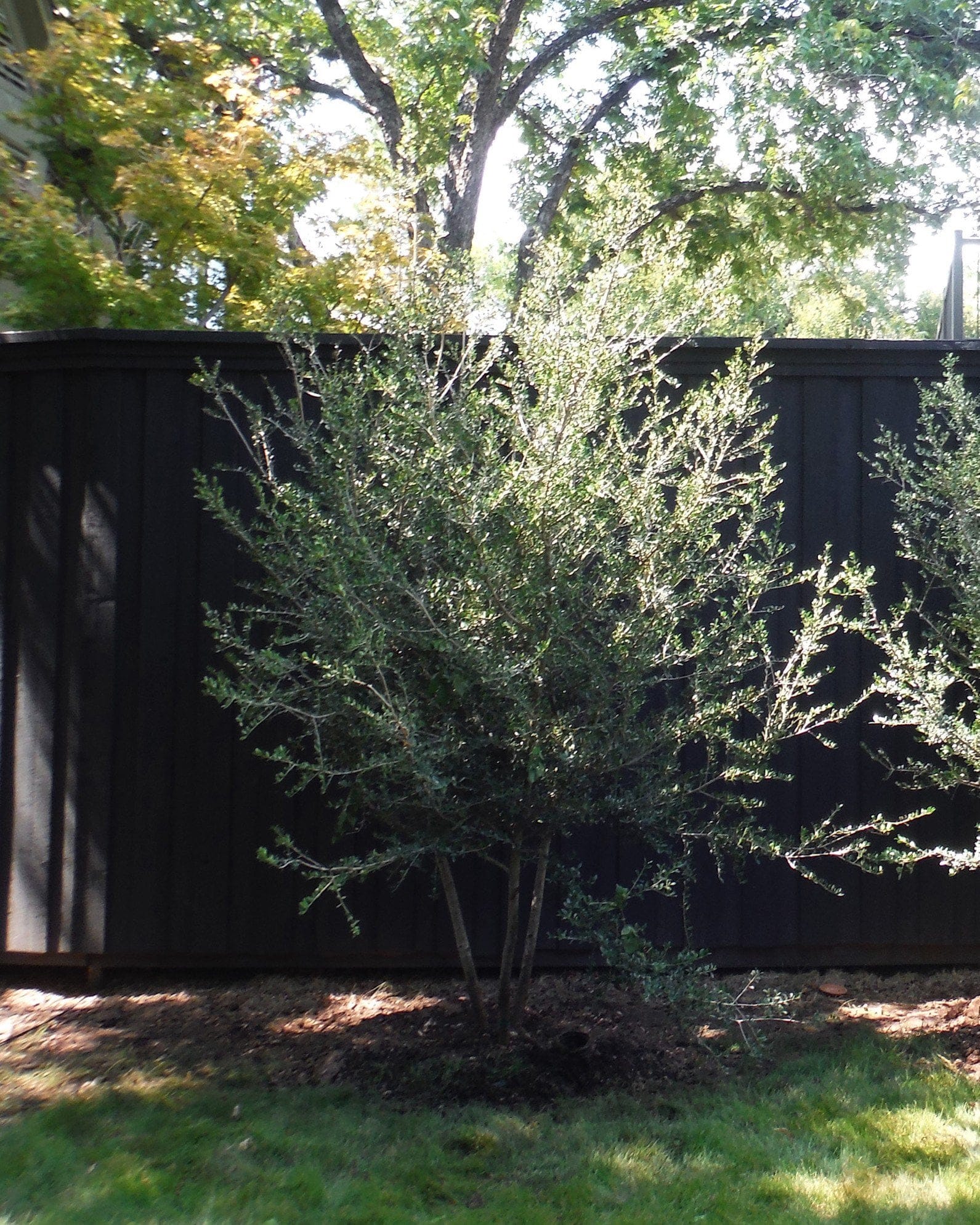
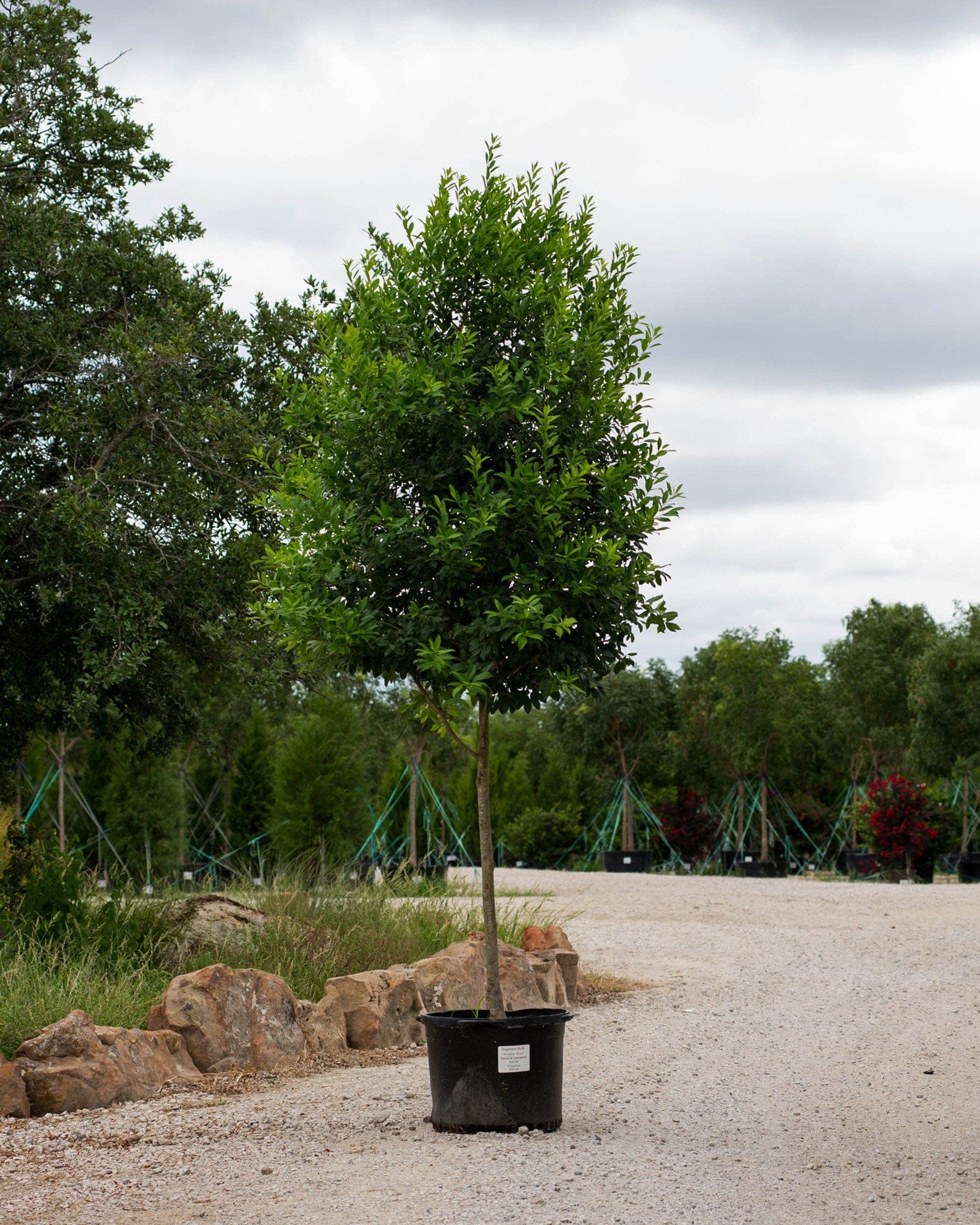
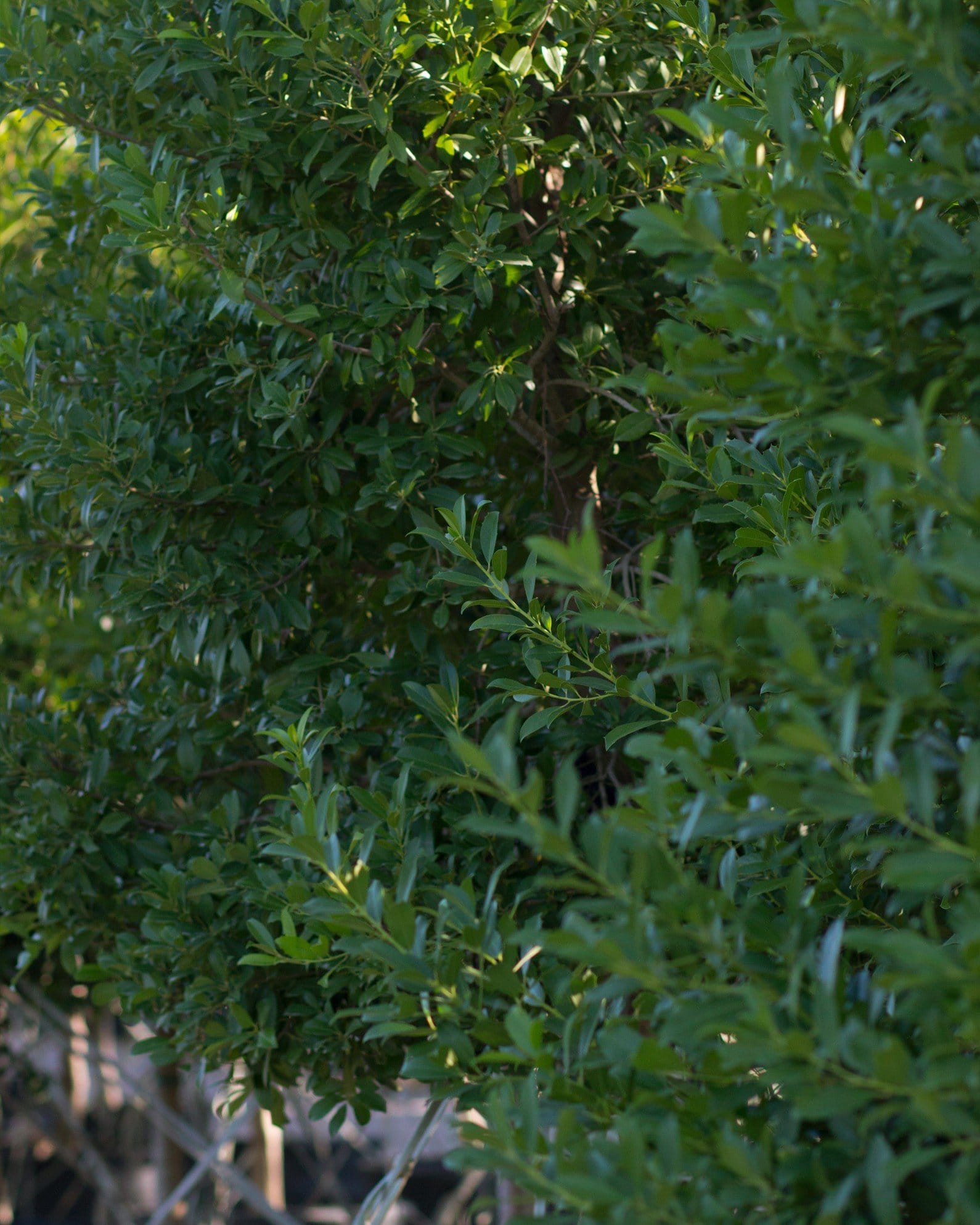
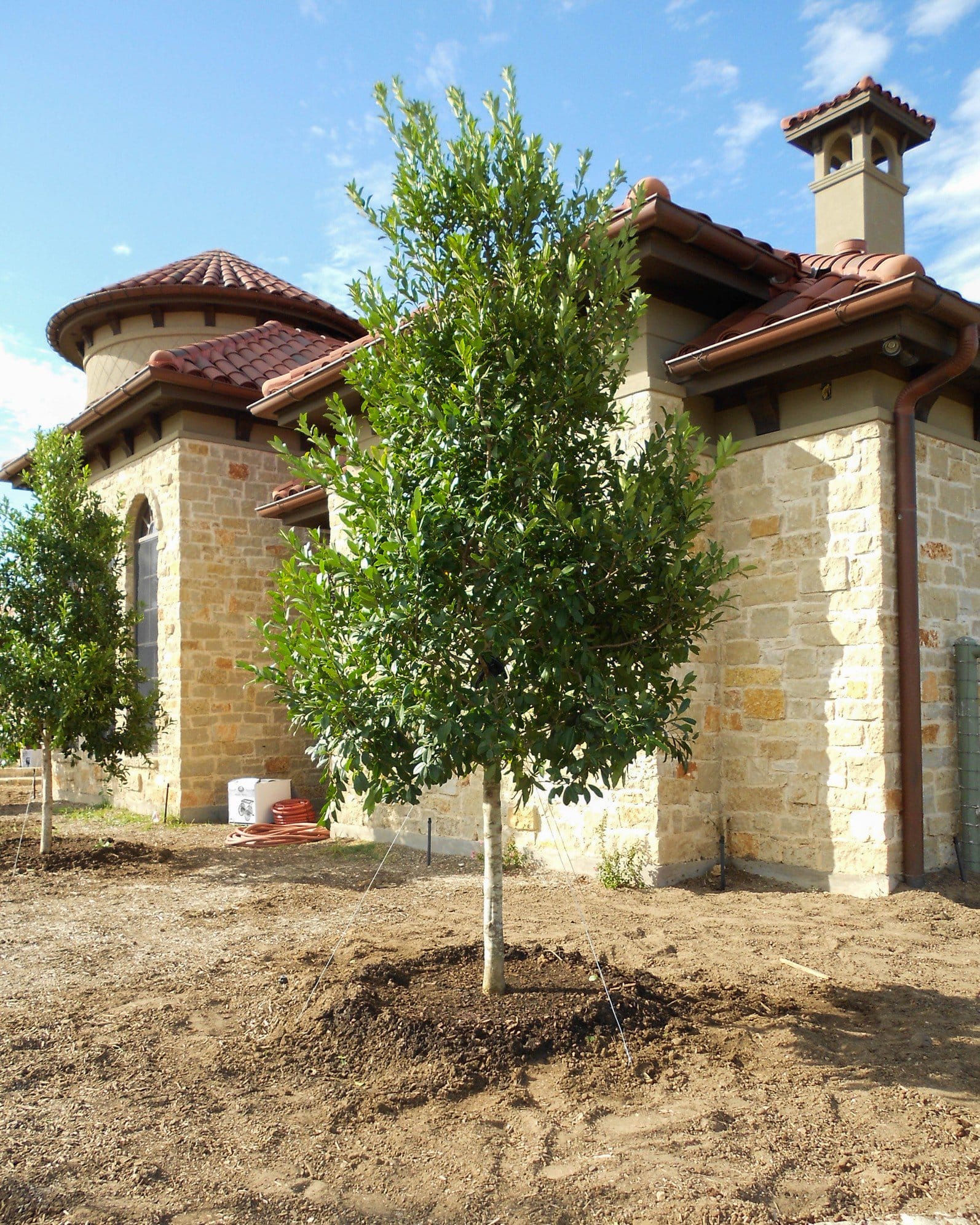
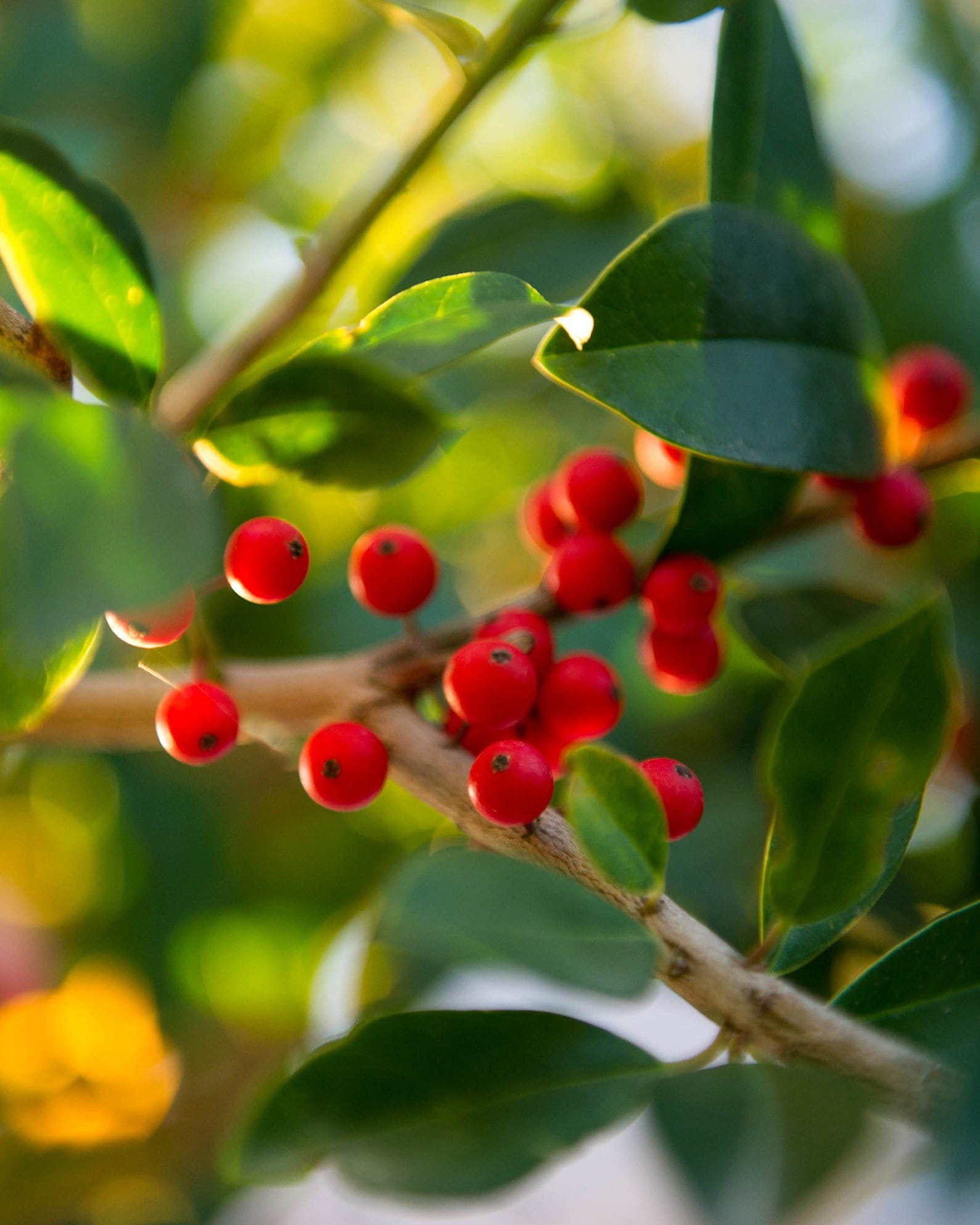
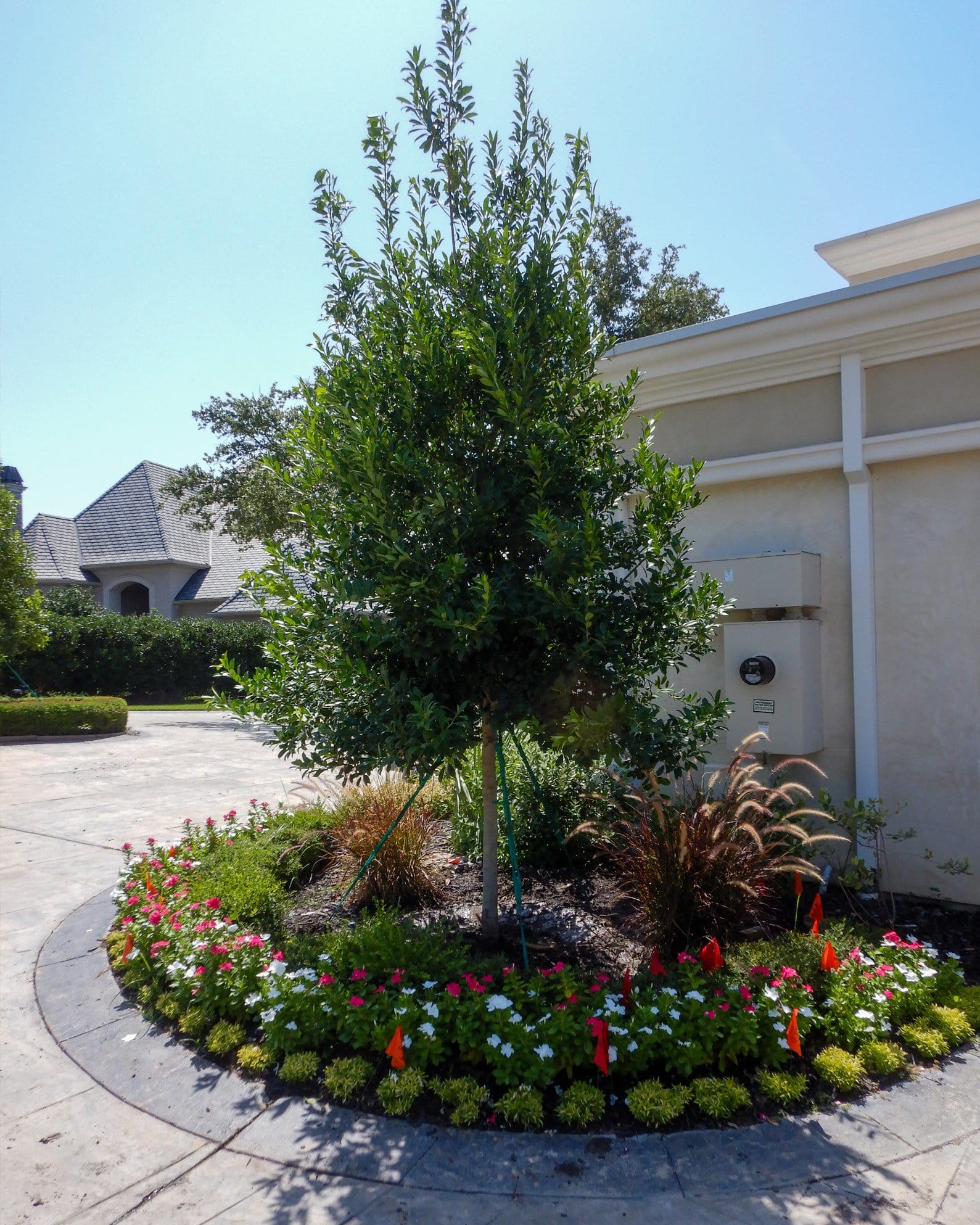
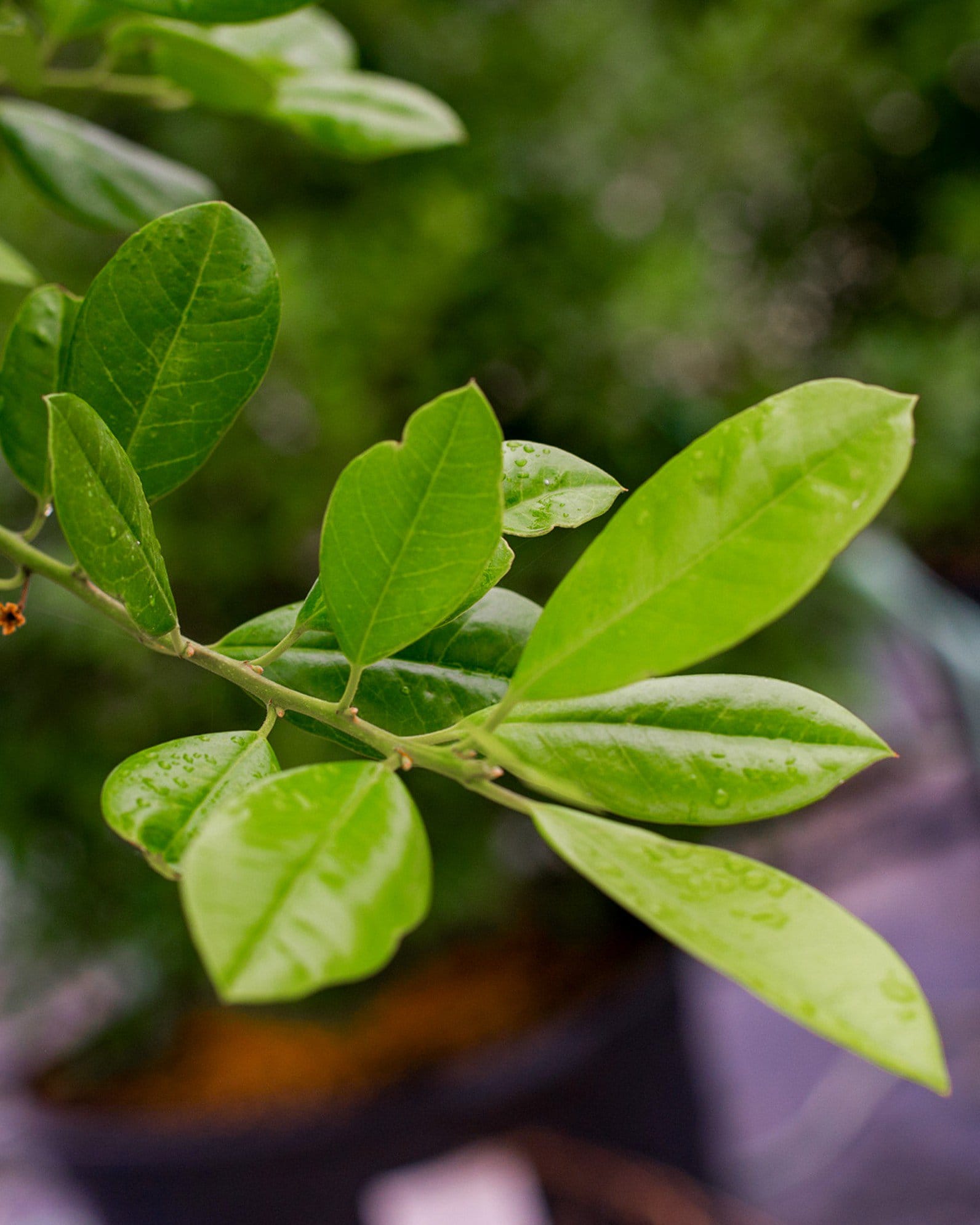
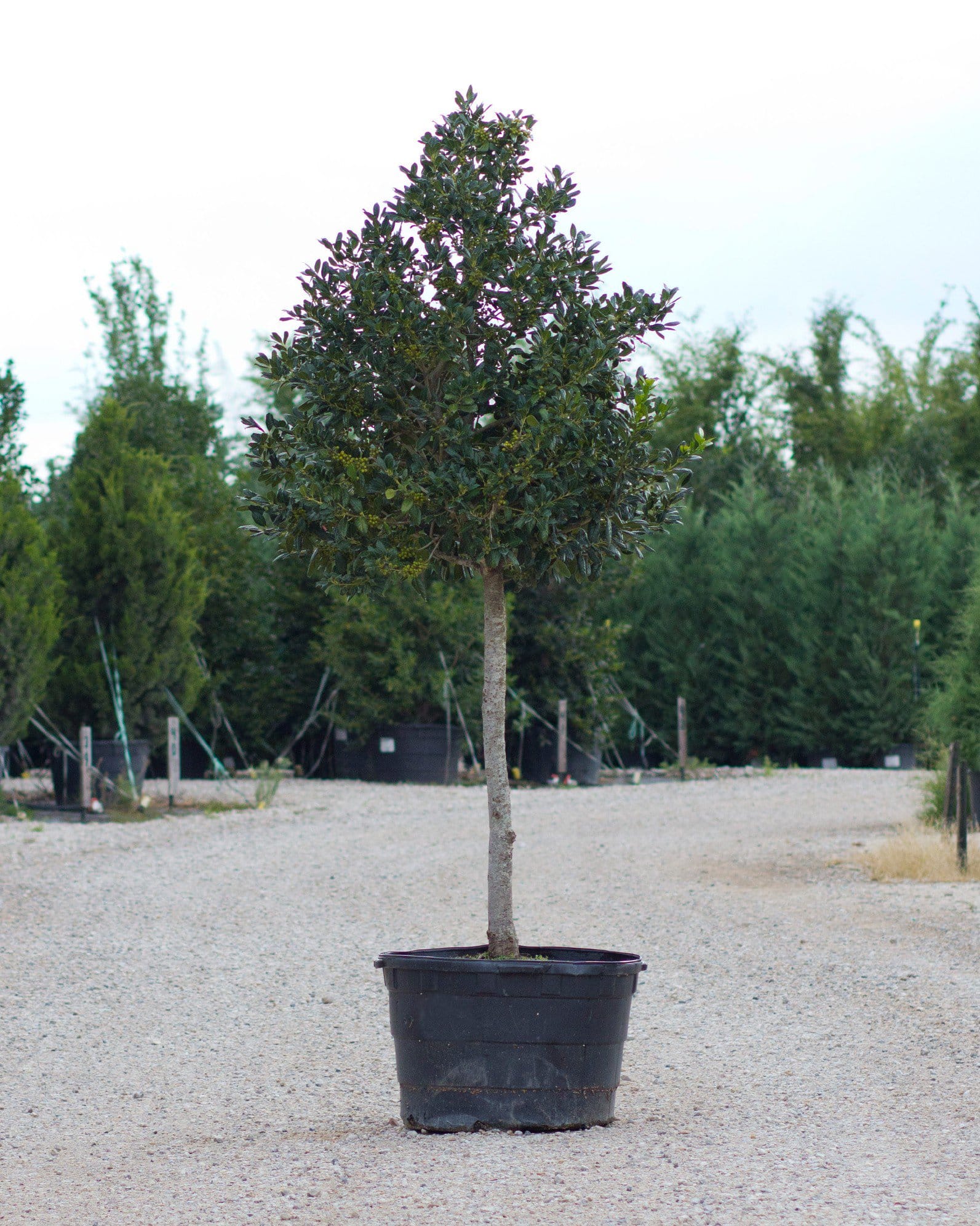
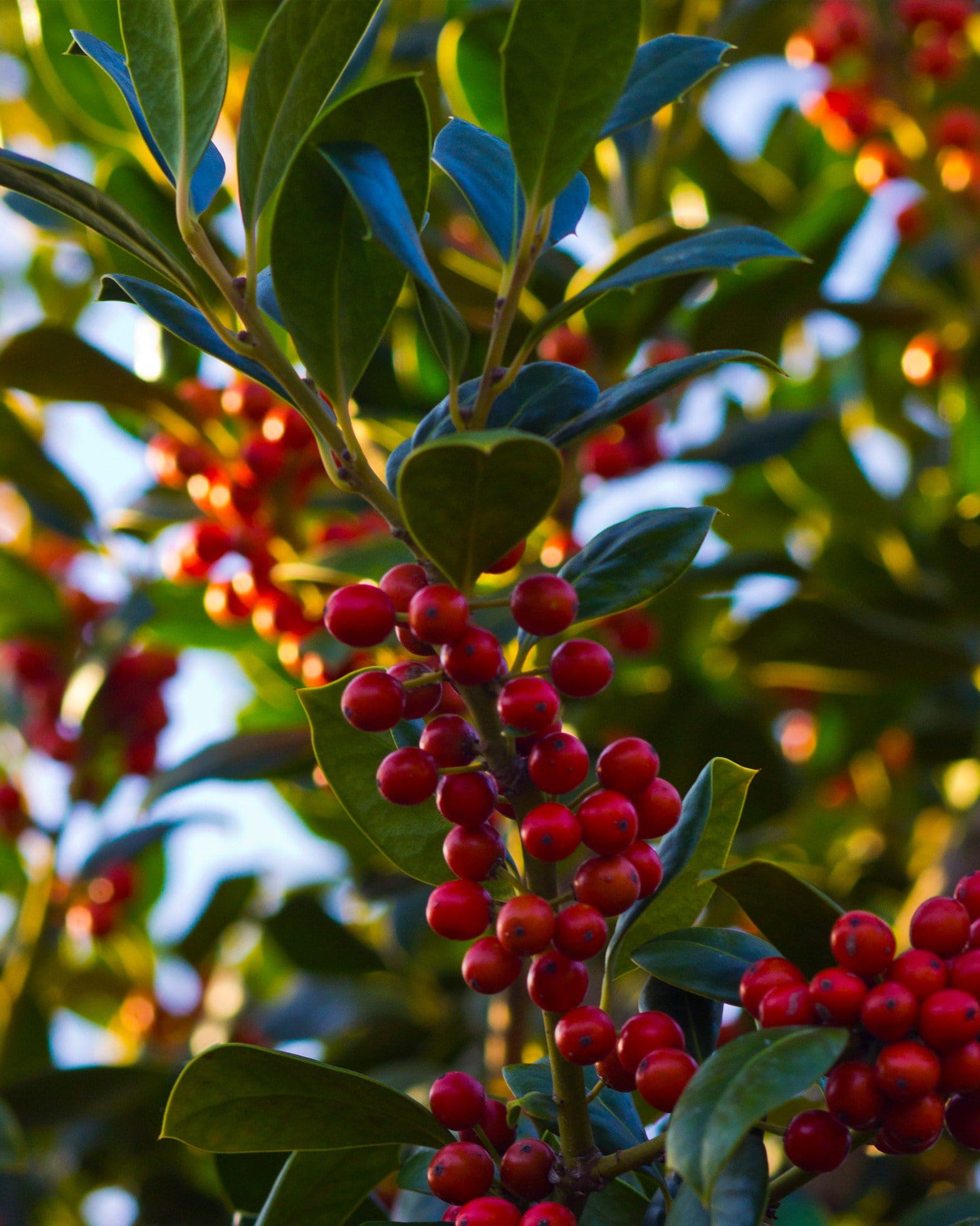
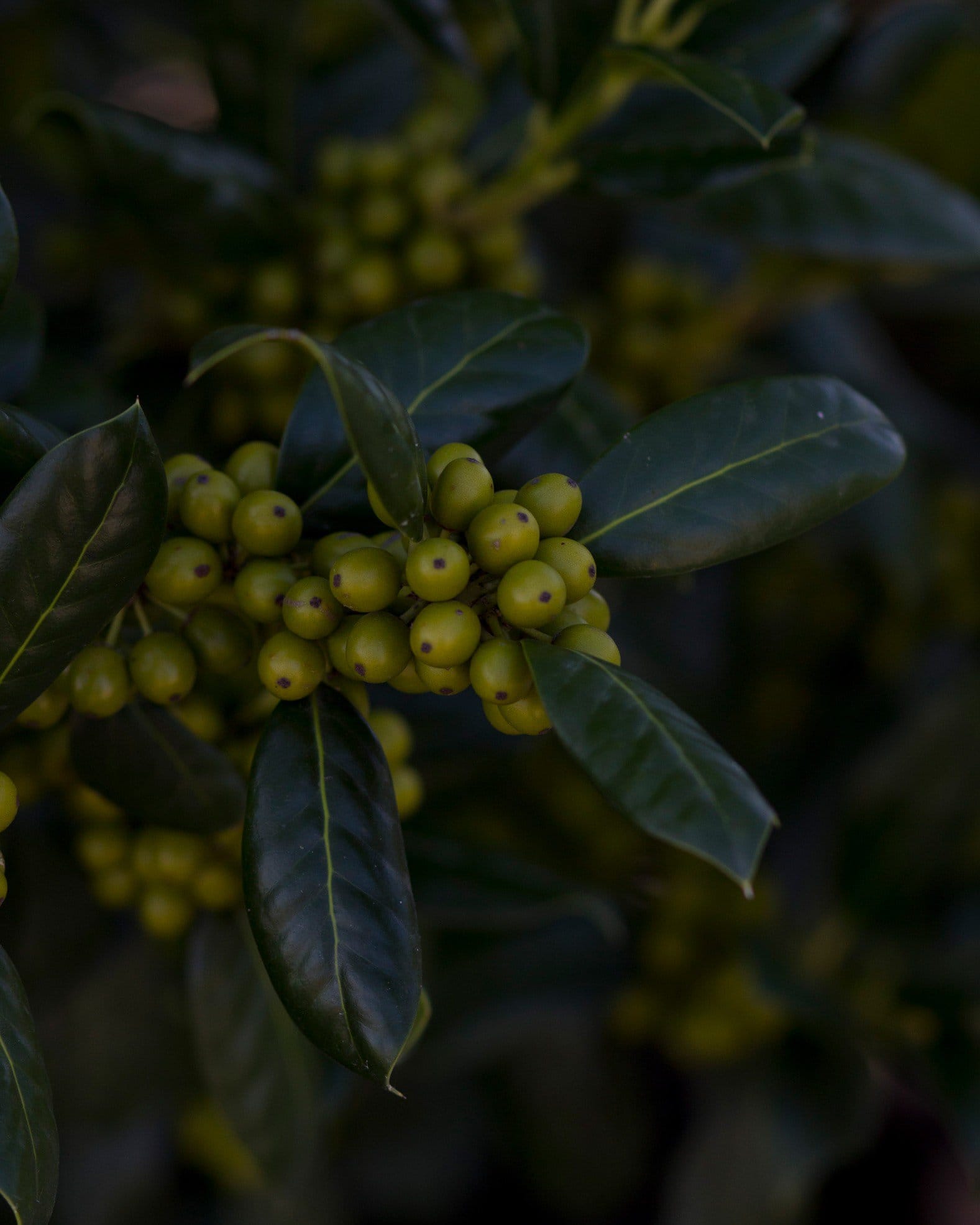
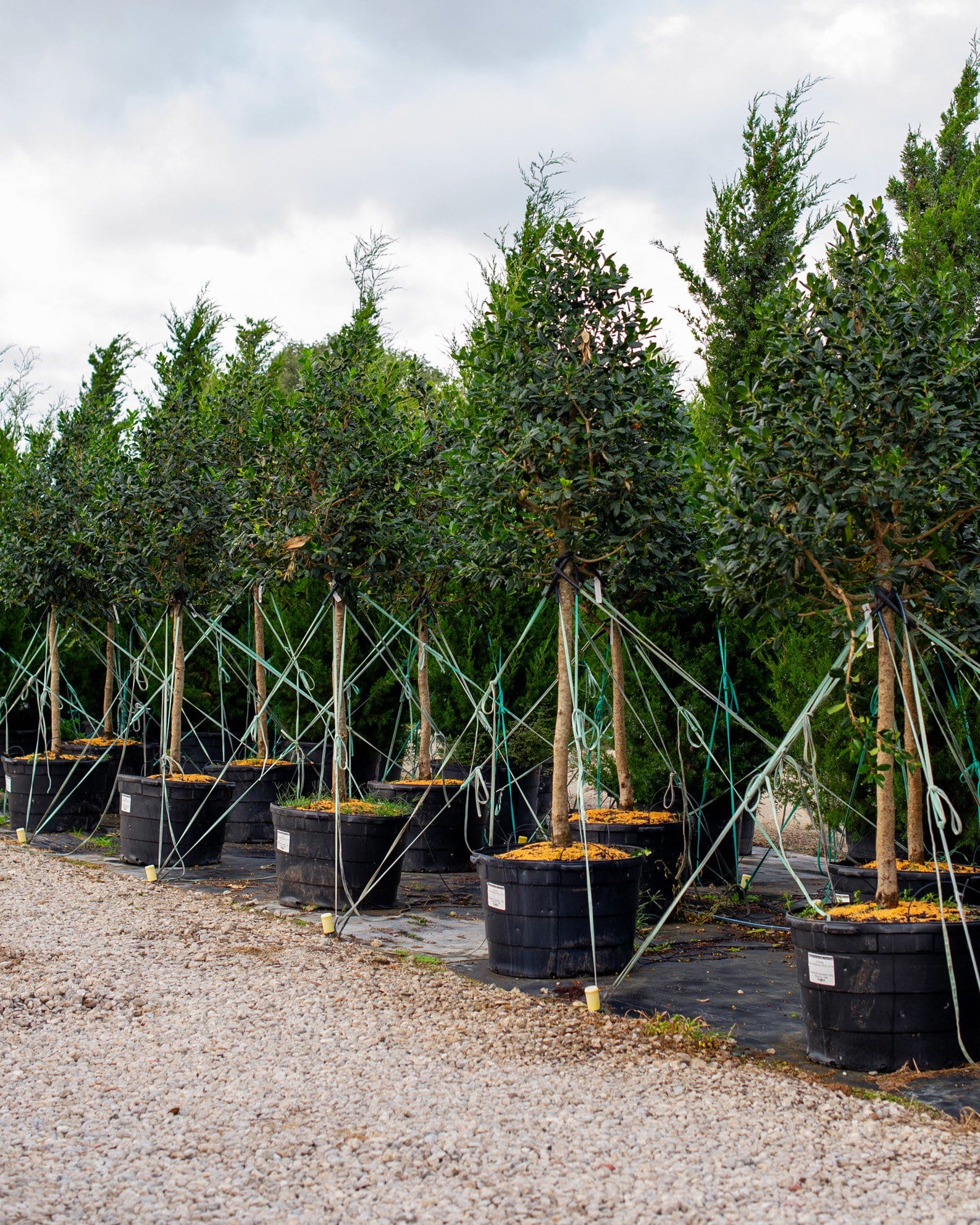
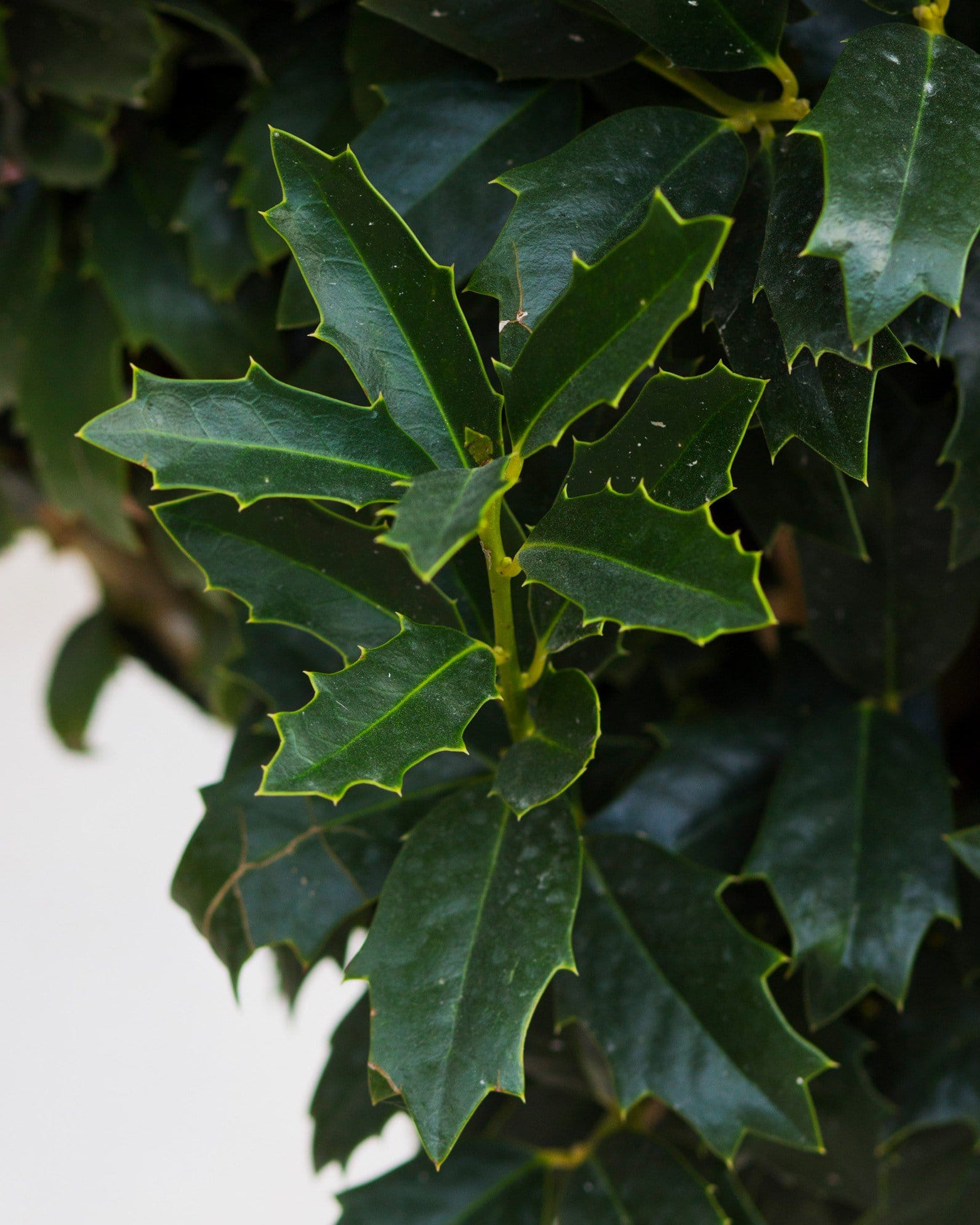
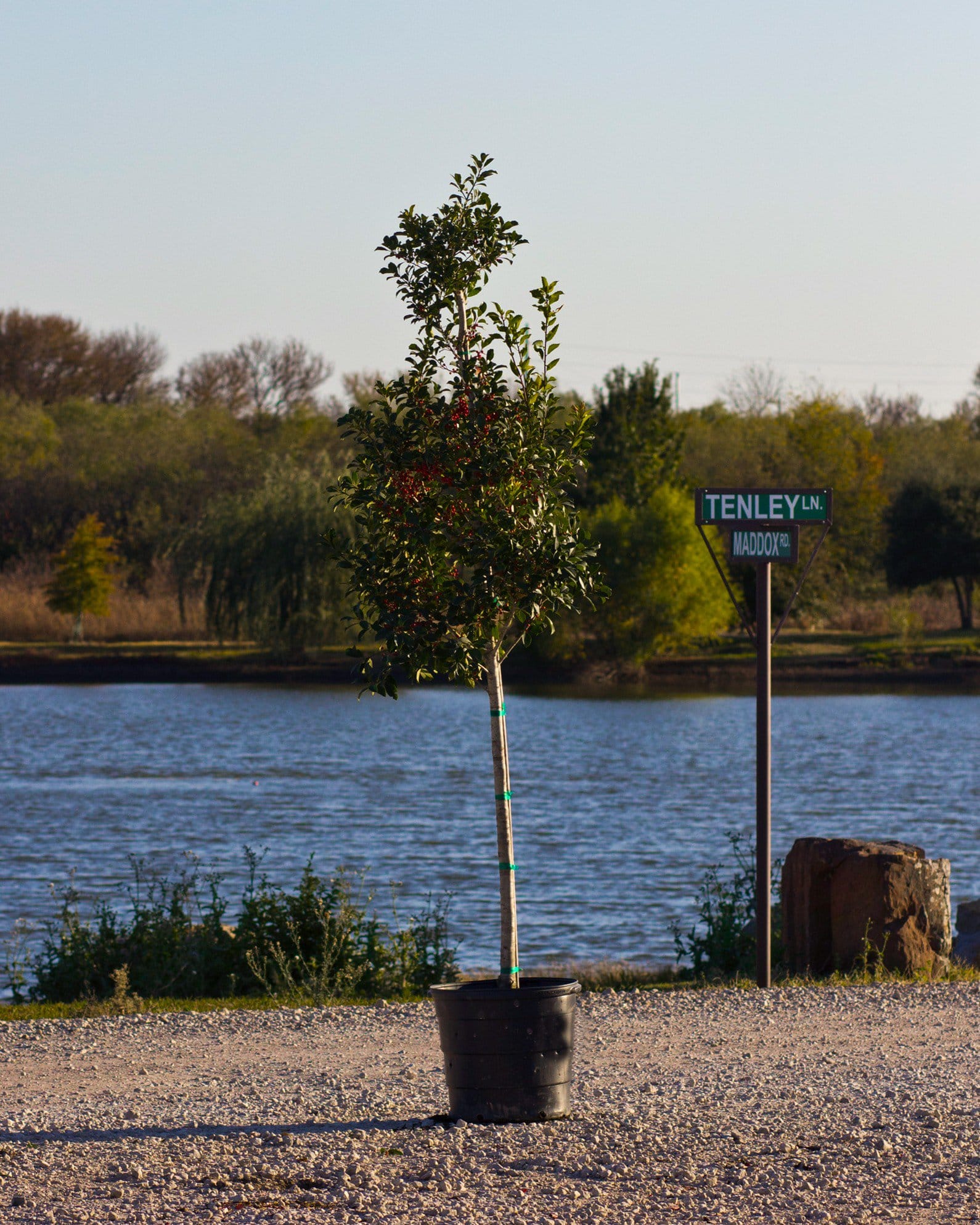
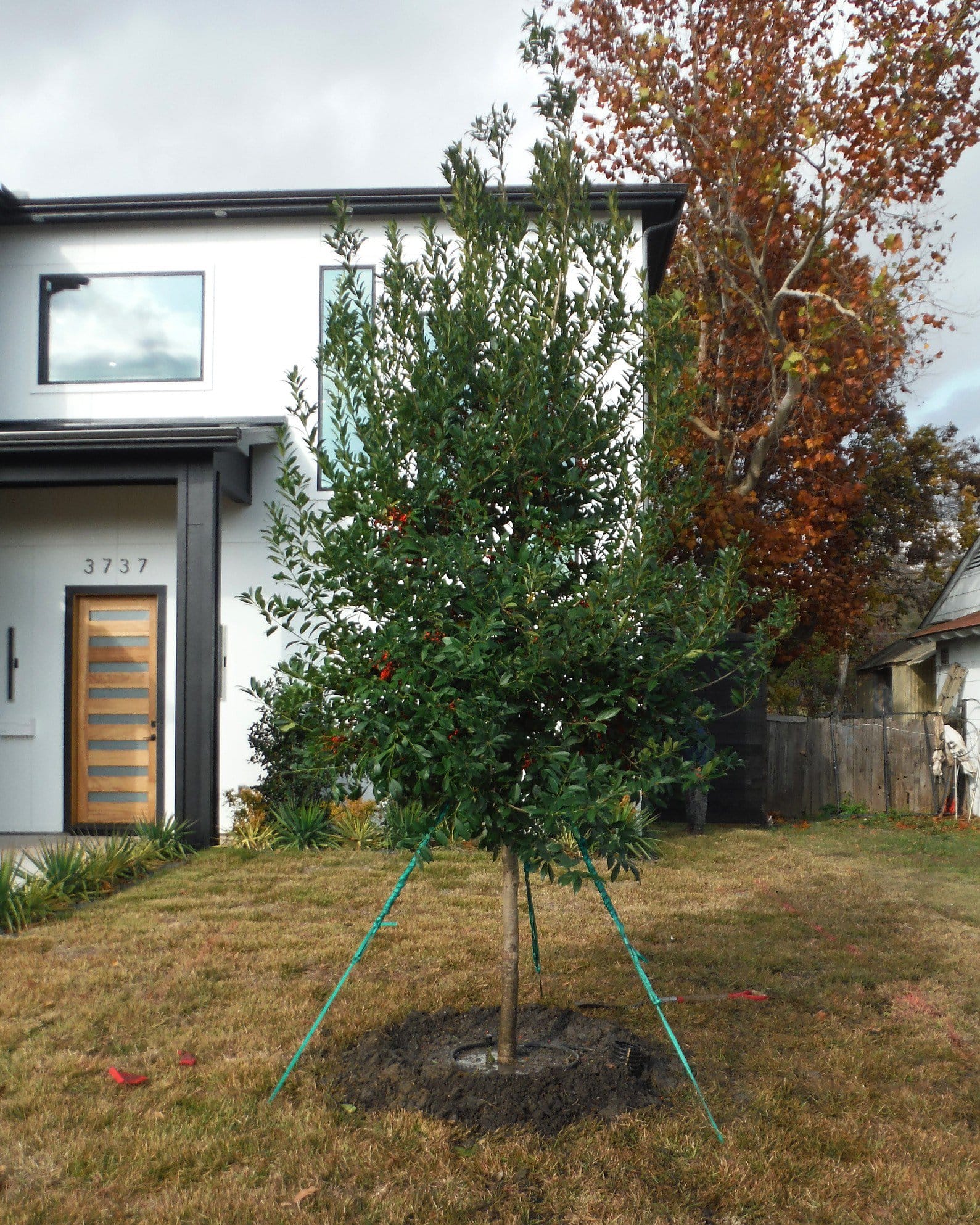
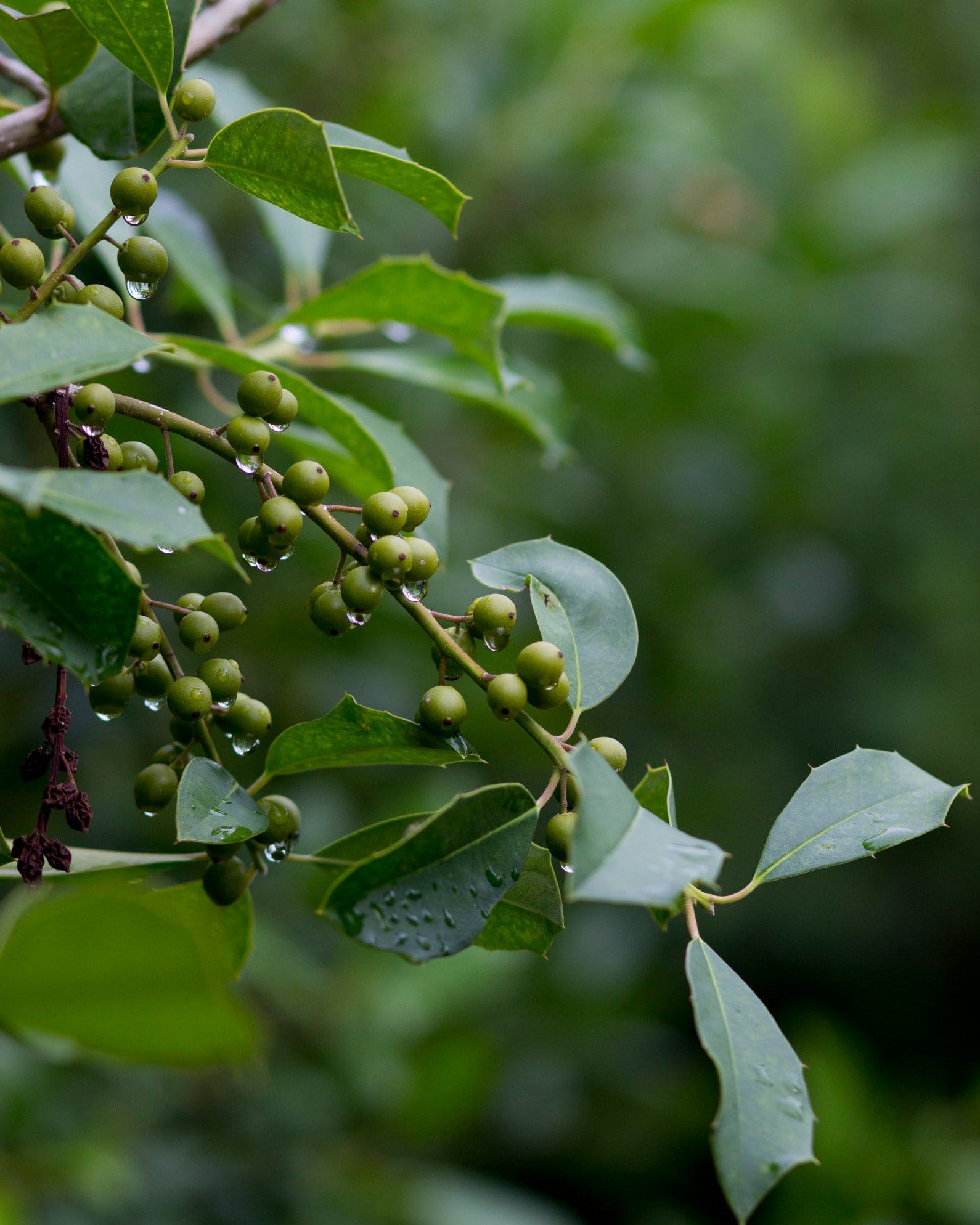
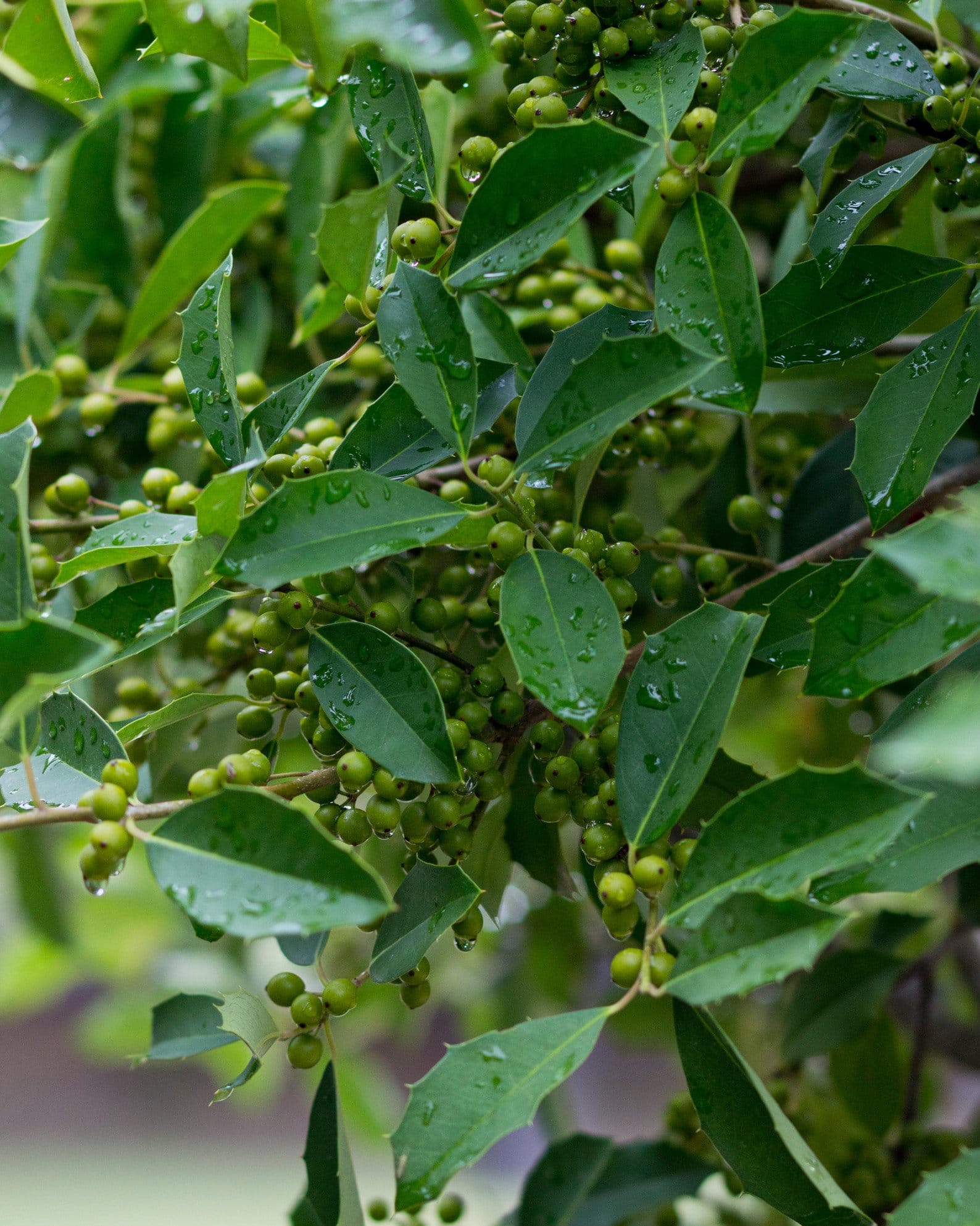
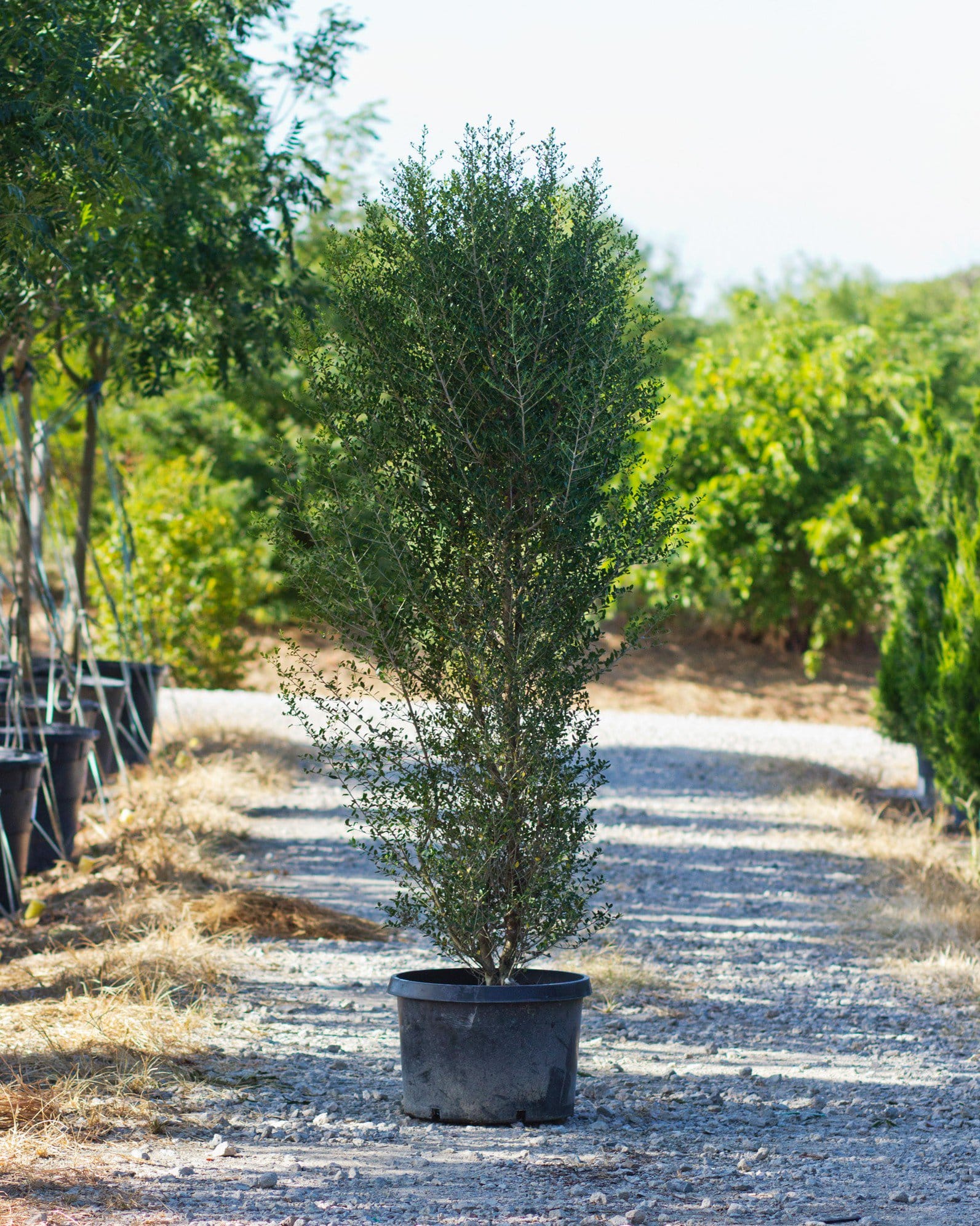
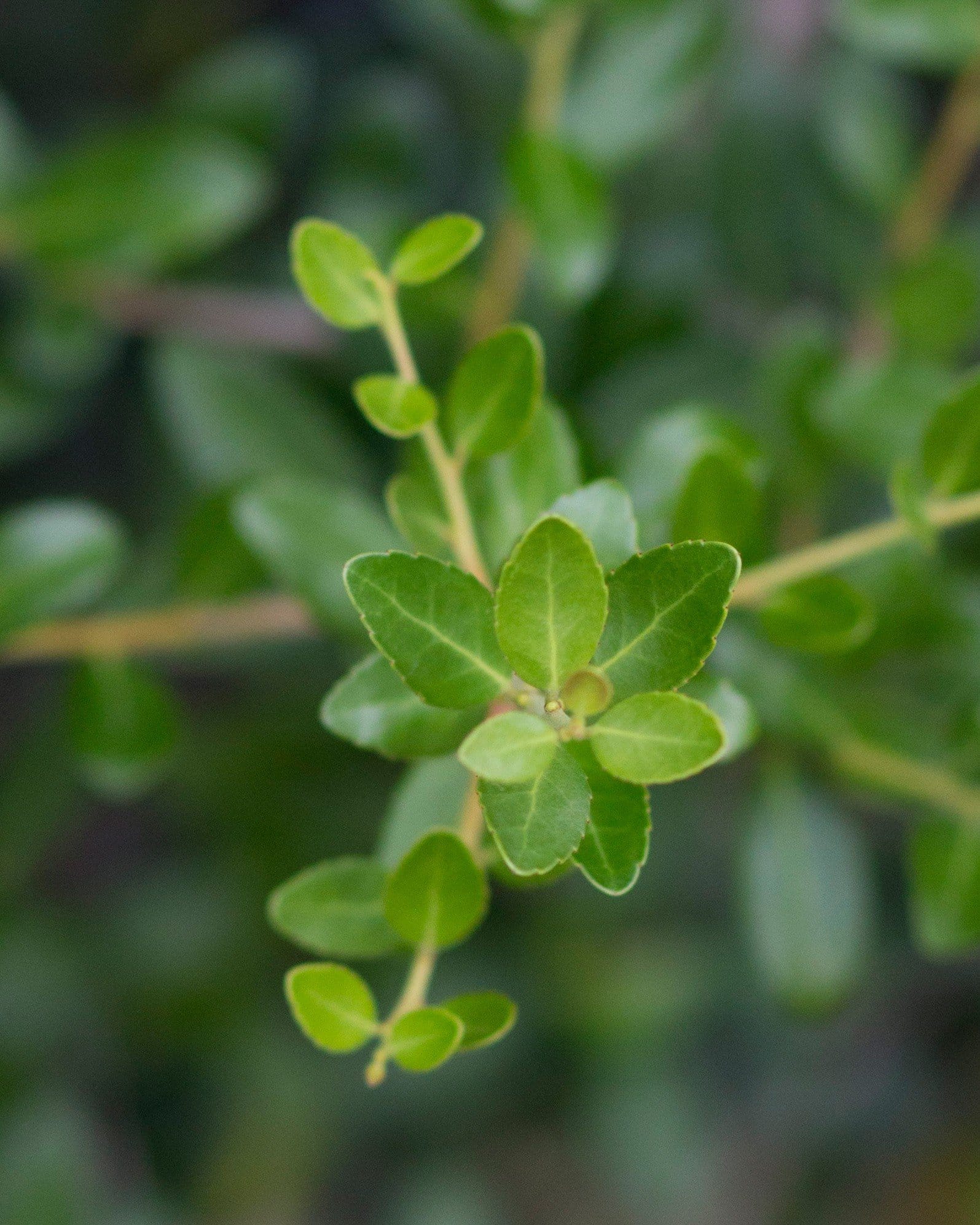
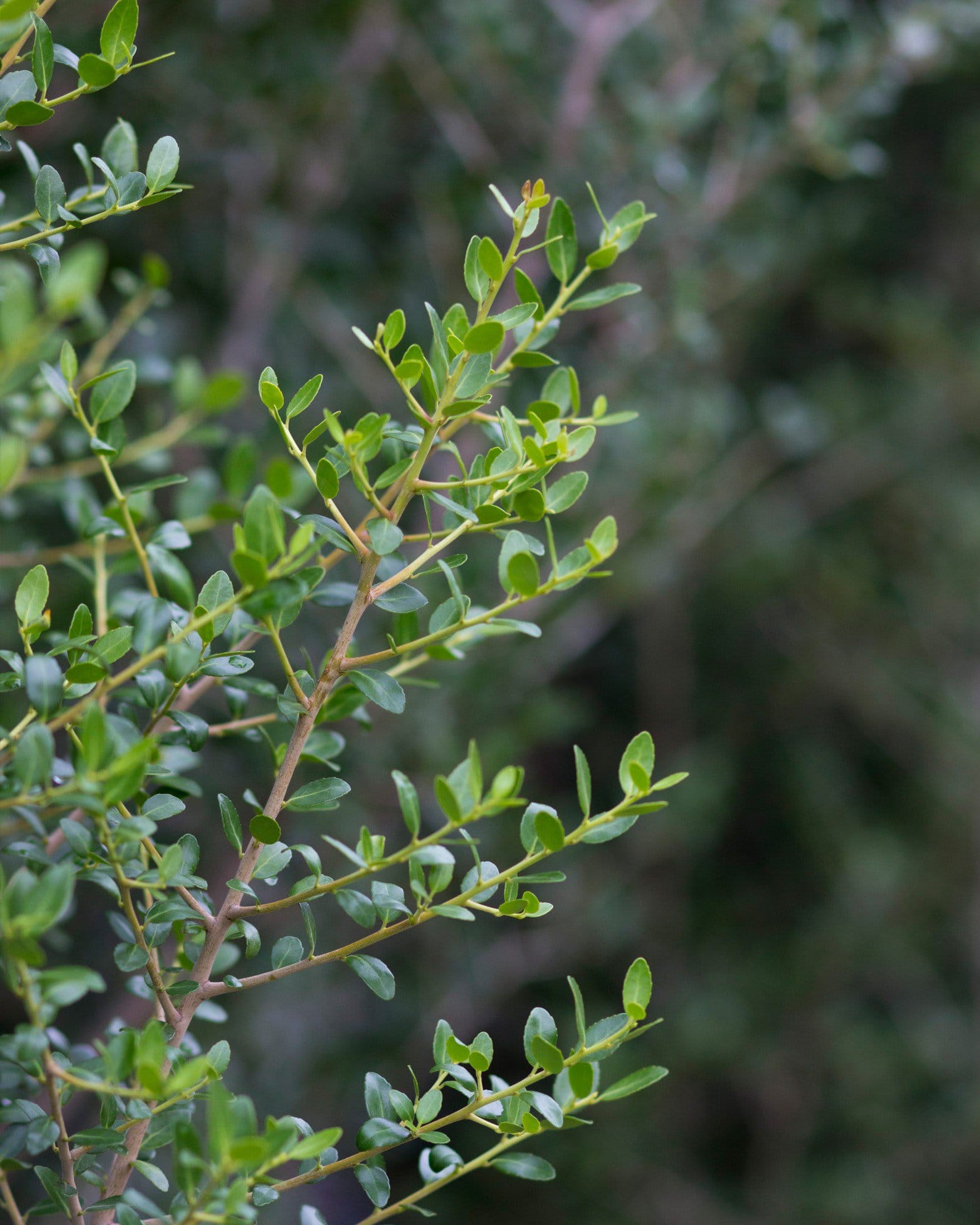
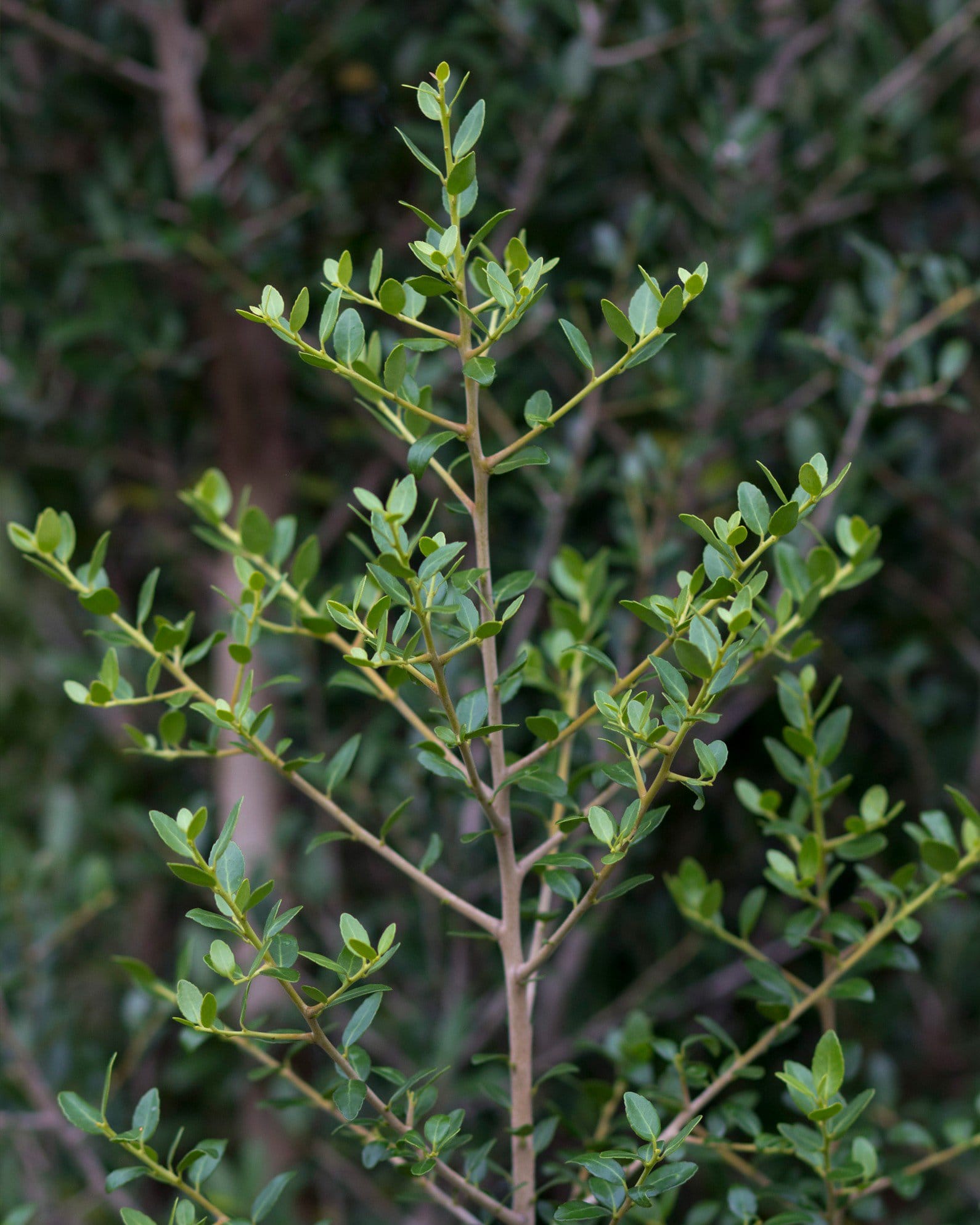
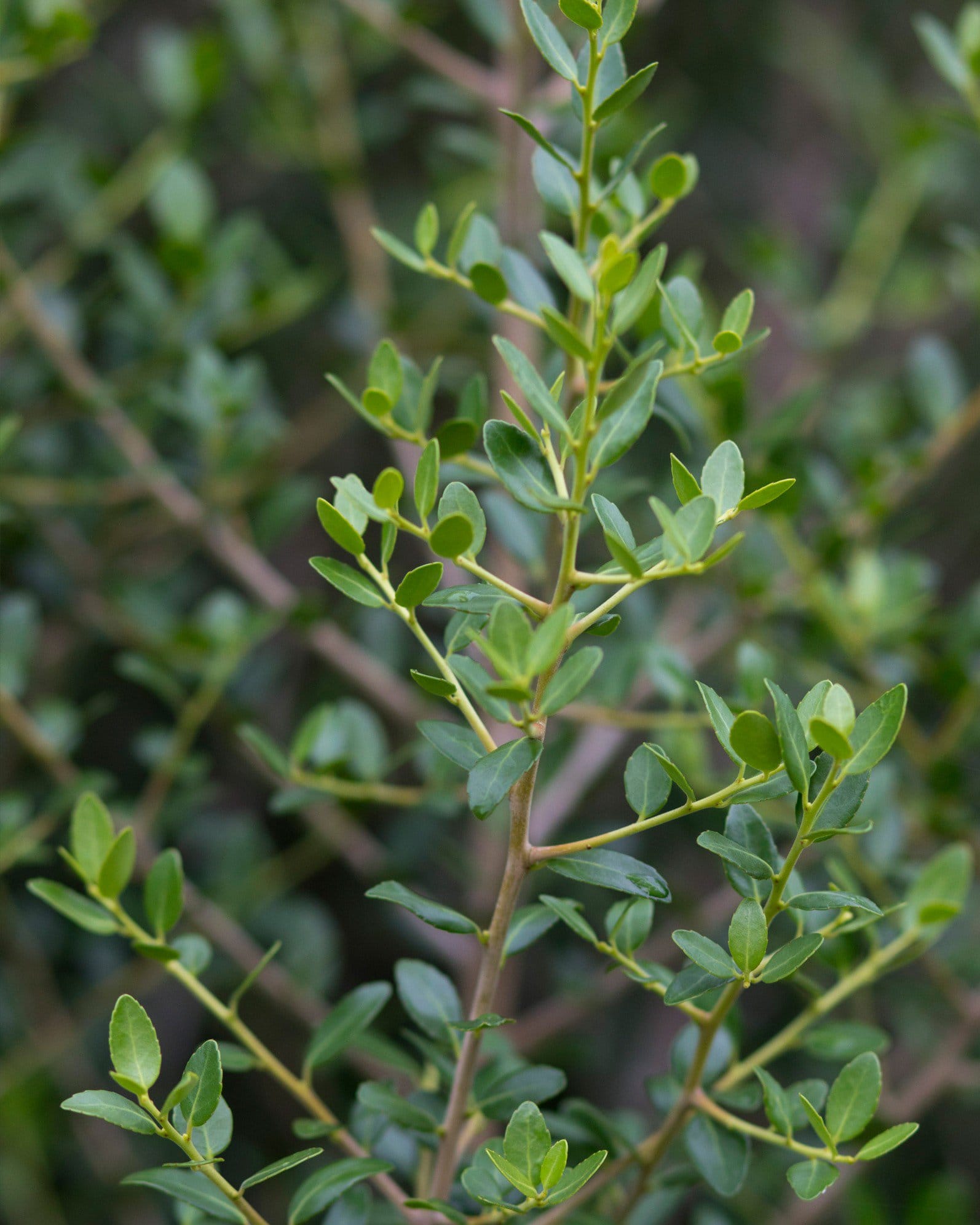
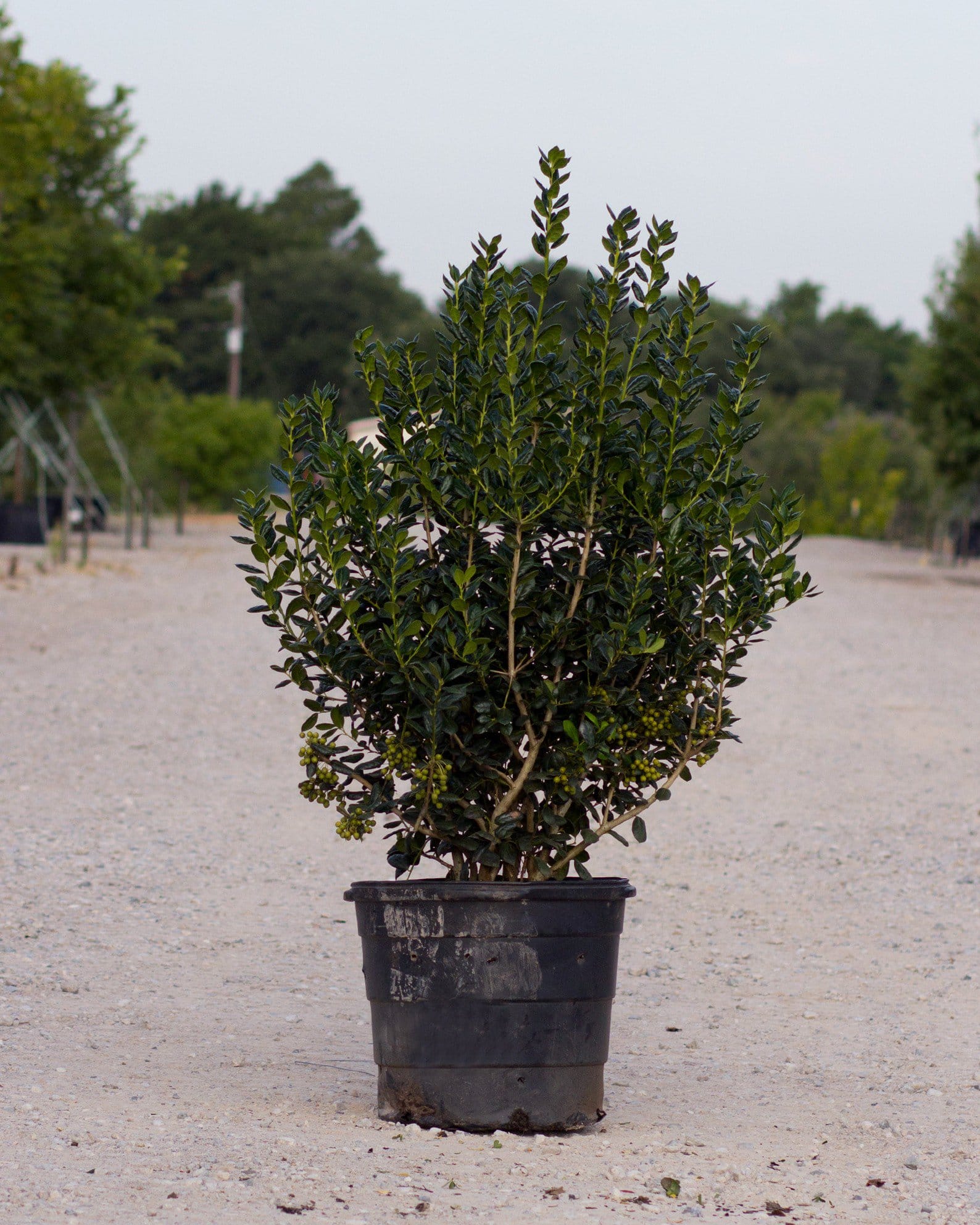
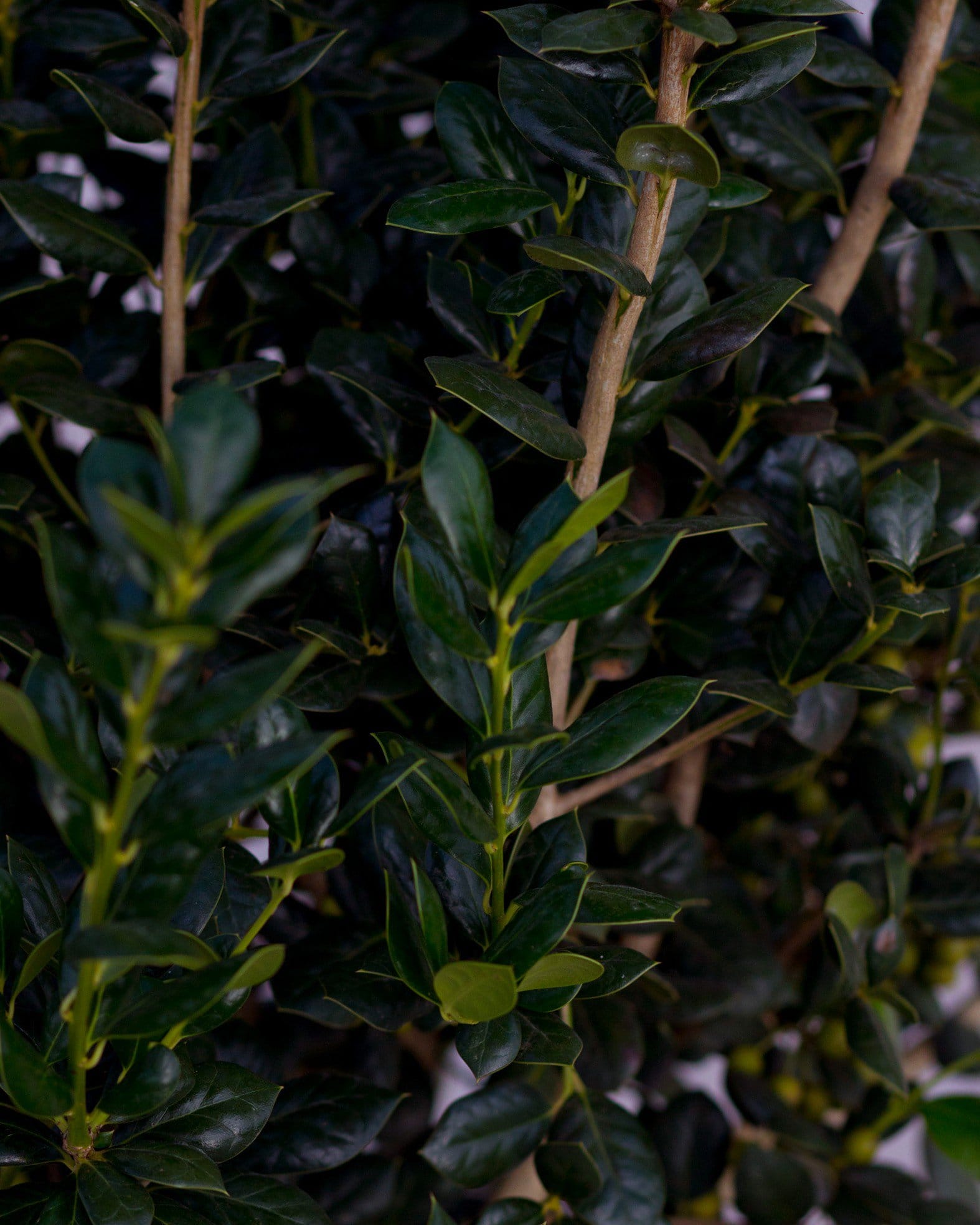
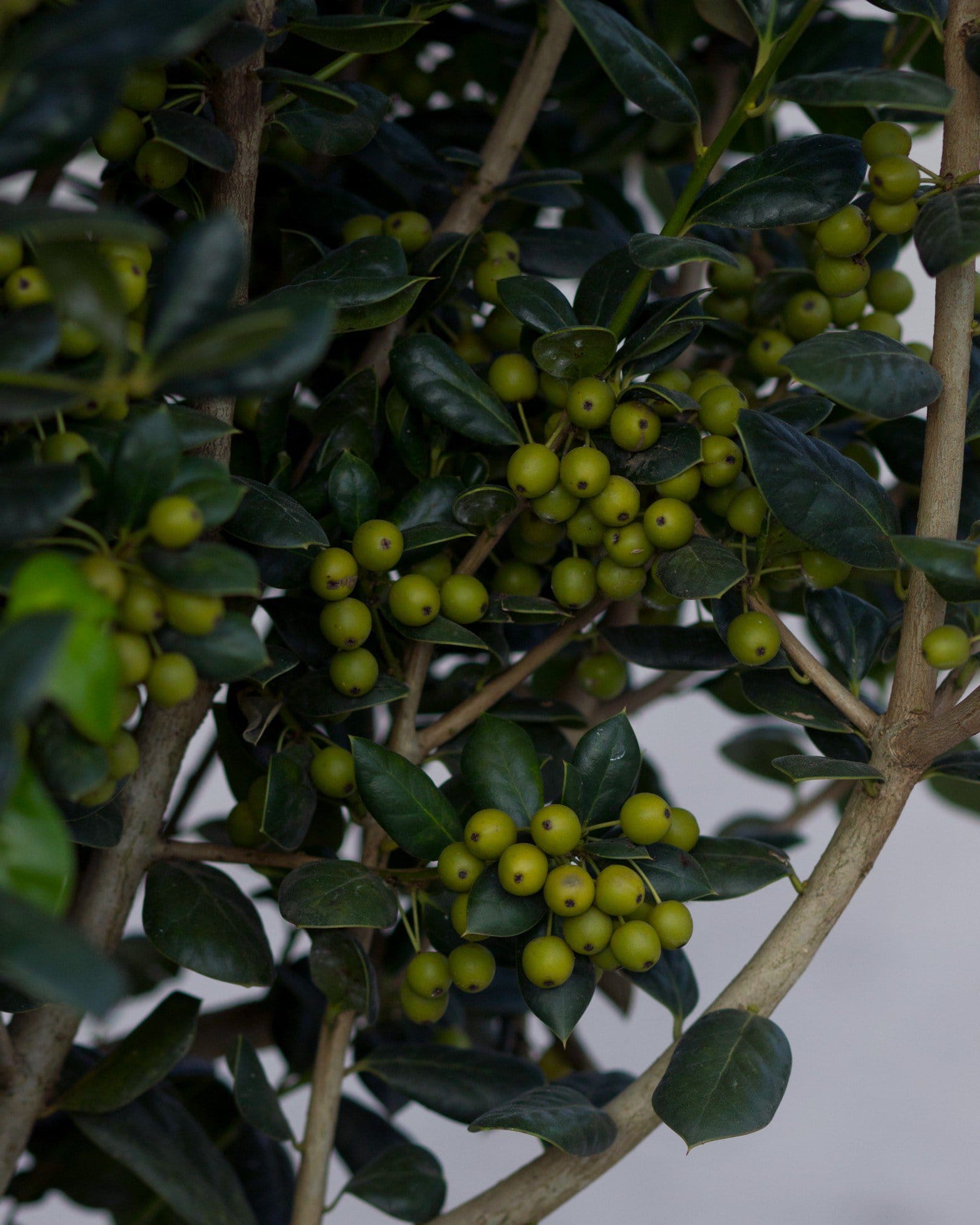
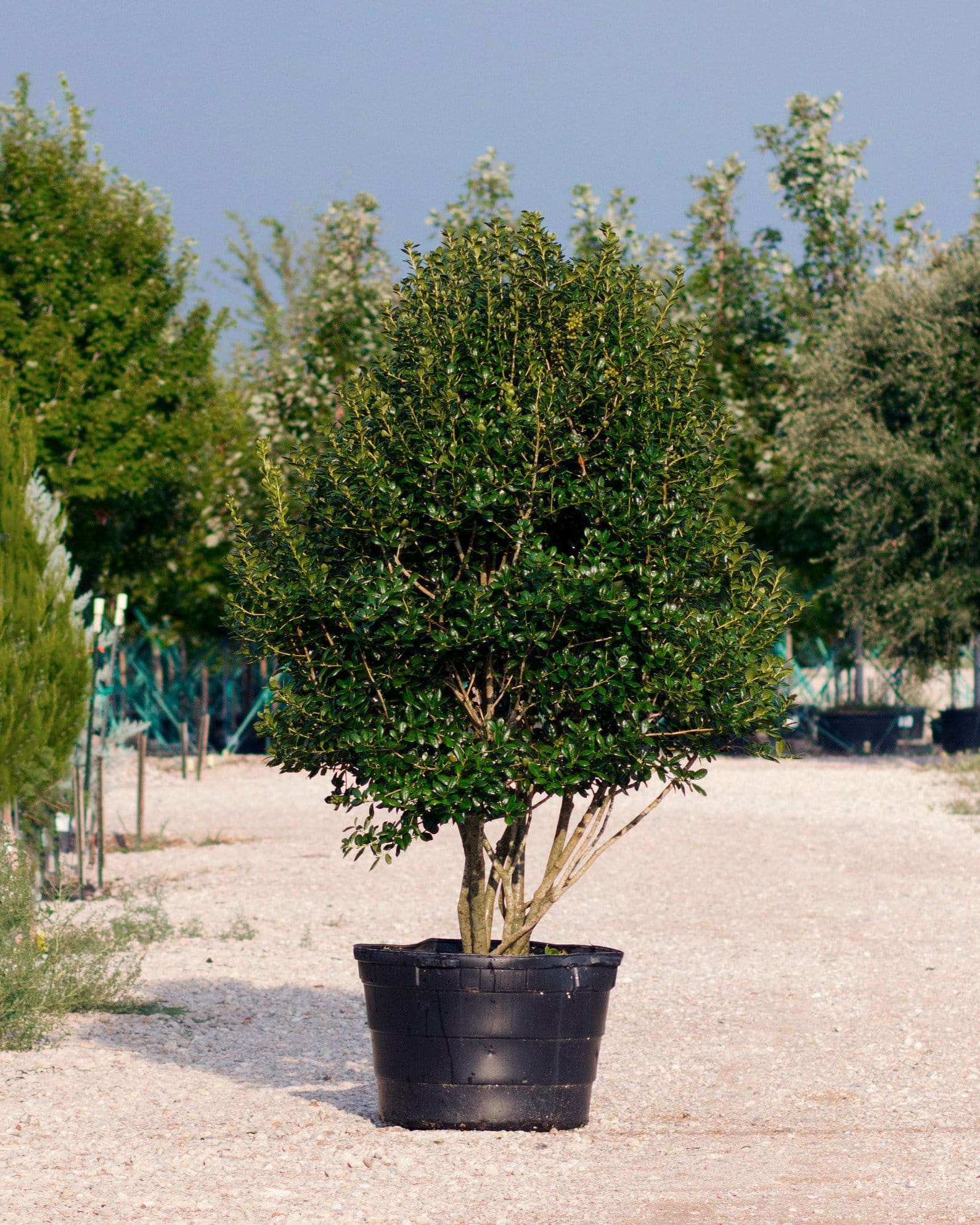
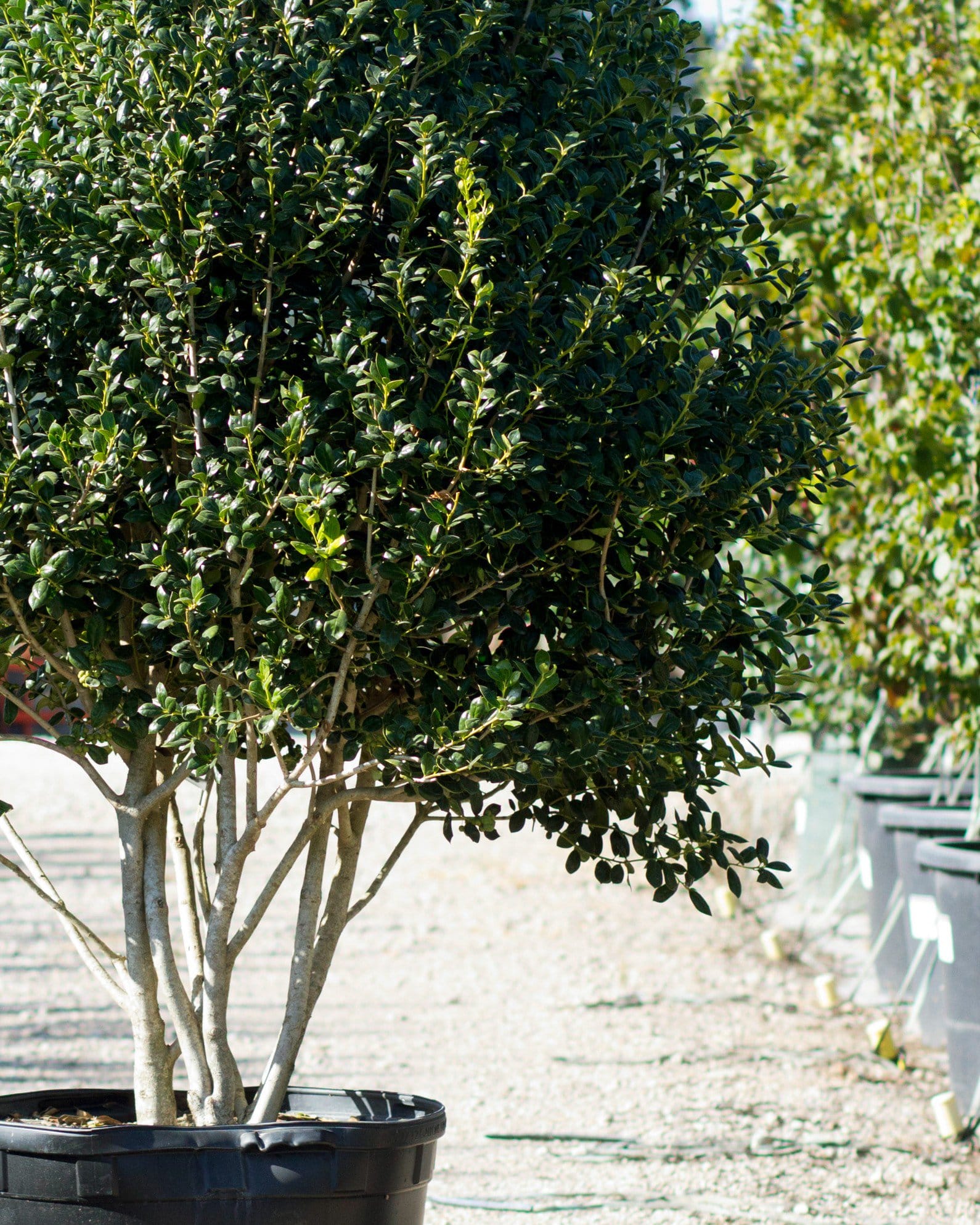
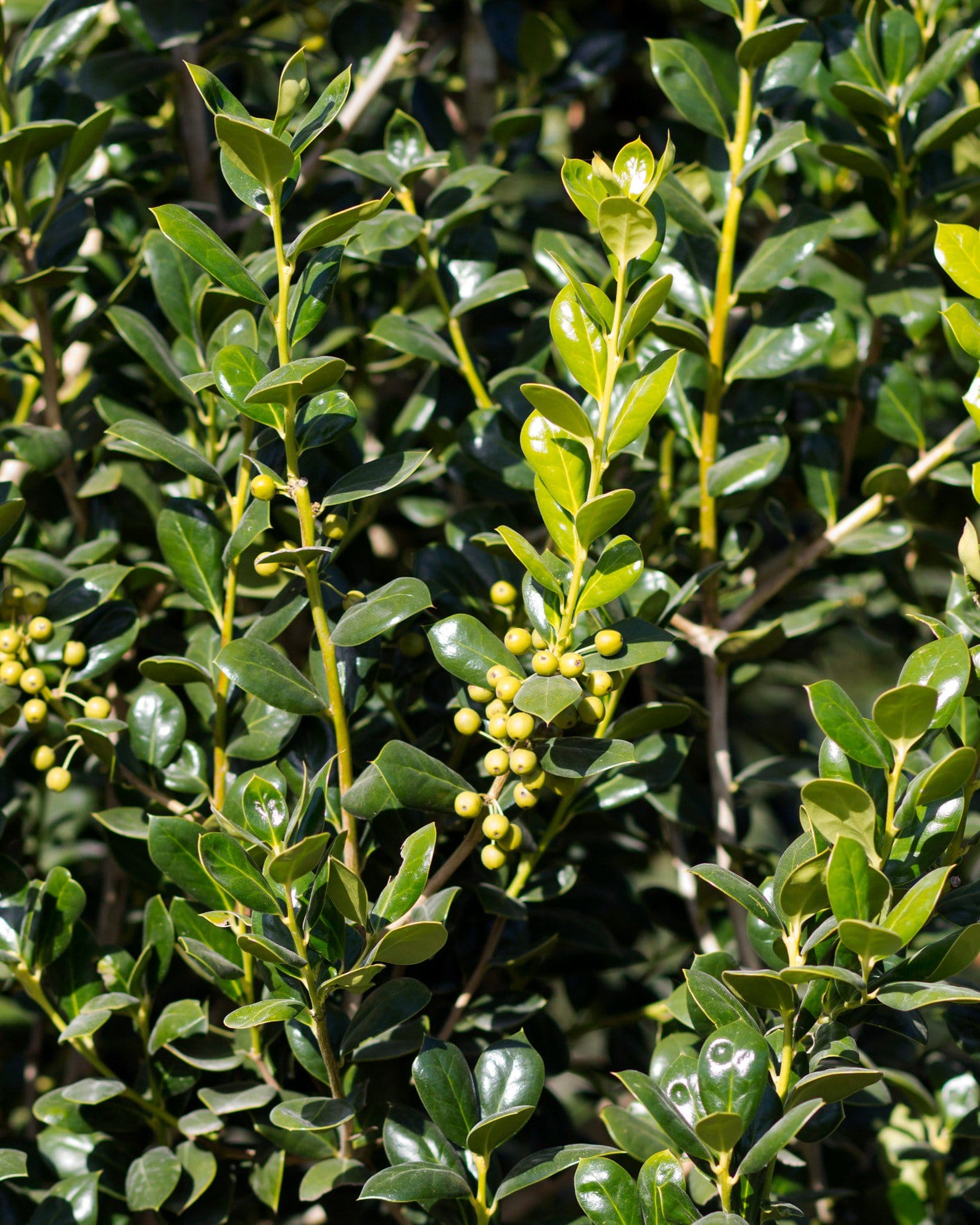
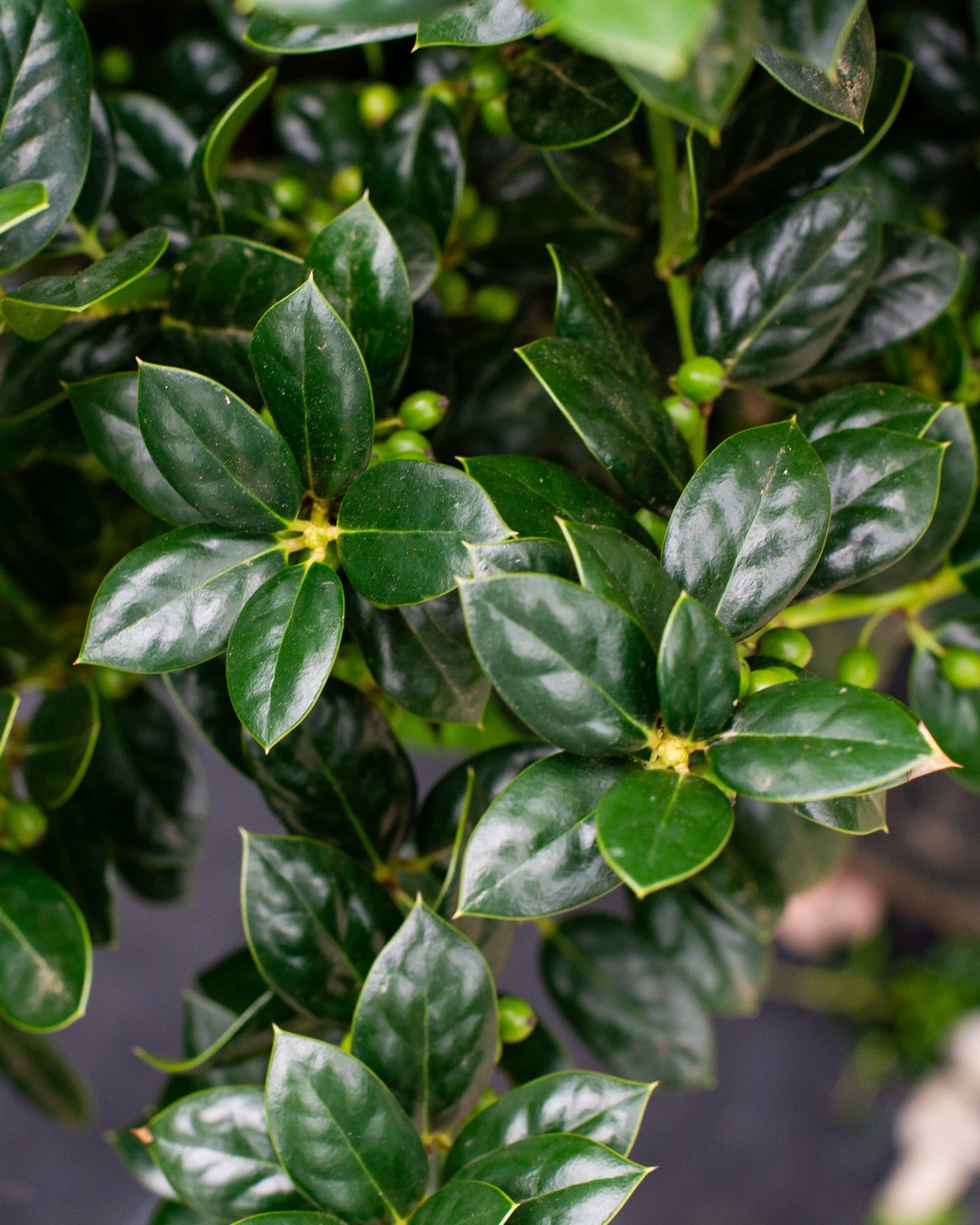
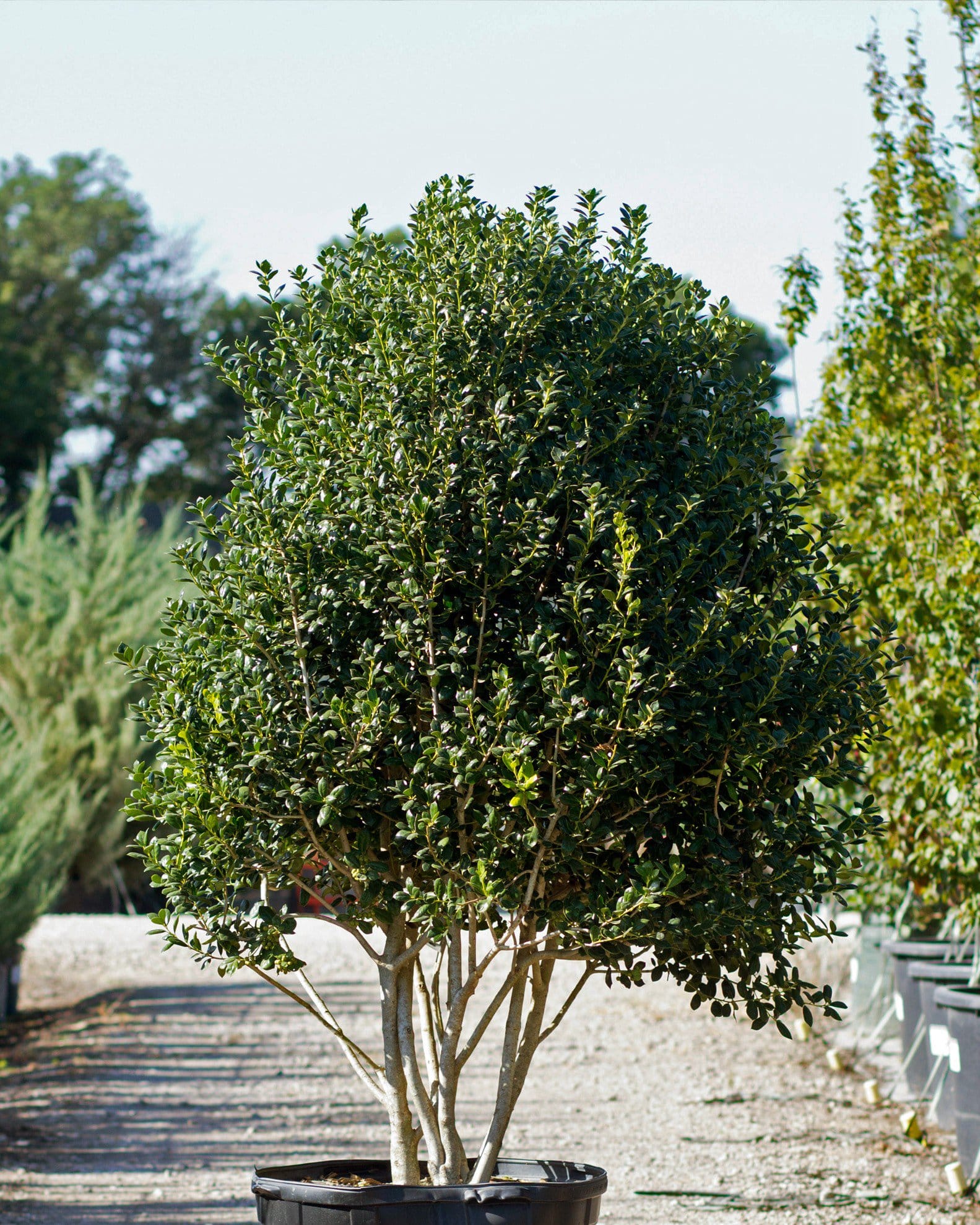
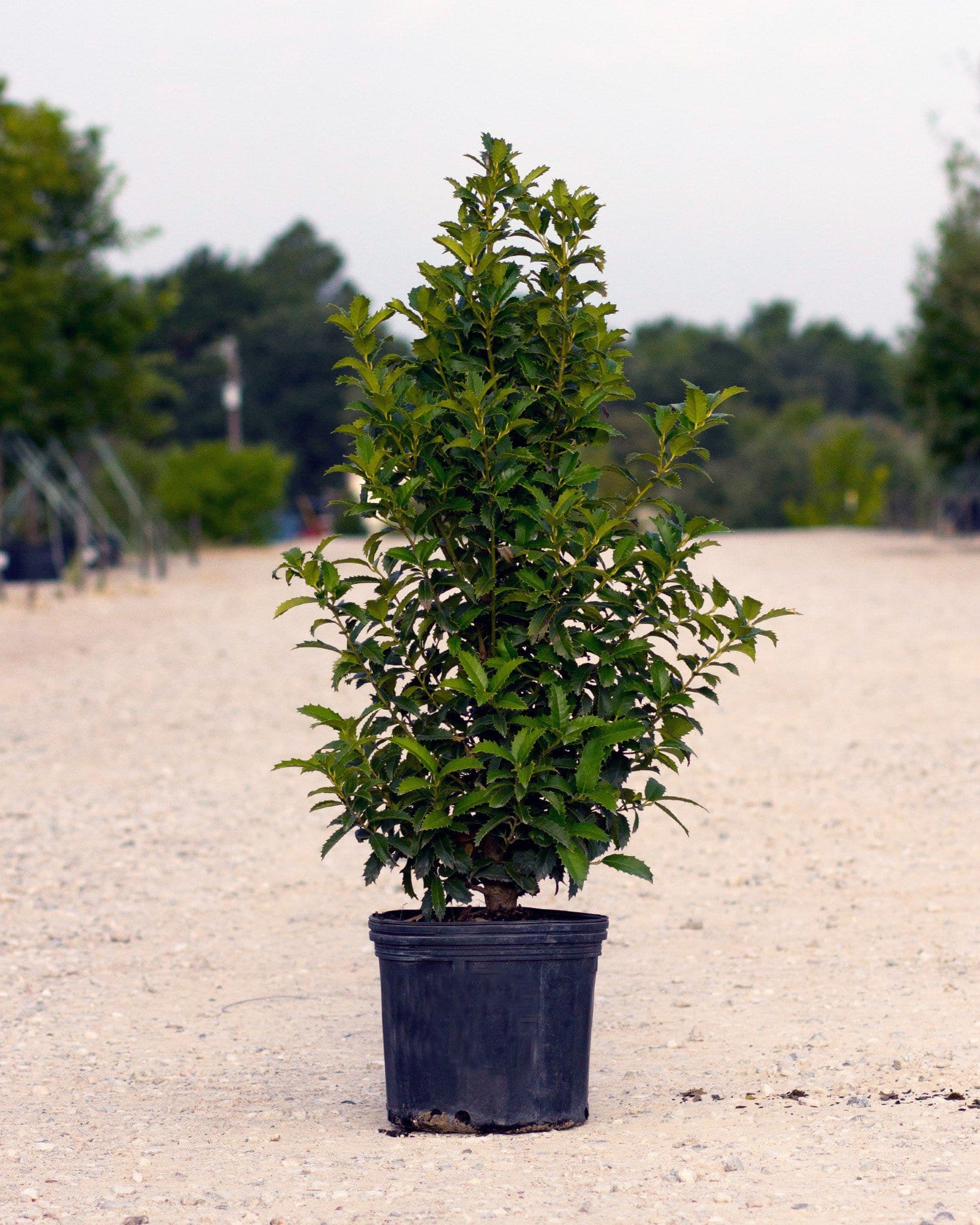
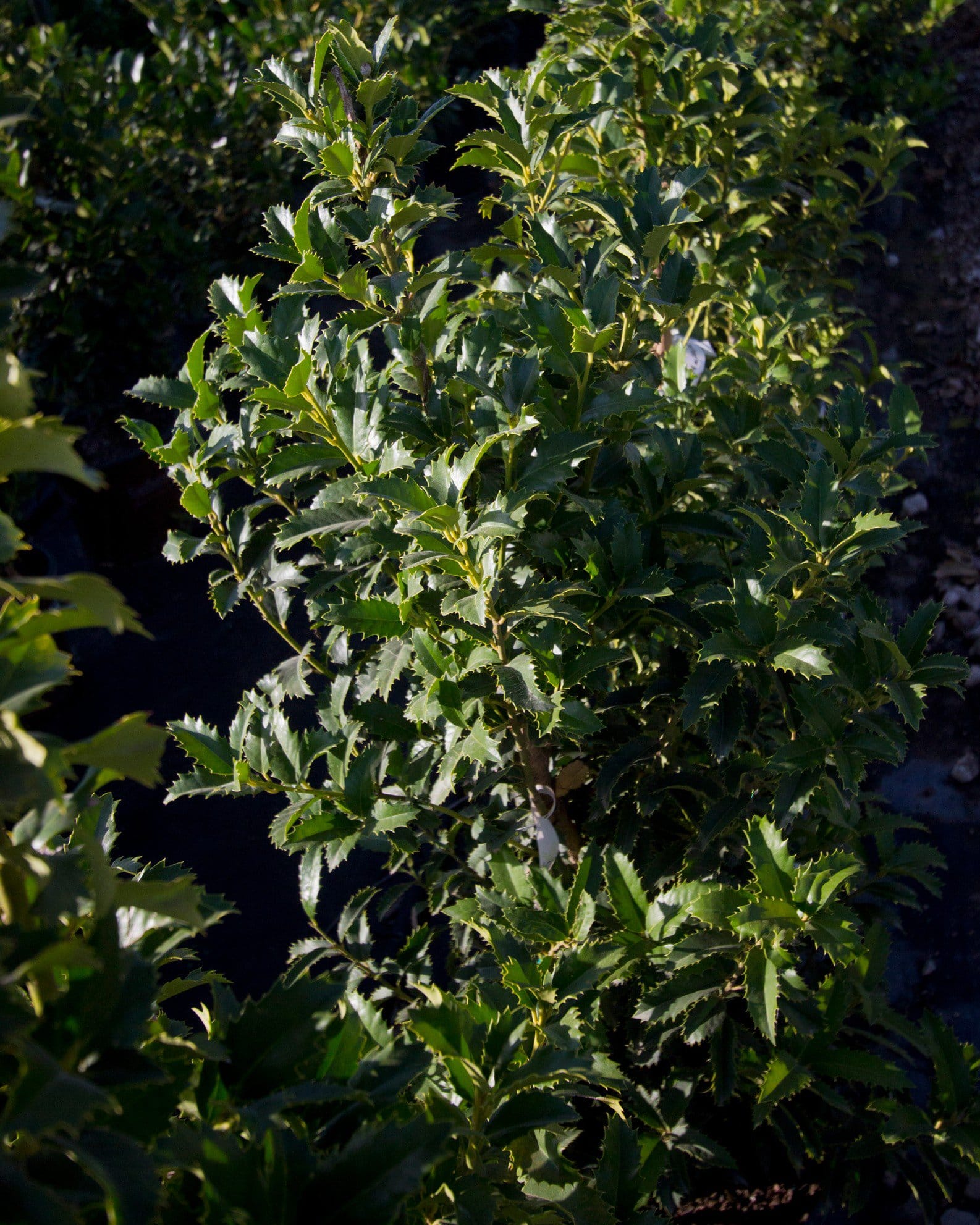
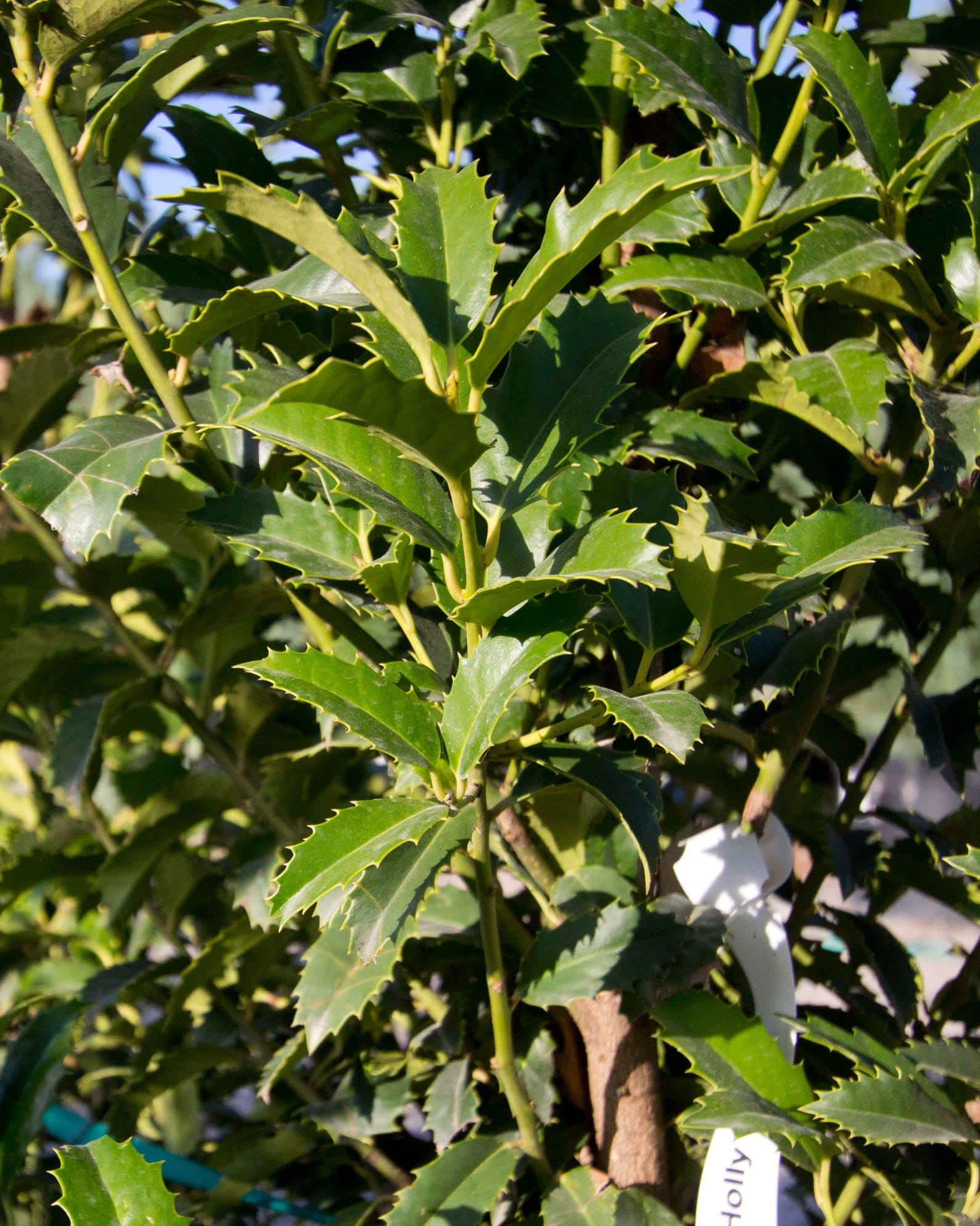
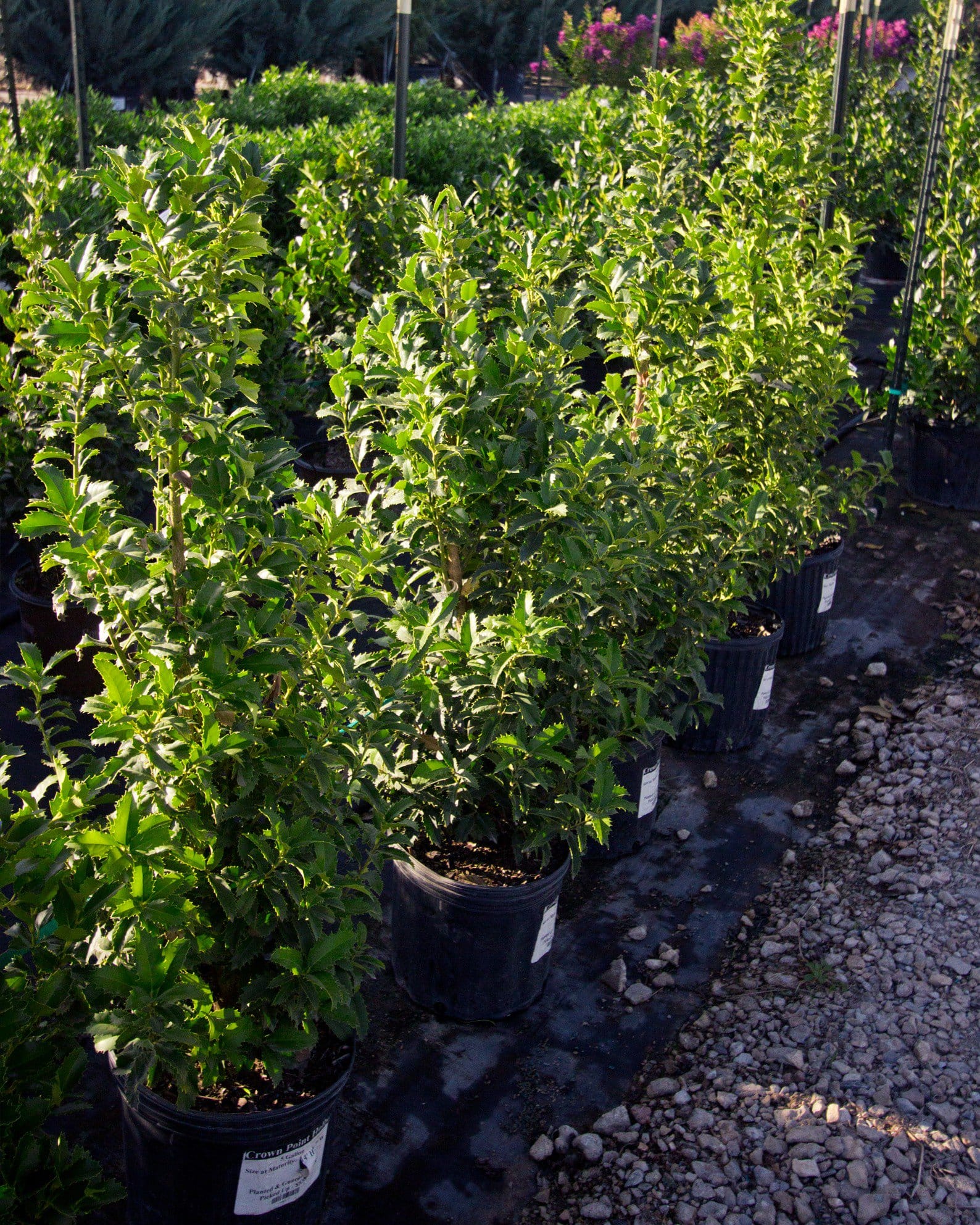
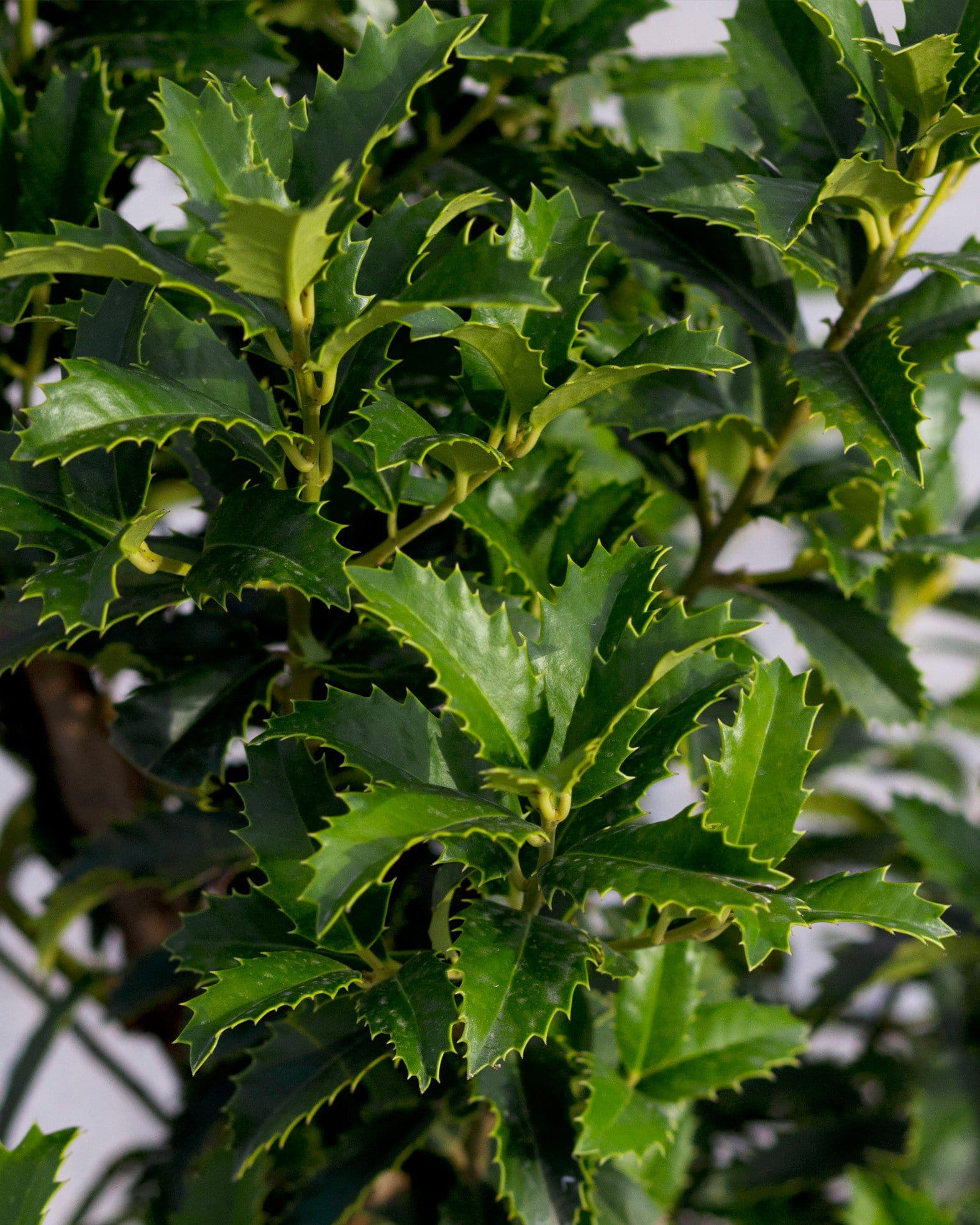
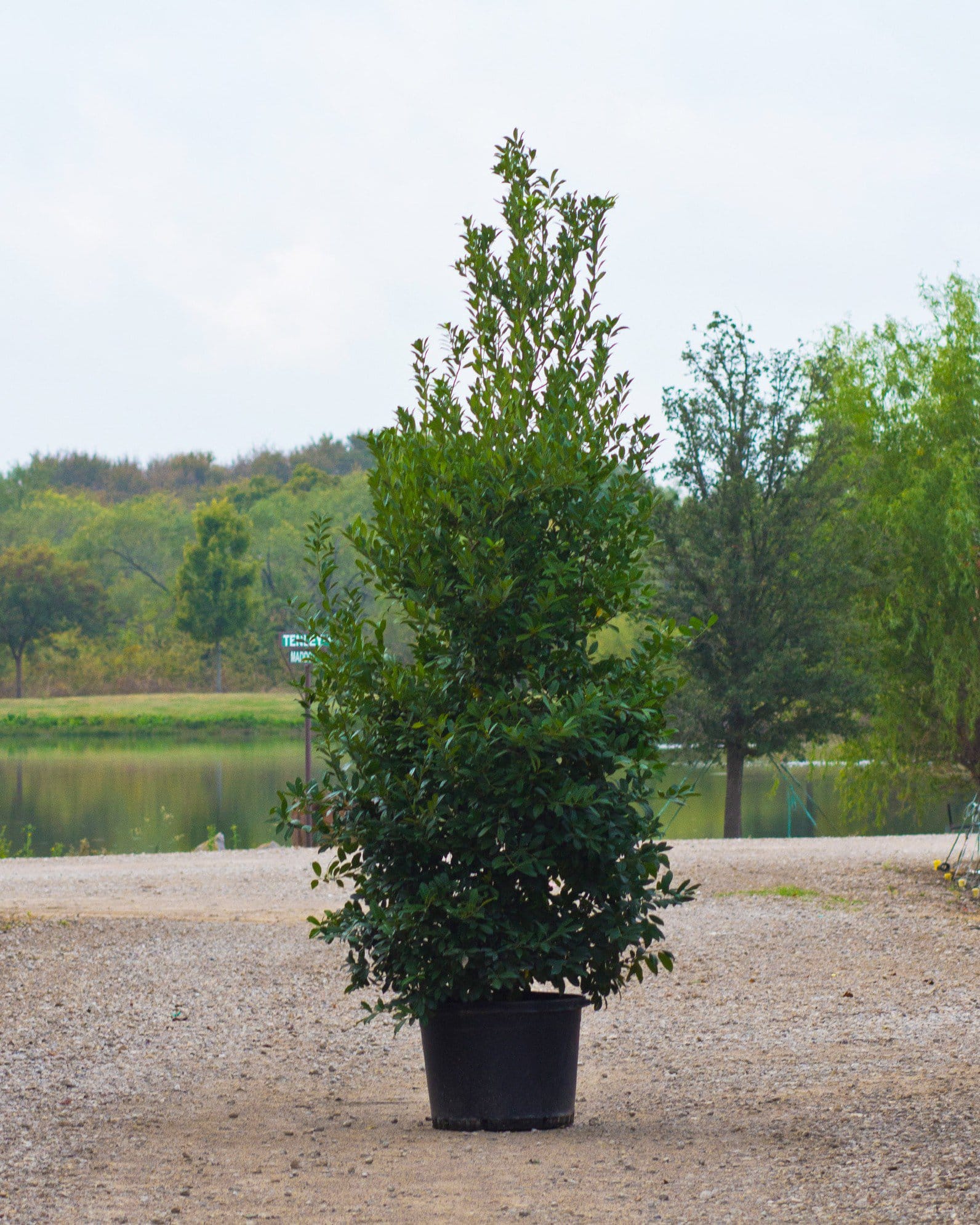
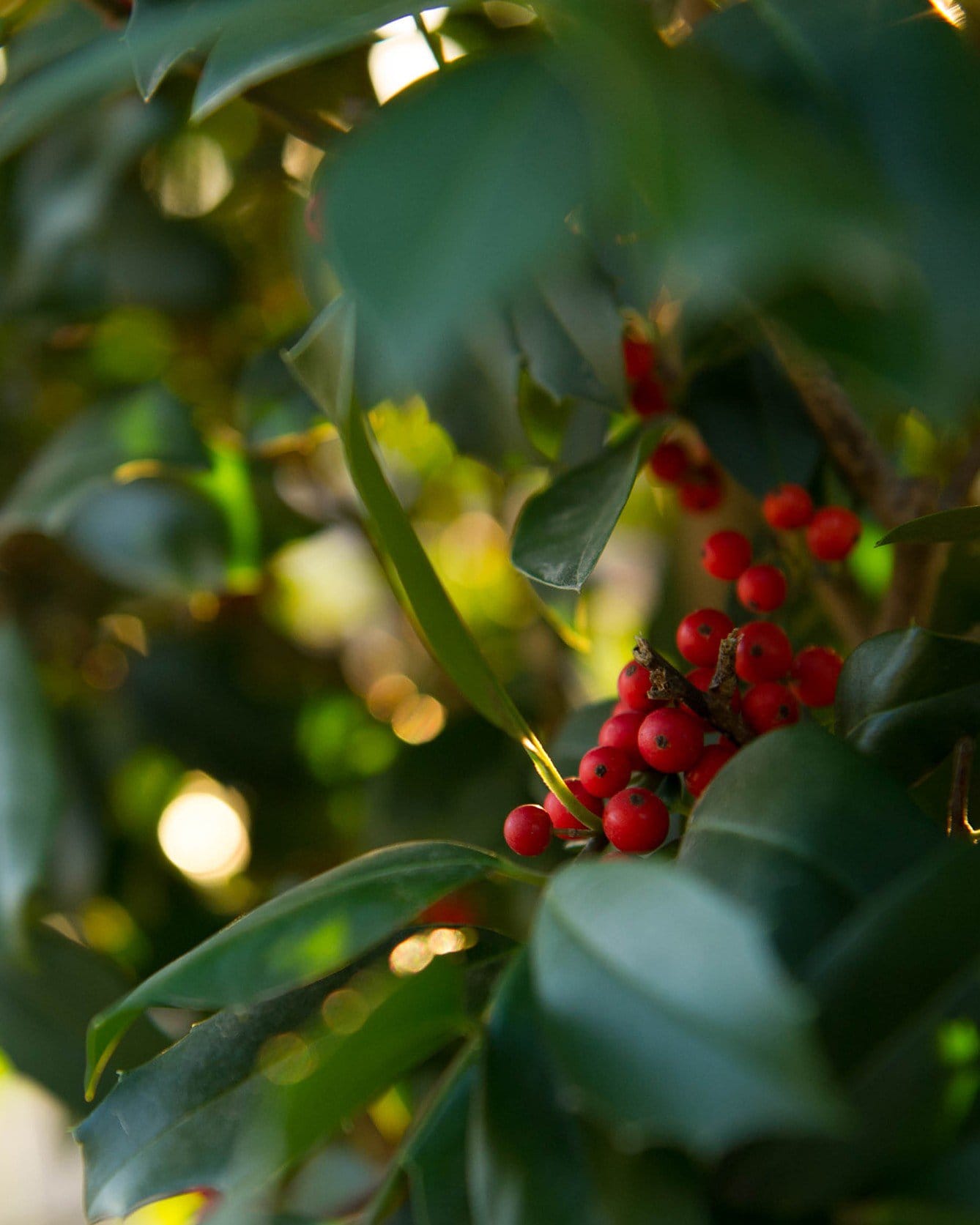
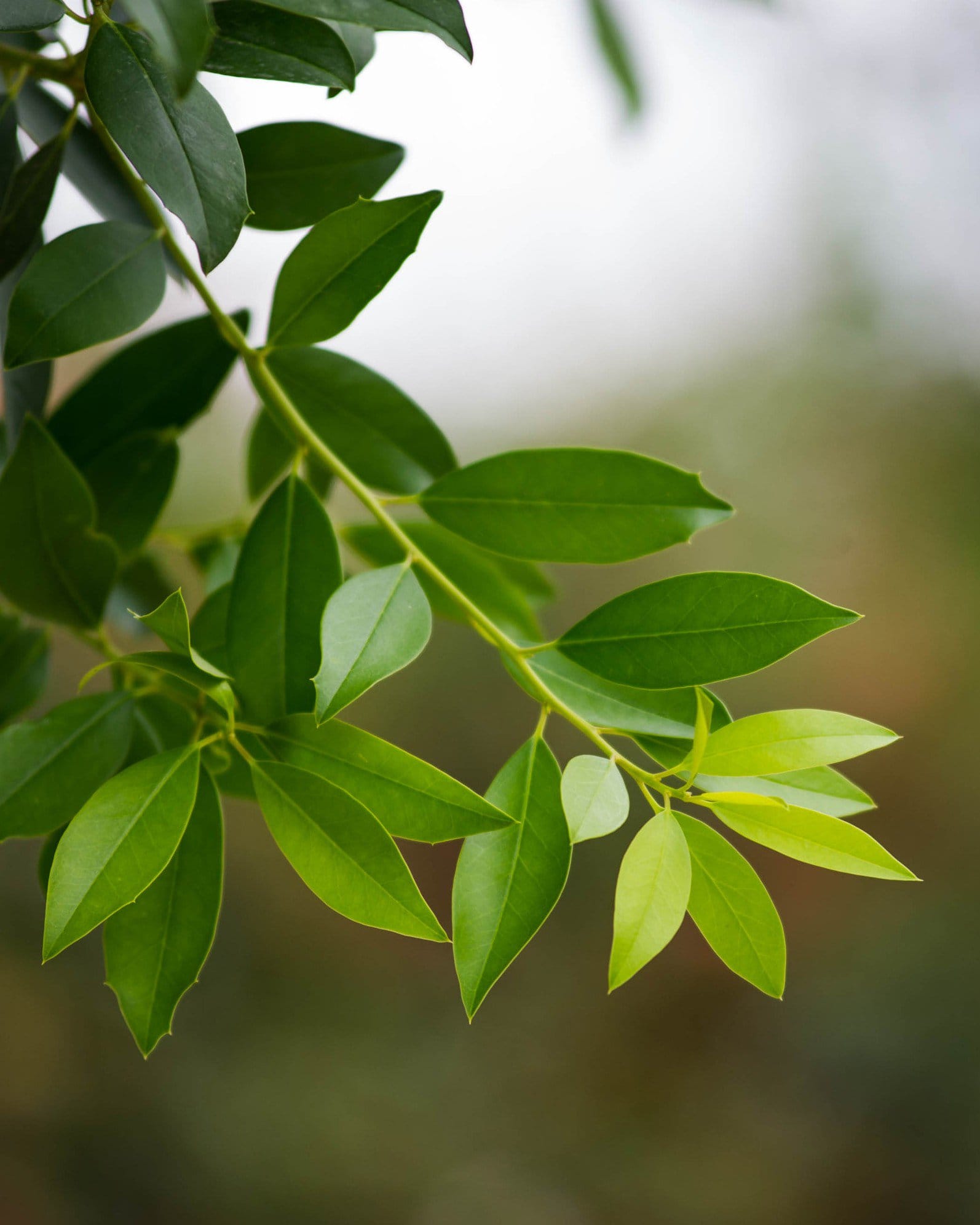
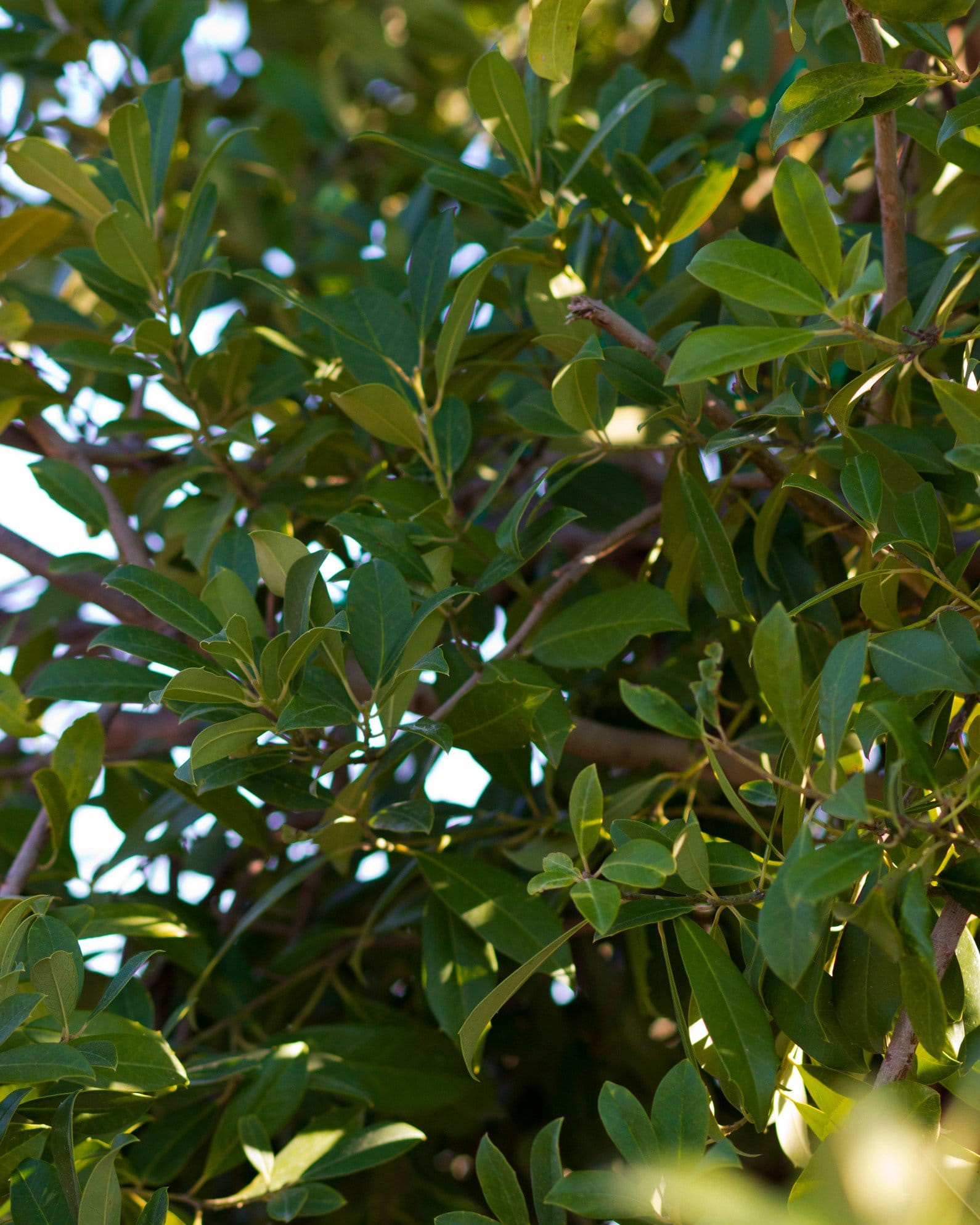
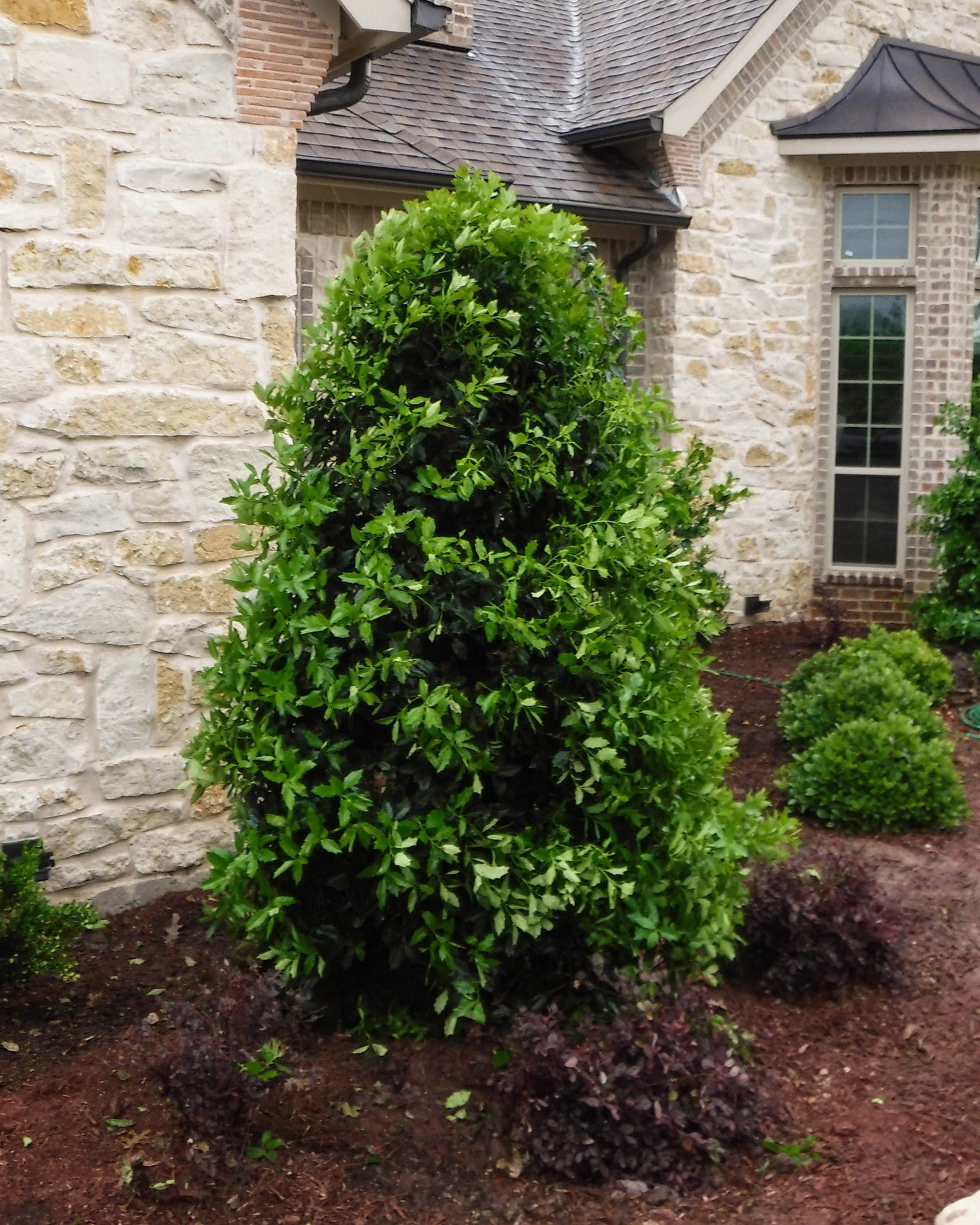
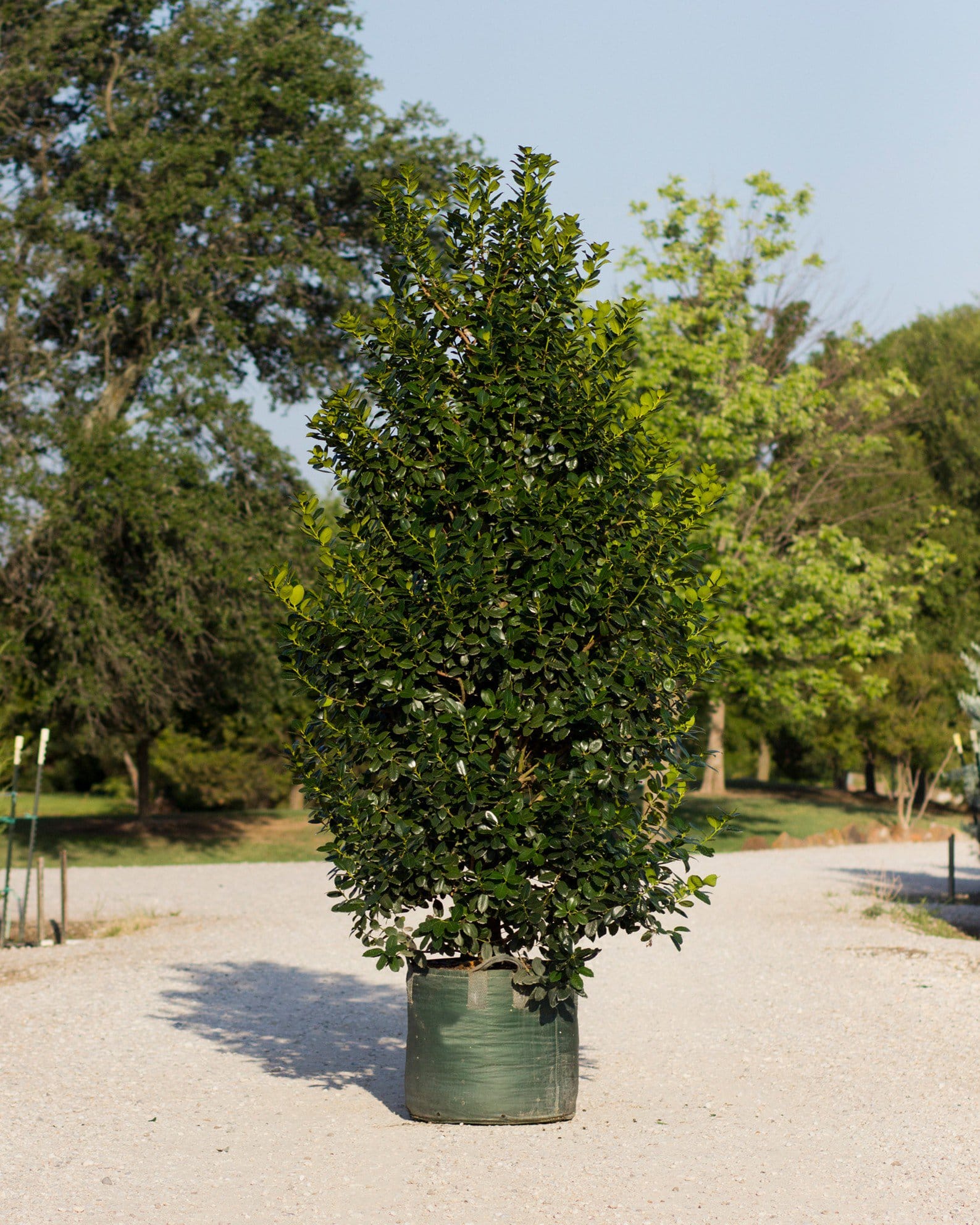
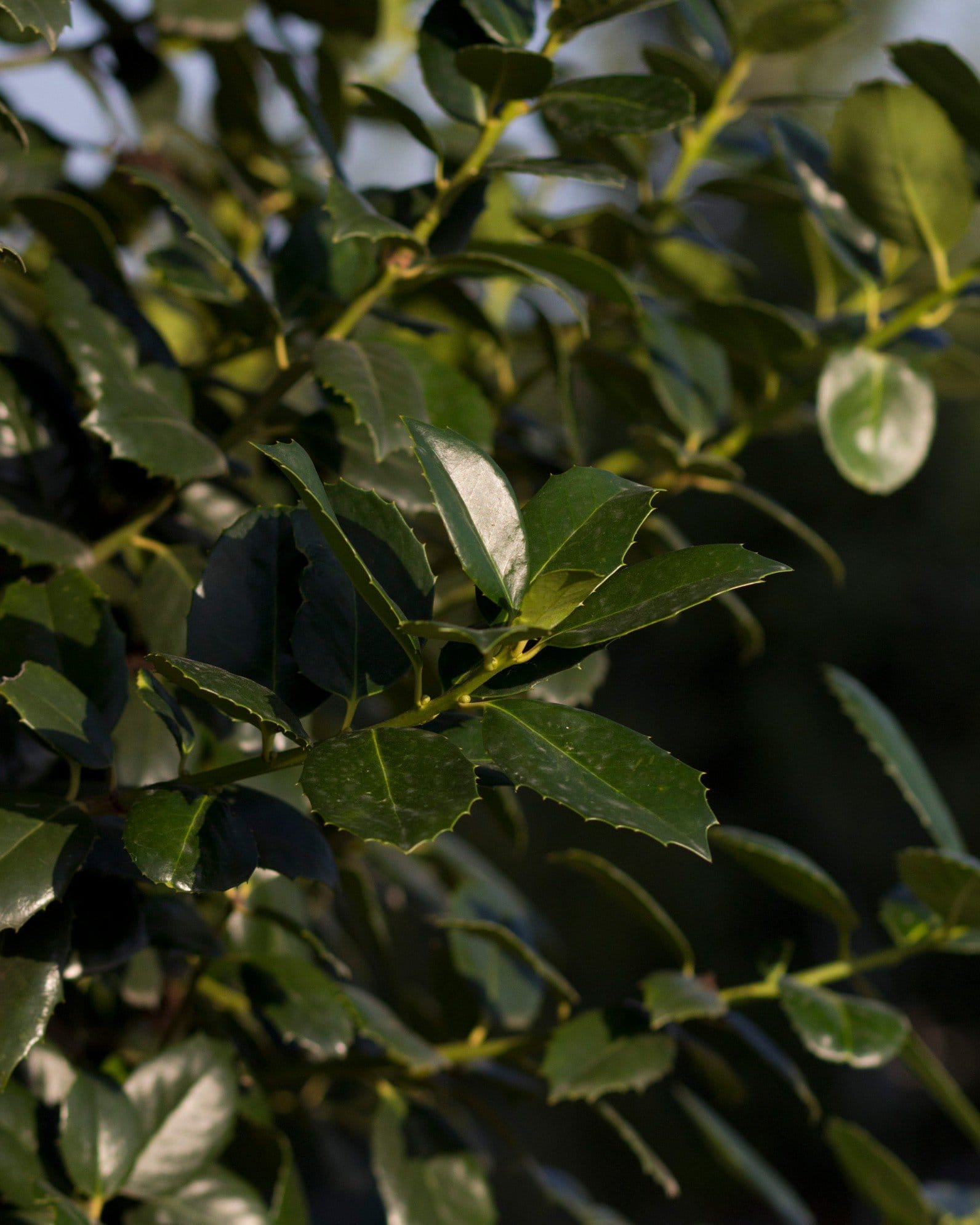
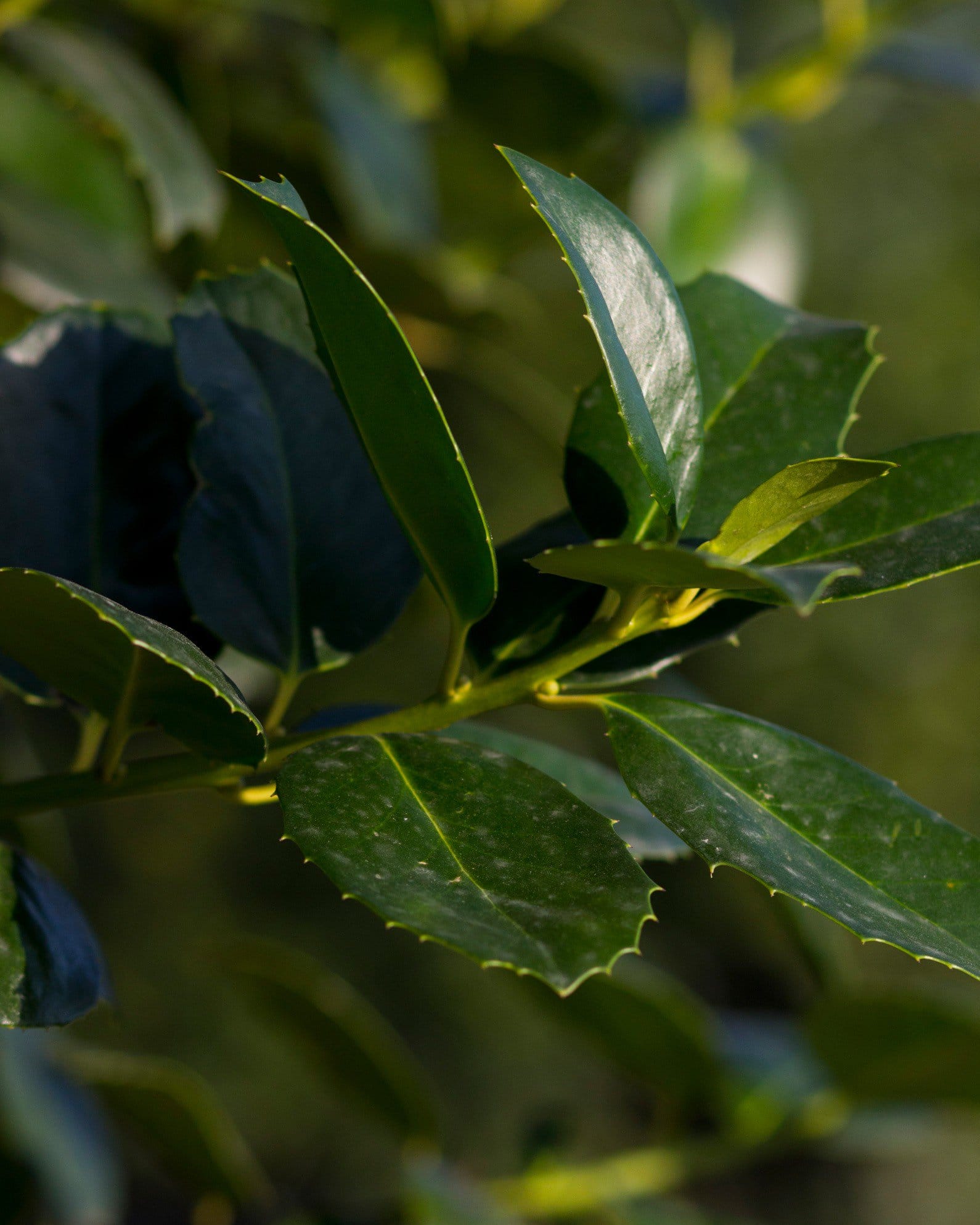
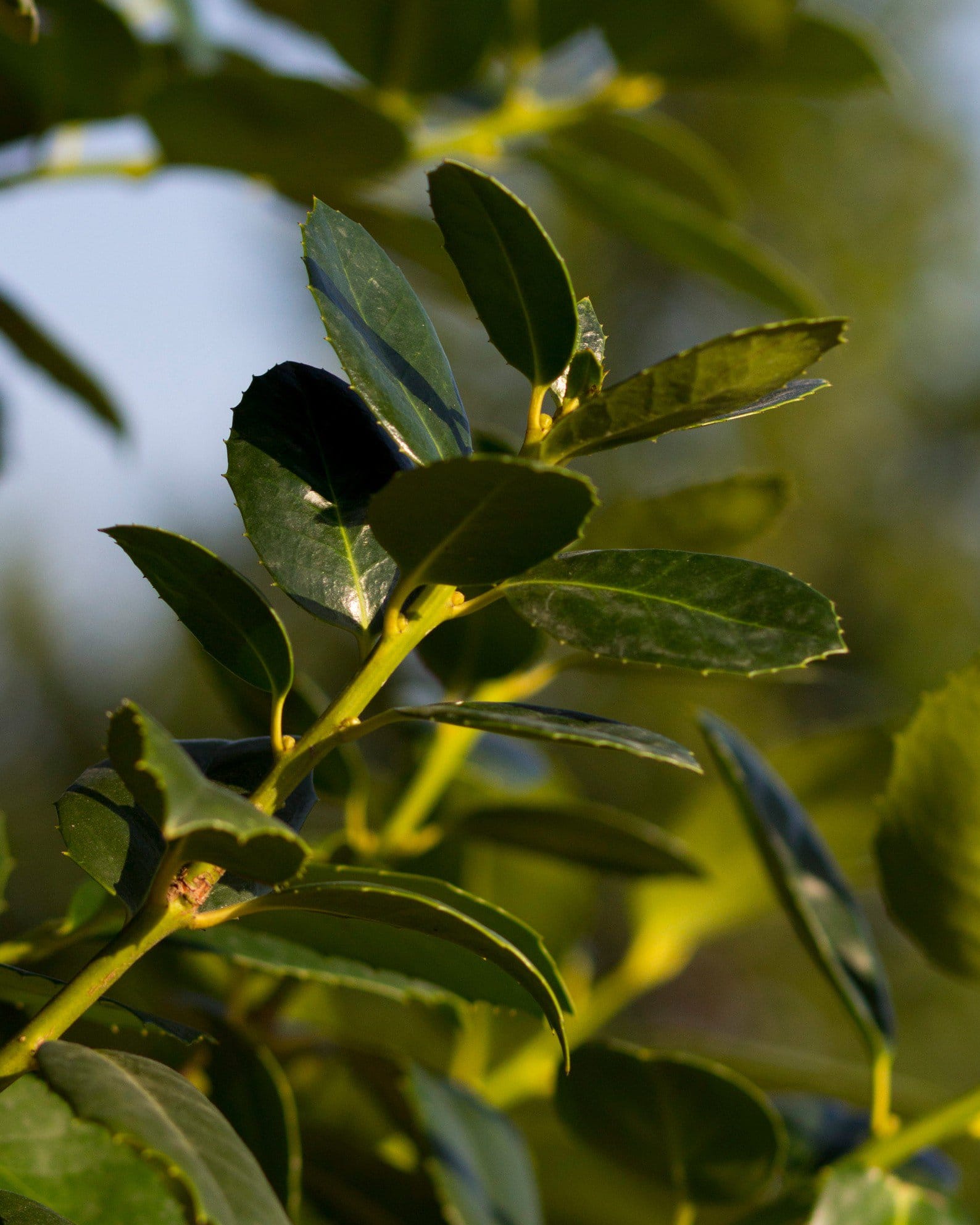
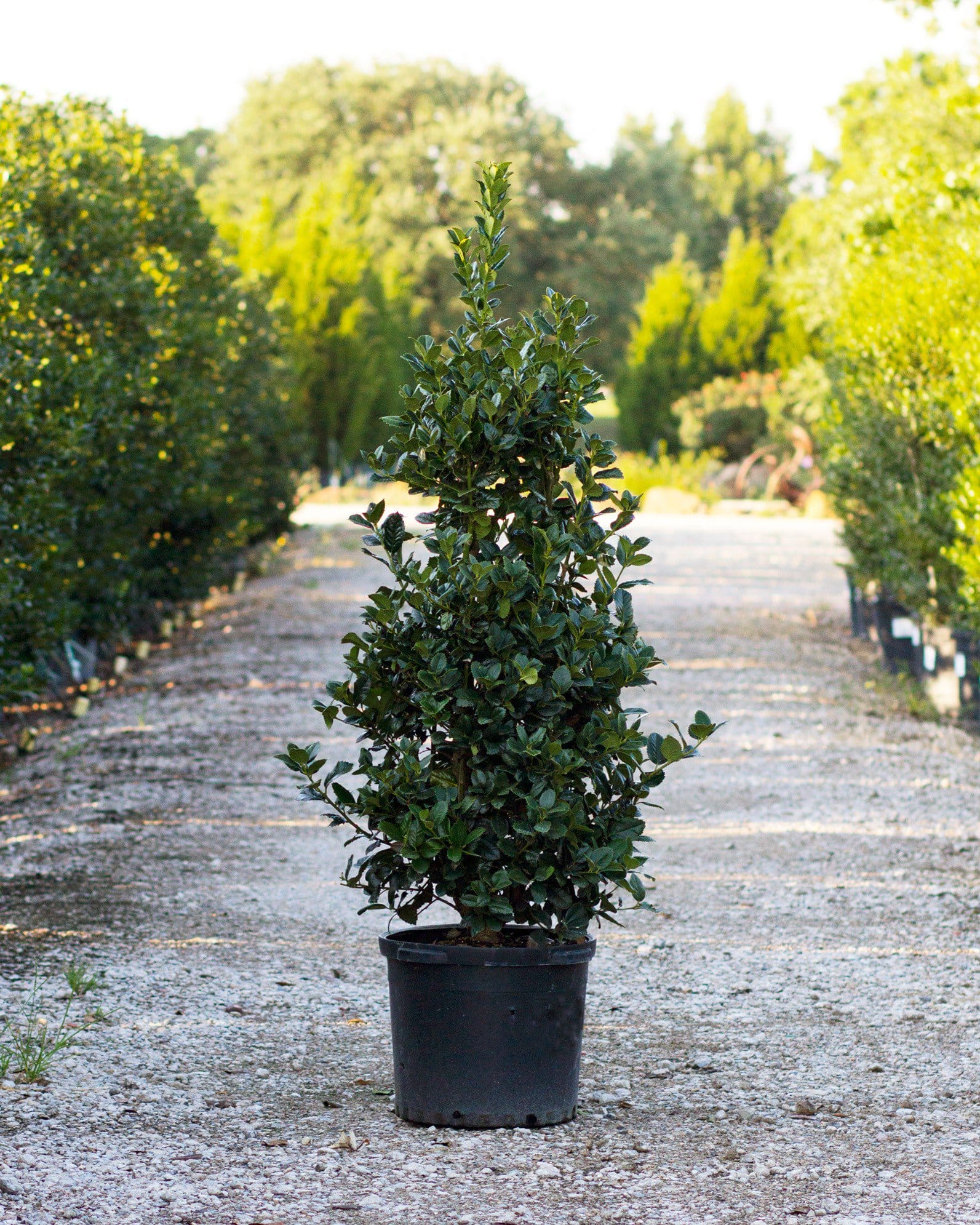
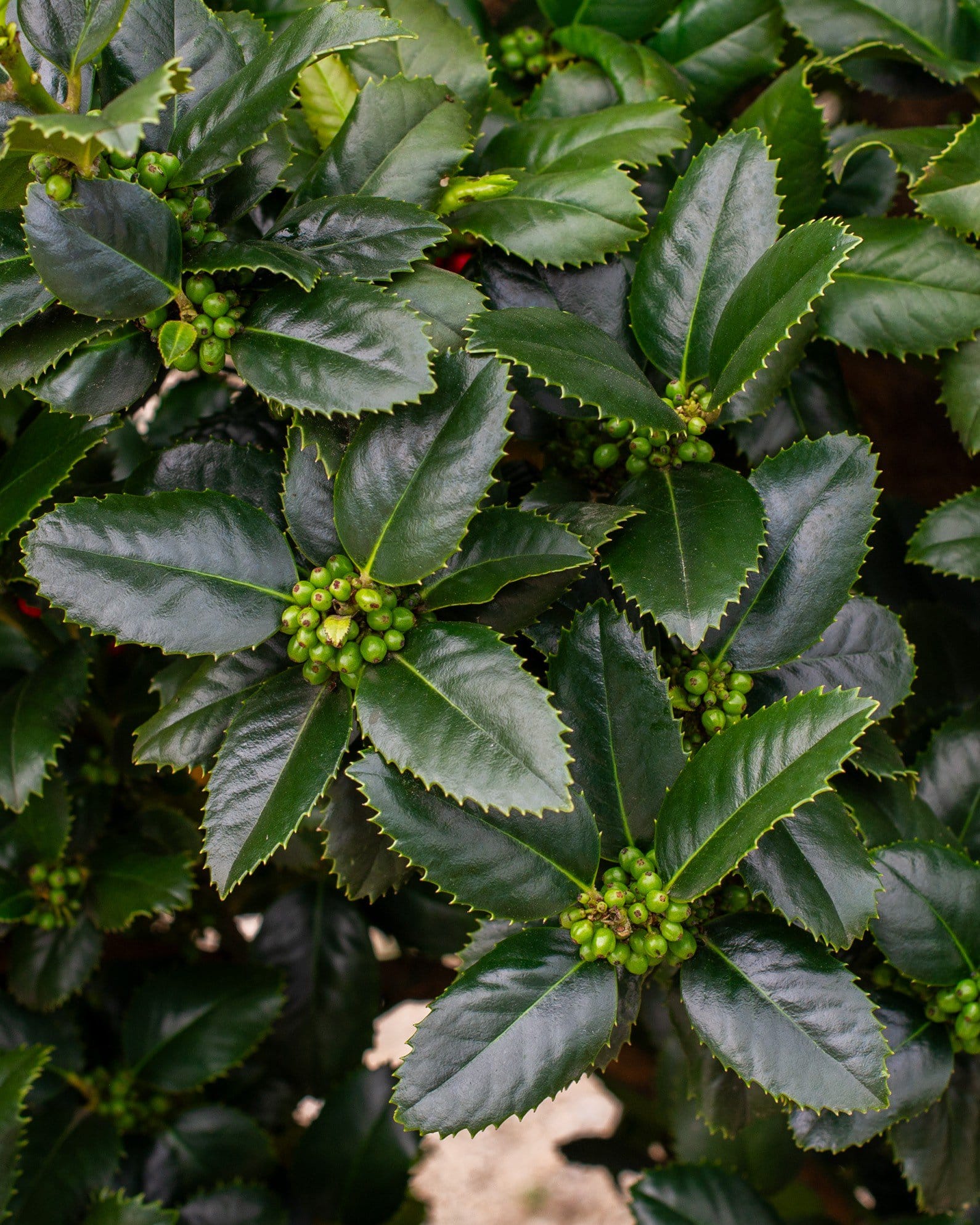
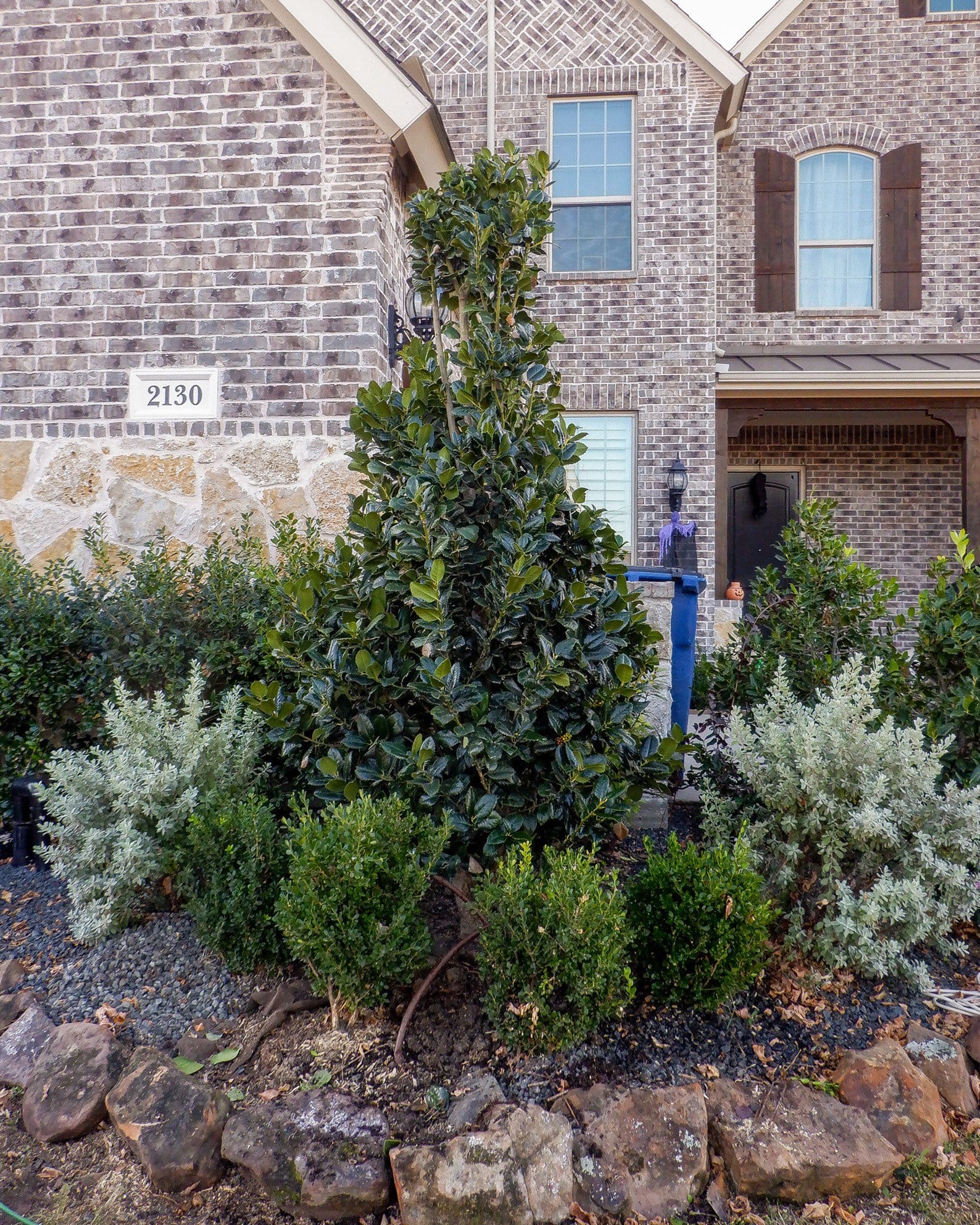
Ilex vomitoriaYaupon Holly is an evergreen tree native southern evergreen with a lot of charm. Its fine-textured, oval green leaves create a lush backdrop year-round, while clusters of brilliant red berries in fall and winter offer vibrant seasonal color. Growing 20 feet in height and 15 in width, its dense habit makes it a great choice for informal hedges, privacy screening, or as a centerpiece in native bed.
- Evergreen tree
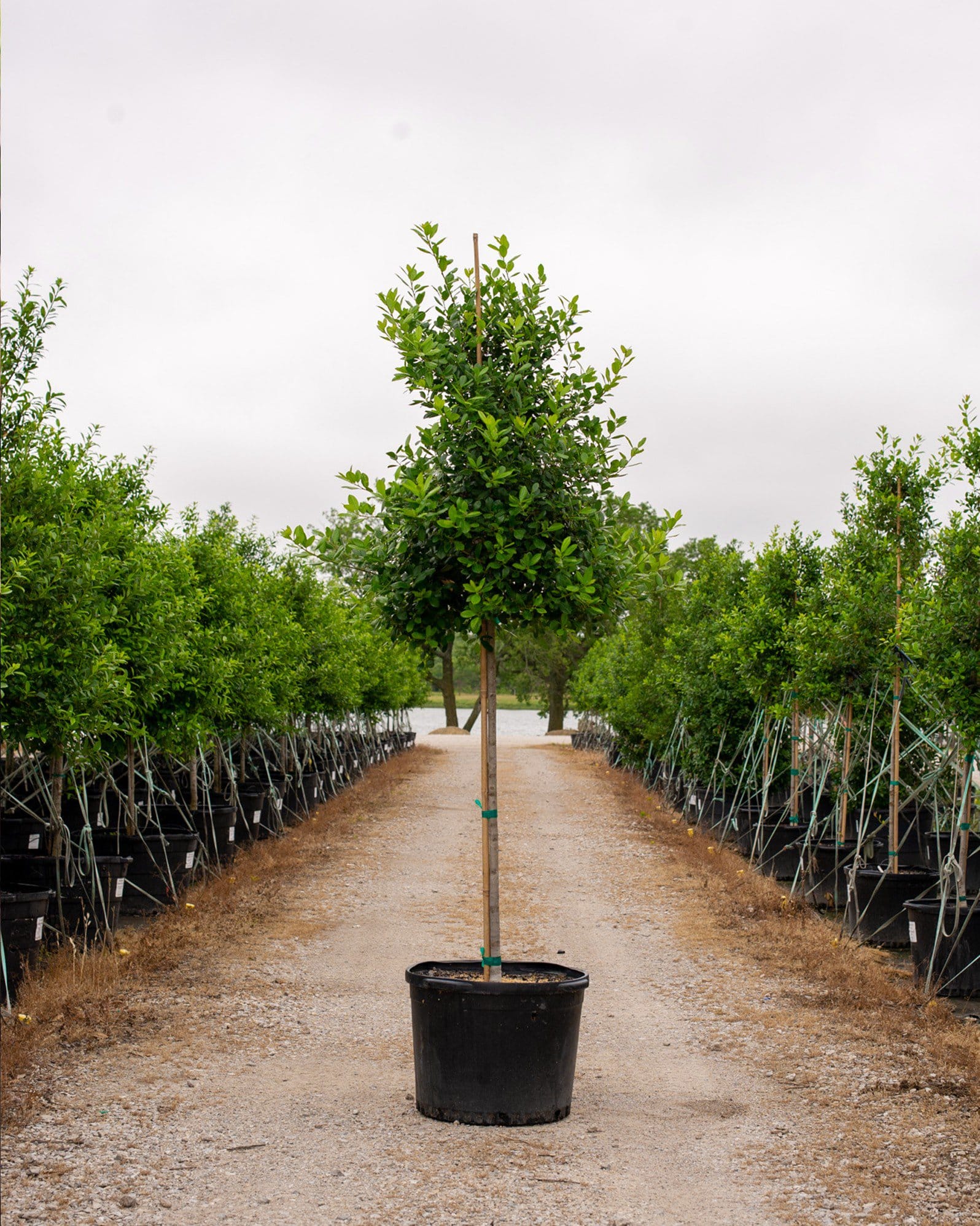
- Multi-Trunk
- Fast growth rate
- Red berries add winter interest
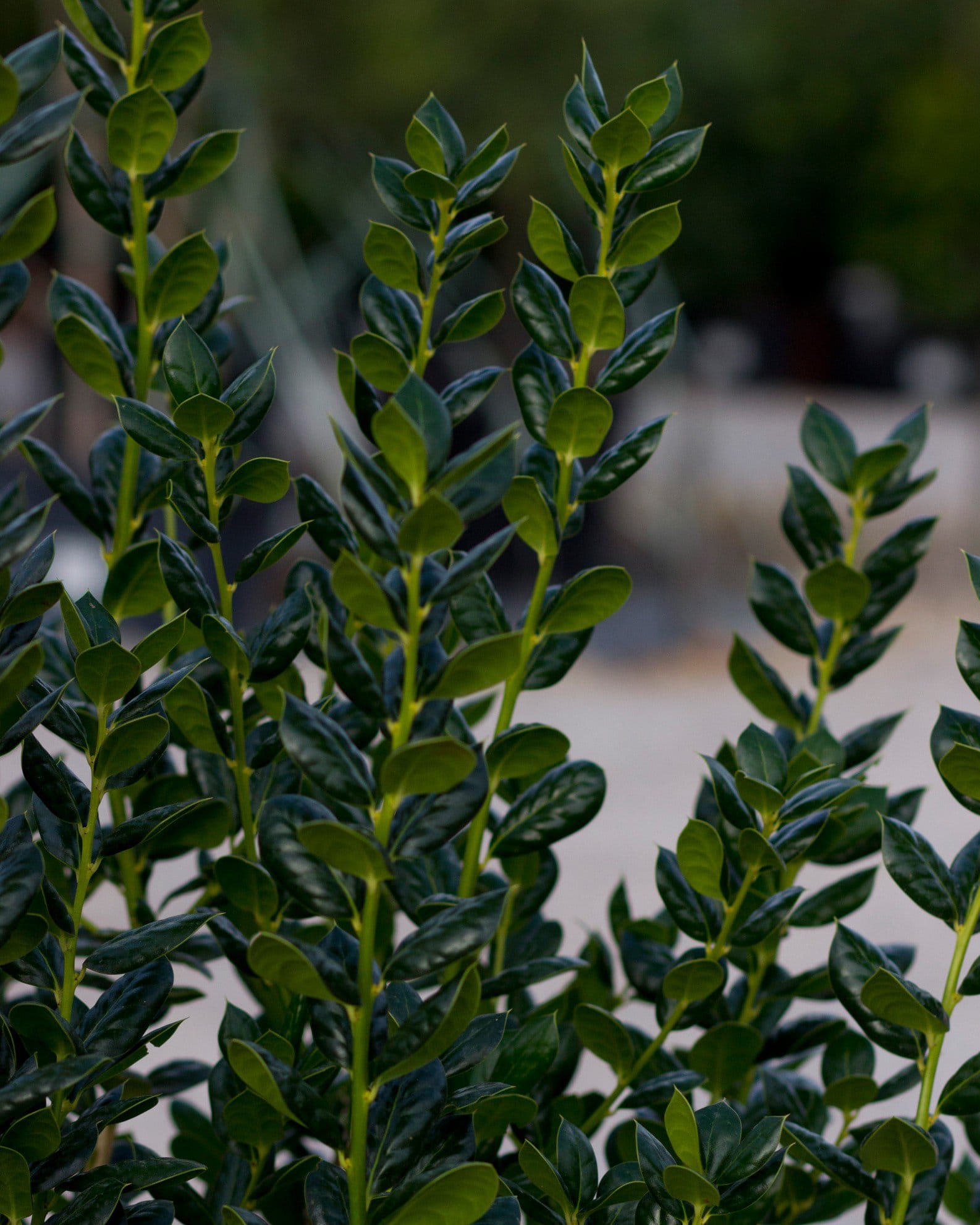
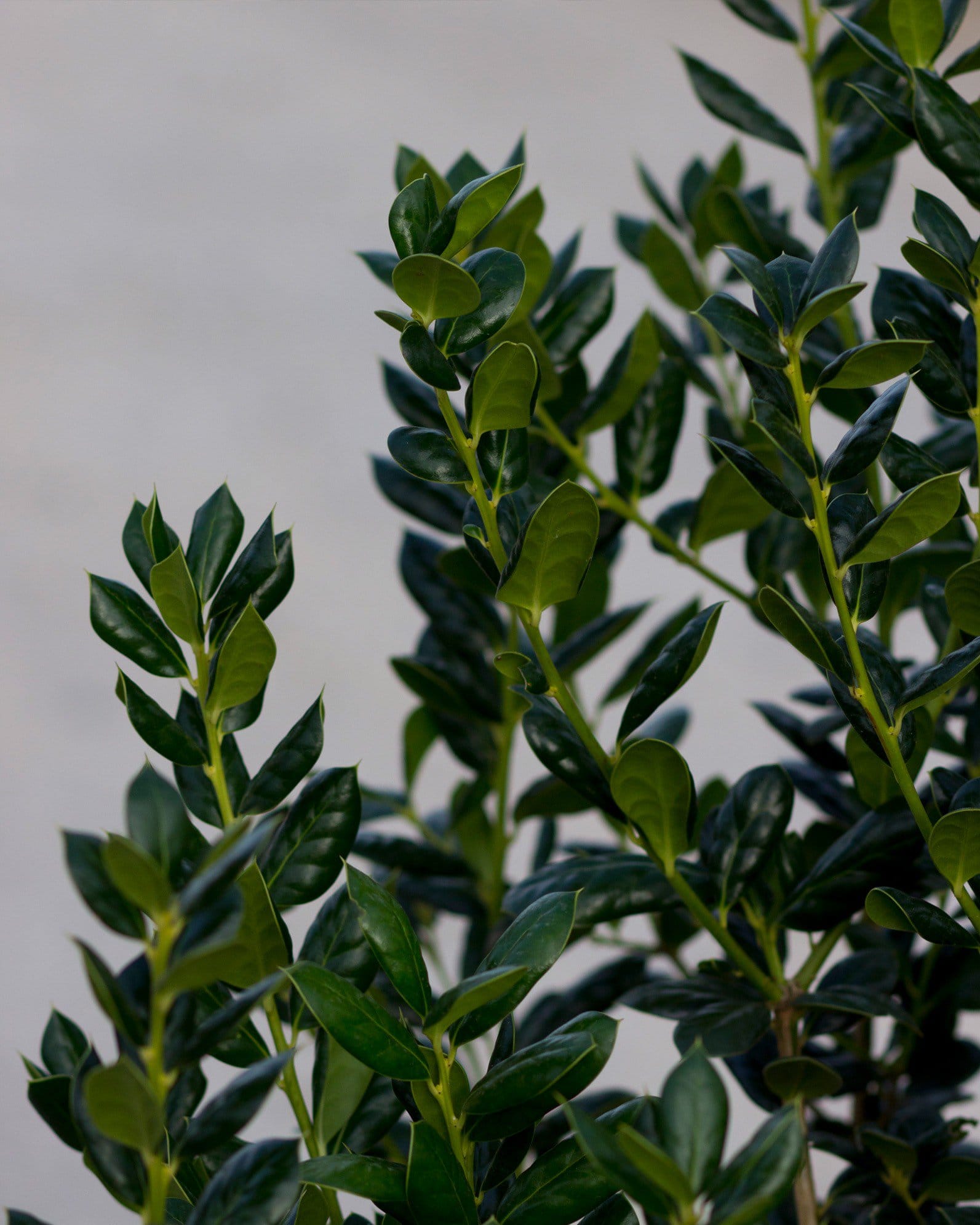
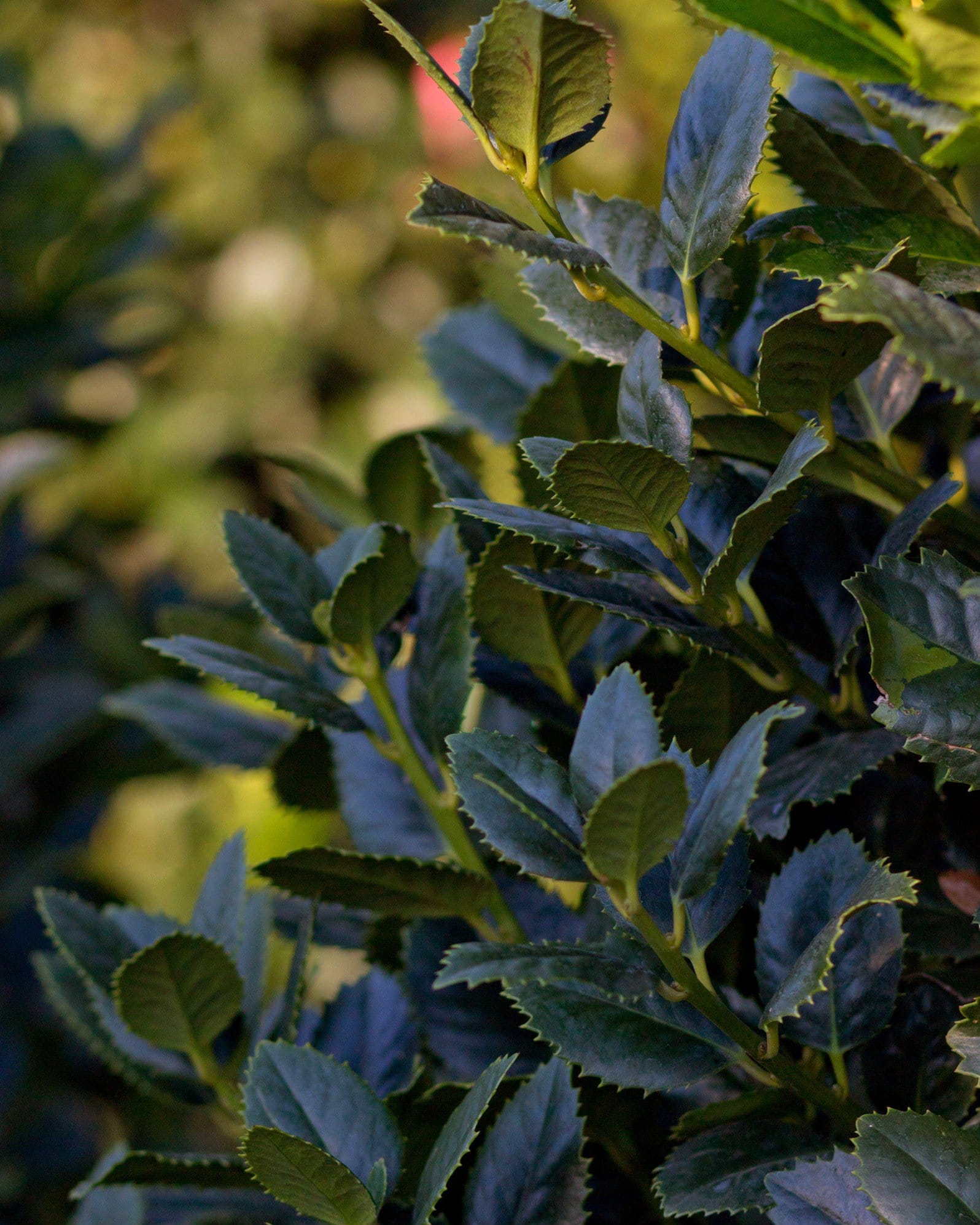
- Evergreen foliage with a soft, natural look
- Can be shaped into a hedge, screen, or small tree
Plant in full sun to partial shade with well-draining soil. Hardy in USDA zones 7 through 9, Yaupon Holly is a dependable favorite that brings beauty and classic southern charm to any landscape. Whether grown as a large shrub or trimmed into a multi-trunked tree, Yaupon is versatile and easygoing - tolerating drought, heat, salt, and poor soils with grace.
Yaupon Holly is one of the most adaptable, durable, and widely used native evergreens in Texas, needing only minimal maintenance to thrive:
- Watering: Water deeply and consistently during the first 2-3 years to promote a robust root system capable of supporting its upright form. Once established, Yaupon becomes exceptionally drought-tolerant and typically requires supplemental watering only during extended, severe droughts; avoid frequent shallow watering.
- Pruning: Pruning needs vary depending on its use. For tree forms, prune in late winter to elevate the canopy and remove crossing or unruly branches. For hedges or screens, light shaping once or twice a year maintains density.
- Fertilizing: This adaptable species thrives in poor to average soils and rarely needs fertilizer once mature. If growth appears slow or foliage is pale, apply a light dose of slow-release, balanced fertilizer in early spring to support new growth.
- Mulching: Apply a 2-3 inch mulch ring around the base to preserve moisture, regulate soil temperatures, and reduce competition from turfgrass. Keep mulch a few inches back from the trunk to avoid moisture buildup against the bark.
- Winter Care: Yaupon Holly is highly cold-hardy and maintains its evergreen color even in severe winters. In exceptionally harsh colds, slight bronzing may occur.
Yaupon Holly is exceptionally resilient, though a few issues may arise in overly wet or heavily humid conditions:
- Leaf Spot: Brown or purplish lesions appear during extended humidity. Remove infected leaves and increase airflow to reduce fungal pressure.
- Scale Insects: Small, shell-like bumps form on stems and leaves, causing yellowing or thinning. Treat with horticultural oil or insecticidal soap to suppress populations.
- Spider Mites: Fine stippling, light webbing, and dull foliage appear in hot, dry conditions. Rinse foliage or apply horticultural oil to restore healthy color.
- Sooty Mold: Black, powdery film develops due to honeydew from insects like aphids. Control the underlying pests and wash foliage to restore appearance.
- Root Rot: Sudden wilting and decline appear in poorly drained soils. Improve drainage and reduce watering to protect the root system.
Yaupon Hollies commonly live 40-60 years and often much longer in ideal conditions. Their longevity and adaptability make them dependable landscape fixtures.
It grows at a moderate rate of 12-18 inches per year and typically reaches a mature canopy or hedge form within 7-12 years. Its steady growth makes it easy to shape or leave natural.
Yes - its small spring flowers attract bees and beneficial insects. Female shrubs also produce abundant berries when pollinated, creating vibrant seasonal displays.
It is generally considered deer-resistant thanks to its tough, small leaves. In areas with heavy deer pressure, young plants may still benefit from early protection.
Yes - both dwarf and standard forms can be grown in large containers, offering versatile evergreen structure for patios or entryways. Long-term performance is best when planted in the ground.
Extremely well - it is one of the most heat- and drought-adapted shrubs native to the South. With mulch and occasional deep watering during extreme drought, it maintains excellent vigor.
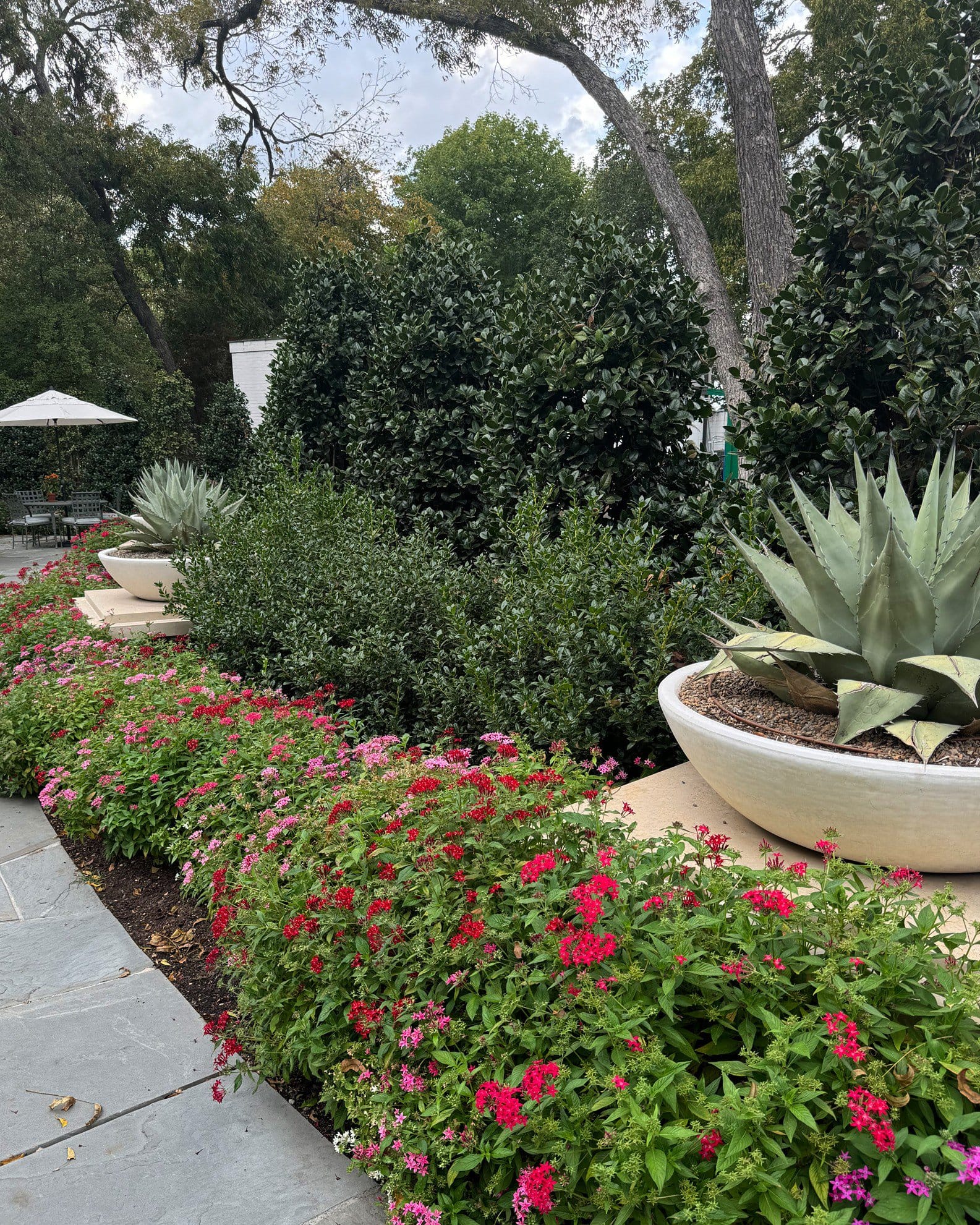
Companions like Muhly Grass, Indian Hawthorn, Abelias, Salvias, and ornamental grasses complement its fine texture and evergreen structure. Its adaptability makes pairing easy in both modern and naturalistic designs.
Yes - it thrives in heat, pollution, compacted soils, and reflected light better than many shrubs. Its durability makes it a top choice for city landscapes and commercial sites.
Young plants transplant very well when moved during cool seasons. Even mature specimens can be relocated with proper technique and care.
Its native toughness, drought tolerance, abundant berries, refined foliage, and remarkable versatility distinguish it from other hollies. Yaupon is both beautiful and incredibly resilient, thriving where many plants struggle.
Special Features
You might also like
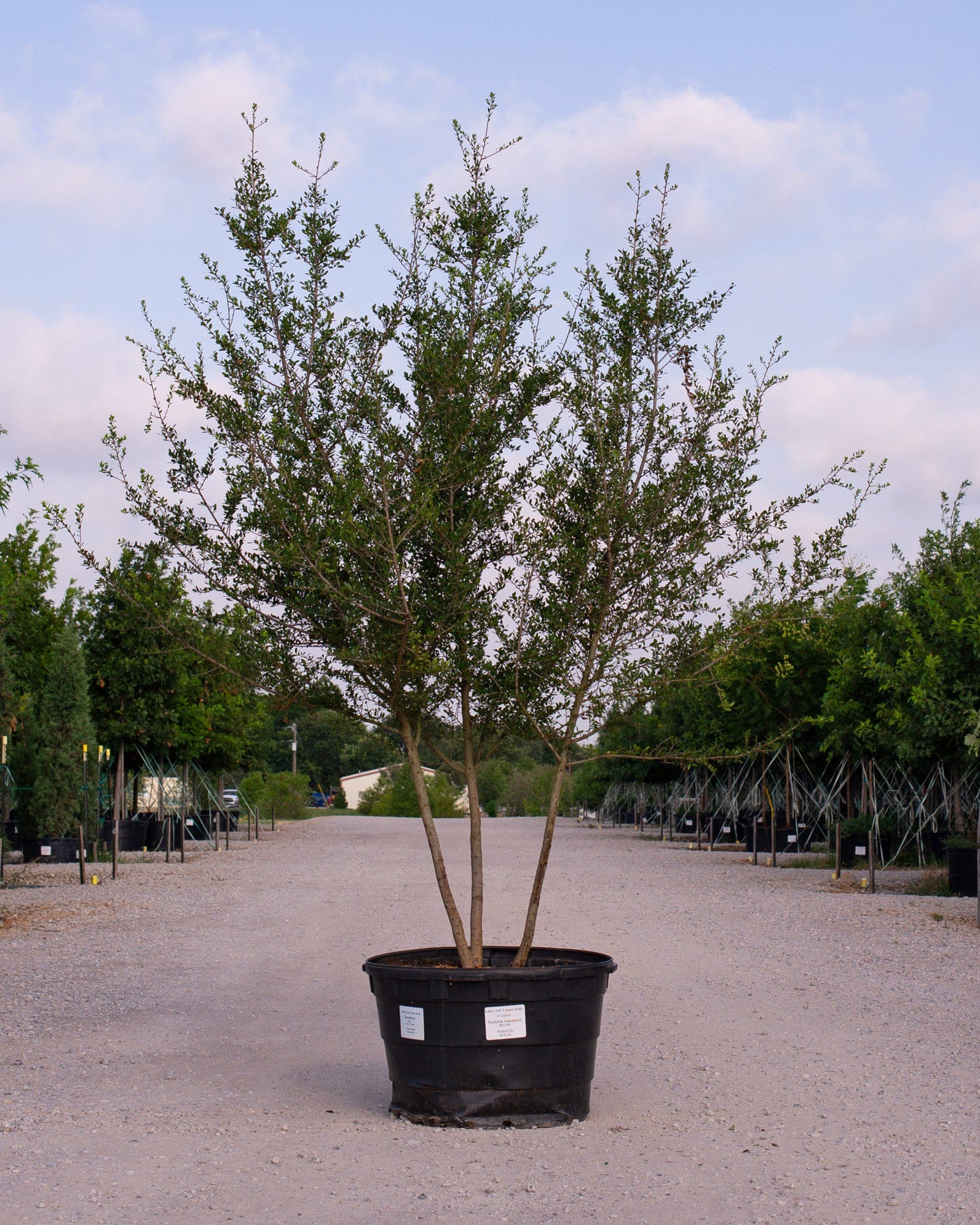
Yaupon Holly Kathy Ann
Maturity: 20' H x 15' W
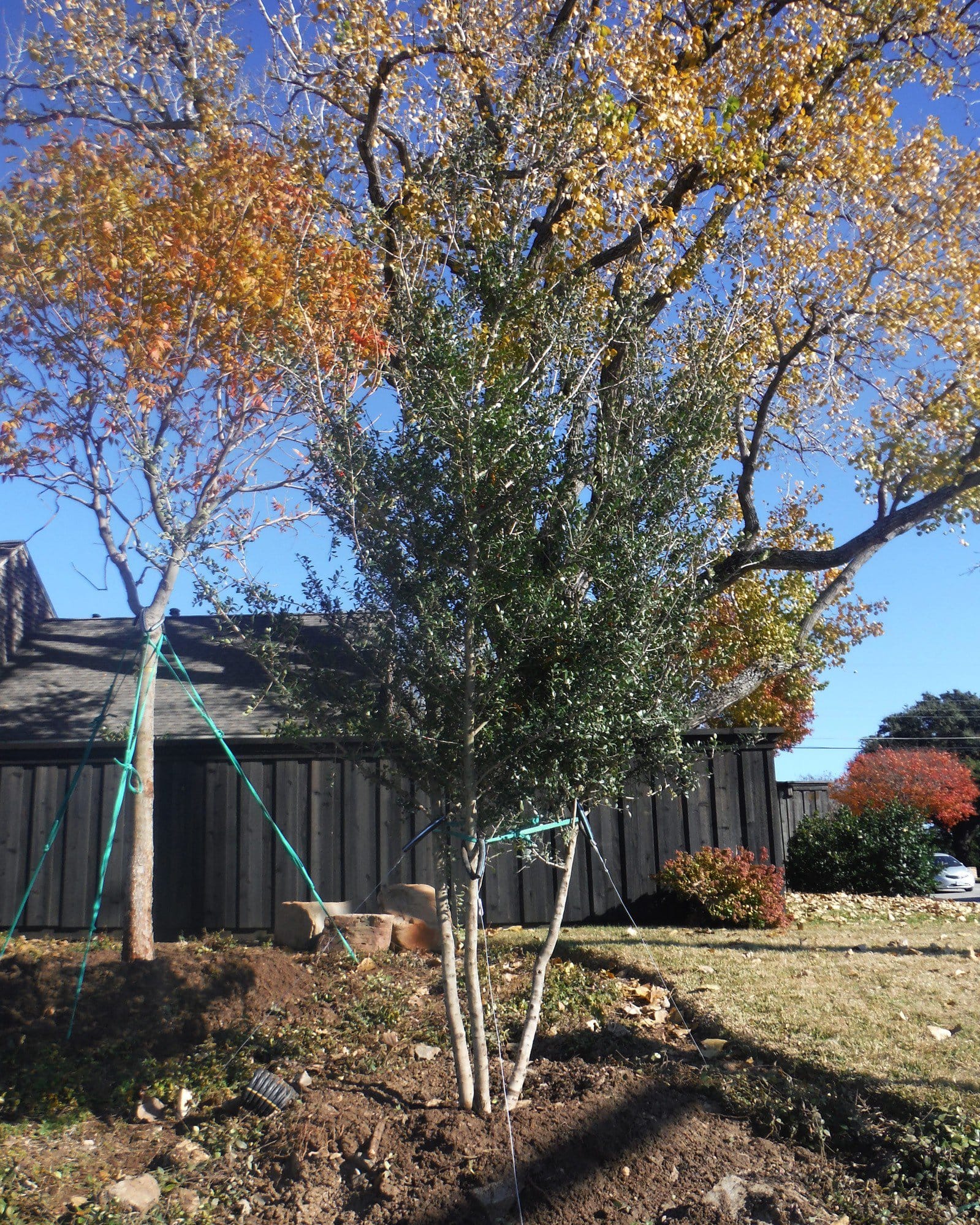
Yaupon Holly Pride of Houston
Maturity: 20' H x 15' W
Eagleston Holly Tree Form
Maturity: 20' H x 14' W
East Palatka Holly Tree Form
Maturity: 25' H x 14' W
Nellie R Stevens Holly Tree Form
Maturity: 20' H x 14' W
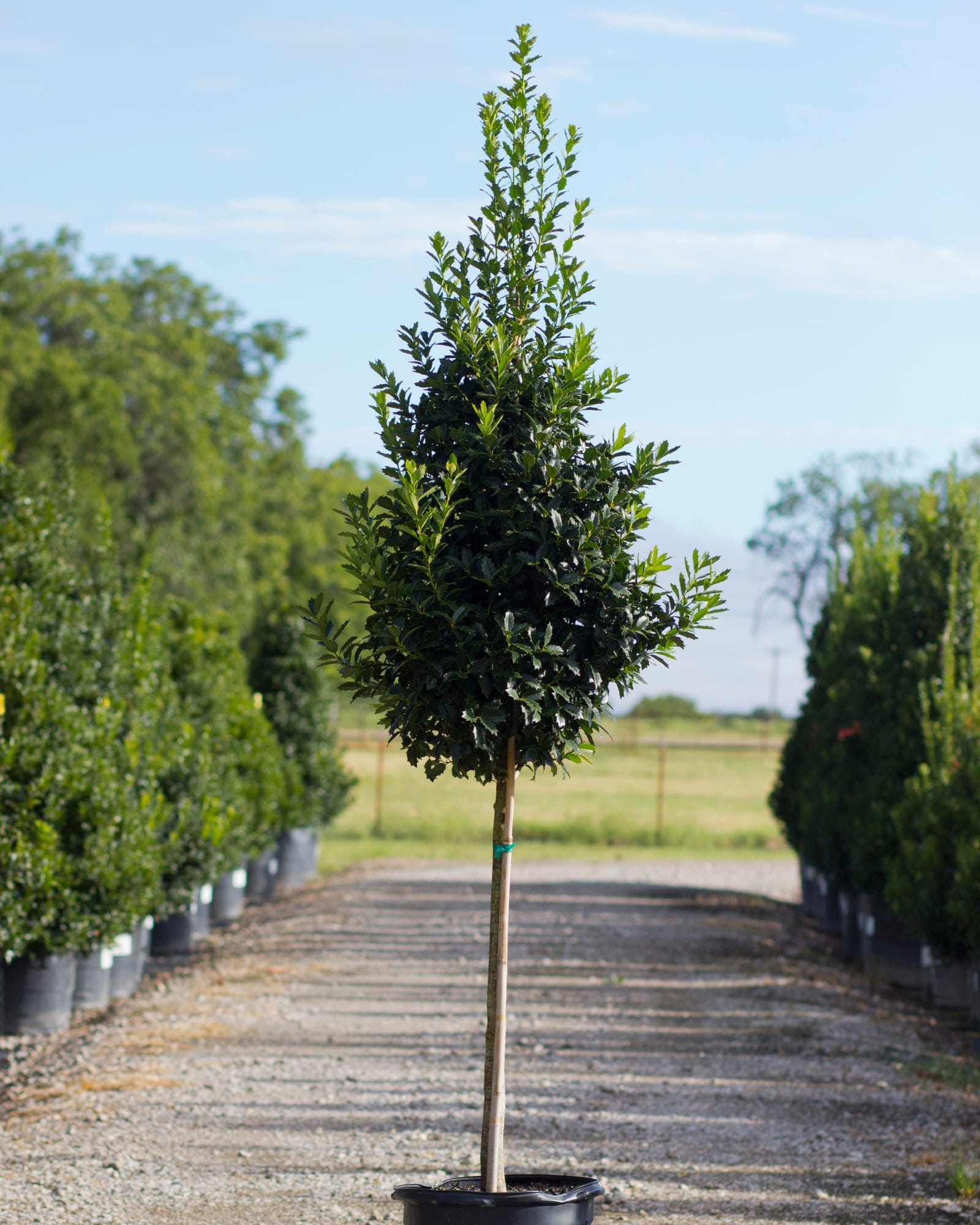
Oakland Holly Tree Form
Maturity: 16' H x 7' W
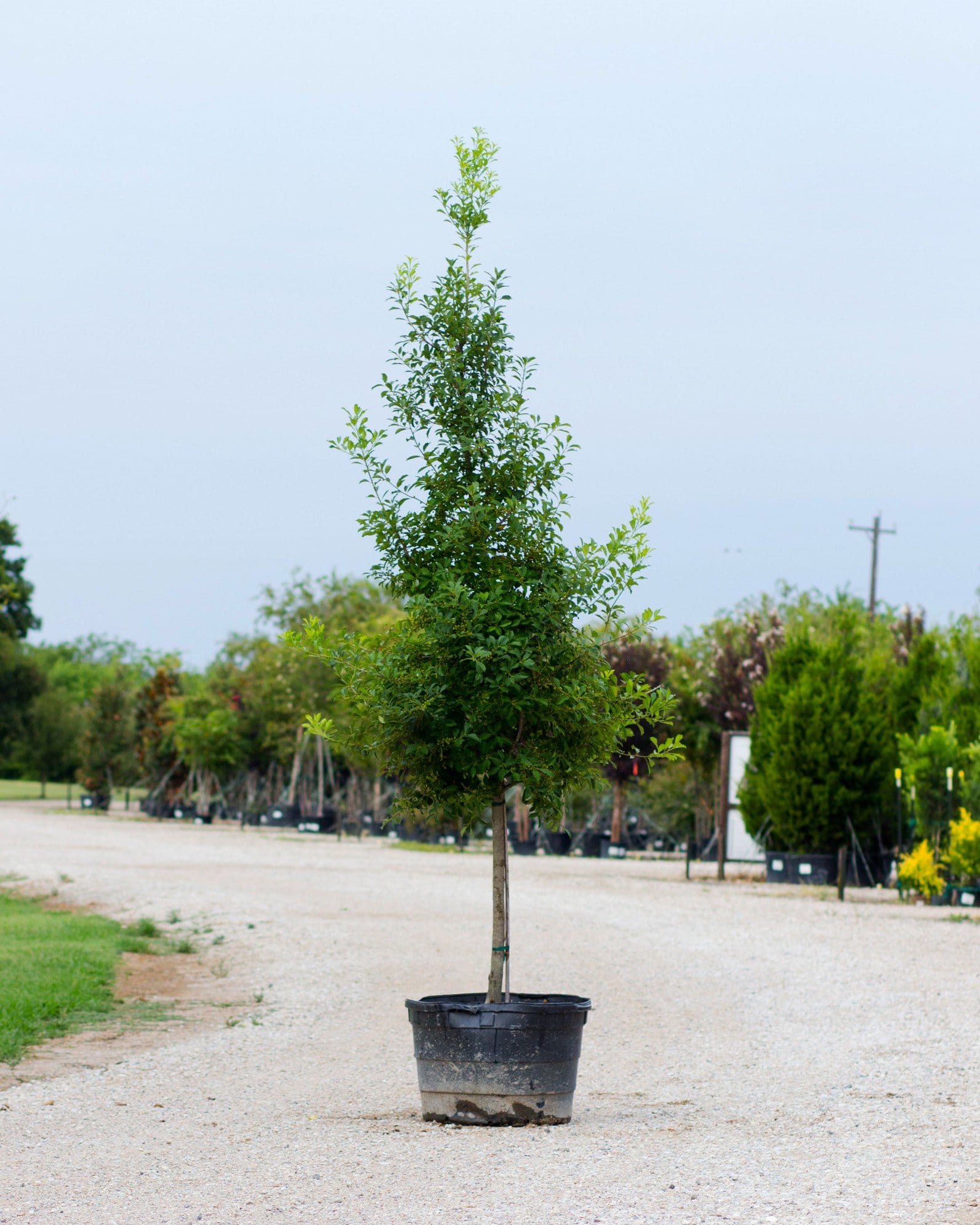
Savannah Holly Tree Form
Maturity: 20' H x 14' W
Yaupon Holly Skyward
Maturity: 12' H x 6' W
Burford Holly
Maturity: 15' H x 10' W
Burford Holly Tree Form
Maturity: 15' H x 10' W
Crown Point Holly
Maturity: 14' H x 7' W
Eagleston Holly Full to Ground
Maturity: 20' H x 14' W
Emily Bruner Holly
Maturity: 20' H x 10' W
Liberty Holly
Maturity: 14' H x 7' W
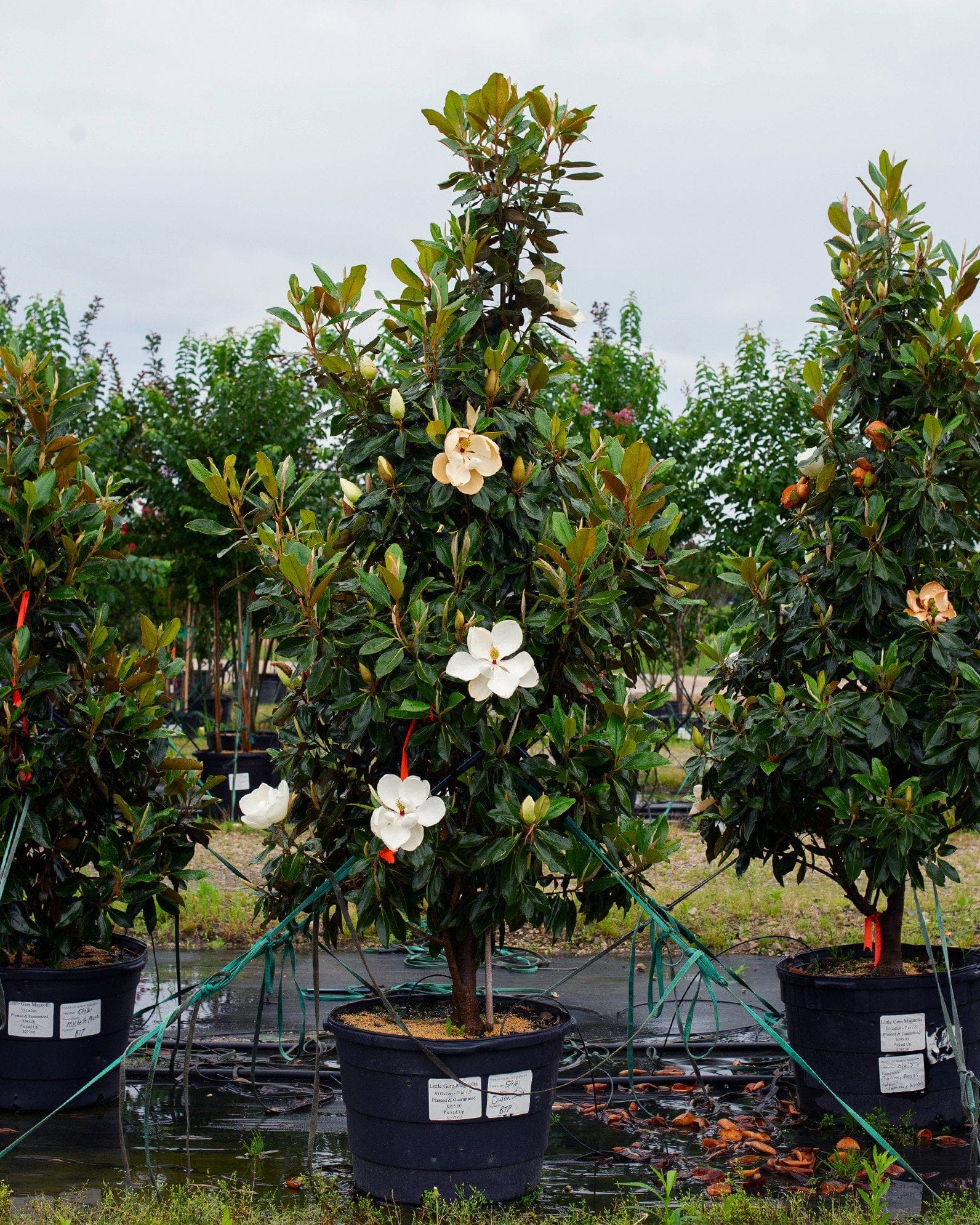
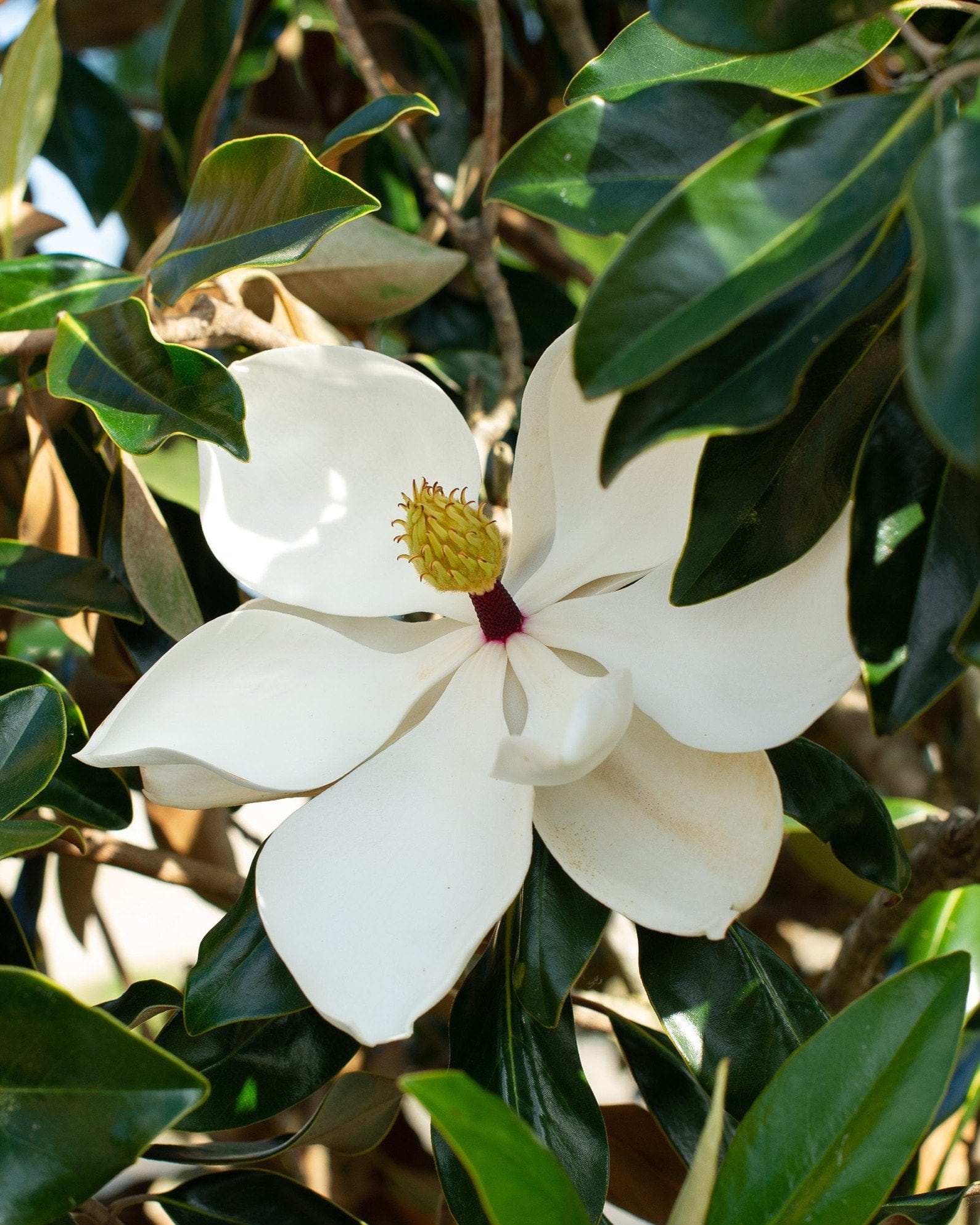
Little Gem Magnolia
Maturity: 20' H x 14' W
Compare Similar Plants
Yaupon Holly This plant | ||
|---|---|---|
| Scientific Name | Ilex vomitoria | Ilex vomitoria ‘Kathy Ann’ |
| Size at Maturity | 20' H x 15' W | 20' H x 15' W |
| Leaf Retention | Evergreen | Evergreen |
| Sizes Available | 3, 7, 15 gal | 15, 30, 45 gal |


Our 1-Year Planting Guarantee
We take pride in our plants and installation services. If any plants or trees installed by Treeland fail to thrive within the first year, we'll provide a replacement credit in accordance with our guarantee program.
Learn More About Our Guarantee