
 Popular
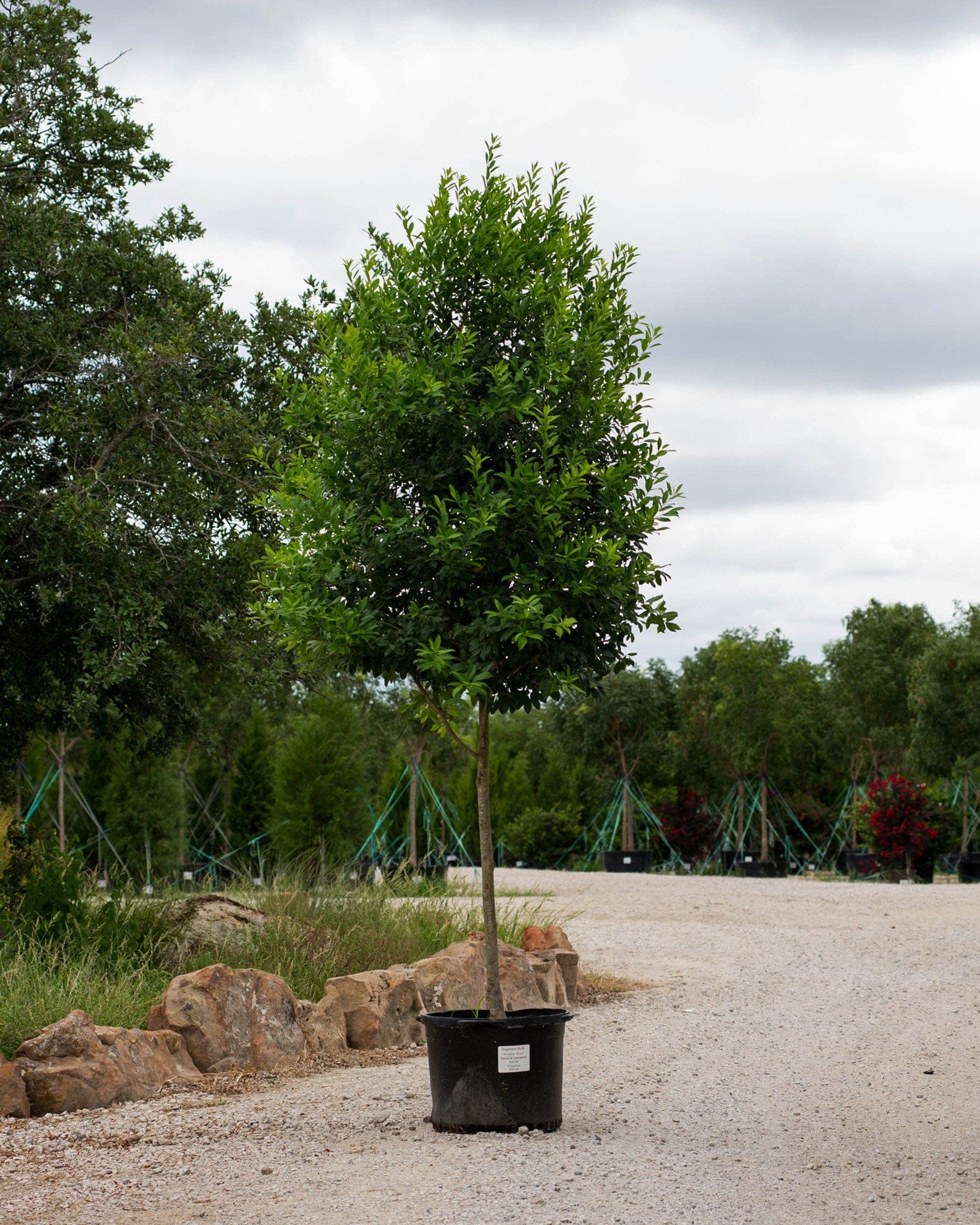
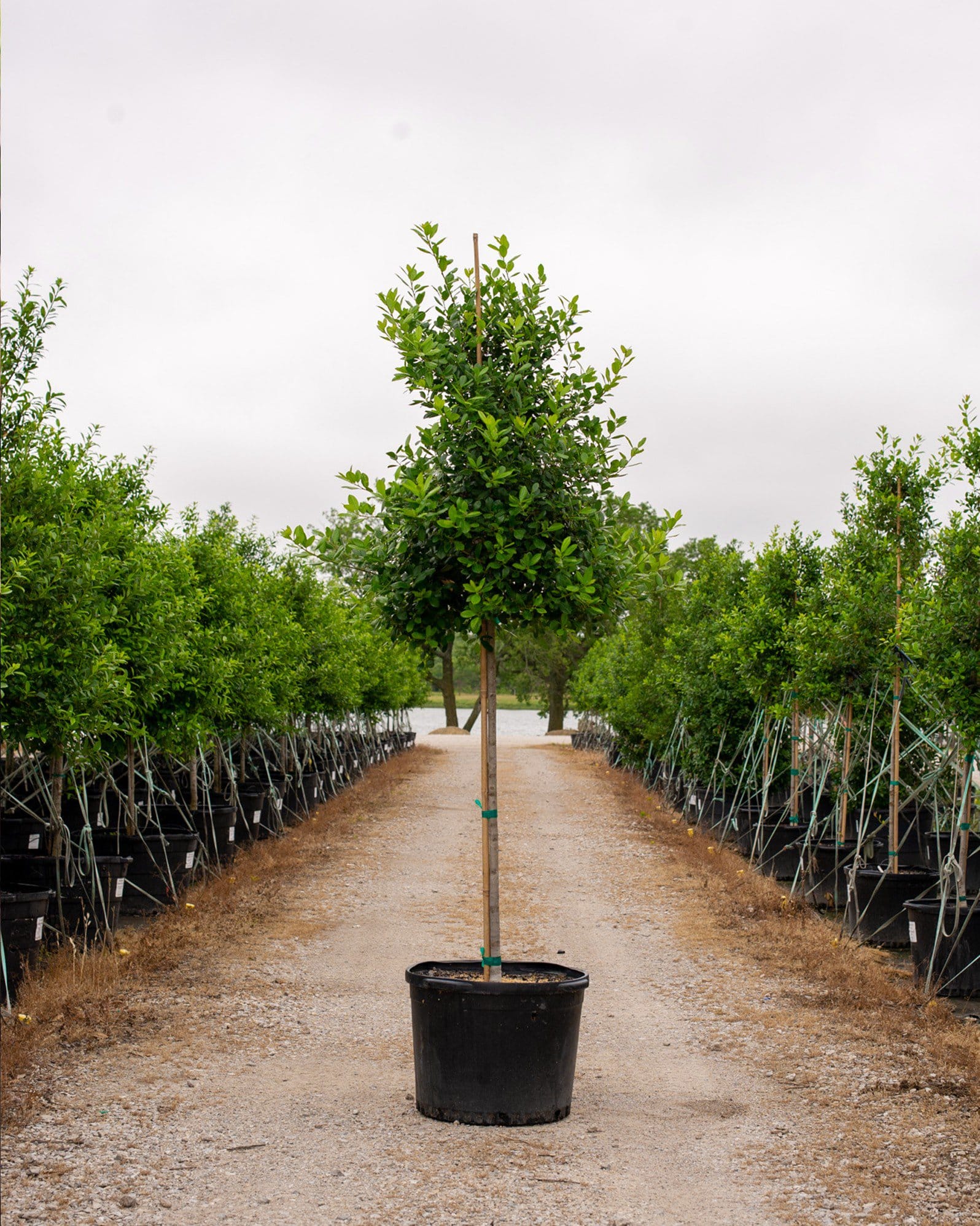
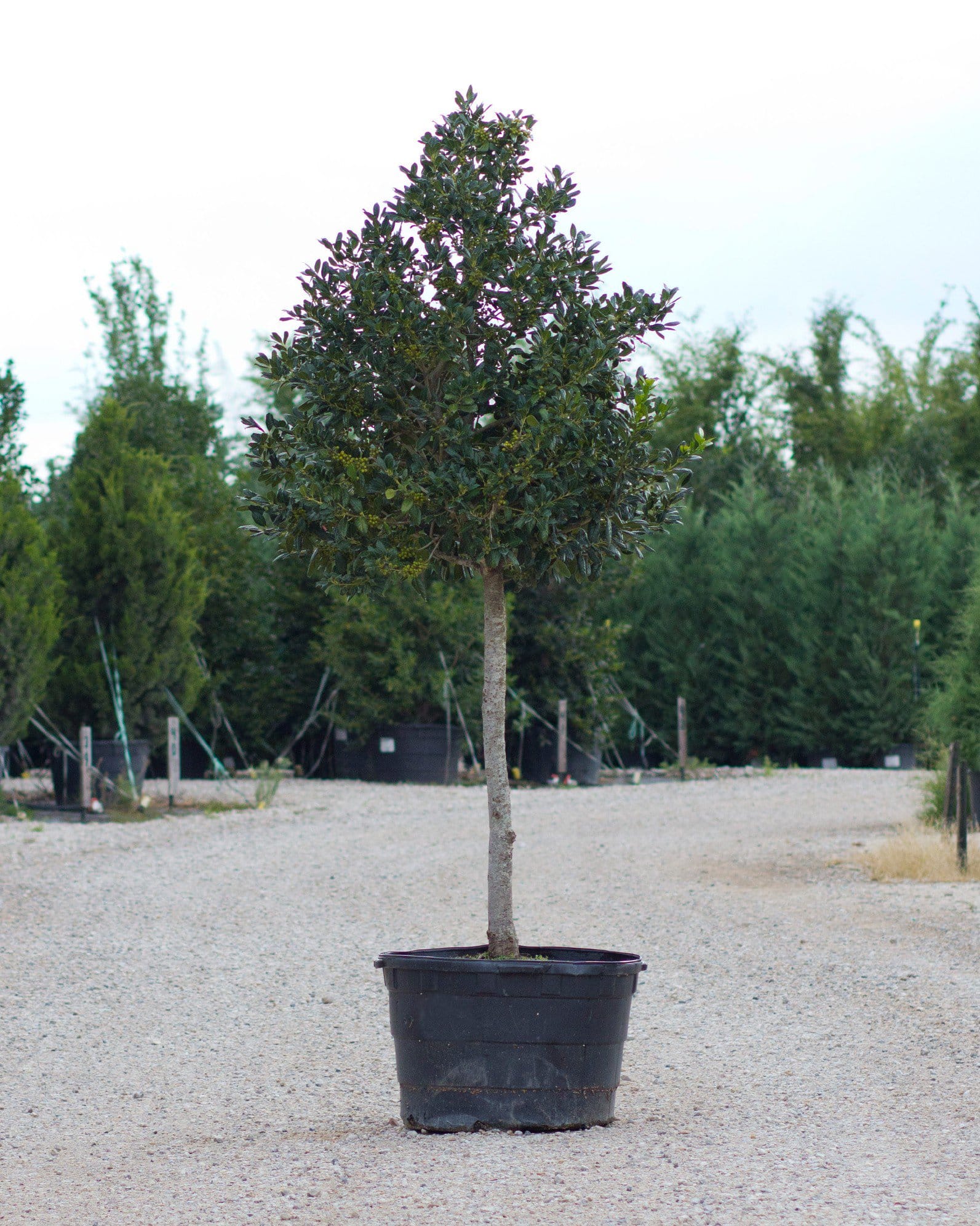
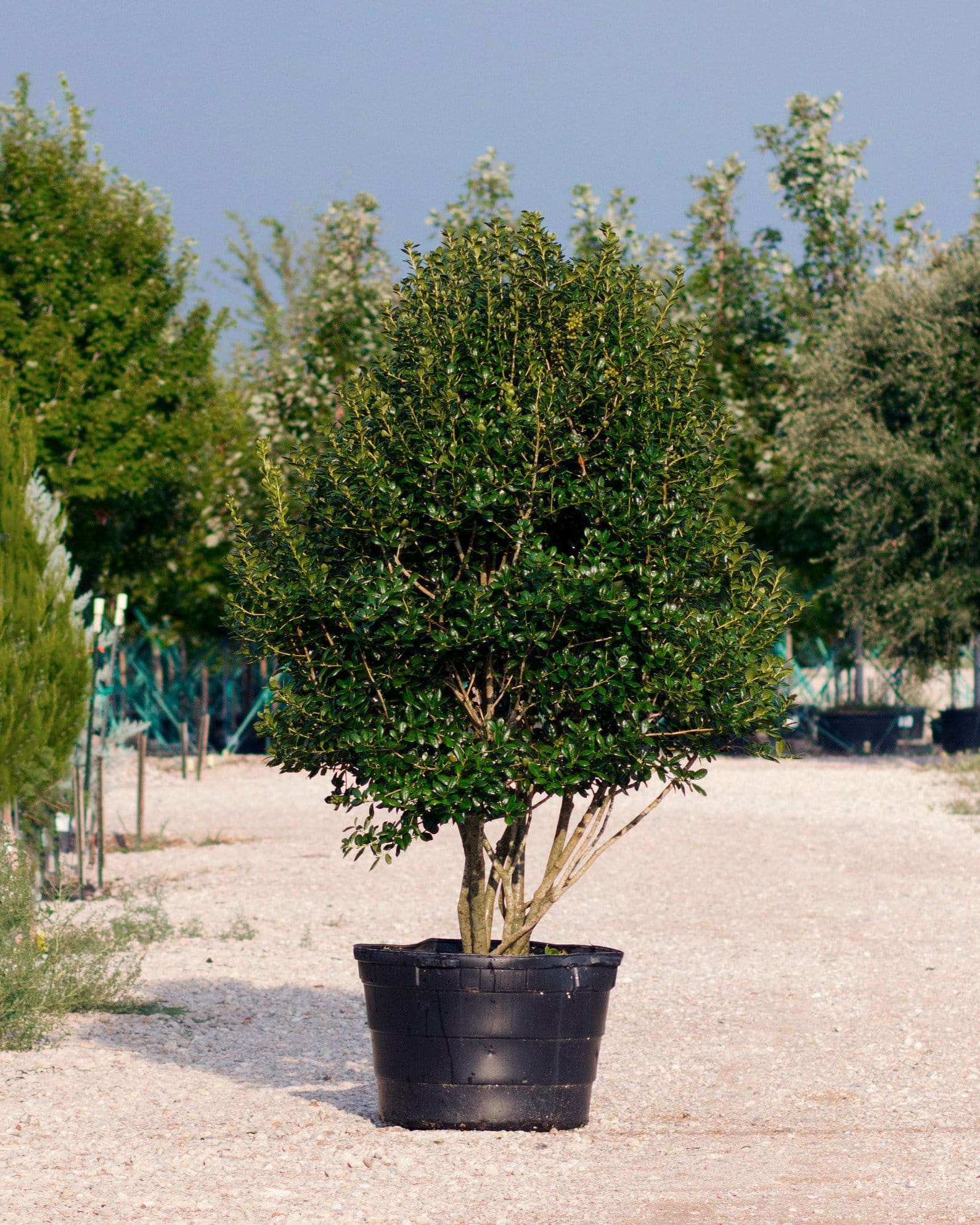
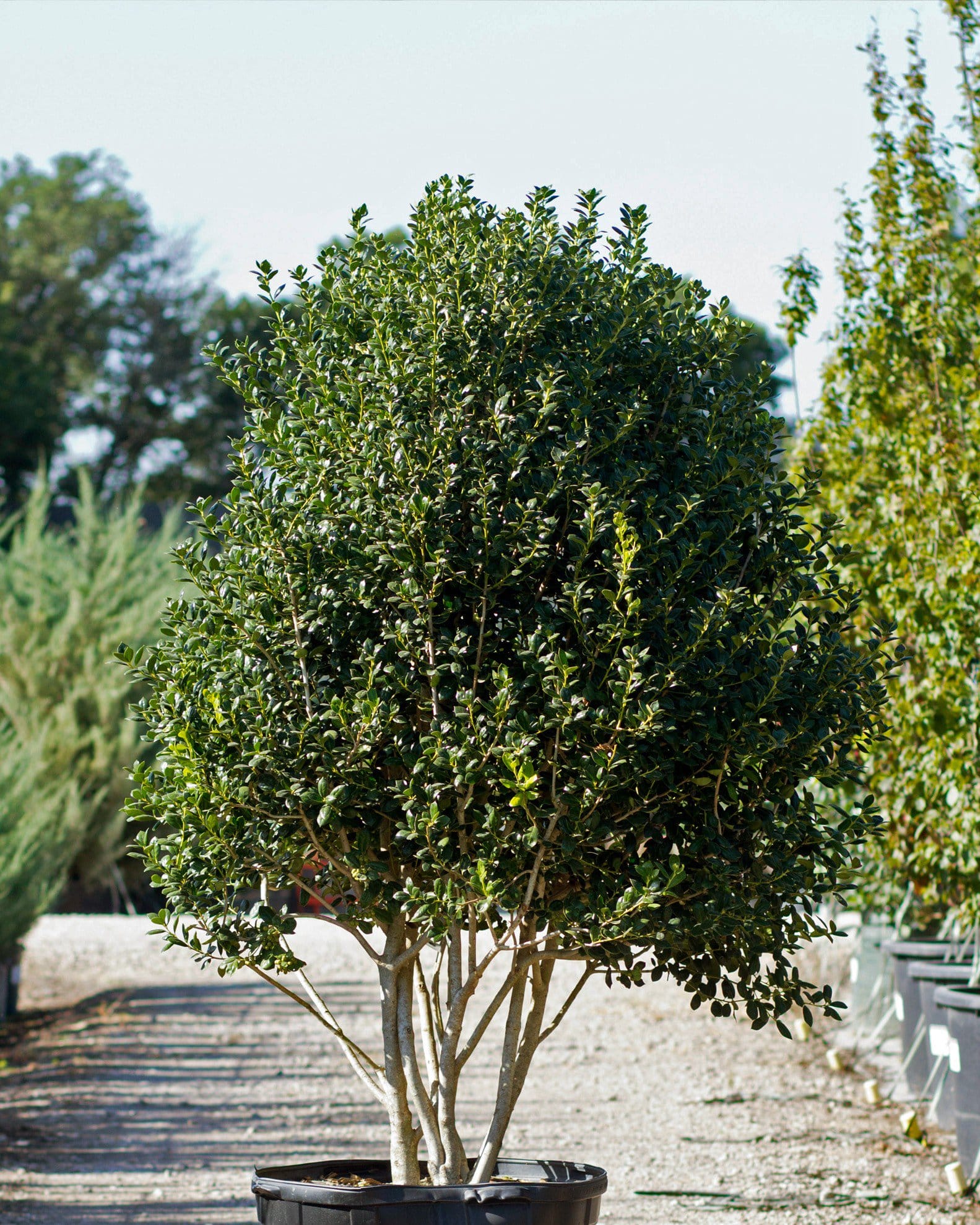
Eagleston Holly Tree Form
Ilex × attenuata ‘Eagleston’Local DFW Delivery Only
Product Details
Eagleston Holly Tree Form
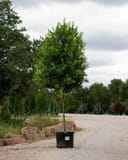
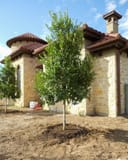
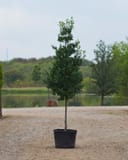
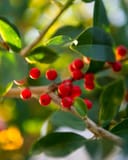
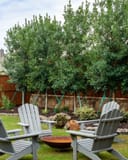
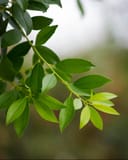
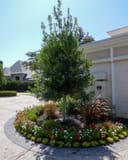
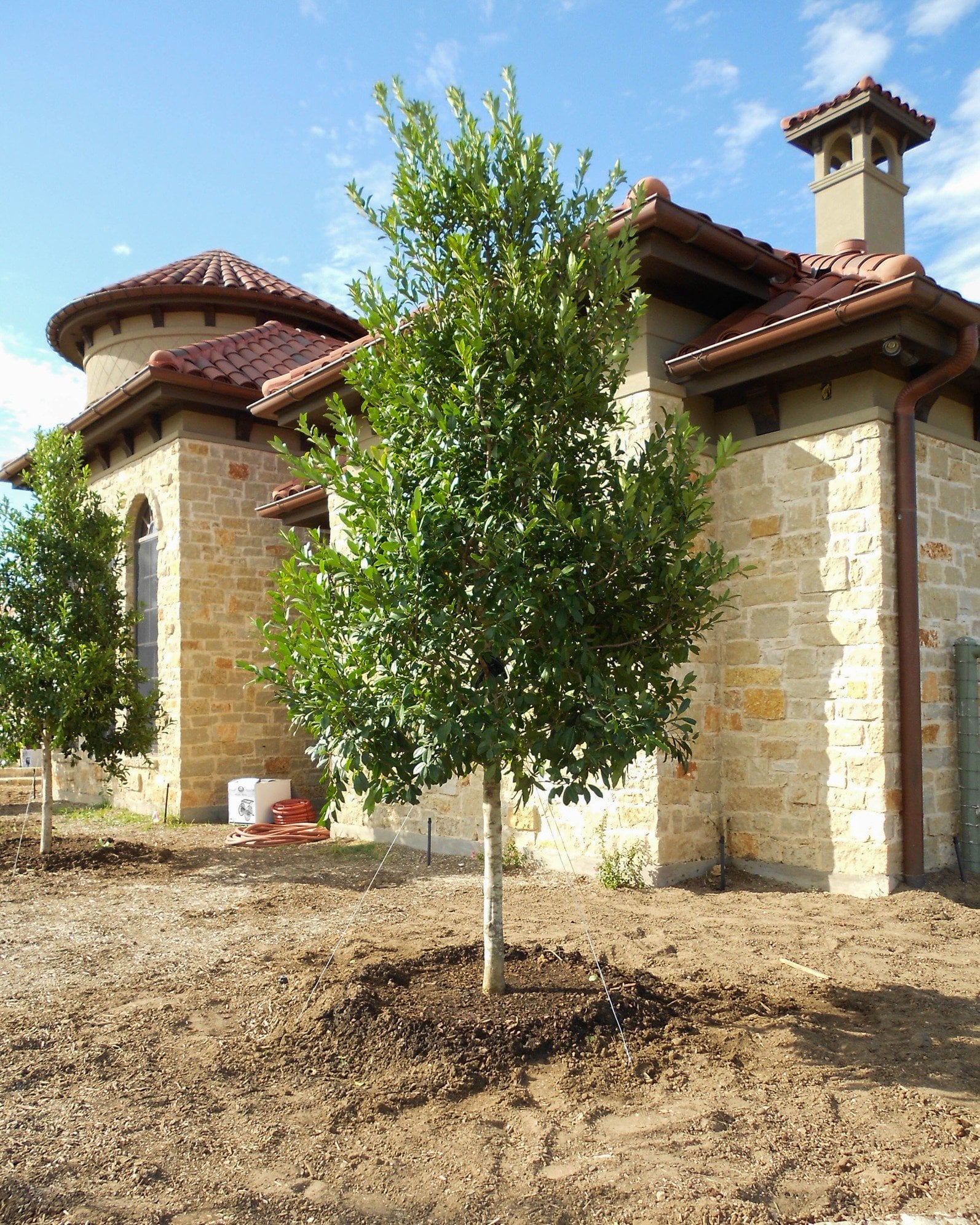
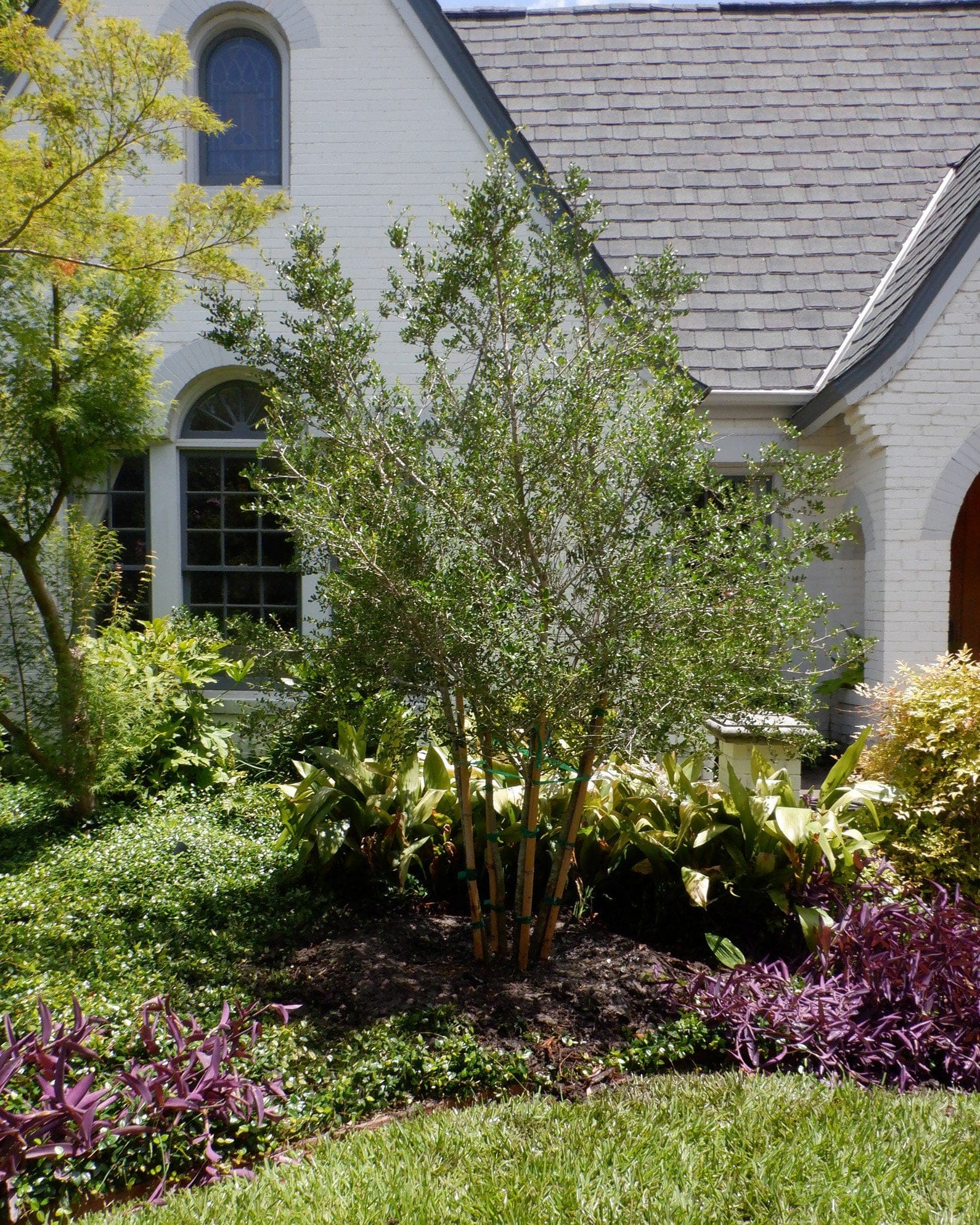
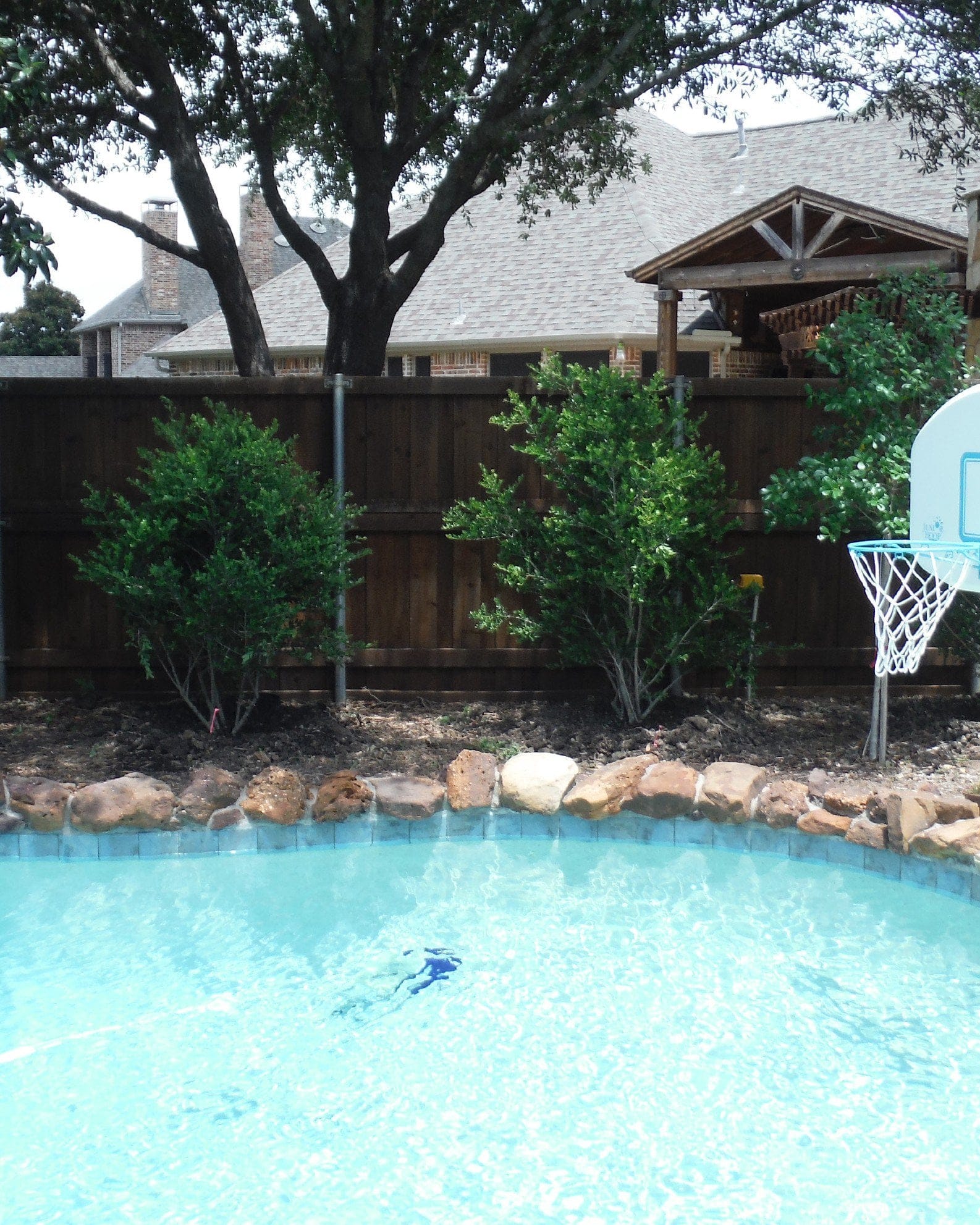
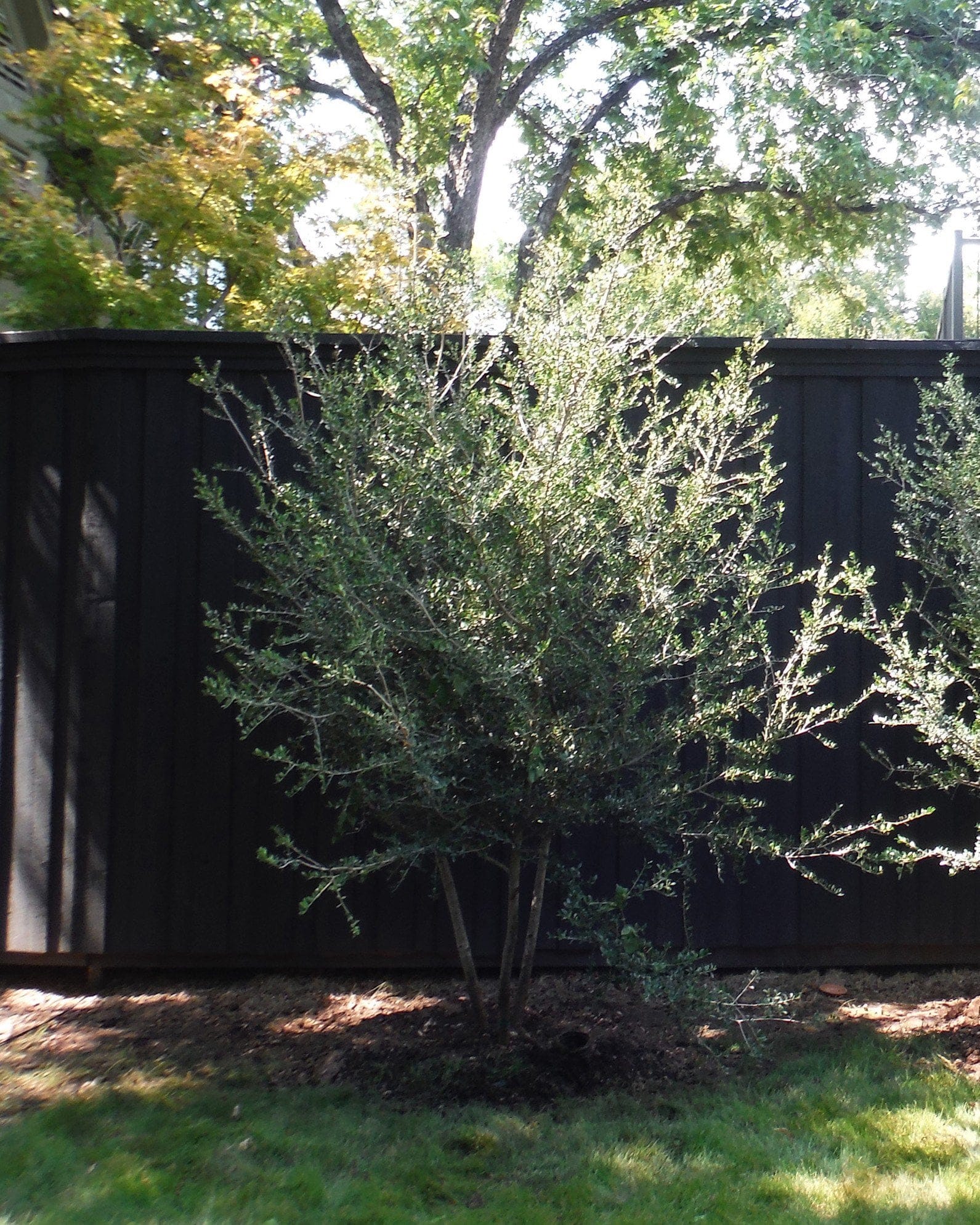
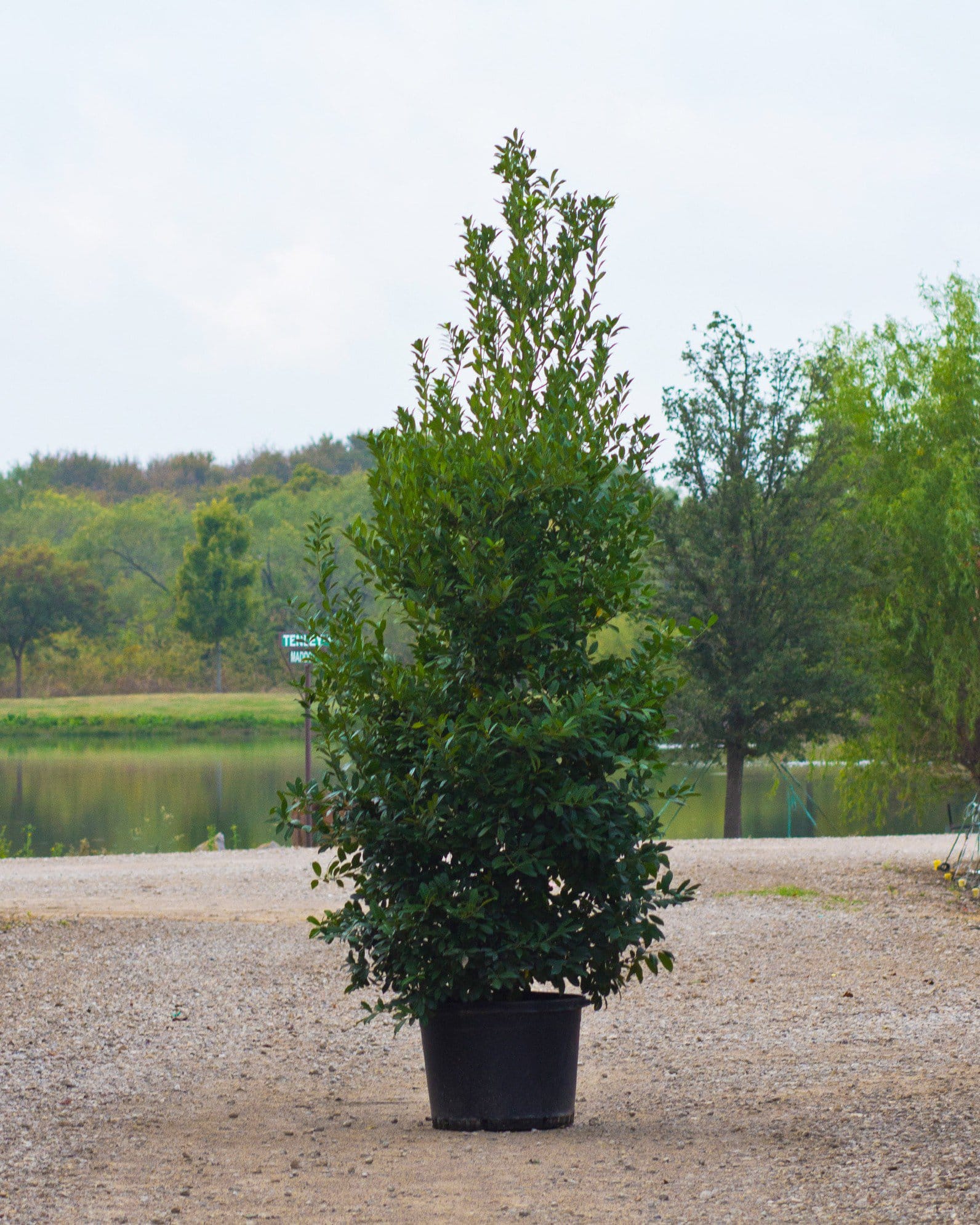
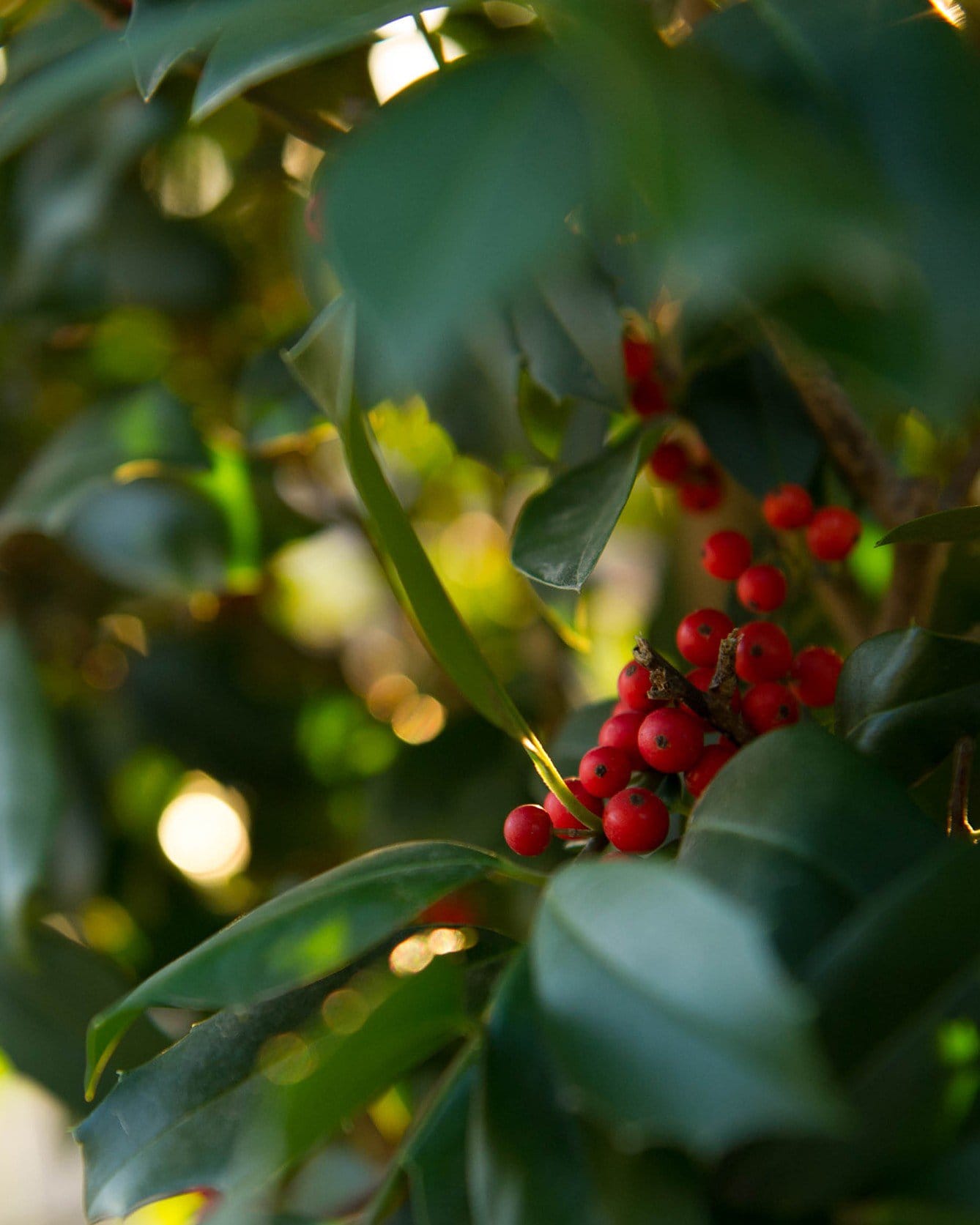
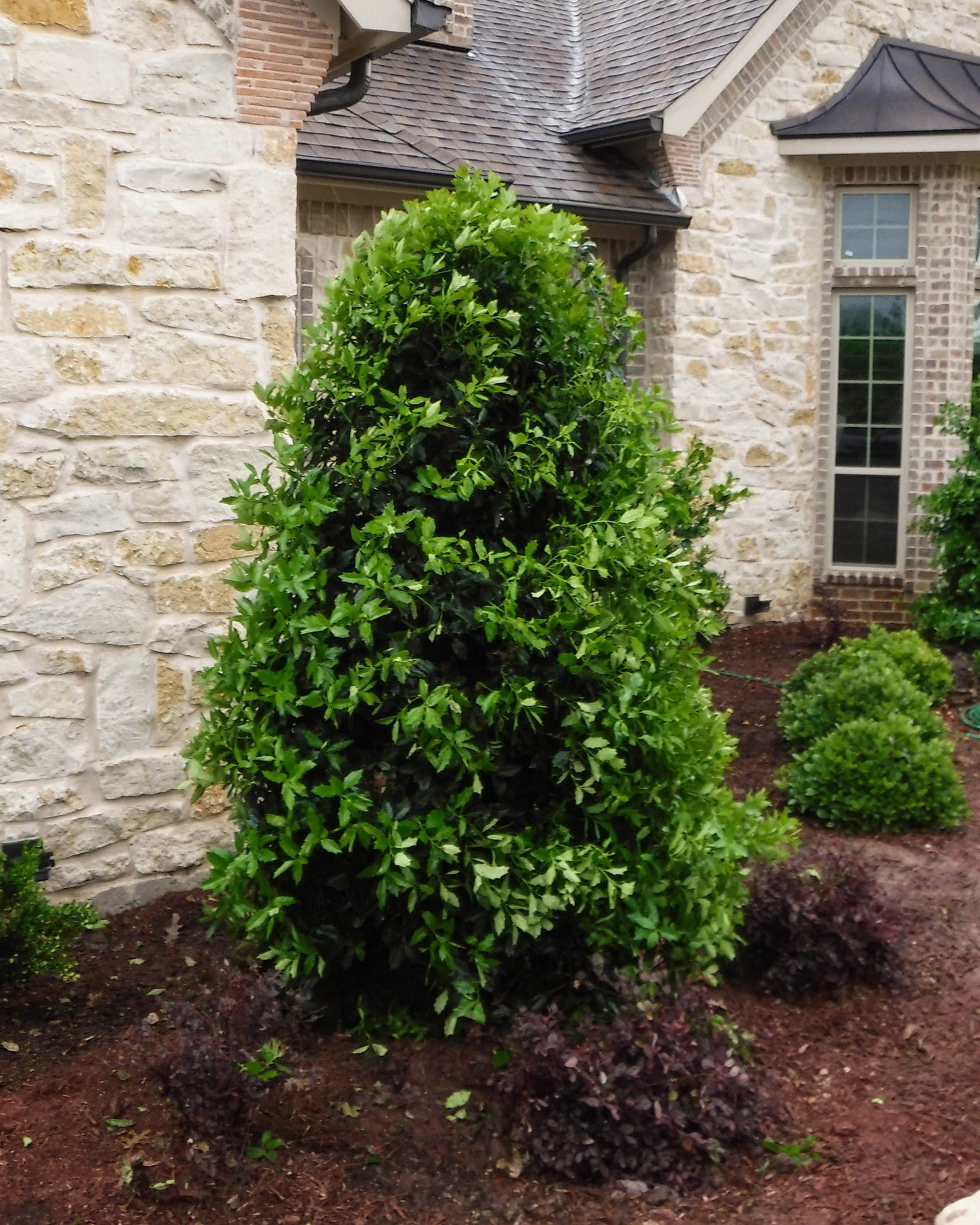
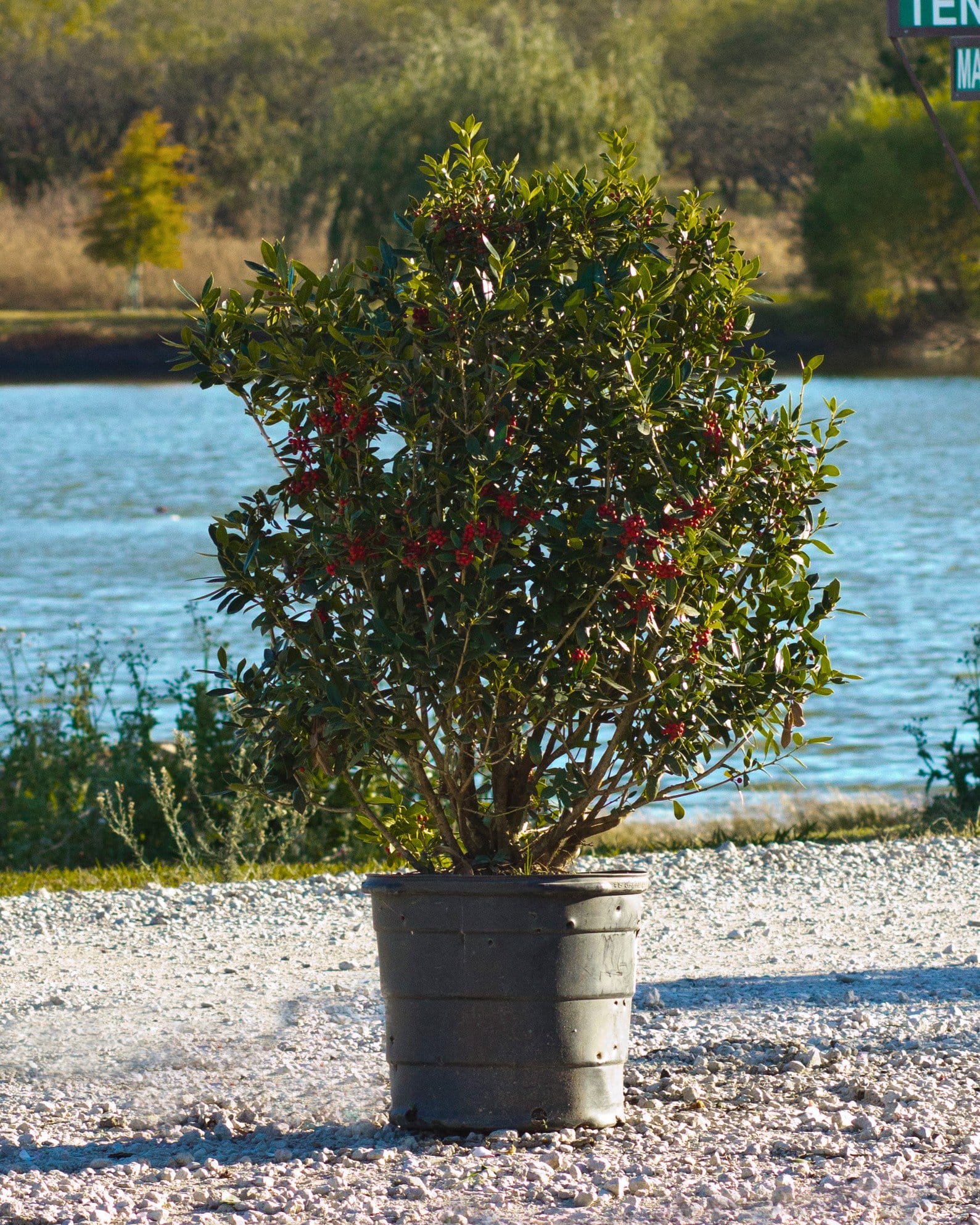
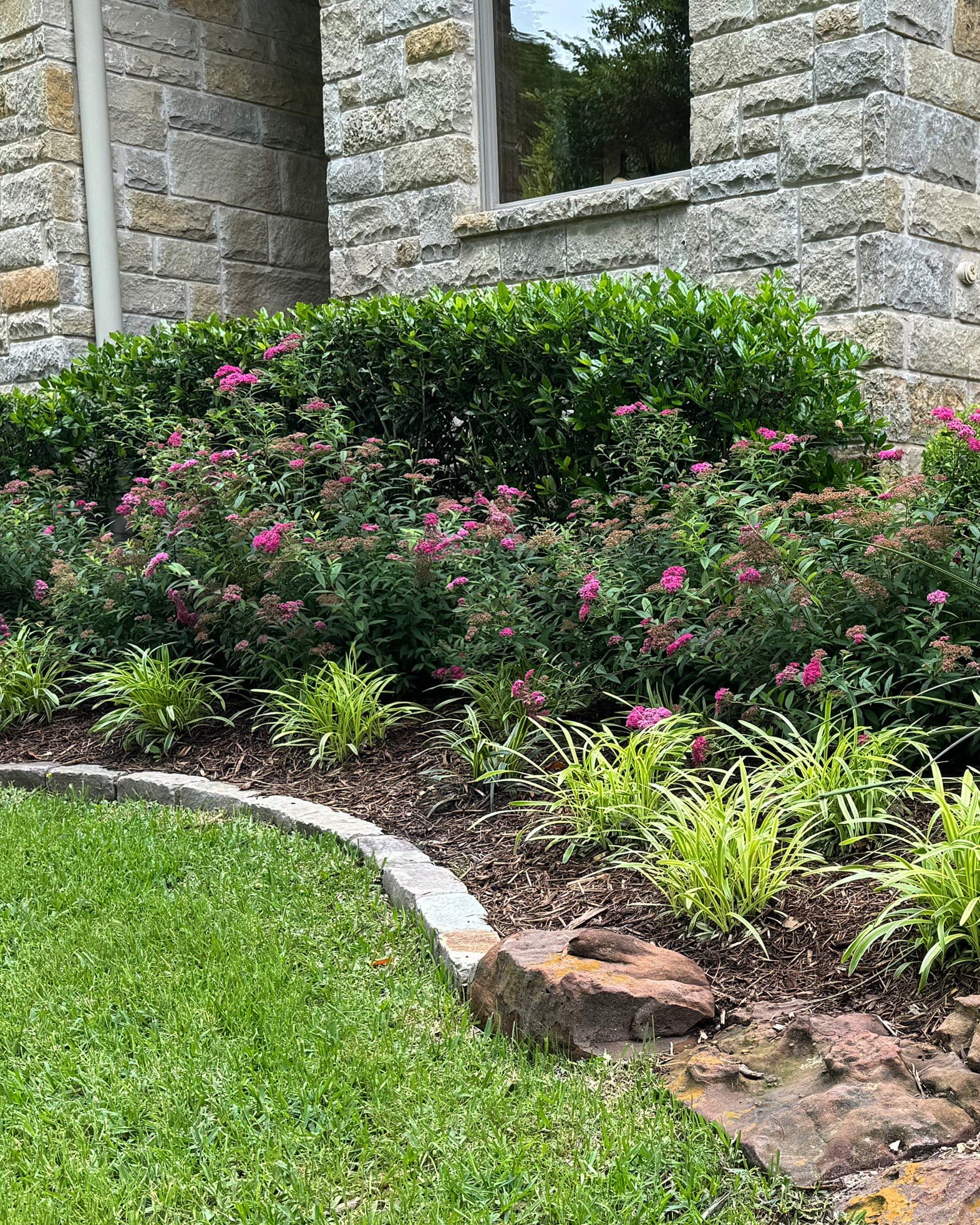
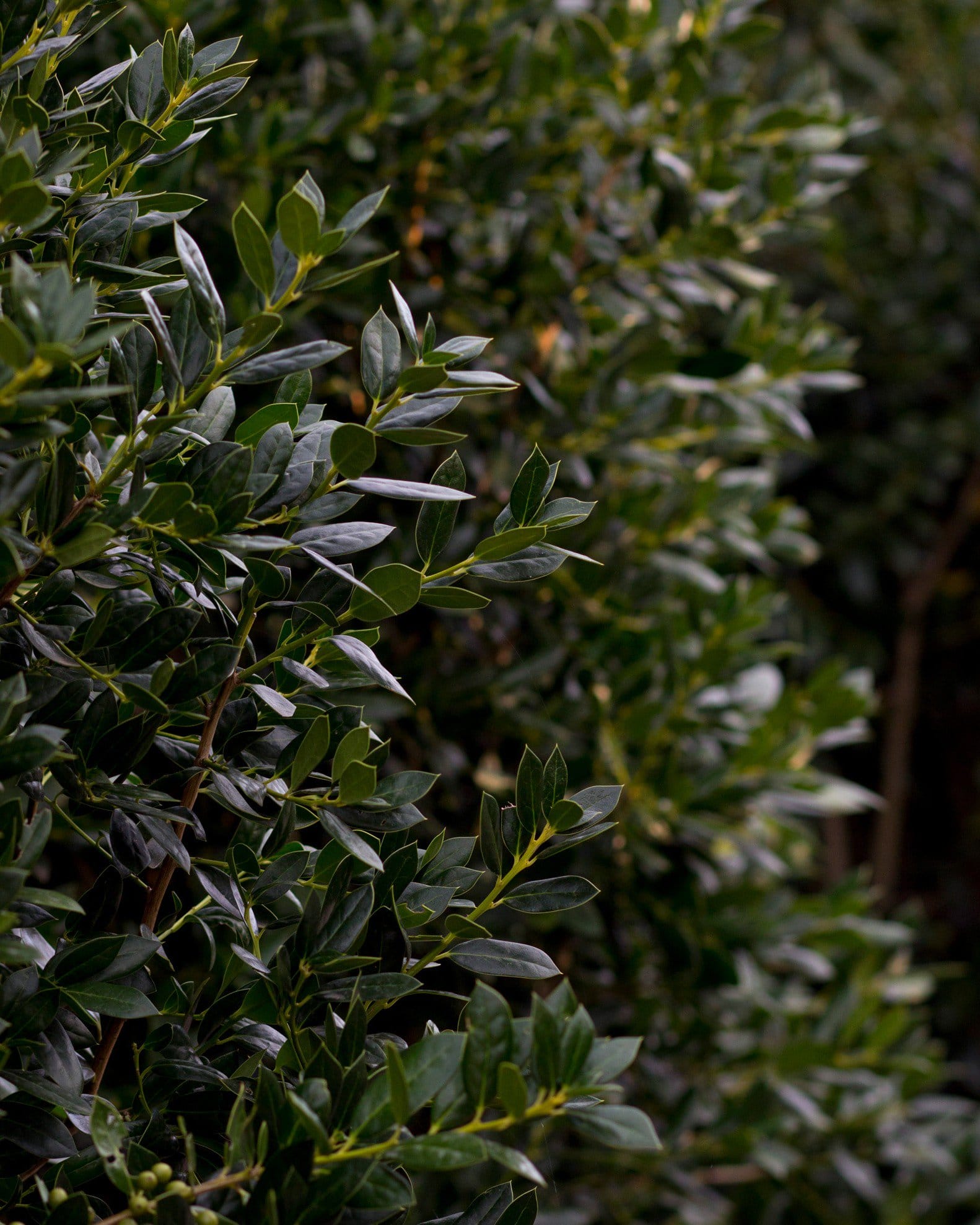
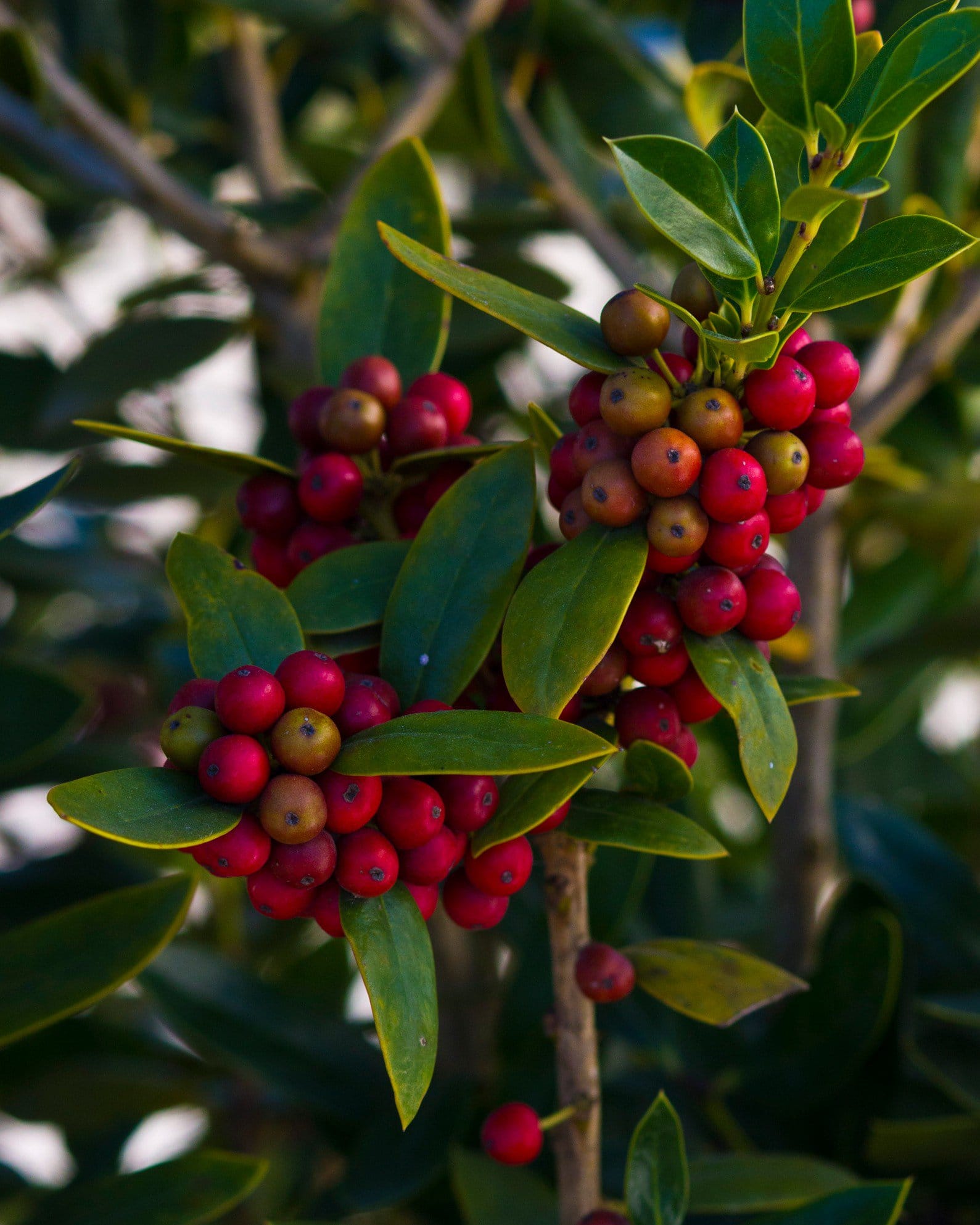
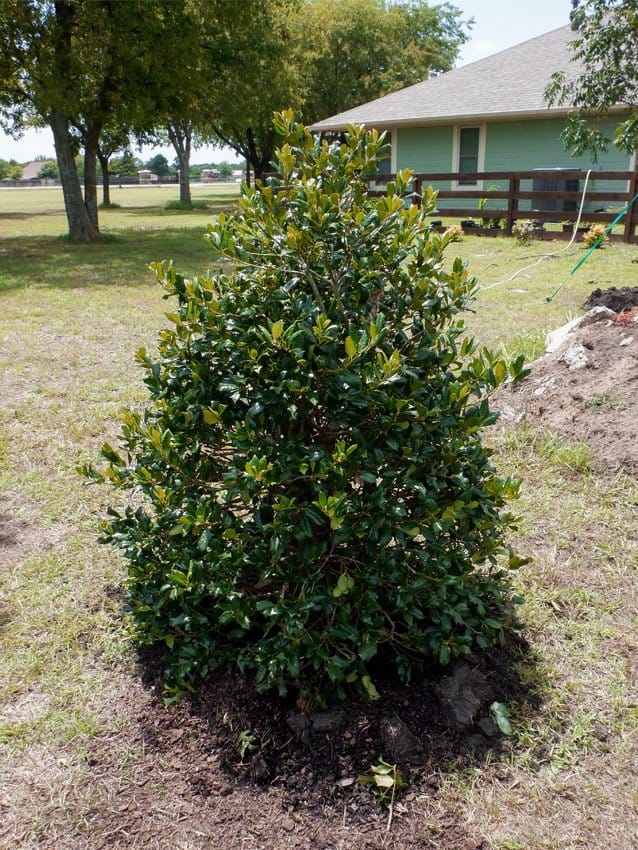
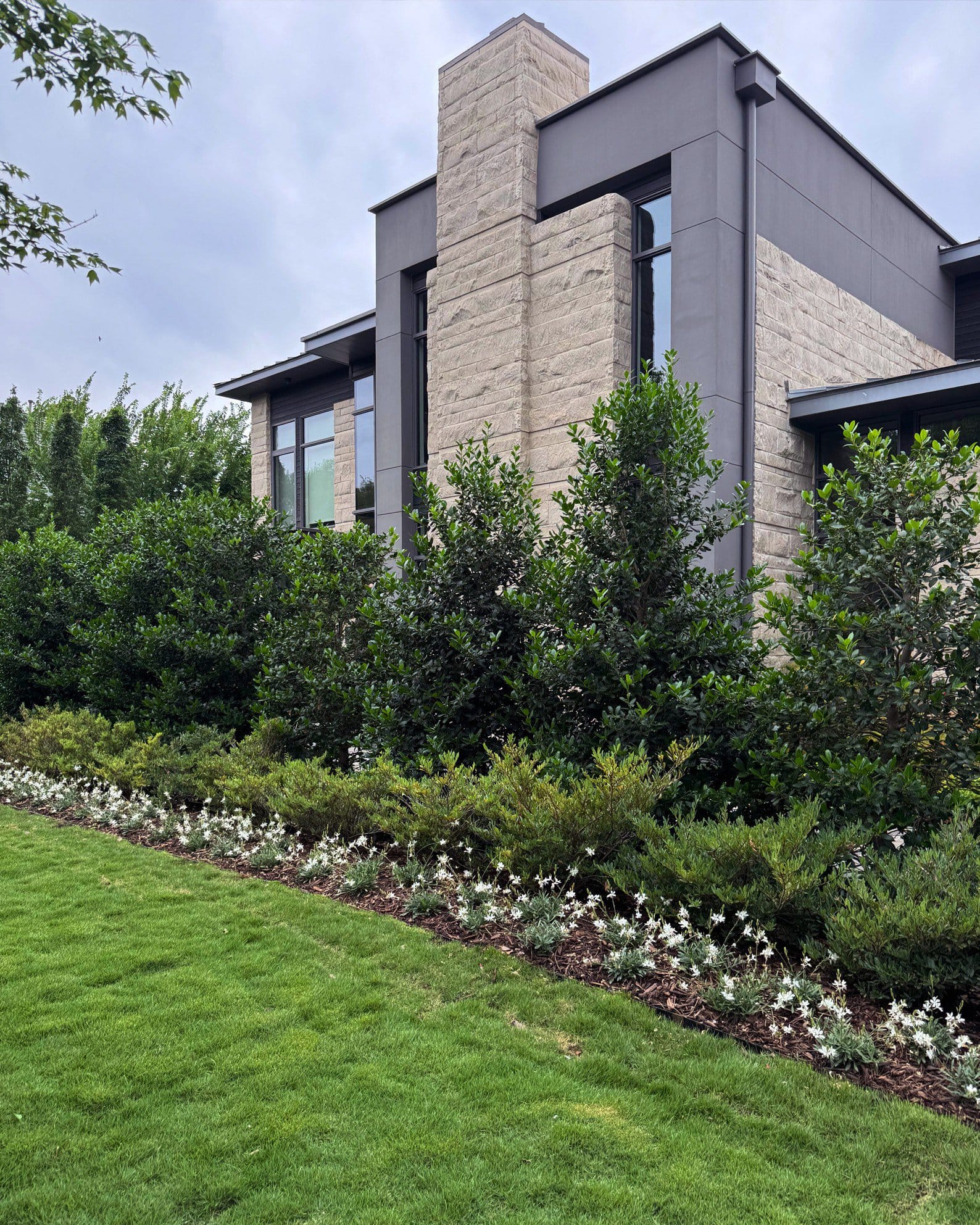
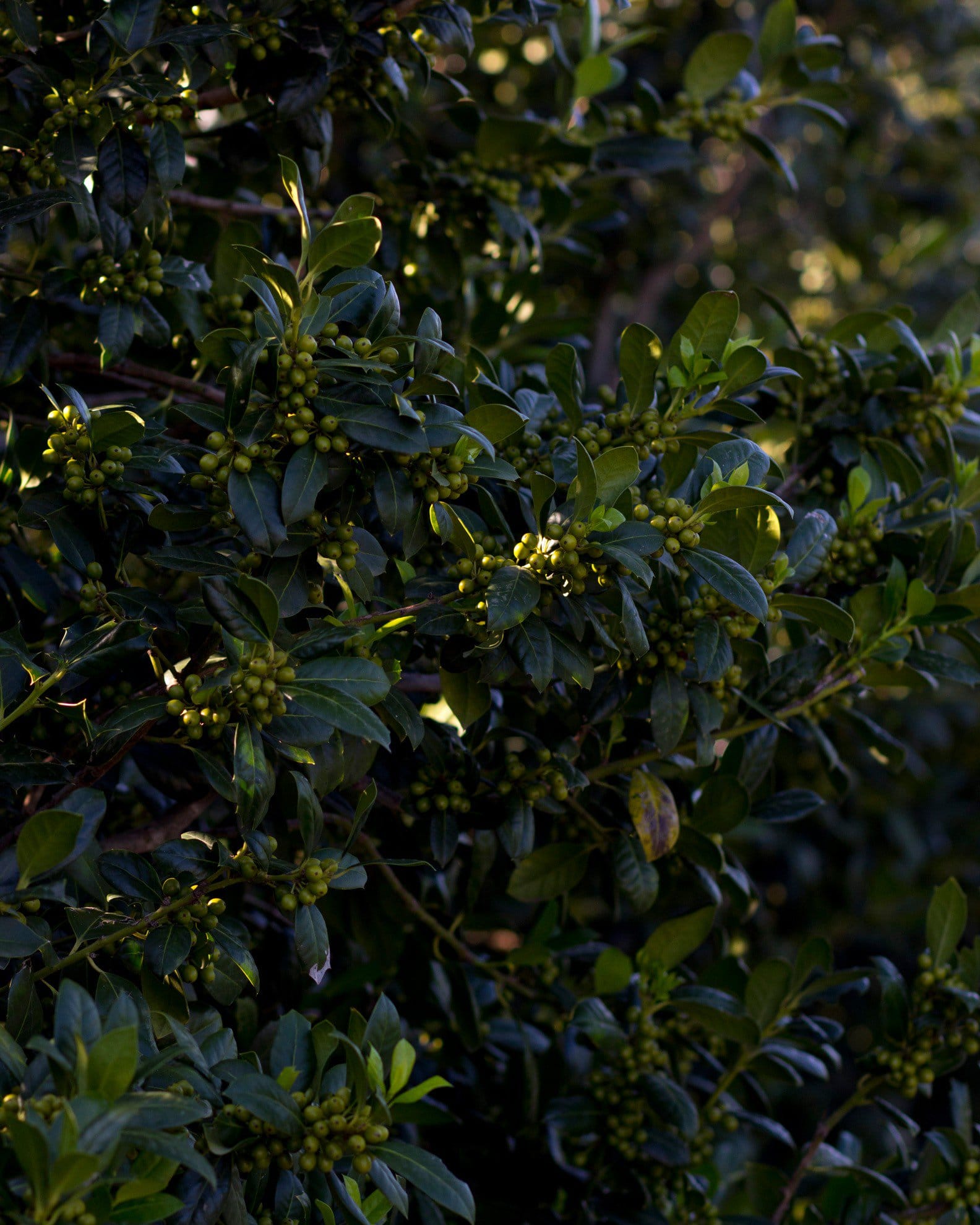
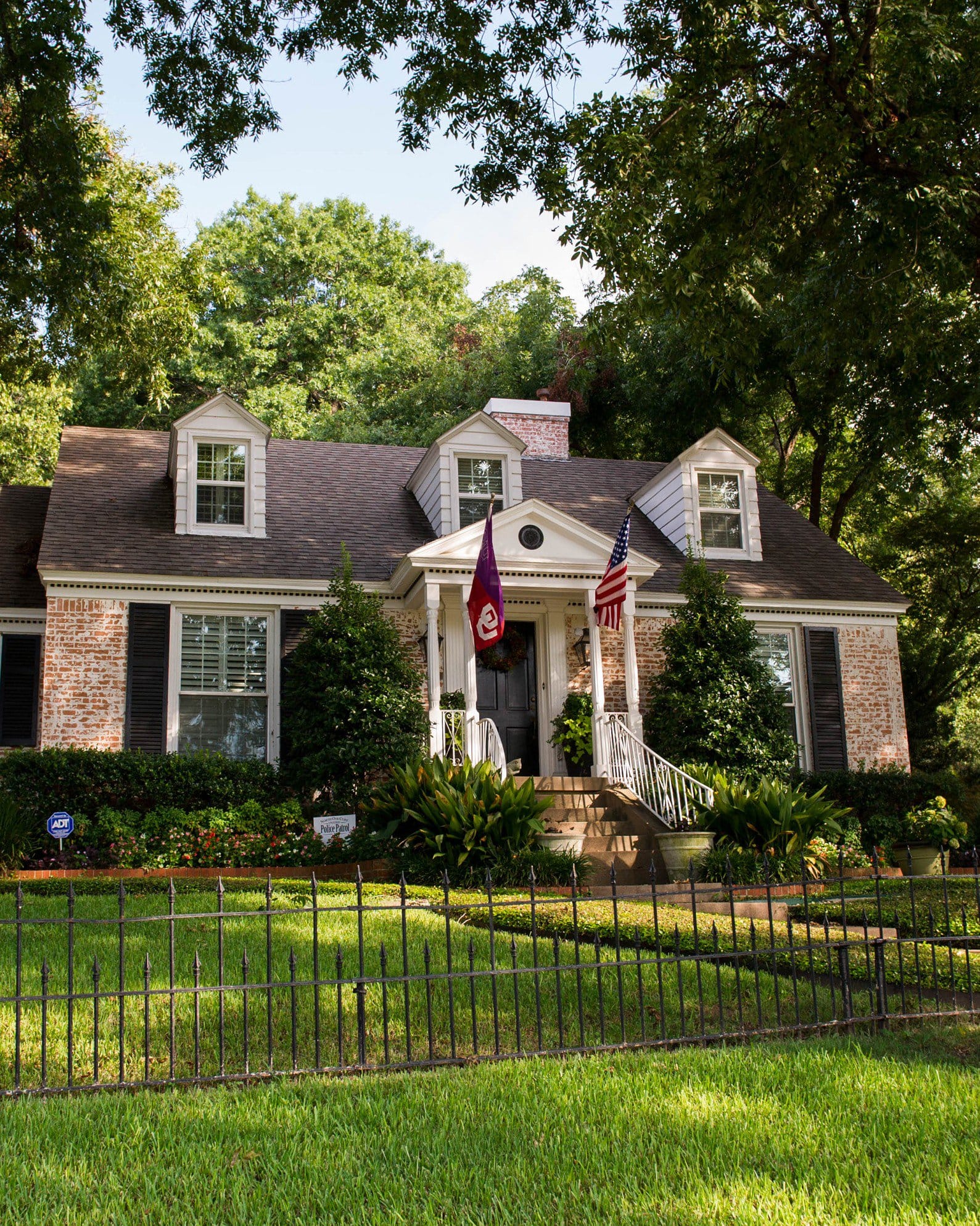
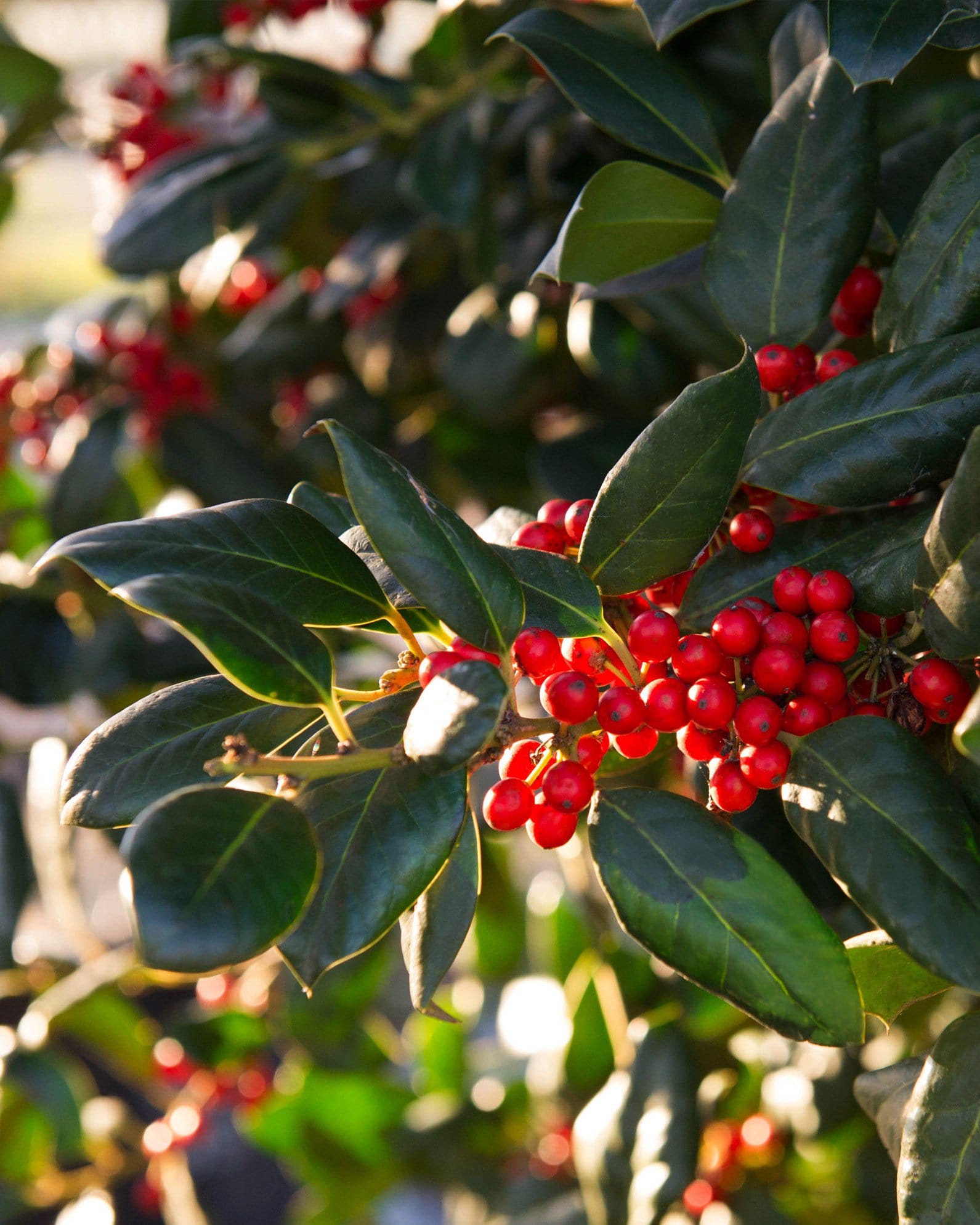
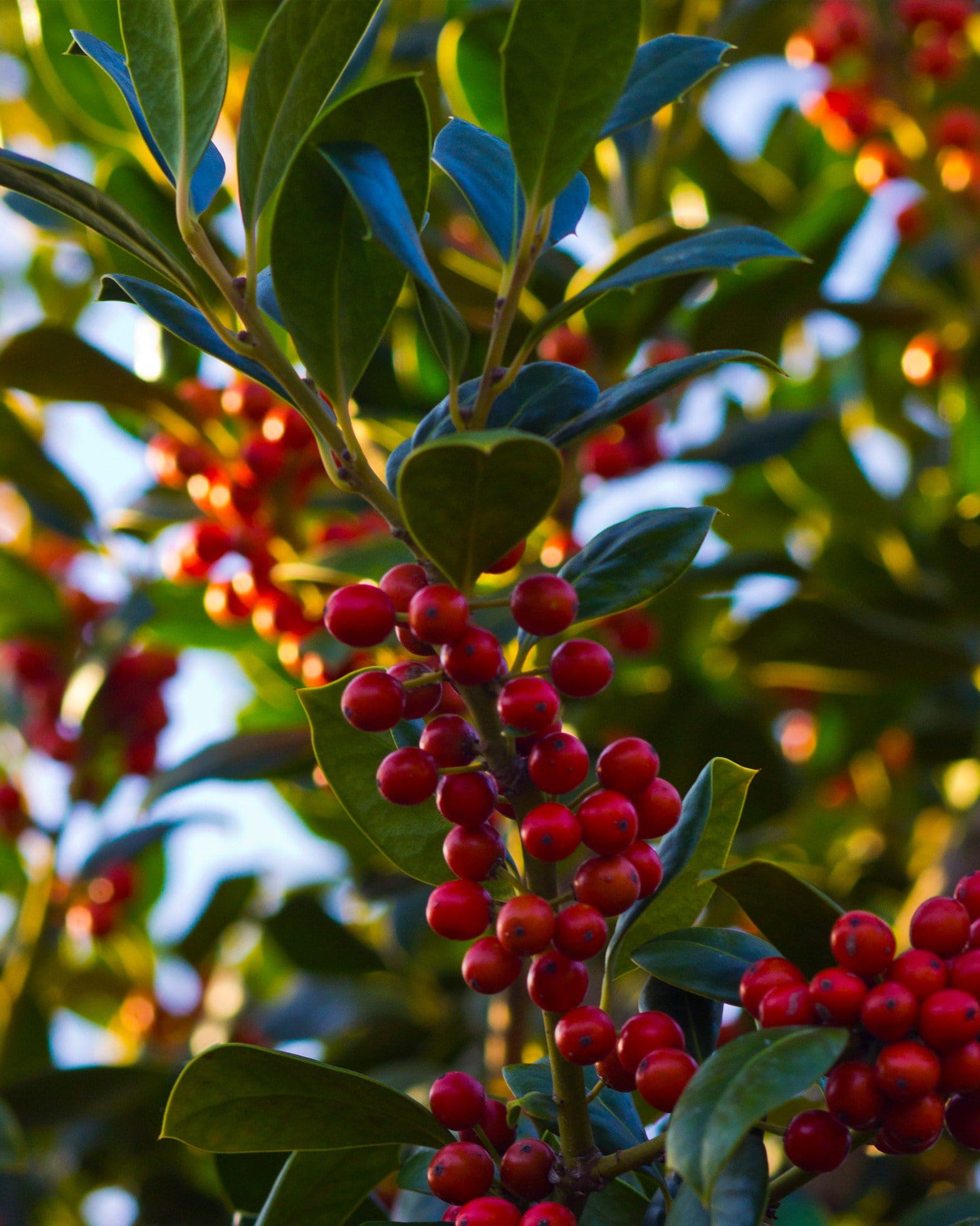
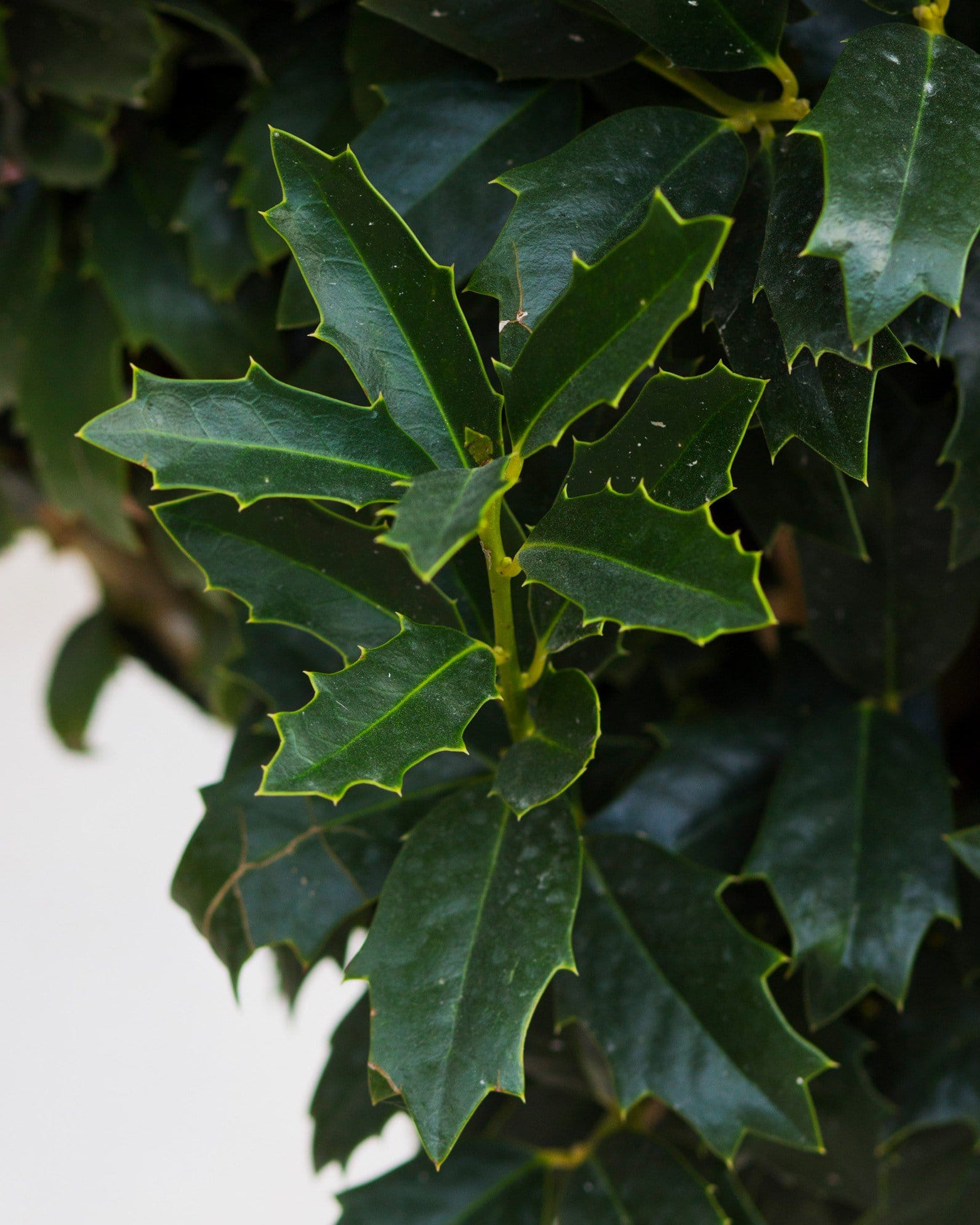
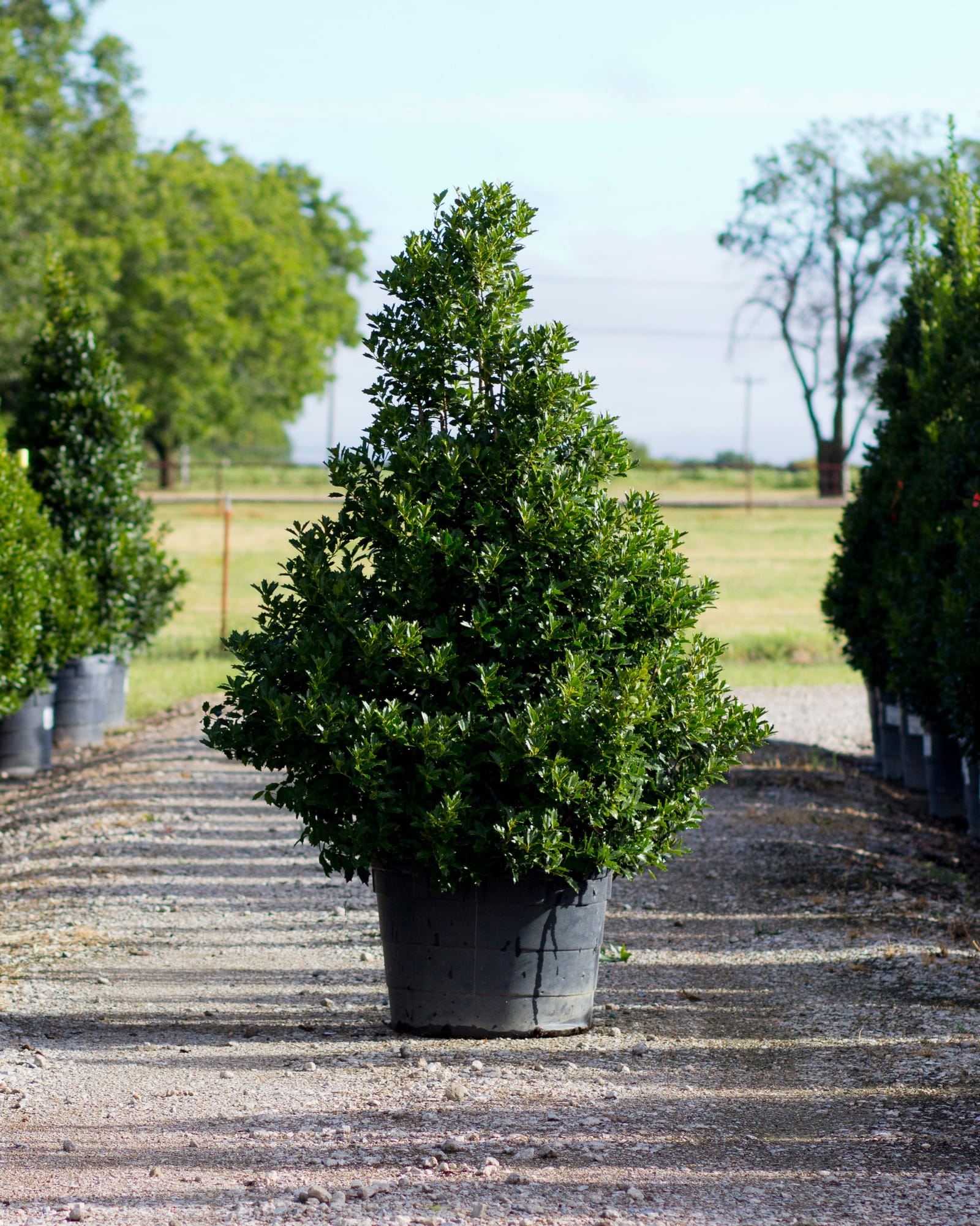
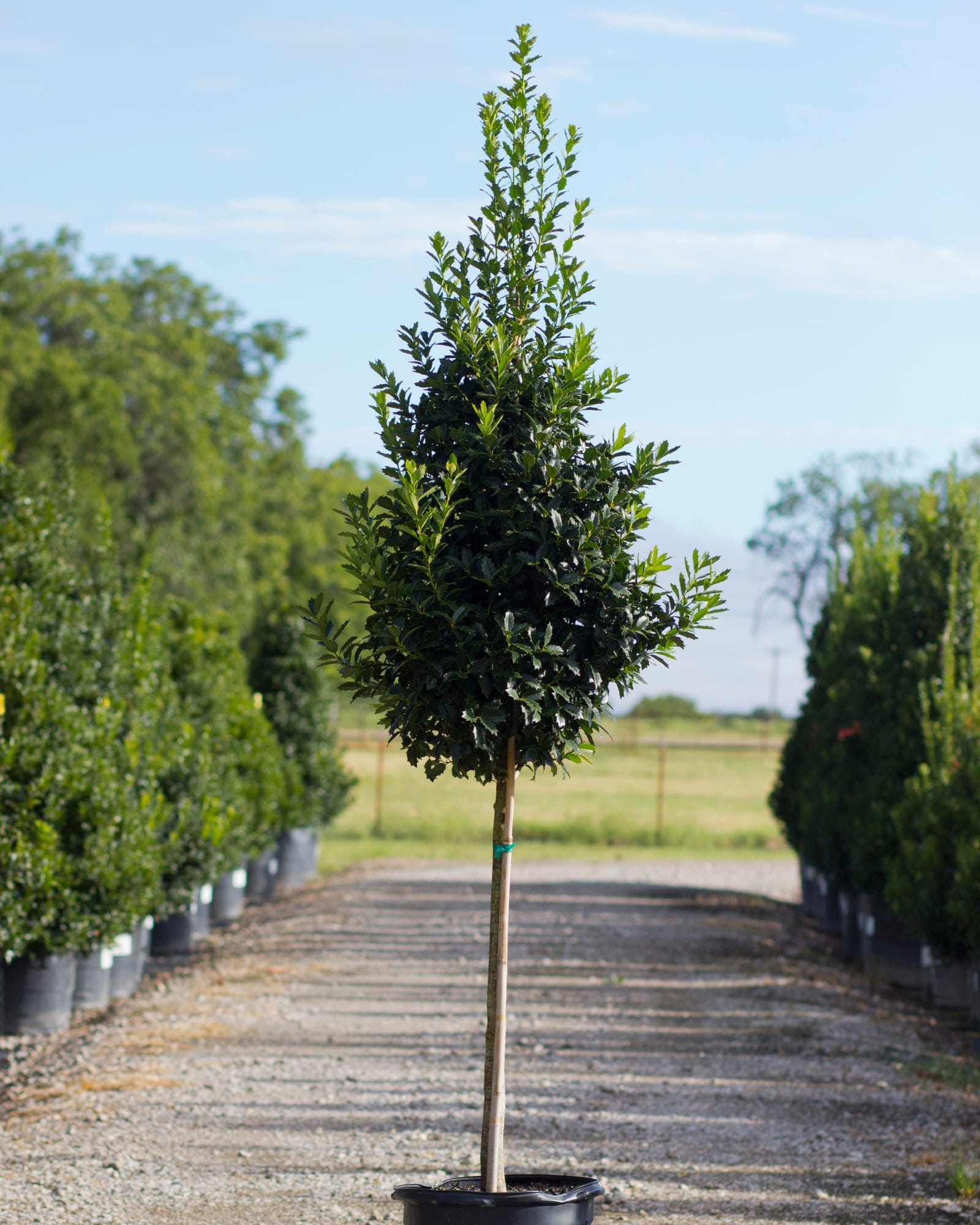
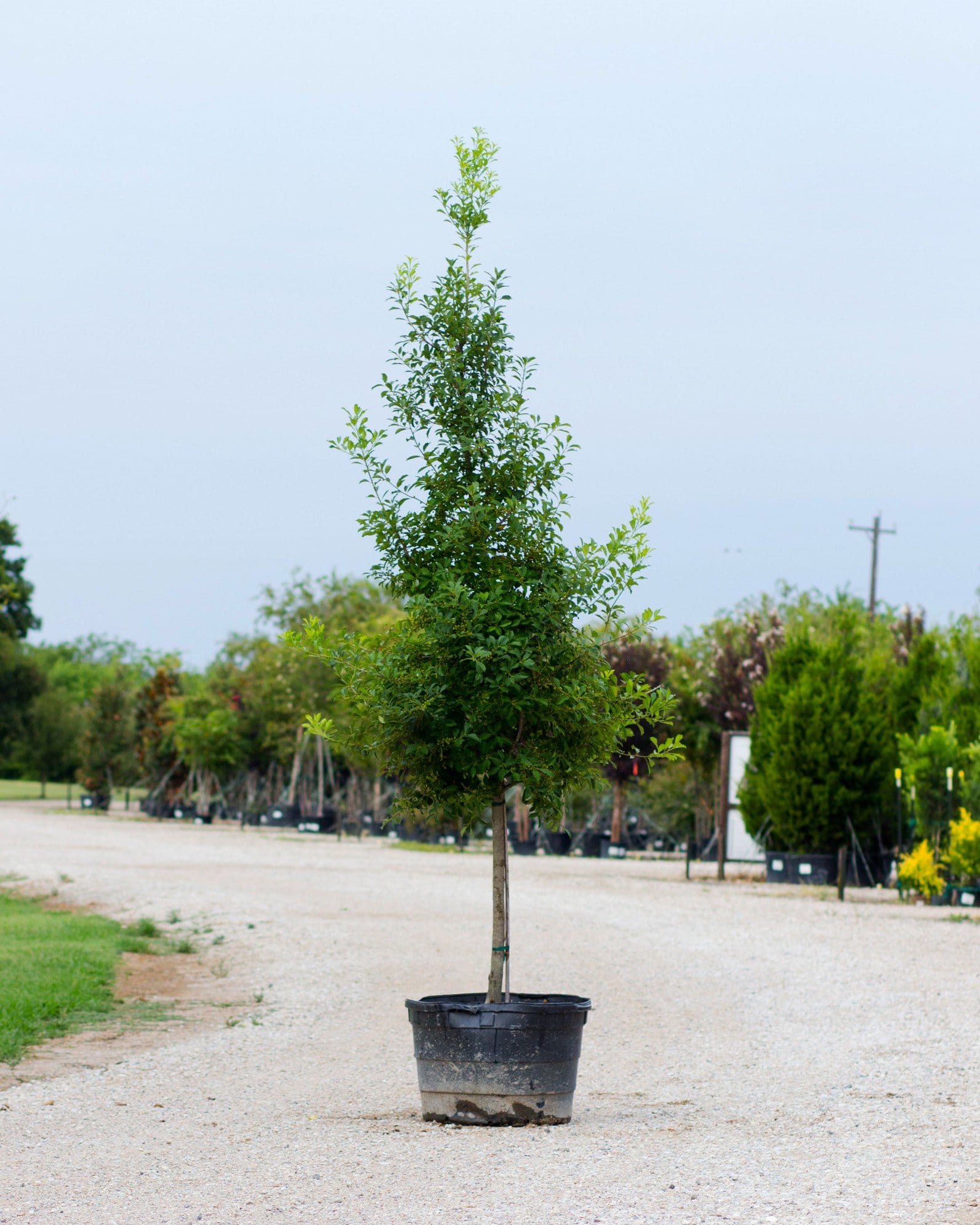
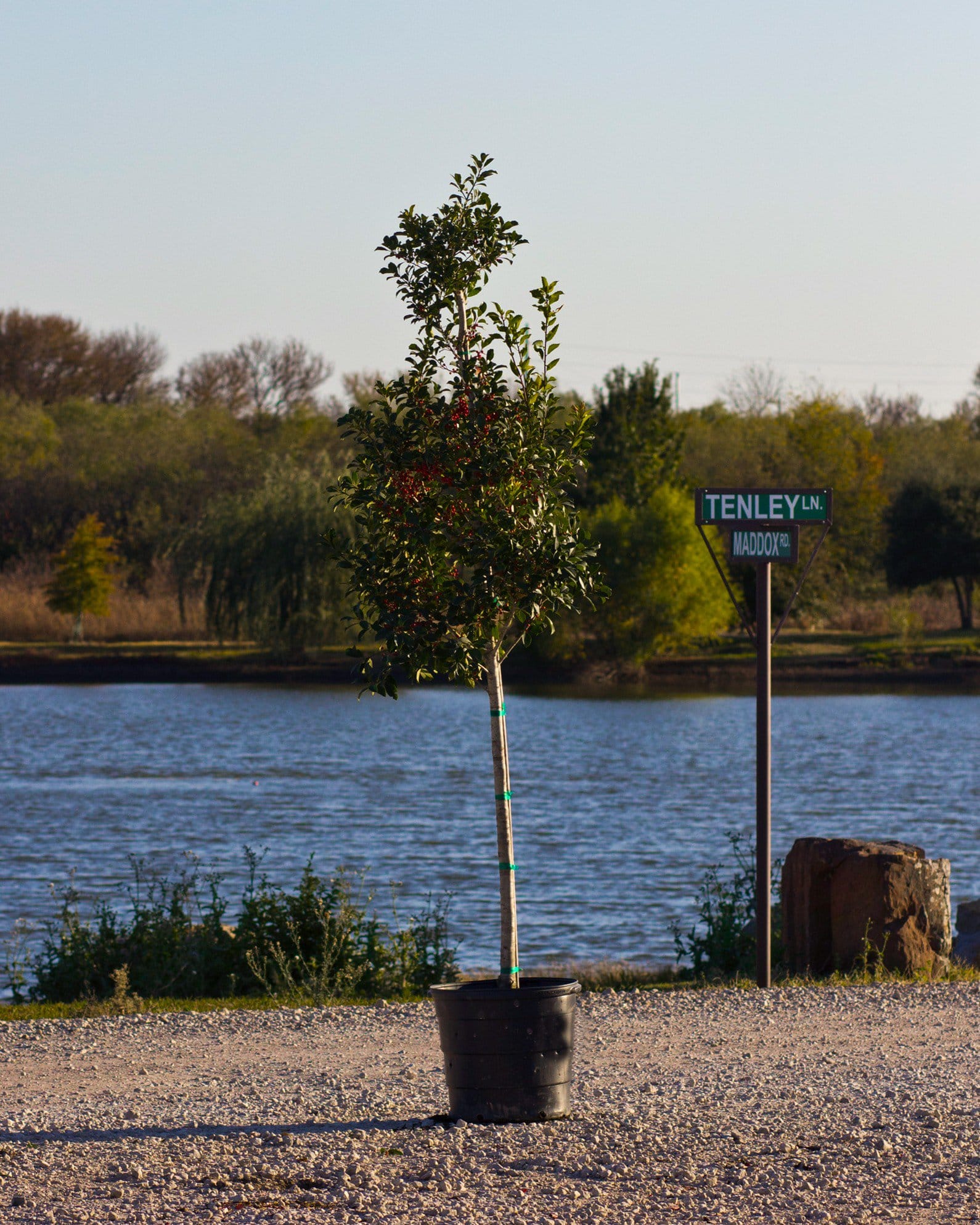
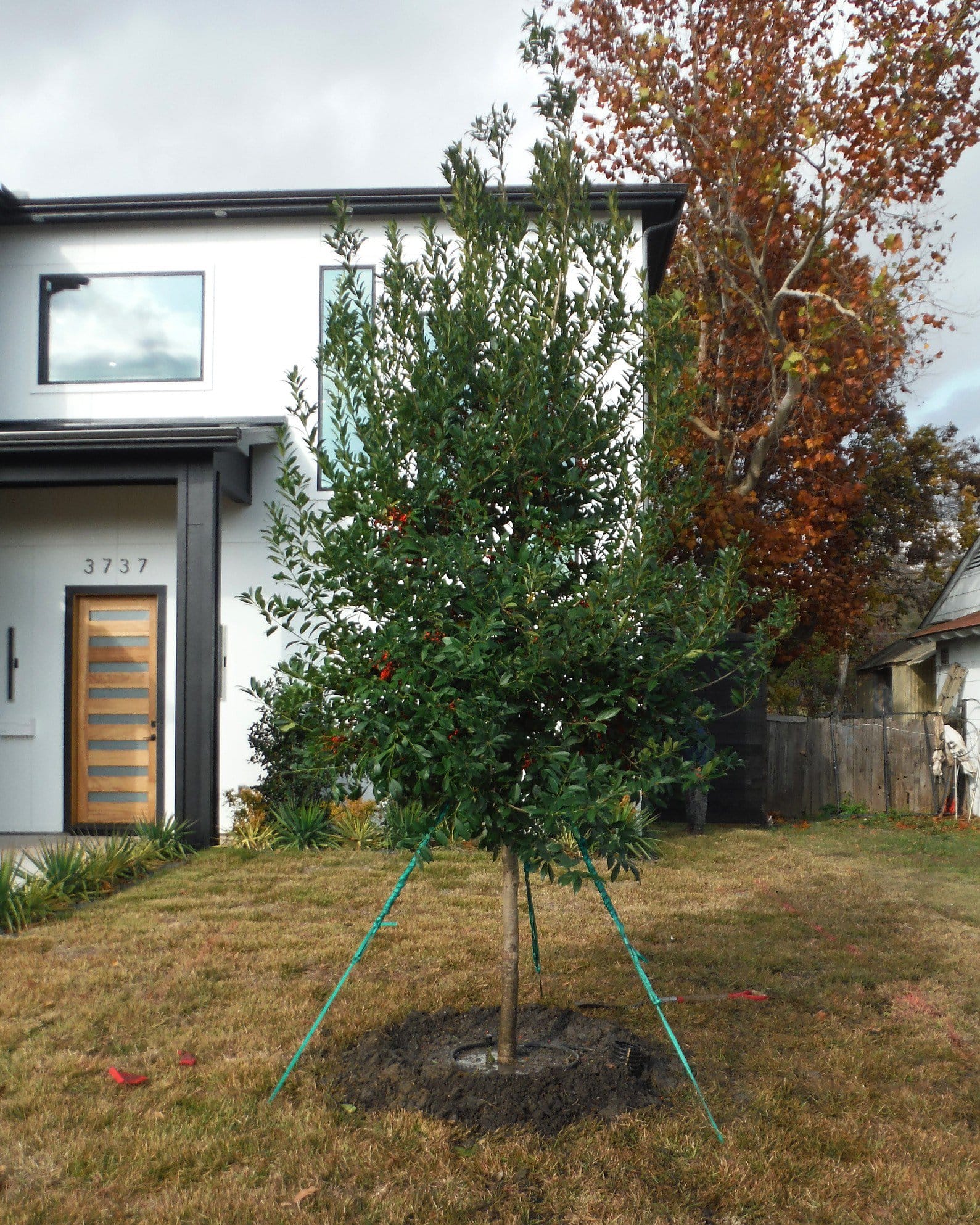
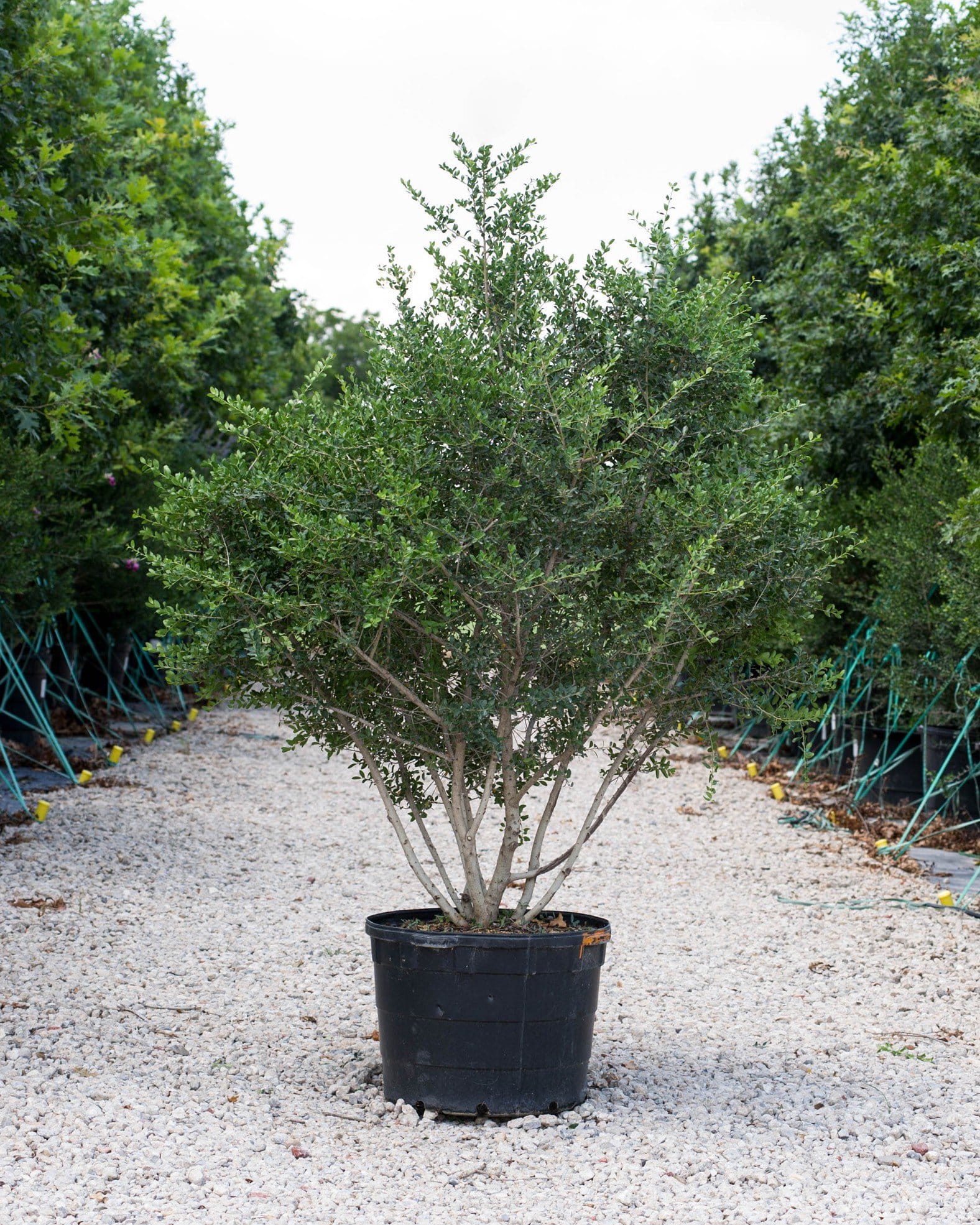
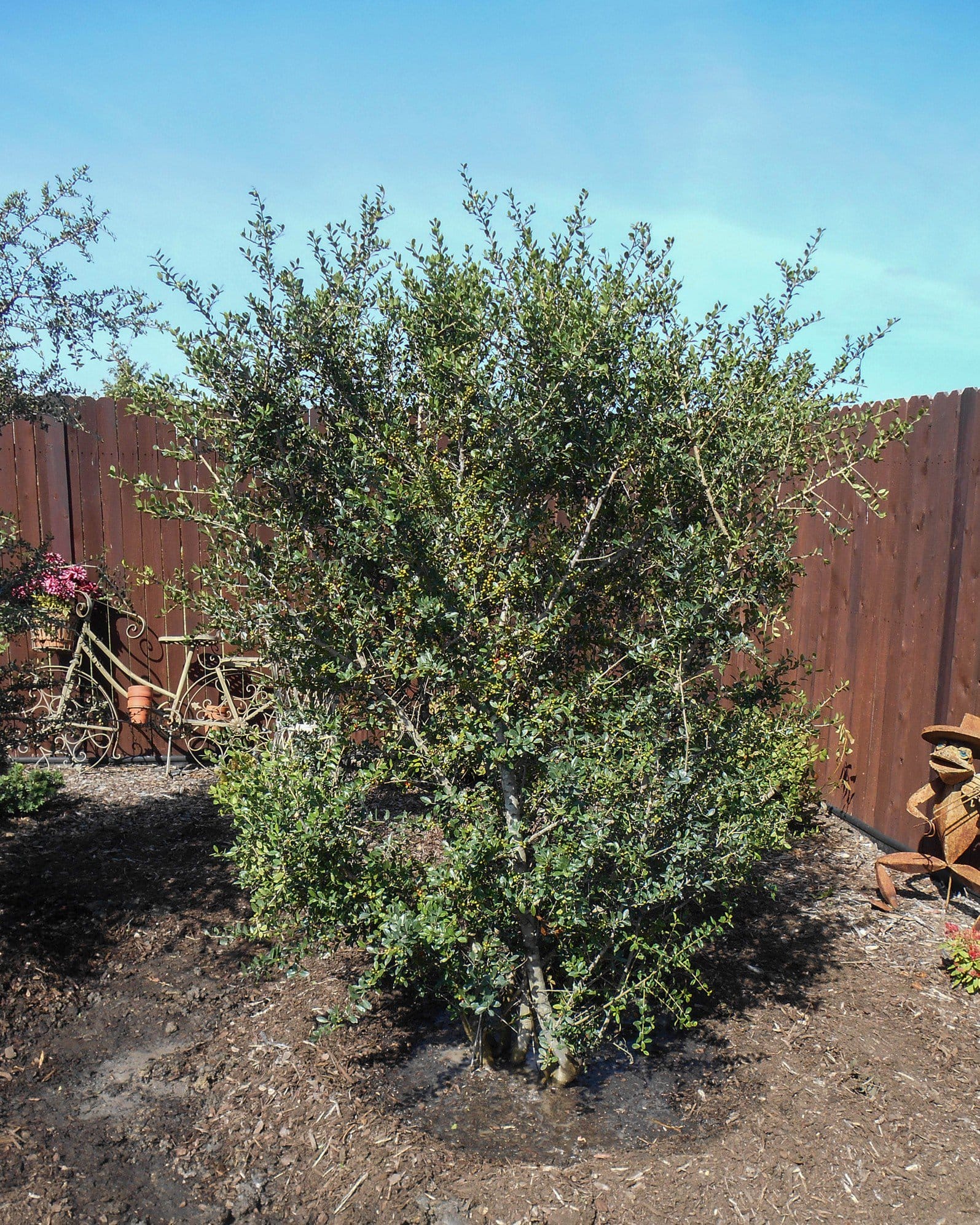
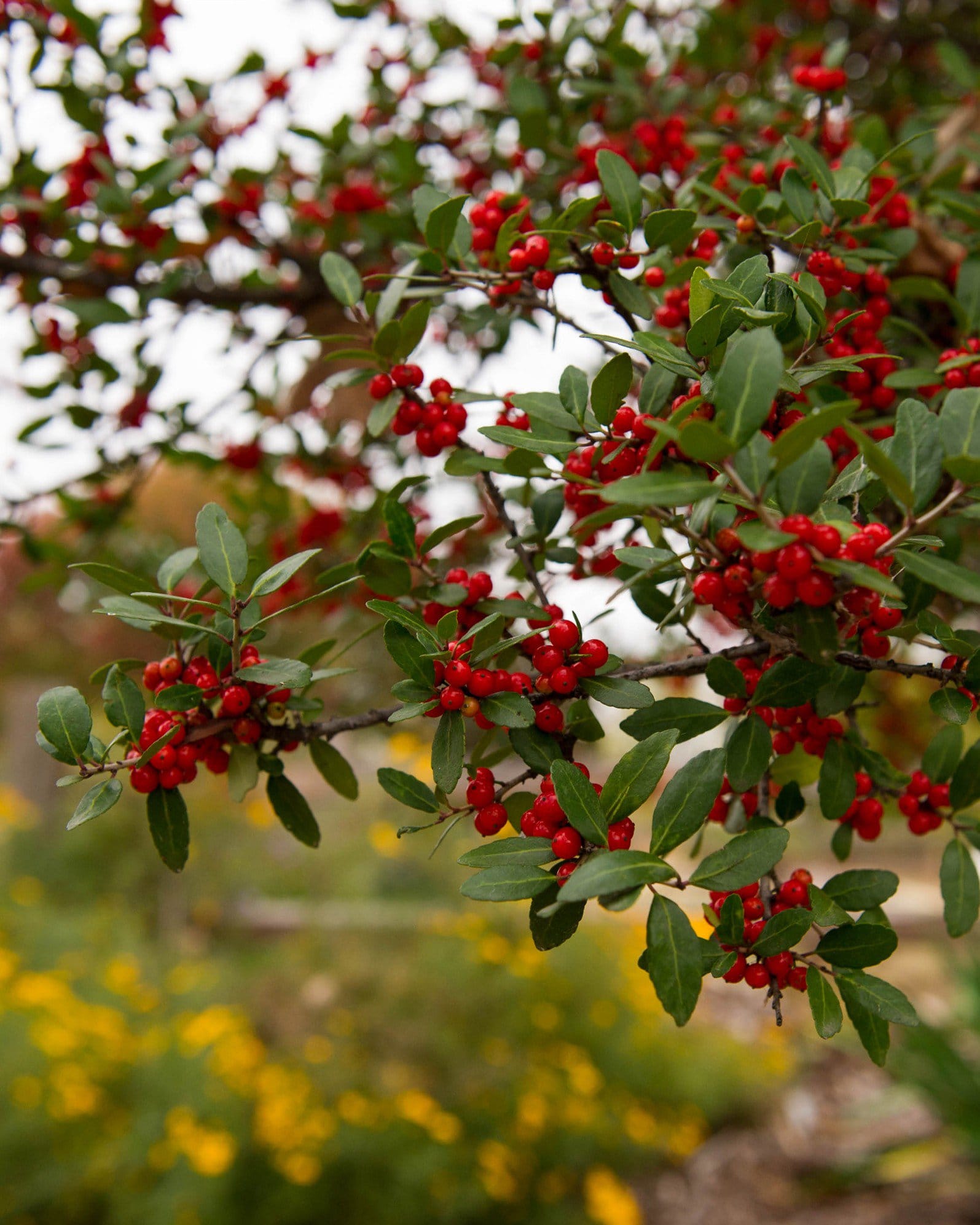
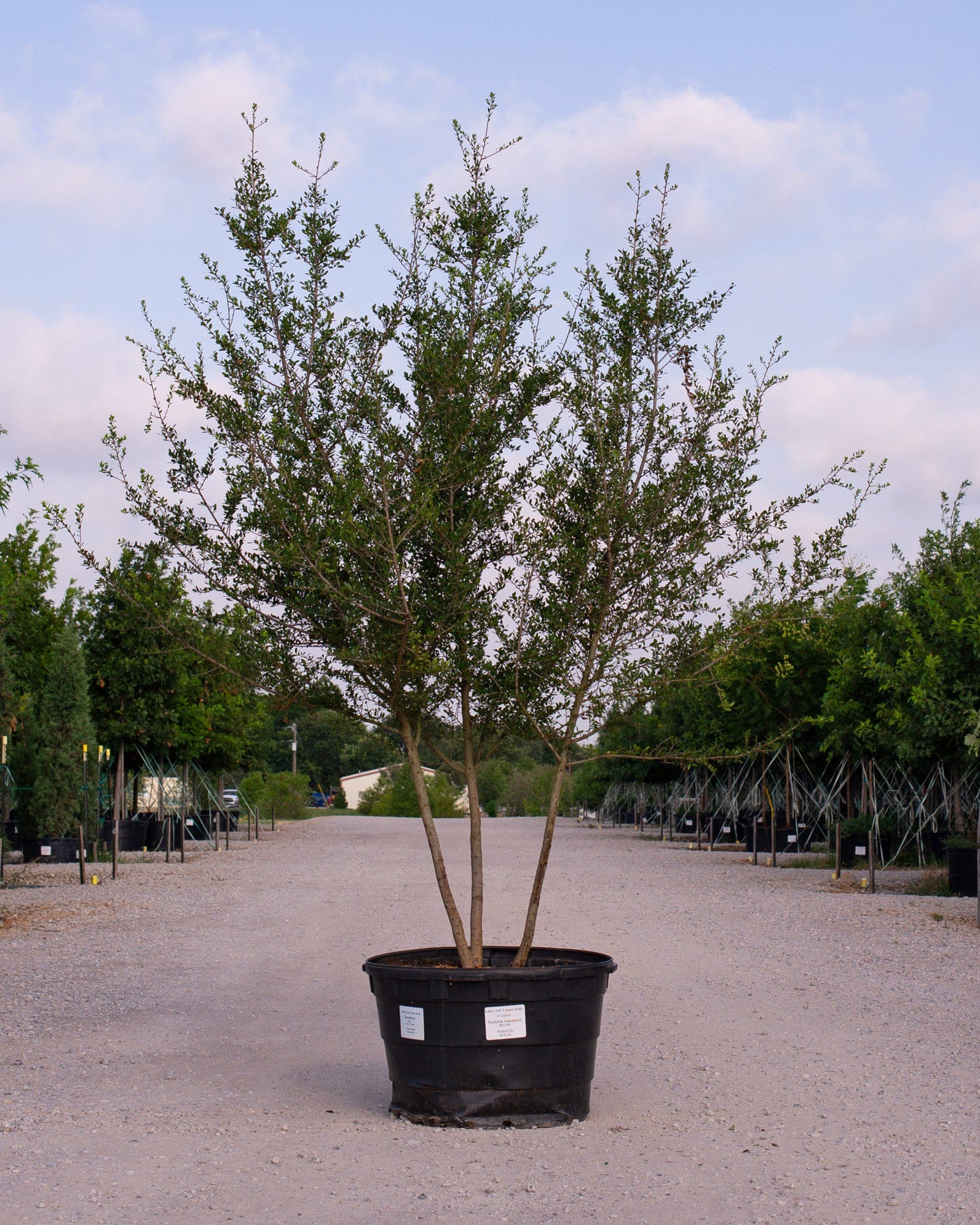
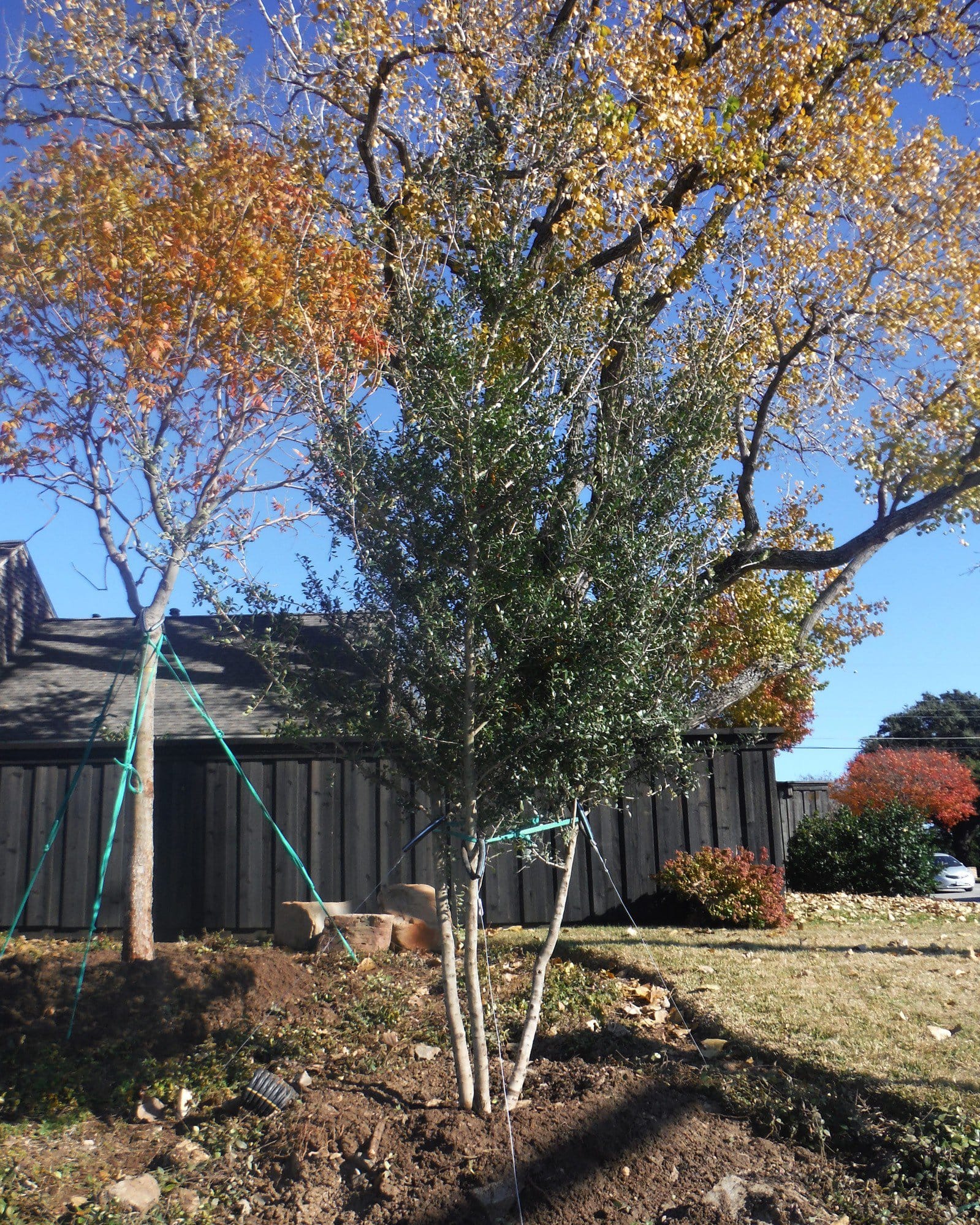
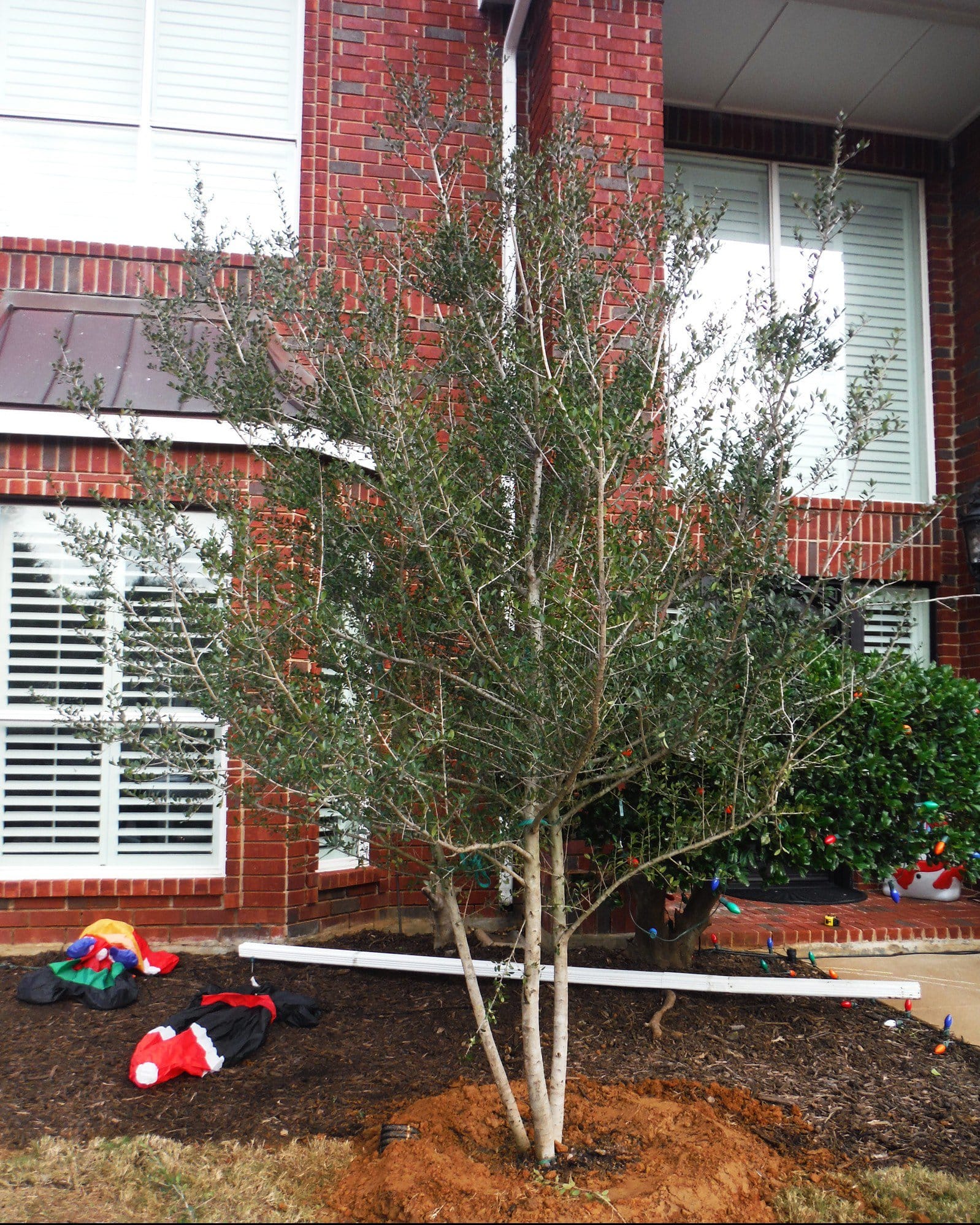
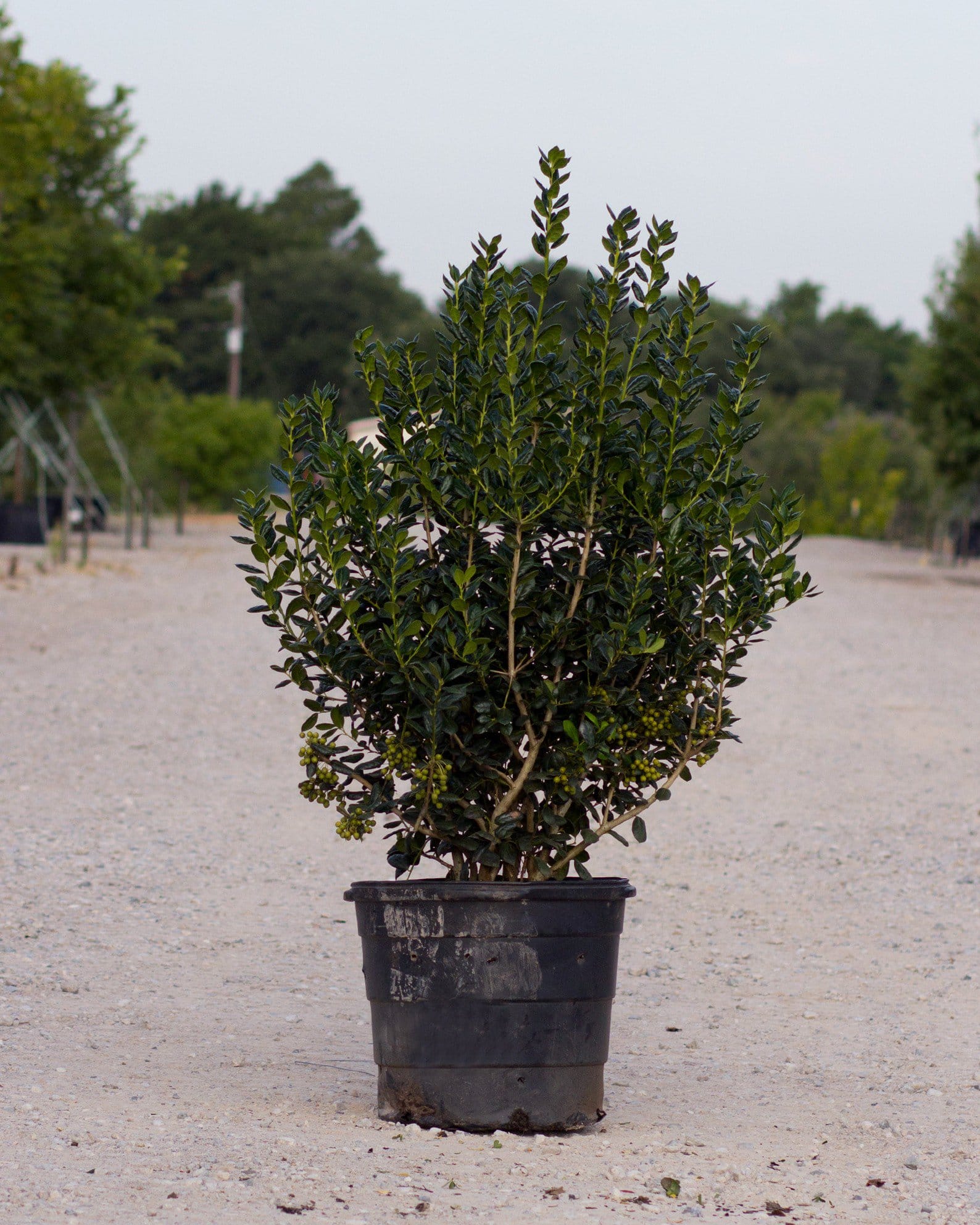
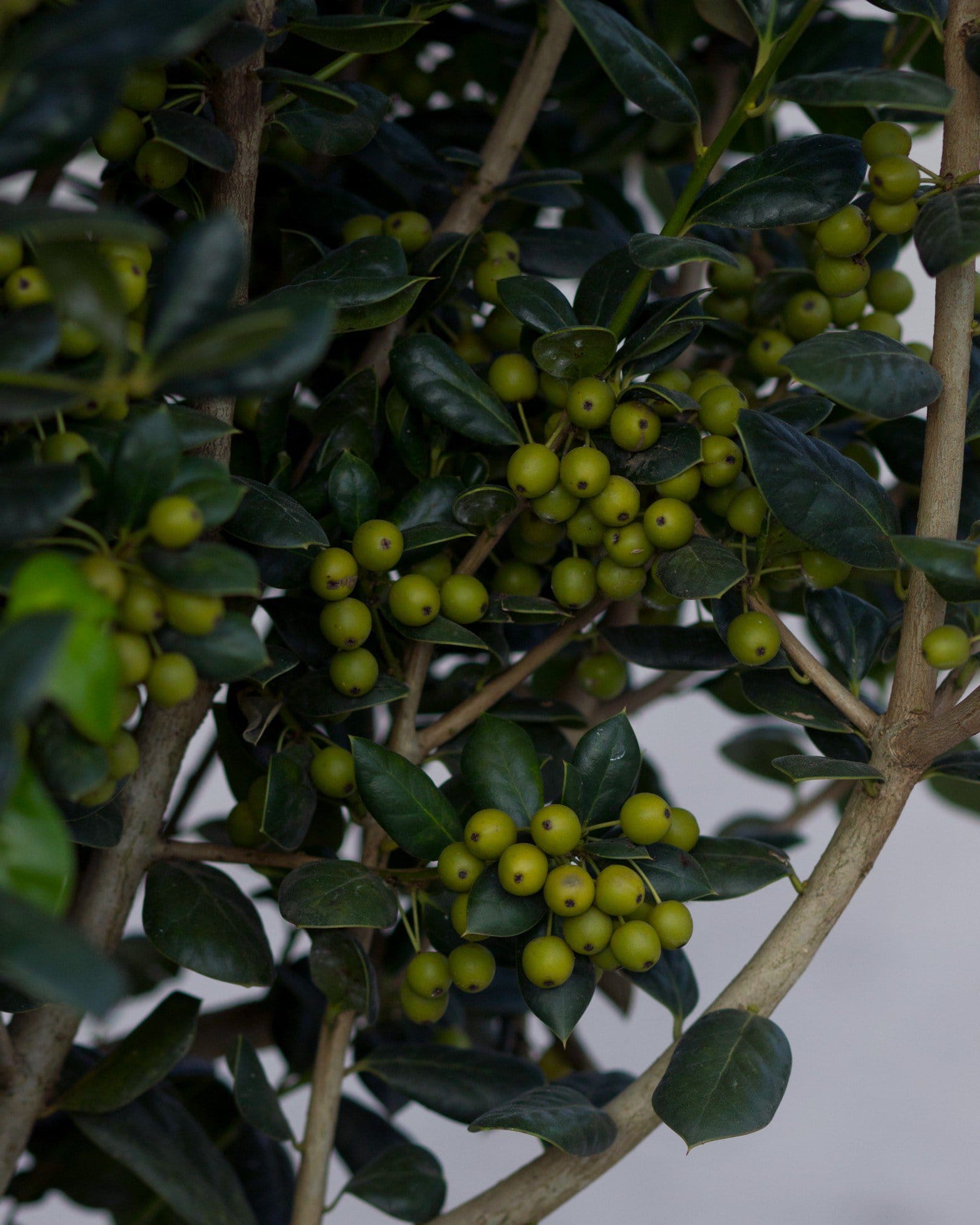
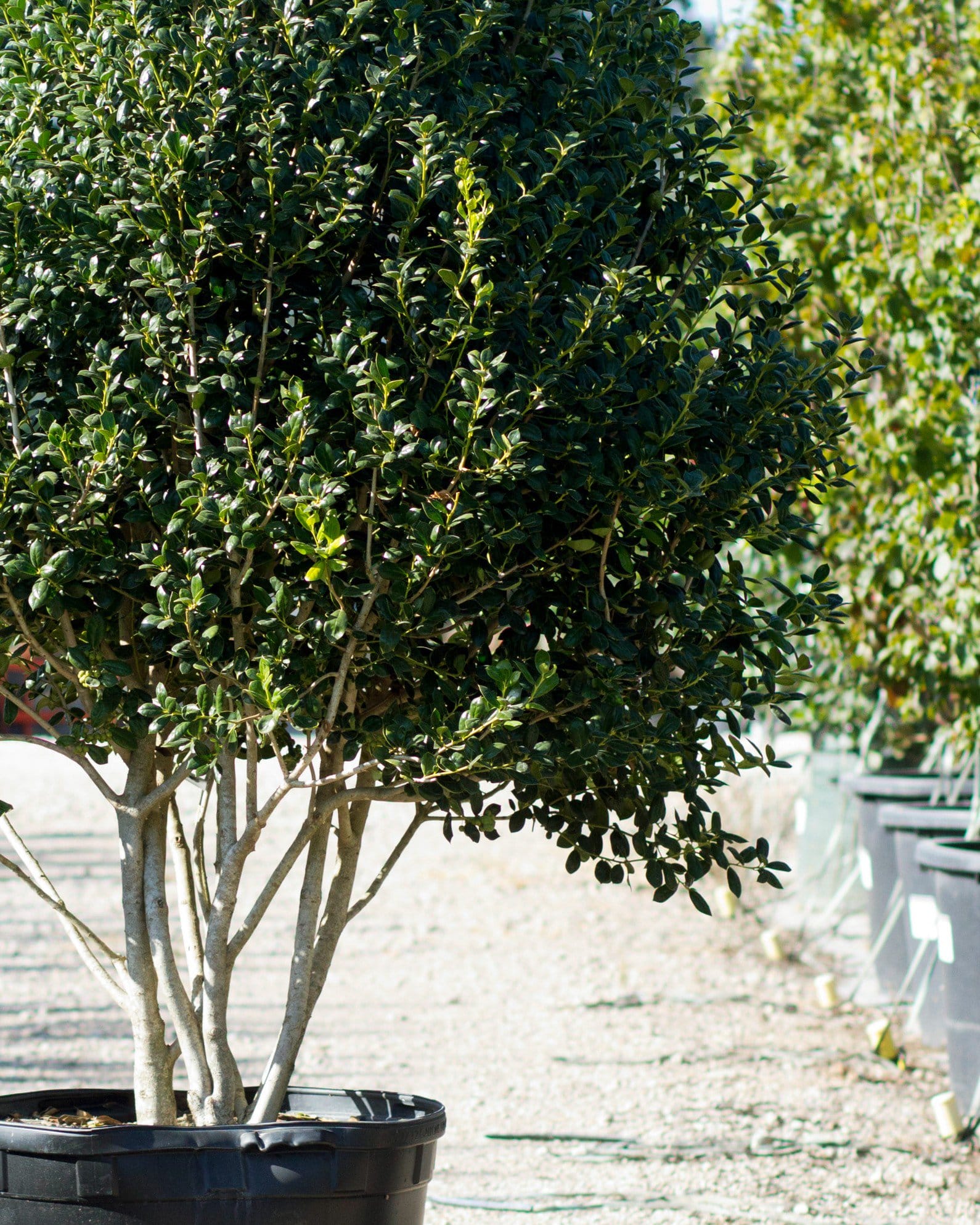
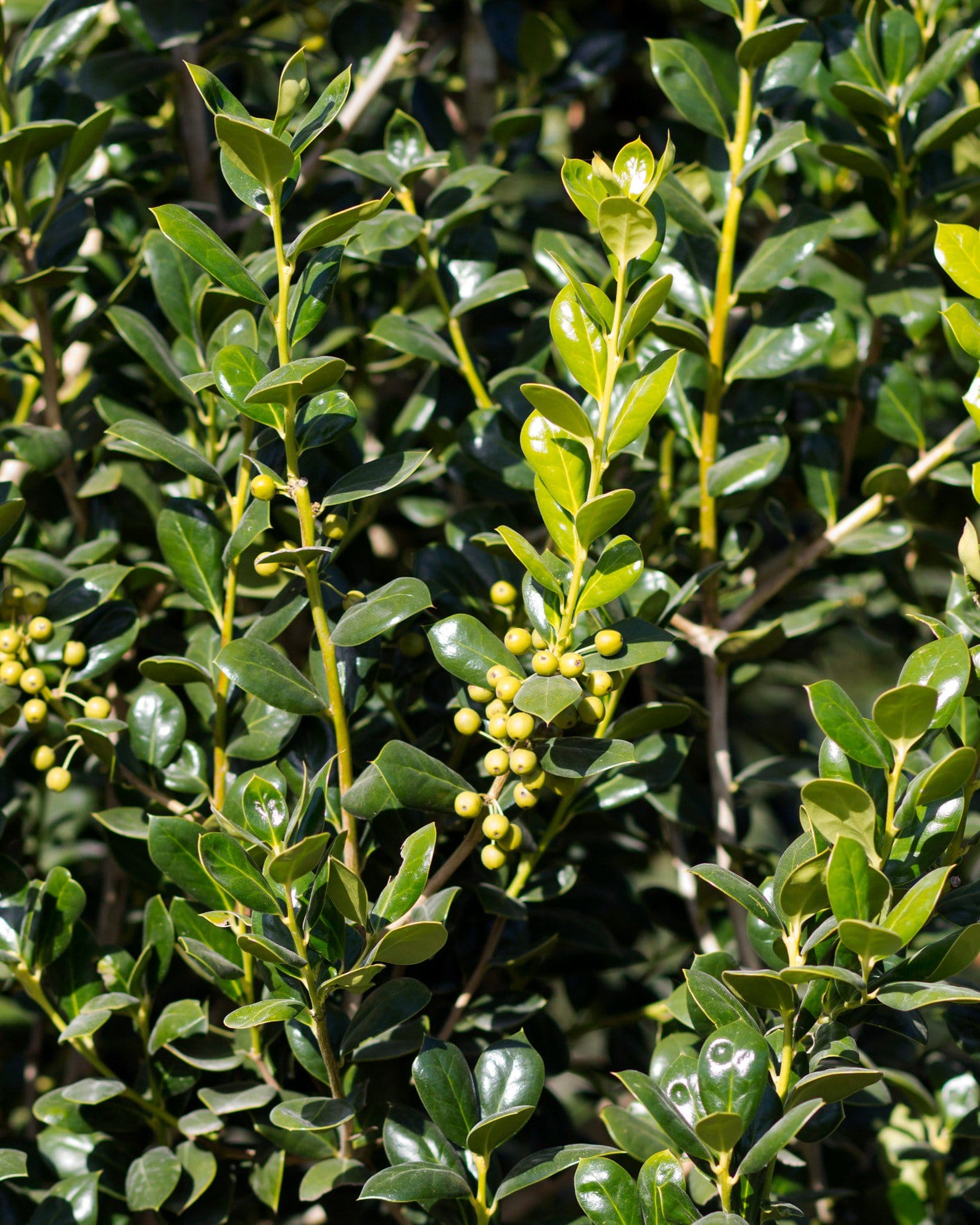
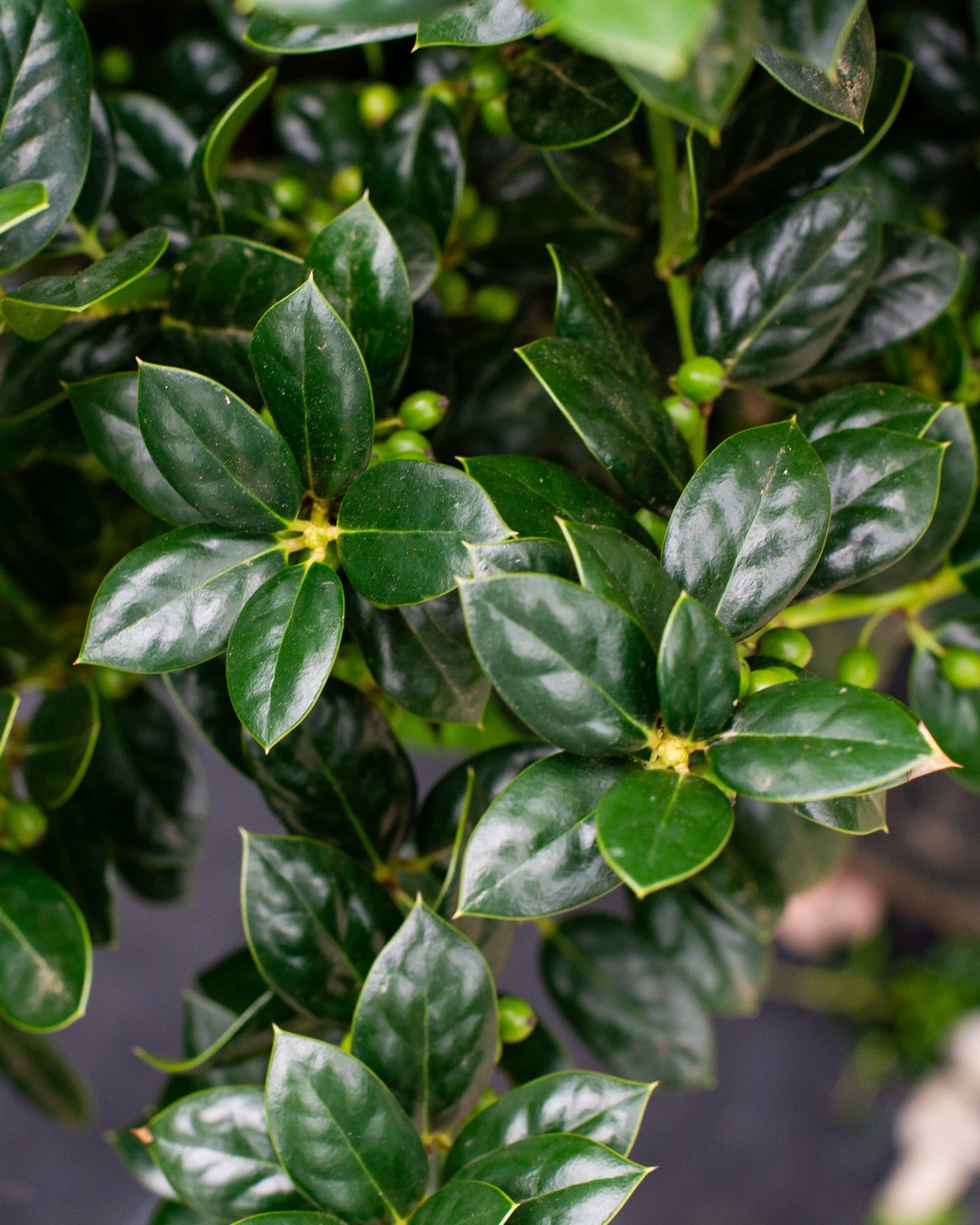
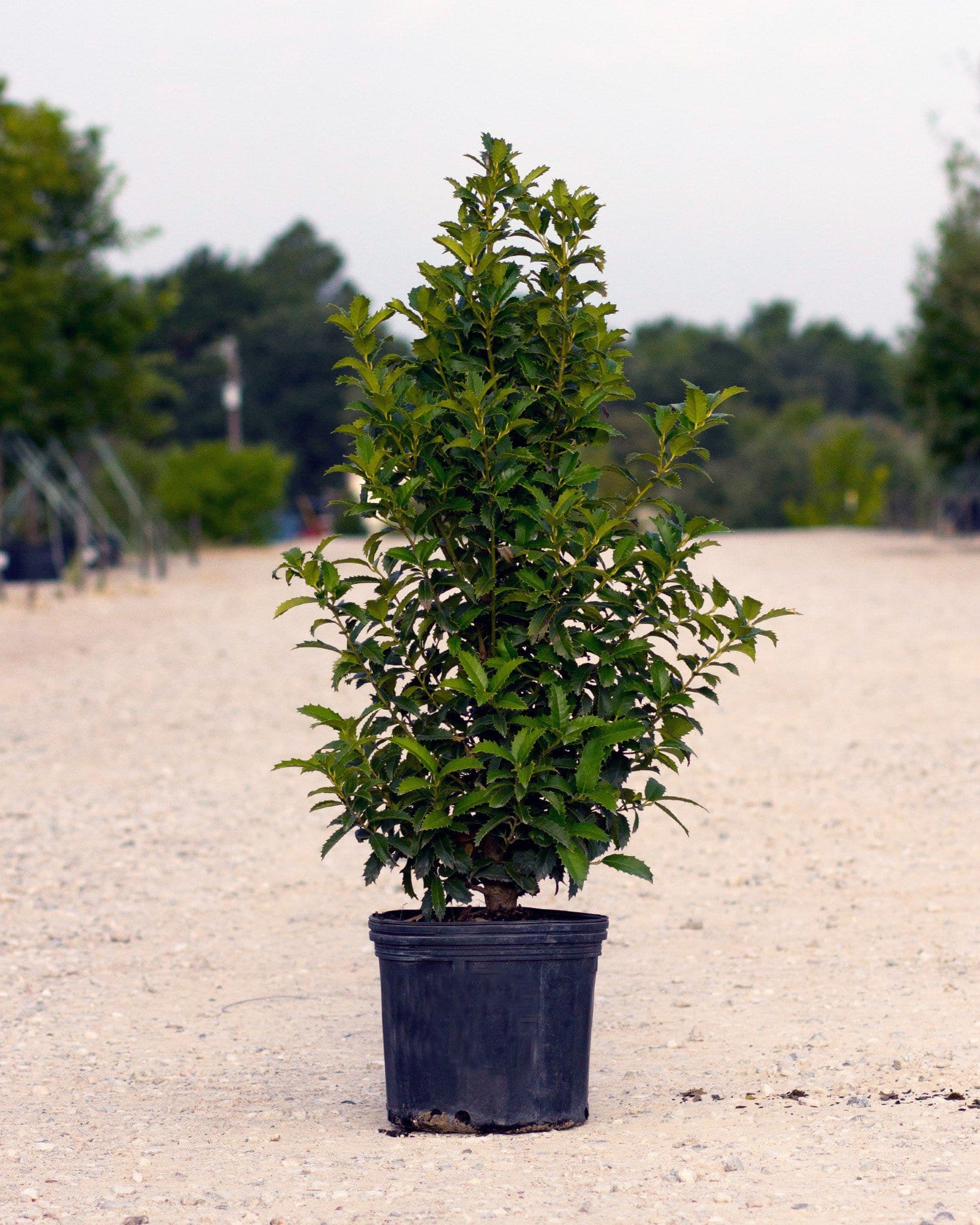
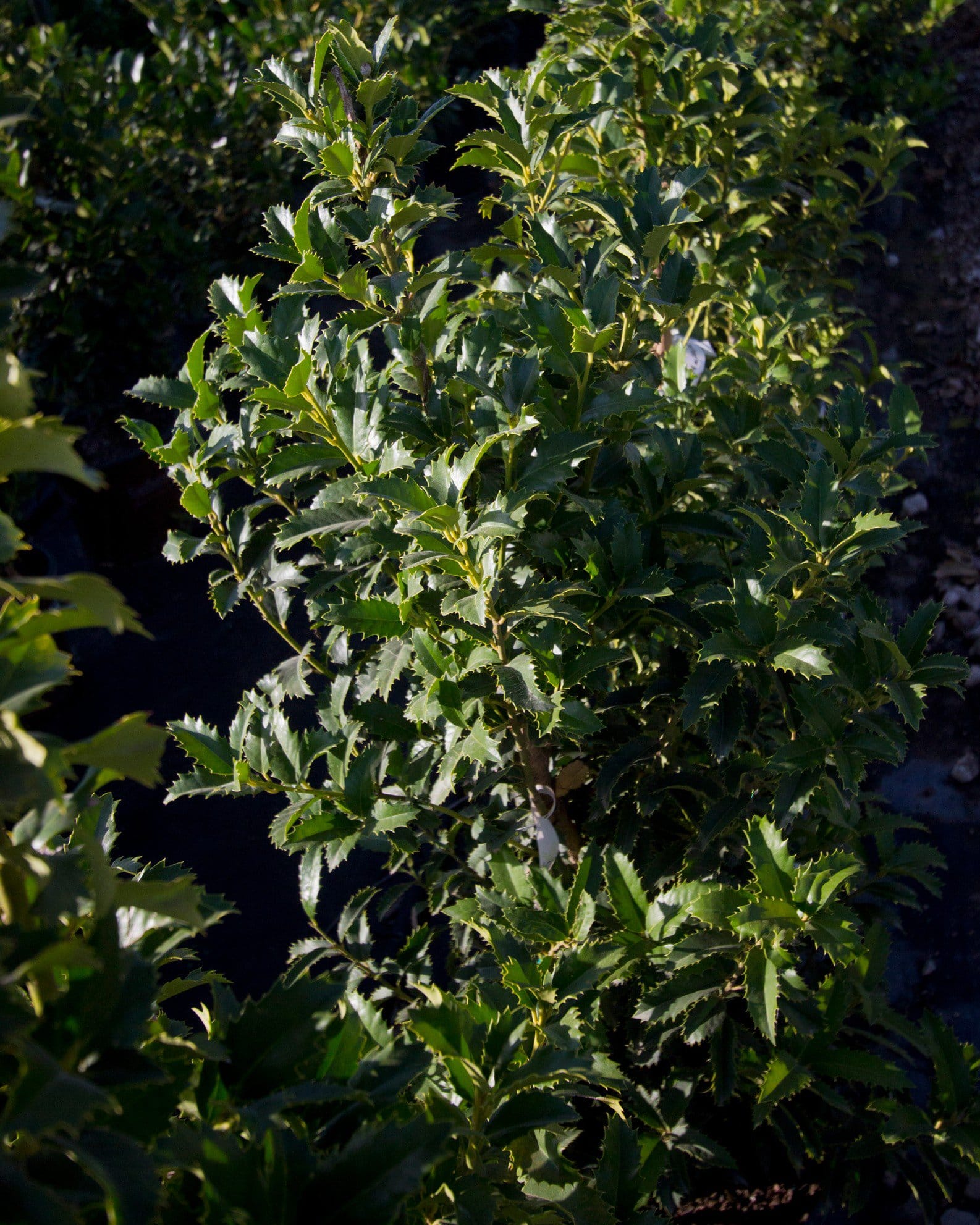
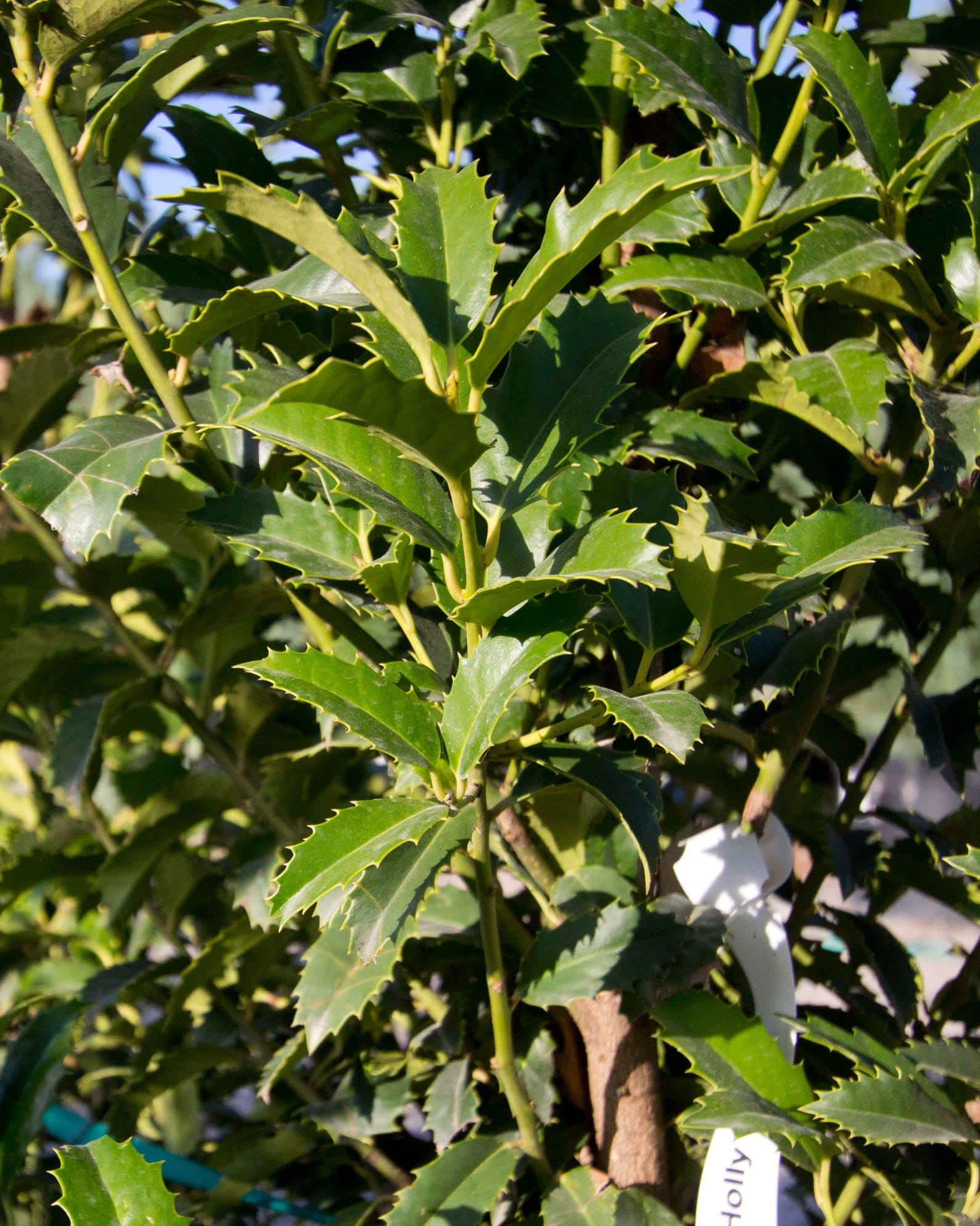
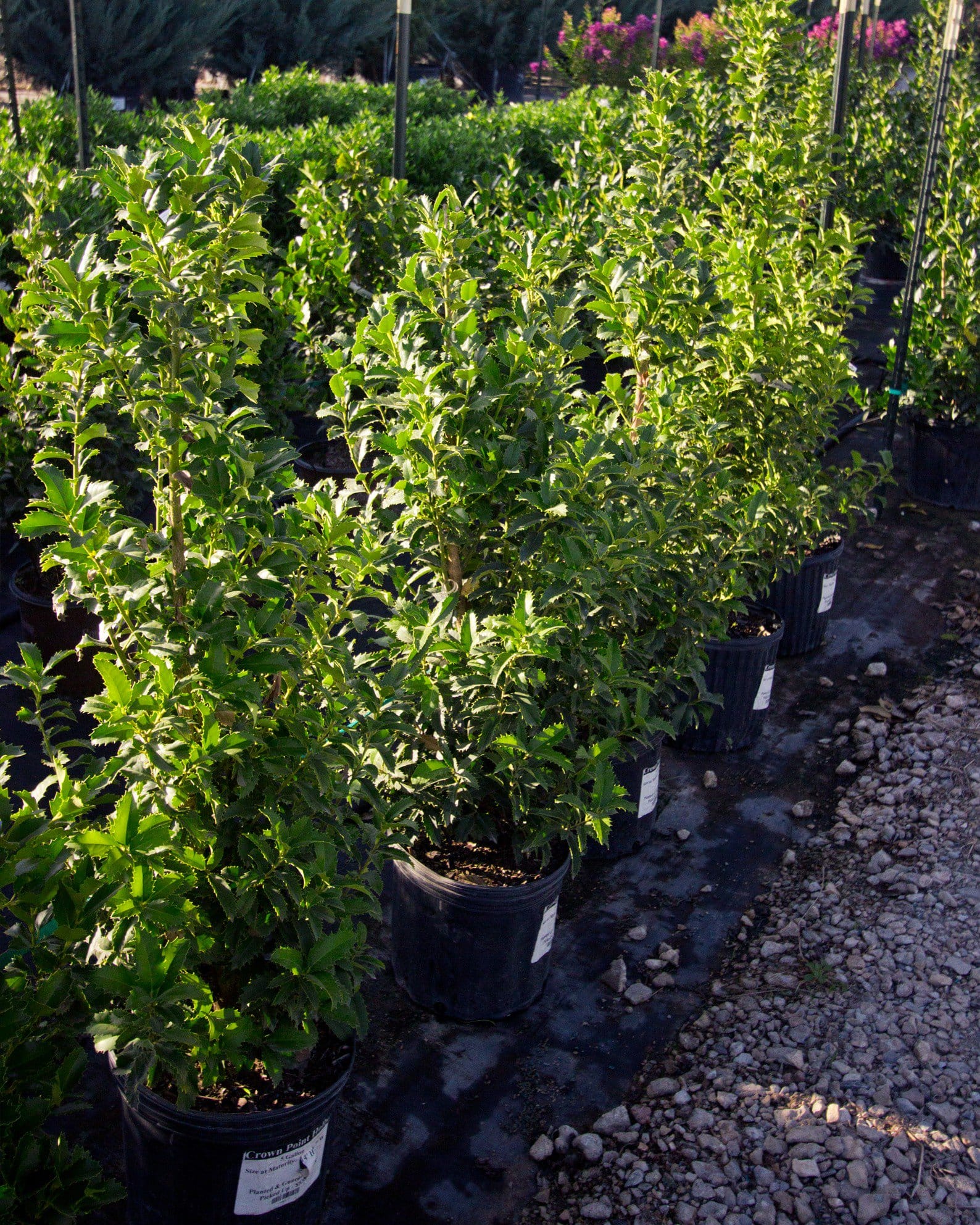
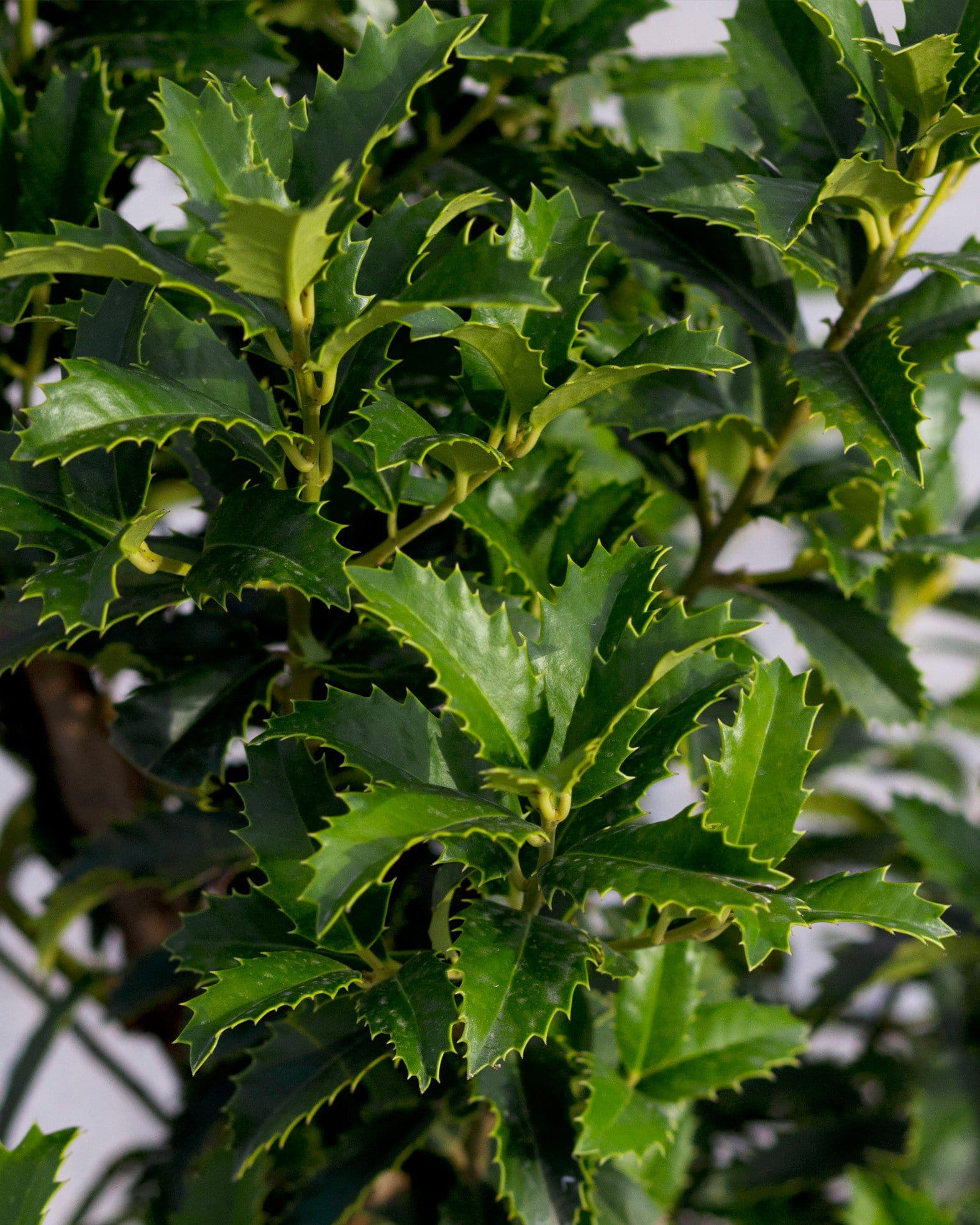
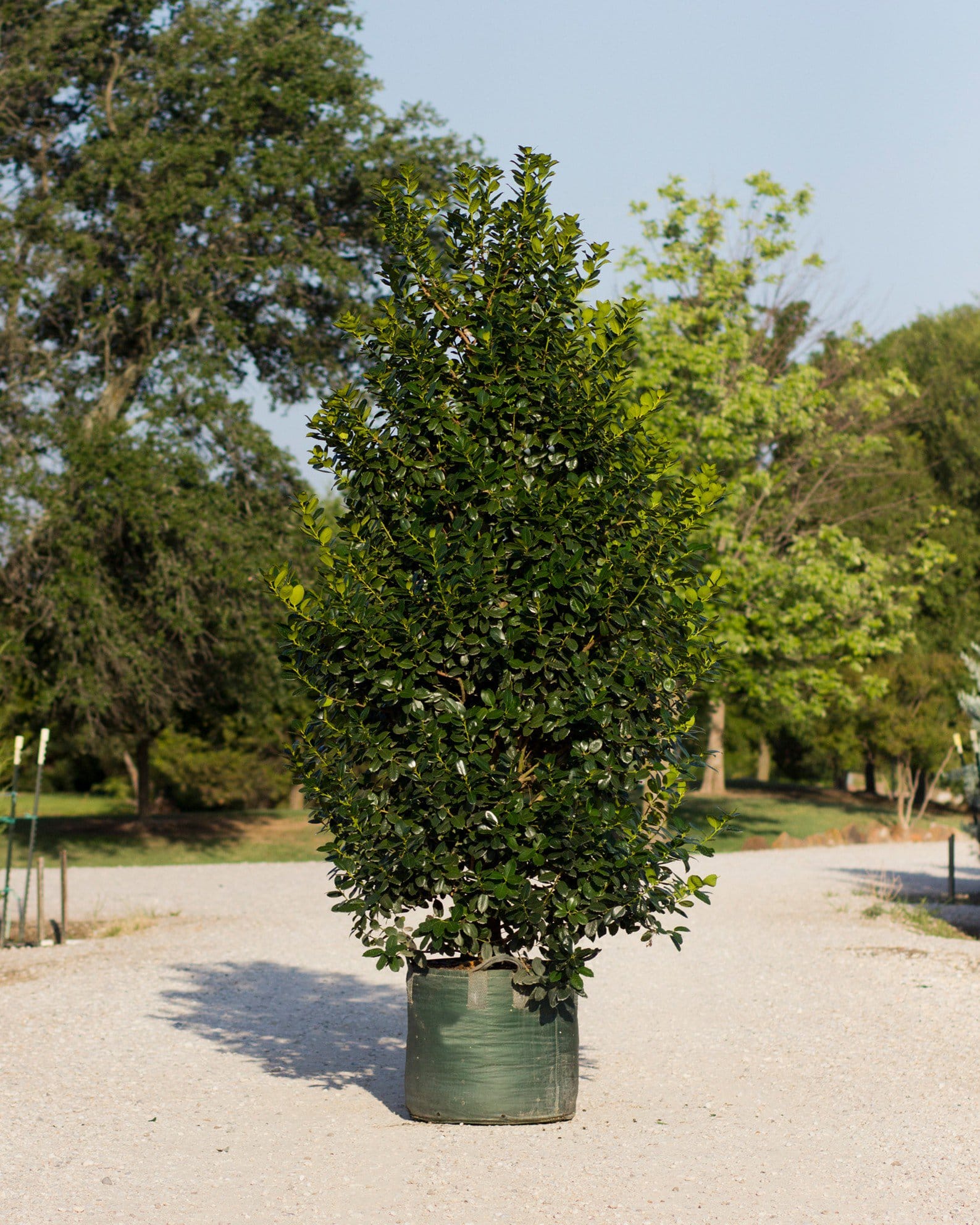
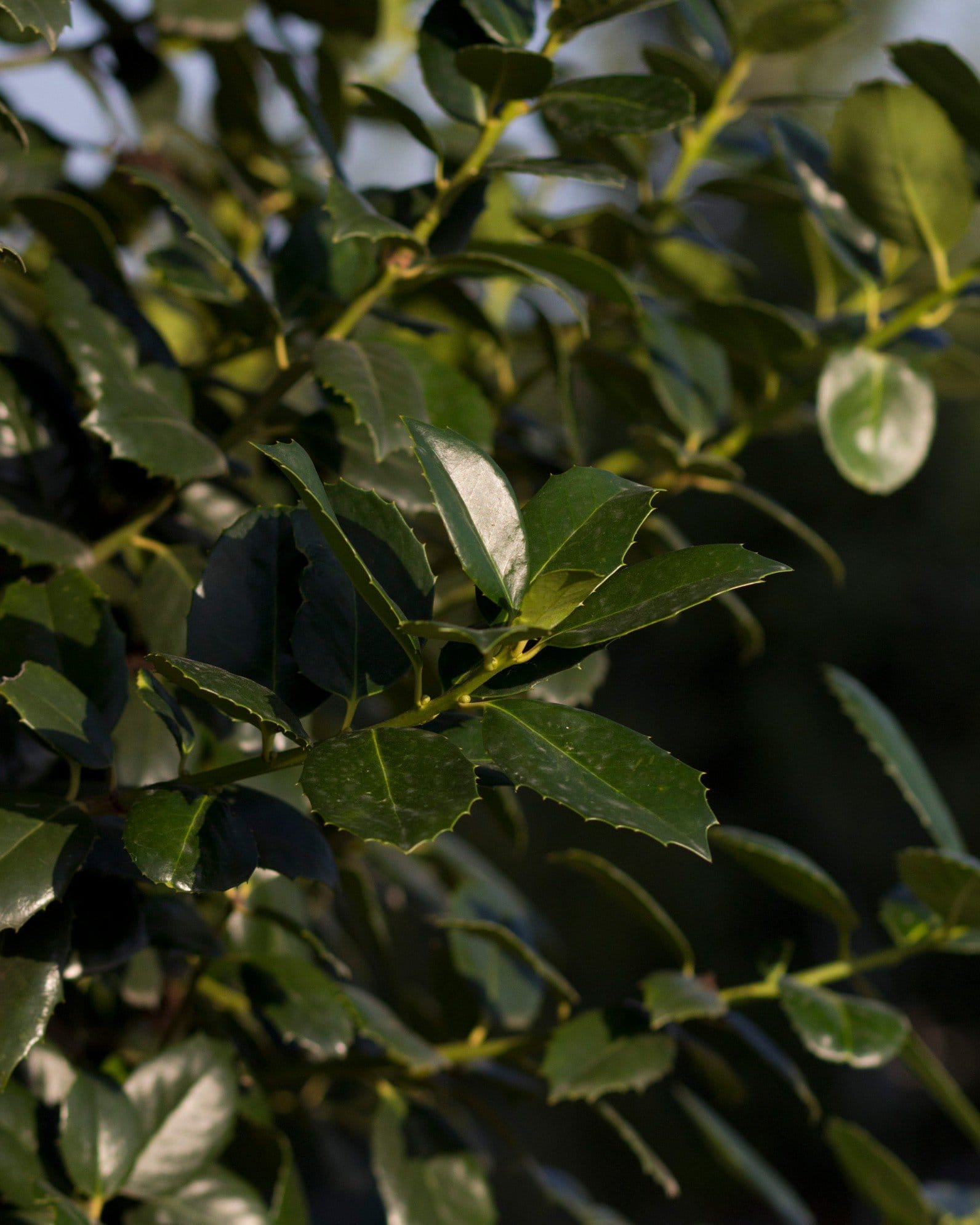
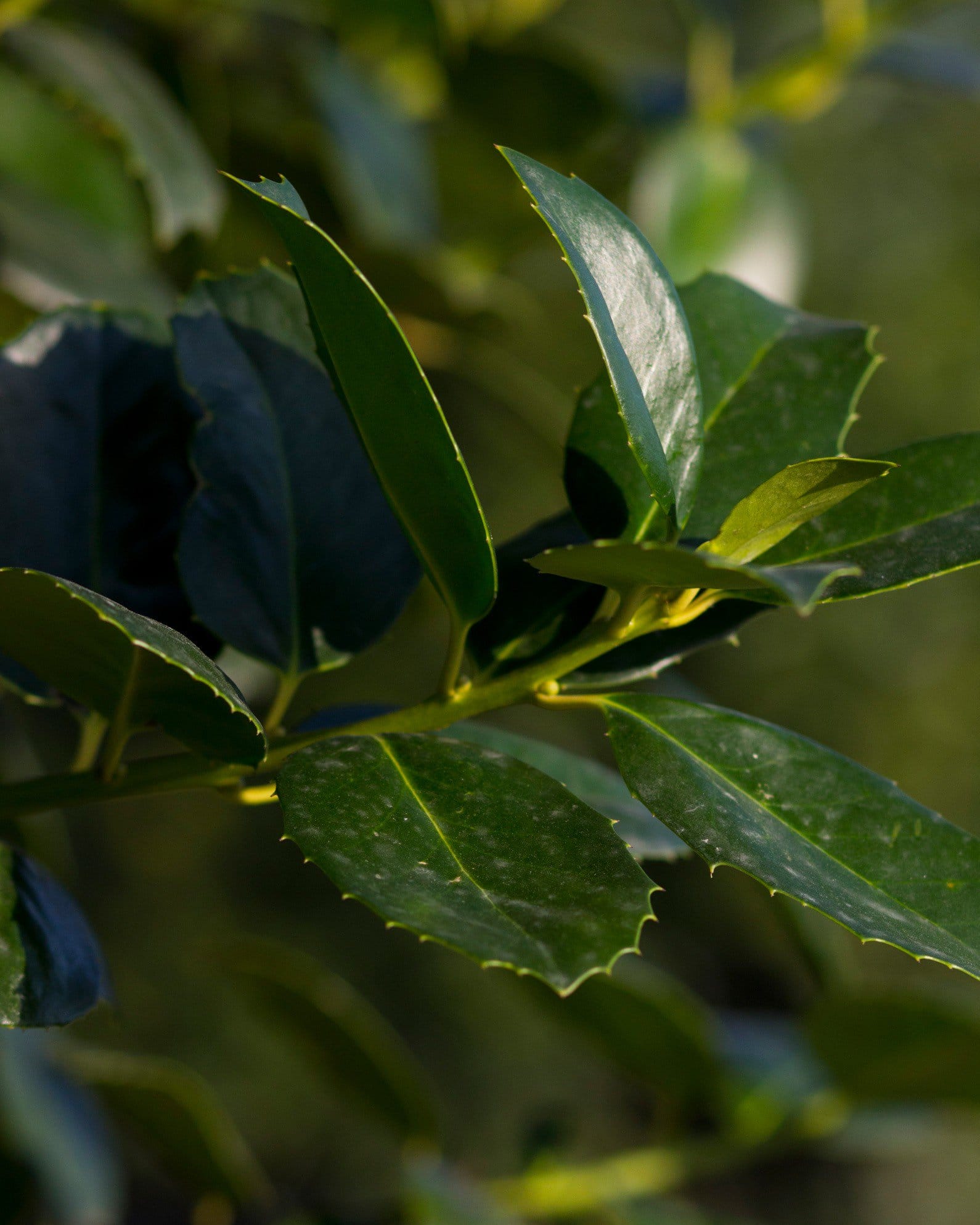
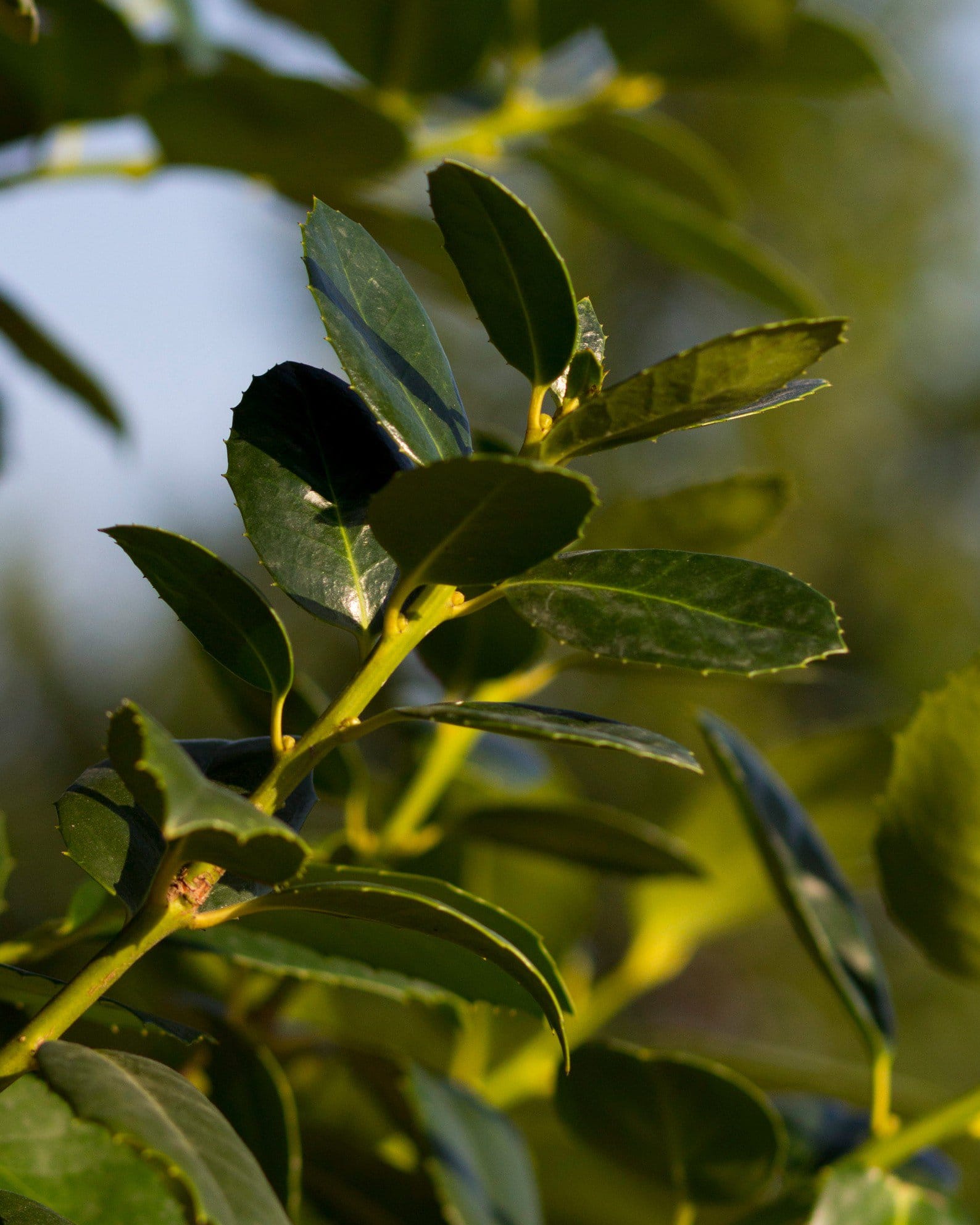
Ilex × attenuata ‘Eagleston’Eagleston Holly in tree form is an evergreen specimen that blends formal structure with natural charm. Green leaves provide a lush backdrop year-round, while red berry clusters offer seasonal interest in colder months. With a mature size of about 20 feet in height and 14 feet in width, this tree form holly makes a strong vertical statement without overwhelming a landscape.
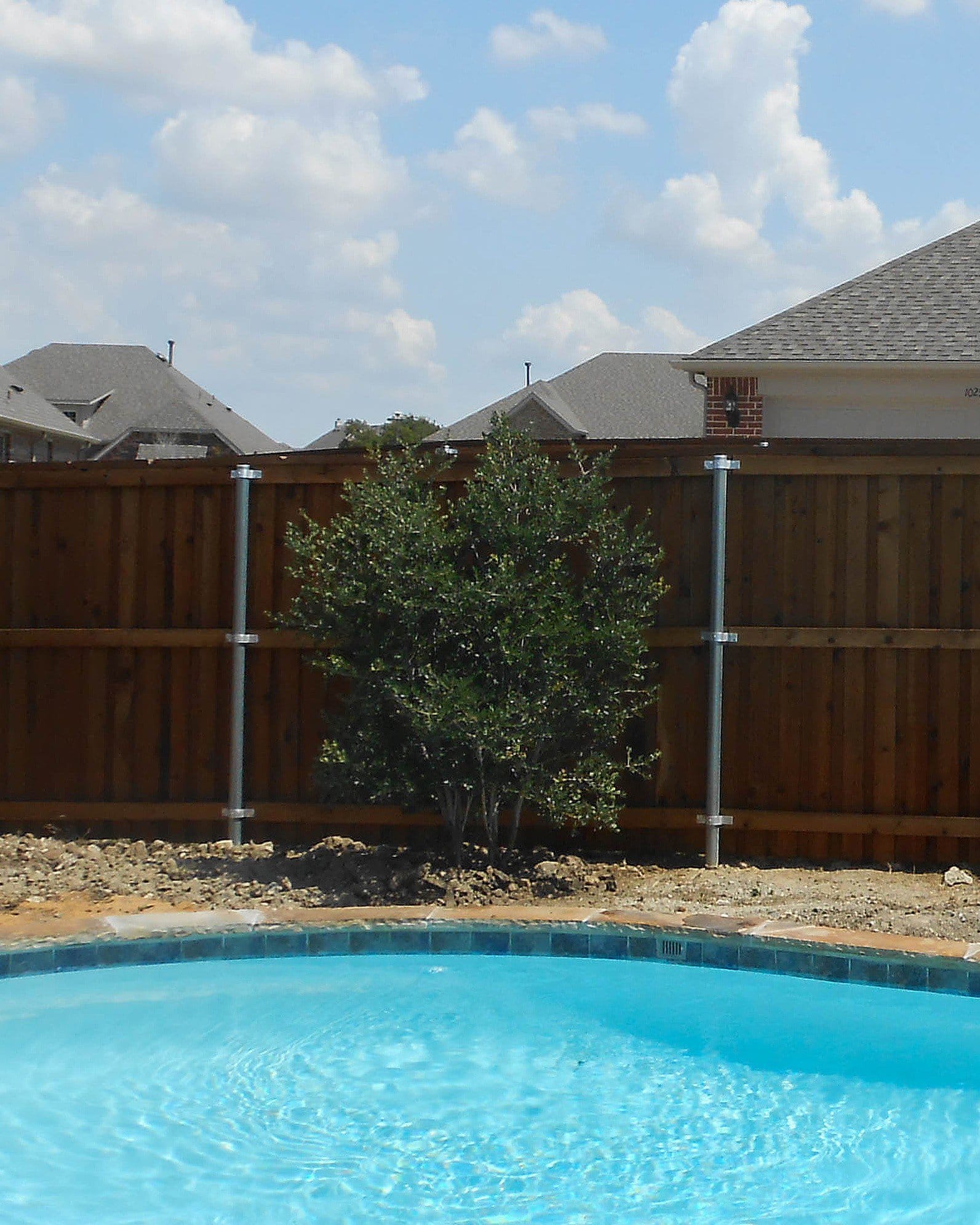
- It is our most popular privacy screen
- Evergreen tree form
- Moderate growth rate and formal, symmetrical shape
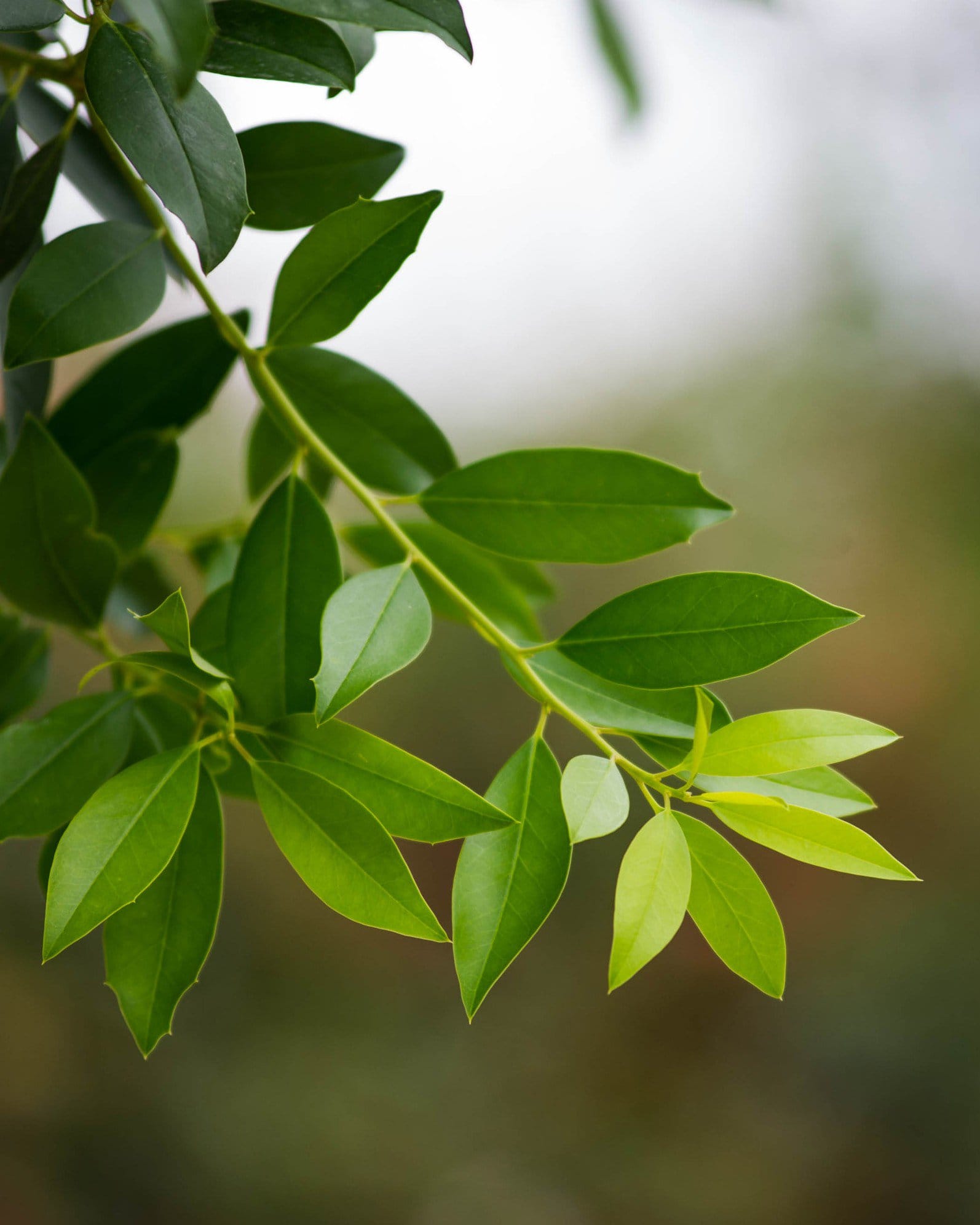
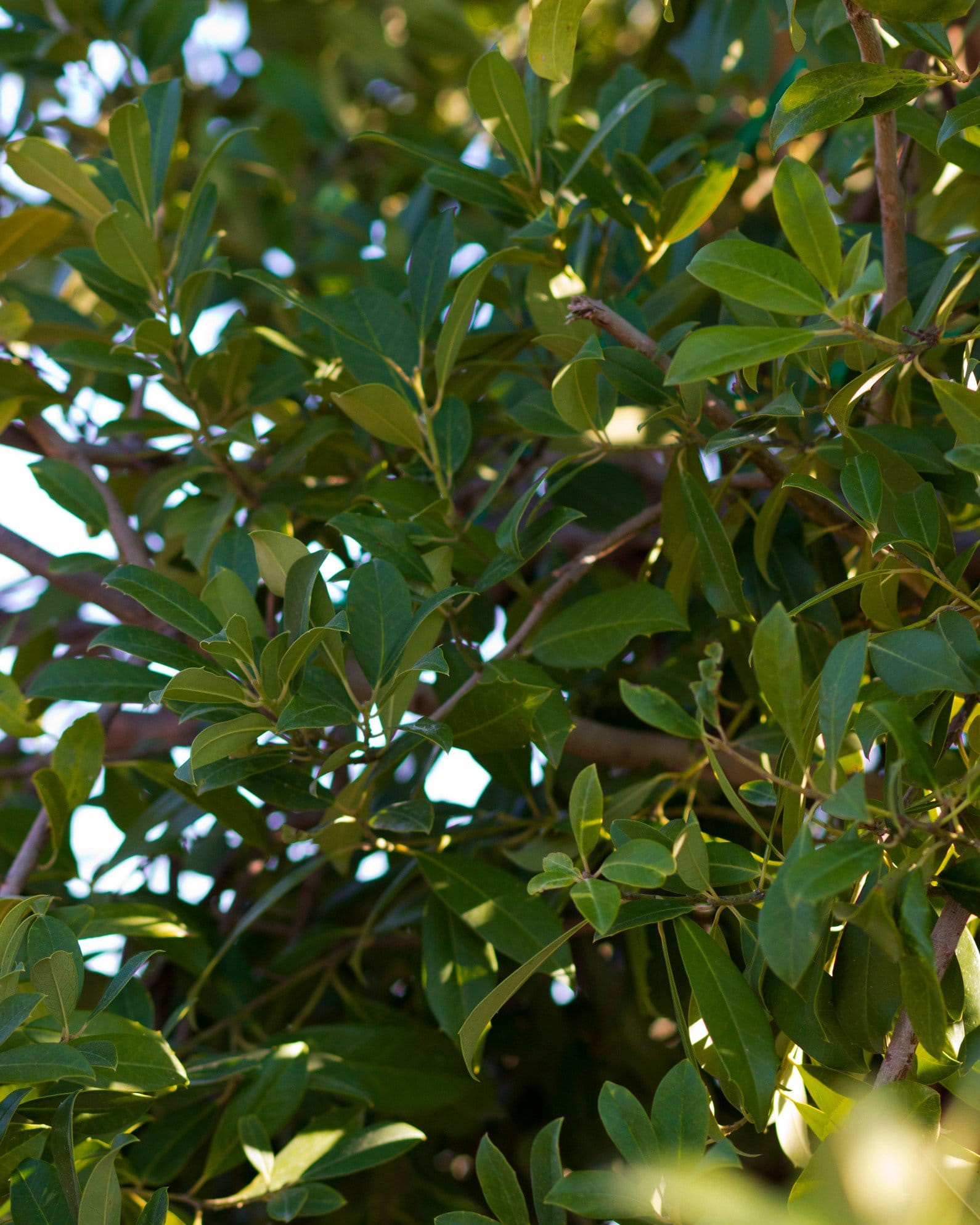
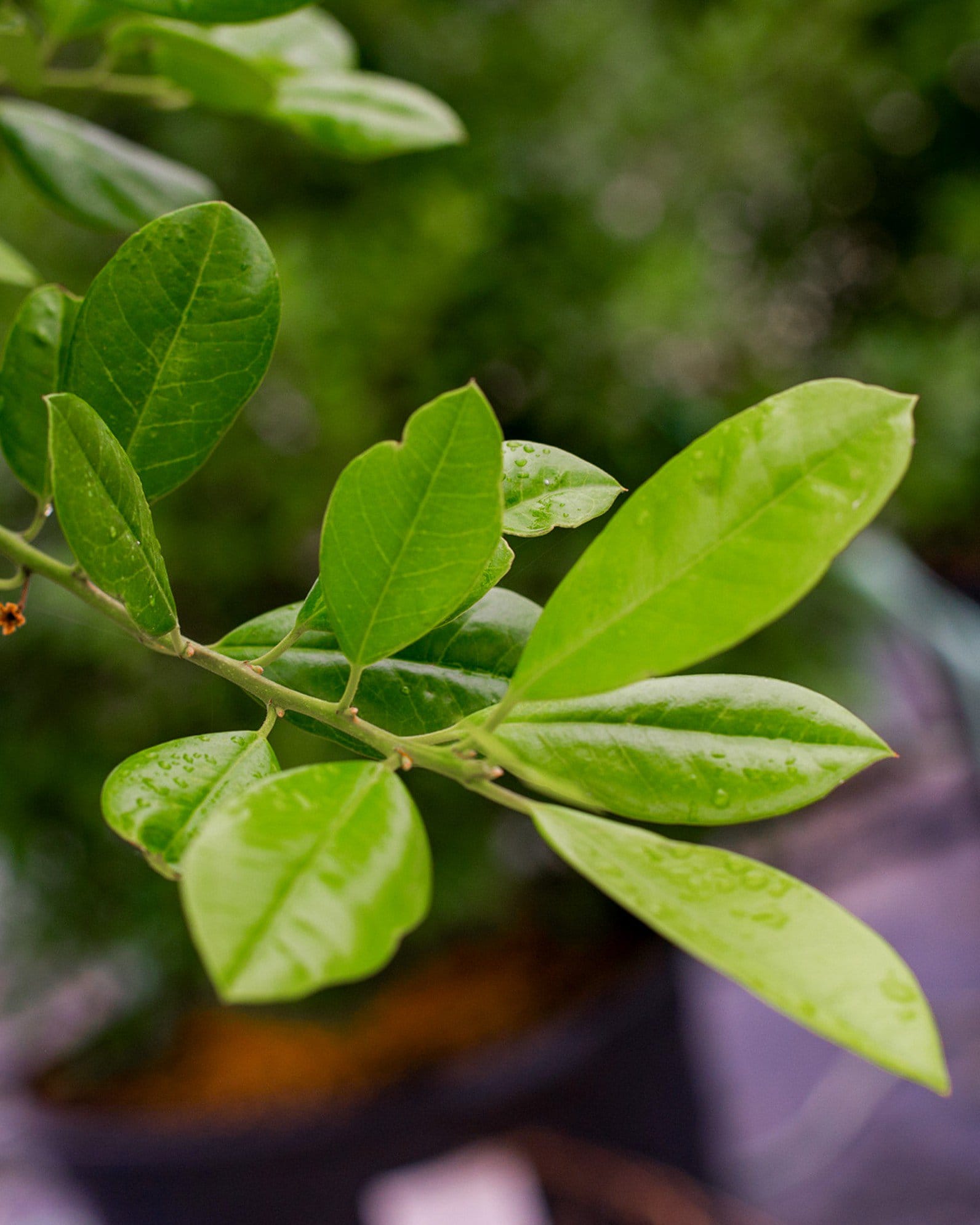
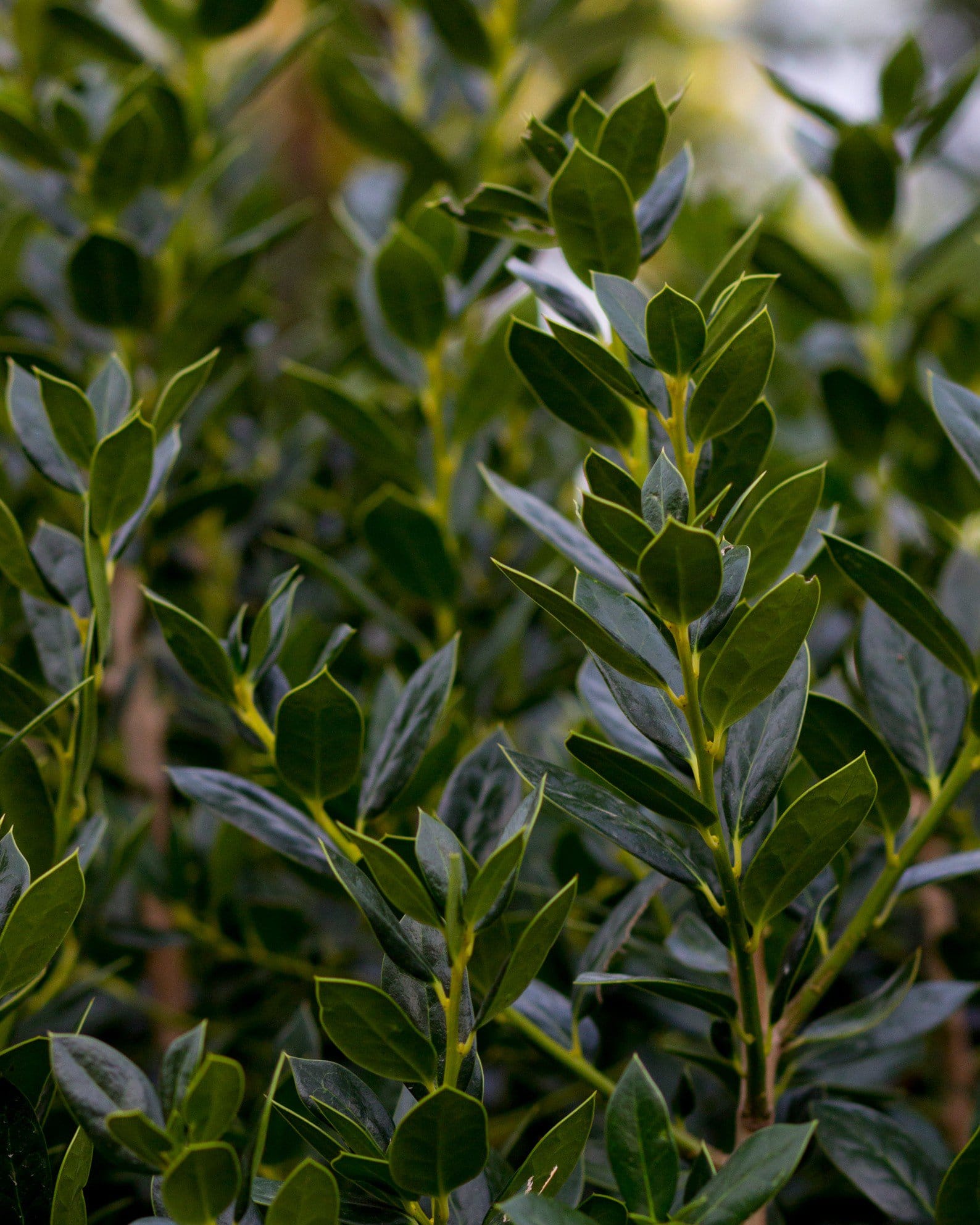
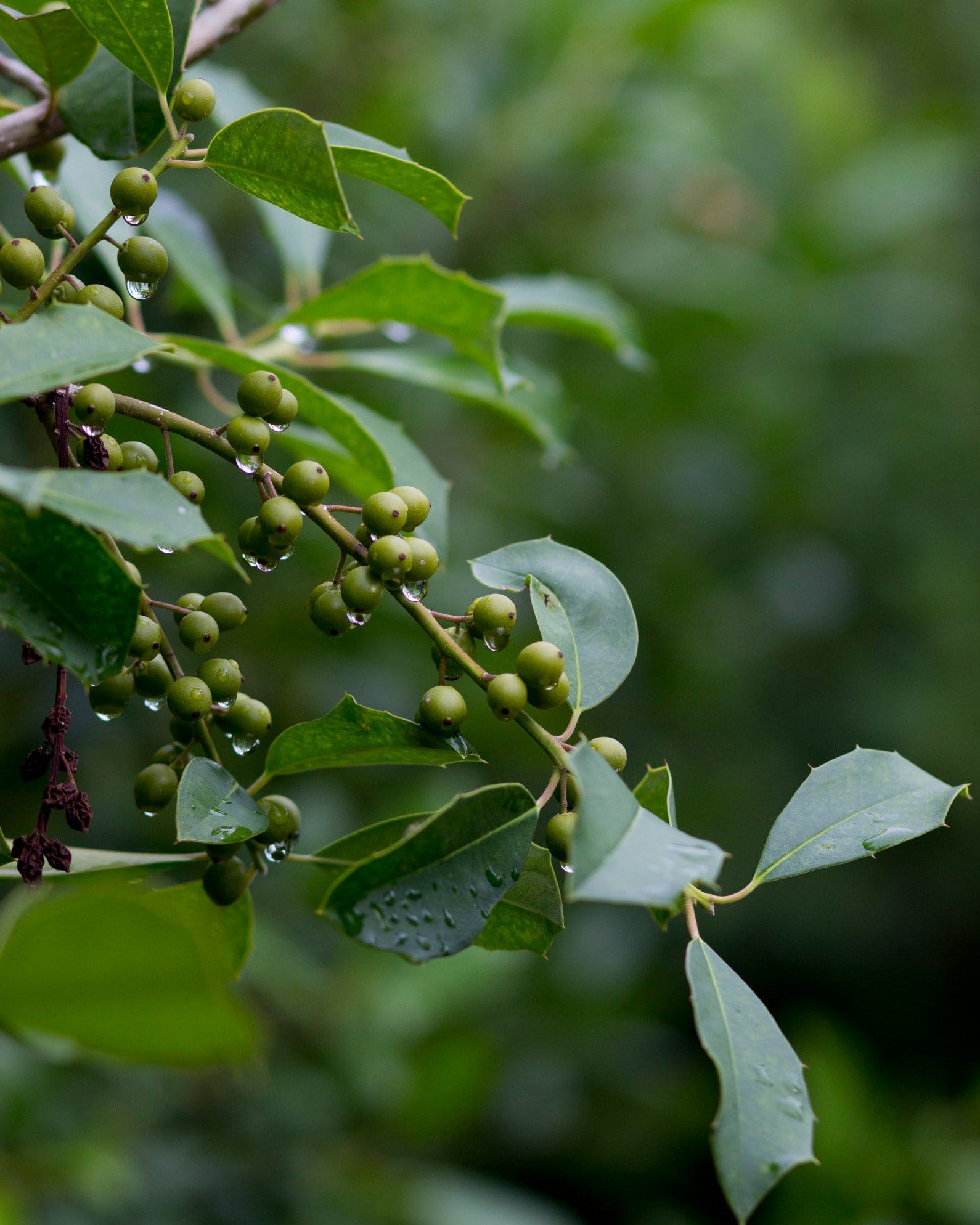
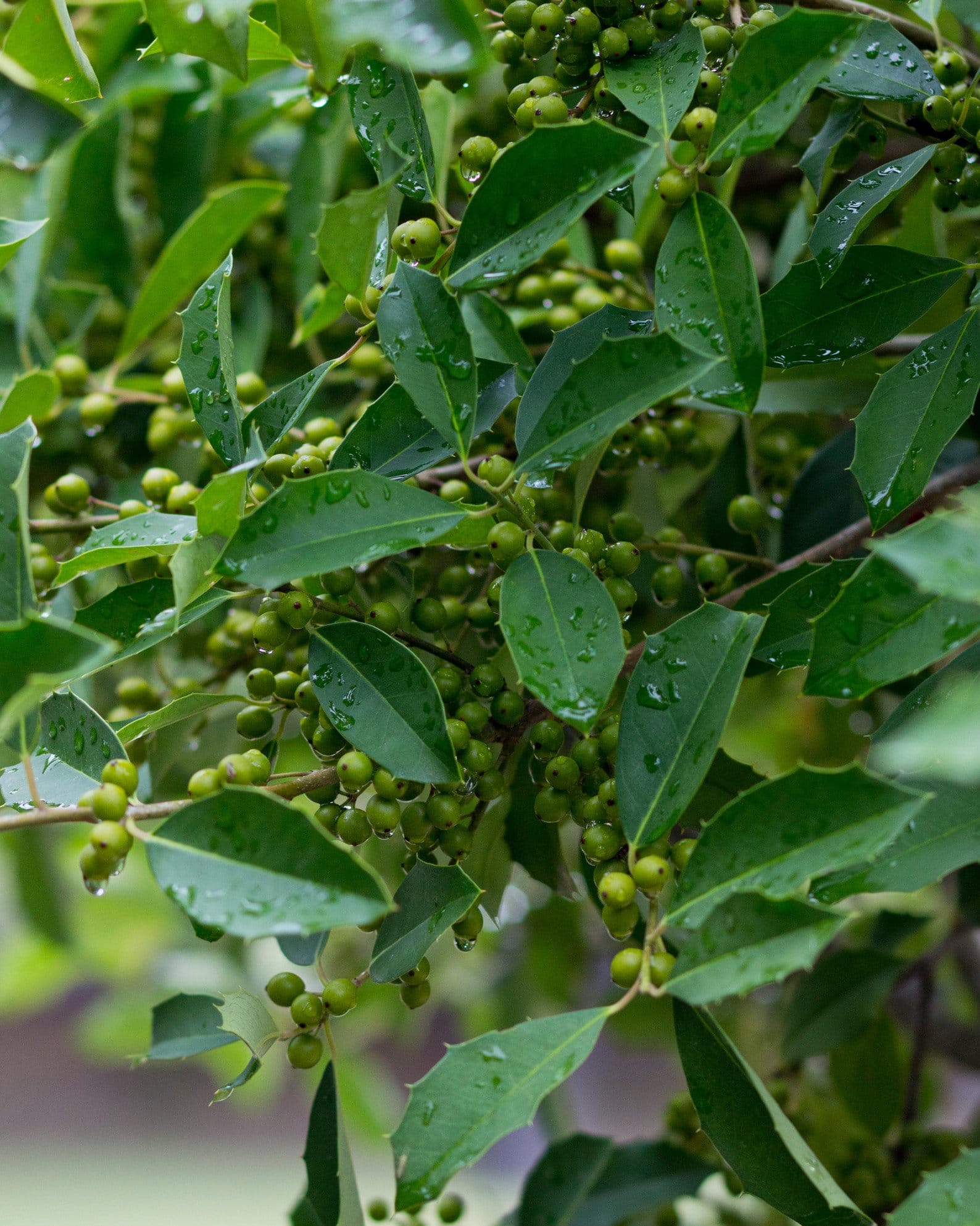
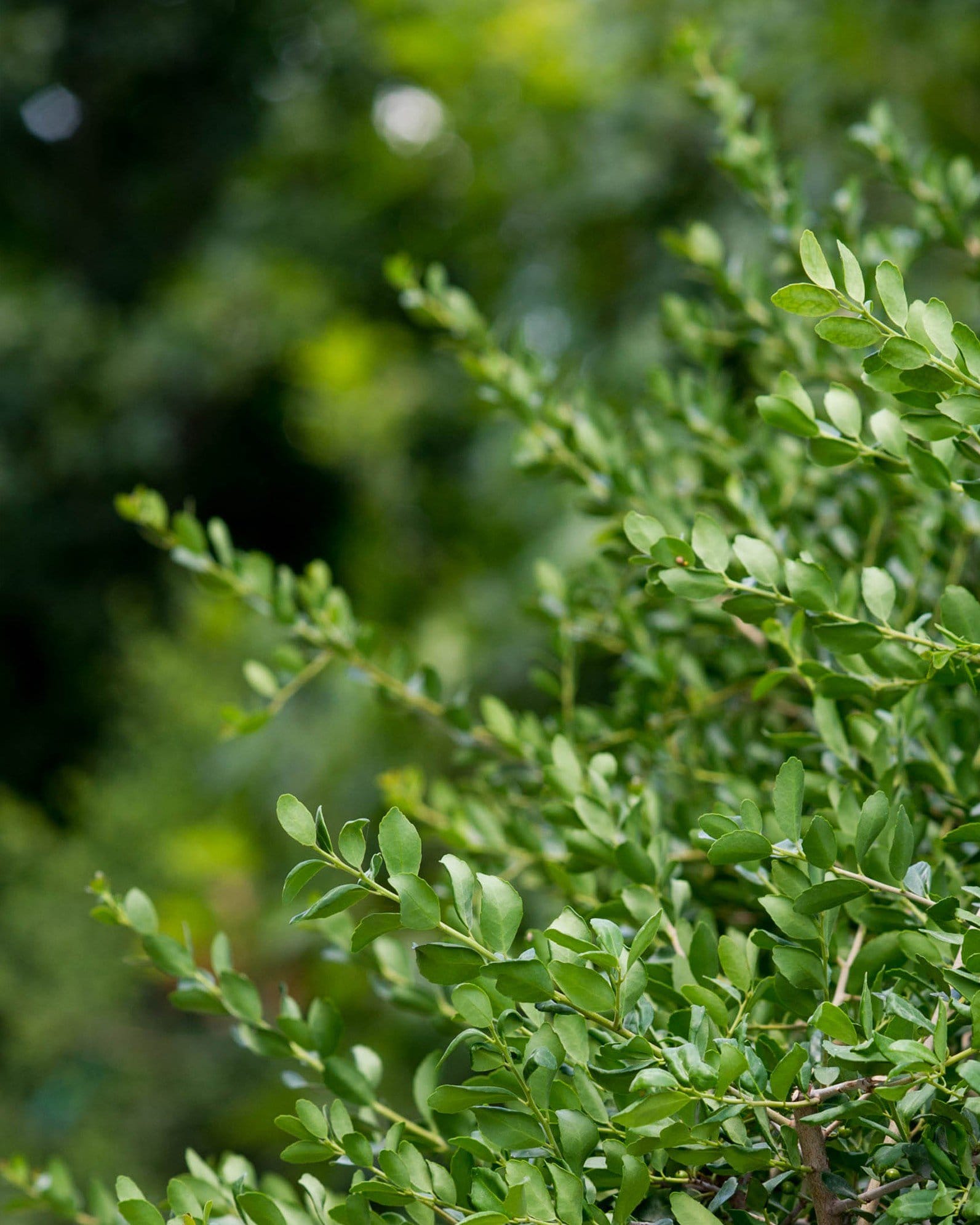
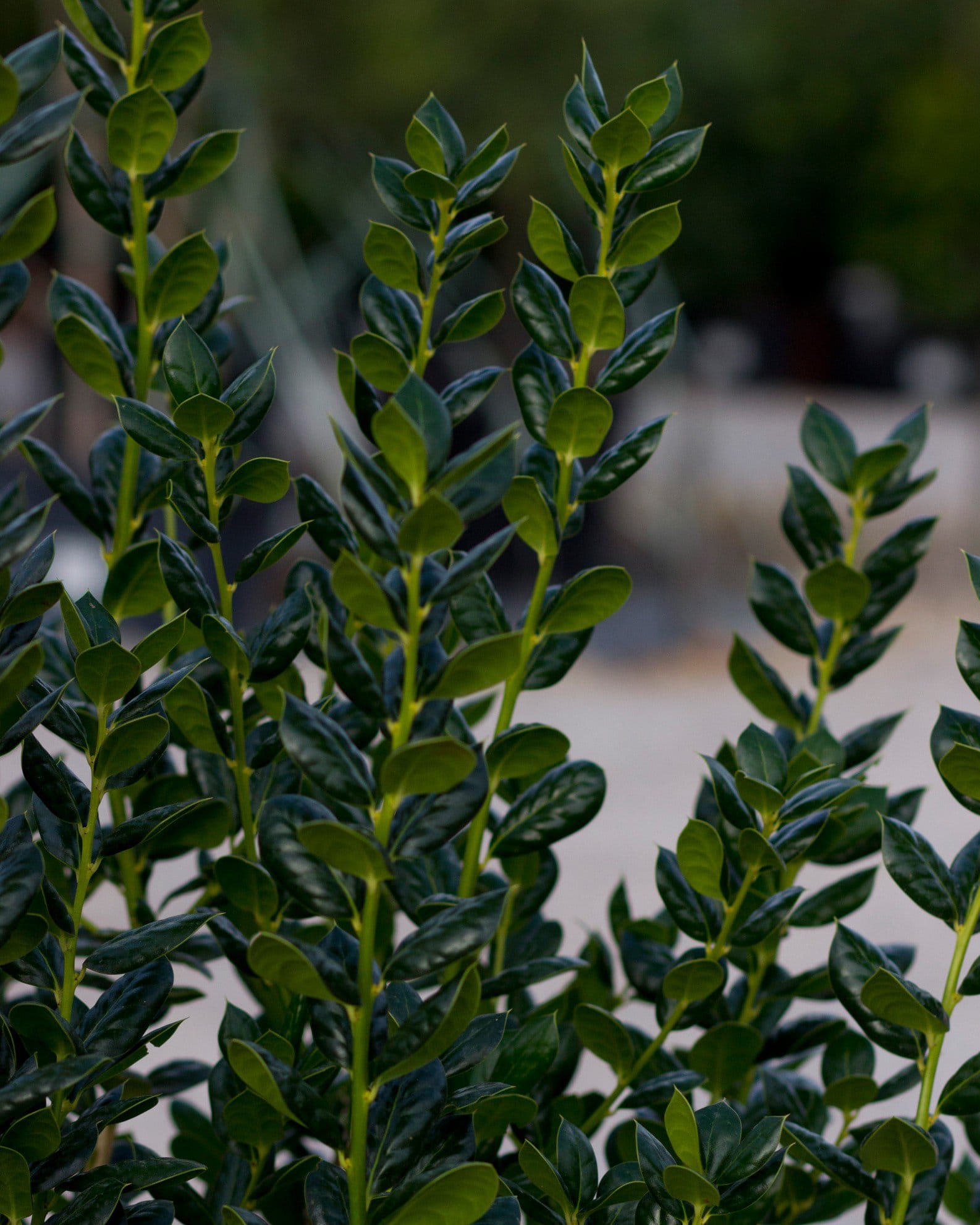
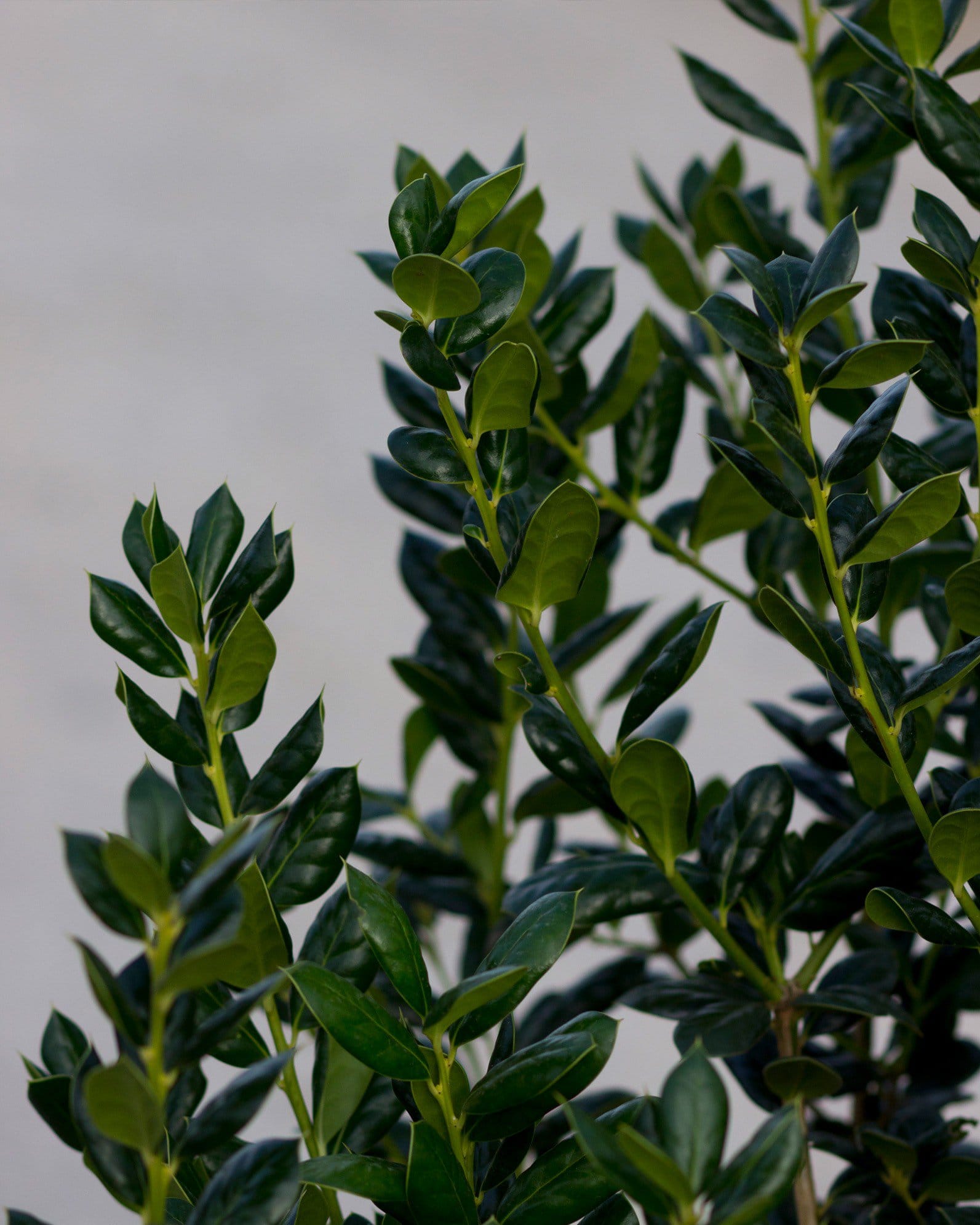
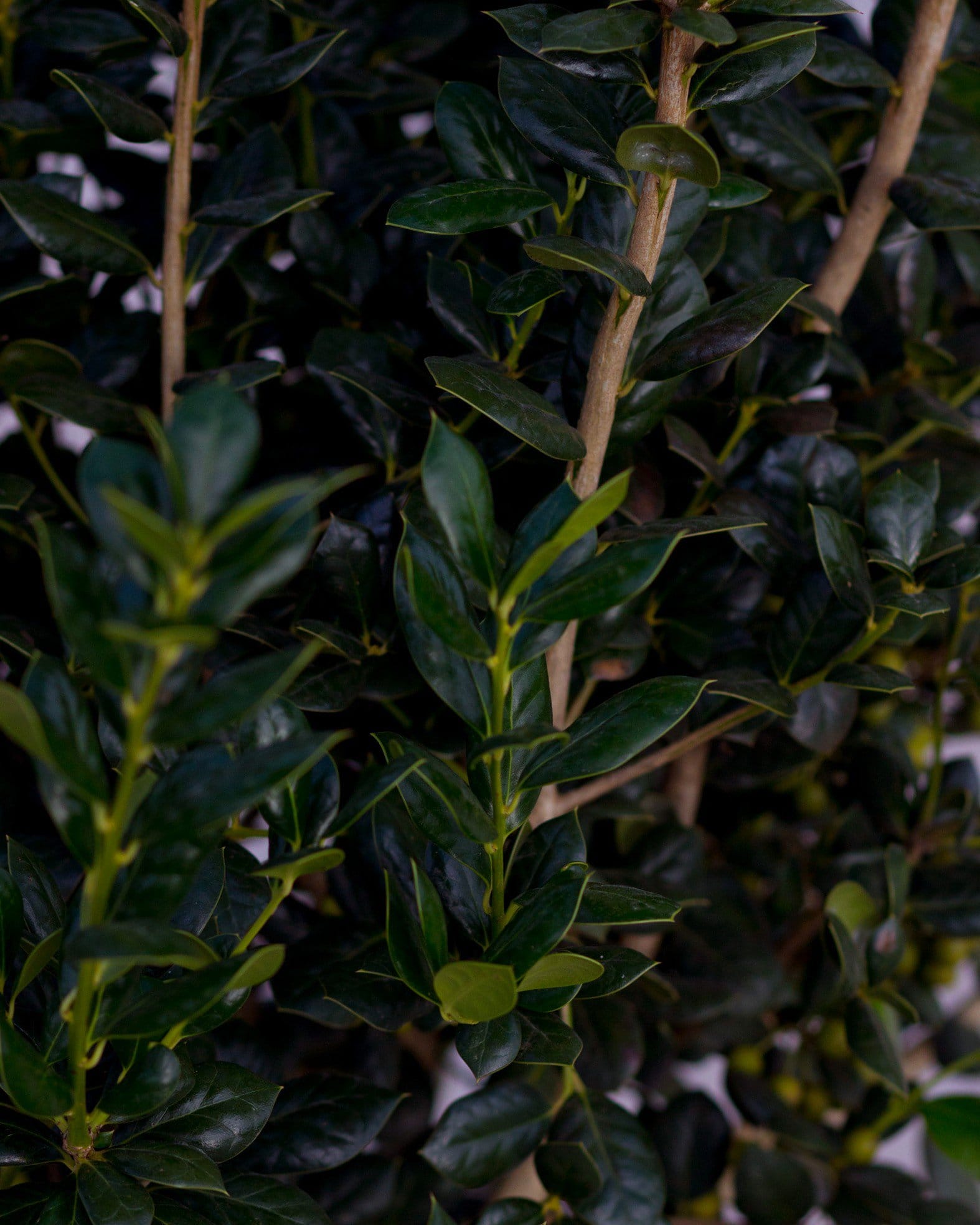
- Glossy green leaves and bright red berries in cool seasons
- Ideal for focal points, entryways, or structured plantings
- Minimal trimming needed to maintain clean form
The Eagleston Holly Tree Form loves full sun to partial shade and thrives in well-drained soil. Heat-tolerant and drought-resistant, it’s well-suited for Texas landscapes ranging from urban lots to larger residential settings. Hardy in USDA zones 6 through 9, it’s a no-fuss favorite for year-round beauty with architectural flair.
While Eagleston Holly Tree Form is naturally hardy, following these key steps will help it stay lush and structured:
- Watering: Water deeply and regularly during the first growing season to help roots establish. Once mature, Eagleston Holly is moderately drought-tolerant but still appreciates consistent moisture during long dry spells. Water every 7-10 days during hot months, ensuring the soil drains well and never stays soggy.
- Pruning: Prune in late winter or very early spring before new growth begins. Trim to shape the canopy, remove crossing branches, and open up the center for airflow. Avoid heavy pruning during summer heat to prevent stress. You can also lightly shear the outer canopy in late spring for a neat, formal appearance.
- Fertilizing: Apply a slow-release, balanced fertilizer in early spring as new growth starts. Mature trees in nutrient-rich soil may not need yearly feeding, but a spring boost encourages deep color and healthy leaf density. Avoid over-fertilizing, as it can lead to excessive growth that’s harder to maintain.
- Mulching: Add a 2-3 inch layer of organic mulch - like shredded bark or pine needles - around the base of the tree to conserve soil moisture and regulate temperature. Keep mulch about 6 inches away from the trunk to prevent rot and pest buildup.
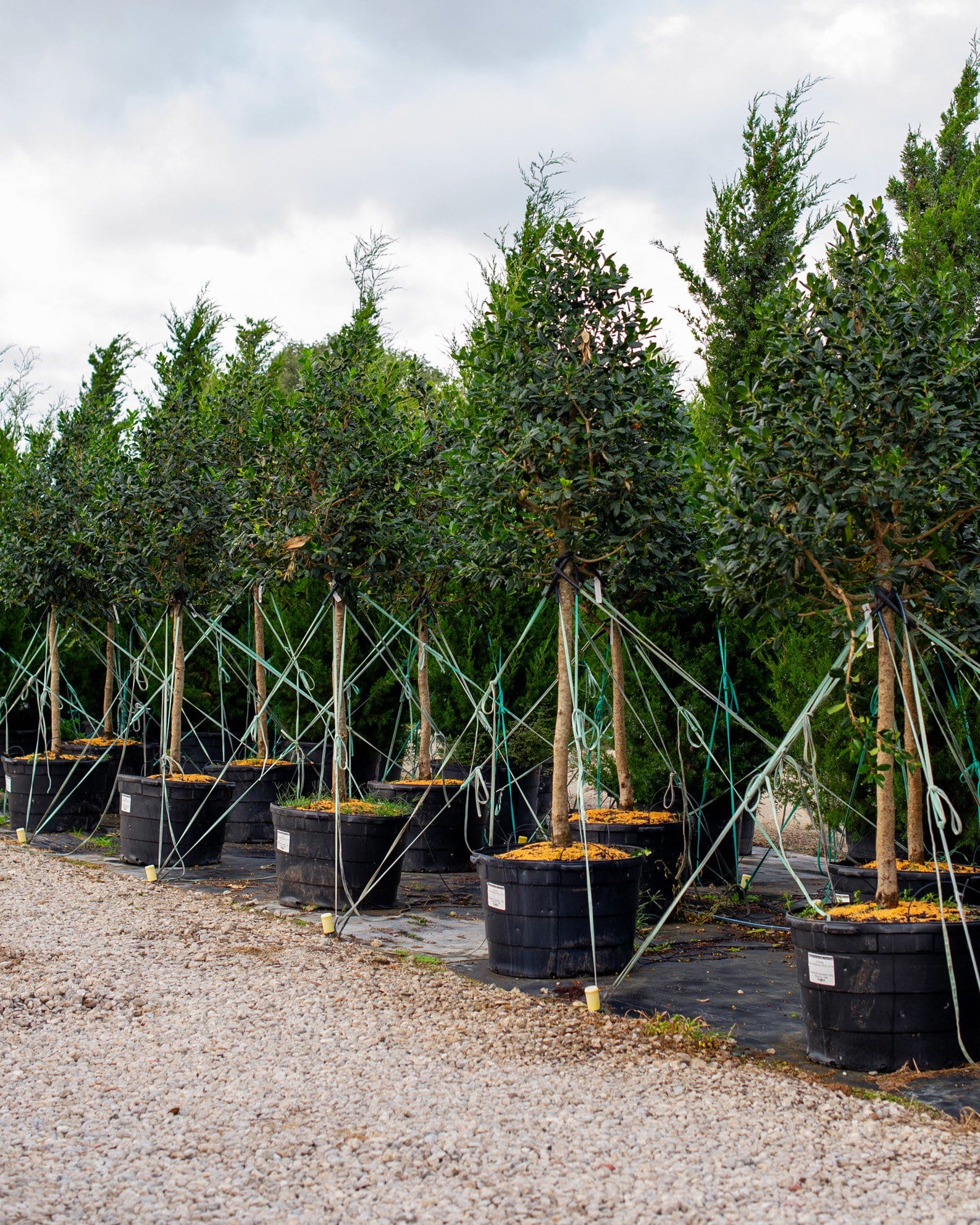
- Staking: If planting a young Eagleston Holly Tree Form in a windy or exposed location, stake it securely for the first growing season to help it develop a straight, upright trunk. Remove stakes after one year to avoid girdling.
Common Issues and How to Take Care of Them
Eagleston Holly is generally hardy and pest-resistant, but a few issues may occasionally appear:
- Leaf spot: Brown or black spots on leaves caused by fungi, often in humid or poorly ventilated areas. Remove affected foliage, prune to increase airflow, and avoid overhead watering.
- Scale insects: Tiny pests that cling to stems and leaves, feeding on sap and leaving behind a sticky residue. Treat early with horticultural oil or insecticidal soap and maintain healthy watering to reduce stress.
- Sooty mold: Often a byproduct of sap-feeding insects like aphids or scale. Wipe off with a damp cloth and treat the root cause (usually pests) to stop it from recurring.
- Root rot: Occurs when soil remains waterlogged. Ensure well-drained planting sites and never overwater, especially during cooler months.
- Iron chlorosis: If leaves turn yellow while veins remain green, it may indicate alkaline soil. Apply a chelated iron supplement and adjust soil pH if needed.
- Spider mites: More common in very dry conditions. Use a strong jet of water to dislodge them or apply horticultural oil if infestations persist.
Healthy soil, good drainage, and annual pruning prevent nearly all common holly problems.
If you cut the top off your Eagleston Holly Tree Form, it will grow back quickly from the cut, but that growth could be weak, and your plant will get an undesirable and dense appearance over time.
Anytime between fall and spring are ideal planting times, allowing roots to establish before extreme heat.
All you need to do to keep your Eagleston Holly Tree Form small is to prune regularly in late winter or early spring.
Once established, water deeply once a week in dry periods. Overwatering can cause root issues, so let the top few inches of soil dry between waterings.
Yes, it’s considered deer-resistant, thanks to its dense, leathery foliage.
Absolutely. The tree form is perfect for structured landscapes or specimen planting, while multi-trunk forms are popular for natural screens. Prune lightly for shape and density.
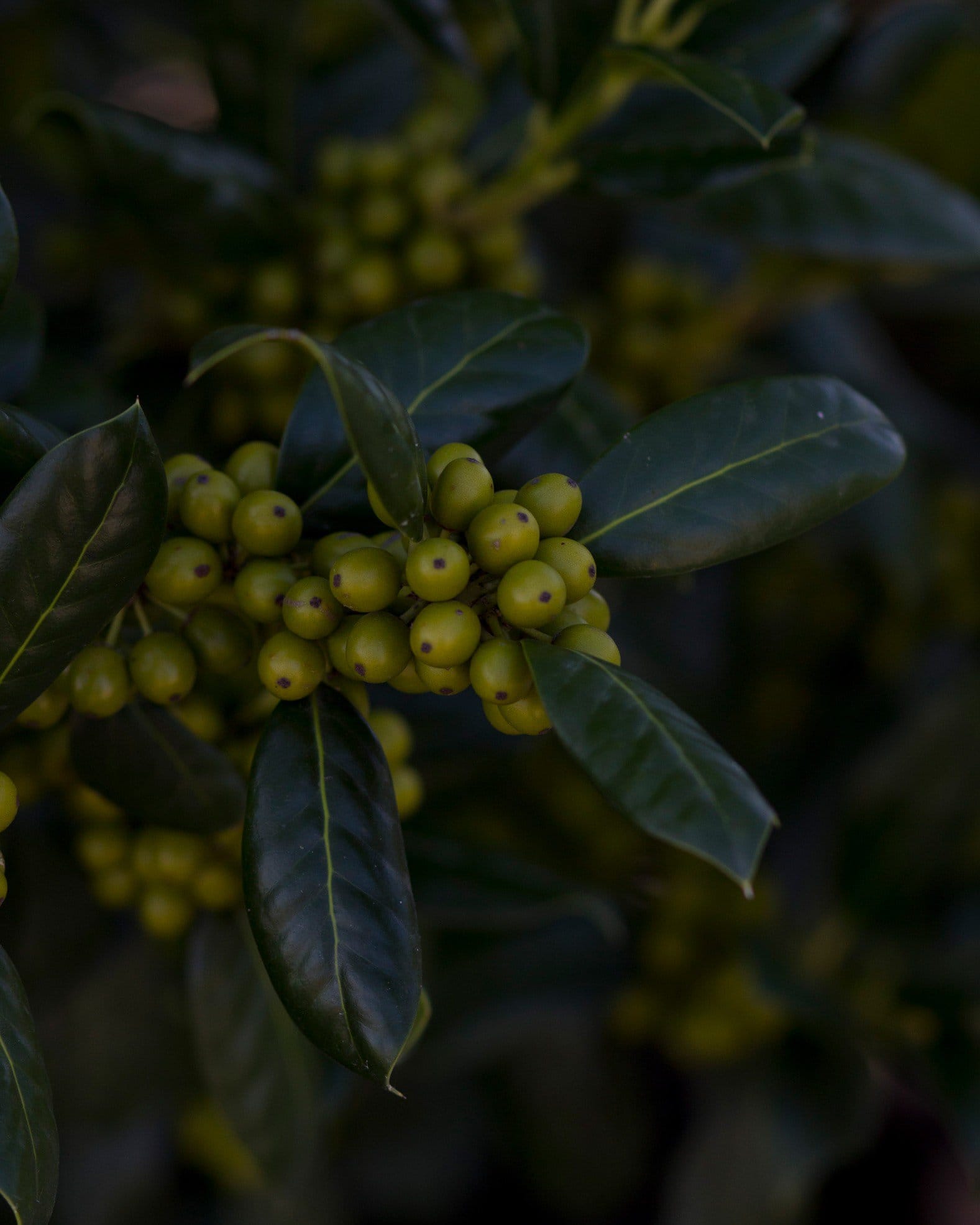
Yes, all Eaglestons are female and produce small red berries in winter if a male pollinator is nearby. The berries attract birds and add seasonal interest.
With proper care, it can live 30+ years, remaining a long-term landscape investment.
Yes, your Eagleston Holly Tree Form will grow back if you cut it severely because hollies are very tolerant of pruning and will sprout new growth from the roots or even old wood.
This can happen due to underwatering, poor drainage, transplant stress and natural shedding during early spring or winter. Adjust watering and ensure the planting site drains freely.
When it comes to spacing there is no right or wrong answer. We prefer to give trees the most amount of separation possible and aesthetically this leads to a prettier looking tree at maturity because they develop naturally wider, fuller and more symmetrical canopies. As far as the tree's health is concerned it will not be affected by how closely it is planted to another tree but the shape of the canopy will become taller and thinner and begin to overlap, which will create a continuous hedge. If privacy is not of an immediate concern and we are just looking to diffuse the view then we could plant the trees where they barely touch at maturity.
For example, we could plant Eaglestons 14' apart (their mature width is 14') and at maturity their canopies would barely touch or we could space them even further apart than 14' which would leave a gap between the trees. Most of us don't have the luxury of planting trees this far apart and waiting 10-15 years for them to grow together and get privacy. For people that need more immediate privacy then the question to answer is "how long do you want to wait before you have a solid privacy screen?" Most answers that we get to this question will either be immediate or they are willing to wait between 2-4 years before they get solid coverage. Again, there is no right or wrong answer to this question and it is solely dependent upon how quickly the privacy is needed. For example, if a customer is looking for immediate coverage and they are planting Eaglestons, then we need to find out how wide the trees are that are being purchased and then plant them that far apart. If we find Eaglestons that are 3.5' wide then we would need to plant them 3.5' apart from trunk to trunk which allows for the branches to touch immediately at the time of planting. If we are looking for coverage in 3-4 years then the spacing would be dependent upon how quickly the trees grown per year in width and what size tree the customer decides to start with. Let's look at the previous example of an Eagleston that is currently 3.5' wide. We know that they grow about 1' per year in terms of width so over 3 years they will be about 6.5’ wide and therefore we would space the 6.5’ apart (trunk to trunk) so that the trees would be touching in 3 years.
Special Features
You might also like
Compare Similar Plants
Eagleston Holly Tree Form This plant | ||
|---|---|---|
| Scientific Name | Ilex × attenuata ‘Eagleston’ | Ilex × attenuata ‘Eagleston’ |
| Size at Maturity | 20' H x 14' W | 20' H x 14' W |
| Leaf Retention | Evergreen | Evergreen |
| Sizes Available | 7, 15, 30, 45, 65, 95 gal | 3, 7, 15, 30, 45 gal |


Our 1-Year Planting Guarantee
We take pride in our plants and installation services. If any plants or trees installed by Treeland fail to thrive within the first year, we'll provide a replacement credit in accordance with our guarantee program.
Learn More About Our Guarantee