
 Texas Native
Sweet Bay Magnolia
Magnolia virginianaLocal DFW Delivery Only
Product Details
Sweet Bay Magnolia
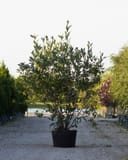
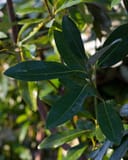
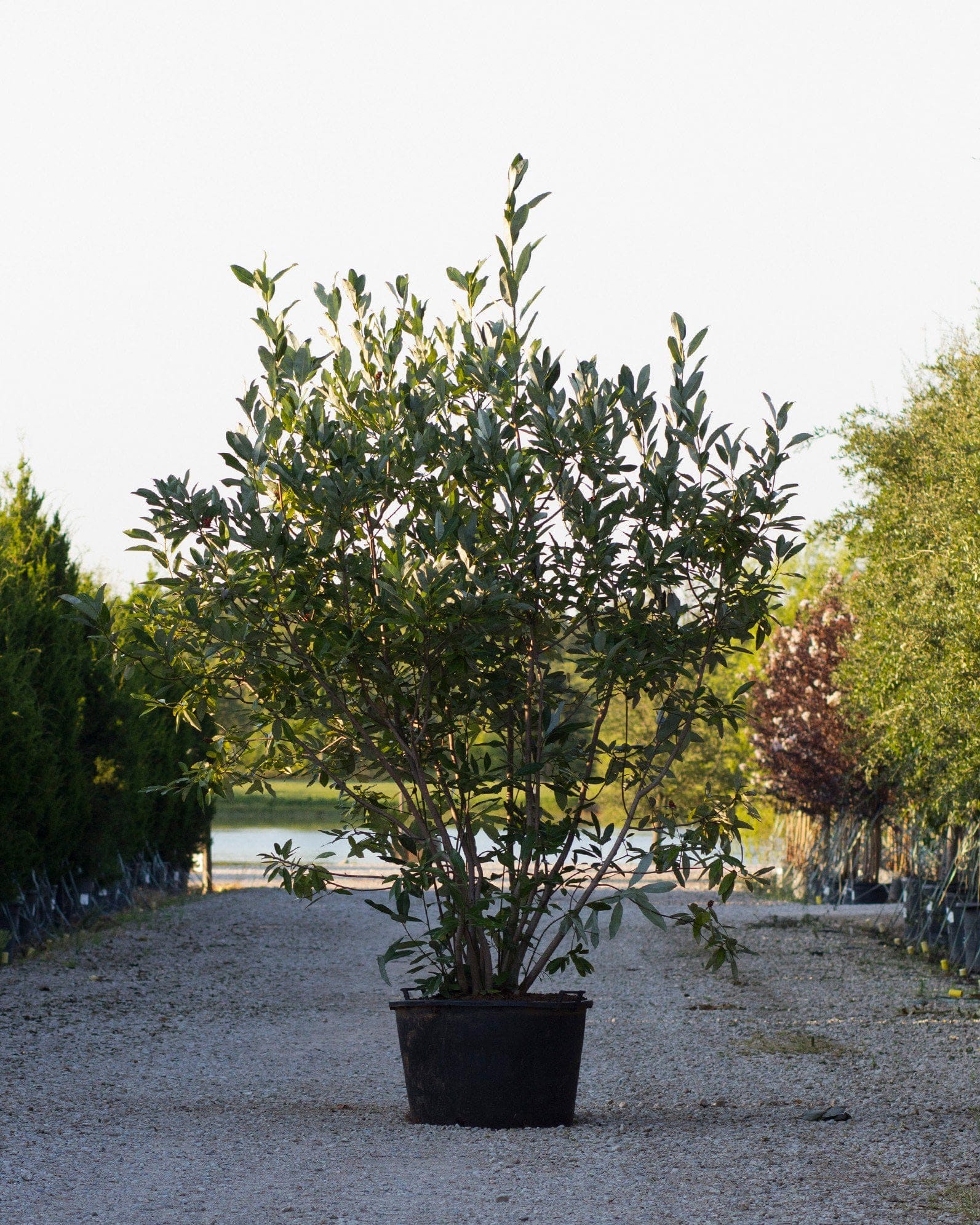
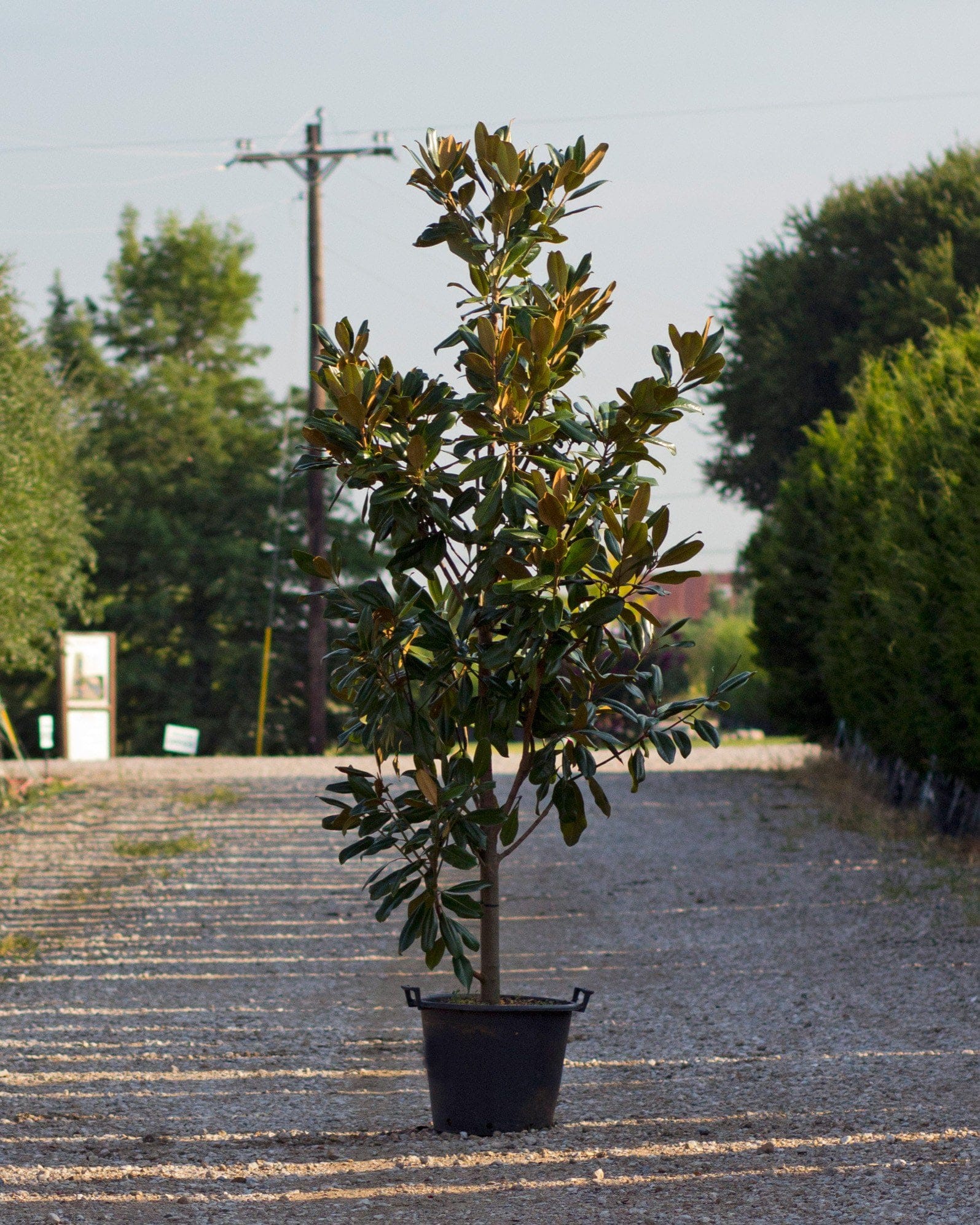
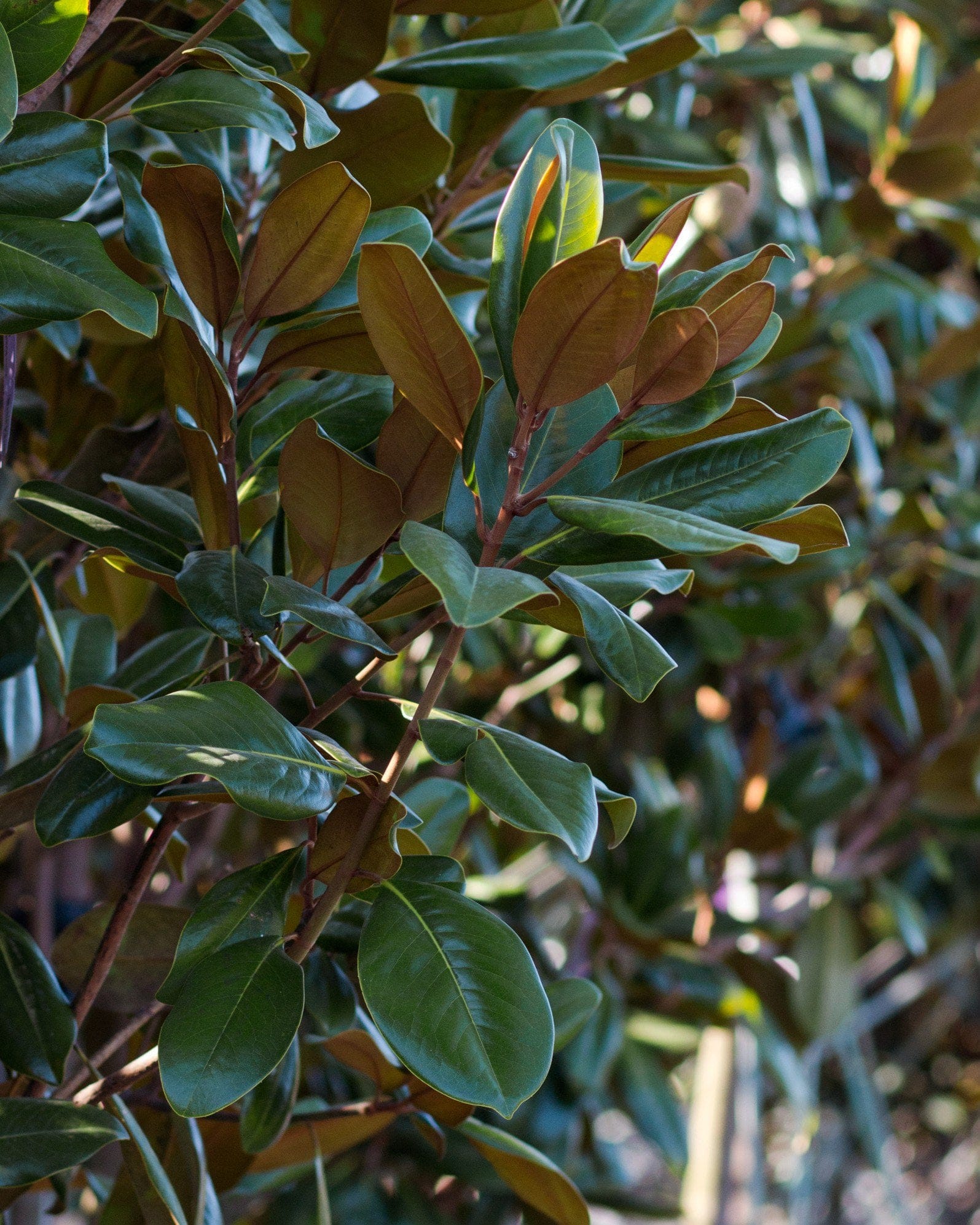
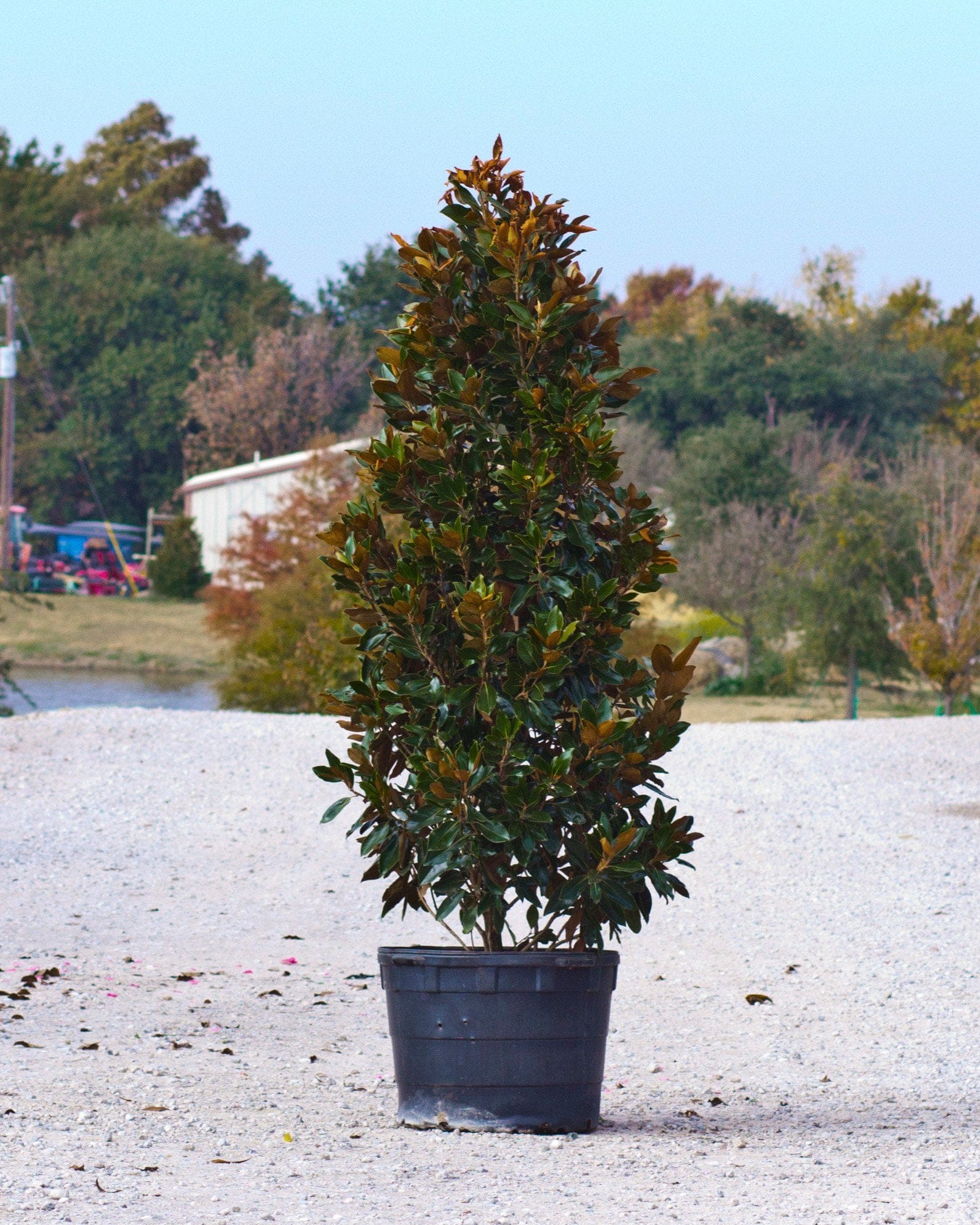
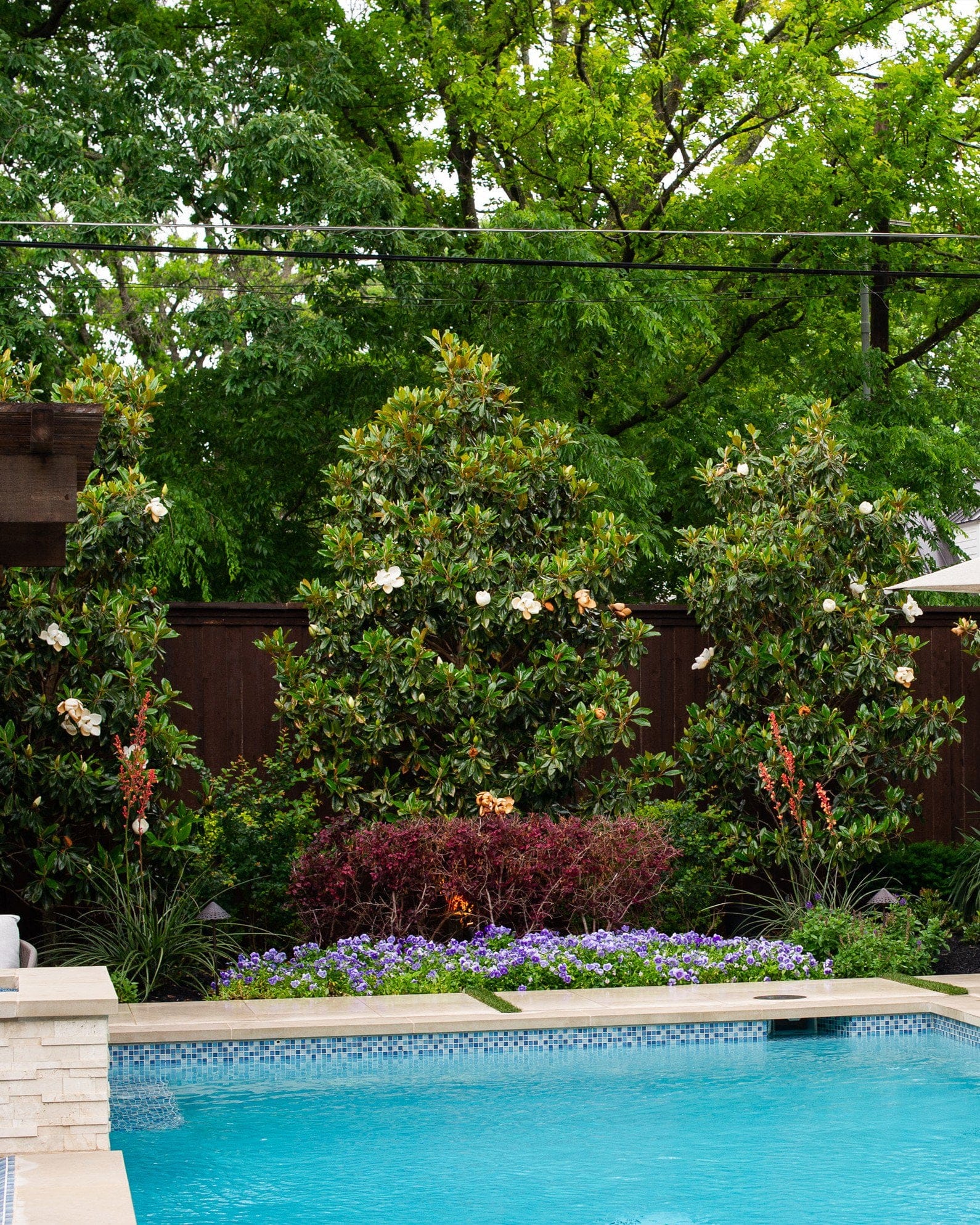
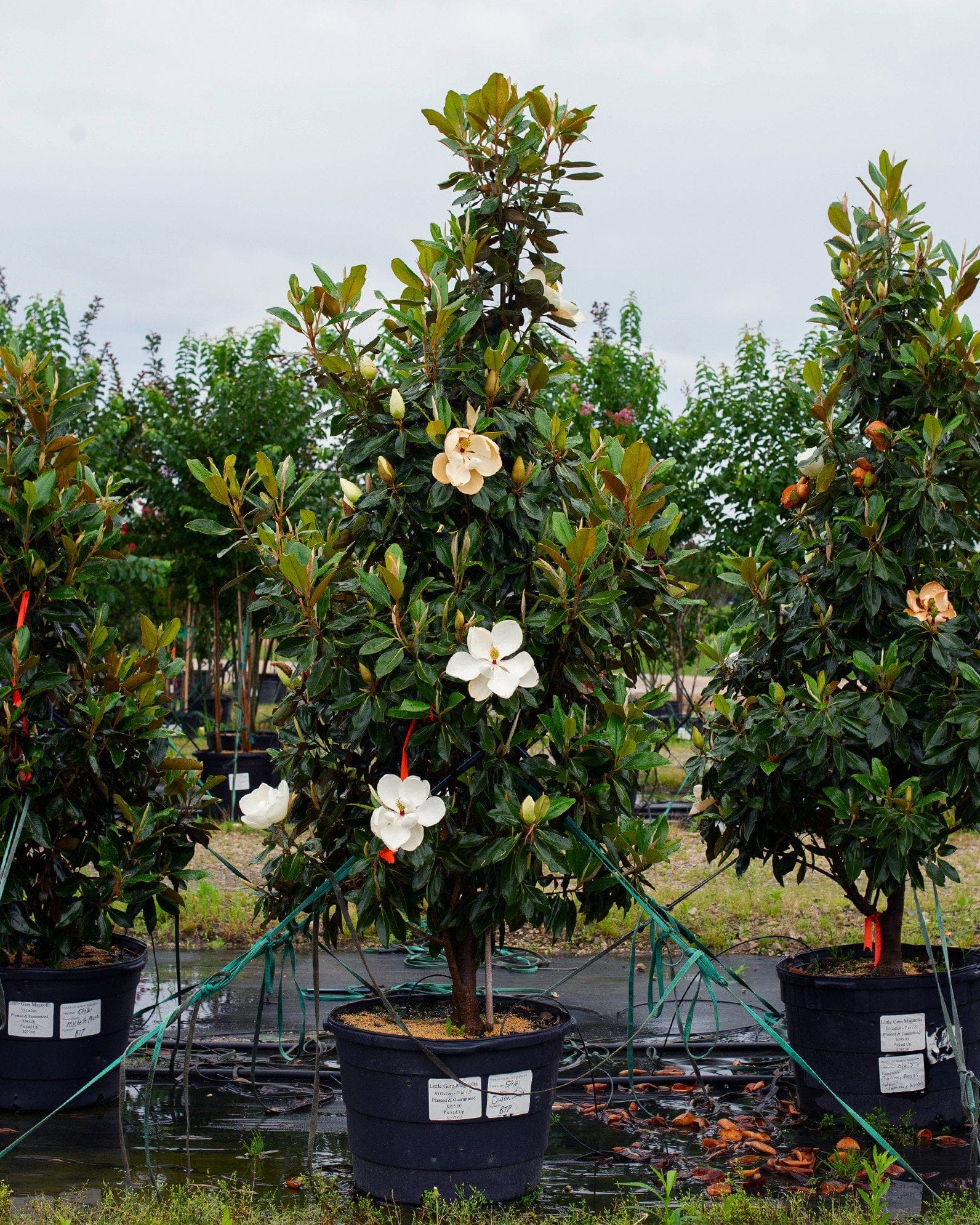
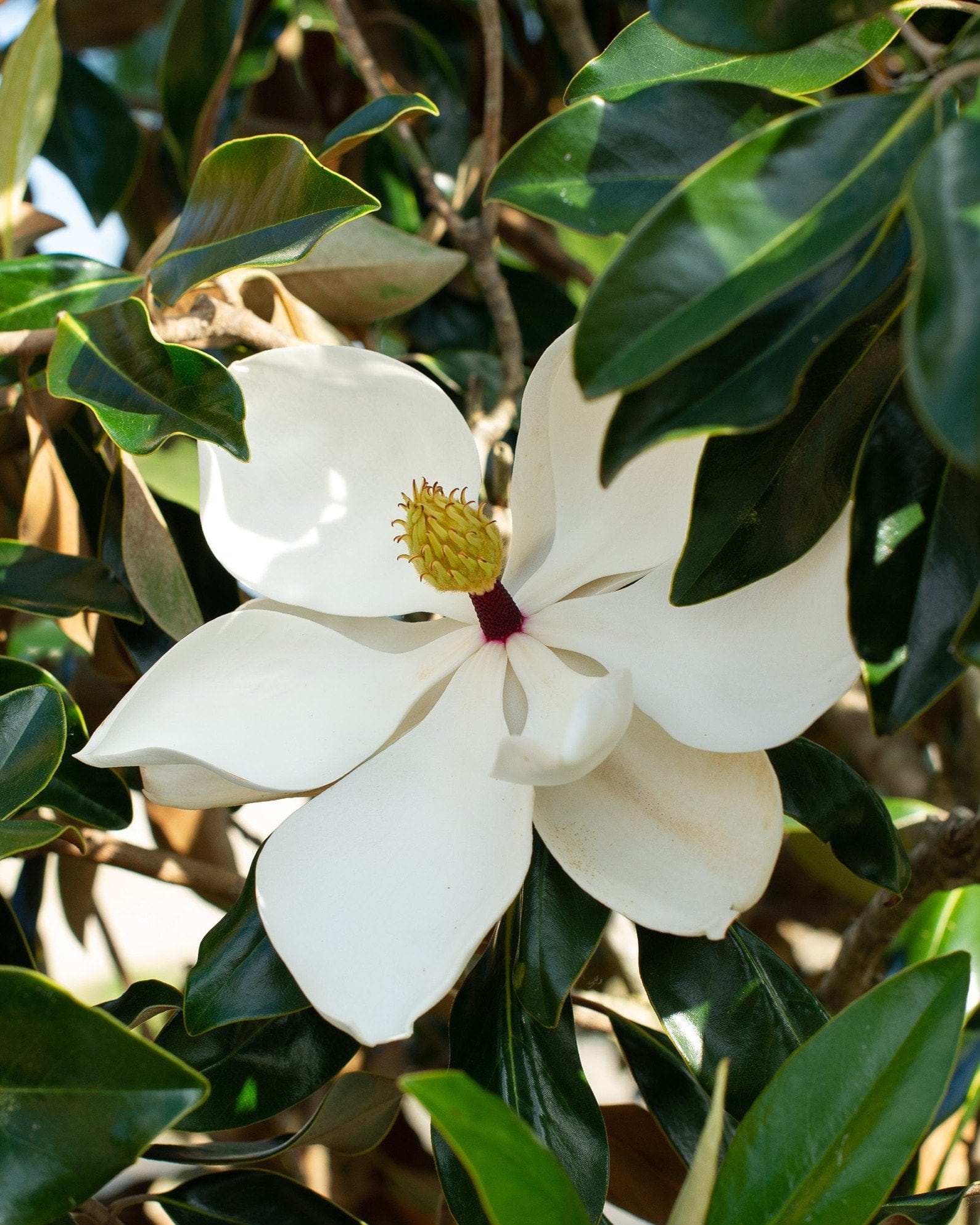
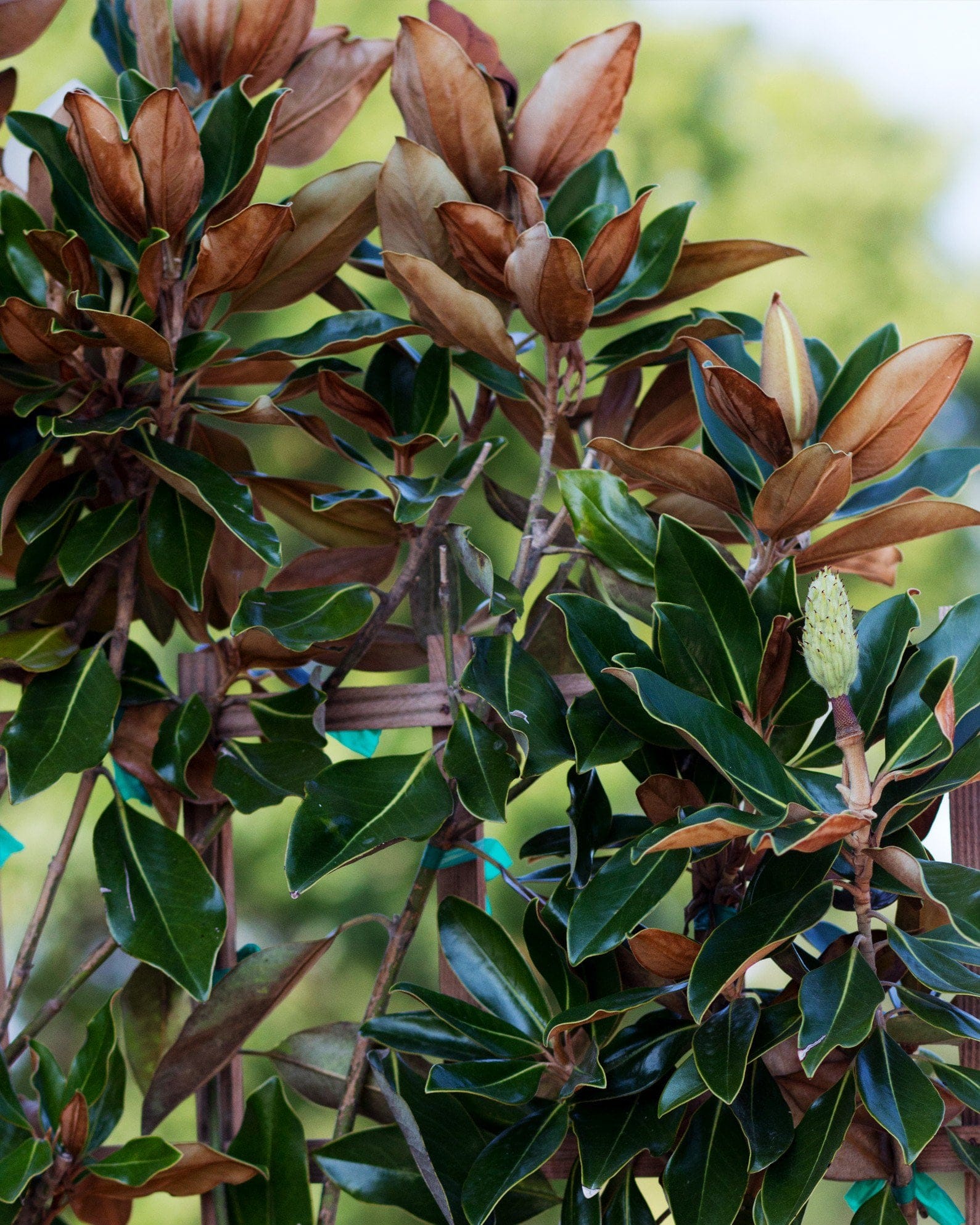
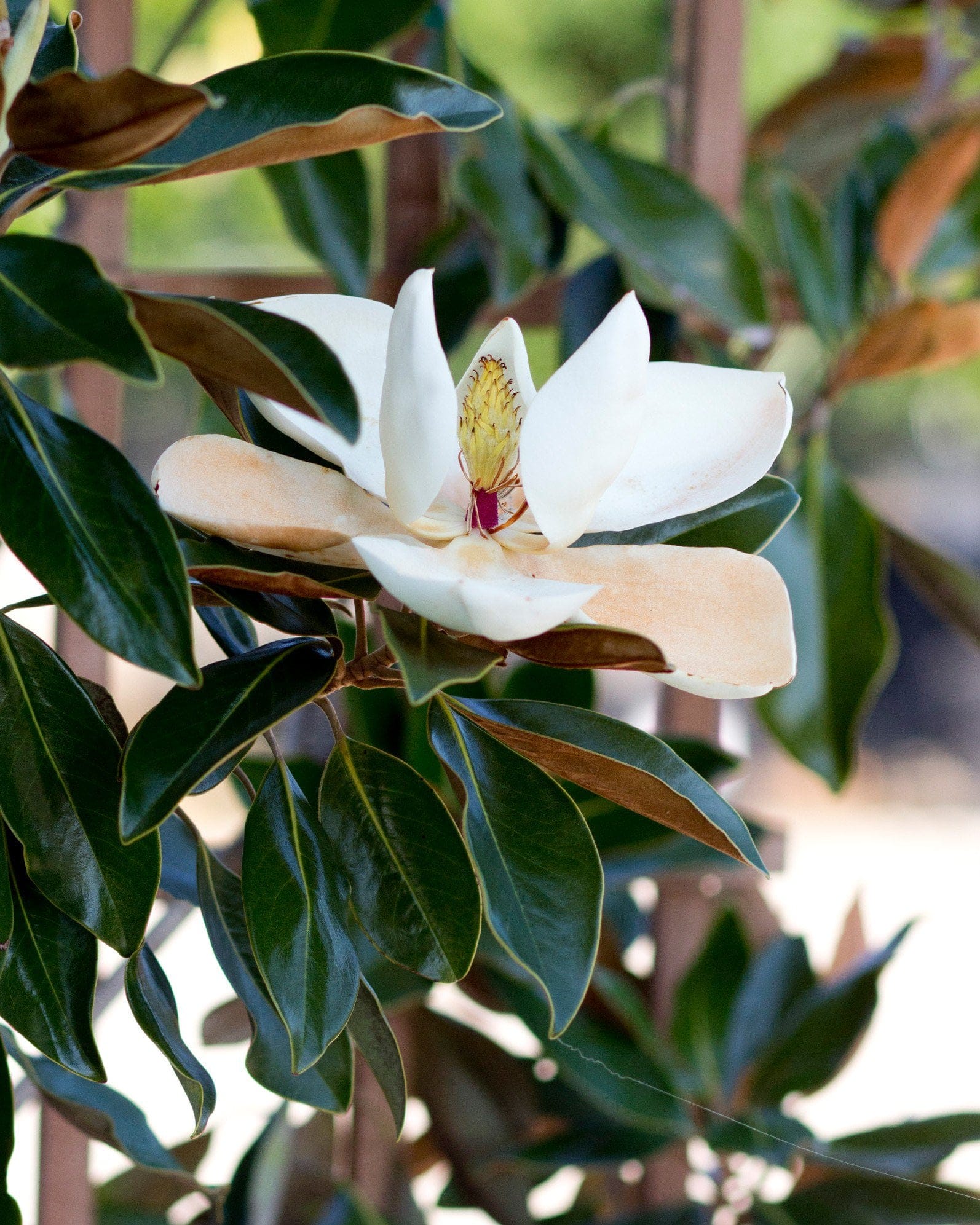
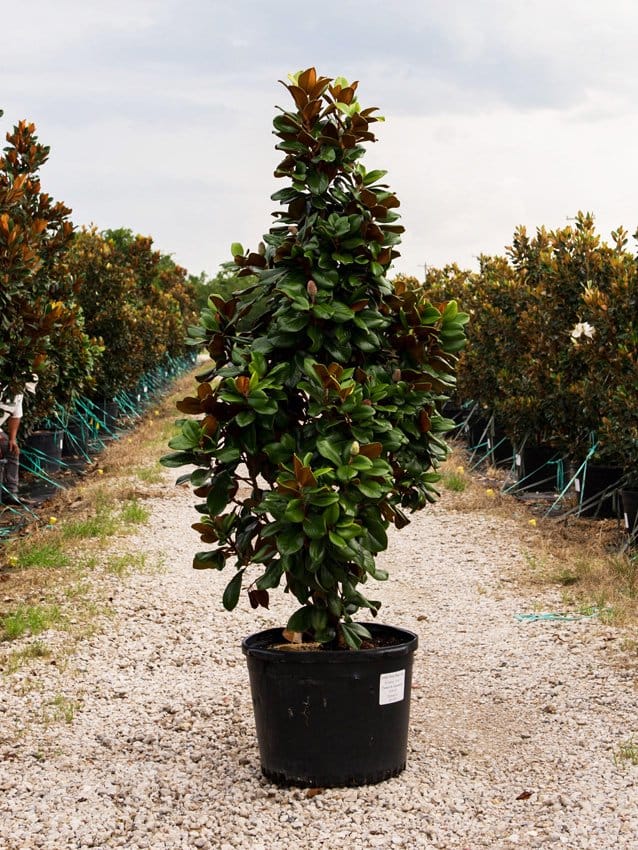
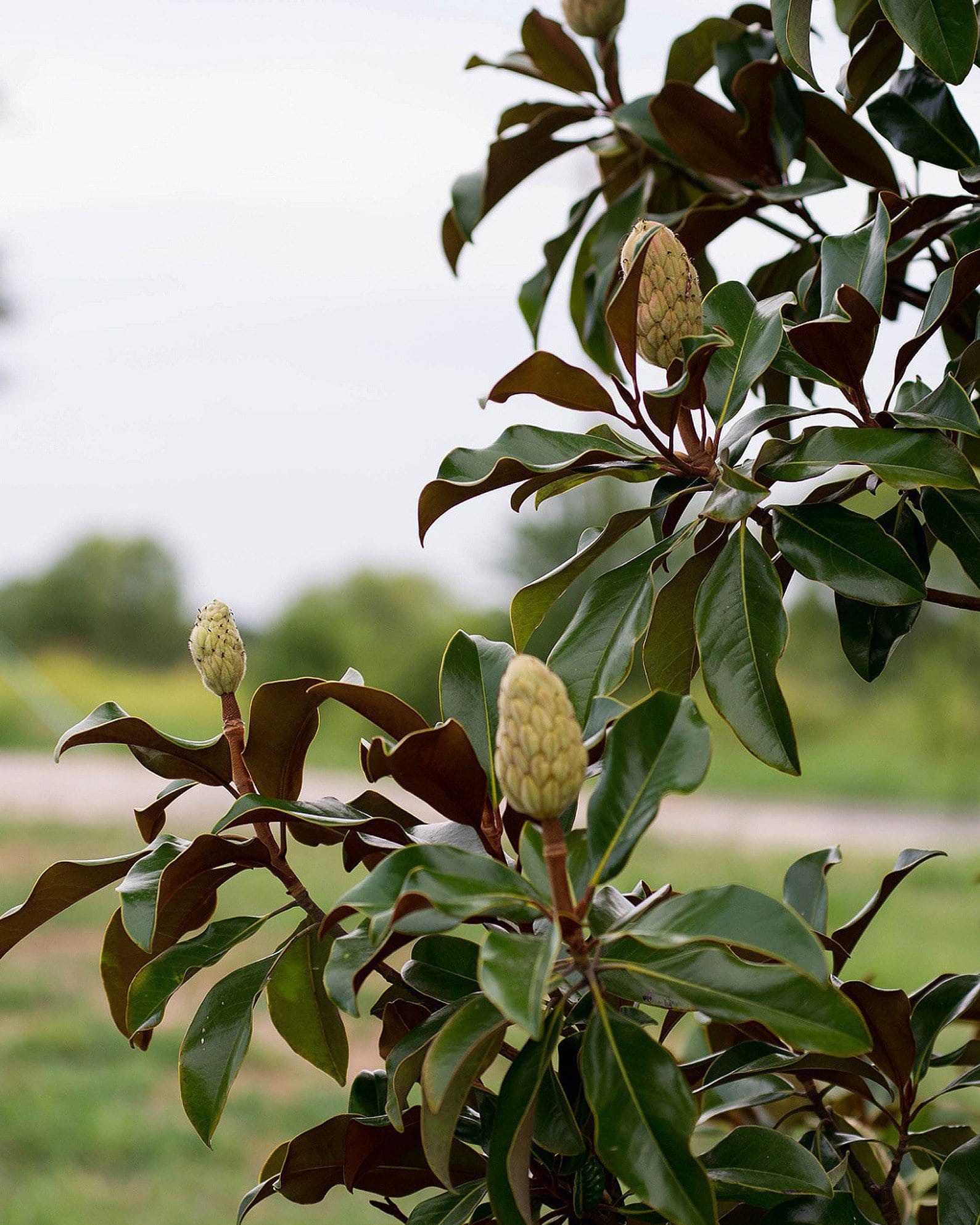
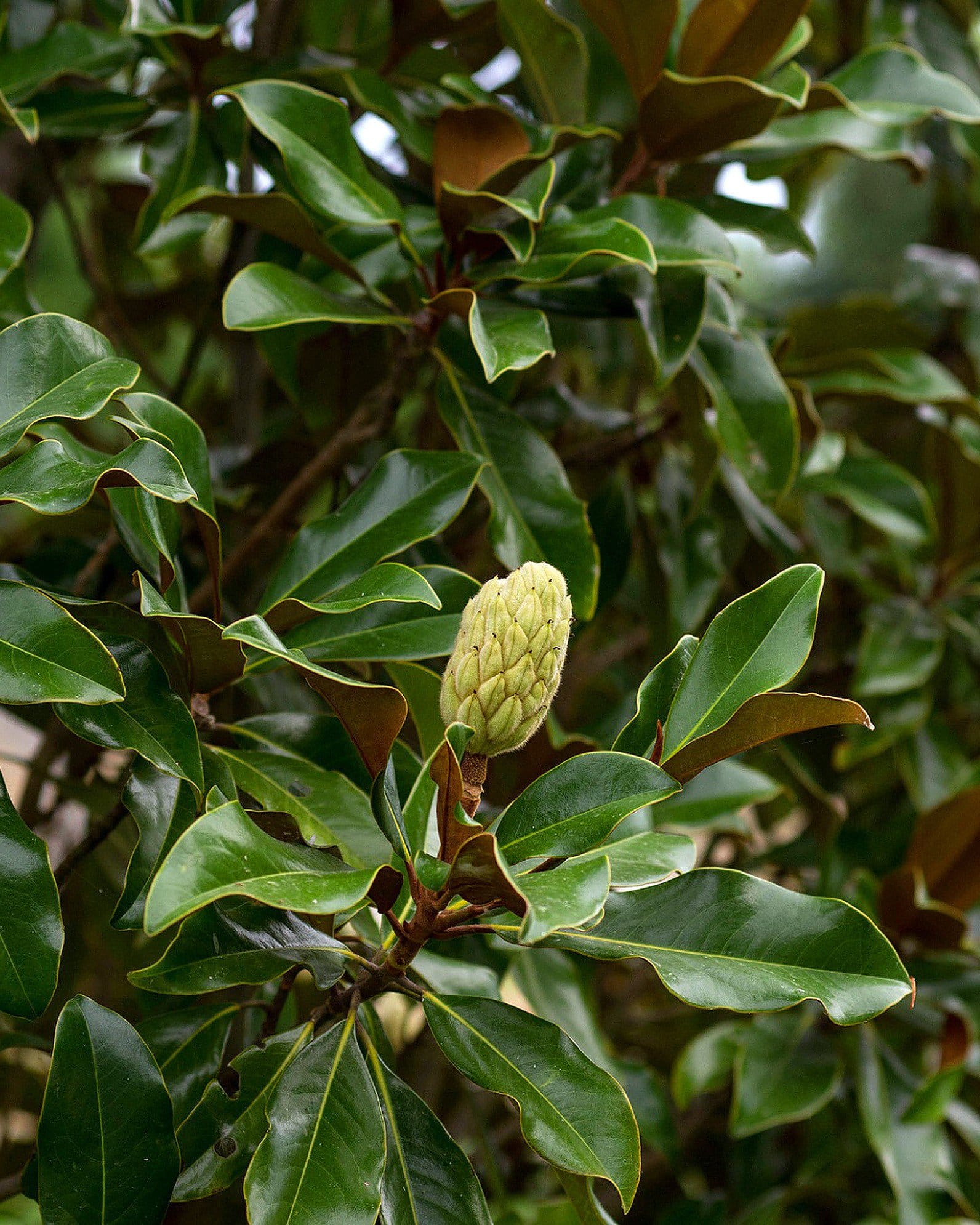
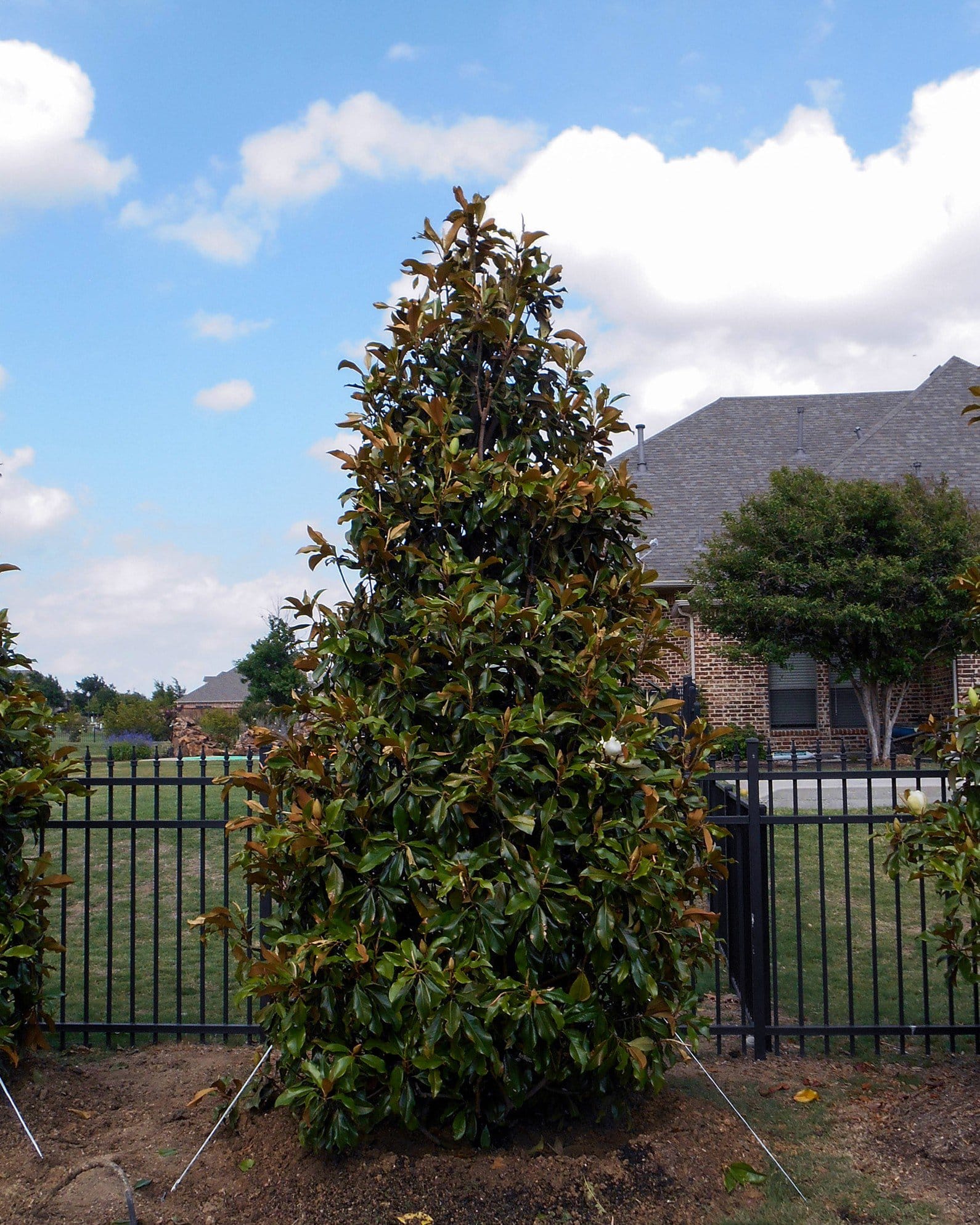
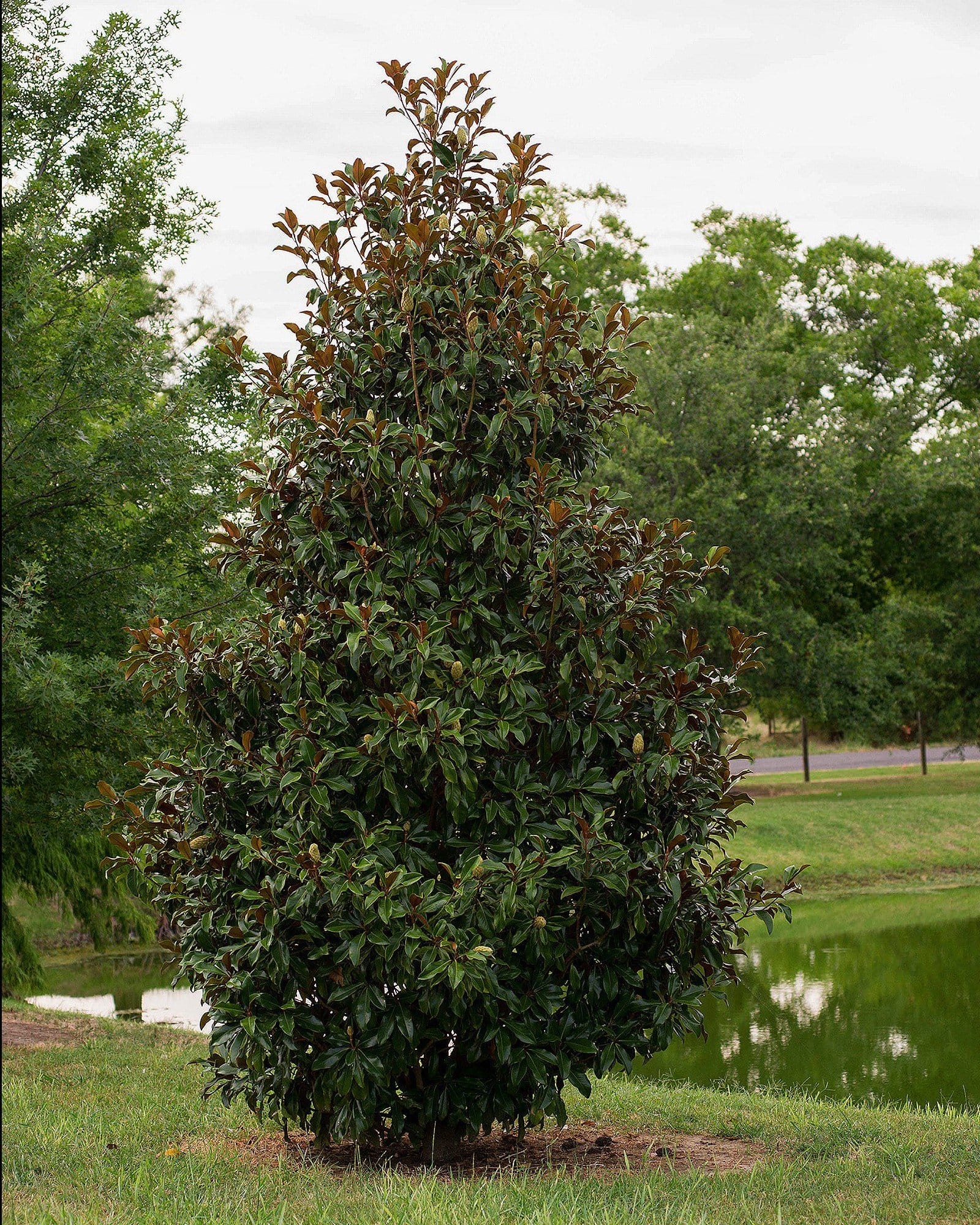
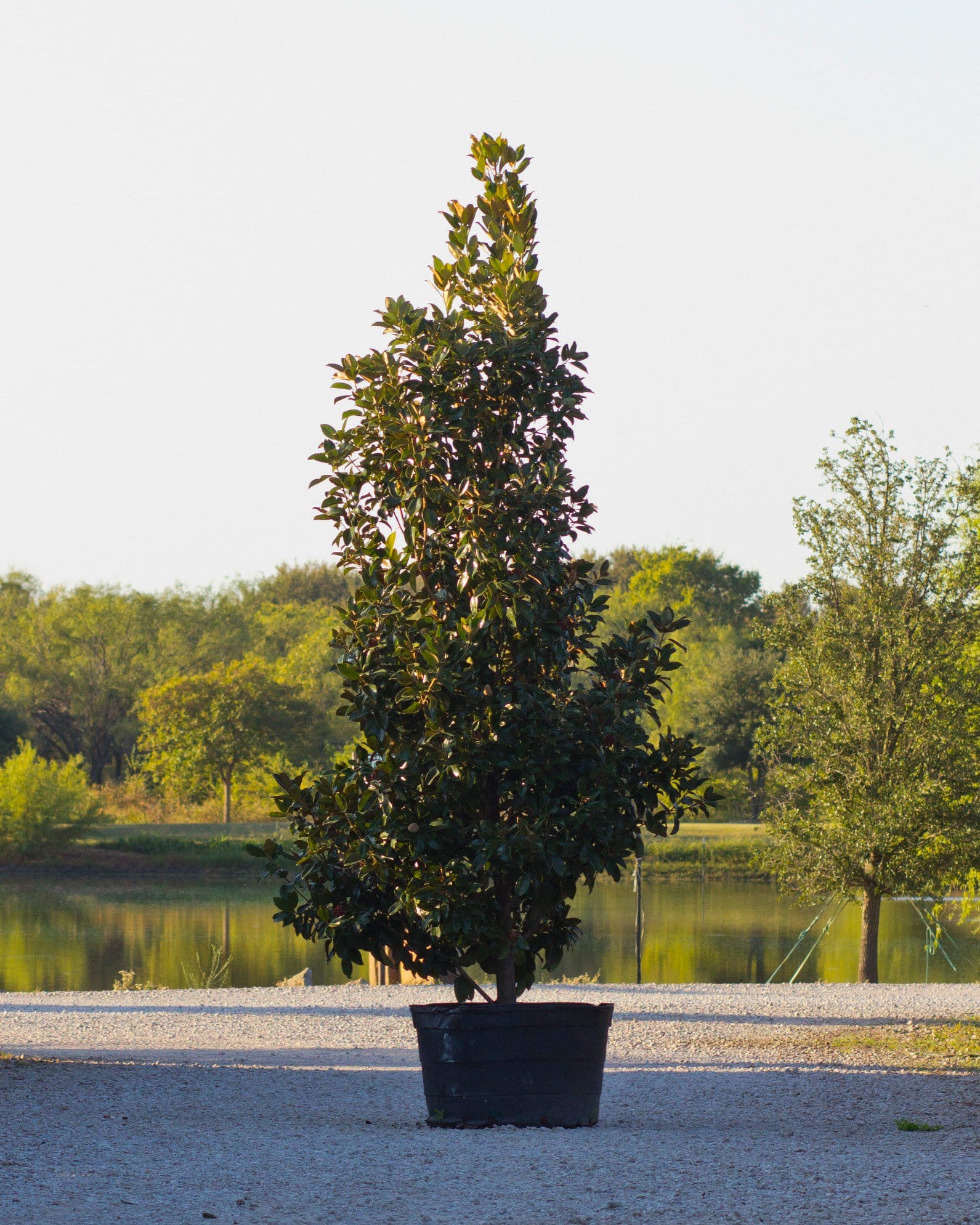
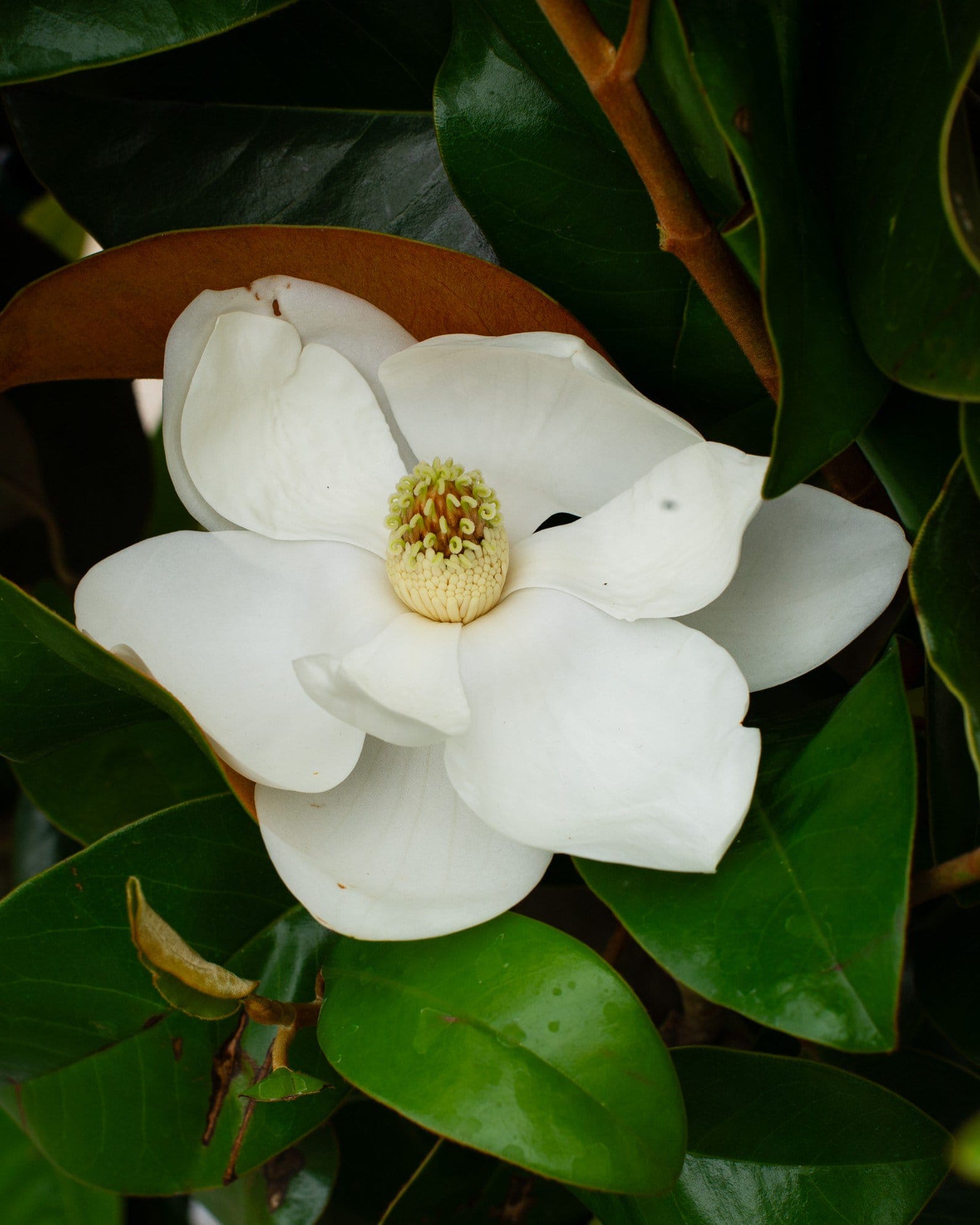
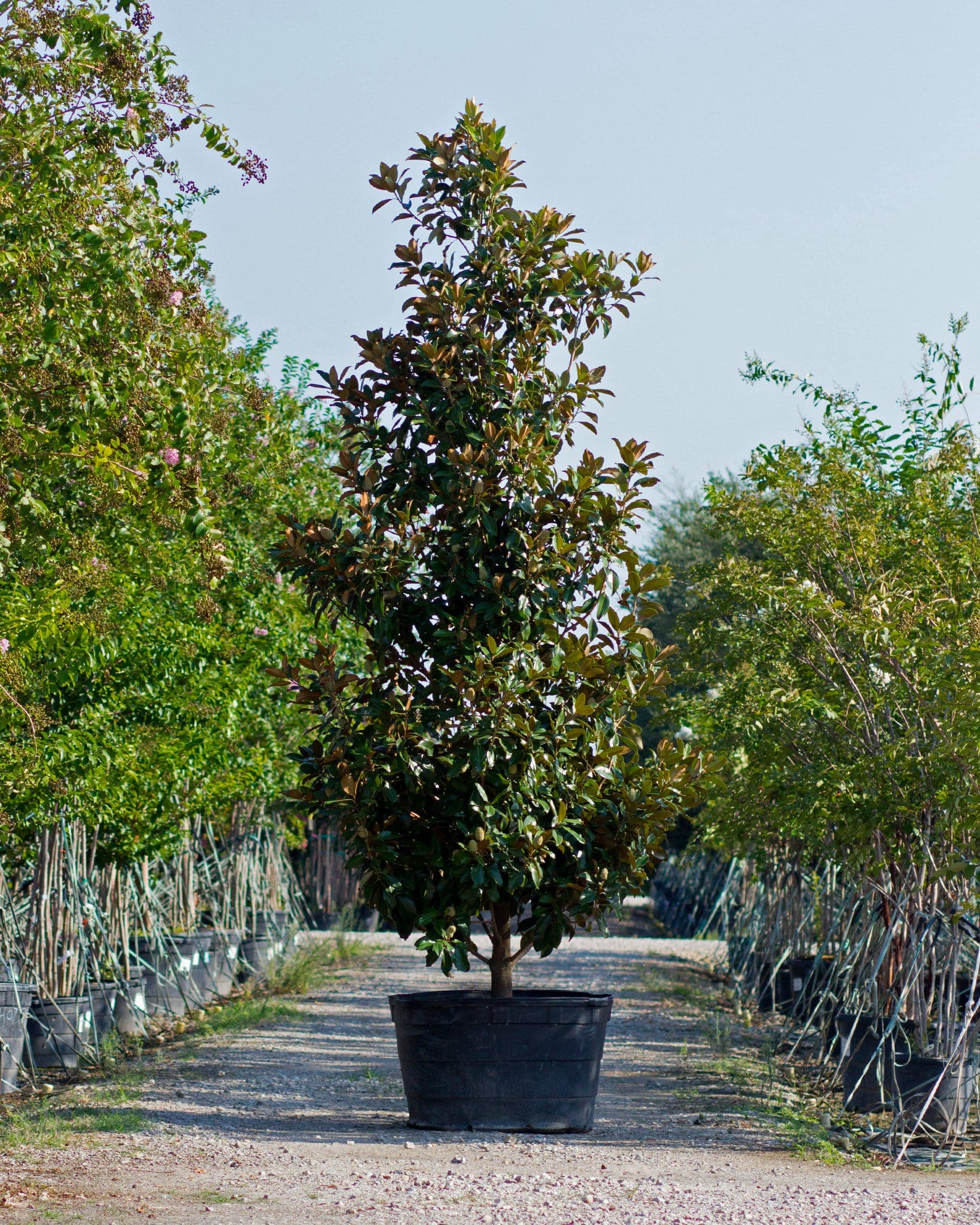
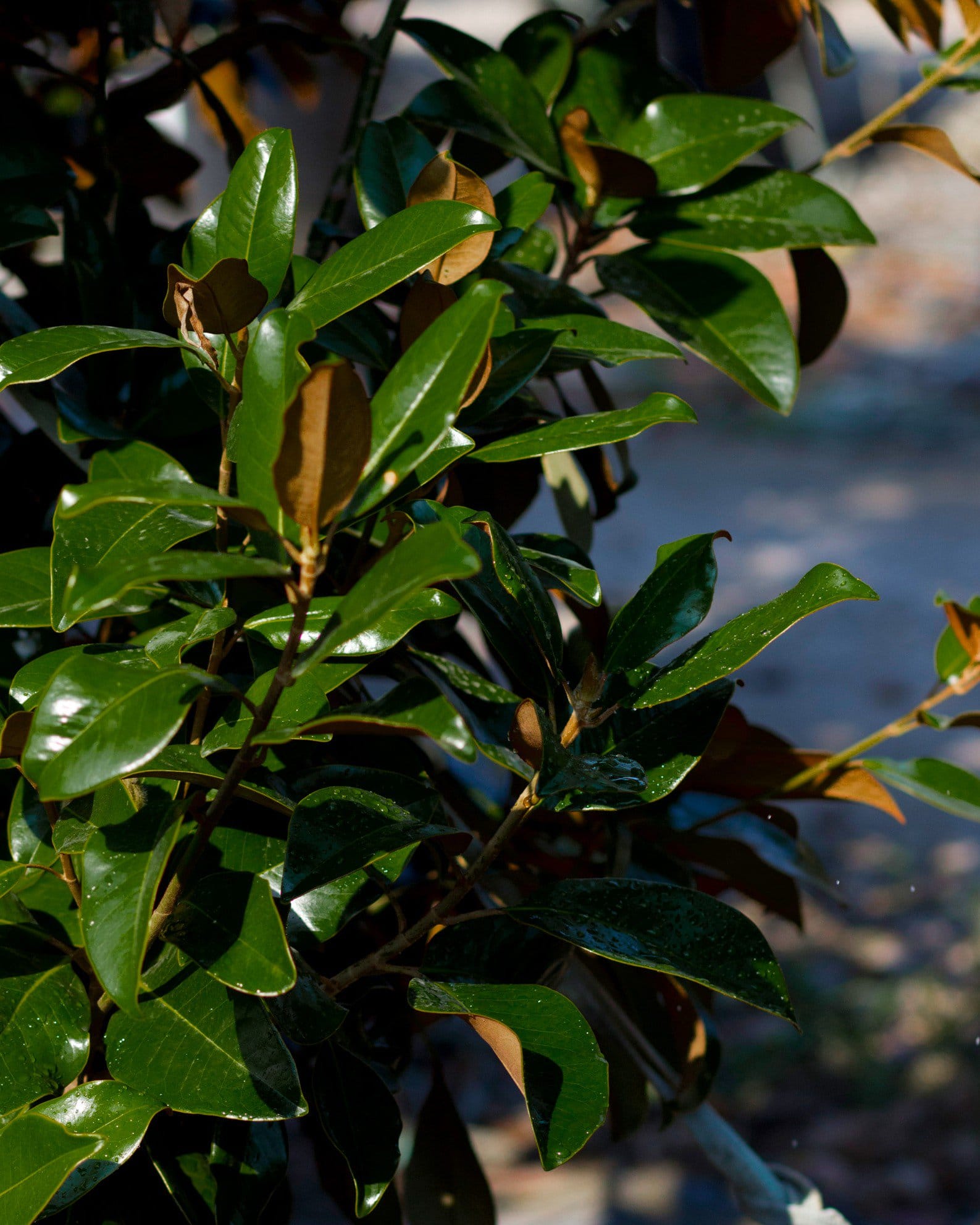
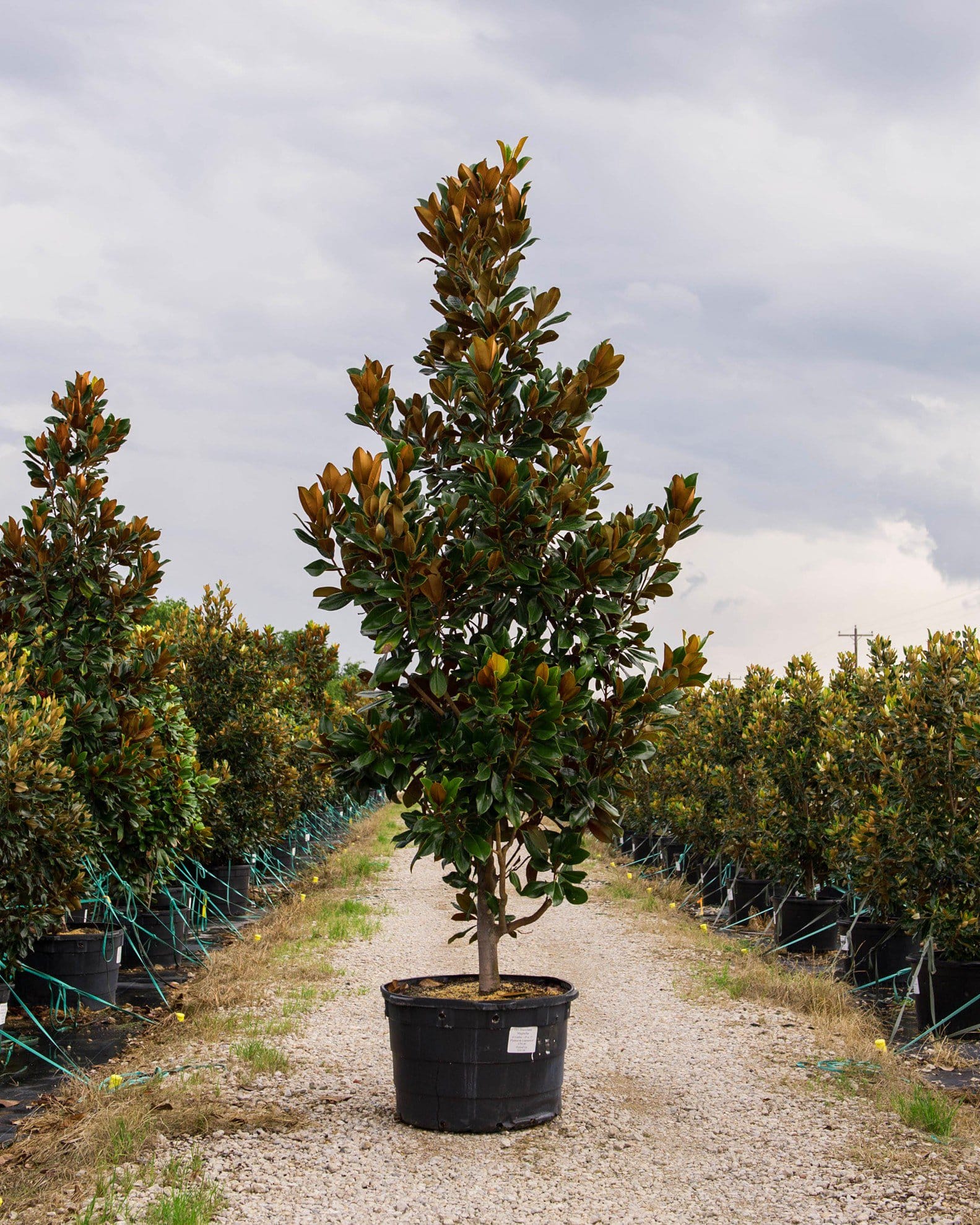
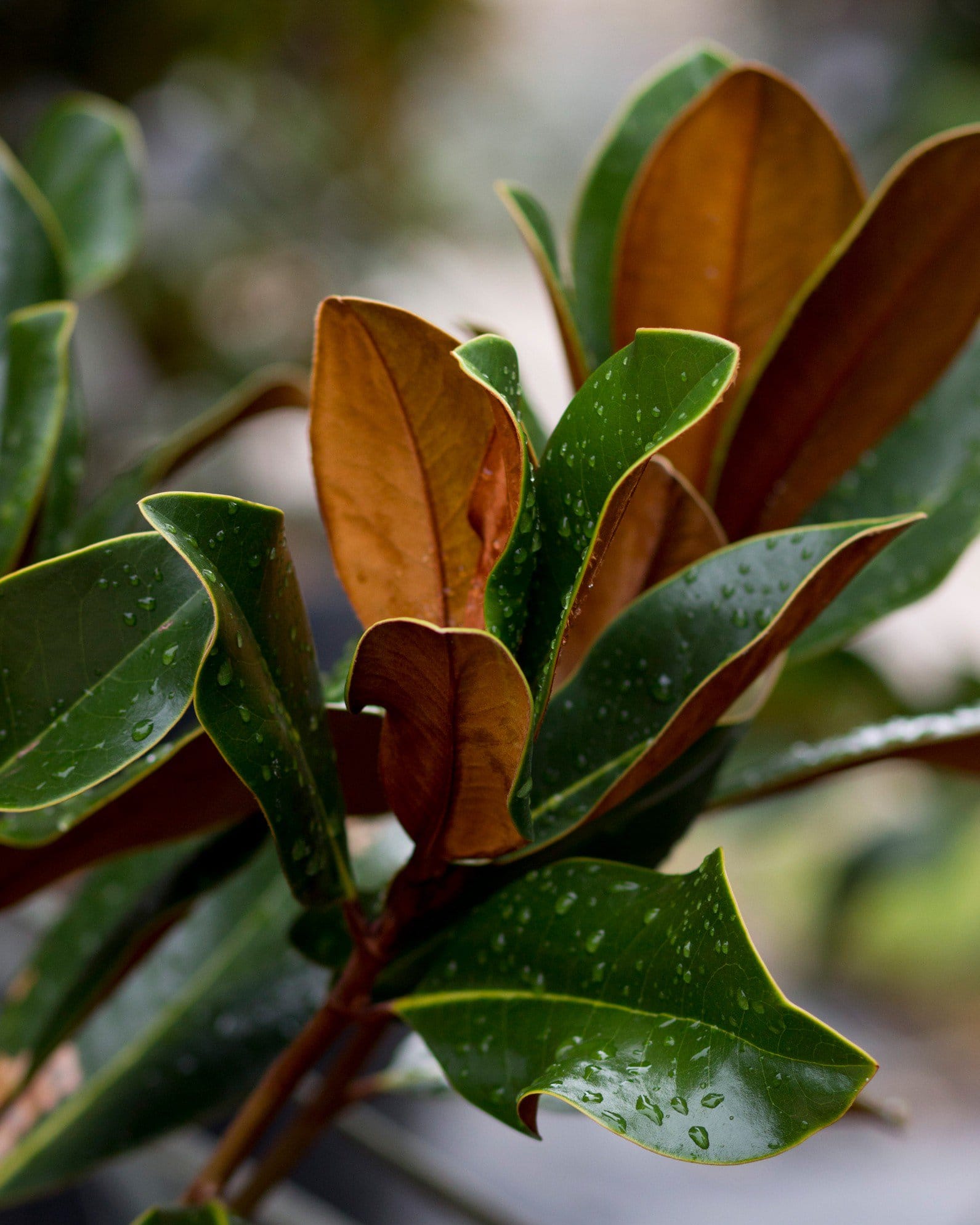
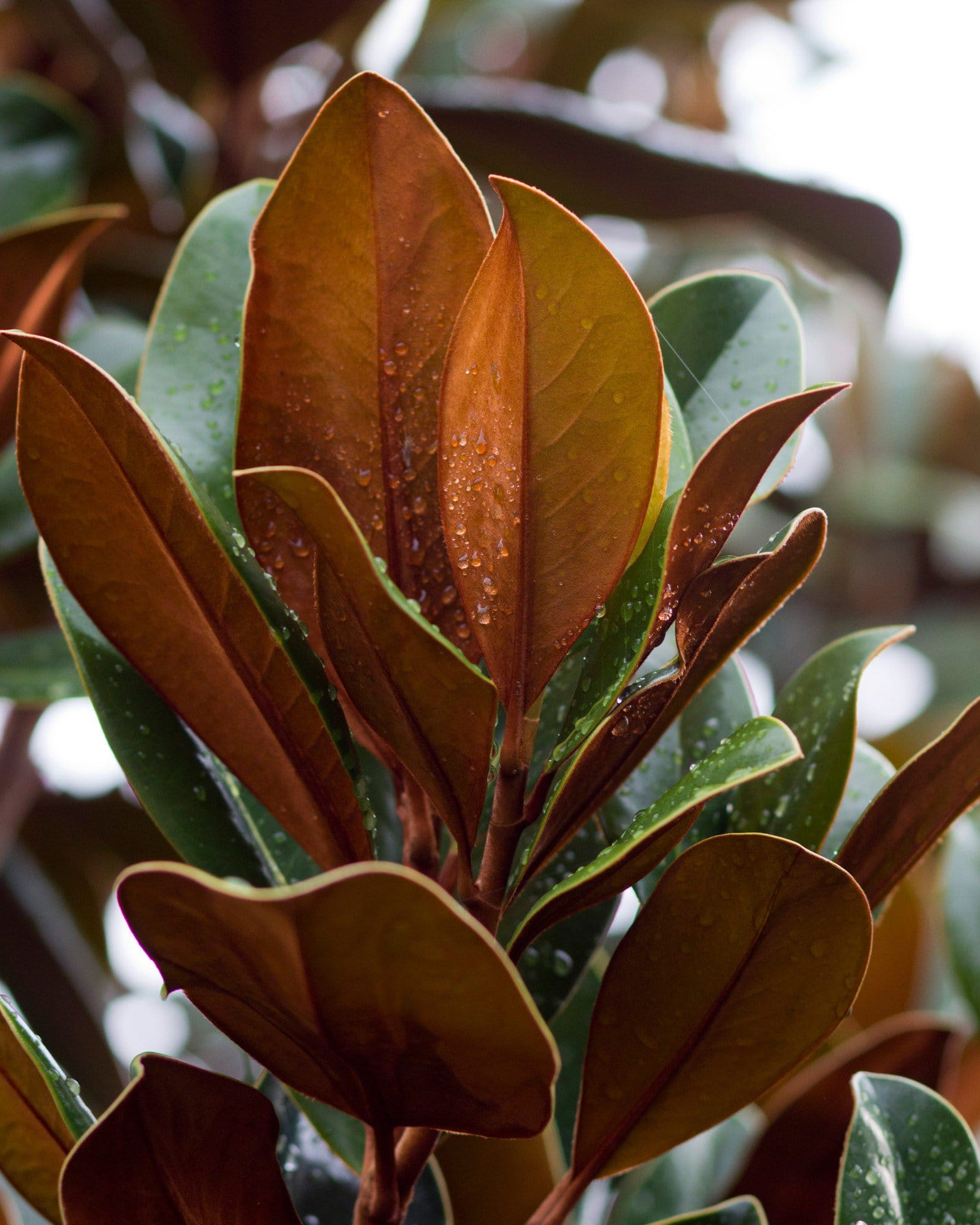
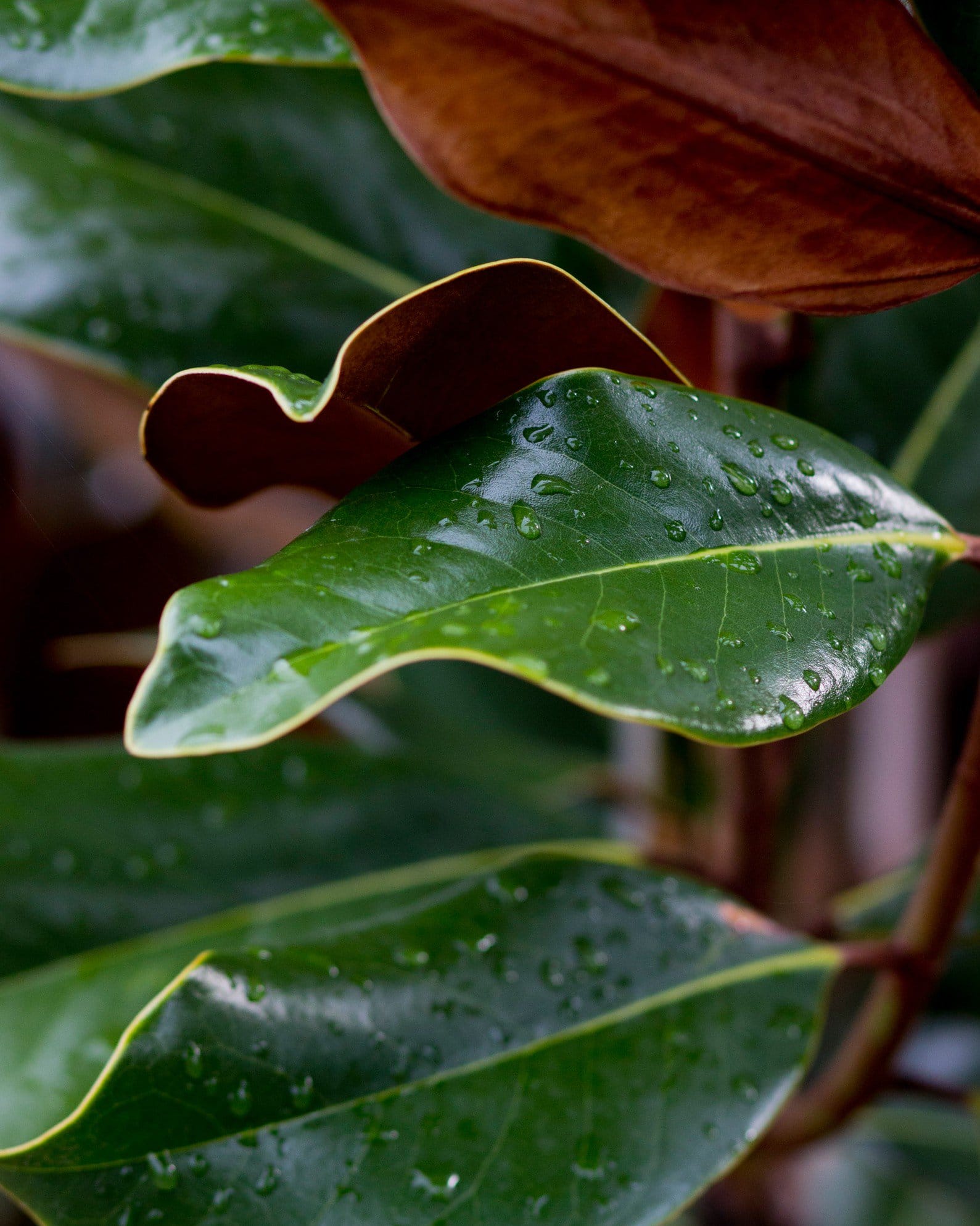
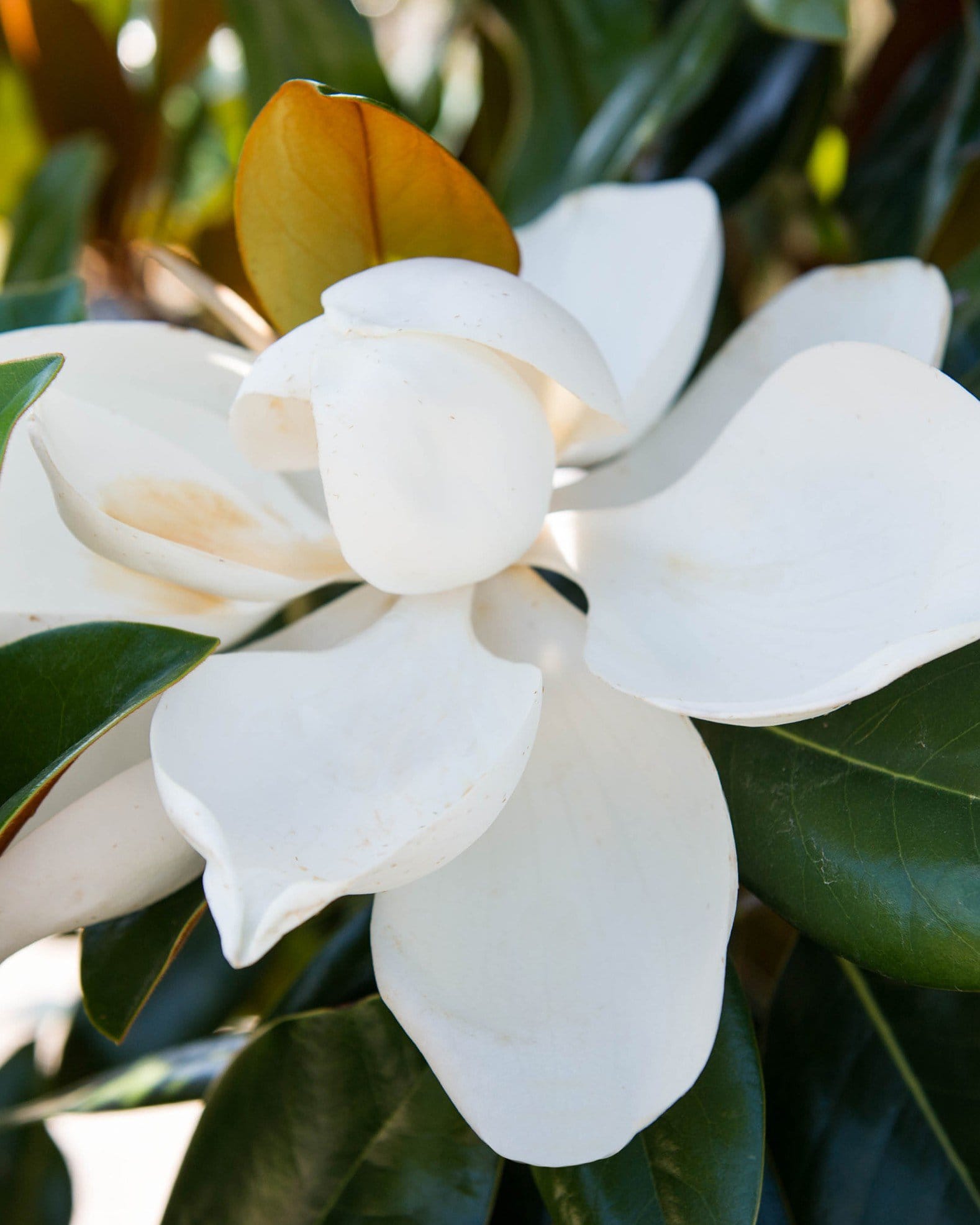
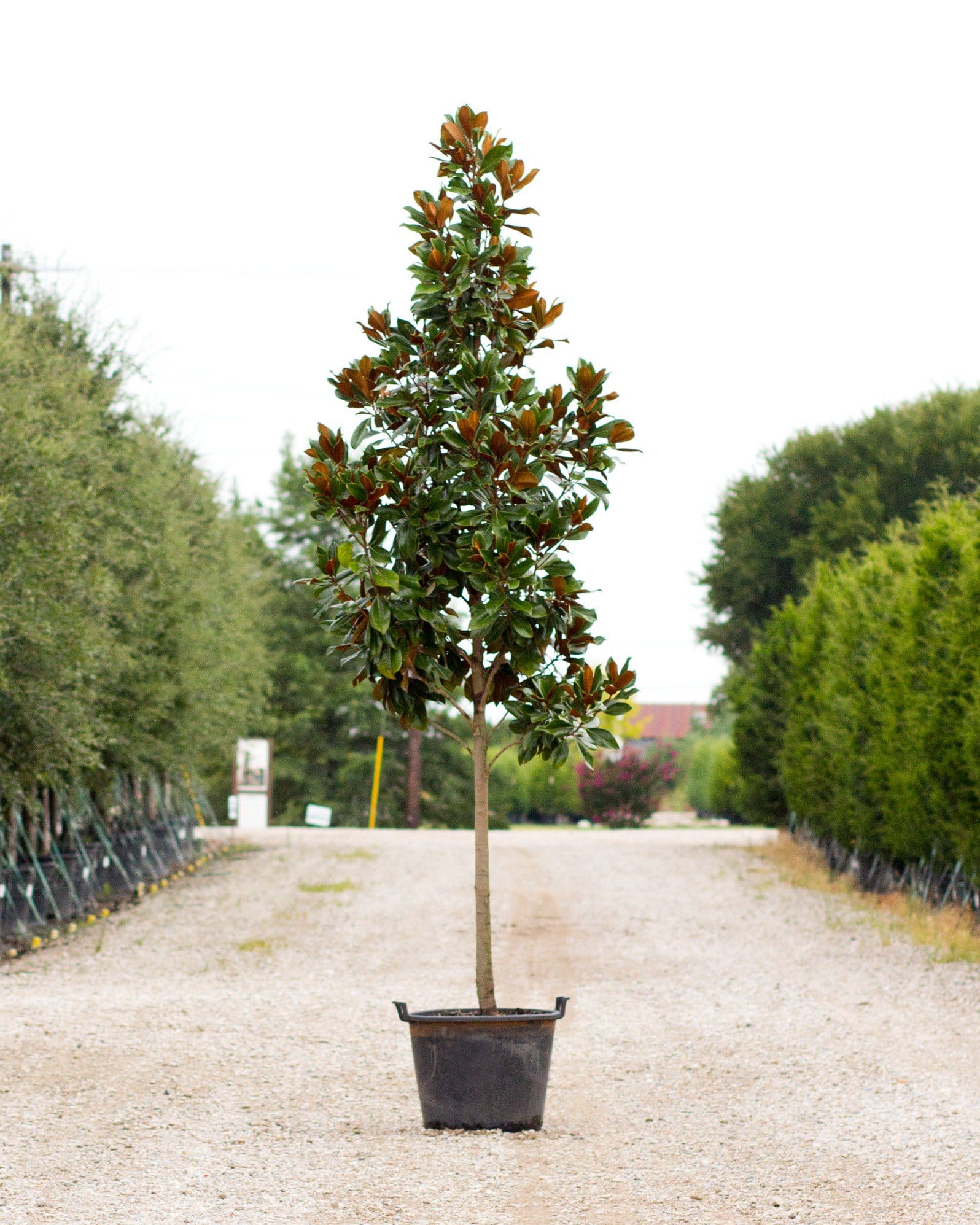
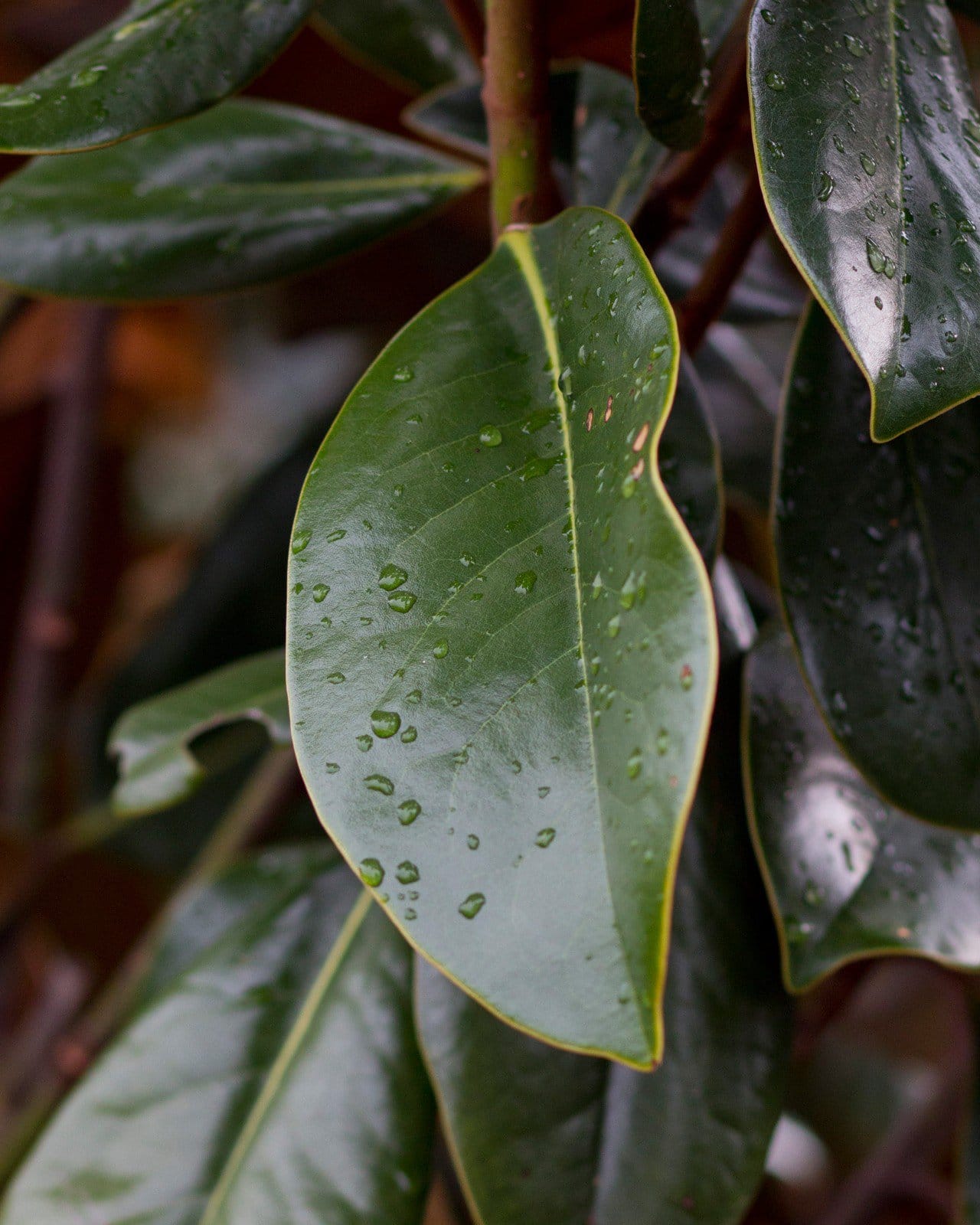
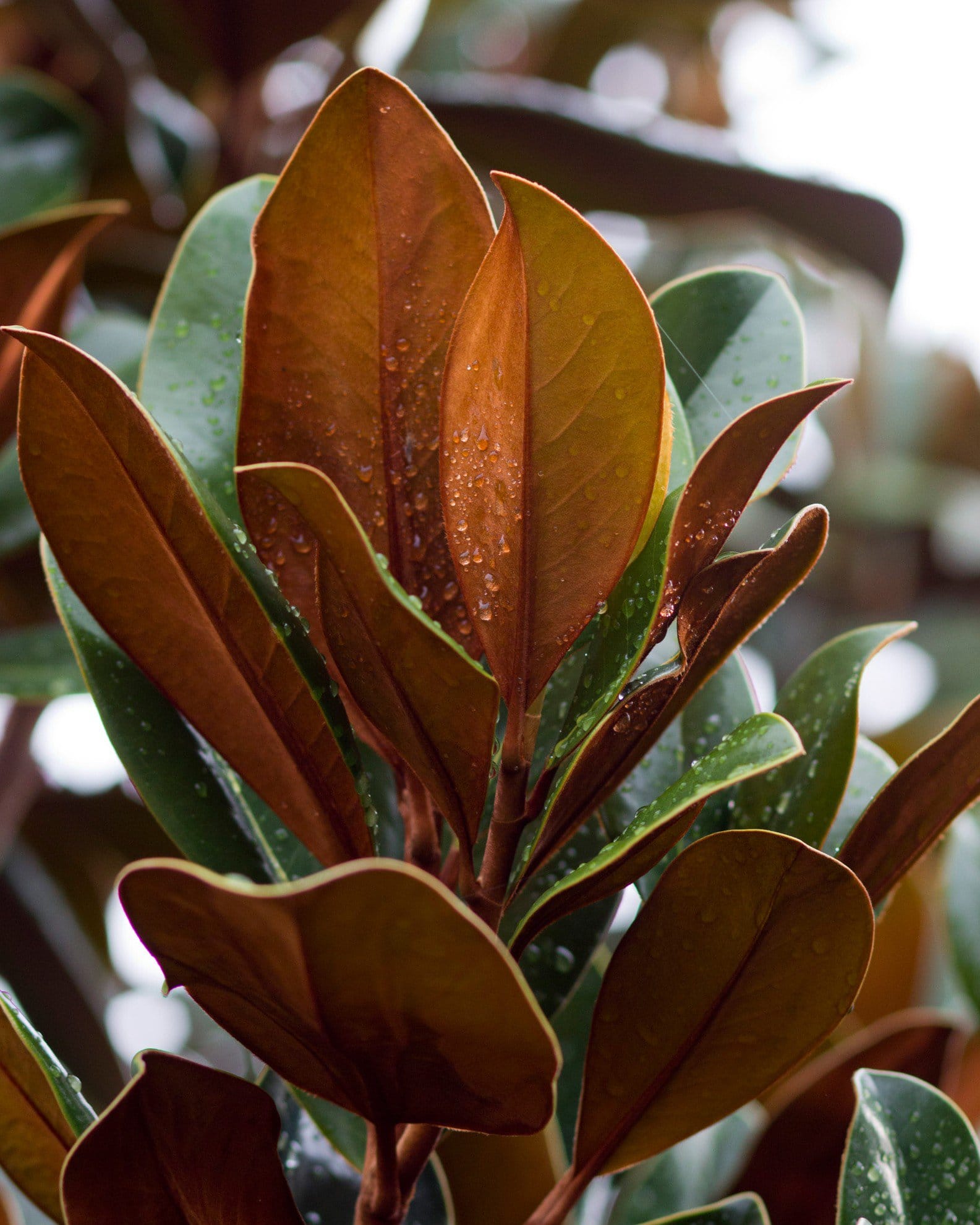
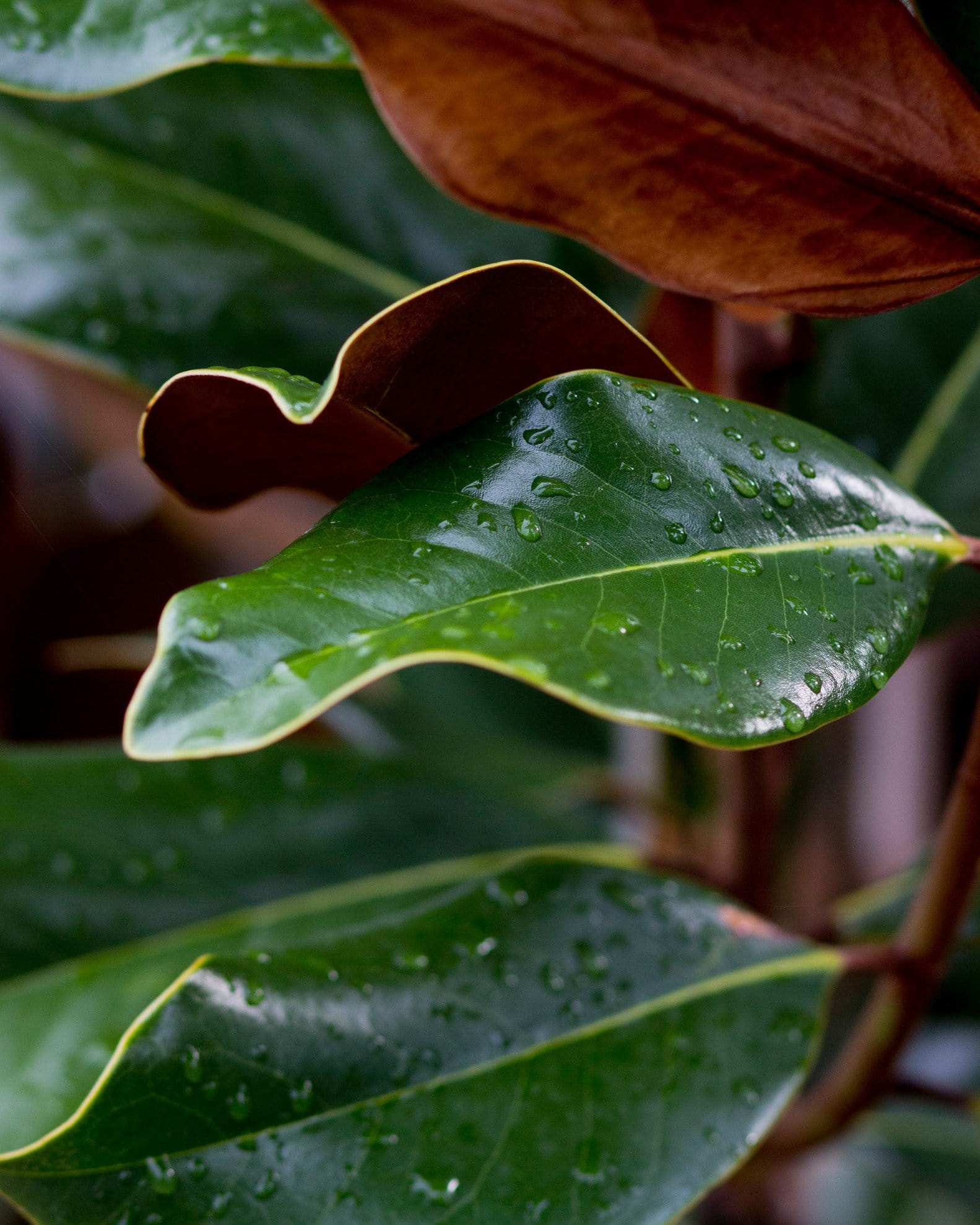
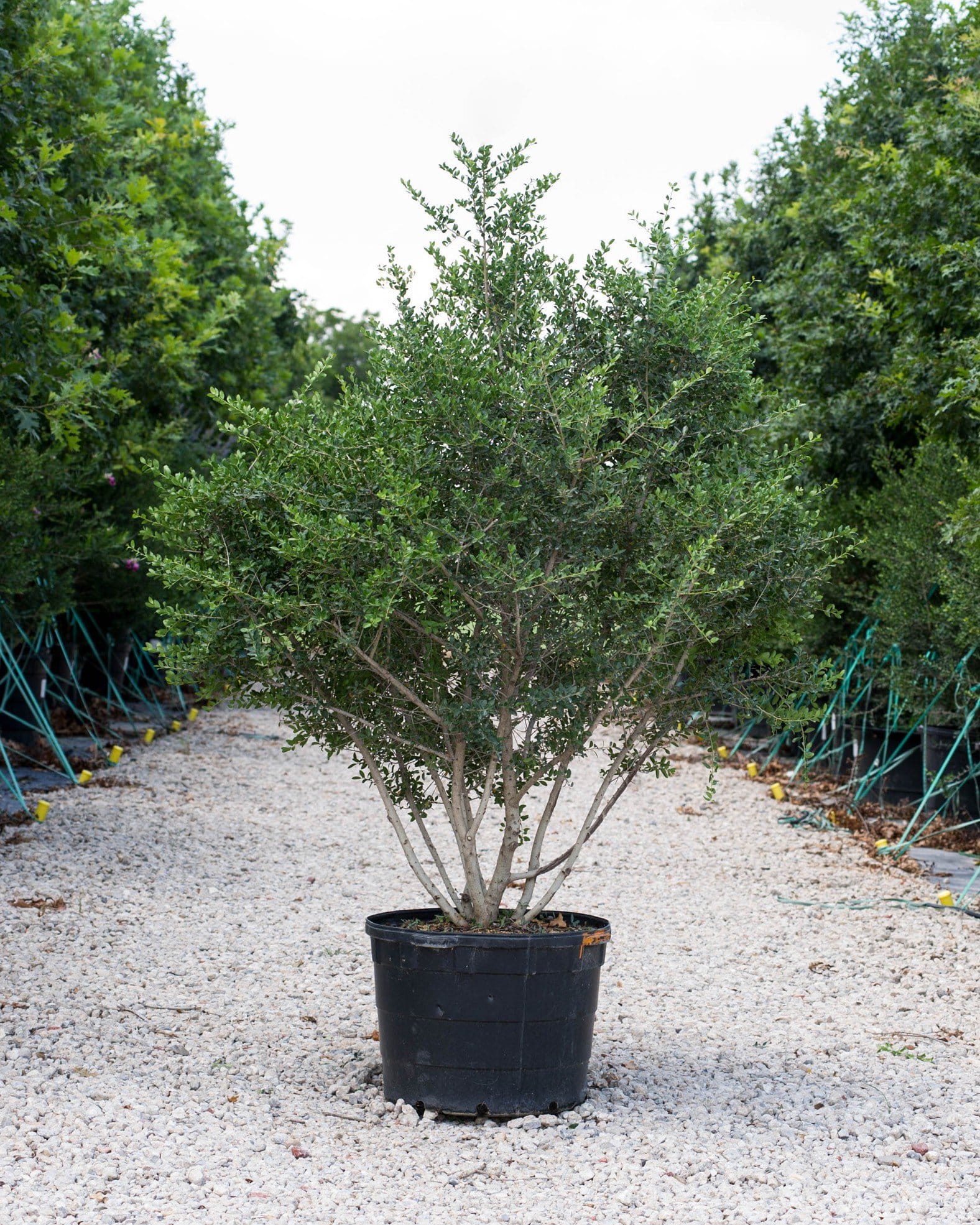
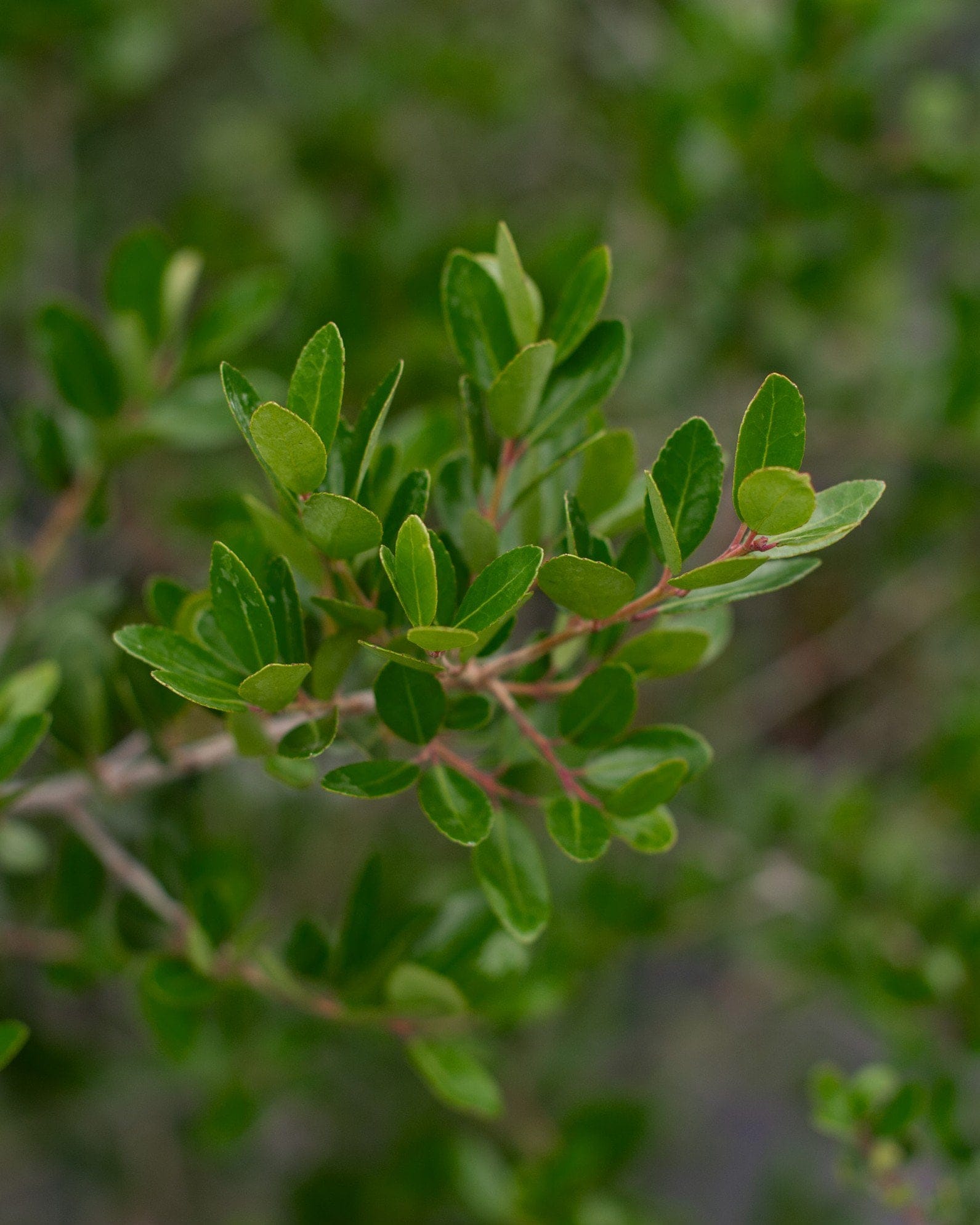
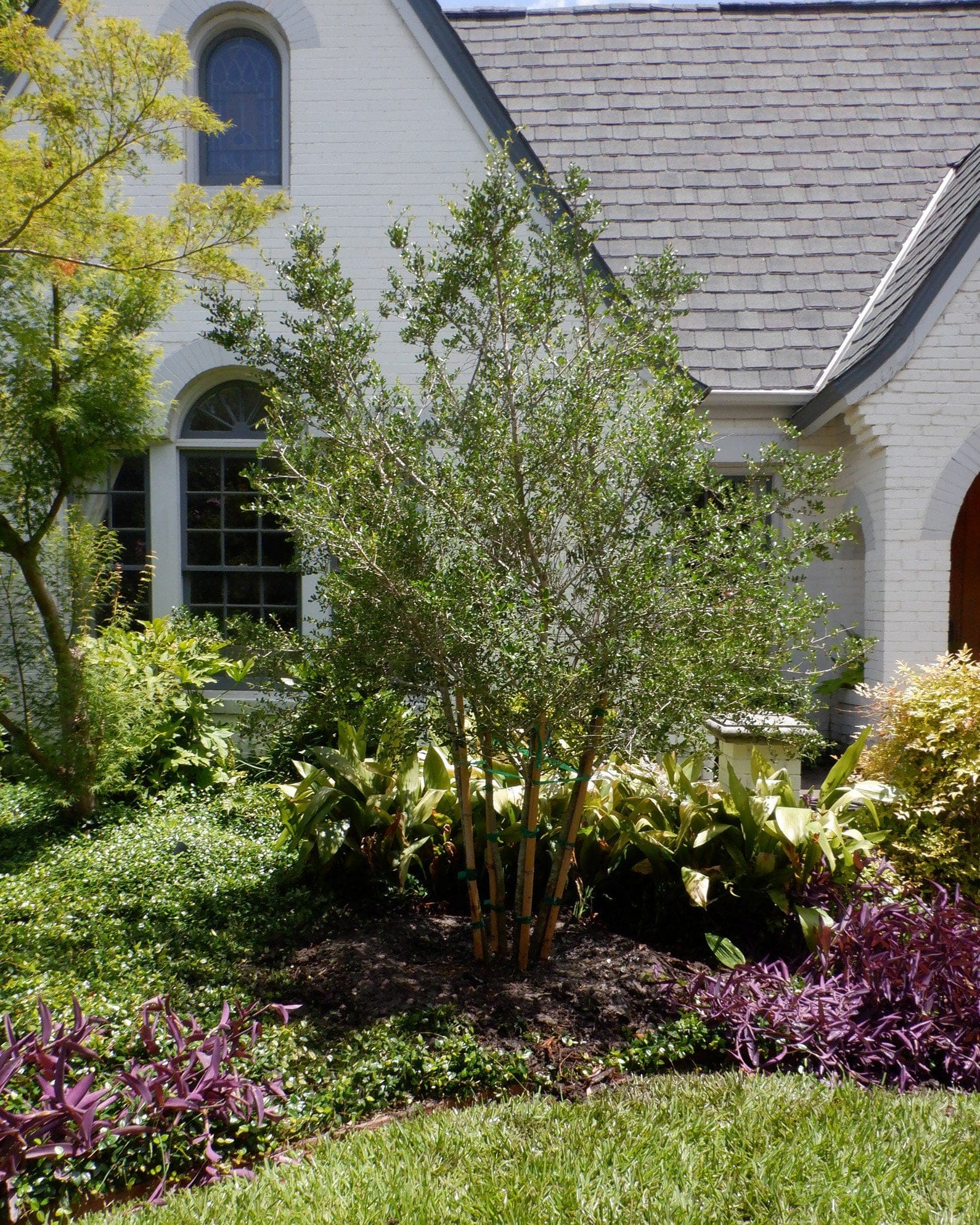
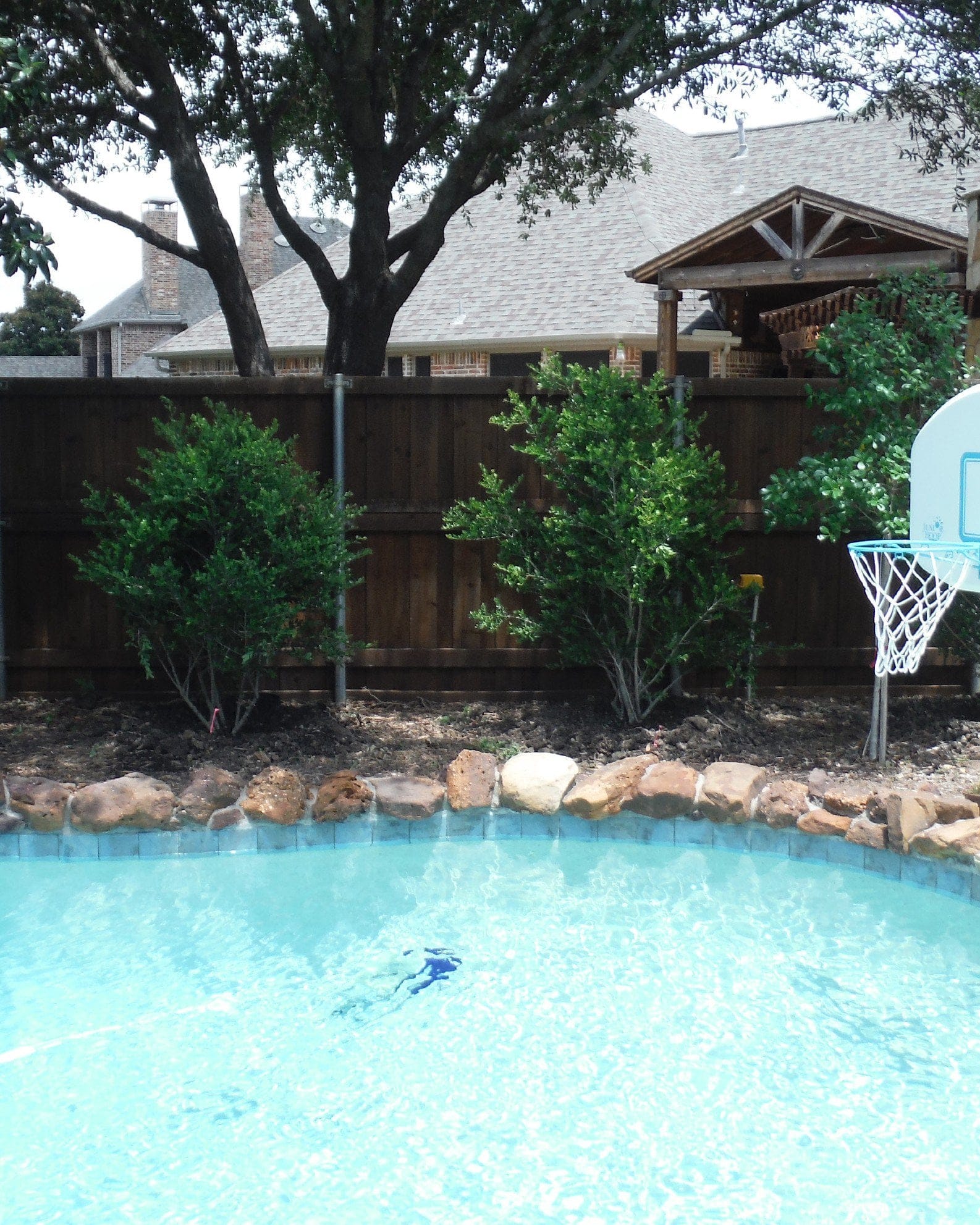
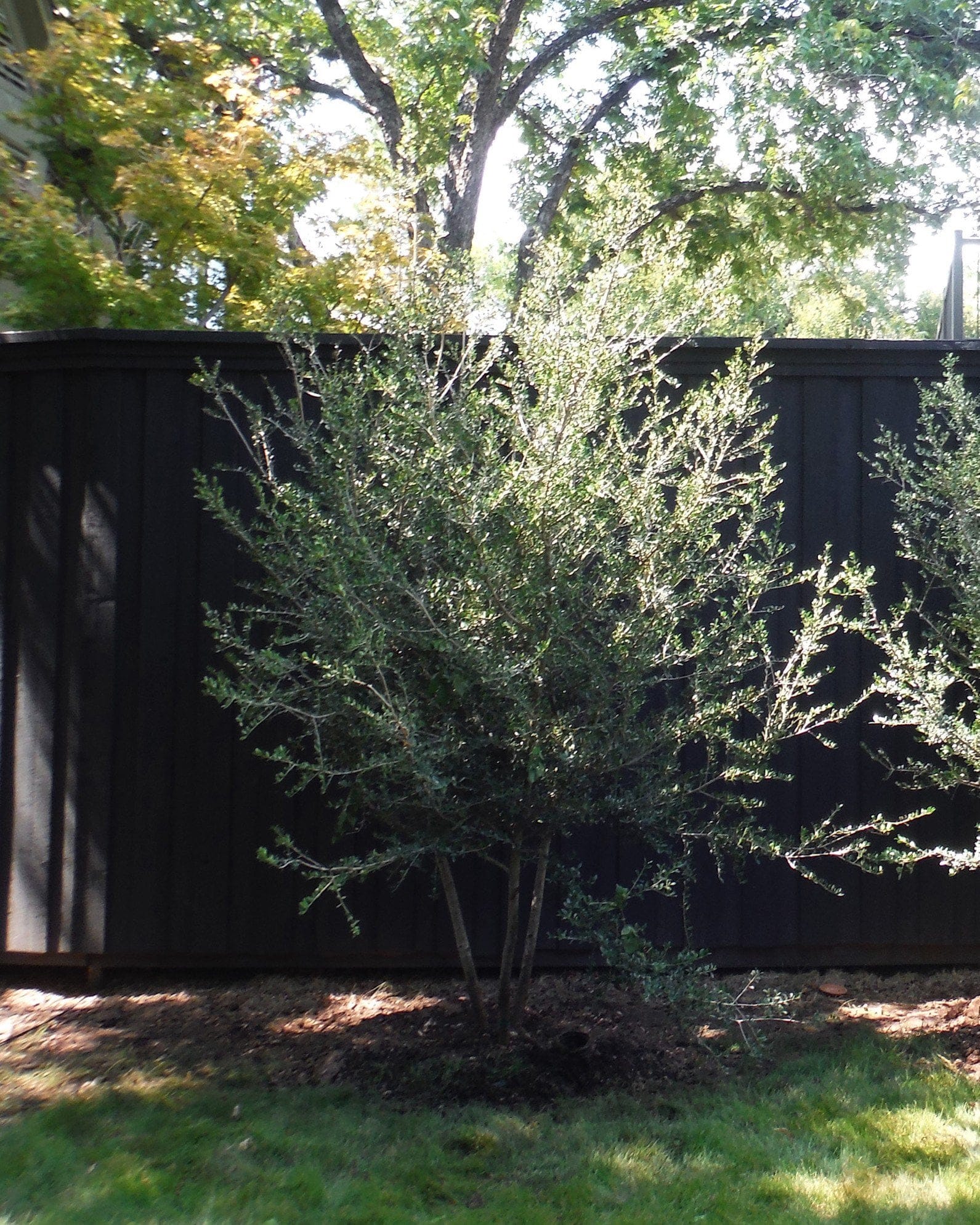
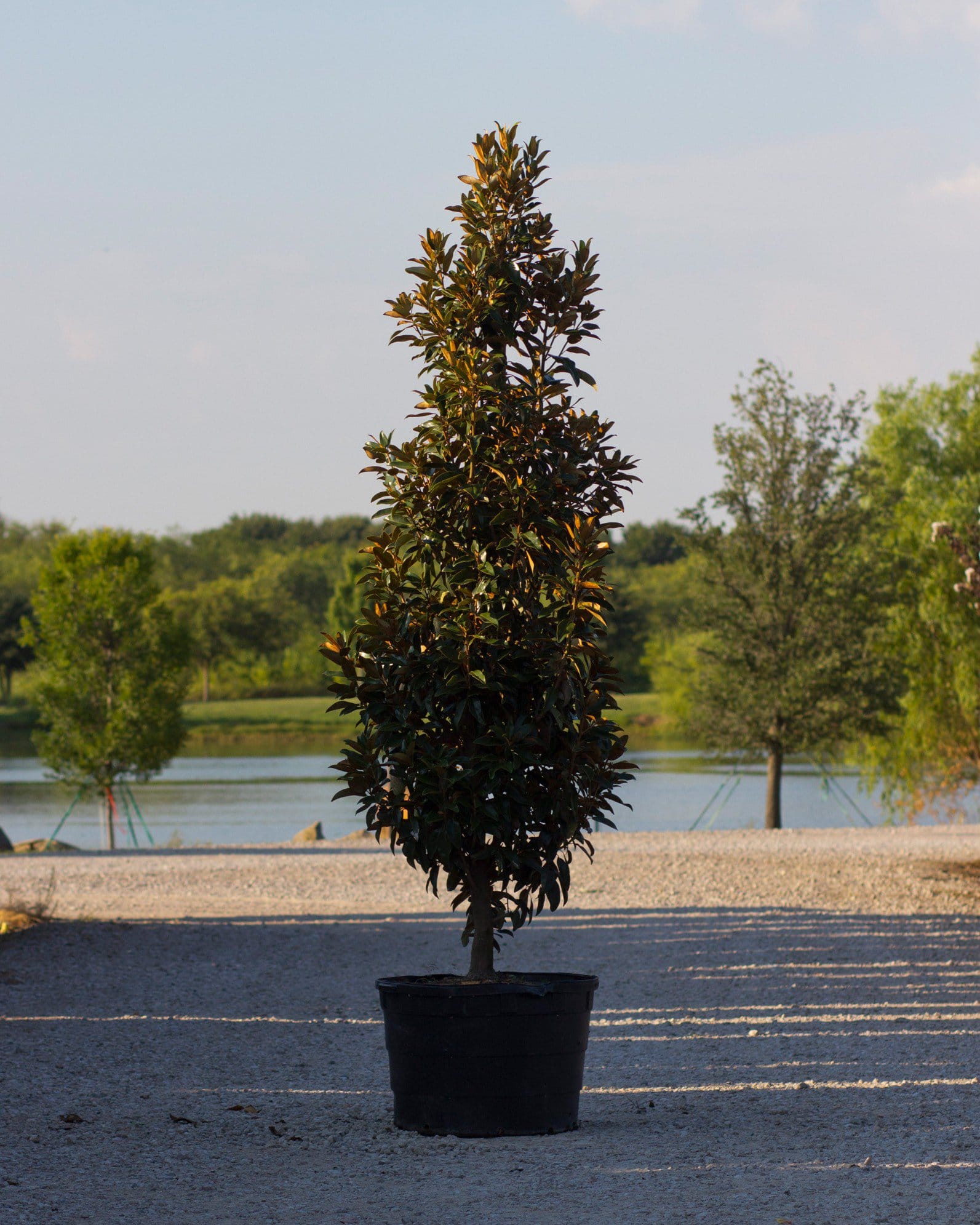
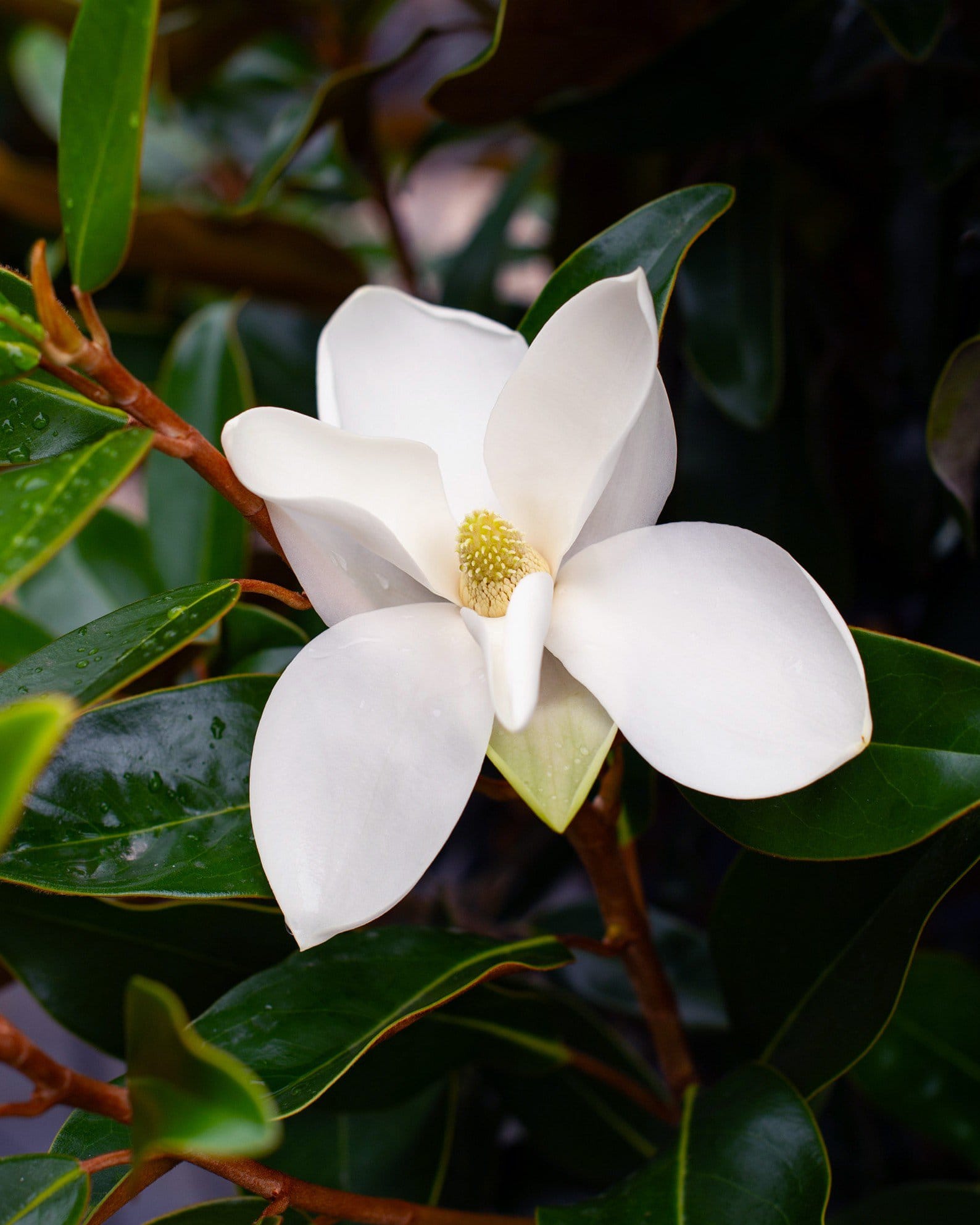
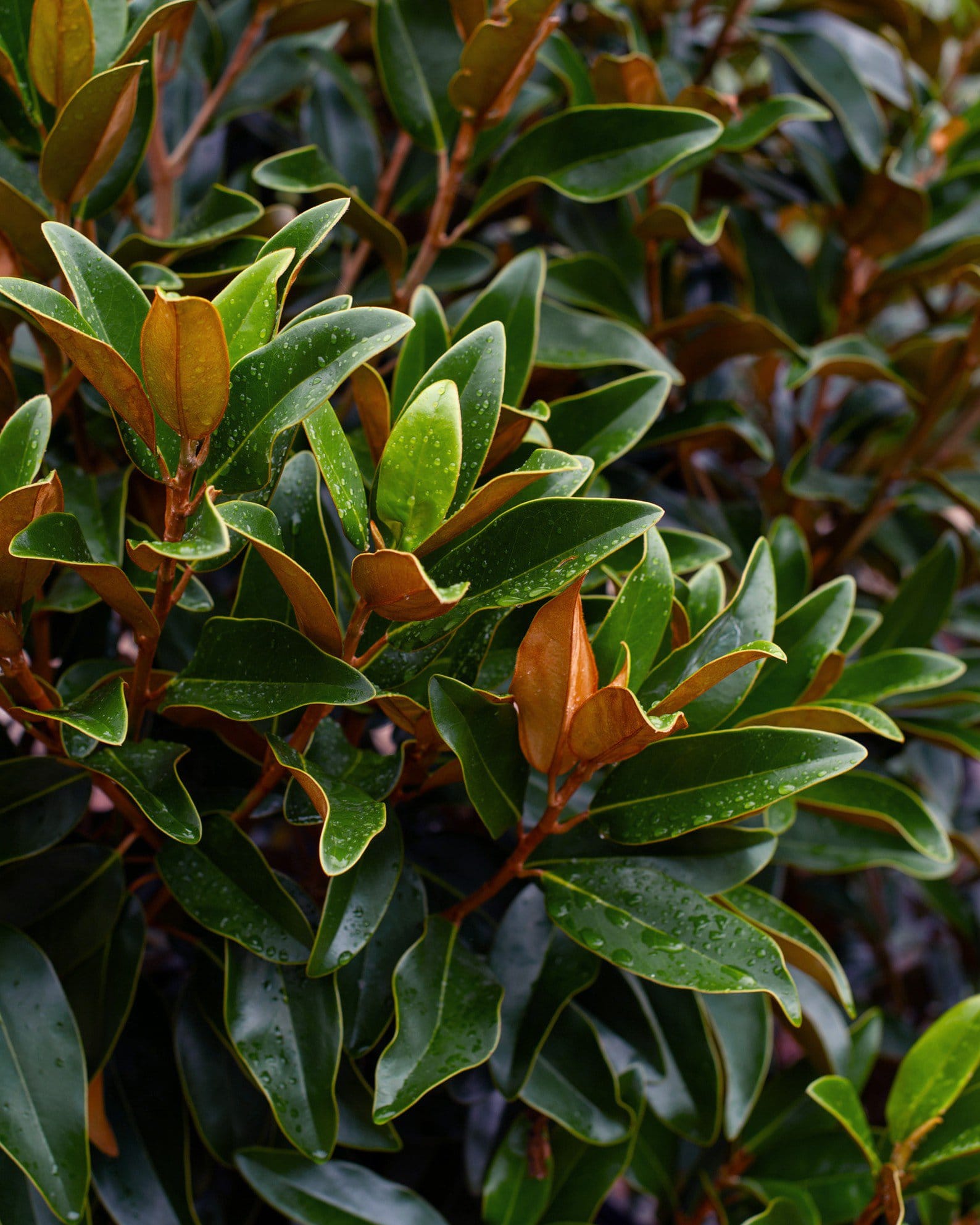
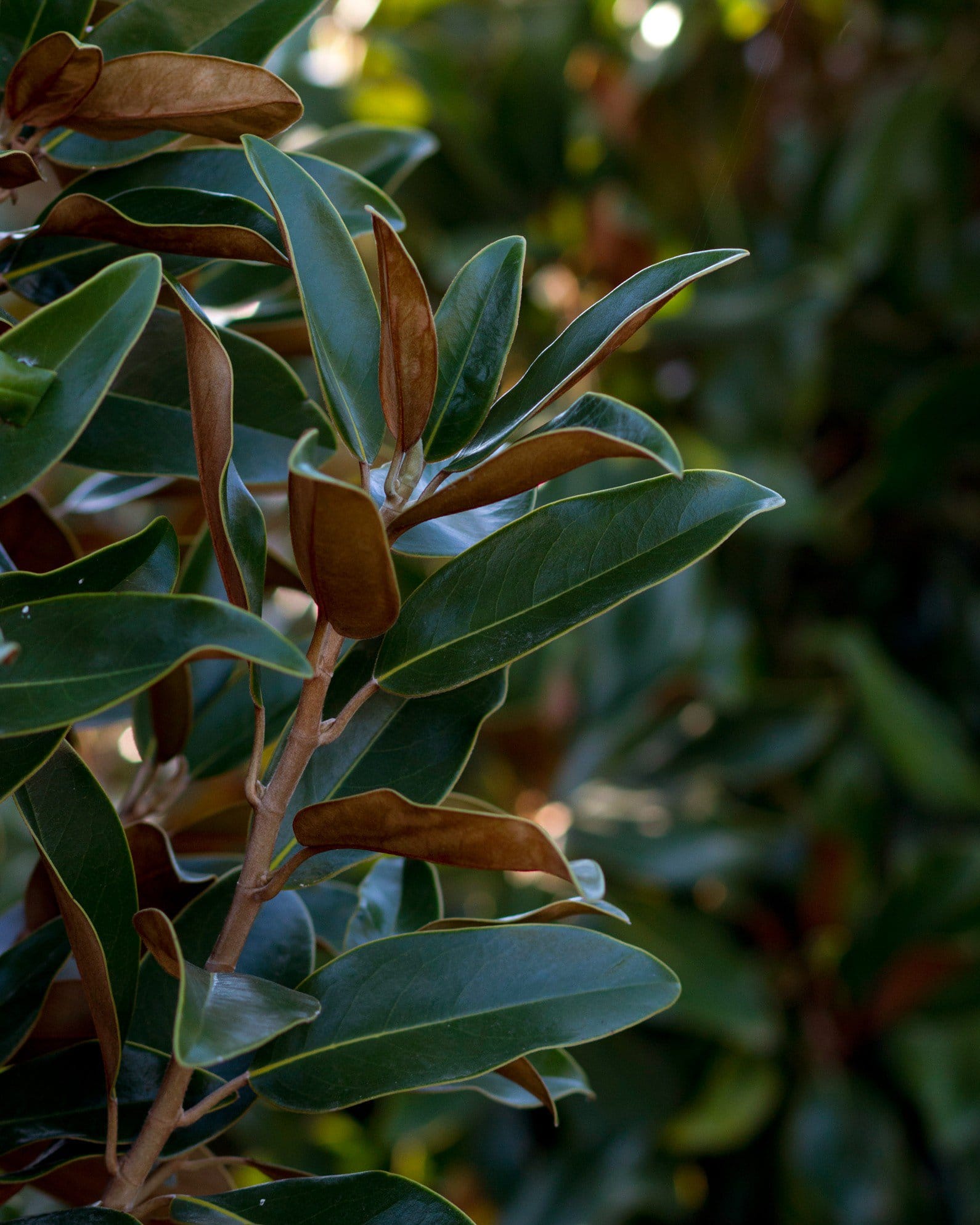
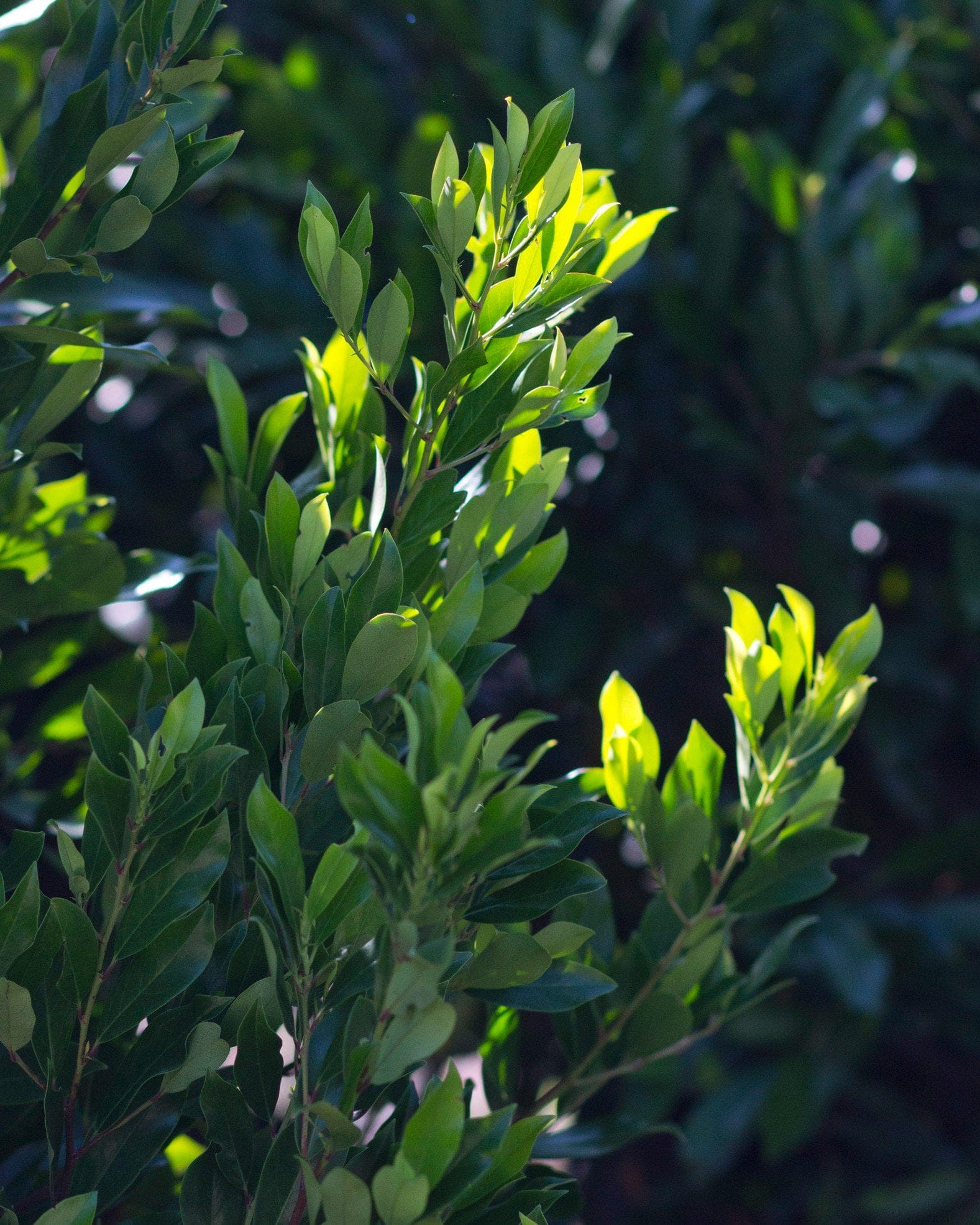
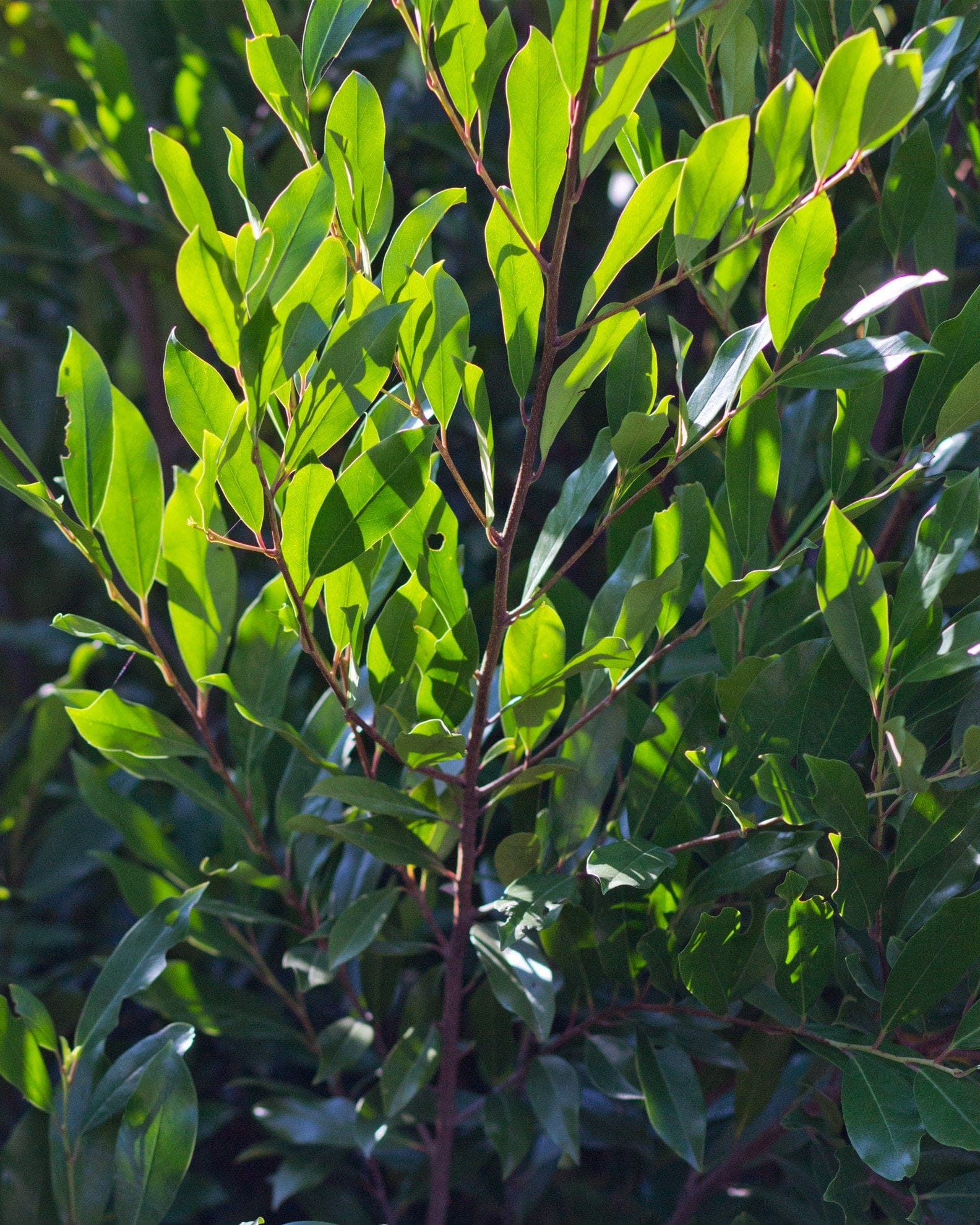
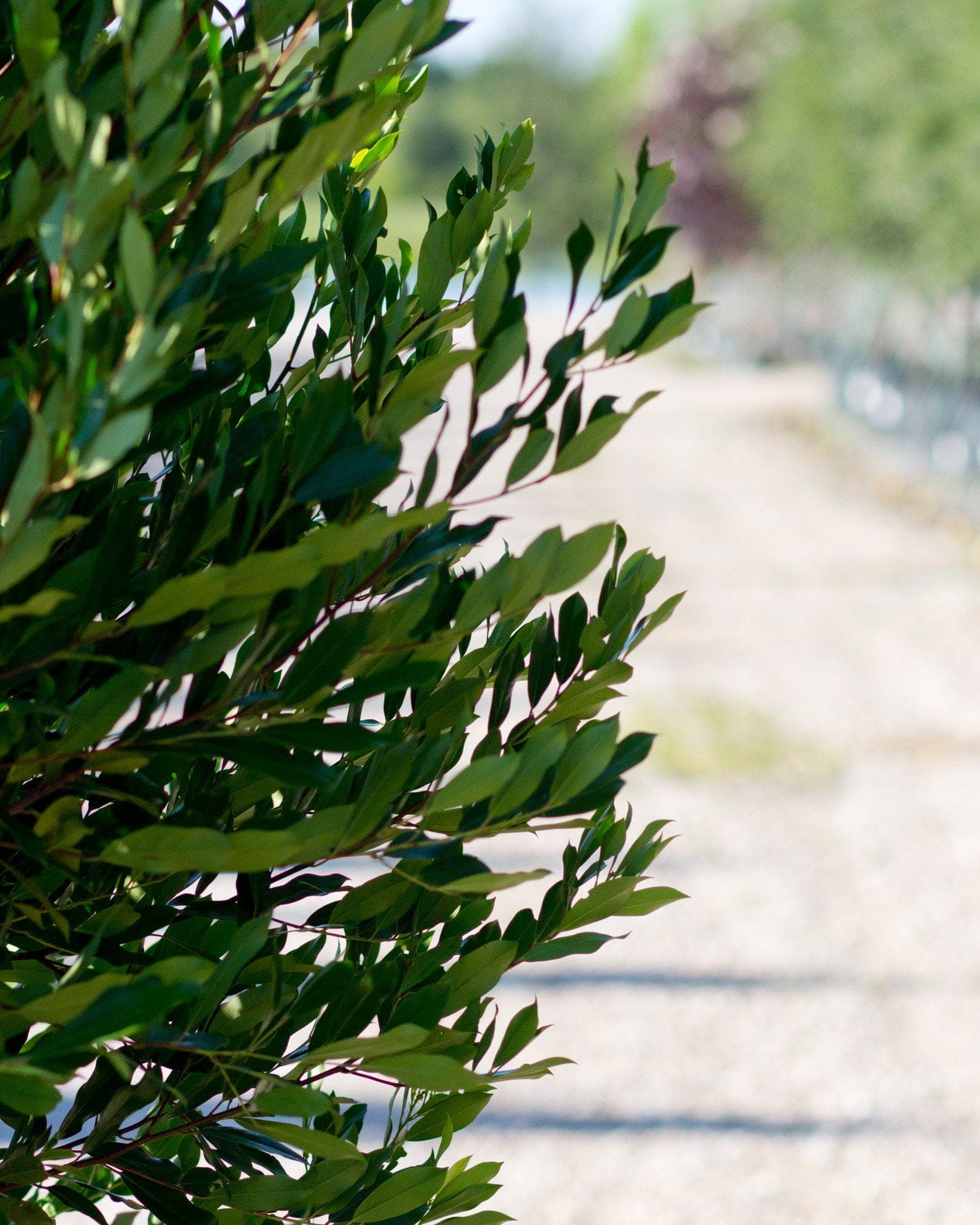
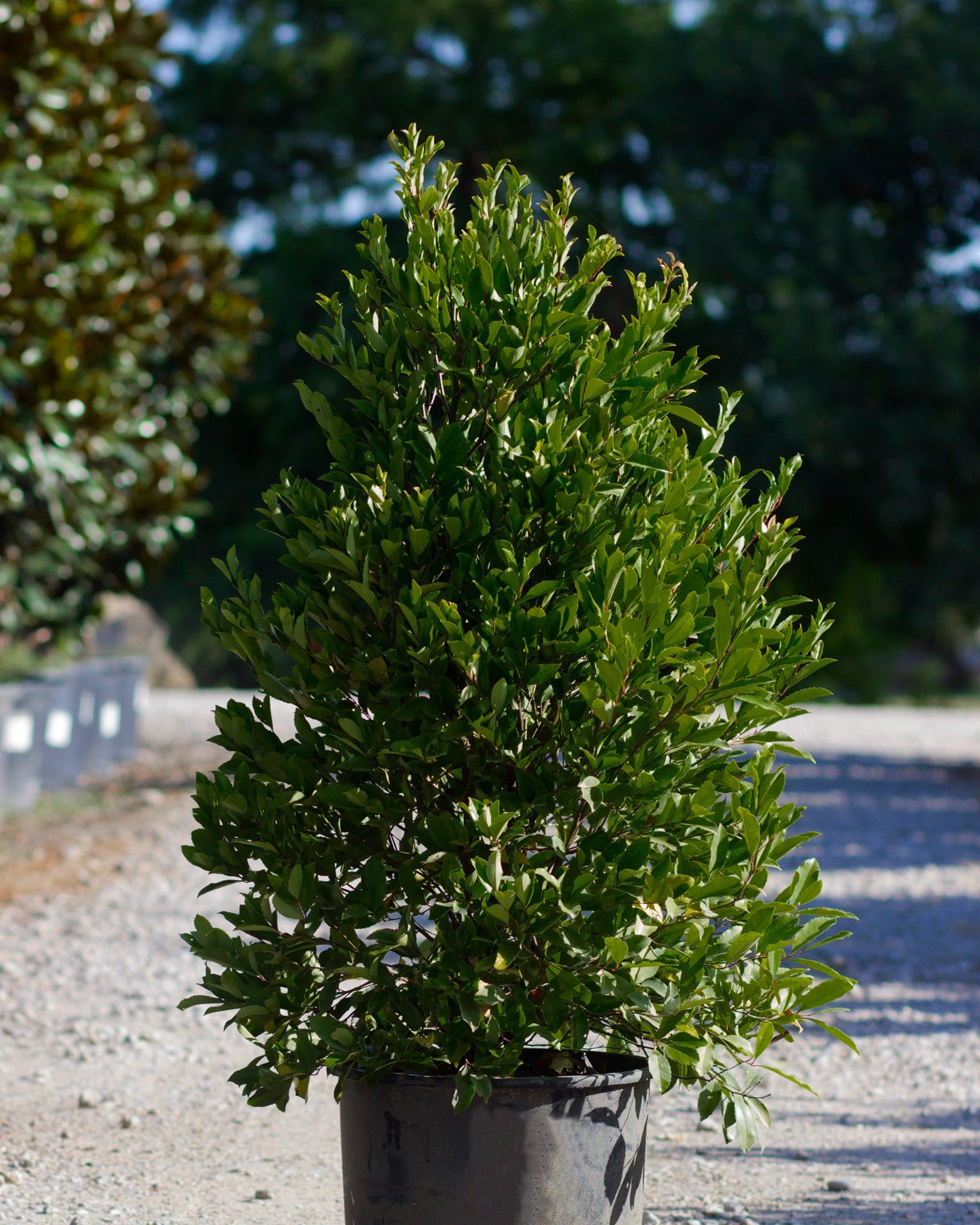
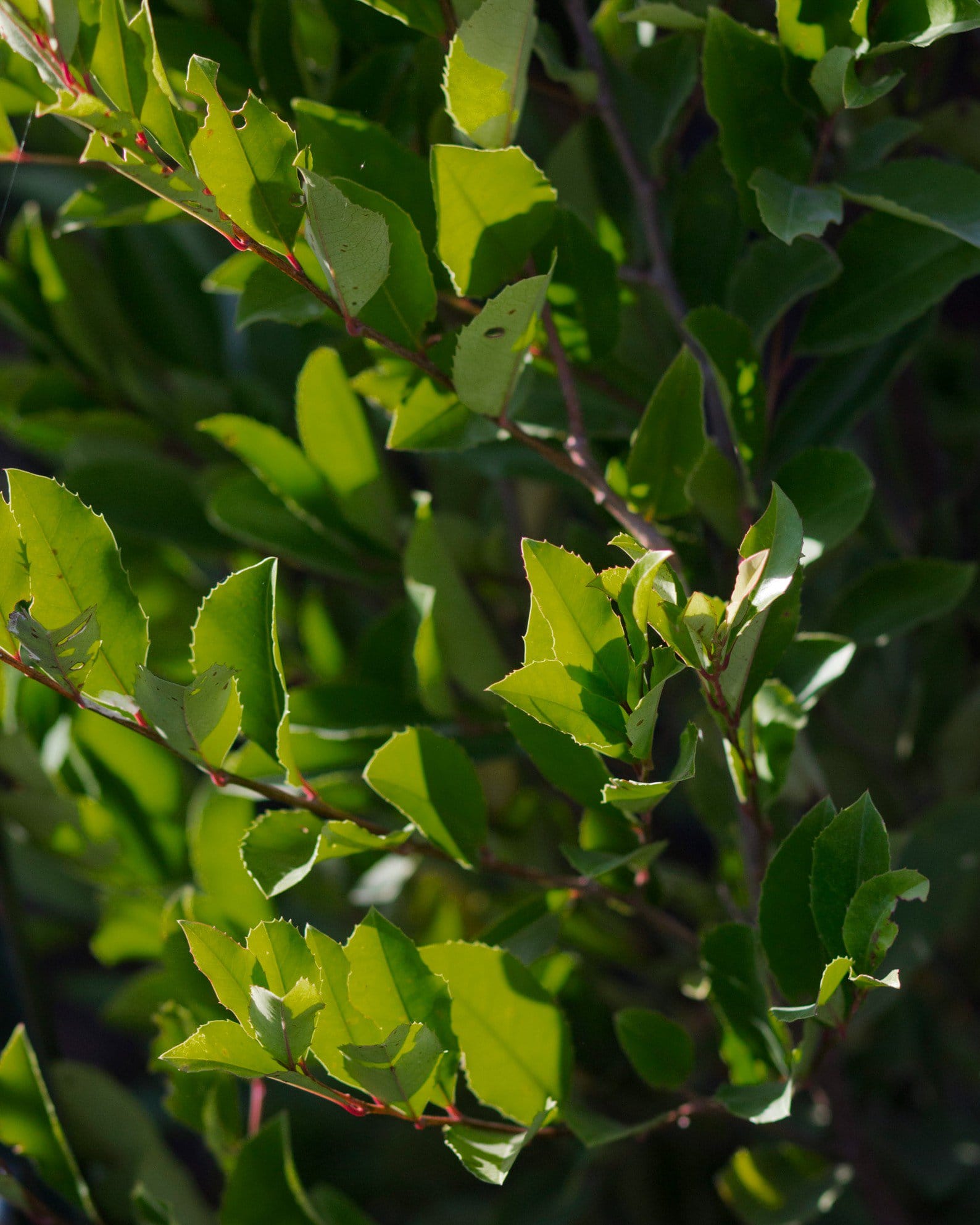
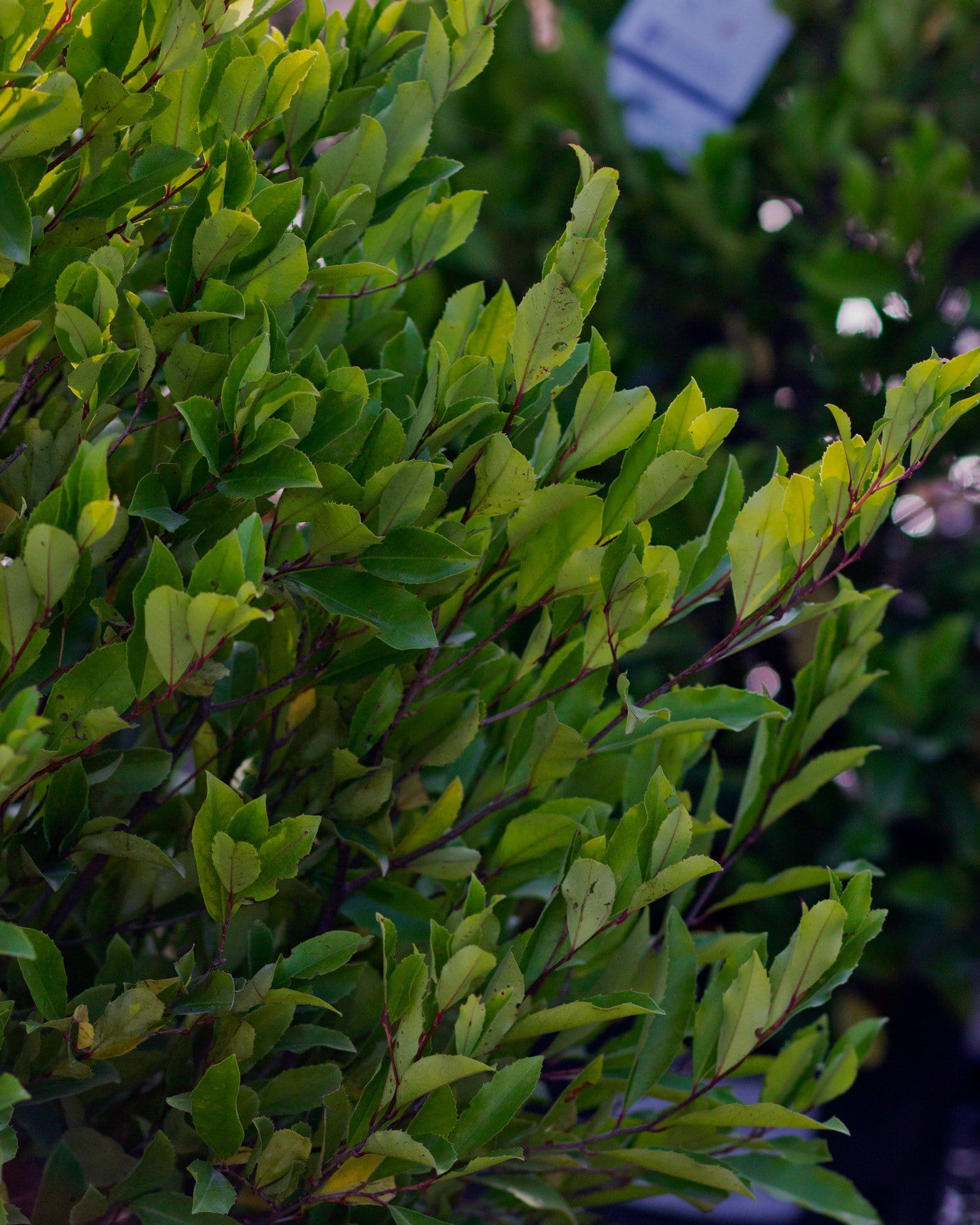
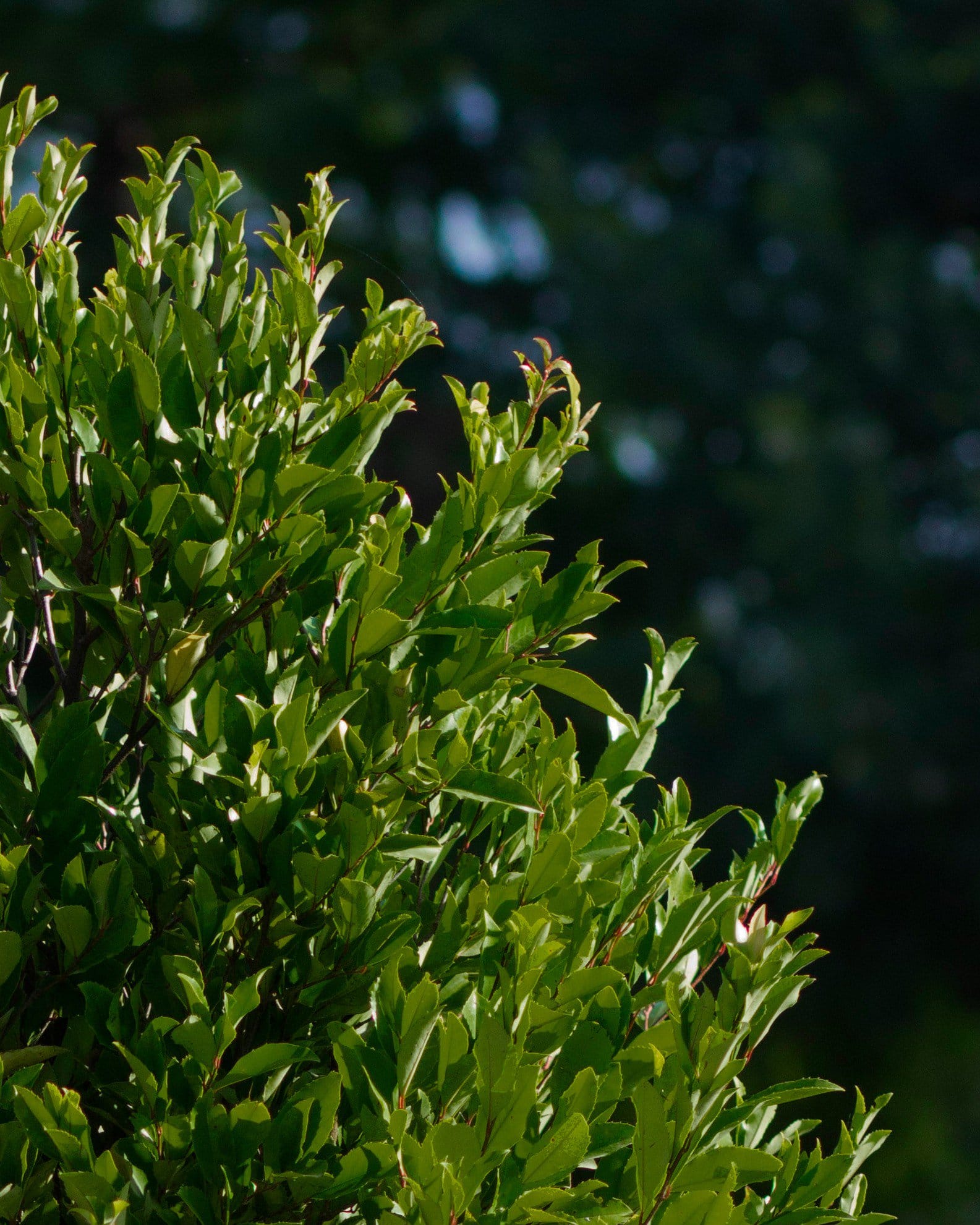
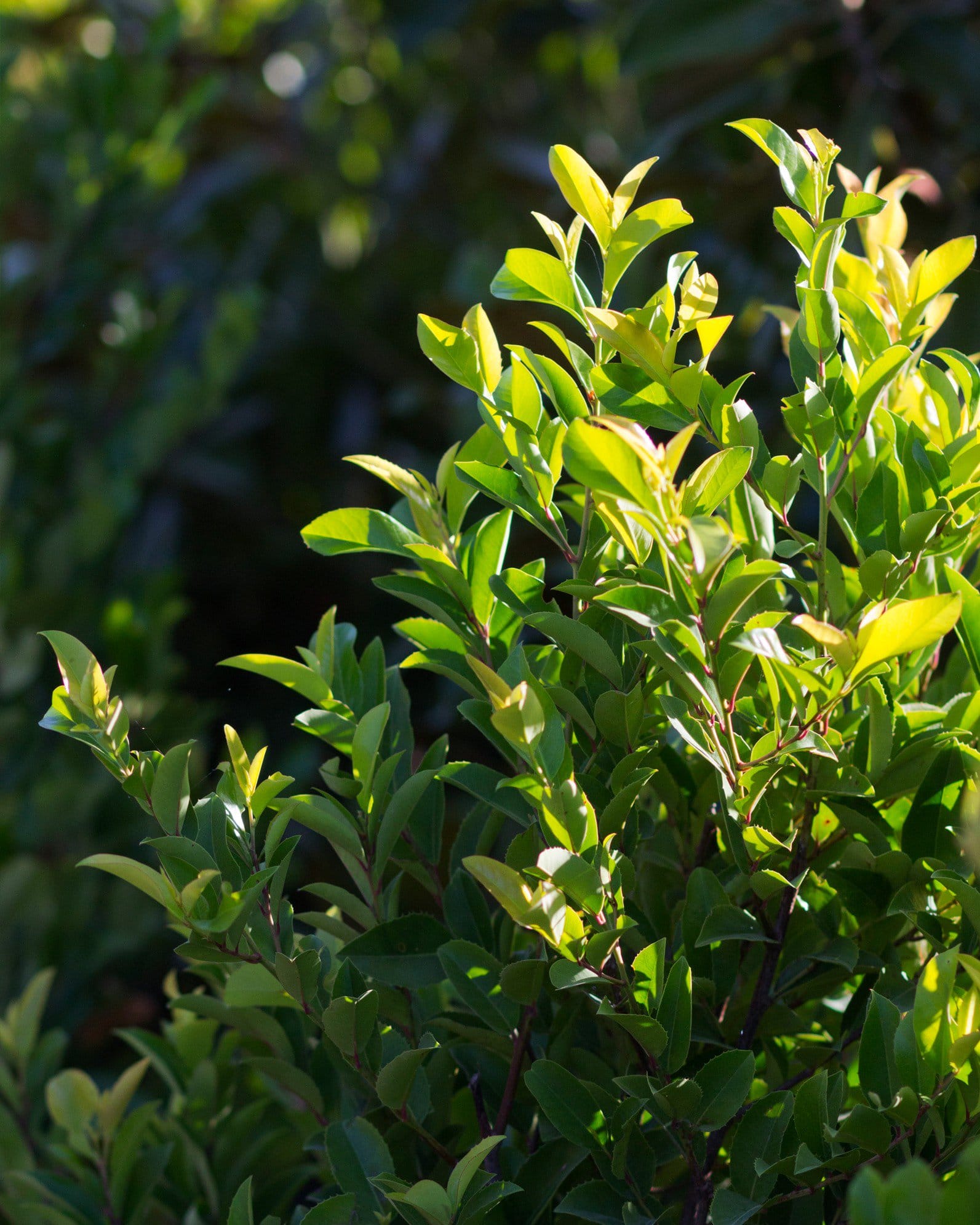
Magnolia virginianaSweet Bay Magnolia is an elegant native tree valued for its fragrant, creamy white blossoms and distinctive foliage. Its glossy green leaves feature silvery undersides that shimmer in the breeze, adding beauty even when not in bloom. Reaching 30 feet tall and 20 feet wide, it forms an upright, oval canopy ideal for both specimen planting and naturalized landscapes. Blooming through summer, its lemon-scented flowers attract pollinators and bring a refined charm to the landscape.
- Semi-evergreen to evergreen tree (depending on climate)
- Moderate growth rate
- Fragrant, creamy white summer blooms
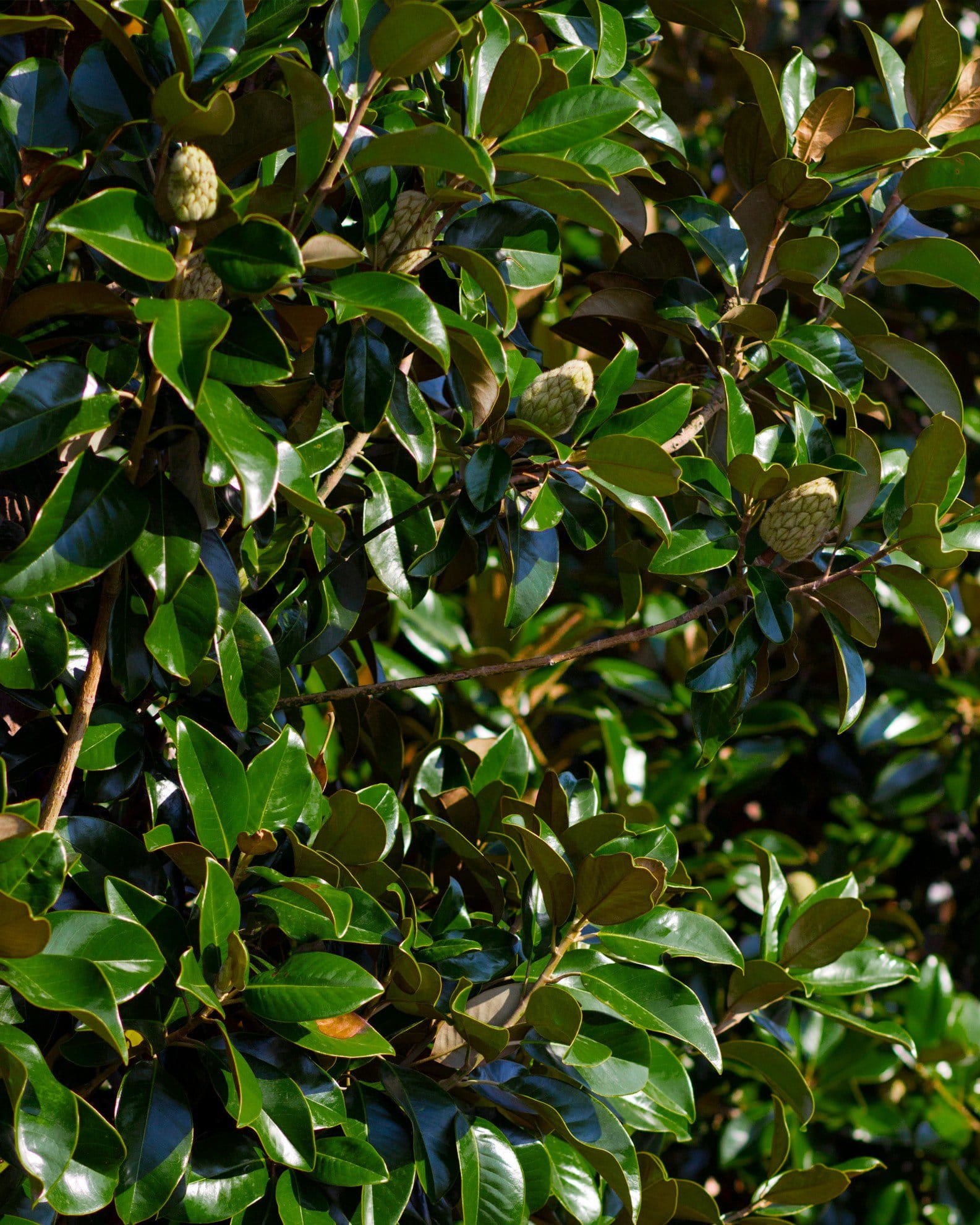
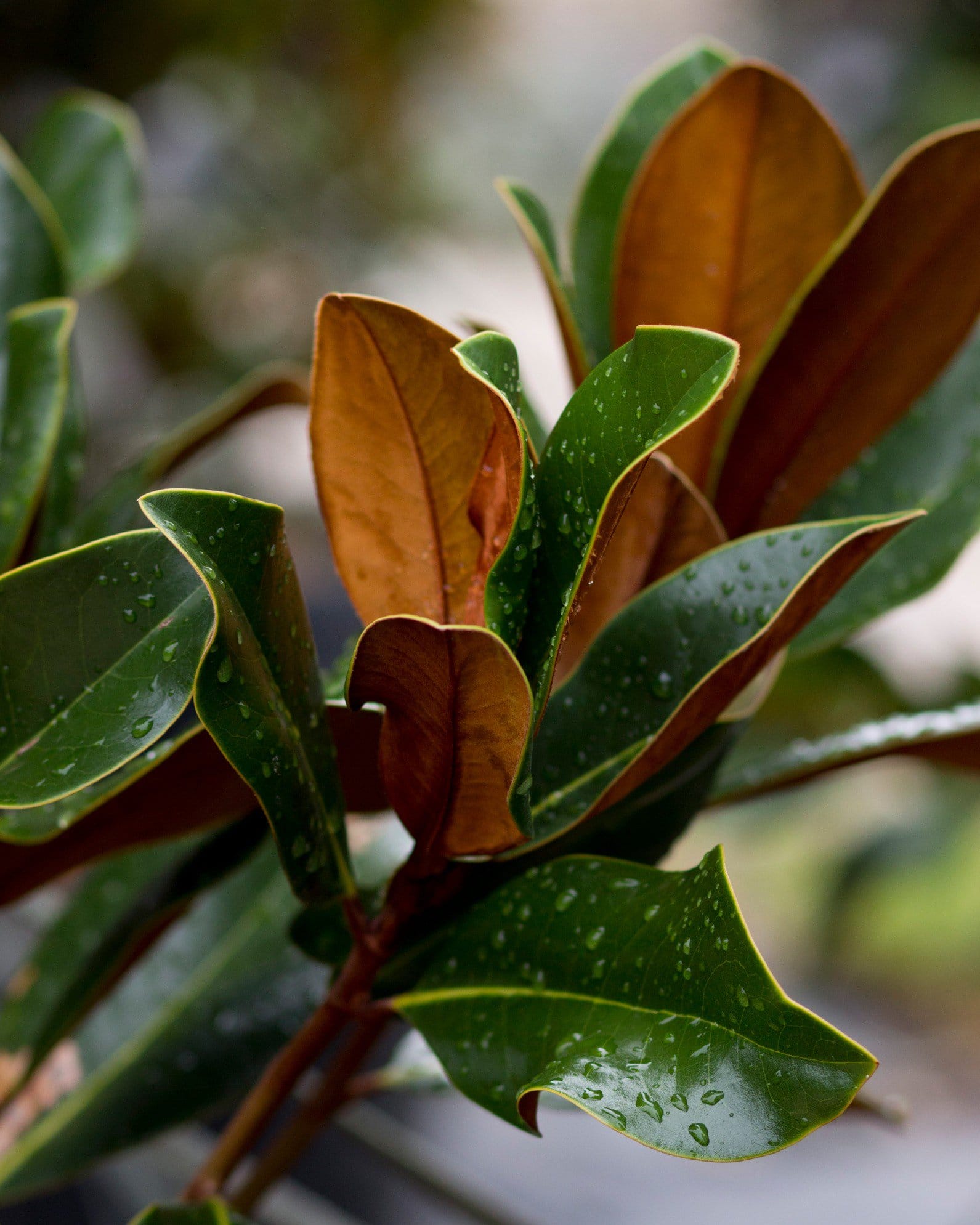
- Glossy green leaves with silvery undersides
- Tolerates moist soils better than other magnolias
Plant Sweet Bay Magnolia in full sun to part shade with moist, well-drained soil. Hardy in USDA zones 5 through 10, it’s a graceful, fragrant addition to Texas and Southern landscapes. Unlike southern magnolia, Sweet Bay tolerates wetter soils and cooler temperatures, making it highly versatile across a wide range of climates.
Sweet Bay Magnolia is exceptionally low-maintenance once established, needing minimal care to grow beautifully. Here’s all it takes for it to thrive:
- Watering: Water deeply and regularly during the first several years to help establish a strong root system. Once mature, Sweetbay Magnolia handles brief dry periods but performs best with even moisture, especially during summer bloom cycles. Avoid letting the soil become extremely dry.
- Pruning: Prune immediately after flowering to maintain structure or remove crossing branches. Sweetbay Magnolia naturally forms a clean, upright, multi-stem or single-trunk habit with very little shaping required.
- Fertilizing: A balanced, slow-release fertilizer applied in early spring supports lush foliage and steady growth. In nutrient-poor soils, a midsummer compost application enhances vigor through the heat.
- Mulching: Spread a 2-3 inch mulch layer around the root zone to retain moisture and regulate temp. Keep mulch a few inches back from the trunk to prevent bark issues.
- Winter Care: Sweetbay Magnolia is quite hardy, especially northern cultivars, and typically maintains part of its foliage through winter. Young trees may appreciate wind protection during their first few seasons.
Sweetbay Magnolia is dependable, yet wet springs or nutrient imbalances may occasionally invite minor issues:
- Leaf Spot: Brown or black speckles form on leaves during periods of humidity. Removing affected foliage and improving airflow reduces the likelihood of recurrence.
- Scale Insects: Sticky residue and small raised bumps along twigs indicate scale presence. Treat with horticultural oil and maintain plant vigor to help prevent future infestations.
- Aphids: New leaves may curl slightly or appear shiny from honeydew during active feeding periods. Rinse foliage or apply insecticidal soap to restore healthy growth.
- Chlorosis: Pale yellow leaves with darker veins point to iron deficiency, often in alkaline soils. Apply chelated iron and adjust soil pH over time to maintain vibrant foliage.
- Twig Dieback: Small branches may brown at the tips after harsh weather or environmental stress. Prune out affected twigs to stimulate fresh, healthy regrowth.
Sweetbay Magnolia can live 50-80 years or more when grown in suitable soil and given consistent moisture. Its longevity allows it to mature into a quietly elegant, deeply rooted part of the landscape.
It grows at a moderate rate and often begins blooming reliably within 2-3 years. By year 5-7, it develops a fuller canopy and a more pronounced flush of fragrant summer flowers.
The blooms release a fresh lemon-vanilla scent that drifts pleasantly through warm air. This fragrance is one of Sweetbay’s signature charms, especially near patios or windows.
Its natural tolerance for wetter soils makes it one of the best magnolia choices for stream banks, rain gardens, and pond edges. The plant even thrives where many other trees would struggle.
Fern varieties, Hydrangeas, Clethra, Azaleas, River Birch, and moisture-loving perennials complement its airy form and soft coloration. These combinations create layered, serene planting schemes.
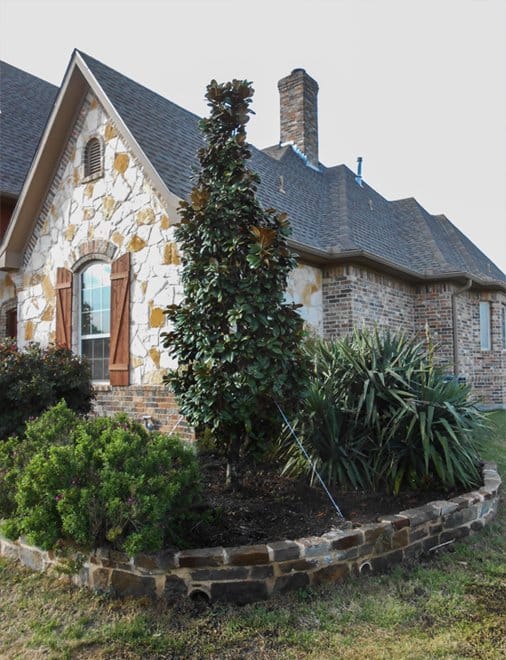
Its refined structure and fragrant blooms make it a natural choice for intimate garden spaces. Even in smaller yards, it adds grace without feeling overpowering.
Younger trees move well when relocated in late winter or early spring before new growth begins. After a settling period, they resume blooming and growth with little setback.
The plant handles mild reflected heat as long as soil moisture is sufficient. Consistent watering ensures the foliage stays lush and vibrant through warm months.
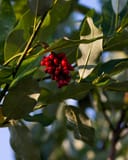
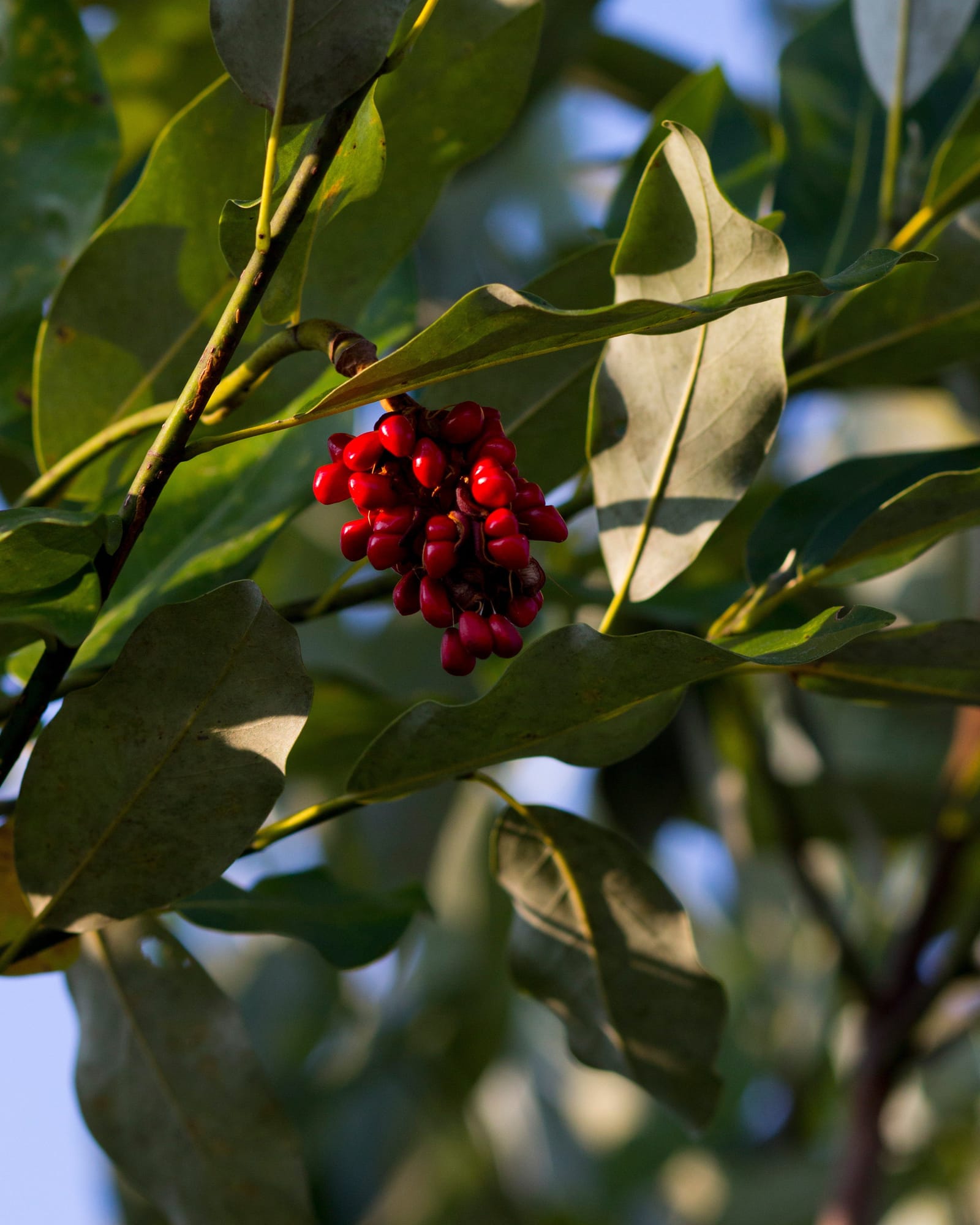
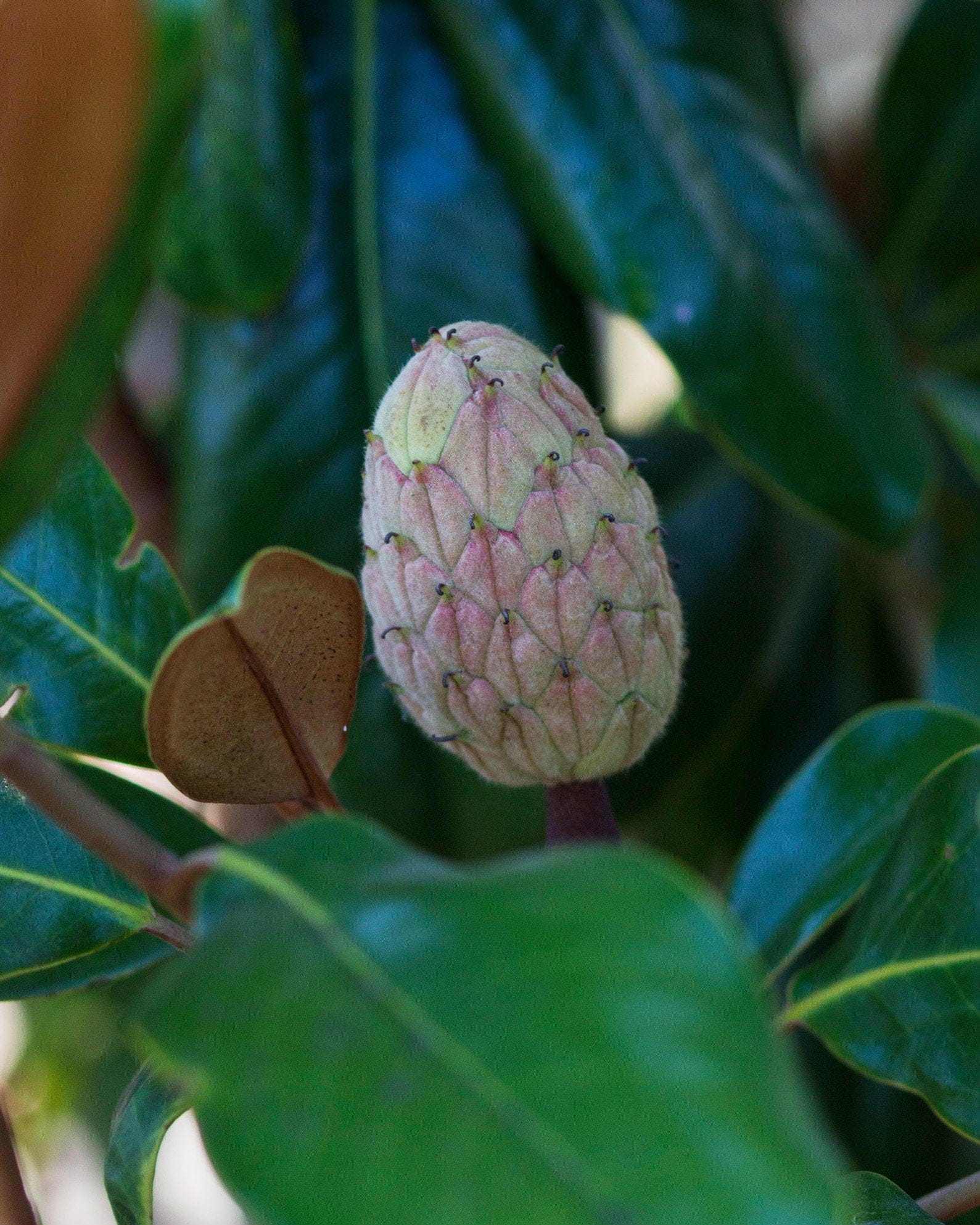
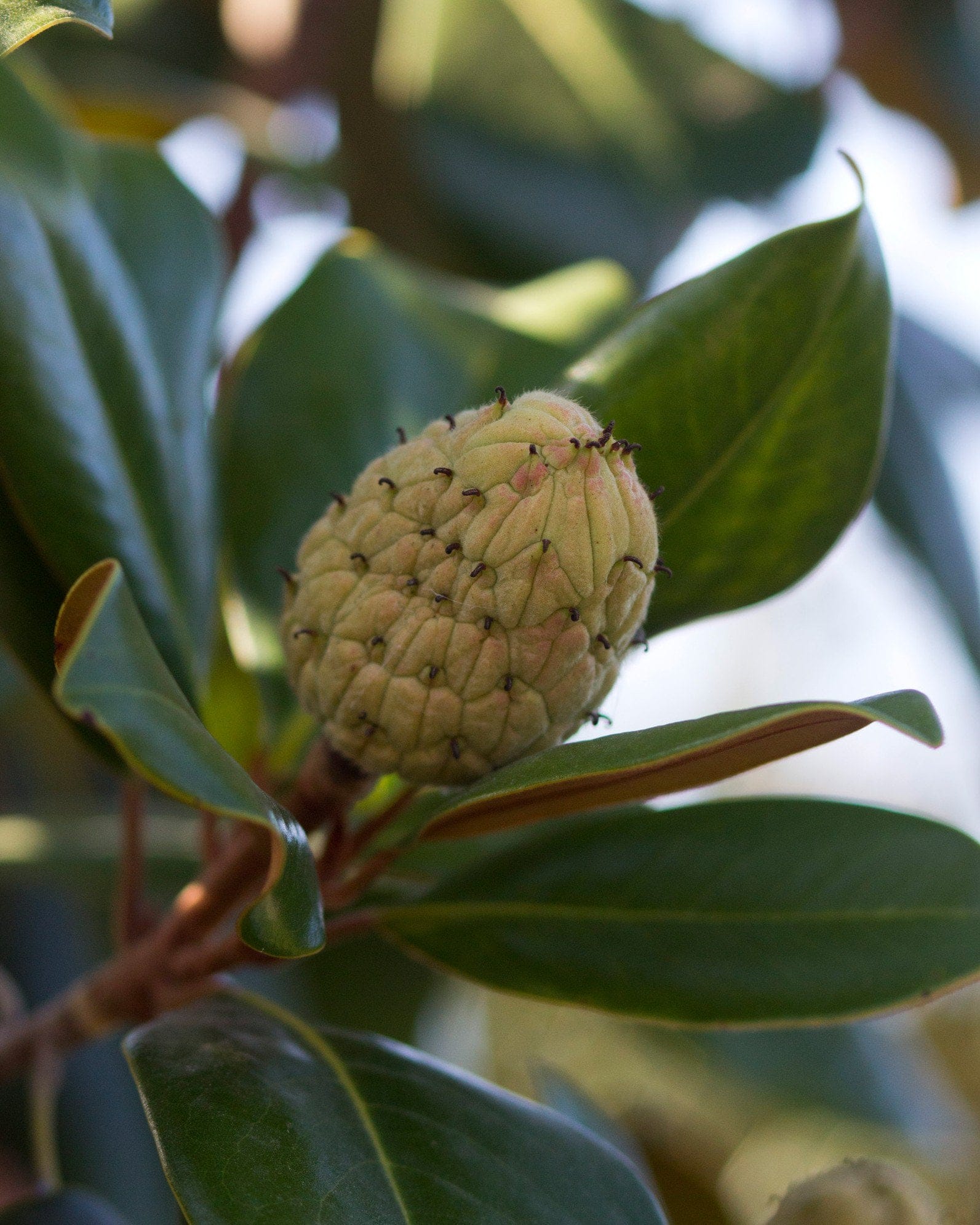
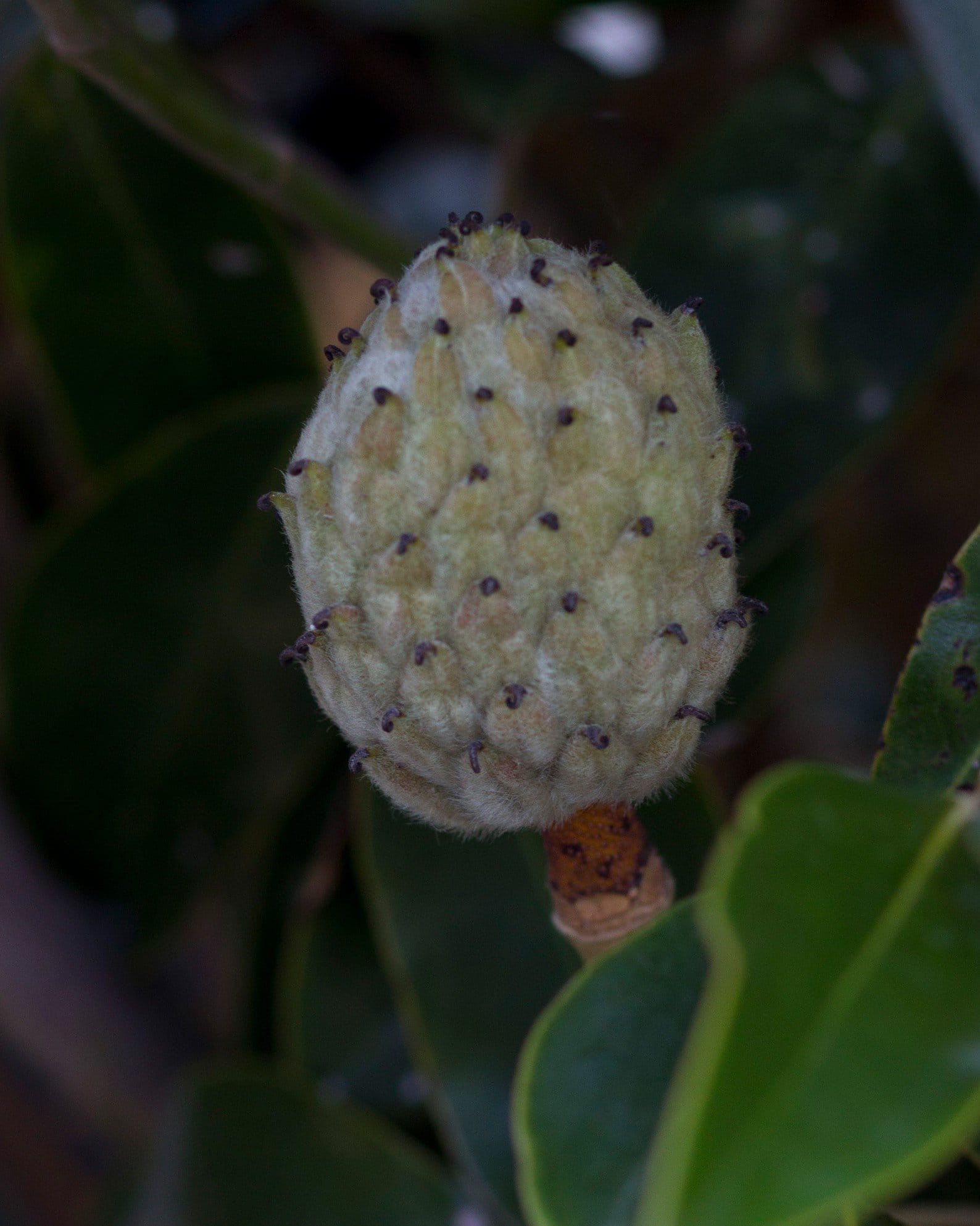
Birds use its branches for shelter and are often drawn to its red seed clusters later in the season. The tree contributes gently but meaningfully to local ecosystems.
Its lemon-scented blooms, shimmering two-toned foliage, and ability to thrive in both moist and average soils give it remarkable versatility. Few magnolias combine fragrance, elegance, and adaptability so effortlessly.
Special Features
You might also like
Edith Bogue Magnolia
Maturity: 30' H x 15' W
Little Gem Magnolia
Maturity: 20' H x 14' W
Little Gem Magnolia Espalier
Maturity: 20' H x 14' W
Teddy Bear Magnolia
Maturity: 30' H x 15' W
Bracken Brown Beauty Magnolia
Maturity: 30' H x 20' W
Claudia Wannamaker Magnolia
Maturity: 30' H x 20' W
DD Blanchard Magnolia
Maturity: 45' H x 25' W
DD Blanchard Magnolia Tree Form
Maturity: 45' H x 25' W
Yaupon Holly
Maturity: 20' H x 15' W
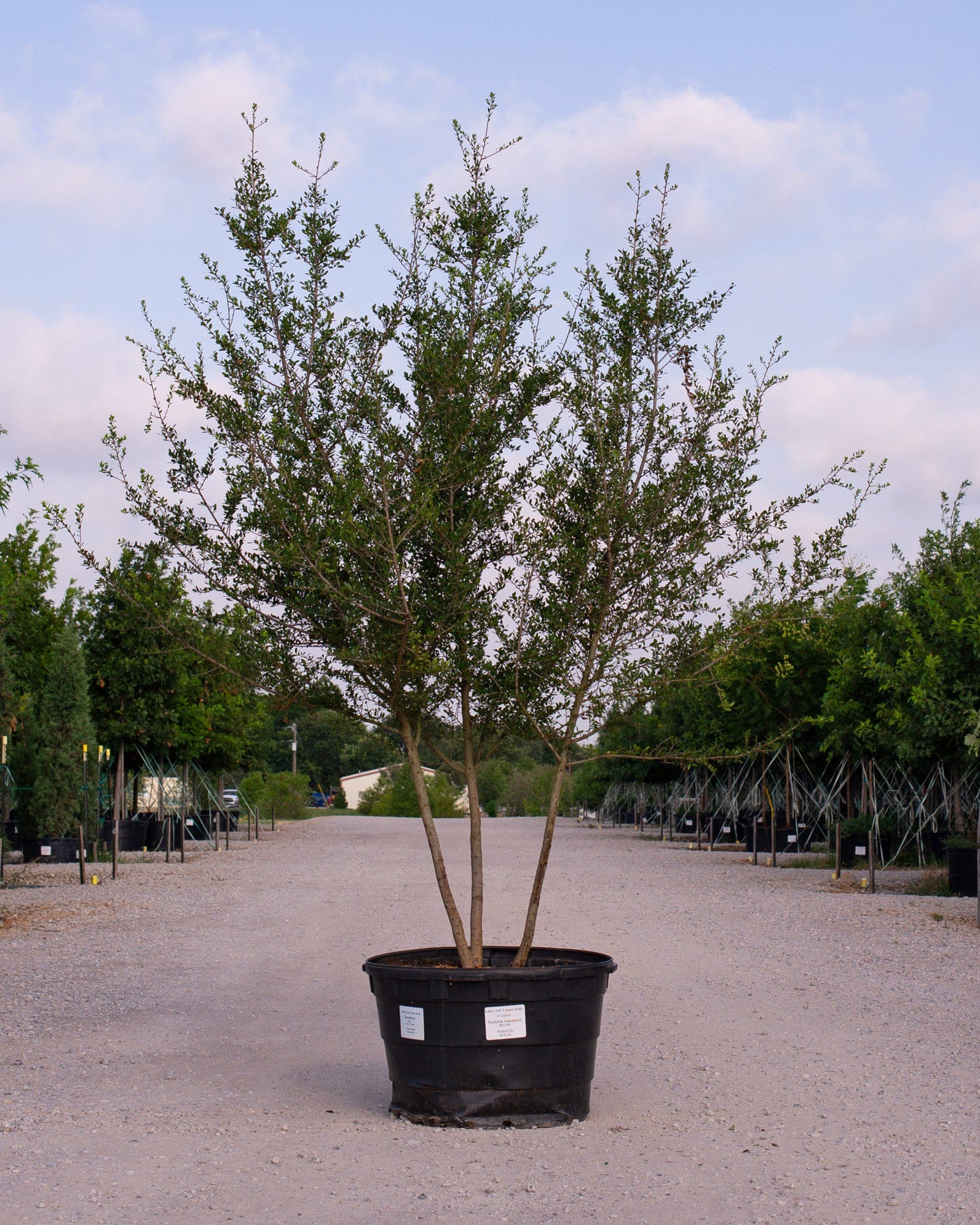
Yaupon Holly Kathy Ann
Maturity: 20' H x 15' W
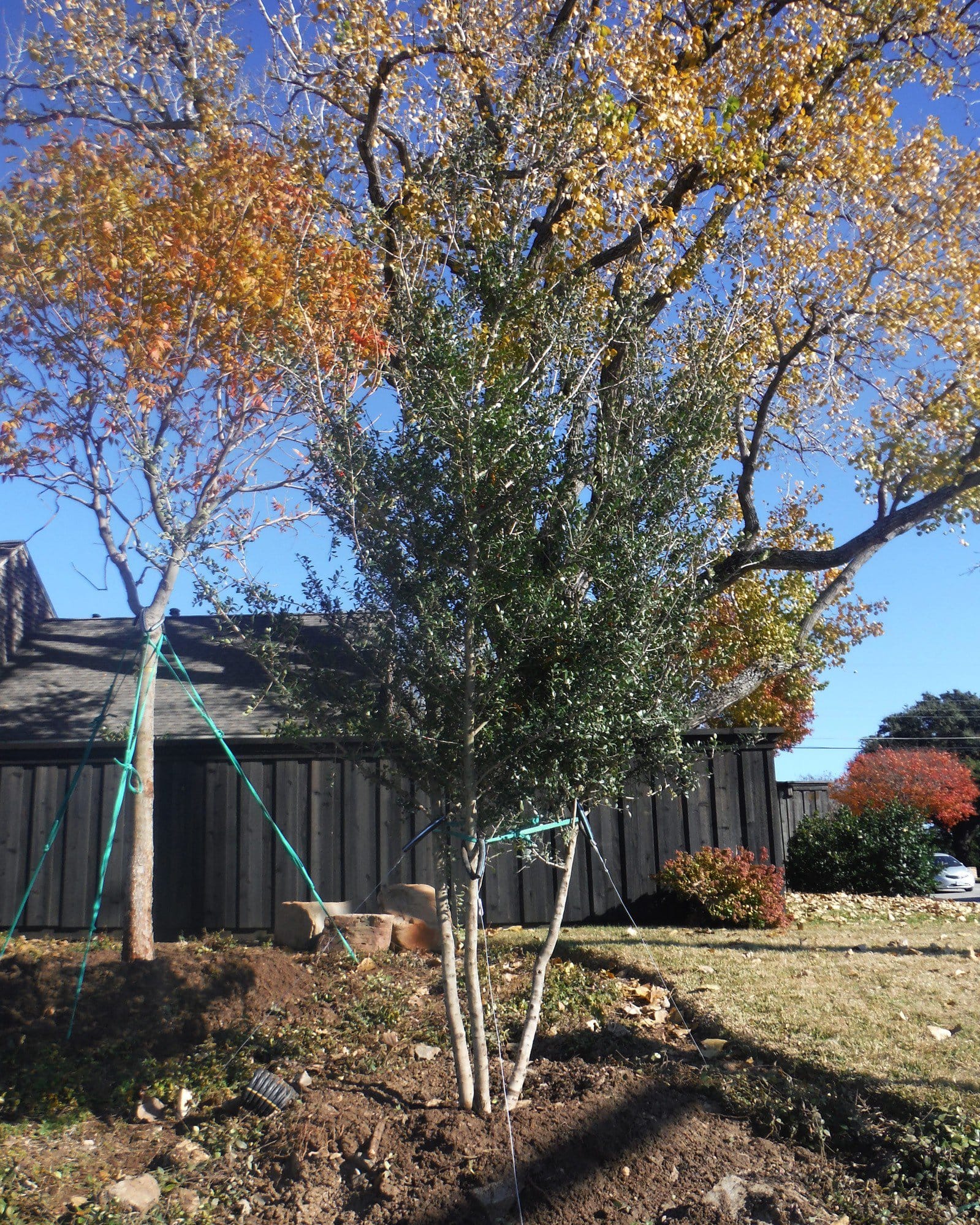
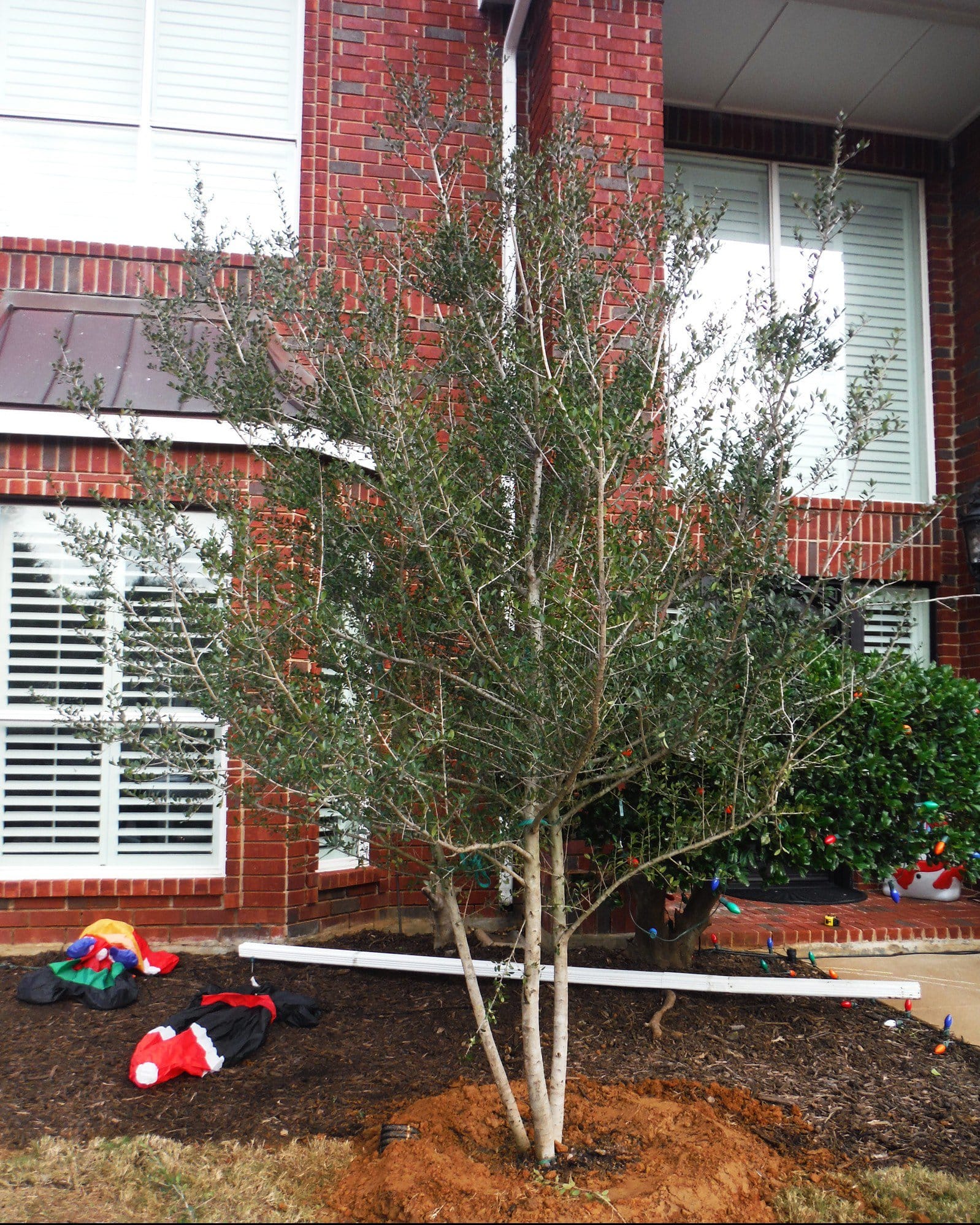
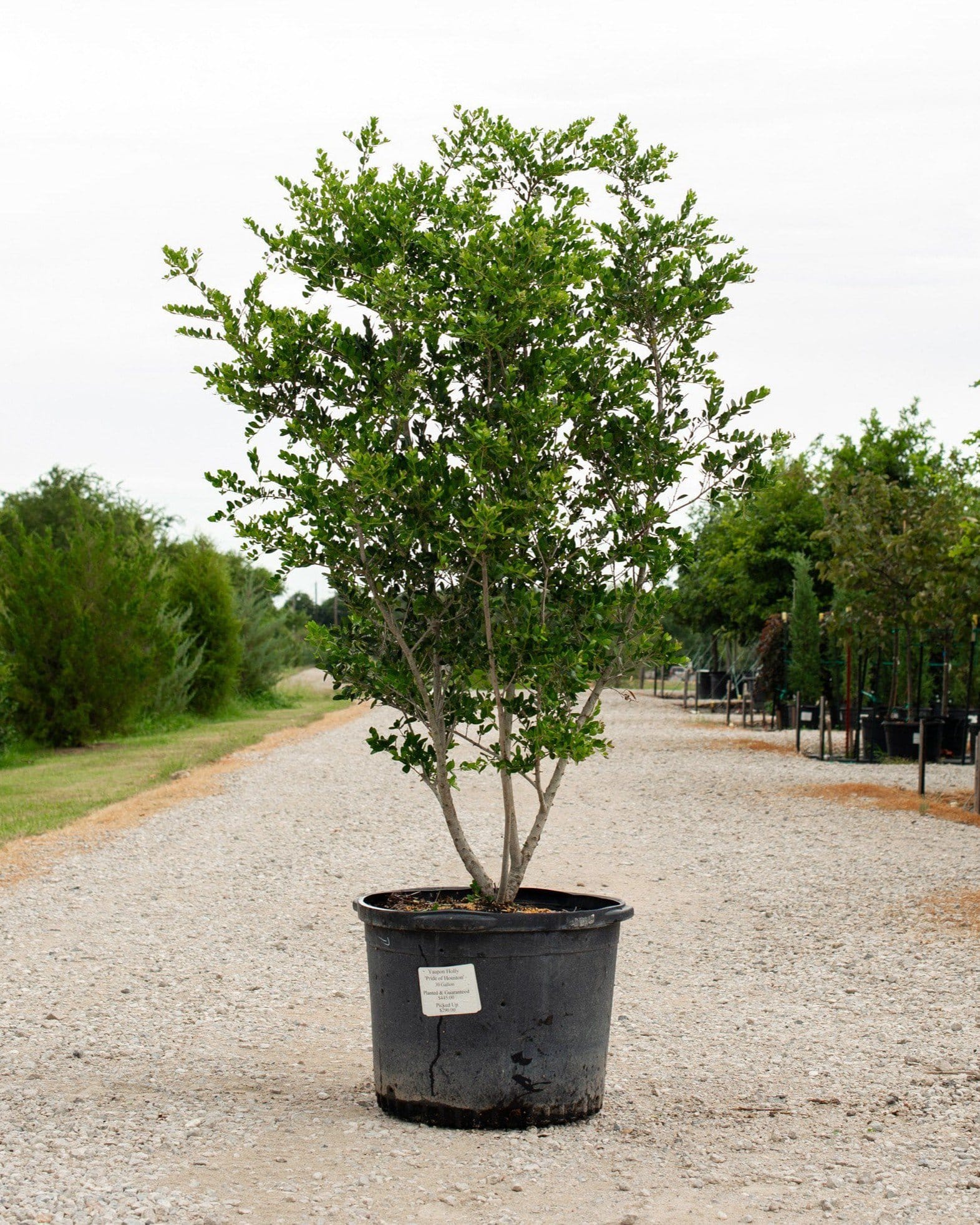
Yaupon Holly Pride of Houston
Maturity: 20' H x 15' W
Alta Magnolia
Maturity: 40' H x 20' W
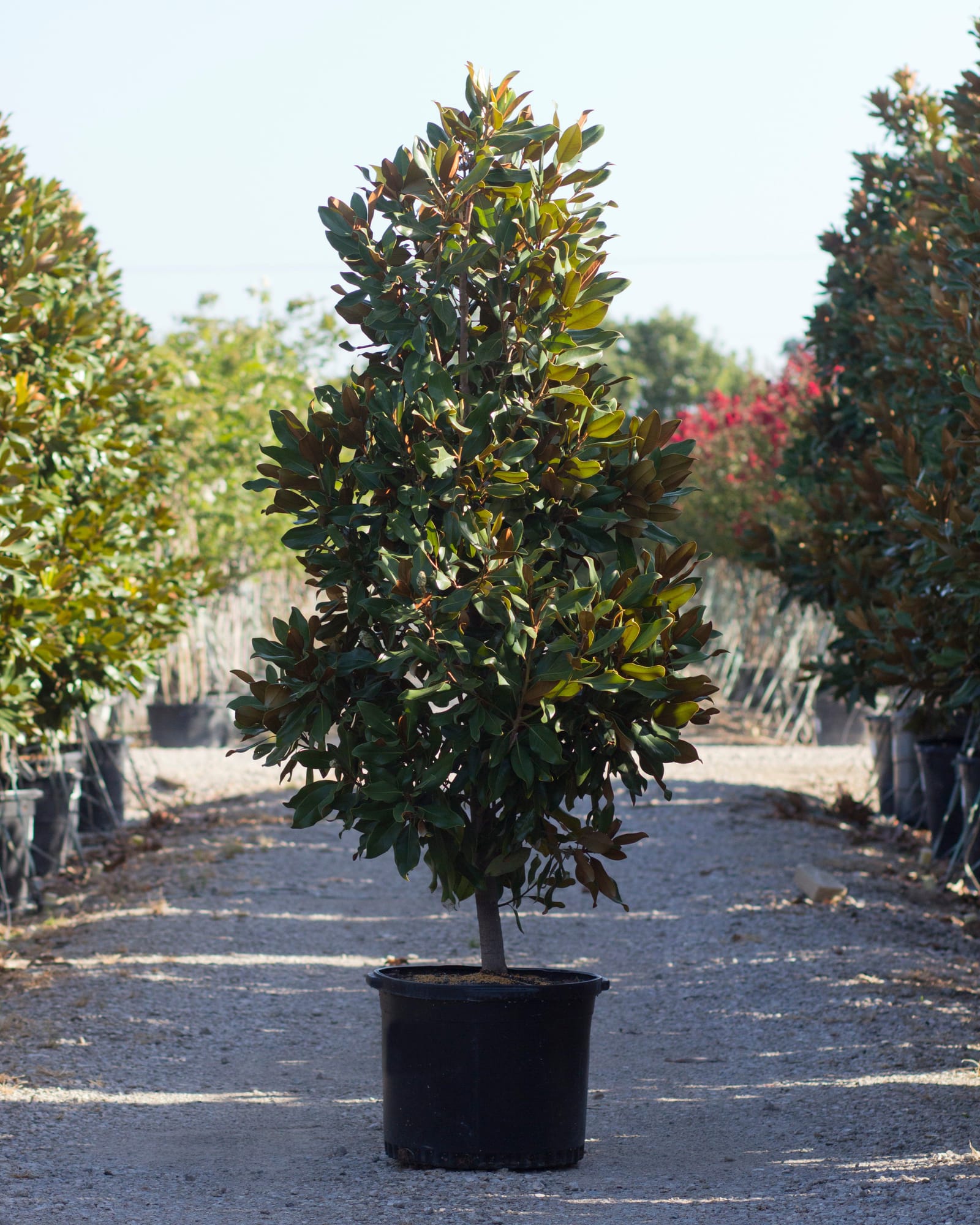
Miss Chloe Magnolia
Maturity: 60' H x 30' W
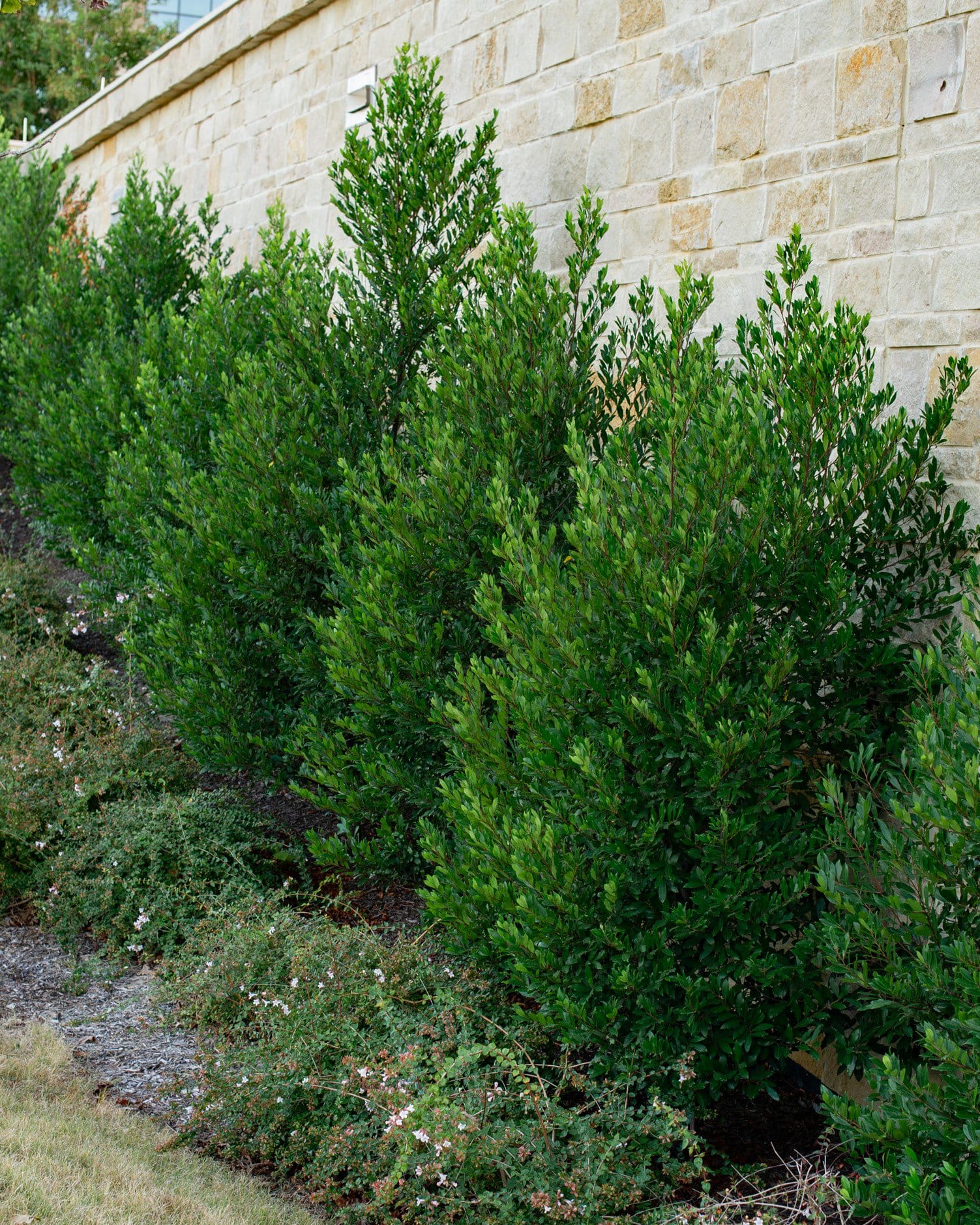
Cherry Laurel Bright 'N Tight
Maturity: 10' H x 8' W
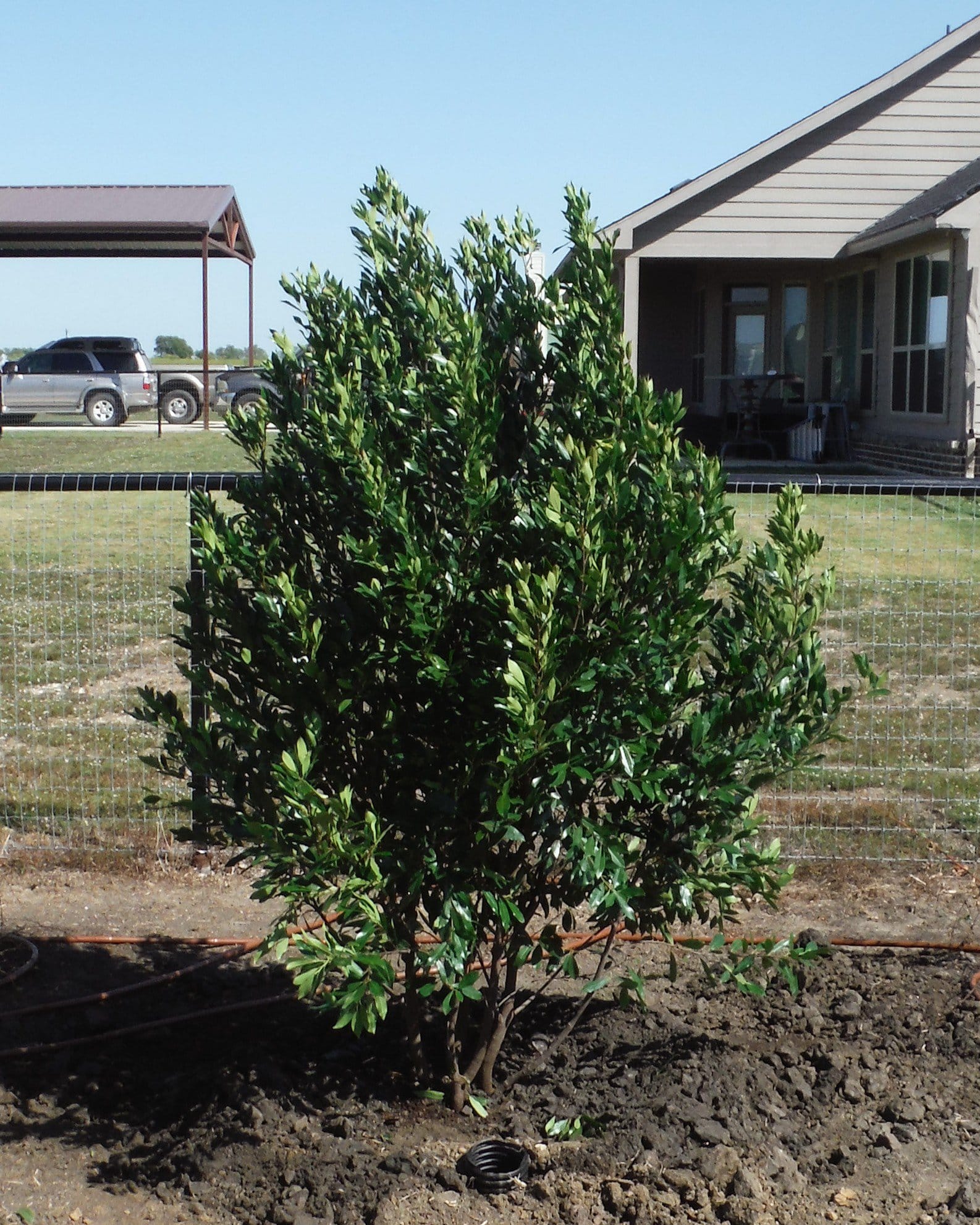
Cherry Laurel Centre Court
Maturity: 25' H x 15' W
Compare Similar Plants
Sweet Bay Magnolia This plant | ||
|---|---|---|
| Scientific Name | Magnolia virginiana | Magnolia grandiflora 'Edith Bogue' |
| Size at Maturity | 20' H x 10' W | 30' H x 15' W |
| Leaf Retention | Evergreen | Evergreen |
| Flower Color | White | White |
| Bloom Times | Summer | Summer |
| Sizes Available | 30, 45 gal | 15, 30 gal |


Our 1-Year Planting Guarantee
We take pride in our plants and installation services. If any plants or trees installed by Treeland fail to thrive within the first year, we'll provide a replacement credit in accordance with our guarantee program.
Learn More About Our Guarantee