
 Texas Native
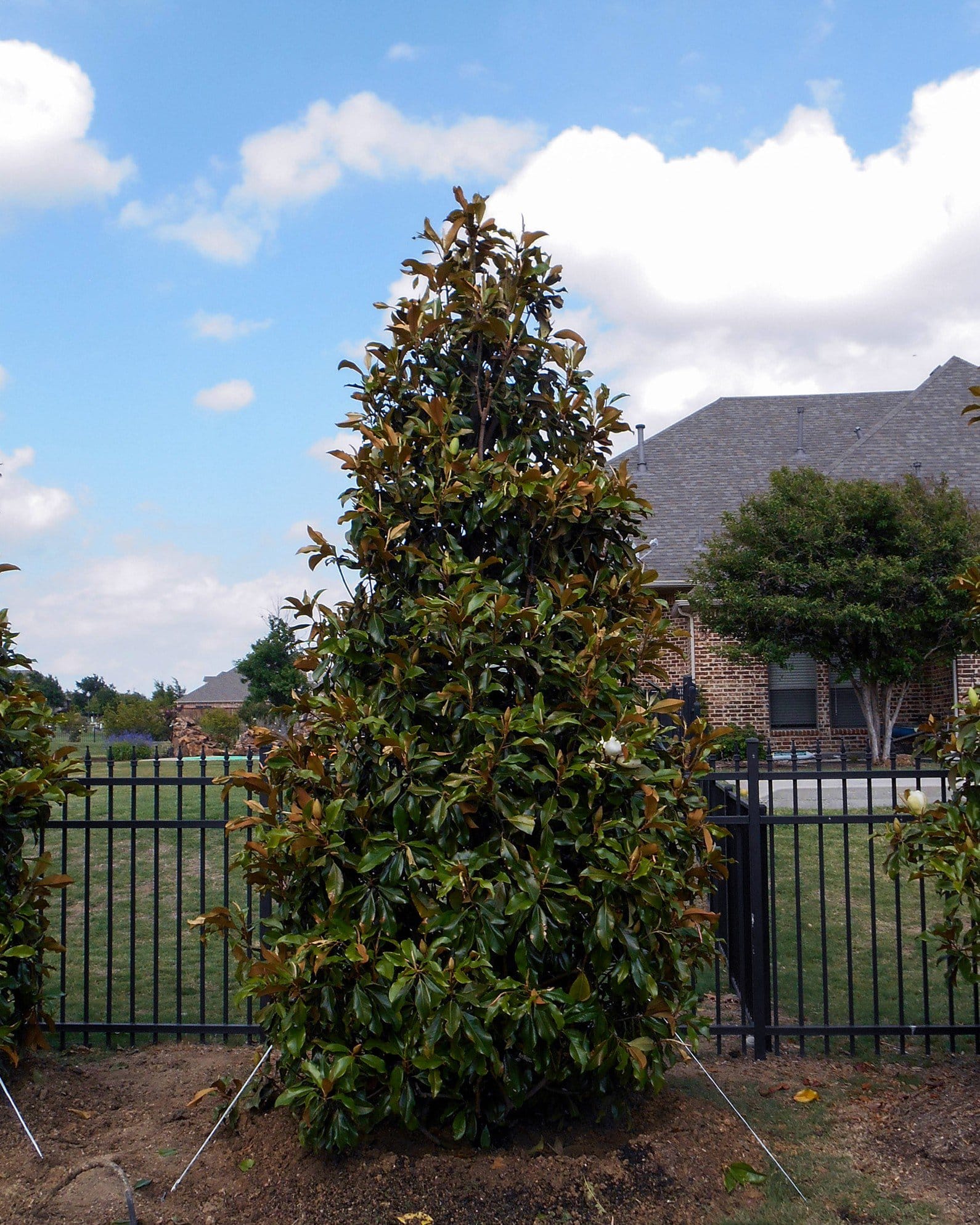
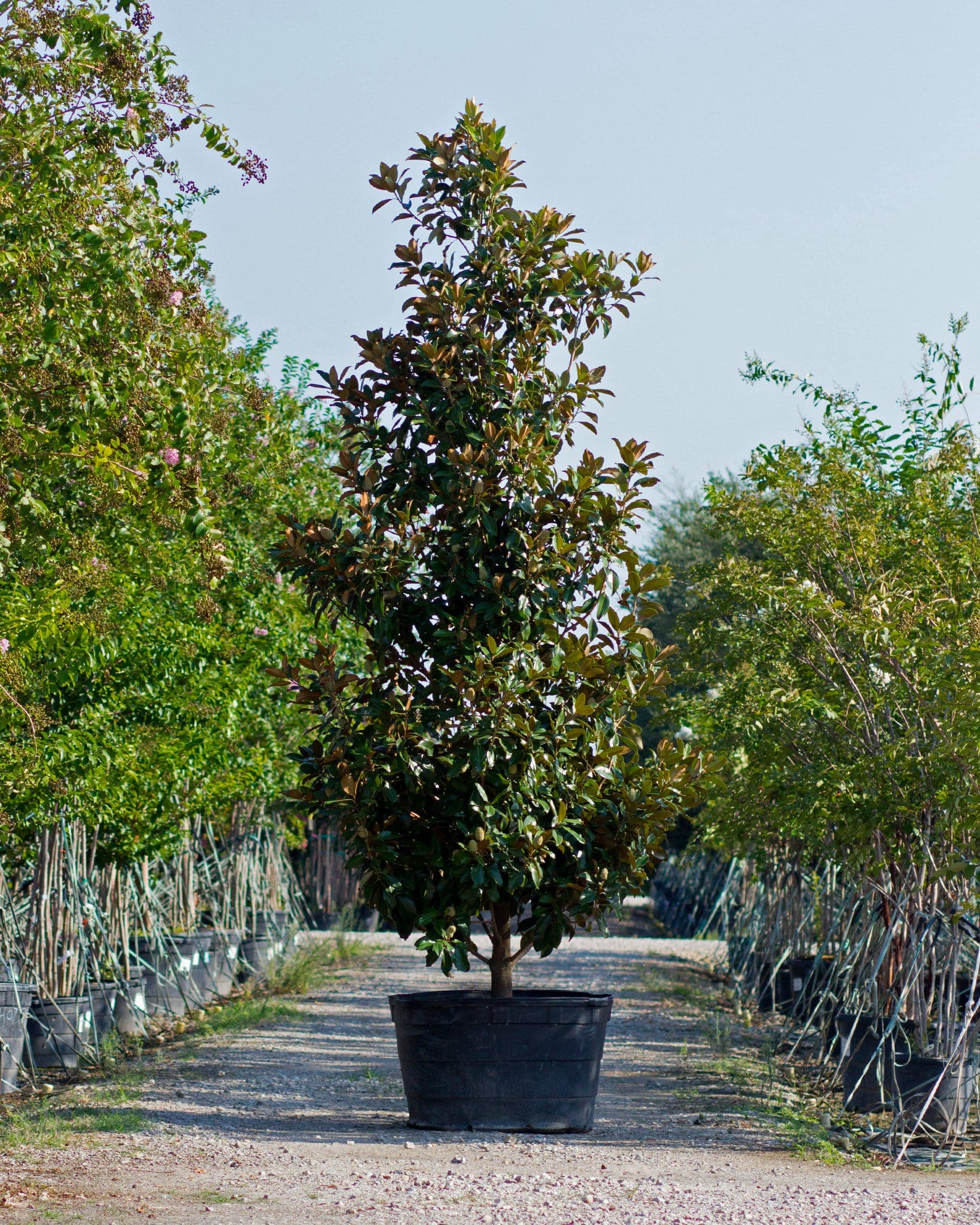
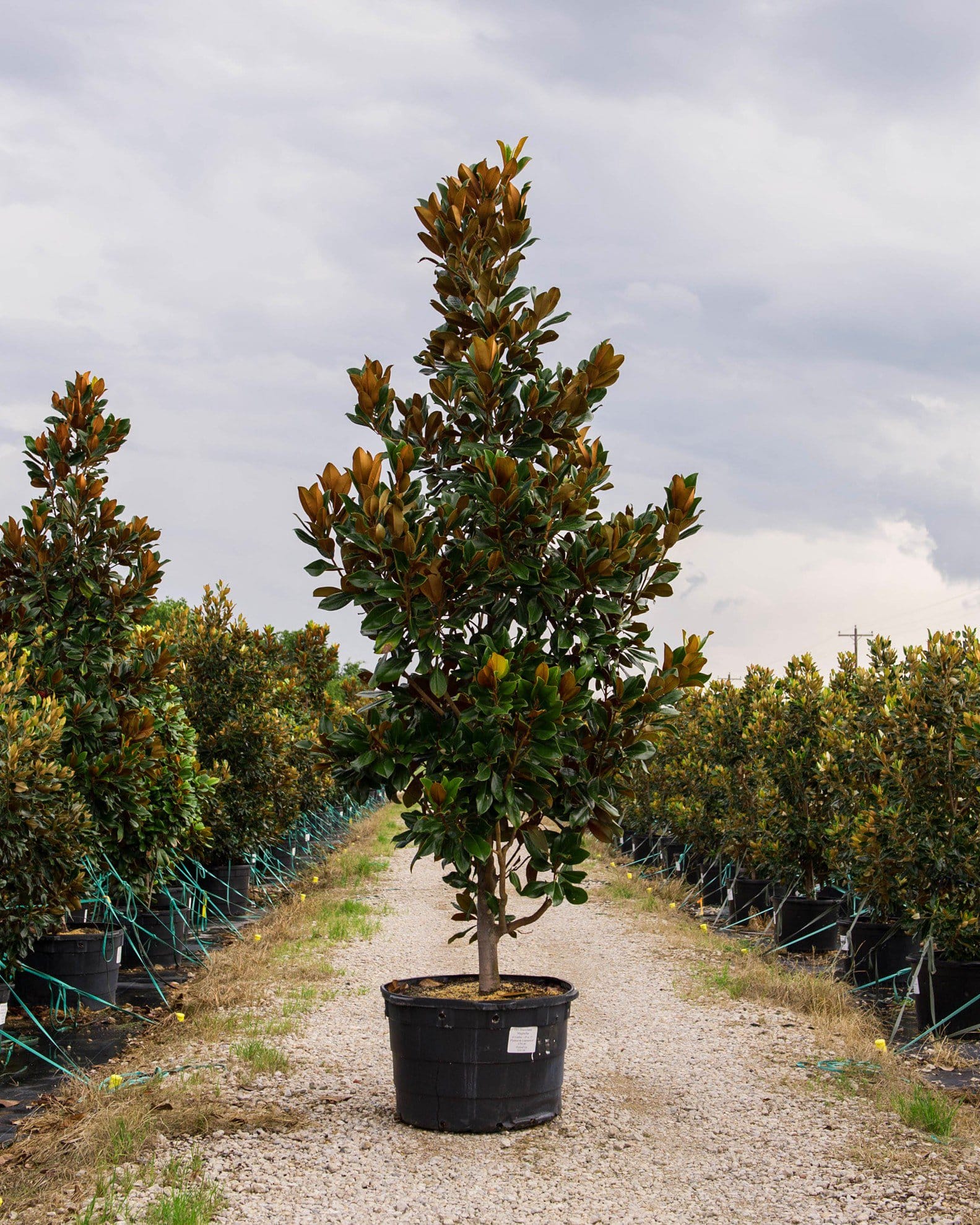
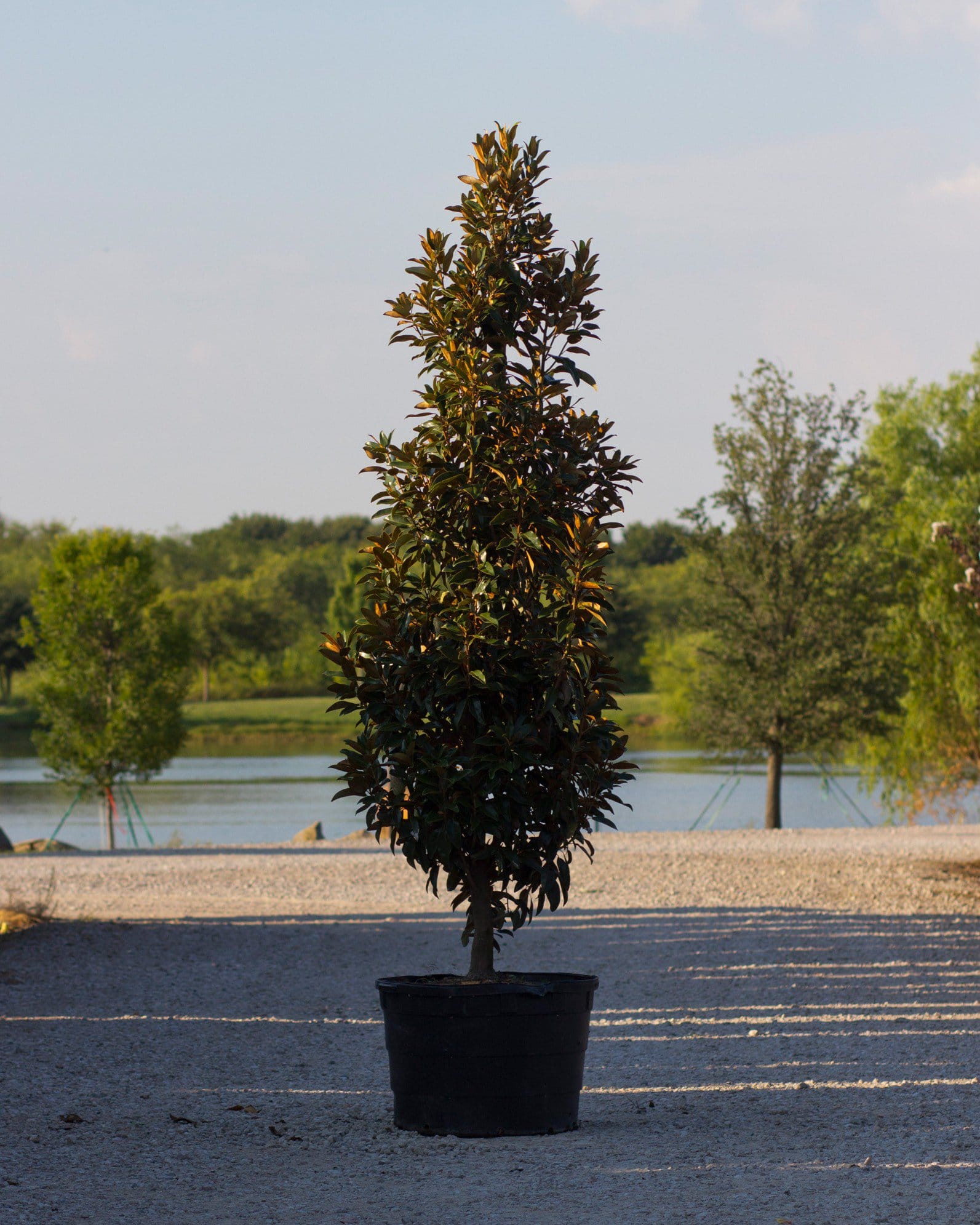
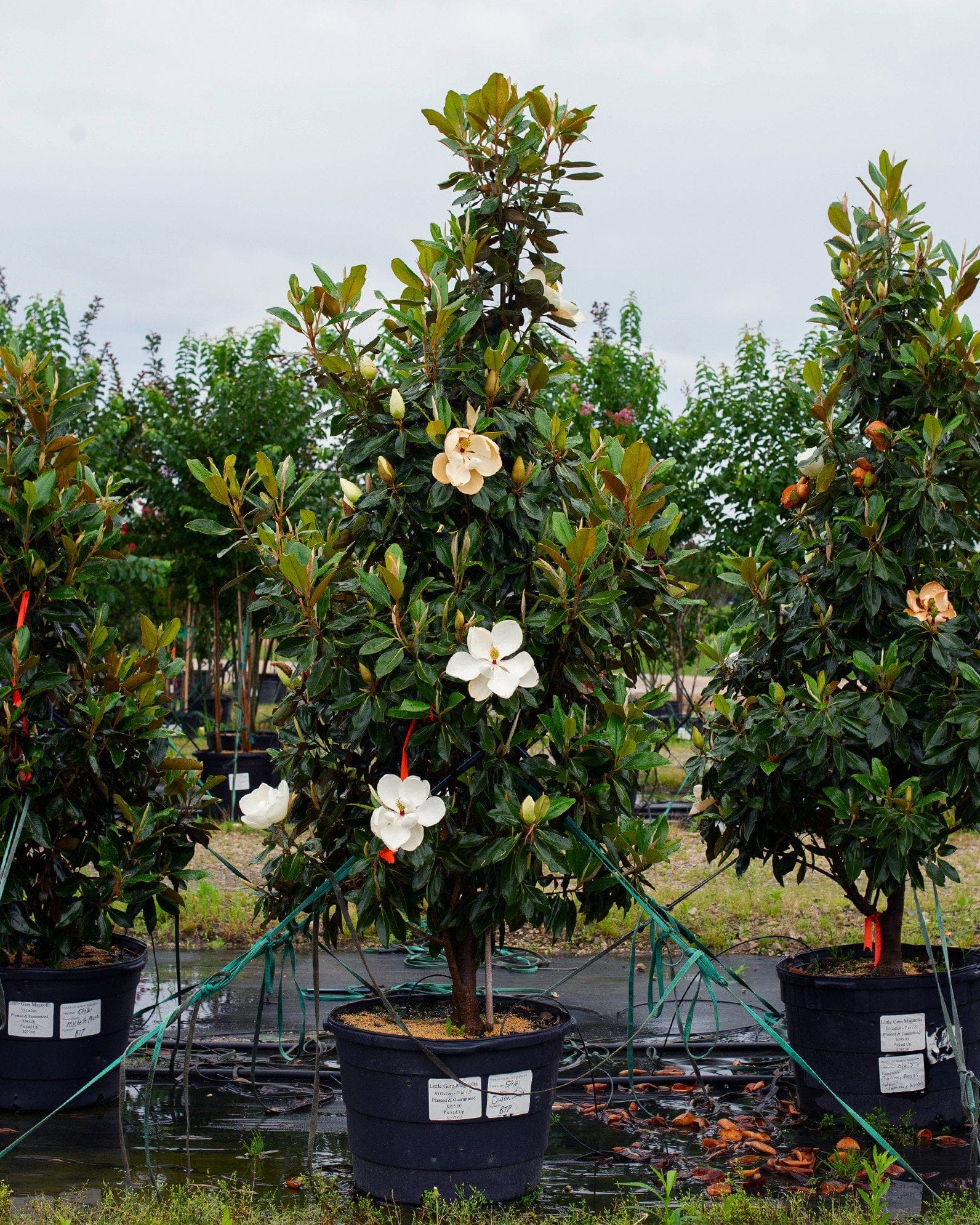
DD Blanchard Magnolia Tree Form
Magnolia grandiflora 'D.D. Blanchard'Local DFW Delivery Only
Product Details
DD Blanchard Magnolia Tree Form
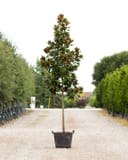
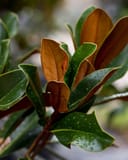
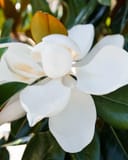
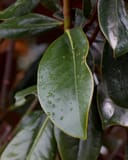
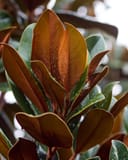
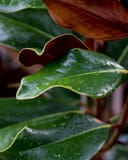
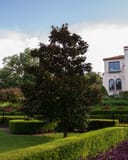
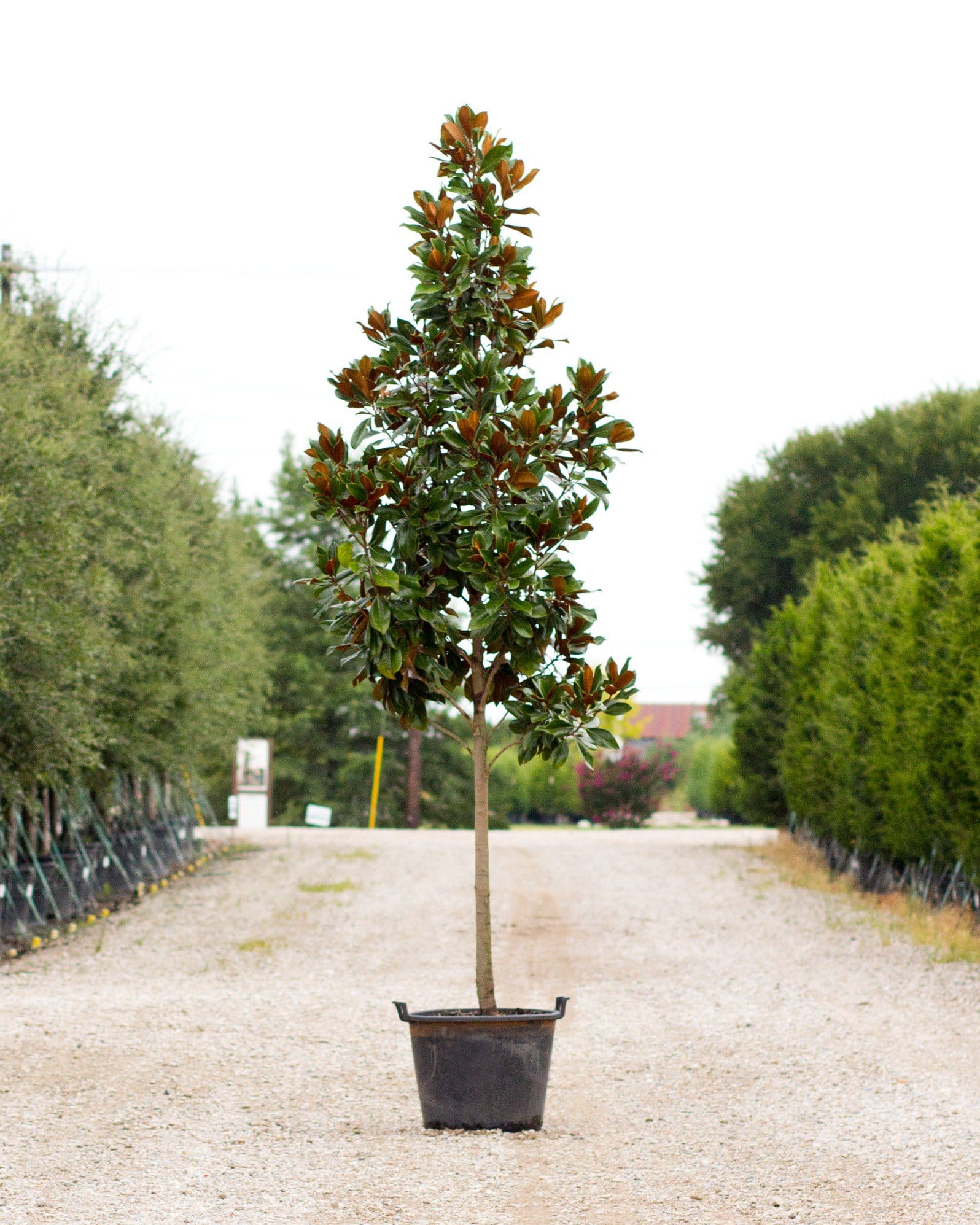
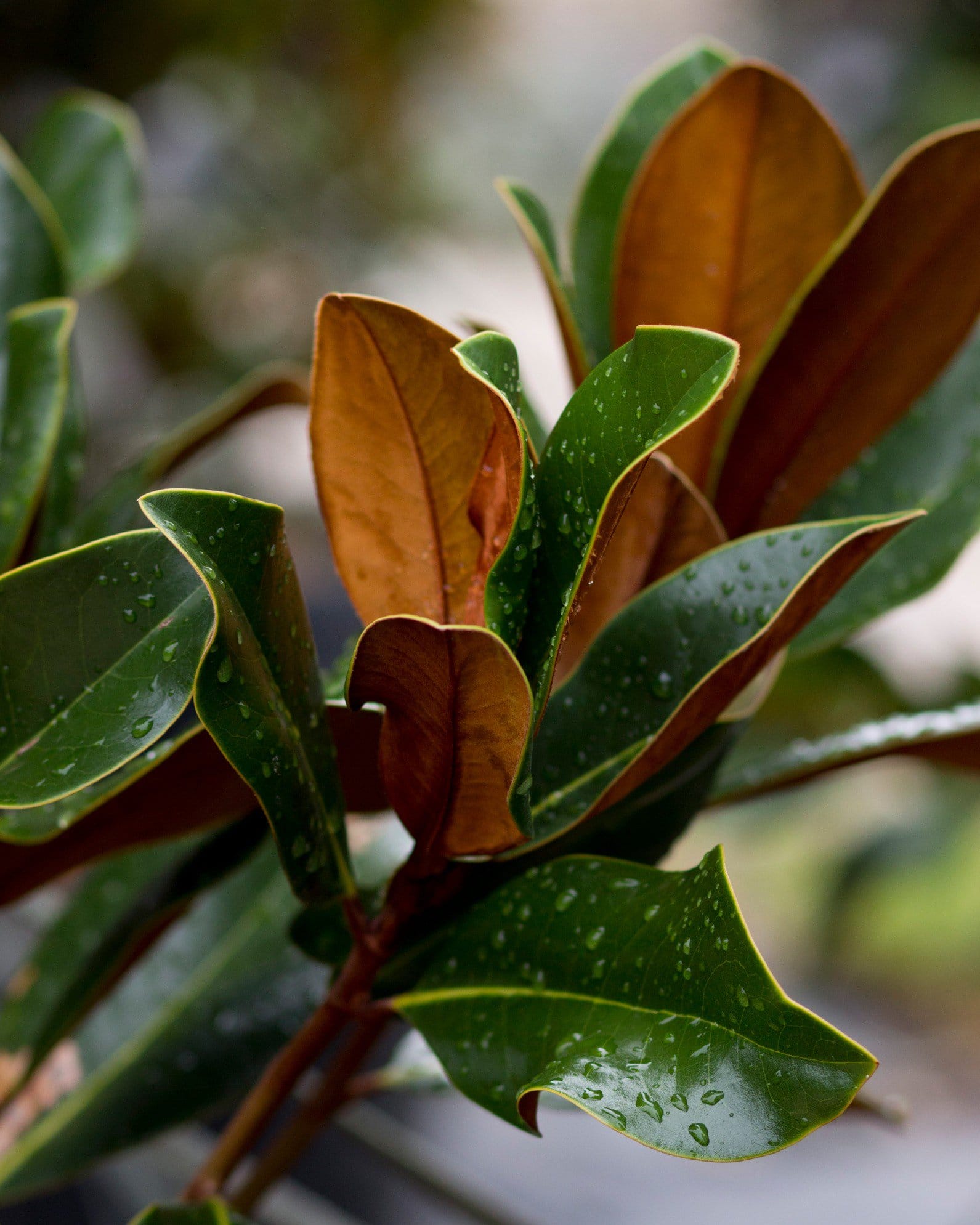
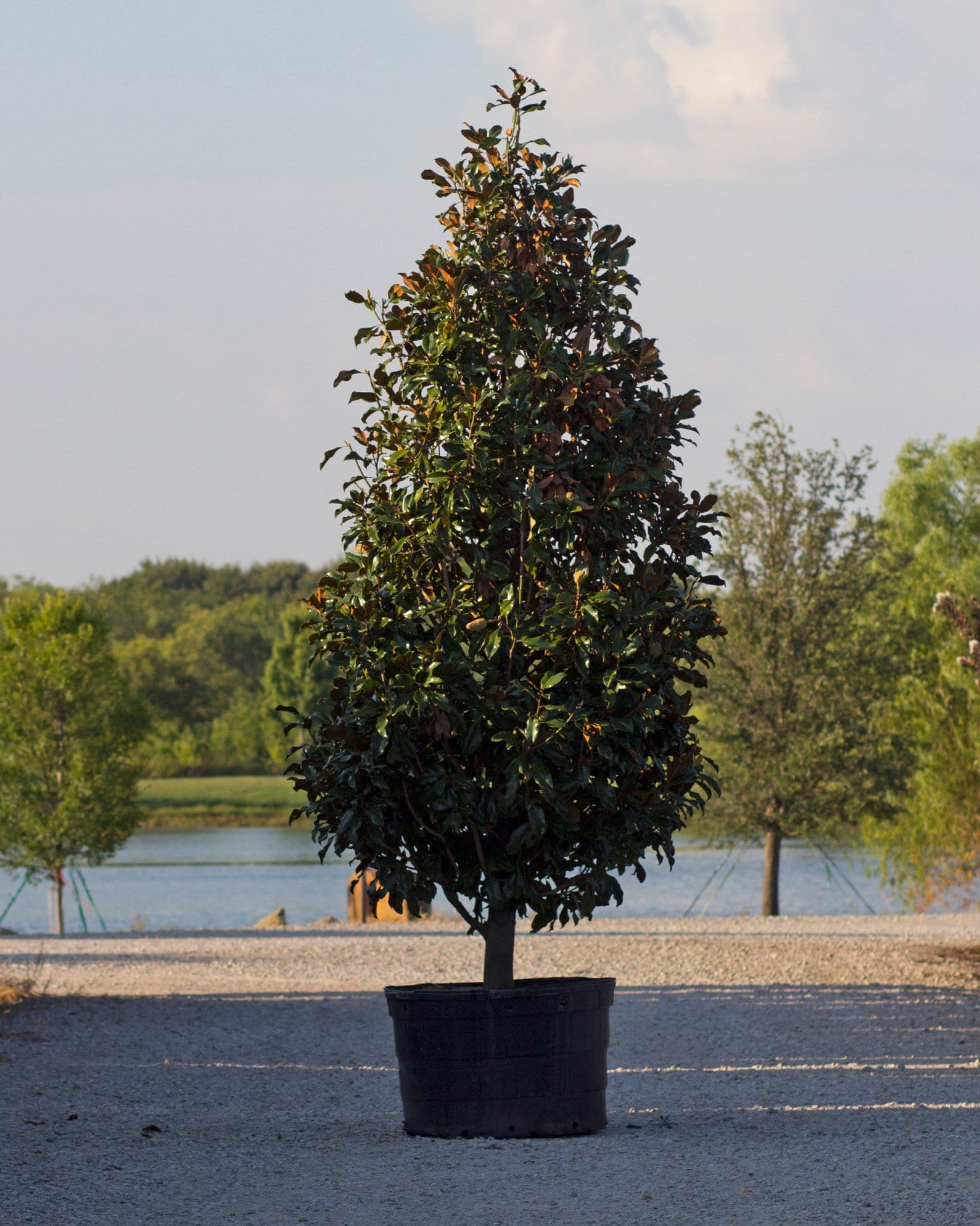
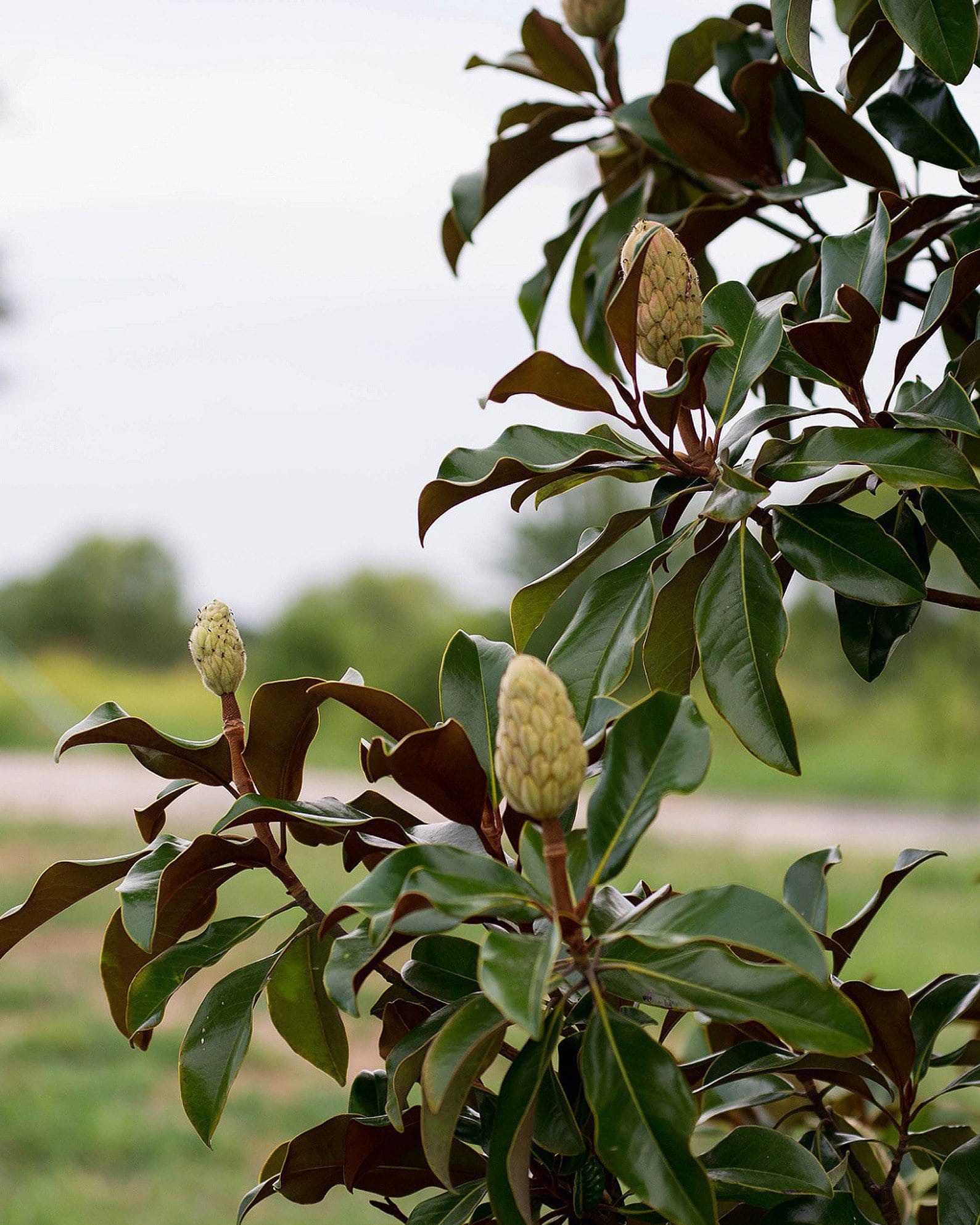
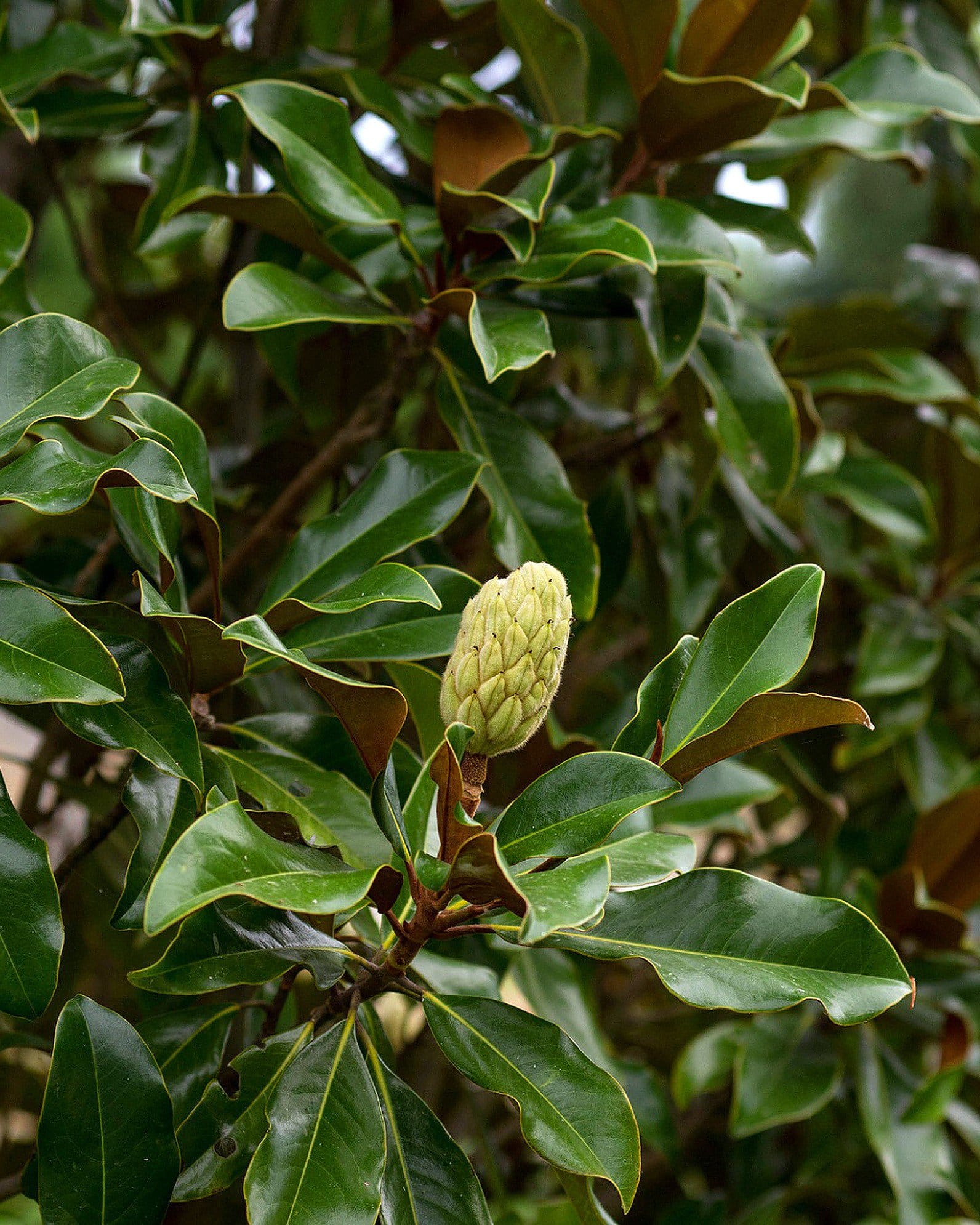
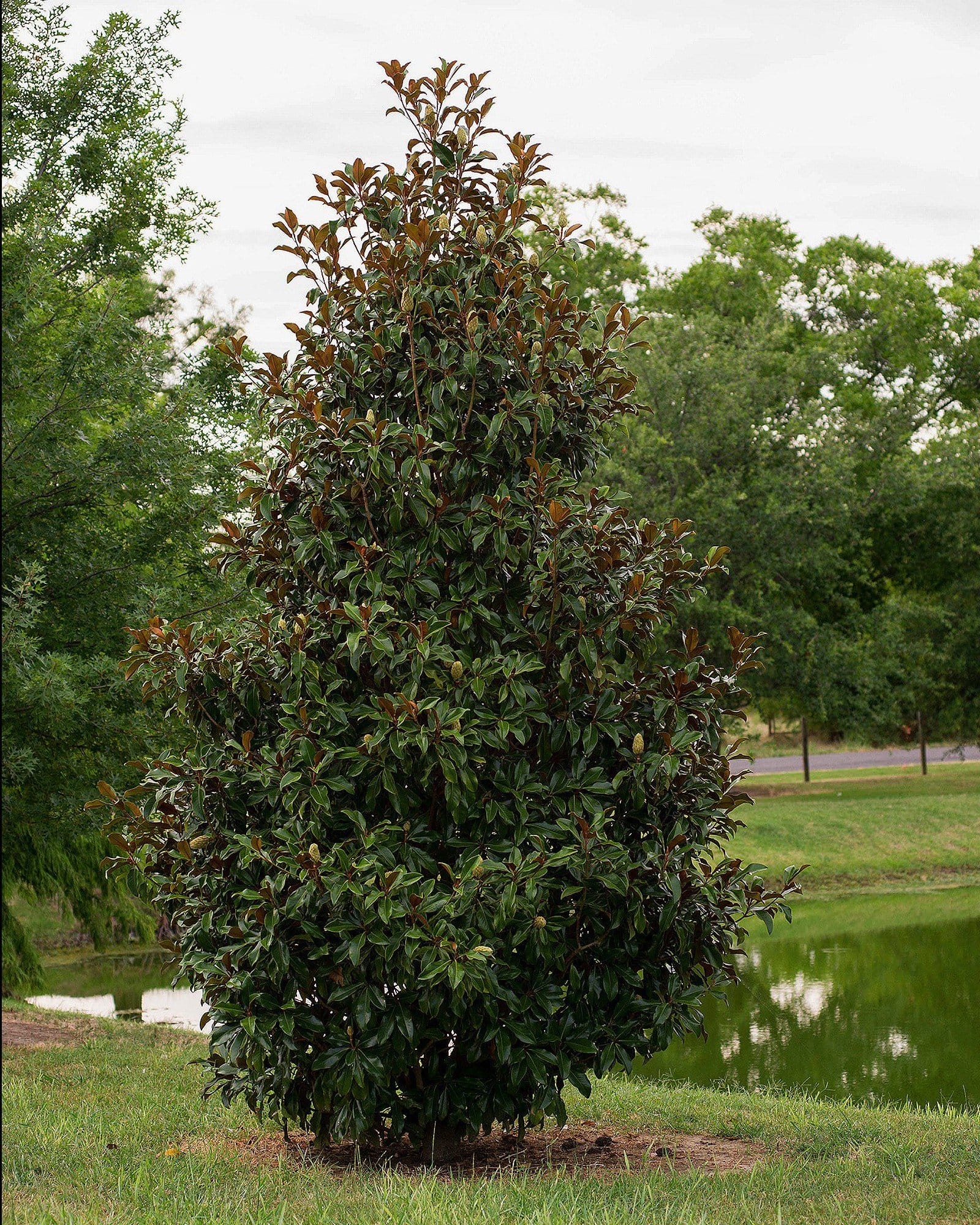
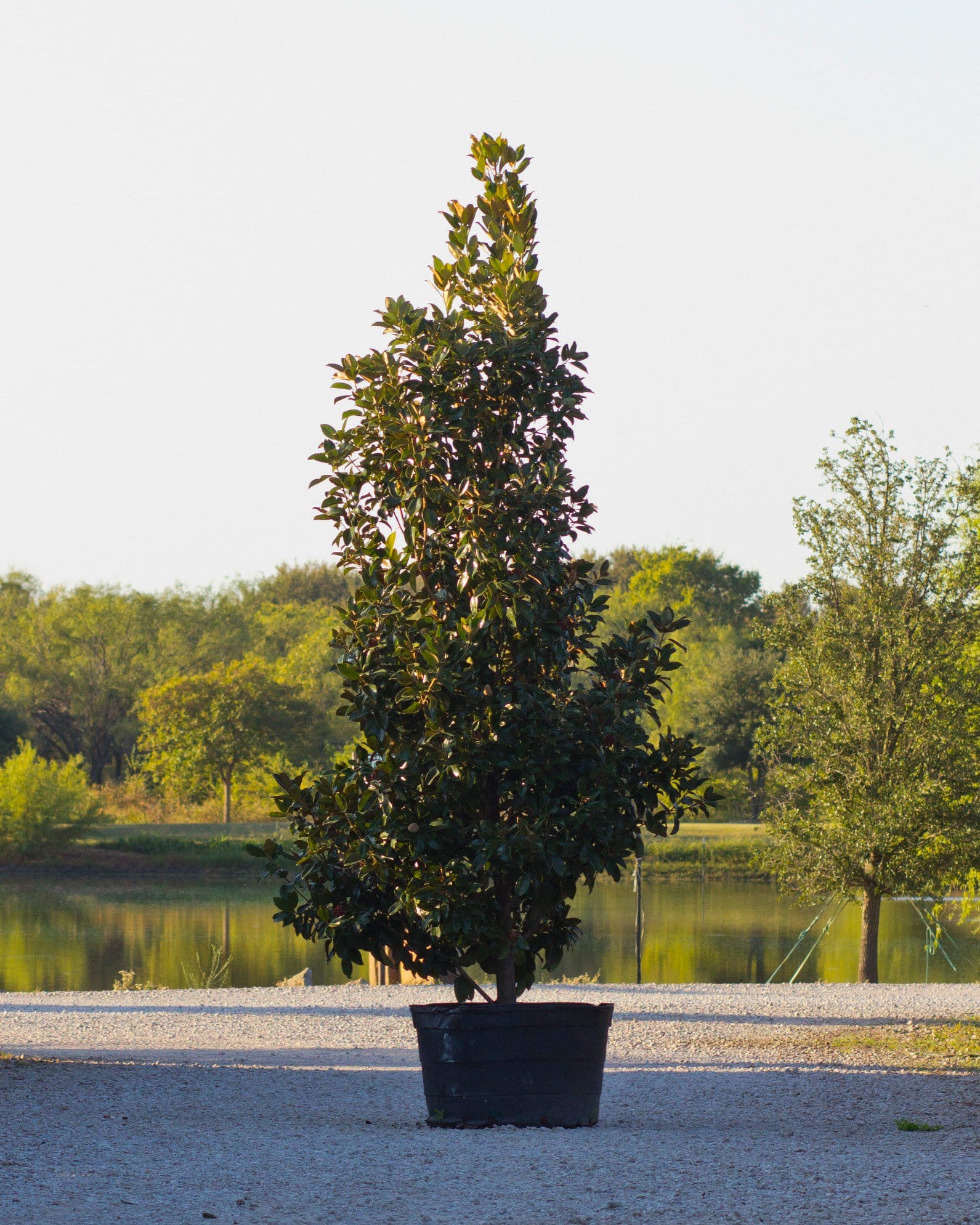
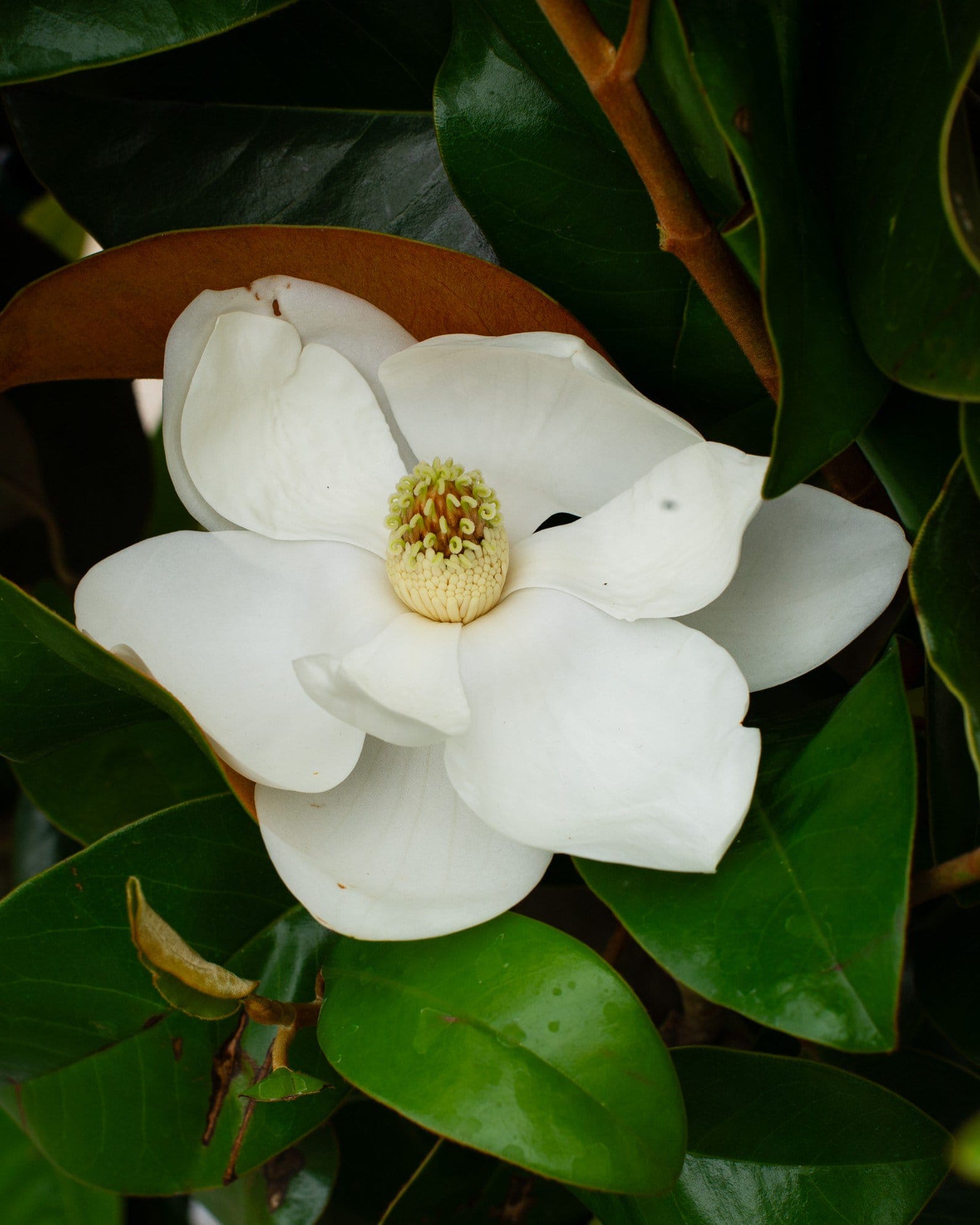
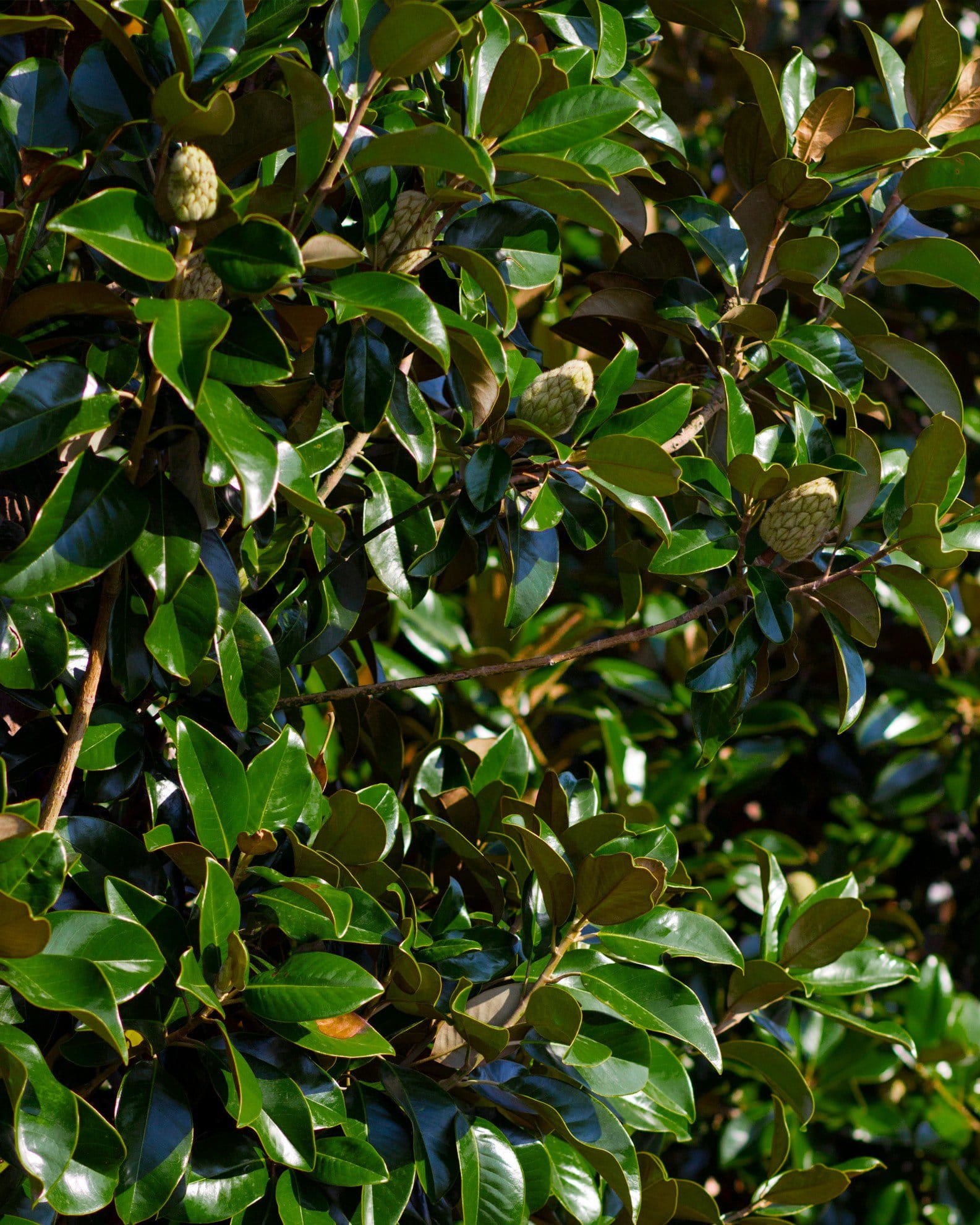
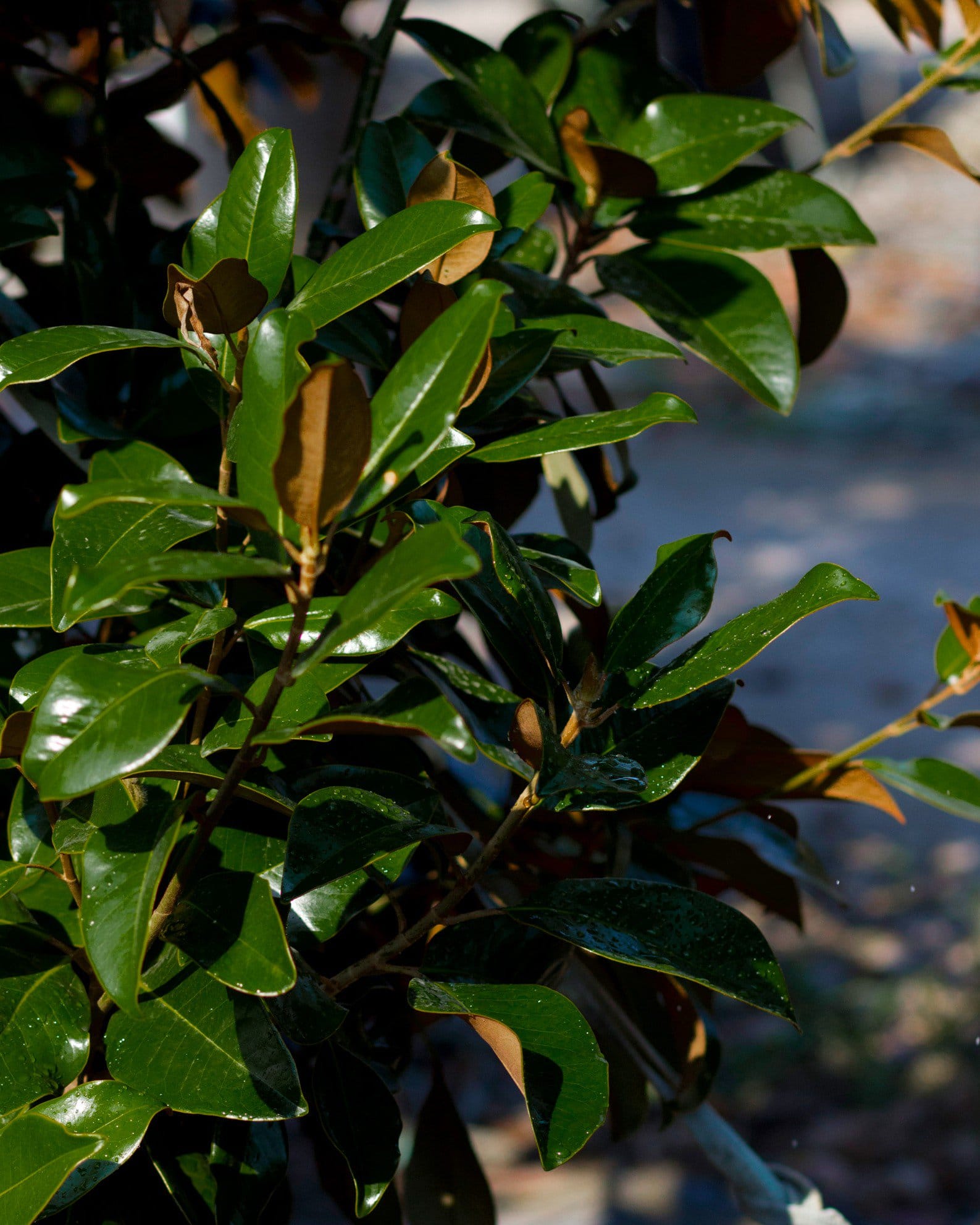
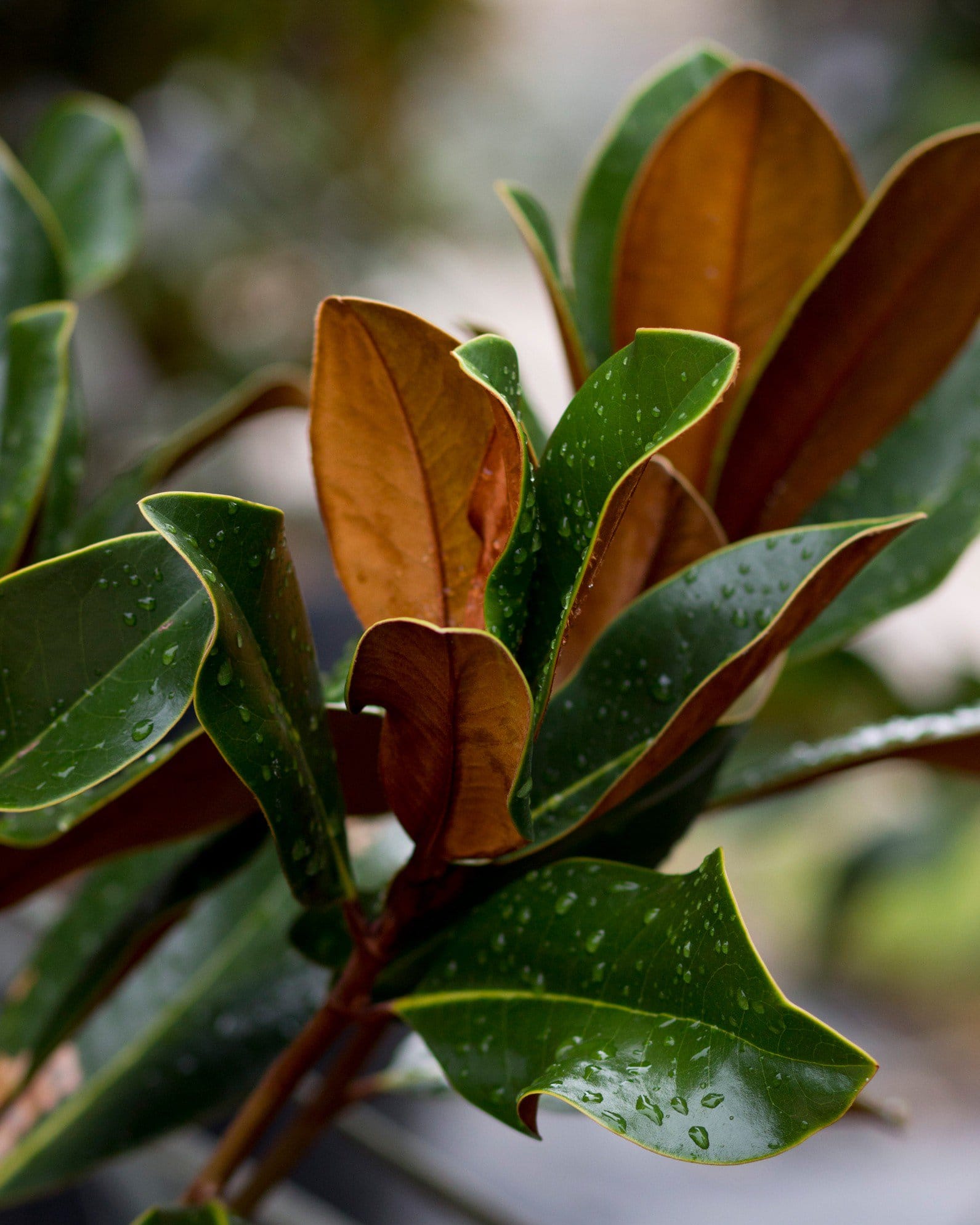
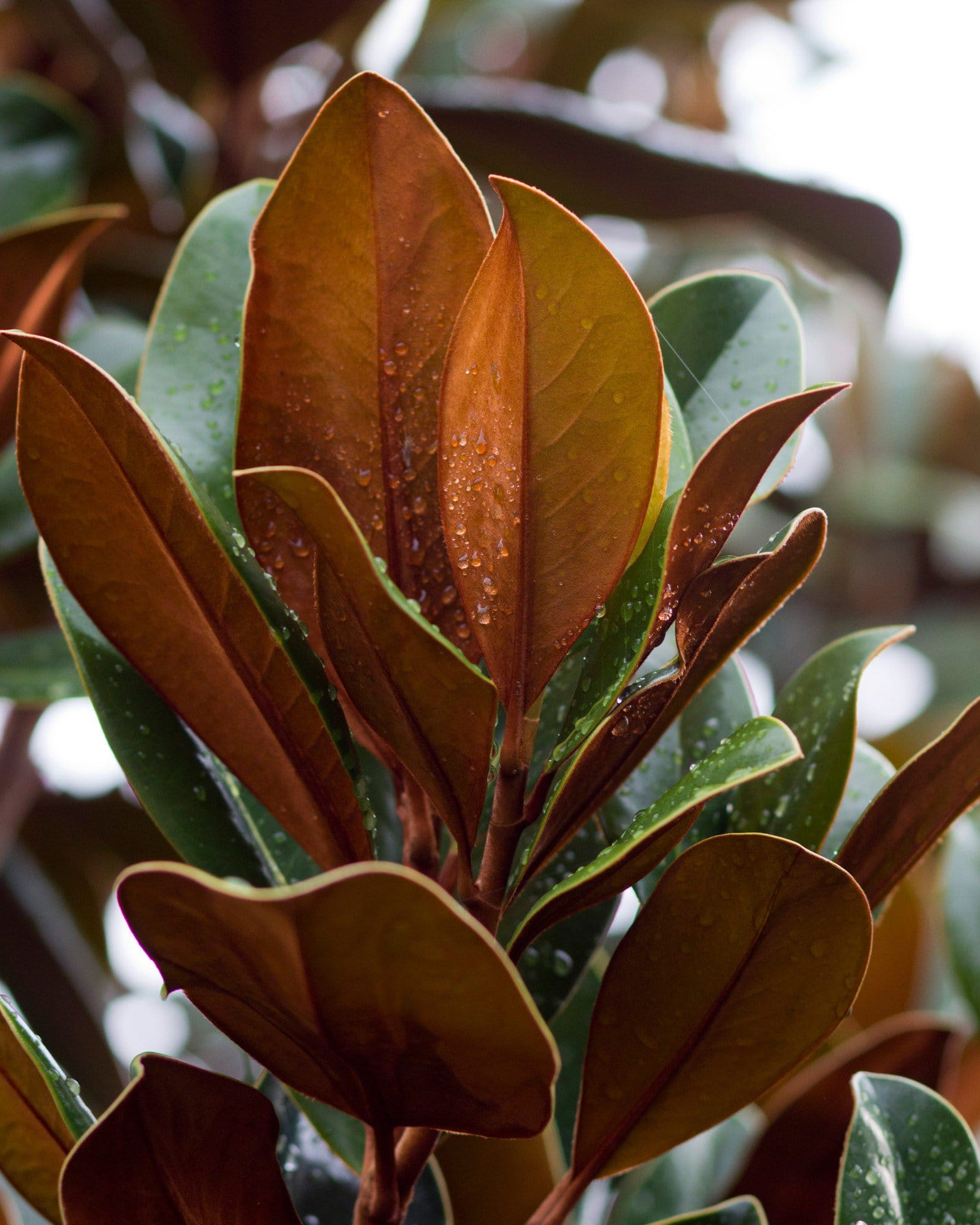
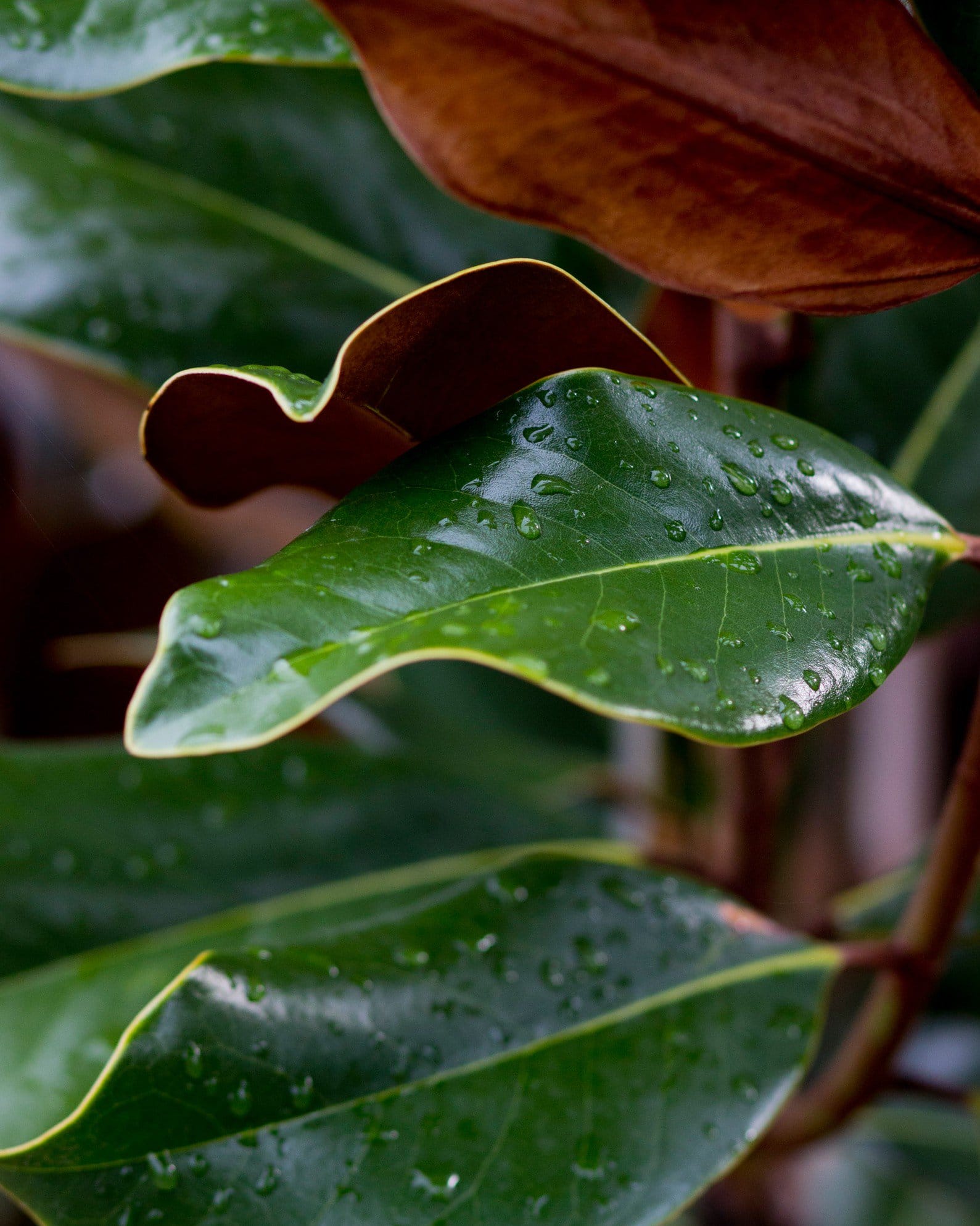
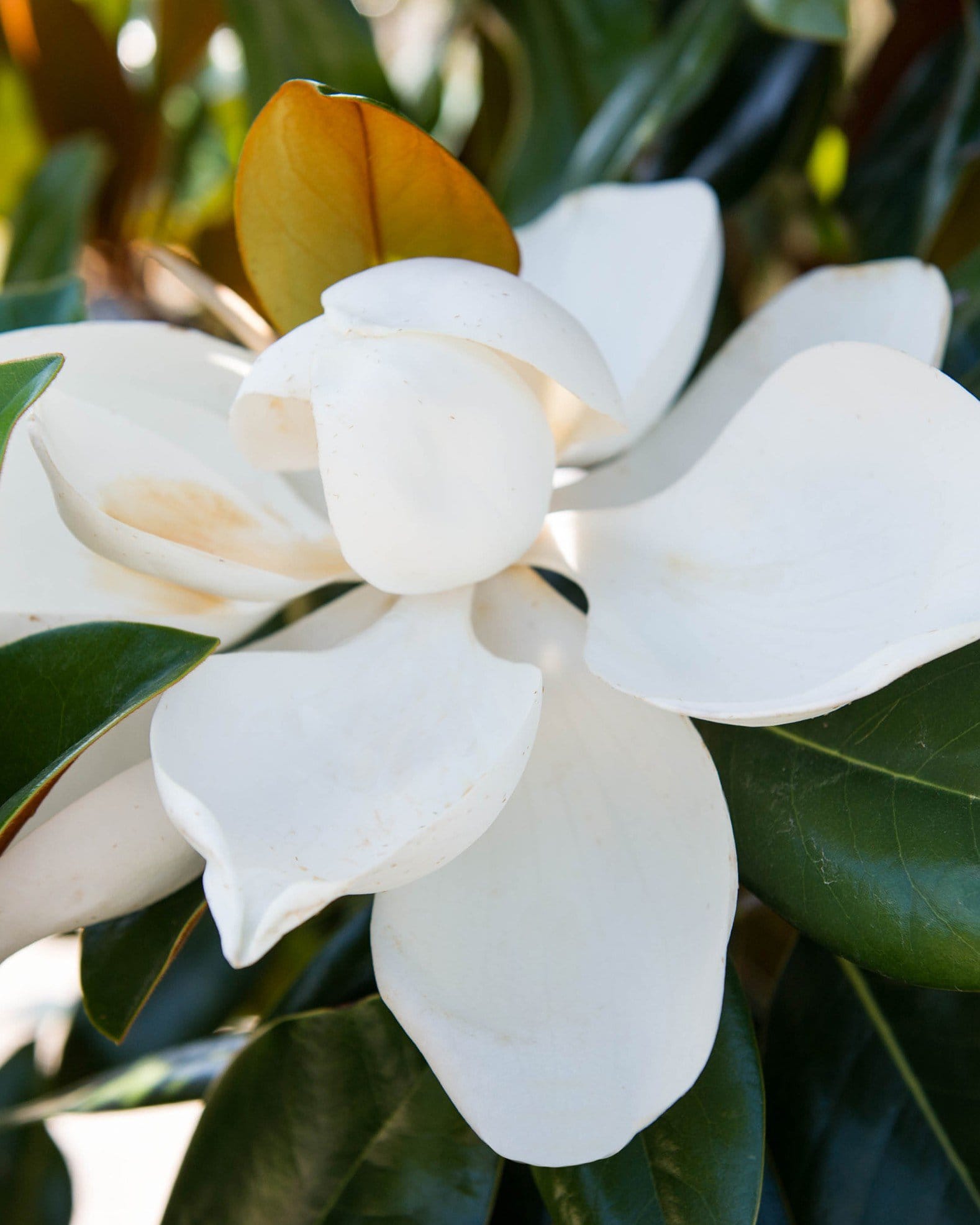
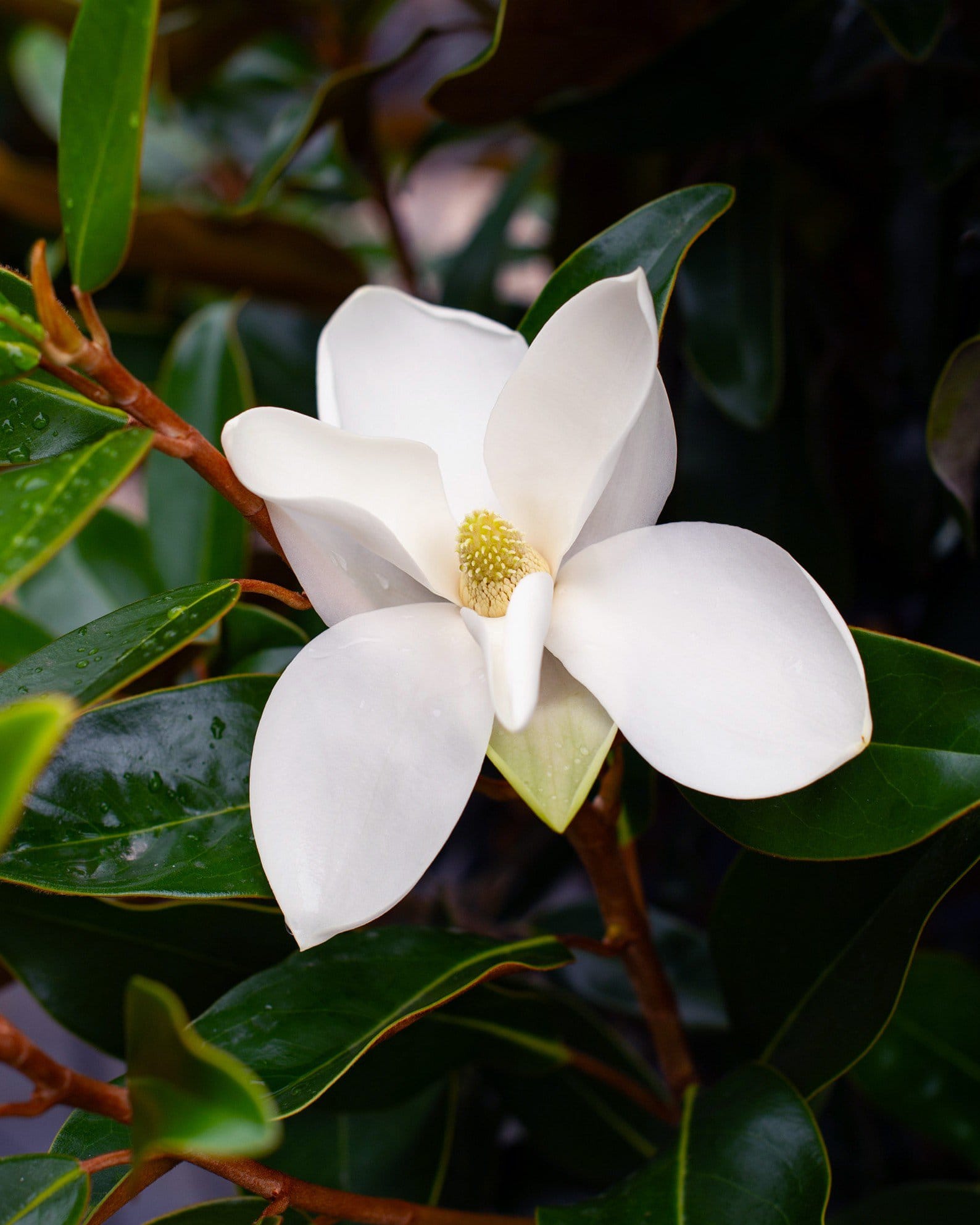
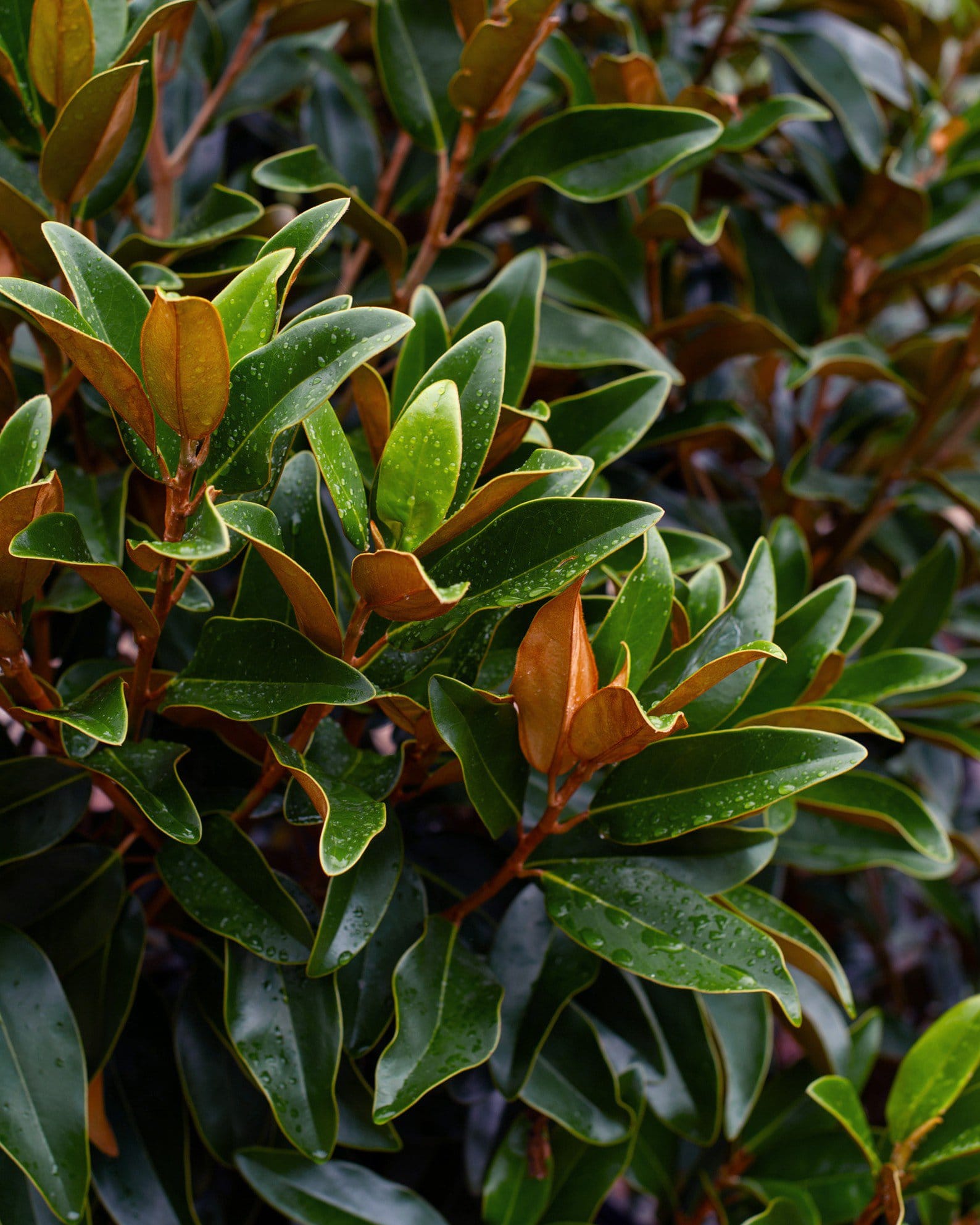
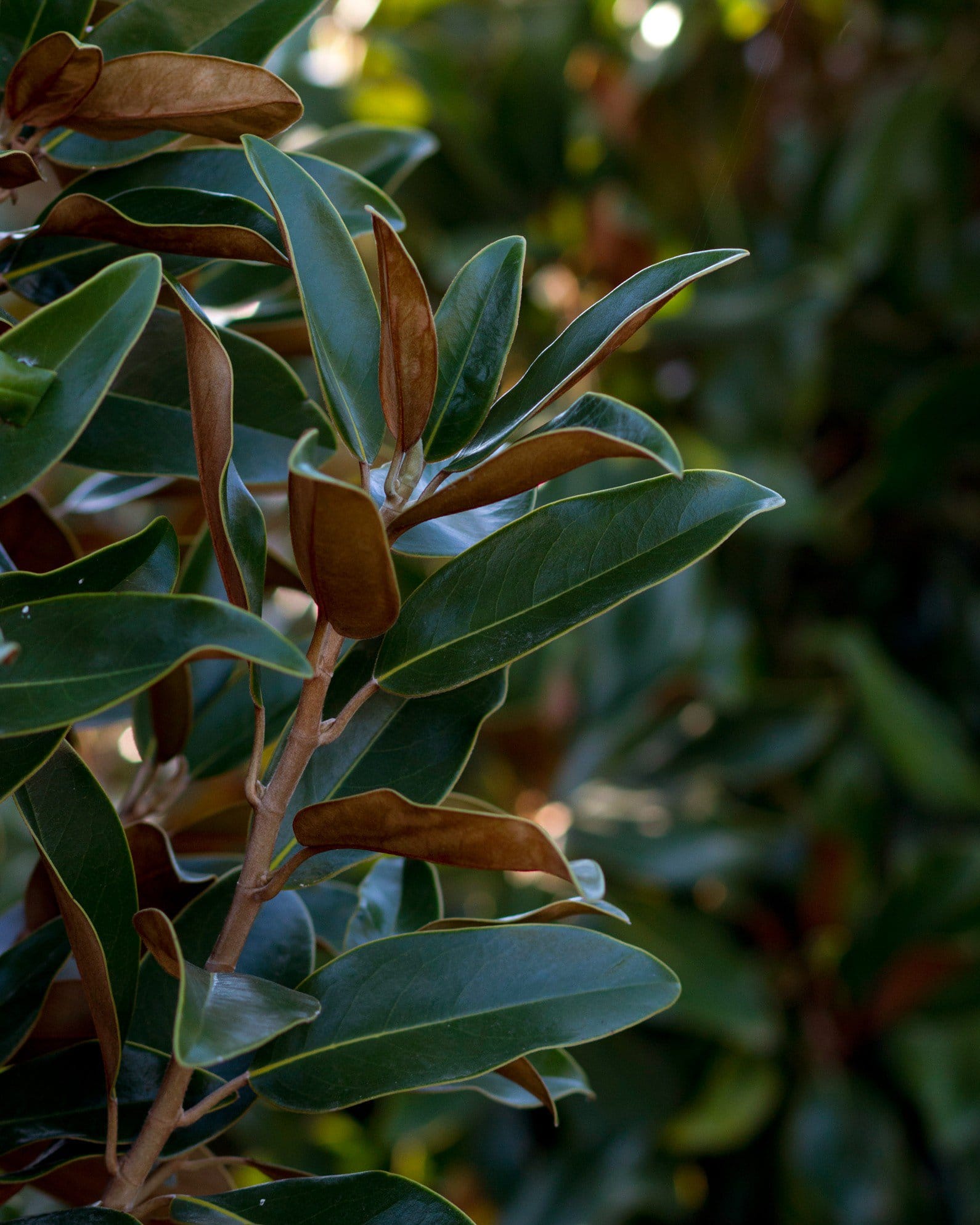
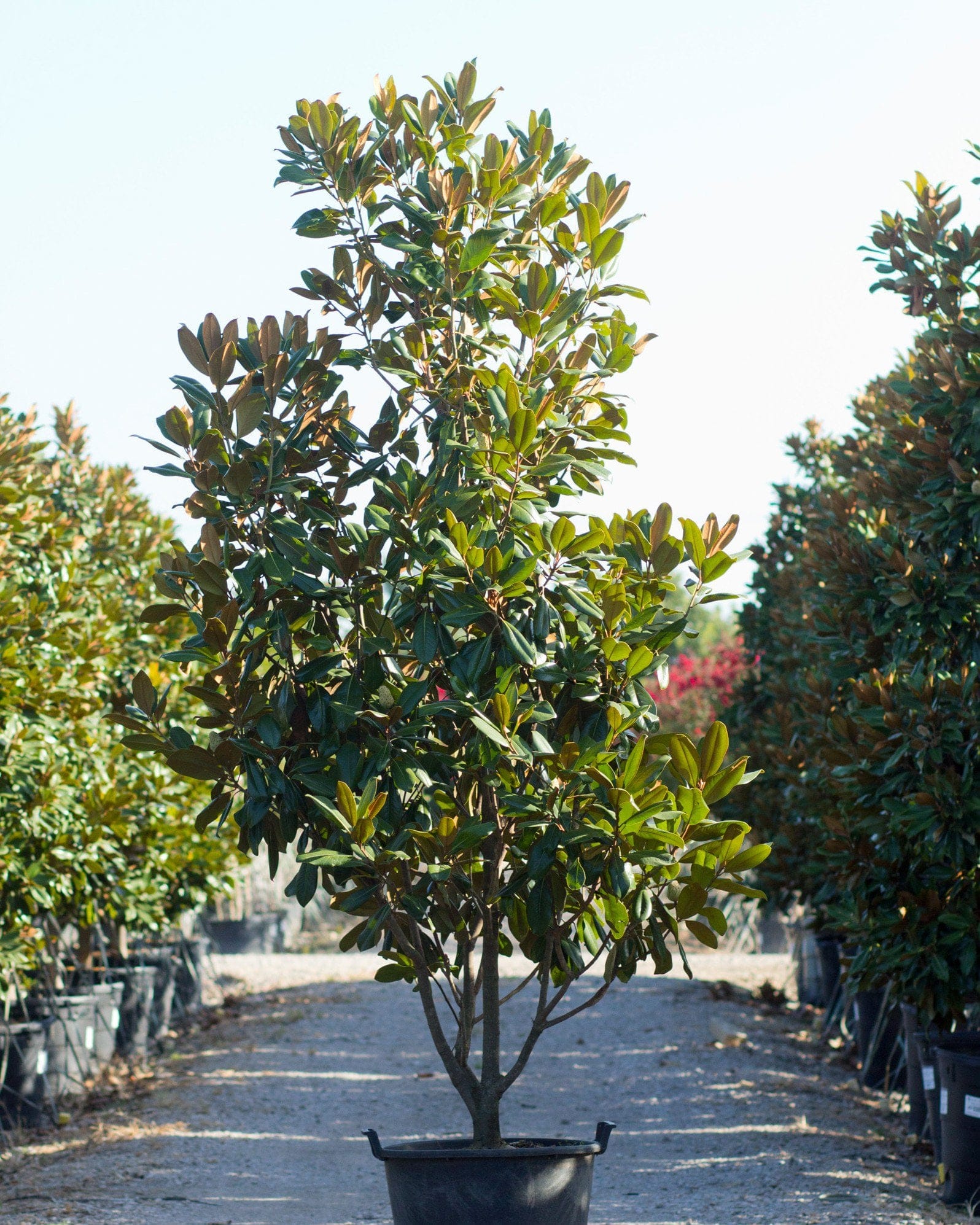
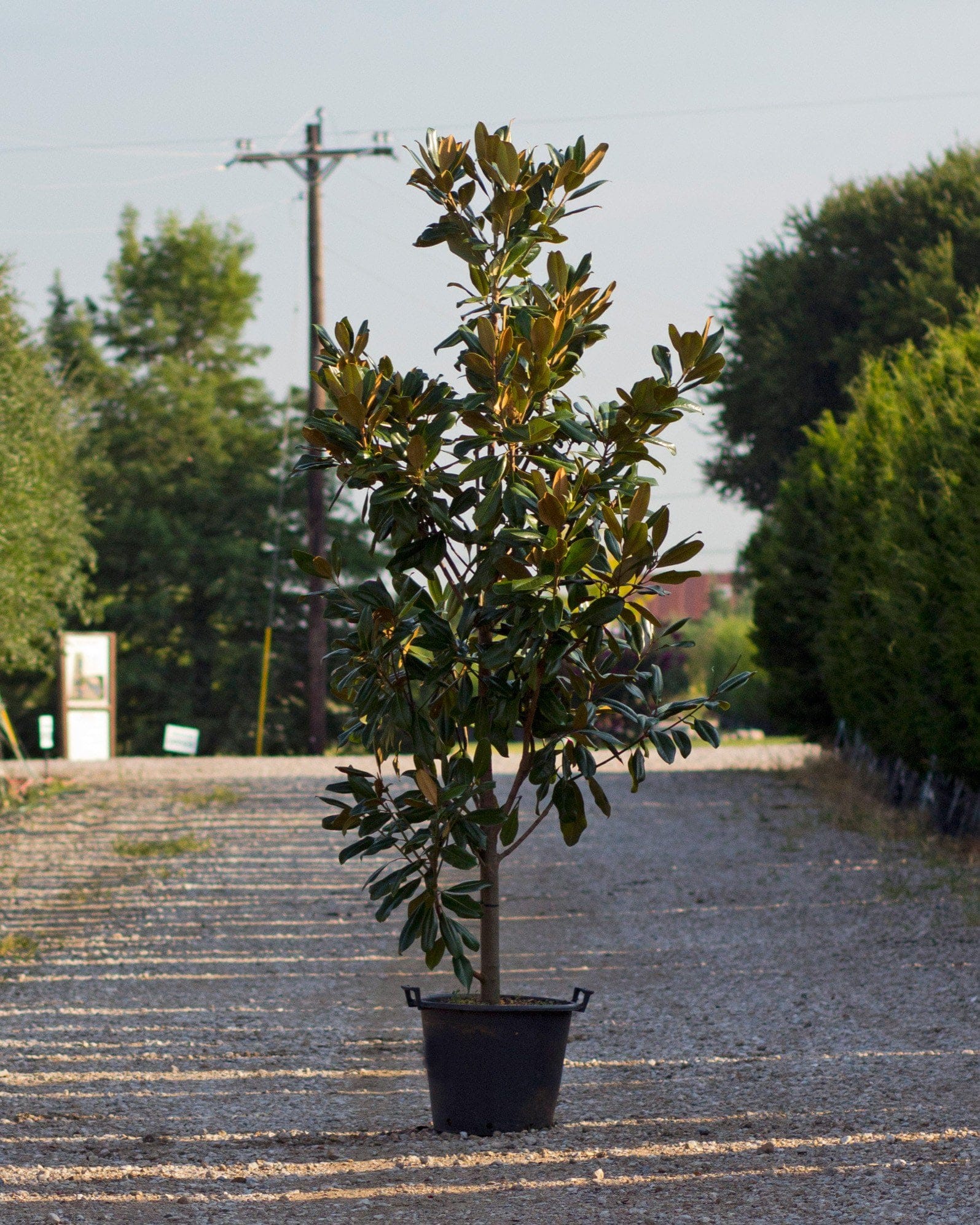
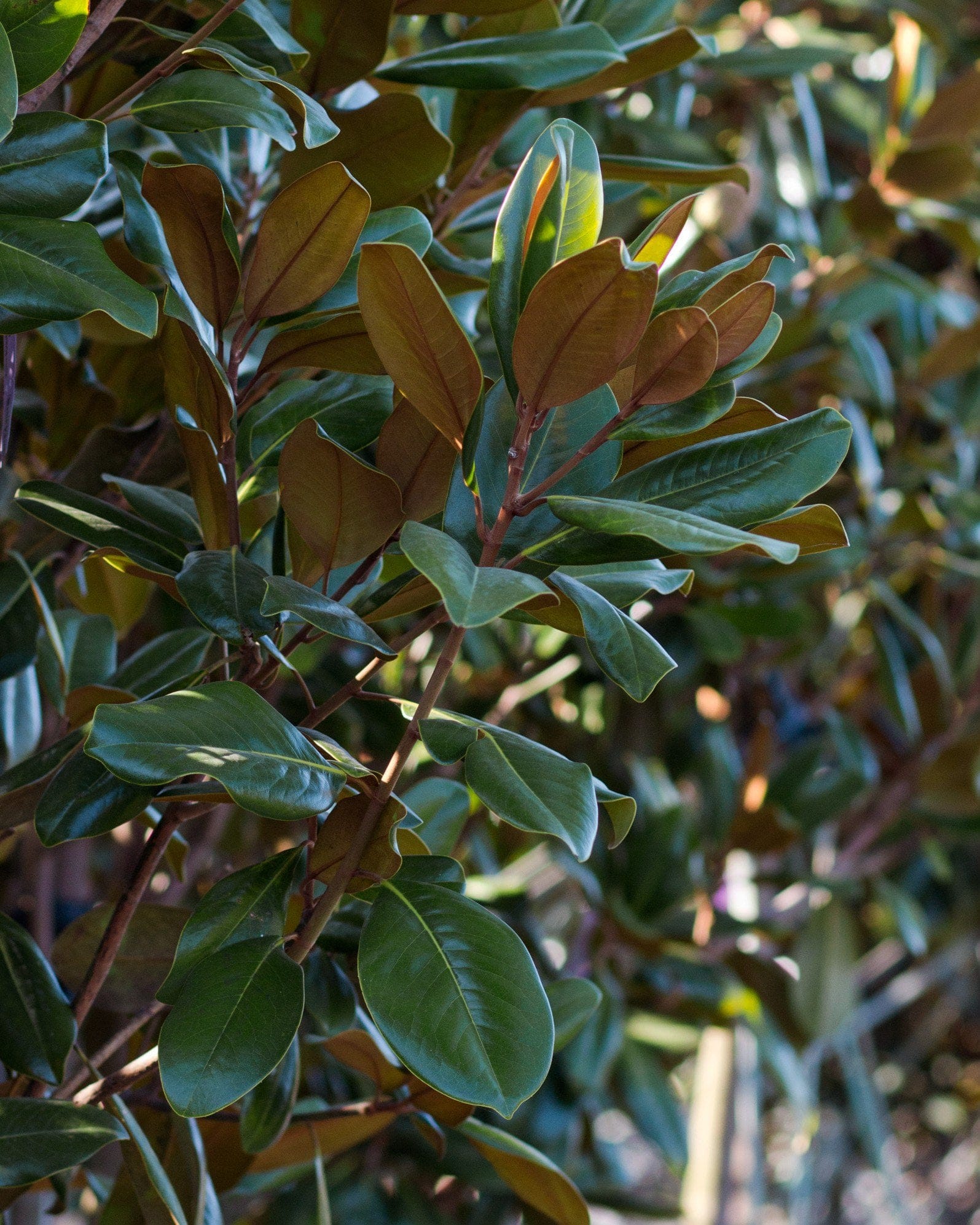
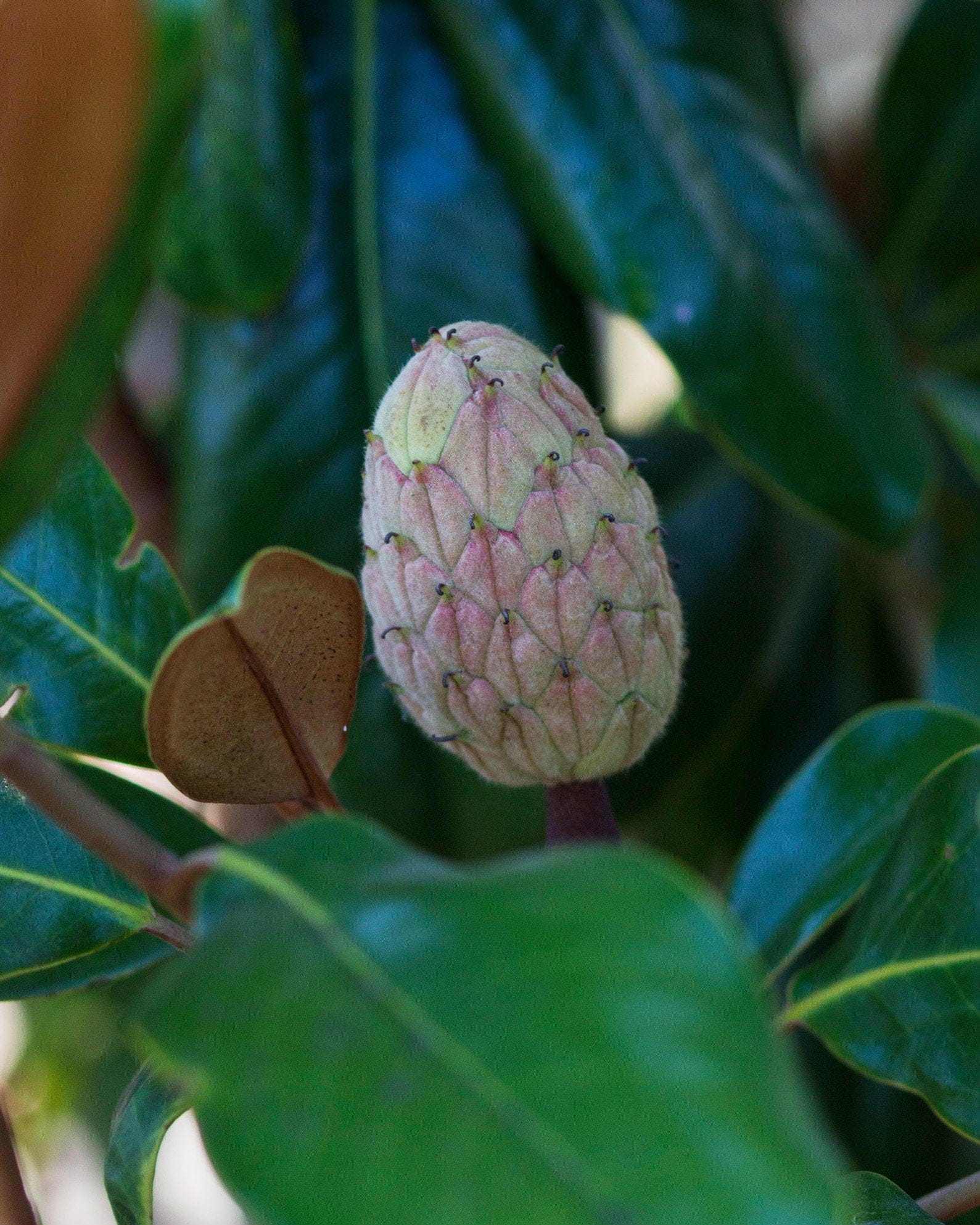
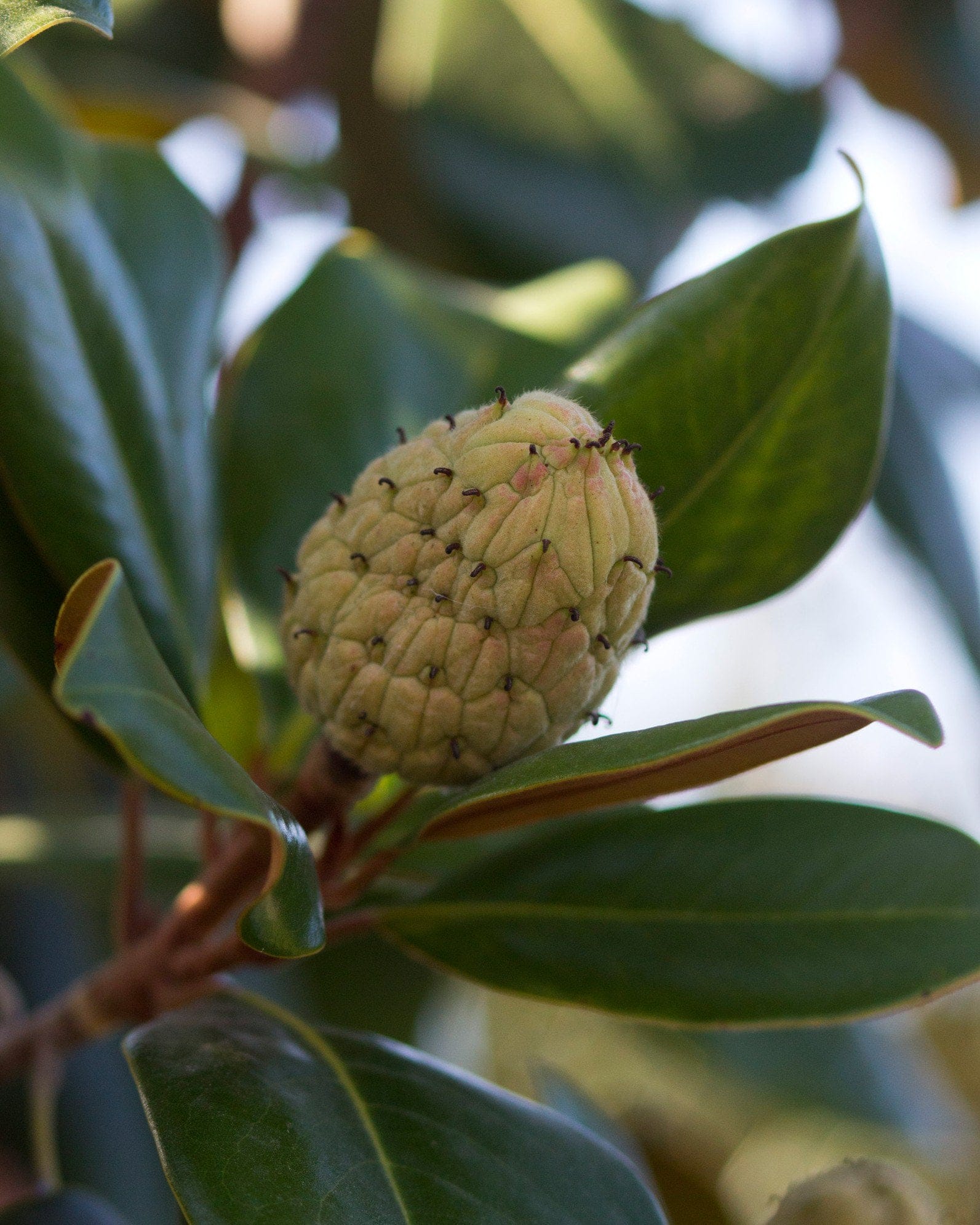
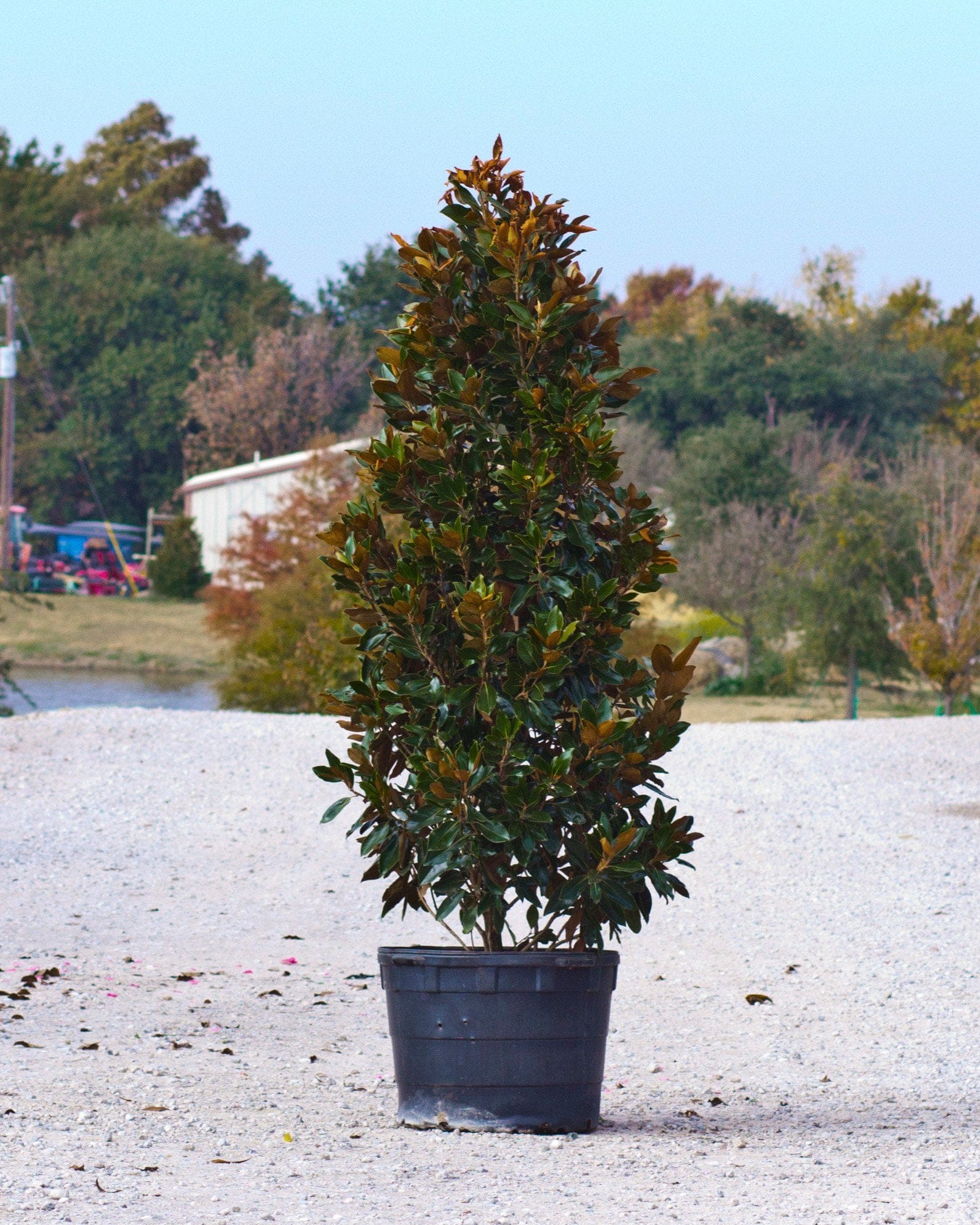
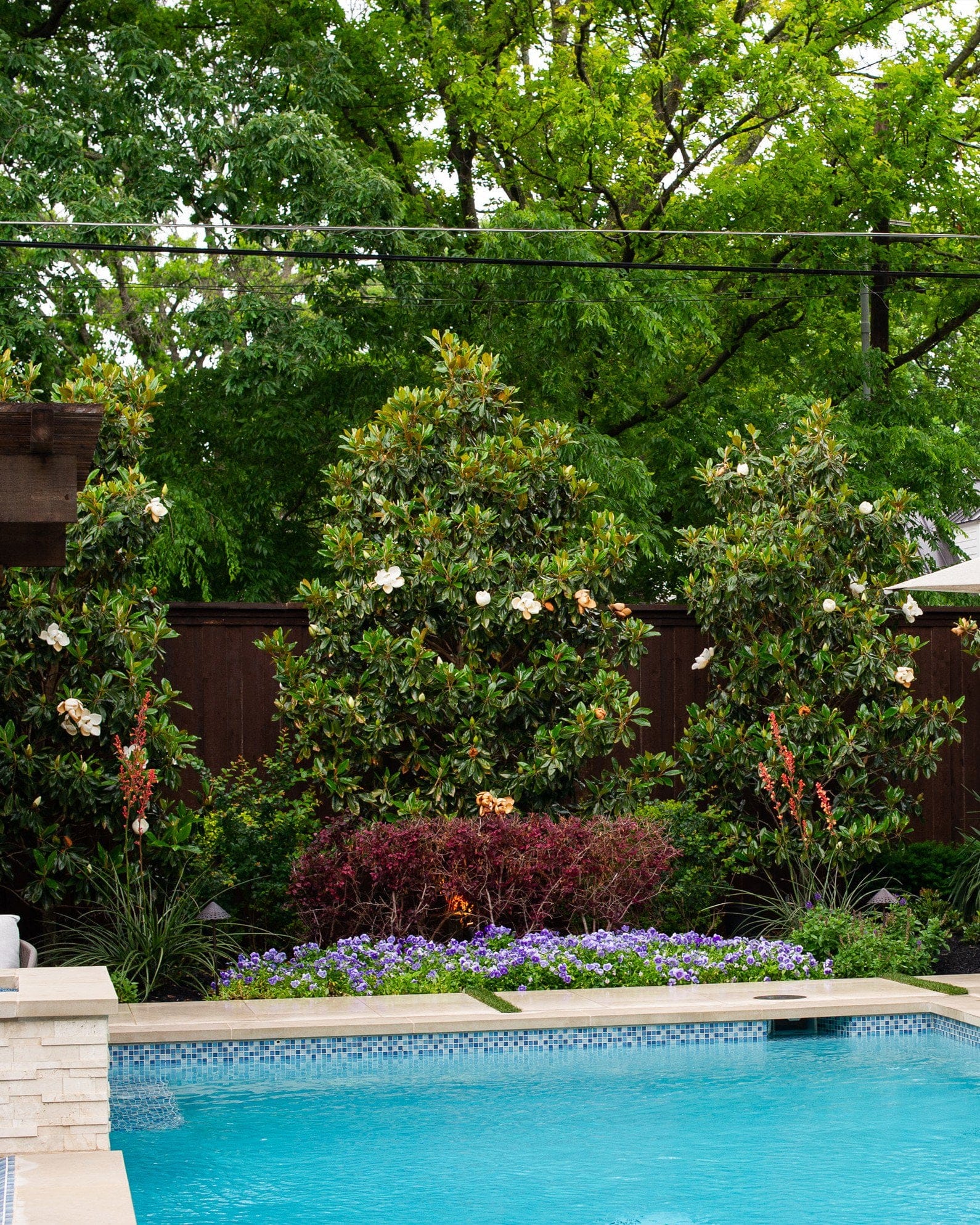
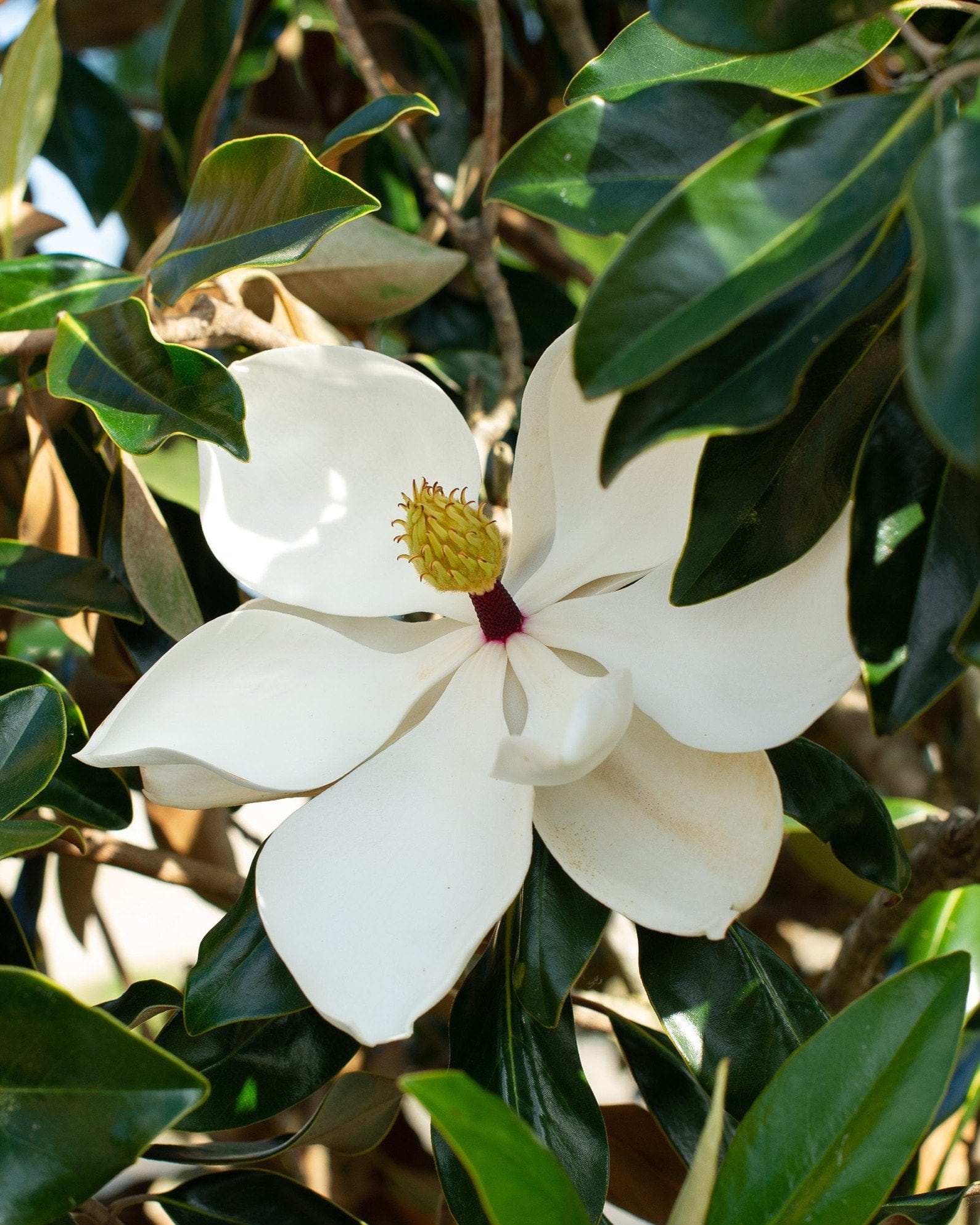
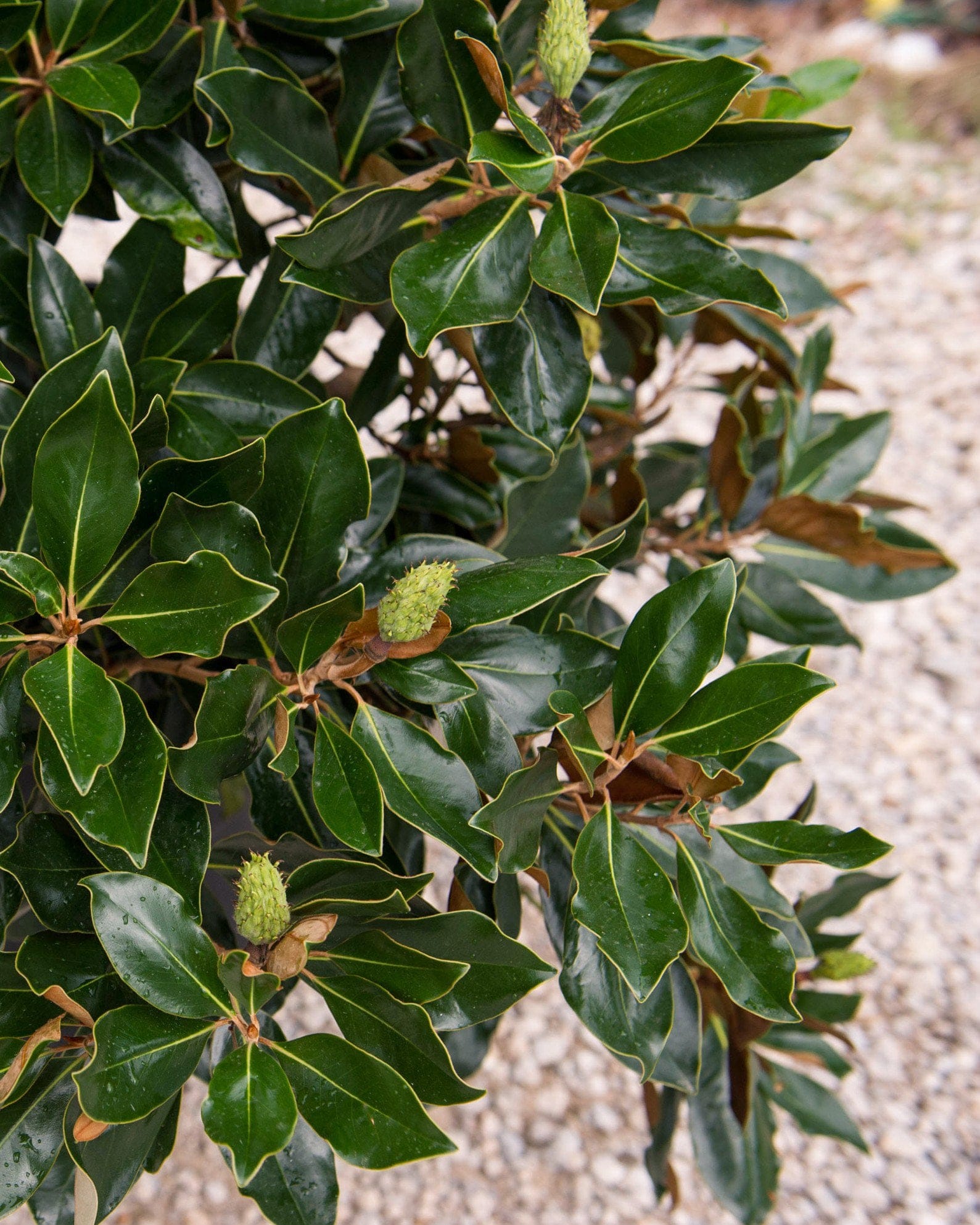
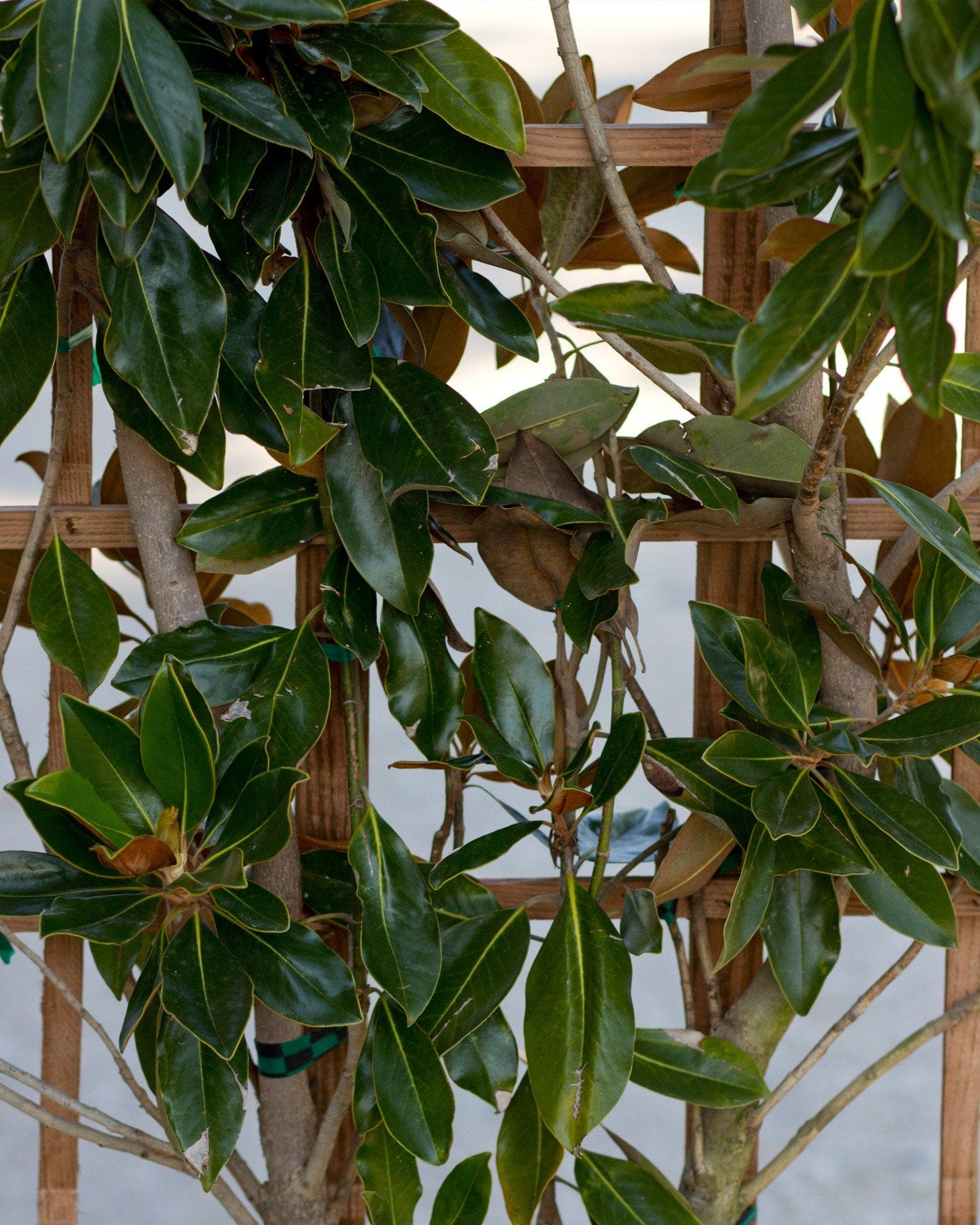
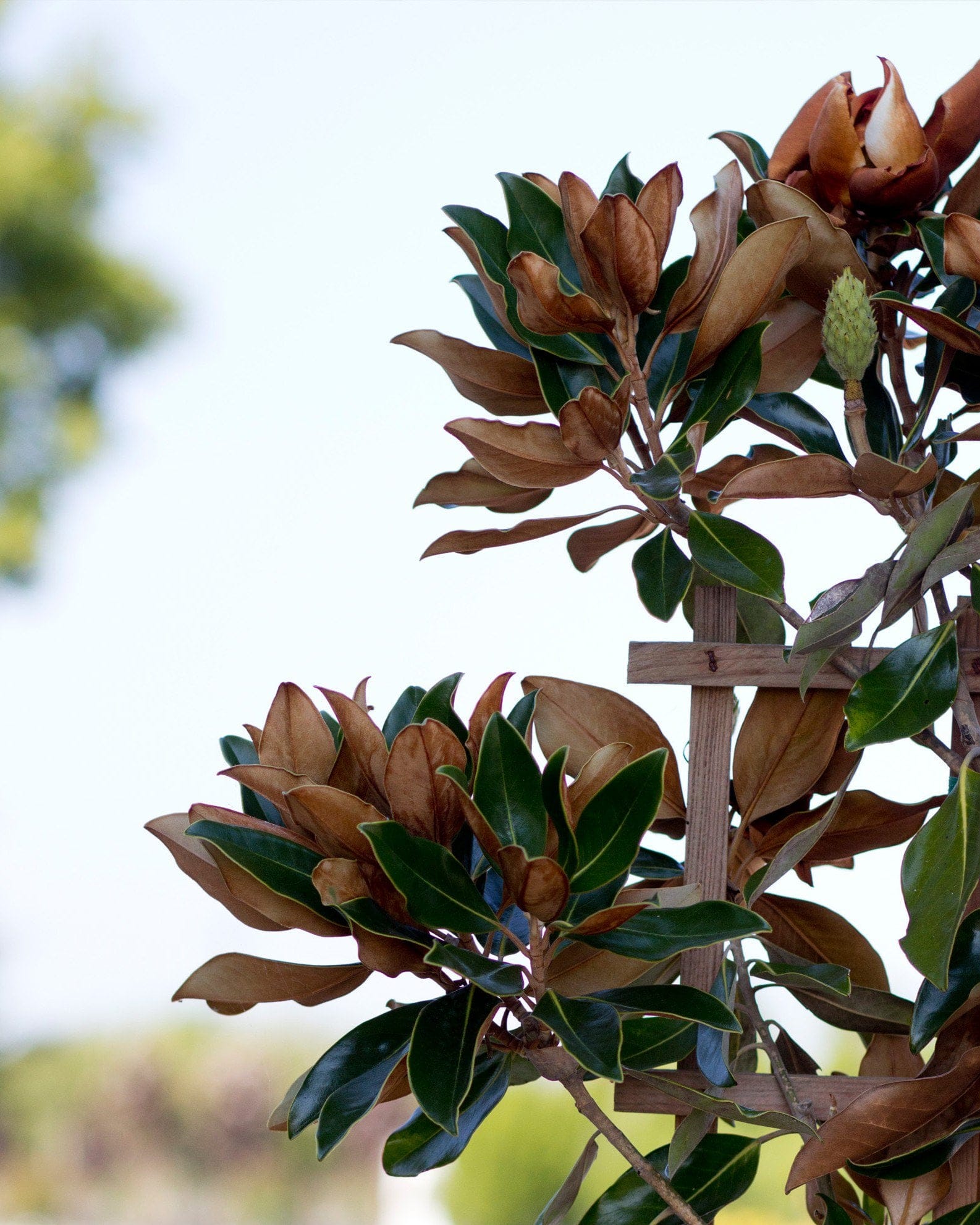
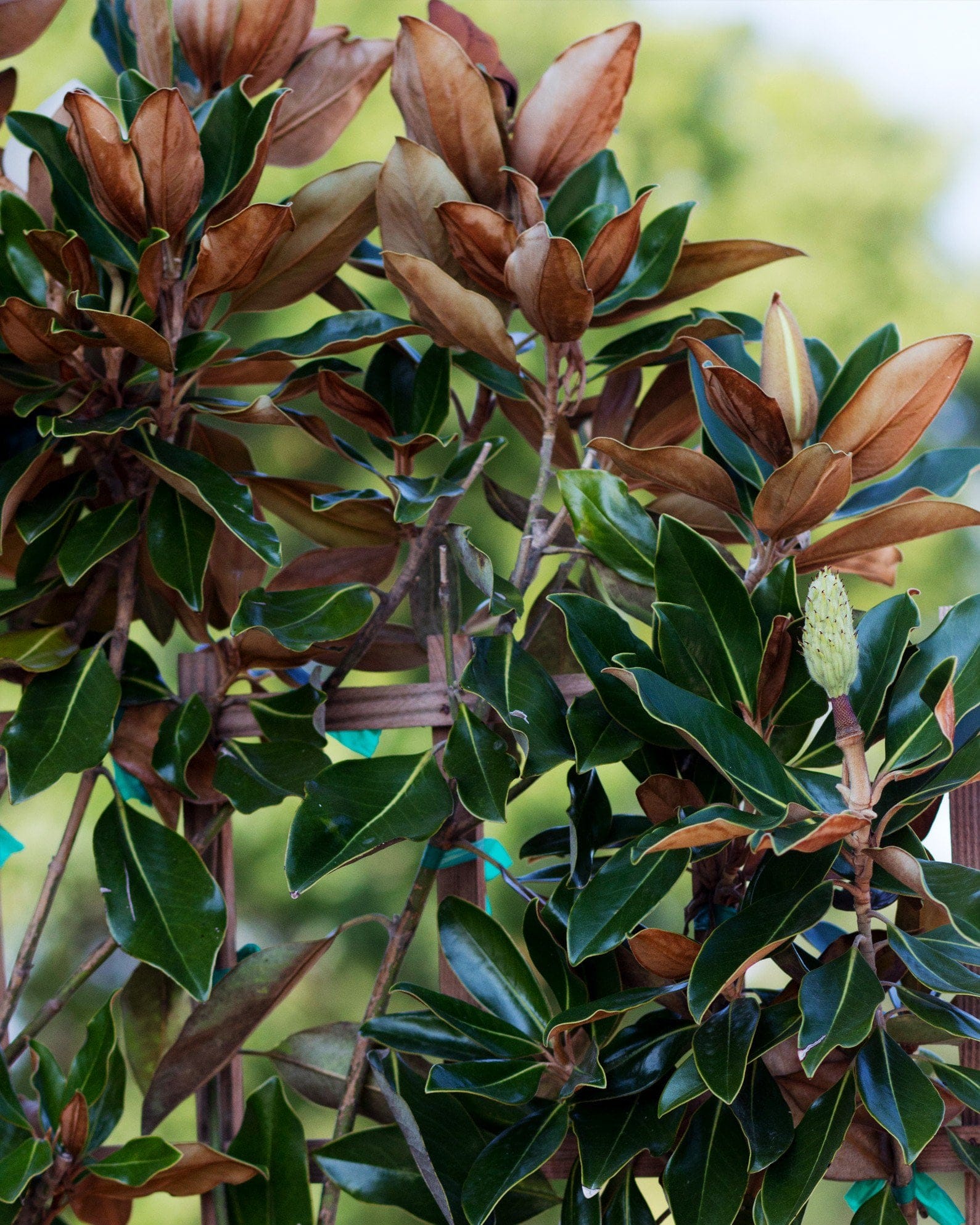
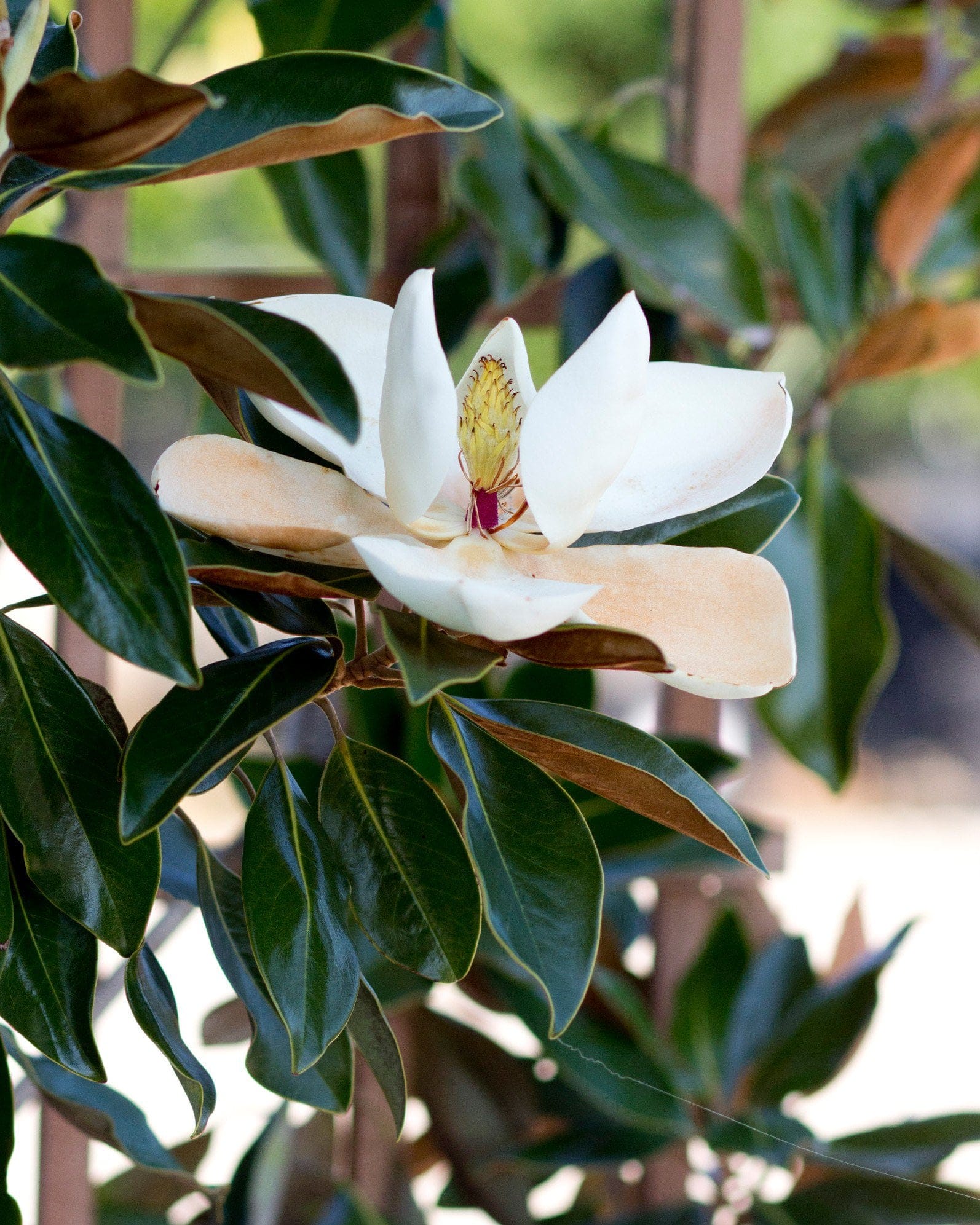
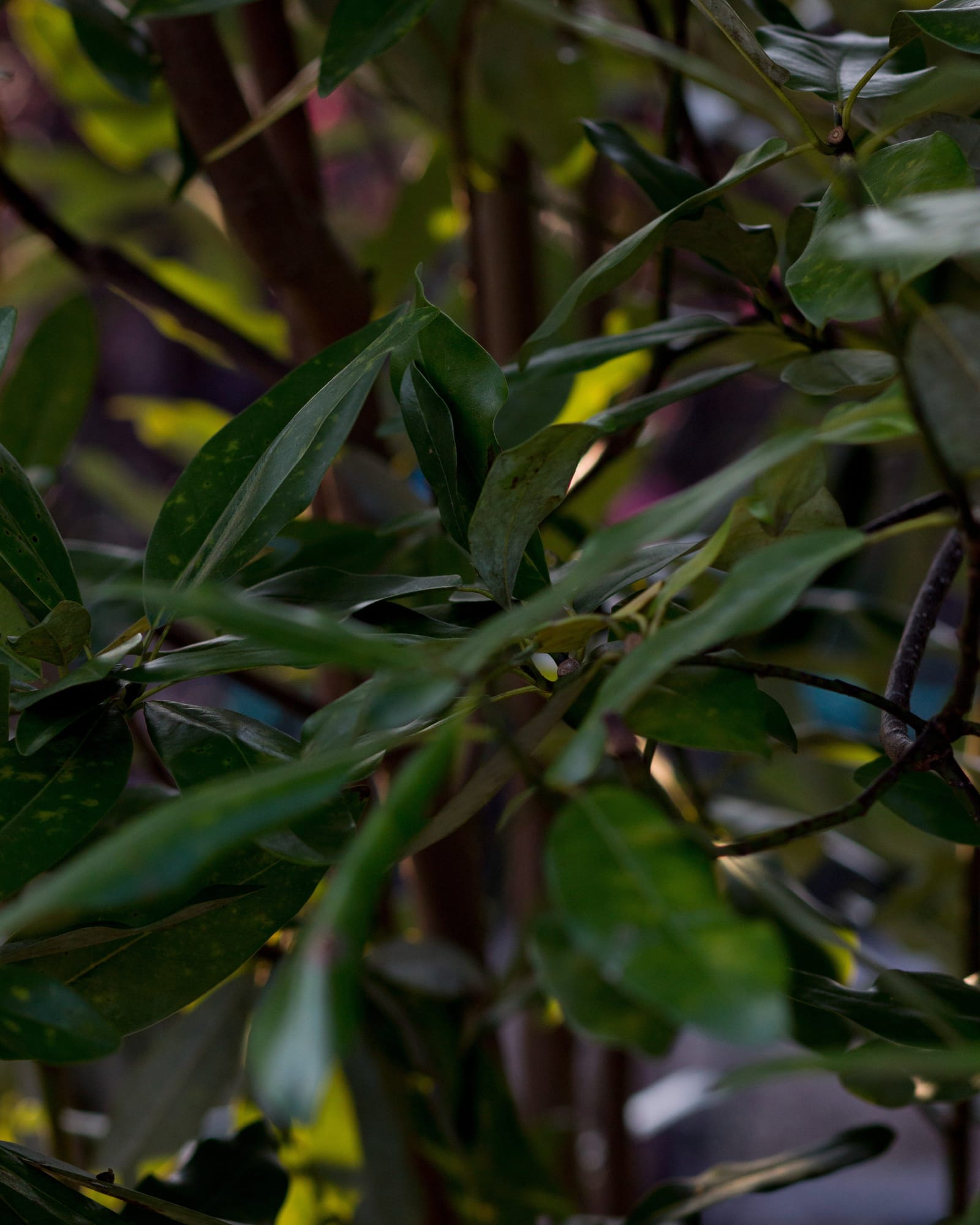
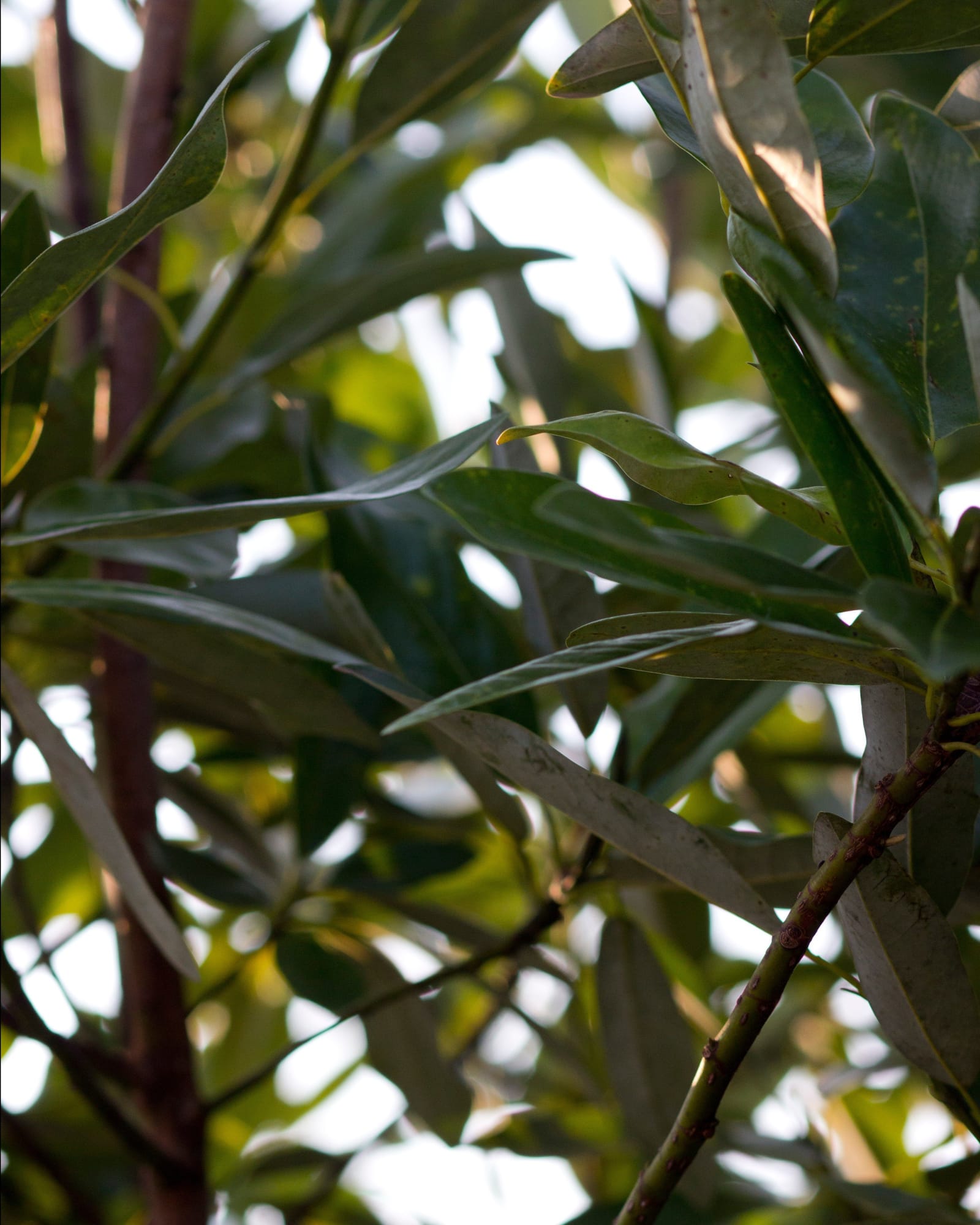
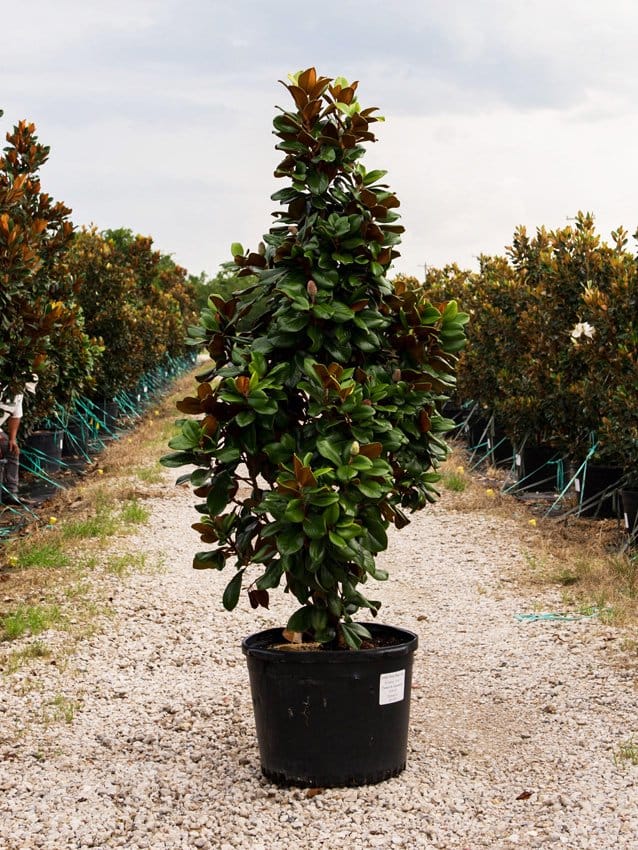
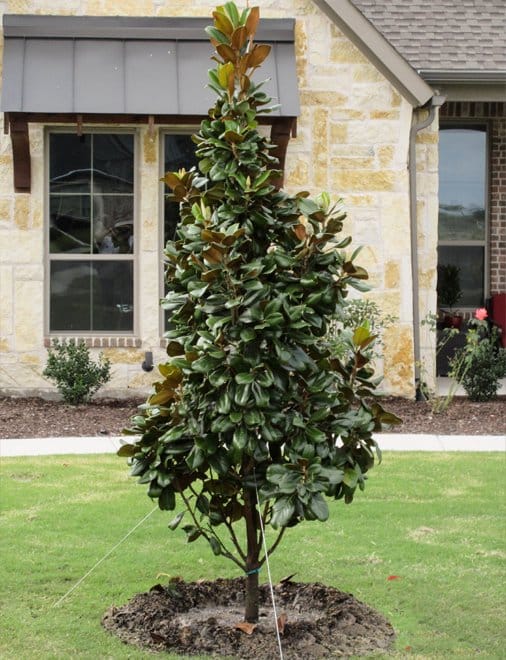
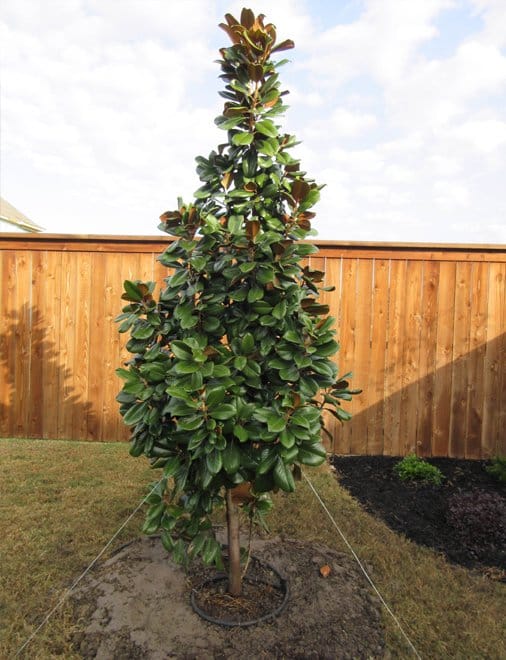
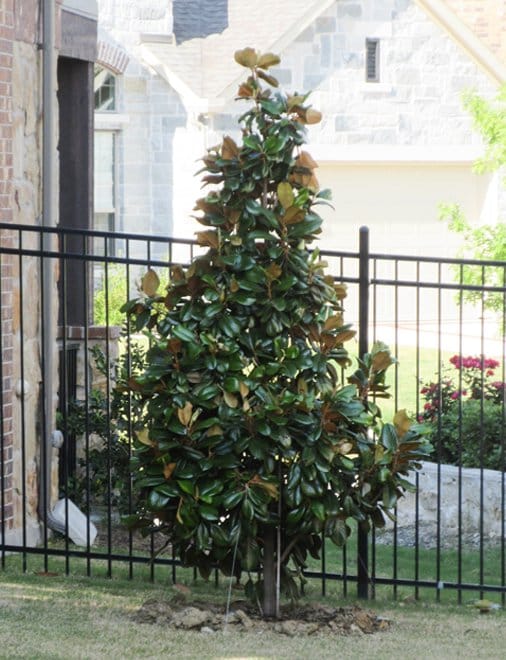
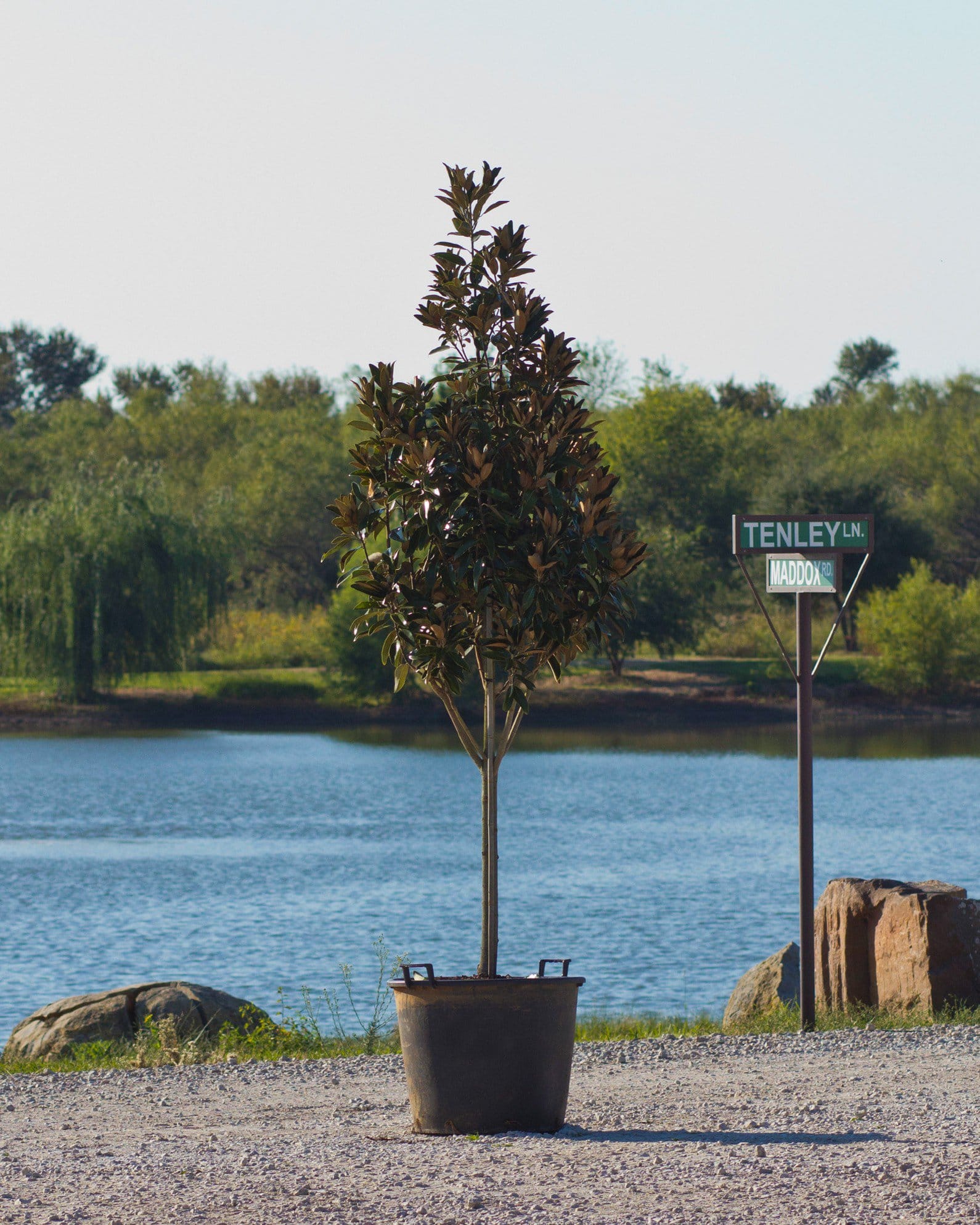
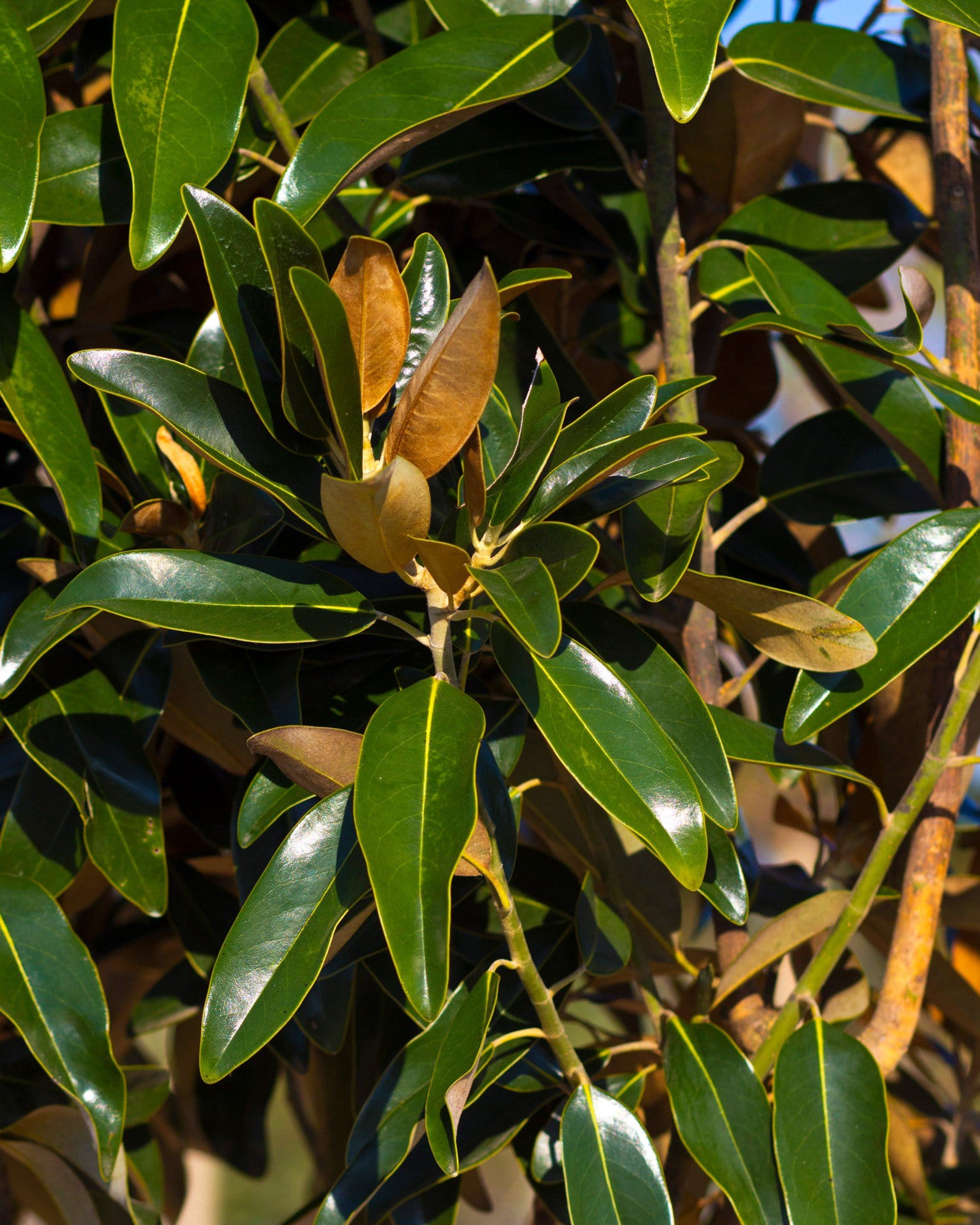
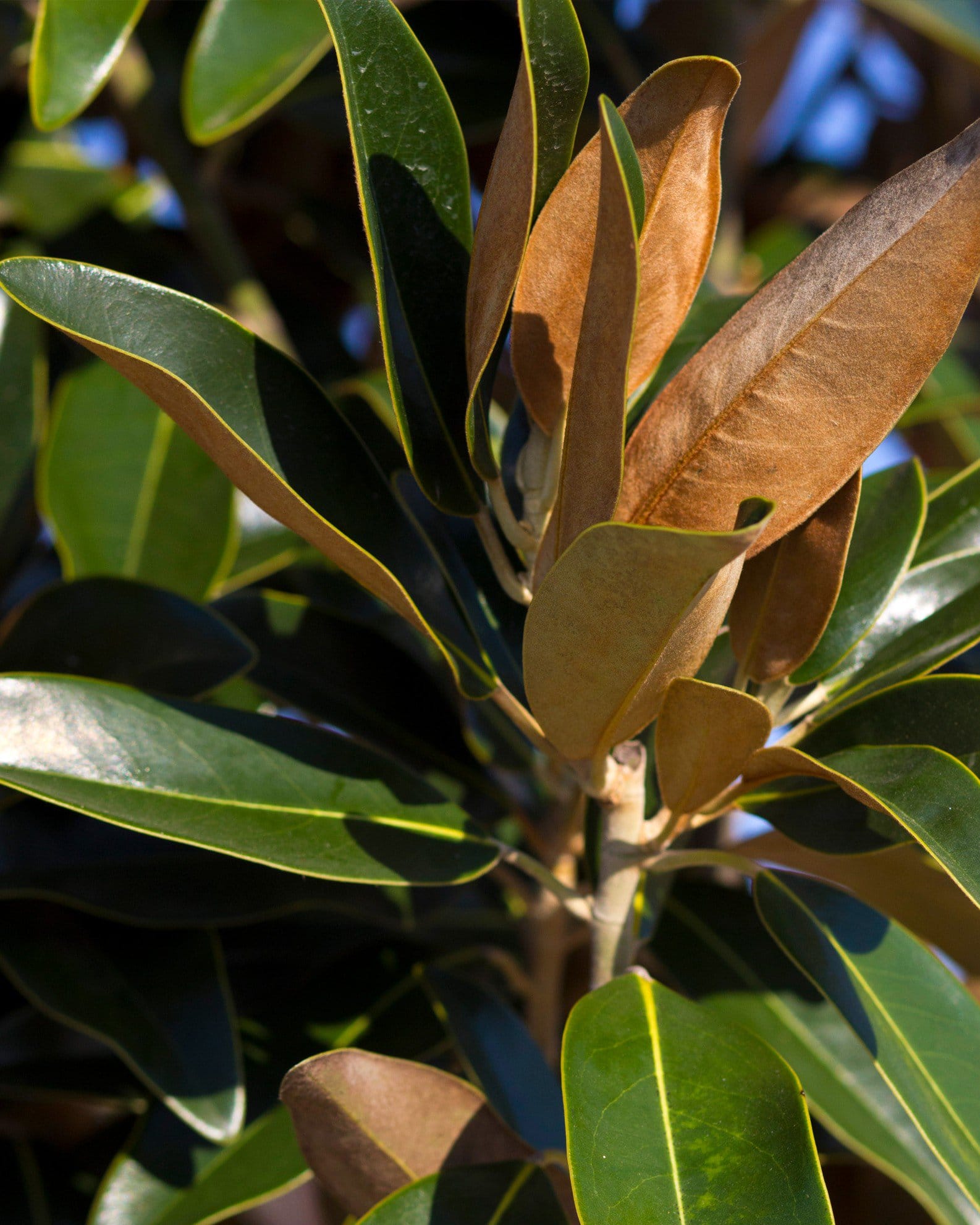
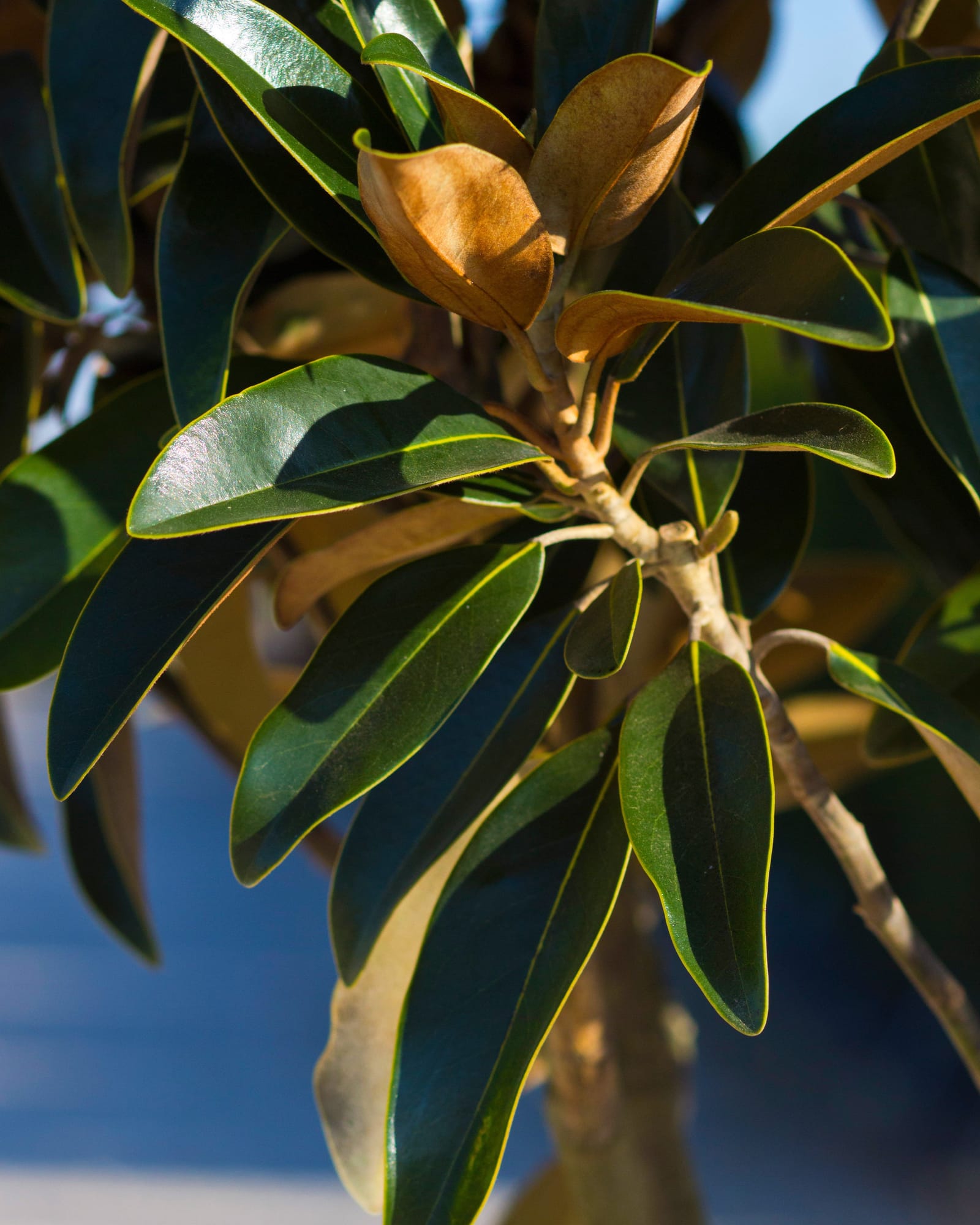
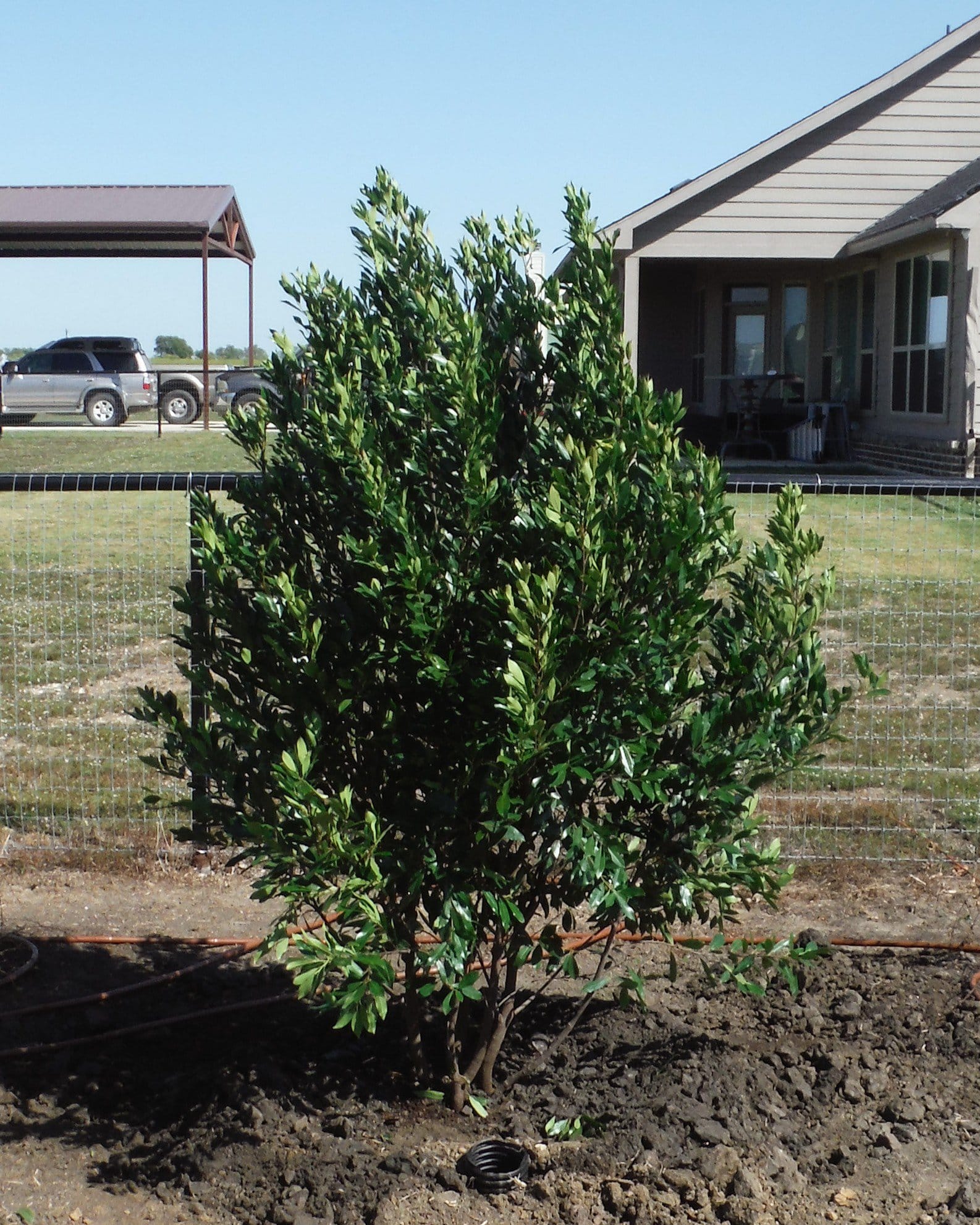
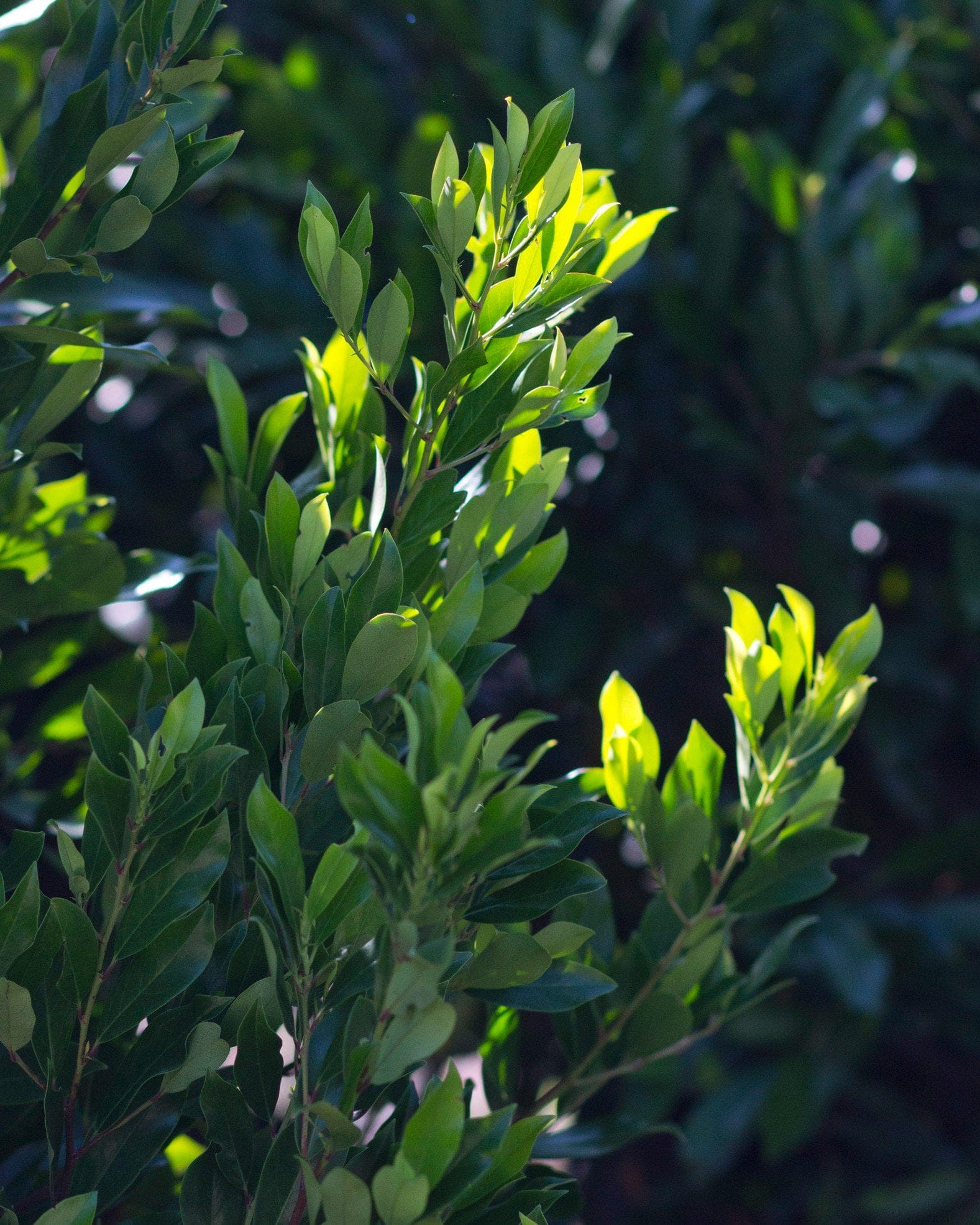
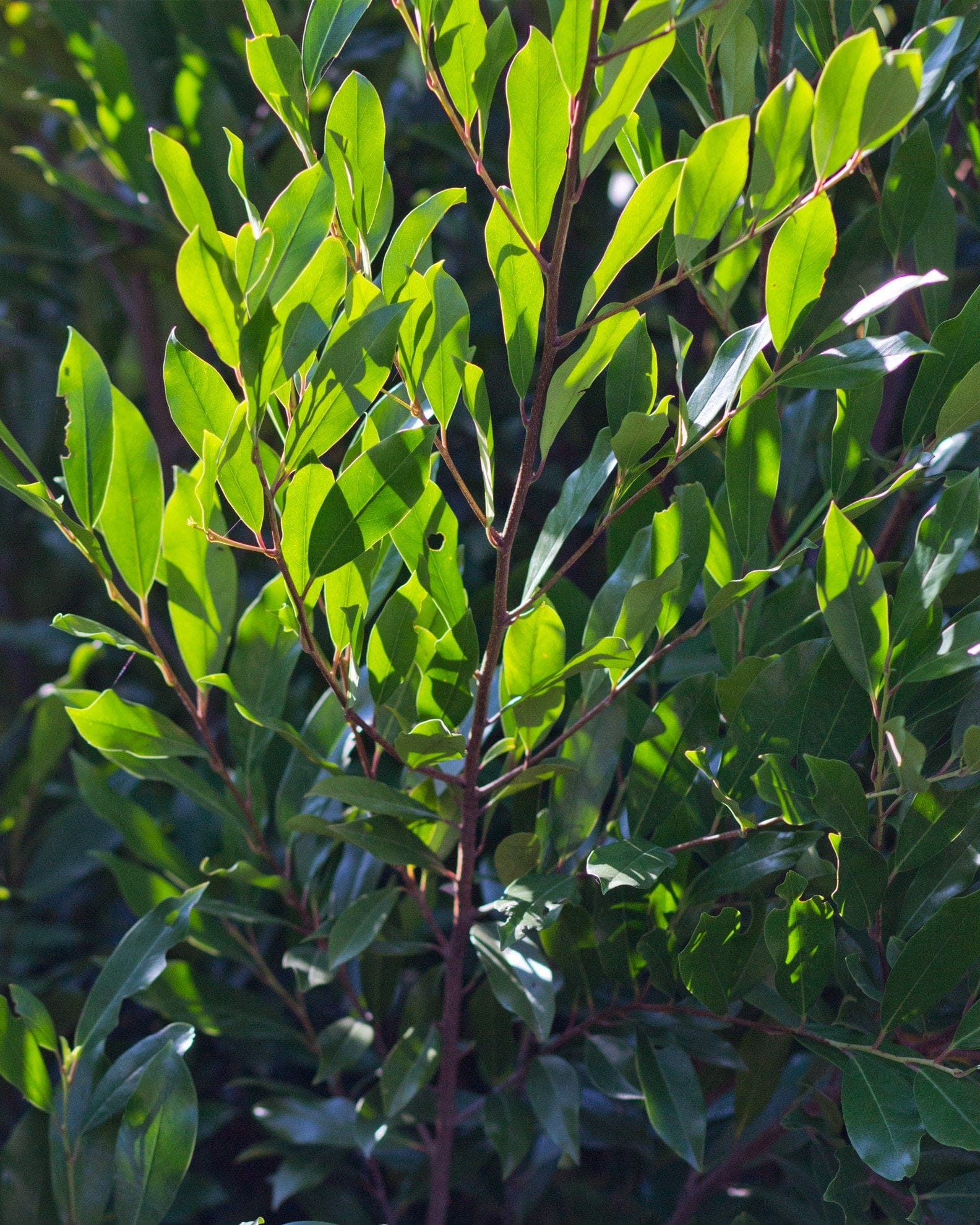
Magnolia grandiflora 'D.D. Blanchard'DD Blanchard Magnolia Tree Form is a single-trunk evergreen tree. This tree form highlights the plant’s strong upright growth and signature features - rich green, leathery foliage with velvety bronze undersides and large, creamy white blooms that perfume the air in summer. It grows 45 feet in height and 25 feet in width. This stately evergreen makes a striking specimen tree or structural anchor in classic or modern beds.
- Evergreen tree
- Moderate growth rate
- Fragrant, creamy white blooms attract pollinators
- Excellent for large-scale focal planting or estate-style design
- Tough, adaptable, and long-lasting
Plant in full sun with well-drained soil. Hardy in USDA zones 7 through 9, the DD Blanchard Magnolia Tree Form is the definition of grandeur - offering beauty, structure, and presence to any bed across the warmer parts of Texas. It requires little care to keep looking splendid. With excellent heat tolerance and a reputation for resilience, it thrives in both urban and rural settings.
With proper establishment, DD Blanchard Magnolia Tree Form becomes a long-lived, low-maintenance showpiece in Southern landscapes:
- Watering: Water deeply and consistently during the first growing season to encourage a strong, stable root system. Once mature, DD Blanchard prefers evenly moist soil but tolerates short dry periods well. Avoid overwatering, as soggy soil can stress the roots and reduce bloom quality.
- Pruning: Perform structural pruning in late winter or early spring to remove damaged or crossing branches. Light thinning improves airflow and keeps the tree’s formal trunk and canopy shape clean. Avoid heavy pruning during the growing season, as magnolias can be slow to recover from major cuts.
- Fertilizing: Feed with a balanced, slow-release fertilizer in early spring to support lush foliage and dependable flowering. A light midsummer feeding can be used in poor soils, but mature trees typically need minimal fertilization once established.
- Mulching: Apply a 2-3 inch layer of mulch around the dripline to retain moisture, insulate the roots, and suppress weeds. Keep mulch several inches away from the trunk to prevent bark rot and encourage healthy airflow.
- Winter Care: DD Blanchard is reliably hardy in its growing regions. Young trees may benefit from a winter mulch to protect roots during unusually cold snaps. Mature trees require no special winter protection and maintain their evergreen foliage year-round.
- Scale Insects: These pests may appear as small bumps on stems or leaves, causing yellowing. Use horticultural oil during dormant season or apply insecticidal soap if needed.
- Leaf Spot: Dark spotting can form in humid or wet conditions. Improve airflow, avoid overhead watering, and remove affected leaves to reduce spread.
- Root Stress: Wilting, sparse foliage, or reduced flowering may result from poor drainage. Ensure soil drains well and avoid planting too deeply.
- Aphids: Sticky residue or curled leaves indicate aphids feeding on tender growth. Rinse with water or use insecticidal soap to manage populations.
- Sooty Mold: A black film on leaves often follows aphid or scale infestations. Address the pests first, then wipe foliage clean or allow rain to wash it away.
With proper care and monitoring, DD Blanchard Magnolia remains a durable, elegant evergreen with year-round appeal.
With good care, it often lives several decades, gradually developing a strong trunk and an impressive evergreen canopy. Its long lifespan makes it a timeless anchor for prominent landscape settings.
It grows at a moderate rate, typically accelerating once roots are fully established. Mature form and bloom consistency usually develop within a few years of planting.
Yes. The large, fragrant white blooms attract bees and other pollinators throughout the warm season. Their sweet scent helps draw beneficial insects even from a distance.
It can be grown in large containers when young, though eventual in-ground planting is ideal. Container specimens require regular watering and slightly more attention to feeding.
Generally, deer tend to avoid magnolias due to their thick, leathery foliage. Minor nibbling may occur, but significant damage is uncommon compared to other landscape plants.
Extremely well. DD Blanchard is known for its heat tolerance and maintains lush foliage even during intense Southern summers when given adequate moisture.
Yes - light, selective pruning is beneficial and helps maintain its clean tree form. Avoid removing major limbs unless necessary, as magnolias respond best to conservative trimming.
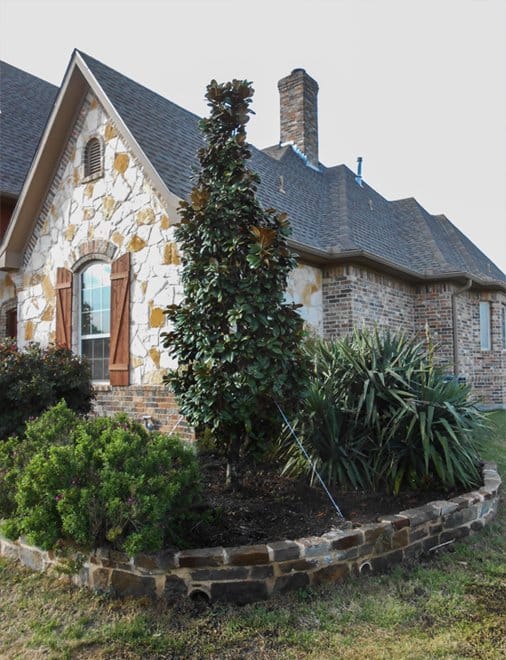
Yes. Pairing two on either side of an entryway or lining a drive creates a stately, formal aesthetic. Its upright trunk and uniform canopy make it ideal for symmetrical designs.
Moderately well. Once established, its strong central leader and sturdy branches help it withstand typical winds.
Its rich copper leaf undersides, consistent evergreen structure, and refined tree-form training make it especially elegant. Unlike many varieties, it maintains a dense canopy year-round and offers both ornamental foliage and classic Southern blooms.
Special Features
You might also like
Bracken Brown Beauty Magnolia
Maturity: 30' H x 20' W
Claudia Wannamaker Magnolia
Maturity: 30' H x 20' W
DD Blanchard Magnolia
Maturity: 45' H x 25' W
Alta Magnolia
Maturity: 40' H x 20' W
Edith Bogue Magnolia
Maturity: 30' H x 15' W
Little Gem Magnolia
Maturity: 20' H x 14' W
Little Gem Magnolia Espalier
Maturity: 20' H x 14' W
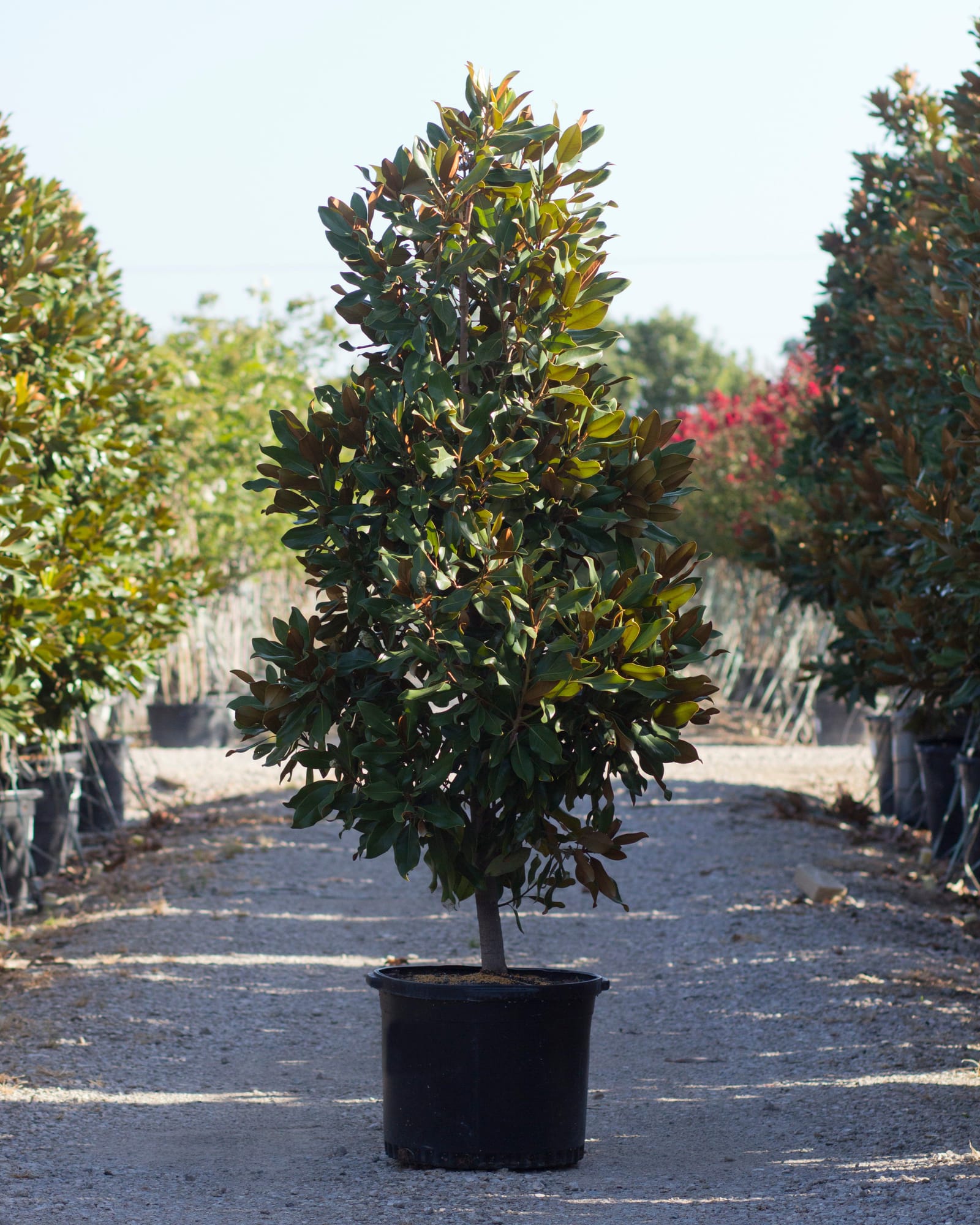
Miss Chloe Magnolia
Maturity: 60' H x 30' W
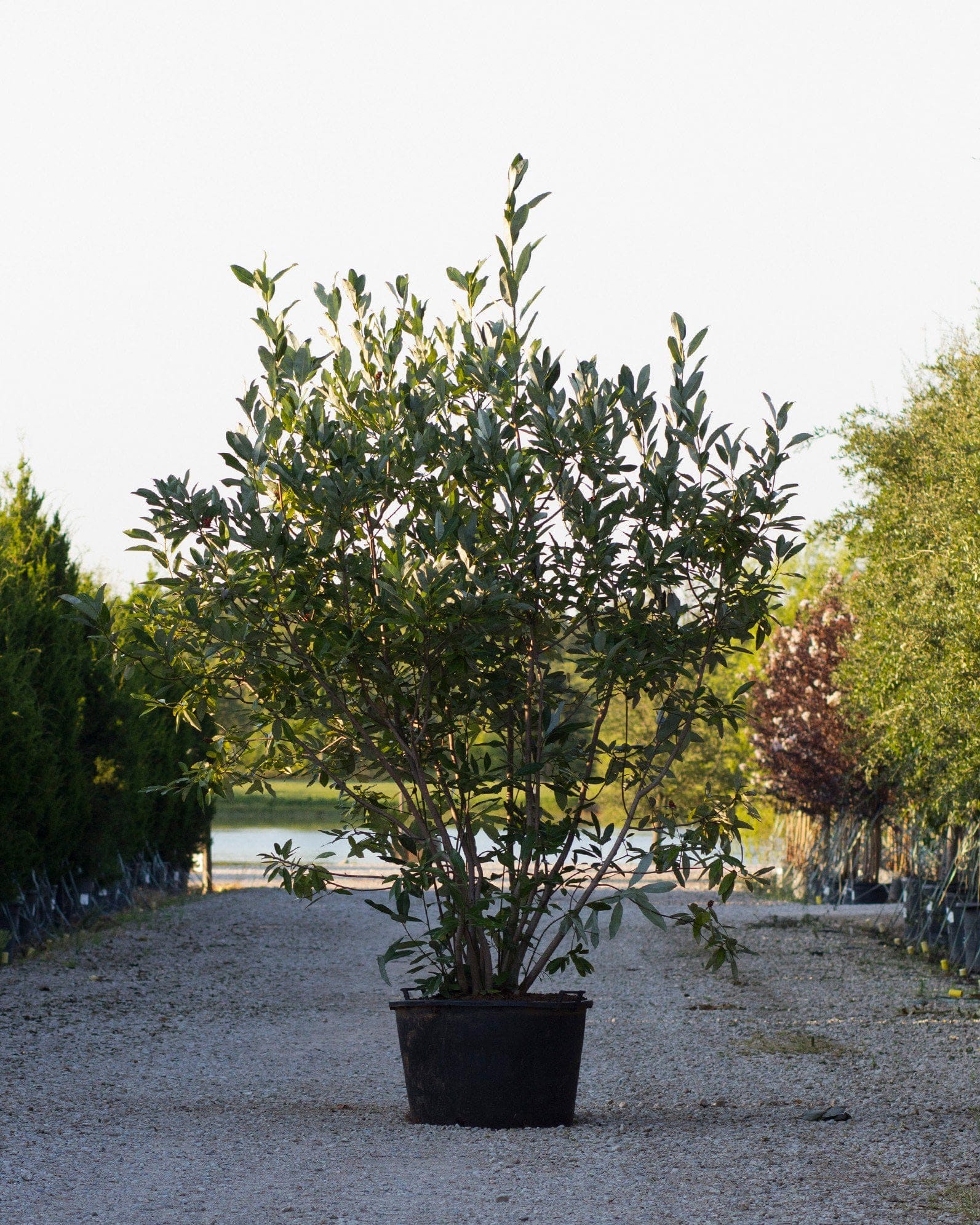
Sweet Bay Magnolia
Maturity: 20' H x 10' W
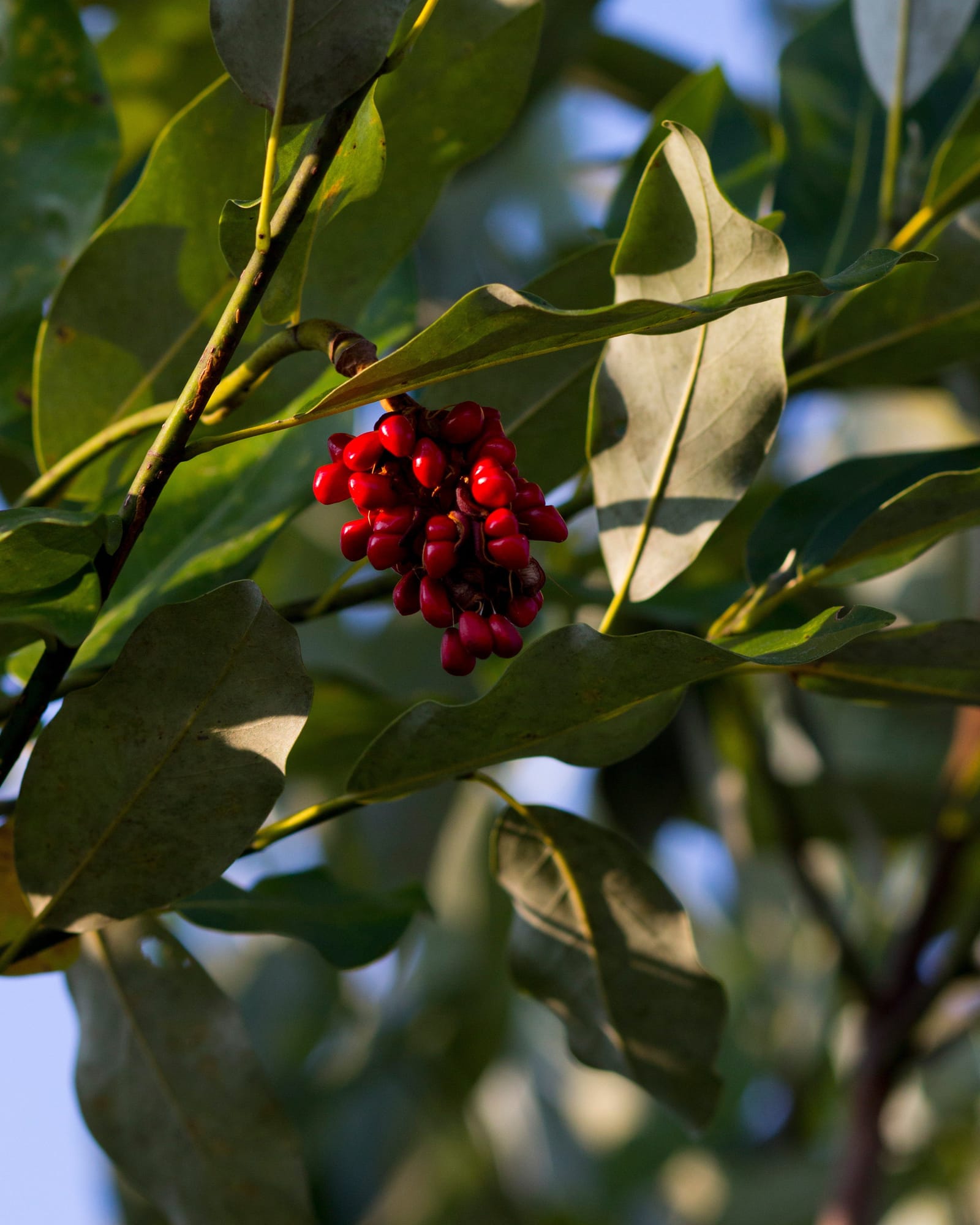
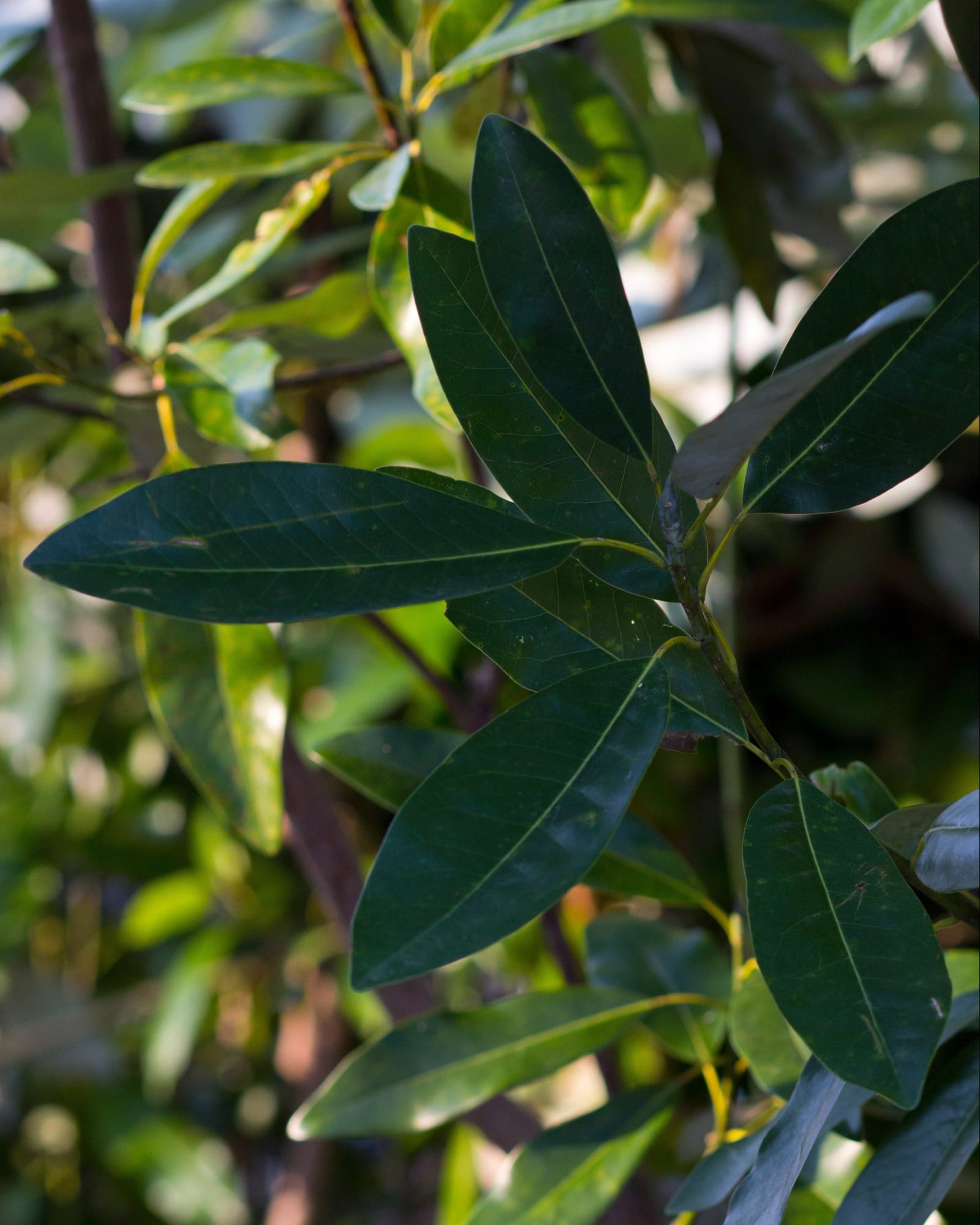
Teddy Bear Magnolia
Maturity: 30' H x 15' W
Alta Magnolia Tree Form
Maturity: 40' H x 20' W
Cherry Laurel Bright 'N Tight
Maturity: 10' H x 8' W
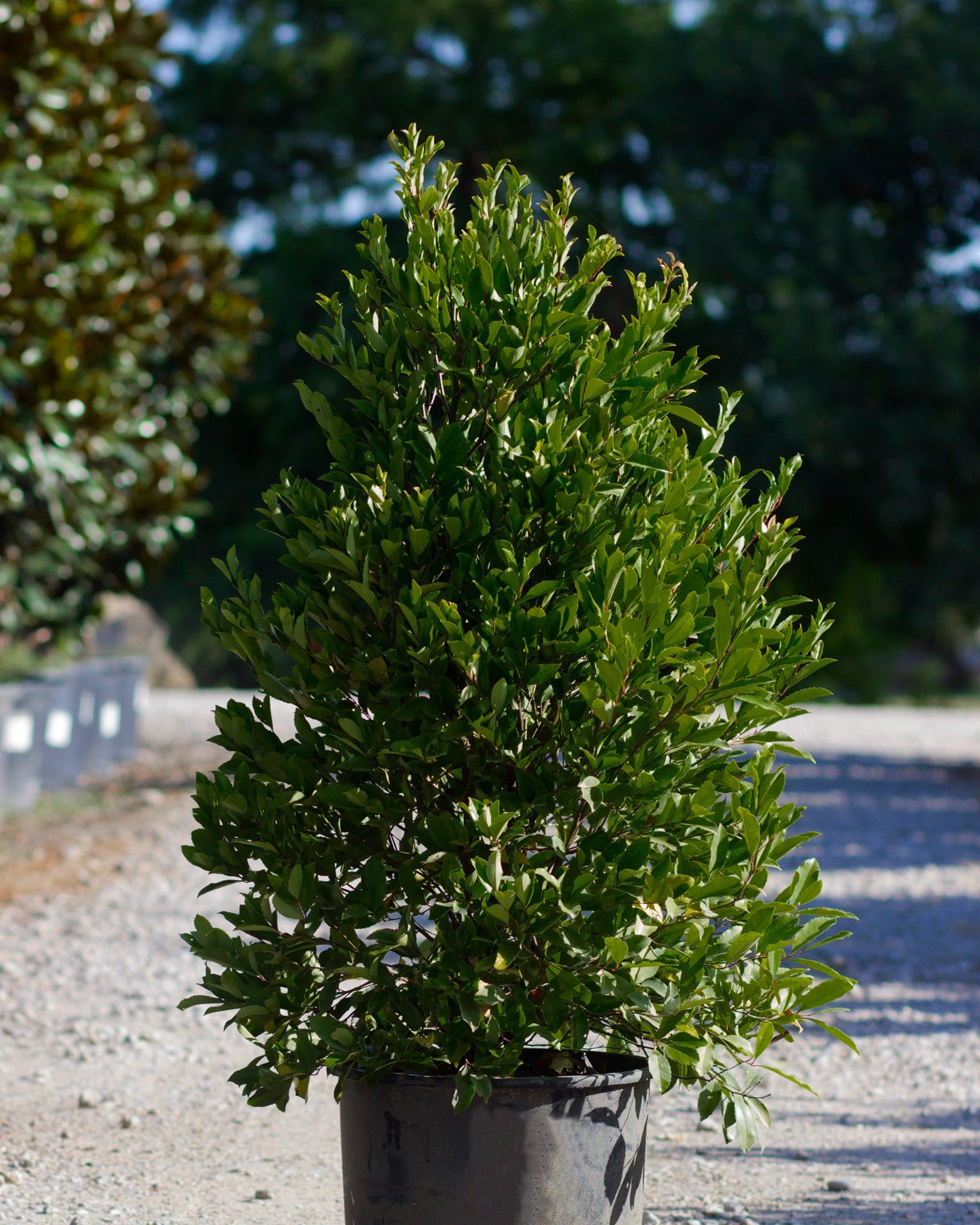
Cherry Laurel Centre Court
Maturity: 25' H x 15' W
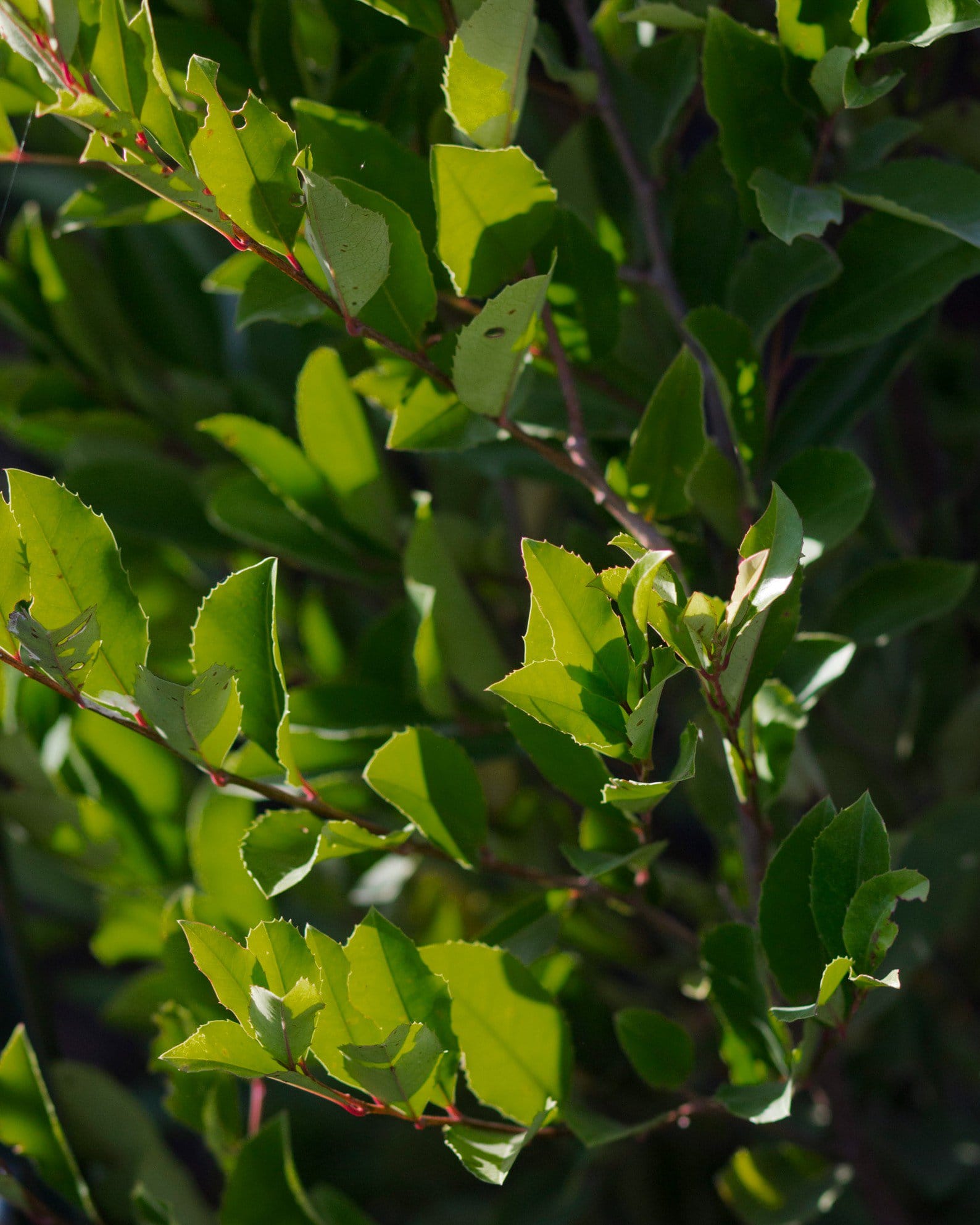
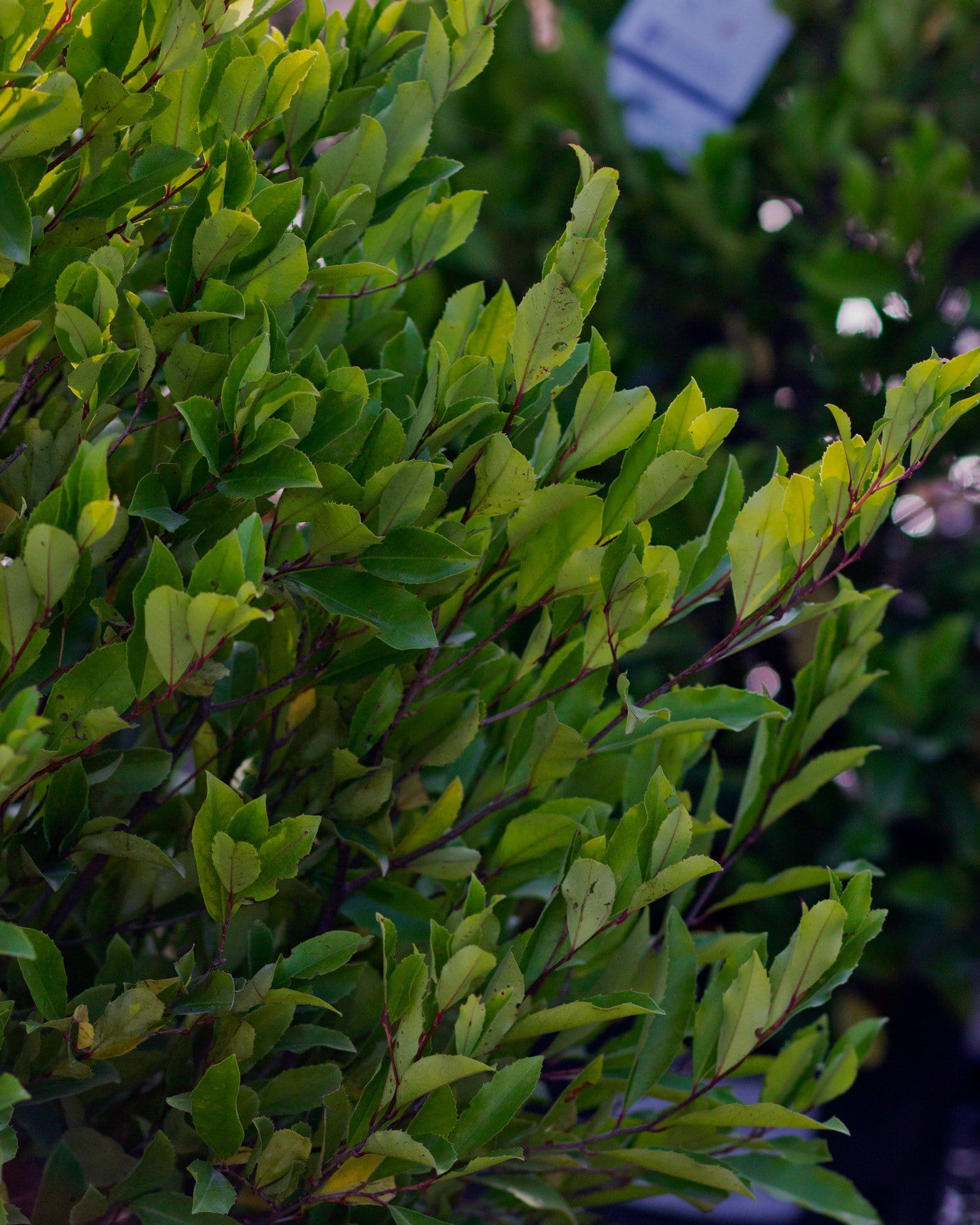
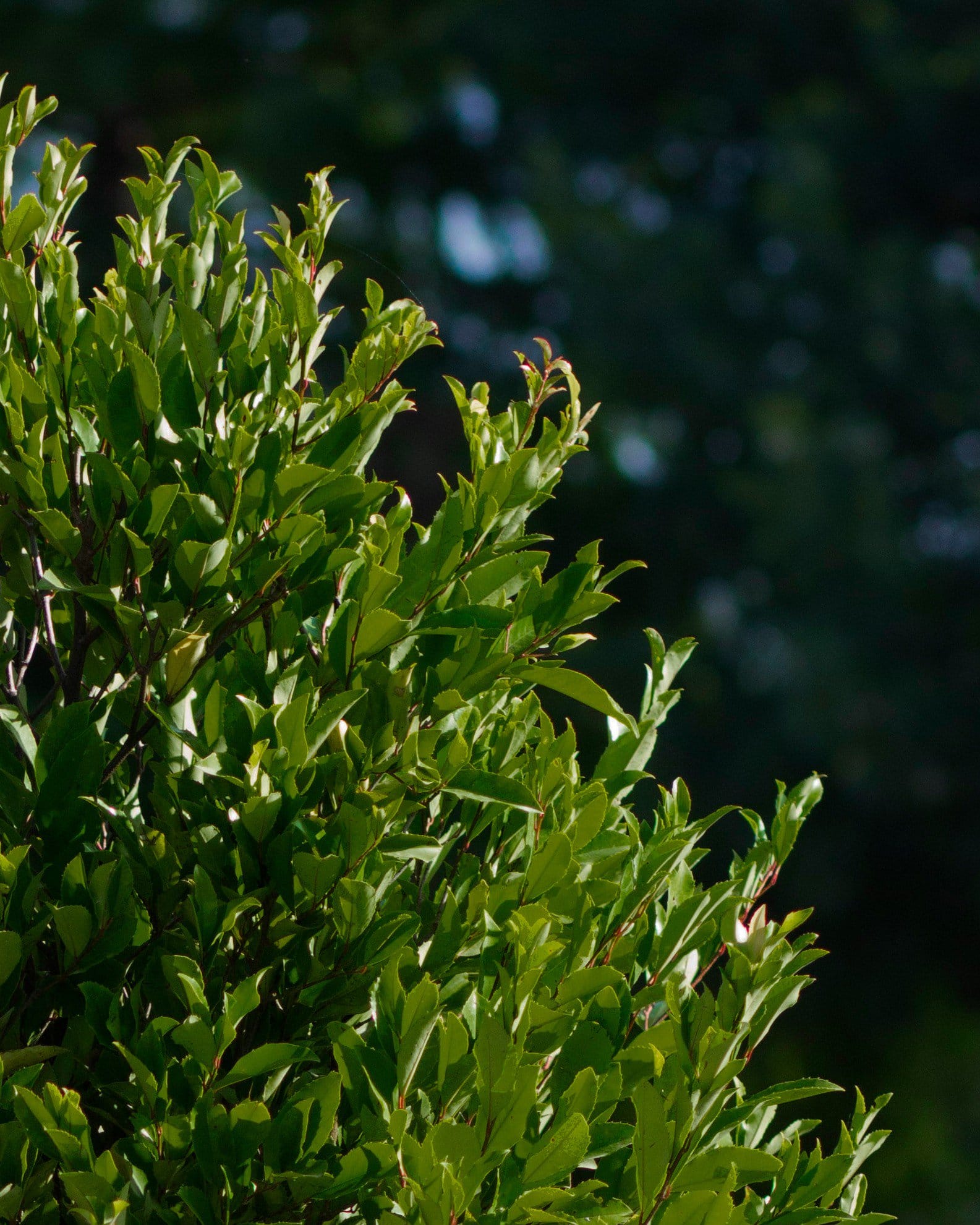
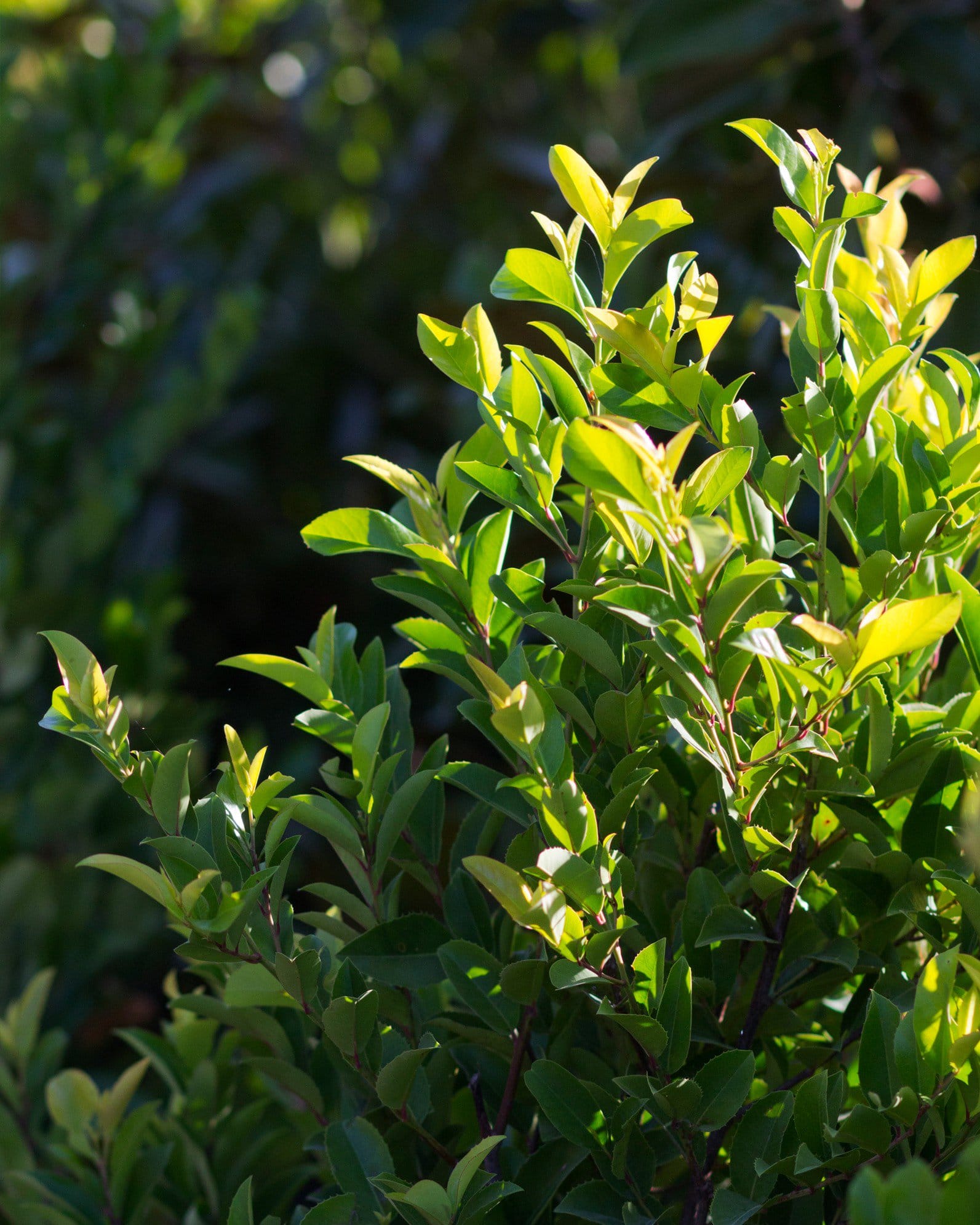
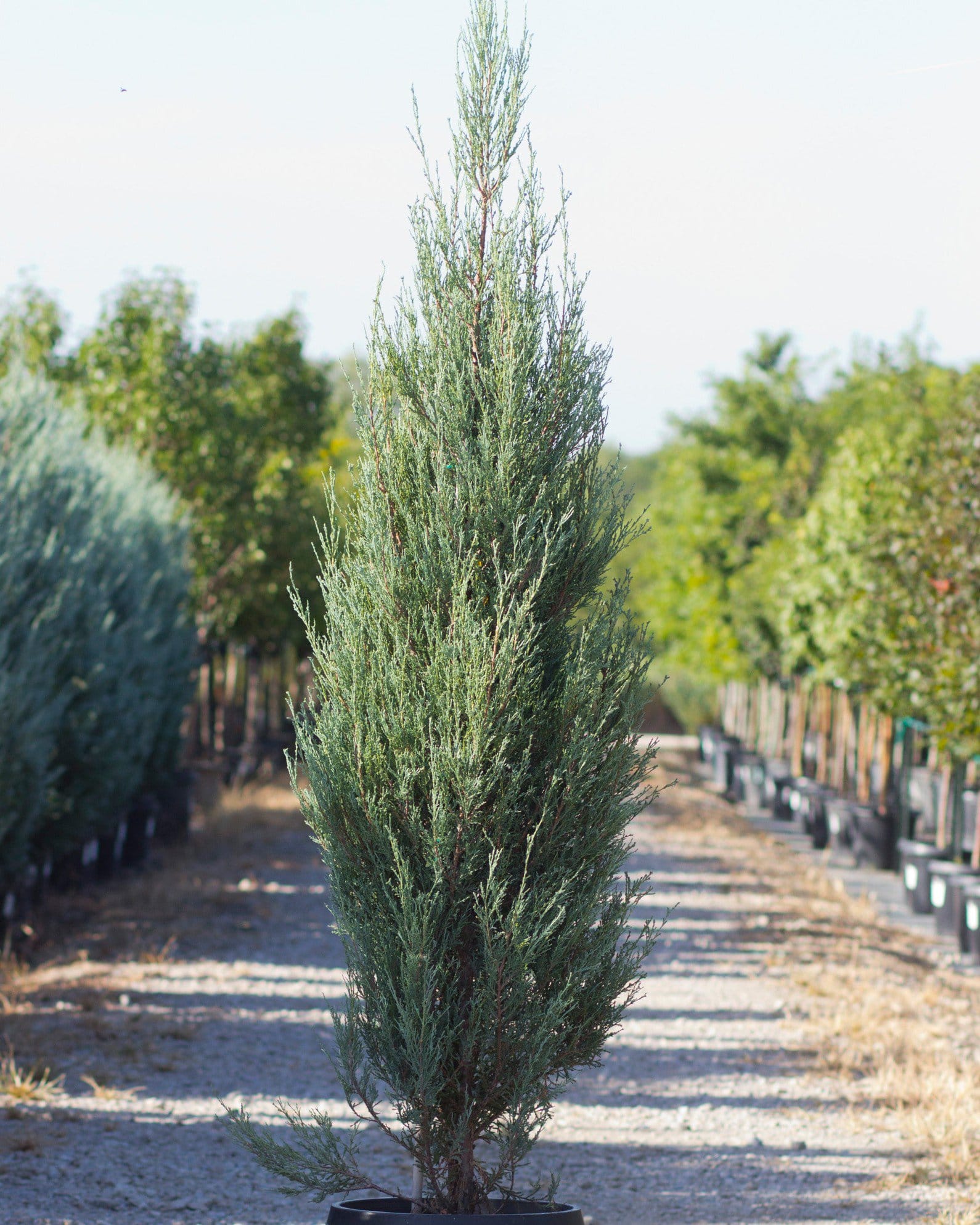
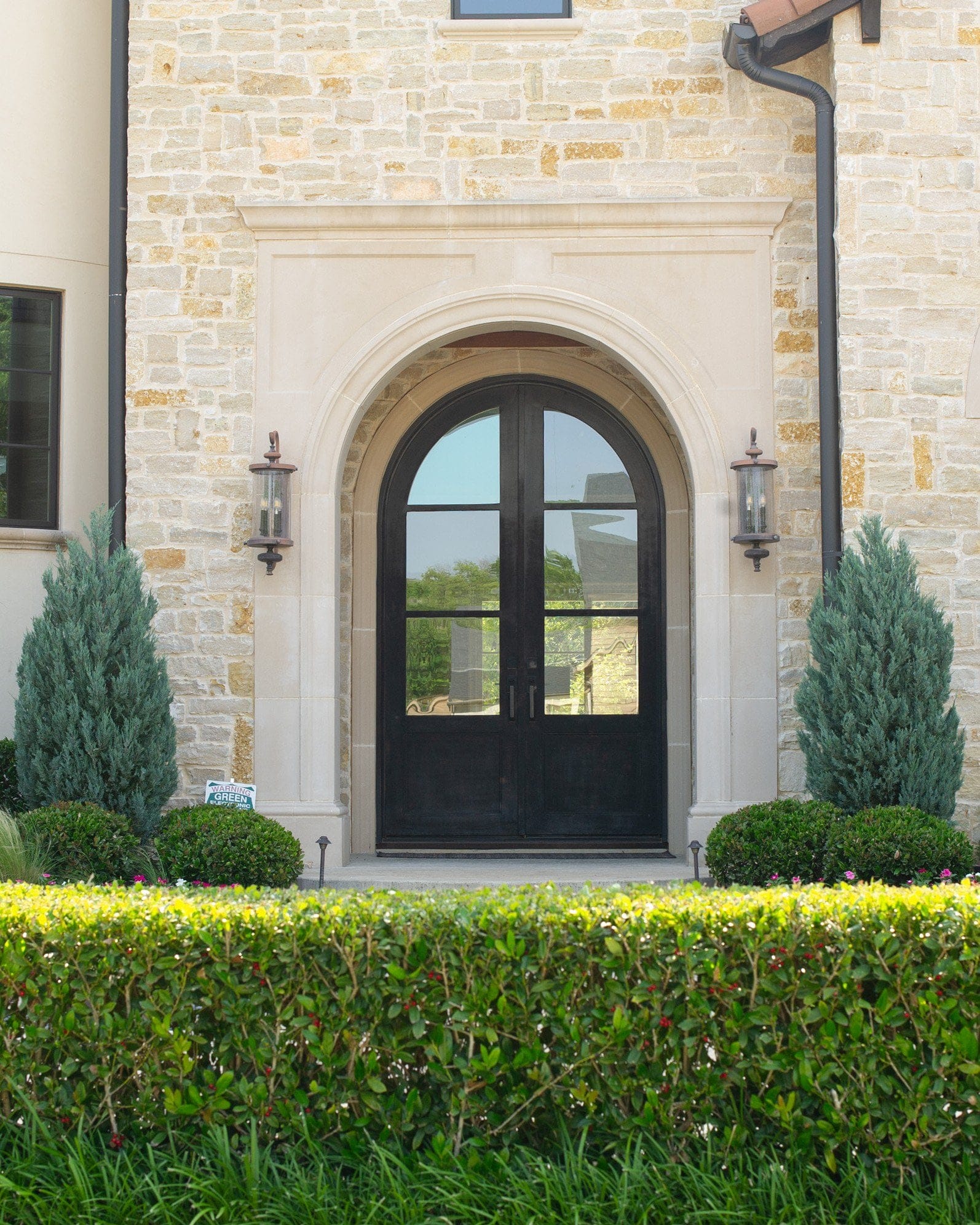
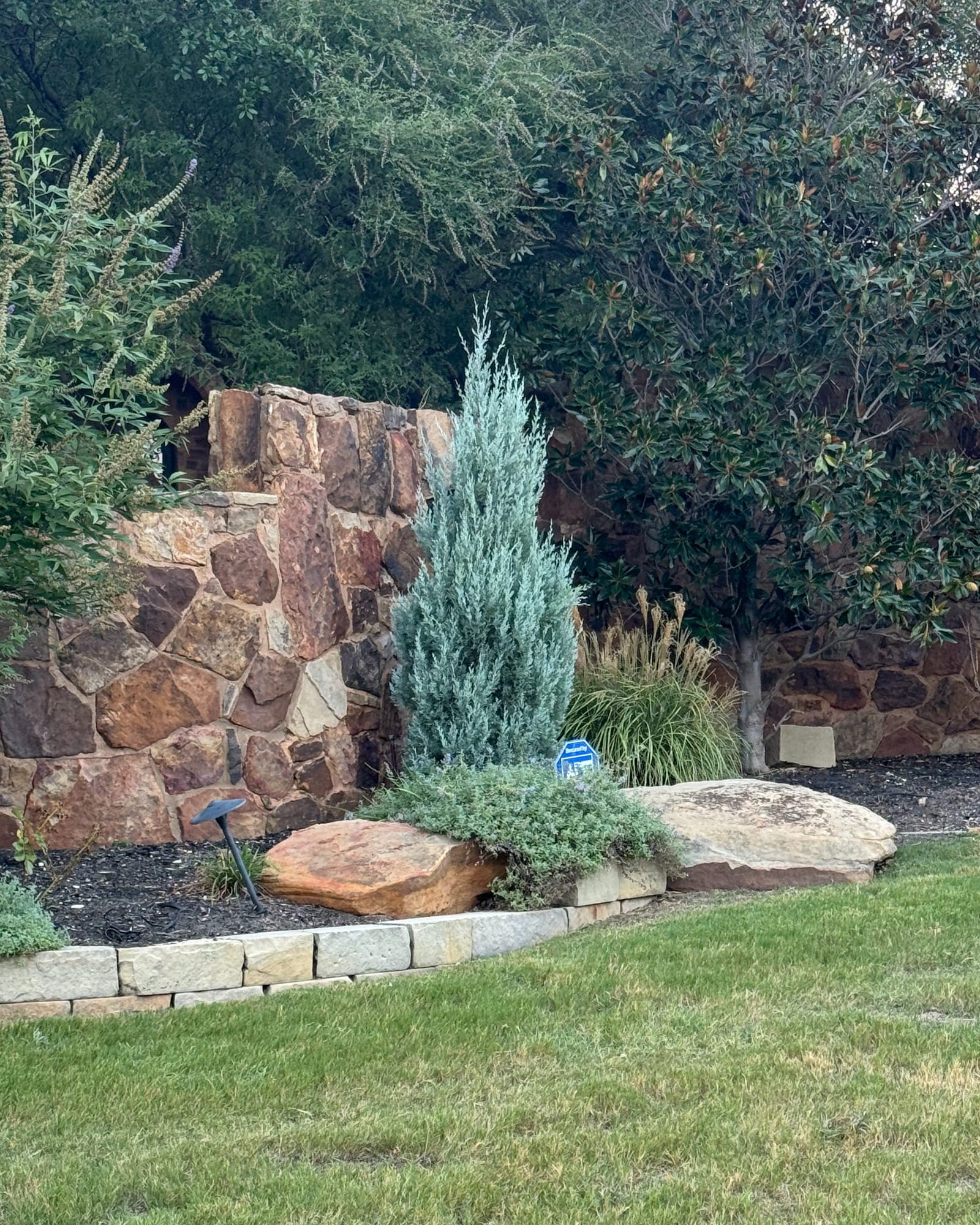
Blue Arrow Juniper
Maturity: 12' H x 2' W
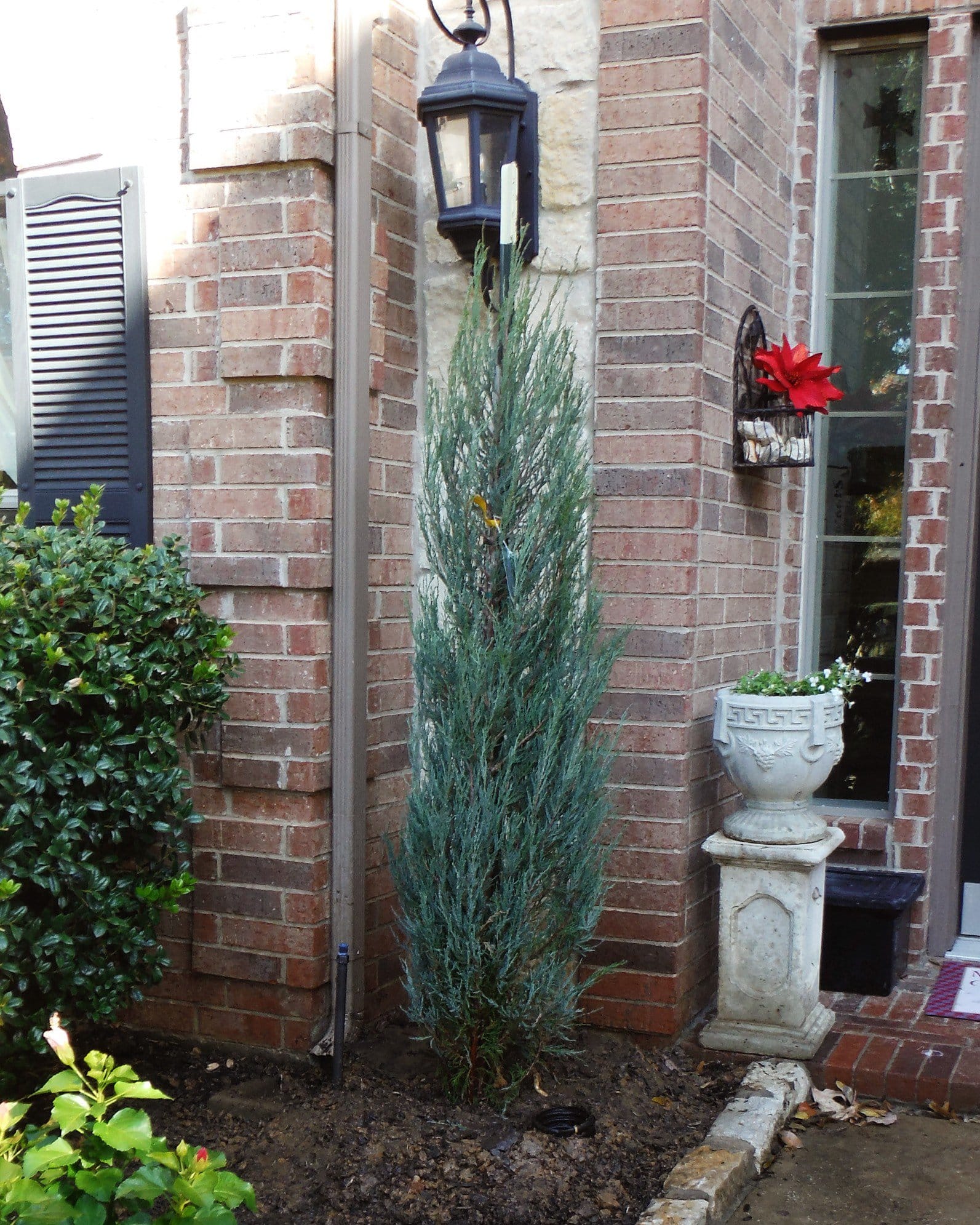
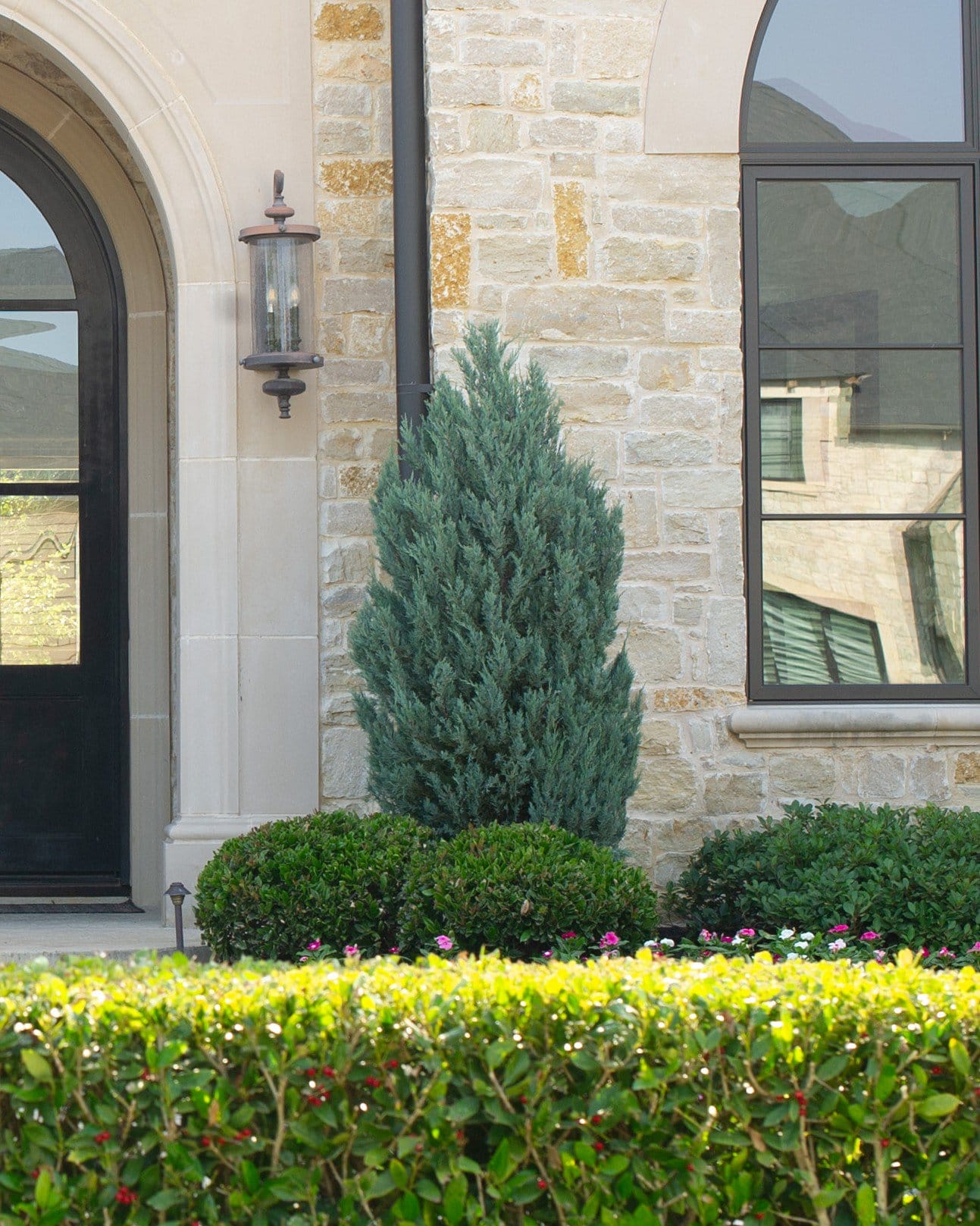
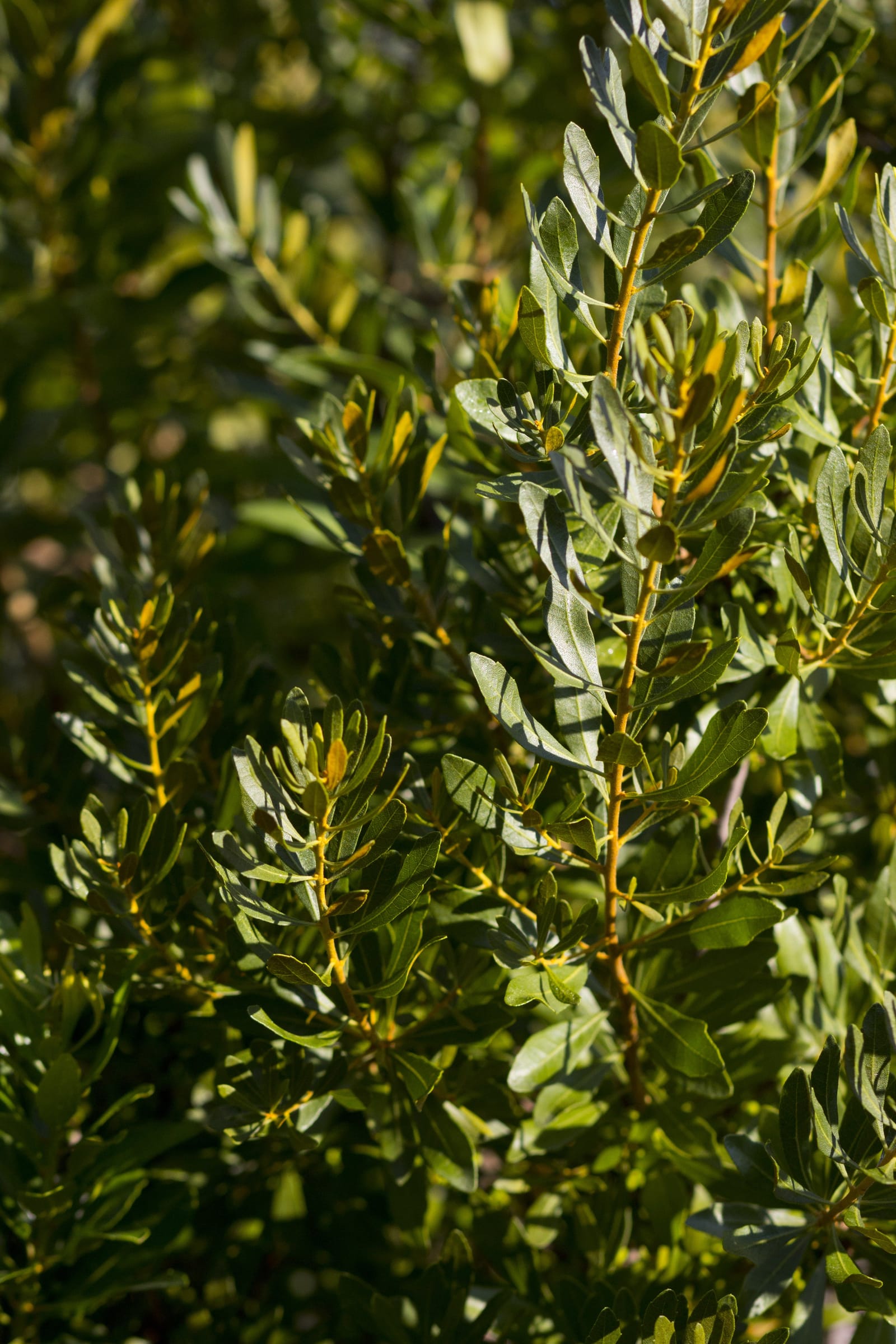
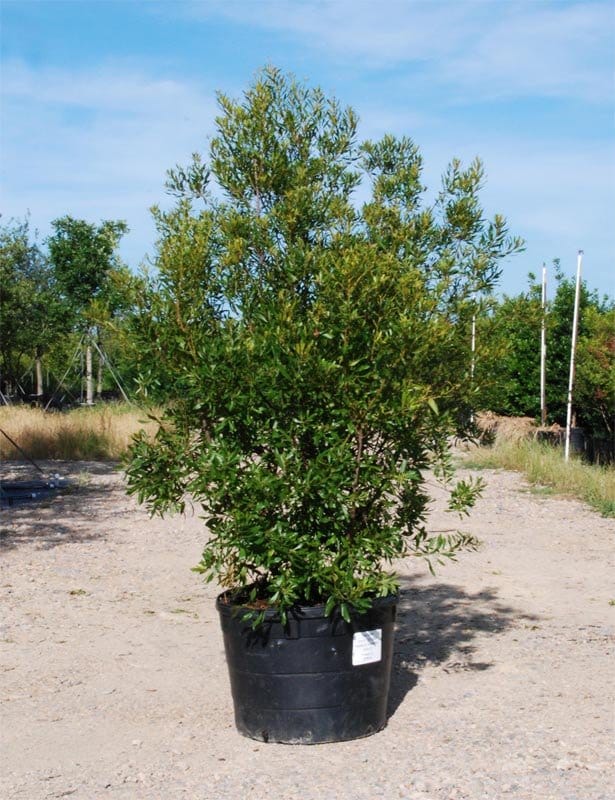
Wax Myrtle
Maturity: 15' H x 15' W
Compare Similar Plants
DD Blanchard Magnolia Tree Form This plant | ||
|---|---|---|
| Scientific Name | Magnolia grandiflora 'D.D. Blanchard' | Magnolia grandiflora 'Bracken's Brown Beauty' |
| Size at Maturity | 45' H x 25' W | 30' H x 20' W |
| Leaf Retention | Evergreen | Evergreen |
| Flower Color | White | White |
| Bloom Times | Summer | Summer |
| Sizes Available | 15, 30 gal | 15, 30, 45, 65, 95 gal |


Our 1-Year Planting Guarantee
We take pride in our plants and installation services. If any plants or trees installed by Treeland fail to thrive within the first year, we'll provide a replacement credit in accordance with our guarantee program.
Learn More About Our Guarantee