

 Texas Native
Ruby Falls Weeping Redbud
Cercis canadensis 'Ruby Falls'Local DFW Delivery Only
Product Details
Ruby Falls Weeping Redbud
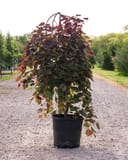
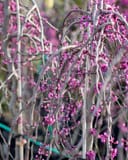
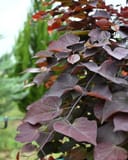
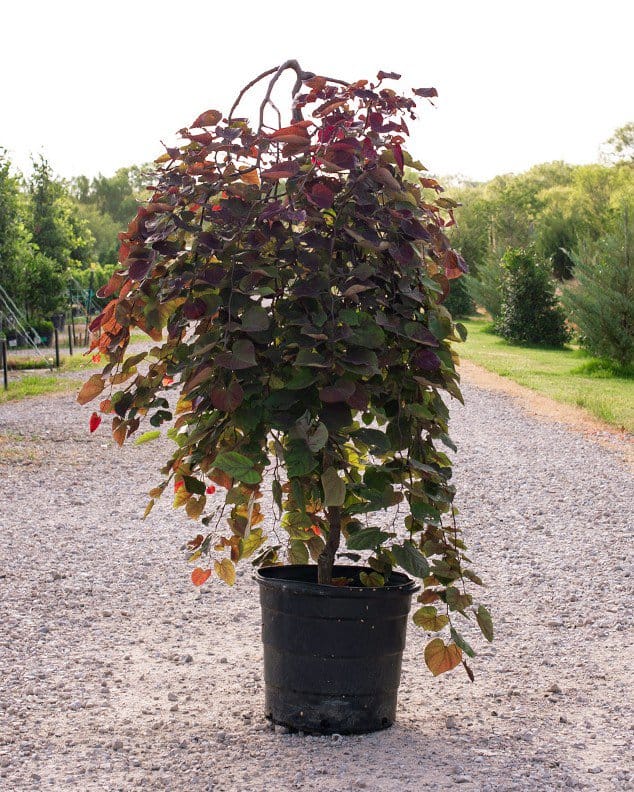
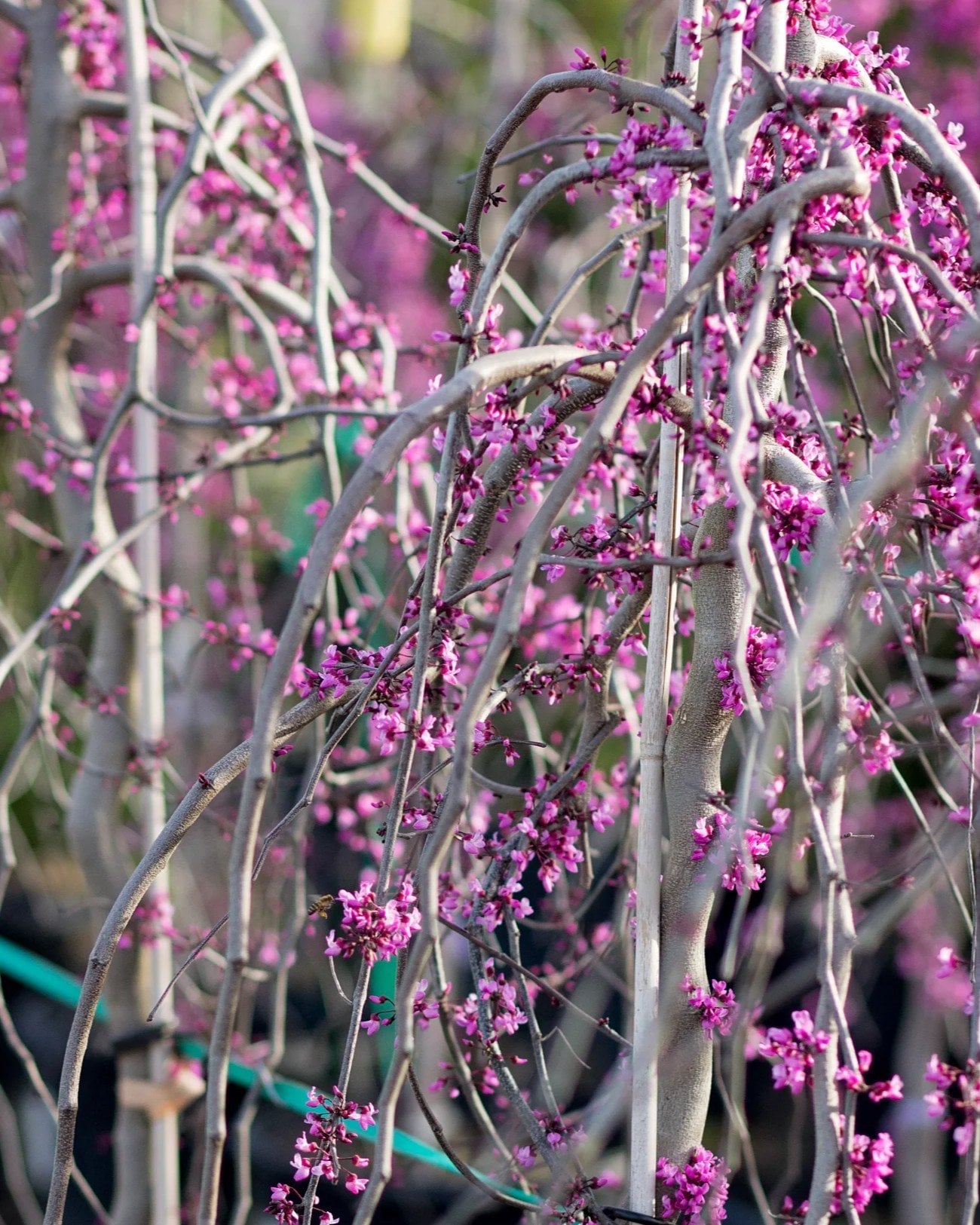
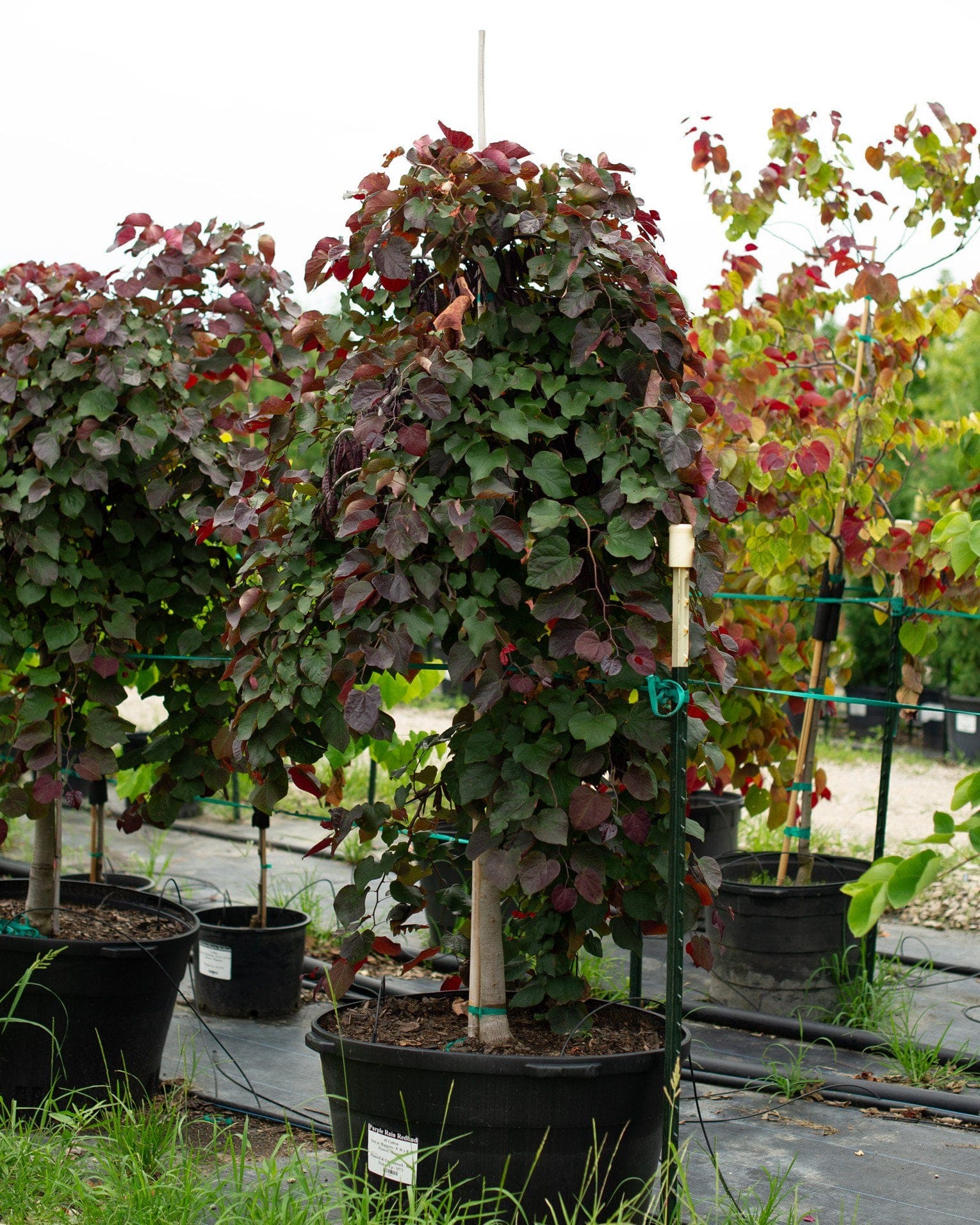
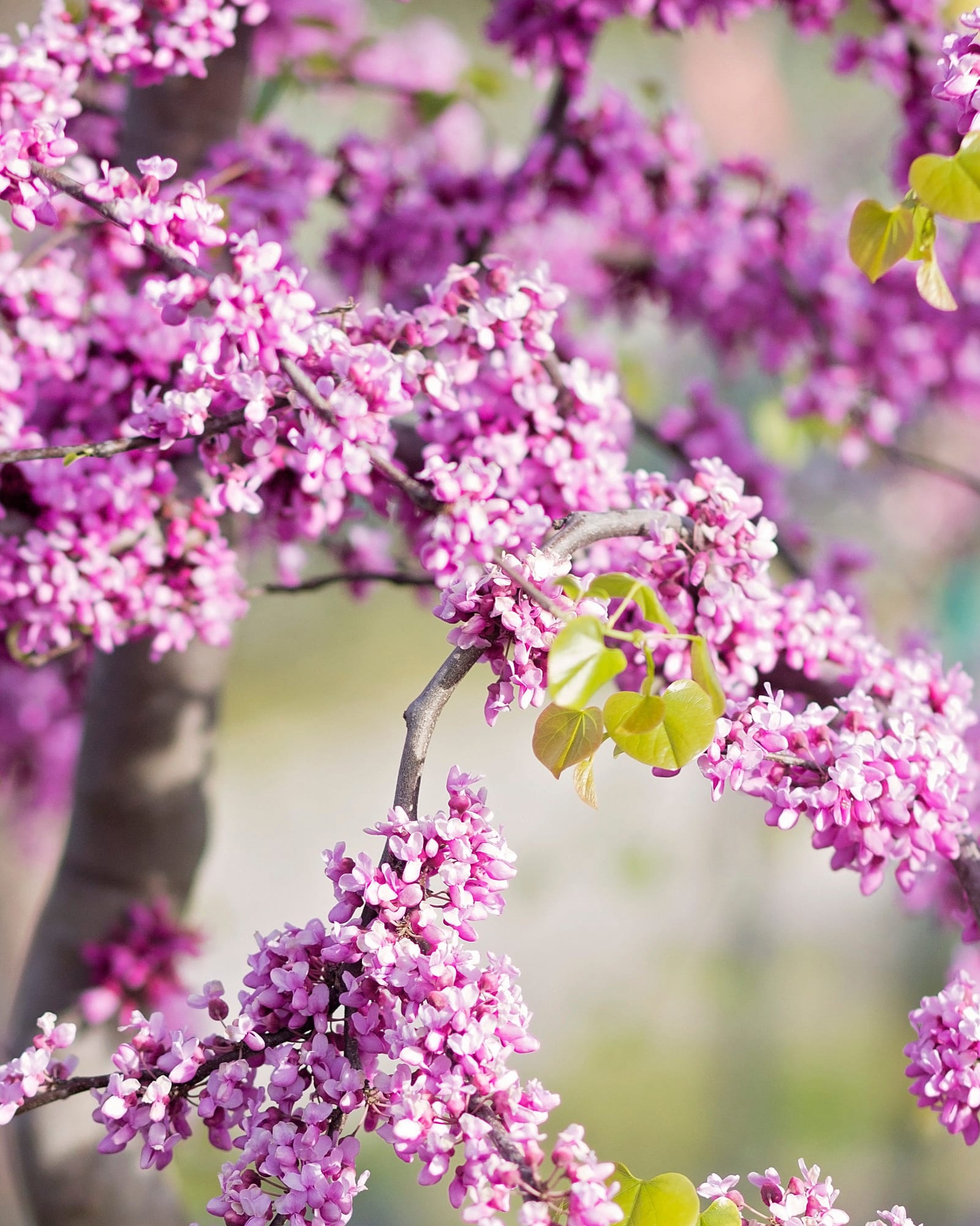
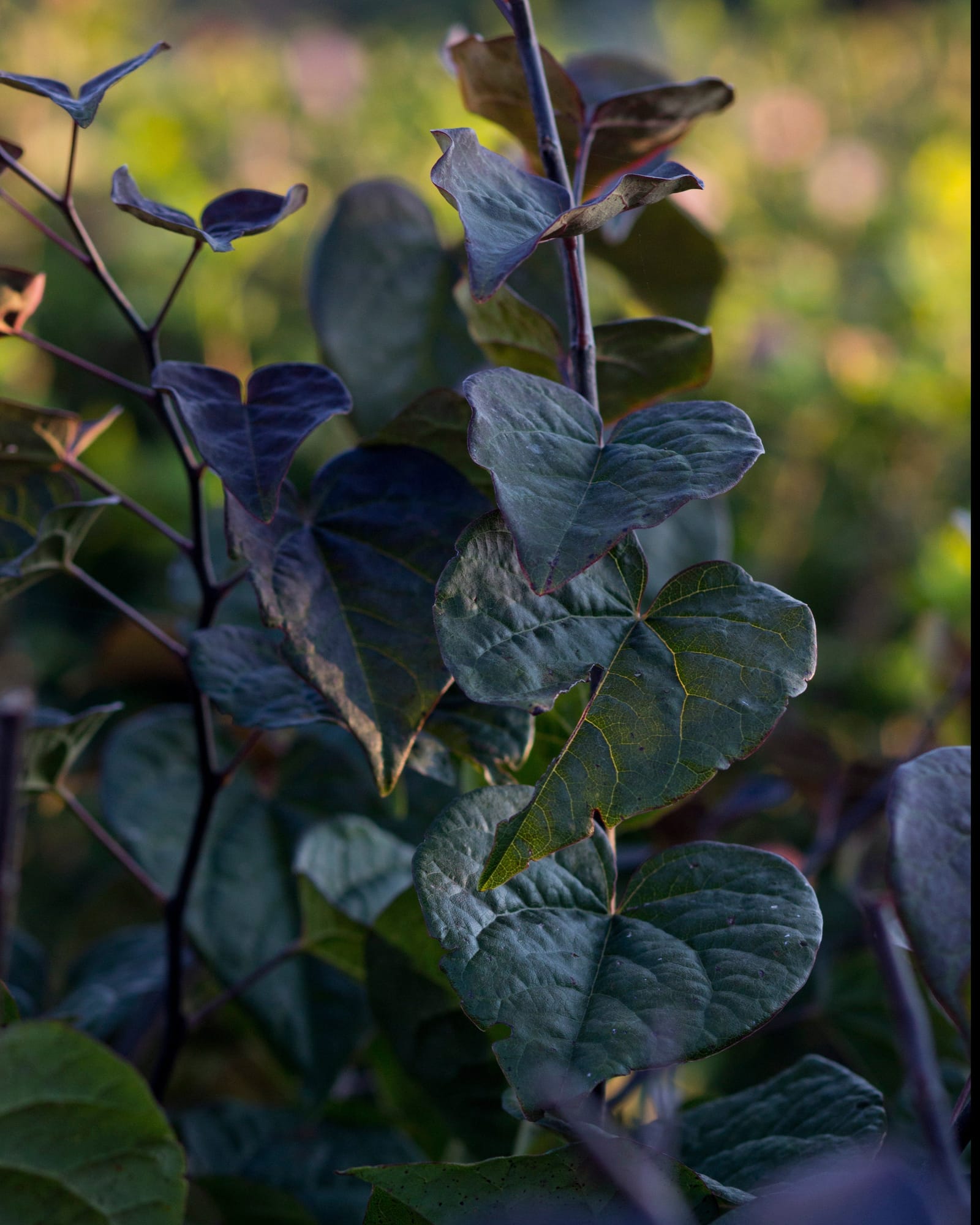
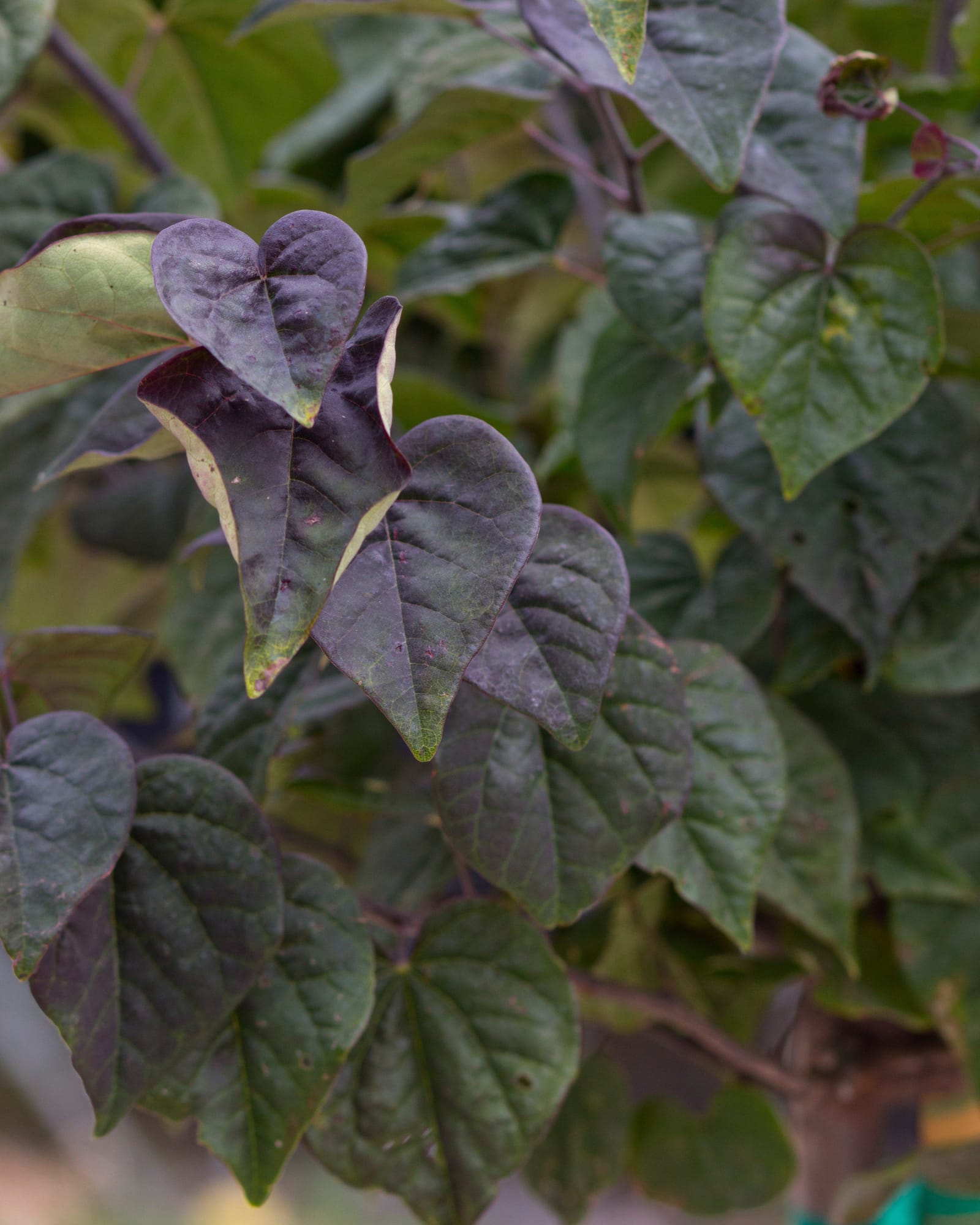
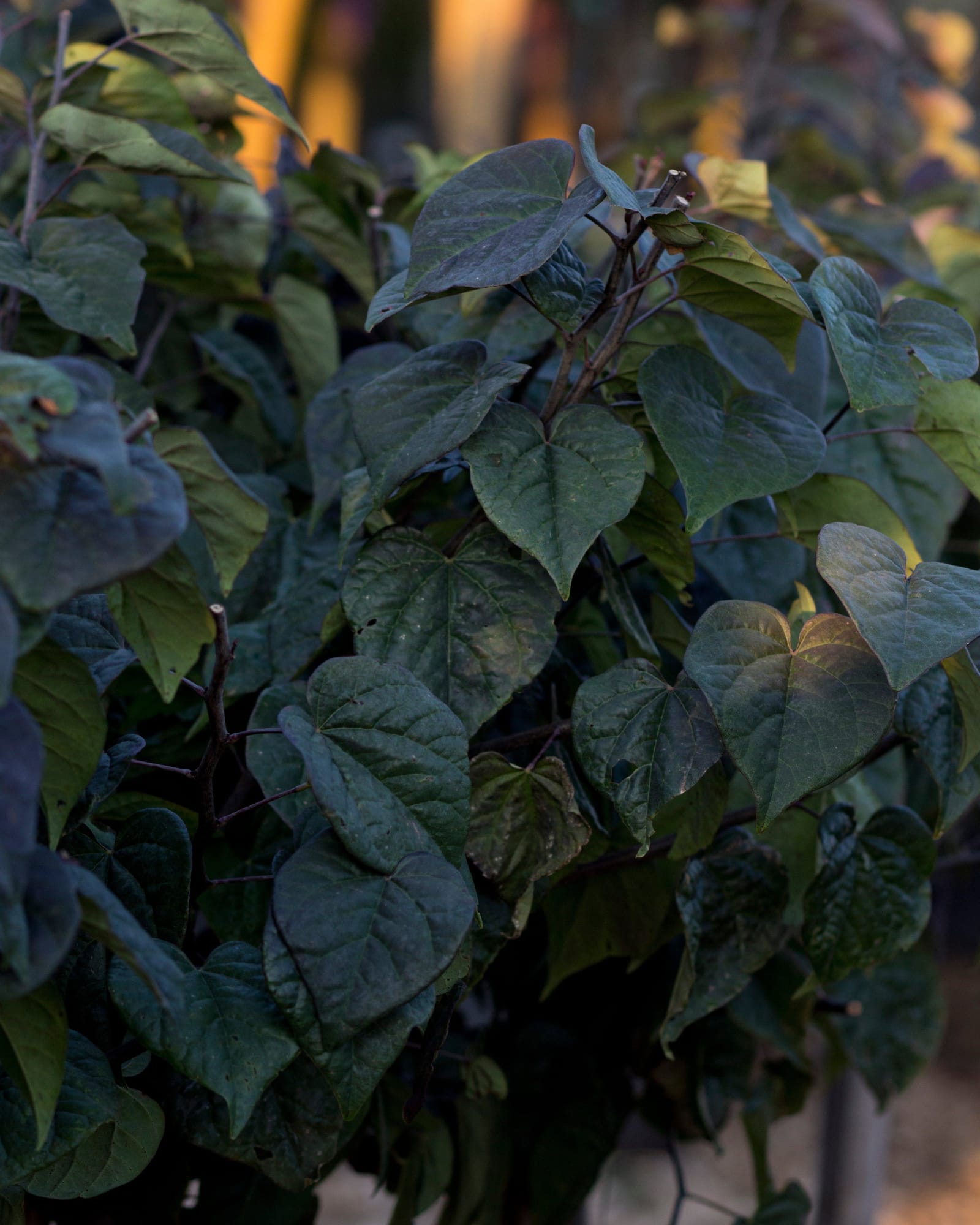
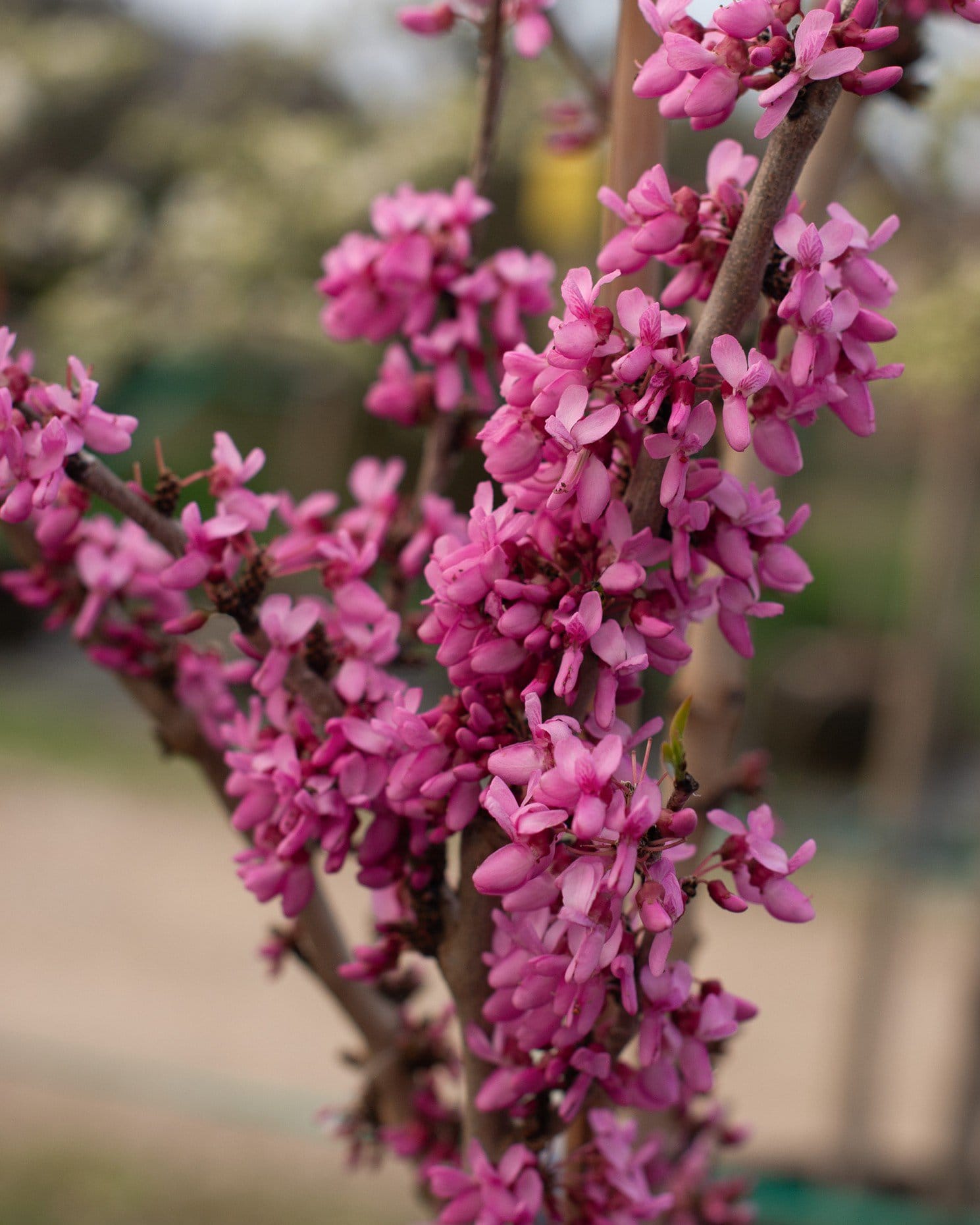
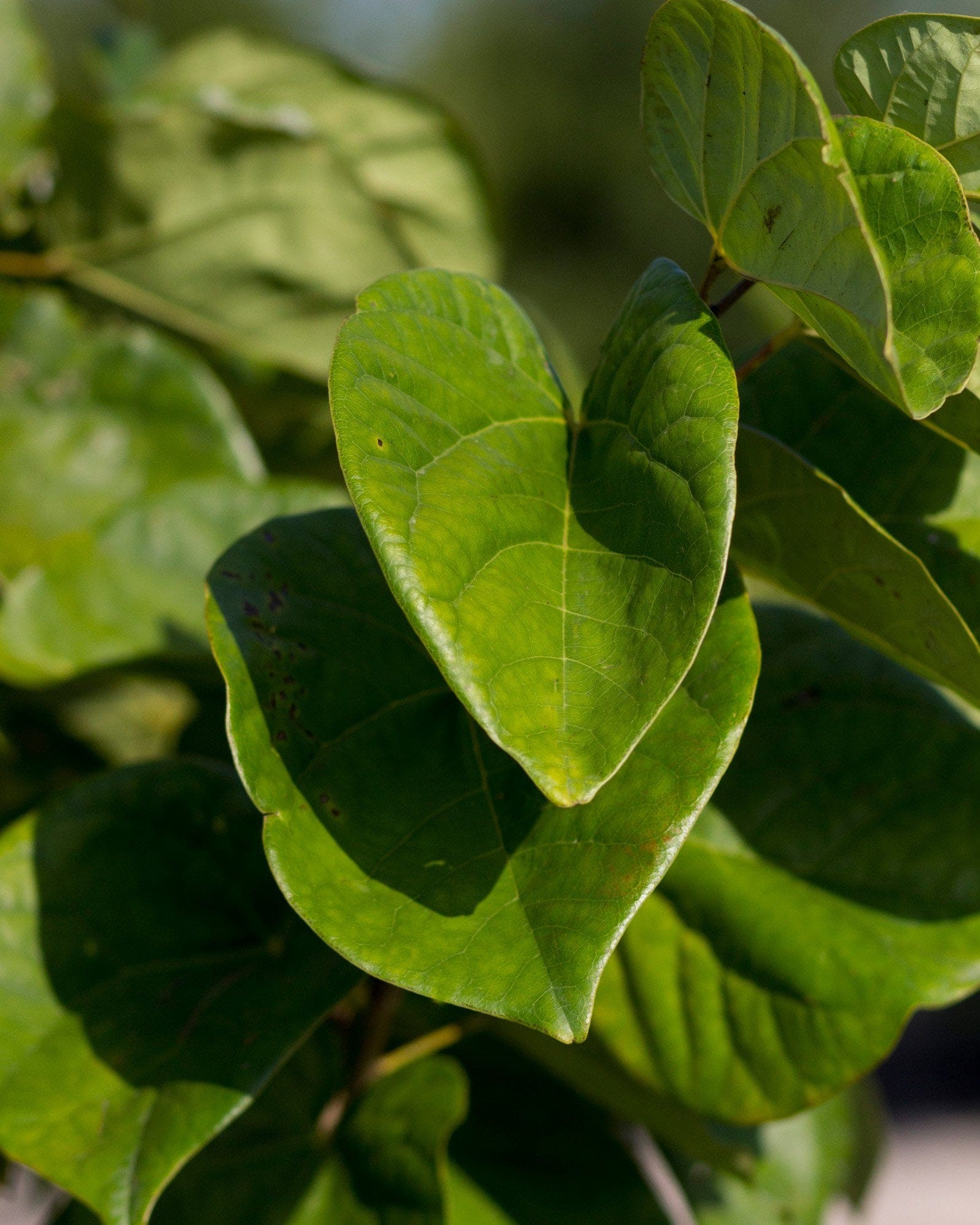
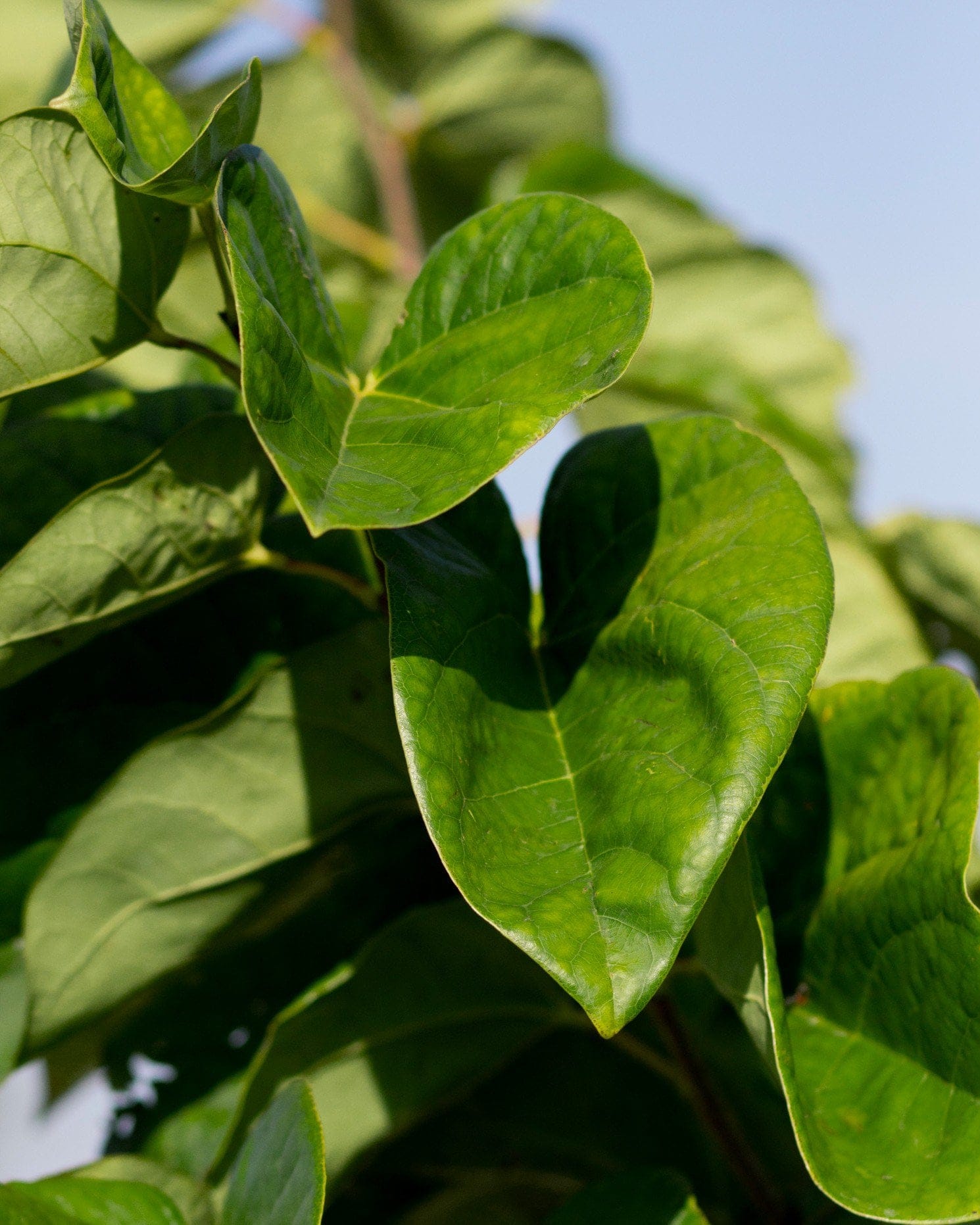
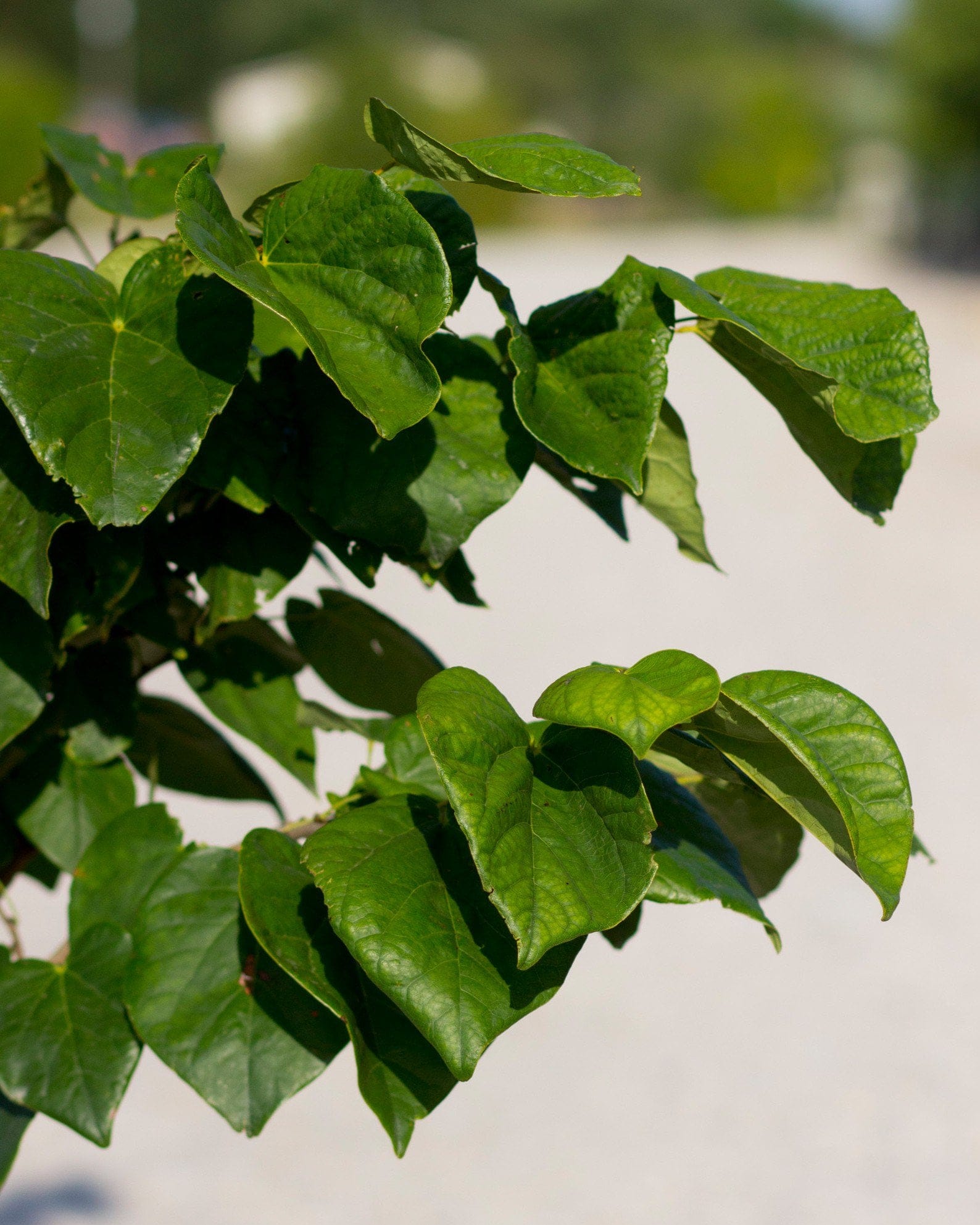
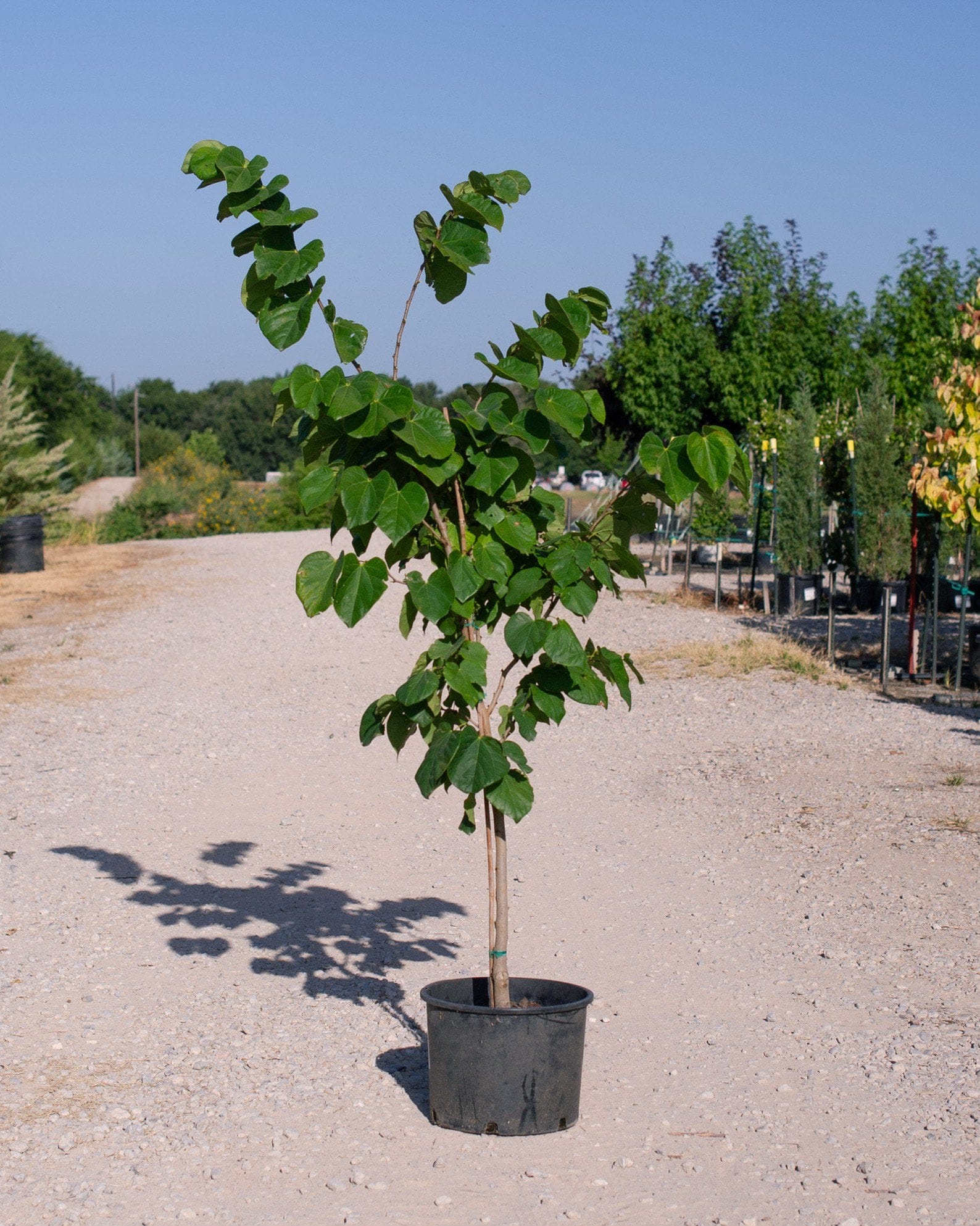
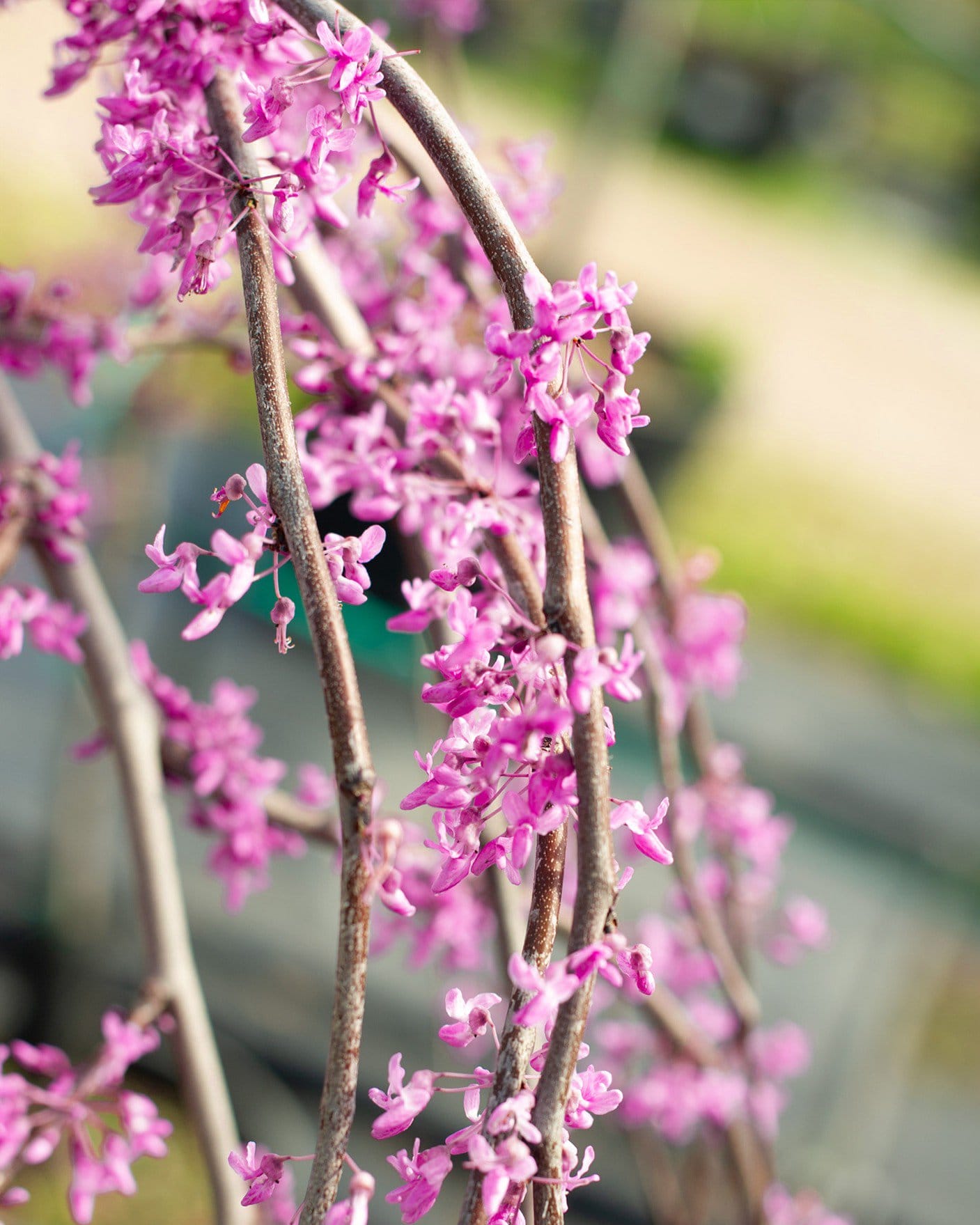
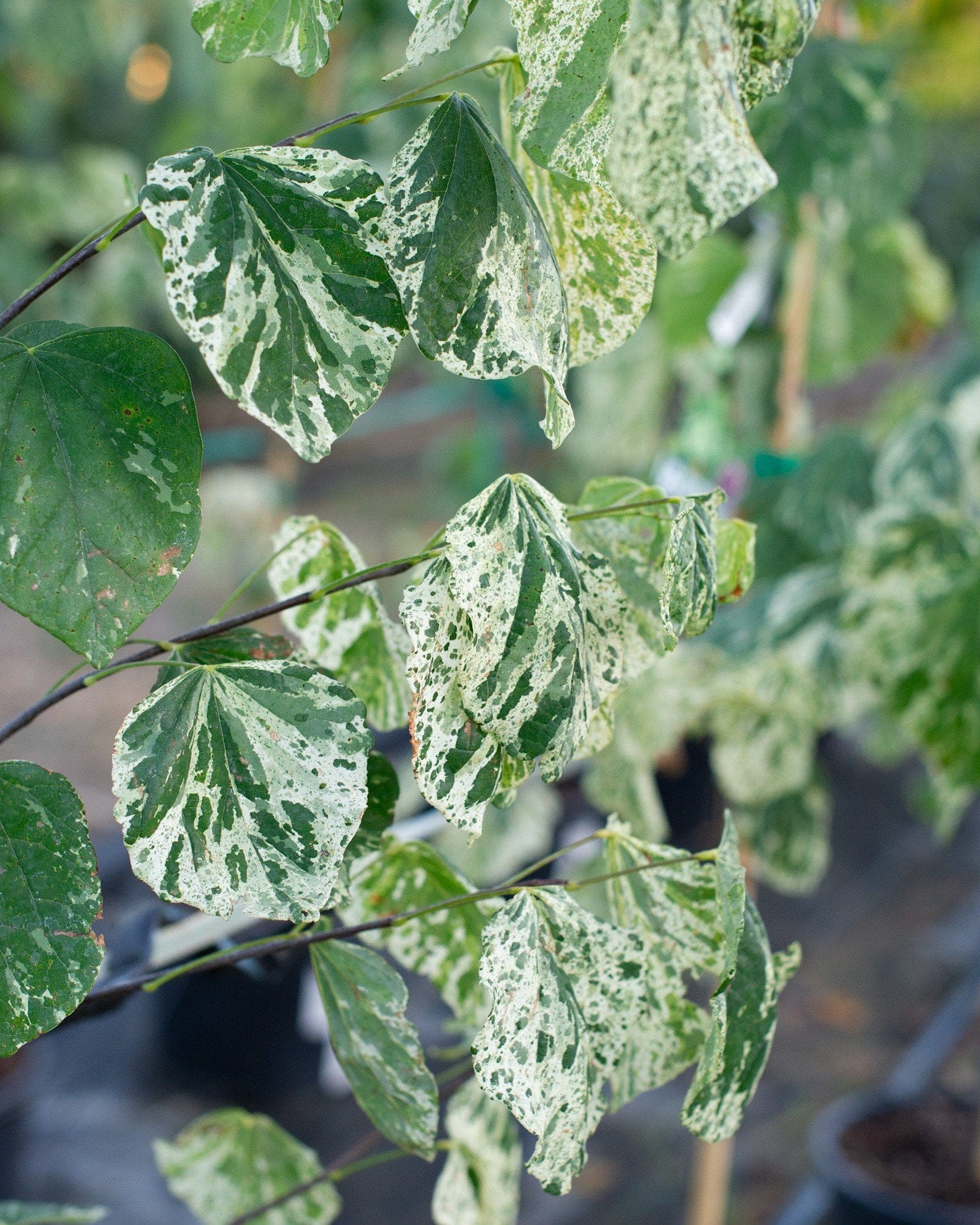
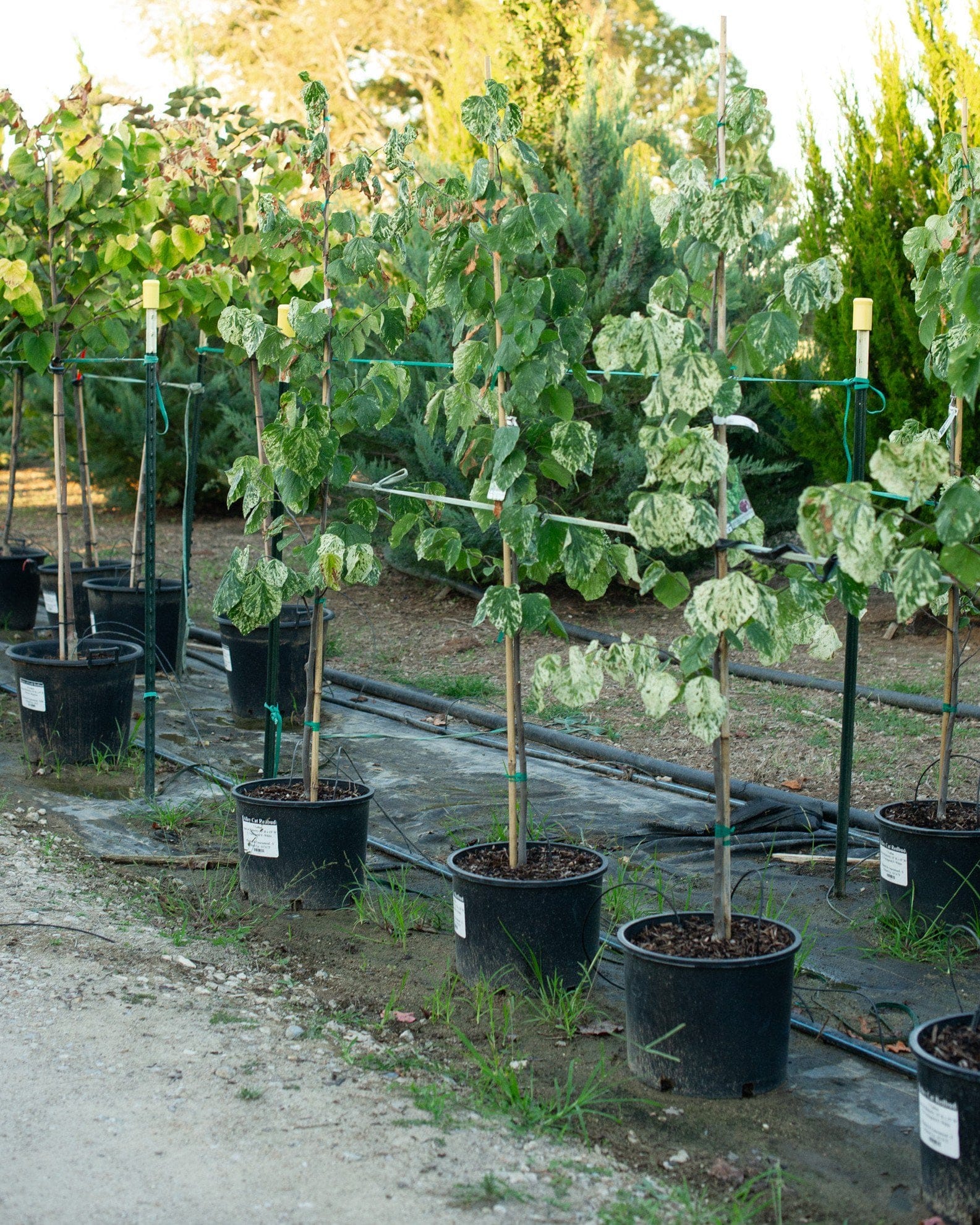
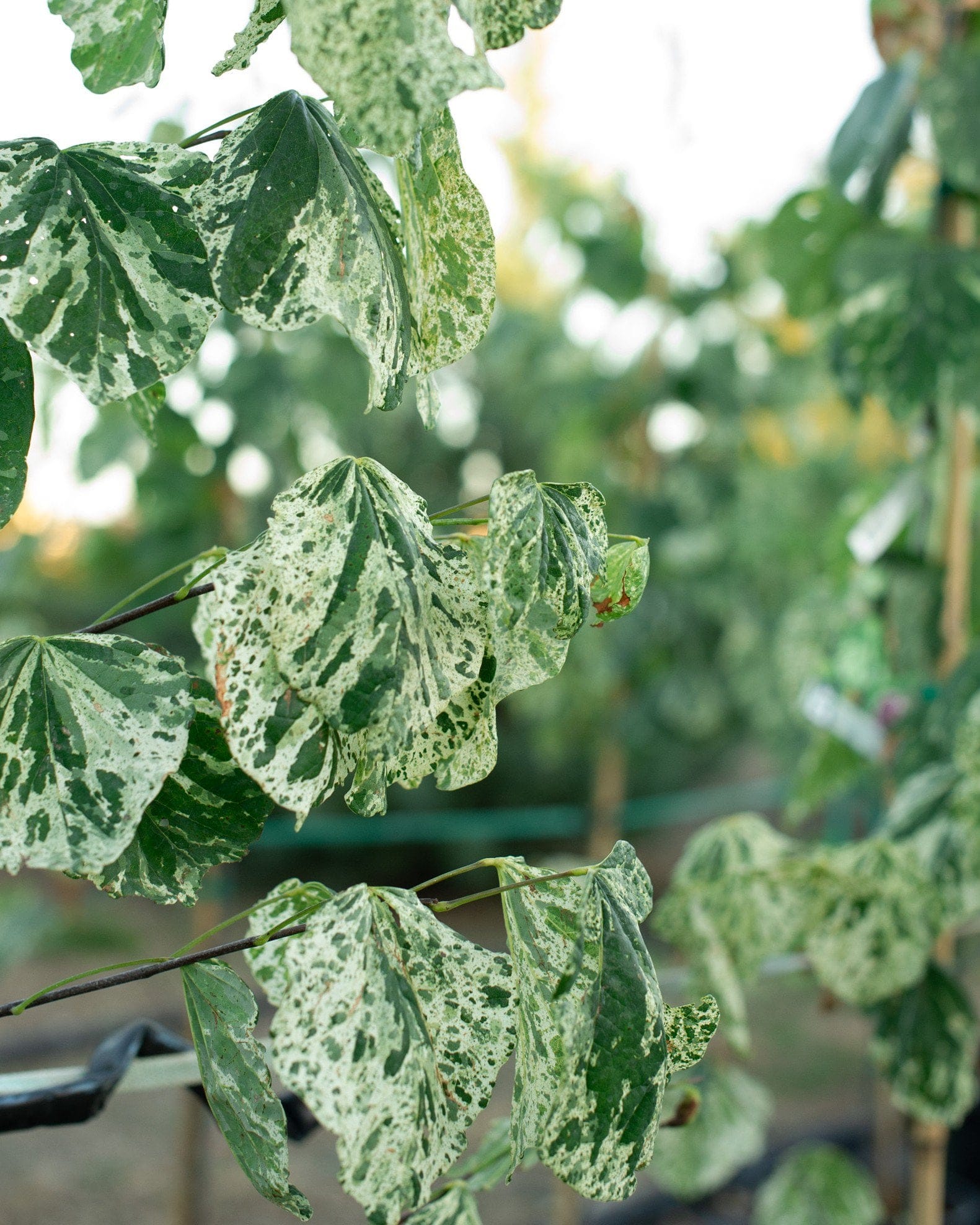
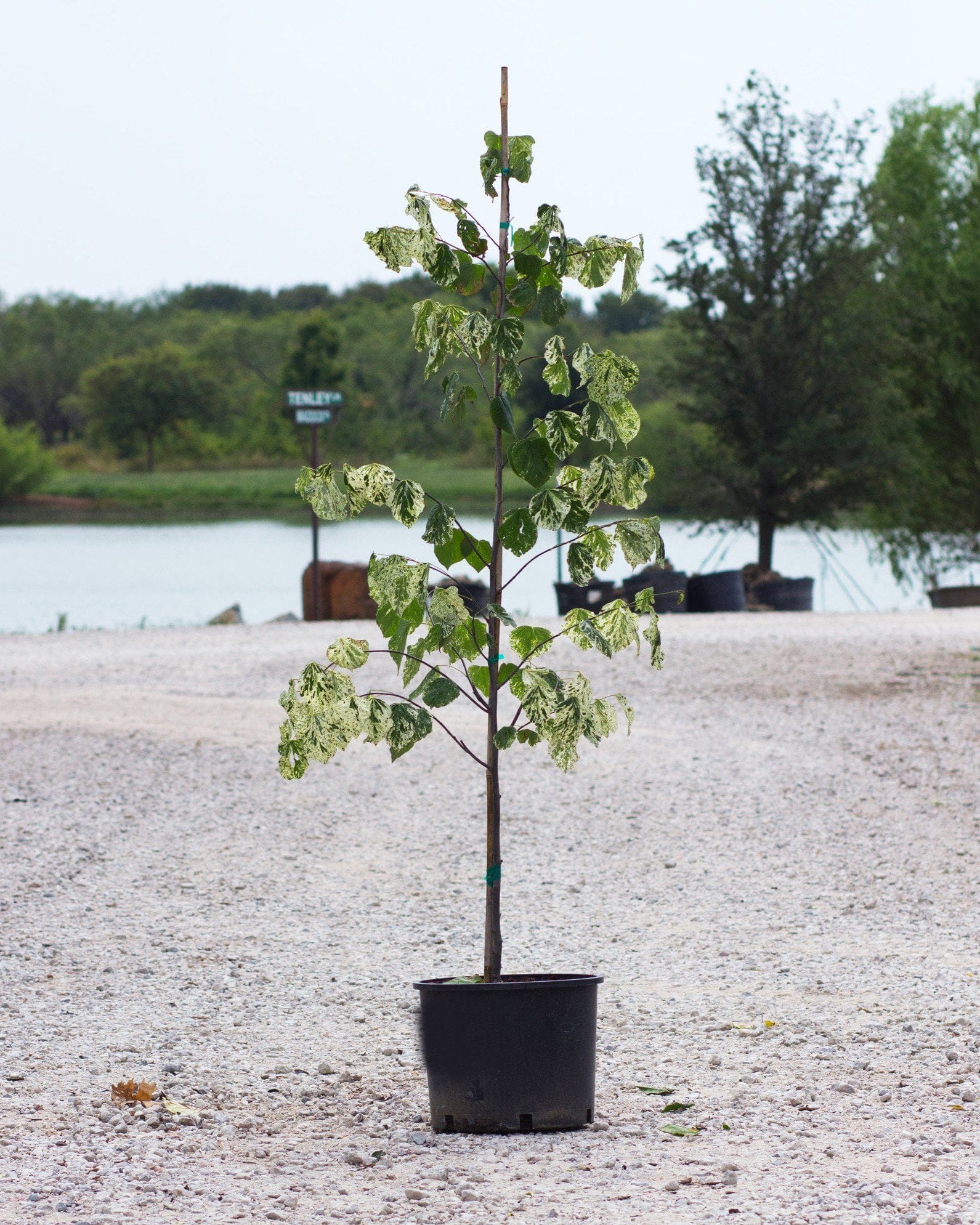
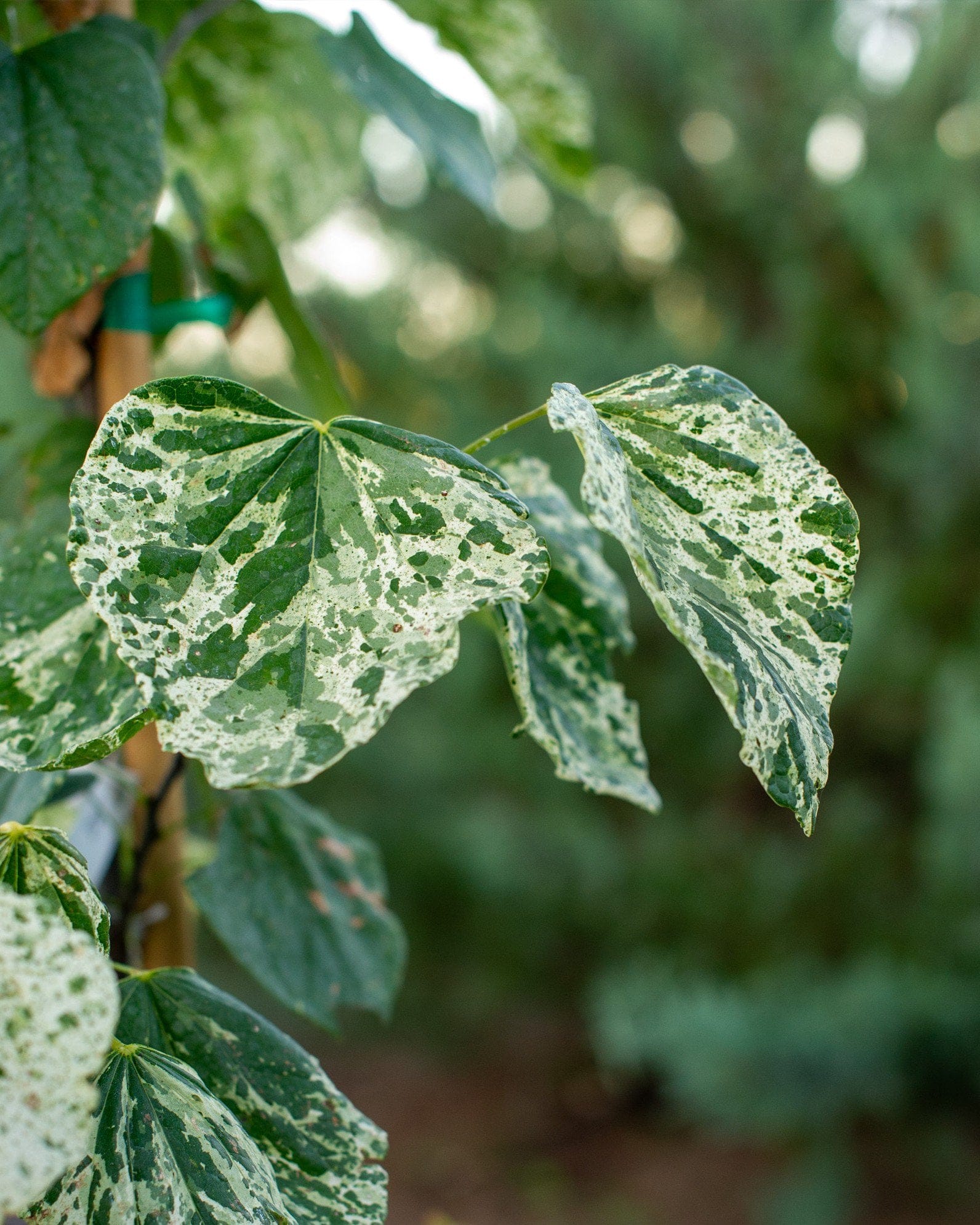
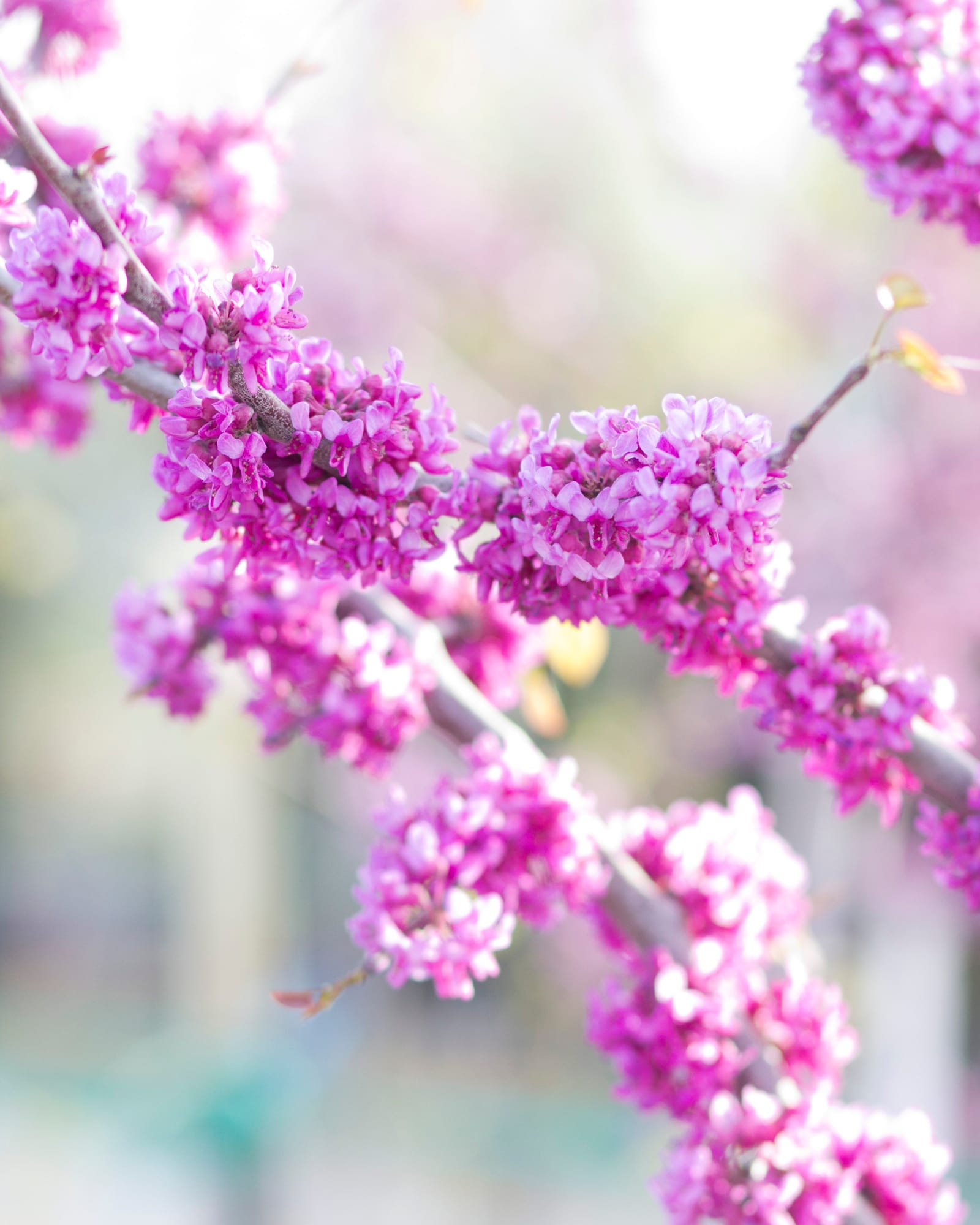
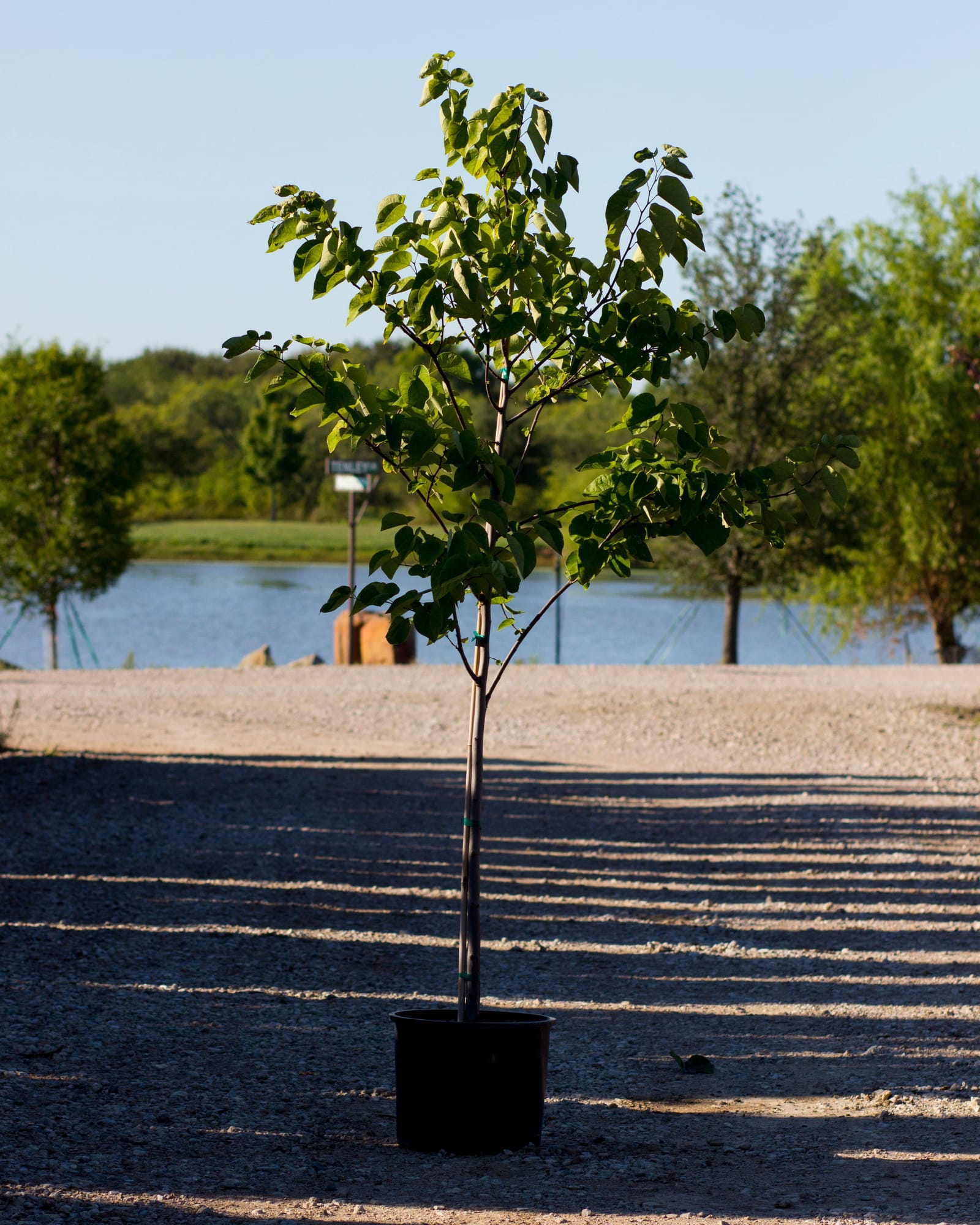
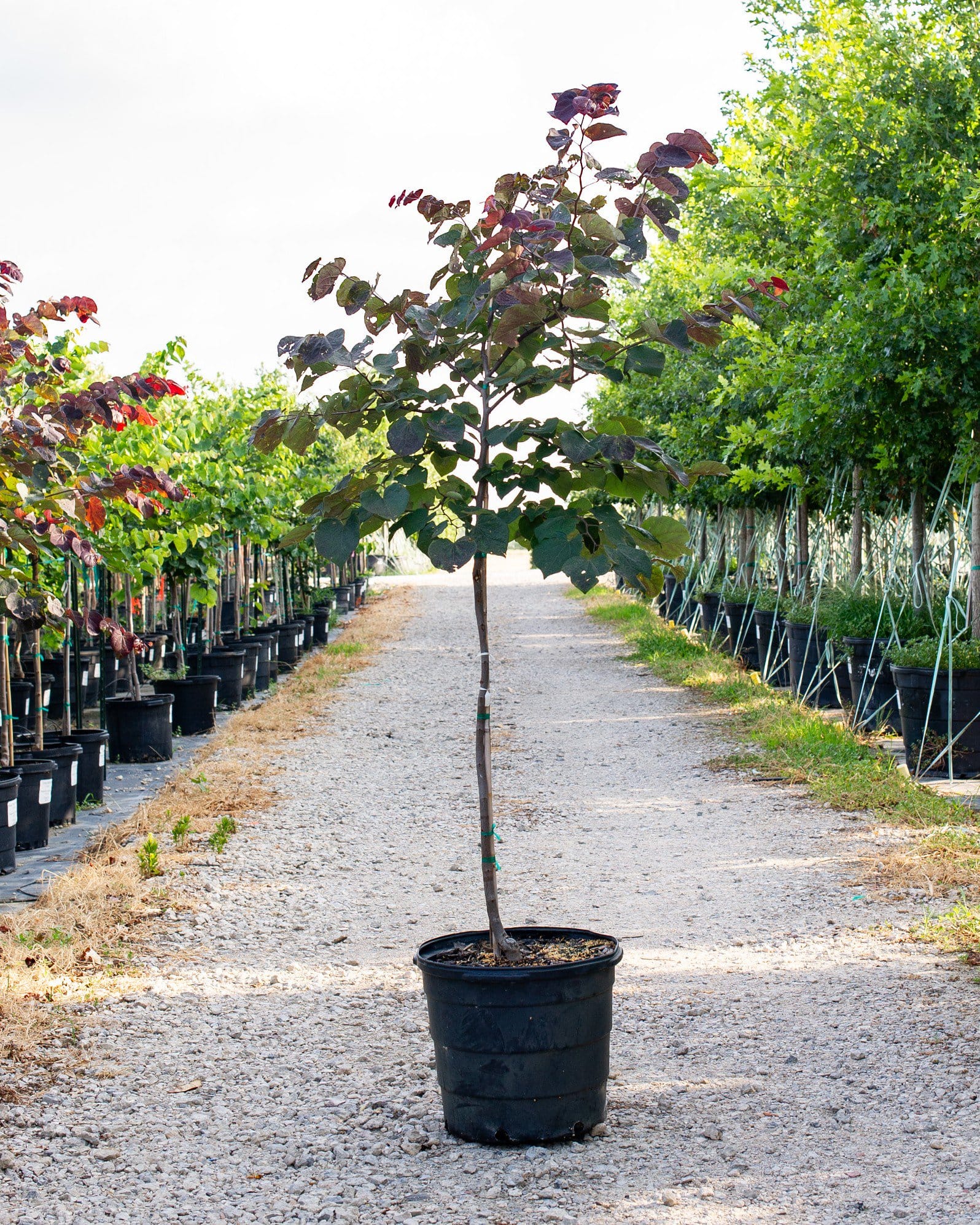
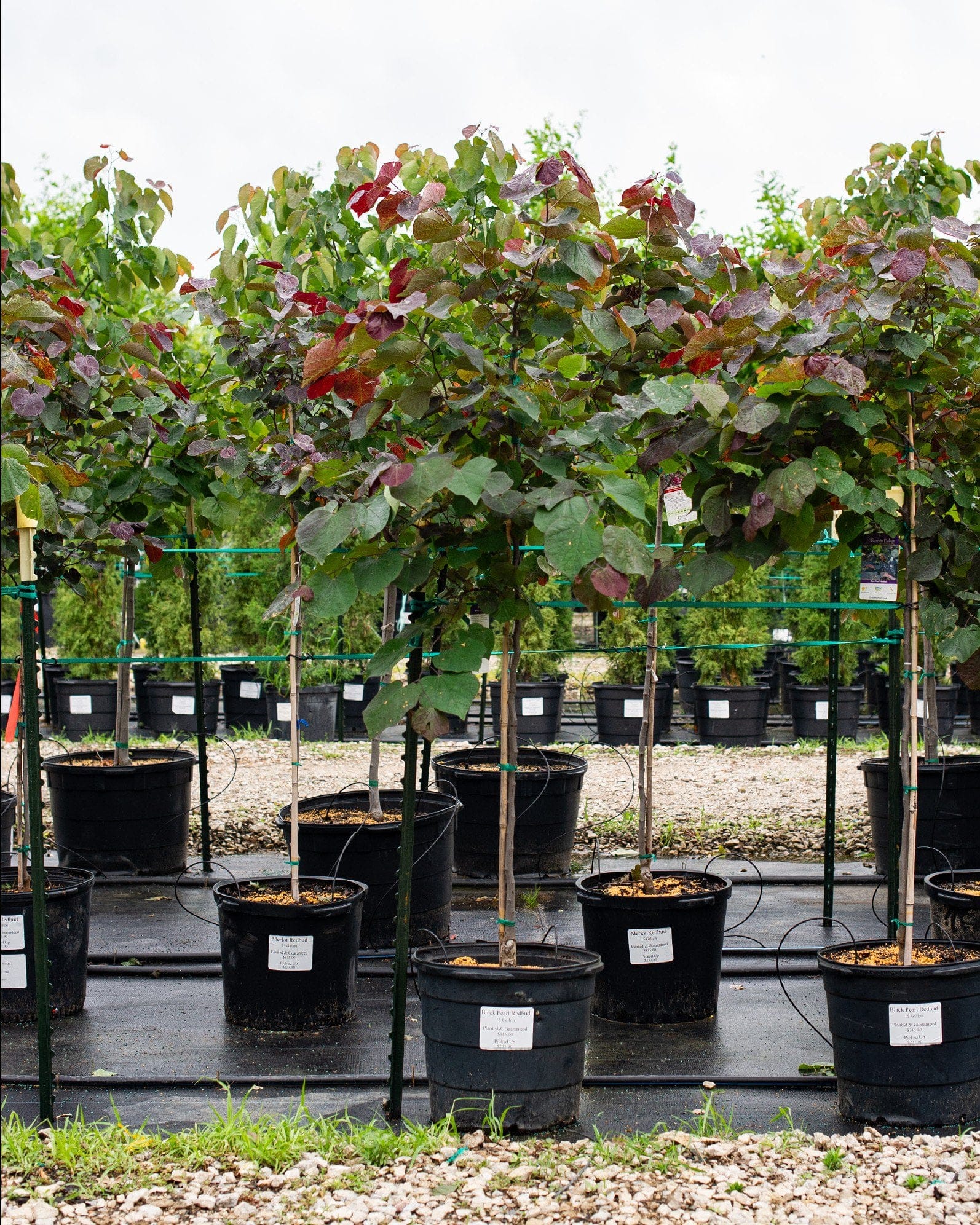
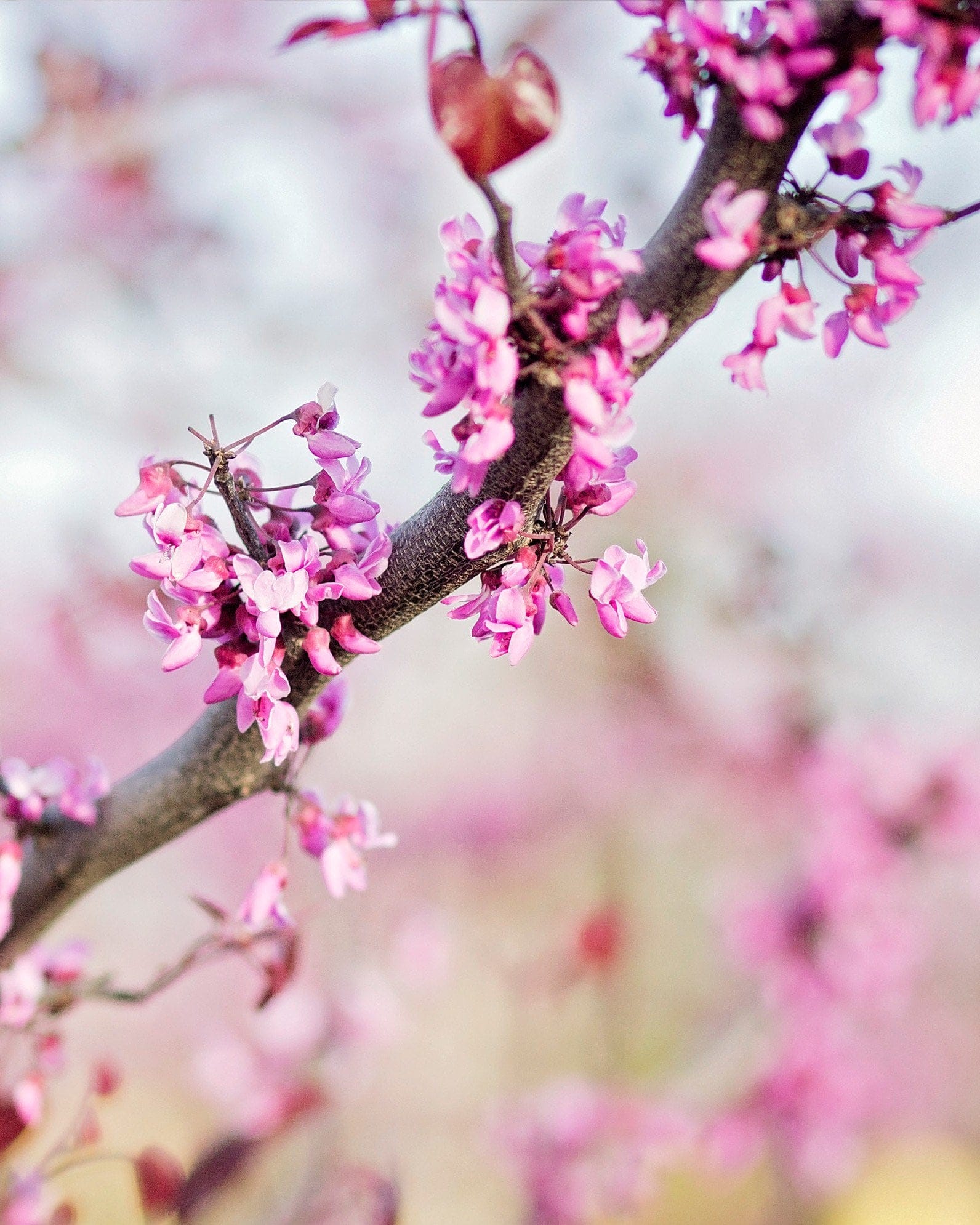
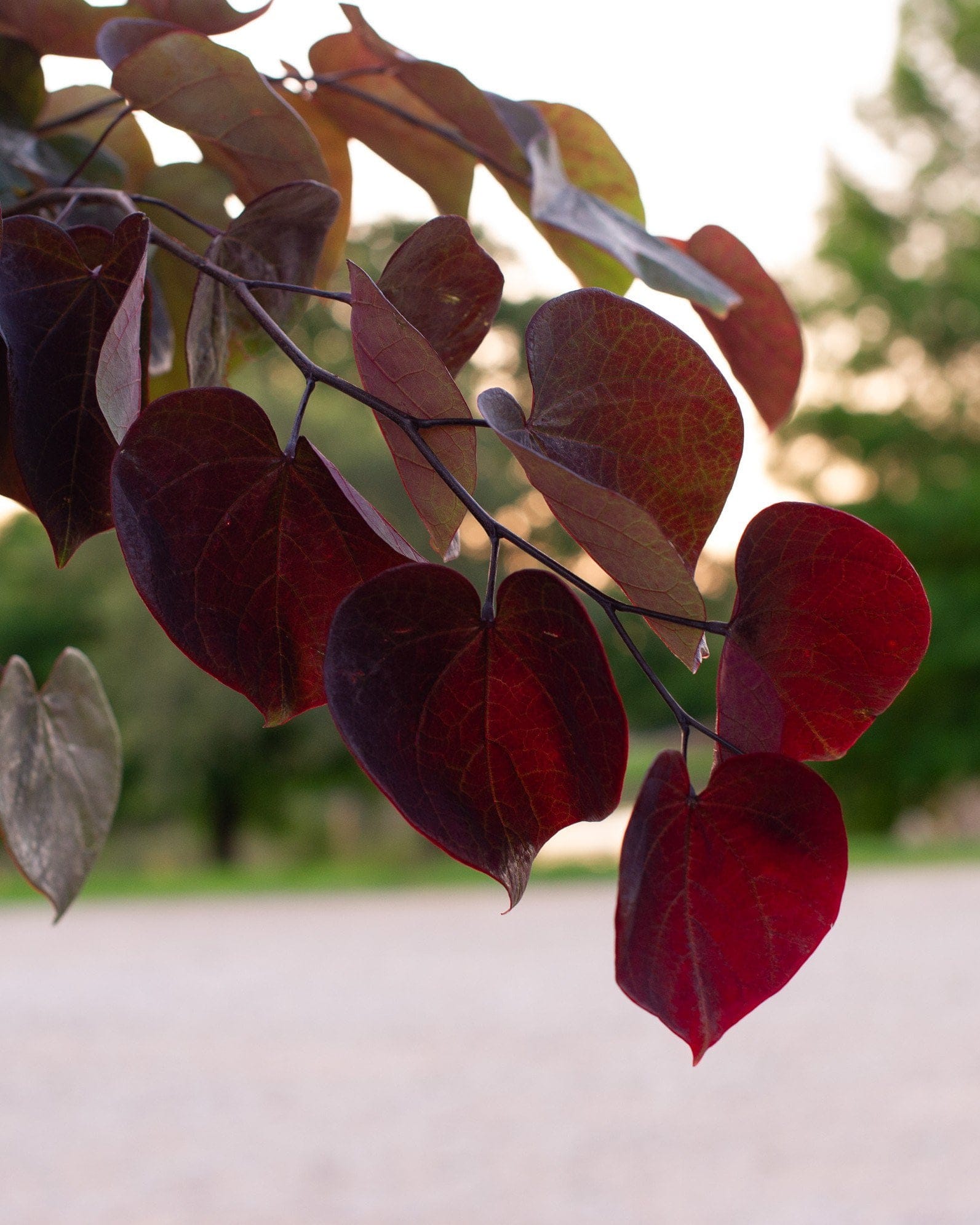
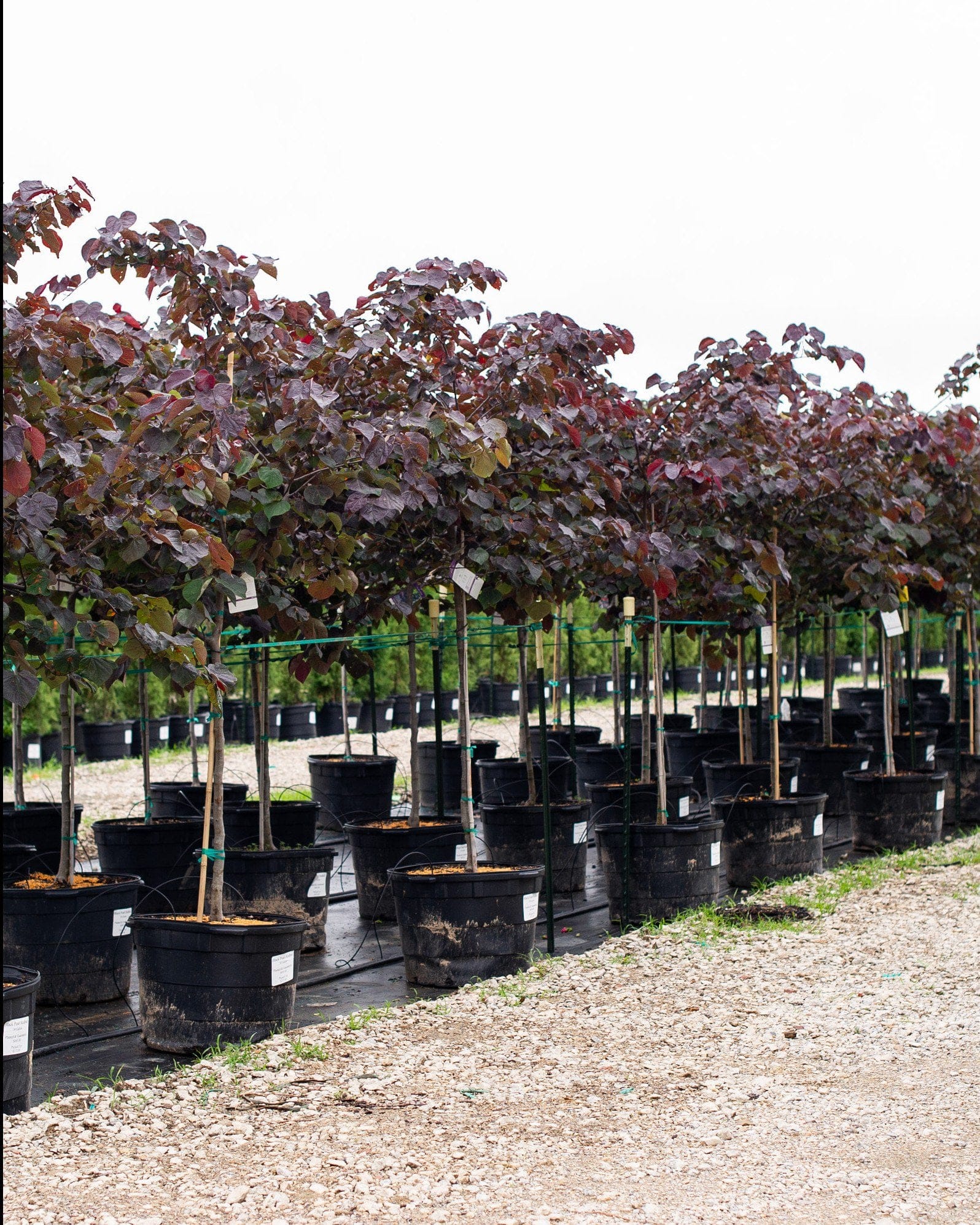
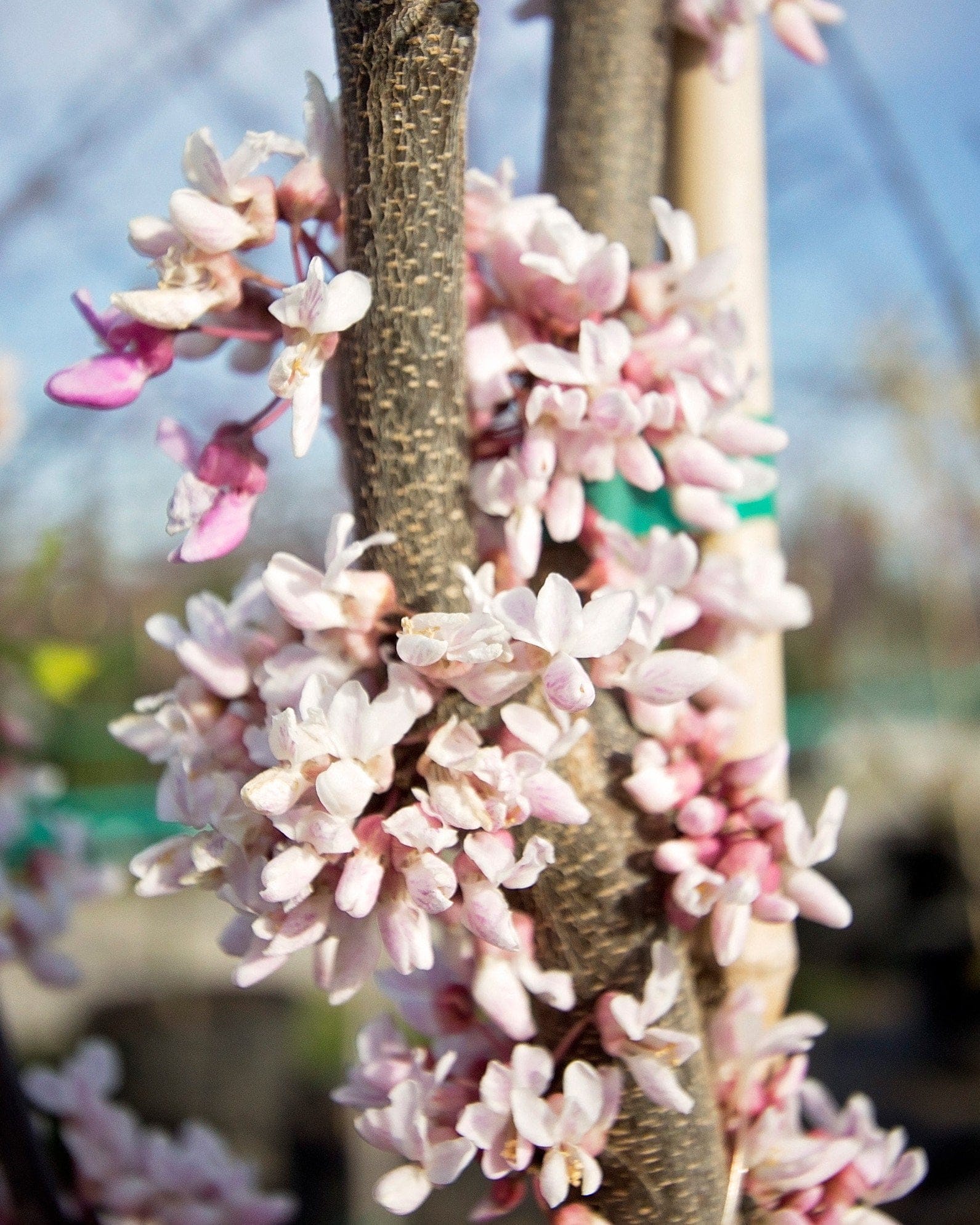
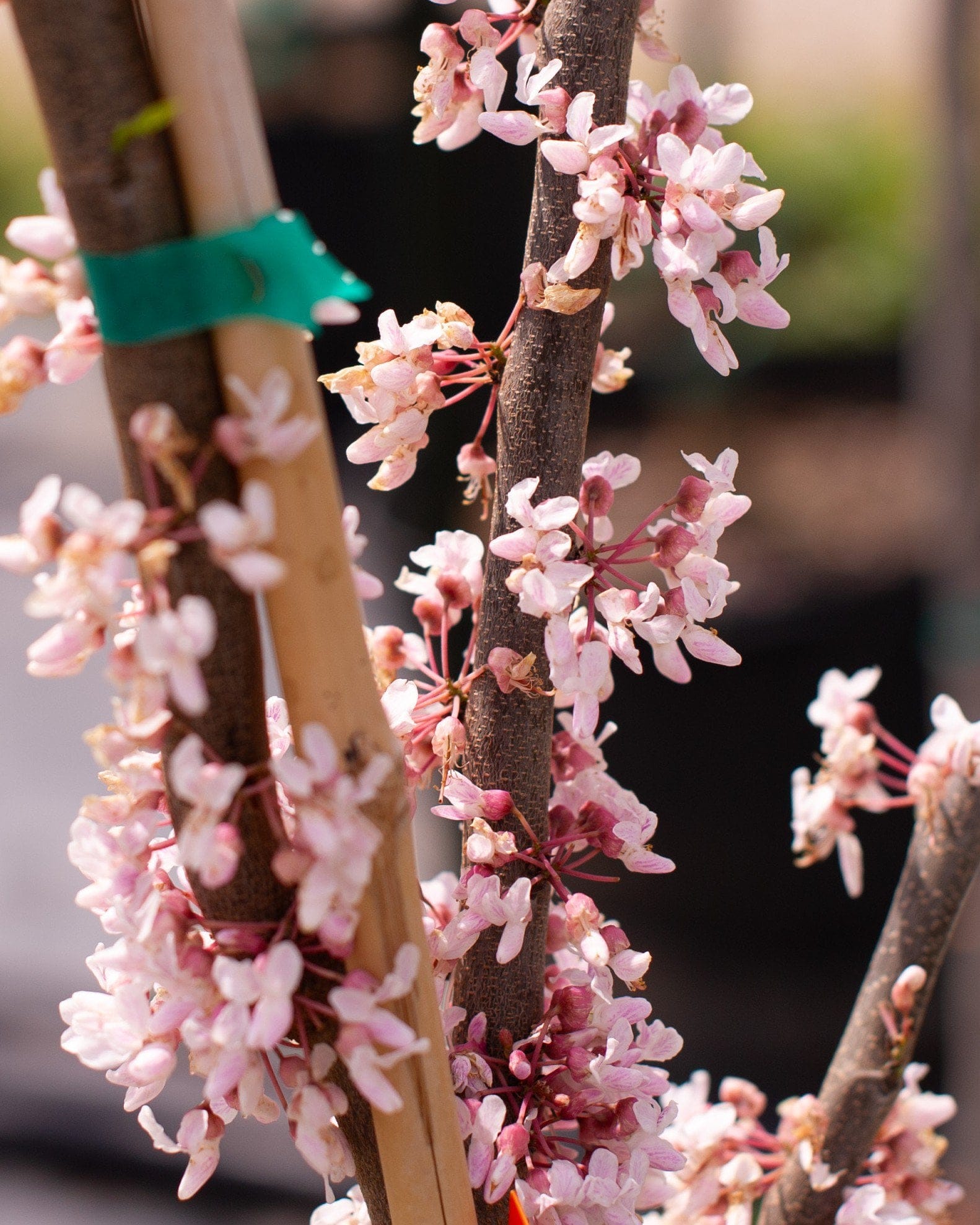
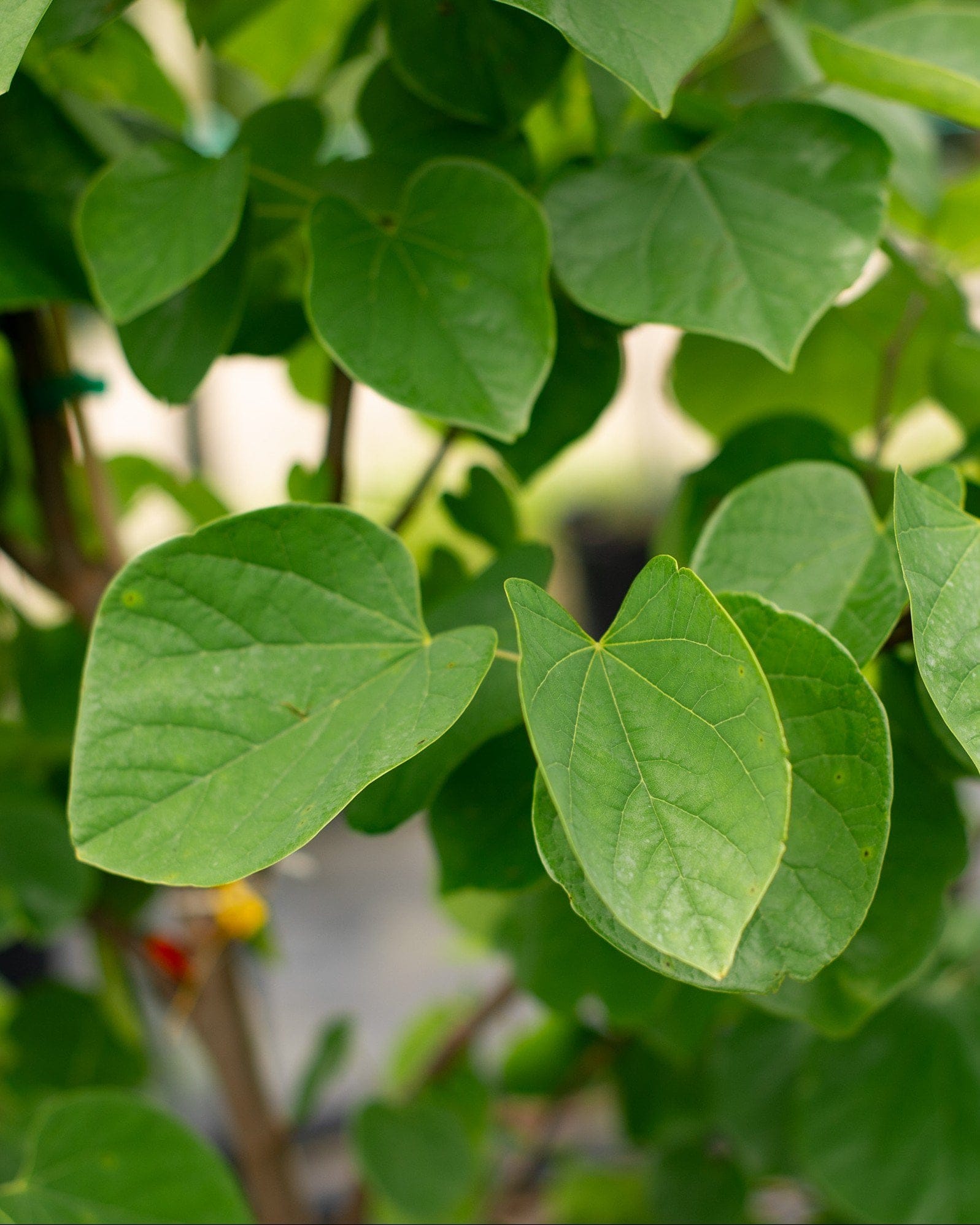
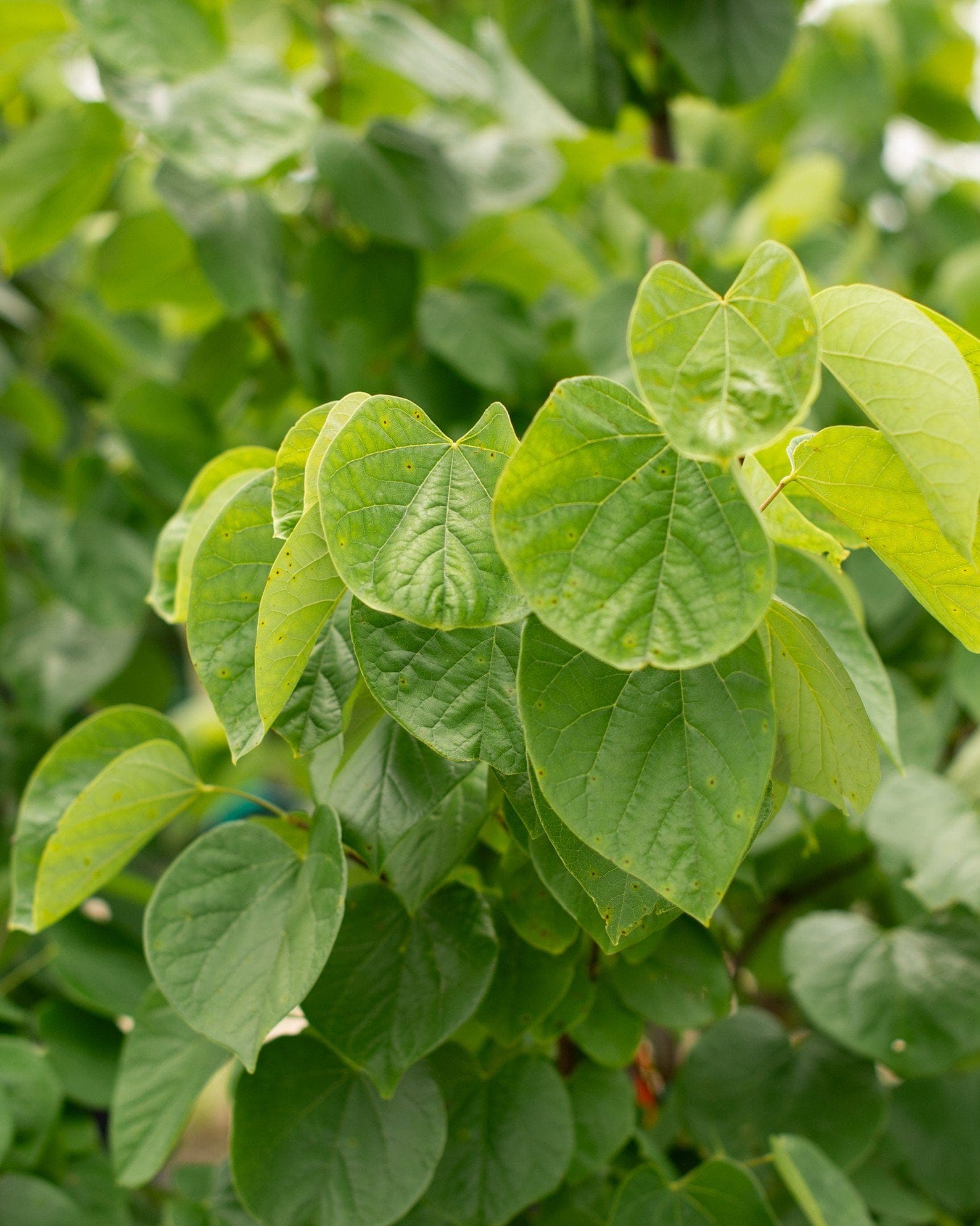
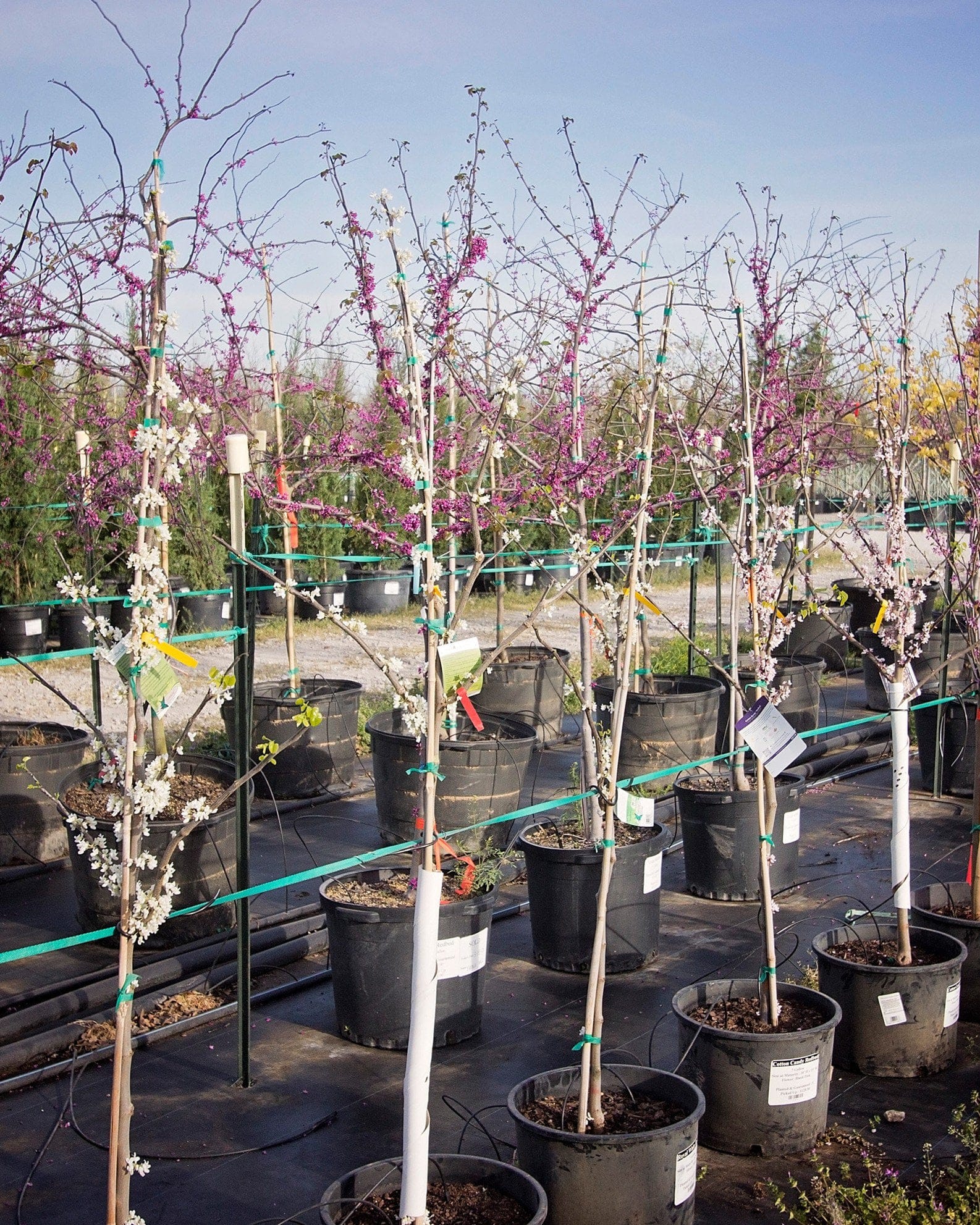
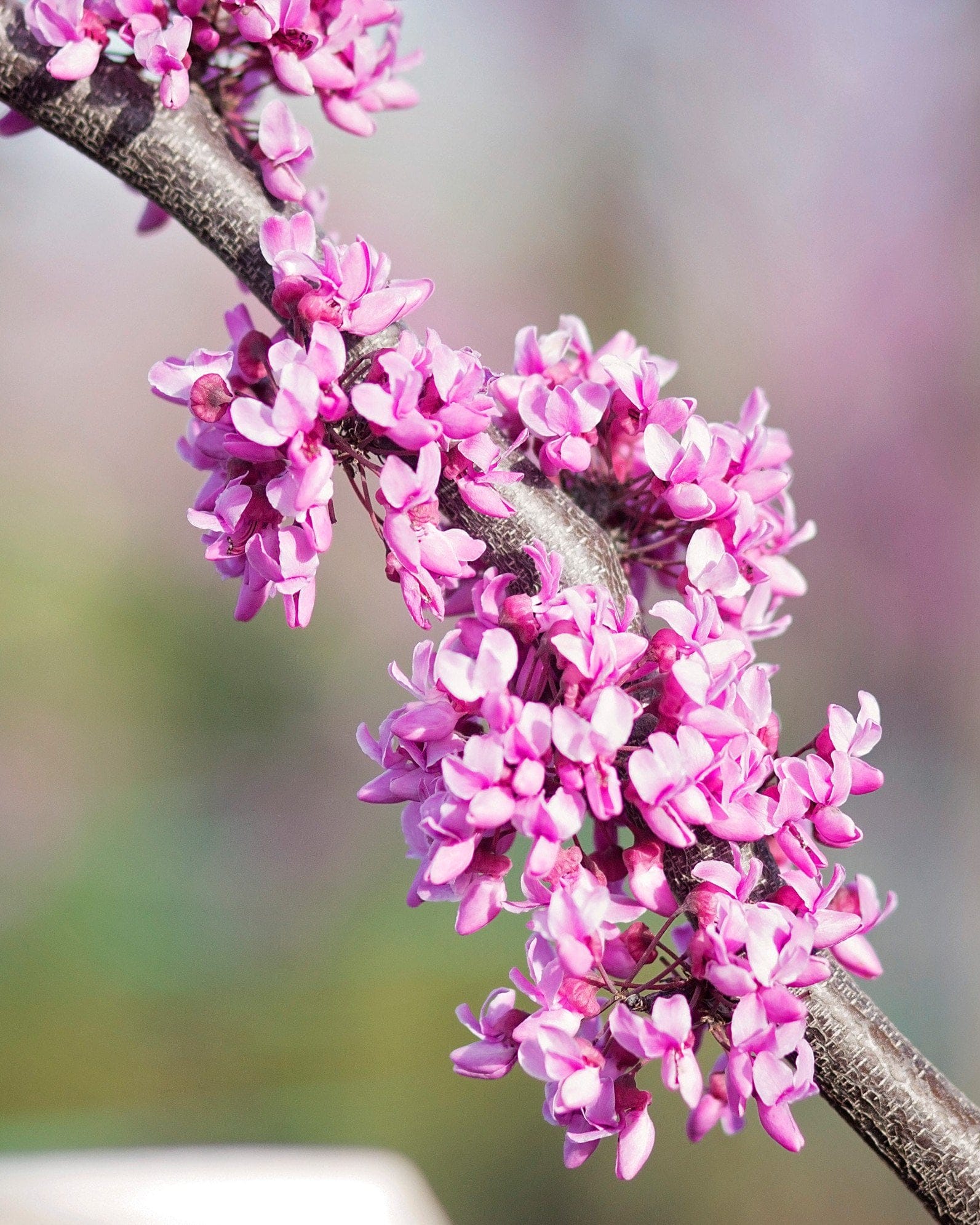
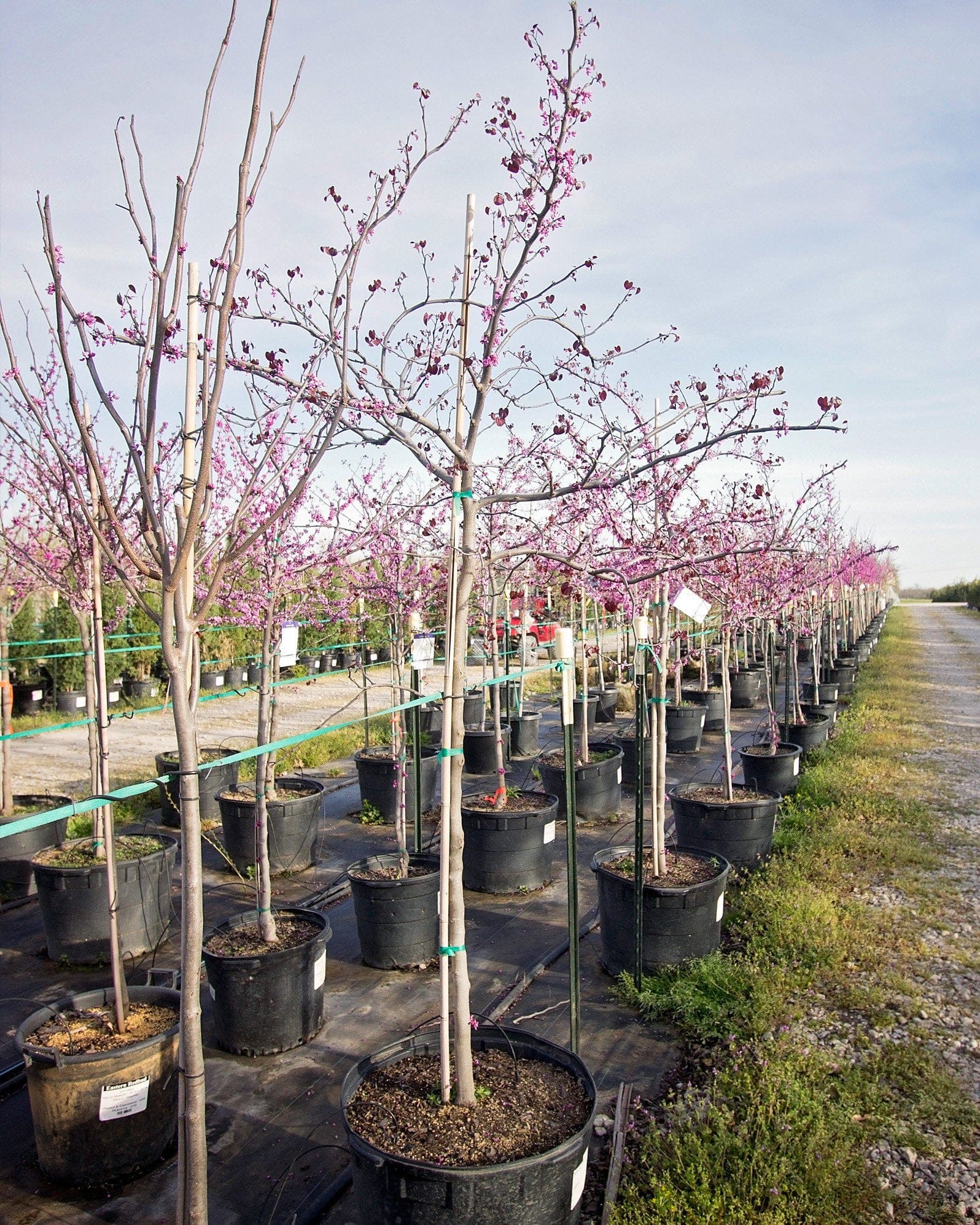
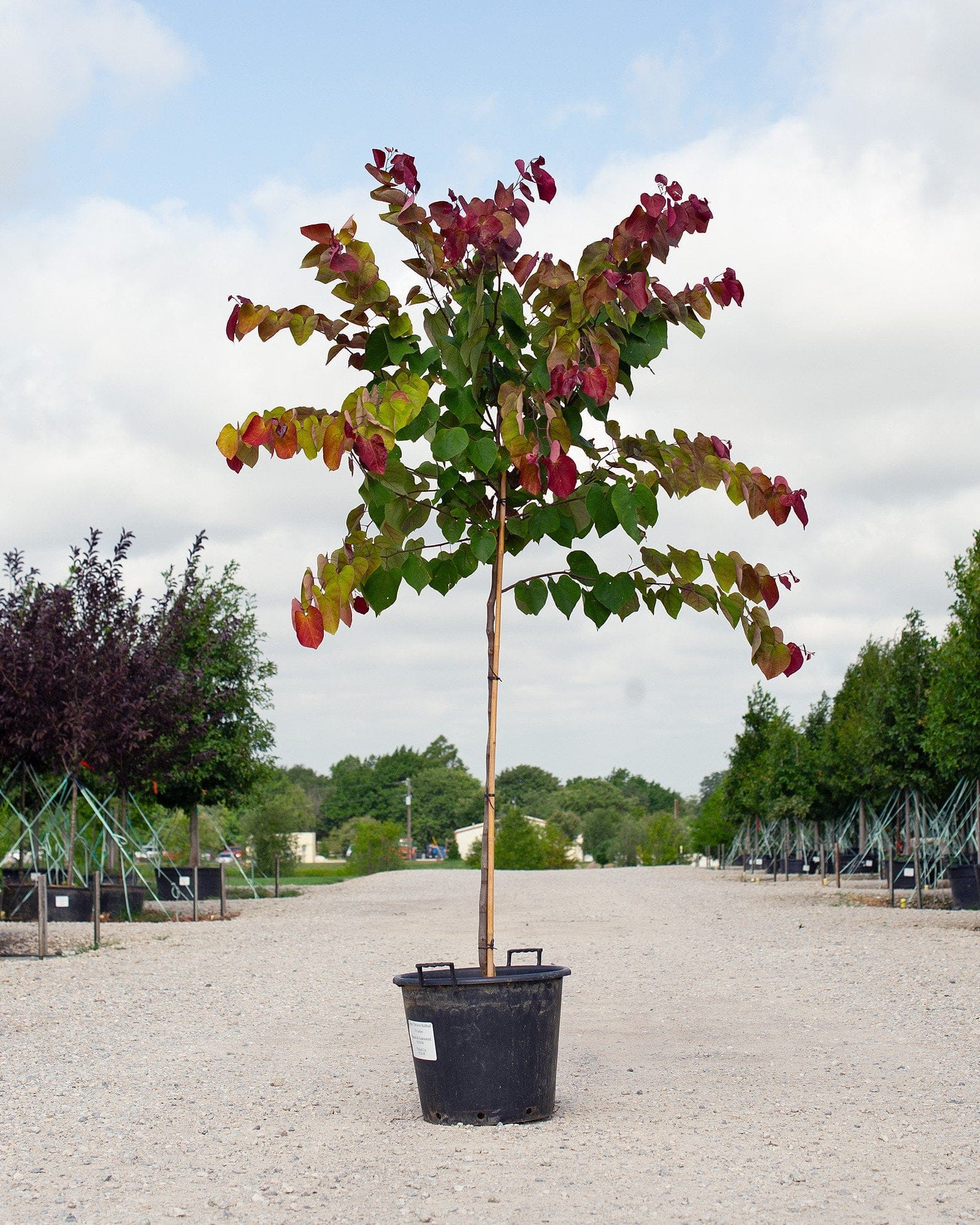
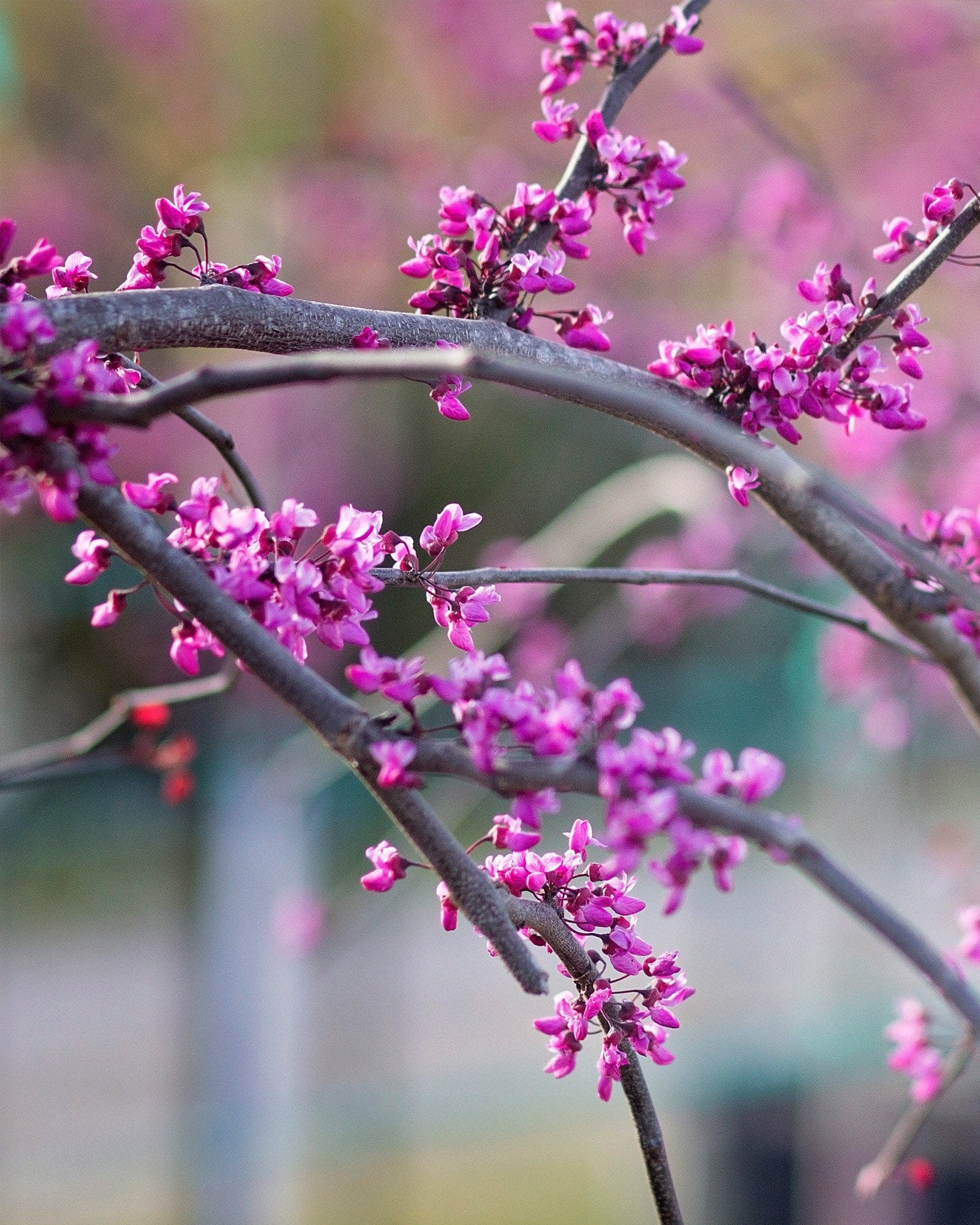
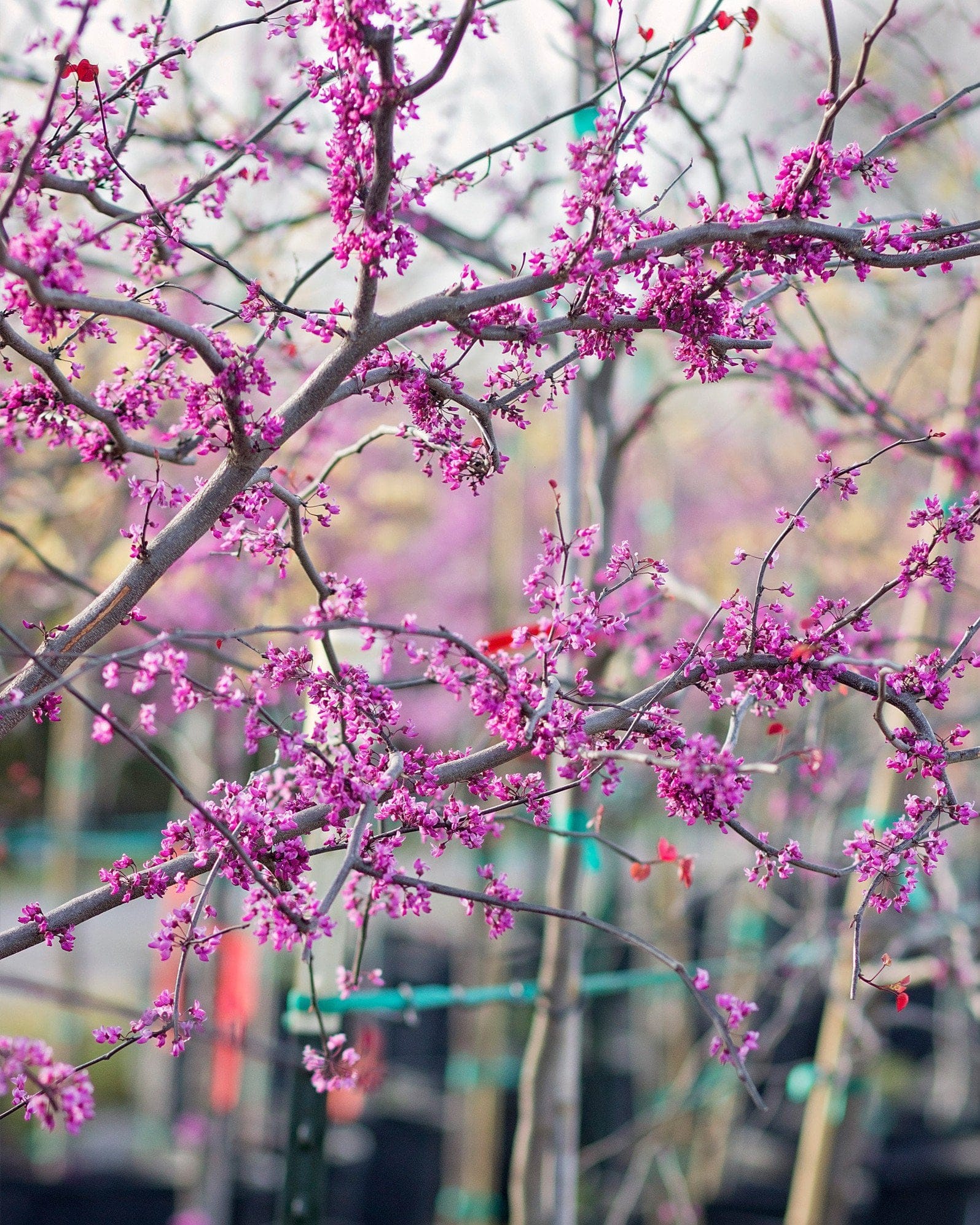
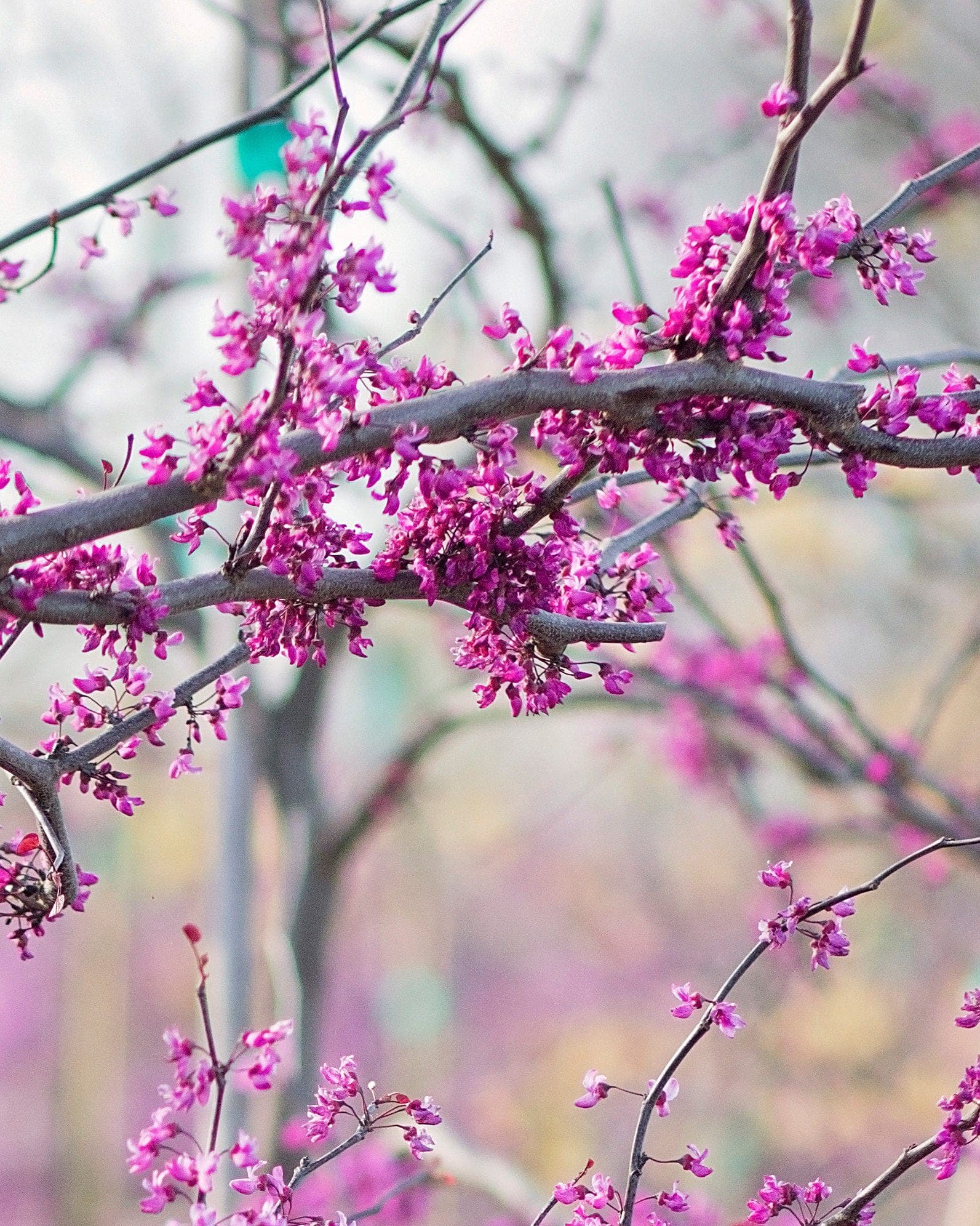
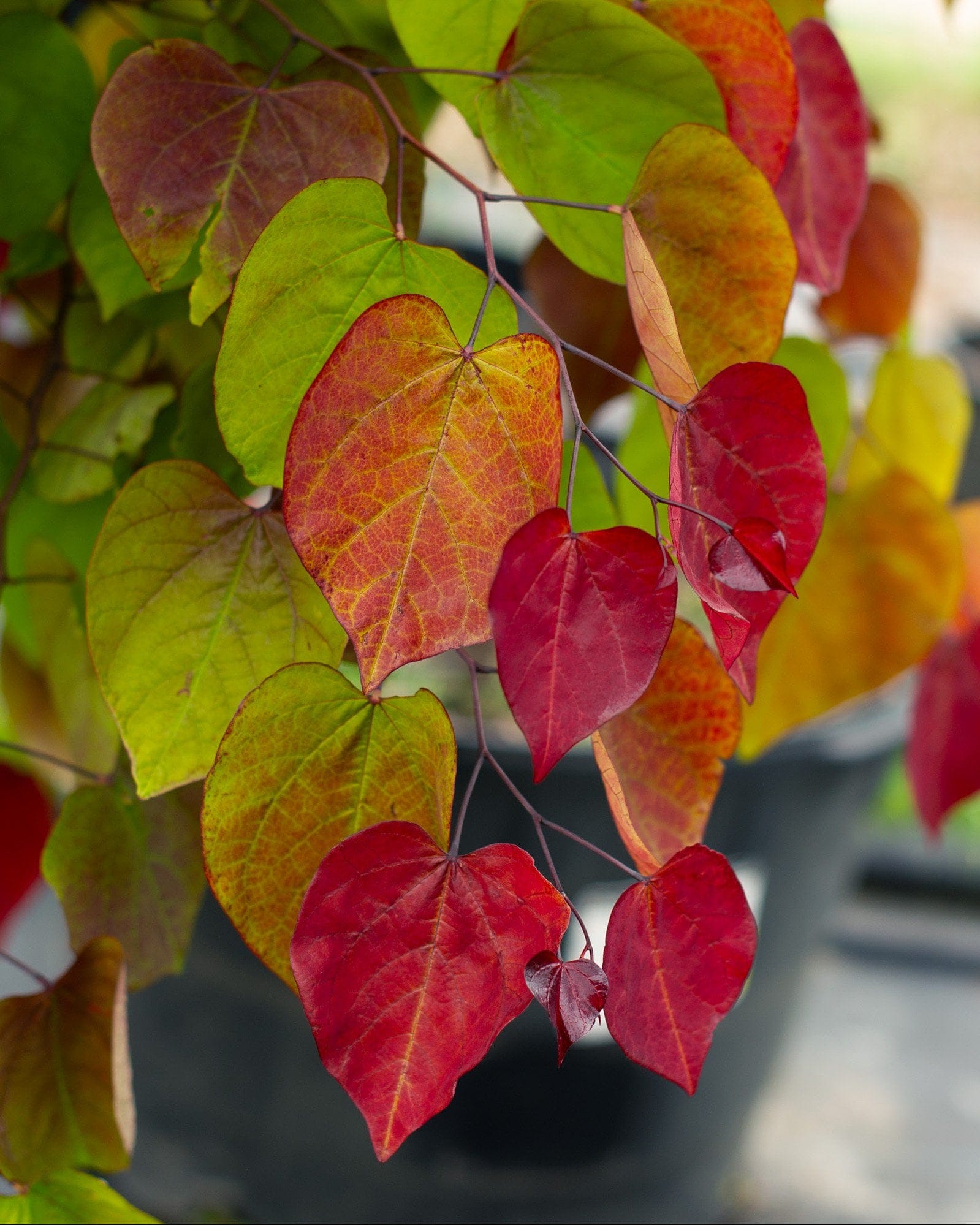
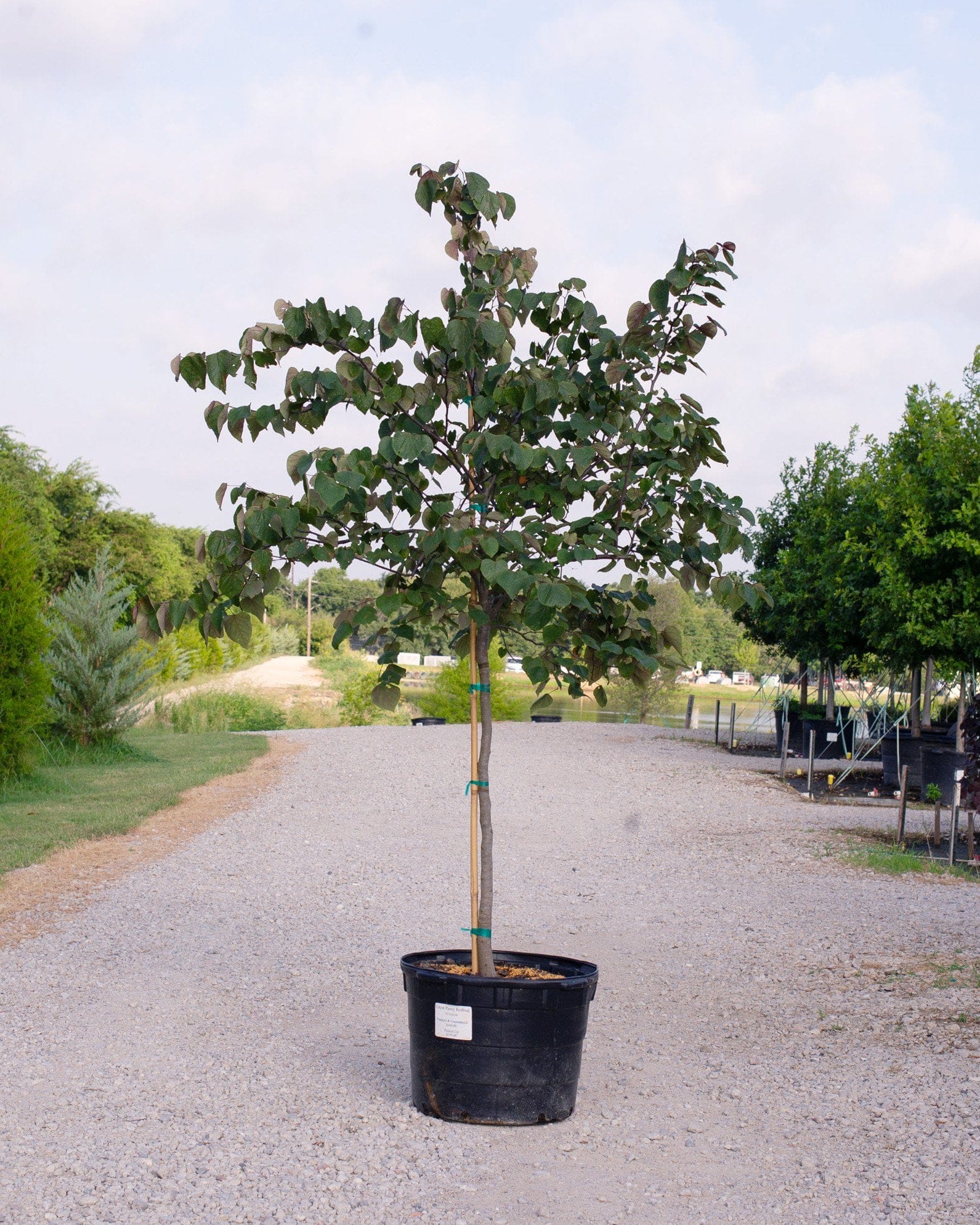
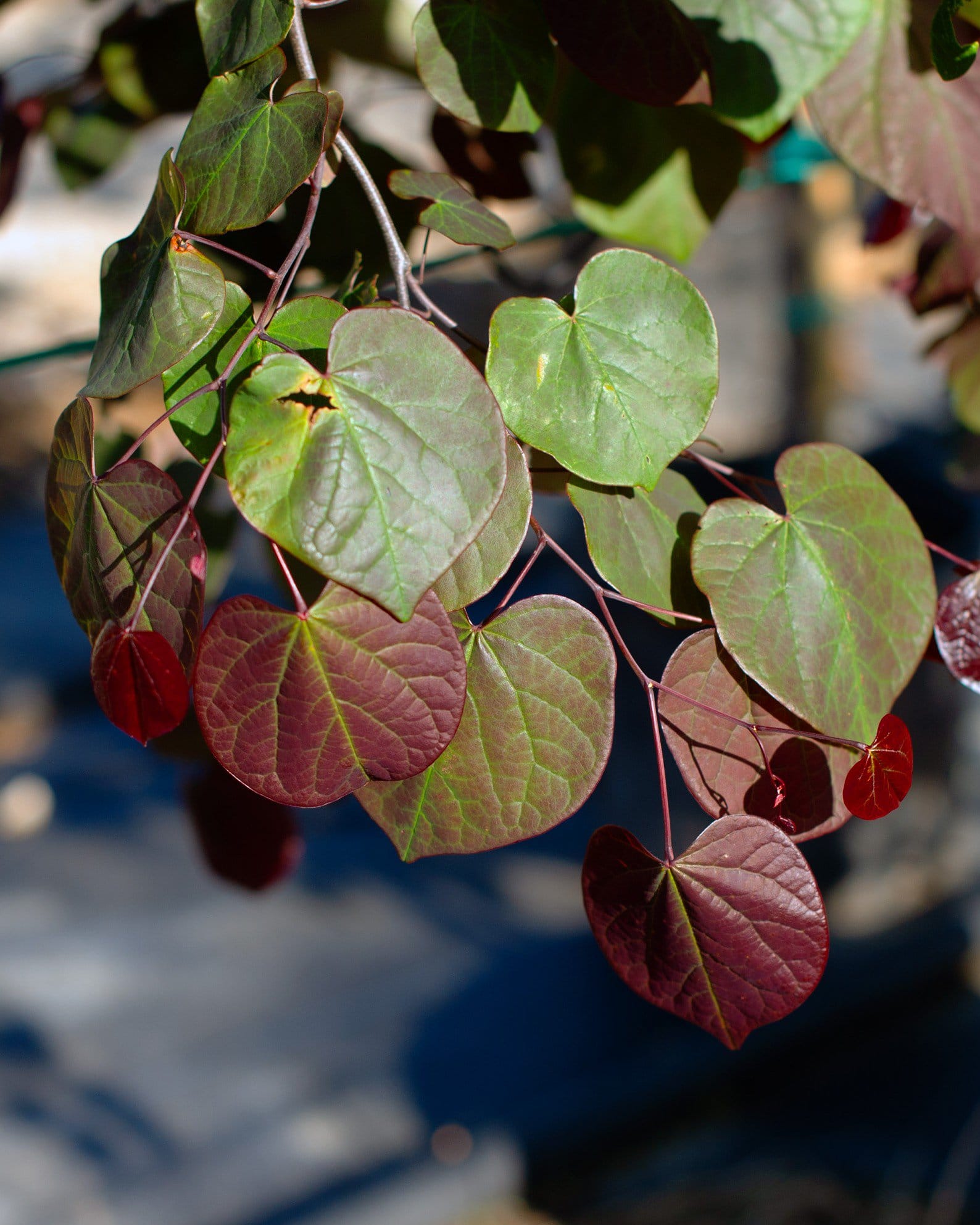
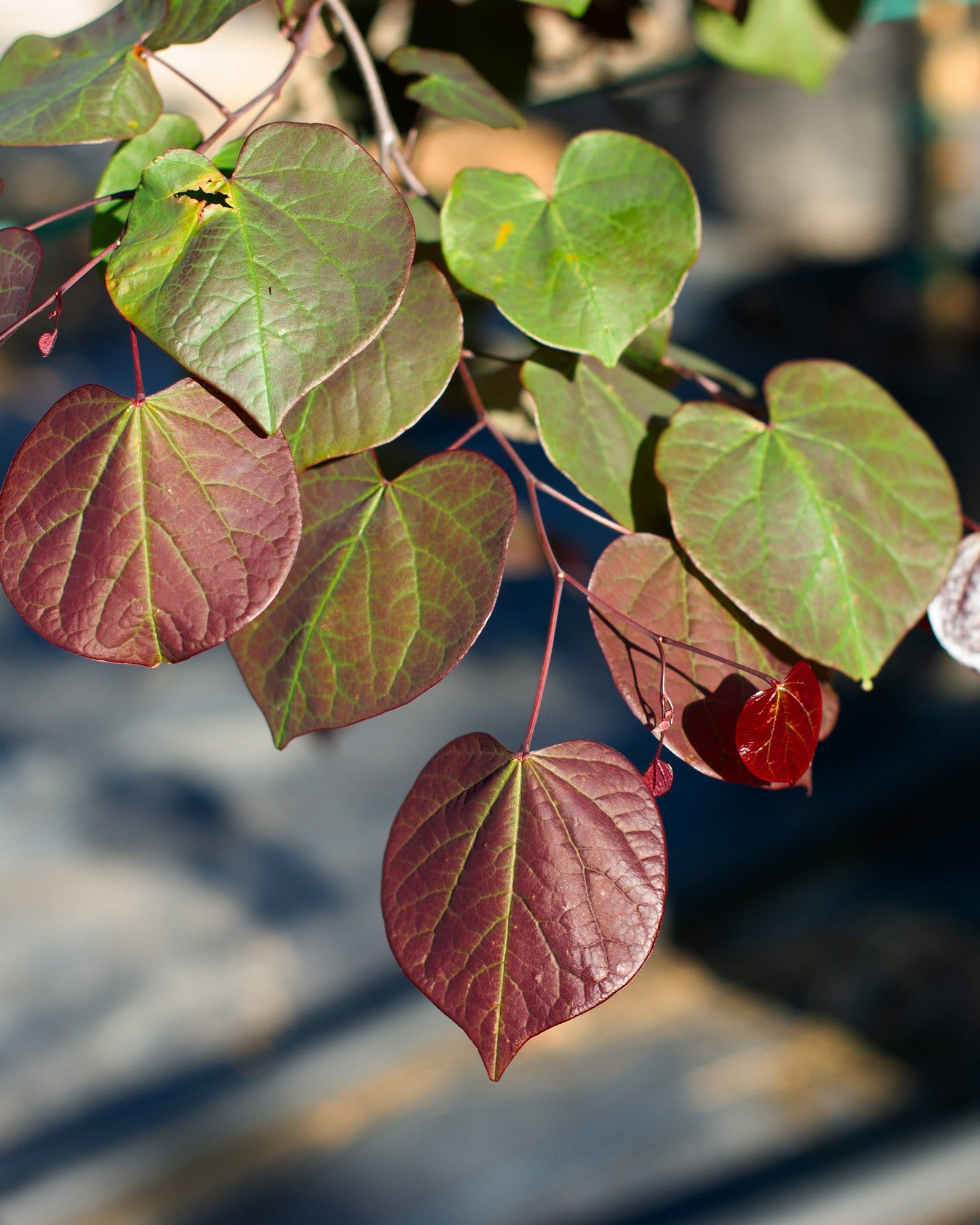
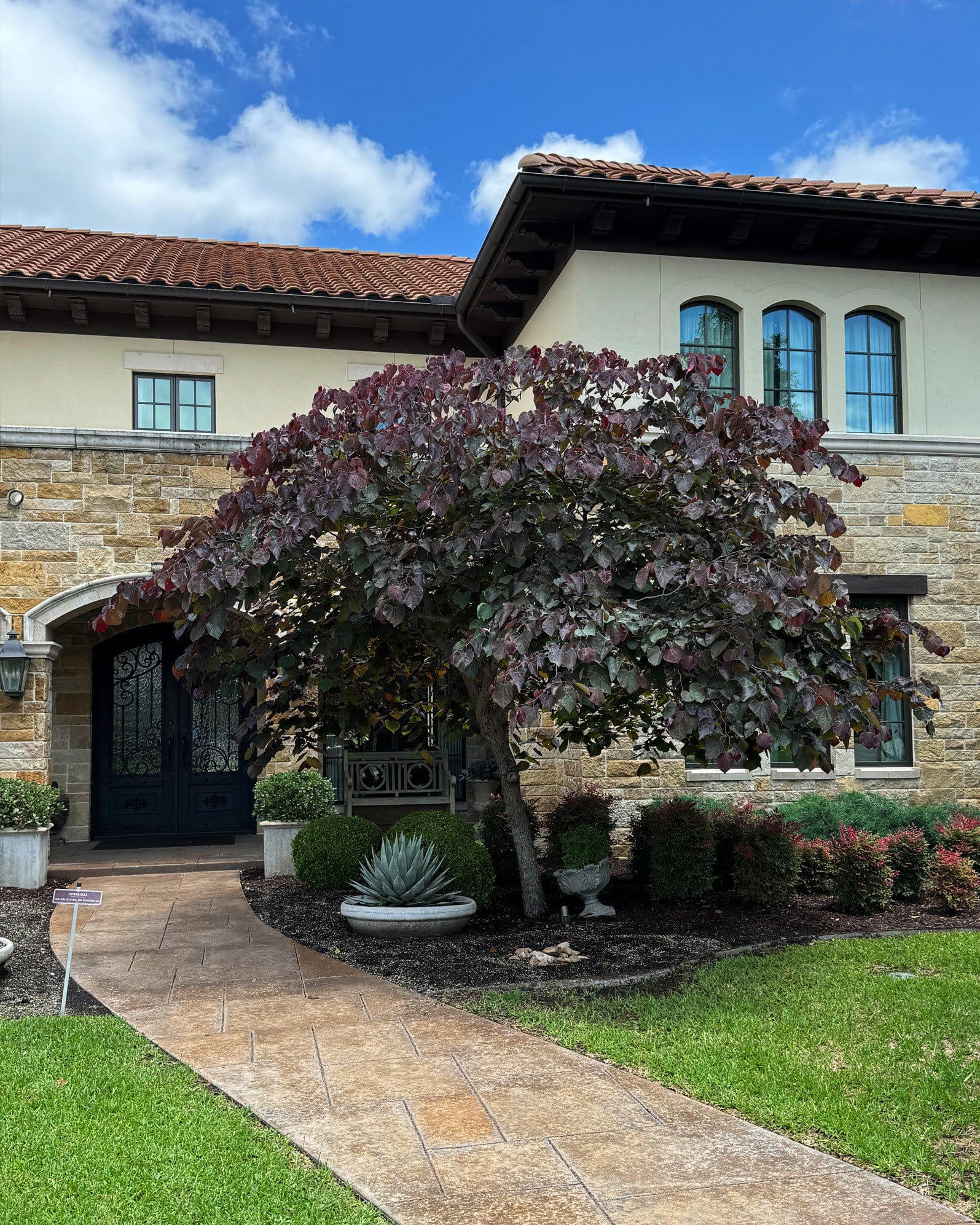
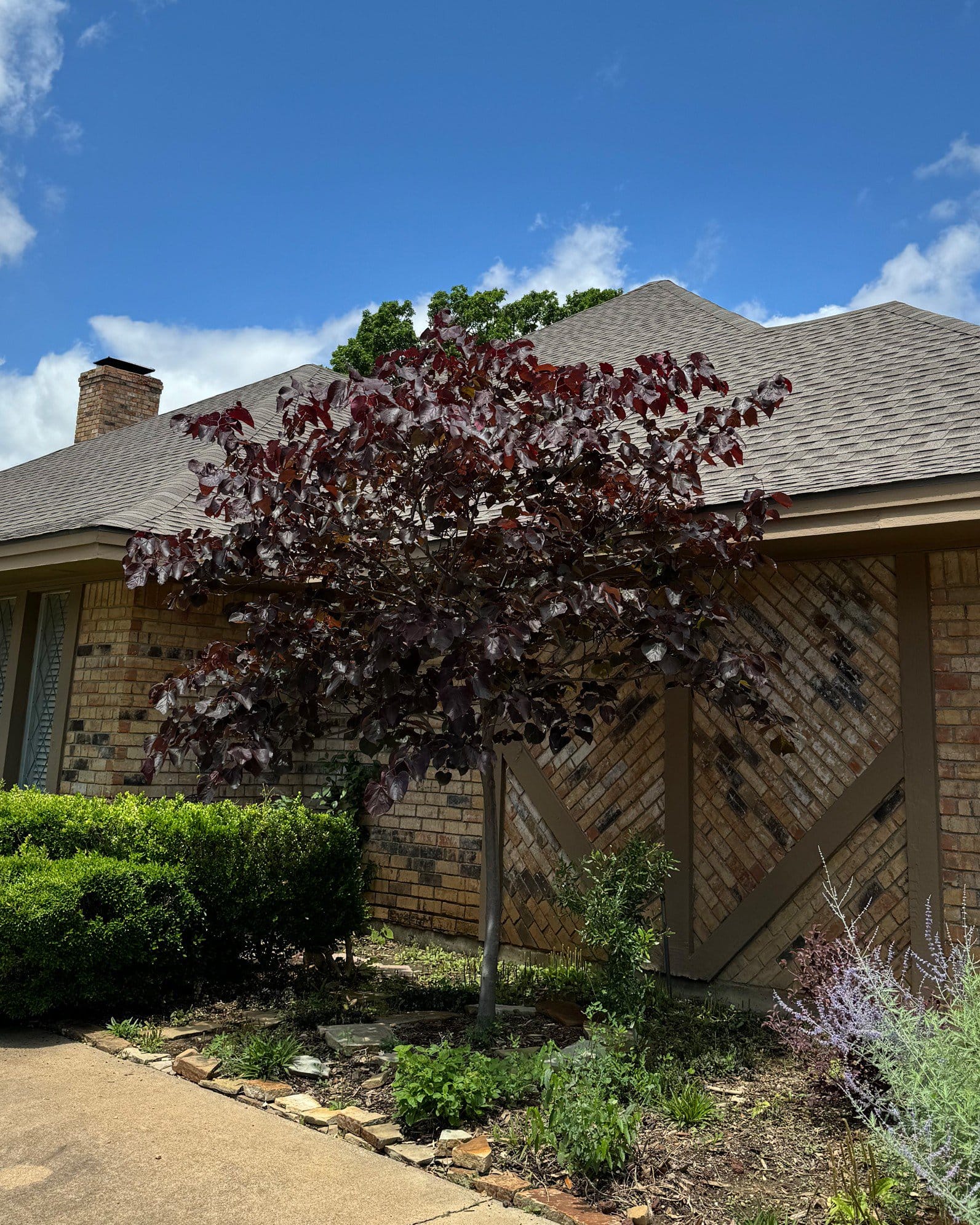
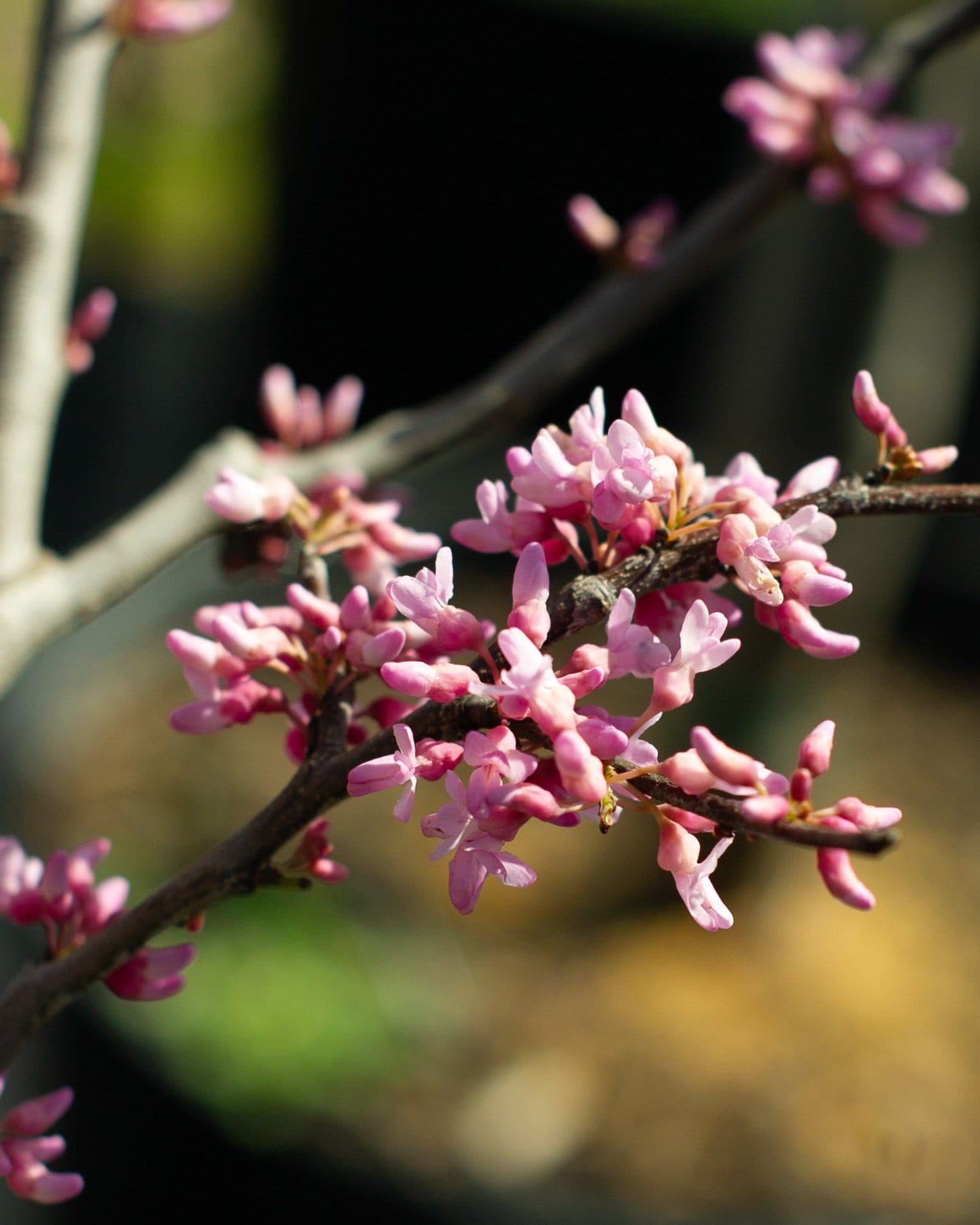
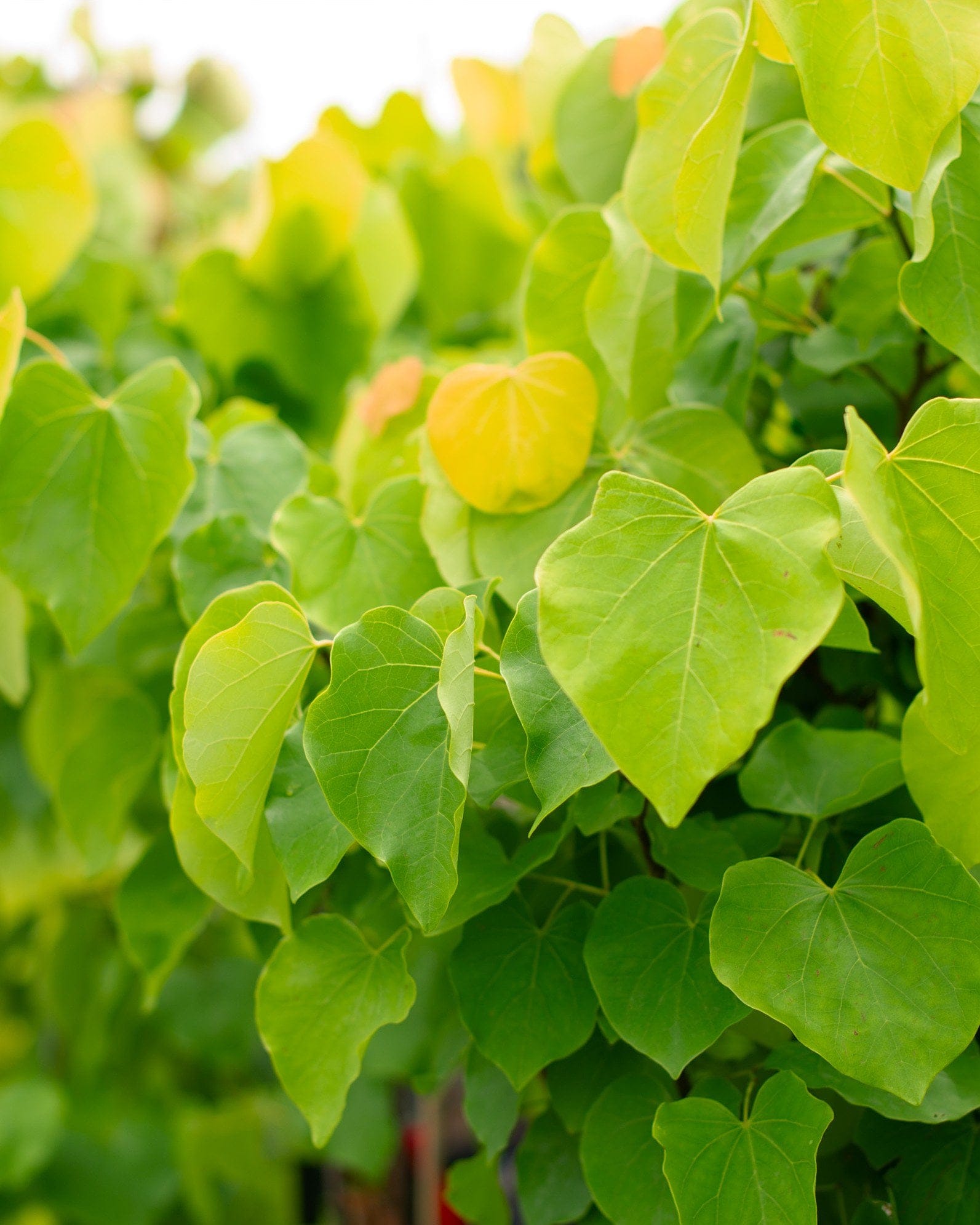
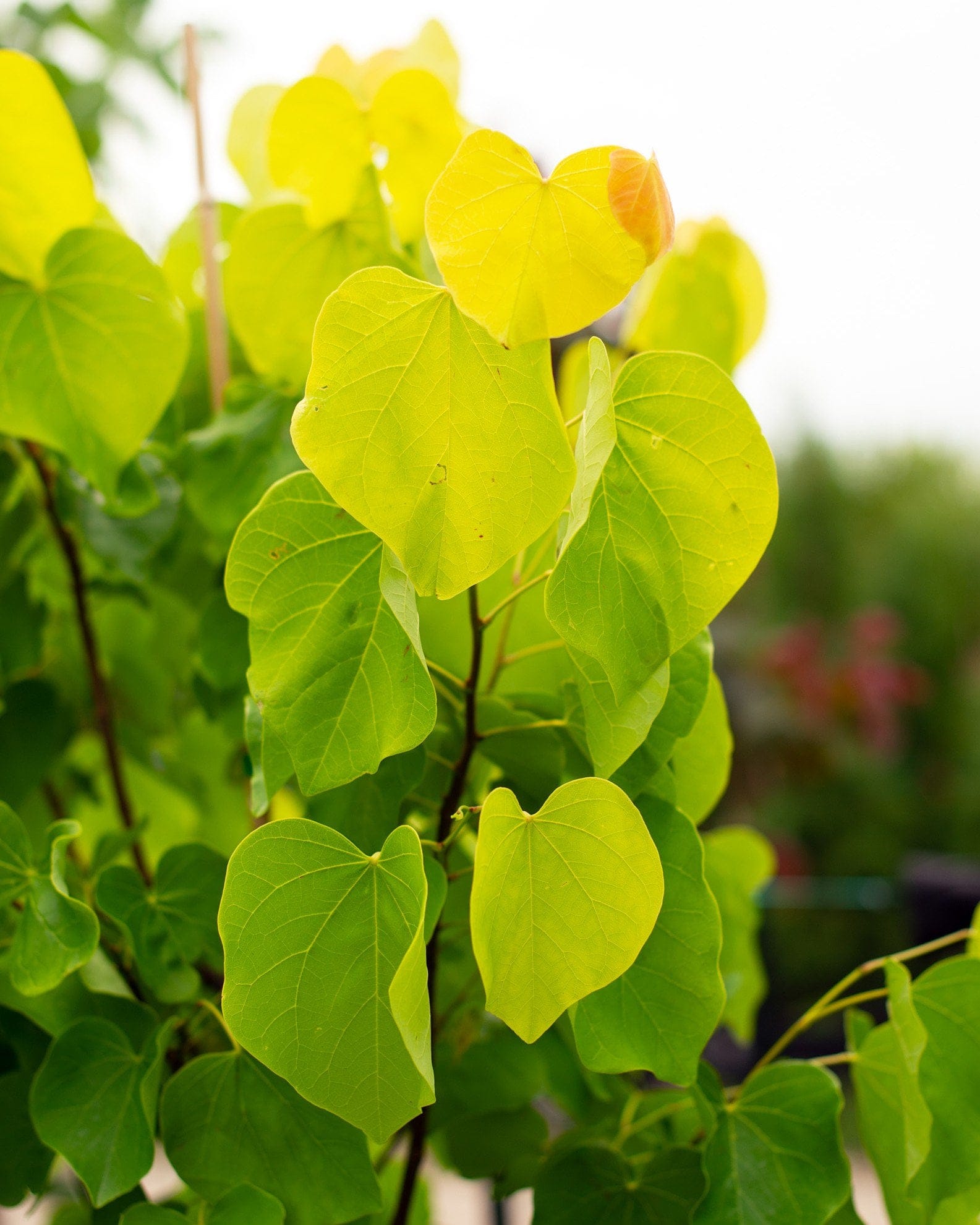
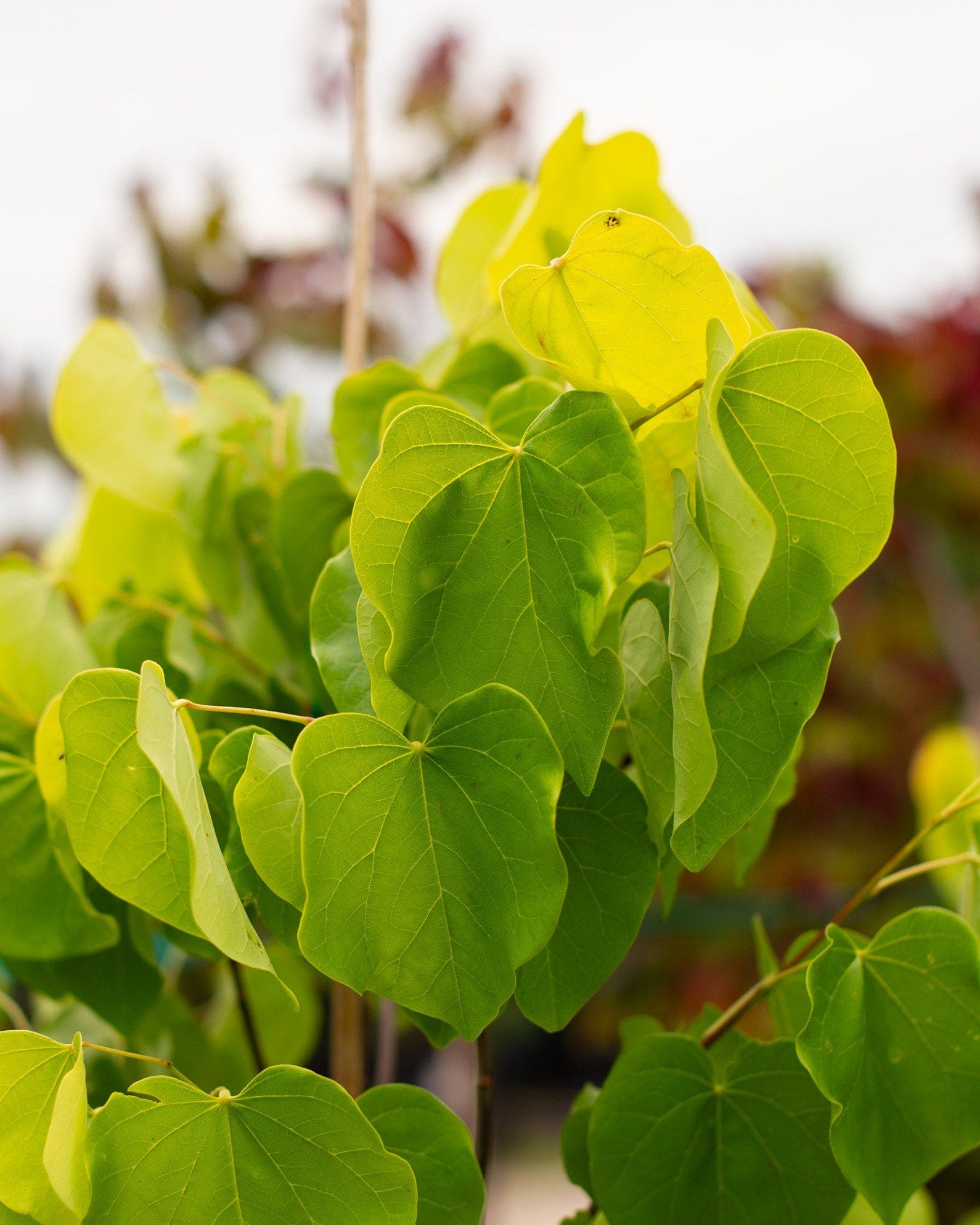
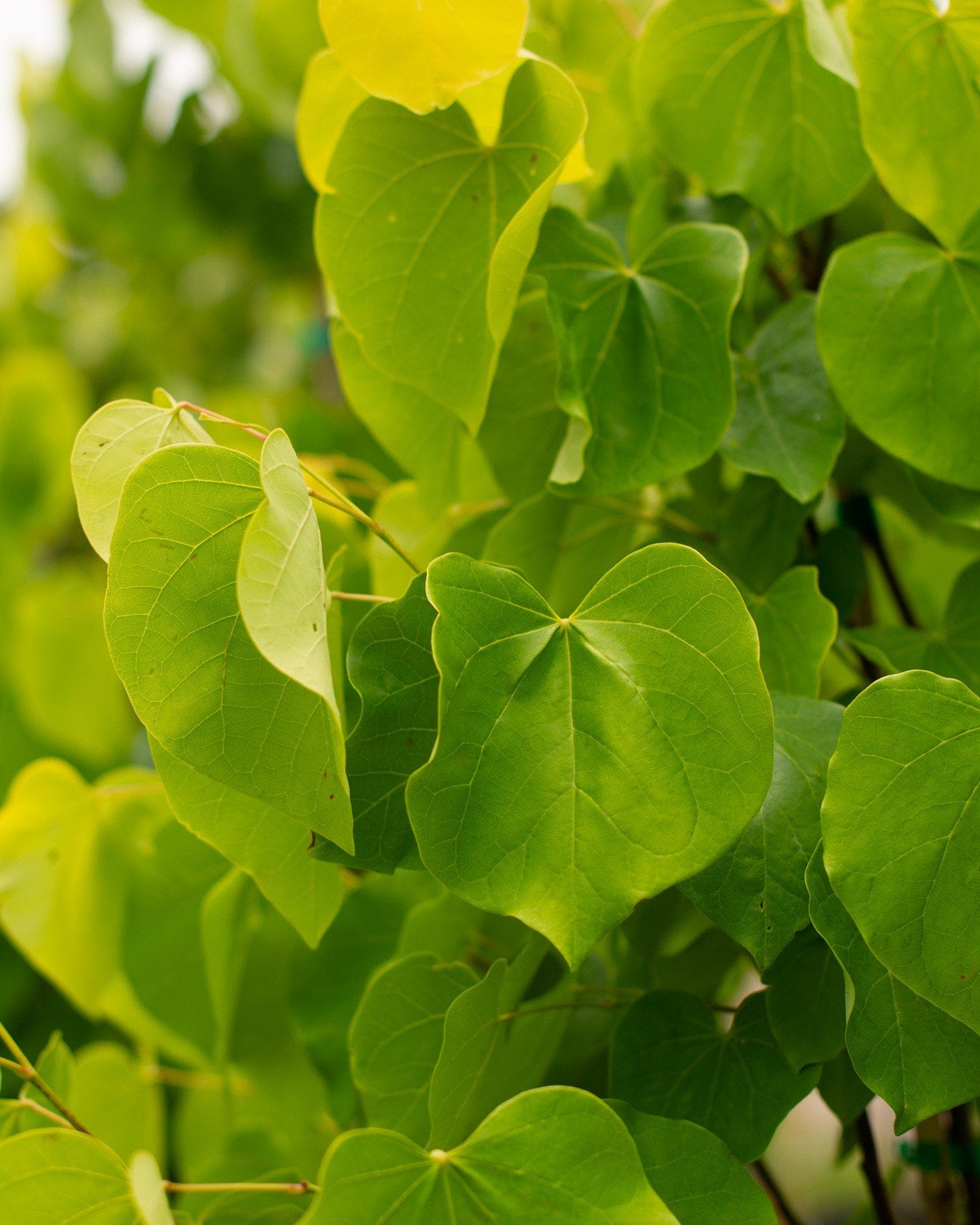
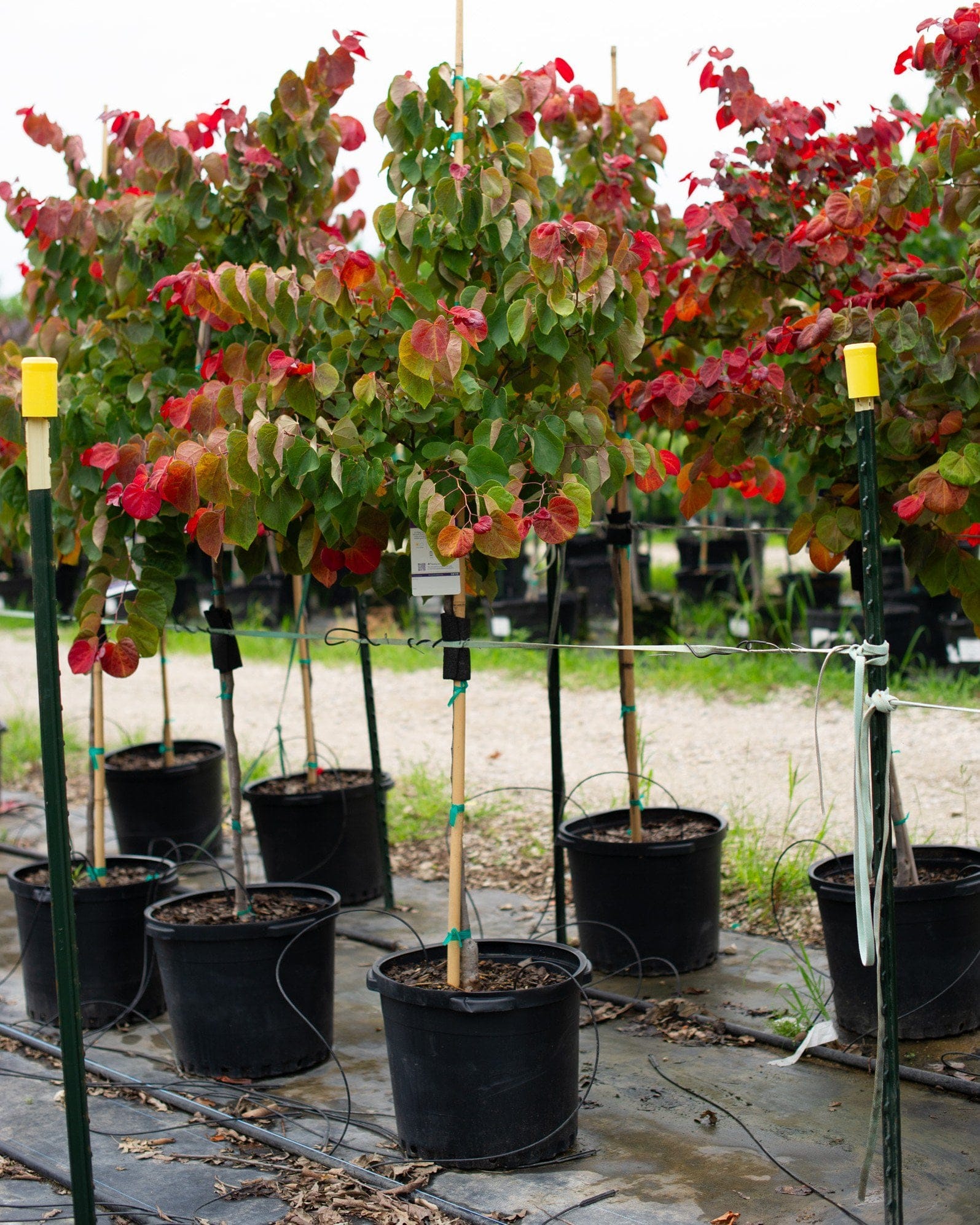
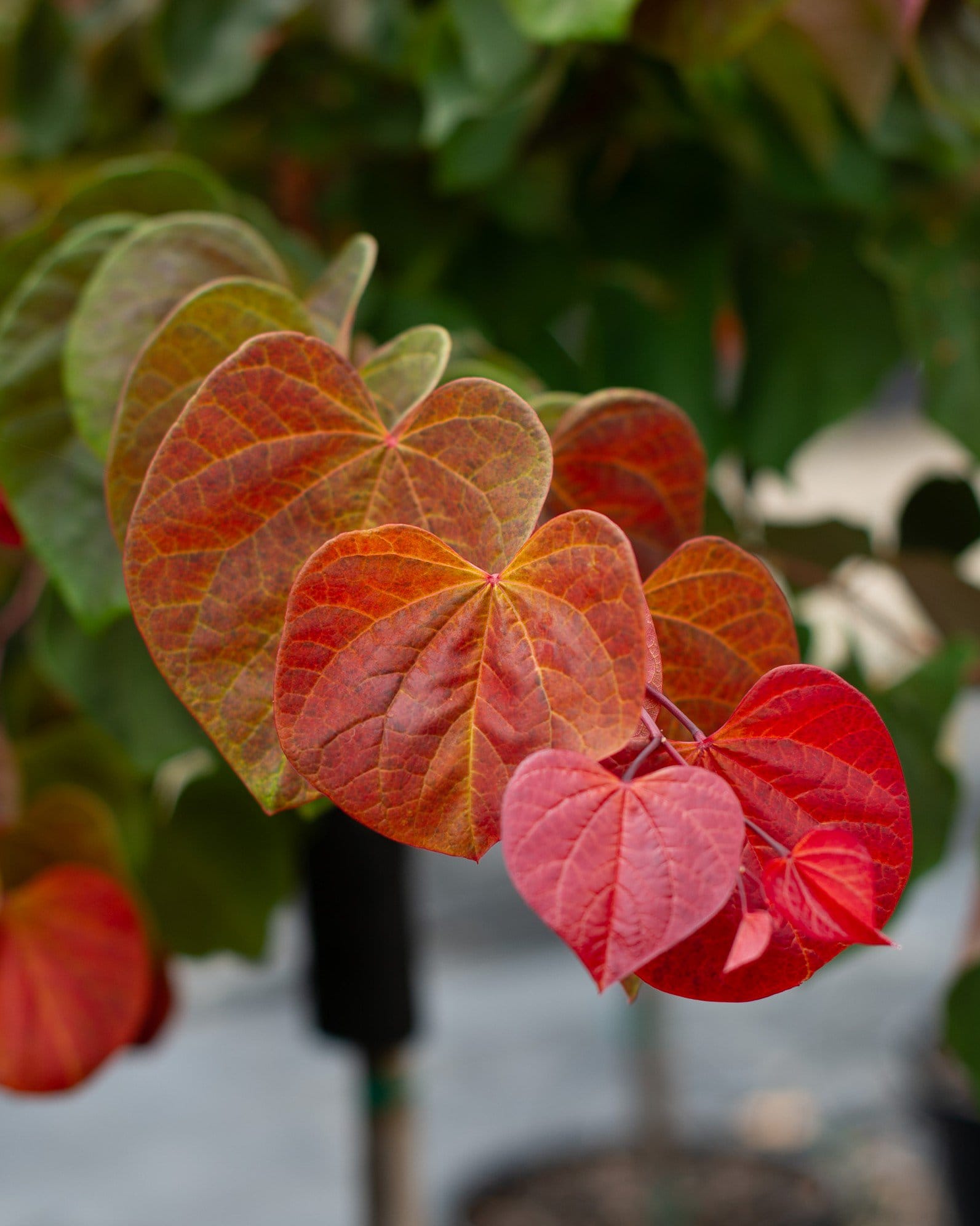
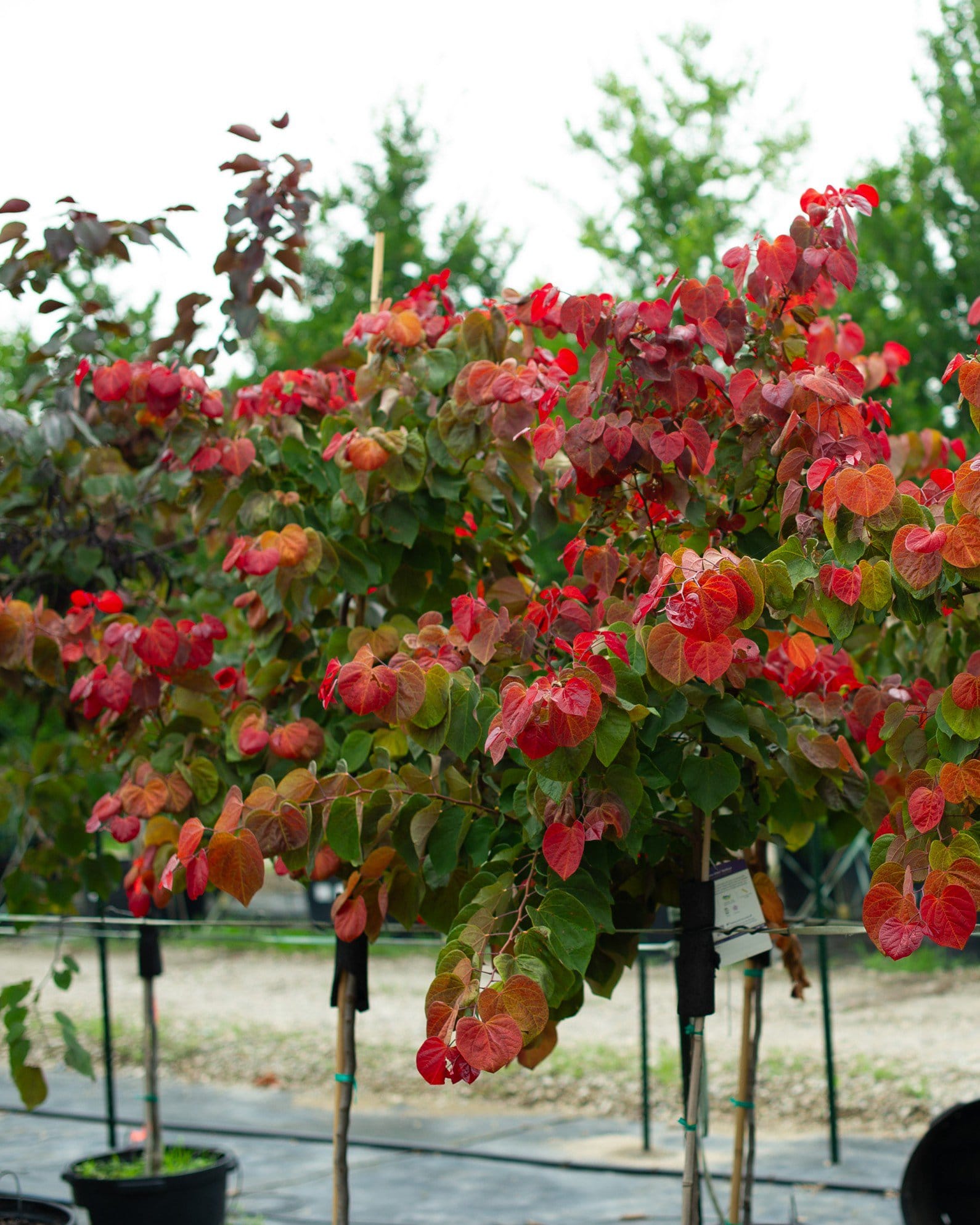
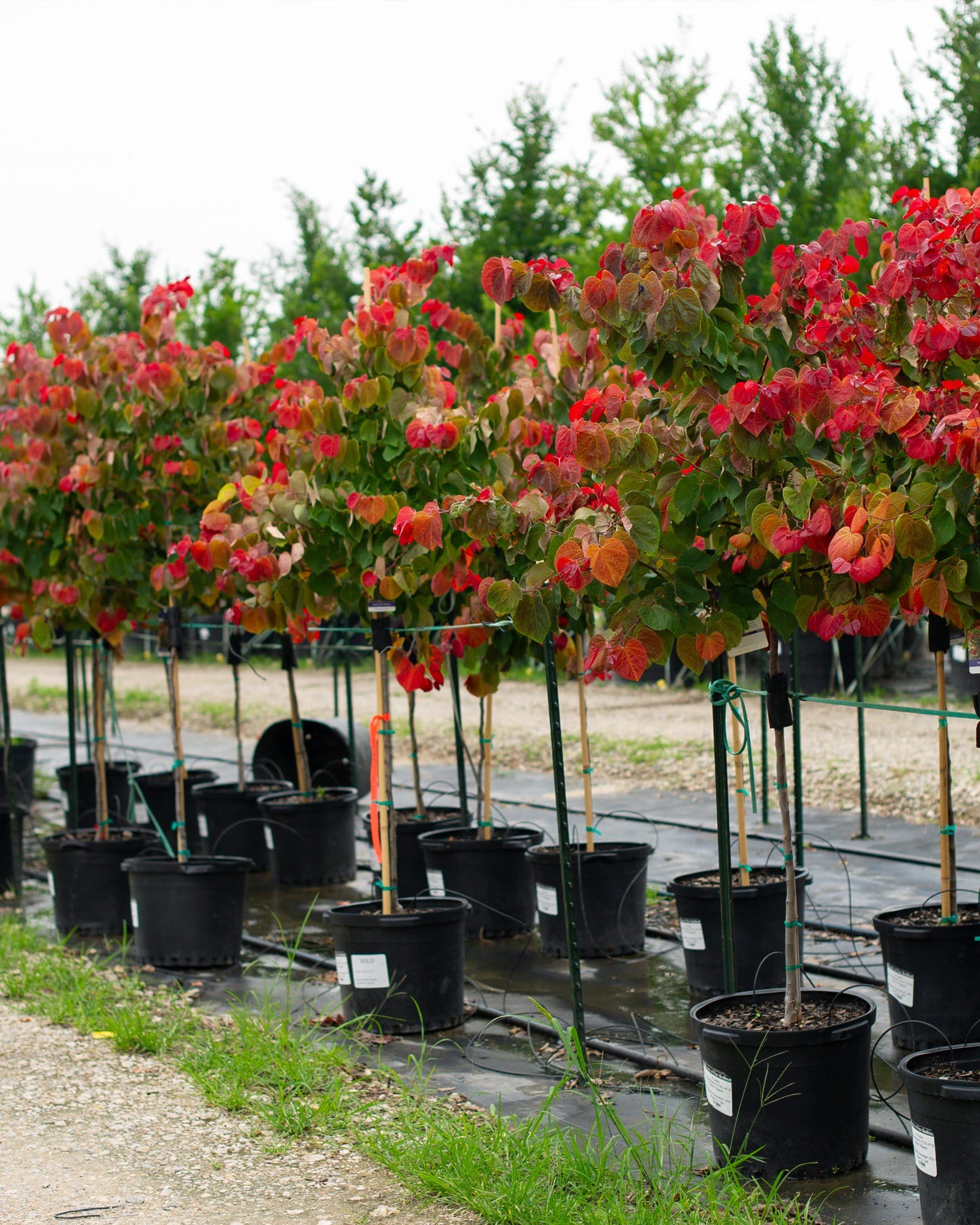
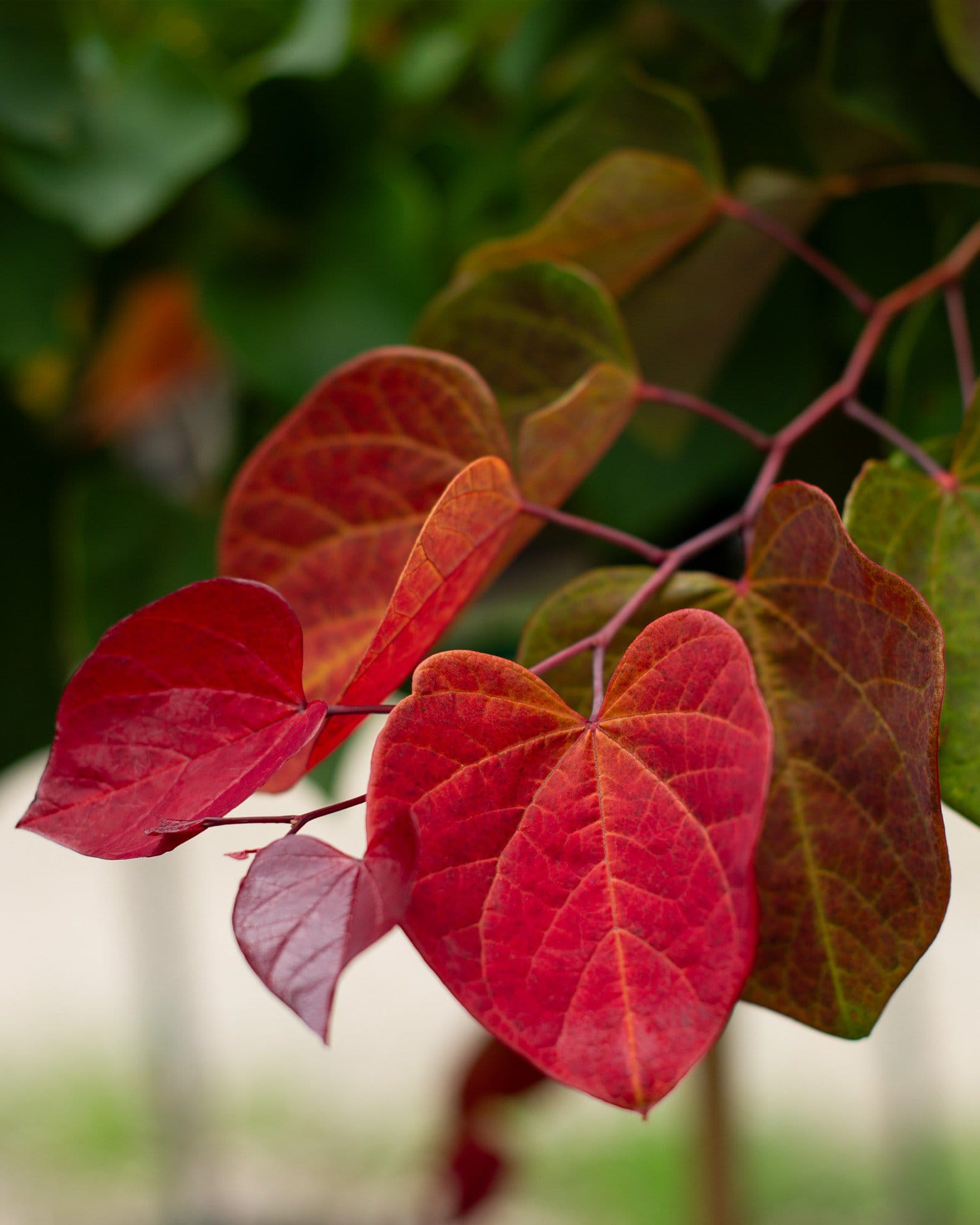
Cercis canadensis 'Ruby Falls'Ruby Falls Weeping Redbud combines bold color and graceful form in one unforgettable tree. Its early spring show of rosy-pink flowers cascades along bare branches, followed by heart-shaped foliage in a rich shade of burgundy-purple. With its compact size and elegant, arching shape, this deciduous beauty grows just 6 feet tall and 10 feet wide - perfect for patios, small beds, or anywhere you want a splash of drama. Whether planted as a single specimen or grouped for impact, Ruby Falls delivers four-season flair with moody foliage, striking blooms, and a silhouette that steals the show.
- Deciduous tree
- Moderate growth rate
- Deep burgundy foliage on gracefully weeping branches
- Rosy-pink spring blooms
- Compact size ideal for containers, courtyards, or small-space focal points
Plant Ruby Falls in full sun to partial shade with well-drained soil. Hardy in USDA zones 5 through 9, it’s a dazzling jewel of a tree - perfect for adding movement, color, and elegance to North Texas landscapes.
Ruby Falls Weeping Redbud is pleasantly low-maintenance once established. Here’s everything it needs to look its best:
- Watering: Water deeply and regularly during the first several years to help the tree establish a strong anchoring root system. Once mature, Ruby Falls tolerates moderate drought, though even moisture supports richer foliage color and better branch density.
- Pruning: Prune in late winter to remove any tangled or damaged branches and to shape the cascading canopy if desired. Its natural weeping habit is already elegant, so pruning is usually minimal and focused on refinement rather than correction.
- Fertilizing: Apply a balanced, slow-release fertilizer in early spring to encourage vigorous new growth and strong leaf coloration. Mixing compost into the surrounding soil improves texture and long-term nutrient availability. Avoid heavy nitrogen to prevent overly soft foliage.
- Mulching: Maintain a 2-3 inch mulch layer to preserve moisture and stabilize soil temperature around the shallow roots. Keep mulch slightly away from the trunk to avoid bark issues and refresh yearly for best results.
- Winter Care: Ruby Falls is reliably hardy once established and typically recovers well from winter weather. Young trees benefit from a bit of wind protection in their first year. Prune away any winter dieback during late-winter maintenance.
Ruby Falls is strong and dependable, though a few manageable issues may occur under stress:
- Leaf Spot: Irregular brown or purple patches may appear during humid weather. Improve airflow and remove fallen leaves to reduce recurrence.
- Canker: Sunken or darkened bark areas signal canker. Prune affected limbs promptly and reduce environmental stress to support recovery.
- Verticillium Wilt: Sudden wilting or partial dieback may indicate this soilborne fungus. Improve drainage and remove affected branches to help slow the disease.
- Aphids: Sticky residue or curled new leaves indicate aphid feeding. Water sprays or insecticidal soap restore healthy foliage quickly.
- Scale Insects: Waxy bumps or sticky honeydew suggest scale presence. Seasonal horticultural oil applications help suppress populations.
- Leaf Scorch: Crispy leaf margins can occur during drought. Consistent watering and mulching help prevent repeat symptoms.
Ruby Falls generally lives 20-40 years when given proper care and planted in well-drained soil. With steady seasonal maintenance, many trees remain striking features for decades.
It grows at a moderate pace of about 1-2 feet per year. Its distinctive cascading silhouette is usually fully expressed by years 4-6, giving it early ornamental impact.
Yes - its early spring blooms provide nectar for bees and other beneficial insects. Even its compact form contributes meaningfully to pollinator activity during a crucial seasonal window.
Deer may nibble tender spring foliage but usually leave mature leaves alone. Young trees benefit from protection during the first couple of seasons to prevent browsing stress.
Its dramatic weeping form shines in modern gardens, cottage landscapes, Asian-inspired settings, and intimate courtyard plantings. It brings sculptural elegance to both formal and informal designs.
Heucheras, Hostas, Hydrangeas, Ferns, Japanese Forest Grass, and compact evergreens provide beautiful contrast to its dark foliage and cascading shape. These pairings create layered, four-season depth.
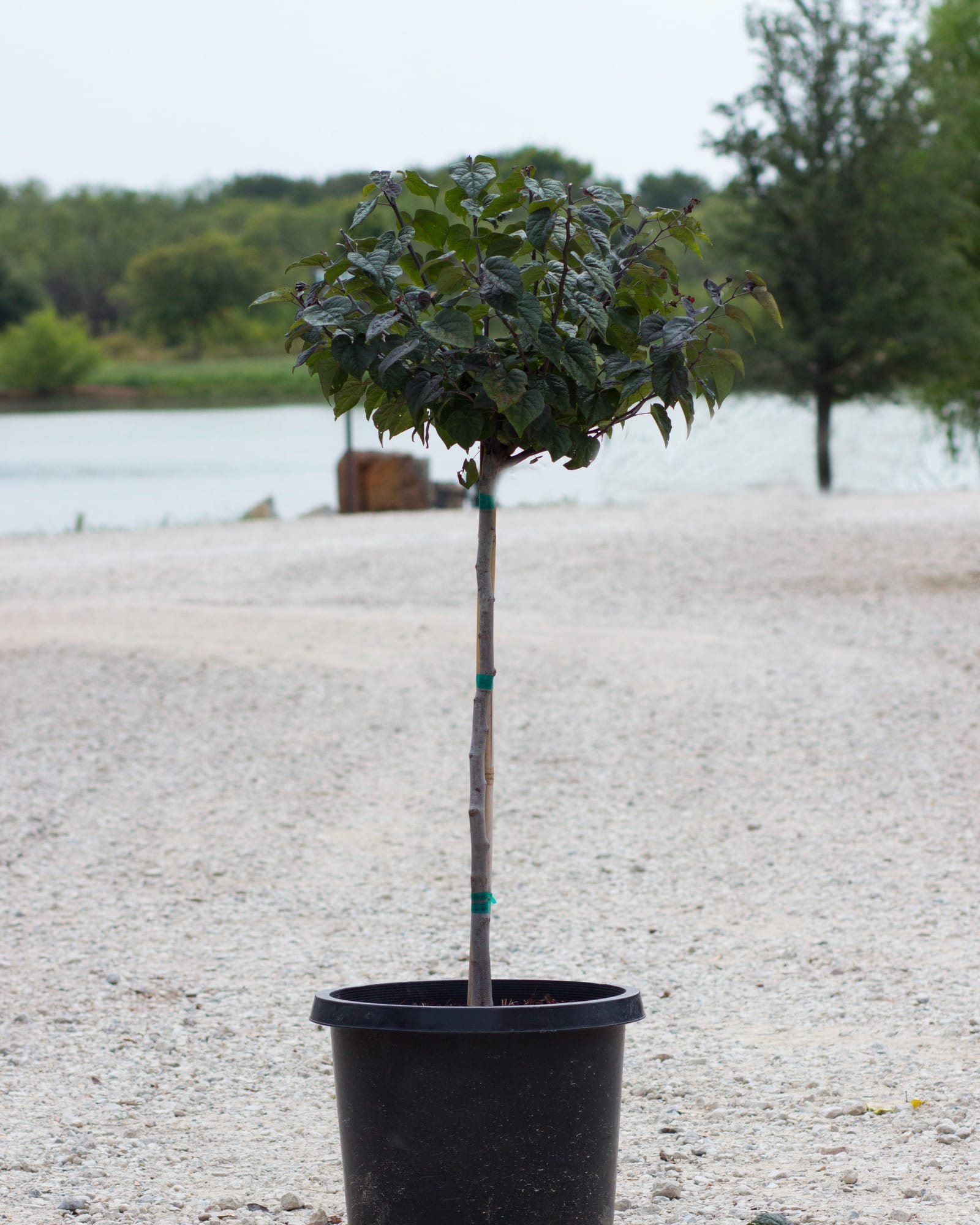
It performs well in large containers while young, making it ideal for patios or entry placements. For long-term vigor, transplanting into the ground is recommended once roots outgrow the container.
Young trees transplant reliably when moved in late winter or early spring. With consistent moisture afterward, they reestablish quickly and resume their graceful form.
Ruby Falls excels as a focal specimen due to its bold structure, but it also creates dramatic movement when planted in pairs or repeated along paths. Even small groupings bring a strong visual rhythm to the landscape.
Its combination of deep burgundy foliage and a compact, intensely cascading habit sets it apart from both weeping and purple-leaf varieties.
Special Features
You might also like

Compare Similar Plants
Ruby Falls Weeping Redbud This plant | ||
|---|---|---|
| Scientific Name | Cercis canadensis 'Ruby Falls' | Cercis canadensis 'Purple Rain' |
| Size at Maturity | 6' H x 10' W | 8' H x 8' W |
| Leaf Retention | Deciduous | Deciduous |
| Fall Color | Orange & Yellow | Yellow, Orange & Red |
| Flower Color | Pink | Pink |
| Bloom Times | Spring | Spring |
| Sizes Available | 7, 15, 30, 45 gal | 45 Gal |


Our 1-Year Planting Guarantee
We take pride in our plants and installation services. If any plants or trees installed by Treeland fail to thrive within the first year, we'll provide a replacement credit in accordance with our guarantee program.
Learn More About Our Guarantee