
 Popular
 Texas Native
Little Gem Magnolia
Magnolia grandiflora ‘Little Gem’Local DFW Delivery Only
Product Details
Little Gem Magnolia
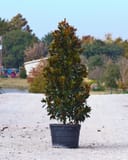
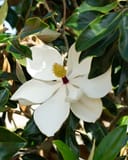
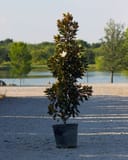
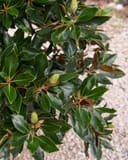
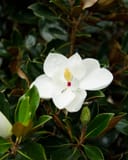
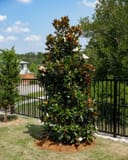
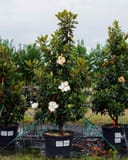
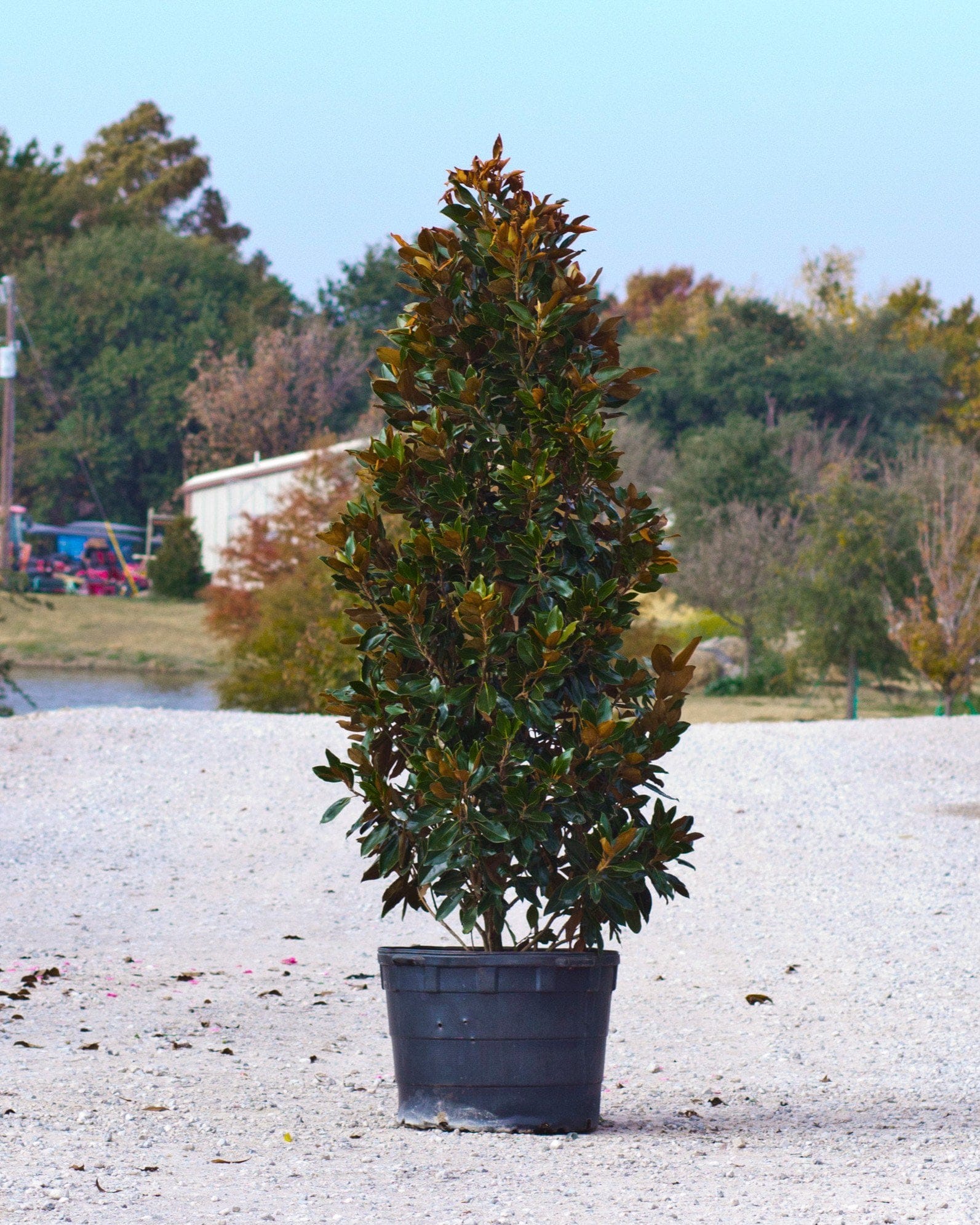
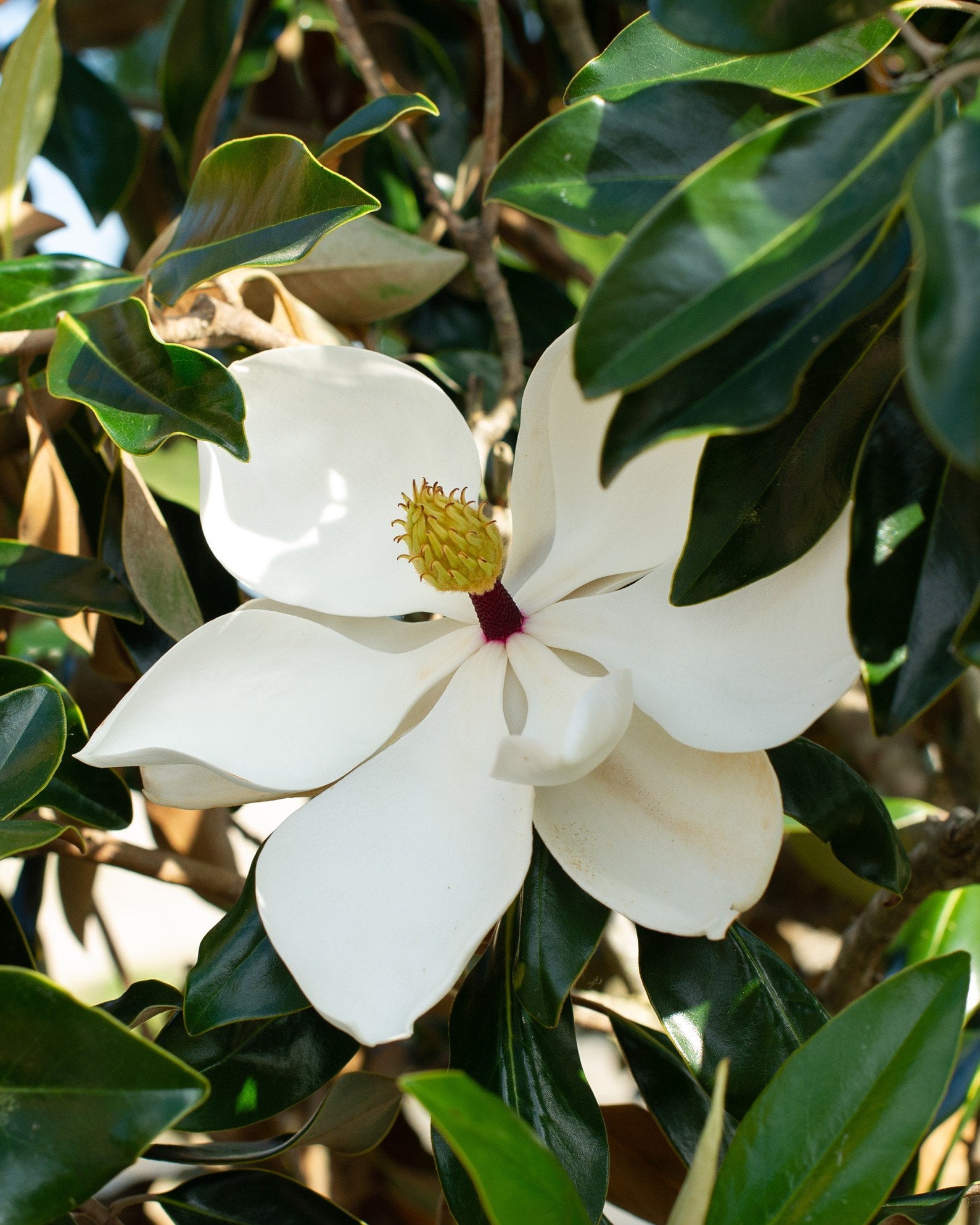
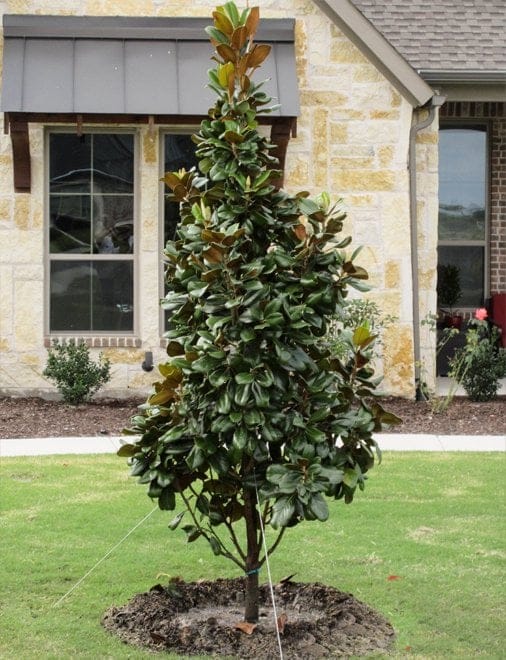
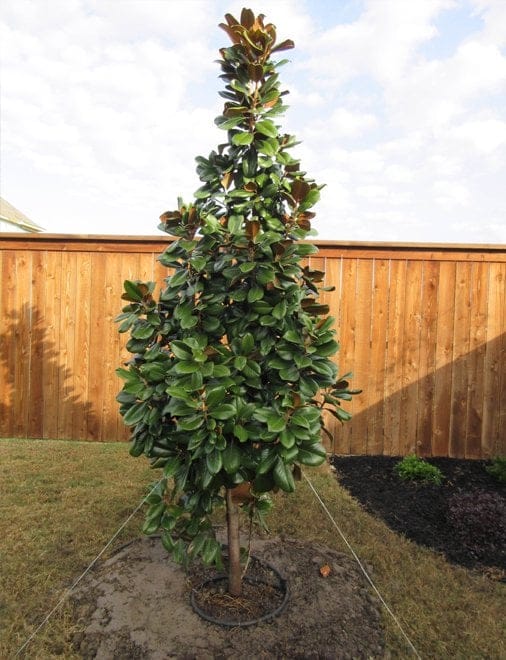
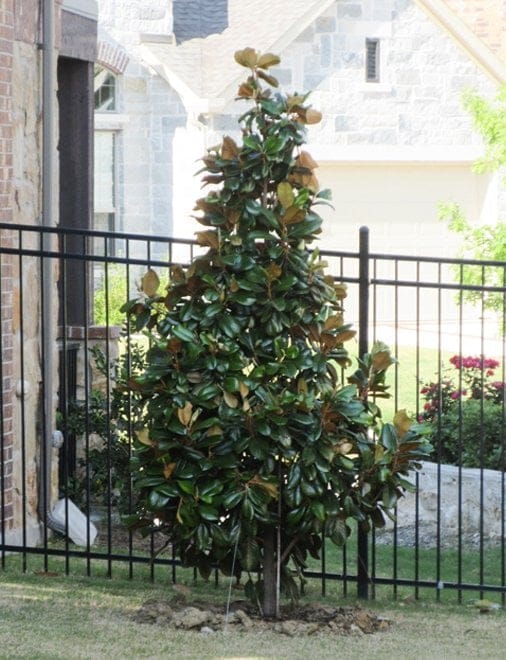
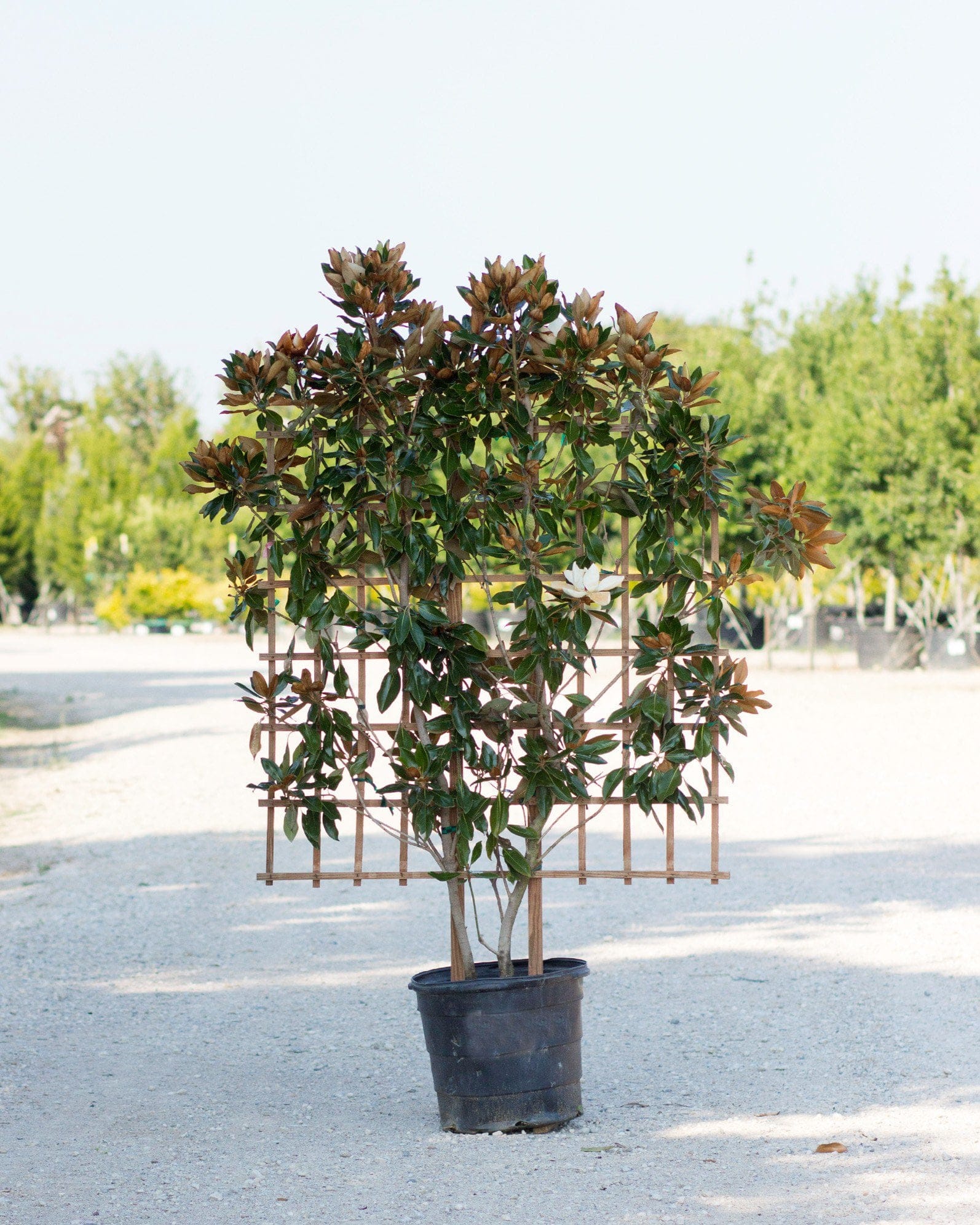
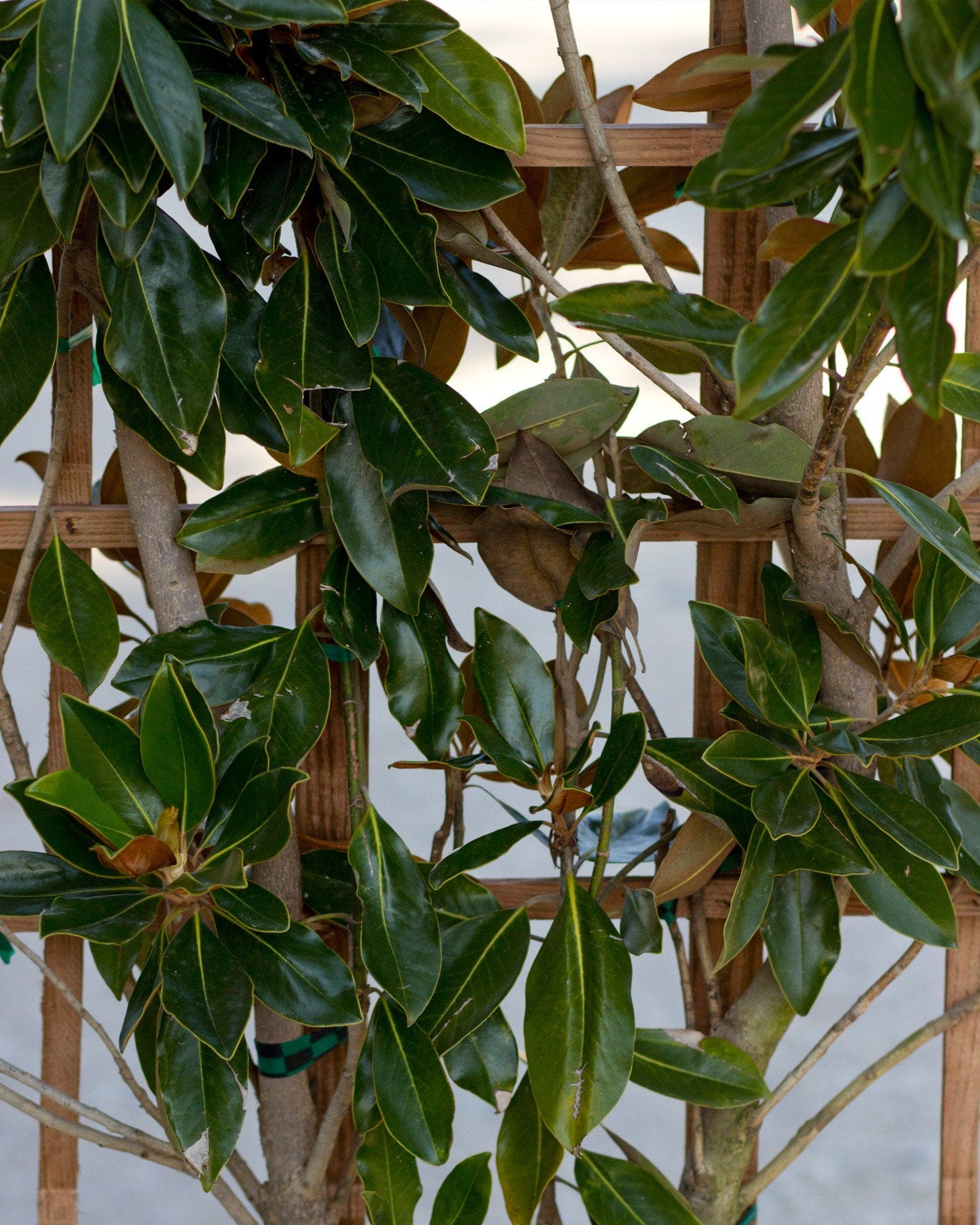
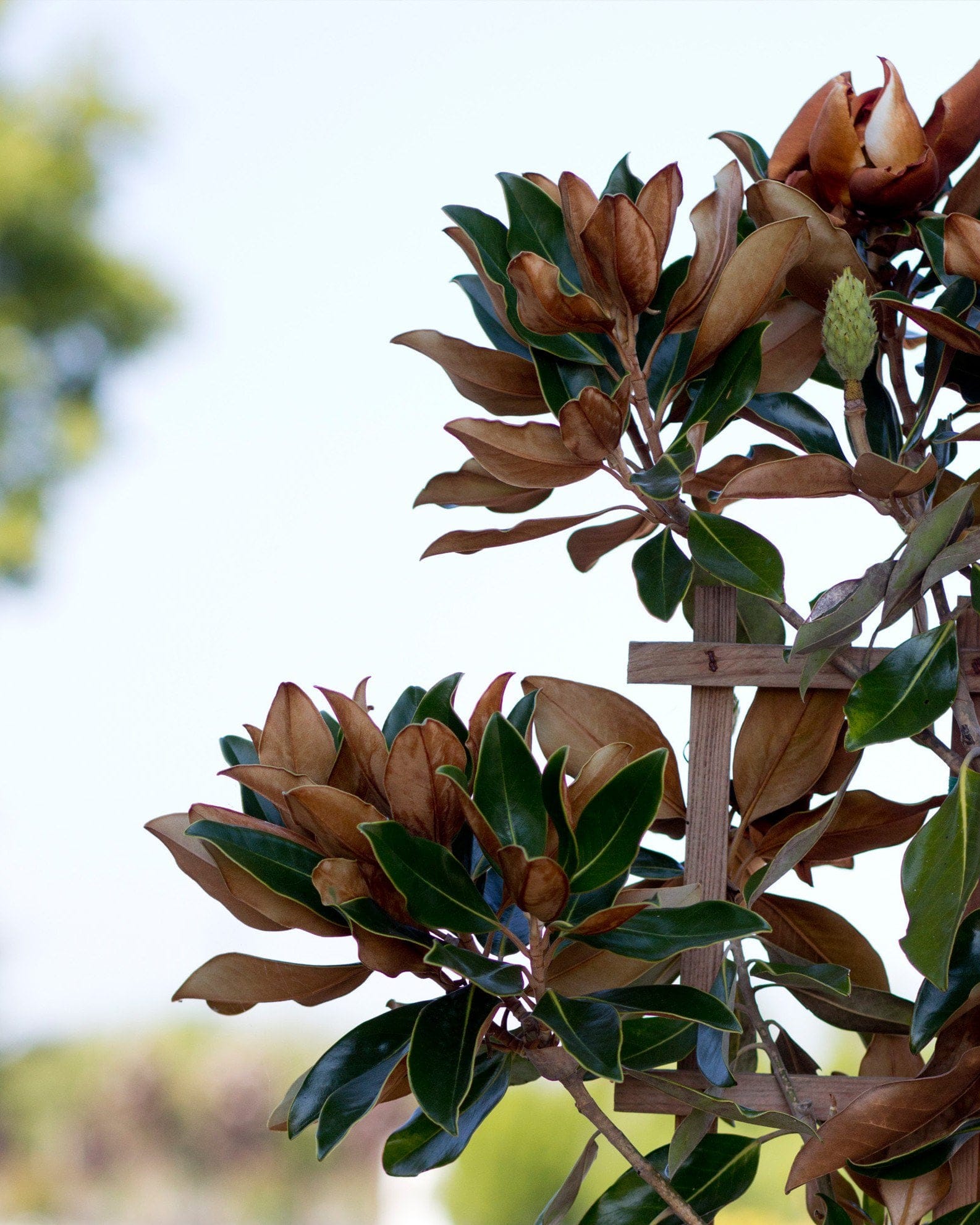
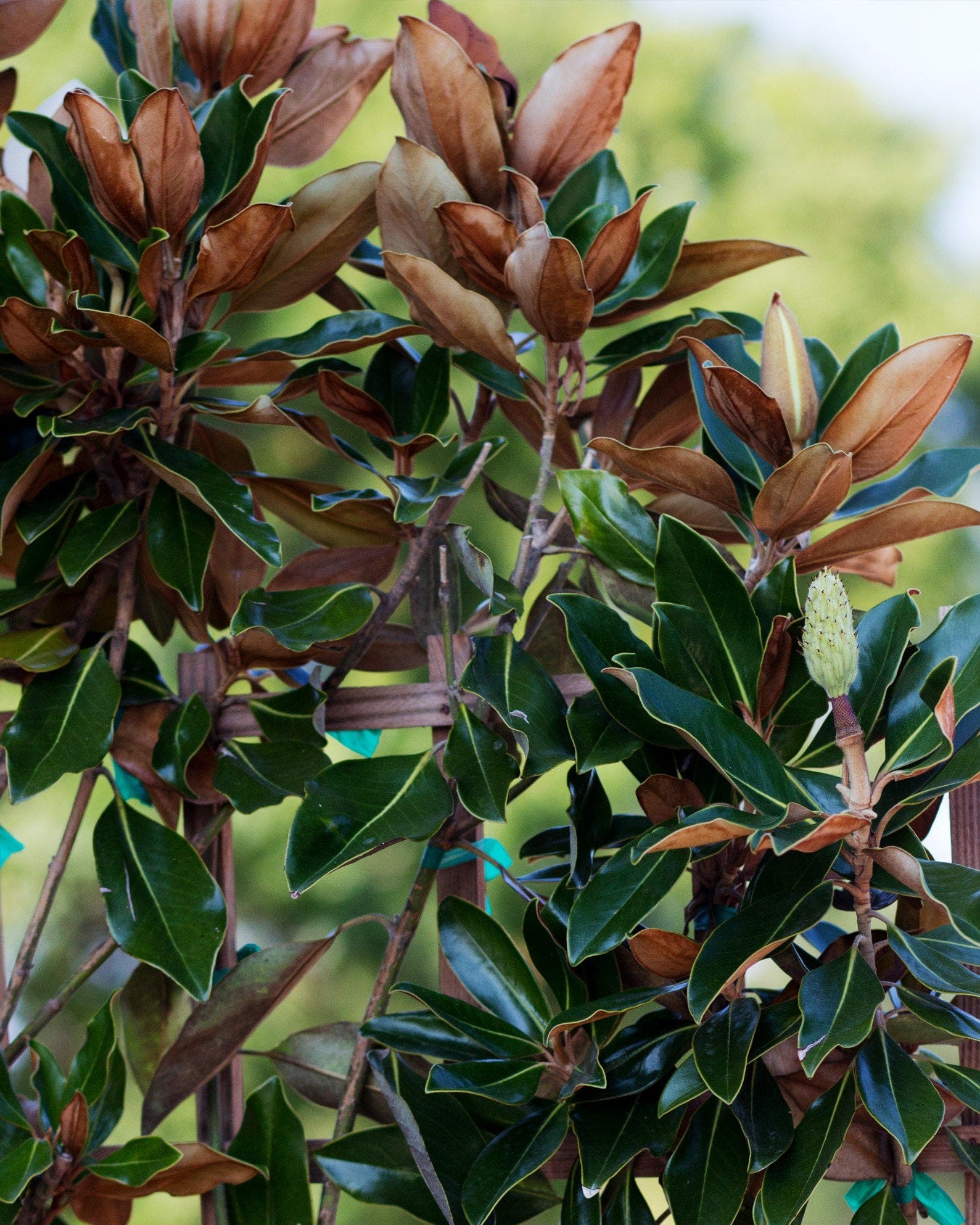
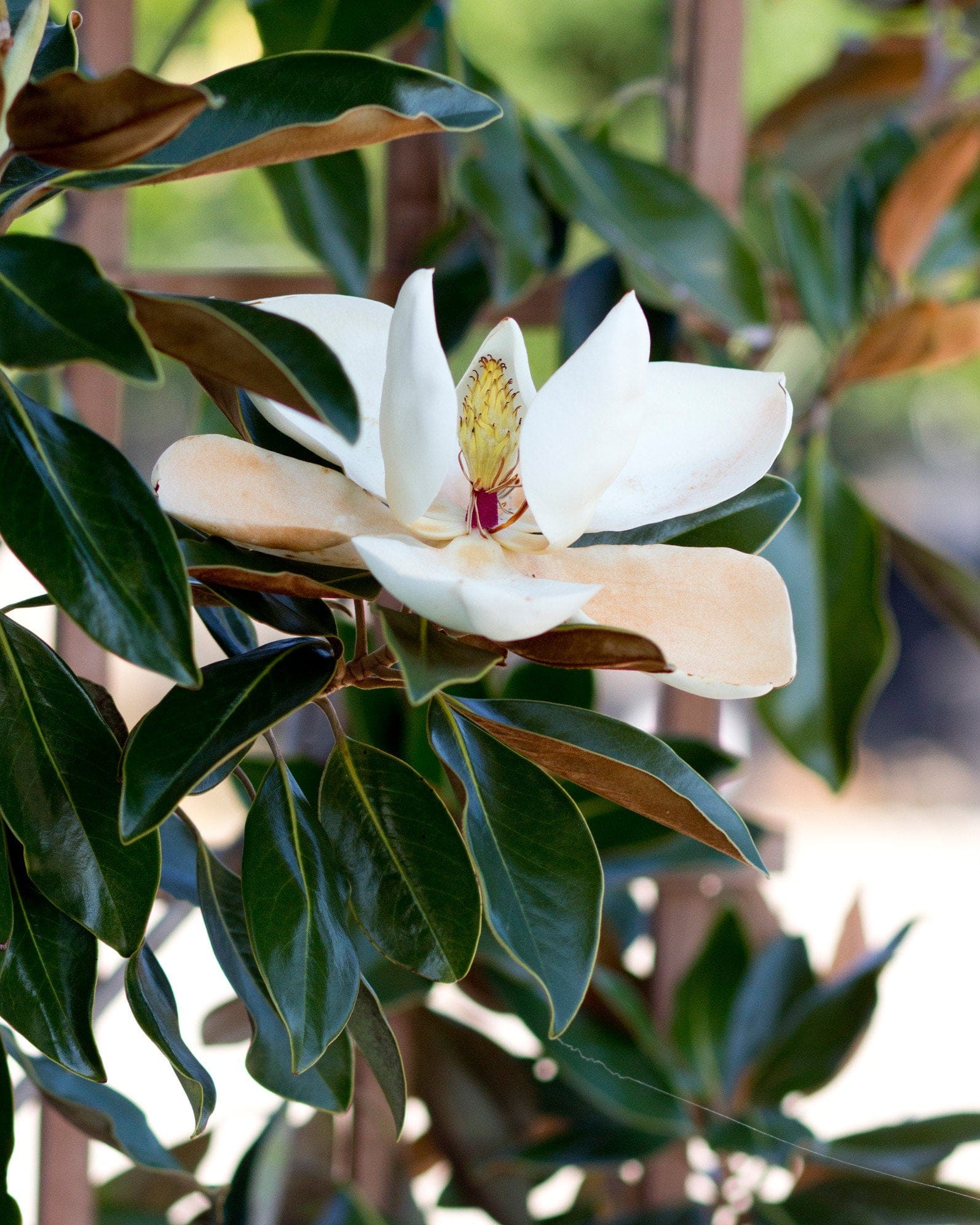
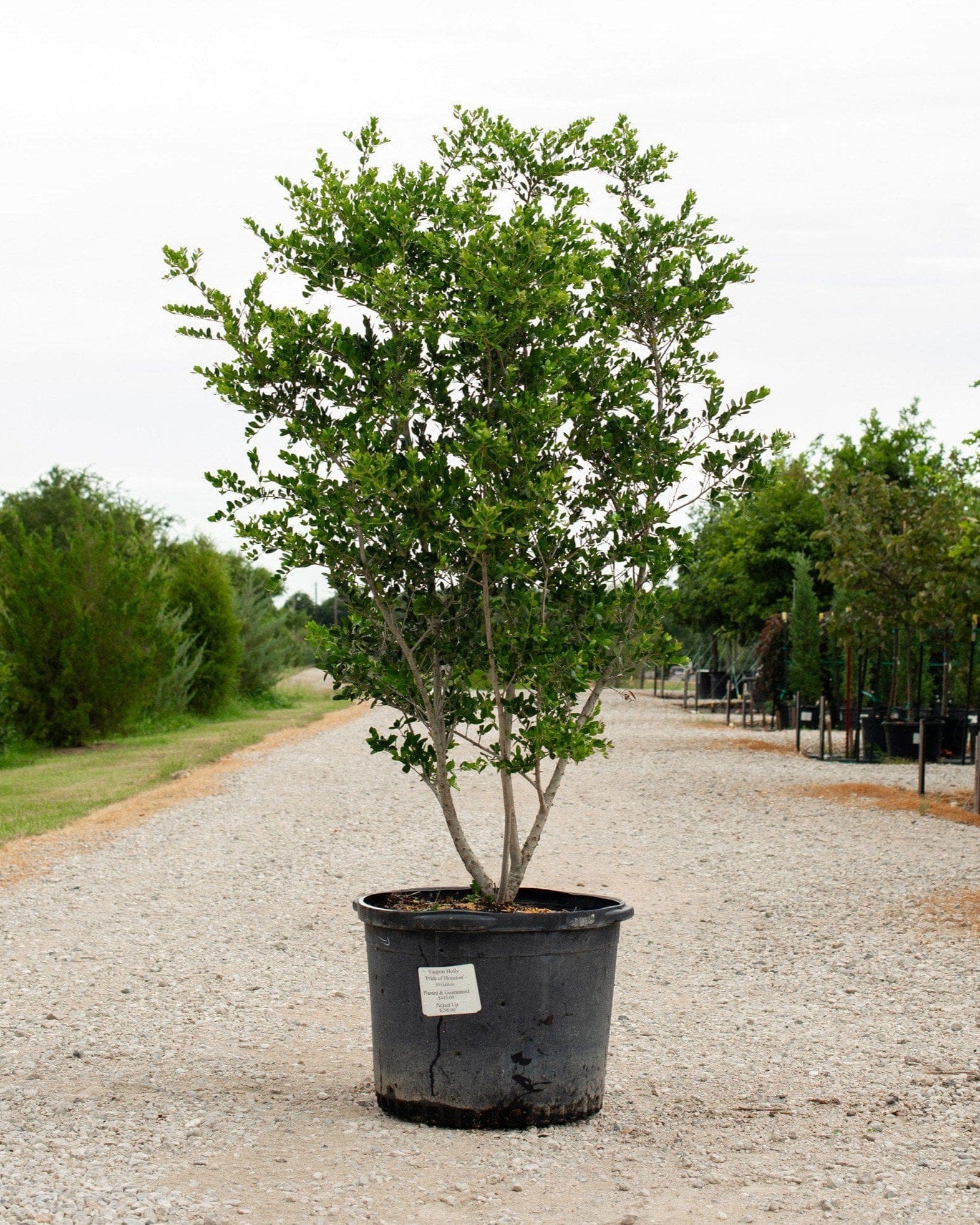
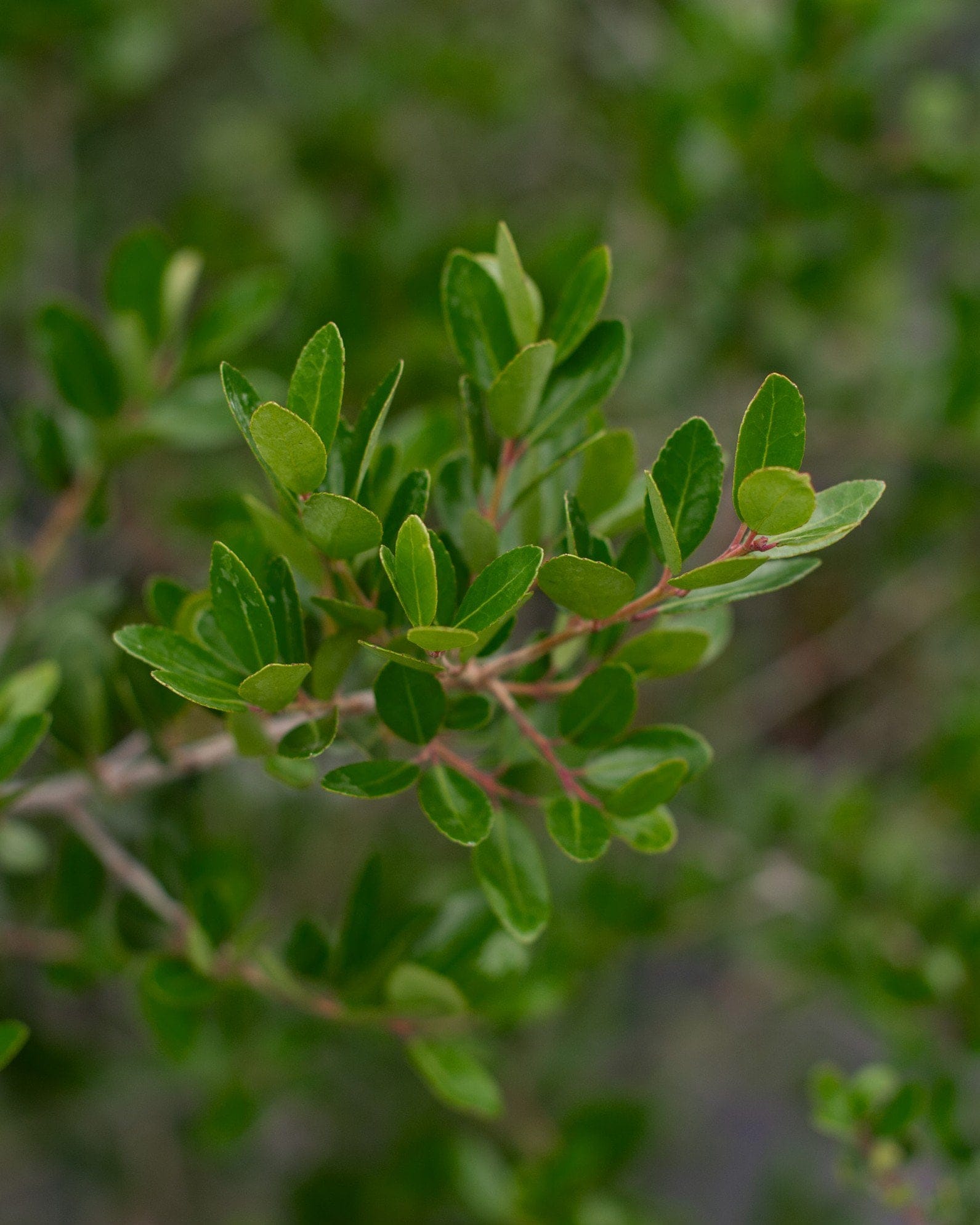
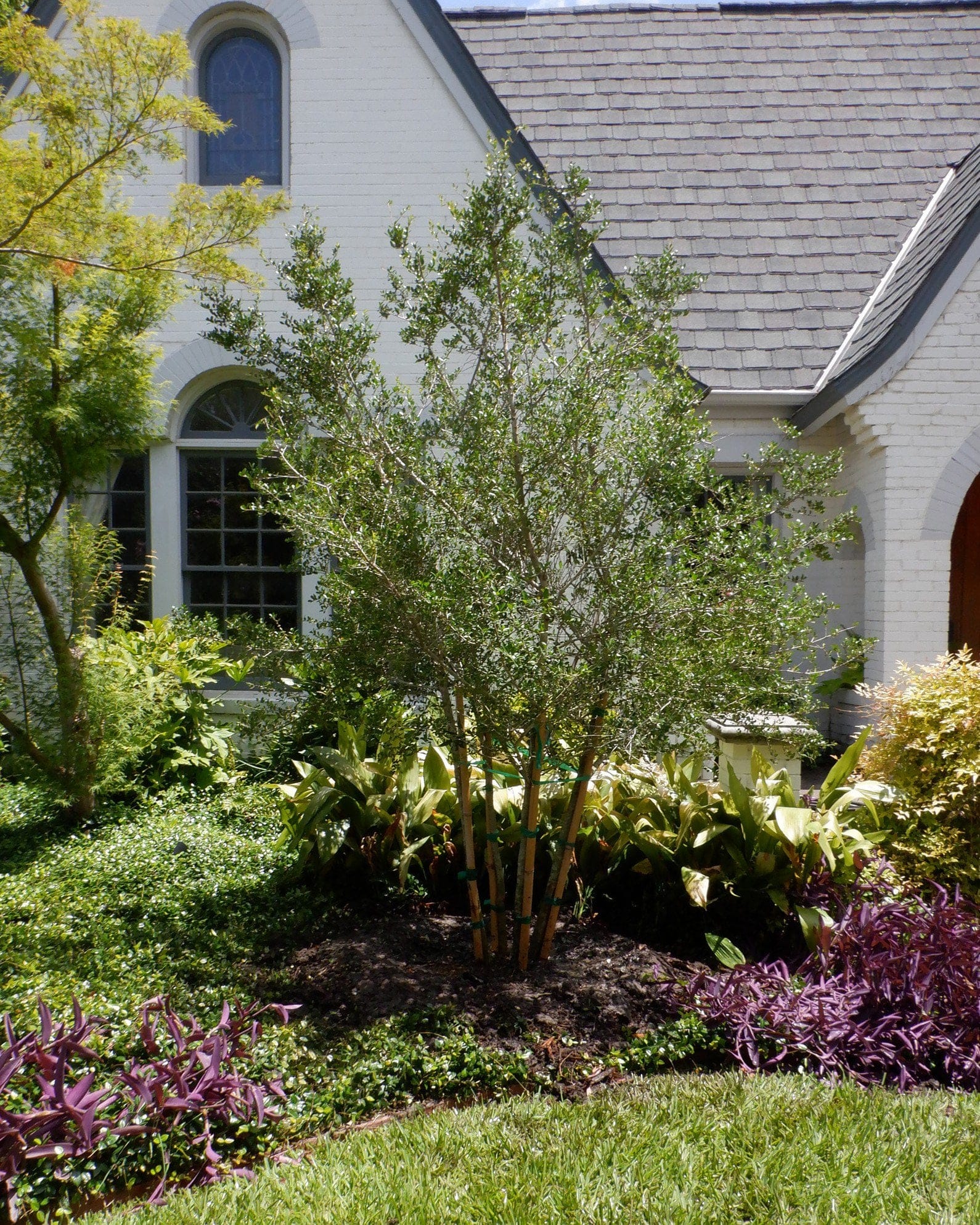
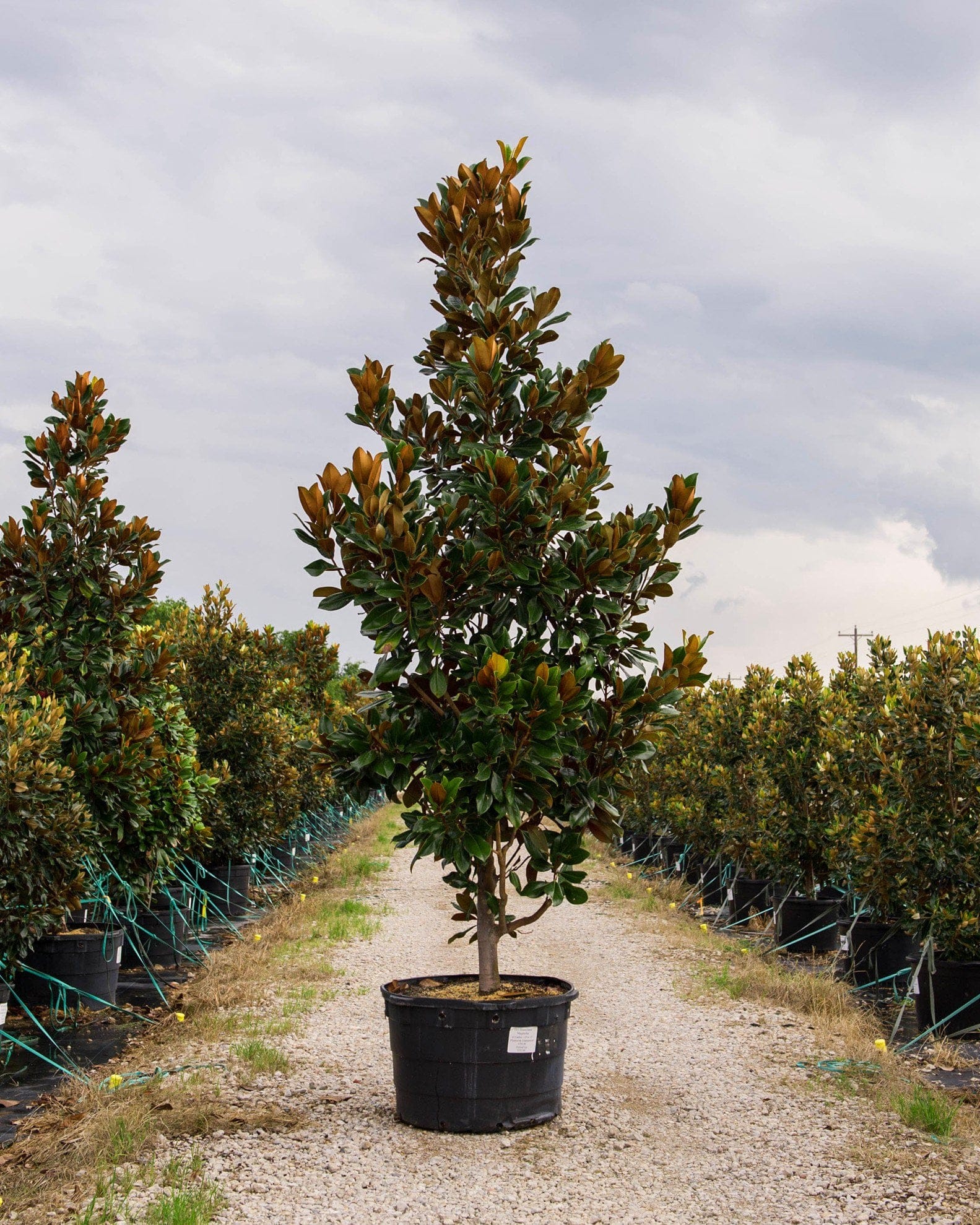
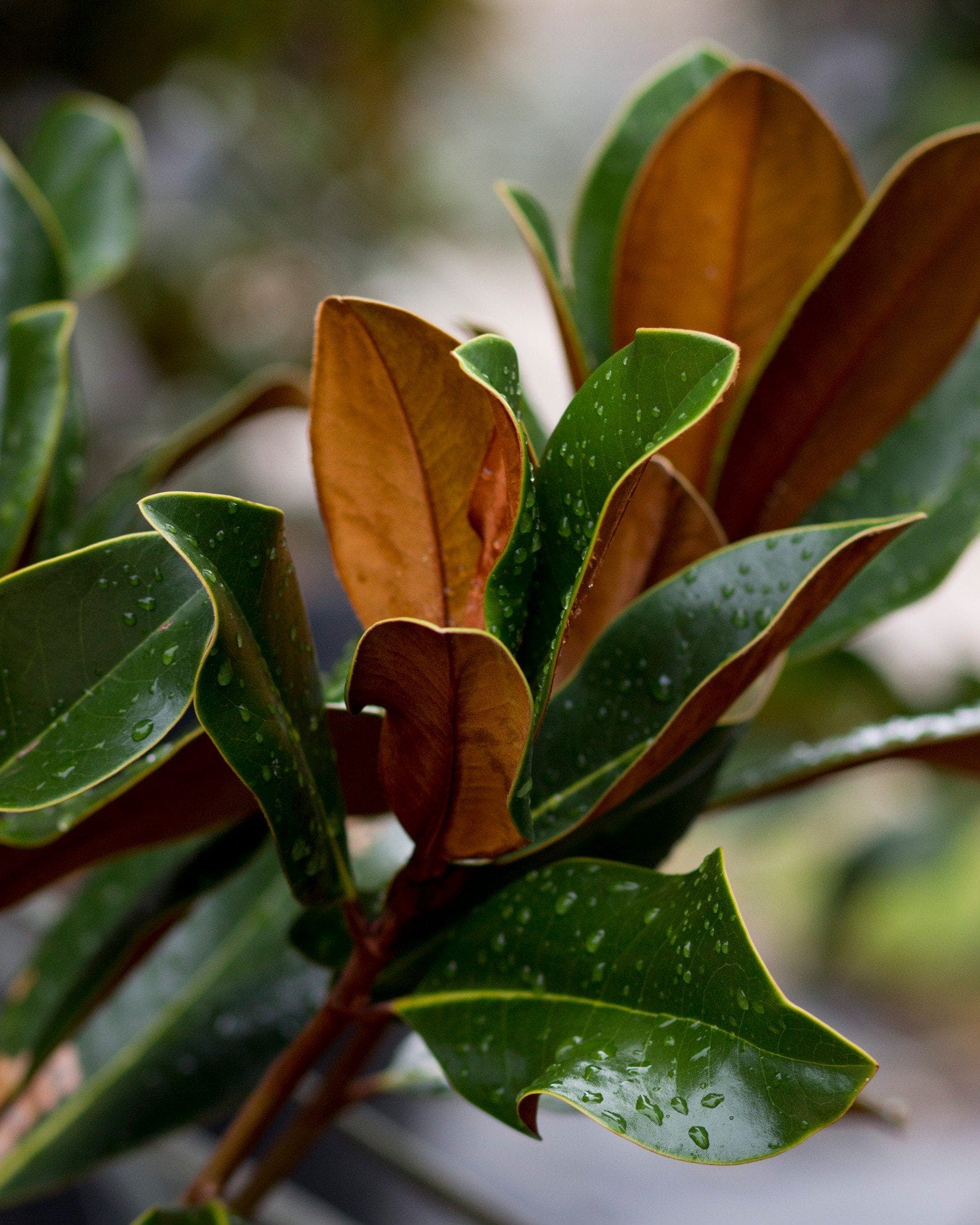
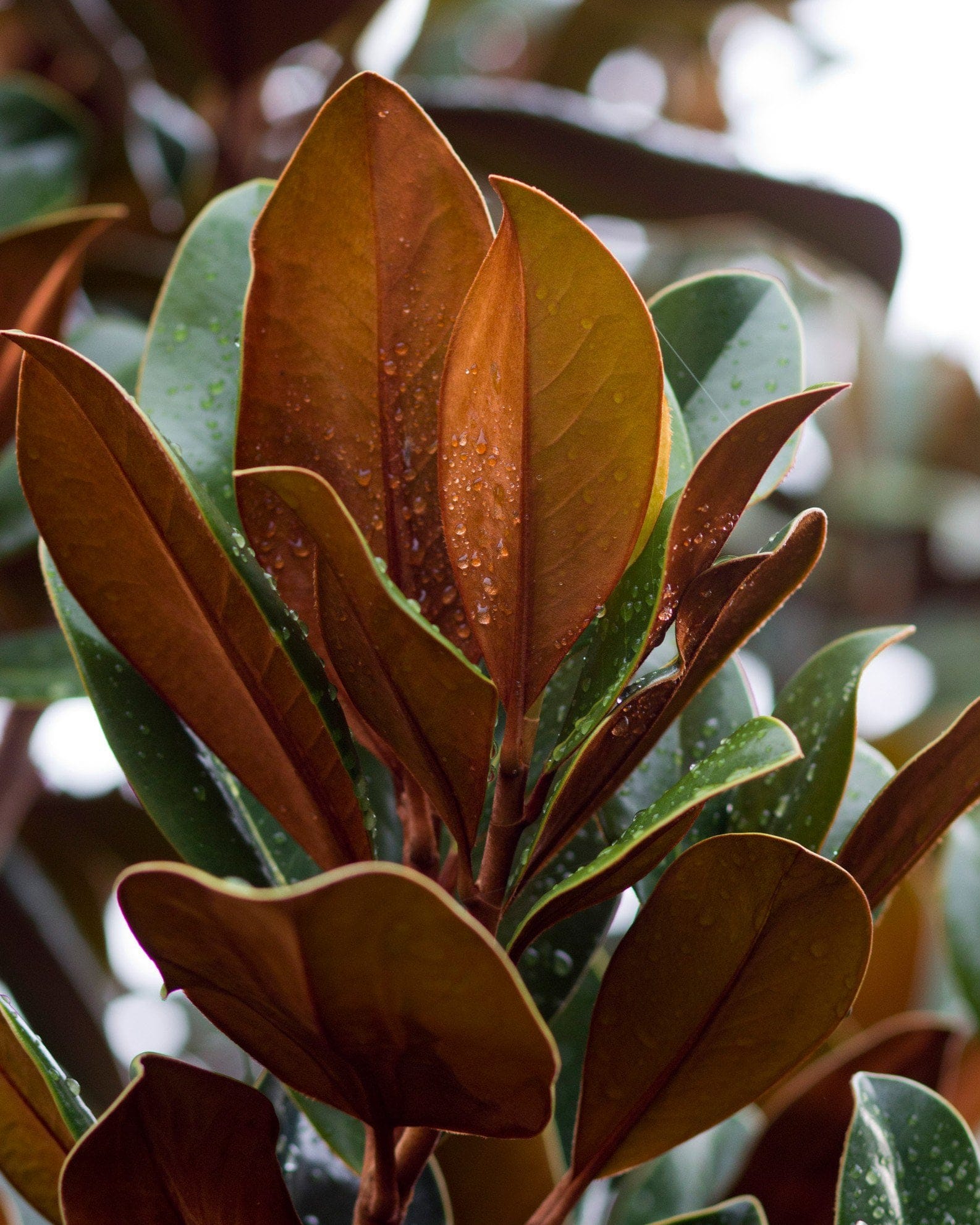
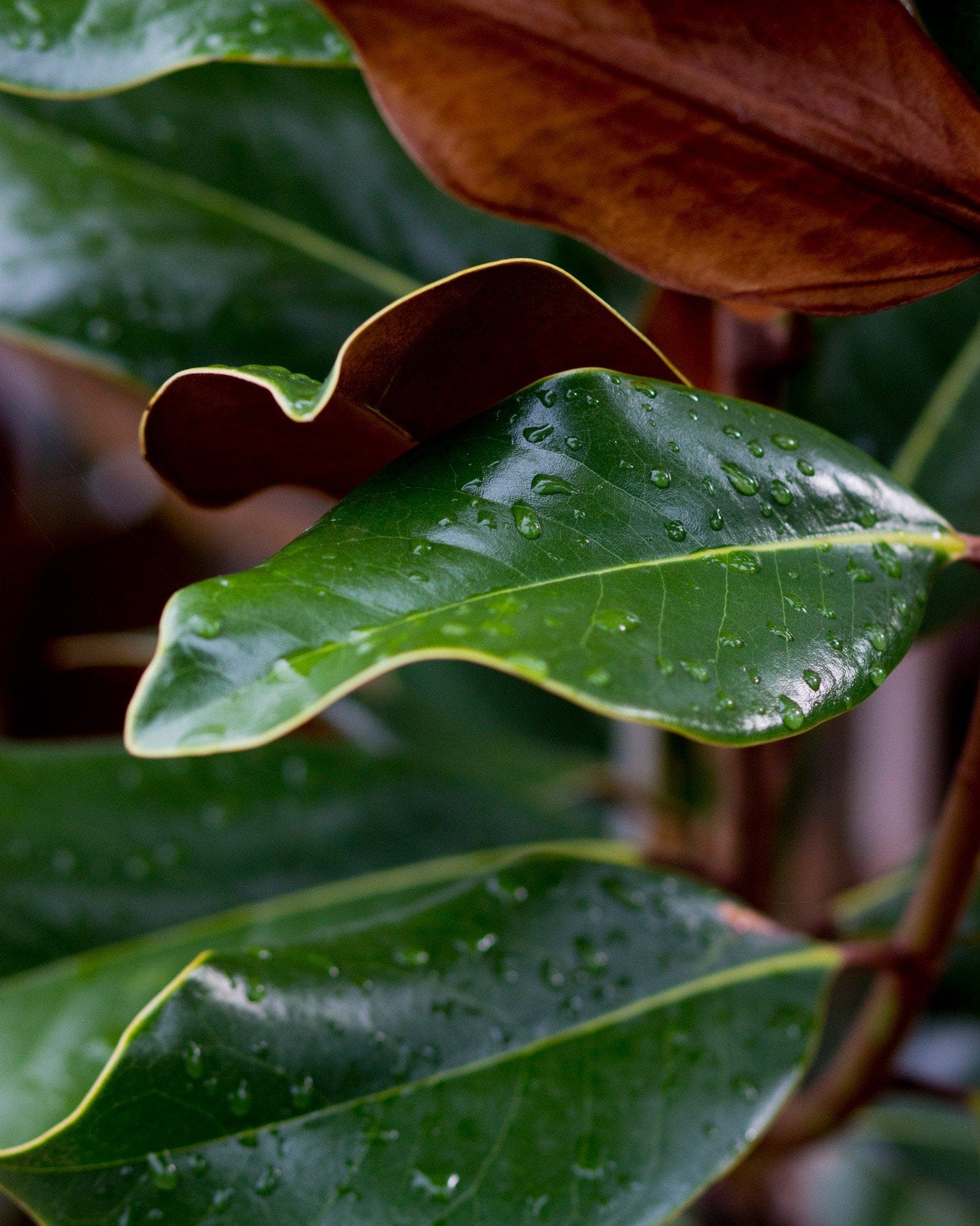
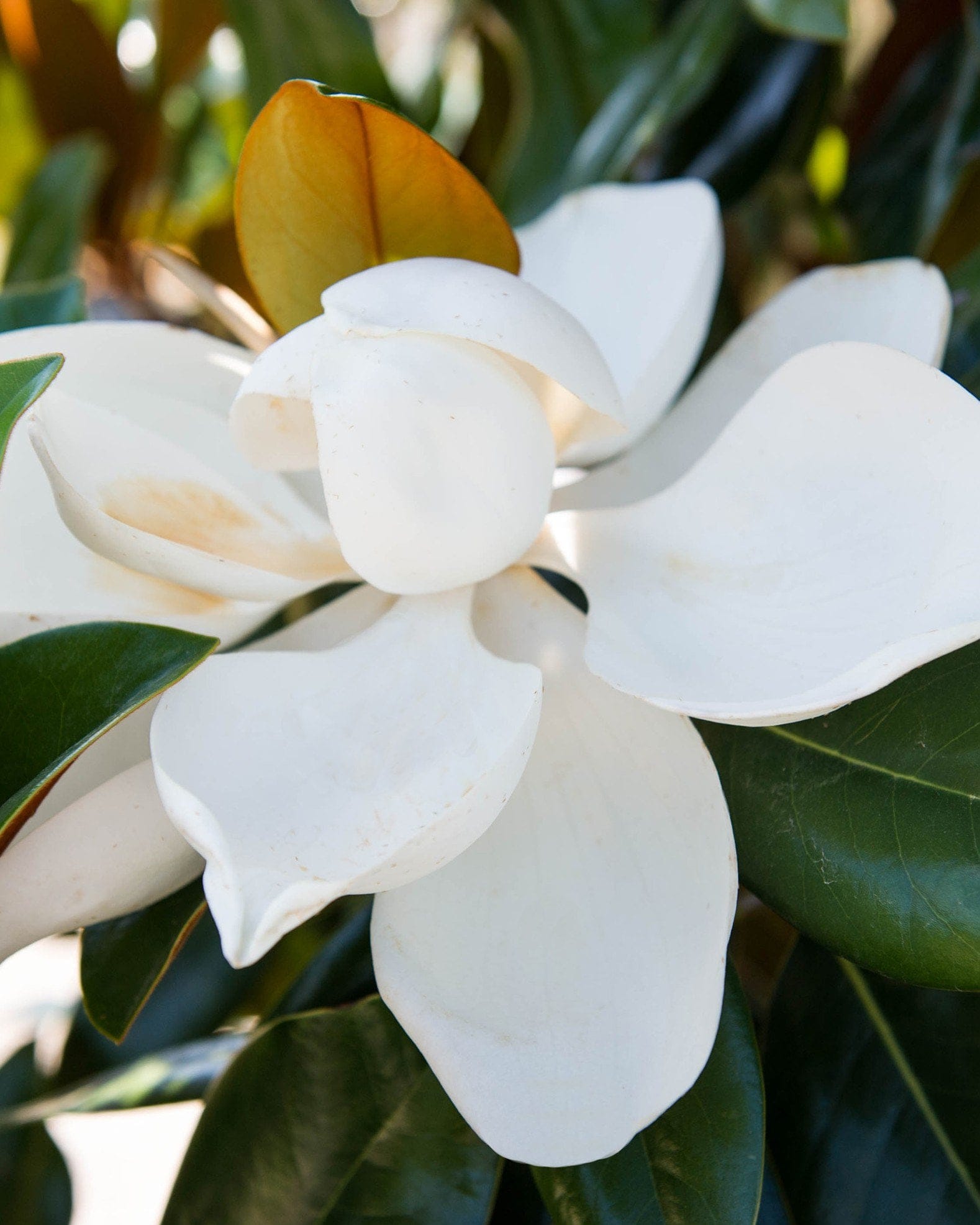
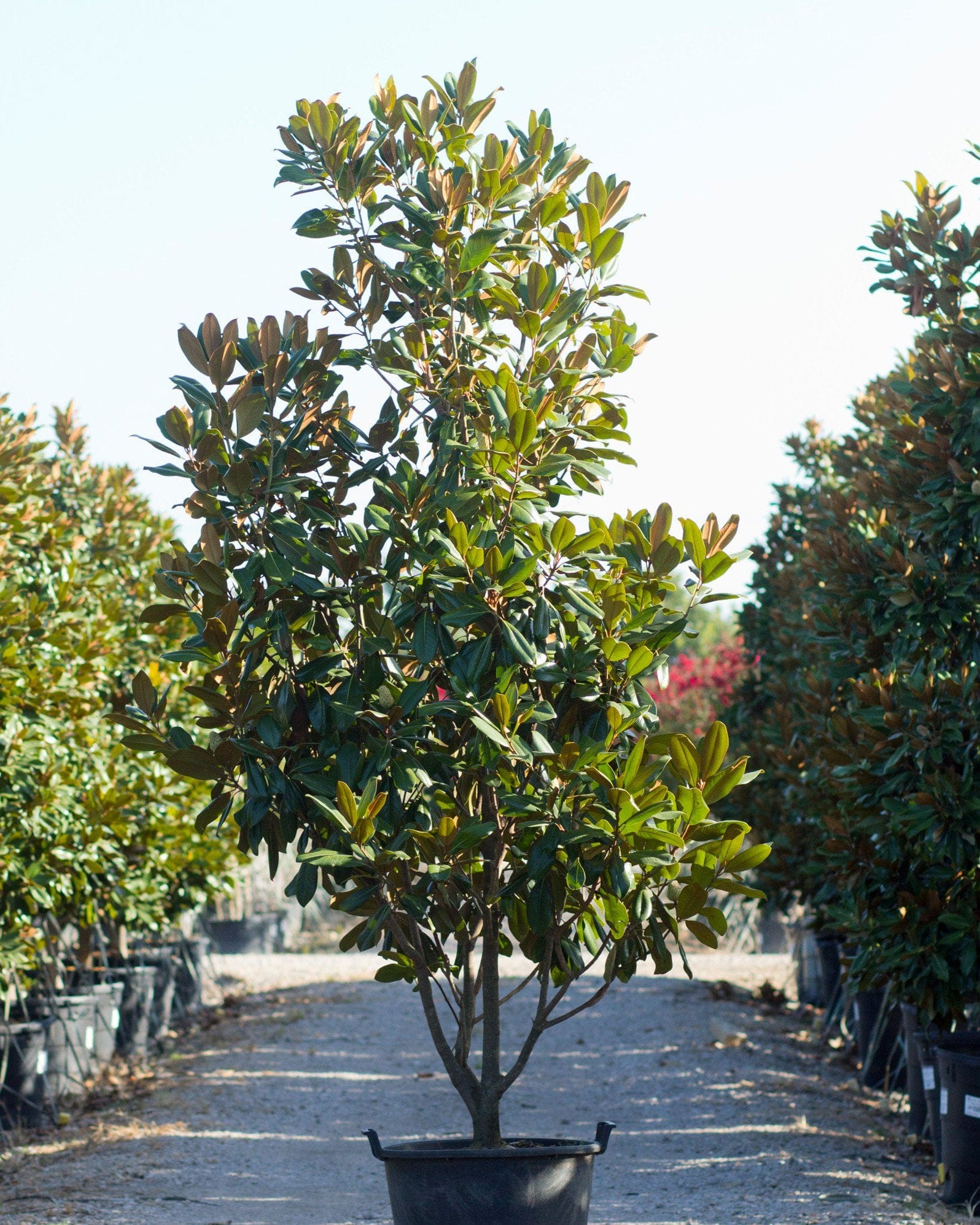
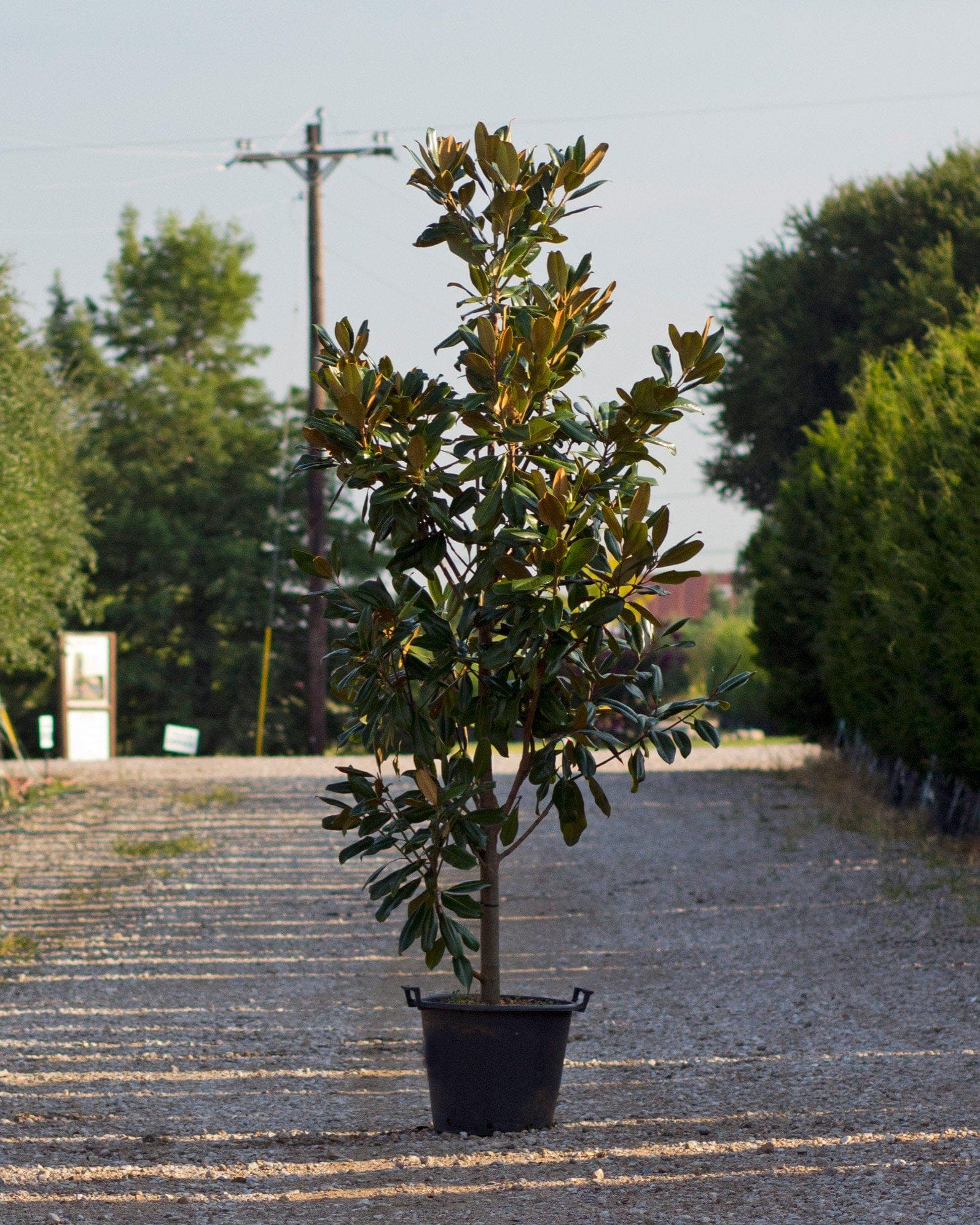
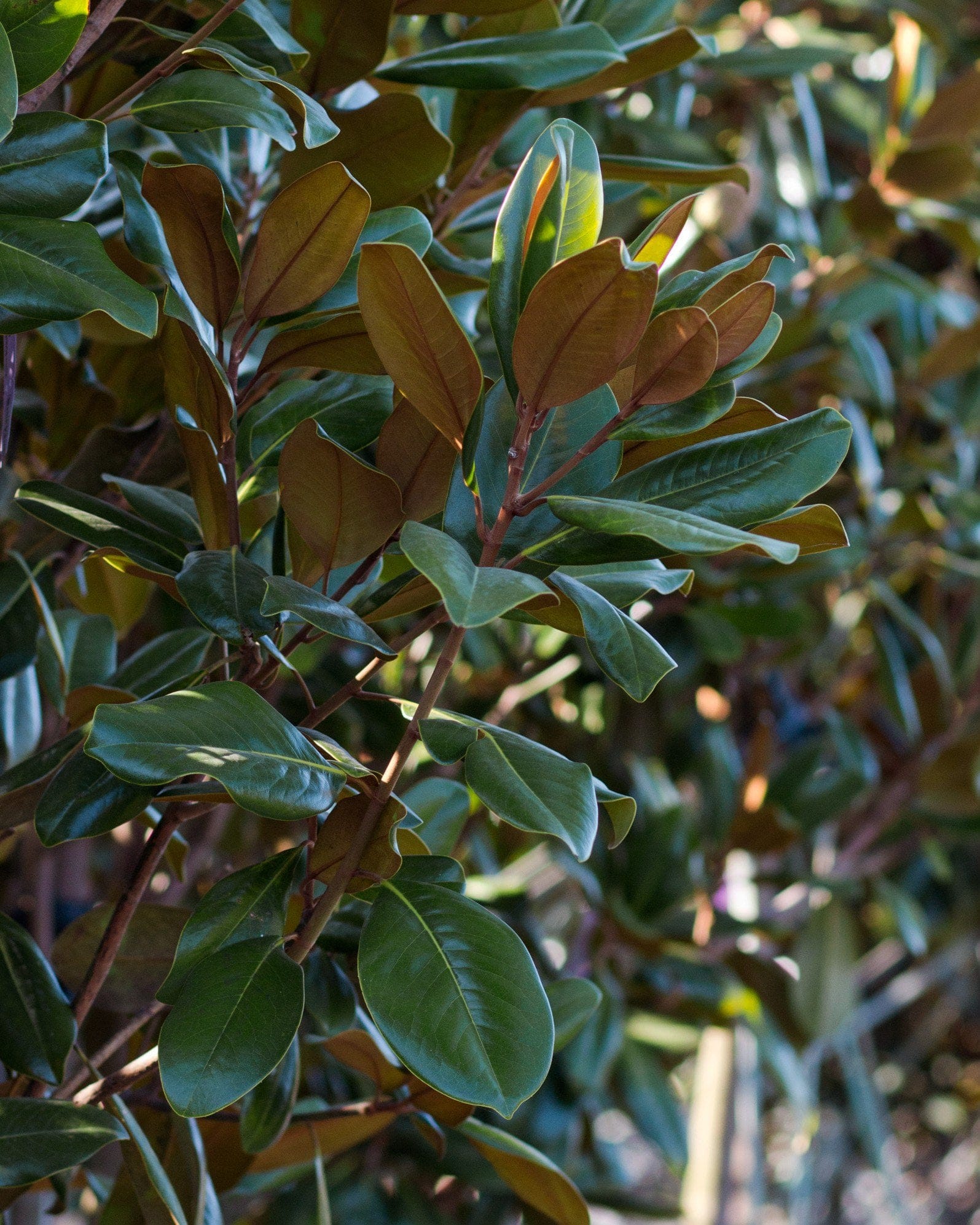
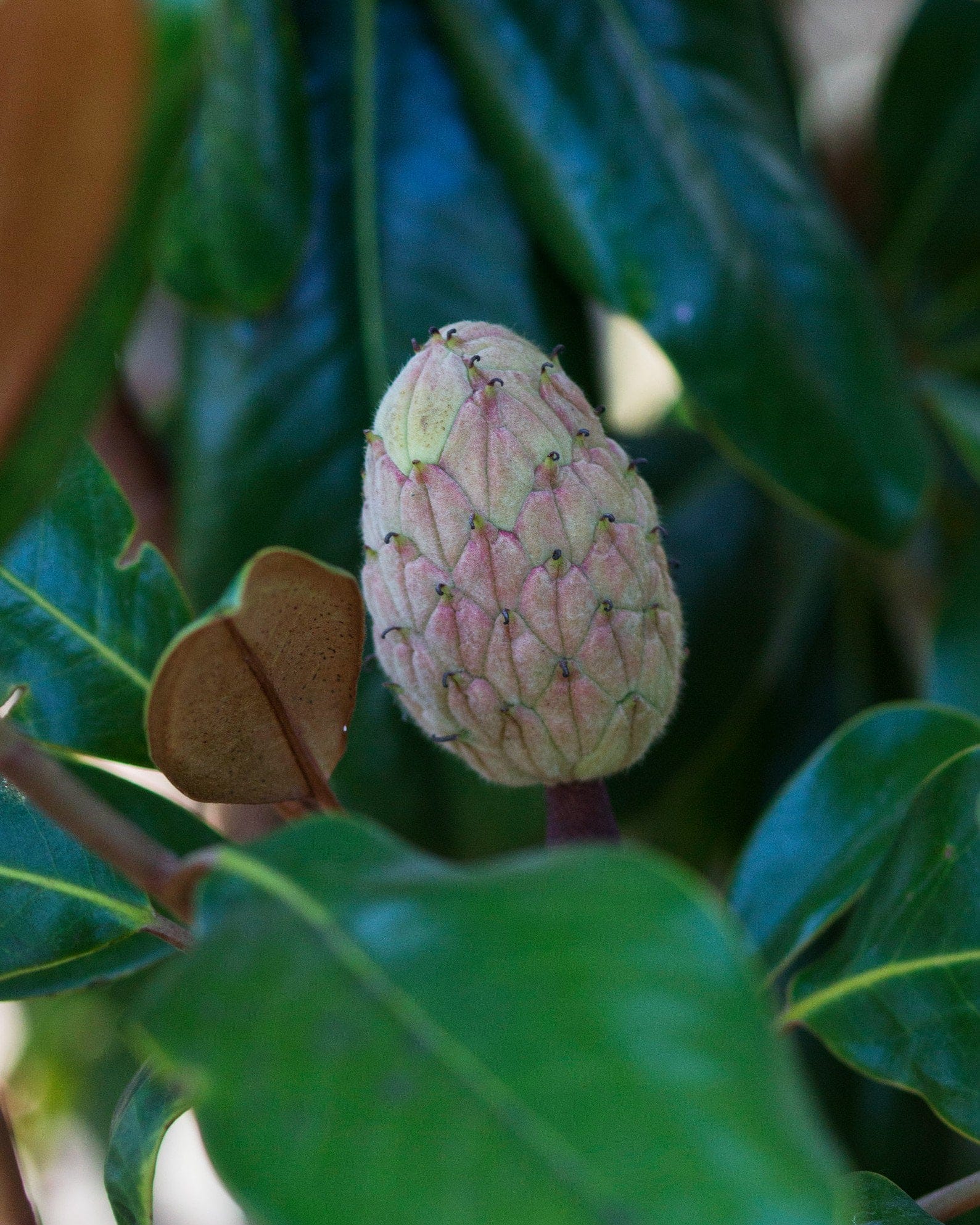
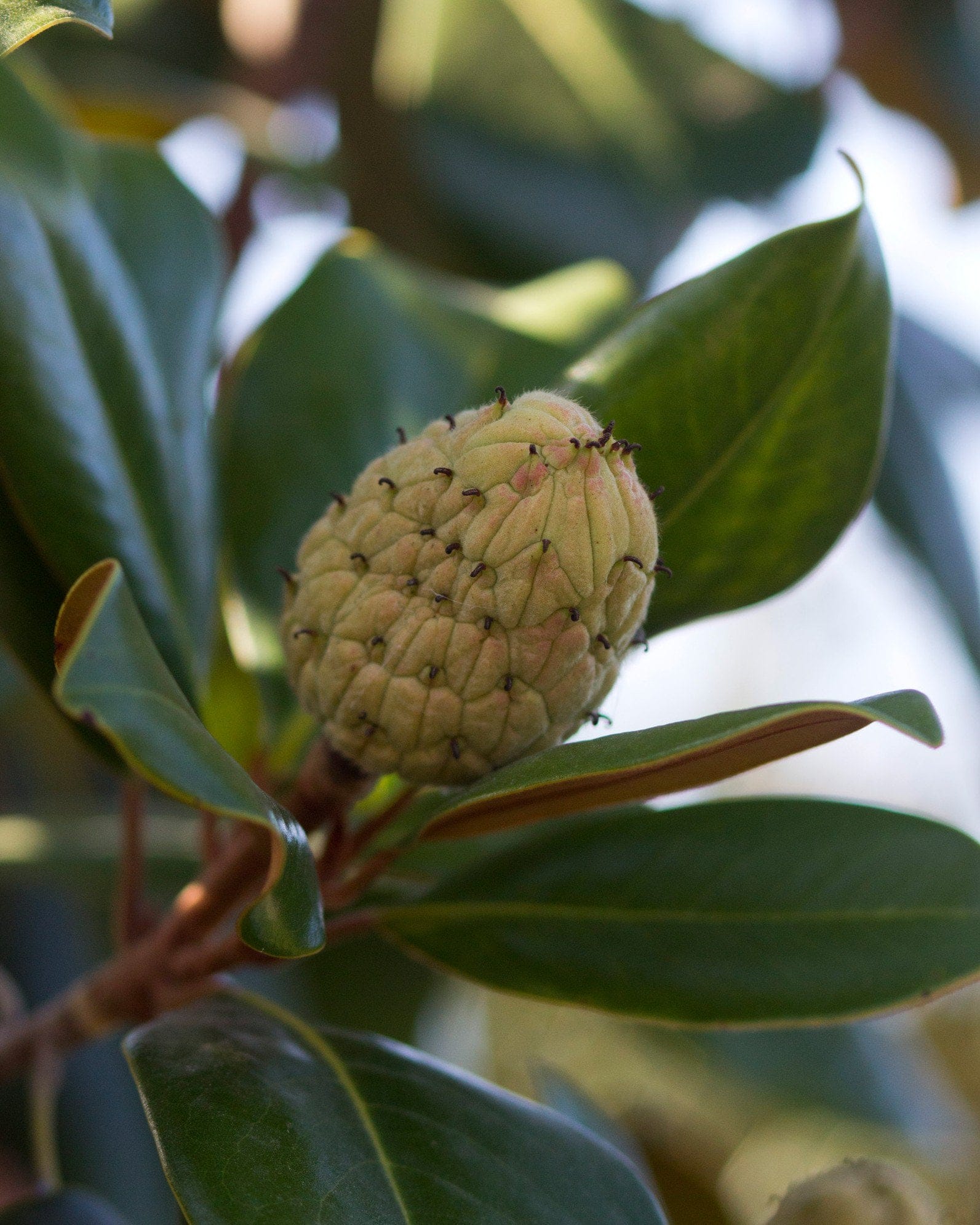
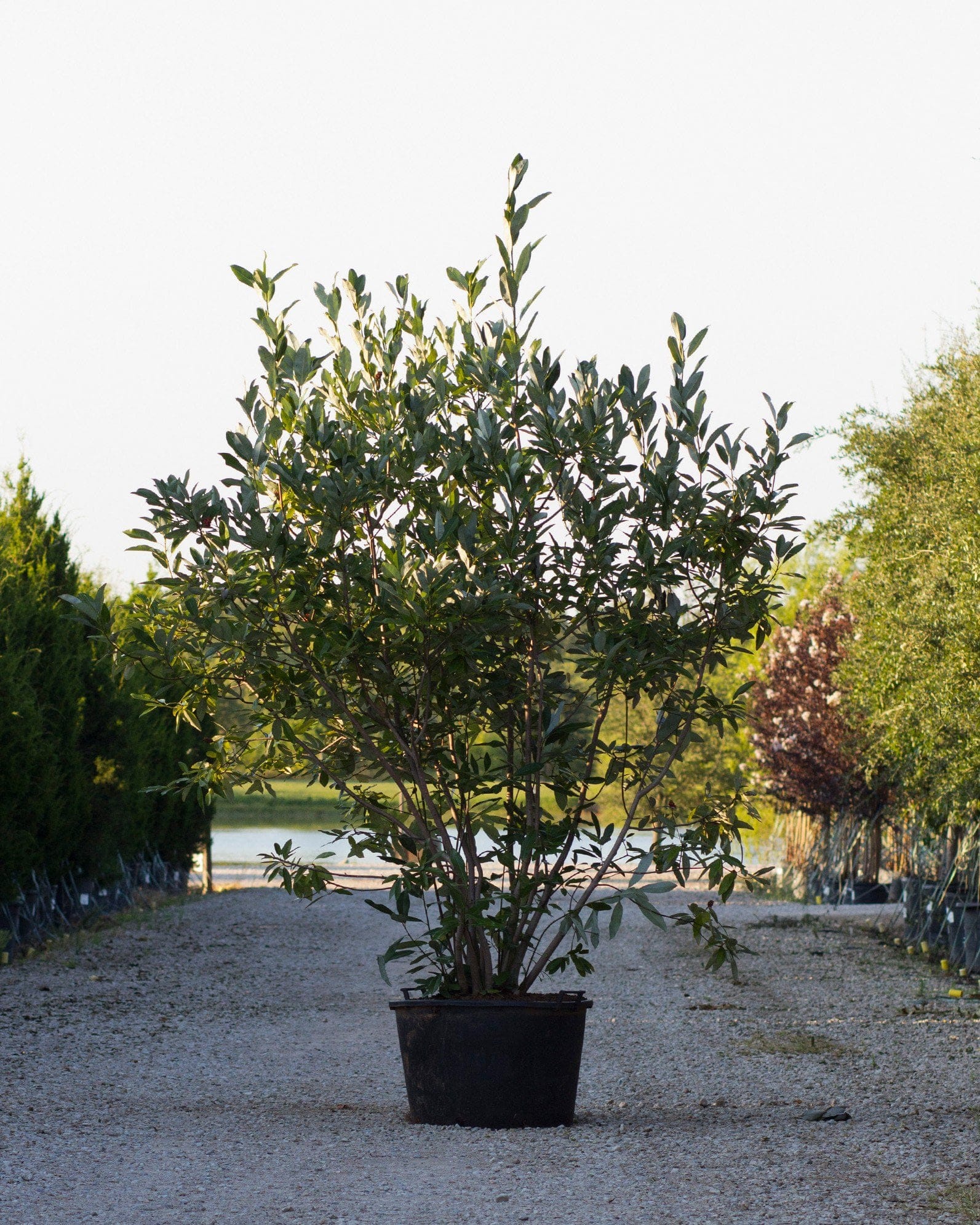
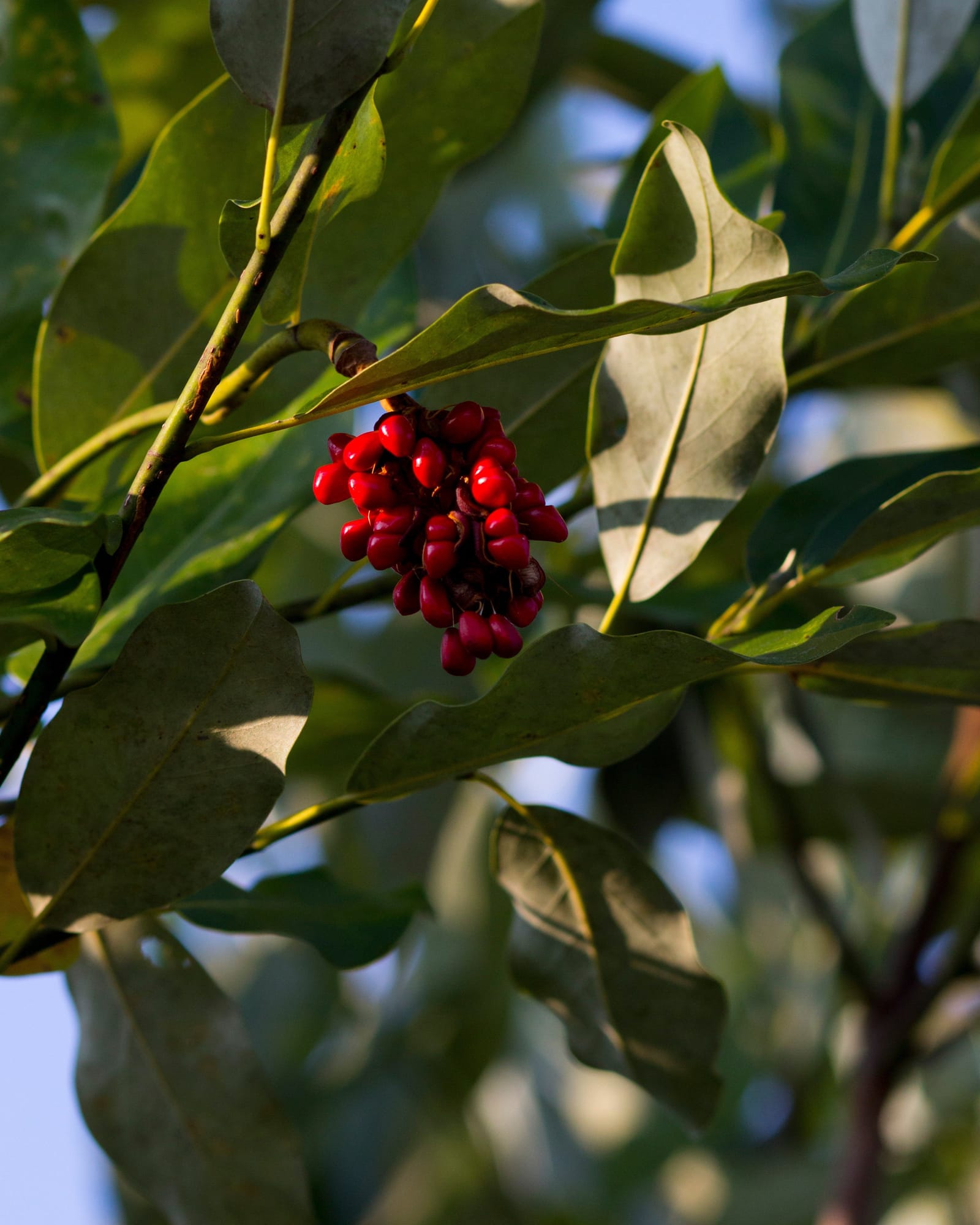
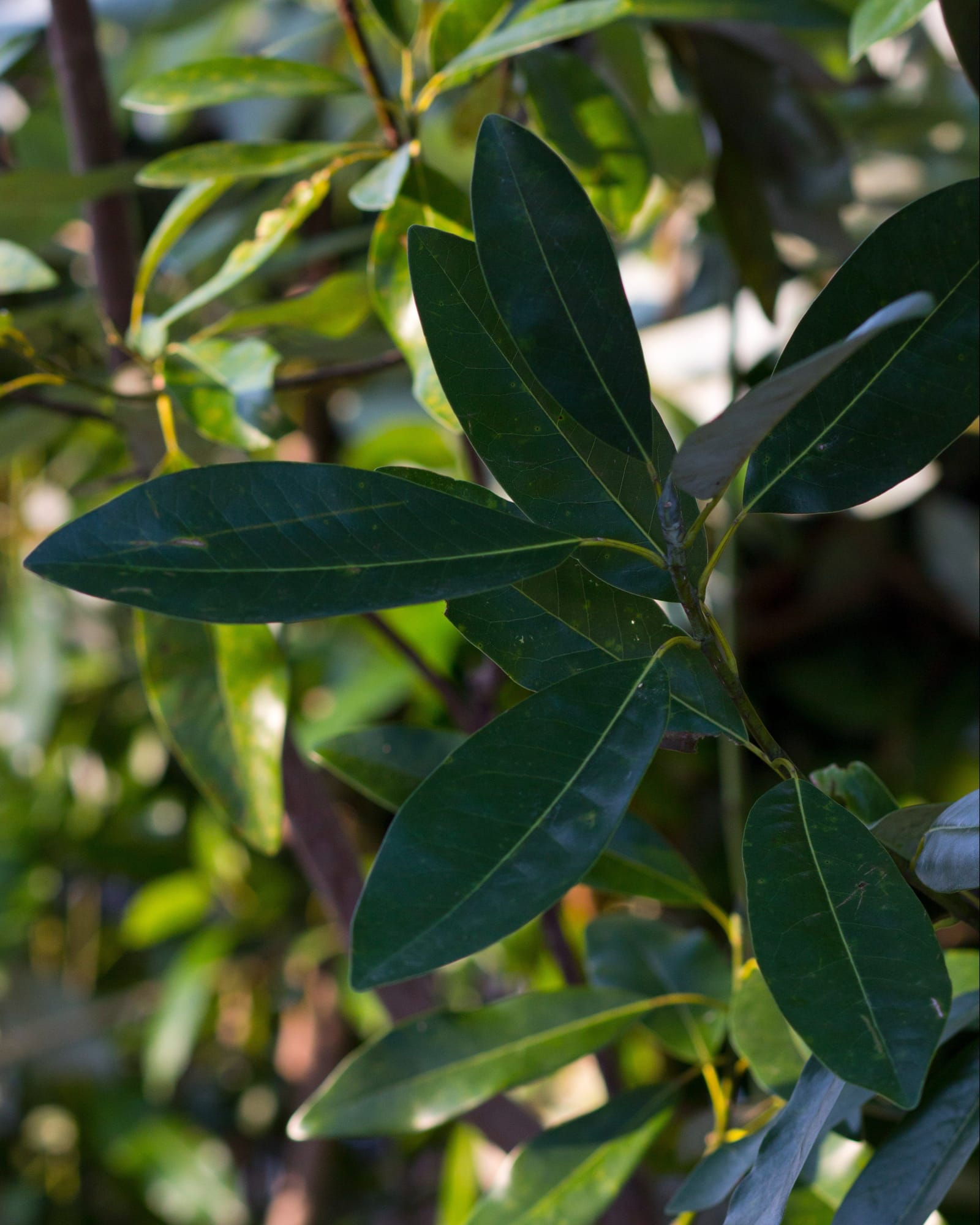
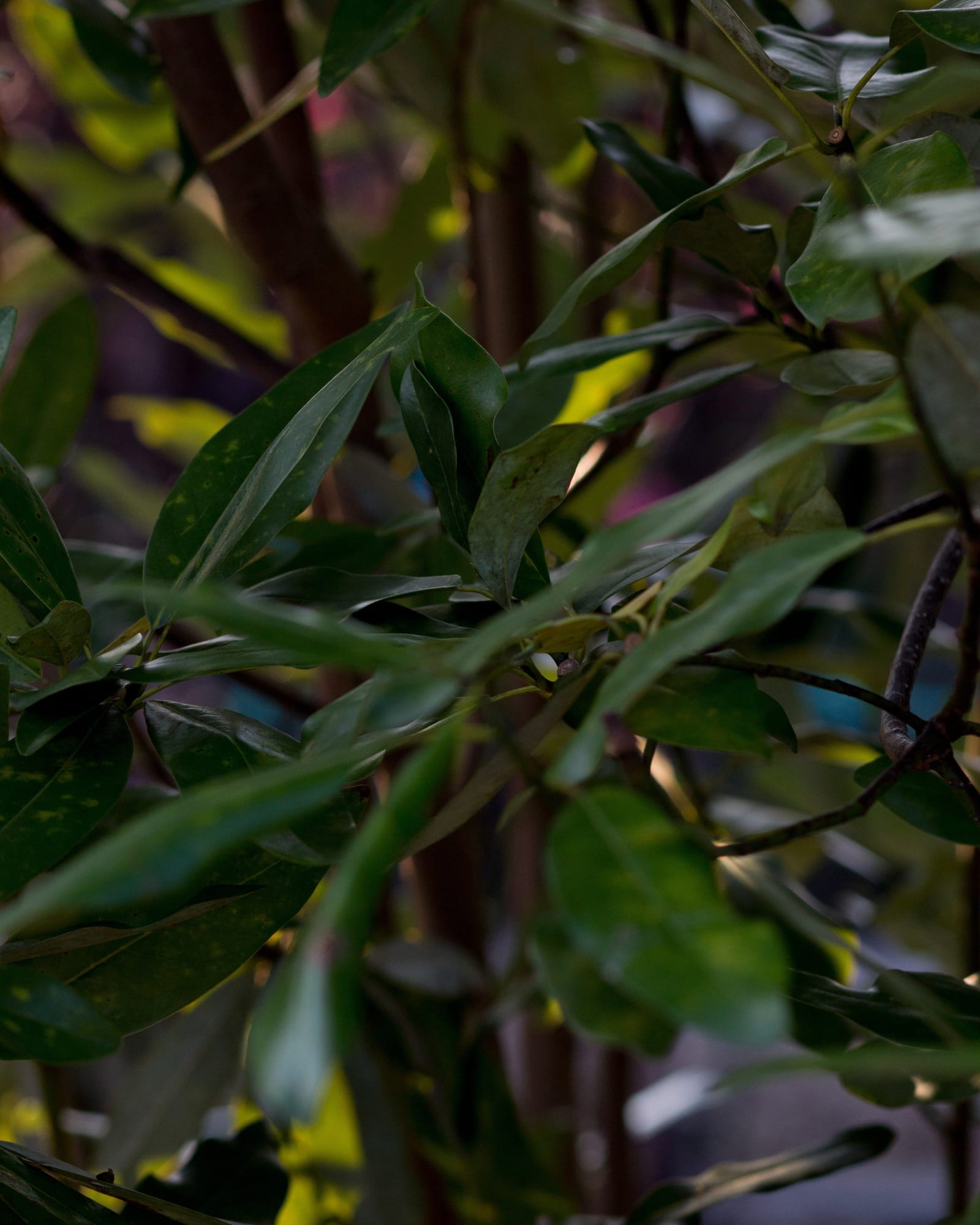
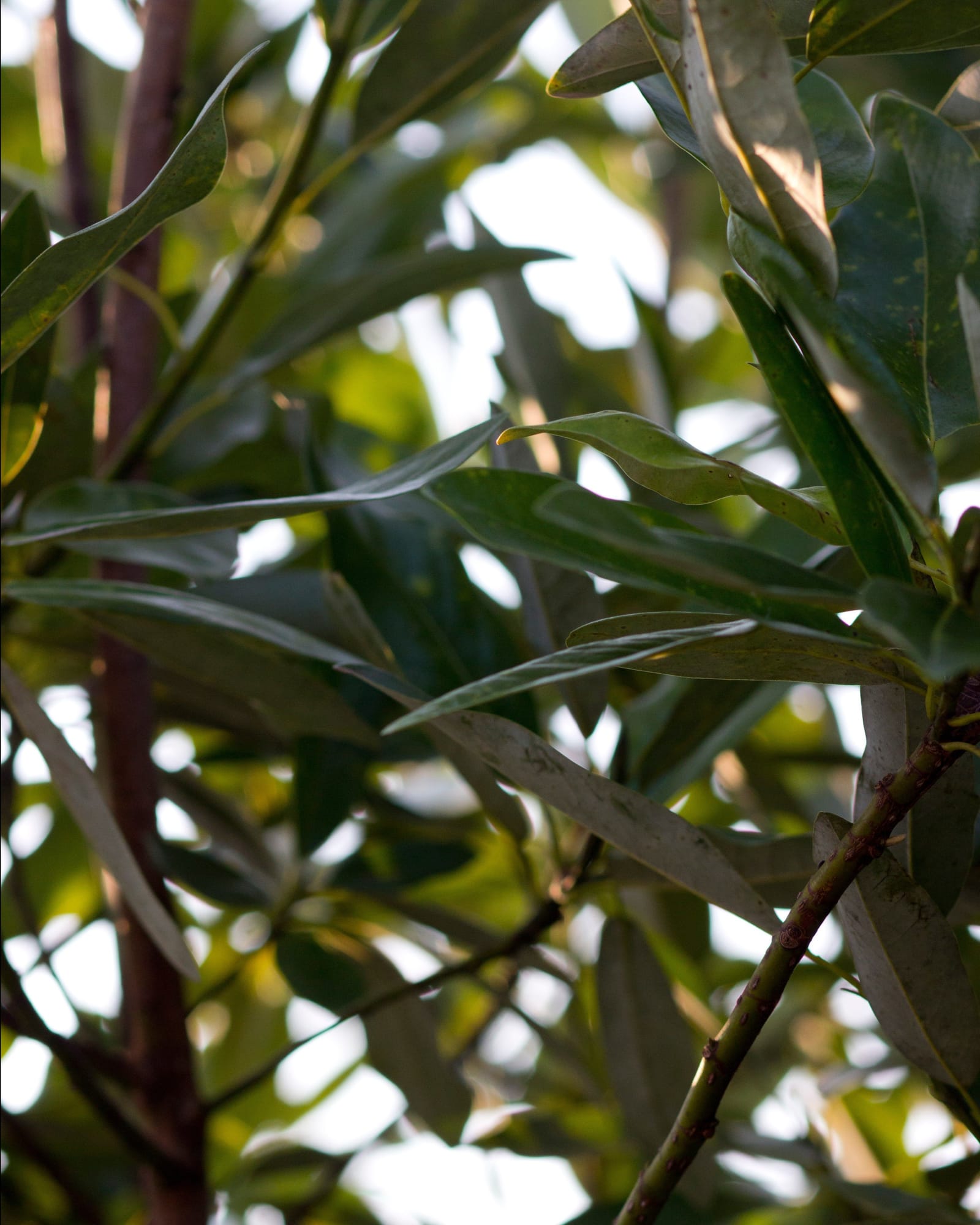
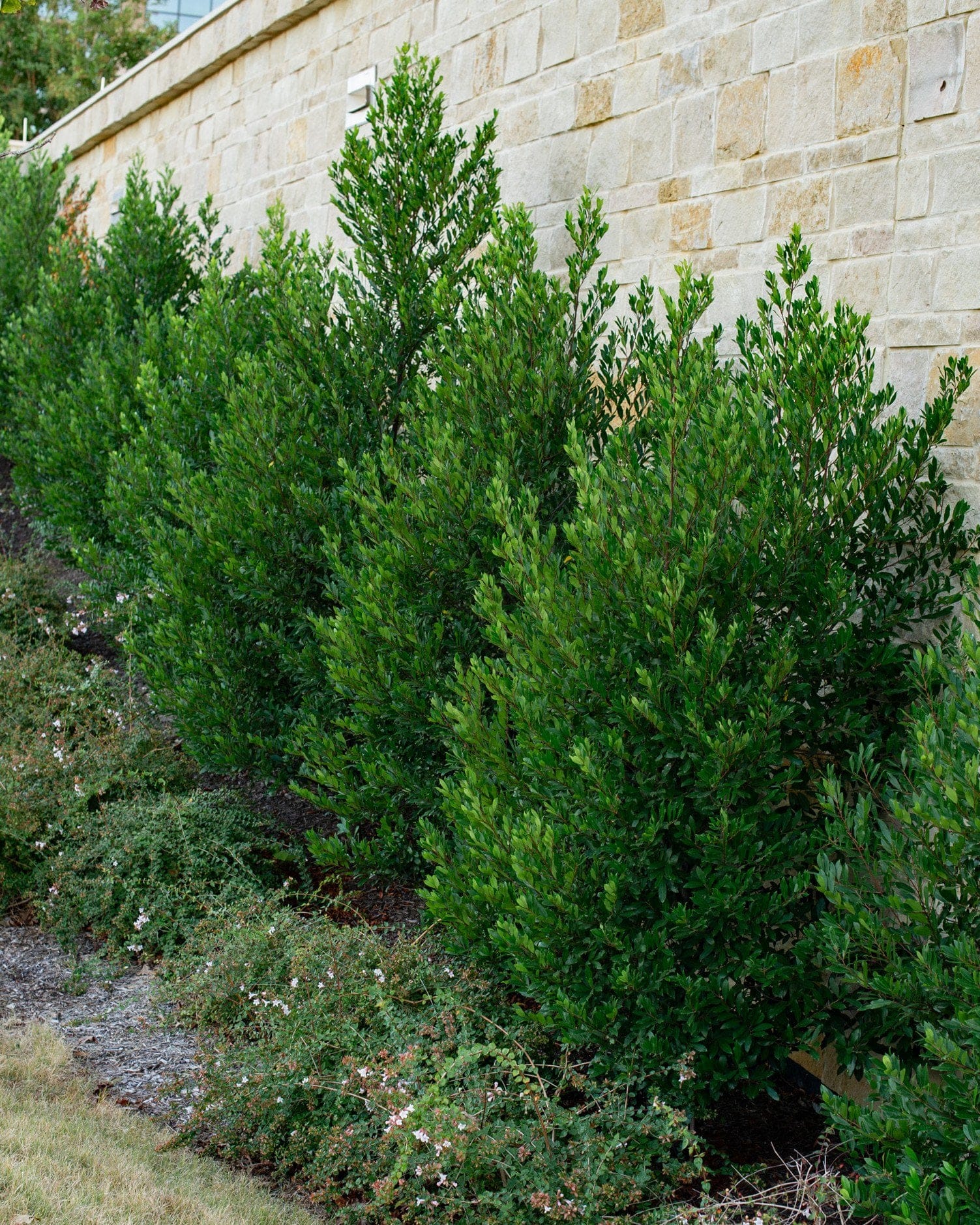
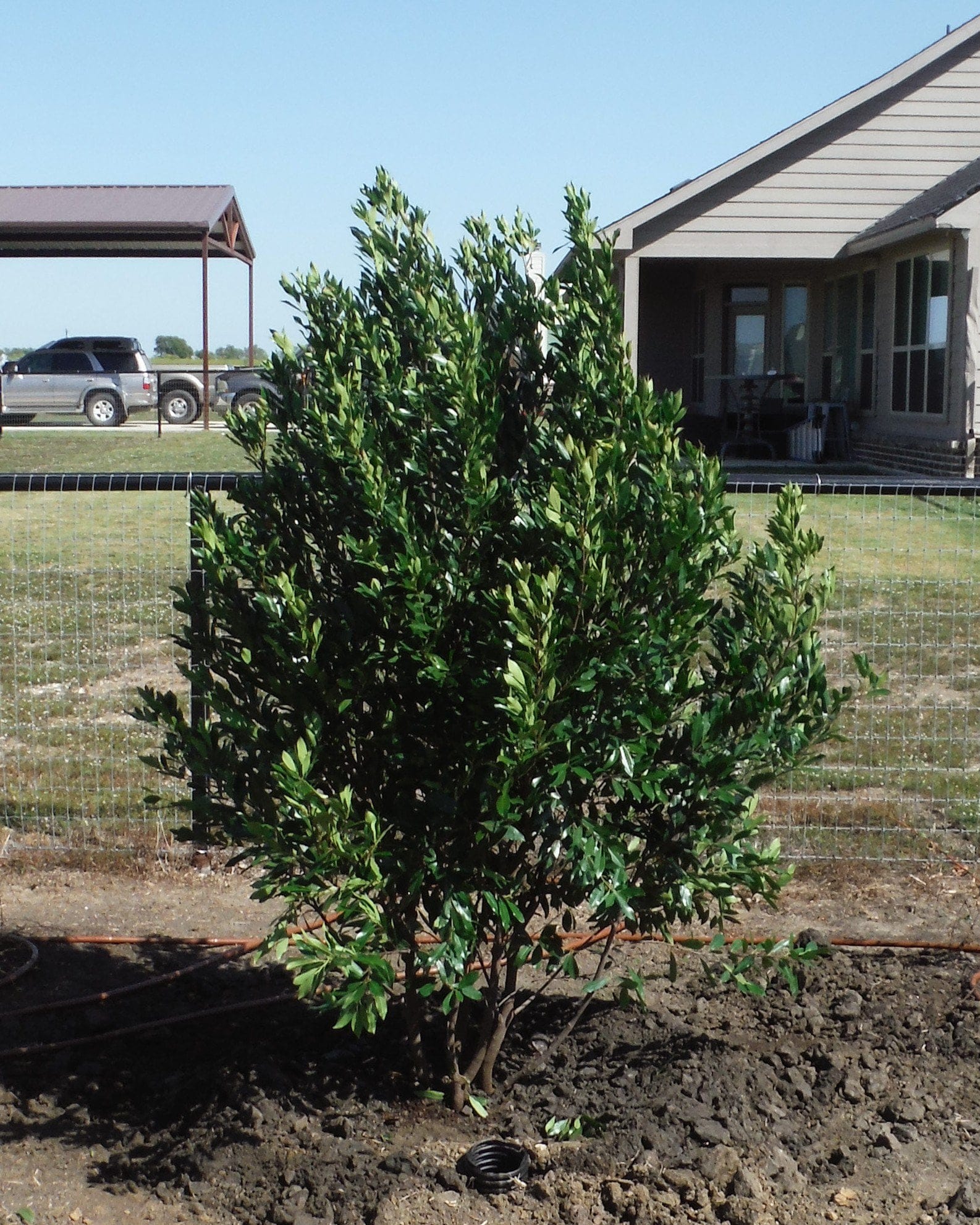
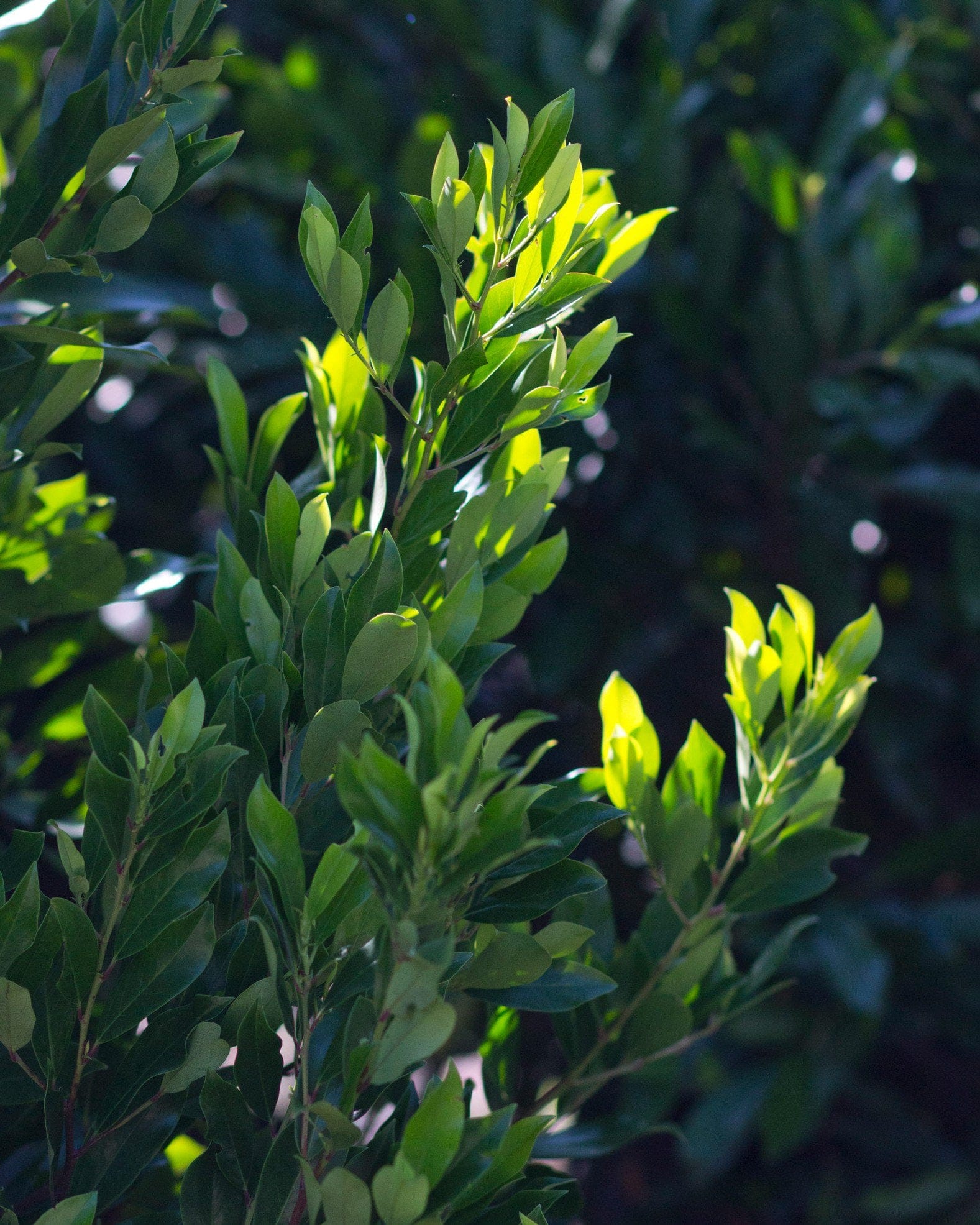
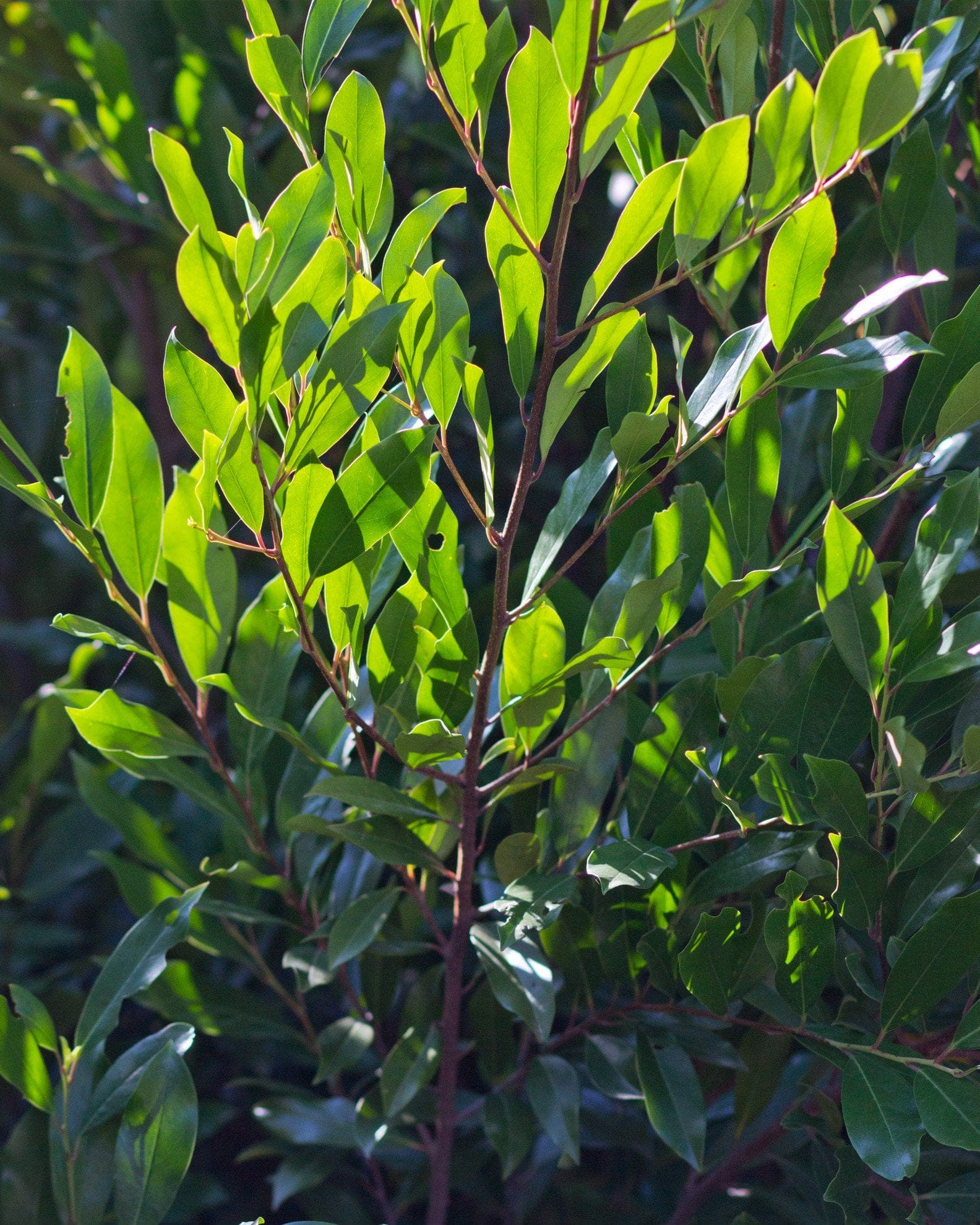
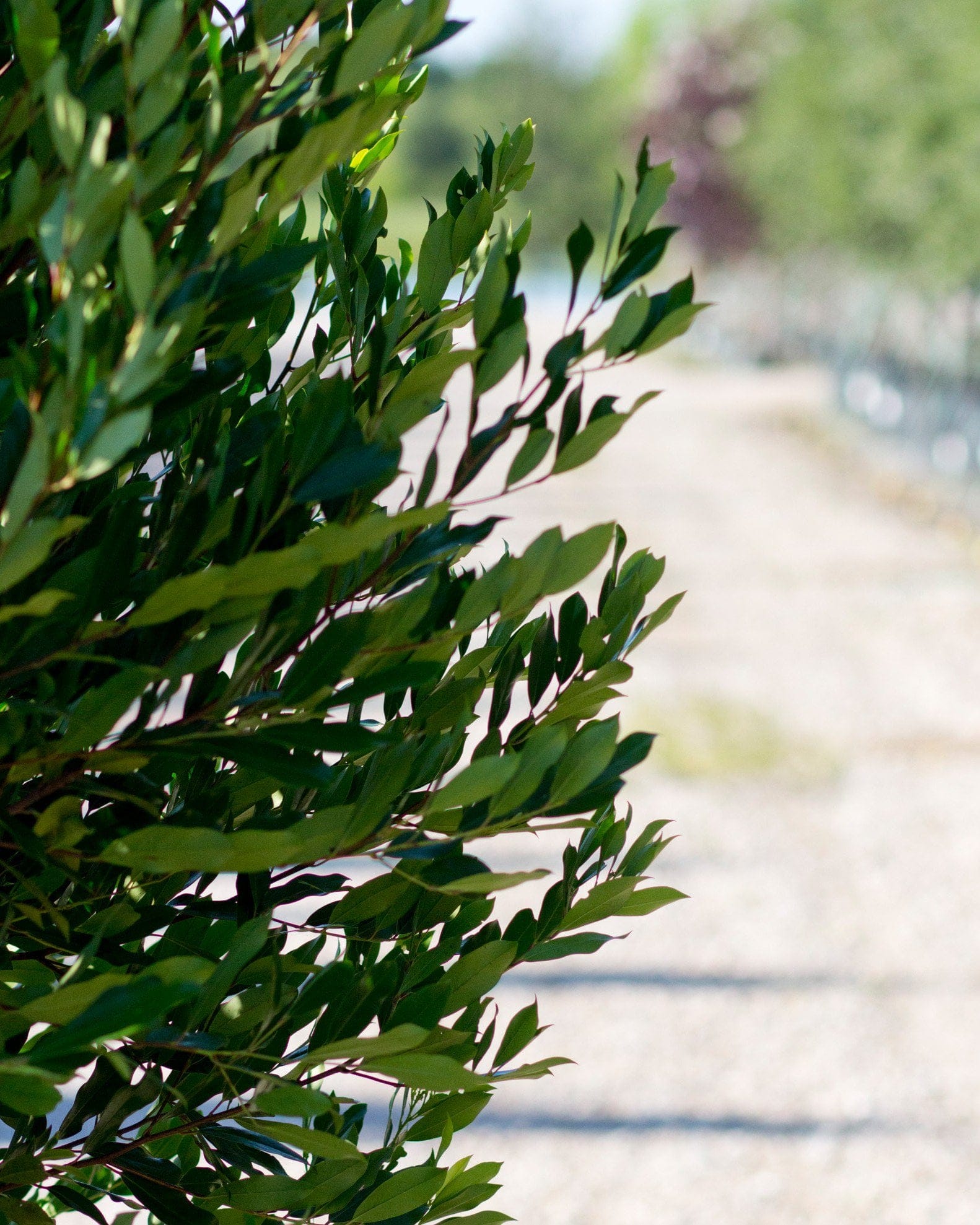
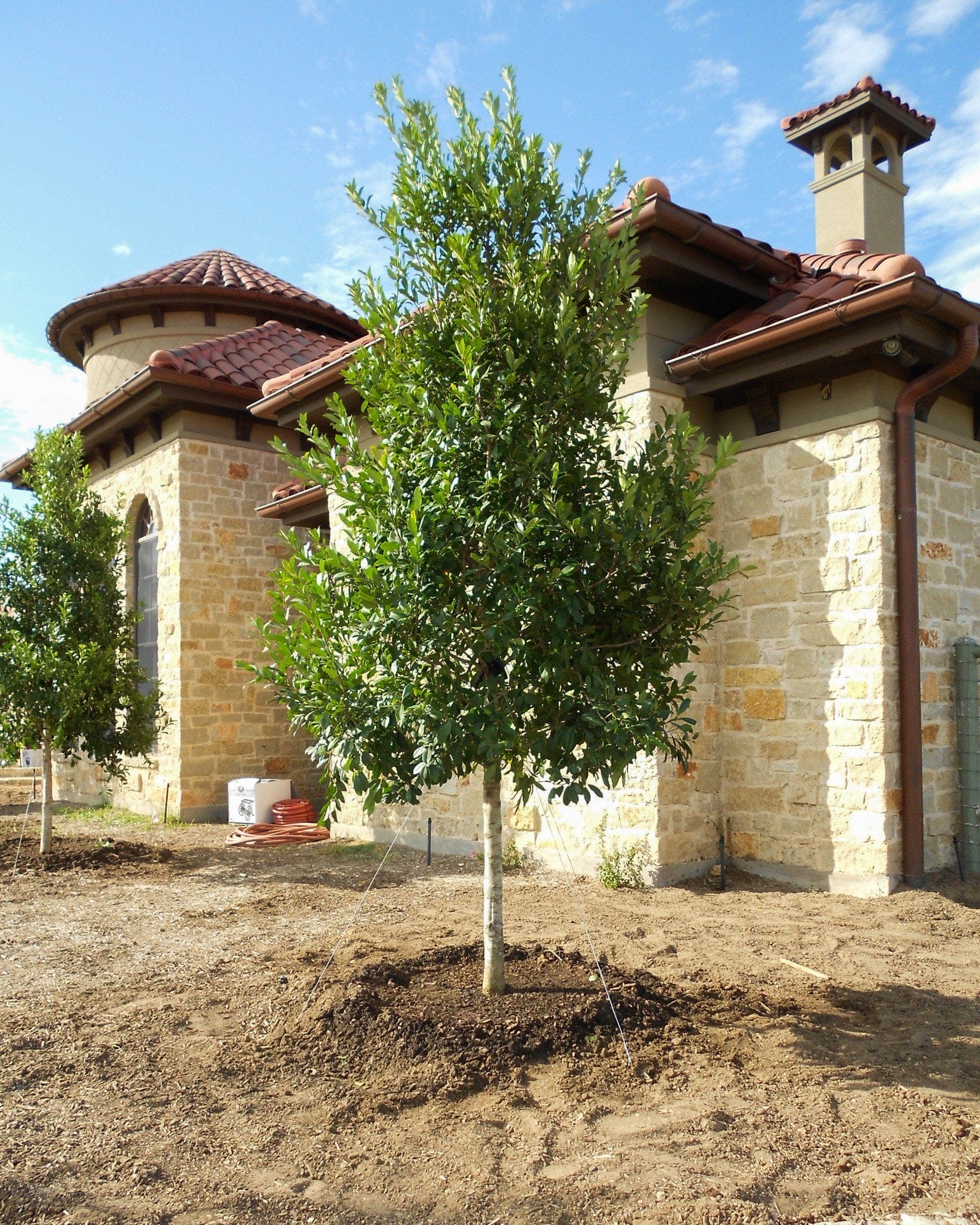
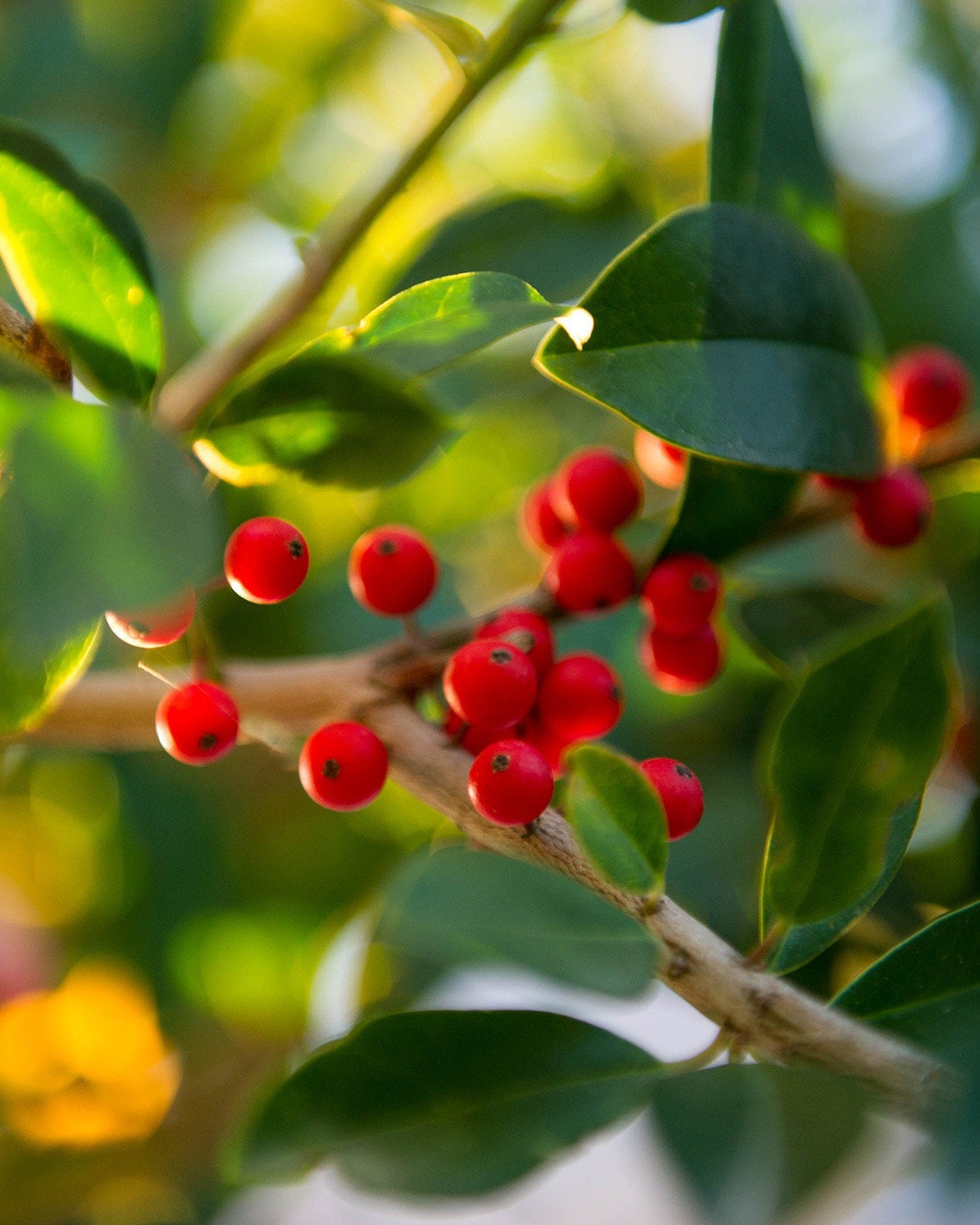
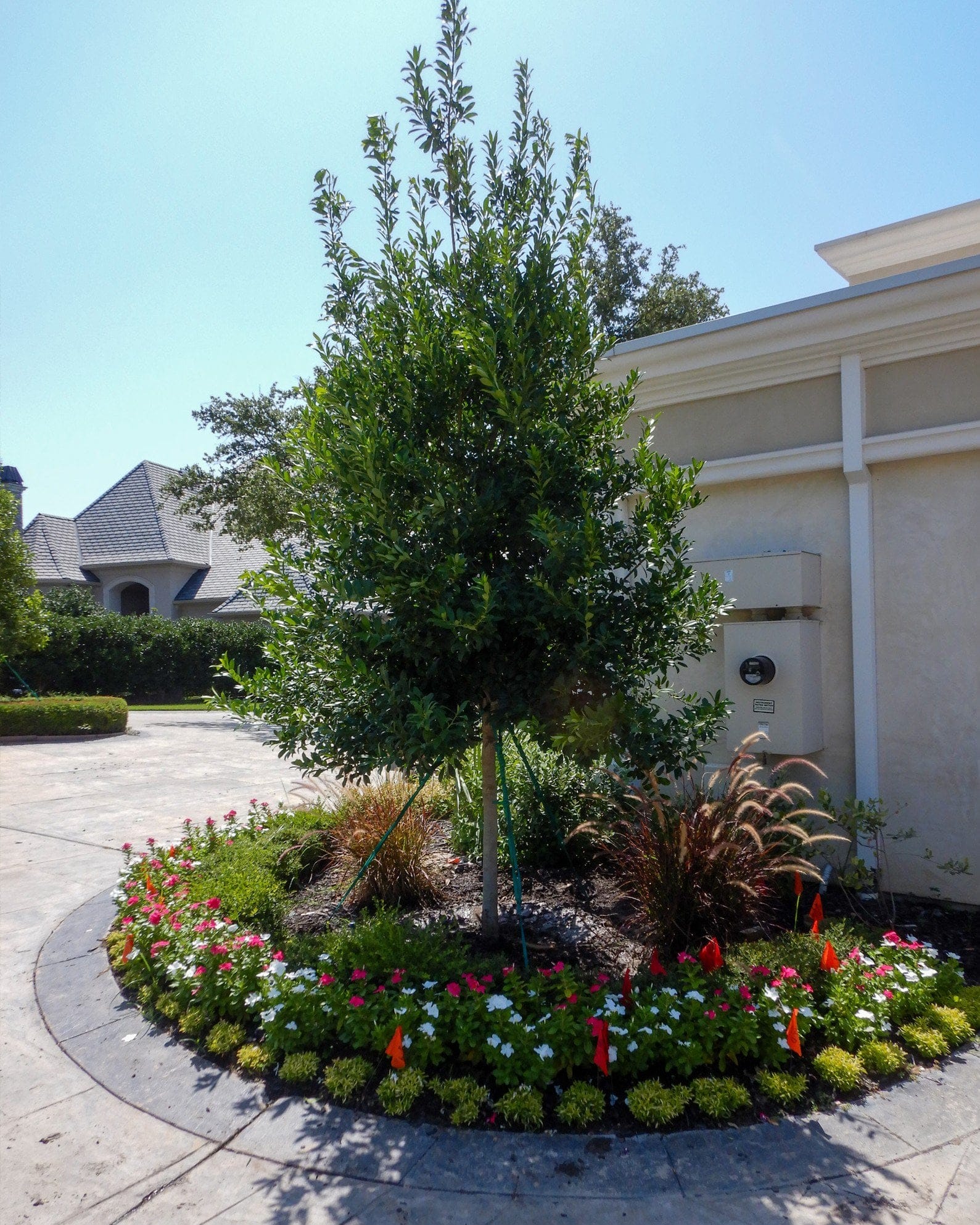
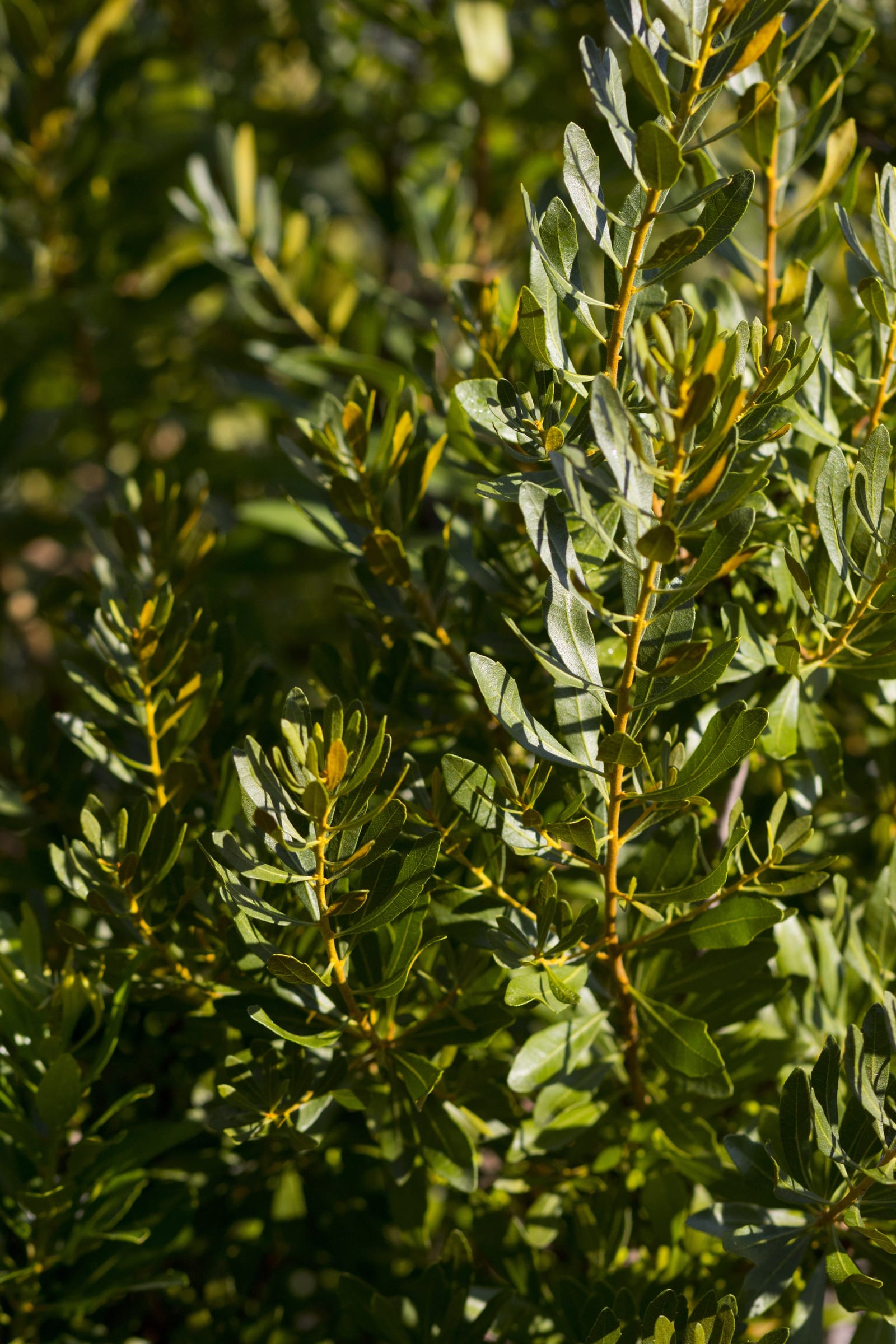
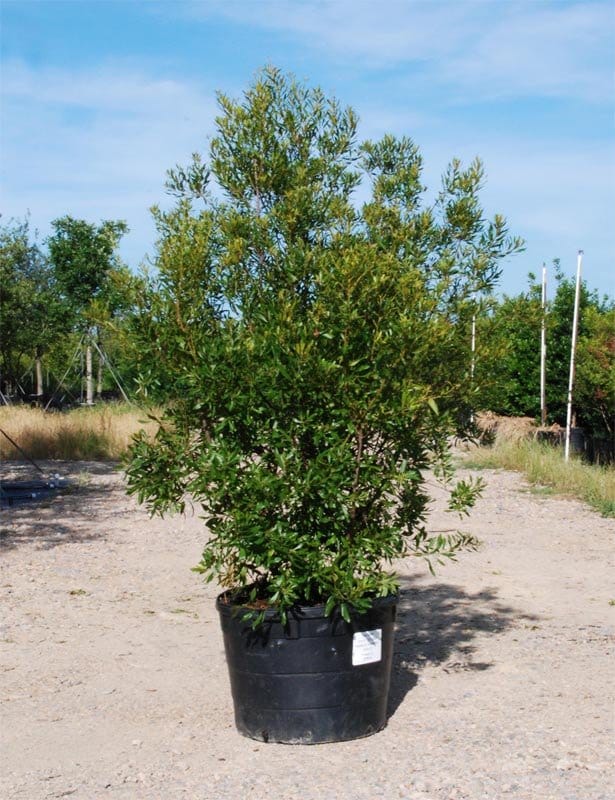
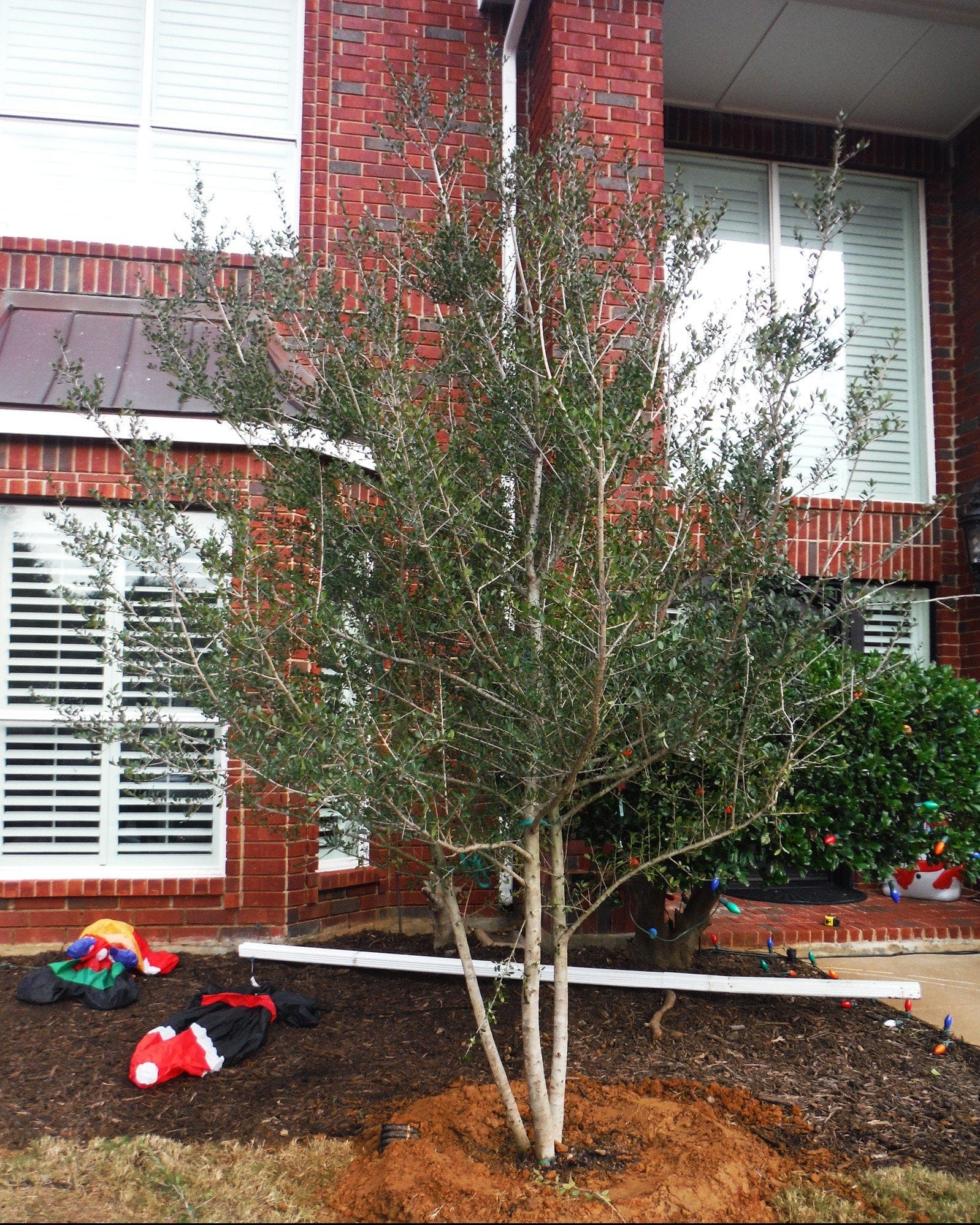
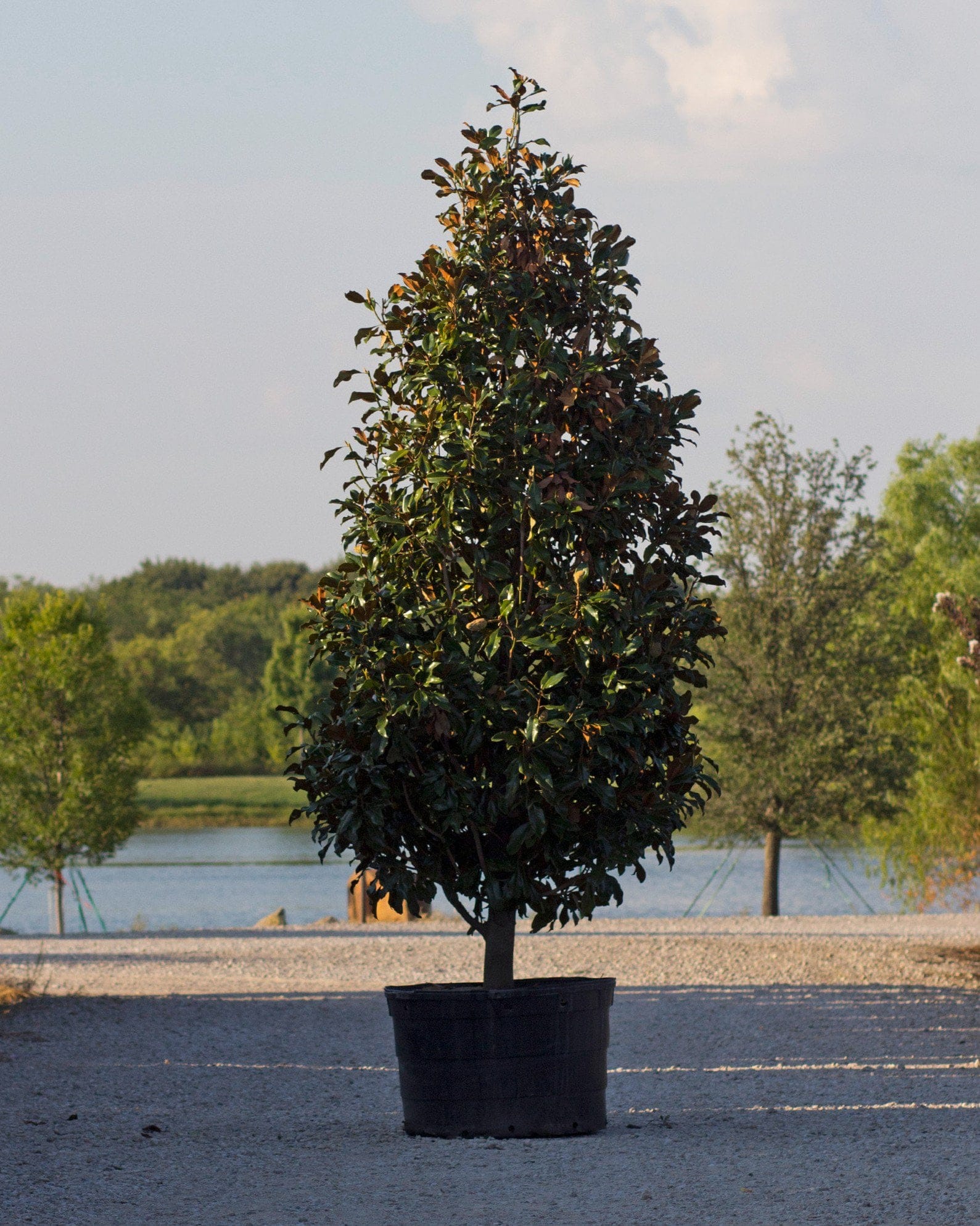
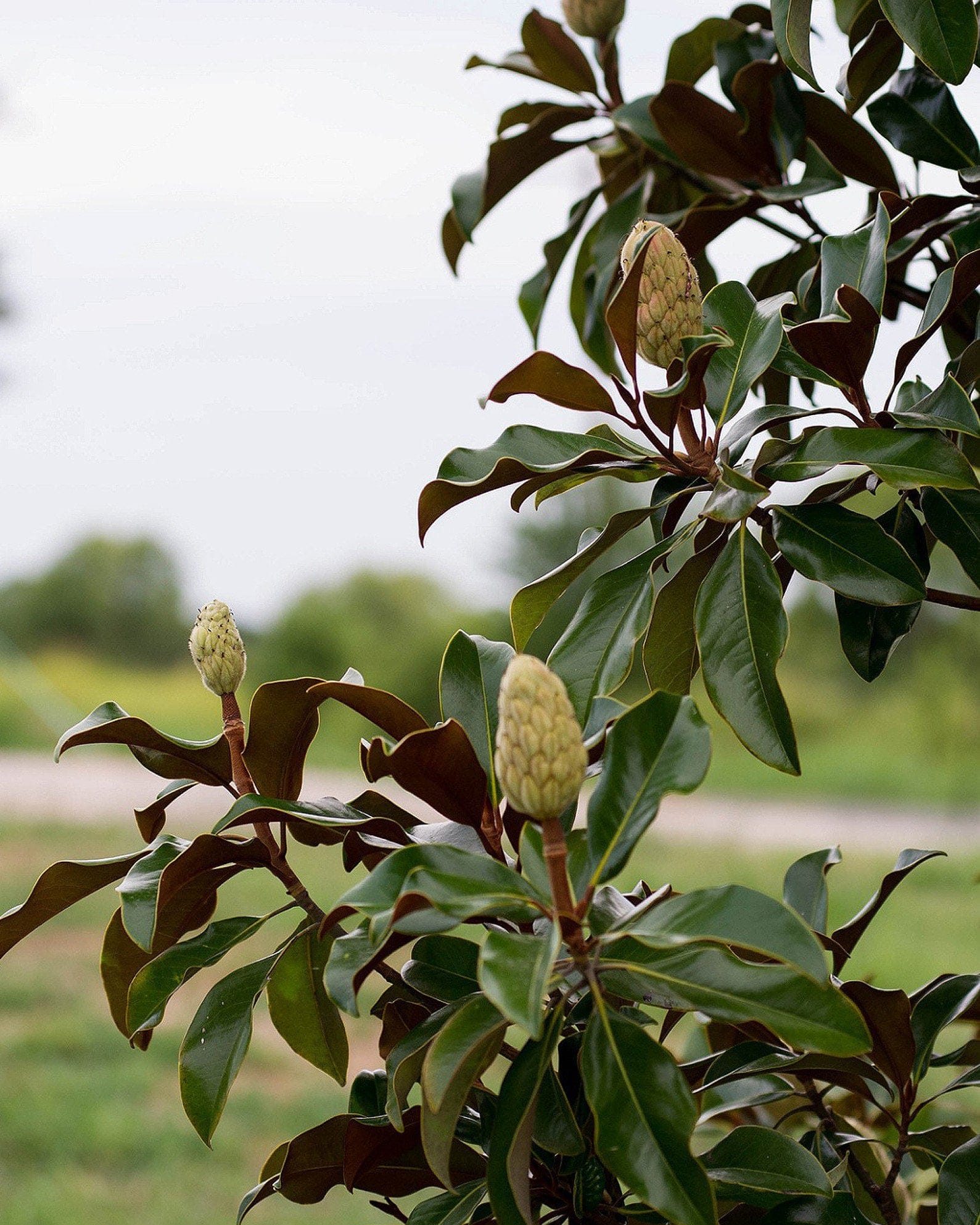
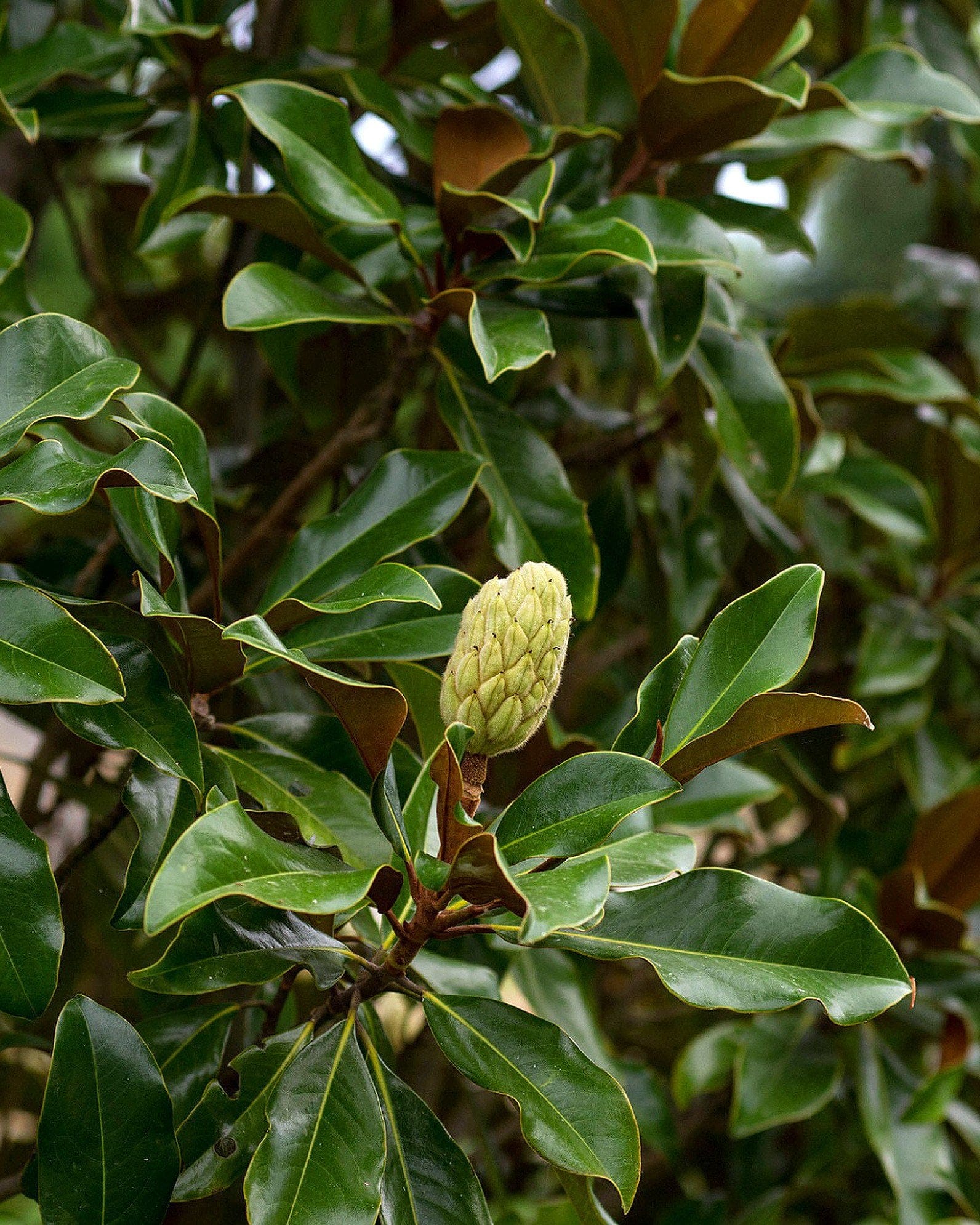
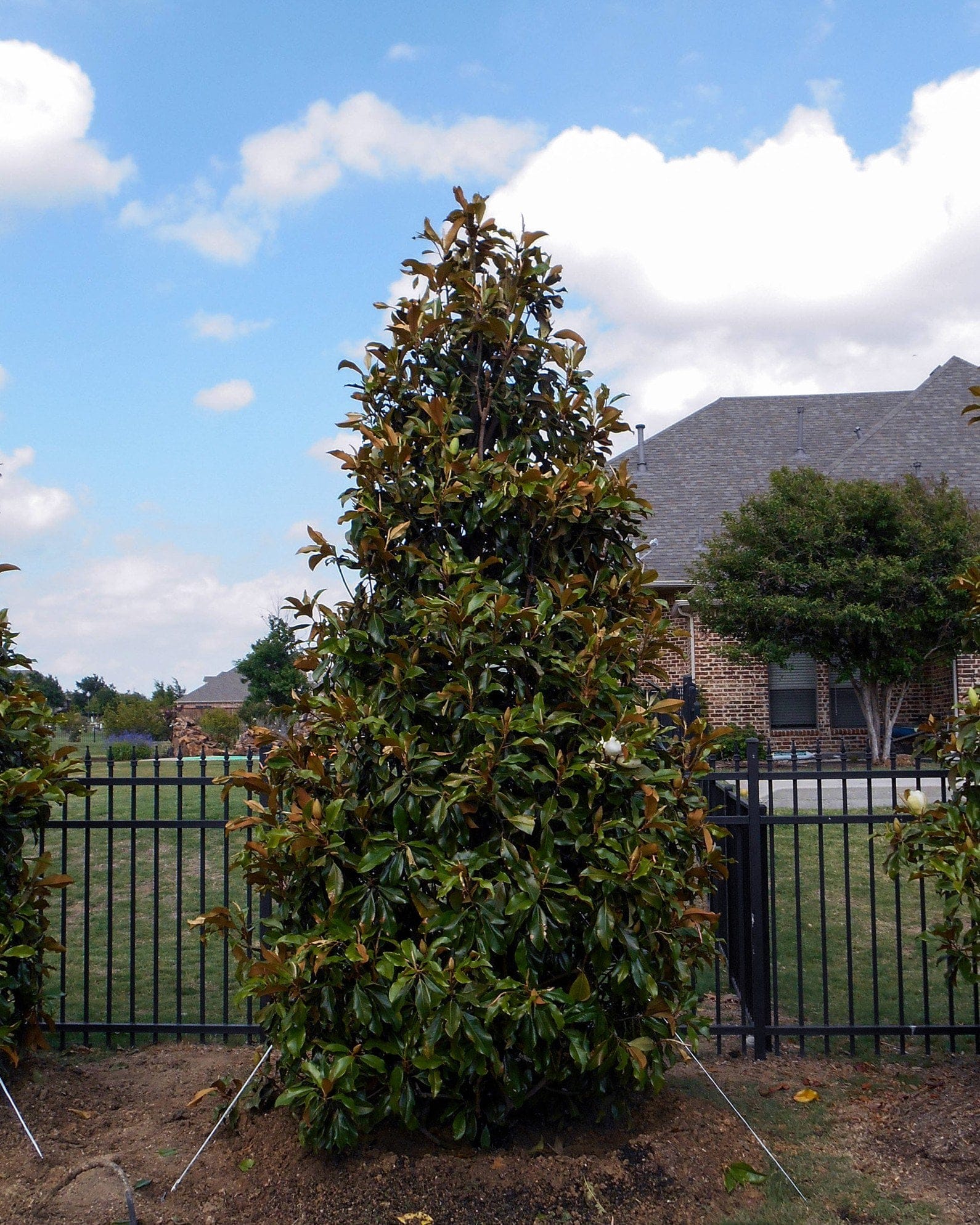
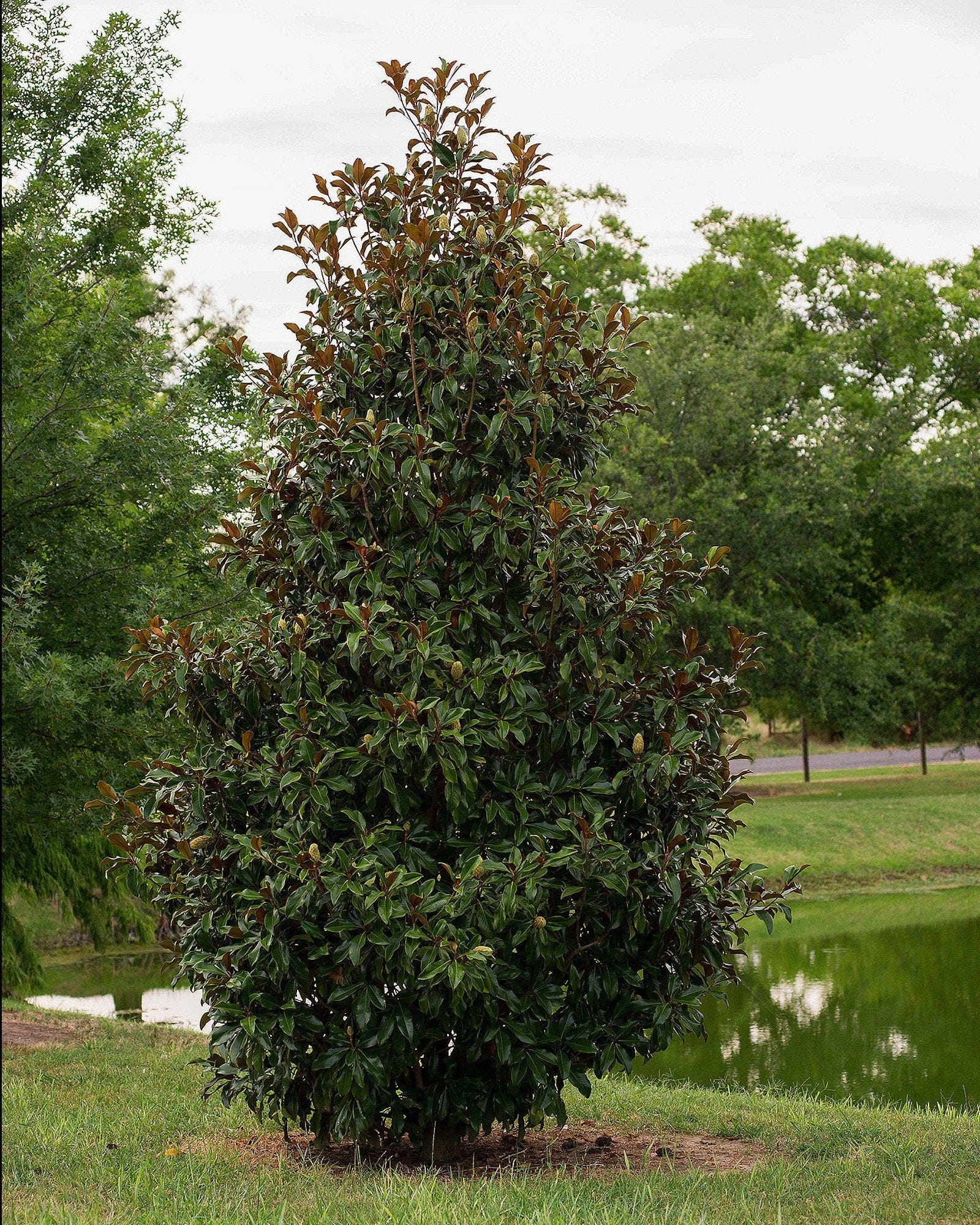
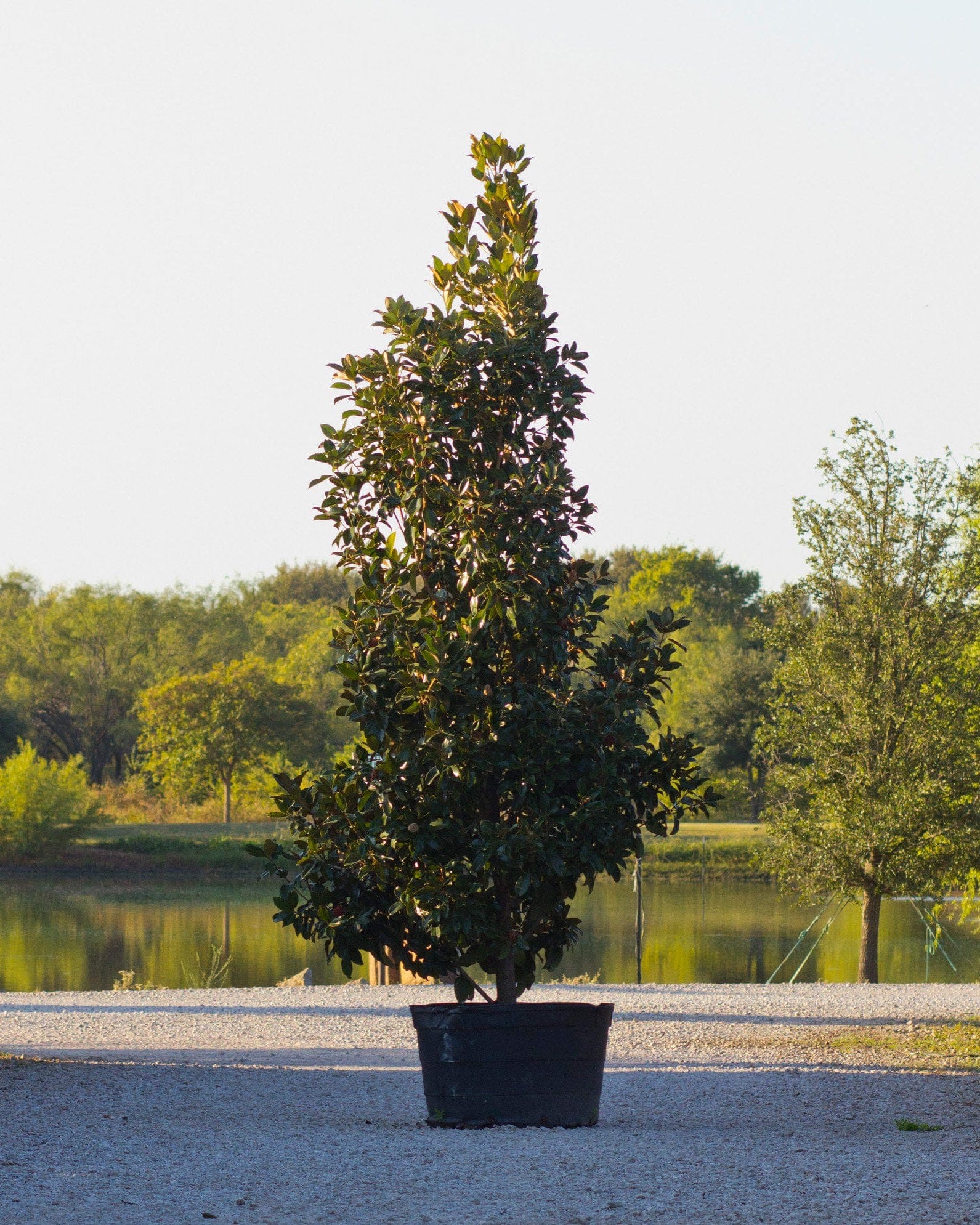
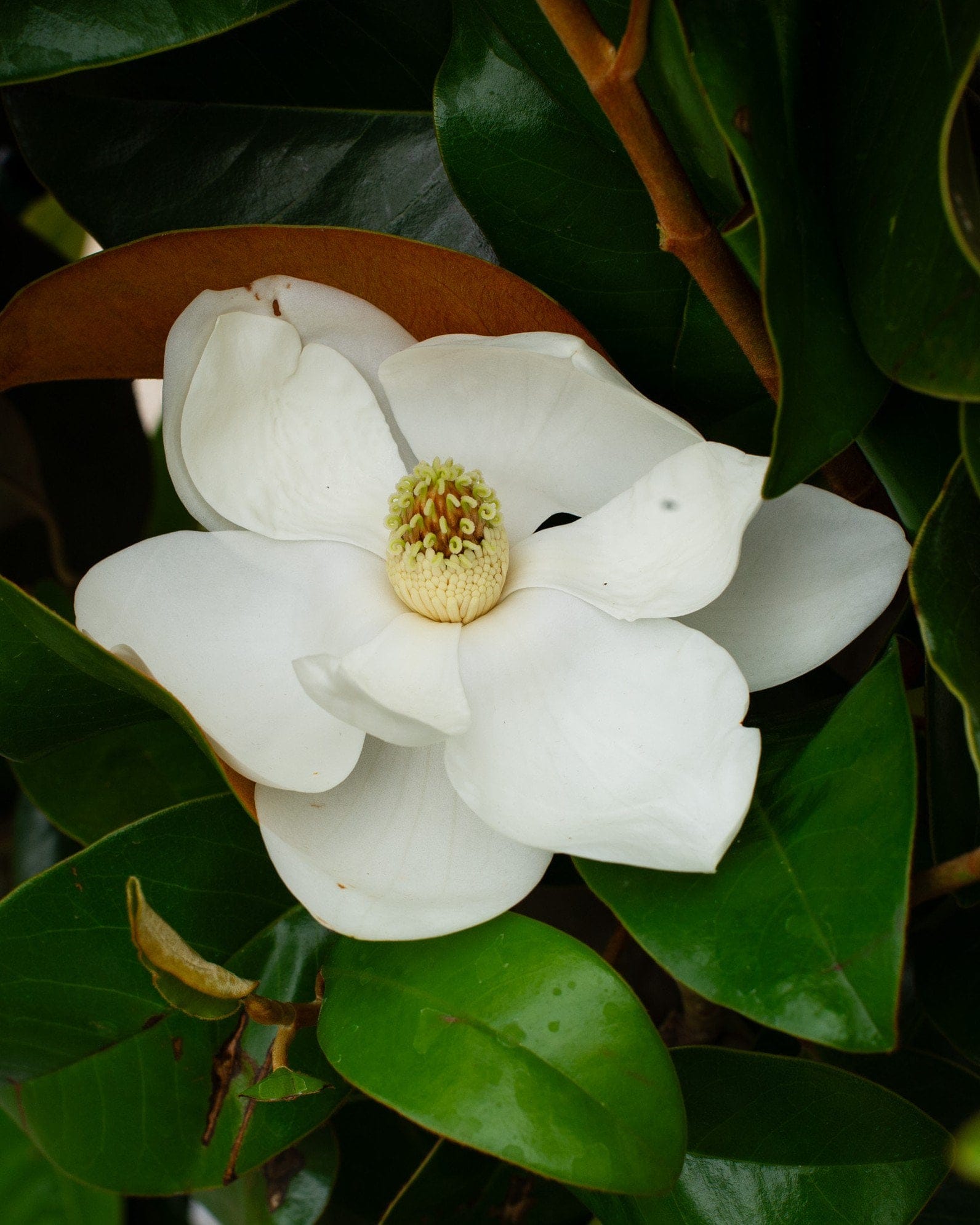
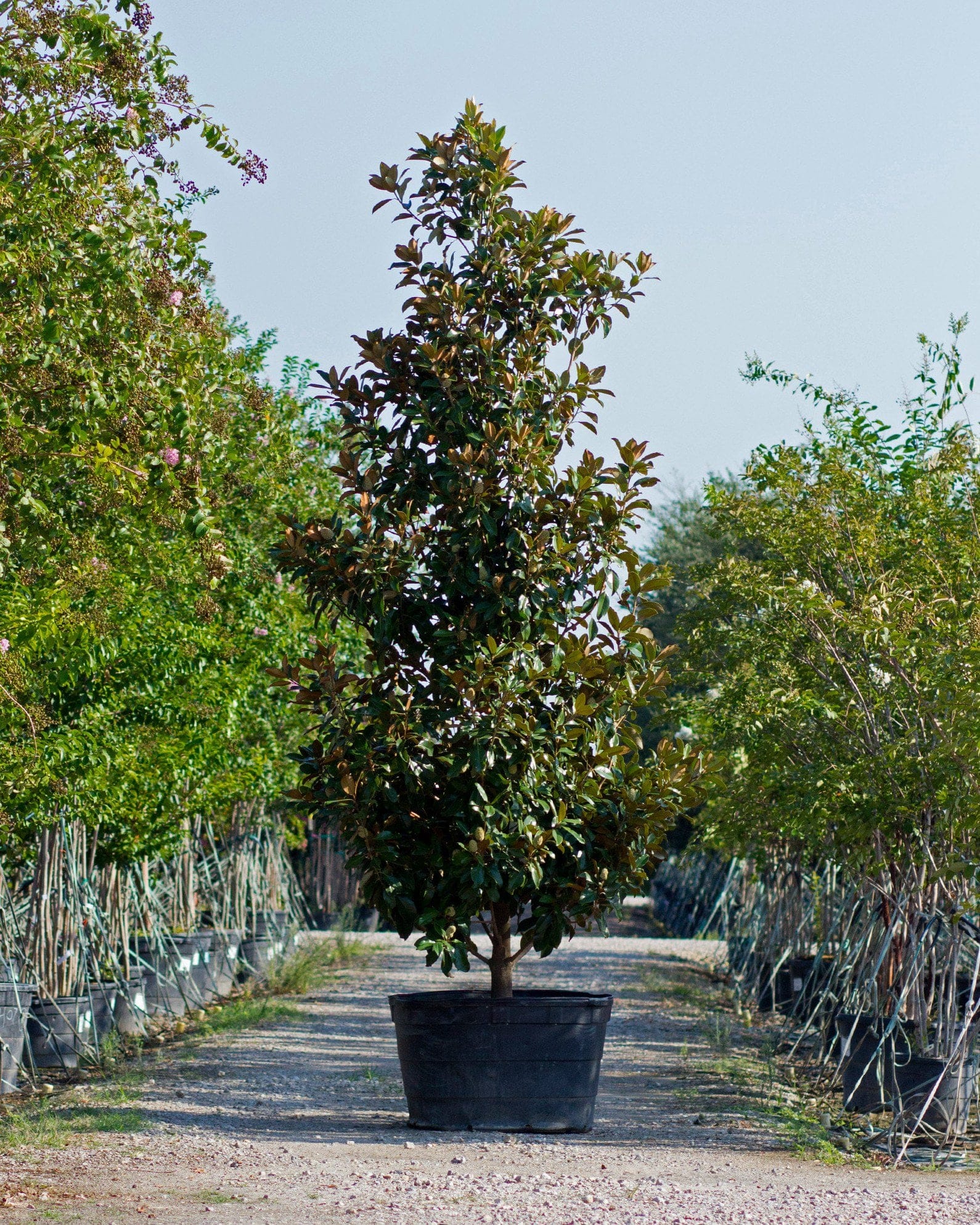
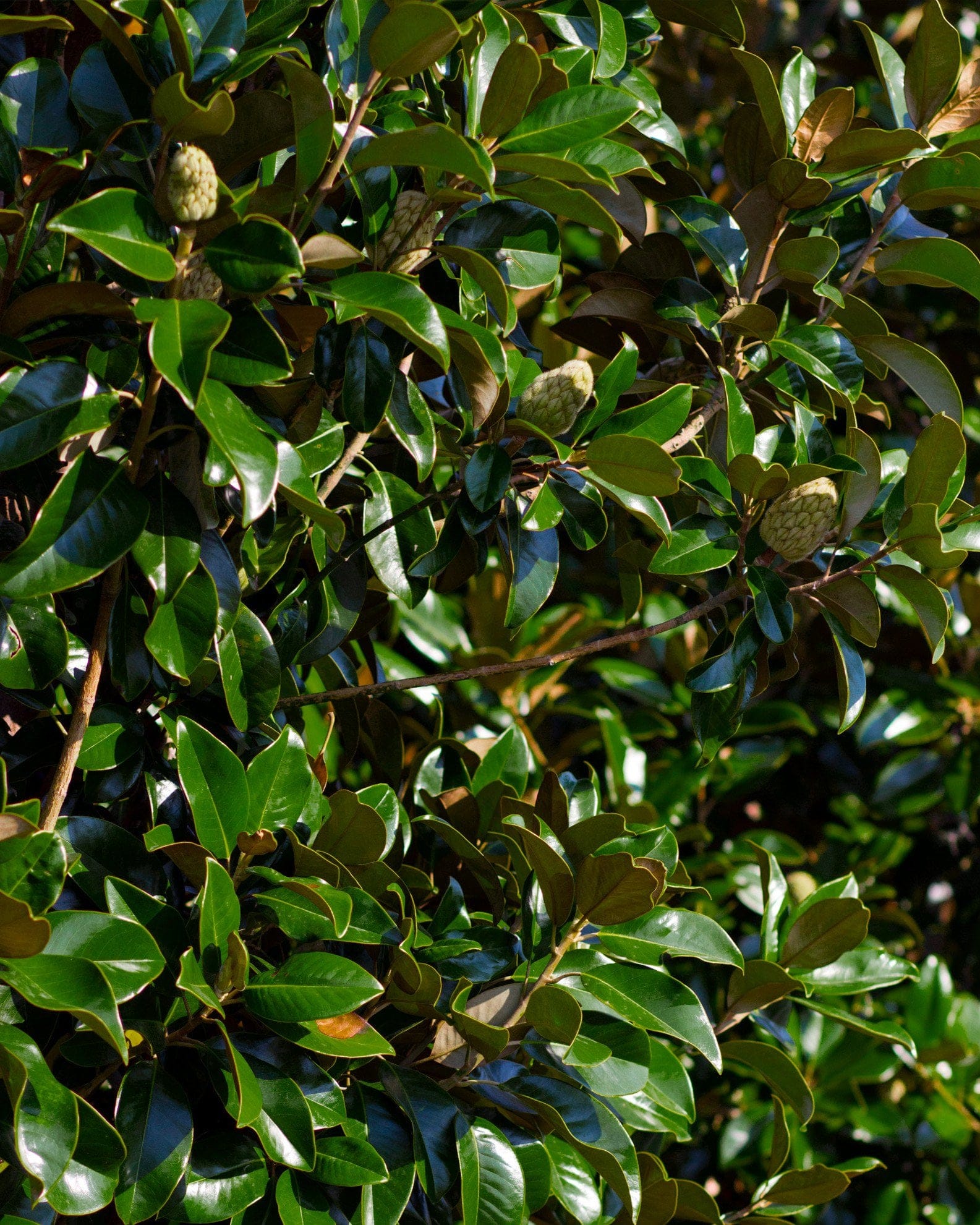
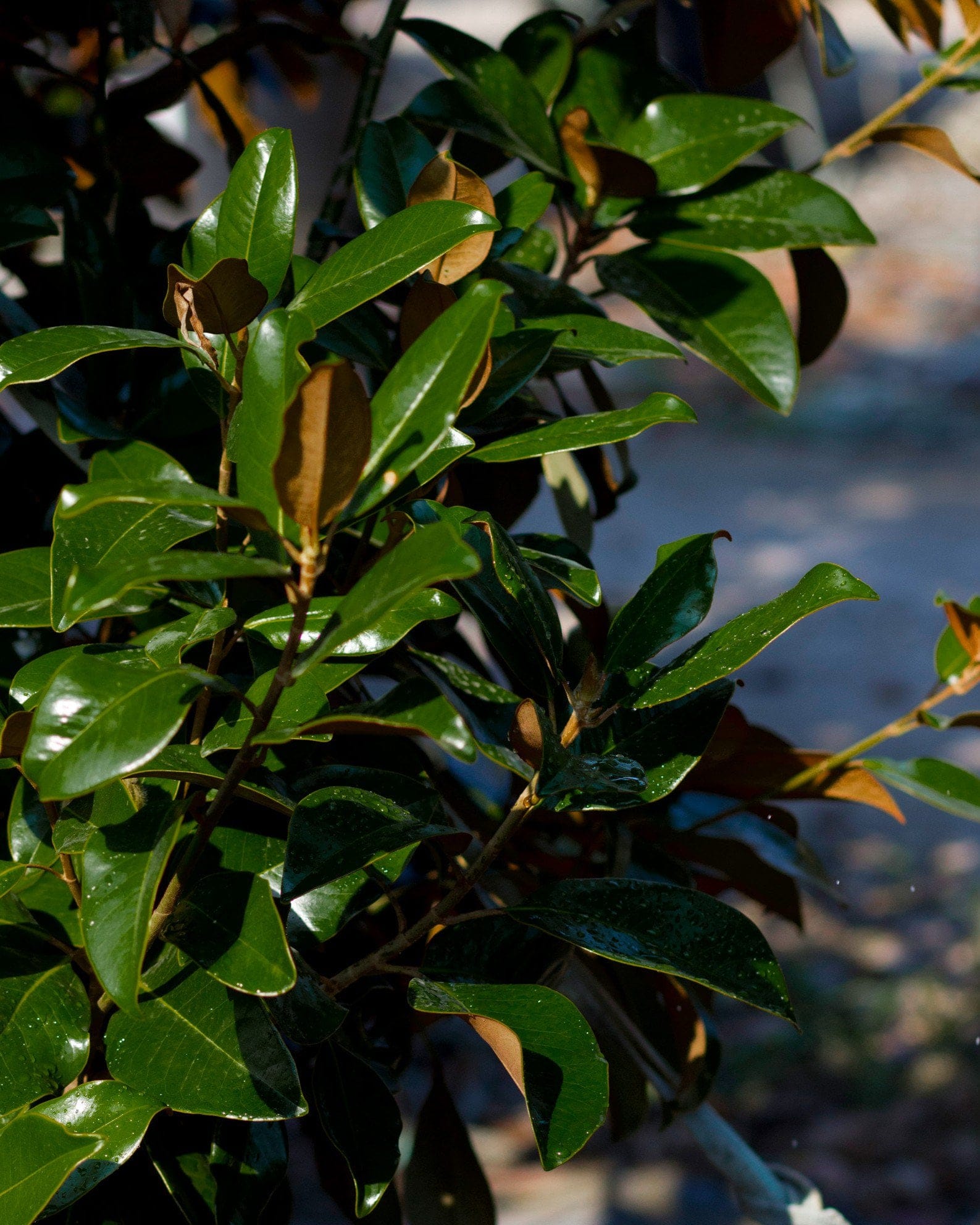
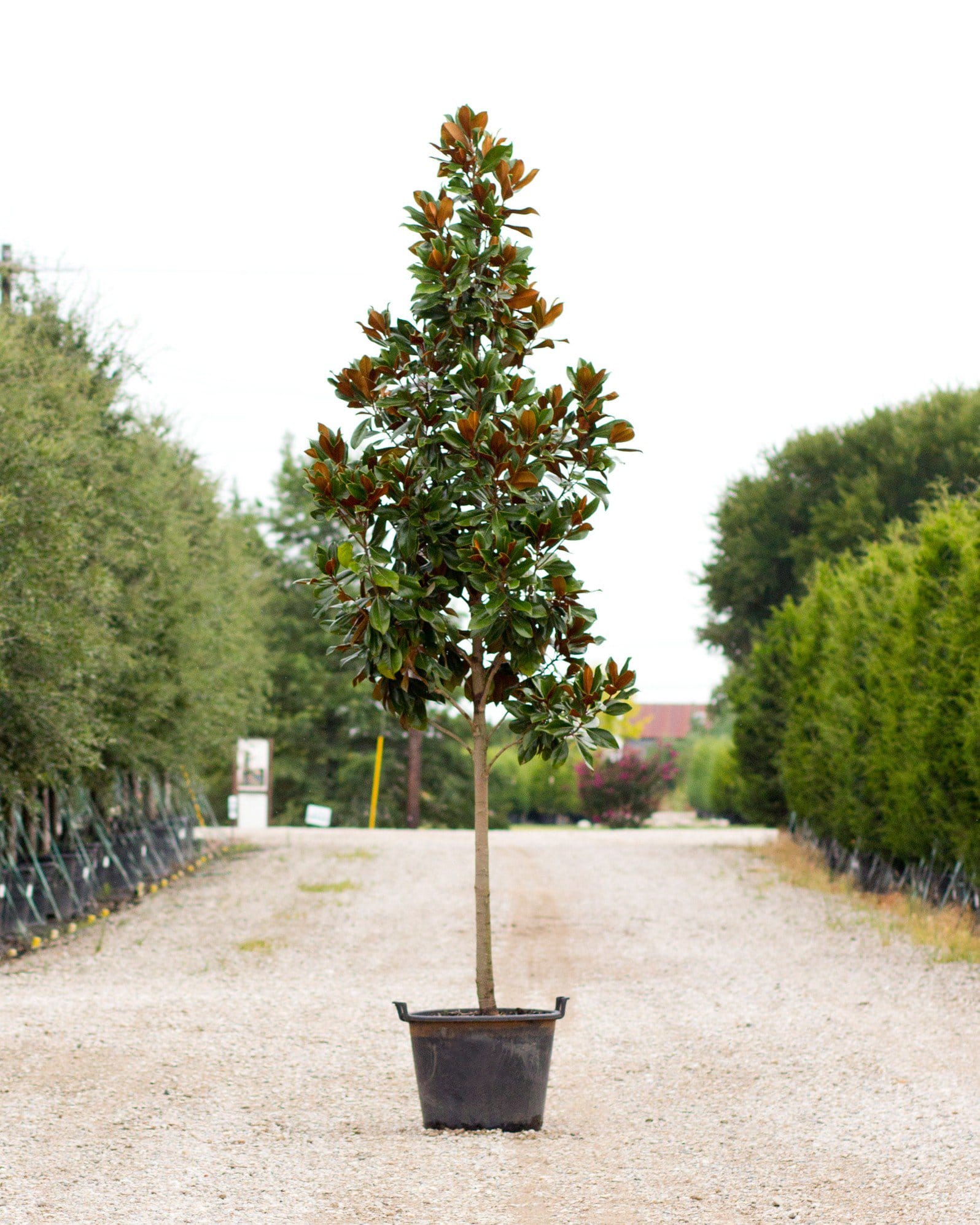
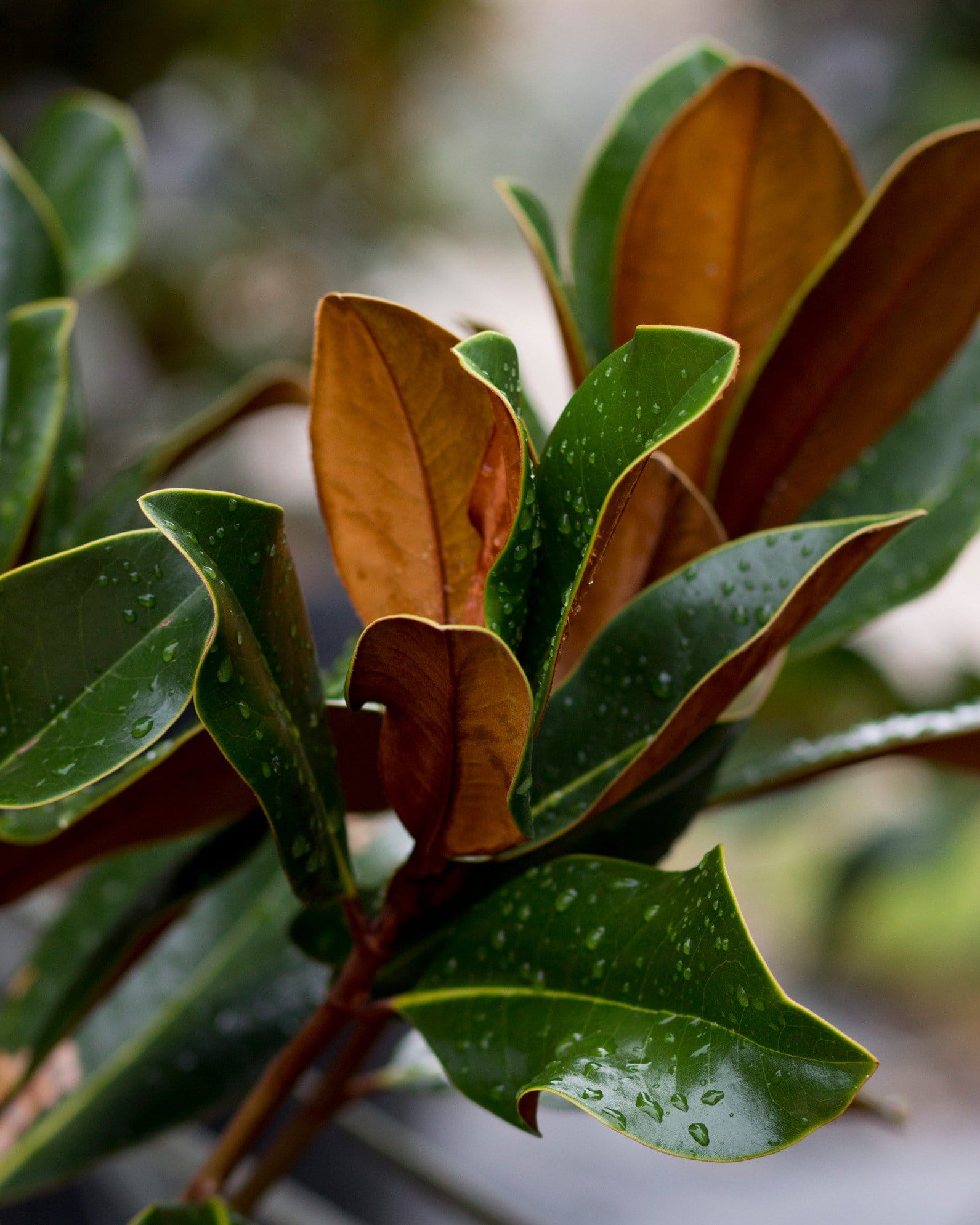
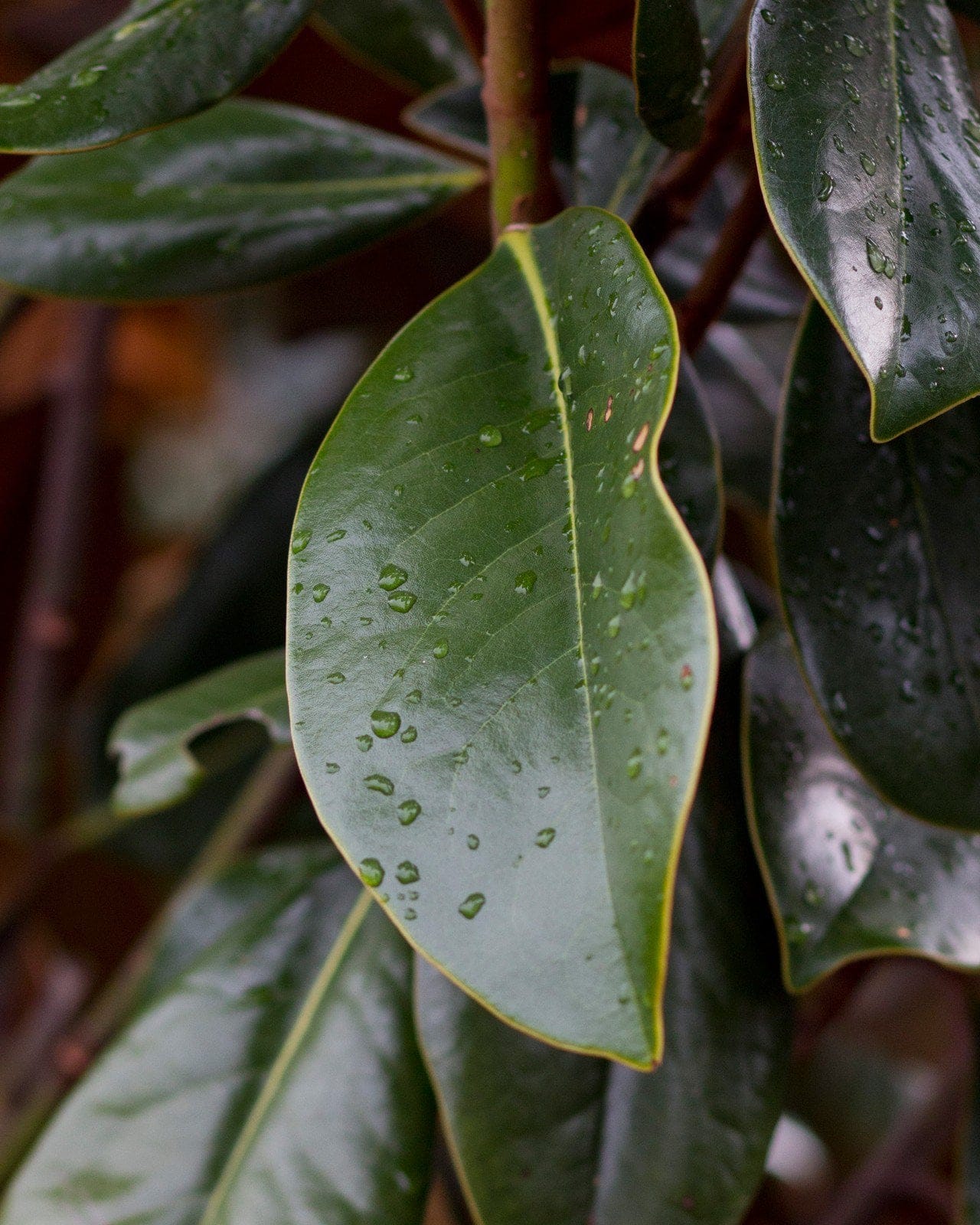
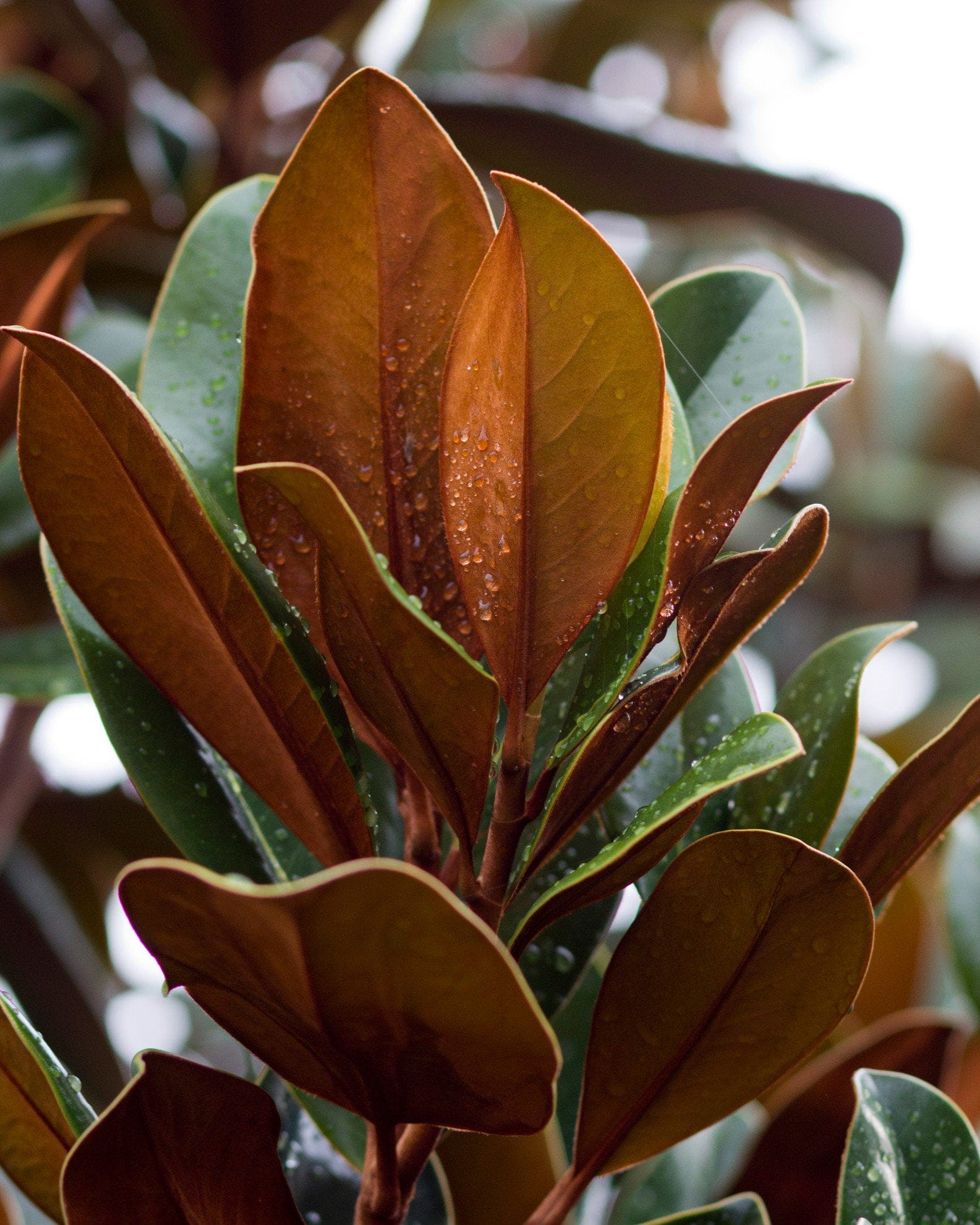
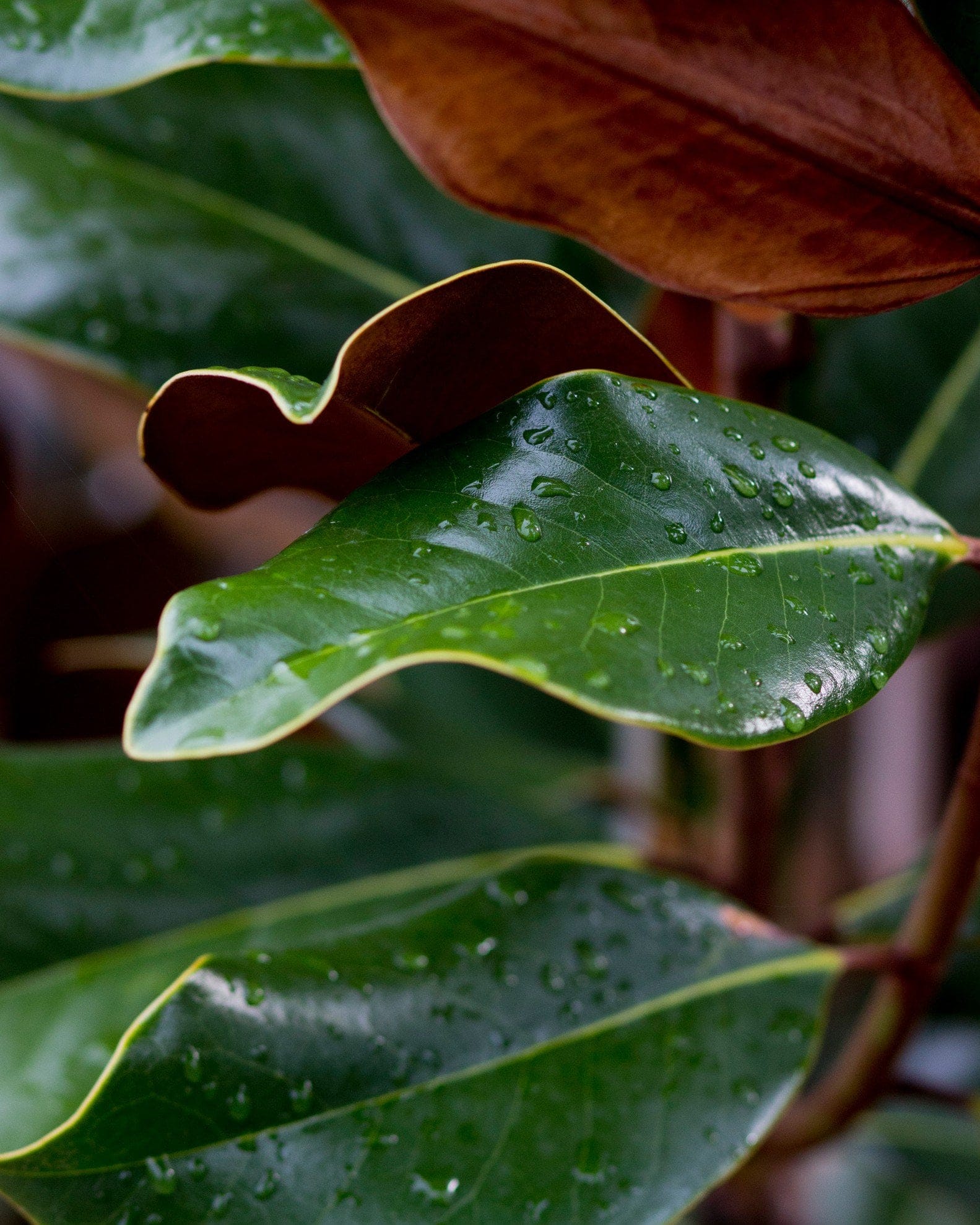
Magnolia grandiflora ‘Little Gem’Little Gem Magnolia is an evergreen magnolia in a scaled-down form. This compact cultivar offers dense, upright growth with narrow, glossy leaves that feature rich, rusty-brown undersides - providing year-round texture and color. Its creamy white, cup-shaped blooms are highly fragrant and appear all summer long. It grows 20 feet in height and 14 in width. Because of its moderate size and slower growth, Little Gem is an excellent choice for tight spaces, patio containers, or as a refined evergreen screen.
- Evergreen tree
- Moderate growth rate
- Compact Southern magnolia ideal for smaller landscapes
- Fragrant white flowers bloom over a long season
- Evergreen foliage with attractive bronze undersides
Plant in full sun to partial shade with well-drained soil. Hardy in USDA zones 7 through 9, Little Gem Magnolia is perfect for anyone who loves the elegance of magnolias but needs a more manageable size without sacrificing year-round beauty.
Though Little Gem Magnolia is a hardy, low-maintenance tree once established, a few good habits will help it flourish year after year:
- Watering: Once mature, Little Gem tolerates moderate drought but performs best with consistent, deep watering during prolonged heat. Always allow the soil surface to dry slightly between waterings to prevent root rot.
- Pruning: Minimal pruning is needed. Prune in late winter or early spring to shape the canopy and remove any dead, damaged, or crossing branches. Avoid heavy pruning, as it may remove flower buds and alter the tree’s natural form.
- Fertilizing: Apply a slow-release, in early spring before new growth begins. Over-fertilizing can cause excessive leaf growth at the expense of blooms.
- Mulching: Spread a 2-3 inch layer of organic mulch around the root zone to retain soil moisture, regulate temperature, and protect shallow roots. Keep mulch 6 inches away from the trunk to prevent rot and pest activity.
- Spacing: When planting multiple trees, space them 10-15 feet apart to allow full canopy development and air circulation. For privacy screens, spacing can be reduced to about 8 feet.
Common Issues and How to Take Care of Them
Little Gem Magnolia is resilient and adaptable, but it’s not completely immune to pests and diseases. Here are the most common ones to look out for:
- Leaf drop: Some leaf shedding is natural, especially in spring as new foliage emerges. Excessive drop may indicate drought stress or poor drainage - adjust watering accordingly.
- Leaf spot: Appears as small brown or black spots during wet or humid conditions. Improve airflow and avoid overhead watering. A copper-based fungicide may help in severe cases.
- Scale insects: Occasionally appear as small, waxy bumps on leaves and stems, producing sticky residue. Treat with horticultural oil during winter dormancy or insecticidal soap during the growing season.
- Chlorosis (yellow leaves with green veins): Often caused by alkaline soil or nutrient deficiency. Apply an acidifying fertilizer or supplement with chelated iron to restore color.
- Root rot: Can develop in poorly drained or overwatered soils. Plant in well-drained soil and avoid standing water around the base.
With regular deep watering, bright sunlight, and rich, well-drained soil, Little Gem Magnolia will reward you with long-lasting blooms and glossy green foliage that stays beautiful all year.
It grows slowly around 1 foot per year, reaching its mature size in 10-15 years.
Mostly, the only difference is the size. Little Gem Magnolia is a dwarf variety in comparison to others, but it’s no less beautiful.
Yes! It thrives in hot, humid climates once established and tolerates moderate drought. Deep, infrequent watering during summer heat helps maintain vigor and bloom production.
Absolutely. Its fragrant blooms attract bees, butterflies, and other beneficial pollinators throughout the blooming season.
Not especially. While it naturally sheds some older leaves and spent flowers, its compact size makes cleanup easy compared to larger magnolia varieties.
No - it maintains a naturally neat, pyramidal shape. Prune only as needed to remove damaged branches or to lightly shape the canopy.
Yes, for several years. It performs beautifully in large decorative pots or courtyard planters with well-draining soil and regular watering.
With proper care, it can live 50 years or longer. Its strong structure and adaptability make it one of the longest-lasting compact trees for southern landscapes.
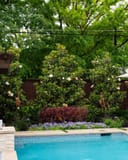
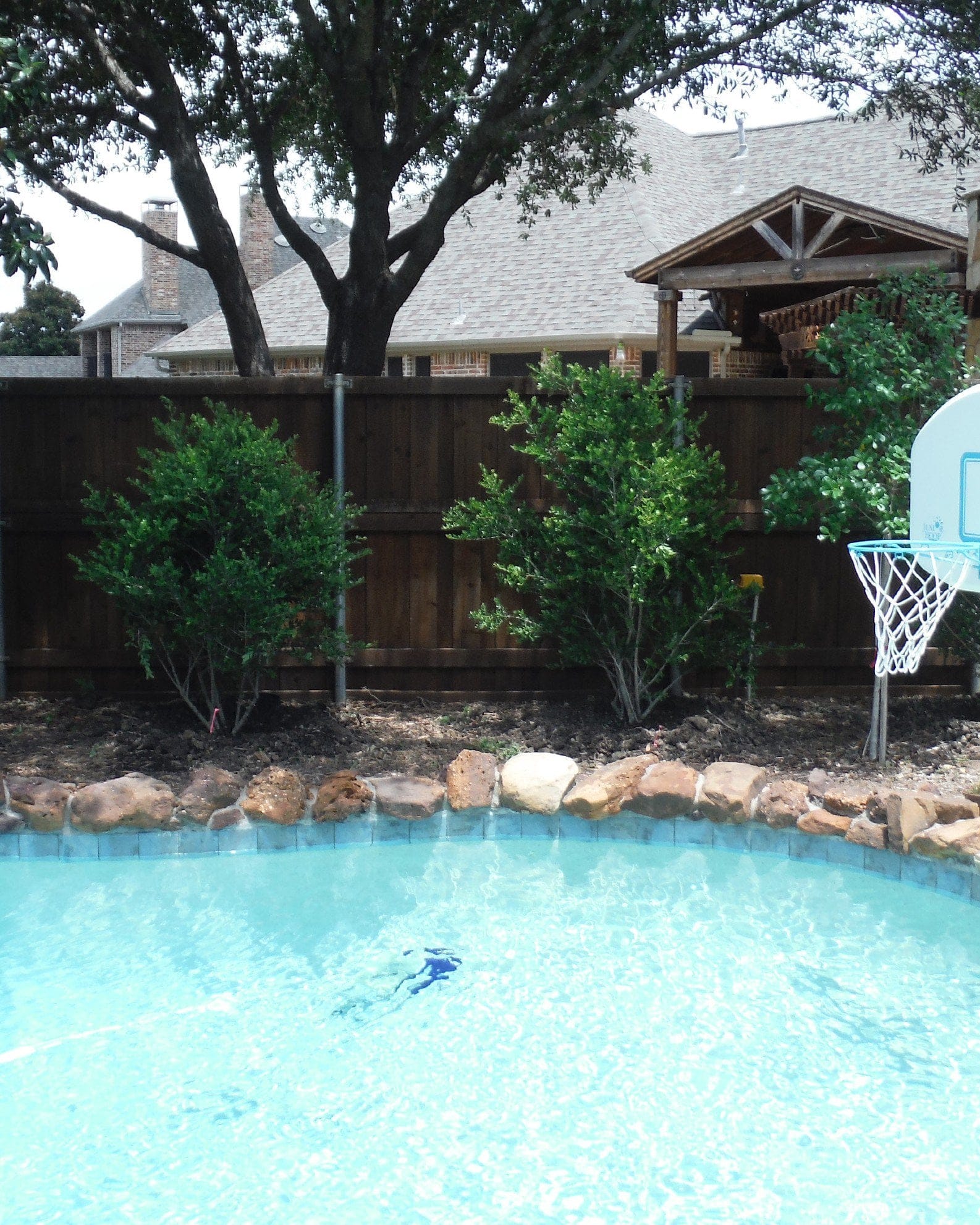
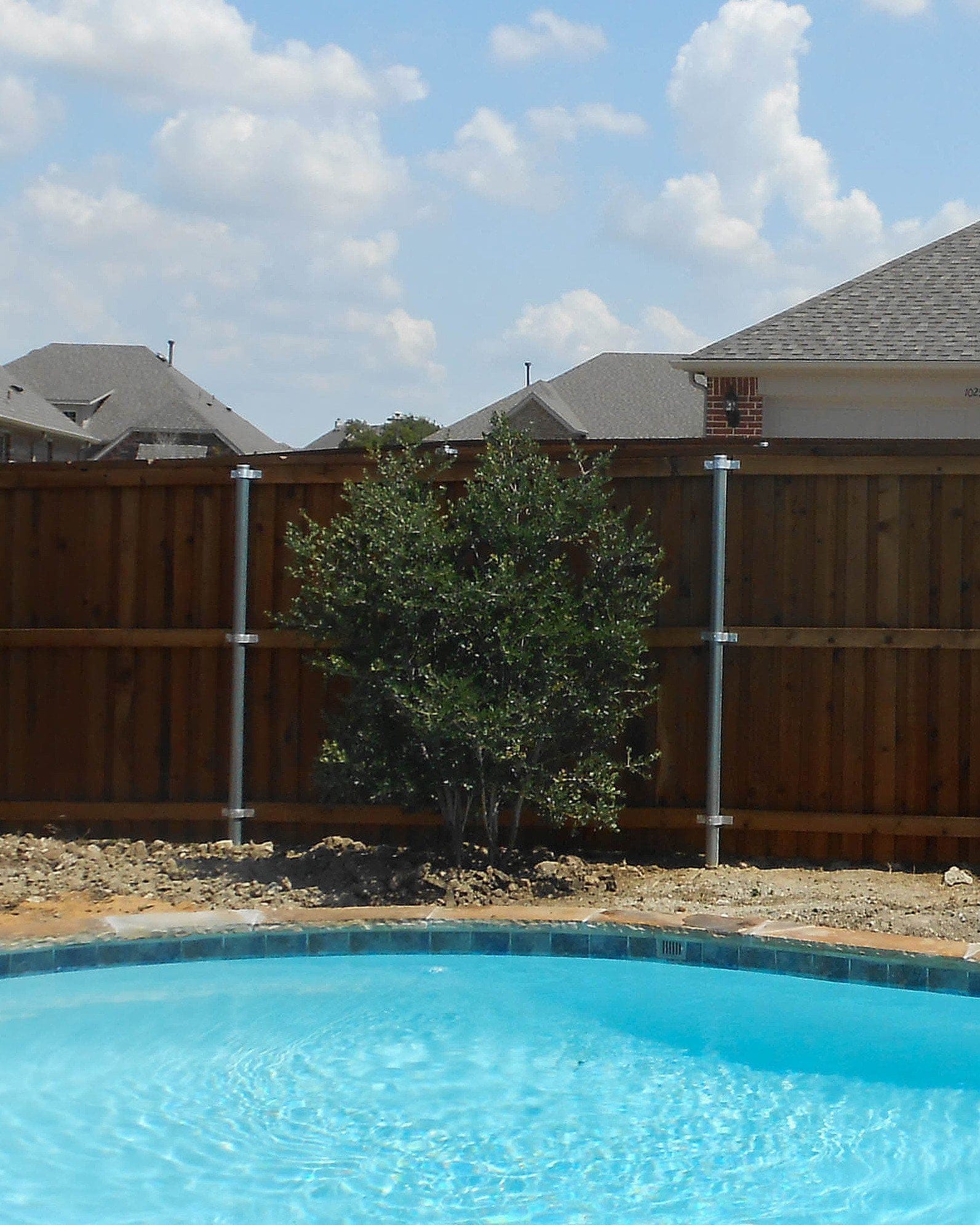
Definitely, its dense foliage and upright growth habit make it an excellent choice for elegant, evergreen screening.
This can happen if the plant is too shaded or over-fertilized with high-nitrogen products. Ensure it gets at least six hours of direct sunlight daily and use balanced or acid-forming fertilizer sparingly.
When it comes to spacing there is no right or wrong answer. We prefer to give trees the most amount of separation possible and aesthetically this leads to a prettier looking tree at maturity because they develop naturally wider, fuller and more symmetrical canopies. As far as the tree's health is concerned it will not be affected by how closely it is planted to another tree but the shape of the canopy will become taller and thinner and begin to overlap, which will create a continuous hedge. If privacy is not of immediate concern and we are just looking to diffuse the view, then we could plant the trees where they barely touch at maturity.
For example, we could plant Little Gems 14' apart (their mature width is 14') and at maturity their canopies would barely touch or we could space them even further apart than 14' which would leave a gap between the trees. Most of us don't have the luxury of planting trees this far apart and waiting 10-15 years for them to grow together and get privacy. For people that need more immediate privacy then the question to answer is "how long do you want to wait before you have a solid privacy screen?" Most answers that we get to this question will either be immediate or they are willing to wait between 2-4 years before they get solid coverage. Again, there is no right or wrong answer to this question, and it is solely dependent upon how quickly privacy is needed. For example, if a customer is looking for immediate coverage and they are planting Little Gems, then we need to find out how wide the trees that are being planted are and then plant them that far apart. If we find Little Gems that are 3' wide, then we would need to plant them 3' apart from trunk to trunk which allows for the branches to touch immediately at the time of planting. If we are looking for coverage in 3-4 years, then the spacing would be dependent upon how quickly the trees grow per year in width and what size tree the customer decides to start with. Let's look at the previous example of Little Gems that are currently 3' wide. We know that they grow about .5’ per year in terms of width so over 3 years they will be about 4.5’ wide and therefore we would space them 4.5’ apart (trunk to trunk) so that the trees would be touching in 3 years.
The Little Gem Magnolia (Magnolia grandiflora ‘Little Gem’) and the Teddy Bear Magnolia (Magnolia grandiflora ‘Southern Charm’ or 'Teddy Bear') are both popular, compact evergreen cultivars of the larger Southern Magnolia, but they differ primarily in their final size, growth habit, and foliage. The Teddy Bear is generally the taller, narrower variety, often developing a more slender, compact, columnar shape and ultimately reaching 25-30 feet high with a spread of 12–18 feet, making it excellent for screening or tight spaces. The 'Teddy Bear' is prized for its exceptionally large, round leaves that have a heavier, velvety, reddish-brown felt (indumentum) on the underside, which, combined with its dense branching, gives it a distinct, "cuddly" appearance and makes it superior for use as a dense hedge or focal specimen in smaller gardens. In contrast, the Little Gem is the more open selection, typically growing in a rounded form to a smaller, more contained size of about 20–25 feet high and 10–15 feet wide. It is most famous for its heavier volume of flower production and extended bloom season, often flowering from late spring well into the autumn. Its leaves are glossy green with a fuzzy, rusty-brown underside.
Special Features
You might also like
Compare Similar Plants
Little Gem Magnolia This plant | ||
|---|---|---|
| Scientific Name | Magnolia grandiflora ‘Little Gem’ | Magnolia grandiflora ‘Little Gem’ |
| Size at Maturity | 20' H x 14' W | 20' H x 14' W |
| Leaf Retention | Evergreen | Evergreen |
| Flower Color | White | White |
| Bloom Times | Summer | Summer |
| Sizes Available | 3, 5, 7, 15, 30, 45, 65, 95 gal | 15 gal |

Our 1-Year Planting Guarantee
We take pride in our plants and installation services. If any plants or trees installed by Treeland fail to thrive within the first year, we'll provide a replacement credit in accordance with our guarantee program.
Learn More About Our Guarantee