
Lollipop Crabapple
Malus x 'Lollizam'Local DFW Delivery Only
Product Details
Lollipop Crabapple
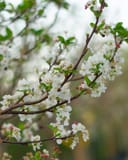
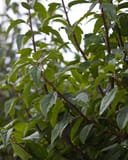
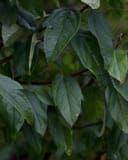
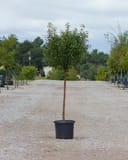
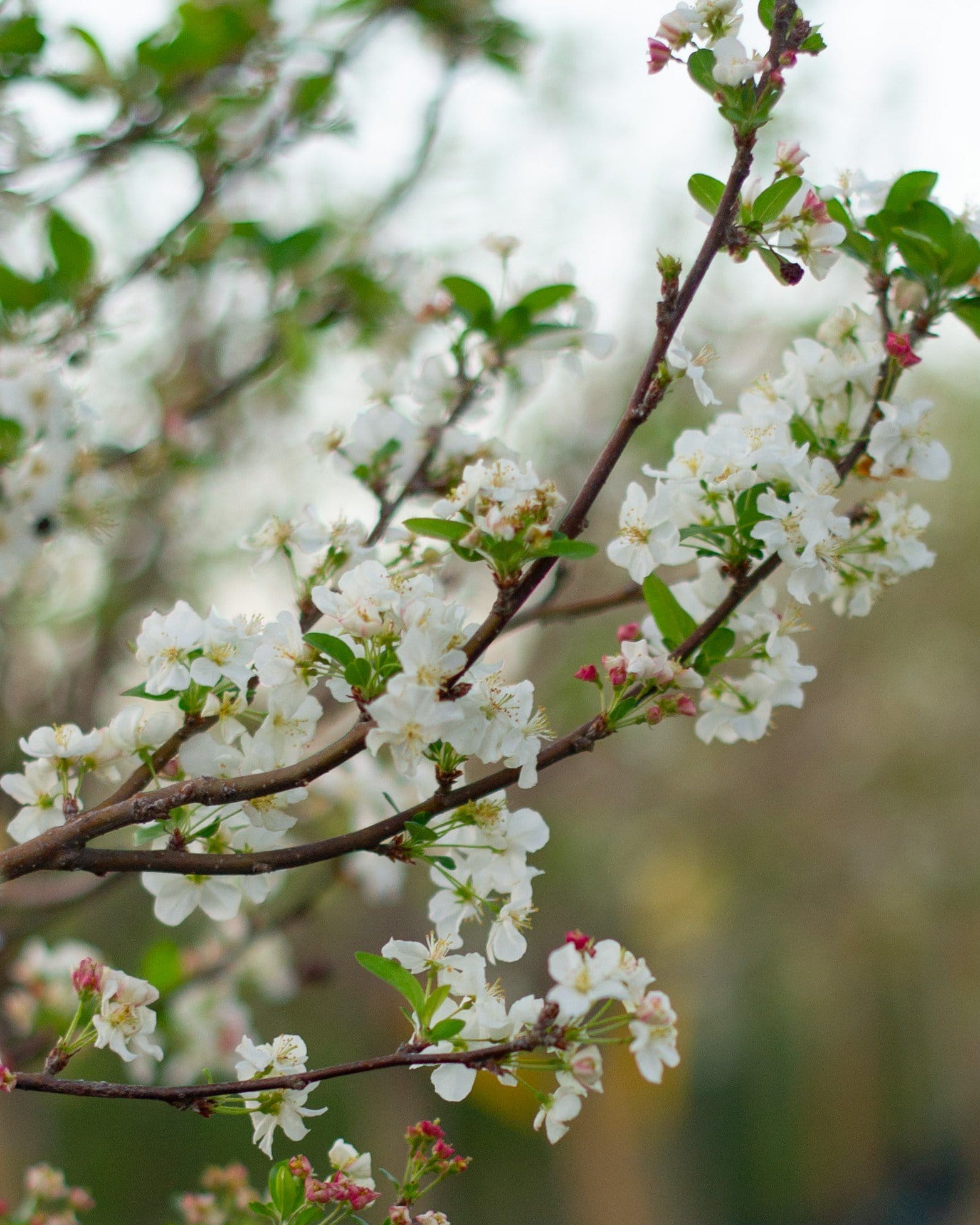
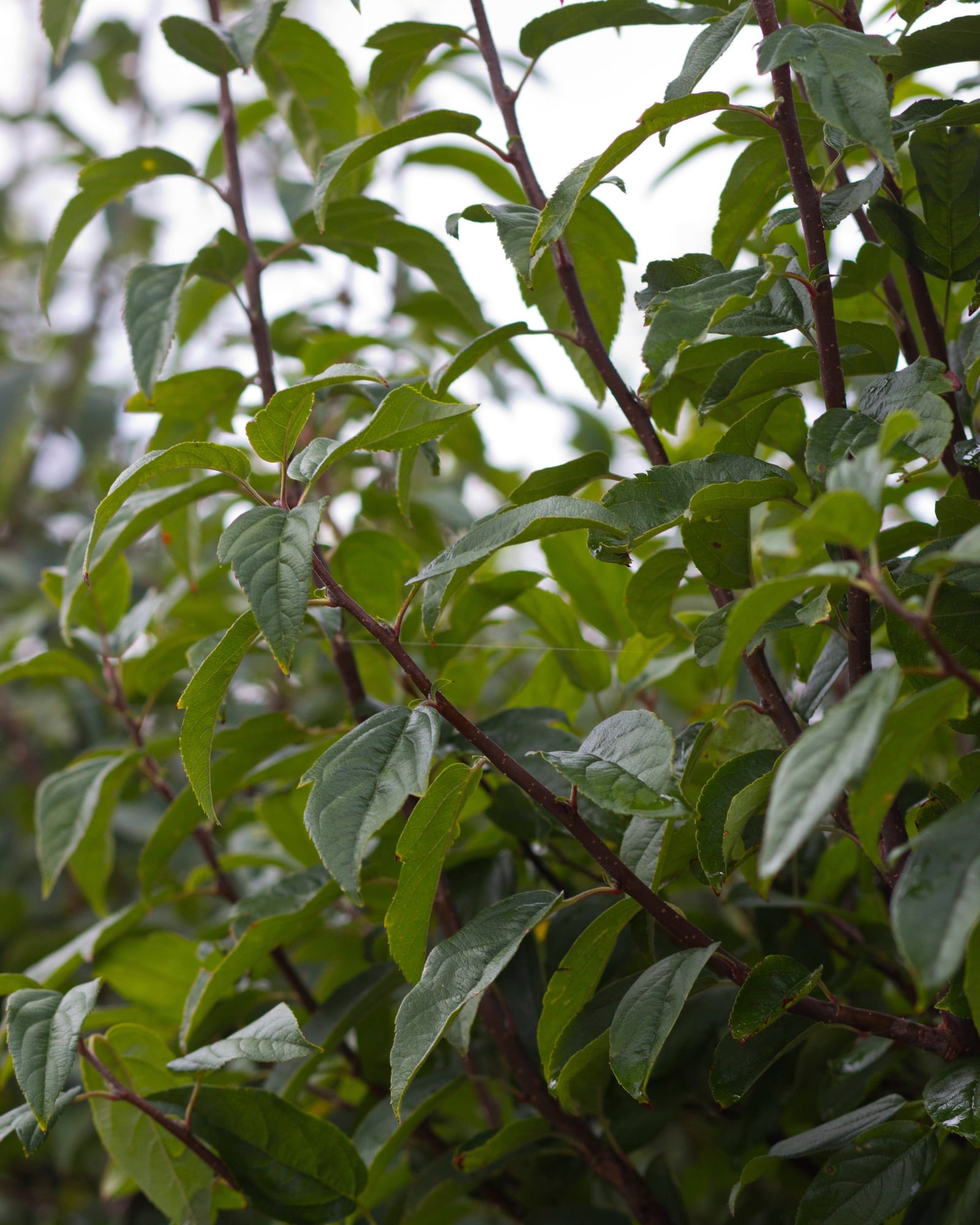
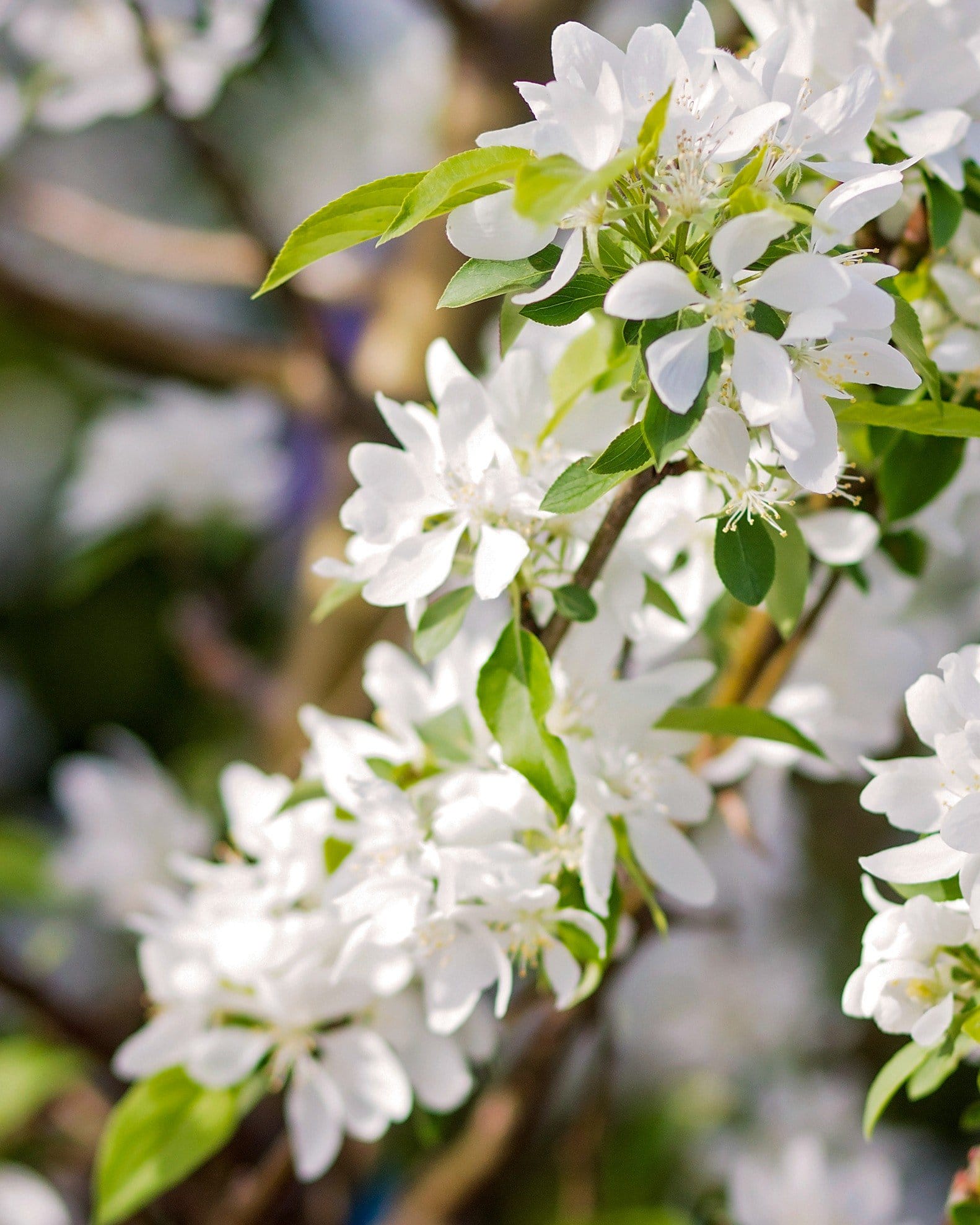
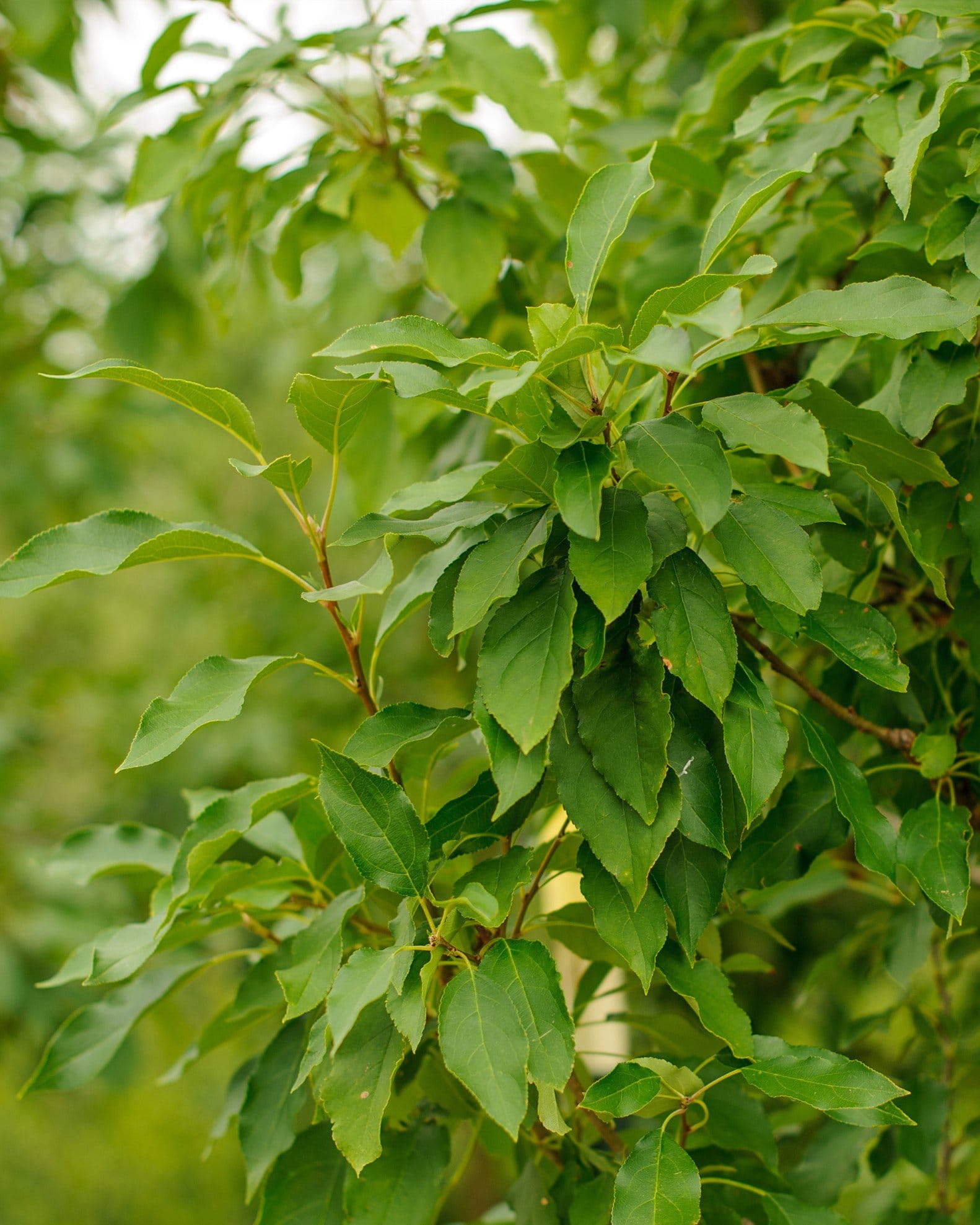
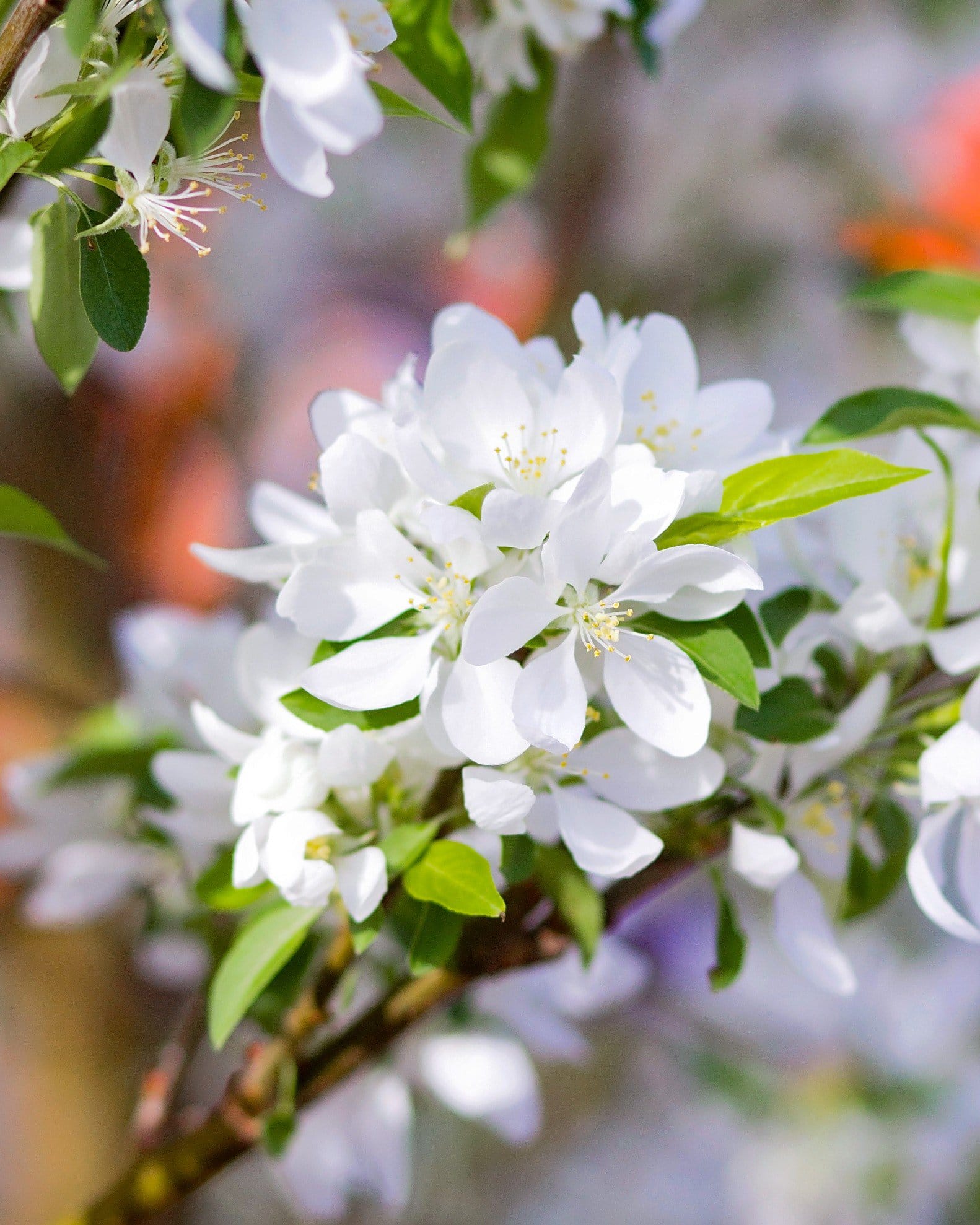
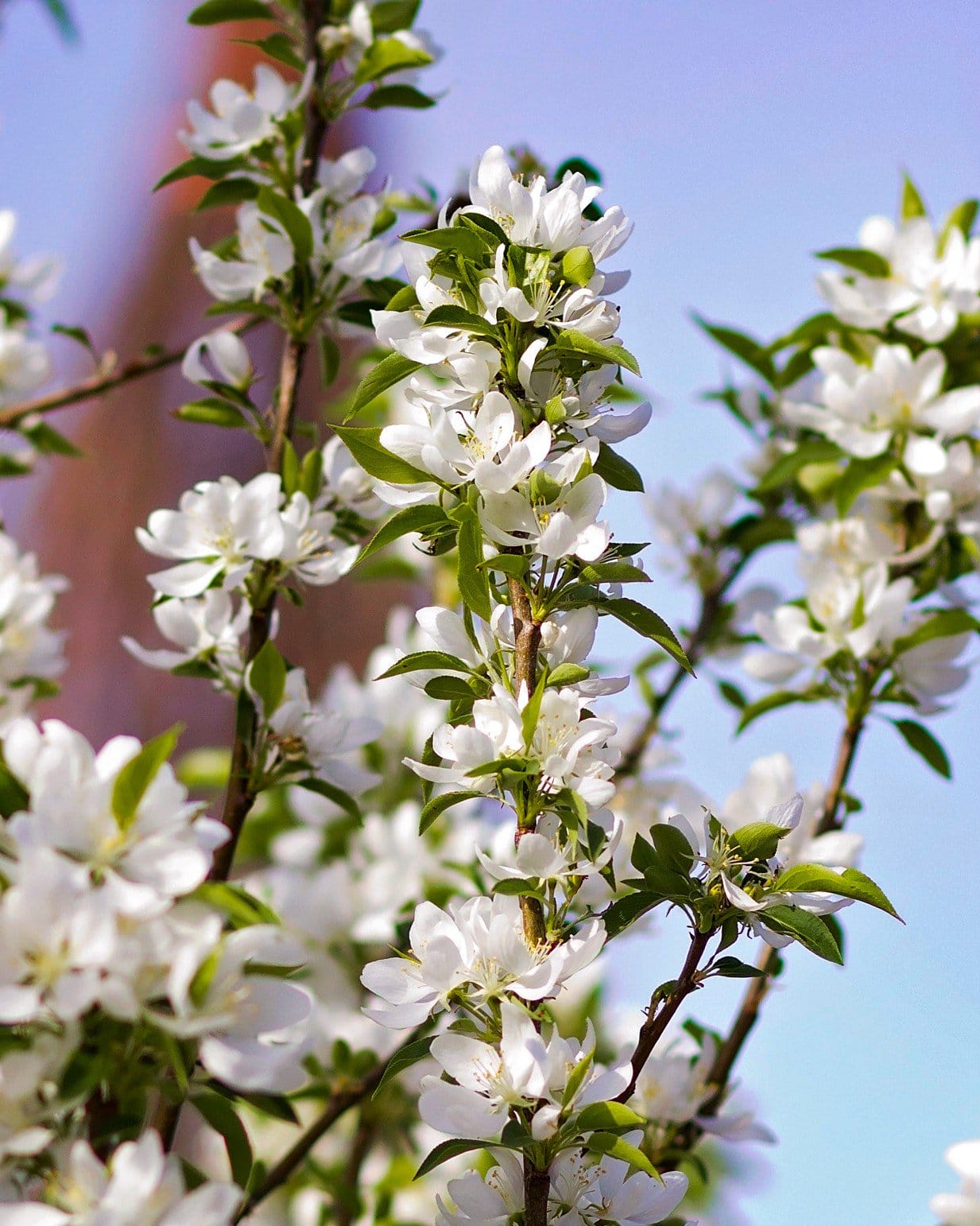
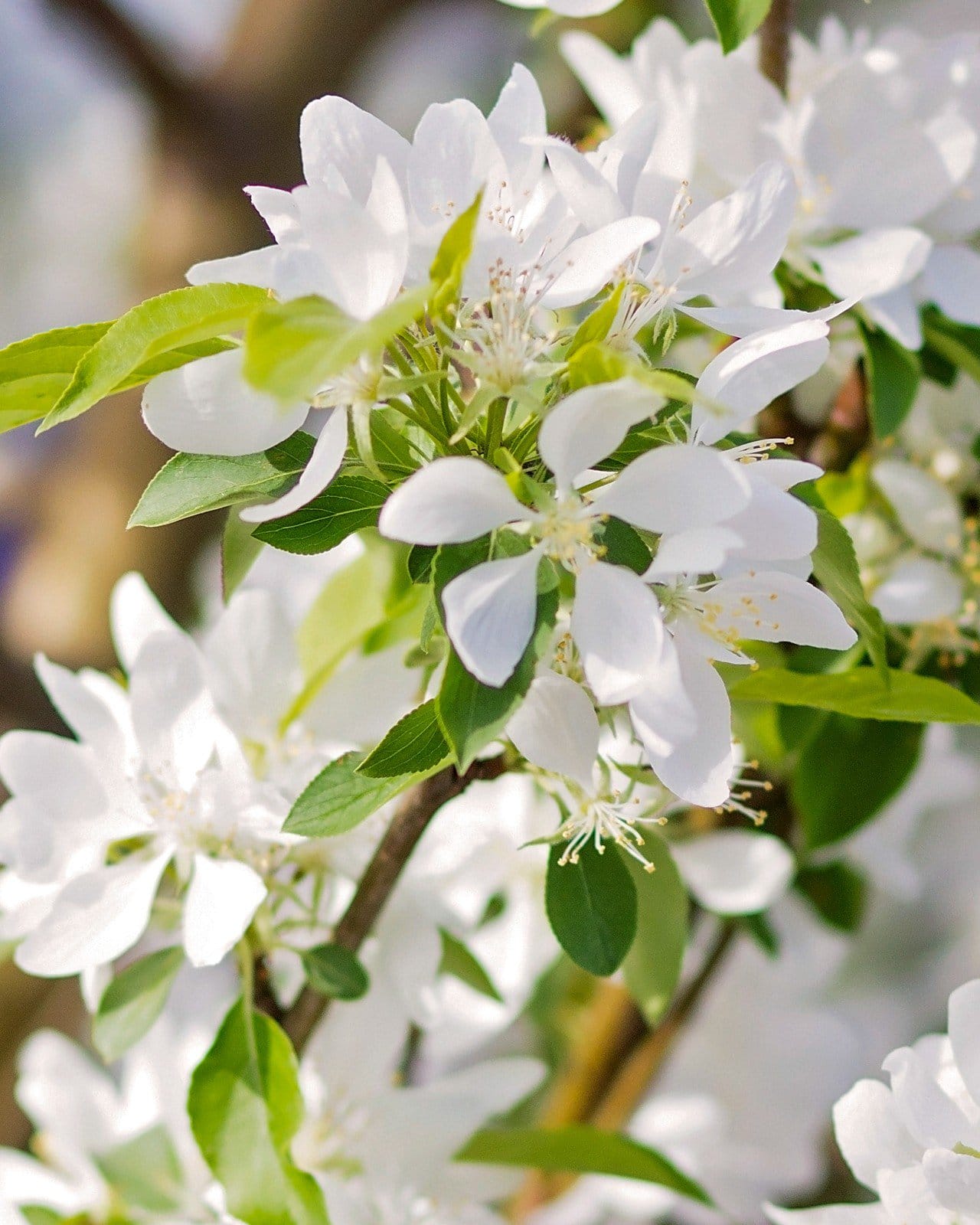
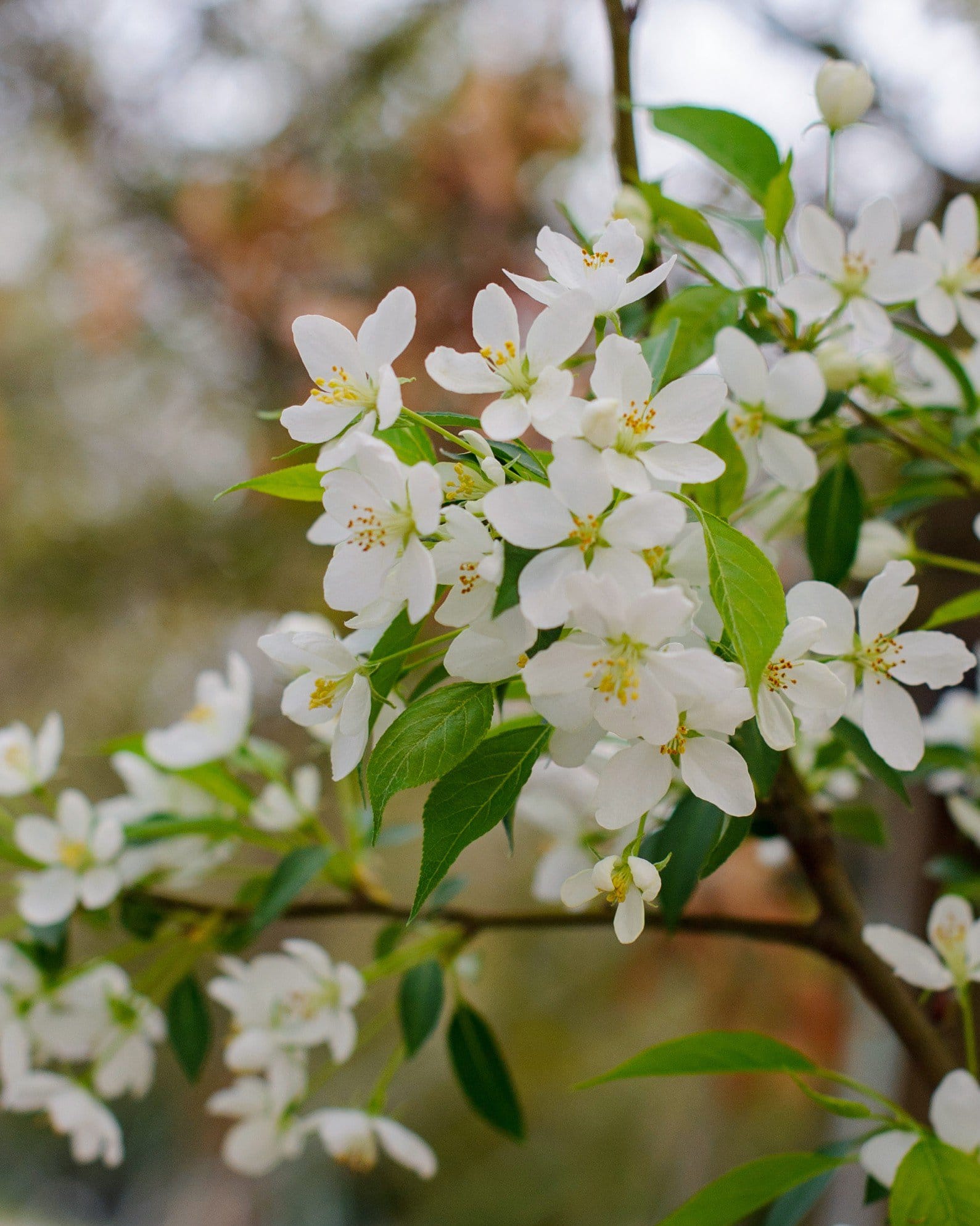
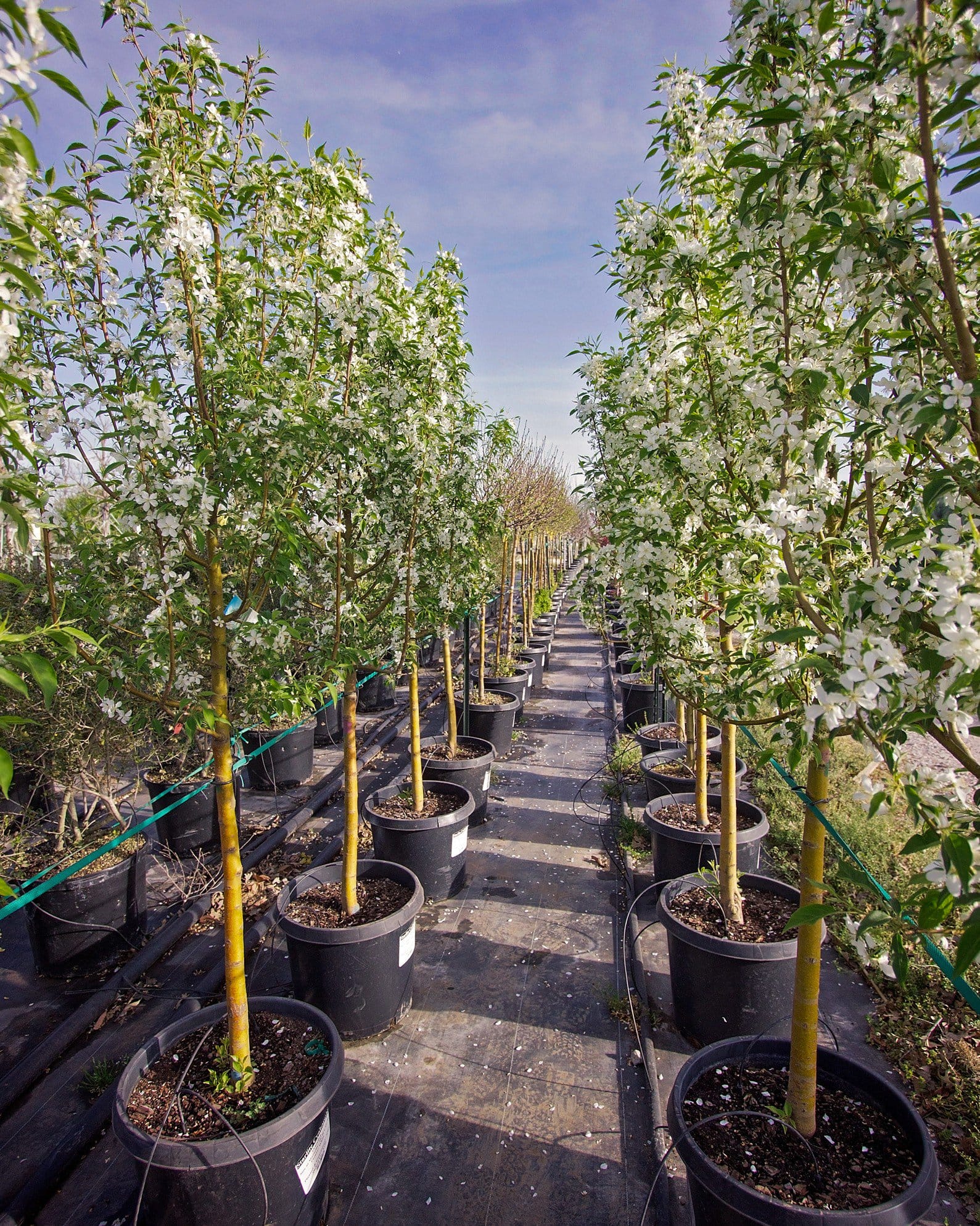
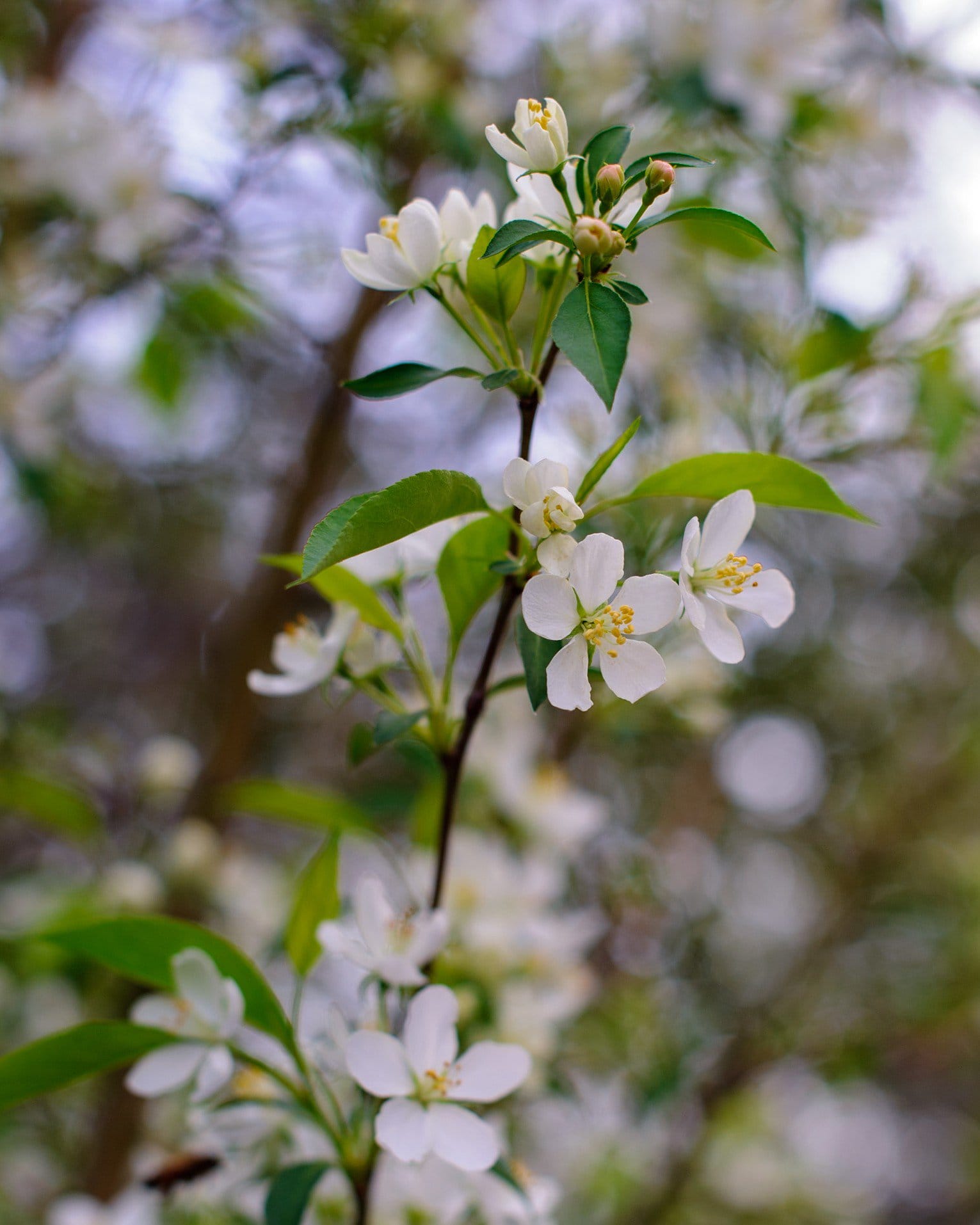
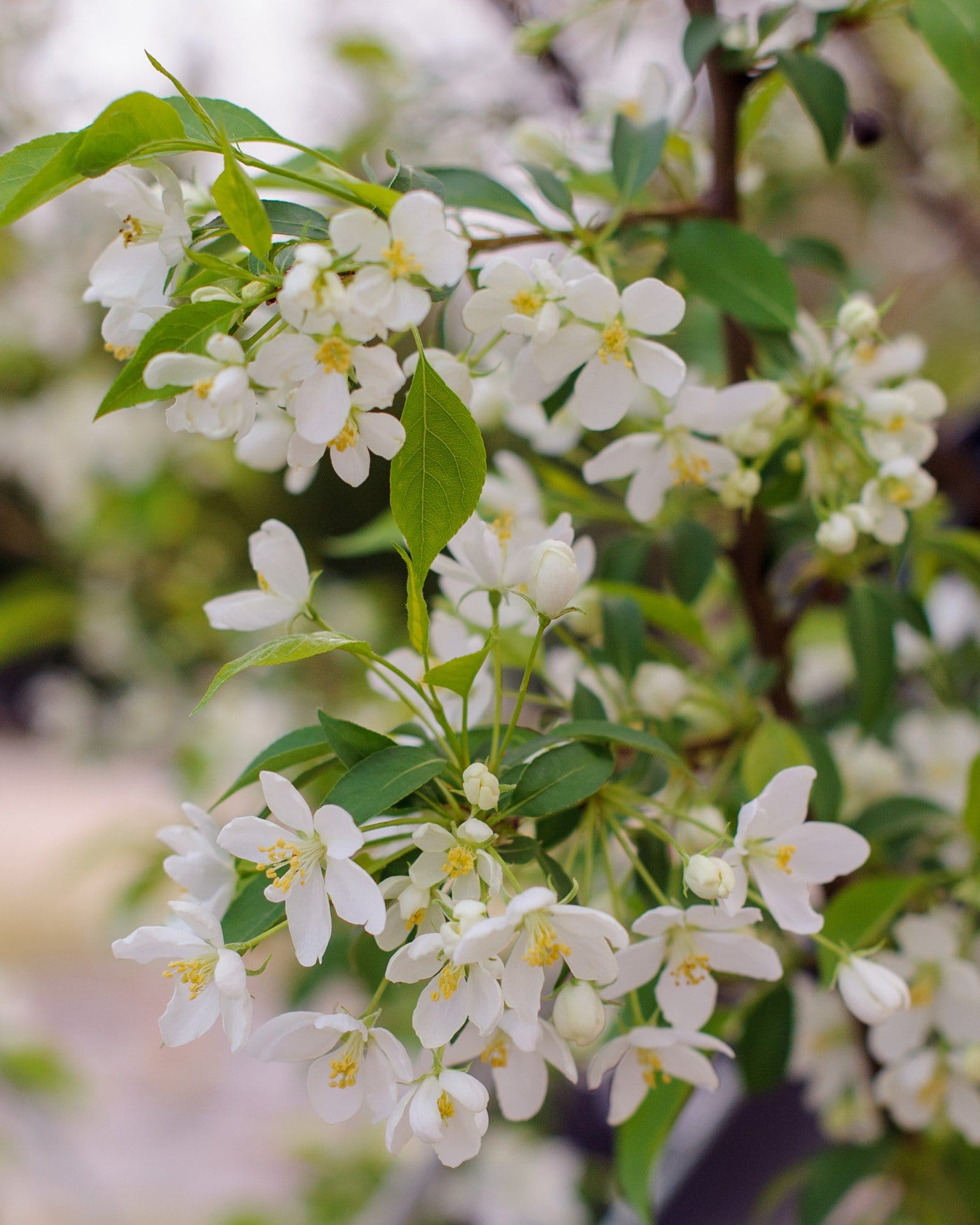
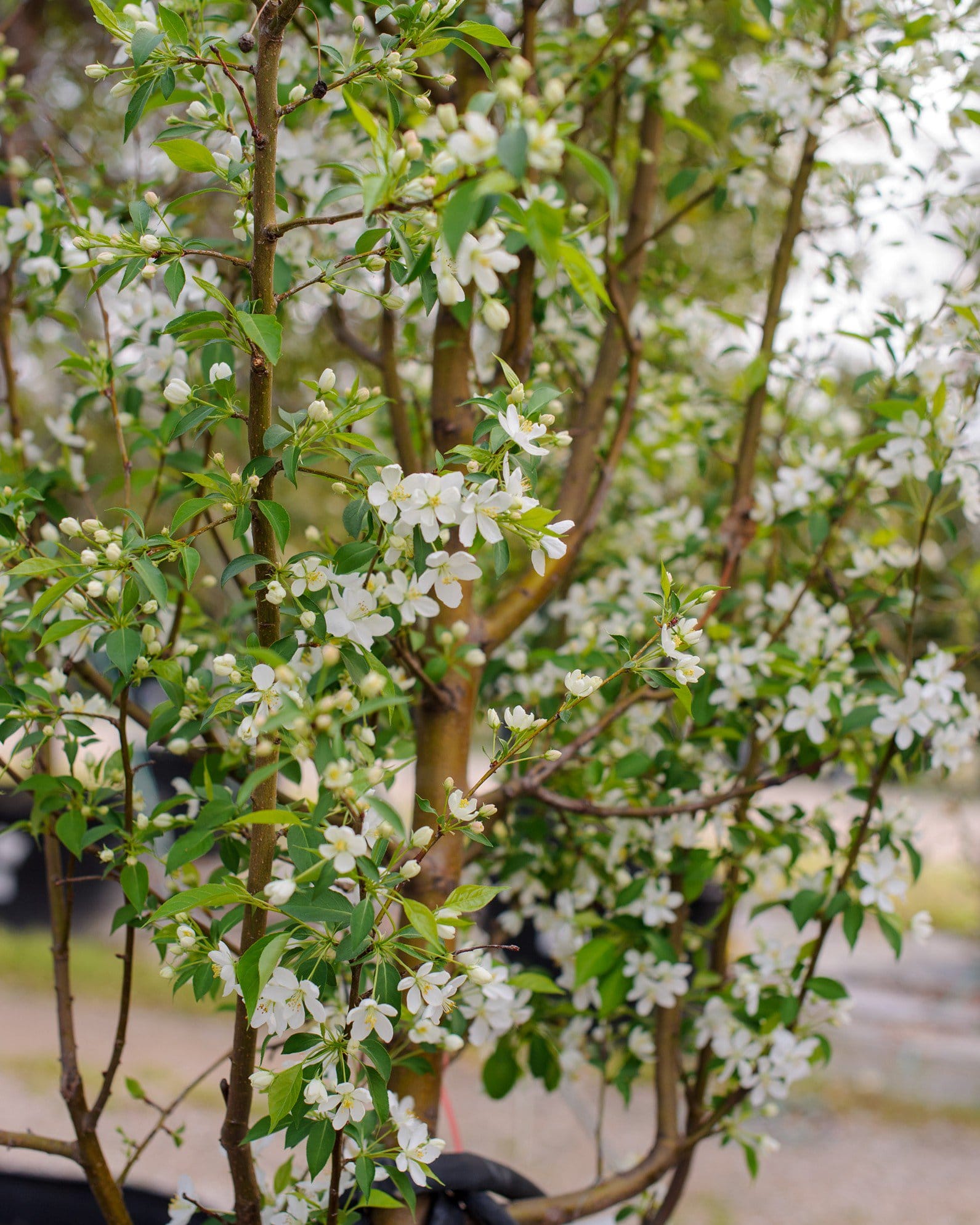
Malus x 'Lollizam'Lollipop Crabapple brings tidy elegance and seasonal color to your landscape. In spring, it showcases a profusion of white flowers that stand out beautifully against its dense green foliage. With its naturally rounded, lollipop-like canopy, it grows up to 8 feet in height and about 8 feet in width at maturity, making it a wonderful choice for compact spaces, borders, or as a charming focal point near walkways and patios.
- A deciduous tree
- Naturally rounded, compact growth habit
- Moderate growth rate
- White flowers blooming in spring
- Great for borders, small spaces, and as an accent
Lollipop Crabapple is hardy in zones 4-8 and fits seamlessly into your North Texas landscape. It thrives in full sun and prefers well-drained soil. With minimal care, it offers a balanced shape and seasonal blooms, adding charm and structure to your outdoor space.
Once established, Lollipop Crabapple is notably low-maintenance and requires only light seasonal attention to maintain its symmetrical form. Here’s all it needs to thrive:
- Watering: Water deeply during the first two growing seasons to establish a strong root system. Once established, it tolerates moderate dry periods, though consistent moisture during prolonged drought helps preserve foliage density and flowering strength.
- Pruning: Minimal pruning is required due to its naturally globe-shaped canopy. In late winter, remove crossing or damaged branches and lightly thin interior growth to maintain airflow without altering its signature rounded form.
- Fertilizing: Fertilizer is rarely needed in average soils. If growth slows or flowering declines, apply a balanced fertilizer in early spring to encourage steady development without promoting excessive vegetative growth.
- Mulching: Maintain a 2-3 inch mulch layer around the root zone to conserve moisture and protect shallow roots. Keep mulch several inches away from the trunk to prevent bark decay.
- Winter Care: Established trees are cold-hardy and require no special winter protection. Young trees may benefit from trunk wrapping during their first winters to prevent sunscald.
Lollipop Crabapple is generally considered disease-resistant, though like all crabapples it may occasionally encounter common ornamental apple concerns:
- Apple Scab: Olive-brown leaf spots may develop during wet spring conditions. Raking fallen leaves and maintaining canopy airflow help reduce recurrence.
- Fire Blight: Blackened shoot tips that appear scorched may develop in warm, humid weather. Pruning affected branches below infected tissue helps control spread.
- Cedar-Apple Rust: Orange spotting may appear if nearby junipers host the fungus. Removing infected leaves and improving spacing reduces severity.
- Aphids: New foliage may curl and show sticky residue from feeding insects. A strong spray of water typically controls light infestations.
- Stress-Related Leaf Drop: Premature leaf drop may occur during extended drought or extreme heat. Deep, consistent watering helps stabilize the tree.
Lollipop Crabapple typically lives 30-50 years under favorable conditions. Proper disease management and structural care support longevity. Healthy trees provide decades of ornamental performance.
Yes, its canopy develops in a dense, rounded form without heavy pruning. Light structural thinning preserves airflow while maintaining symmetry. Over-pruning can disrupt its natural balance.
Yes, it develops small ornamental crabapples after flowering. The fruit adds seasonal interest and may persist into early winter. Birds often feed on the fruit as it softens.
It produces abundant spring blossoms that often cover much of the canopy. The dense floral display enhances its spherical silhouette. Consistent sunlight supports strong bloom performance.
Its symmetrical structure makes it particularly effective in formal or geometric designs. The tidy canopy complements structured plantings. It also works well as a repeating accent element.
Despite its density, it does not typically create deep shade. The compact canopy allows some filtered light to pass through. Proper spacing preserves airflow and light balance.
It is generally considered improved in disease resistance compared to older varieties. While not immune, it typically experiences fewer severe outbreaks. Proper sanitation further reduces risk.
Its compact size makes it well-suited for limited spaces. The predictable canopy spread simplifies placement planning. It provides ornamental impact without overwhelming scale.
Young trees may benefit from temporary staking in windy locations. Once roots establish and the trunk thickens, support is no longer necessary. Proper early training ensures long-term stability.
Lollipop Crabapple stands out for its perfectly rounded, compact canopy that resembles a naturally shaped sphere. This clean, uniform form requires little to no shaping, making it ideal for creating structure and symmetry in landscapes. Combined with its seasonal blooms and tidy growth habit, it offers strong visual impact without demanding maintenance.
Special Features
You might also like
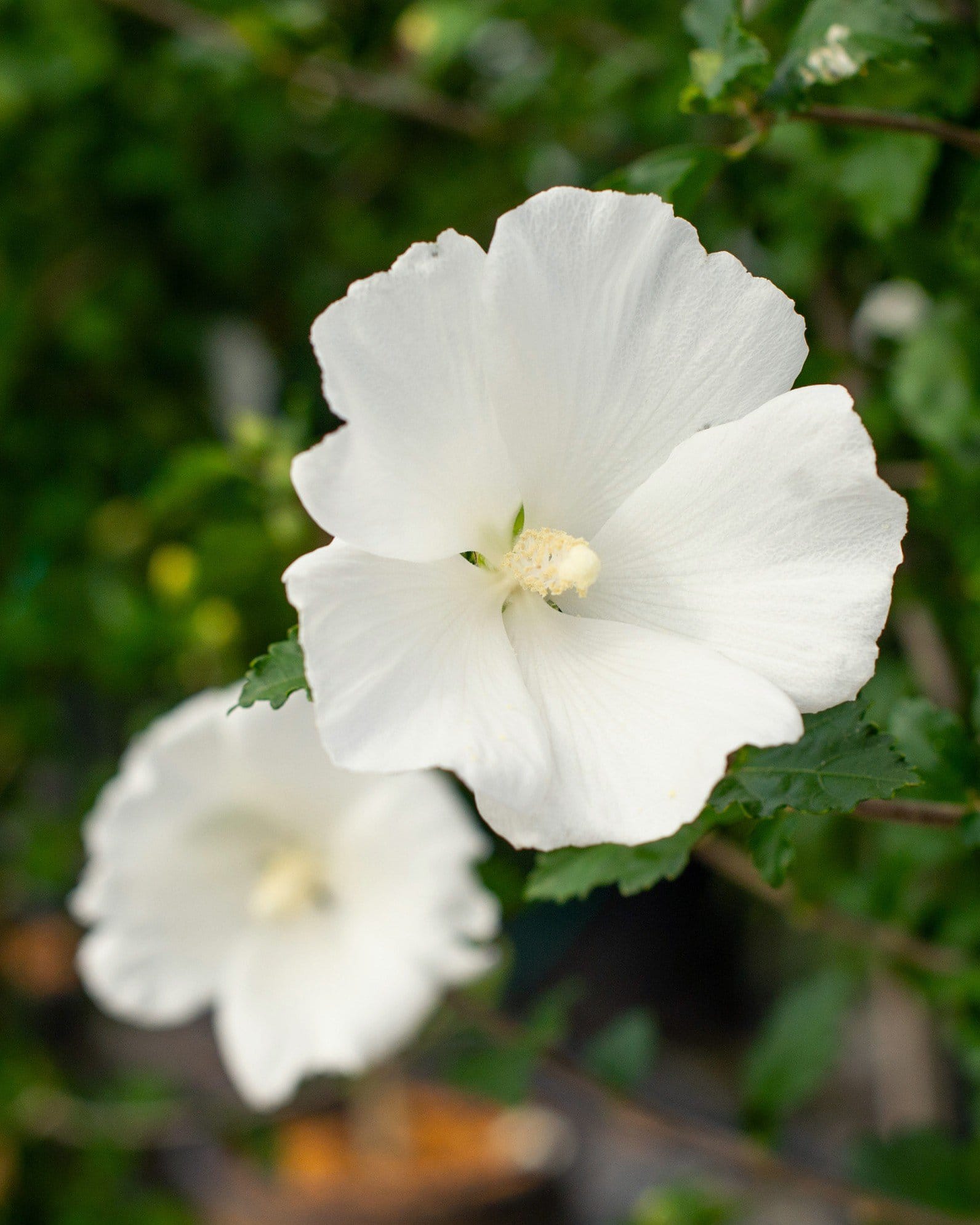
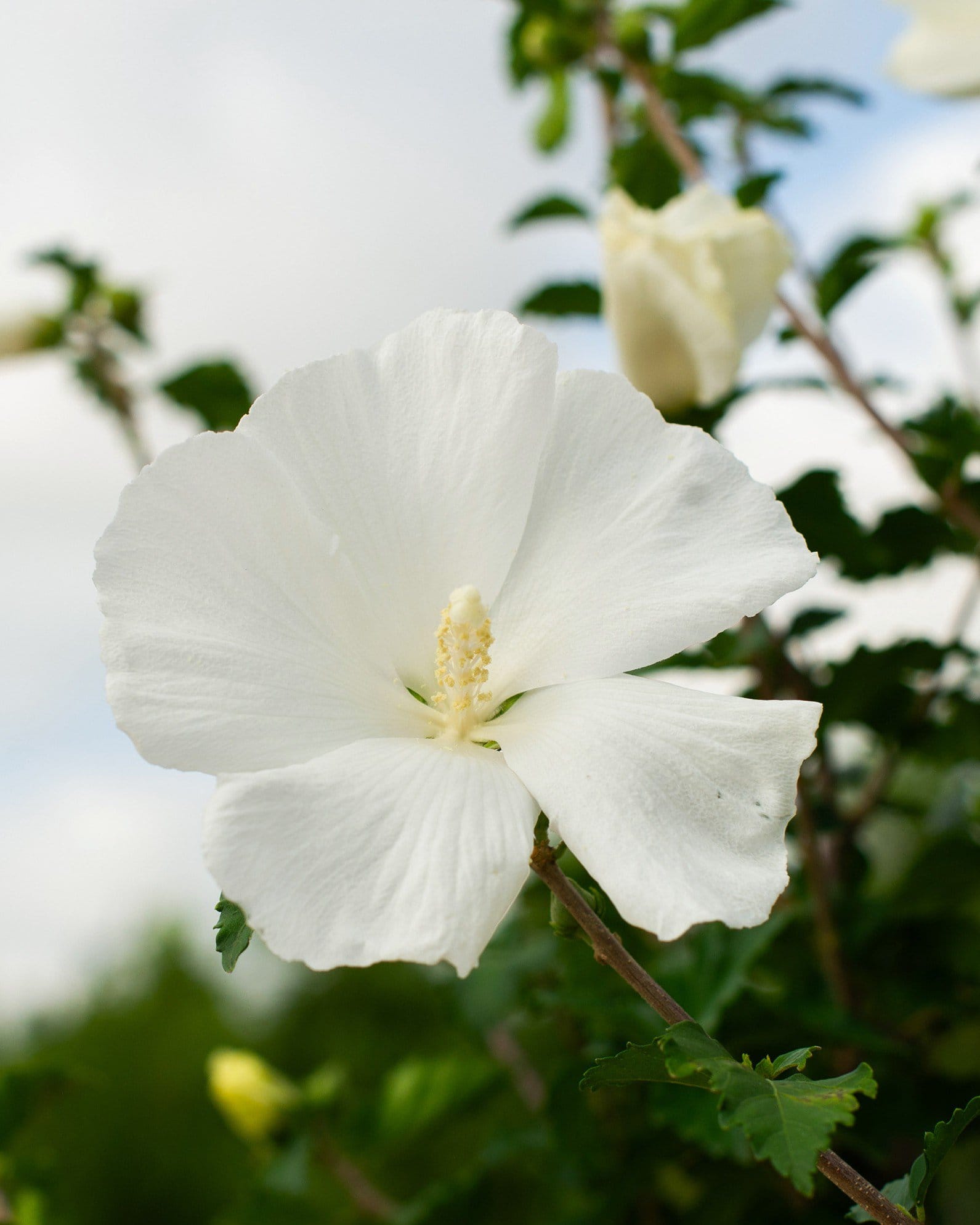
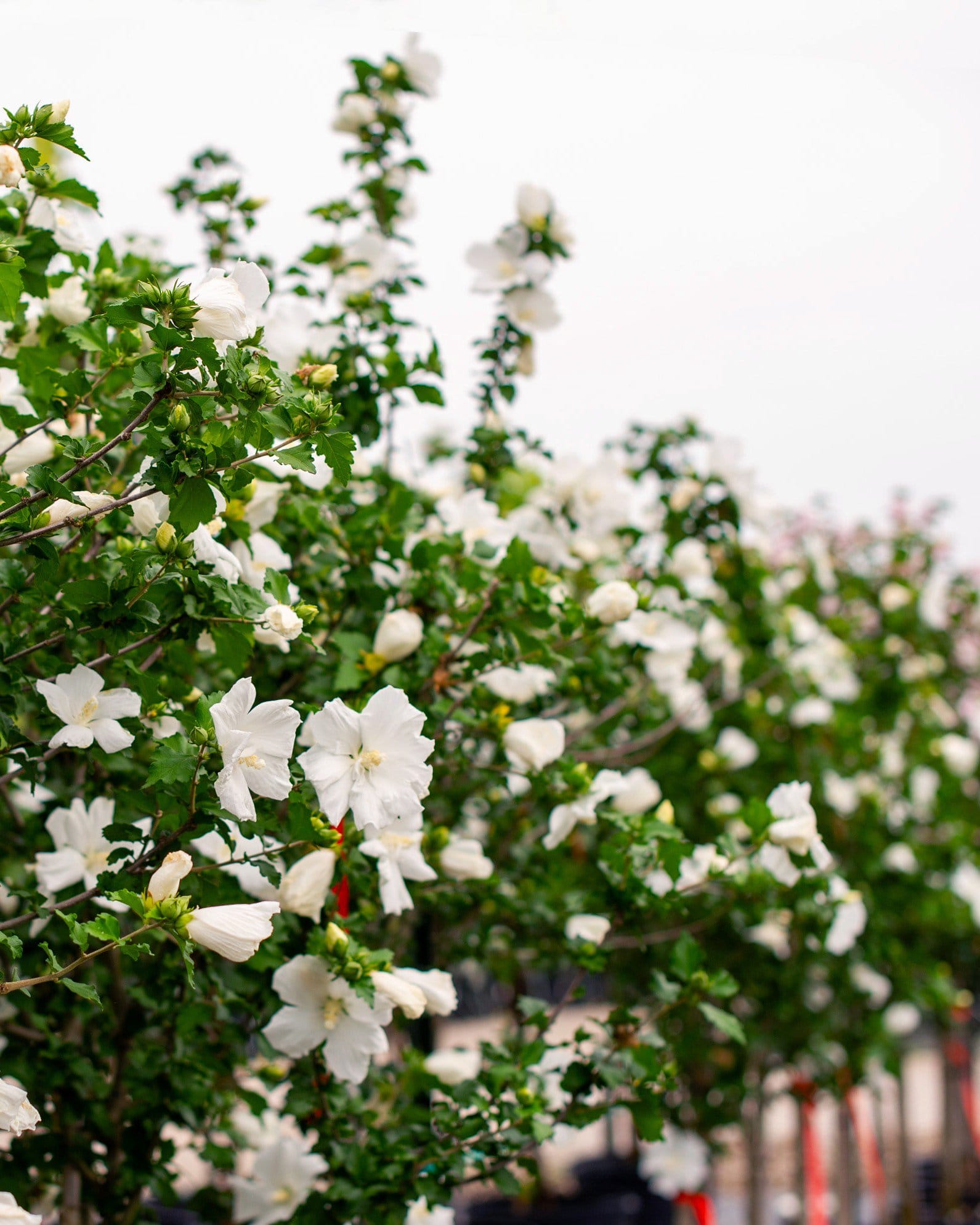
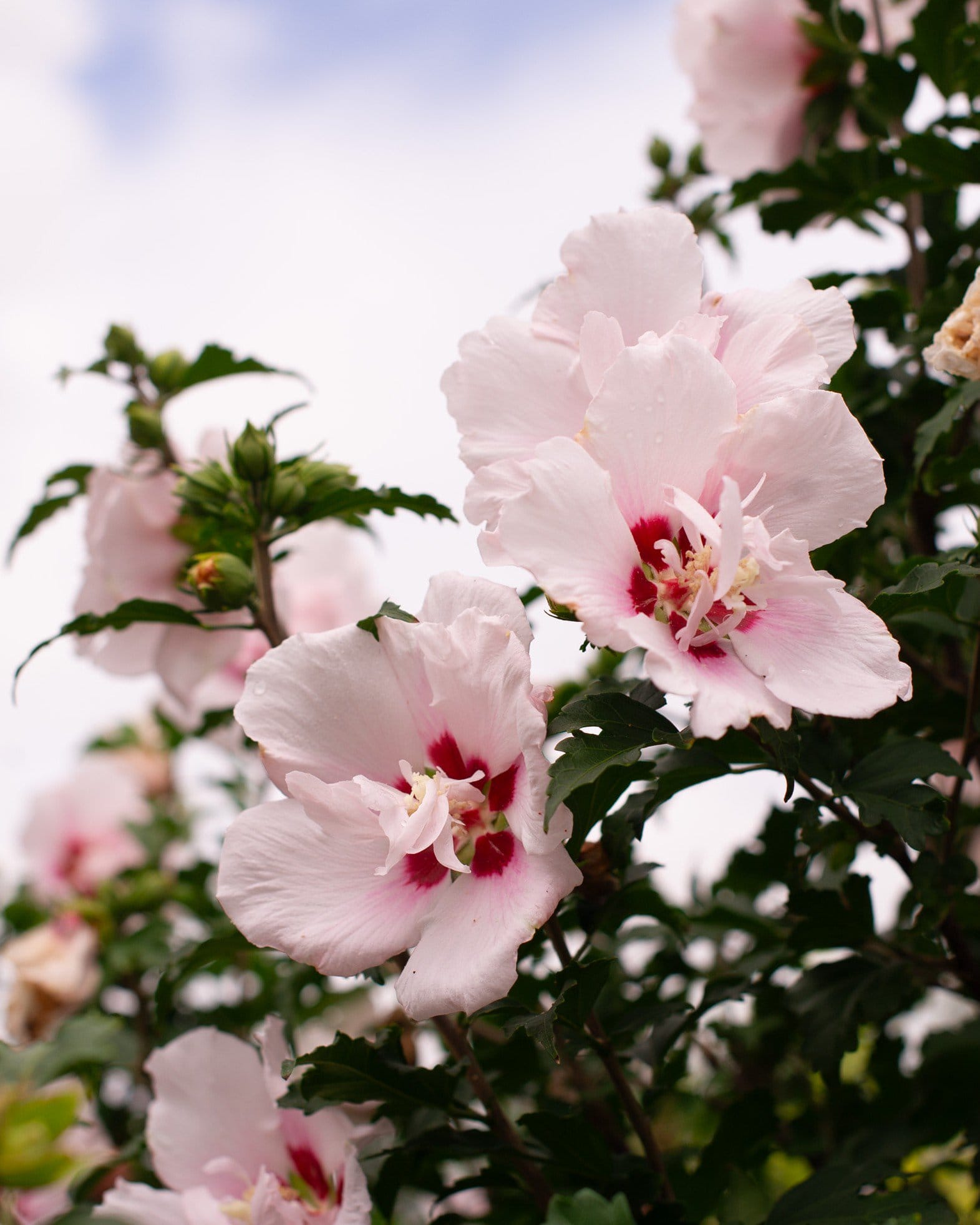
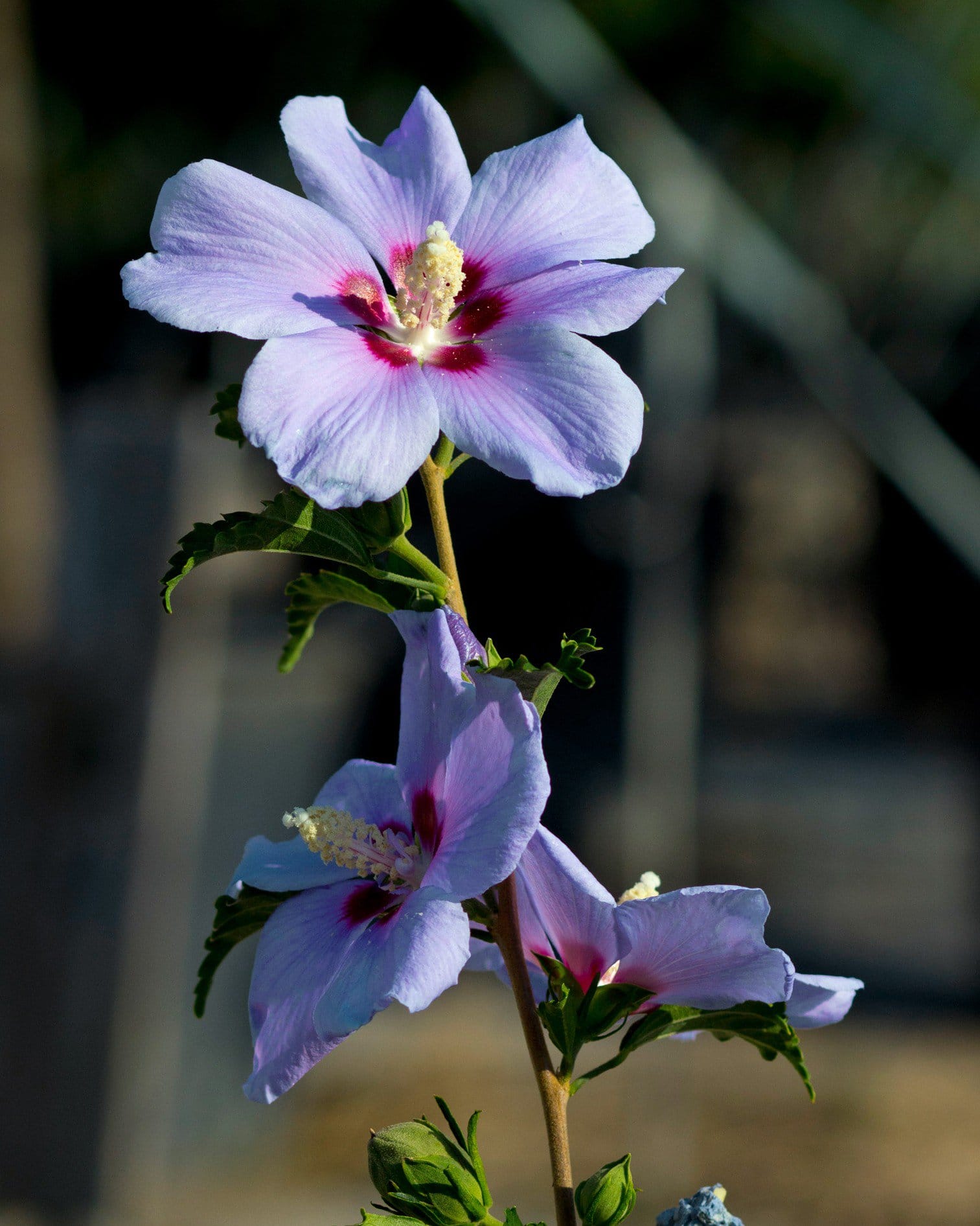
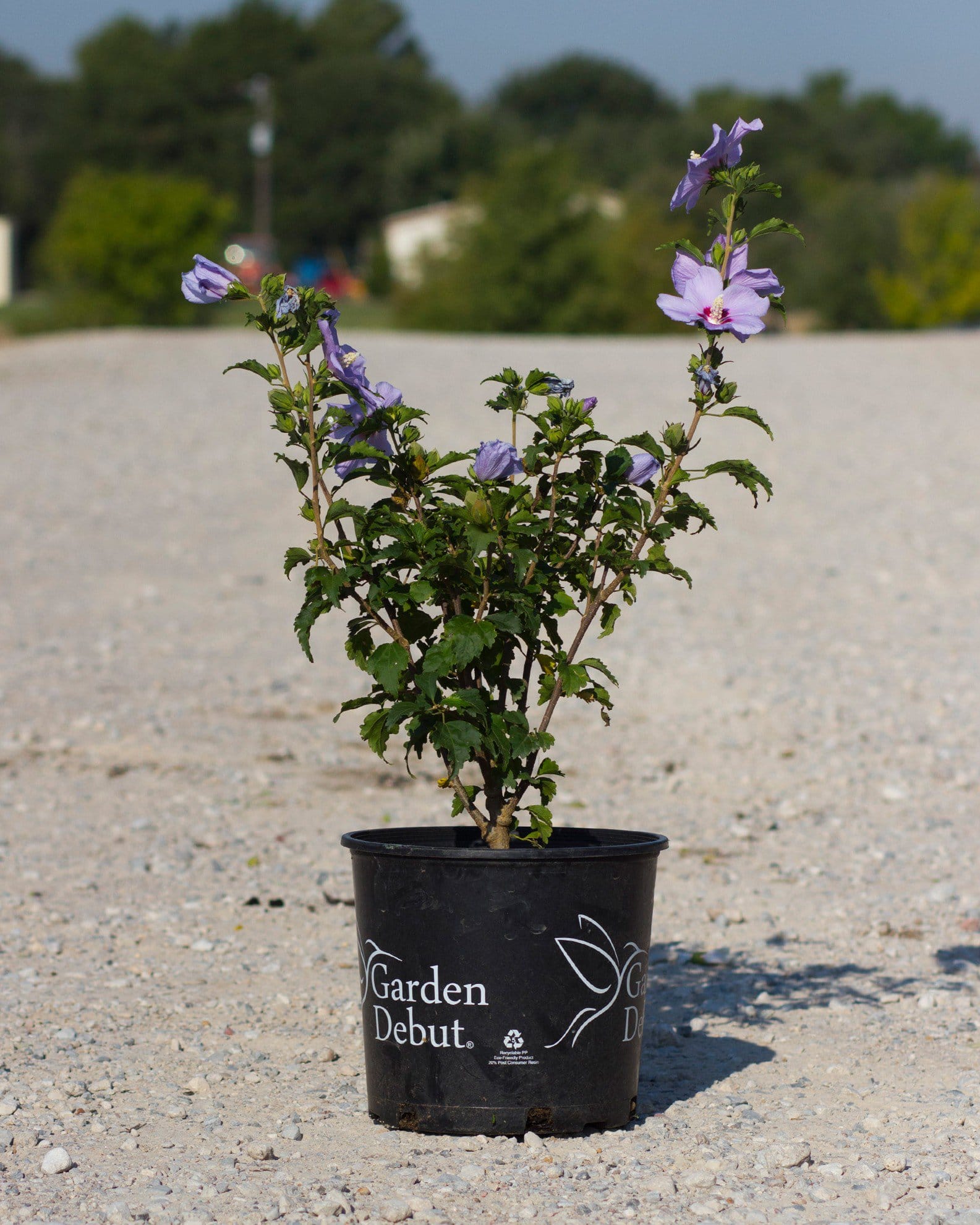
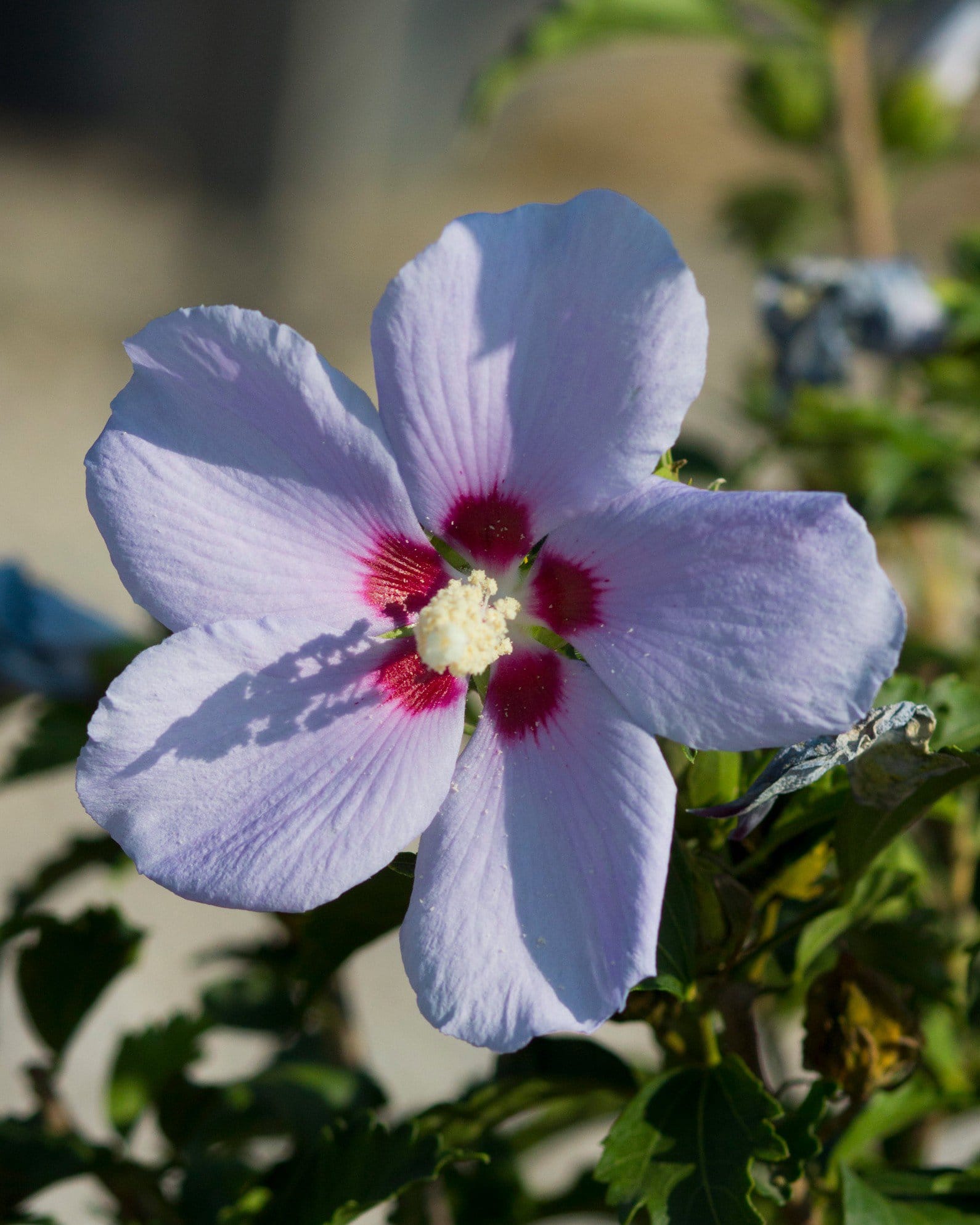
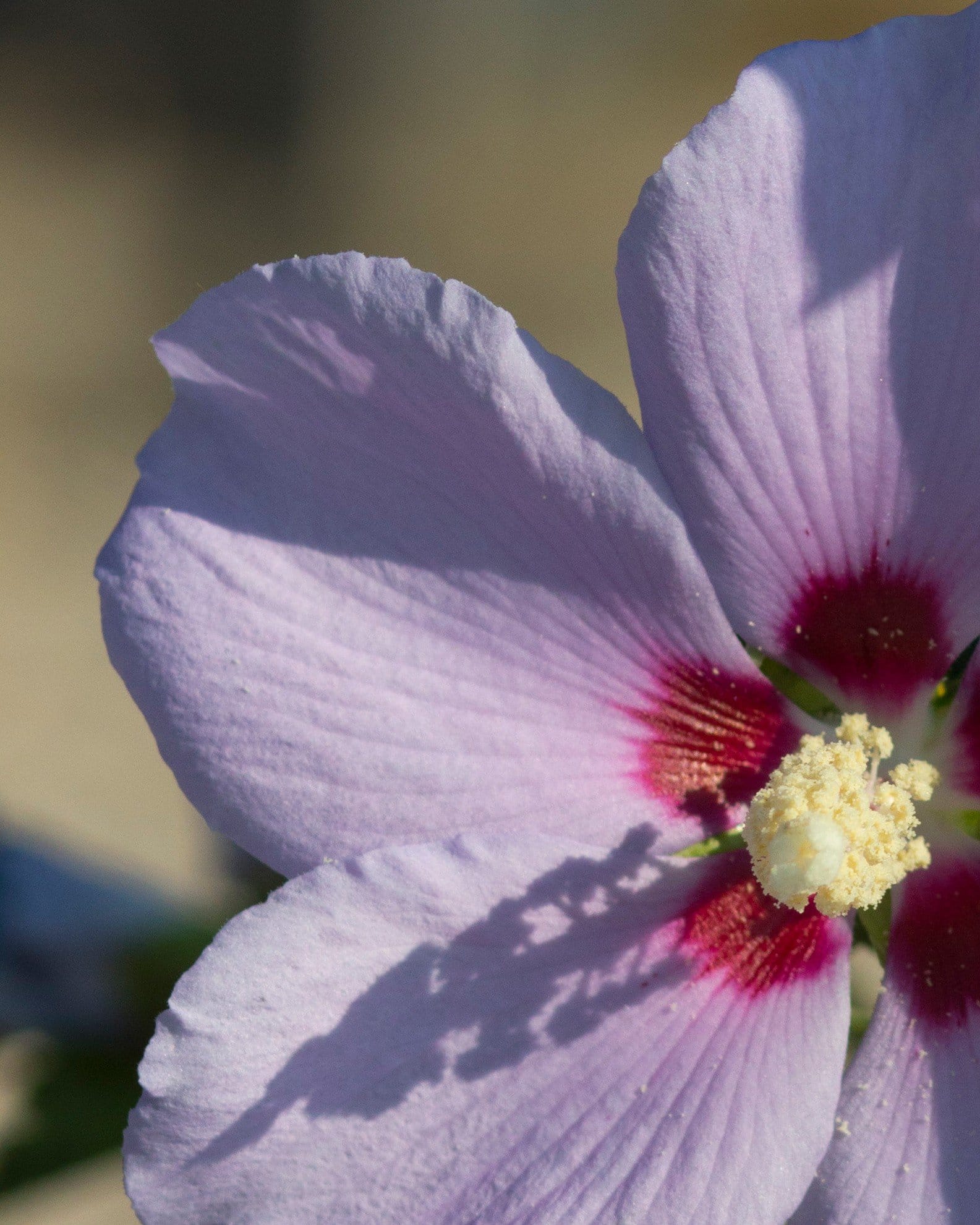
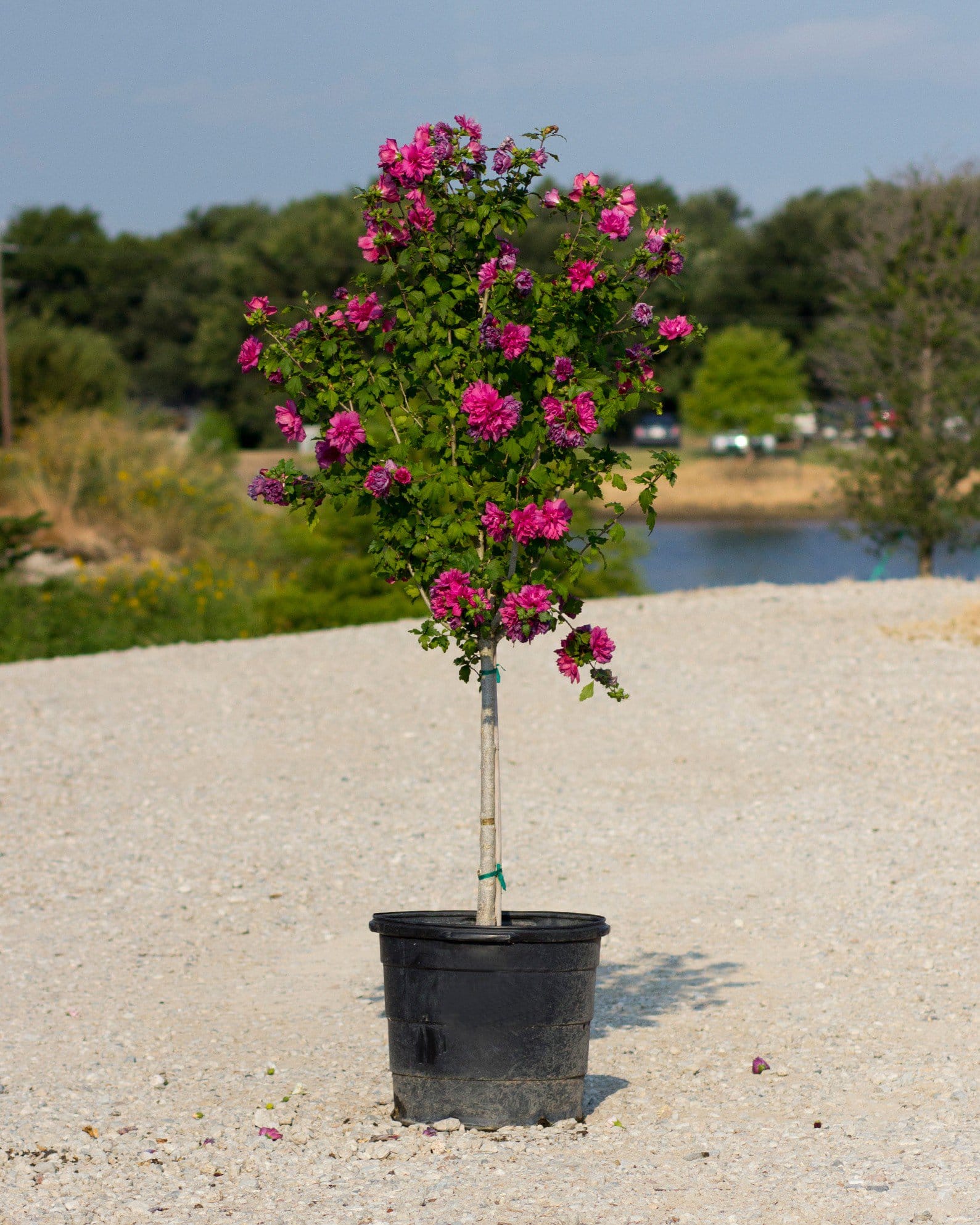
Compare Similar Plants
Lollipop Crabapple This plant | ||
|---|---|---|
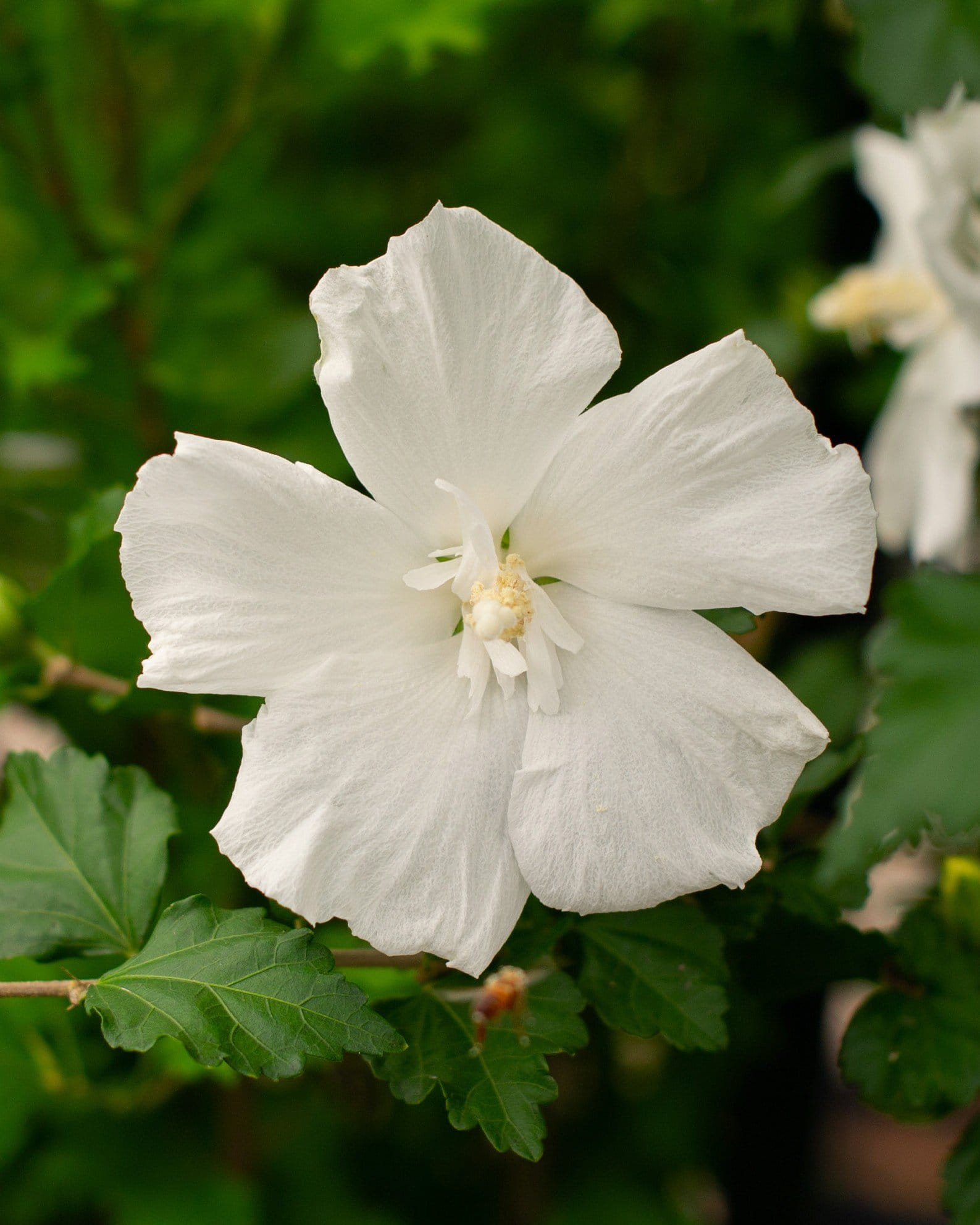
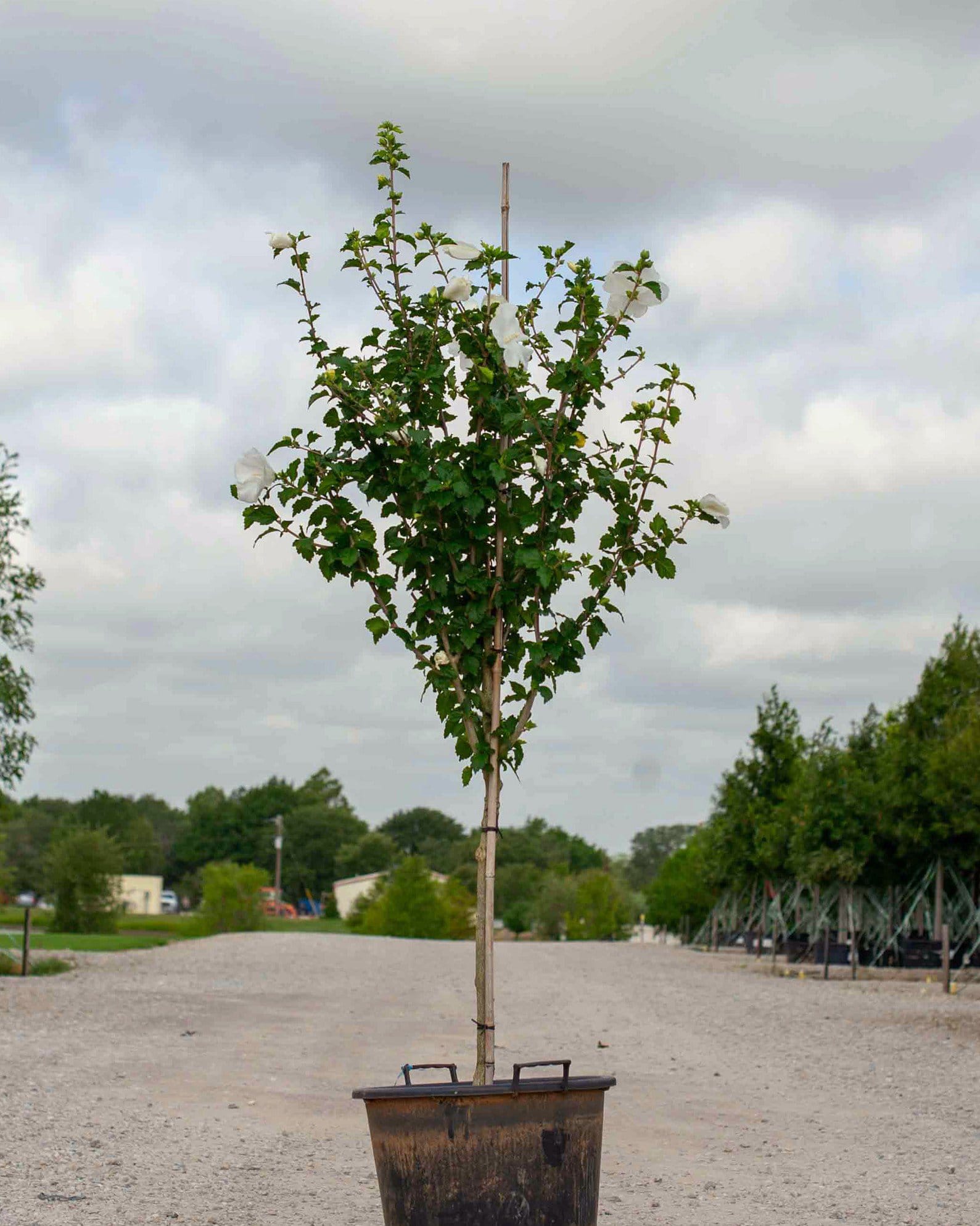
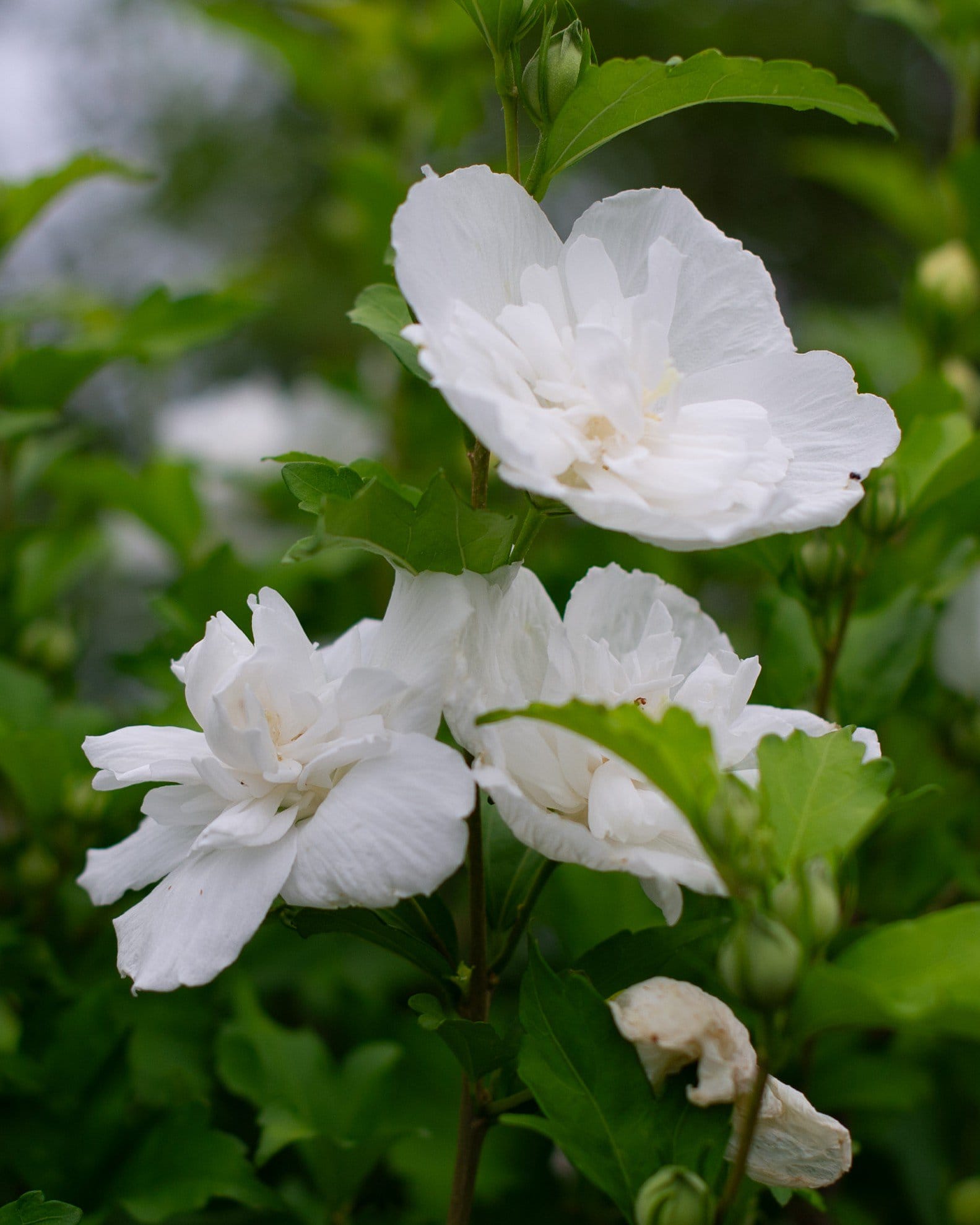
| Scientific Name | Malus x 'Lollizam' | Hibiscus syriacus ‘Diana’ |
| Size at Maturity | 8' H x 8' W | 8' H x 5' W |
| Leaf Retention | Deciduous | Deciduous |
| Fall Color | Yellow | Yellow |
| Flower Color | White | White |
| Bloom Times | Spring | Spring & Summer |
| Sizes Available | 15 gal | 15 gal |


Our 1-Year Planting Guarantee
We take pride in our plants and installation services. If any plants or trees installed by Treeland fail to thrive within the first year, we'll provide a replacement credit in accordance with our guarantee program.
Learn More About Our Guarantee