
Lucy Althea Tree Form
Hibiscus syriacus ‘Lucy’Local DFW Delivery Only
Product Details
Lucy Althea Tree Form
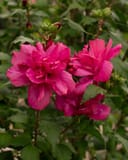
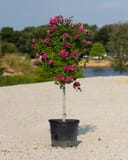
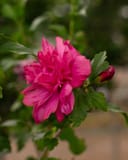
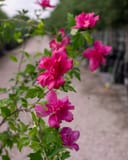
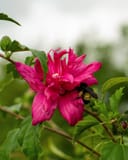
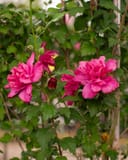
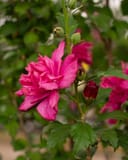
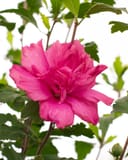
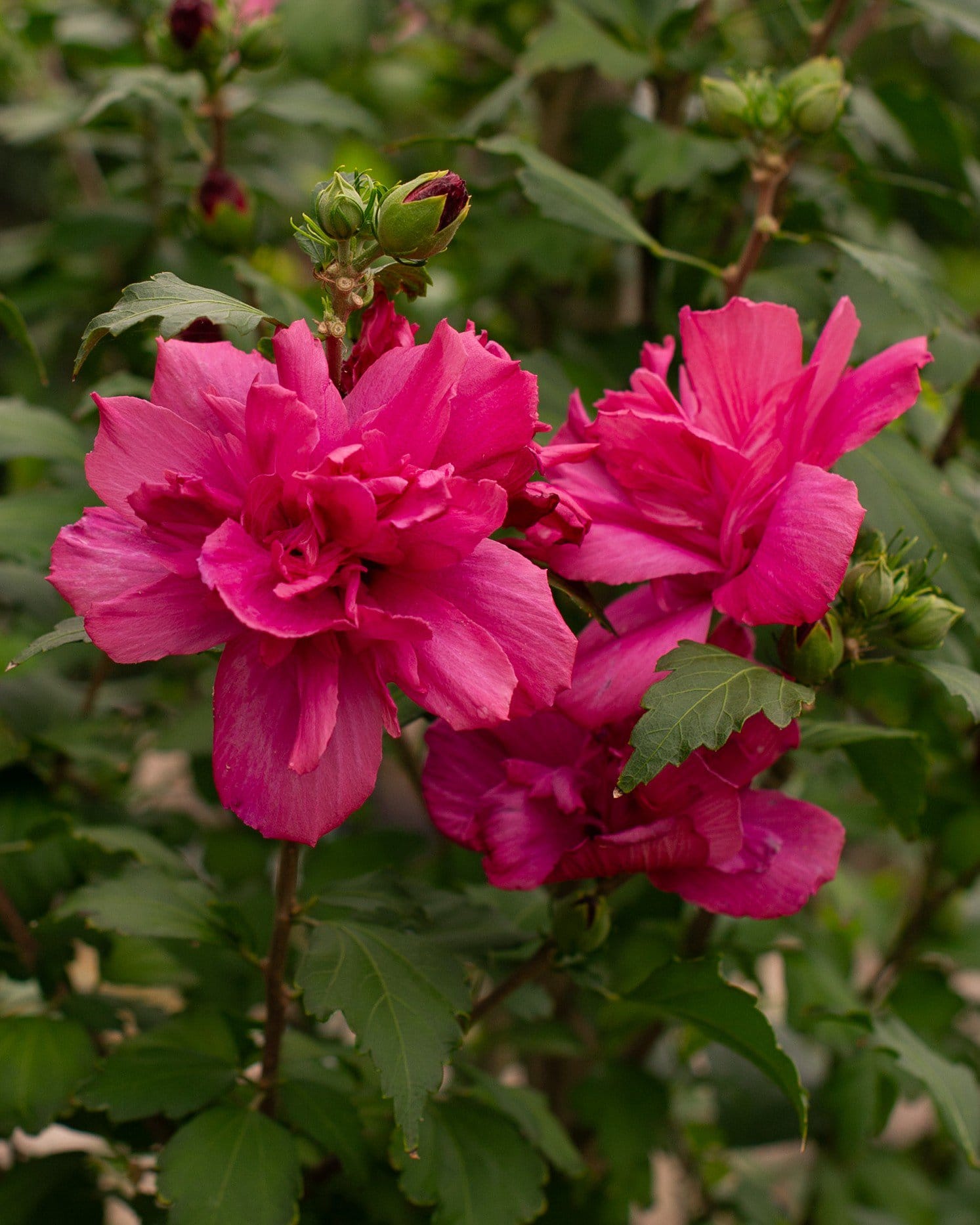
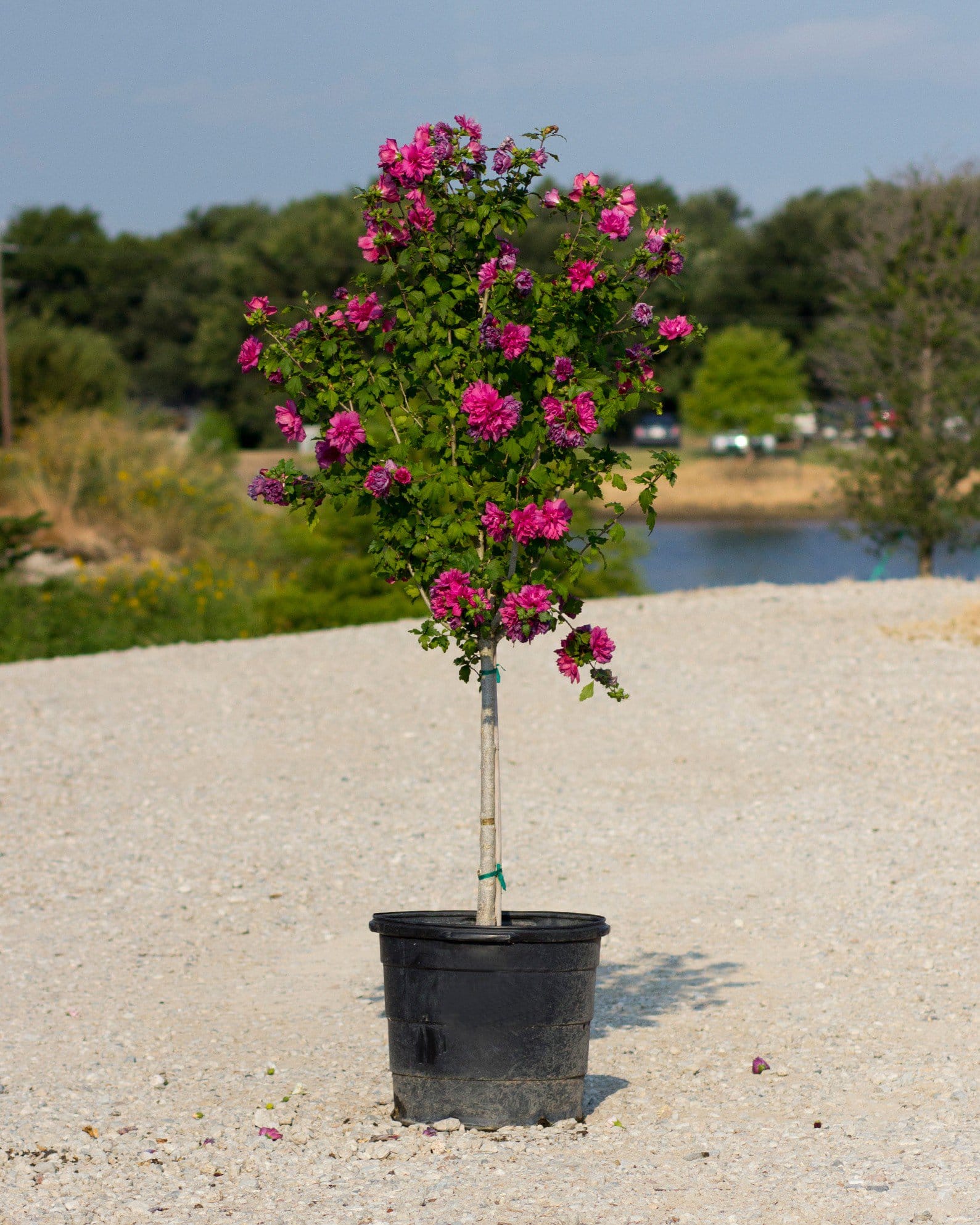
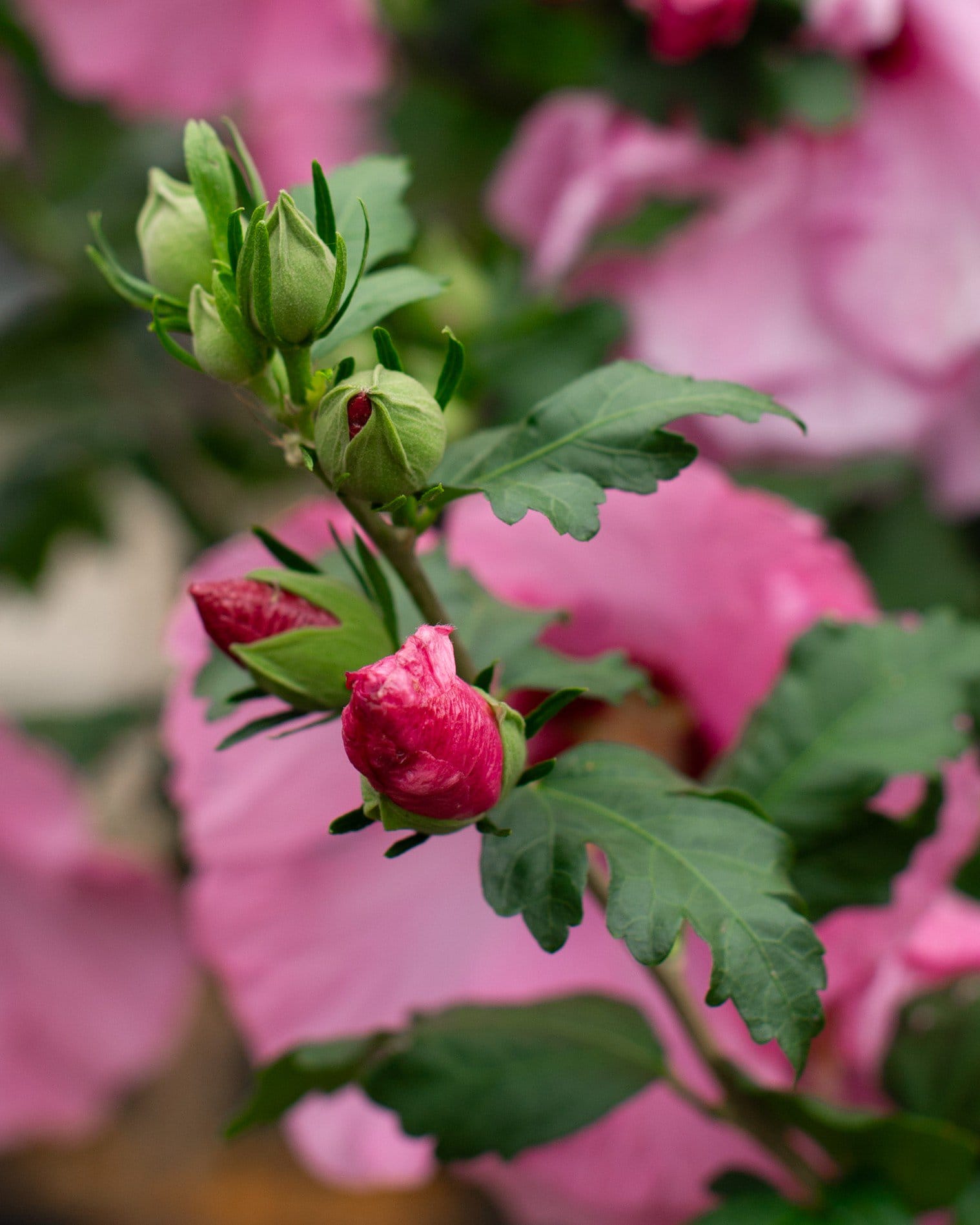
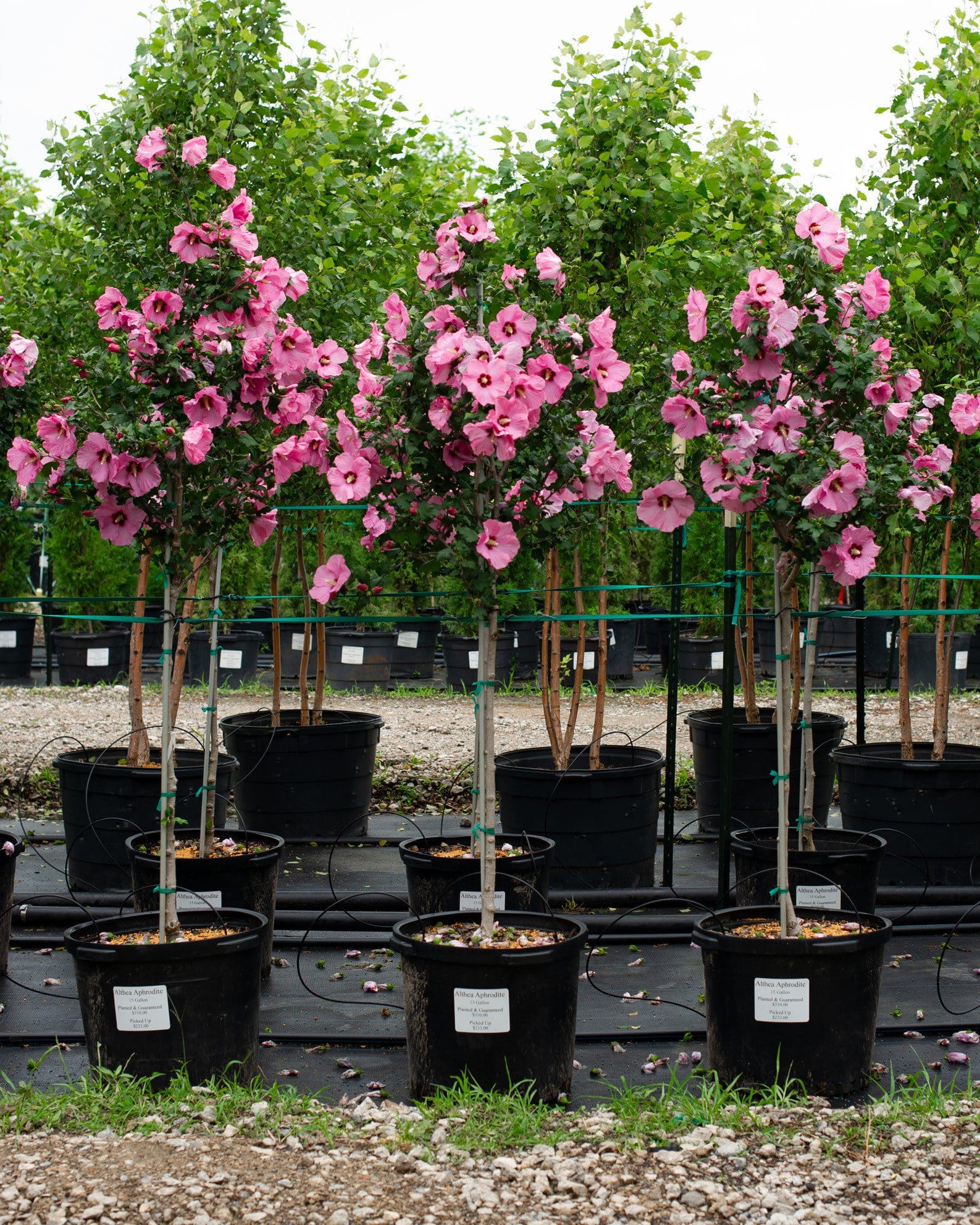
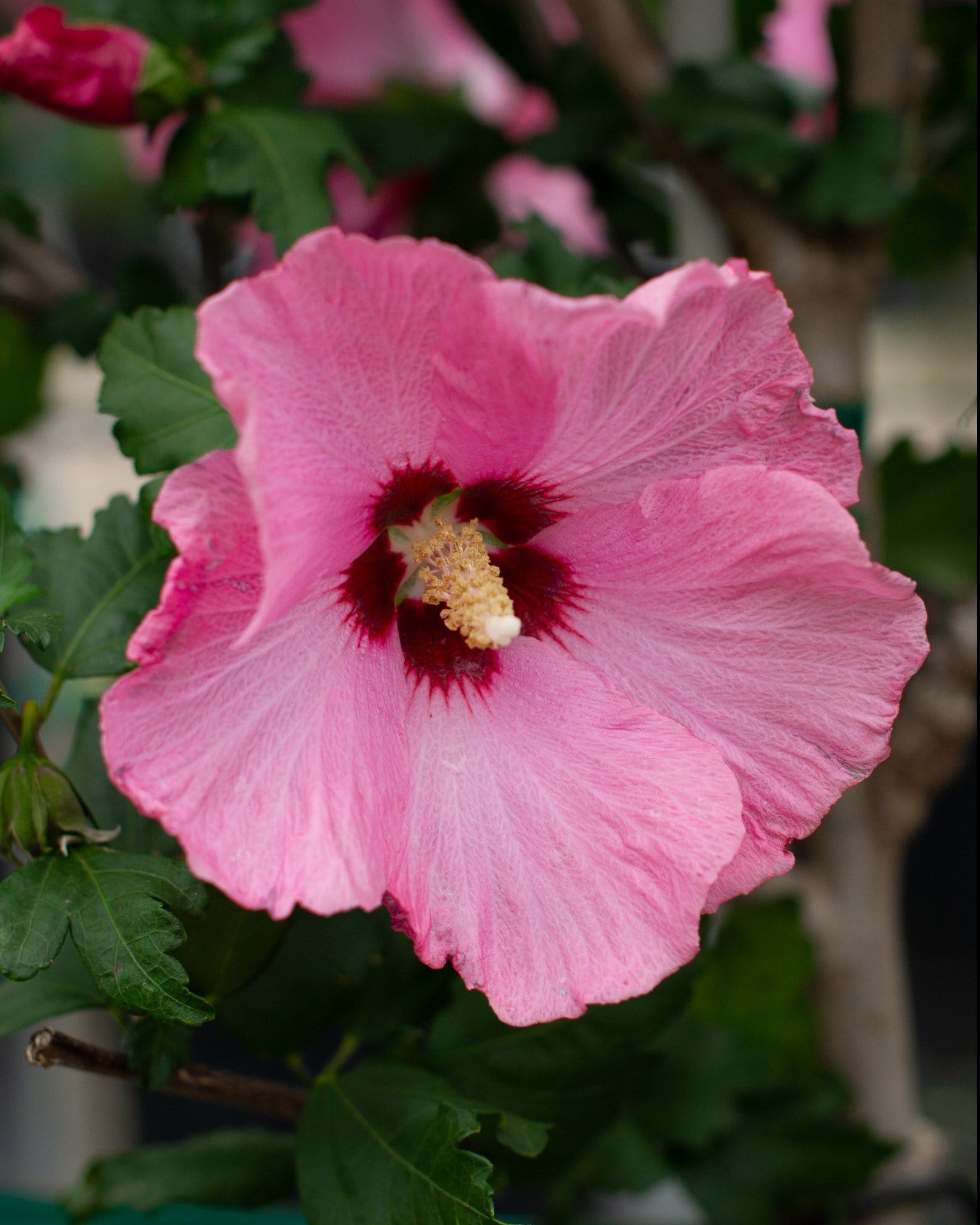
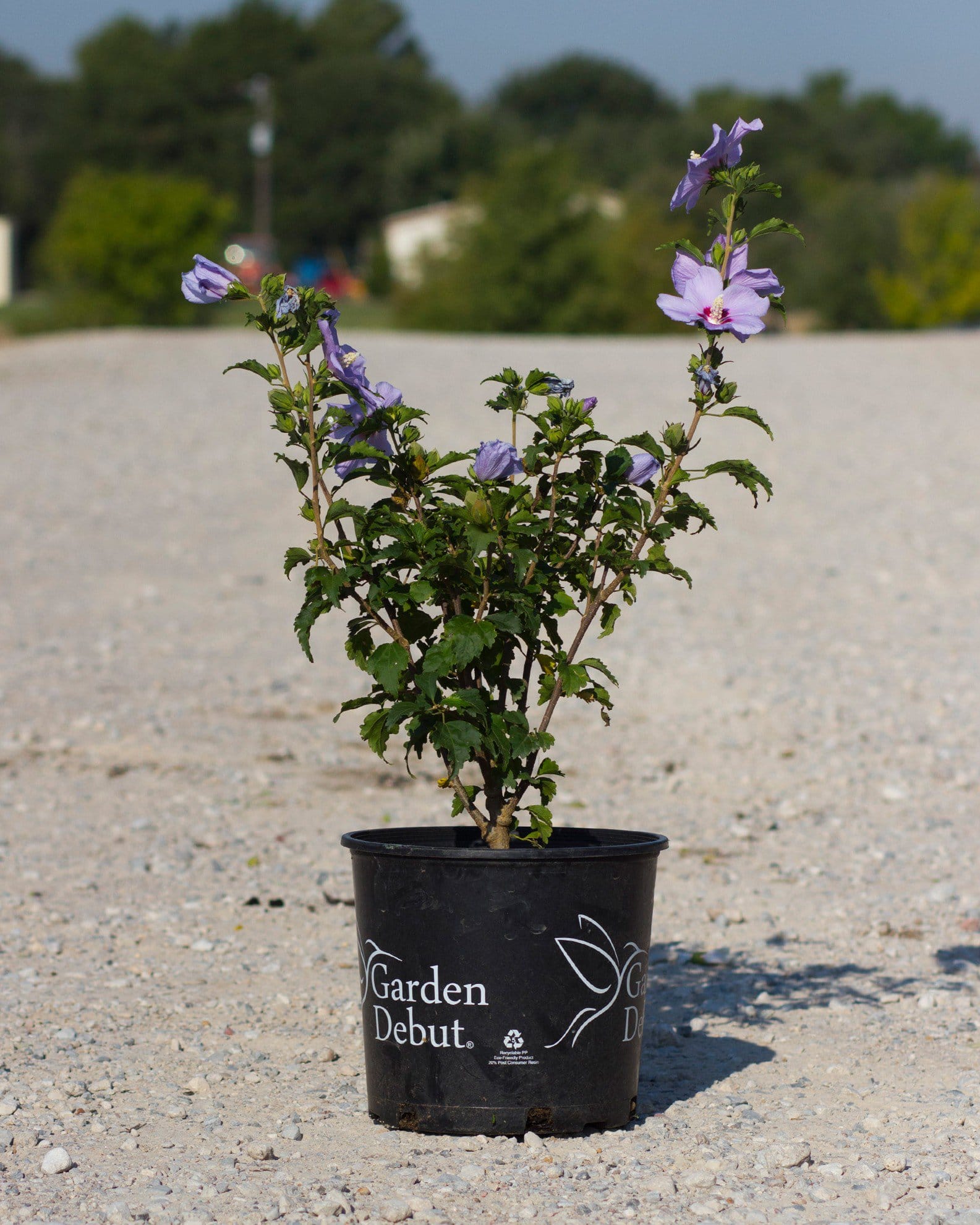
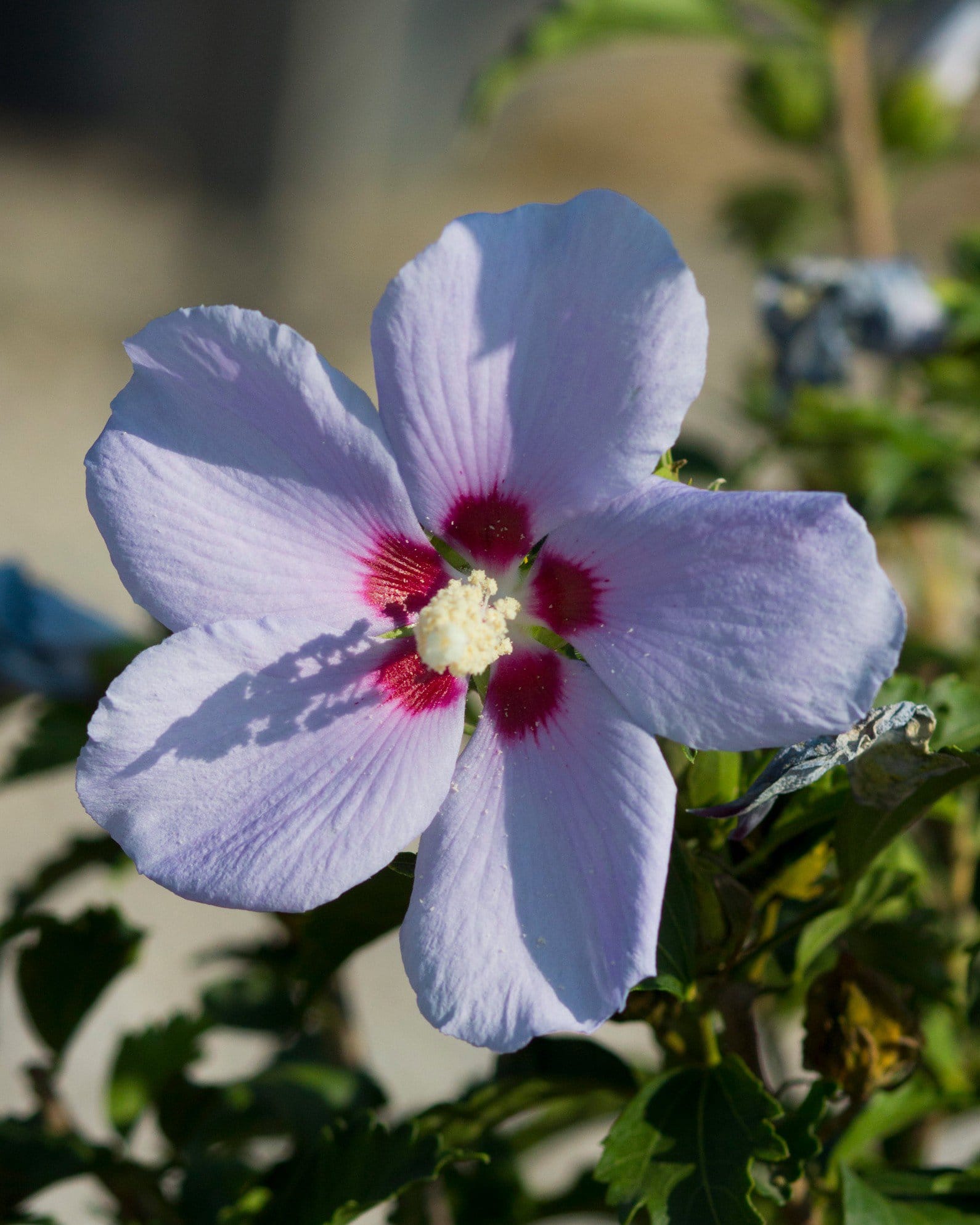
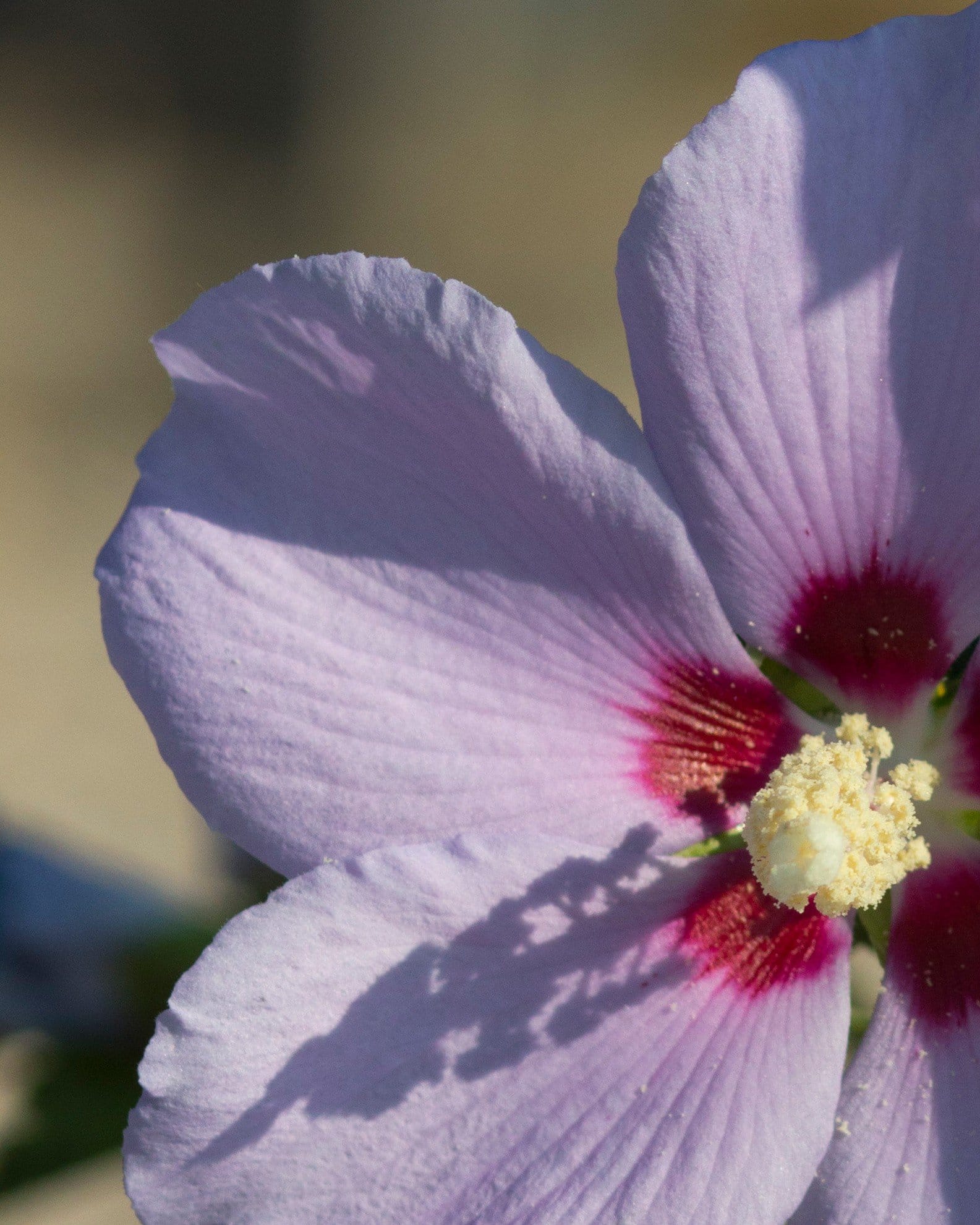
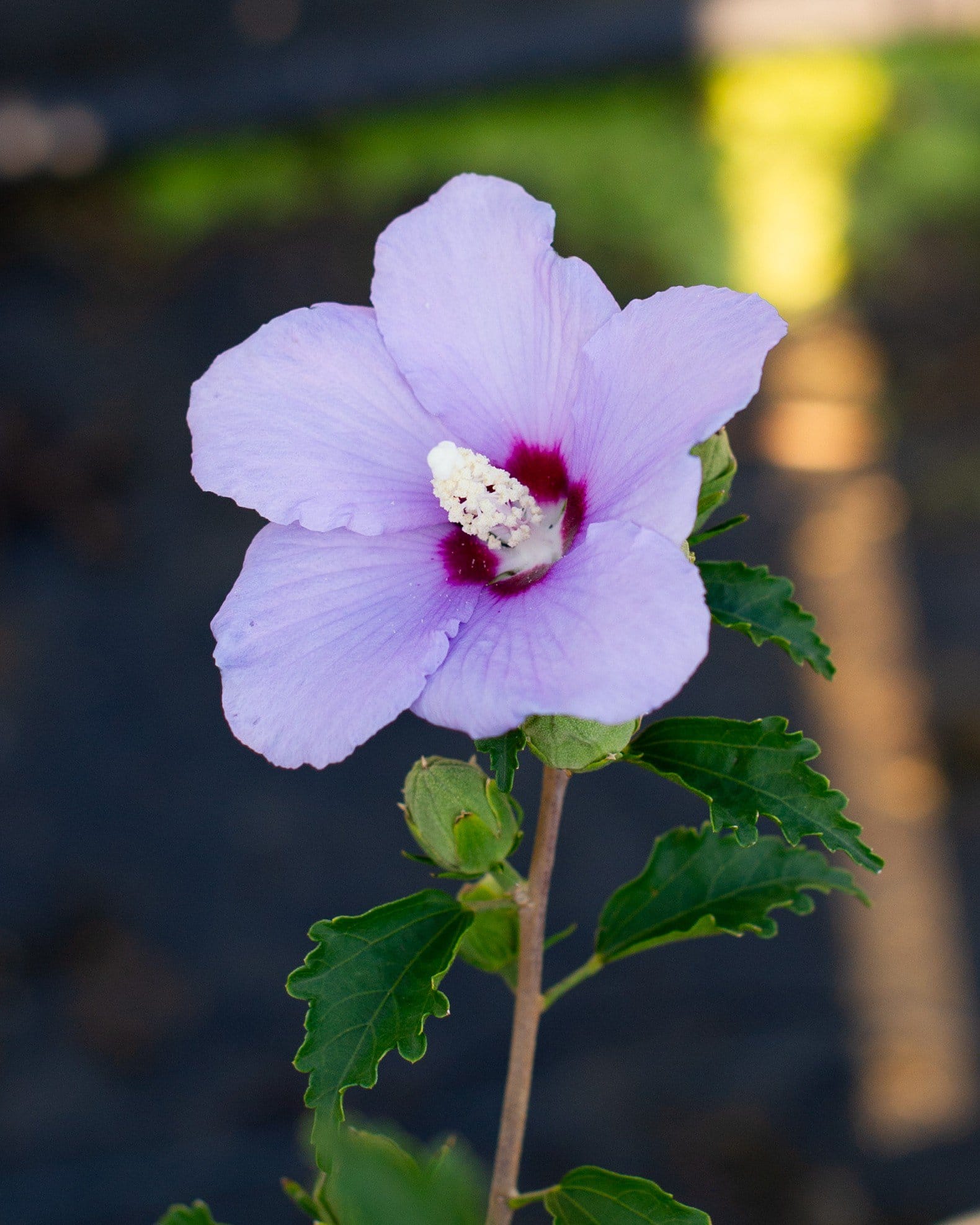
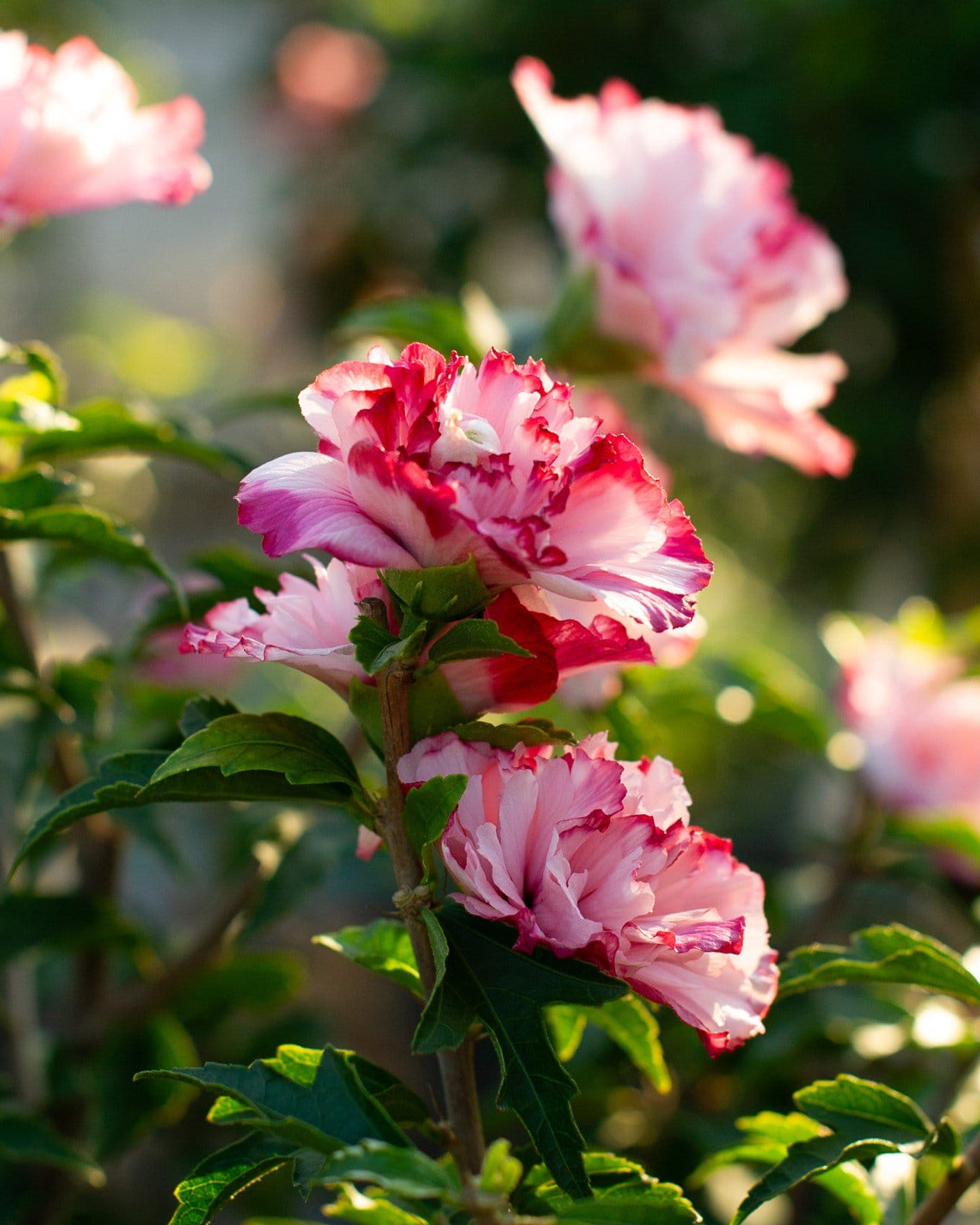
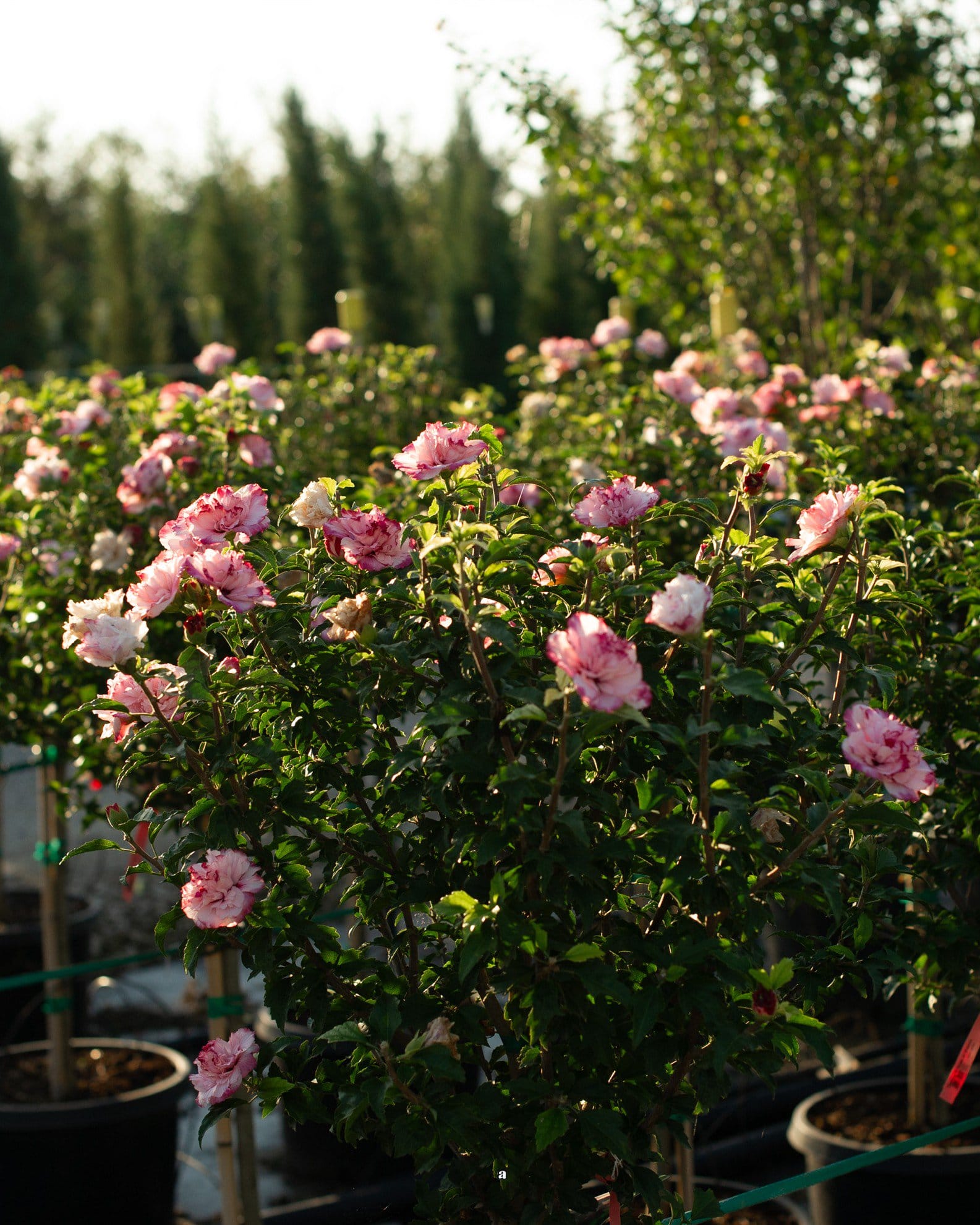
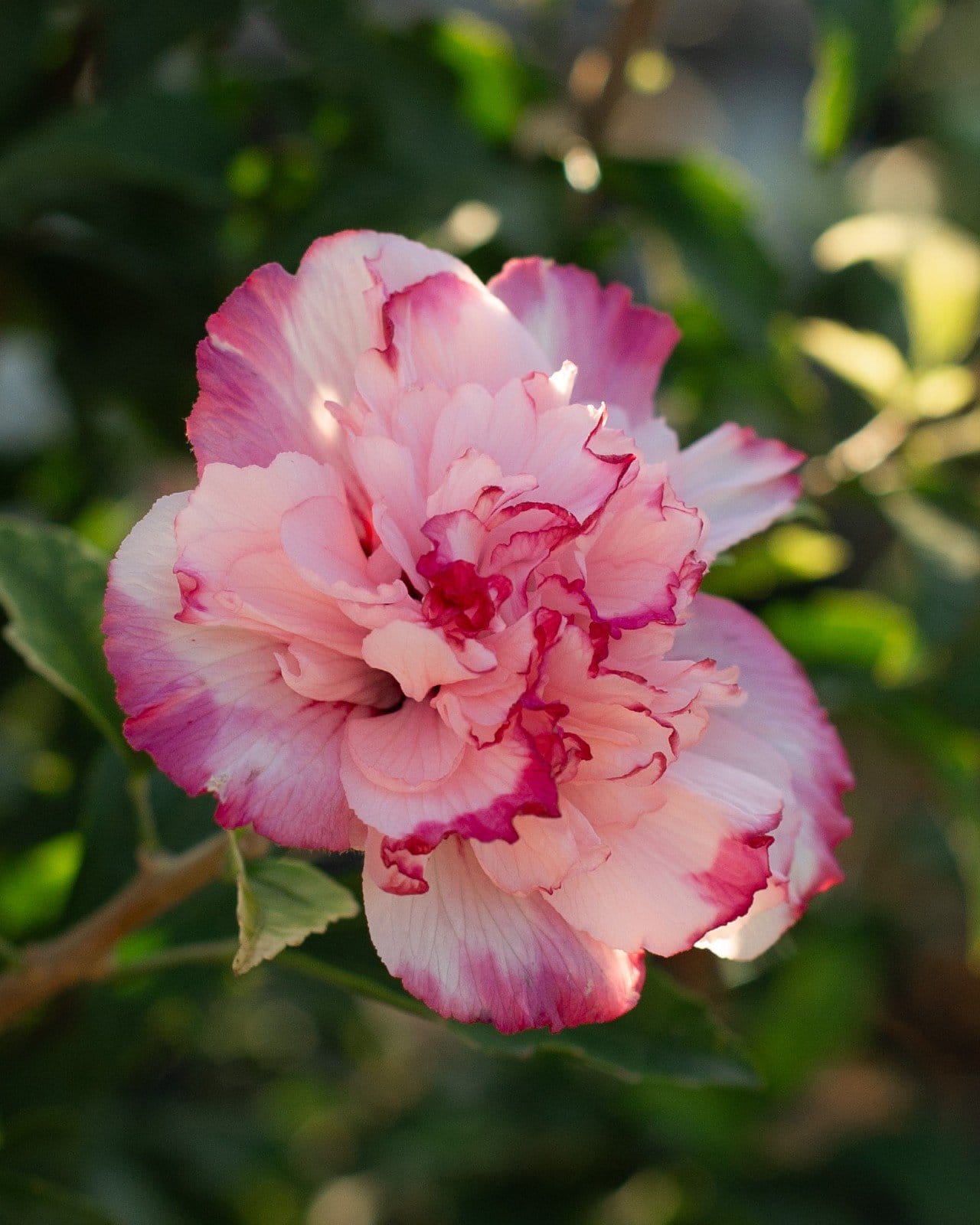
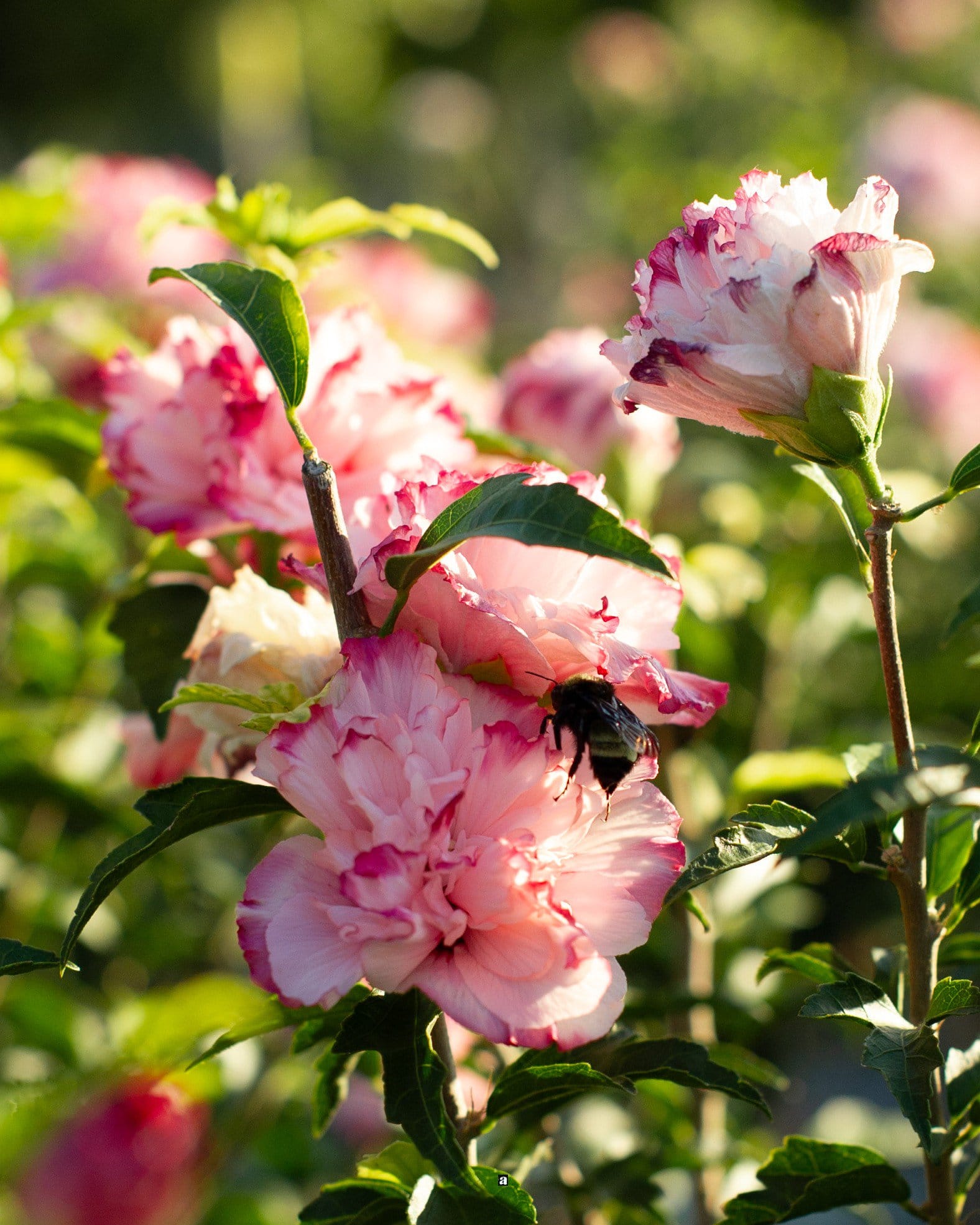
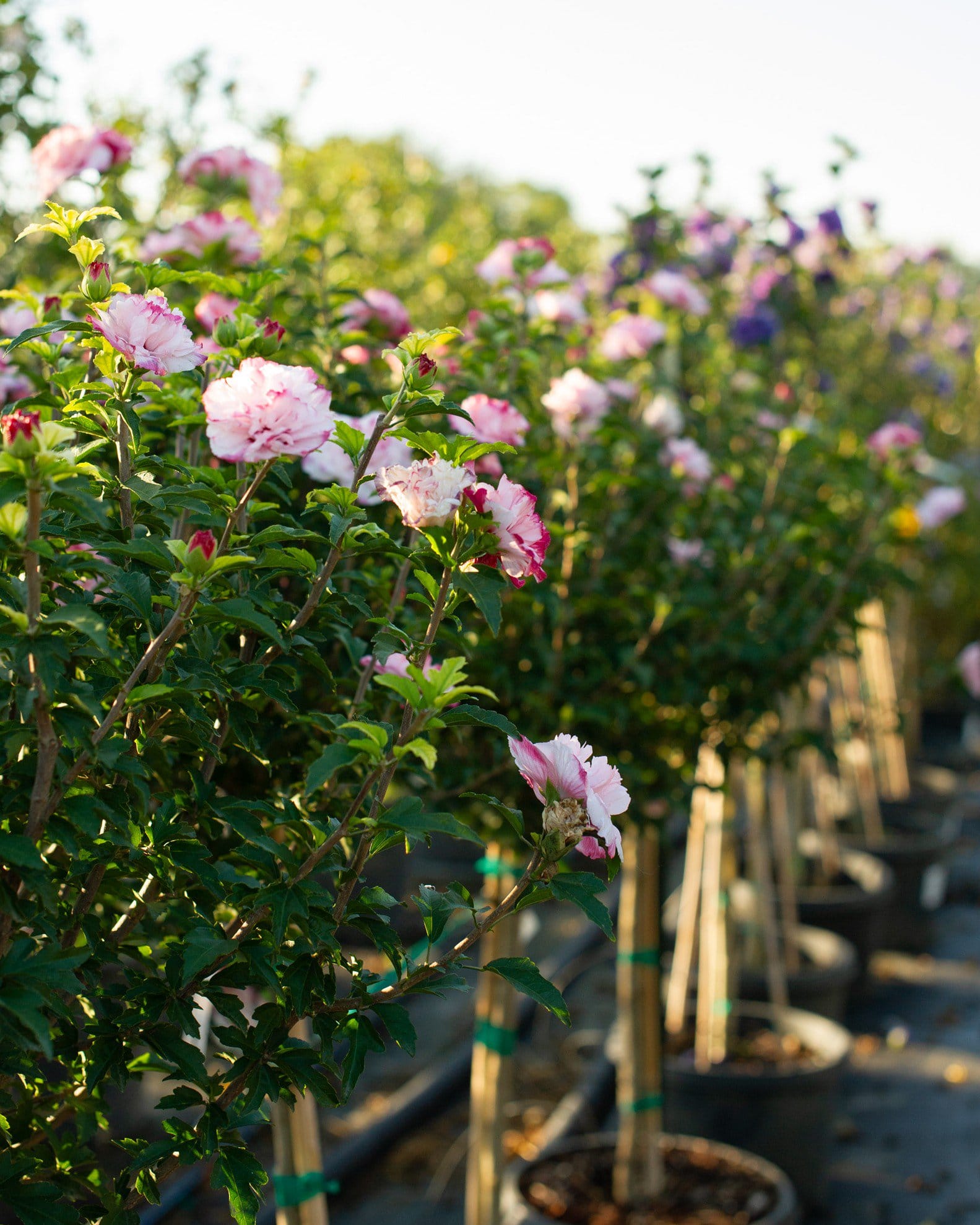
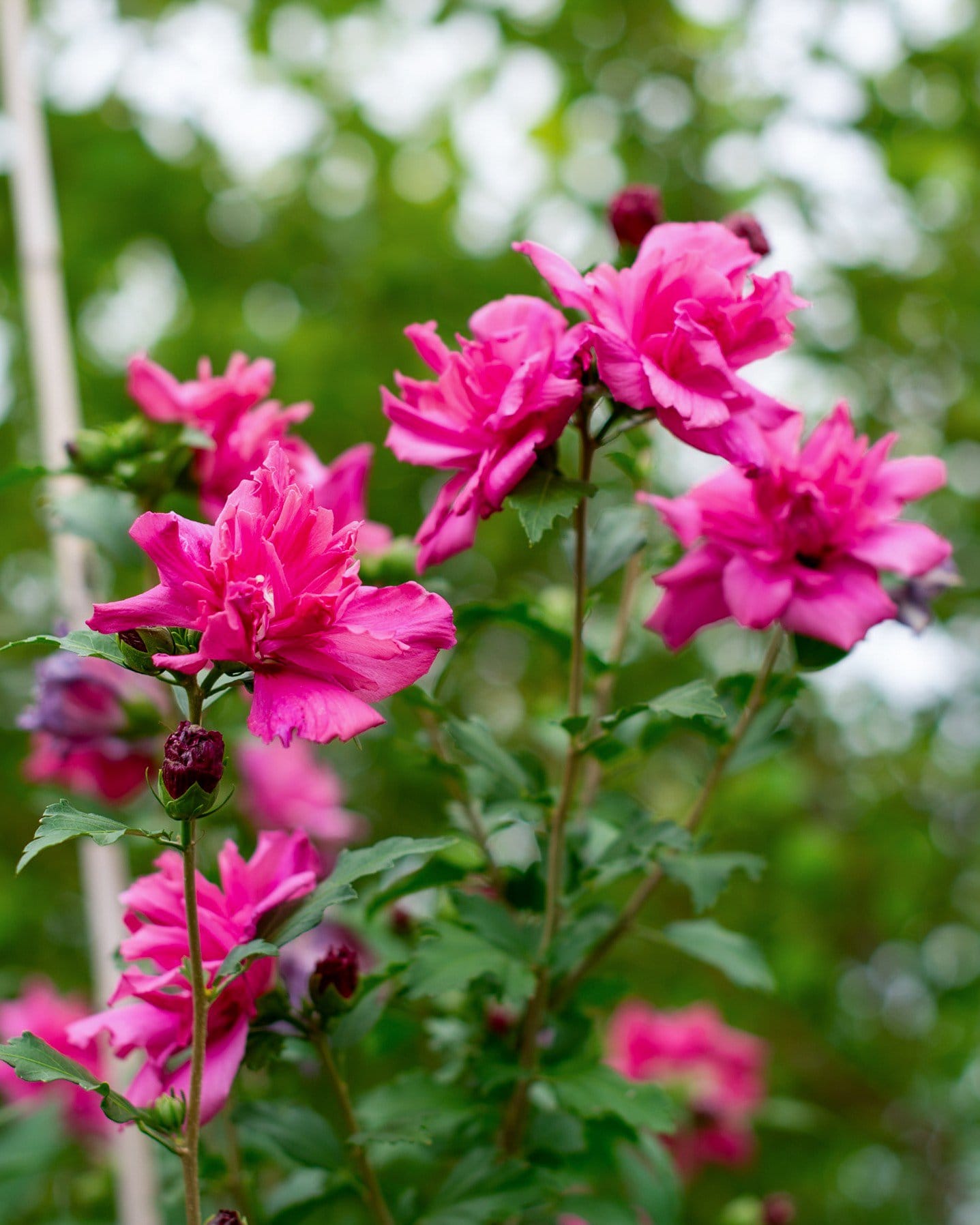
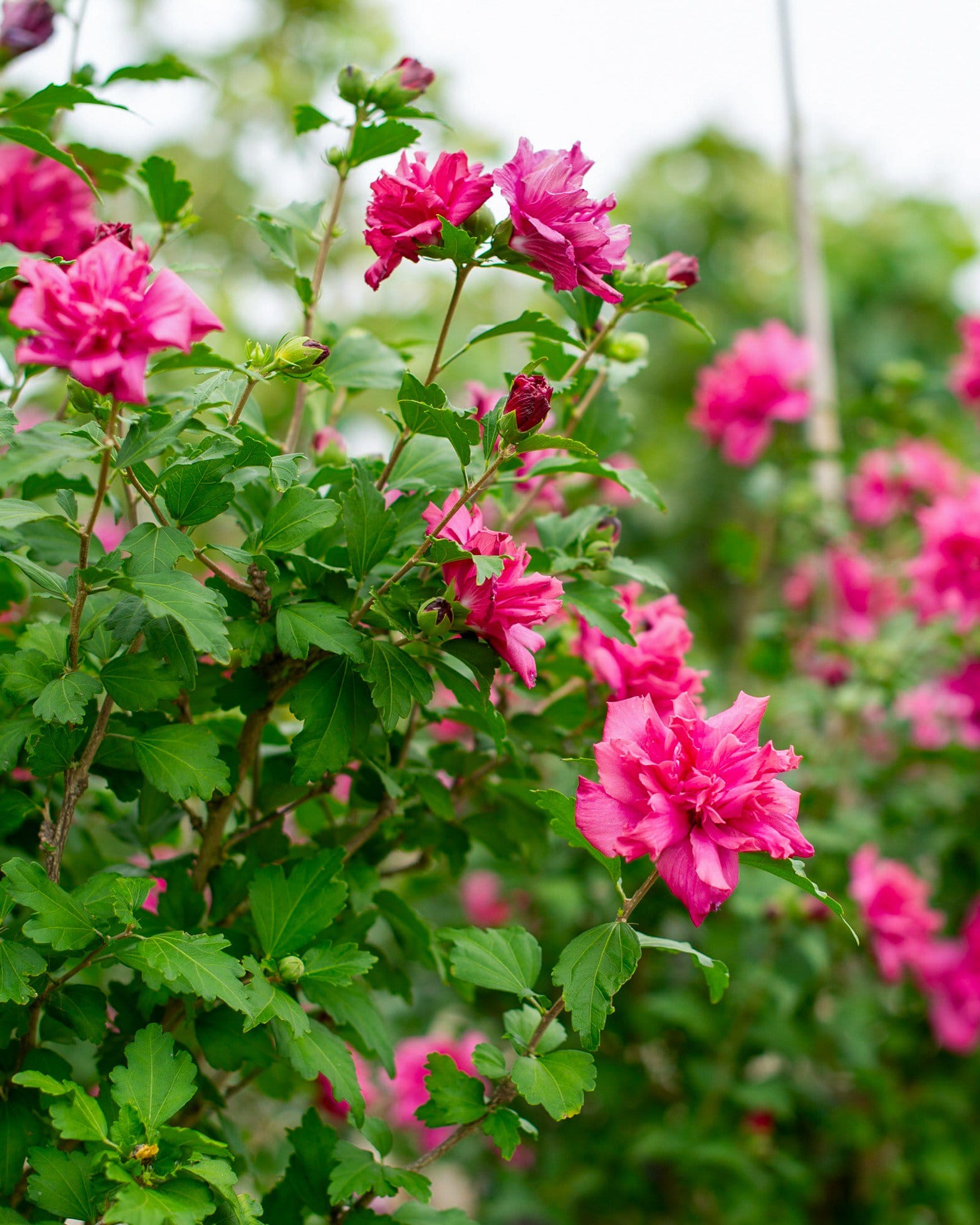
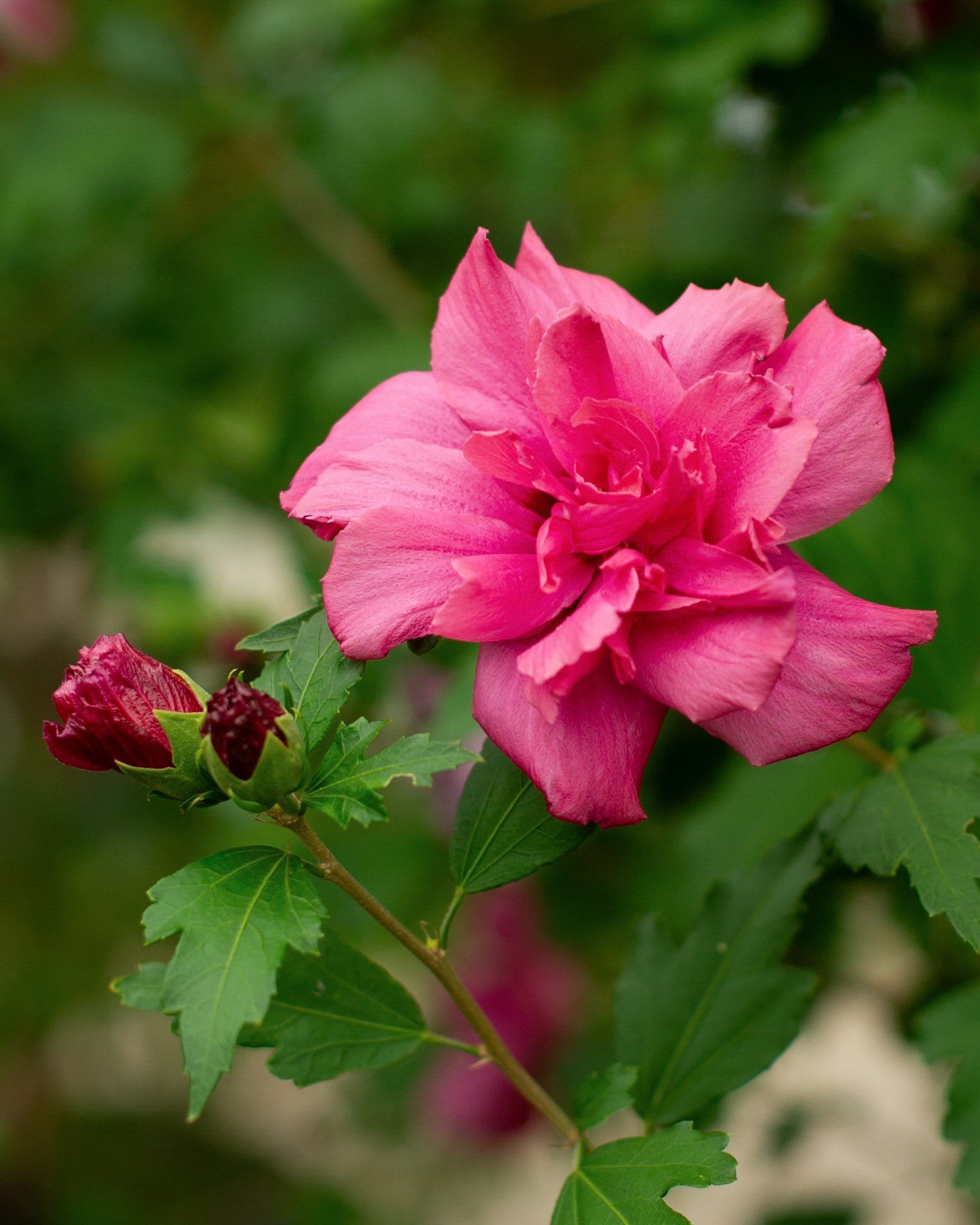
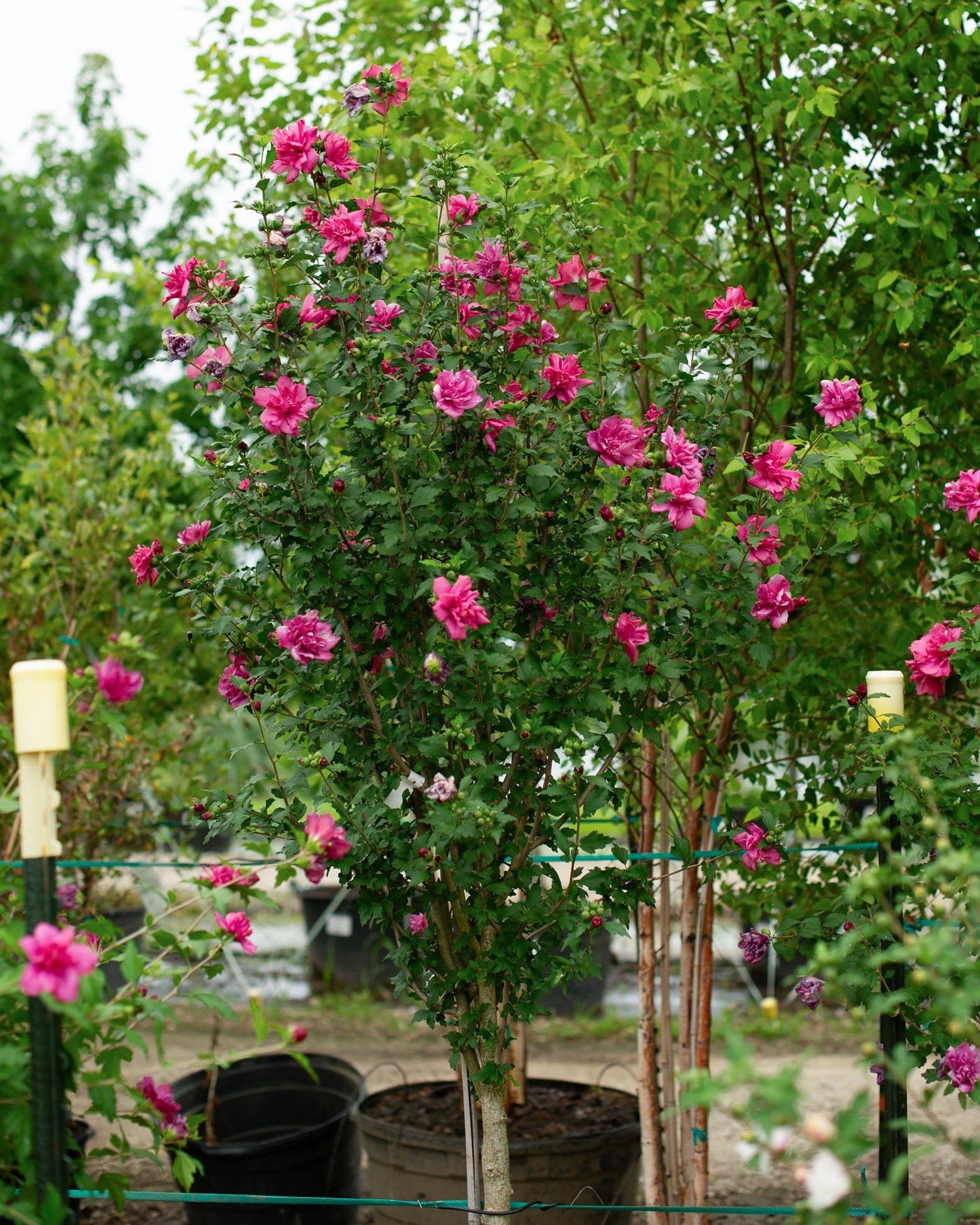
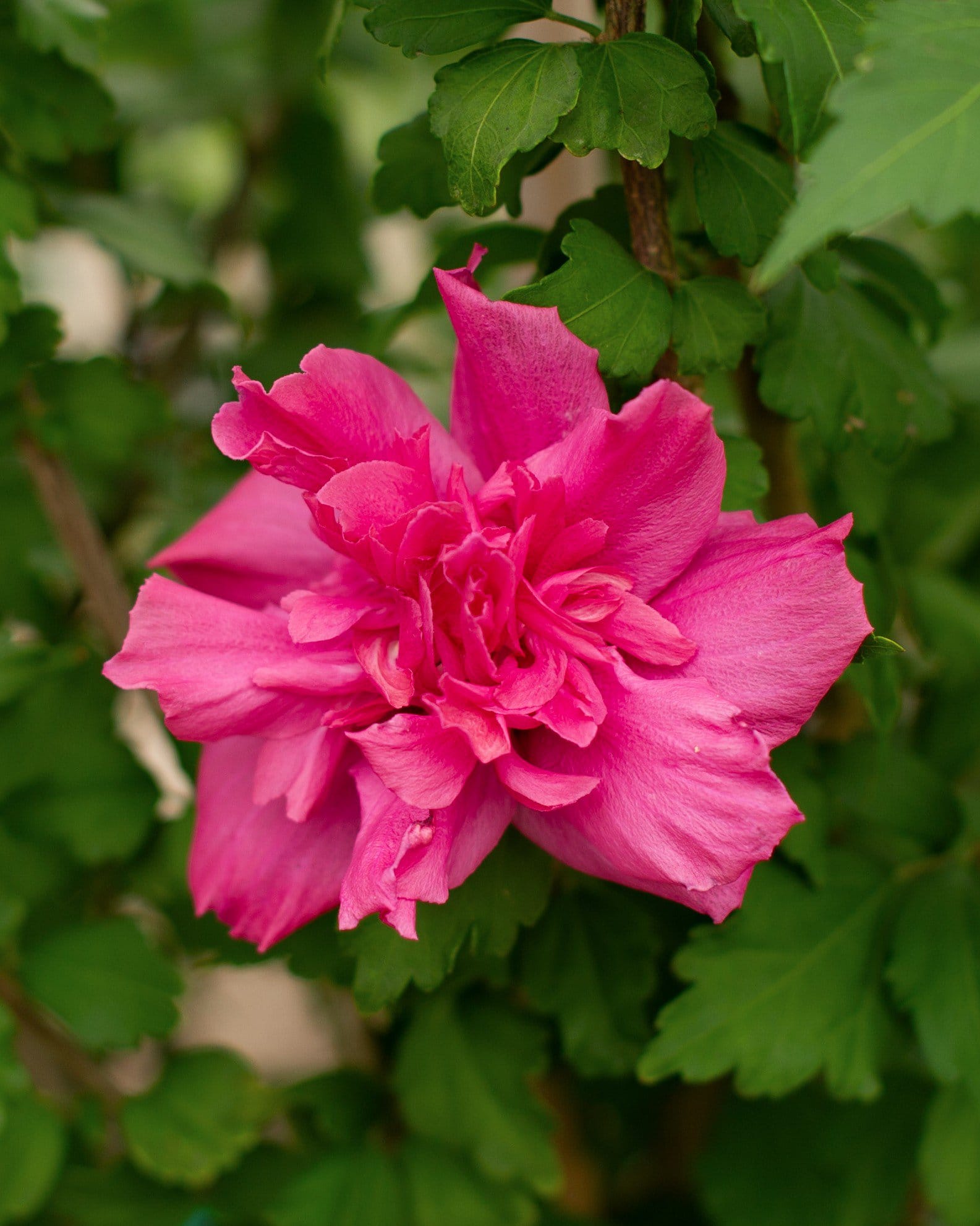
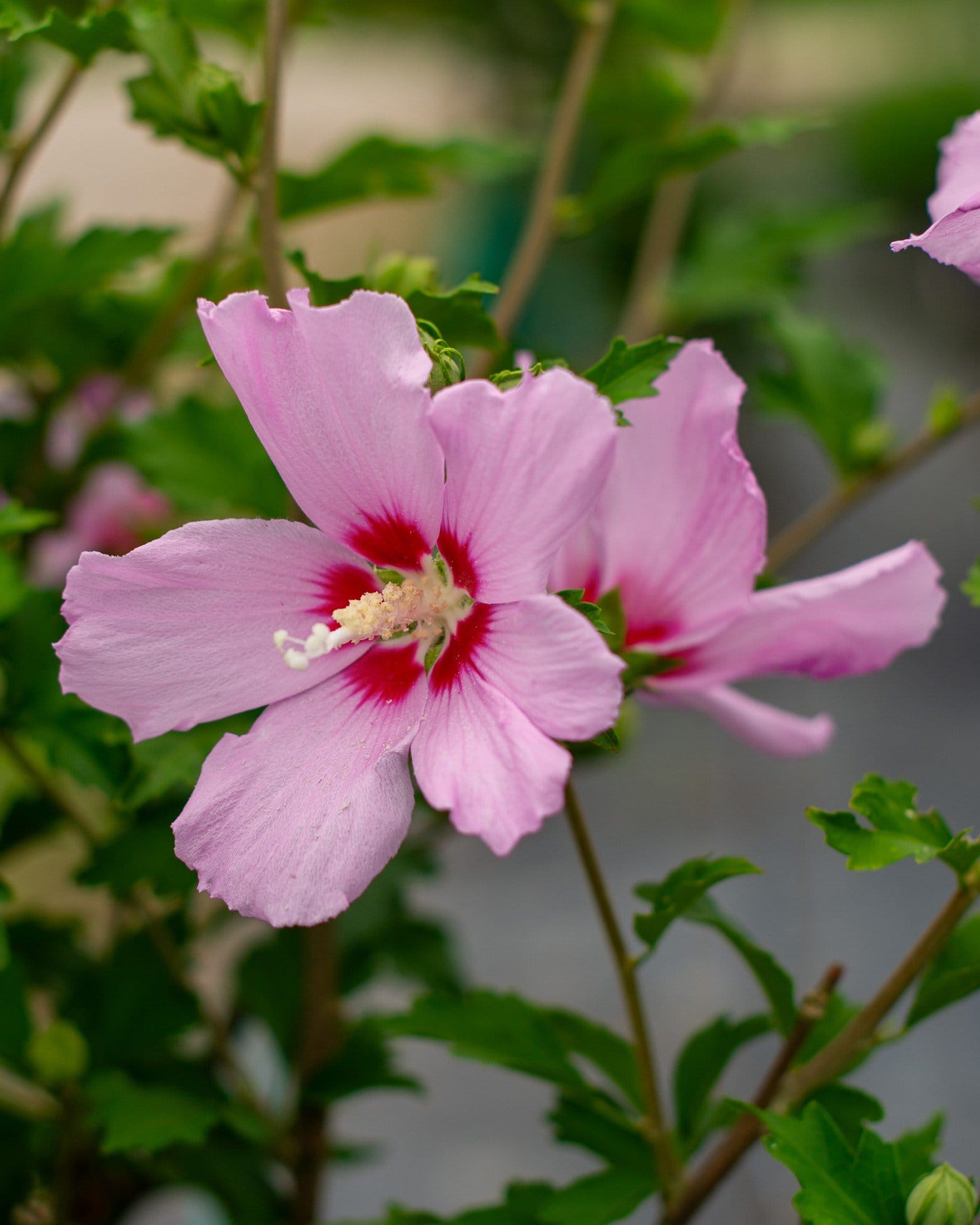
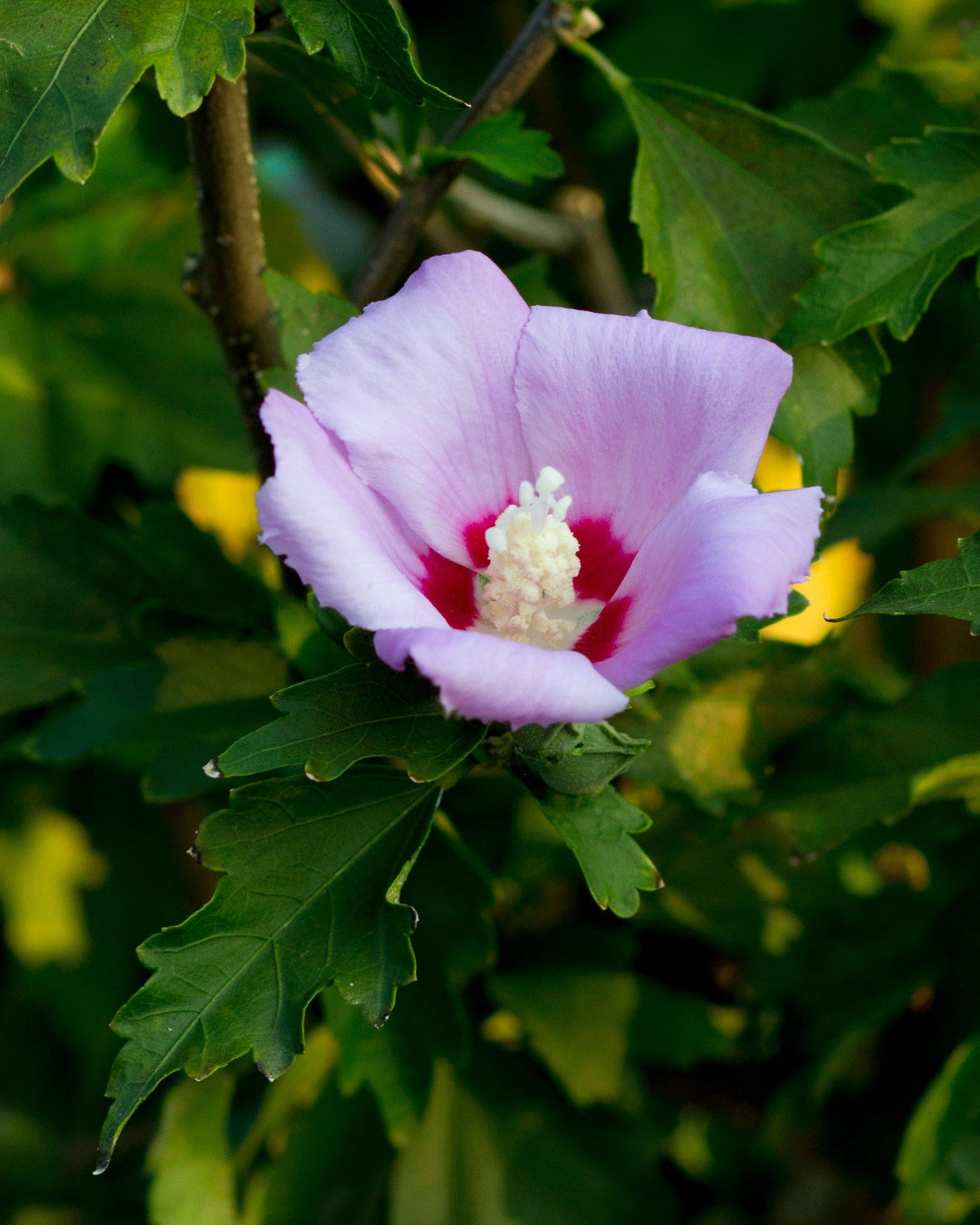
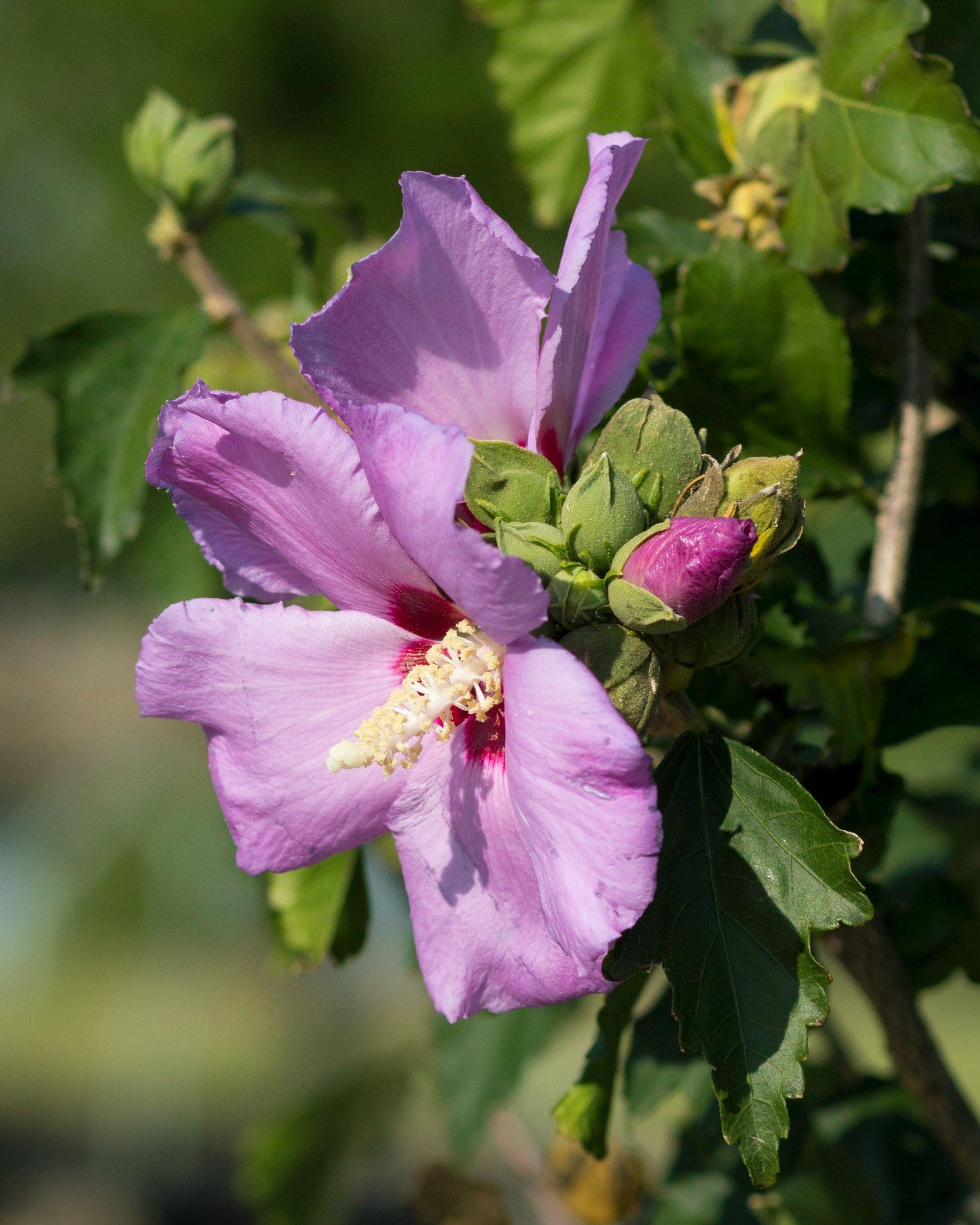
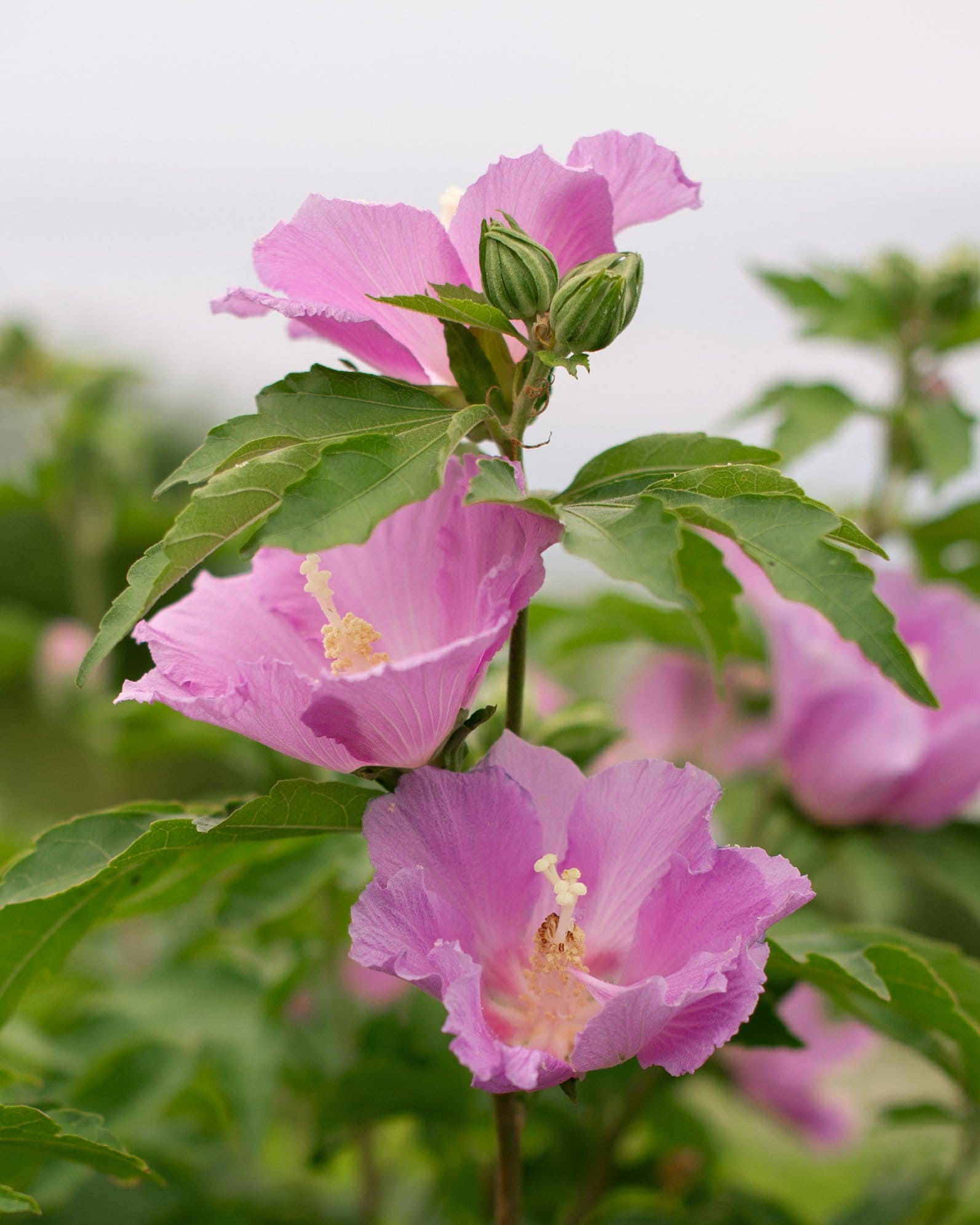
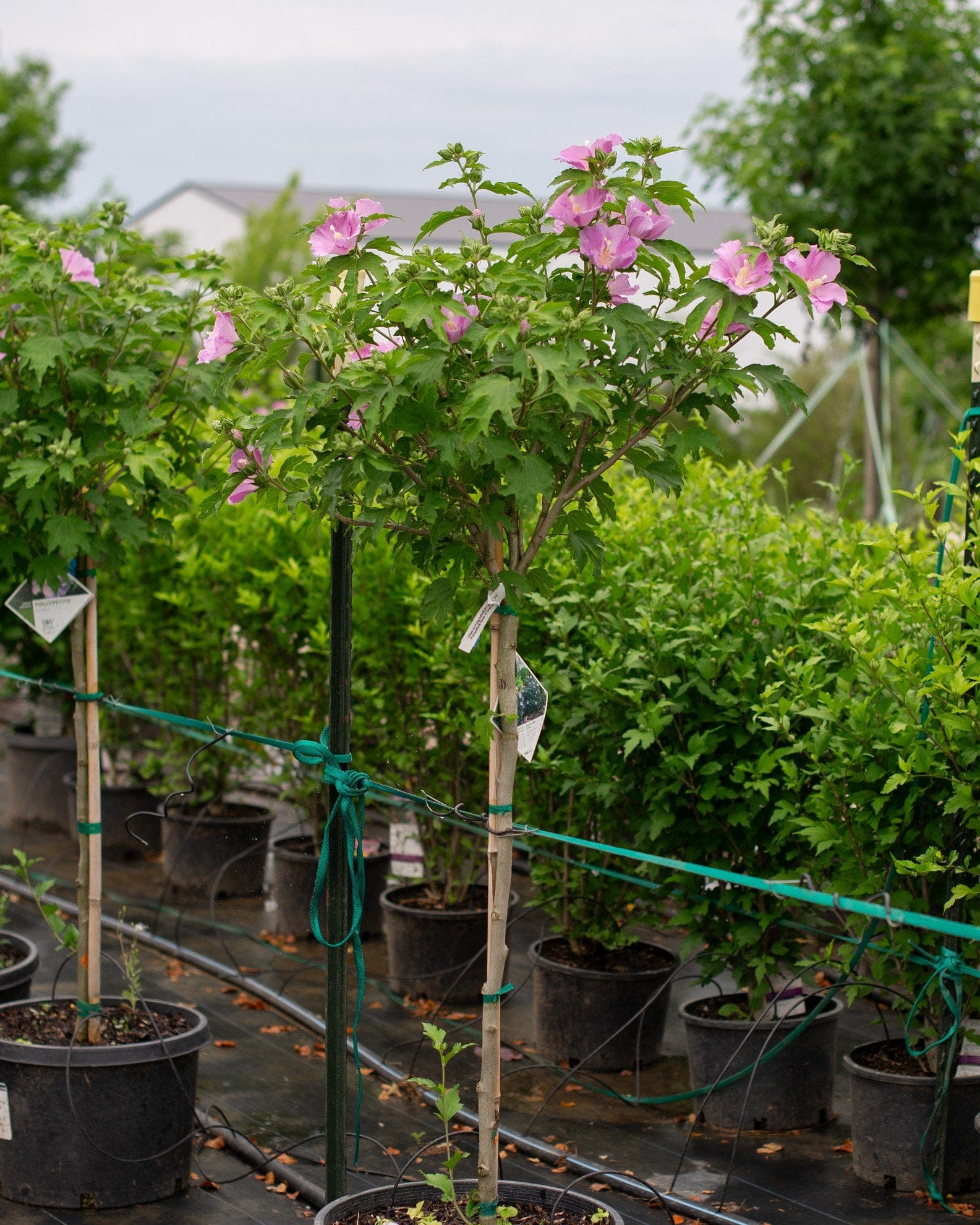
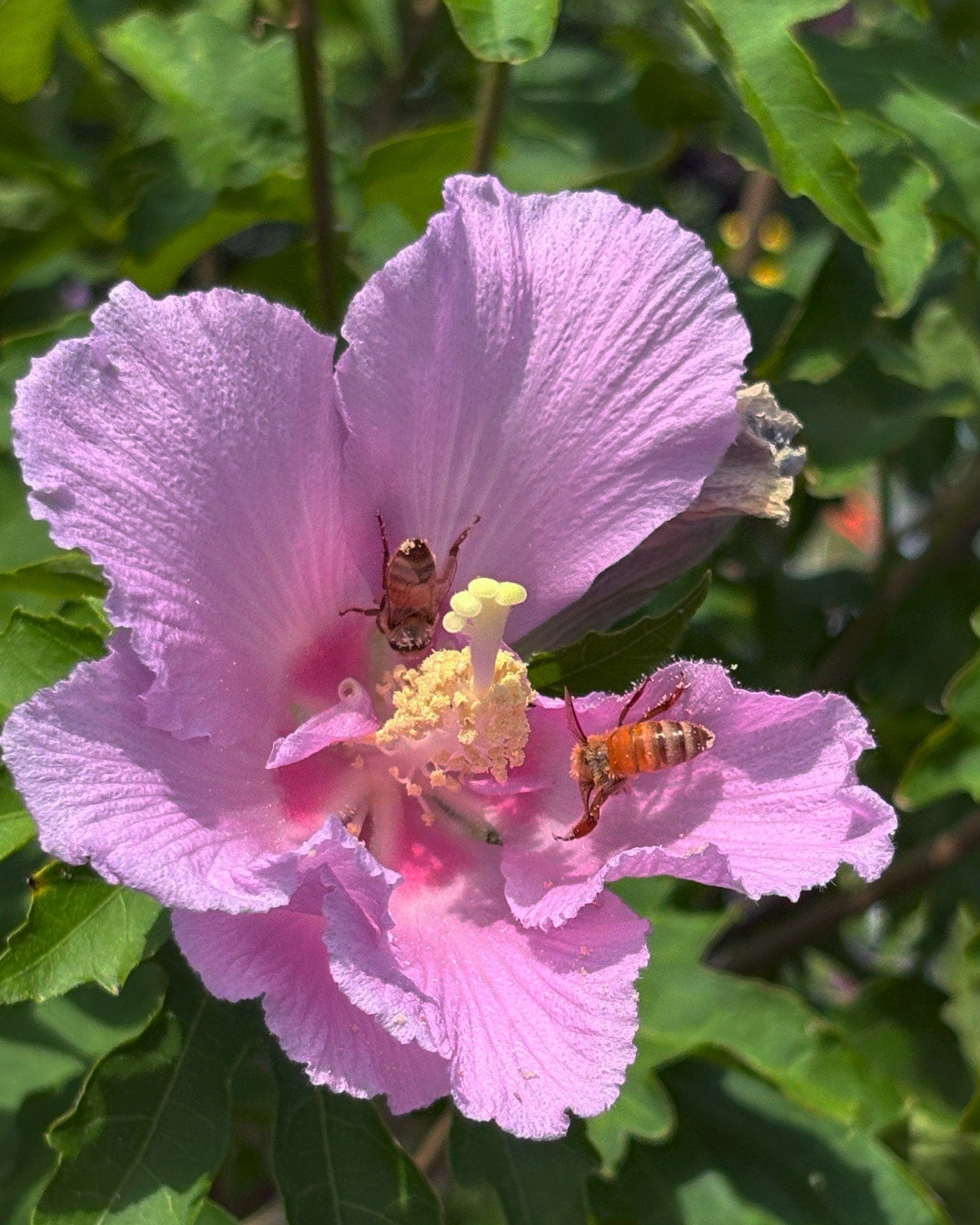
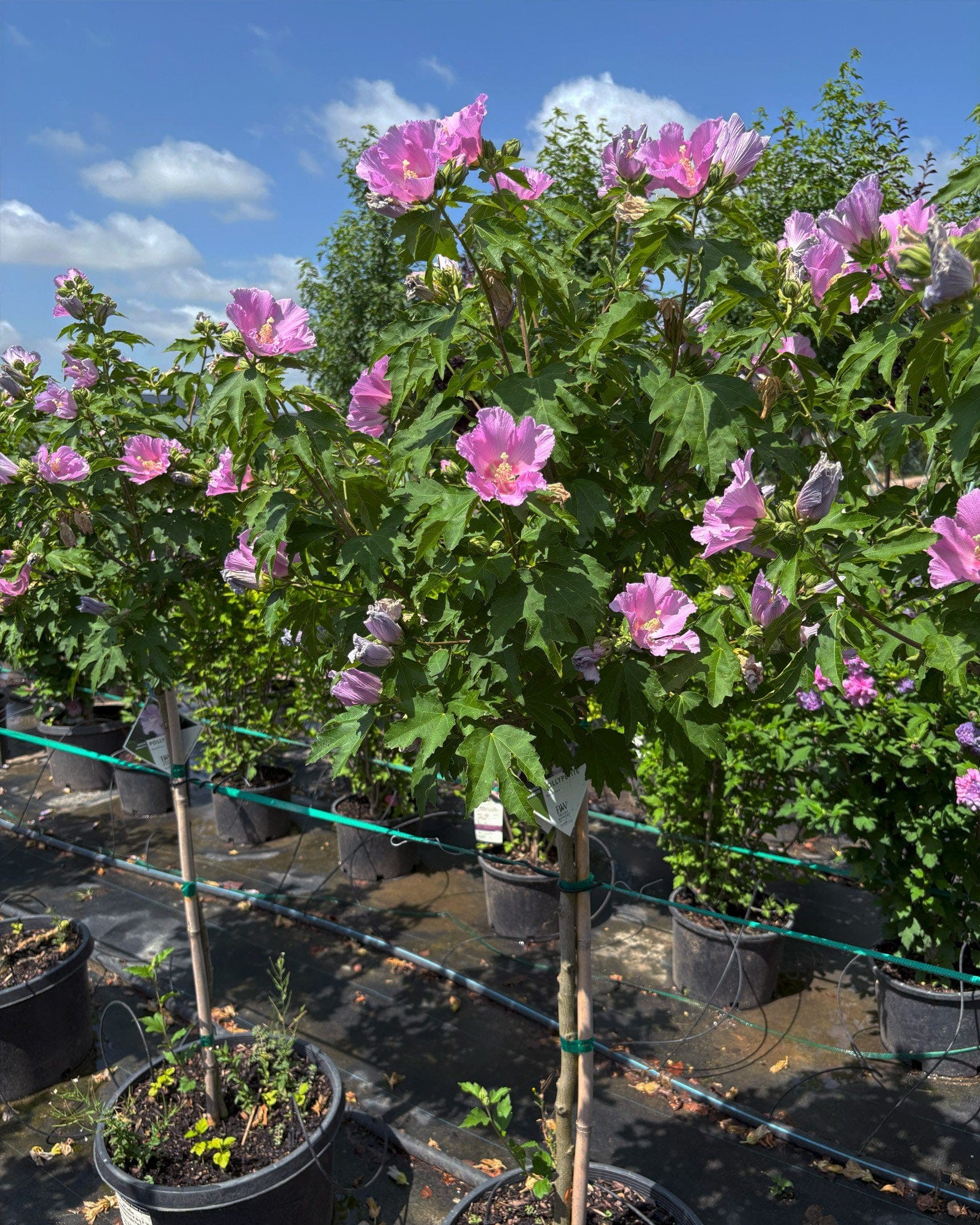
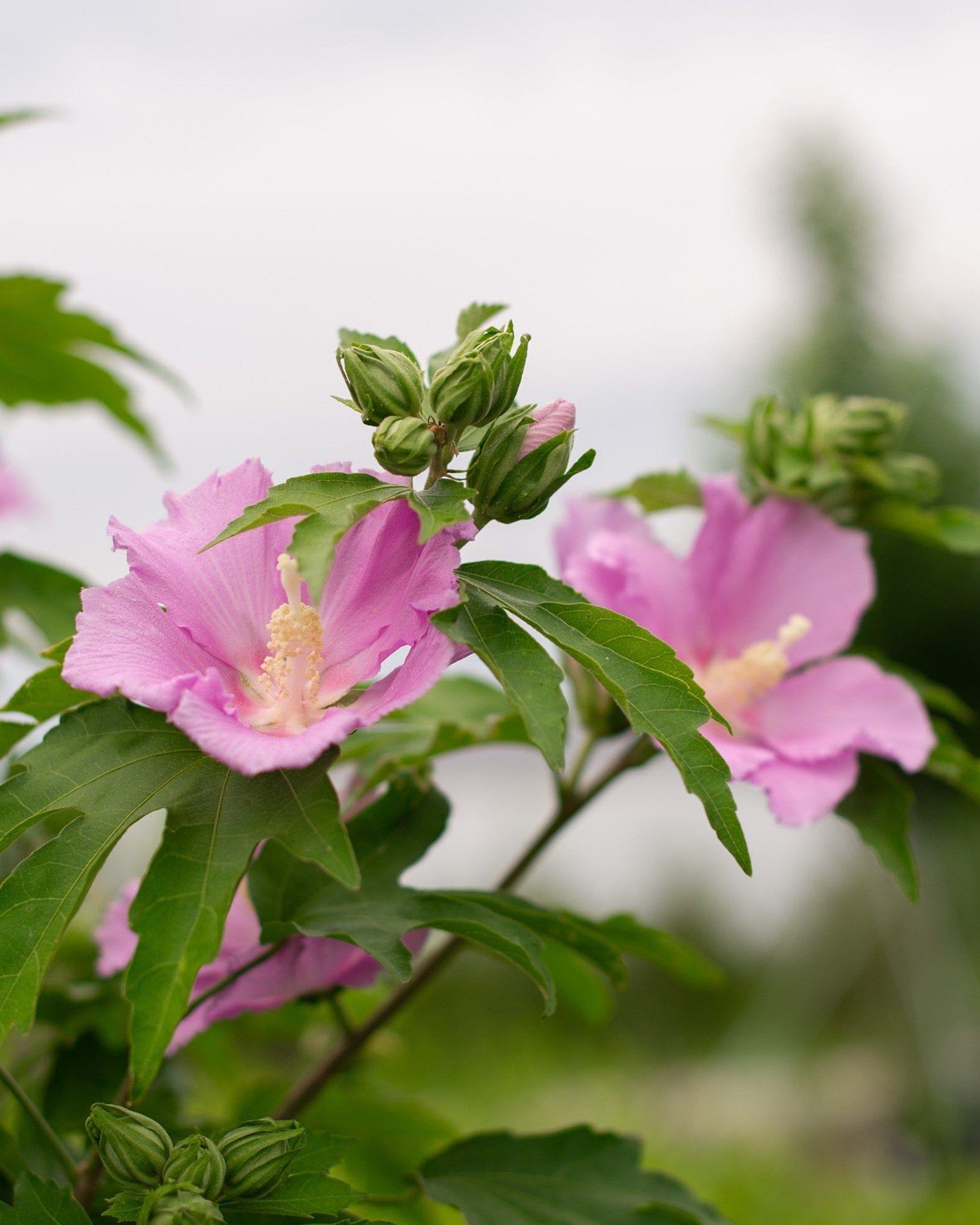
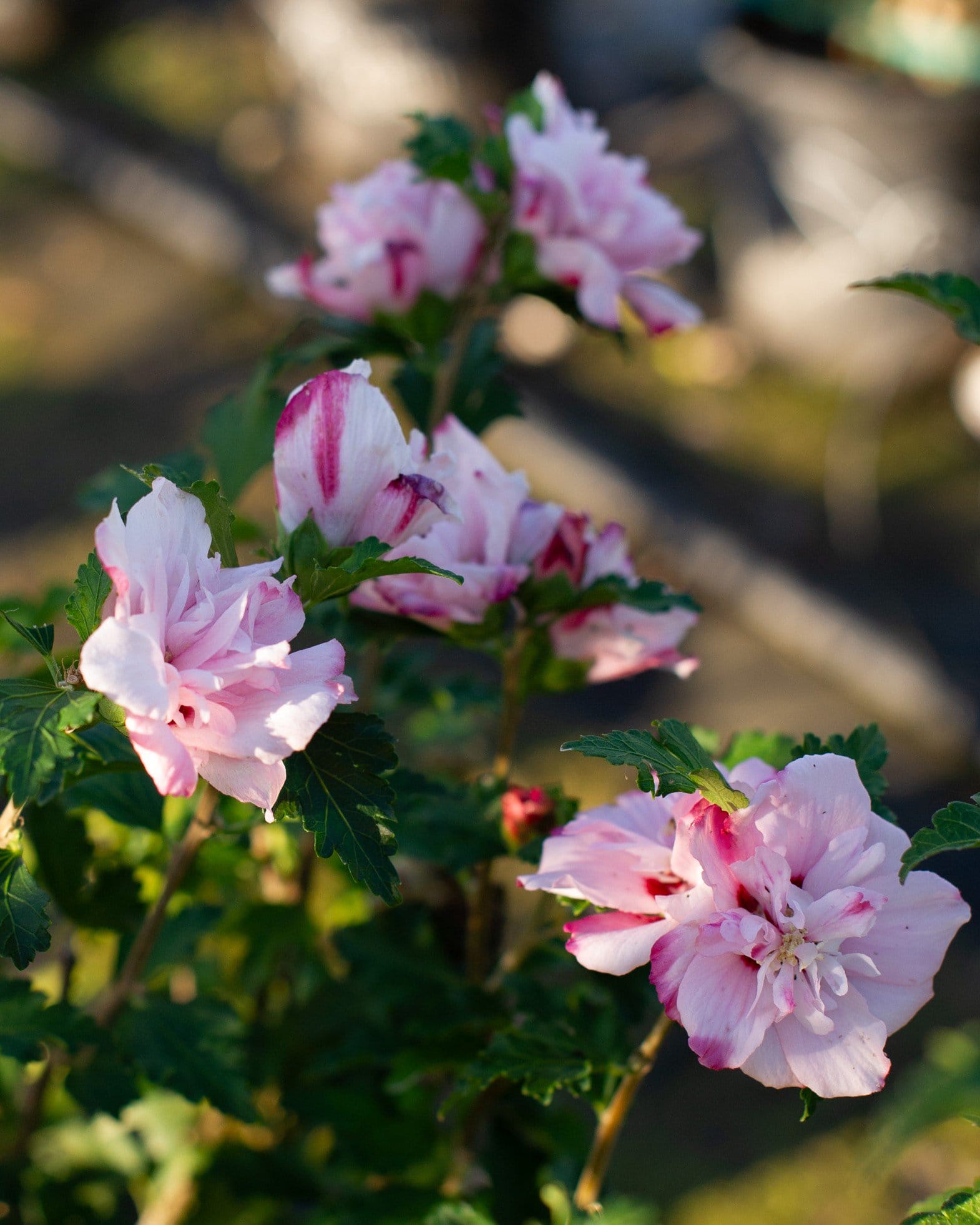
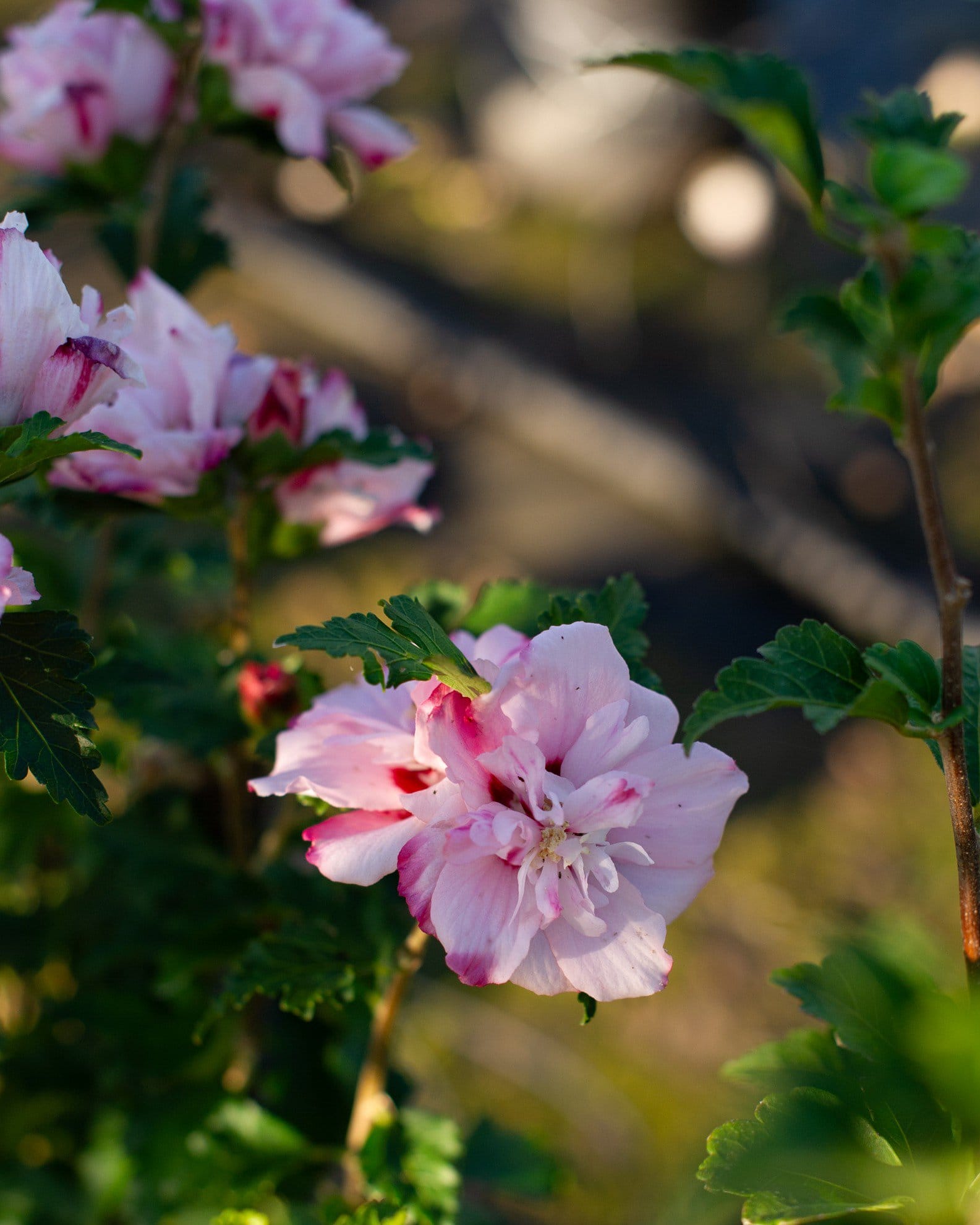
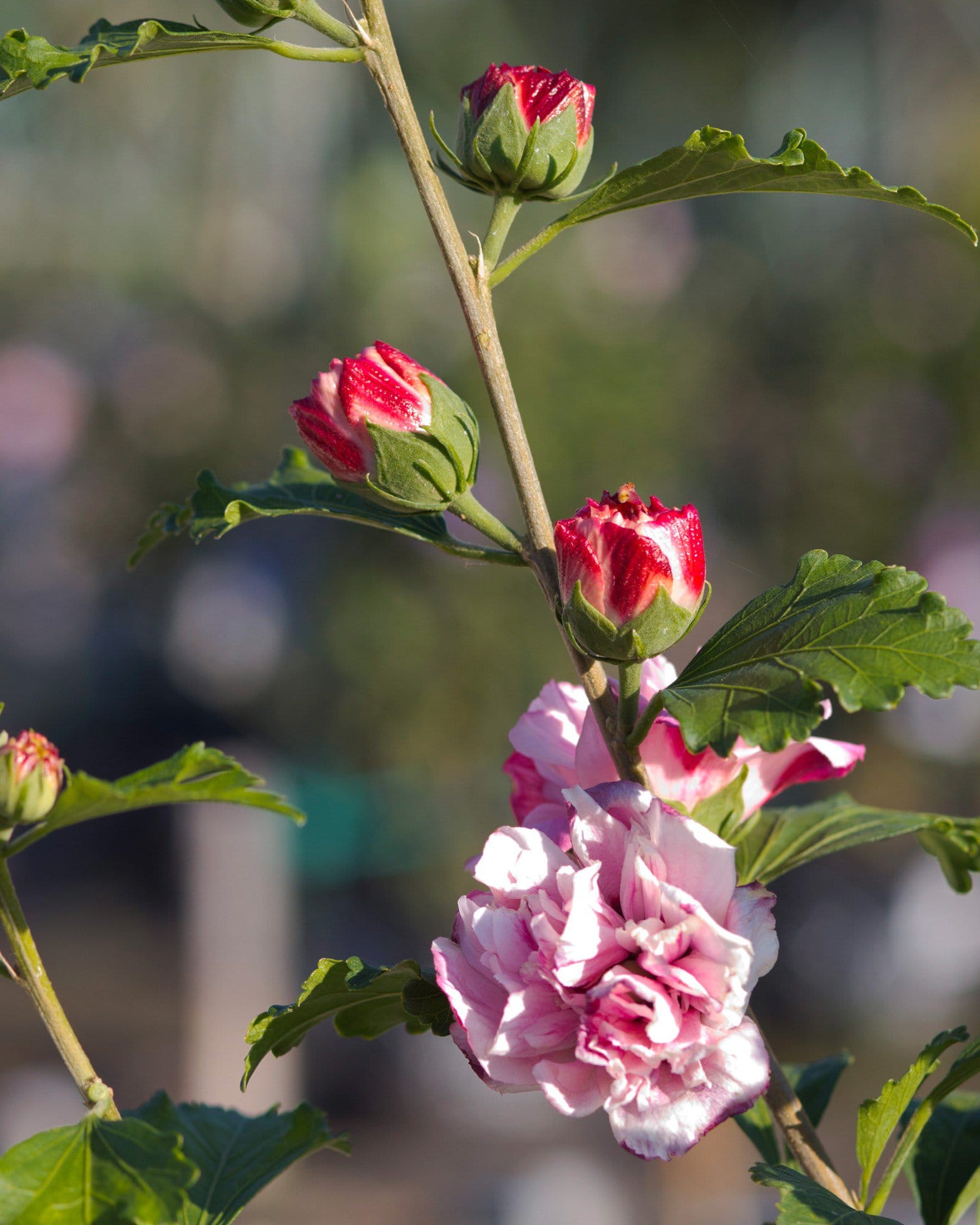
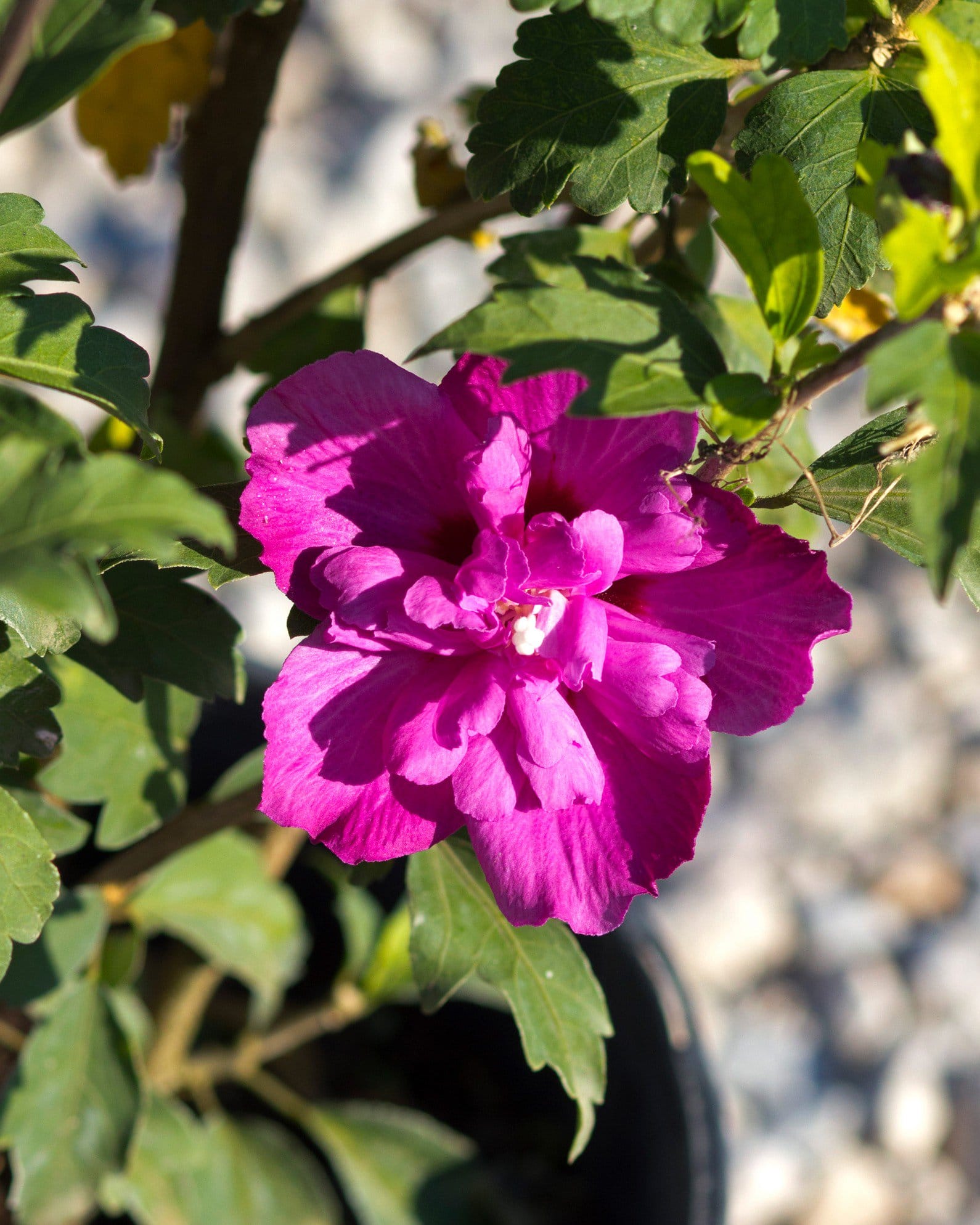
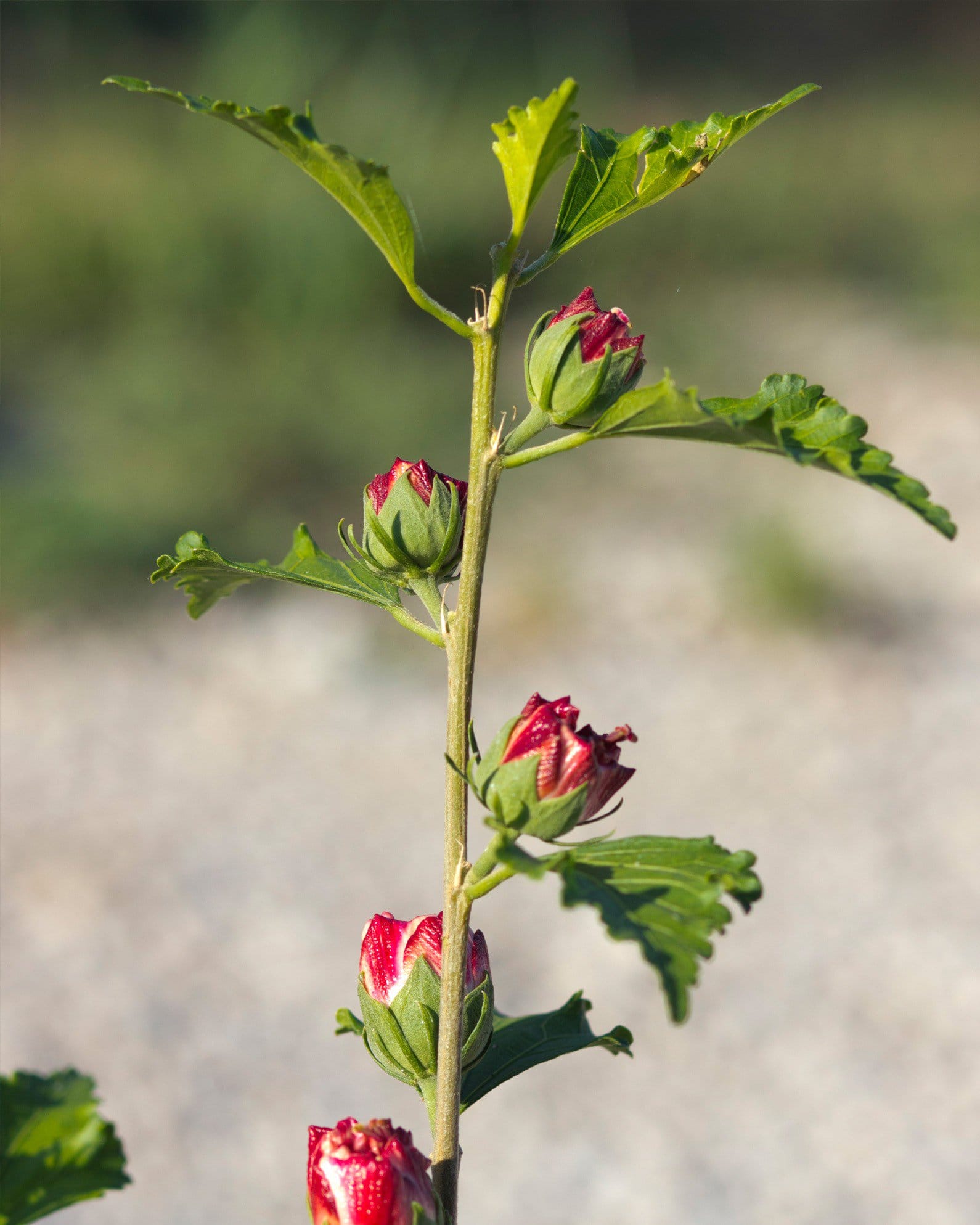
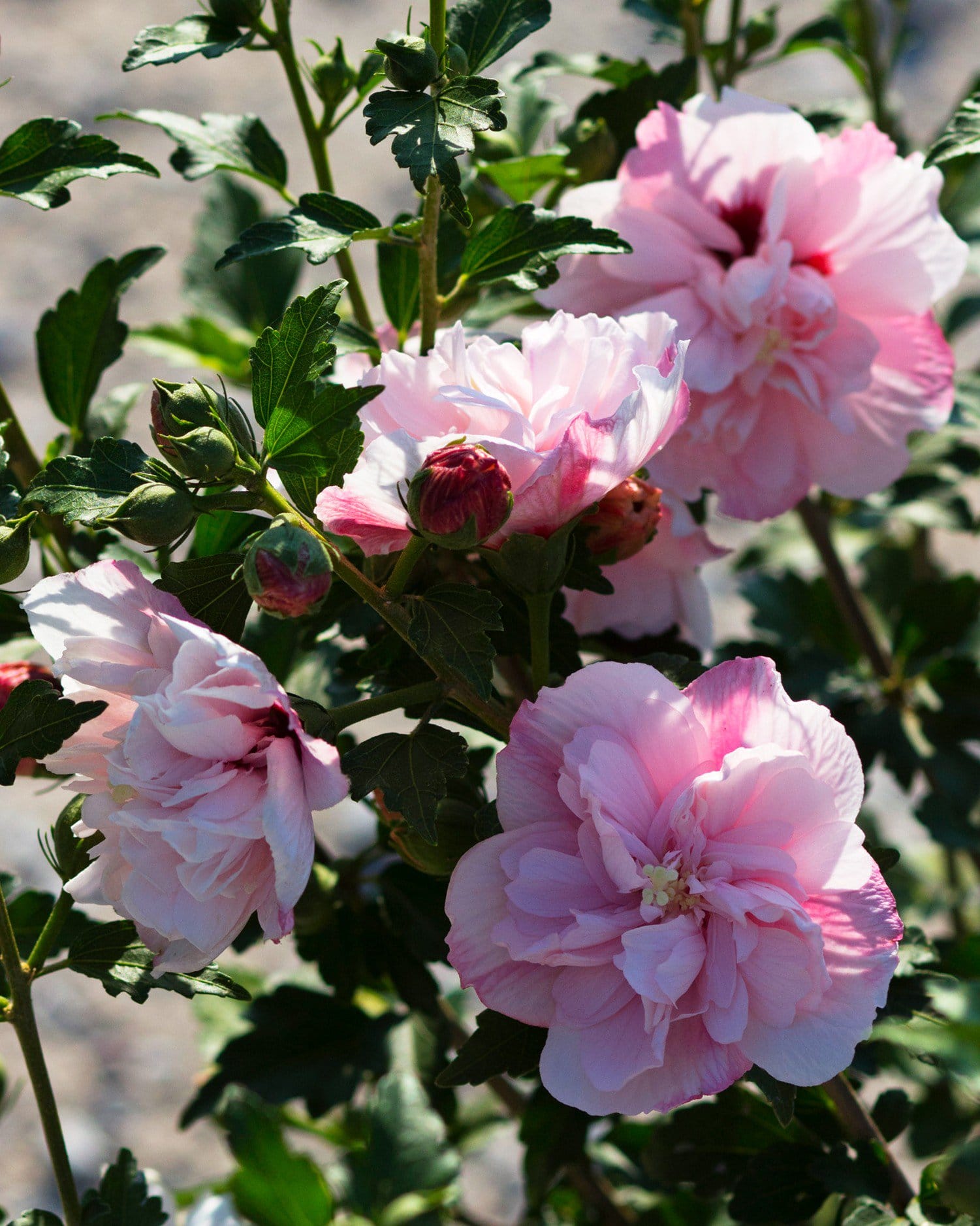
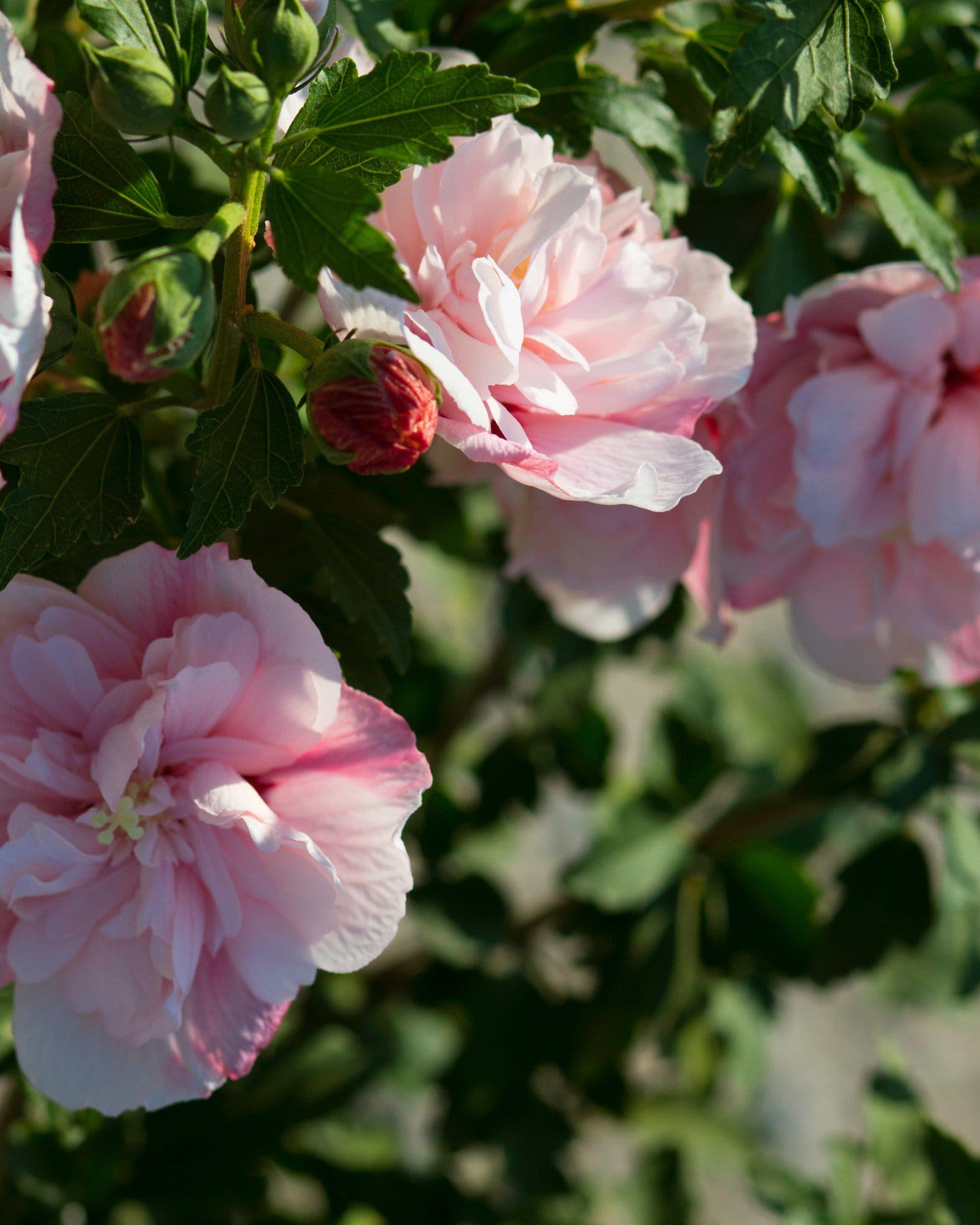
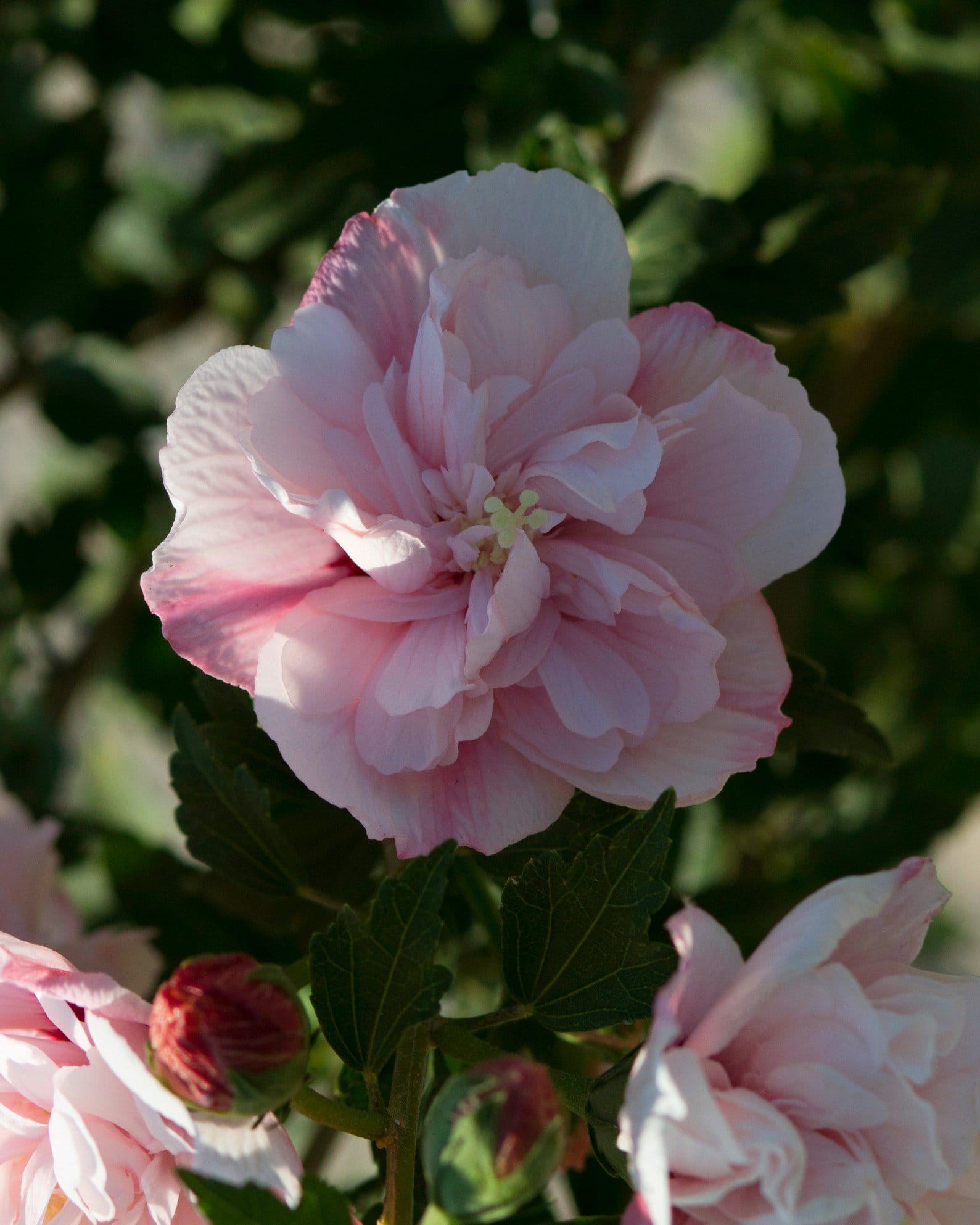
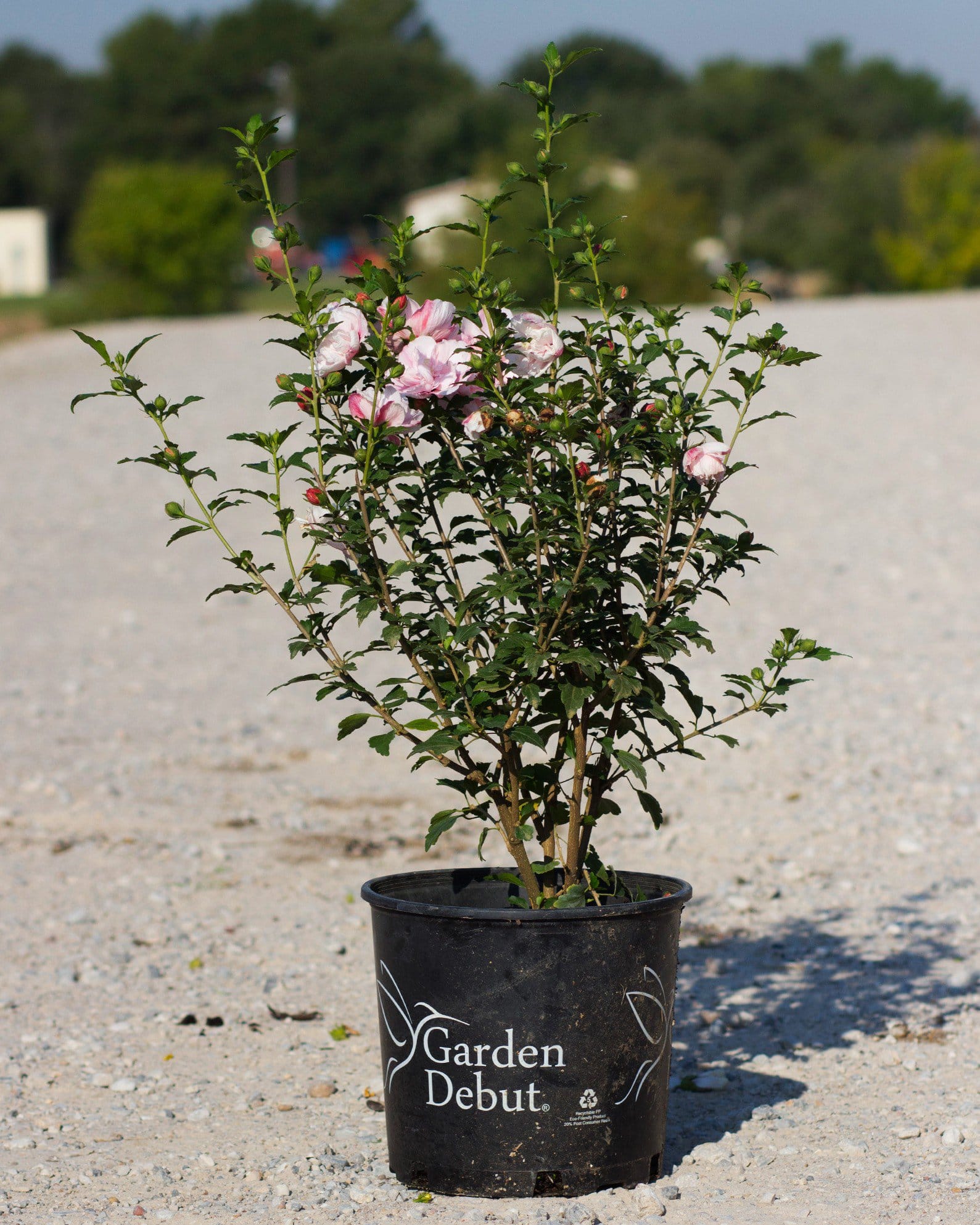
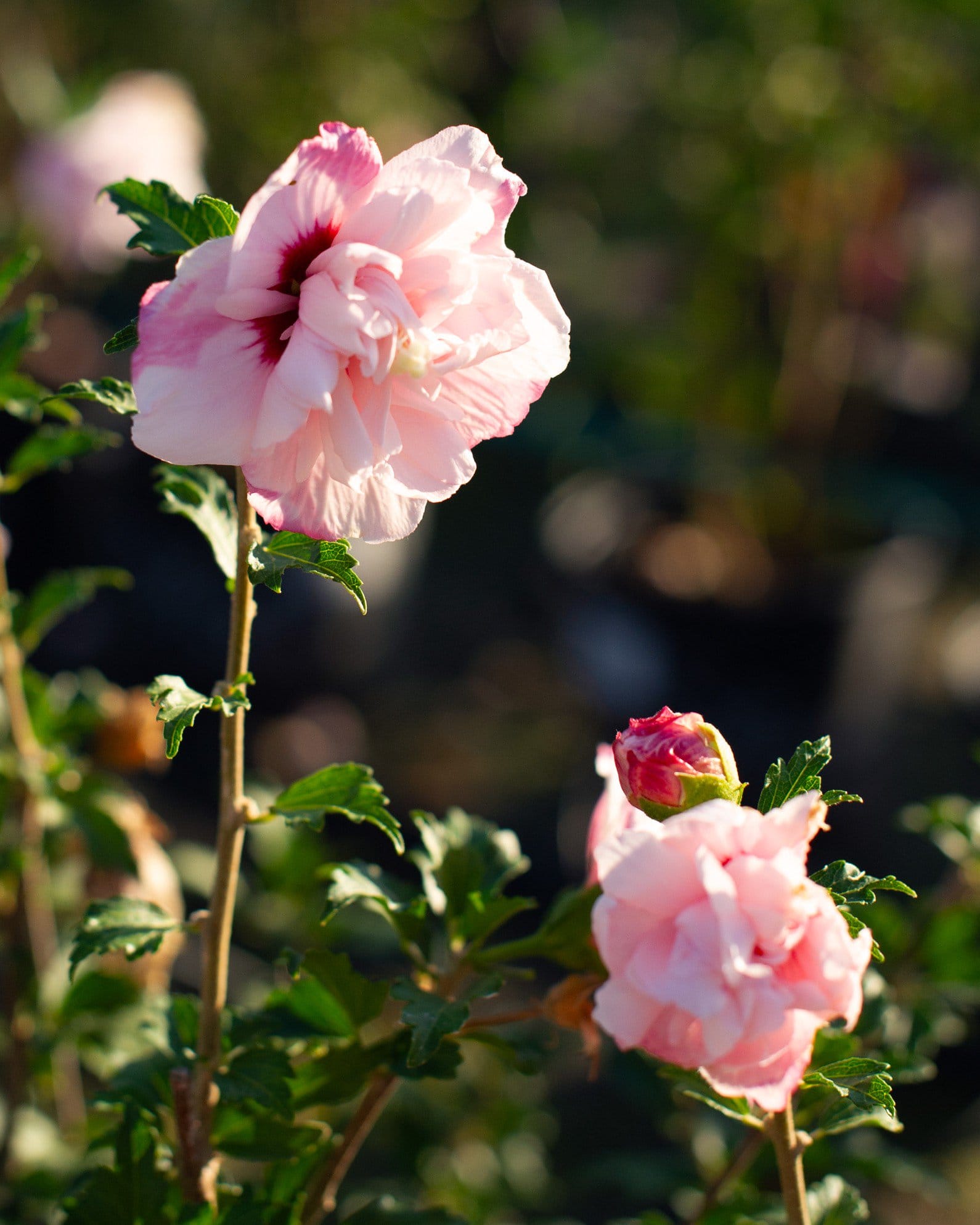
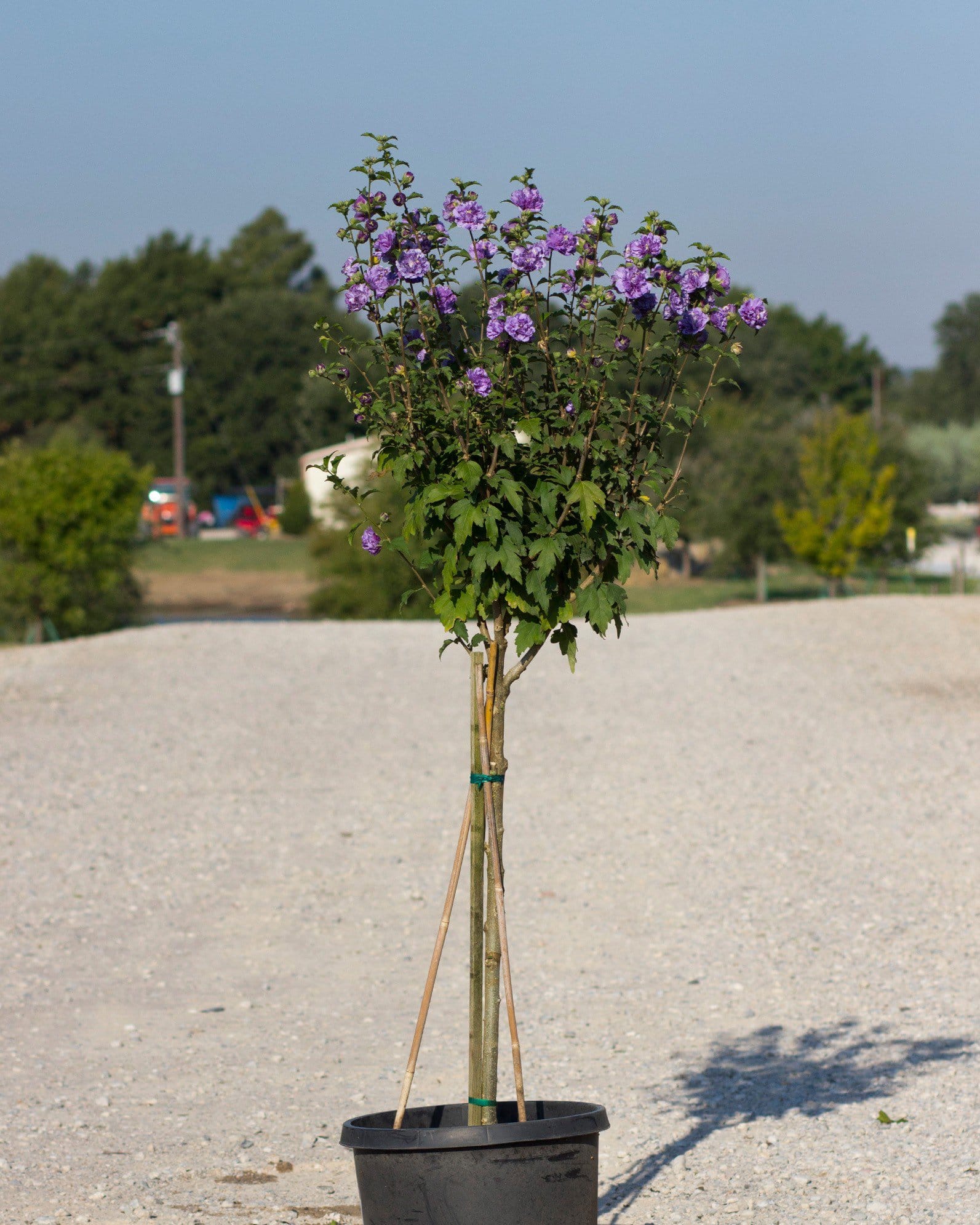
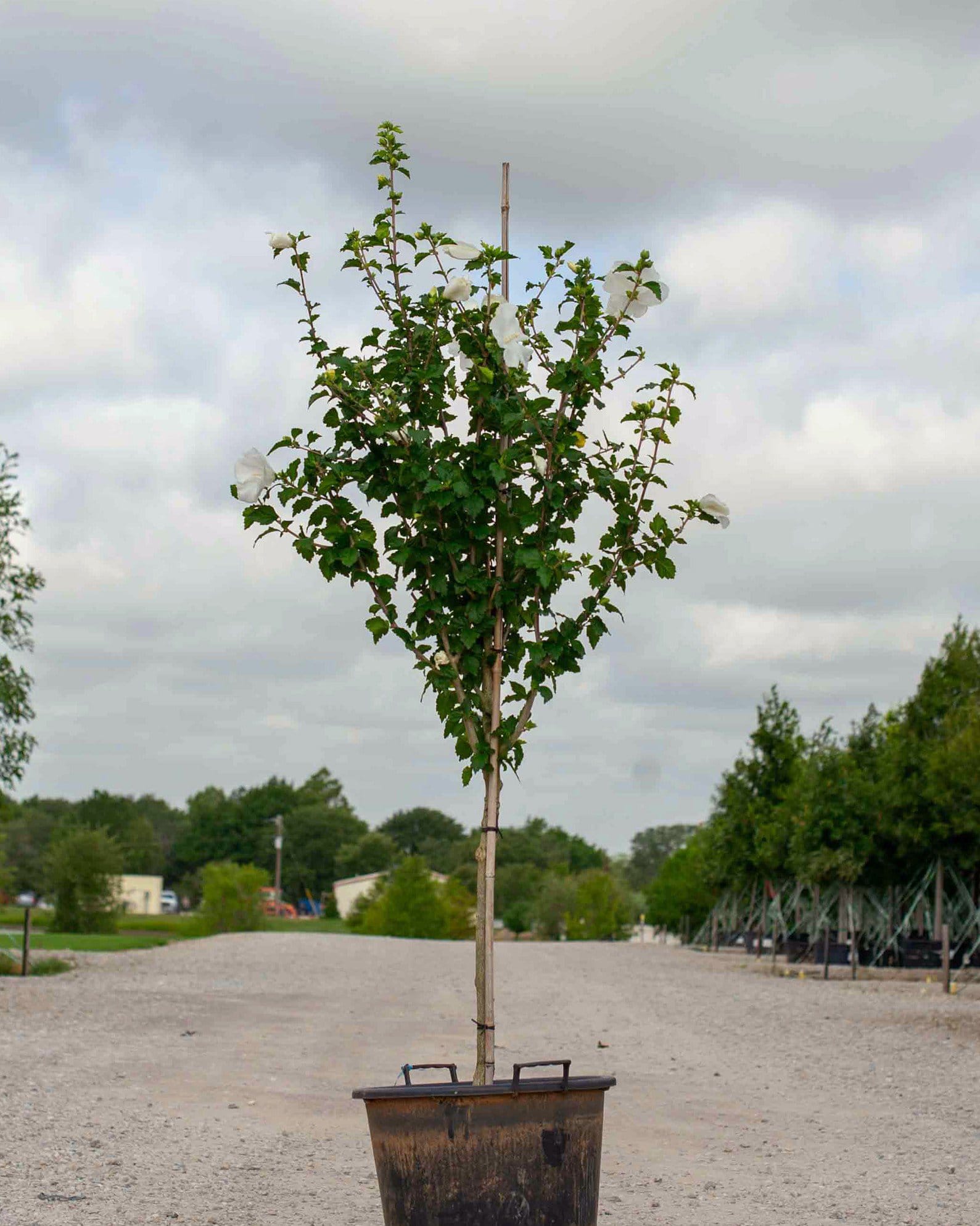
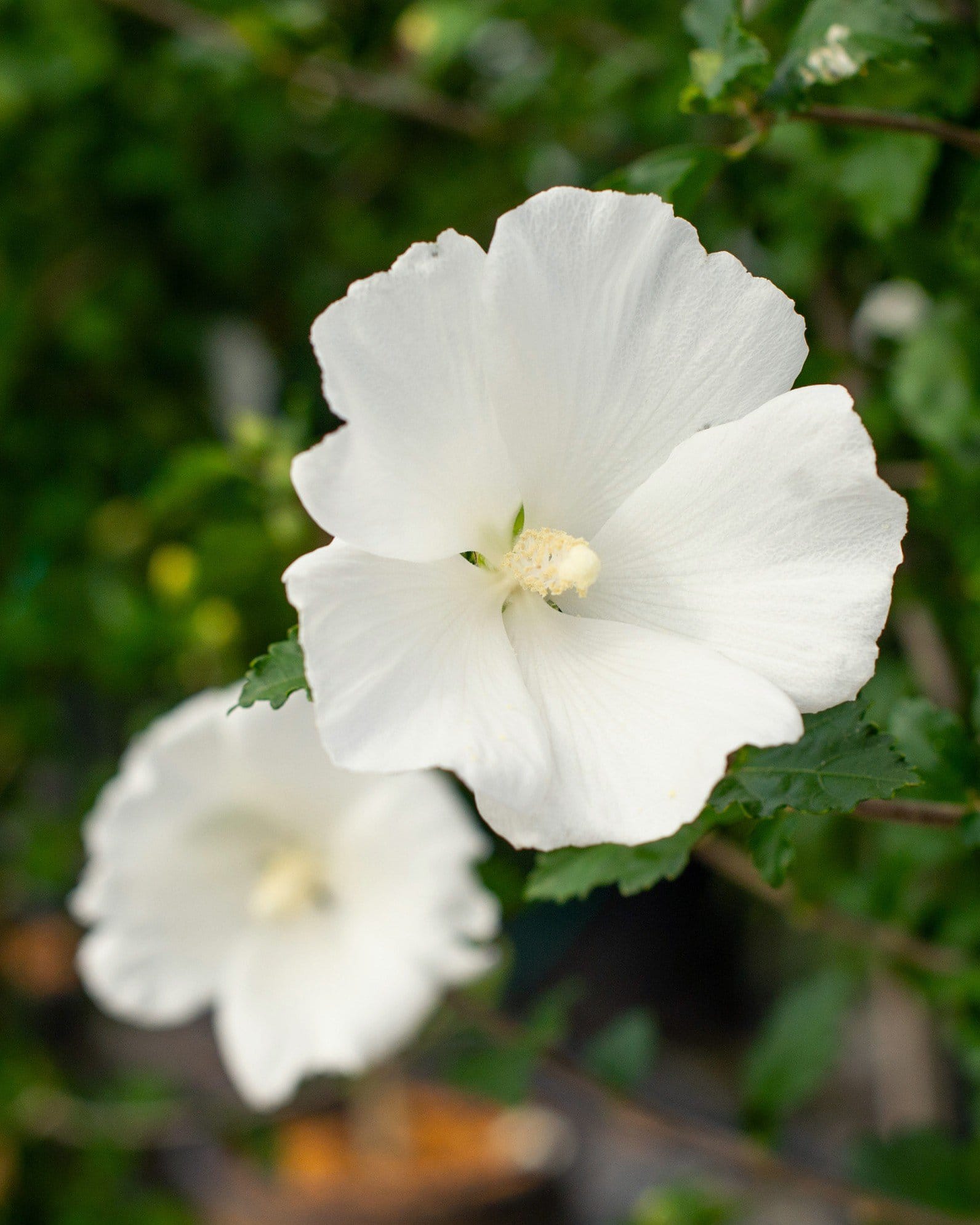
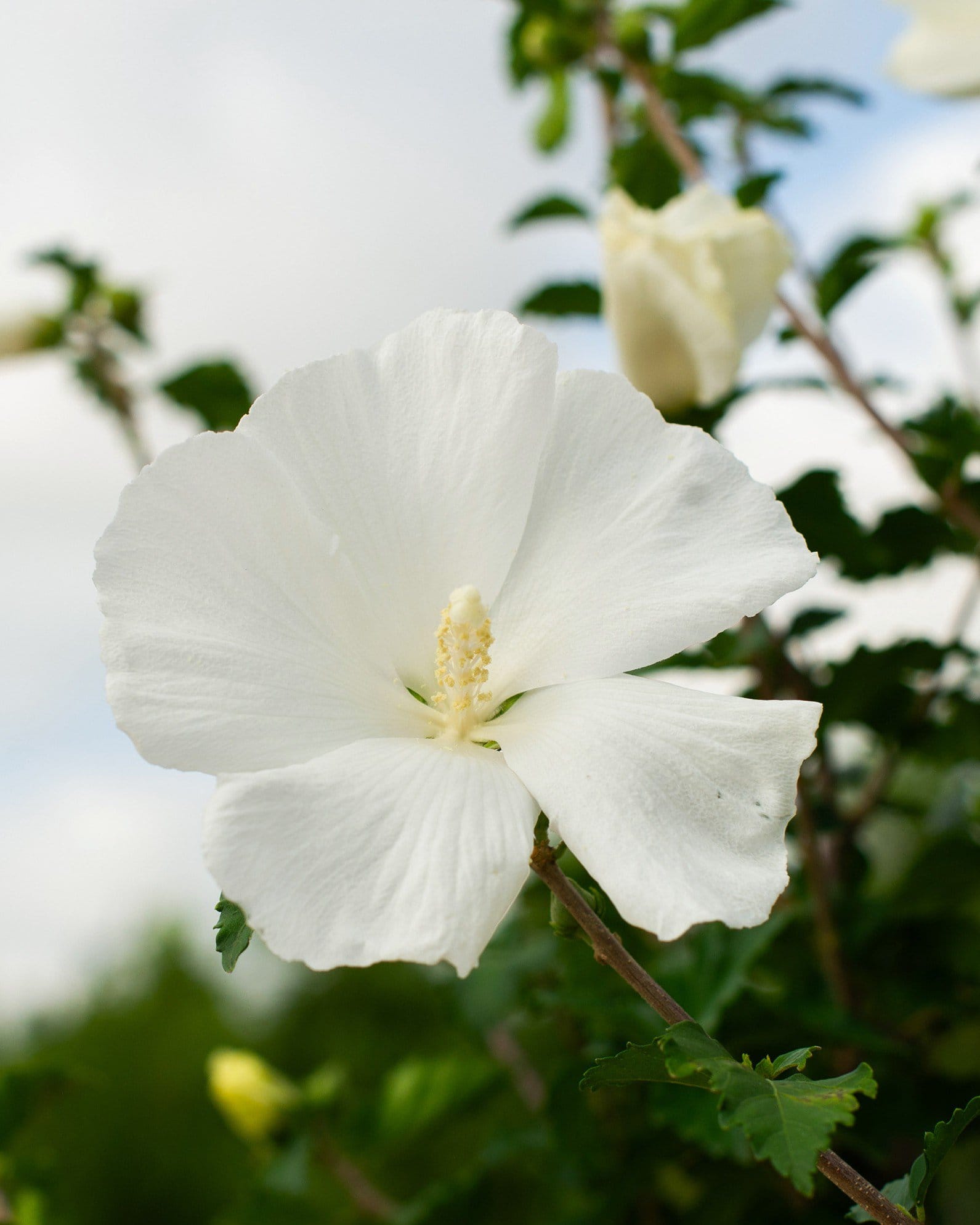
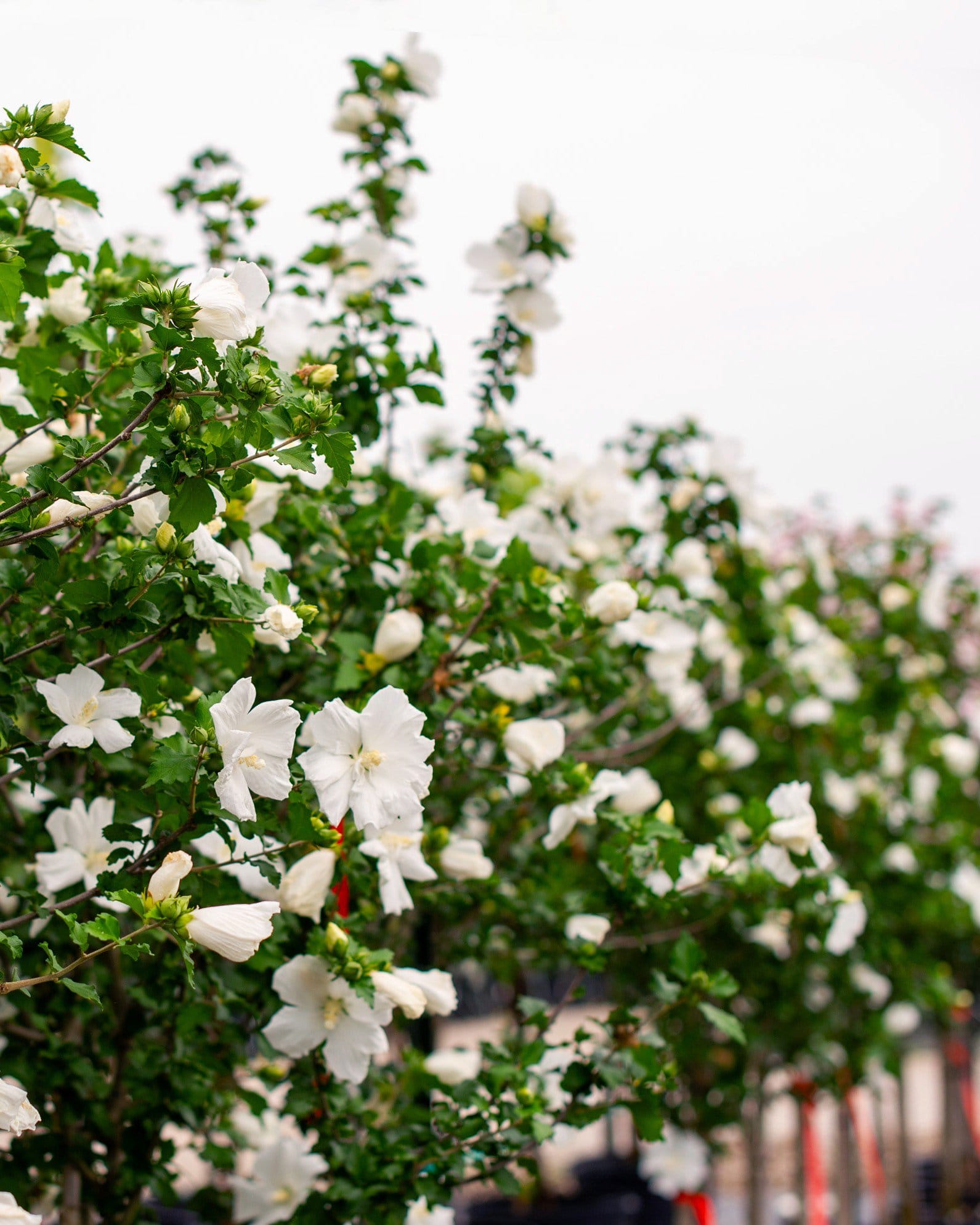
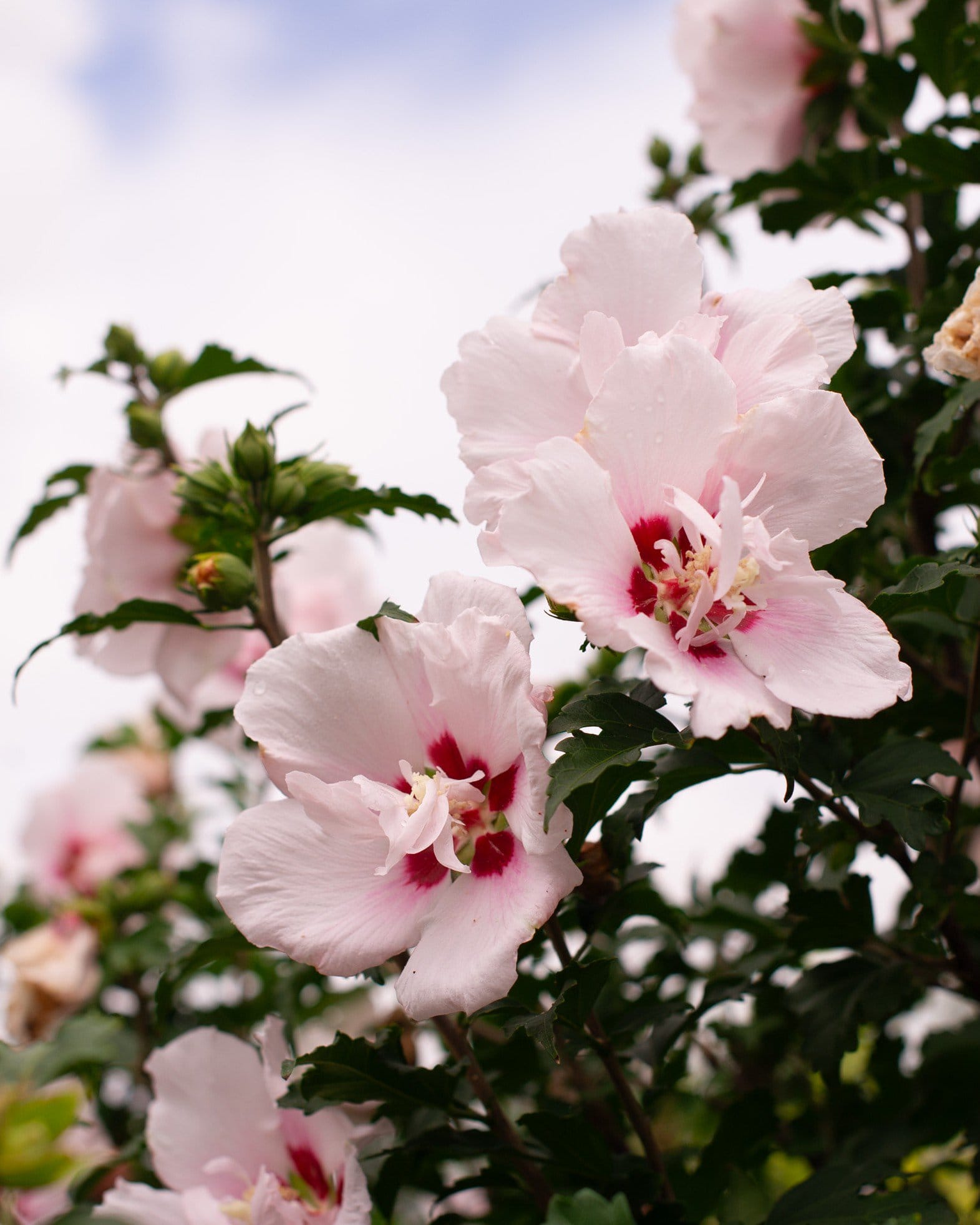
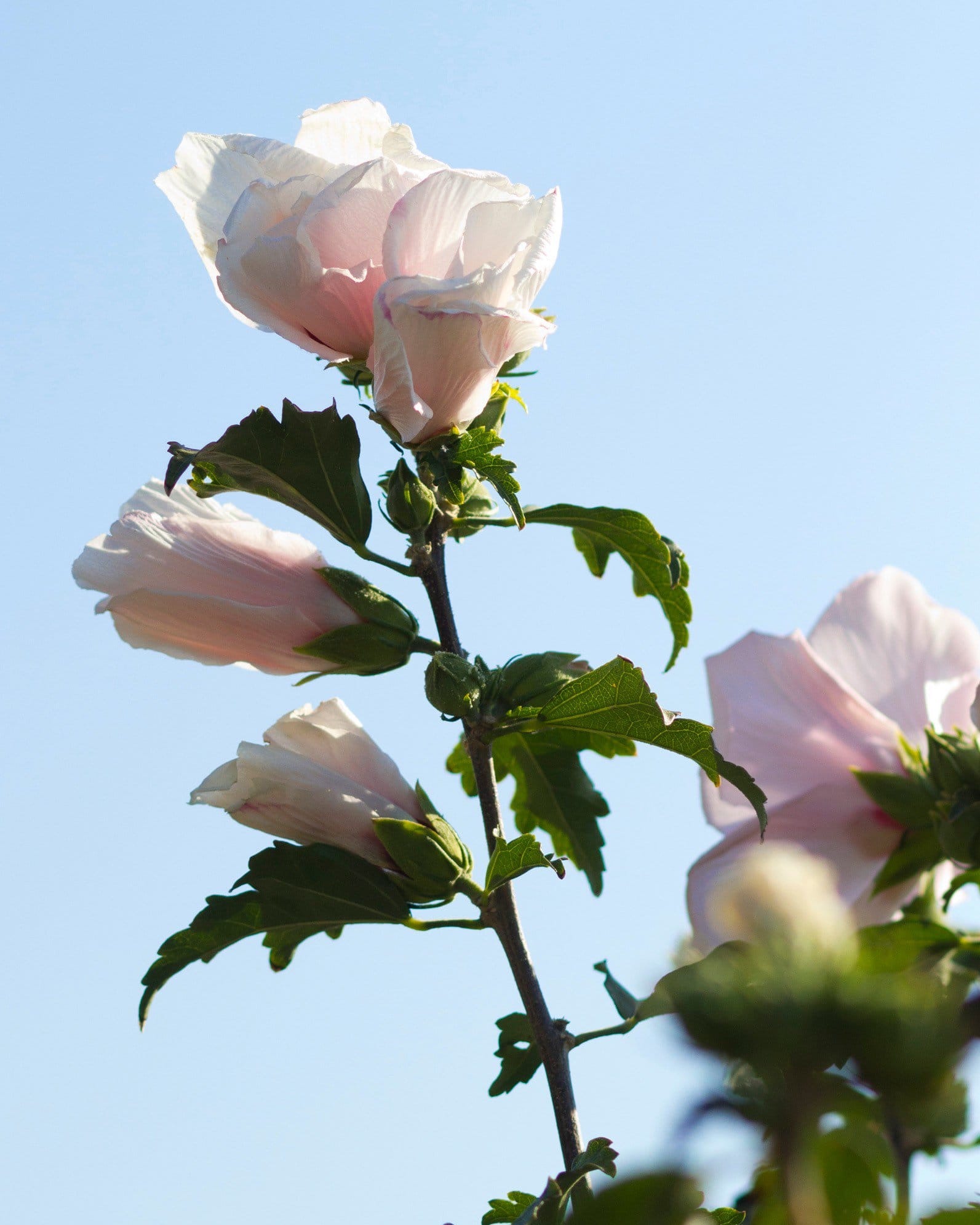
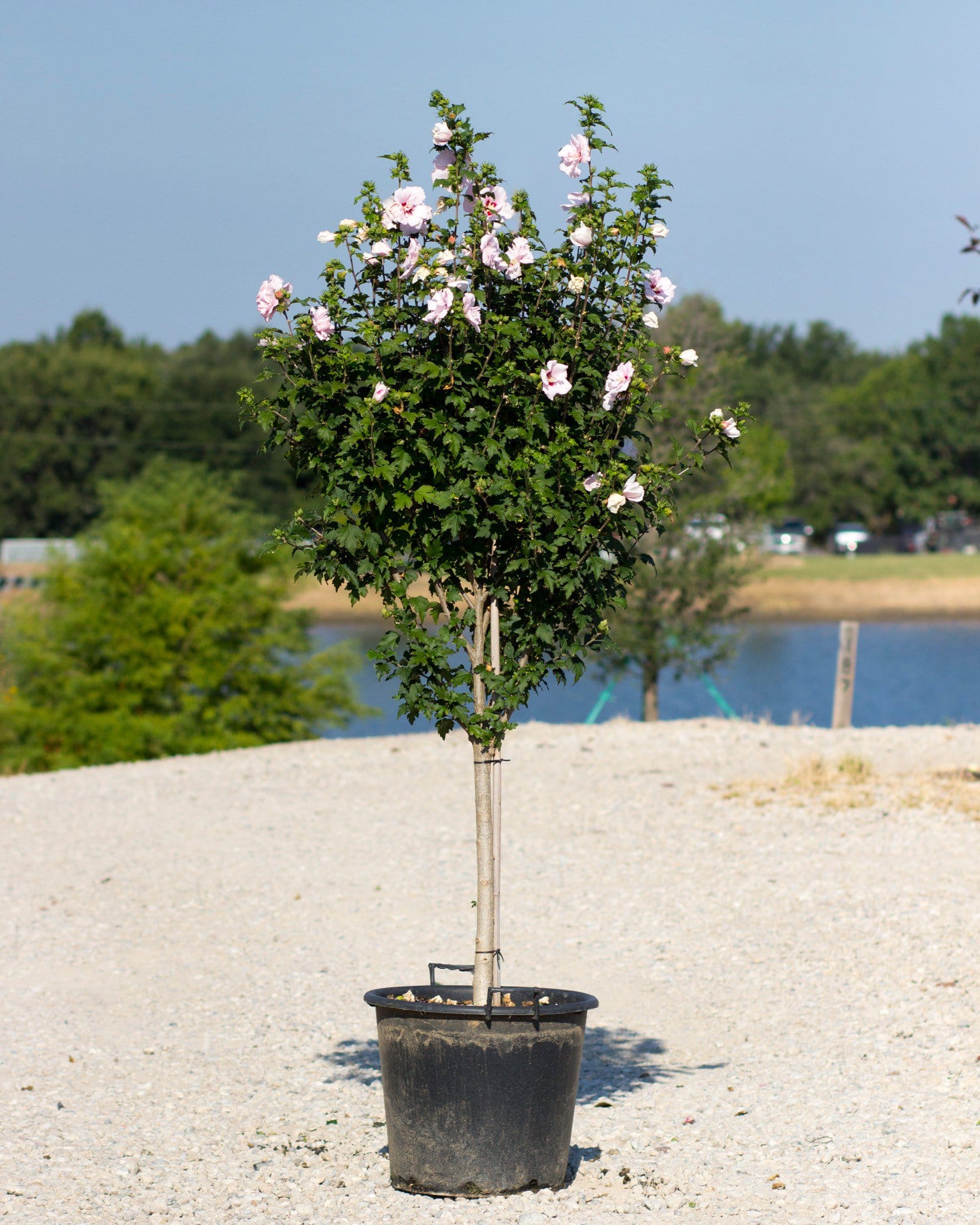
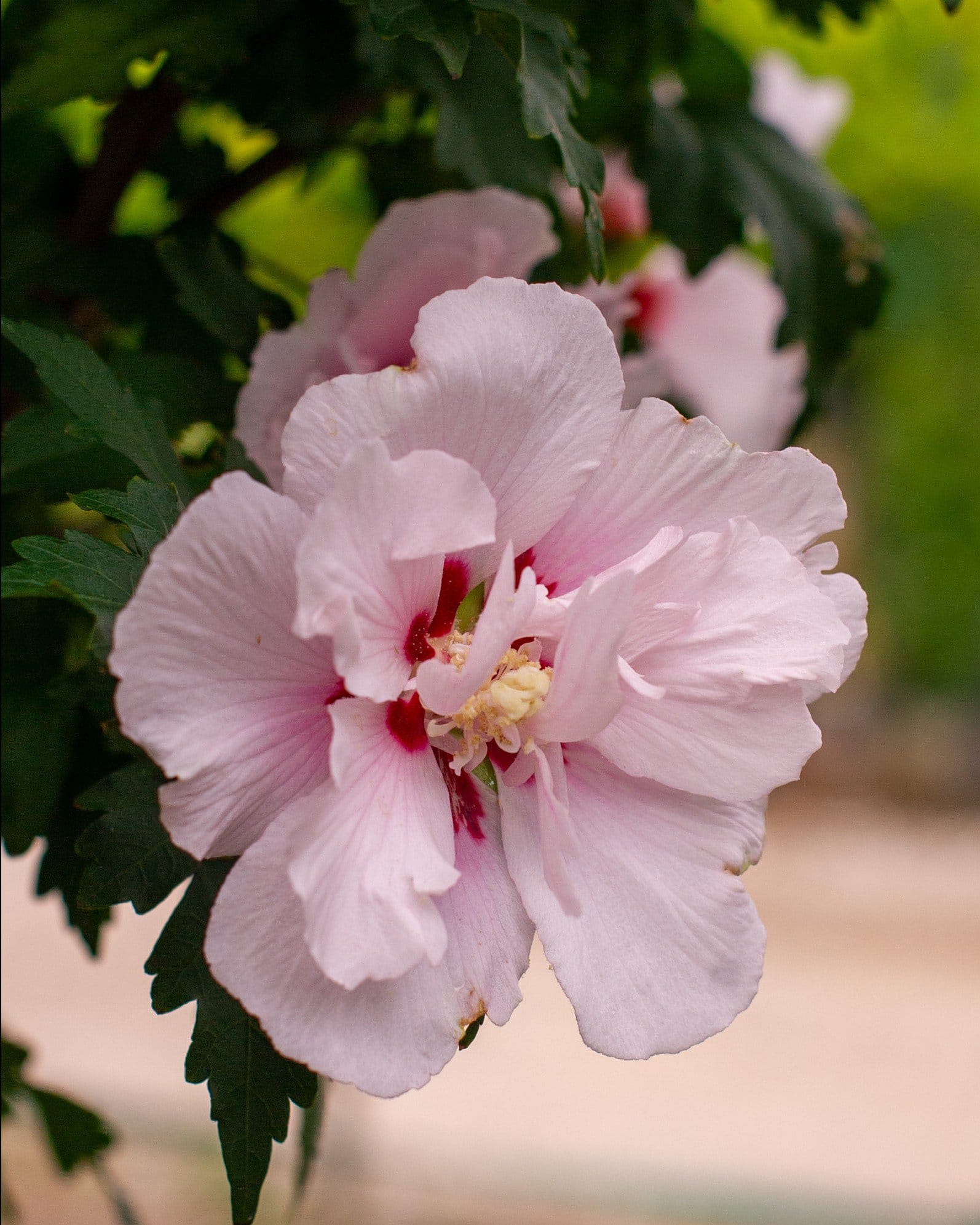
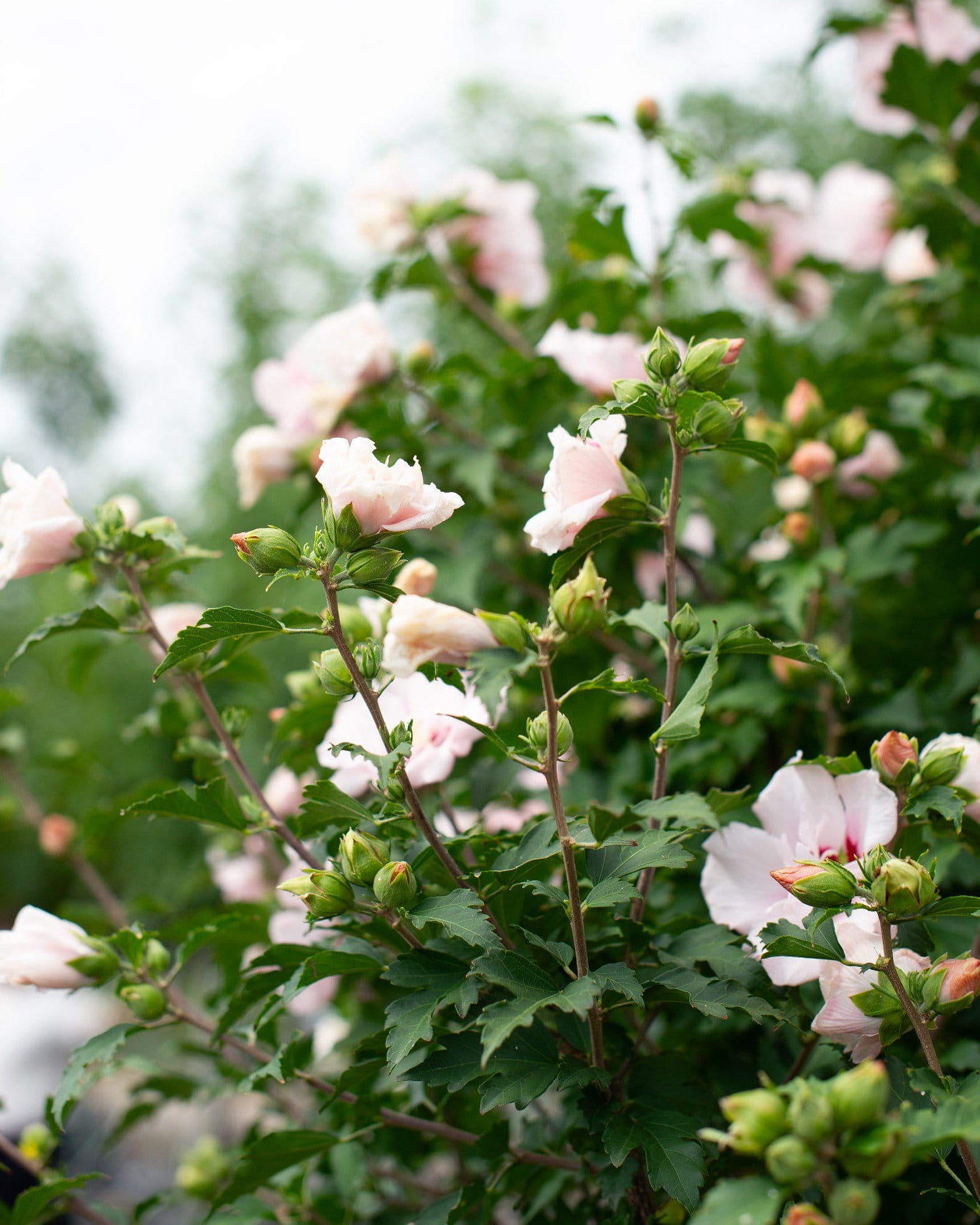
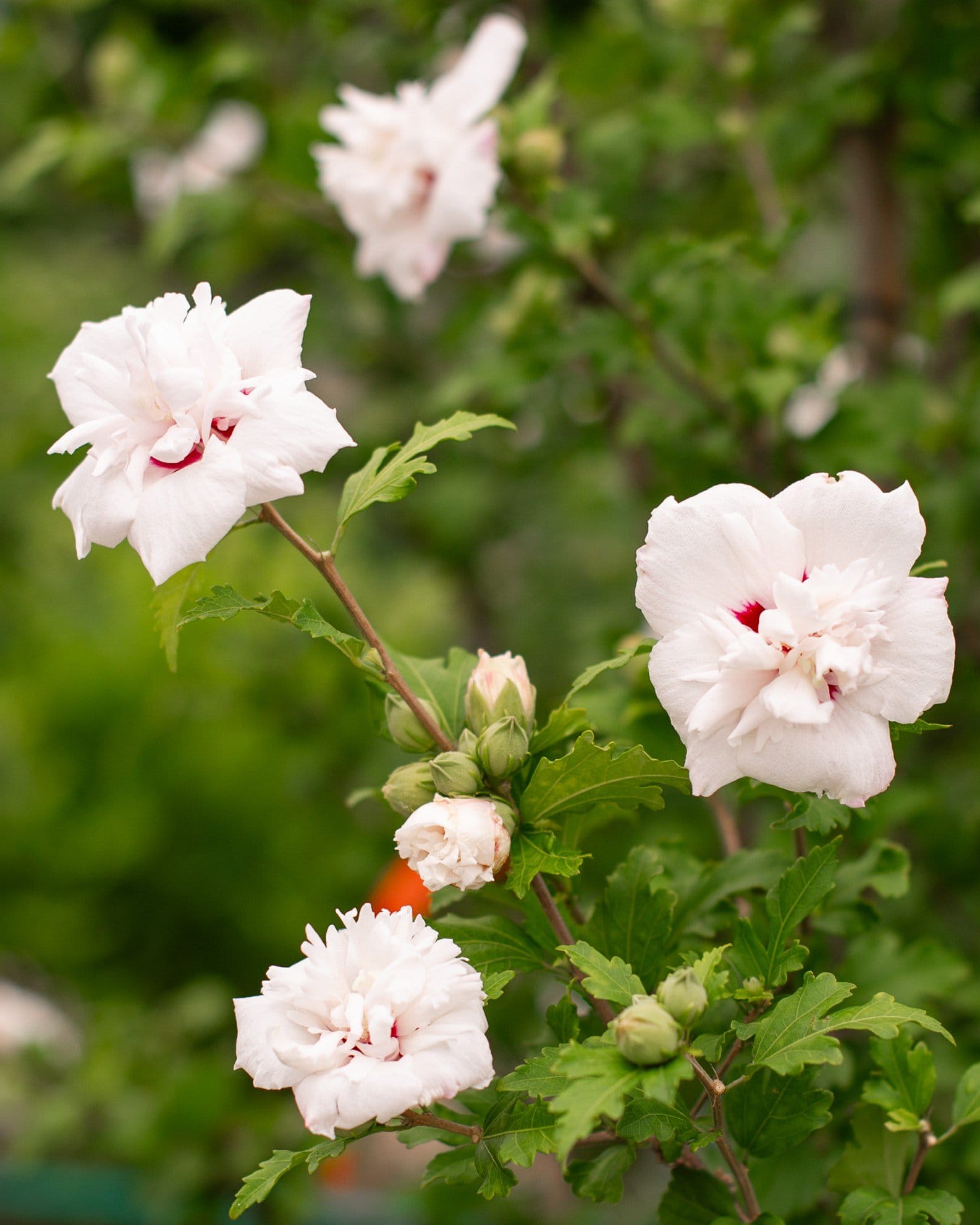
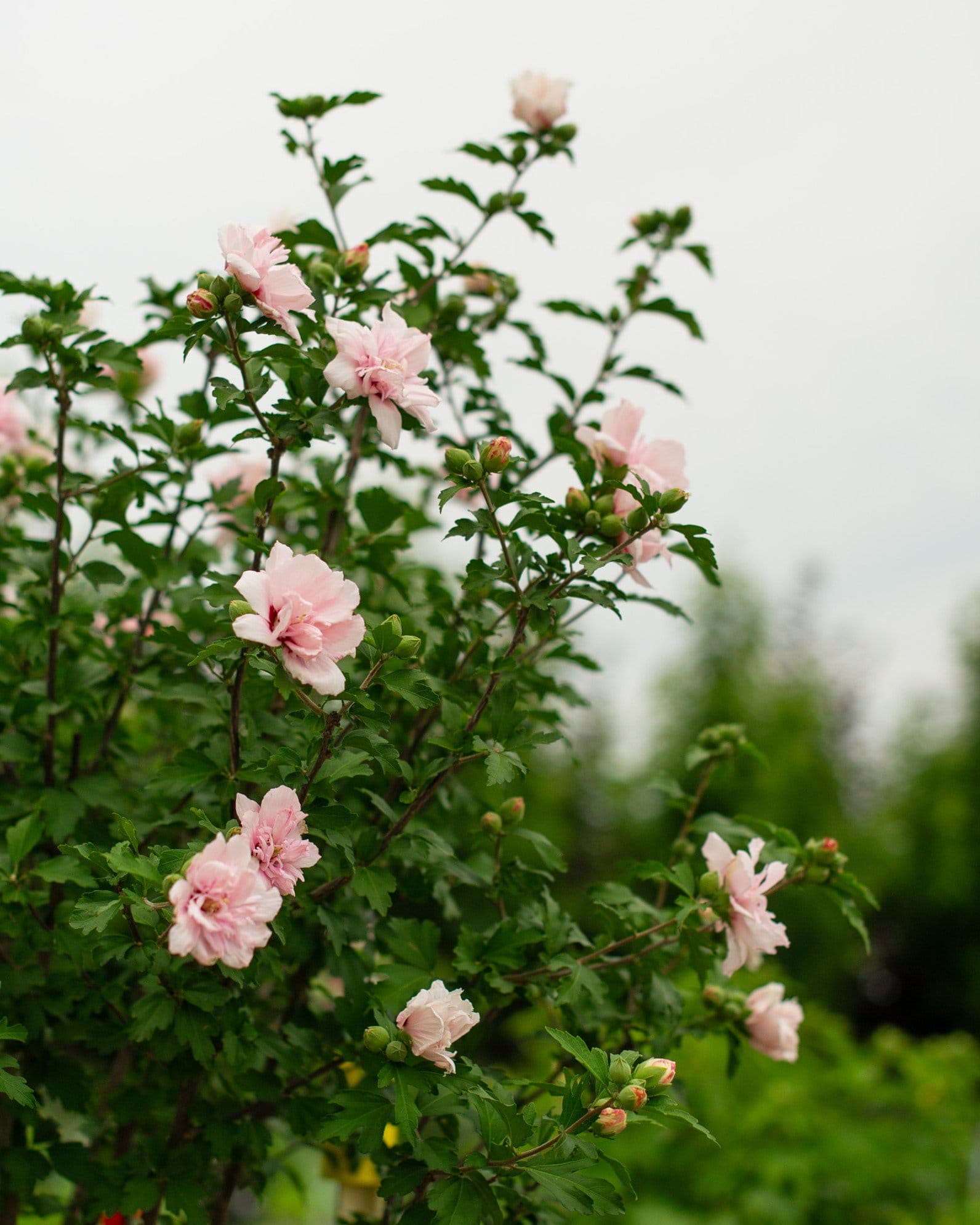
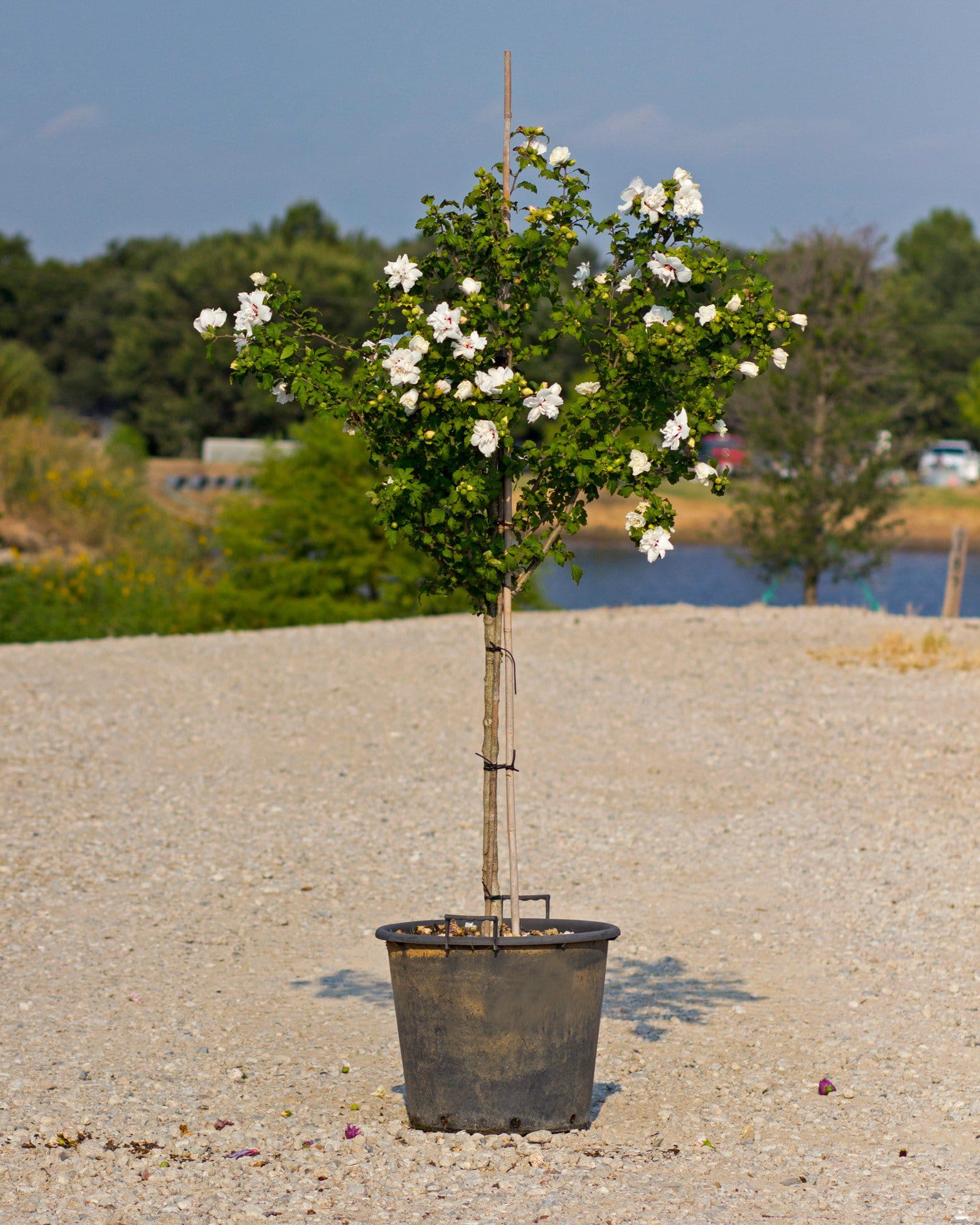
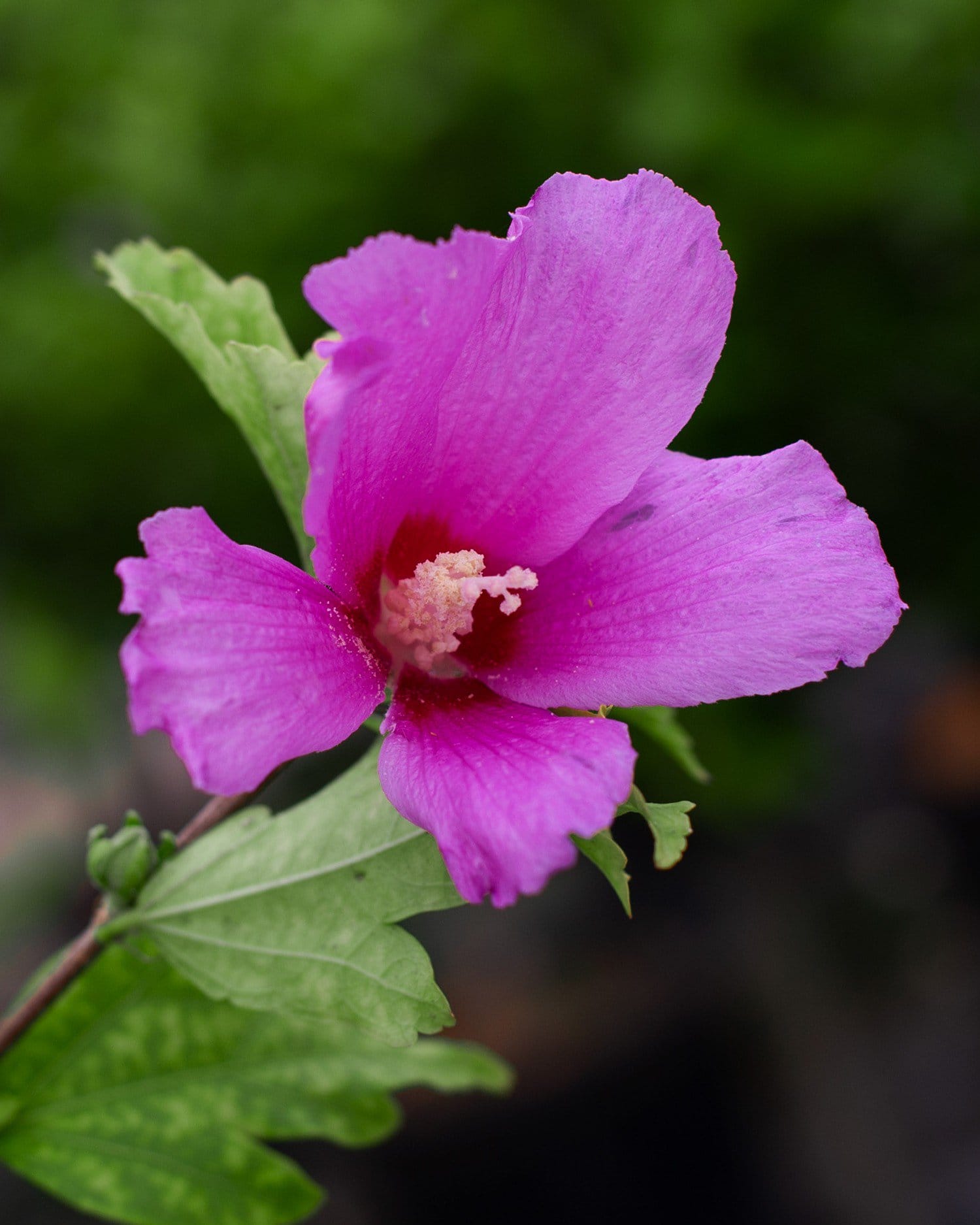
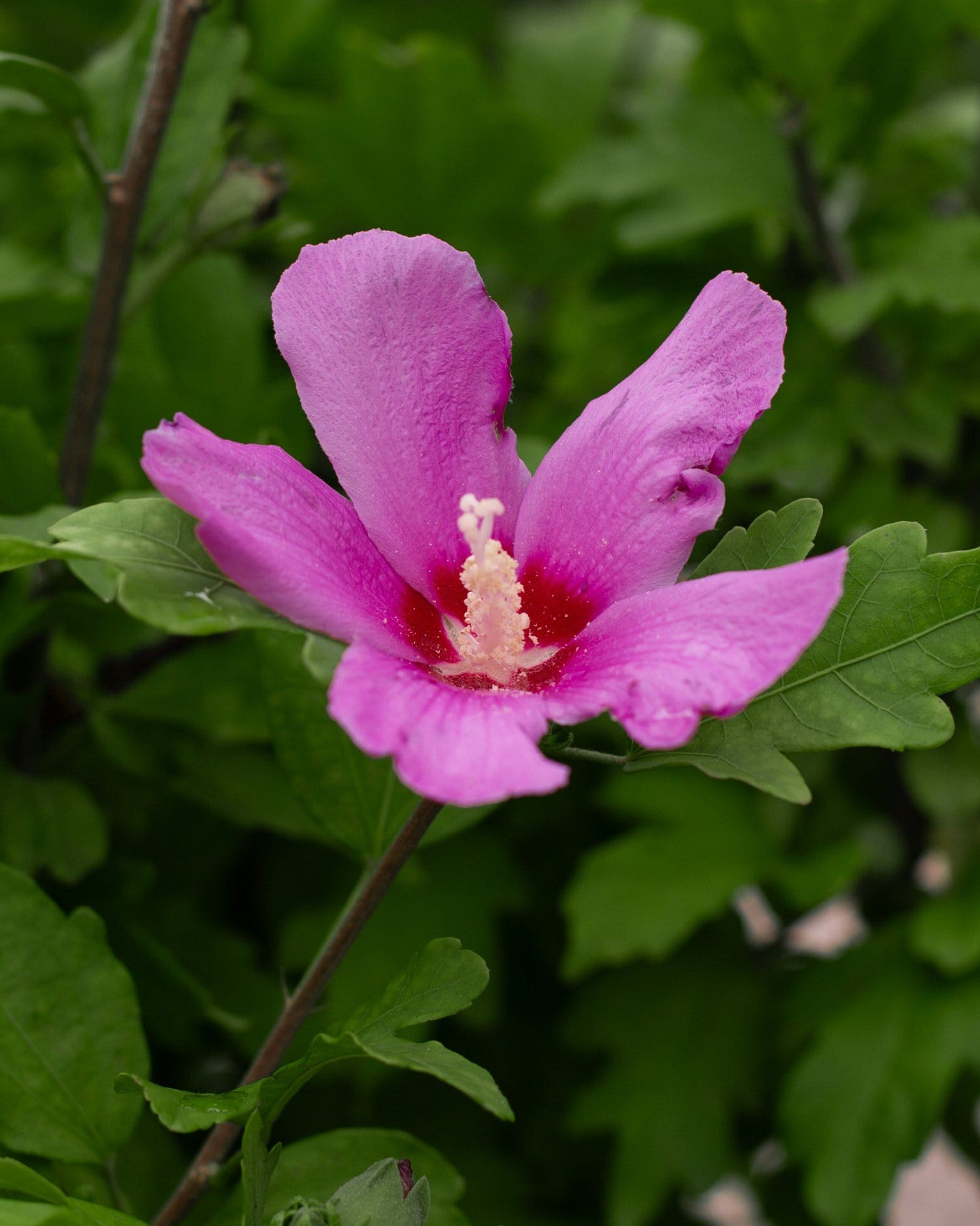
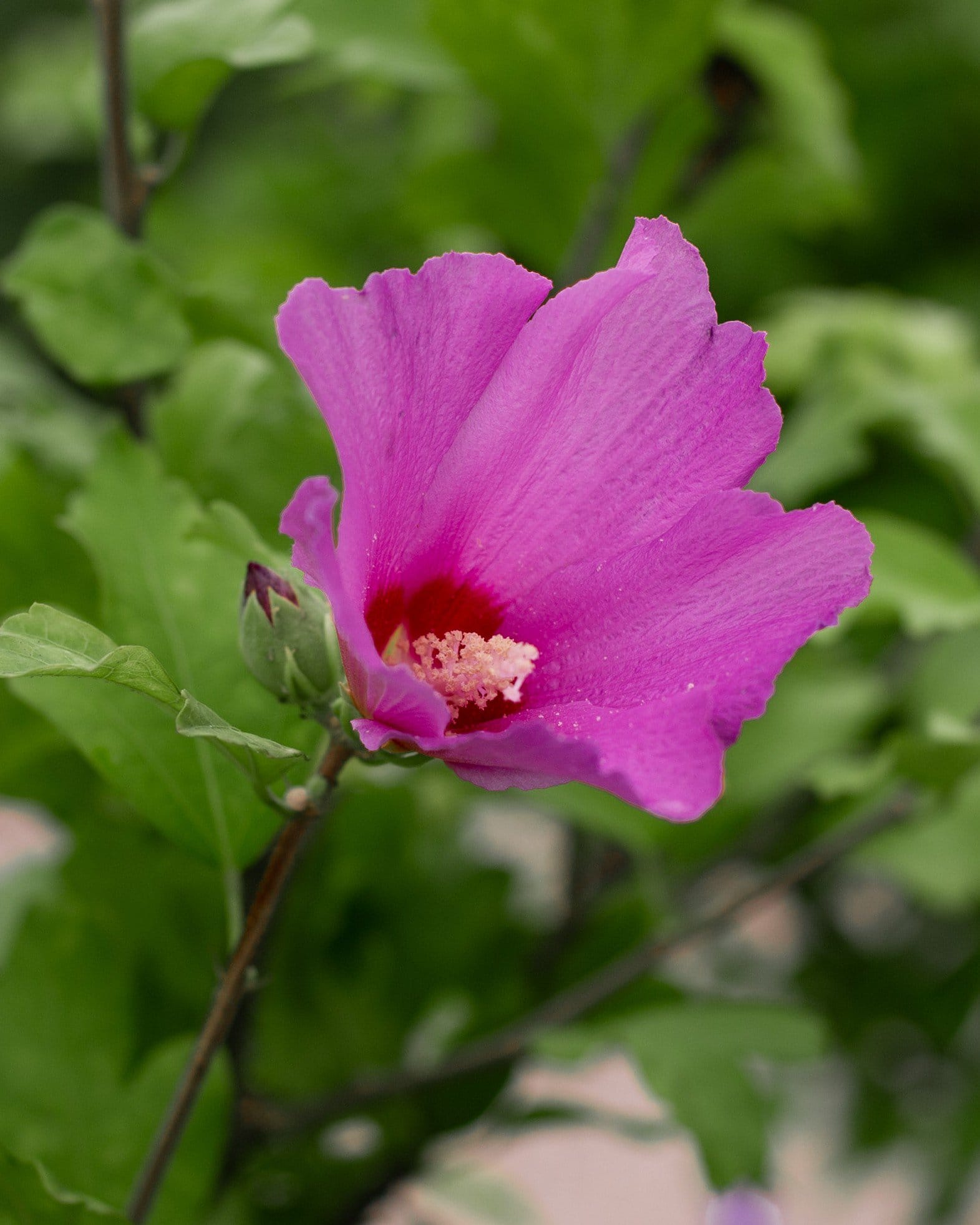
Hibiscus syriacus ‘Lucy’Lucy Althea Tree Form is a compact flowering tree that knows how to steal the show. With its striking magenta-red double blooms and tidy silhouette, this tree-form Althea adds charm and color to even the smallest spaces. Growing 8 feet tall and 5 feet wide, she fits beautifully along walkways, in front yards, or as a cheerful patio focal point. The blooms appear from spring into summer, offering a steady parade of color when other plants are winding down.
- Deciduous tree
- Moderate growth rate
- Eye-catching double flowers in deep magenta-red
- Long blooming season from spring through summer
- Drought tolerant once established
Plant in full sun for best flowering performance. Hardy in USDA zones 5 through 9. ‘Lucy’ thrives in well-drained soil and doesn’t ask for much - just a sunny spot where she can show off her bold blooms all season long.
Lucy Althea Tree Form’s defined trunk and rounded canopy keep long-term care structured and straightforward. Here’s all it needs to grow successfully in Texas landscapes:
- Watering: Provide deep watering during the first growing season to encourage strong root establishment beneath the surface soil. Once established, it tolerates moderate dry periods but performs best with supplemental irrigation during prolonged summer heat to support steady flowering and foliage health.
- Pruning: Prune in late winter or very early spring before new growth begins. Remove any shoots emerging along the trunk and lightly thin interior canopy growth to maintain airflow and balanced structure, as blooms develop on new wood.
- Fertilizing: Apply a balanced, slow-release fertilizer in early spring as buds begin to swell. Avoid excessive nitrogen, which may promote dense foliage growth at the expense of flower production.
- Mulching: Maintain a 2-3 inch layer of mulch around the root zone to regulate soil temperature and conserve moisture. Keep mulch several inches away from the trunk to prevent bark moisture issues.
- Winter Care: Established tree-form specimens are reliably hardy and typically require no added protection. Young trunks may benefit from temporary wrapping during their first few winters in colder climates to prevent bark splitting.
Lucy Althea Tree Form is generally resilient, though occasional pests or environmental stresses may appear. Prompt observation keeps most concerns minor and manageable.
- Japanese Beetles: Leaves may become skeletonized during peak feeding season in midsummer. Hand removal or traps placed away from the tree help reduce sustained damage.
- Aphids: New shoots may show slight curling or sticky residue from feeding insects. A firm spray of water or insecticidal soap usually resolves early infestations.
- Powdery Mildew: A white, powdery coating may form on foliage in humid conditions with poor airflow. Thinning canopy growth improves circulation and limits recurrence.
- Trunk Sunscald: Young trunks may develop vertical bark cracks after sudden winter temperature fluctuations. Protective trunk wraps during early years reduce risk.
- Root Stress from Overwatering: Yellowing leaves and reduced vigor may signal consistently saturated soil. Improving drainage and adjusting irrigation practices restore balance.
With proper care, it commonly thrives for 20-30 years or more. Long-term health depends on good drainage and maintaining structural balance in the canopy.
Growth averages 12-24 inches per year under favorable conditions. A stable trunk and well-shaped canopy typically establish within 3-5 years. Flower production increases as branching becomes more defined.
It is known for its bold, fully double red blooms displayed high on a structured trunk. The elevated canopy gives the plant a formal, almost small-tree presence in the landscape.
Yes, when properly trained and maintained, the single trunk thickens and strengthens with age. Removing basal shoots preserves structural clarity. Early support may be helpful, but mature trunks stand independently.
Its defined structure and saturated bloom color make it well-suited for focal placement. The elevated canopy draws the eye without overwhelming surrounding plantings.
It is considered moderately deer-resistant. While not completely immune, it is less frequently targeted than softer ornamental shrubs.
Once established, it handles moderate wind well due to its sturdy branching. Young plants may benefit from temporary staking in exposed areas. Proper pruning helps maintain structural balance against wind stress.
Seed production may occur if blooms are left in place. In maintained landscapes, volunteer seedlings are usually manageable. Removing spent flowers can reduce seed formation.
Its upright trunk allows space beneath the canopy for companion plantings. This layered effect adds dimension to garden beds. Careful spacing ensures airflow within mixed plantings.
Yes, selective late-winter pruning can restore structure and density. Because flowering occurs on new wood, recovery growth is typically strong. Proper shaping encourages renewed bloom performance.
Special Features
You might also like
Aphrodite Althea Tree Form
Maturity: 8' H x 6' W
Blue Angel Althea
Maturity: 8' H x 6' W
Danica Althea Tree Form
Maturity: 8' H x 5' W
Double Red Althea Tree Form
Maturity: 8' H x 5' W
Minerva Althea Tree Form
Maturity: 8' H x 5' W
Pollypetite Althea Tree Form
Maturity: 8' H x 5' W
Smoothie Fusion Althea
Maturity: 8' H x 6' W
Strawberry Smoothie Althea
Maturity: 8' H x 6' W
Blueberry Smoothie Althea Tree Form
Maturity: 8' H x 4' W
Diana Althea Tree Form
Maturity: 8' H x 5' W
Lady Stanley Althea Tree Form
Maturity: 8' H x 5' W
Morning Star Althea Tree Form
Maturity: 8' H x 5' W
Violet Satin Althea Tree Form
Maturity: 8' H x 5' W
White Chiffon Althea Tree Form
Maturity: 8' H x 6' W
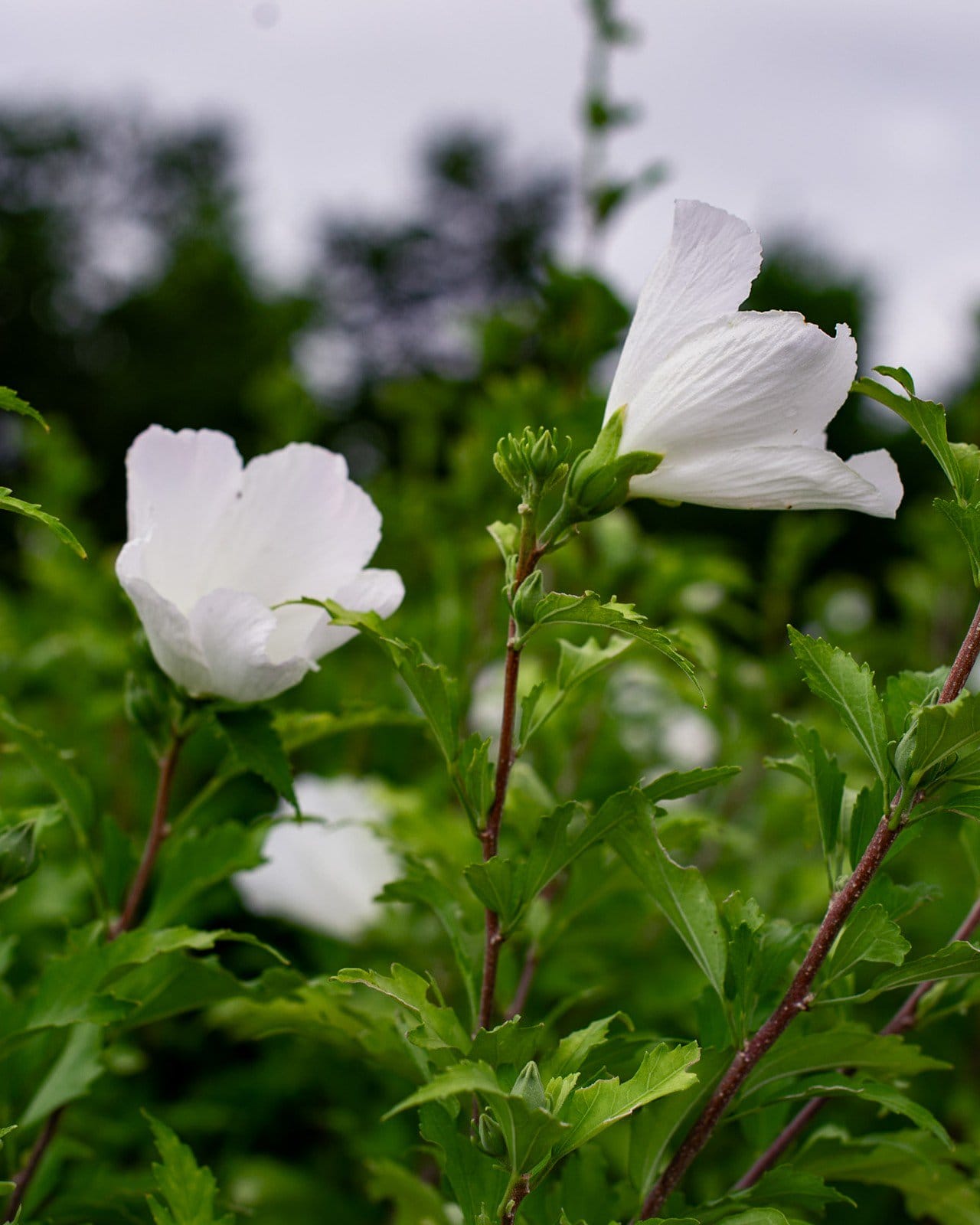
White Pillar Althea
Maturity: 10' H x 4' W
Compare Similar Plants
Lucy Althea Tree Form This plant | ||
|---|---|---|
| Scientific Name | Hibiscus syriacus ‘Lucy’ | Hibiscus syriacus ‘Aphrodite’ |
| Size at Maturity | 8' H x 5' W | 8' H x 6' W |
| Leaf Retention | Deciduous | Deciduous |
| Fall Color | Yellow | Yellow |
| Flower Color | Pink | Pink & Red |
| Bloom Times | Spring & Summer | Spring & Summer |
| Sizes Available | 15 gal | 30 gal |


Our 1-Year Planting Guarantee
We take pride in our plants and installation services. If any plants or trees installed by Treeland fail to thrive within the first year, we'll provide a replacement credit in accordance with our guarantee program.
Learn More About Our Guarantee