
Diana Althea Tree Form
Hibiscus syriacus ‘Diana’Local DFW Delivery Only
Product Details
Diana Althea Tree Form
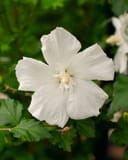
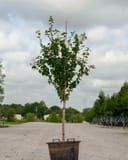
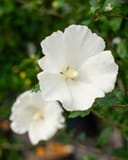
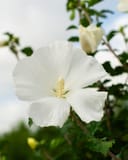
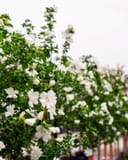
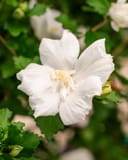
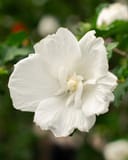
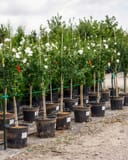
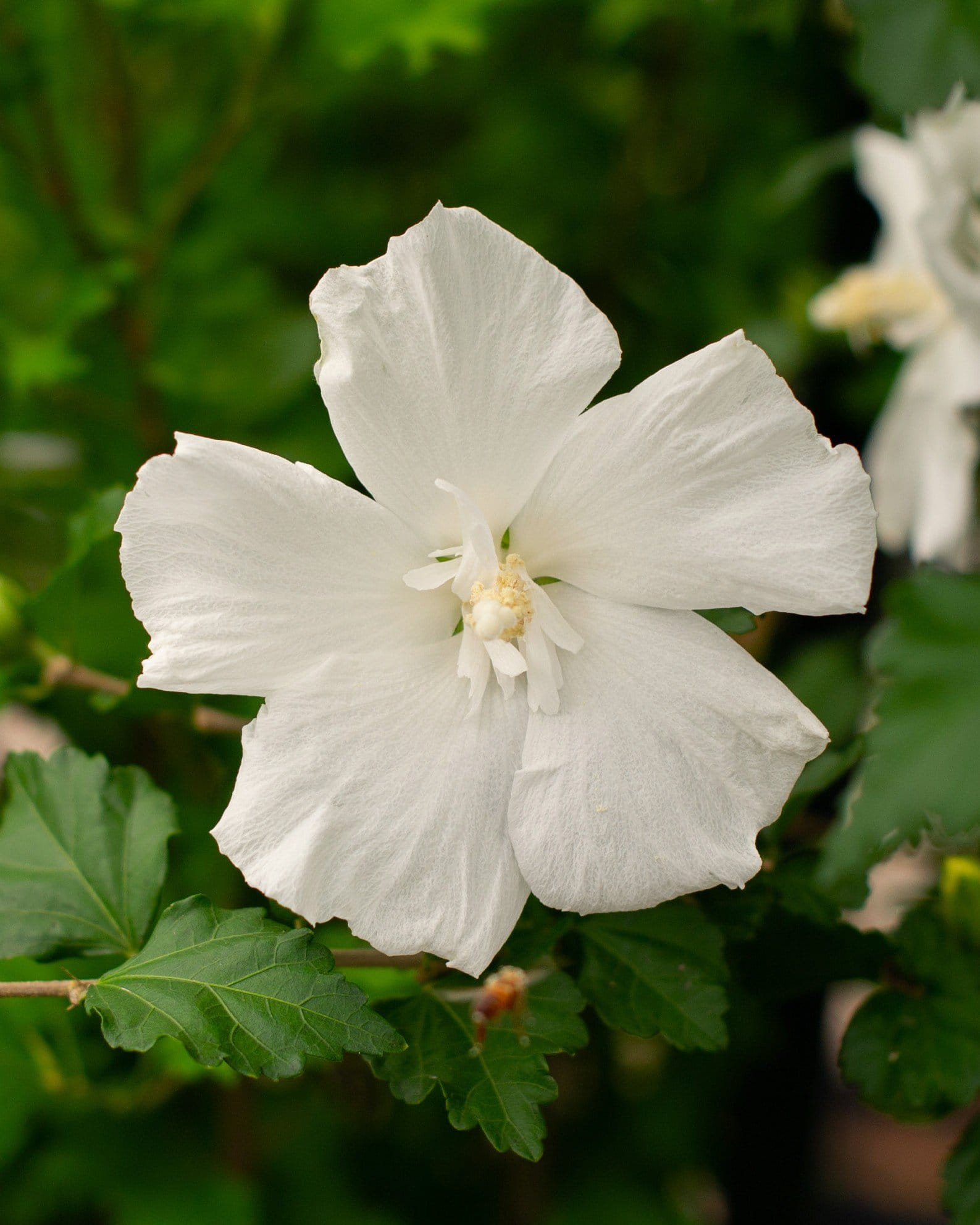
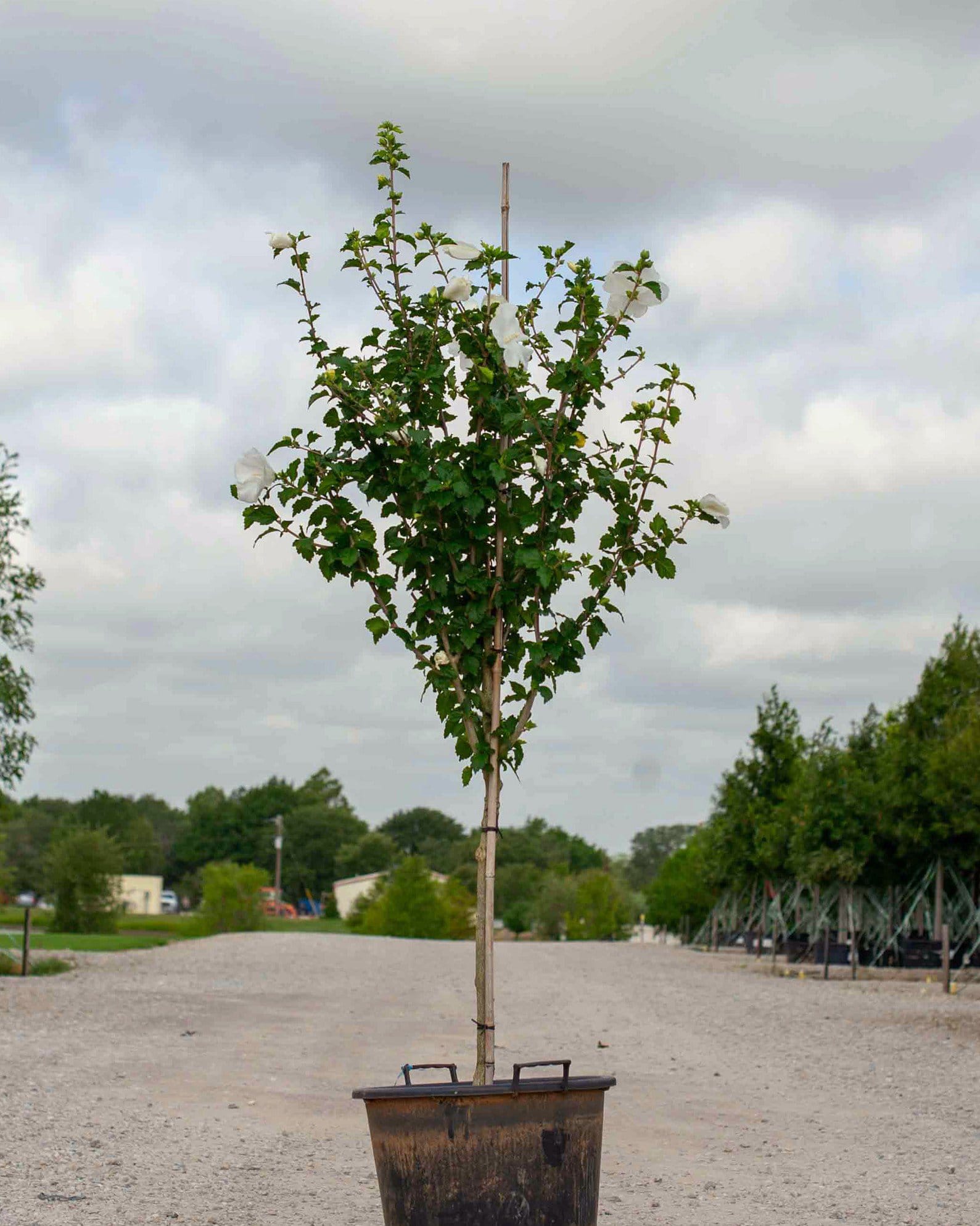
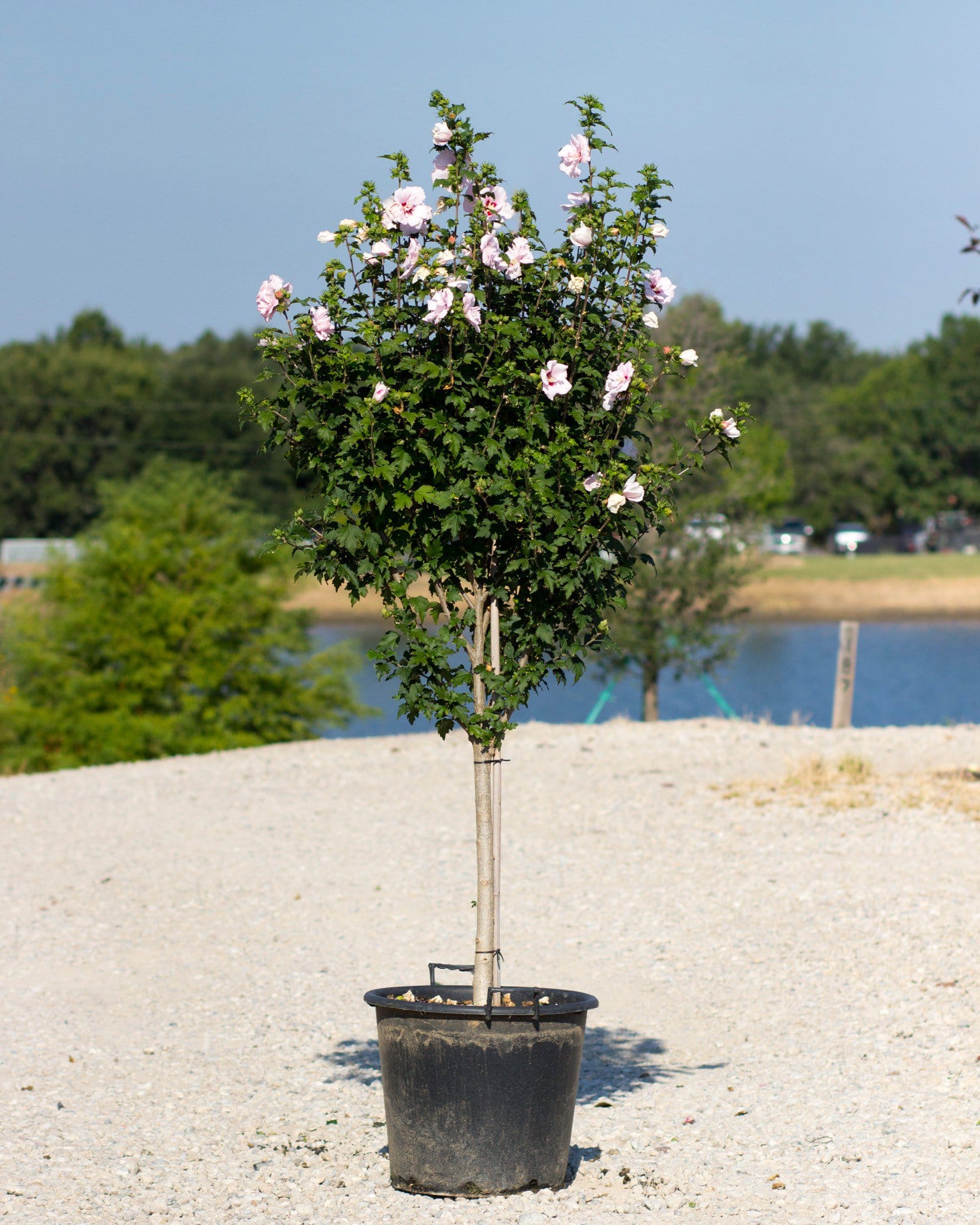
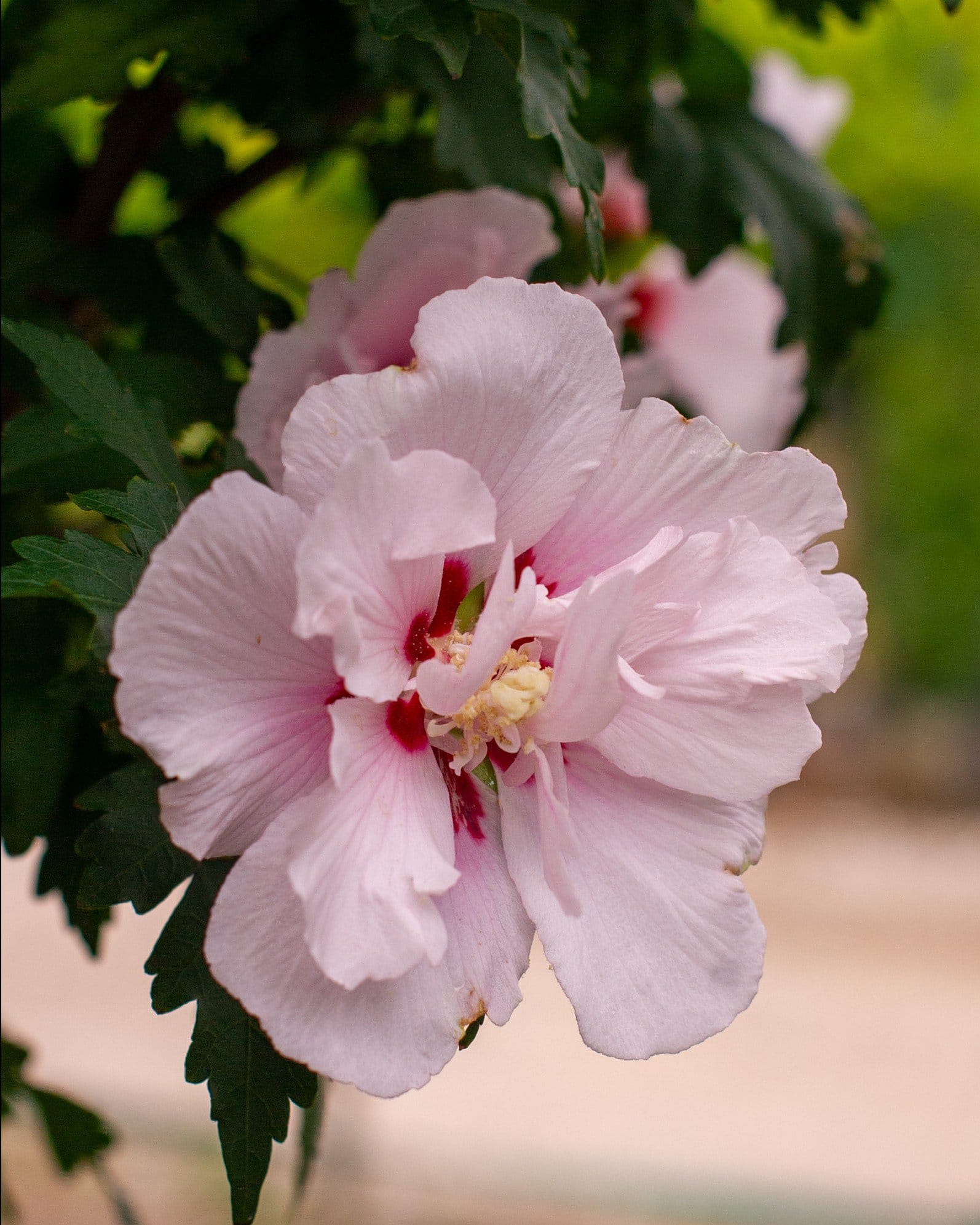
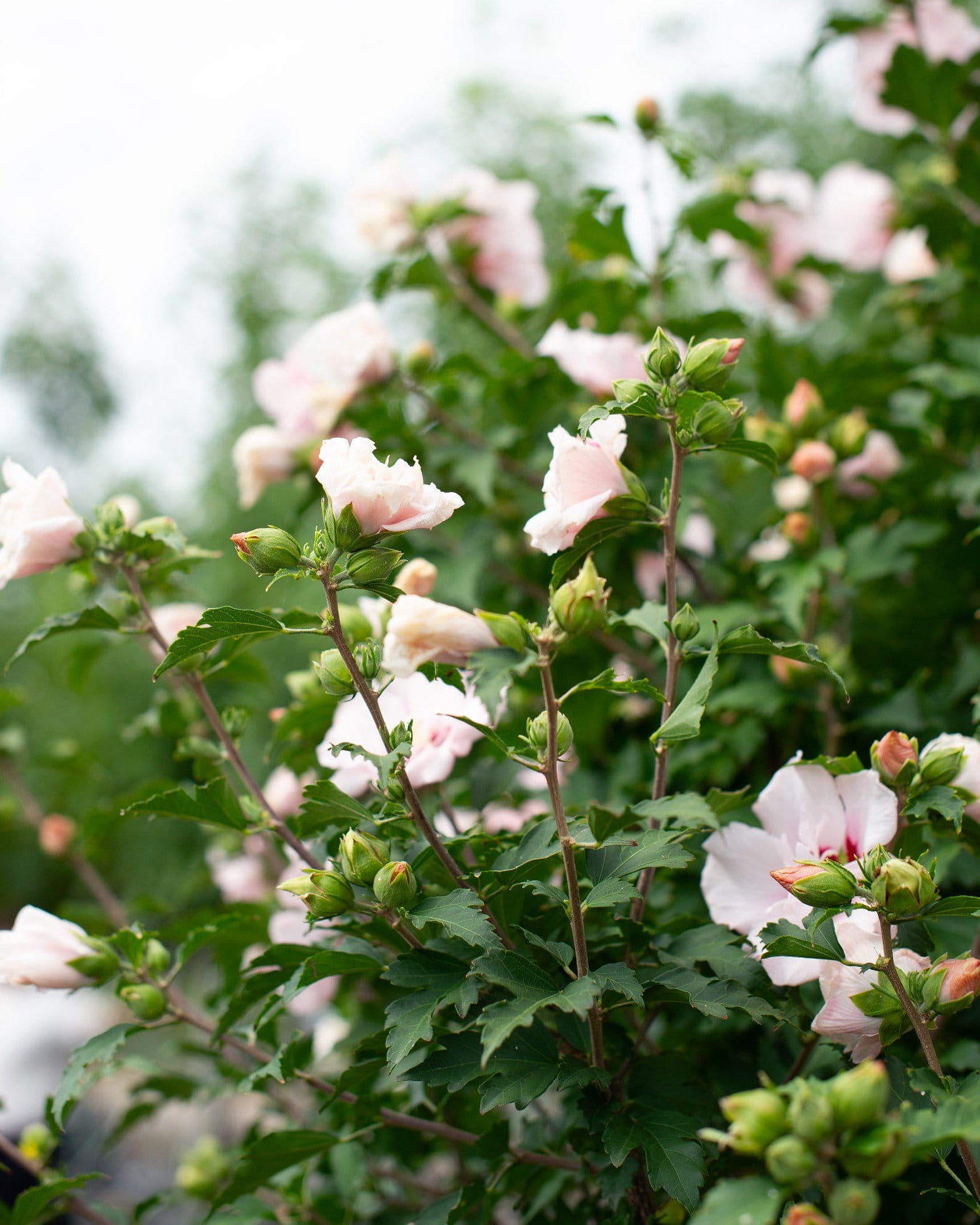
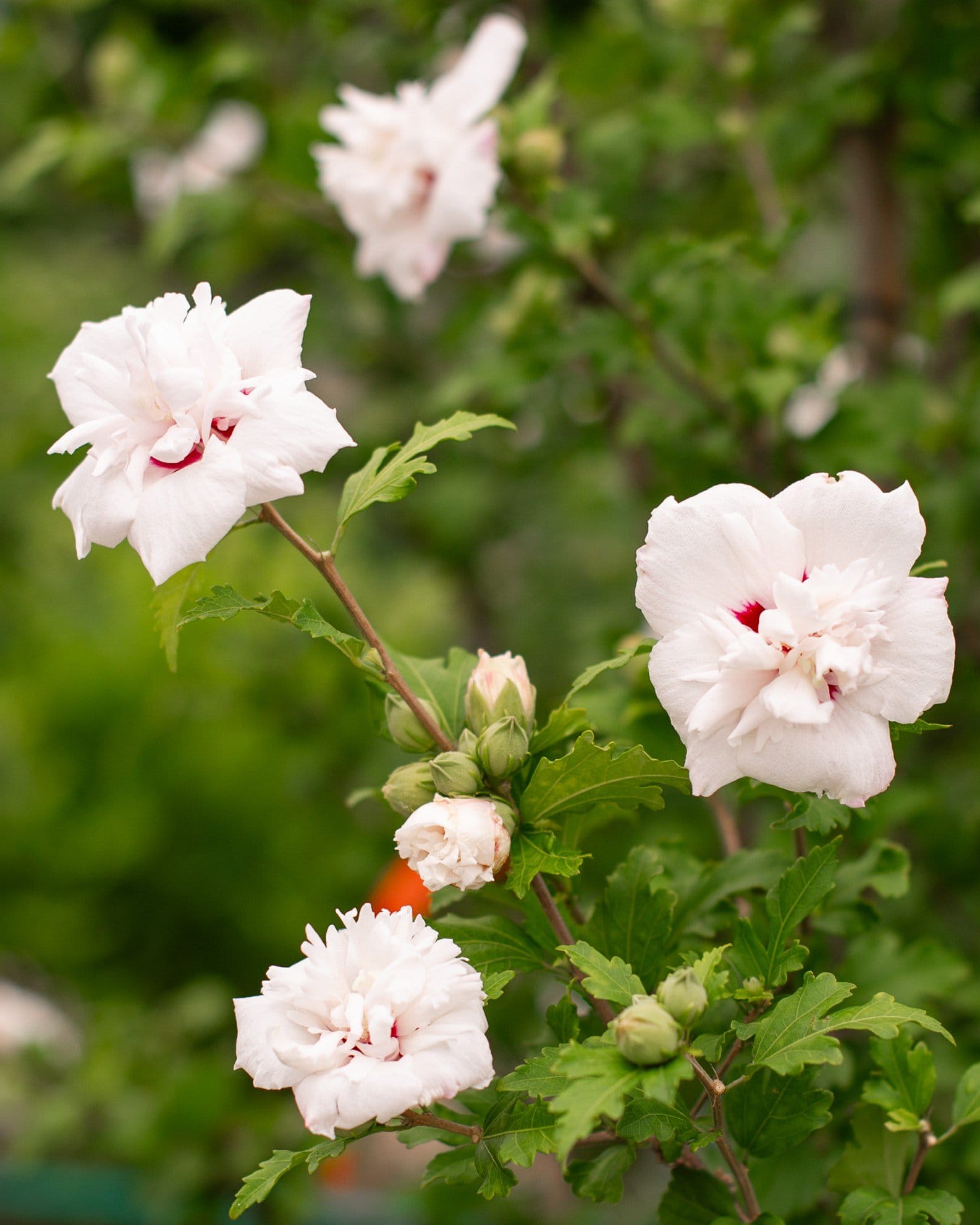
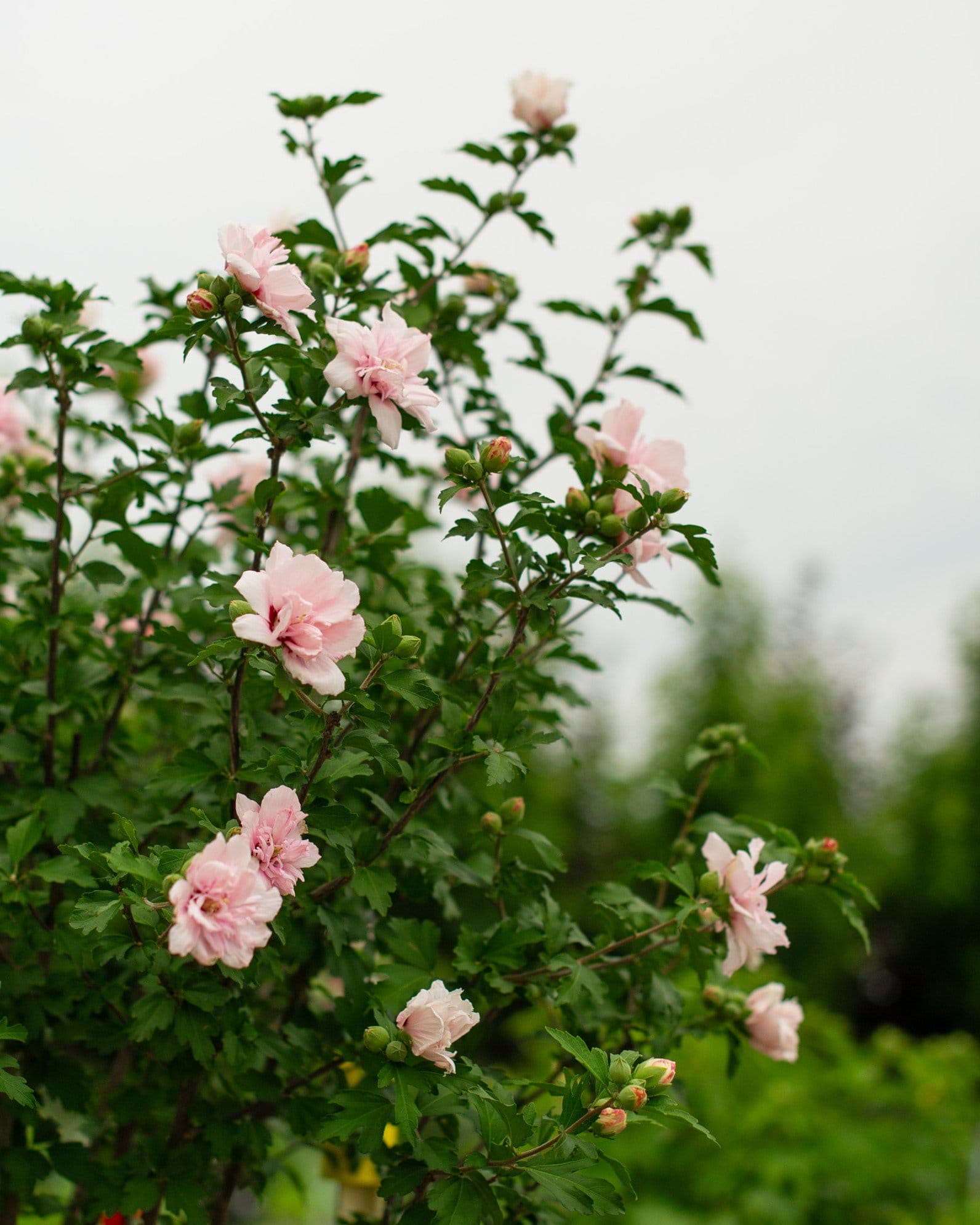
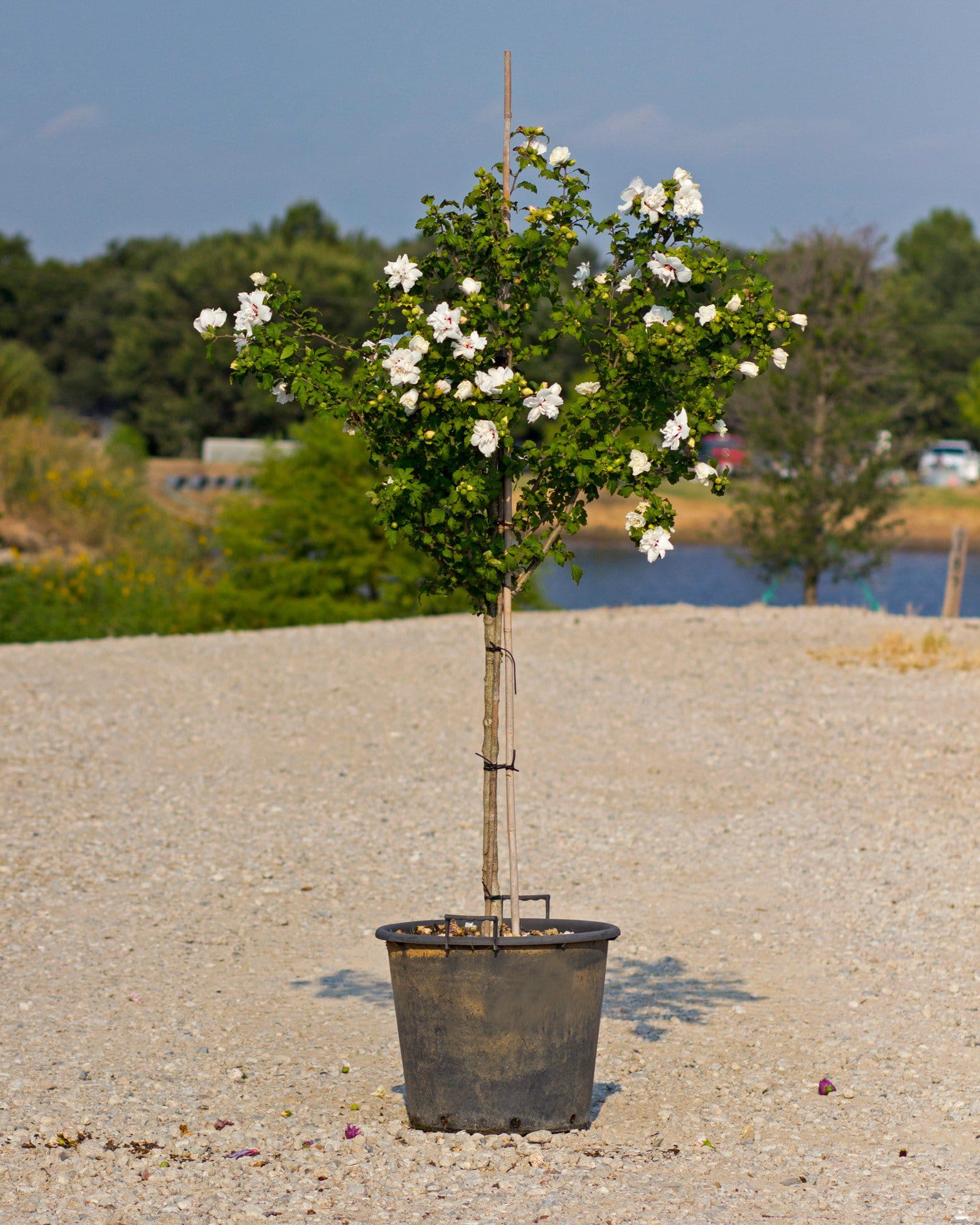
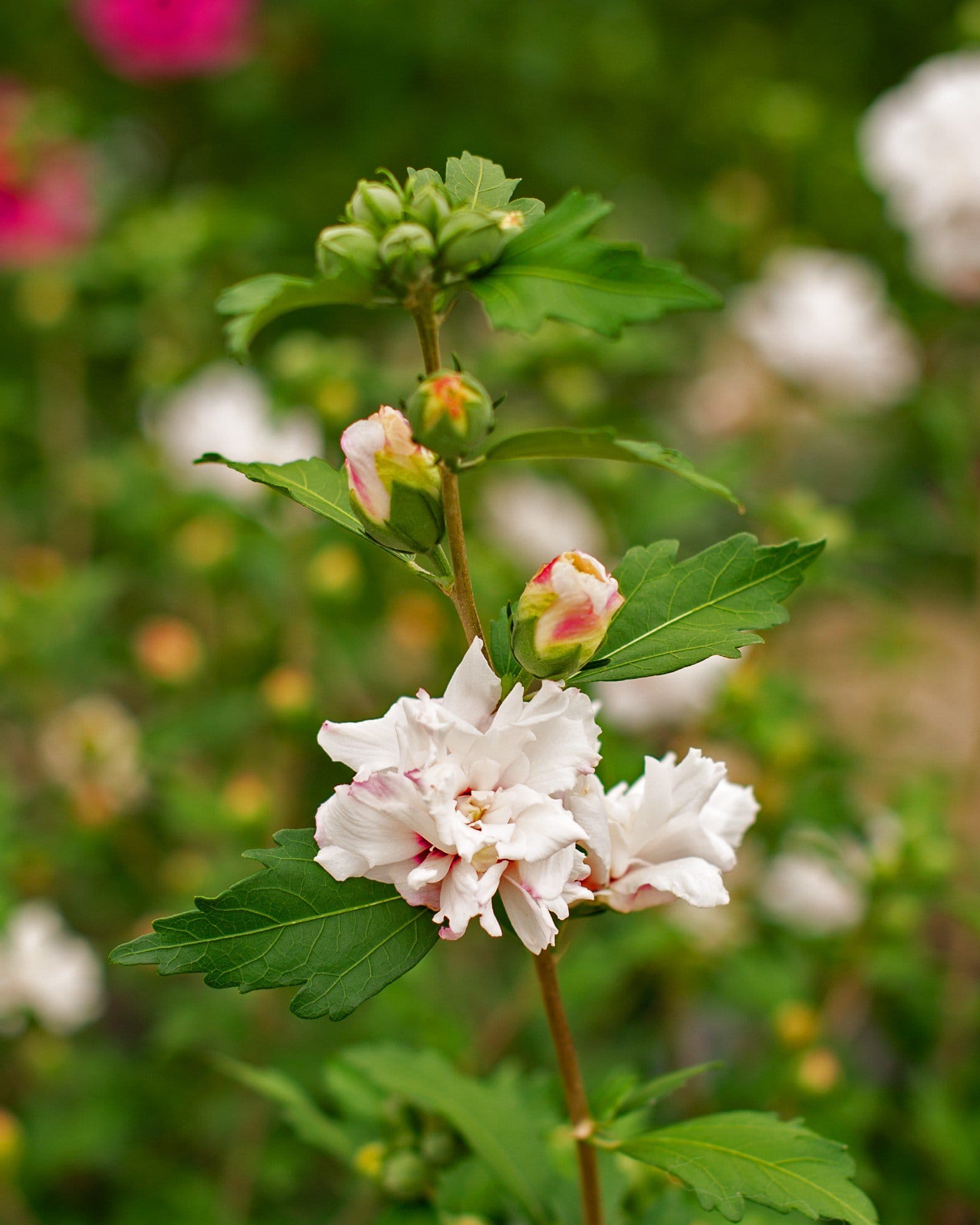
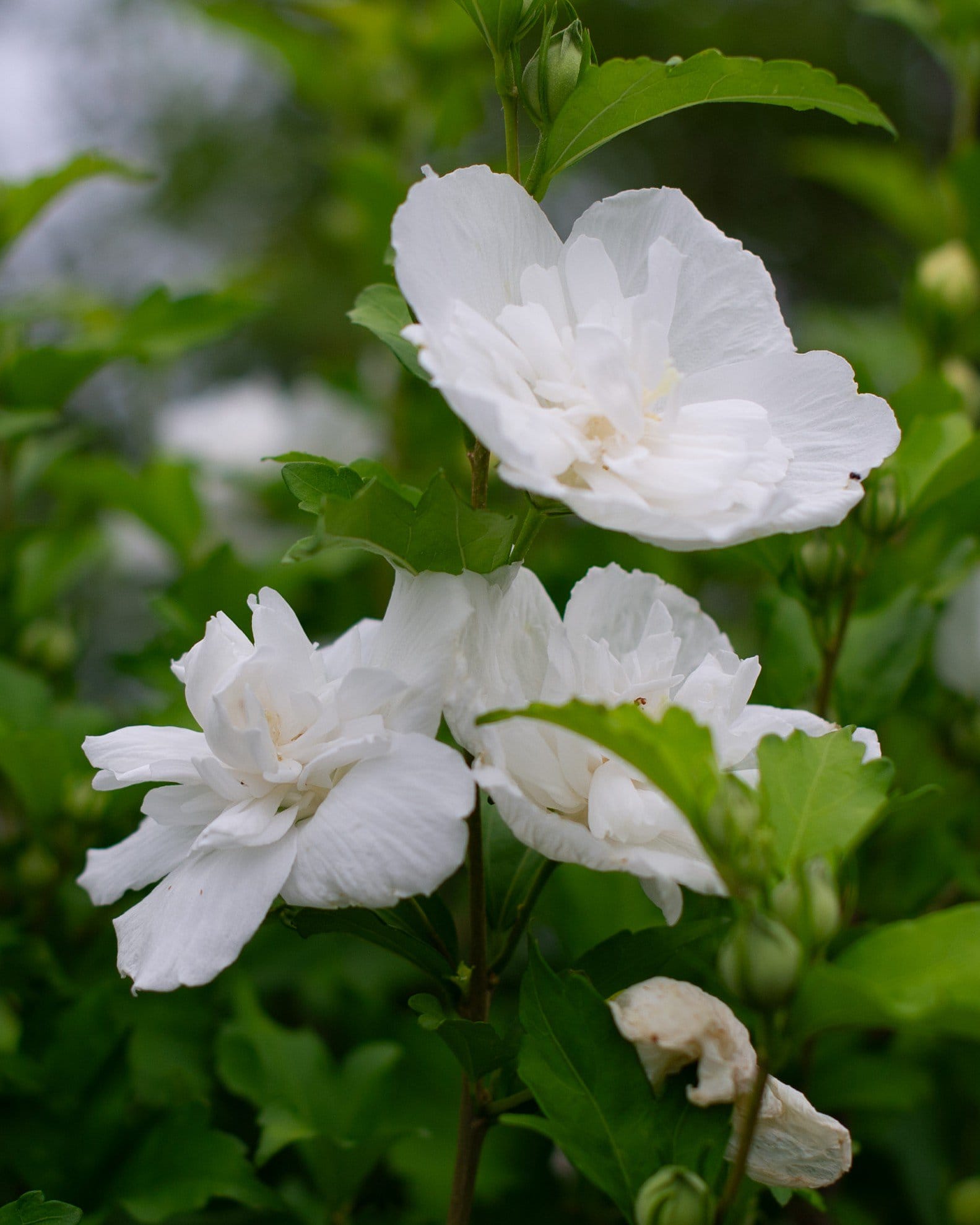
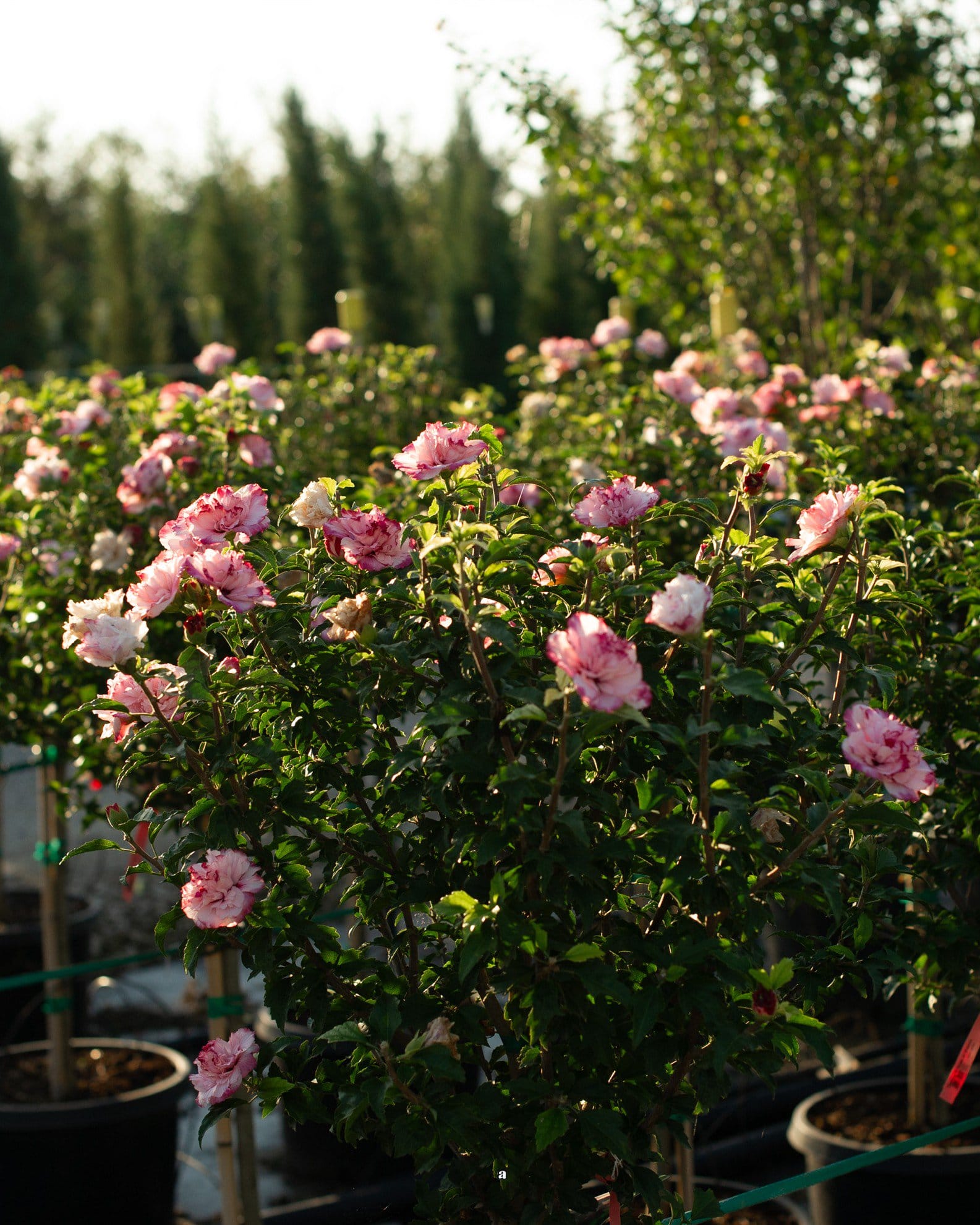
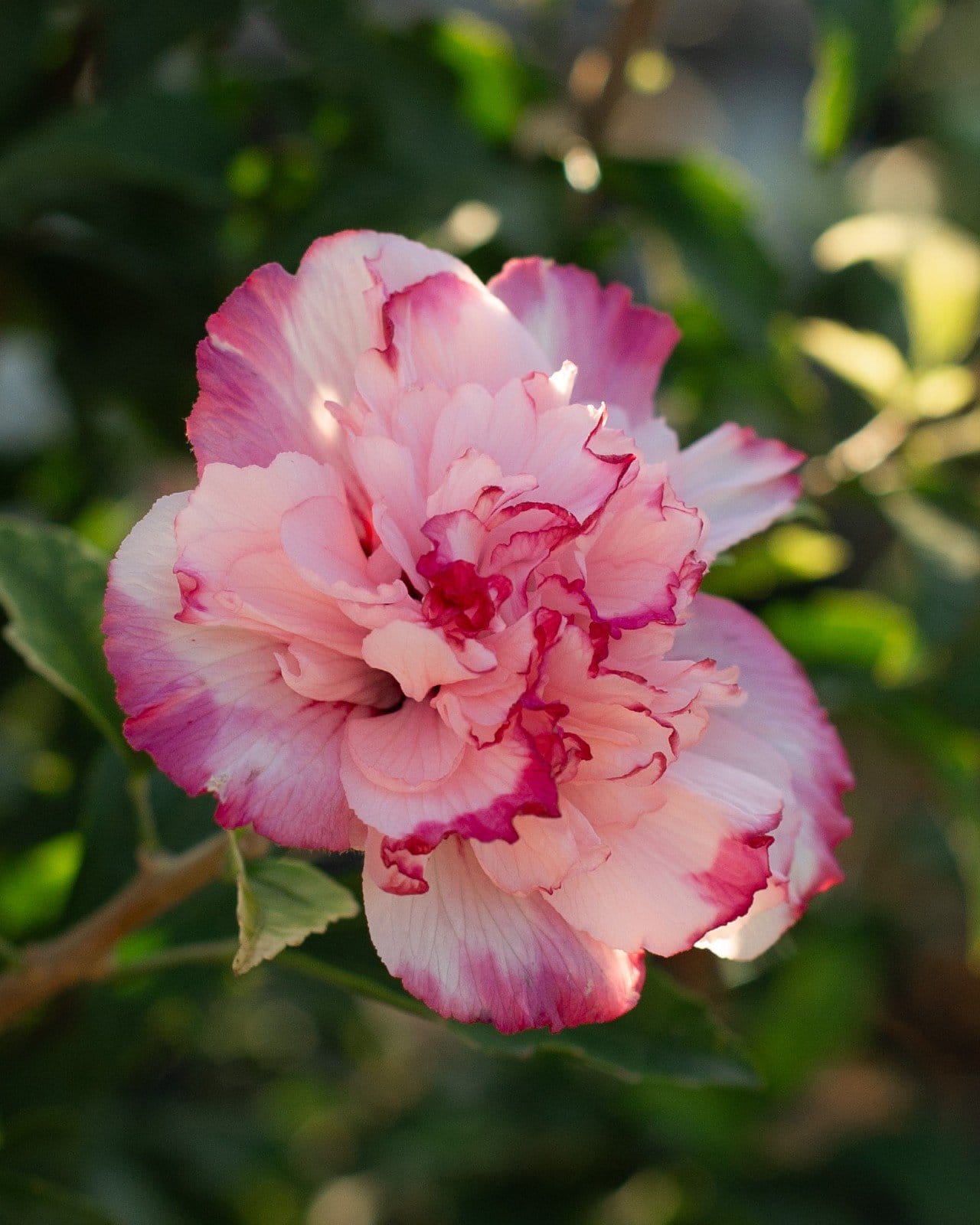
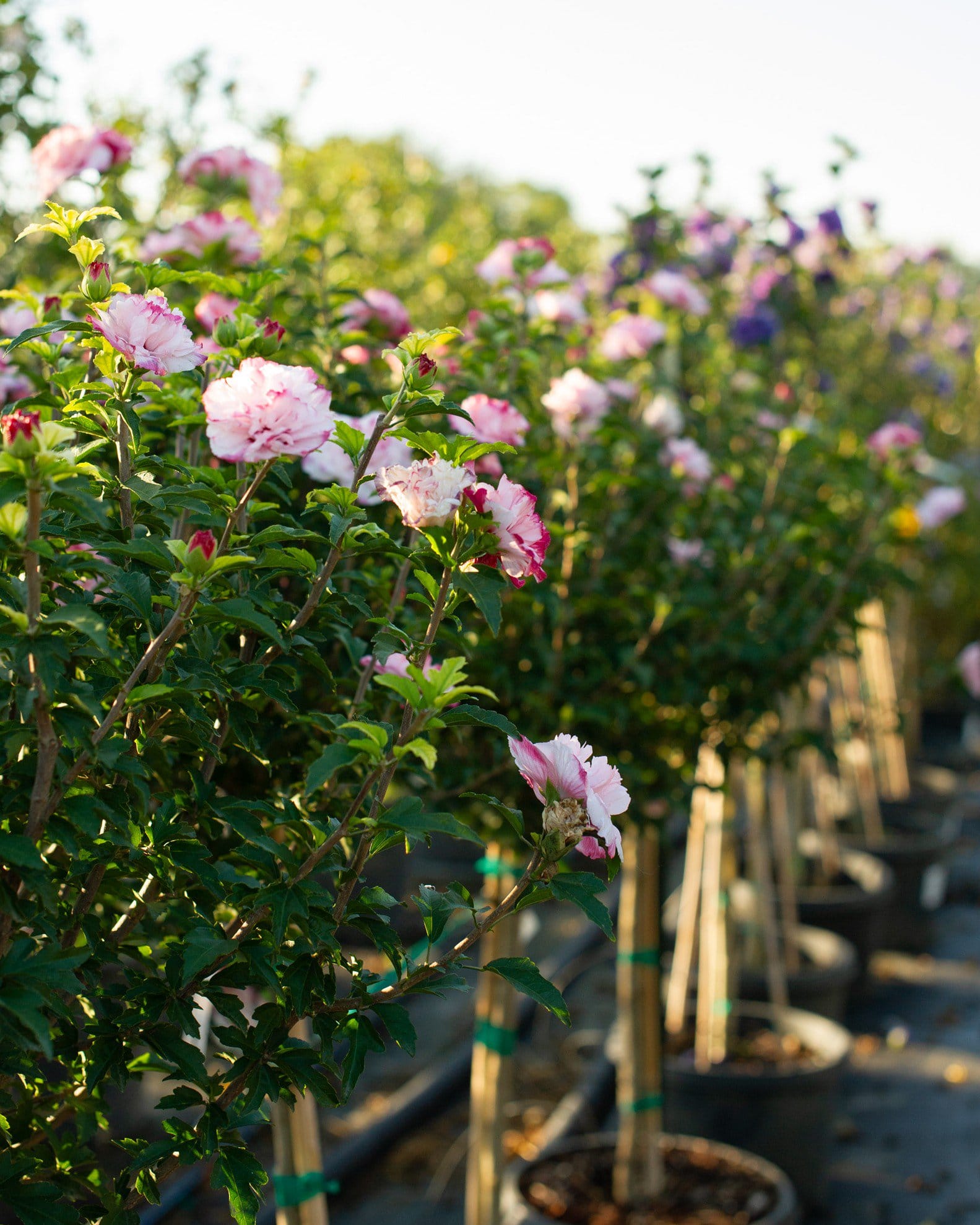
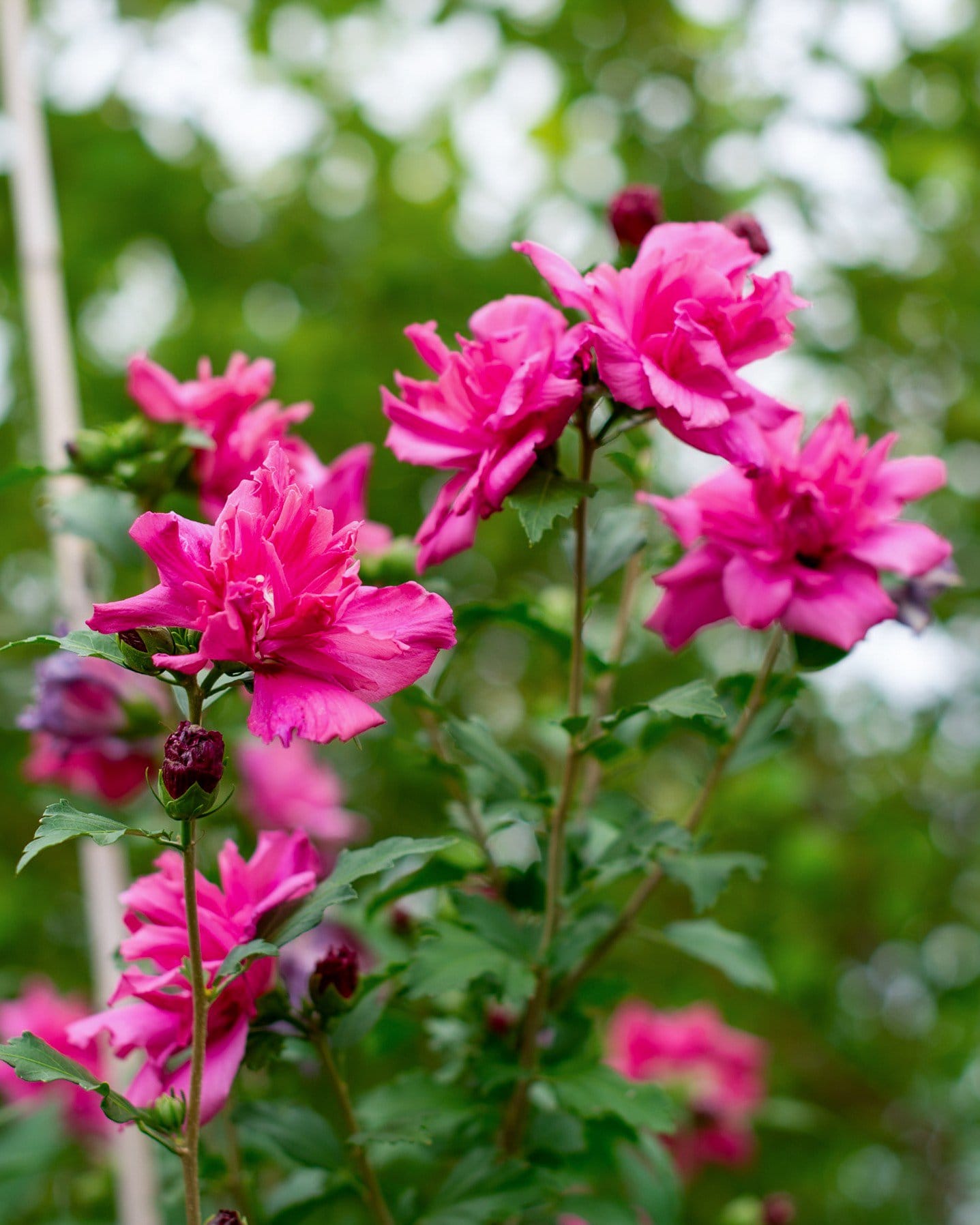
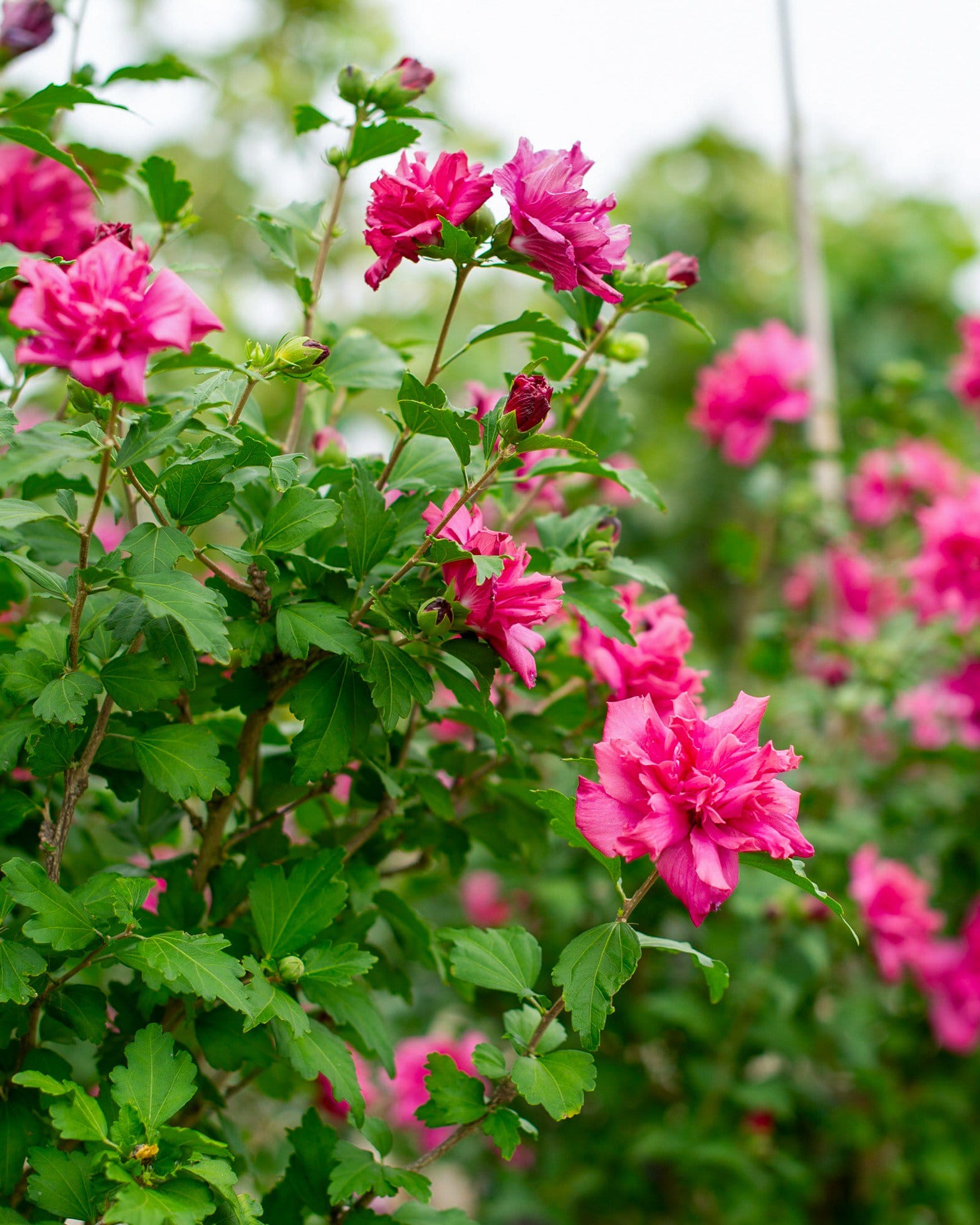
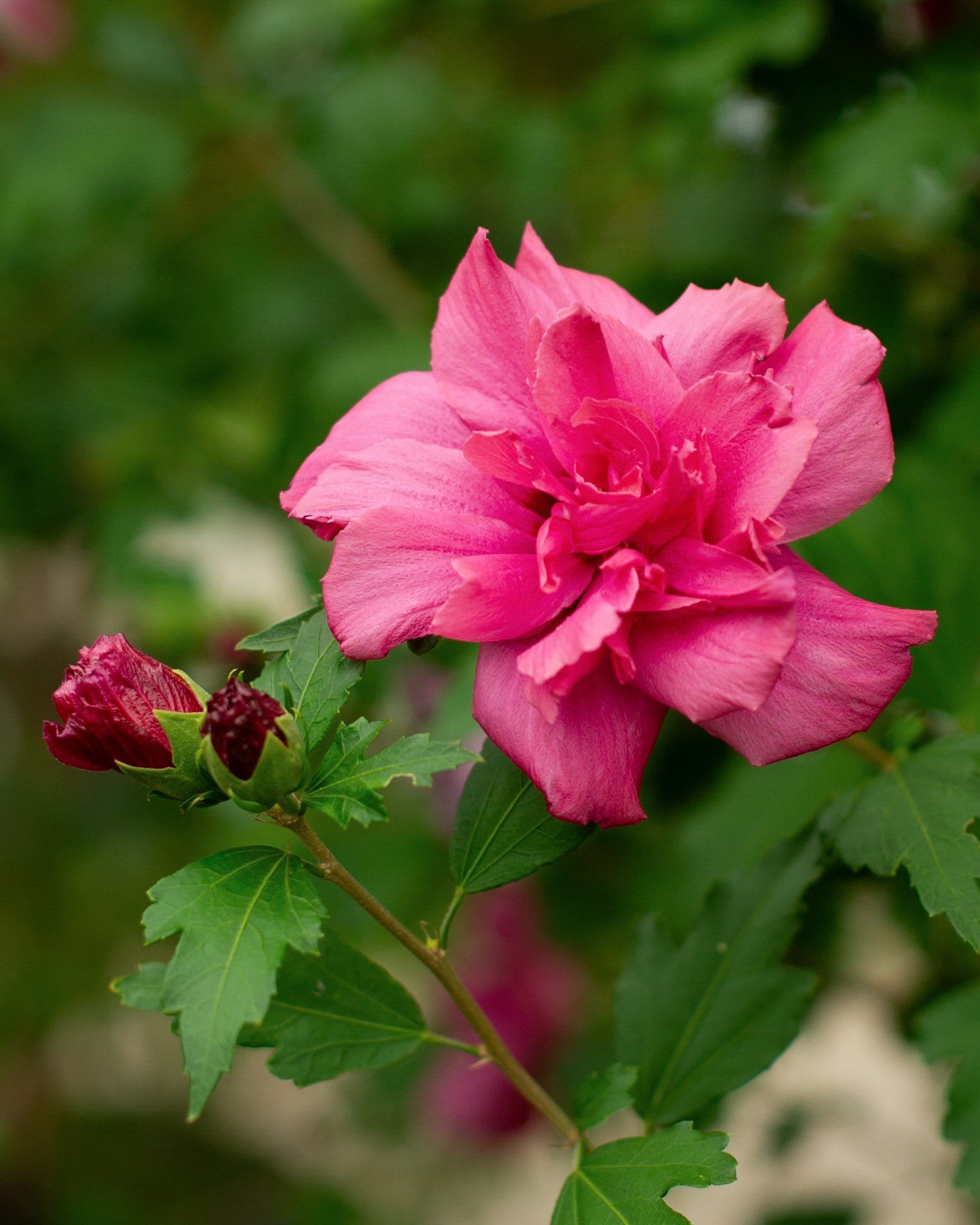
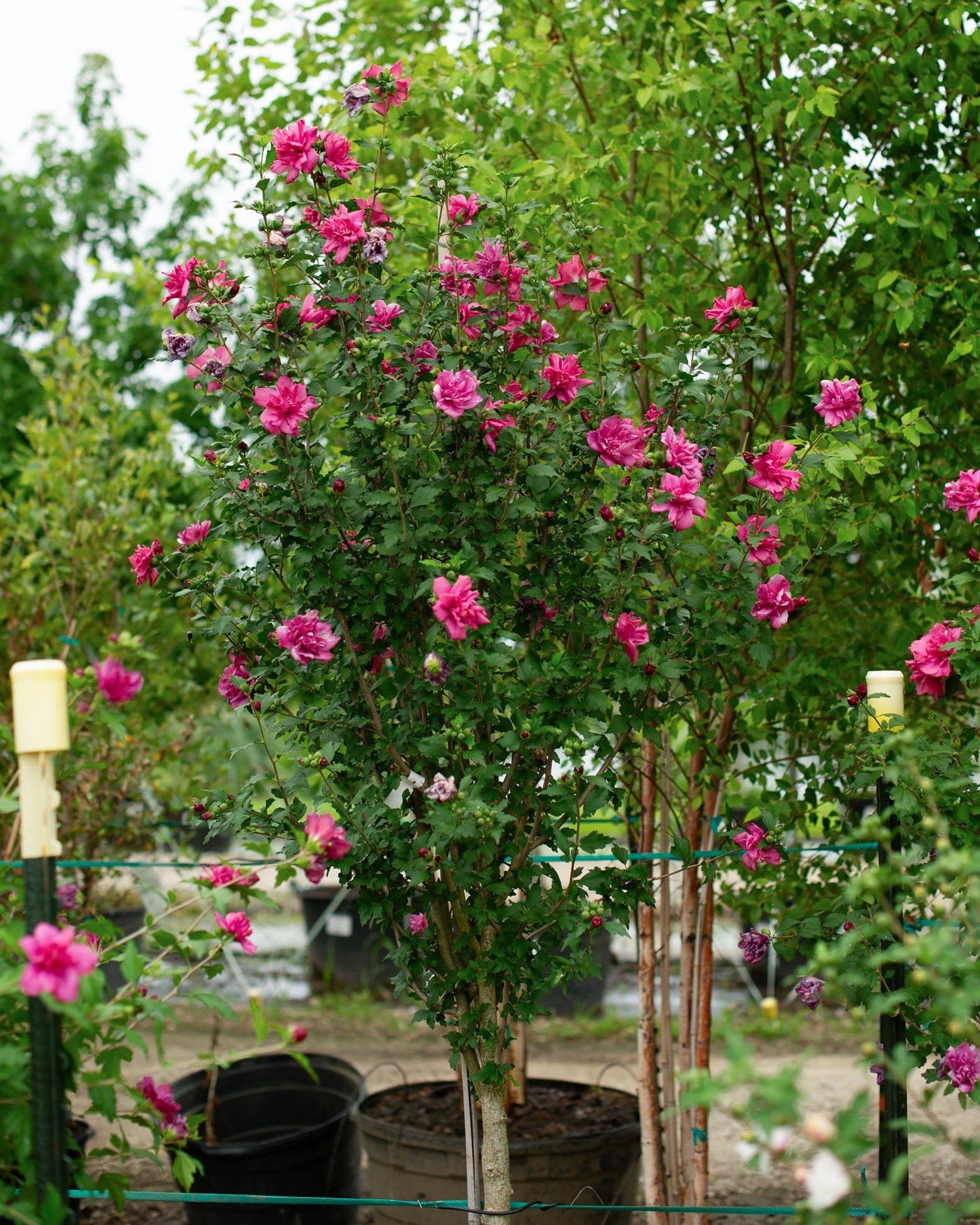
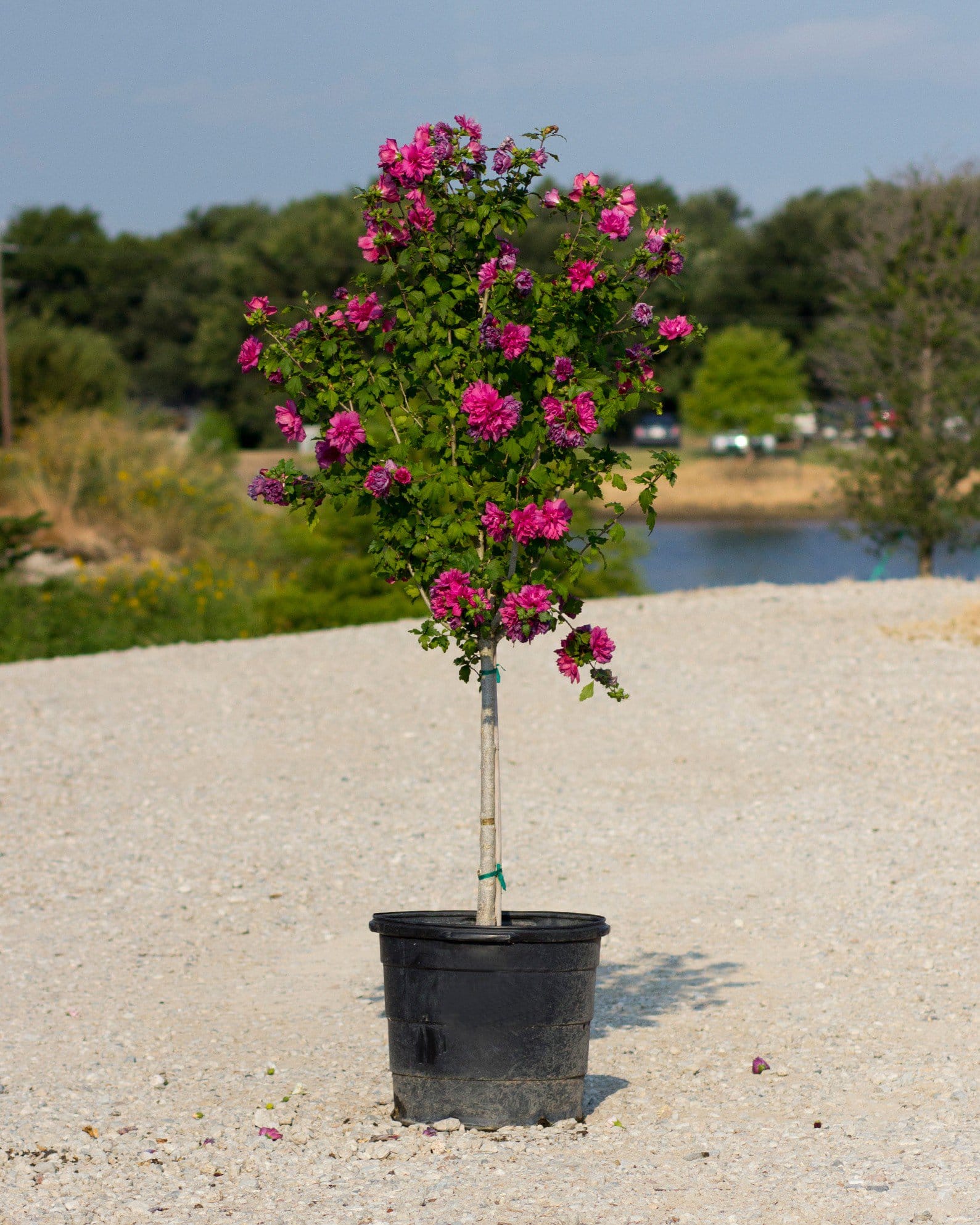
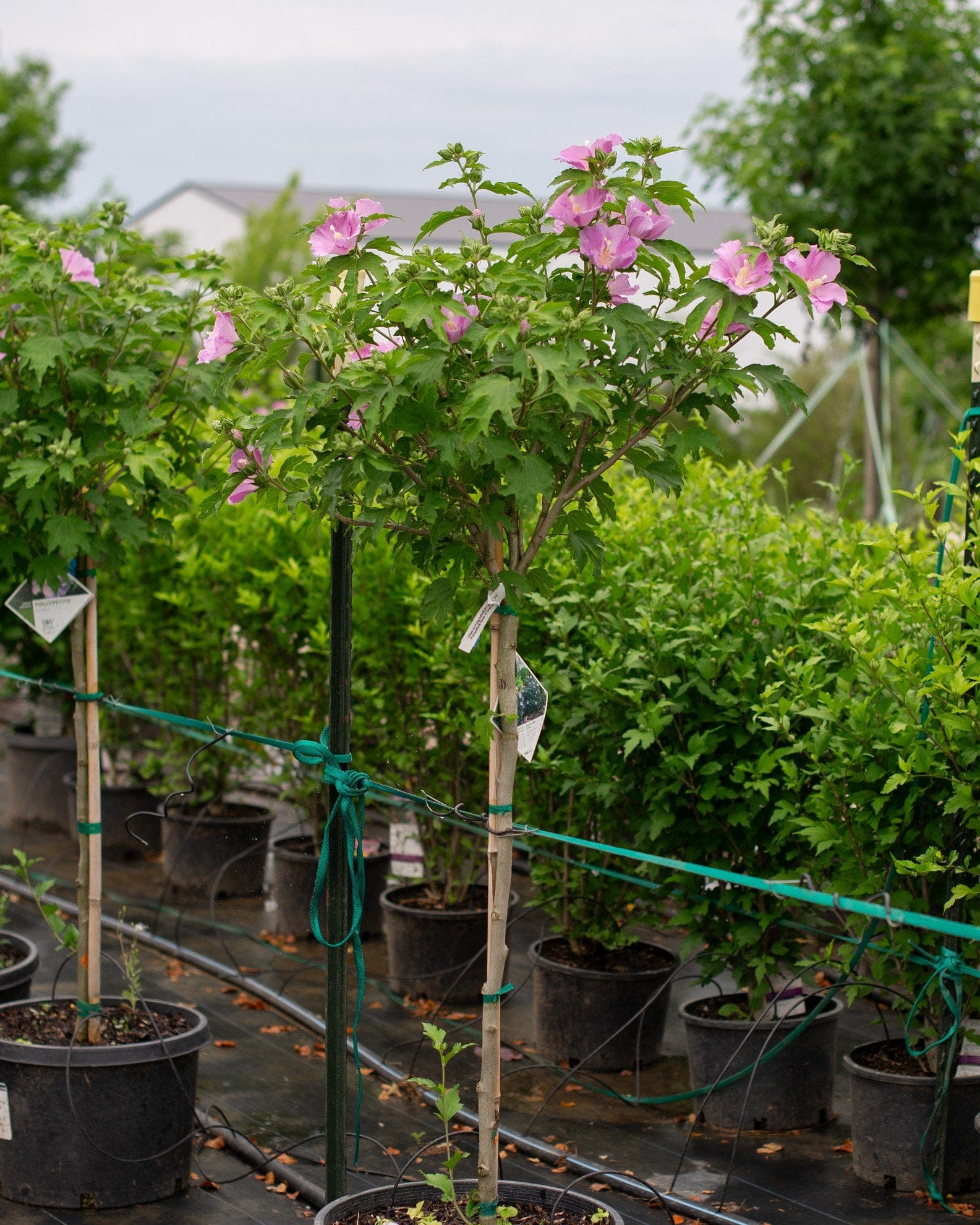
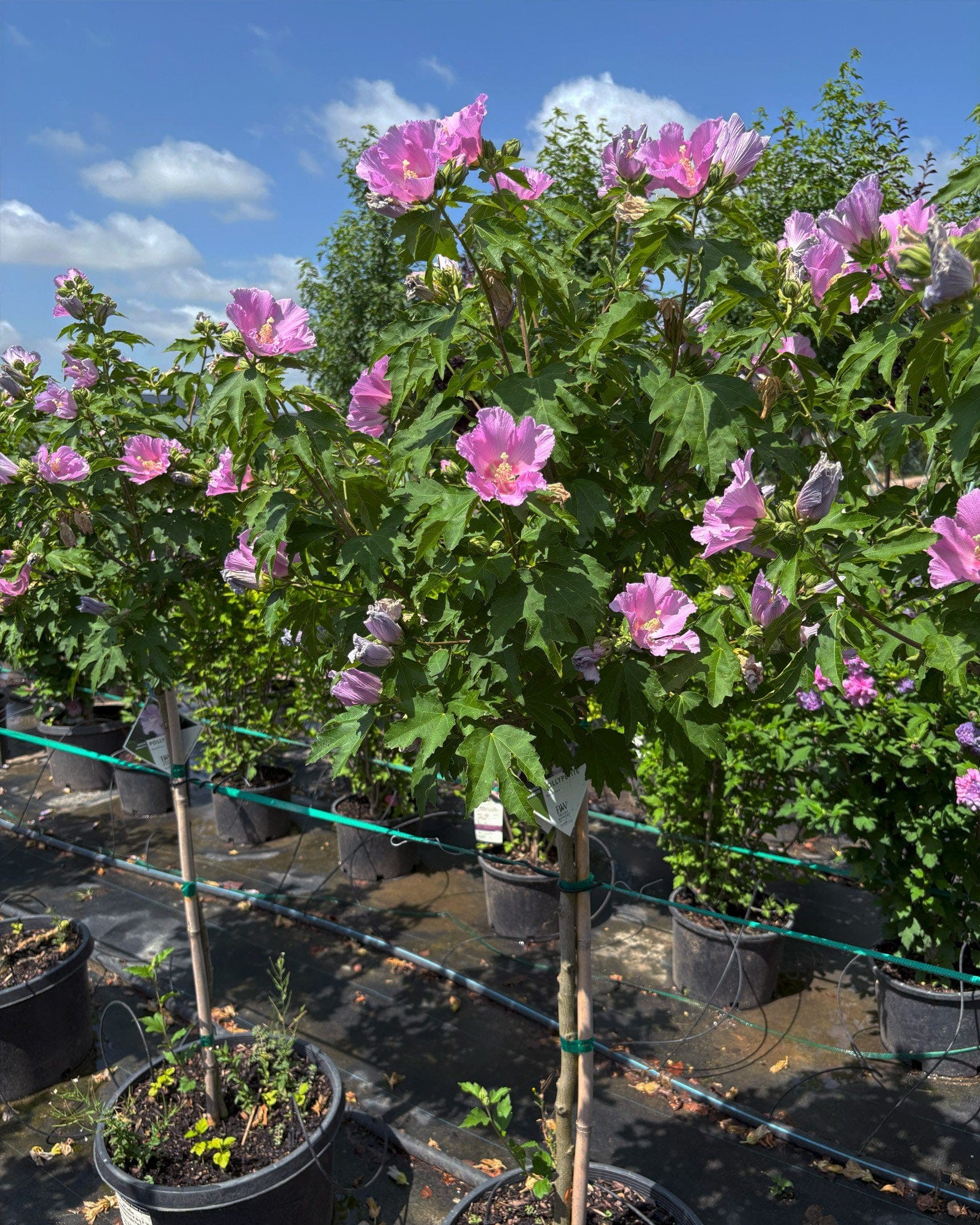
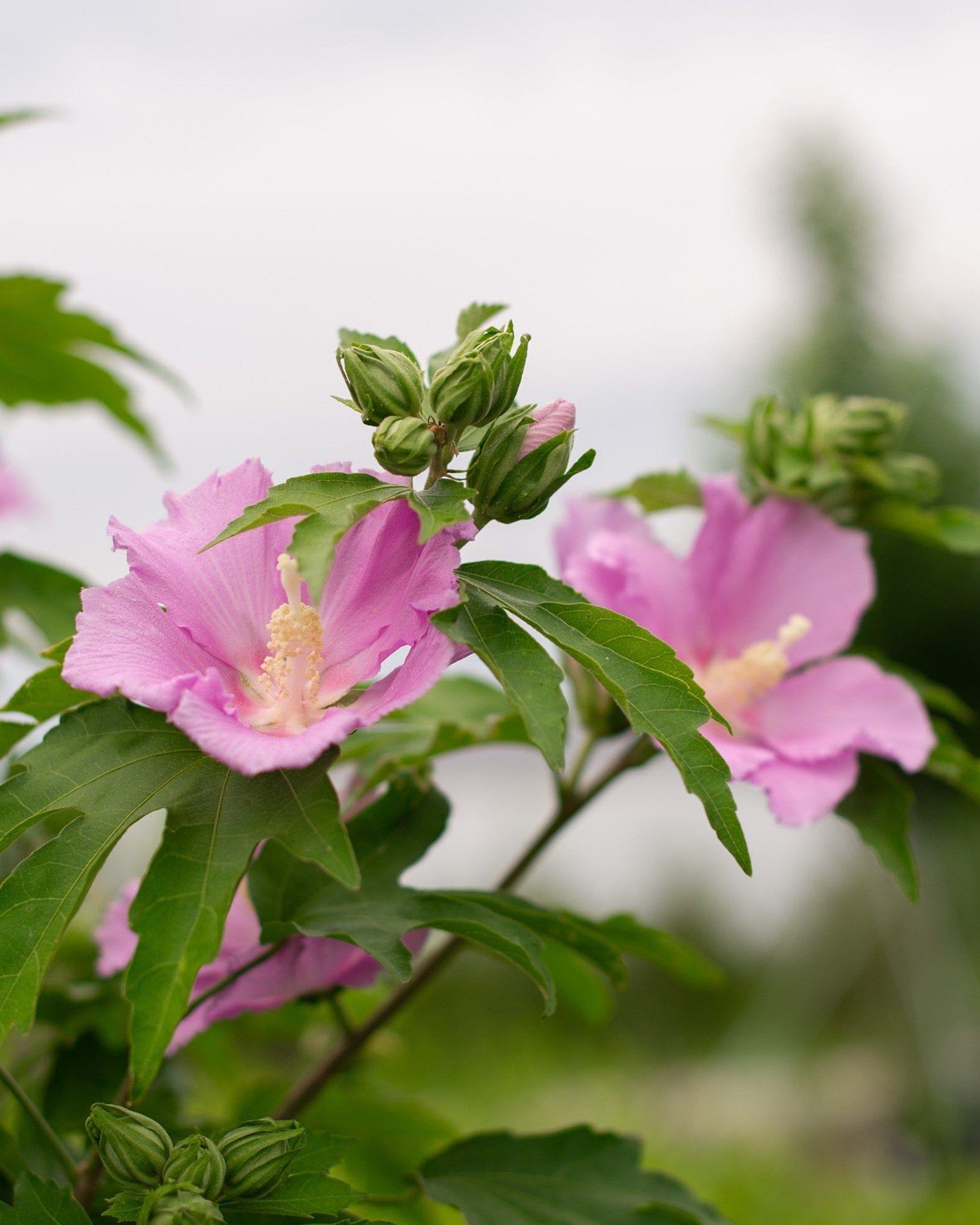
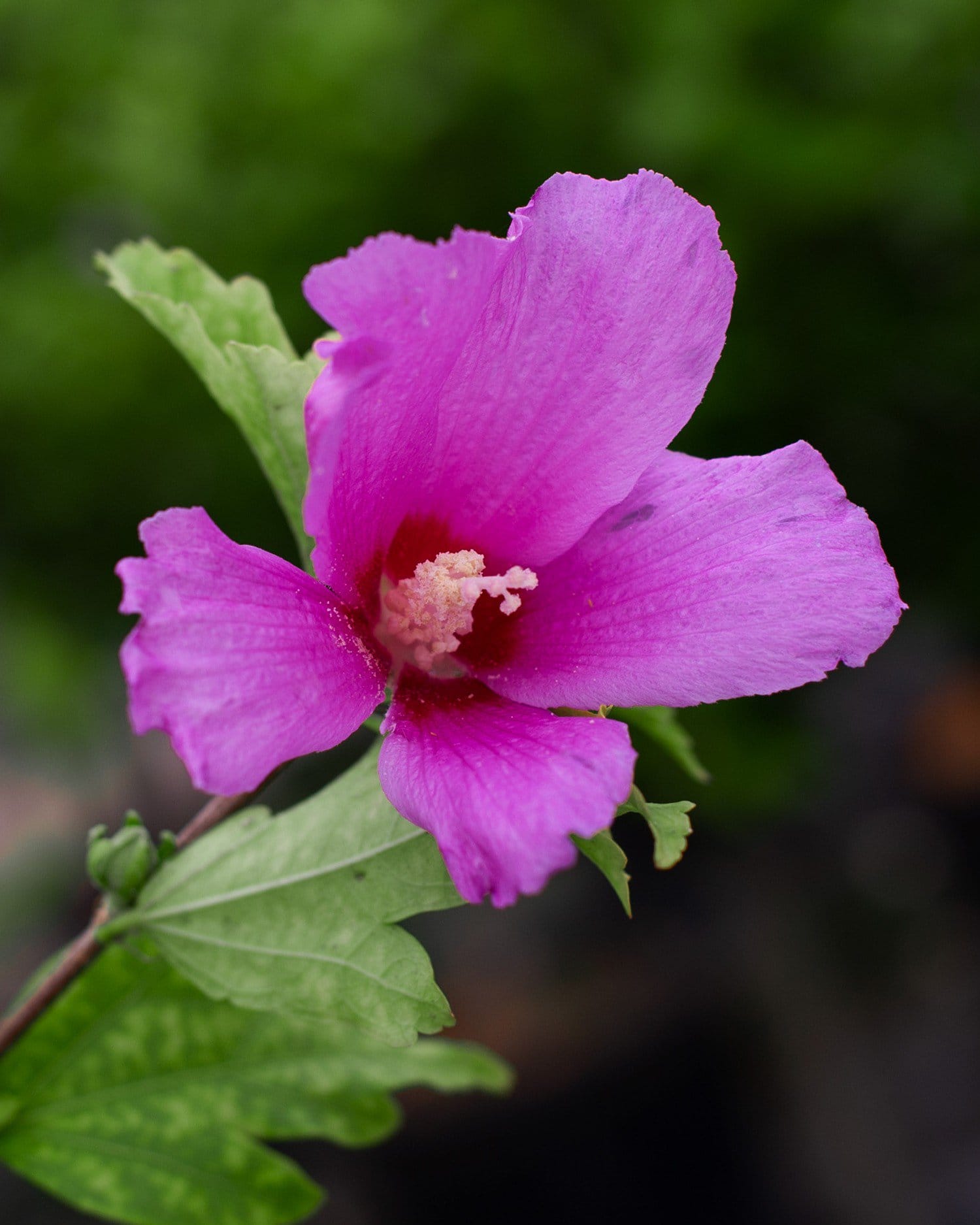
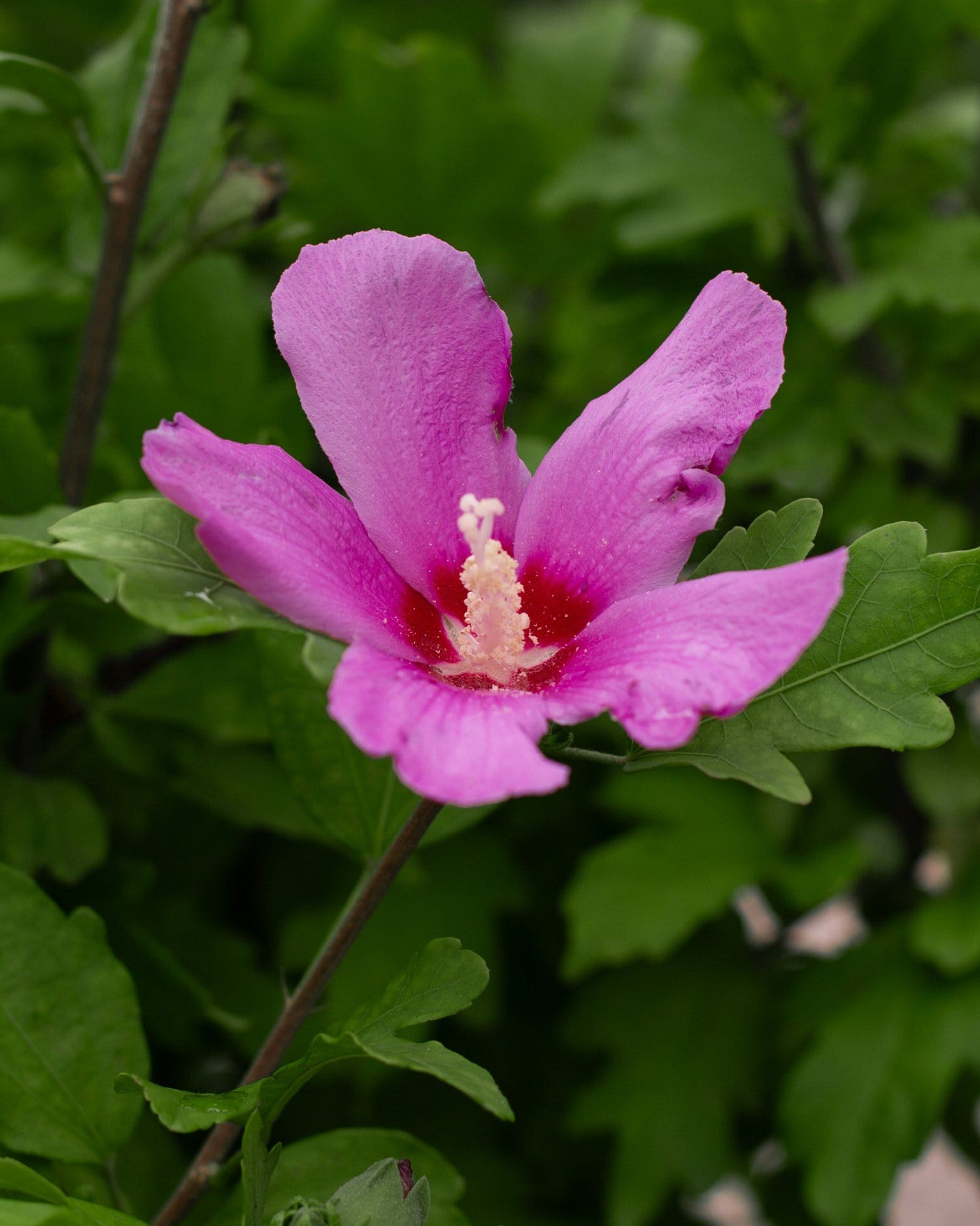
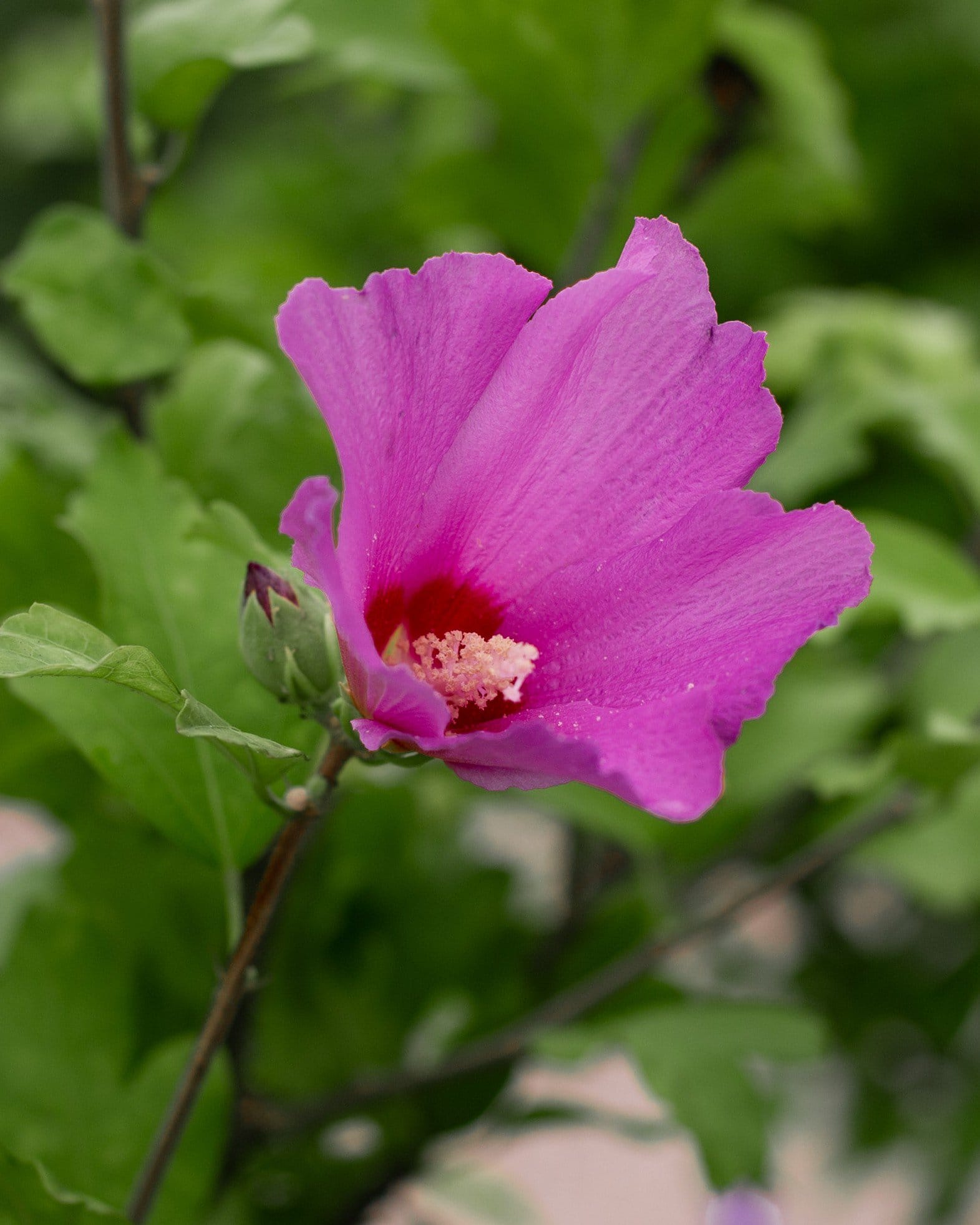
Hibiscus syriacus ‘Diana’Diana Althea Tree Form brings refined beauty and a soft, timeless presence to any landscape. Growing to approximately 8 feet in height and 5 feet across, it produces an abundance of crisp white flowers from spring into summer, creating a striking contrast against its dark green leaves. Its tidy, upright structure makes it a perfect focal point for patios, courtyards, or narrow beds, blending seamlessly into both classic and contemporary designs. Easy to maintain and versatile in placement, this tree offers elegant blooms and seasonal transitions that enhance small spaces.
- Deciduous flowering tree
- Moderate growth rate
- White flowers blooming in spring and summer
- Green foliage turns yellow in fall
- Ideal for patios, walkways, and compact landscapes
Hardy in USDA zones 5-9, Diana Althea Tree Form thrives in full sun. It performs best in well-drained soils. Its graceful blooms and subtle seasonal color shifts bring enduring elegance to North Texas and beyond.
The Diana was one of the first major sterile Altheas released by the U.S. National Arboretum. They are triploids, meaning they are genetically incapable of producing seeds.
Once established, Diana Althea Tree Form is a low-maintenance favorite. Its sturdy trunk and consistent blooming habit make long-term care straightforward and manageable. Here’s all it needs:
- Watering: Provide regular, deep watering during the first growing season to ensure strong root establishment. Afterward, this tree-form althea tolerates moderate dry periods but performs best with supplemental irrigation during extended summer heat.
- Pruning: Prune in late winter or very early spring before new growth begins. Maintain the defined trunk by removing any shoots that emerge below the canopy and lightly thin interior branches to preserve airflow.
- Fertilizing: Apply a balanced, slow-release fertilizer in early spring as growth resumes. Avoid excessive nitrogen, which can produce vigorous leafy growth at the expense of flowers. In established landscapes with average soil fertility, feeding needs remain moderate.
- Mulching: Apply a 2-3 inch layer of mulch around the base to stabilize soil temperature and retain moisture. Keep mulch a few inches away from the trunk to prevent moisture accumulation against the bark. Organic mulch also helps suppress competing weeds.
- Winter Care: Mature specimens are reliably cold-hardy and typically require no special winter protection. In colder climates, young tree-form plants benefit from temporary trunk protection during their first few winters.
Diana Althea Tree Form is generally durable, though occasional pests and environmental stressors may arise.
- Aphids: Clusters of small insects may gather on tender new growth, causing curling leaves and sticky residue. A strong water spray or insecticidal soap application effectively reduces infestations.
- Japanese Beetles: Skeletonized foliage during summer may indicate feeding damage. Hand removal or traps positioned away from the tree help manage populations.
- Leaf Scorch: Browning along leaf edges can develop during extreme heat or inconsistent watering. Deep, consistent irrigation during prolonged hot periods minimizes stress.
- Root Stress from Poor Drainage: Yellowing foliage and slowed growth may signal overly wet soil conditions. Improving drainage and adjusting watering practices restores root health.
With proper care, this tree-form shrub commonly lives 20-30 years or more. Longevity is strongly influenced by proper pruning and consistent drainage. Mature specimens often remain structurally sound and floriferous for decades.
Growth averages 12-24 inches per year under favorable conditions. A well-developed canopy typically forms within 3-5 years. Structural maturity and peak flowering performance usually occur around year five.
It belongs to Hibiscus syriacus, which is a hardy woody shrub rather than a tropical hibiscus. Unlike tropical types, it tolerates colder climates and returns reliably each year. Its growth habit is more tree-like when trained into standard form.
If not maintained, basal shoots may emerge and form additional stems. Regular removal of lower shoots preserves the single-trunk tree structure. Early training ensures a stable, upright framework.
It performs well in warm, humid climates when provided with consistent moisture. Proper airflow within the canopy helps reduce stress during prolonged humidity. Established plants generally adapt well to summer conditions.
Seed capsules may form after flowering if blooms are not removed. In most garden settings, self-seeding is limited and manageable. Removing spent flowers further reduces seed production.
The primary difference lies in its training and presentation. Tree form features a single trunk with an elevated canopy, creating a more formal, architectural look. The flowering characteristics remain the same.
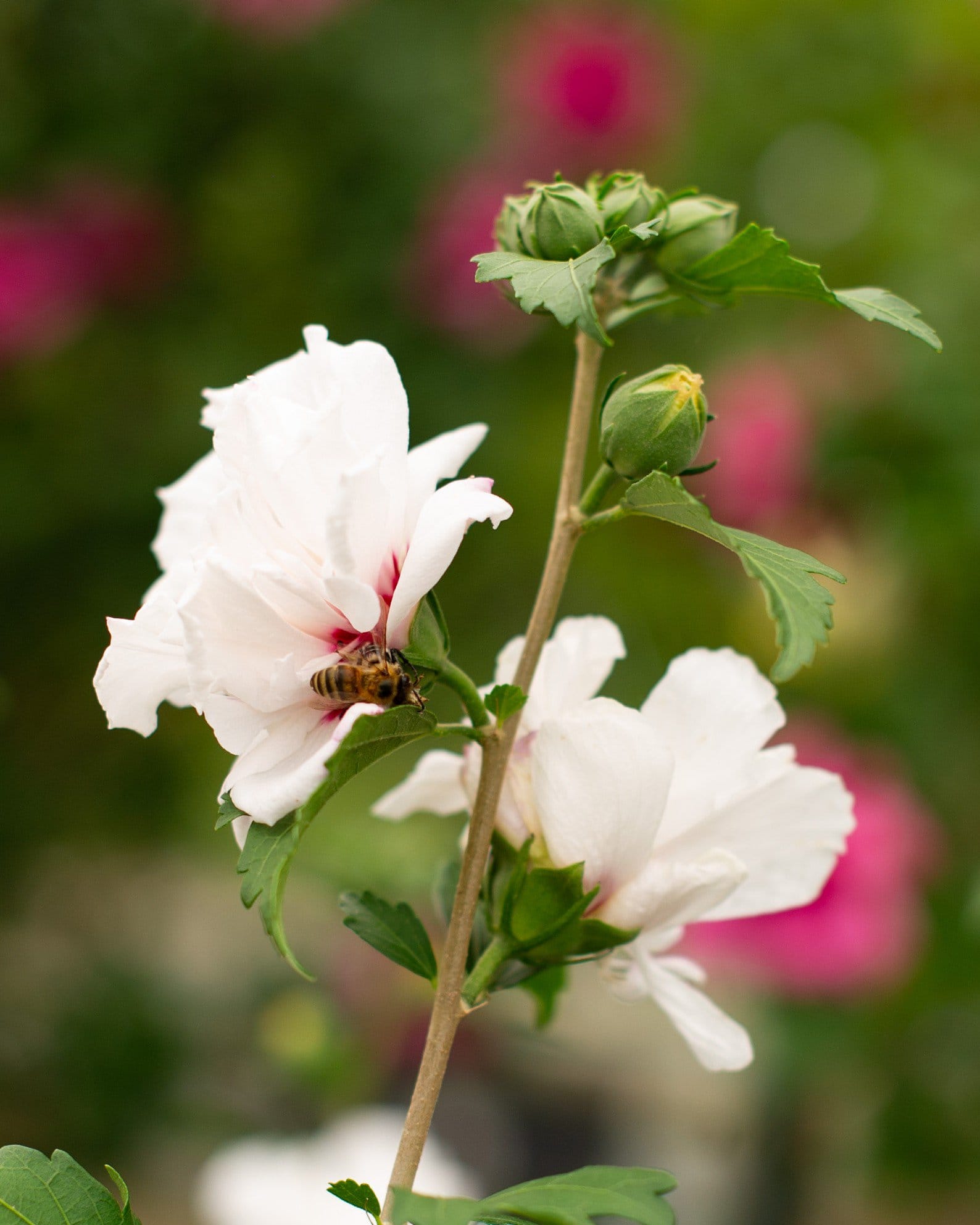
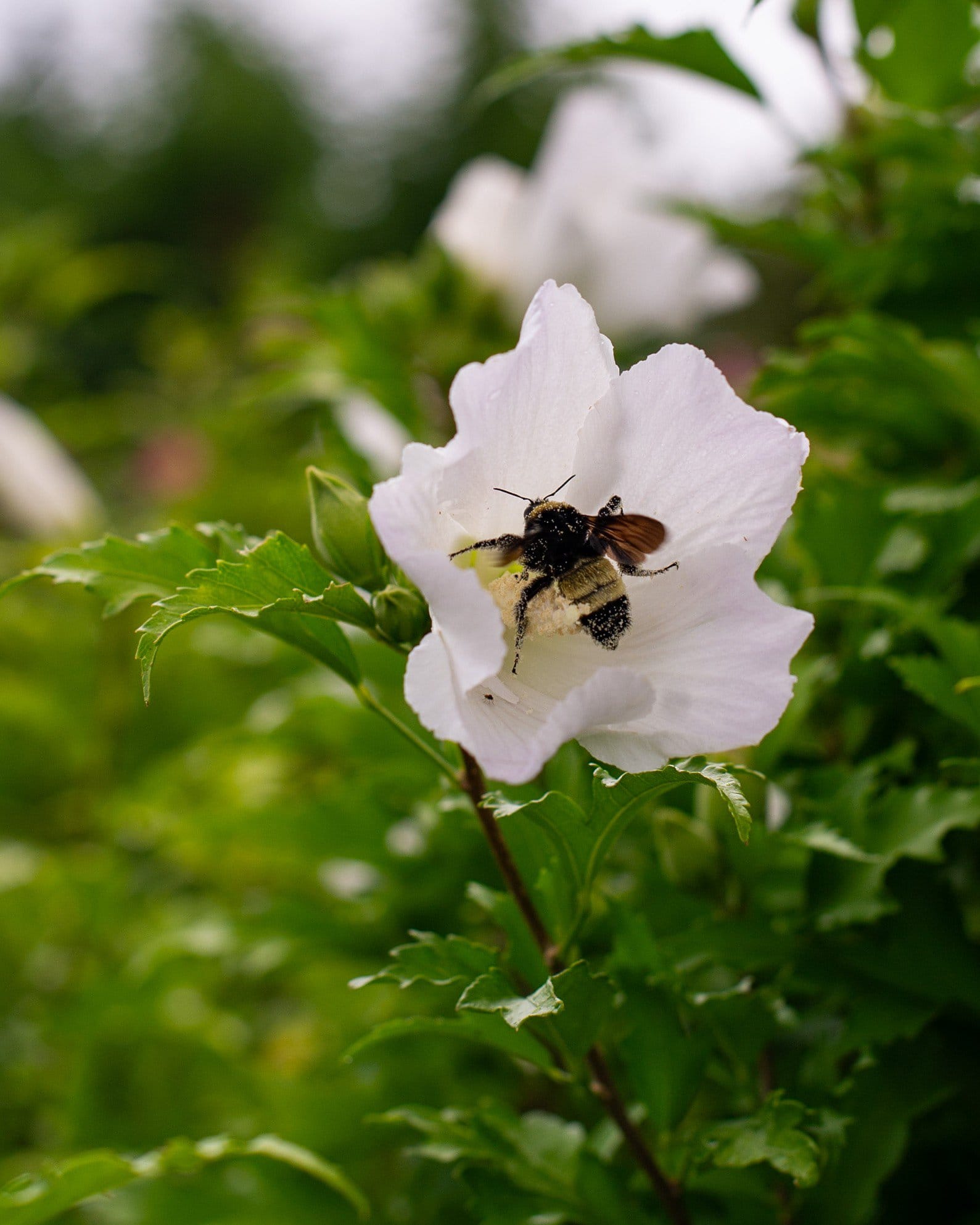
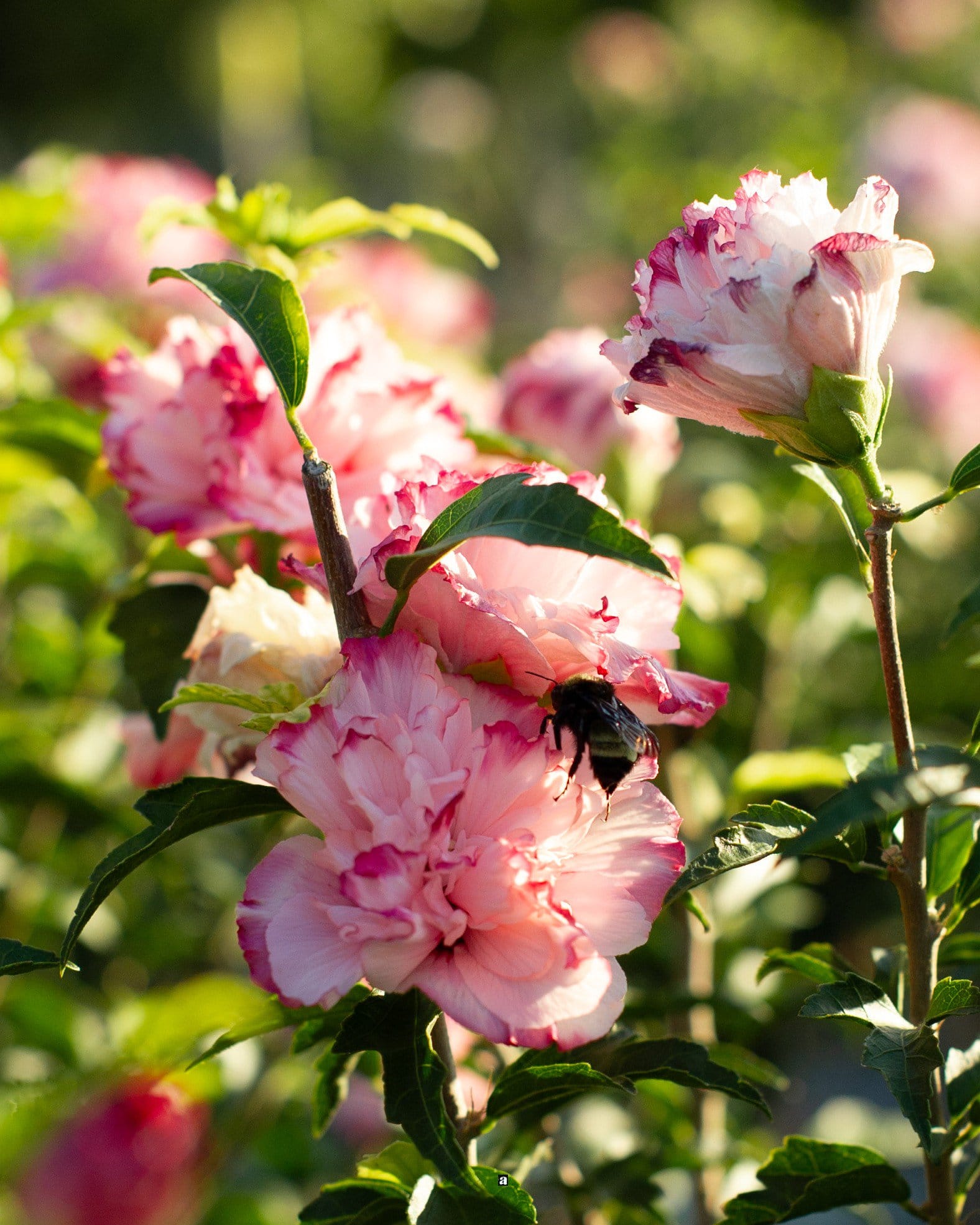
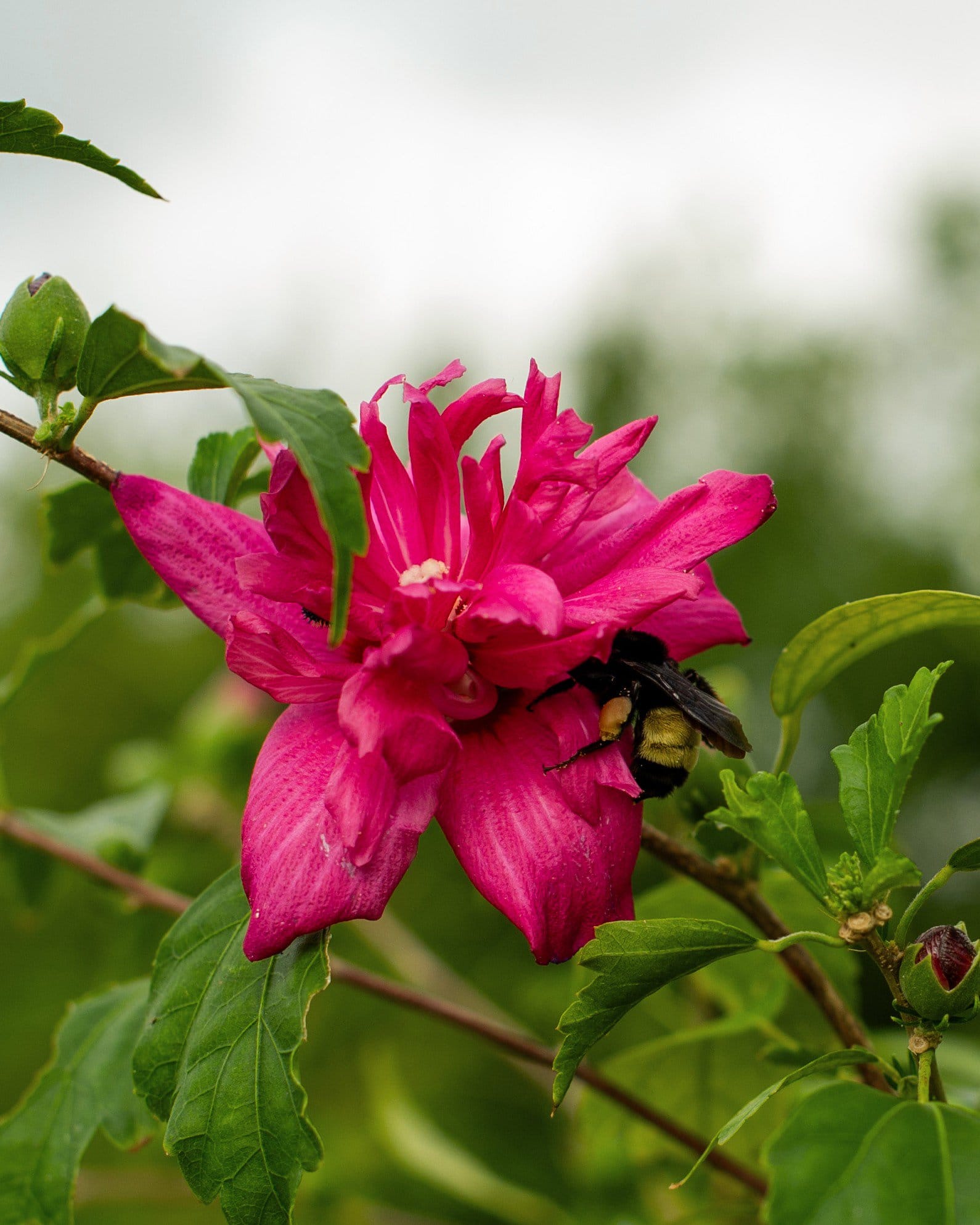
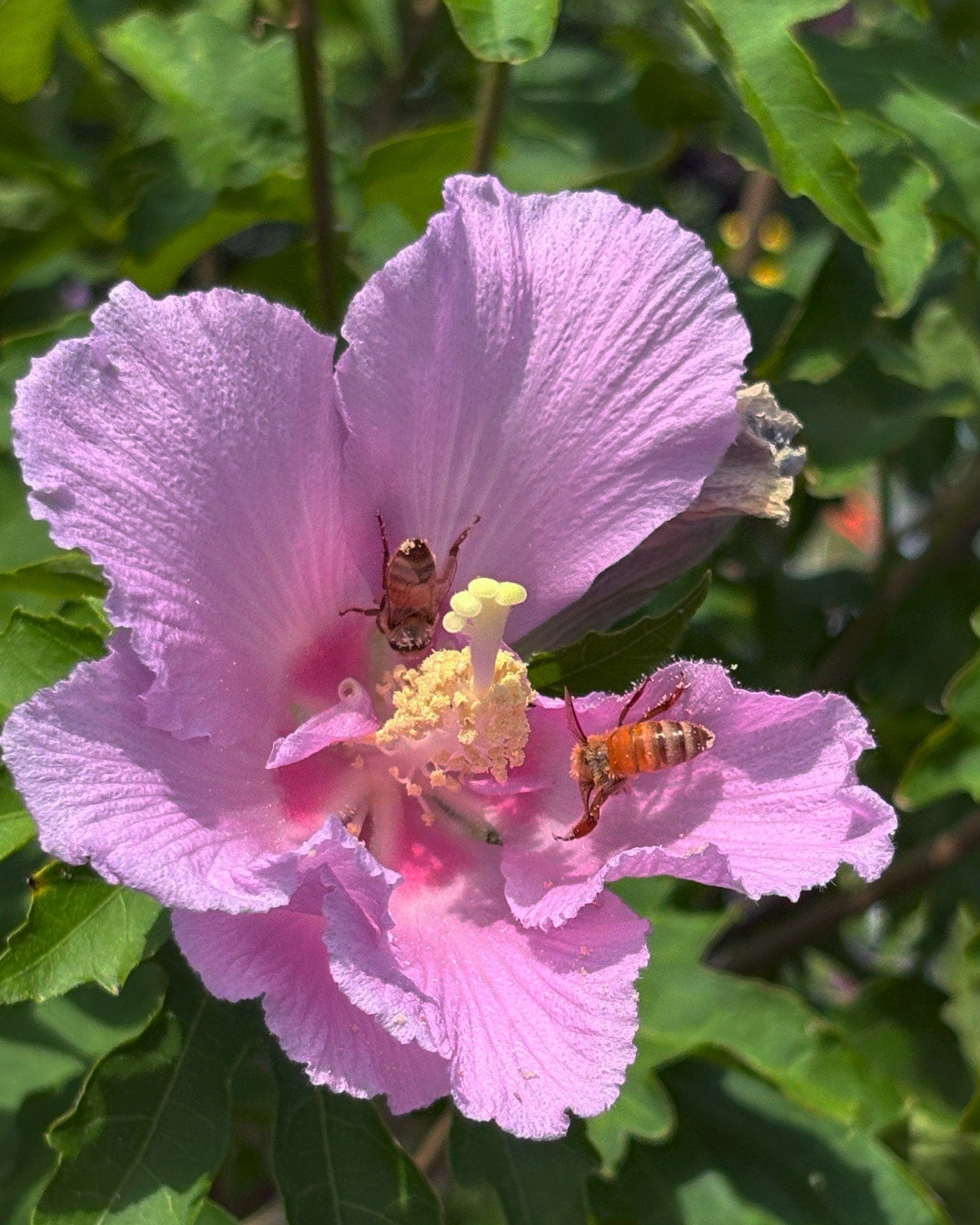
Its blooms provide nectar for pollinators, and the canopy offers light shelter for small birds. It integrates well into mixed plantings without becoming invasive. Its late-season flowering supports ecological diversity.
Staking is typically only necessary during early establishment. Once the trunk thickens and roots anchor securely, it stands independently. Proper early care ensures long-term stability.
Moderate branch damage can usually be corrected through careful pruning. Because it flowers on new wood, recovery growth is typically vigorous. Maintaining structural balance helps prevent future breakage.
Special Features
You might also like
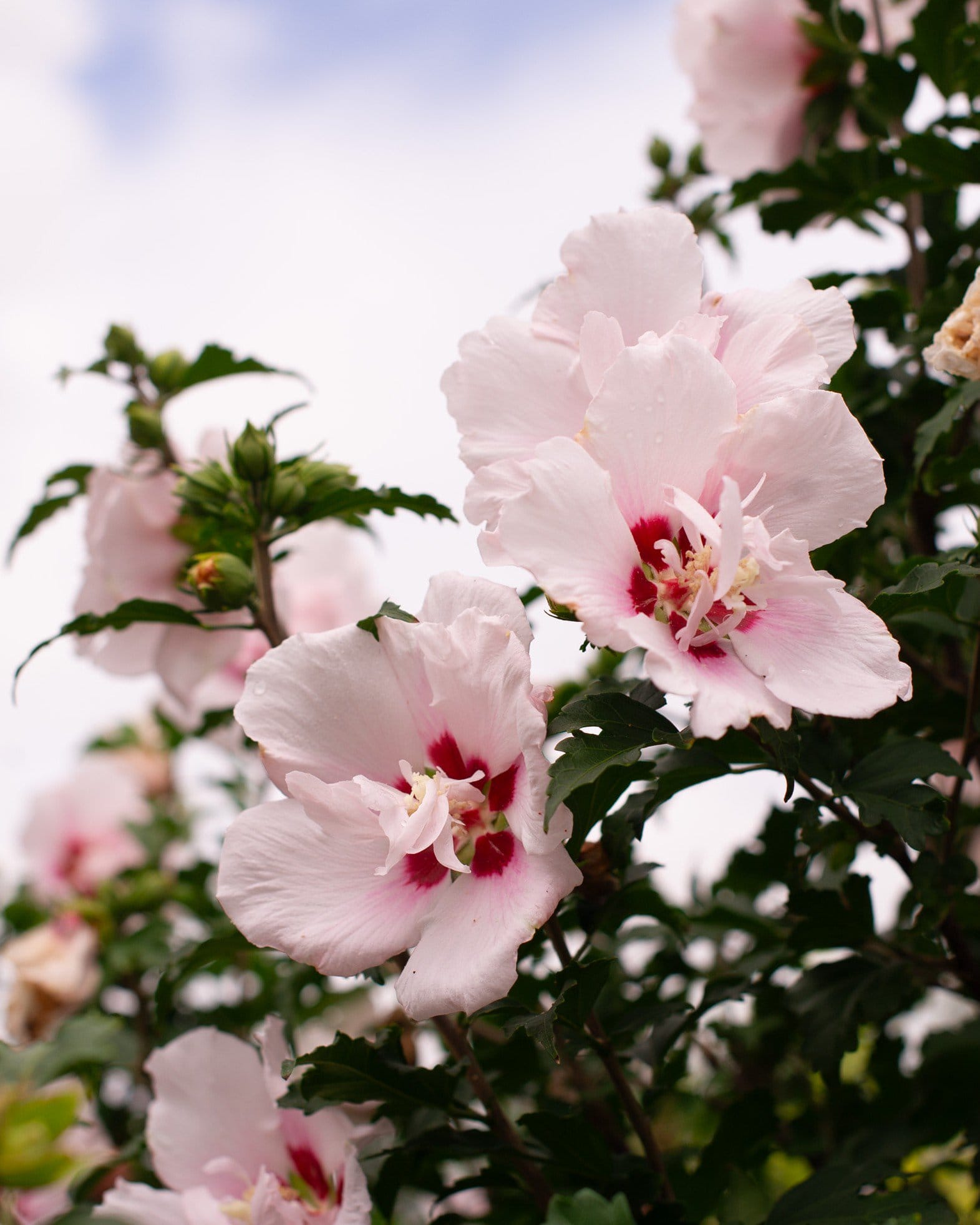
Lady Stanley Althea Tree Form
Maturity: 8' H x 5' W
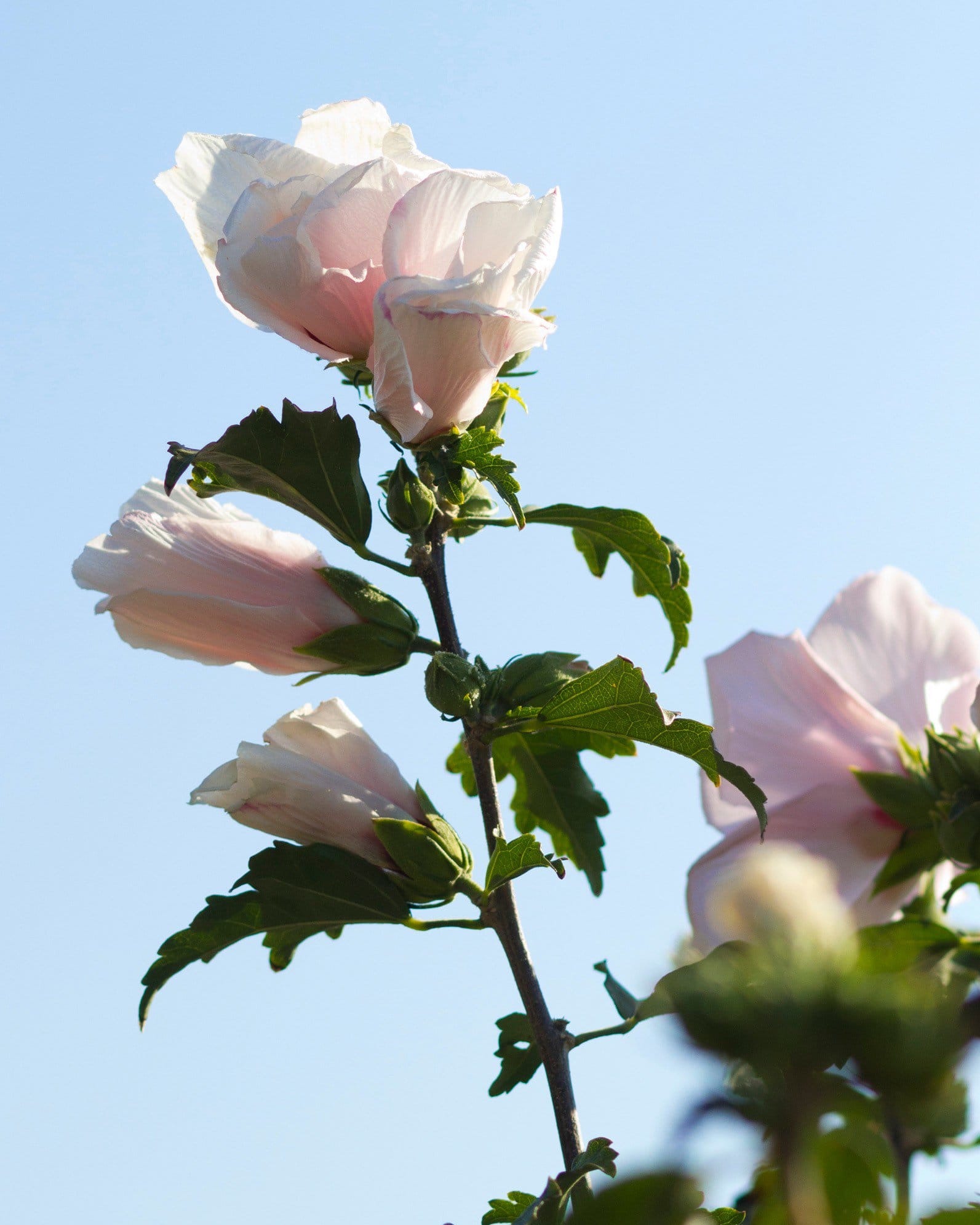
Morning Star Althea Tree Form
Maturity: 8' H x 5' W
White Chiffon Althea Tree Form
Maturity: 8' H x 6' W
White Pillar Althea
Maturity: 10' H x 4' W
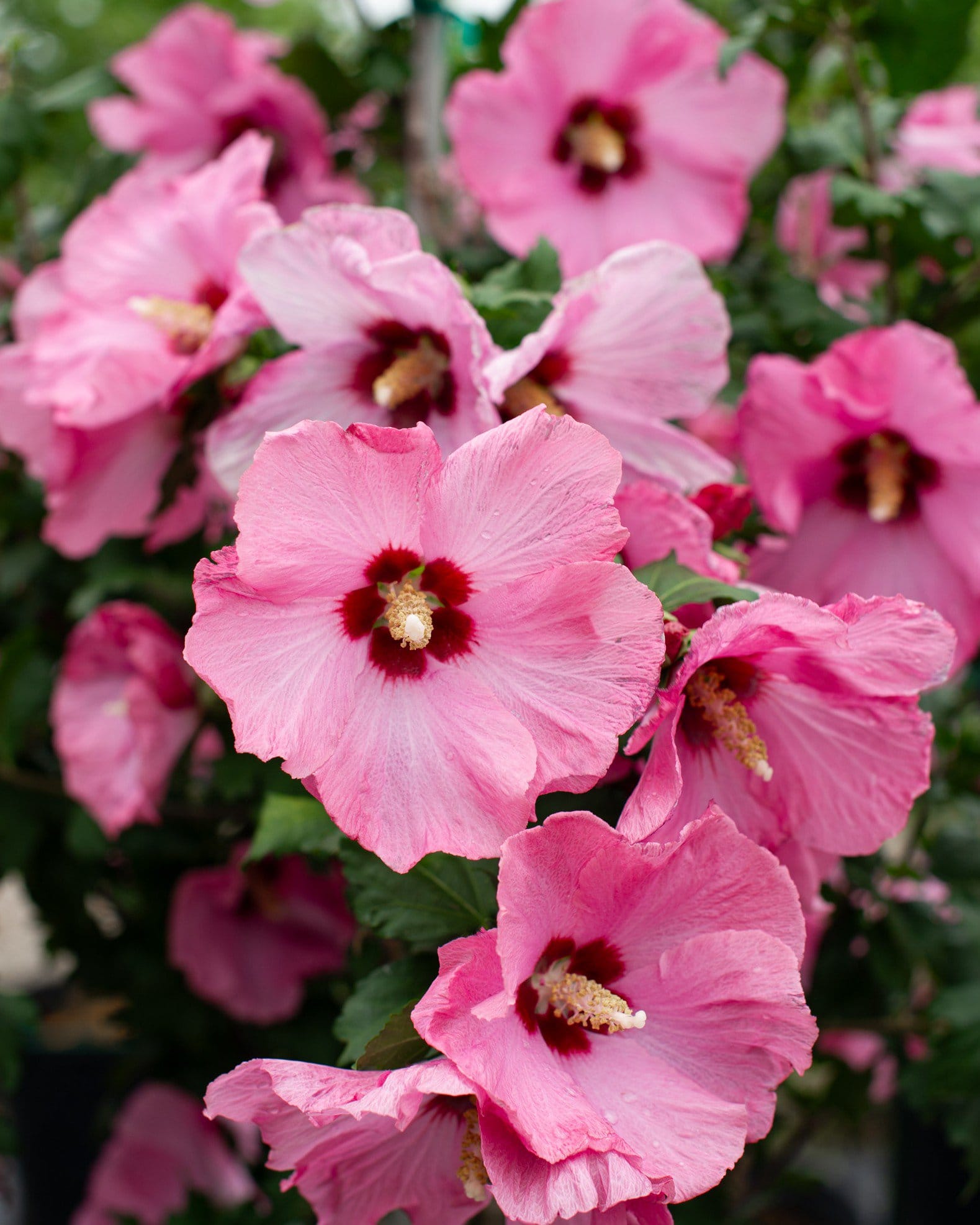
Aphrodite Althea Tree Form
Maturity: 8' H x 6' W
Blue Angel Althea
Maturity: 8' H x 6' W
Blueberry Smoothie Althea Tree Form
Maturity: 8' H x 4' W
Danica Althea Tree Form
Maturity: 8' H x 5' W
Double Red Althea Tree Form
Maturity: 8' H x 5' W
Lucy Althea Tree Form
Maturity: 8' H x 5' W
Minerva Althea Tree Form
Maturity: 8' H x 5' W
Pollypetite Althea Tree Form
Maturity: 8' H x 5' W
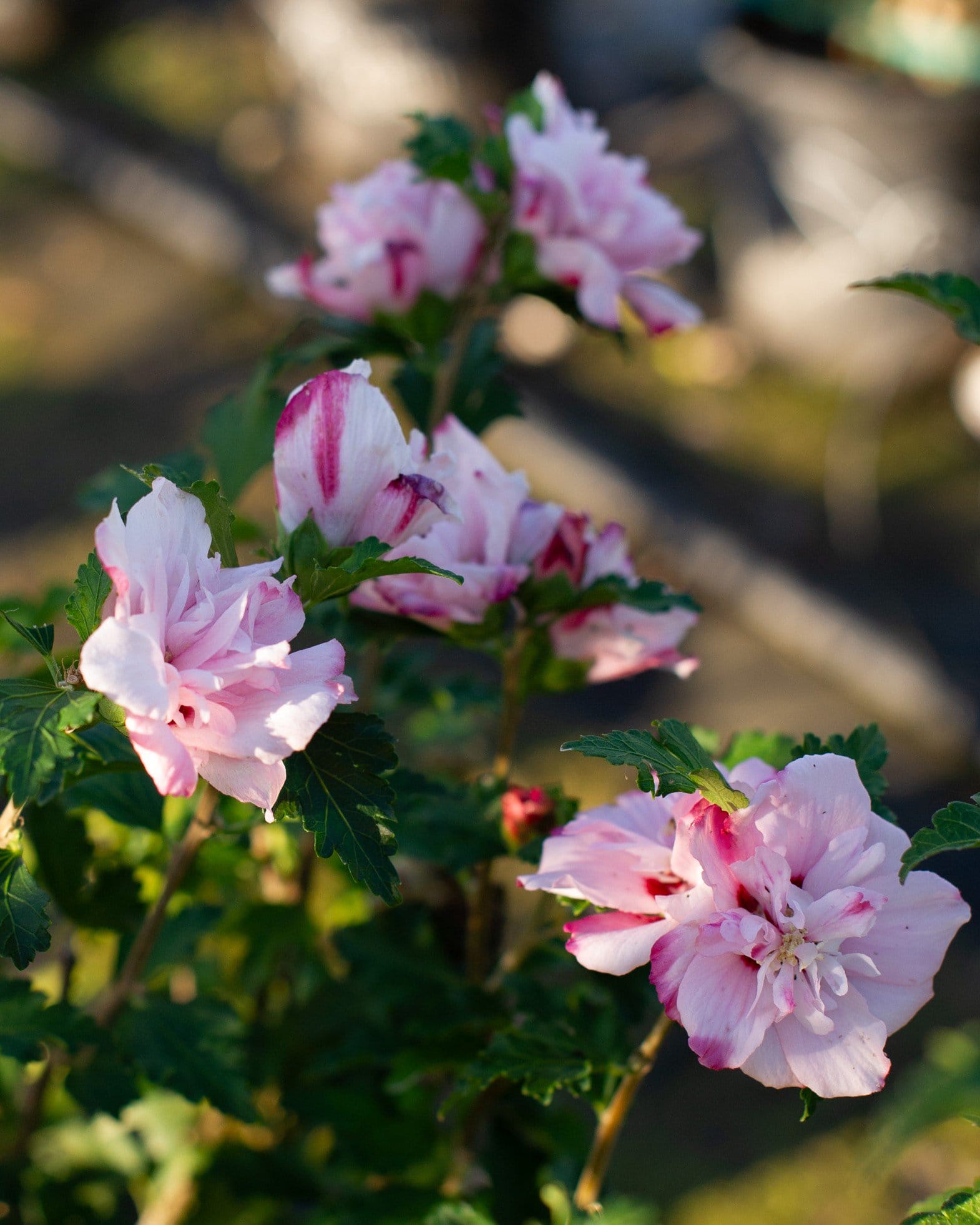
Smoothie Fusion Althea
Maturity: 8' H x 6' W
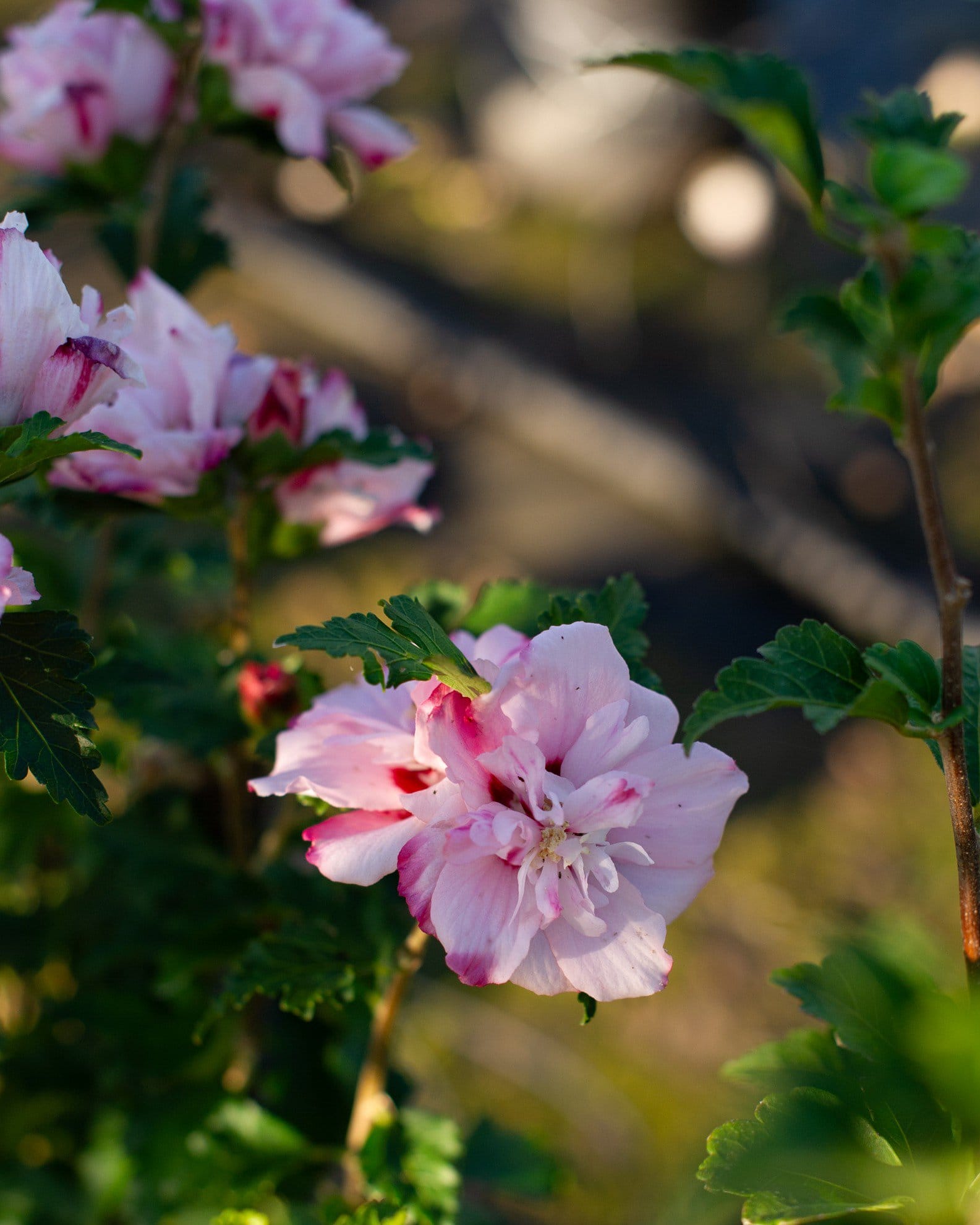
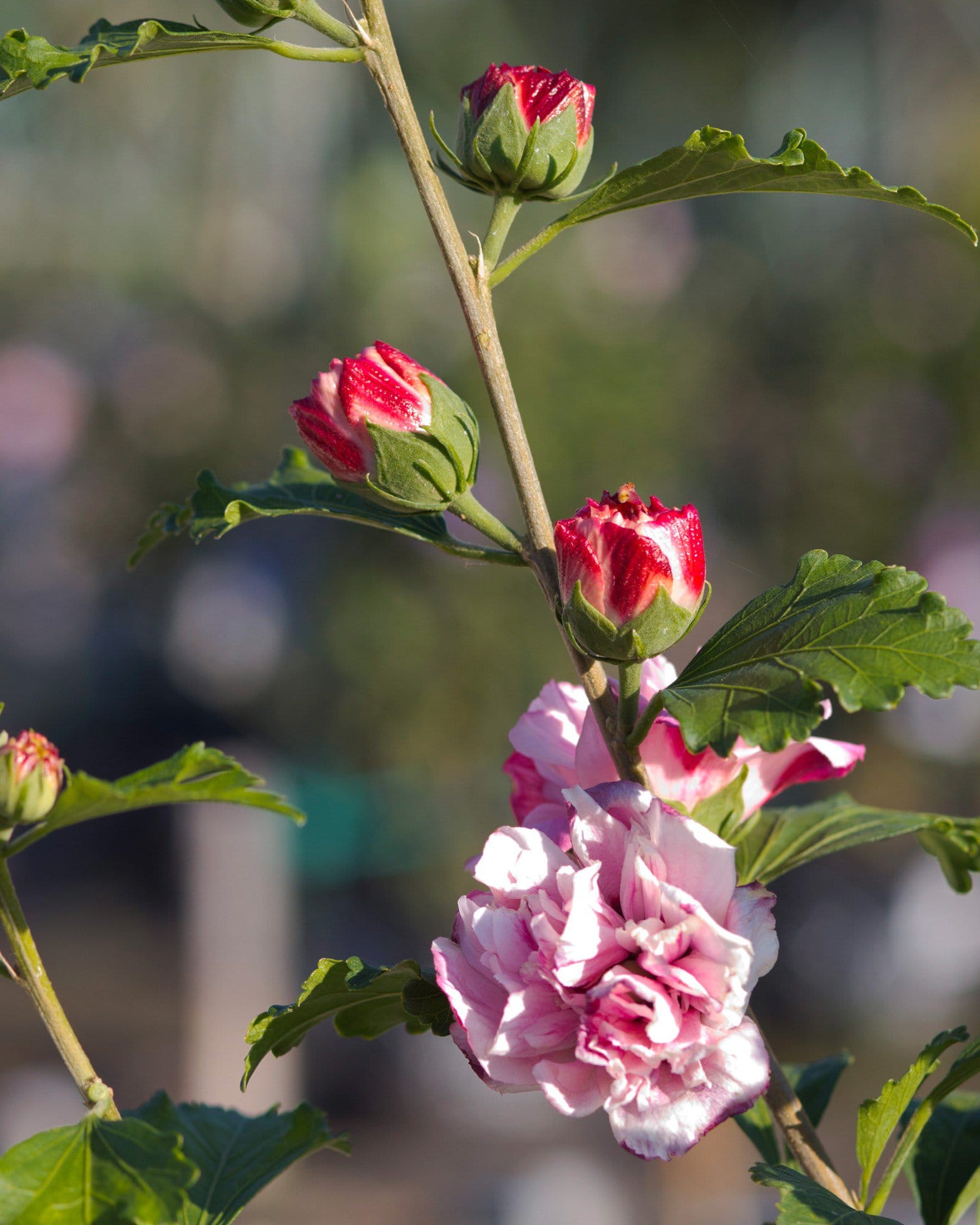
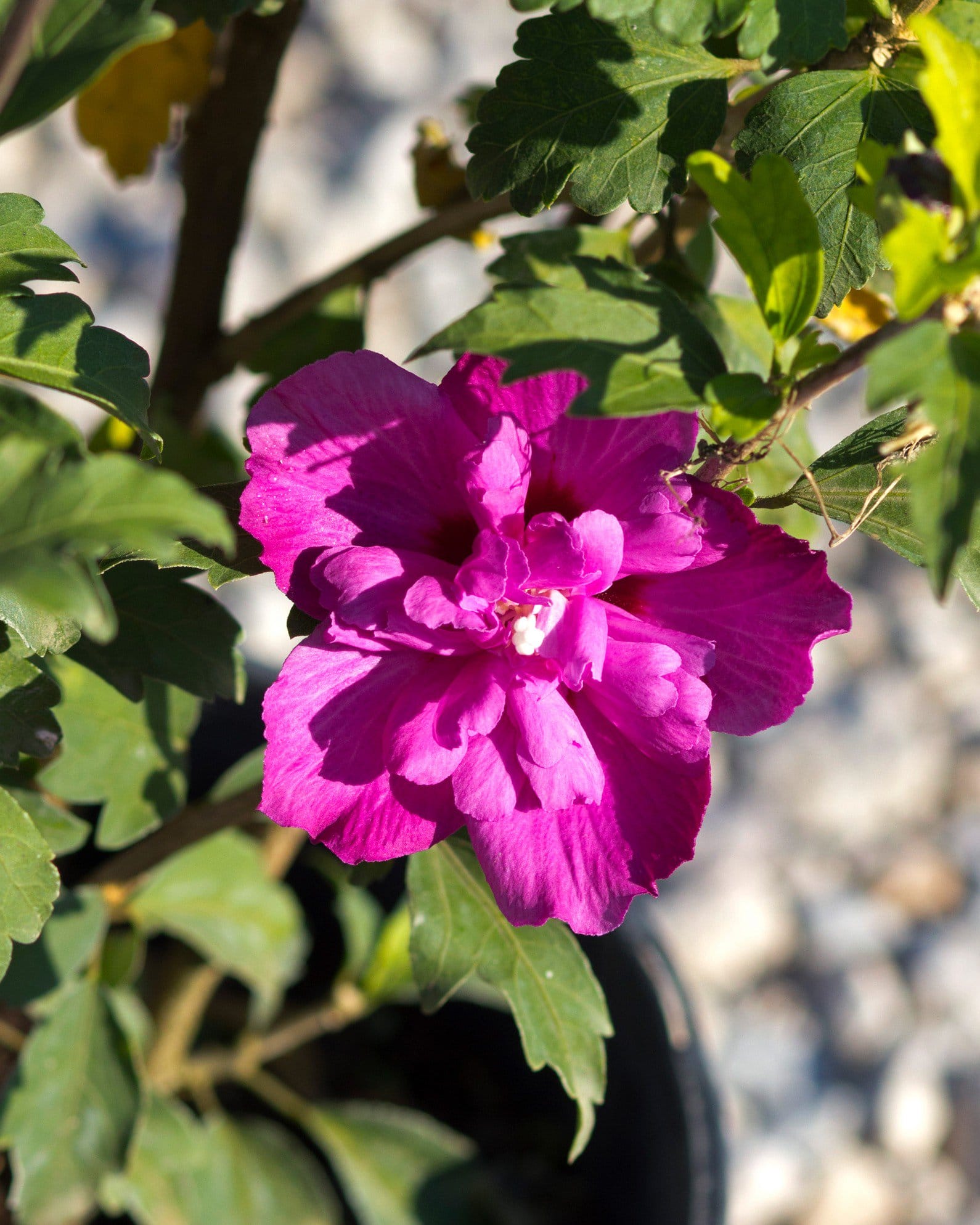
Strawberry Smoothie Althea
Maturity: 8' H x 6' W
Violet Satin Althea Tree Form
Maturity: 8' H x 5' W
Compare Similar Plants
Diana Althea Tree Form This plant | ||
|---|---|---|
| Scientific Name | Hibiscus syriacus ‘Diana’ | Hibiscus syriacus ‘Lady Stanley’ |
| Size at Maturity | 8' H x 5' W | 8' H x 5' W |
| Leaf Retention | Deciduous | Deciduous |
| Fall Color | Yellow | Yellow |
| Flower Color | White | White & Red |
| Bloom Times | Spring & Summer | Spring & Summer |
| Sizes Available | 15 gal | 15 gal |


Our 1-Year Planting Guarantee
We take pride in our plants and installation services. If any plants or trees installed by Treeland fail to thrive within the first year, we'll provide a replacement credit in accordance with our guarantee program.
Learn More About Our Guarantee