
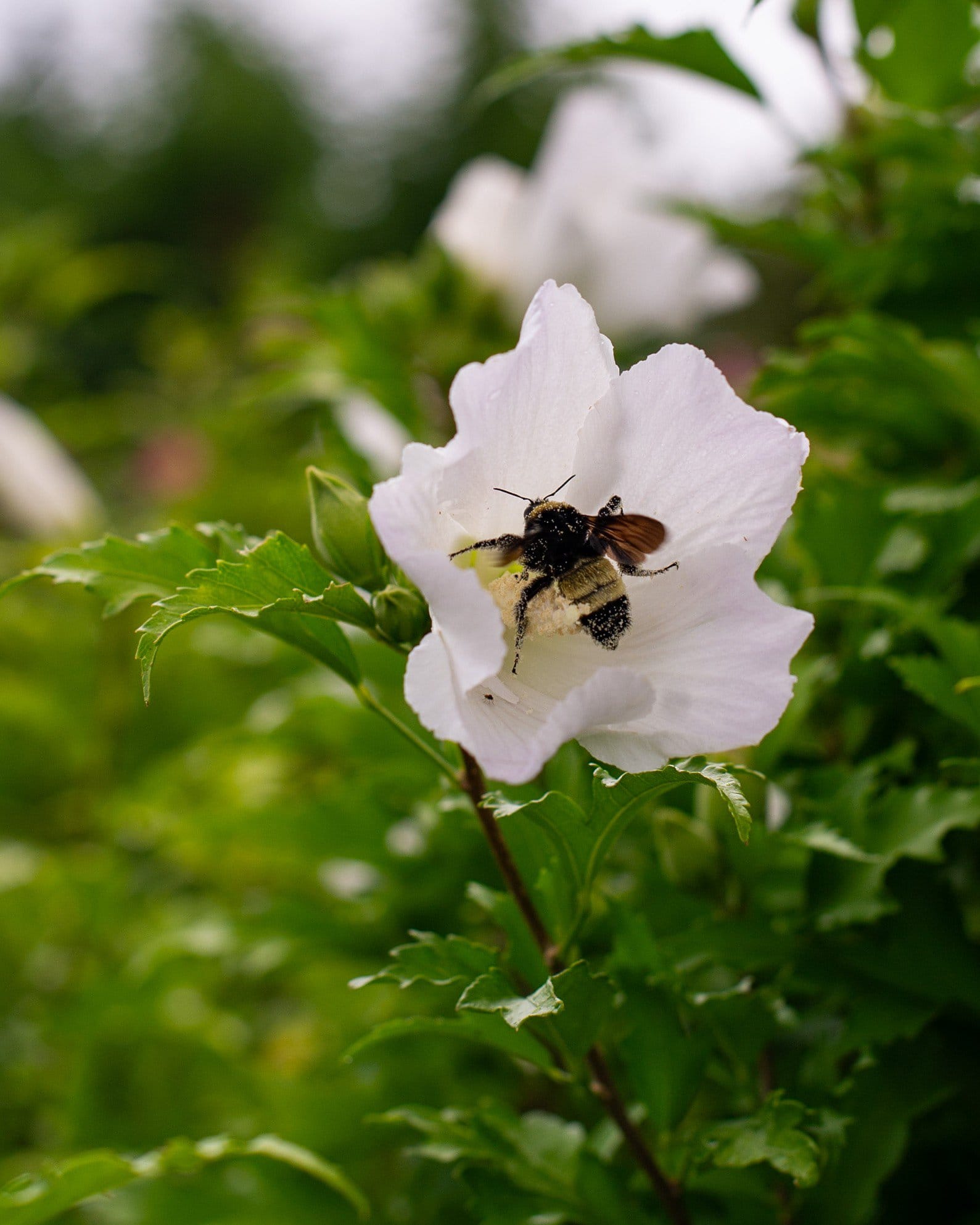
White Pillar Althea
Hibiscus syriacus 'Gandini van Aart'Local DFW Delivery Only
Product Details
White Pillar Althea
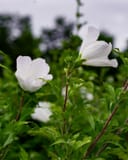
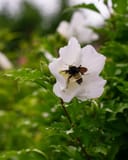
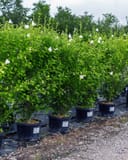
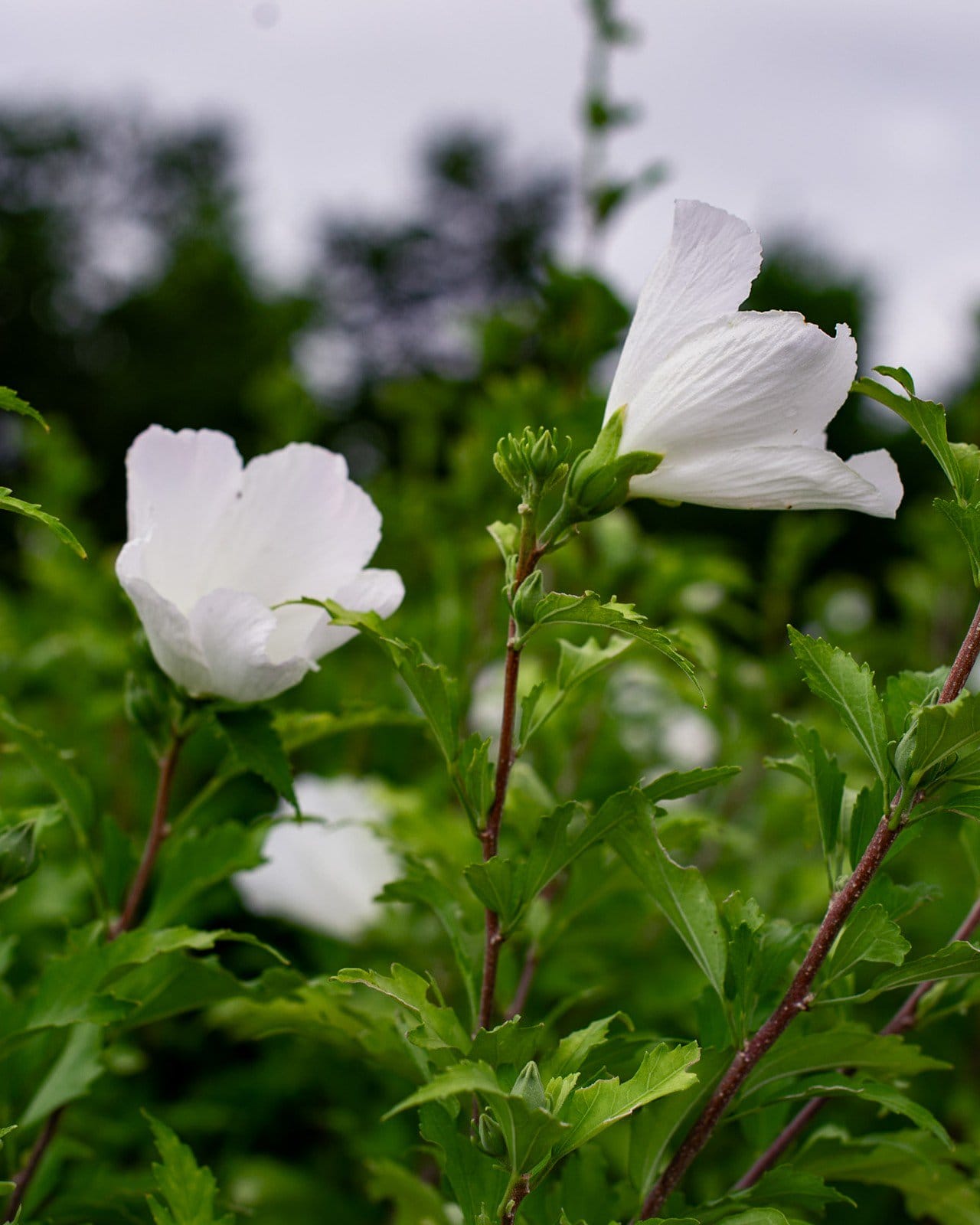
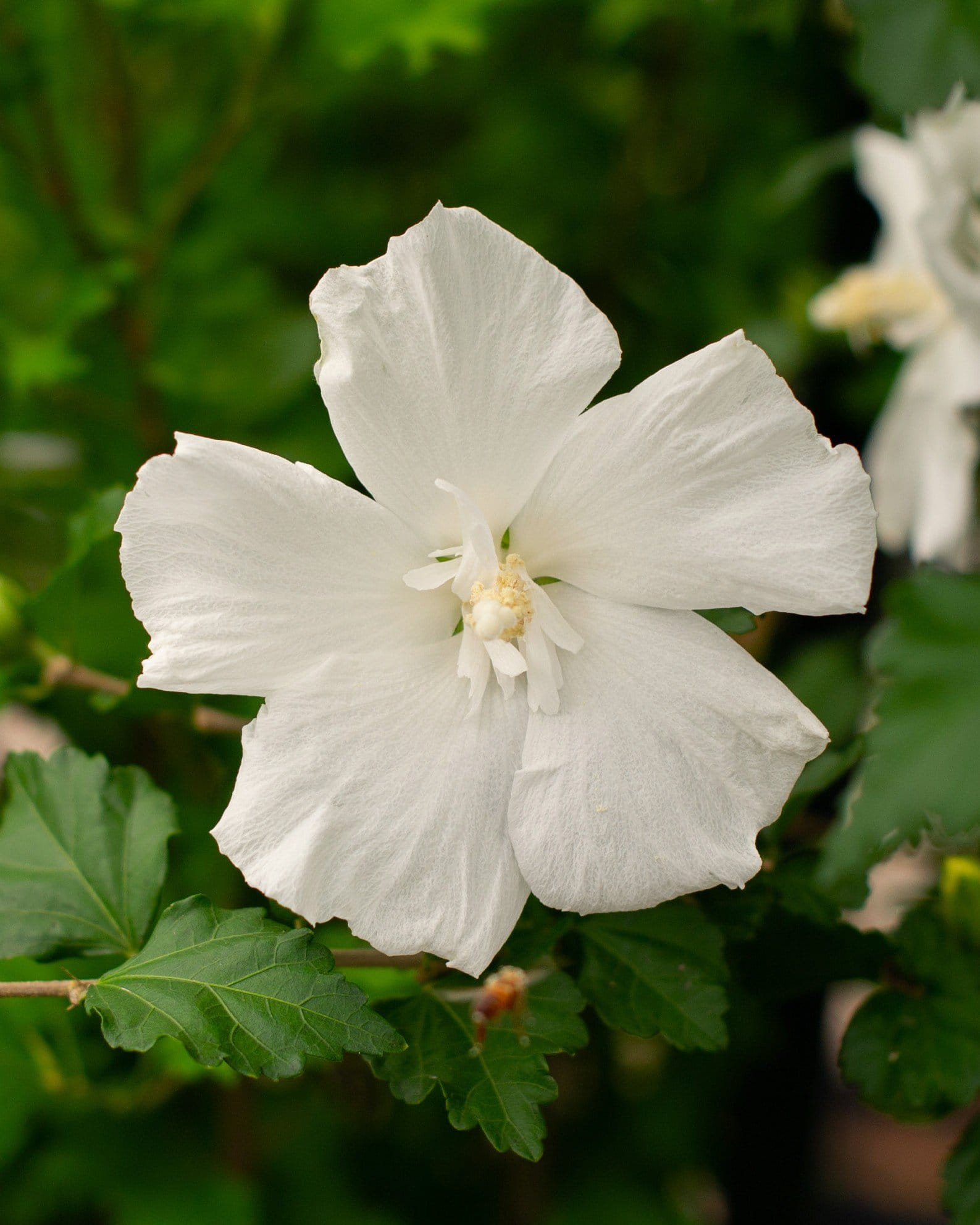
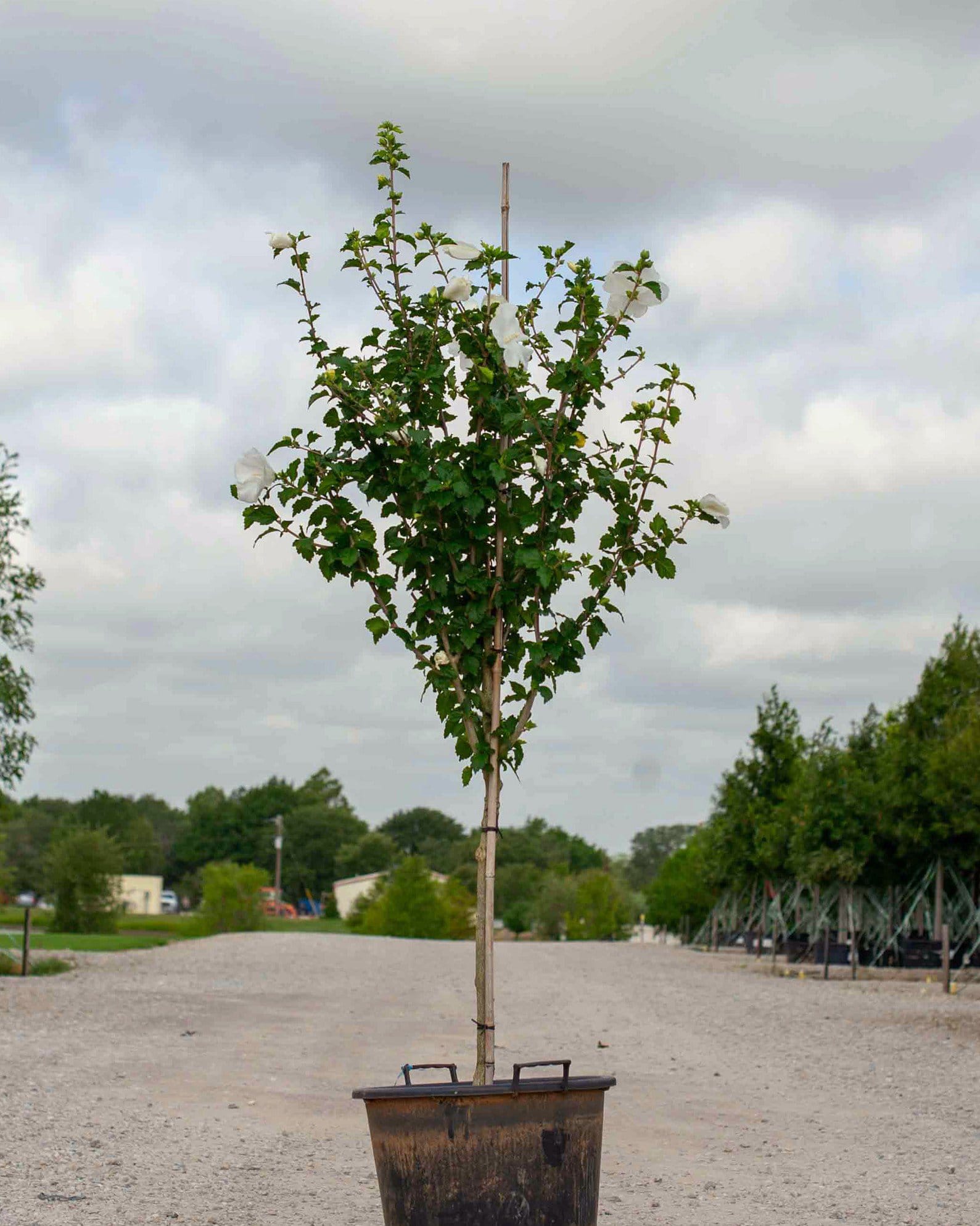
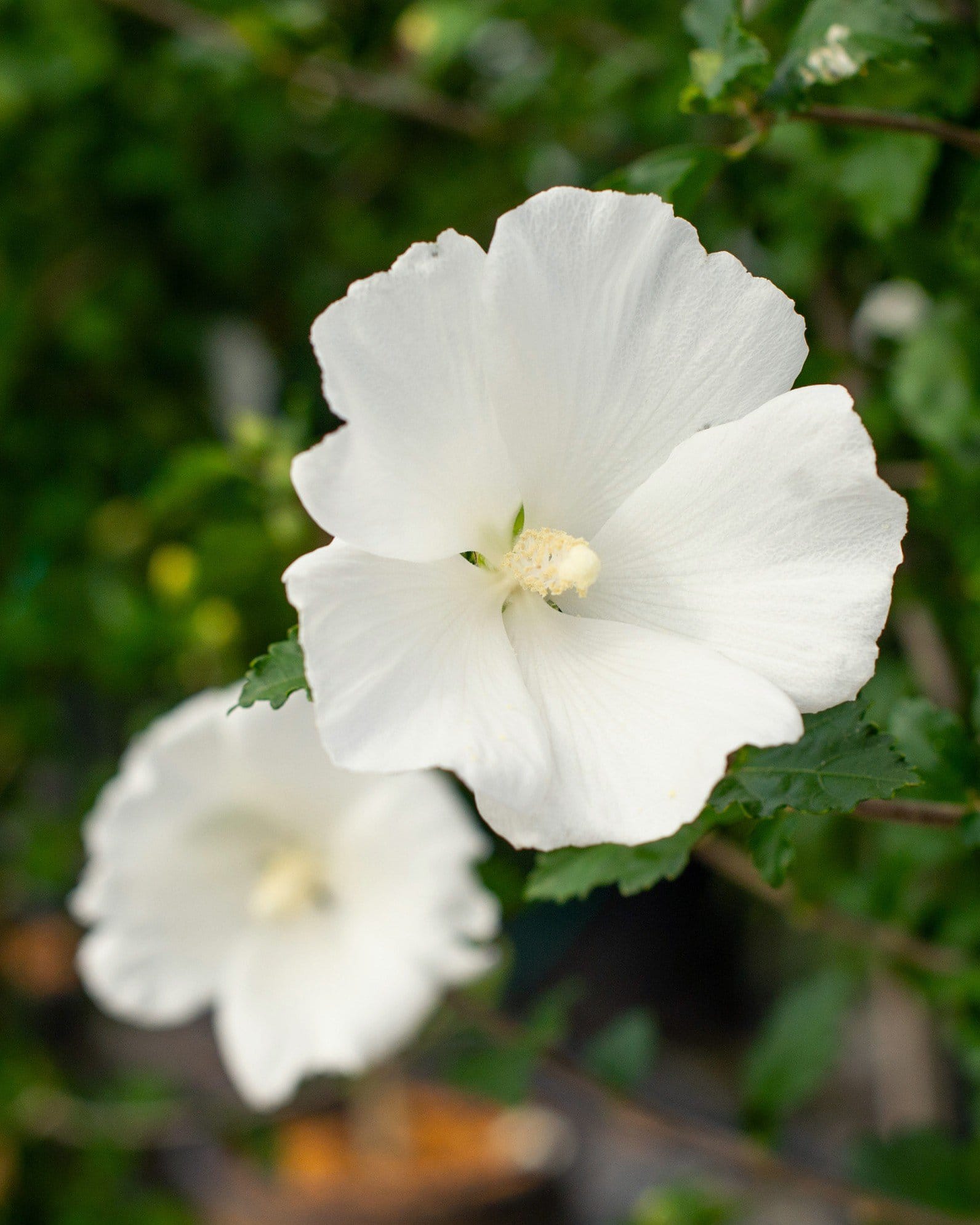
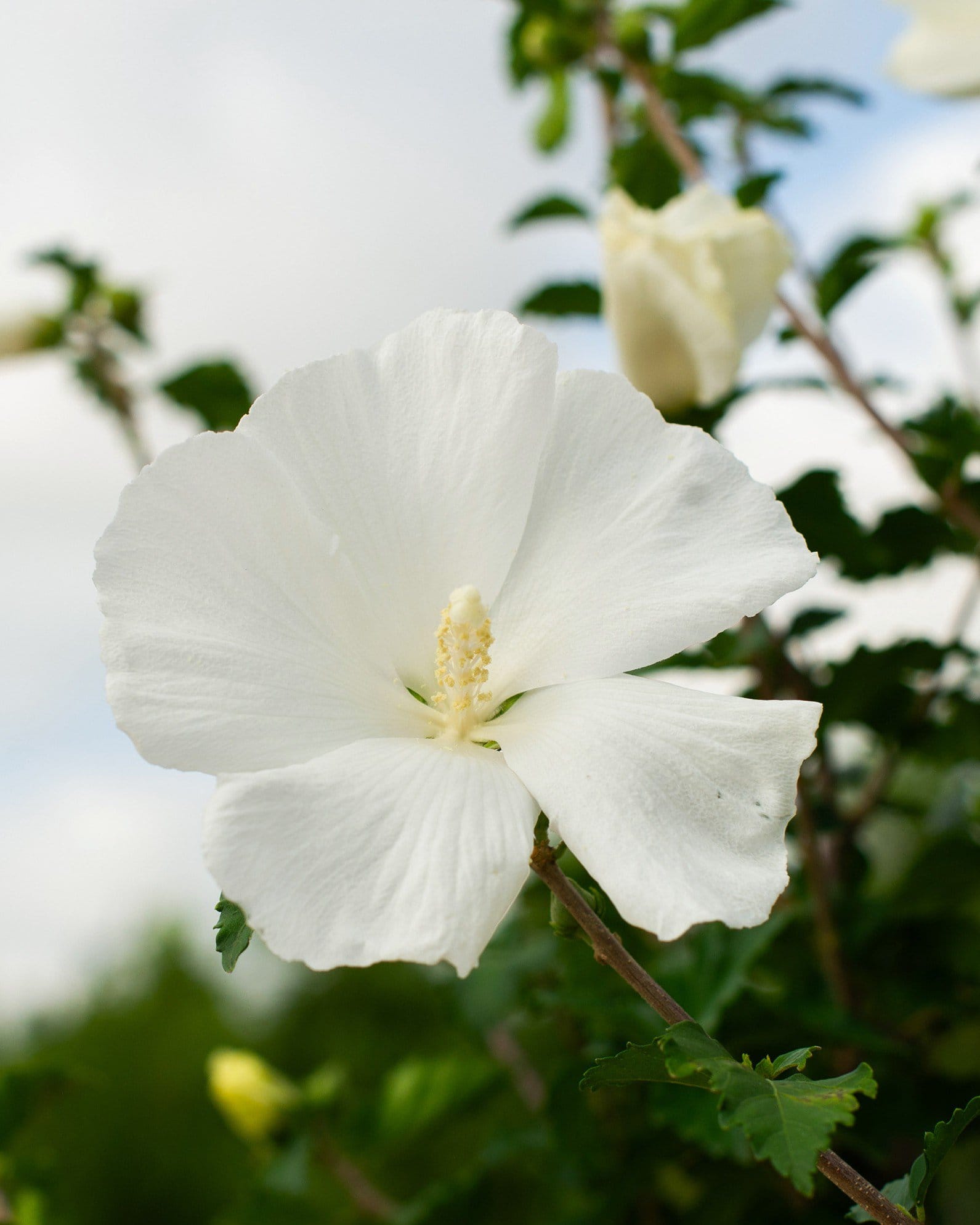
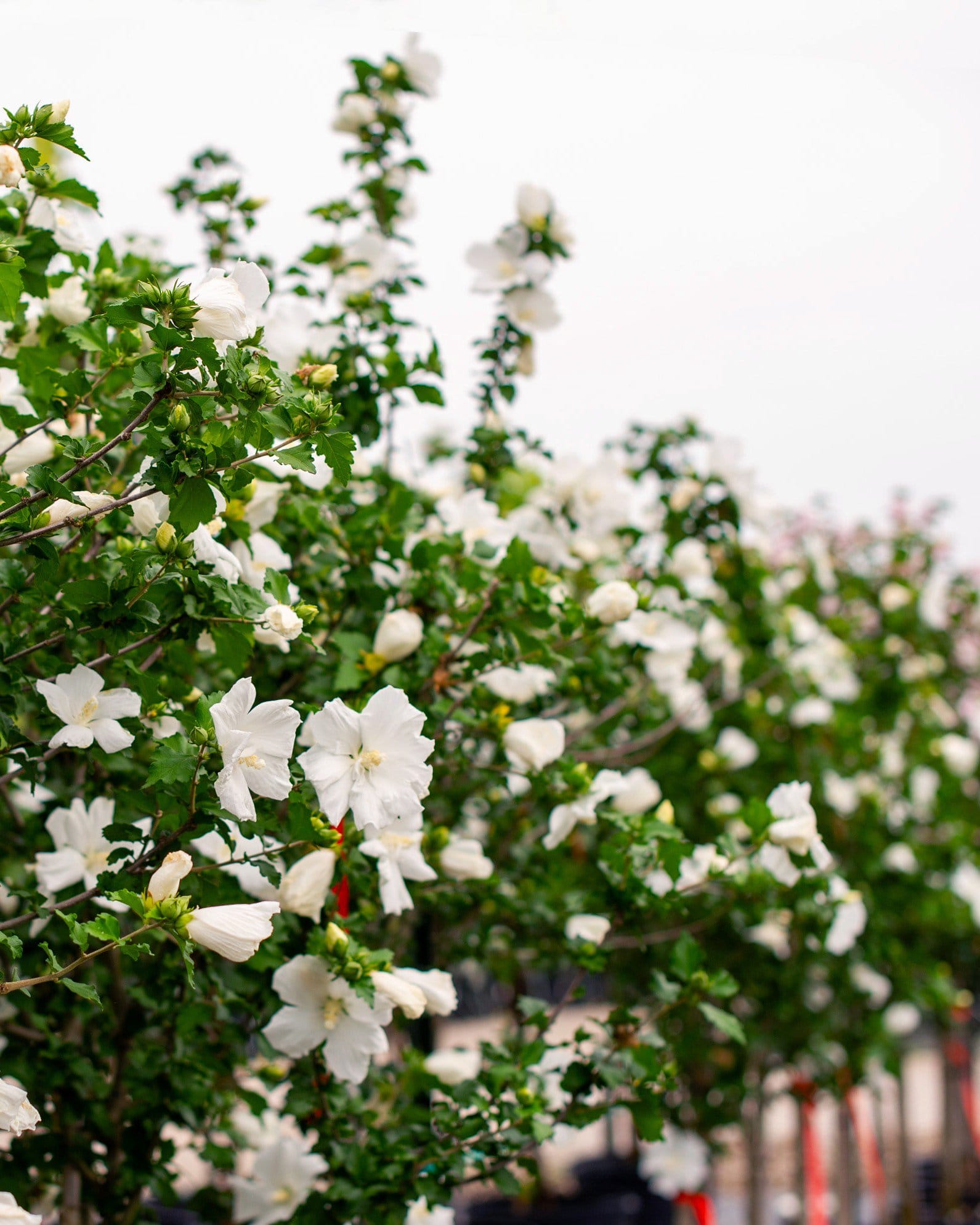
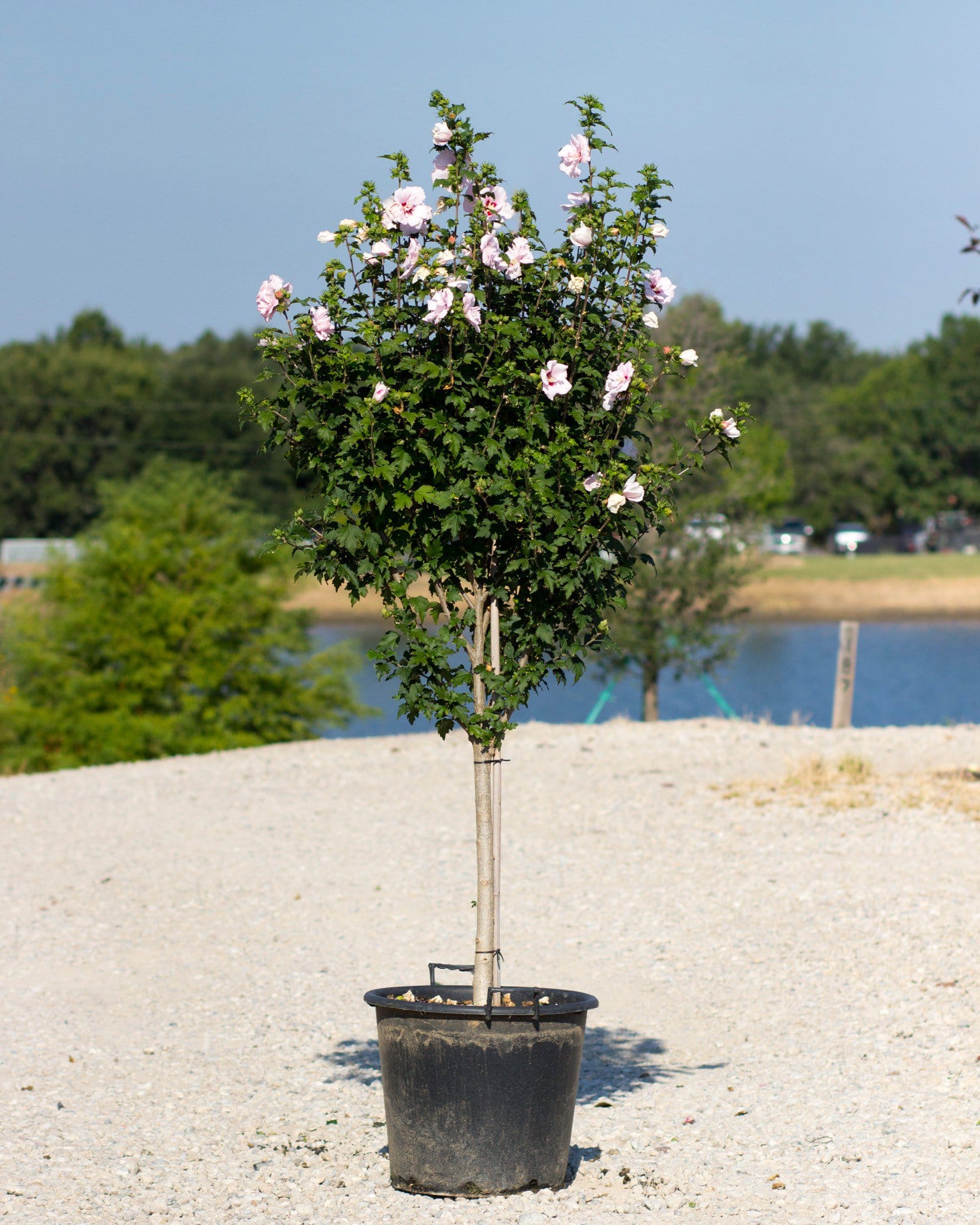
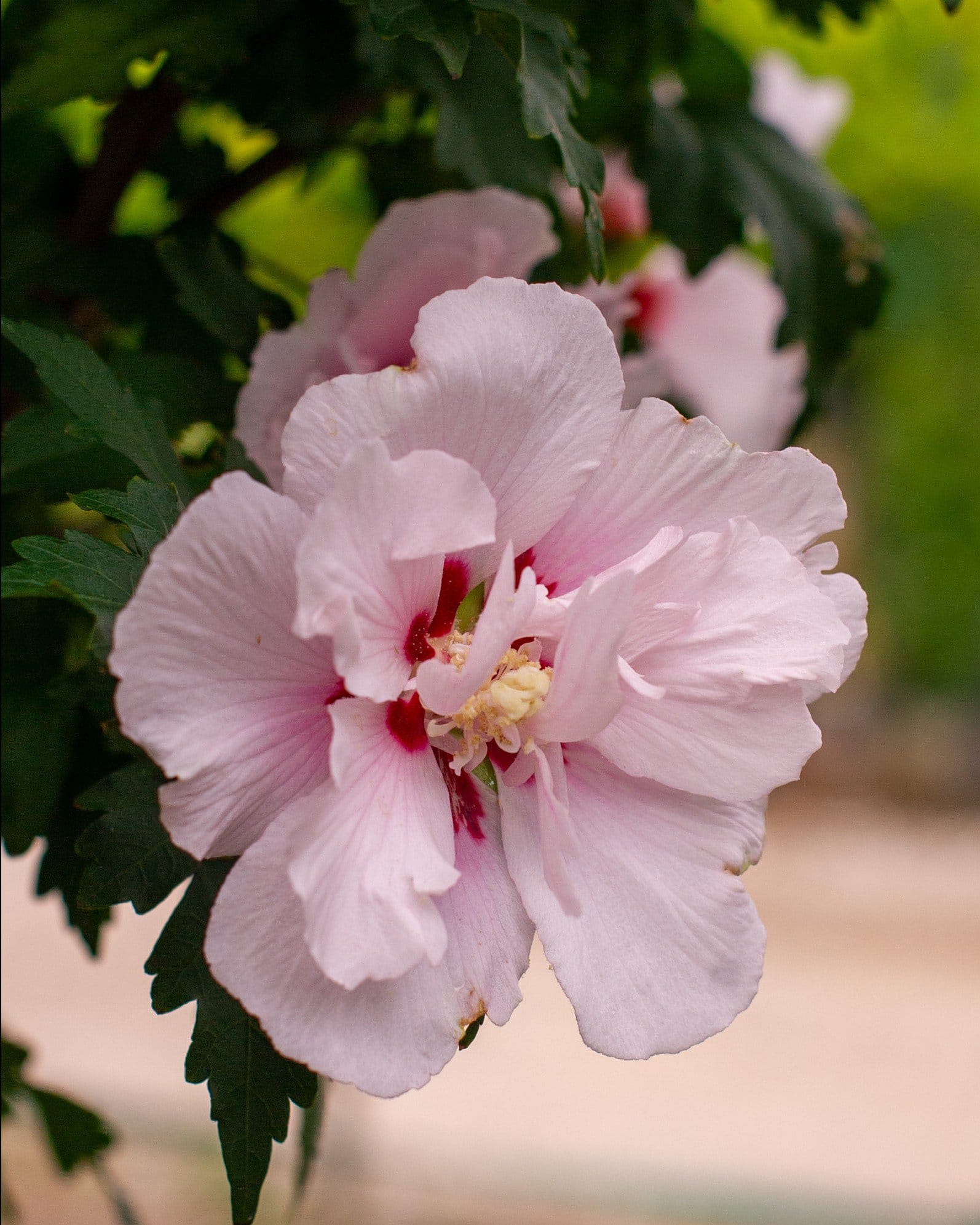
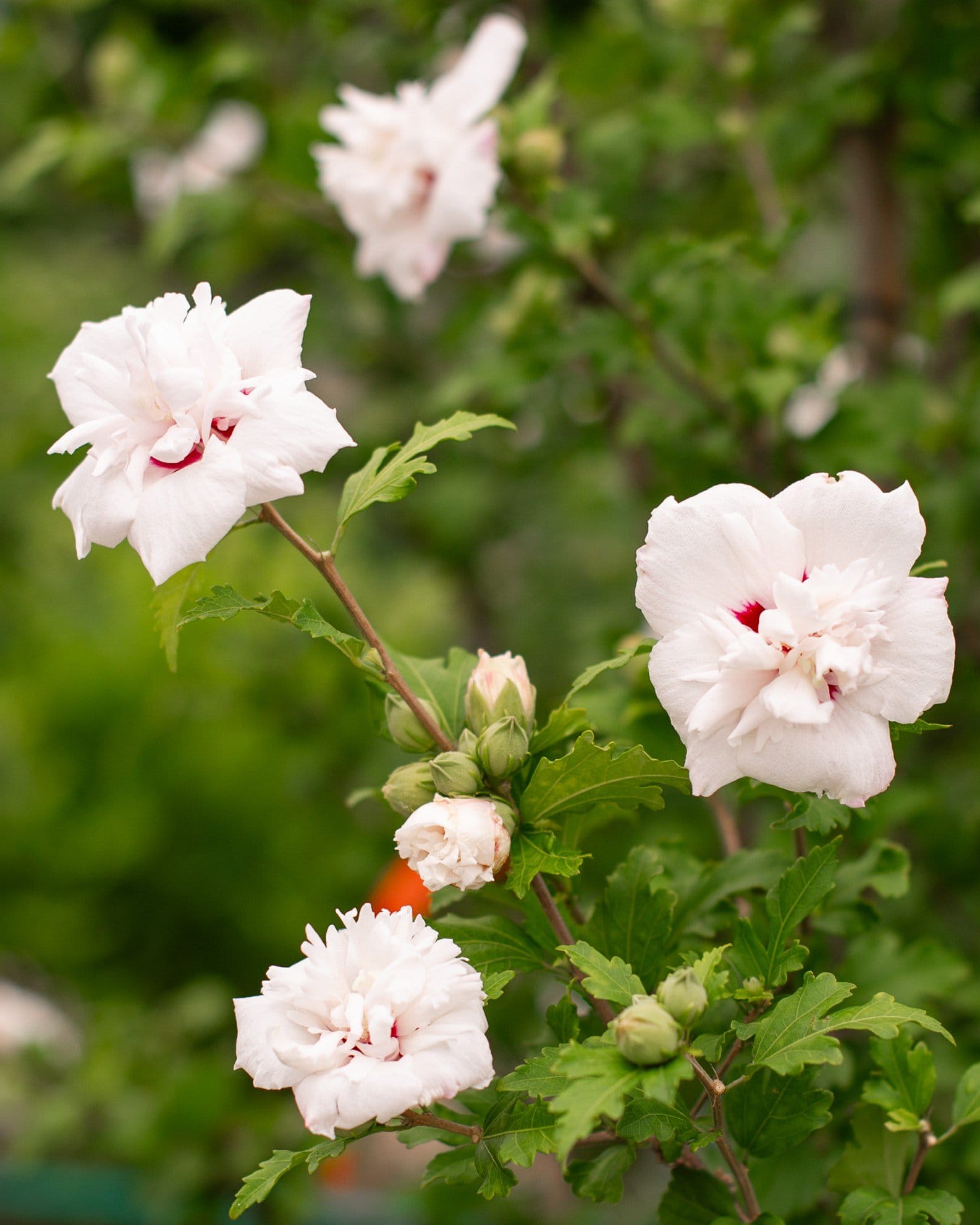
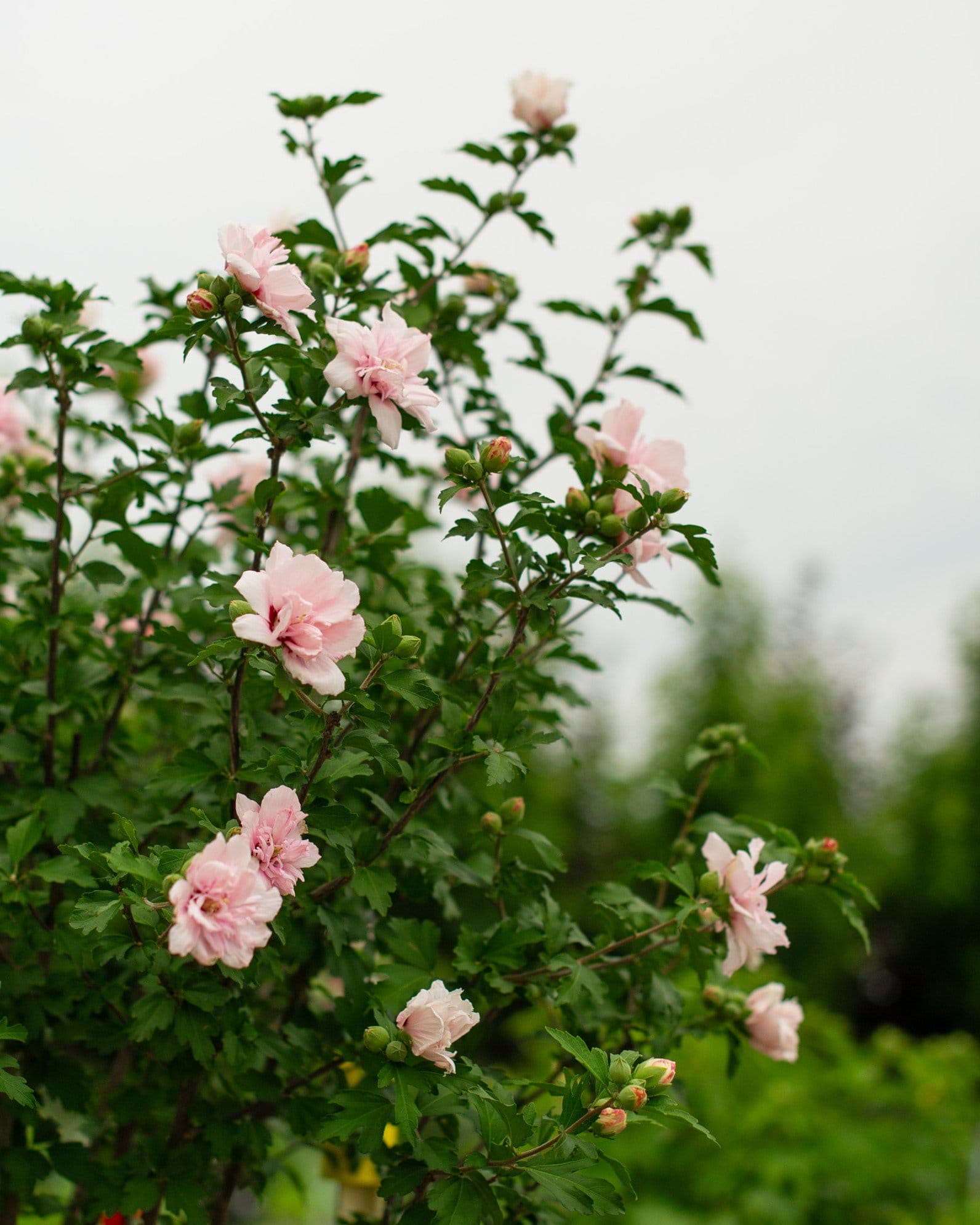
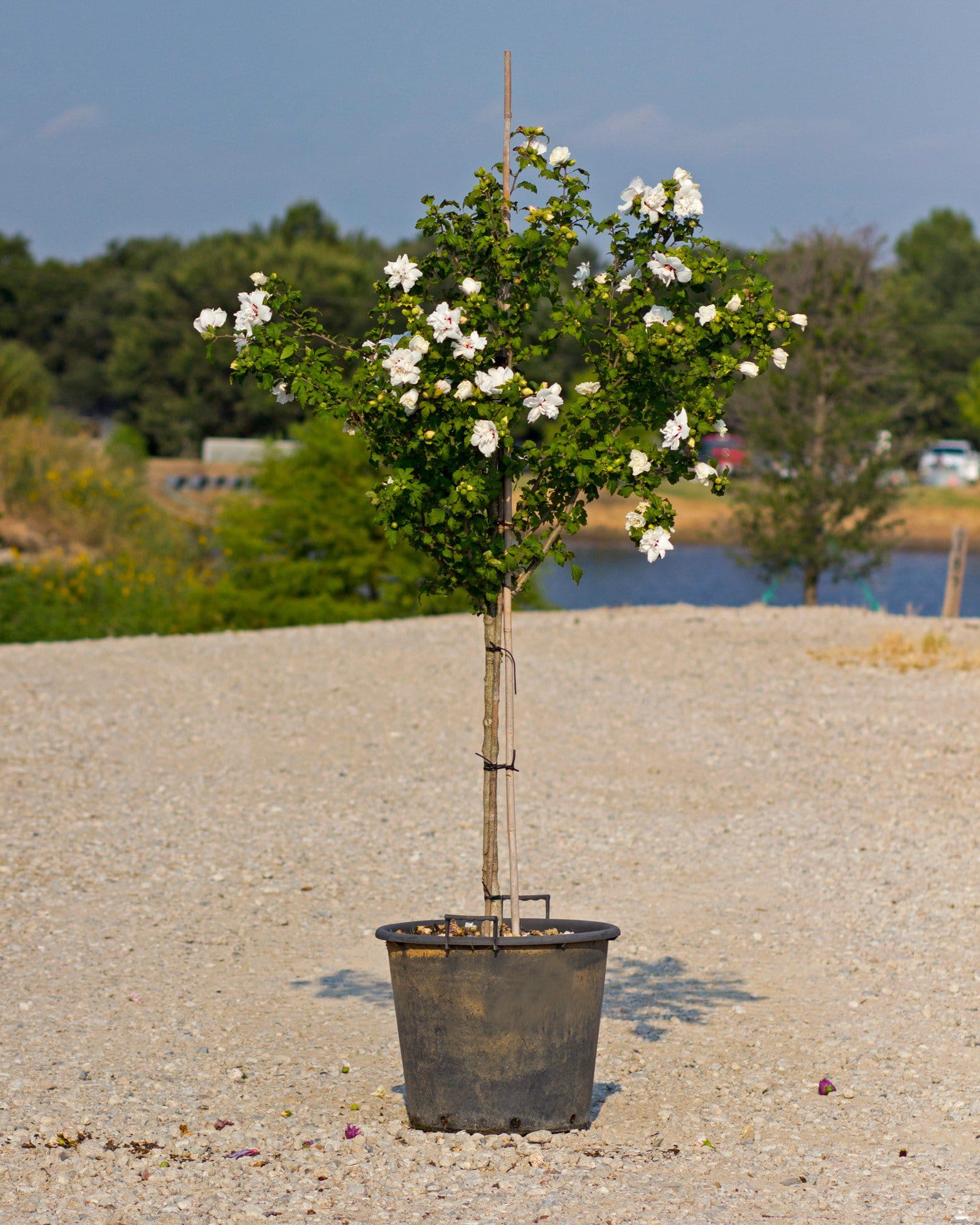
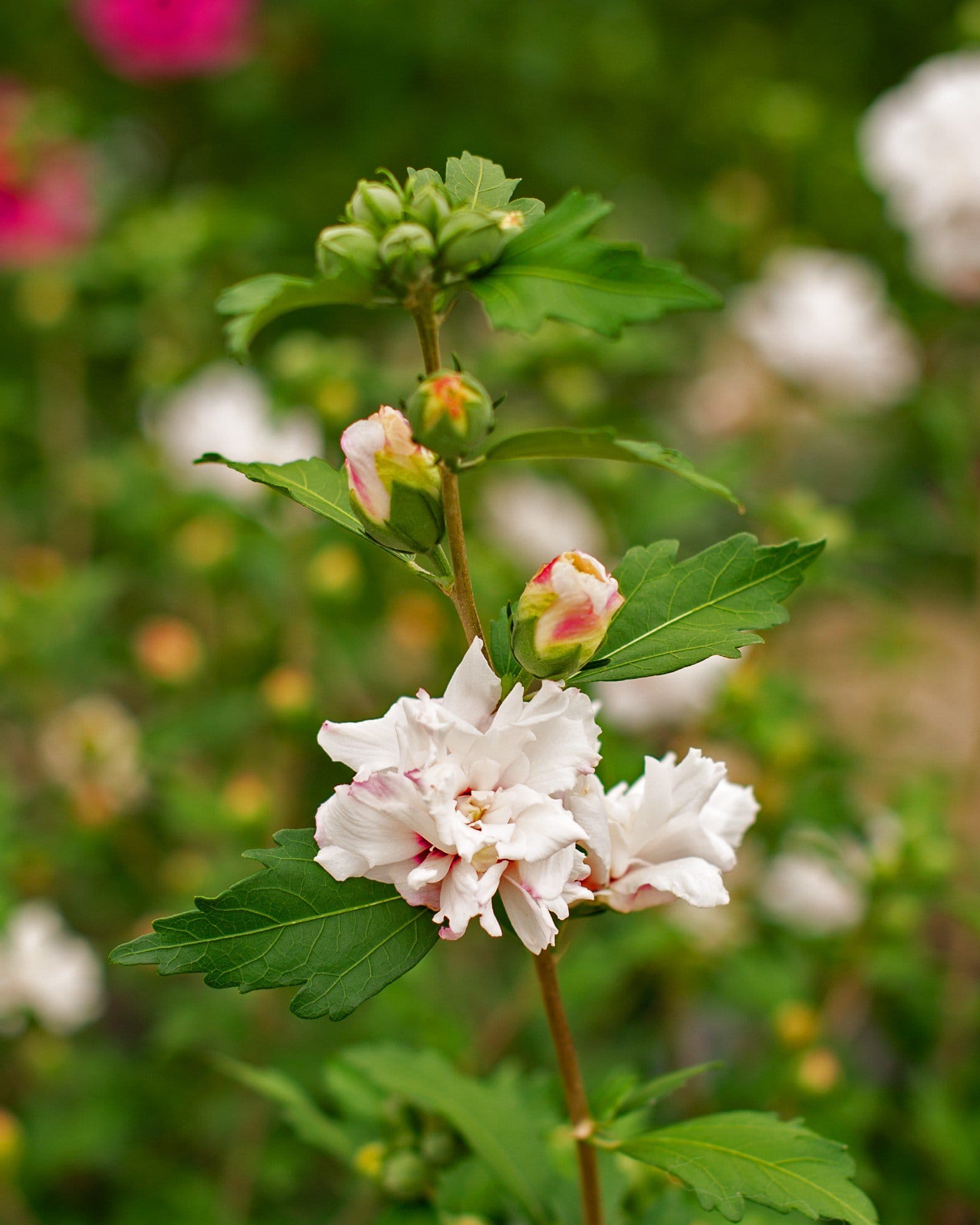
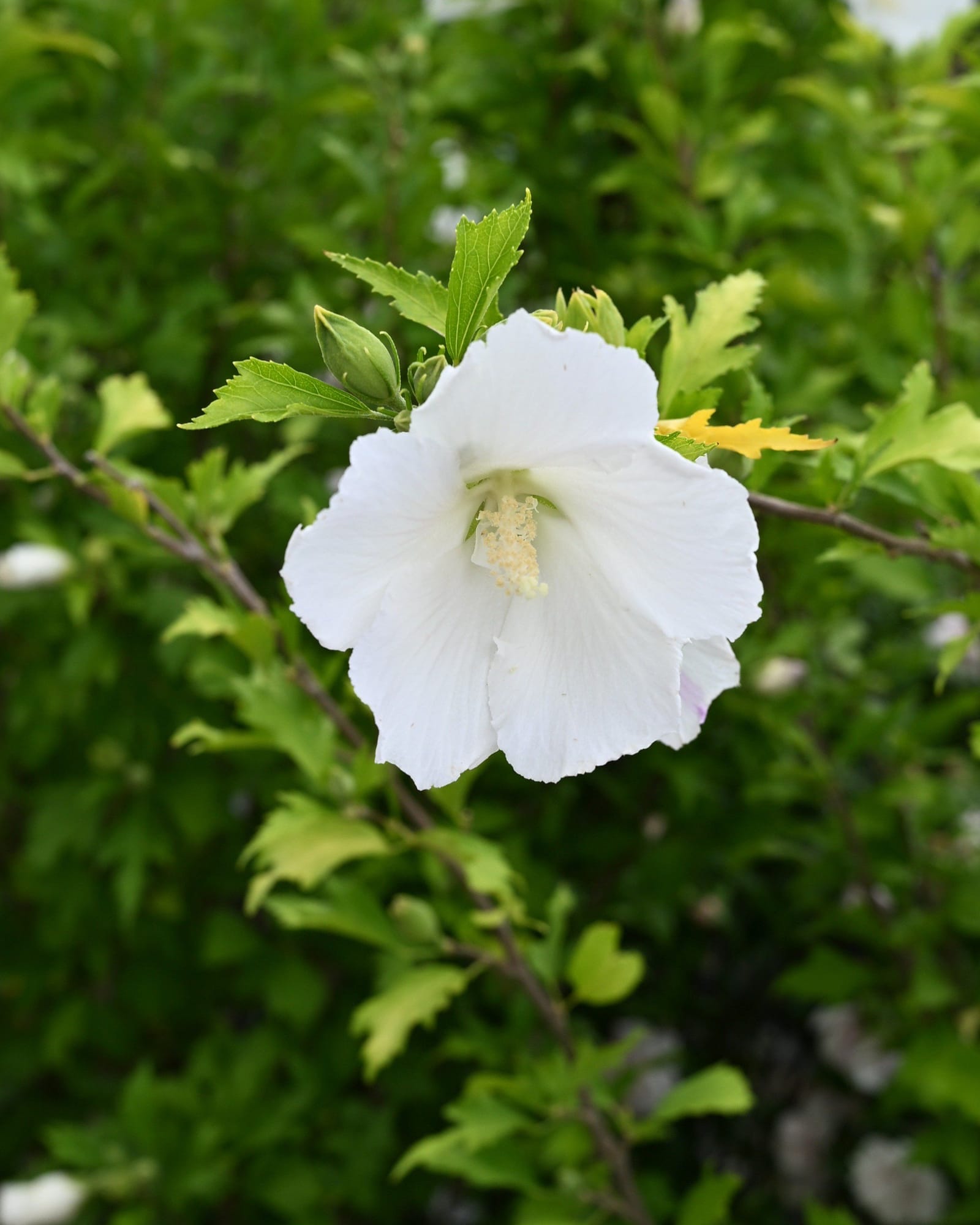
Hibiscus syriacus 'Gandini van Aart'White Pillar Althea brings vertical sophistication to your landscape with its naturally columnar shape and classic single white flowers. It grows 10 feet in height and 4 feet in height, blooming from spring through summer. Standing tall and narrow, this shrub is ideal for framing entryways, accenting fences, or lining a walkway without taking up much space.
- Deciduous tree
- Moderate growth rate
- Columnar growth habit makes it perfect for tight spots
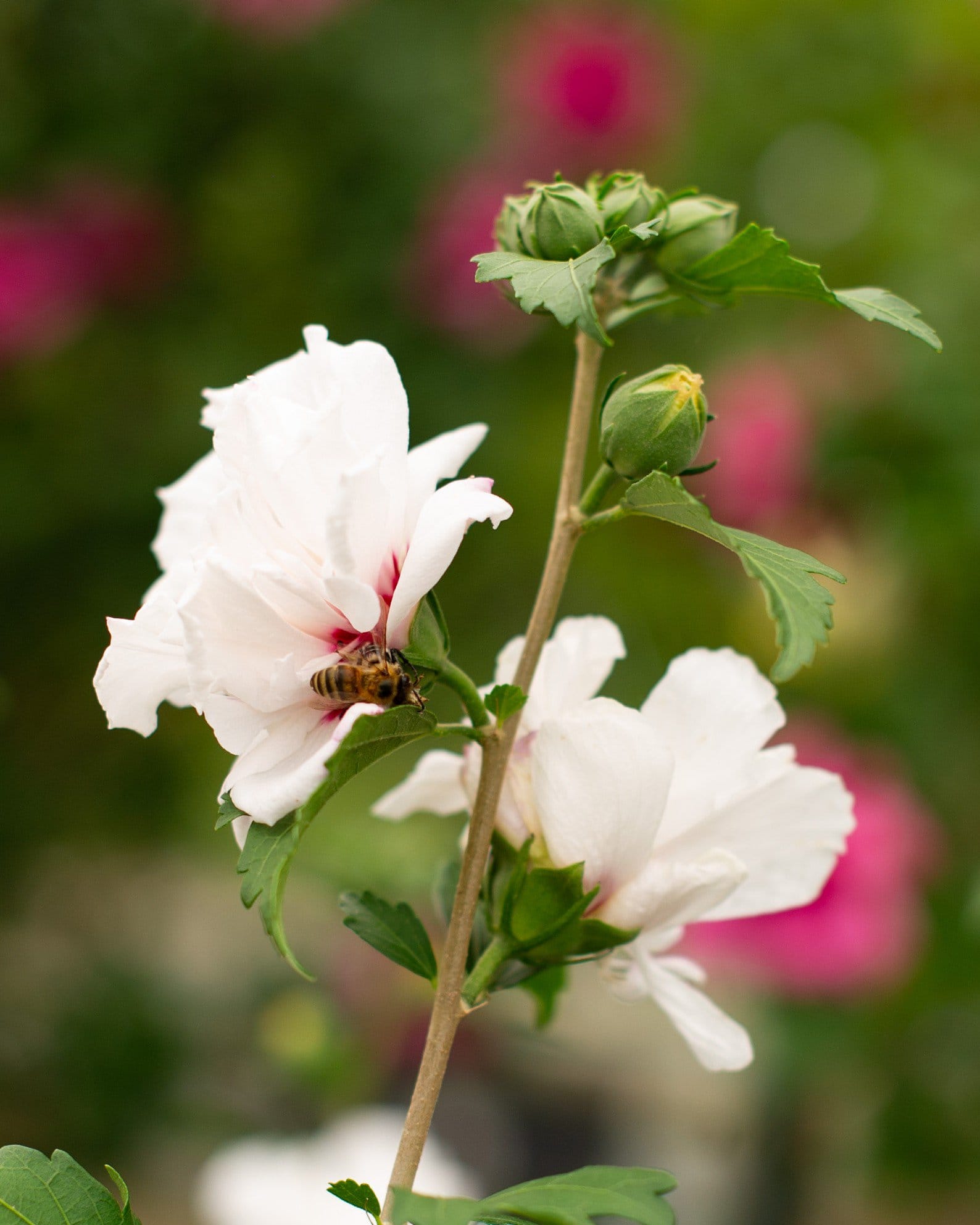
- Large, single white blooms attract butterflies and pollinators
- Long bloom season from spring into summer
- Very low to no seed production
Plant in full sun for best flowering. Whether you're working with a small garden or just love sleek vertical structure, White Pillar Althea adds beauty and elegance without the bulk. Hardy in USDA zones 5-9, making it an ideal choice for North Texas landscapes.
White Pillar Althea’s naturally columnar growth habit keeps shaping minimal and long-term care straightforward. These practices are all it requires to grow beautifully in your Texas landscape:
- Watering: Water deeply during the first growing season to establish a stable, well-anchored root system. Once established, it tolerates moderate dry periods but benefits from occasional deep watering during prolonged heat to support steady flowering and foliage health.
- Pruning: Minimal pruning is typically required due to its genetically narrow form. In late winter or early spring, remove weak or crossing stems to maintain airflow and structural clarity.
- Fertilizing: Apply a balanced, slow-release fertilizer in early spring as new growth begins. Avoid excessive nitrogen, which can stimulate overly vigorous lateral growth that disrupts its tight vertical profile.
- Mulching: Maintain a 2-3 inch layer of mulch around the root zone to conserve moisture and regulate soil temperature. Keep mulch slightly away from the base of the stems.
- Winter Care: Established plants are reliably hardy and rarely require special protection. In colder regions, newly planted shrubs benefit from added mulch at the base during their first winter.
White Pillar Althea is generally durable, though its upright growth can concentrate stress along vertical stems in certain conditions. Early observation keeps most issues minor.
- Aphids: New vertical shoots may curl and develop sticky residue due to insect feeding. A firm rinse with water or insecticidal soap typically resolves infestations quickly.
- Powdery Mildew: Dense vertical stems may reduce airflow in humid weather, leading to a white coating on foliage. Light thinning improves circulation and minimizes recurrence.
- Japanese Beetles: Leaves may become skeletonized during midsummer feeding periods. Hand removal or traps placed away from the shrub help reduce sustained damage.
- Root Stress from Poor Drainage: Yellowing foliage and slowed growth may indicate saturated soil. Improving drainage and adjusting irrigation restores vigor.
- Tip Dieback: Upper stem tips may fail to leaf out after severe winter exposure. Pruning back to healthy wood encourages strong replacement growth.
With proper care, it commonly thrives for 20-30 years. Healthy soil drainage and balanced growth support long-term structural stability.
Growth typically averages 12-24 inches per year under favorable conditions. Its columnar framework usually establishes within 3-4 years. Full height potential is generally reached within five years.
It is distinguished by its narrow, upright habit combined with crisp white blooms. The vertical form creates strong architectural lines while maintaining a restrained footprint.
Yes, its columnar habit is genetically compact rather than created through heavy pruning. Side branching remains upright and controlled. This predictable form reduces the need for frequent shaping.
It maintains a consistently narrow footprint as it matures. Expansion occurs gradually through upright stem growth rather than outward spread. Its form remains stable year after year.
Seed production may occur, but it is generally manageable in maintained landscapes. Removing spent blooms can further reduce seed formation. It is not considered aggressively invasive.
Once established, its upright stems remain sturdy and resilient. Young plants may benefit from temporary support in highly exposed sites. Balanced pruning helps maintain structural stability.
Its narrow profile allows placement where traditional altheas would be too wide. The upright habit makes efficient use of vertical space. This controlled footprint simplifies long-term planning.
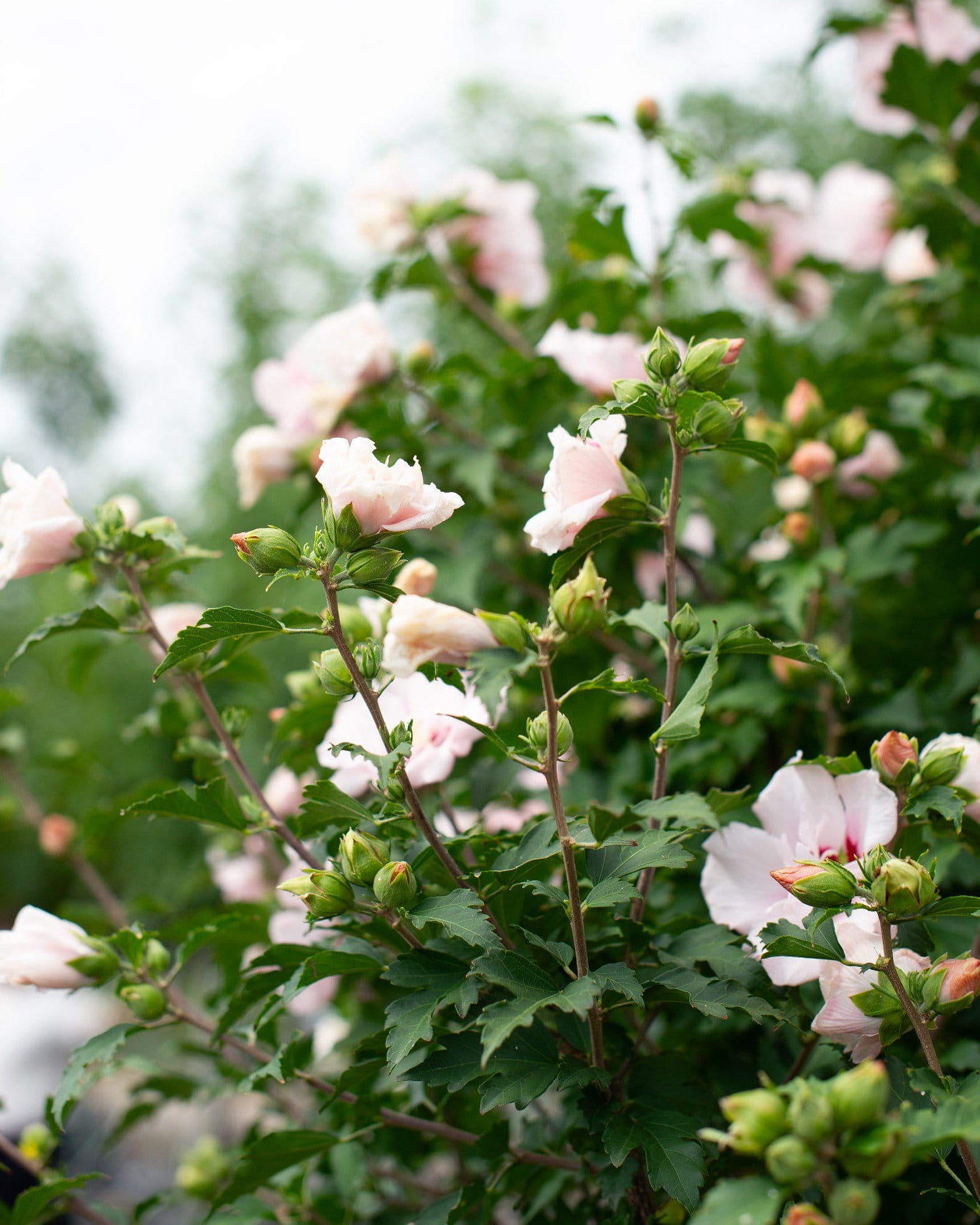
Blooms typically develop along much of the season’s new growth. This creates a vertical column of color rather than concentrating flowers at the top. Adequate sunlight supports even distribution.
Its tall, narrow silhouette provides a strong structural presence throughout the growing season. The upright lines remain visually clean even when not in flower. This architectural quality adds year-round design value.
Special Features
You might also like
Diana Althea Tree Form
Maturity: 8' H x 5' W
Lady Stanley Althea Tree Form
Maturity: 8' H x 5' W
Morning Star Althea Tree Form
Maturity: 8' H x 5' W
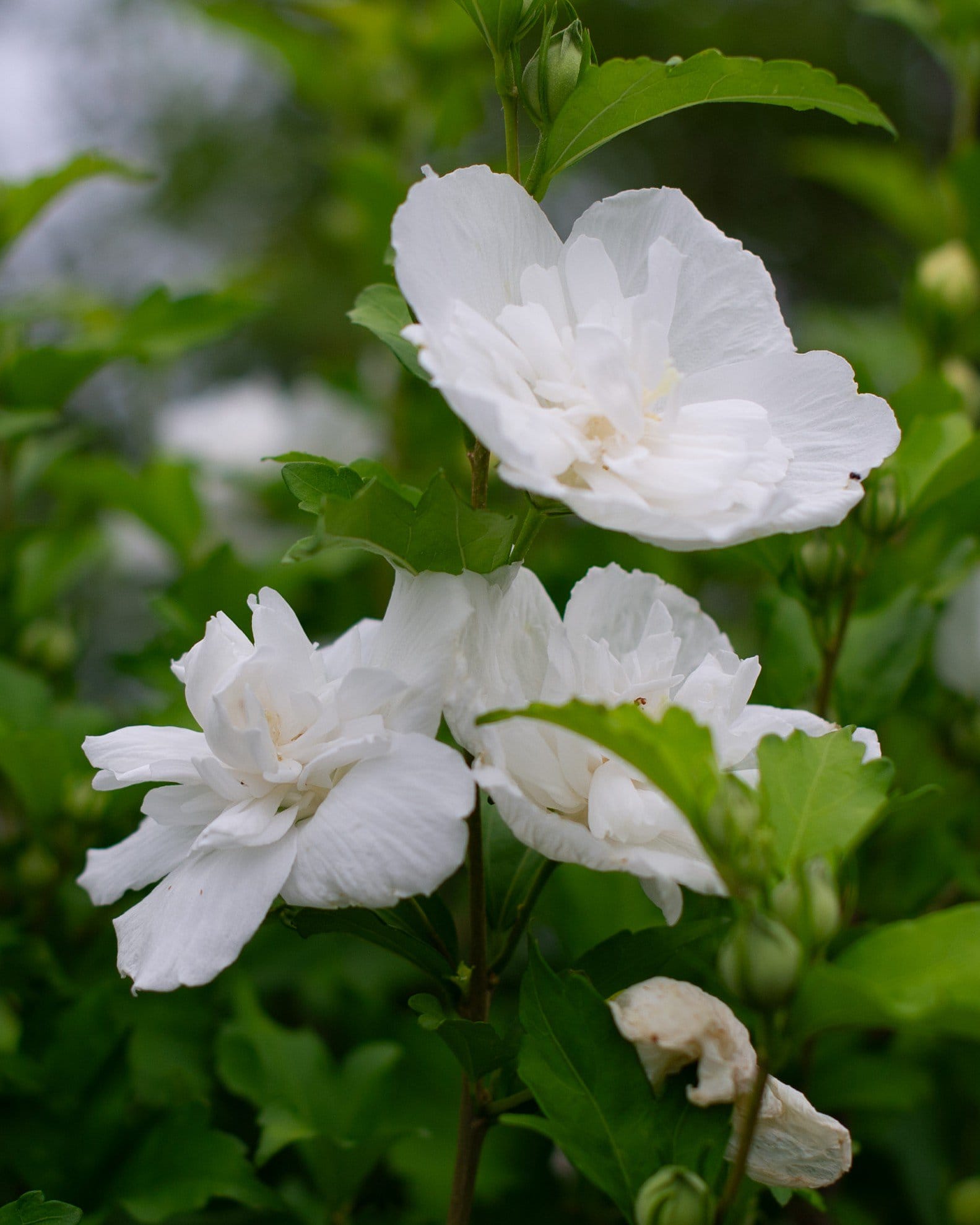
White Chiffon Althea Tree Form
Maturity: 8' H x 6' W
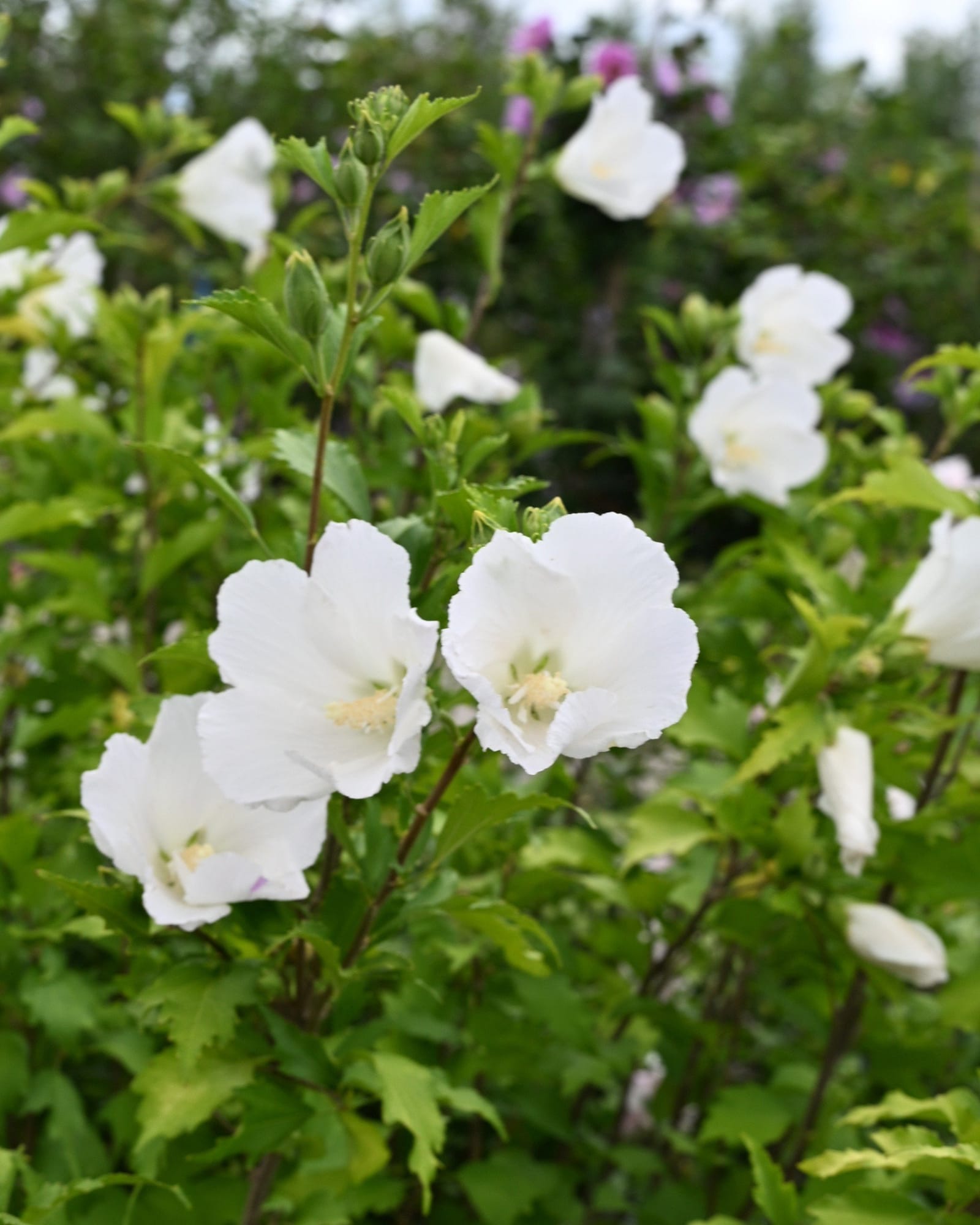
White Pillar Althea Tree Form
Maturity: 10' H x 4' W
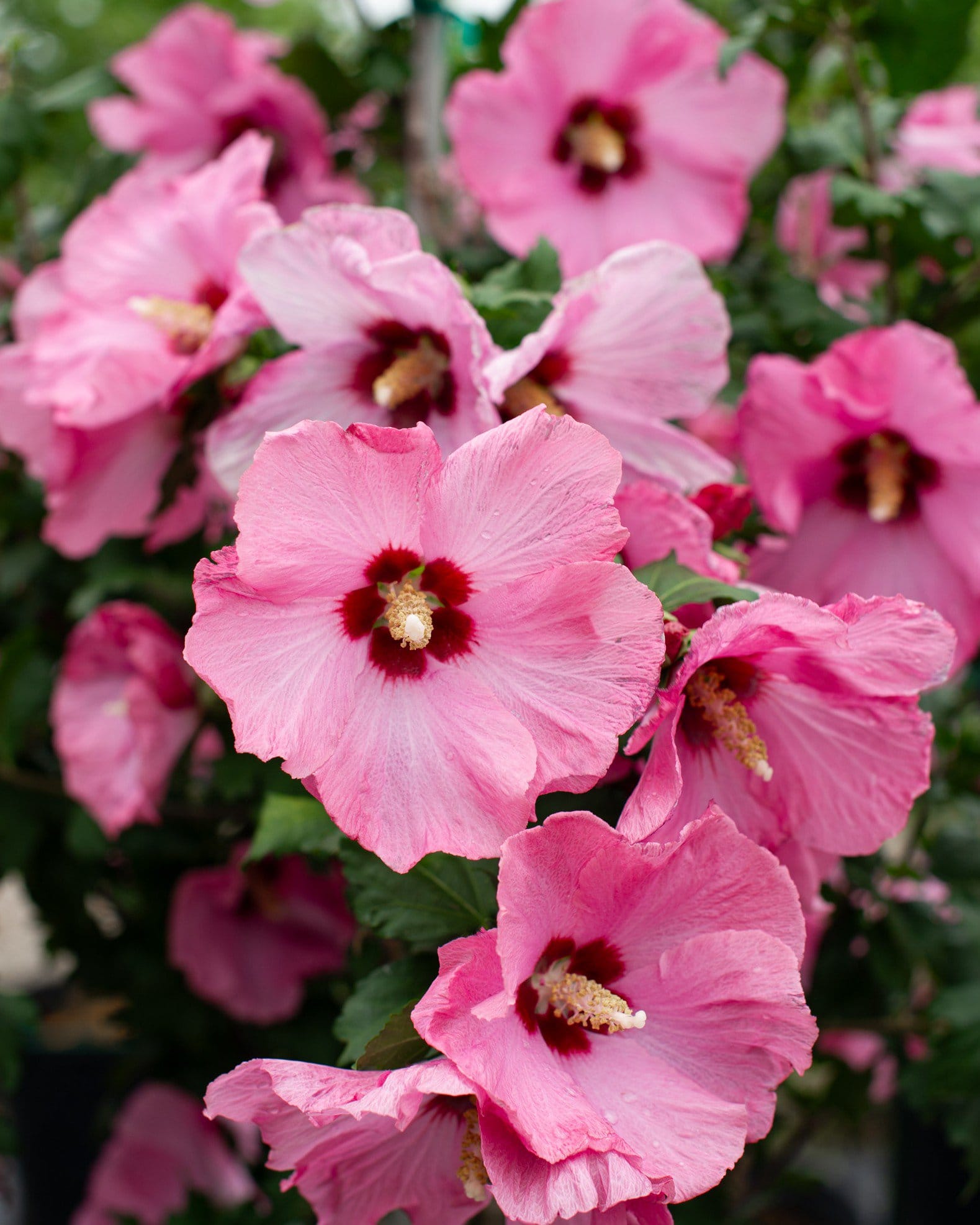
Aphrodite Althea Tree Form
Maturity: 8' H x 6' W
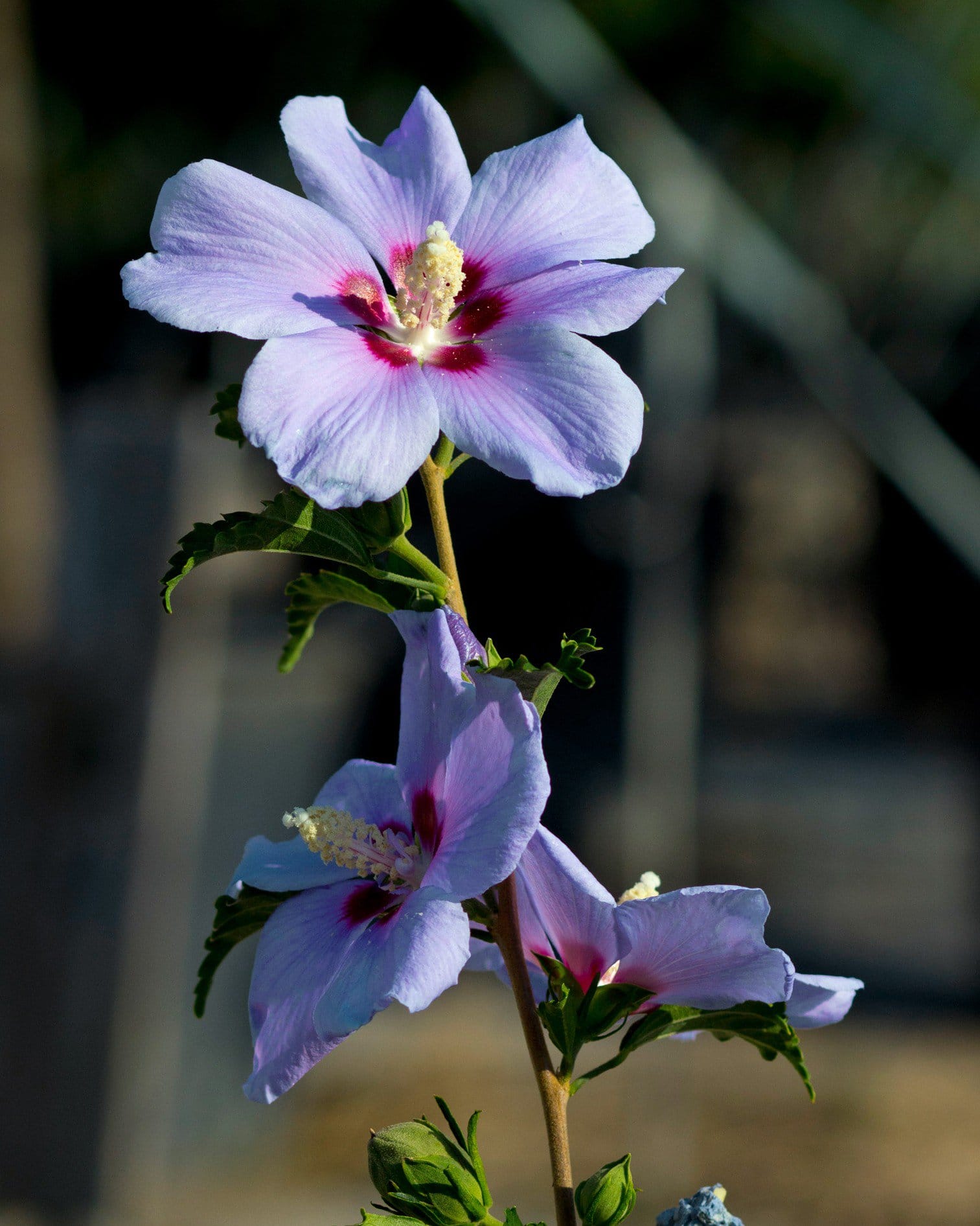
Blue Angel Althea
Maturity: 8' H x 6' W
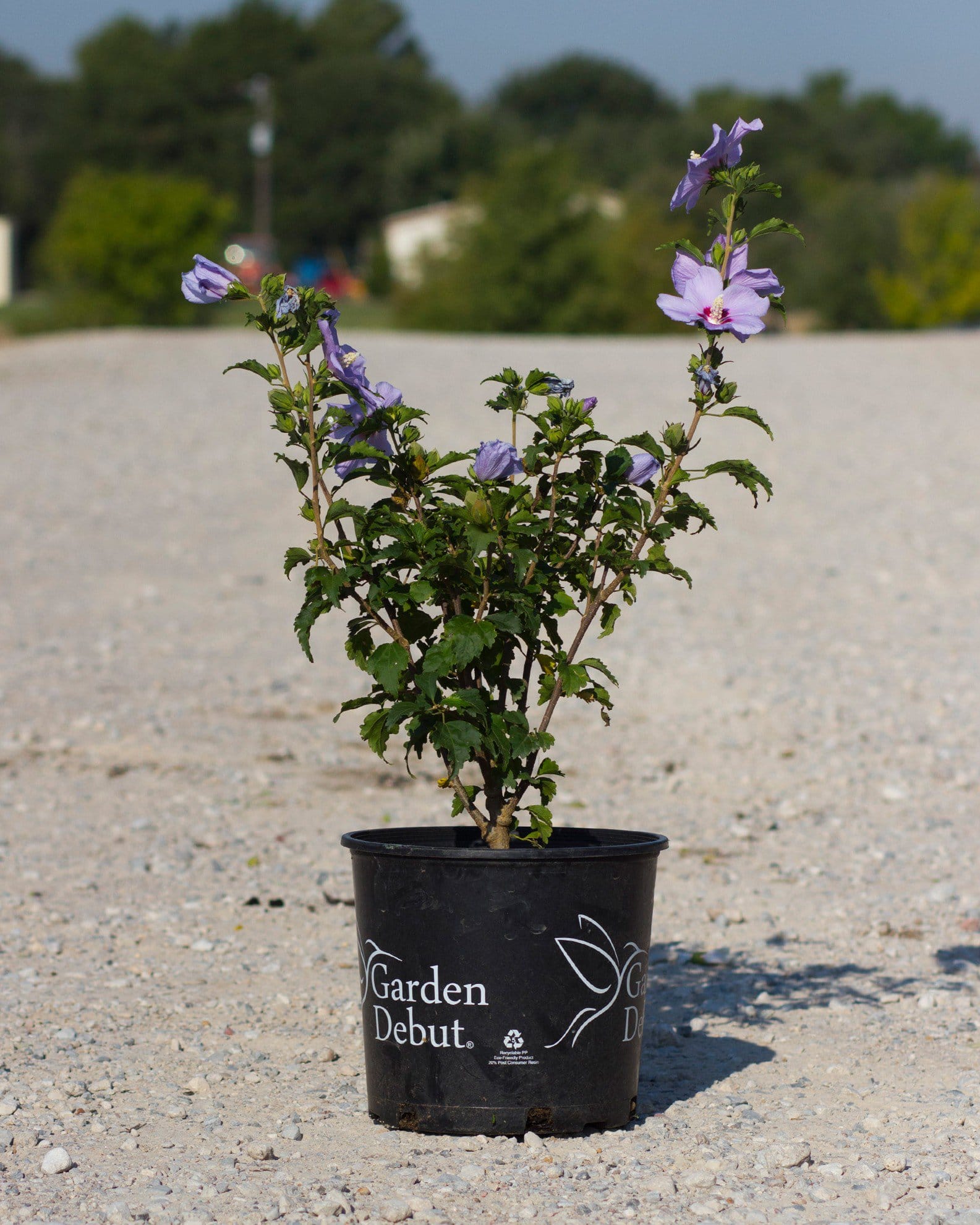
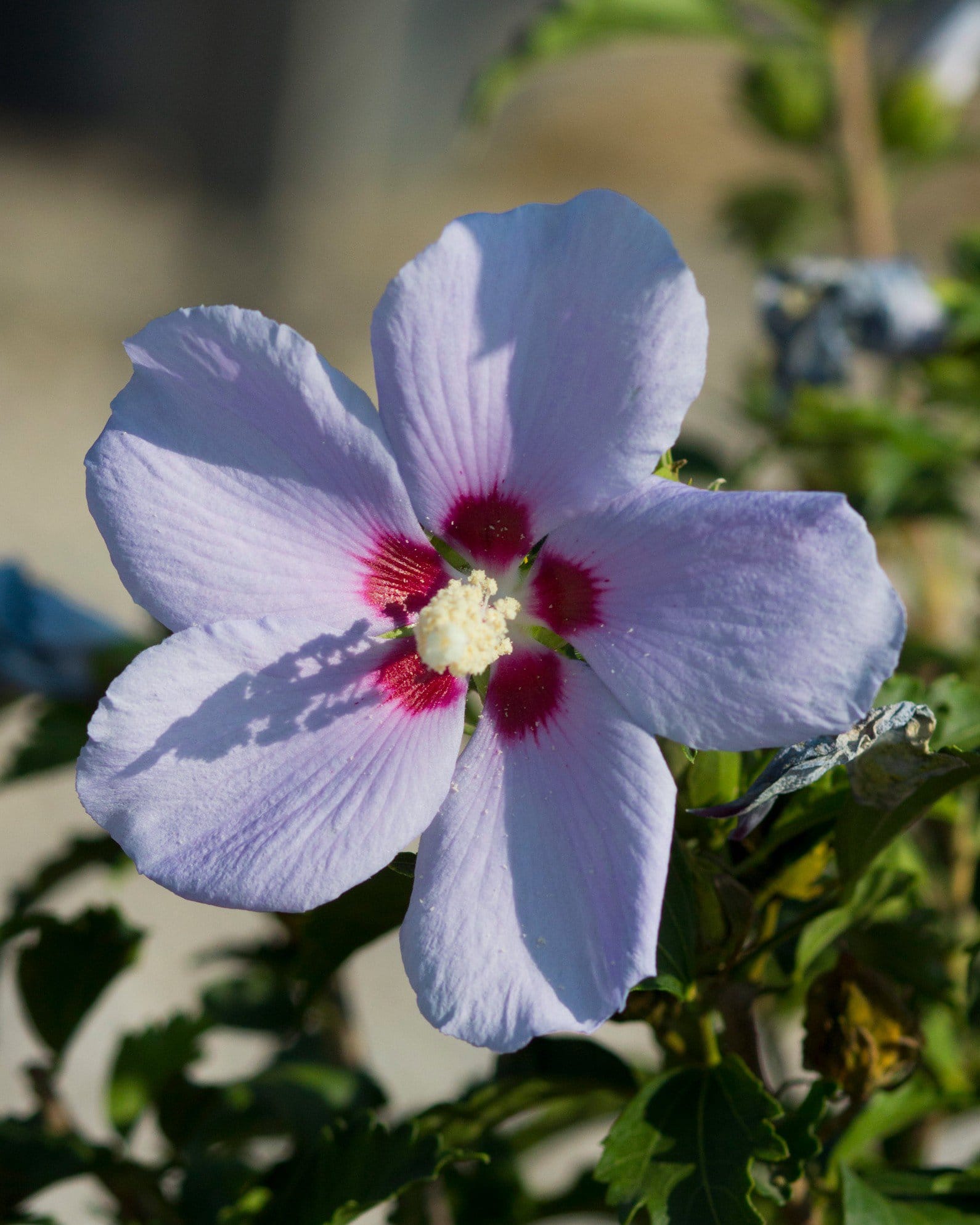
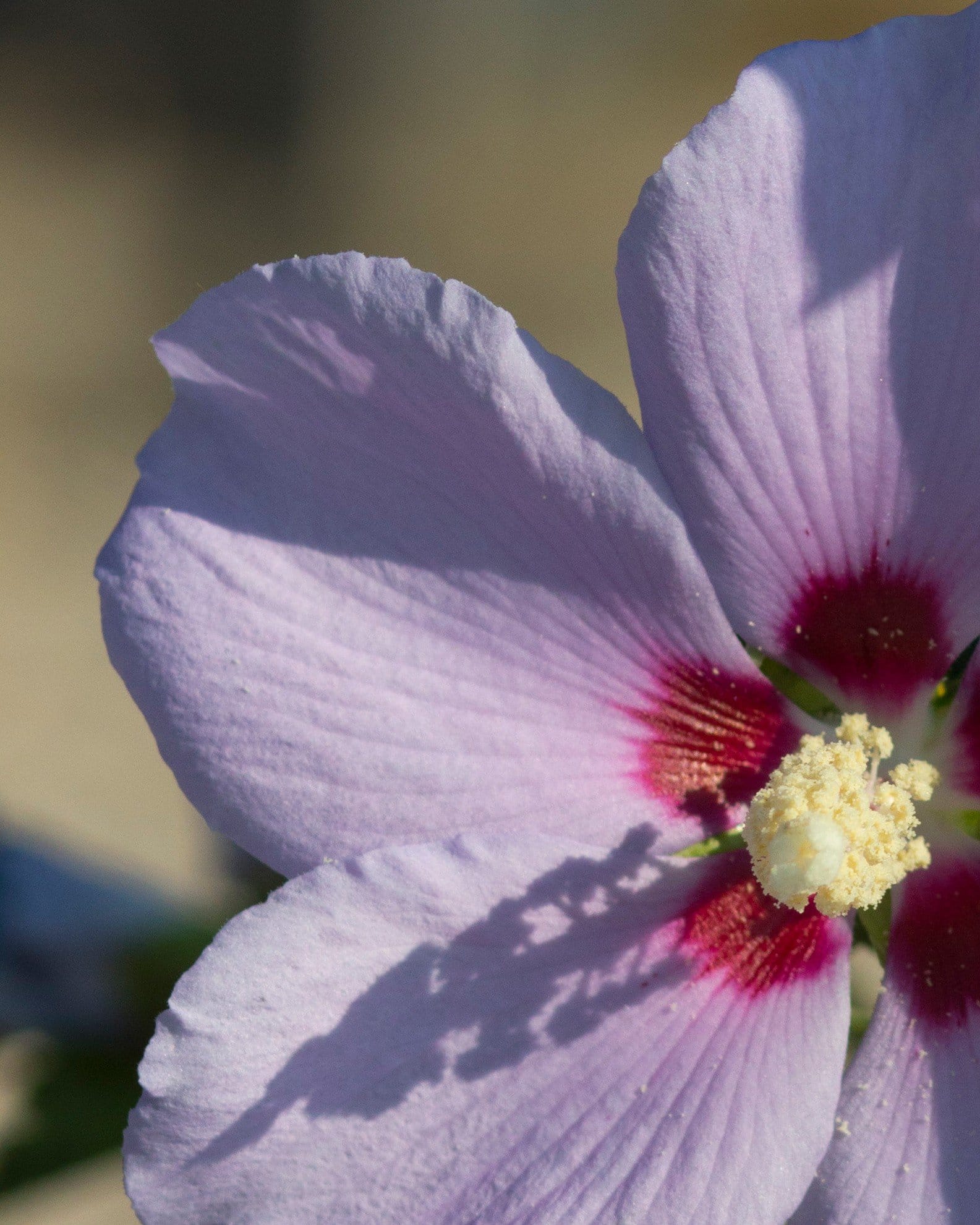
Blueberry Smoothie Althea Tree Form
Maturity: 8' H x 4' W
Danica Althea Tree Form
Maturity: 8' H x 5' W
Double Red Althea Tree Form
Maturity: 8' H x 5' W
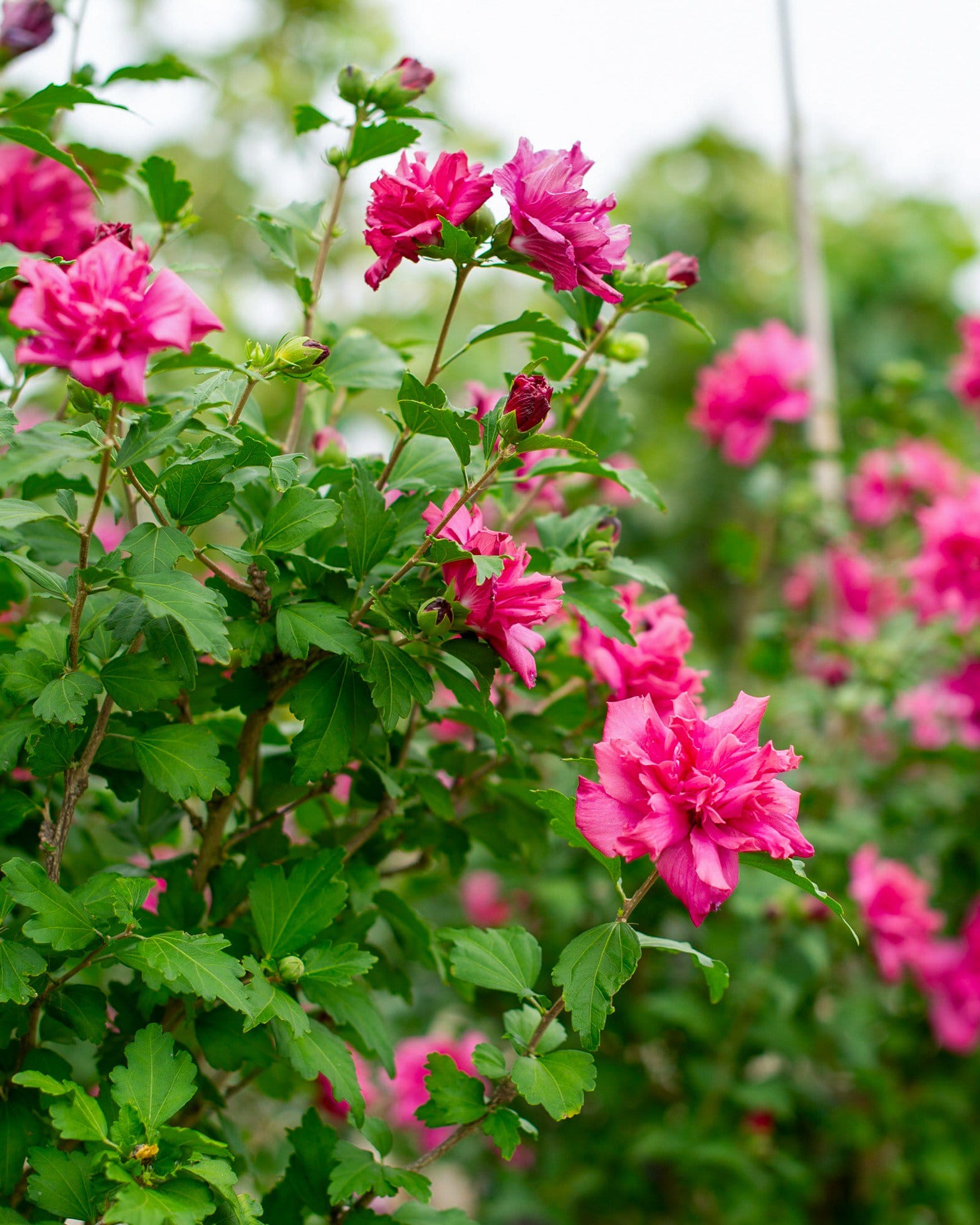
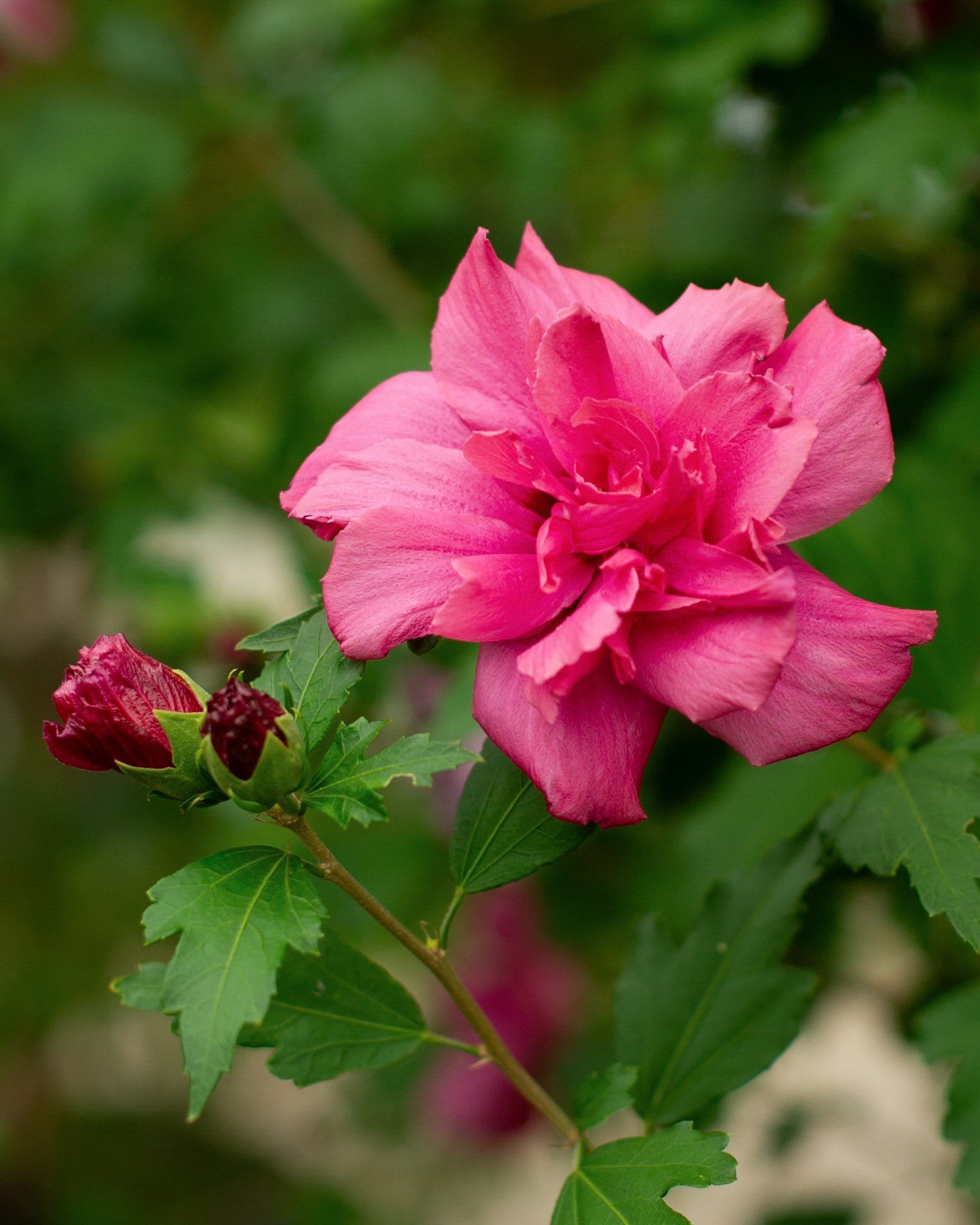
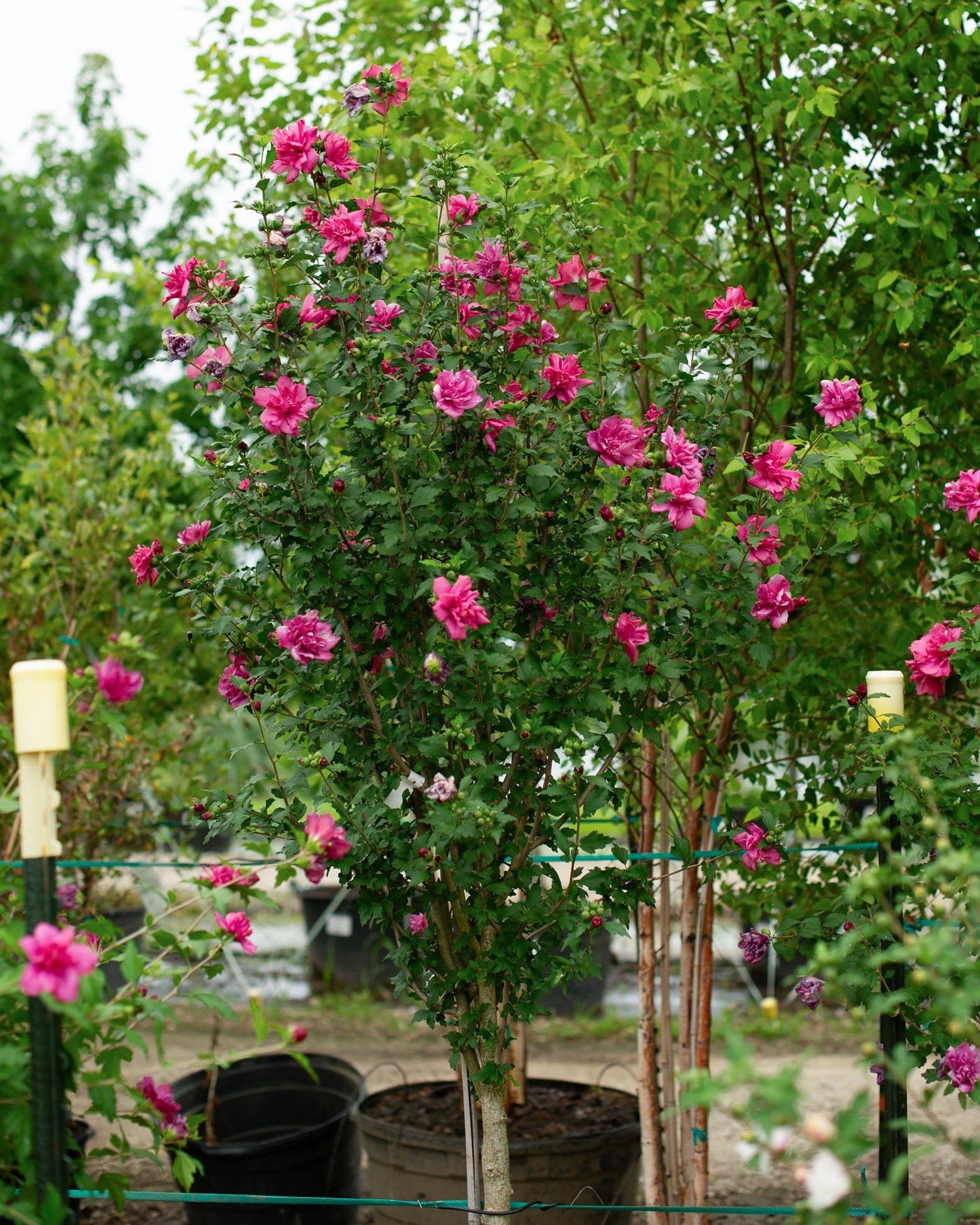
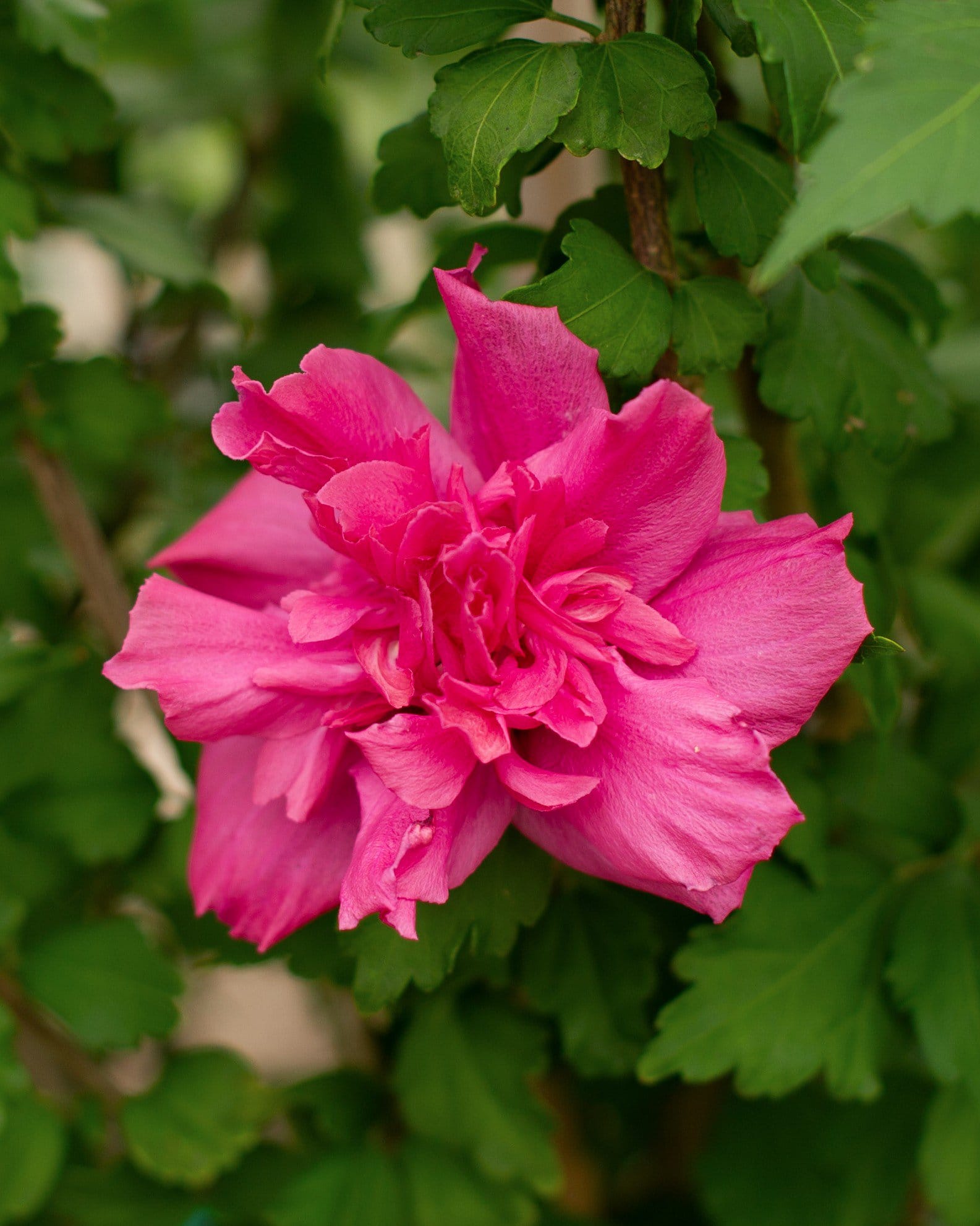
Lucy Althea Tree Form
Maturity: 8' H x 5' W
Minerva Althea Tree Form
Maturity: 8' H x 5' W
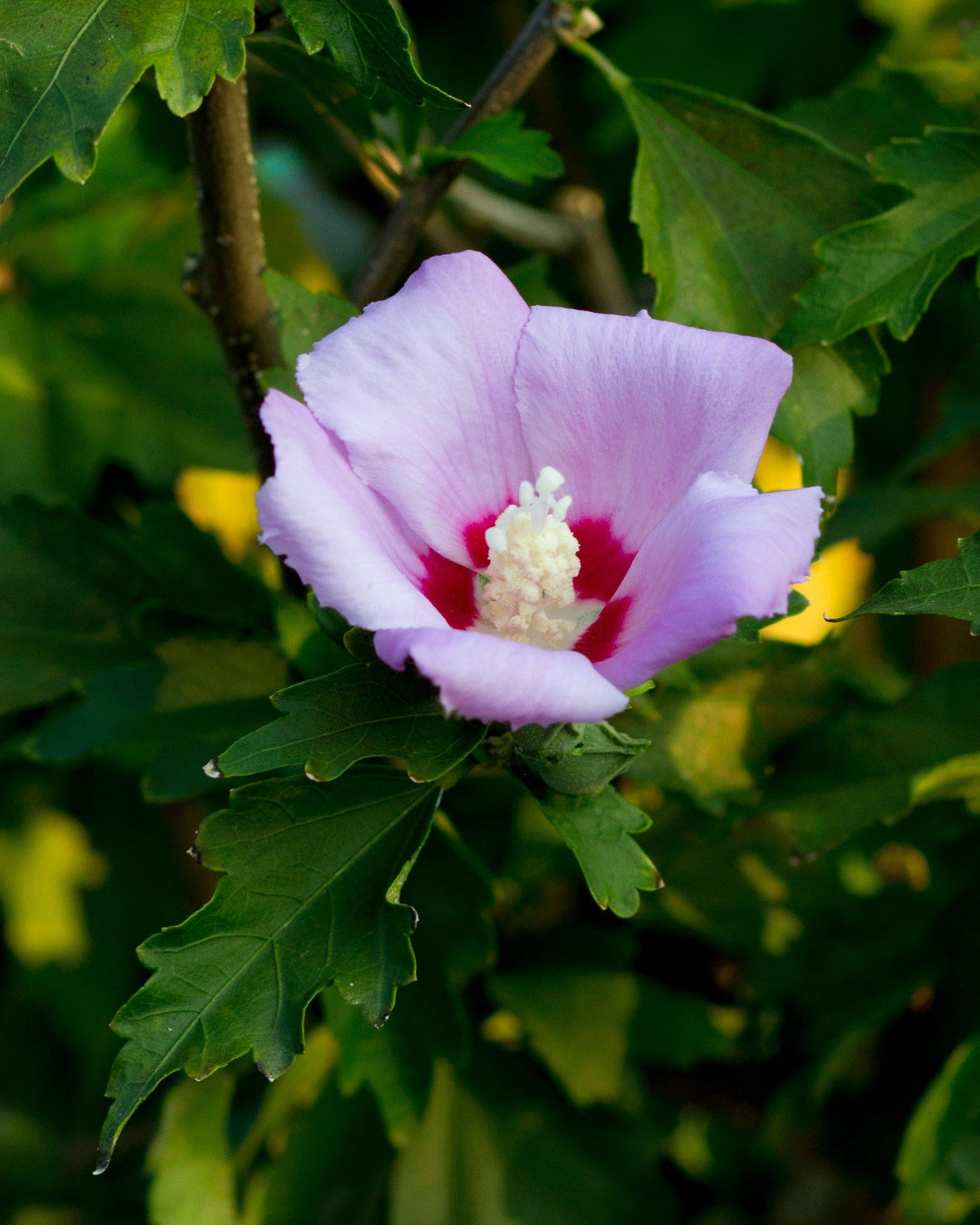
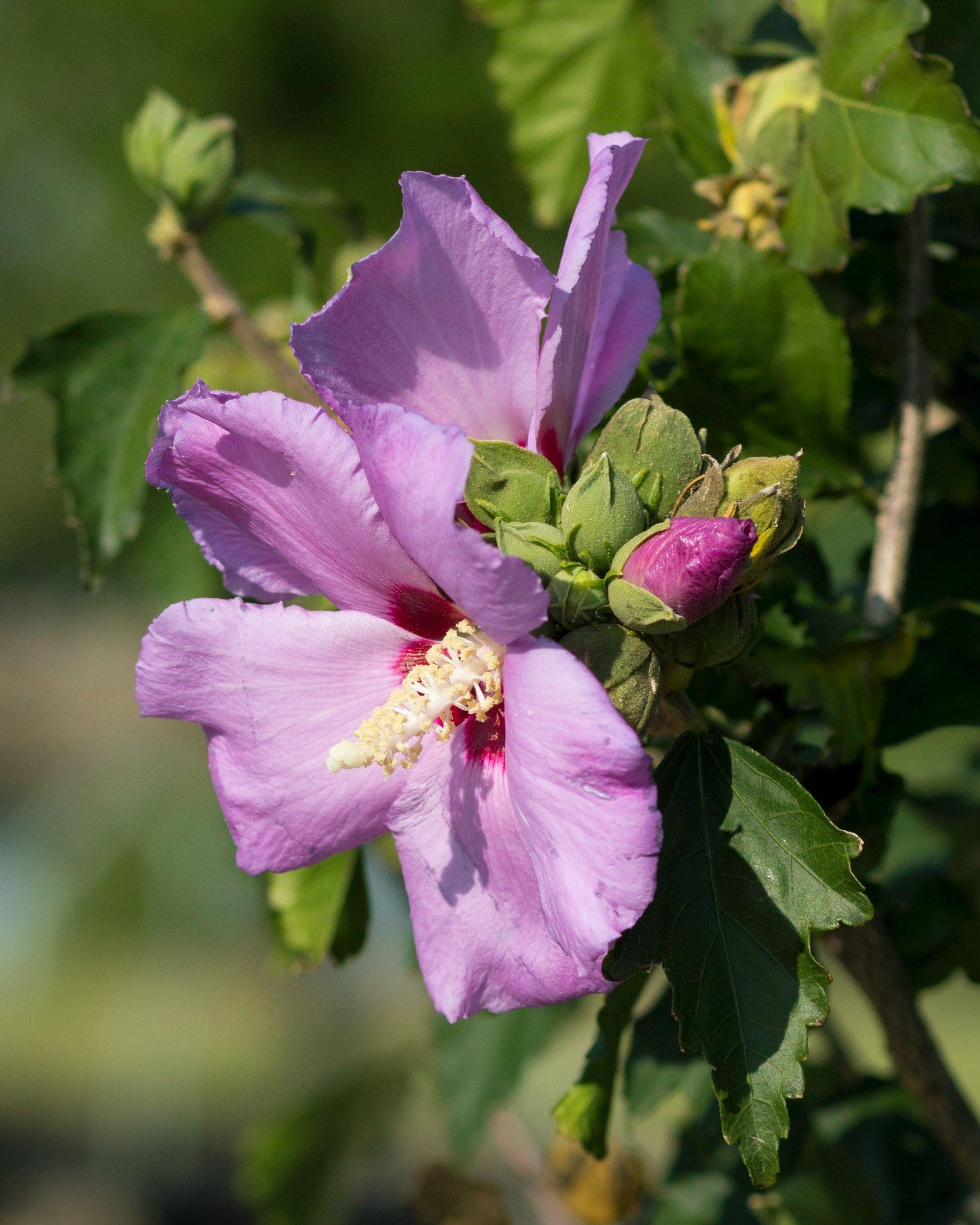
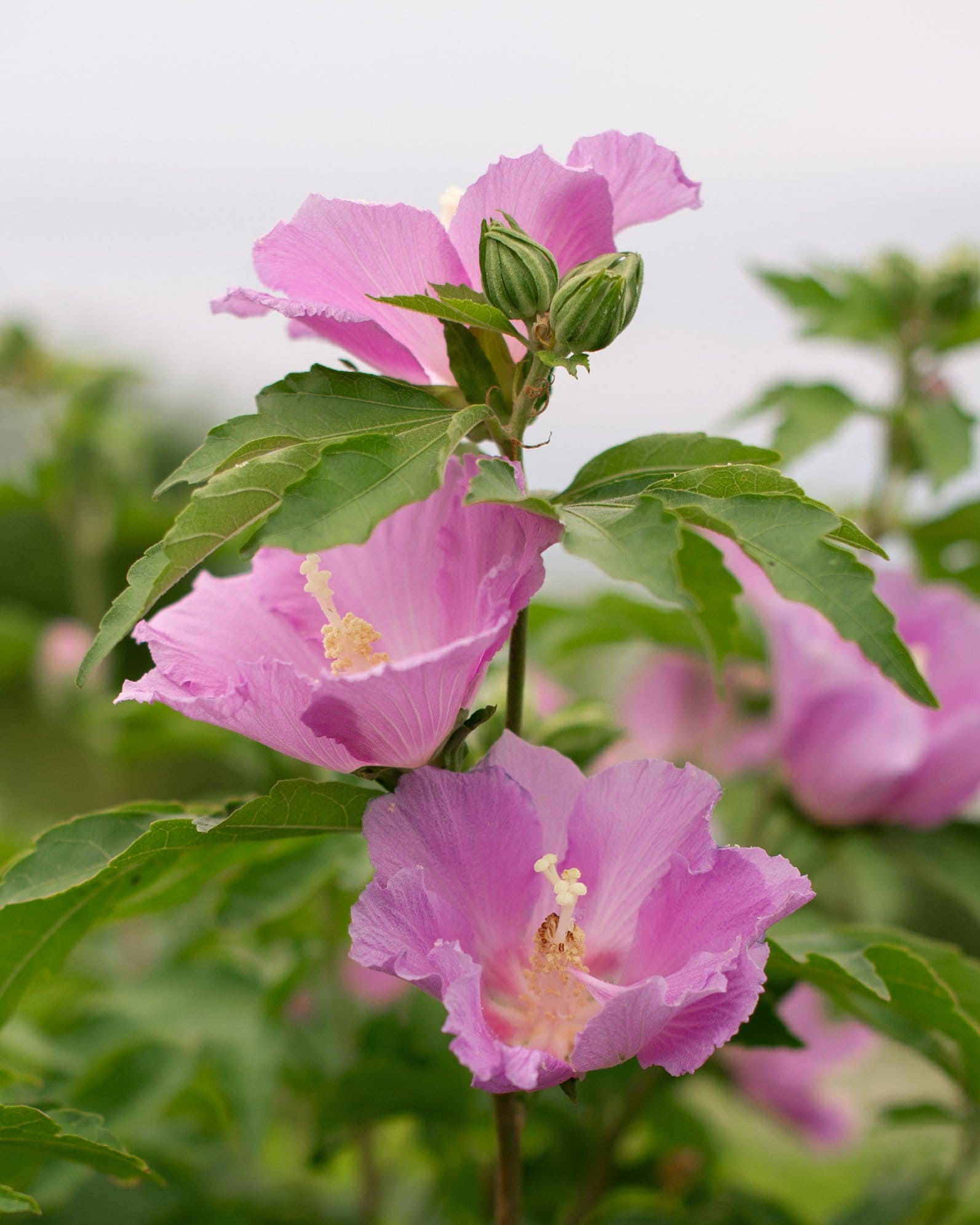
Pollypetite Althea Tree Form
Maturity: 8' H x 5' W
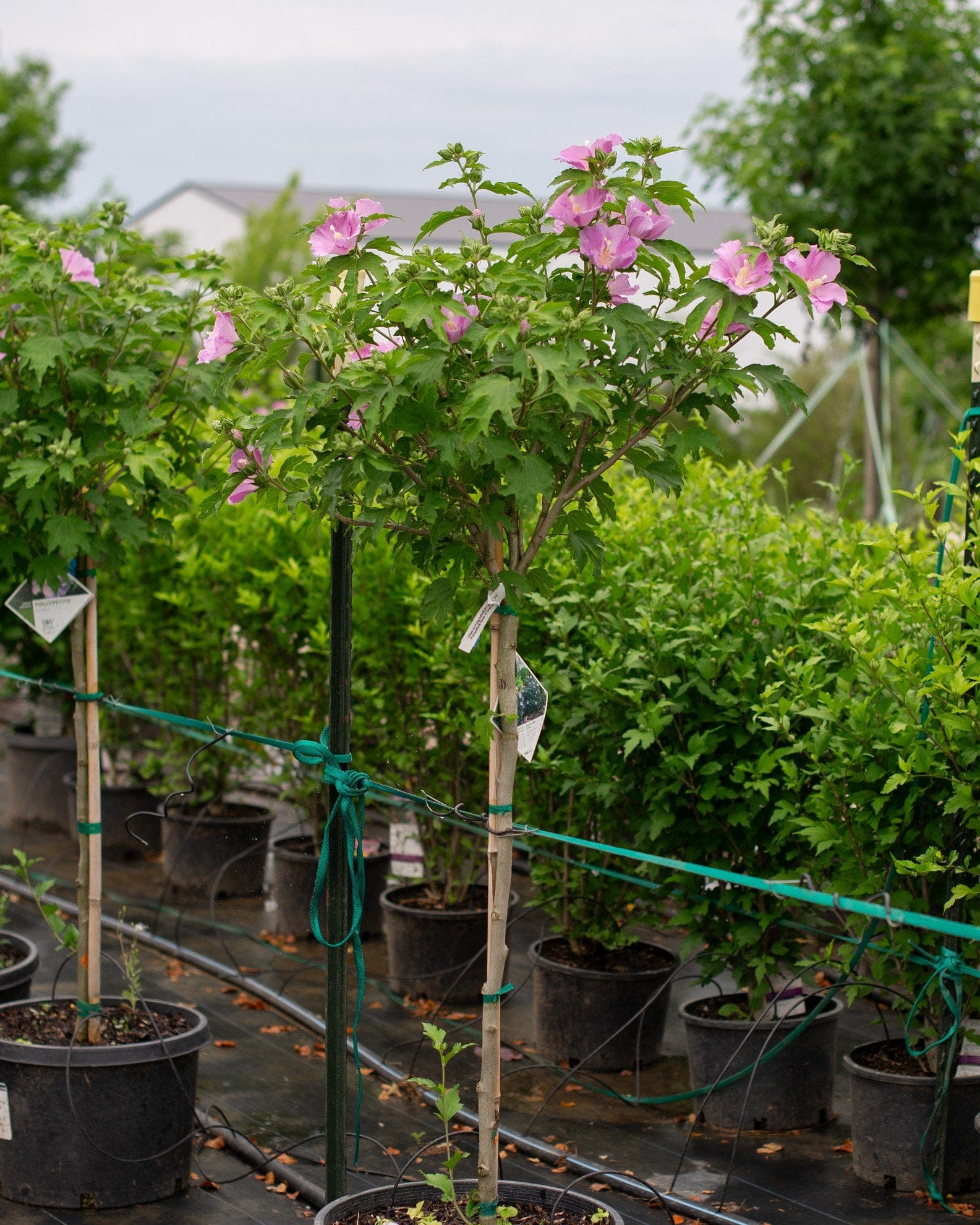
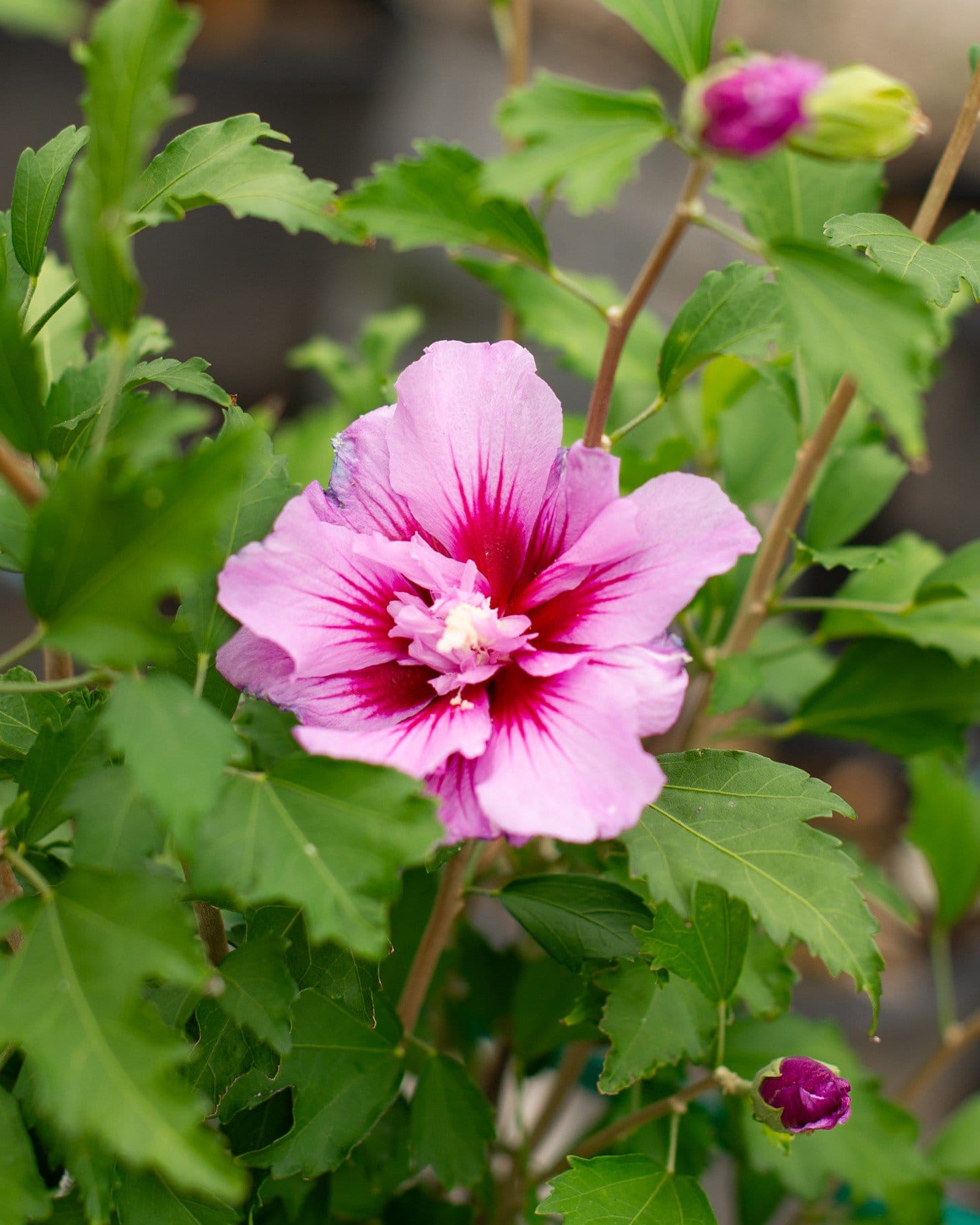
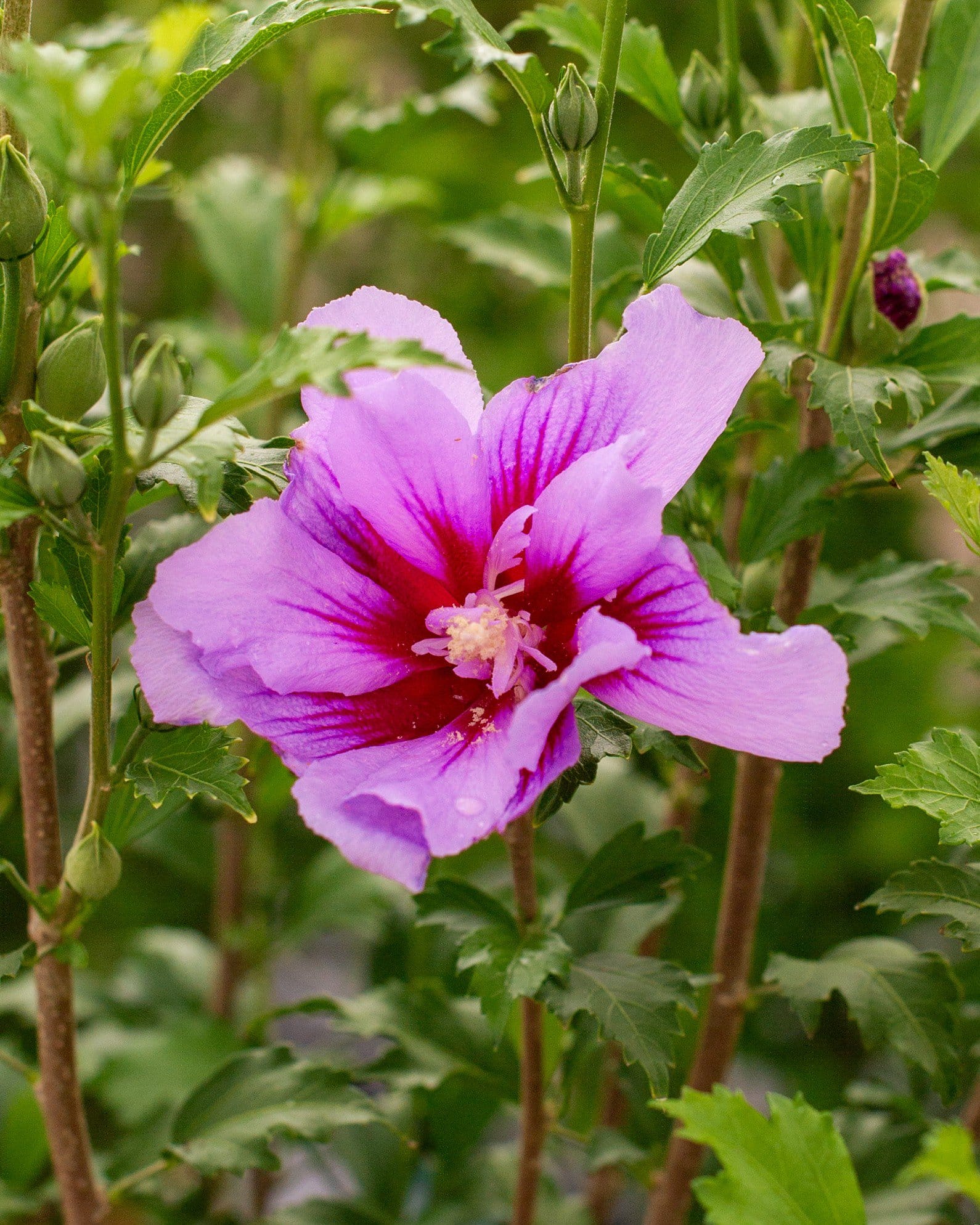
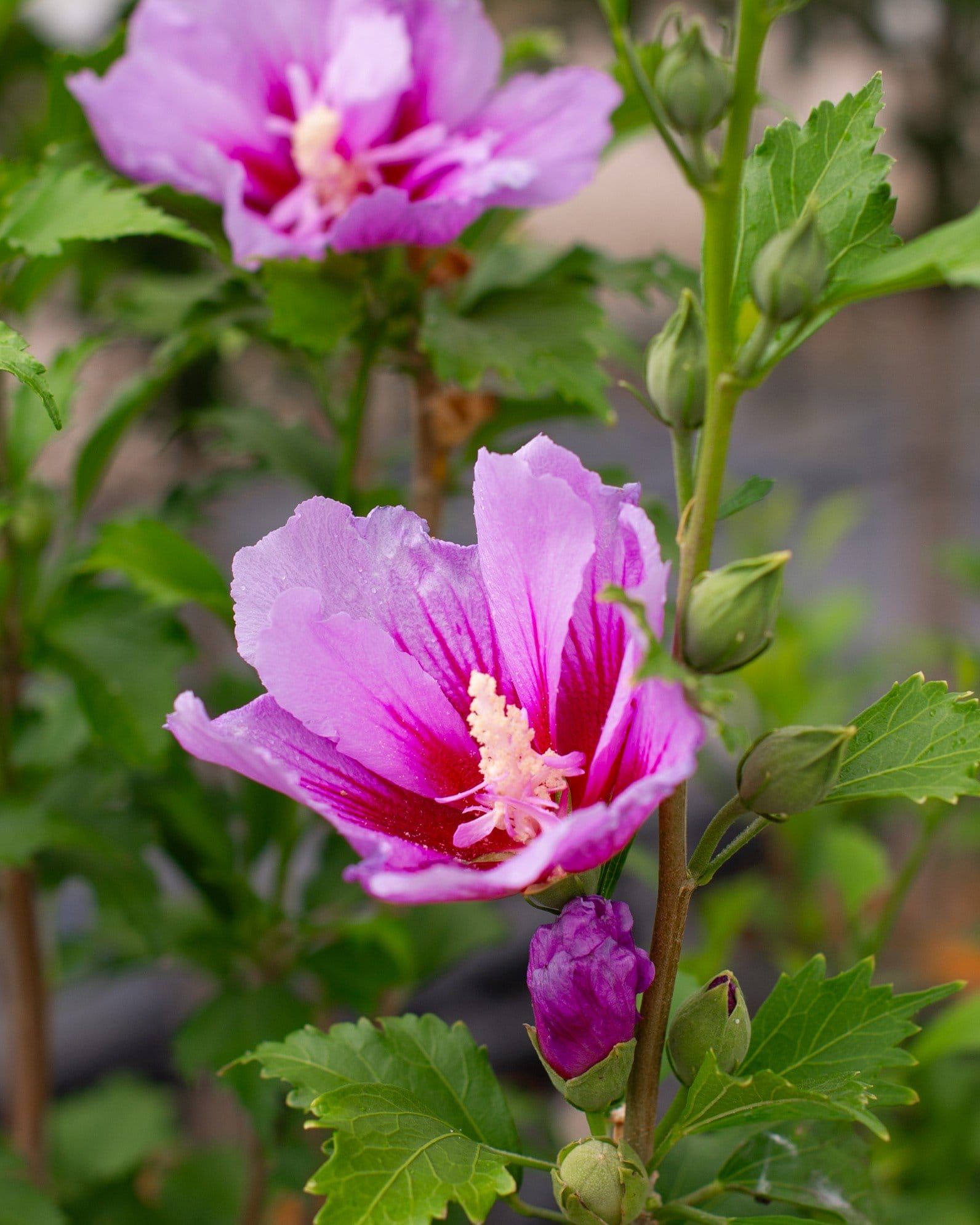
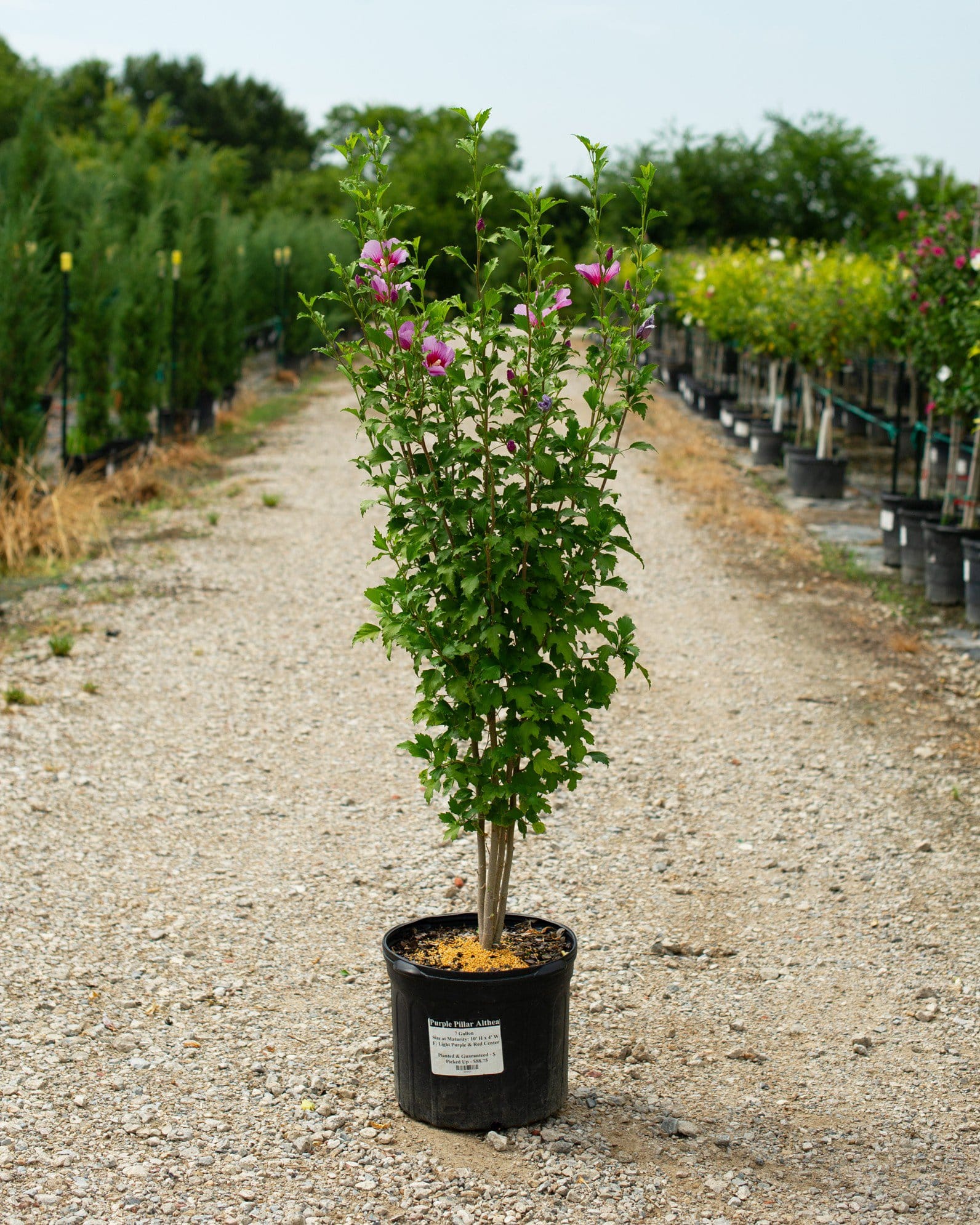
Purple Pillar Althea
Maturity: 10' H x 4' W
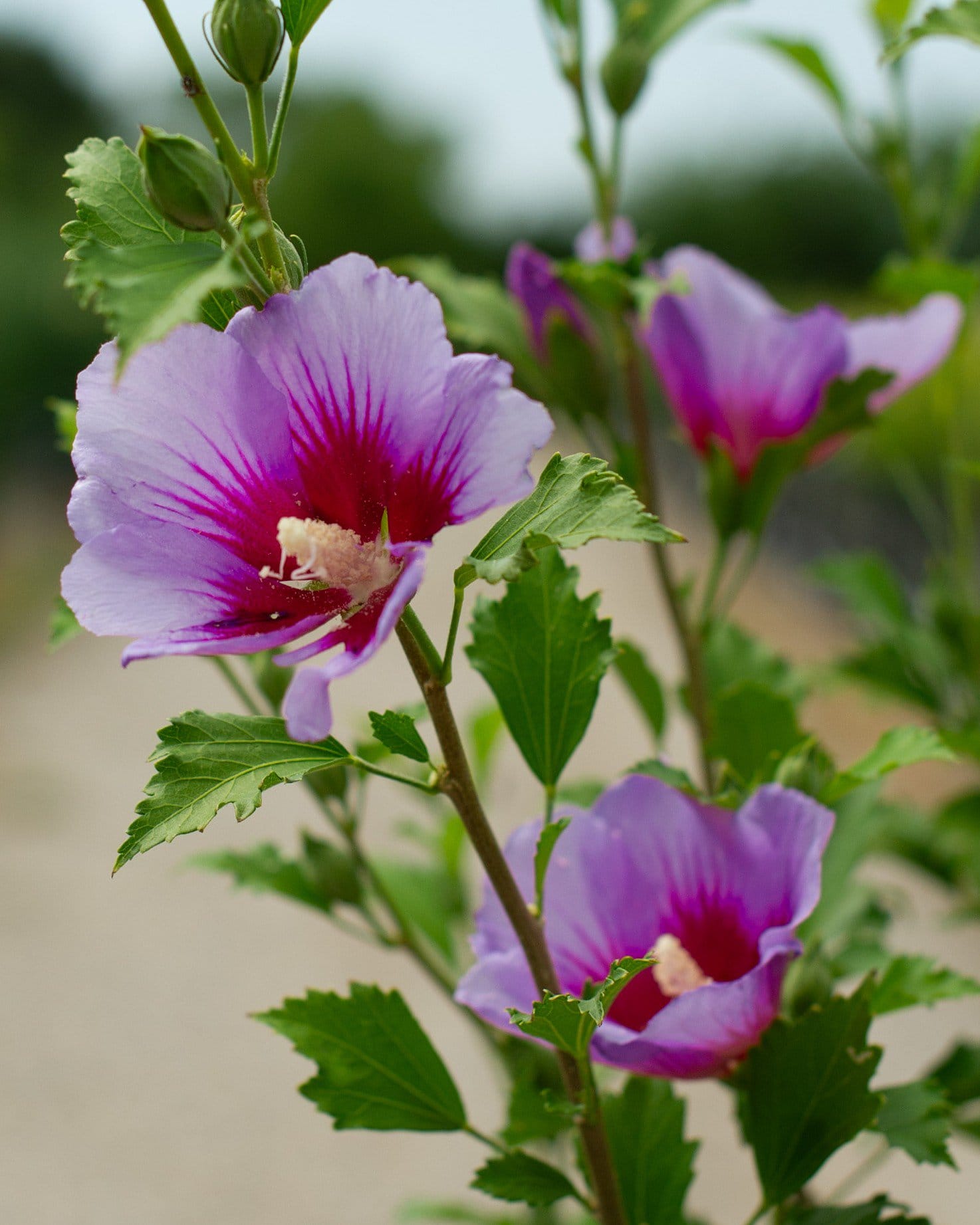
Purple Pillar Althea Tree Form
Maturity: 10' H x 4' W
Compare Similar Plants
White Pillar Althea This plant | ||
|---|---|---|
| Scientific Name | Hibiscus syriacus 'Gandini van Aart' | Hibiscus syriacus ‘Diana’ |
| Size at Maturity | 10' H x 4' W | 8' H x 5' W |
| Leaf Retention | Deciduous | Deciduous |
| Fall Color | Yellow | Yellow |
| Flower Color | White | White |
| Bloom Times | Spring & Summer | Spring & Summer |
| Sizes Available | 3, 10 gal | 15 gal |


Our 1-Year Planting Guarantee
We take pride in our plants and installation services. If any plants or trees installed by Treeland fail to thrive within the first year, we'll provide a replacement credit in accordance with our guarantee program.
Learn More About Our Guarantee