
Yoshino Cherry
Prunus x yedoensis 'Akebono'Product Details
Yoshino Cherry
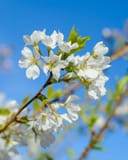
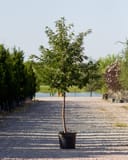
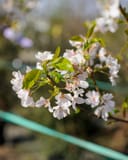
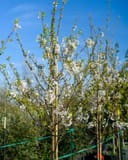
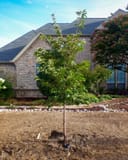
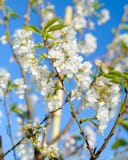
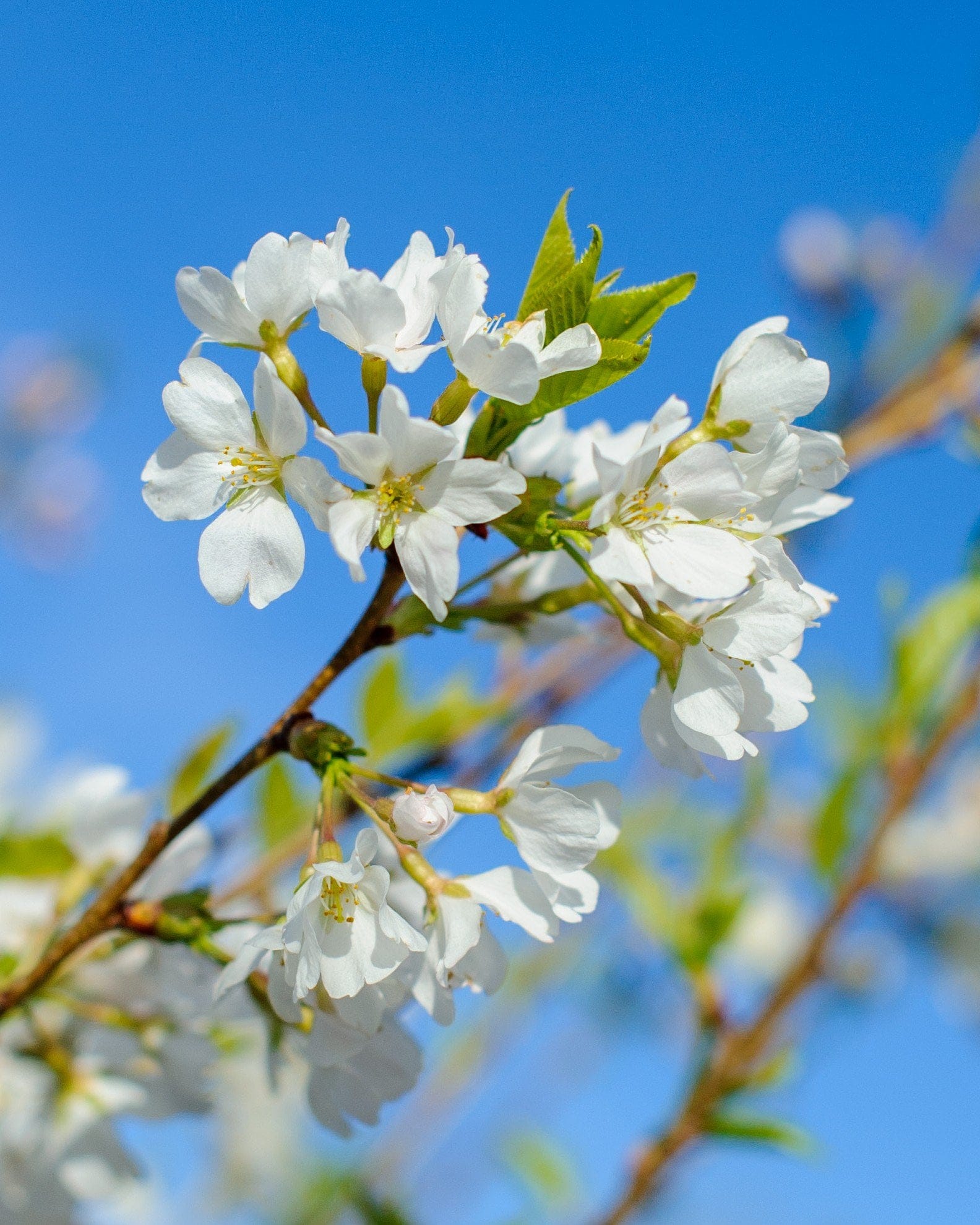
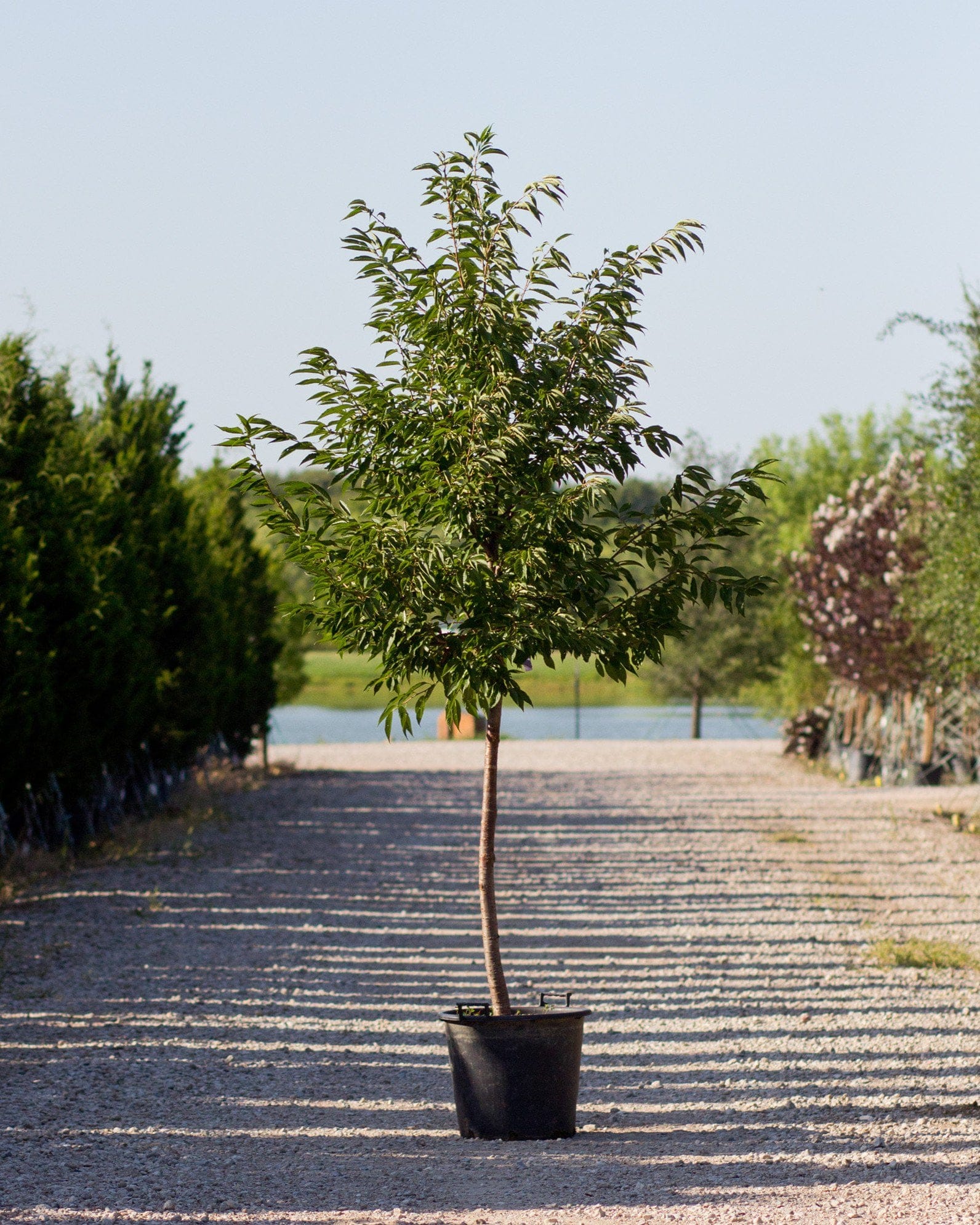
Prunus x yedoensis 'Akebono'Yoshino Cherry is celebrated for its breathtaking spring display of blush pink blooms, which cover its elegant, arching branches. These delicate flowers create a soft, romantic look that brings striking seasonal interest to your landscape. Growing up to 20 feet in height and about 20 feet in width at maturity, it’s an excellent choice as a focal point, along walkways, or grouped in larger plantings for a dramatic effect.
- A deciduous tree
- Graceful, rounded growth habit with arching branches
- Moderate growth rate
- Blush pink flowers blooming in spring
- Great for focal points, walkways, or large beds
Yoshino Cherry is hardy in zones 5–8 and will thrive in your North Texas landscape. It performs best in full sun and prefers well-drained, slightly acidic soil. With just a bit of care, it brings unforgettable beauty and classic charm to your outdoor space each spring.
Yoshino Cherry becomes relatively low-maintenance once established in suitable conditions. Its graceful branching and moderate growth habit make routine care manageable with proper placement. Here’s all it needs:
- Watering: Water deeply and consistently during the first two growing seasons to establish a strong, anchoring root system. Once established, Yoshino Cherry prefers consistent moisture, especially during dry spring and early summer periods when new growth and flowering are developing.
- Pruning: Prune lightly in late summer after flowering to shape the structure and remove crossing branches. Avoid heavy winter pruning, as excessive cuts can stimulate overly vigorous growth and increase disease susceptibility.
- Fertilizing: Apply a balanced fertilizer in early spring if growth appears weak or foliage lacks vigor. Overfertilizing should be avoided, as rapid growth can reduce structural strength and increase disease risk.
- Mulching: Maintain a 2-3 inch layer of mulch around the root zone to conserve moisture and protect shallow roots. Keep mulch several inches away from the trunk to prevent bark rot and pest issues.
- Winter Care: Established trees are cold-hardy within their recommended range. Young trees benefit from trunk protection during their first winter to prevent sunscald and frost cracking.
Yoshino Cherry is admired for its spring bloom but can be sensitive to certain environmental stresses. Early care and proper siting greatly improve longevity.
- Black Knot: Dark, swollen growths may form along branches due to fungal infection. Pruning infected limbs well below the affected area helps limit spread.
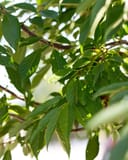
- Leaf Spot: Small reddish or purple spots may appear during wet conditions. Removing fallen leaves and improving airflow reduces fungal recurrence.
- Borers: Small holes in the bark and branch dieback may indicate wood-boring insect activity. Maintaining tree vigor and minimizing trunk injury helps prevent infestation.
- Root Rot: Yellowing foliage and decline may occur in poorly drained soils. Ensuring excellent drainage and avoiding overwatering are essential preventative measures.
Yoshino Cherry typically lives 30-50 years under good conditions. Longevity depends heavily on proper drainage, disease management, and careful pruning. While not as long-lived as large shade trees, it provides decades of ornamental value.
It generally grows 12-24 inches per year. Structural maturity often develops within 8-12 years. Full canopy development may take 15-20 years.
It is celebrated for its abundant pale pink to nearly white spring blossoms that appear before or alongside emerging leaves. The cloud-like bloom display creates a dramatic seasonal effect. Its smooth gray bark and graceful branching add additional ornamental appeal.
It produces small, dark cherries that are not typically ornamental or significant for human consumption. Birds may feed on the fruit. The fruit is generally minimal and not messy.
It performs best in regions with mild winters and moderate summers. Excessive heat and humidity can increase disease susceptibility. Proper siting and airflow improve performance in warmer areas.
Yes, it features smooth gray bark with subtle lenticels. As the tree matures, the bark develops a gentle texture that adds winter interest. Even outside the bloom season, it retains ornamental appeal.
It prefers consistent moisture and does not tolerate prolonged drought as well as native shade trees. Extended dry periods may reduce vigor and increase disease risk.
Yes, its early-season blossoms provide nectar for bees and other pollinators. The flowers contribute to early spring ecosystem activity. This ecological value adds to its ornamental appeal.
Its branching is generally graceful but can be susceptible to breakage in severe storms. Proper early structural pruning reduces weak branch angles. Maintaining tree health improves structural integrity.
Yes, its branching structure, smooth bark, and moderate fall color provide visual appeal beyond spring bloom. The tree maintains a refined silhouette throughout the growing season.
Special Features
You might also like
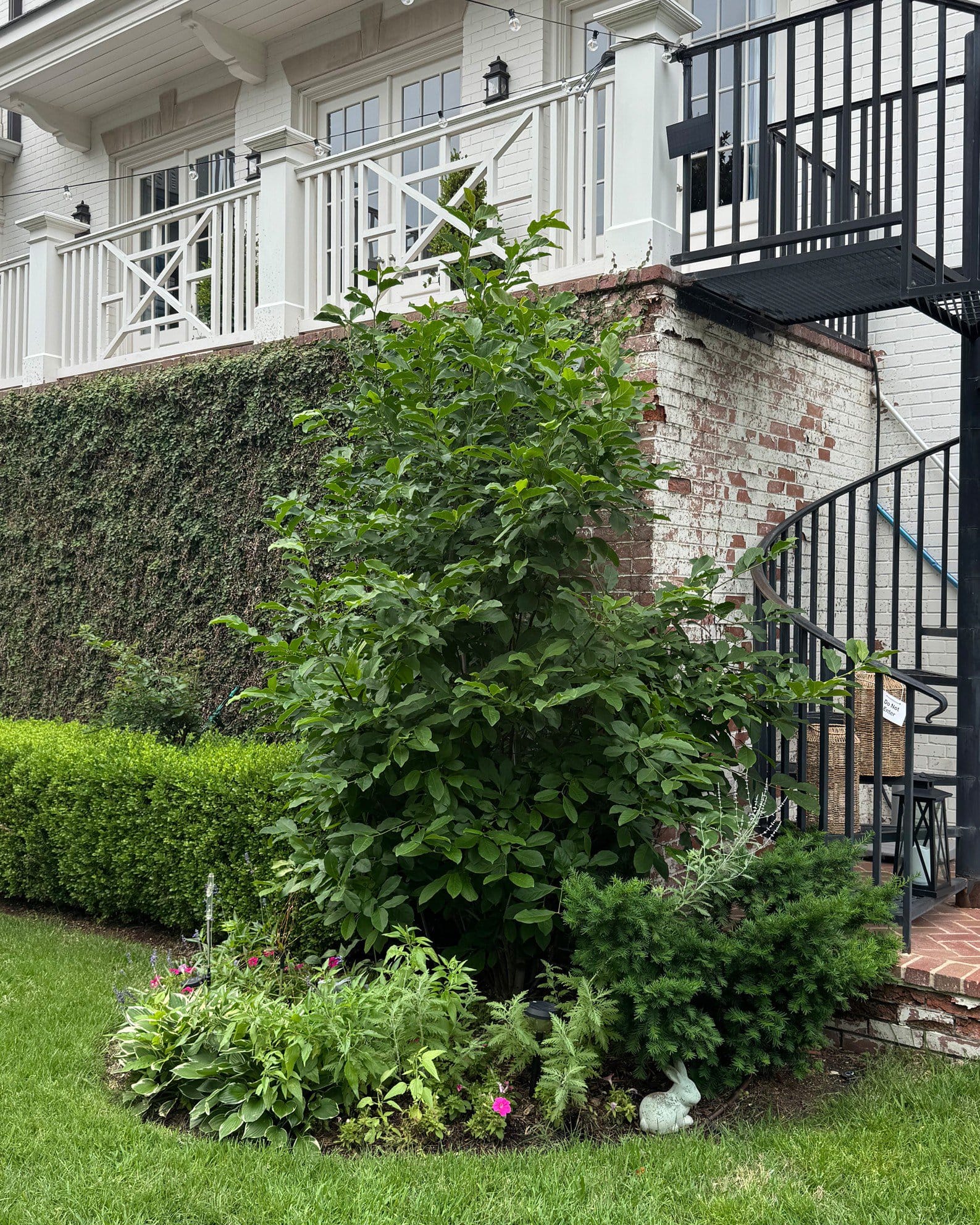
Ann Magnolia
Maturity: 12' H x 8' W
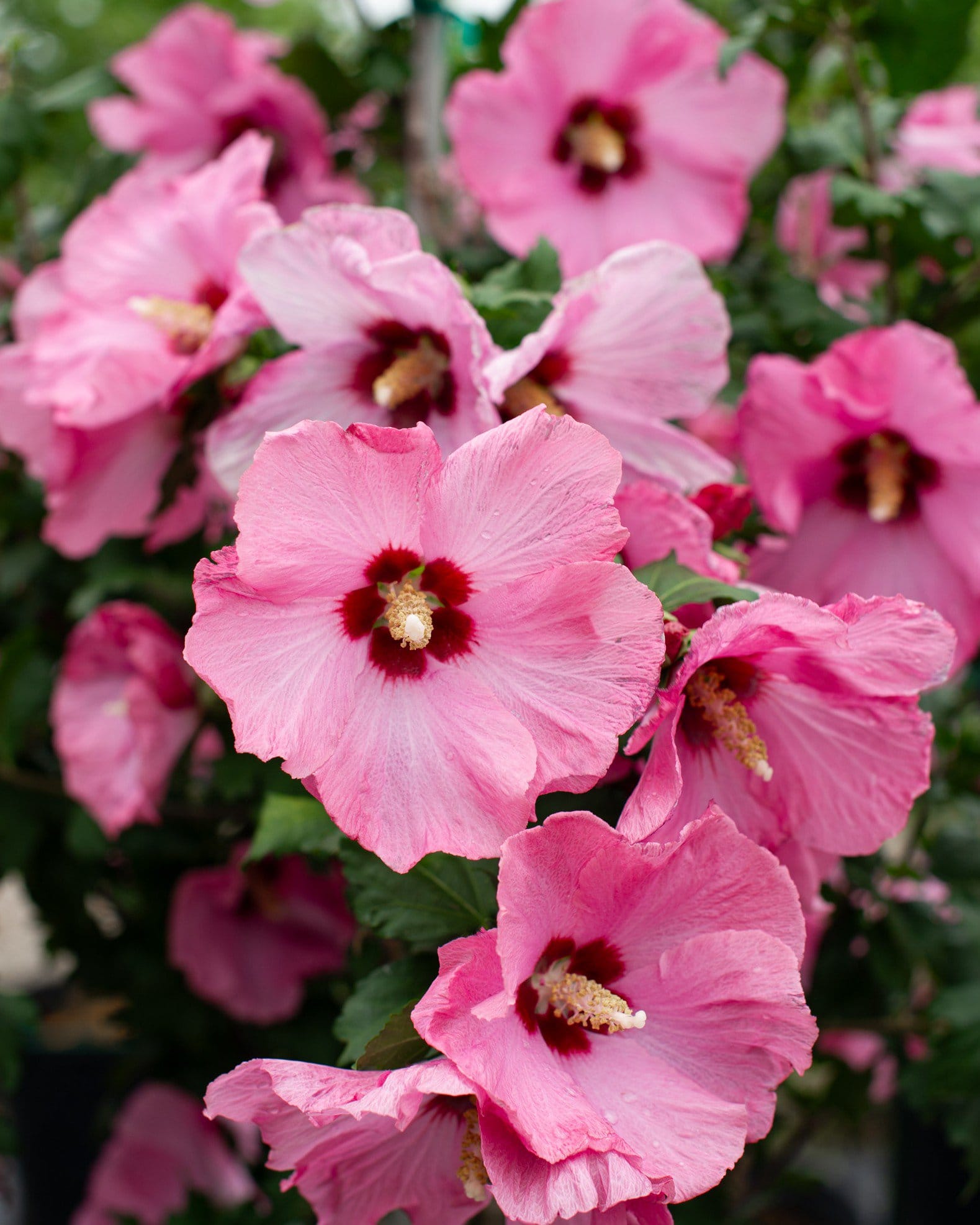
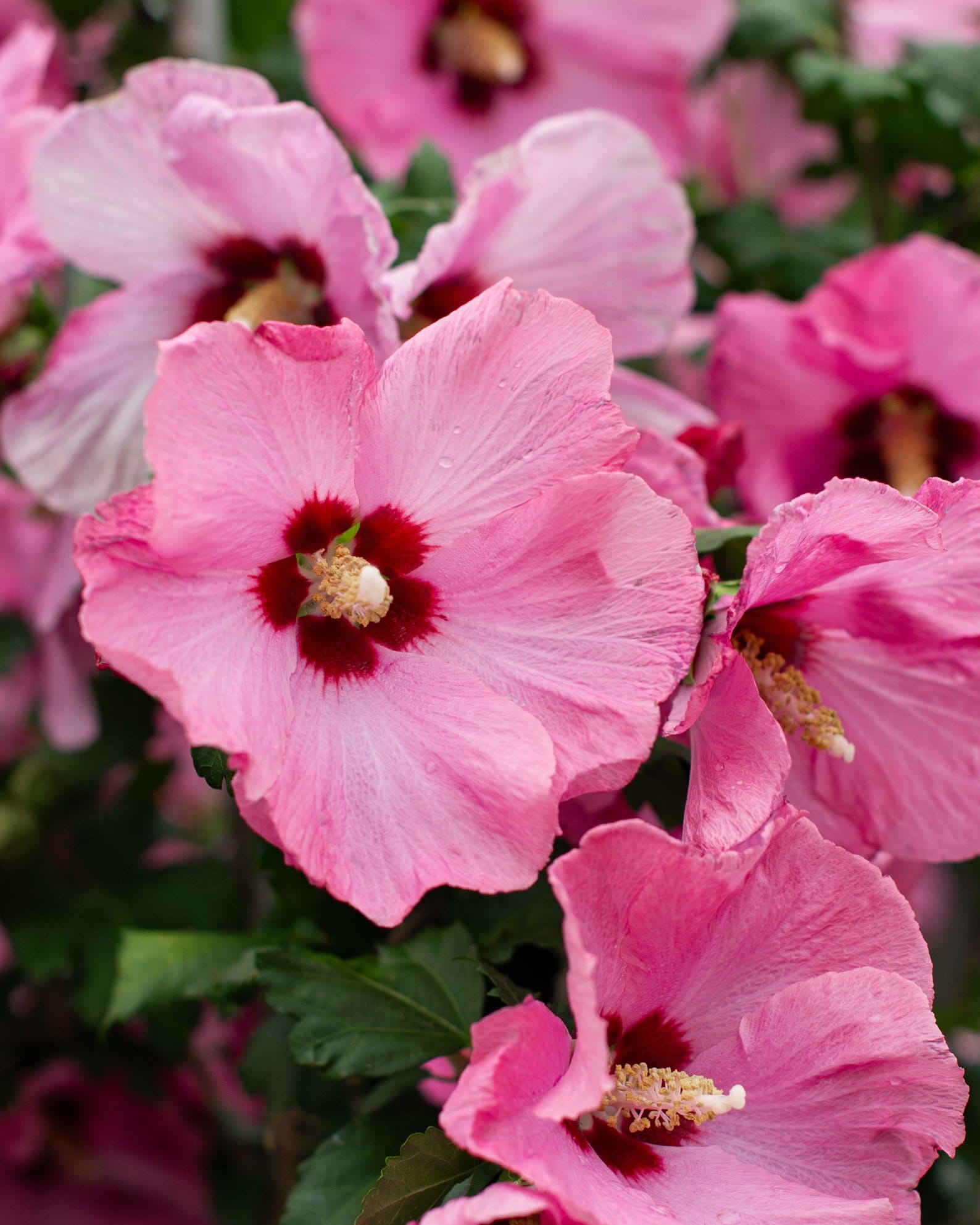
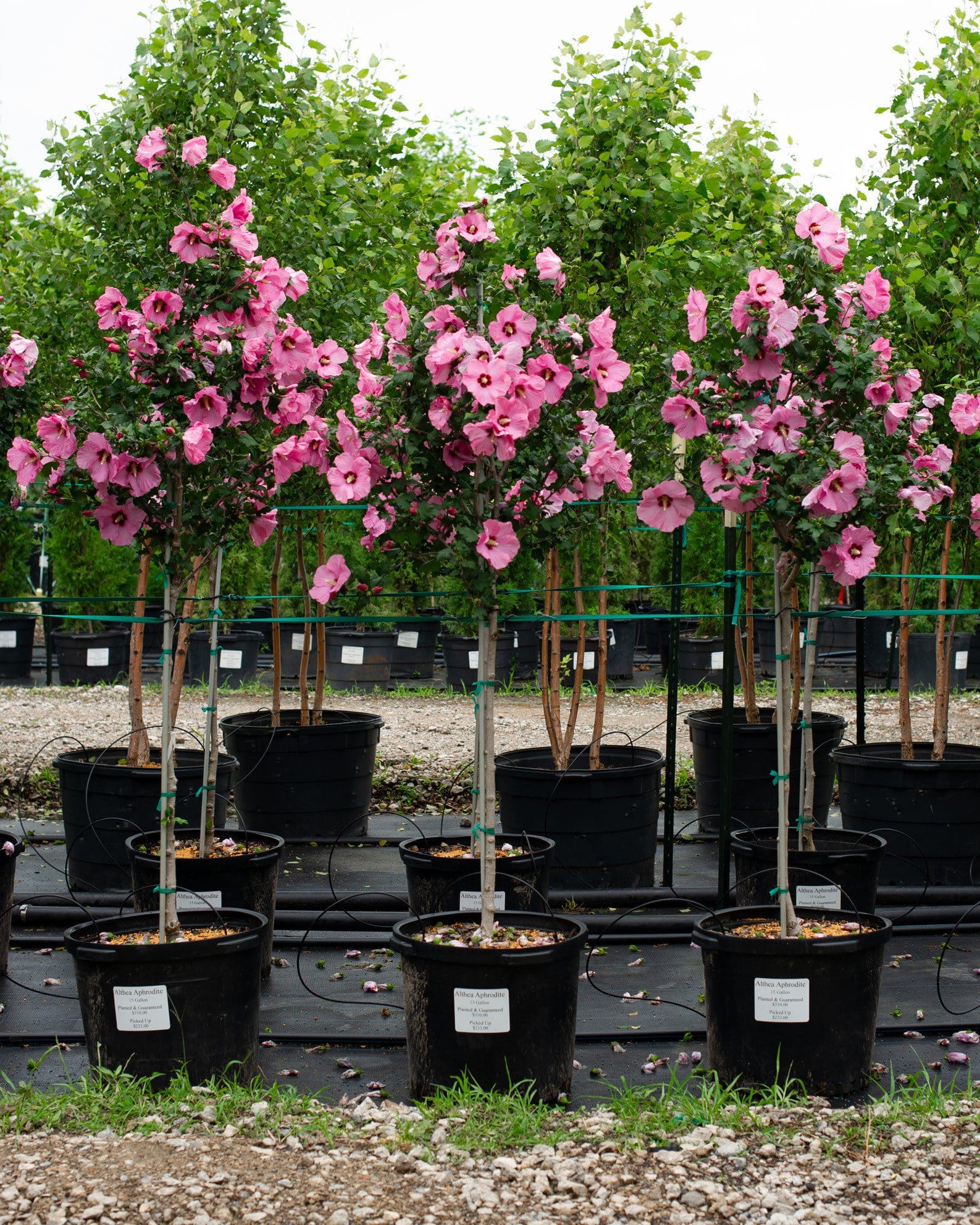
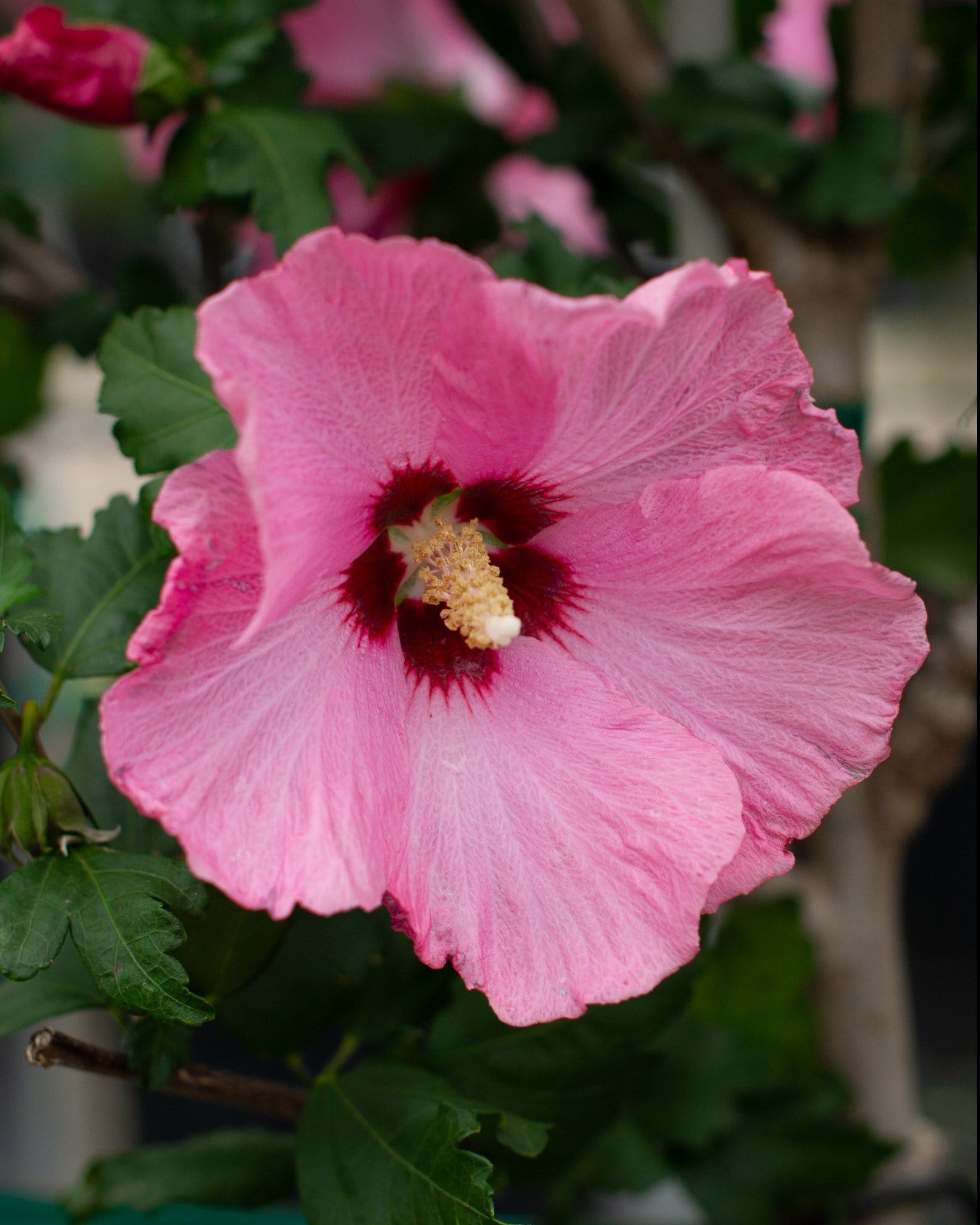
Aphrodite Althea Tree Form
Maturity: 8' H x 6' W
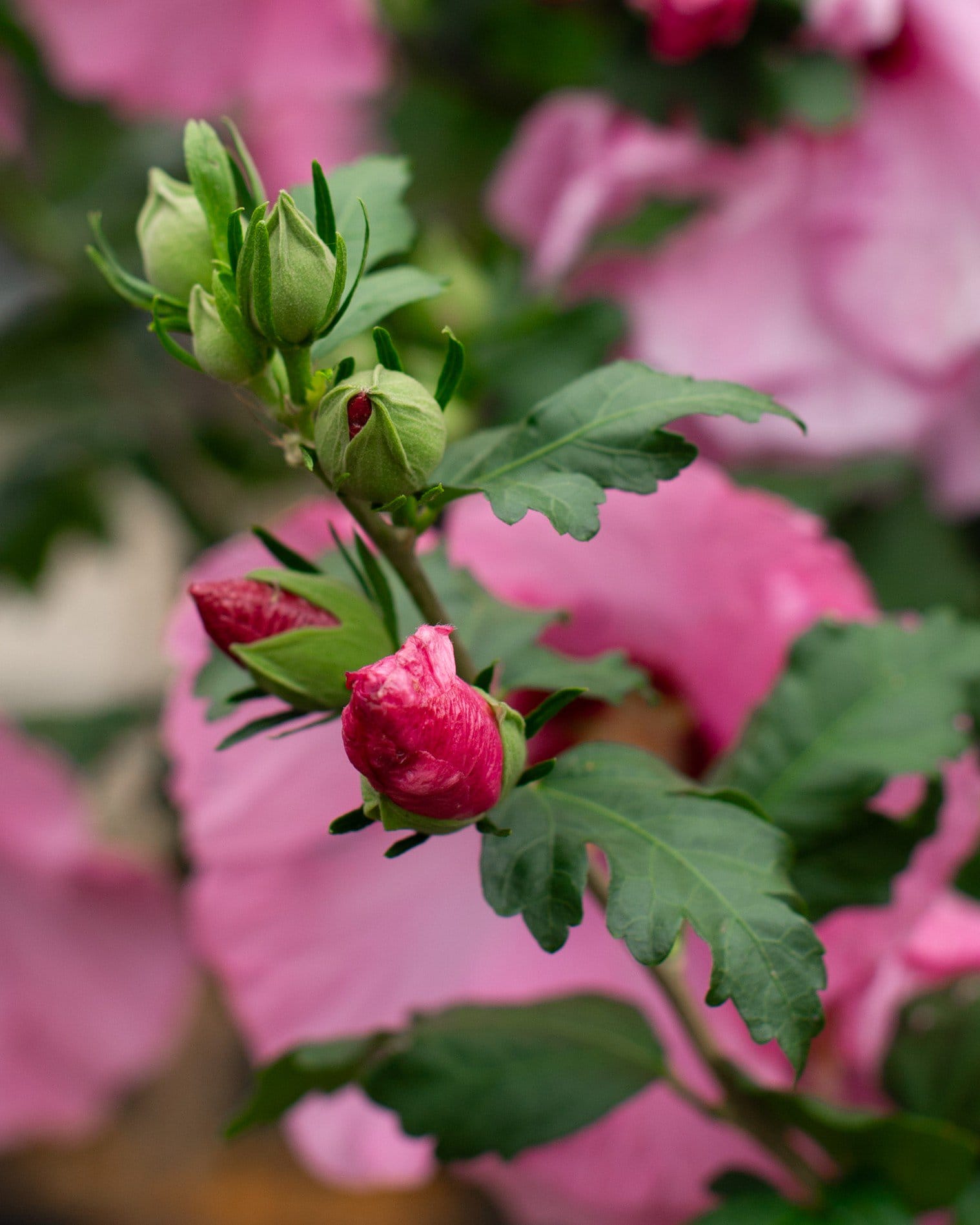
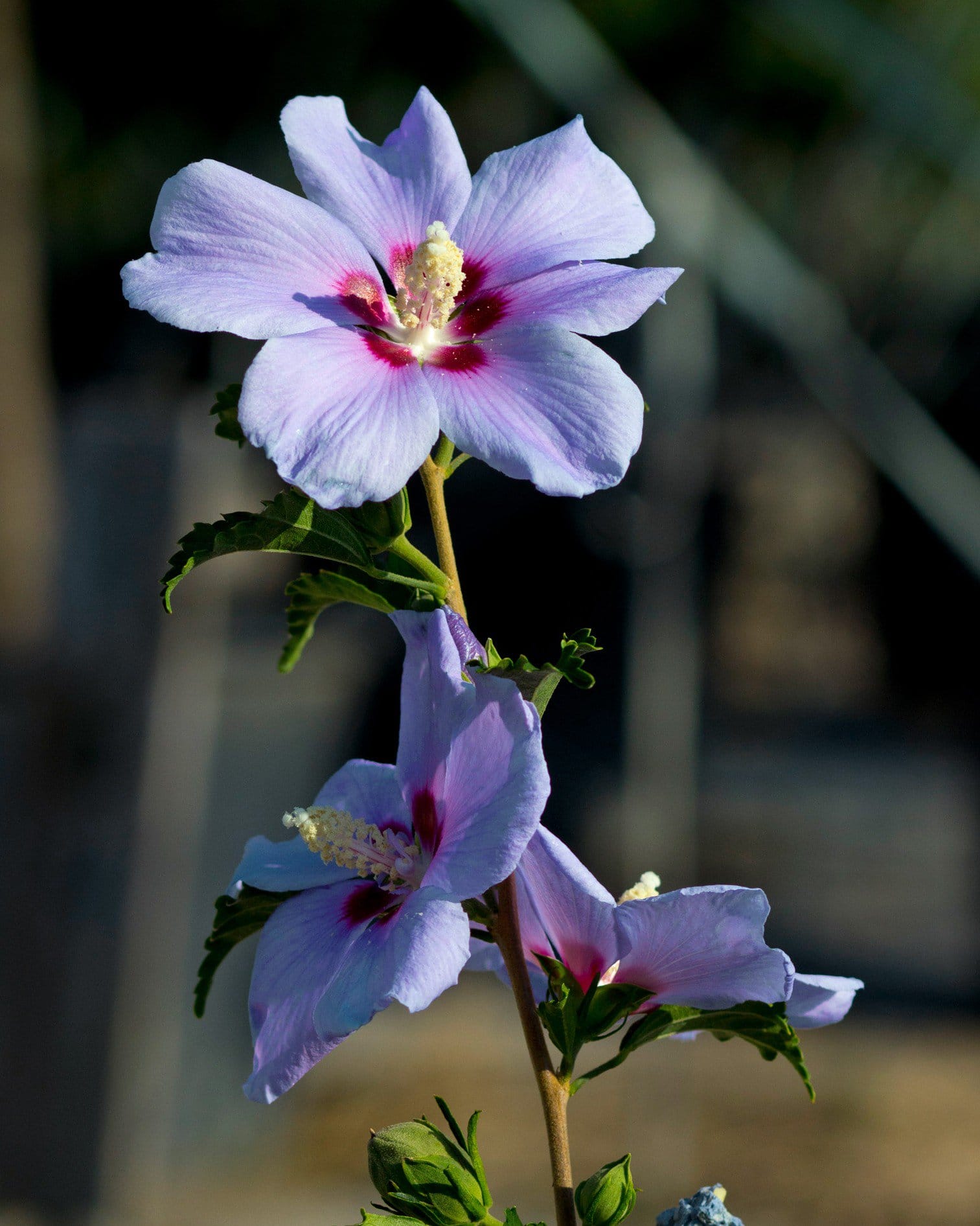
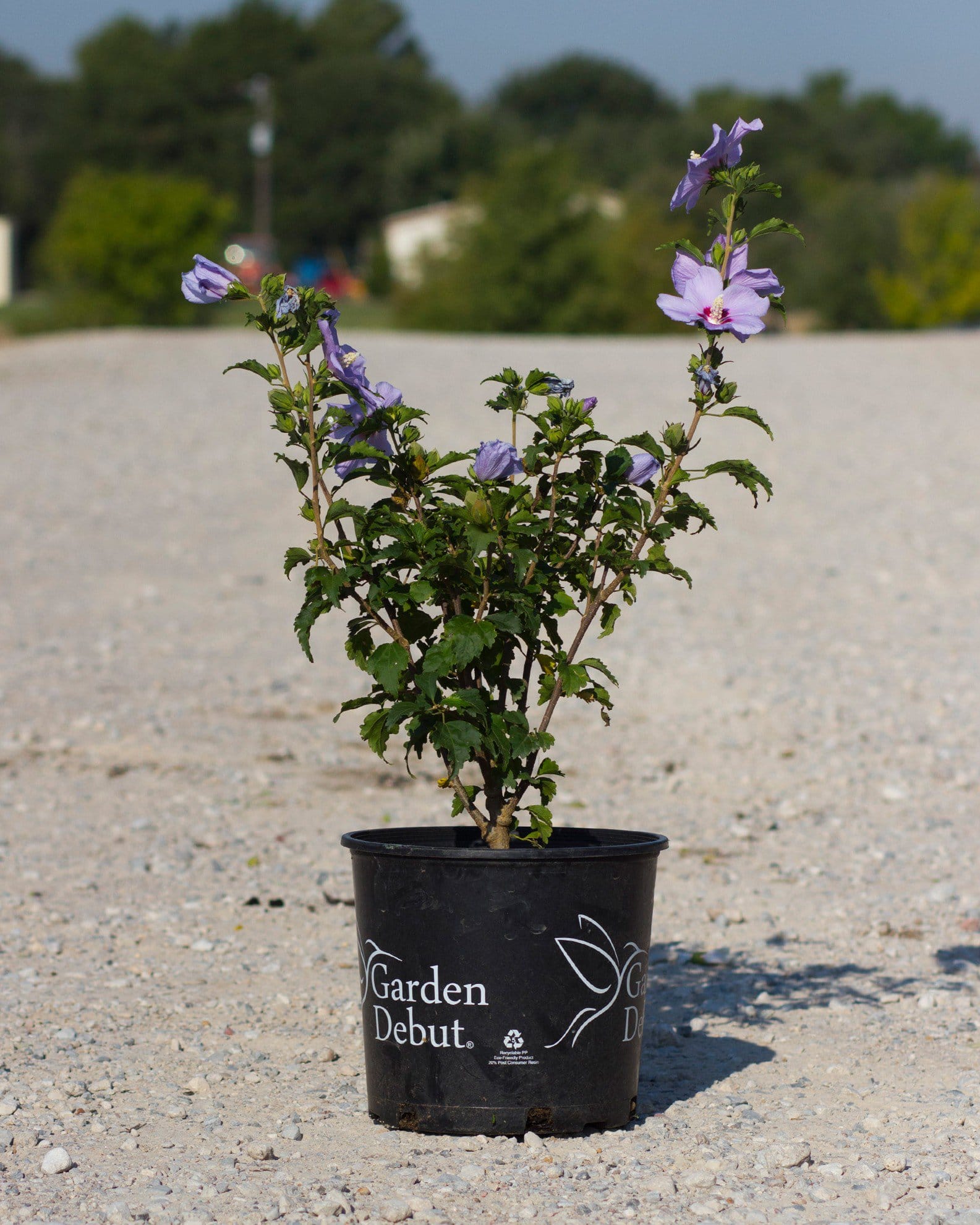
Blue Angel Althea
Maturity: 8' H x 6' W
Danica Althea Tree Form
Maturity: 8' H x 5' W
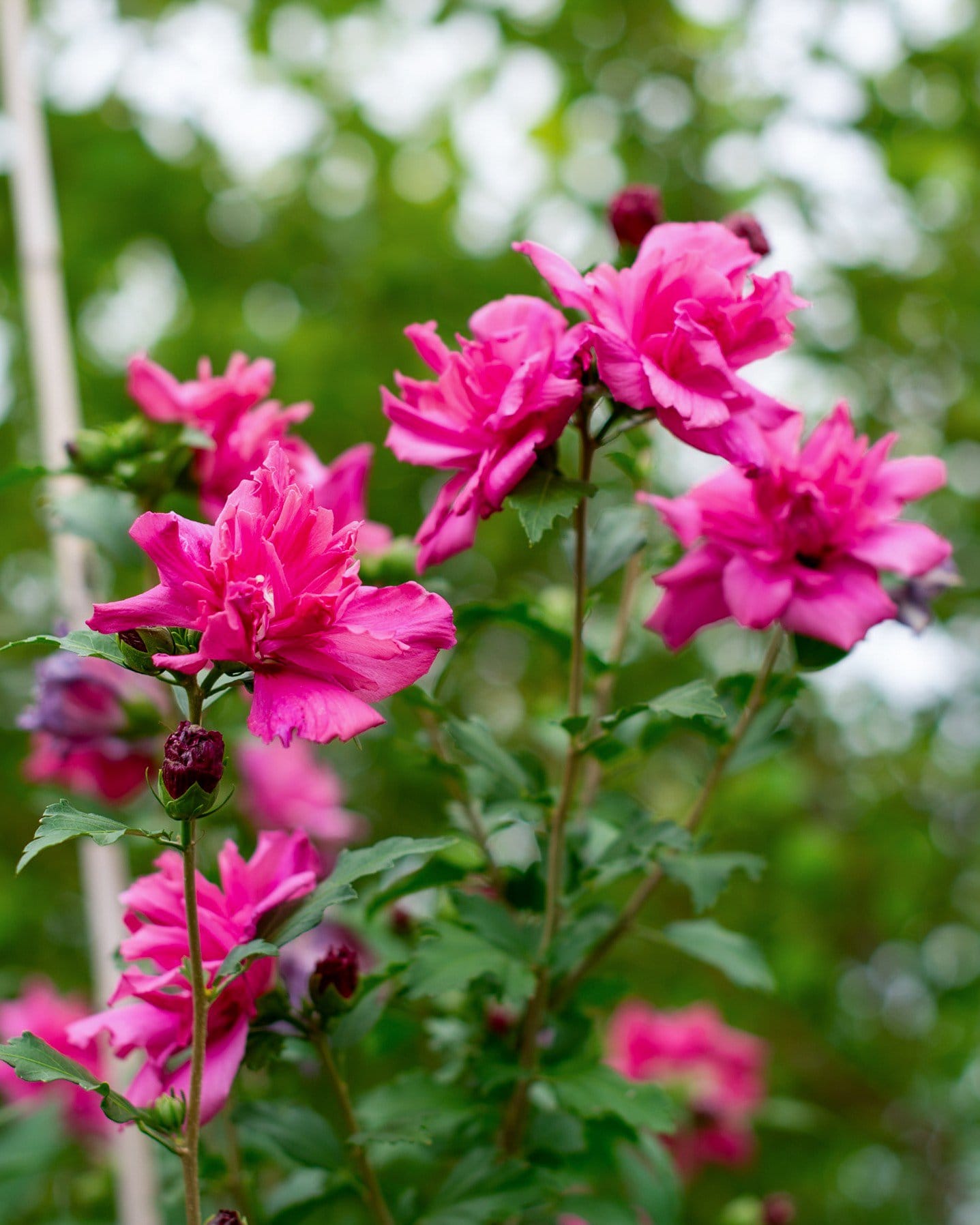
Double Red Althea Tree Form
Maturity: 8' H x 5' W
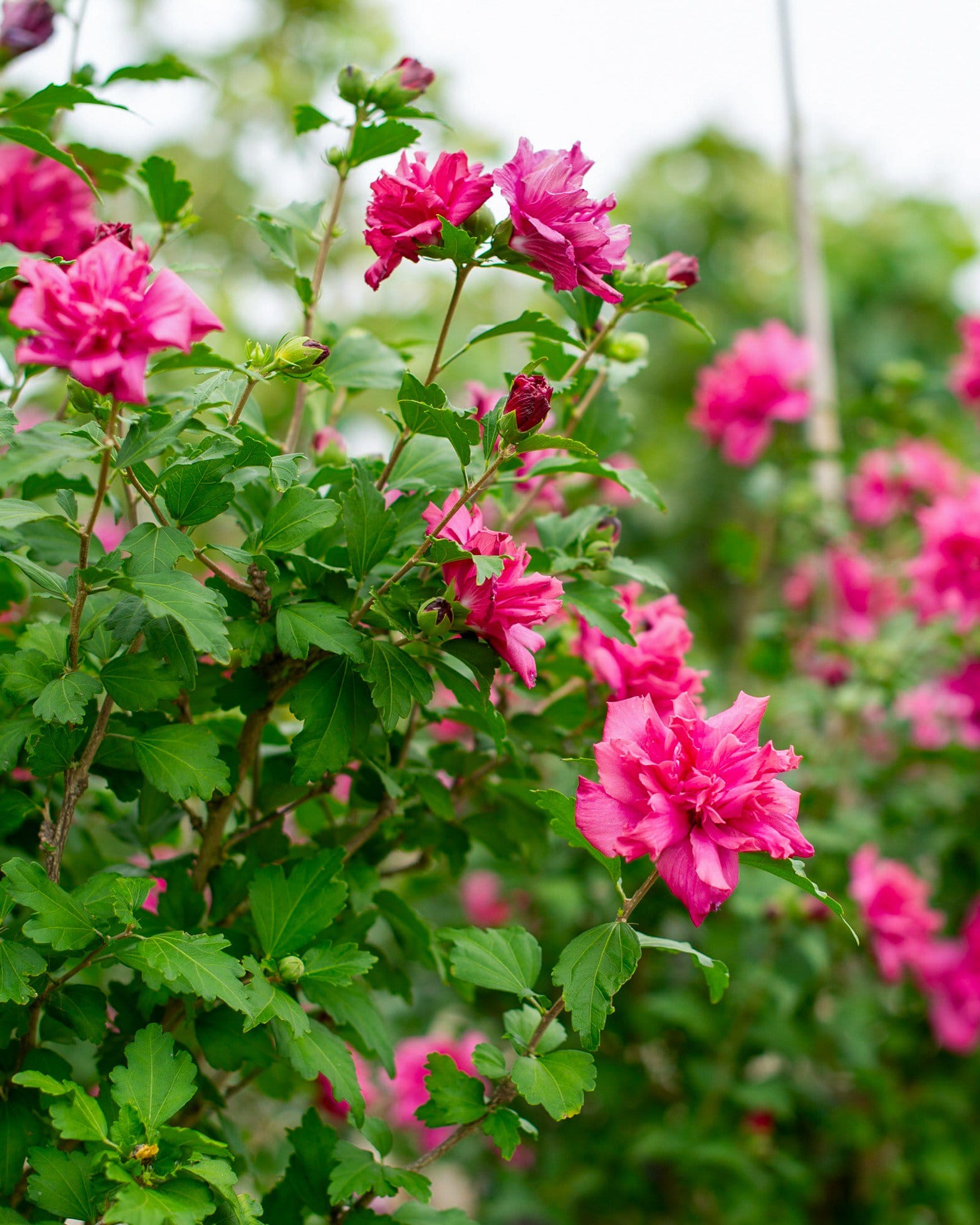
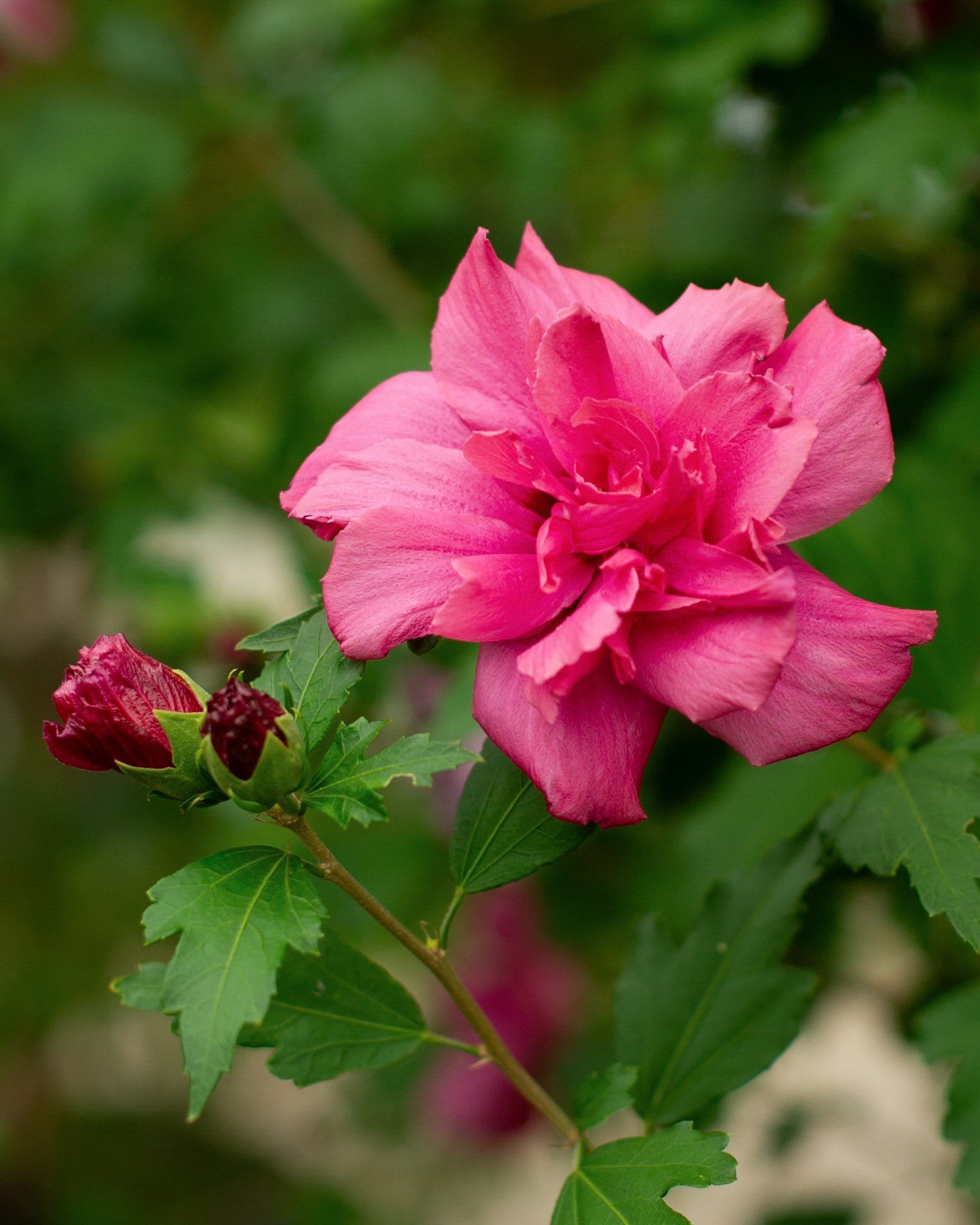
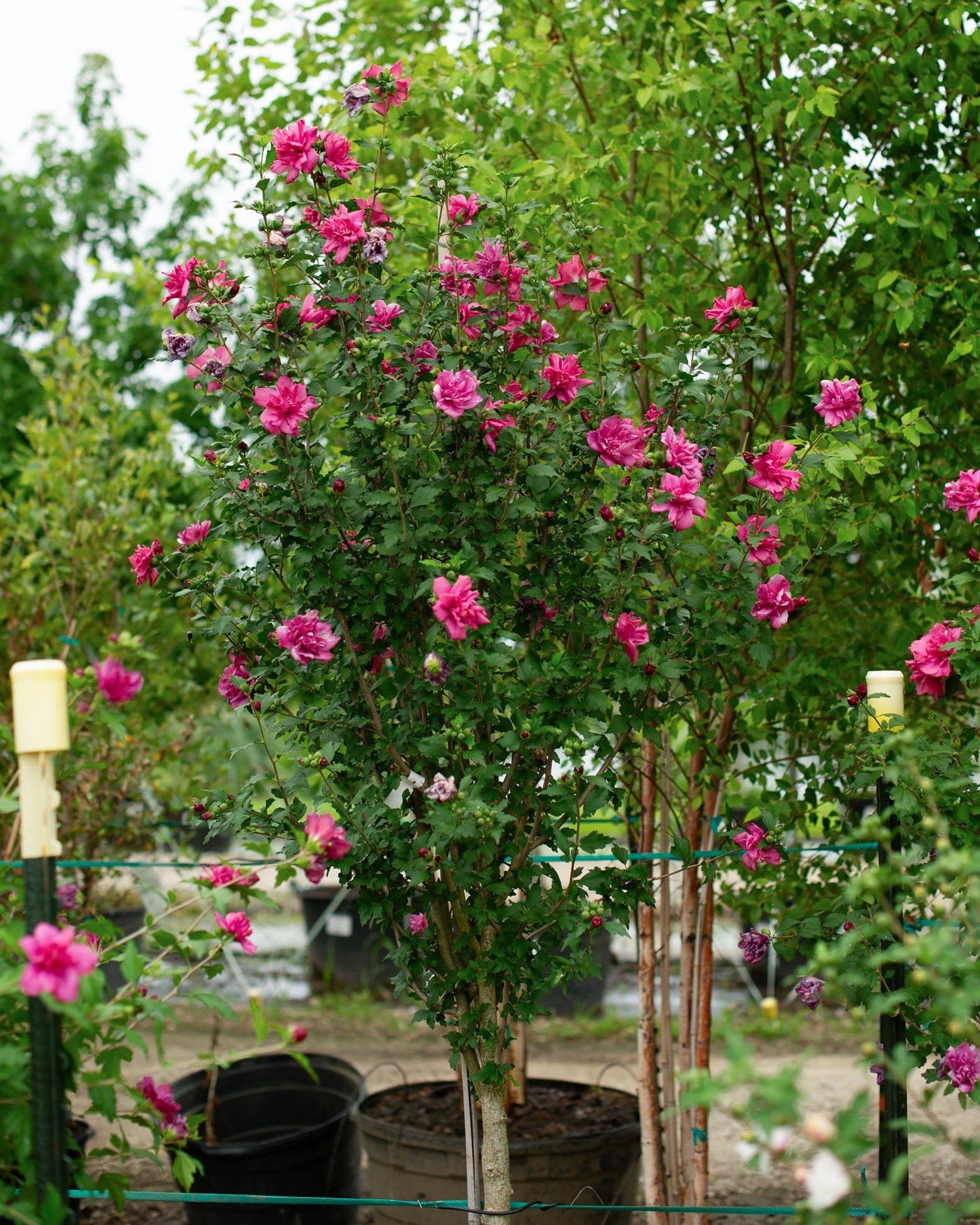
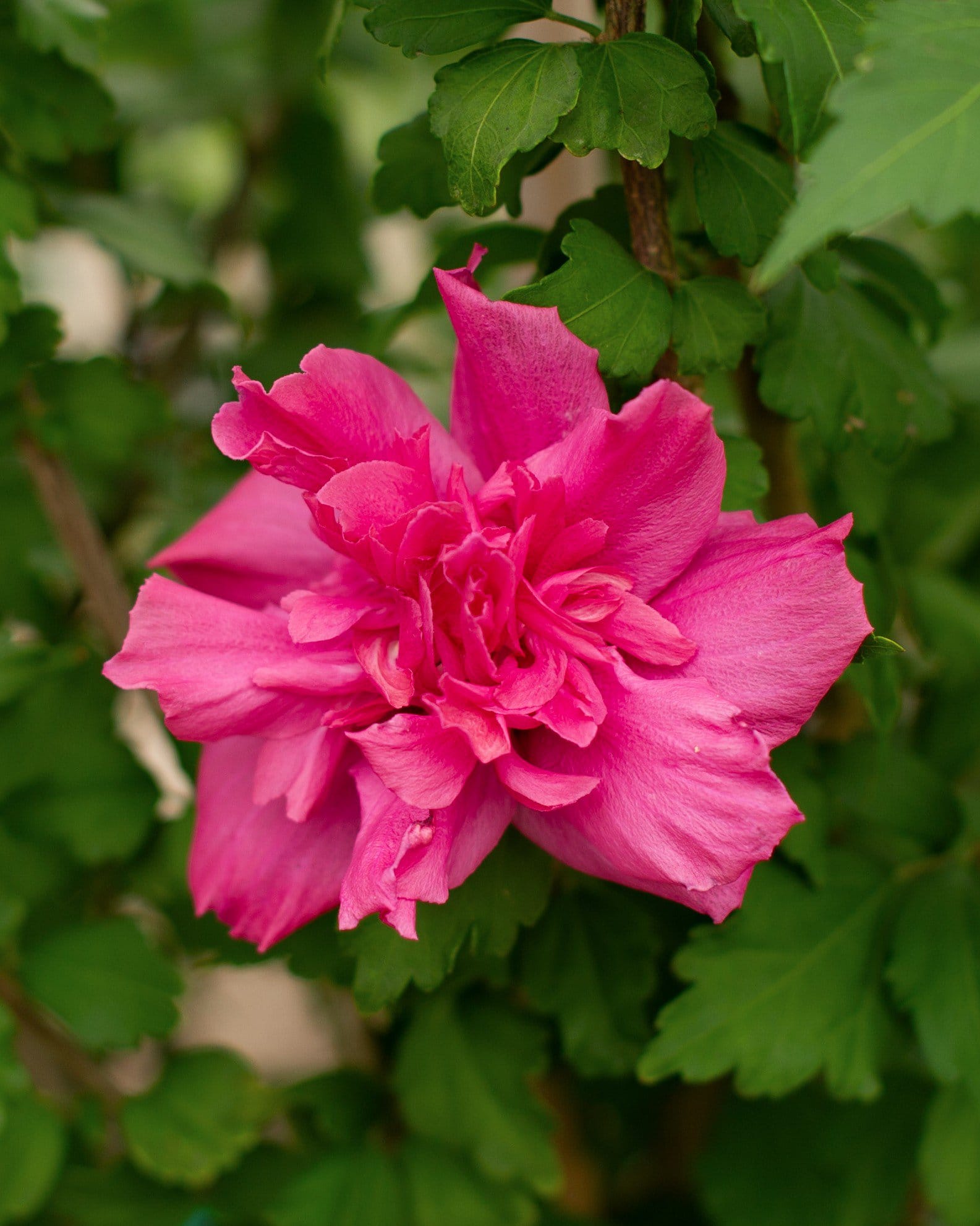
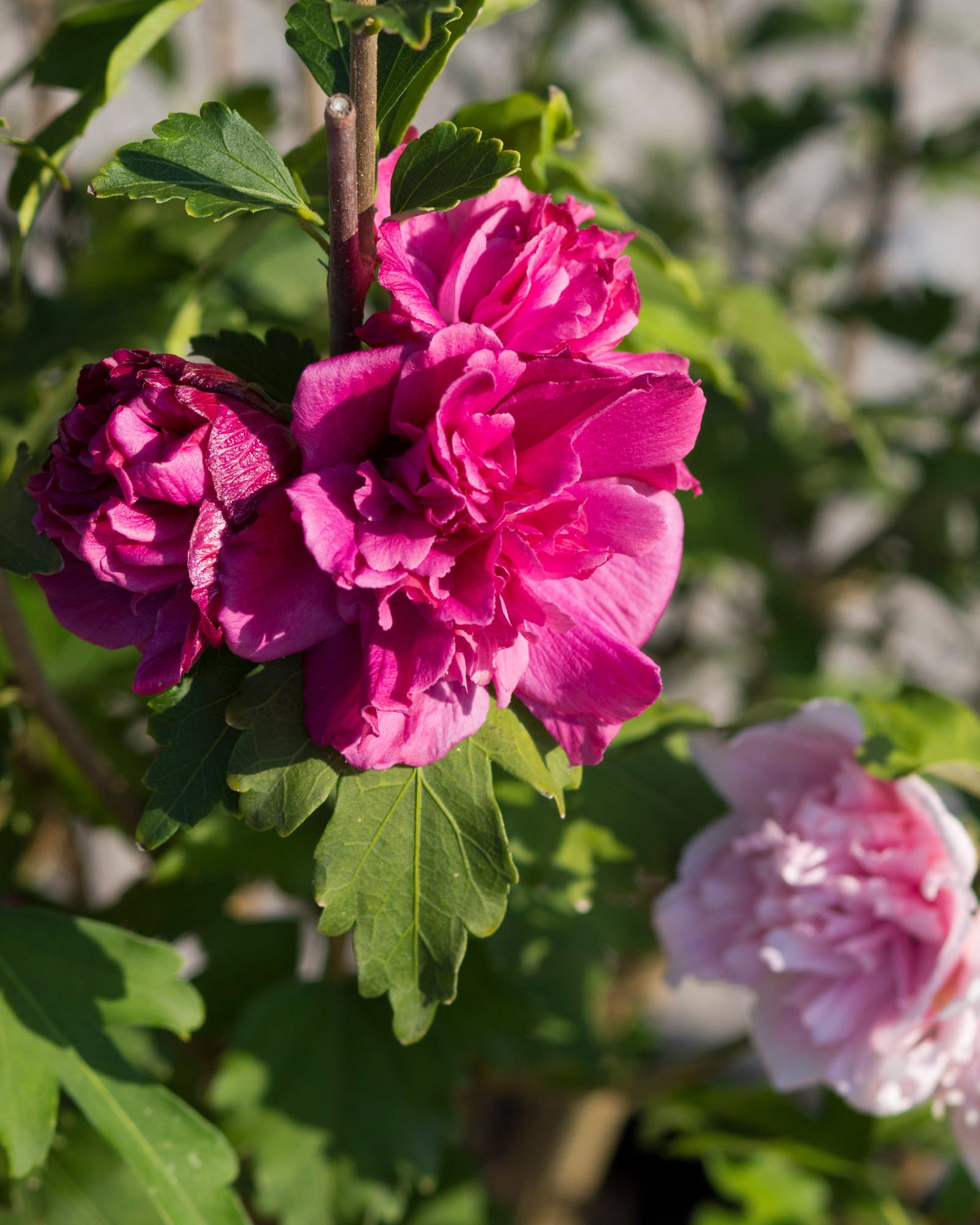
Fireworks Double Althea
Maturity: 8' H x 5' W
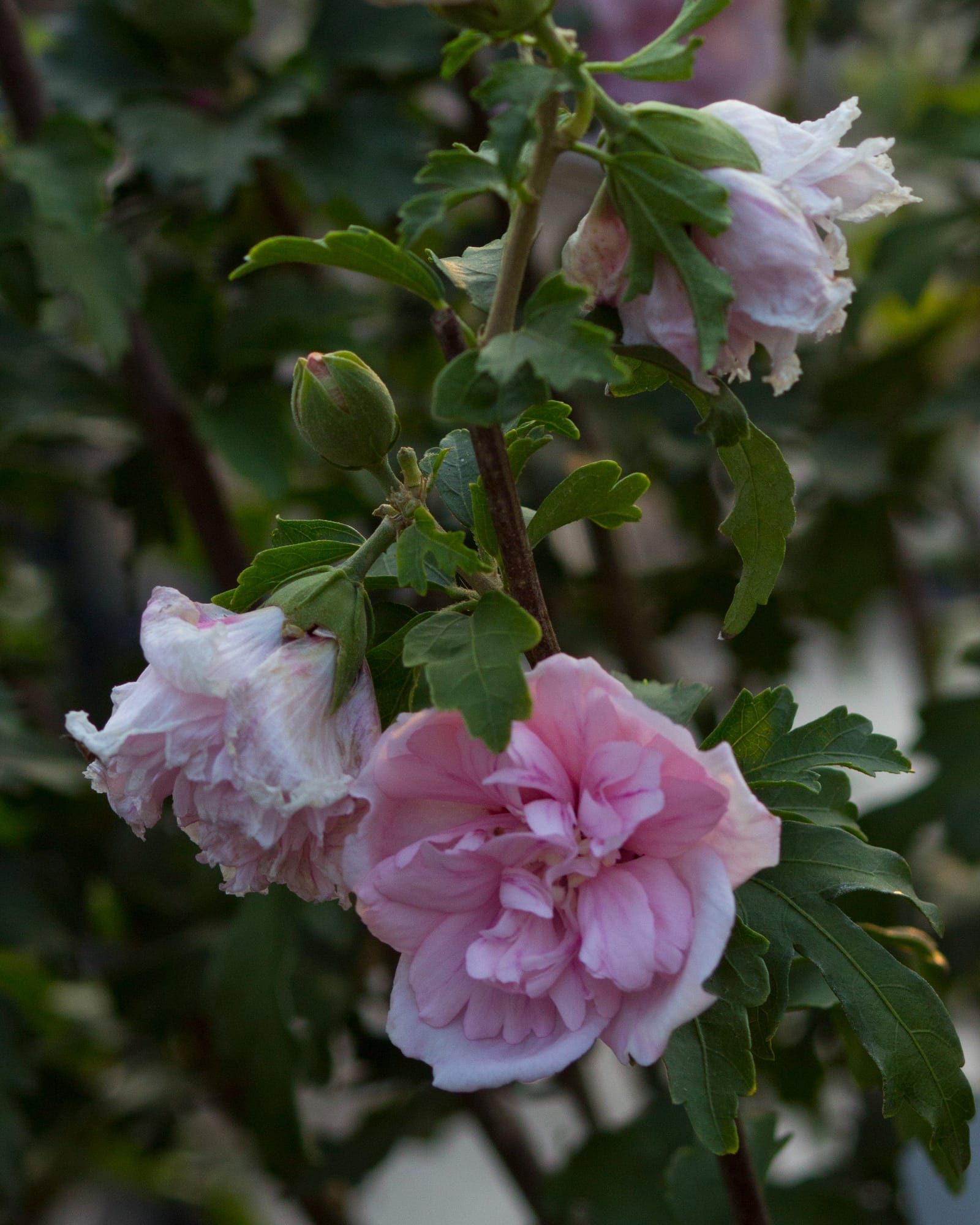
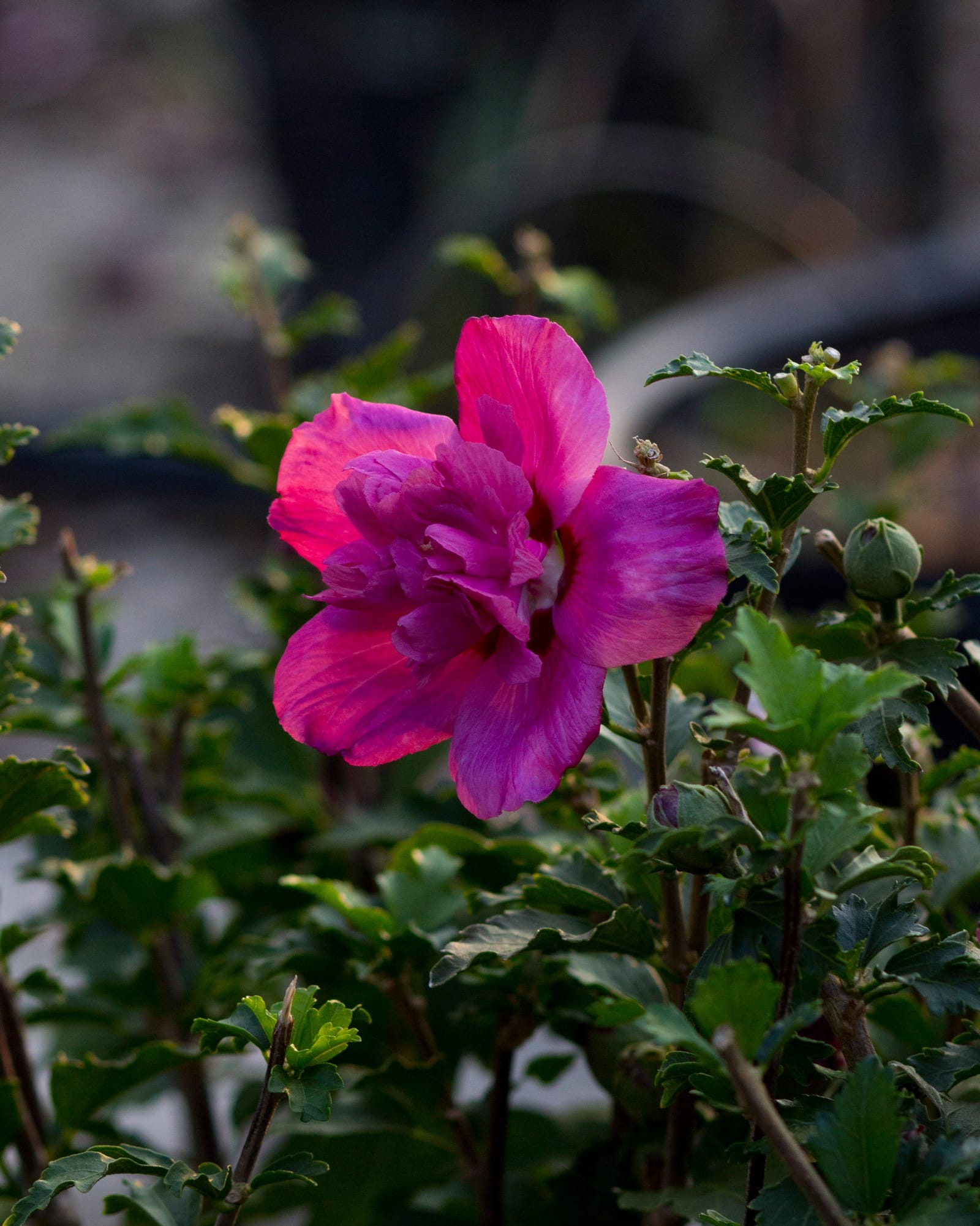
Lucy Althea Tree Form
Maturity: 8' H x 5' W
Minerva Althea Tree Form
Maturity: 8' H x 5' W
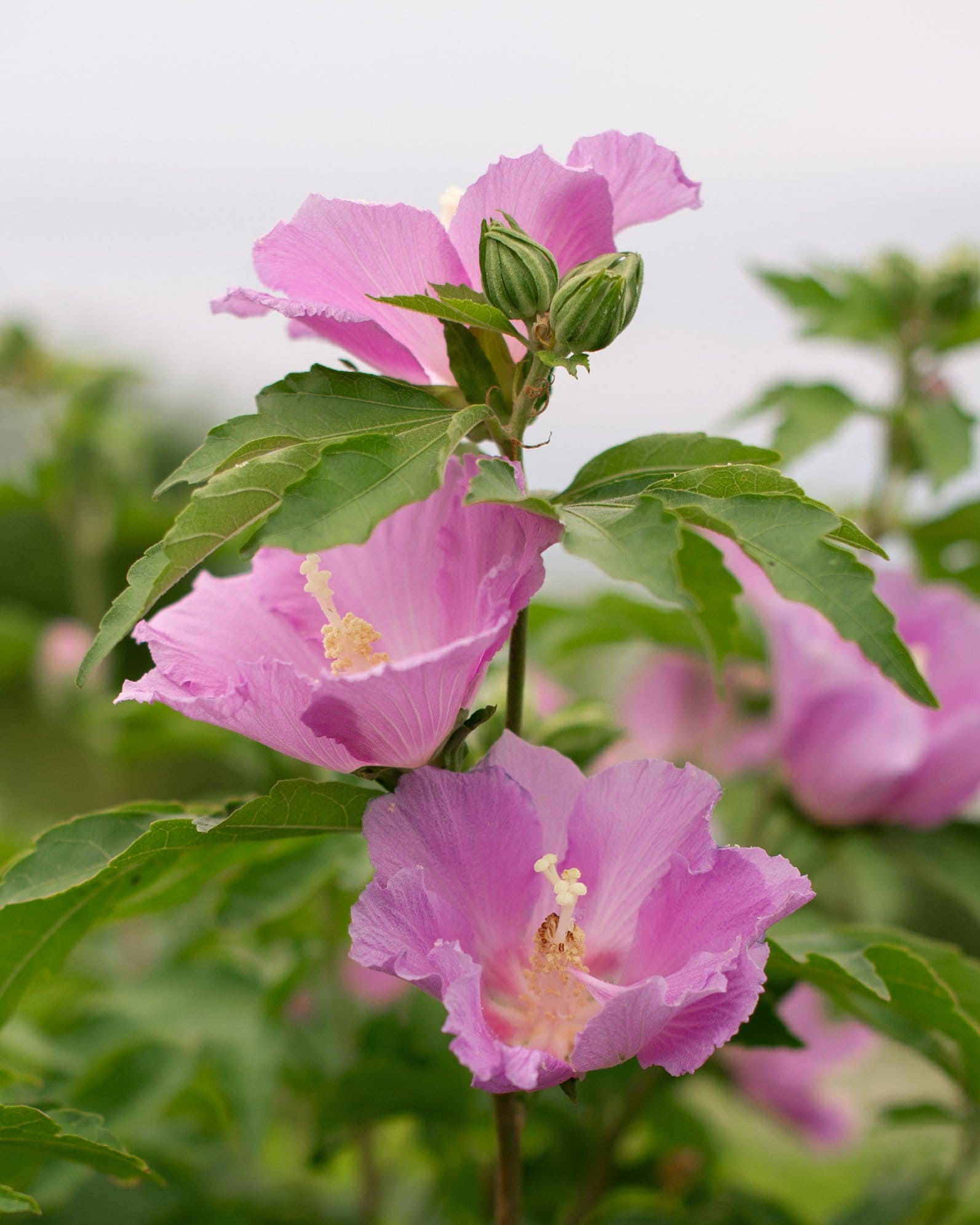
Pollypetite Althea Tree Form
Maturity: 8' H x 5' W
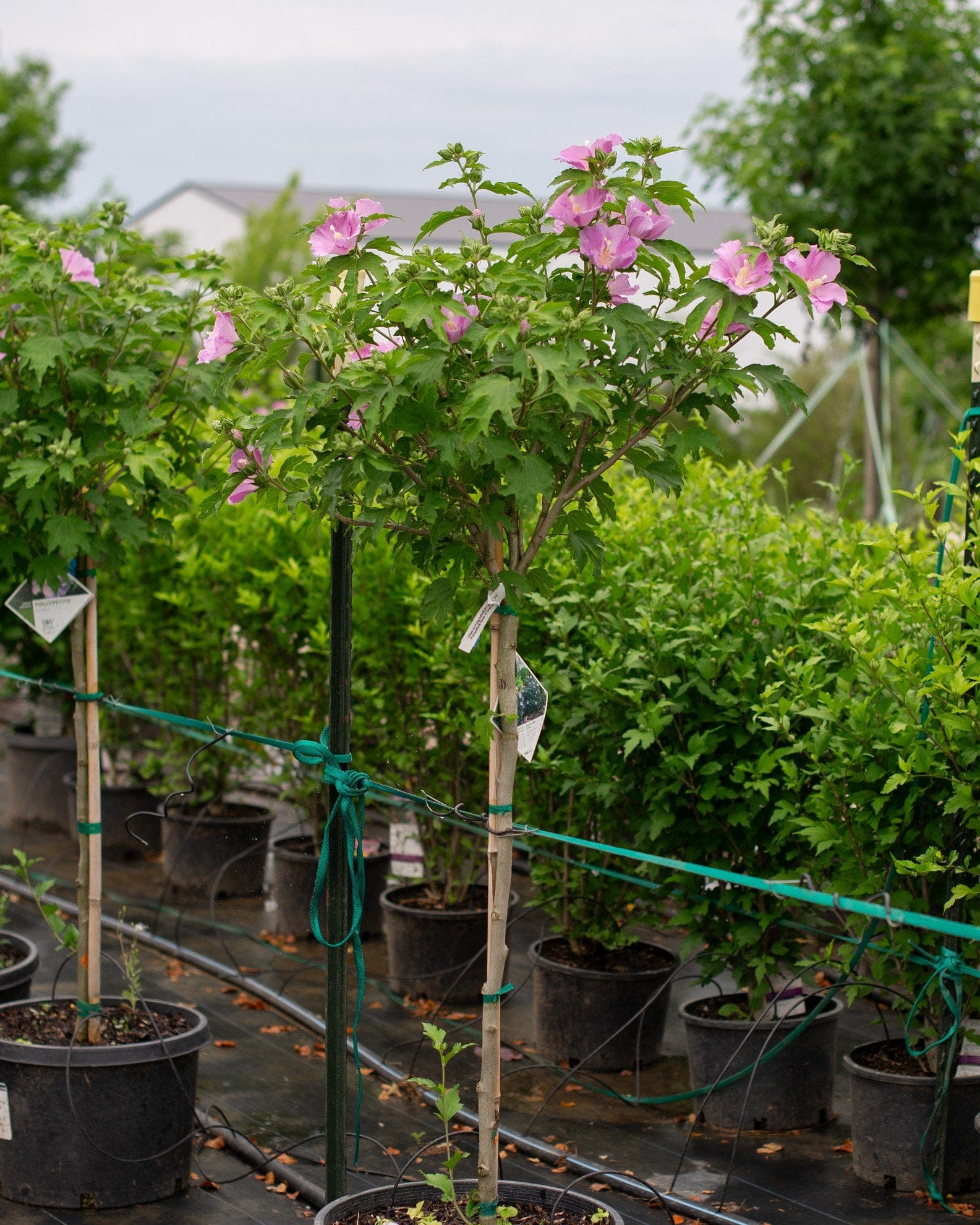
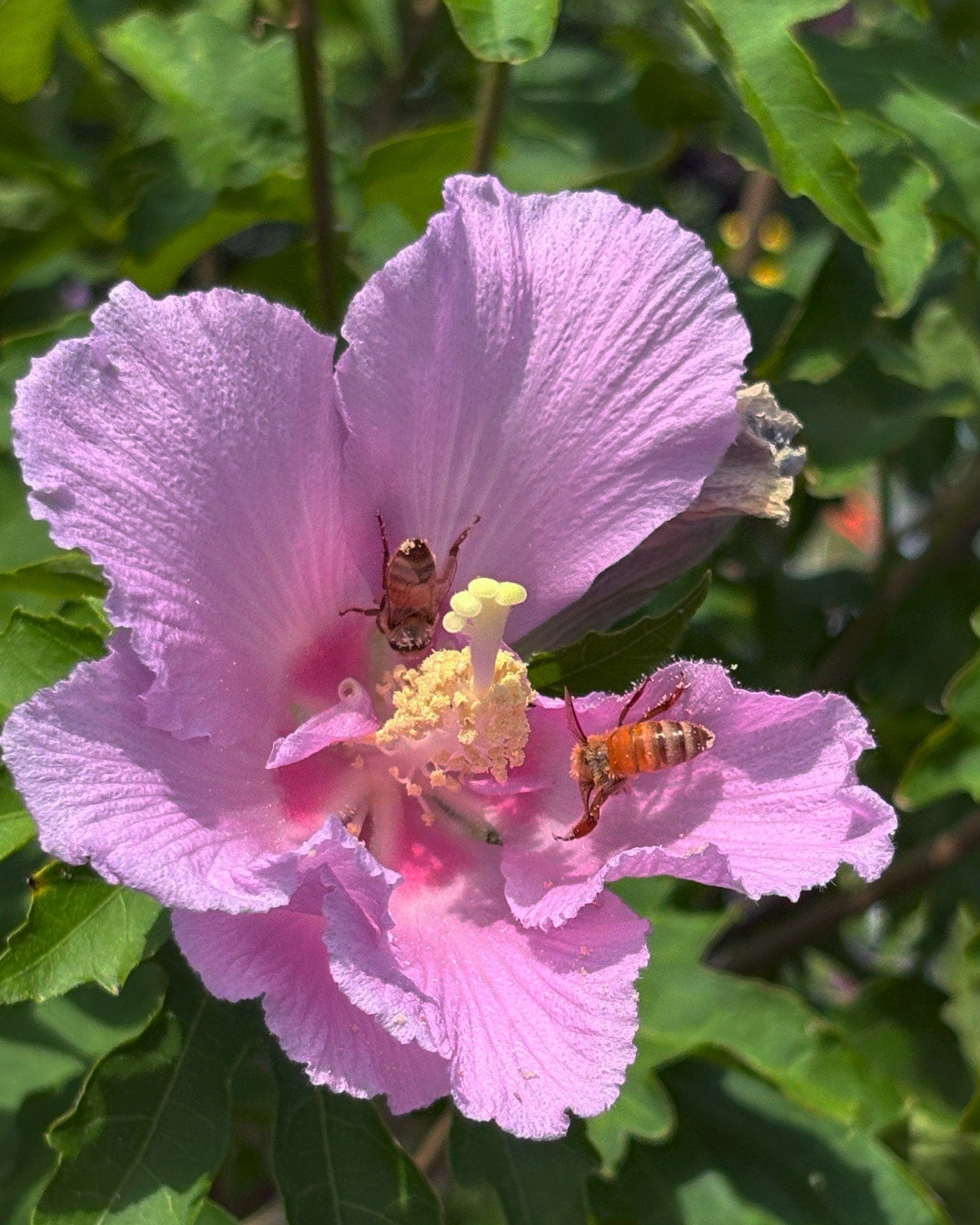
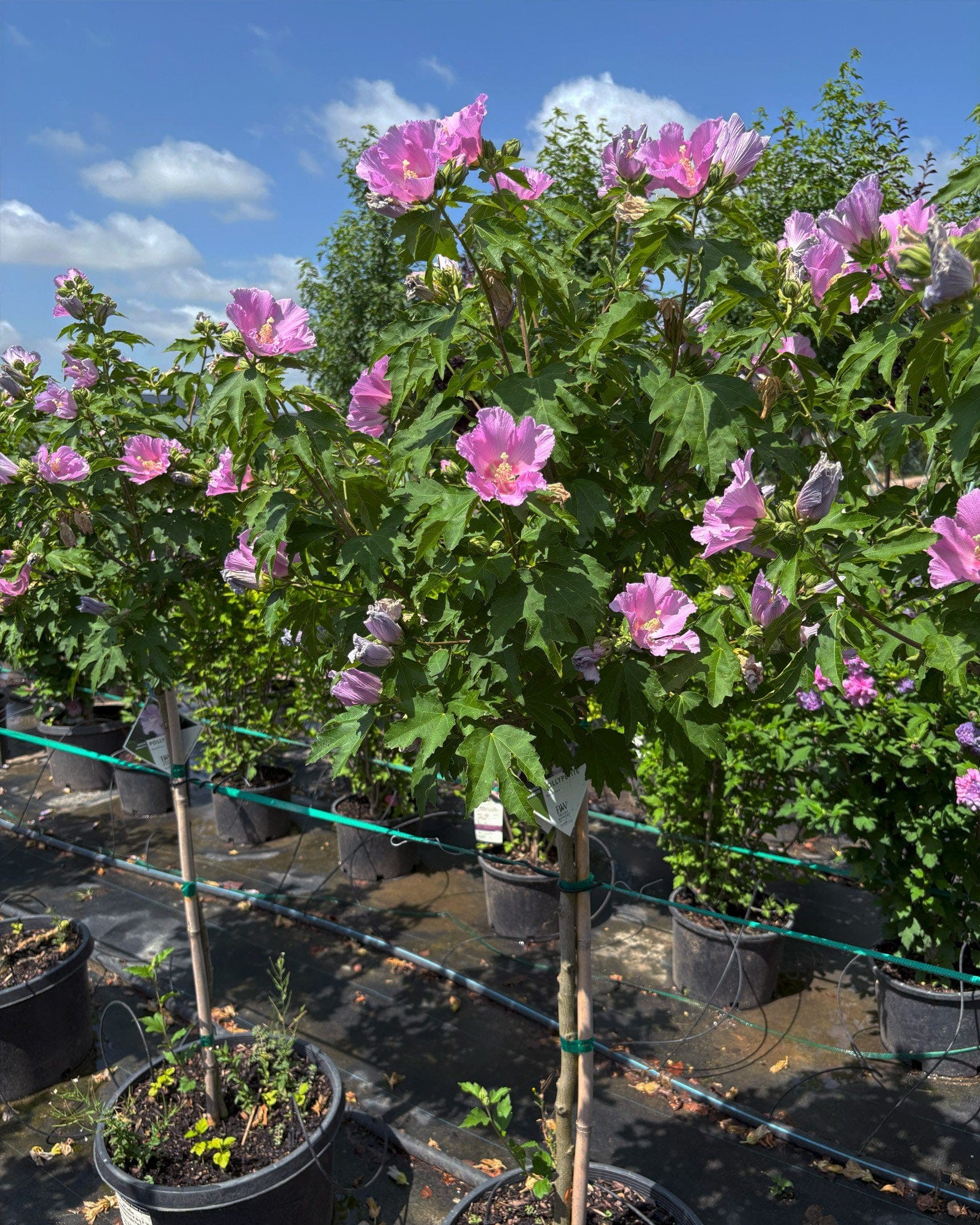
Smoothie Fusion Althea
Maturity: 8' H x 6' W
Strawberry Smoothie Althea
Maturity: 8' H x 6' W
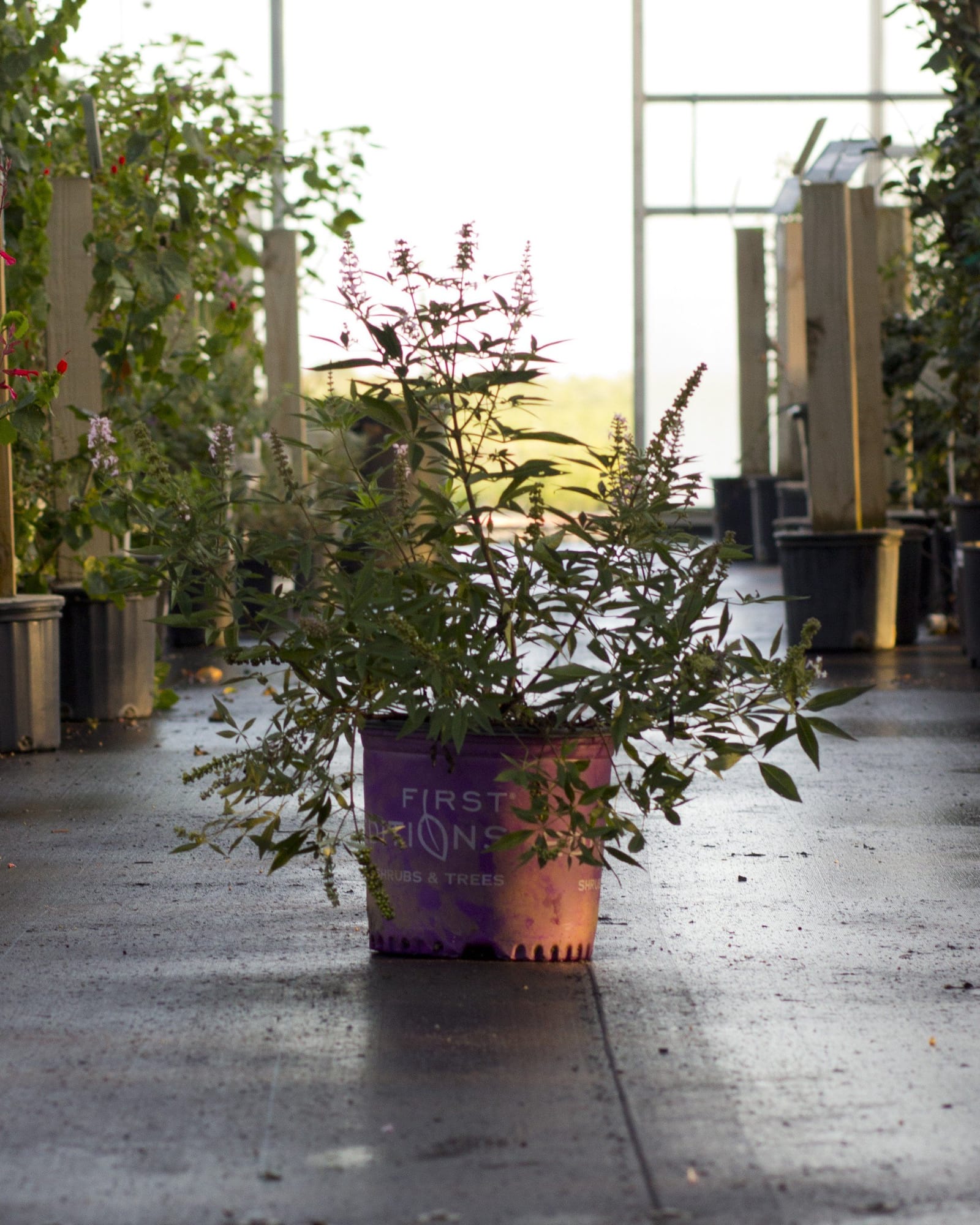
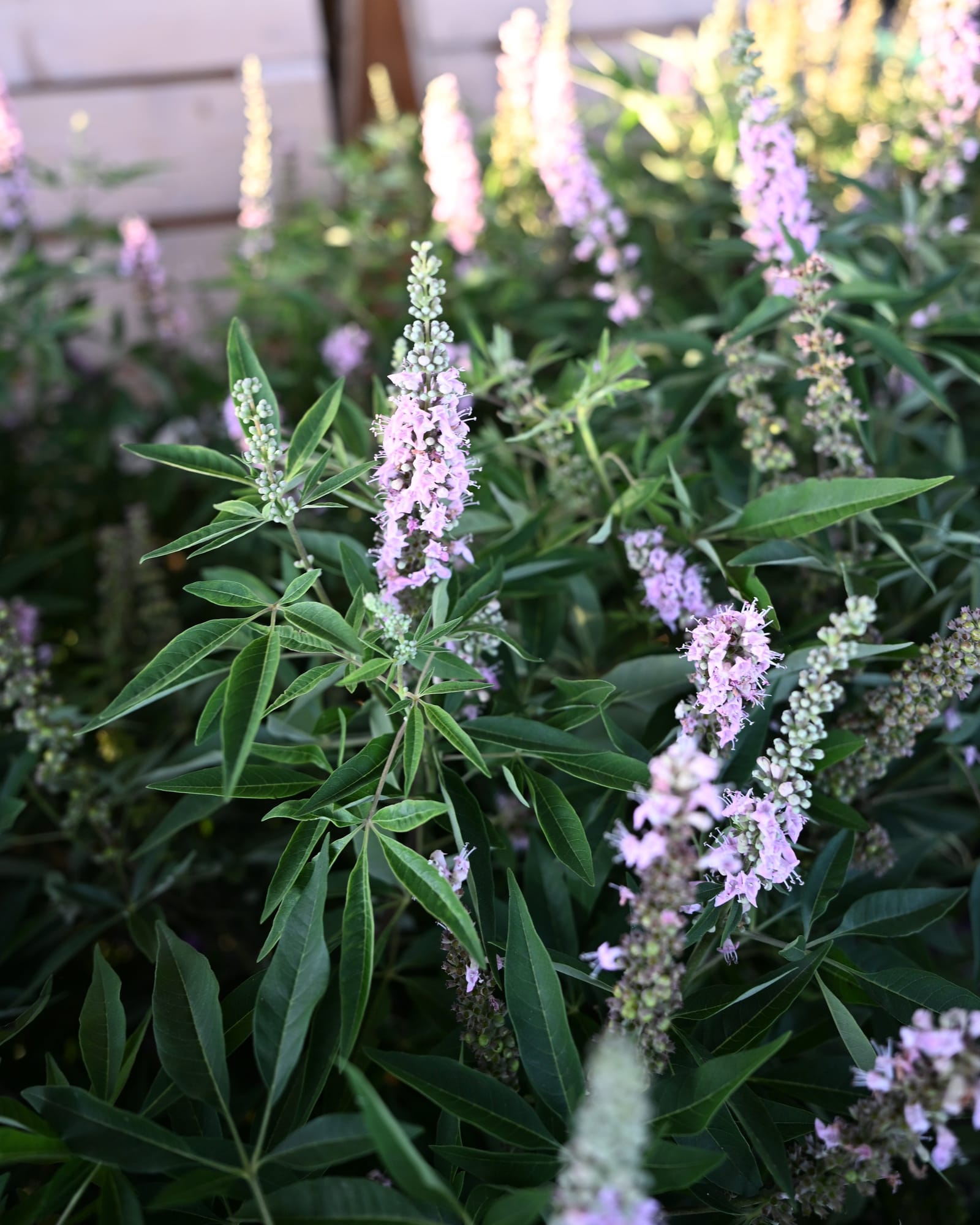
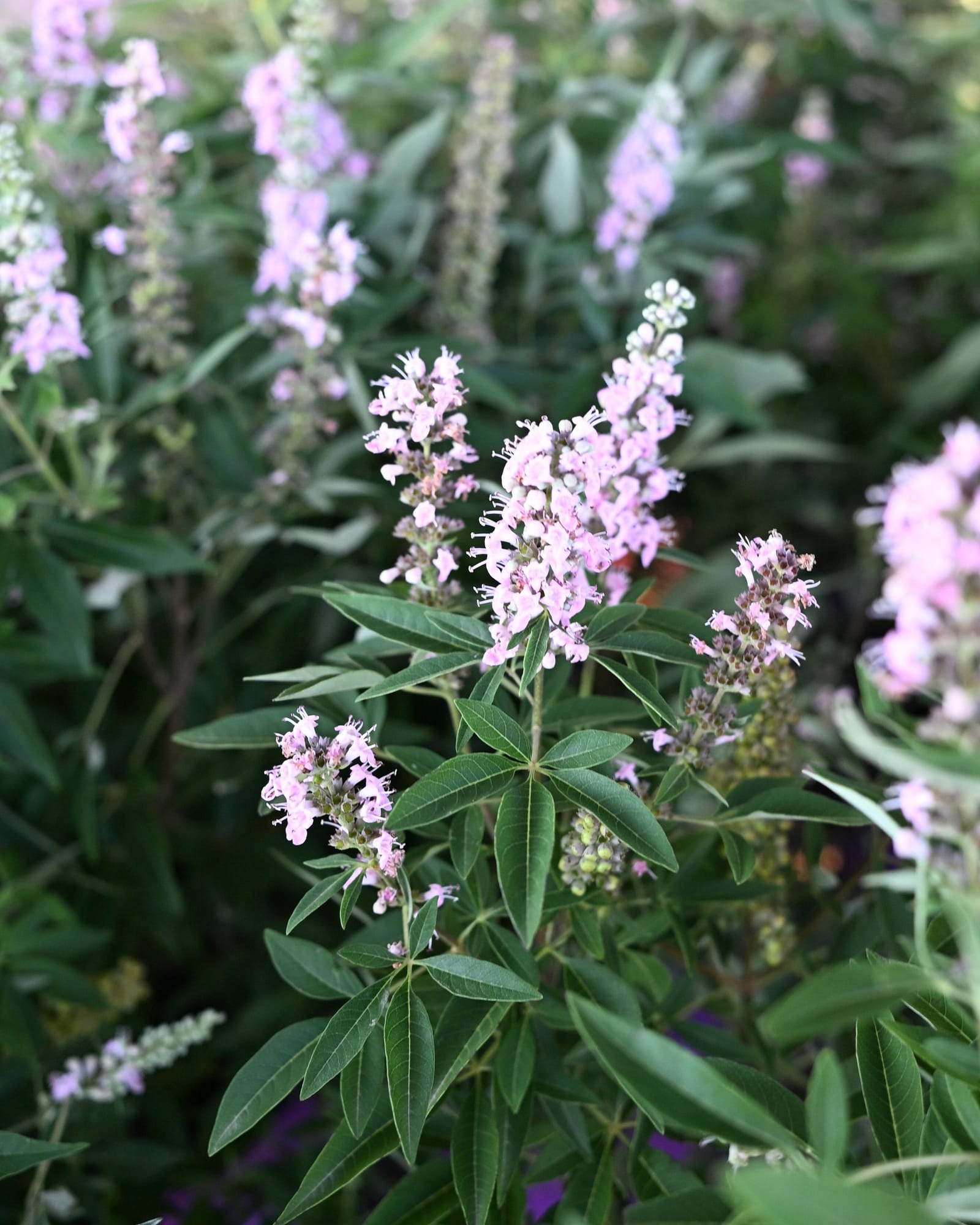
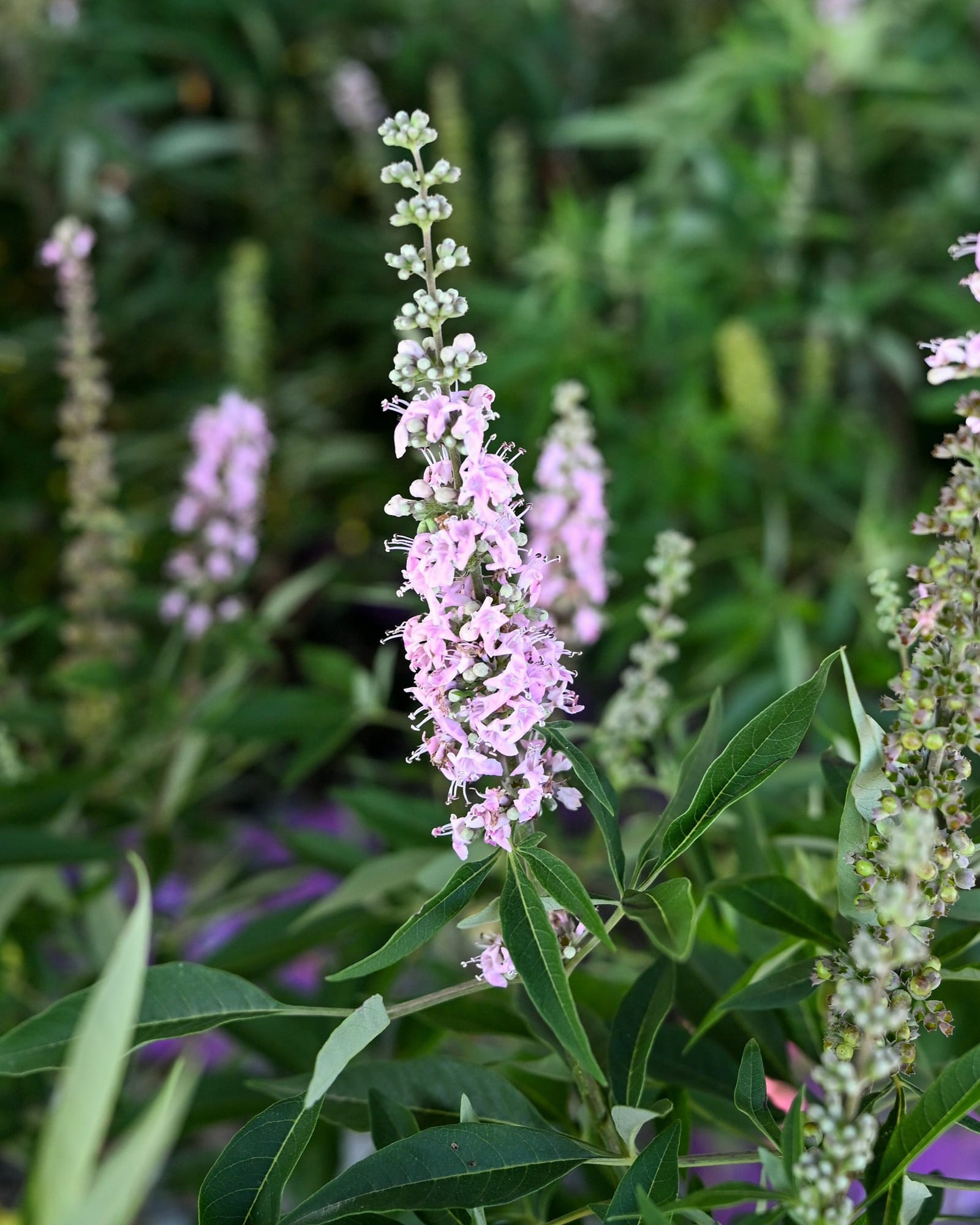
Vitex Galactic Pink
Maturity: 6' H x 6' W
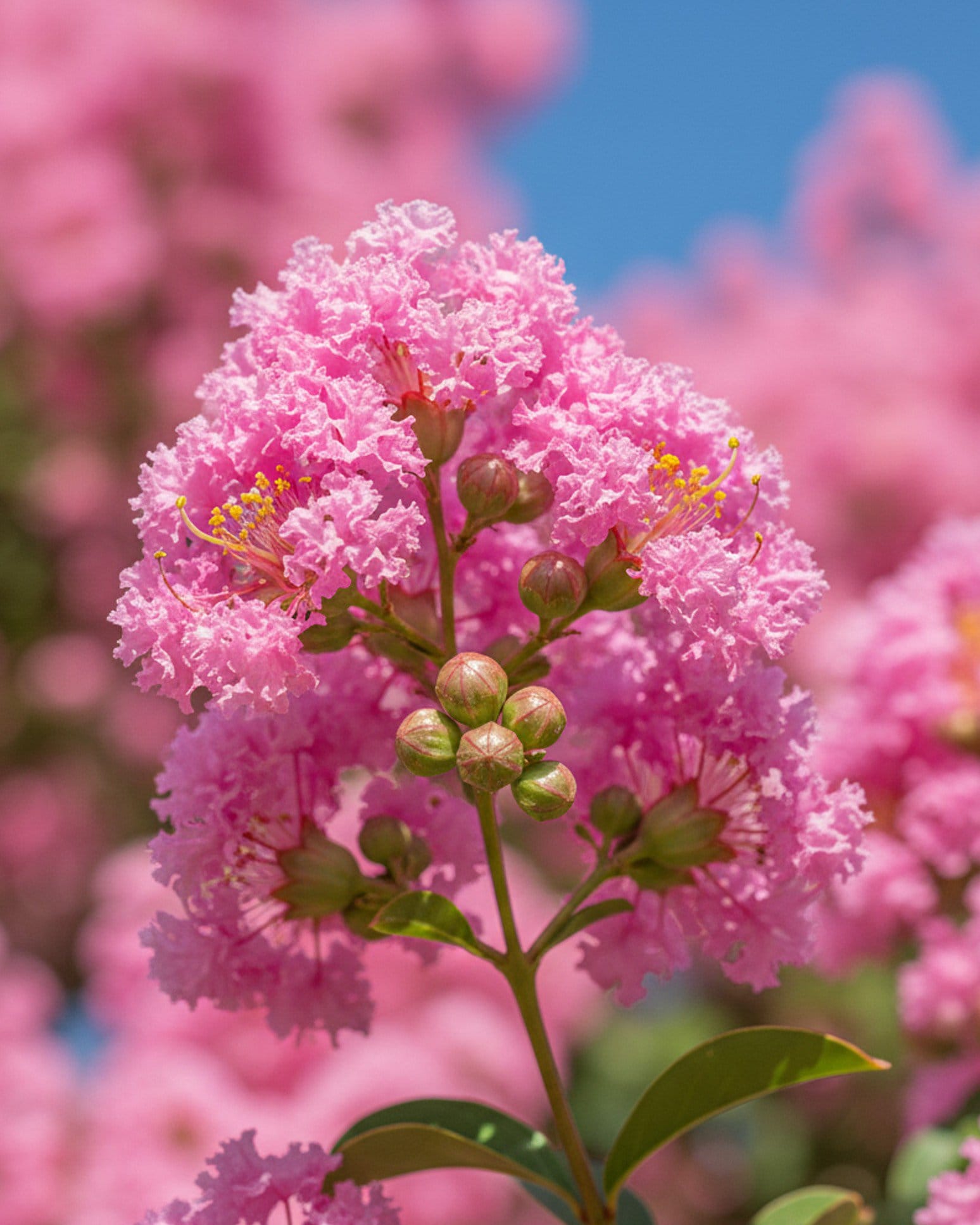
Basham's Party Pink Crape Myrtle
Maturity: 20' H x 15' W
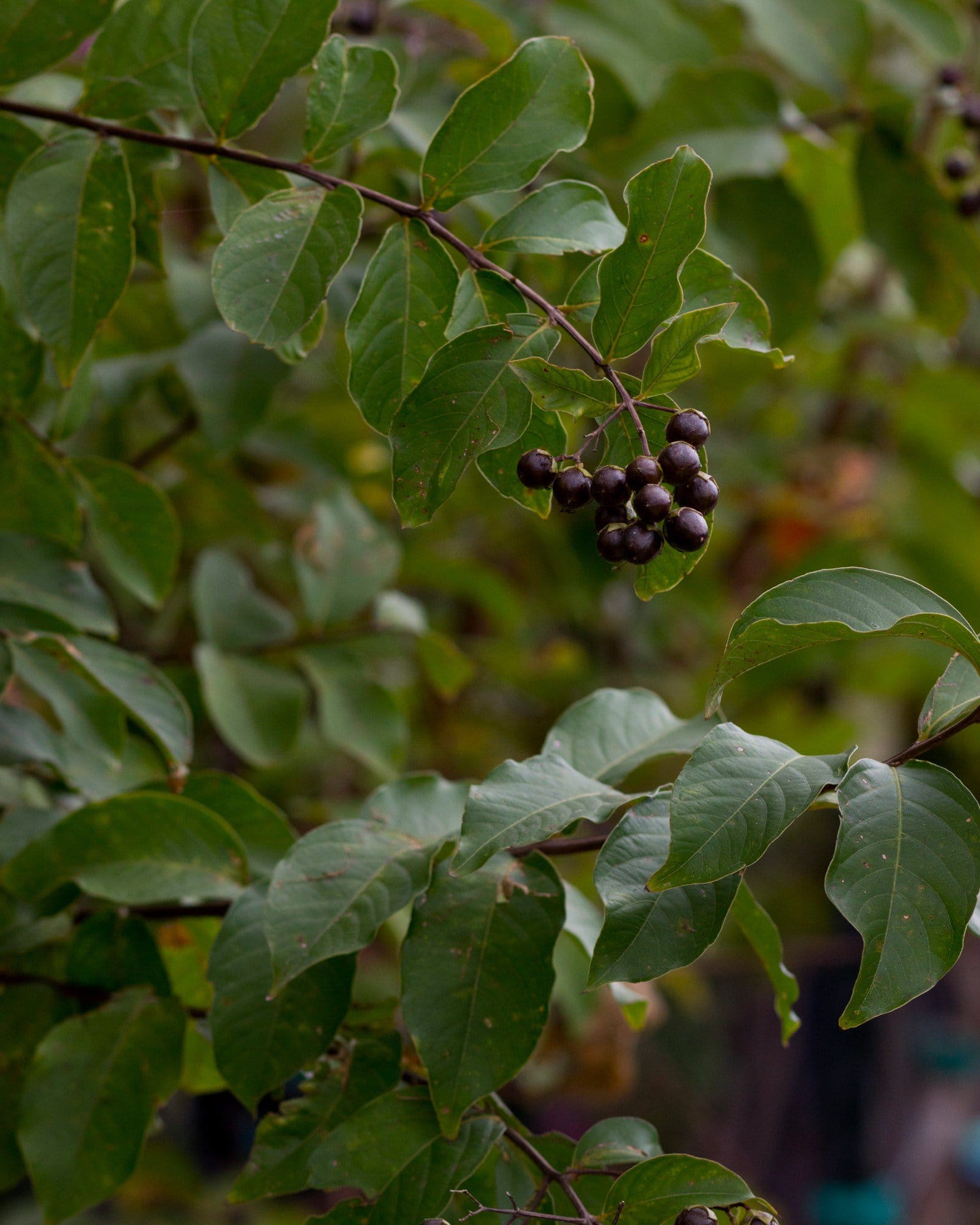
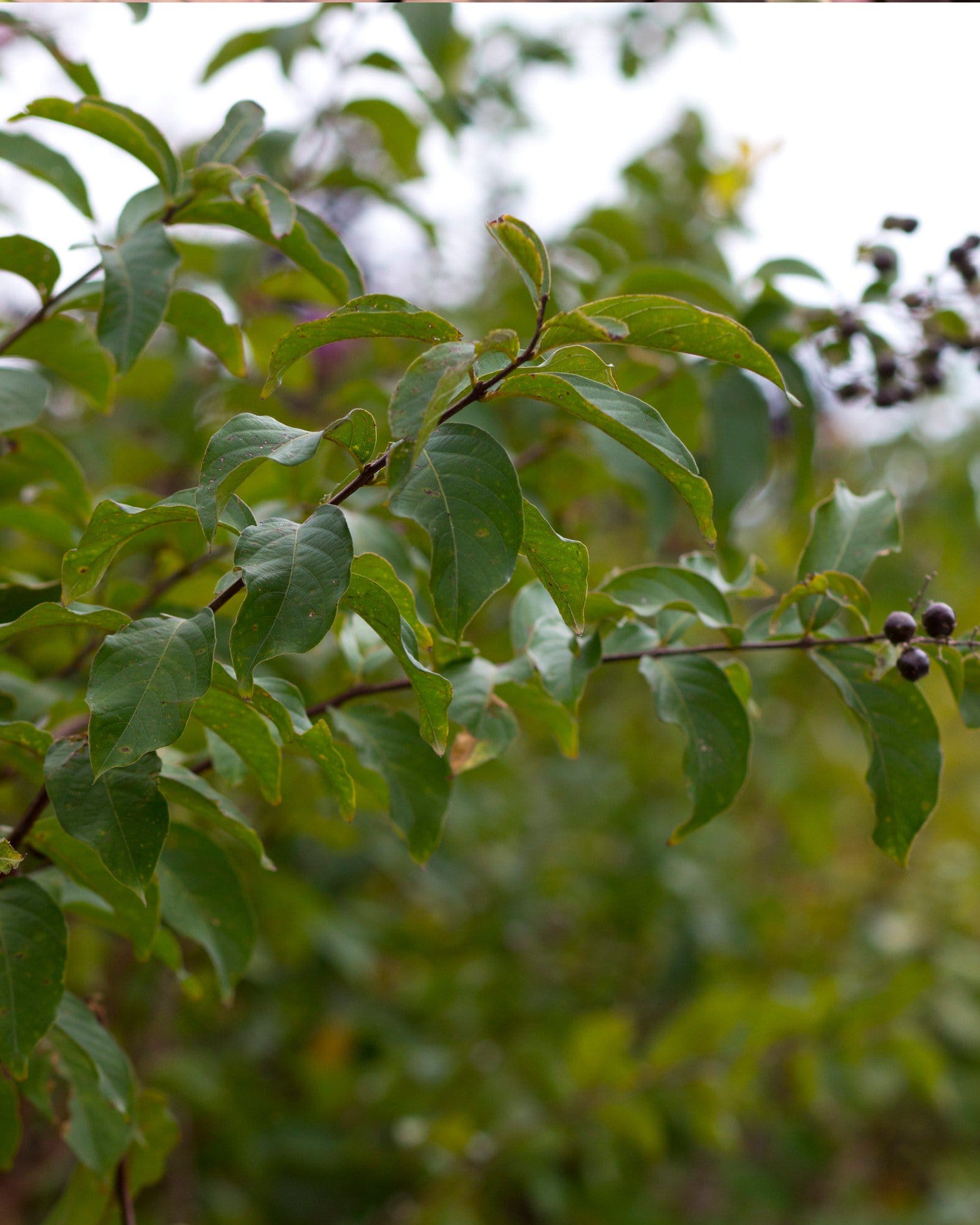
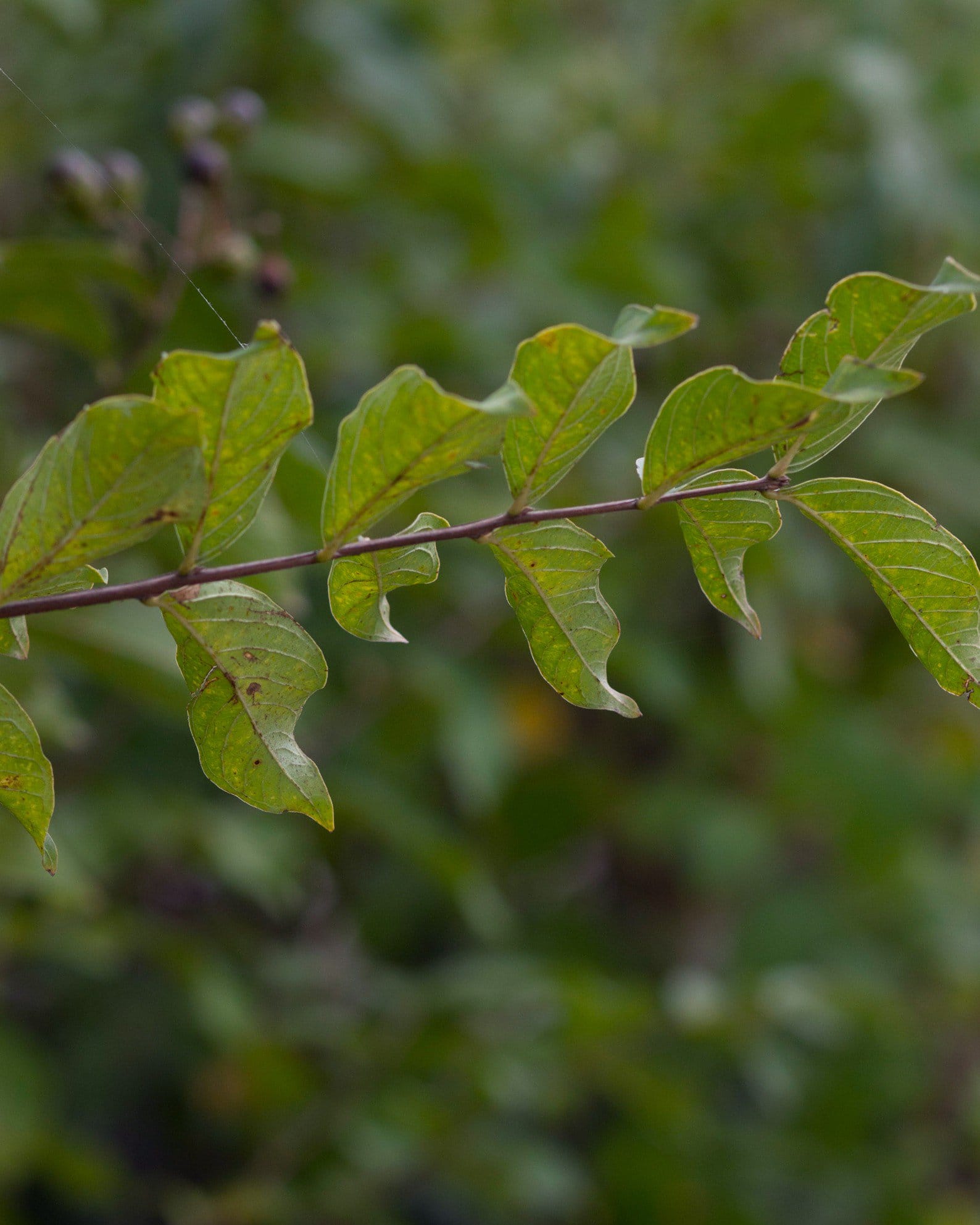
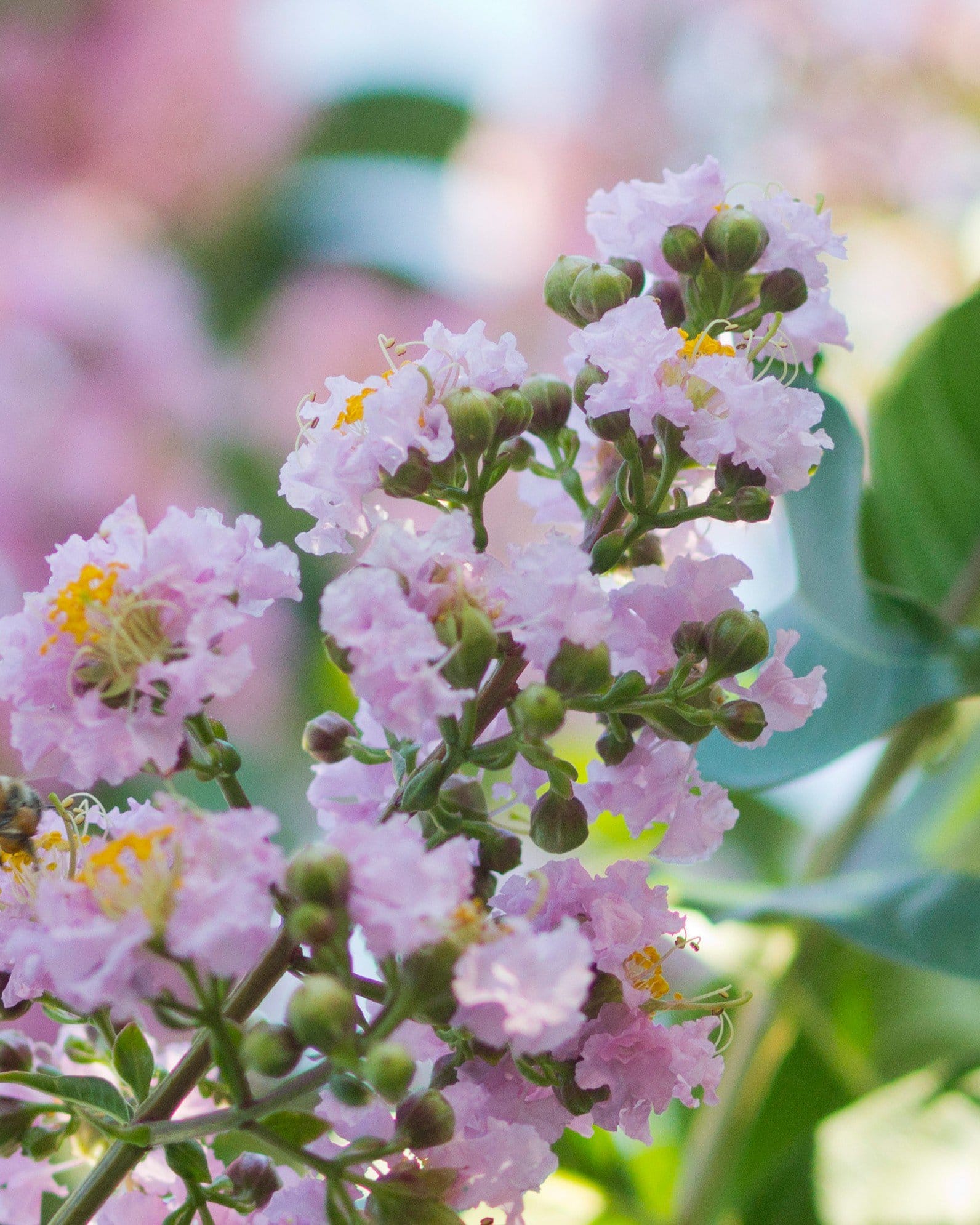
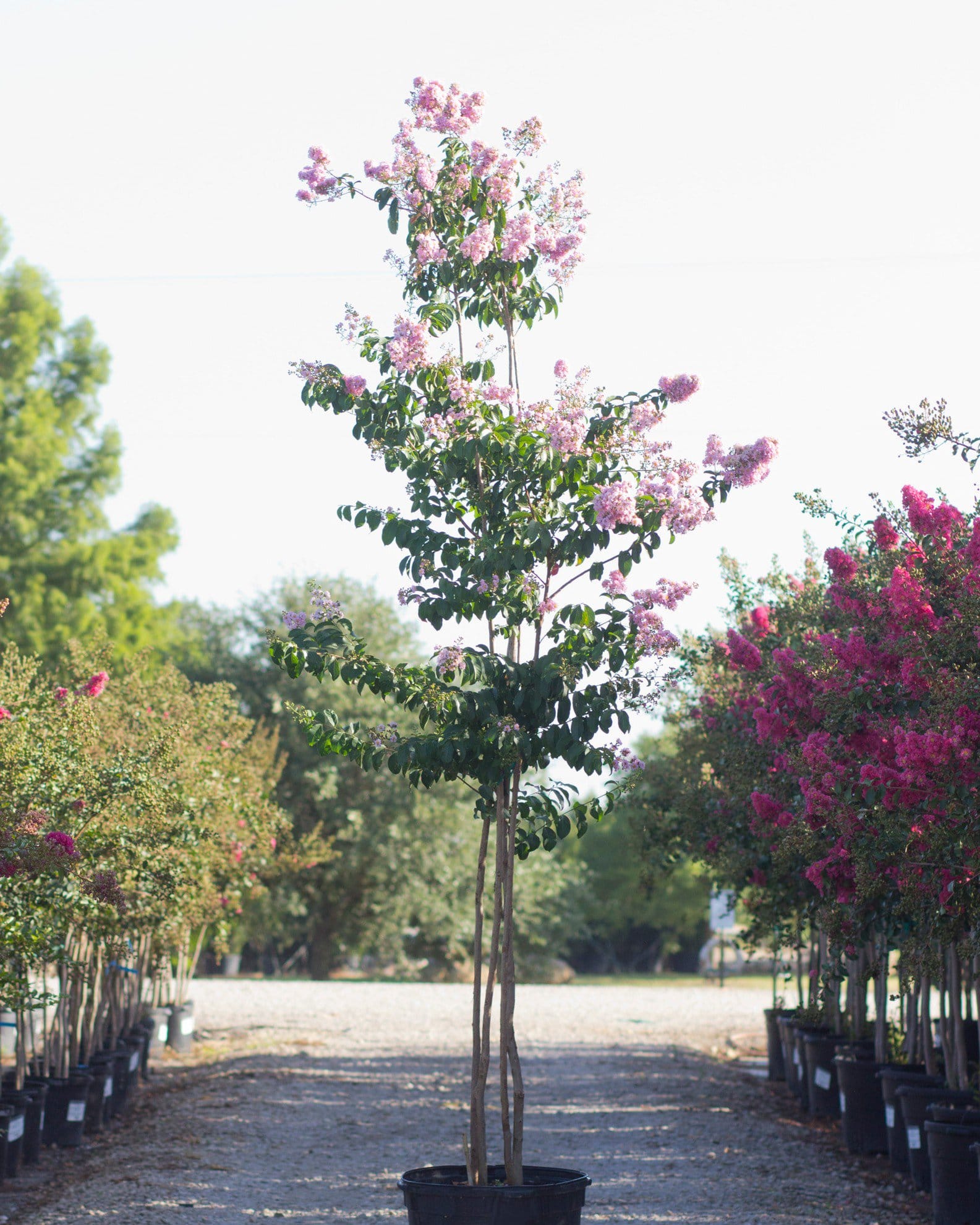
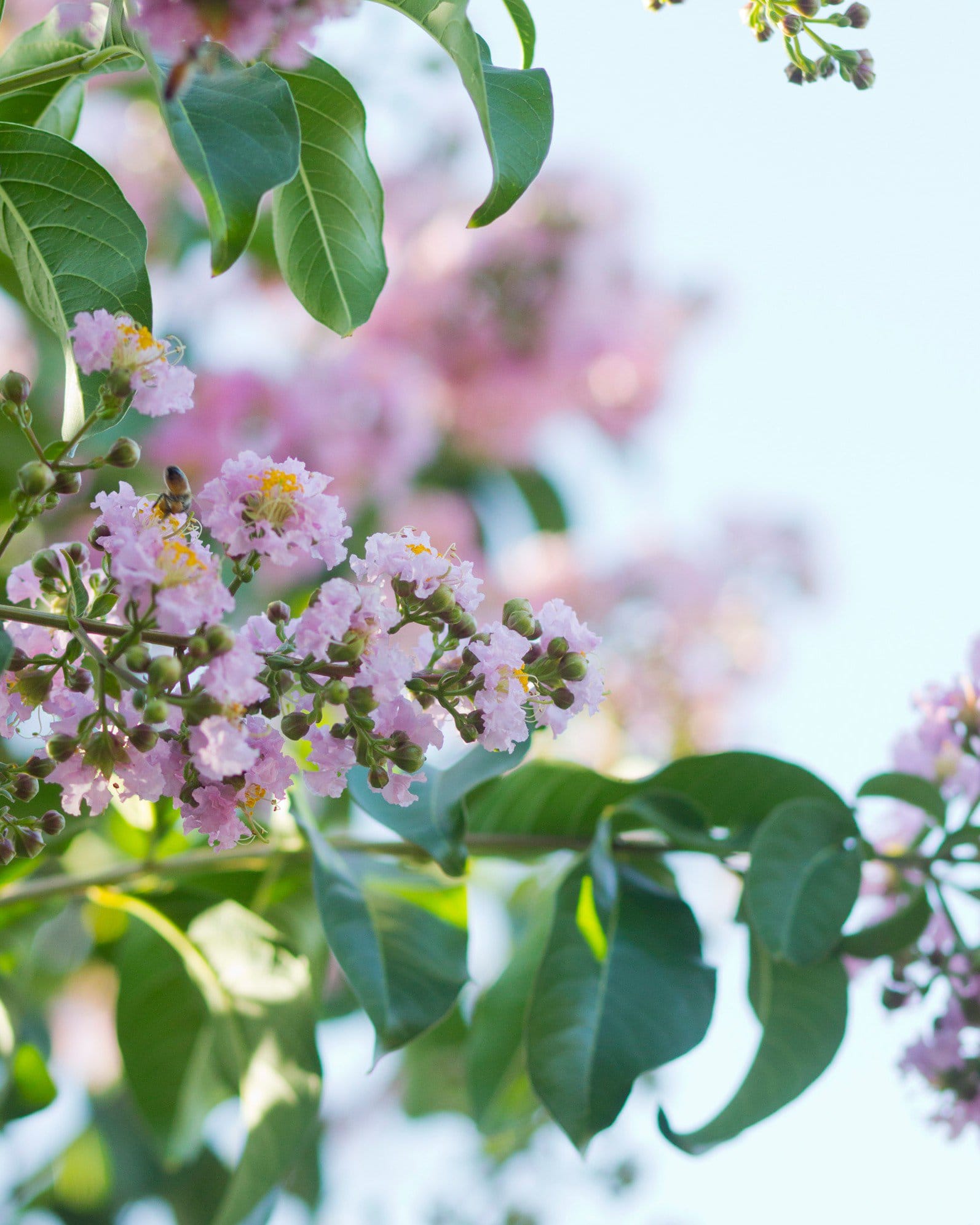
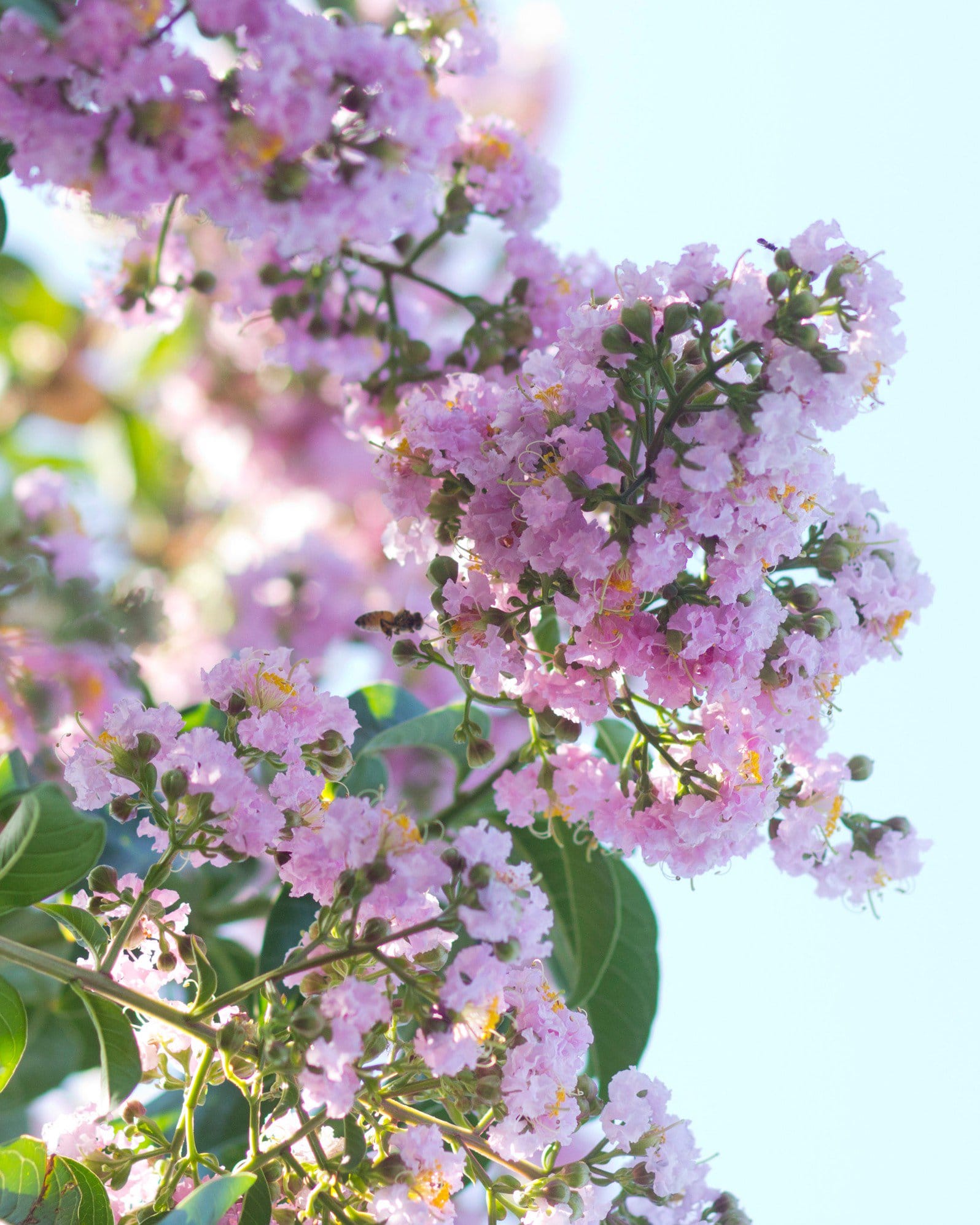
Biloxi Crape Myrtle
Maturity: 20' H x 15' W
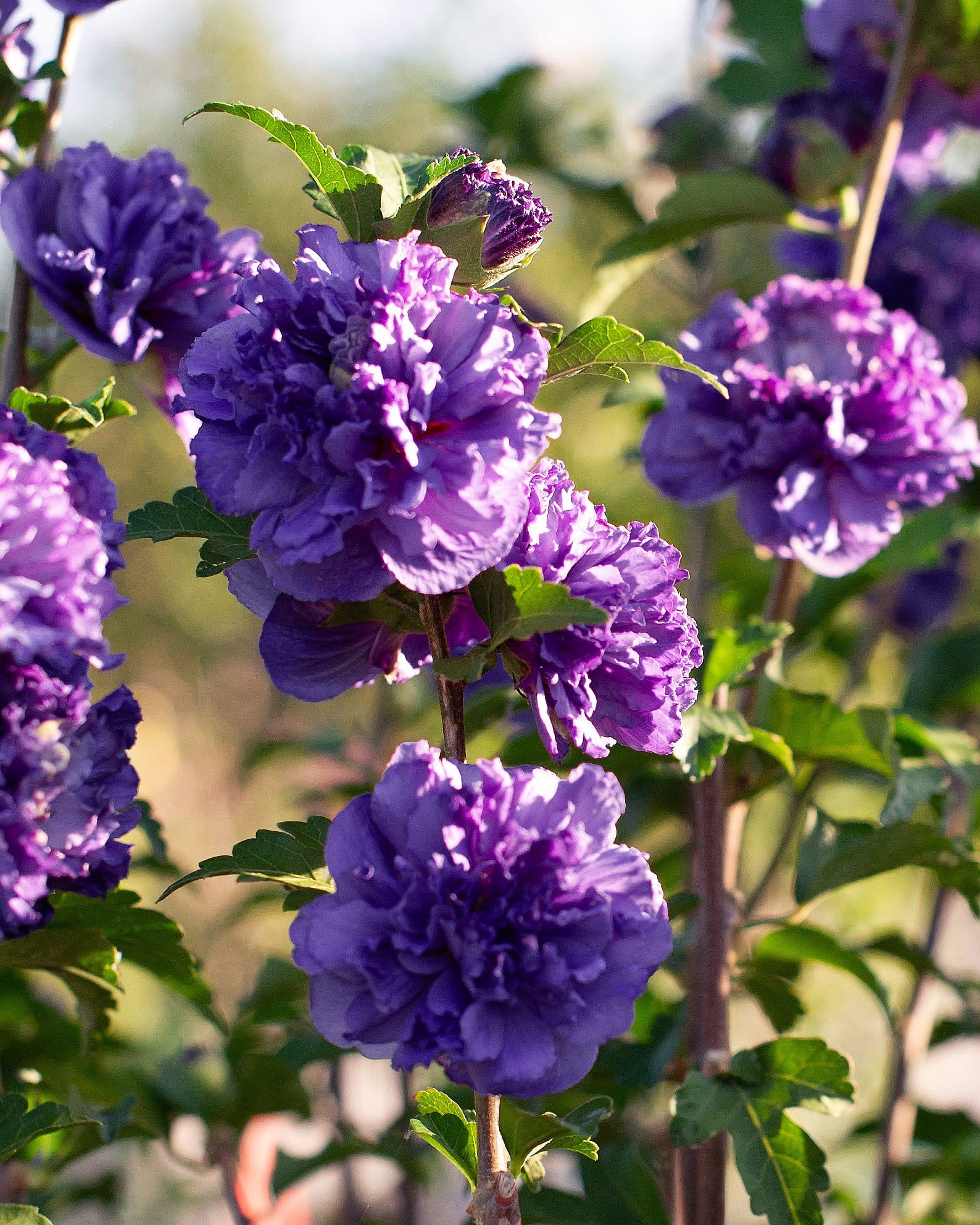
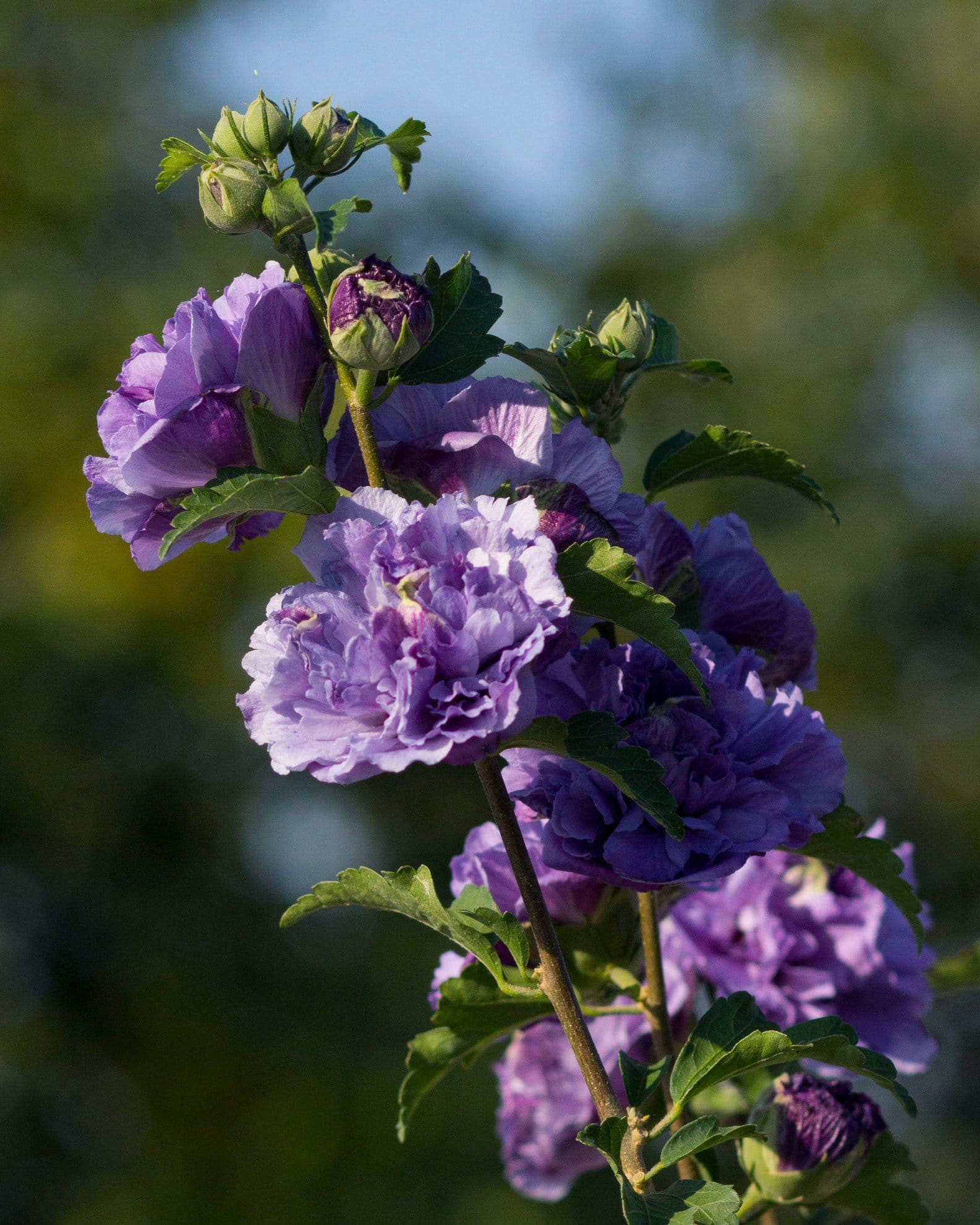
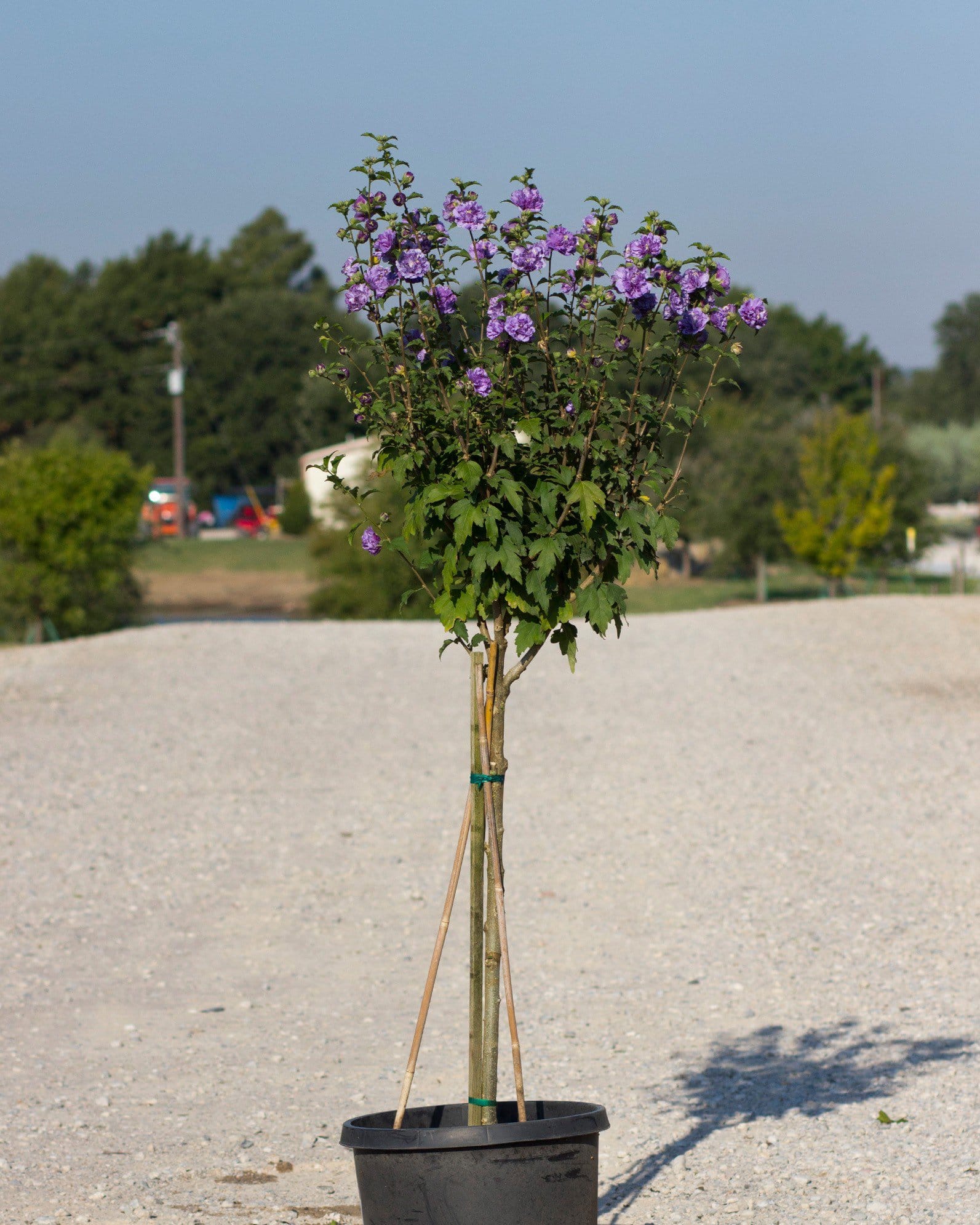
Blueberry Smoothie Althea Tree Form
Maturity: 8' H x 4' W
Compare Similar Plants
Yoshino Cherry This plant | ||
|---|---|---|
| Scientific Name | Prunus x yedoensis 'Akebono' | Magnolia x 'Ann' |
| Size at Maturity | 20' H x 20' W | 12' H x 8' W |
| Leaf Retention | Deciduous | Deciduous |
| Fall Color | Yellow | Yellow |
| Flower Color | Pink | Pink |
| Bloom Times | Spring | Spring |
| Sizes Available | — | 15 gal |

Our 1-Year Planting Guarantee
We take pride in our plants and installation services. If any plants or trees installed by Treeland fail to thrive within the first year, we'll provide a replacement credit in accordance with our guarantee program.
Learn More About Our Guarantee