
Ann Magnolia
Magnolia x 'Ann'Local DFW Delivery Only
Product Details
Ann Magnolia
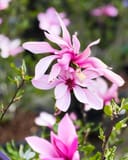
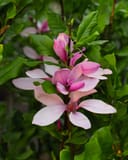
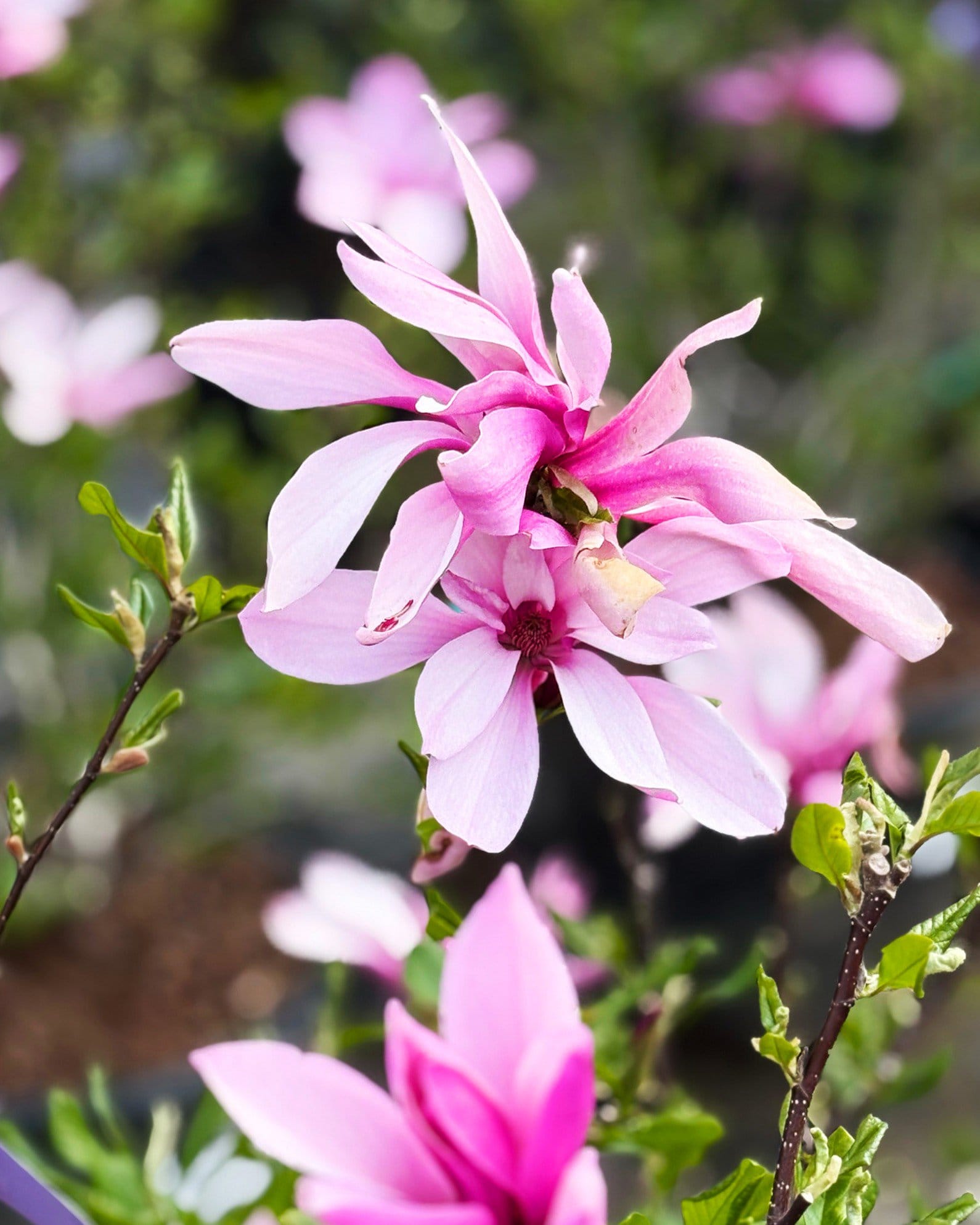
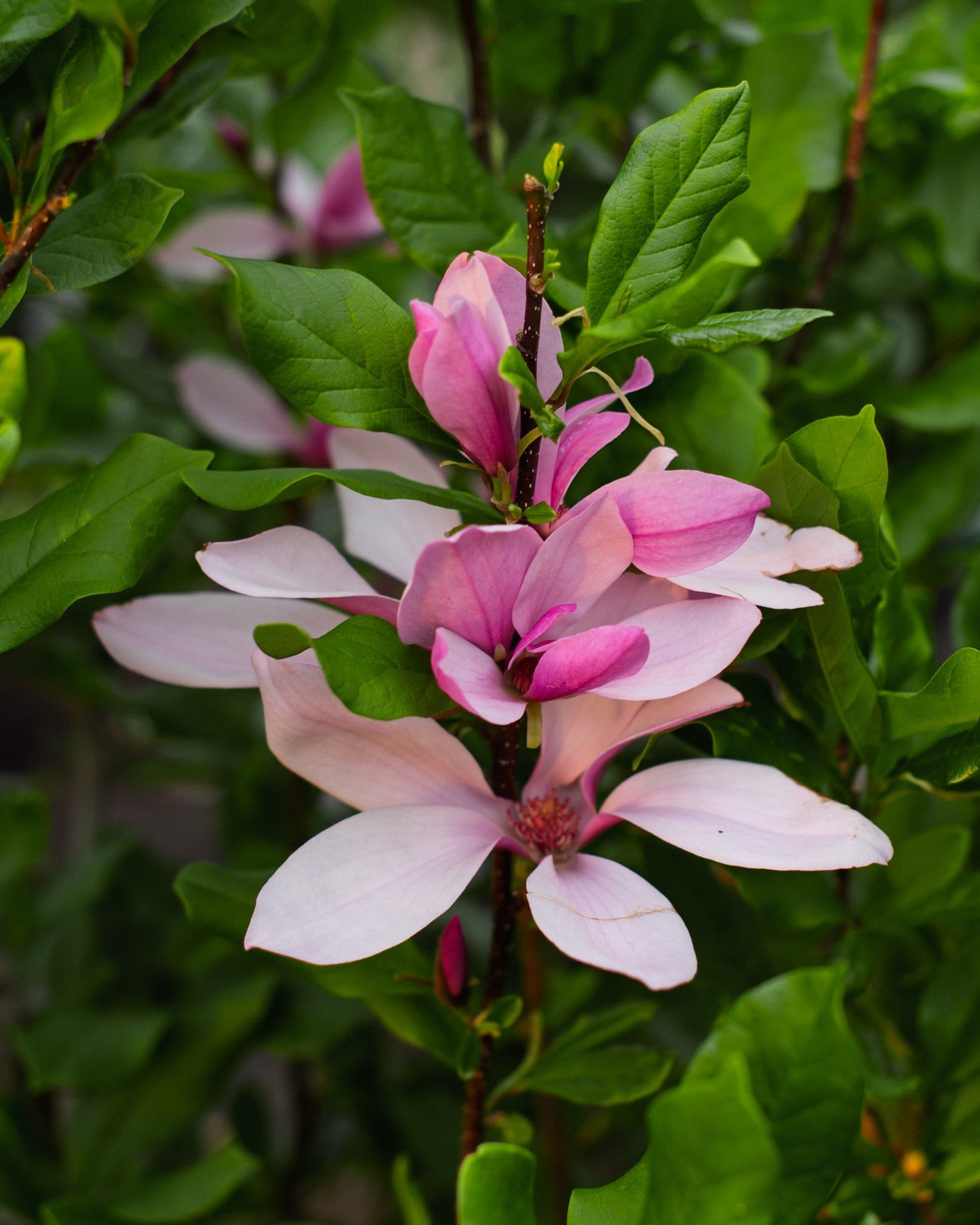
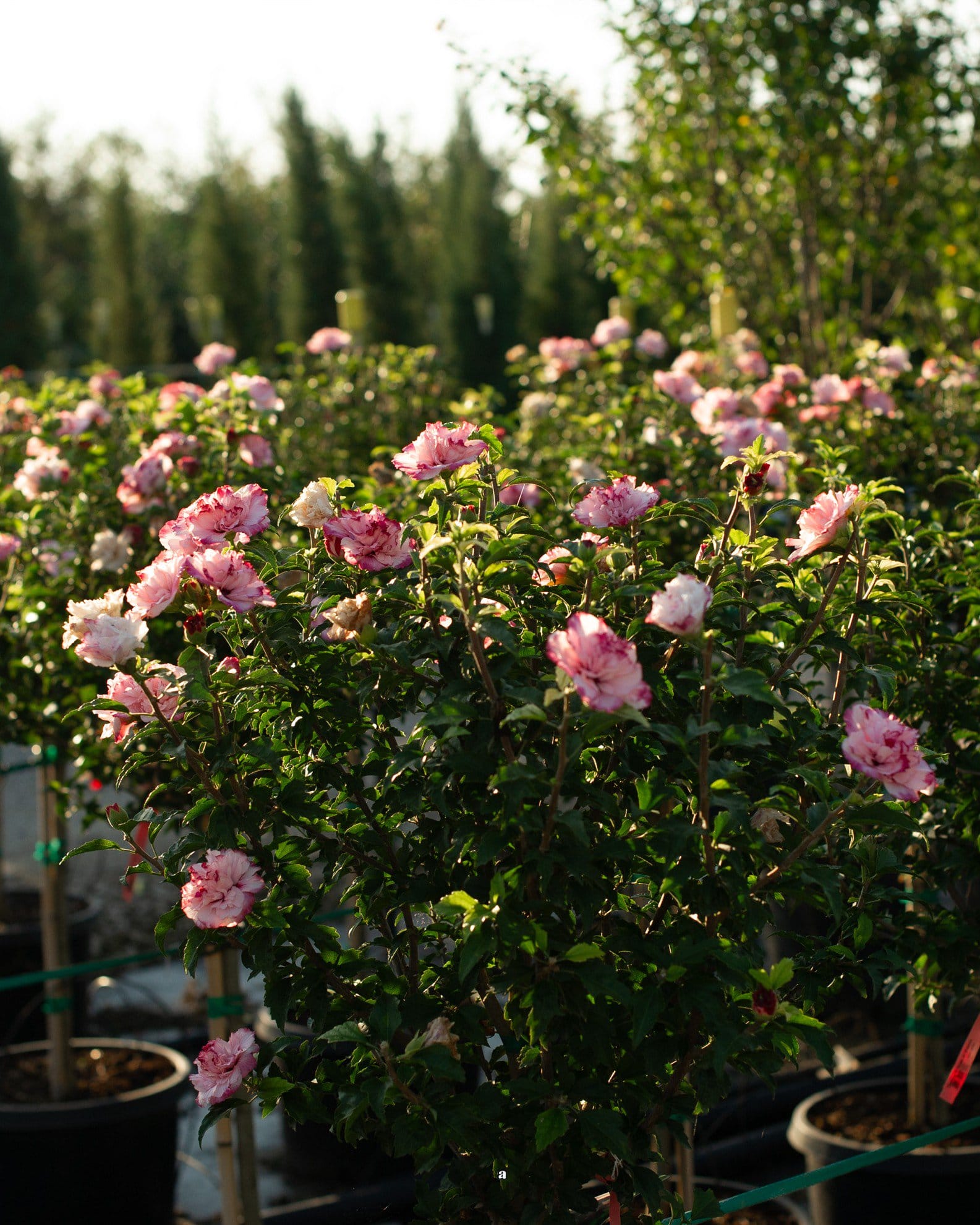
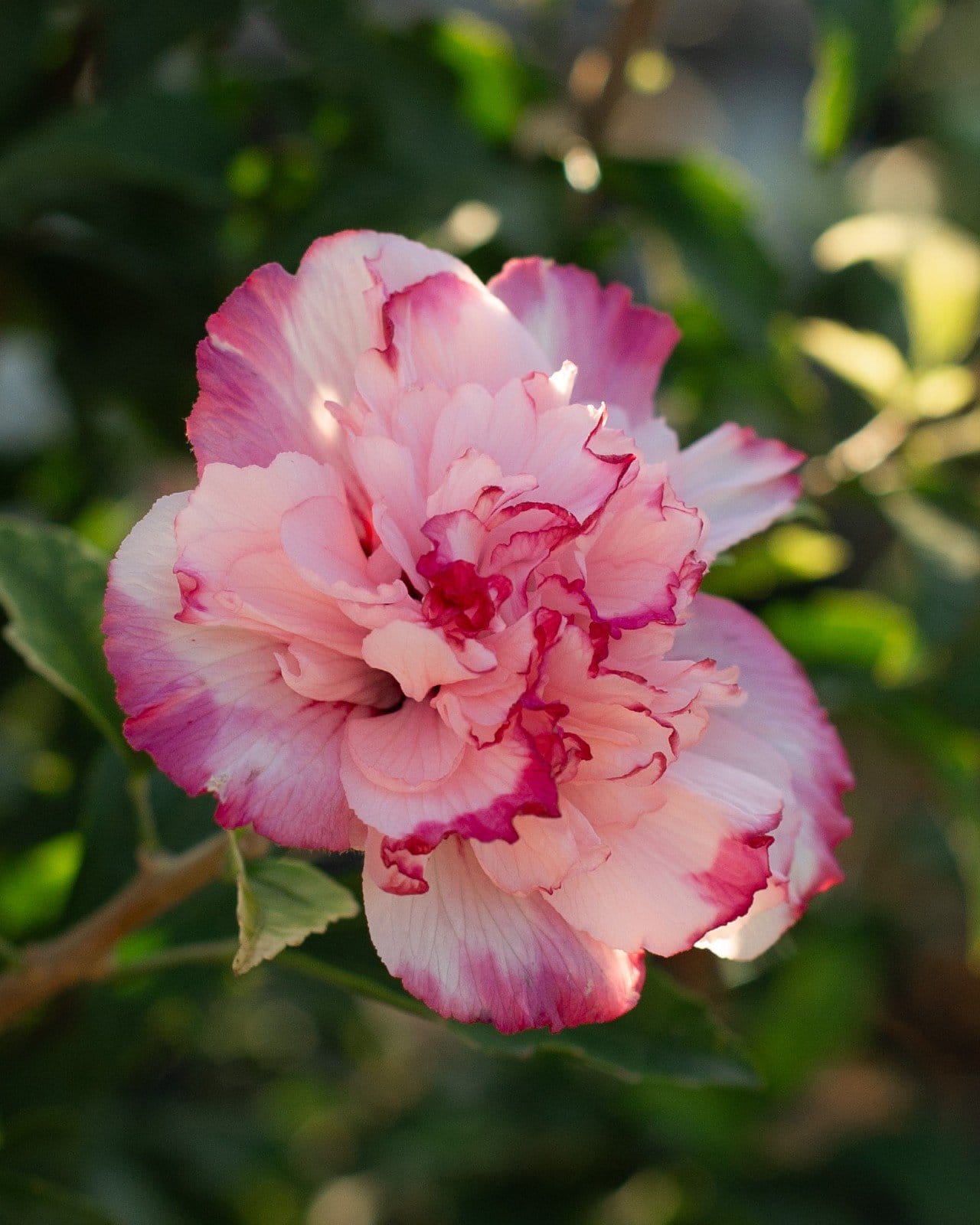
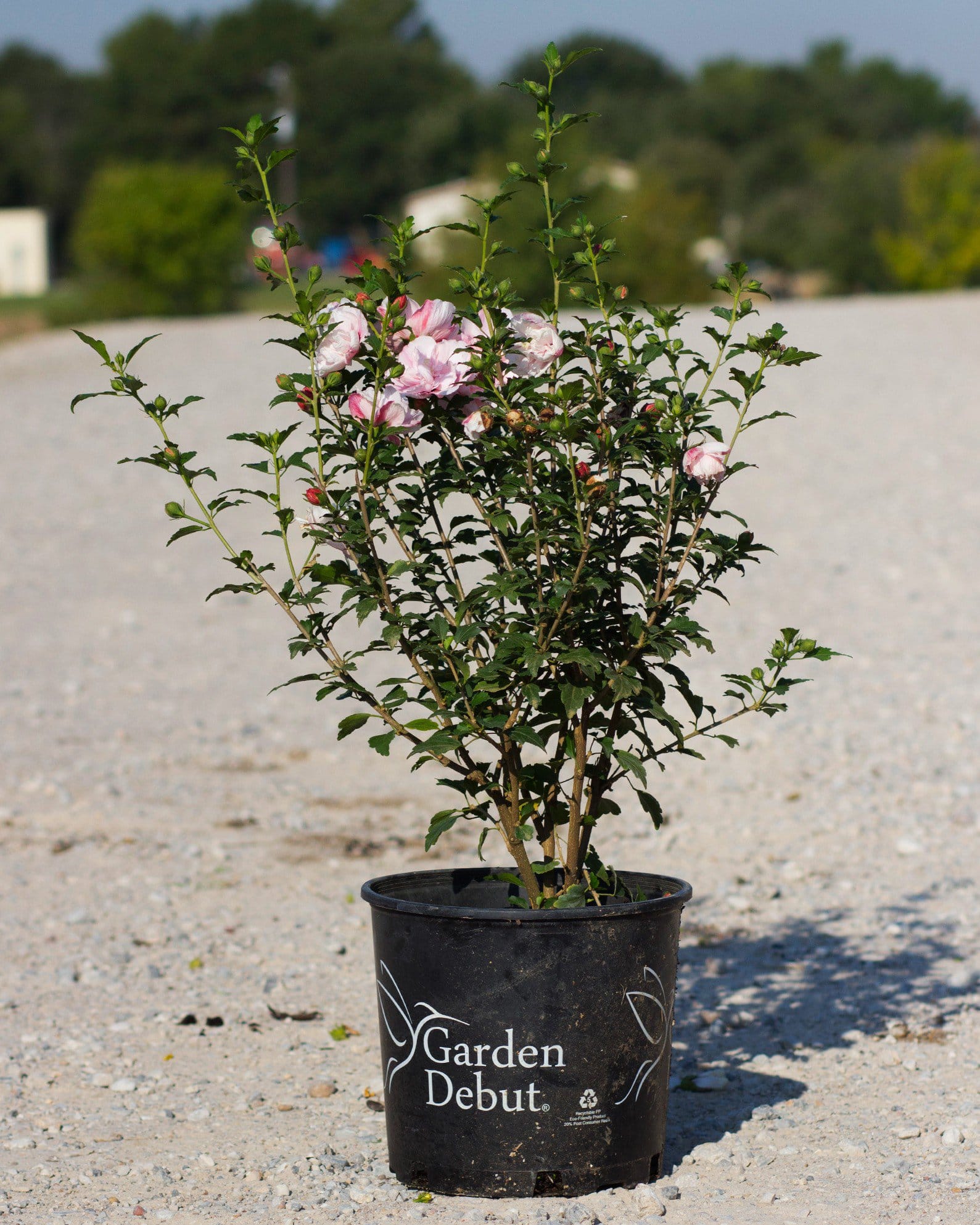
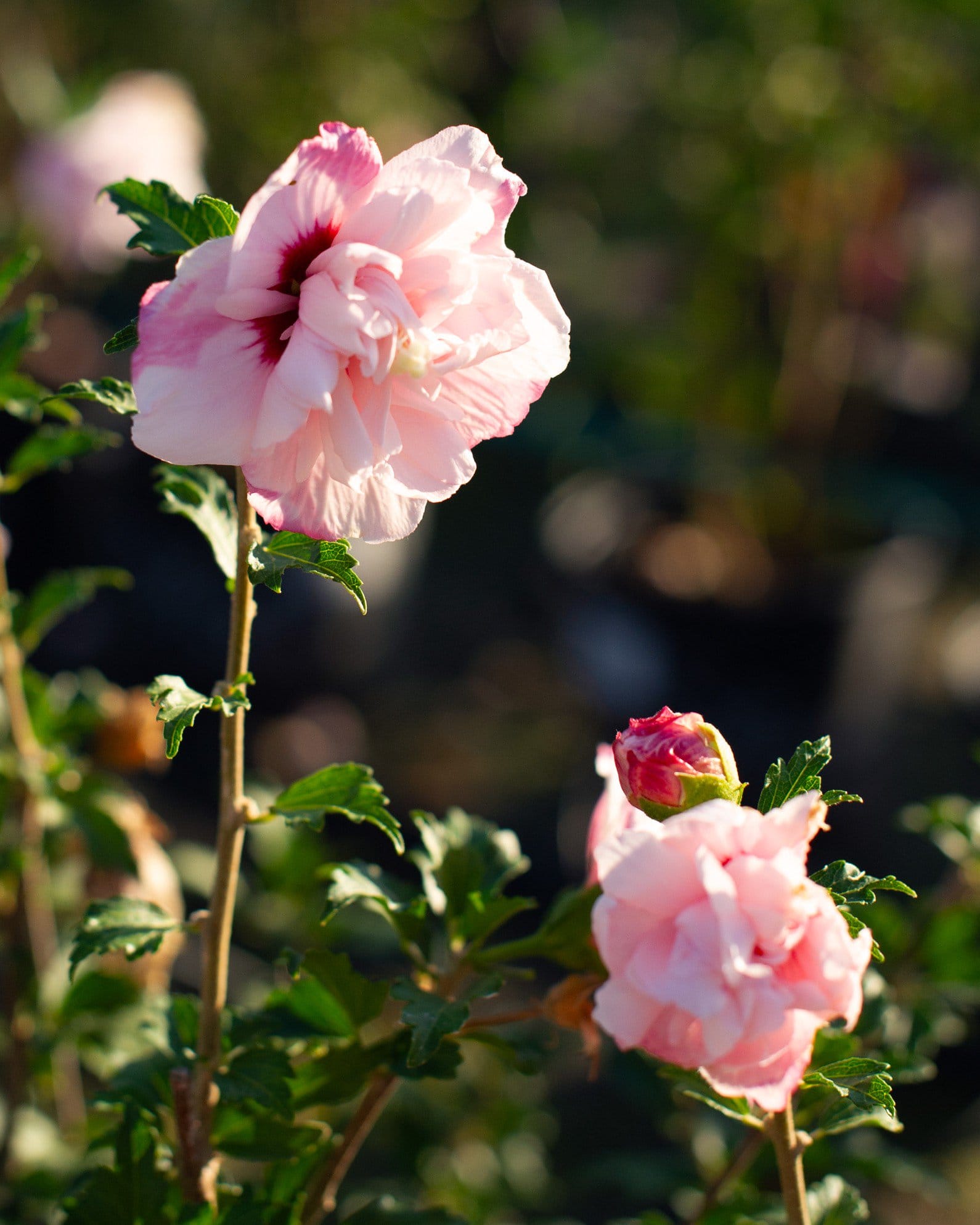
Magnolia x 'Ann'The Ann Magnolia is a spring flowering tree, guaranteed to add a splash of color and a touch of charm to your flower bed. Its vibrant pinkish-purple blossoms subtly fade darker on the inside, creating a lovely gradient.
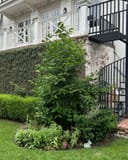
It grows into a rounded tree, reaching between 8-10 feet in height, and the same size across. The most beautiful part, the flowers, can be 7-9 inches long, blooming in early spring on bare branches, assuring that all the attention is on them.
- A beautiful, deciduous small tree
- Attractive, forest green leaves
- Gorgeous, slightly fragrant burgundy-wine blossoms
- Grows at a moderate rate, 1 to 2 feet per year
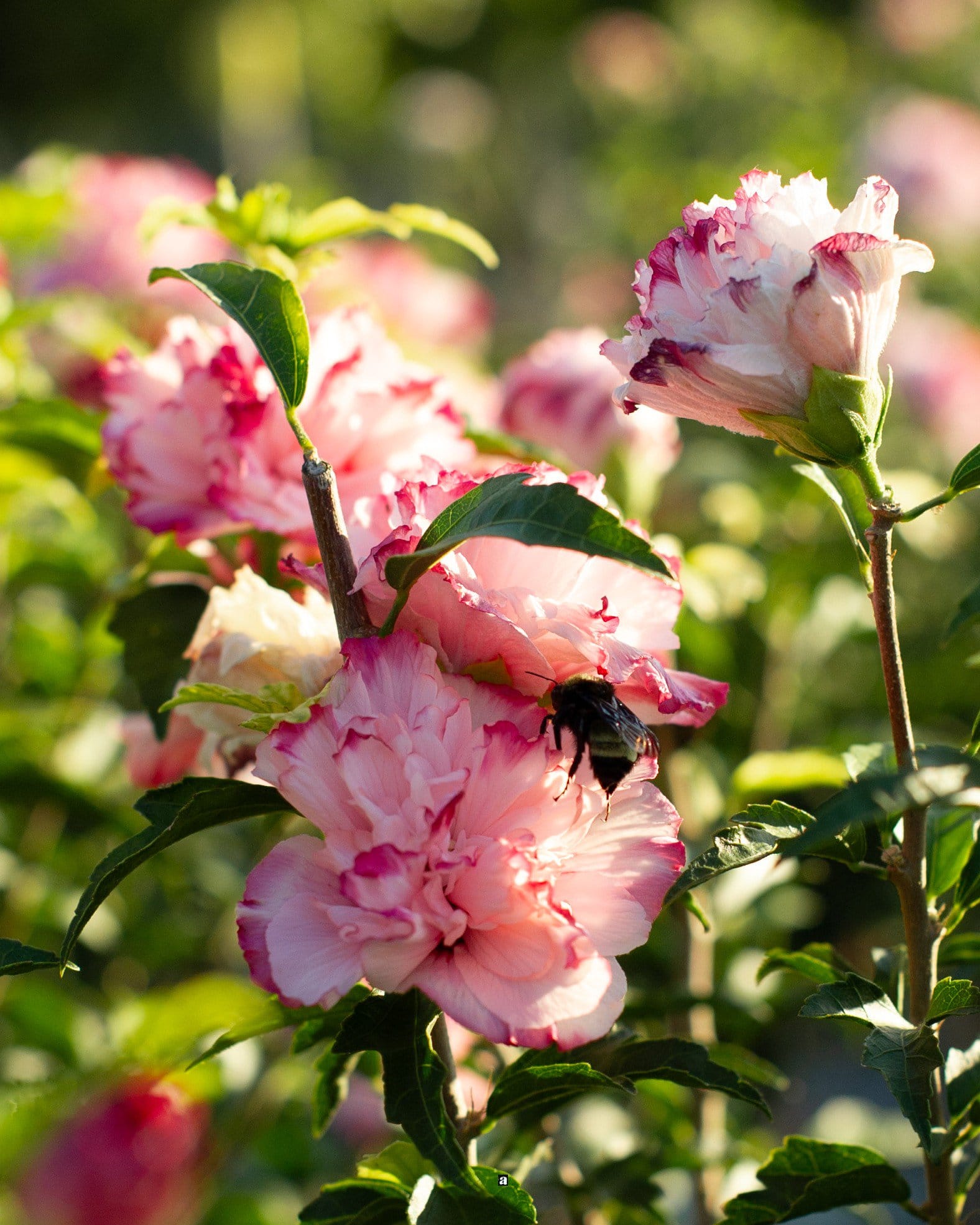
- Attractive to pollinators
The Ann Magnolia does best in sunny locations and thrives in our North Texas soils. With this early Spring bloomer, it brings much welcome color to the landscape, while most trees are still coming out of dormancy.
Ann Magnolia offers one of the longest seasonal displays among spring-blooming magnolias with minimal maintenance. Here’s all it needs to thrive:
- Watering: Water deeply and regularly during the first several years to establish a healthy, drought-resilient root system. Once mature, Ann Magnolia handles moderate dry spells well but always appreciates consistent moisture during flowering and high heat.
- Pruning: Prune immediately after flowering to remove crossing, damaged, or awkward branches. Avoid late-season pruning, which may reduce the next year’s bloom display. The shrub naturally forms a clean, rounded shape with minimal guidance.
- Fertilizing: Apply a balanced, slow-release fertilizer in early spring to encourage vigorous growth and abundant blooms. In poorer soils, supplement with compost or an additional light midsummer feeding.
- Mulching: Add a 2-3 inch layer of mulch around the base to conserve moisture and protect the roots. Keep mulch several inches away from the trunk to prevent bark issues.
- Winter Care: Ann Magnolia is cold-hardy and withstands winter well once established. Young plants may benefit from a windbreak or mulch ring for insulation during severe cold snaps.
Ann Magnolia is reliable and resilient, though a few manageable problems may appear during highly wet or humid seasons:
- Leaf Spot: Brown or black speckles appear on leaves during humid weather. Remove affected leaves and improve airflow to prevent recurrence.
- Scale Insects: Sticky residue or bumps on stems indicate scale presence. Treat with horticultural oil and strengthen plant vigor for long-term resistance.
- Aphids: Curled leaves and sticky honeydew show aphids feeding on tender shoots. Rinse foliage or apply insecticidal soap to restore health.
- Chlorosis: Yellow leaves with green veins suggest nutrient deficiency. Apply chelated iron and improve soil conditions to correct the imbalance.
- Flower Blight: Brown, wilted petals may appear during cold, wet spring spells. Remove spent blooms promptly to prevent spread.
Ann Magnolia typically lives 40-60 years with good care and proper placement. Its long life means it can remain a cherished spring highlight for generations.
It grows at a moderate pace and usually begins blooming reliably within 2-3 years after planting. By year 5-7, it showcases its full floral potential.
The flowers carry a light, pleasant perfume that becomes noticeable when you stand nearby. It adds a gentle sensory layer to its already striking spring display.
It handles moderate wind well due to its sturdy branching. In very exposed areas, planting near a structure or windbreak helps protect early blooms.
Yes - it’s an excellent choice due to its gentle shade, inviting blooms, and compact size. It brings seasonal excitement without dropping excessive debris.
It tolerates mild reflected heat but performs best with some afternoon shade in very hot climates. Adequate watering during high heat keeps it looking vibrant.
Azaleas, Hydrangeas, Hostas, Ferns, Dogwoods, and spring bulbs complement its early color and graceful form. These companions provide layered textures and multi-season beauty.
Yes - its reliable blooms and manageable size make it a great ornamental choice for walkways, courtyards, and campus settings. It offers high impact with minimal care.
Young Ann Magnolias relocate well when moved in late winter or early spring with an intact root ball. Once resettled, they resume growth smoothly.
Its rich reddish-purple blooms, compact stature, and dependable reblooming make it one of the most rewarding small magnolias. It brings dramatic color in a form that fits almost anywhere.
Special Features
You might also like
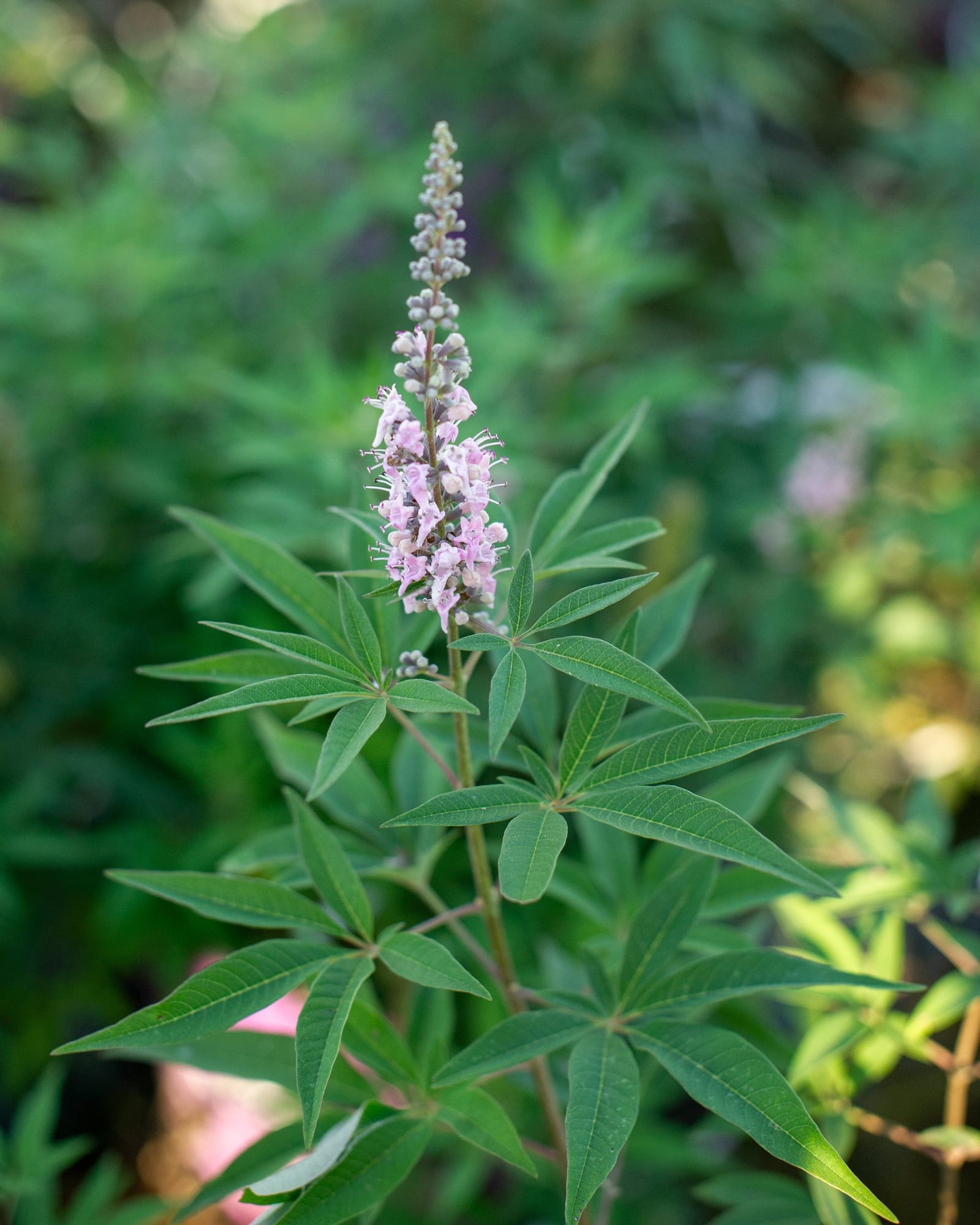
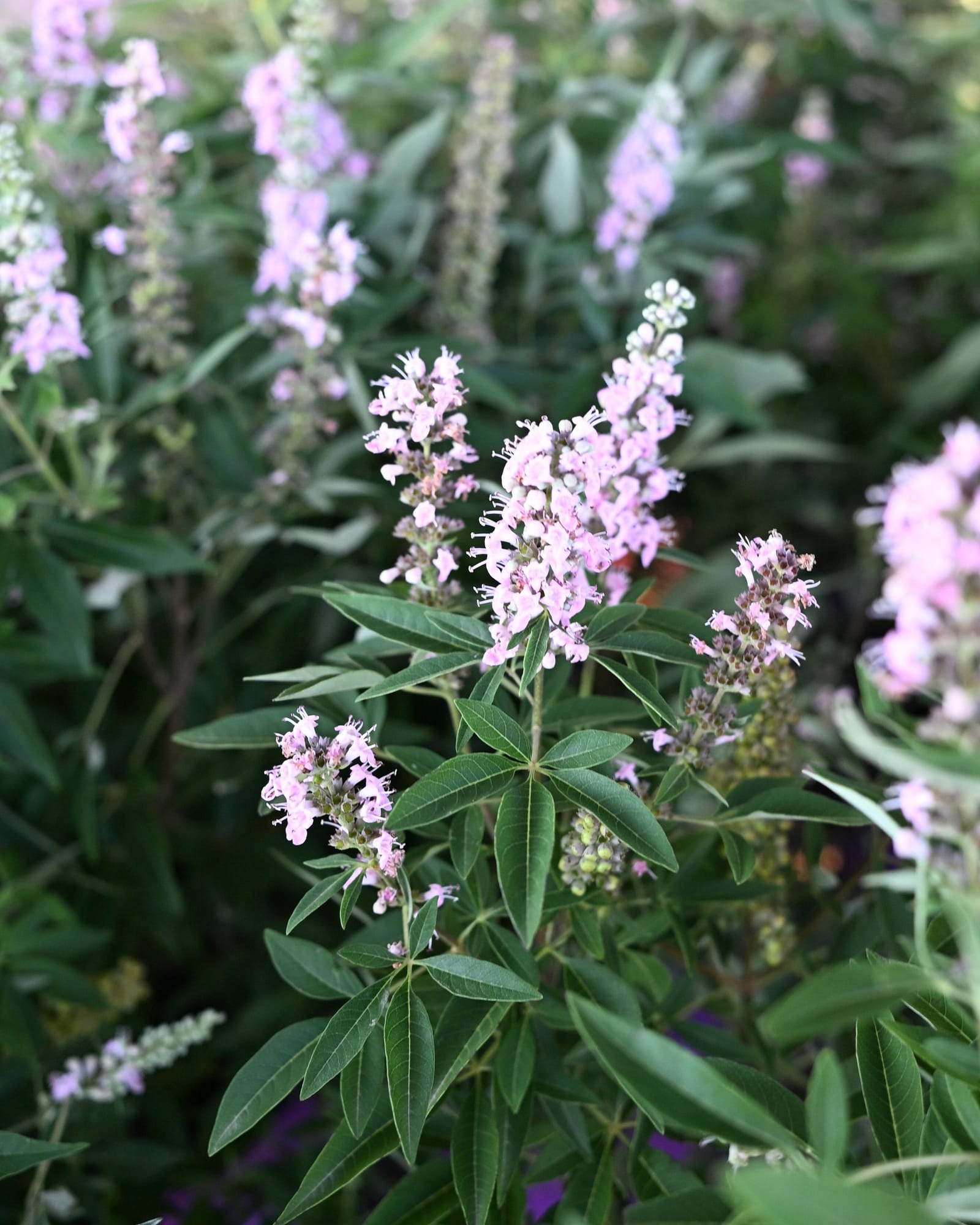
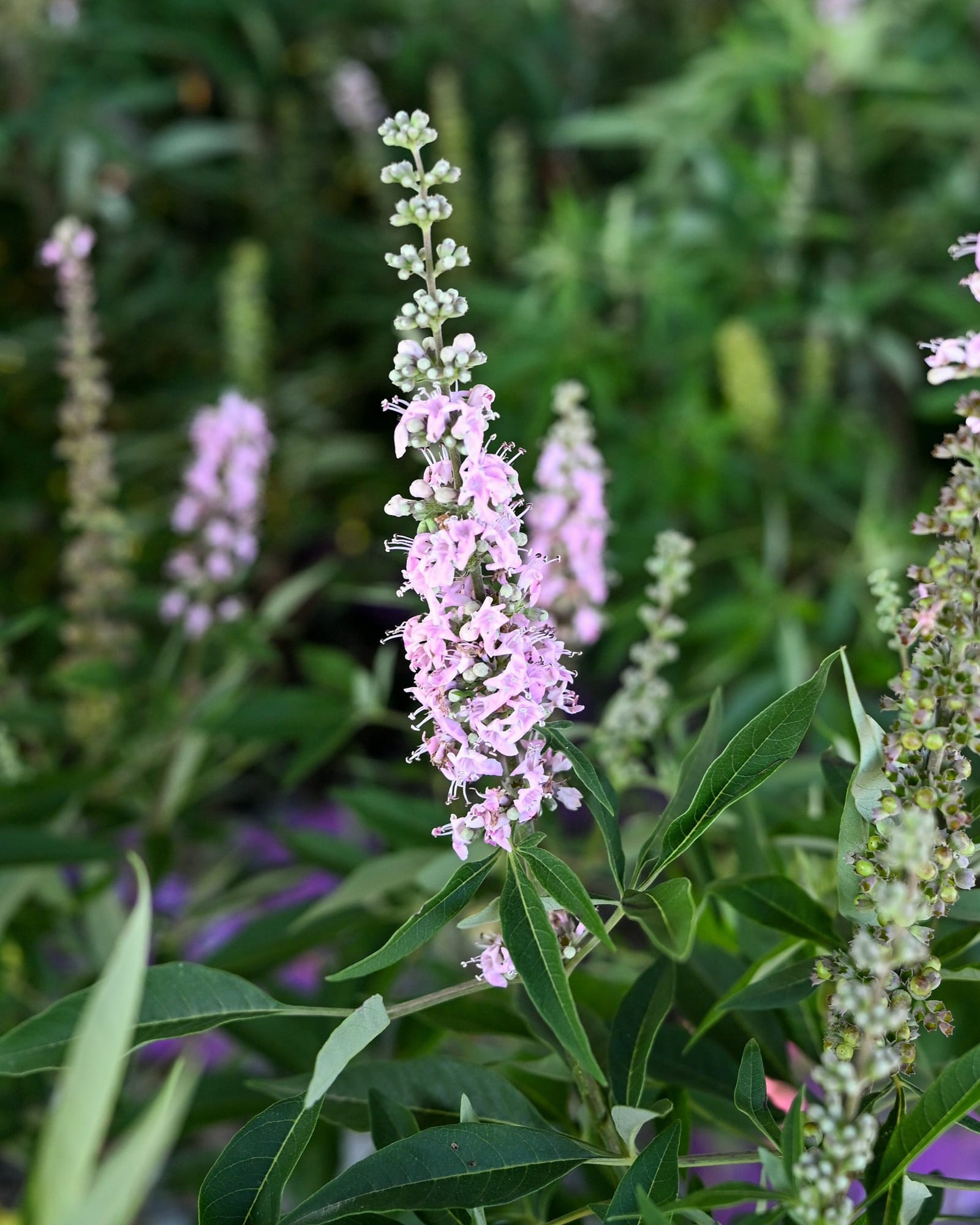
Vitex Galactic Pink
Maturity: 6' H x 6' W
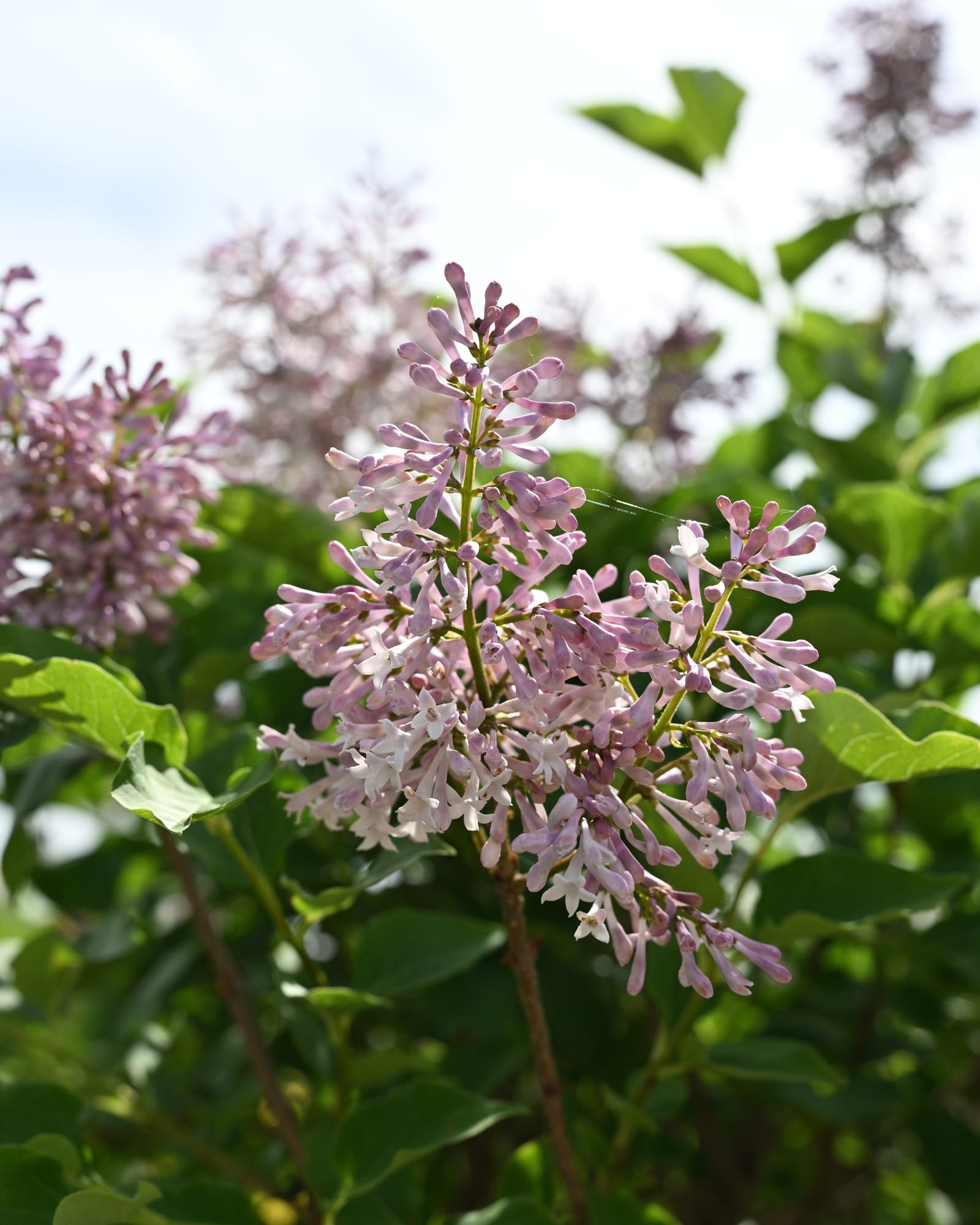
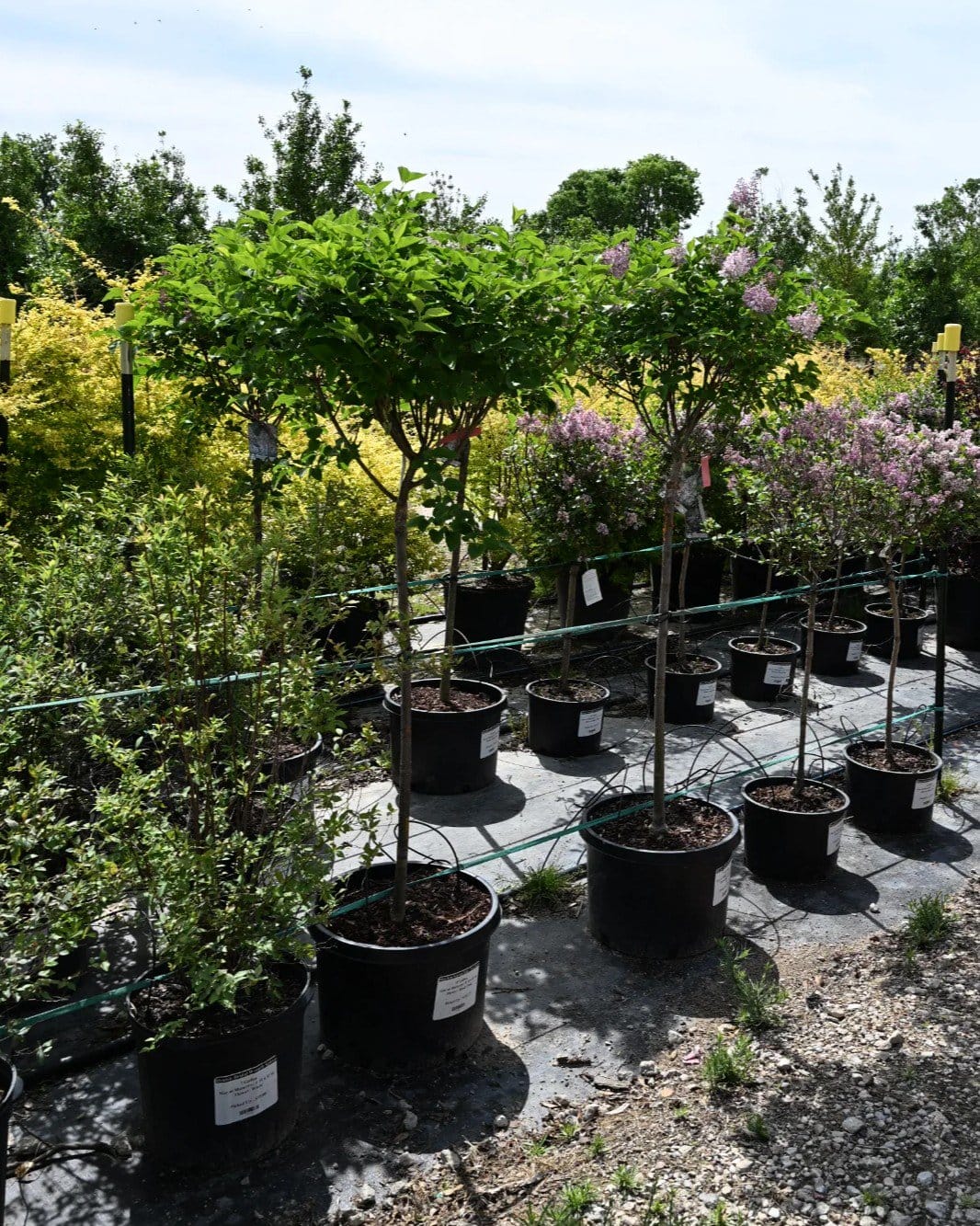
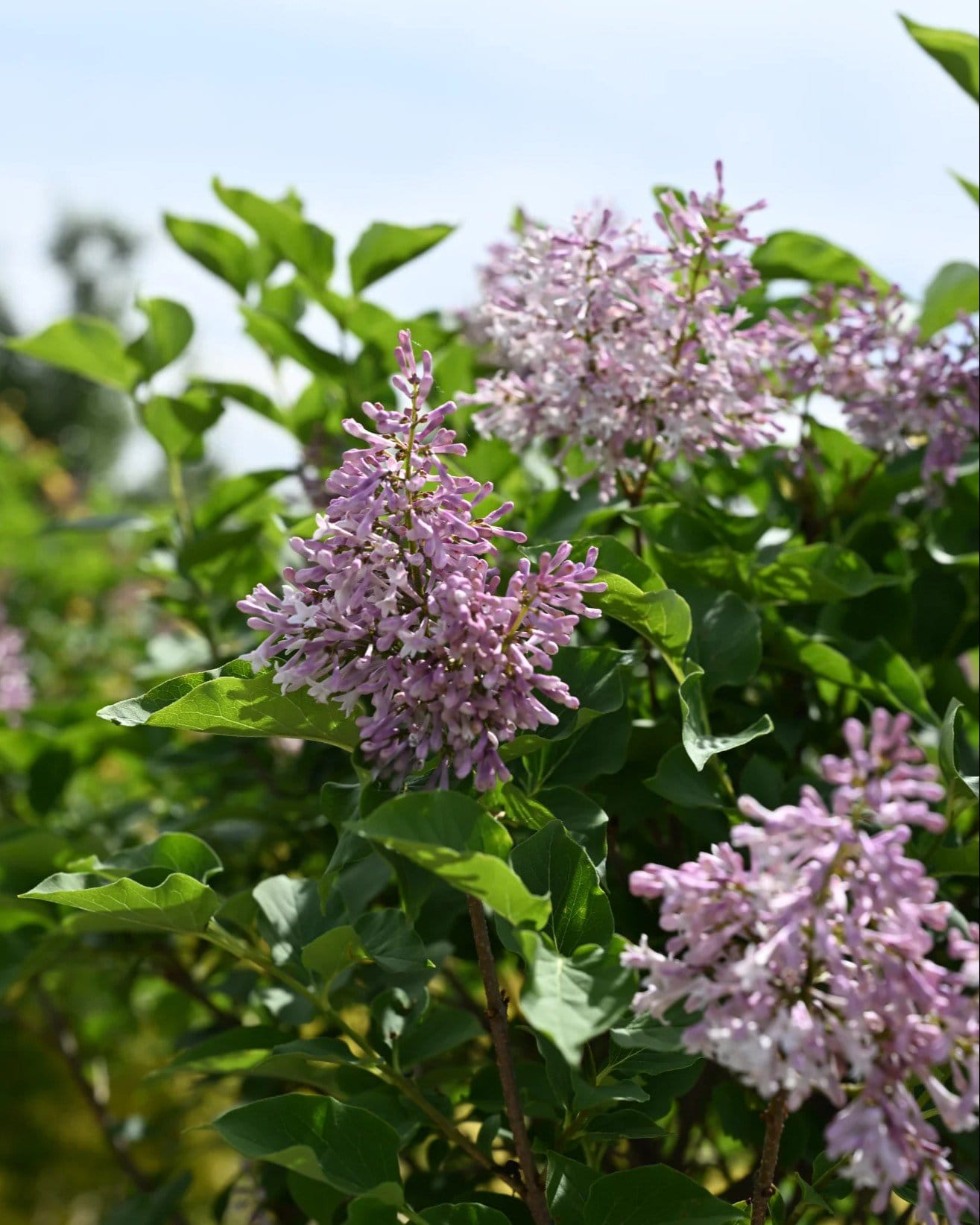
Miss Kim Korean Lilac Tree Form
Maturity: 8' H x 8' W
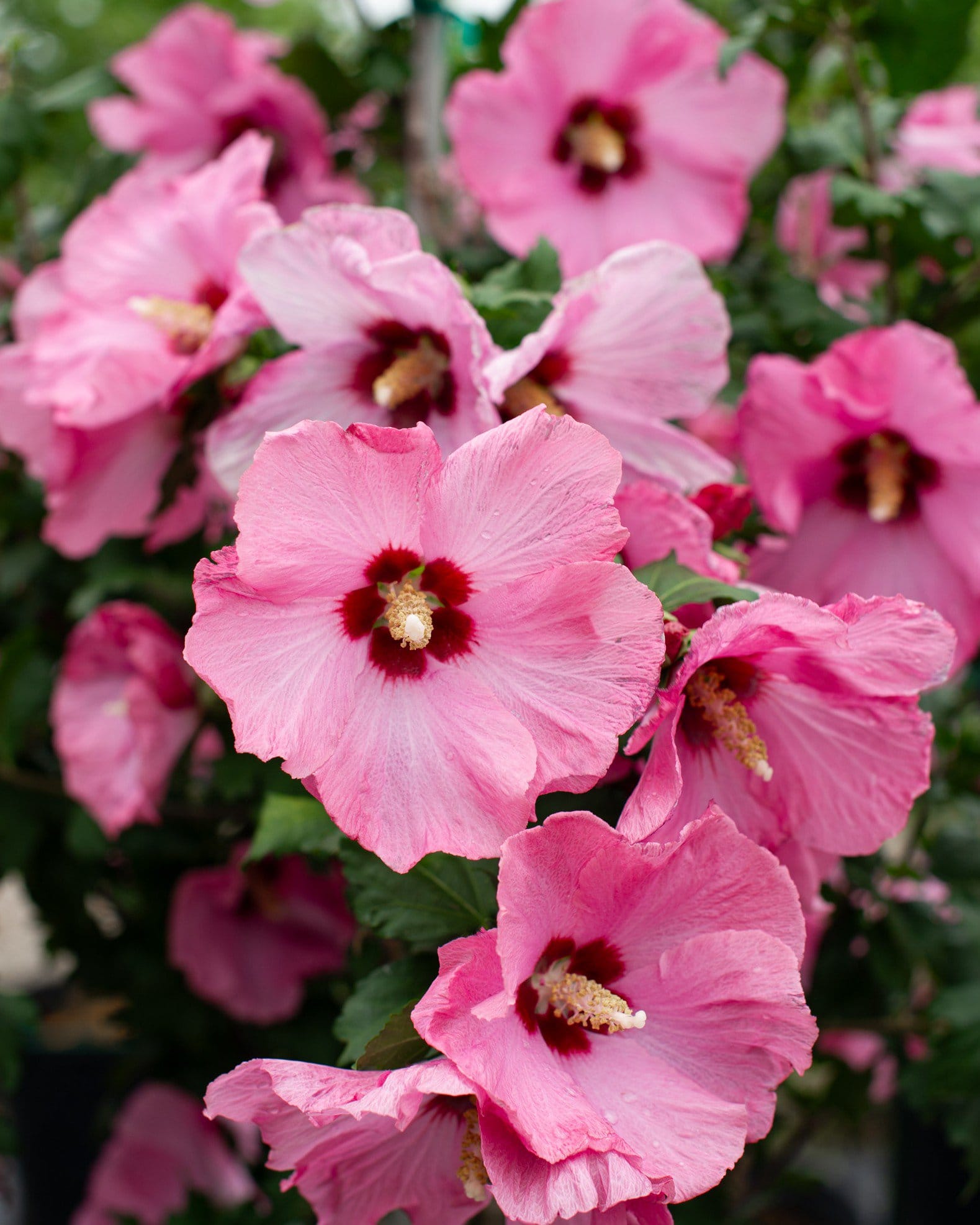
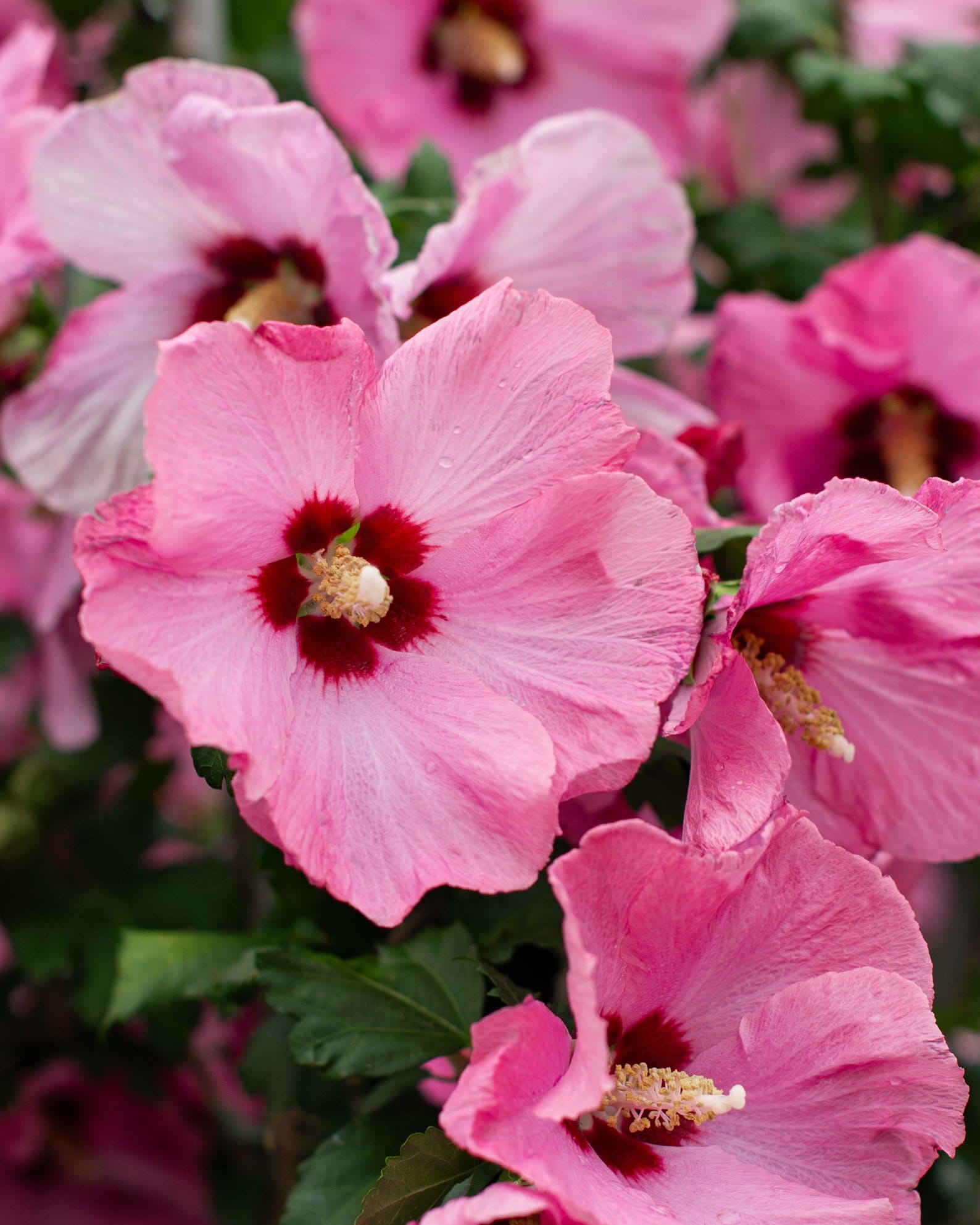
Aphrodite Althea Tree Form
Maturity: 8' H x 6' W
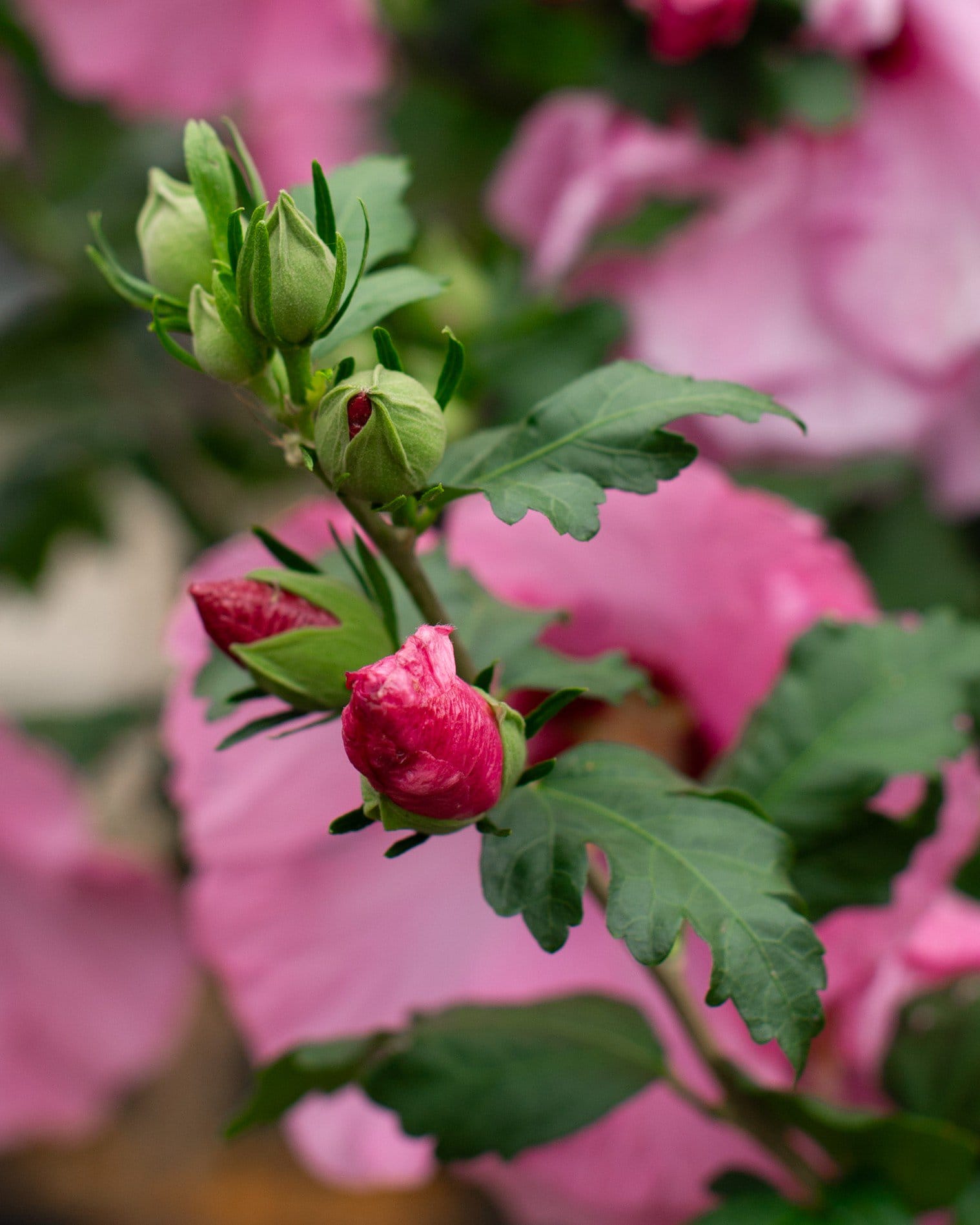
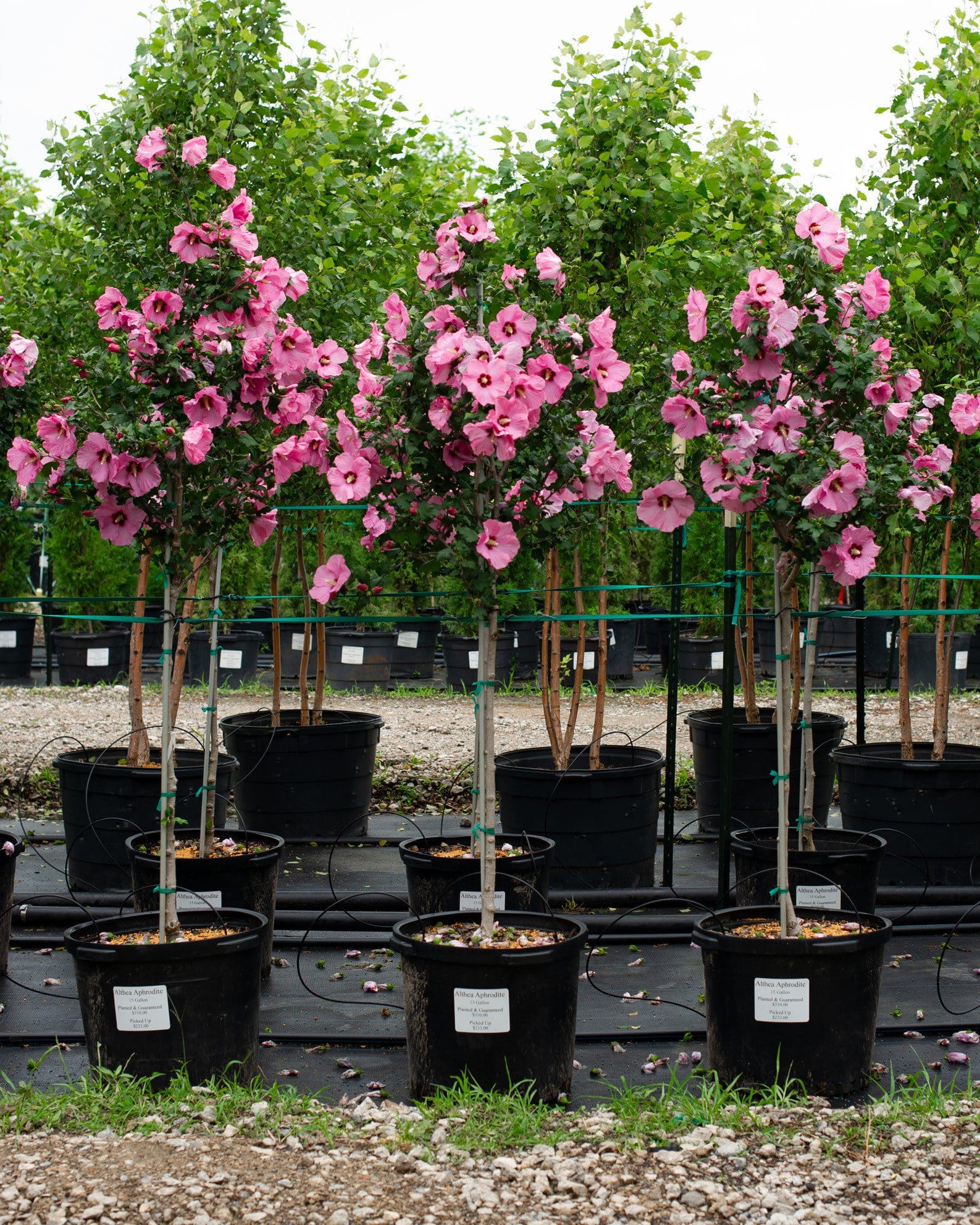
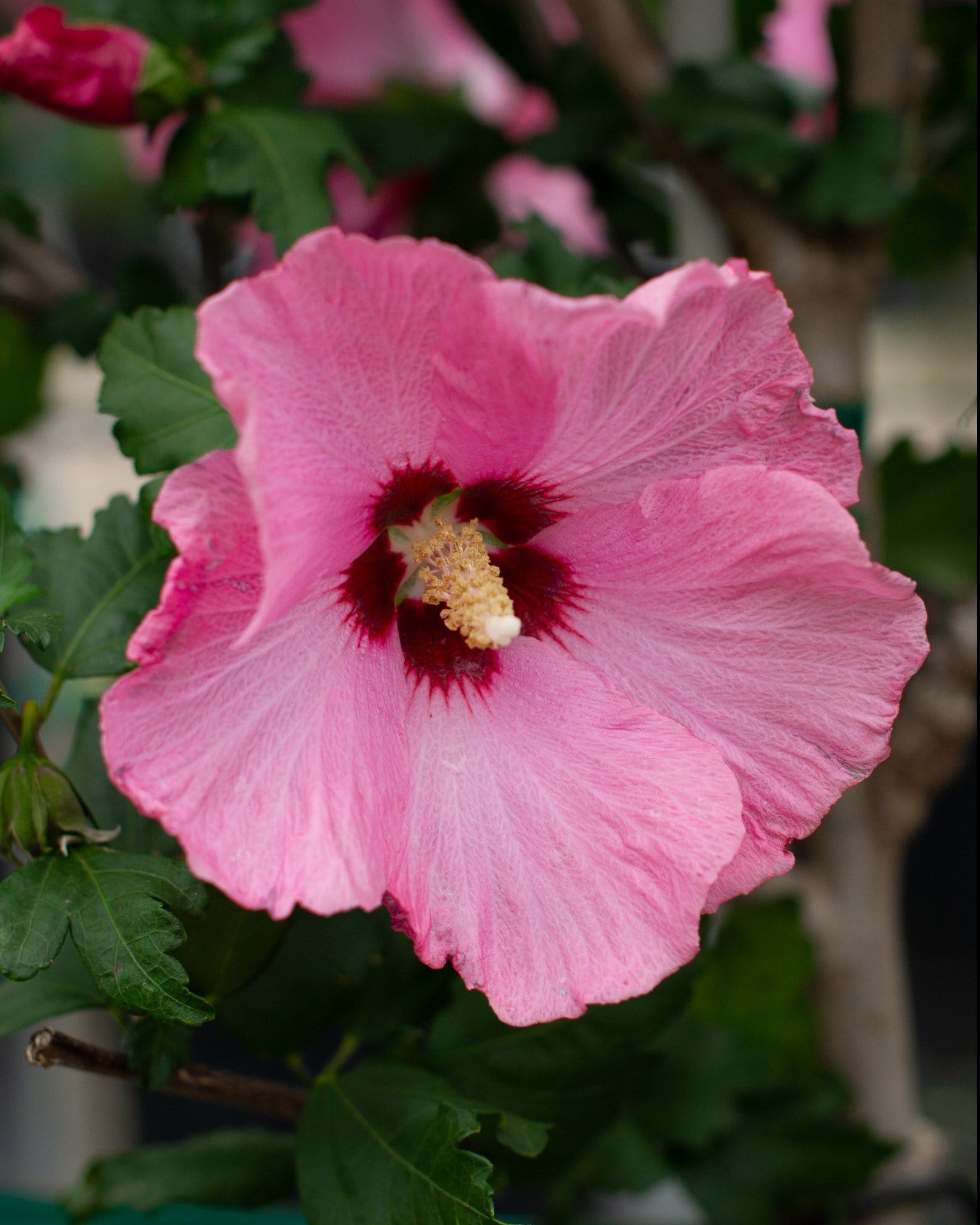
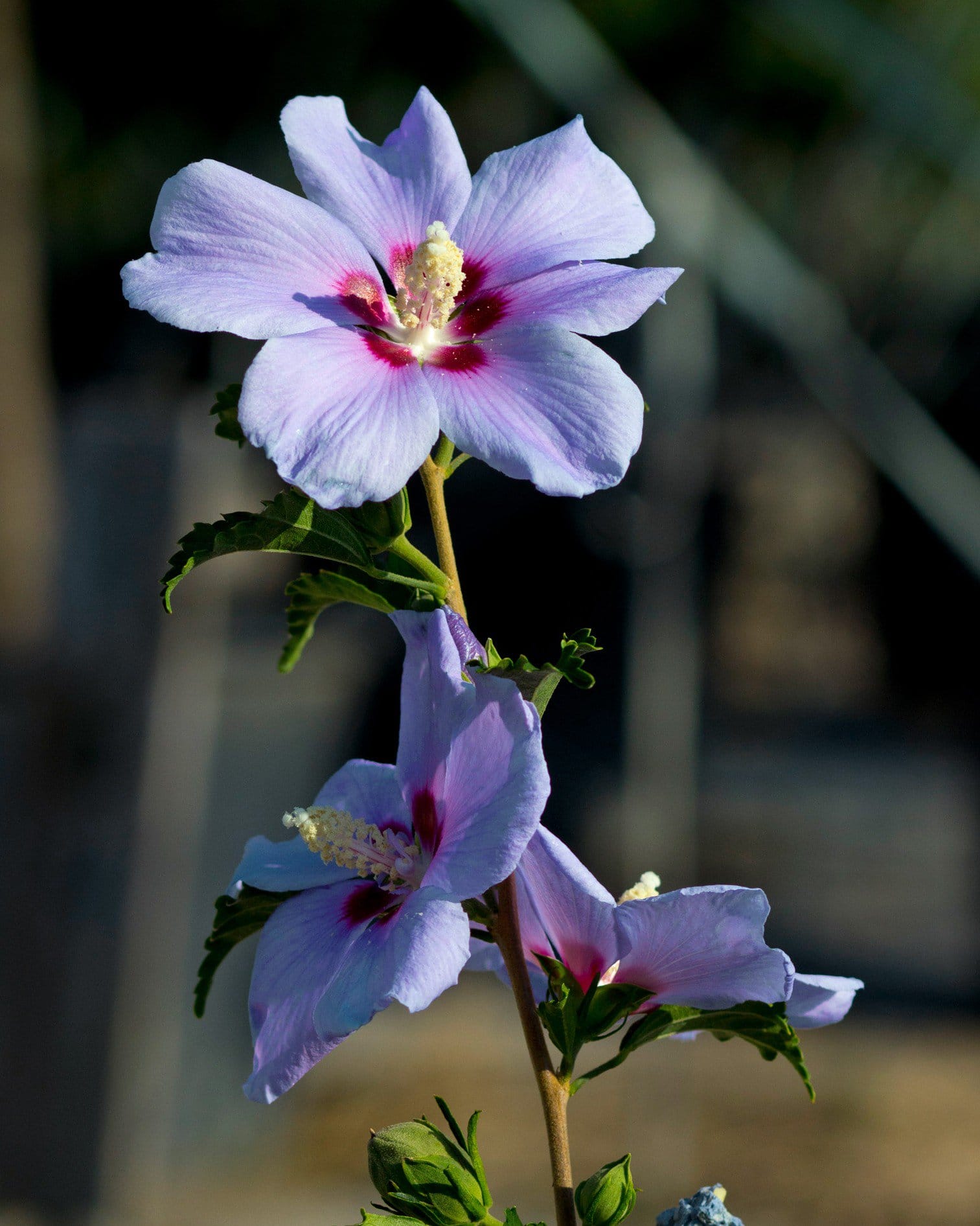
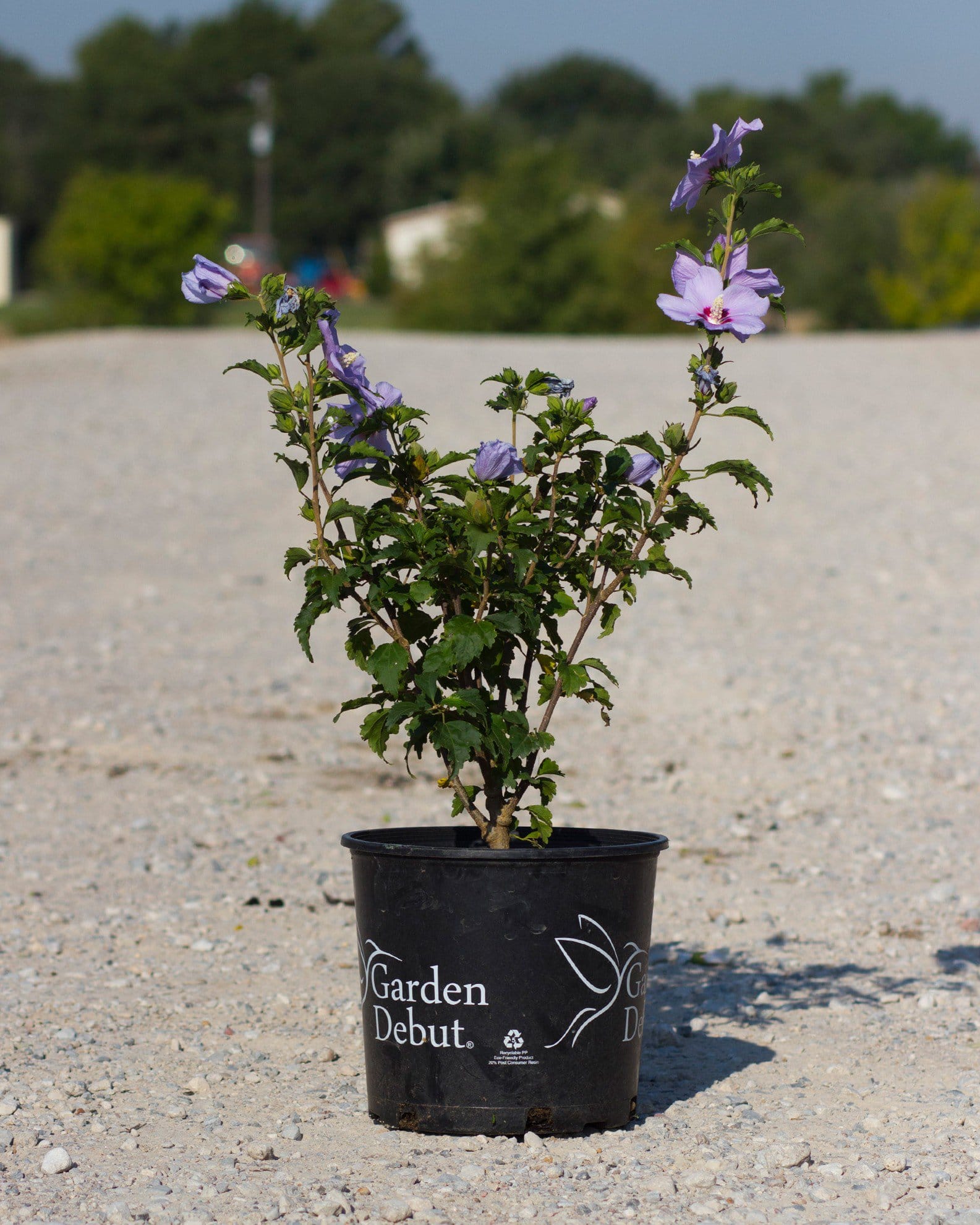
Blue Angel Althea
Maturity: 8' H x 6' W
Danica Althea Tree Form
Maturity: 8' H x 5' W
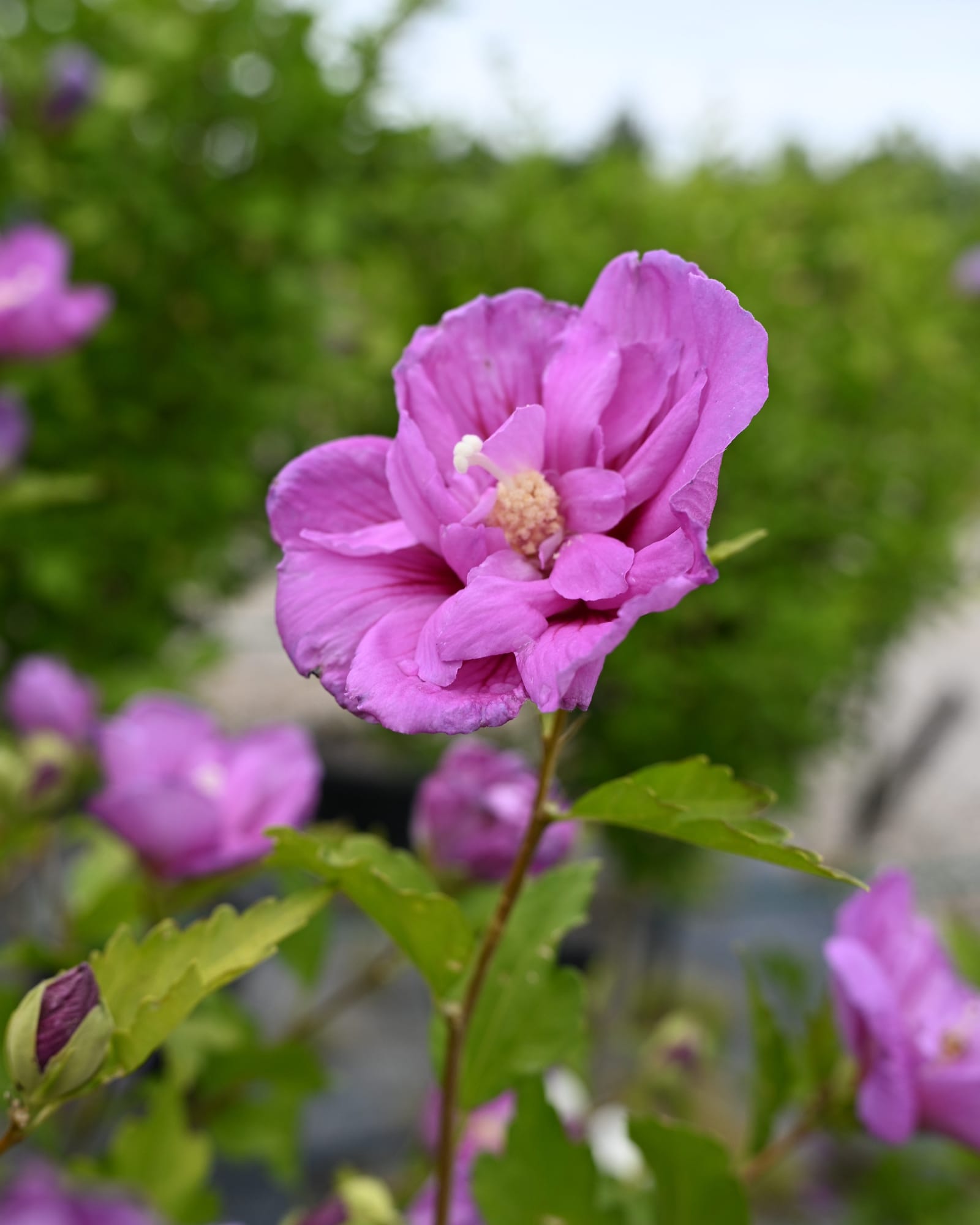
Dark Lavender Chiffon Althea
Maturity: 8' H x 6' W
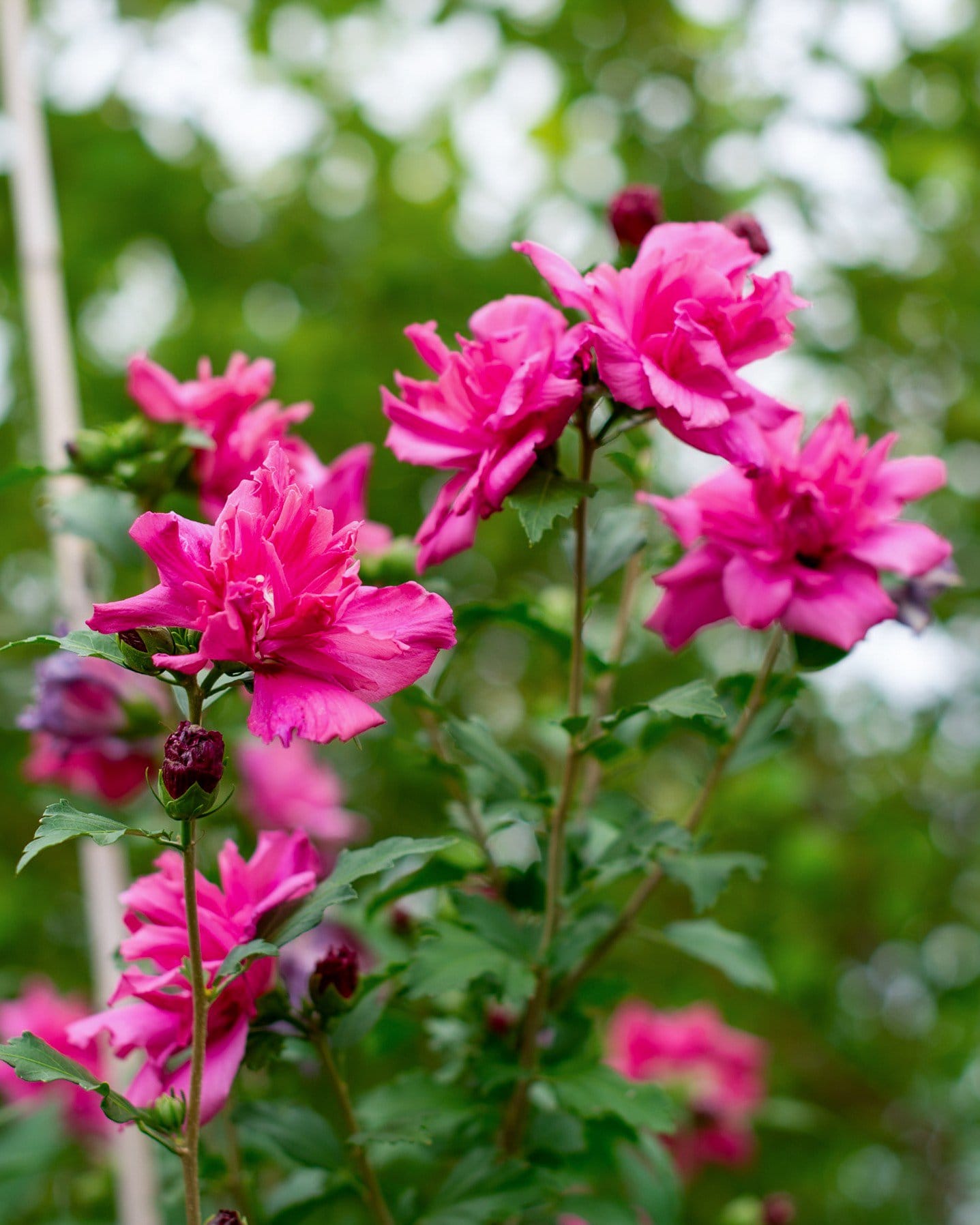
Double Red Althea Tree Form
Maturity: 8' H x 5' W
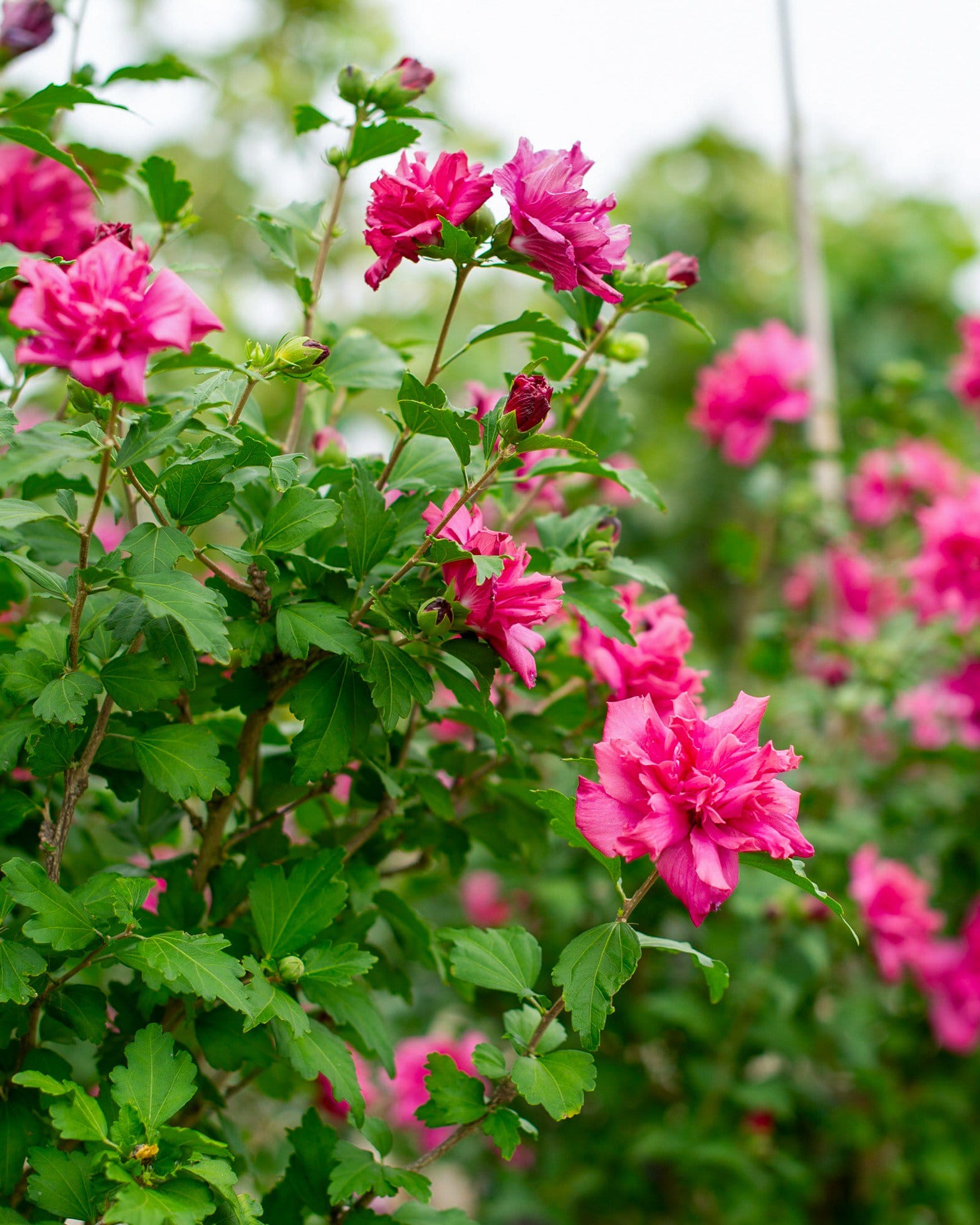
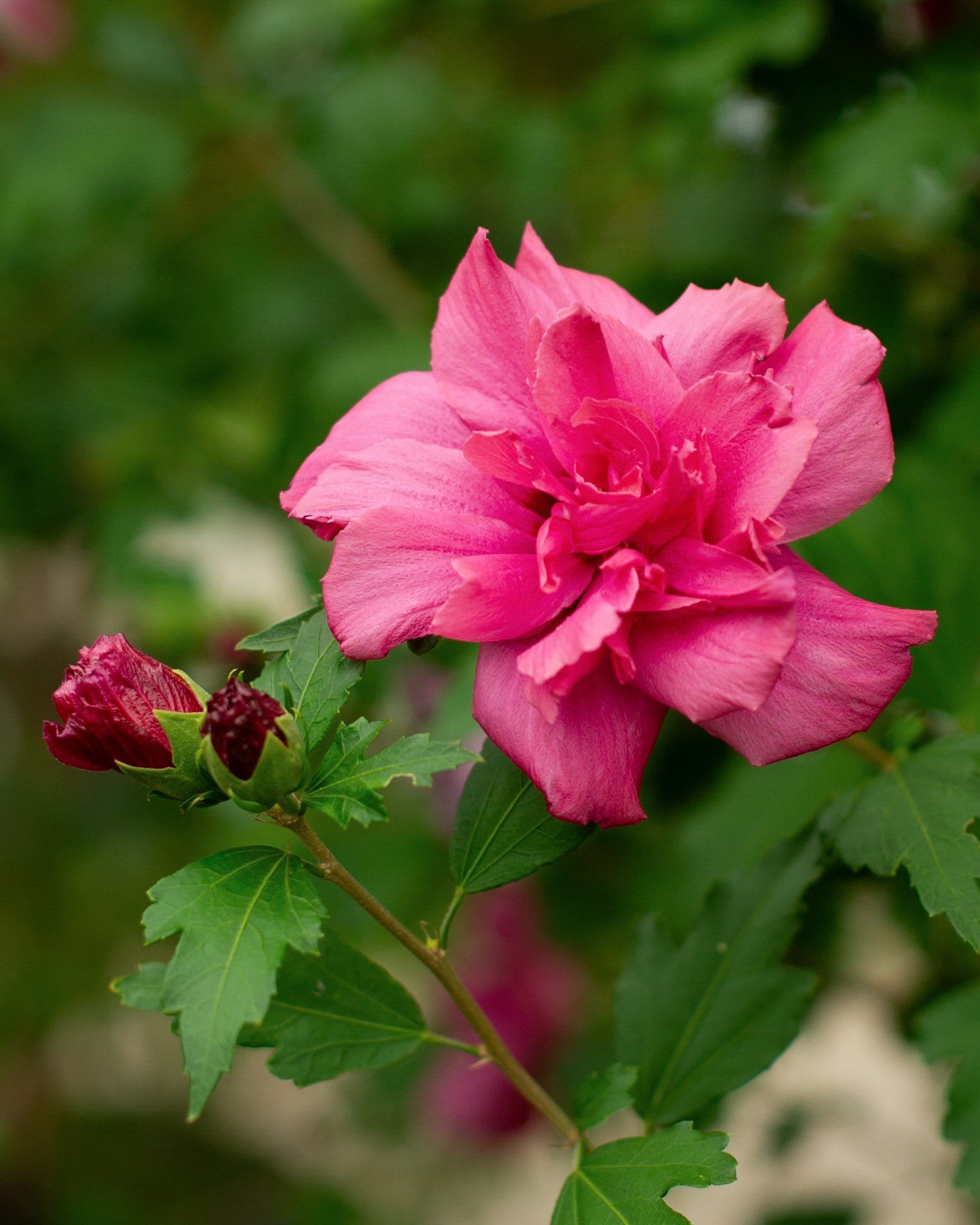
Fireworks Double Althea
Maturity: 8' H x 5' W
French Cabaret Blush Althea
Maturity: 8' H x 5' W
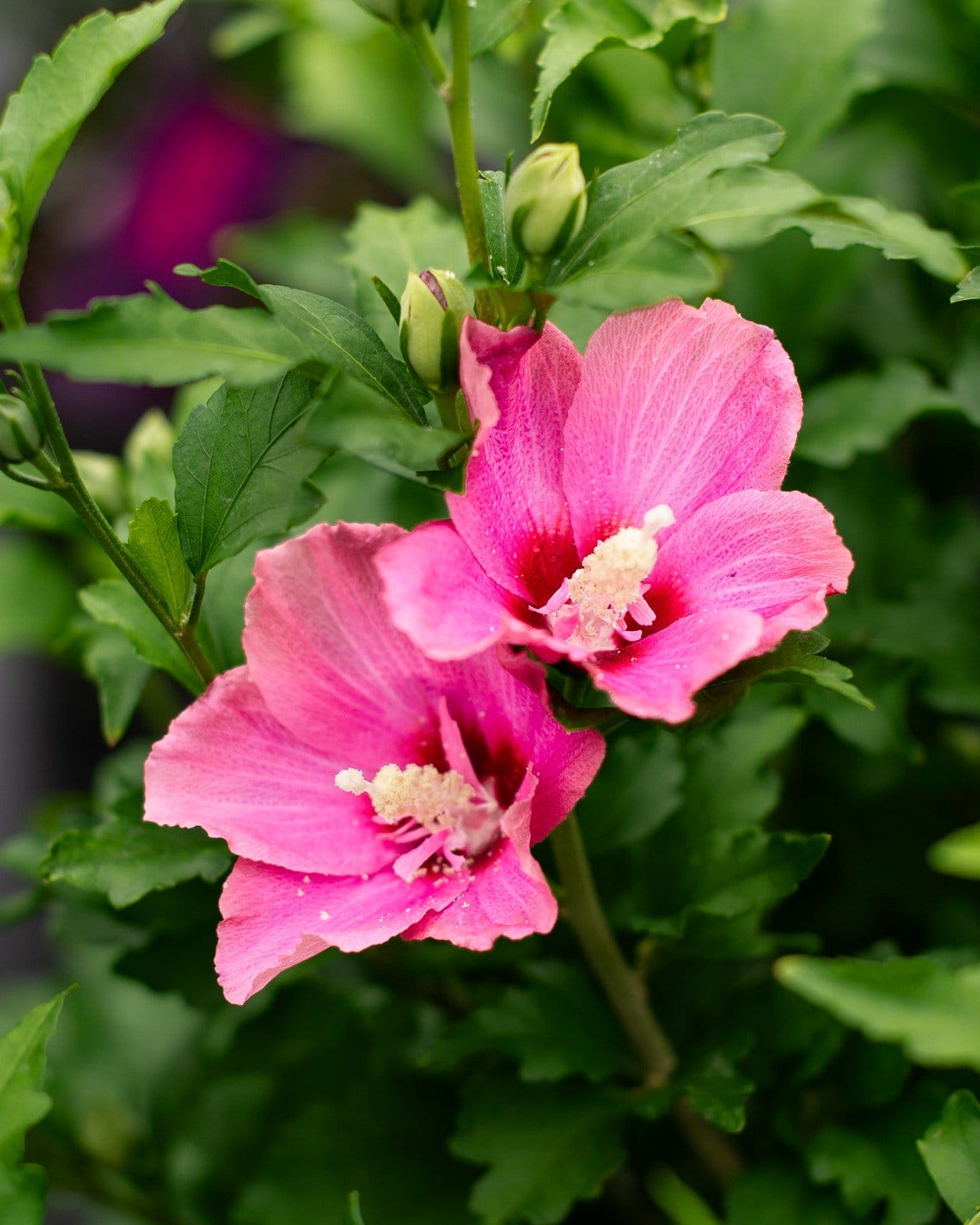
Lil' Kim Red Althea
Maturity: 8' H x 5' W
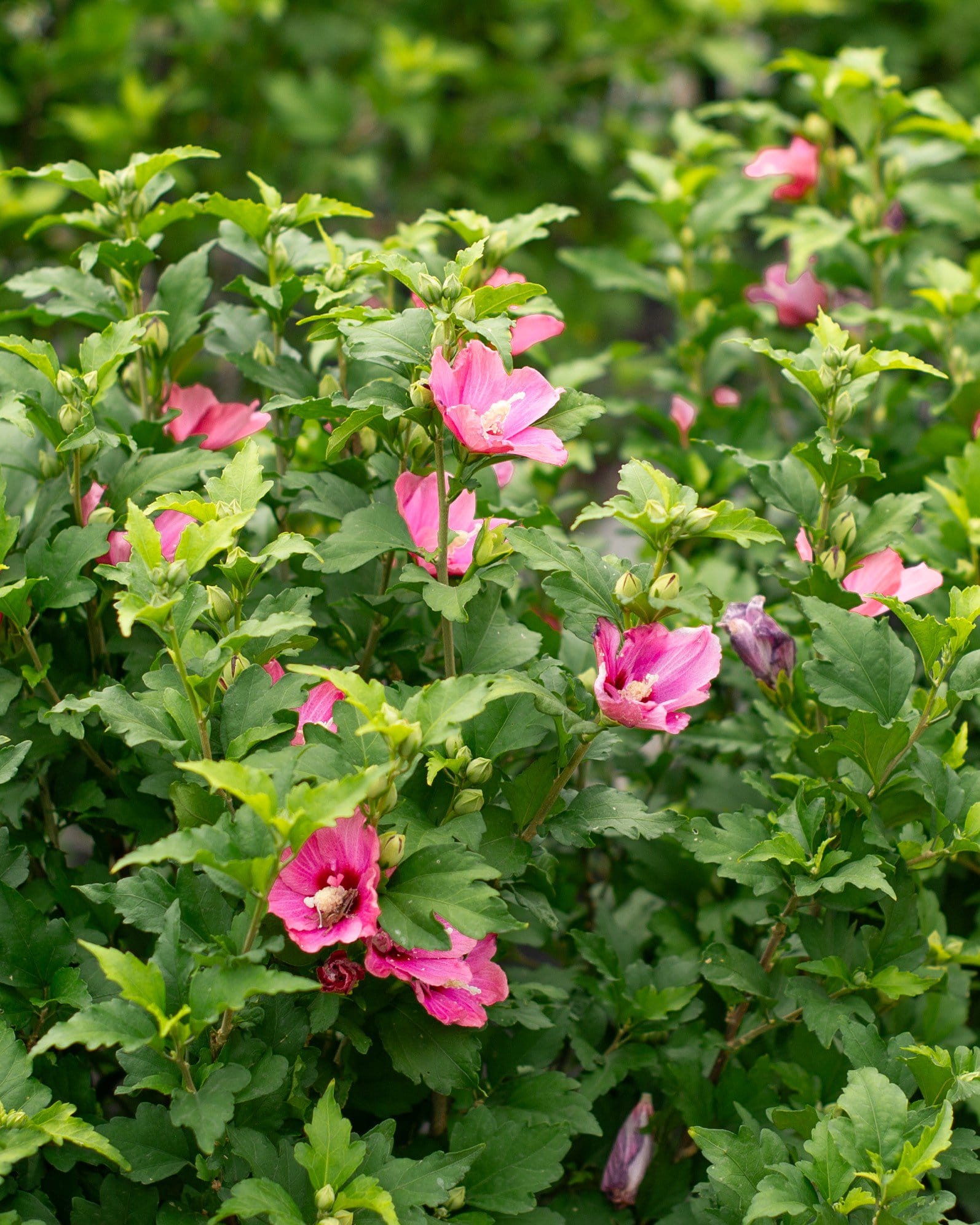
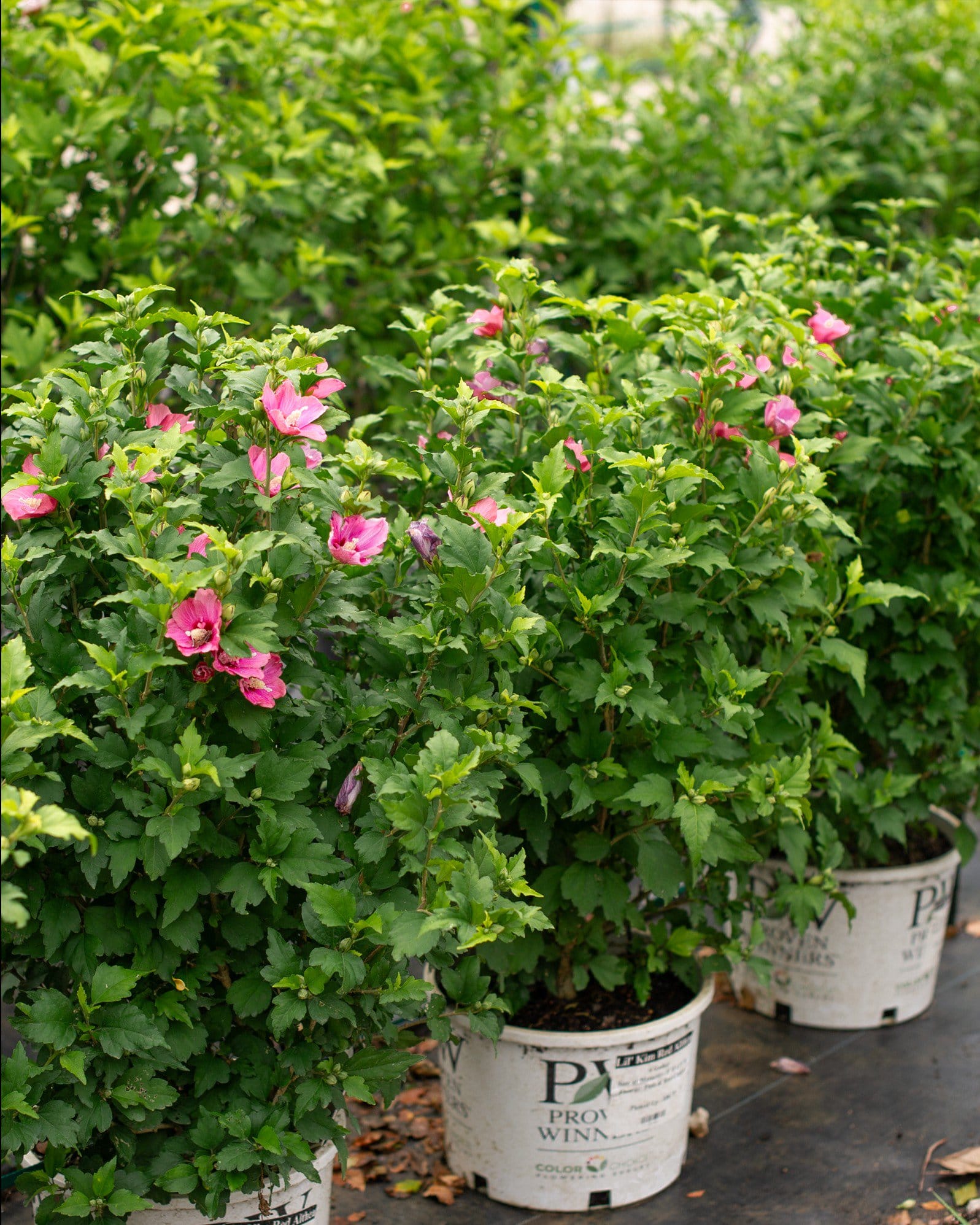
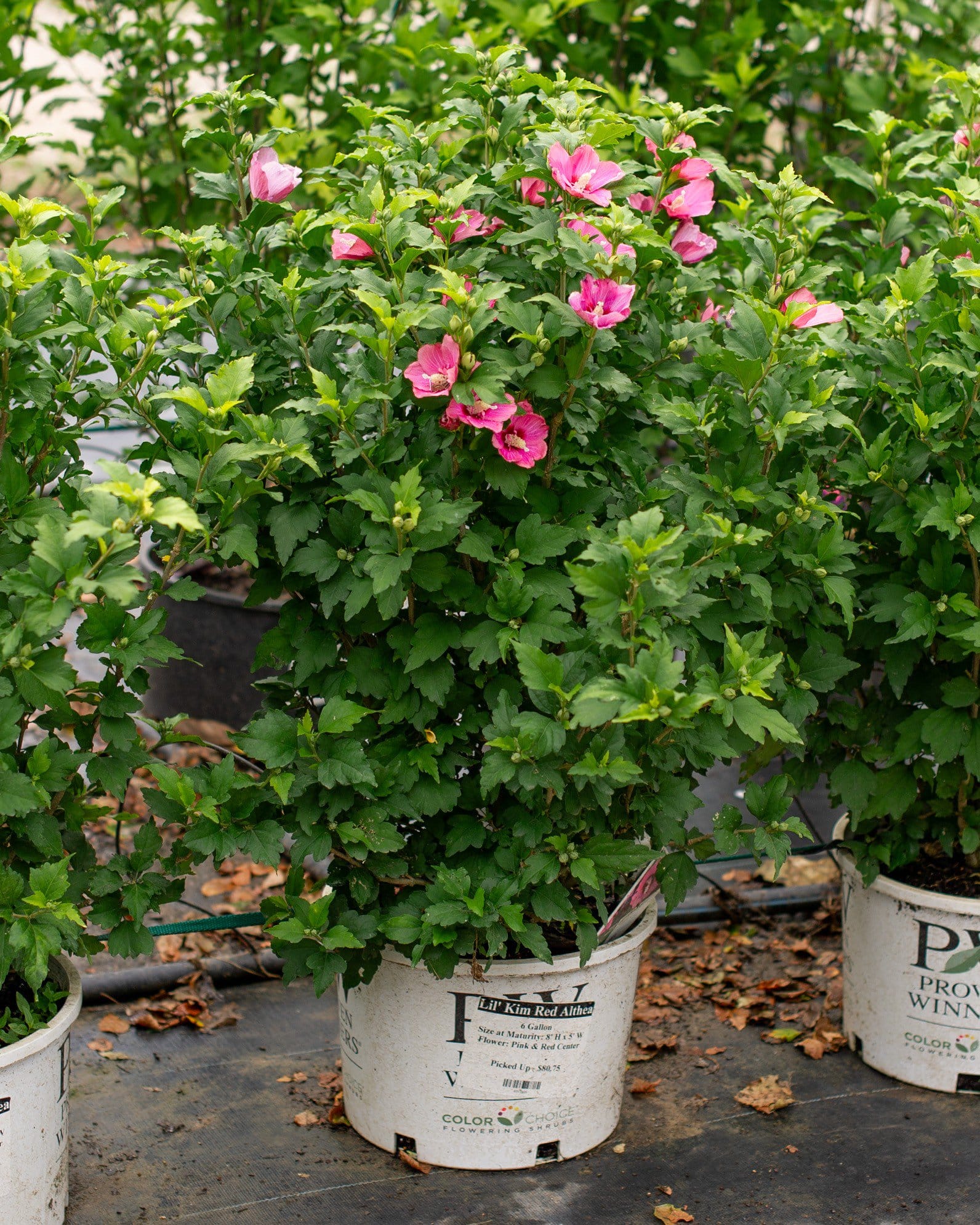
Lucy Althea Tree Form
Maturity: 8' H x 5' W
Minerva Althea Tree Form
Maturity: 8' H x 5' W
Pollypetite Althea Tree Form
Maturity: 8' H x 5' W
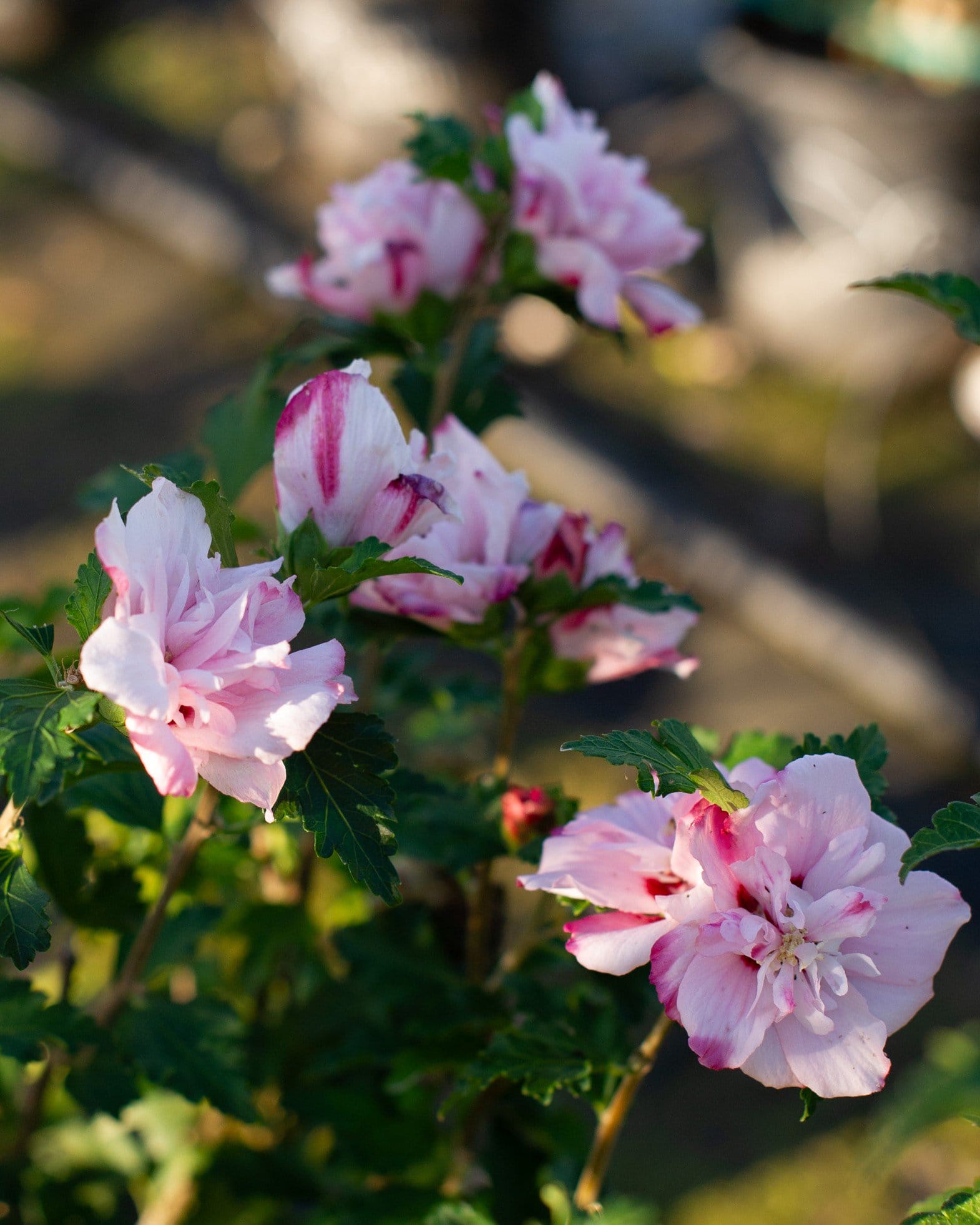
Smoothie Fusion Althea
Maturity: 8' H x 6' W
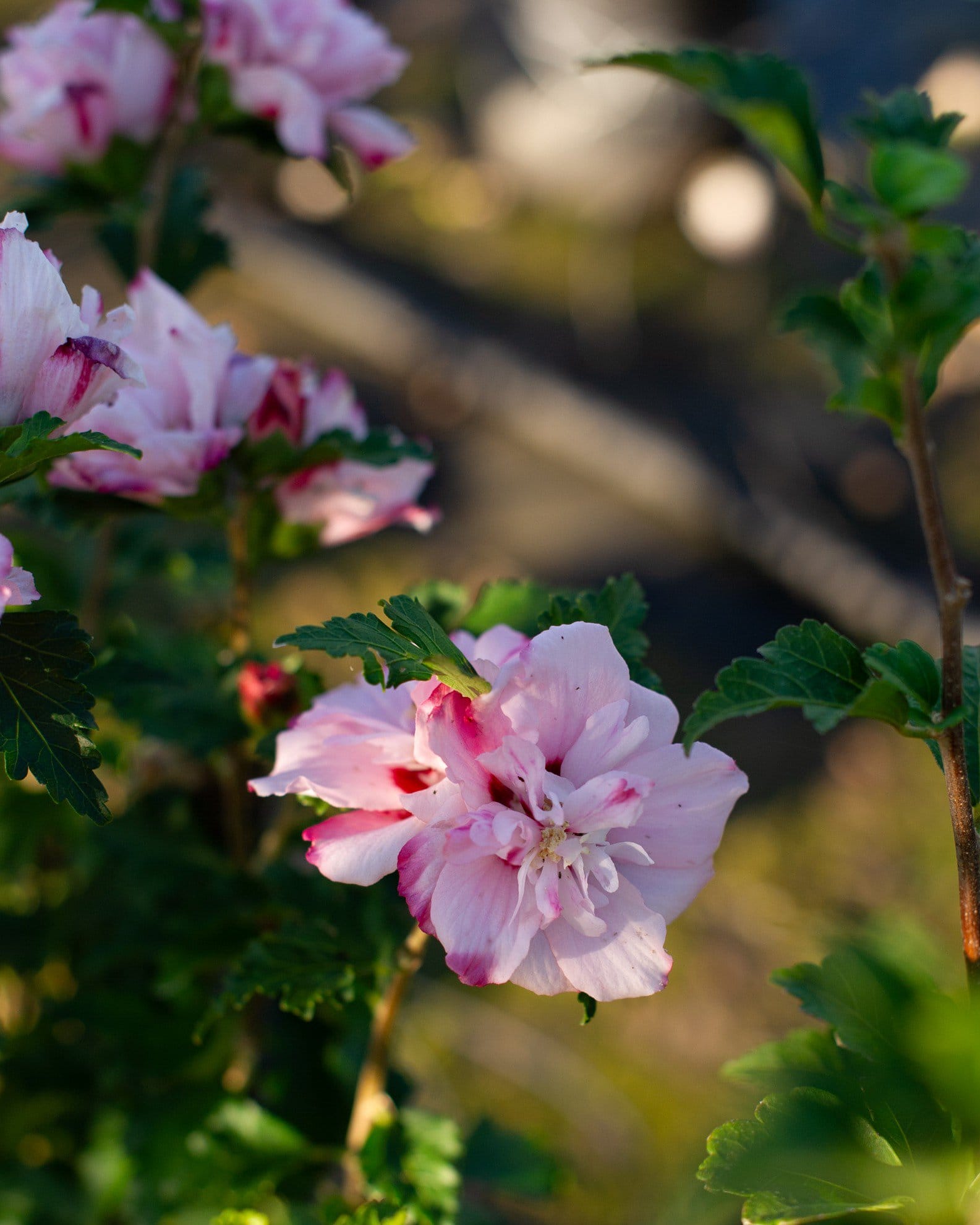
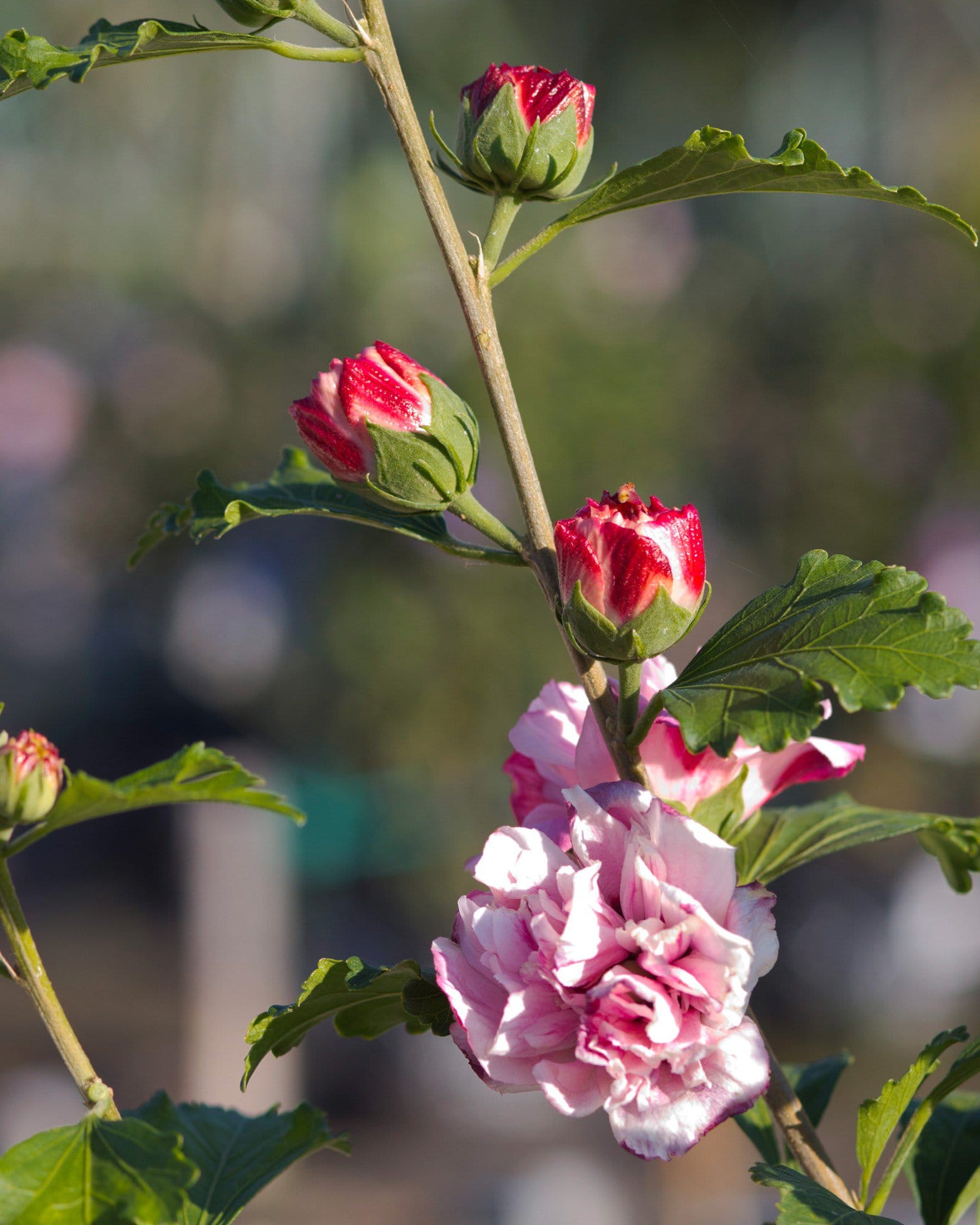
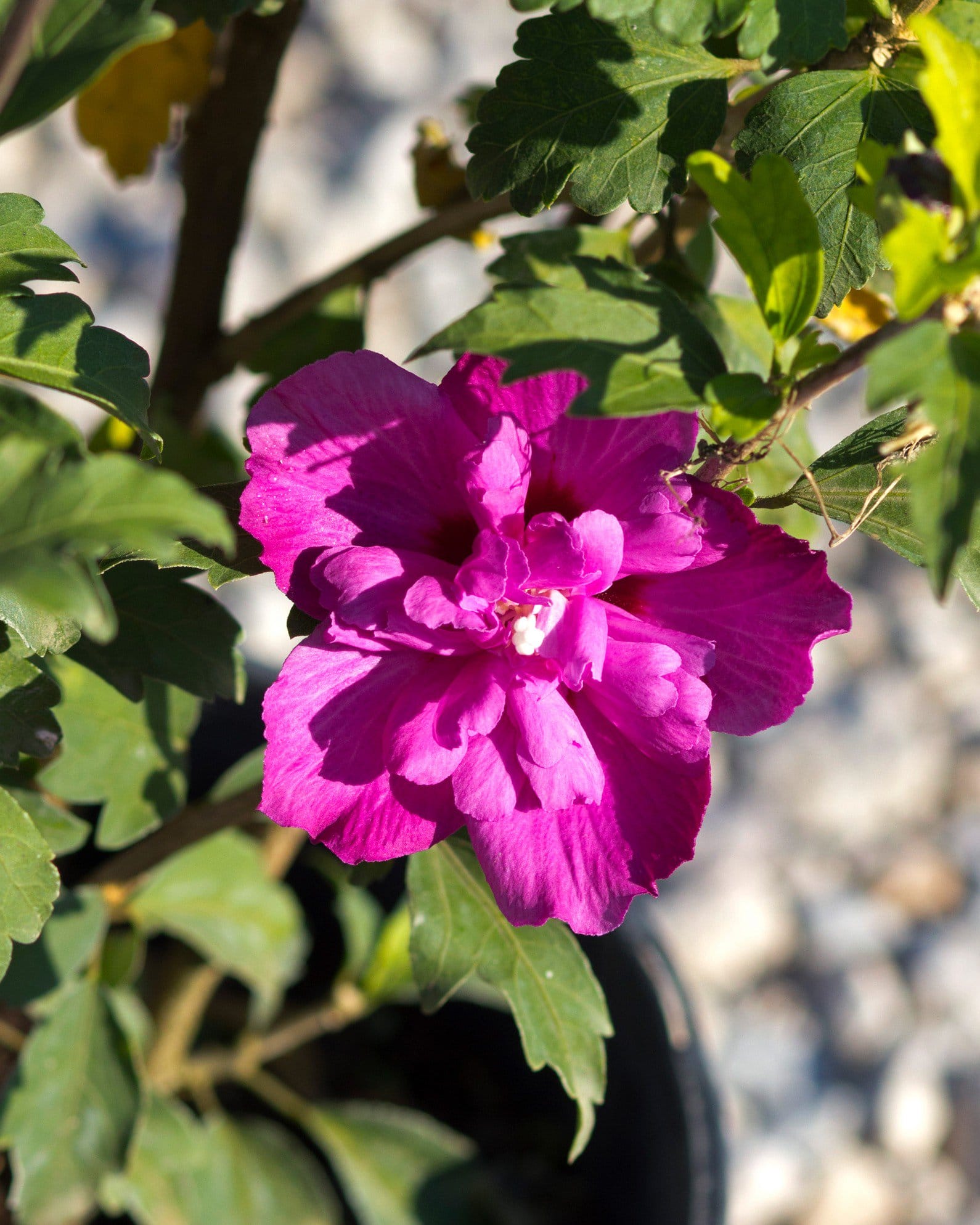
Strawberry Smoothie Althea
Maturity: 8' H x 6' W
Compare Similar Plants
Ann Magnolia This plant | ||
|---|---|---|
| Scientific Name | Magnolia x 'Ann' | Vitex agnus-castus 'Bailtextwo' |
| Size at Maturity | 12' H x 8' W | 6' H x 6' W |
| Leaf Retention | Deciduous | Deciduous |
| Fall Color | Yellow | Yellow |
| Flower Color | Pink | Pink |
| Bloom Times | Spring | Spring & Summer |
| Sizes Available | 15 gal | 3 gal |


Our 1-Year Planting Guarantee
We take pride in our plants and installation services. If any plants or trees installed by Treeland fail to thrive within the first year, we'll provide a replacement credit in accordance with our guarantee program.
Learn More About Our Guarantee