
 Texas Native
Yaupon Holly Scarlet's Peak
Ilex vomitoria ‘Scarlet’s Peak’Local DFW Delivery Only
Product Details
Yaupon Holly Scarlet's Peak
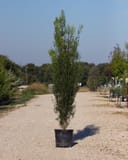
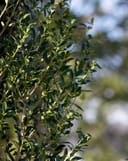
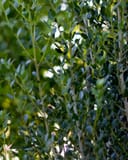
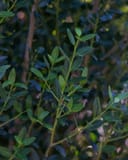
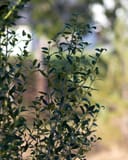
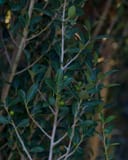
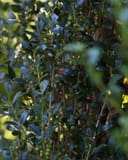
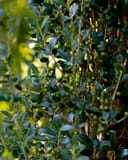
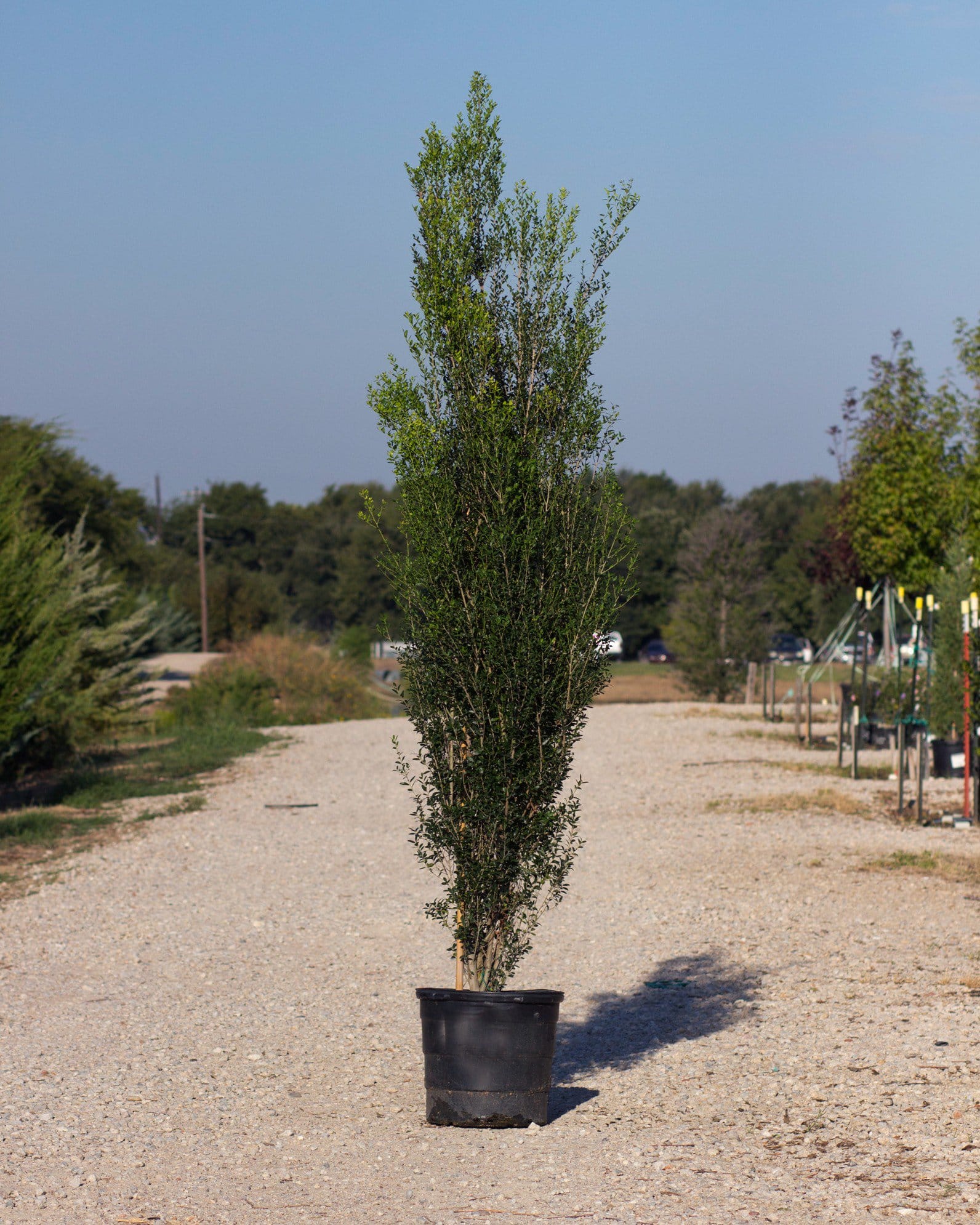
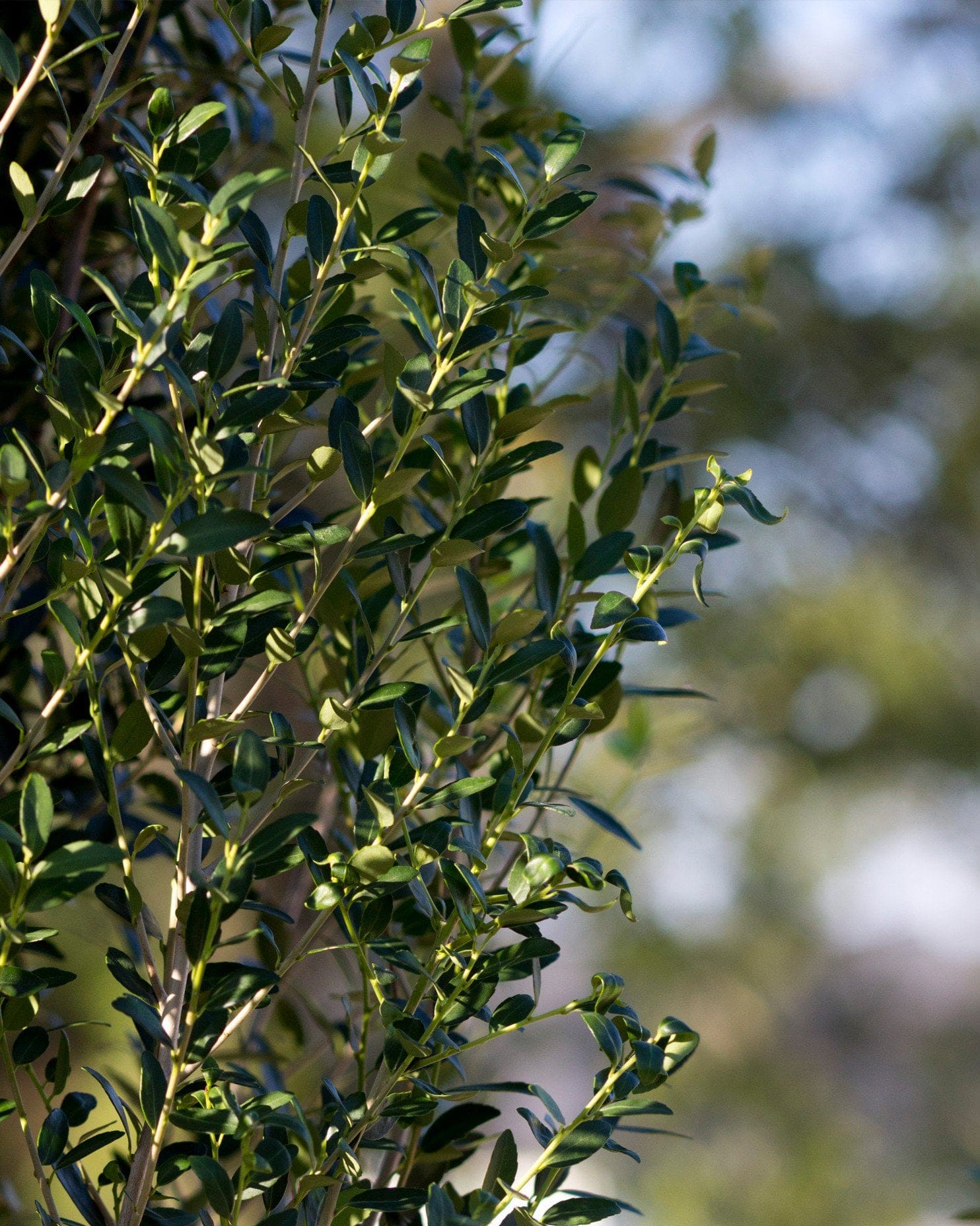
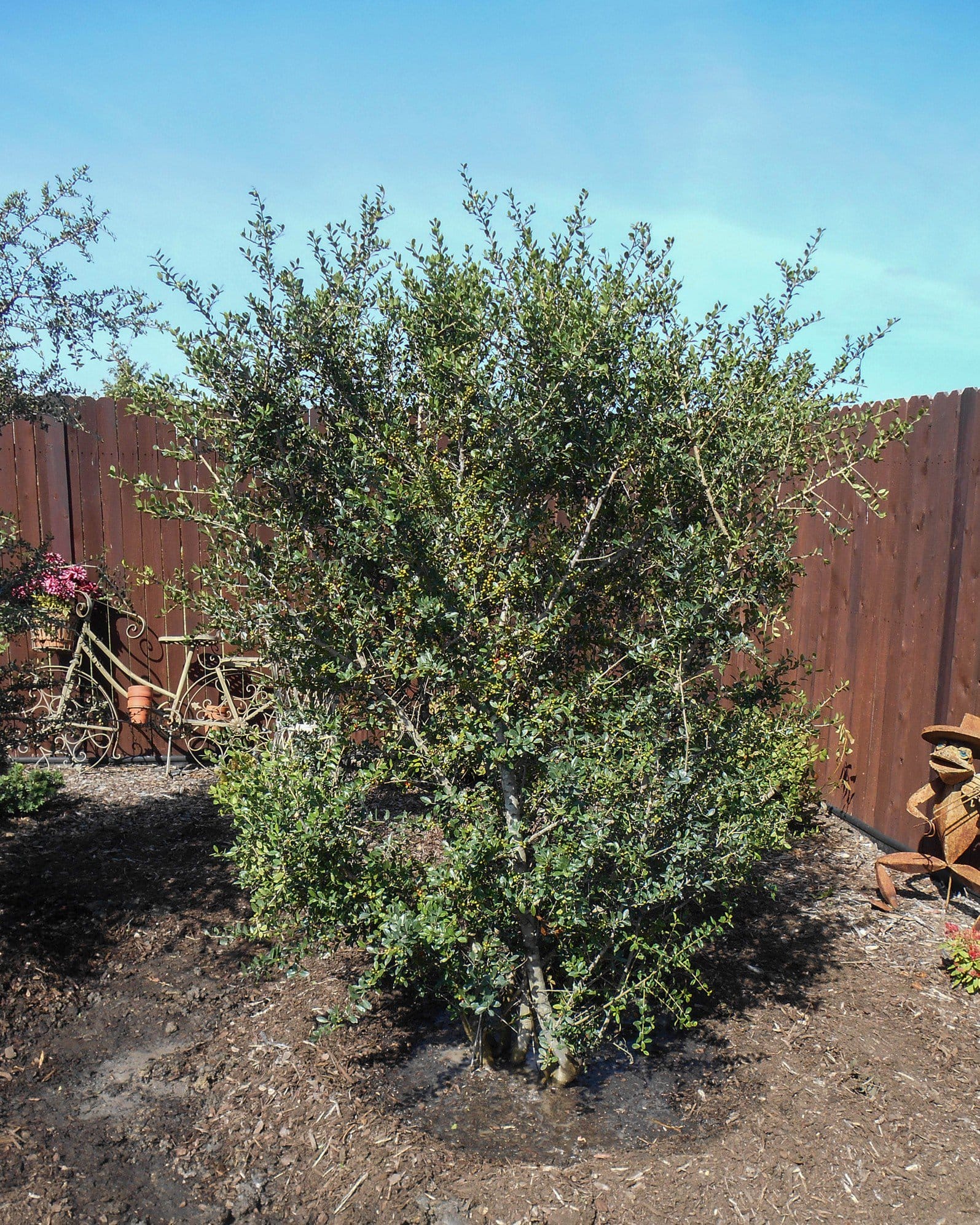
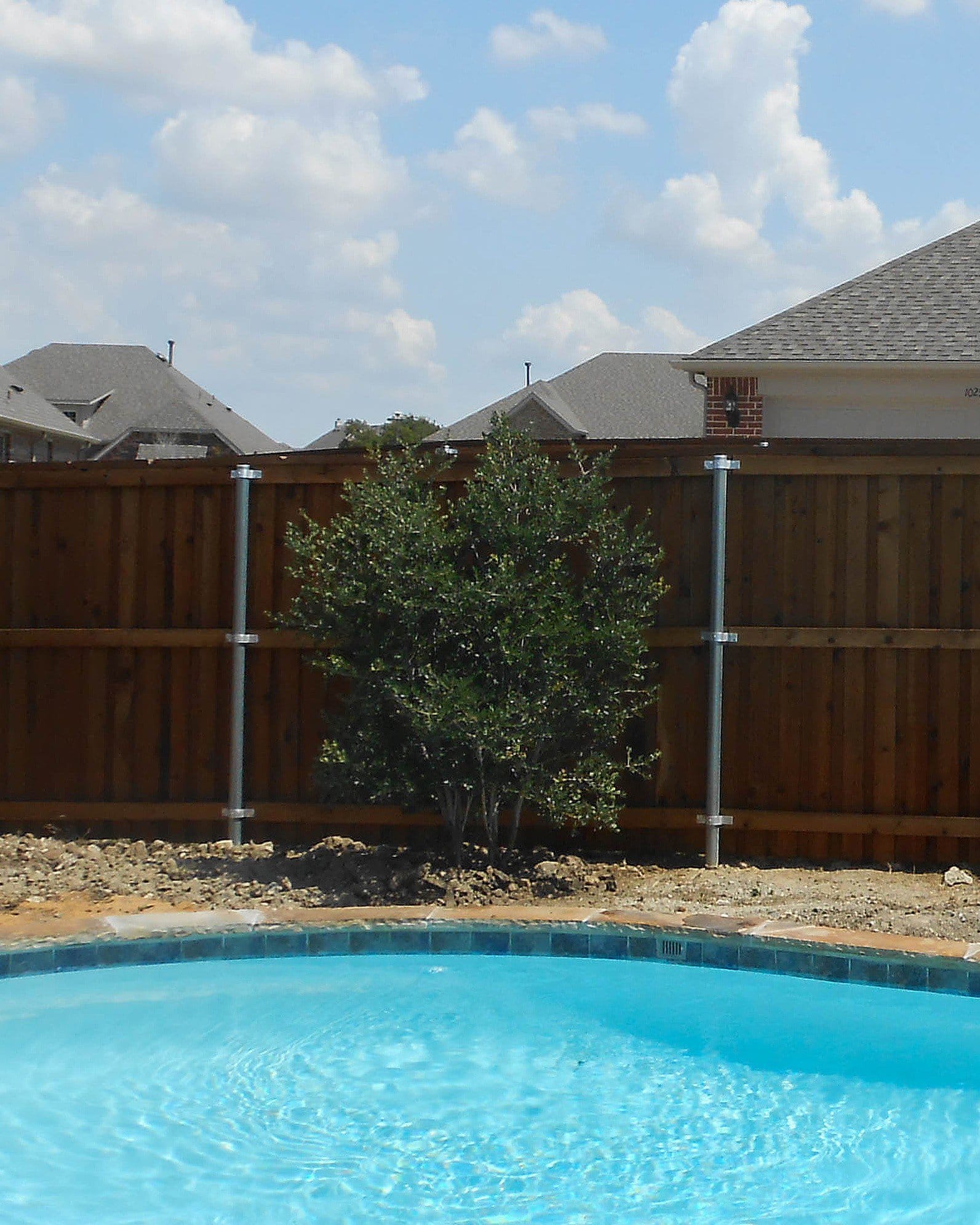
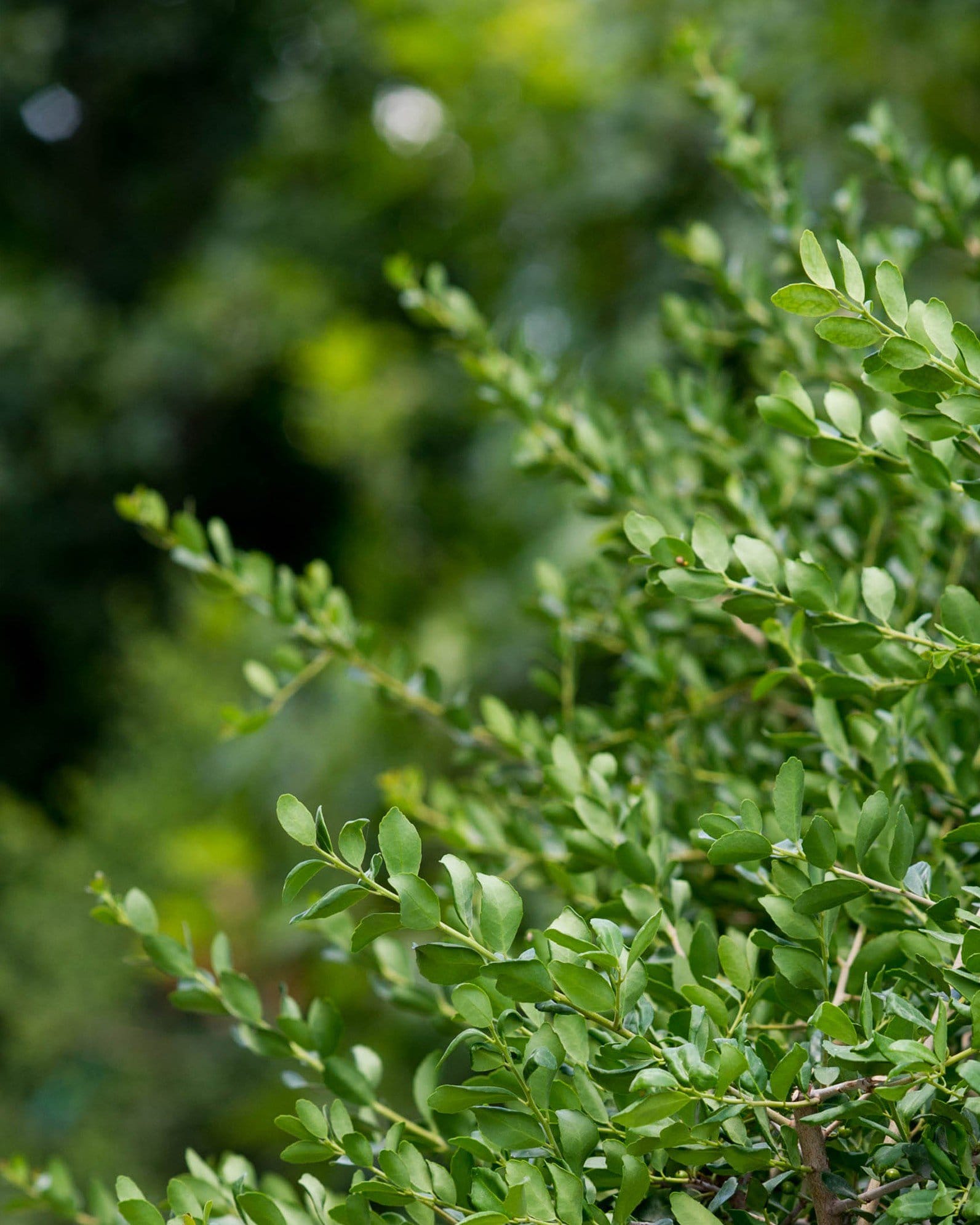
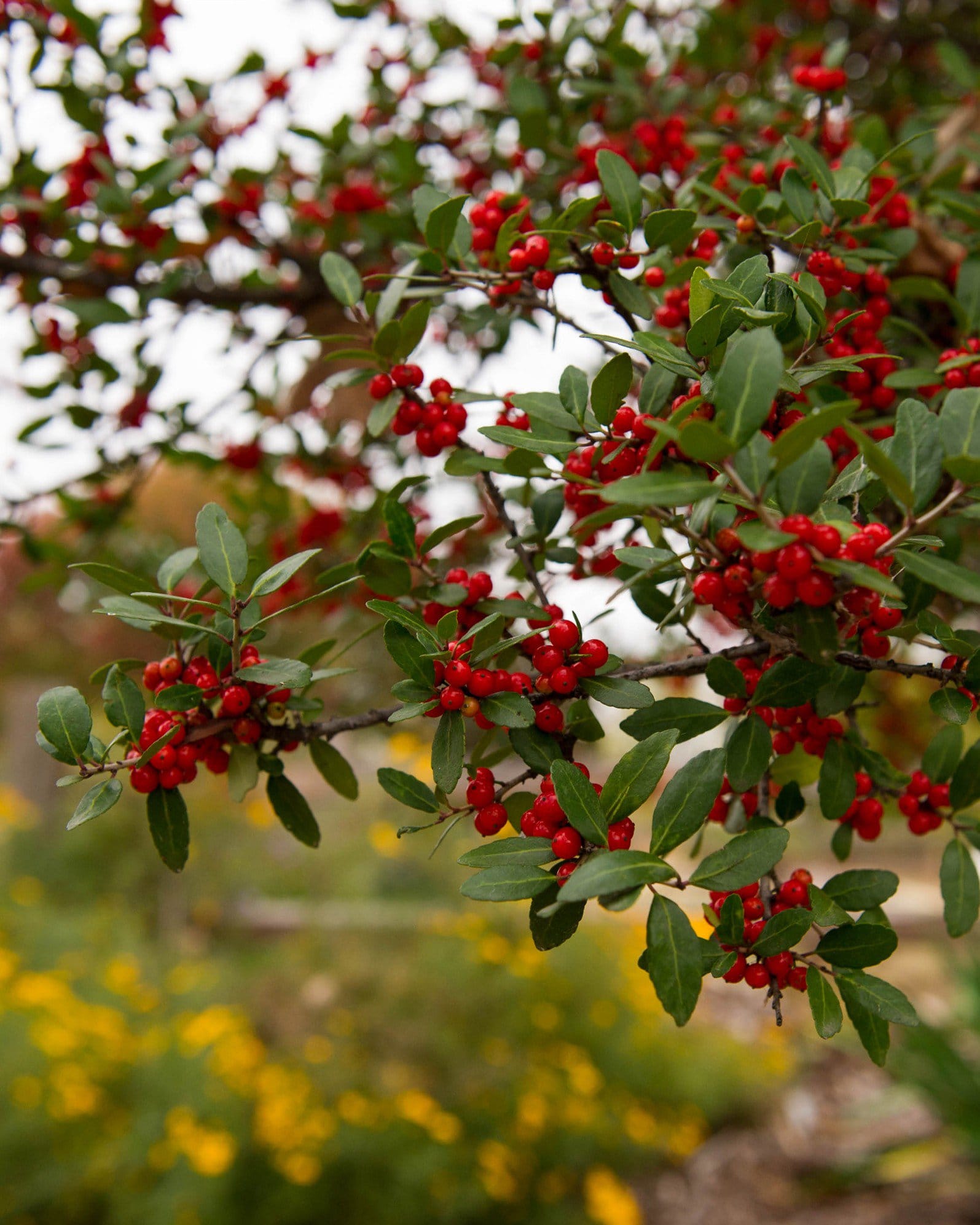
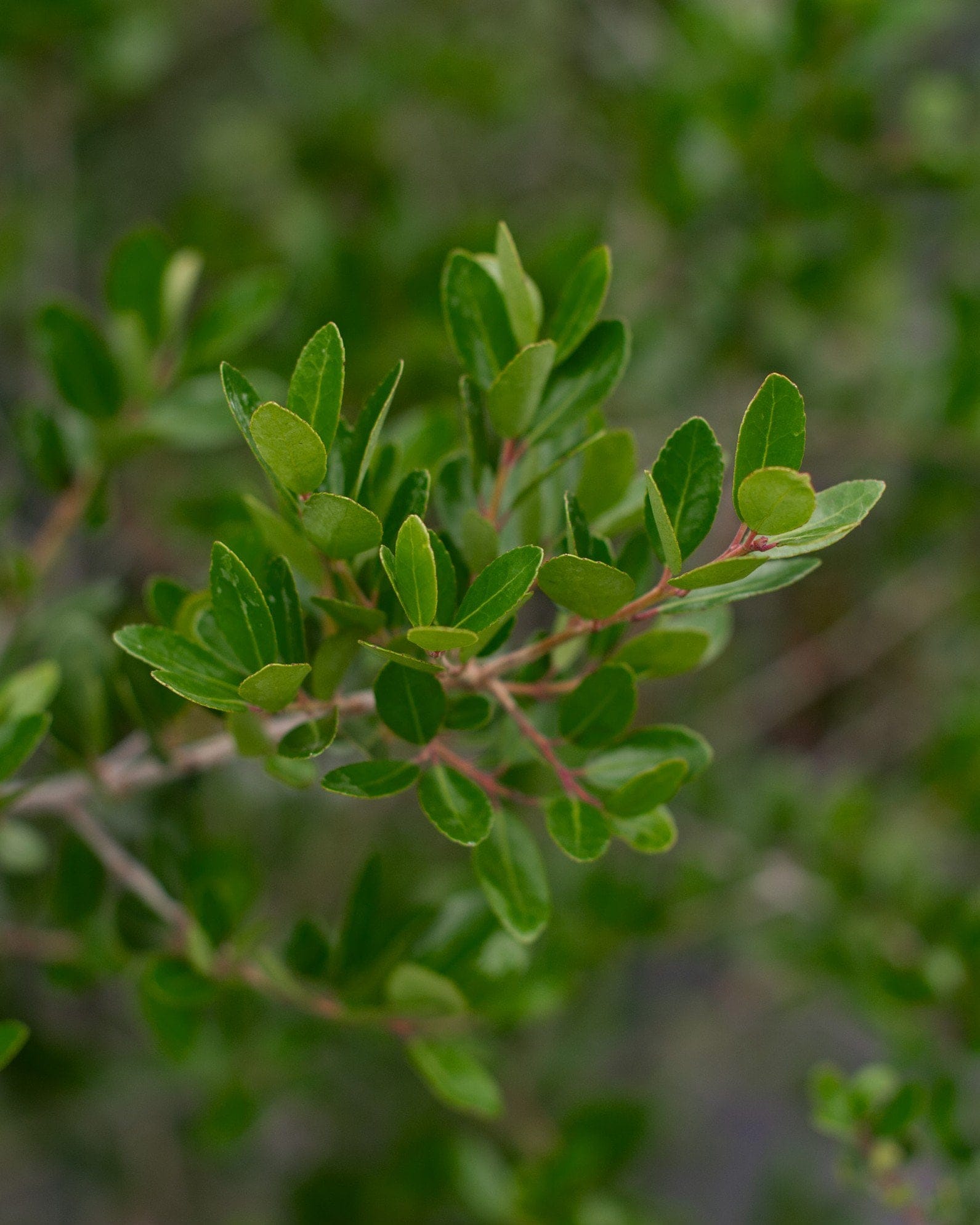
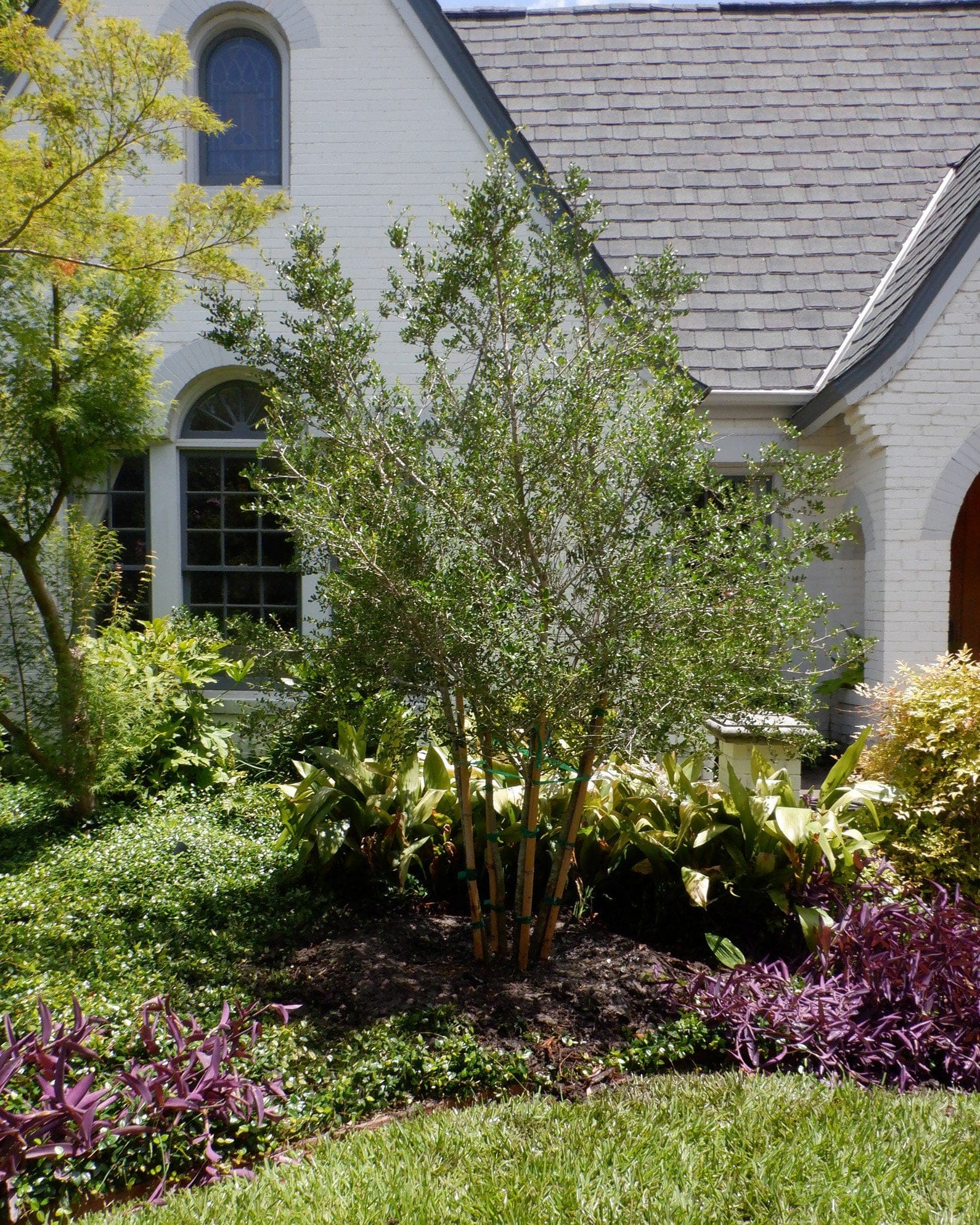
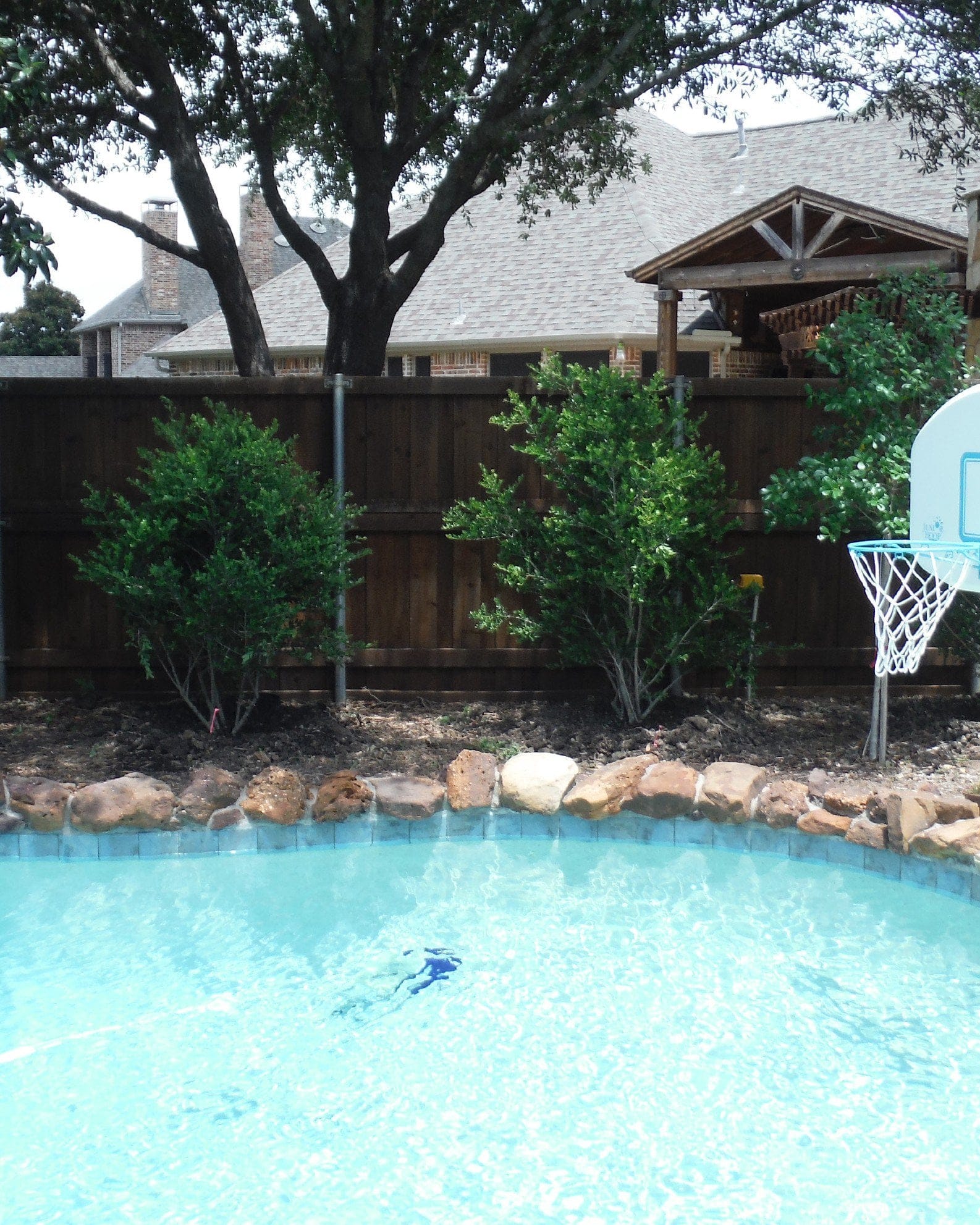
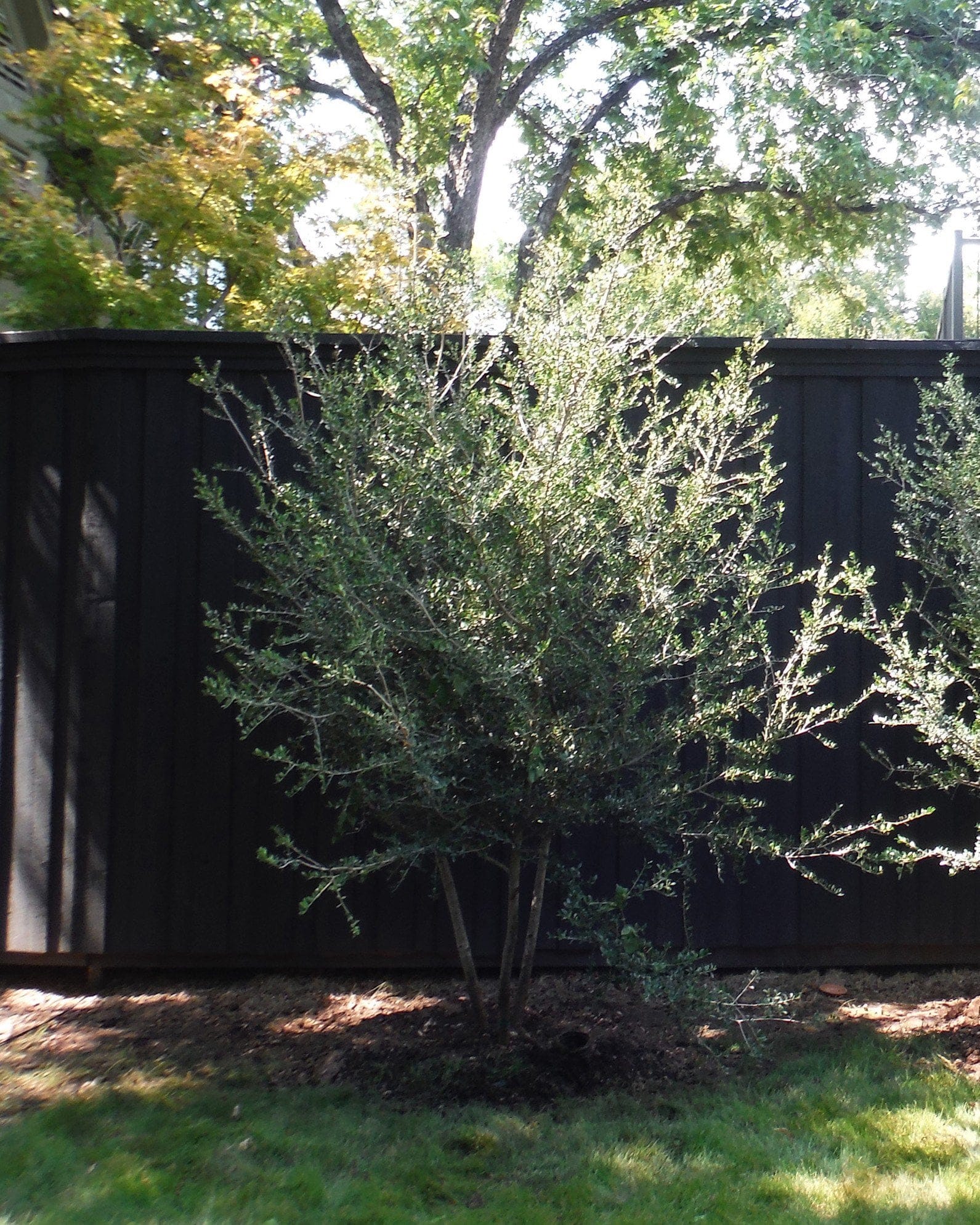
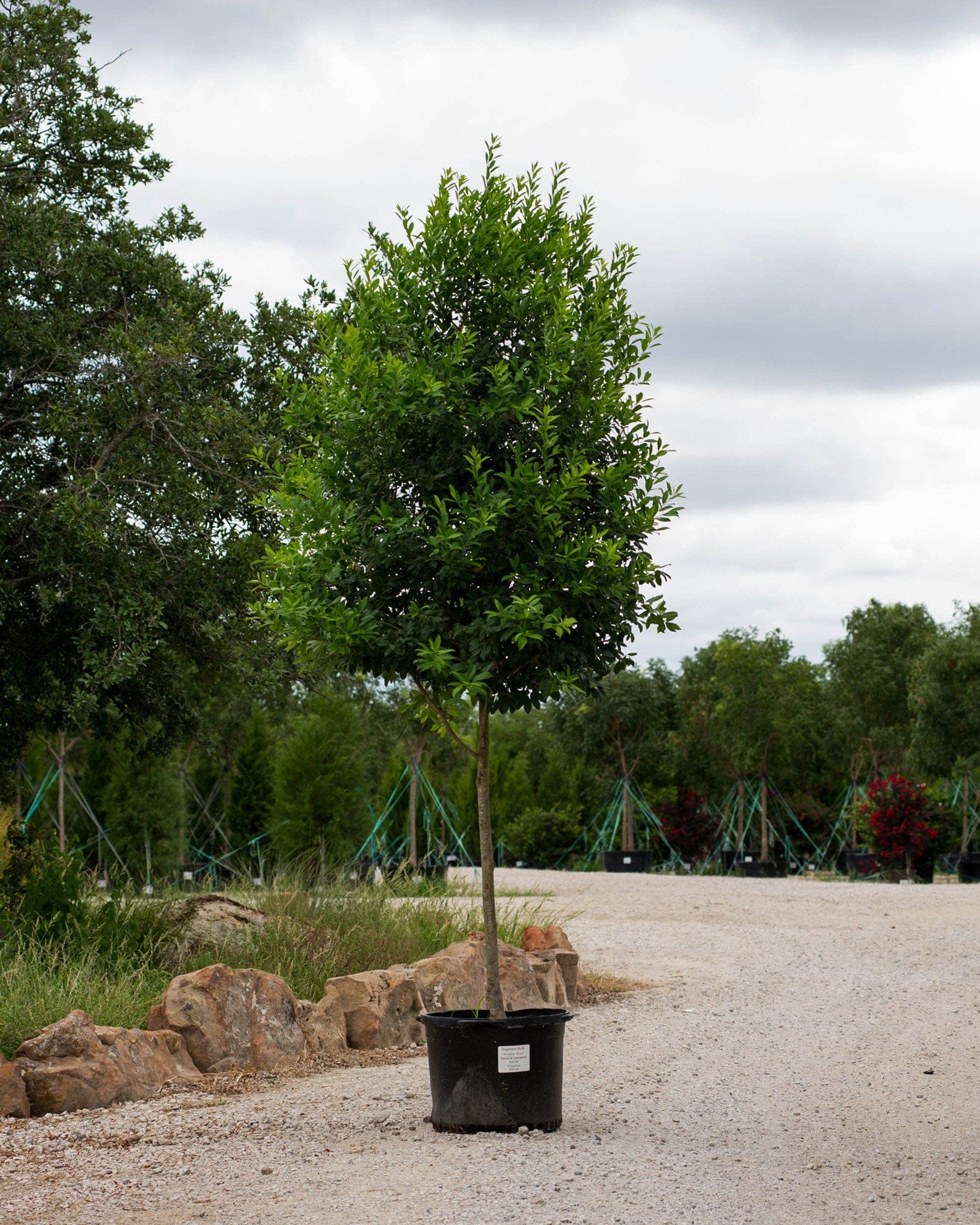
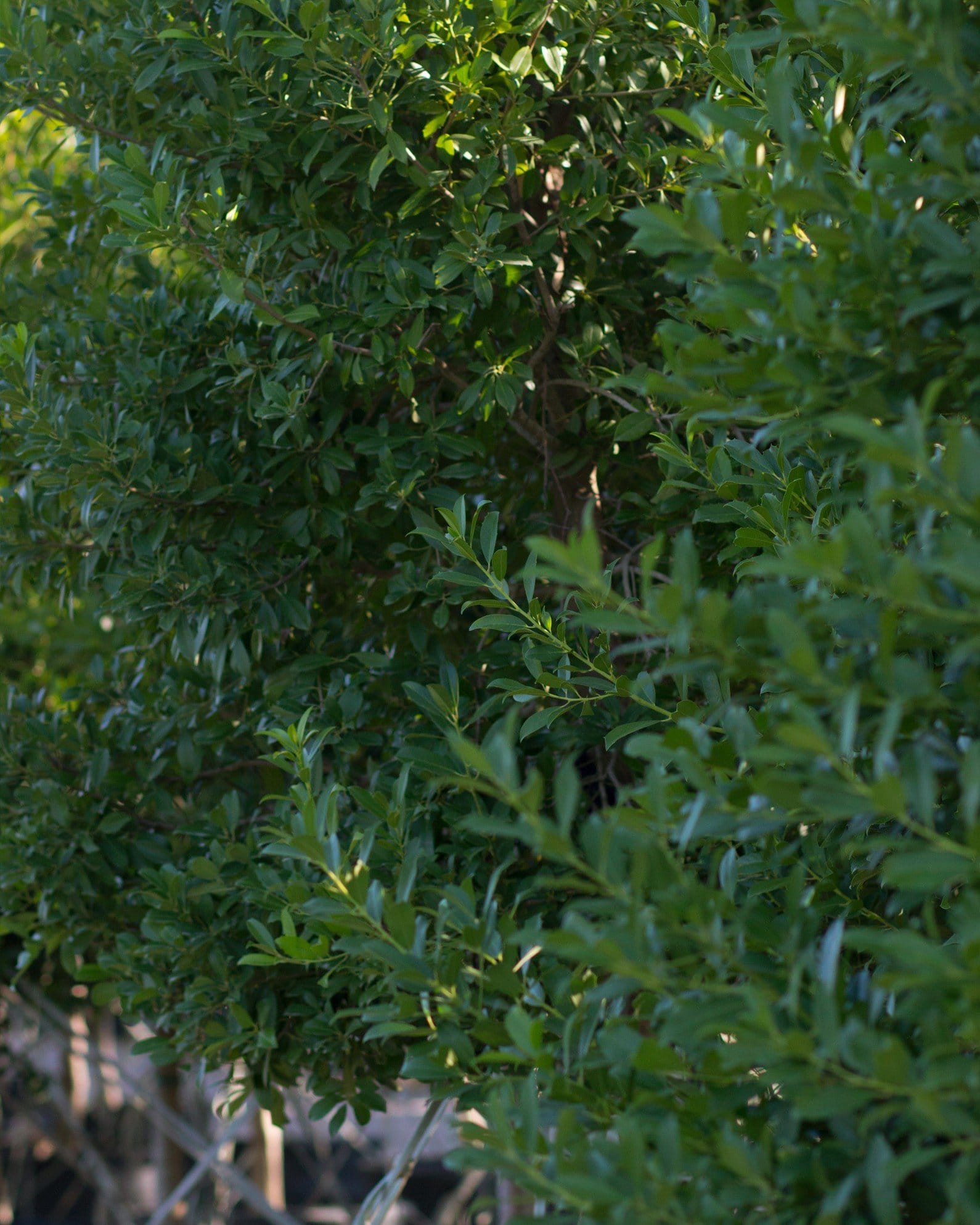
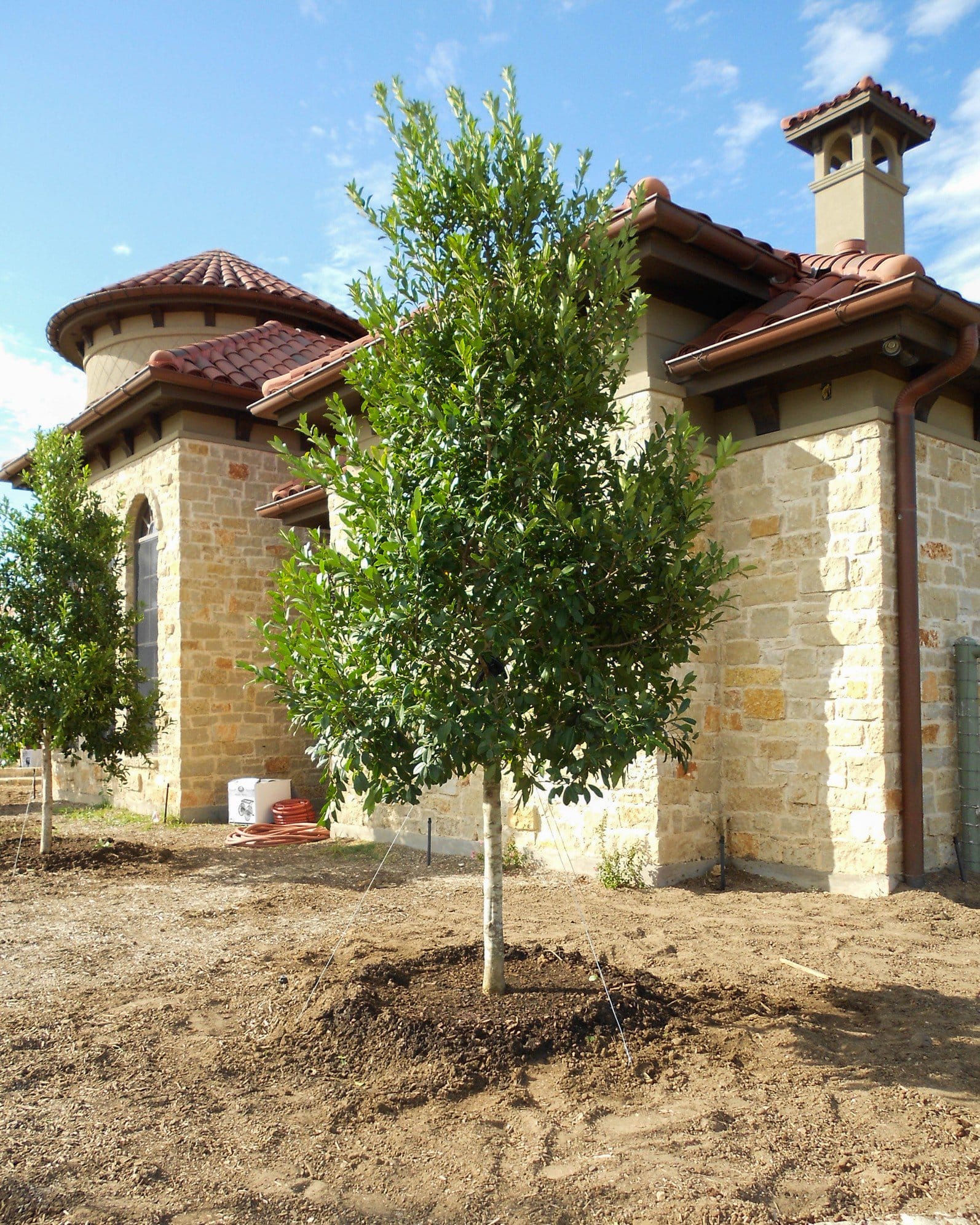
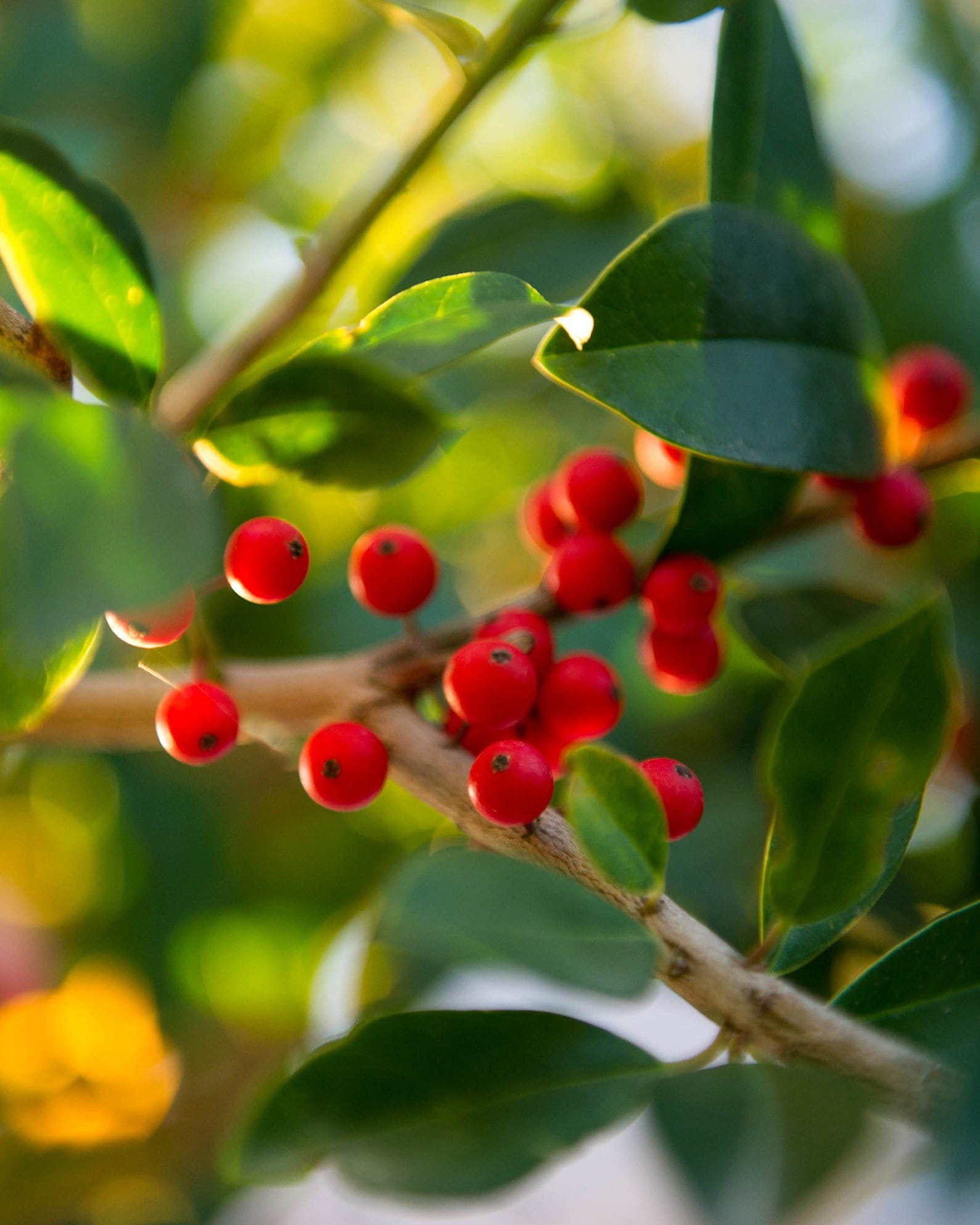
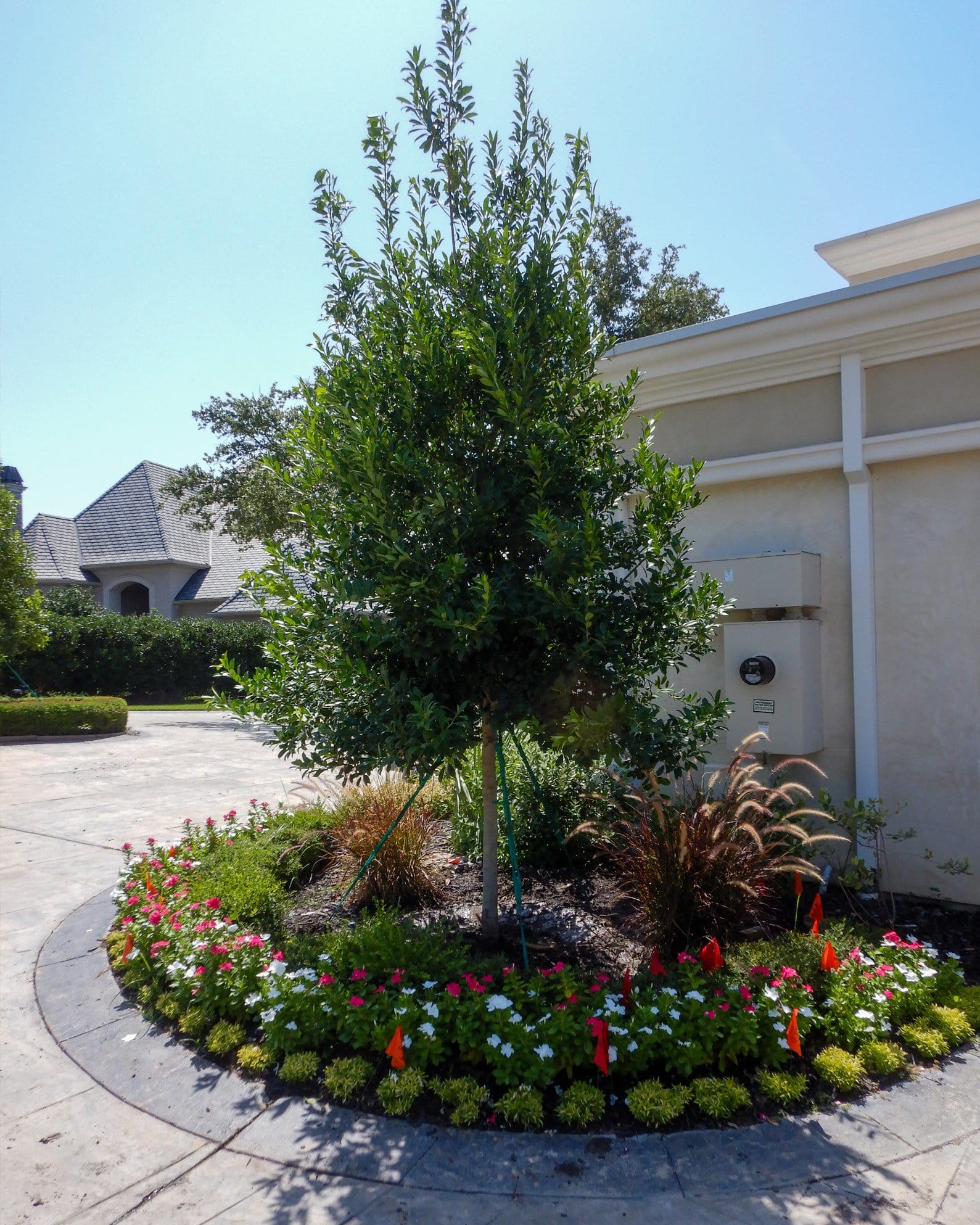
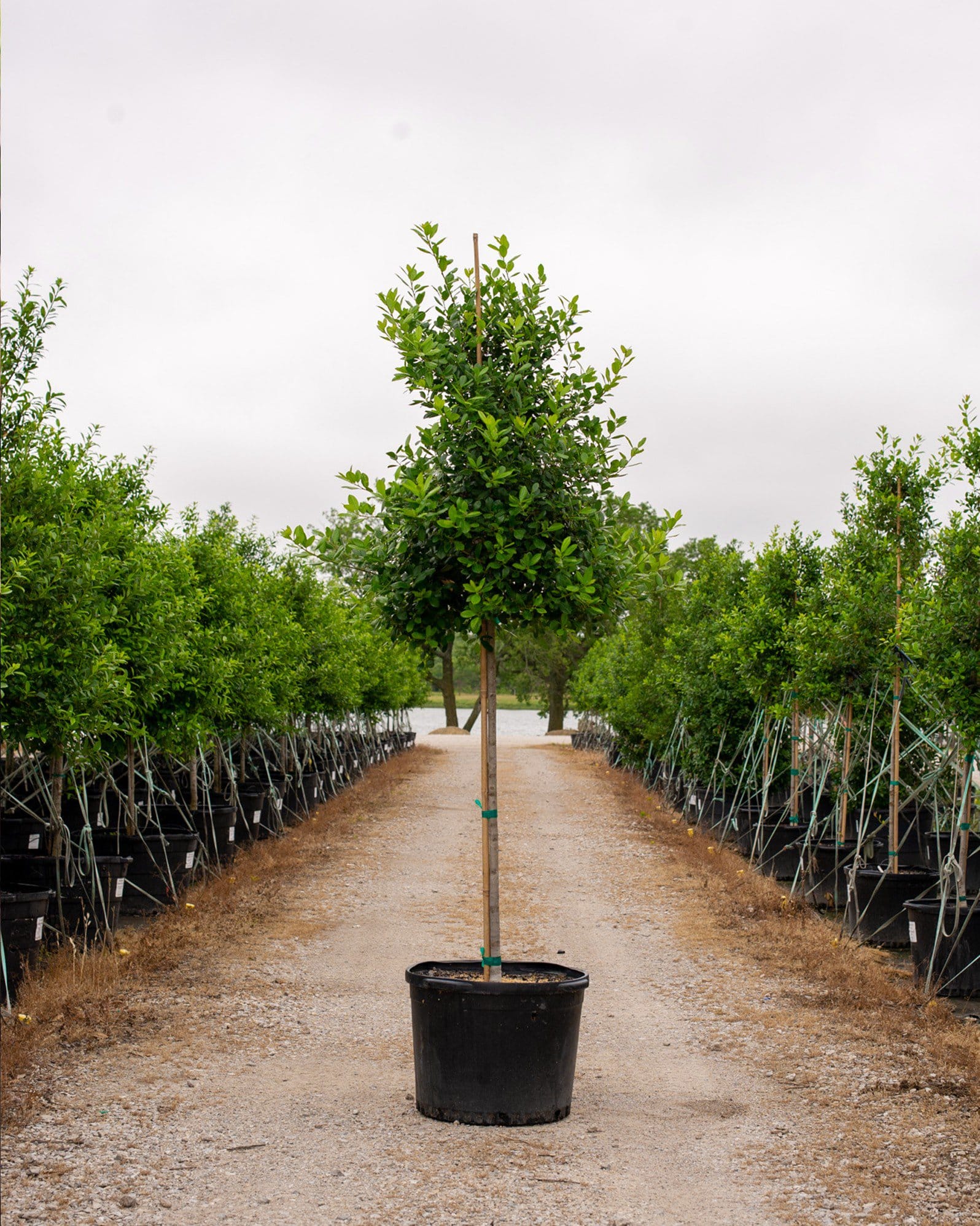
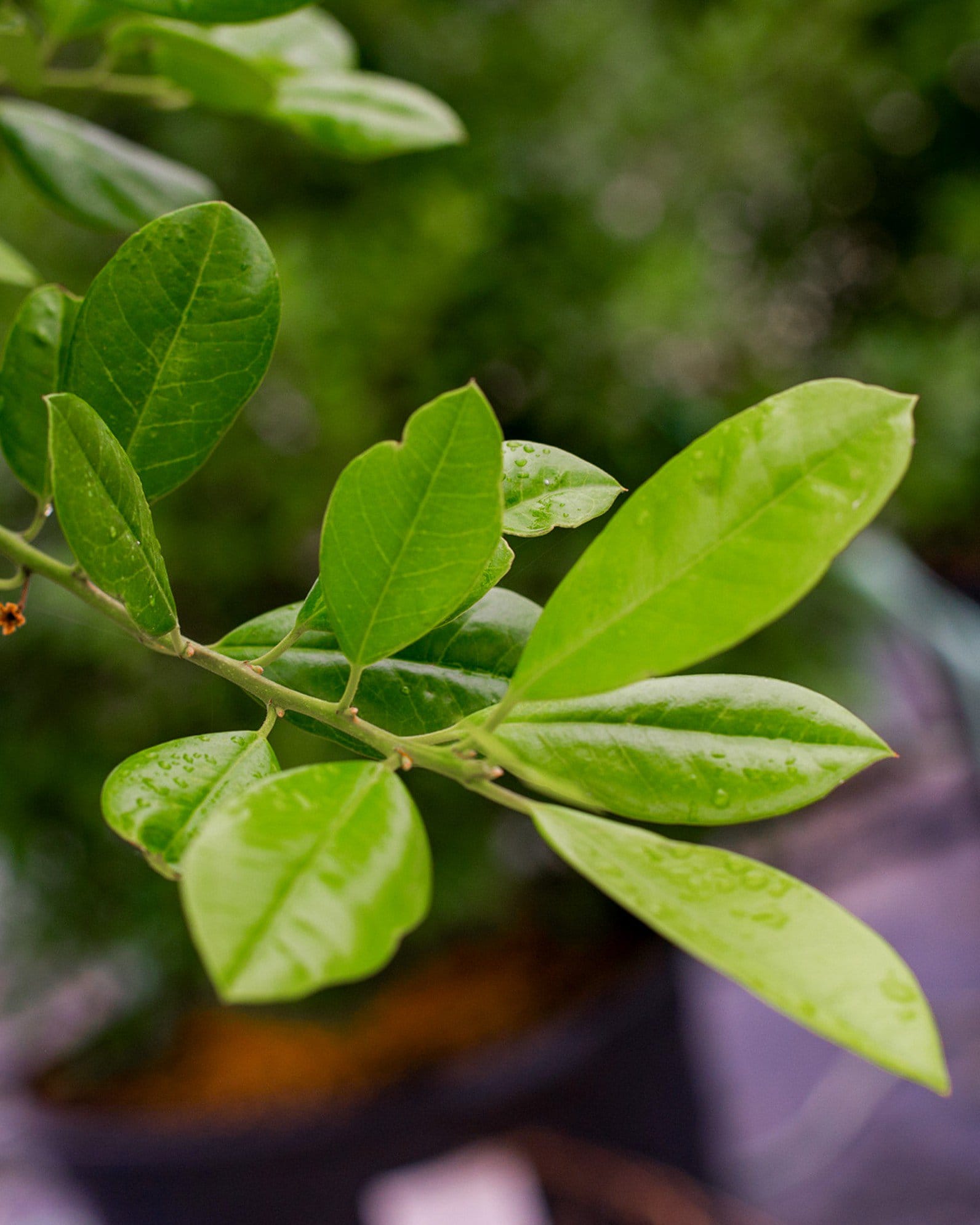
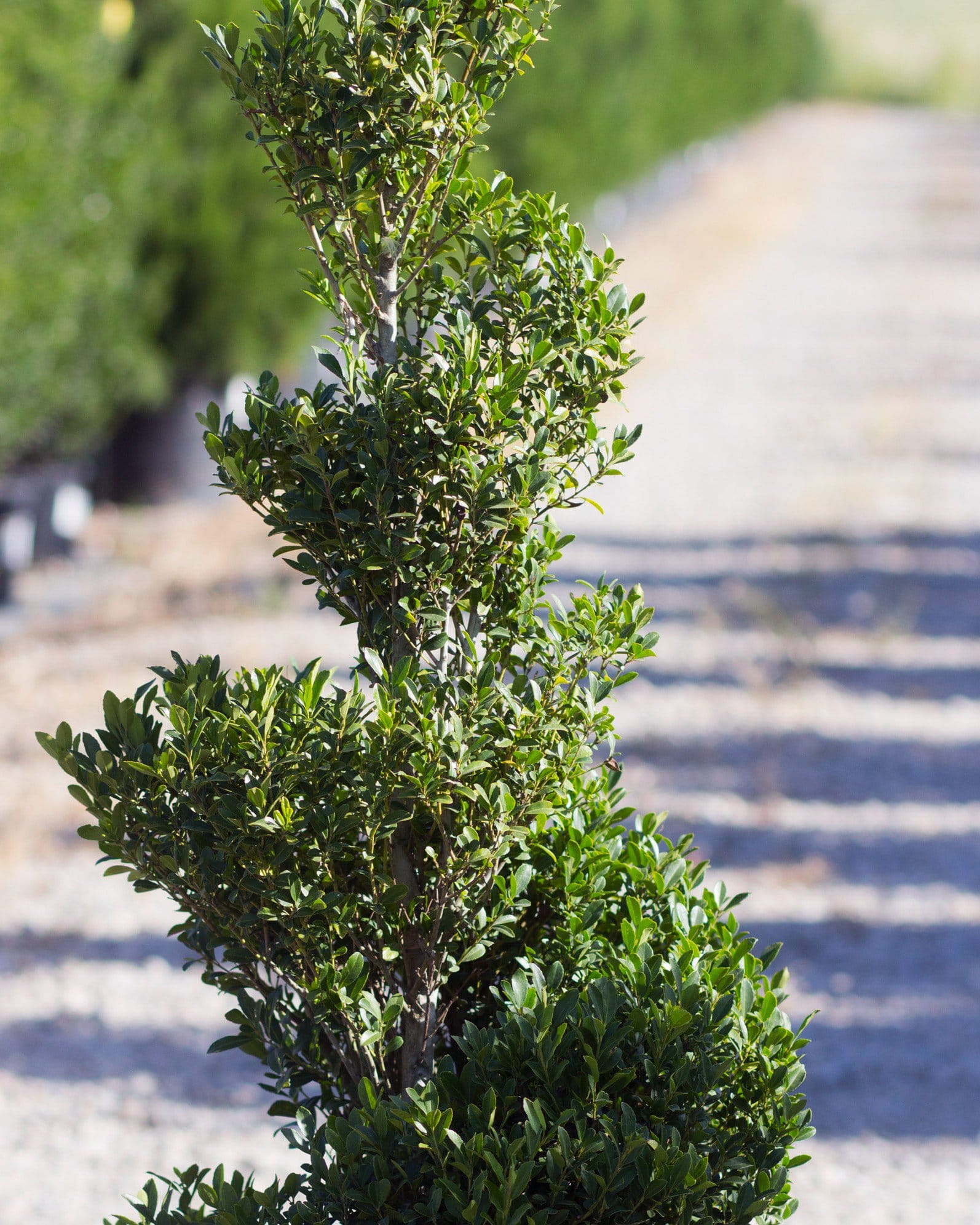
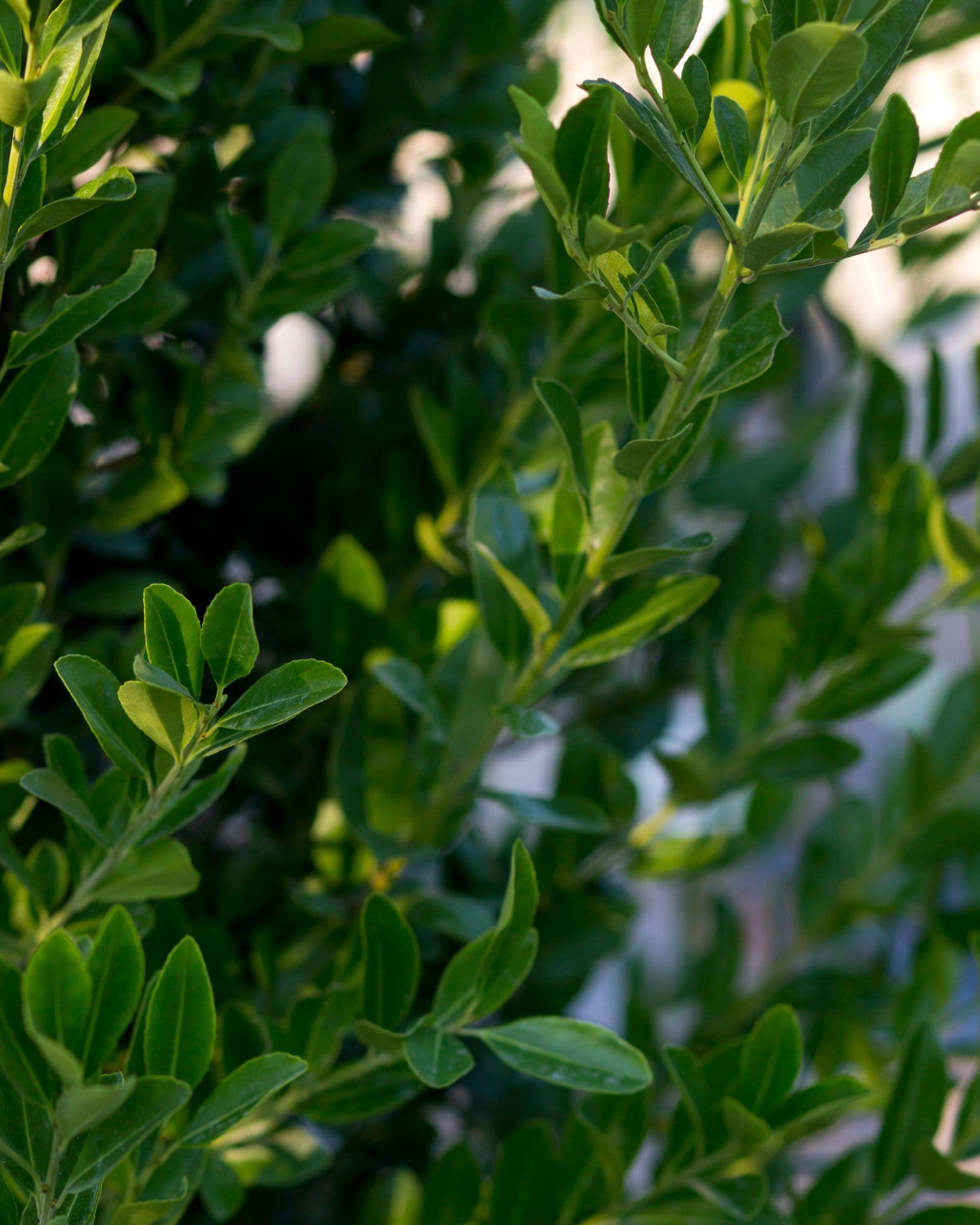
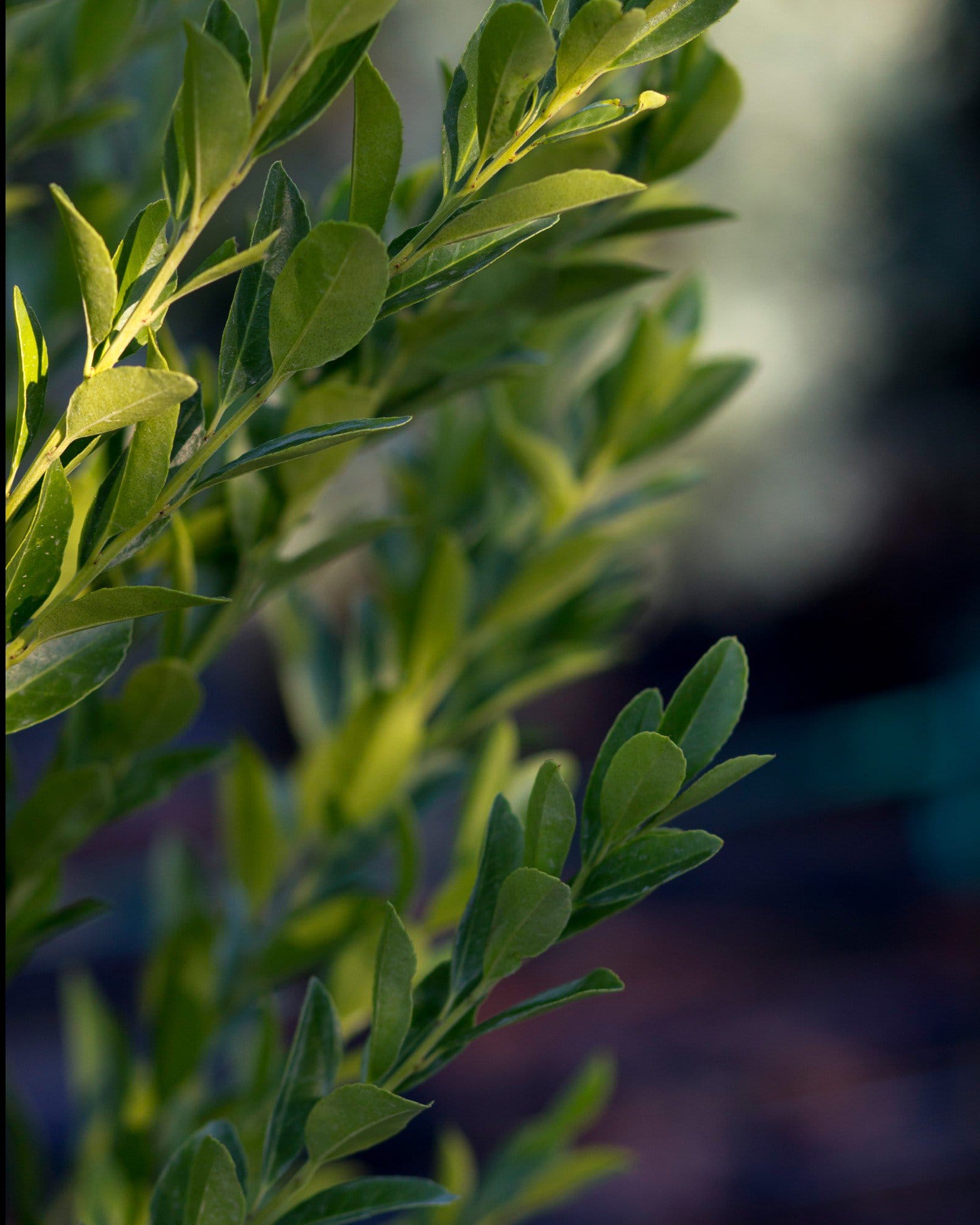
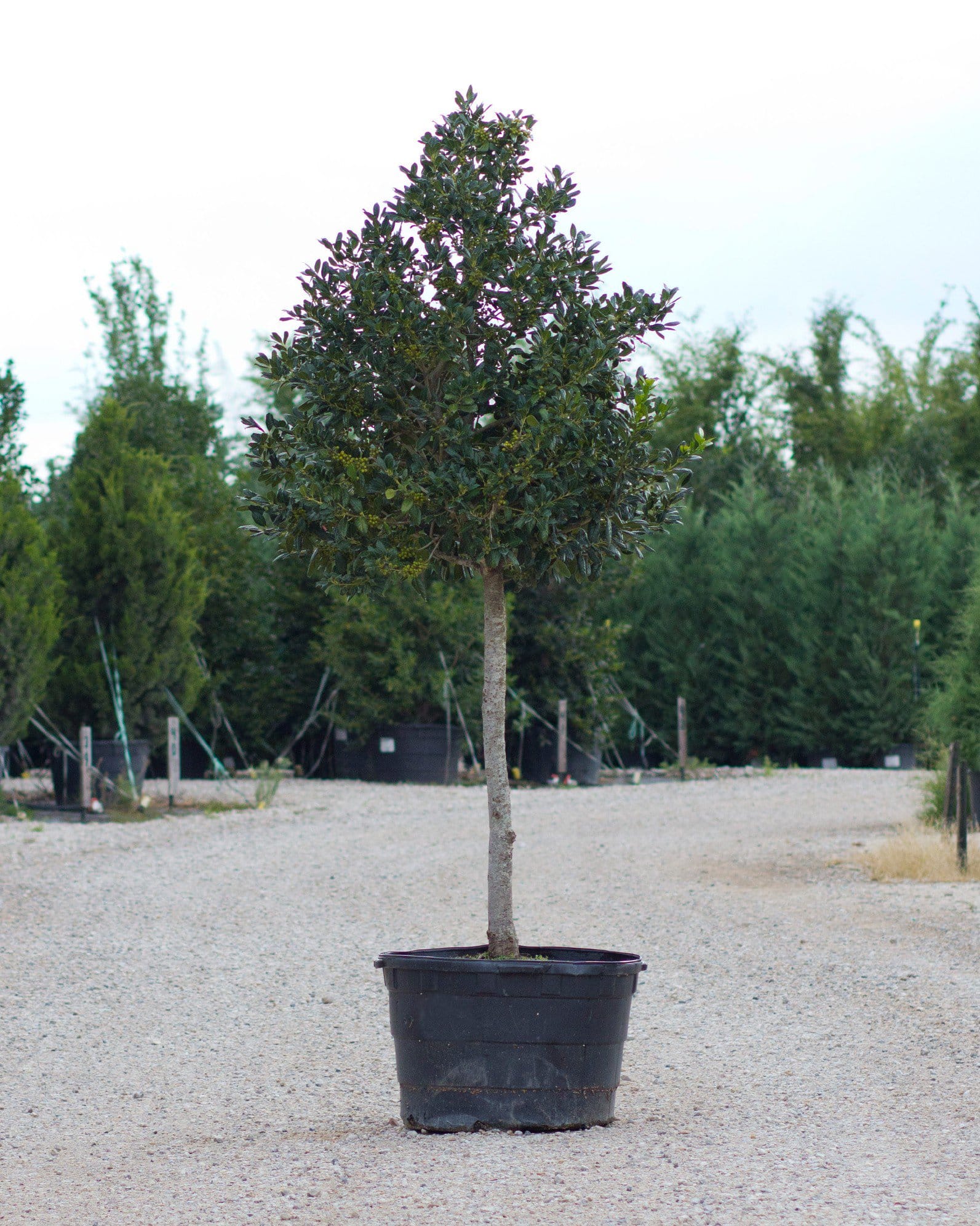
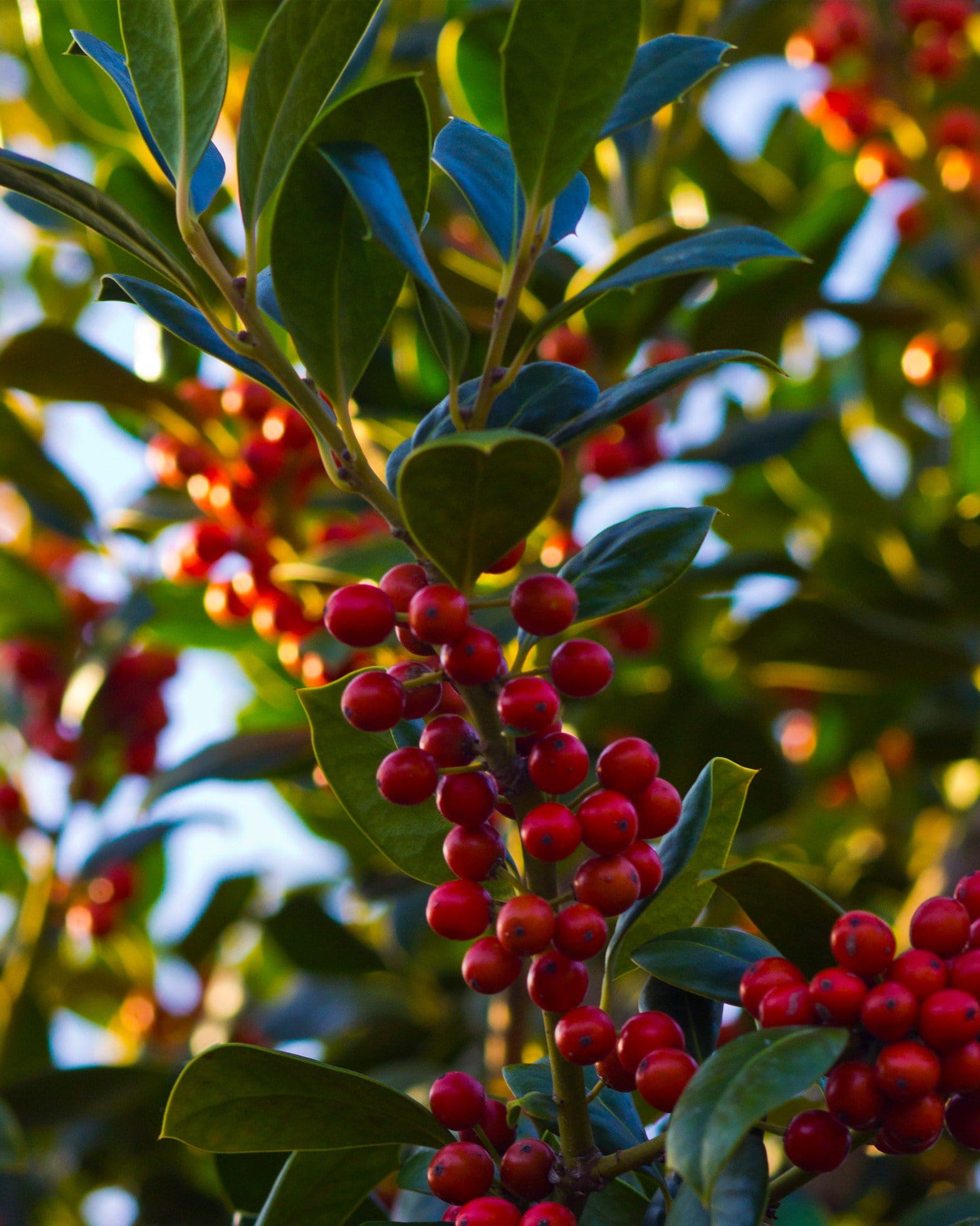
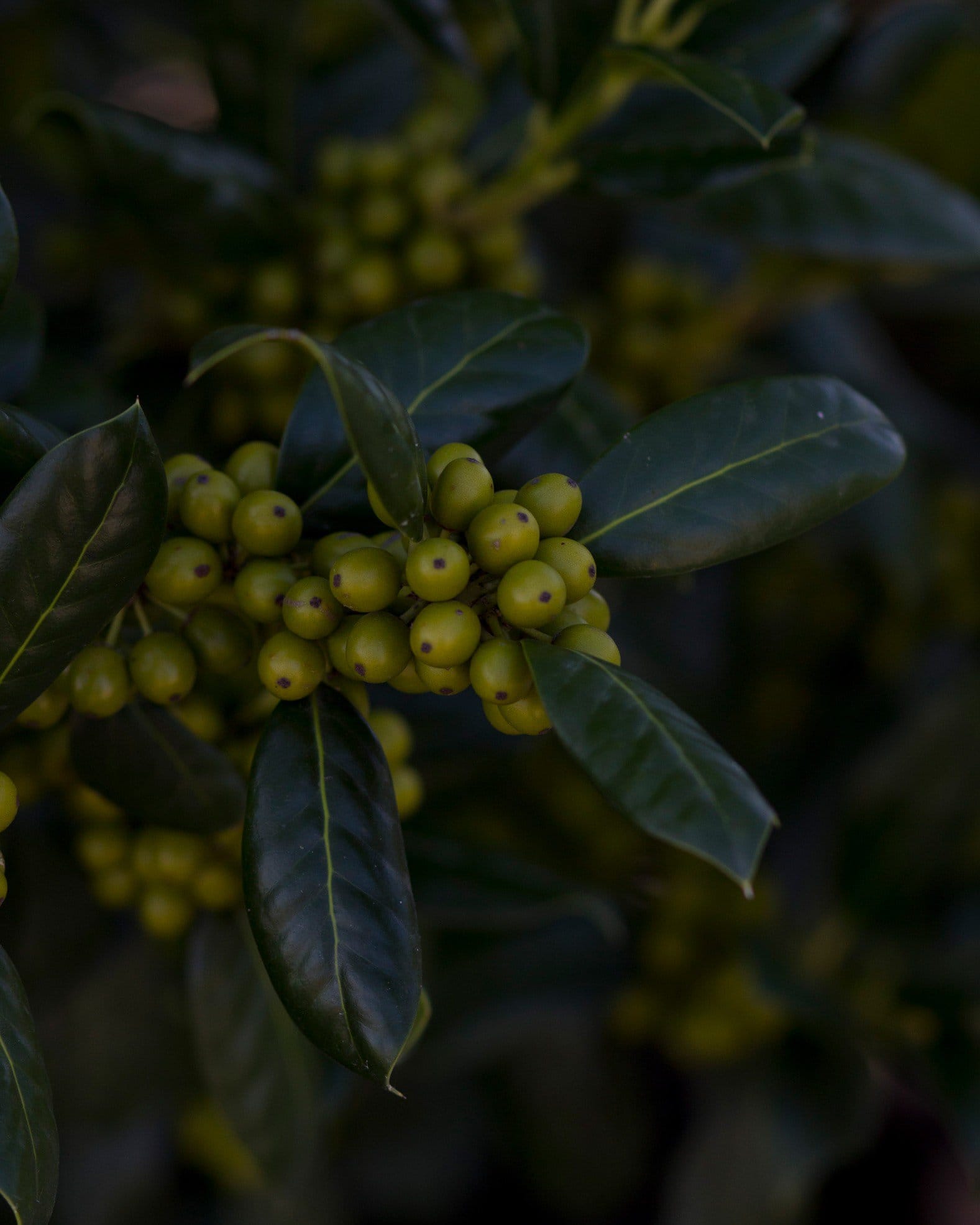
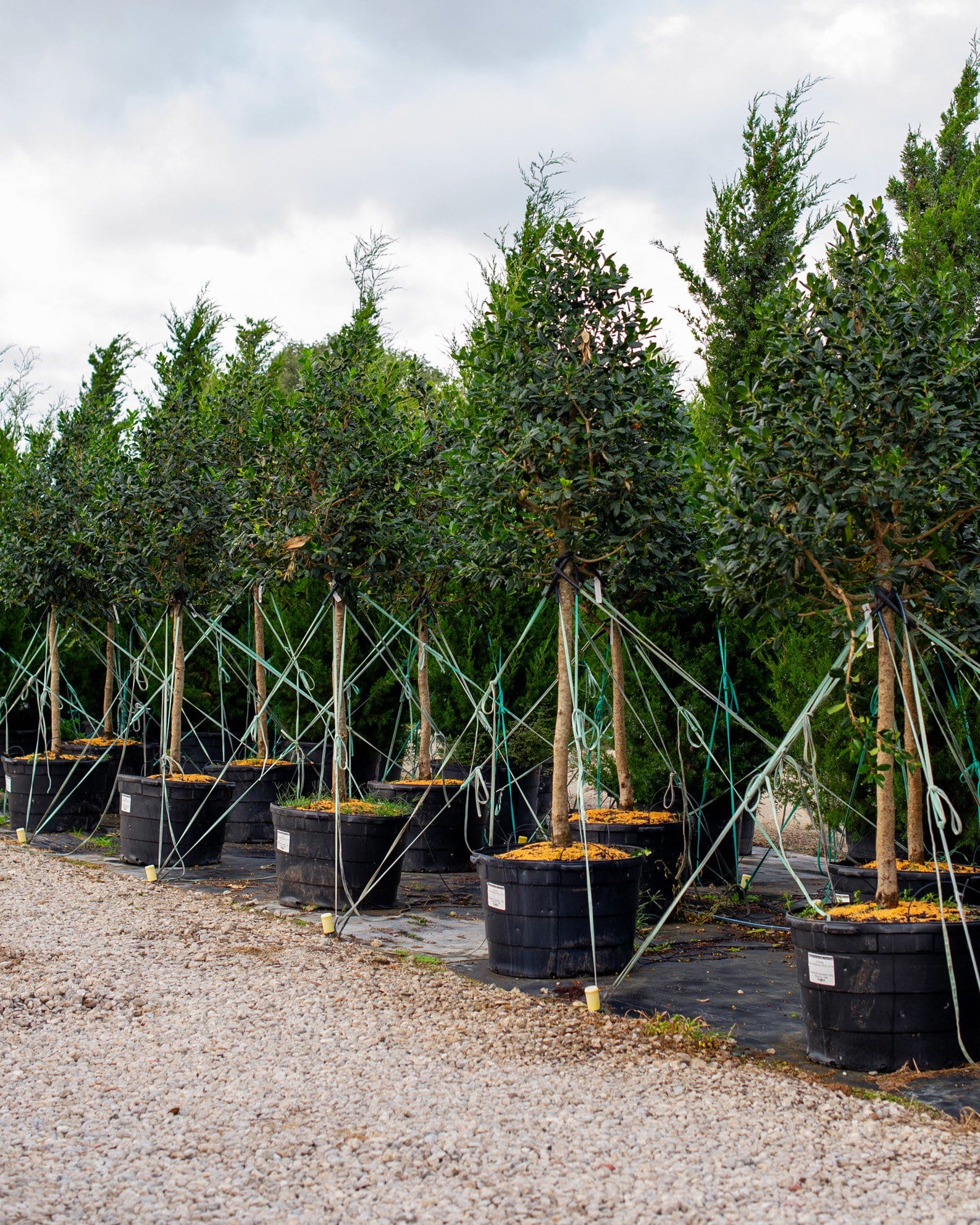
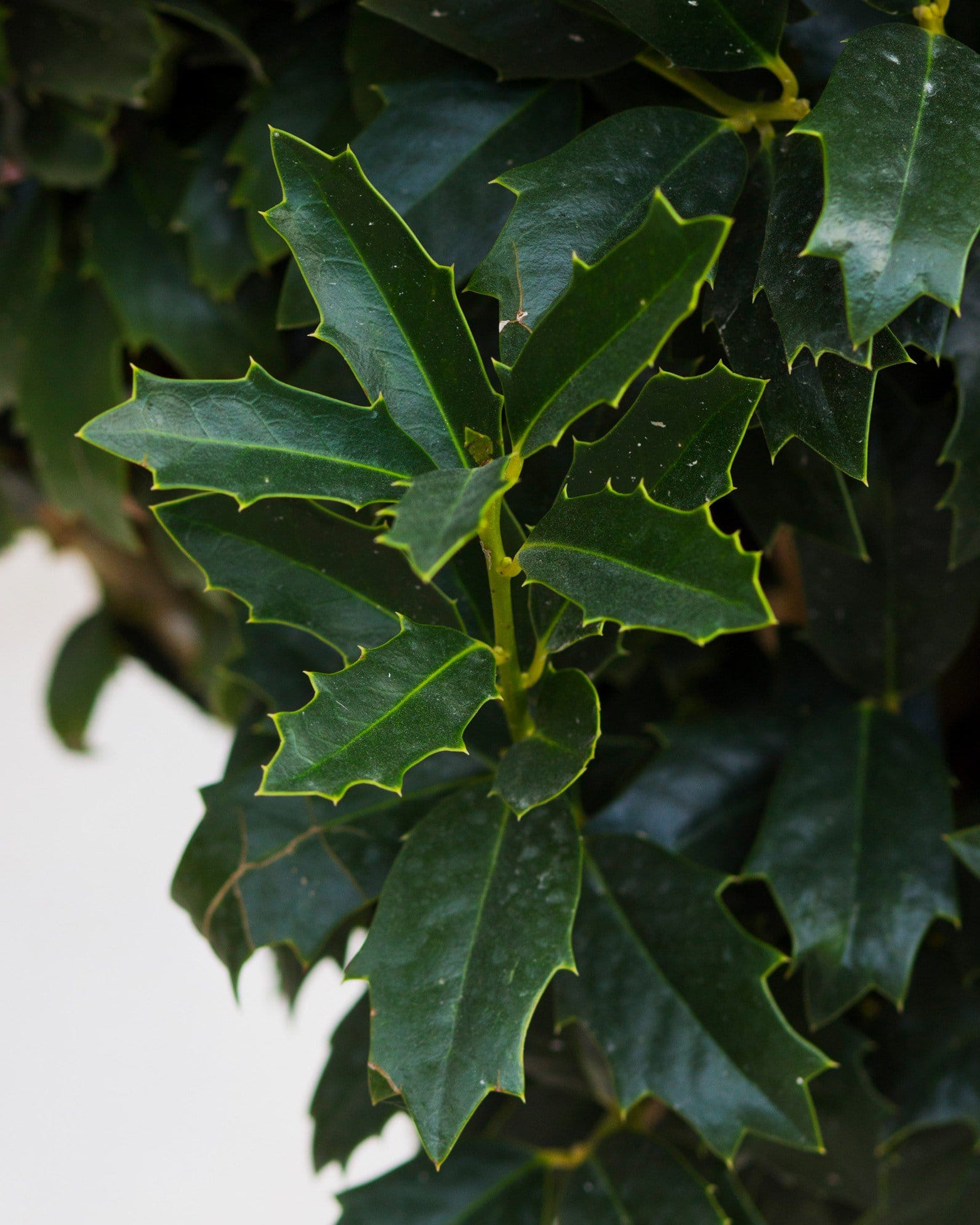
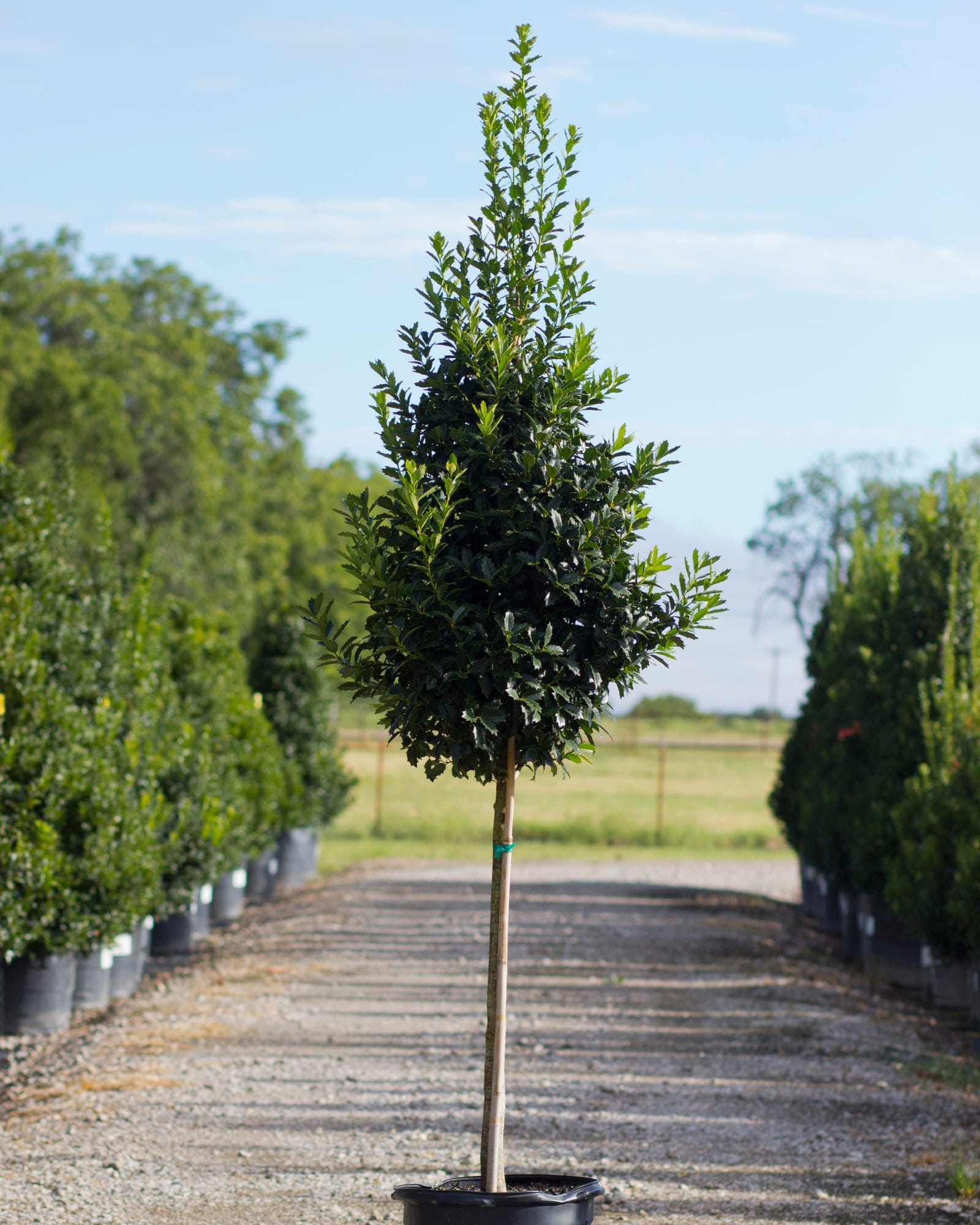
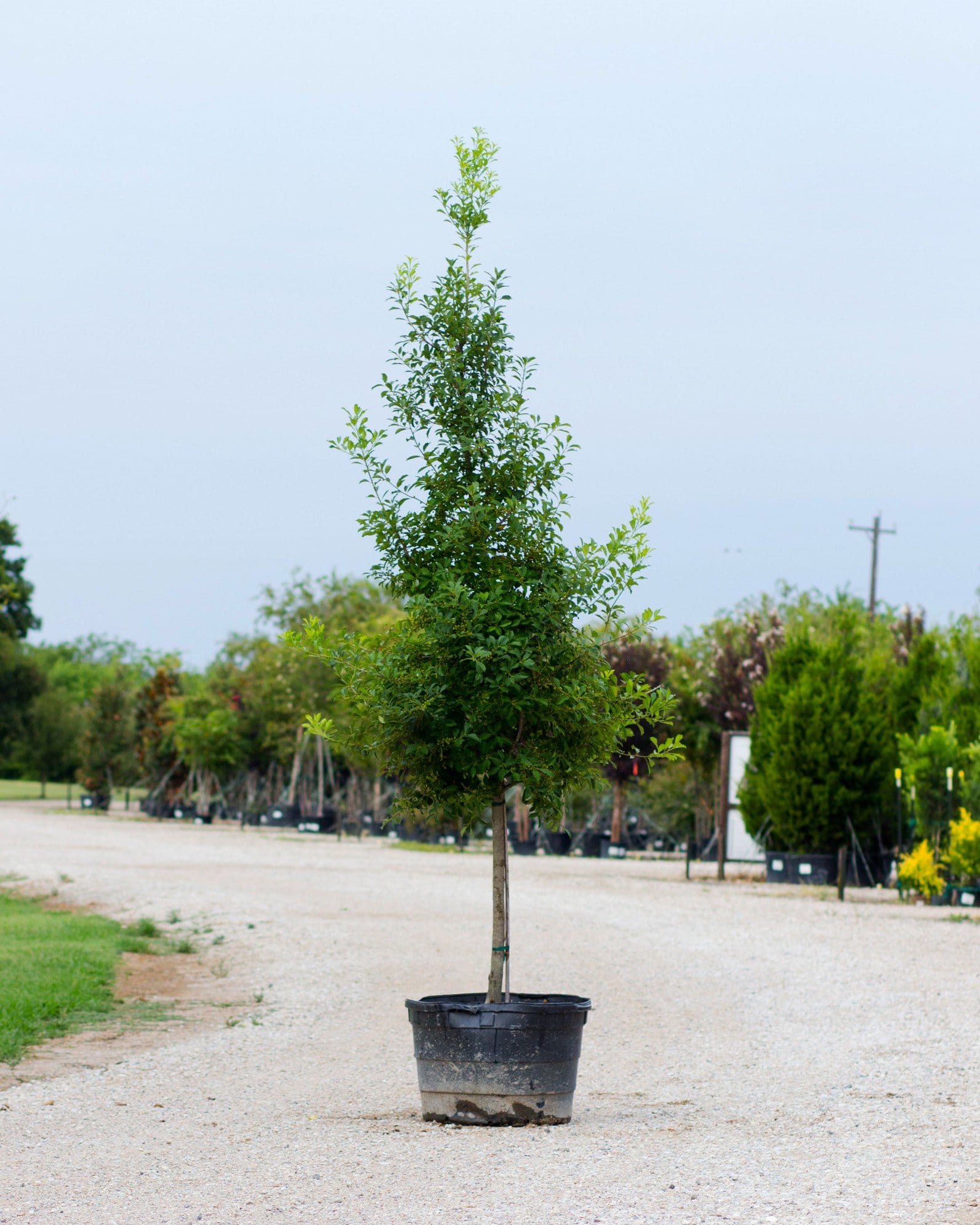
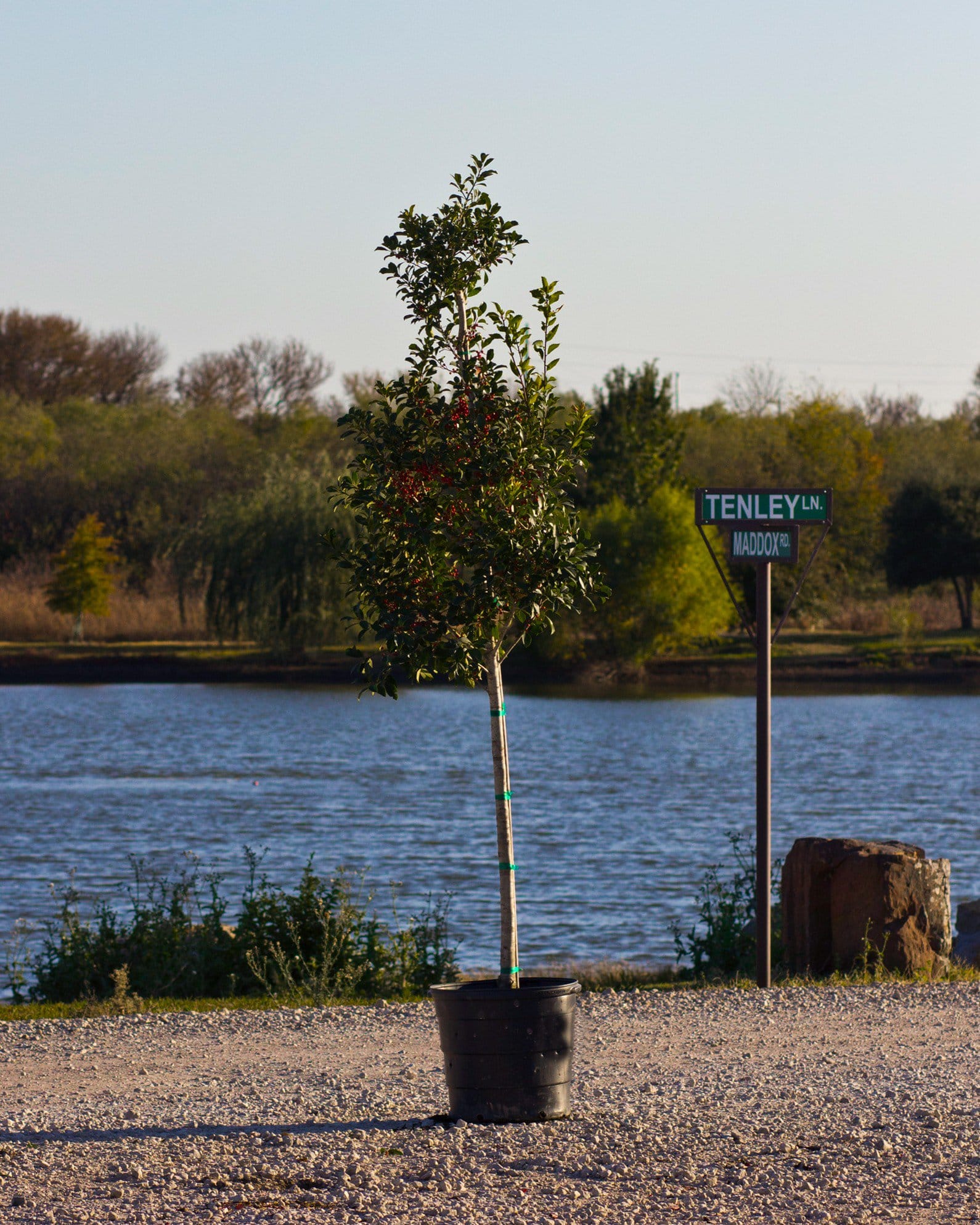
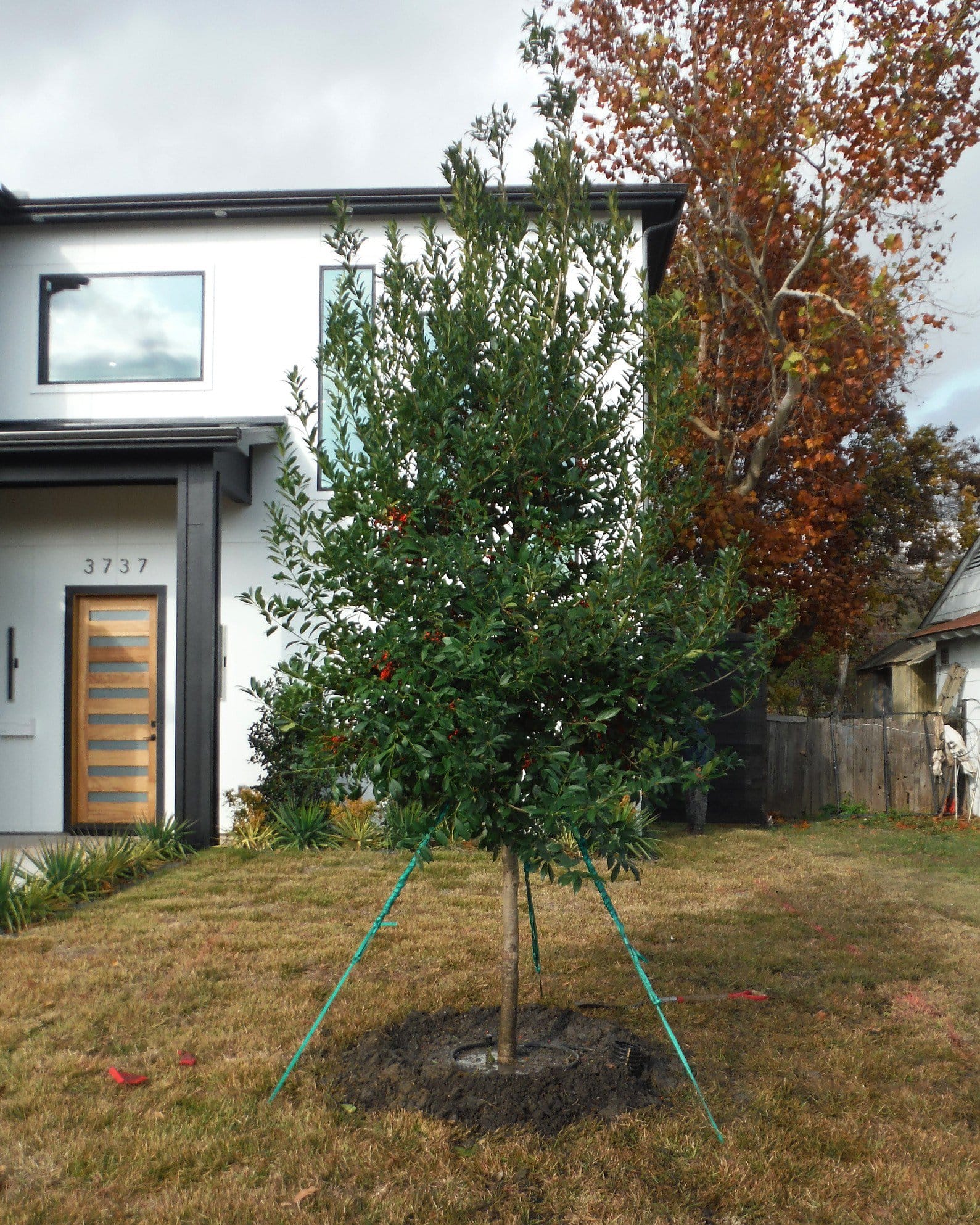
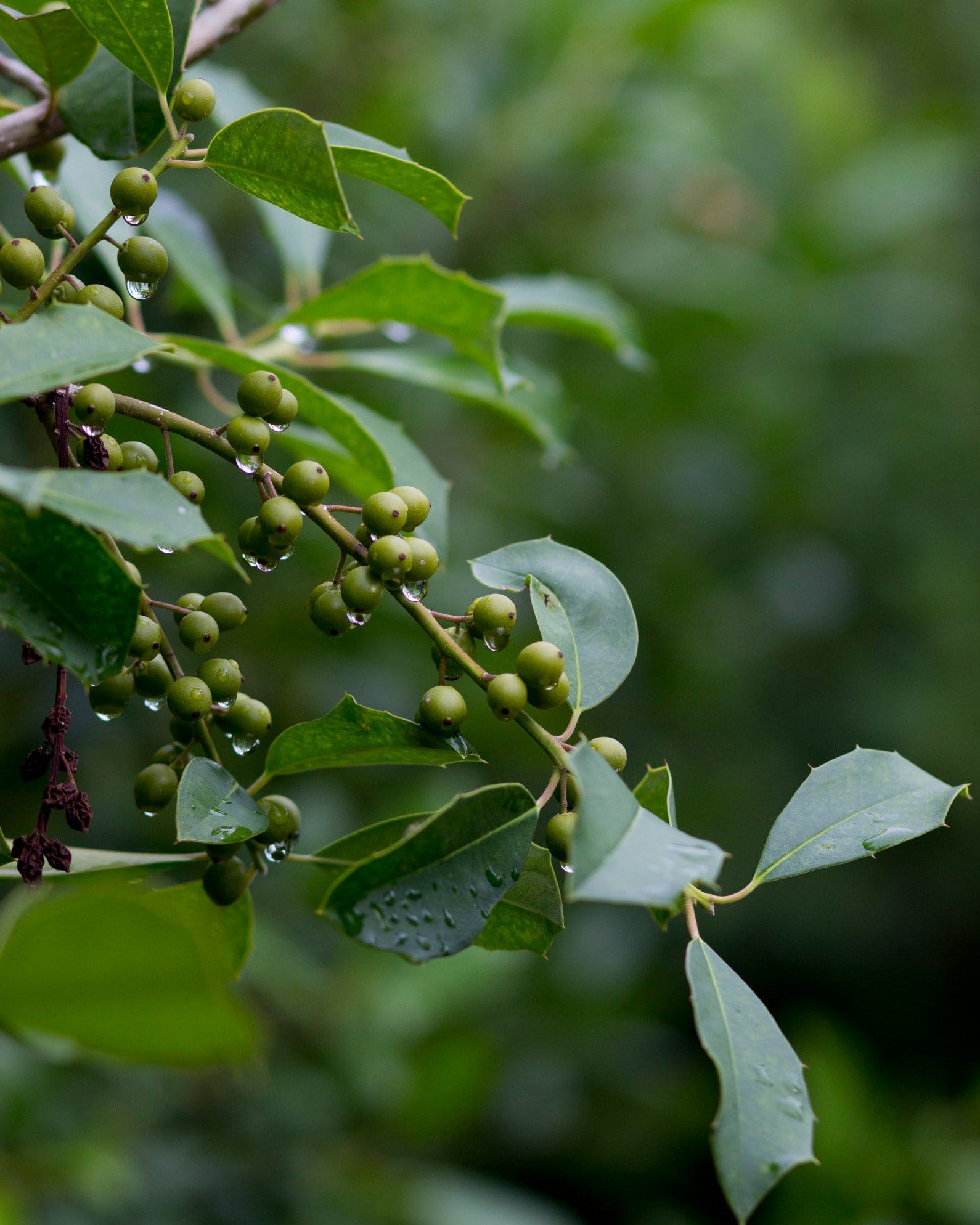
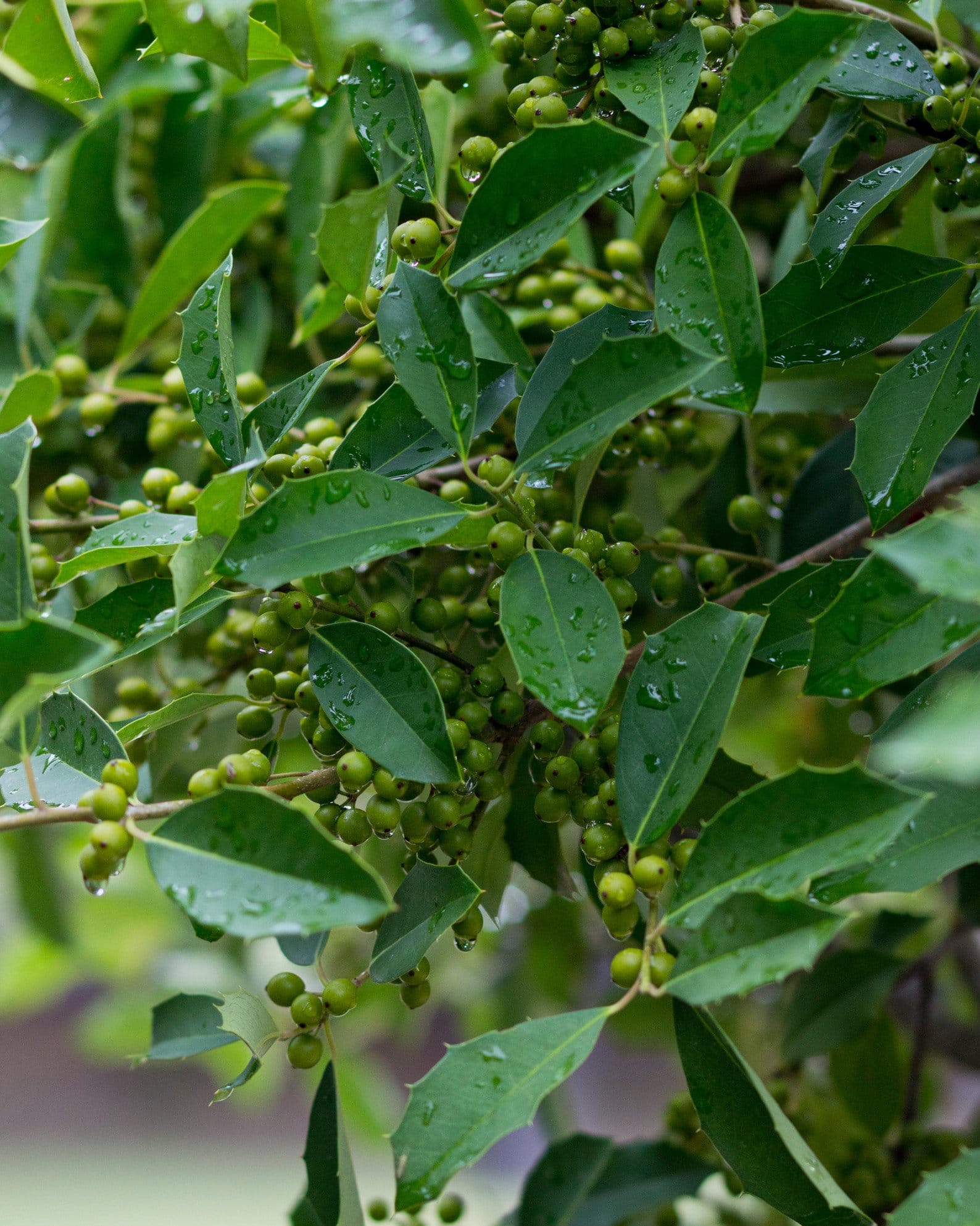
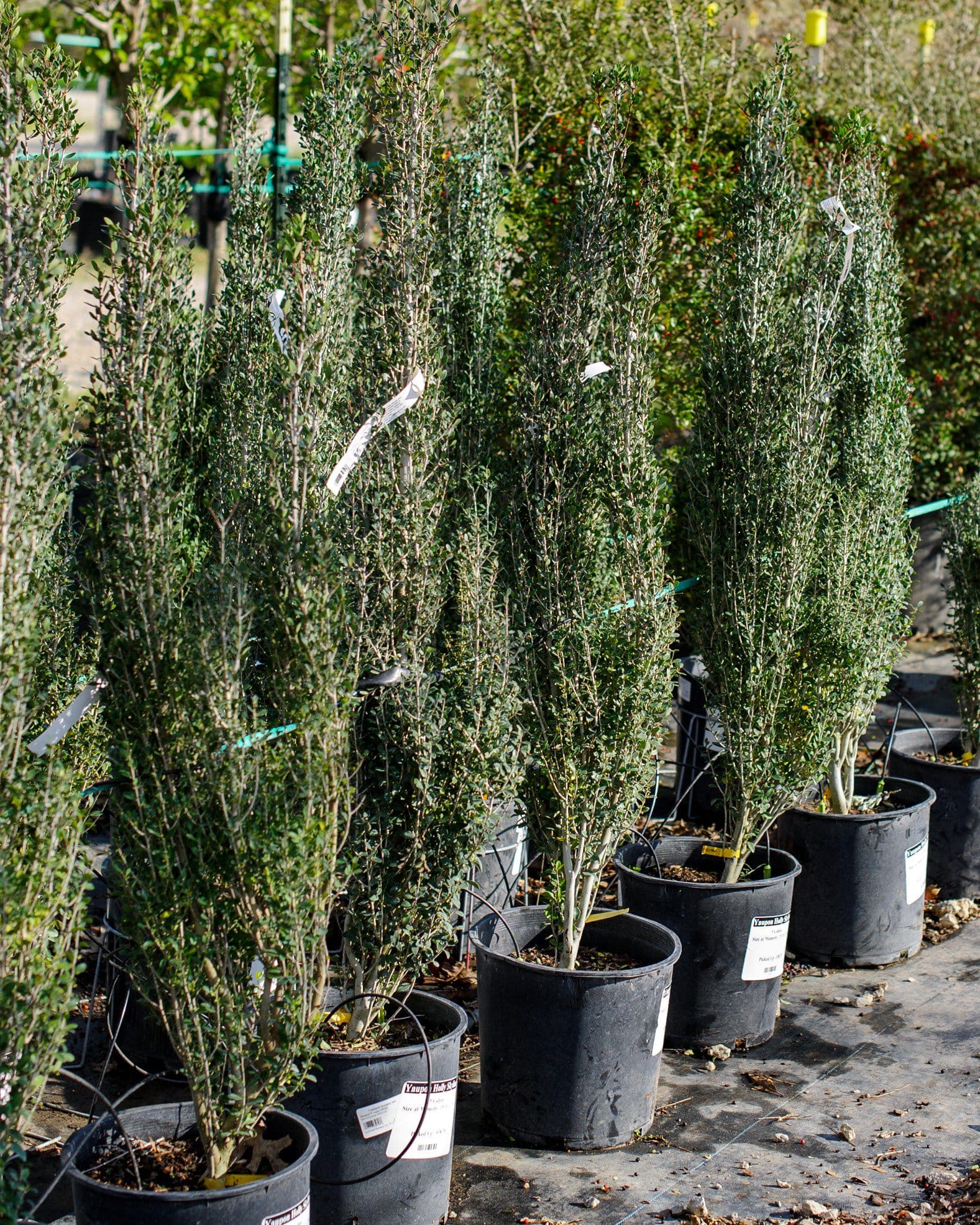
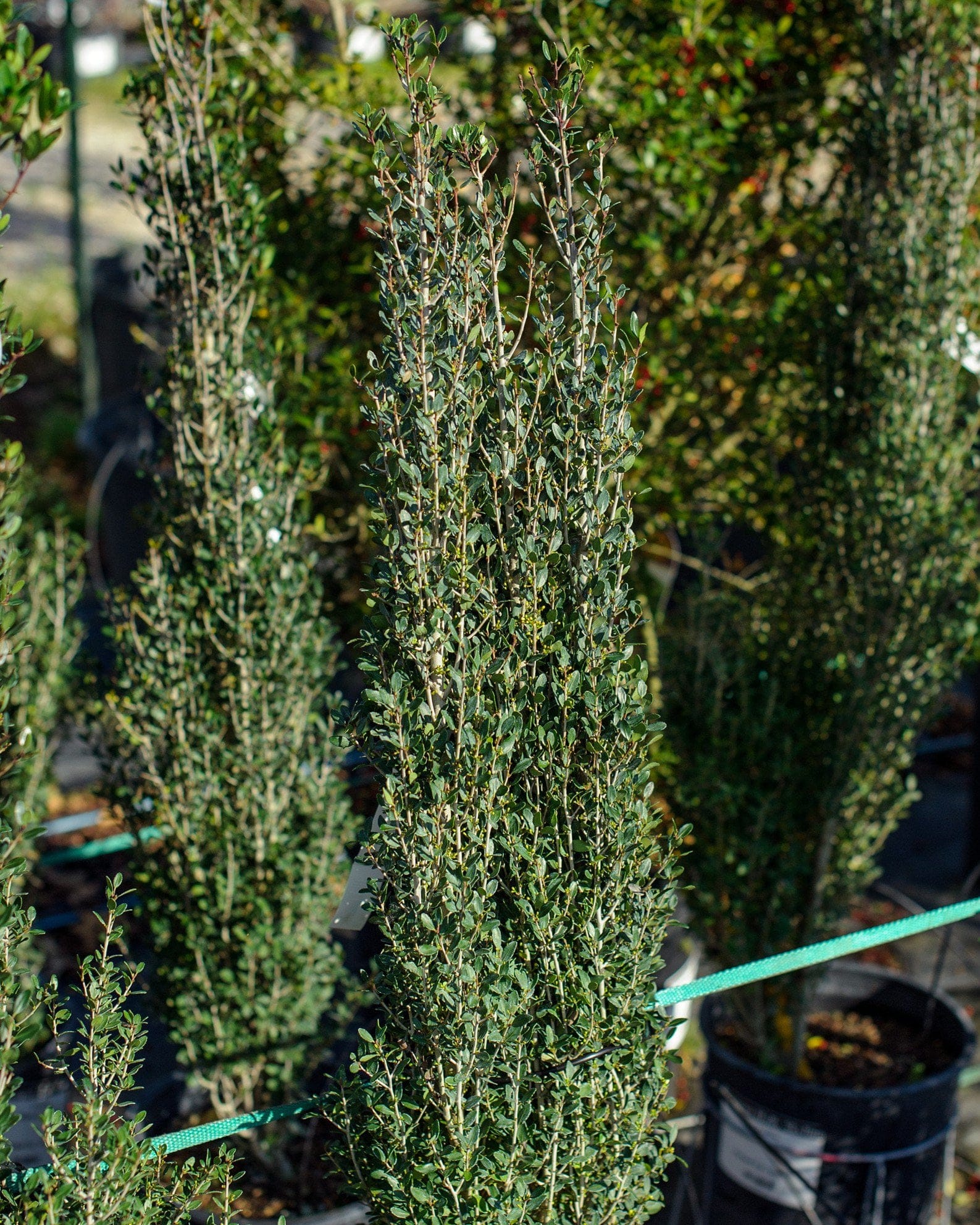
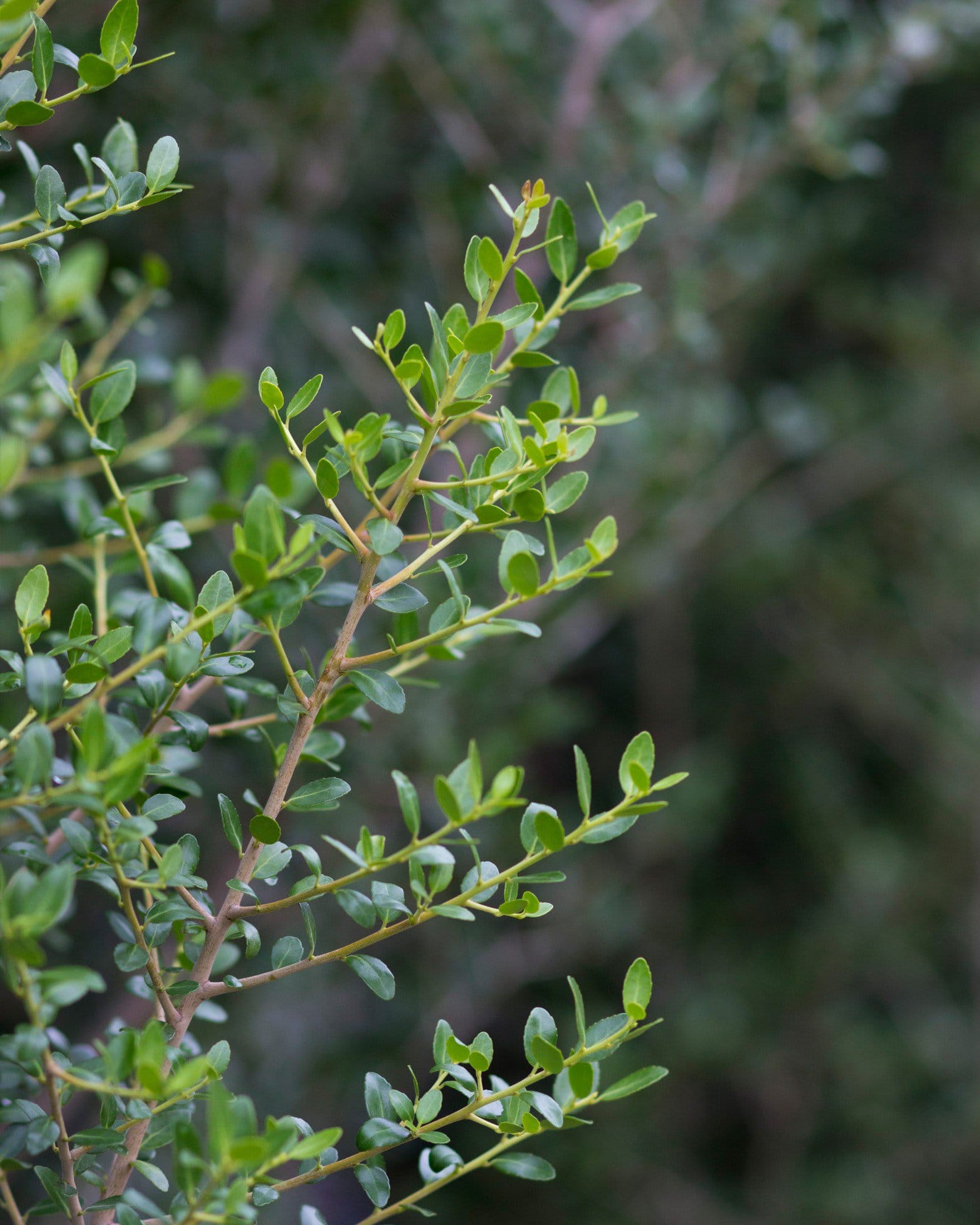
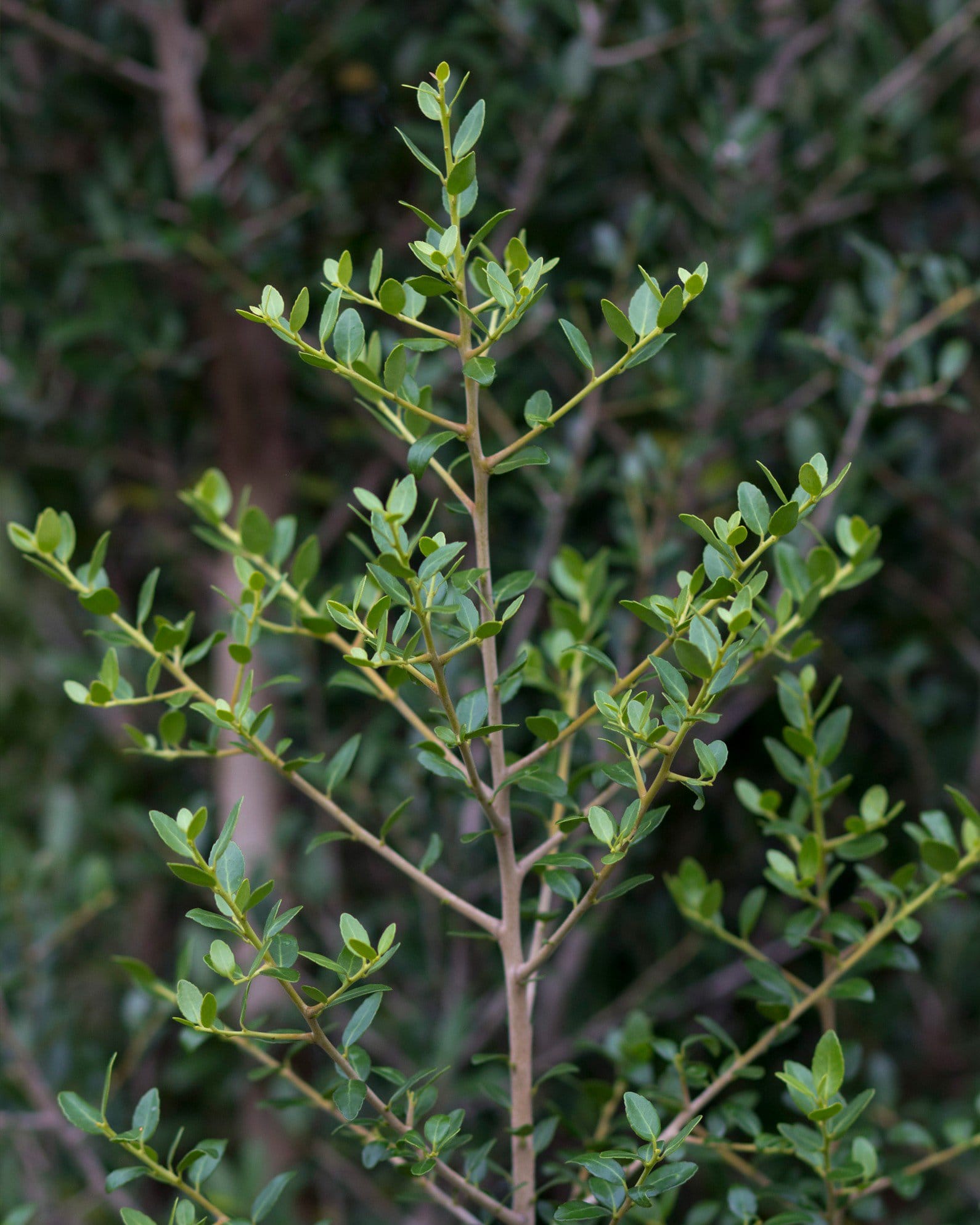
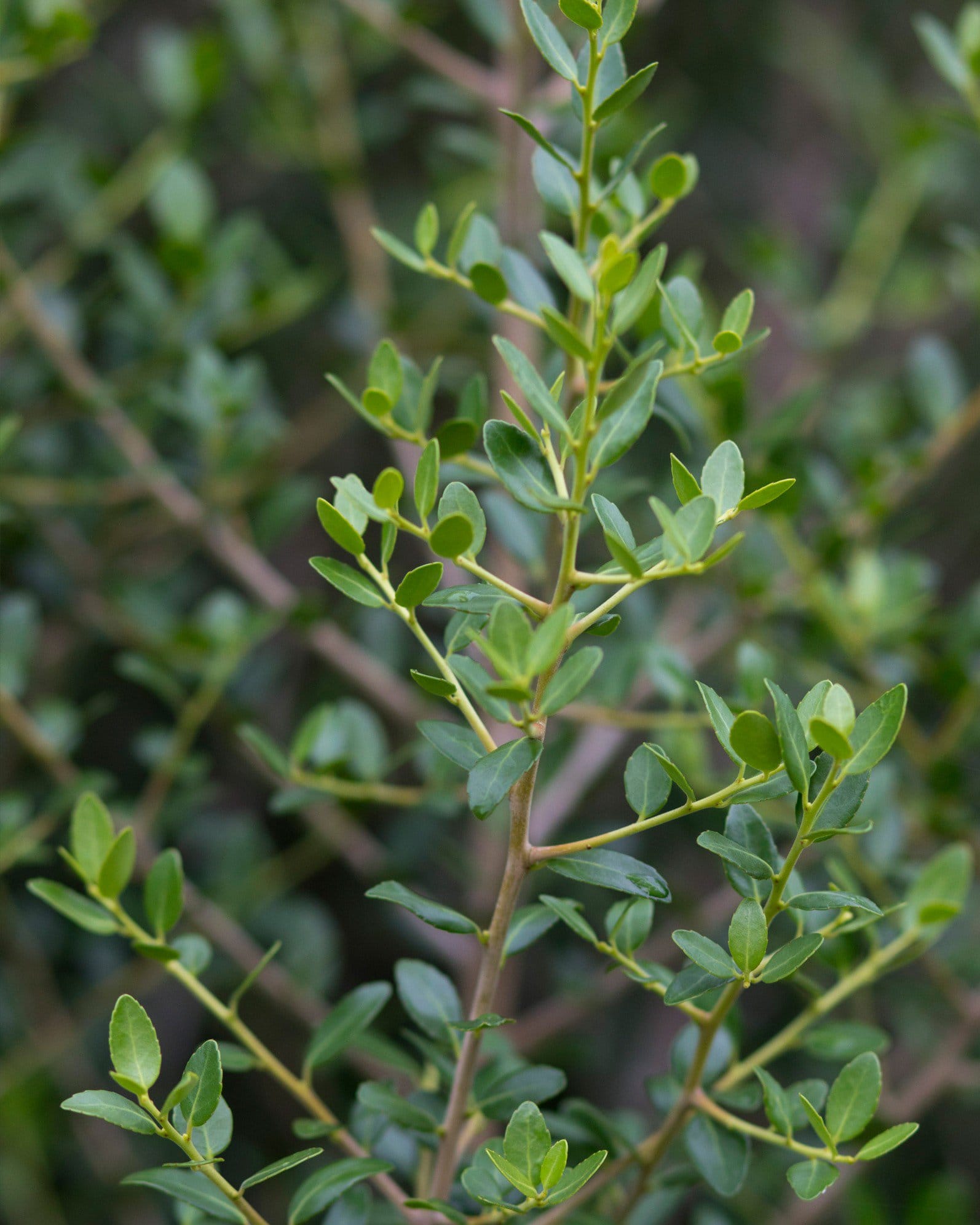
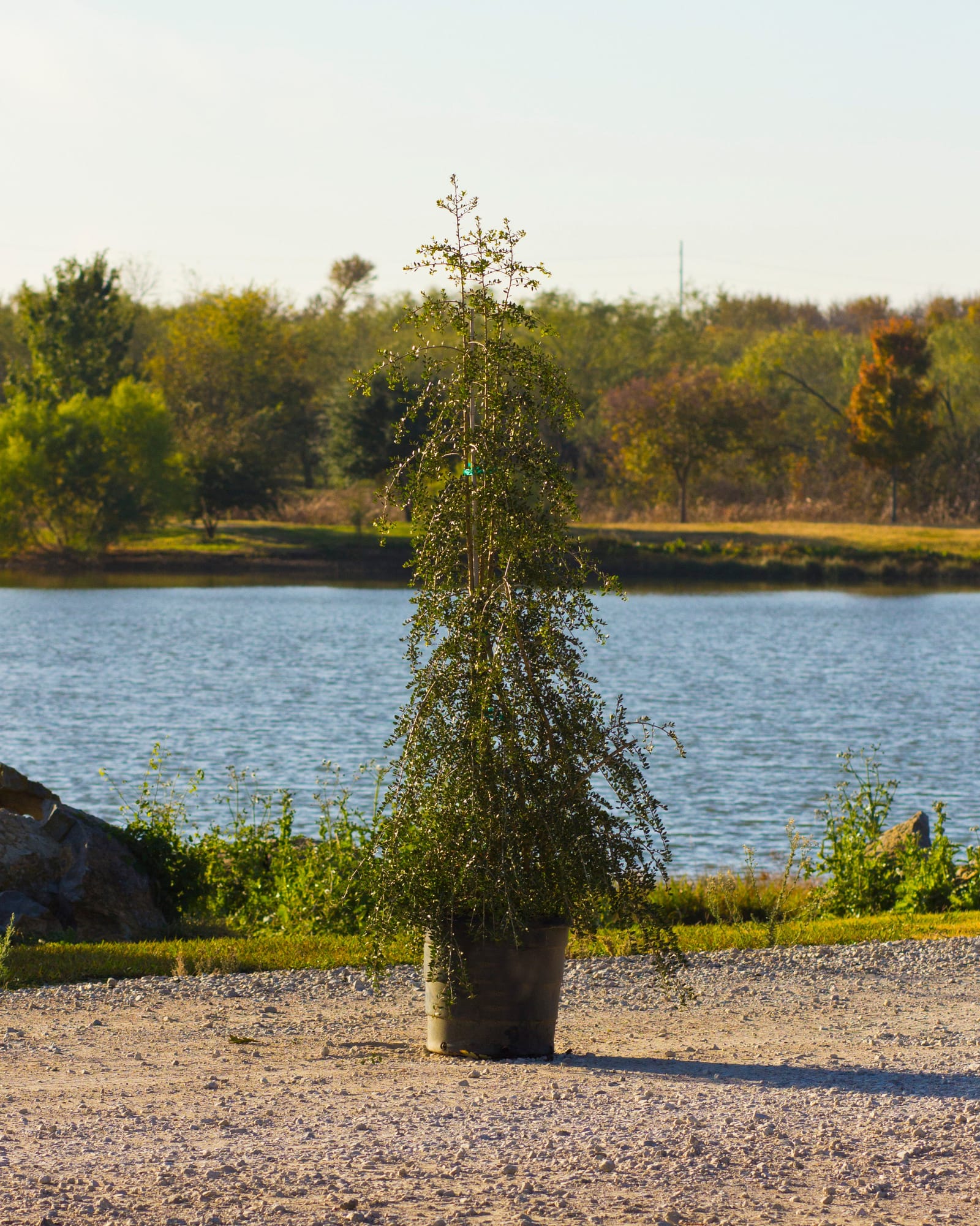
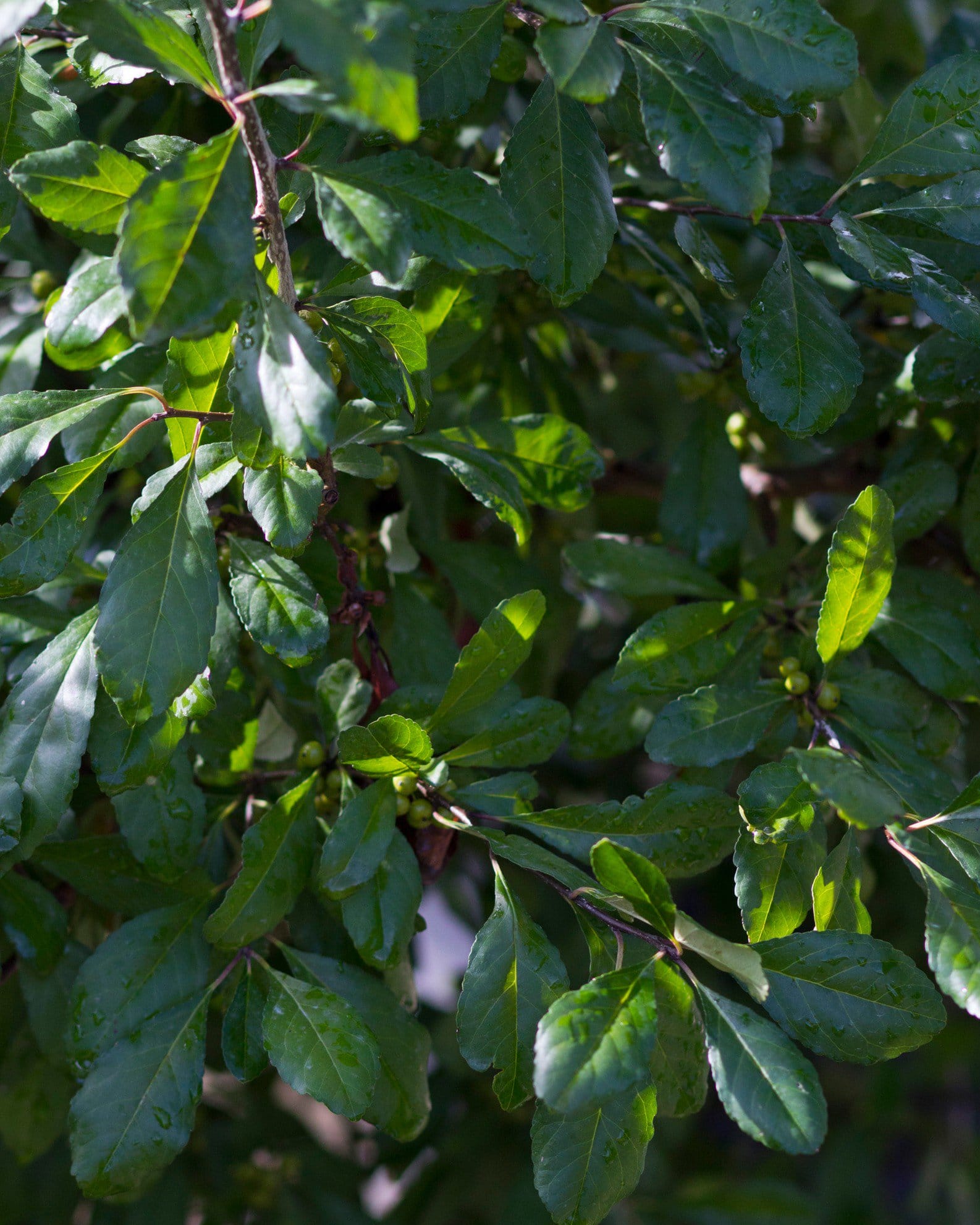
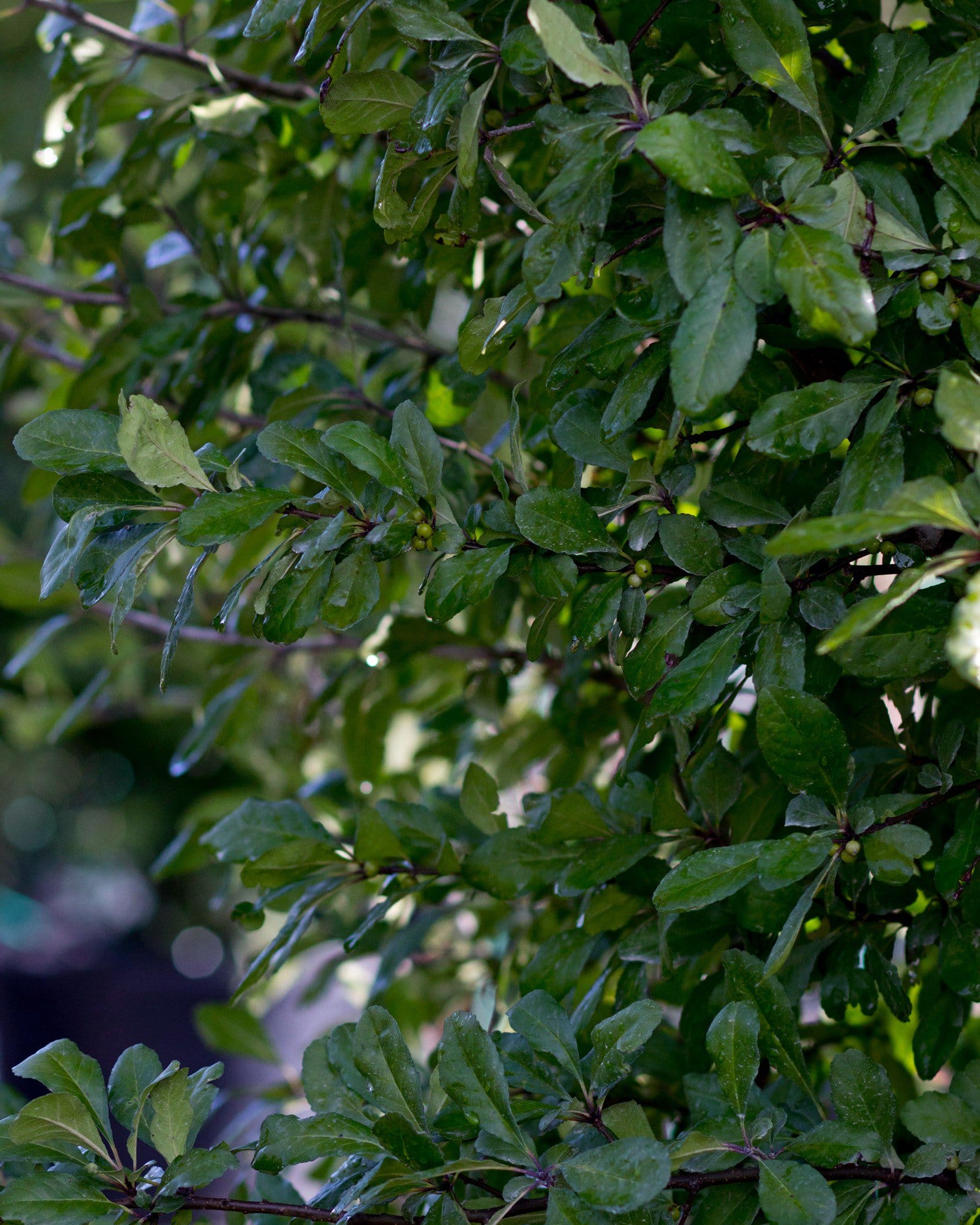
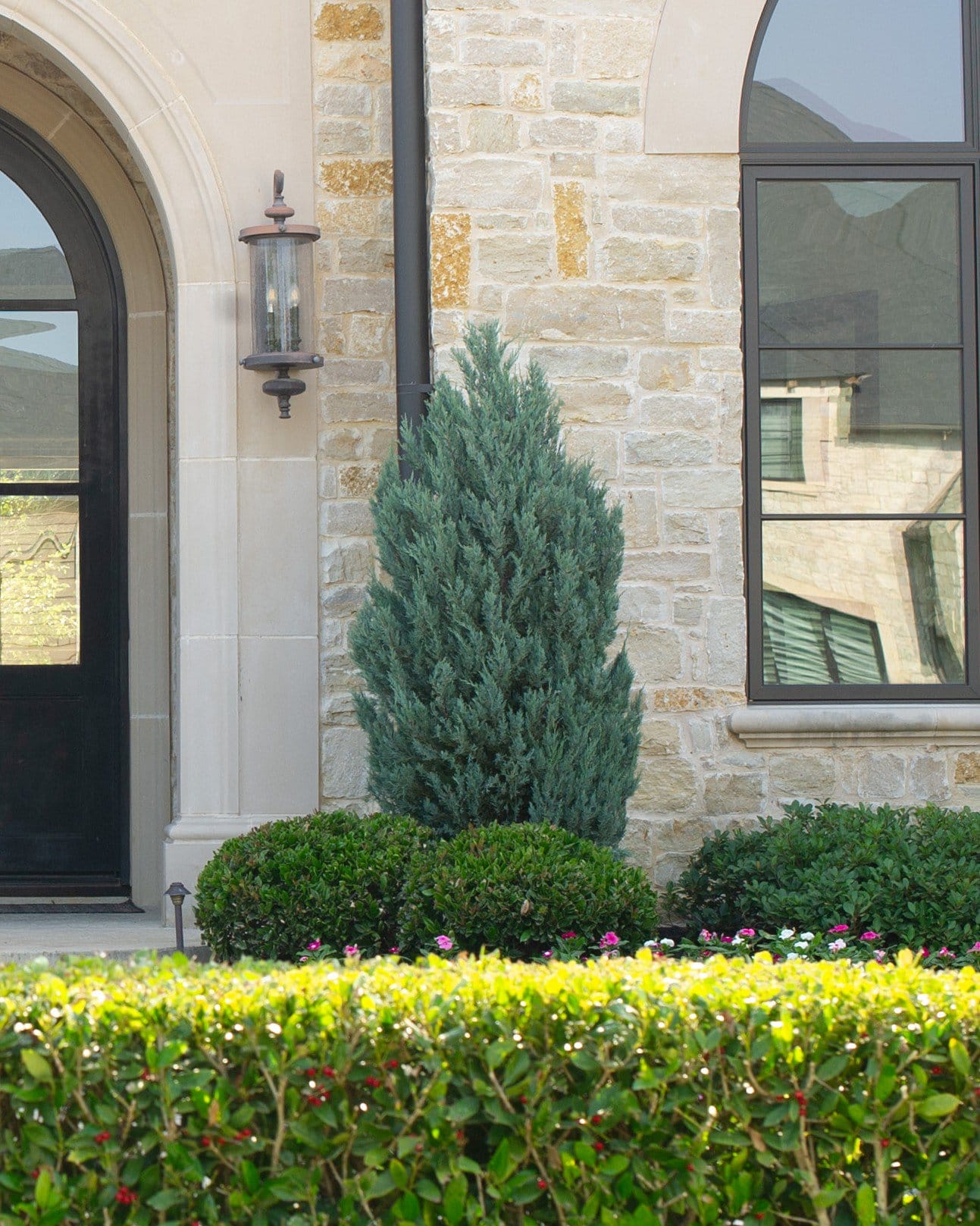
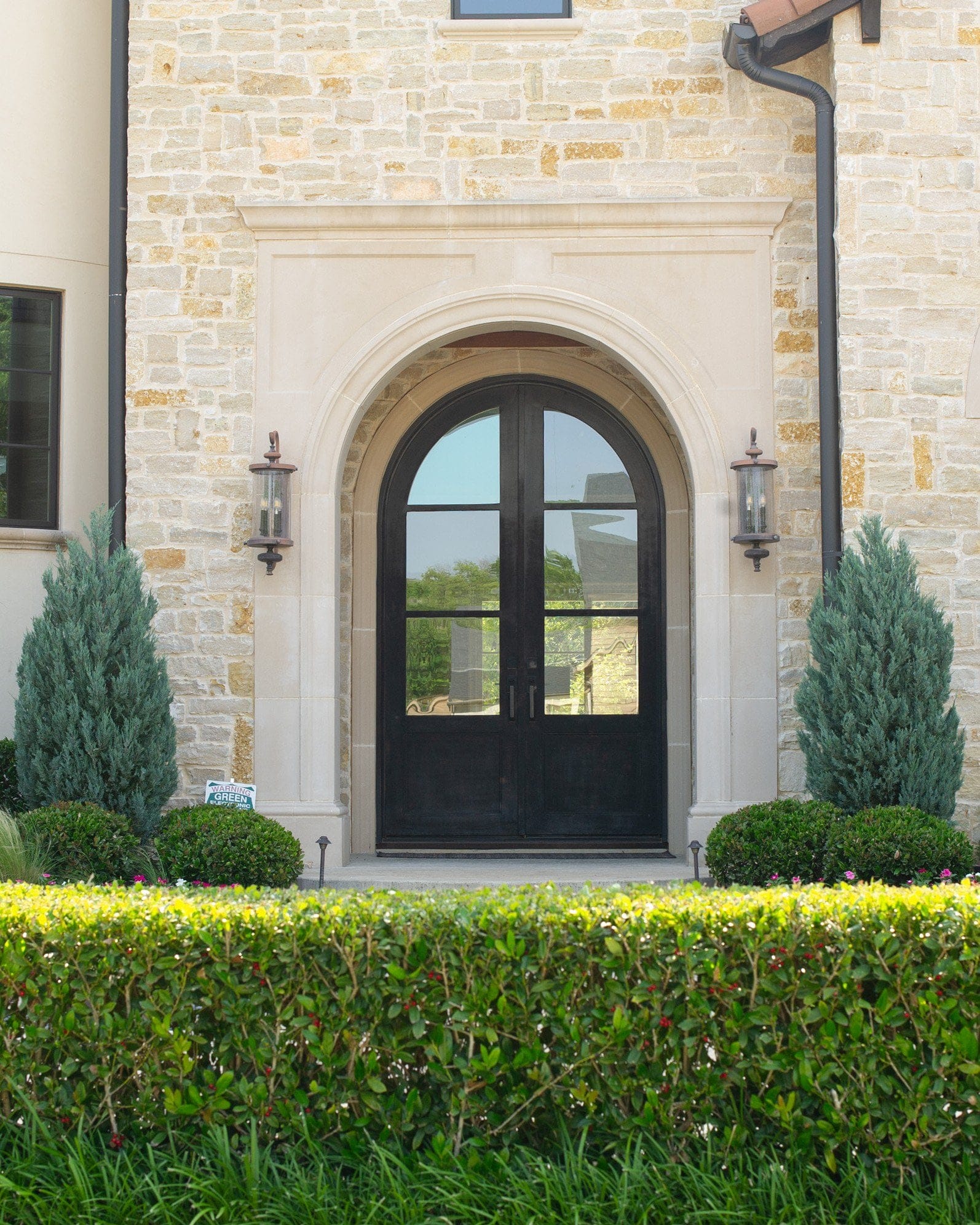
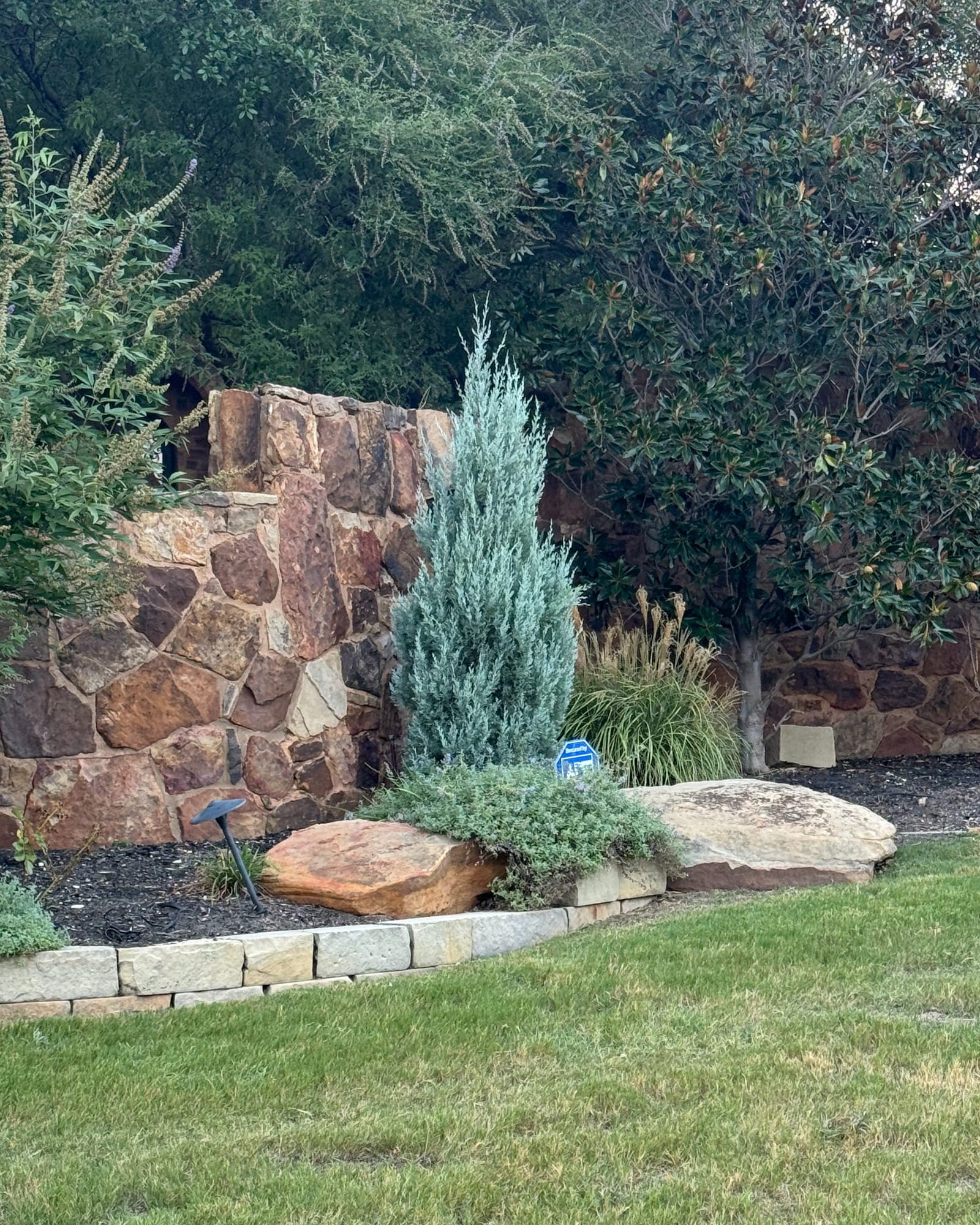
Ilex vomitoria ‘Scarlet’s Peak’Yaupon Holly ‘Scarlet’s Peak’ stands out with its narrow, columnar shape that delivers vertical interest to your landscape. Its dense, dark green leaves remain attractive year-round, while red berries appear in fall and last into winter, adding color and attracting birds. With an upright growth habit, ‘Scarlet’s Peak’ is excellent for tight spaces, as a living screen, or as a dramatic focal point in larger areas. At maturity, it reaches up to 20 feet tall and about 3 feet wide, making it perfect where height is needed without sacrificing space.
- An evergreen shrub
- Columnar growth habit
- Moderate growth rate
- Dark foliage accented by red berries
- Great for screens, vertical accents, and tight spaces
Hardy in zones 7-9, Yaupon Holly ‘Scarlet’s Peak’ adapts well to the North Texas climate. Plant it in full sun to partial shade. Use well-drained soil to encourage healthy growth and enjoy its bold shape and seasonal berries year after year.
With proper establishment, Yaupon Holly Scarlet’s Peak becomes a low-maintenance, highly adaptable evergreen pillar that remains beautiful year-round:
- Watering: Provide deep, consistent watering during the first 2-3 years to help establish a strong root system essential for supporting its upright form. Once established, ‘Scarlet’s Peak’ becomes highly drought-tolerant and typically requires supplemental water only during extended drought; avoid frequent light watering that encourages shallow roots.
- Pruning: Pruning needs are minimal thanks to its naturally tight, columnar habit. Light shaping in late winter can refine the silhouette and remove any wayward or damaged stems, but heavy pruning is unnecessary and may compromise its vertical form.
- Fertilizing: This cultivar thrives in average soils and rarely needs fertilizer once established. If growth slows or foliage becomes pale, apply a light, slow-release, balanced fertilizer in early spring to encourage healthy new growth without disrupting its dense structure.
- Mulching: Apply a 2-3 inch mulch layer around the base to conserve moisture, regulate soil temperature, and discourage weed competition. Keep mulch several inches back from the trunk to avoid moisture against the bark, and refresh the mulch ring annually for continued soil health.
- Winter Care: ‘Scarlet’s Peak’ is highly cold-hardy and retains its upright form and evergreen foliage throughout winter. In severe cold snaps, slight bronzing may occur, but plants recover quickly with warmer conditions.
Yaupon Holly ‘Scarlet’s Peak’ is resilient and low-maintenance, though a few manageable issues may arise in humid climates or poorly drained soils:
- Leaf Spot: Small brown or purplish lesions appear after prolonged wet weather. Remove infected foliage and increase airflow to reduce fungal pressure.
- Scale Insects: Waxy or shell-like bumps form on stems or leaves, causing slight yellowing. Treat with horticultural oil or insecticidal soap to keep populations low.
- Spider Mites: Fine stippling, dull foliage, and subtle webbing occur during hot, dry spells. Rinse foliage or apply horticultural oil to restore color and vigor.
- Sooty Mold: Black, powdery film develops due to honeydew from insects such as aphids. Control the underlying insects and wash foliage gently to improve appearance.
- Root Rot: Wilting and yellowing occur in waterlogged soils with poor drainage. Improve soil drainage and reduce watering frequency to protect the roots.
It commonly lives 40-60 years with good care, retaining its elegant columnar form for decades. Its longevity and structure make it a standout architectural element in both small and large landscapes.
It grows at a moderate pace of 10-18 inches per year and typically reaches its mature narrow form within 6-10 years. This steady growth allows it to maintain density and shape naturally.
It is considered deer-resistant due to its small, tough evergreen leaves. In areas with heavy deer activity, young plants may still benefit from temporary protection.
Yes - its vertical, space-saving habit makes it excellent for large containers flanking doors, patios, or walkways. Long-term, planting in the ground offers the best stability and growth.
It cannot be divided, as it grows from a single woody trunk and a unified root system. Propagation must be done through cuttings or nursery production.
Absolutely - its narrow, upright shape creates striking allees, vertical accents, and evergreen corridors. Groupings of three or more make dramatic architectural statements in modern landscapes.
Companions like Dwarf Fountain Grass, Coralberry, Loropetalum, Nandina, and flowering perennials provide complementary texture and color. Its vertical form pairs beautifully with mounding and spreading plants.
Yes - it handles pollution, compacted soils, and reflected heat with ease. Its slender habit makes it ideal for narrow planting strips, courtyards, and high-traffic commercial spaces.
Young plants transplant very well when moved during cooler seasons with an intact root ball. Once reestablished, they resume normal growth quickly.
Special Features
You might also like
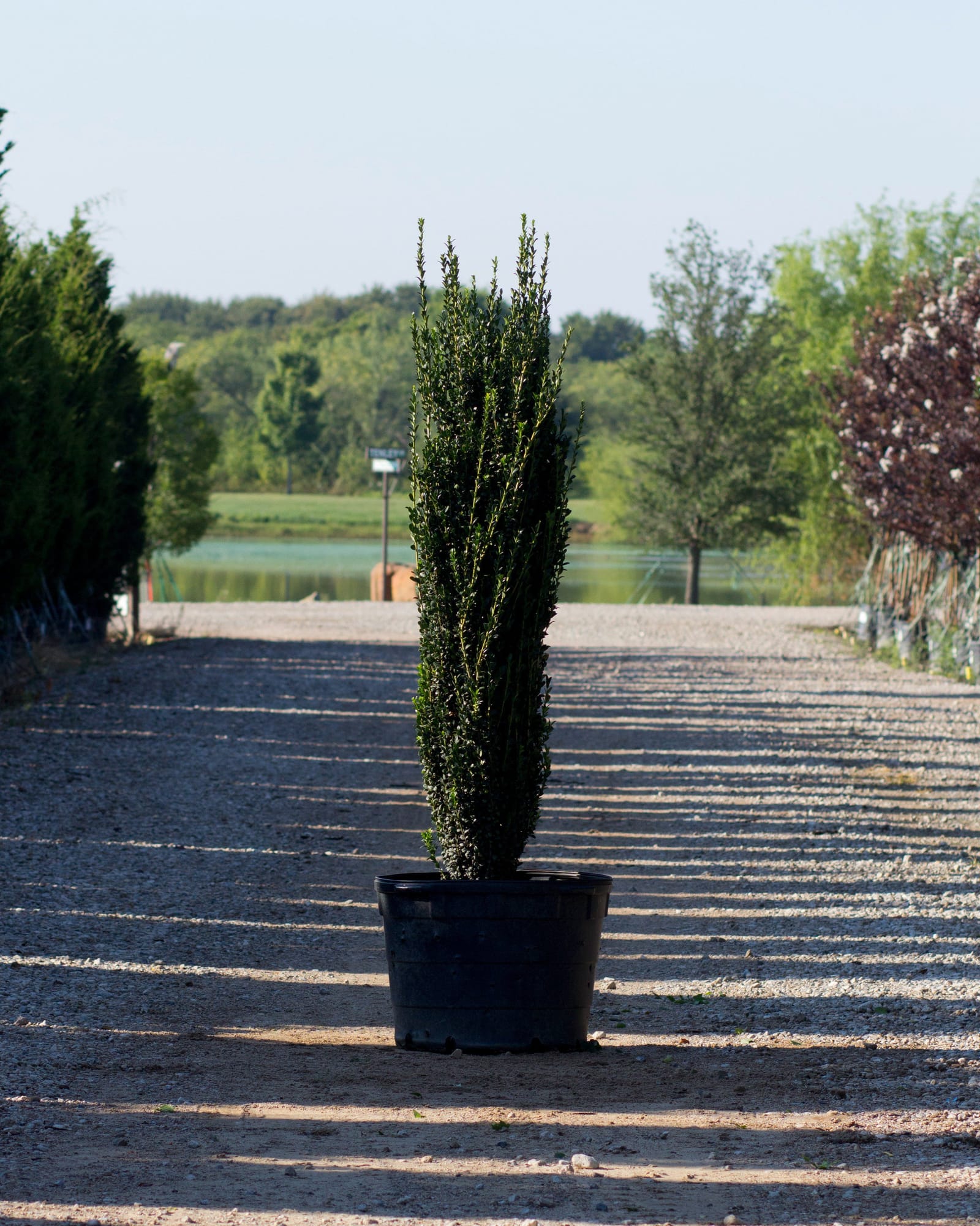
Sky Pencil Holly
Maturity: 15' H x 3' W
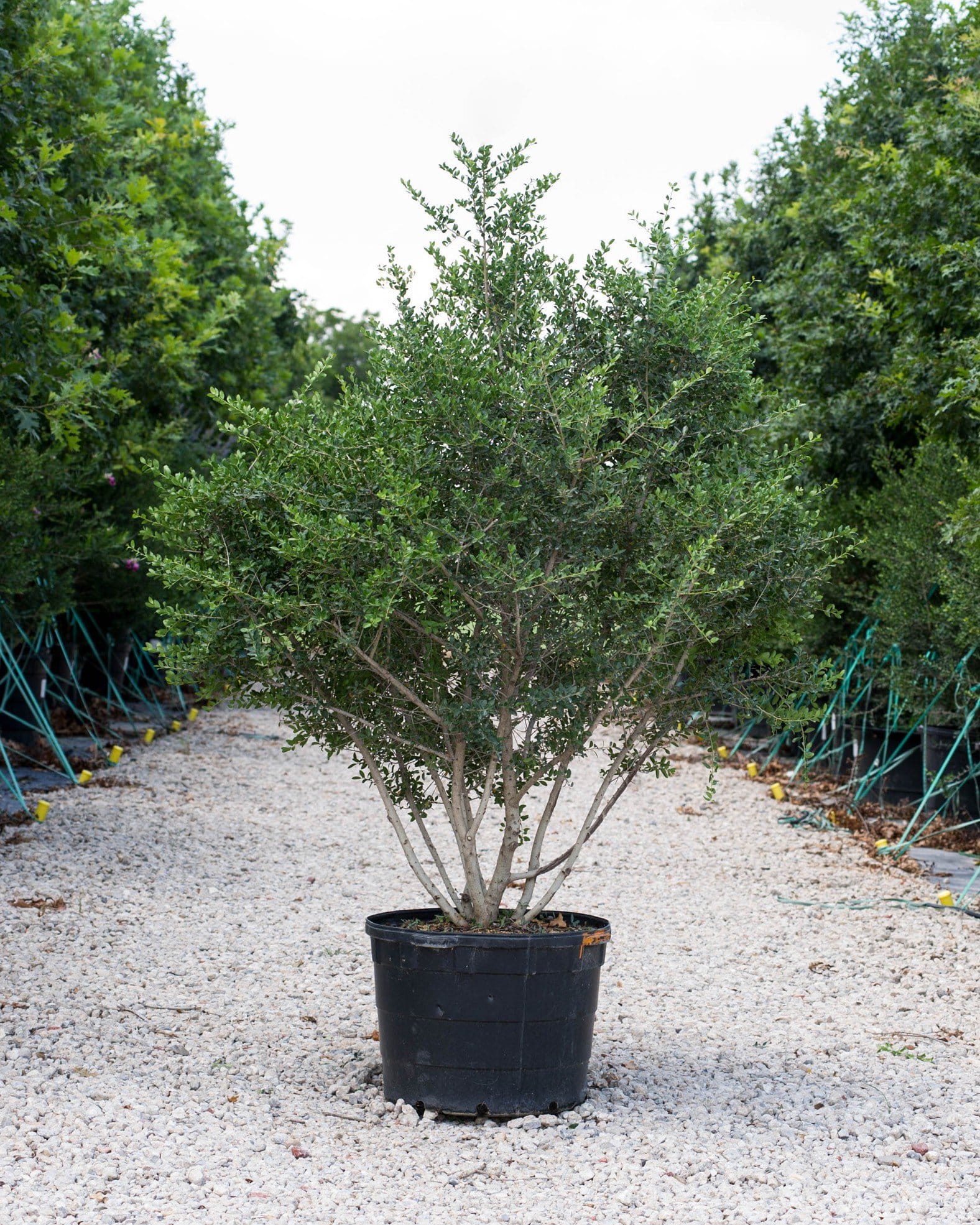
Yaupon Holly
Maturity: 20' H x 15' W
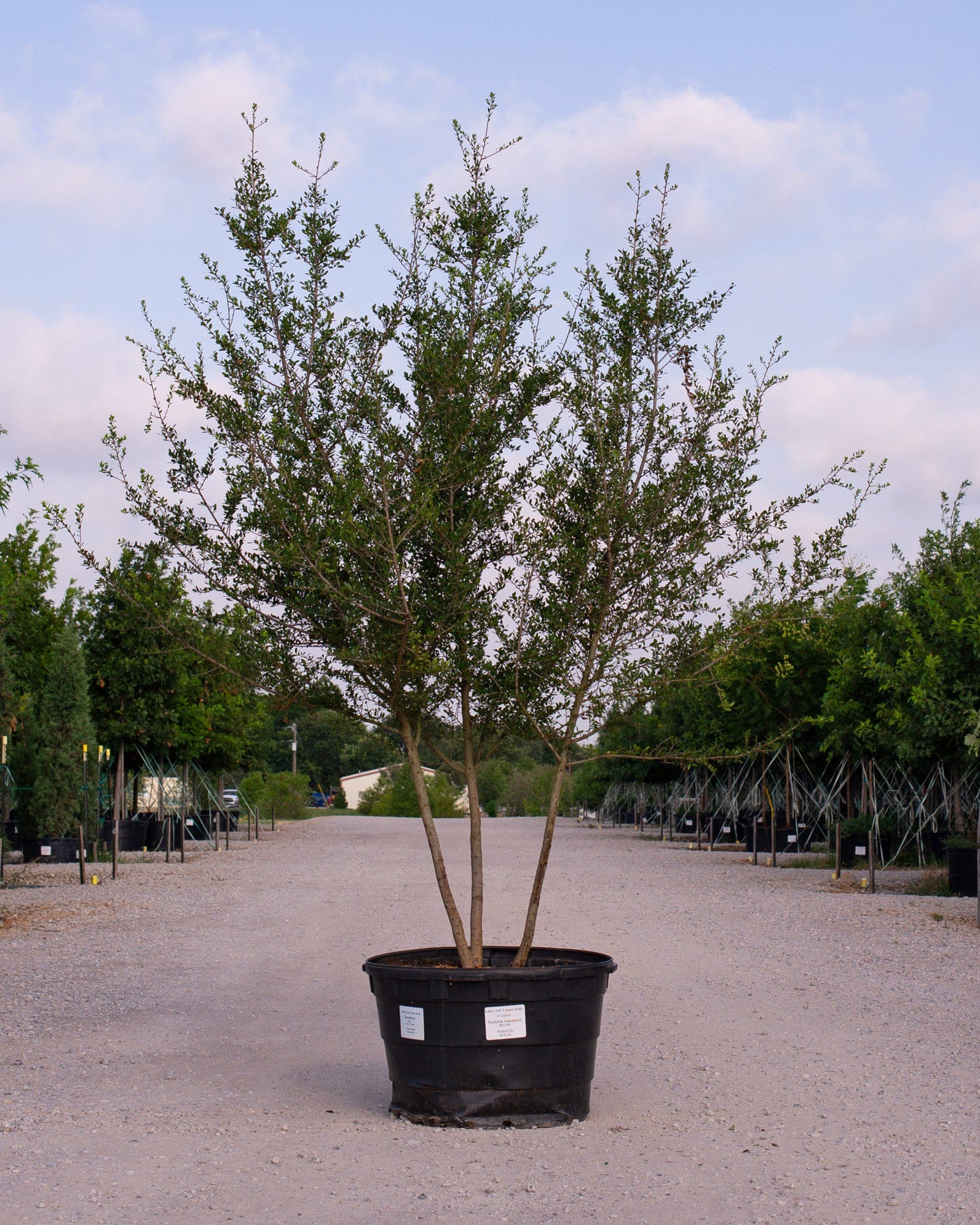
Yaupon Holly Kathy Ann
Maturity: 20' H x 15' W
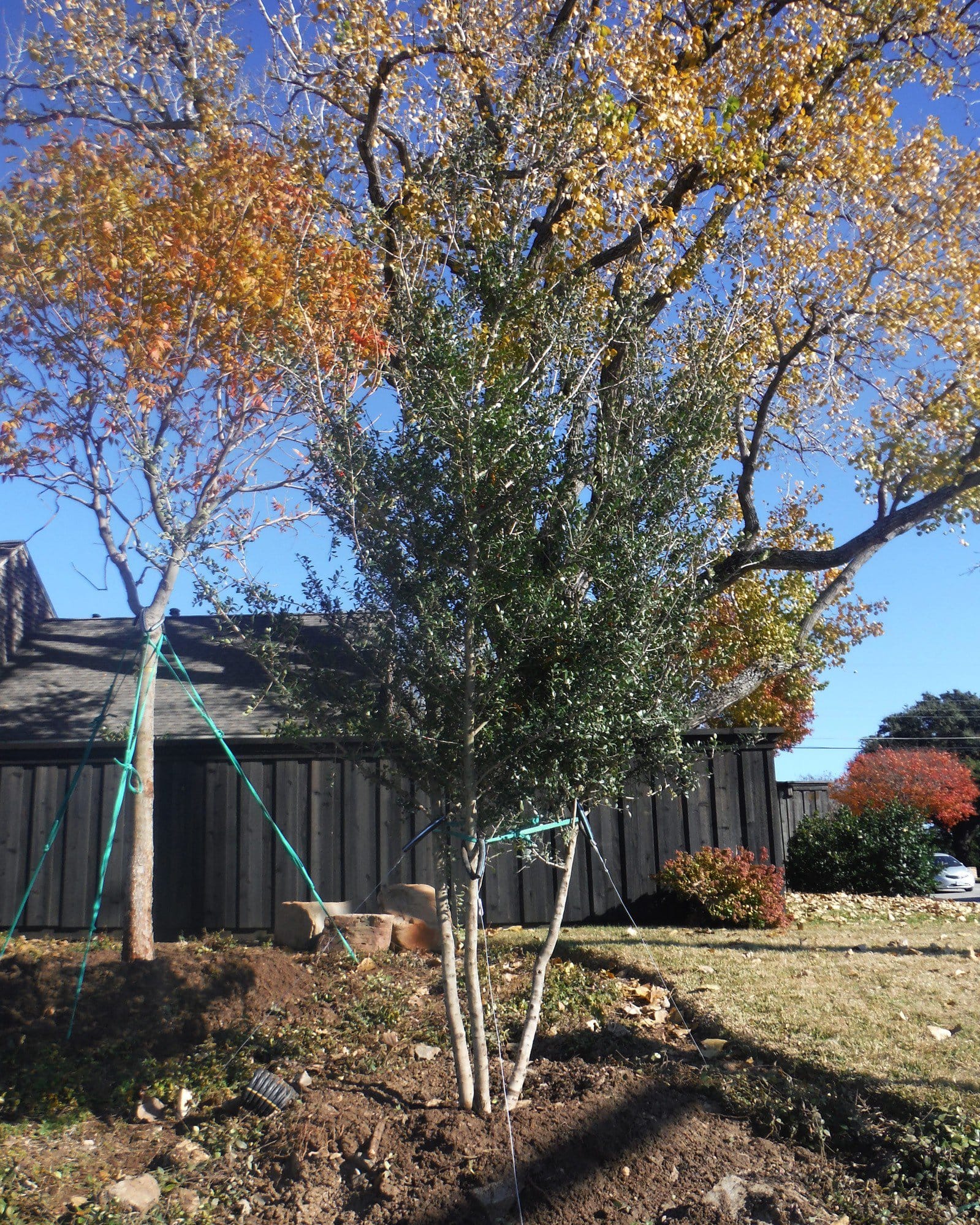
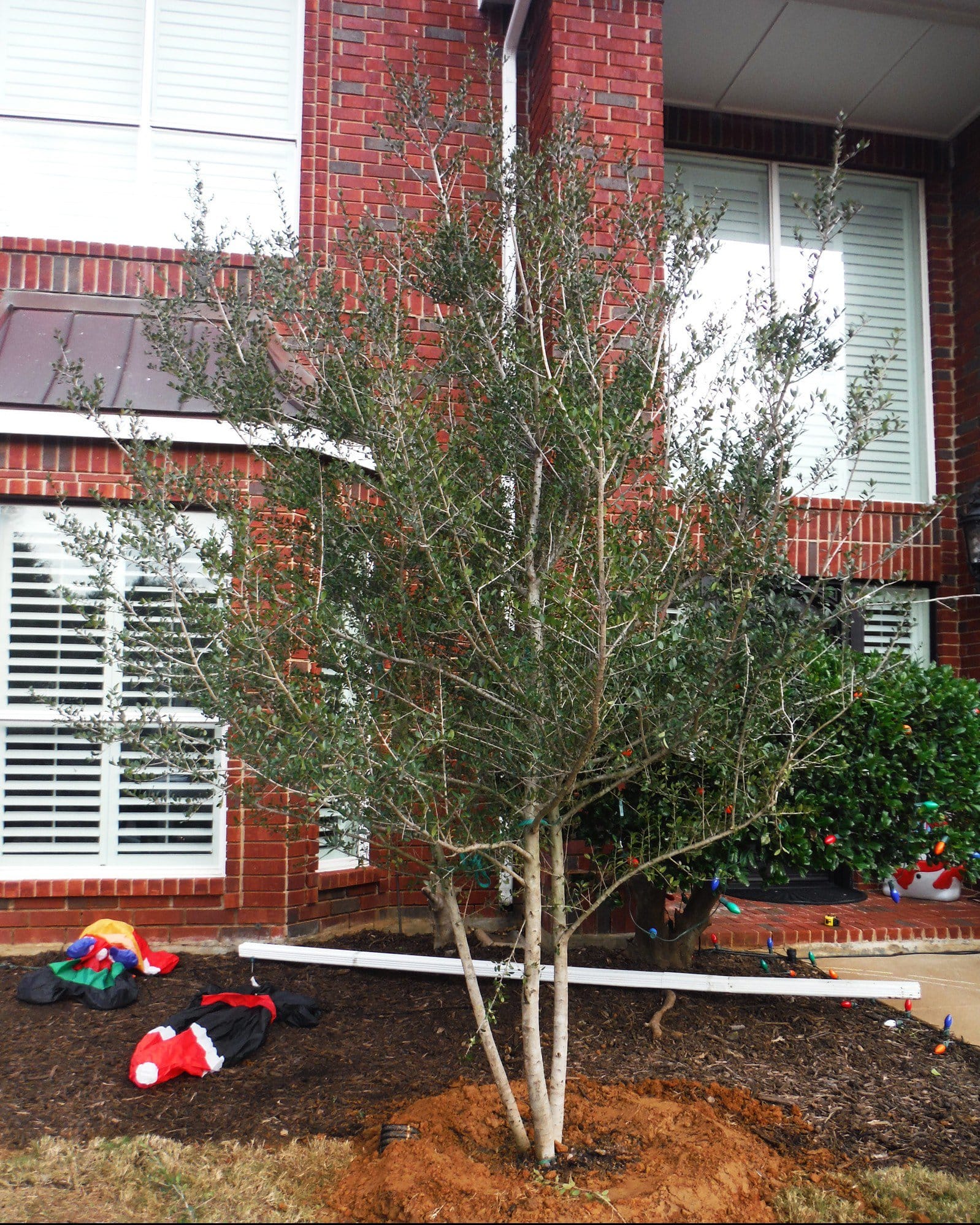
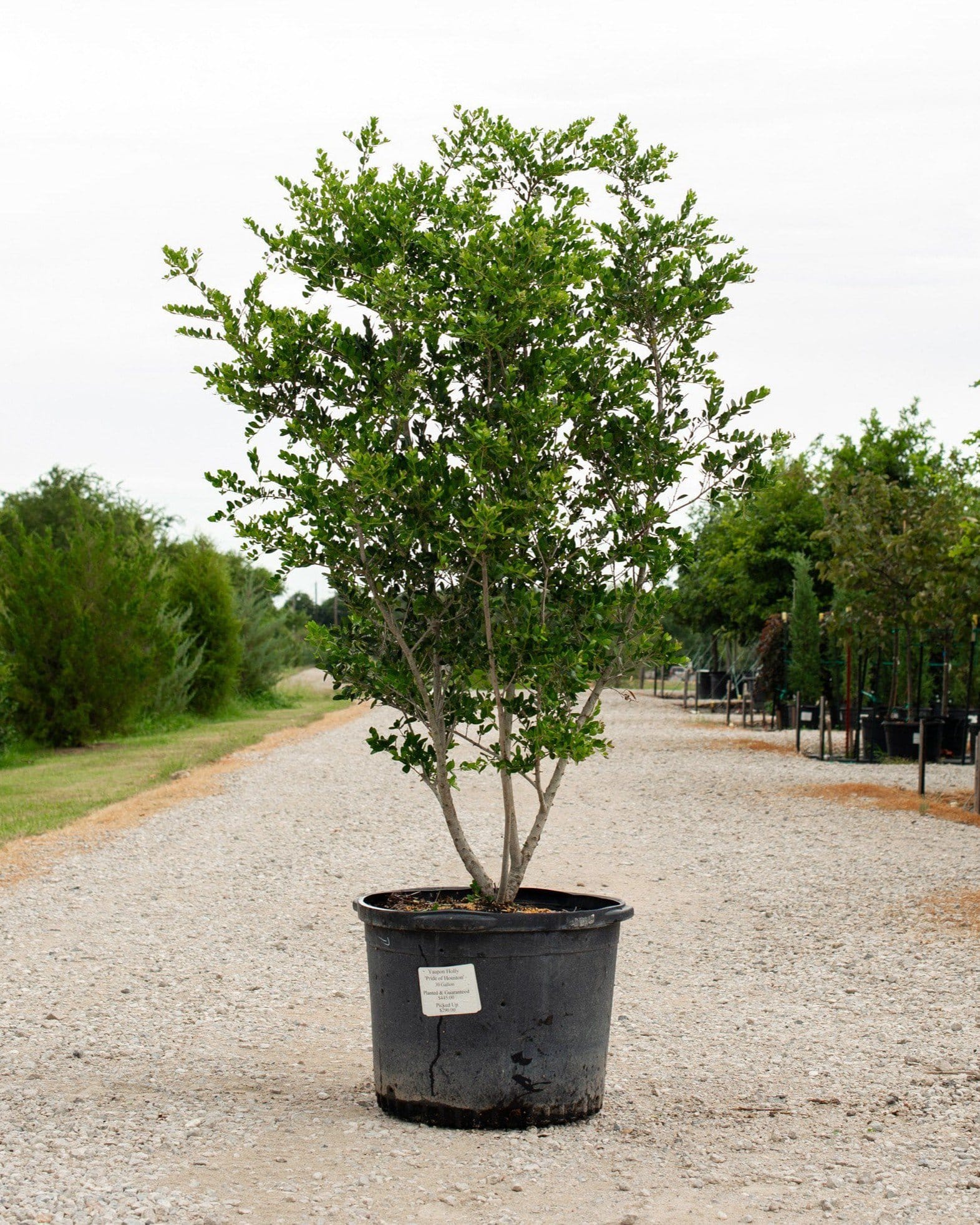
Yaupon Holly Pride of Houston
Maturity: 20' H x 15' W
Eagleston Holly Tree Form
Maturity: 20' H x 14' W
East Palatka Holly Tree Form
Maturity: 25' H x 14' W
Emerald Colonnade Holly Spiral
Maturity: 12' H x 8' W
Nellie R Stevens Holly Tree Form
Maturity: 20' H x 14' W
Oakland Holly Tree Form
Maturity: 16' H x 7' W
Savannah Holly Tree Form
Maturity: 20' H x 14' W
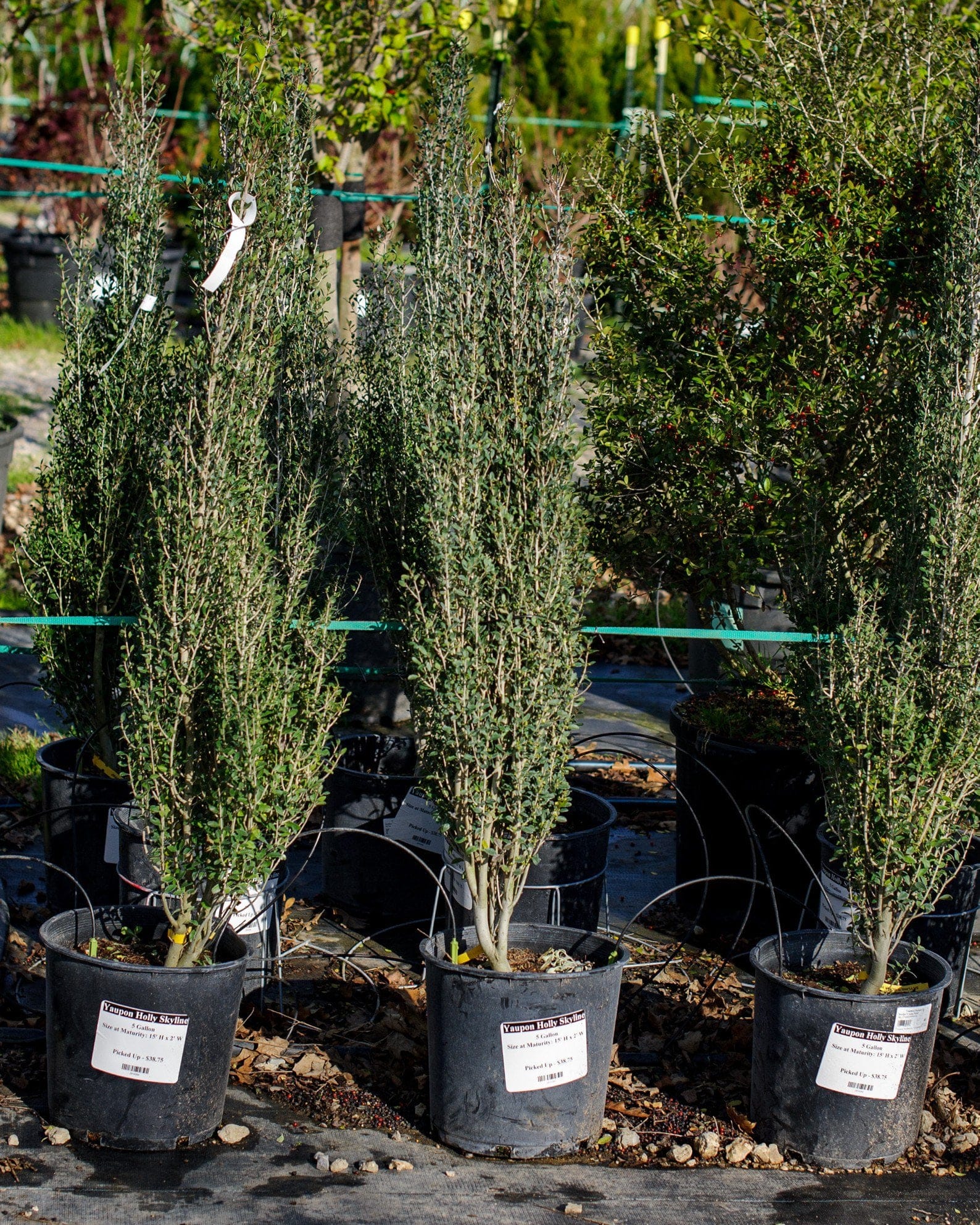
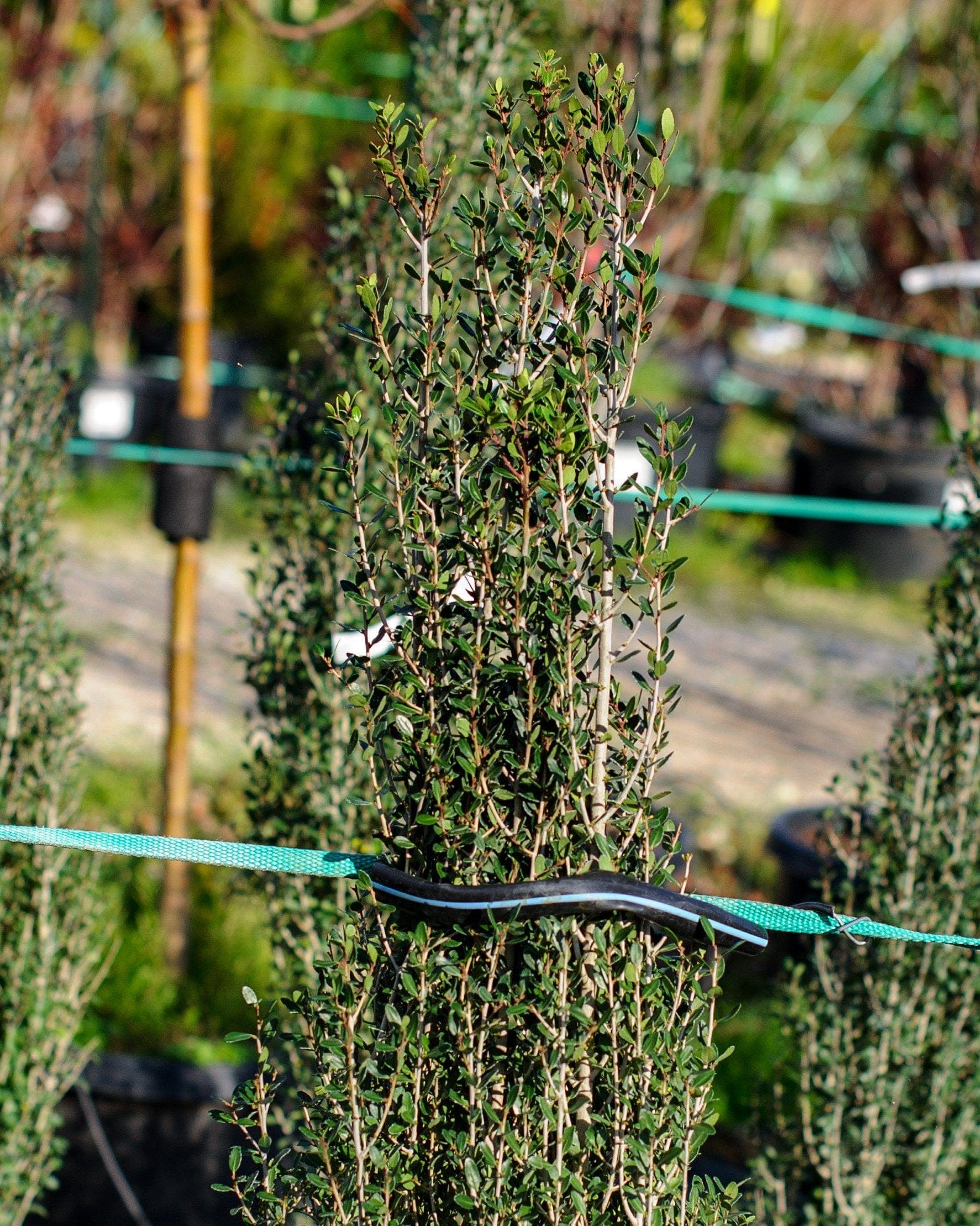
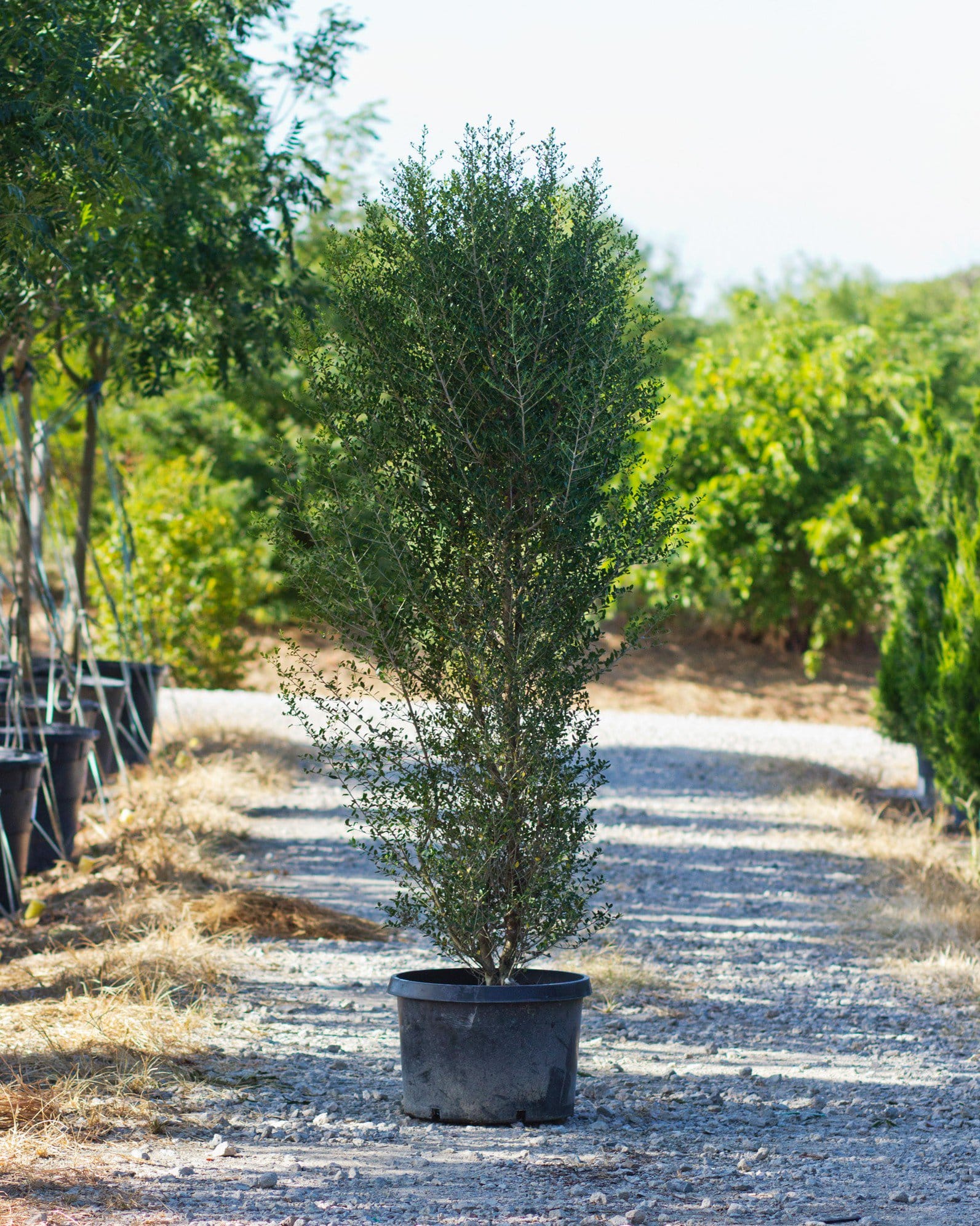
Yaupon Holly Skyline
Maturity: 15' H x 2' W
Yaupon Holly Skyward
Maturity: 12' H x 6' W
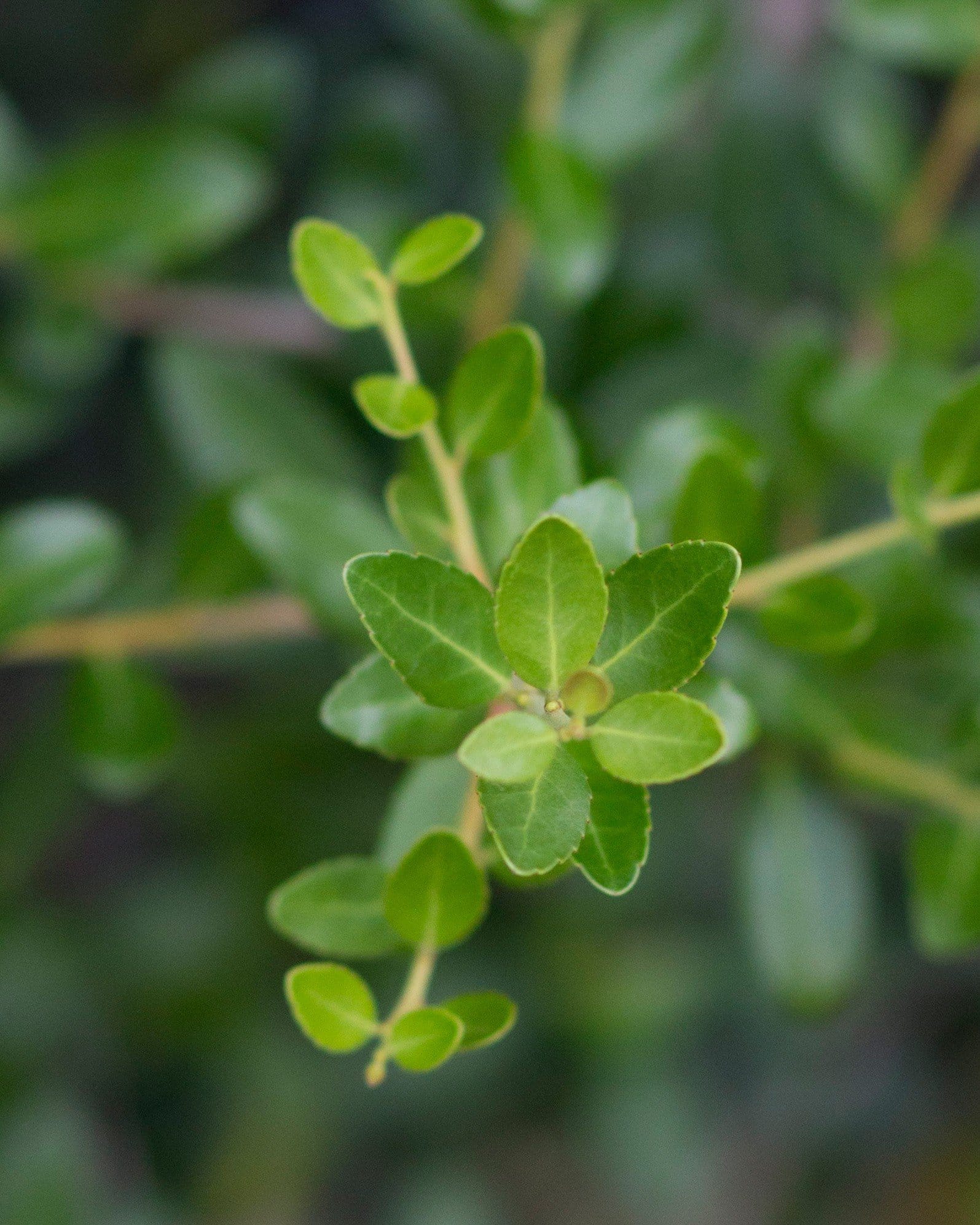
Yaupon Holly Weeping
Maturity: 15' H x 10' W
Possumhaw Holly
Maturity: 25' H x 20' W
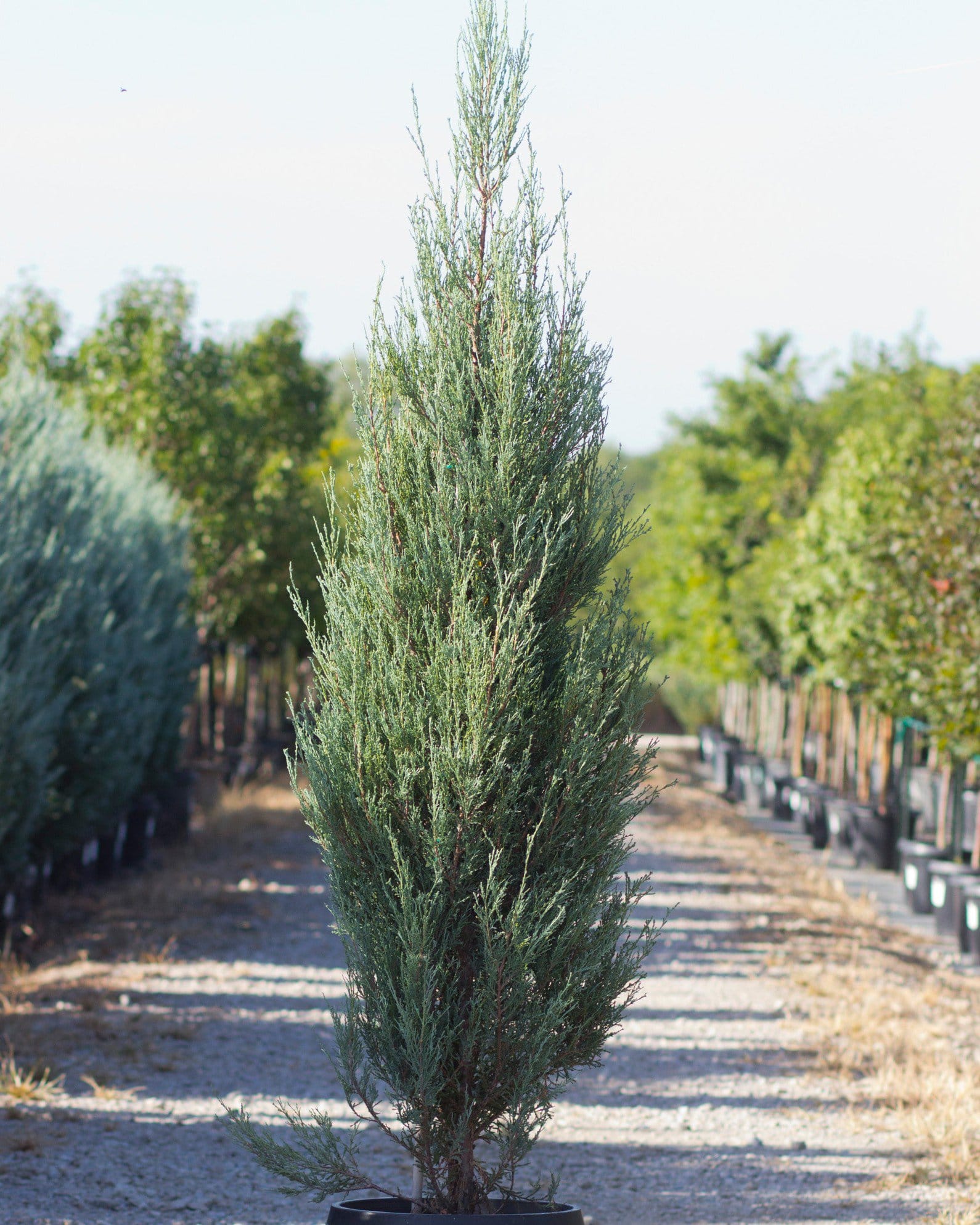
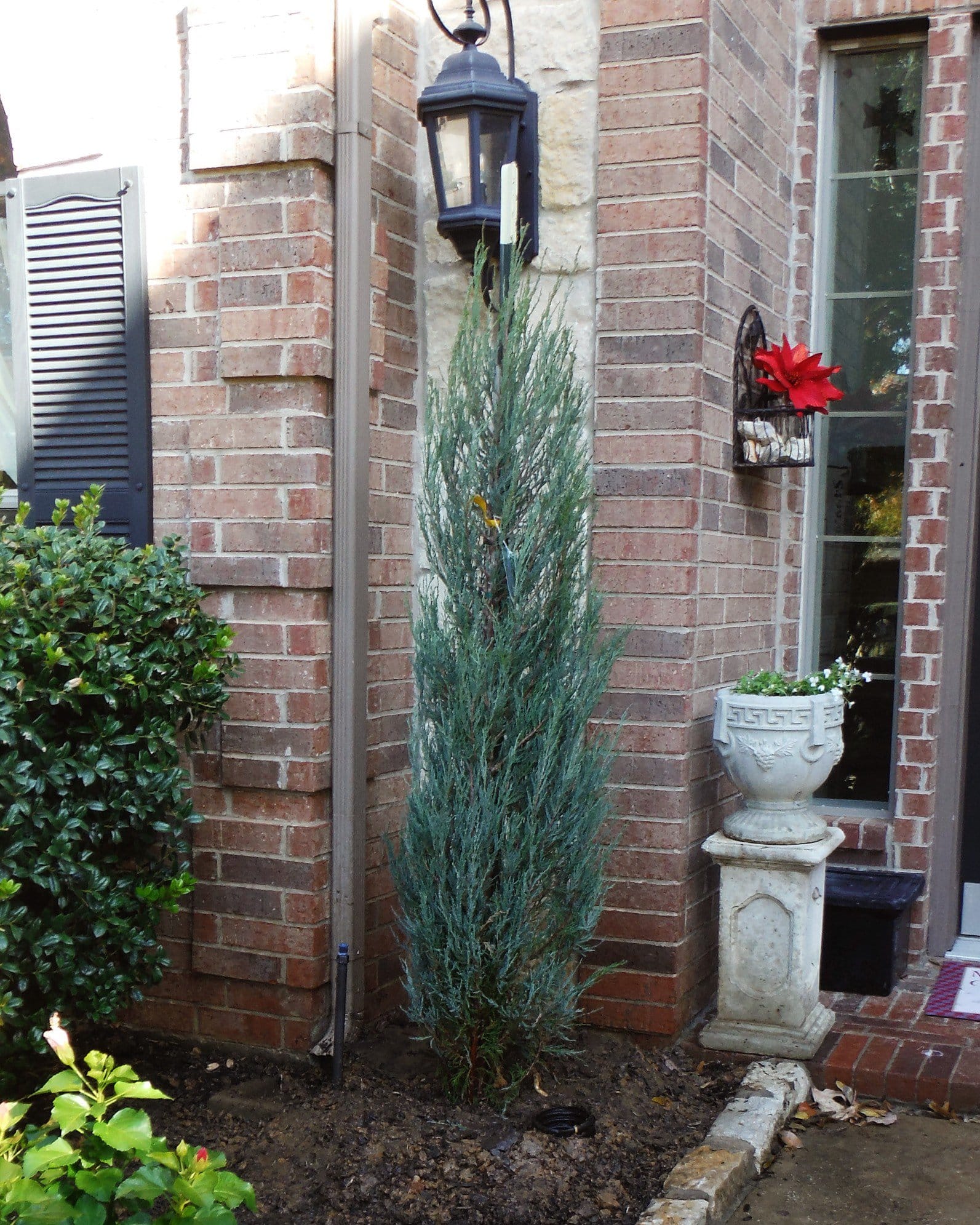
Blue Arrow Juniper
Maturity: 12' H x 2' W
Compare Similar Plants
Yaupon Holly Scarlet's Peak This plant | ||
|---|---|---|
| Scientific Name | Ilex vomitoria ‘Scarlet’s Peak’ | Ilex crenata ‘Sky Pencil’ |
| Size at Maturity | 20' H x 3' W | 15' H x 3' W |
| Leaf Retention | Evergreen | Evergreen |
| Sizes Available | 30 gal | 3, 7, 15, 30 gal |


Our 1-Year Planting Guarantee
We take pride in our plants and installation services. If any plants or trees installed by Treeland fail to thrive within the first year, we'll provide a replacement credit in accordance with our guarantee program.
Learn More About Our Guarantee