
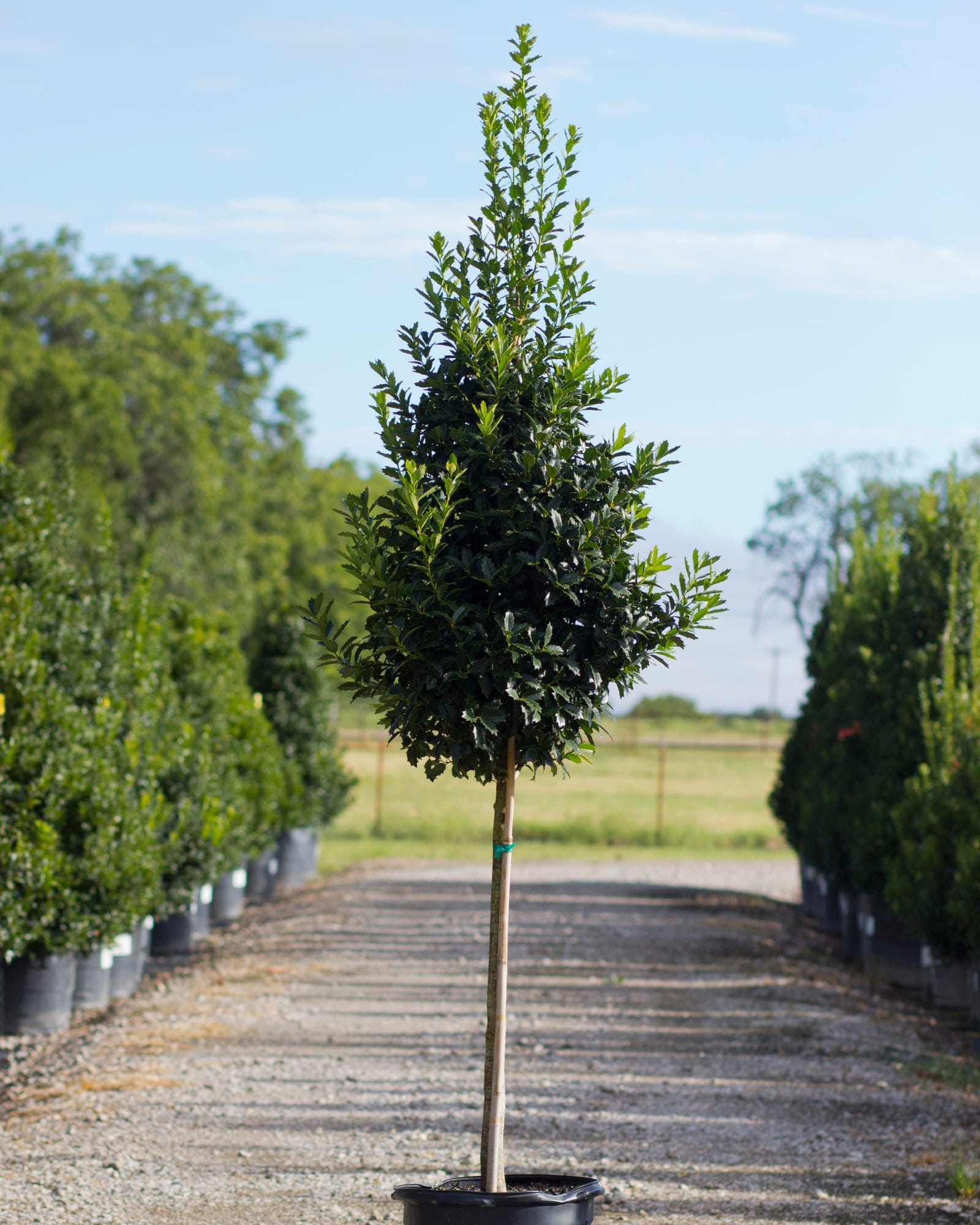
Oakland Holly Tree Form
Ilex x ‘Magland’Local DFW Delivery Only
Product Details
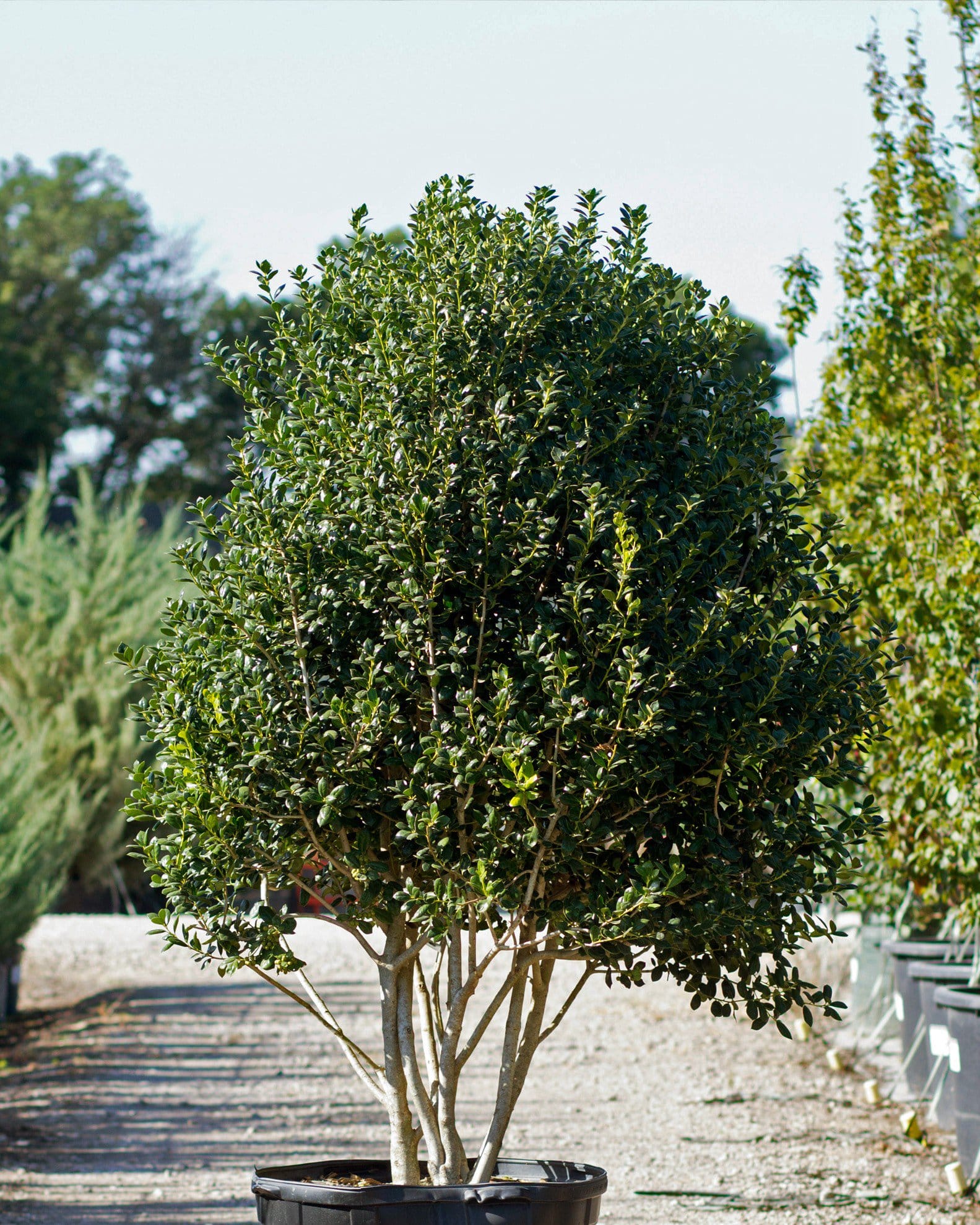
Oakland Holly Tree Form
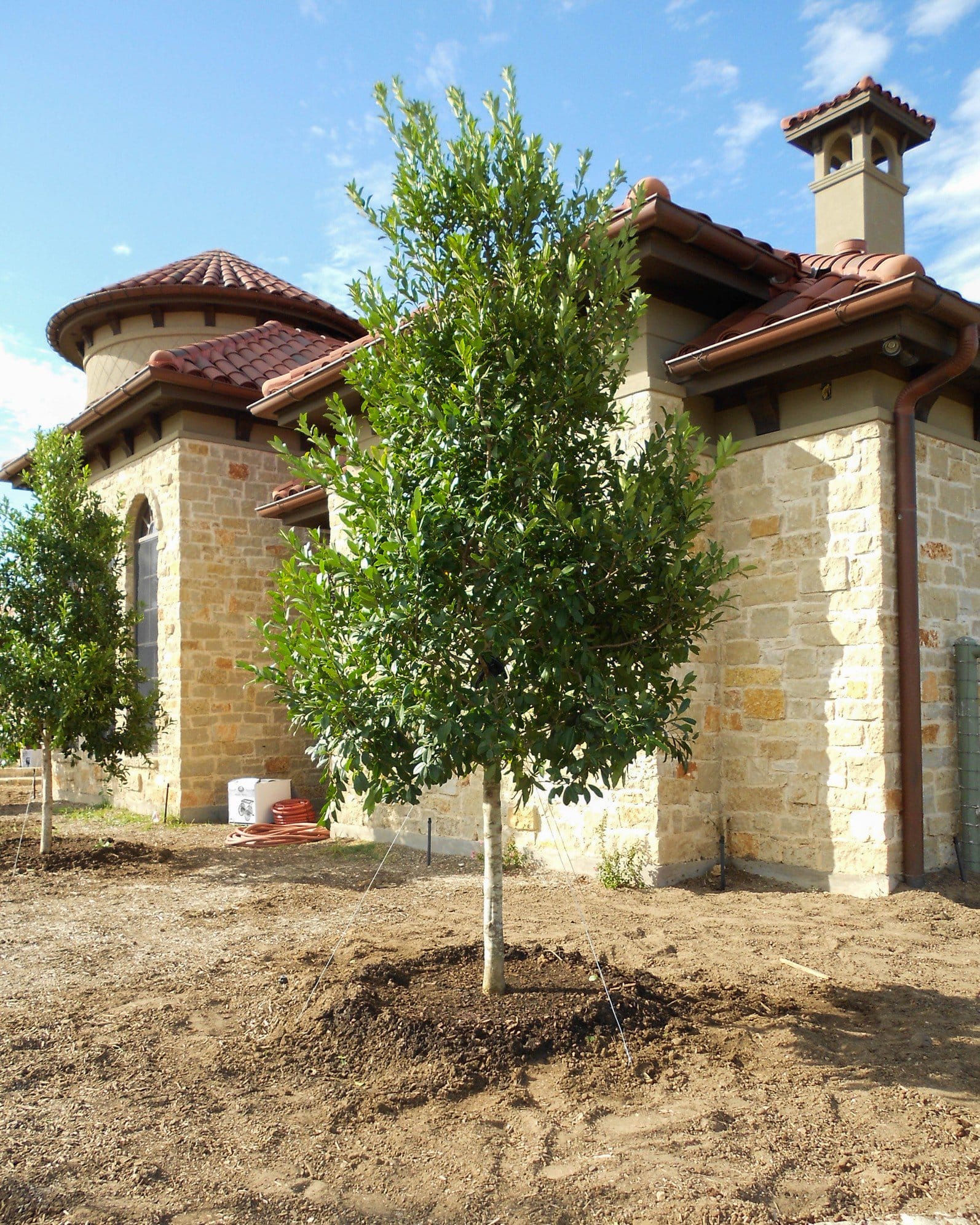
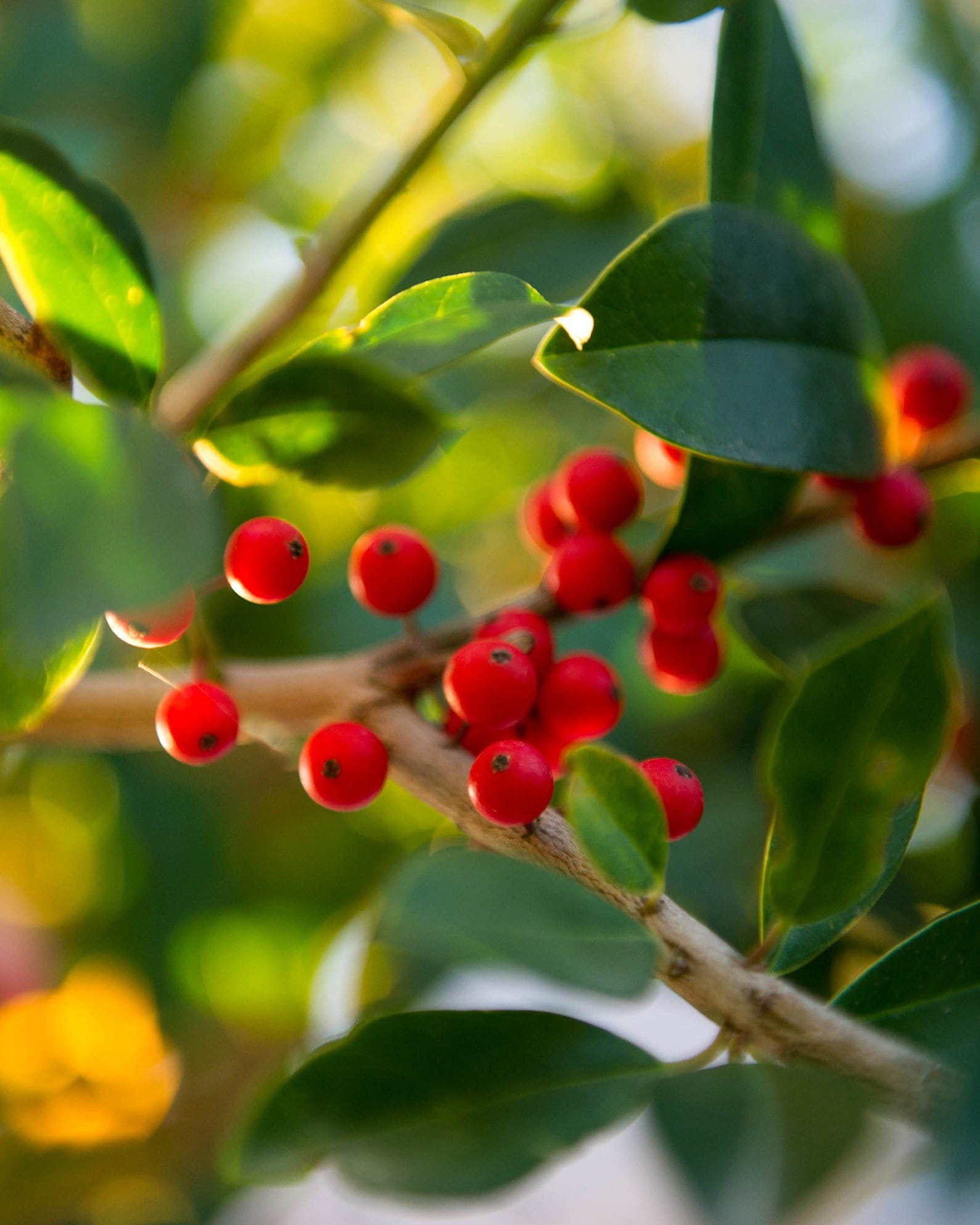
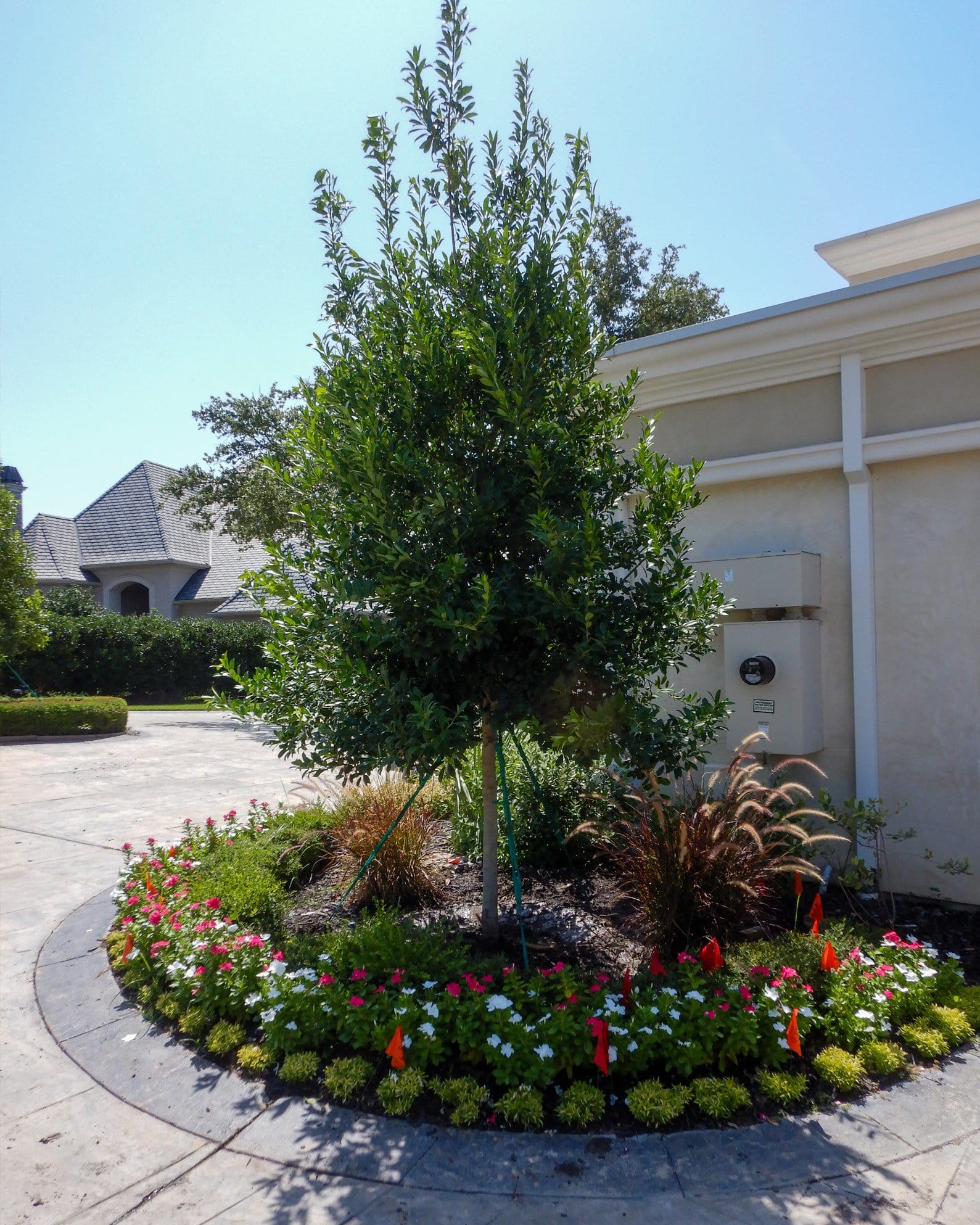
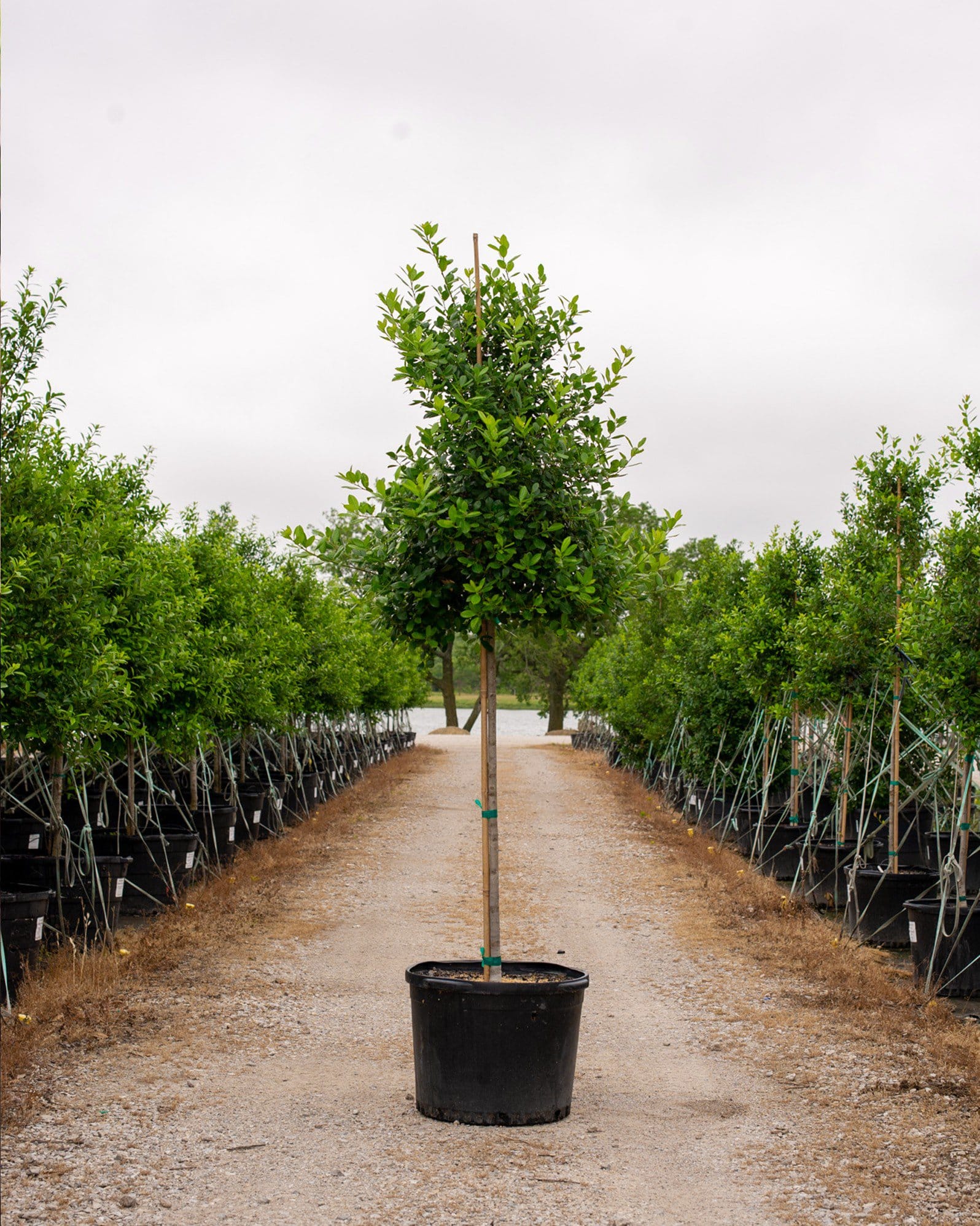
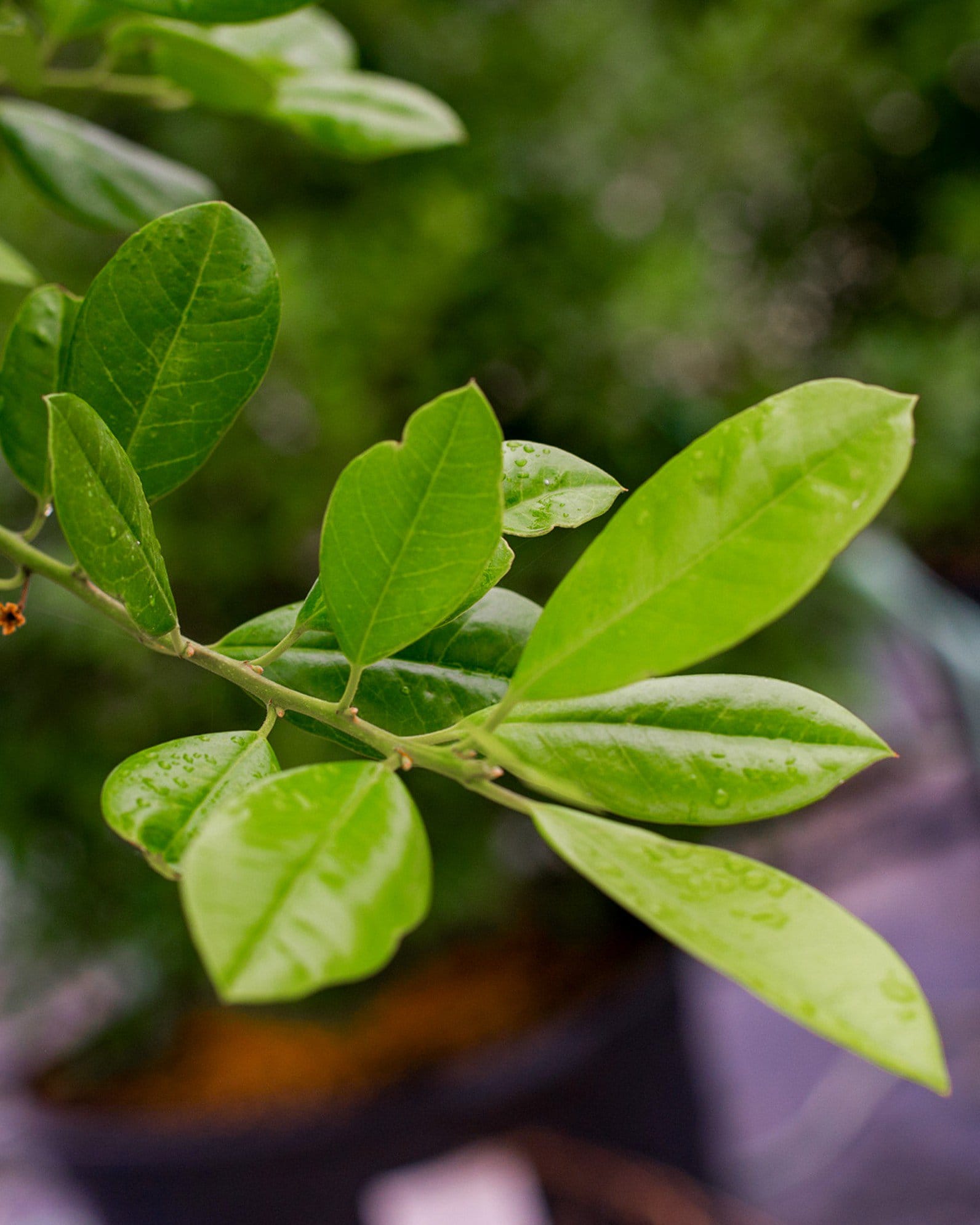
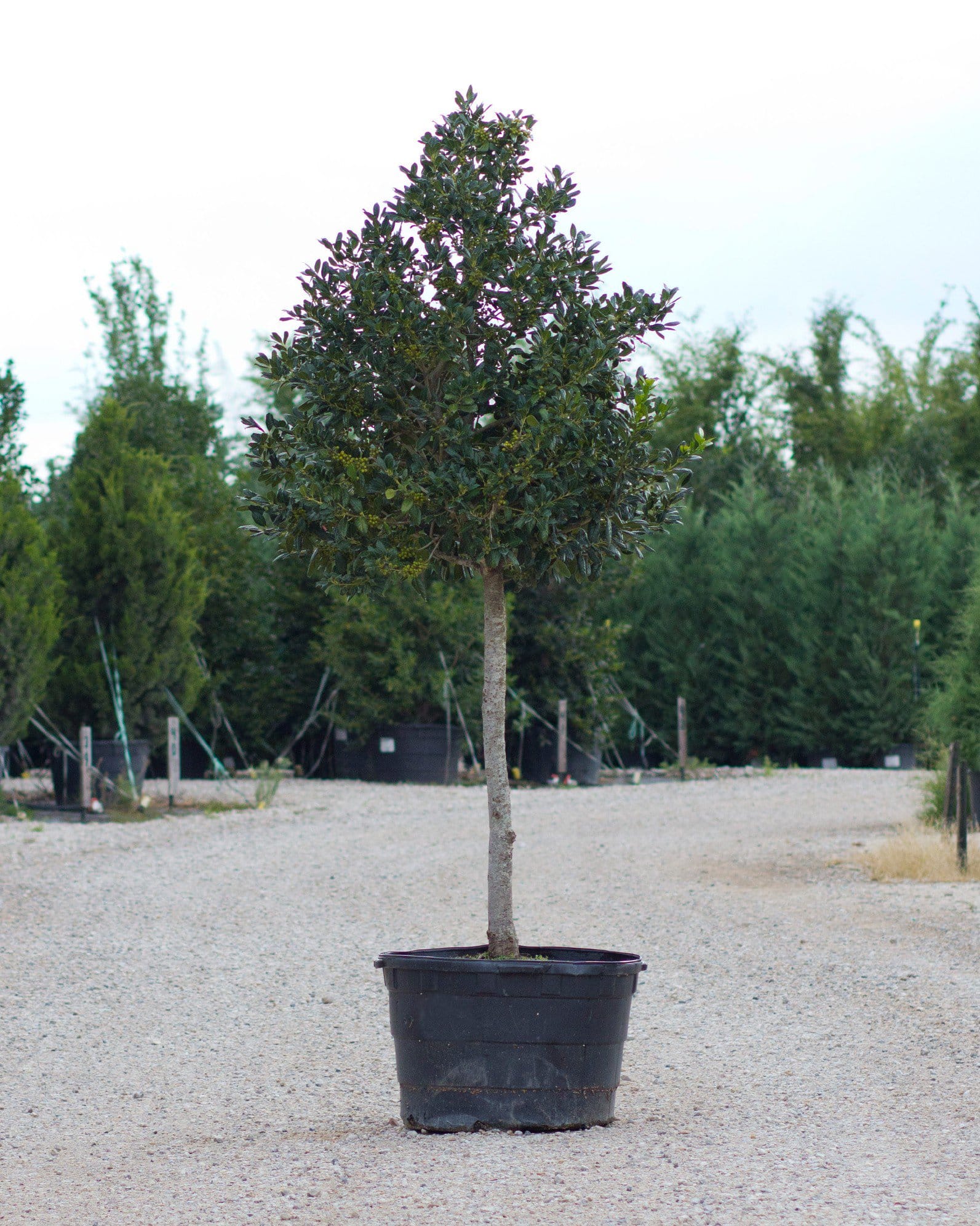
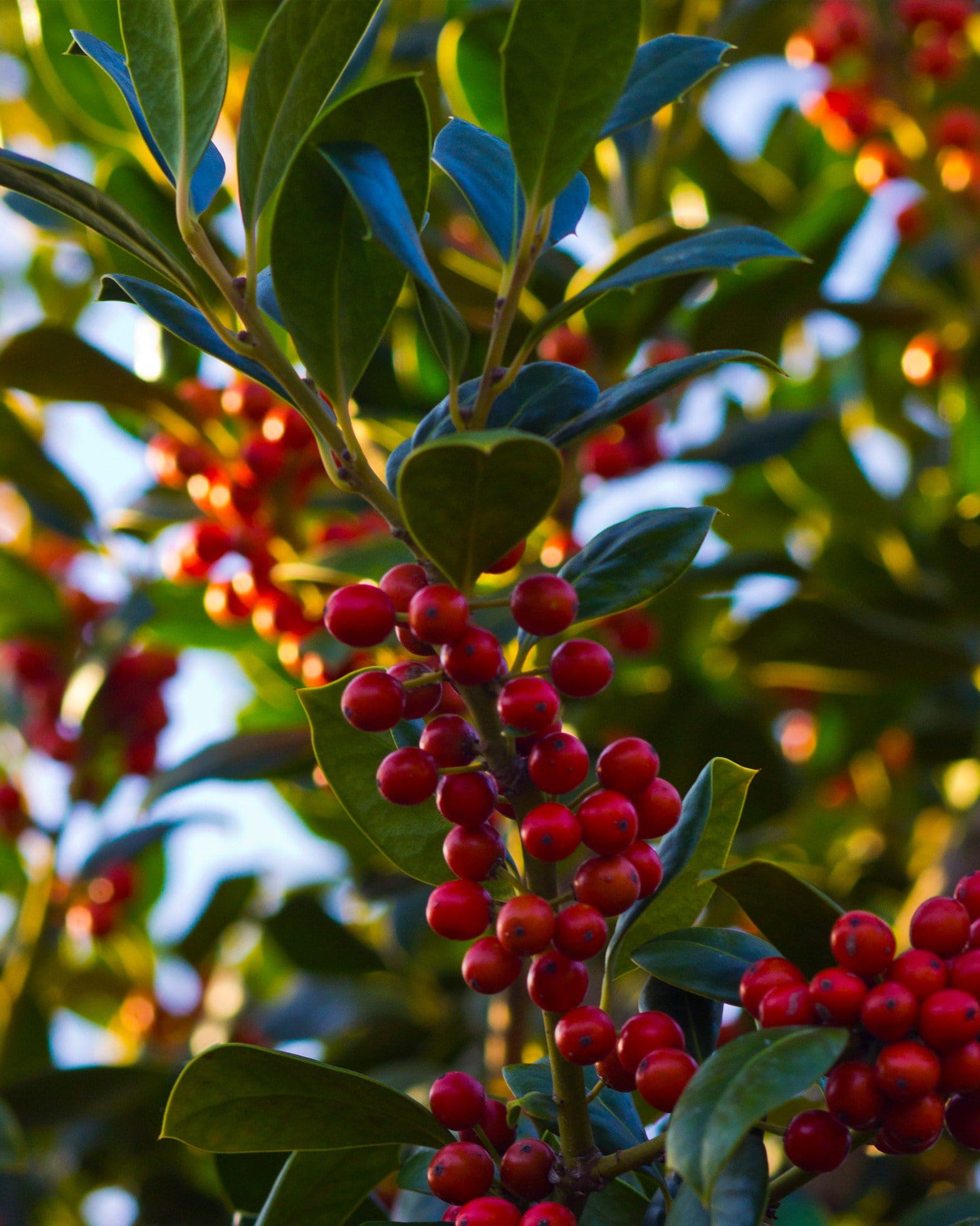
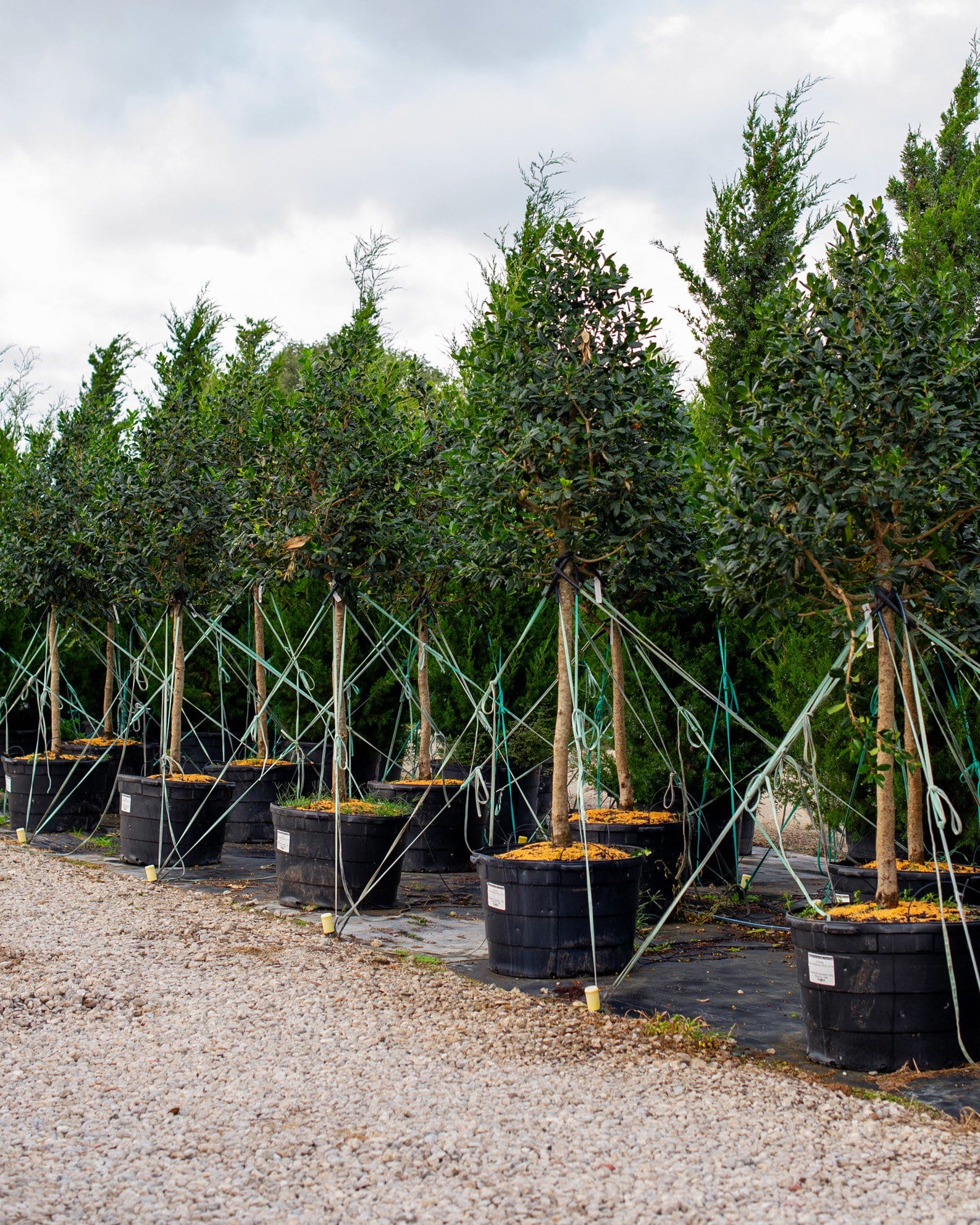
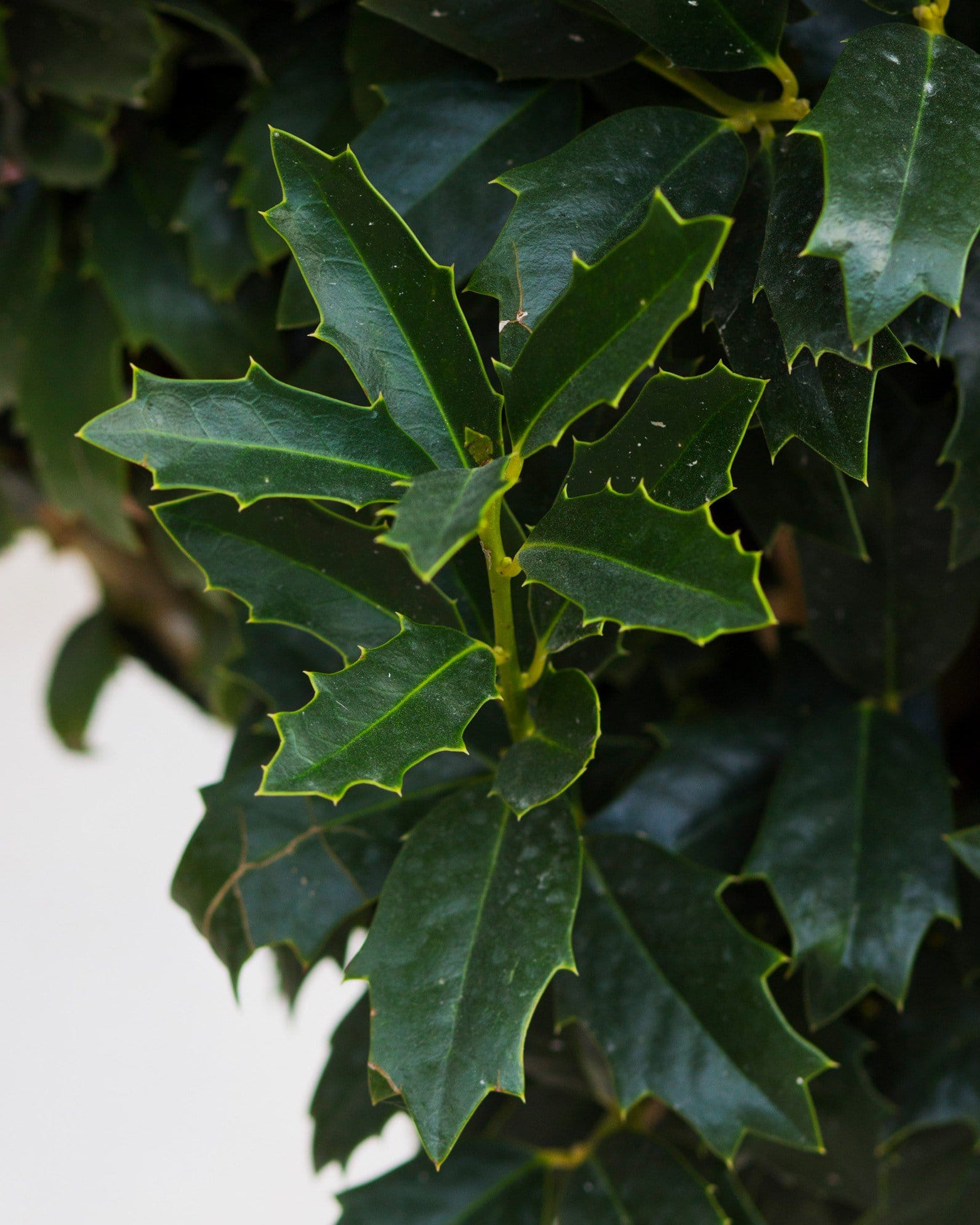
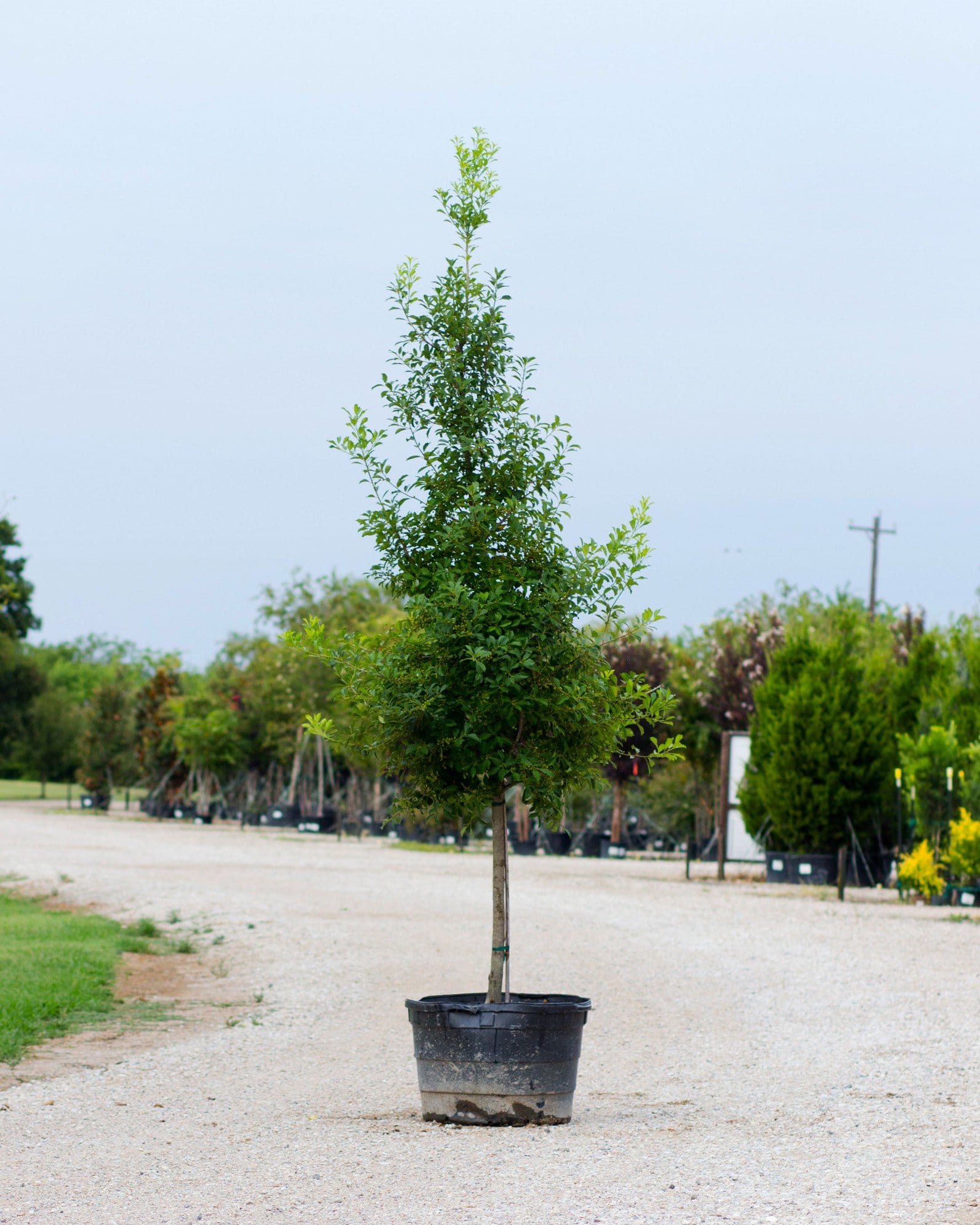
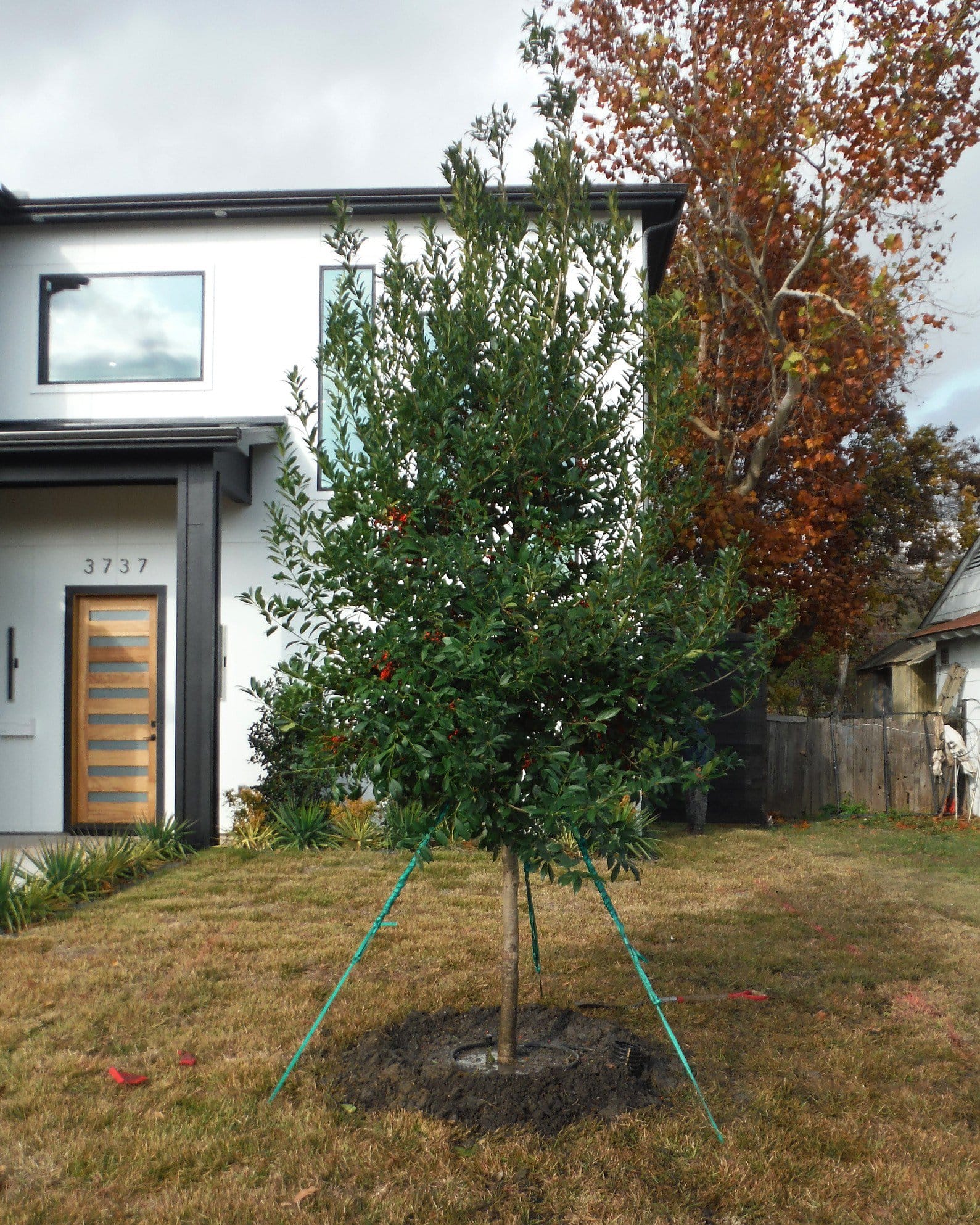
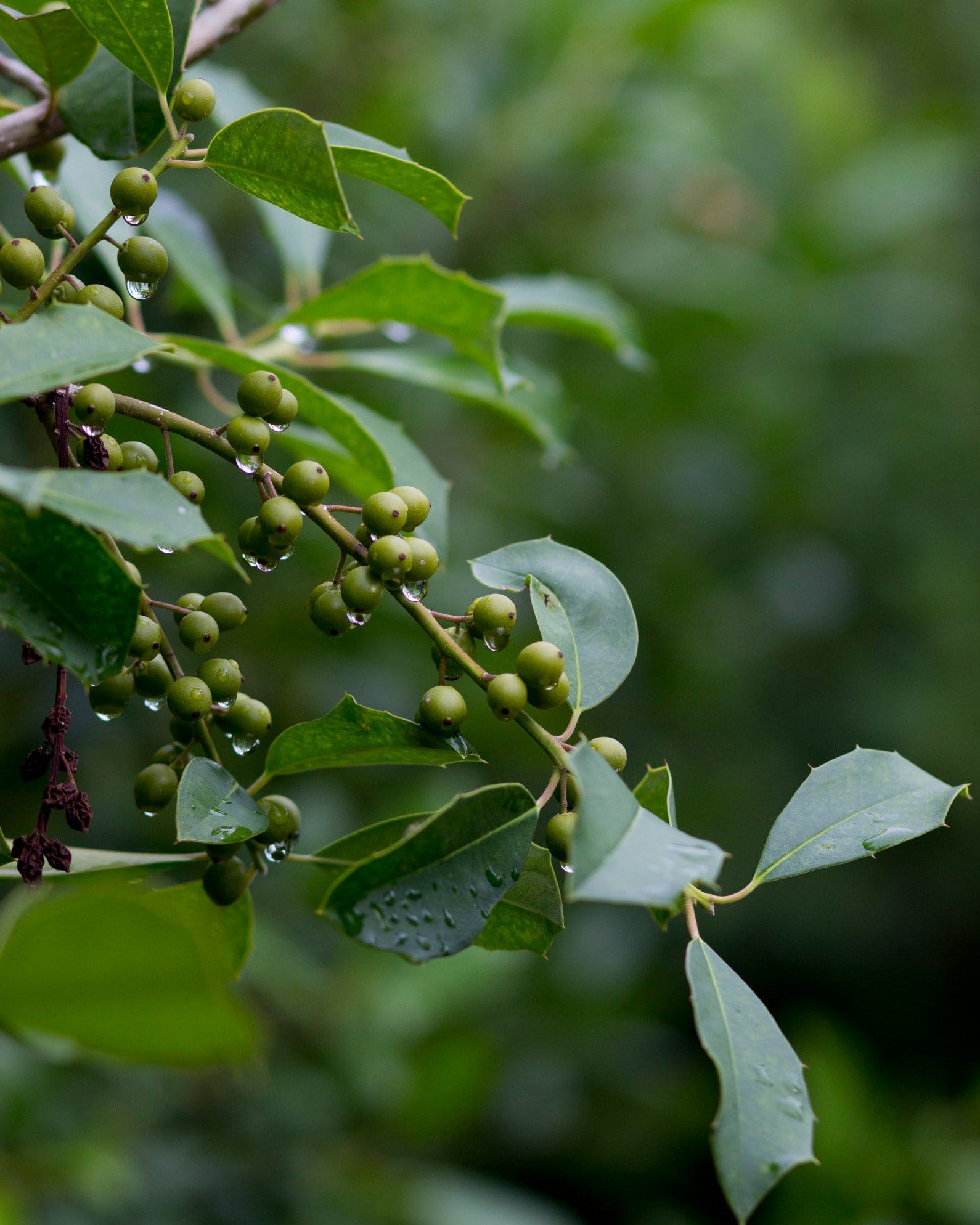
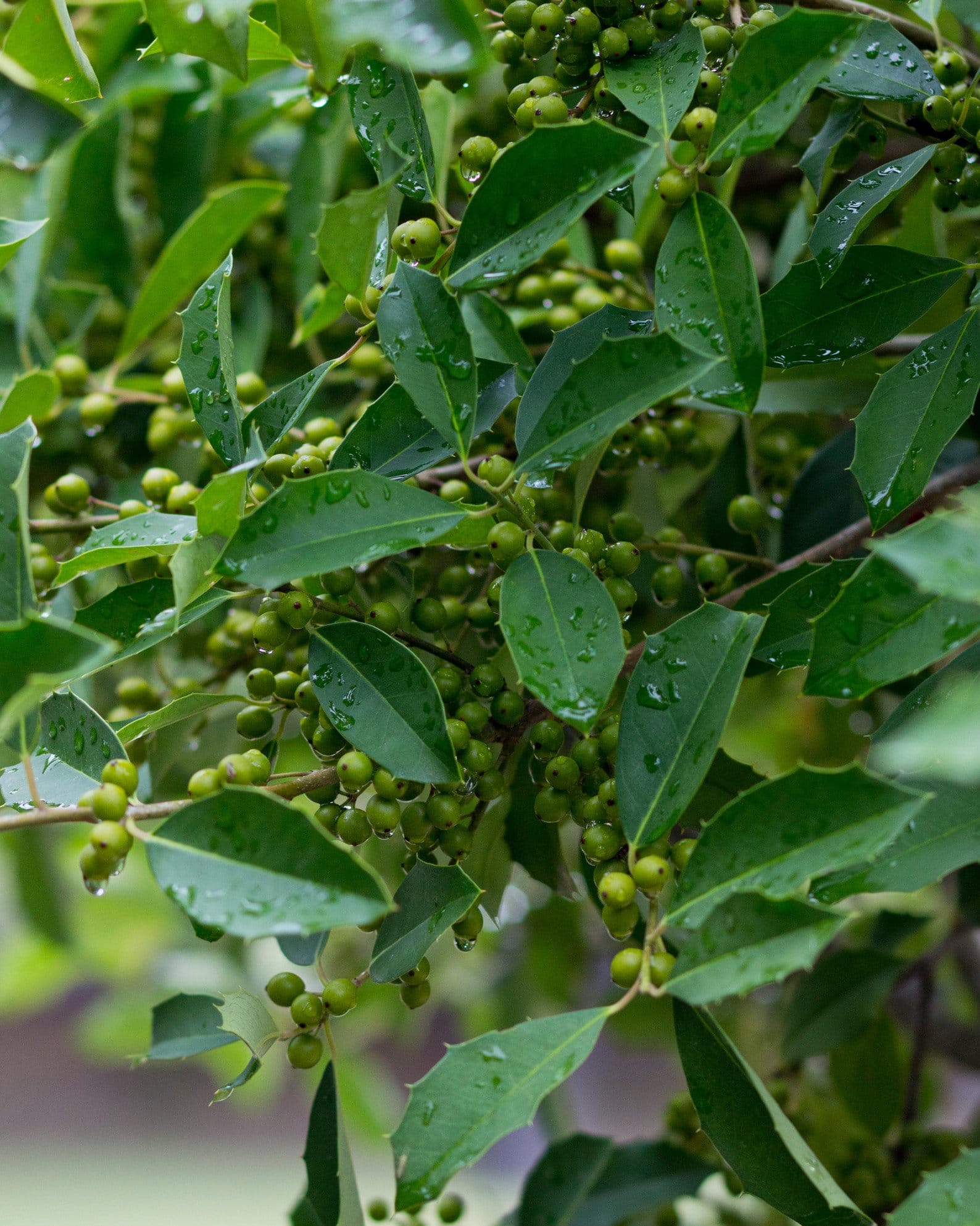
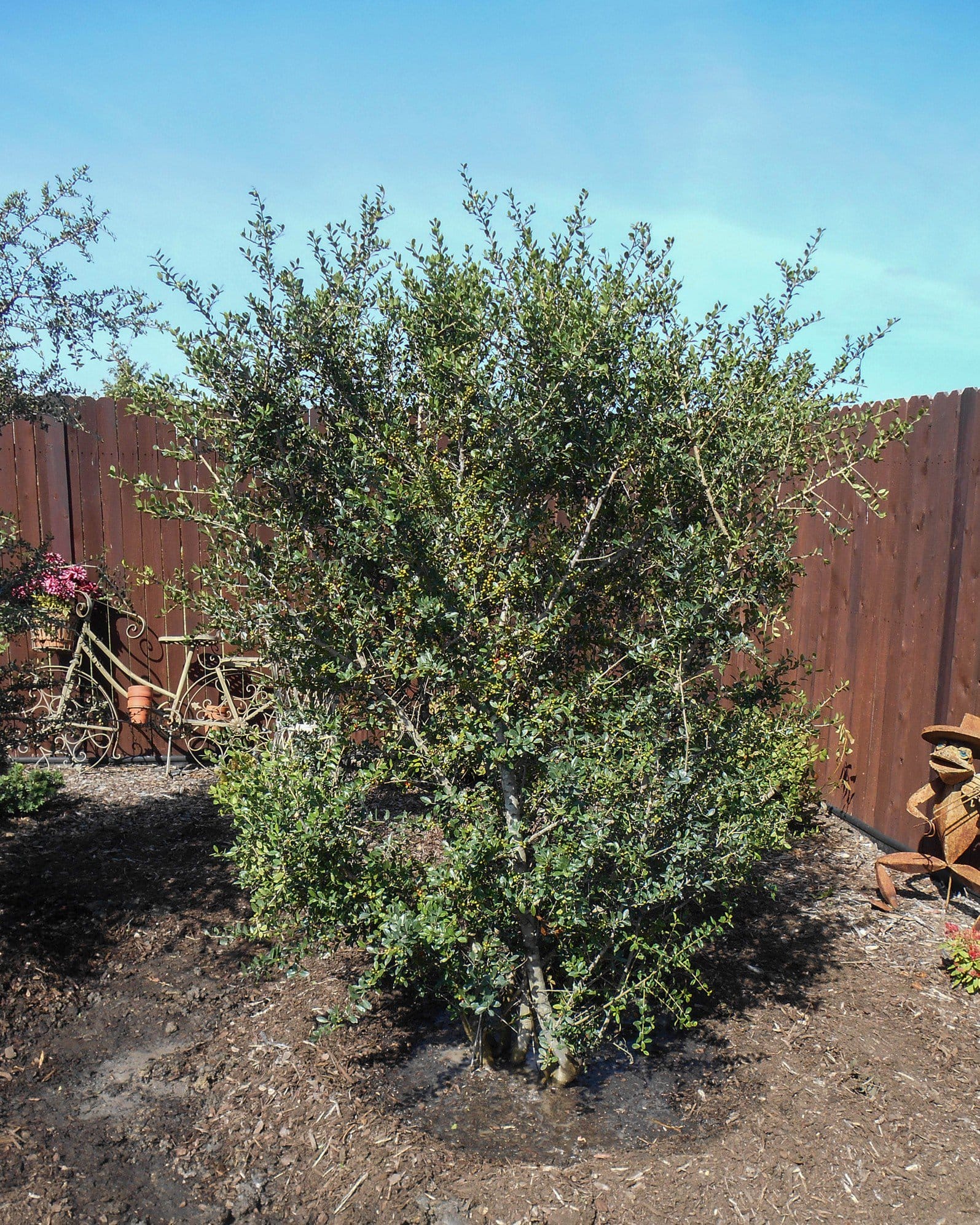
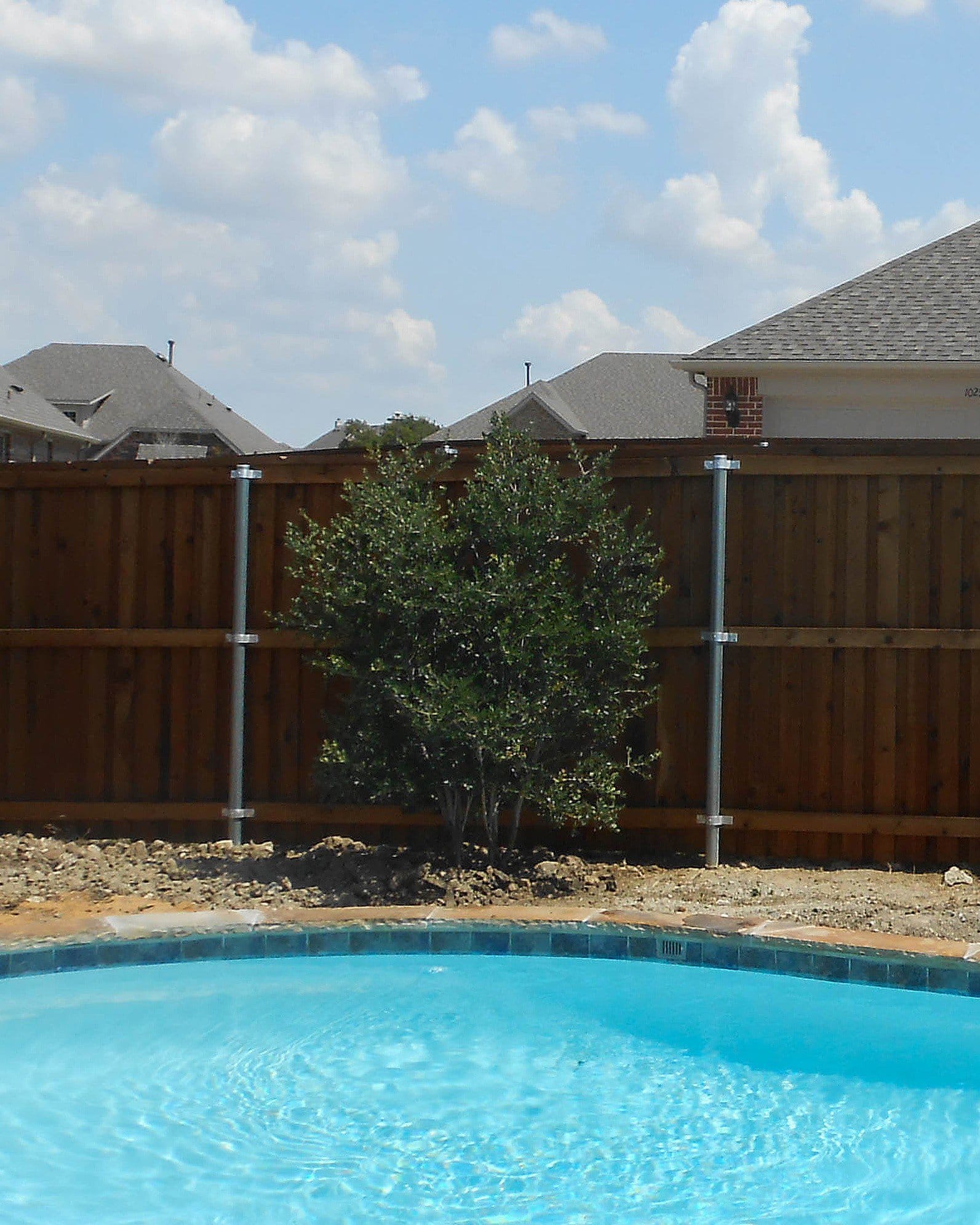
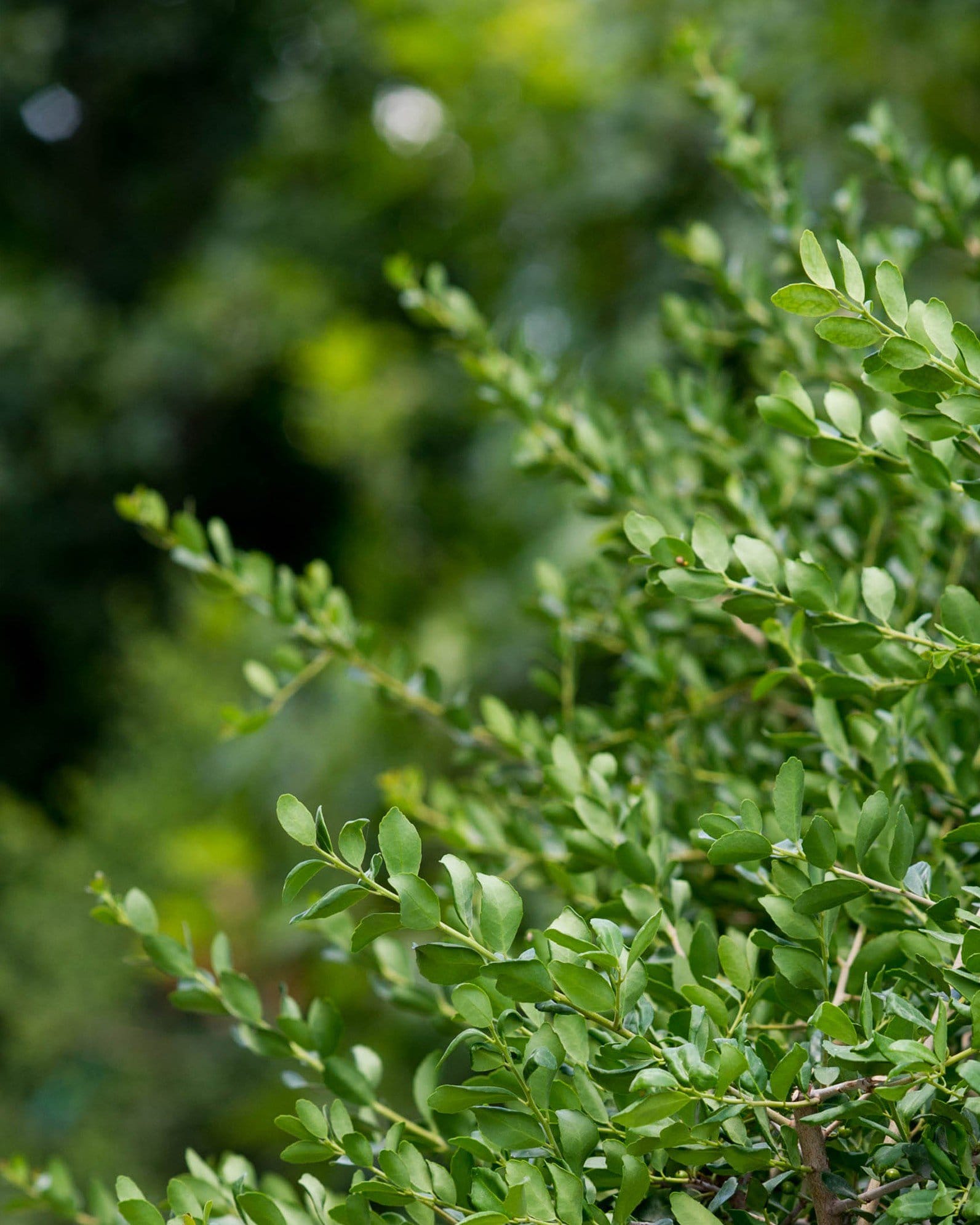
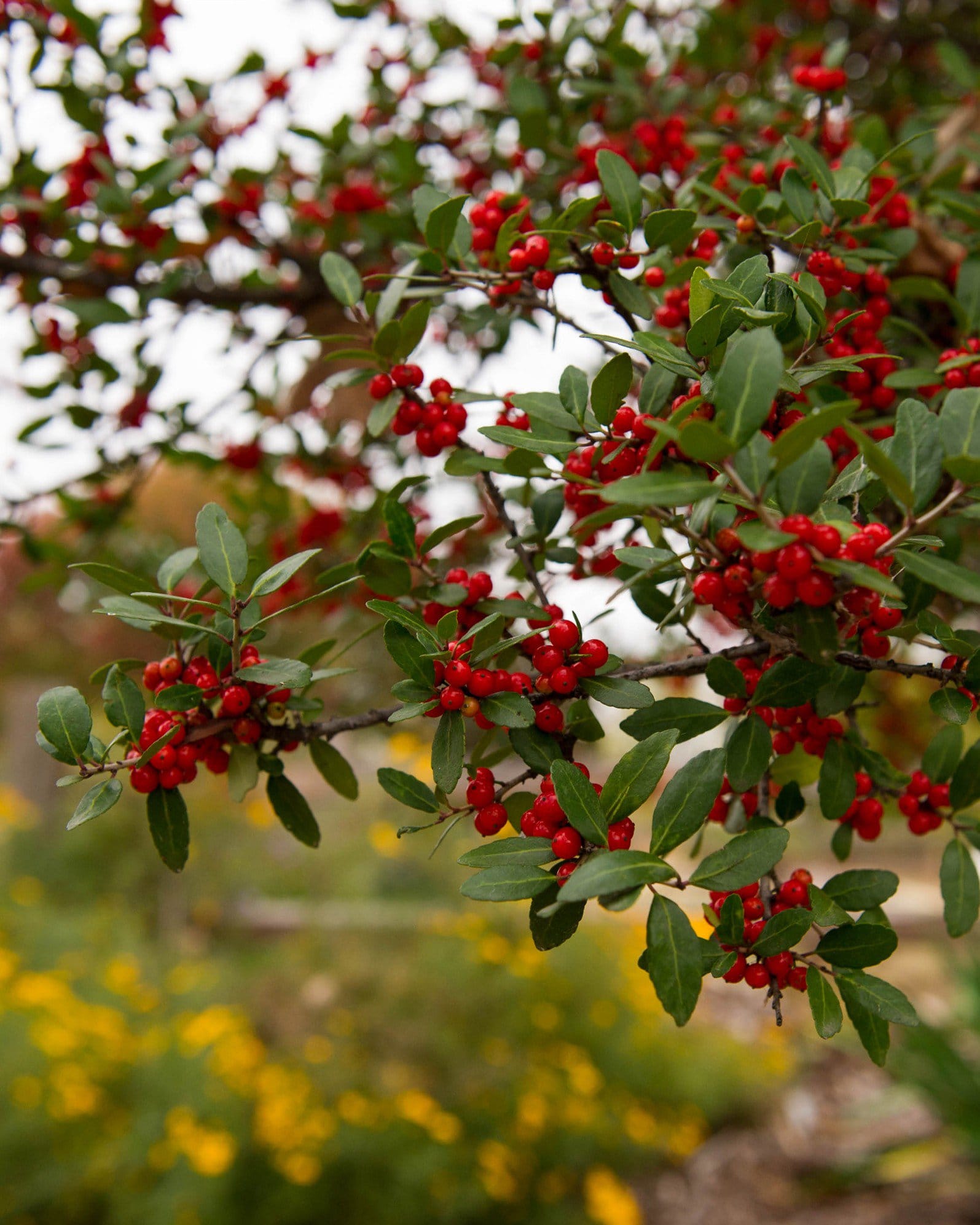
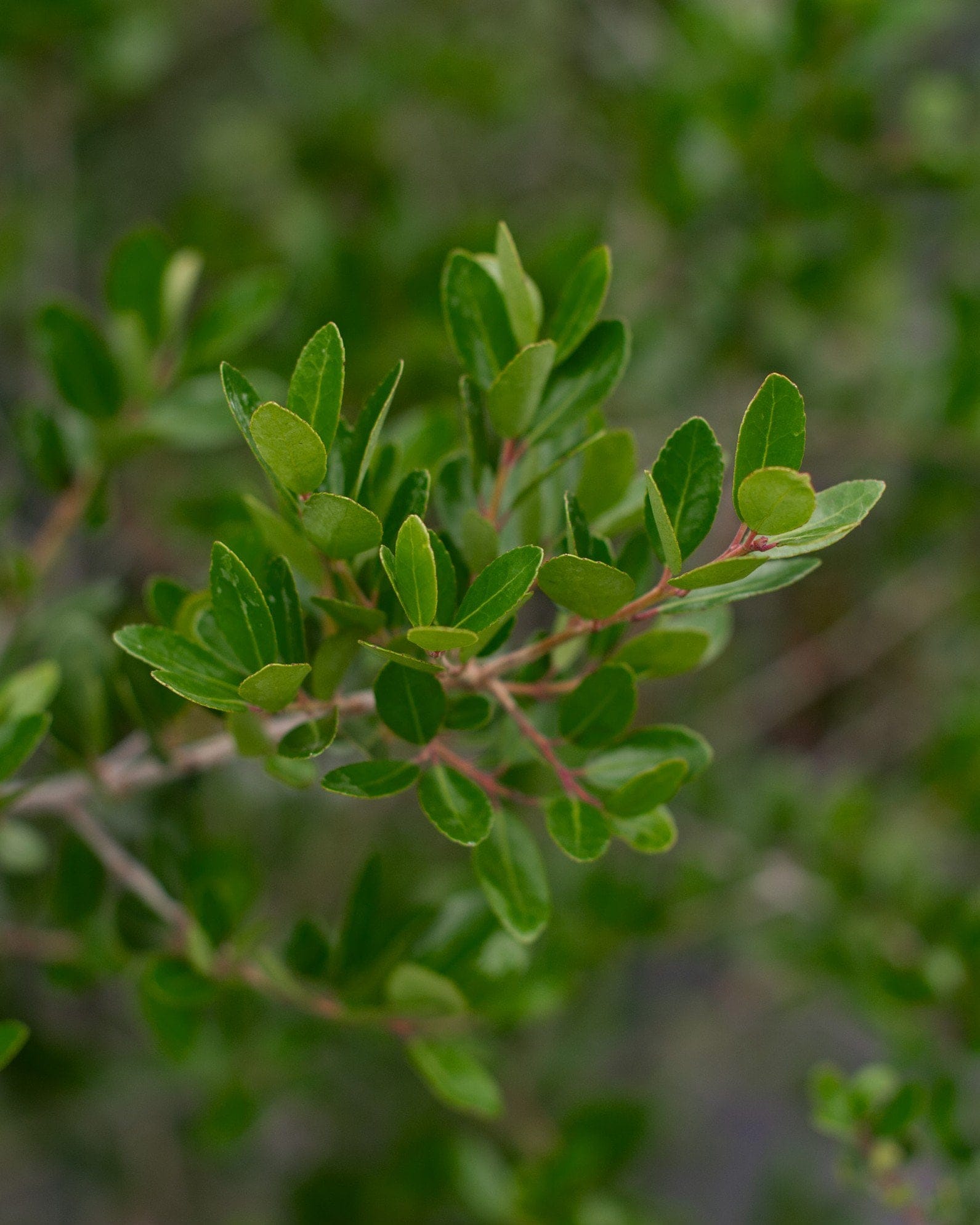
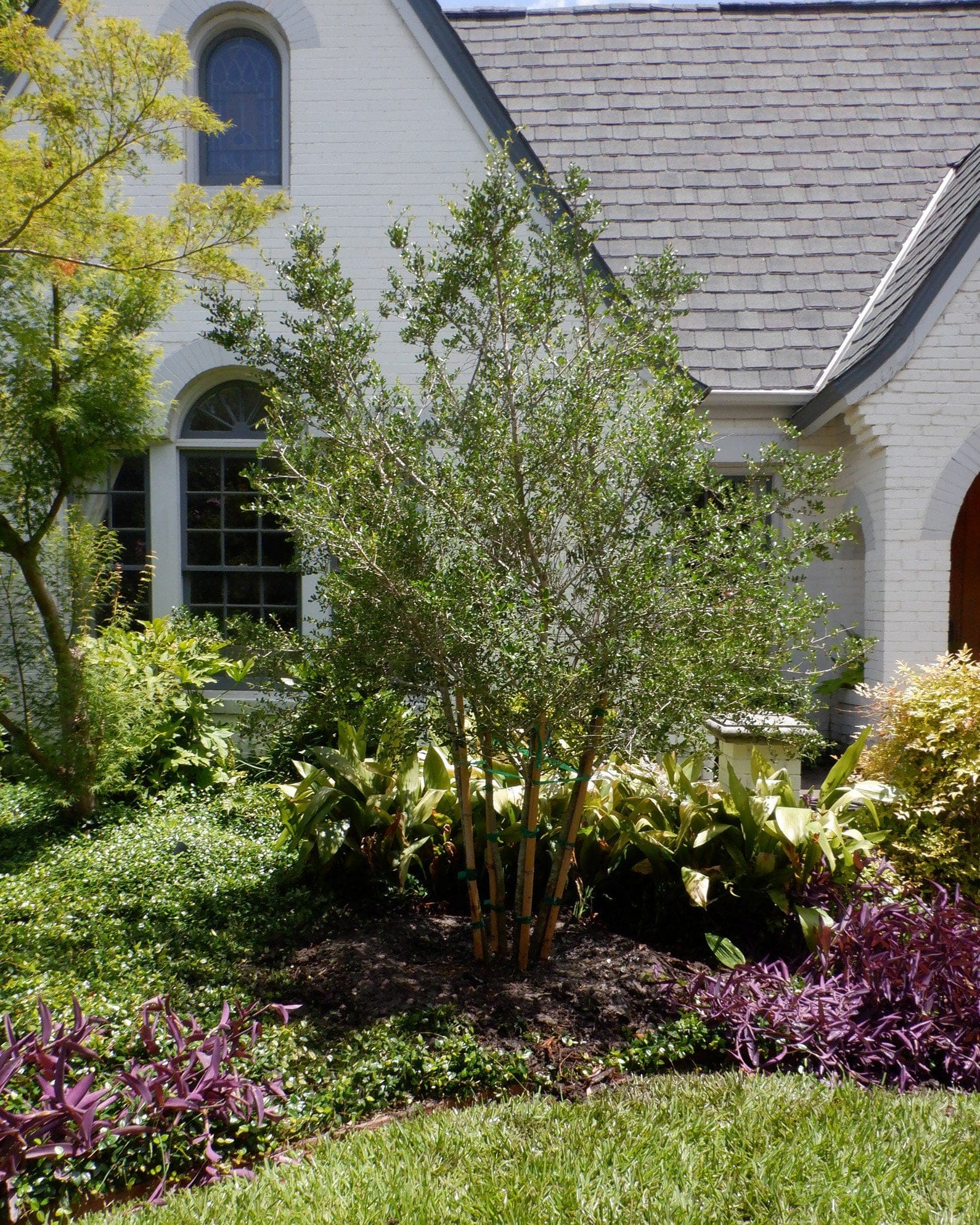
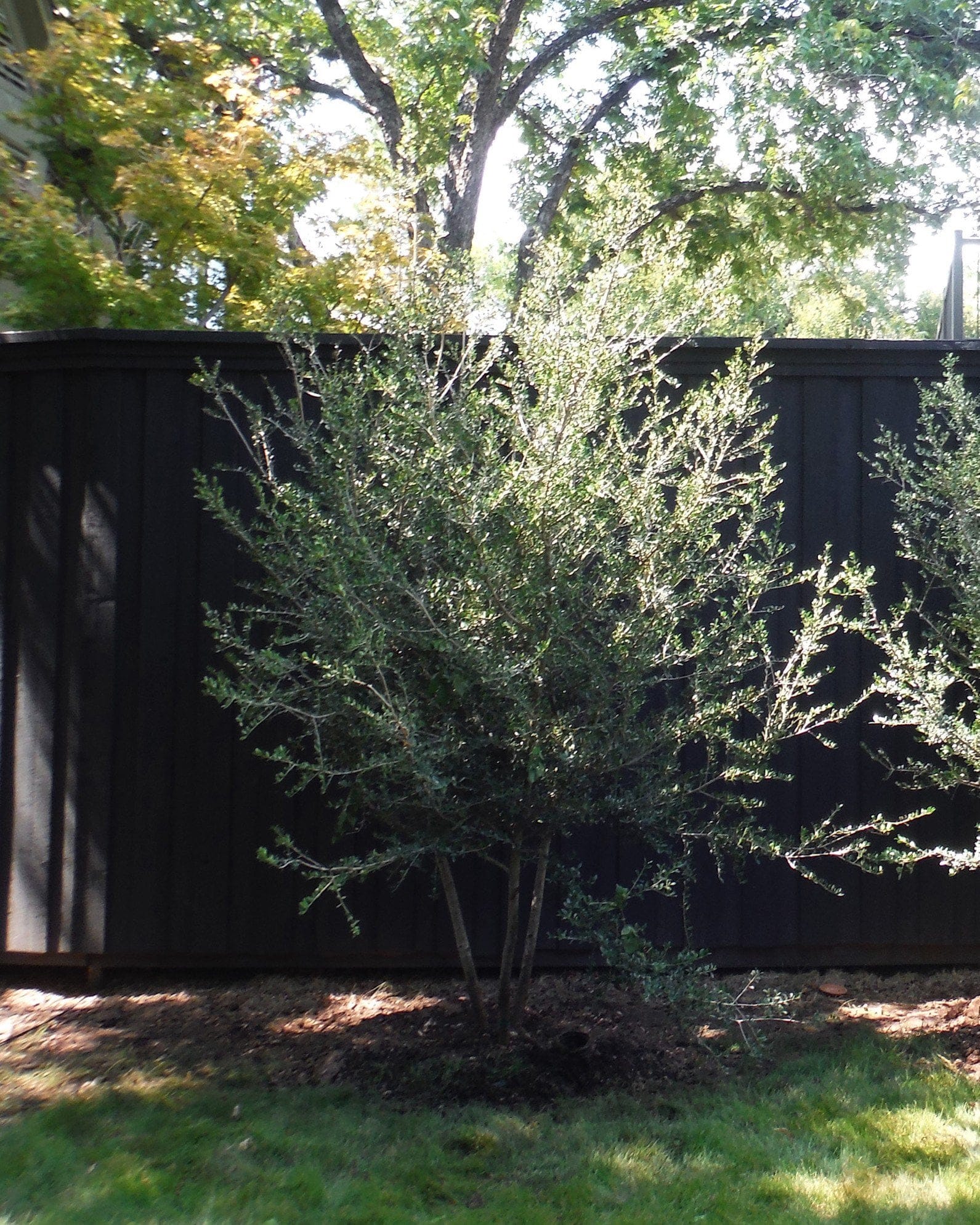
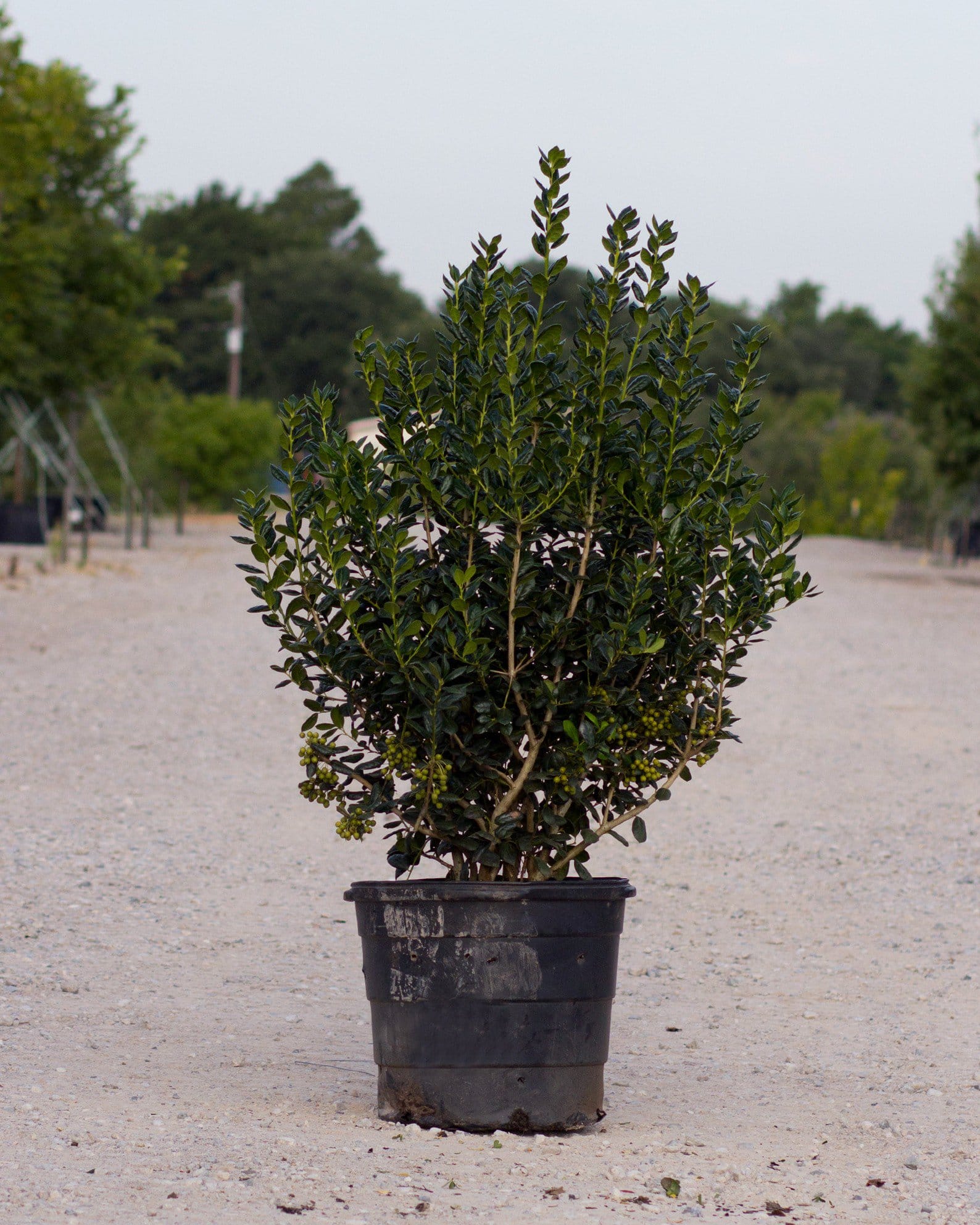
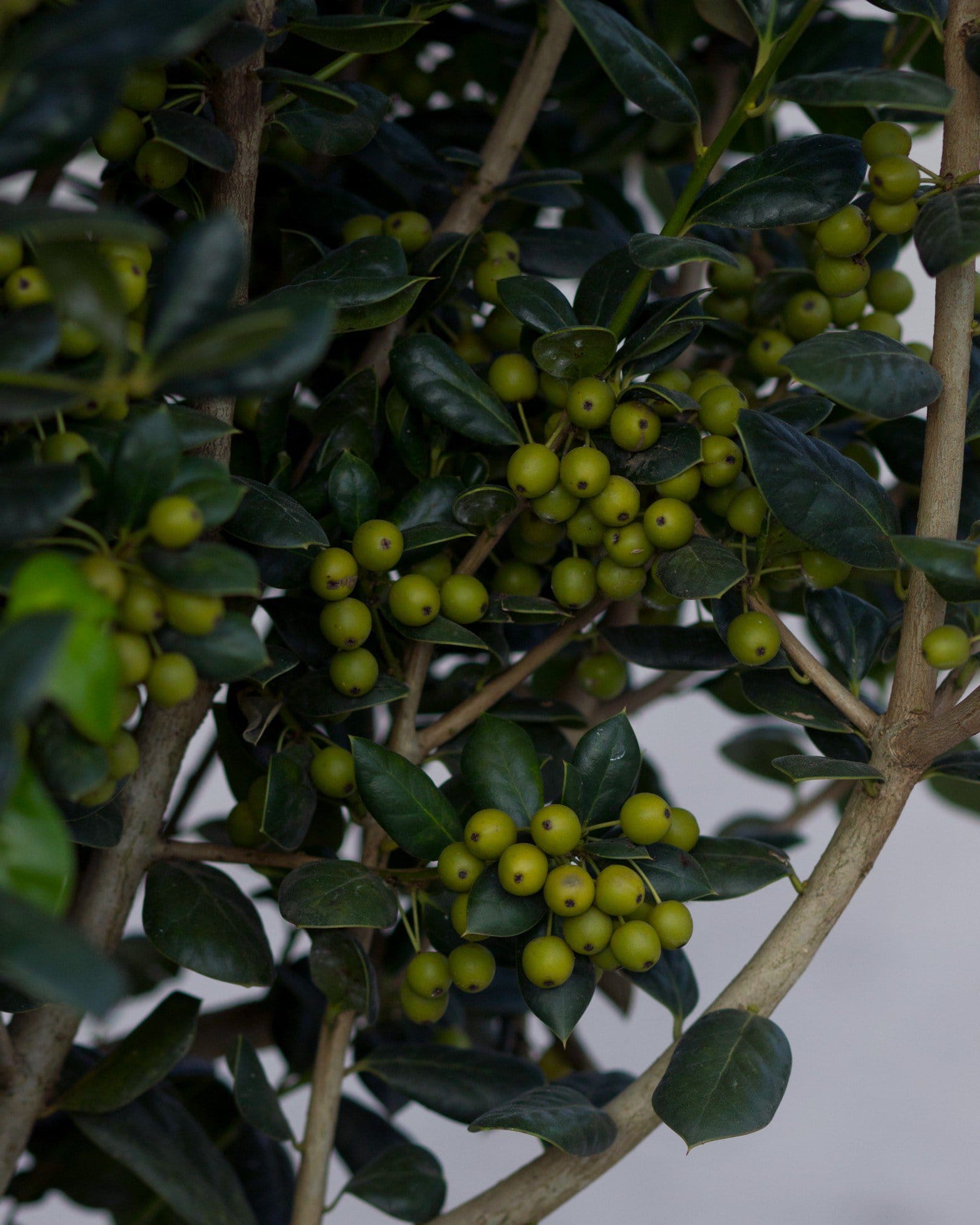
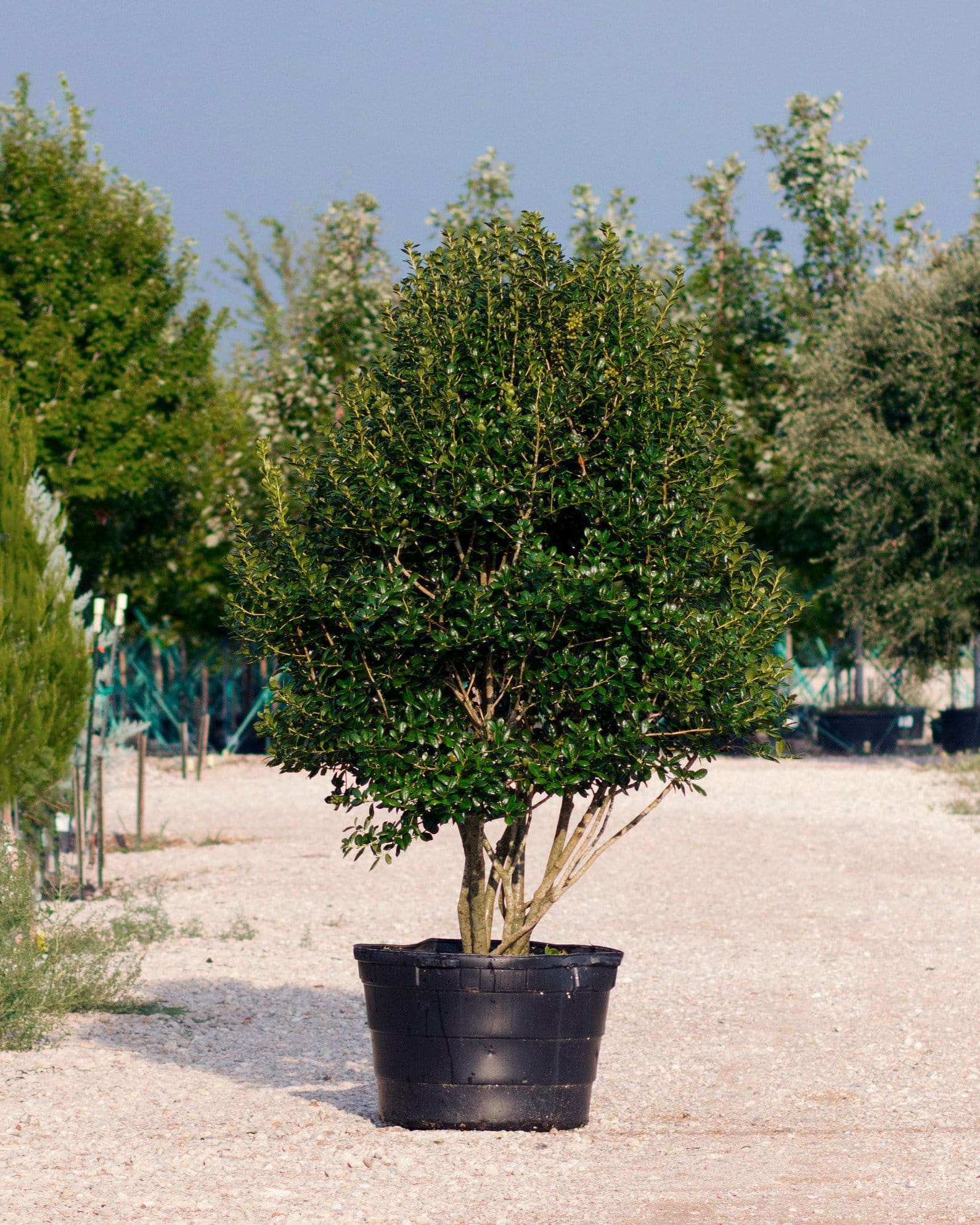
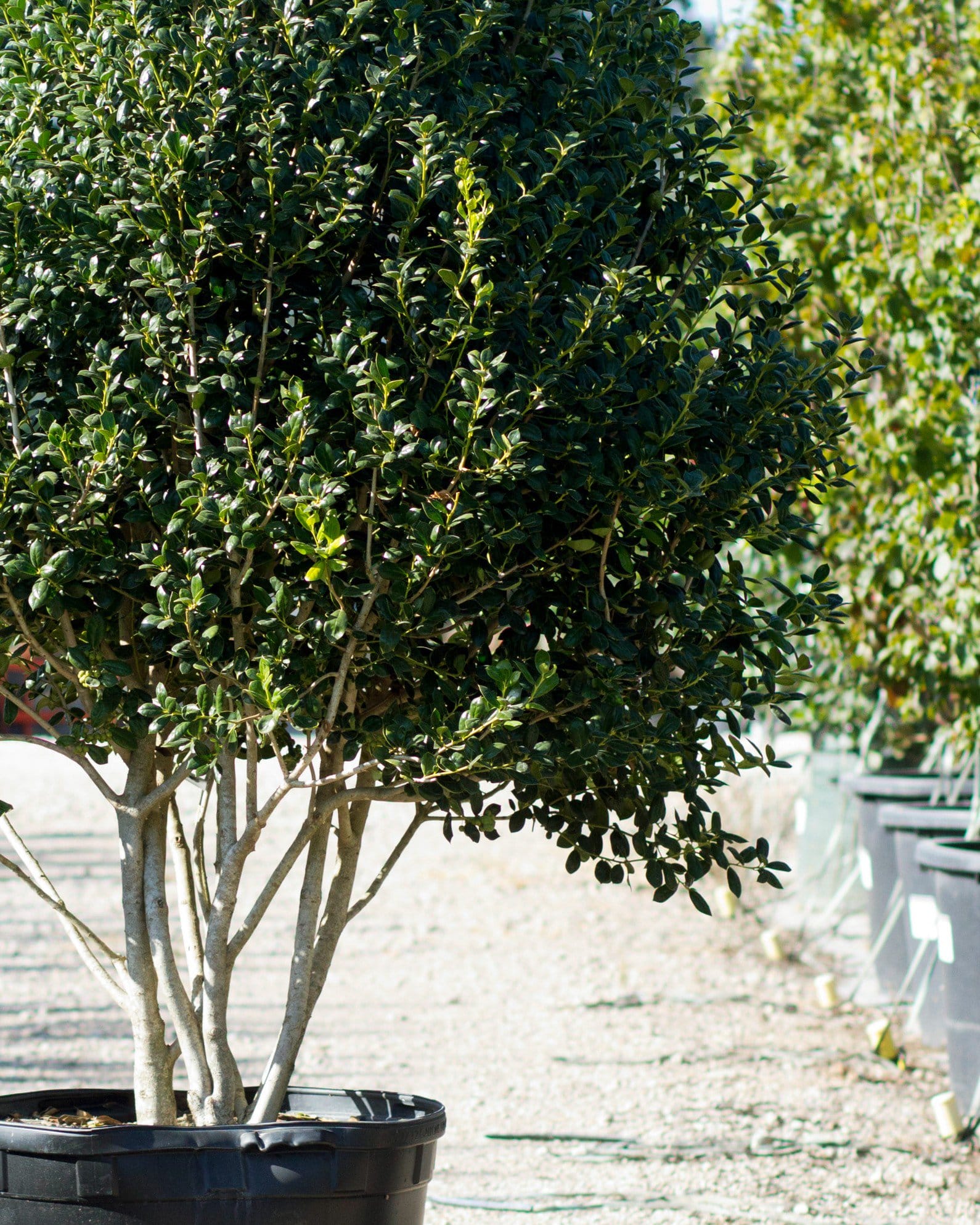
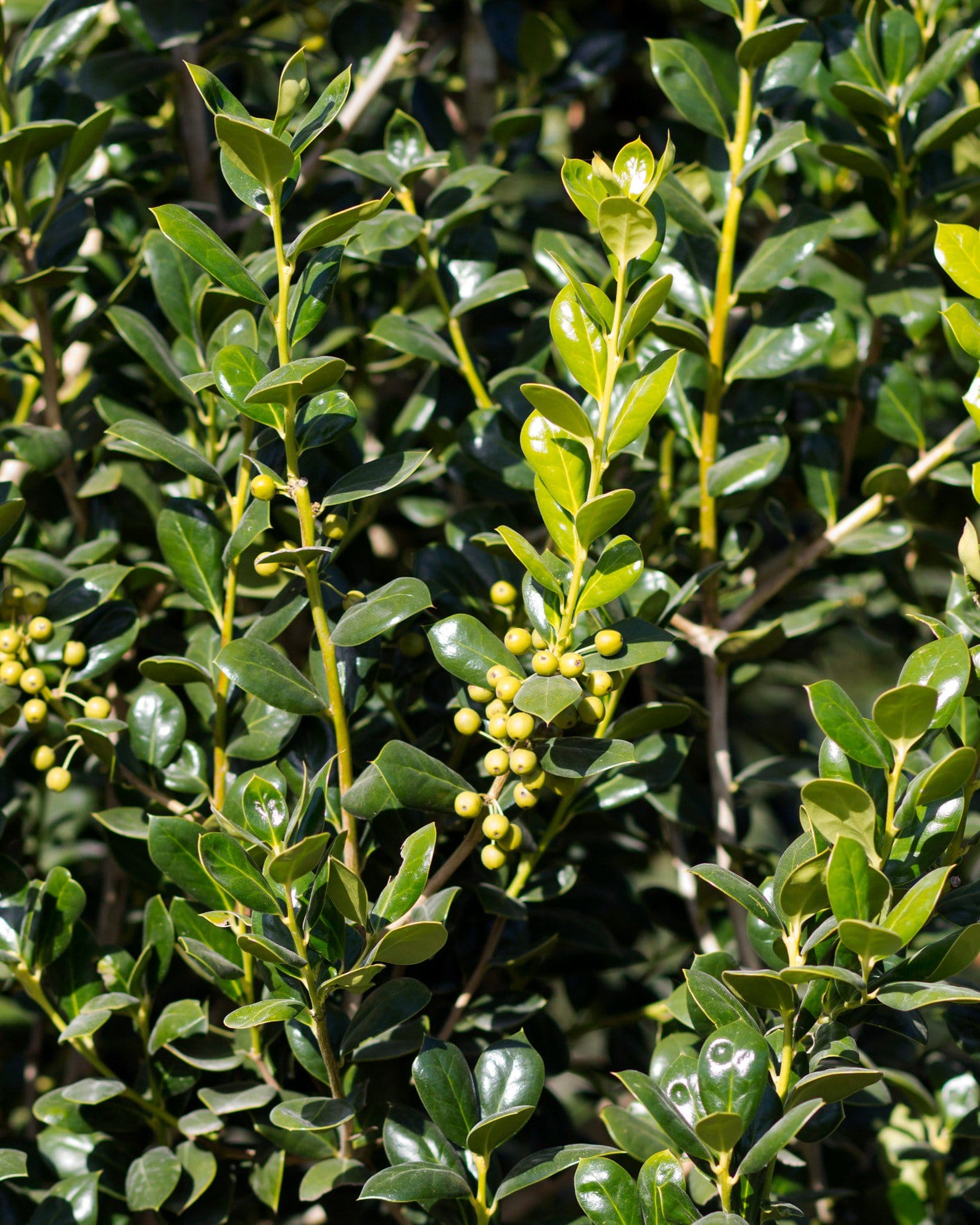
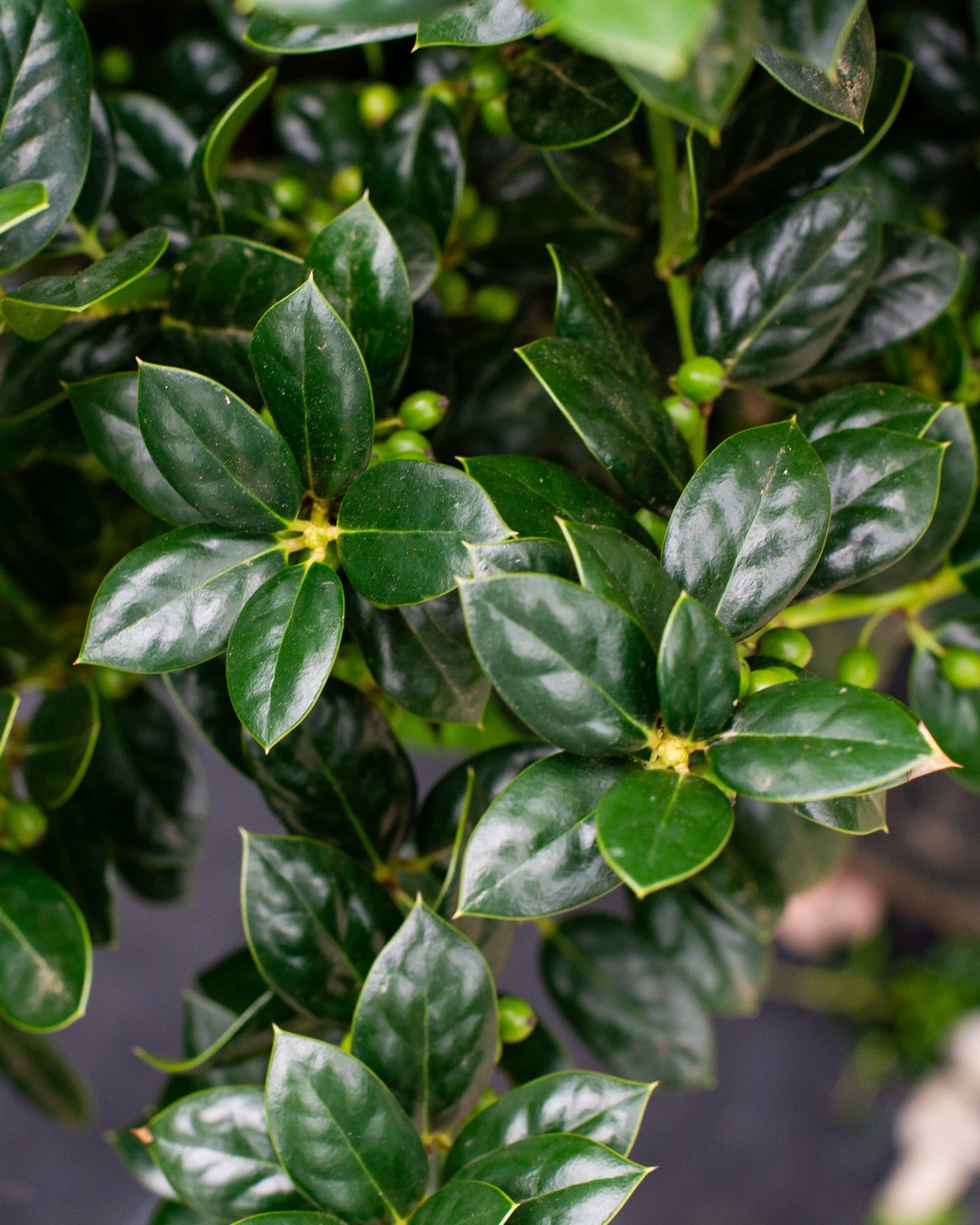
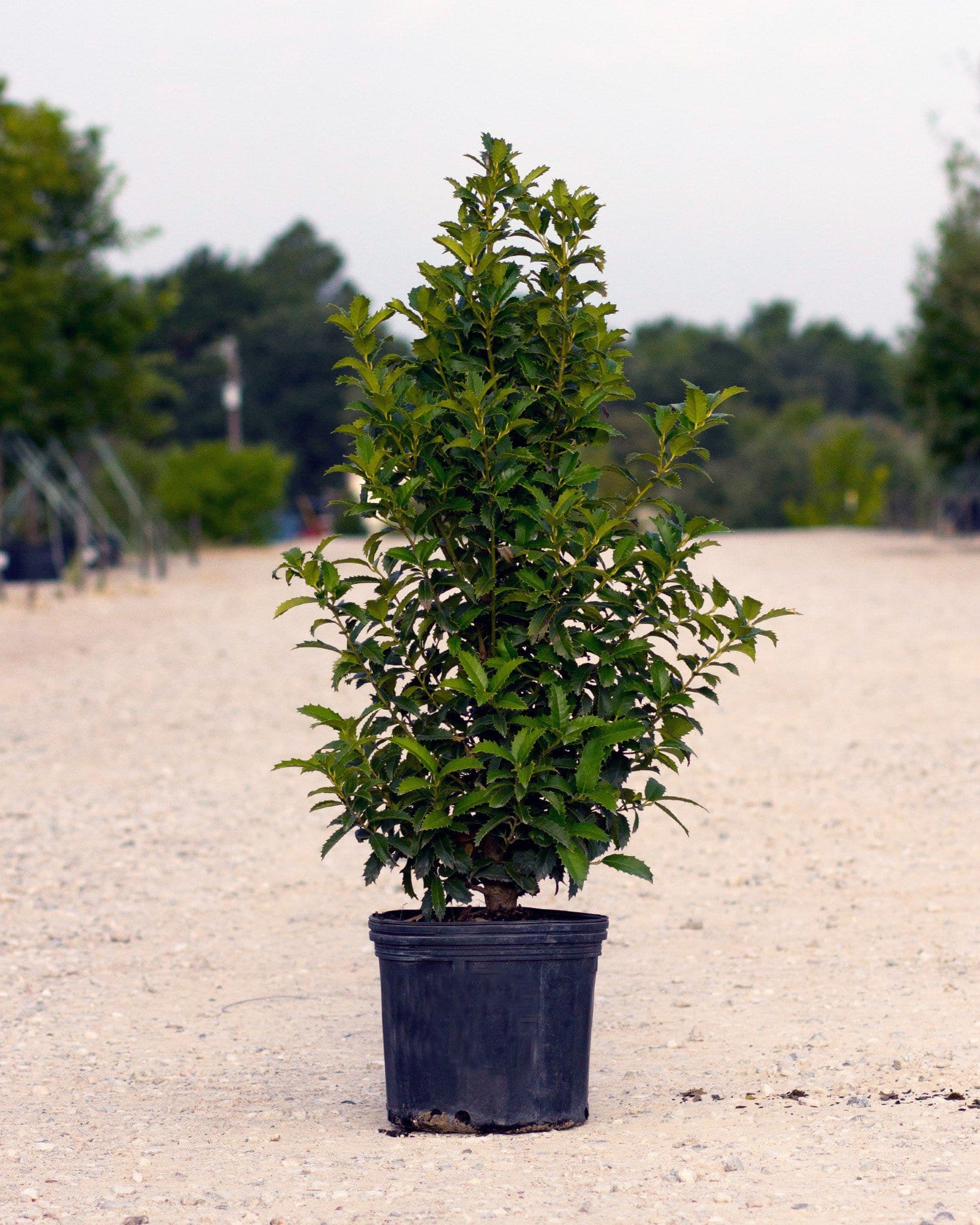
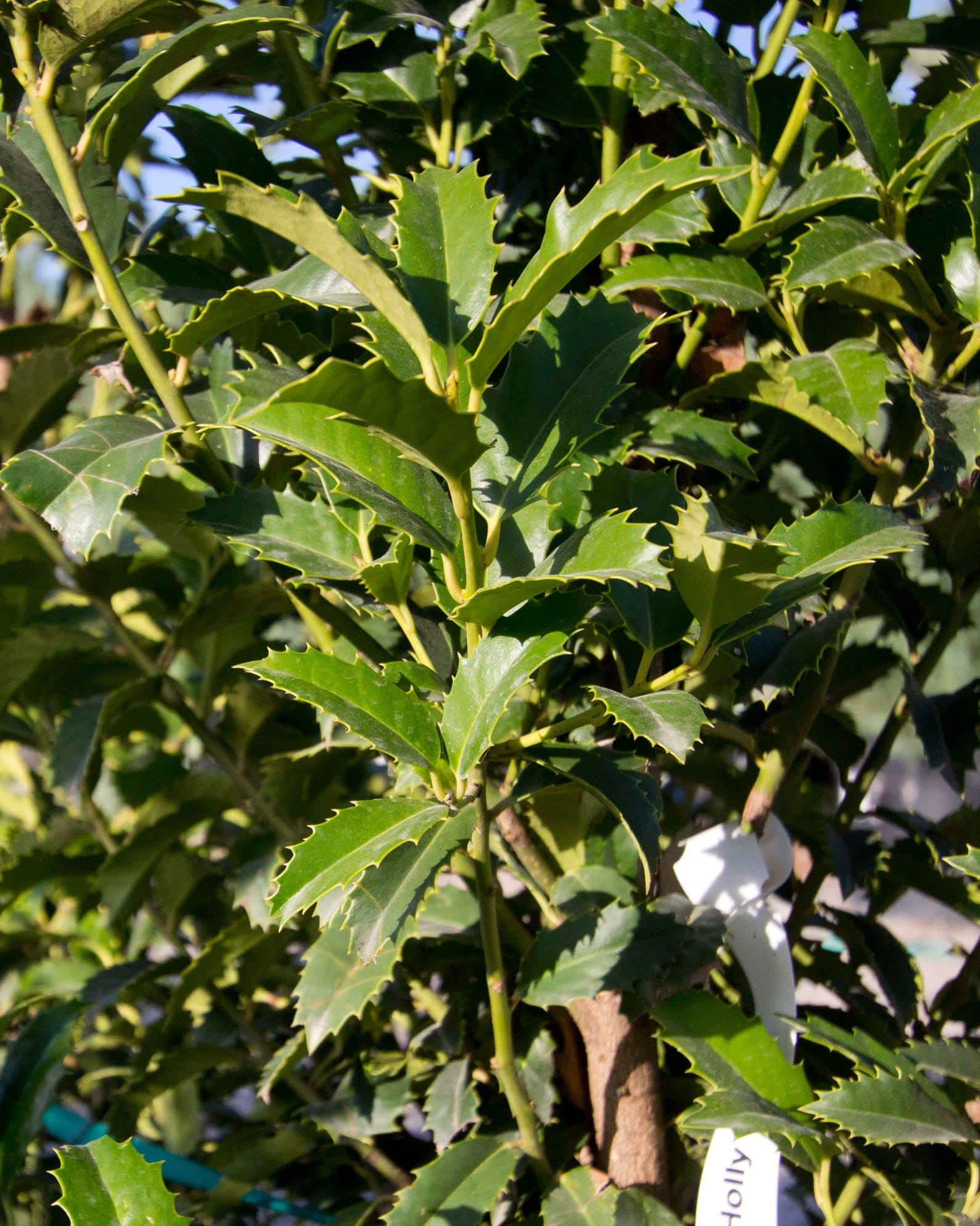
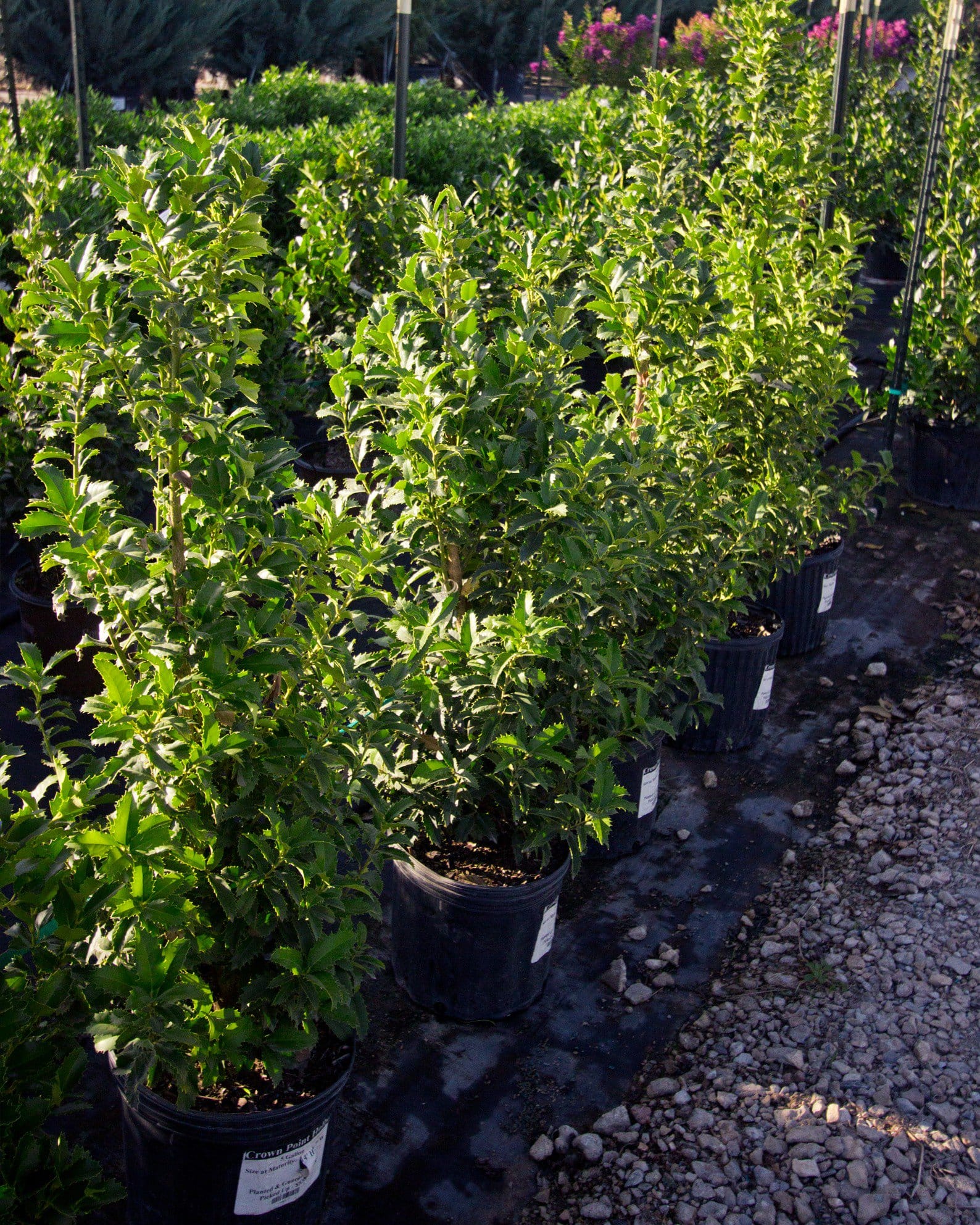
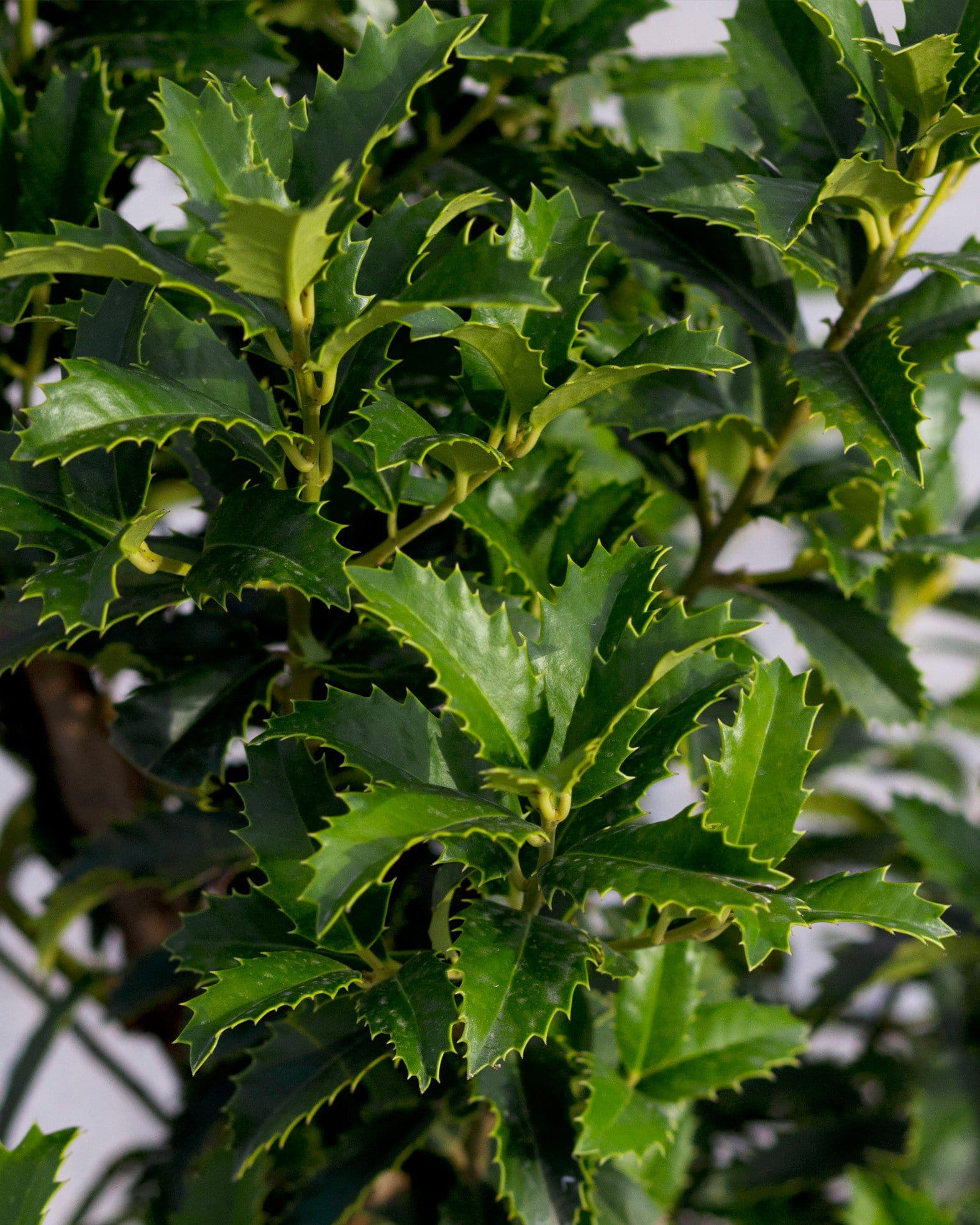
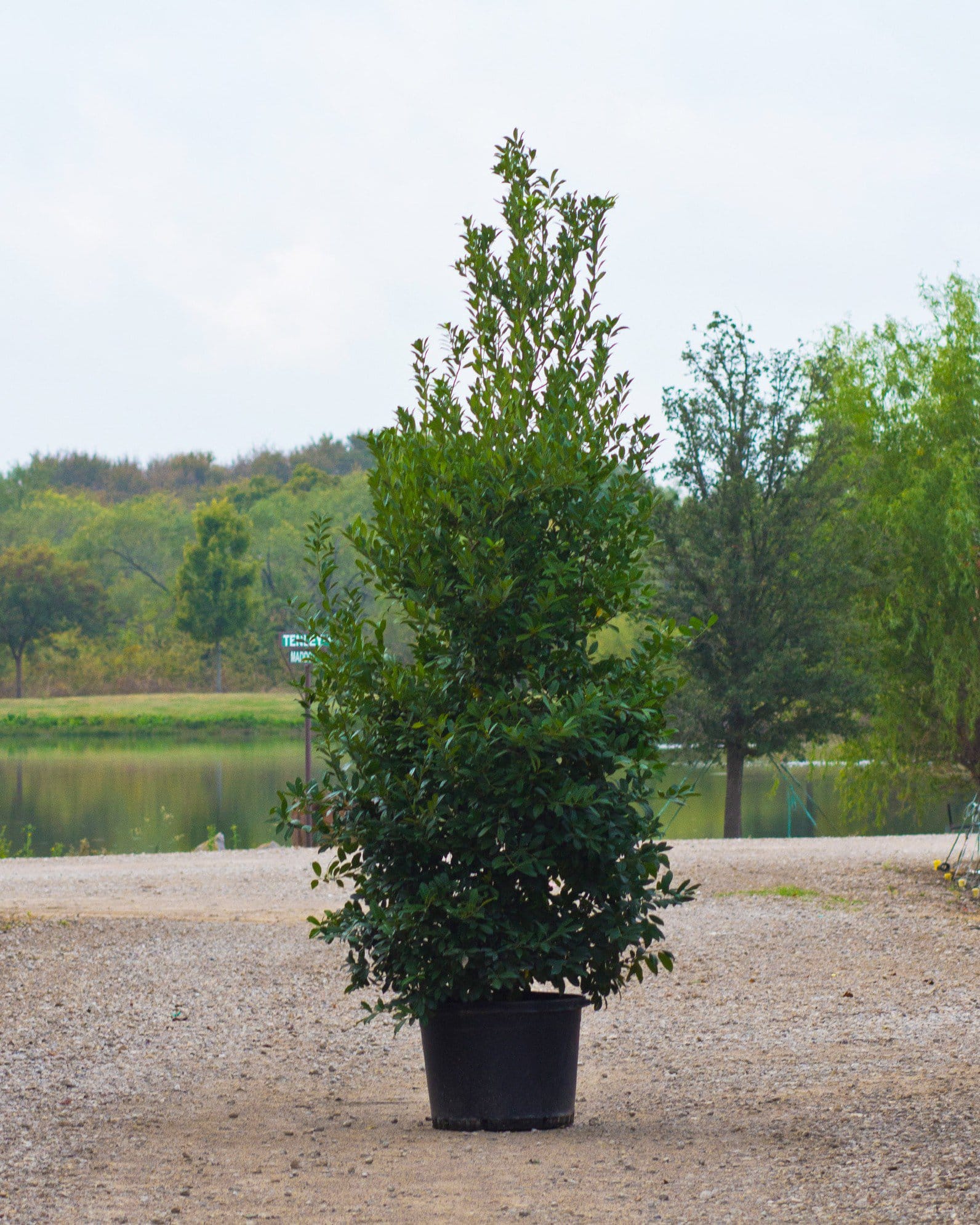
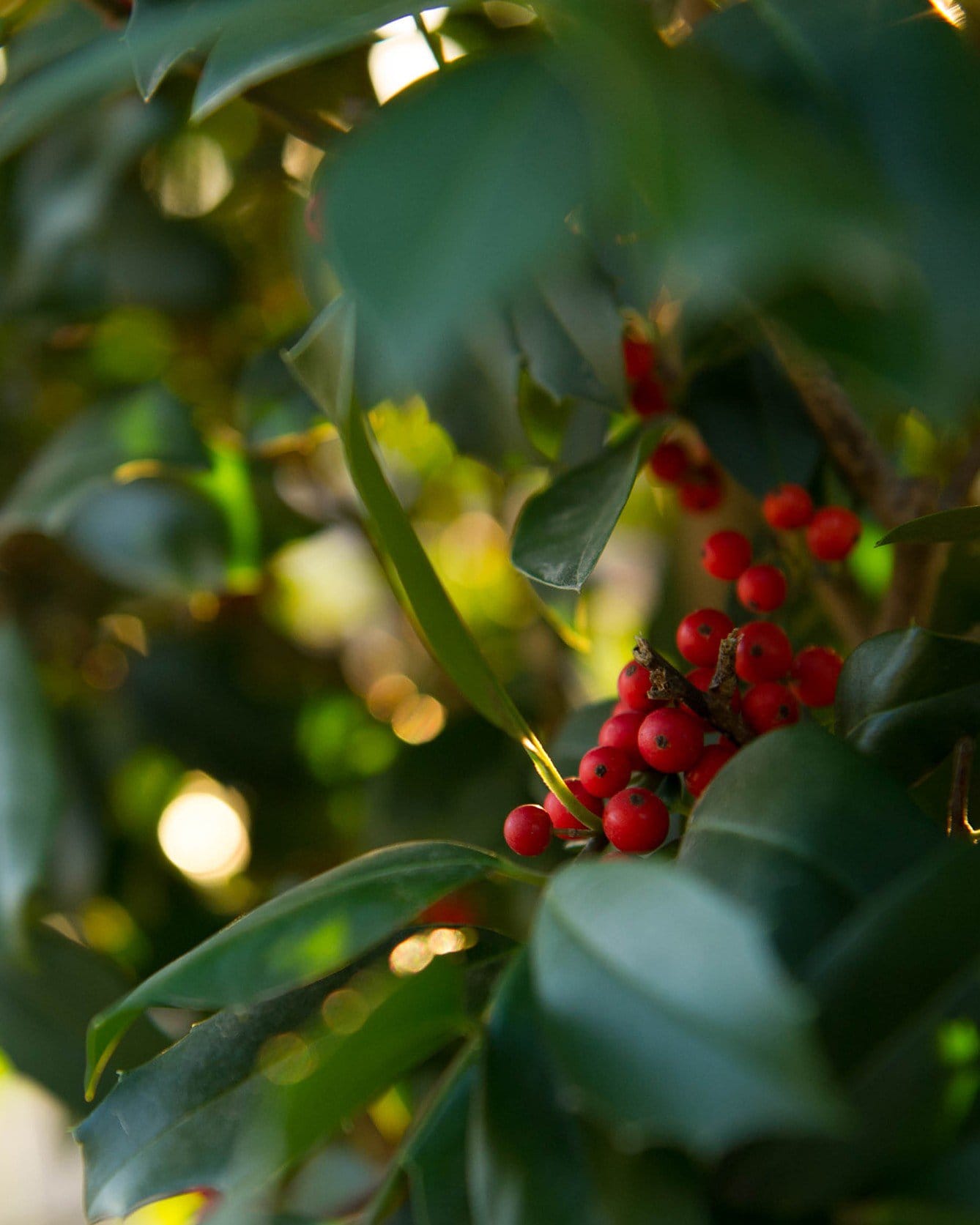
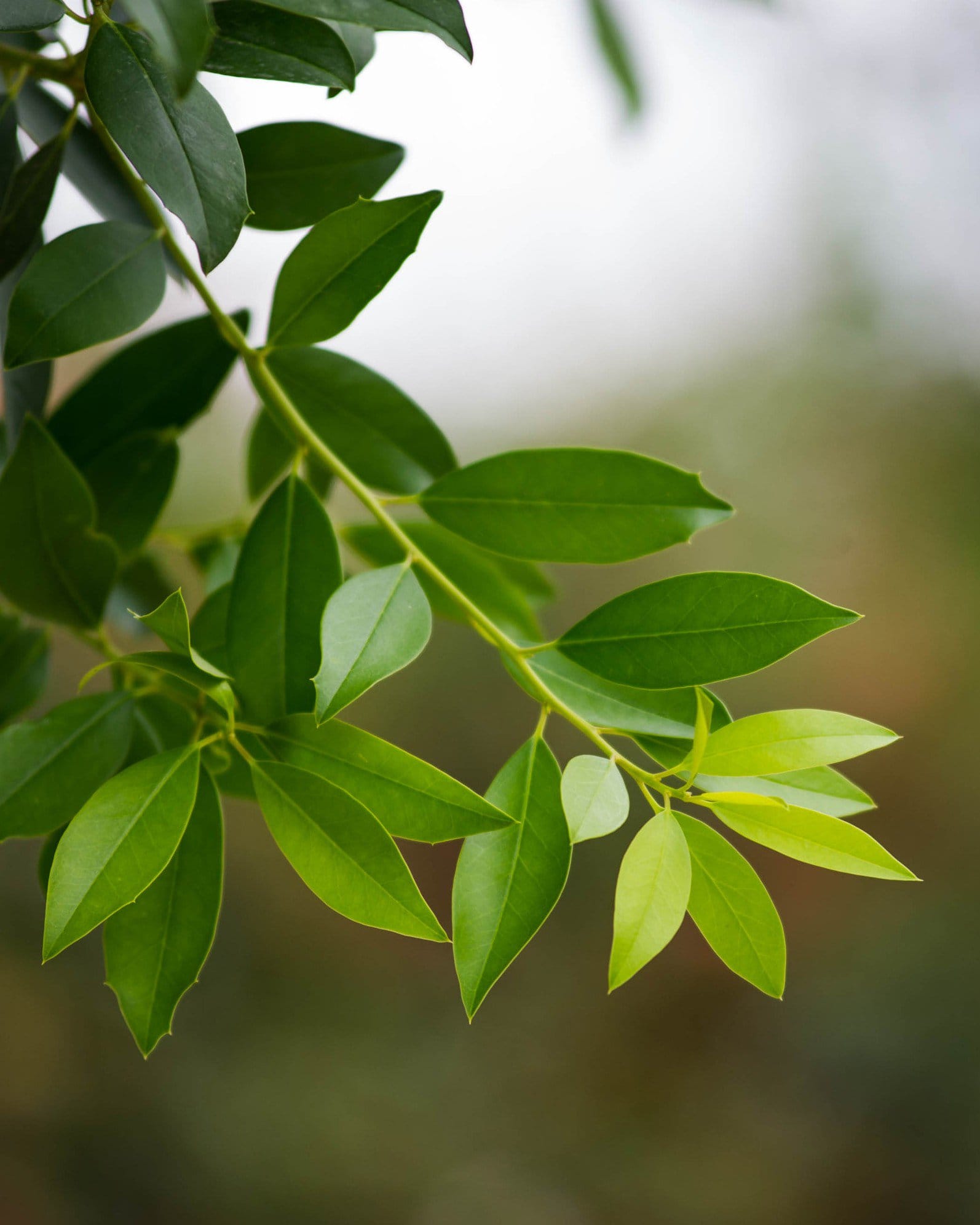
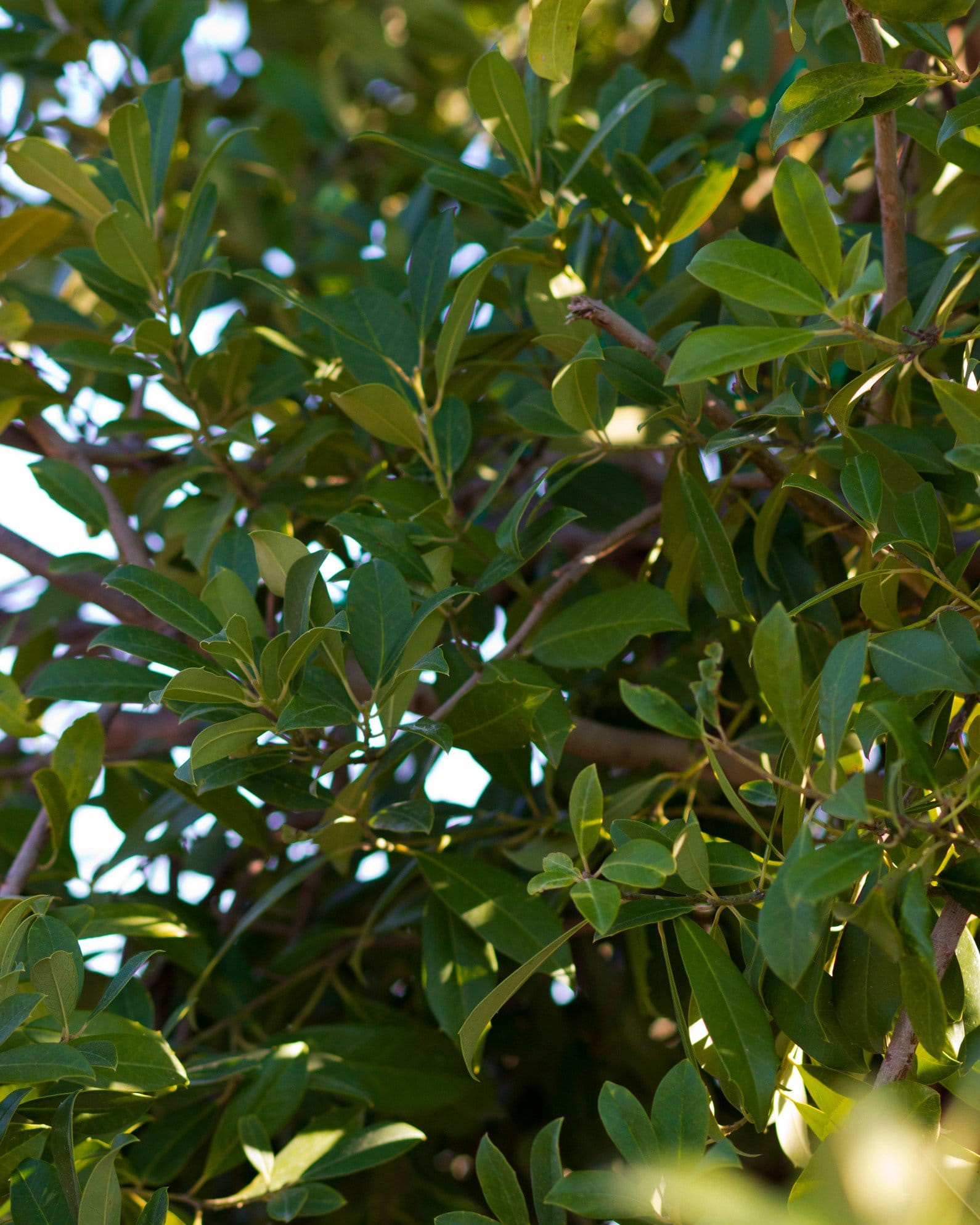
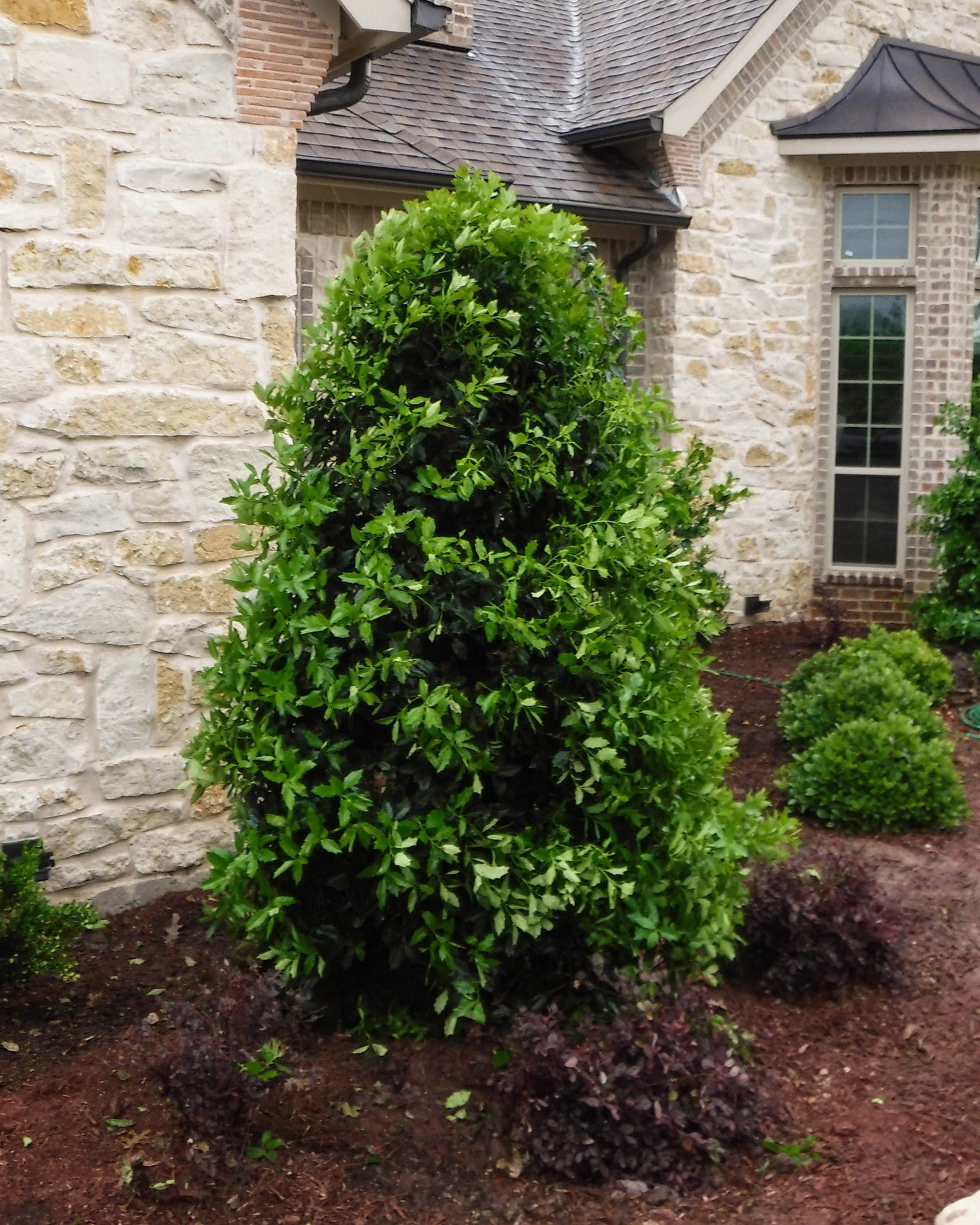
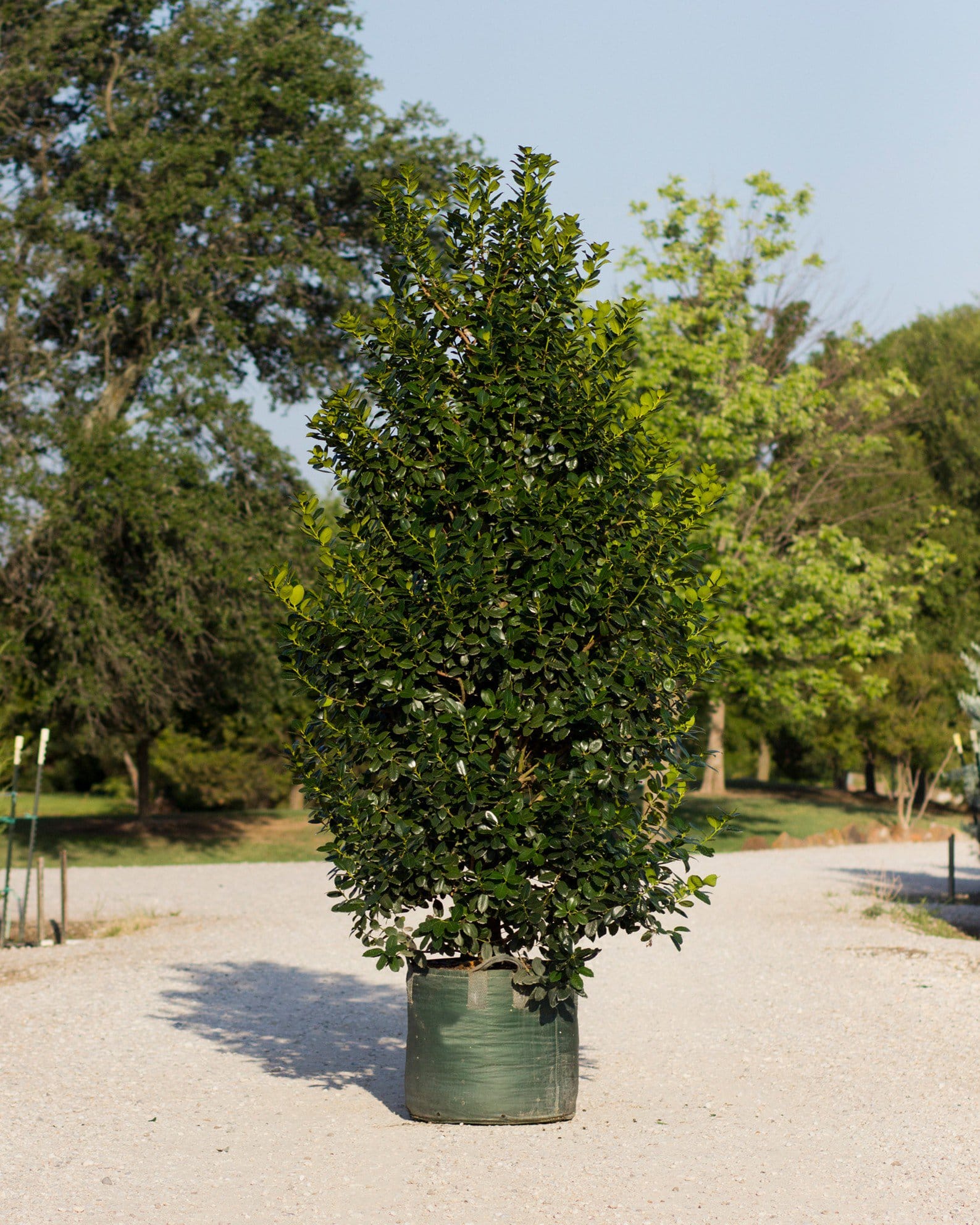
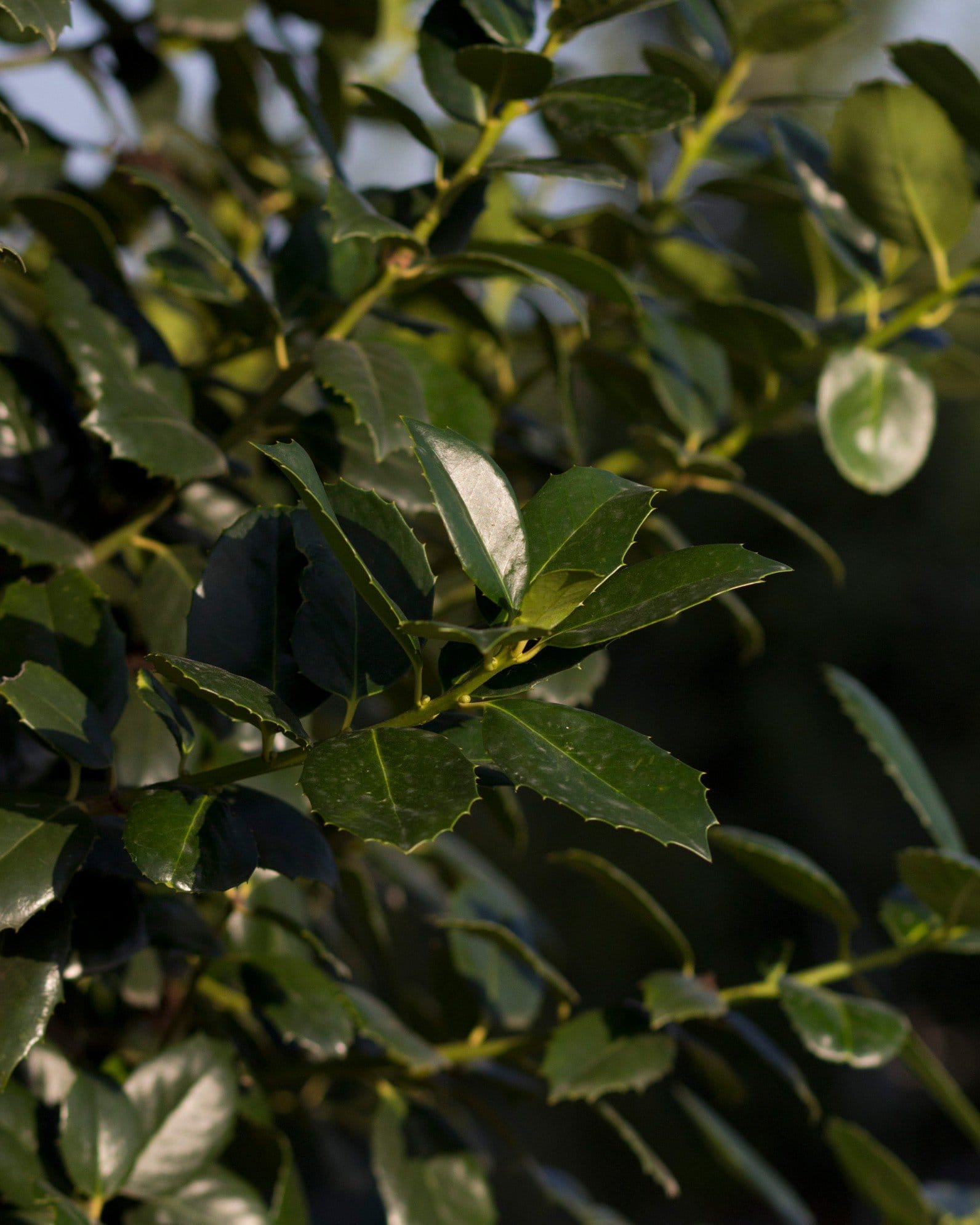
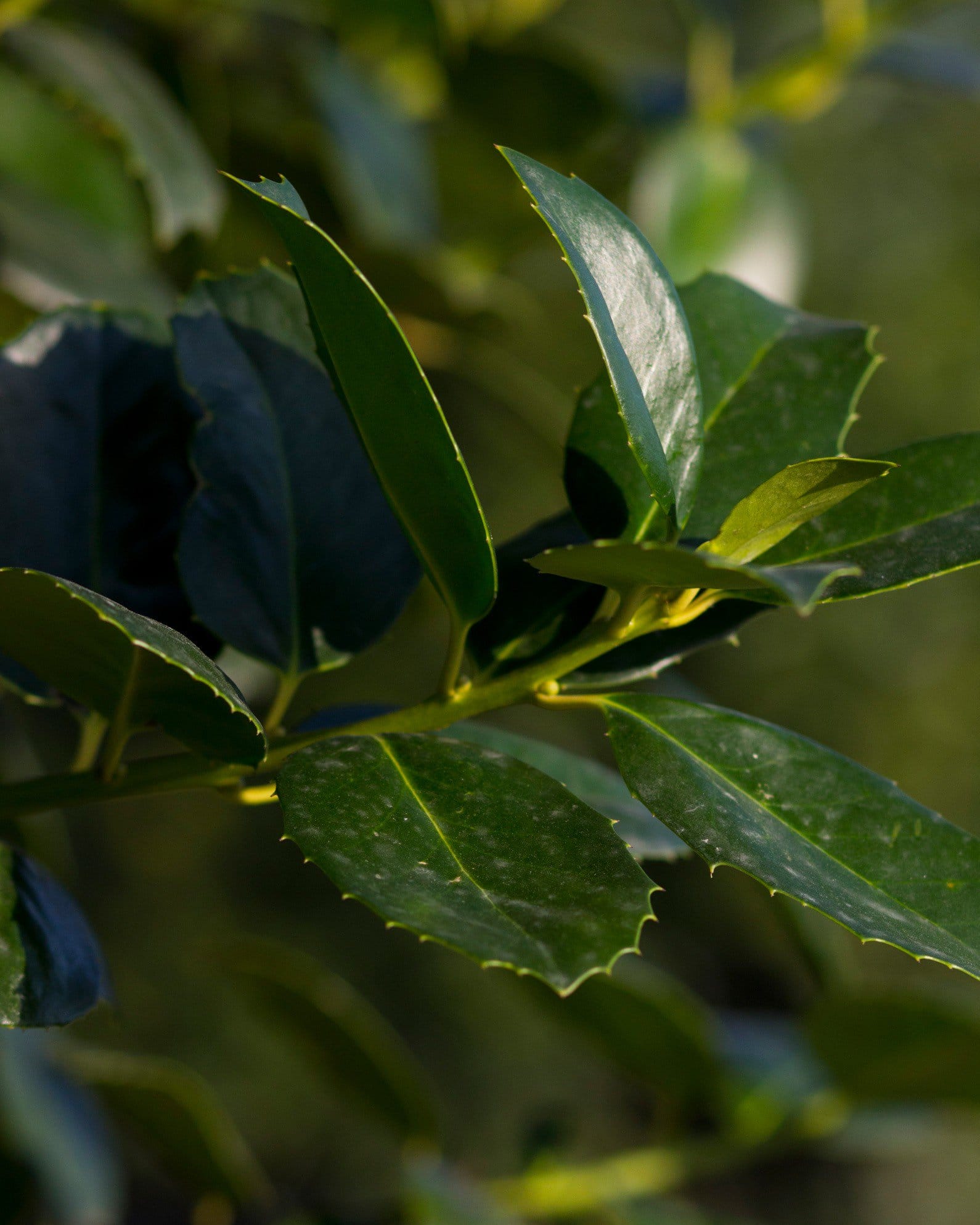
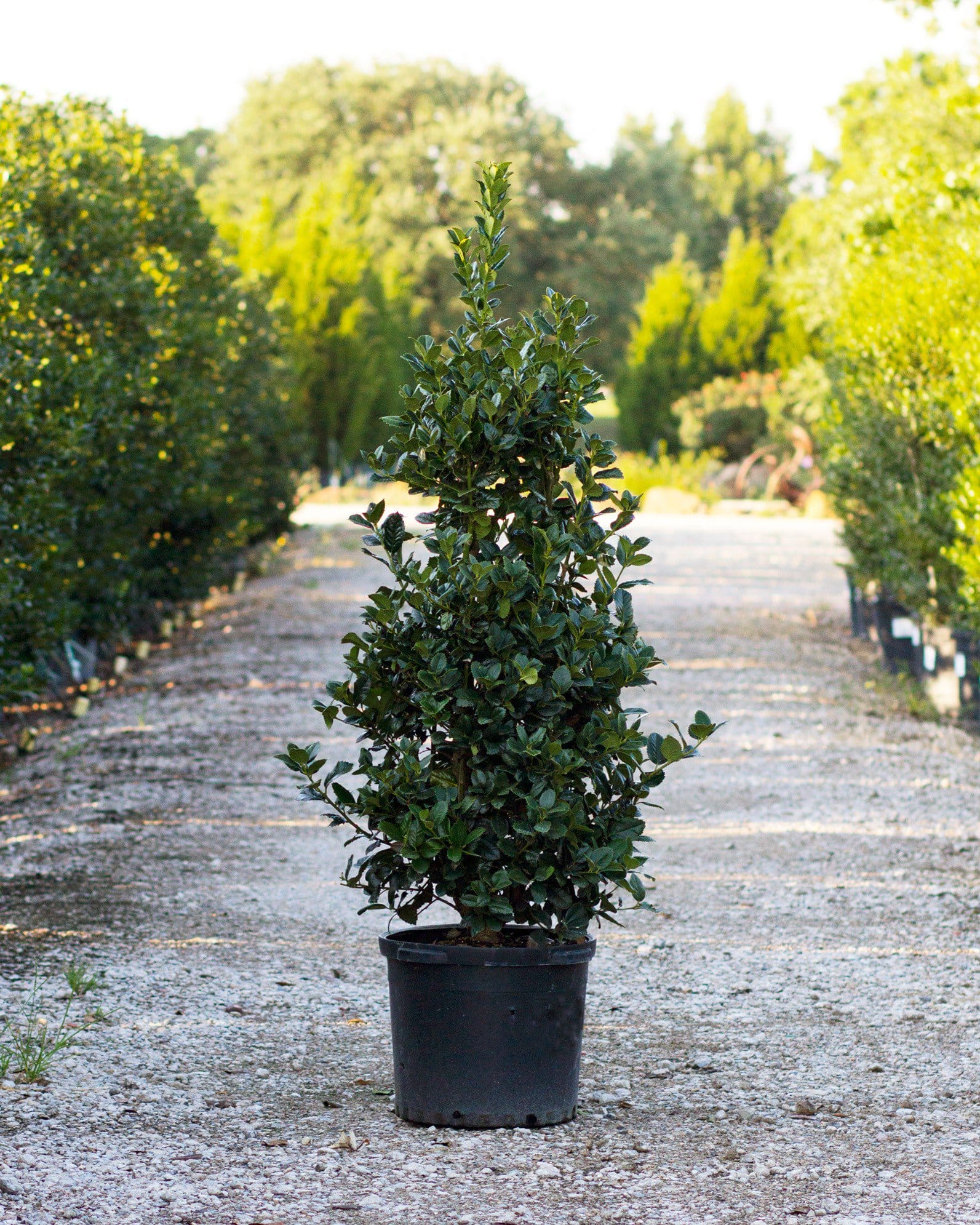
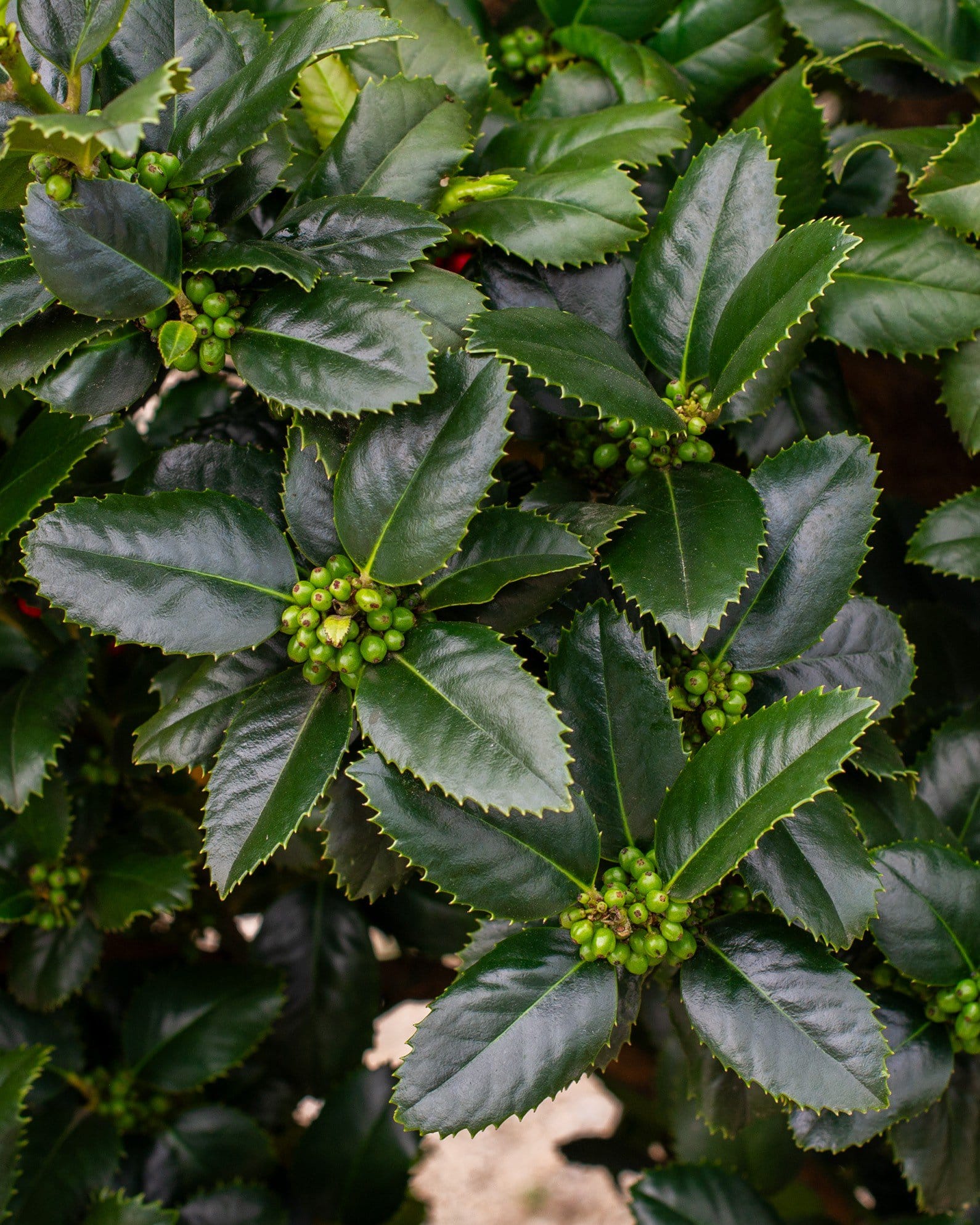
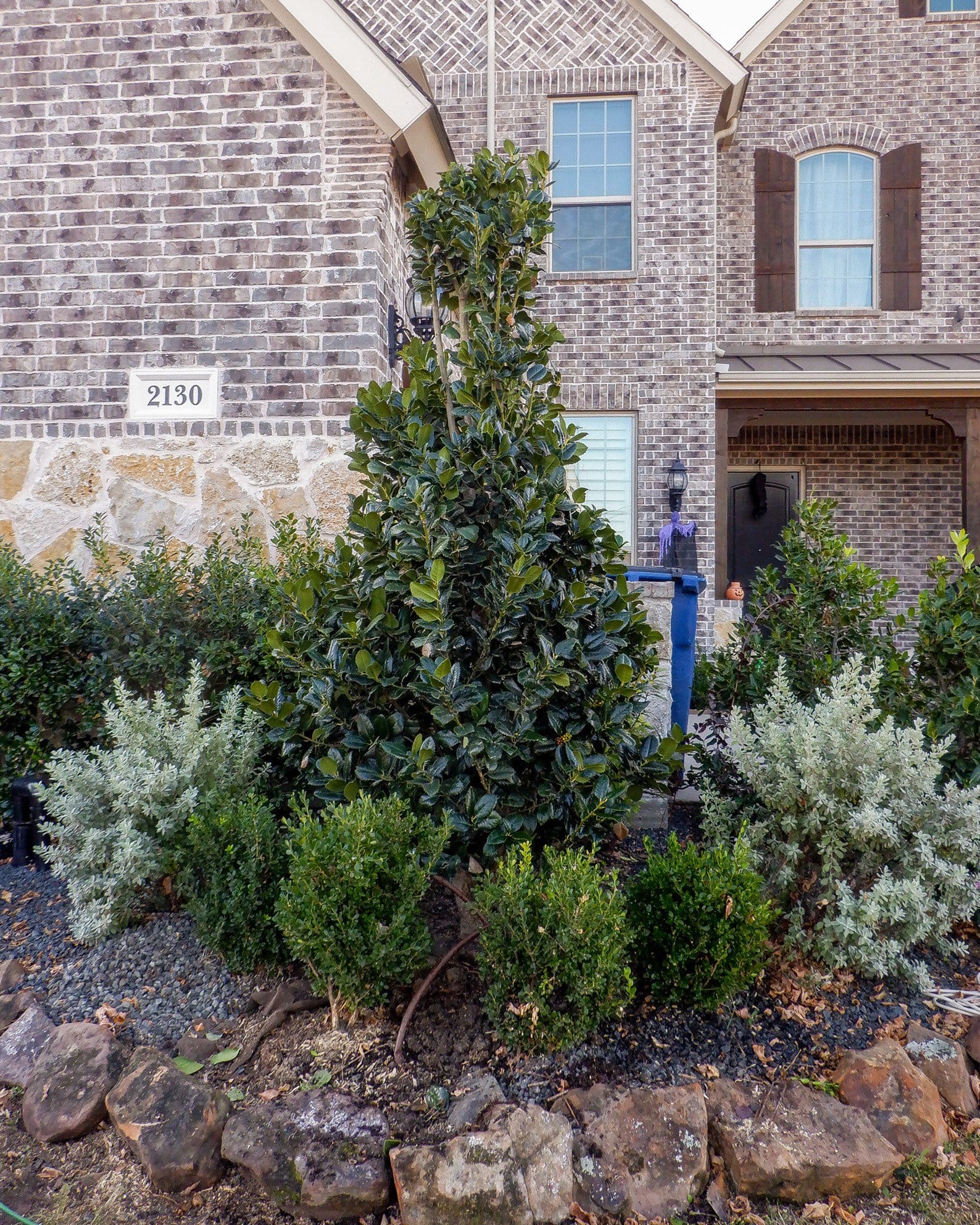
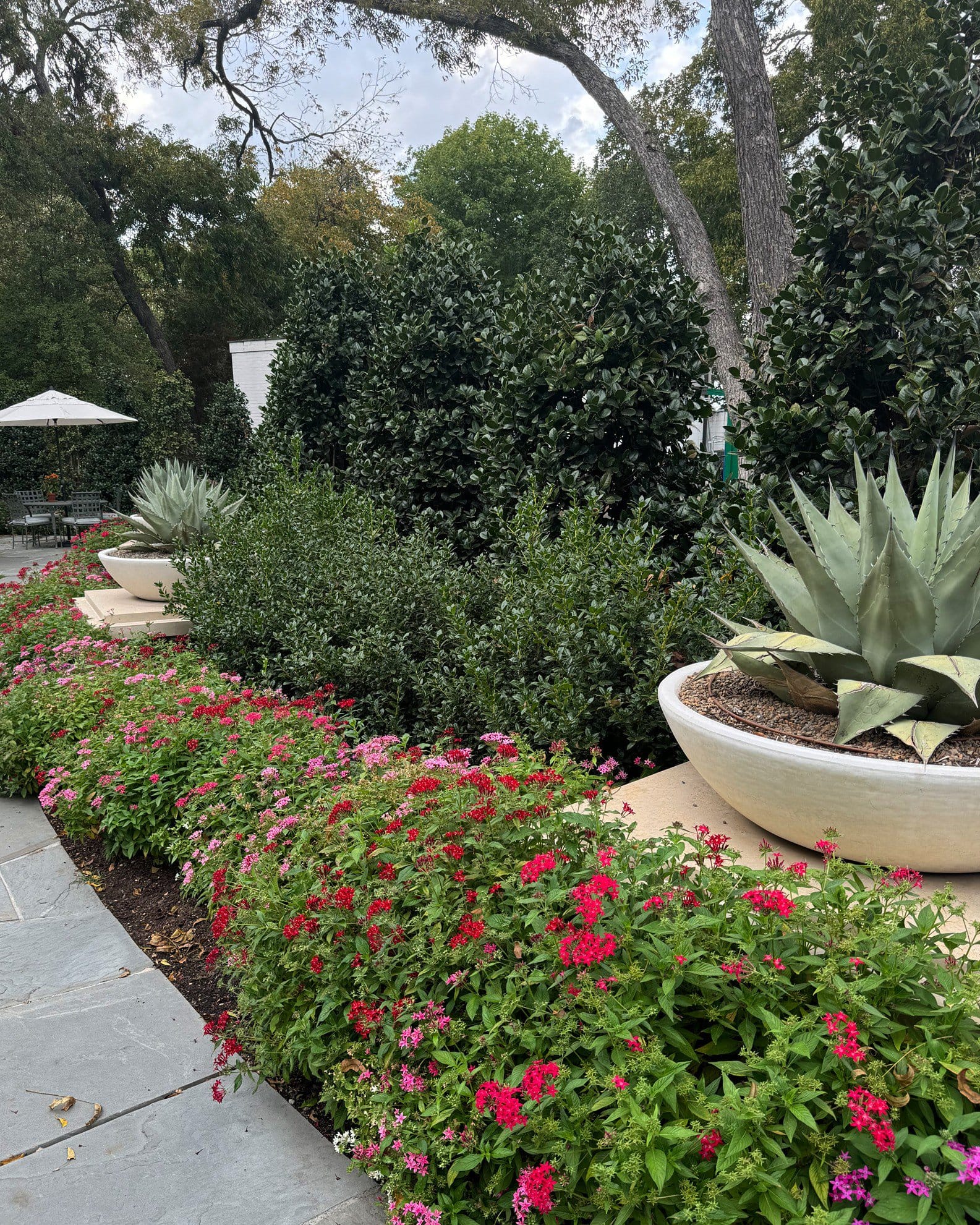
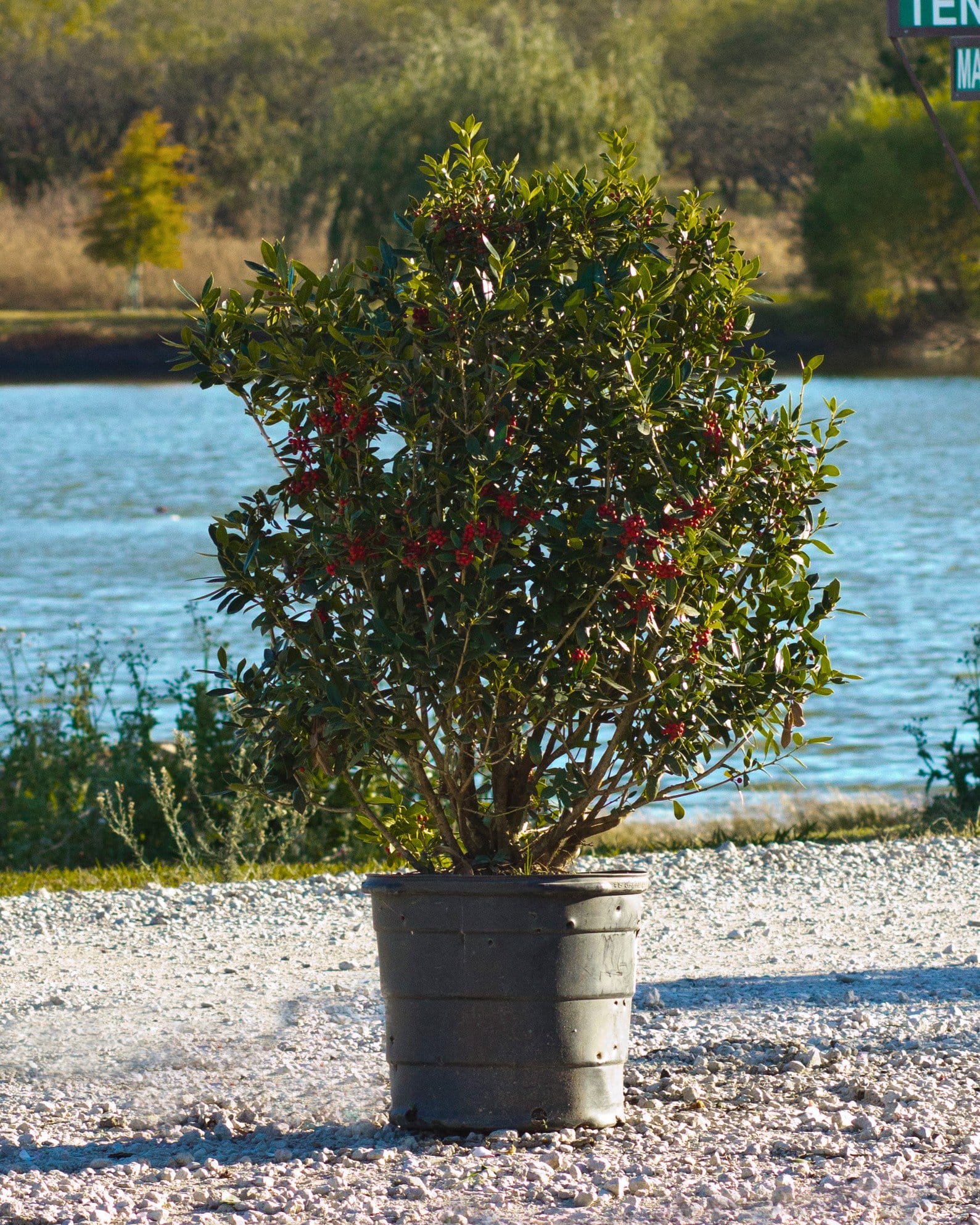
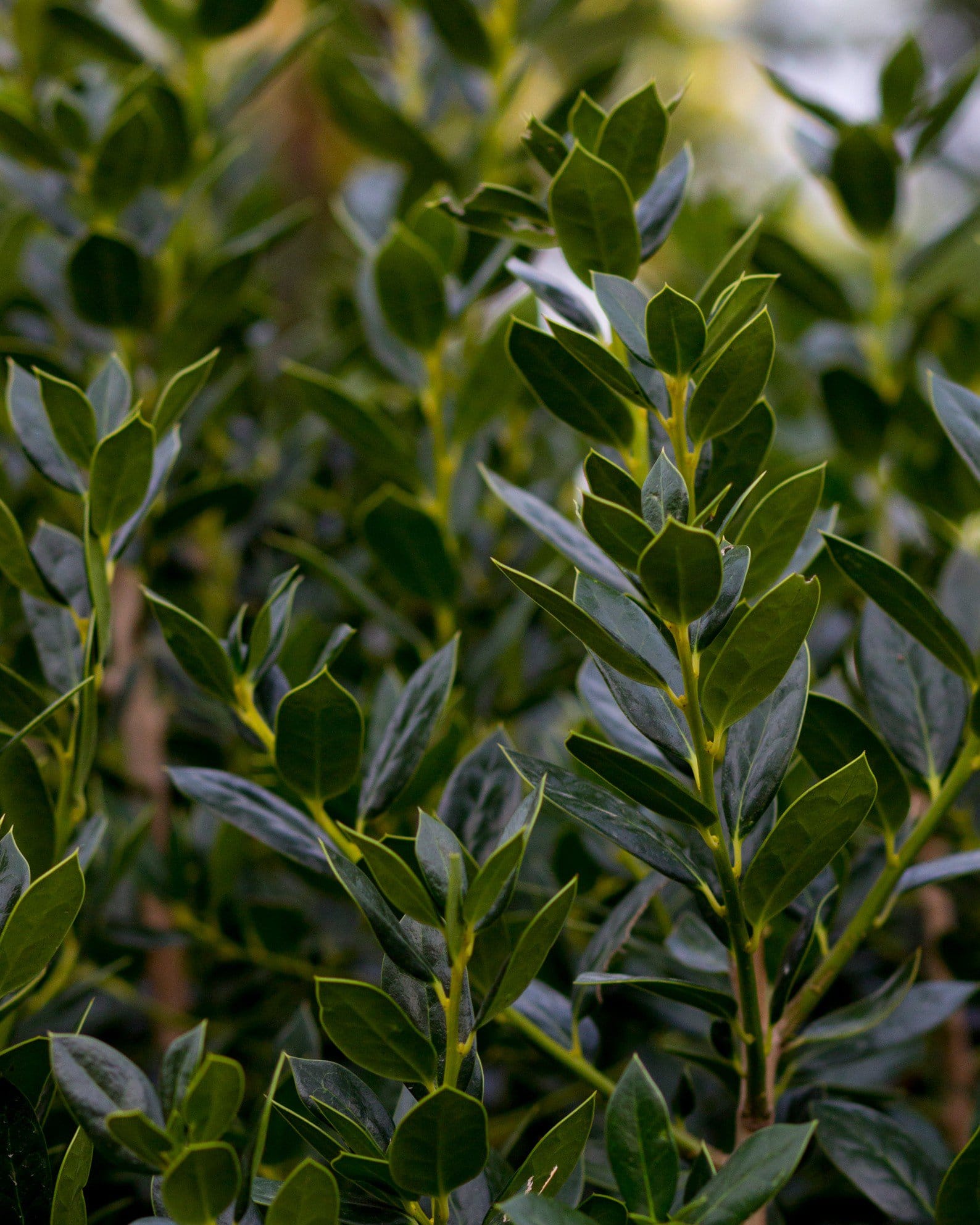
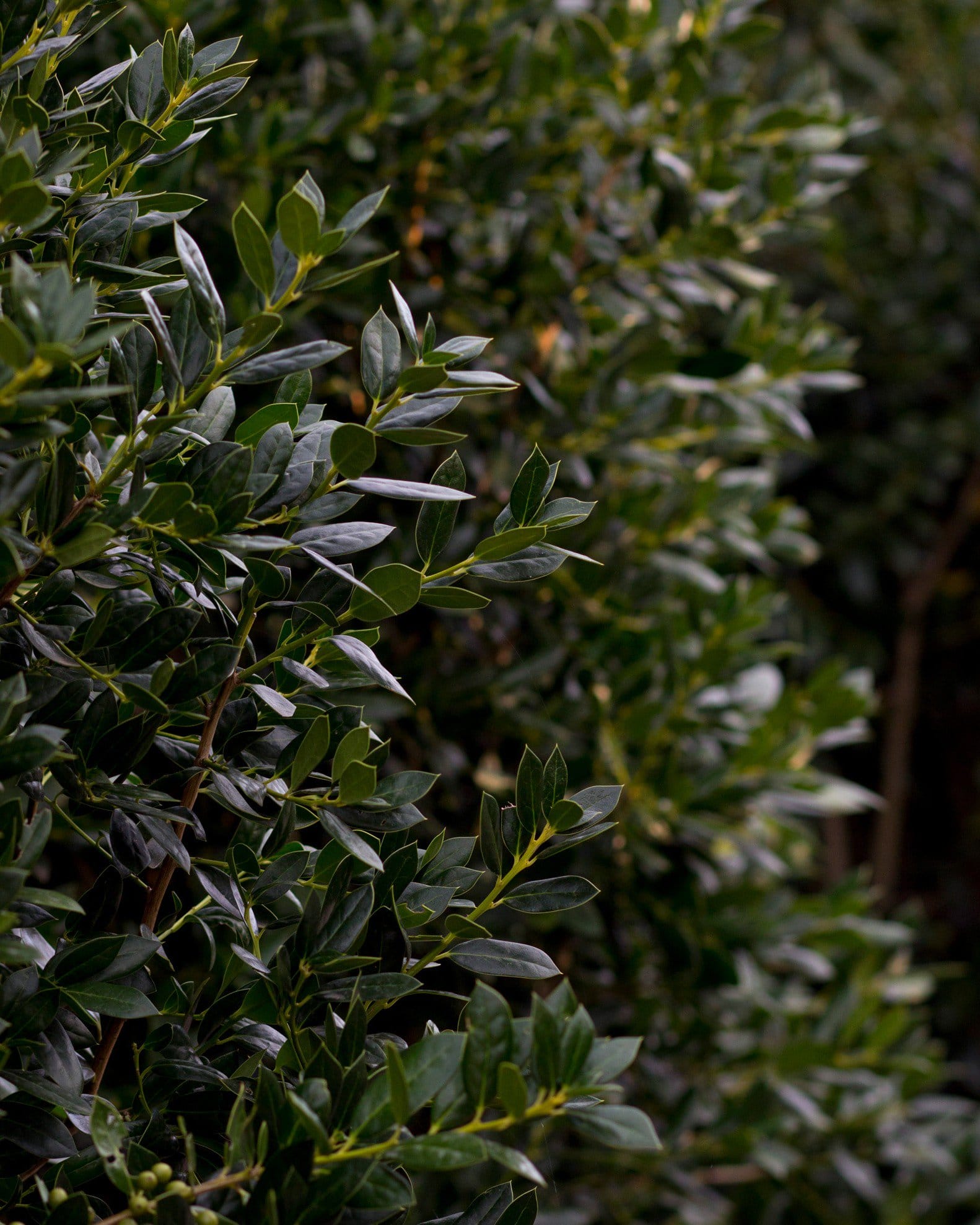
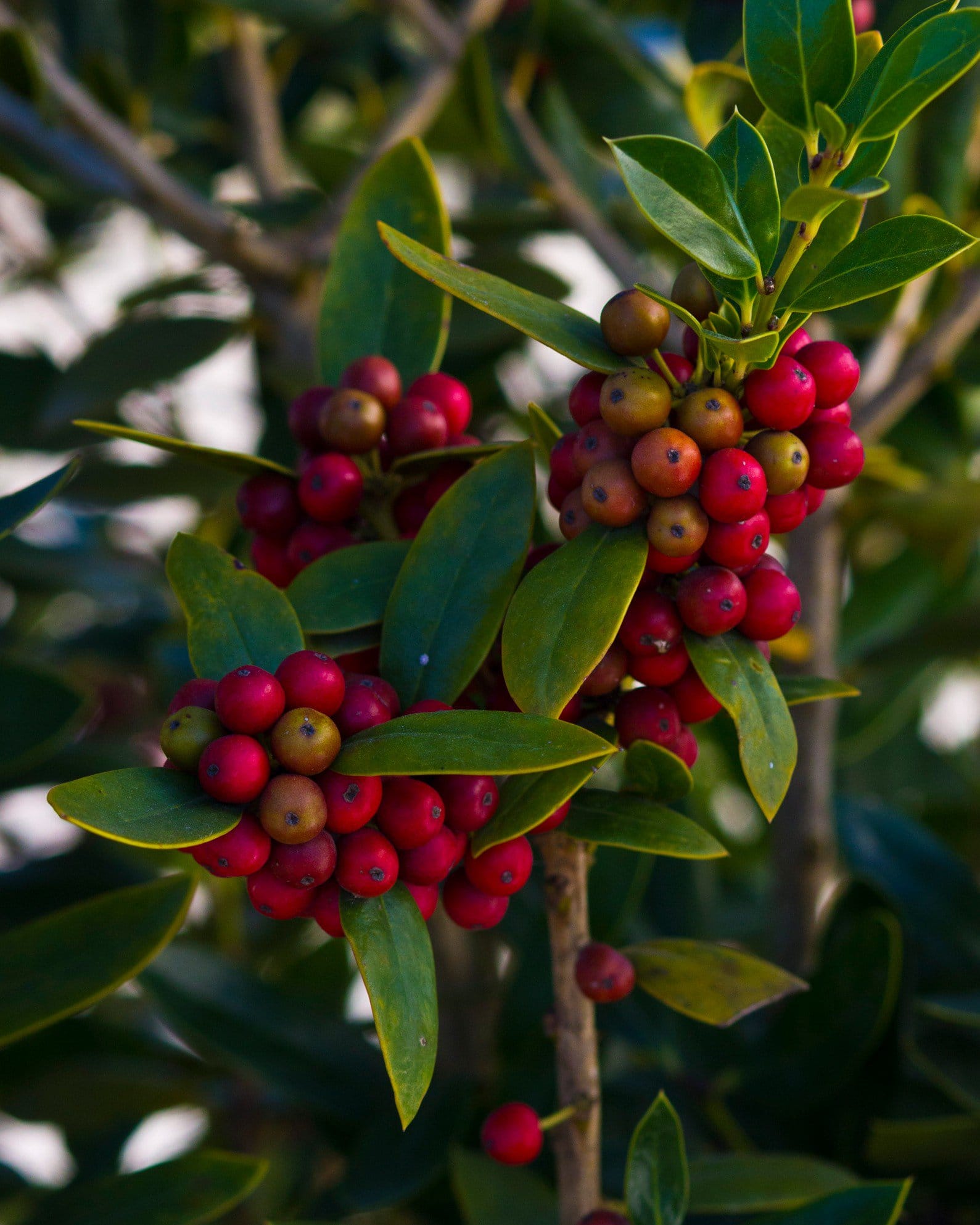
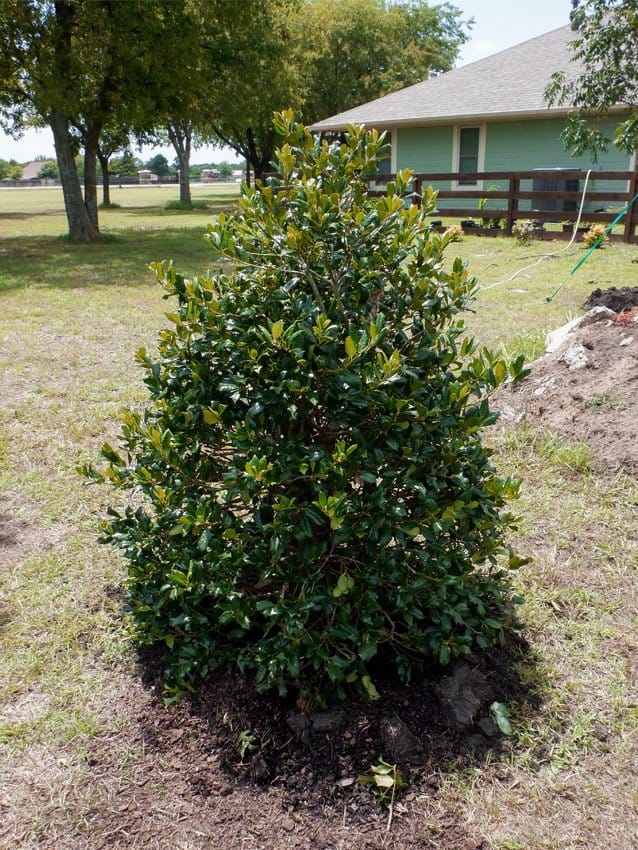
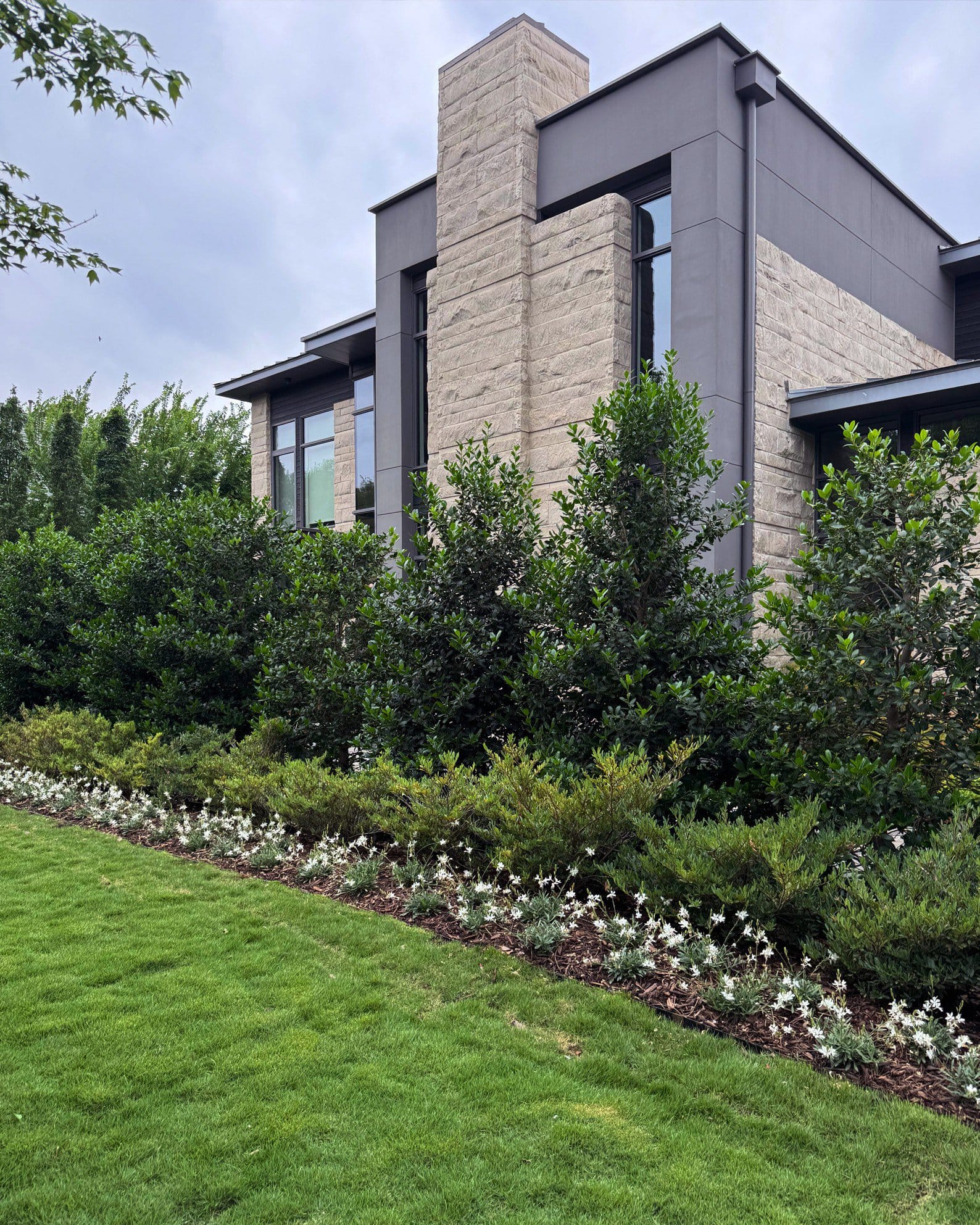
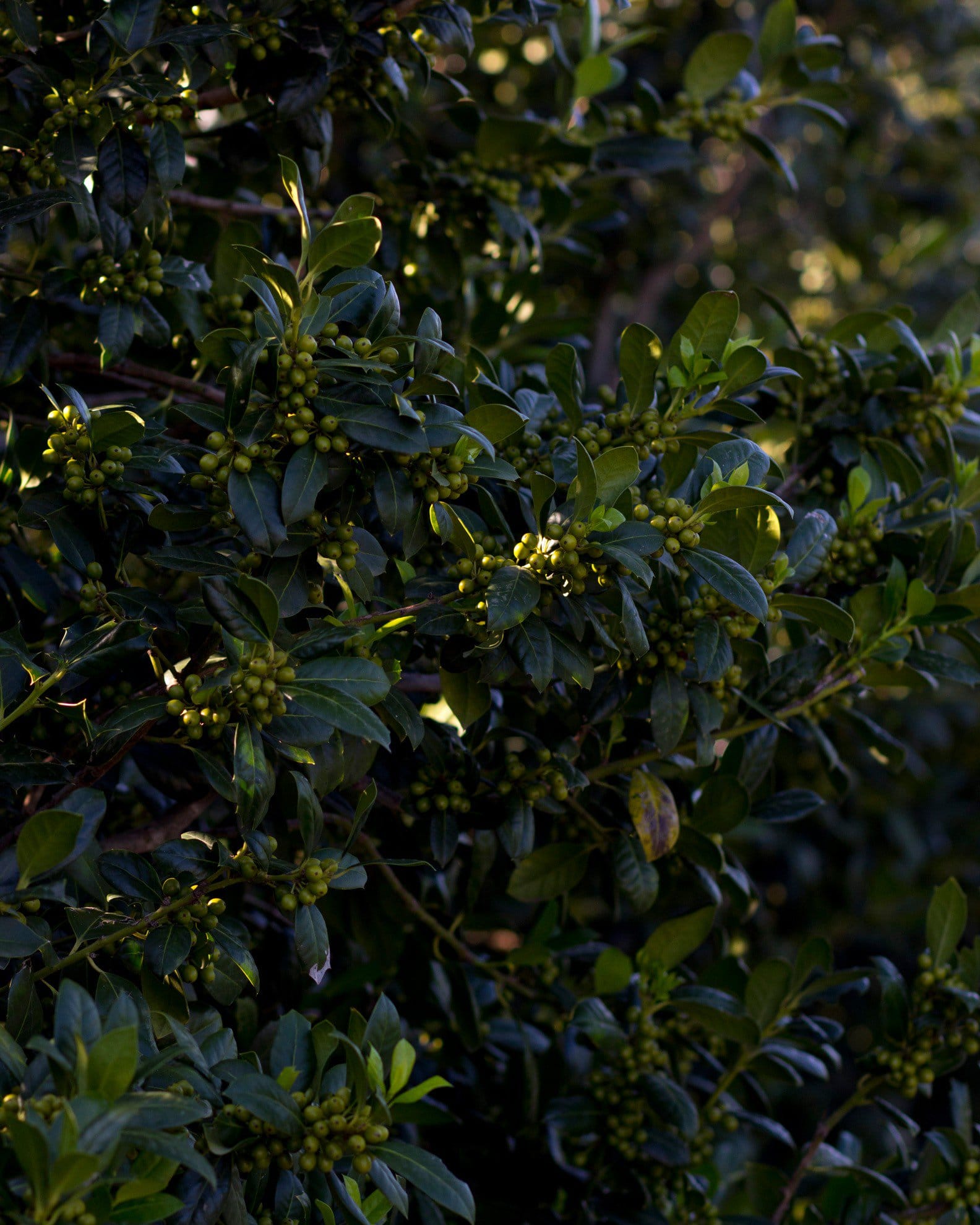
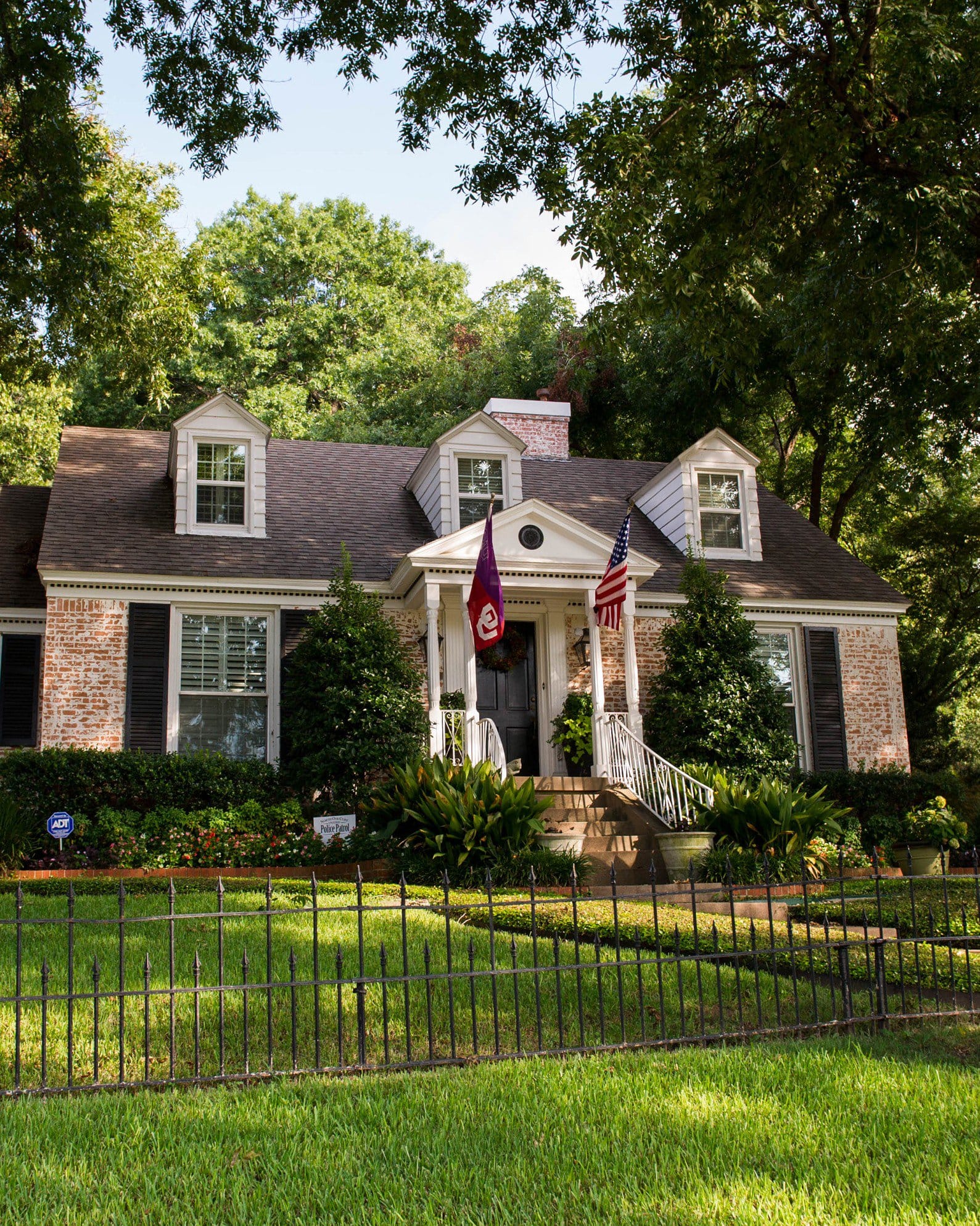
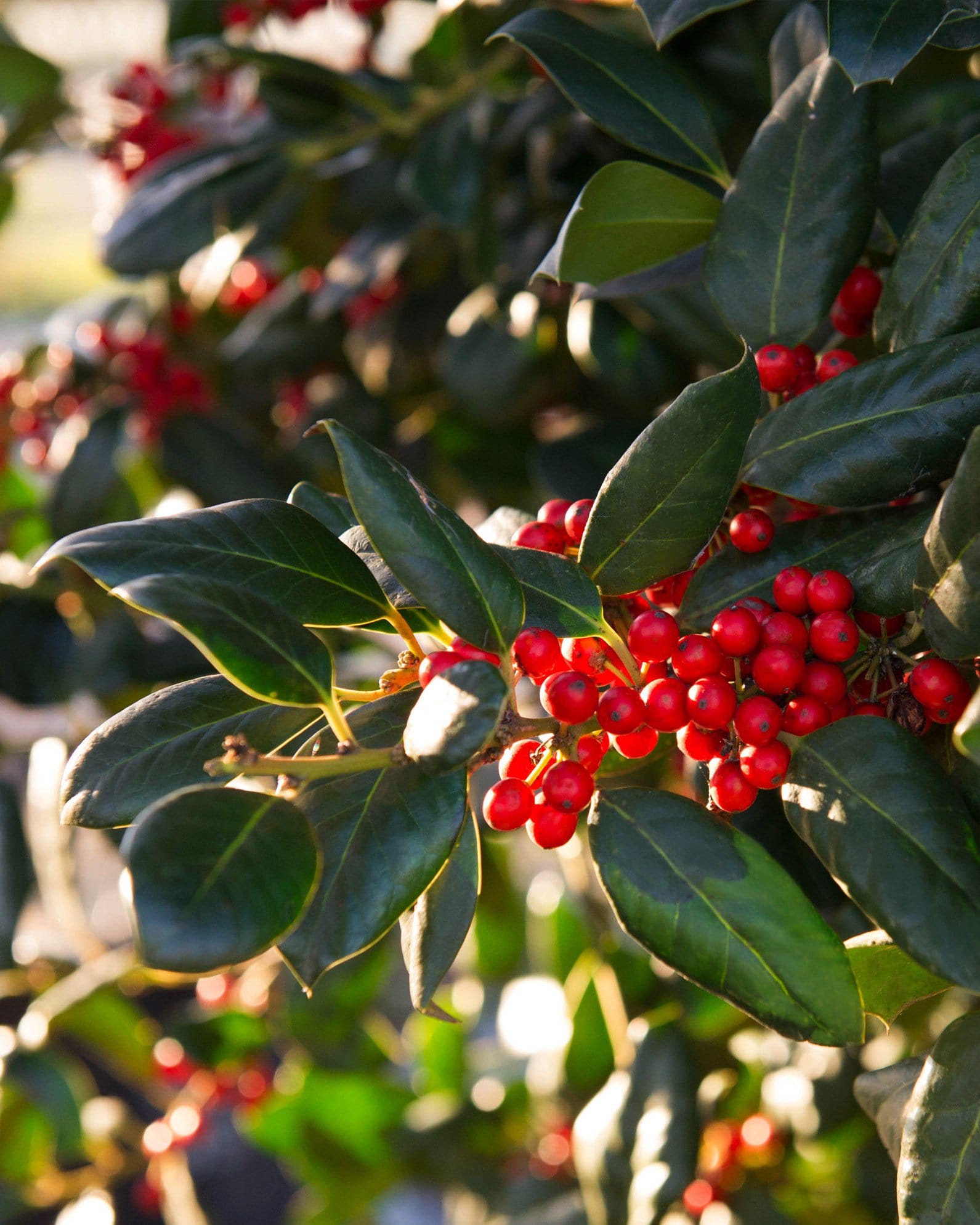
Ilex x ‘Magland’Oakland Holly Tree Form brings a refined, architectural touch with its tidy single trunk and naturally symmetrical canopy. This evergreen specimen features glossy, oak-shaped leaves that hold their rich green color year-round, paired with clusters of bright red berries in fall and winter for seasonal interest. With a mature size of 16 feet in height and 7 feet in width, Oakland Holly Tree Form is ideal for framing entryways, anchoring foundation beds, or serving as a stately focal point in more formal landscapes.
- Evergreen tree form
- Moderate growth rate with upright, symmetrical growth
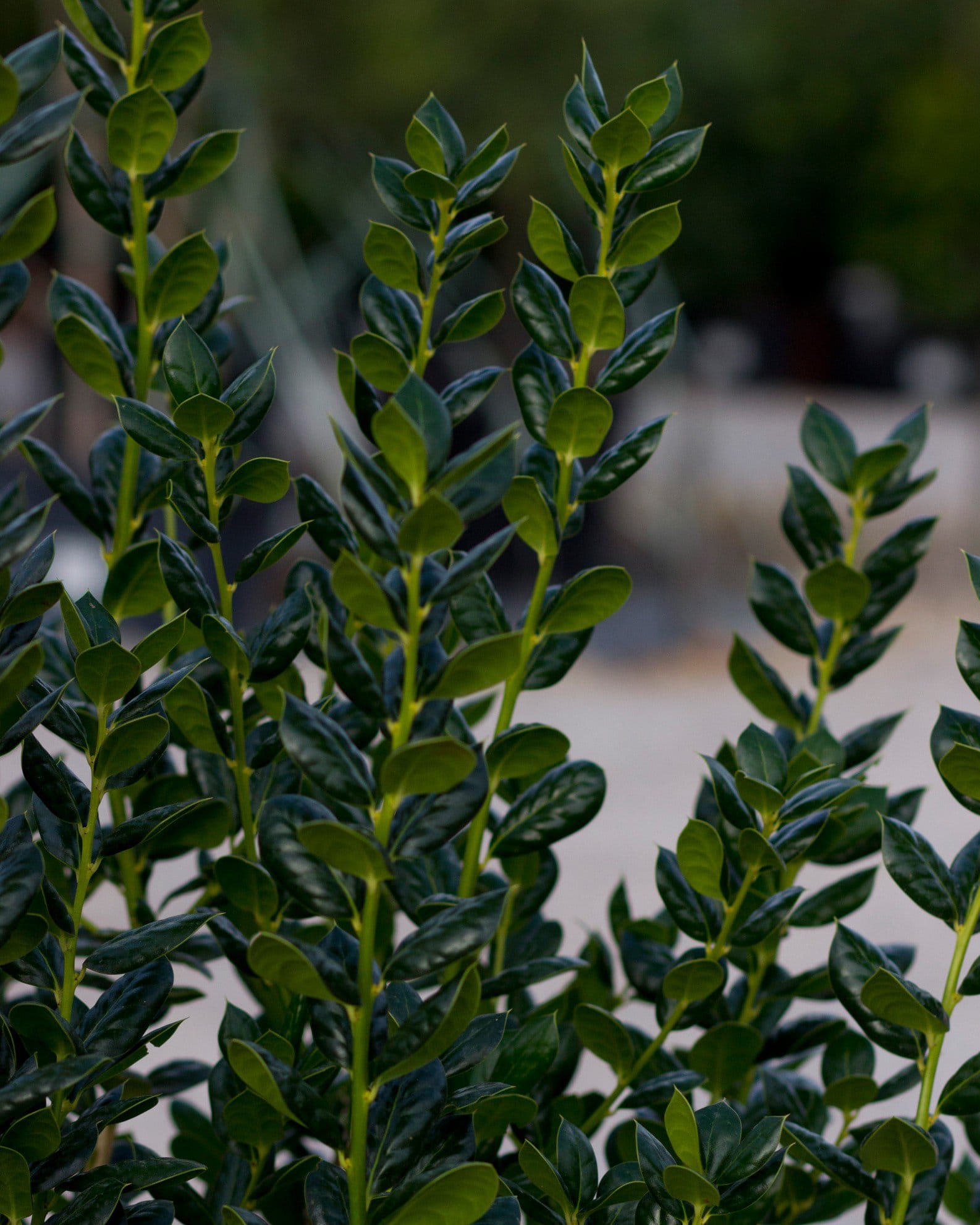
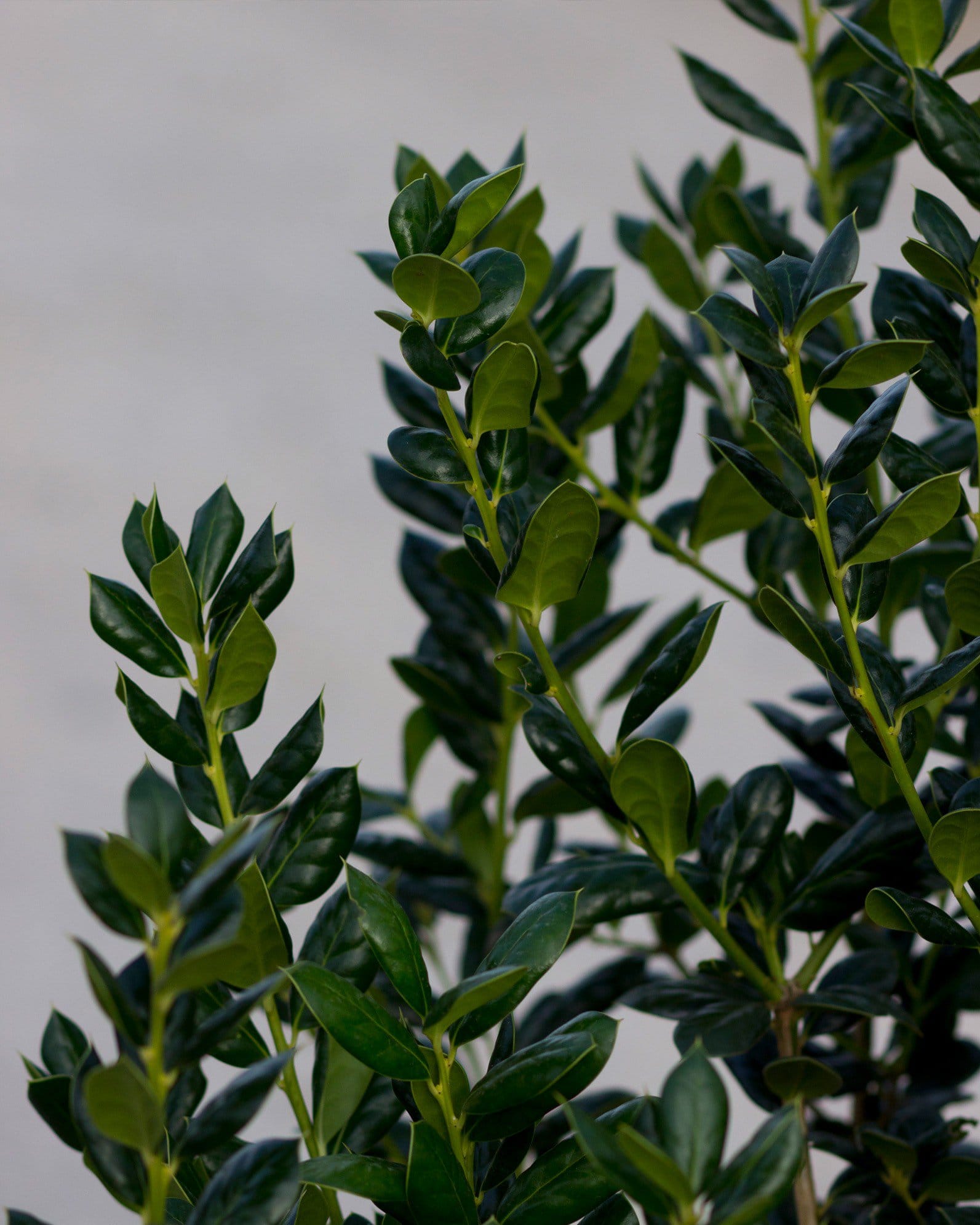
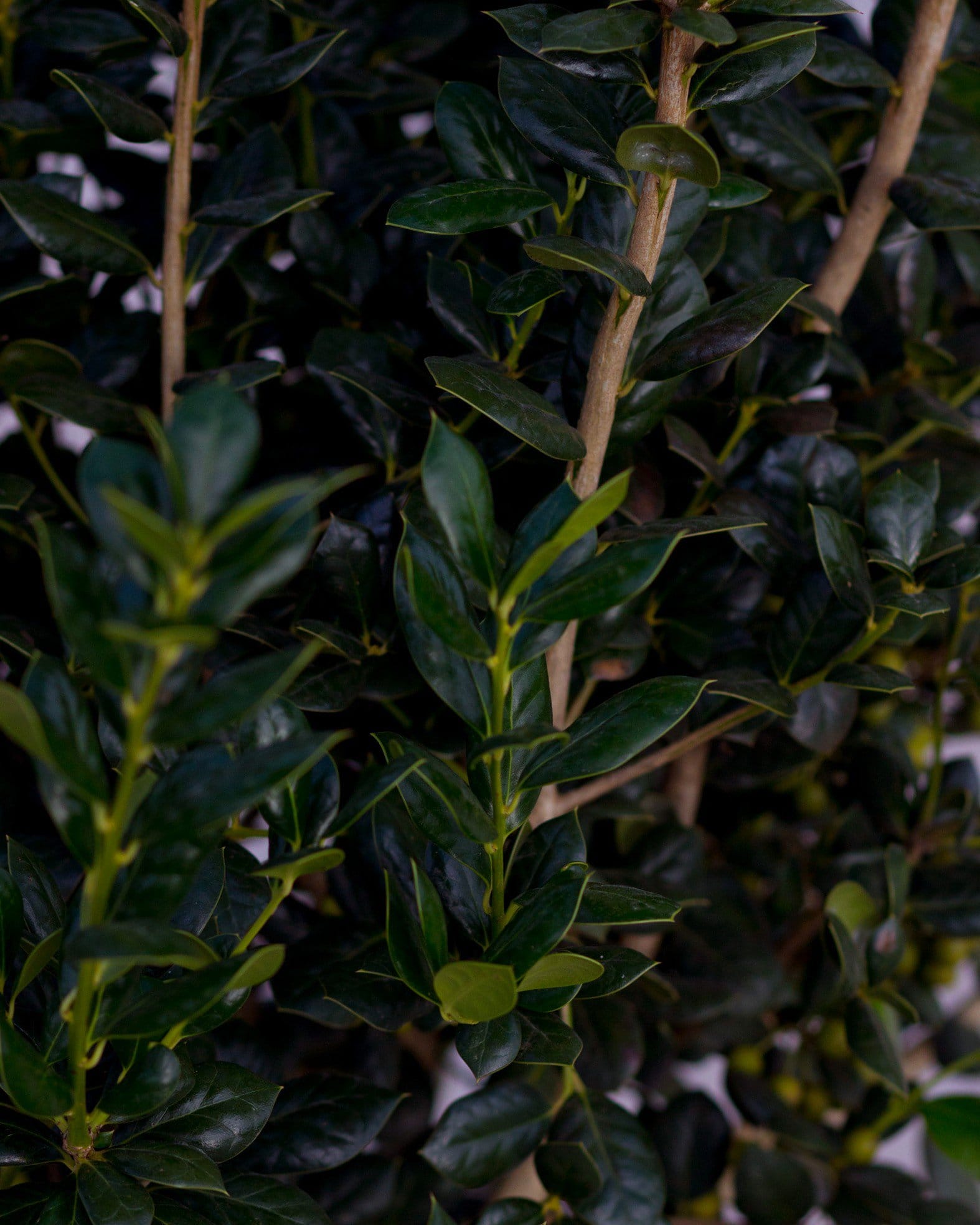
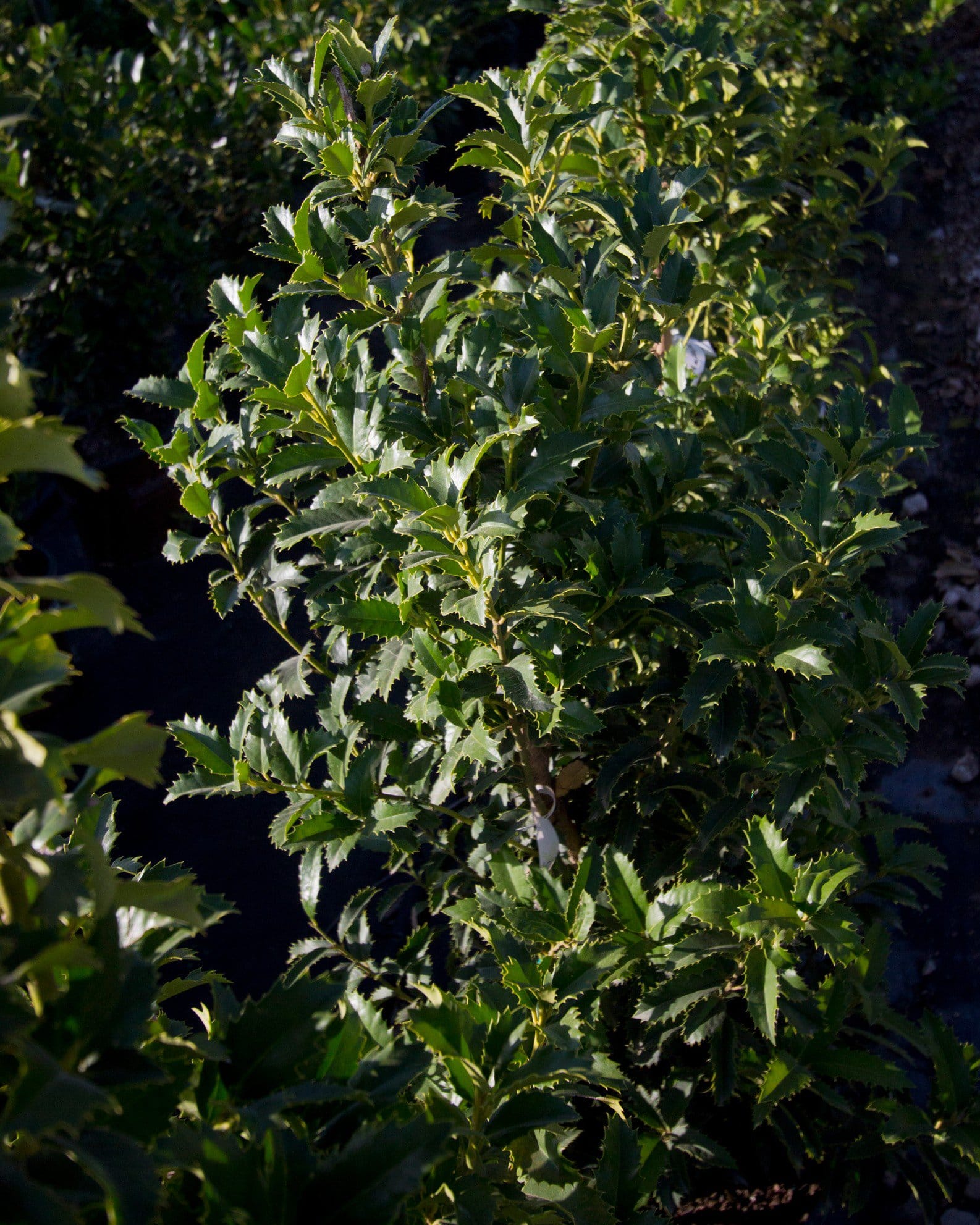
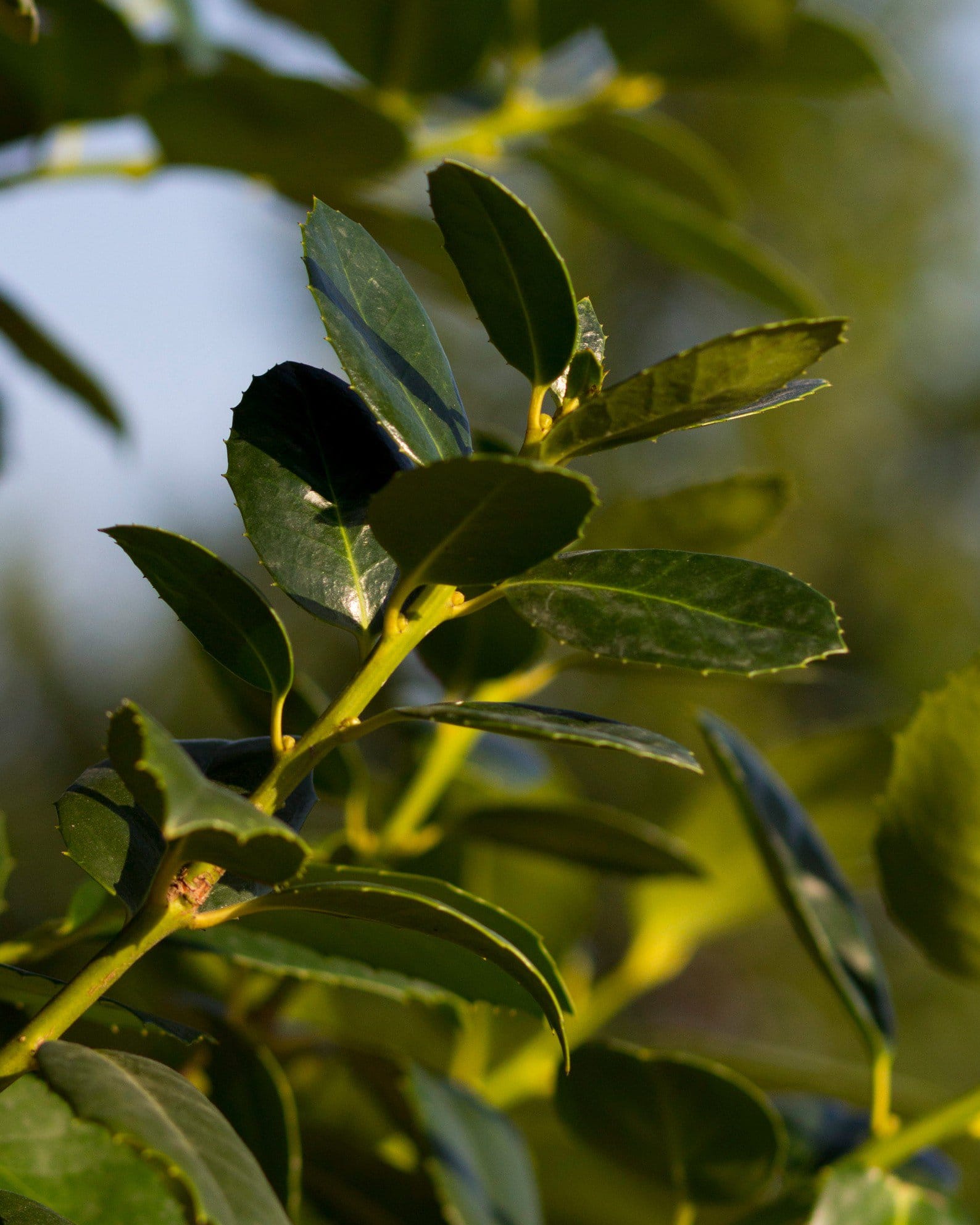
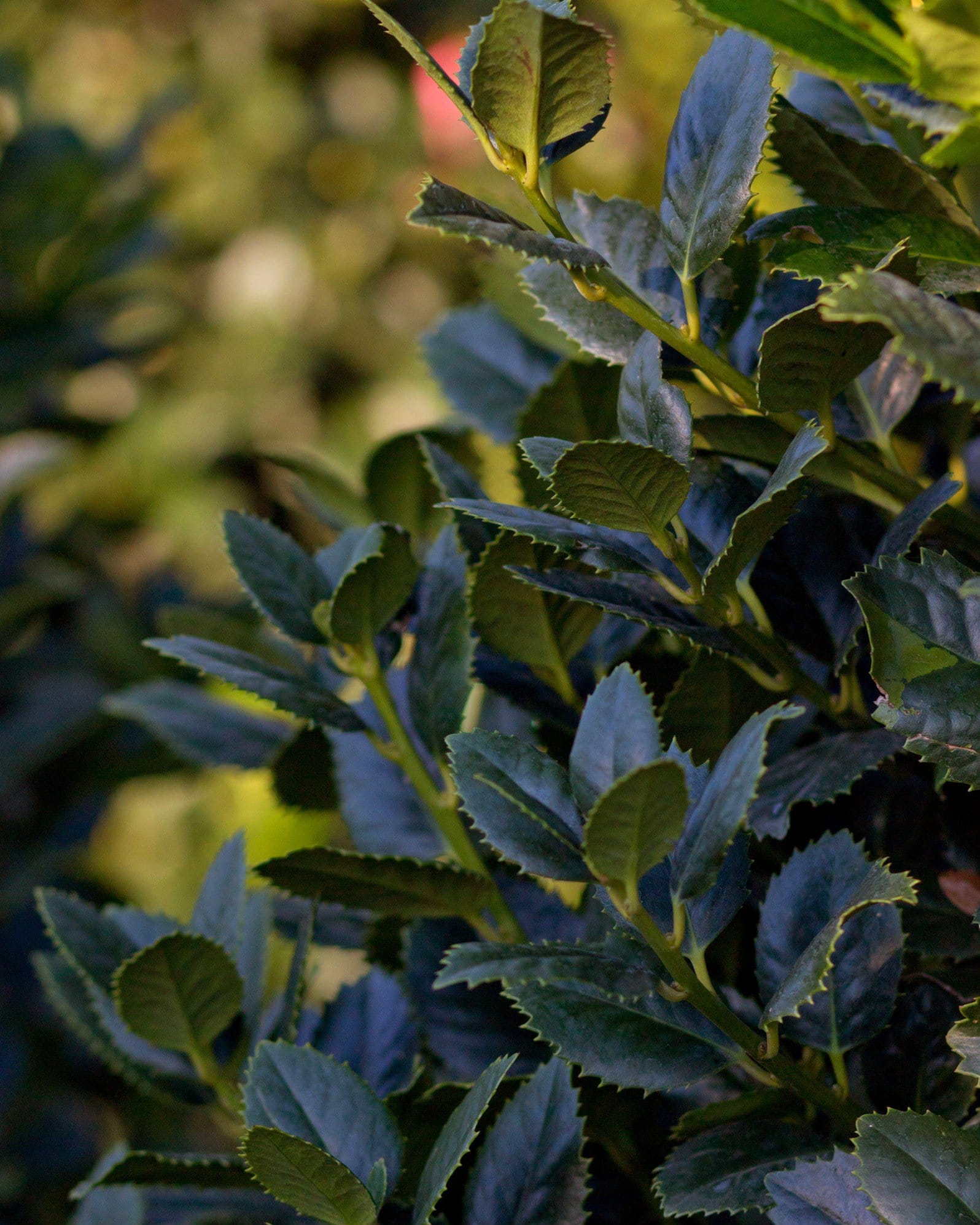
- Oak-shaped, glossy green foliage
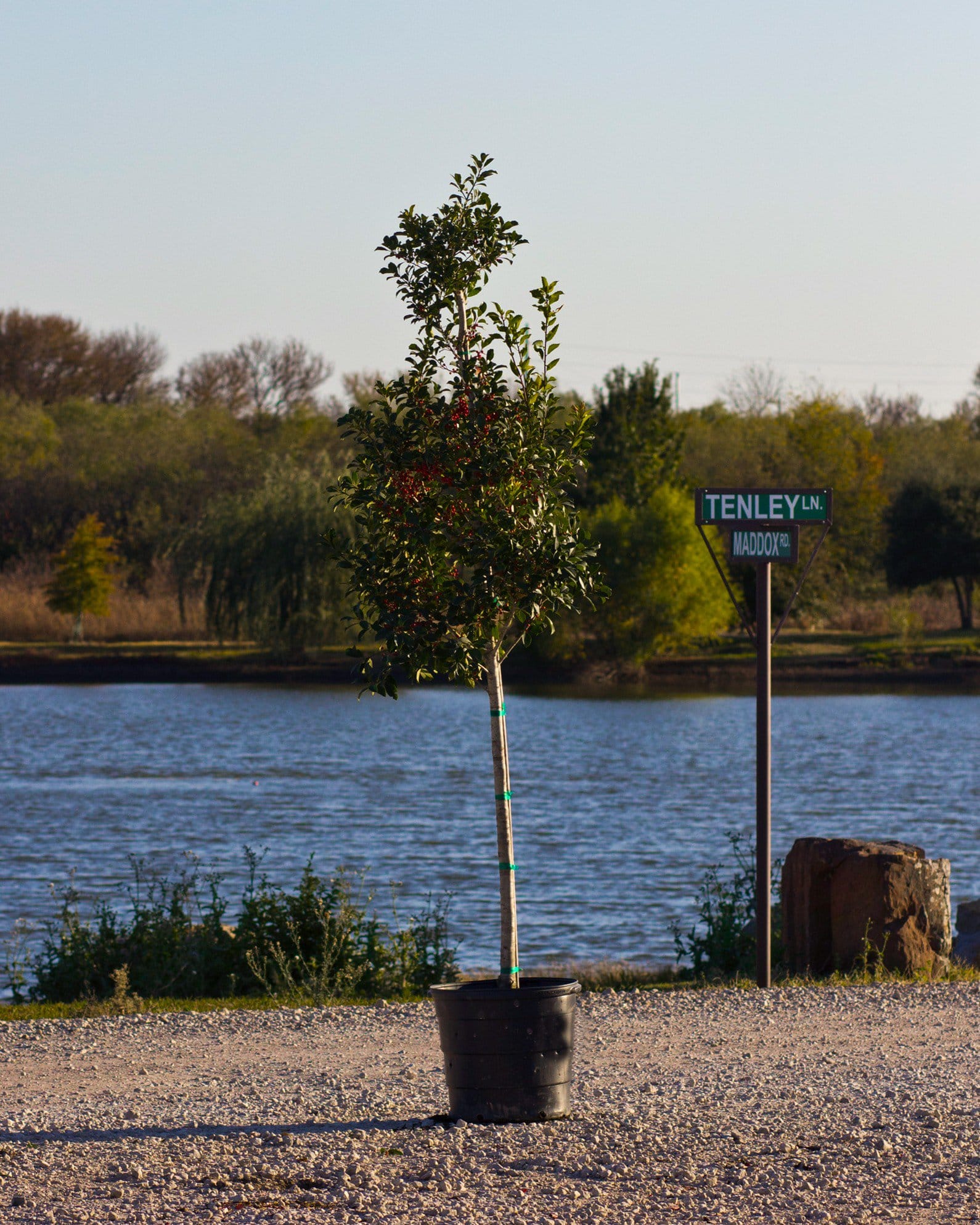
- red berries appear in fall and winter
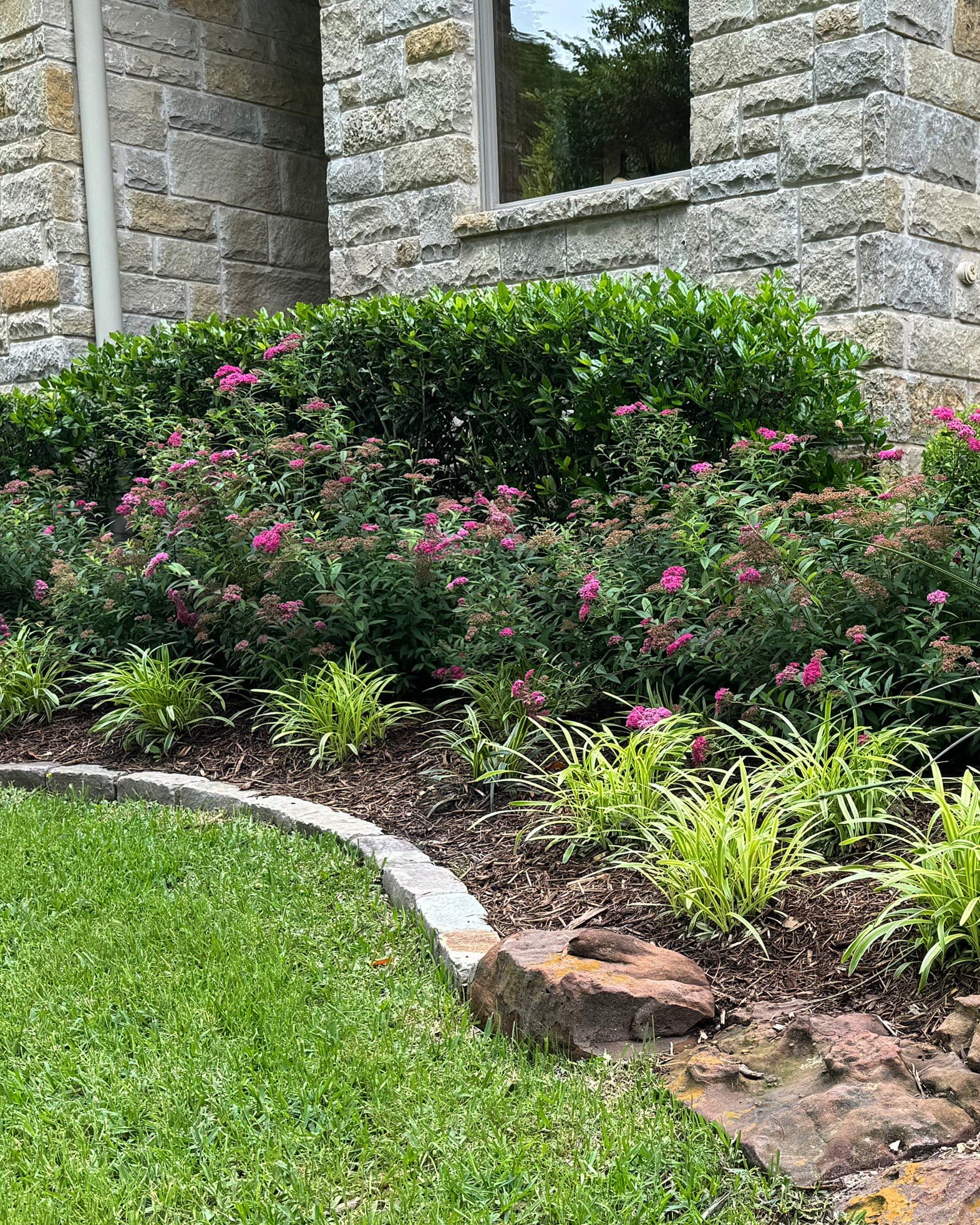
- Ideal for entryways, beds, and decorative accents
Oakland Holly Tree Form thrives in full sun to partial shade and prefers well-drained soil. It’s highly adaptable, heat-tolerant, and drought-resistant once established - perfect for both residential and commercial Texas landscapes. Hardy in USDA zones 6 through 9, this holly tree delivers year-round structure and beauty with minimal upkeep.
Once established, the Oakland Holly Tree Form is remarkably easy to care for, offering a strong, elegant evergreen presence with minimal upkeep. Here’s how to maintain it:
- Watering: Water regularly during the first growing season to establish deep, resilient roots. Once mature, Oakland Holly tolerates drought moderately well but benefits from deep watering during extended dry periods. Avoid waterlogged soil, as overly wet conditions can harm the roots.
- Pruning: Light pruning once or twice a year maintains its natural pyramidal form. Late winter or early spring is ideal for structural pruning, removing dead, damaged, or crossing branches. Avoid heavy shearing, as selective cuts preserve its layered, natural appearance.
- Fertilizing: Apply a slow-release, balanced fertilizer in early spring. Mature trees typically need little supplemental feeding, but a light top-dressing encourages vibrant foliage and healthy growth.
- Mulching: Apply a 2-3 inch layer of mulch around the base to retain moisture, regulate soil temperature, and suppress weeds. Keep mulch a few inches away from the trunk to prevent rot and pest problems.
- Winter Care: Oakland Holly is cold-hardy and retains deep green foliage through winter. In areas with harsh winters or strong winds, apply a protective layer of mulch around the root zone and water well before freezing to prevent desiccation.
Oakland Holly is highly resilient, but occasional issues may arise:
- Leaf Drop: Temporary leaf loss can occur after transplanting, drought, or sudden environmental changes. Maintain consistent moisture to help the plant re-establish.
- Scale Insects: These appear as small bumps on stems or leaves and may cause yellowing. Treat with horticultural oil during dormancy or insecticidal soap in the growing season.
- Spider Mites: Can cause stippling or faded leaves in hot, dry weather. Rinse foliage with water or apply neem oil to prevent infestations.
- Sooty Mold: Black residue from sap-feeding insects. Controlling the pests will resolve the mold naturally.
- Chlorosis (Yellow Leaves): Often caused by alkaline soil or poor drainage. Apply iron supplements or sulfur-based soil amendments to restore foliage color.
With proper care, it can live 40-50 years or more, providing decades of evergreen structure and beauty in landscapes, making it an excellent long-term investment.
Oakland Holly grows at a moderate rate, reaching its mature pyramidal form in about 10-12 years. Once established, its dense branching creates a naturally full, elegant silhouette with minimal shaping.
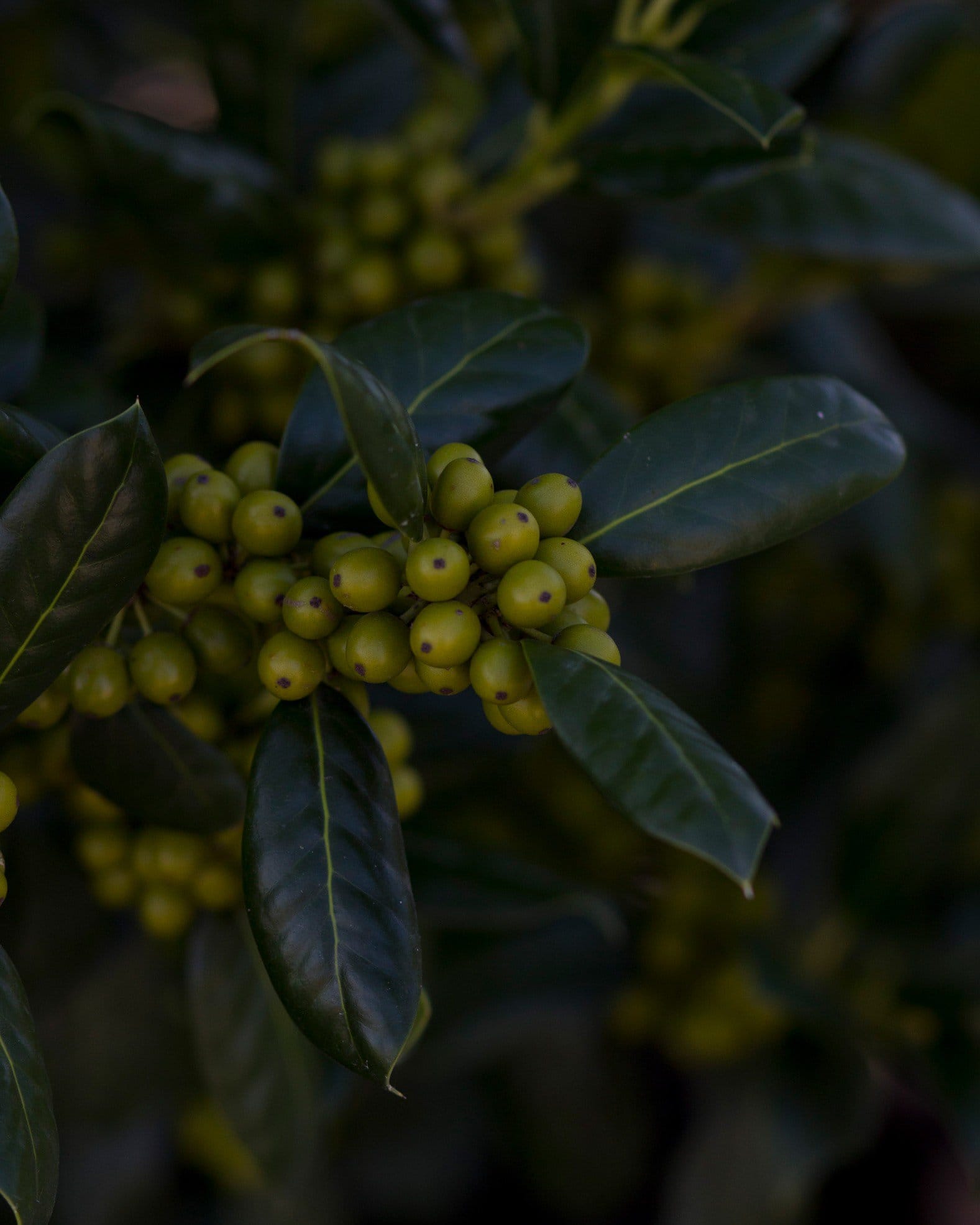
Yes - mature female trees produce bright red berries each fall and winter, provided a male holly is nearby for pollination. The berries persist into winter, adding seasonal interest to gardens and landscapes.
- Yes, Oakland Holly adapts to large, deep containers with good drainage. Container-grown trees may require more frequent watering during hot months, but provide a striking focal point for patios or entryways.
Very well. Once established, Oakland Holly tolerates high summer temperatures and moderate drought, maintaining rich green foliage throughout the season.
Yes - it’s hardy across most climates, retaining foliage through freezing temperatures. Adding mulch around the base protects young trees in particularly harsh winters.
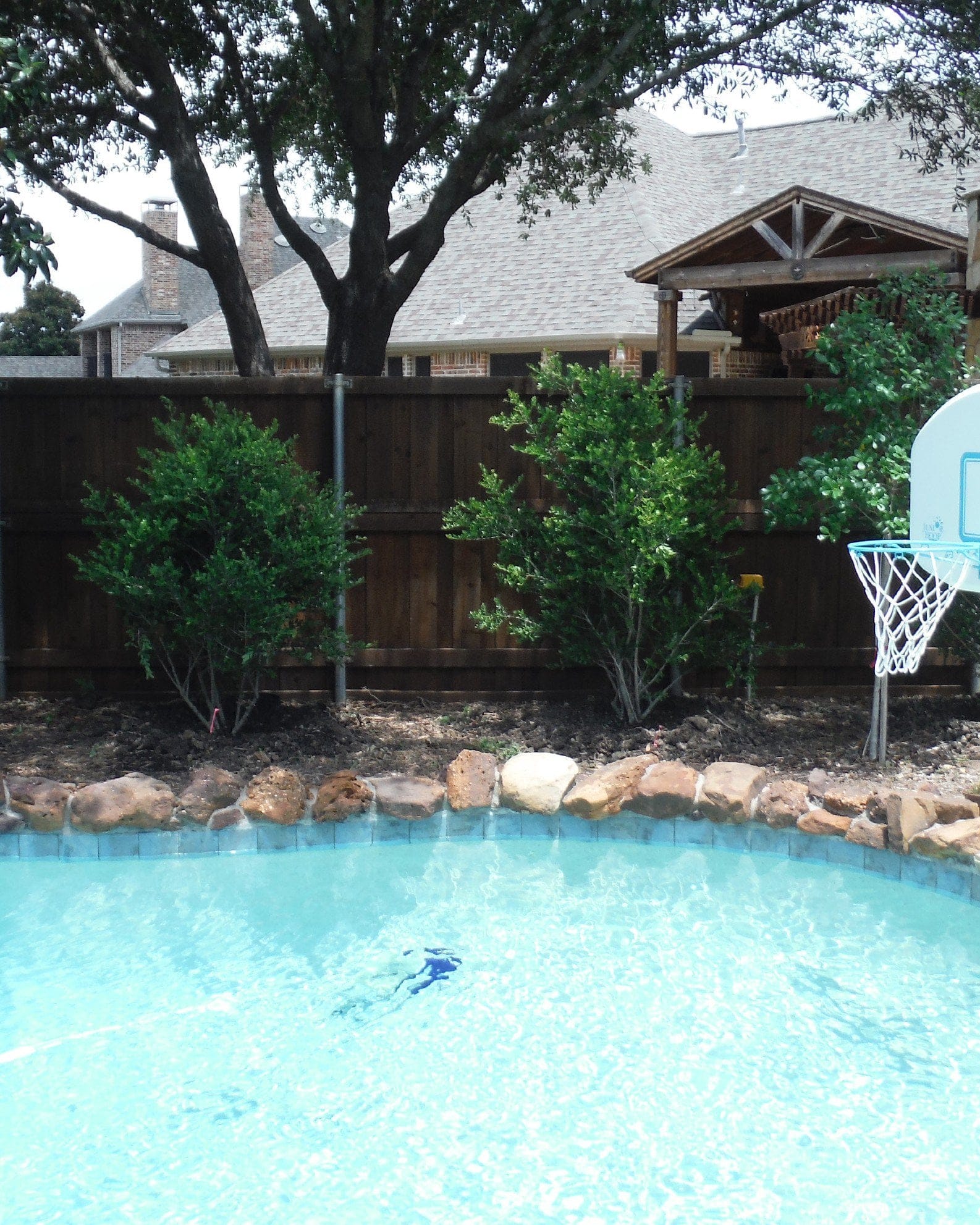
Absolutely. Its dense branching and upright growth habit respond well to light pruning, making it perfect for privacy hedges, windbreaks, or formal landscape designs.
Prune one-third of the oldest stems to the base in late winter to encourage vigorous new growth and restore fullness. Feeding lightly after pruning helps support recovery and dense growth.
Yes - Oakland Holly tolerates heat, reflected light, pollution, and compacted soils. Its evergreen presence, seasonal berries, and low maintenance make it ideal for streetscapes, office campuses, or commercial properties.
Yes! Only female trees produce berries, and they need a nearby male holly for pollination.
Special Features
You might also like
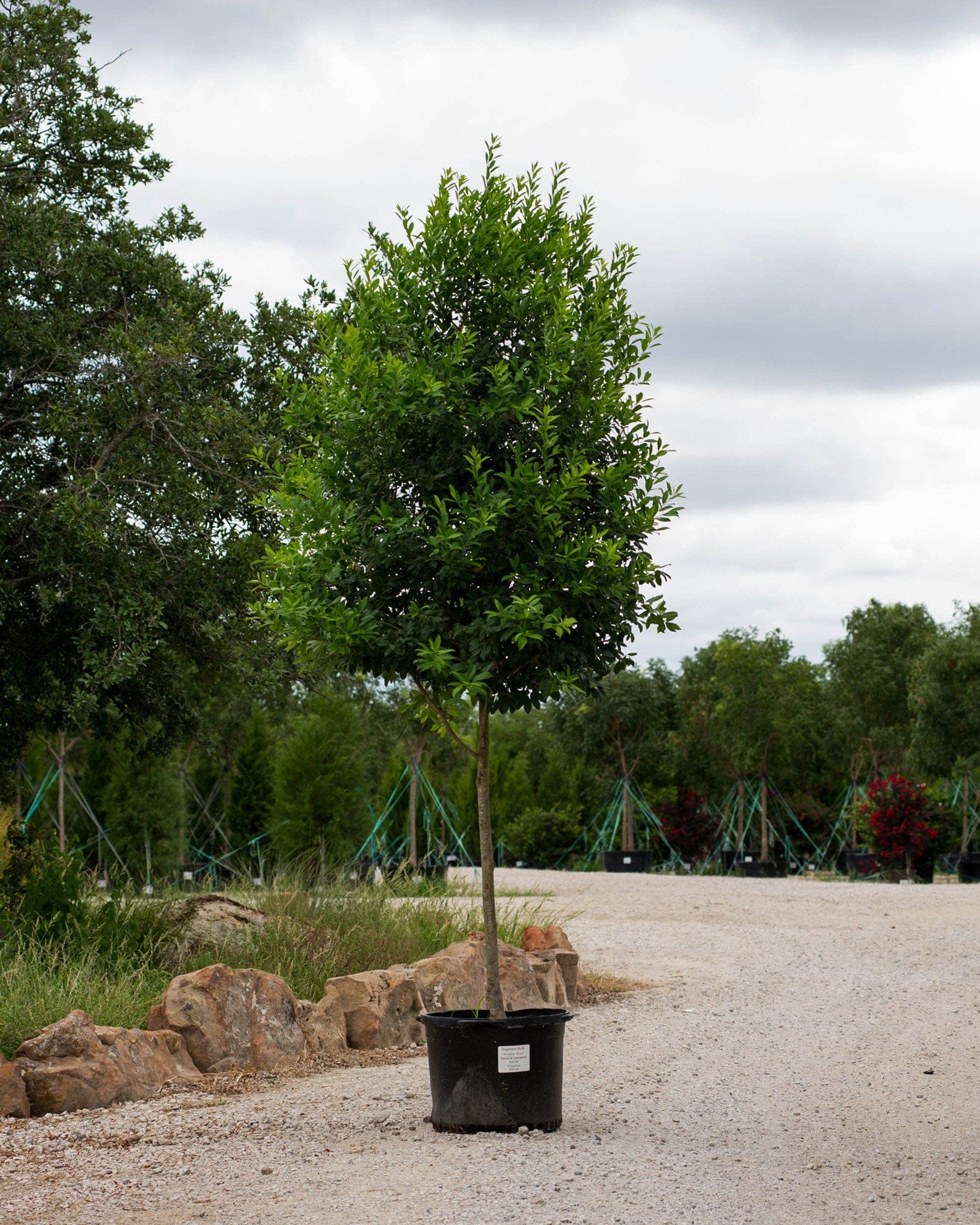
Eagleston Holly Tree Form
Maturity: 20' H x 14' W
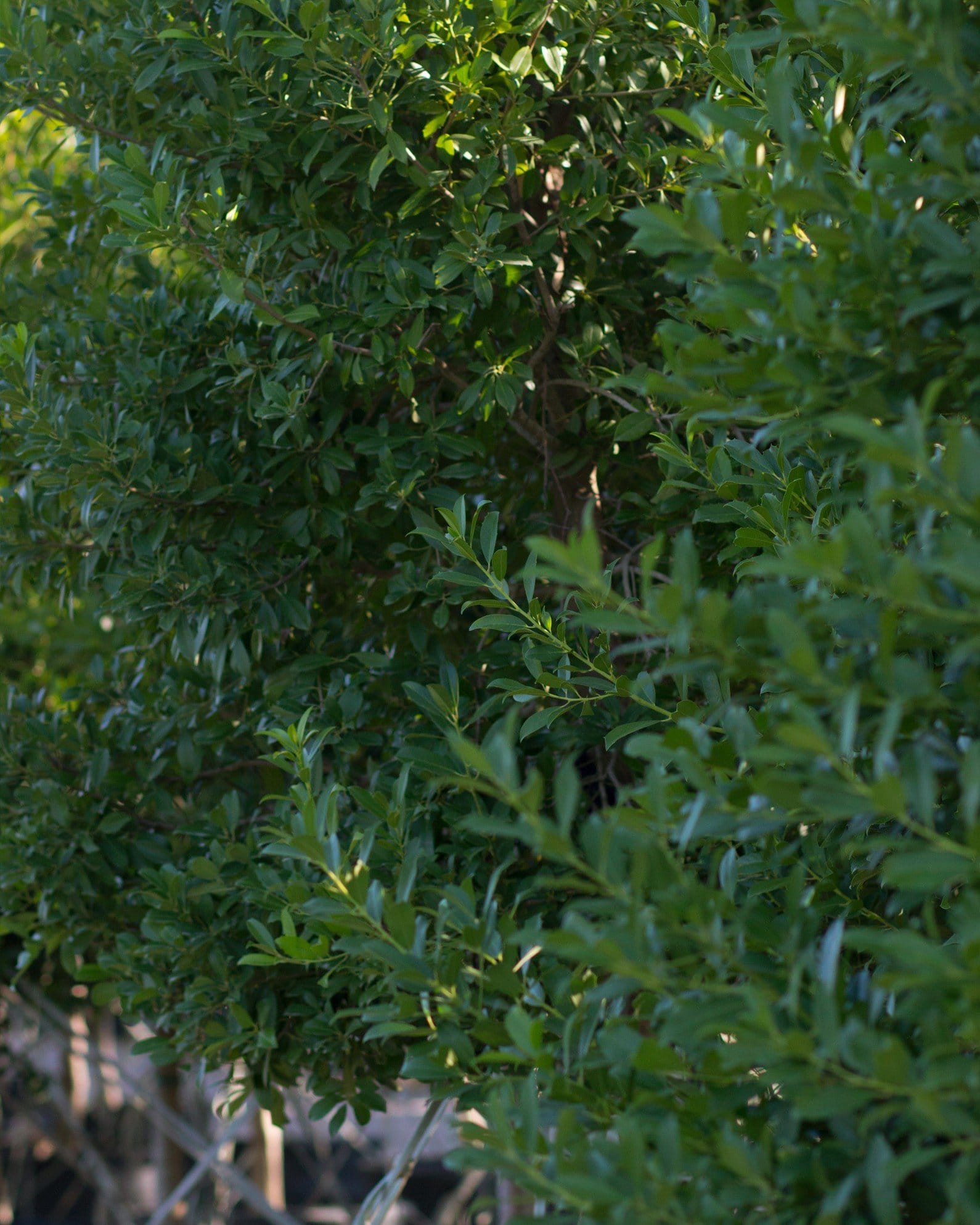
East Palatka Holly Tree Form
Maturity: 25' H x 14' W
Nellie R Stevens Holly Tree Form
Maturity: 20' H x 14' W
Savannah Holly Tree Form
Maturity: 20' H x 14' W
Yaupon Holly
Maturity: 20' H x 15' W
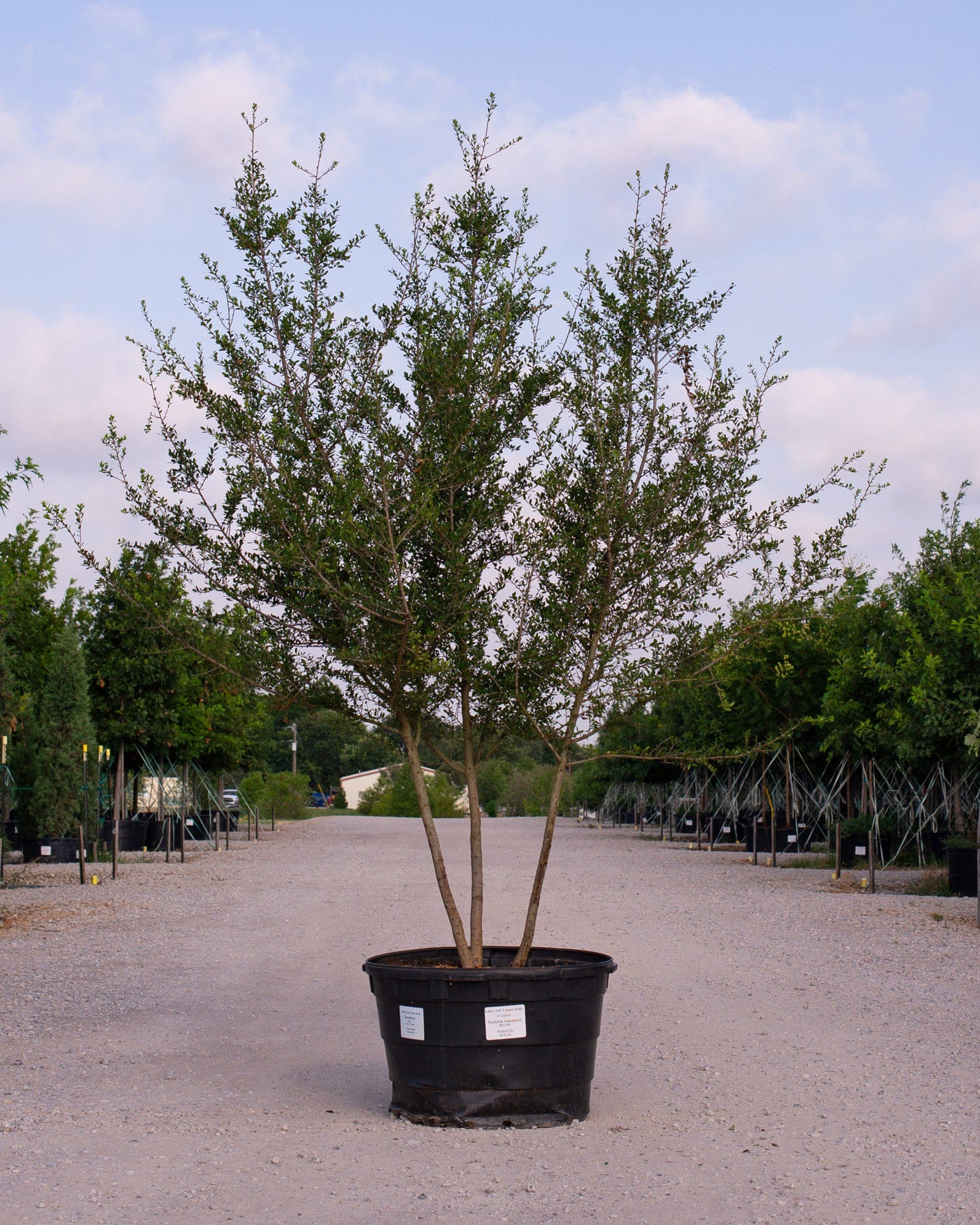
Yaupon Holly Kathy Ann
Maturity: 20' H x 15' W
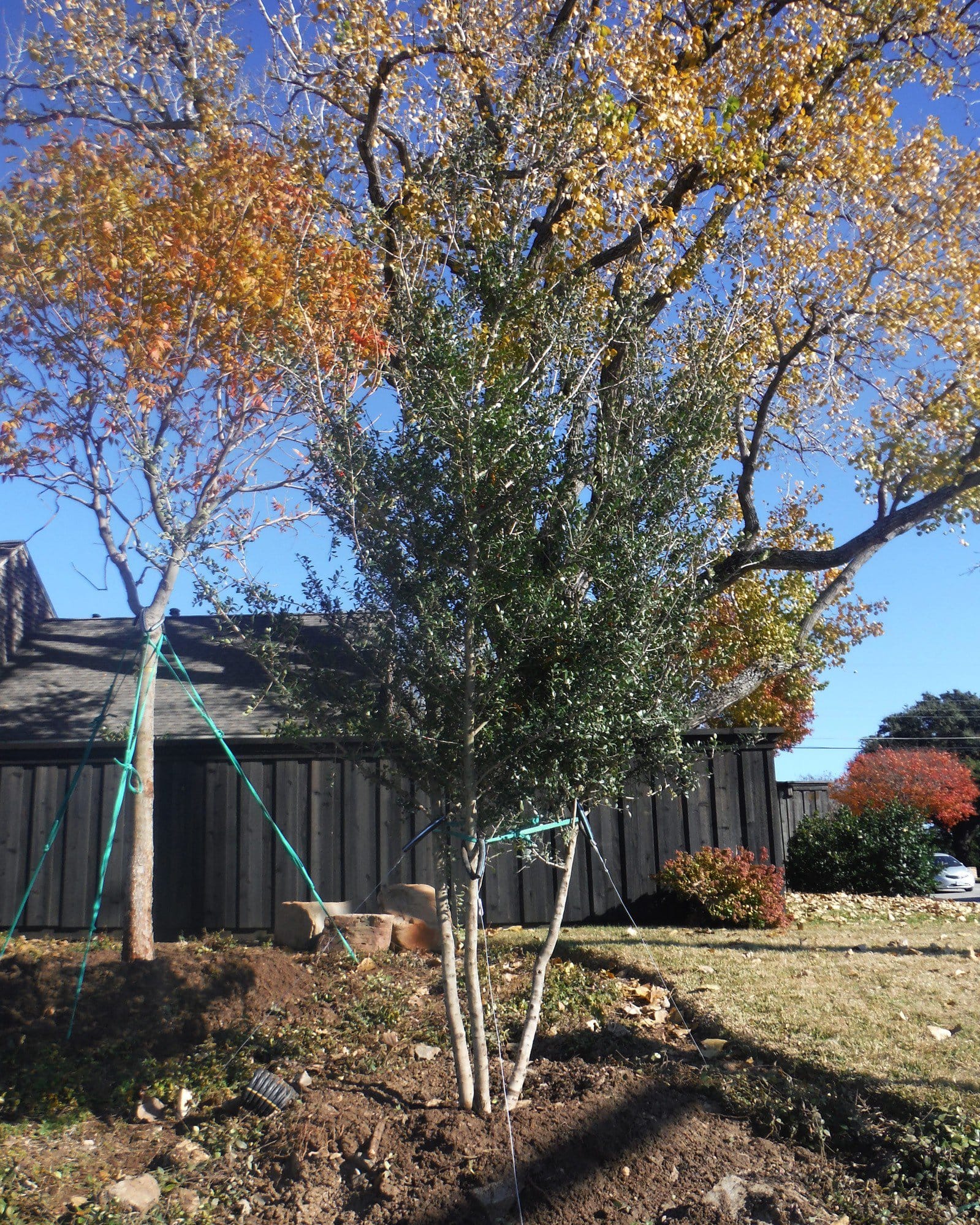
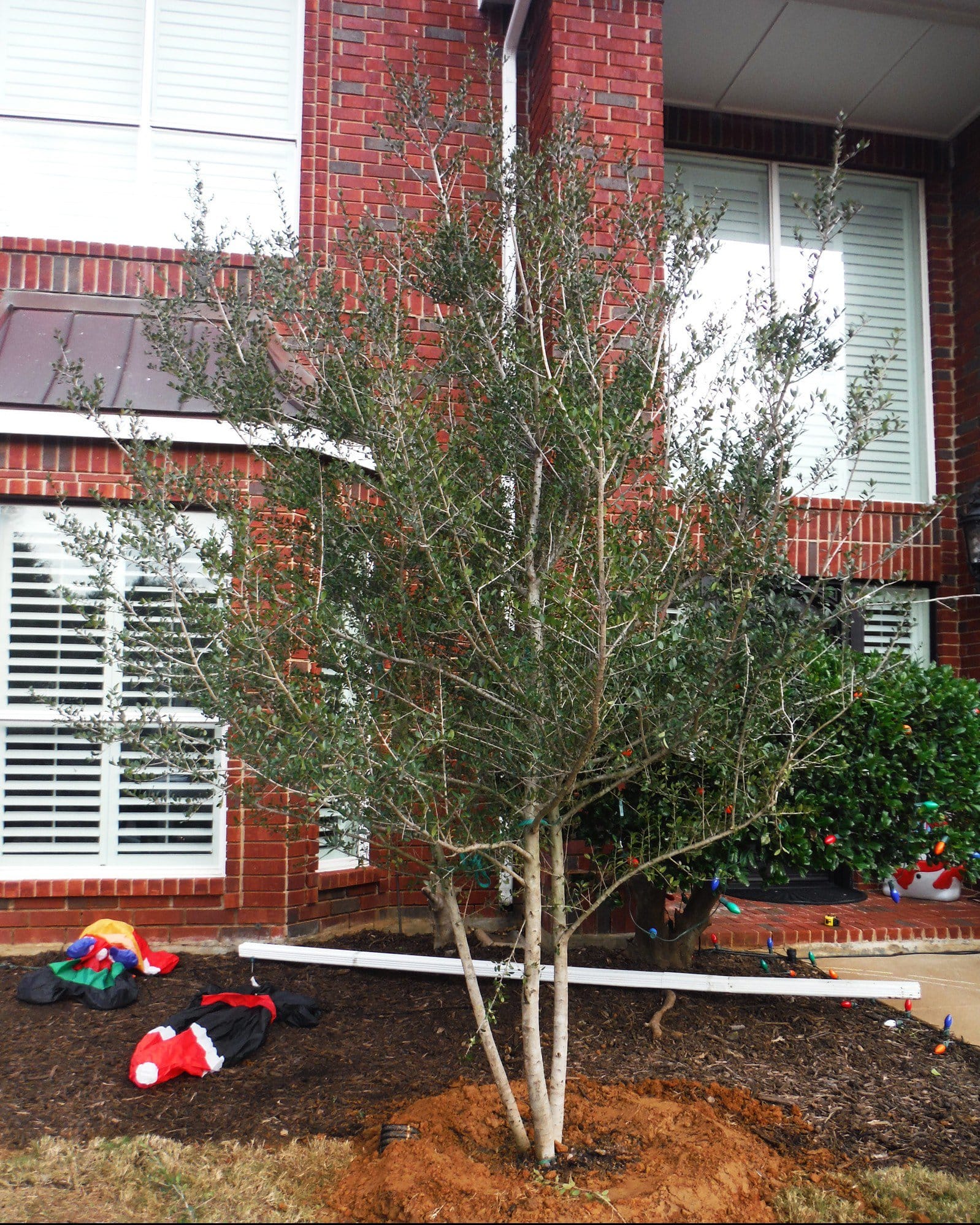
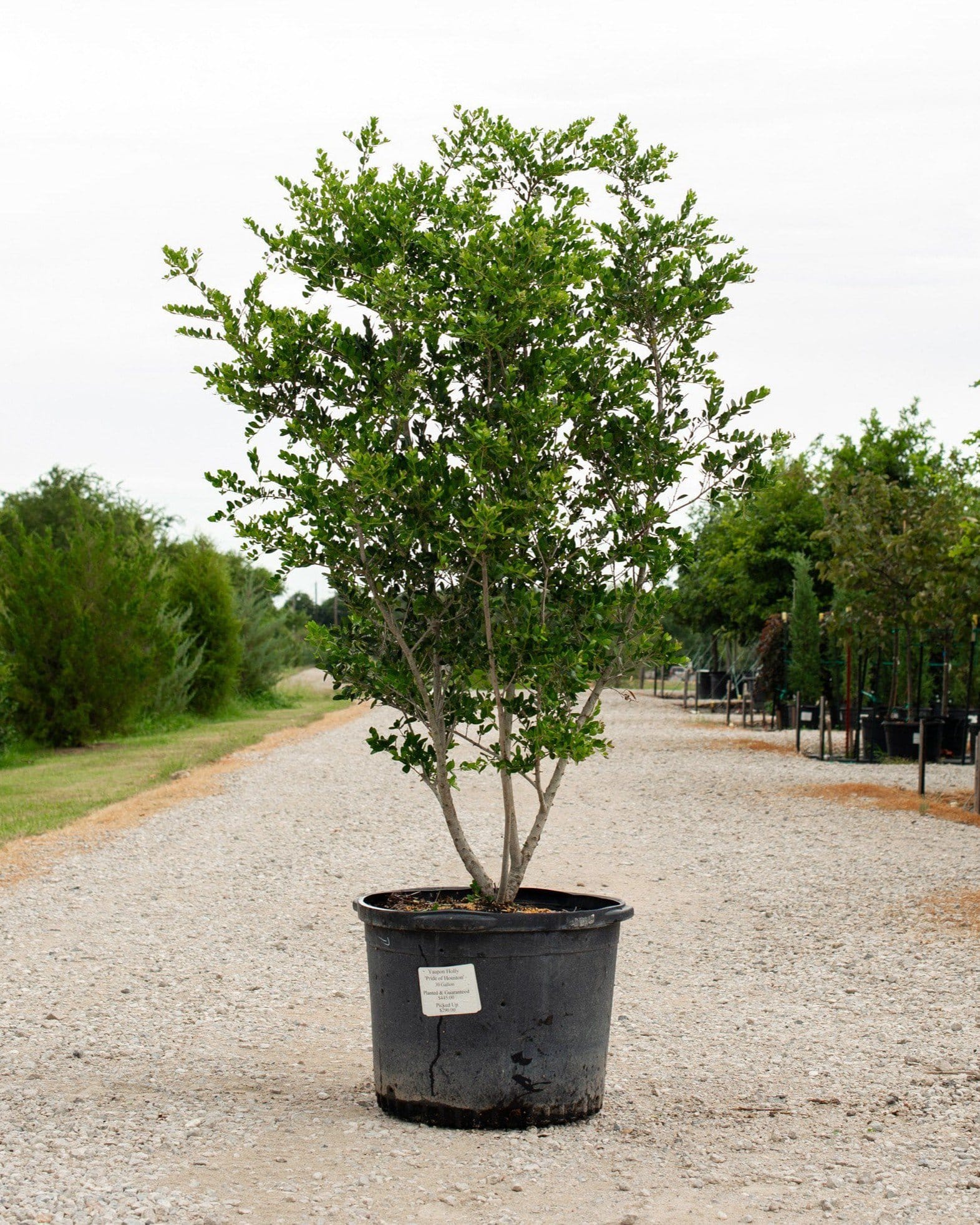
Yaupon Holly Pride of Houston
Maturity: 20' H x 15' W
Burford Holly
Maturity: 15' H x 10' W
Burford Holly Tree Form
Maturity: 15' H x 10' W
Crown Point Holly
Maturity: 14' H x 7' W
Eagleston Holly Full to Ground
Maturity: 20' H x 14' W
Emily Bruner Holly
Maturity: 20' H x 10' W
Liberty Holly
Maturity: 14' H x 7' W
Needlepoint Holly
Maturity: 10' H x 8' W
Nellie R Stevens Holly
Maturity: 20' H x 14' W
Compare Similar Plants
Oakland Holly Tree Form This plant | ||
|---|---|---|
| Scientific Name | Ilex x ‘Magland’ | Ilex × attenuata ‘Eagleston’ |
| Size at Maturity | 16' H x 7' W | 20' H x 14' W |
| Leaf Retention | Evergreen | Evergreen |
| Sizes Available | 15 gal | 7, 15, 30, 45, 65, 95 gal |


Our 1-Year Planting Guarantee
We take pride in our plants and installation services. If any plants or trees installed by Treeland fail to thrive within the first year, we'll provide a replacement credit in accordance with our guarantee program.
Learn More About Our Guarantee