
Woodbridge Althea
Hibiscus syriacus ‘Woodbridge’Local DFW Delivery Only
Product Details
Woodbridge Althea
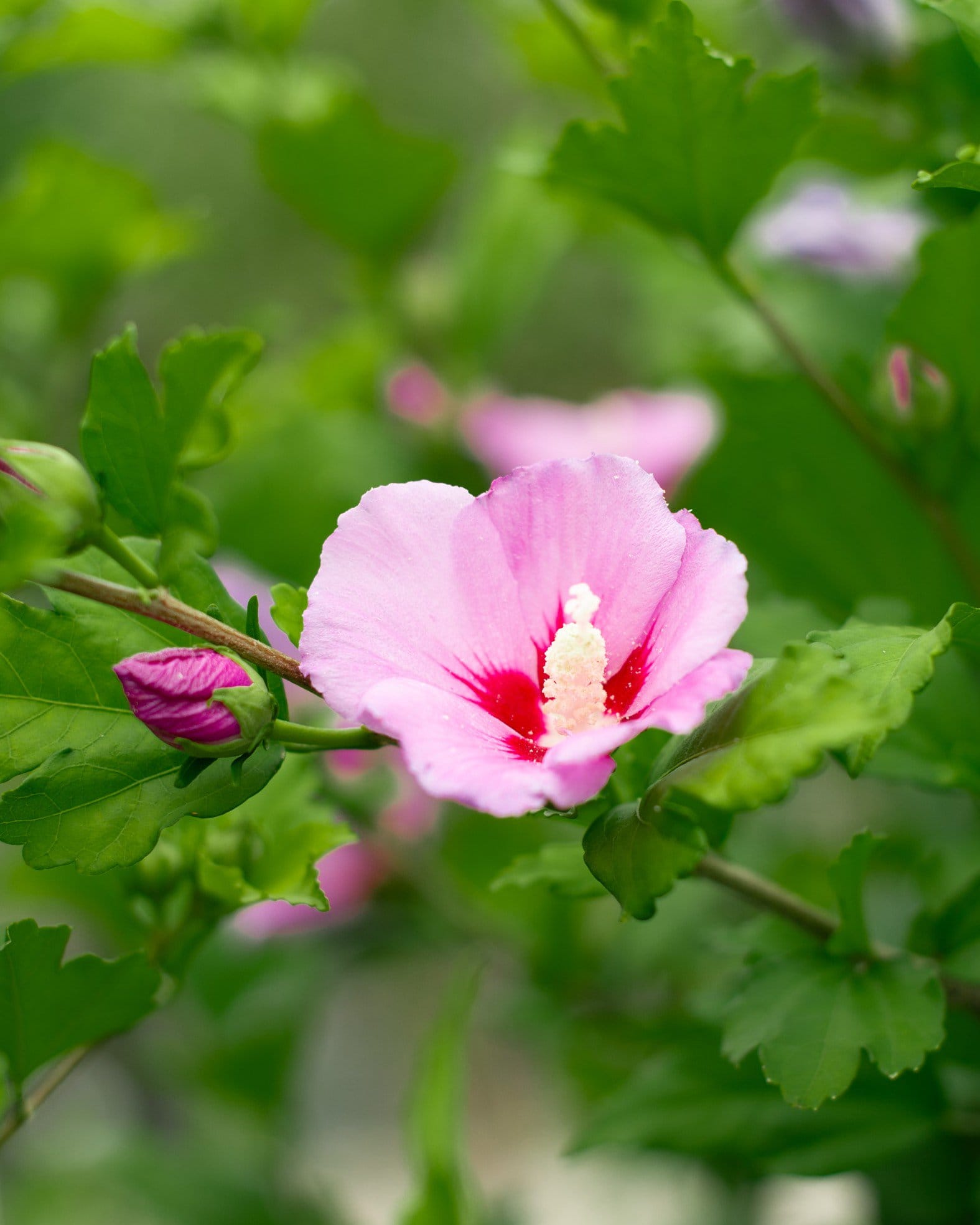
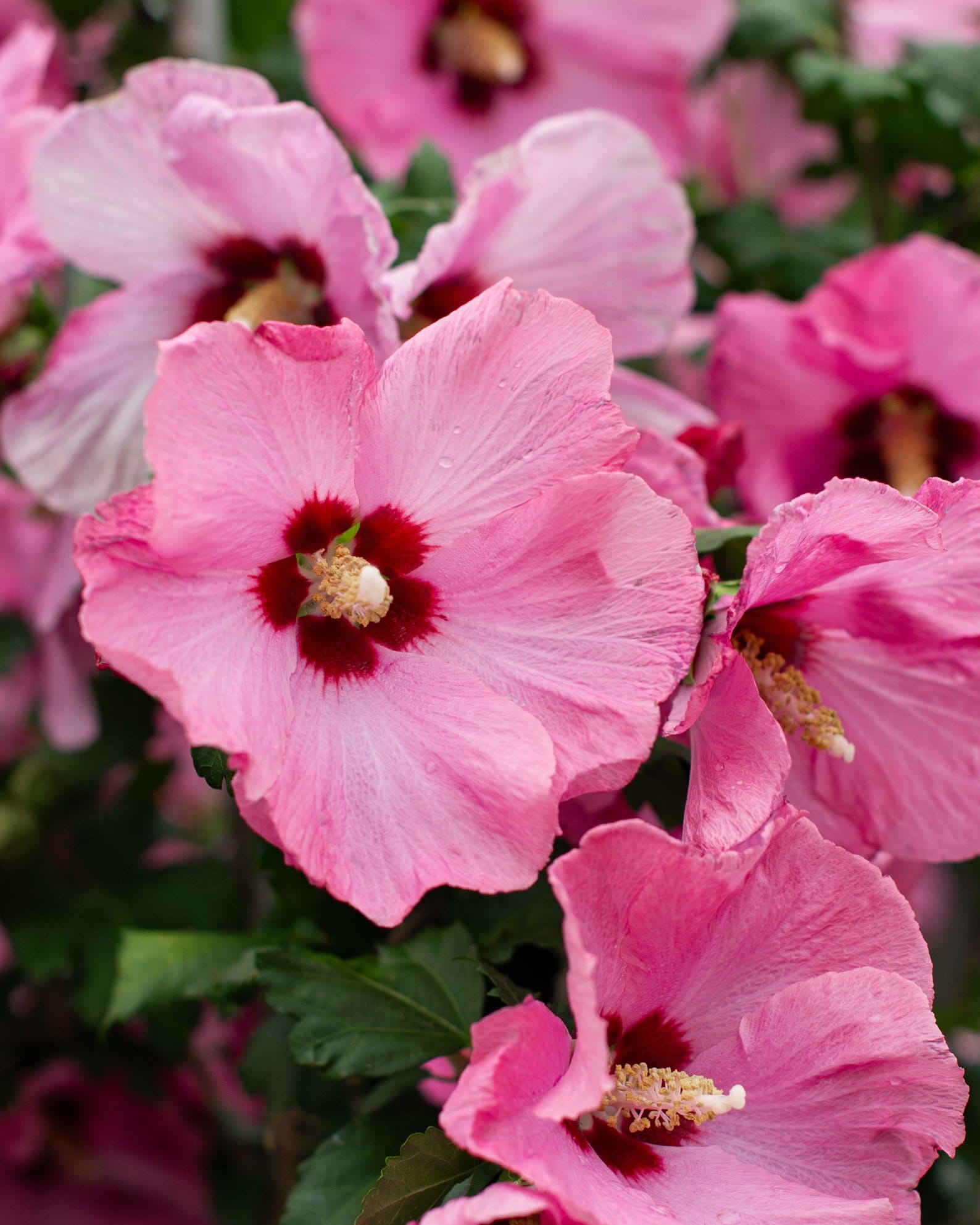
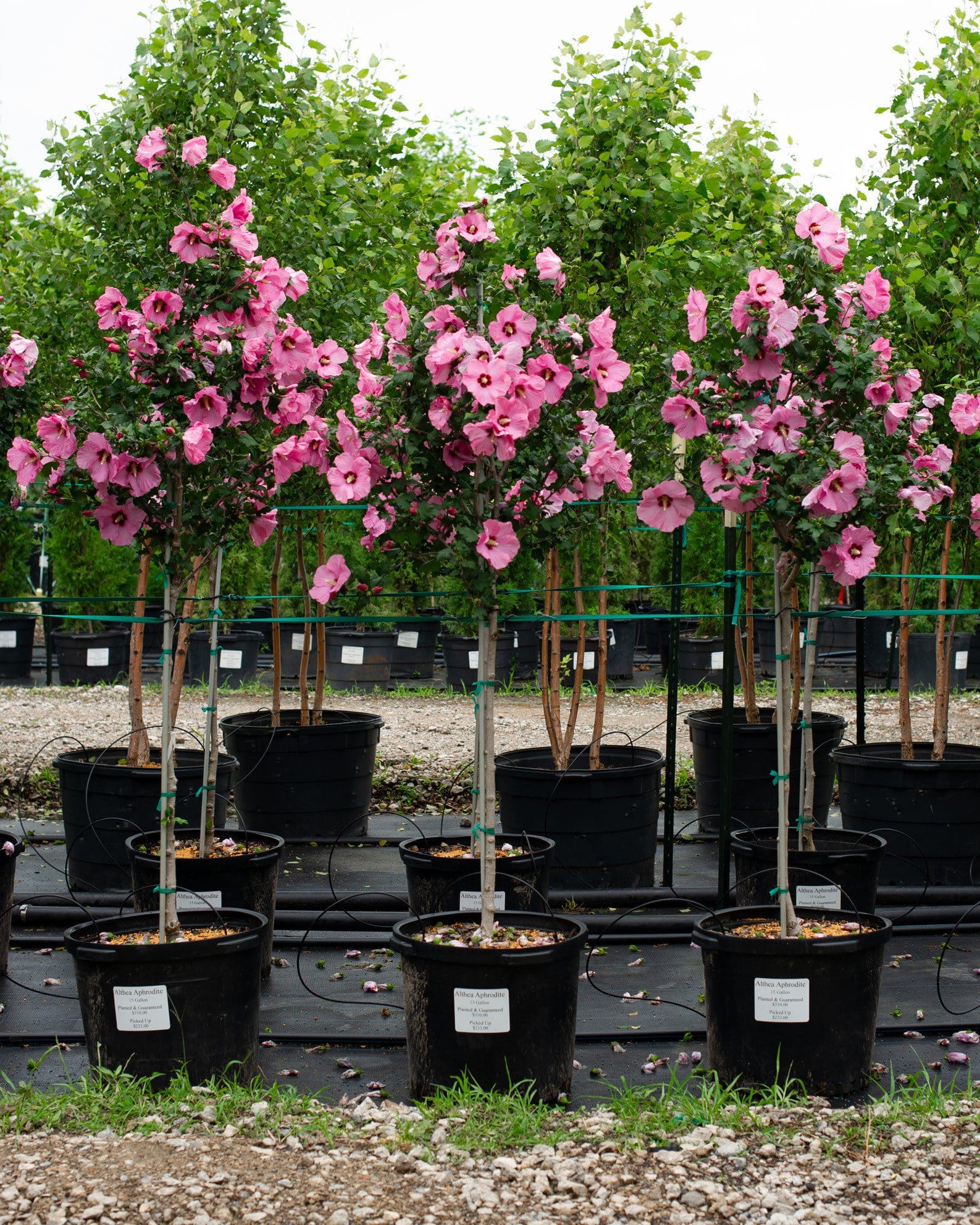
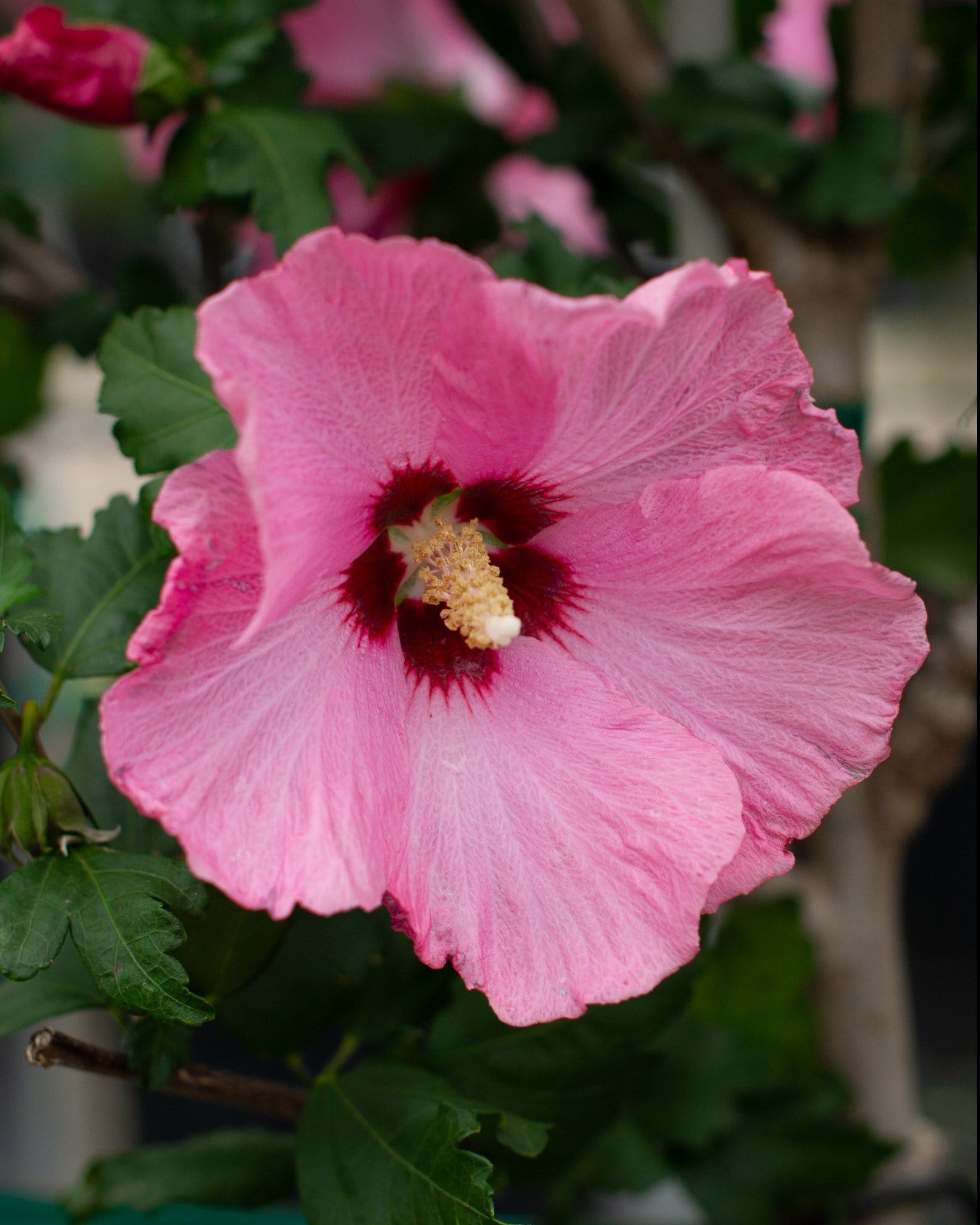
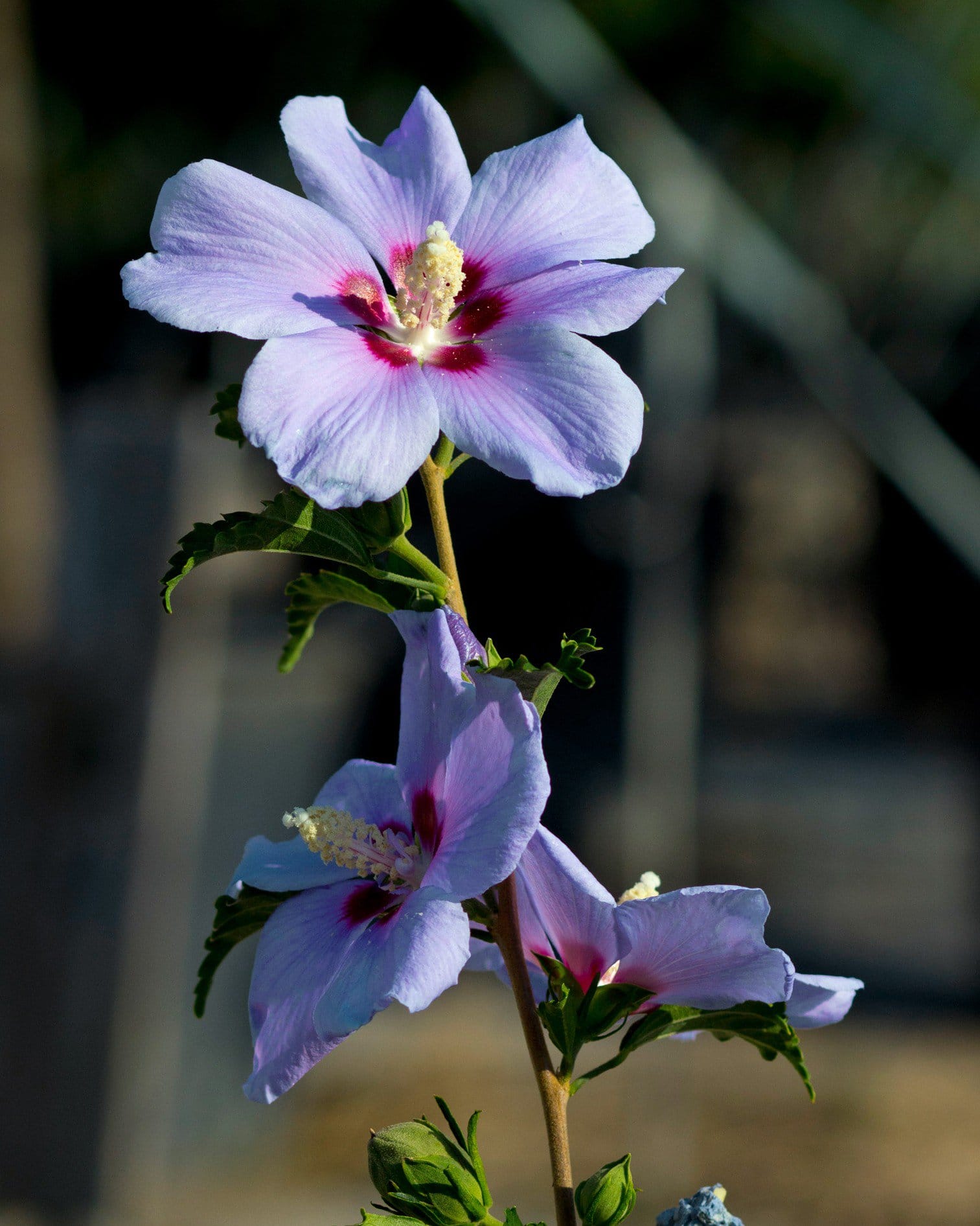
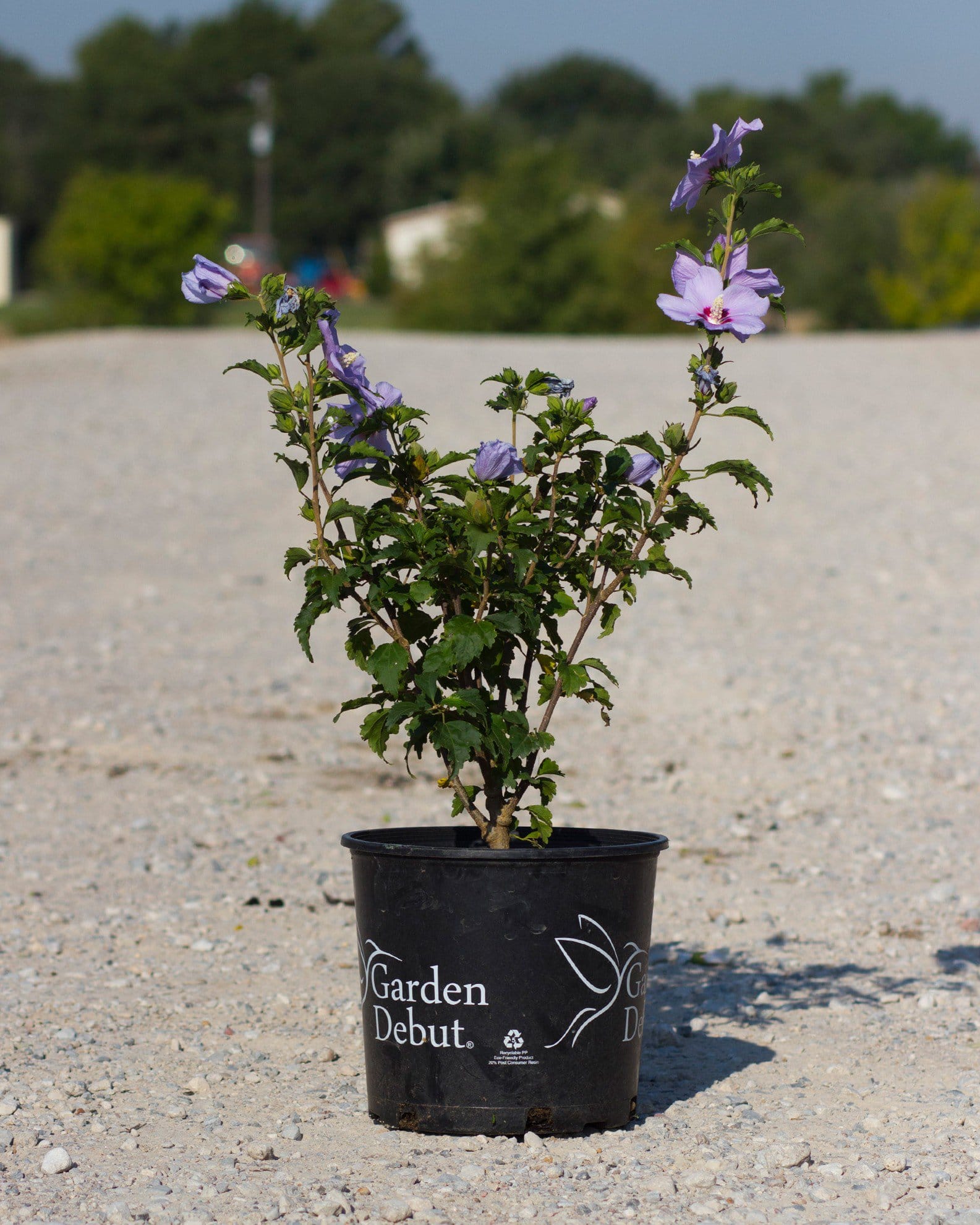
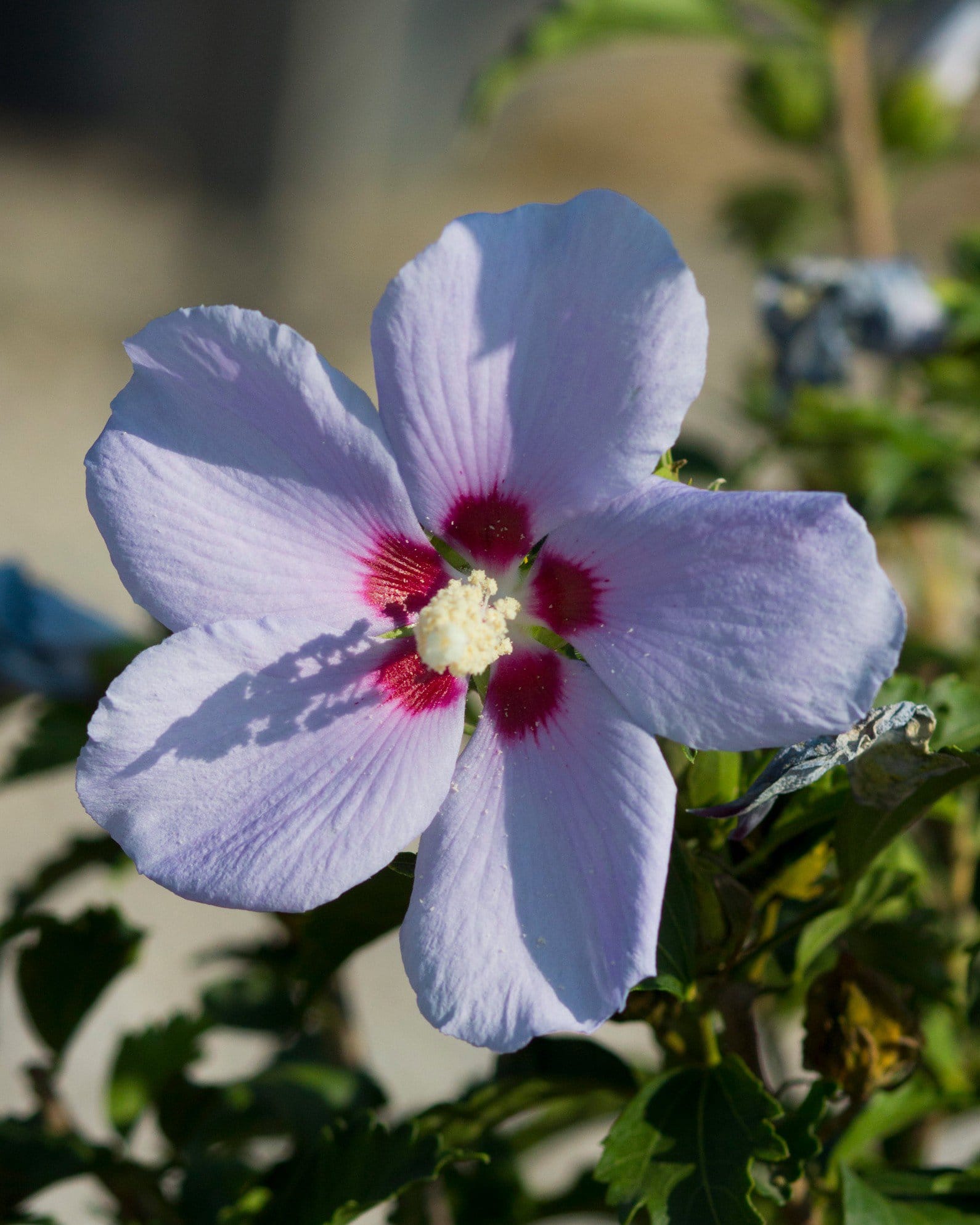
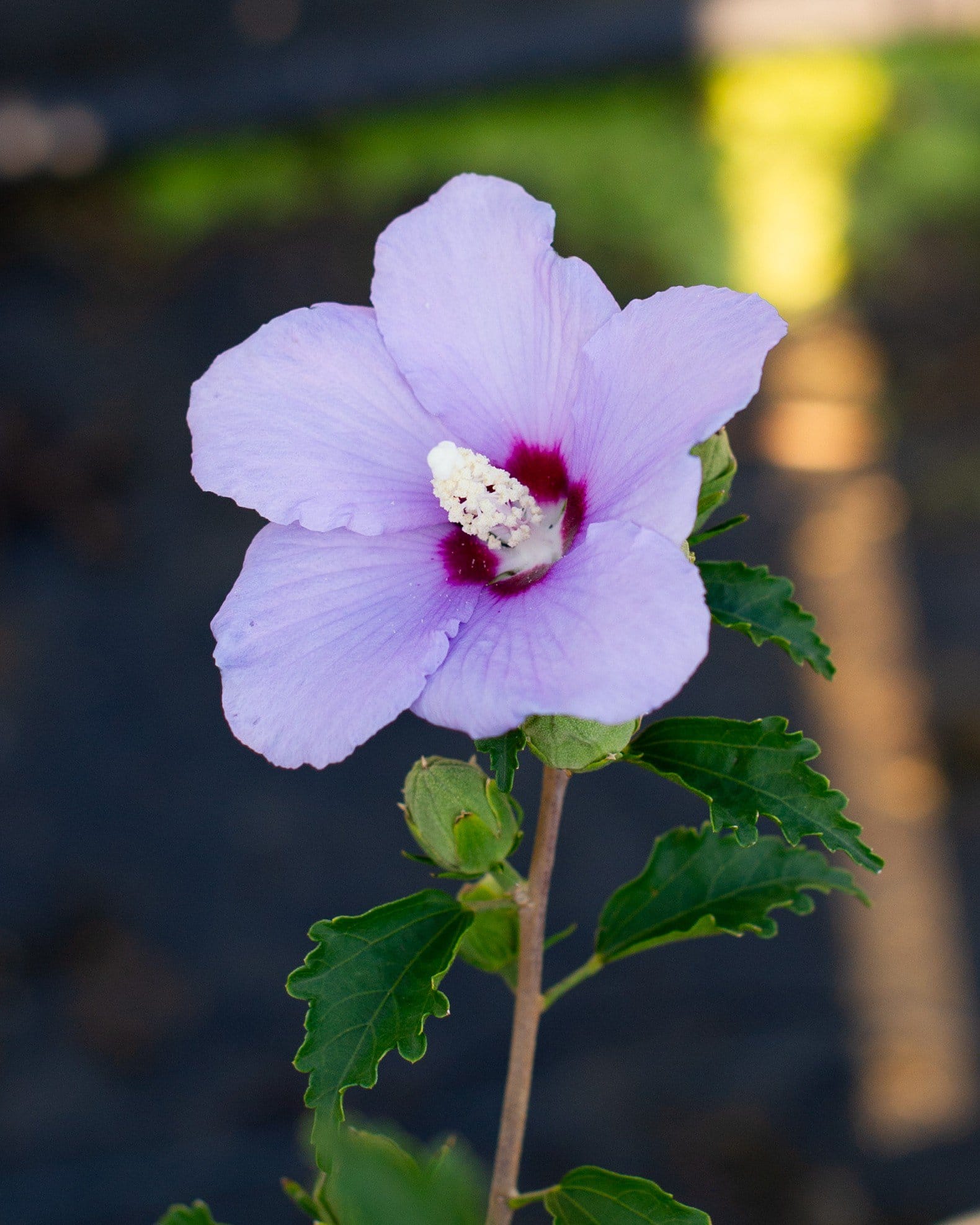
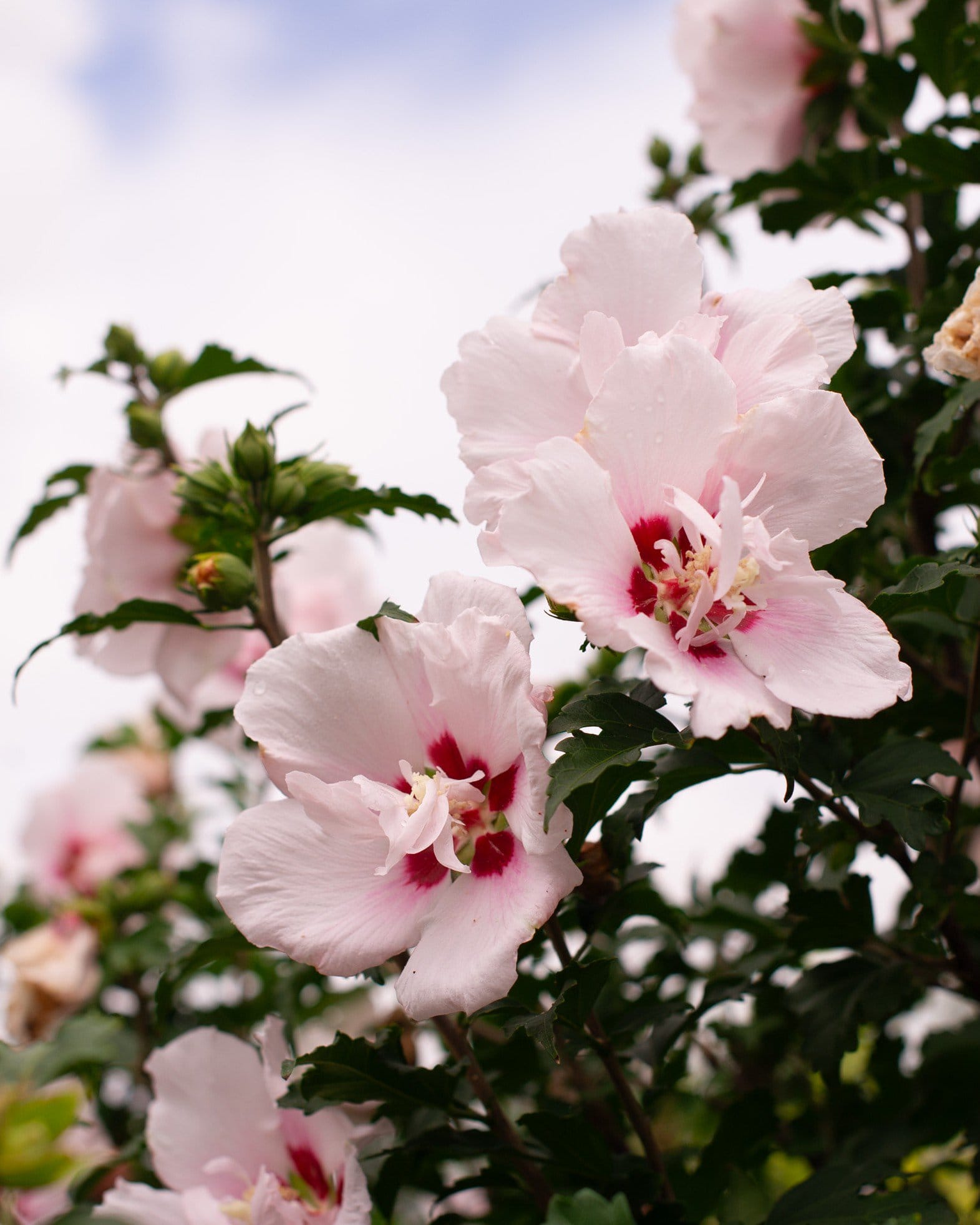
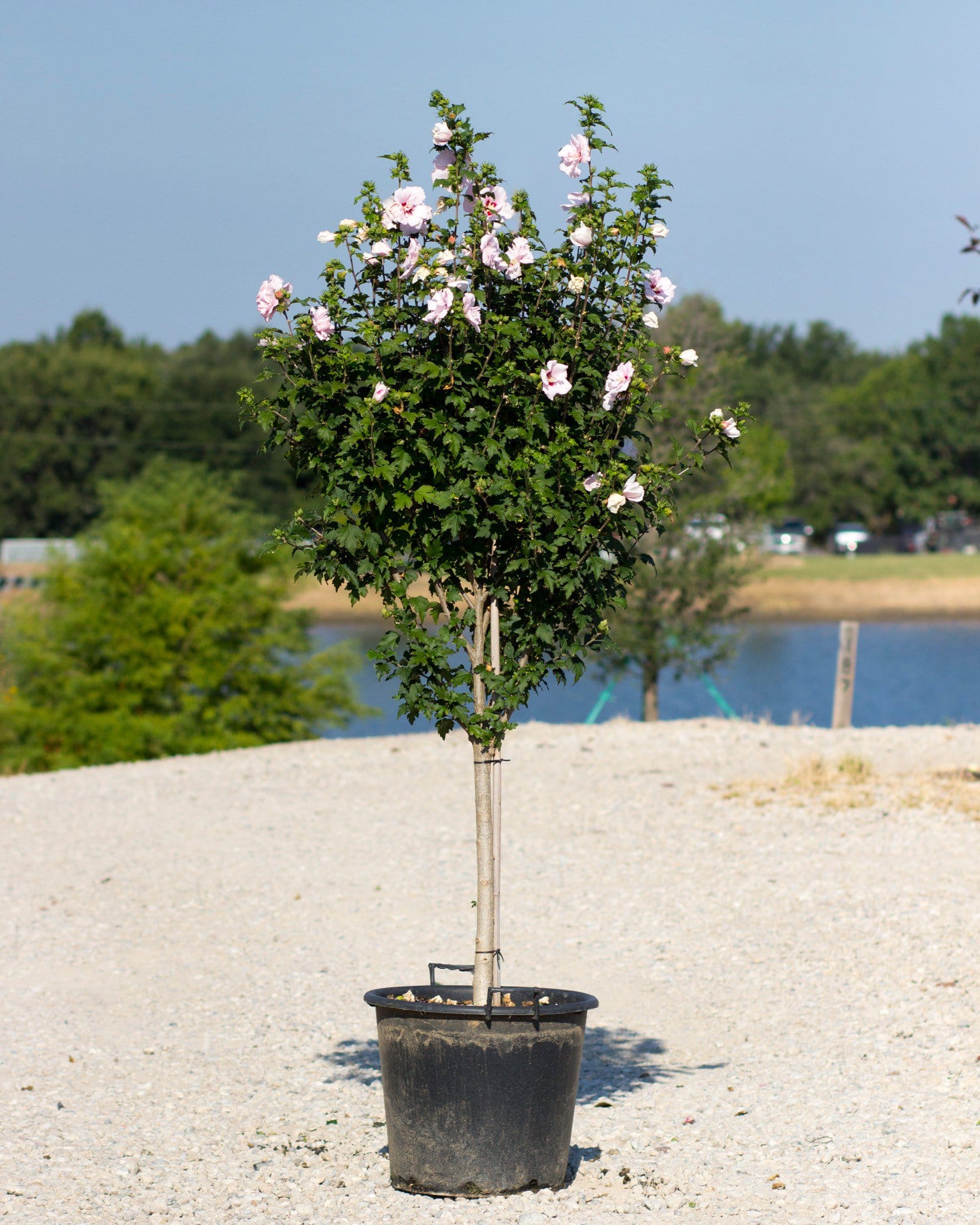
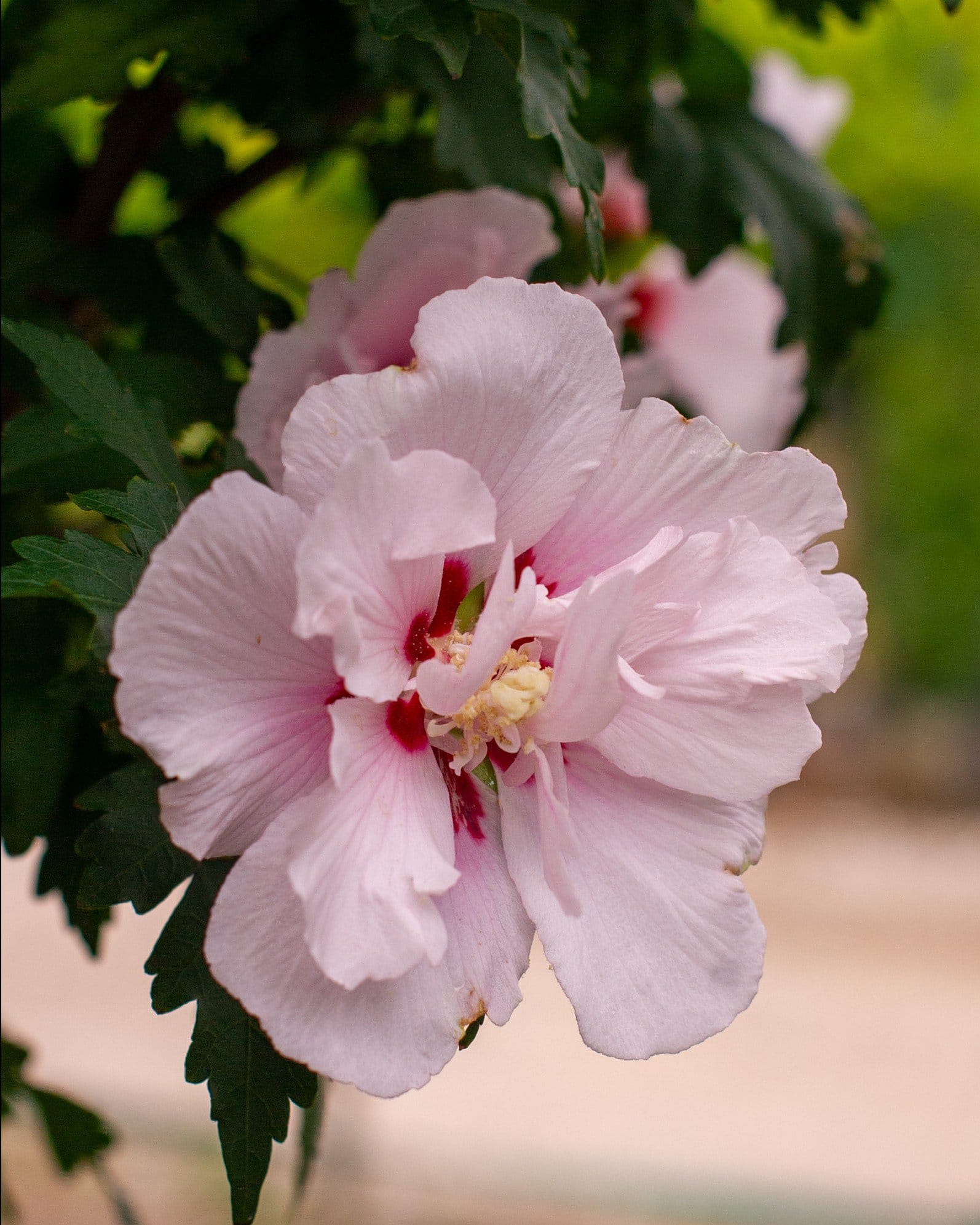
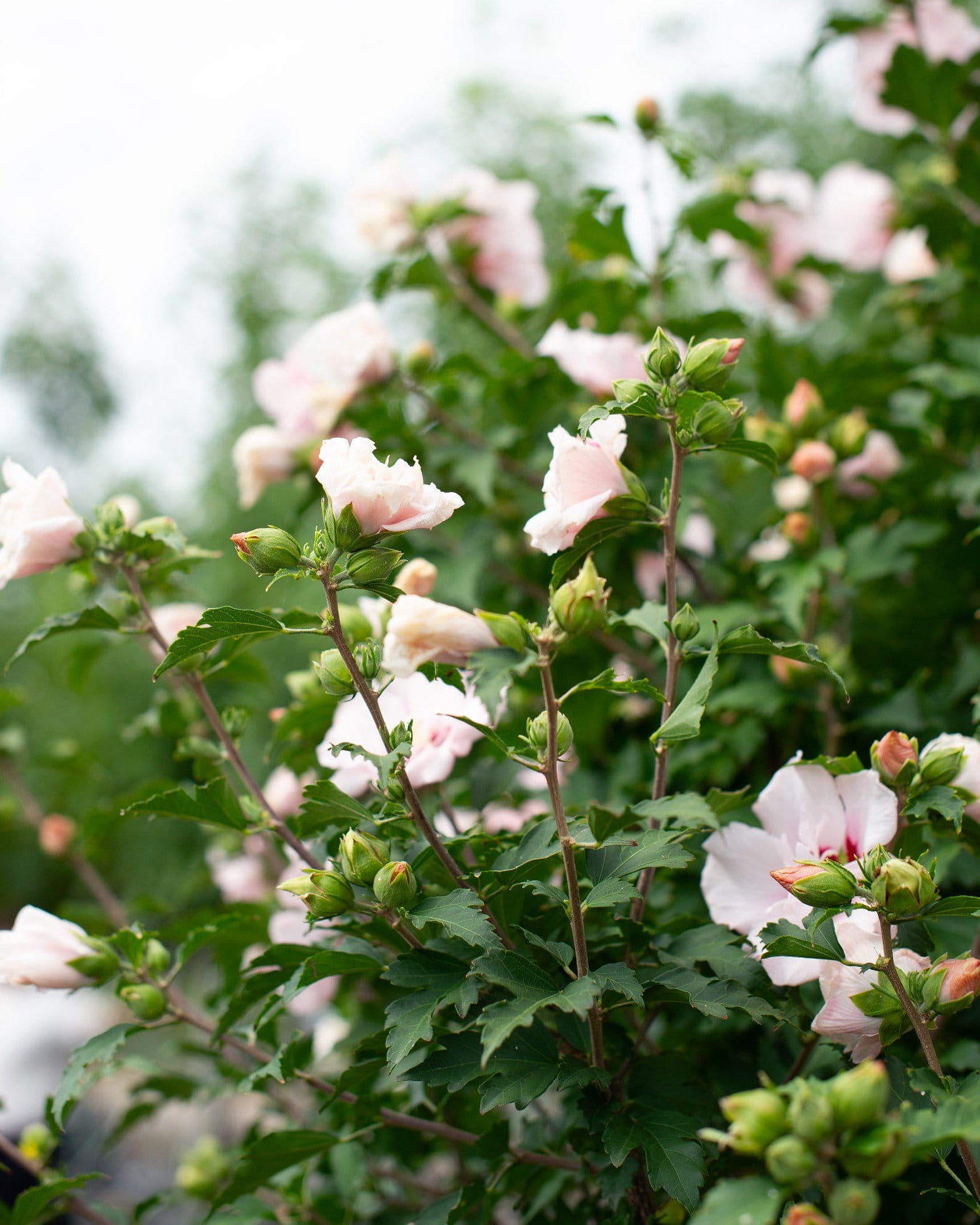
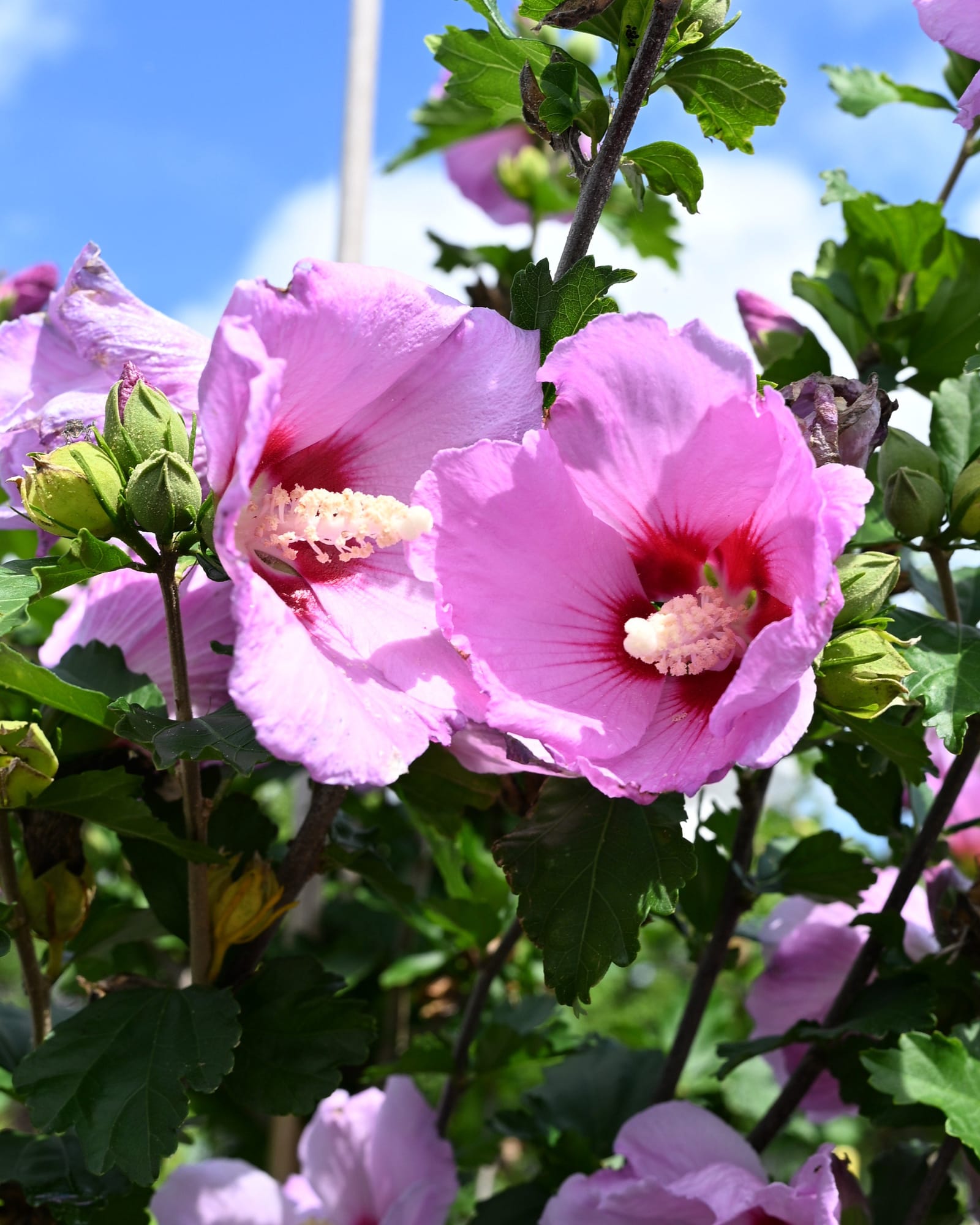
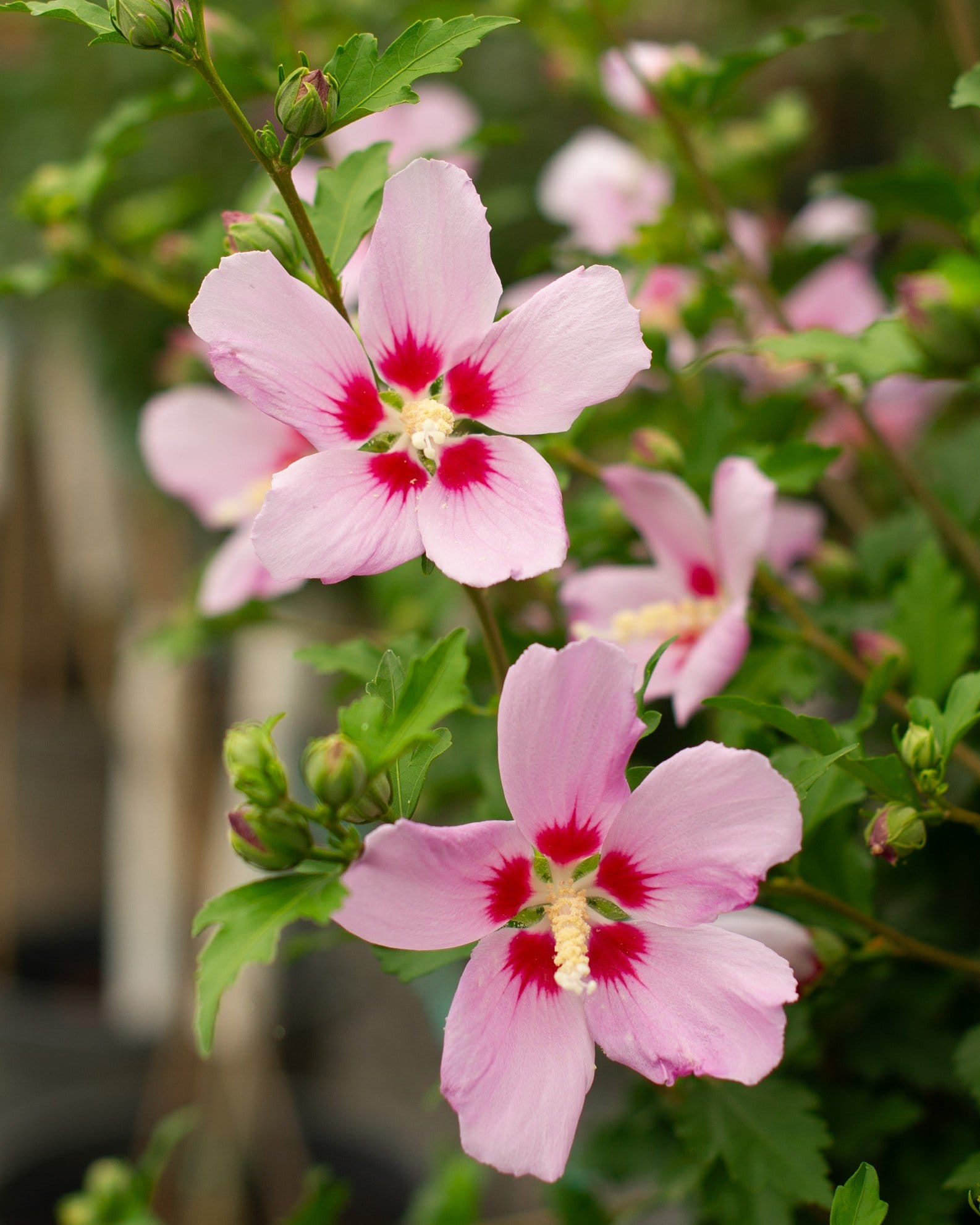
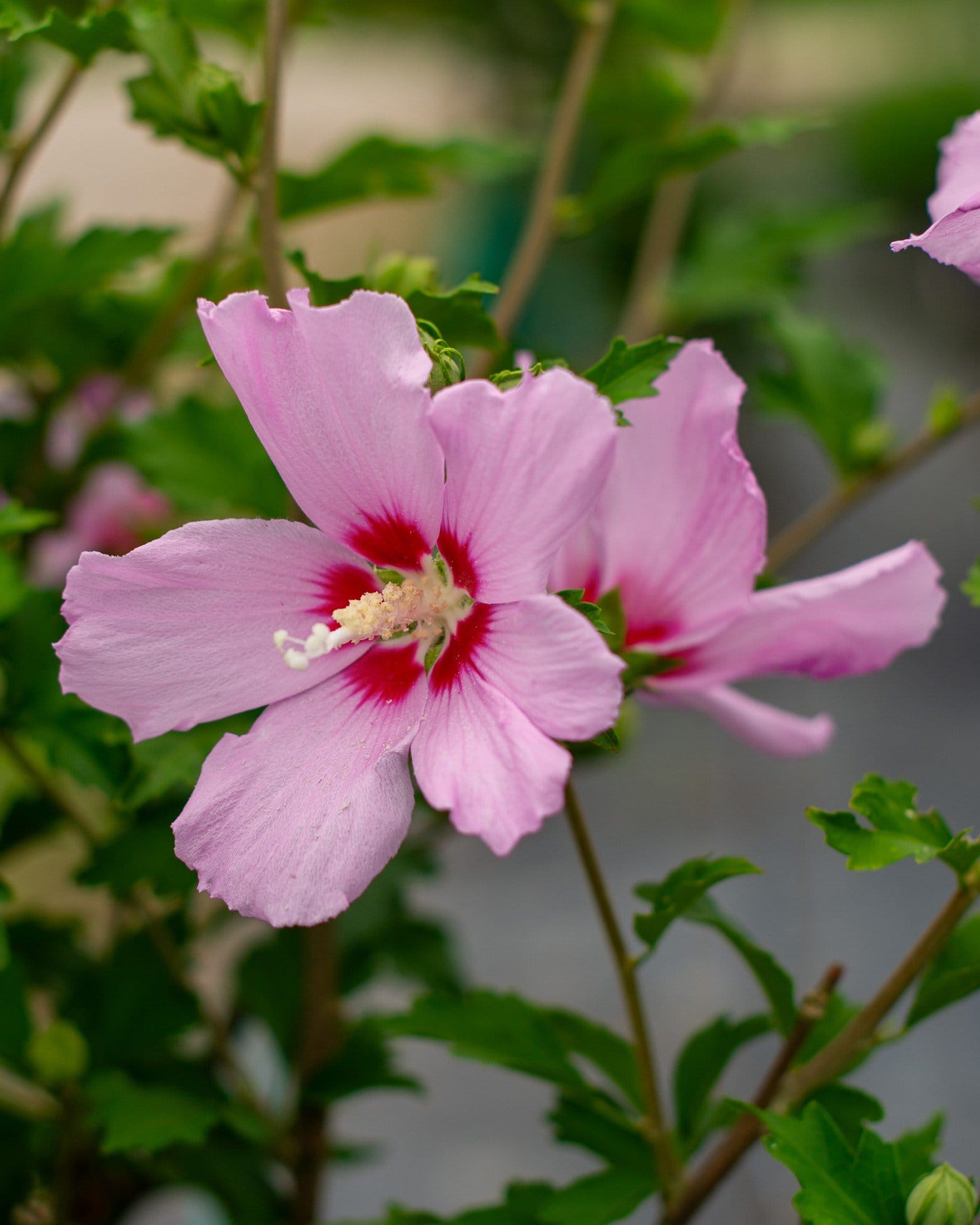
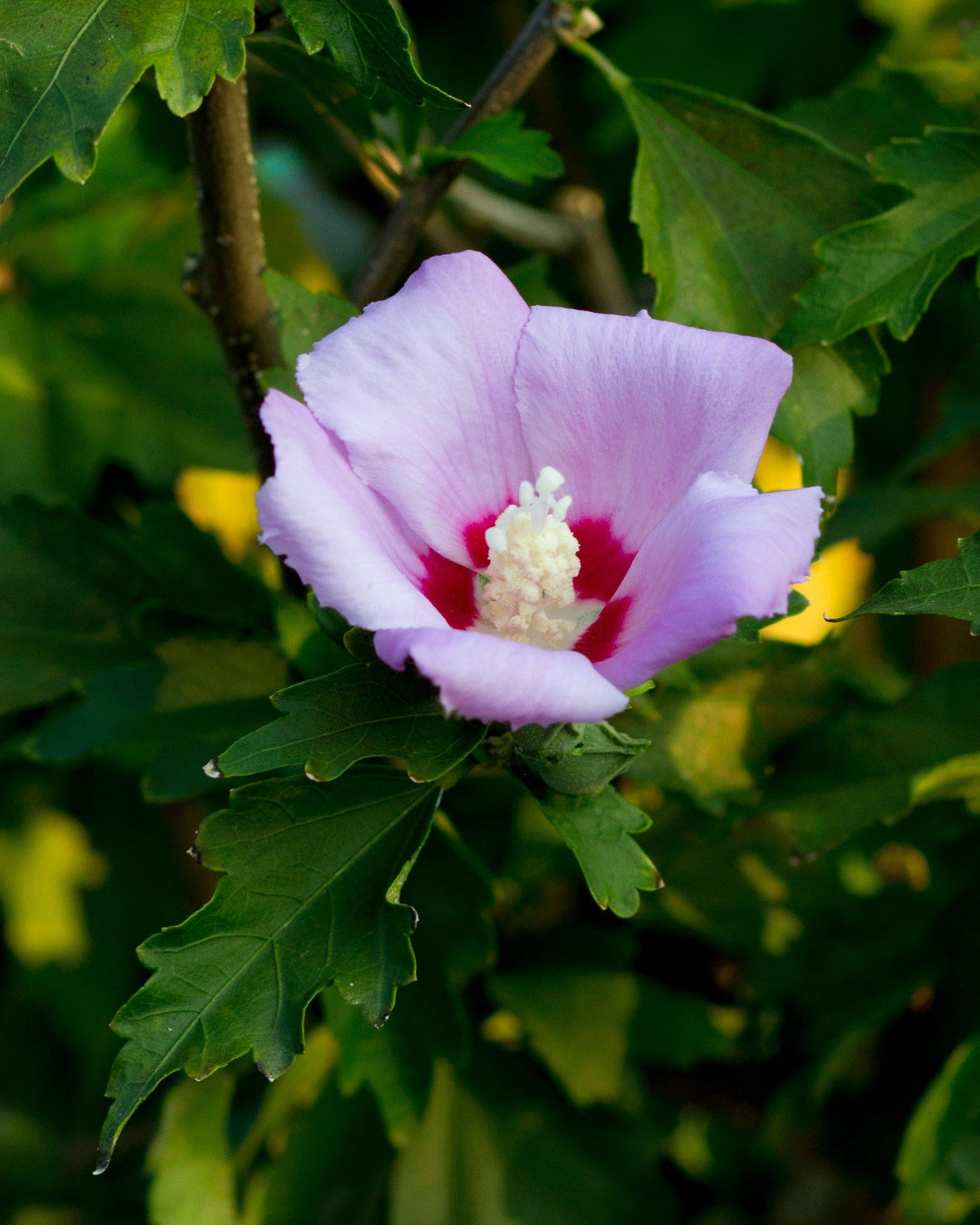
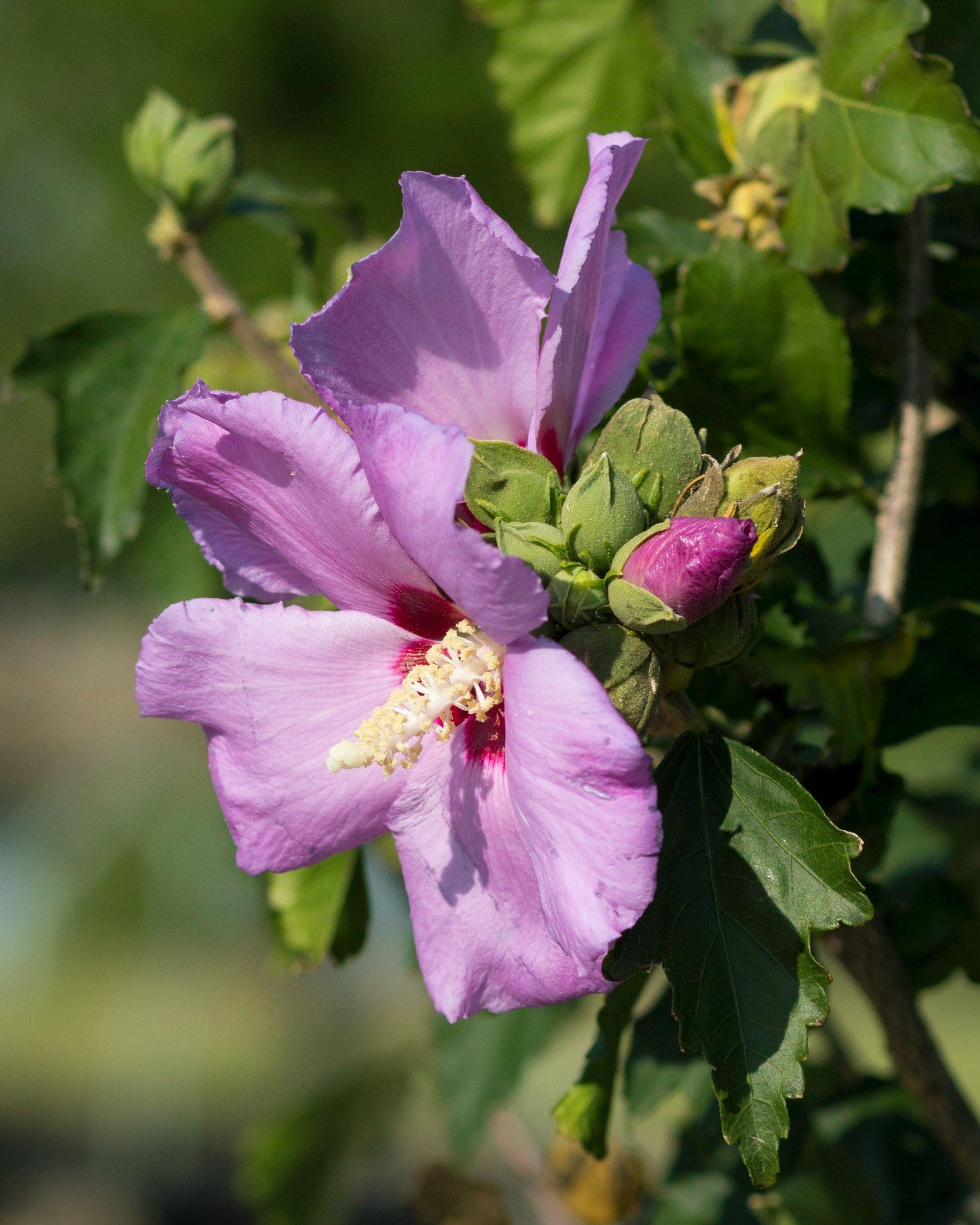
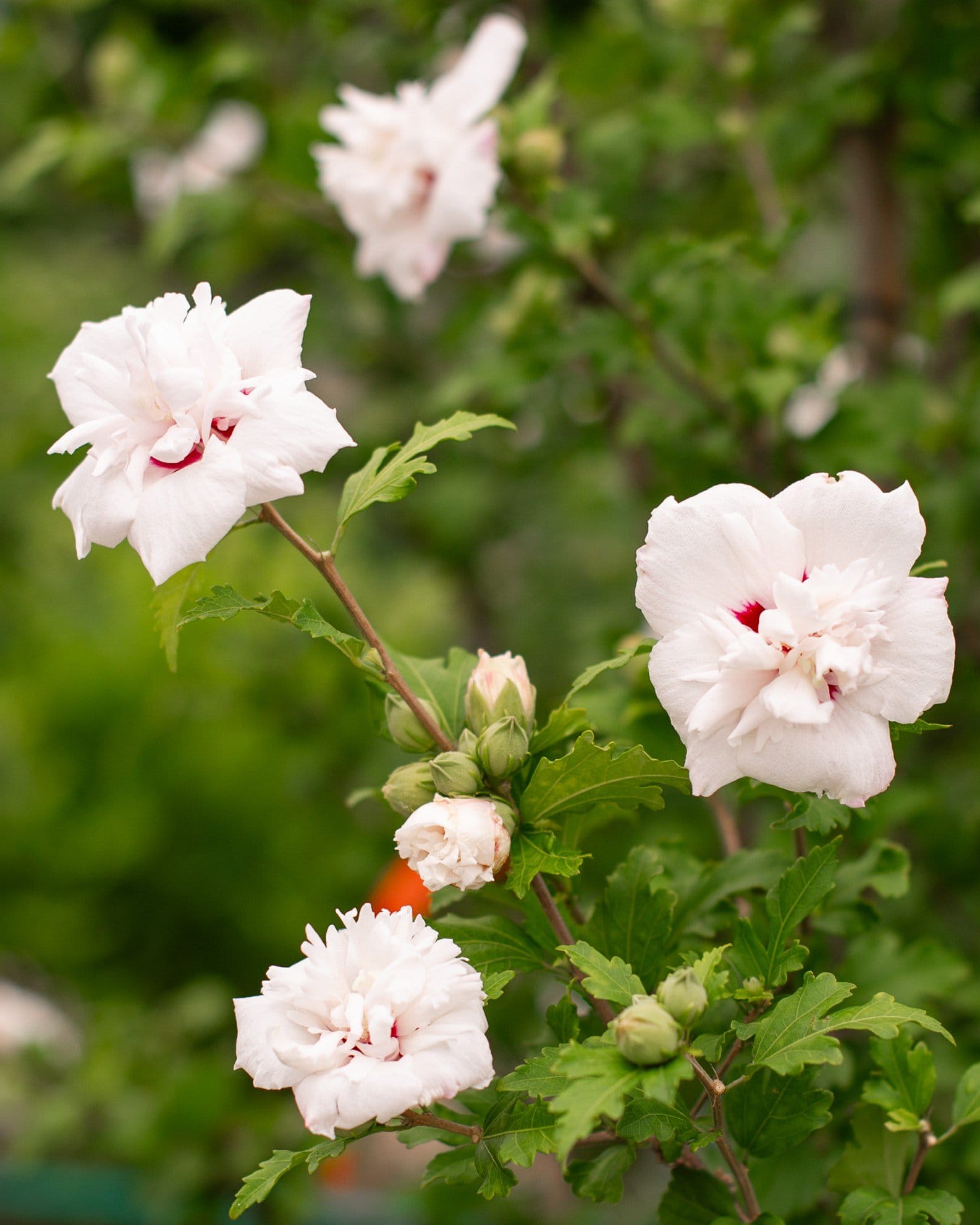
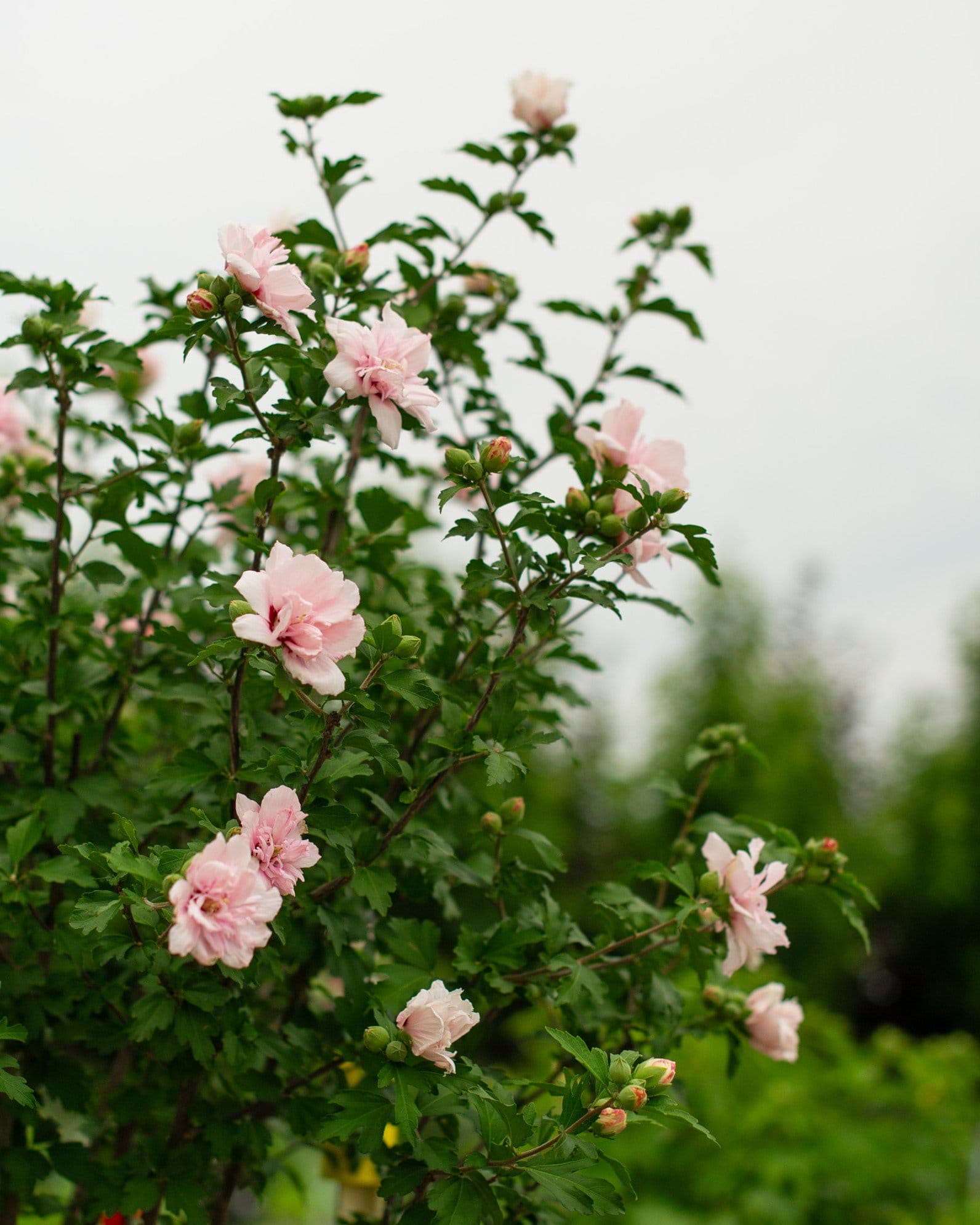
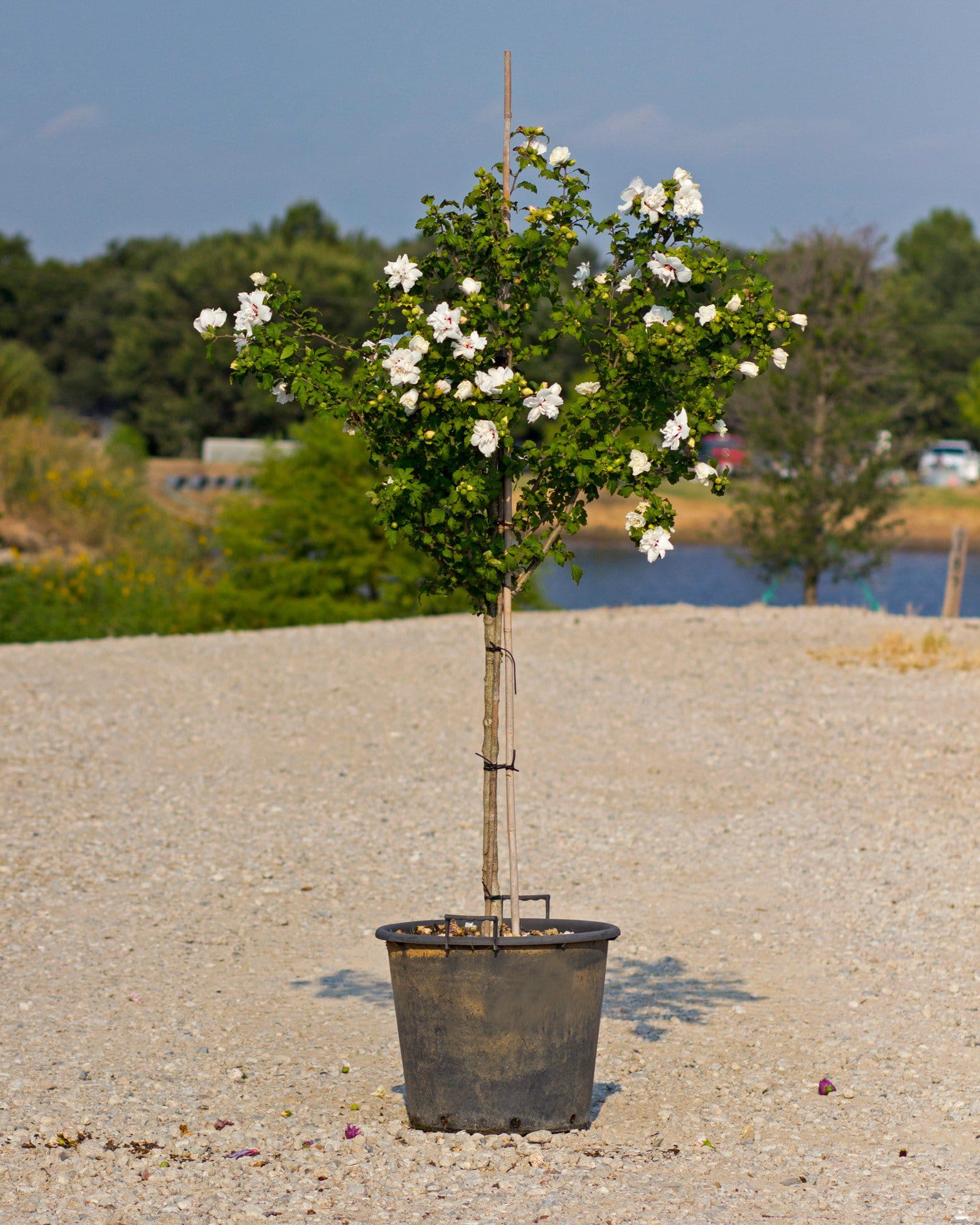
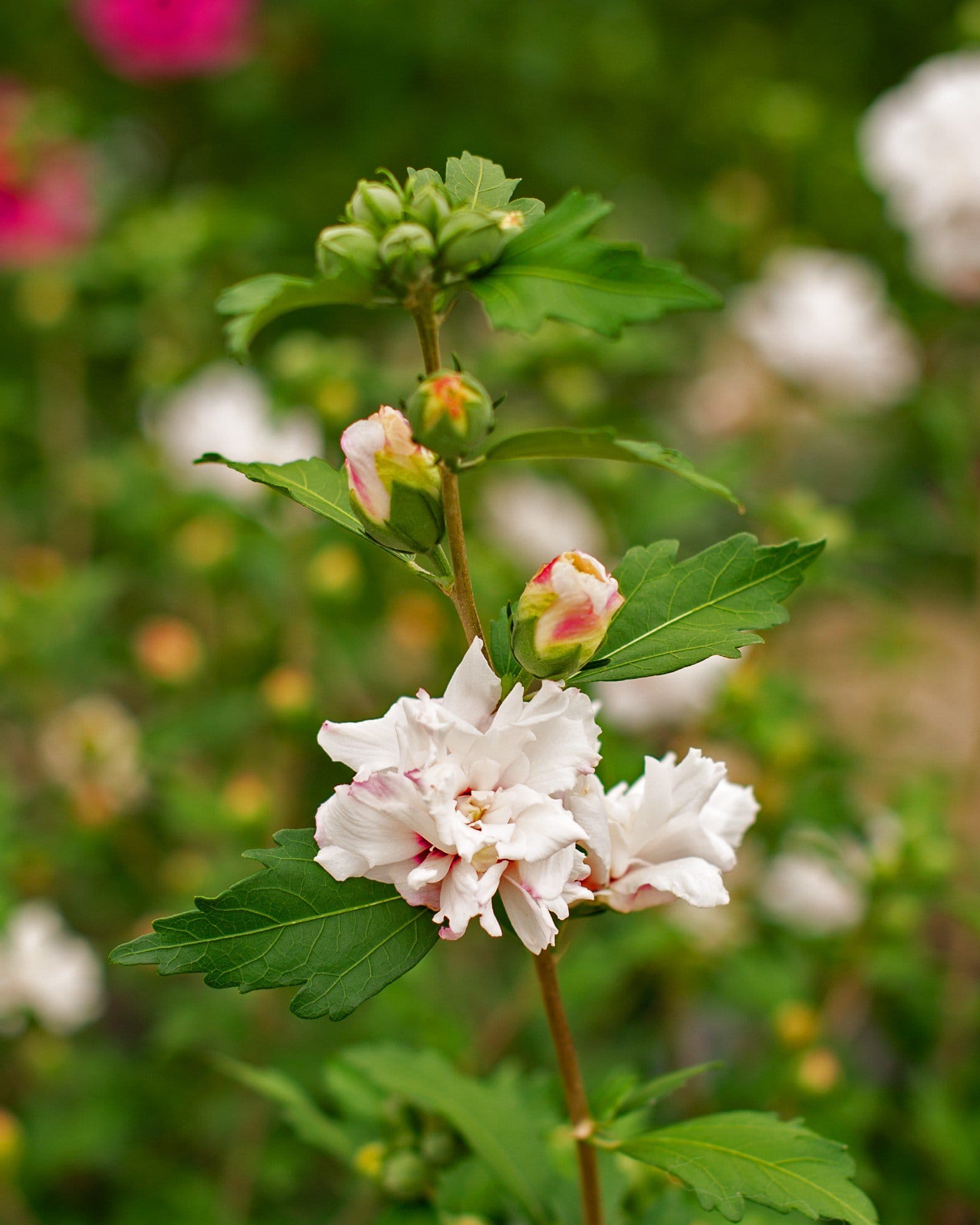
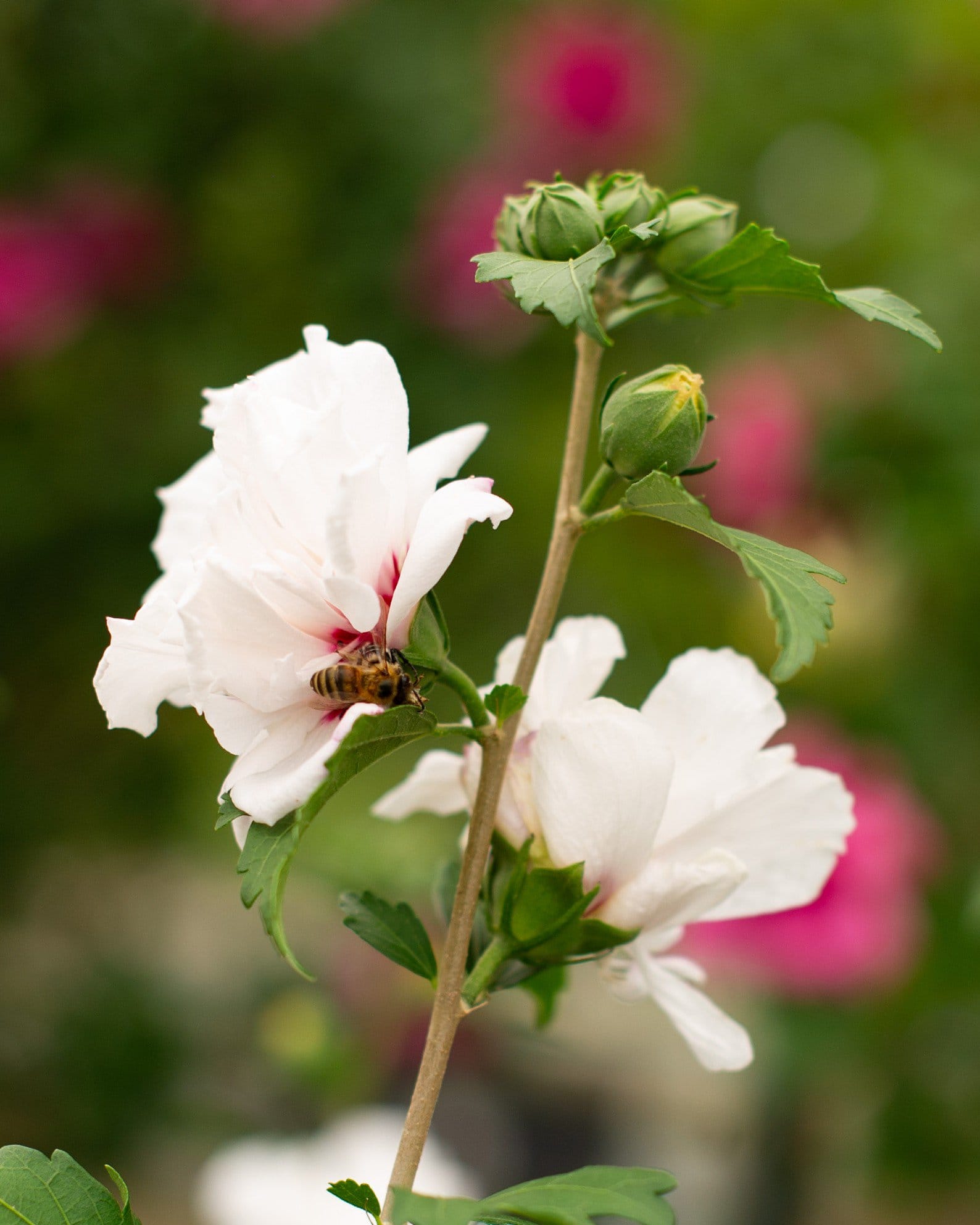
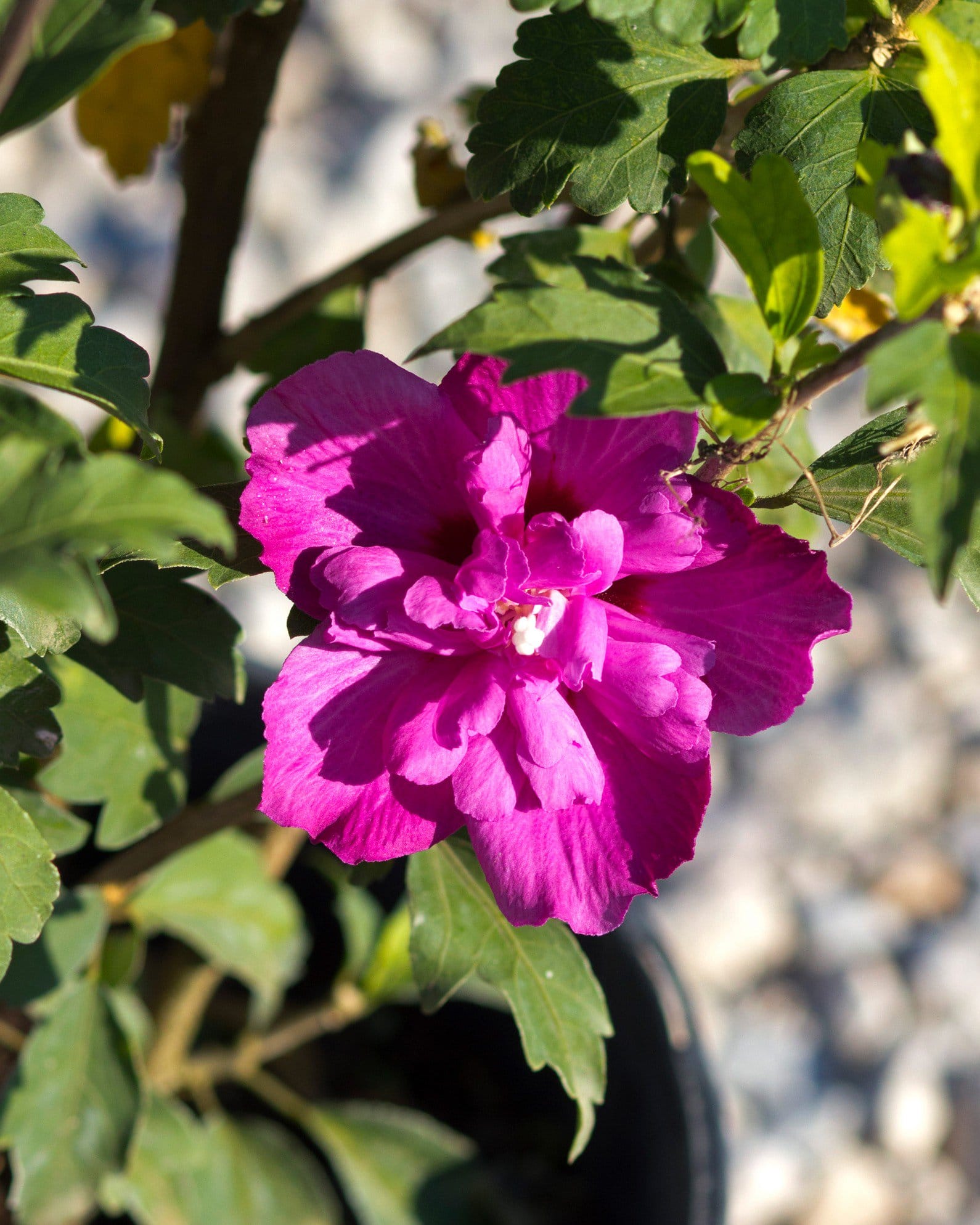
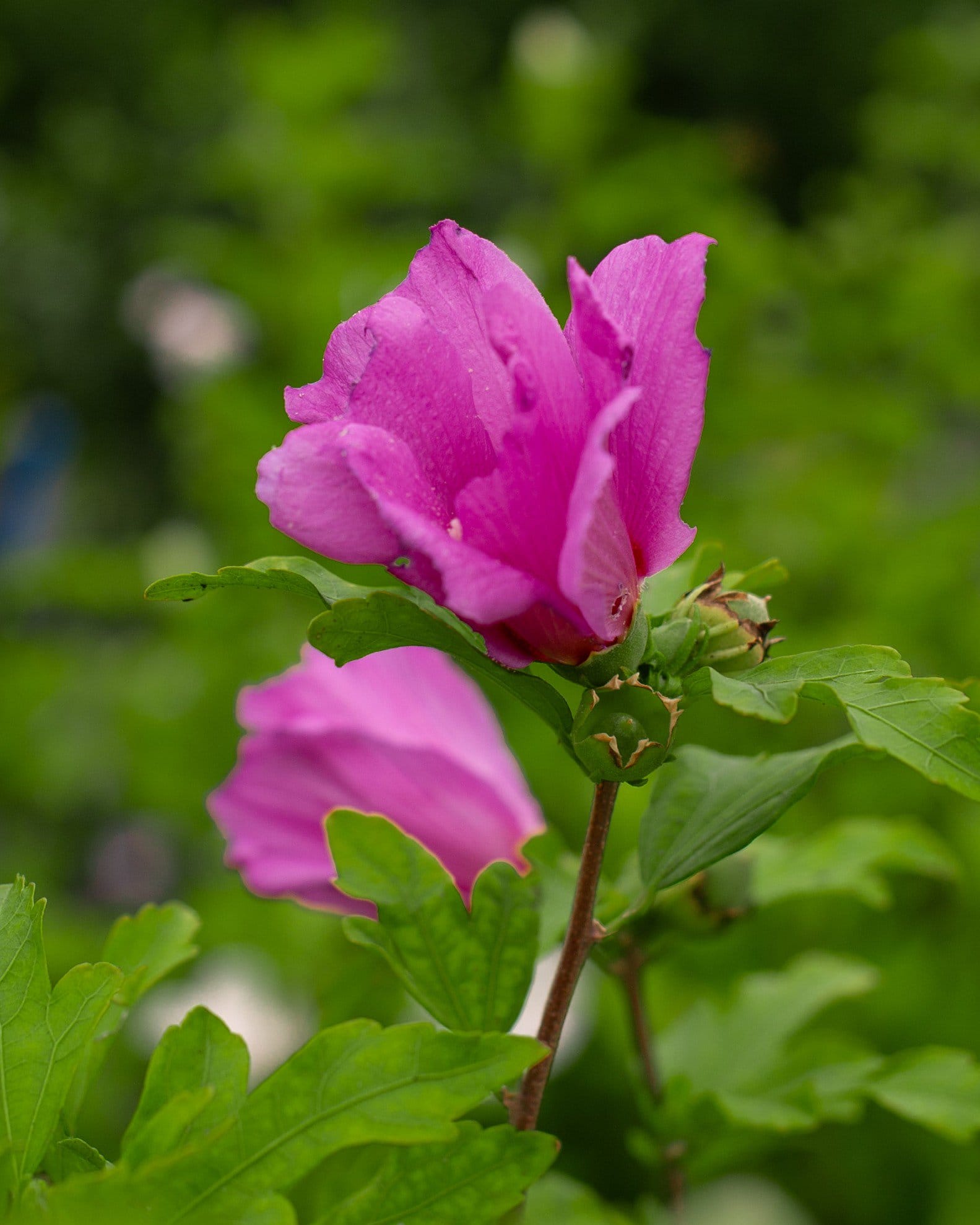
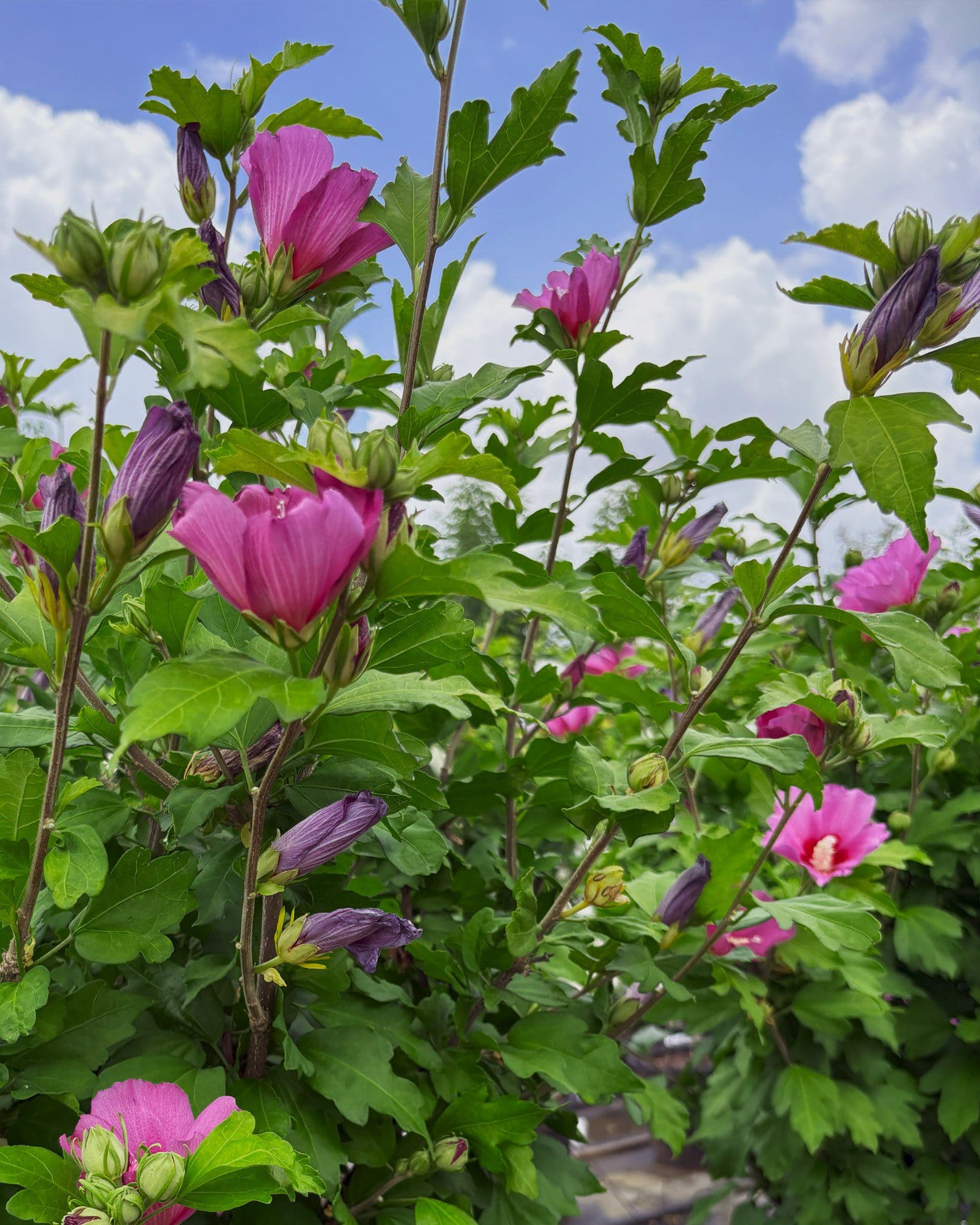
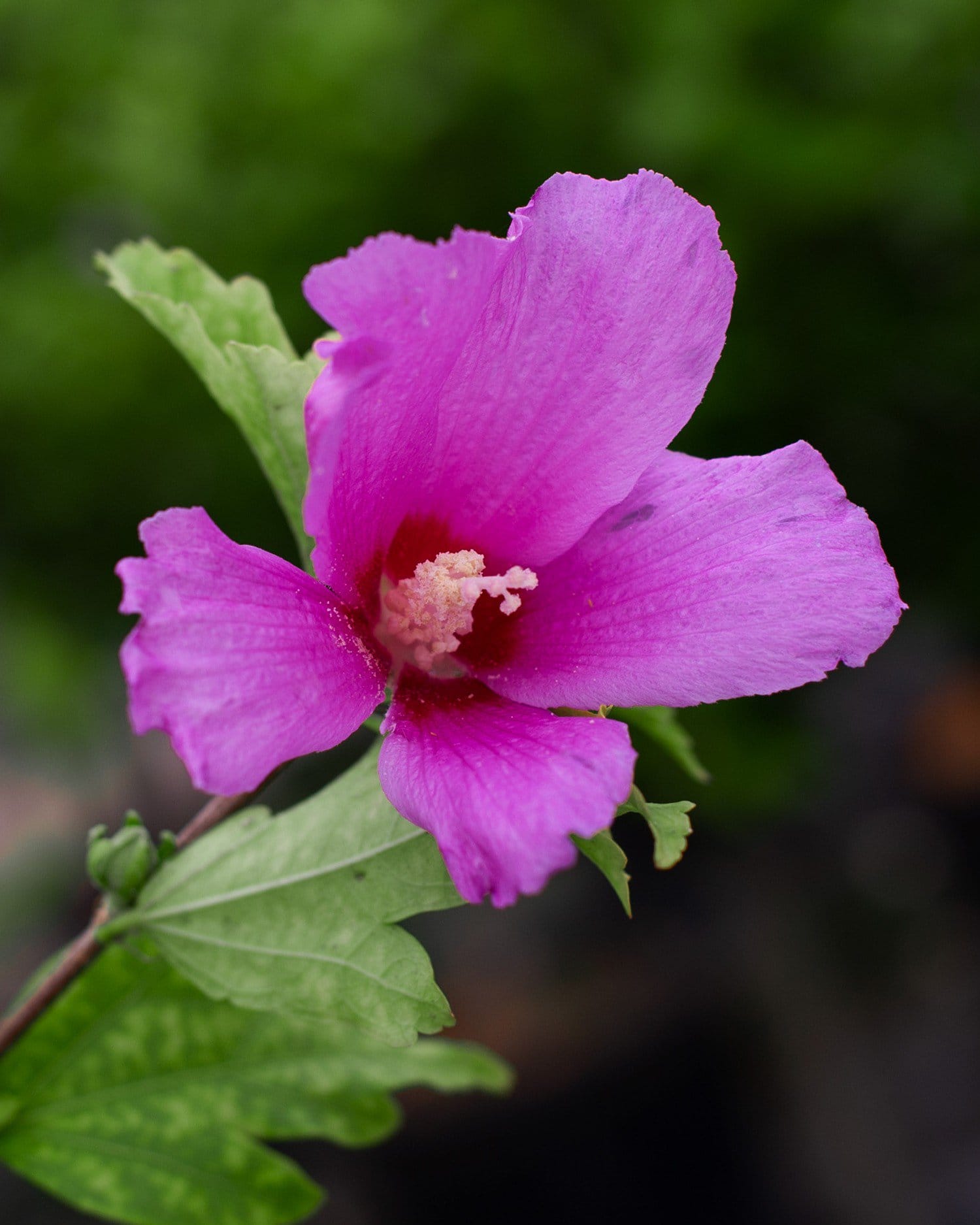
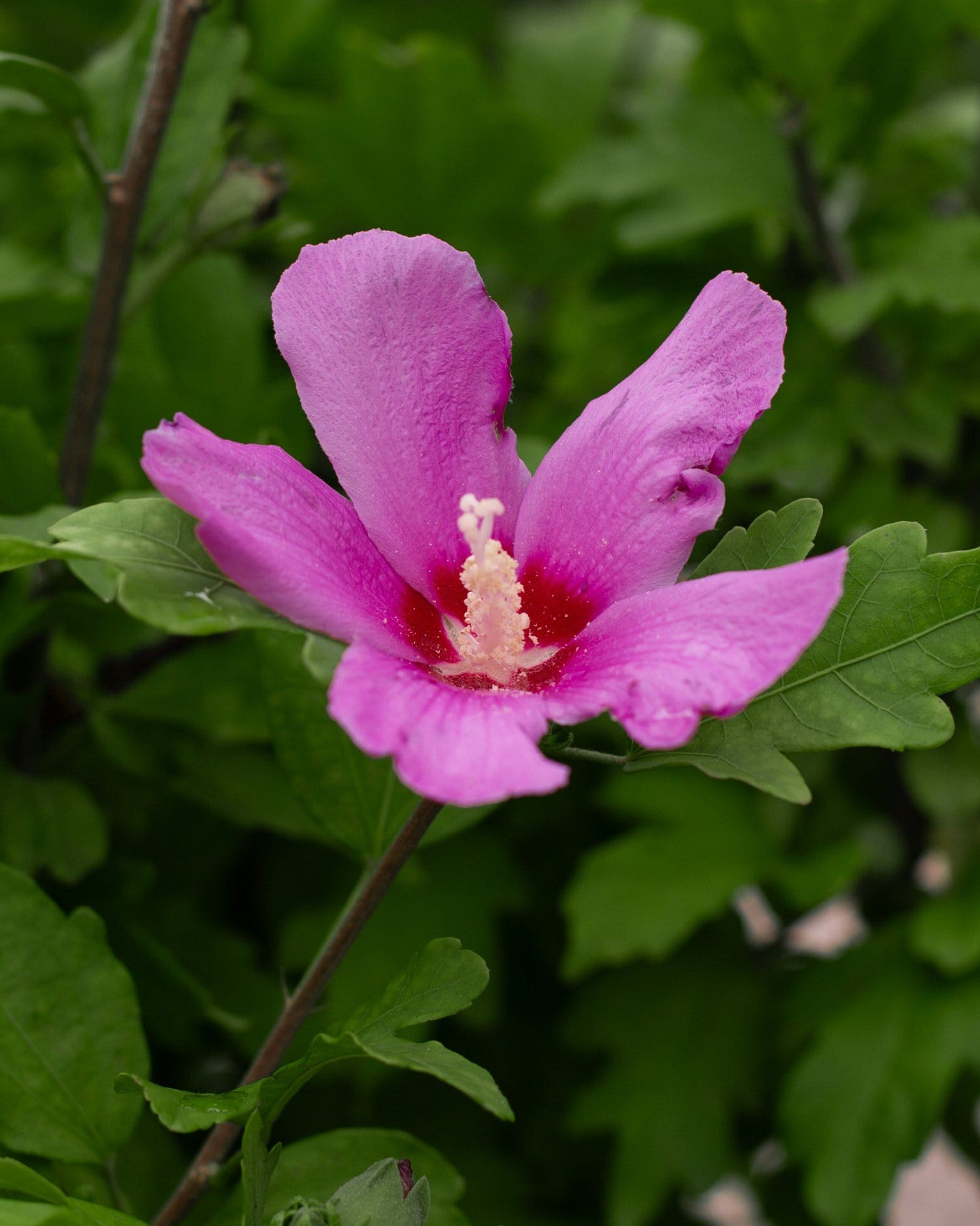
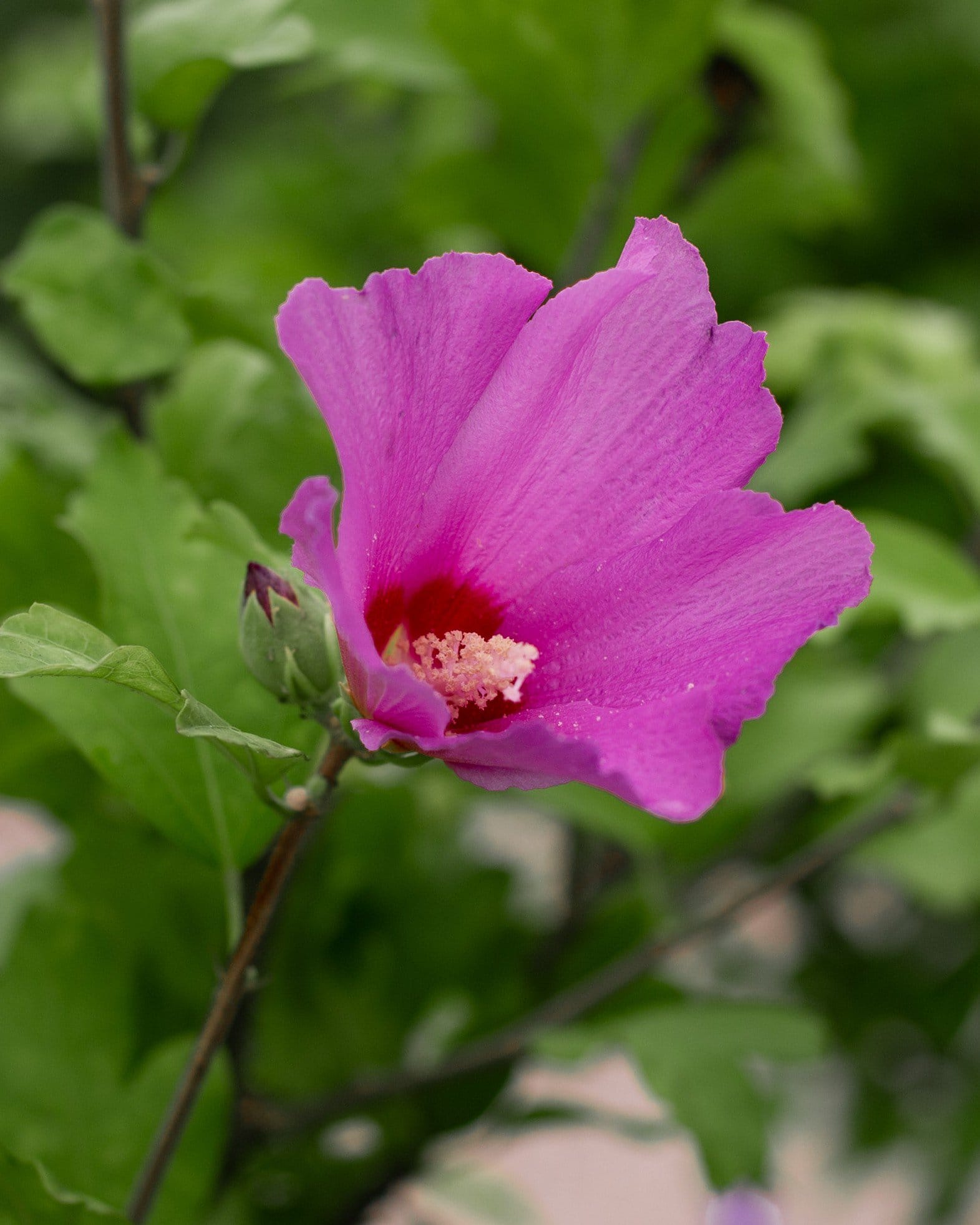
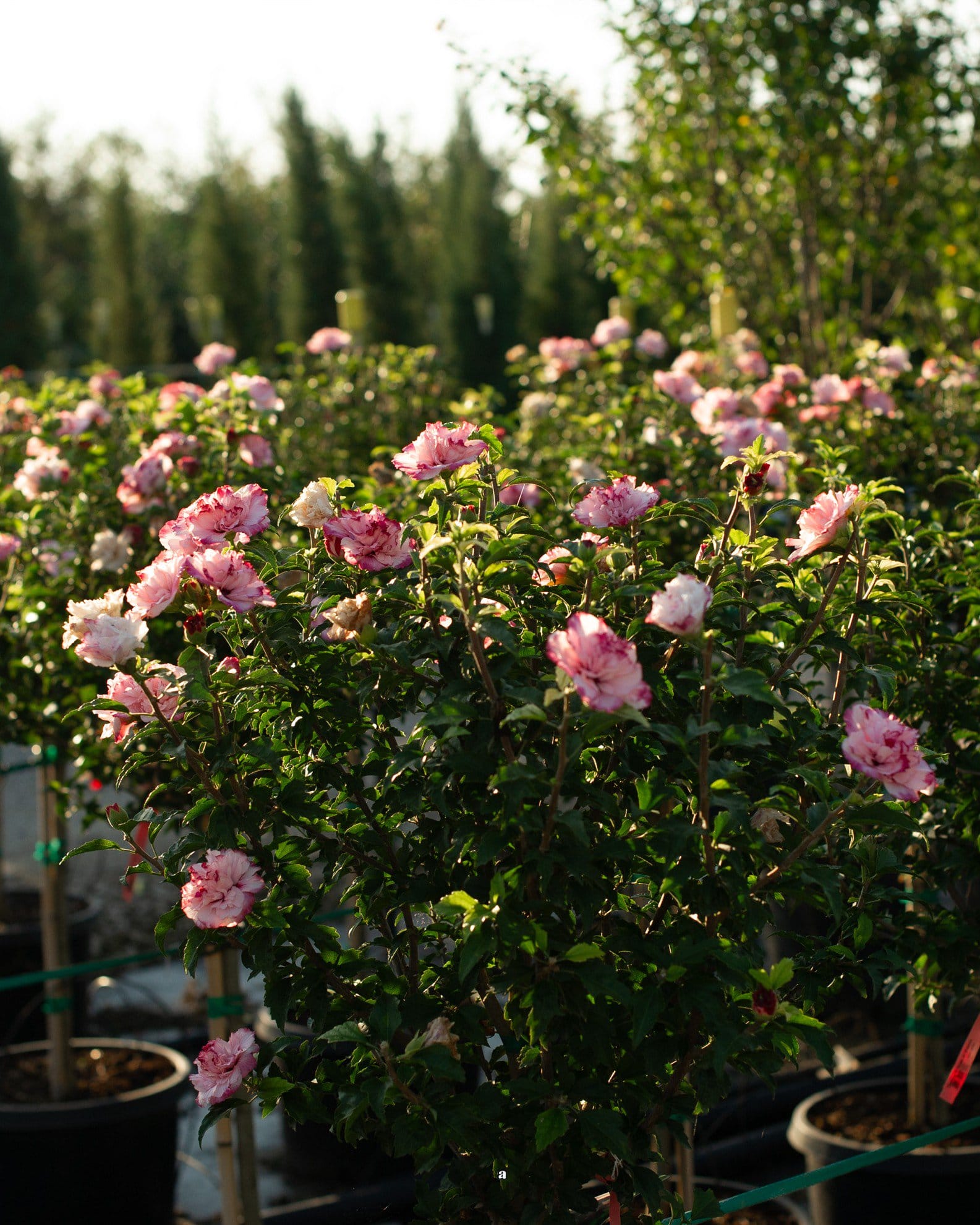
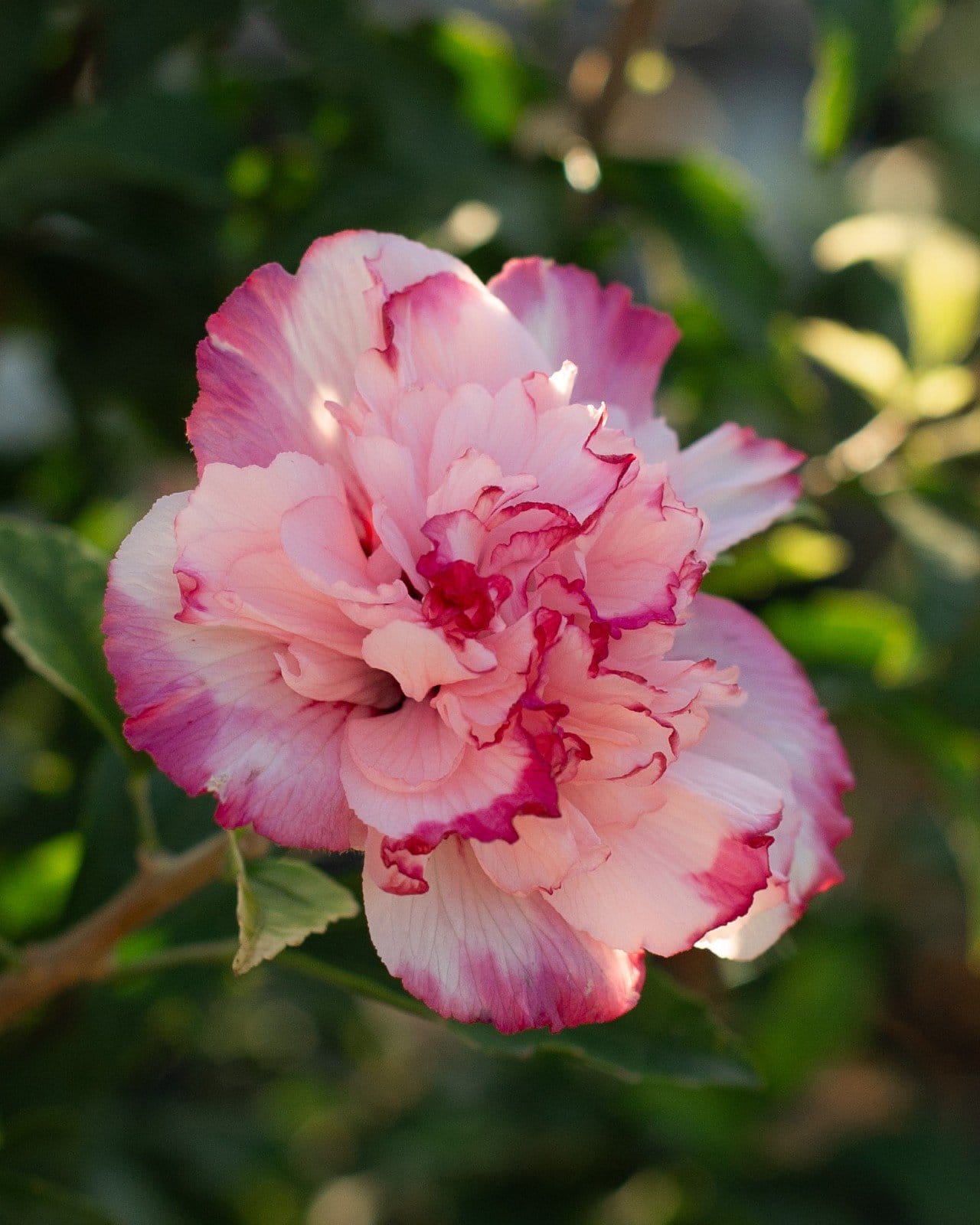
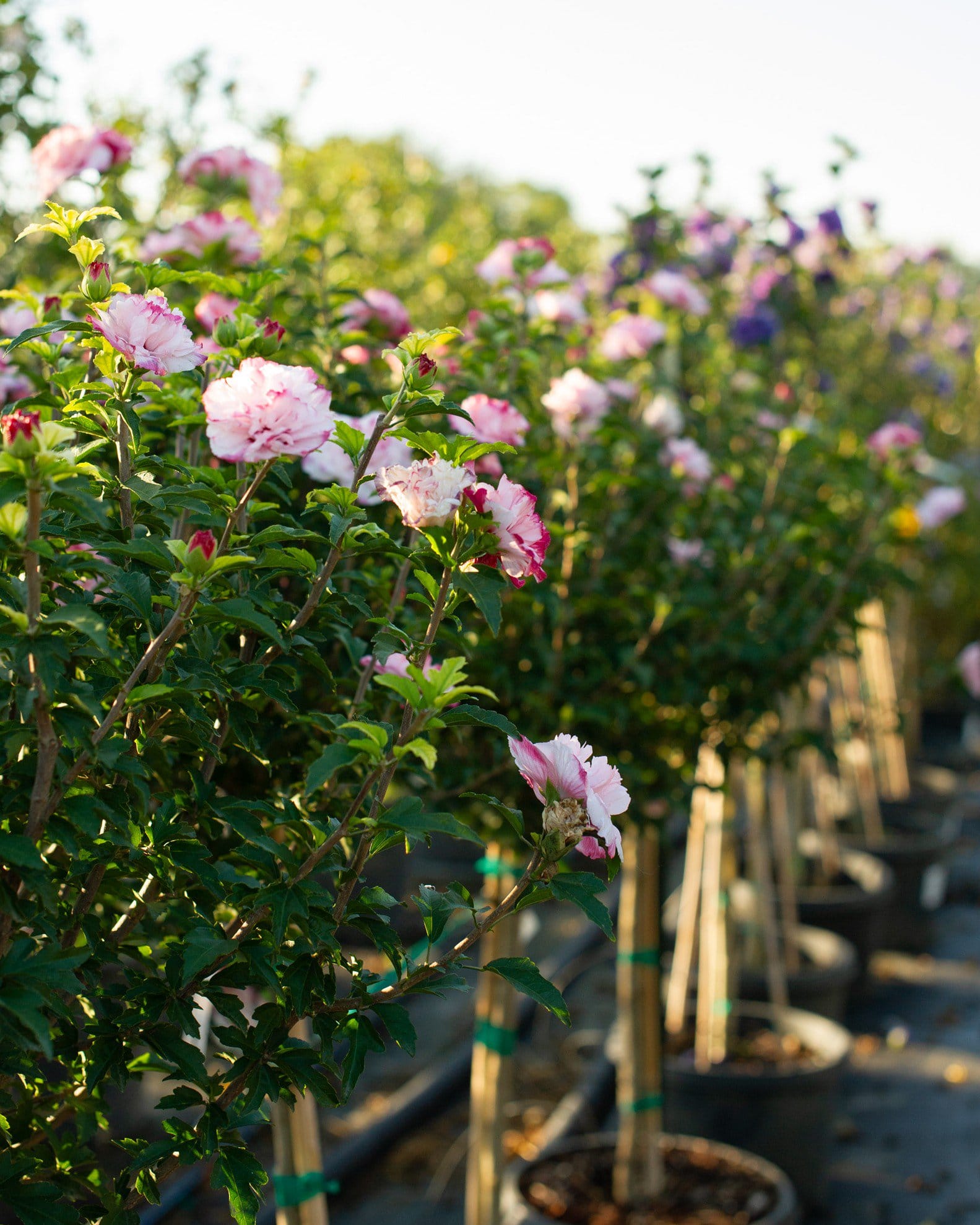
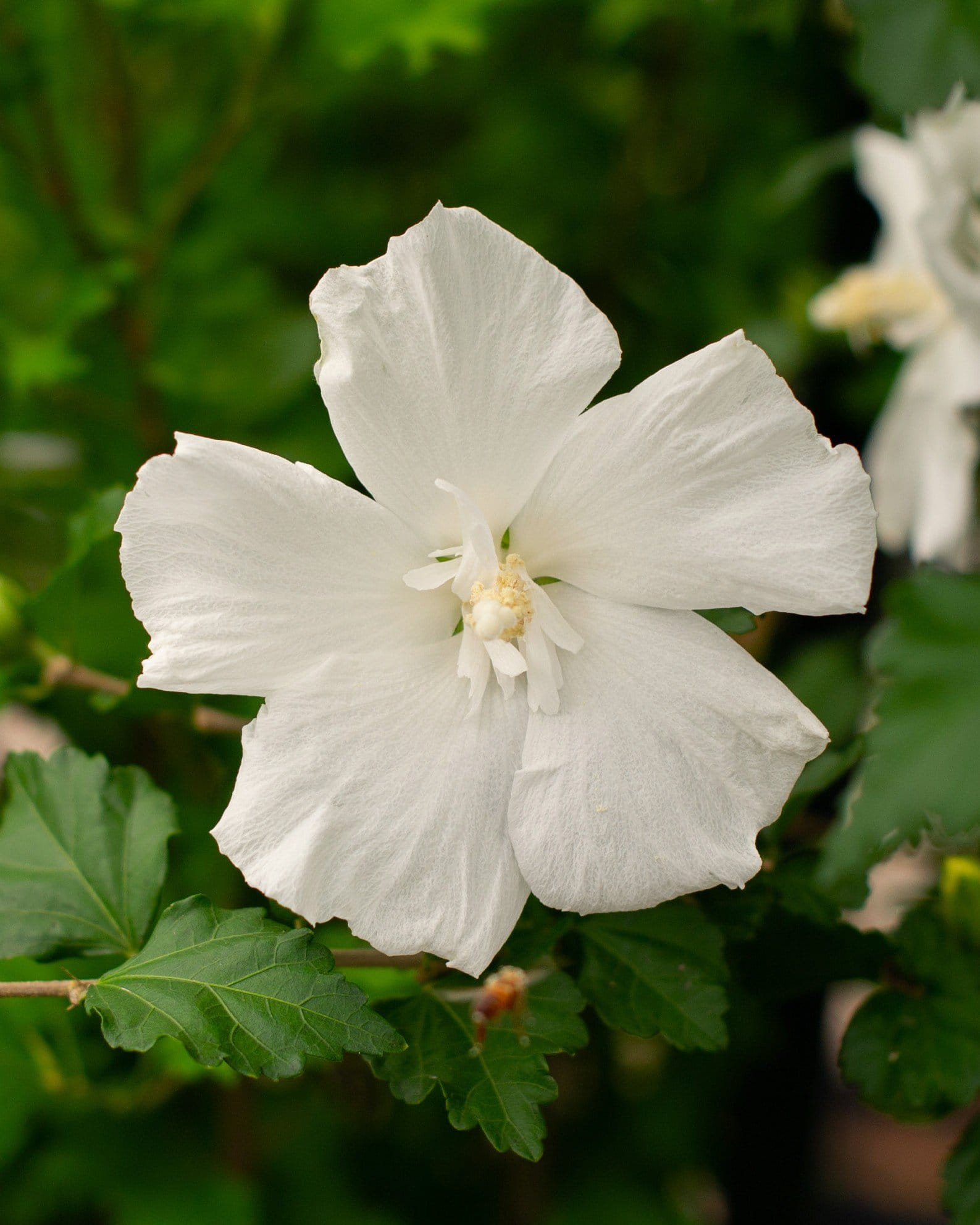
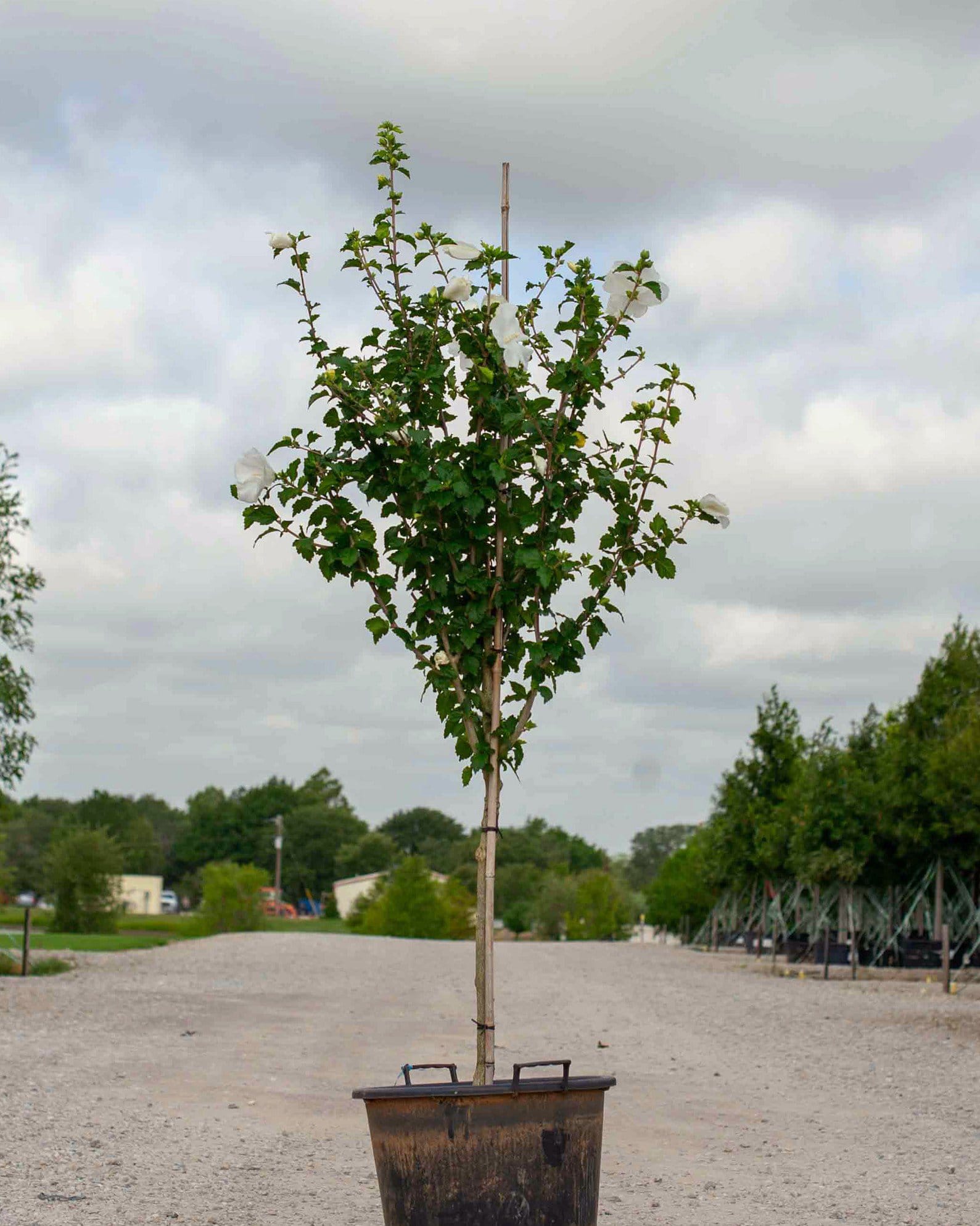
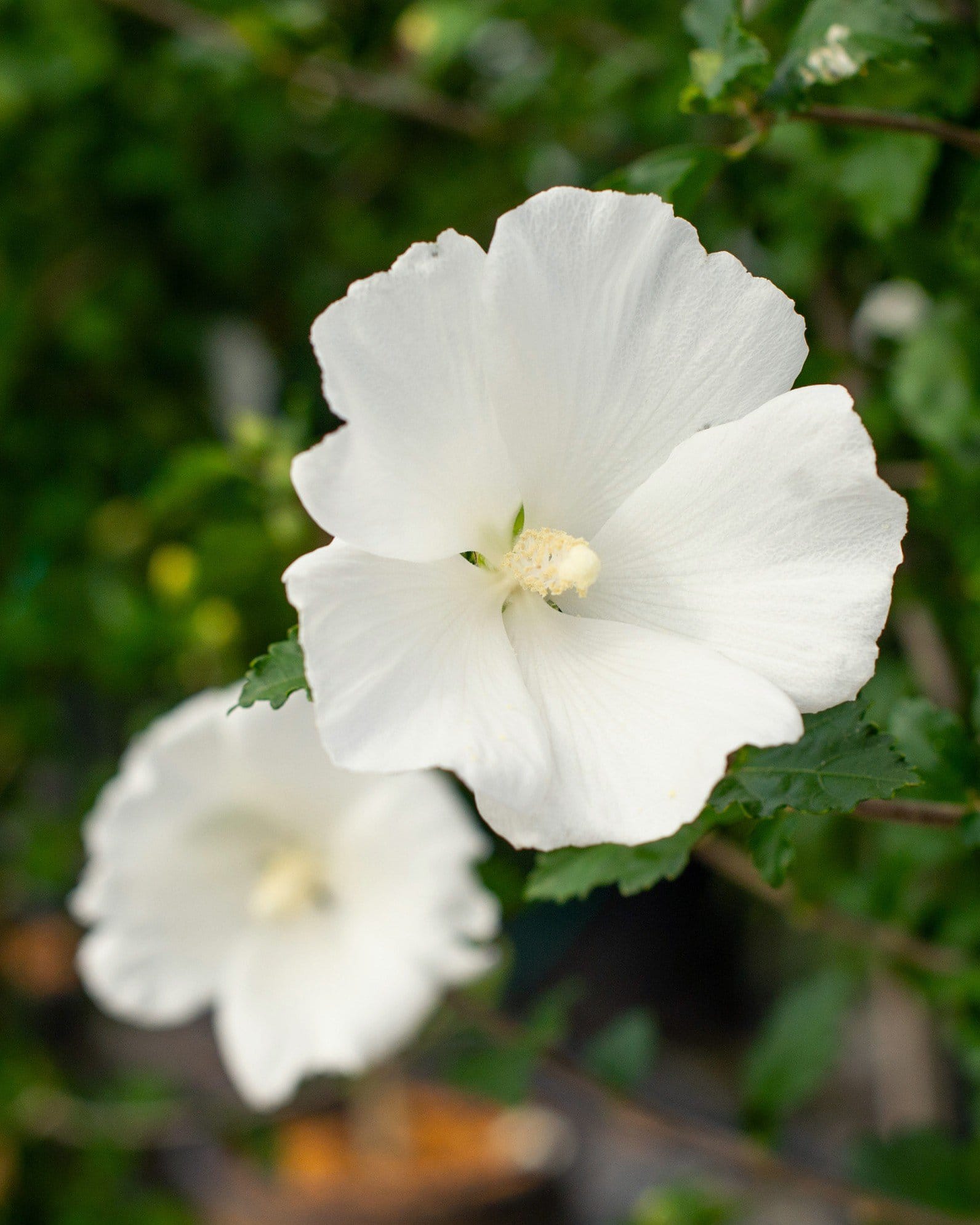
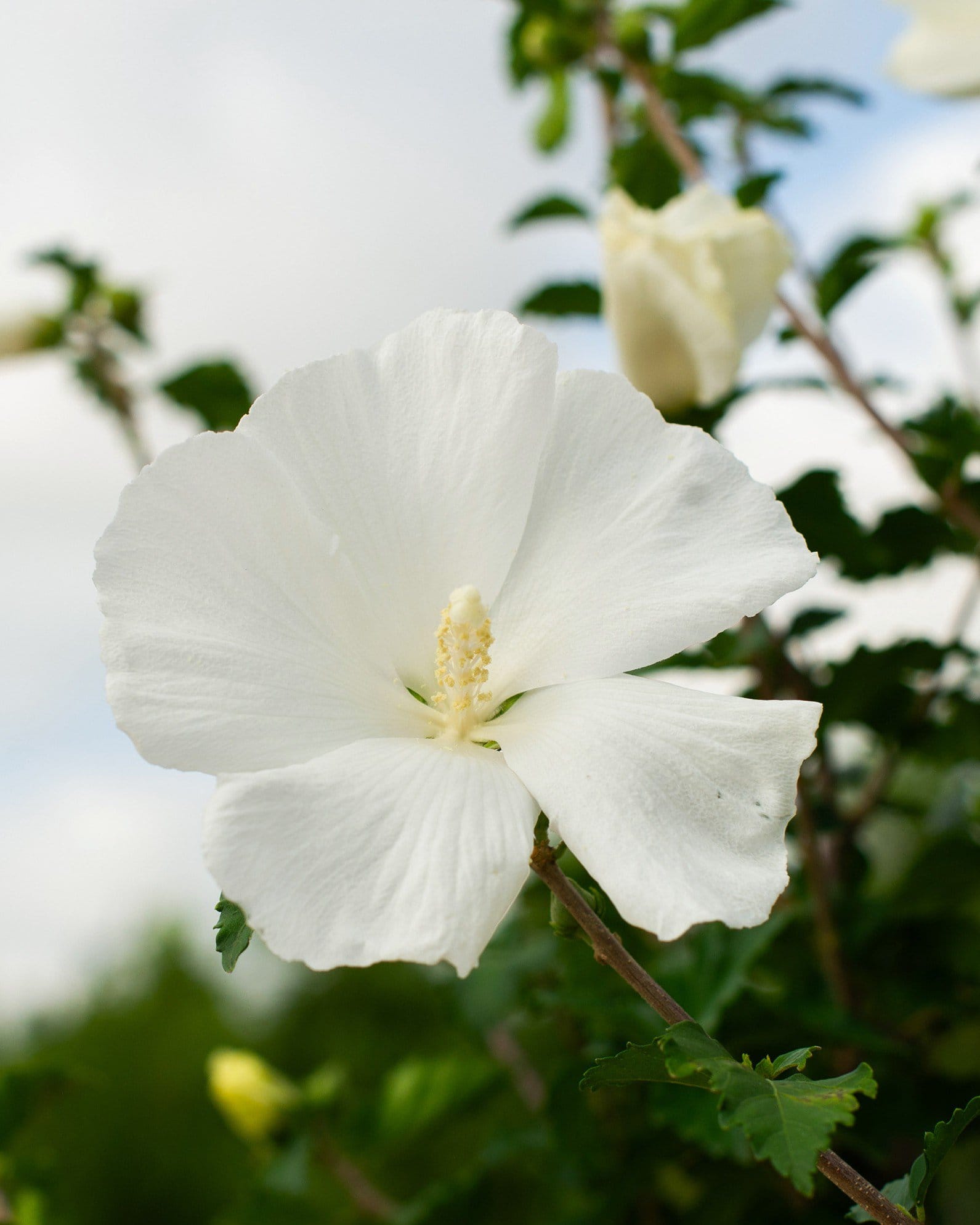
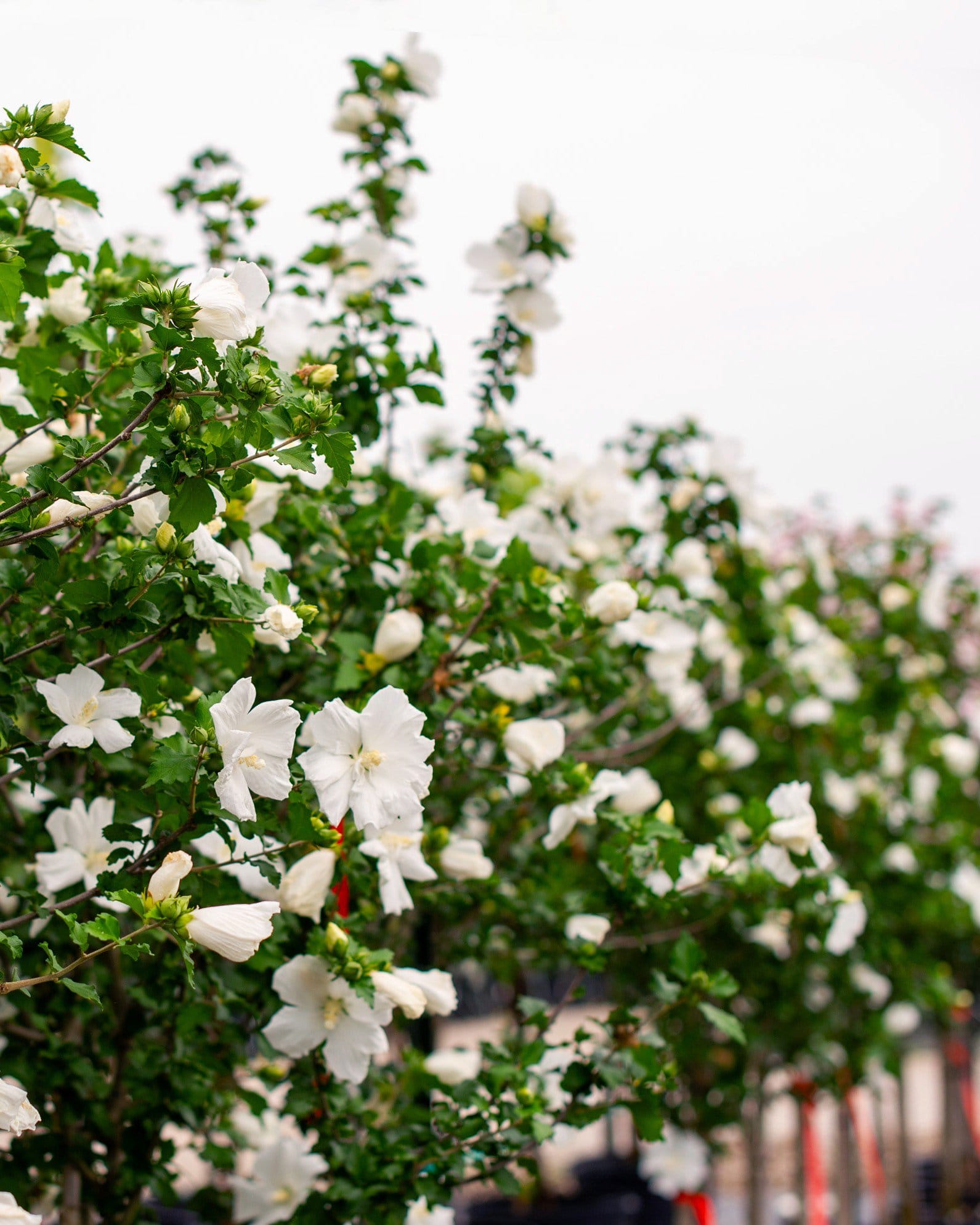
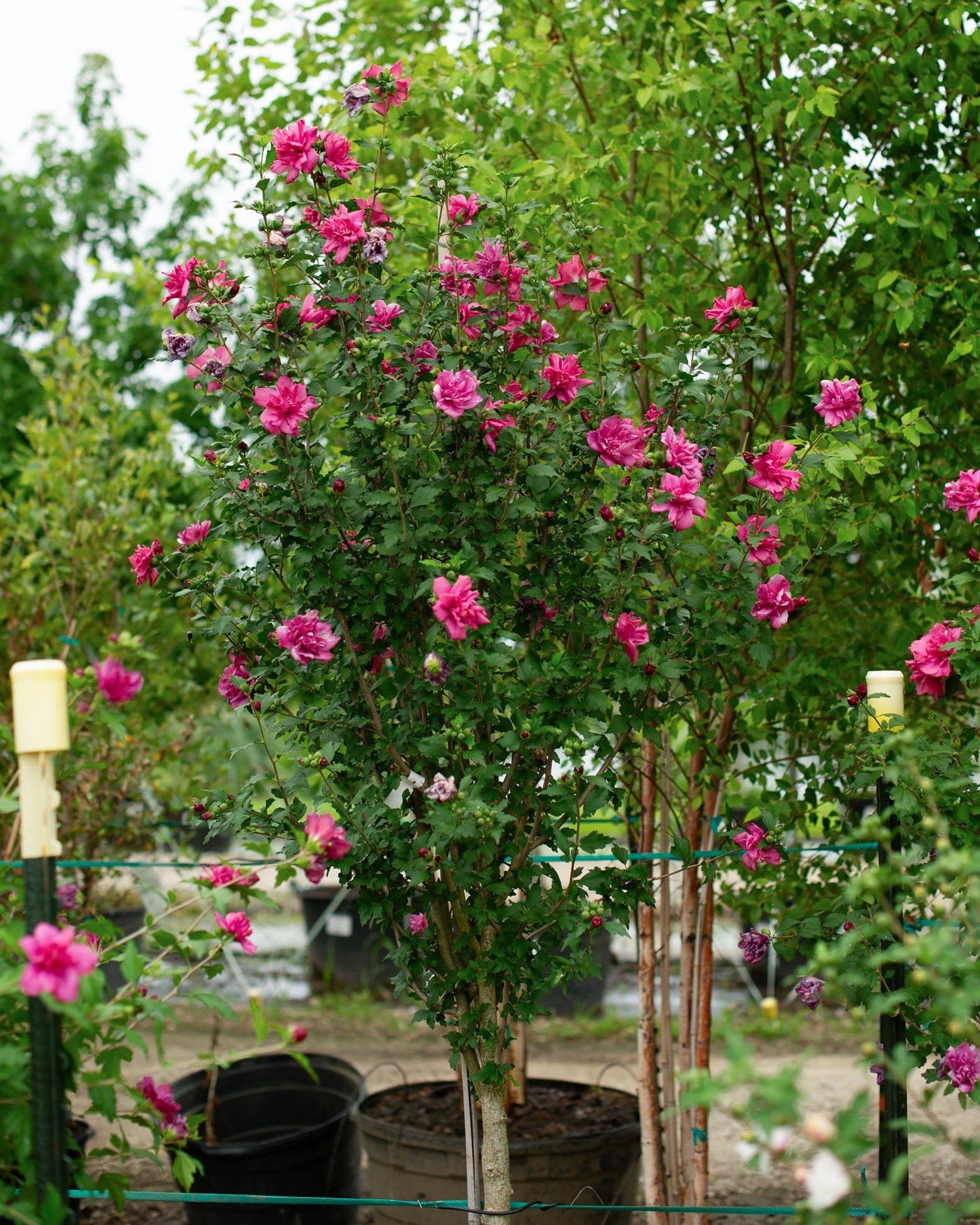
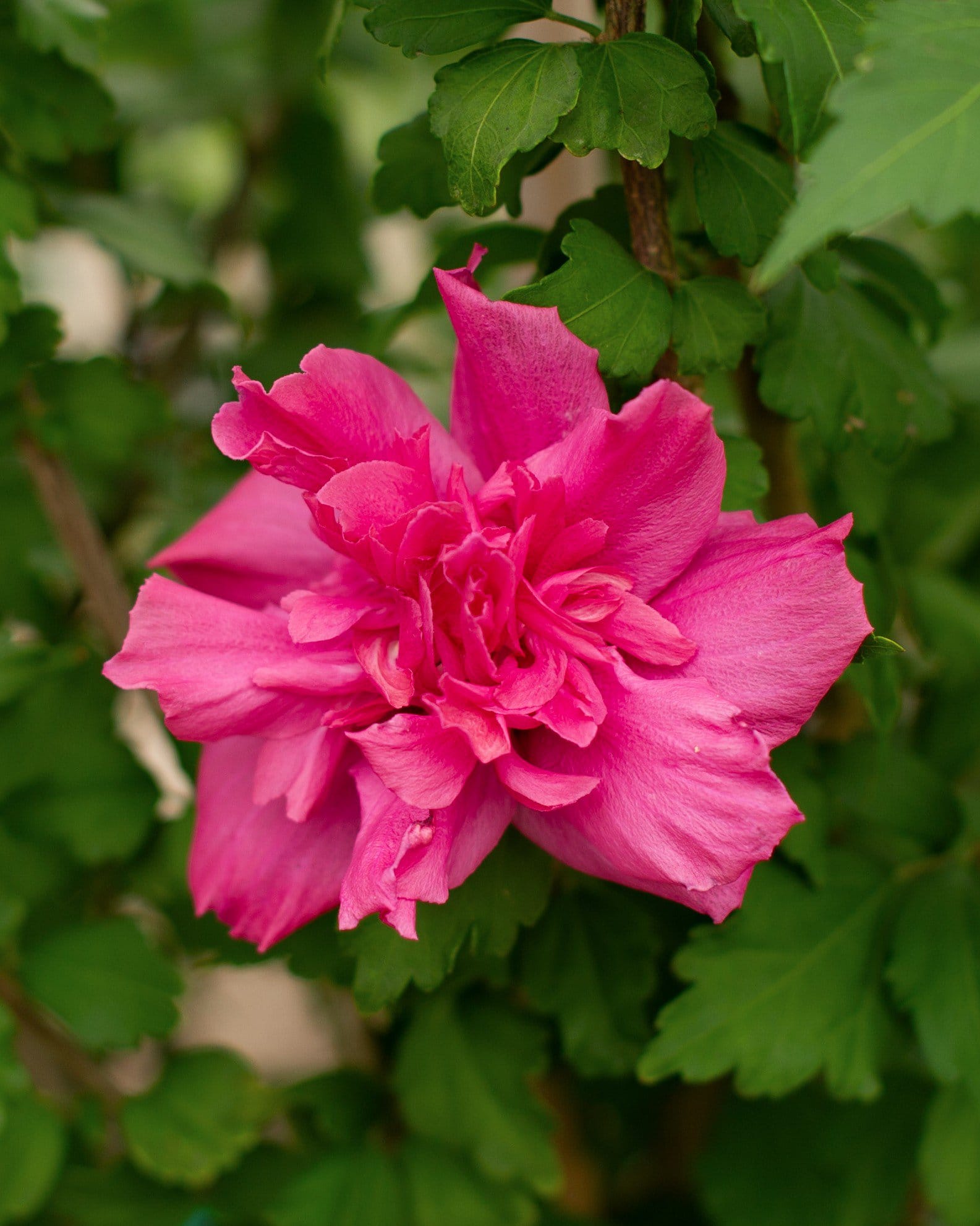
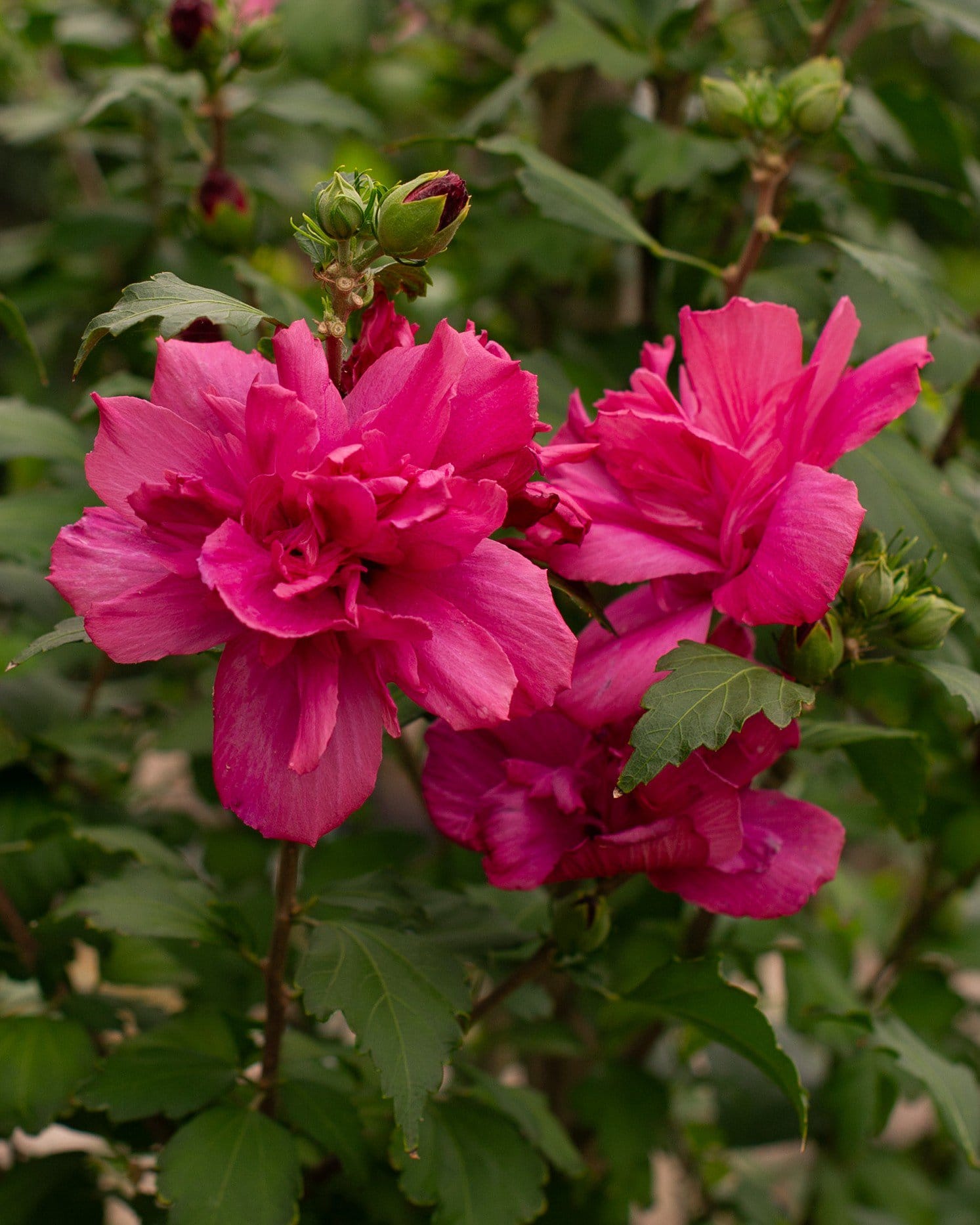
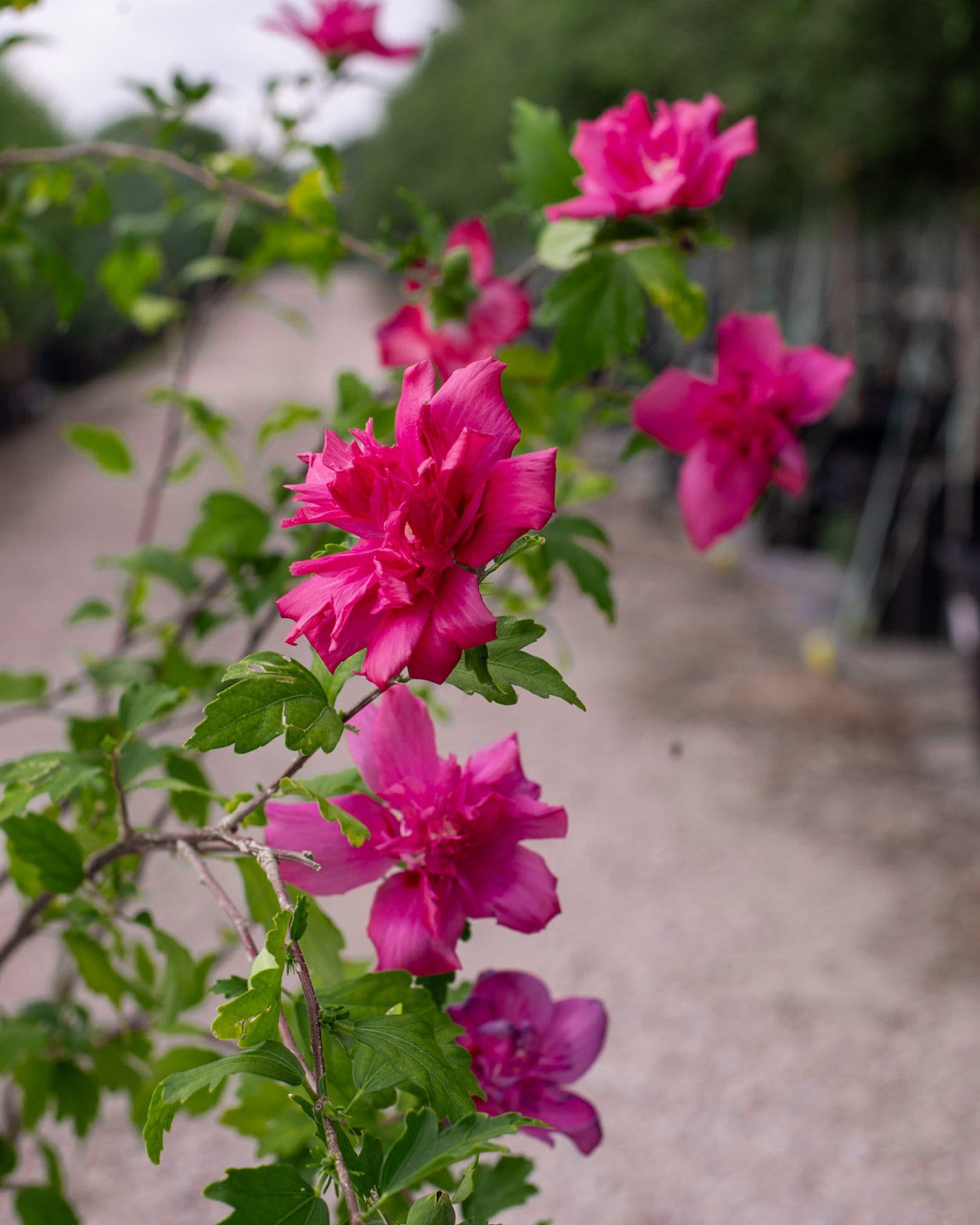
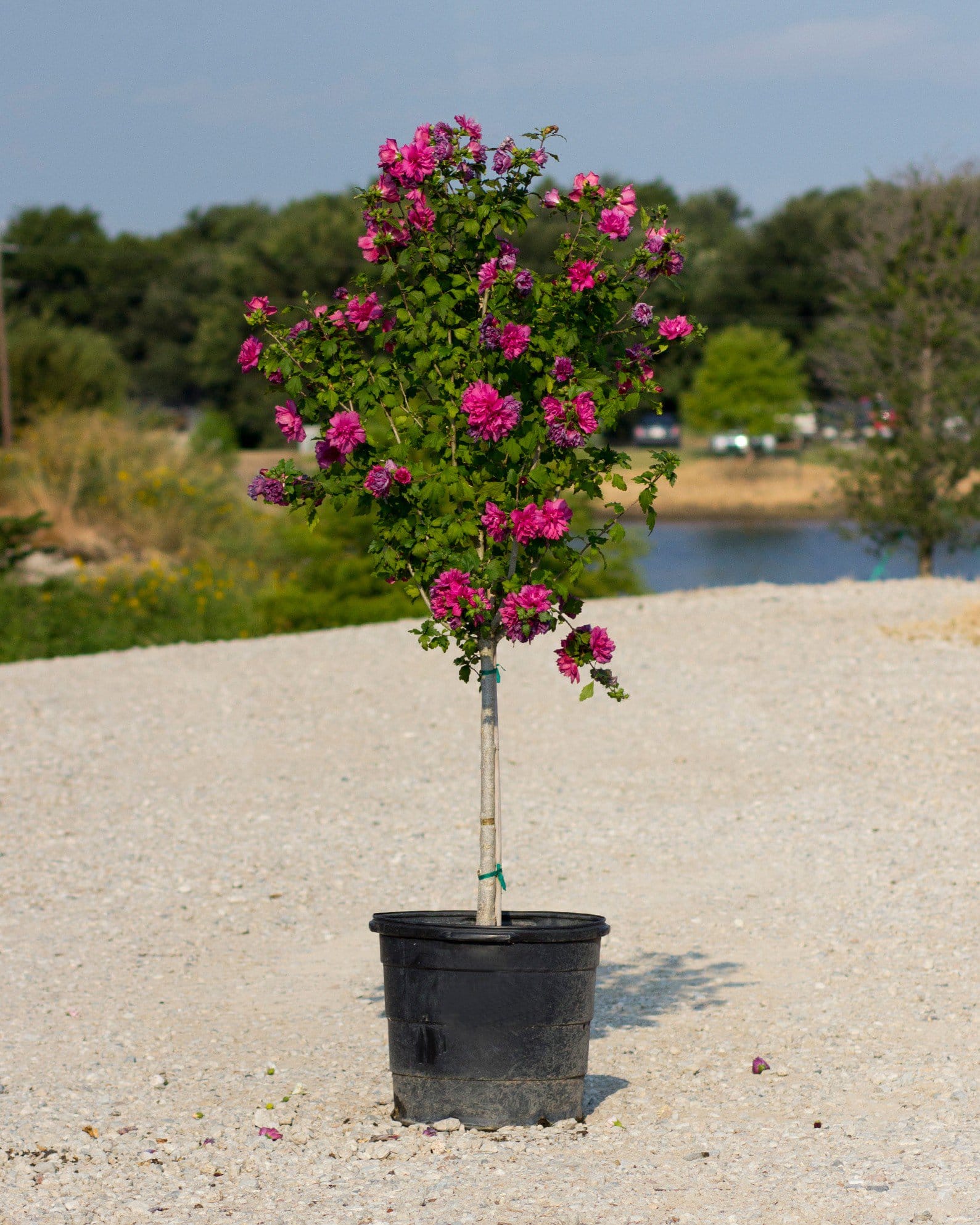
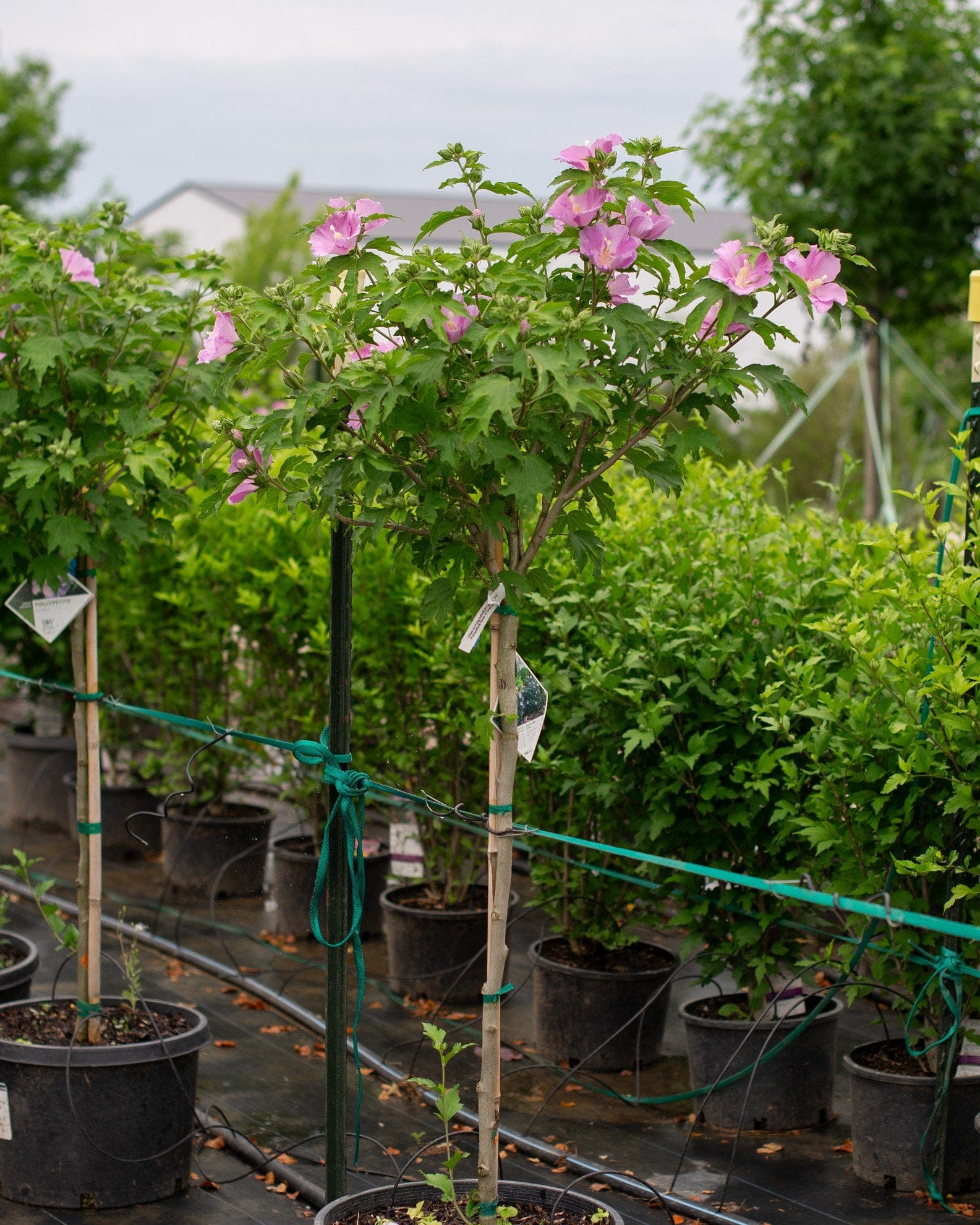
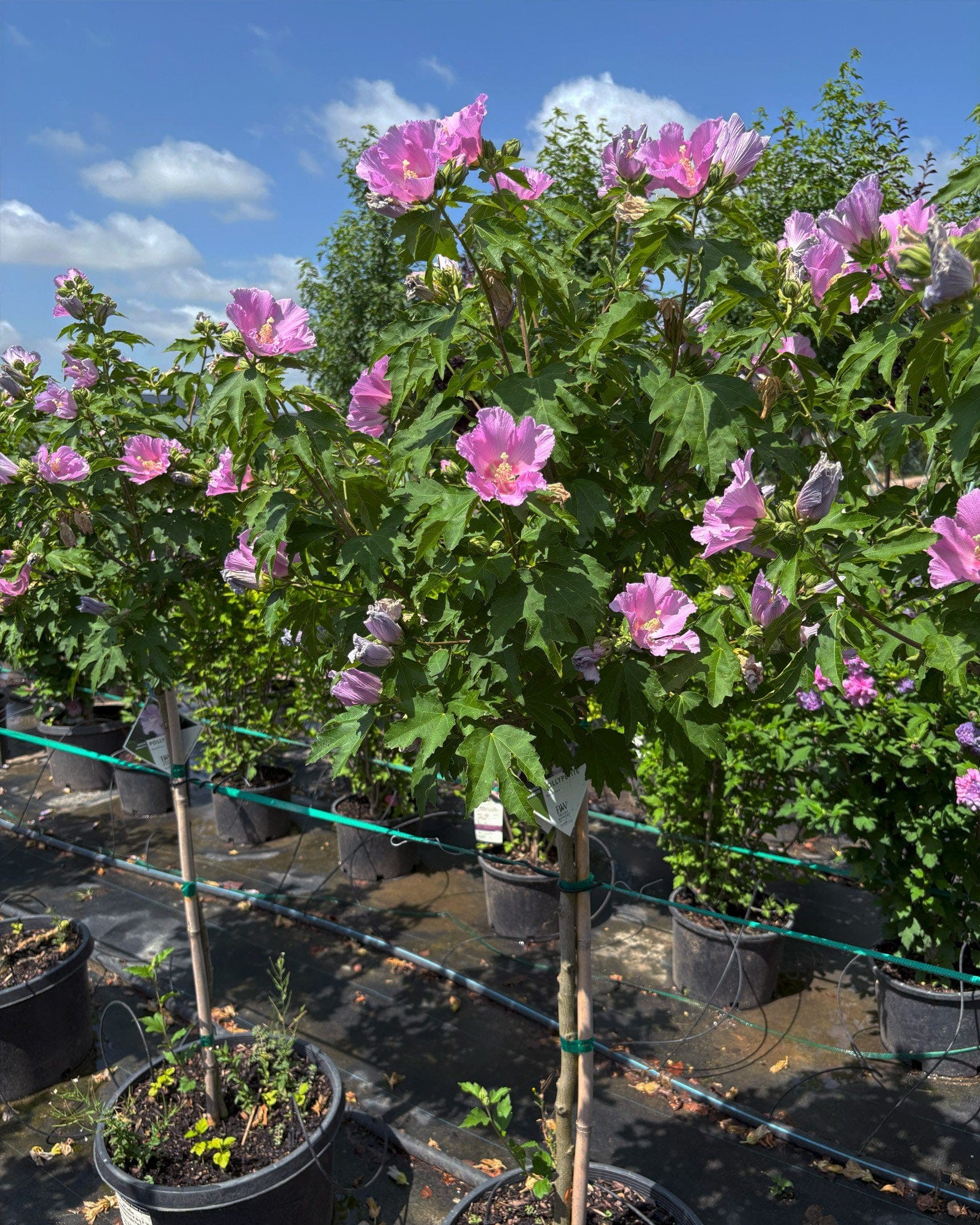
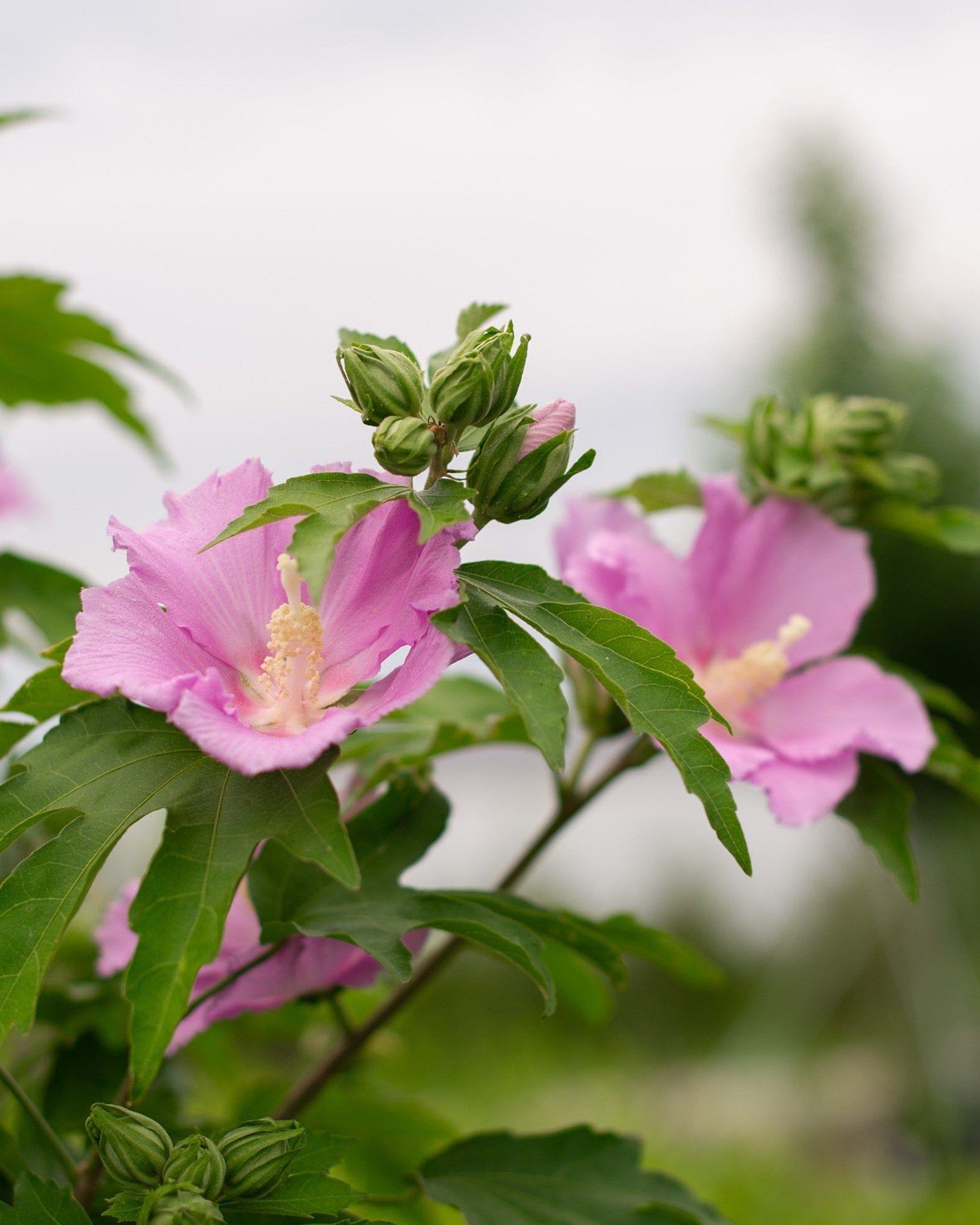
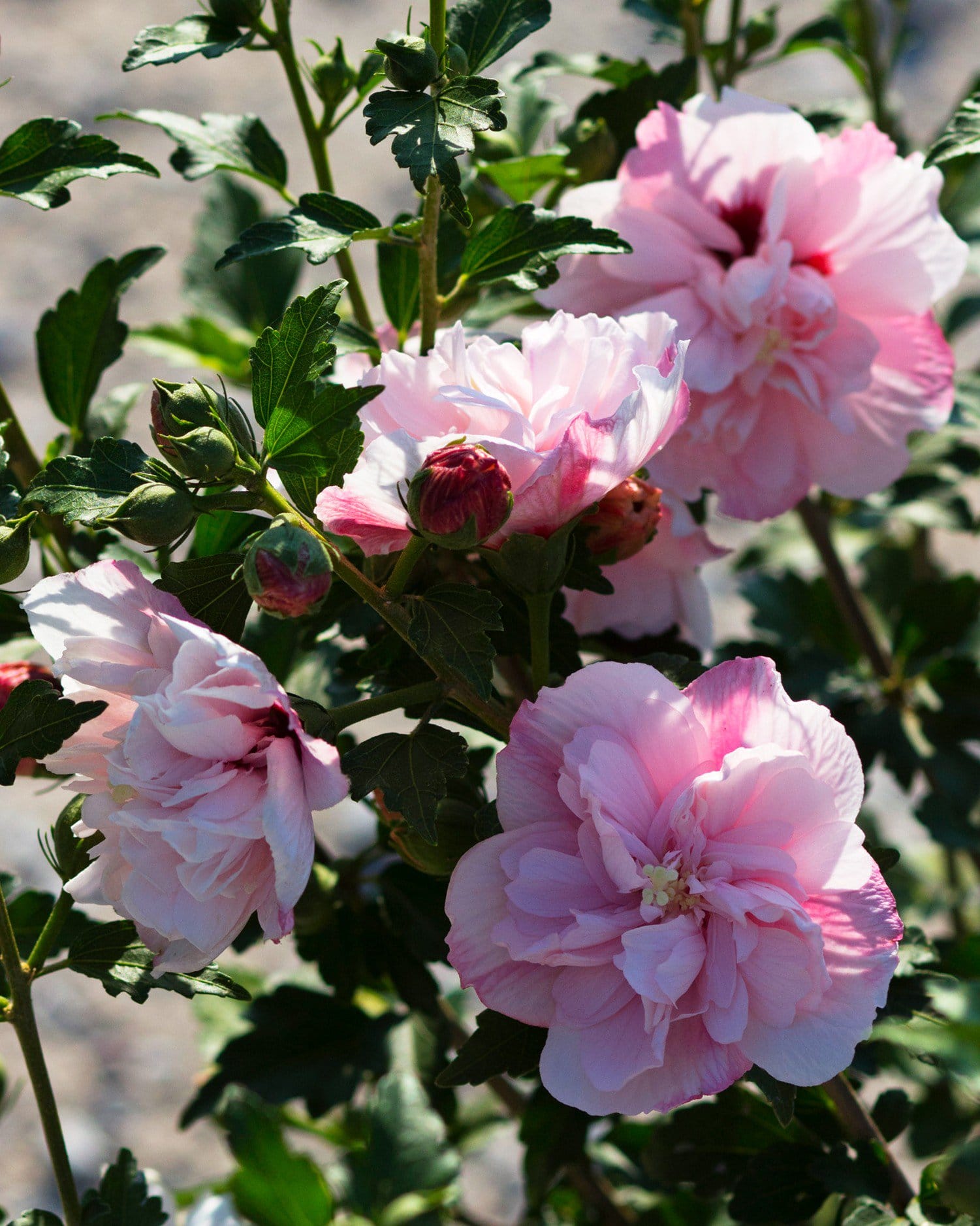
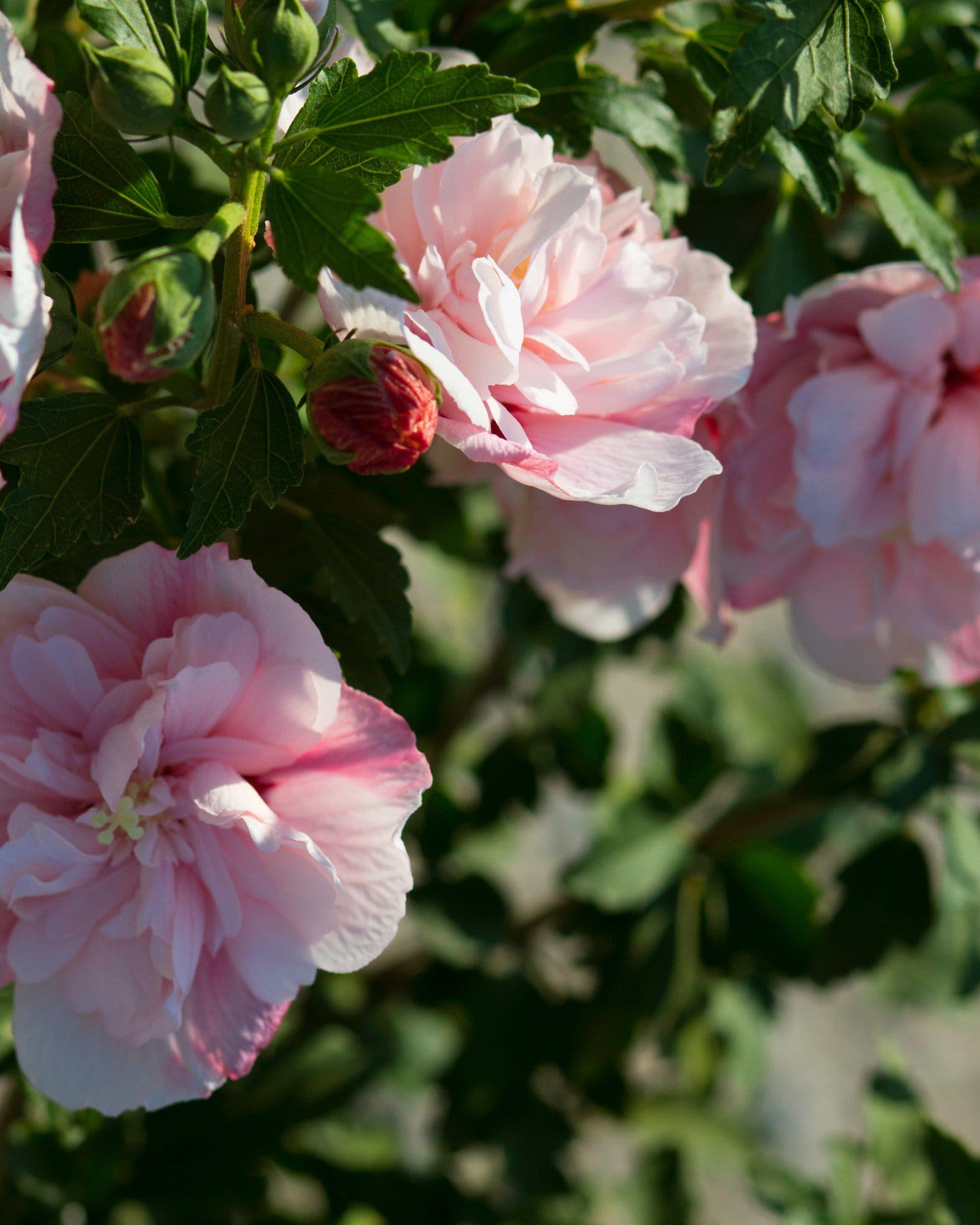
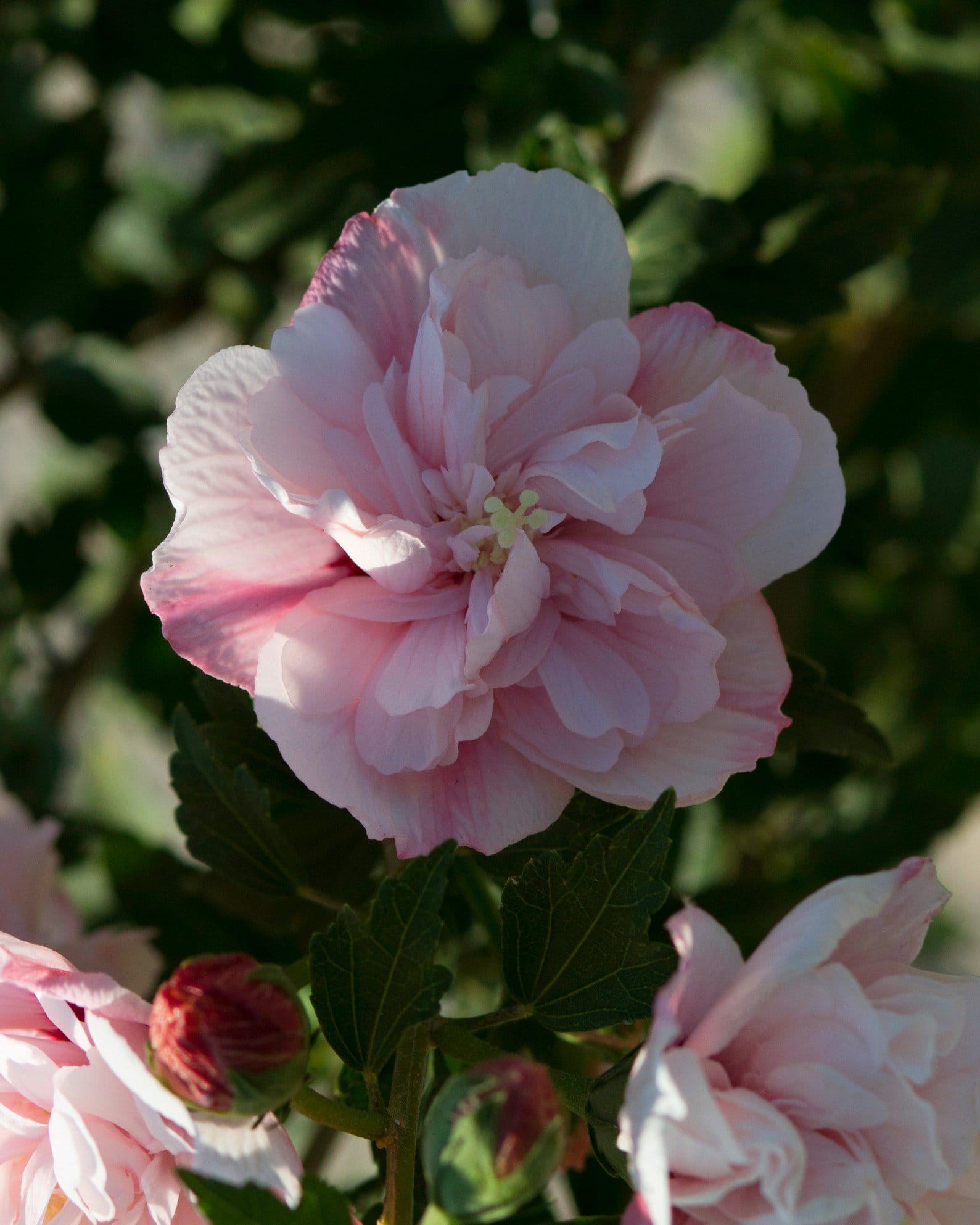
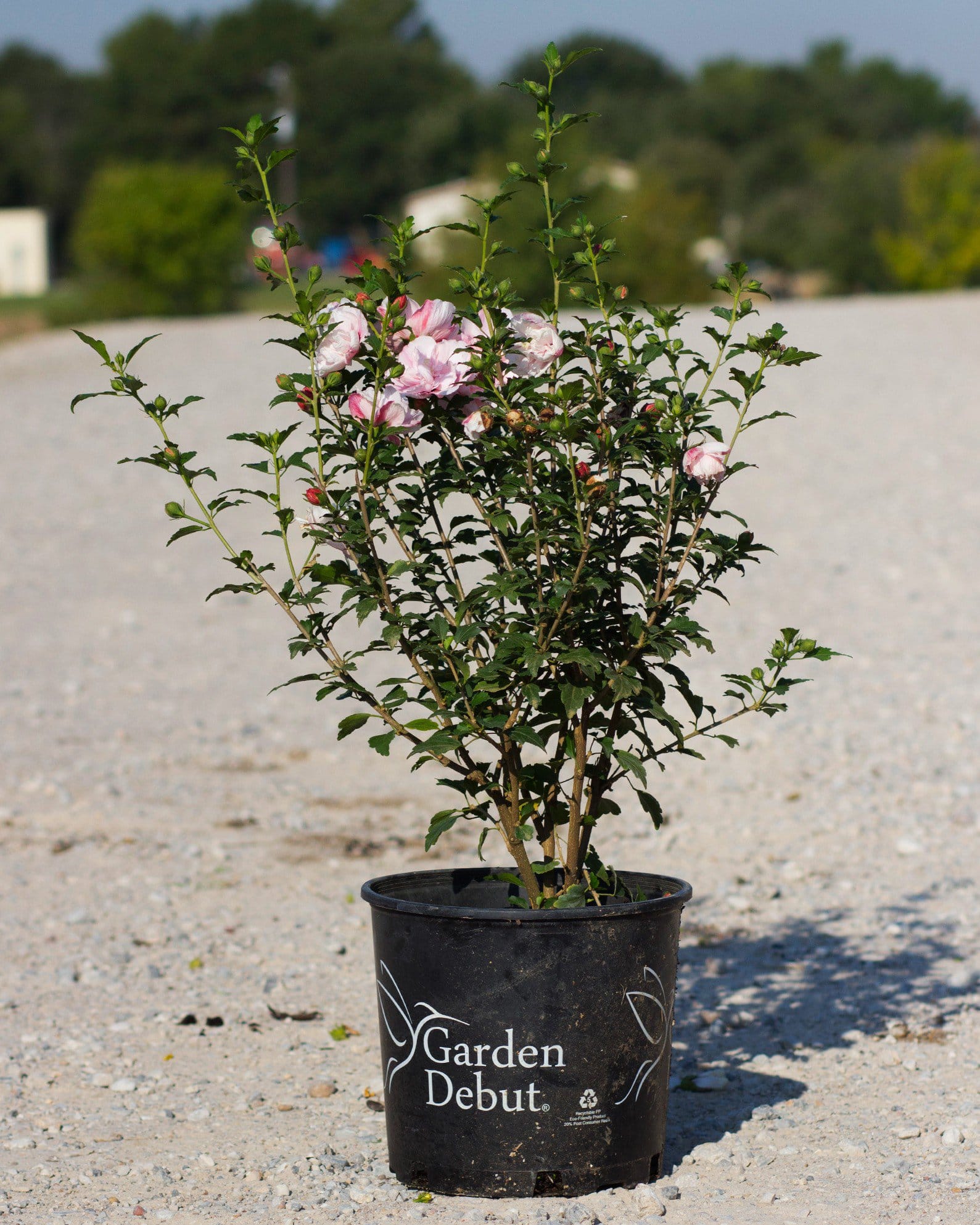
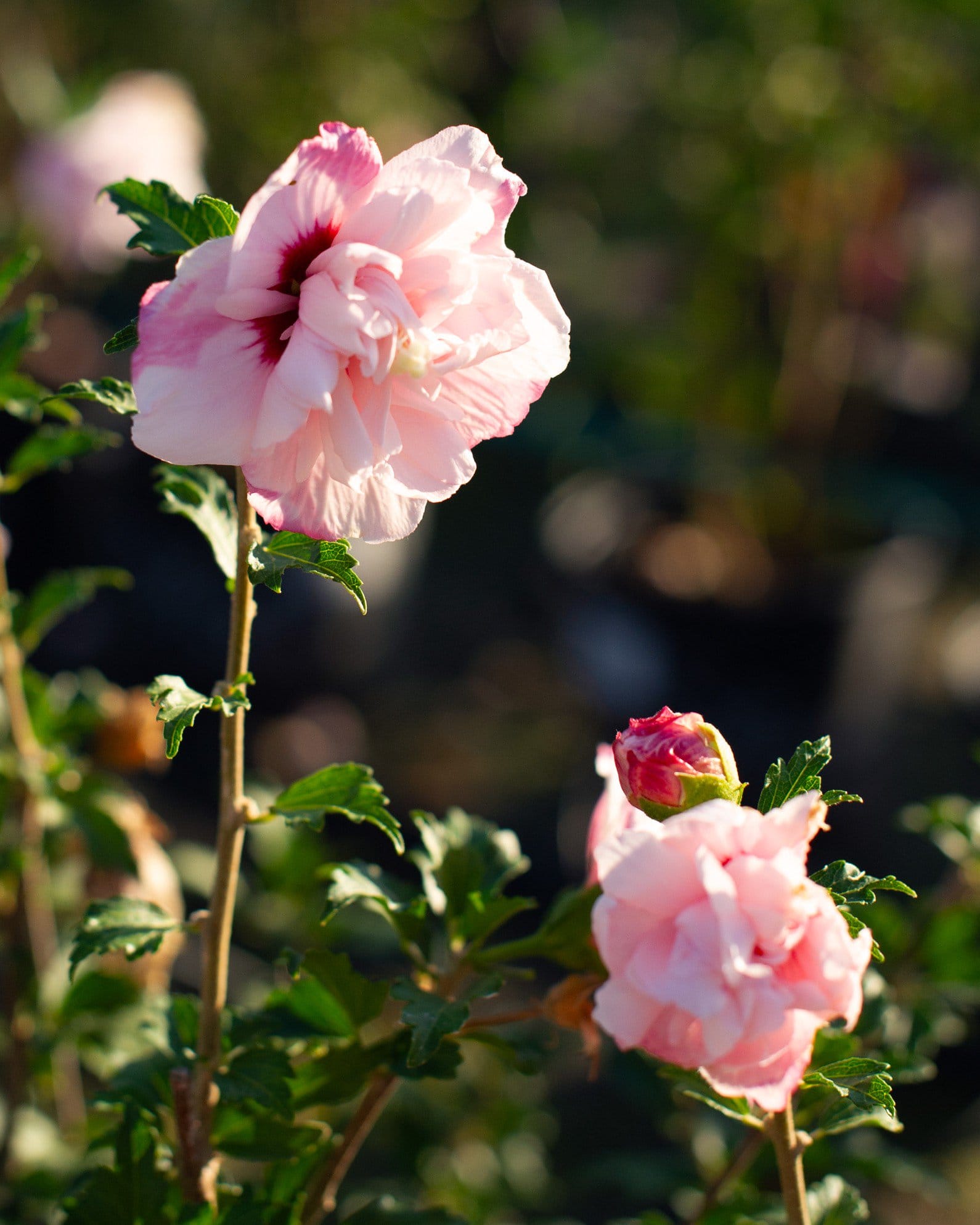
Hibiscus syriacus ‘Woodbridge’Woodbridge Althea is a classic showstopper in the landscape, known for its vibrant magenta-pink blooms that shine all spring and summer long. Each flower features a deep red eye, making this variety a striking focal point in any bed. It grows 8 feet in height and 5 feet in width. This vigorous deciduous shrub offers a naturally upright, vase-shaped form that’s easy to maintain - ideal for borders, privacy screens, or as a stand-alone accent.
- Deciduous tree
- Moderate growth rate
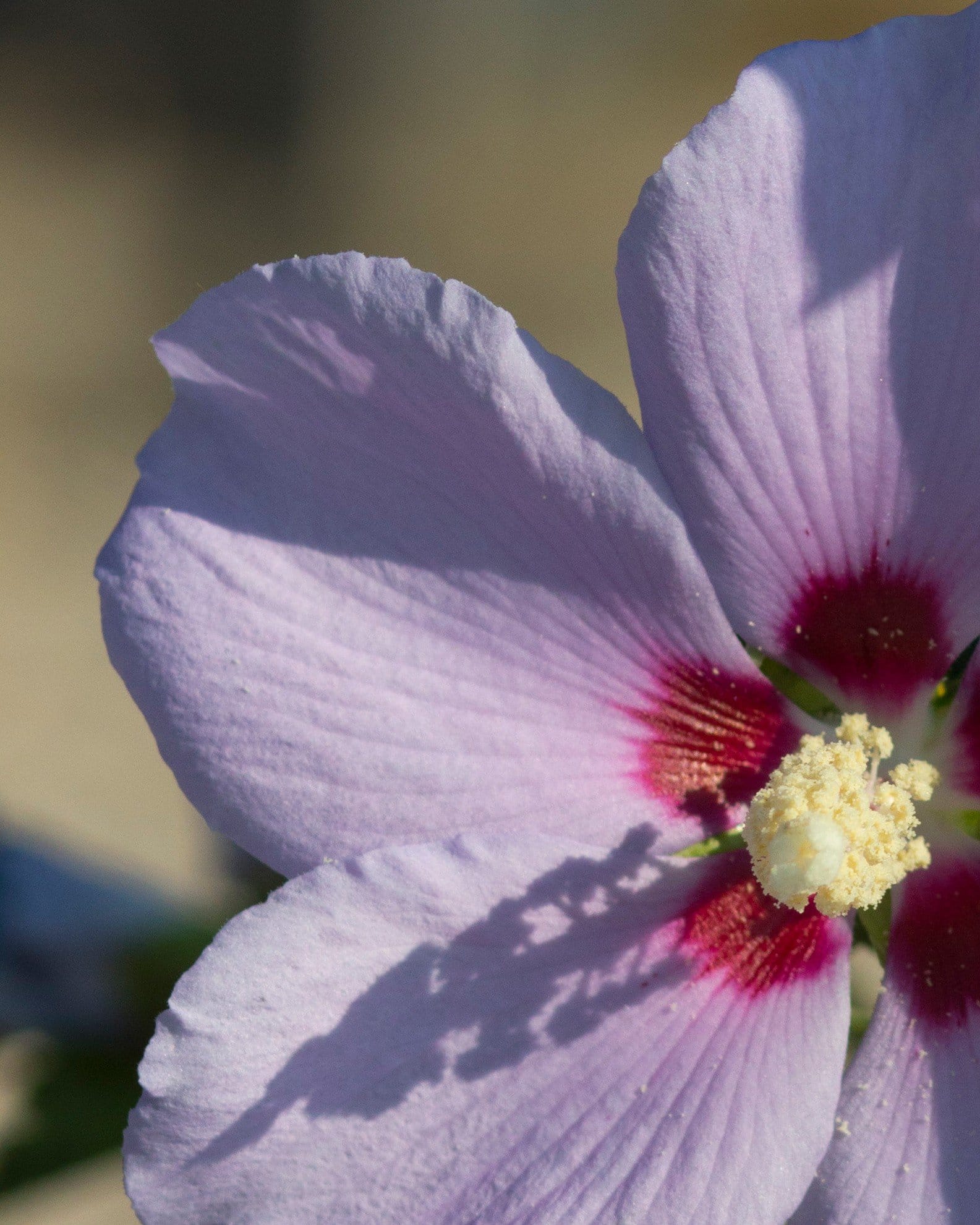
- Stunning single blooms with contrasting red centers
- Blooms from spring through summer
- Perfect for hedges, screens, or foundation planting
Plant Woodbridge Althea thrives in full sun and is drought-tolerant once established where it can show off its long-lasting blooms. It’s a reliable and vivid performer that brings energy and charm to any space. Hardy in USDA zones 5 through 9, an excellent choice for beds throughout Texas.
Woodbridge Althea becomes reliably low-maintenance once established. Its strong upright growth and sturdy branching make seasonal care predictable and uncomplicated. Here’s all it needs:
- Watering: Water deeply during the first growing season to establish a stable root system. Once established, it tolerates moderate dry conditions but benefits from supplemental watering during prolonged heat to maintain steady flowering and healthy foliage.
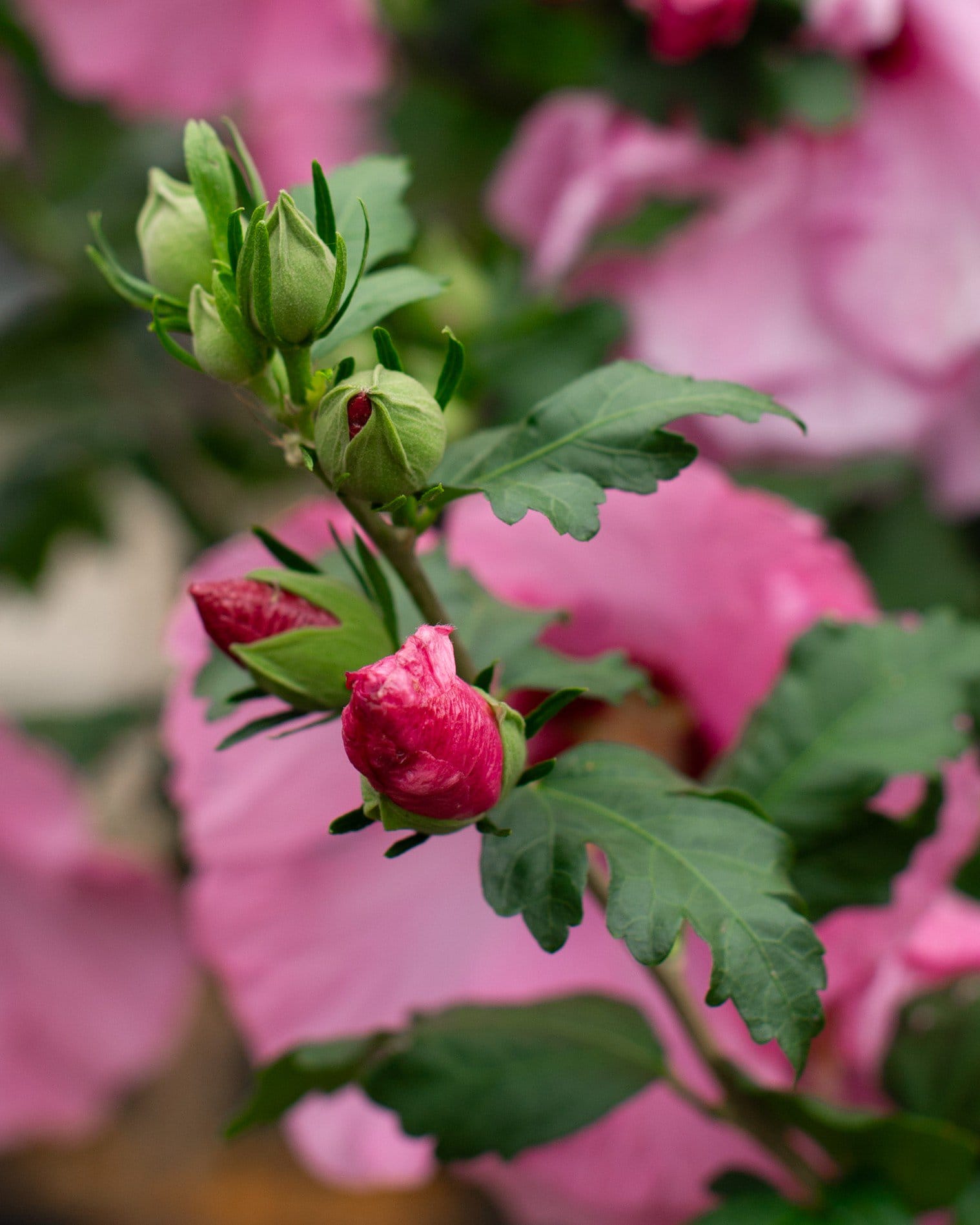
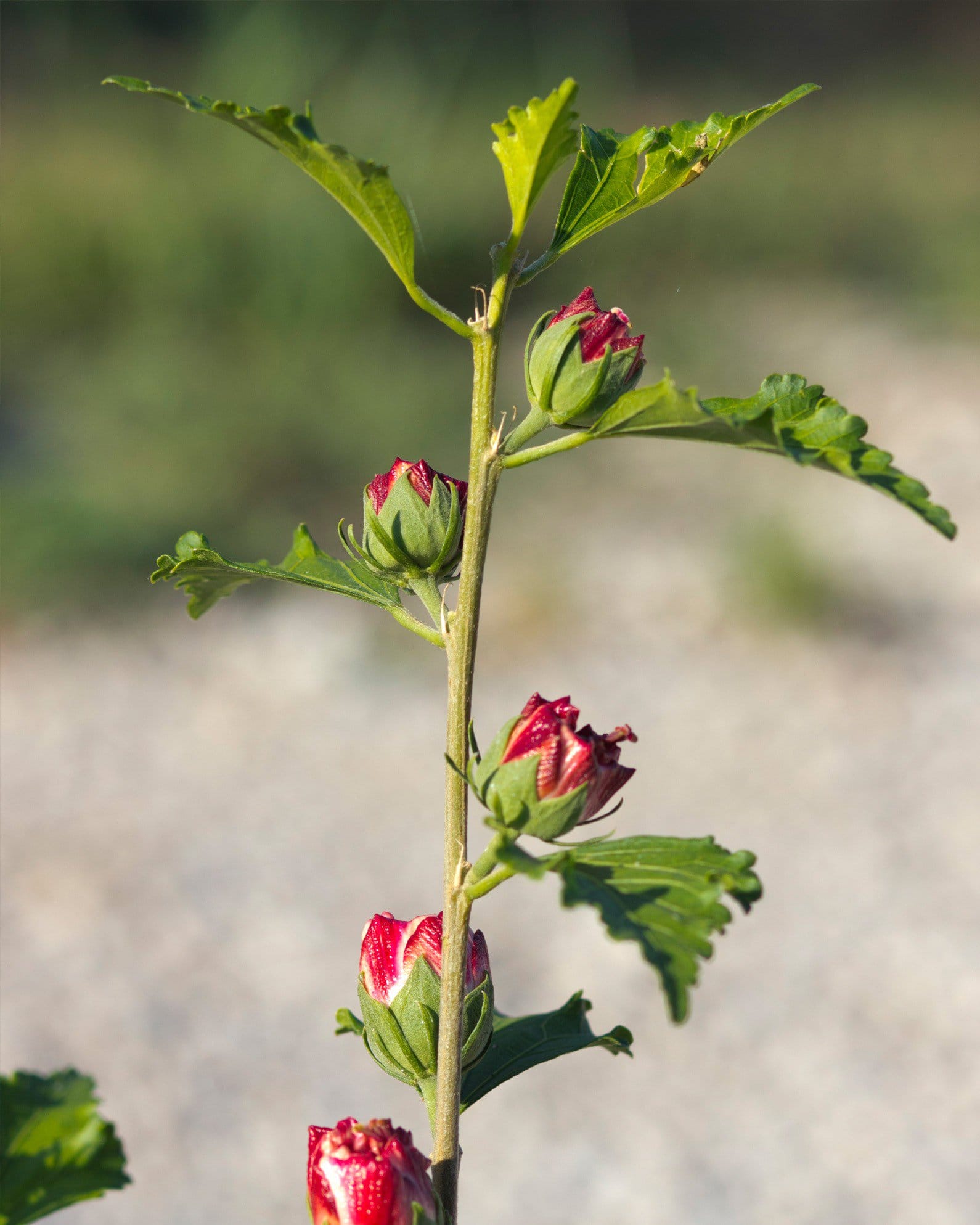
- Pruning: Prune in late winter or early spring before new growth begins. Remove weak, crowded, or crossing stems to maintain structure and airflow, remembering that blooms develop on current-season growth.
- Fertilizing: Apply a balanced, slow-release fertilizer in early spring as buds begin to swell. Avoid excessive nitrogen, which can promote vigorous leafy growth at the expense of bloom density.
- Mulching: Maintain a 2-3 inch layer of mulch around the root zone to conserve moisture and stabilize soil temperature. Keep mulch slightly away from the base of stems to prevent bark moisture issues.
- Winter Care: Established shrubs are reliably hardy and rarely require special protection. In colder climates, newly planted specimens benefit from additional root-zone insulation during their first winter.
Woodbridge Althea is generally durable, though its vigorous growth can occasionally invite minor pest or environmental concerns.
- Aphids: Tender new shoots may curl slightly and develop sticky residue from feeding insects. A firm spray of water or insecticidal soap usually resolves infestations quickly.
- Japanese Beetles: Leaves may appear skeletonized during peak summer feeding. Hand removal or traps placed away from the shrub reduce ongoing damage.
- Powdery Mildew: A white coating may form on foliage during humid conditions with limited airflow. Thinning interior growth improves circulation and significantly reduces recurrence.
- Leaf Yellowing from Nutrient Imbalance: Foliage may become pale if soil nutrients are unavailable or unbalanced. Applying balanced fertilizer or adjusting soil conditions restores healthy coloration.
- Minor Winter Dieback: Some branch tips may fail to leaf out after severe cold. Pruning back to healthy wood encourages vigorous spring growth.
With proper care, it commonly thrives for 20-30 years or more. Healthy root conditions and balanced pruning support long-term vigor. Mature shrubs remain dependable bloomers for decades.
Growth typically averages 12-24 inches per year under favorable conditions. A mature structure generally develops within 3-5 years. Flowering performance becomes more abundant as branching strengthens.
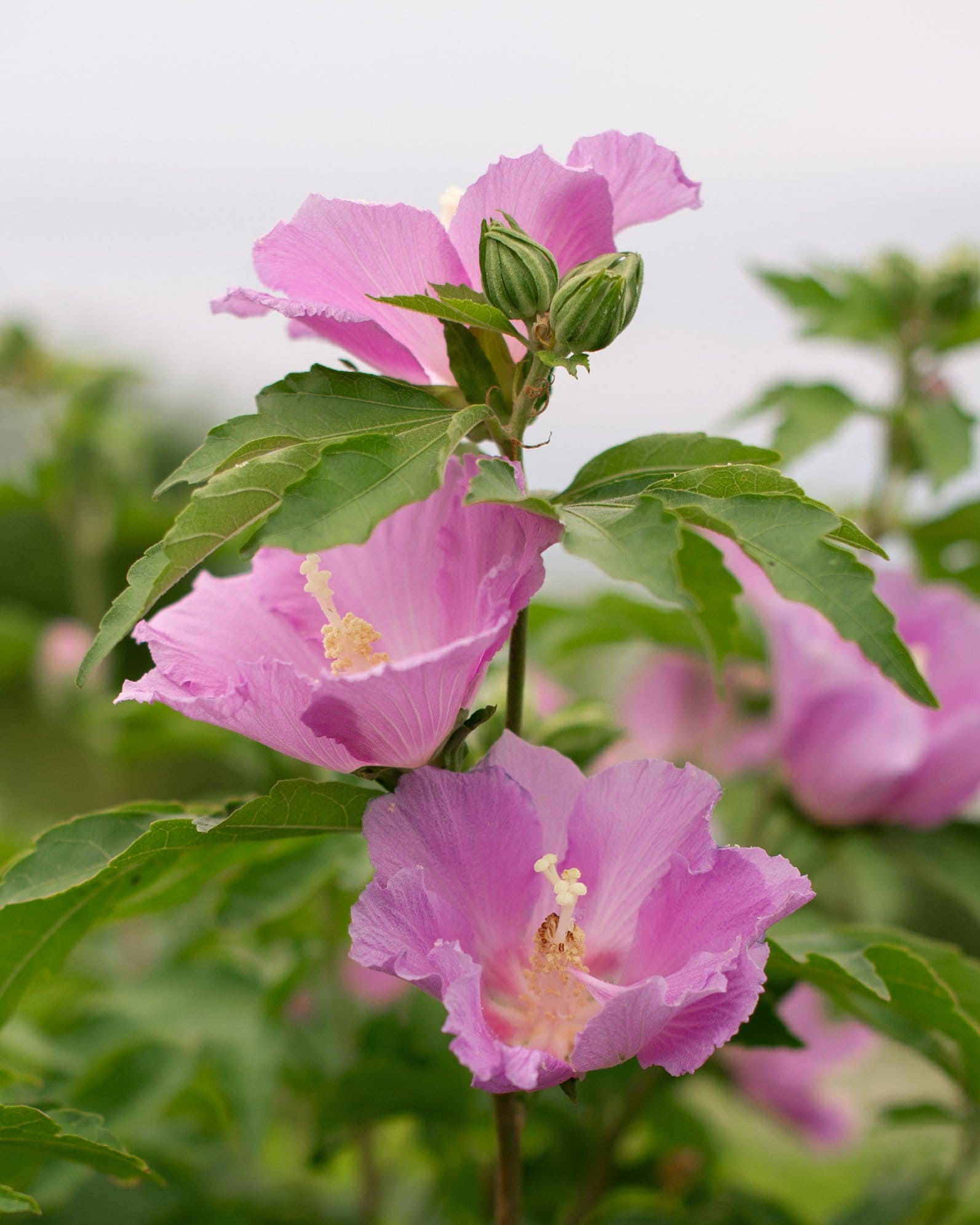
It is known for its large, soft pink blooms accented by a bold red eye. The strong contrast in coloration gives the flowers added depth and visual impact. Its vigorous growth supports a full, impressive display during peak bloom.
Yes, it tends to form a more traditional upright, vase-shaped structure compared to columnar varieties. Its branching spreads moderately outward as it matures.
Its stems are generally sturdy and capable of supporting large blooms. With proper thinning, the shrub maintains both strength and airflow. Mature plants hold their shape well throughout the season.
Once established, it manages short dry spells reasonably well. An extended drought, however, may reduce bloom performance. Deep watering during prolonged heat stabilizes growth.
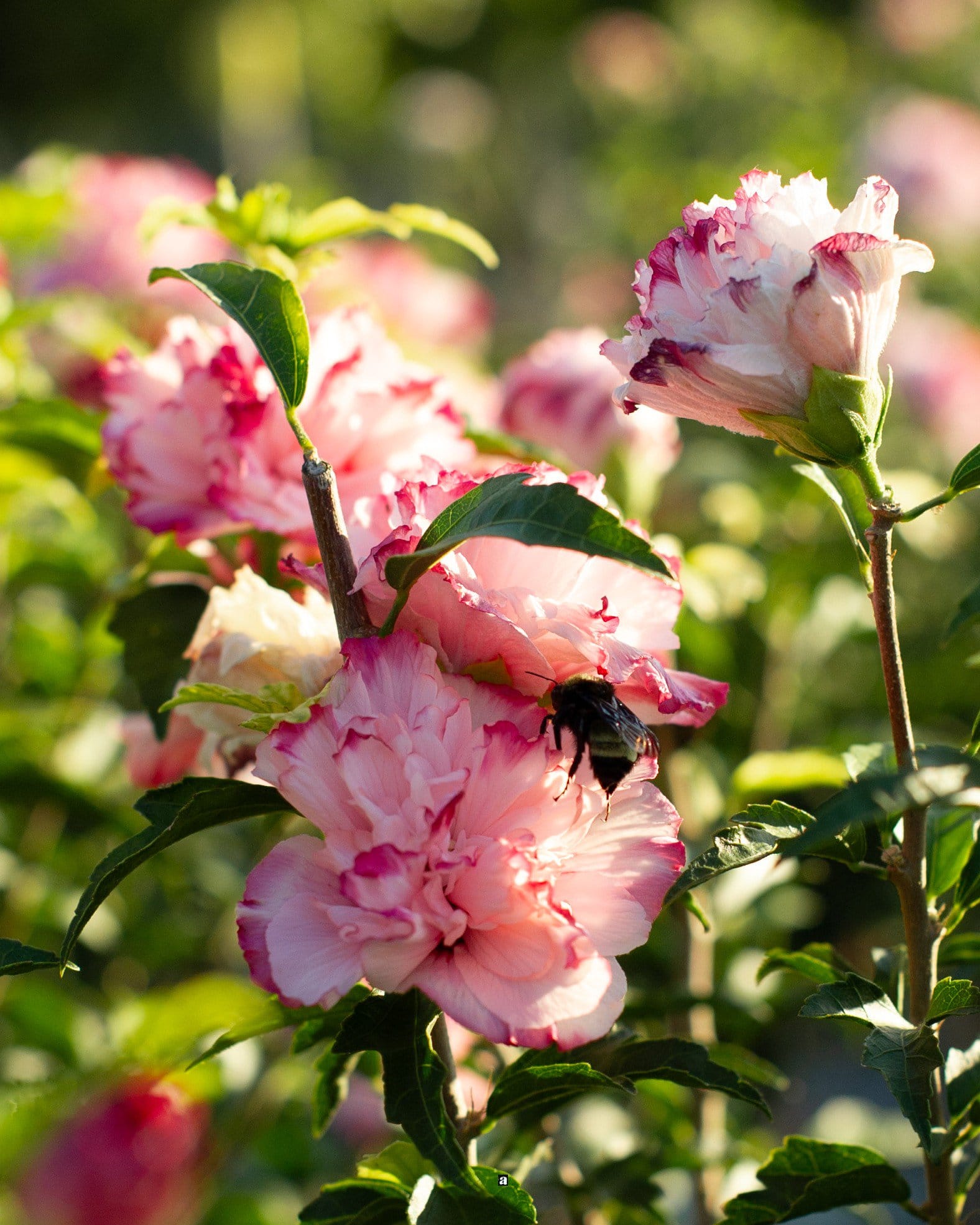
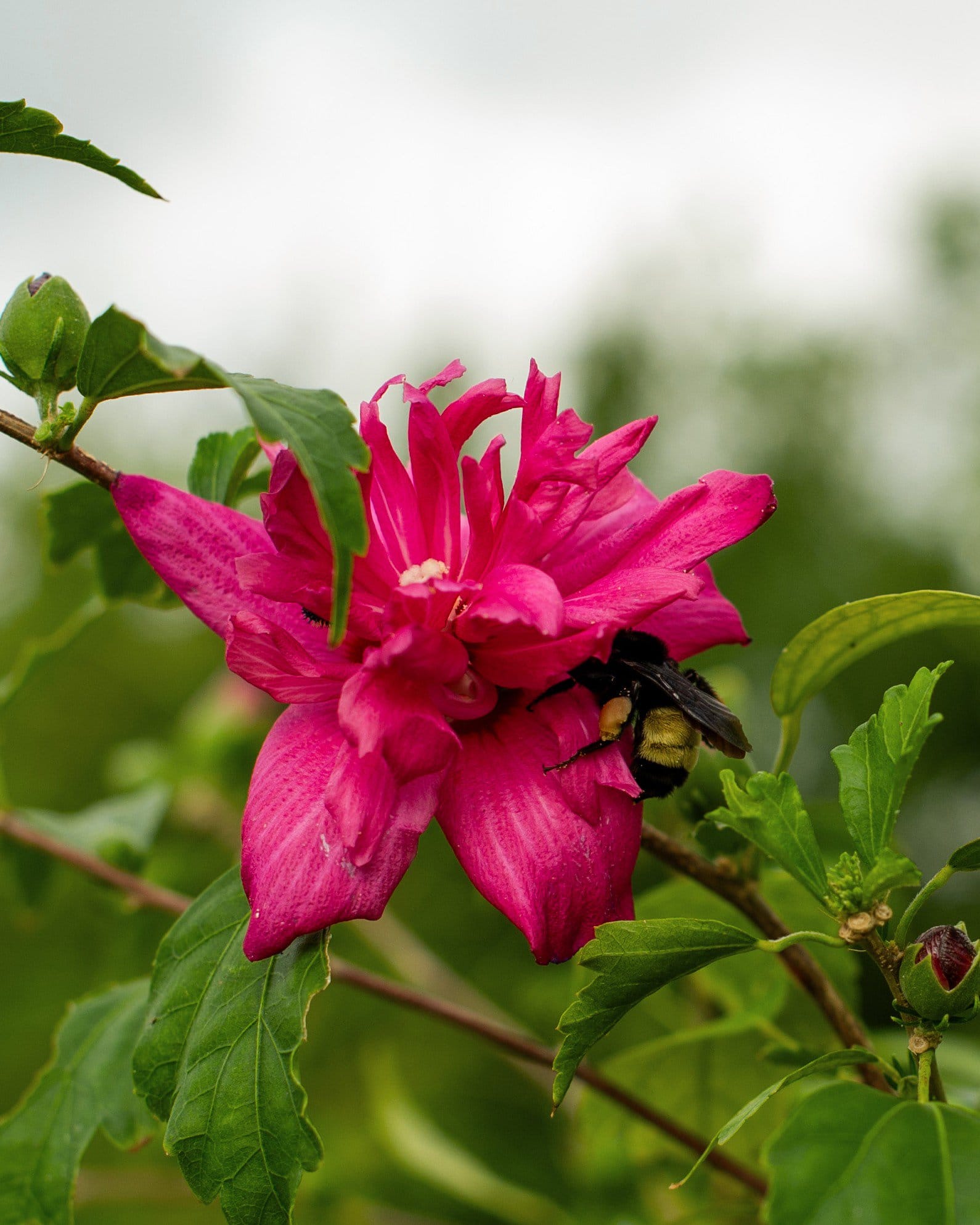
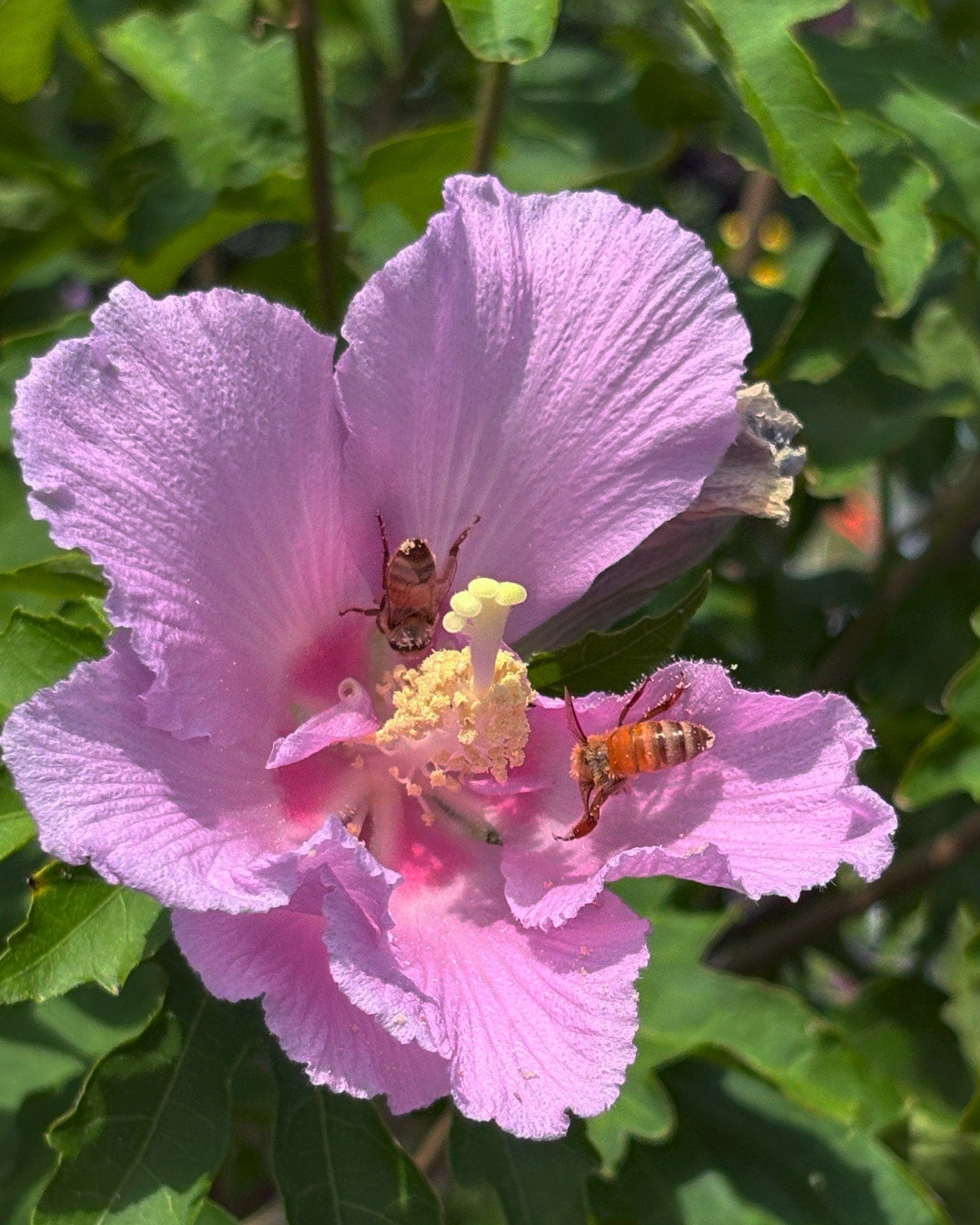
Bees and butterflies regularly visit its open blooms. The flowers provide accessible pollen and nectar during late summer. It contributes ecological value without becoming invasive.
Yes, because it flowers on new wood, older shrubs can be cut back significantly in late winter. Fresh growth emerges vigorously in spring. Rejuvenation pruning helps restore density and flowering strength.
It tolerates reflected heat and moderate air pollution once established. Regular watering during extreme conditions improves resilience. Its sturdy branching helps withstand typical urban exposure.
Its upright framework offers architectural presence even outside peak bloom. The branching structure maintains visual interest throughout the growing season.
Special Features
You might also like
Woodbridge Althea Tree Form
Maturity: 8' H x 5' W
Aphrodite Althea Tree Form
Maturity: 8' H x 6' W
Blue Angel Althea
Maturity: 8' H x 6' W
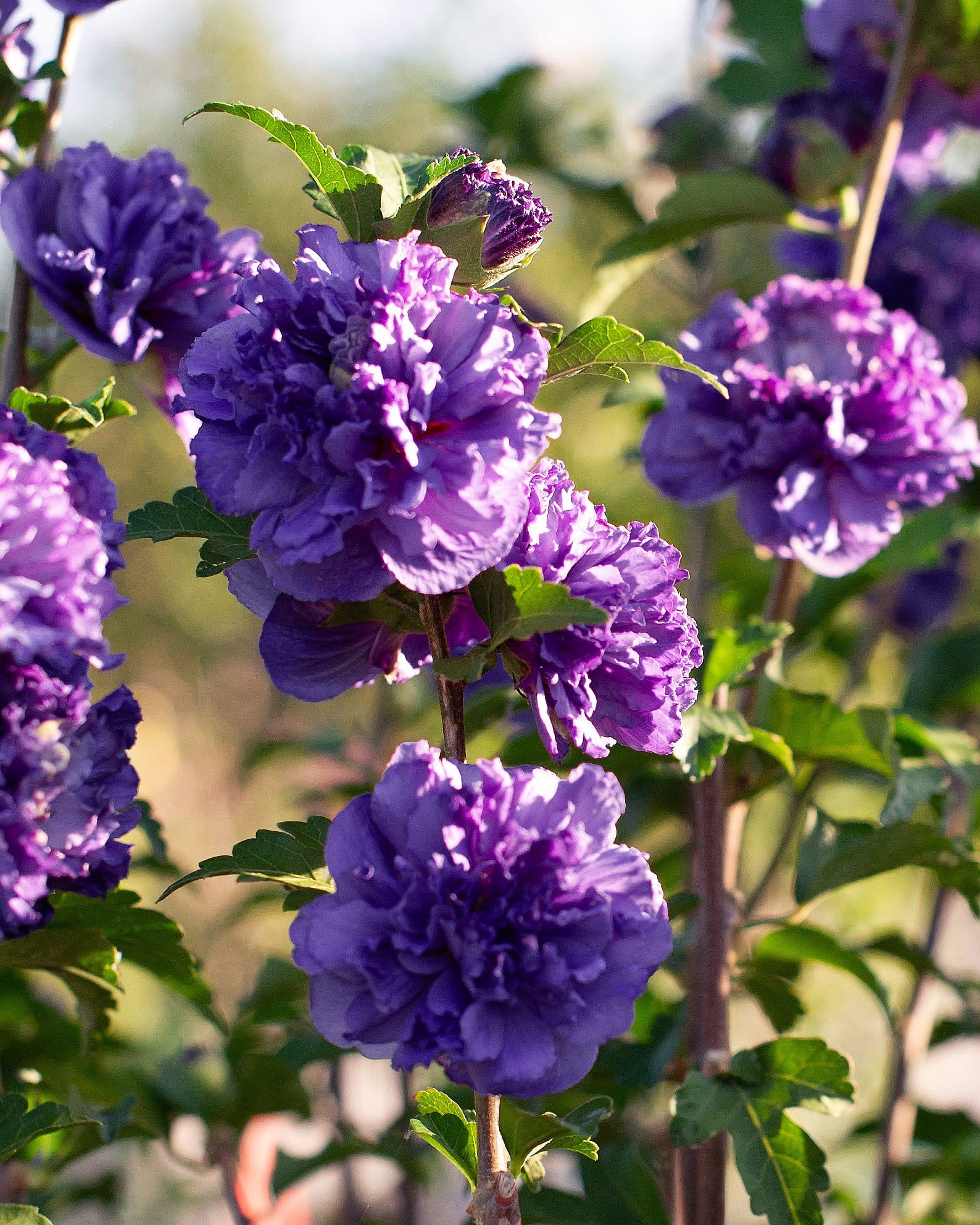
Blueberry Smoothie Althea Tree Form
Maturity: 8' H x 4' W
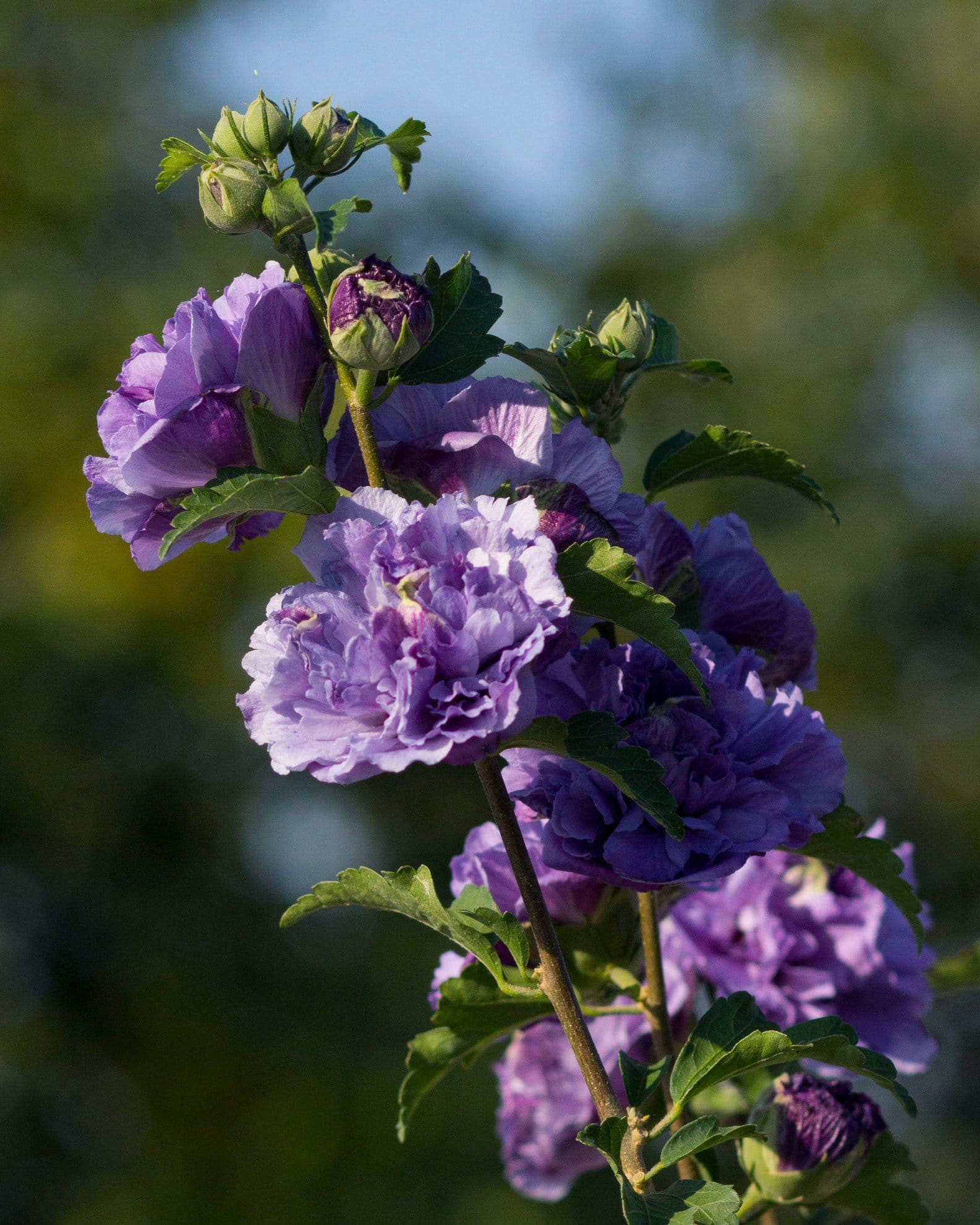
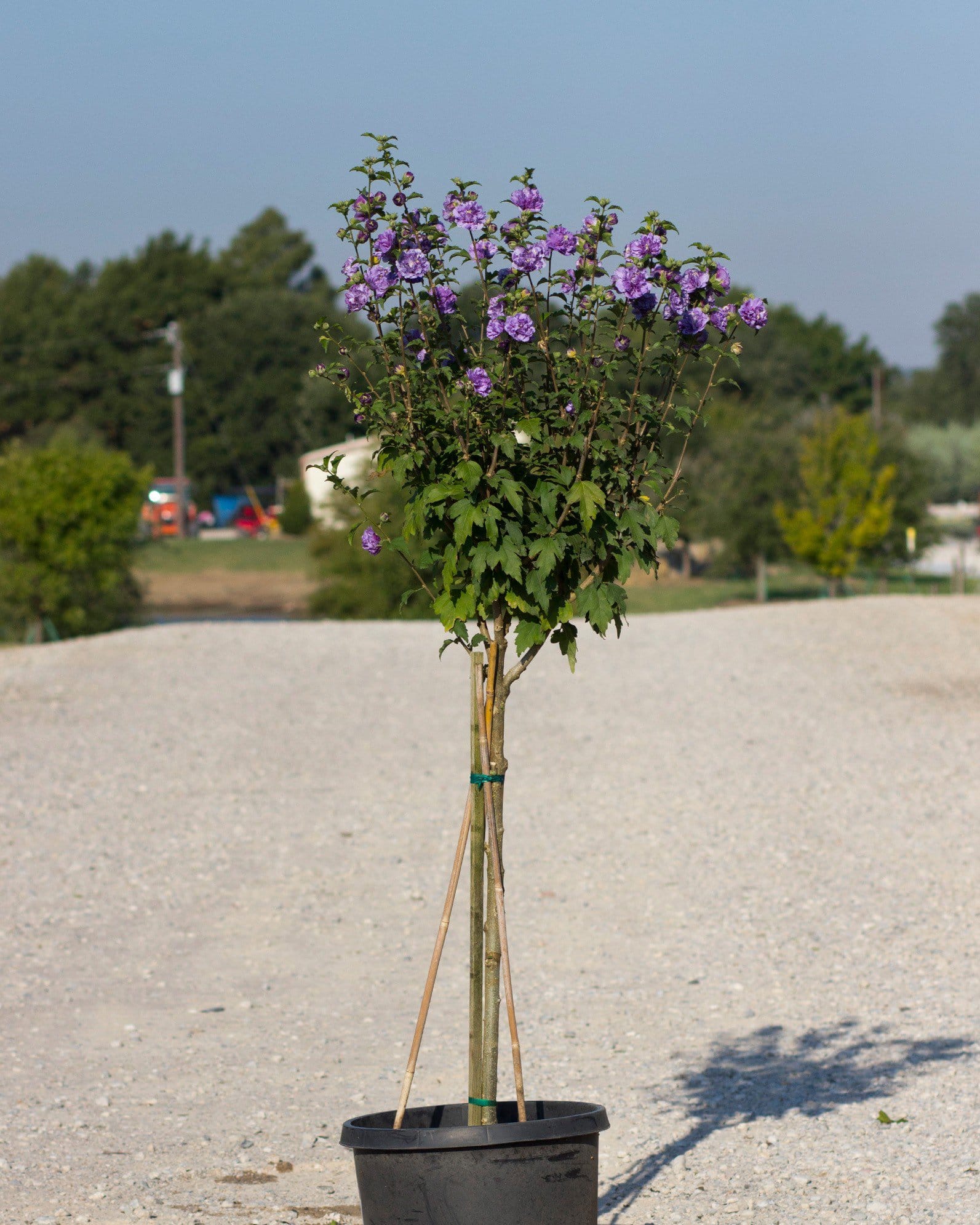
Lady Stanley Althea Tree Form
Maturity: 8' H x 5' W
Minerva Althea Tree Form
Maturity: 8' H x 5' W
Morning Star Althea Tree Form
Maturity: 8' H x 5' W
Smoothie Fusion Althea
Maturity: 8' H x 6' W
Violet Satin Althea Tree Form
Maturity: 8' H x 5' W
Danica Althea Tree Form
Maturity: 8' H x 5' W
Diana Althea Tree Form
Maturity: 8' H x 5' W
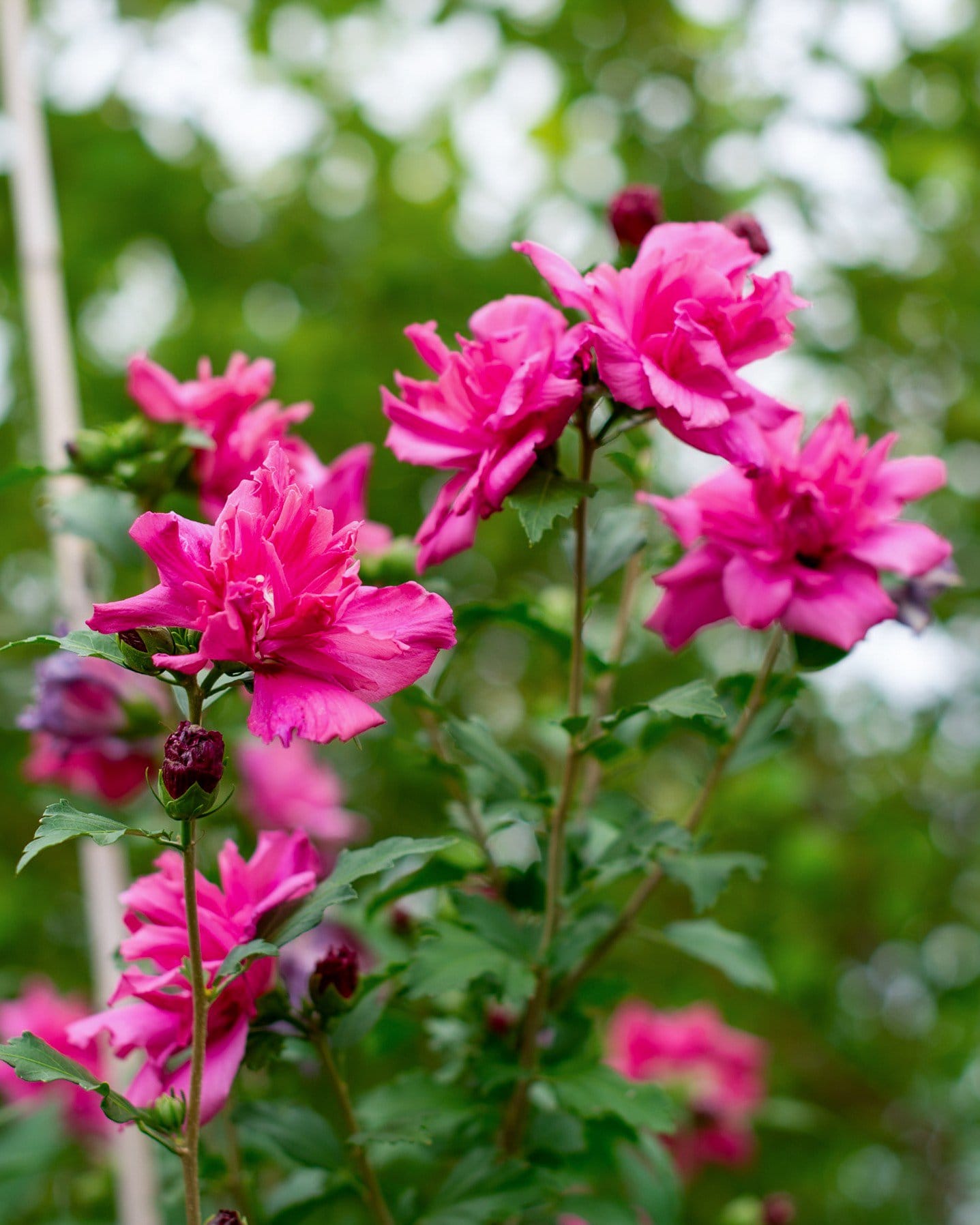
Double Red Althea Tree Form
Maturity: 8' H x 5' W
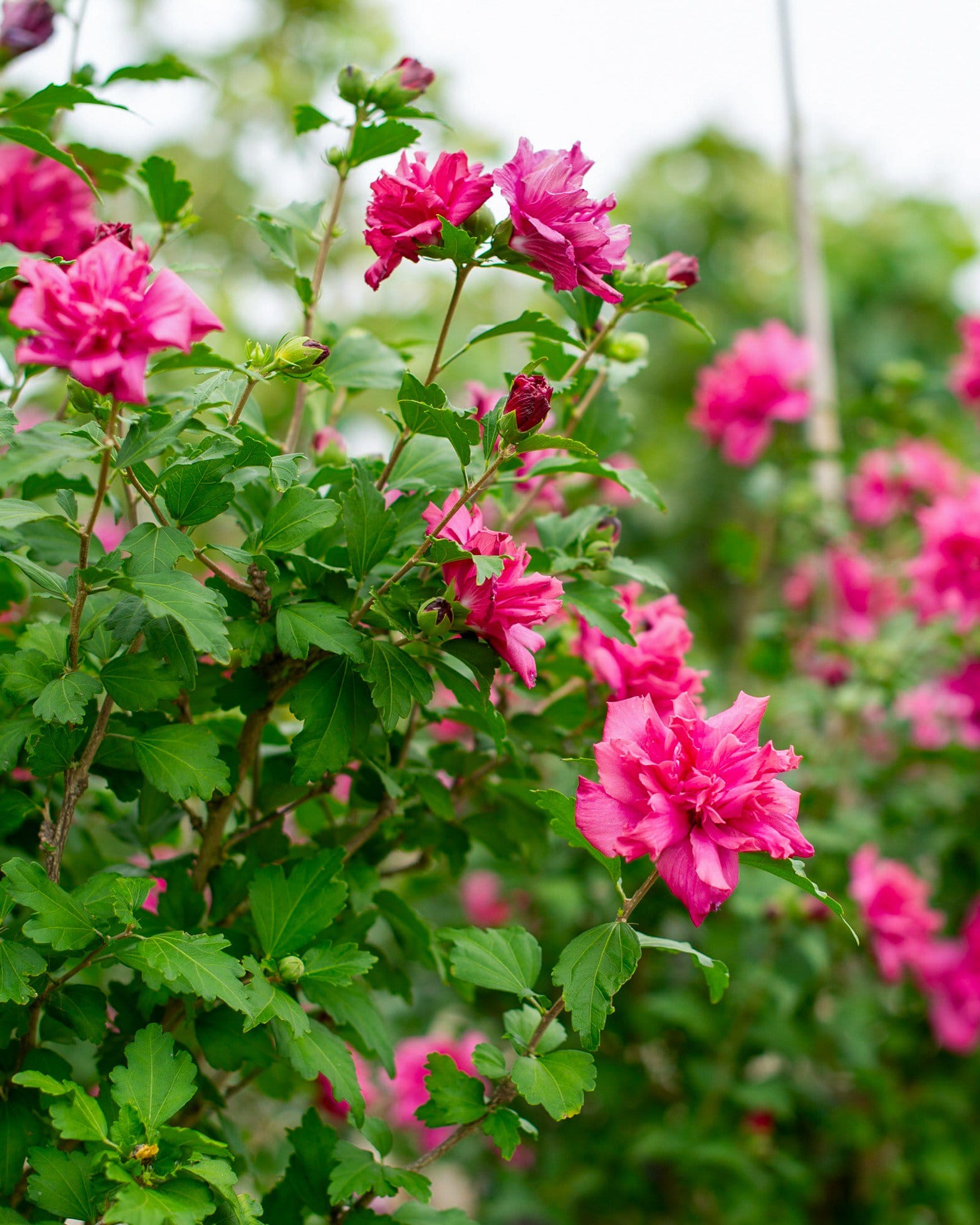
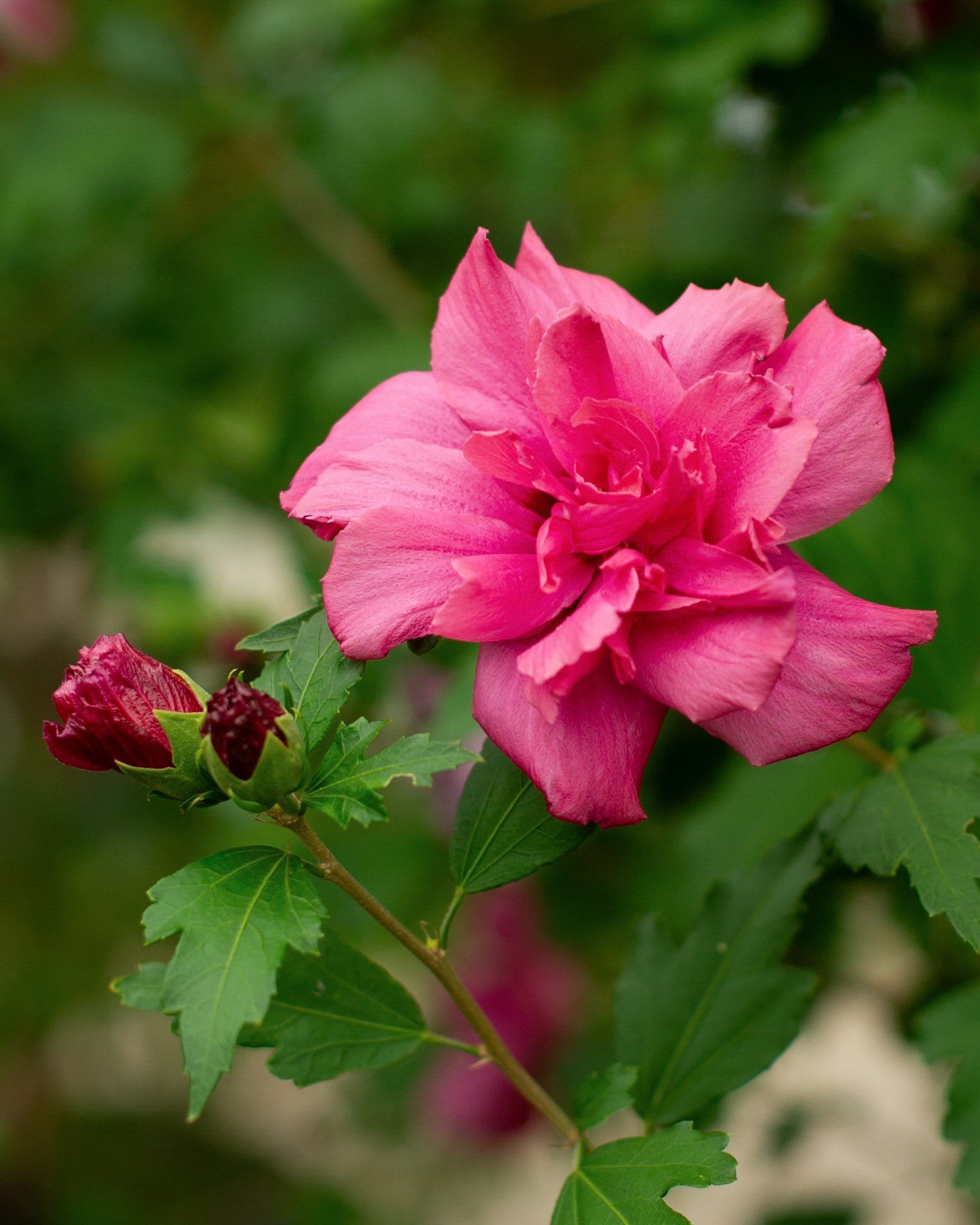
Lucy Althea Tree Form
Maturity: 8' H x 5' W
Pollypetite Althea Tree Form
Maturity: 8' H x 5' W
Strawberry Smoothie Althea
Maturity: 8' H x 6' W
Compare Similar Plants
Woodbridge Althea This plant | ||
|---|---|---|
| Scientific Name | Hibiscus syriacus ‘Woodbridge’ | Hibiscus syriacus ‘Aphrodite’ |
| Size at Maturity | 8' H x 5' W | 8' H x 6' W |
| Leaf Retention | Deciduous | Deciduous |
| Fall Color | Yellow | Yellow |
| Flower Color | Purple & Red | Pink & Red |
| Bloom Times | Spring & Summer | Spring & Summer |
| Sizes Available | 3, 6 gal | 30 gal |


Our 1-Year Planting Guarantee
We take pride in our plants and installation services. If any plants or trees installed by Treeland fail to thrive within the first year, we'll provide a replacement credit in accordance with our guarantee program.
Learn More About Our Guarantee