
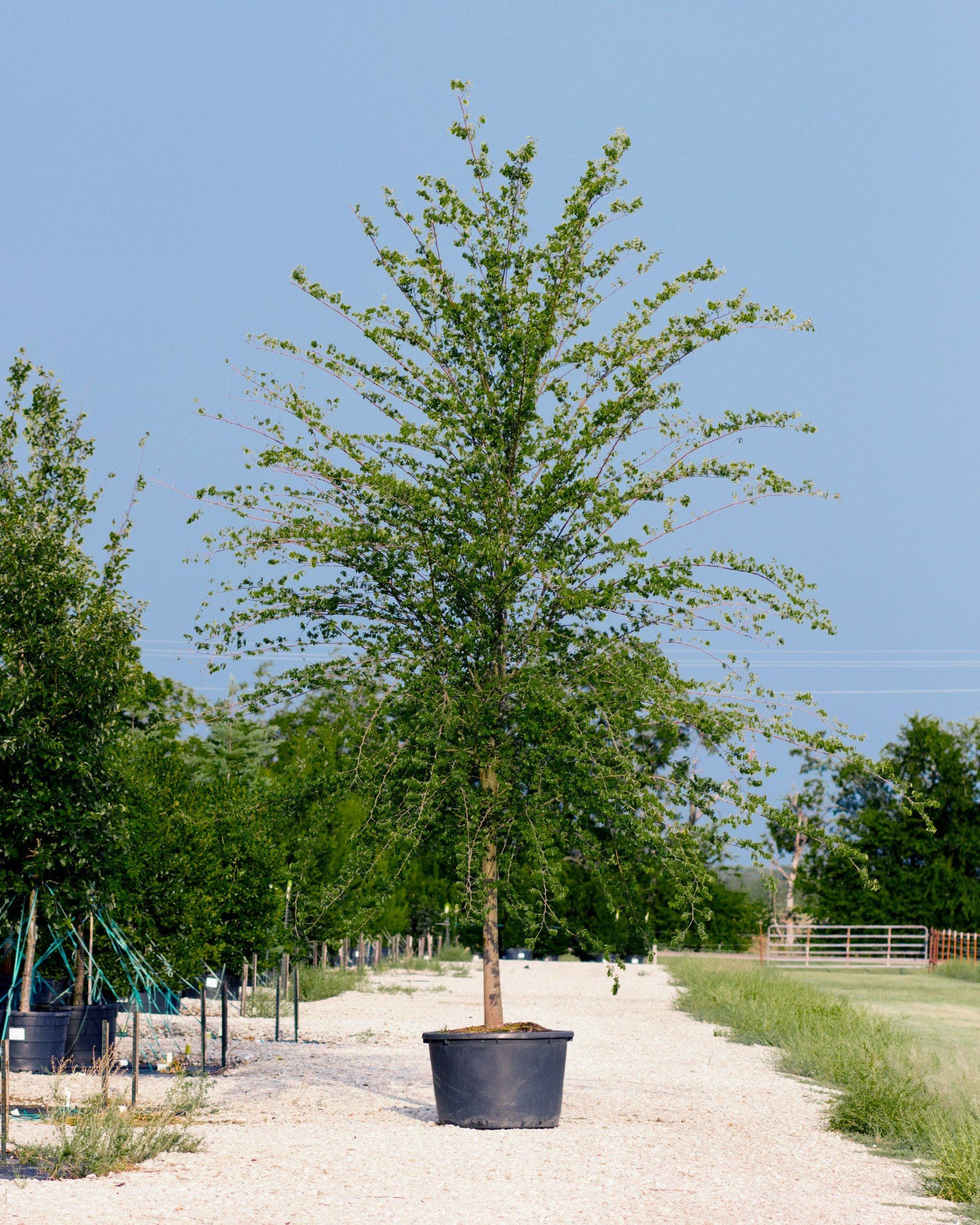
Frontier Elm
Ulmus ‘Frontier’Local DFW Delivery Only
Product Details
Frontier Elm
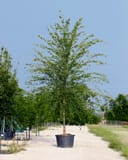
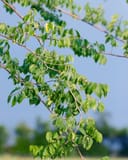
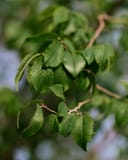
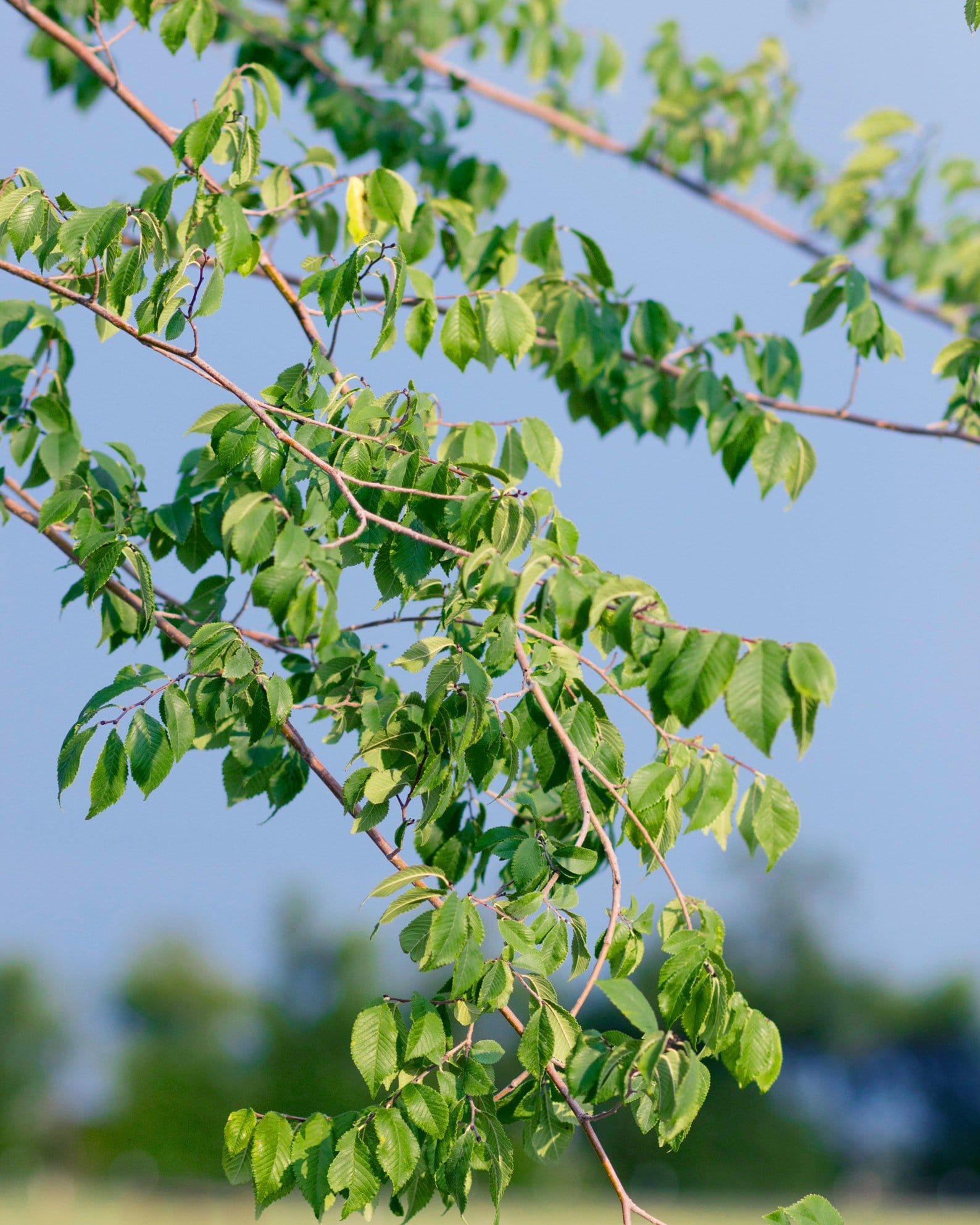
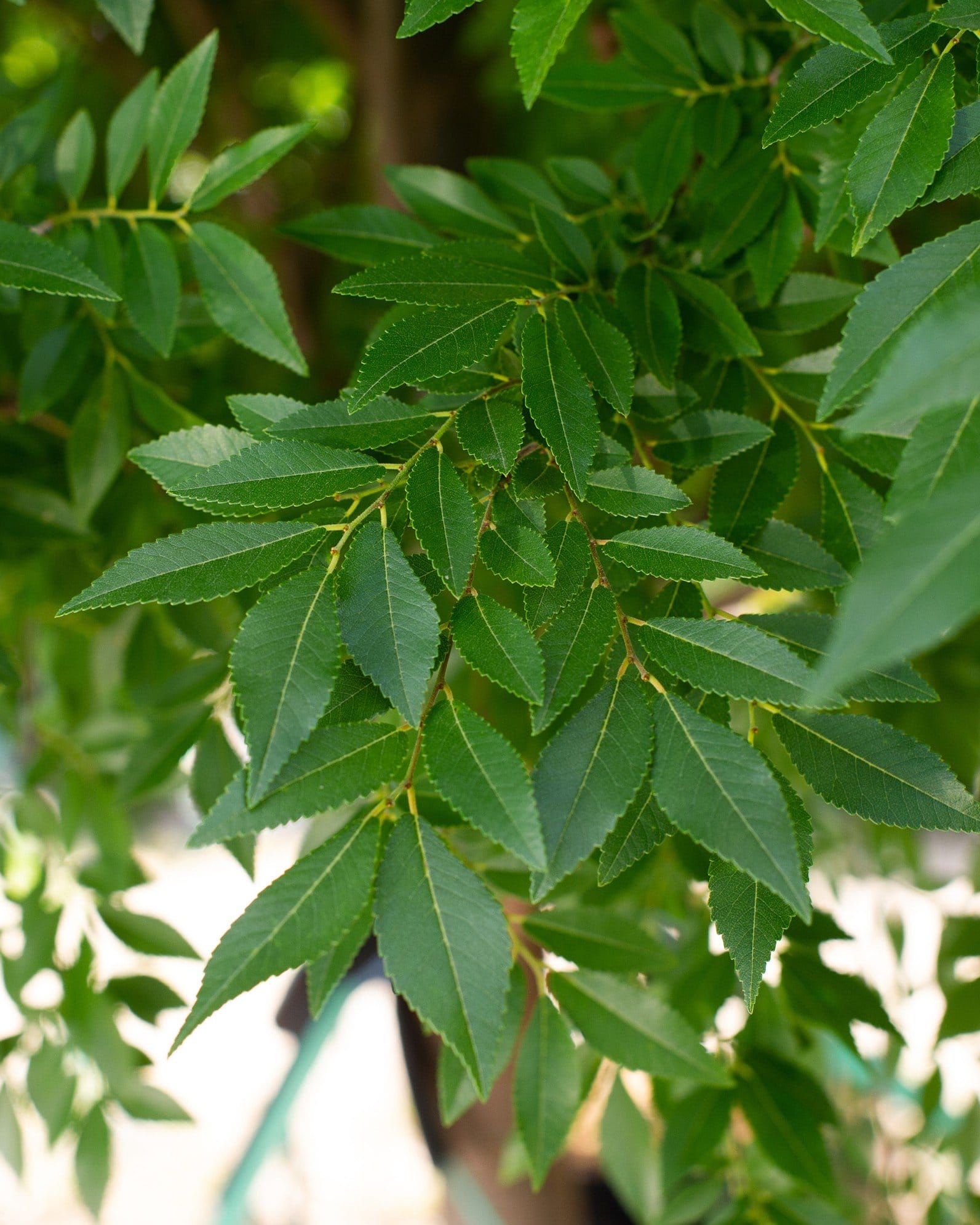
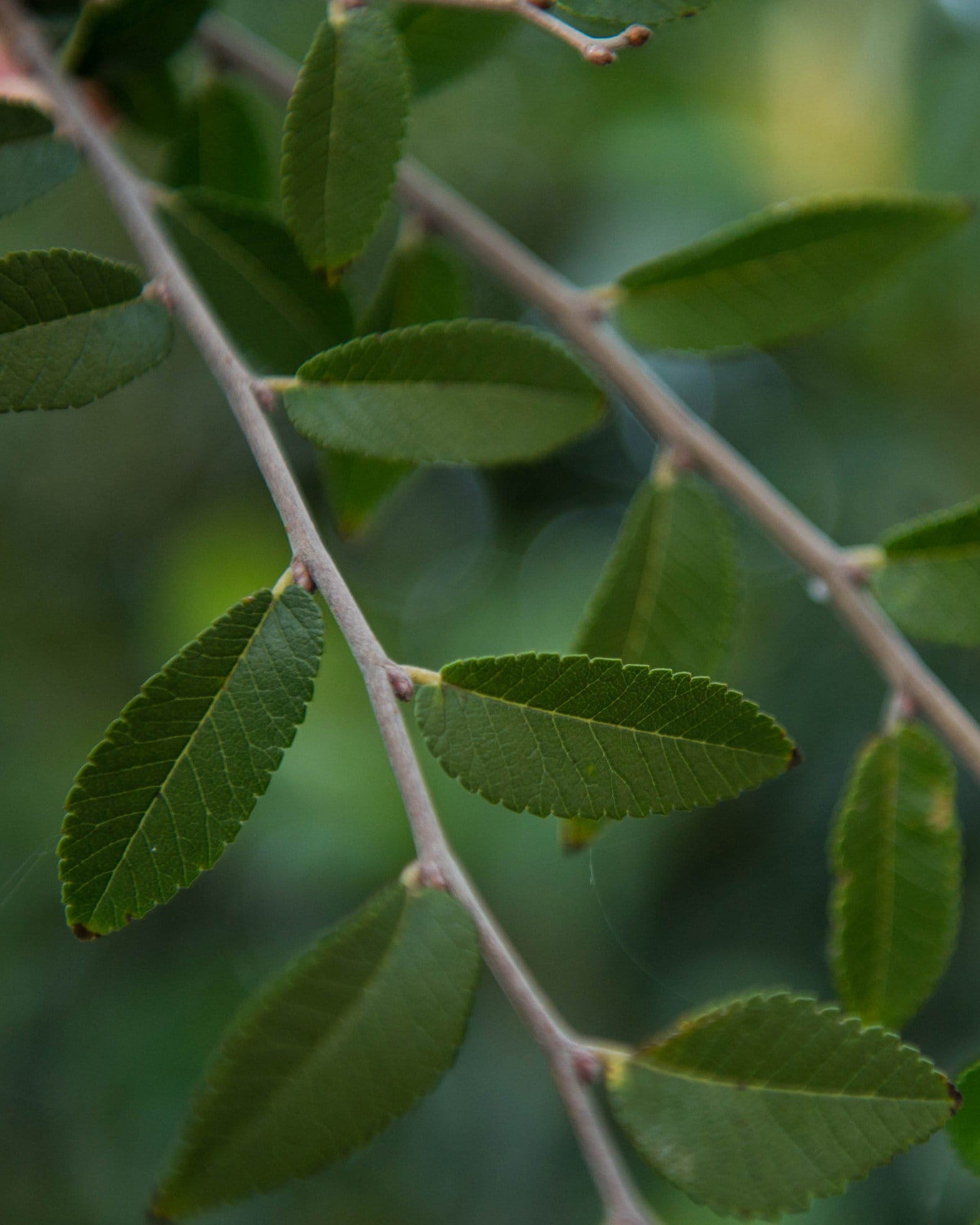
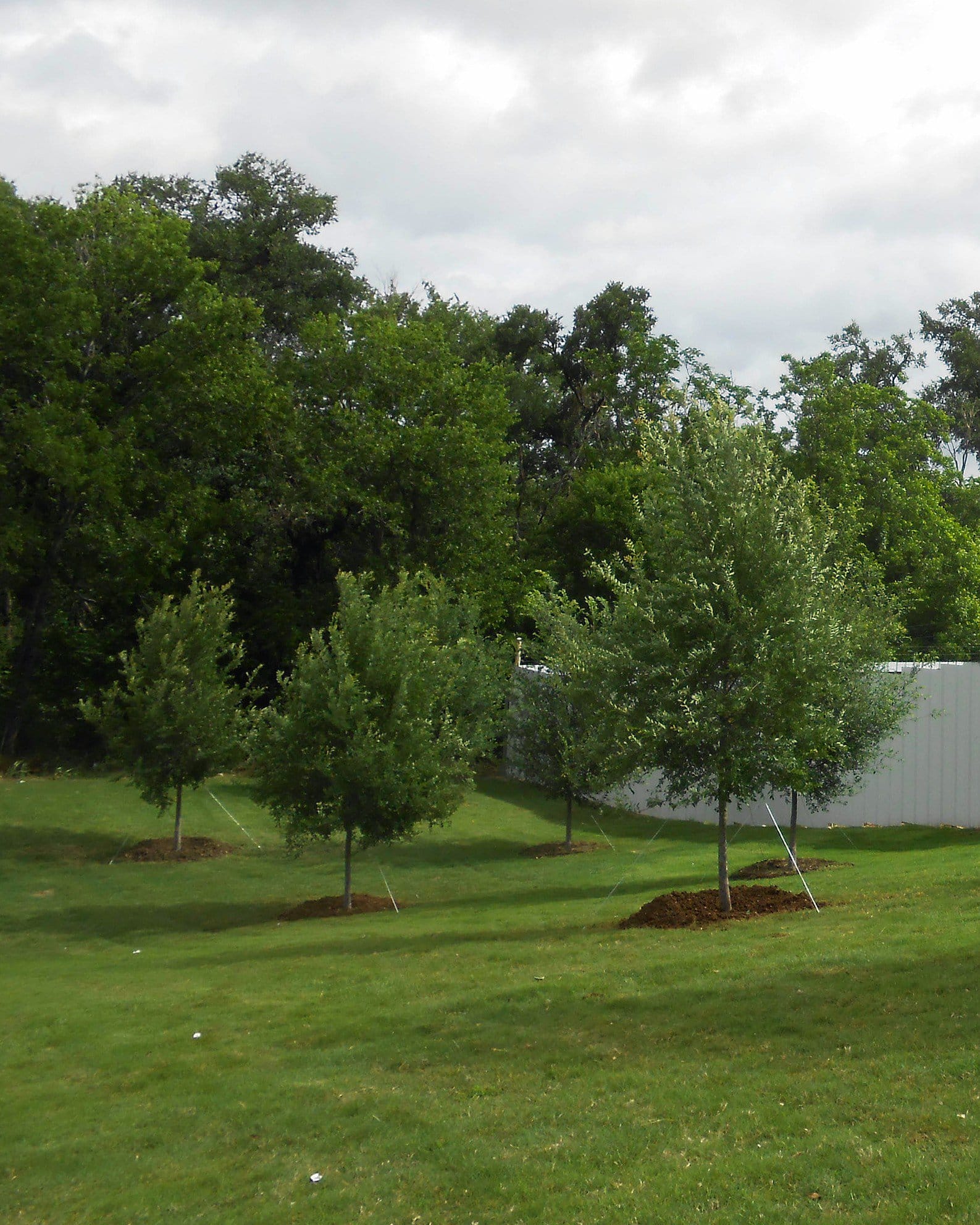
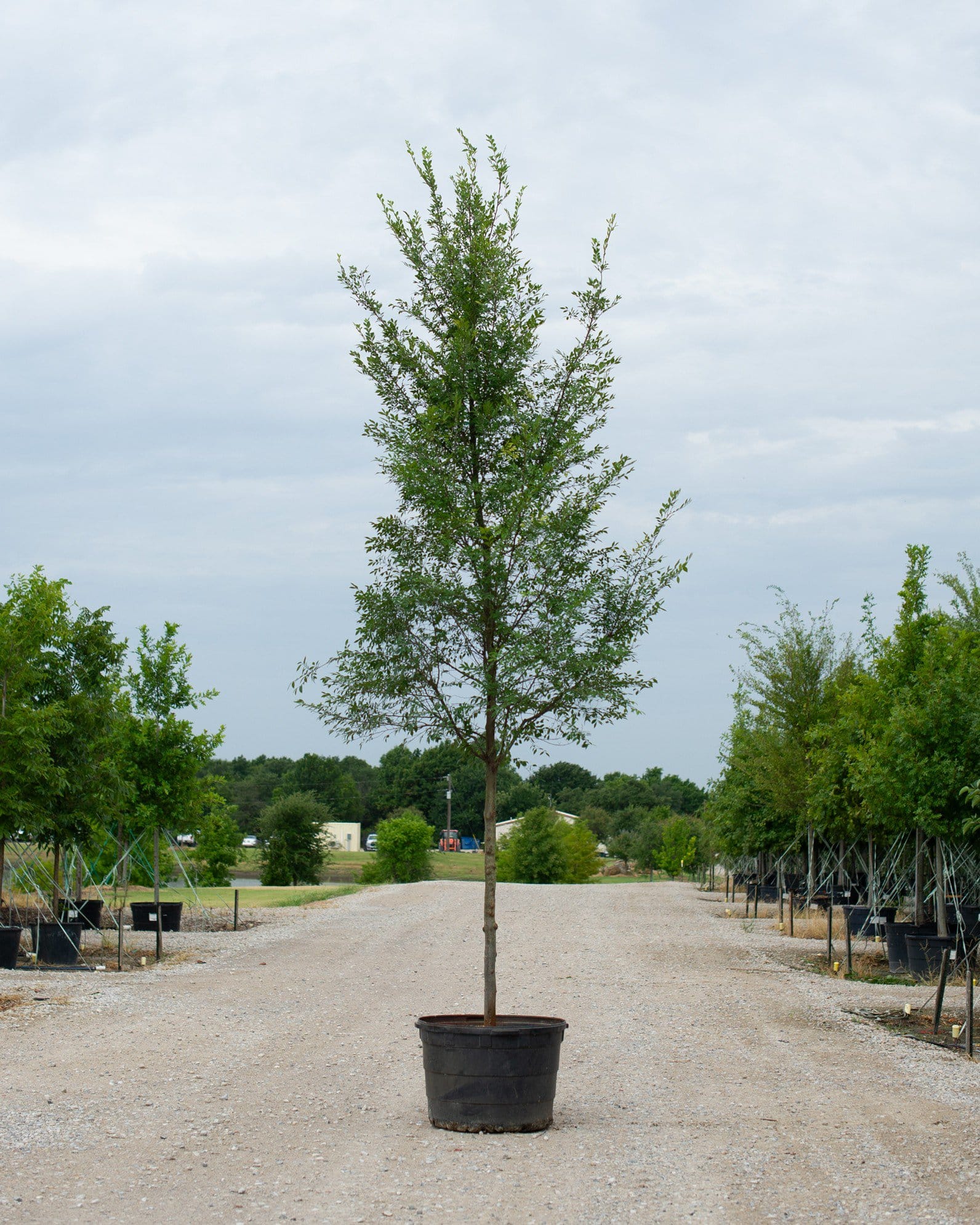
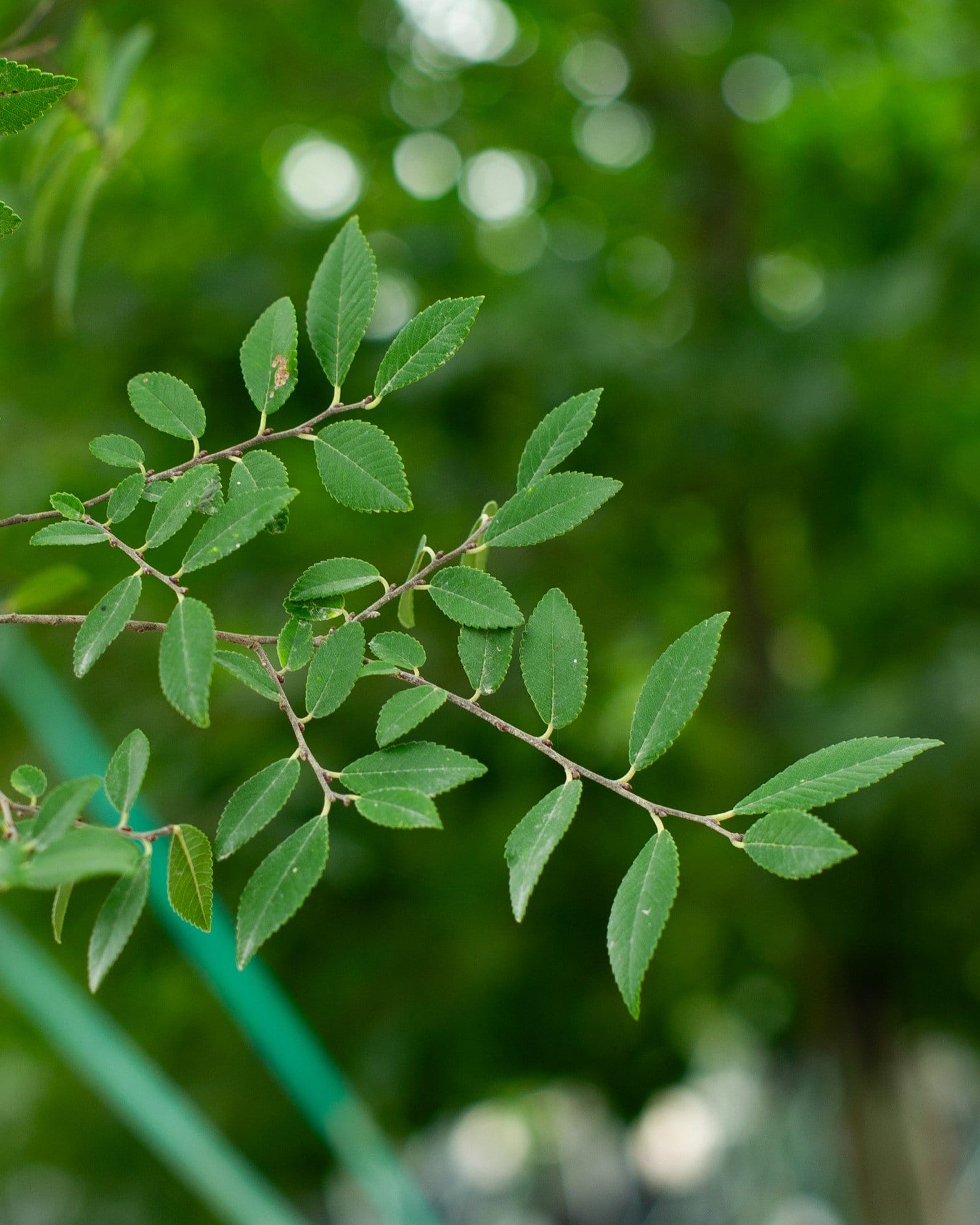
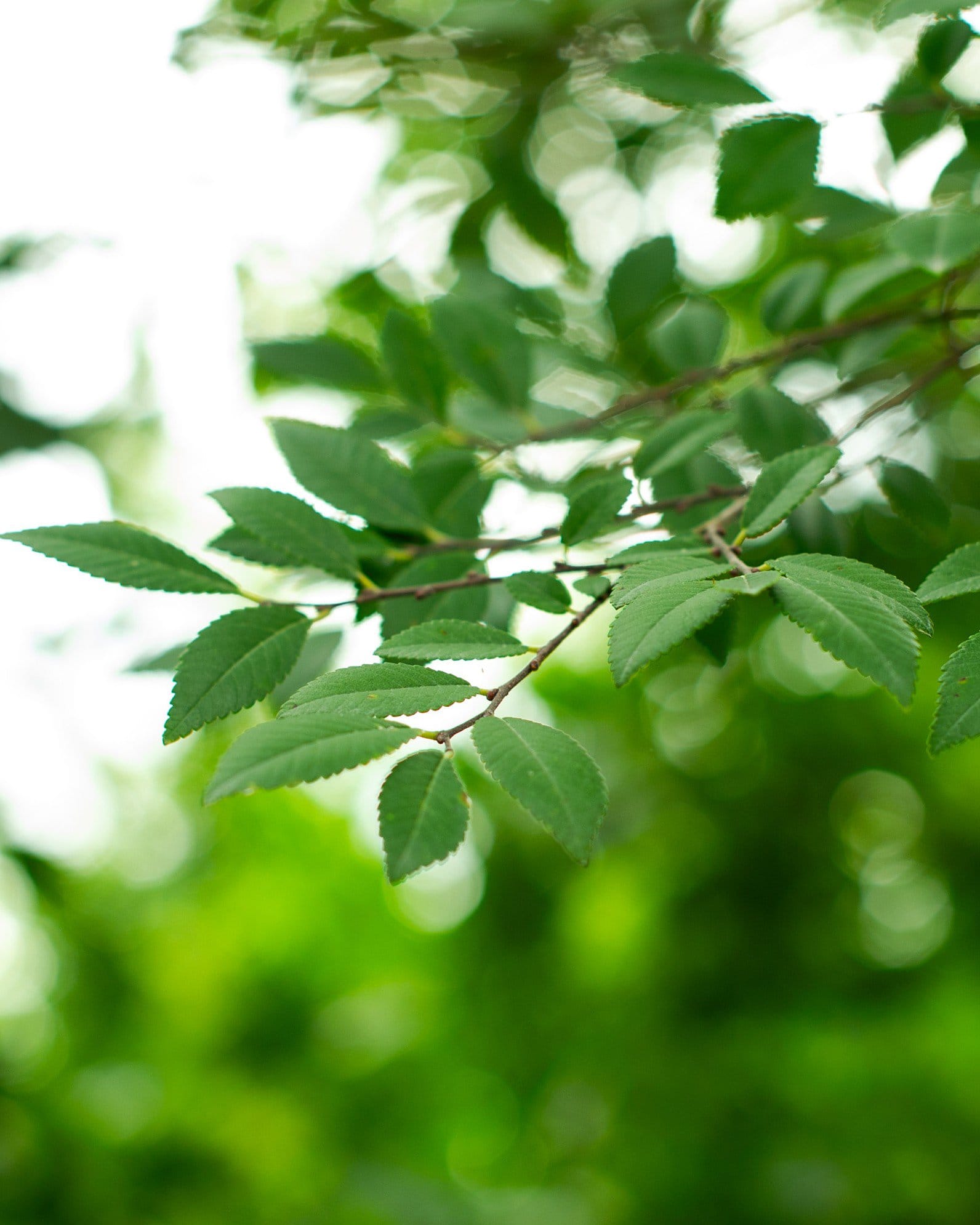
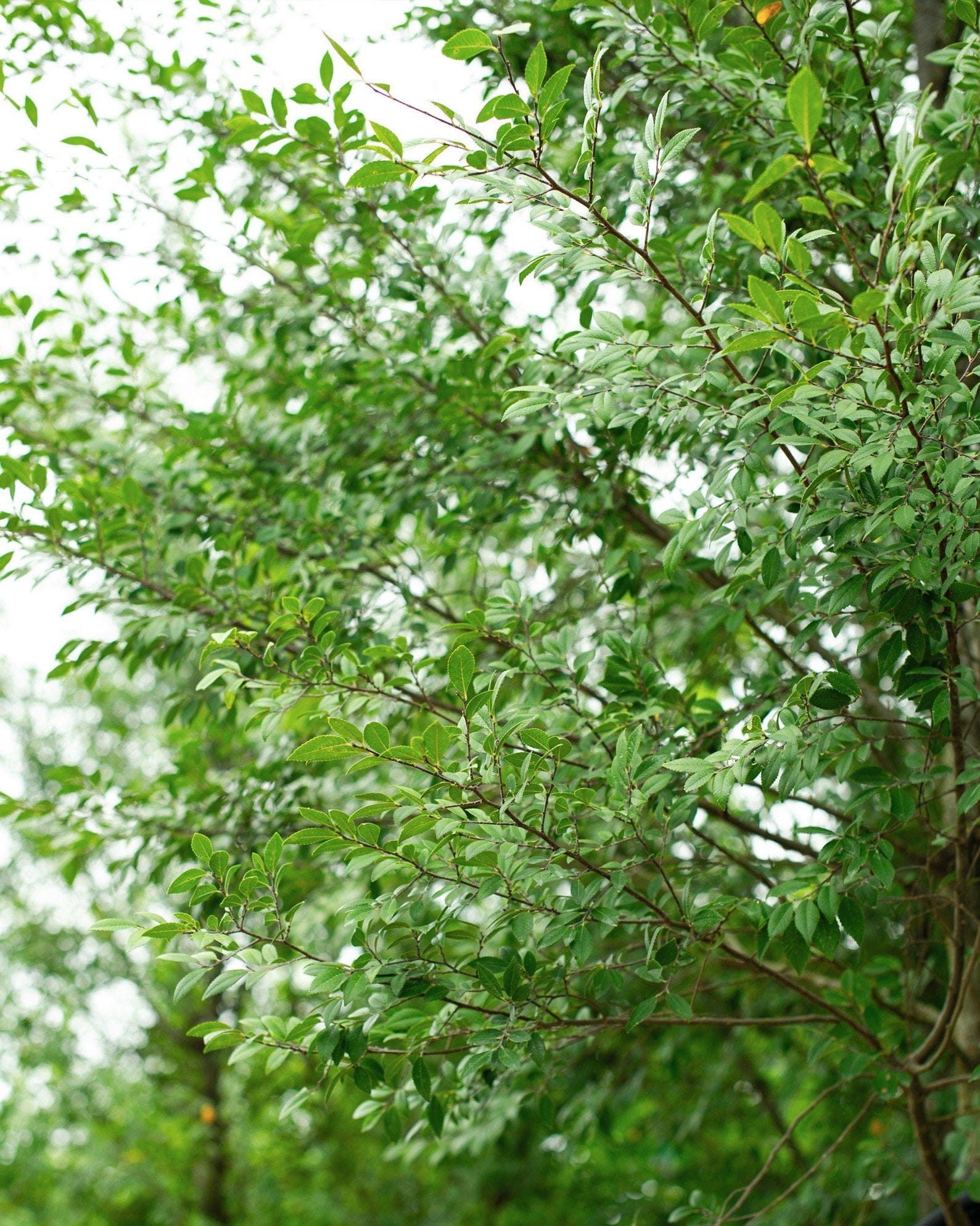
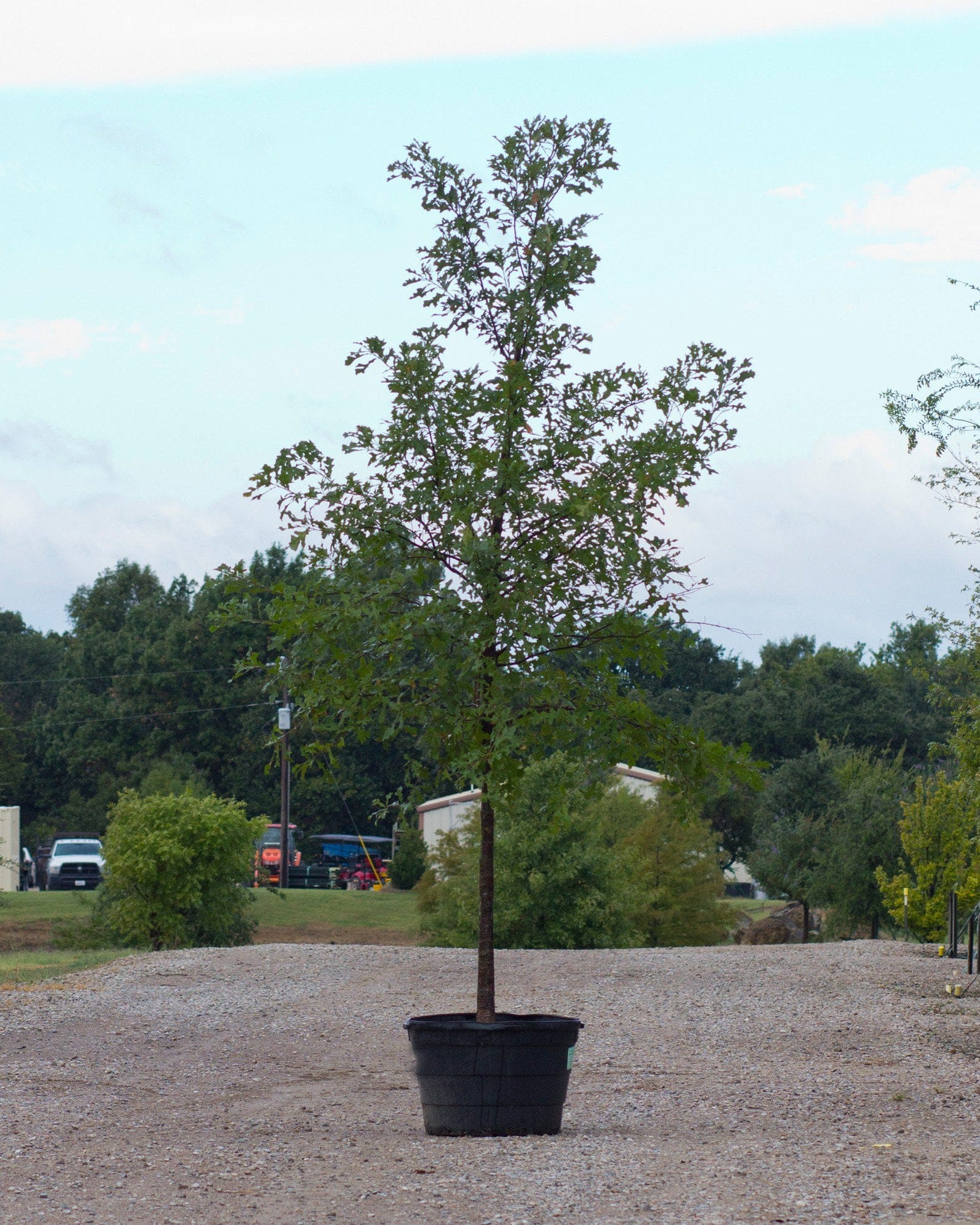
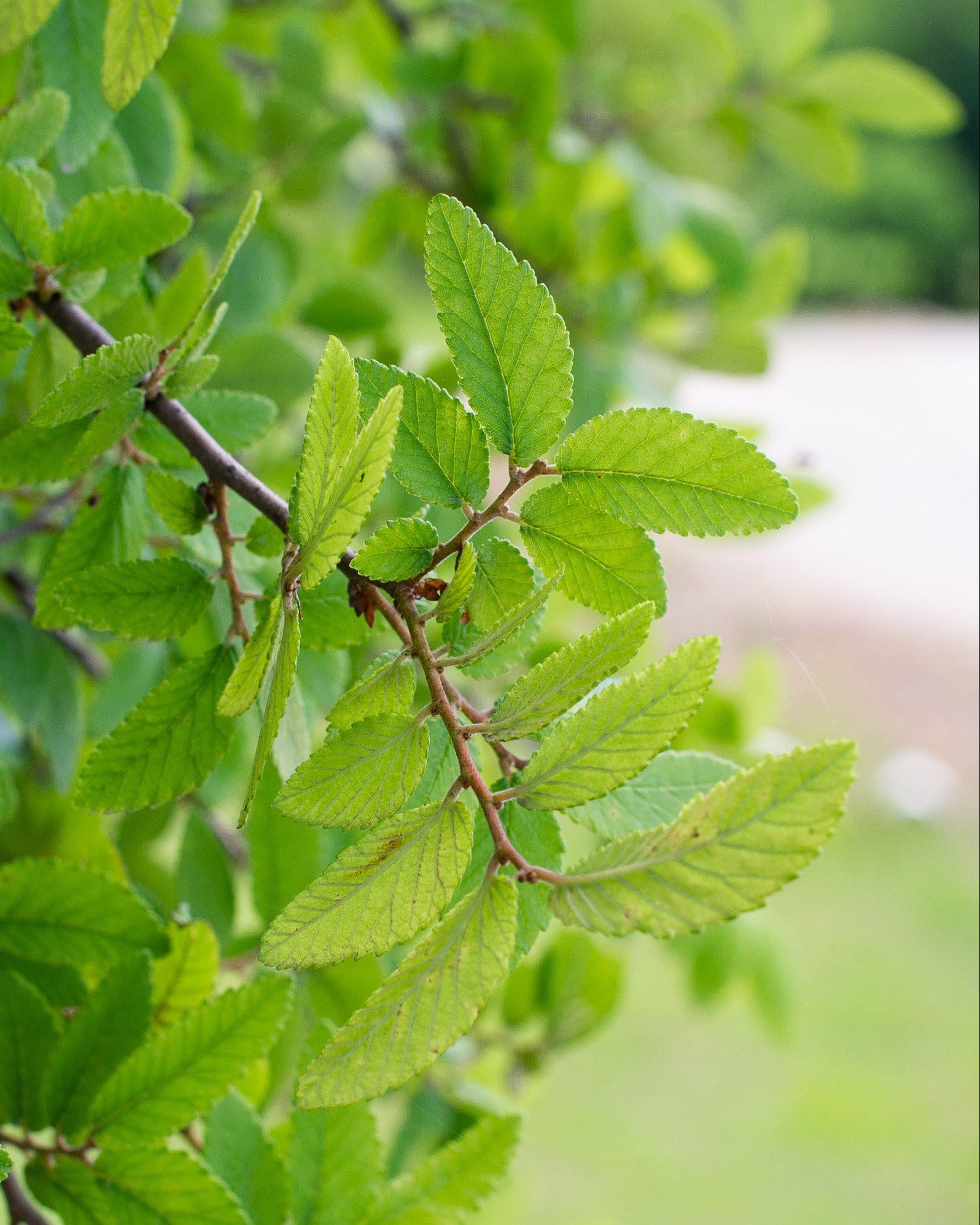
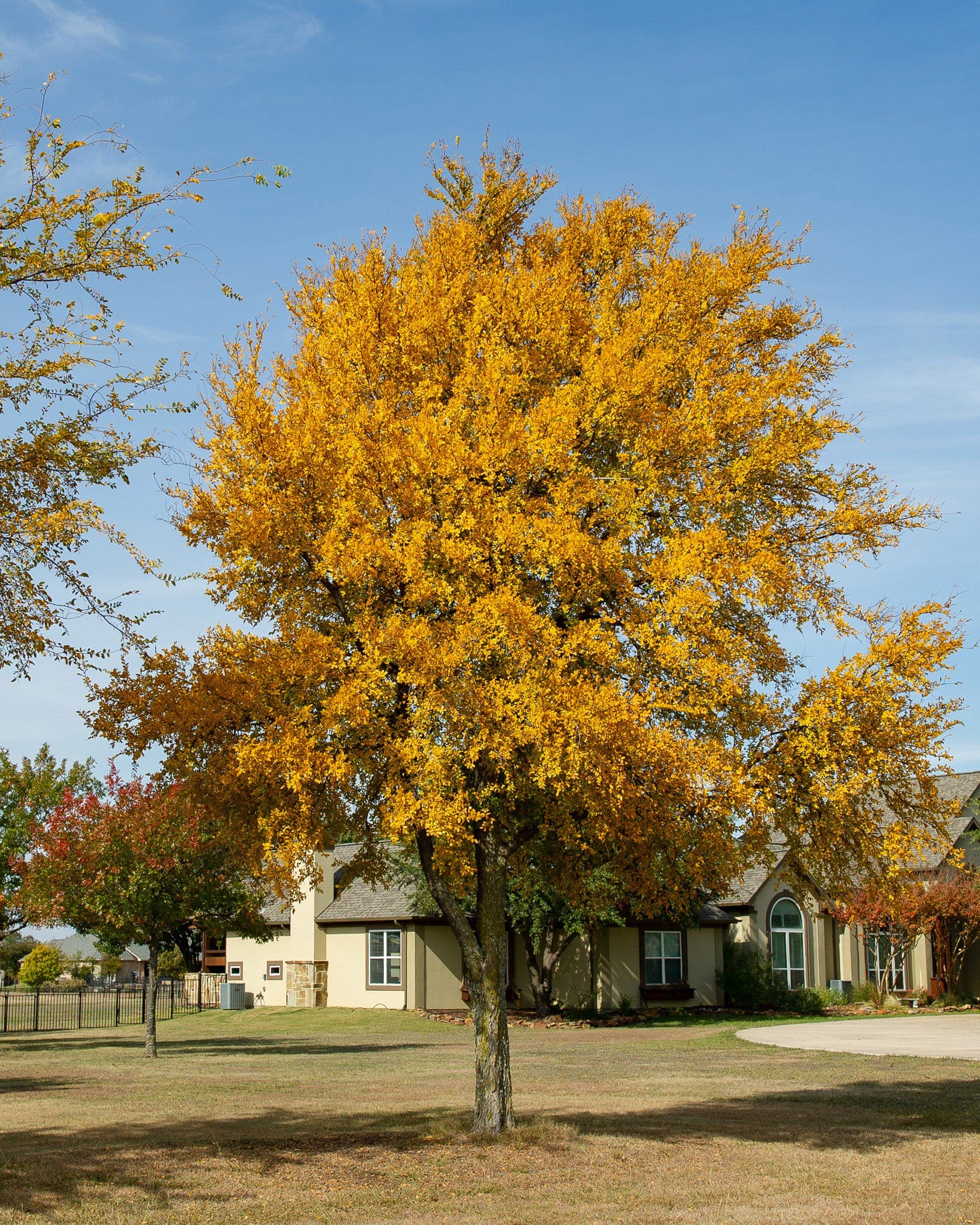
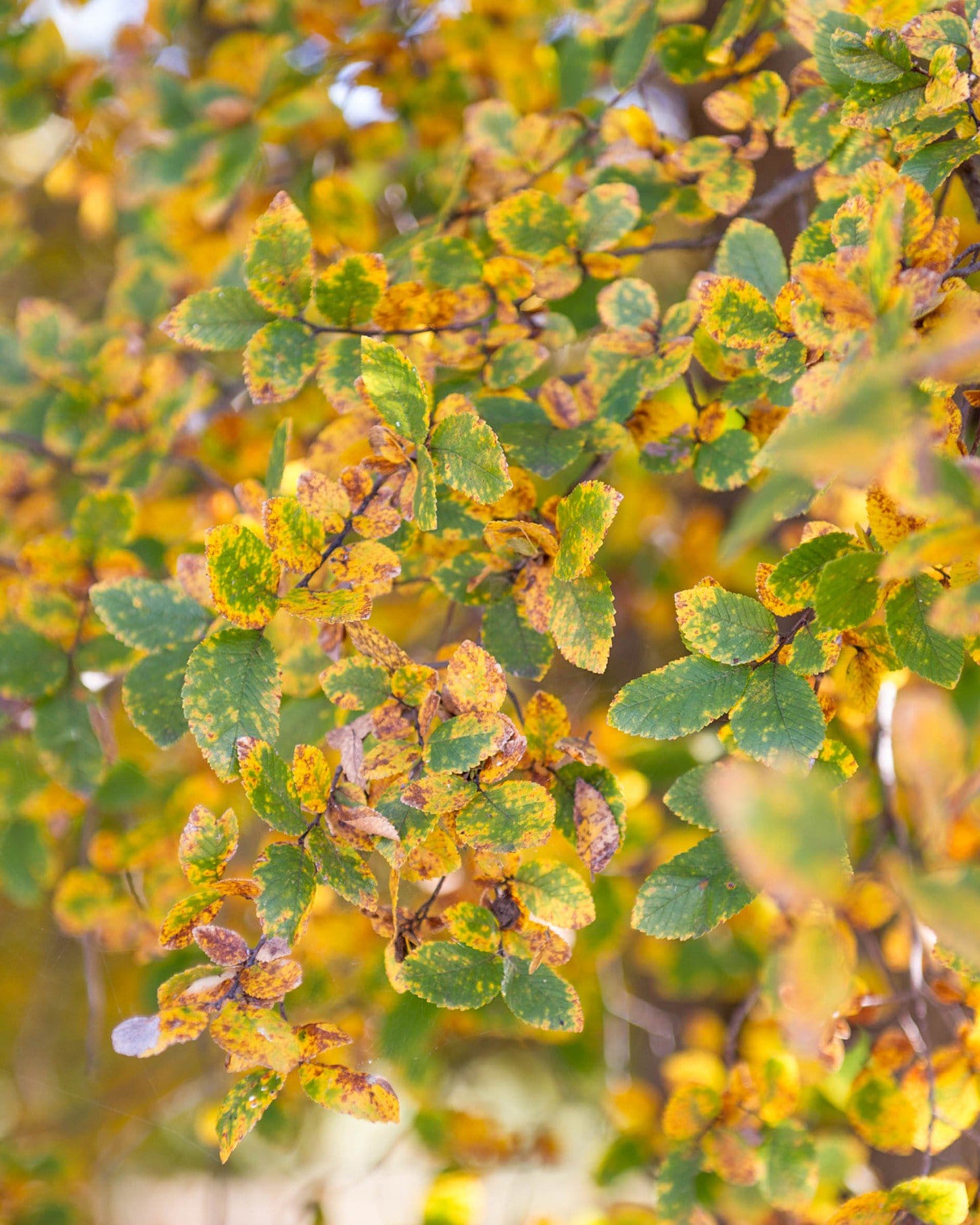
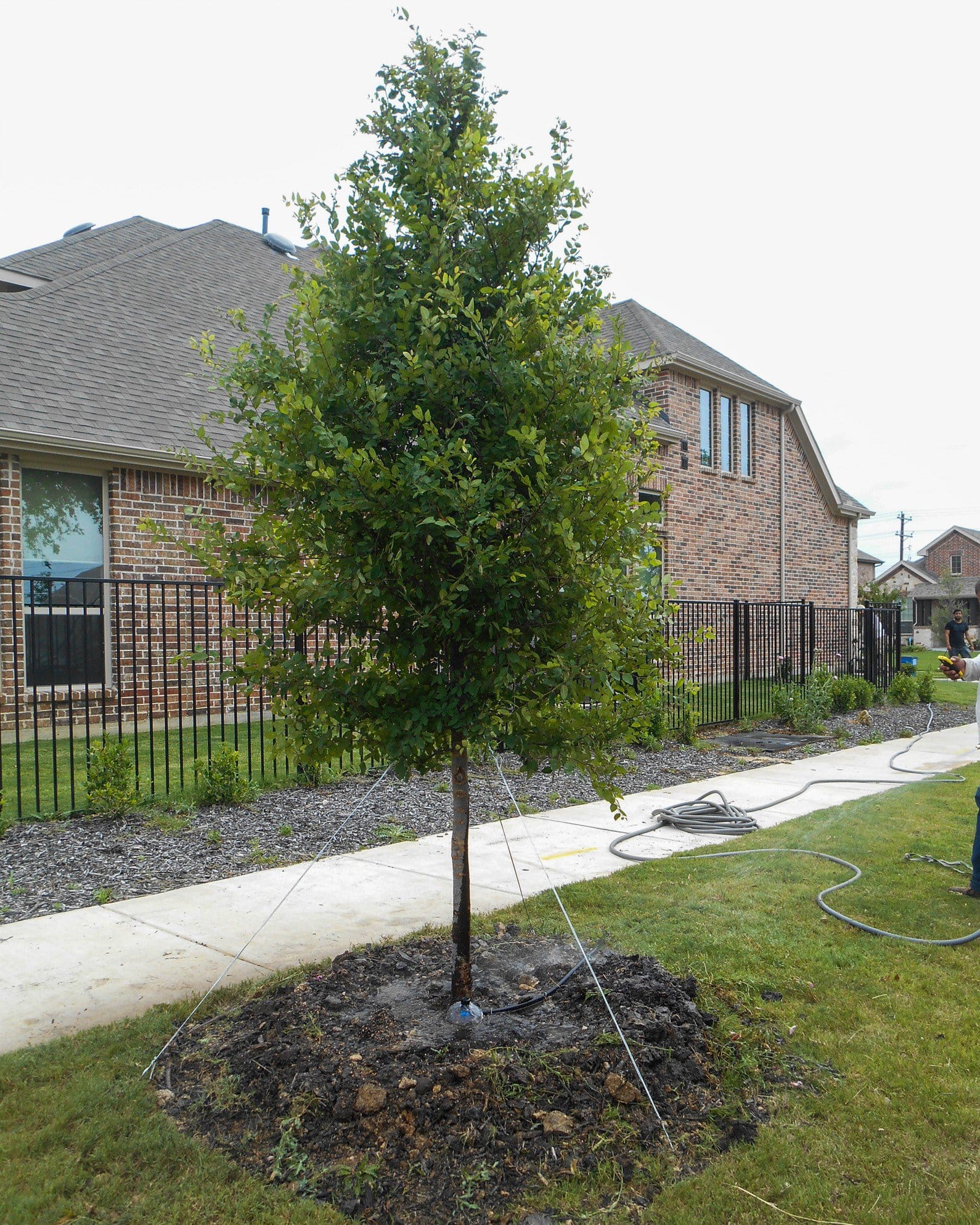
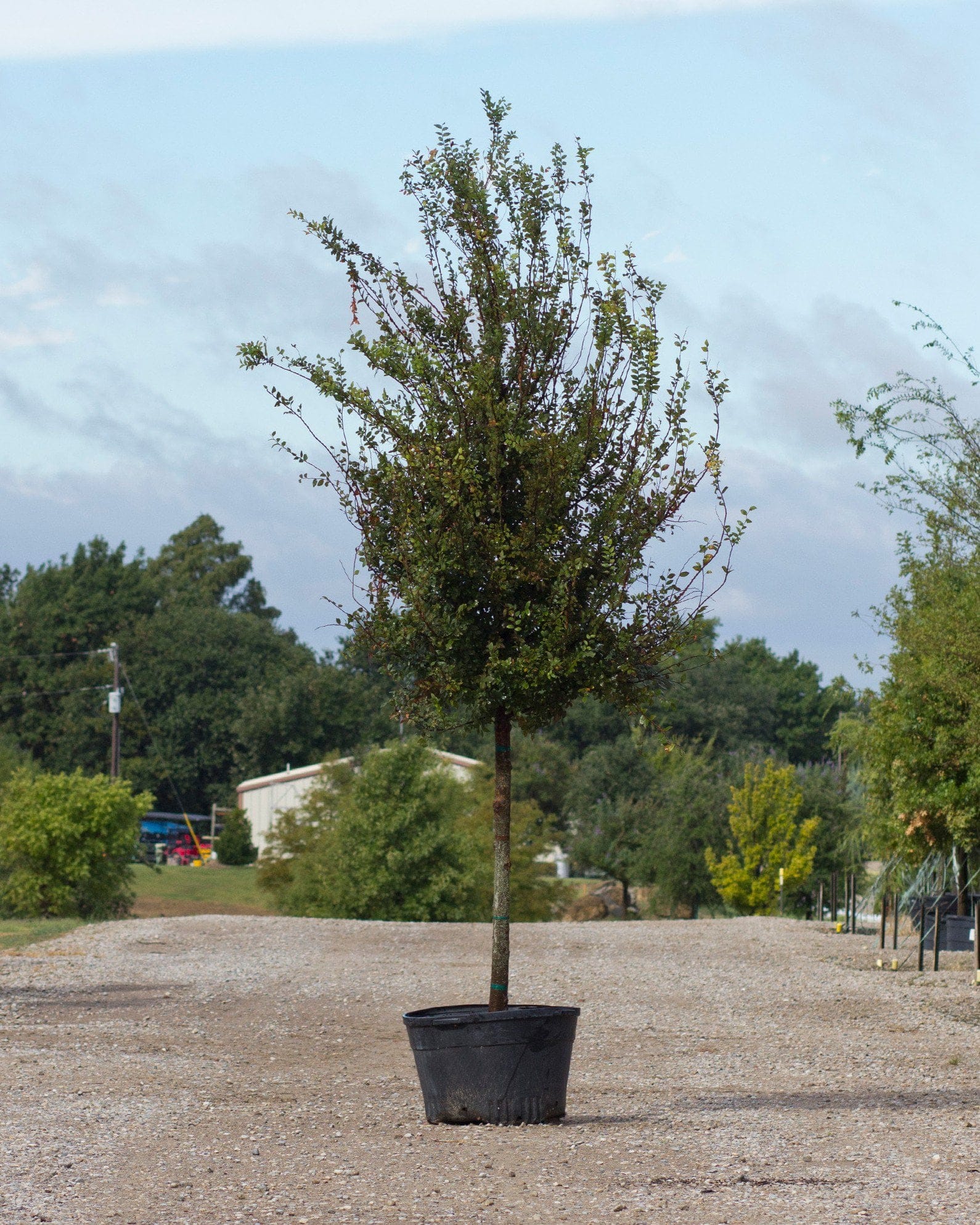
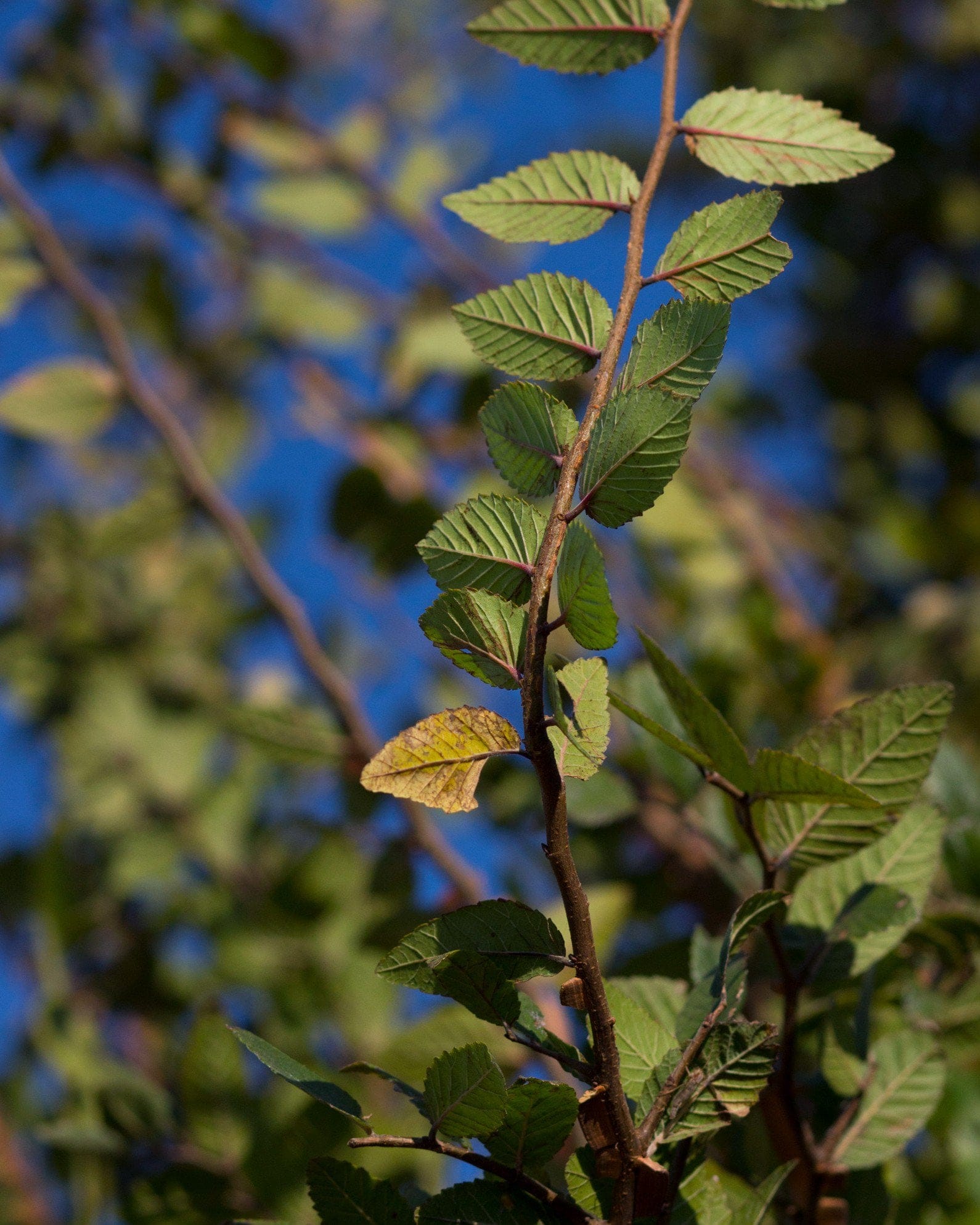
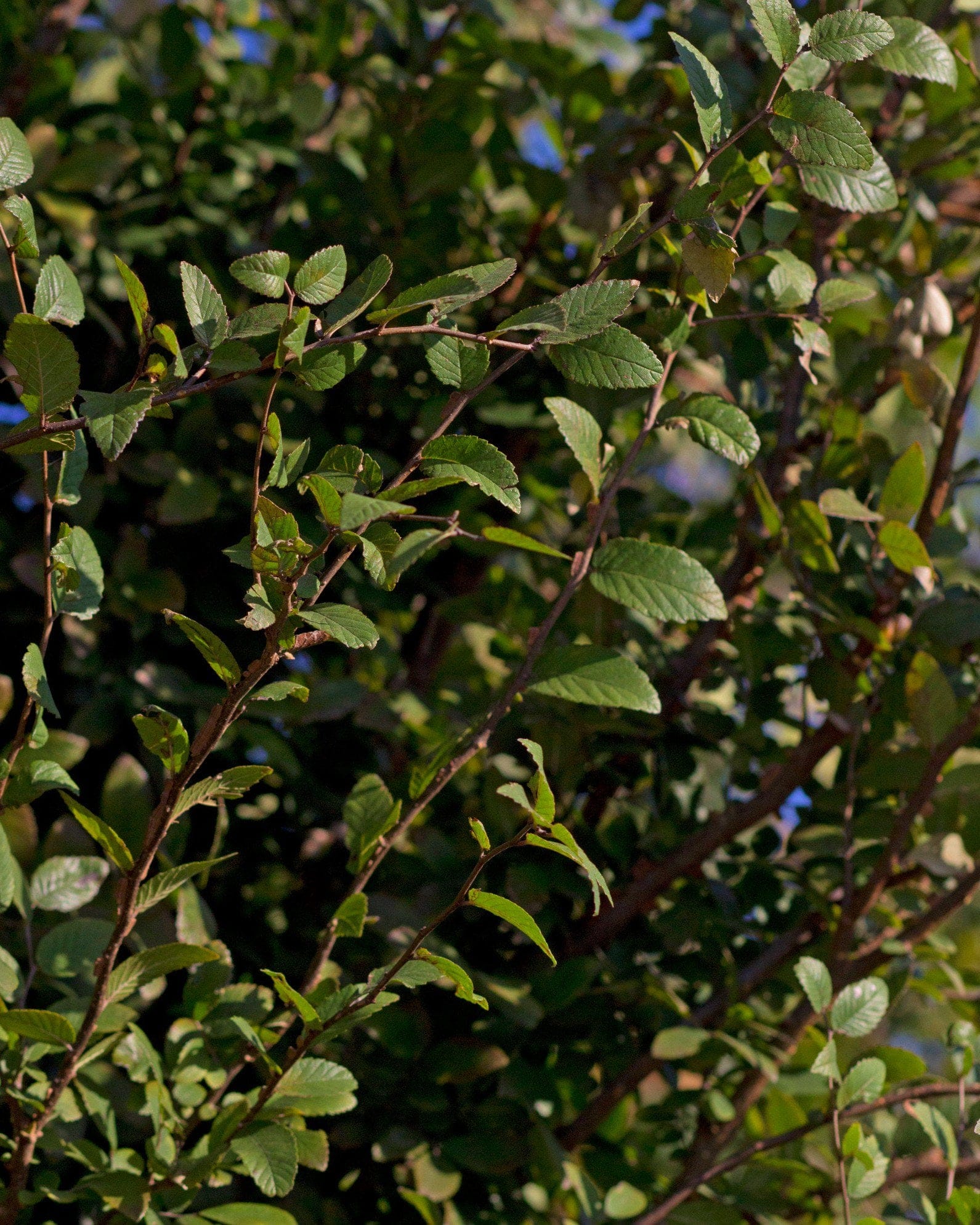
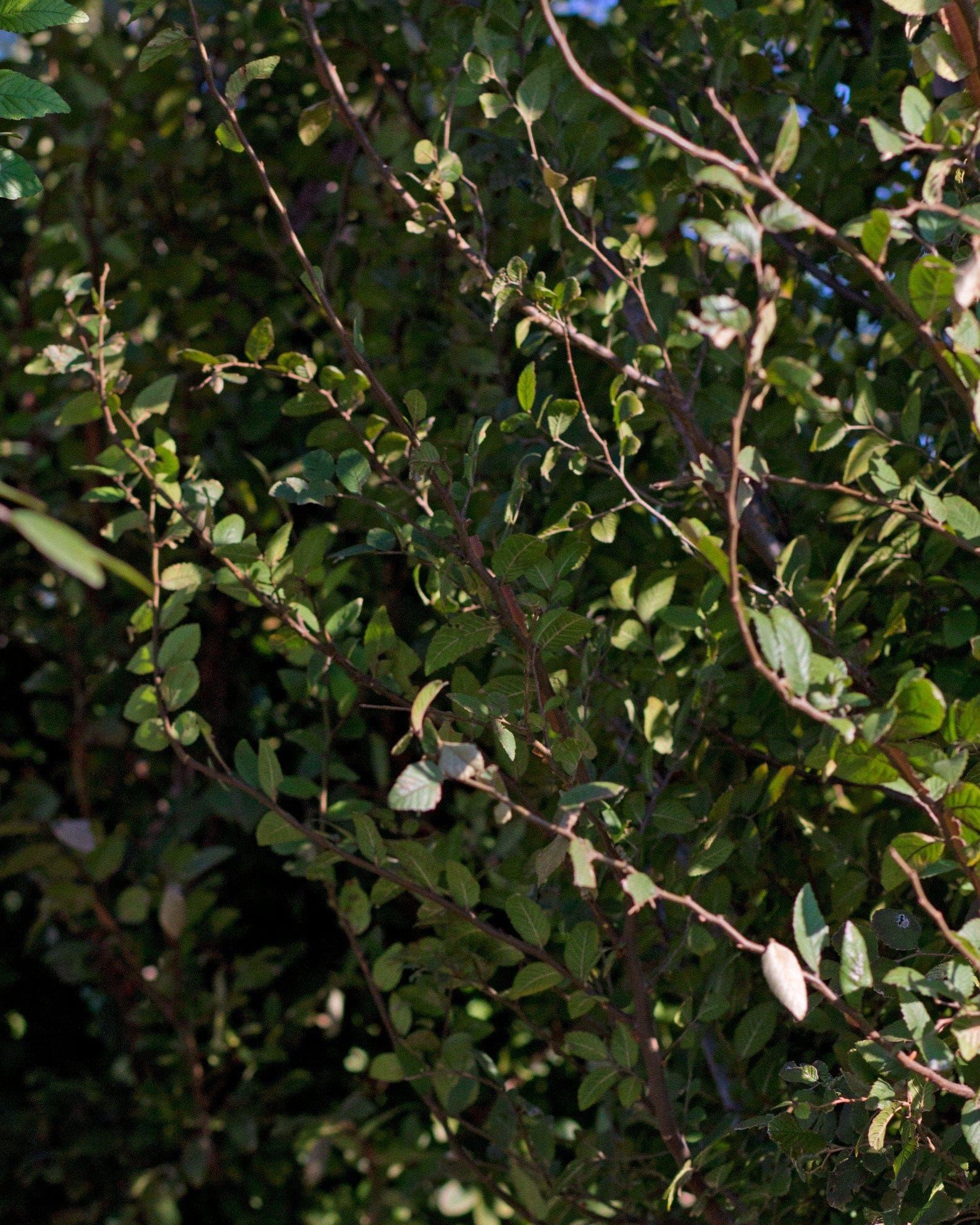
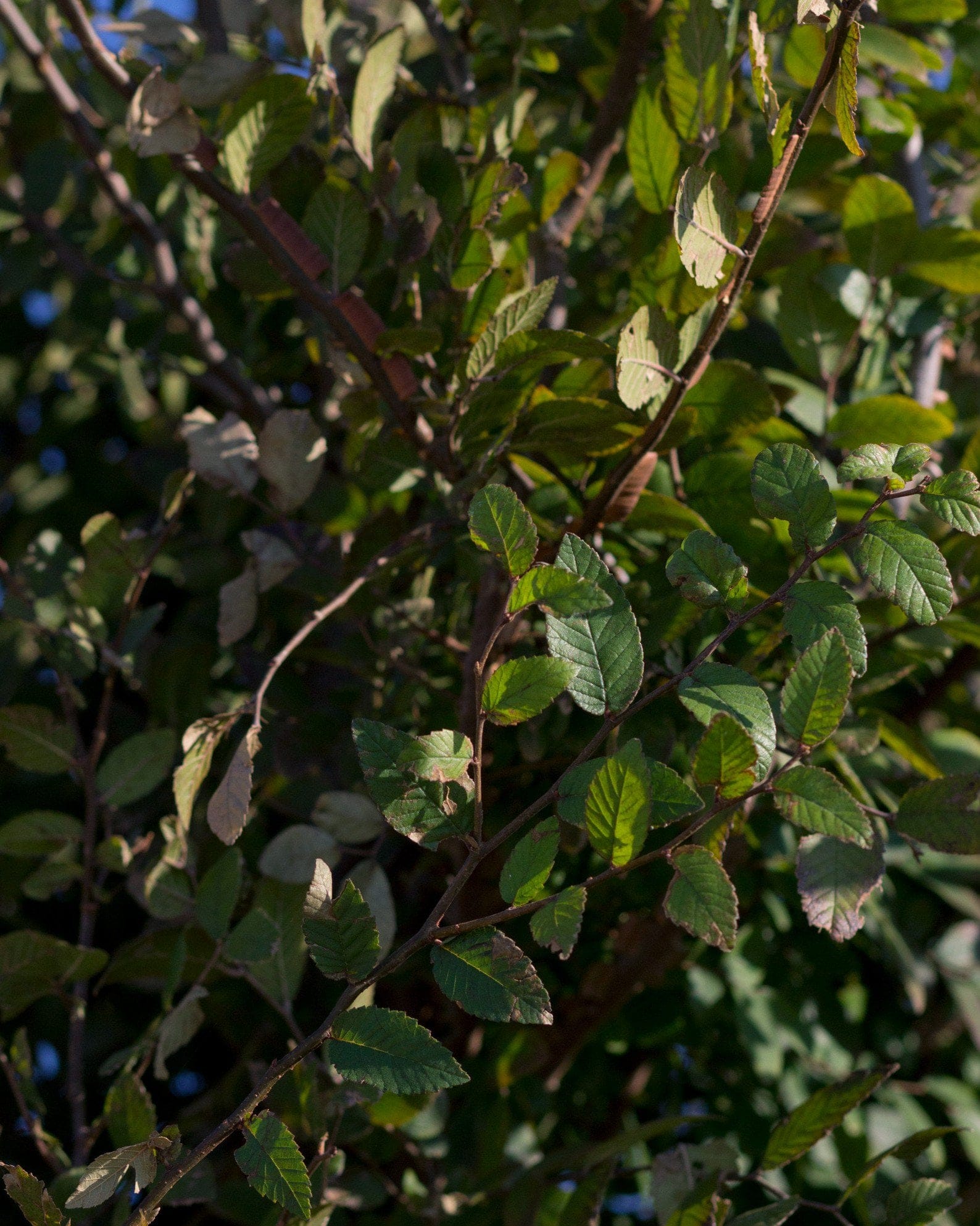
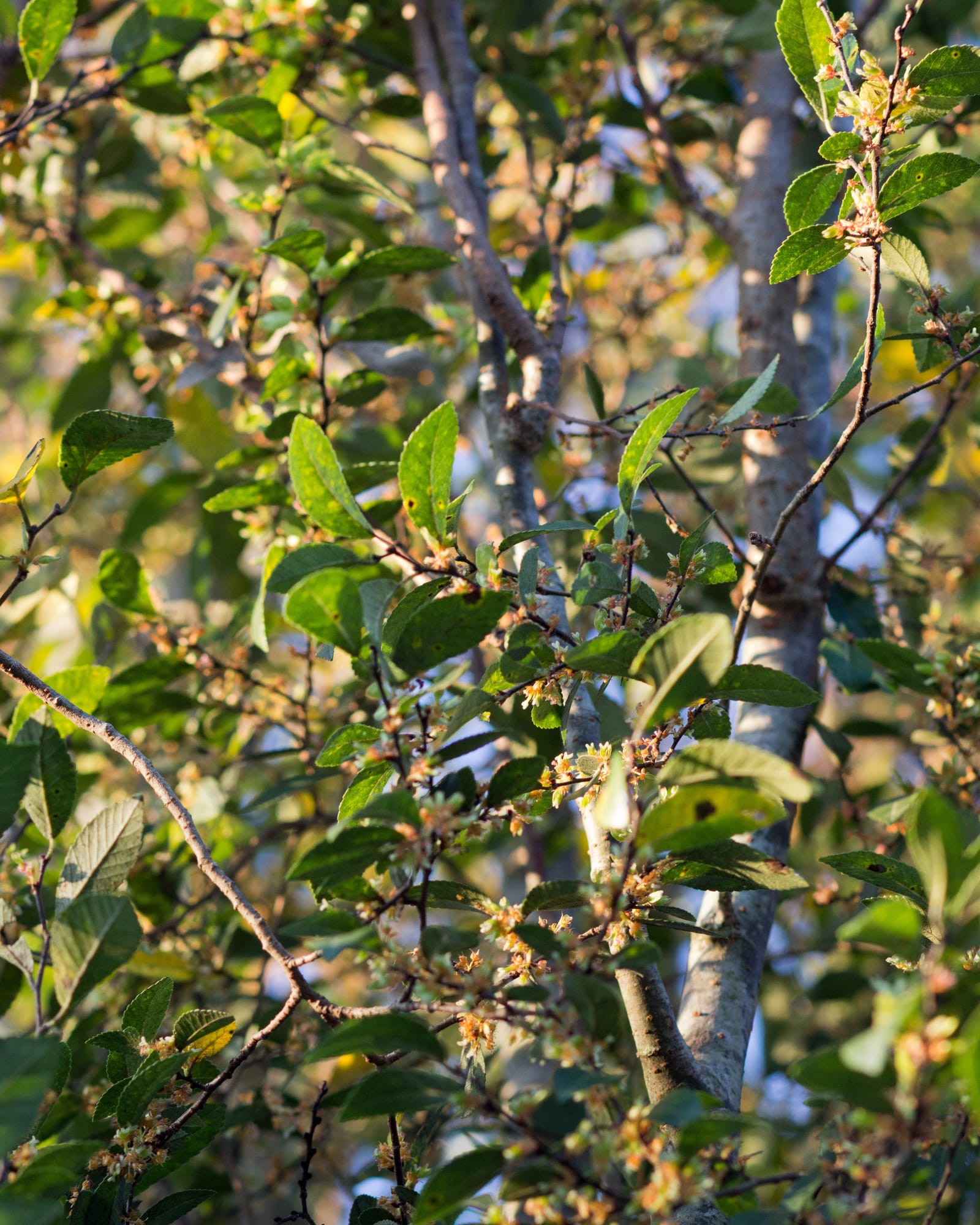
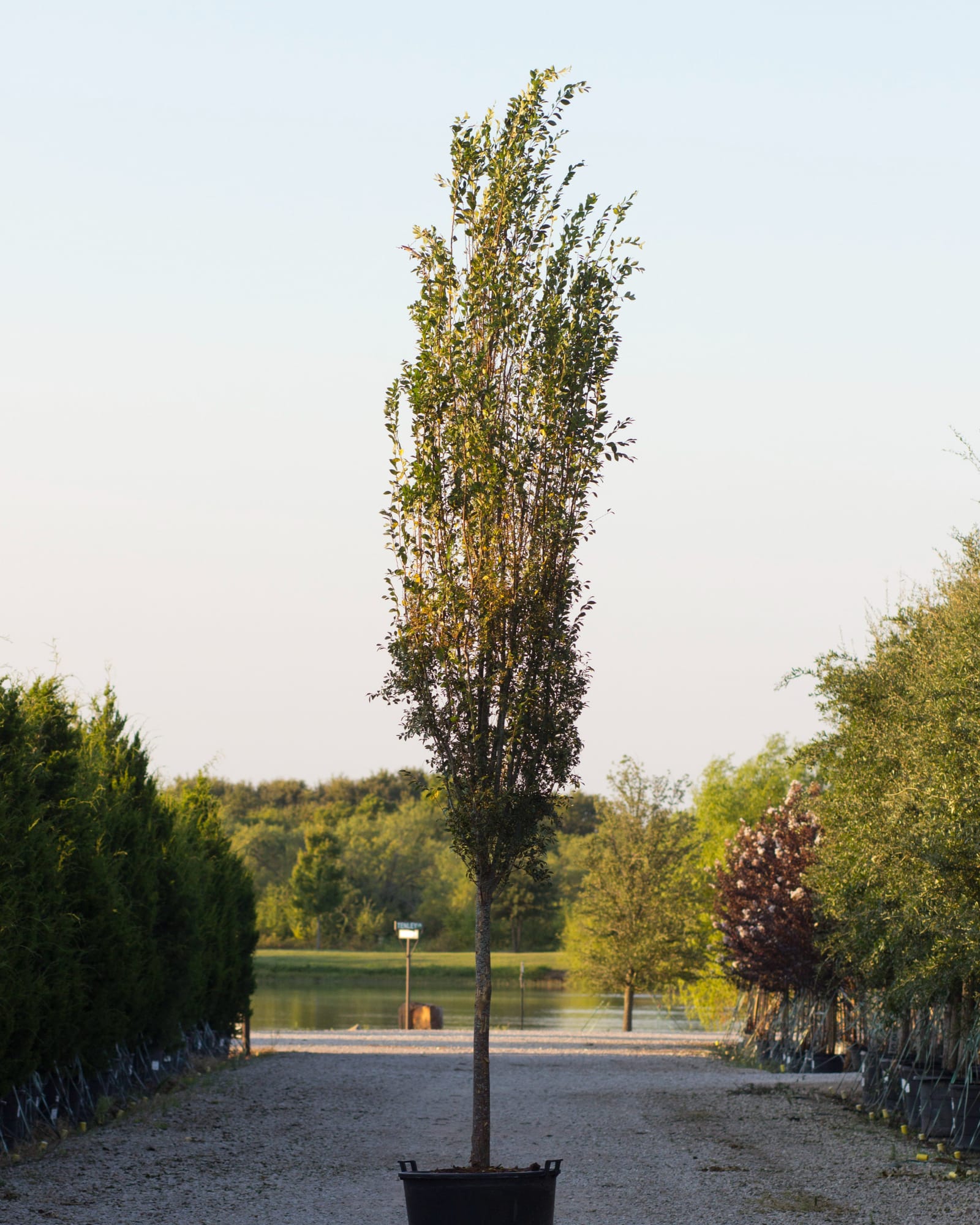
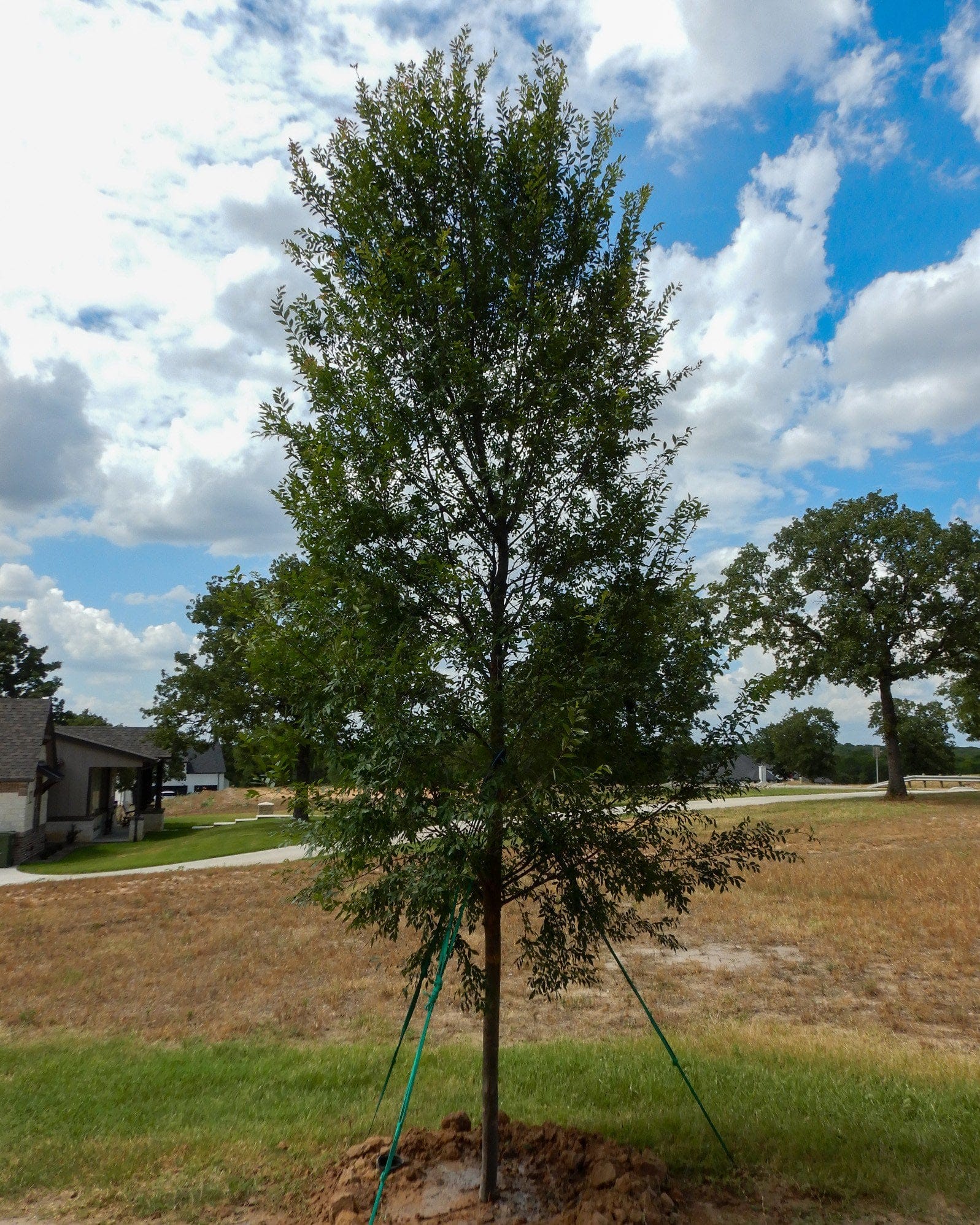
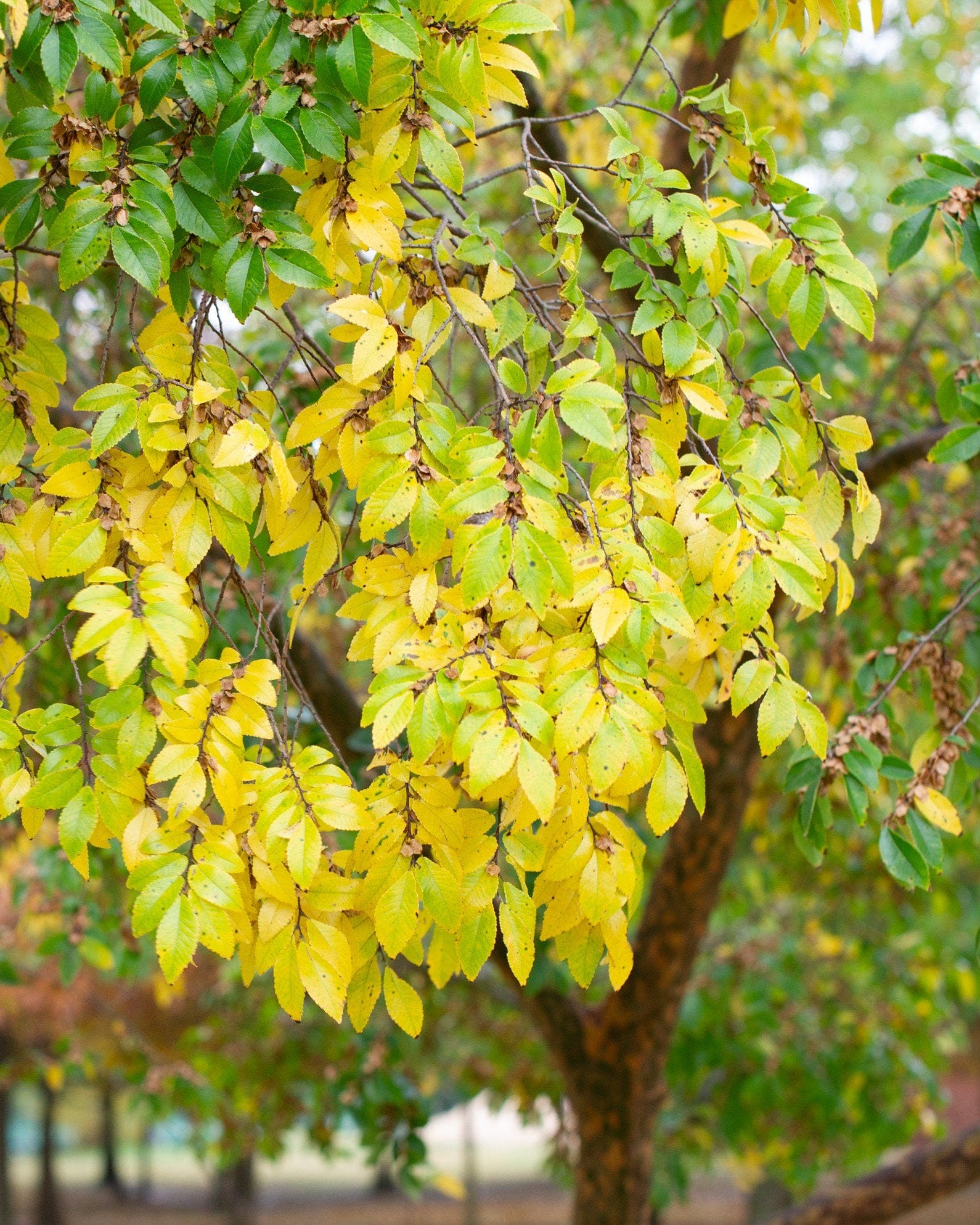
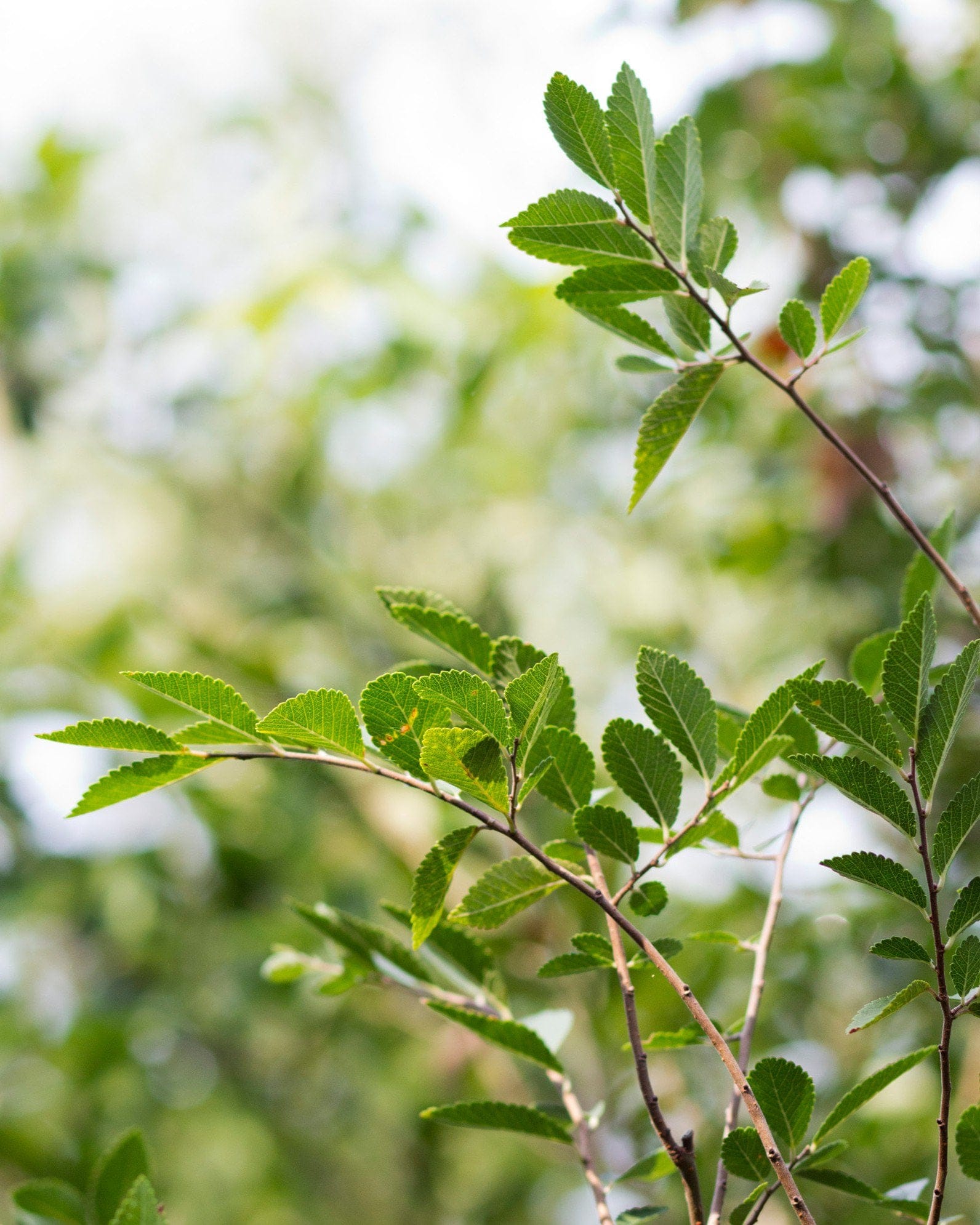
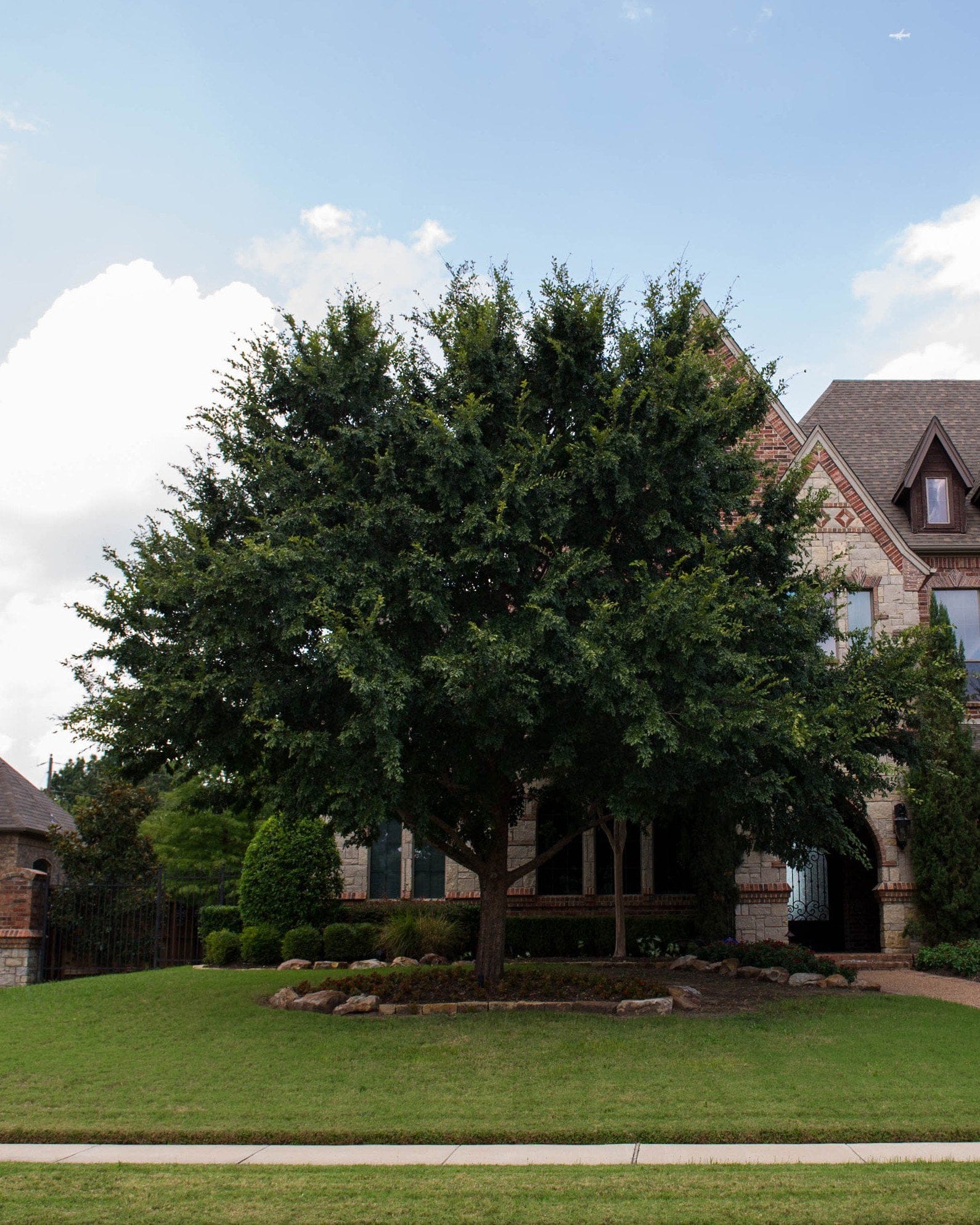
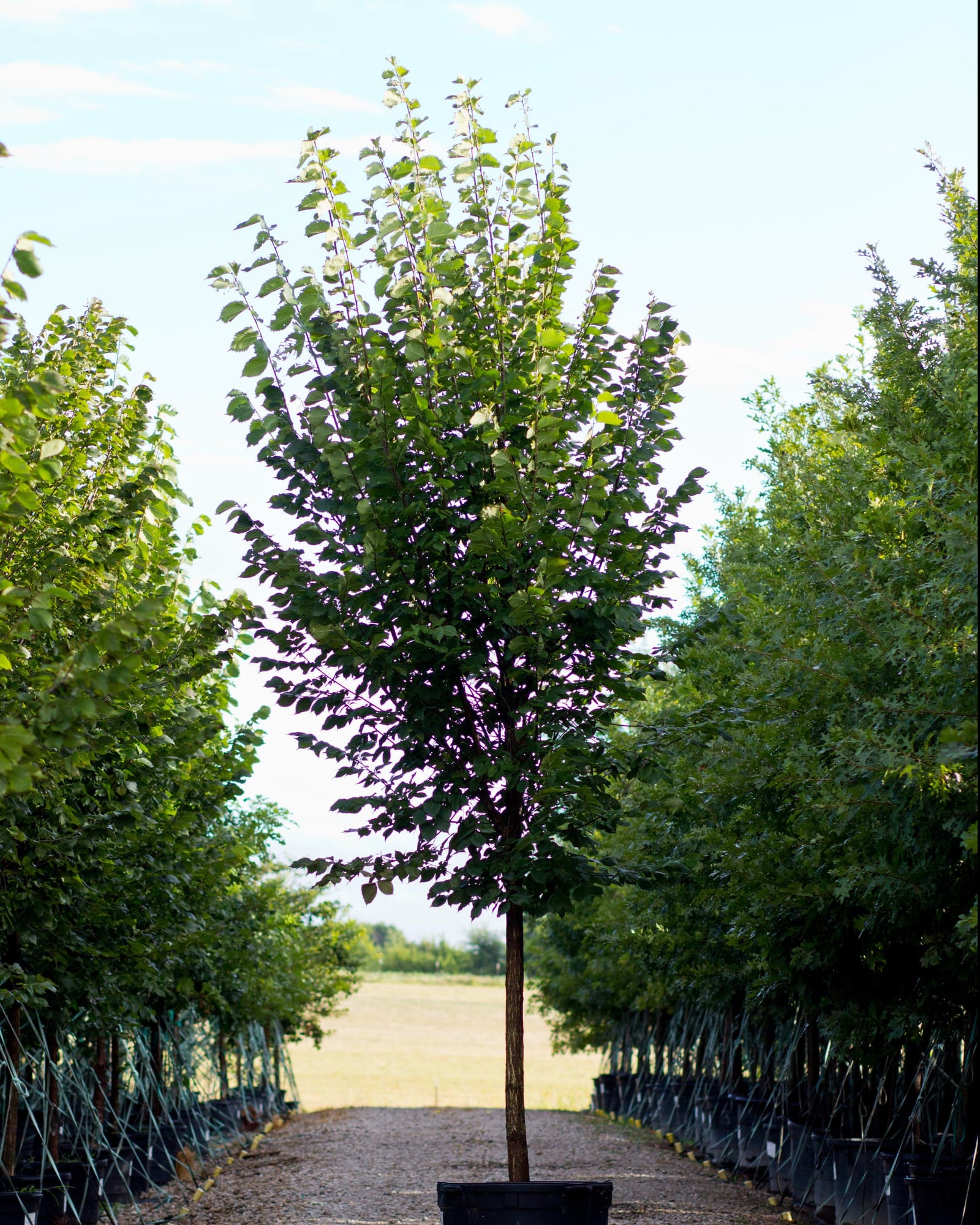
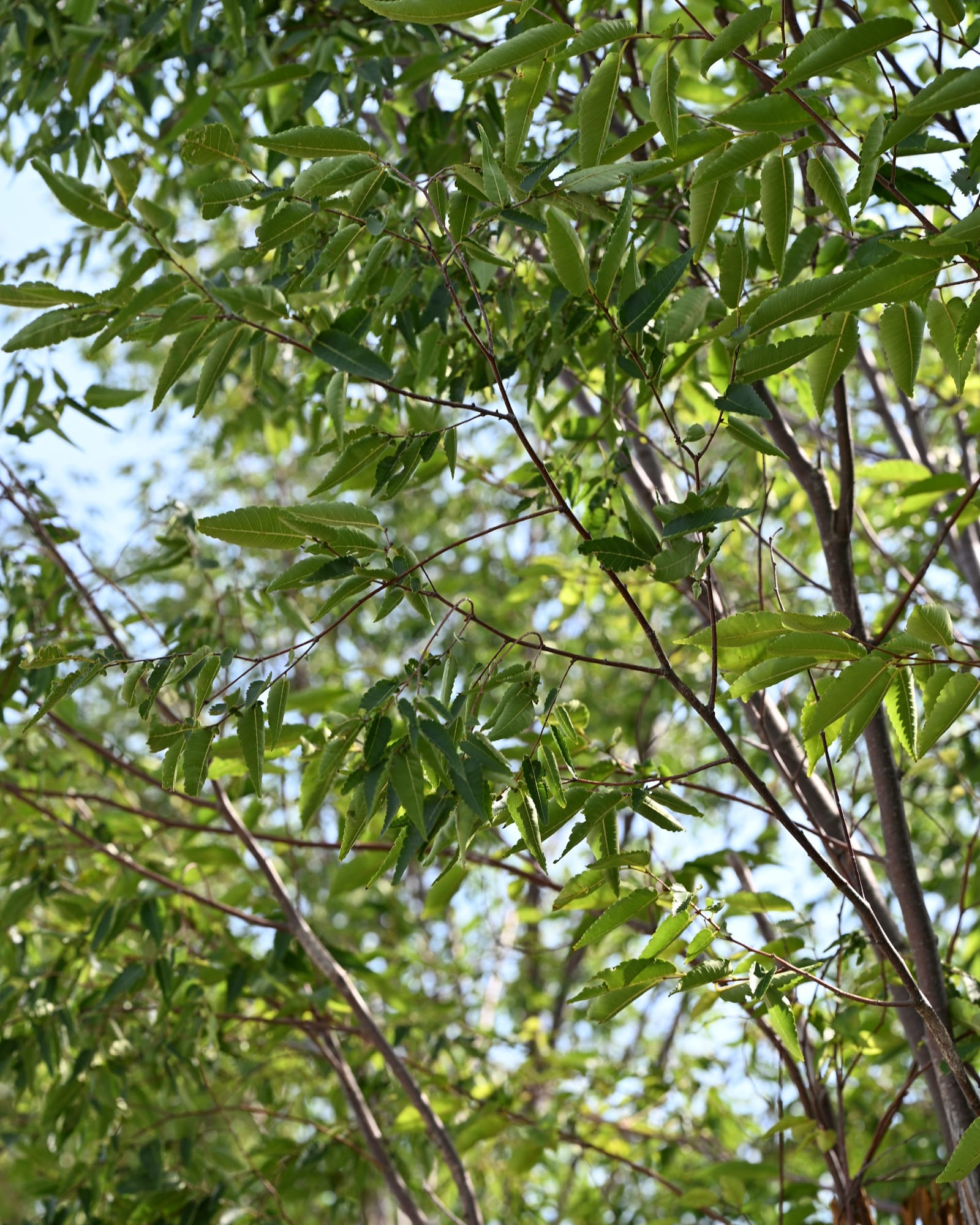
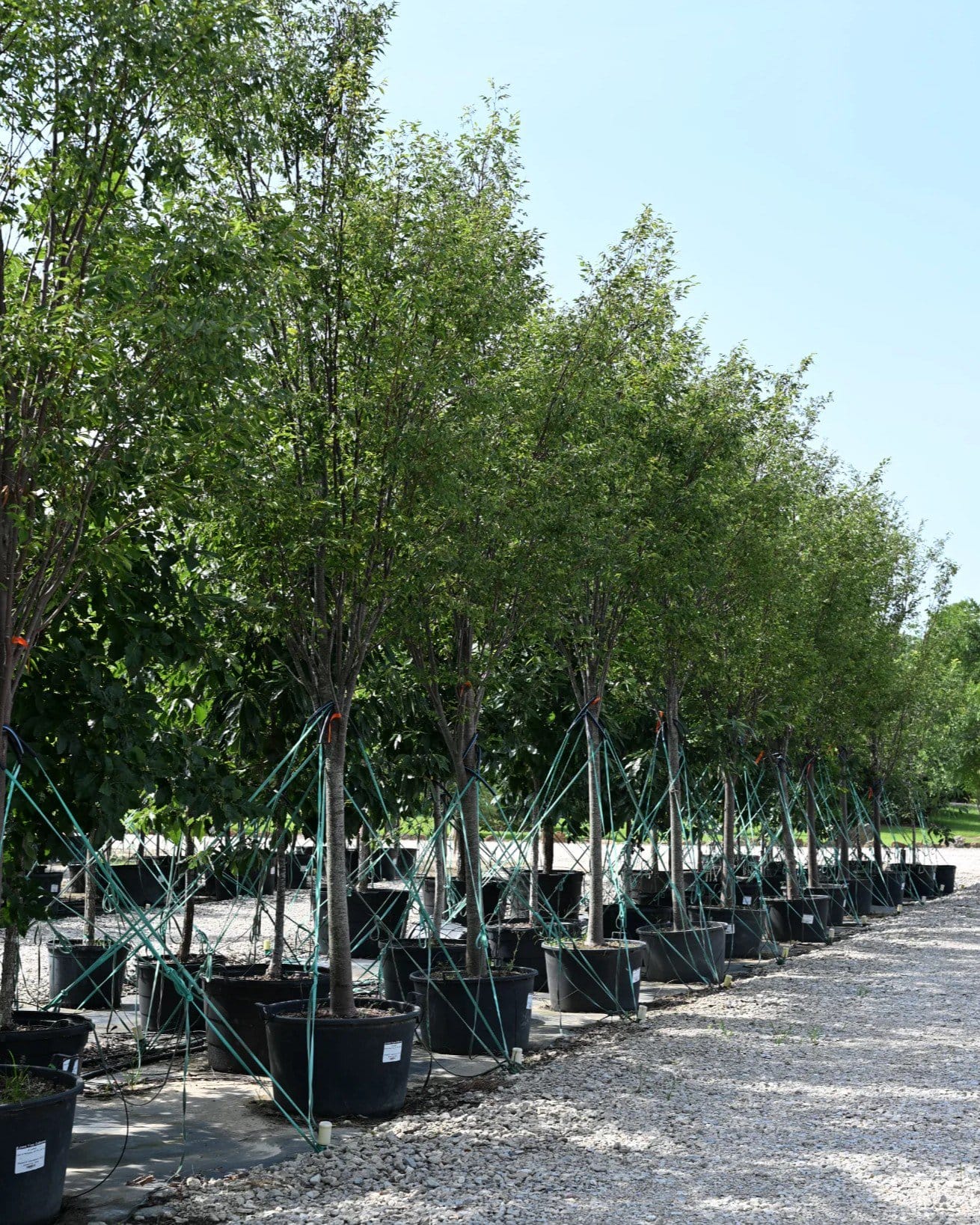
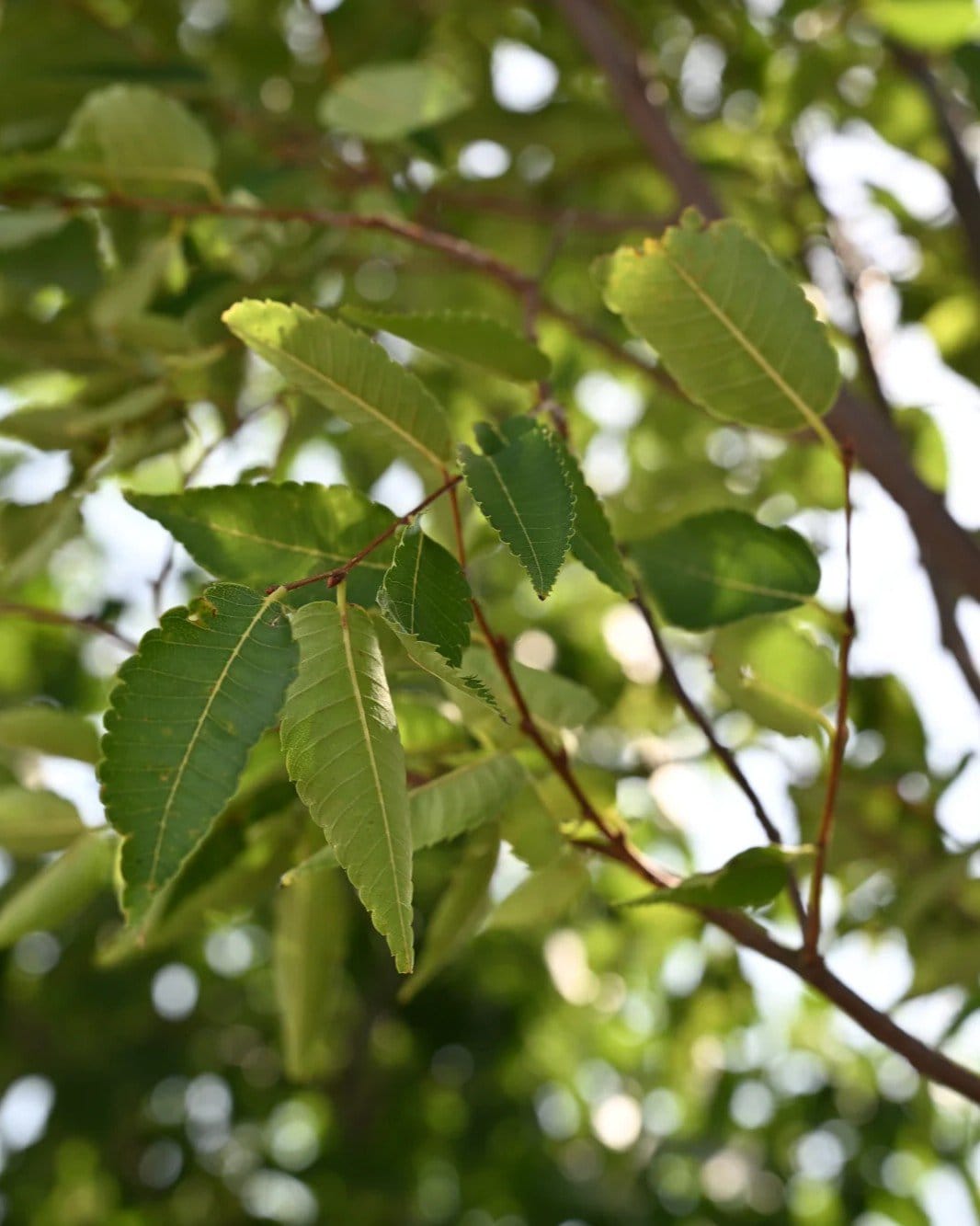
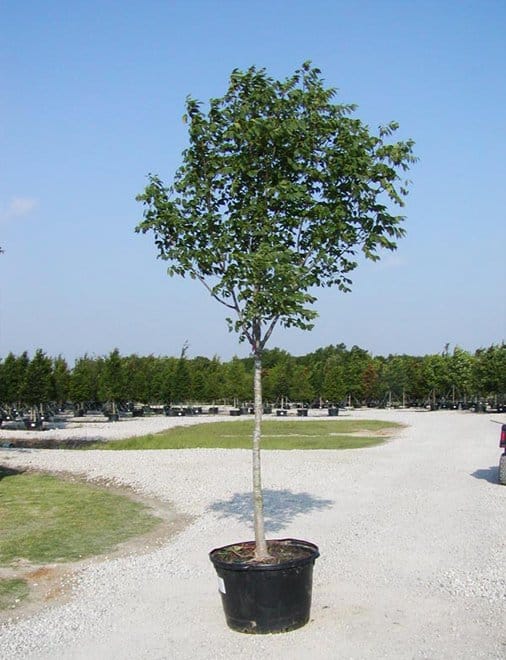
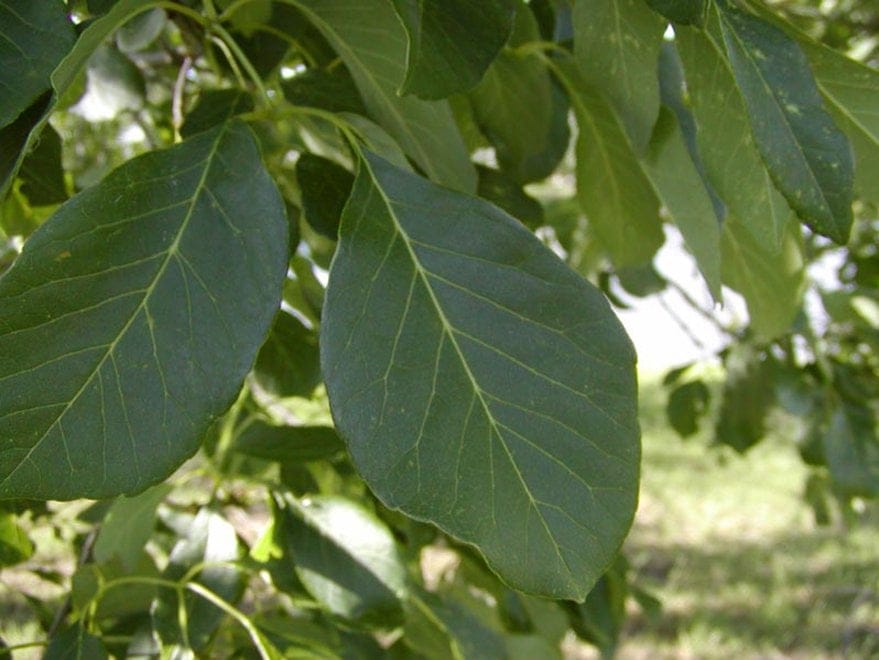
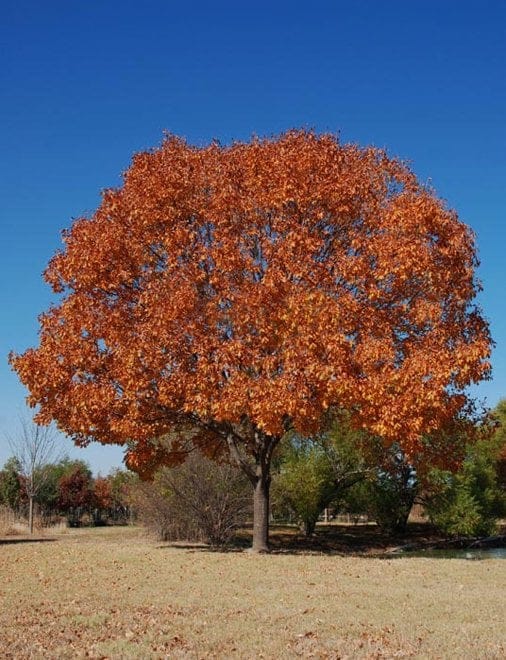
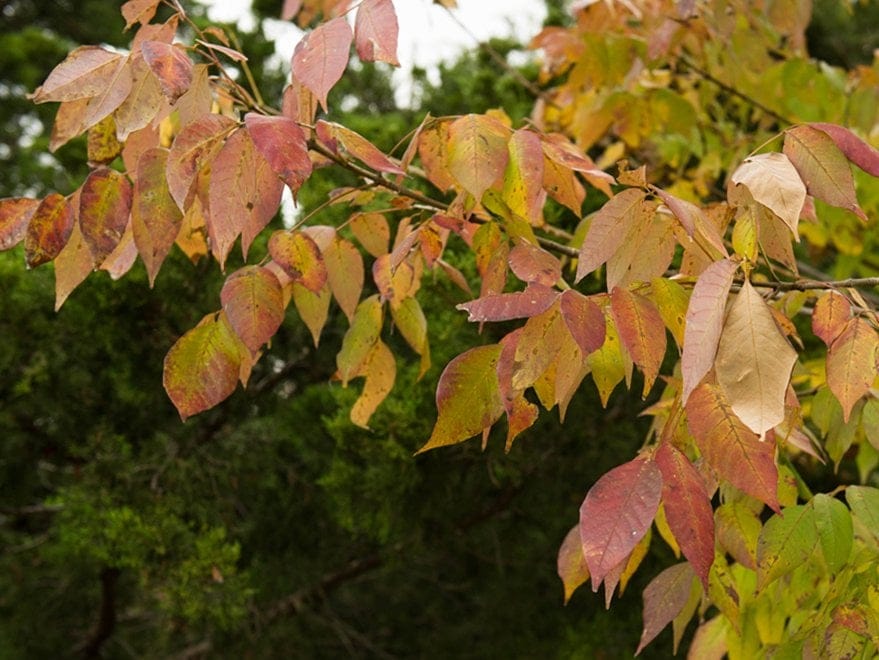
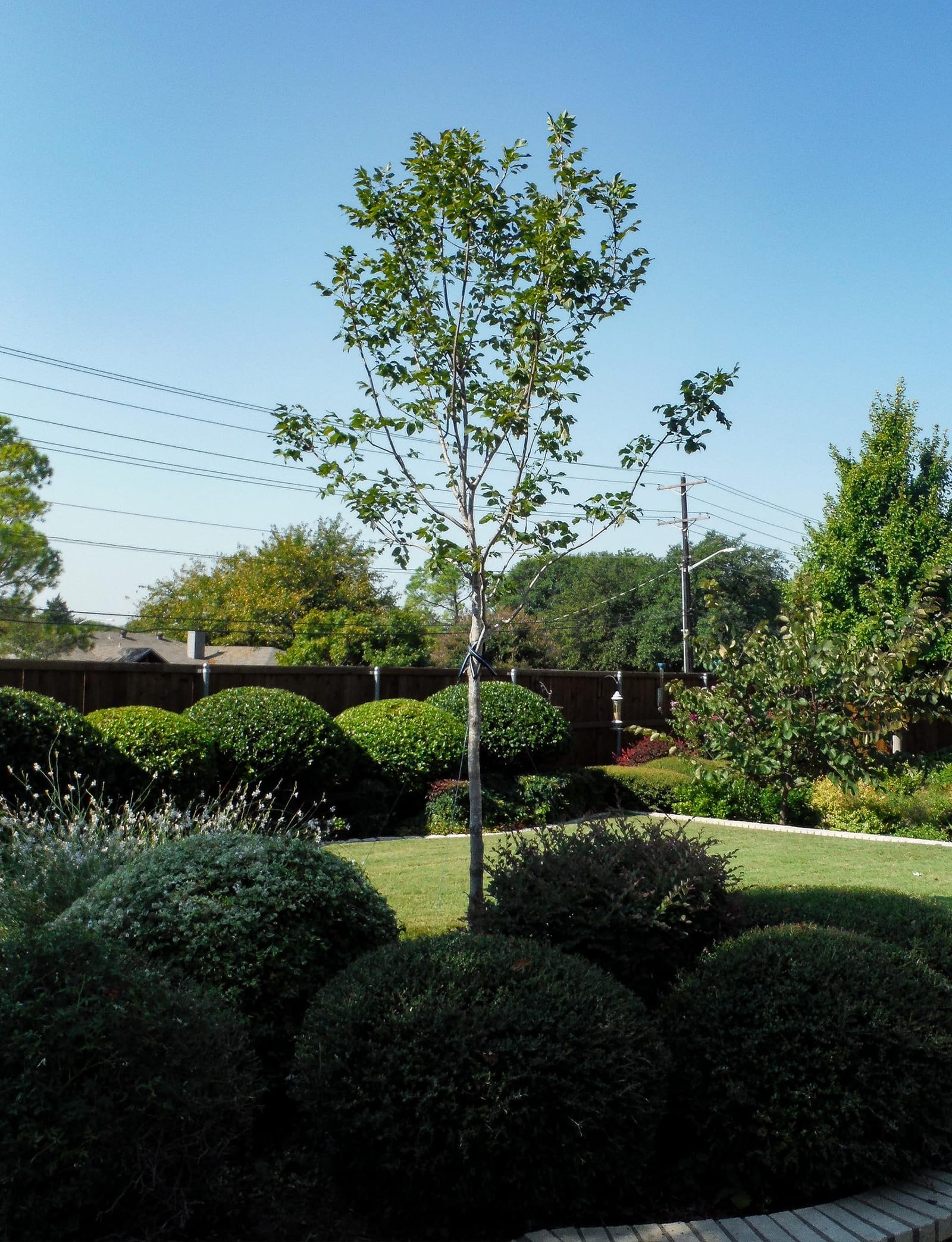
Ulmus ‘Frontier’Frontier Elm combines classic shade tree qualities with brilliant seasonal color. During the growing season, its dark green foliage creates a lush, dense canopy perfect for adding cooling shade. As fall approaches, the leaves transition to glowing shades of orange and red, adding warmth and striking contrast to the landscape. This tree matures to about 40 feet in height with a broad, rounded canopy spreading to around 30 feet wide, making it an ideal choice for spacious yards, parks, or as a street tree. Its graceful branching and consistent form offer year-round visual interest.
- A deciduous tree
- Upright, rounded growth habit
- Moderate growth rate
- Lush green foliage turning orange and red in fall
- Great for larger landscapes and shade
Hardy in zones 4–9, Frontier Elm adapts beautifully to your North Texas landscape. It thrives in full sun and prefers well-drained soil. With minimal care, this resilient tree brings both practical shade and vibrant fall color to your outdoor space.
Once established, Frontier Elm becomes notably low-maintenance and develops into a durable landscape tree that requires only modest seasonal attention. This is how it thrives:
- Watering: Water regularly during the first growing season to establish a strong root system. After establishment, occasional deep watering during extended dry periods helps maintain healthy foliage and consistent growth.
- Pruning: Pruning is generally limited to removing damaged or crossing branches. Light structural pruning during late winter helps maintain balanced growth as the tree matures.
- Fertilizing: Fertilizer is rarely necessary in average soils. If growth appears slow, applying a balanced fertilizer in early spring can encourage stronger seasonal development.
- Mulching: Maintain a 2-3 inch mulch layer around the root zone to conserve soil moisture and moderate soil temperature. Keep mulch slightly away from the trunk to prevent excess moisture accumulation.
- Winter Care: Established trees tolerate seasonal cold within their growing zones without special protection. Younger trees benefit from mulch around the root zone during their first winters to help stabilize soil temperatures.
Frontier Elm is generally resilient and resistant to several common elm problems. Occasional pests or environmental stresses may still appear but are typically manageable.
- Elm Leaf Beetles: Small holes may appear in leaves as beetles feed on the foliage. Monitoring the tree and applying appropriate insect control methods helps limit damage.
- Aphids: Sticky residue on leaves may indicate sap-feeding insects. Spraying foliage with water or using insecticidal soap usually reduces populations.
- Leaf Scorch: Browning along leaf edges may develop during extended heat or drought. Deep watering during dry periods helps reduce stress.
- Minor Branch Dieback: Small twigs may occasionally fail to leaf out following environmental stress. Removing affected branches helps maintain overall tree health.
- Soil Compaction: Heavy foot traffic near the root zone may slow growth. Maintaining mulch around the base helps protect the root system.
Frontier Elm can live for many decades in favorable conditions. Mature trees often remain healthy for 70-100 years. Proper care supports long-term stability.
Growth typically averages about 18-30 inches per year. Noticeable canopy development occurs within the first decade. Full maturity generally occurs within 20-30 years.
This cultivar is valued for combining ornamental beauty with improved durability. Its refined canopy and reliable performance make it well suited for many landscapes. The tree offers both shade and visual appeal.
The tree gradually forms a broad canopy with gracefully arching branches. As the tree ages, the canopy becomes fuller and more balanced. This structure provides generous shade.
Like many elms, the tree produces small winged seeds called samaras. These seeds are lightweight and disperse easily by wind. They typically appear in modest quantities.
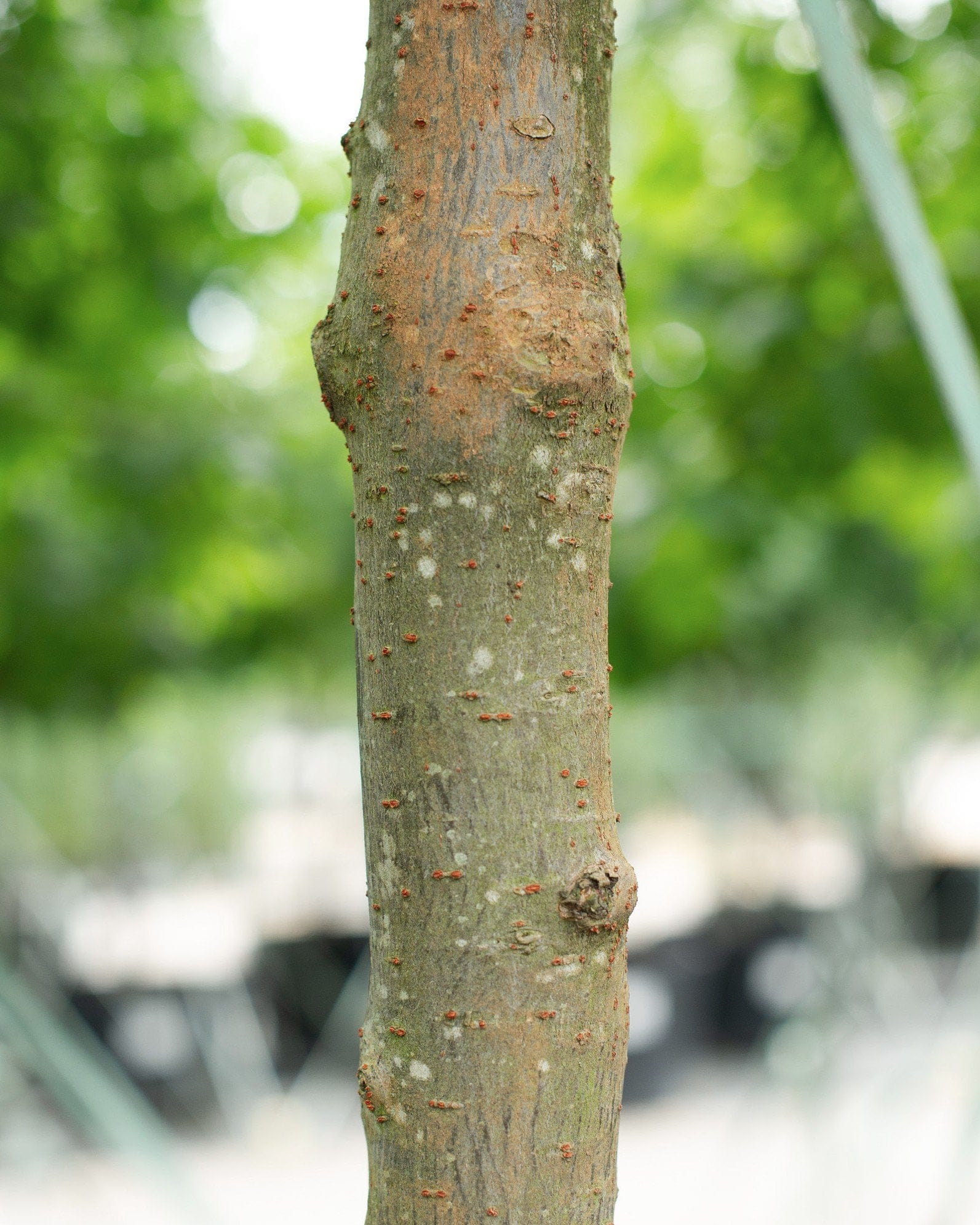
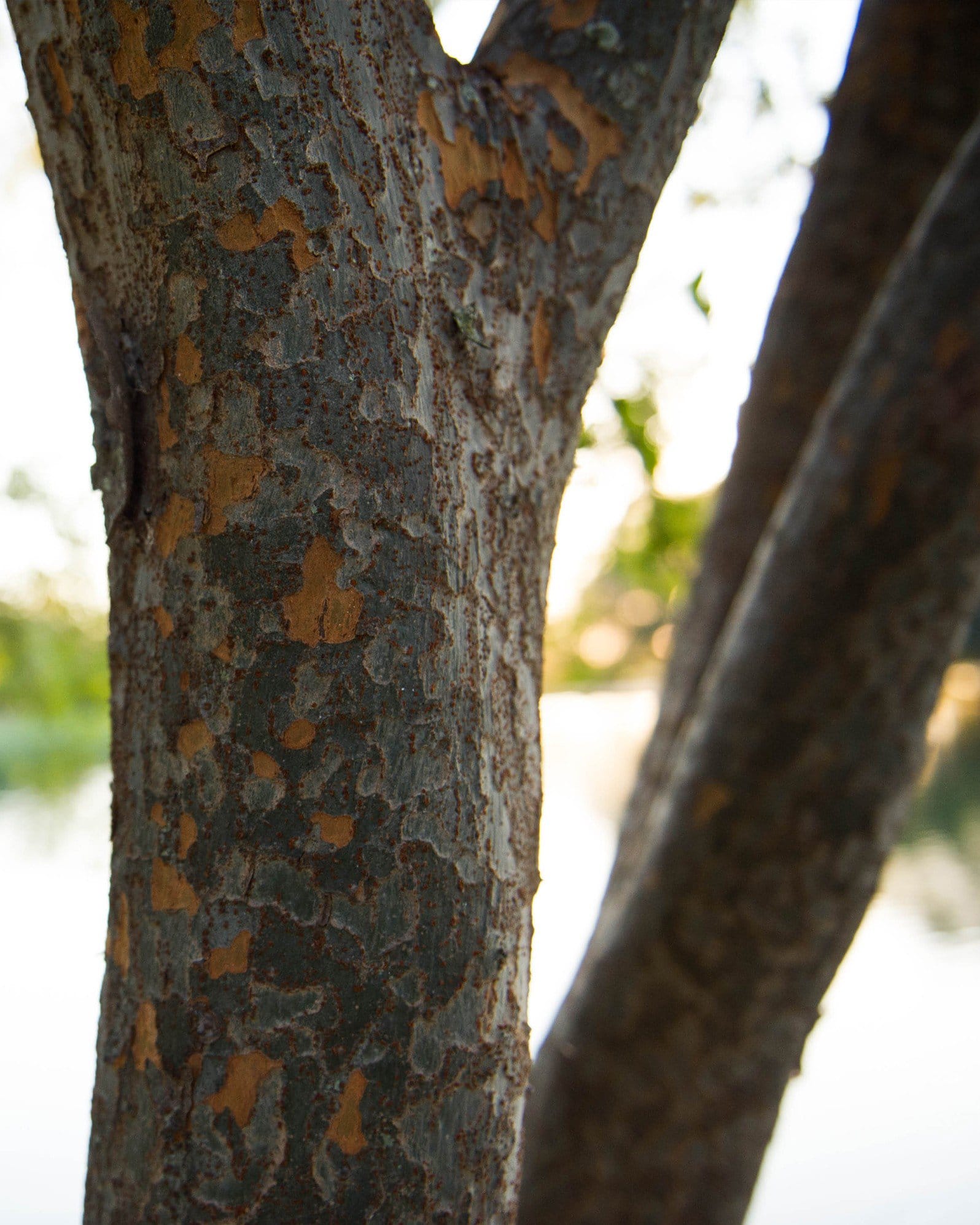
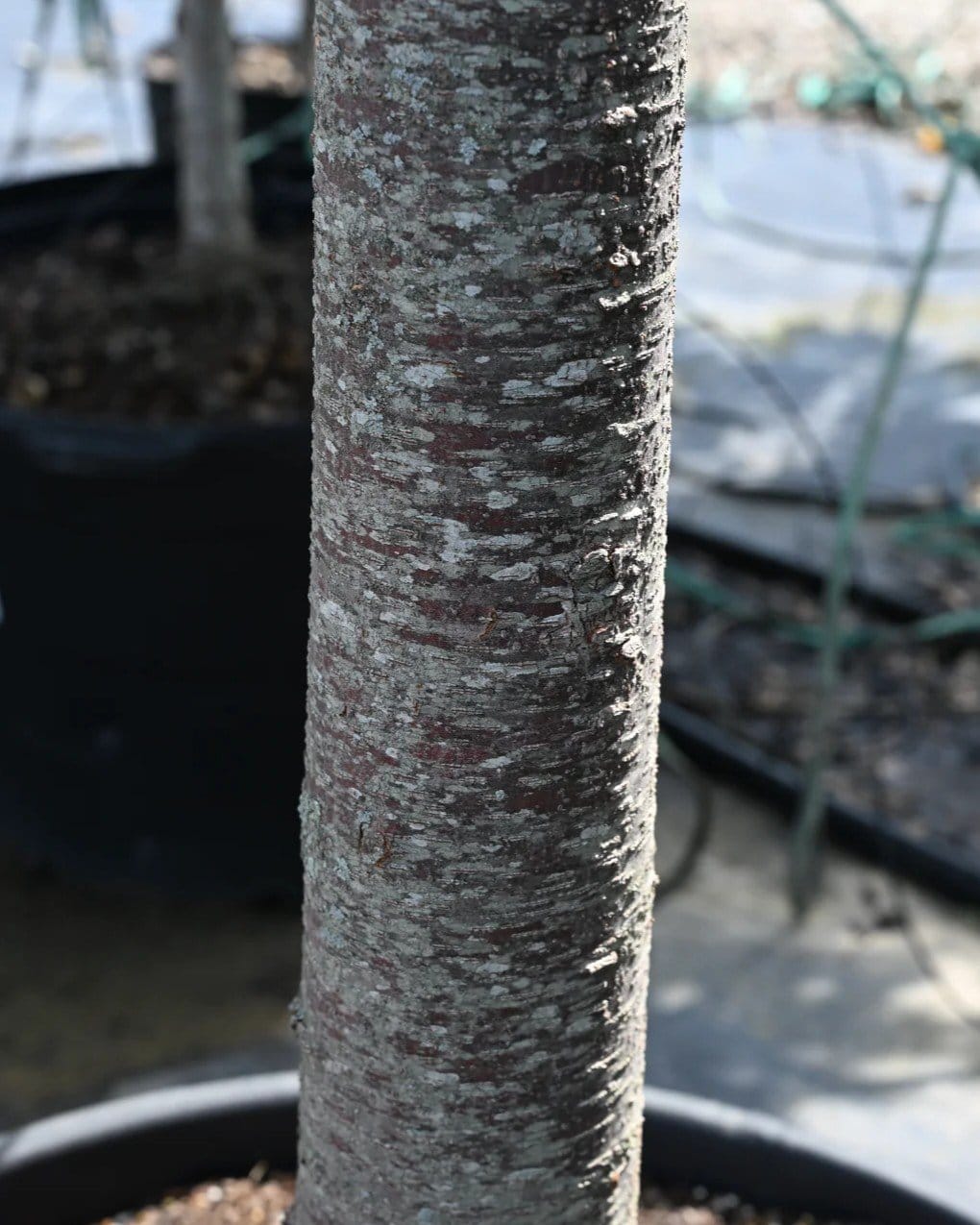
Older trees develop textured bark that becomes more noticeable over time. Subtle ridges and patterns form as the trunk matures. This adds visual character during the dormant season.
As the canopy expands, the tree creates comfortable shade beneath its branches. The leaves filter sunlight gently through the canopy. This makes it useful in parks and larger landscapes.
The tree adapts well to many urban conditions once established. Its resilience allows it to grow in a variety of soils. This adaptability has made it a dependable landscape tree.
As the tree matures, the trunk gradually thickens and strengthens. This structural development supports the expanding canopy. Mature trees often appear sturdy and well balanced.
With time, the tree becomes a prominent feature in the landscape. Its branching structure adds elegance and scale to outdoor spaces. Mature specimens often anchor large planting designs.
Special Features
You might also like
Allee Elm
Maturity: 60' H x 45' W
Bosque Elm
Maturity: 60' H x 45' W
Cedar Elm
Maturity: 50' H x 35' W
Cedar Elm Pioneer
Maturity: 50' H x 30' W
Everclear Elm
Maturity: 40' H x 25' W
Lacebark Elm
Maturity: 45' H x 40' W
Princeton Elm
Maturity: 60' H x 40' W
Autumn Flame Maple
Maturity: 45' H x 35' W
Cherokee Sweet Gum
Maturity: 45' H x 30' W
Cleveland Select Pear
Maturity: 25' H x 15' W
Green Vase Zelkova
Maturity: 45' H x 30' W
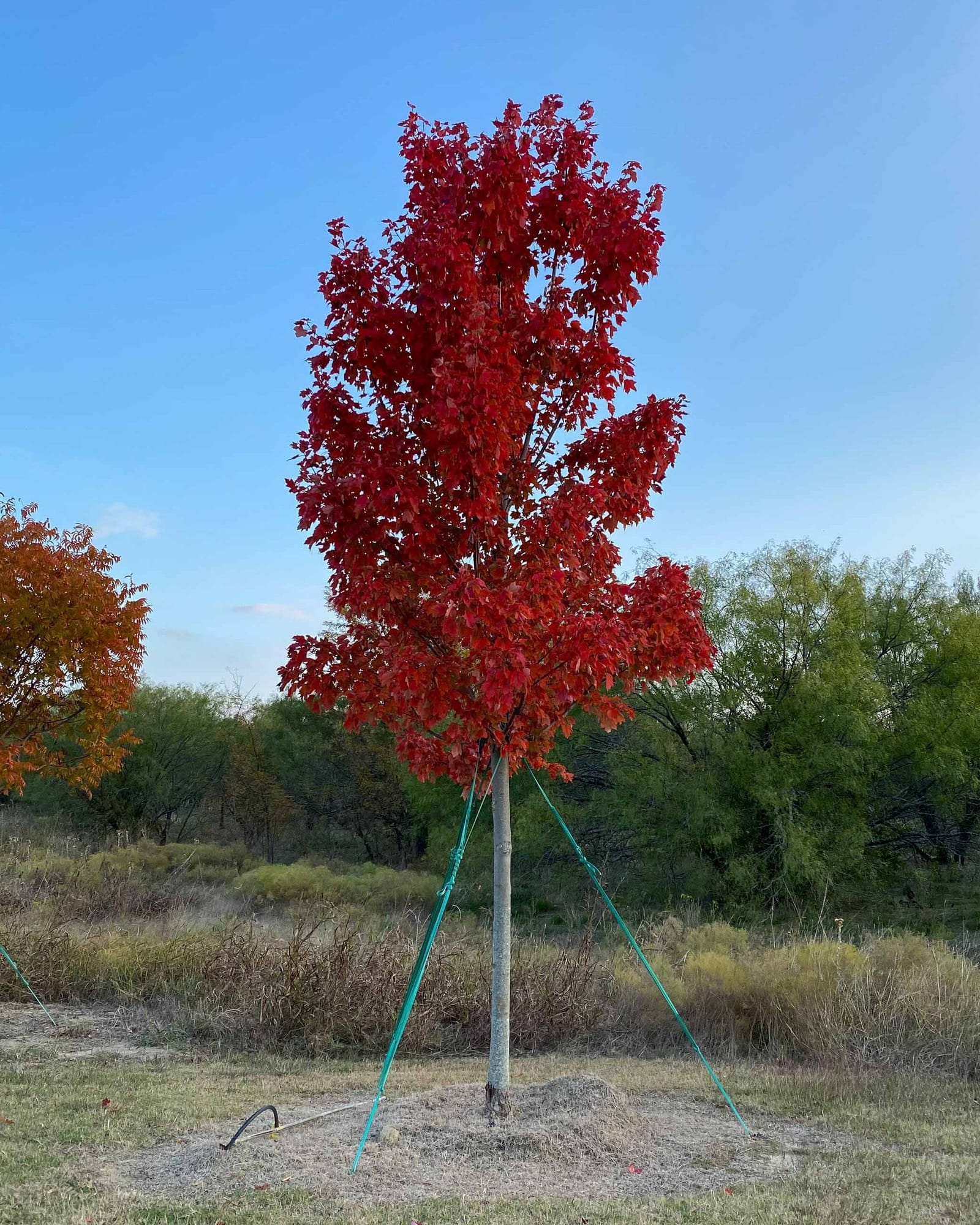
October Glory Maple
Maturity: 45' H x 35' W
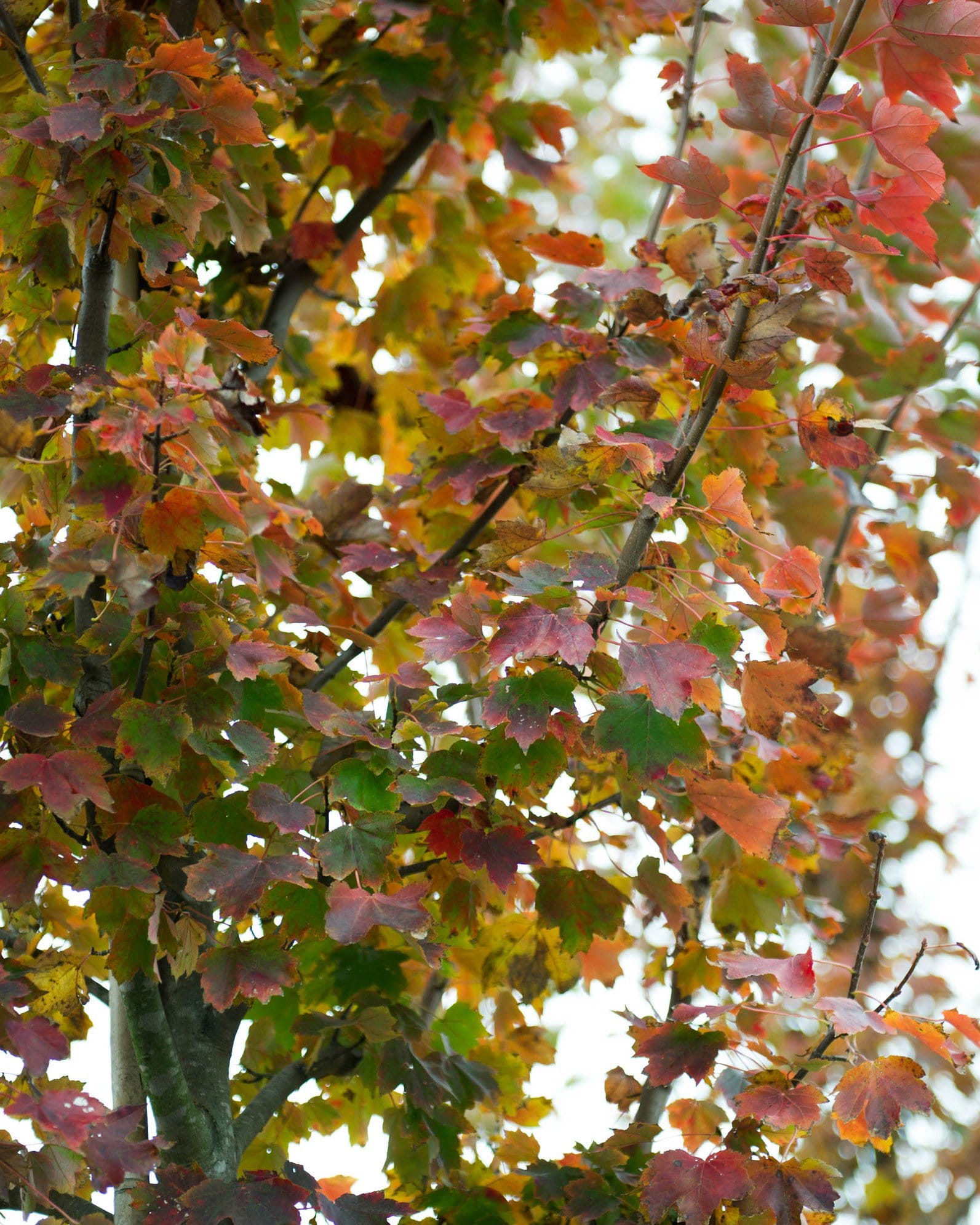
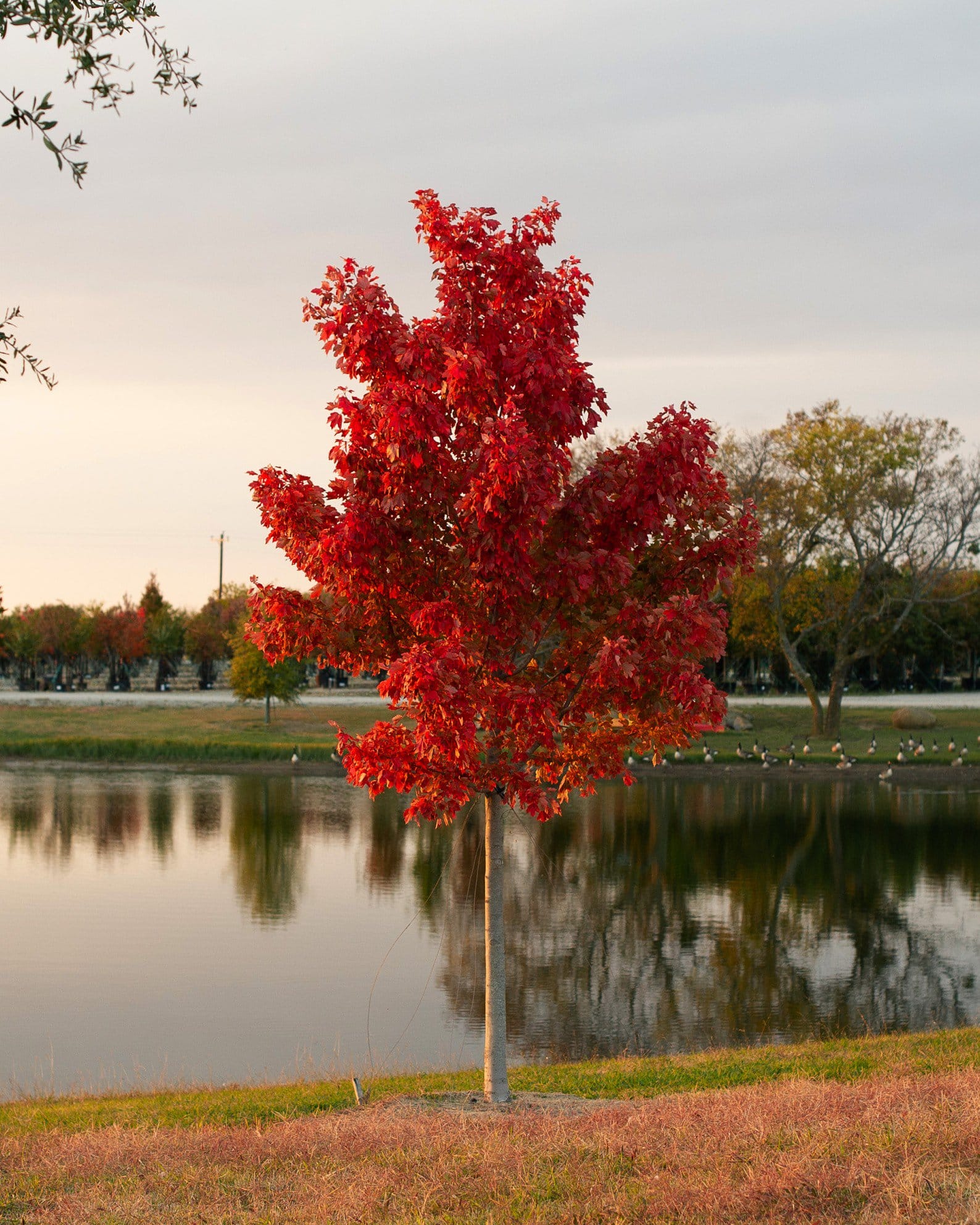
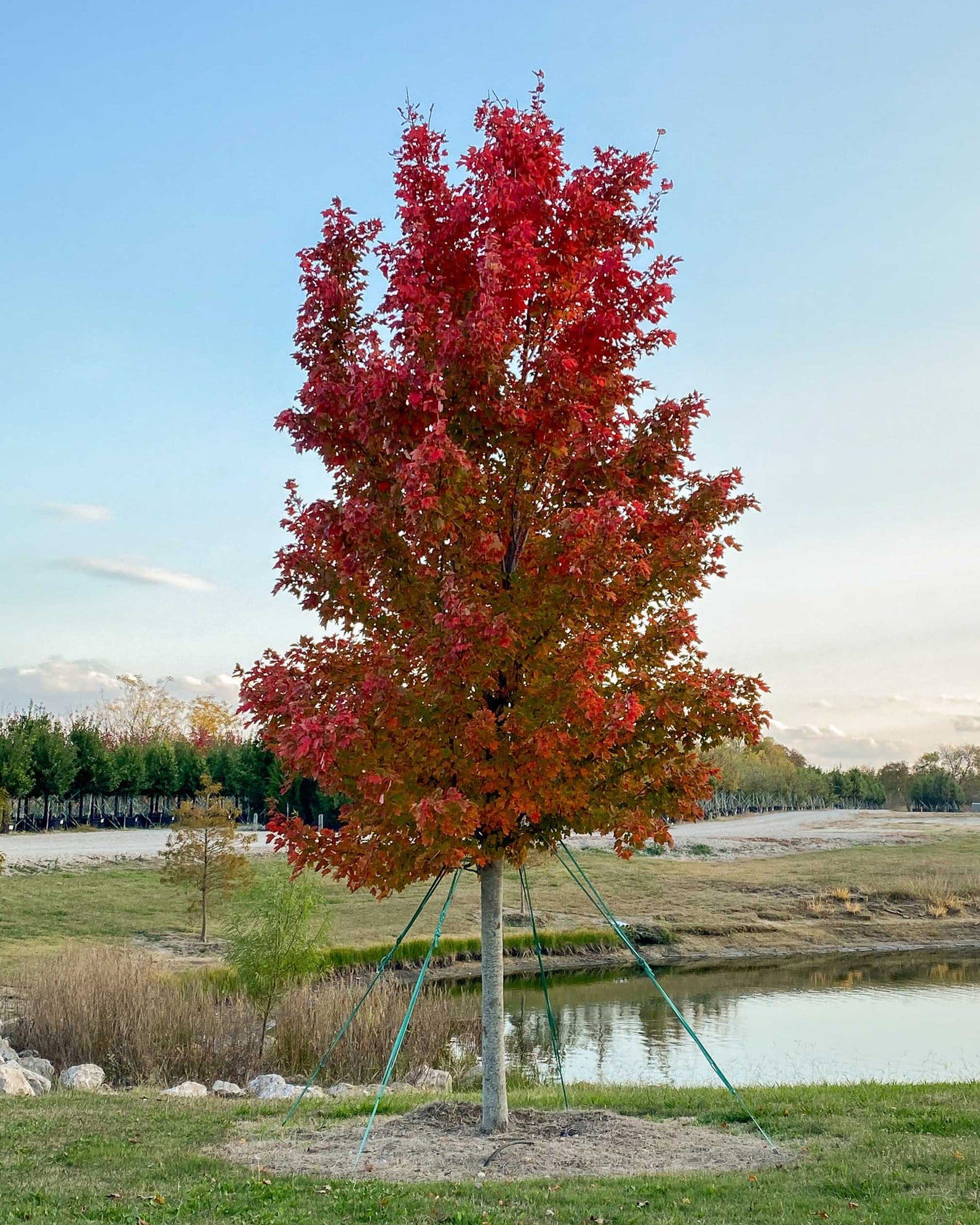
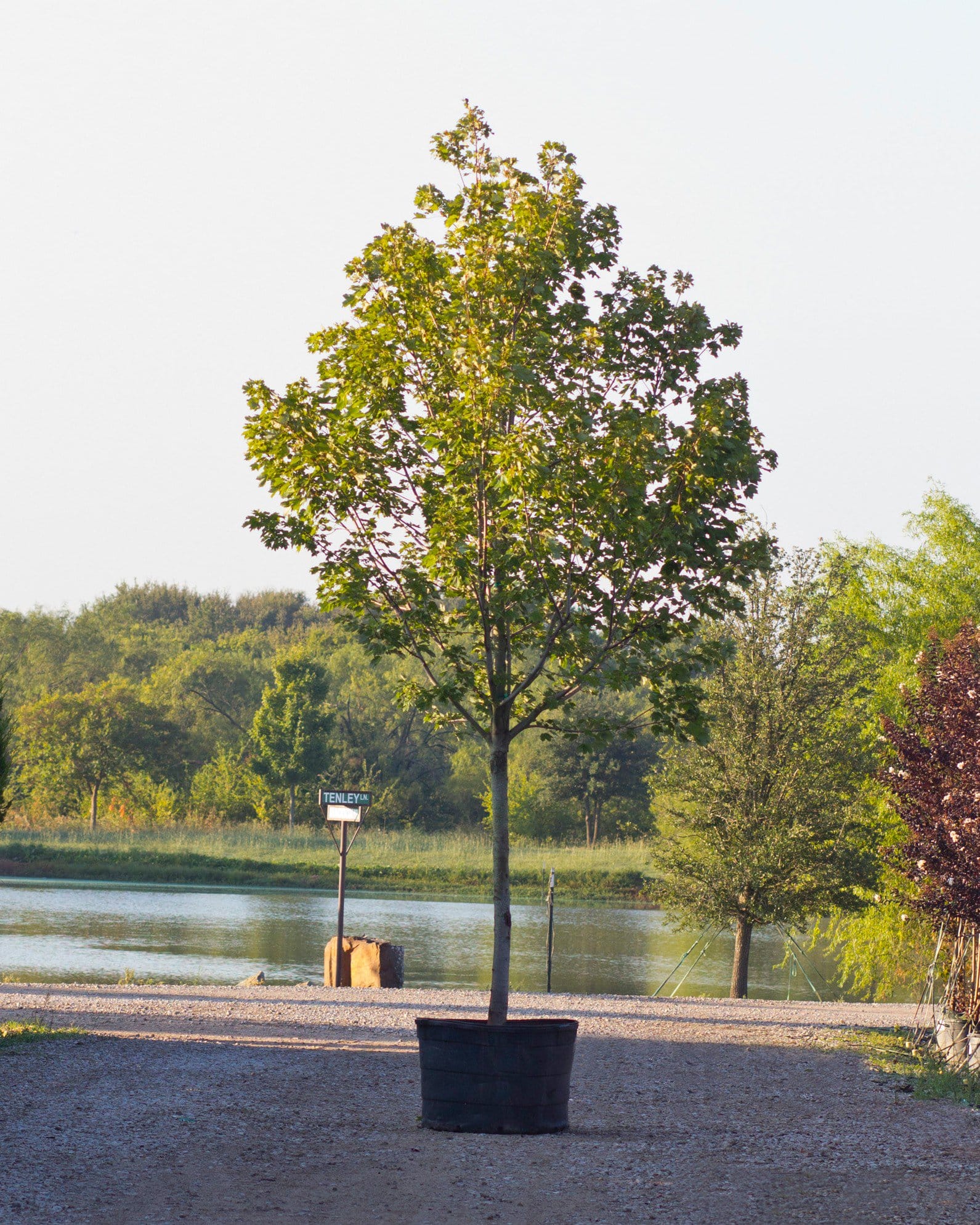
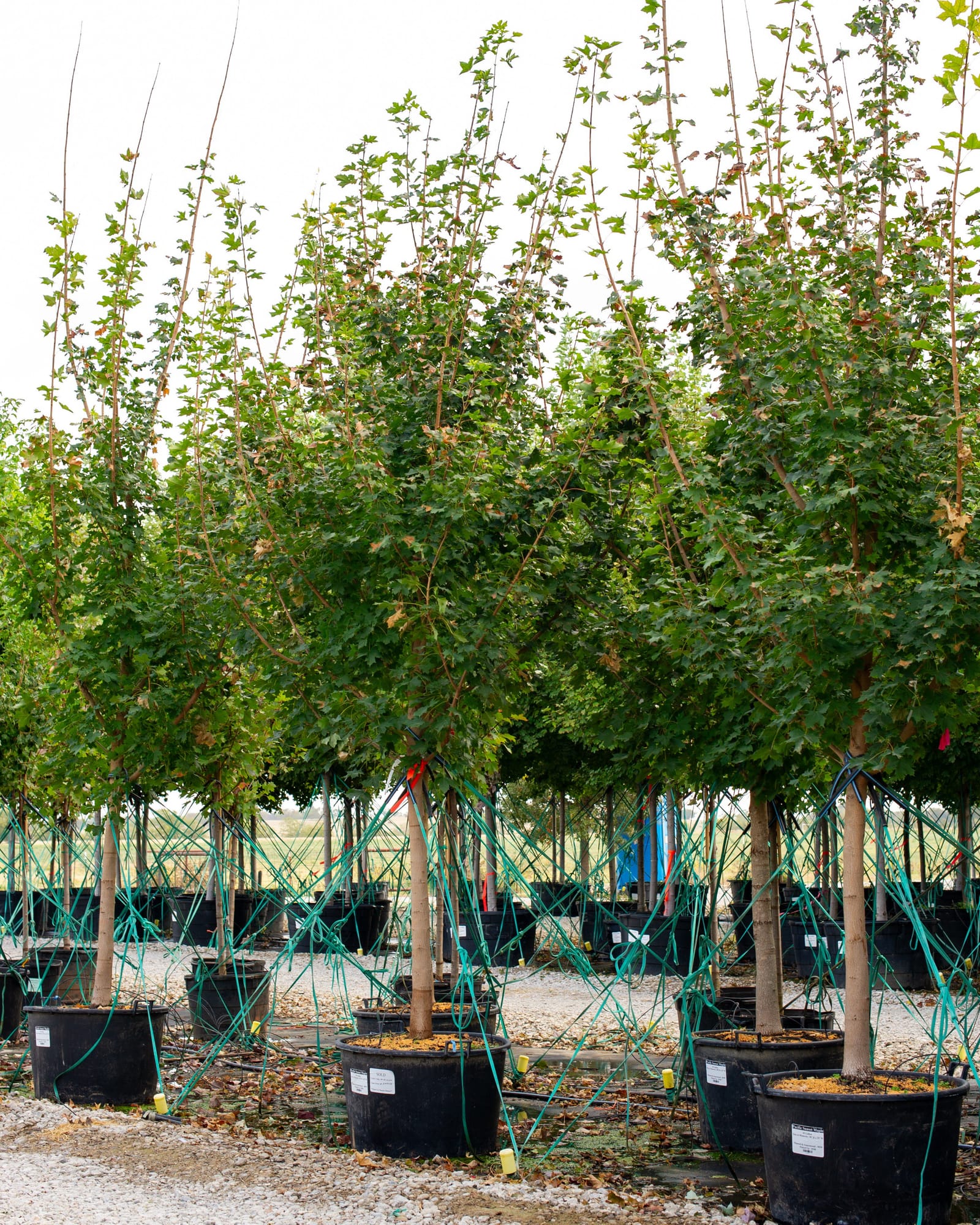
Pacific Sunset Maple
Maturity: 30' H x 25' W
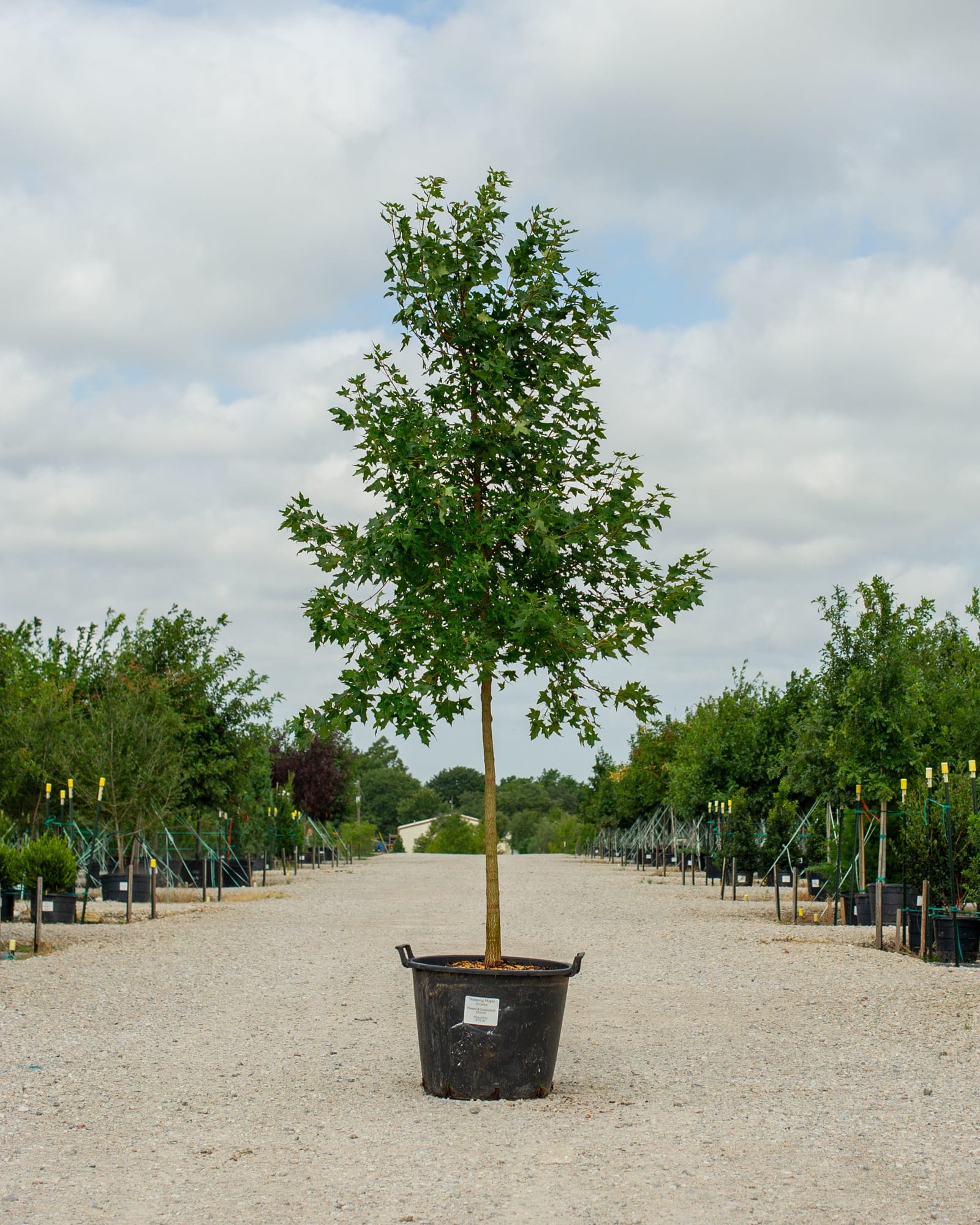
Shantung Maple
Maturity: 25' H x 20' W
Texas Ash
Maturity: 45' H x 35' W
Compare Similar Plants
Frontier Elm This plant | ||
|---|---|---|
| Scientific Name | Ulmus ‘Frontier’ | Ulmus parvifolia 'Emer ll' |
| Size at Maturity | 40' H x 30' W | 60' H x 45' W |
| Leaf Retention | Deciduous | Deciduous |
| Fall Color | Orange & Red | Yellow |
| Sizes Available | 15, 95 gal | 15, 30, 45, 65, 95 gal |


Our 1-Year Planting Guarantee
We take pride in our plants and installation services. If any plants or trees installed by Treeland fail to thrive within the first year, we'll provide a replacement credit in accordance with our guarantee program.
Learn More About Our Guarantee