
Pond Cypress Debonair
Taxodium ascendens ‘Morris’Product Details
Pond Cypress Debonair
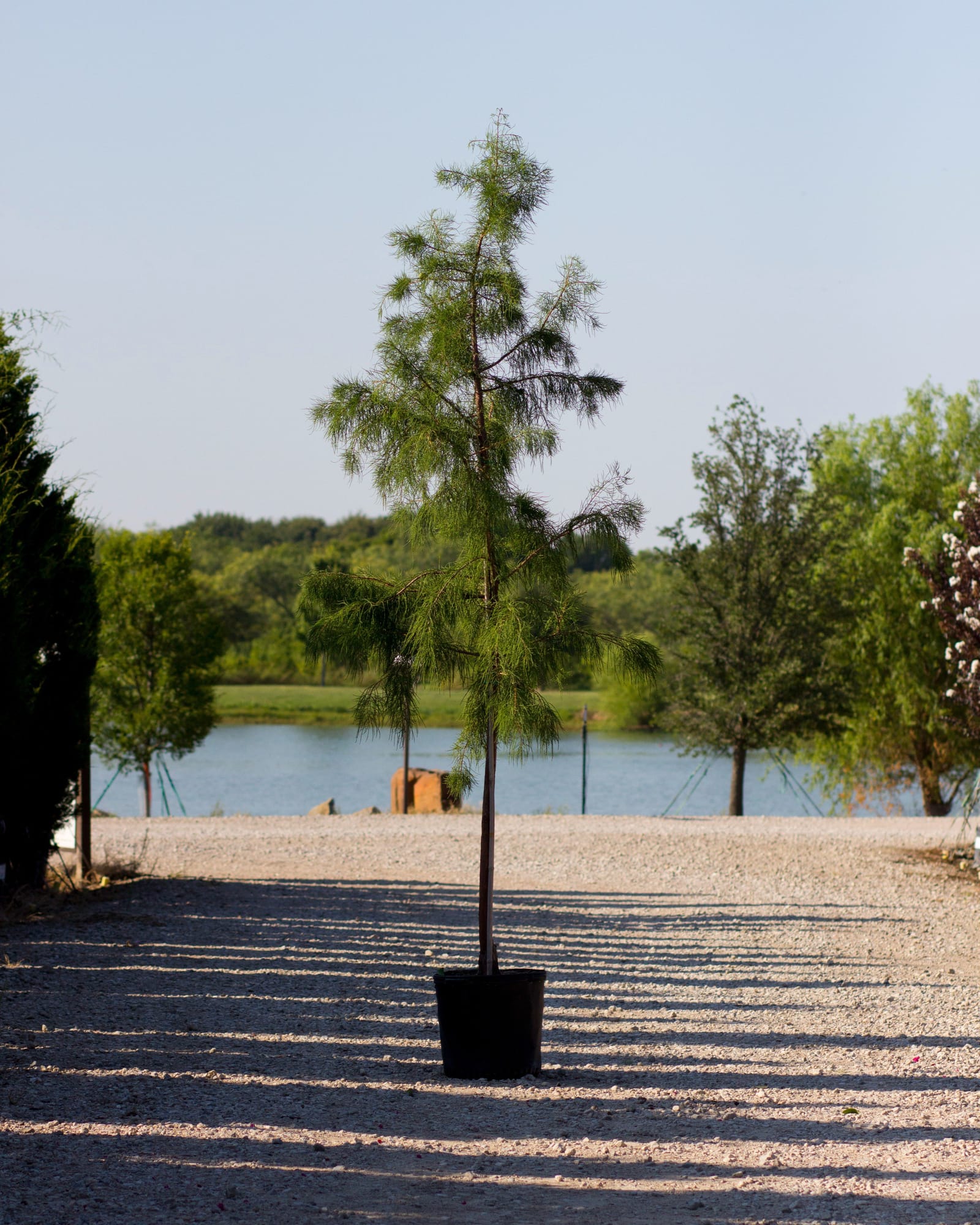
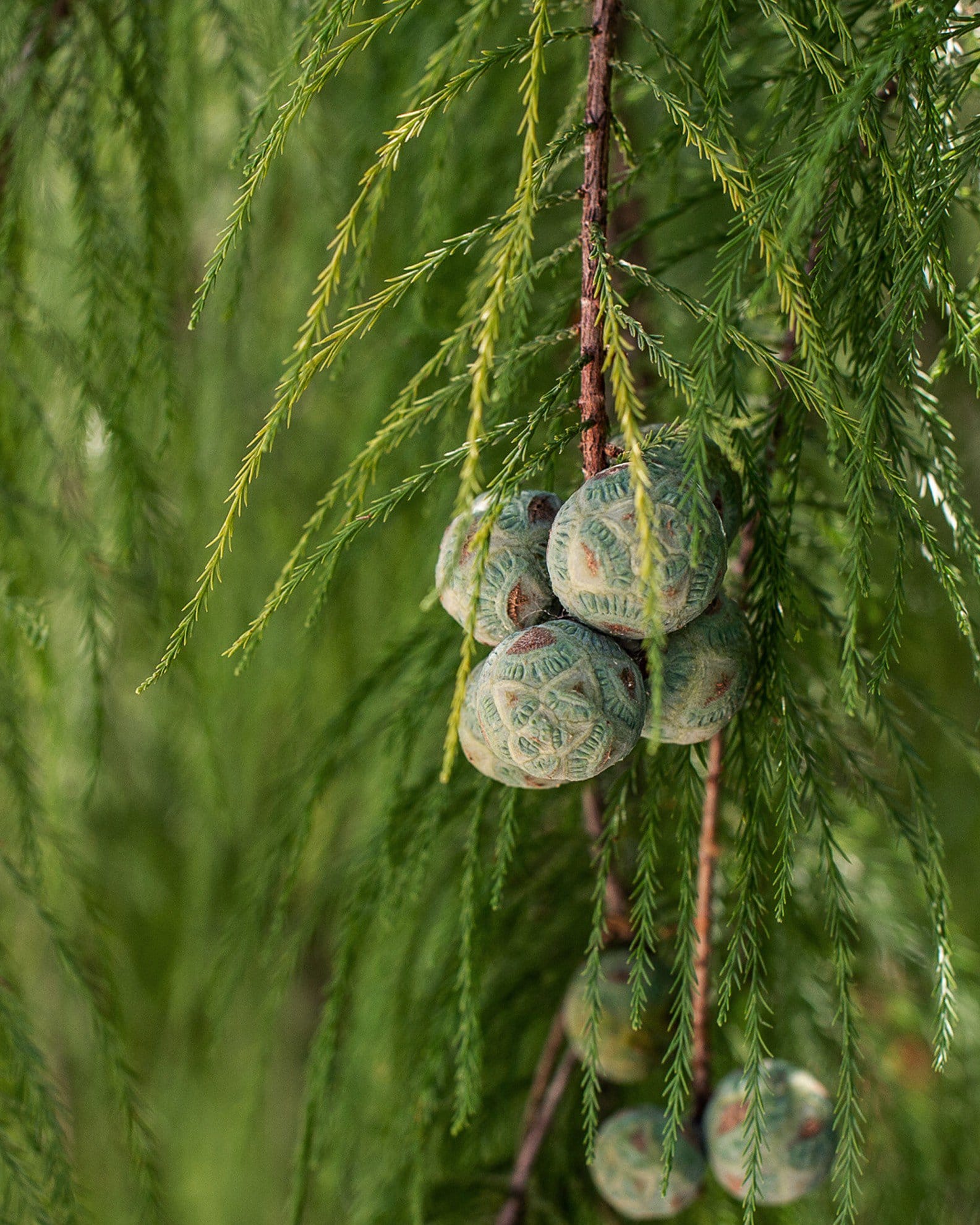
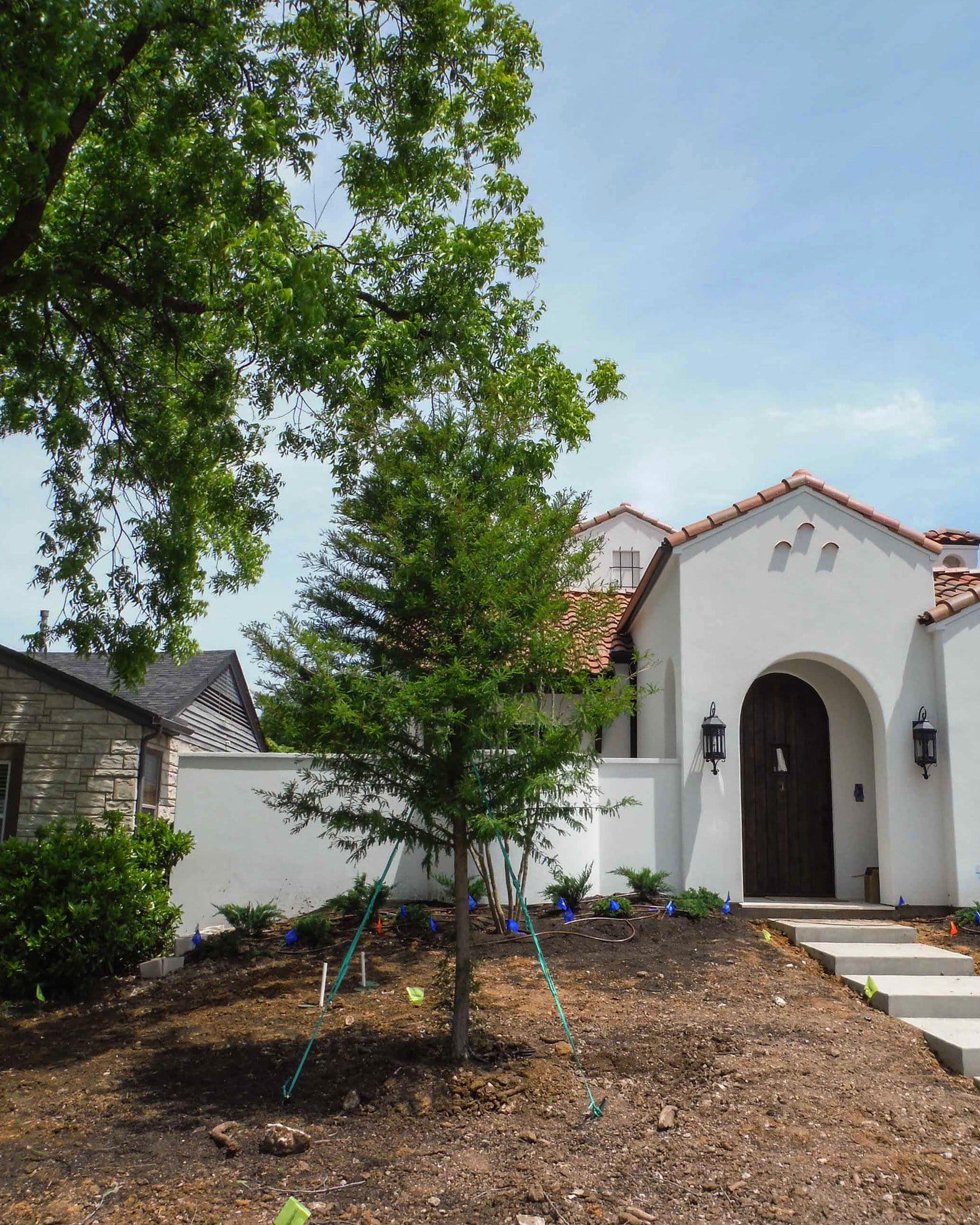
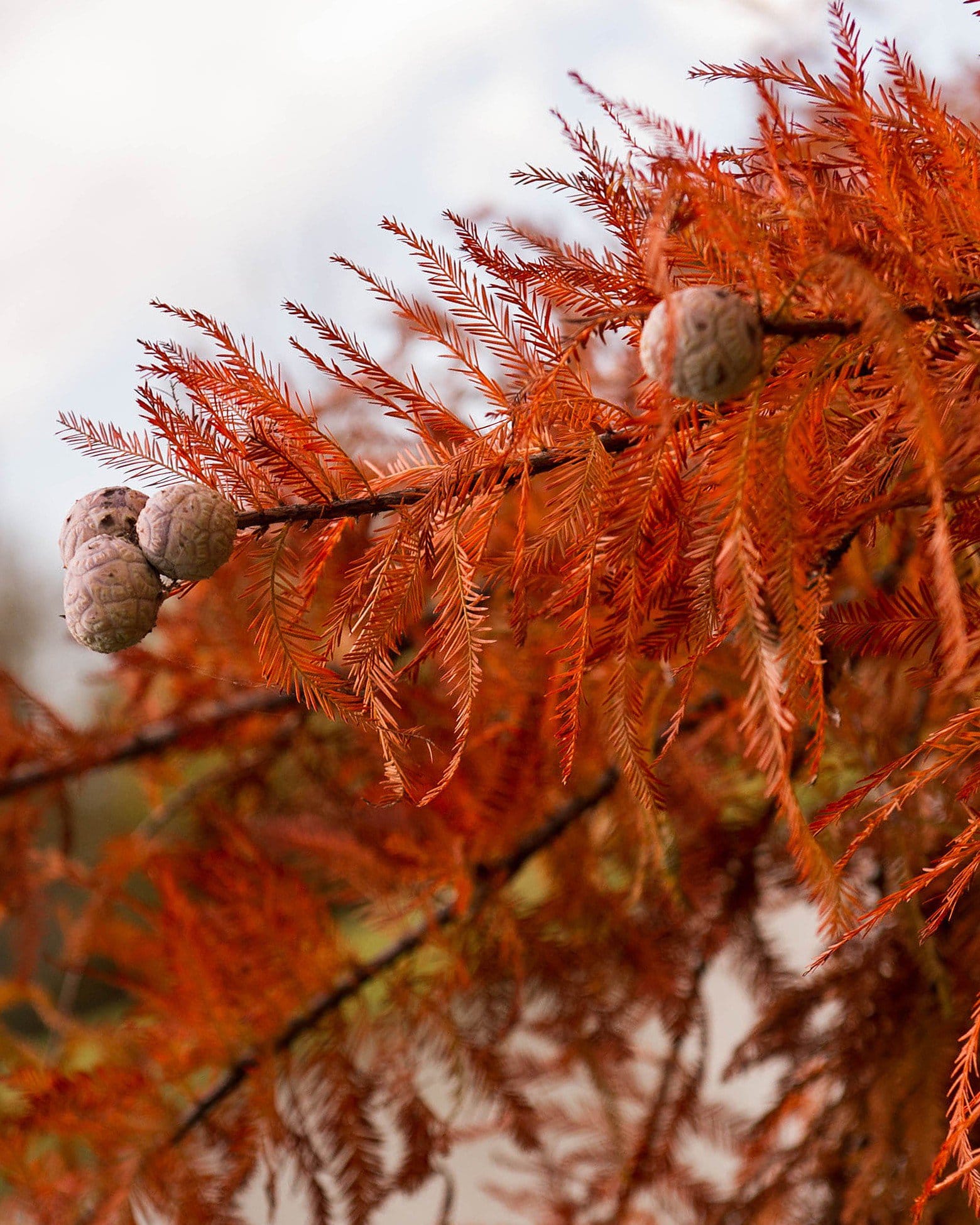
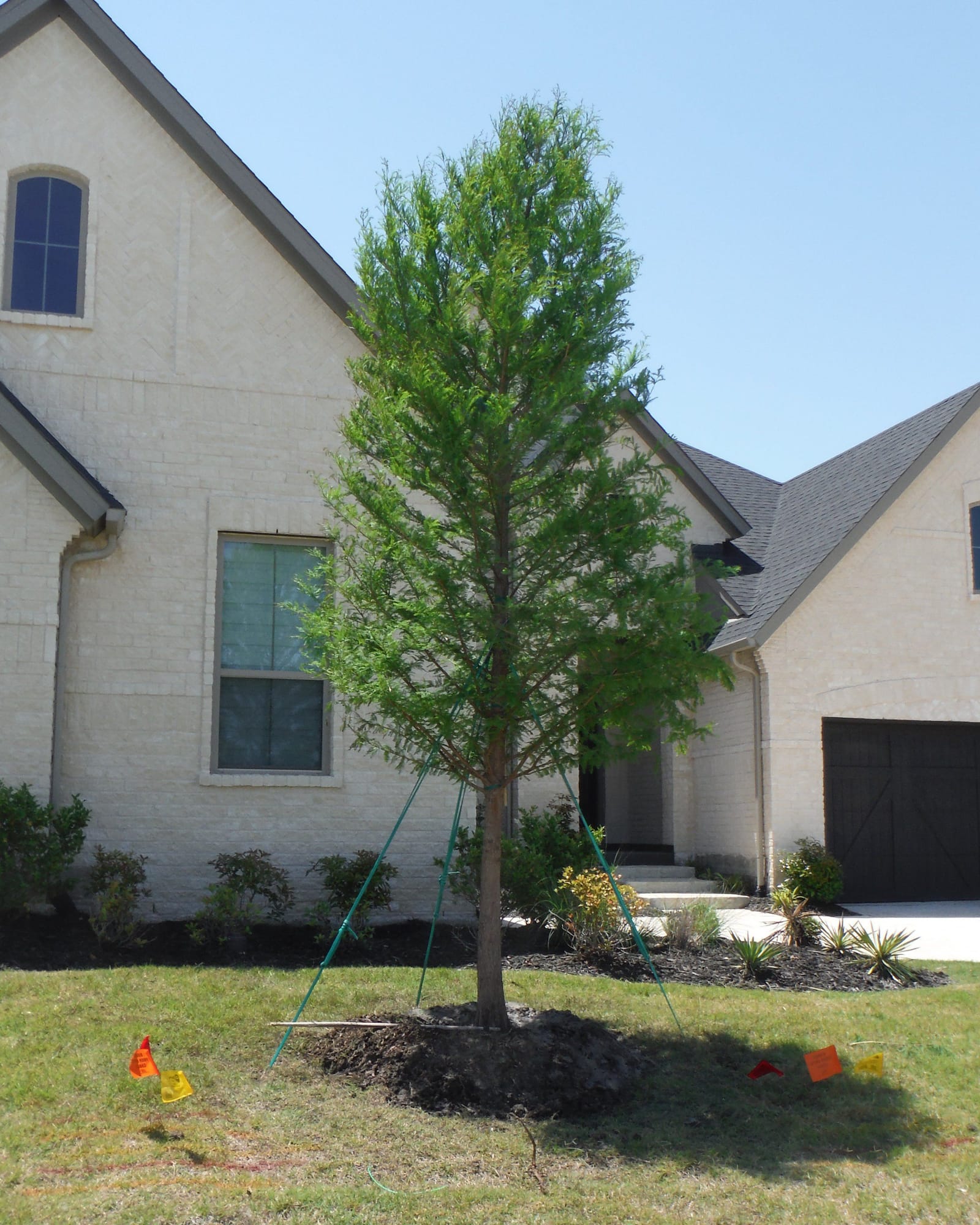
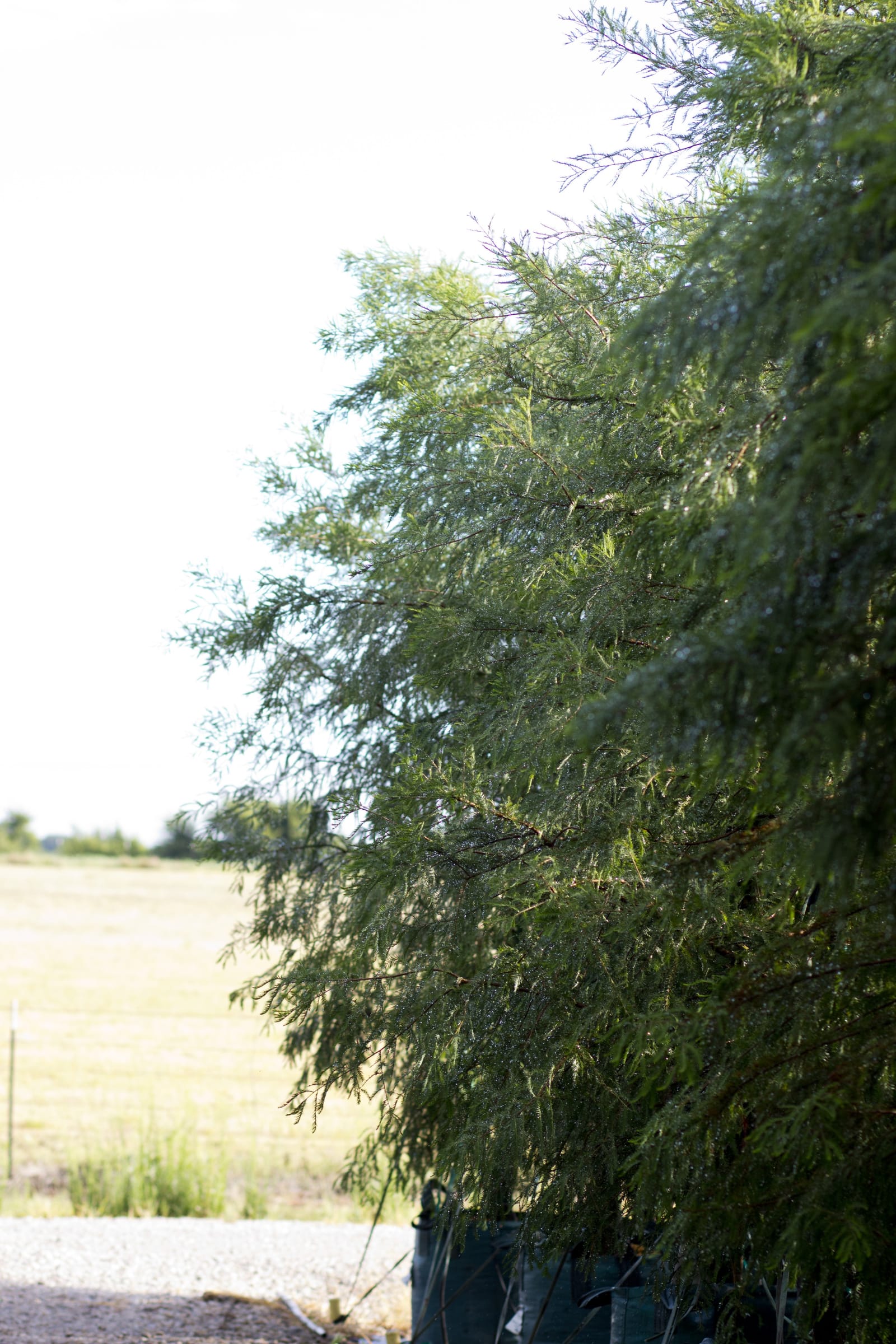
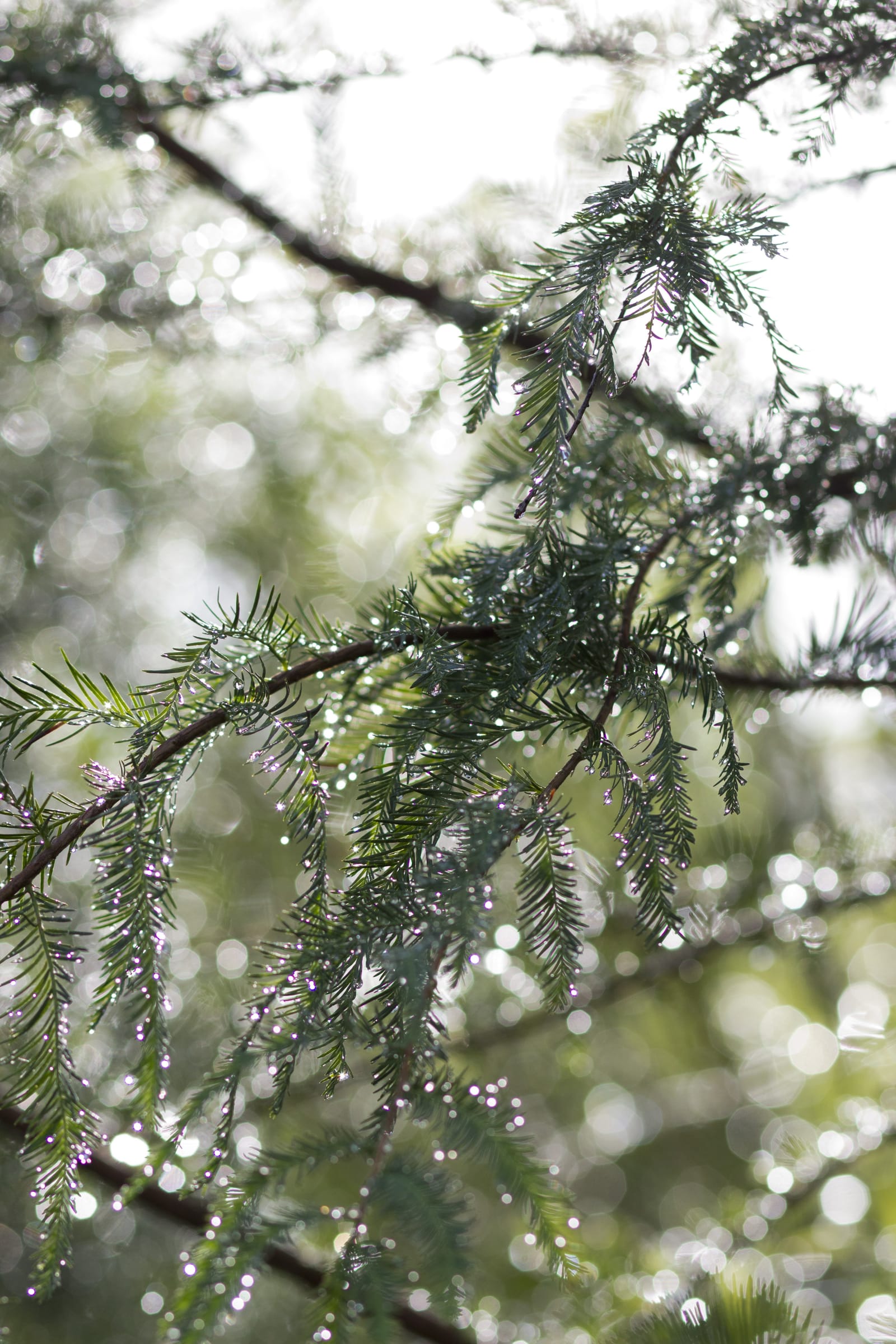
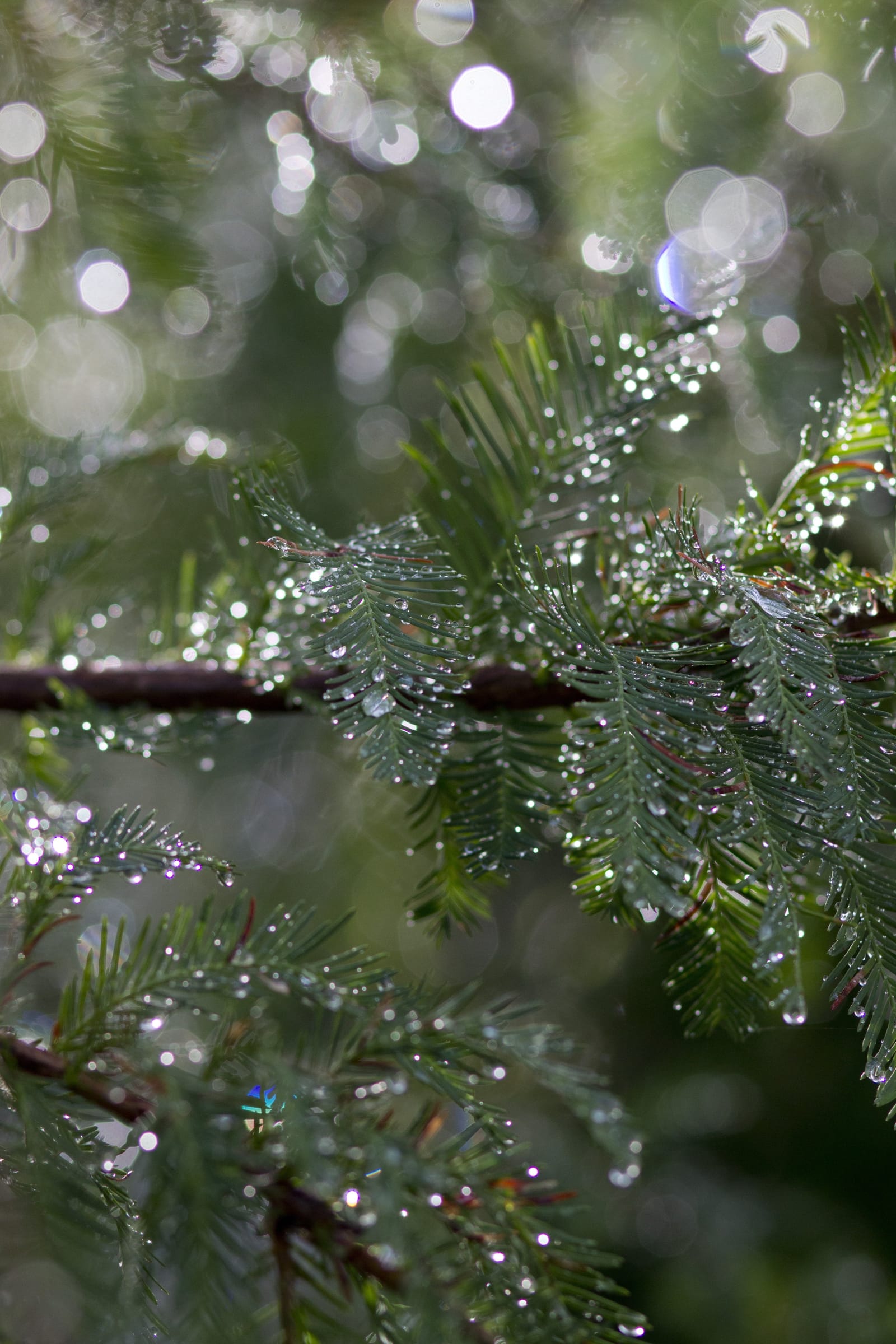
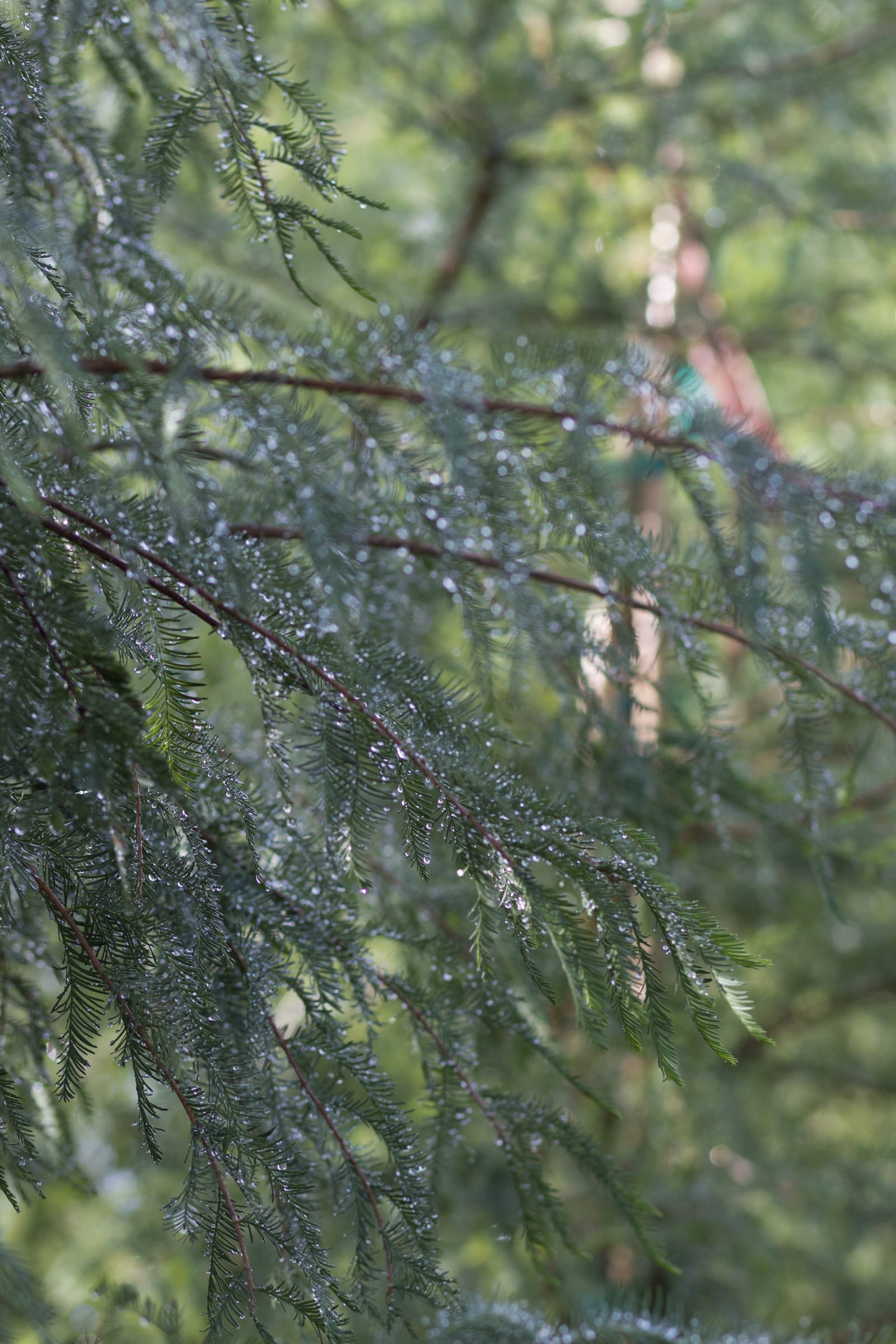
Taxodium ascendens ‘Morris’Pond Cypress Debonair brings elegance and texture to your landscape with its airy, fine-textured foliage. In spring and summer, the delicate green leaves add a fresh, soft look, then turn warm orange in fall, creating seasonal interest and color. Growing up to 40 feet tall and around 20 feet wide at maturity, this tree’s narrow, upright form makes it perfect for adding vertical interest or framing water features and open spaces. Its refined shape and graceful presence add character to both modern and naturalistic designs.
- A deciduous tree
- Narrow, upright growth habit
- Moderate growth rate
- Feathery green foliage turning orange in fall
- Ideal for large landscapes and water features
Hardy in zones 5–9, Pond Cypress Debonair will settle beautifully into your North Texas landscape. It thrives in full sun and adapts well to a variety of soil types, including moist soils. With minimal care, it delivers year-round structure and a touch of timeless beauty.
Once established, Pond Cypress Debonair becomes notably low-maintenance and develops into a resilient landscape specimen that requires only modest seasonal attention. Here’s how to help it thrive:
- Watering: Water regularly during the first growing season to help establish a strong and stable root system. After establishment, the tree adapts well to a range of soil moisture conditions, though occasional deep watering during prolonged dry periods supports healthy growth.
- Pruning: Pruning is typically minimal and limited to removing damaged or poorly positioned branches. Light pruning in late winter helps maintain plant health while preserving the tree’s natural form.
- Fertilizing: Fertilizer is rarely required in average soils. If growth appears slow, applying a balanced fertilizer in early spring can support stronger seasonal development.
- Mulching: Maintain a 2-3 inch mulch layer around the root zone to conserve soil moisture and regulate soil temperature. Keep mulch slightly away from the trunk to prevent excess moisture accumulation against the bark.
- Winter Care: Established trees tolerate seasonal cold within their recommended zones. Young specimens benefit from mulch around the root zone during their first winters to stabilize soil temperatures.
Pond Cypress Debonair is generally durable and experiences relatively few serious problems. Occasional pests or environmental stresses may appear, so keep your eye out on the following:
- Spider Mites: Fine speckling on foliage may occur during hot, dry weather when mites become active. Periodic rinsing of foliage with water helps reduce populations.
- Bagworms: Small cone-shaped bags may appear on branches as caterpillars feed on foliage. Removing the bags by hand helps prevent infestations from spreading.
- Nutrient Imbalance: Pale or yellowing foliage may develop if soil nutrients become deficient. Soil amendments or balanced fertilizer applications typically correct the issue.
- Root Zone Disturbance: Construction or soil compaction near the base may temporarily affect growth. Maintaining mulch and protecting surrounding soil helps reduce stress.
- Storm Damage: Strong winds may occasionally break small branches. Pruning damaged limbs helps maintain overall tree health.
Pond cypress trees are long-lived and may survive for well over 100 years in suitable conditions. Landscape specimens often remain healthy for many decades. Their longevity makes them valuable long-term plantings.
Growth typically averages about 12-24 inches per year. Noticeable height develops within the first decade. Full maturity may take several decades.
This cultivar is valued for its refined foliage and upright, elegant appearance. Its growth habit gives it a distinctive presence in landscapes. The tree combines ornamental beauty with notable resilience.
Pond cypress is native to the southeastern United States. It commonly grows in wetlands, pond margins, and seasonally flooded areas. These natural habitats shaped its adaptability to varying soil moisture.
Small round cones develop on mature trees as part of their natural reproductive cycle. These cones contain seeds that disperse once they break apart. They are generally small and unobtrusive.
The tree provides habitat and shelter for birds and beneficial insects. Its branches can offer nesting spaces for wildlife. This contributes to biodiversity in landscapes.
Like other Taxodium species, pond cypress is a deciduous conifer. The soft needles turn warm autumn tones before dropping. This seasonal change adds interest to the landscape.
The species naturally grows in environments with periodic flooding. Its root system adapts well to wet soils. This makes it useful in landscapes with challenging moisture conditions.
Older trees develop textured bark with vertical ridges and grooves. This bark becomes more pronounced with age. The feature adds visual character to mature trunks.
The broader pond cypress species is native to North America. This makes it an ecologically valuable choice in many landscapes. Native species often support local wildlife more effectively.
Special Features
You might also like
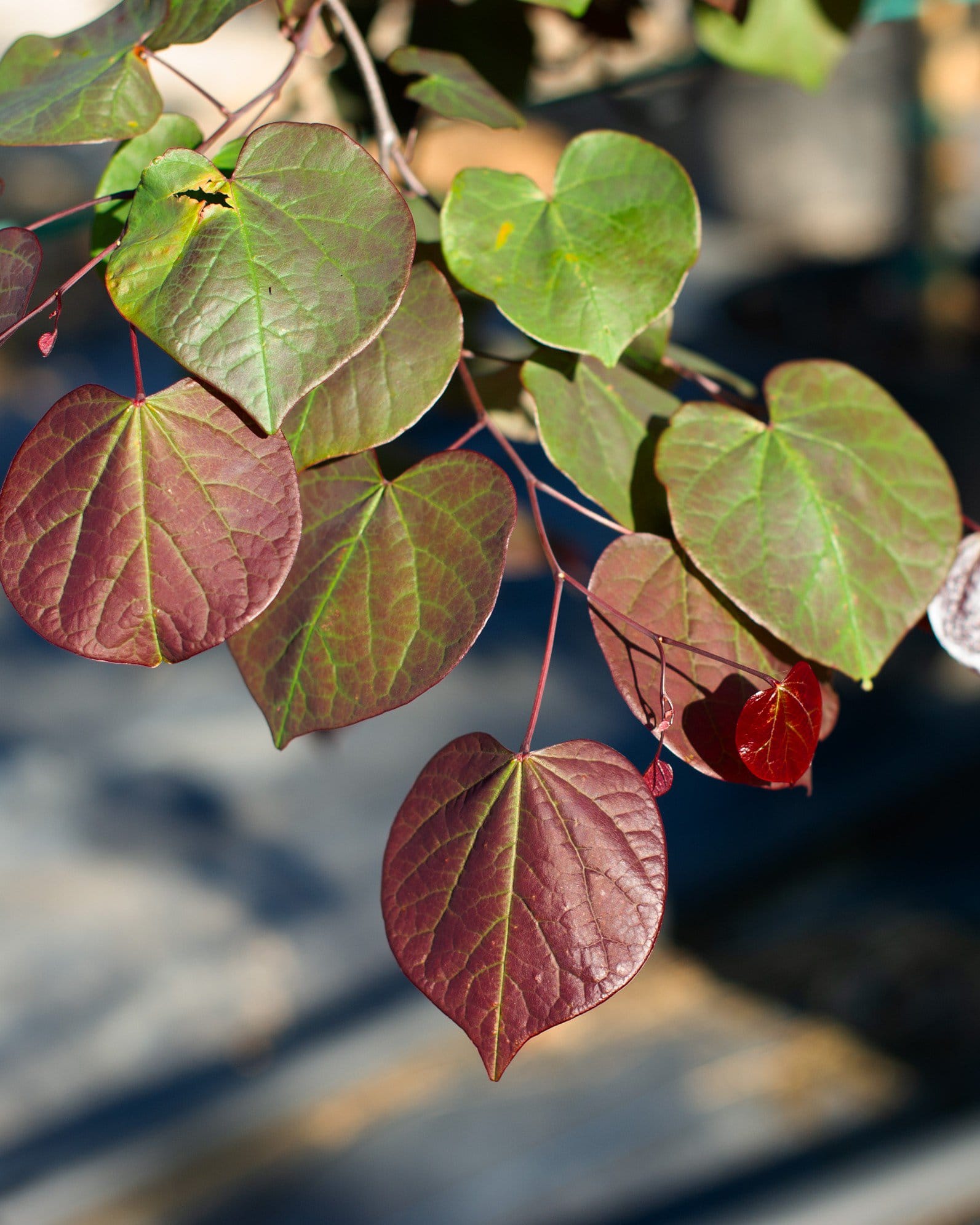
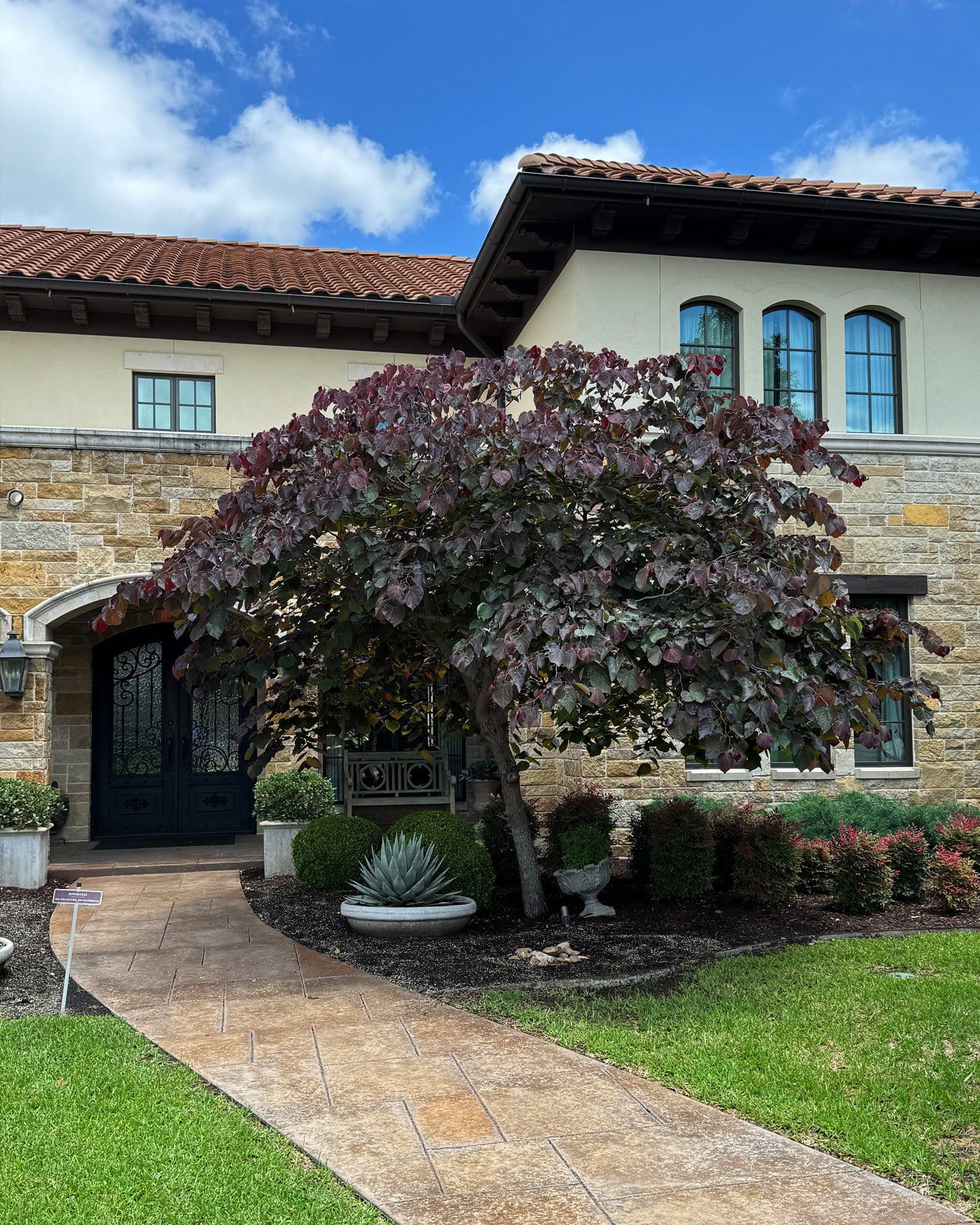
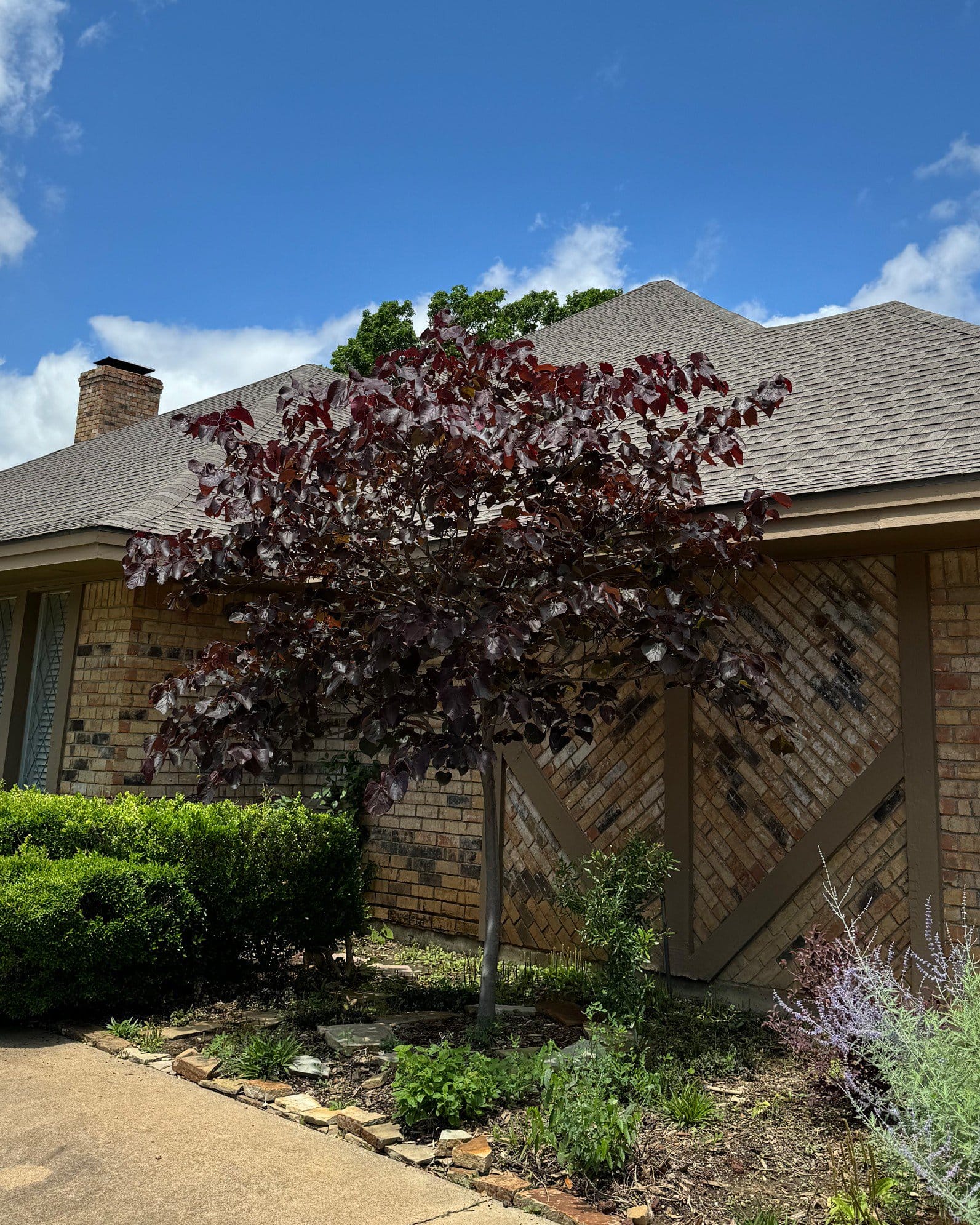
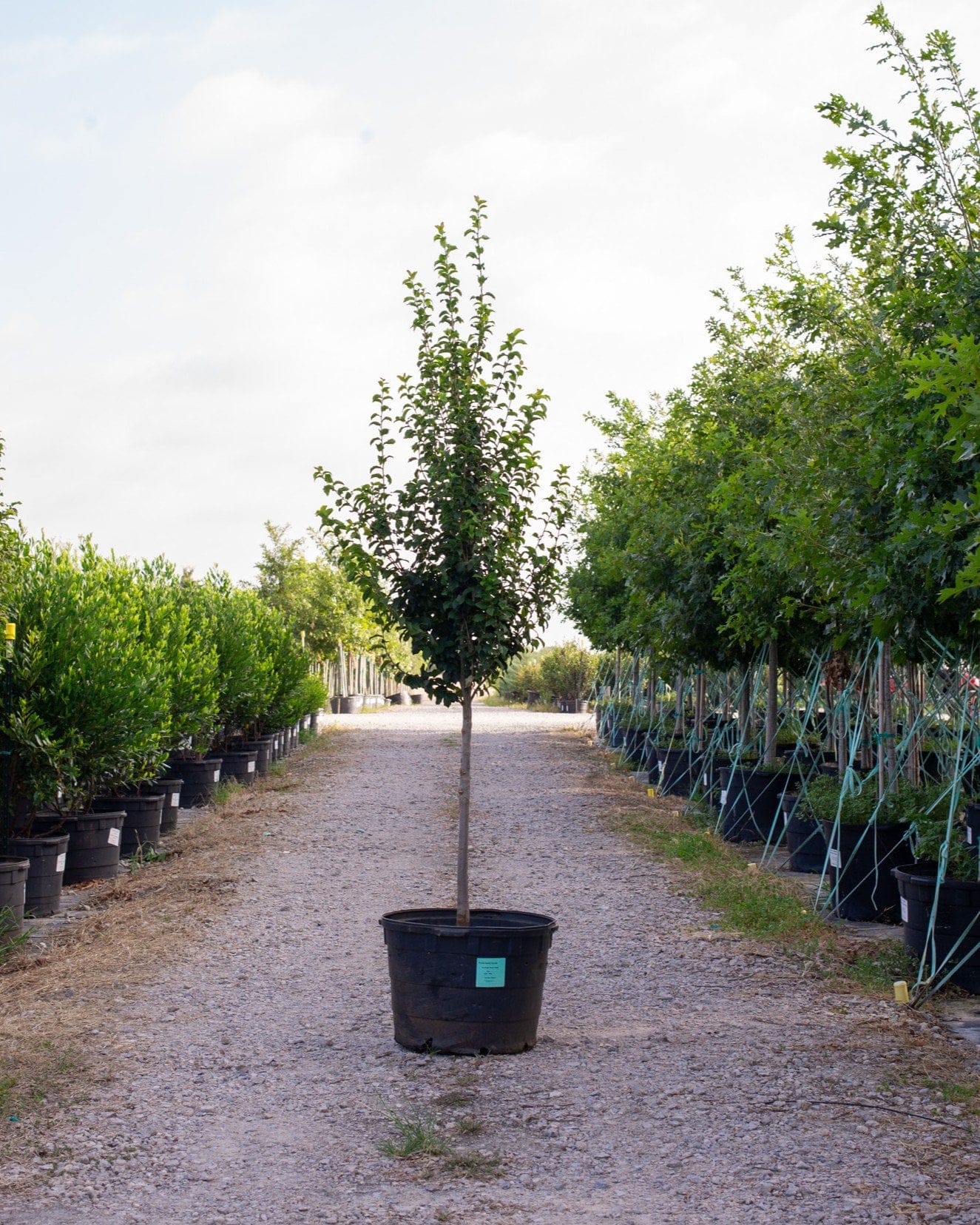
Forest Pansy Redbud
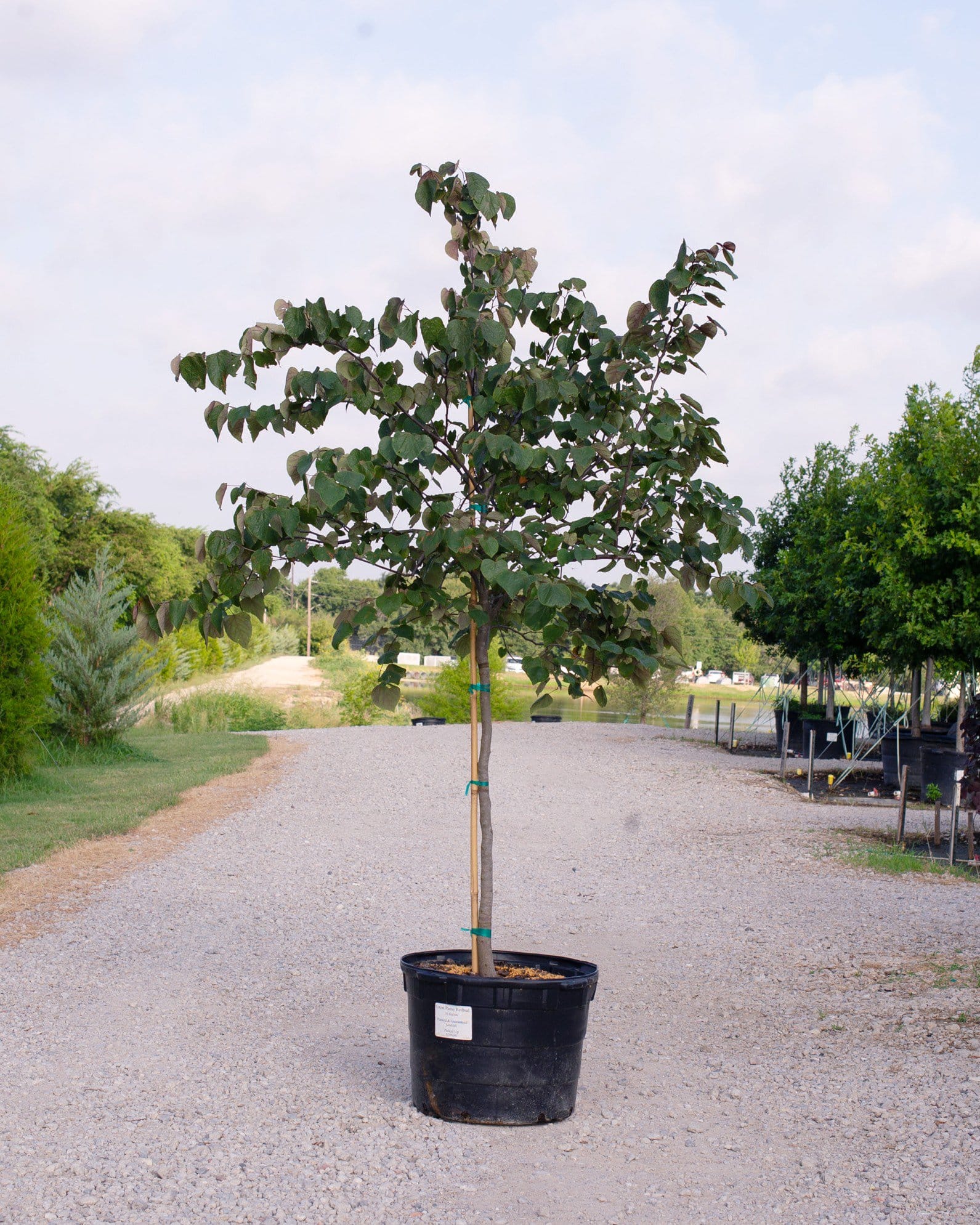
Maturity: 20' H x 20' W
Persian Spire Ironwood
Maturity: 25' H x 10' W
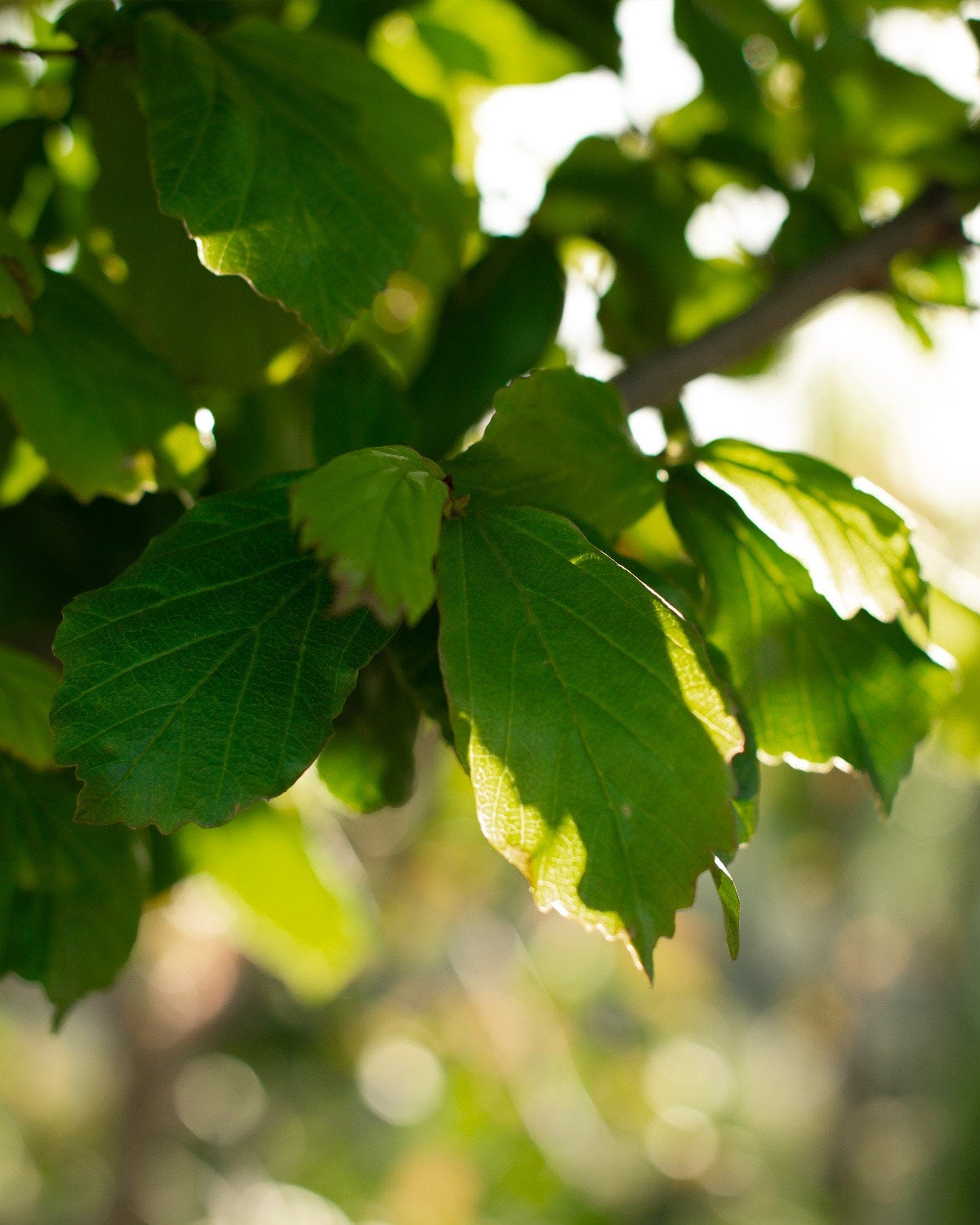
Persian Spire Ironwood Full to Ground
Maturity: 25' H x 10' W
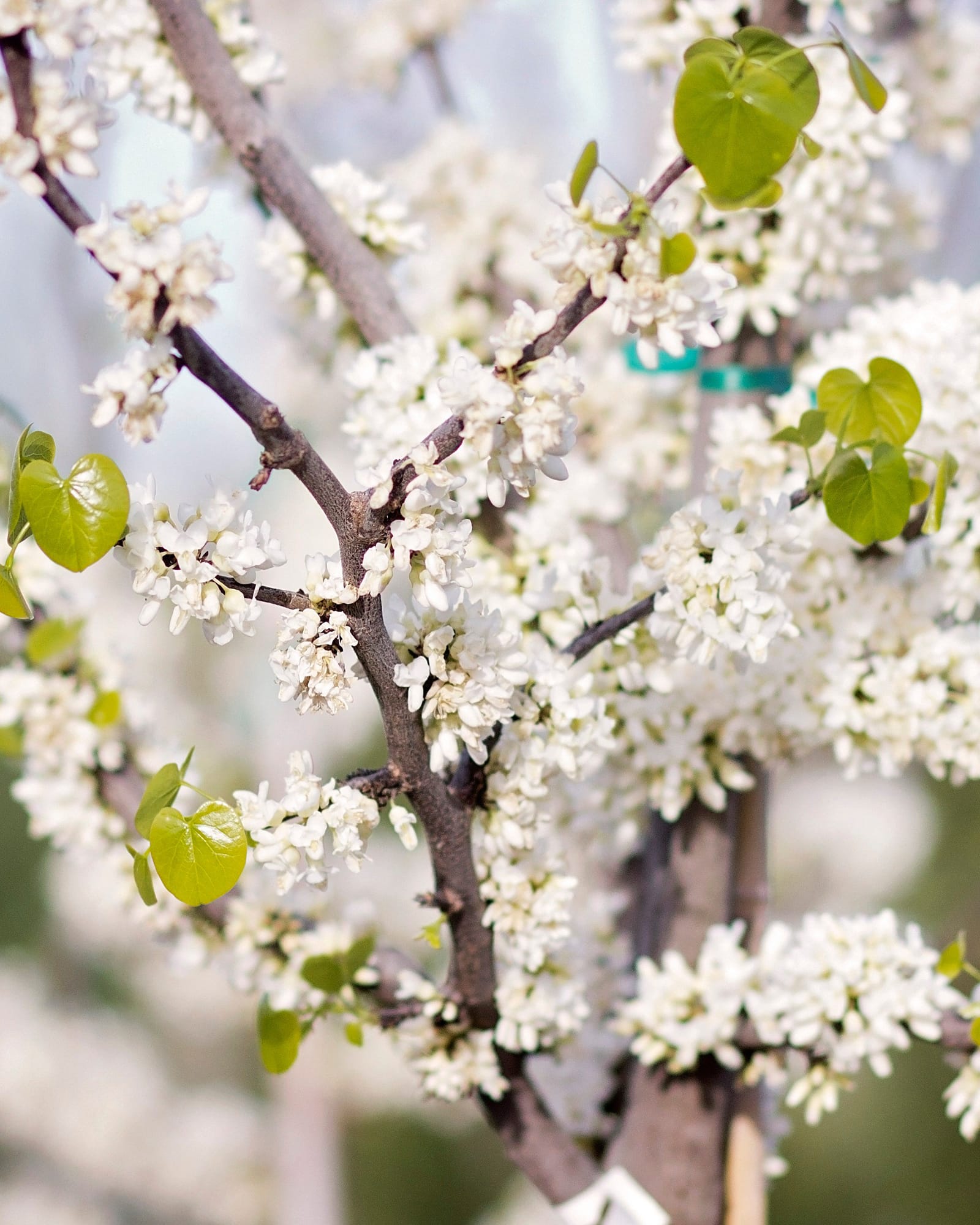
Texas White Redbud
Maturity: 20' H x 15' W
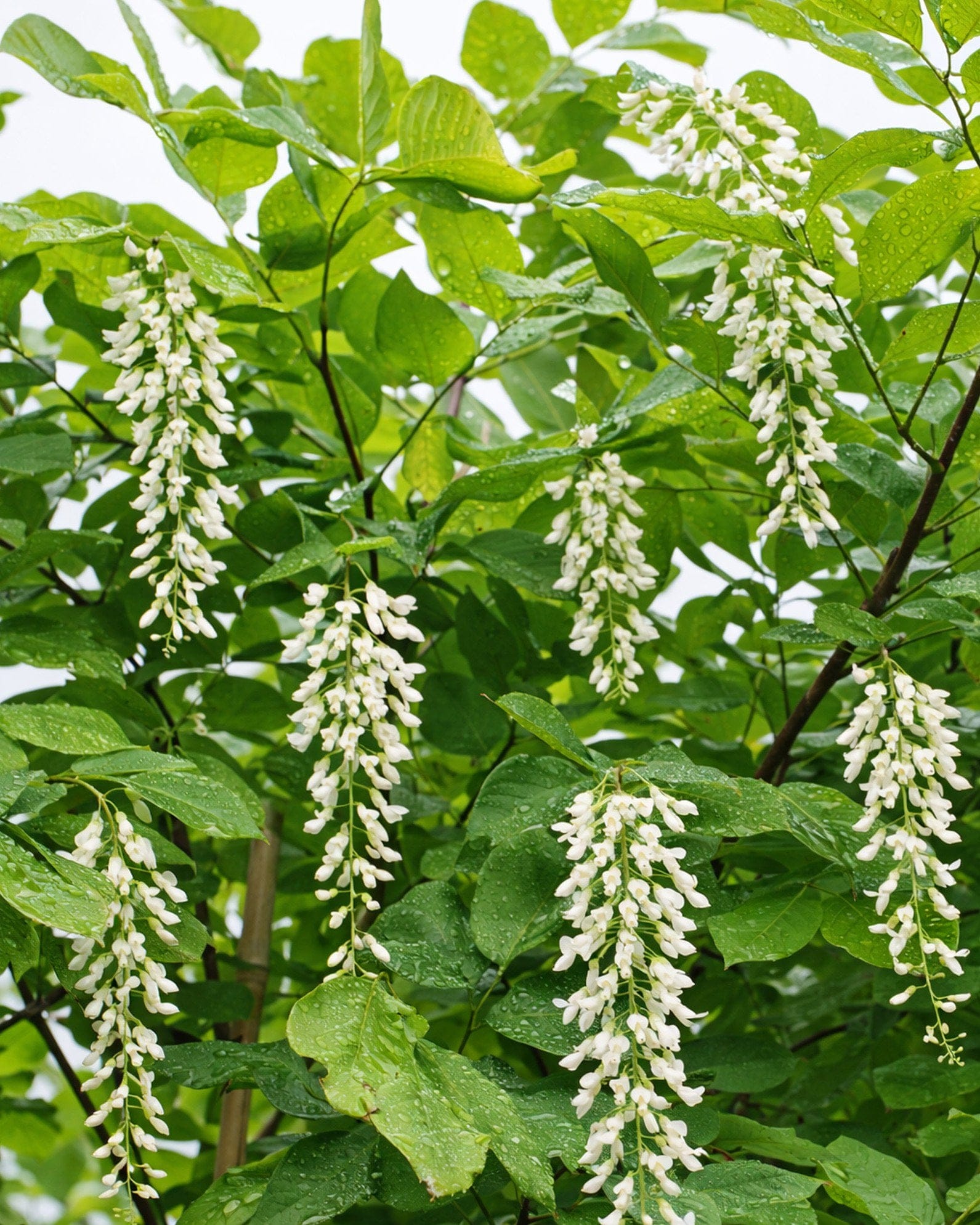
American Yellowwood
Maturity: 30' H x 25' W
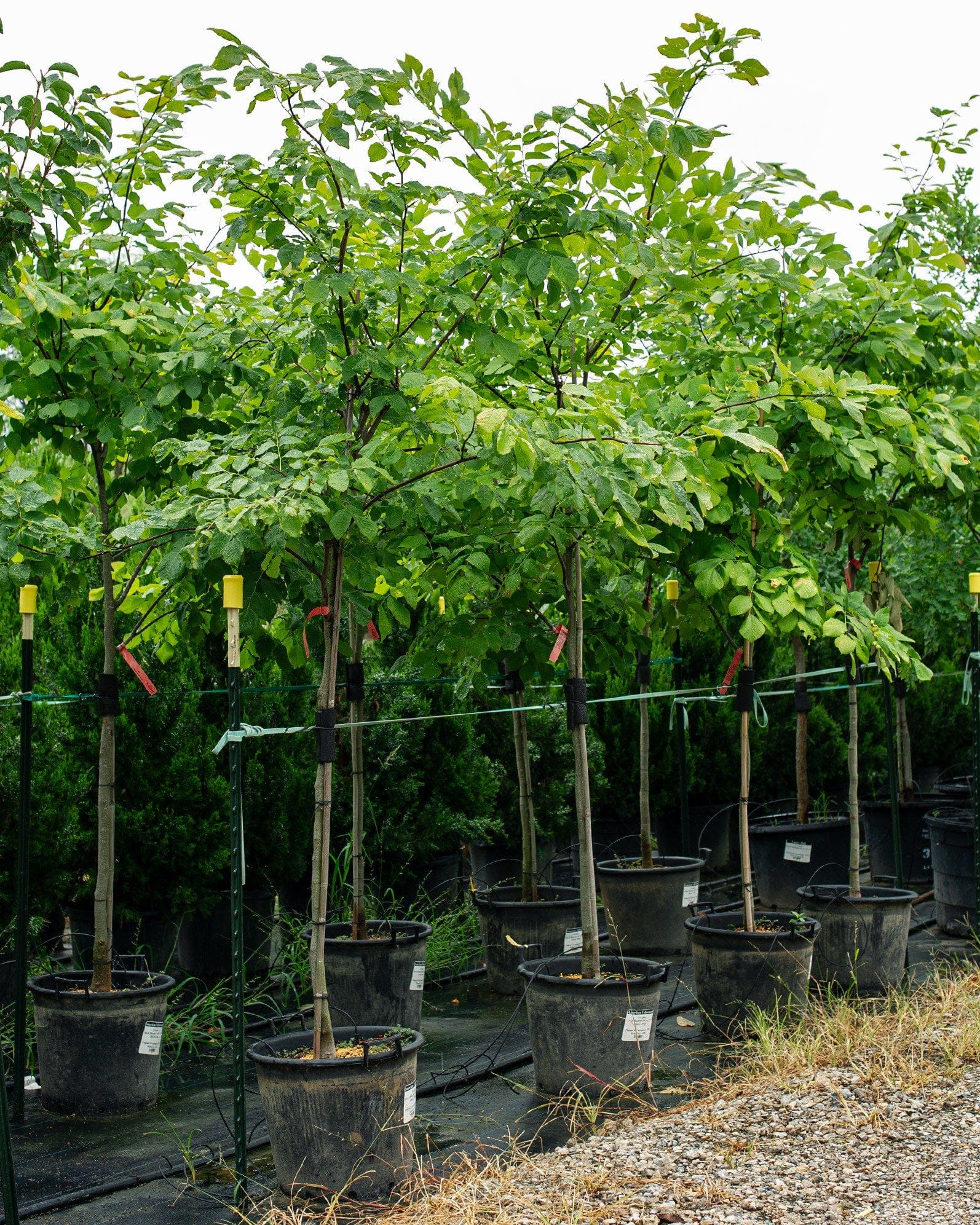
Canada Red Chokecherry
Maturity: 20' H x 15' W
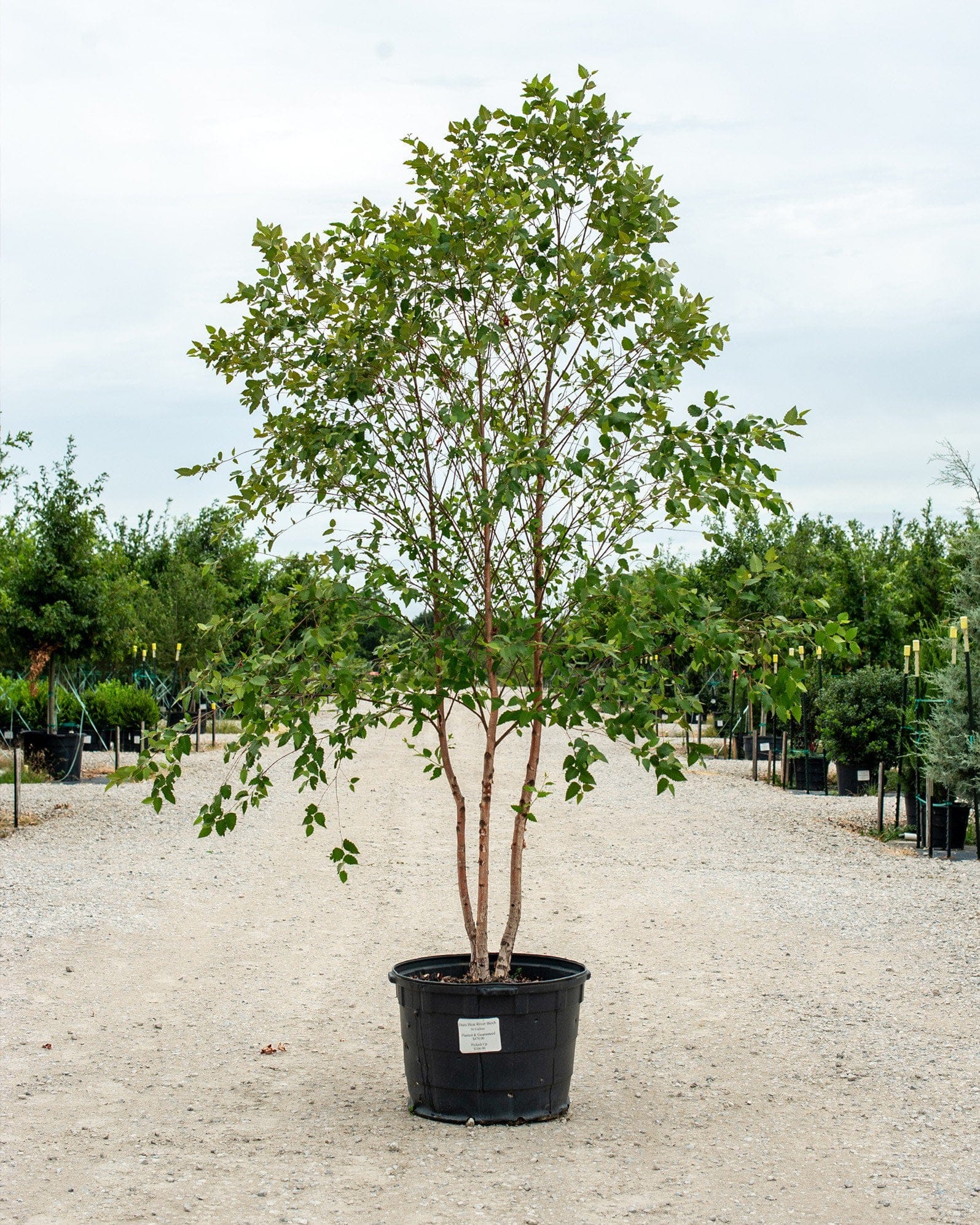
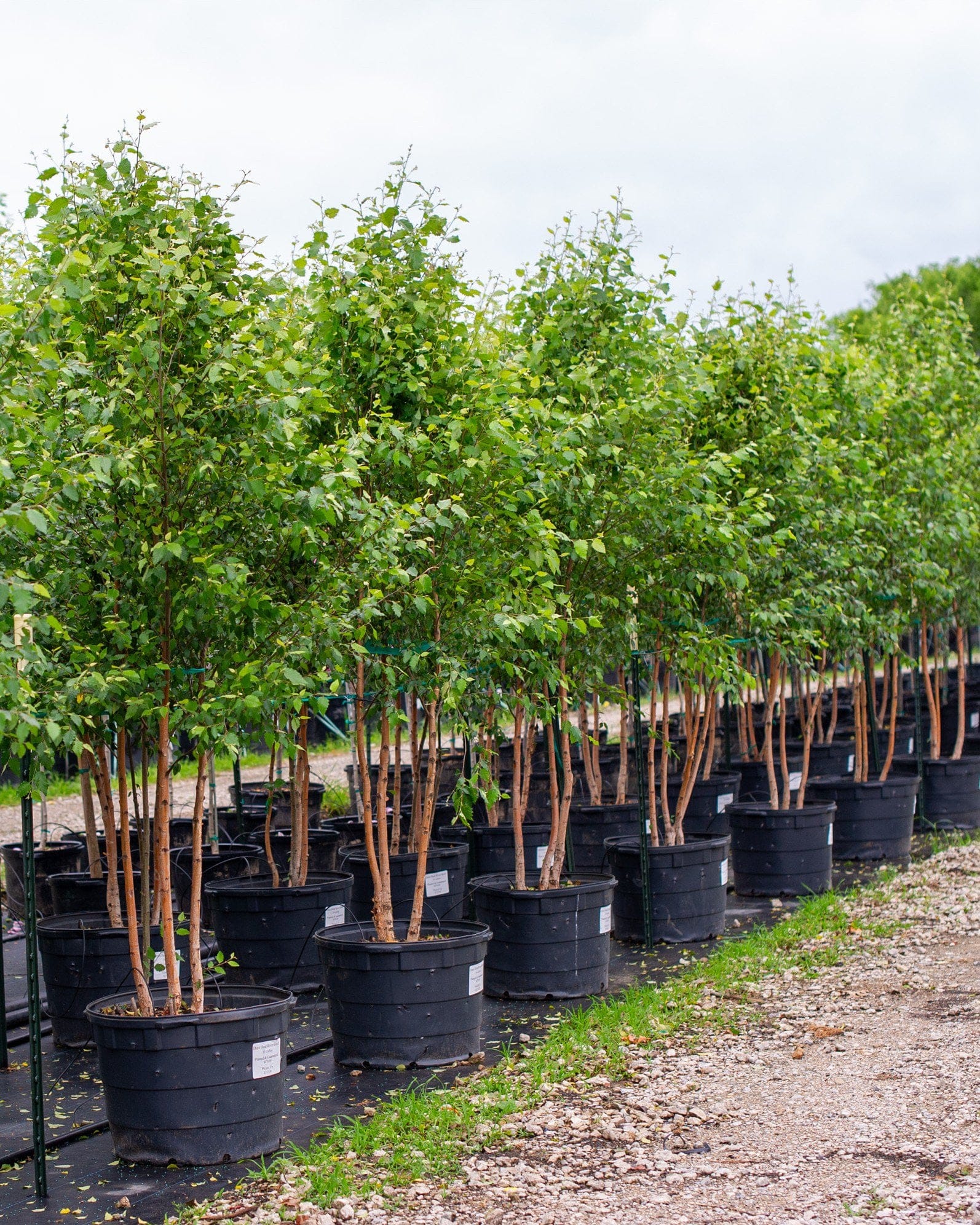
Dura Heat River Birch
Maturity: 30' H x 25' W
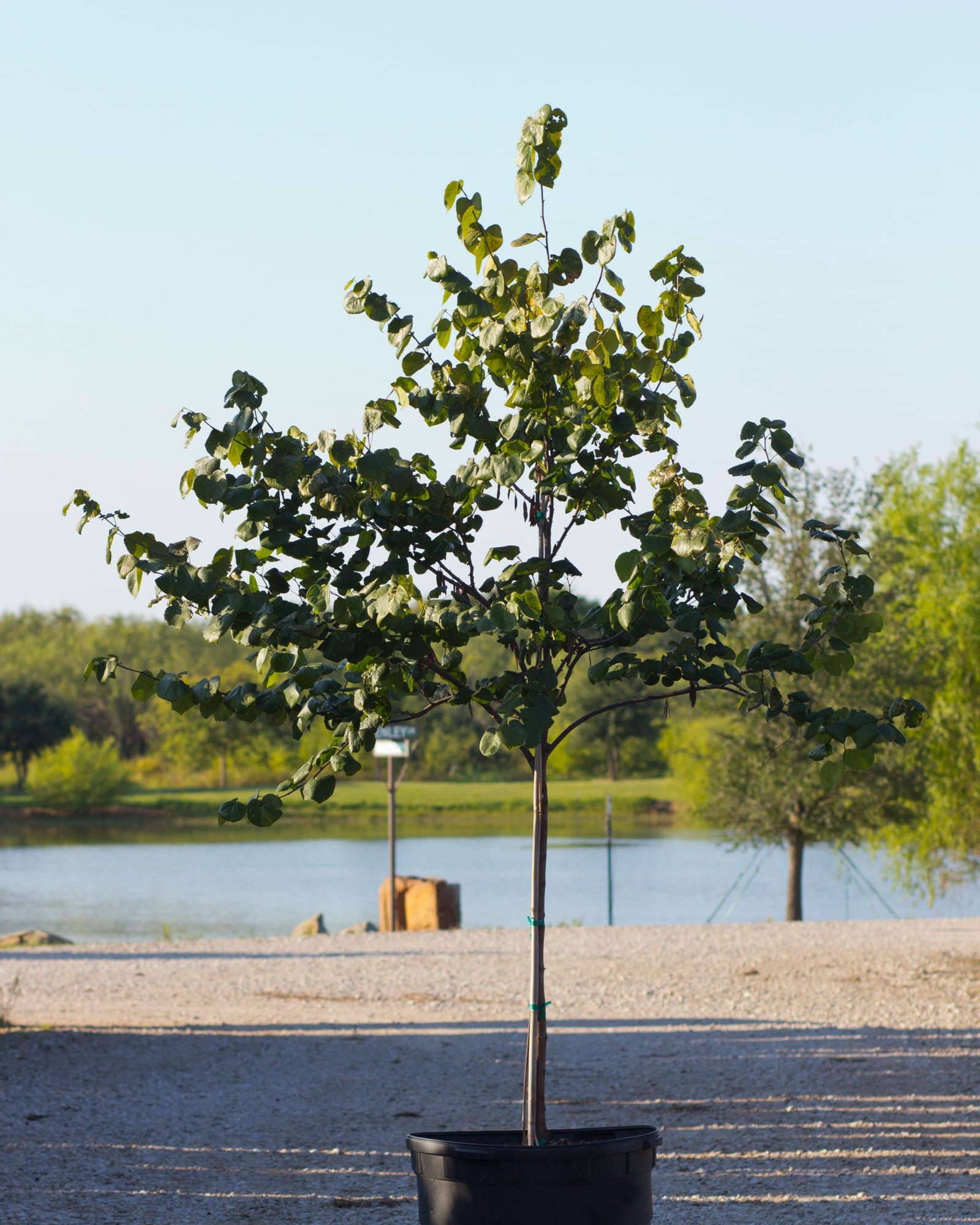
Texas Redbud
Maturity: 30' H x 20' W
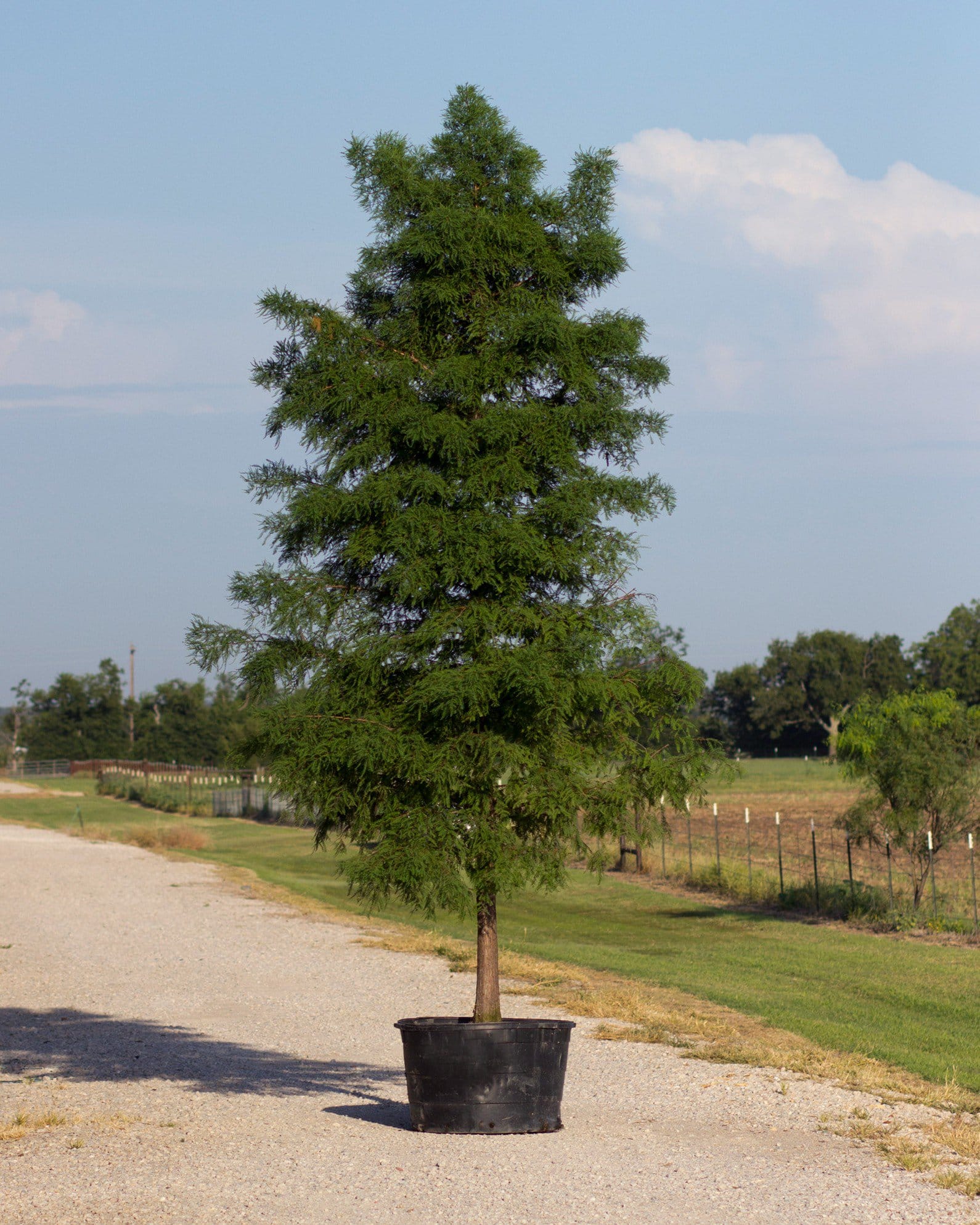
Bald Cypress
Maturity: 60' H x 40' W
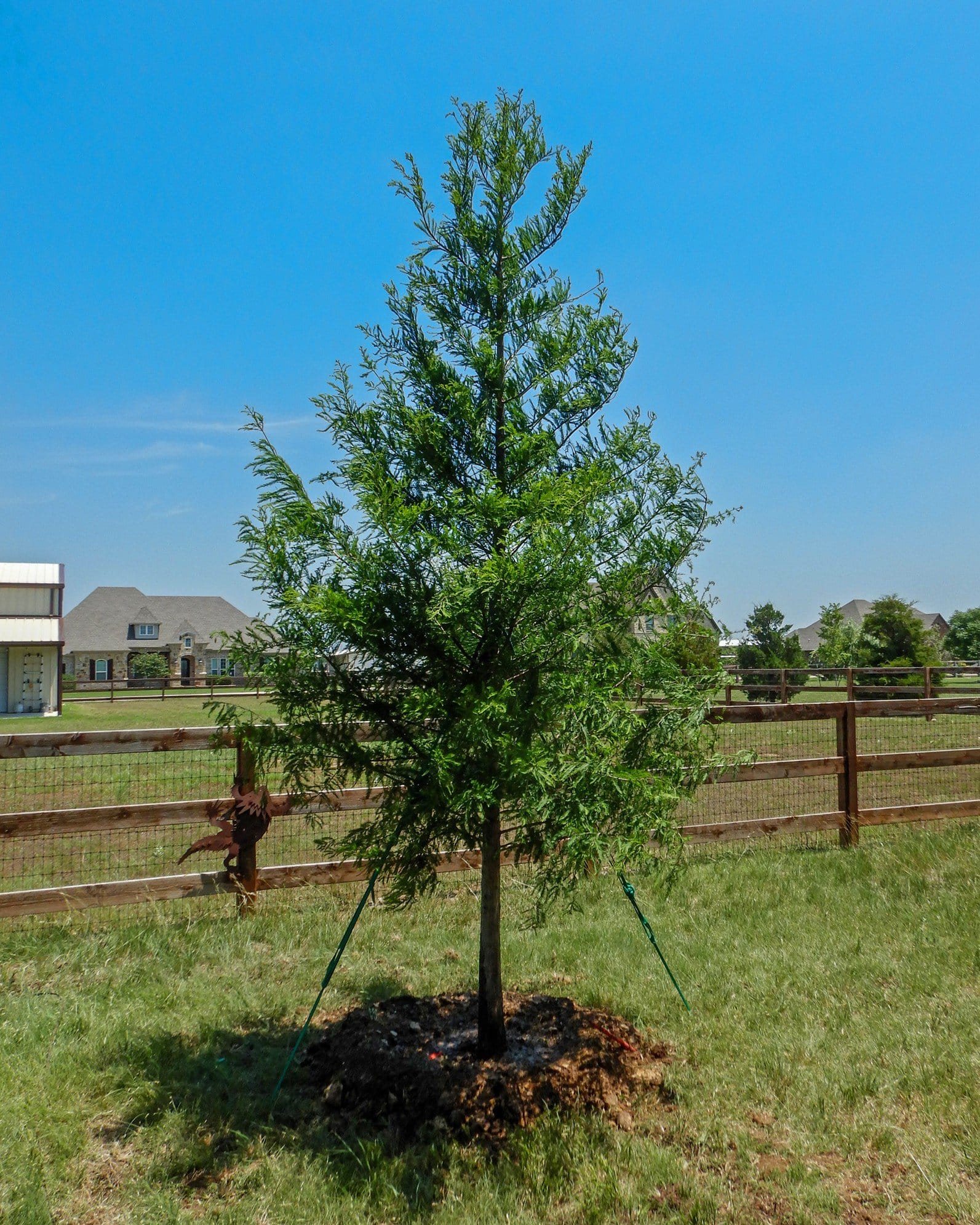
Montezuma Cypress
Maturity: 60' H x 40' W
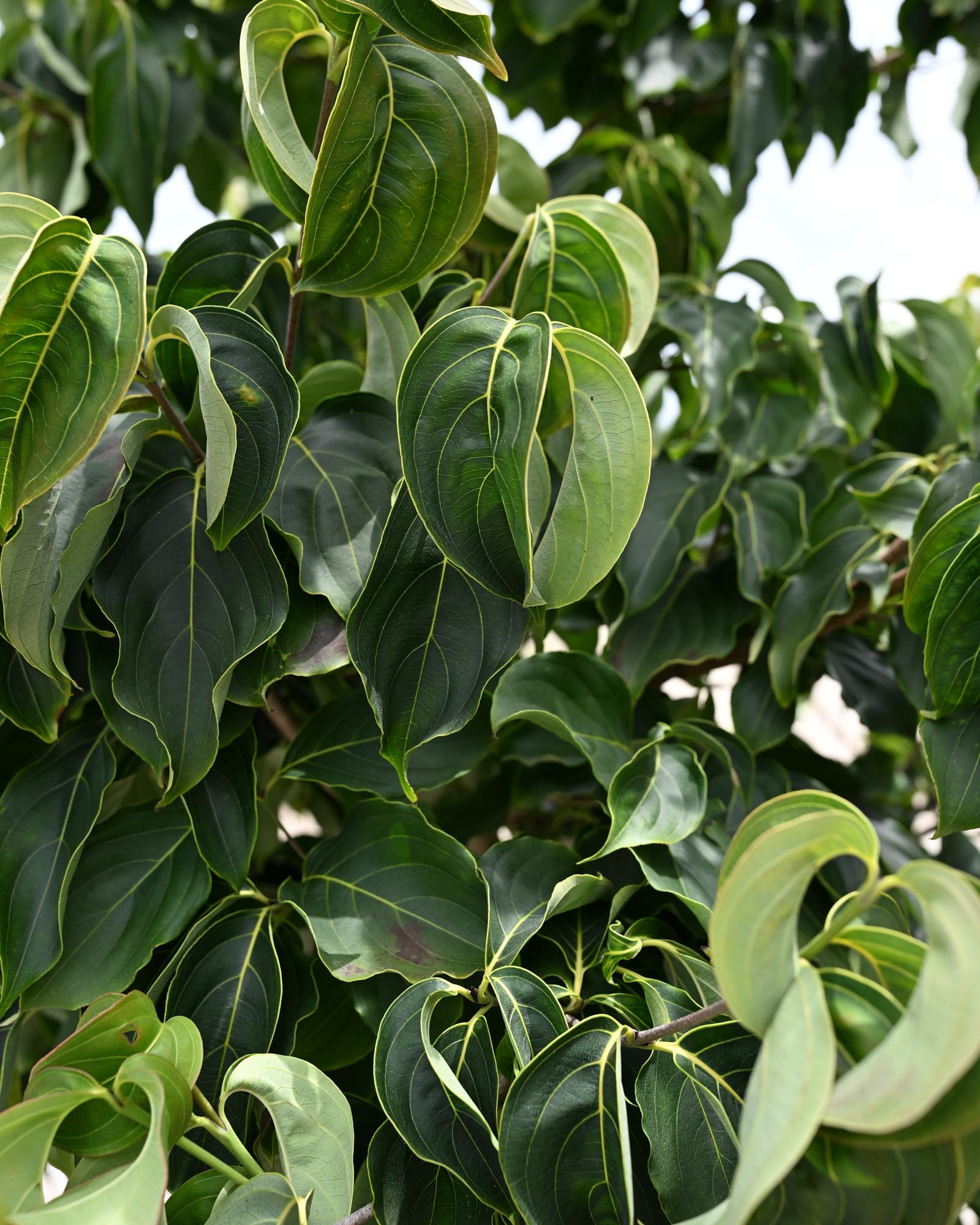
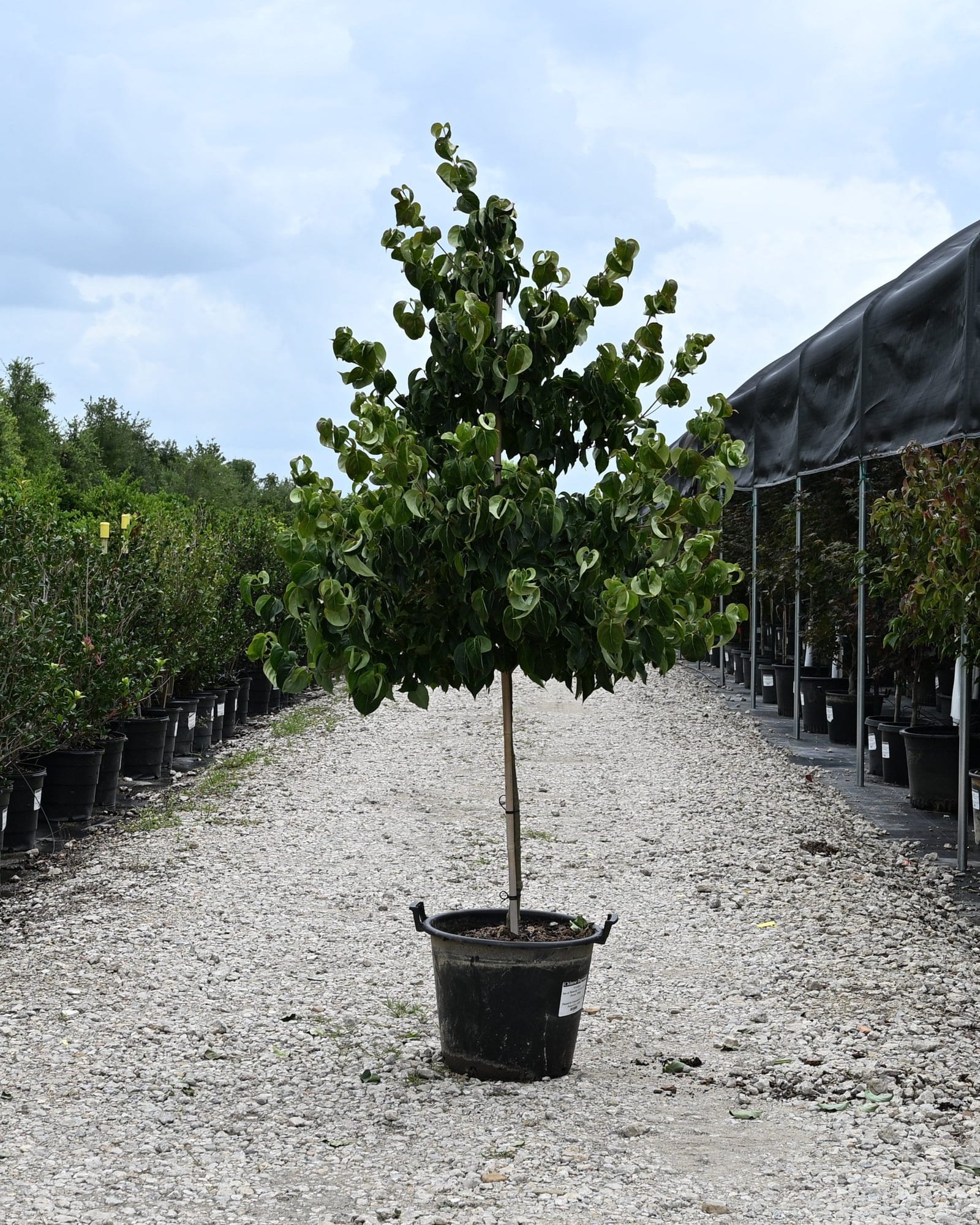
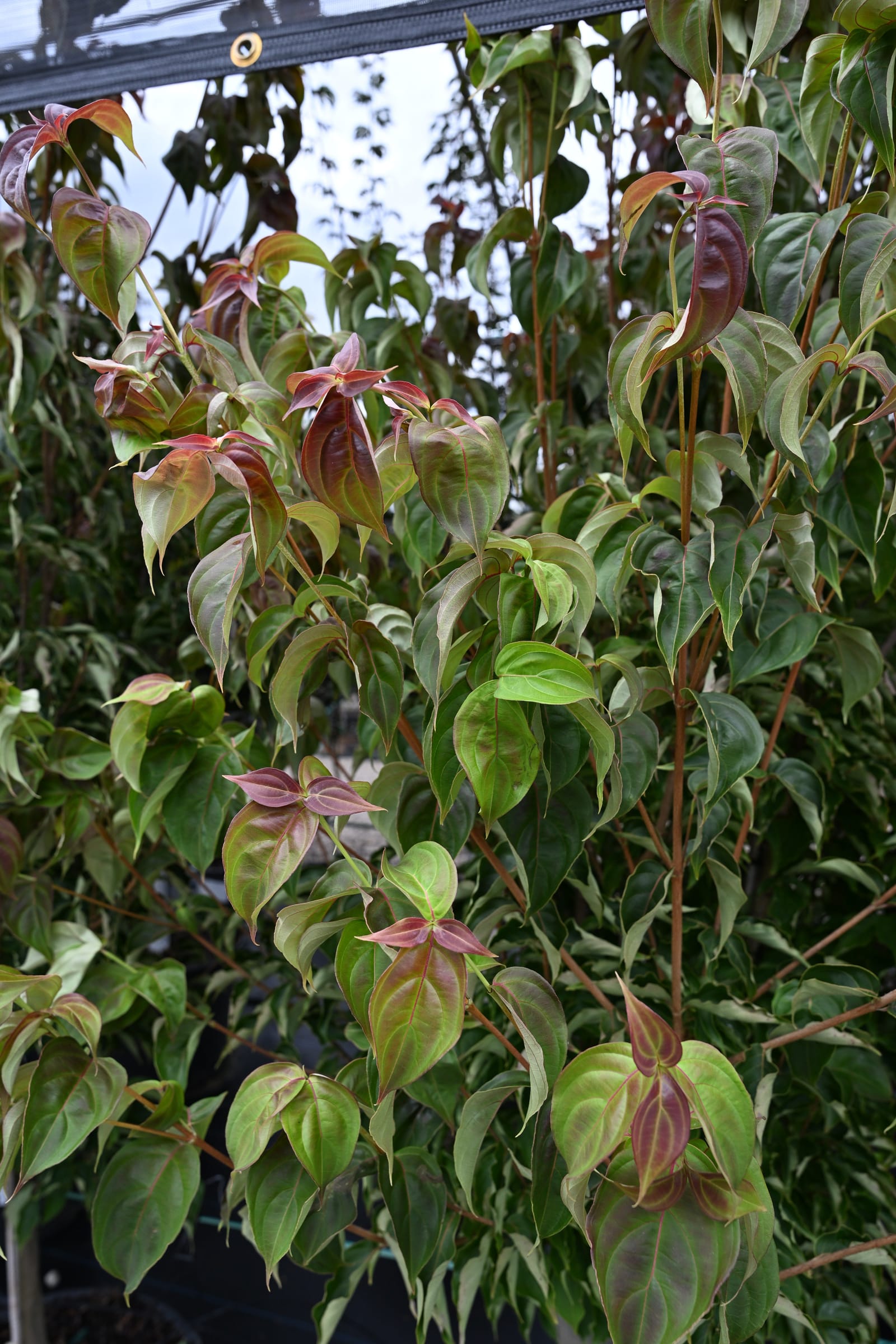
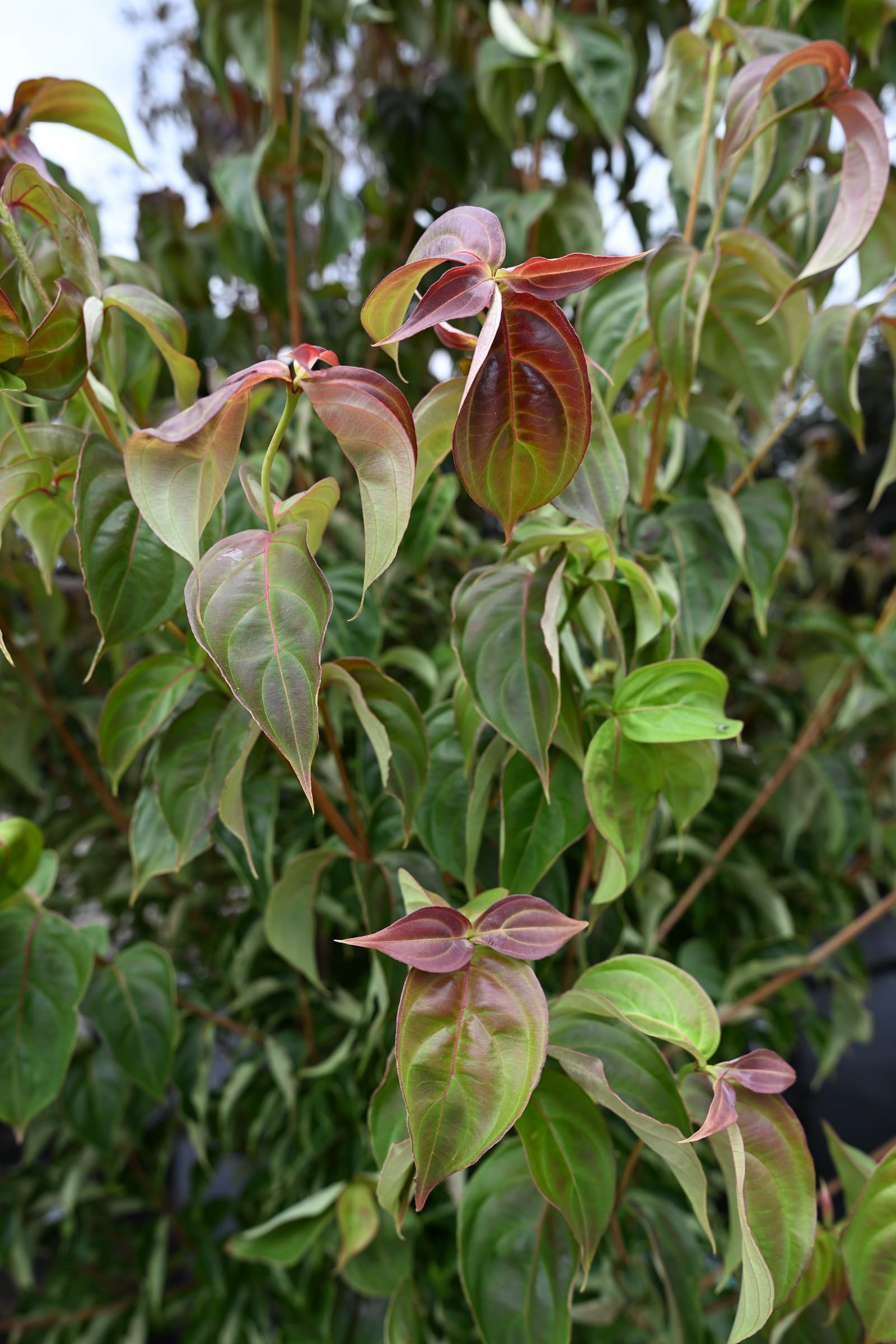
Chinese Dogwood
Maturity: 15' H x 15' W
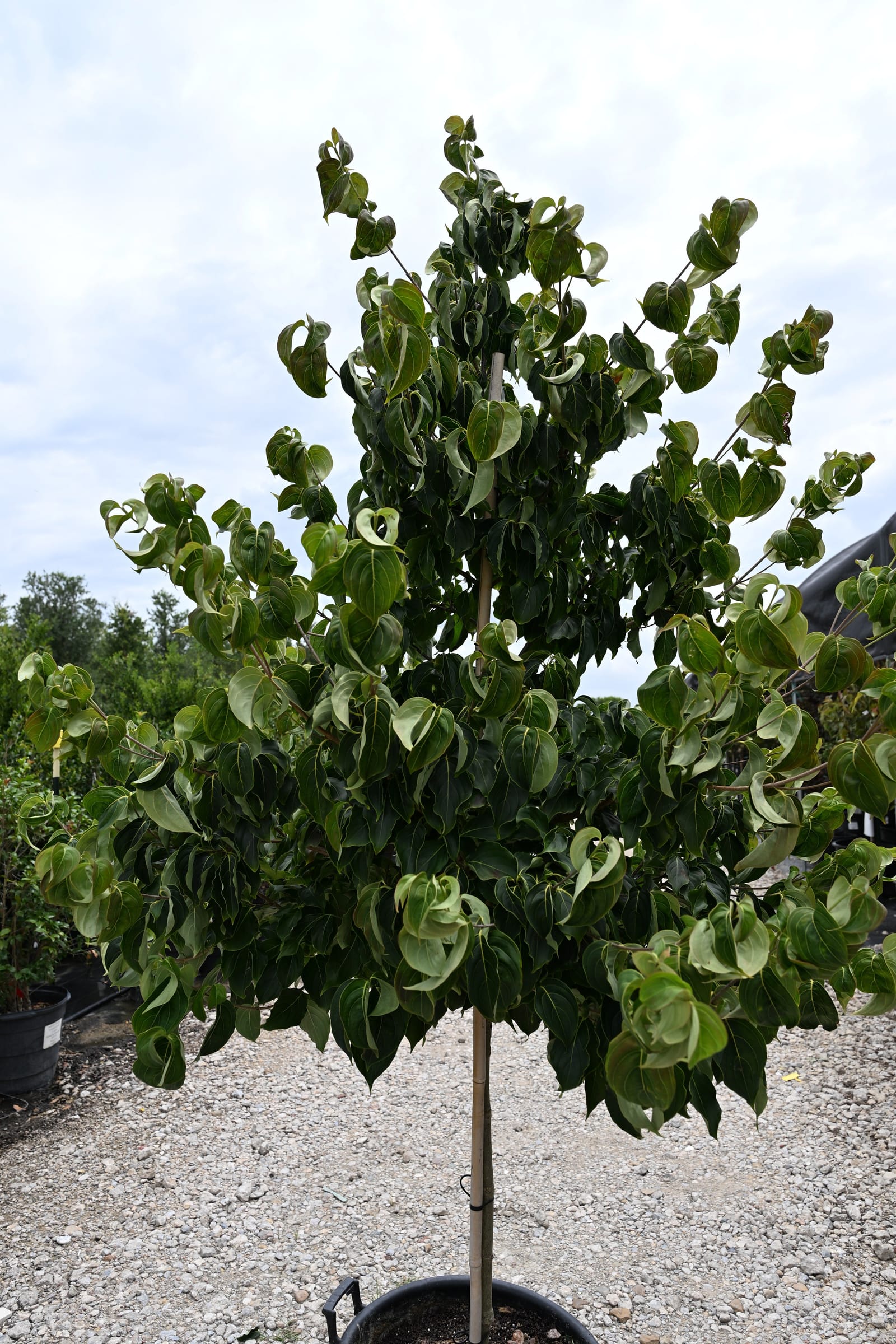
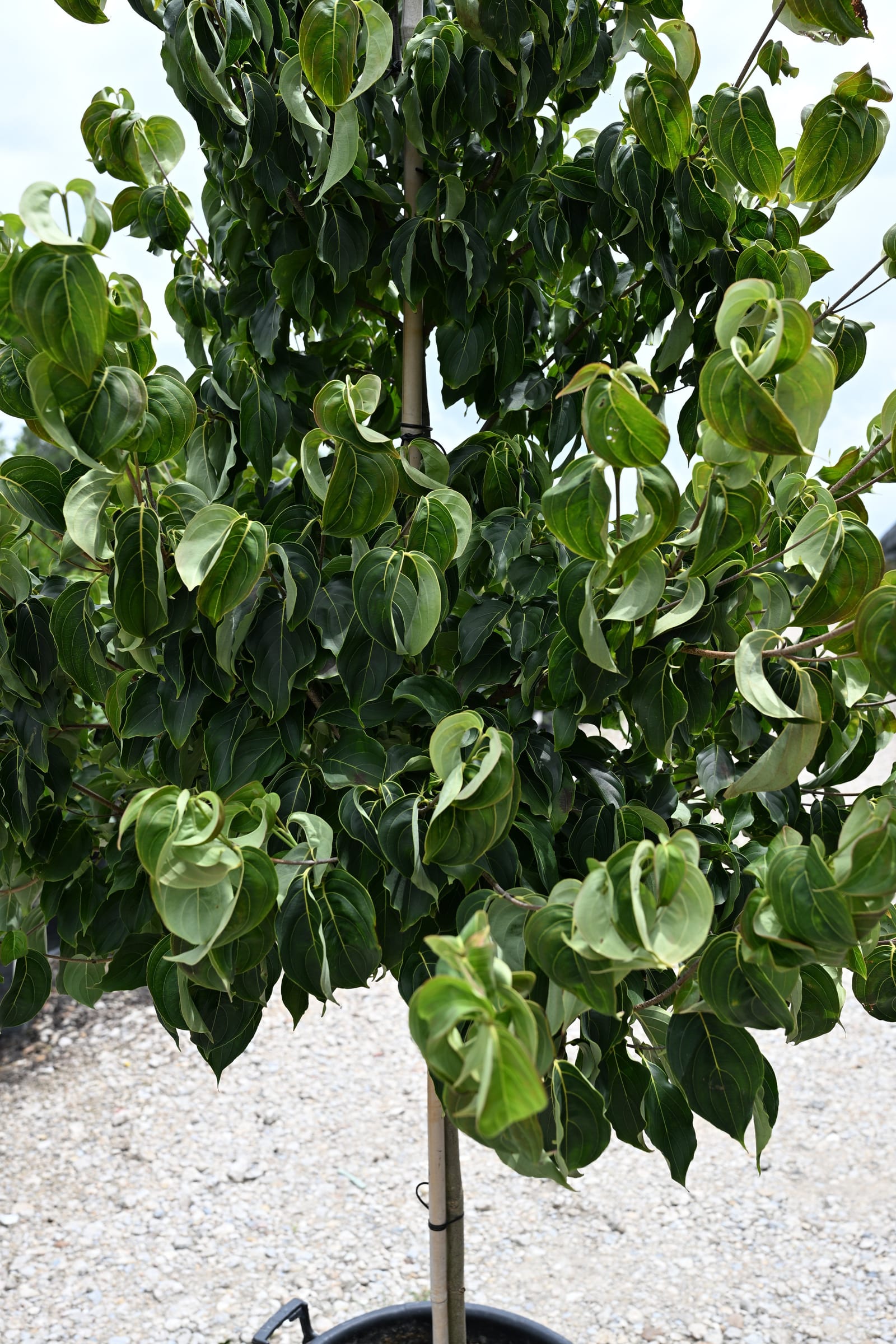
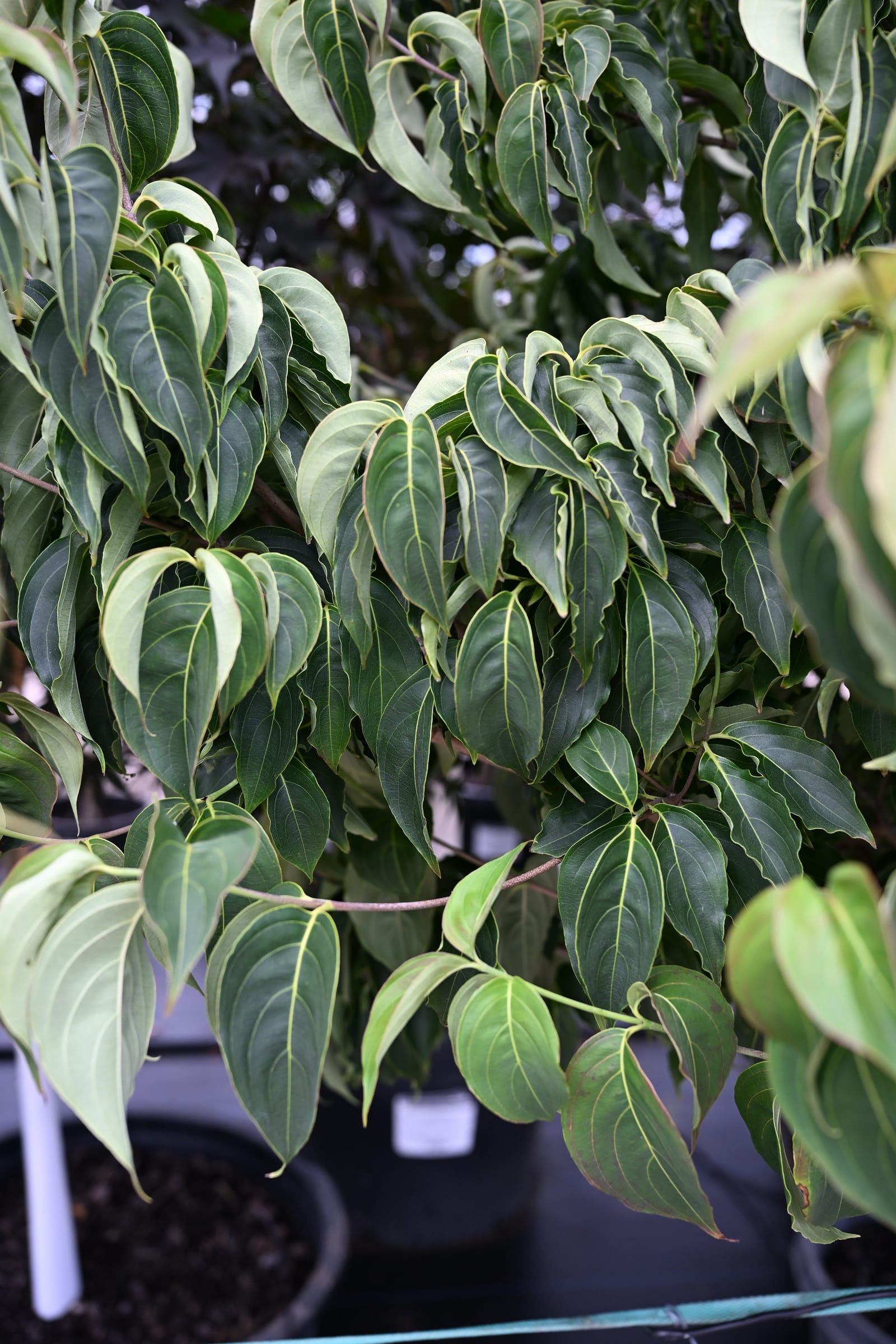
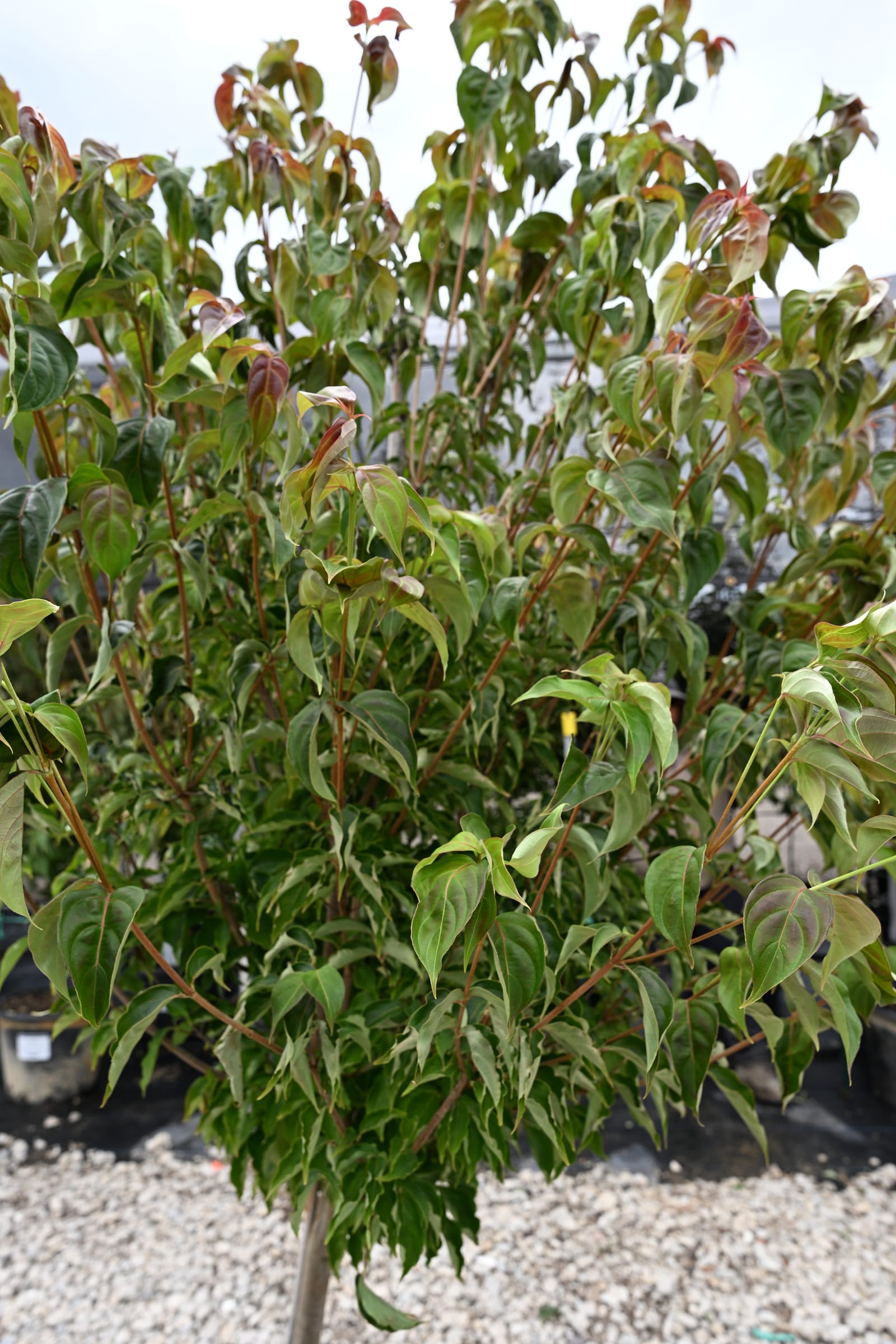
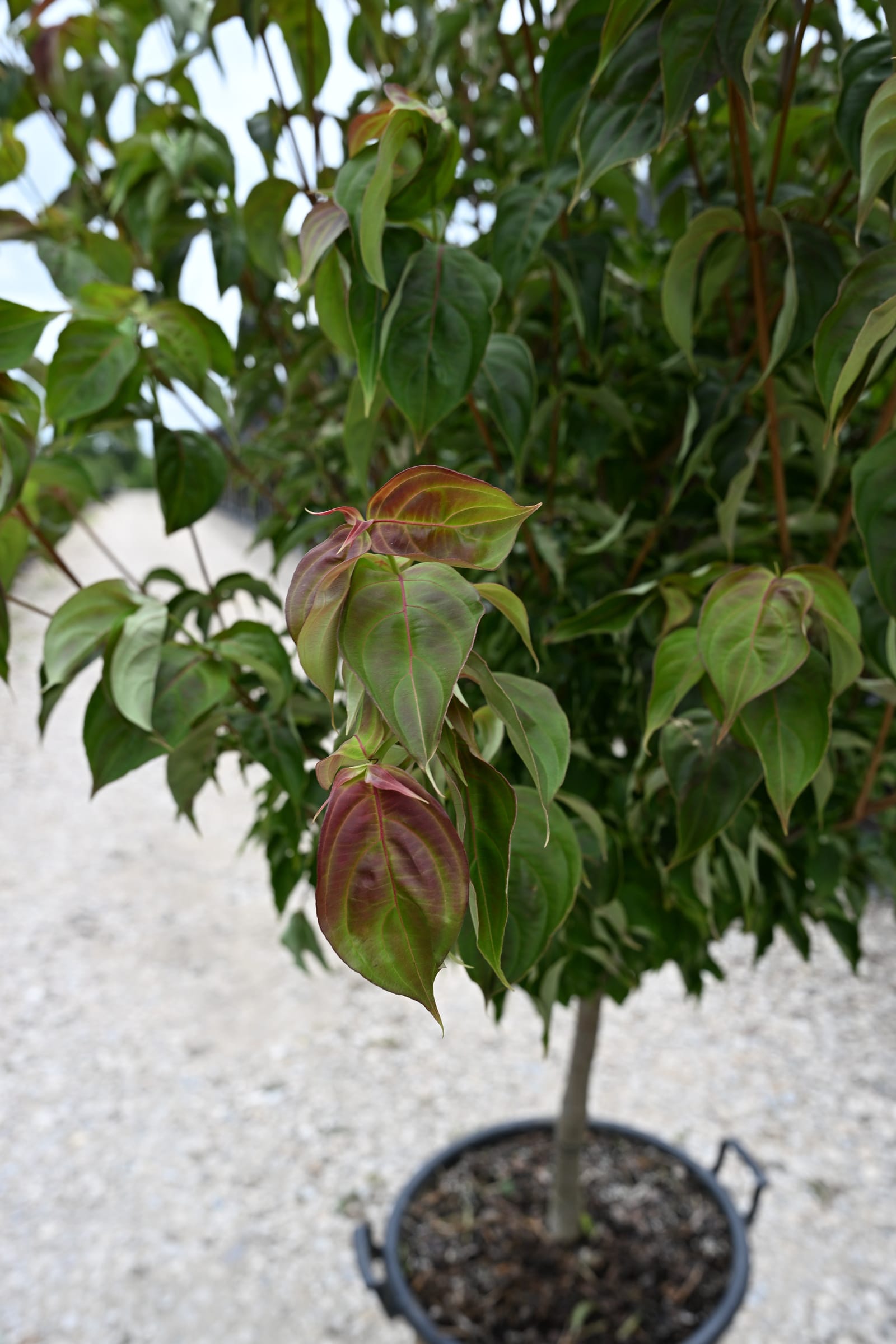
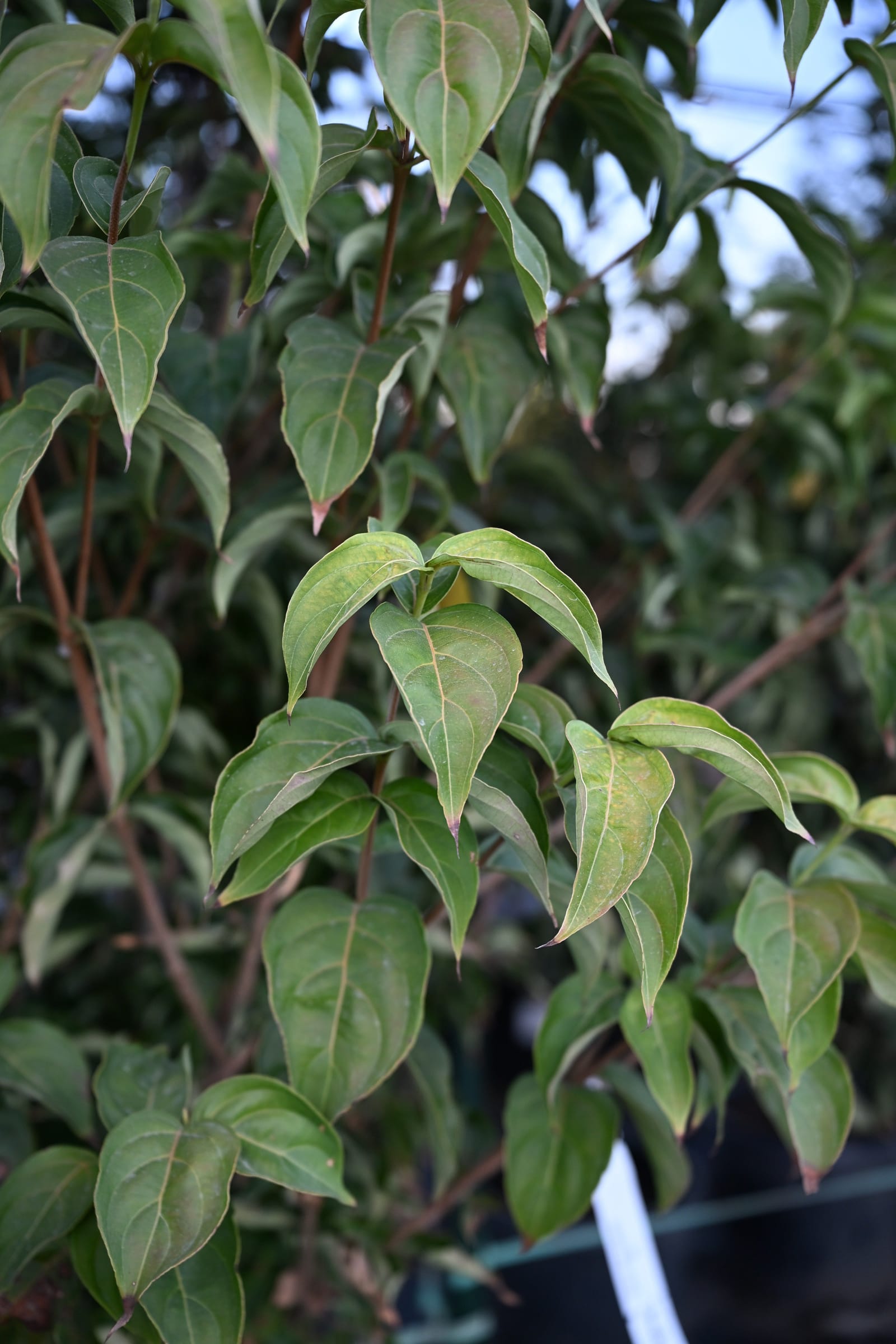
Chinese Dogwood Scarlet Fire
Maturity: 15' H x 15' W
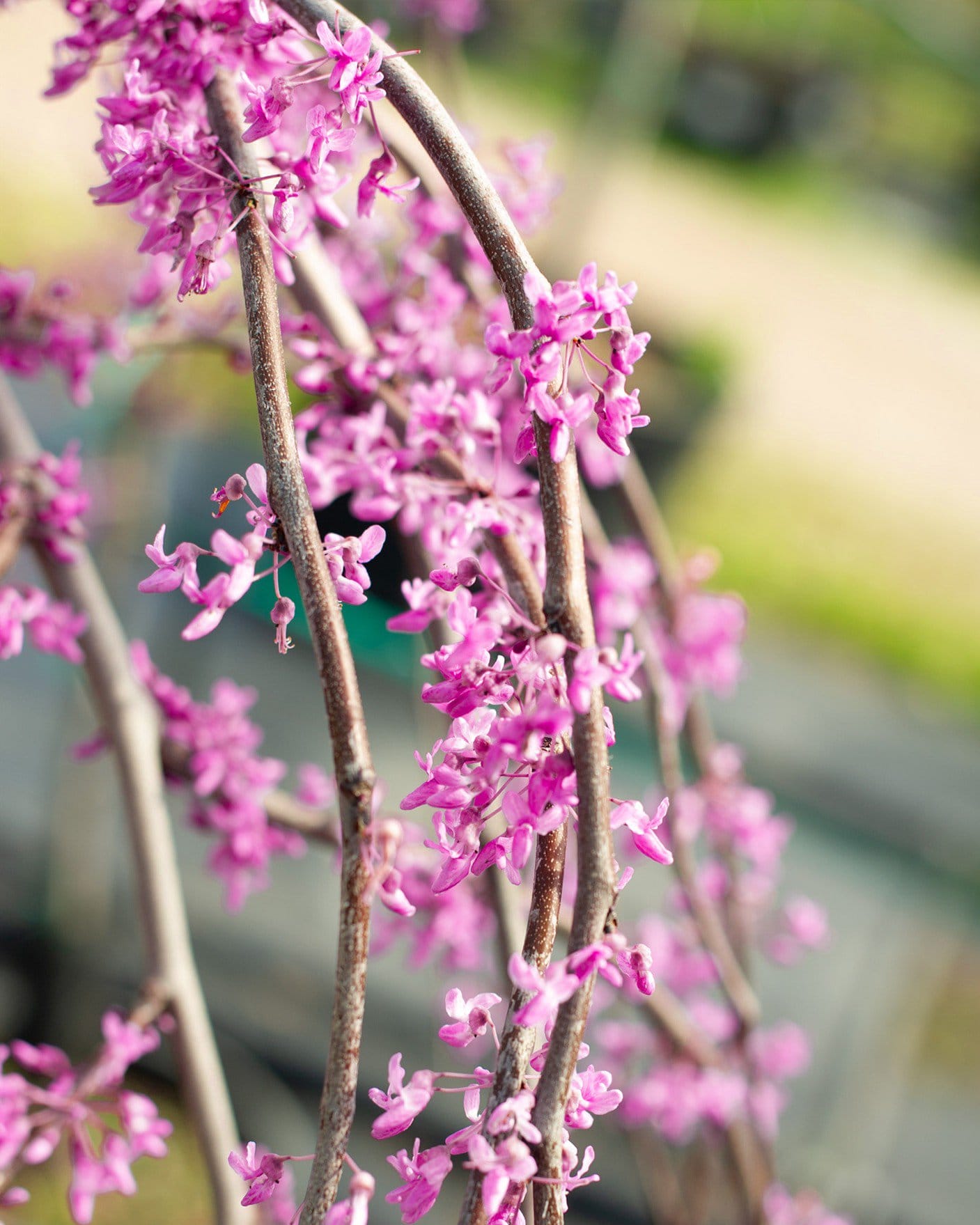
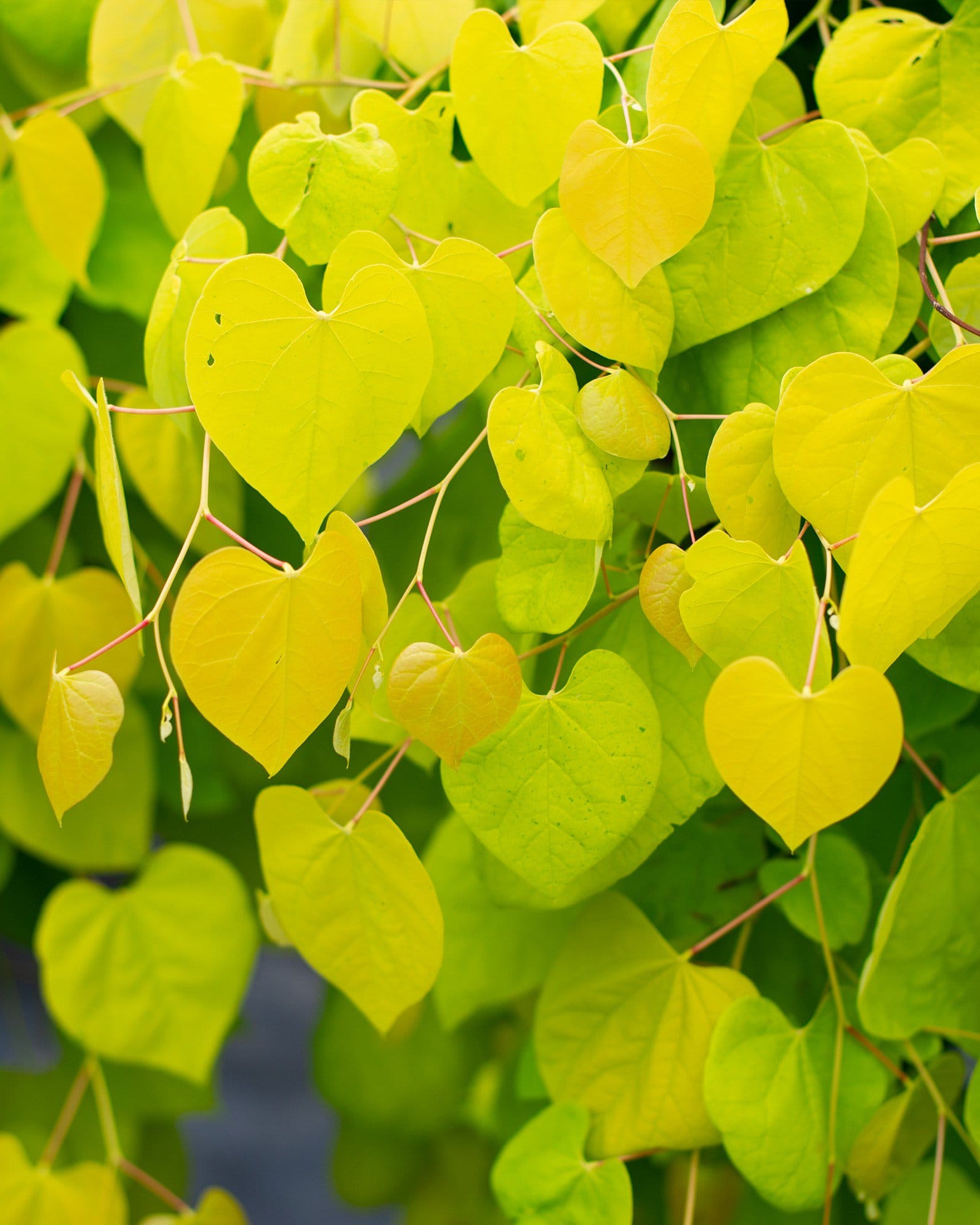
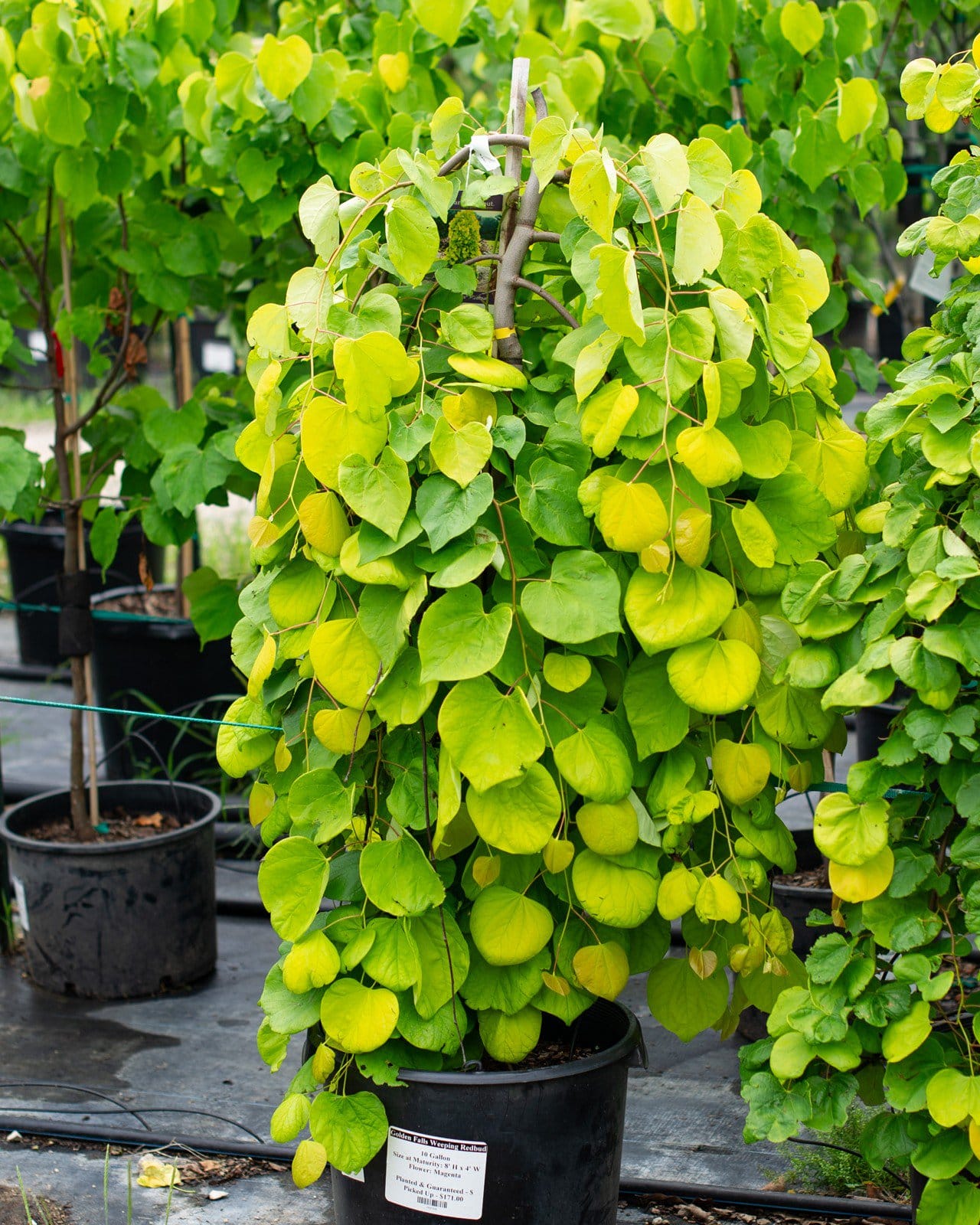
Golden Falls Weeping Redbud
Maturity: 8' H x 4' W
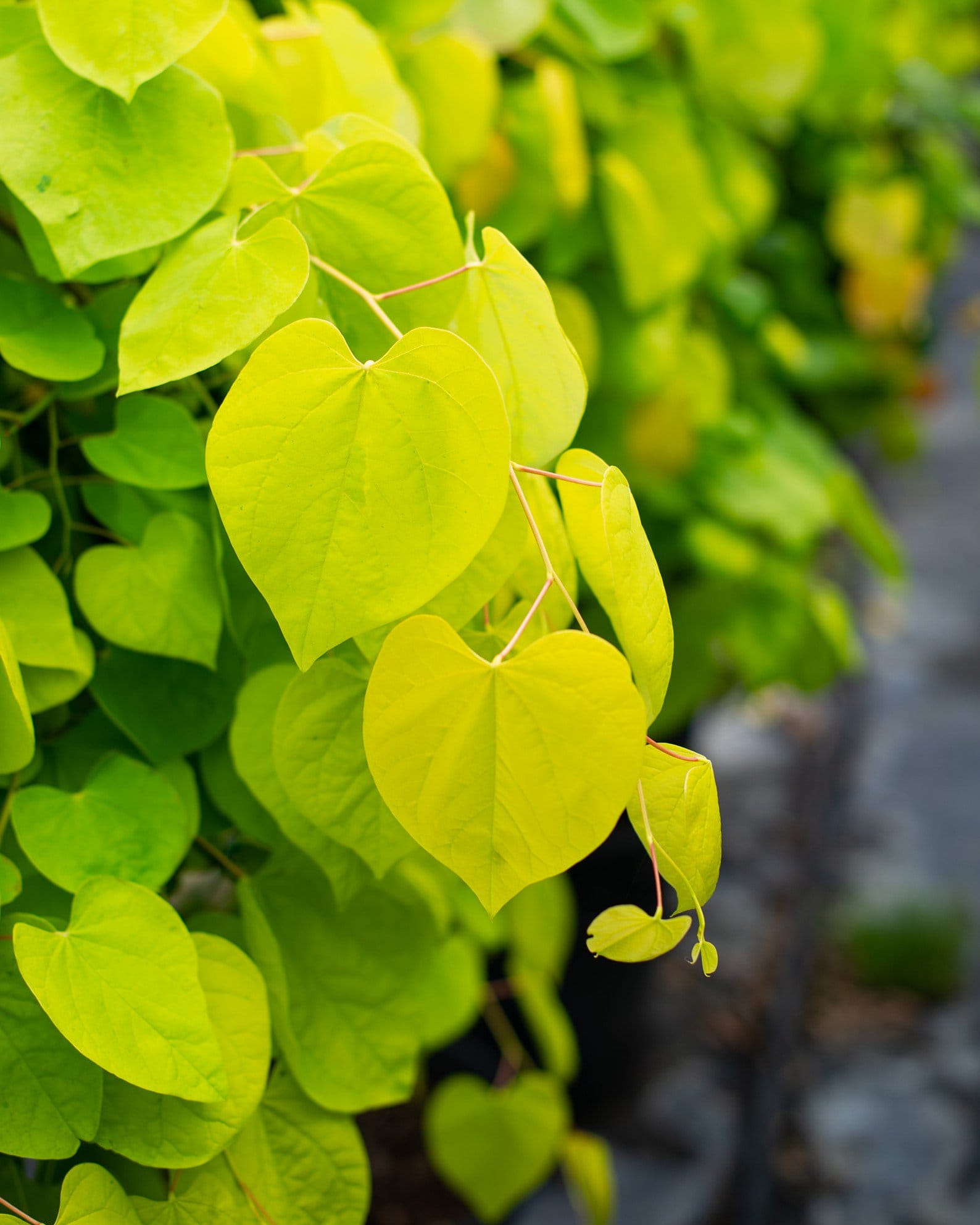
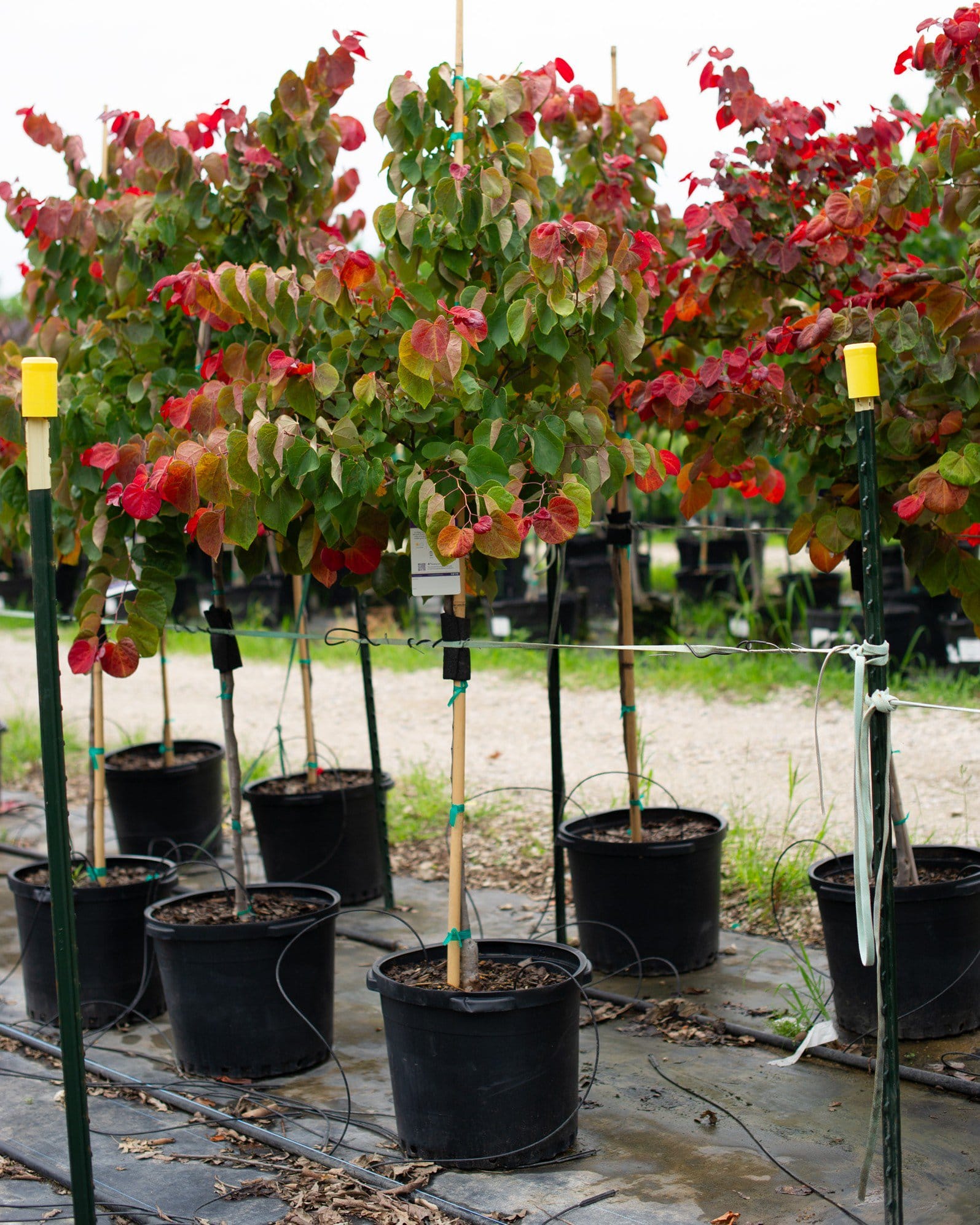
Hearts A'Fire Redbud
Maturity: 15' H x 15' W
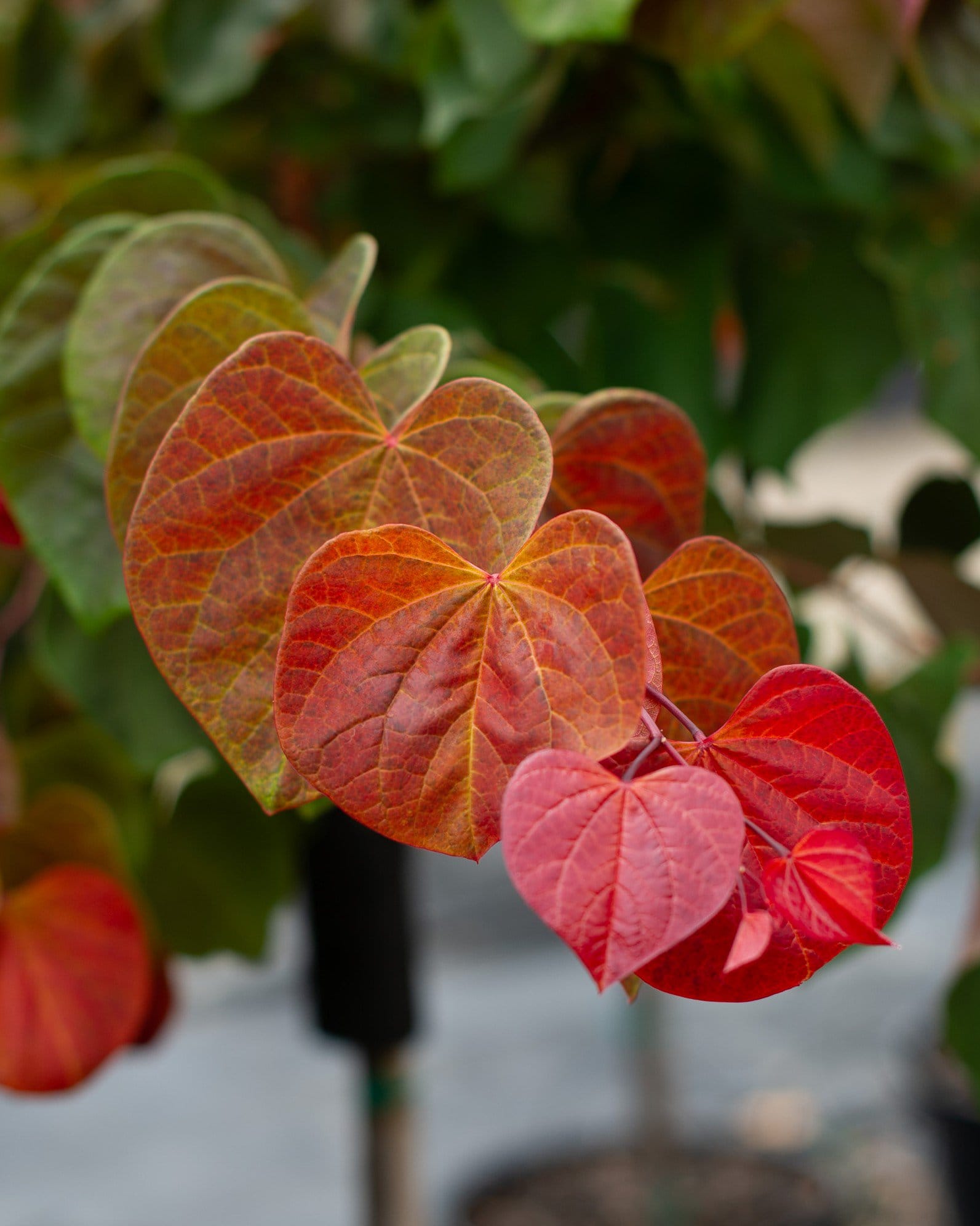
Hearts of Gold Redbud
Maturity: 15' H x 15' W
Compare Similar Plants
Pond Cypress Debonair This plant | ||
|---|---|---|
| Scientific Name | Taxodium ascendens ‘Morris’ | Cercis canadensis ‘Forest Pansy’ |
| Size at Maturity | 40' H x 20' W | 20' H x 20' W |
| Leaf Retention | Deciduous | Deciduous |
| Fall Color | Orange | Orange & Red |
| Flower Color | — | Pink |
| Bloom Times | — | Spring |
| Sizes Available | — | 7, 15, 45 gal |


Our 1-Year Planting Guarantee
We take pride in our plants and installation services. If any plants or trees installed by Treeland fail to thrive within the first year, we'll provide a replacement credit in accordance with our guarantee program.
Learn More About Our Guarantee