
Chinese Dogwood Scarlet Fire
Cornus 'Rutpink'Local DFW Delivery Only
Product Details
Chinese Dogwood Scarlet Fire
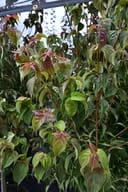
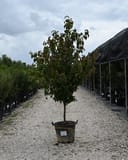
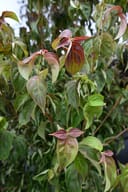
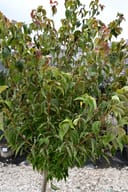
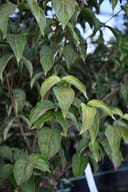
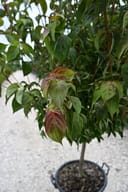
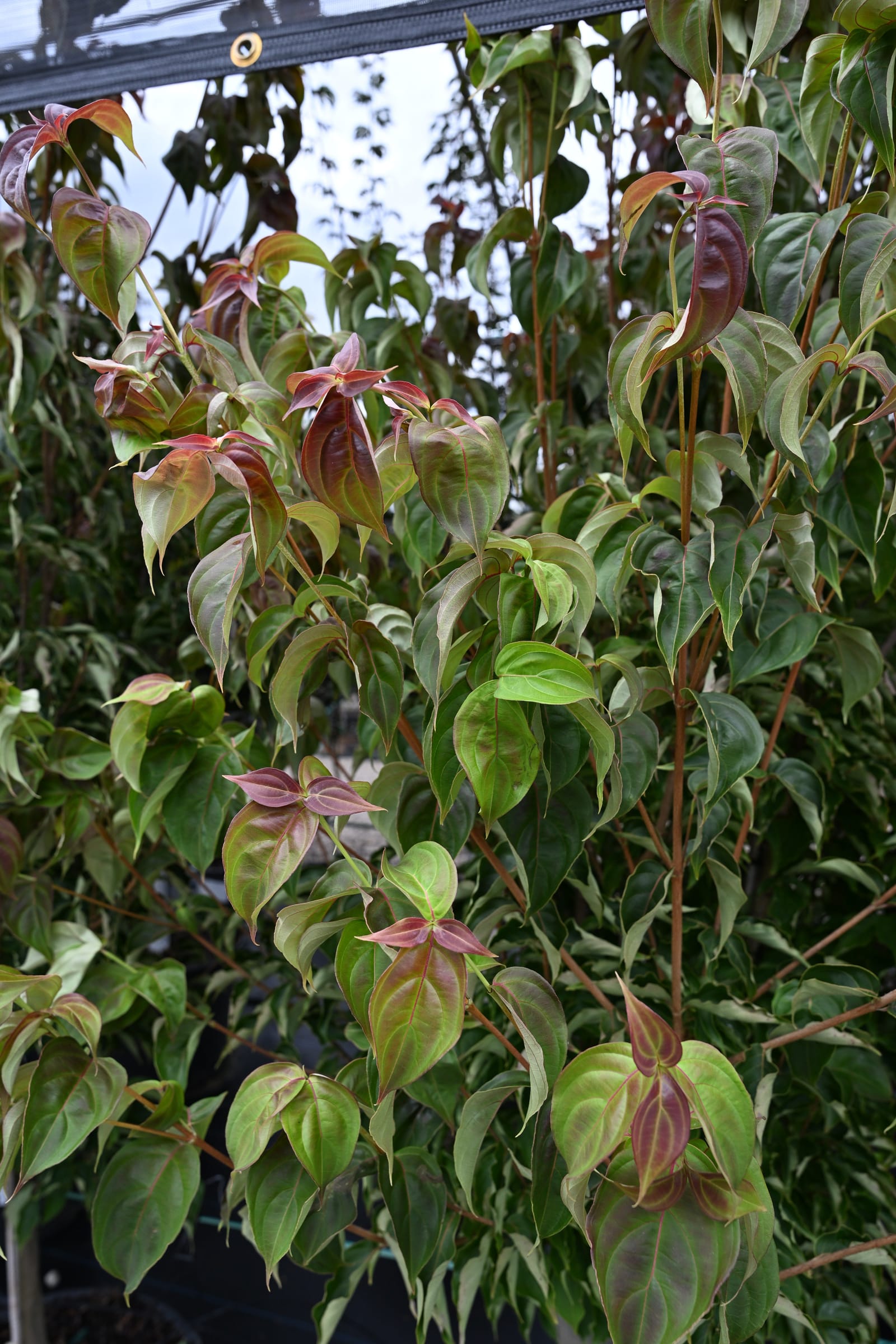
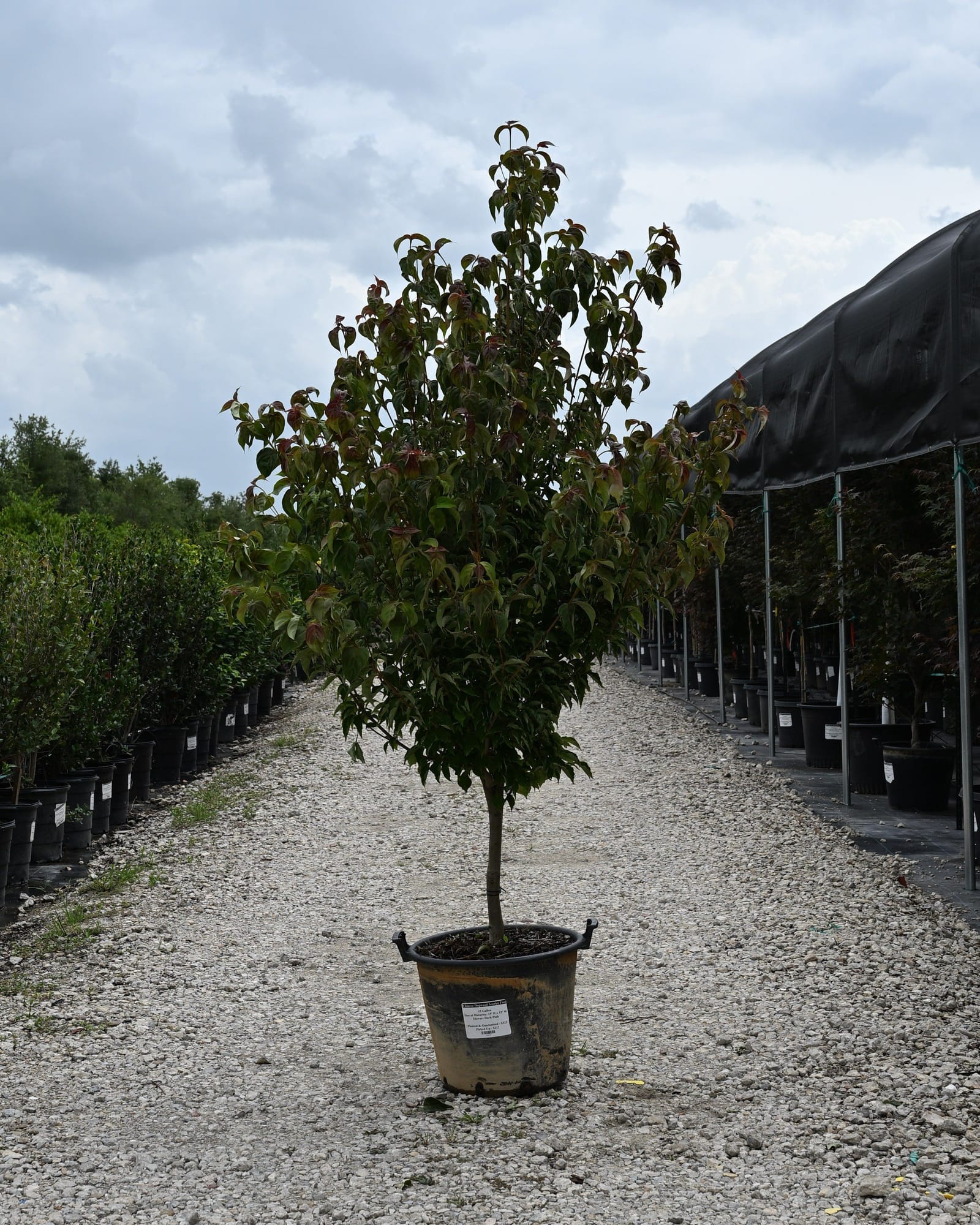
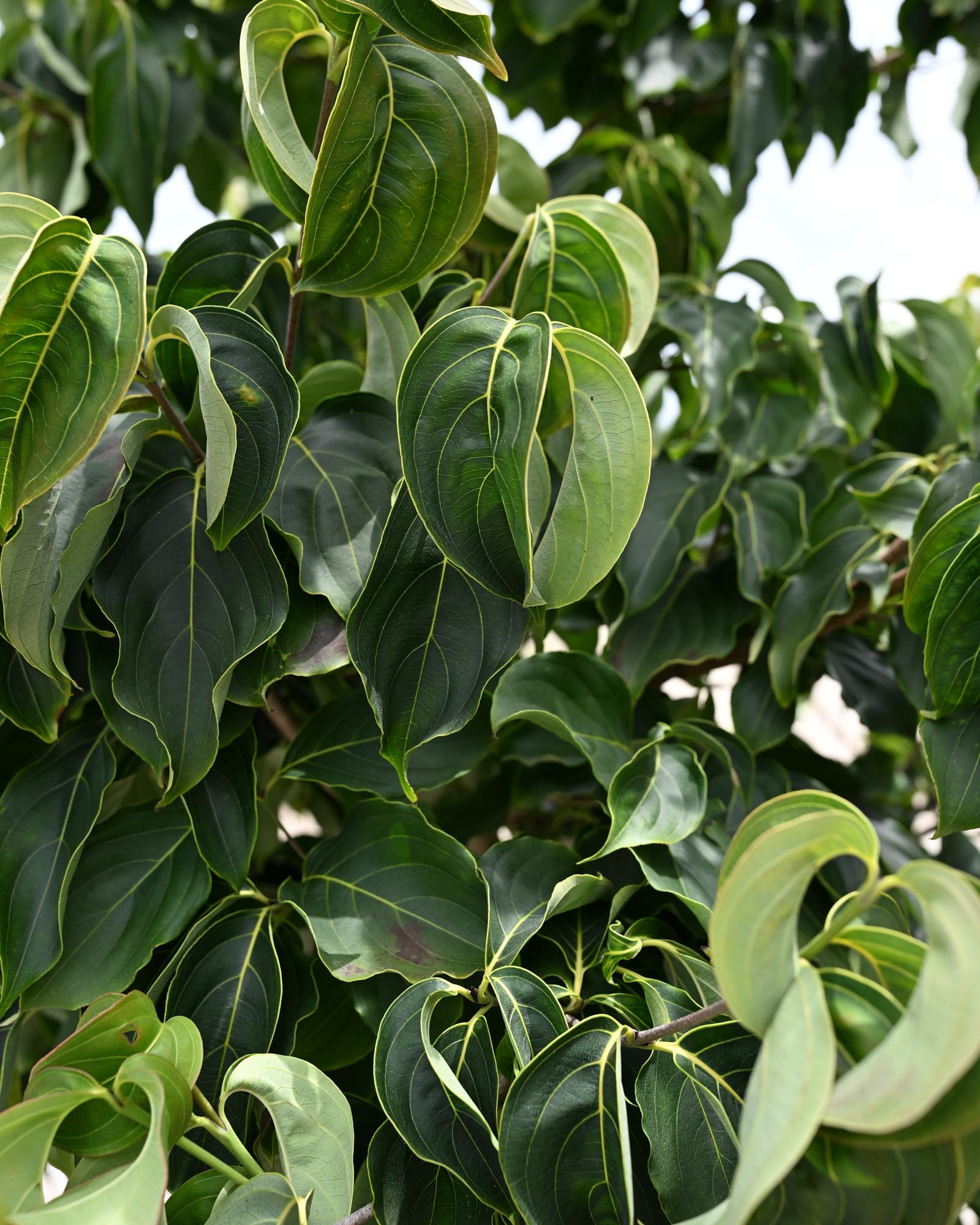
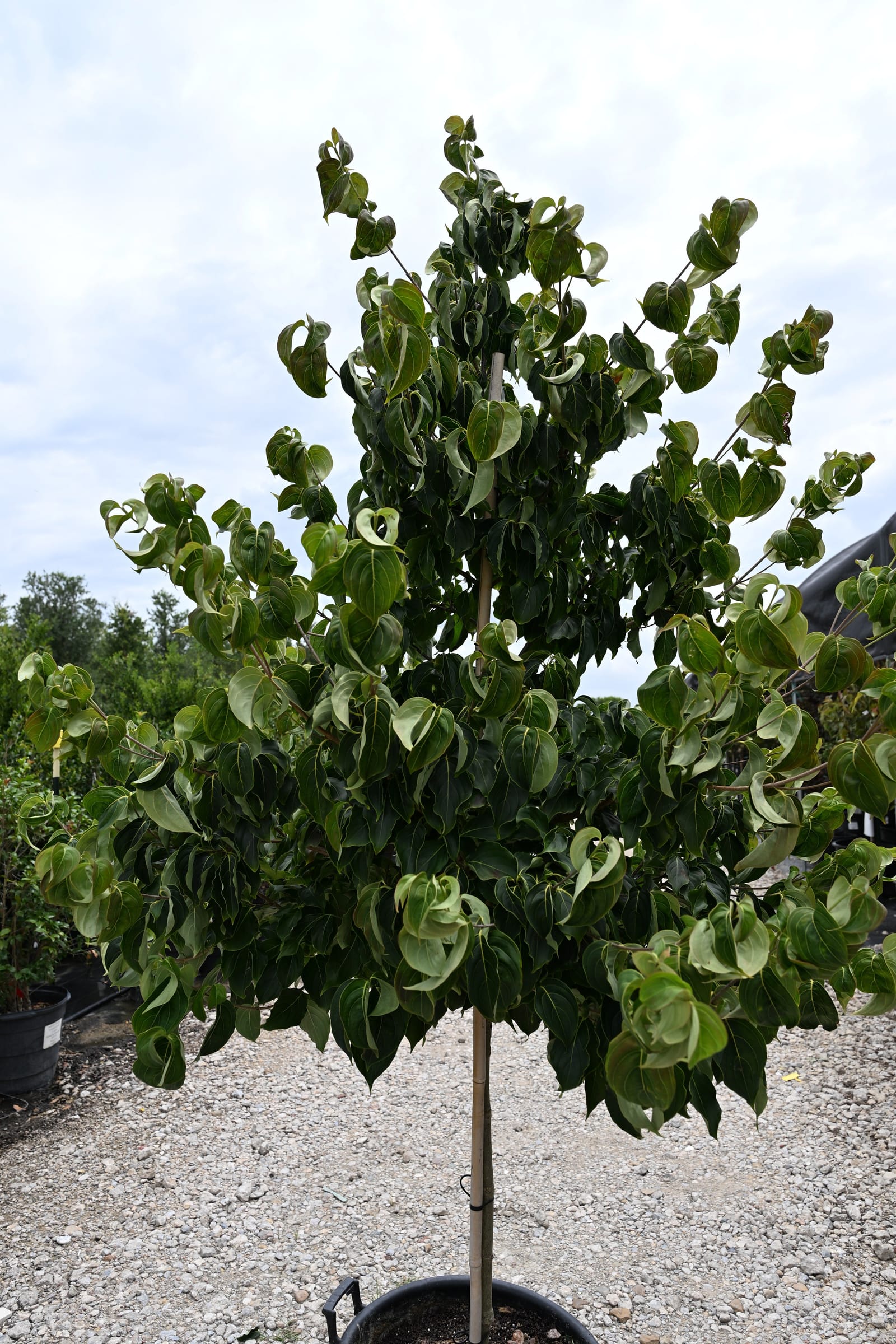
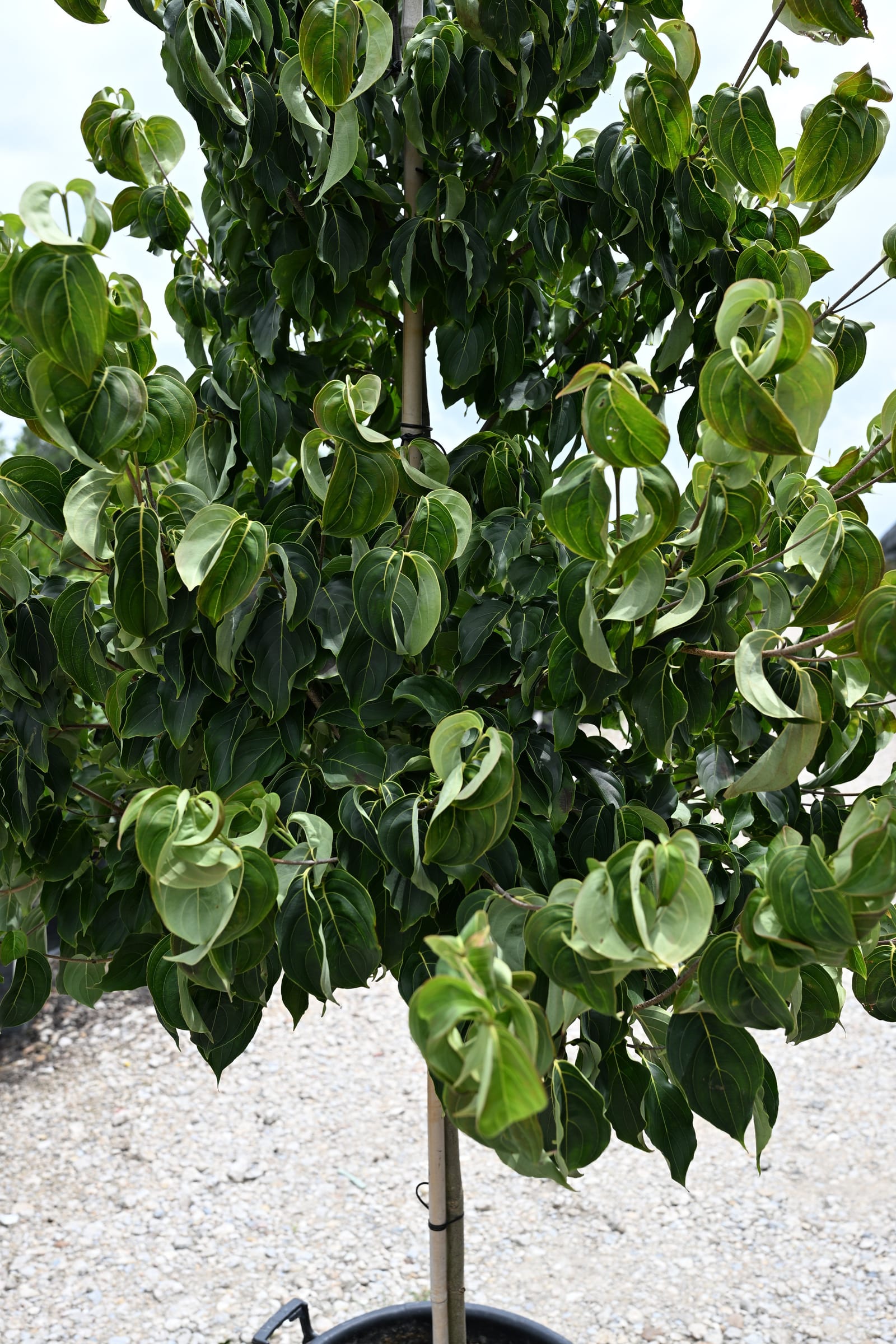
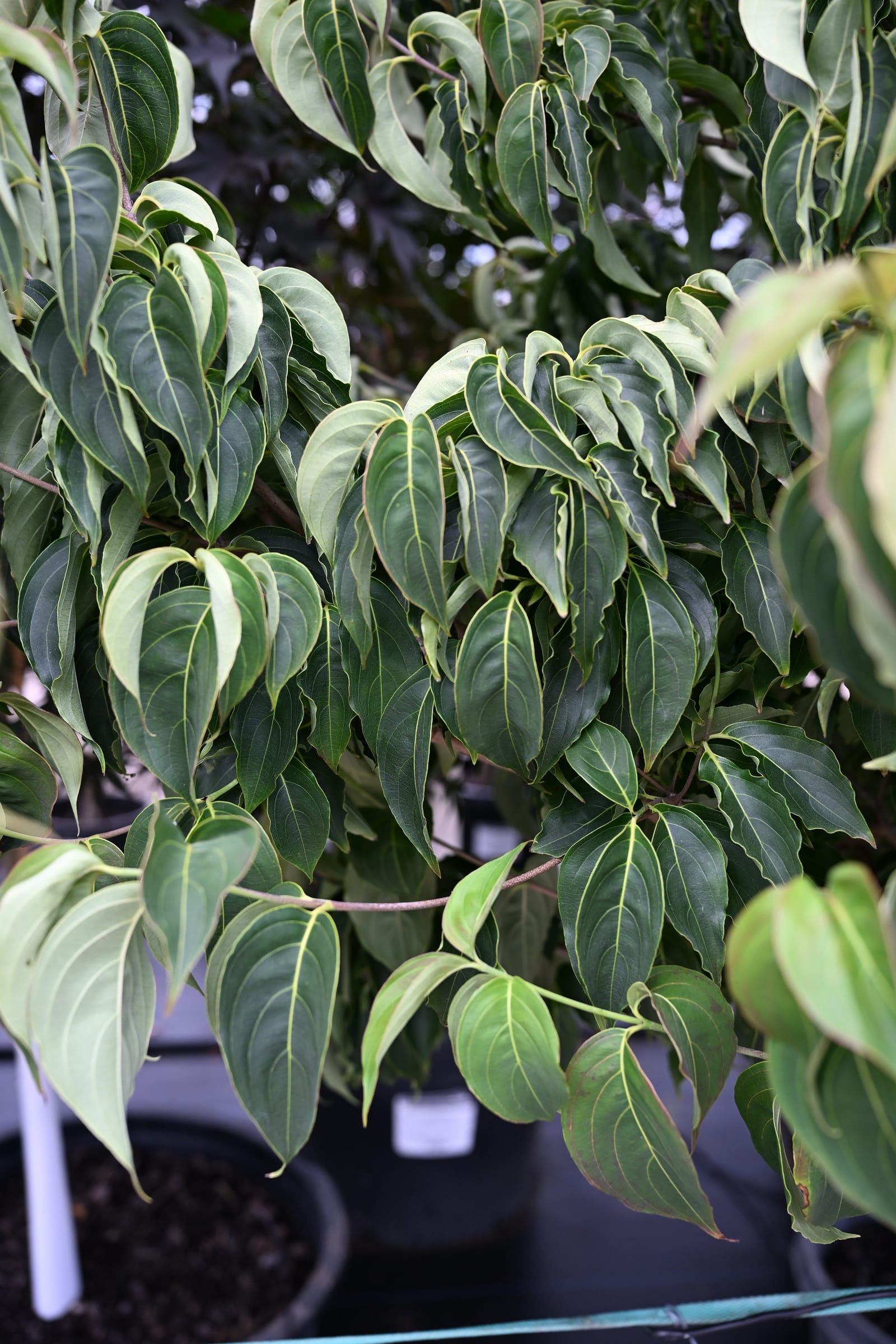
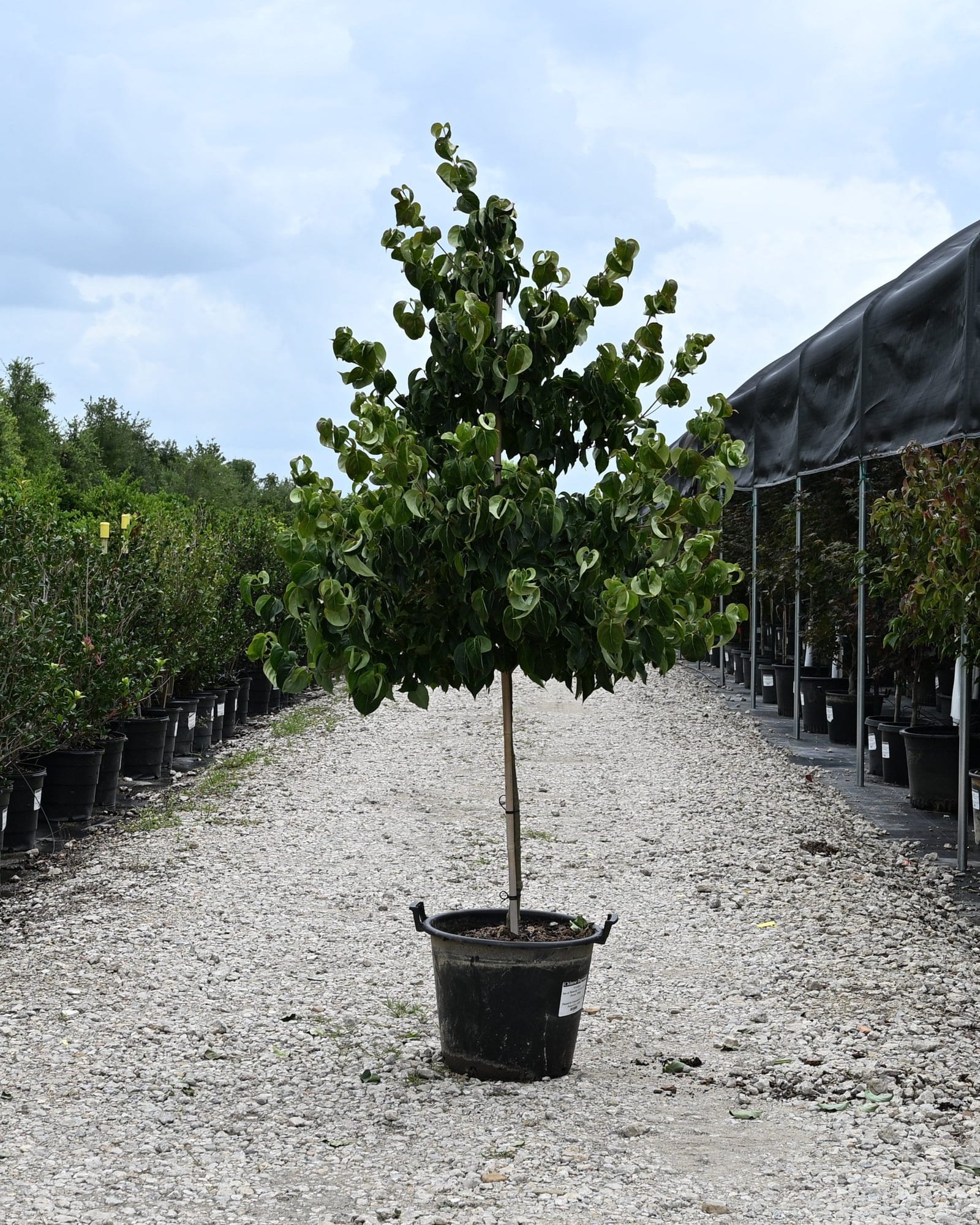
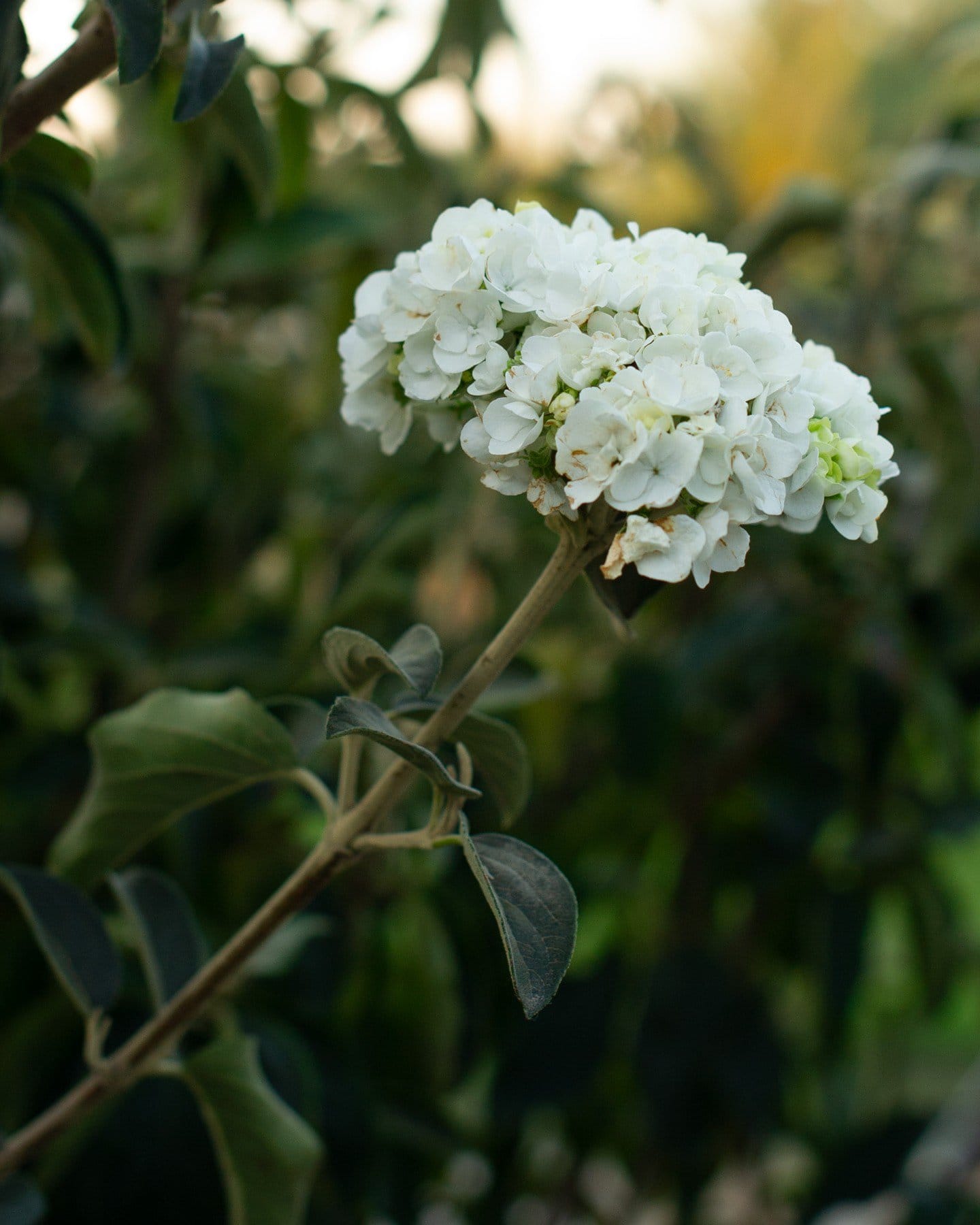
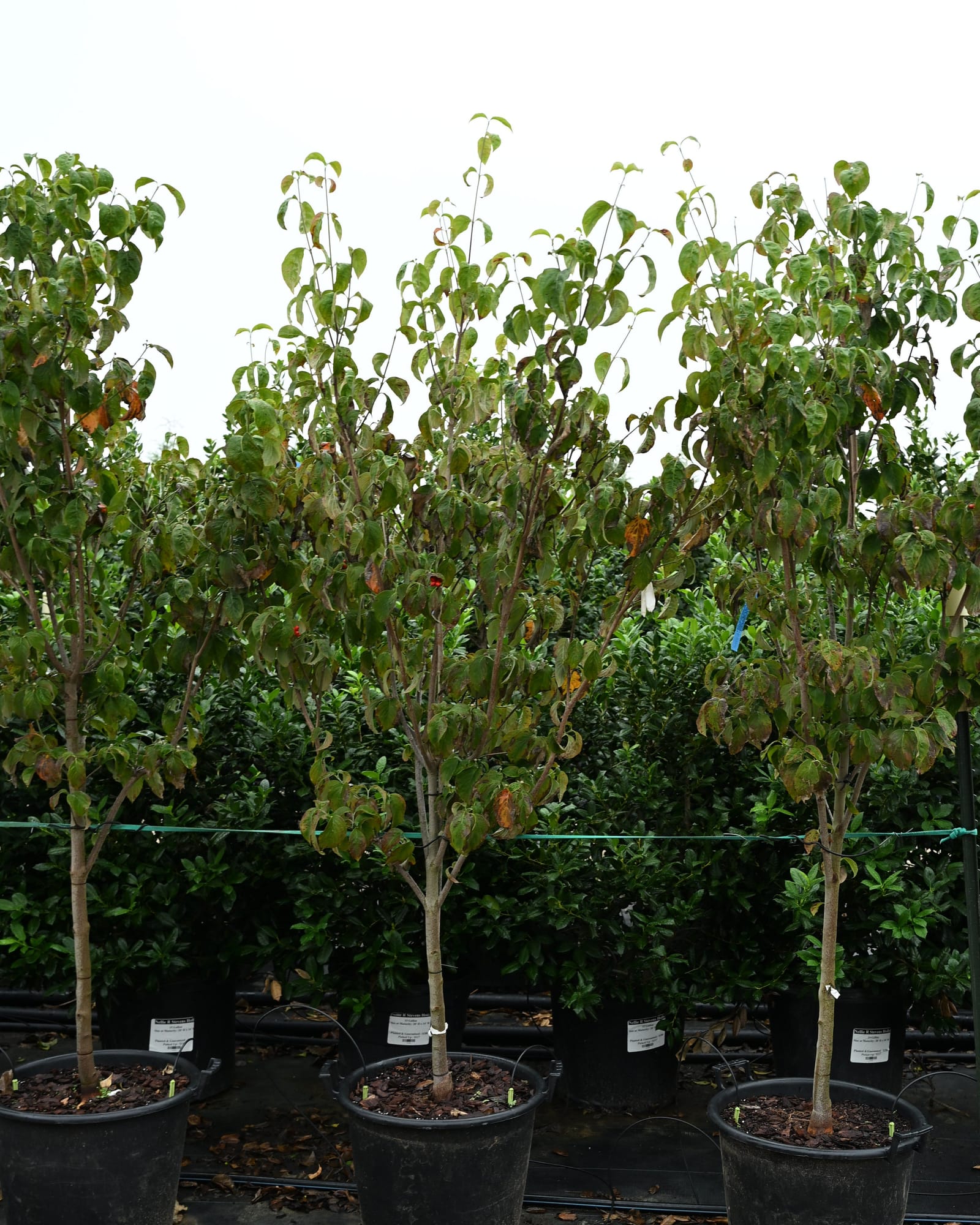
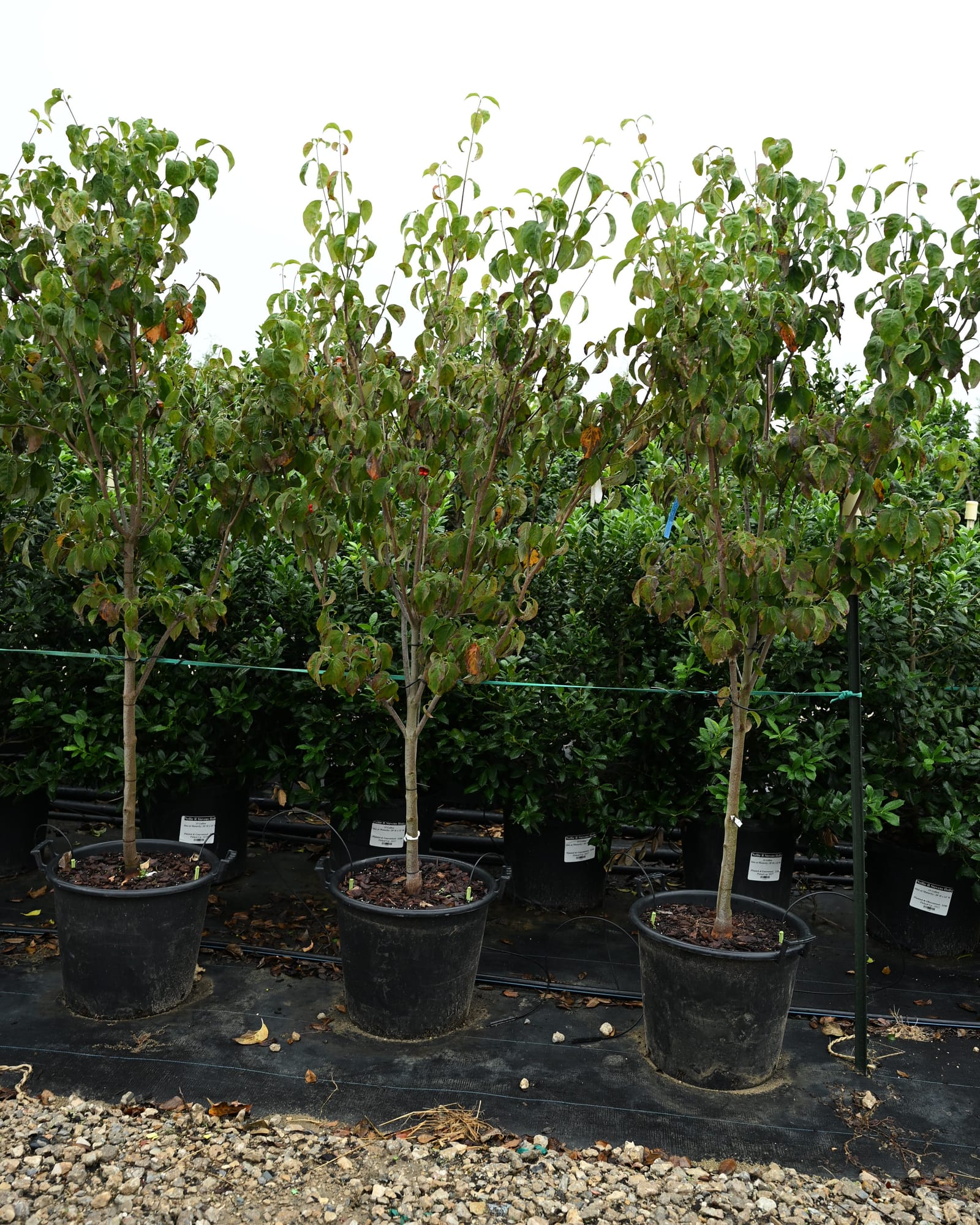
Cornus 'Rutpink'The Chinese Dogwood ‘Scarlet Fire’ is a stunning ornamental tree celebrated for its unique color display and elegant structure. In summer, it produces large, vibrant pink flowers that stand out beautifully against dark green foliage. As the seasons shift, its leaves turn shades of deep orange and red, offering year-round visual interest. Growing up to 15 feet in height and width, it’s a showstopper in any landscape.
- Deciduous flowering tree
- Moderate growth rate with a rounded habit
- Vivid pink blooms all throughout summer
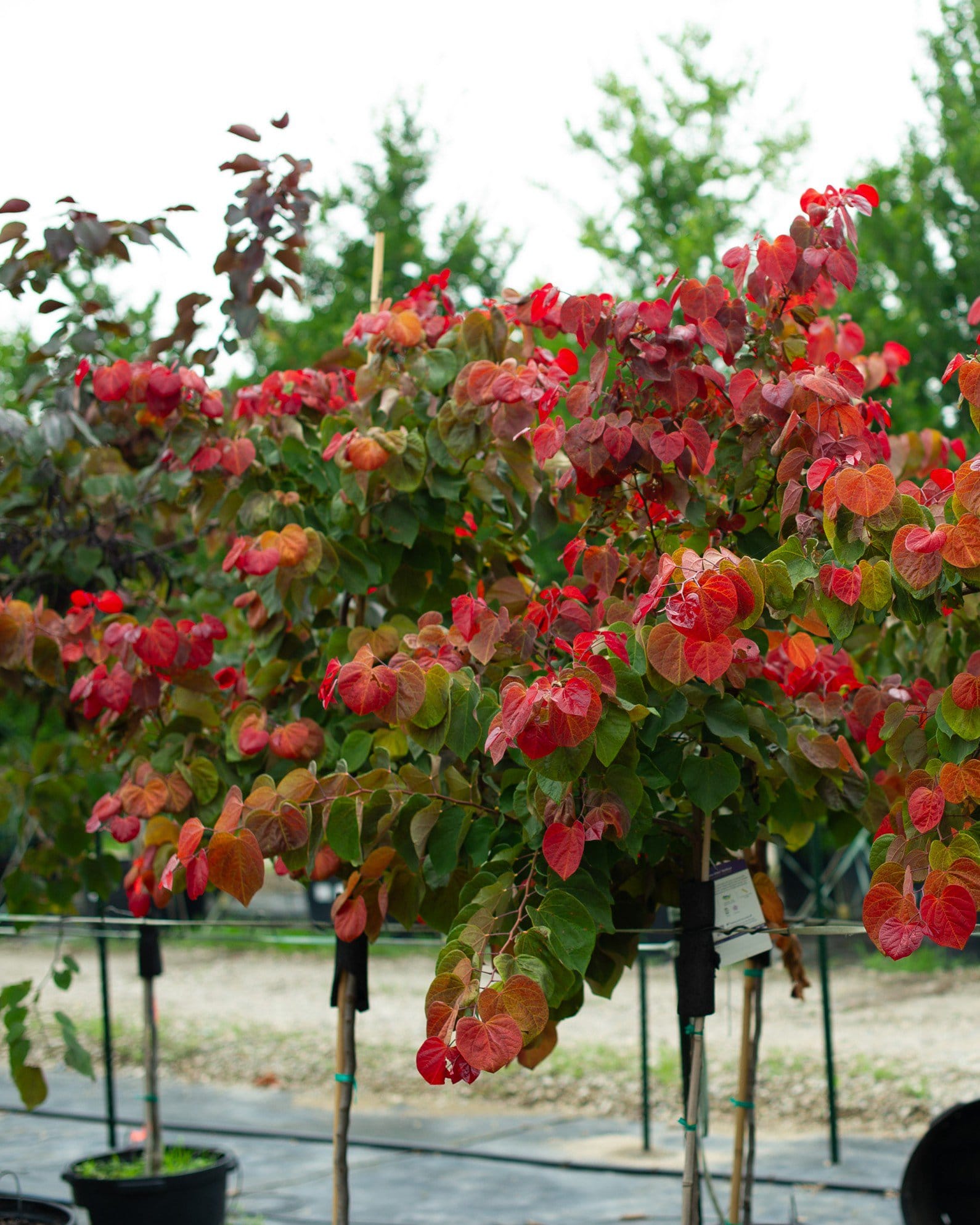
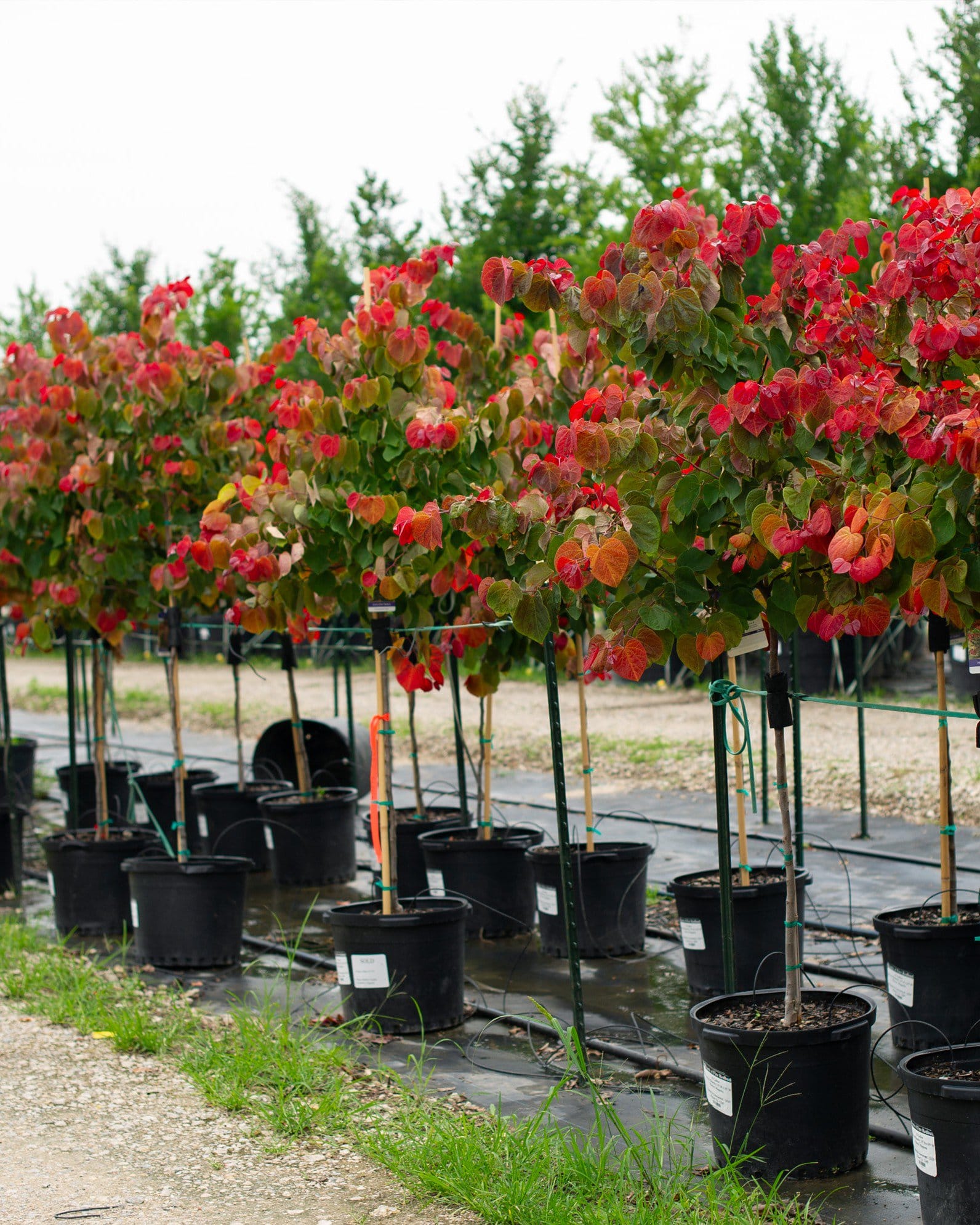
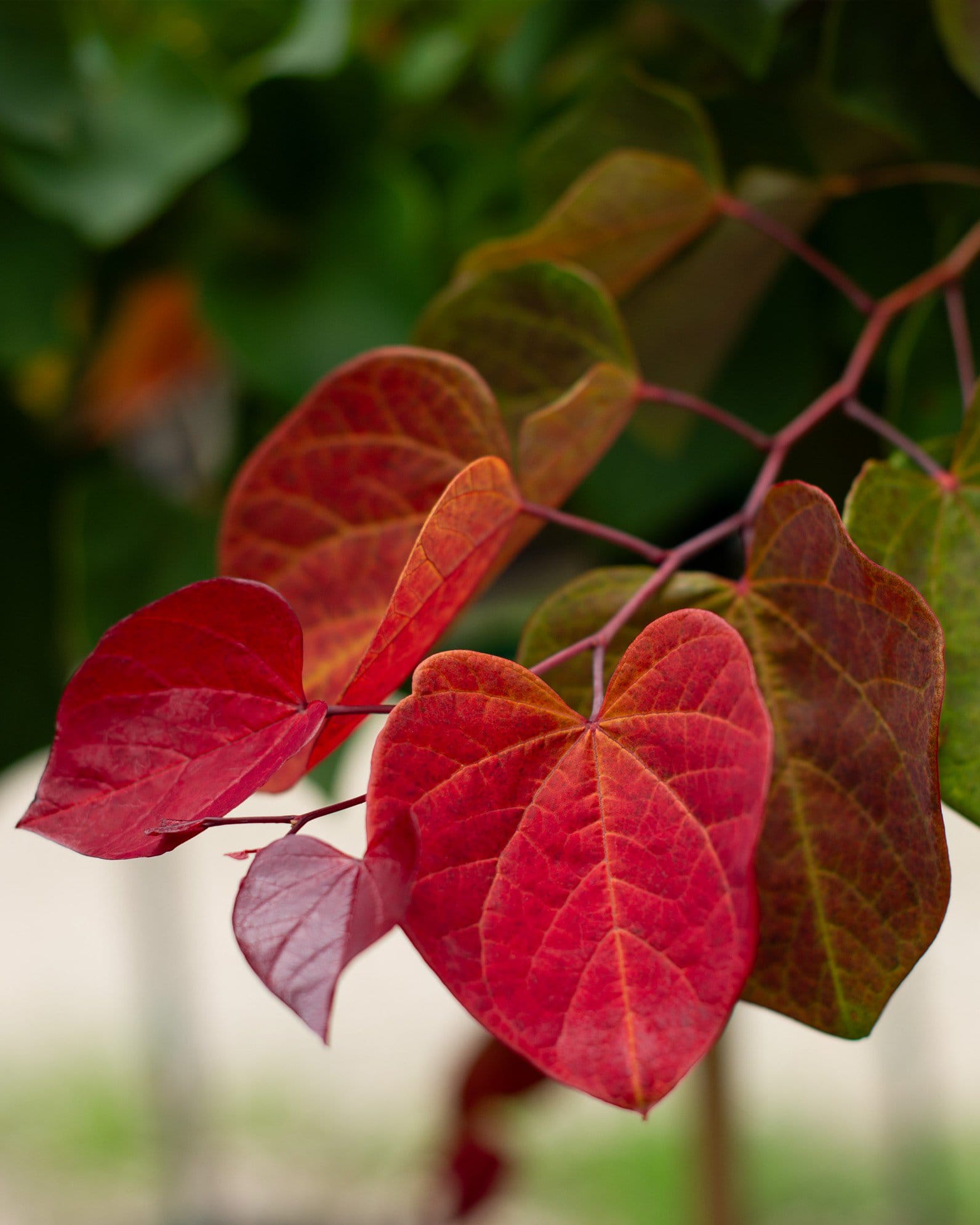
- Deep green foliage that turns red-purple in fall
- Hardy and adaptable
‘Scarlet Fire’ performs best in well-drained, acidic soil with full sun to partial shade. It’s heat-tolerant and cold-hardy, thriving across a wide range of climates. Hardy in USDA zones 5-8, ideal for Texas. This cultivar is great as a focal point in the landscape or paired with other ornamental trees for a layered landscape effect.
Once established, Chinese Dogwood Scarlet Fire becomes relatively low-maintenance and develops into a durable landscape specimen that requires only moderate seasonal care. Here’s what it needs:
- Watering: Water regularly during the first growing season to establish a strong root system. After establishment, occasional deep watering during extended dry periods helps maintain healthy foliage and steady growth.
- Pruning: Pruning needs are minimal and usually limited to removing damaged or crossing branches. Light pruning in late winter helps maintain plant health while preserving the tree’s natural form.
- Fertilizing: Fertilizer is rarely necessary in average soils. If growth appears slow or foliage lacks vigor, applying a balanced fertilizer in early spring can encourage stronger seasonal development.
- Mulching: Maintain a 2-3 inch mulch layer around the root zone to conserve soil moisture and regulate soil temperature. Keep mulch slightly away from the trunk to prevent moisture buildup against the bark.
- Winter Care: Established trees tolerate seasonal cold within their recommended growing zones. Young specimens benefit from mulch around the root zone during their first winters to stabilize soil temperatures.
Chinese Dogwood Scarlet Fire is generally resilient, though occasional pests or environmental stresses may appear.
- Powdery Mildew: A white powdery coating may appear on foliage during humid weather. Increasing airflow and removing affected leaves helps limit spread.
- Leaf Spot: Small dark spots may occasionally develop on leaves during wet conditions. Cleaning up fallen foliage helps reduce fungal recurrence.
- Aphids: Sticky residue on foliage may indicate sap-feeding insects. Spraying leaves with water or applying insecticidal soap typically reduces populations.
- Drought Stress: Leaves may curl or discolor during prolonged dry periods. Deep watering during drought conditions helps maintain plant health.
- Twig Dieback: Small branch tips may occasionally fail to leaf out if stressed. Removing affected twigs during pruning helps maintain a healthy canopy.
Chinese Dogwood Scarlet Fire typically lives 50-80 years in favorable conditions. Mature trees can remain healthy and ornamental for many decades. Proper care helps maintain long-term vitality.
Growth generally averages about 12-24 inches per year. Noticeable structure develops within several growing seasons. Full maturity often occurs within 15-20 years.
This cultivar is admired for its vivid scarlet-red bracts that create a striking seasonal display. The color intensity often appears deeper than many traditional kousa dogwood selections.
The flowers provide resources for bees and other beneficial insects. Spring-blooming trees help support early pollinator activity. This contributes to ecological diversity in garden environments.
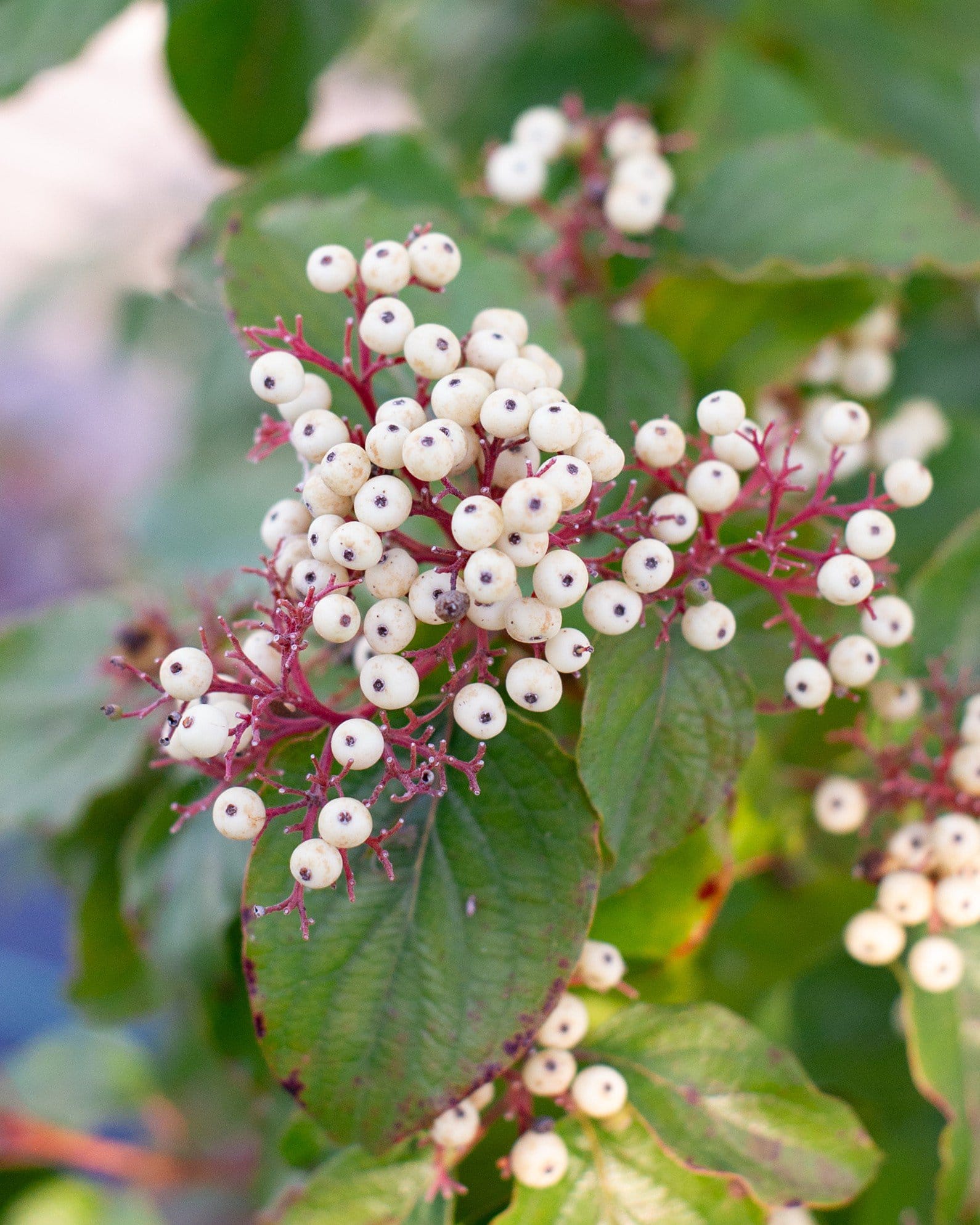
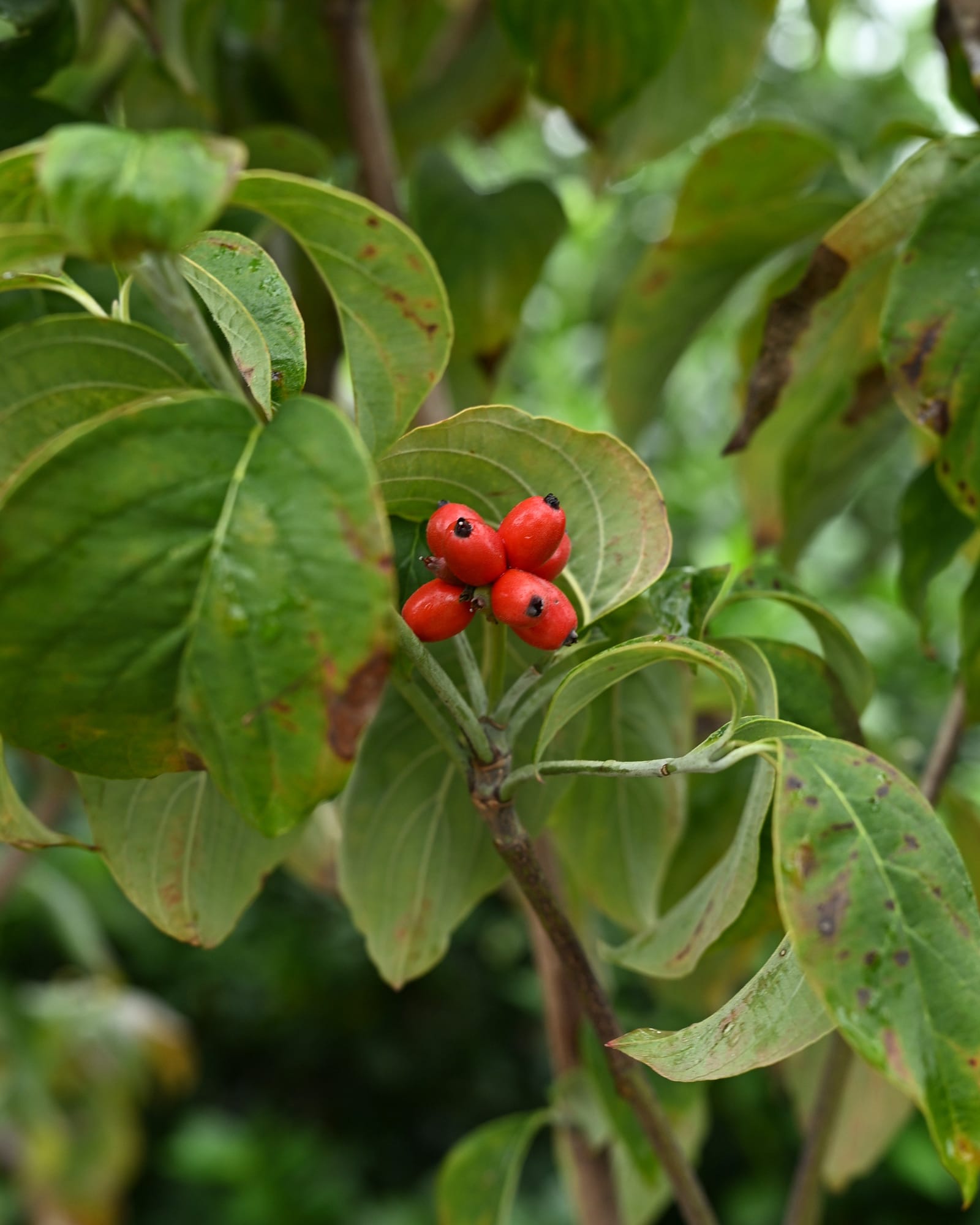
After flowering, the tree may produce small raspberry-like fruits. These textured fruits add seasonal interest to the tree. They can also attract birds.
The tree continues to offer ornamental value through its foliage and fruit. Autumn leaves often develop warm red or burgundy tones. These seasonal changes extend its visual appeal.
Mature trees develop textured bark that forms patchwork-like patterns. This bark becomes more noticeable with age. The effect adds winter interest to the tree.
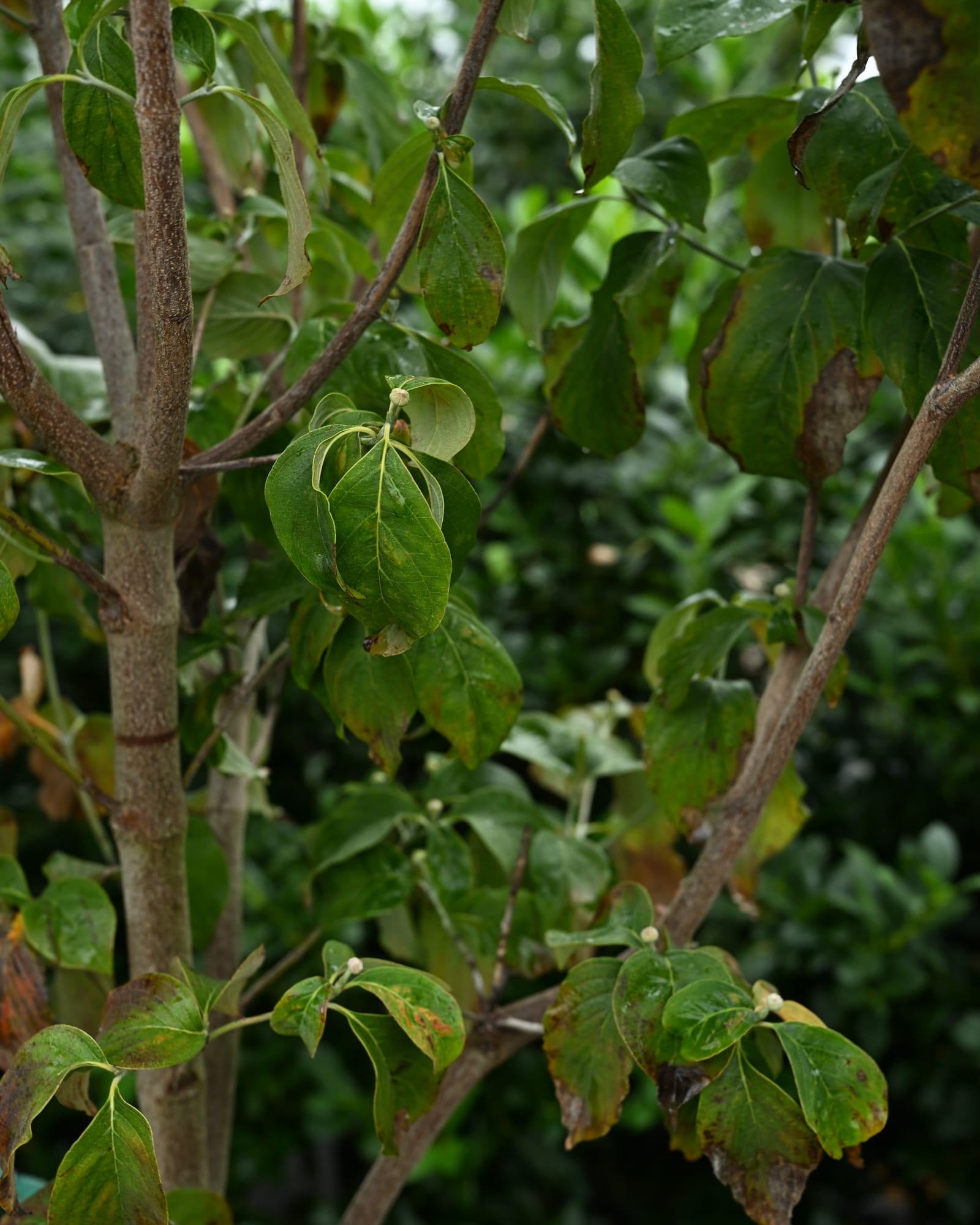
Rounded flower buds develop on the branches before the blooming season begins. These buds often become visible in late winter. They signal the upcoming spring display.
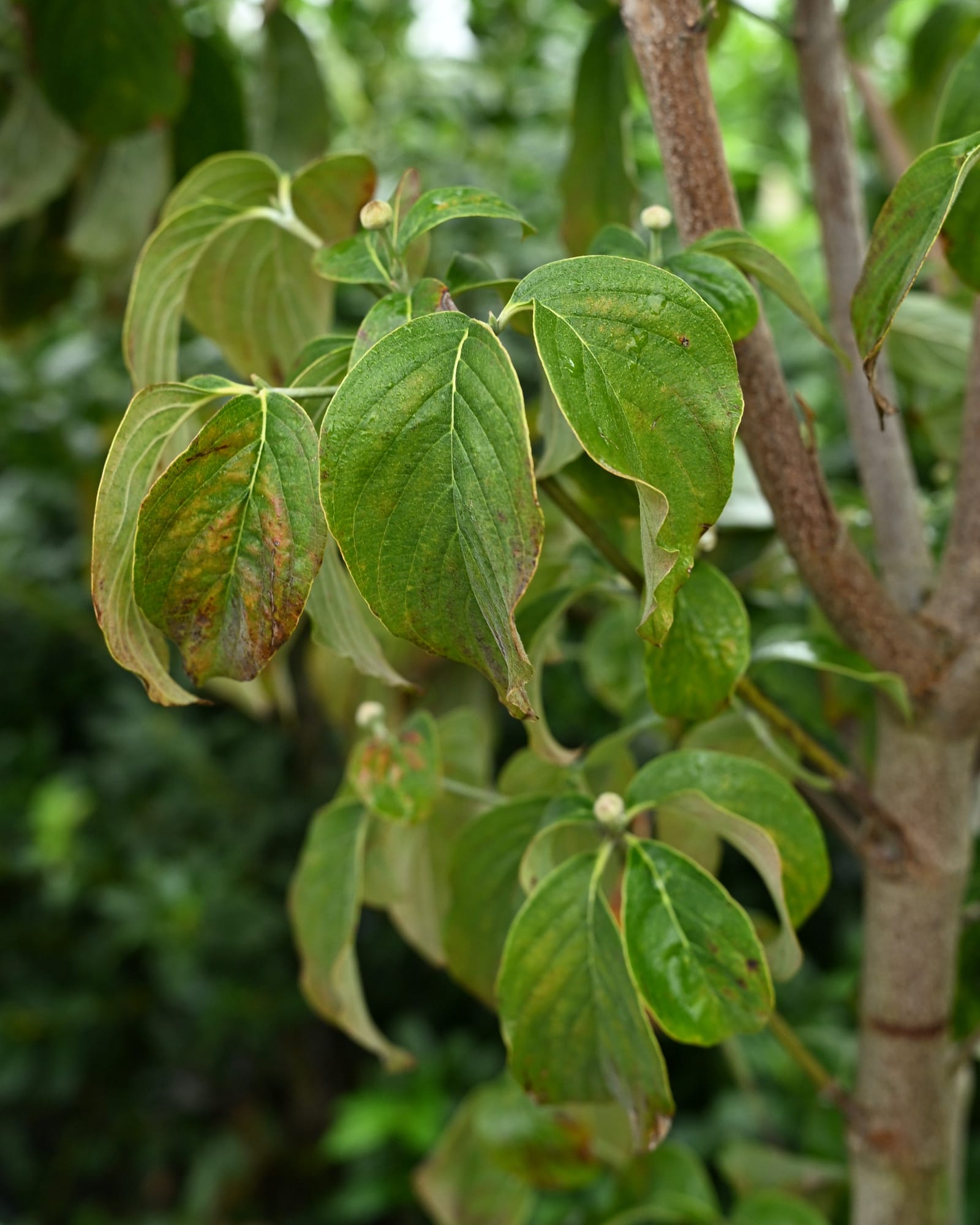
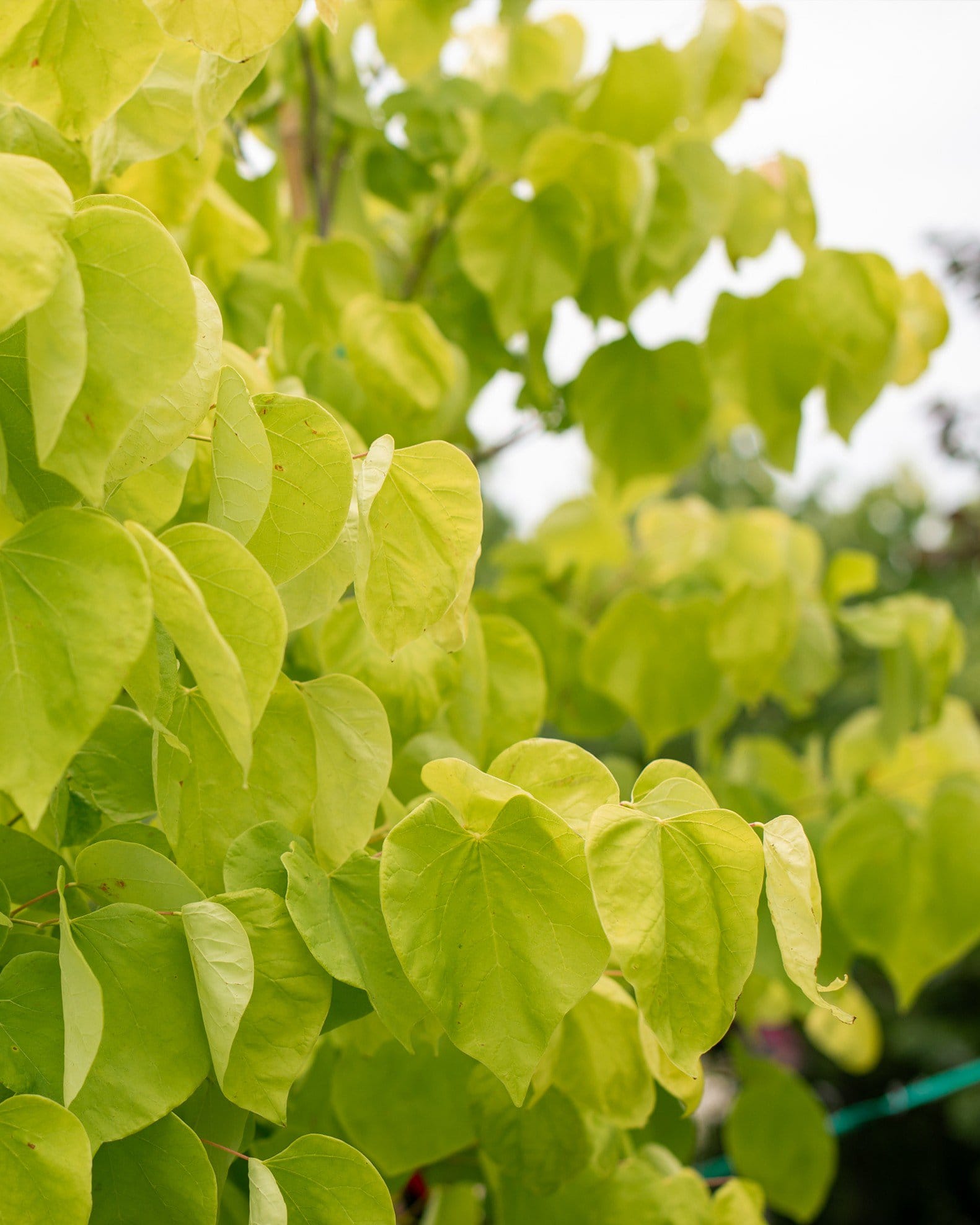
The tree produces healthy green foliage that complements its flowering display. Leaves provide a refined canopy throughout the growing season. This helps maintain visual interest after the bloom period.
Flowering trees help support pollinators, birds, and beneficial insects. Their presence increases biodiversity within garden spaces. This contributes to healthier landscape ecosystems.
Special Features
You might also like
Chinese Dogwood
Maturity: 15' H x 15' W
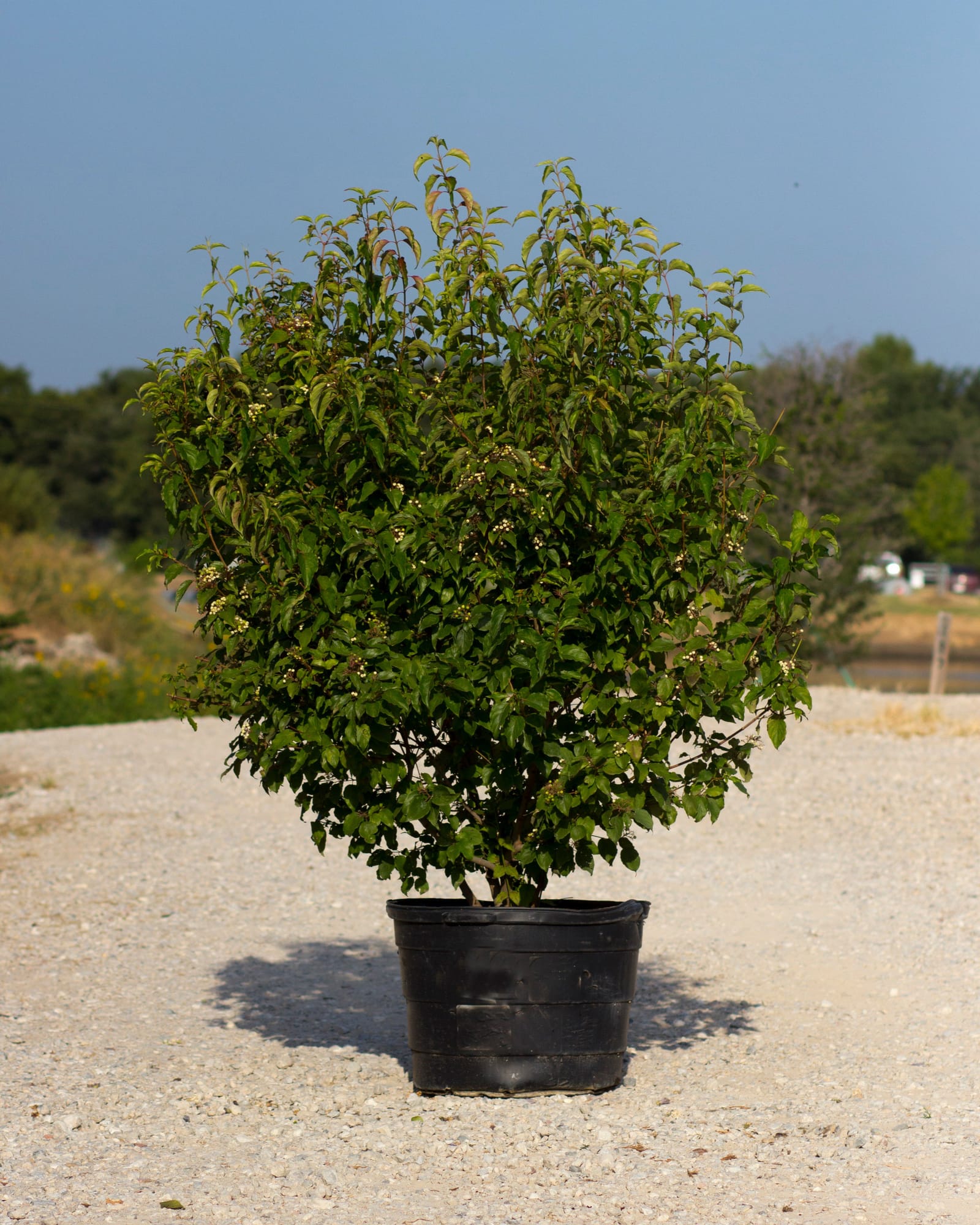
Roughleaf Dogwood
Maturity: 15' H x 8' W
Pink Dogwood
Maturity: 15' H x 15' W
Forest Pansy Redbud
Maturity: 20' H x 20' W
Golden Falls Weeping Redbud
Maturity: 8' H x 4' W
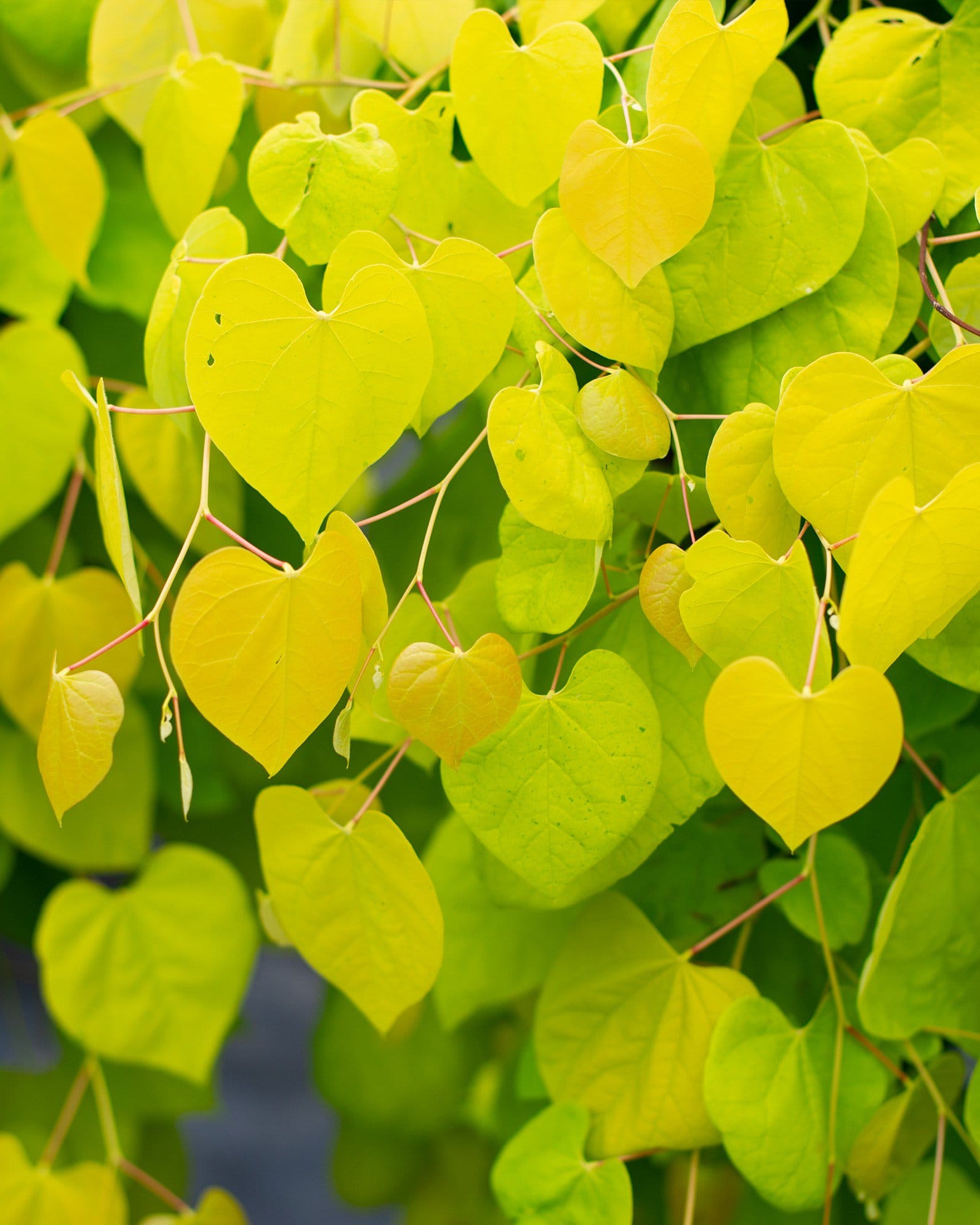
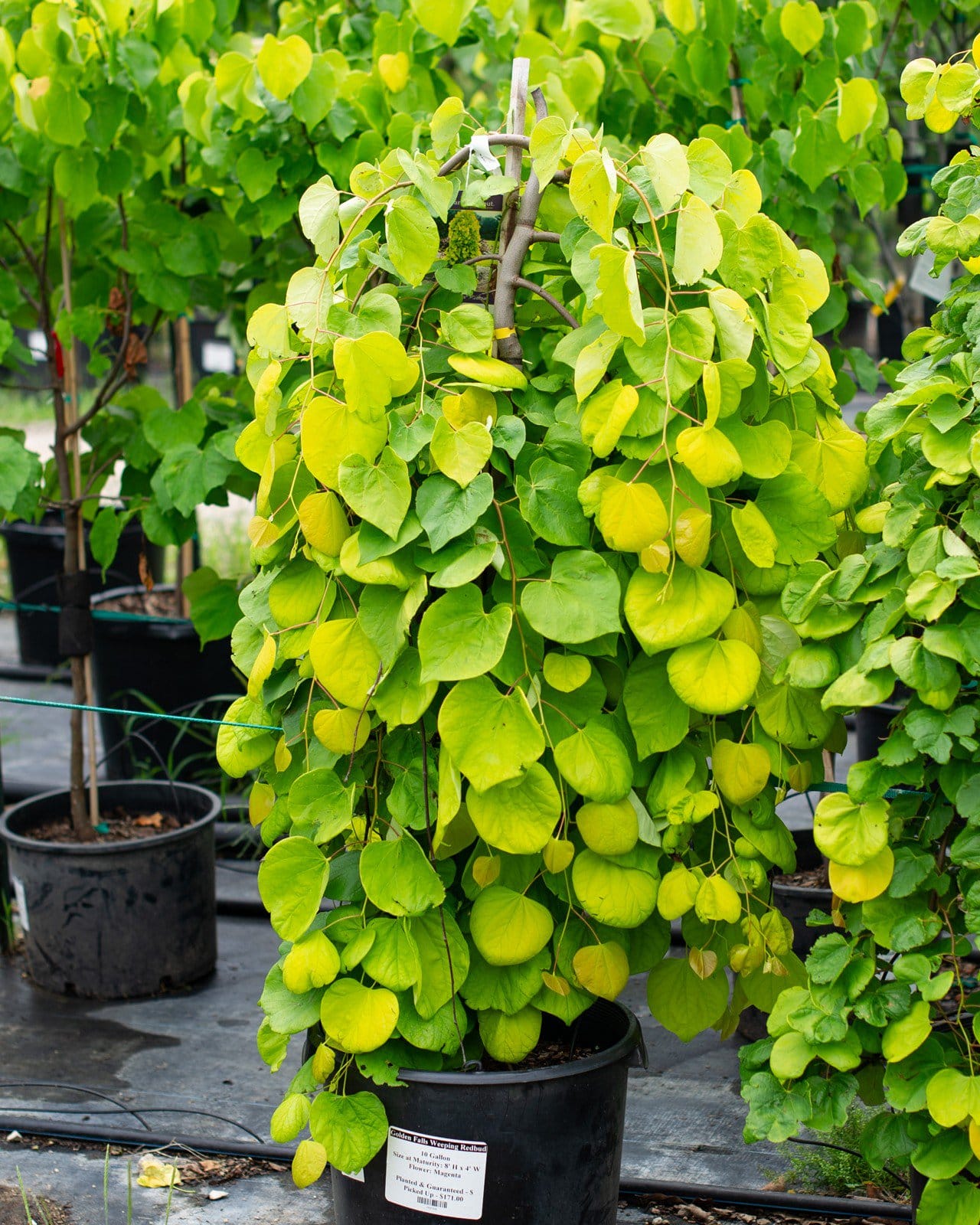
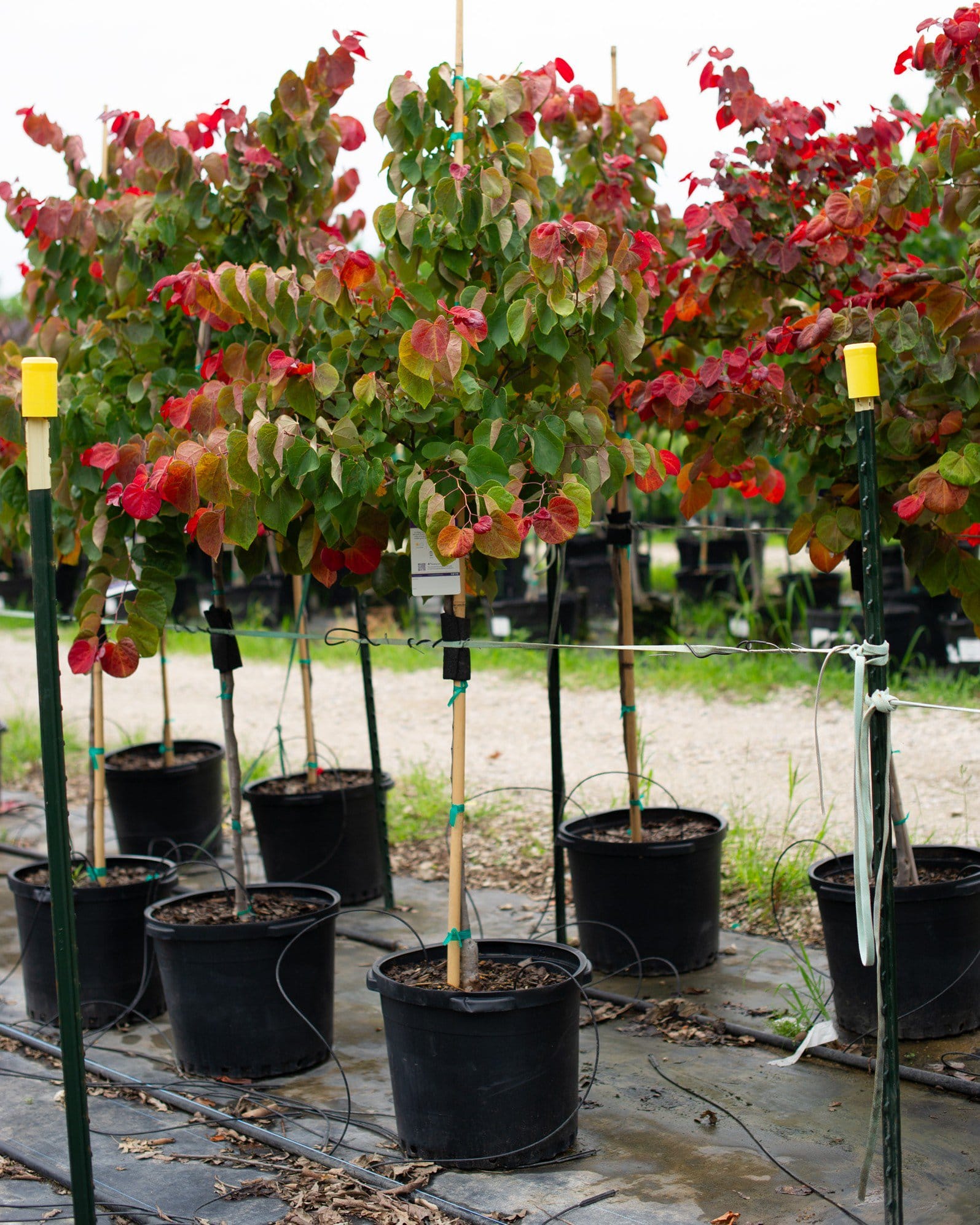
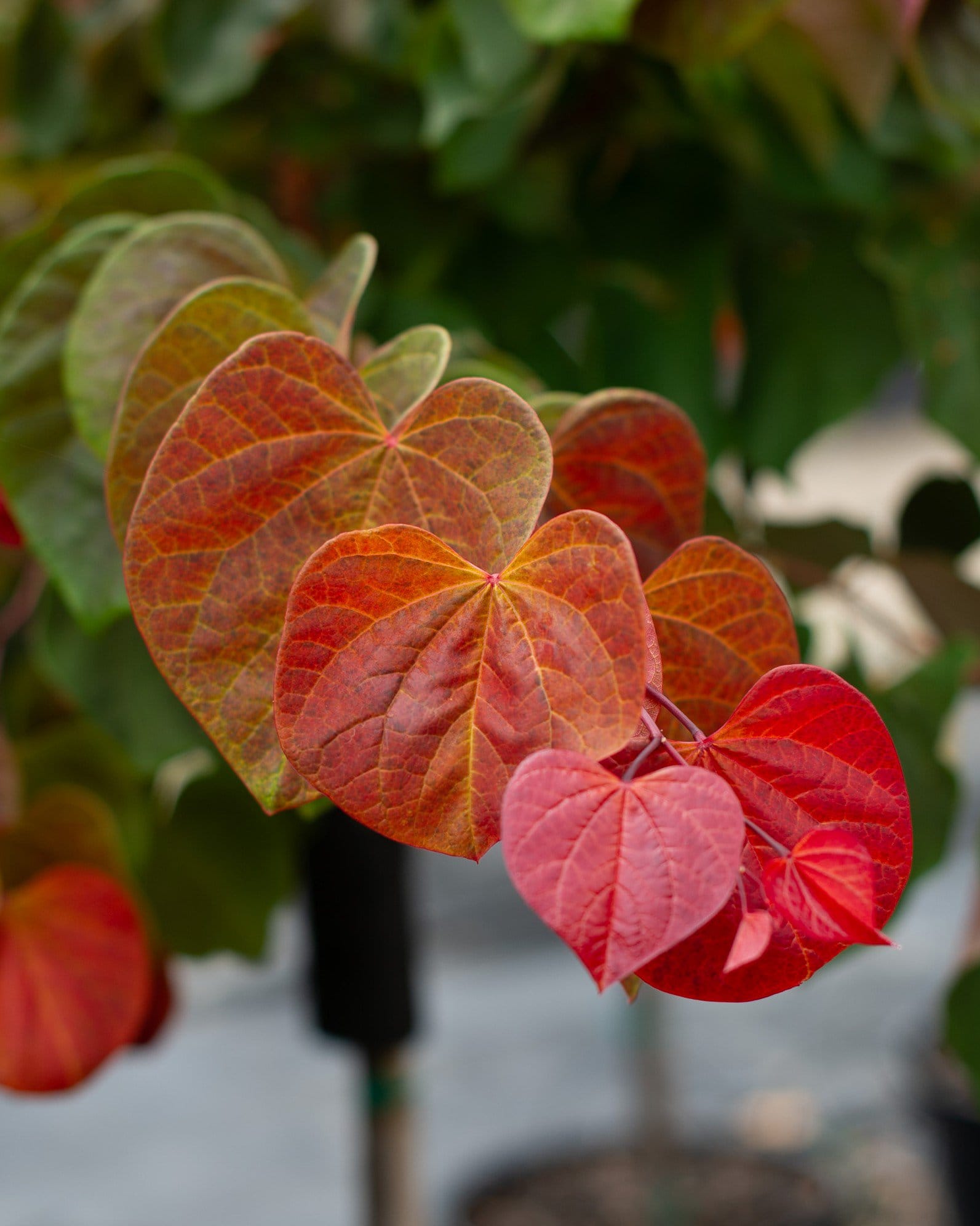
Hearts A'Fire Redbud
Maturity: 15' H x 15' W
Hearts of Gold Redbud
Maturity: 15' H x 15' W
Merlot Redbud
Maturity: 15' H x 15' W
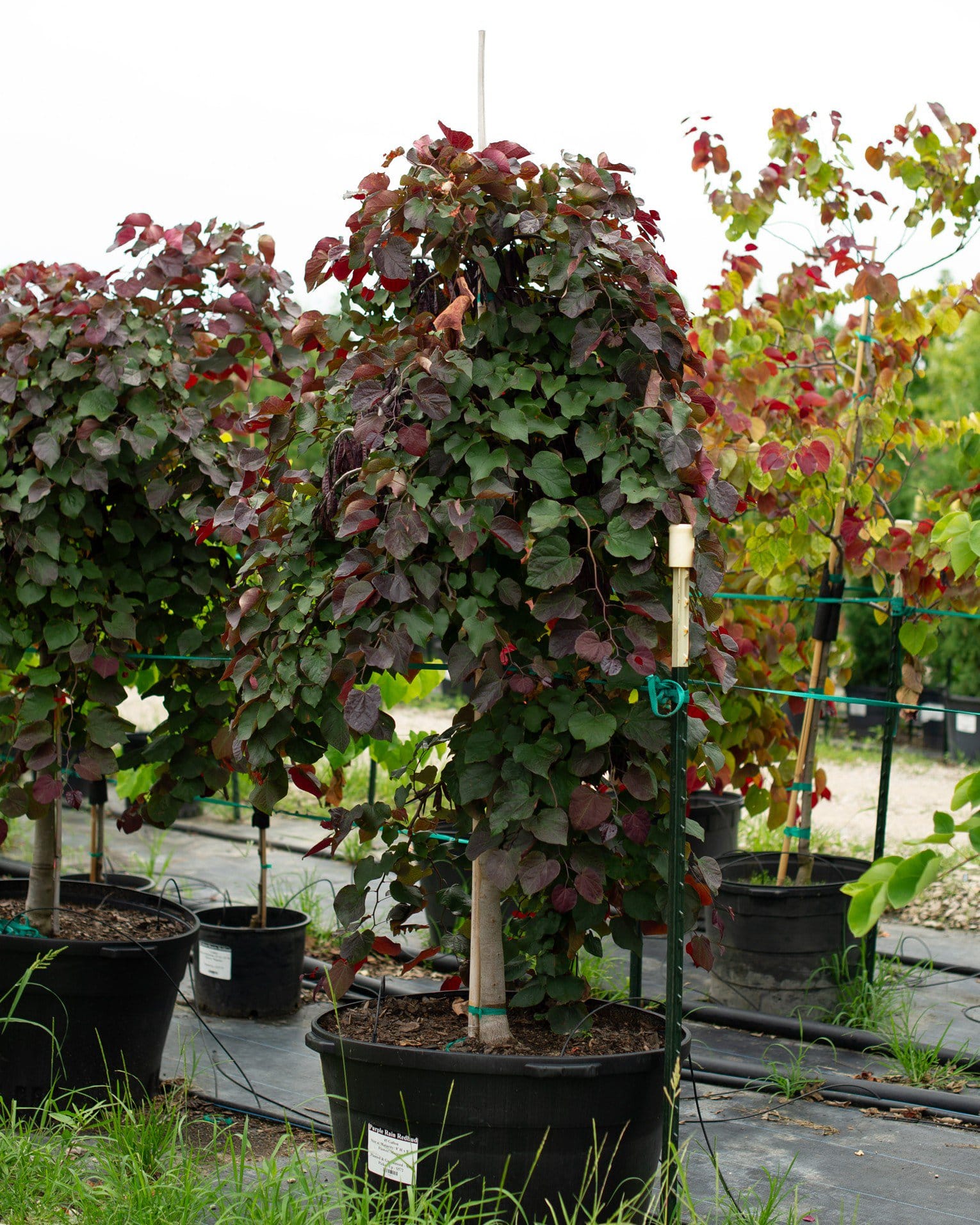
Purple Rain Weeping Redbud
Maturity: 8' H x 8' W
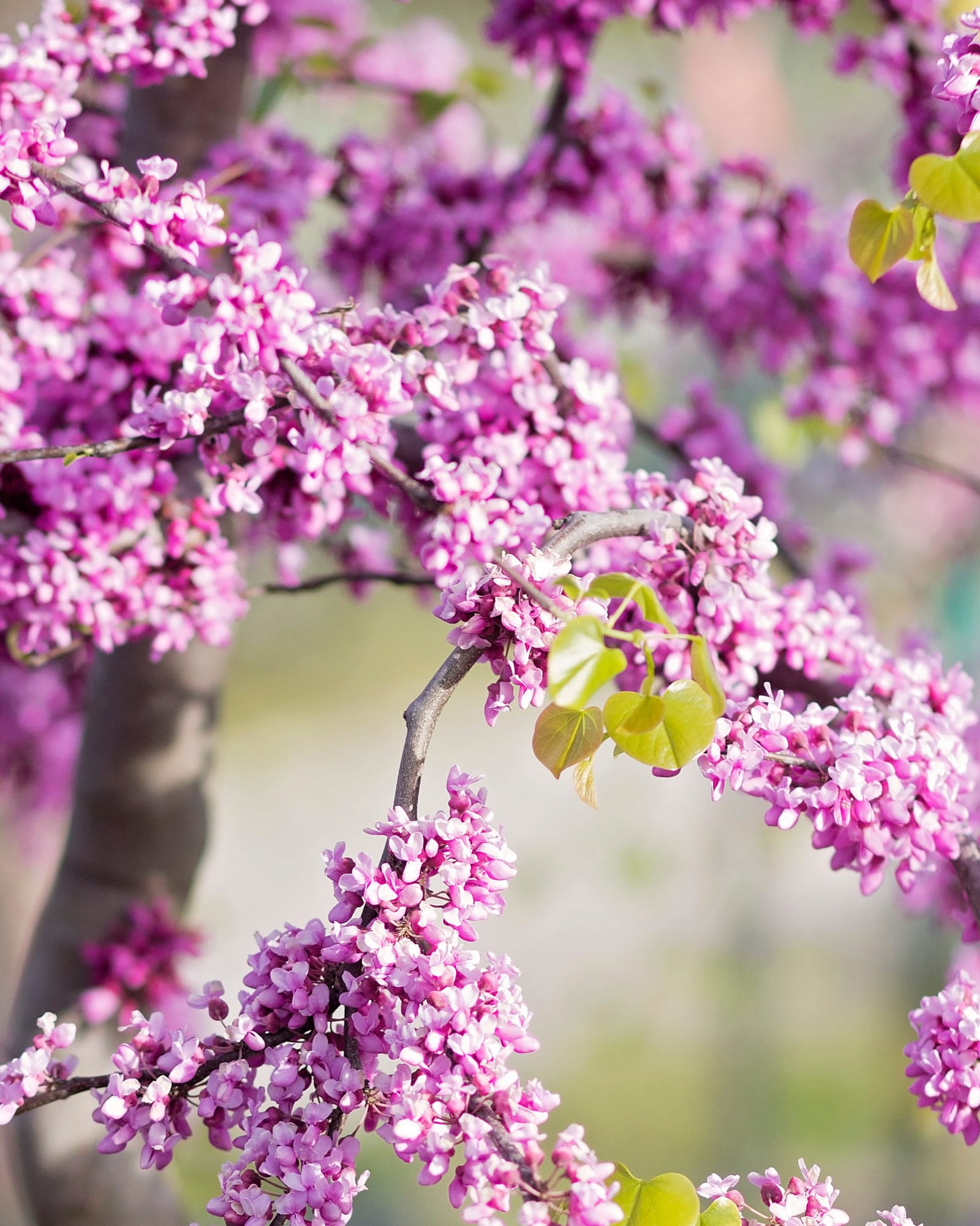
Traveller Weeping Redbud
Maturity: 5' H x 10' W
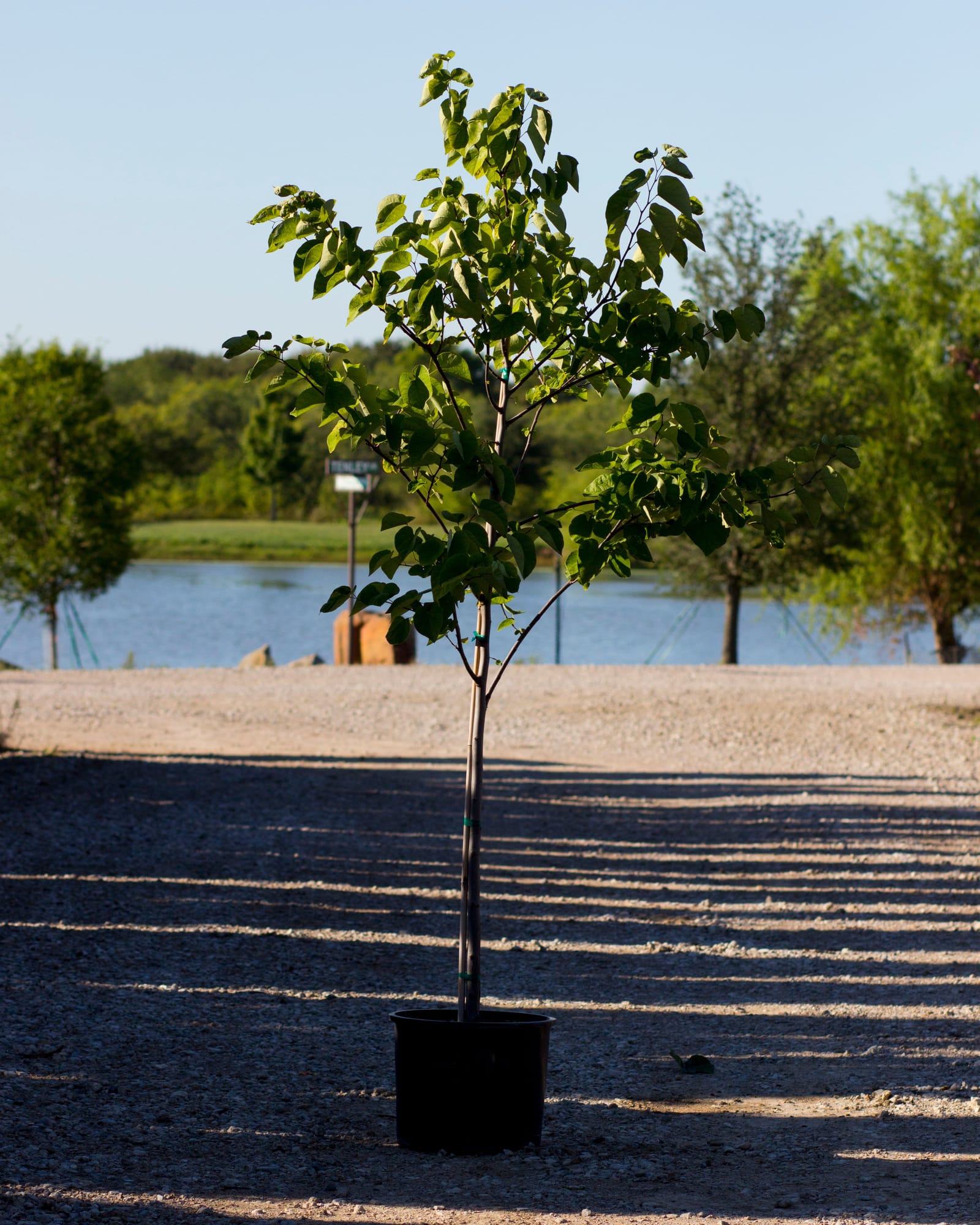
White Pom Poms Redbud
Maturity: 15' H x 15' W
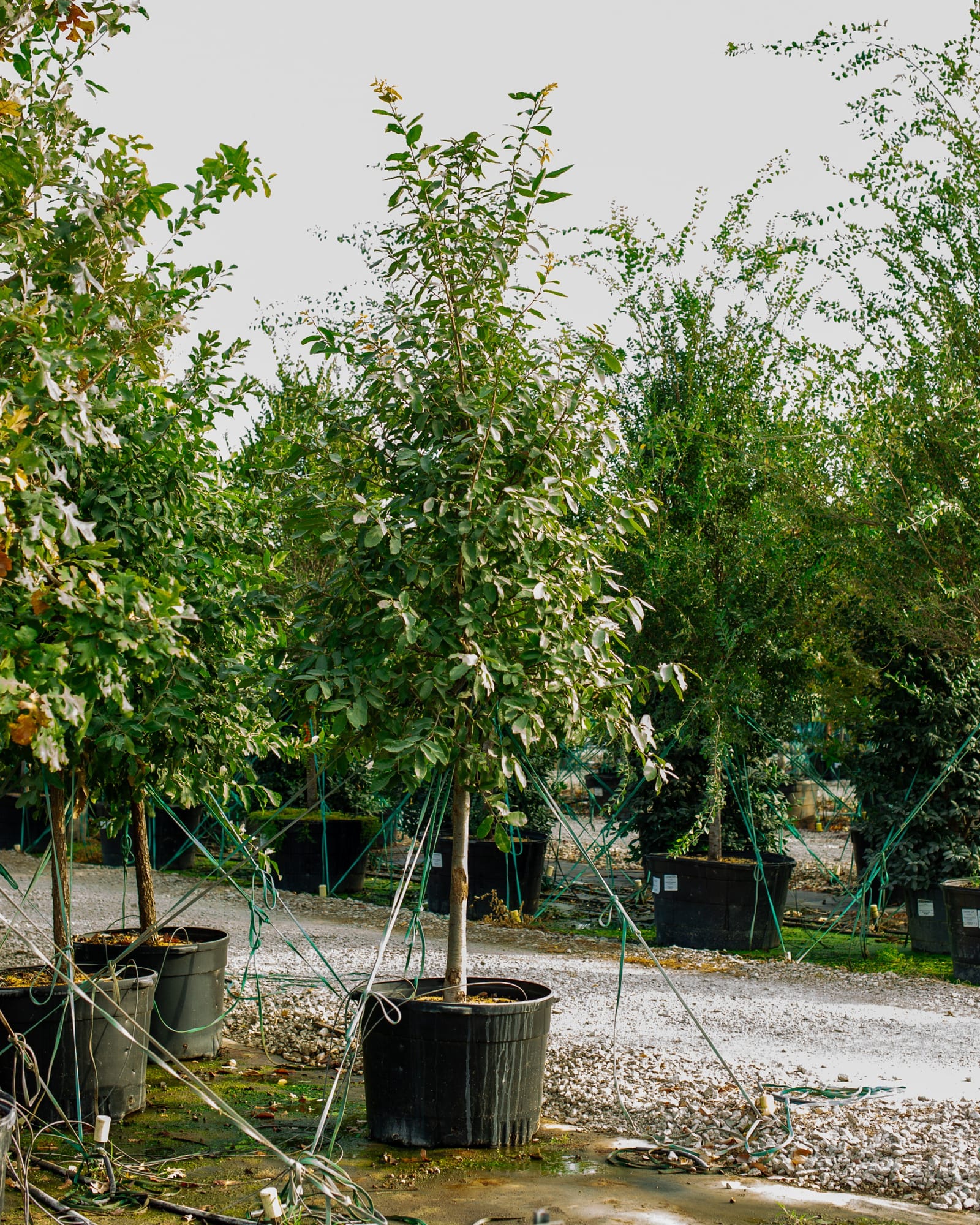
Paperbark Maple
Maturity: 20' H x 15' W
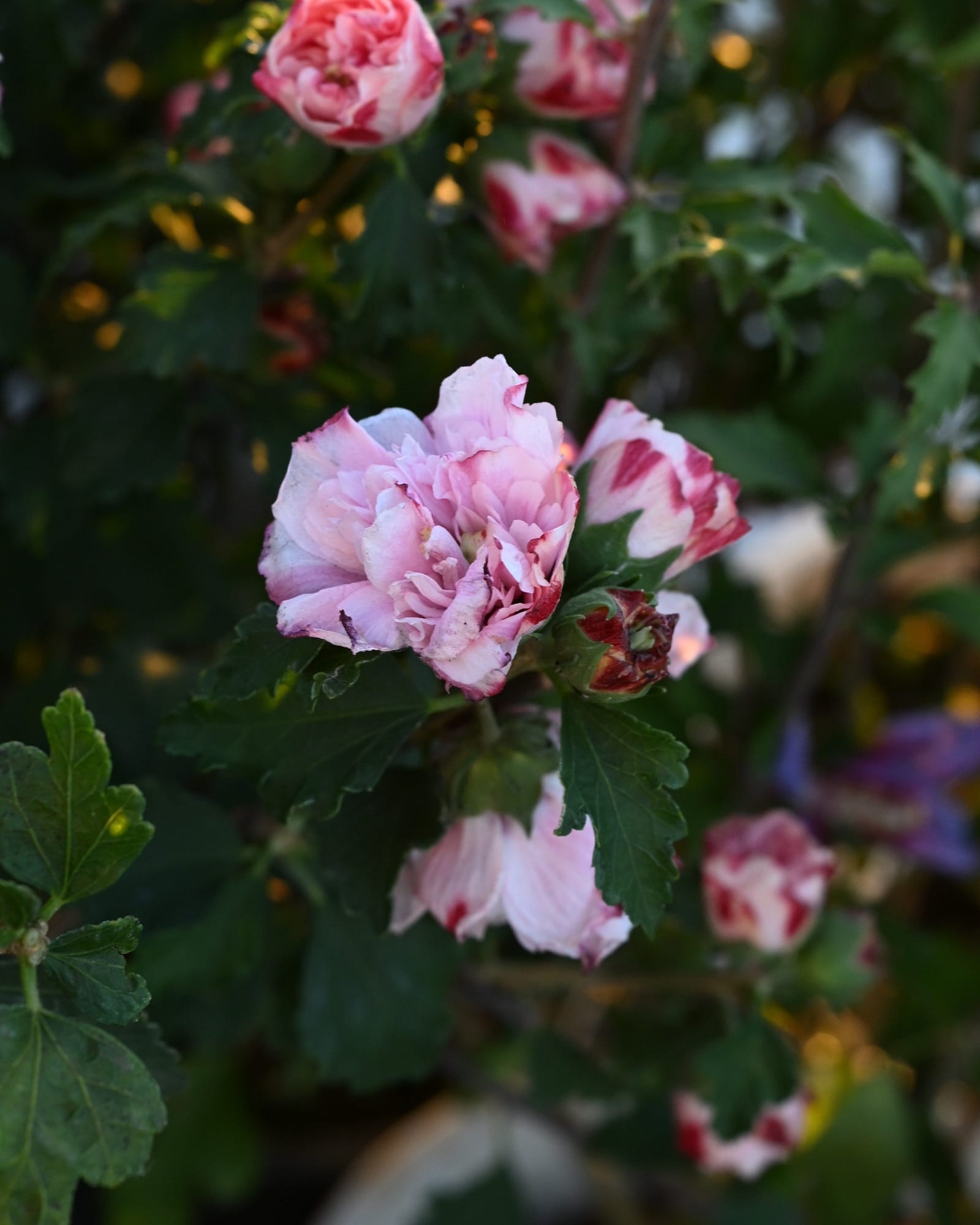
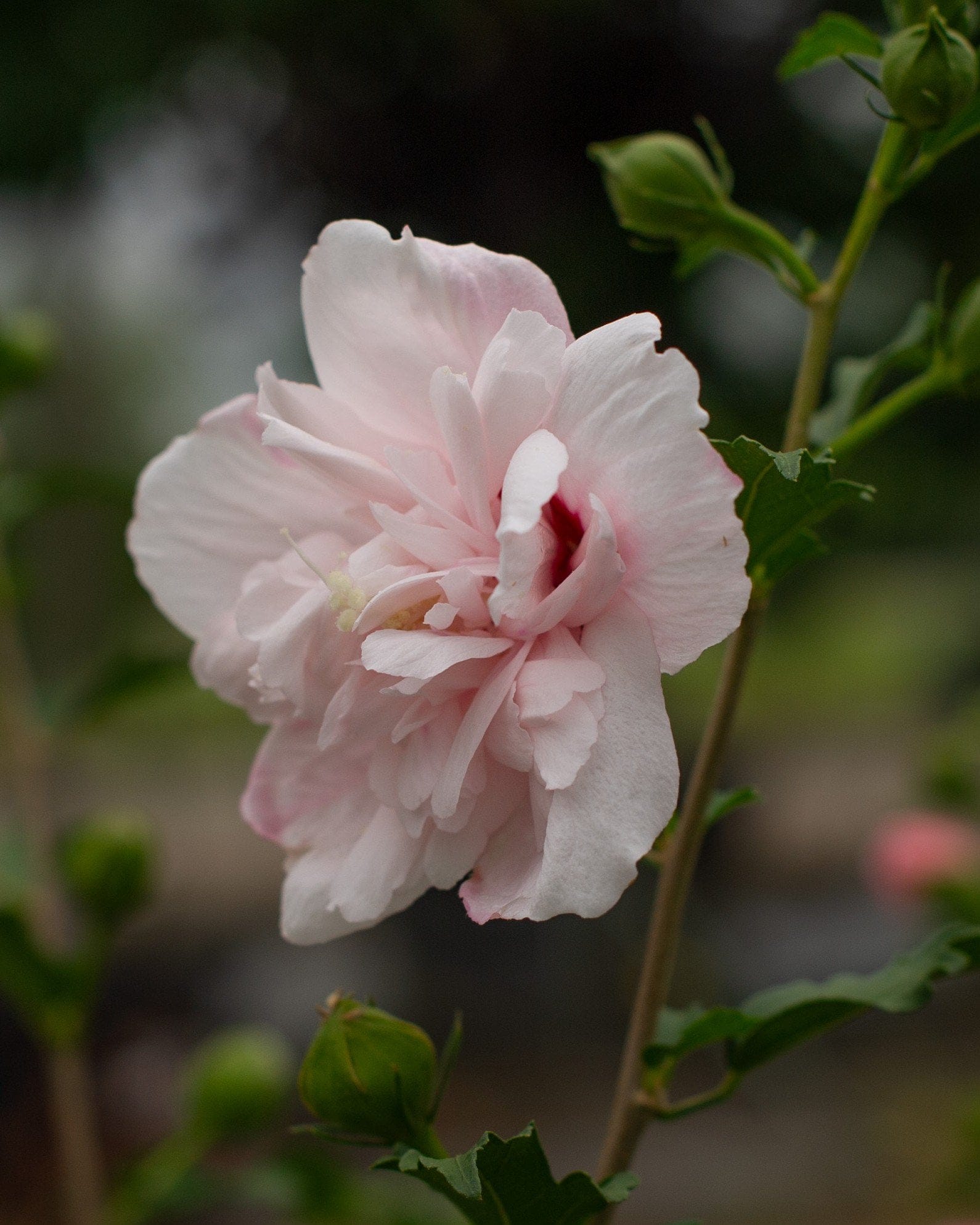
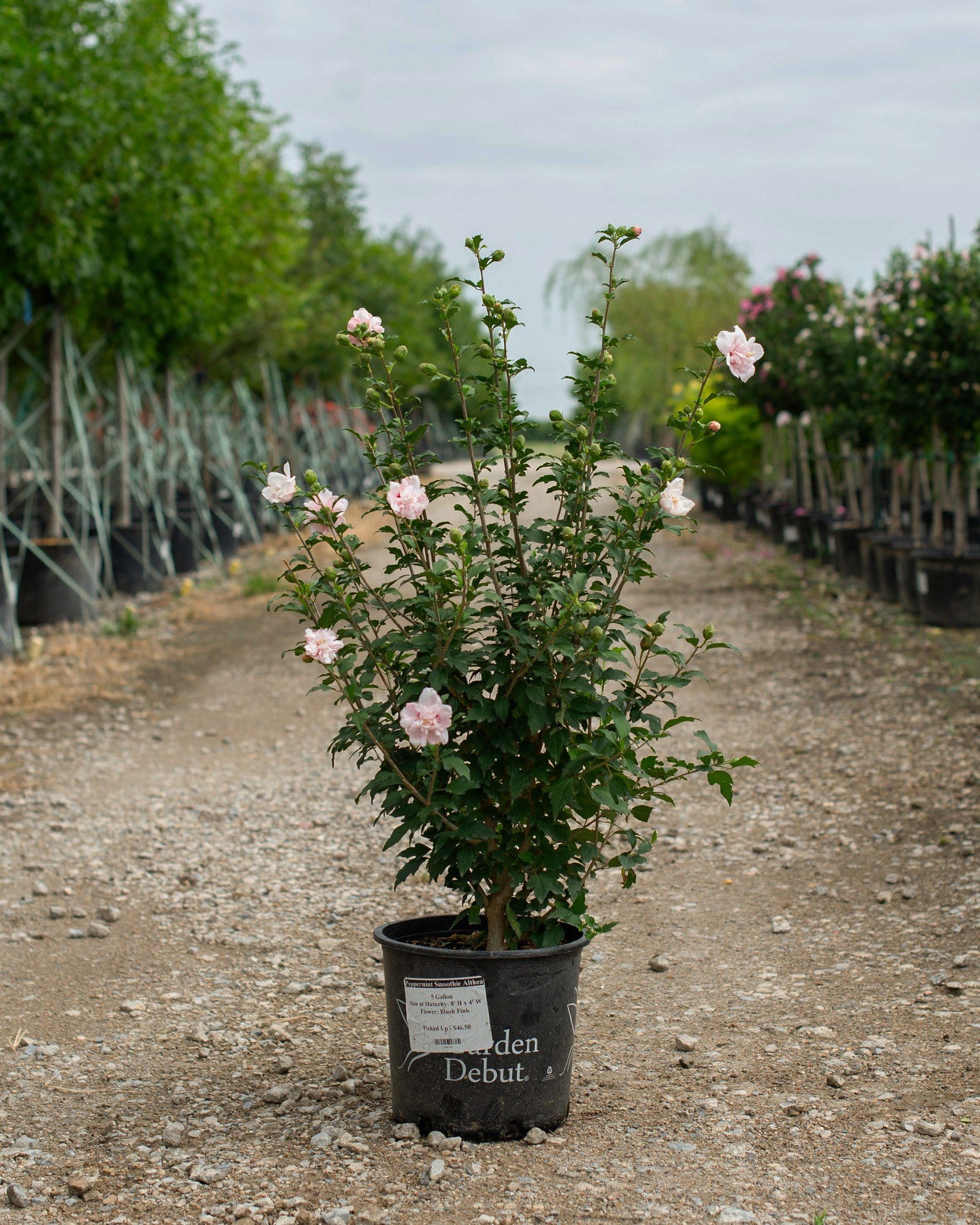
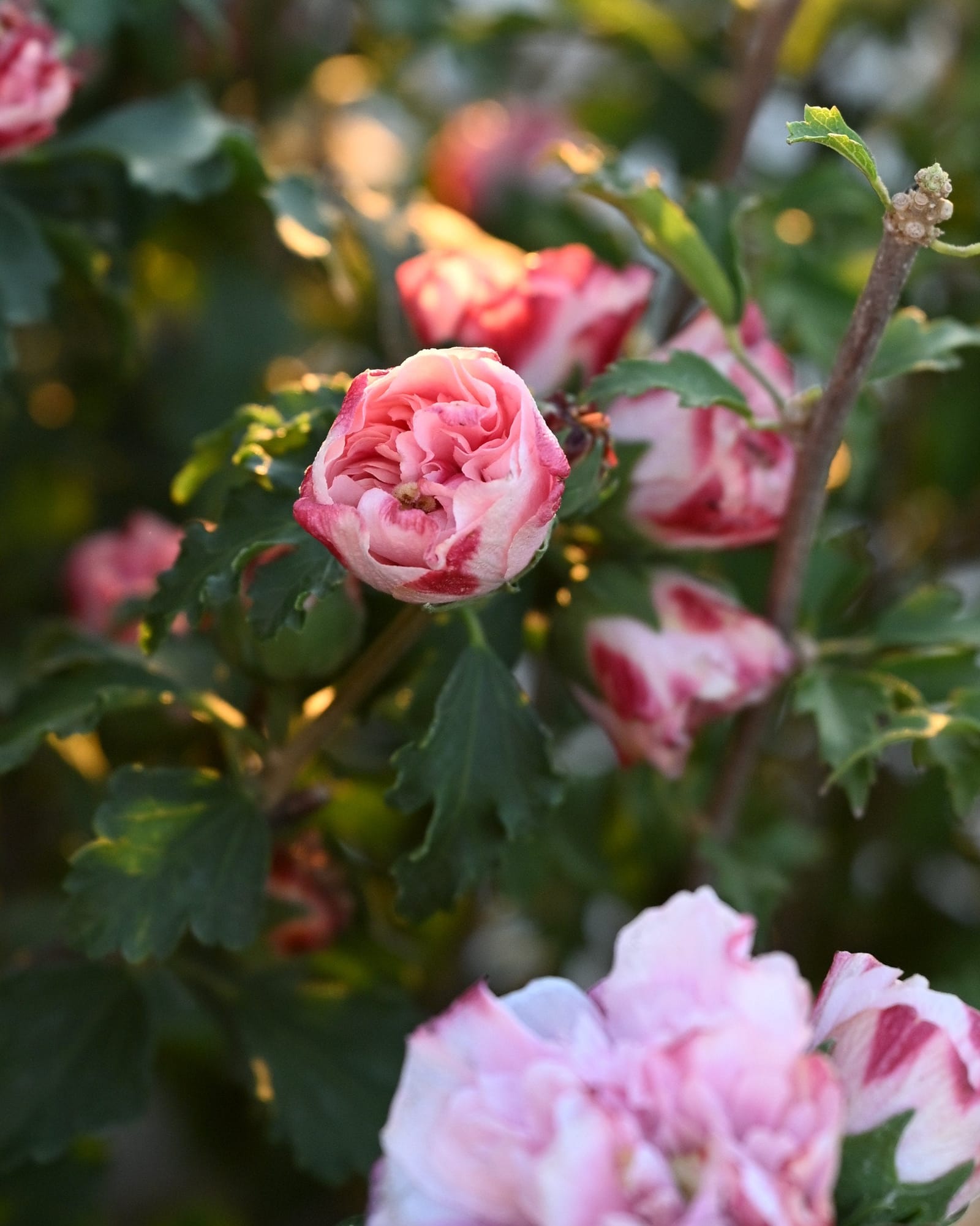
Peppermint Smoothie Althea
Maturity: 8' H x 4' W
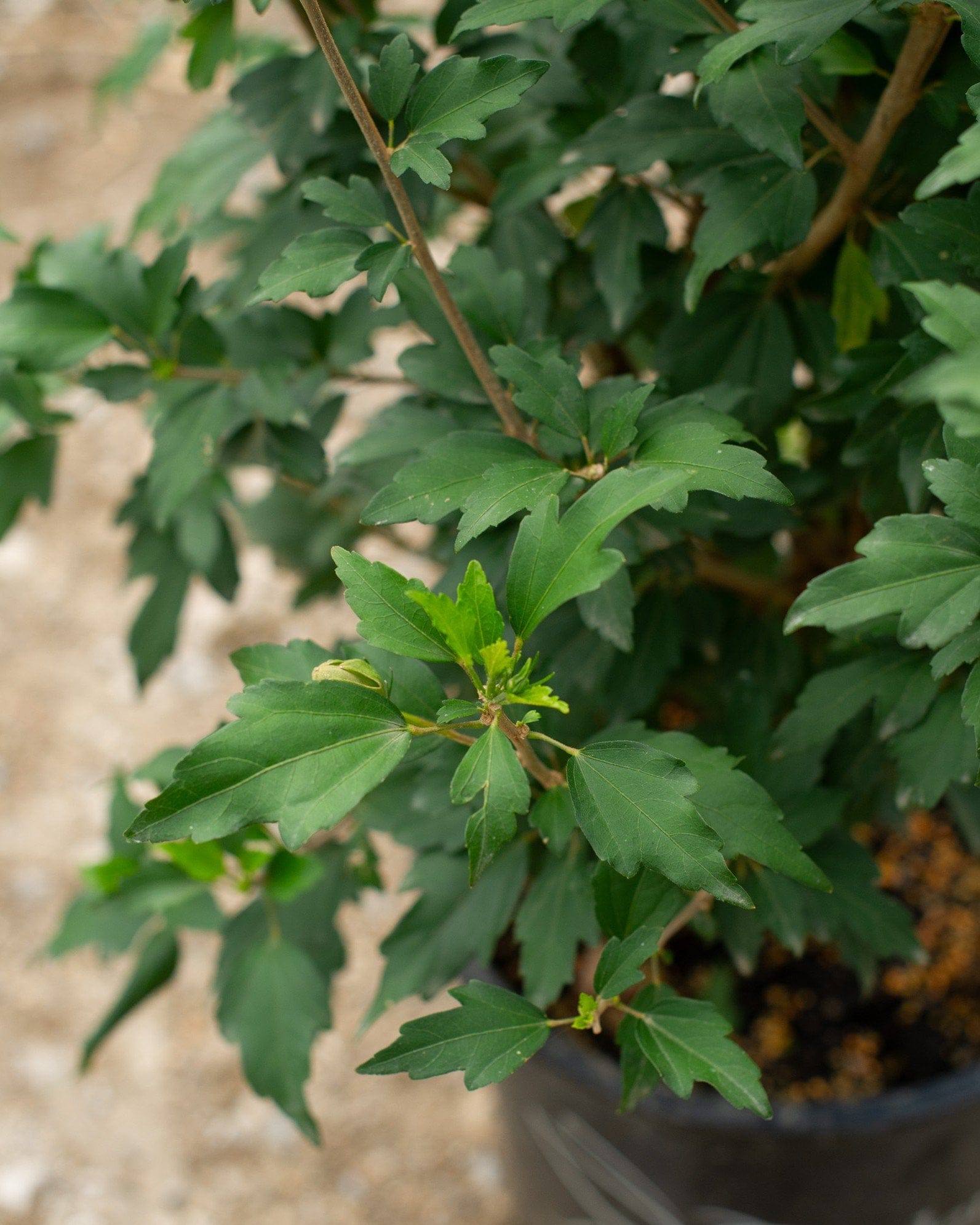
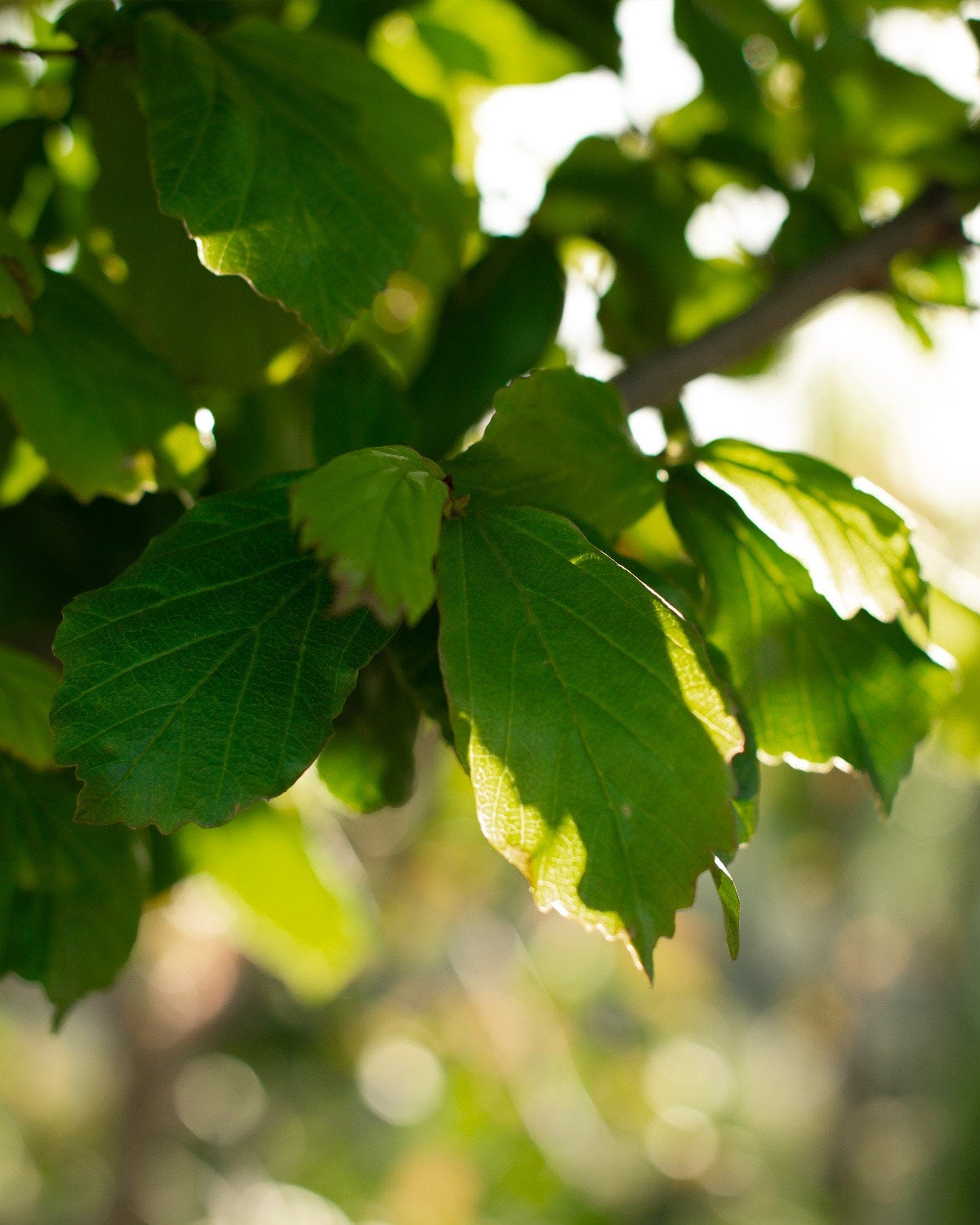
Persian Spire Ironwood Full to Ground
Maturity: 25' H x 10' W
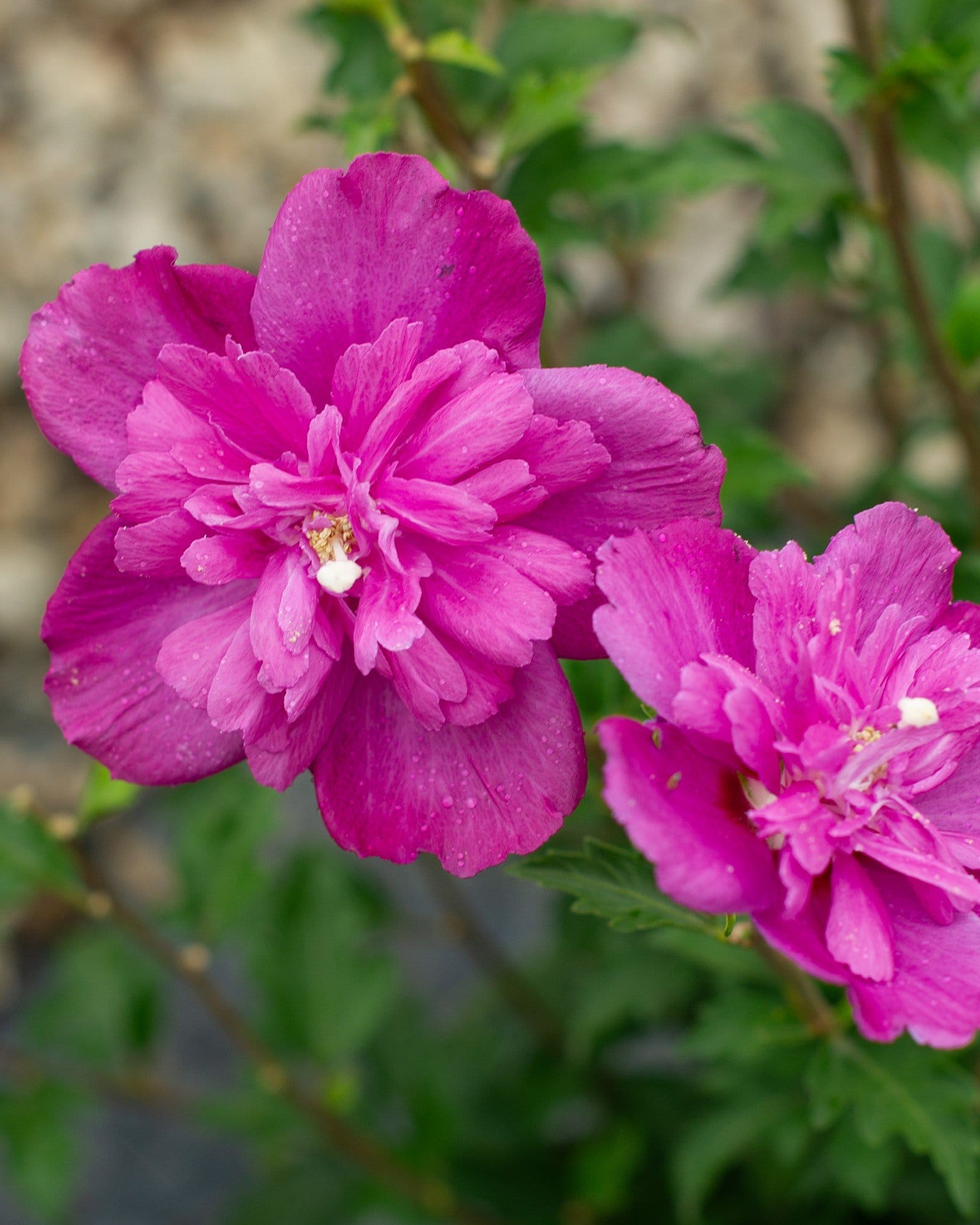
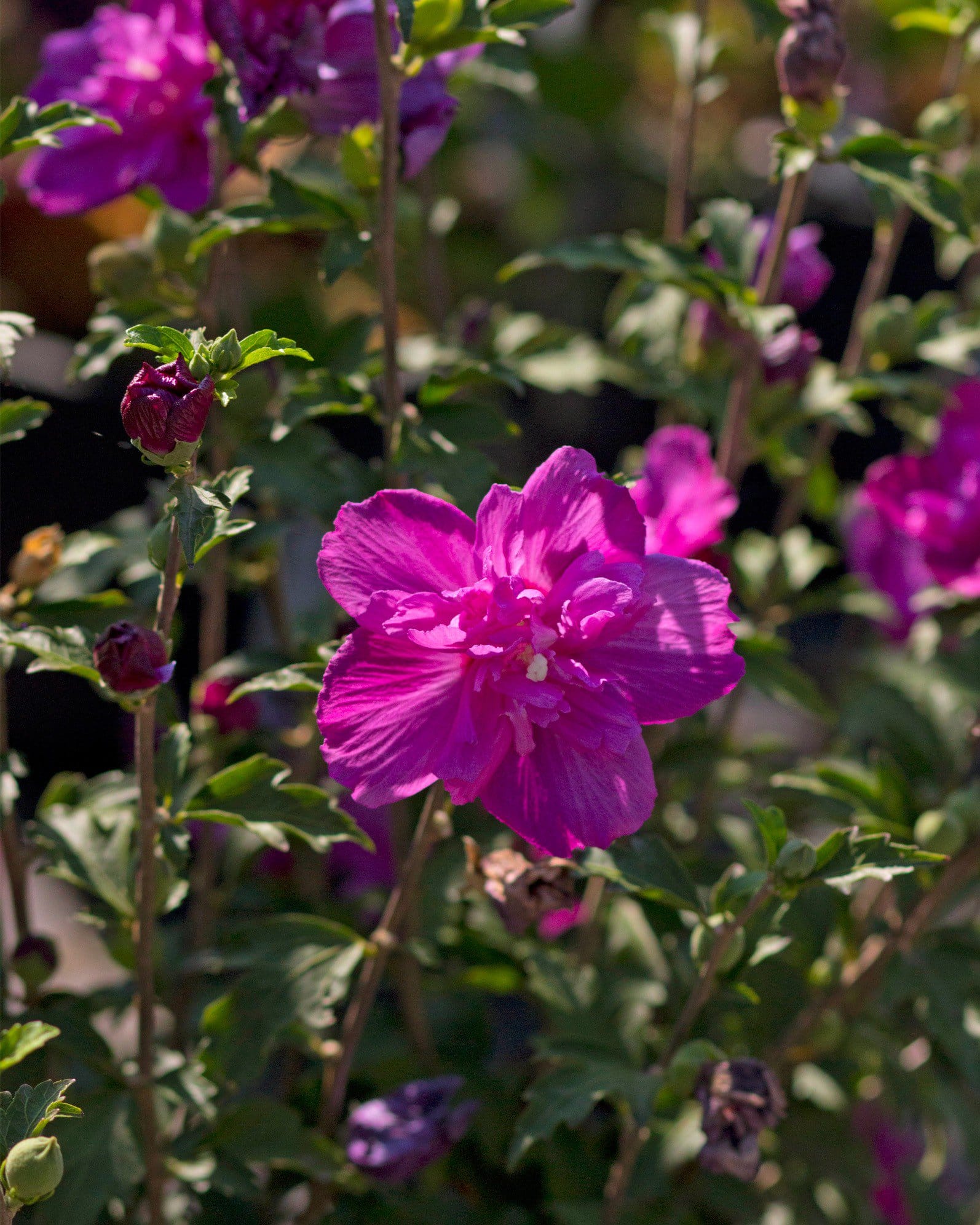
Raspberry Smoothie Althea
Maturity: 8' H x 4' W
Compare Similar Plants
Chinese Dogwood Scarlet Fire This plant | ||
|---|---|---|
| Scientific Name | Cornus 'Rutpink' | Cornus kousa |
| Size at Maturity | 15' H x 15' W | 15' H x 15' W |
| Leaf Retention | Deciduous | Deciduous |
| Fall Color | Orange & Red | Orange & Red |
| Flower Color | Pink | White |
| Bloom Times | Summer | Summer |
| Sizes Available | 15 gal | 15 gal |


Our 1-Year Planting Guarantee
We take pride in our plants and installation services. If any plants or trees installed by Treeland fail to thrive within the first year, we'll provide a replacement credit in accordance with our guarantee program.
Learn More About Our Guarantee