
Creeping Jenny
Lysimachia nummulariaLocal DFW Delivery Only
Product Details
Creeping Jenny
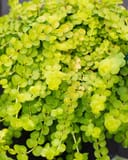
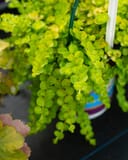
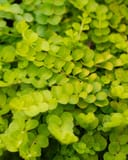
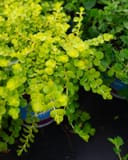
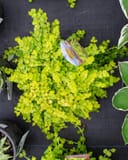
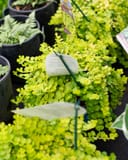
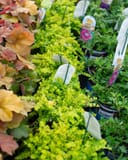
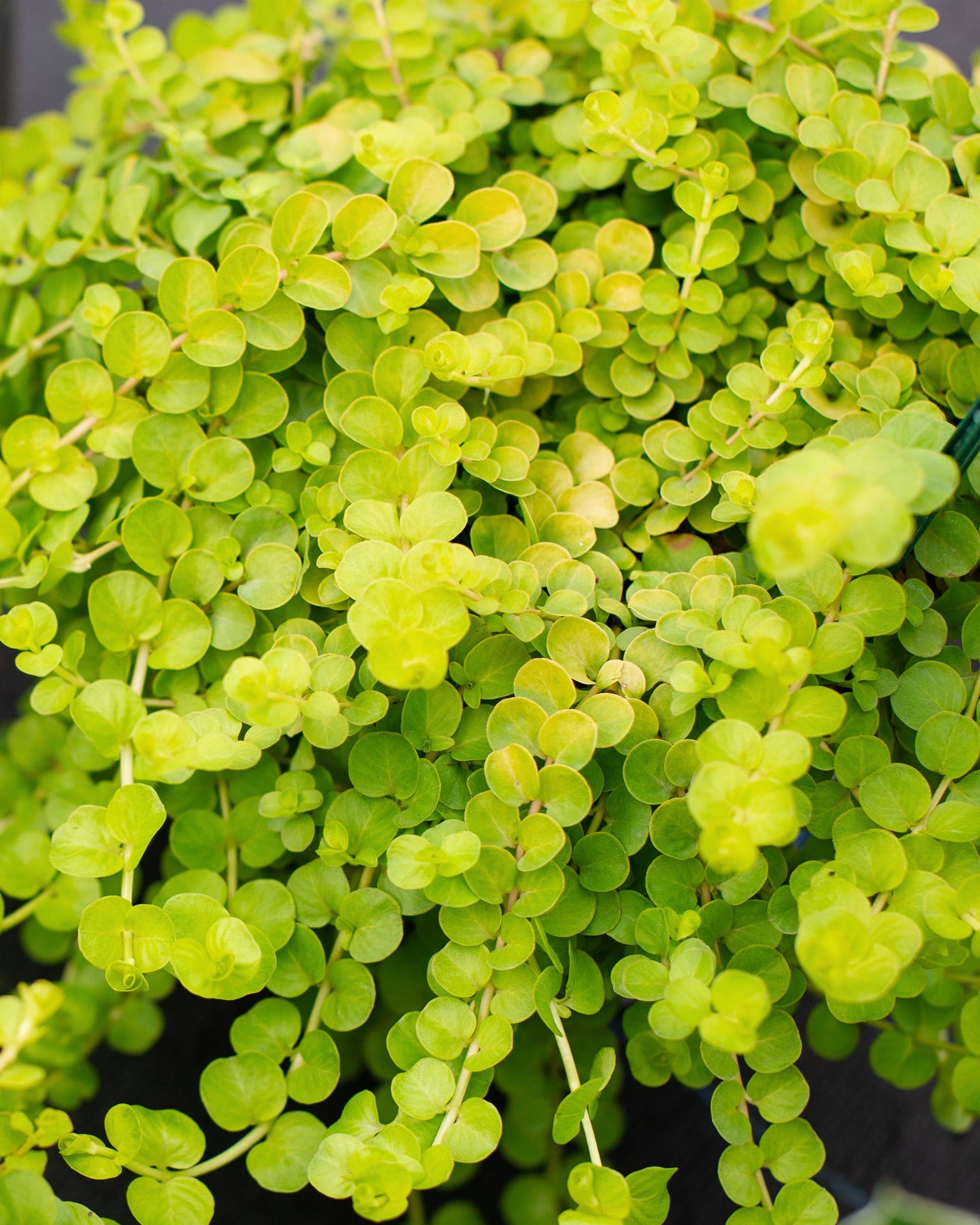
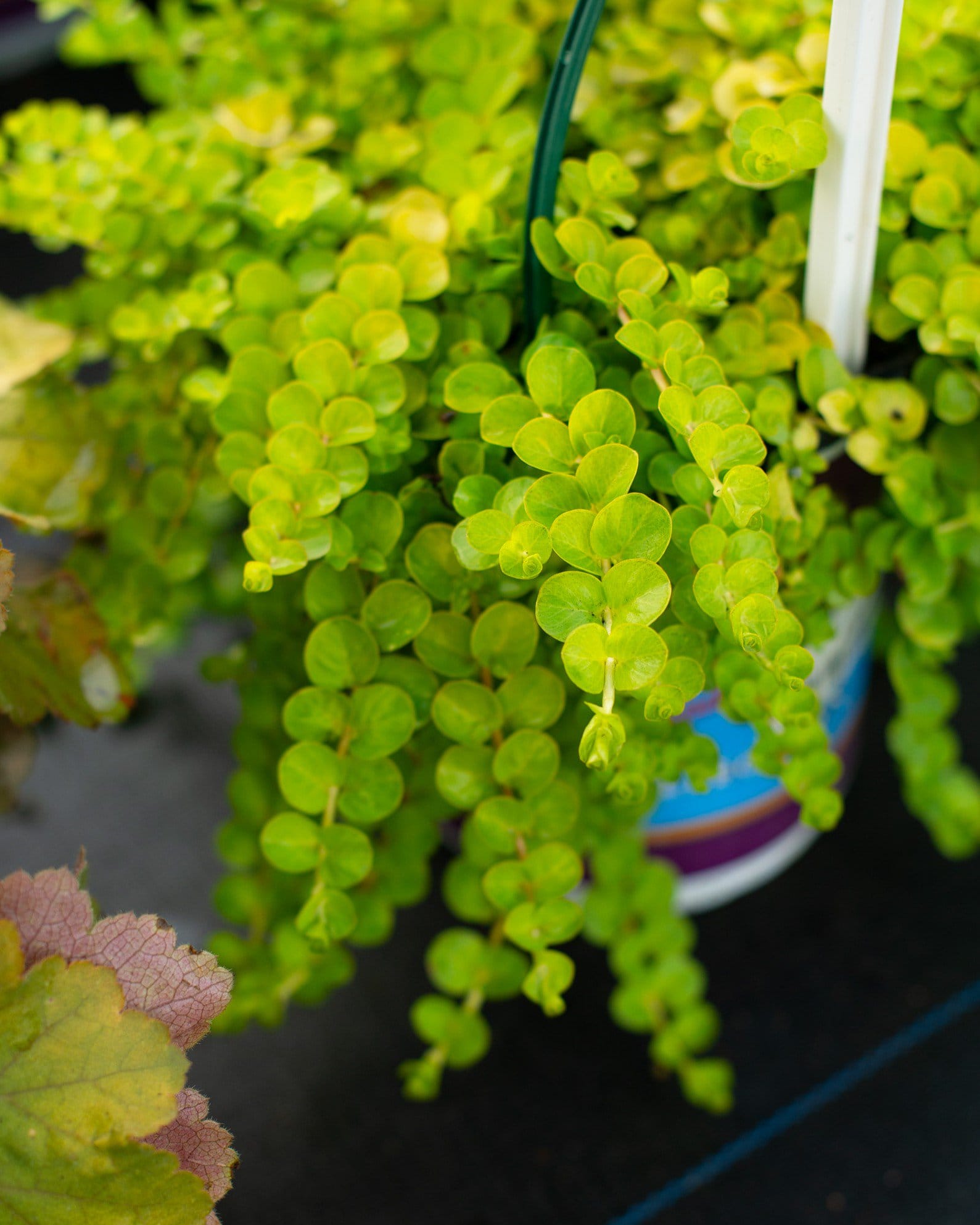
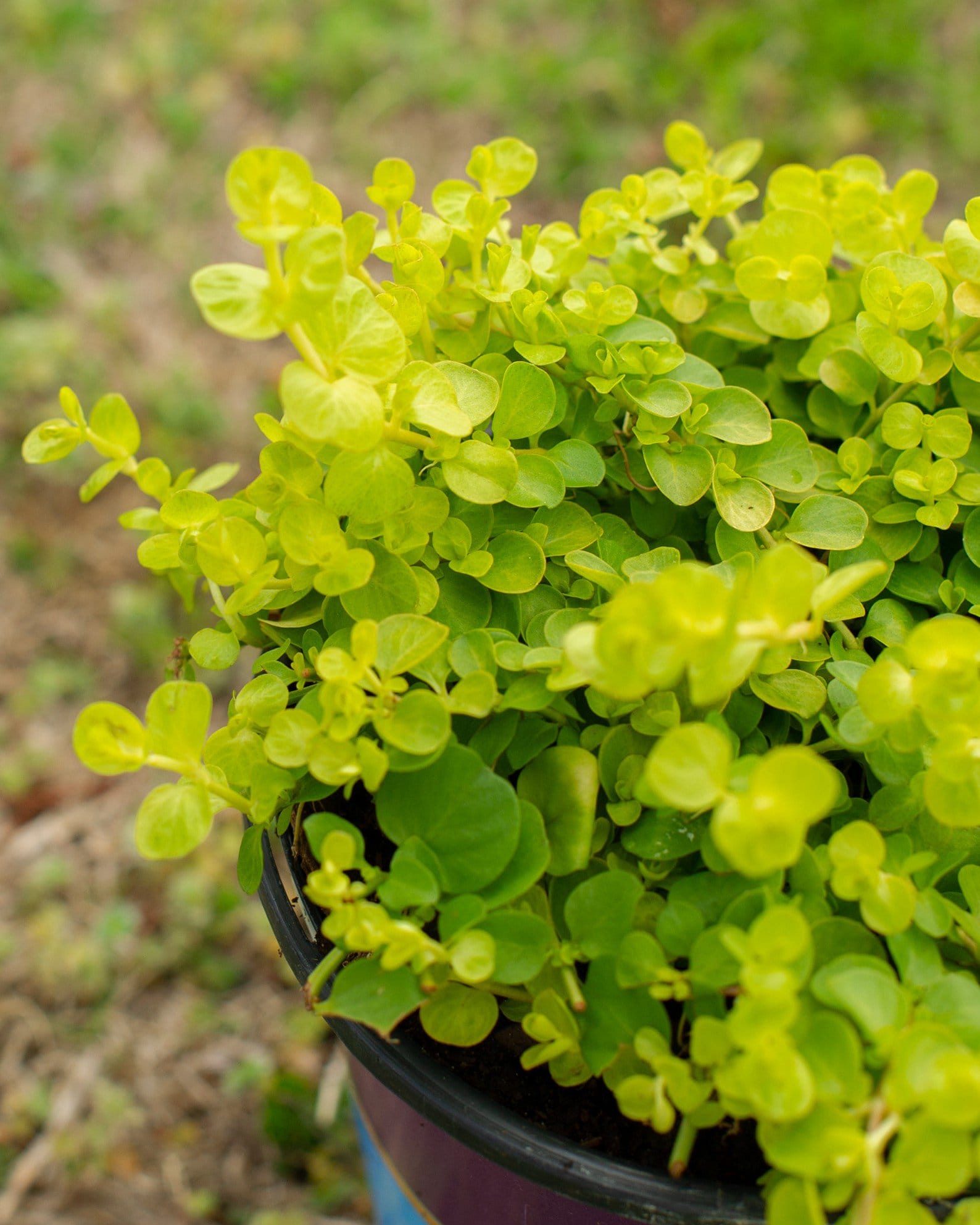
Lysimachia nummulariaThe Creeping Jenny is an evergreen groundcover that's perfect for adding greenery to your space. It's loved for its rounded green and yellow leaves, and an occasional golden flower during season. This plant only grows 6 inches in height and 12 inches in width, but its spreading habits are something to watch for. While the Creeping Jenny will do beautifully in beds, it's usually put into containers for control purposes.
- An evergreen groundcover
- Moderate growth rate
- May bloom in summer months, adorning the green foliage with yellow flowers
- Quite cold-hardy
- Has quite a spreading habit
This evergreen loves full sun and partial shade, and will grow beautifully if planted in moist soil. The Creeping Jenny feels right at home in zones 4 through 9, making it perfect for most of Texas, except for the very south. To maintain its beauty and ensure new growth, trim as necessary, especially before winter.
Creeping Jenny is a vibrant, fast-growing groundcover prized for its trailing habit and bright golden foliage. Beyond aesthetics, it’s easy to maintain and resilient once established. Here’s how to help it grow:
- Watering: Water consistently during the first growing season to establish a strong, healthy root system. Once mature, Creeping Jenny prefers evenly moist soil and will tolerate occasional short dry spells. In containers, it may require more frequent watering, especially during hot summer months.
- Pruning: Regular pruning is essential to keep the plant looking tidy and dense. Trim runners to control spread and prevent it from overtaking other plants. Pinch or cut back stems in spring or mid-season to encourage fuller growth and to maintain compact mats.
- Fertilizing: Apply a light dose of a balanced, slow-release fertilizer in spring to promote strong growth and intense foliage color. Avoid over-fertilizing, as this can lead to overly lush growth that flops over and reduces the plant’s compact form.
- Mulching: A thin layer of mulch, such as gravel or coarse bark, can help conserve moisture and suppress weeds. Keep mulch slightly away from the crown to prevent trapped moisture, which can encourage fungal issues.
- Winter Care: Creeping Jenny is hardy in most climates but may die back in colder zones. In containers or hanging baskets, bring plants indoors or provide light mulch protection during freezing temperatures.
While Creeping Jenny is hardy and adaptable, it can encounter a few challenges:
- Root or Crown Rot: Often caused by standing water or poor drainage. Ensure soil is well-drained and avoid overwatering, particularly in containers or low-lying garden areas. Remove affected plants immediately to prevent spread.
- Leggy or Sparse Growth: Dense mats can become thin or elongated if runners are not regularly pruned. Periodic trimming encourages bushier, fuller coverage.
- Fungal Leaf Spots: Yellow, brown, or black spots can develop during periods of prolonged wet weather. Remove affected foliage promptly, and improve airflow by spacing plants properly.
- Invasive Spread: Creeping Jenny is vigorous and spreads quickly via runners. Without monitoring, it may take over garden beds or containers. Regular pruning and edge control are recommended.
- Pests: Occasionally, slugs, snails, or aphids may feed on foliage. Hand-pick pests, use traps, or apply organic treatments if necessary. Healthy, well-watered plants are more resistant to pest damage.
With proper care, it can thrive as a perennial groundcover for several years. In colder climates, it may die back in winter but typically regrows in spring.
Very fast. Its trailing runners allow it to fill garden beds, borders, or containers within a single growing season, creating a lush, colorful mat.
Yes. It tolerates warm, humid conditions, especially if soil moisture is maintained consistently. Bright light and airflow help preserve foliage color and reduce disease risk.
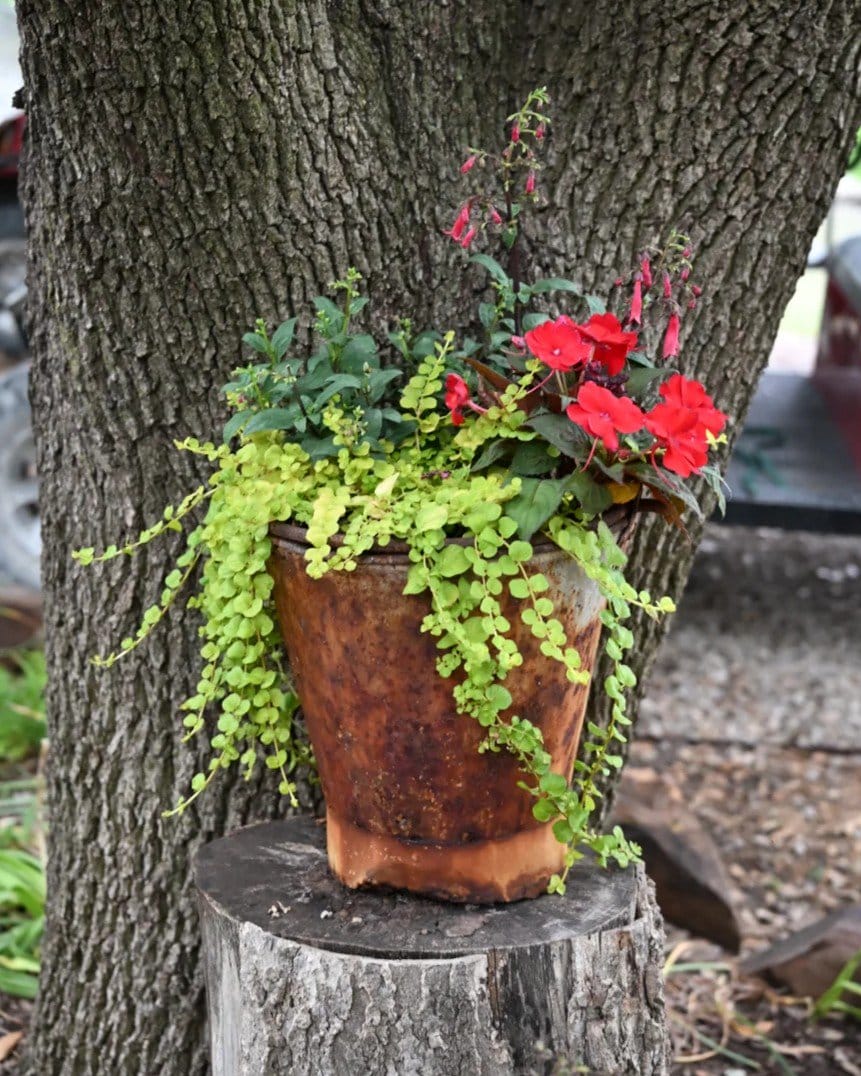
Absolutely. Its trailing habit makes it perfect for containers, hanging baskets, window boxes, or raised beds. Ensure containers have good drainage and monitor watering more closely than in-ground plantings.
Its primary ornamental interest is foliage, but small, cup-shaped yellow flowers appear in late spring to early summer. Deadheading spent flowers can slightly prolong the bloom period, though the foliage remains the main feature.
Yes. Propagation is simple through stem cuttings or by dividing runners. New plants root quickly in moist soil or even in water before planting outdoors.
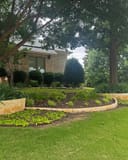
Yes. Its fast-spreading, low-growing habit makes it ideal for groundcover in medians, planters, and public gardens. Containment may be necessary to prevent it from overtaking other plants or hardscape areas.
Yes. It recovers quickly from drought, frost, or minor pest damage with proper pruning, watering, and maintenance.
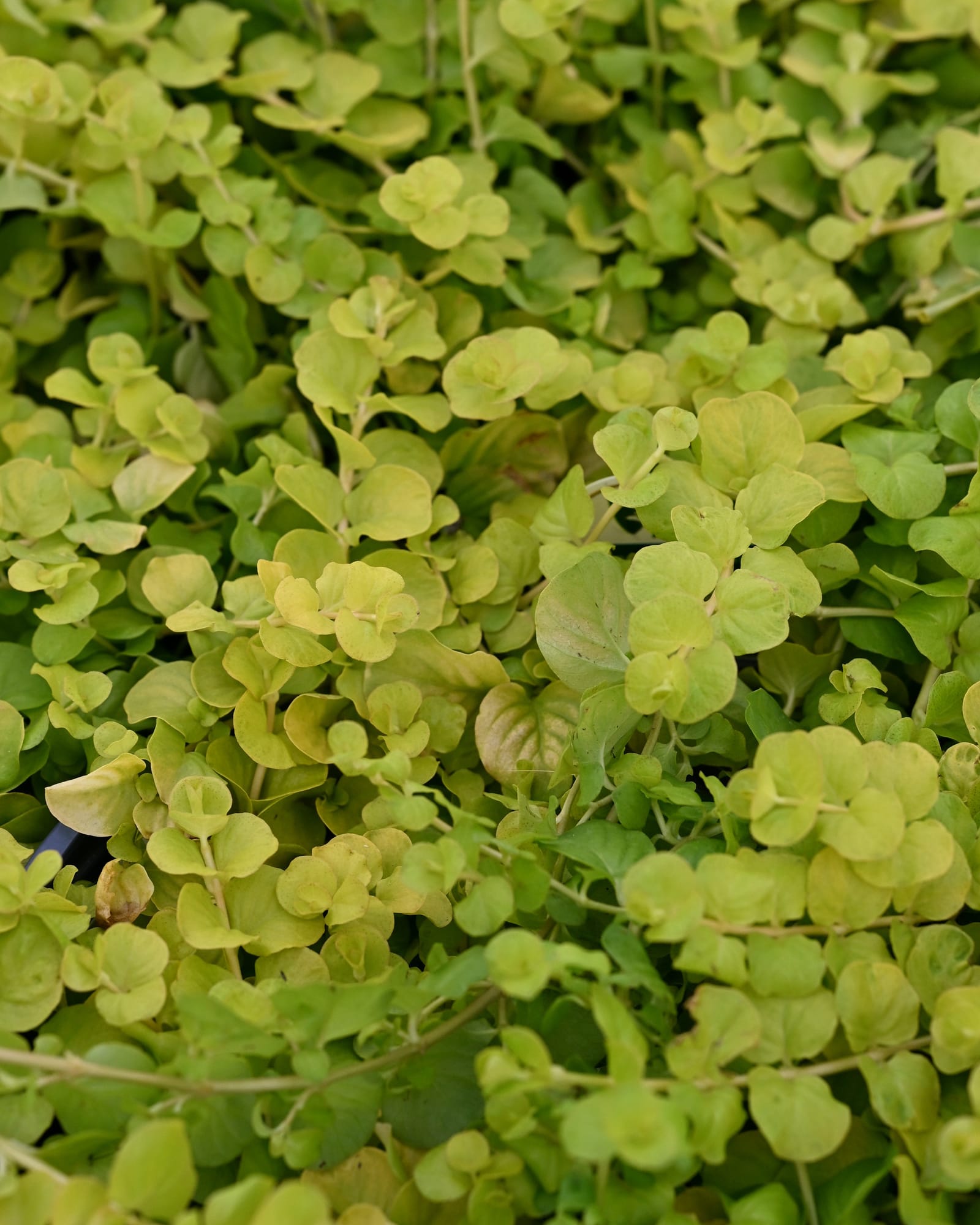
Yes. Its foliage is bright golden through most of the growing season. In cooler months or under higher light, leaves may deepen to chartreuse or bronze tones, adding year-round interest.
Yes. In spring, divide crowded runners, remove old or damaged foliage, and replant offsets.
Special Features
You might also like
Goldilocks Creeping Jenny
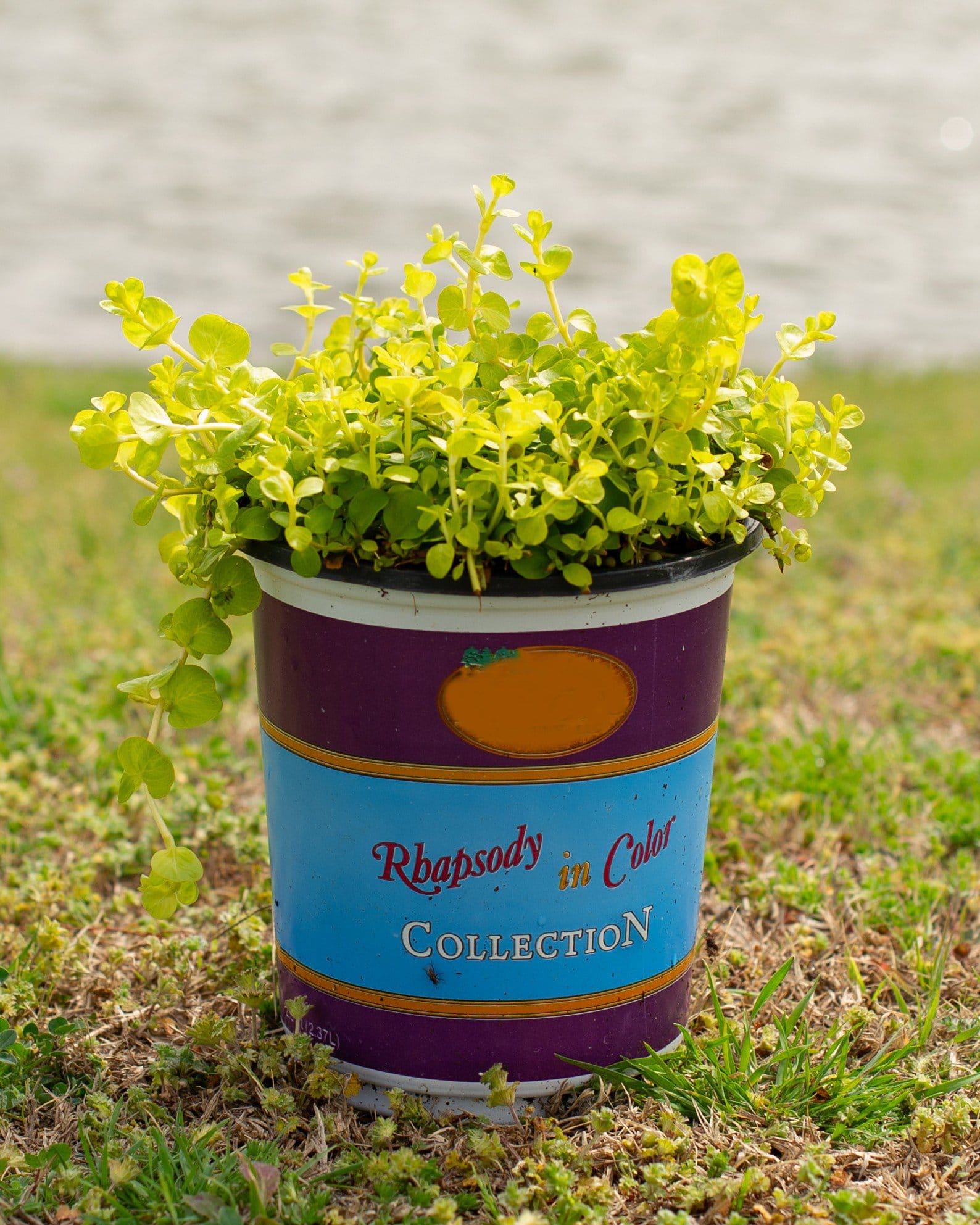
Maturity: 2' H x 1' W
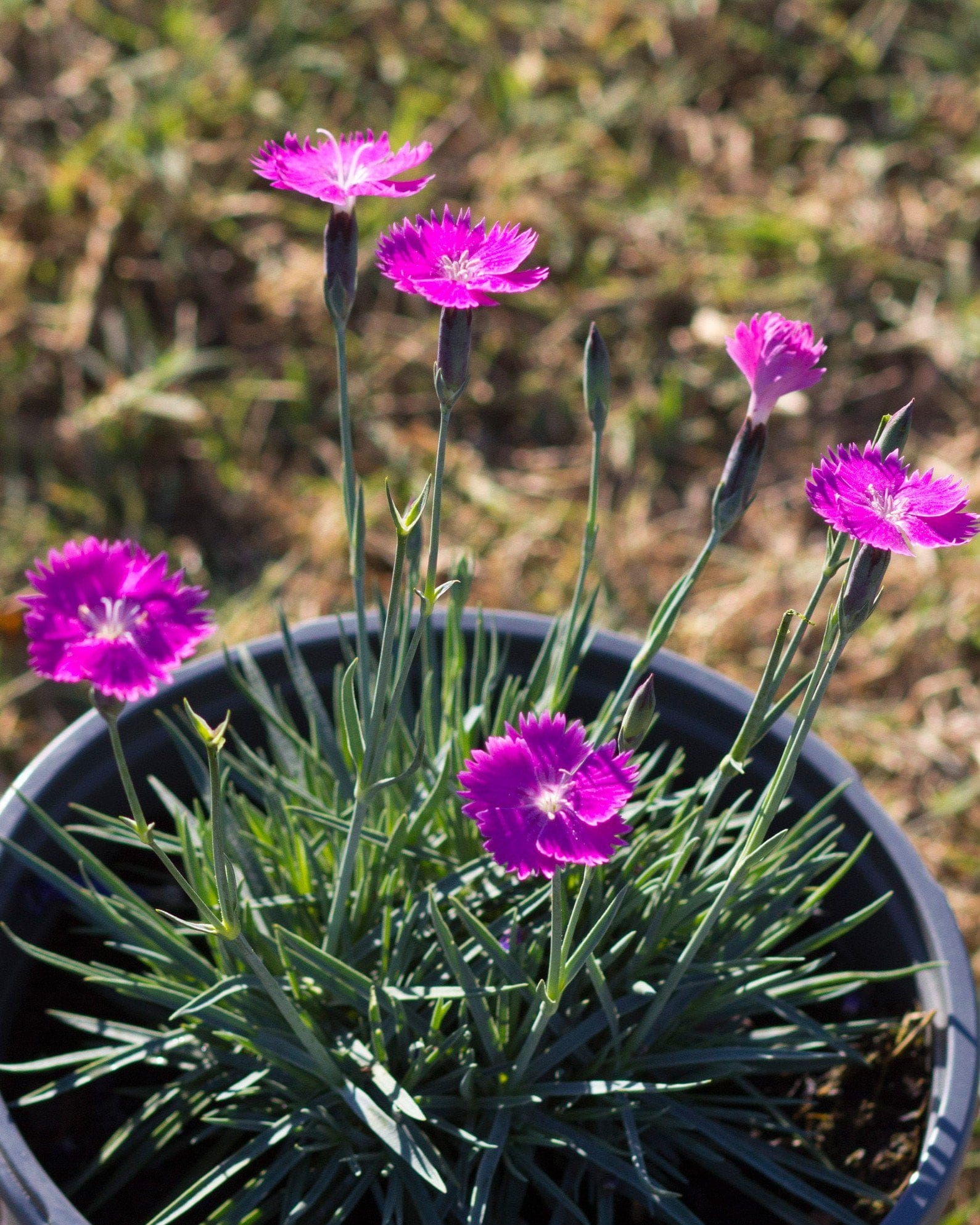
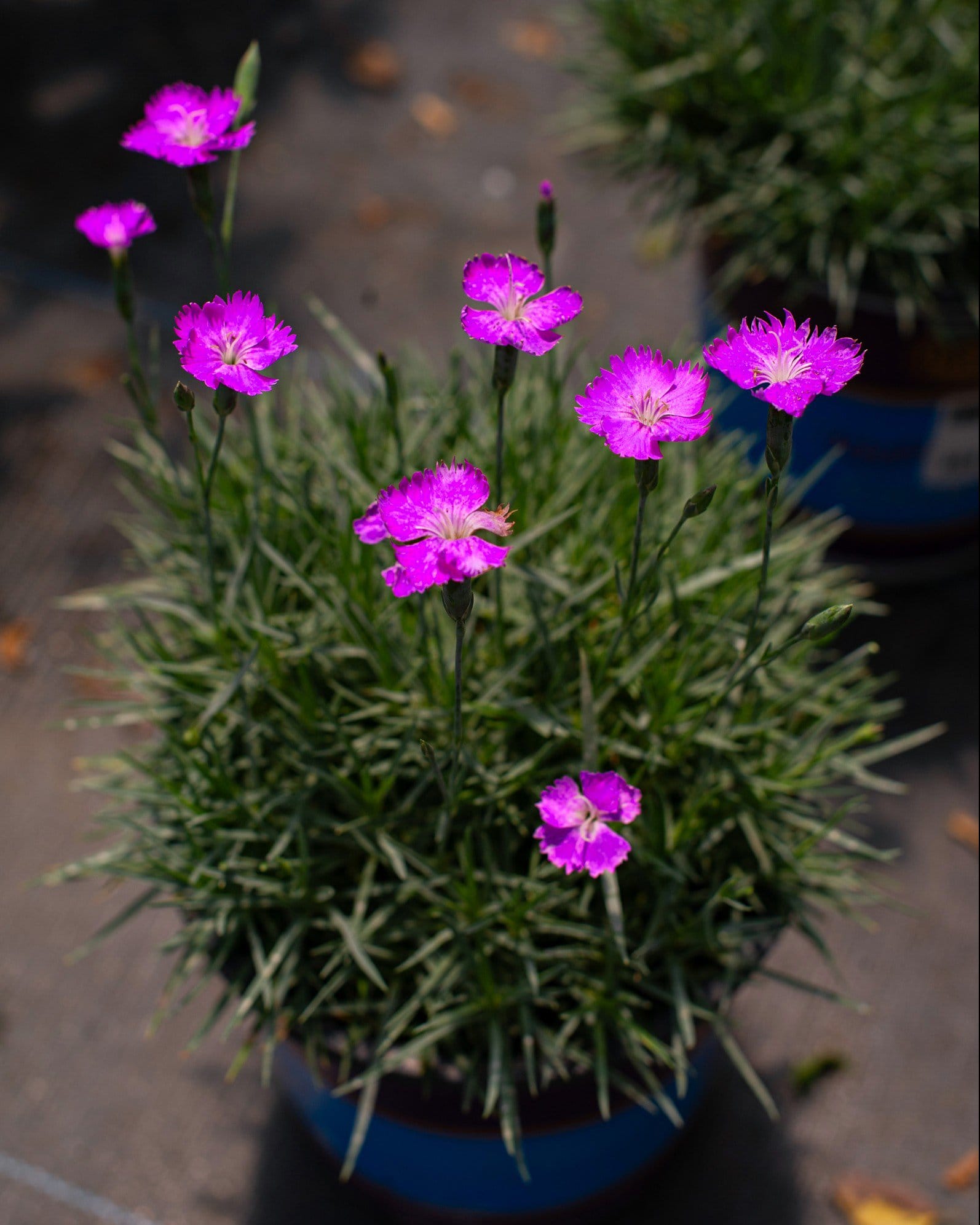
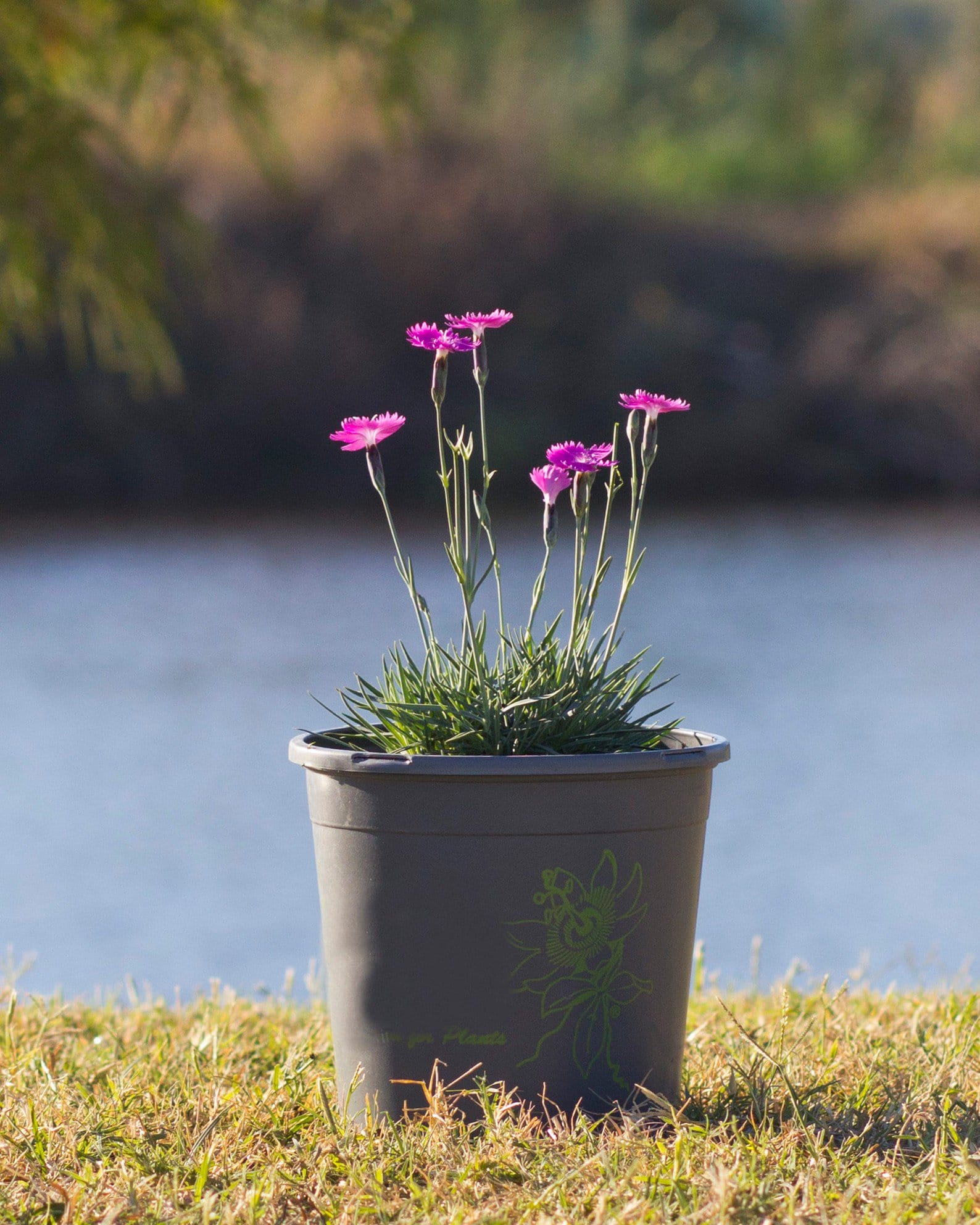
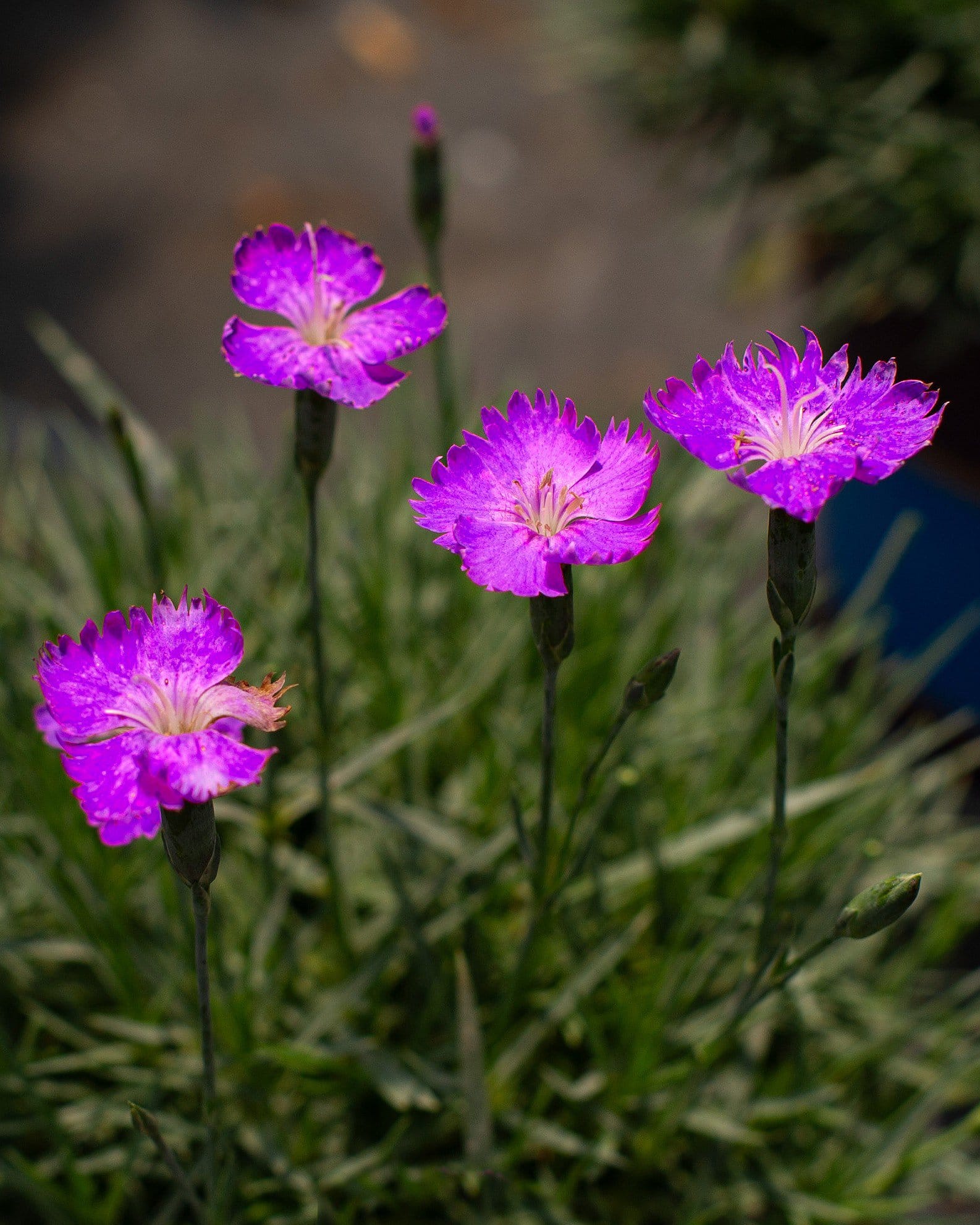
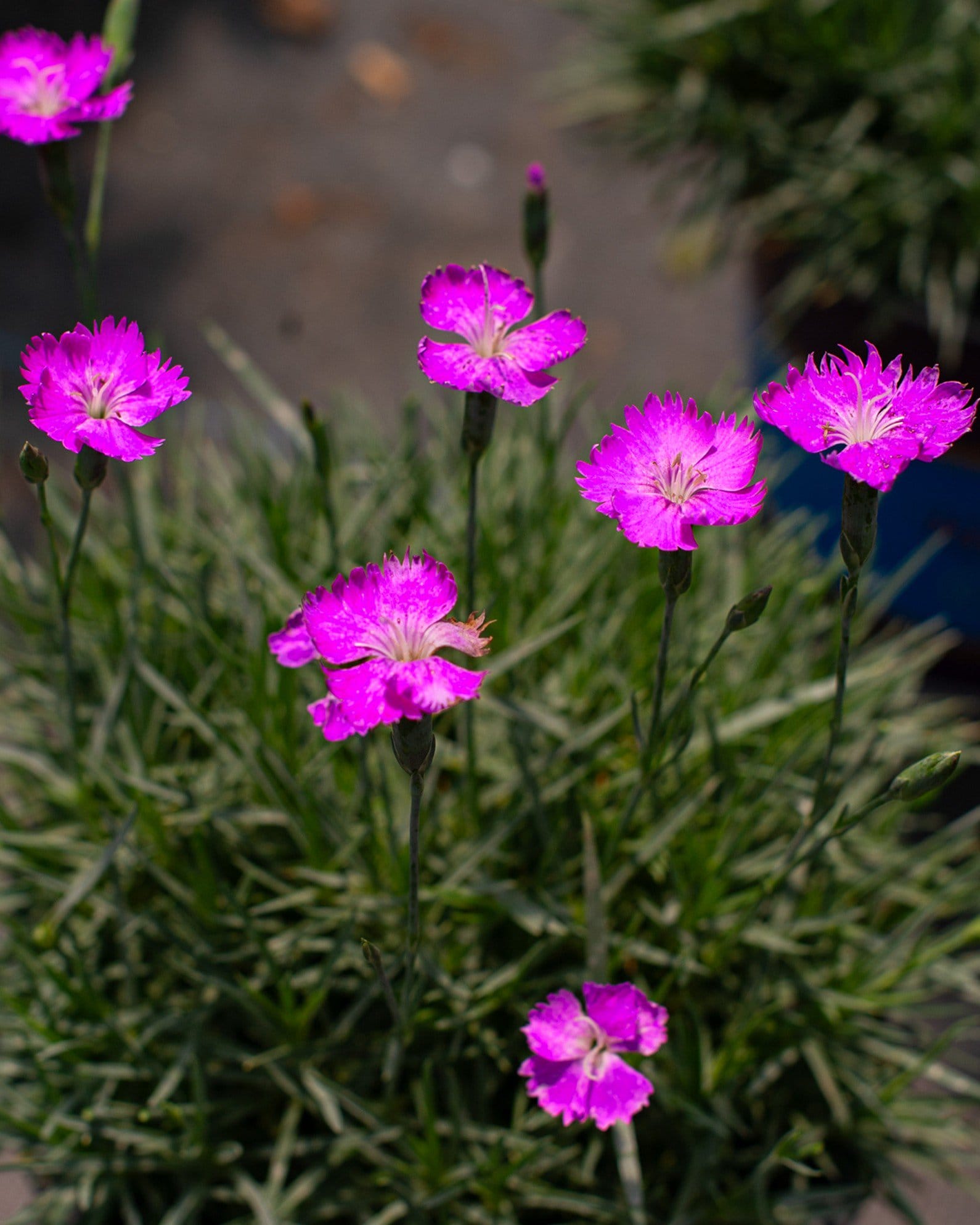
Firewitch Dianthus
Maturity: 1' H x 1' W
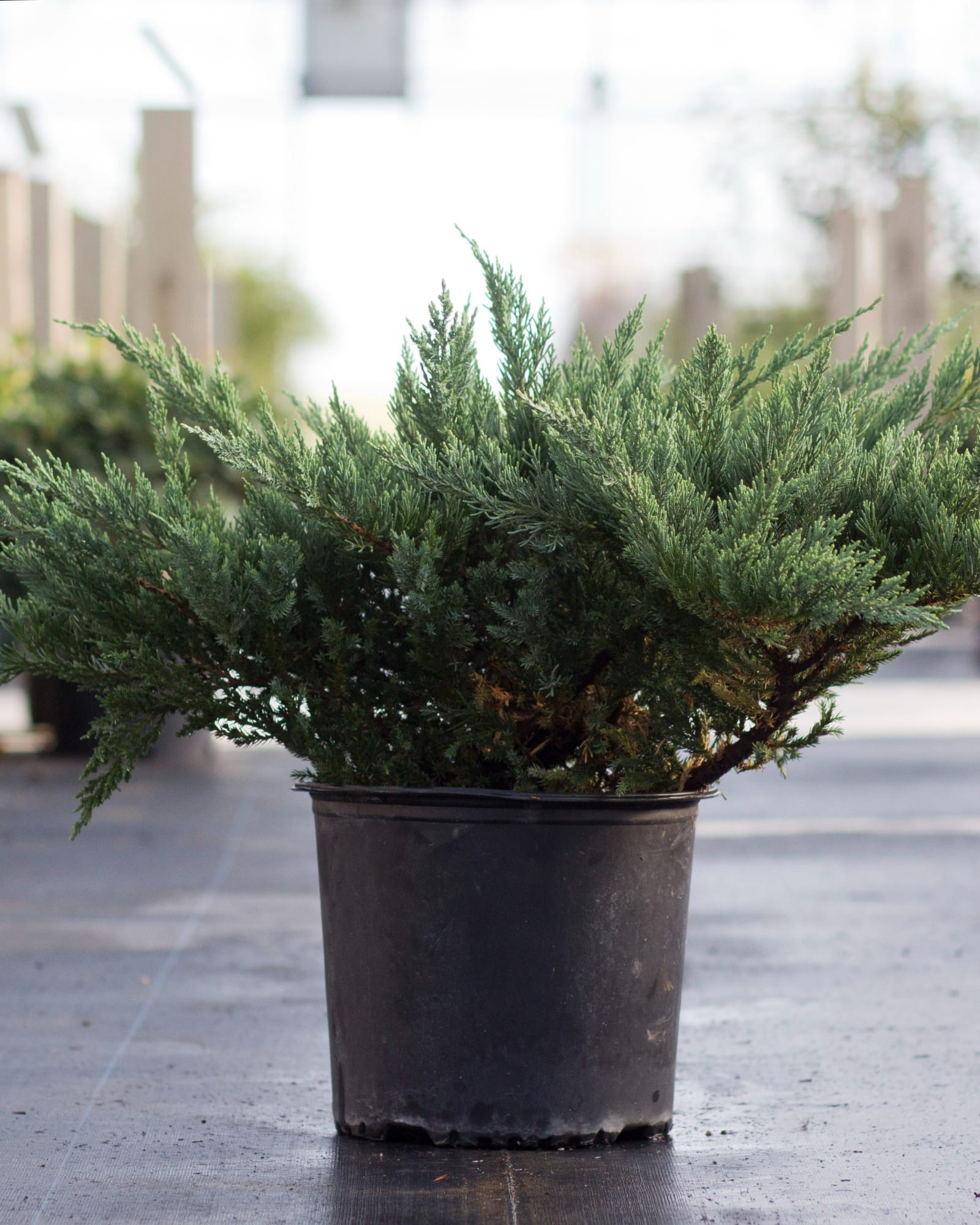
Parsoni Juniper
Maturity: 2' H x 4' W
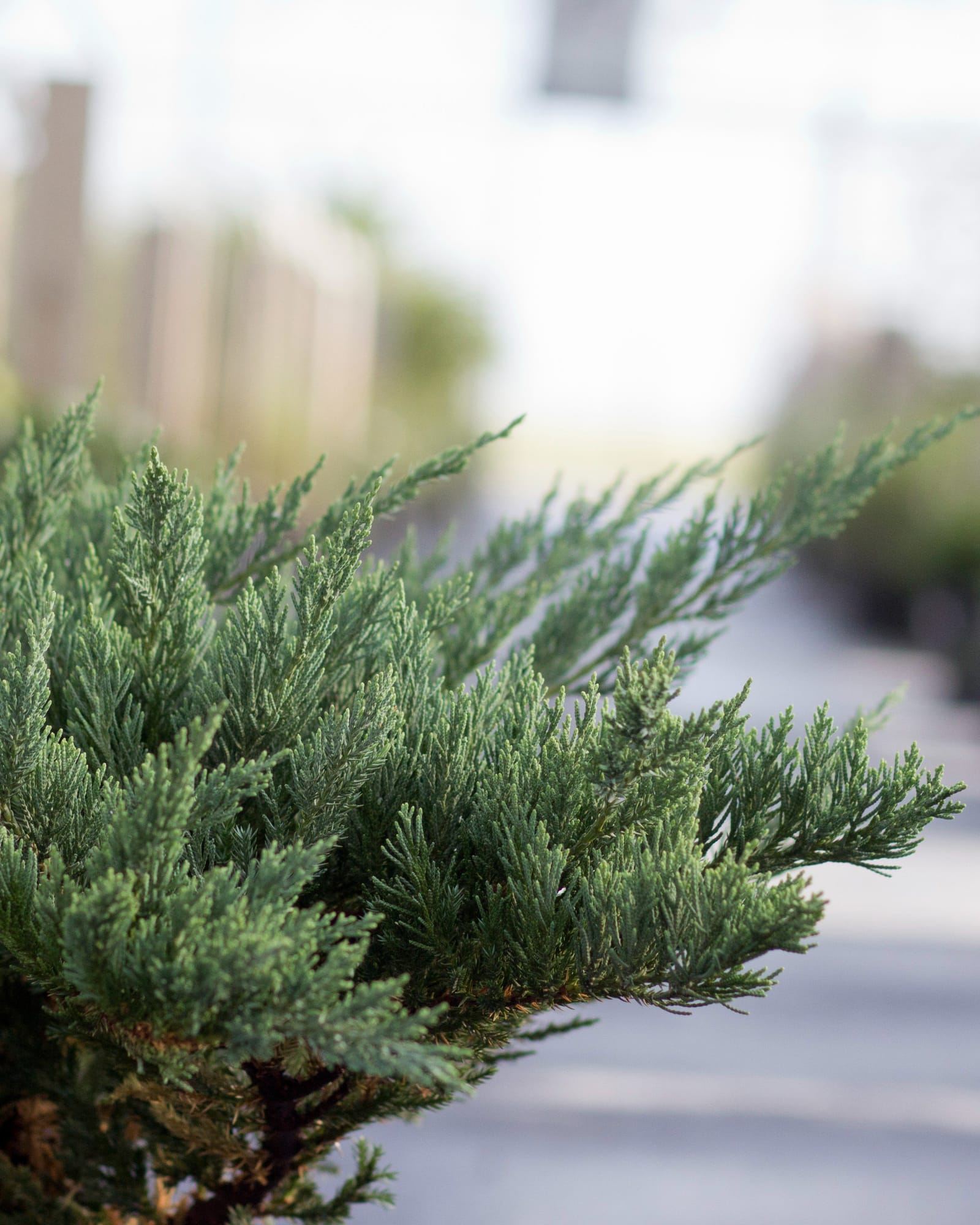
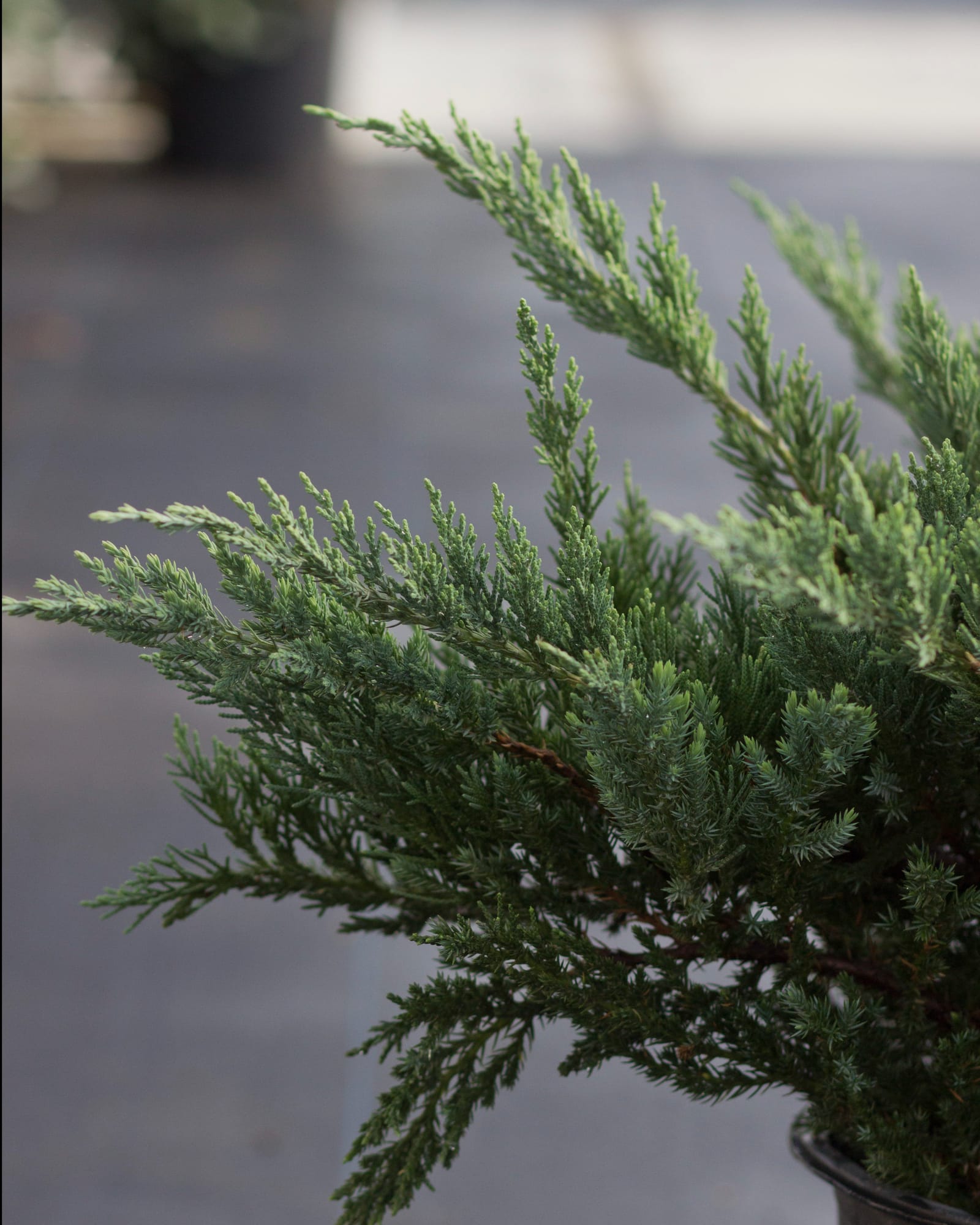
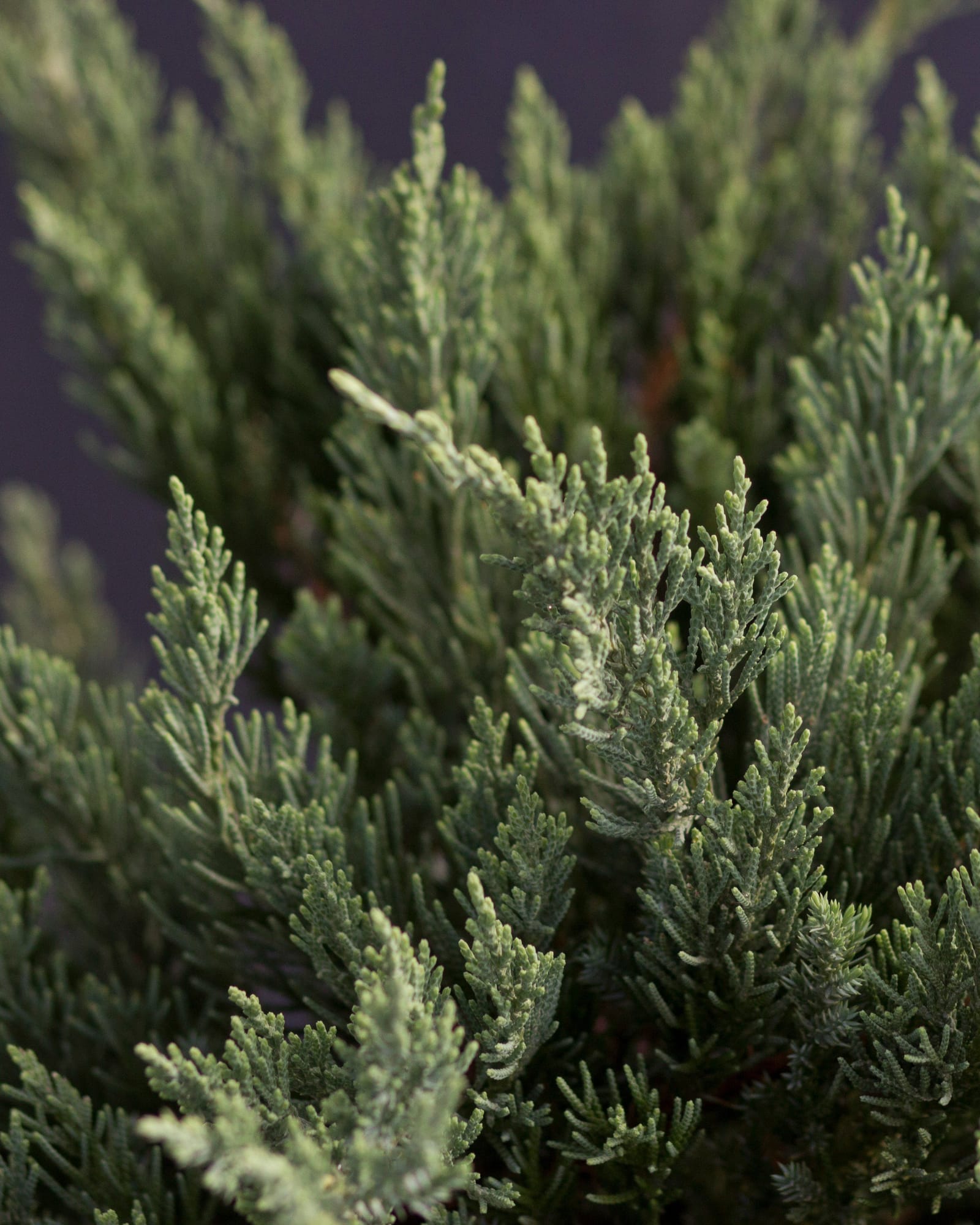
Silver Dragon Liriope
Maturity: 1' H x 1.5' W
Super Blue Liriope
Maturity: 1.5' H x 1.5' W
Variegated Liriope
Maturity: 1' H x 1' W
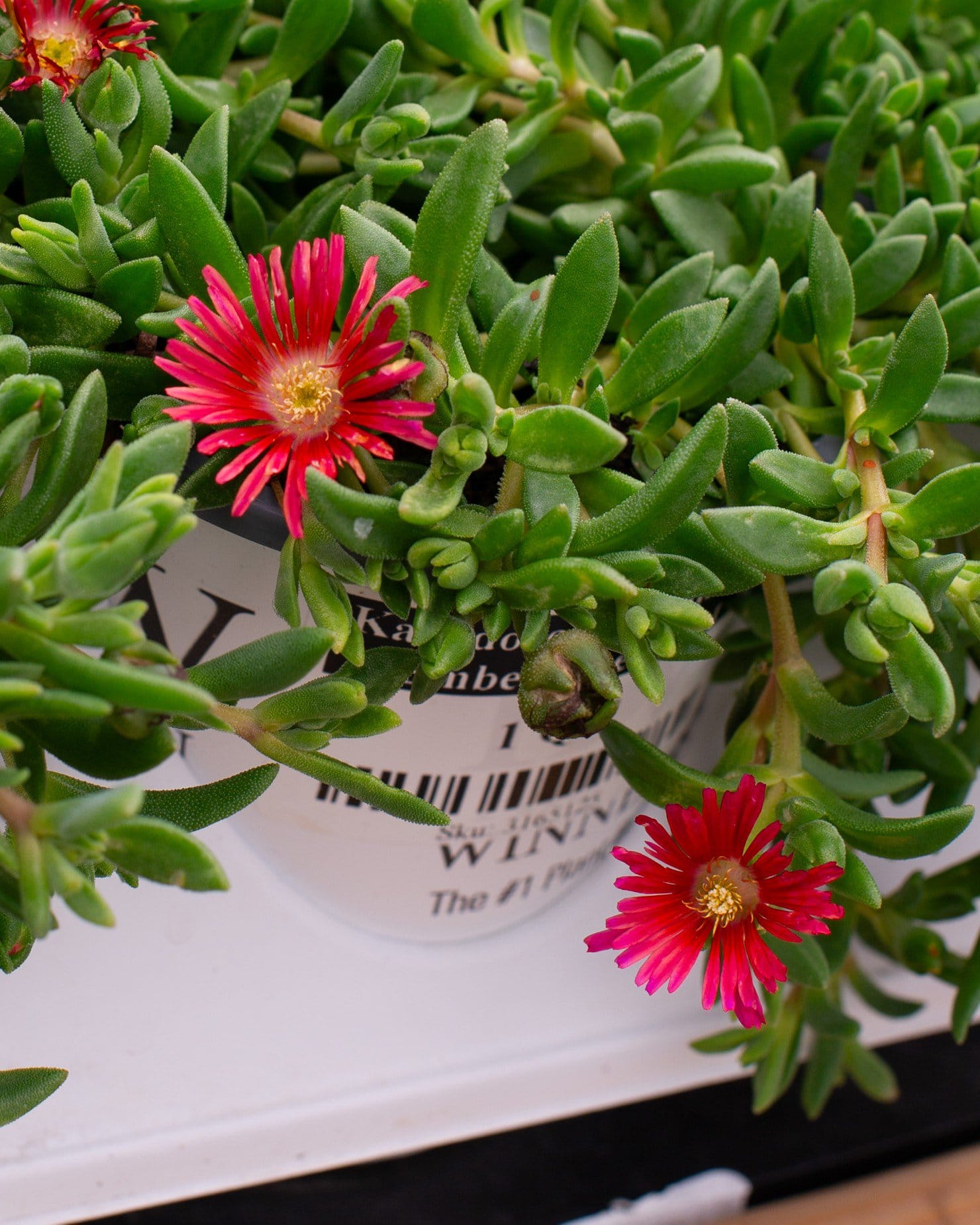
Kaleidoscope Dancing Embers Ice Plant
Maturity: 0.25' H x 2' W
Kaleidoscope Pink Radiance Ice Plant
Maturity: 0.25' H x 2' W
Asiatic Jasmine
Maturity: 1' H x 3' W

Asiatic Jasmine Snow-N-Summer
Maturity: 0.75' H x 3' W
August Beauty Gardenia
Maturity: 4' H x 3' W
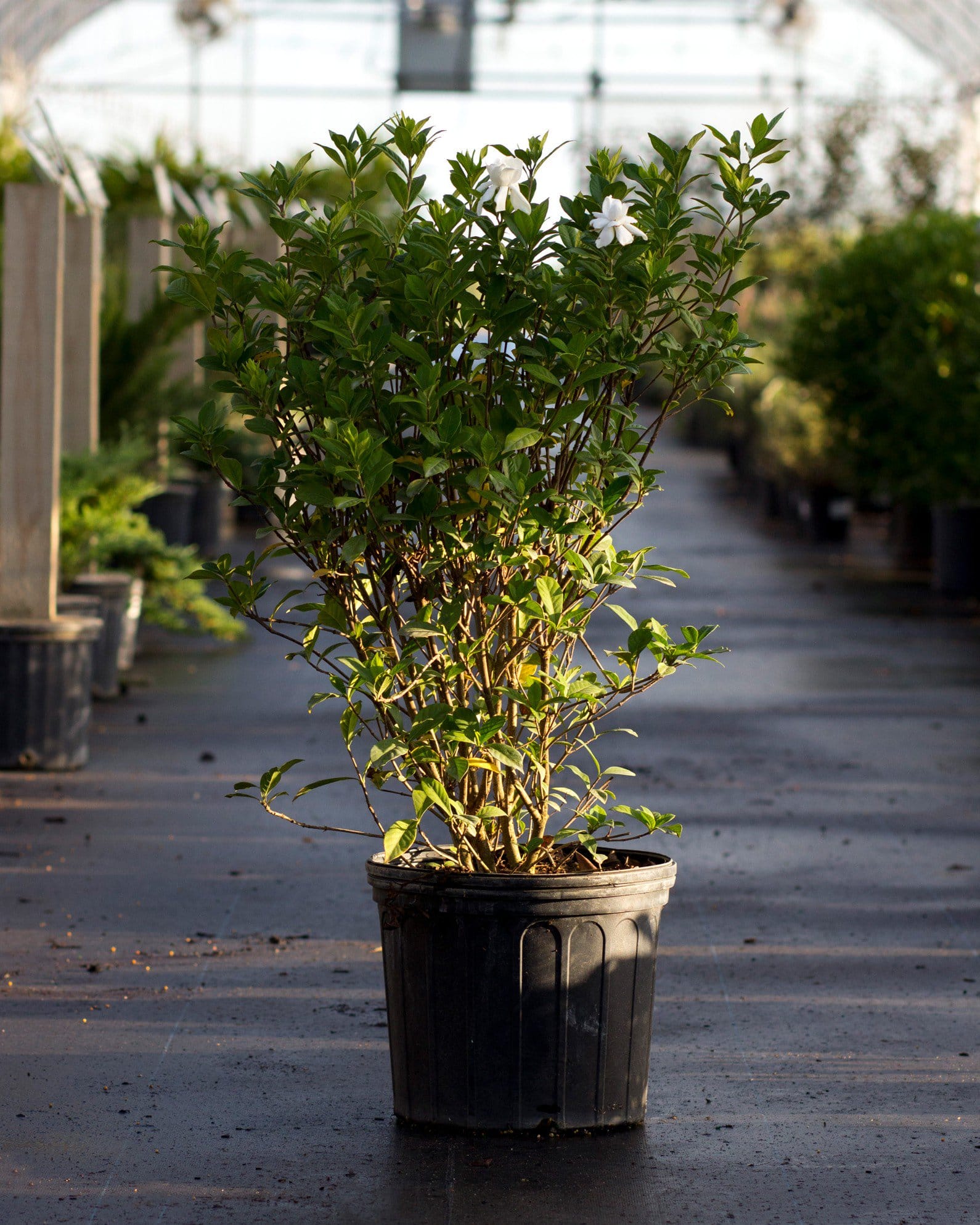
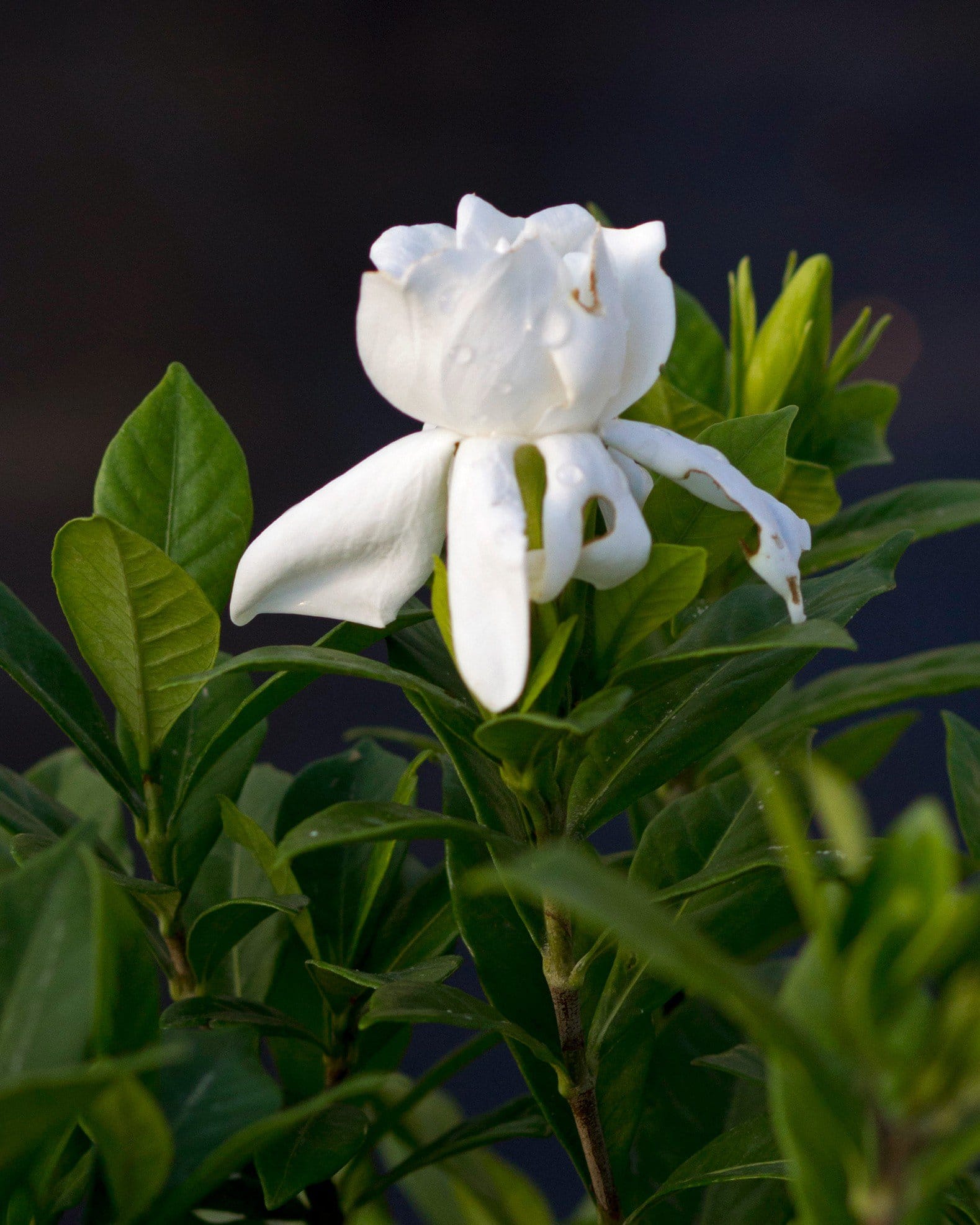
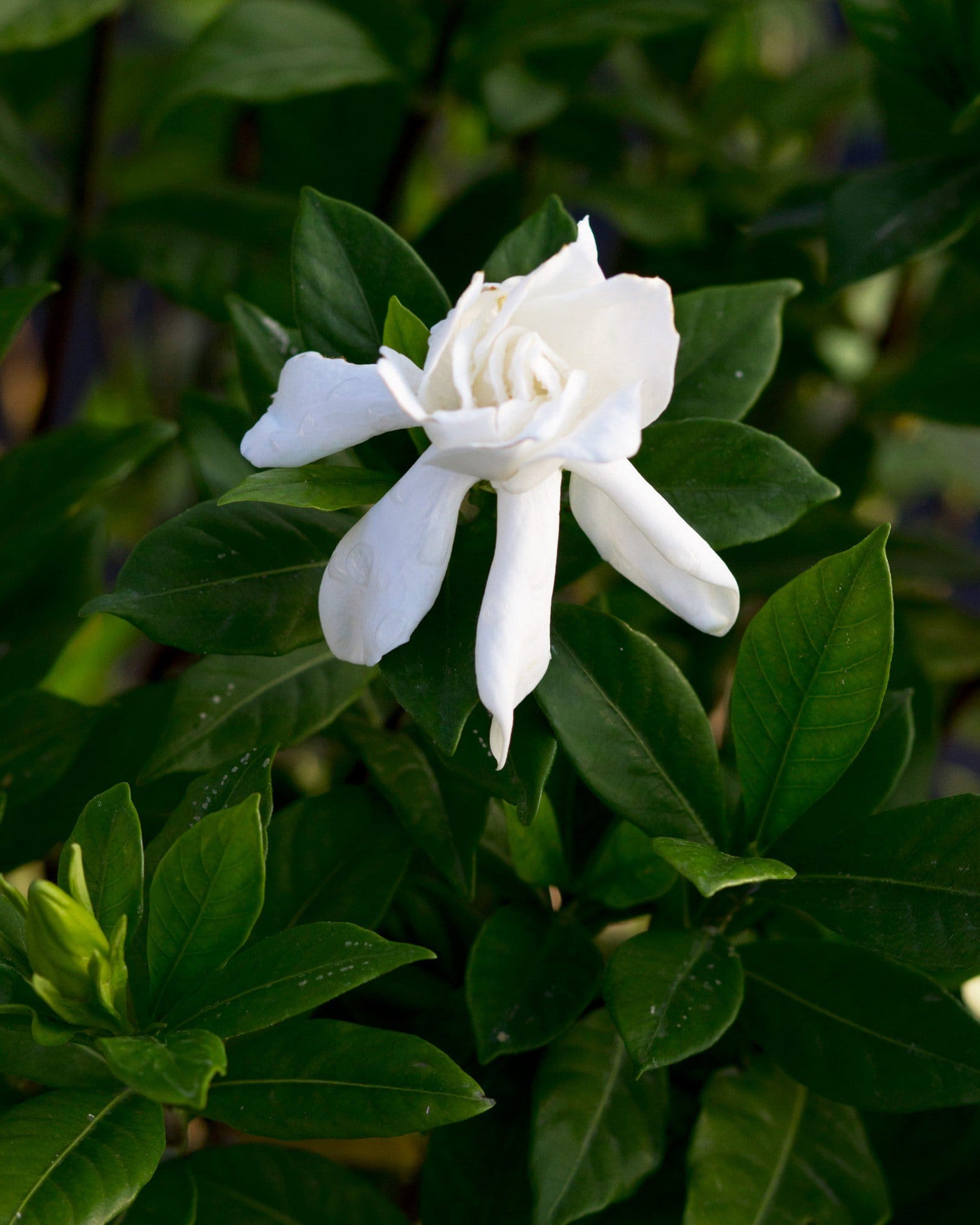
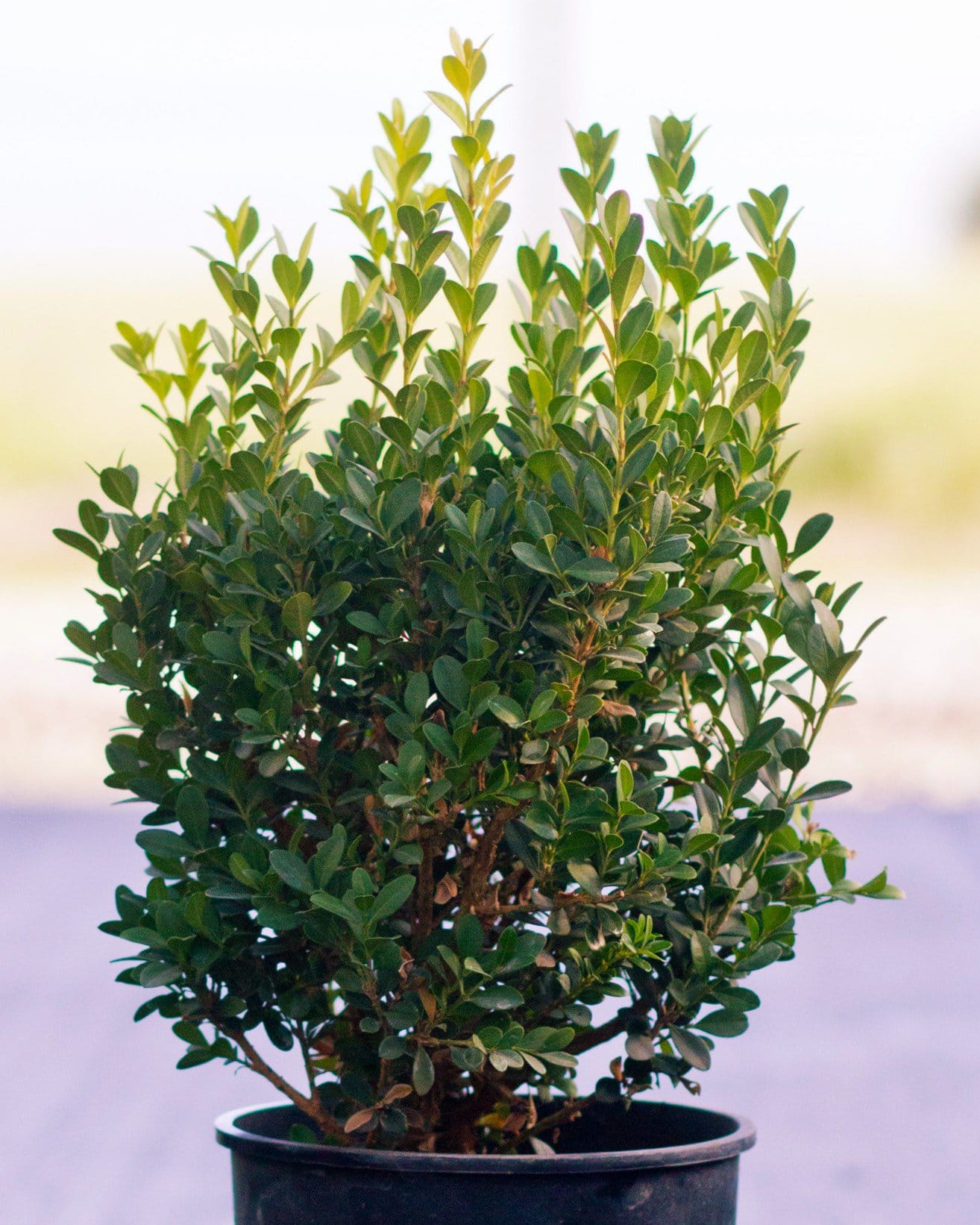
Baby Gem Boxwood
Maturity: 2' H x 3' W
Big Blue Liriope
Maturity: 1.5' H x 1.5' W
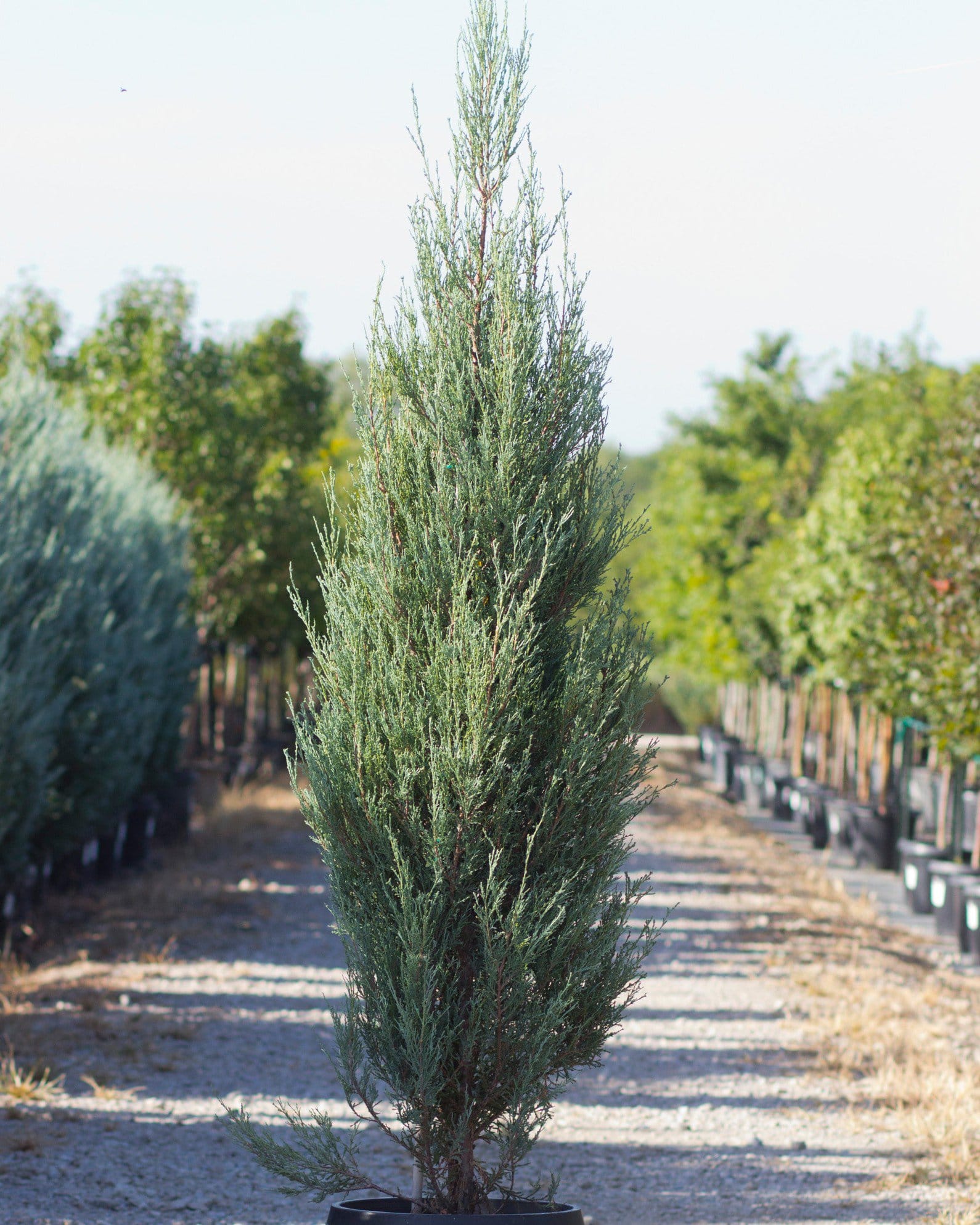
Blue Arrow Juniper
Maturity: 12' H x 2' W
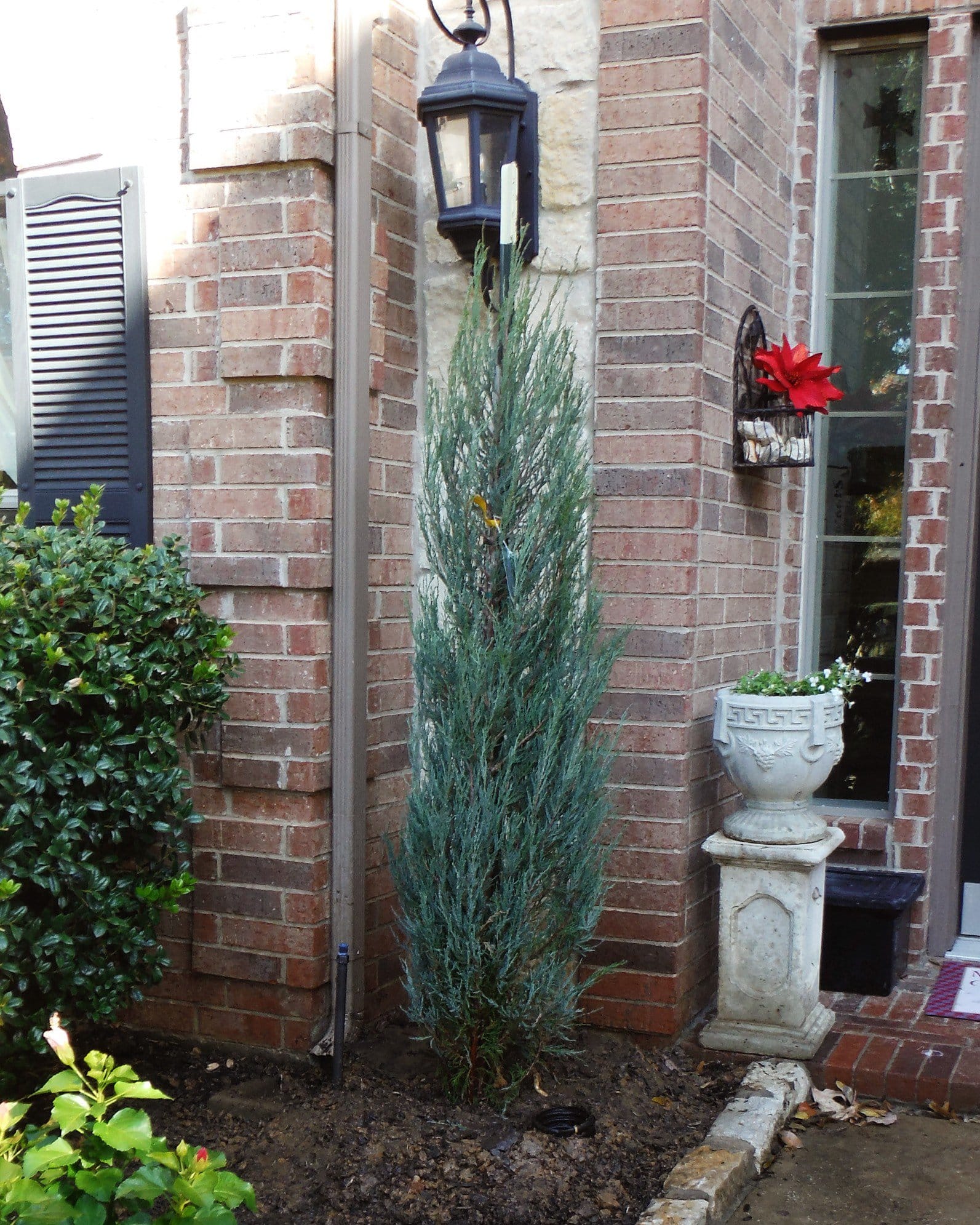
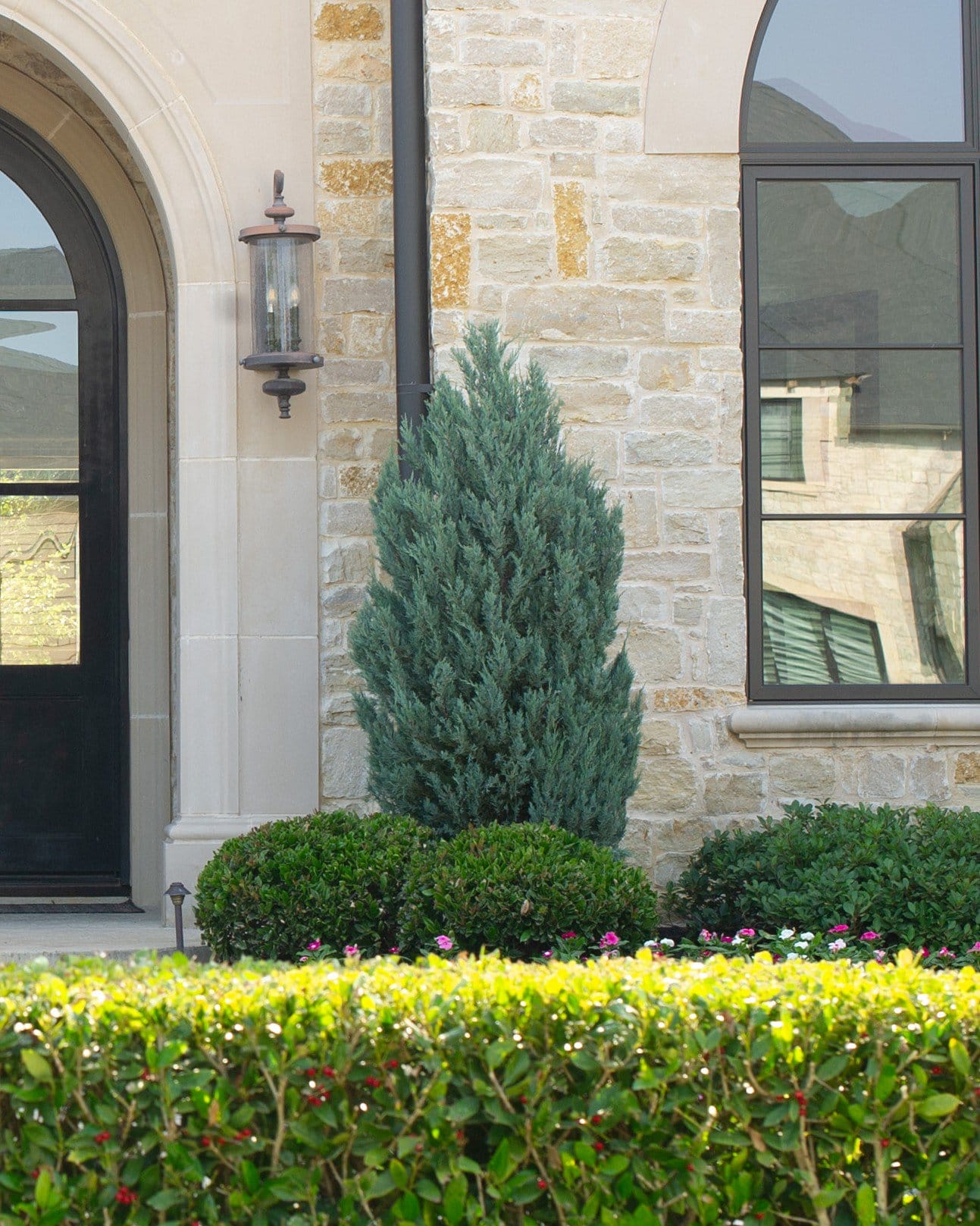
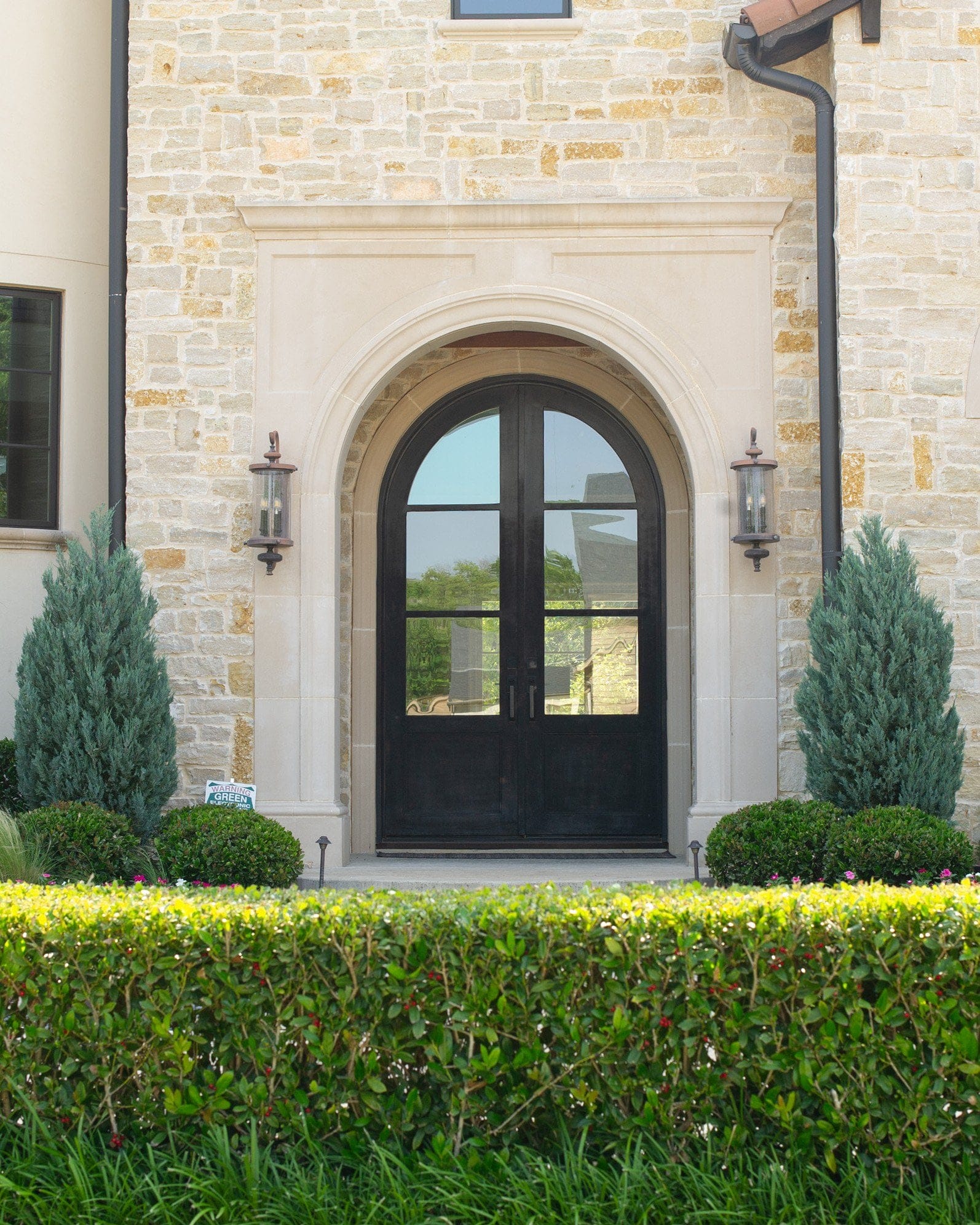
Blue Star Juniper
Maturity: 2' H x 3' W
Compare Similar Plants
Creeping Jenny This plant | ||
|---|---|---|
| Scientific Name | Lysimachia nummularia | Lysimachia nummularia 'Goldilocks' |
| Size at Maturity | 0.5' H x 1' W | 2' H x 1' W |
| Leaf Retention | Evergreen | Evergreen |
| Flower Color | — | — |
| Bloom Times | — | — |
| Sizes Available | 1 gal | 1 gal |


Our 1-Year Planting Guarantee
We take pride in our plants and installation services. If any plants or trees installed by Treeland fail to thrive within the first year, we'll provide a replacement credit in accordance with our guarantee program.
Learn More About Our Guarantee