
 Popular
Local DFW Delivery Only
Product Details
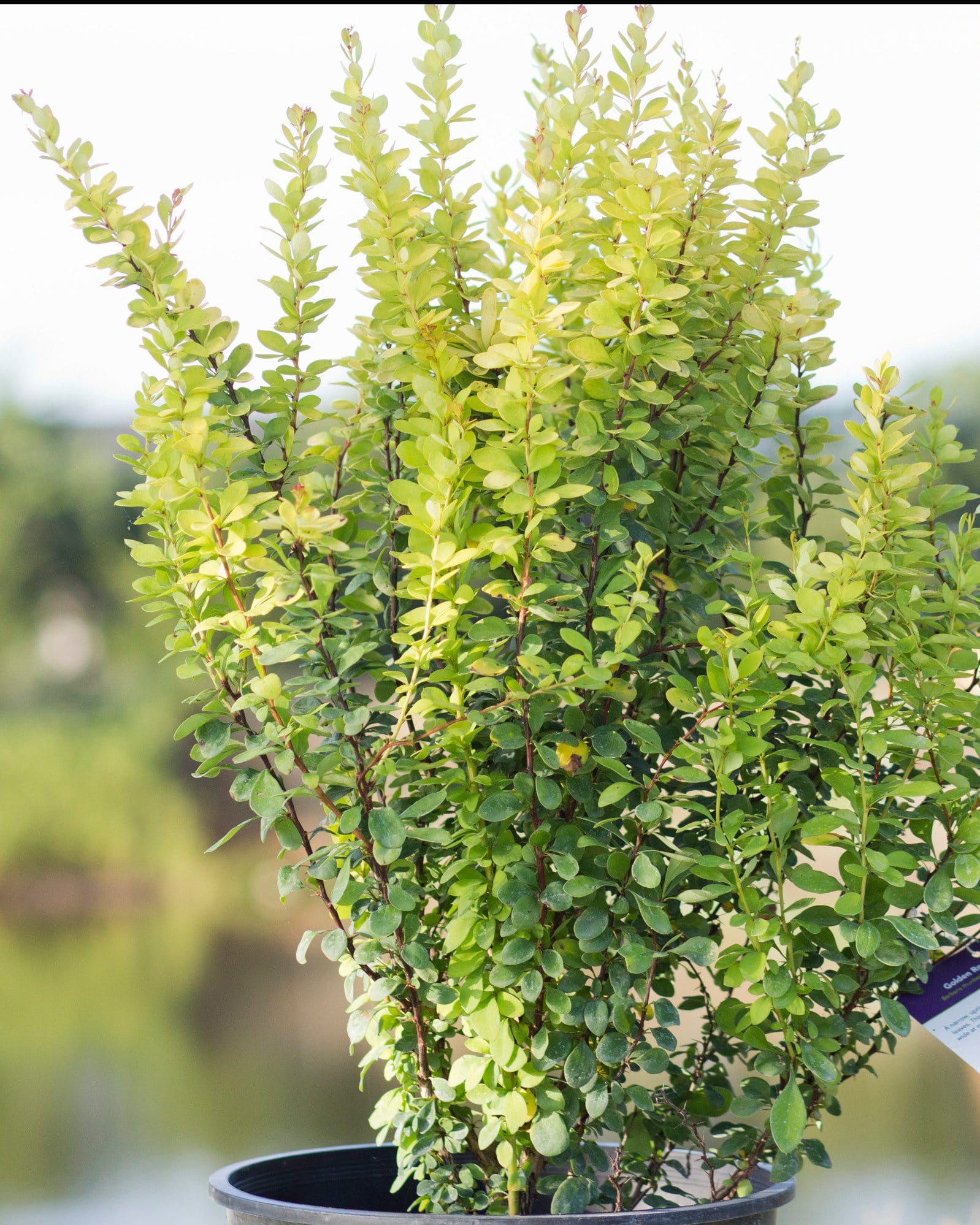
Orange Rocket Barberry
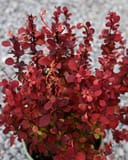
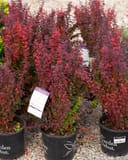
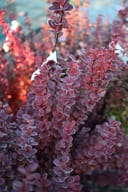
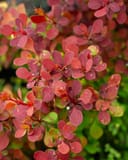
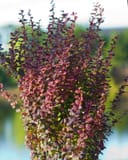
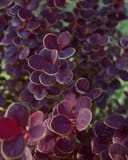
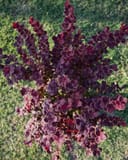
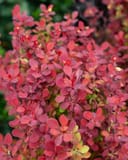
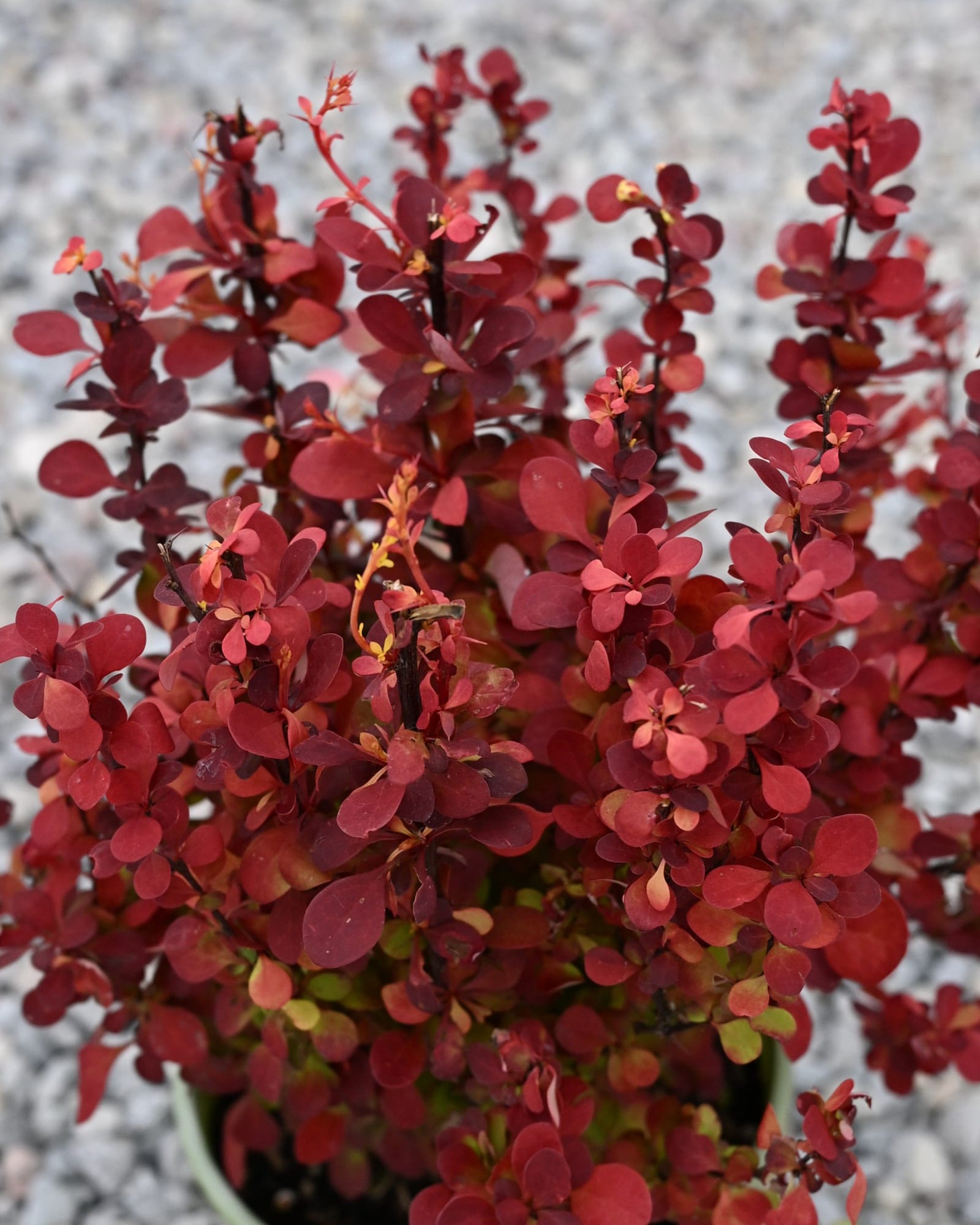
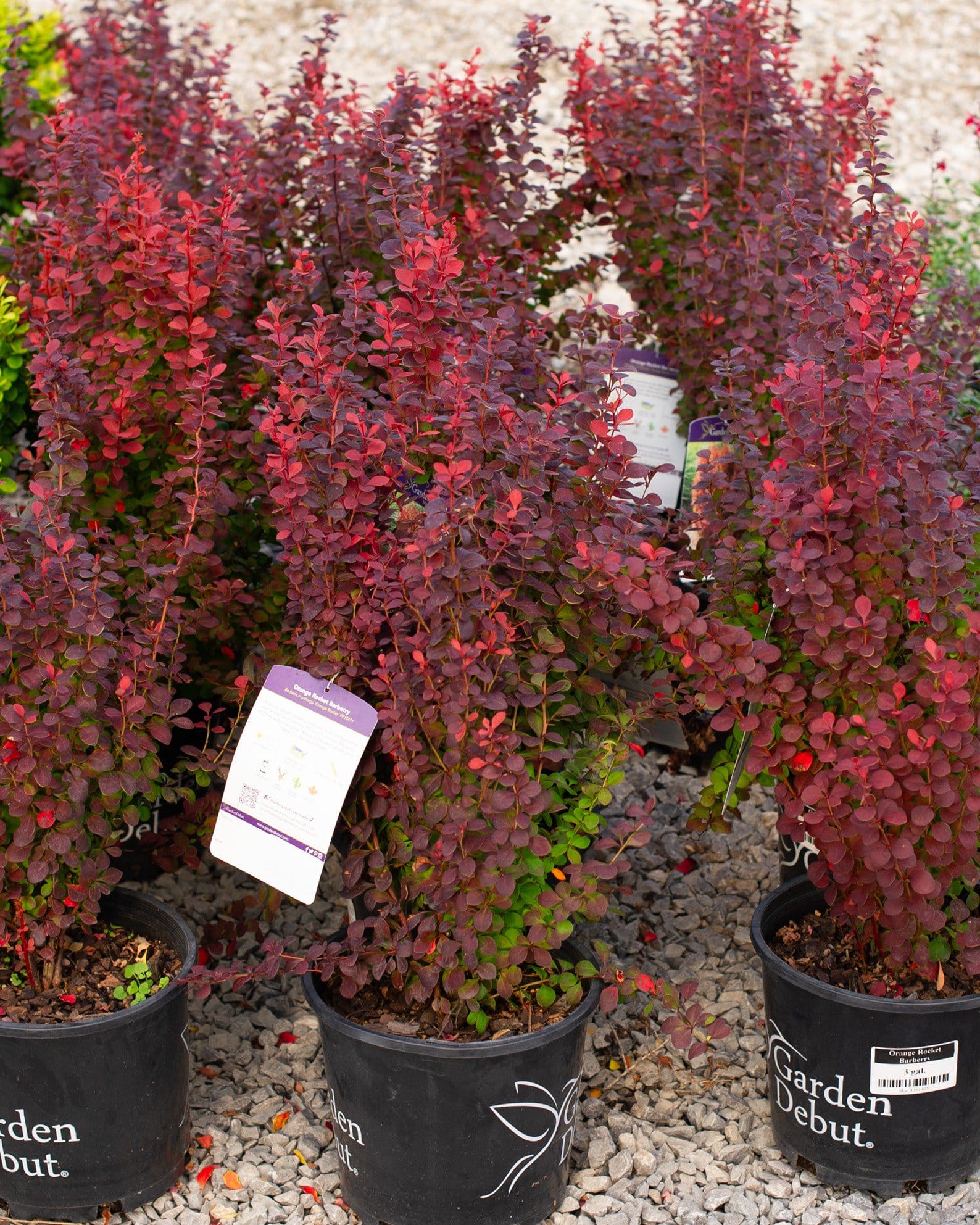
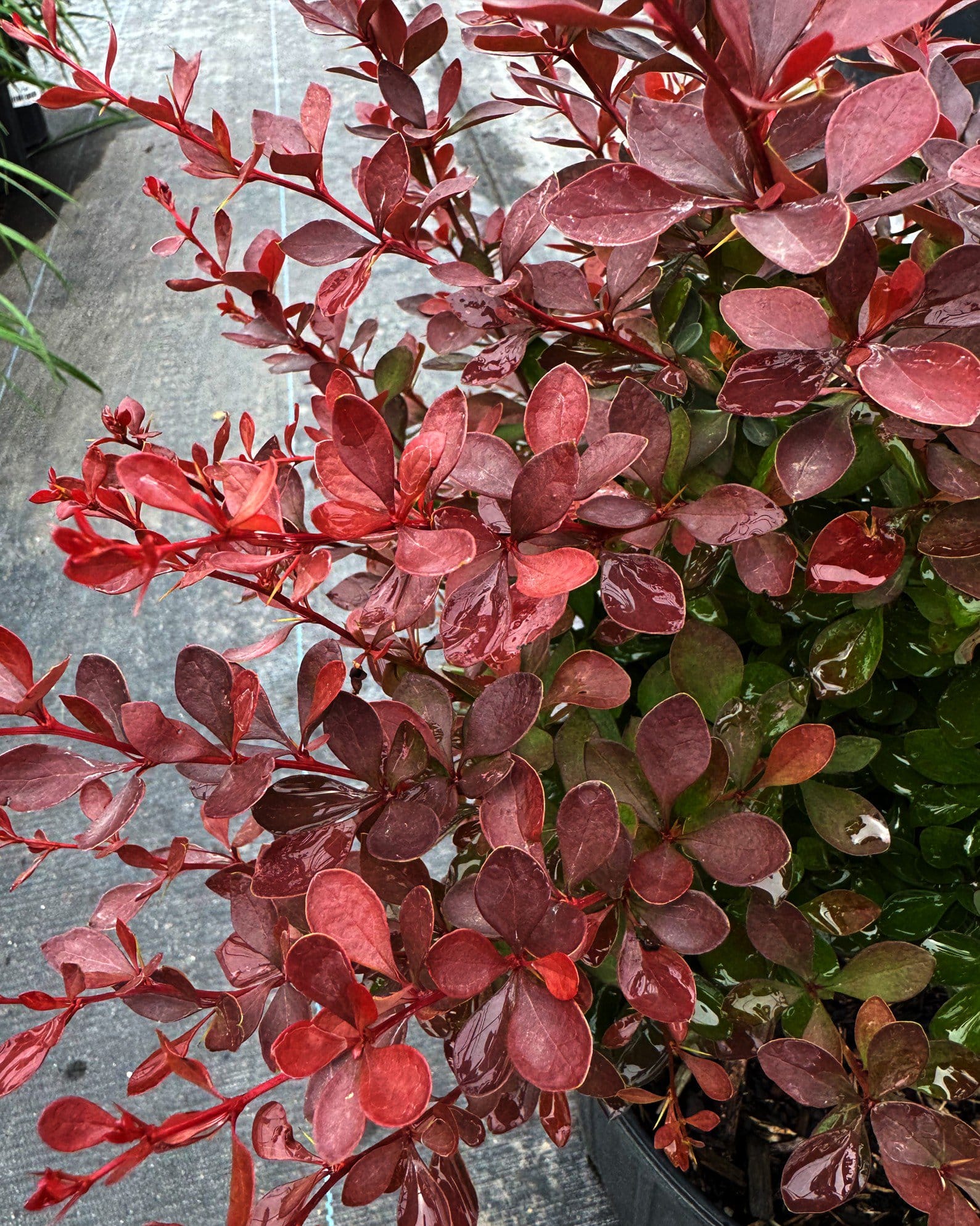
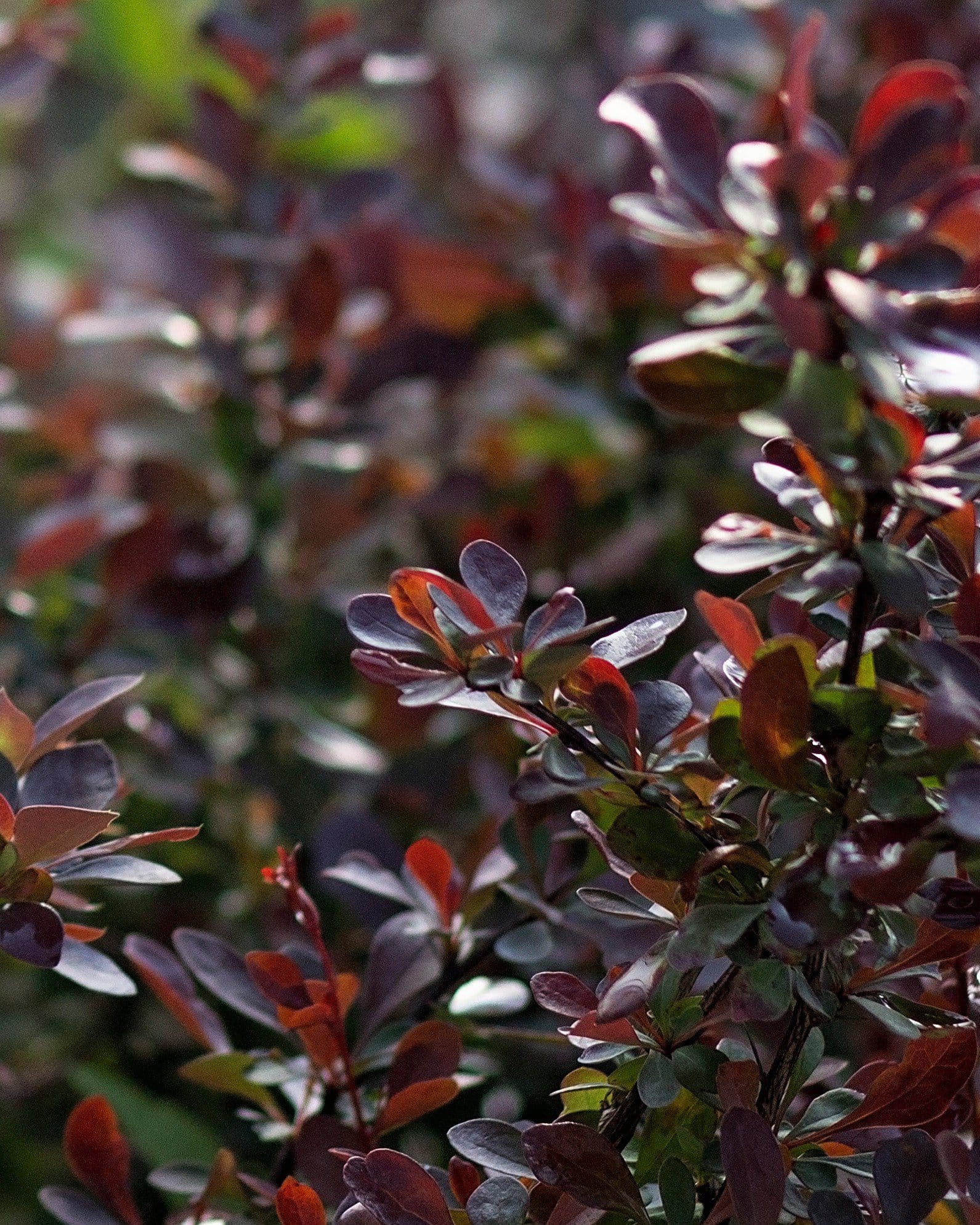
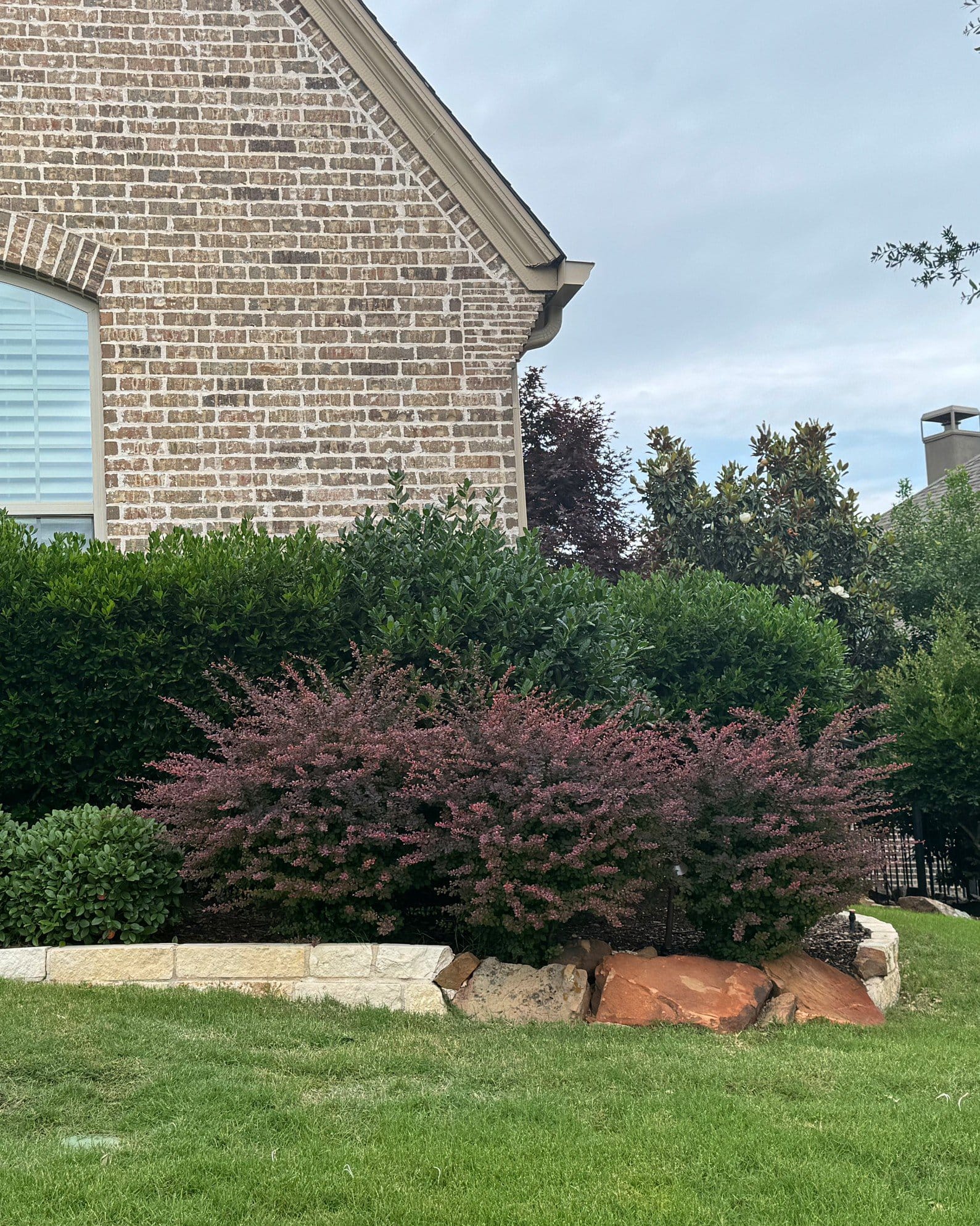
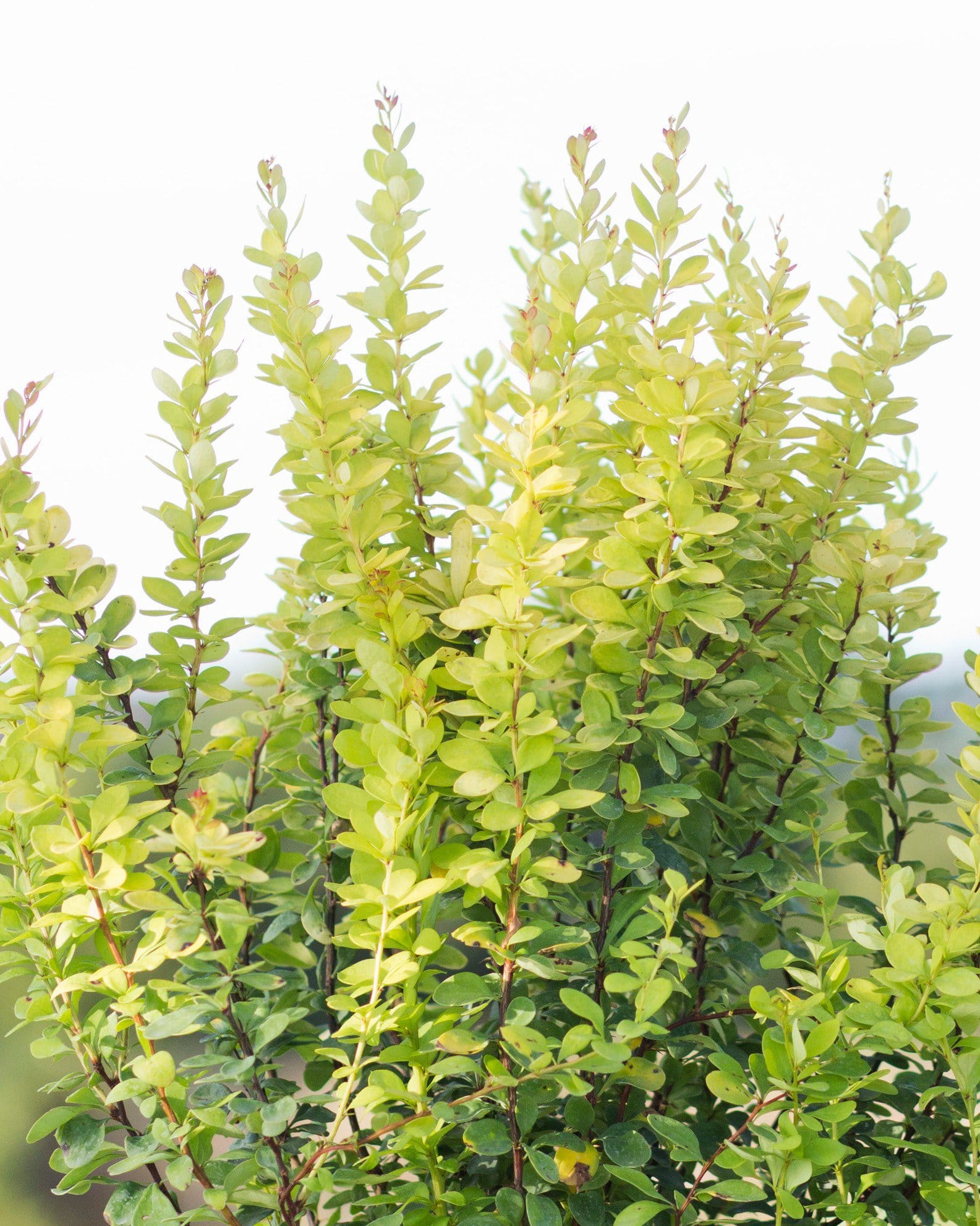
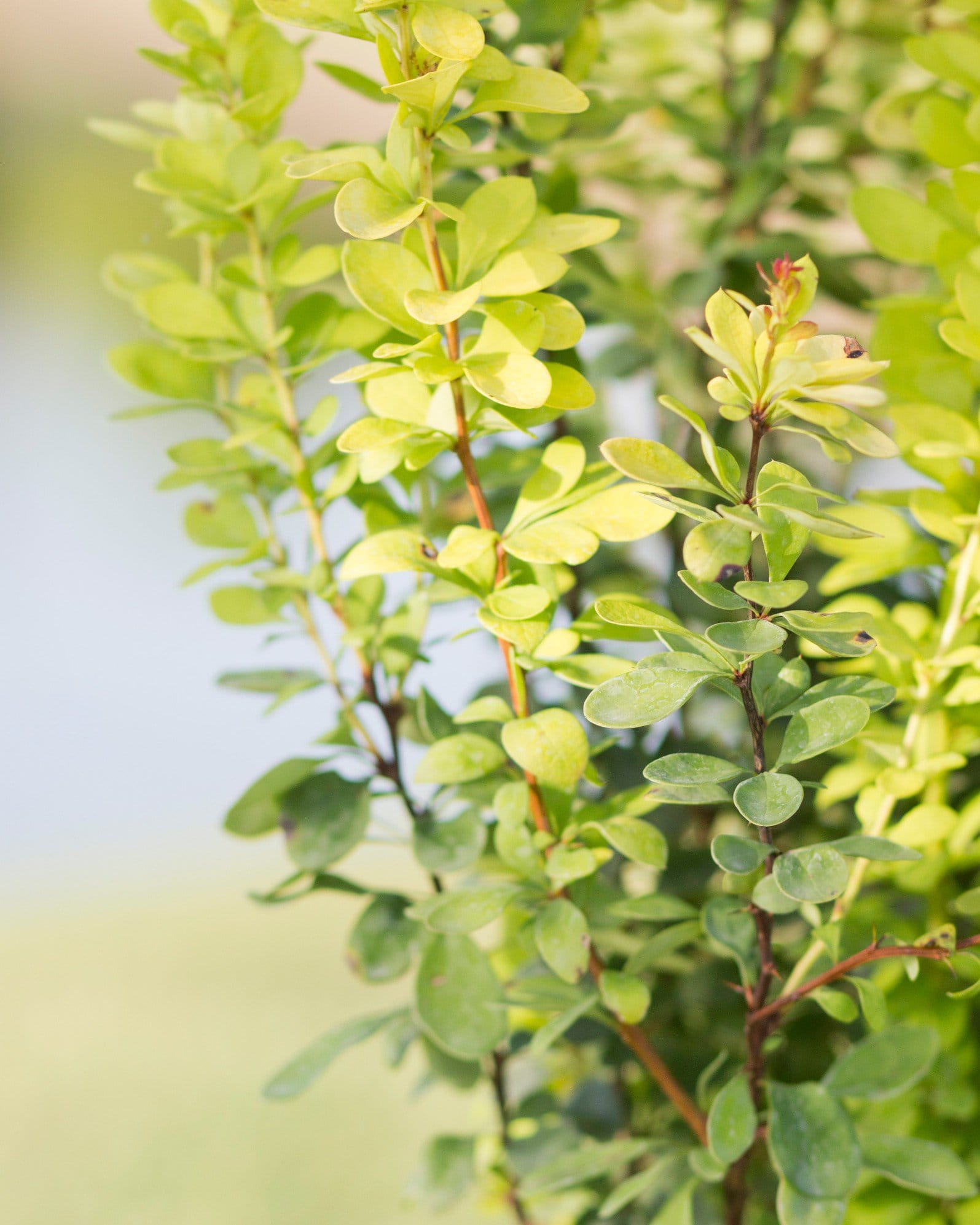
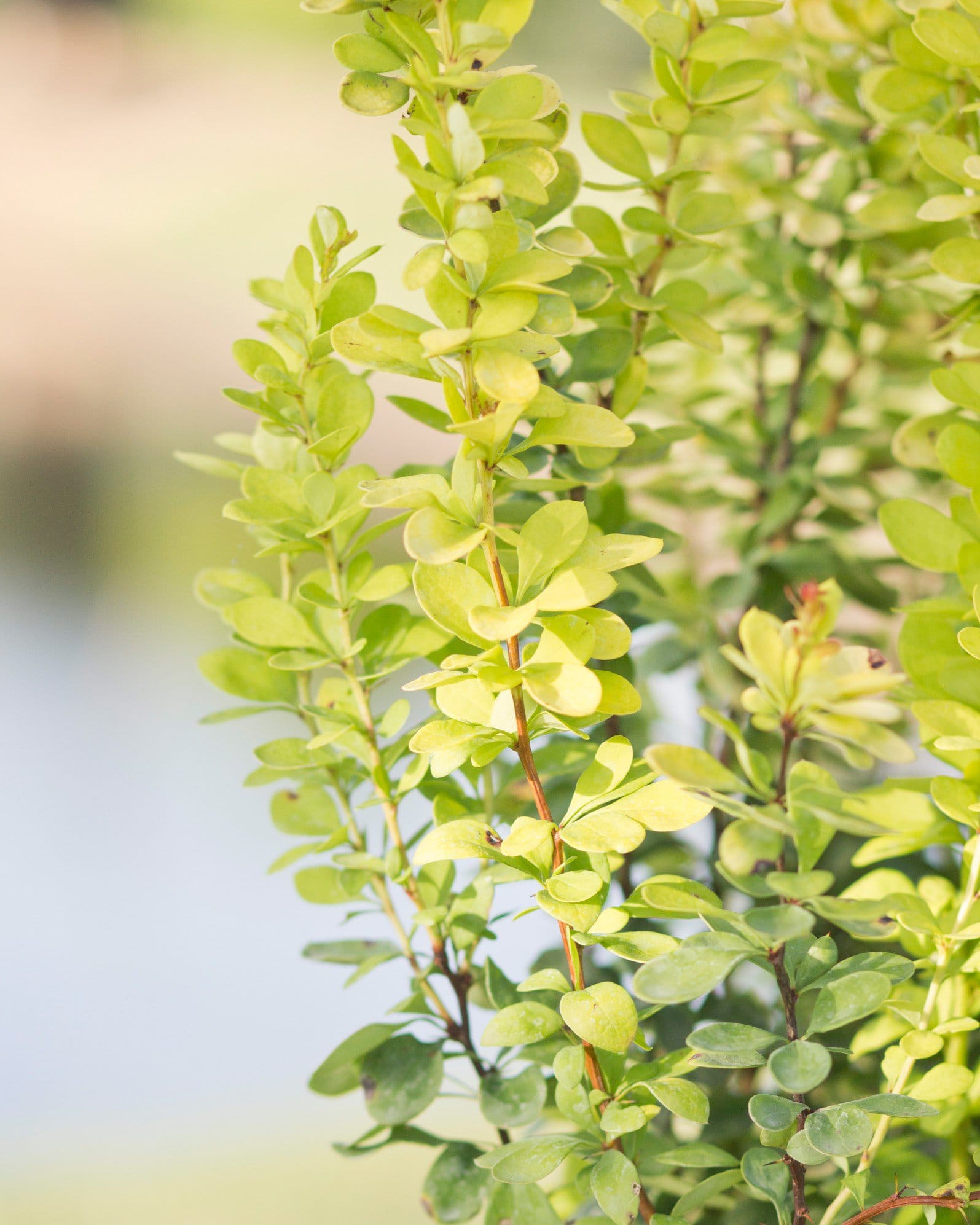
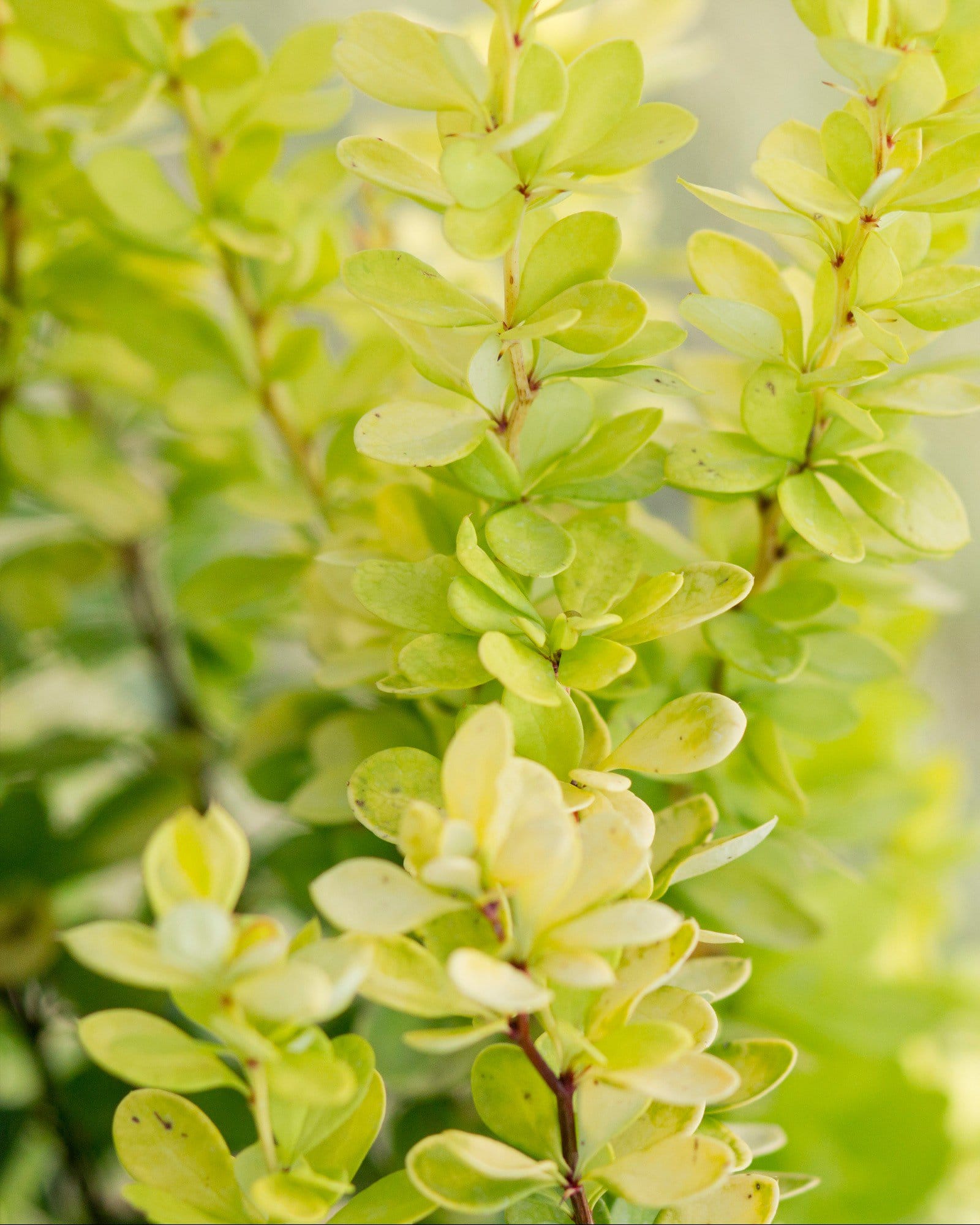
Berberis thunbergii ‘Orange Rocket’The Orange Rocket Barberry is a deciduous shrub that grows 4 feet in height and 2 in width. It's loved for its orange foliage that turns brilliant red in fall. Aside from that, this shrub produces tiny golden flowers in spring, making it a dynamic choice for your landscape. In fall, it grows inedible bright red berries. This is a great specimen for a low hedge, border, or even a planter.
- Deciduous shrub
- Moderate growth rate
- Orange foliage that turns ruby red in fall
- Produces golden flowers and inedible berries
- Excellent for a number of placements
The Orange Rocket Barberry loves full sun, so choose a sunny spot if you really want its colors to pop. It will also do well in partial shade and average soil, as long as it's well-draining. This hardy plant feels right at home in zones 4-9, making it perfect for almost all of Texas. To maintain the desired shape, simply trim the shrub as needed.
Maintenance
Once established, Orange Rocket Barberry is one of the most carefree and visually dynamic shrubs you can grow. Here’s what it needs to thrive in your landscape:
- Watering: Water regularly during the first growing season to help roots establish deeply. Once mature, Orange Rocket Barberry is highly drought-tolerant, requiring only occasional deep watering during extended dry spells. Avoid soggy soil to prevent root issues.
- Pruning: Prune lightly in late winter or early spring before new growth begins to maintain its upright, columnar shape. You can also shear lightly after spring growth for a denser form. Avoid heavy cutting into old wood, as it may not resprout readily.
- Fertilizing: Feed once in early spring with a balanced, slow-release fertilizer to support vibrant foliage color. Over-fertilizing isn’t necessary and can lead to excessive leafy growth that dulls its natural tones.
- Mulching: Apply a 2-3 inch layer of mulch around the base to conserve moisture, suppress weeds, and regulate soil temperature. Keep mulch an inch or two away from the crown to prevent rot and pest buildup. Refresh annually for a tidy appearance.
- Winter care: Orange Rocket Barberry is hardy and retains its structure through winter. In colder climates, a light mulch layer helps protect the roots from deep freezes. Prune away any damaged branches in early spring before new leaves appear.
Common Issues and How to Take Care of Them
Orange Rocket Barberry is exceptionally tough and pest-resistant, but a few minor problems can occur in challenging conditions:
- Leaf Spot: Small dark or tan spots caused by high humidity or poor airflow. Thin out dense growth and remove affected leaves. Apply a fungicide if needed.
- Aphids: Small insects feeding on new growth. Rinse them off with a strong spray of water or use insecticidal soap.
- Scale Insects: Tiny, waxy bumps on stems that cause yellowing. Treat with horticultural oil during dormancy or insecticidal soap during active growth.
- Root Rot: Rare, but caused by prolonged soggy soil. Ensure good drainage and avoid overwatering.
- Defoliation or Leaf Curl: Usually stress-related, from drought or transplant shock. Maintain consistent watering and mulch well to stabilize moisture levels.
- Thinning Lower Foliage: Normal on mature plants. A light spring pruning encourages new shoots and fuller regrowth from the base.
It’s a long-lived shrub, typically lasting 15-20 years or more. With light pruning and periodic rejuvenation, it keeps its color and form for decades.
It grows moderately fast, reaching its mature form within 3 to 5 years. Once established, it maintains its upright, columnar shape naturally without frequent trimming.
Yes - while its small spring flowers are subtle, they attract bees and beneficial insects early in the season.
Yes, it’s highly deer-resistant. Its thorny stems and tough leaves make it unappealing to deer and other browsing animals.
Absolutely. Its narrow habit and colorful foliage make it an excellent choice for decorative pots, patios, or entryways. Use well-draining soil and prune lightly once or twice a year to maintain form.
Yes, it’s fully hardy and performs beautifully across a wide range of climates. A layer of mulch at the base helps protect young roots during harsh freezes.
Yes - like most barberries, it has small, sharp spines along its stems. They make it naturally deer-resistant and excellent for barrier plantings.
Definitely. Its upright form and vivid color make it perfect for low hedges, accent plantings, or mixed borders that need a pop of contrast.
Cut back one-third of the oldest branches to the base in late winter. This encourages new shoots and helps restore a dense, fresh appearance.
Yes - it’s highly tolerant of heat, pollution, and compacted soil, making it ideal for city gardens, medians, and commercial plantings that need durable, low-care color.
Special Features
You might also like
Crimson Pygmy Barberry
Maturity: 2' H x 2' W
Golden Rocket Barberry
Maturity: 4' H x 2' W
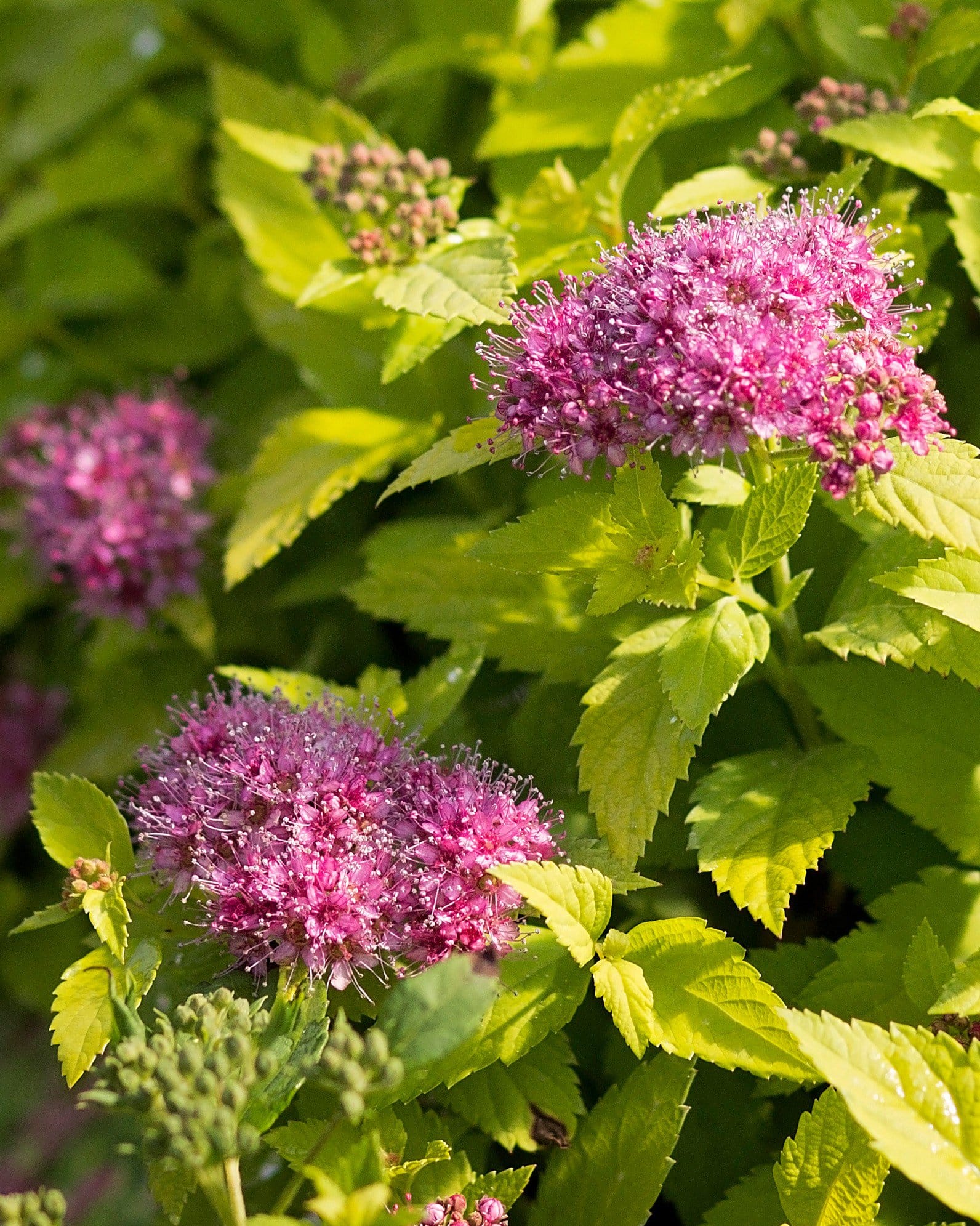
Double Play Candy Corn Spirea
Maturity: 2' H x 2' W
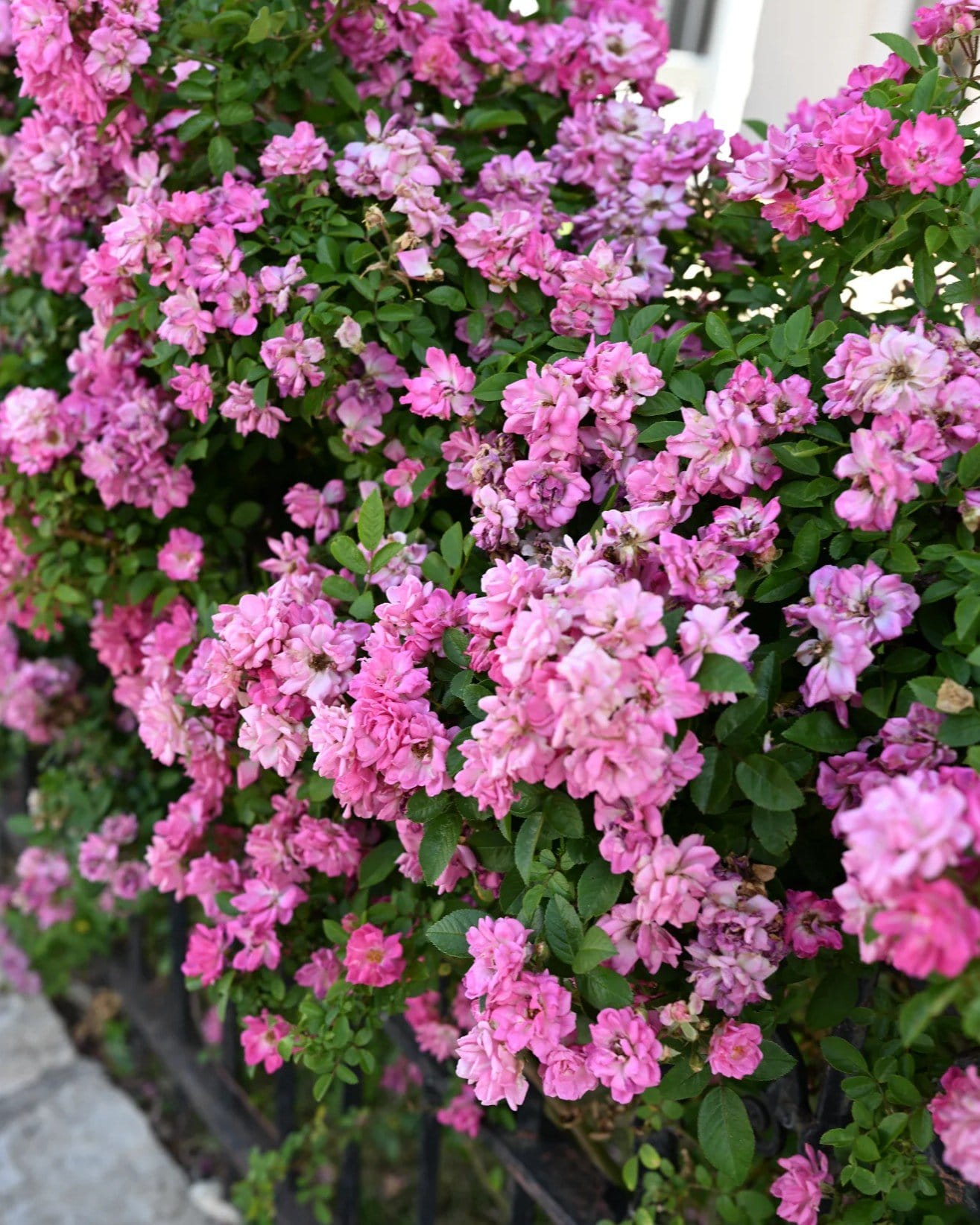
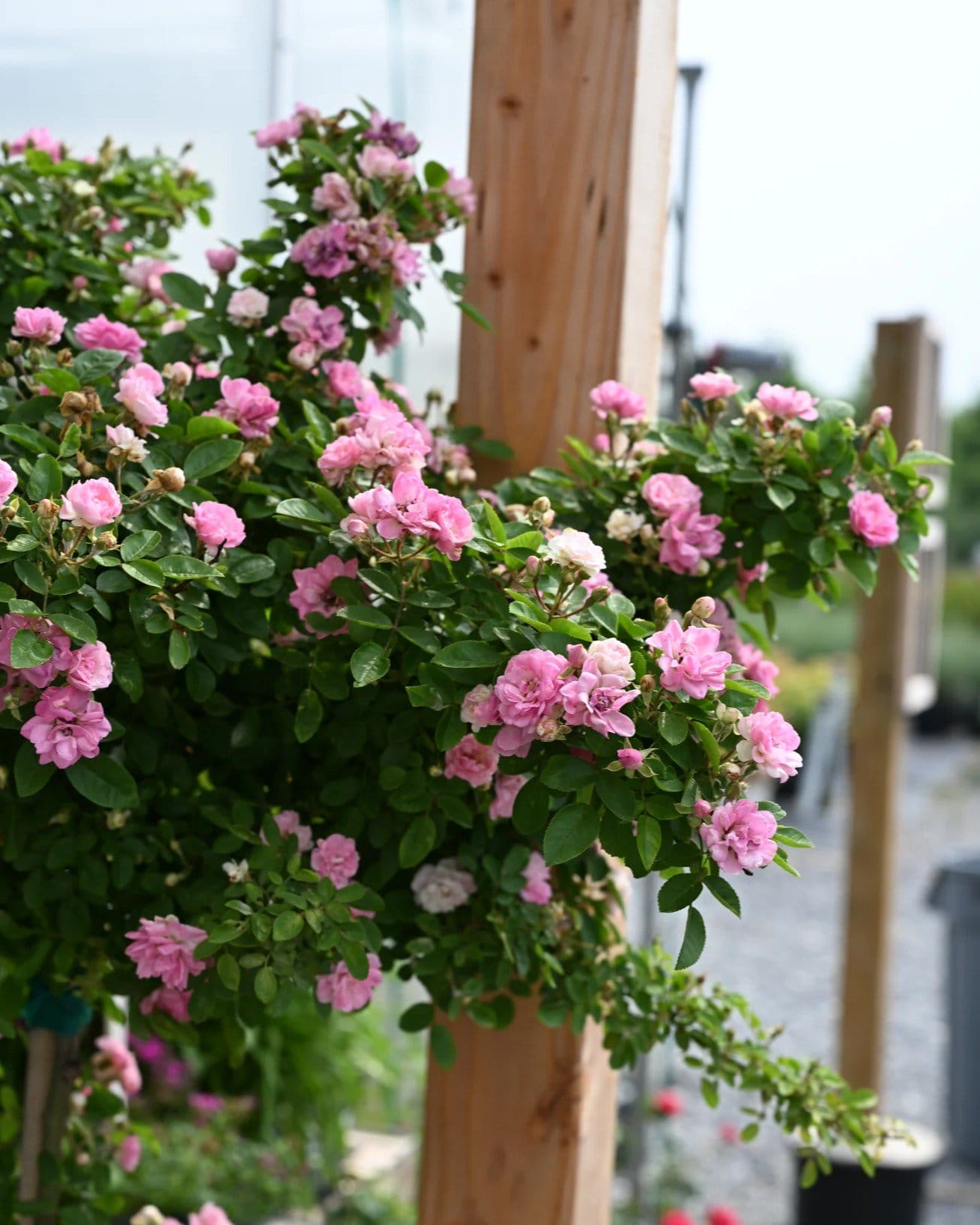
Peggy Martin Climbing Rose
Maturity: 15' H x 6' W
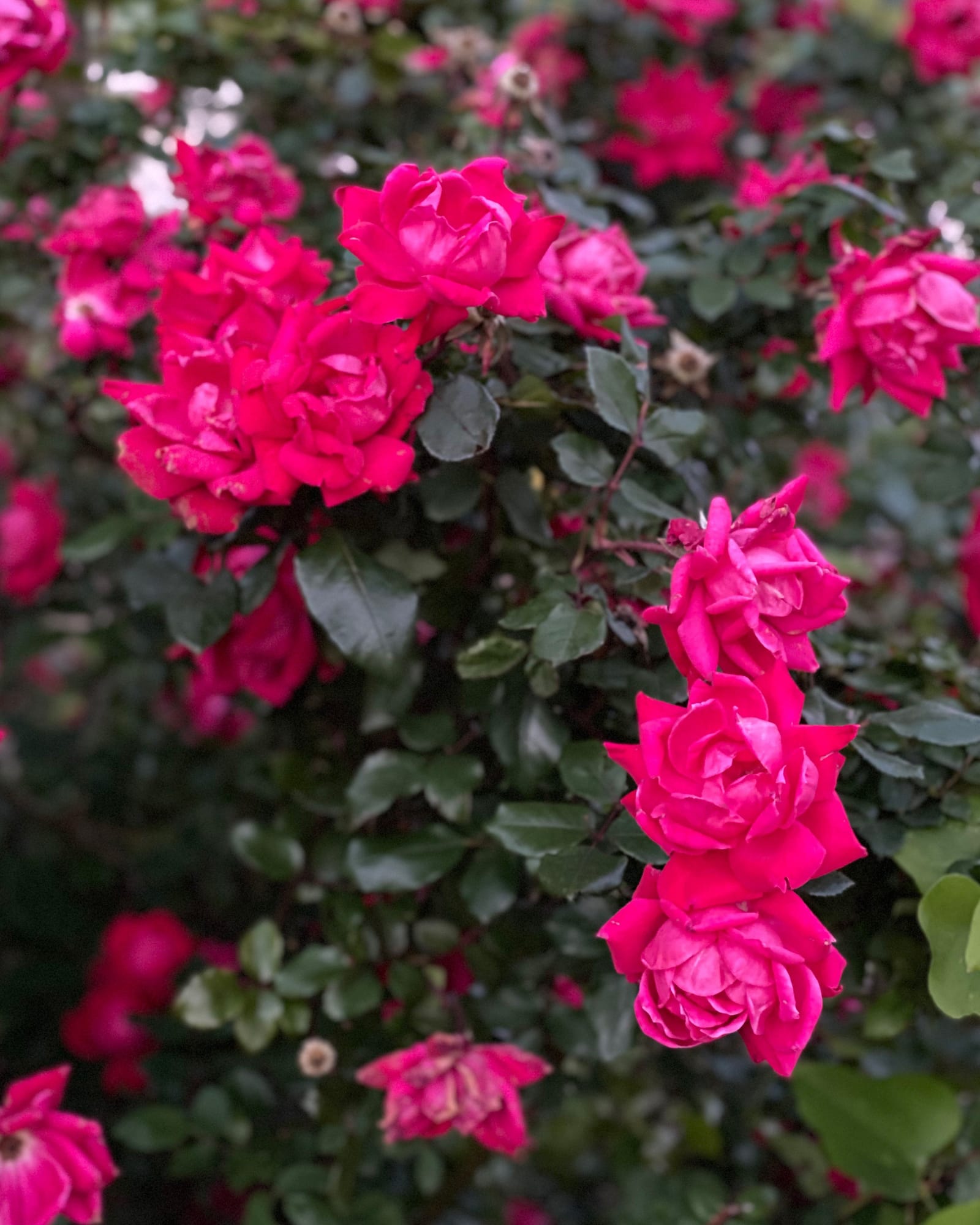
Pink Double Knock Out Rose
Maturity: 3' H x 3' W
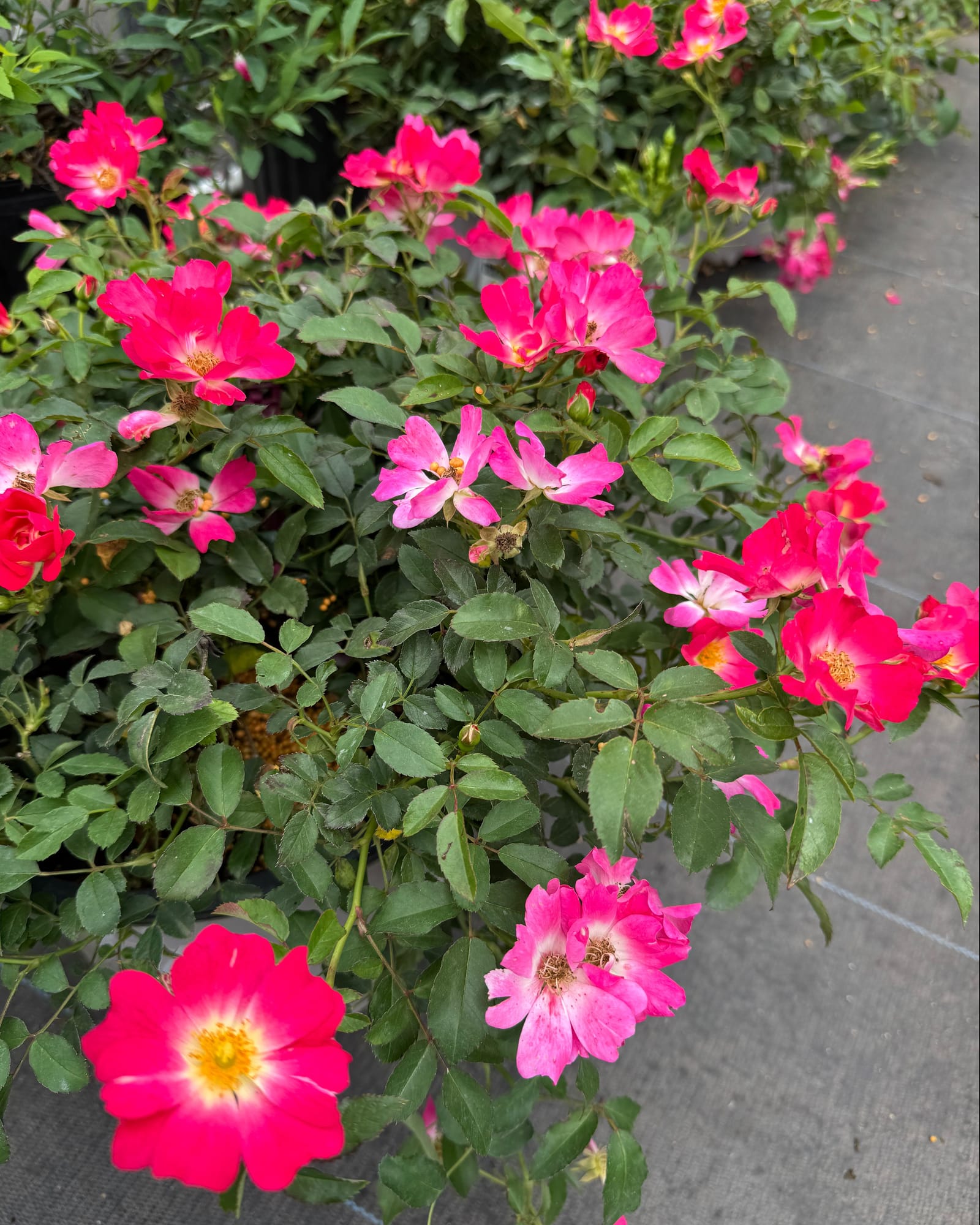
Pink Drift Rose
Maturity: 1' H x 2' W
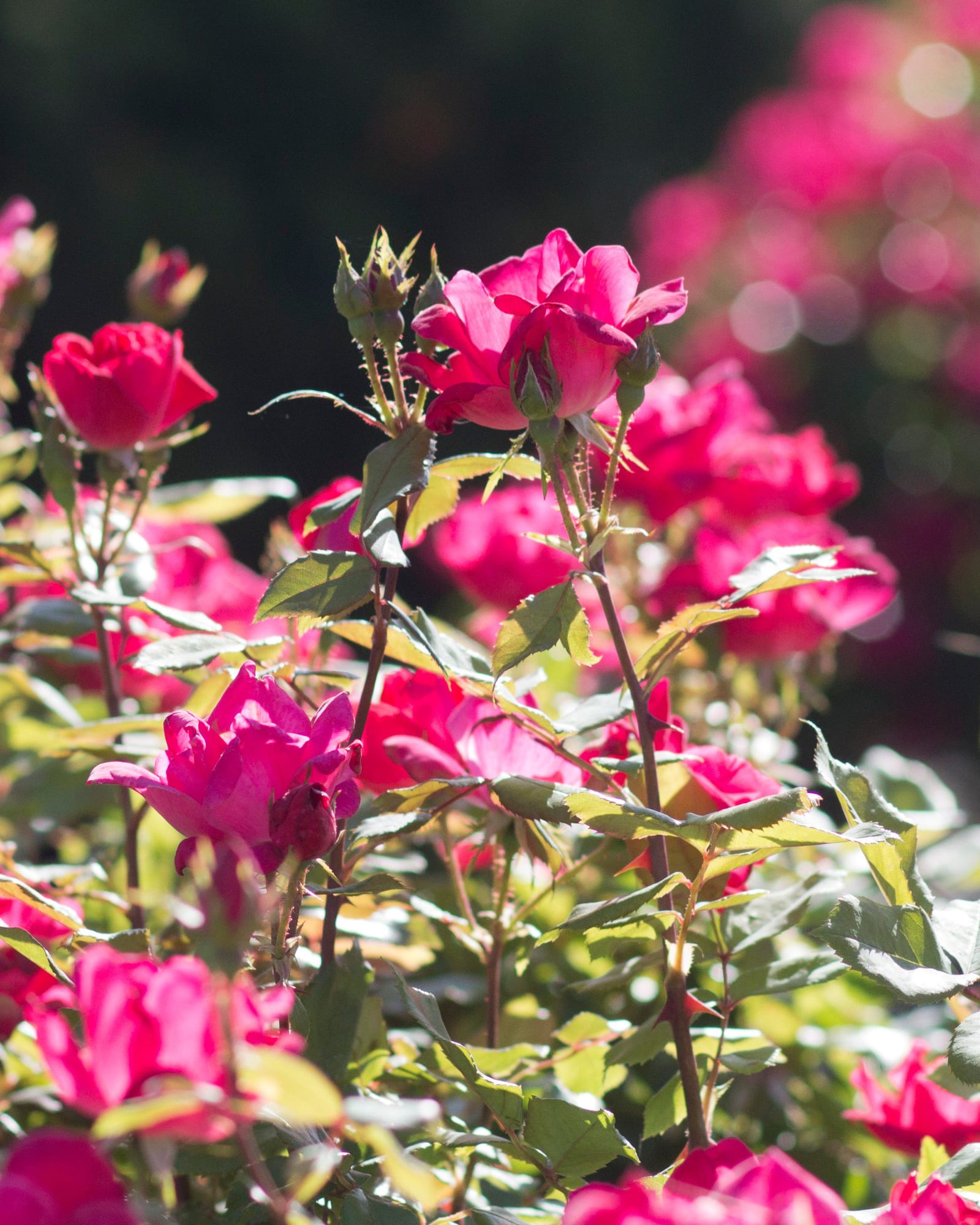
Red Double Knock Out Rose
Maturity: 3' H x 3' W
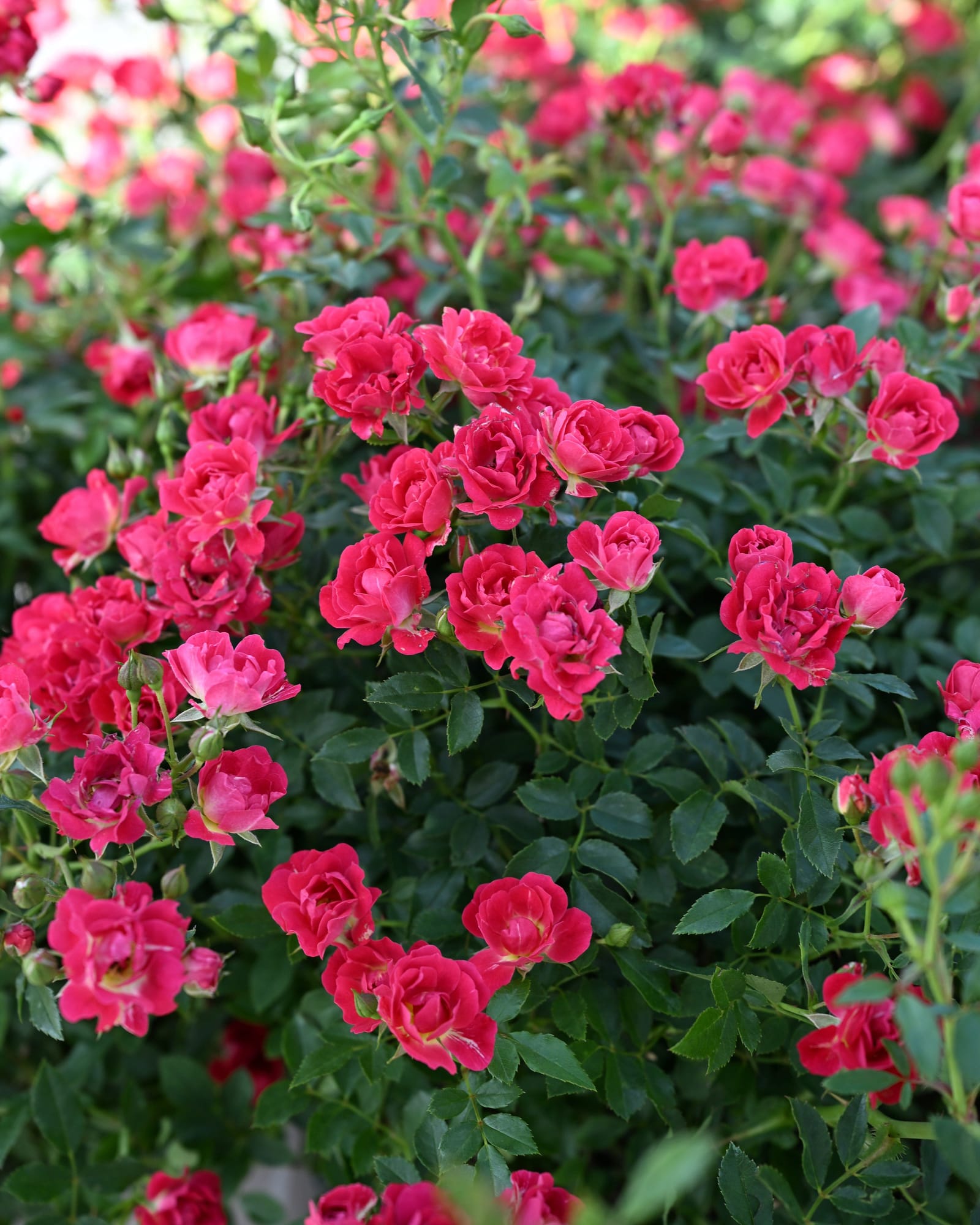
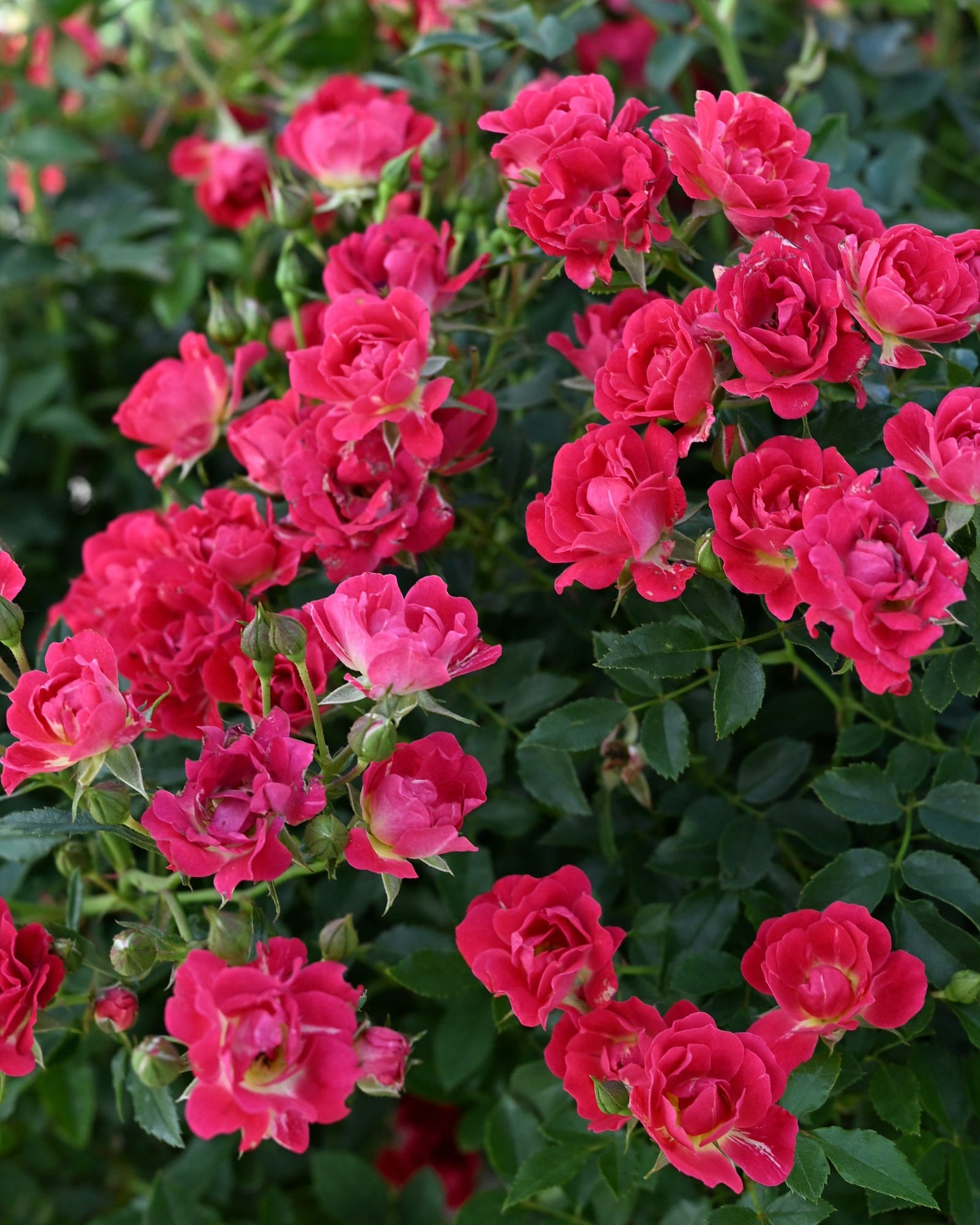
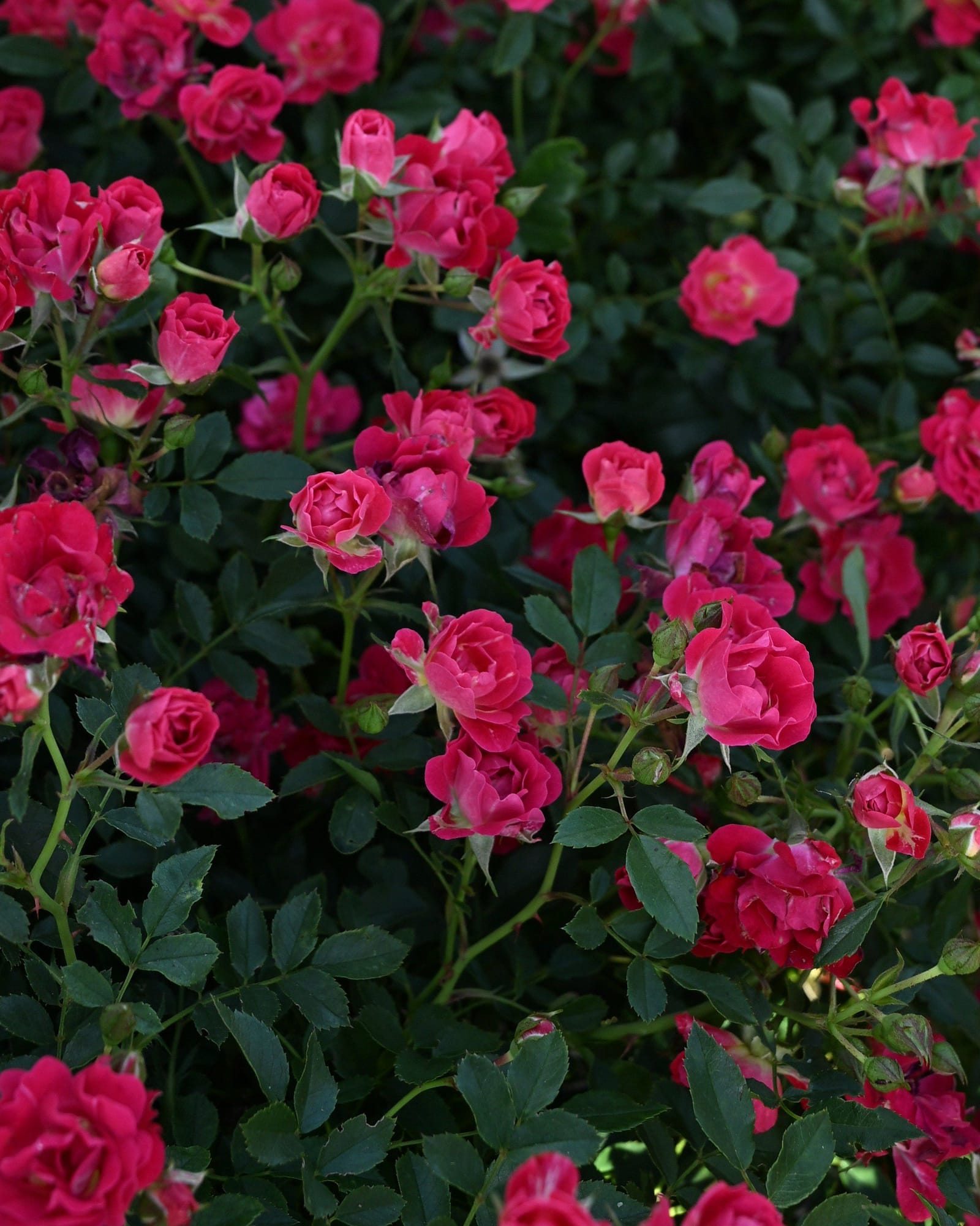
Red Drift Rose
Maturity: 1' H x 2' W
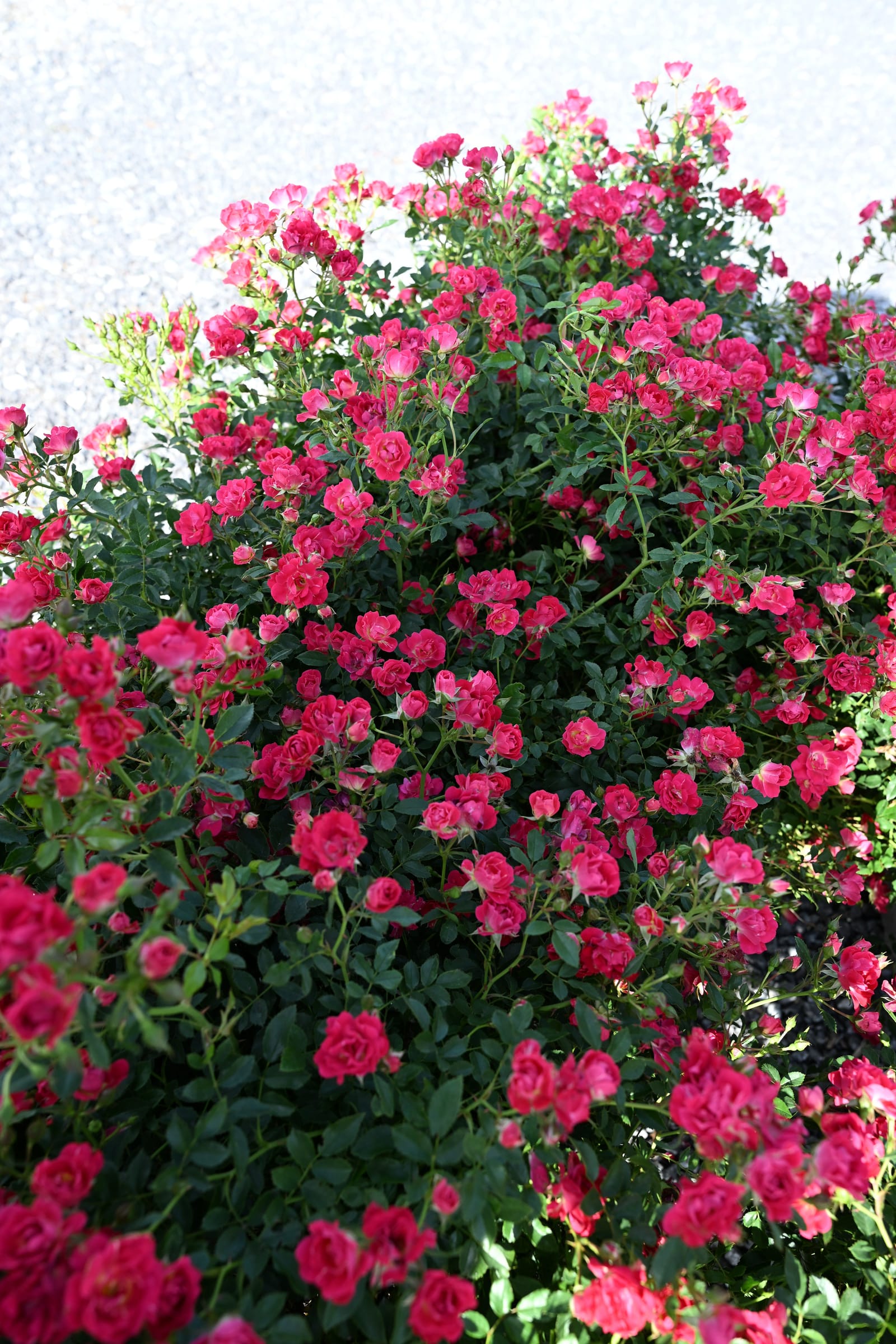
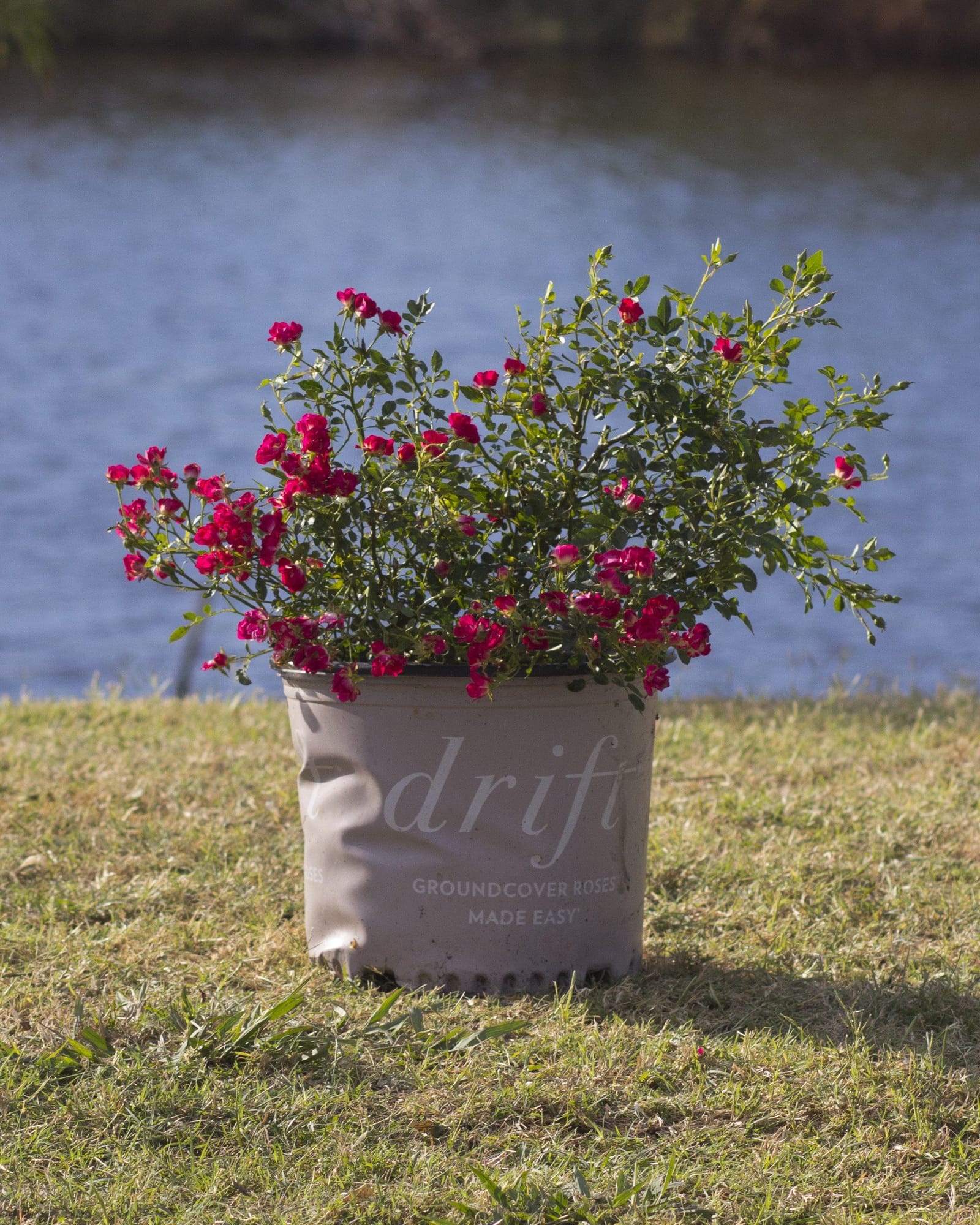
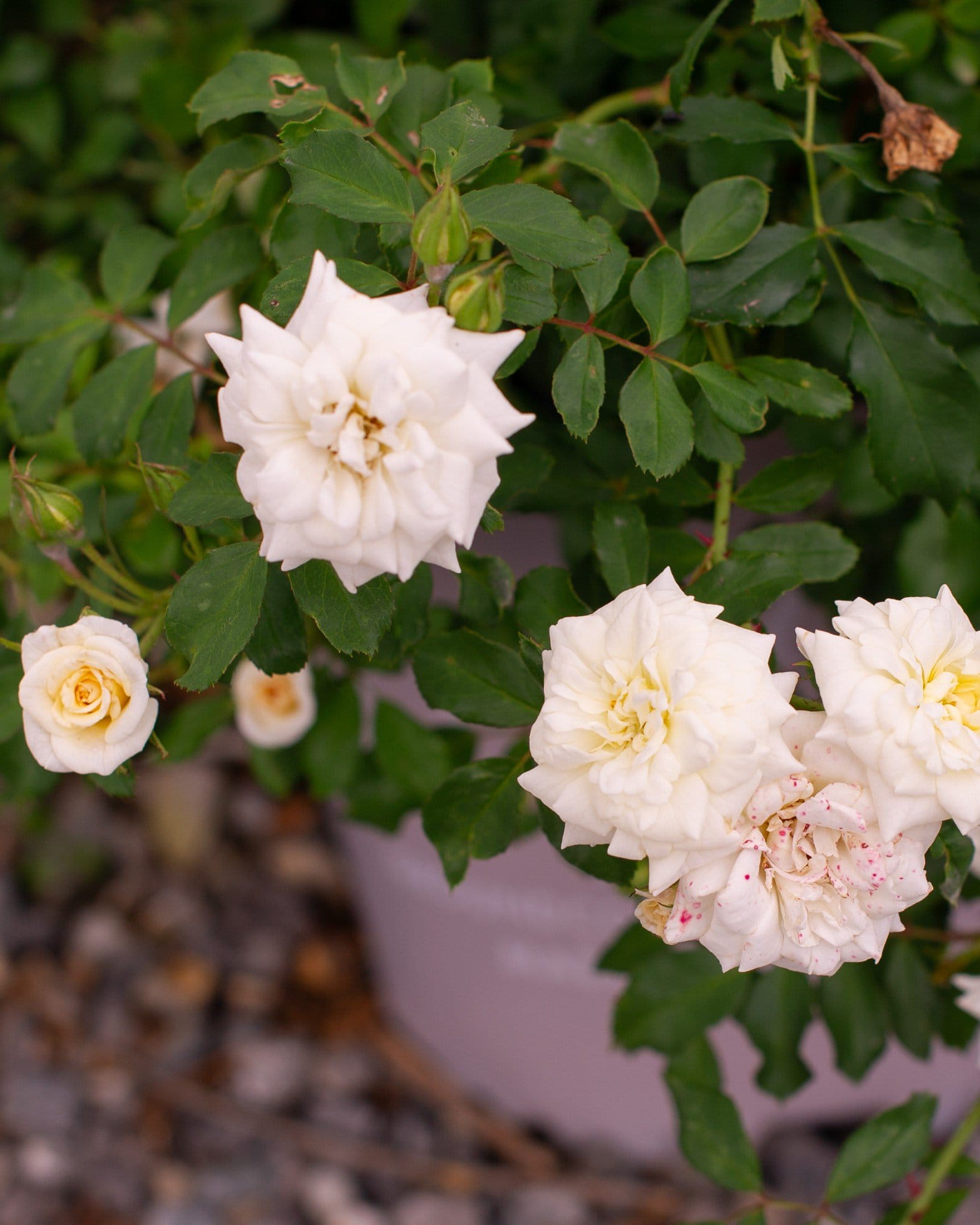
White Drift Rose
Maturity: 1' H x 2' W
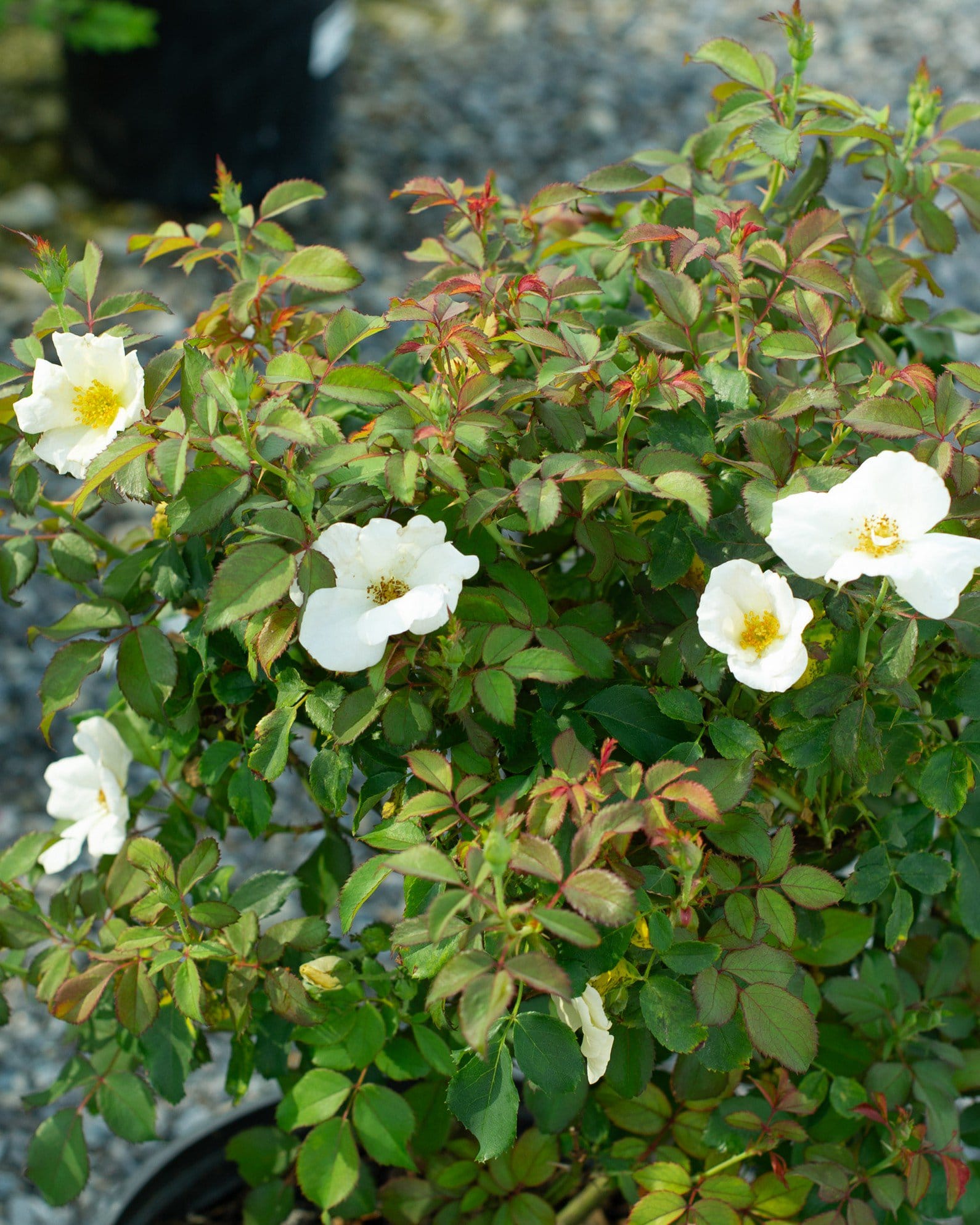
White Knock Out Rose
Maturity: 3' H x 3' W
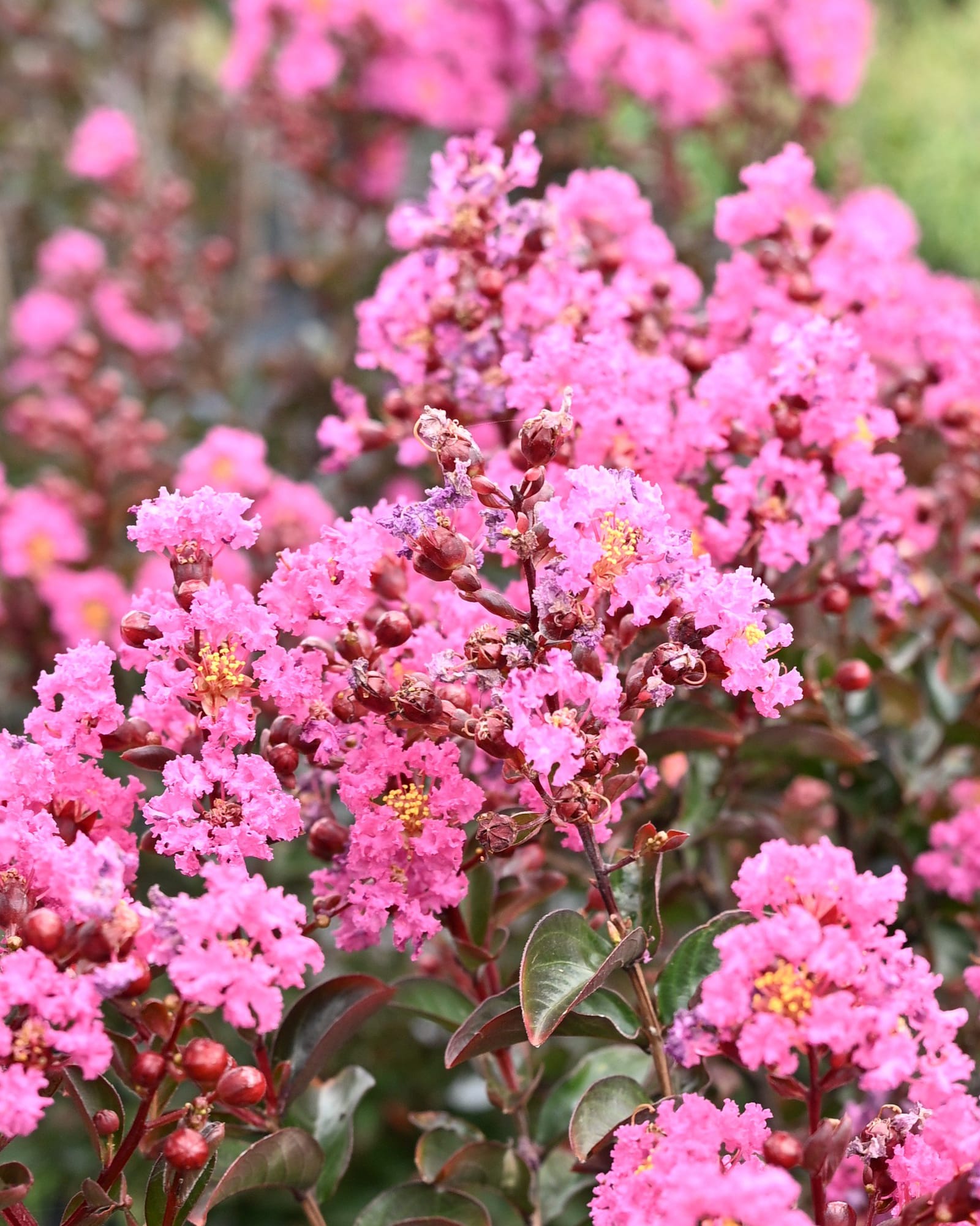
Dark Roast Crape Myrtle
Maturity: 3' H x 3' W
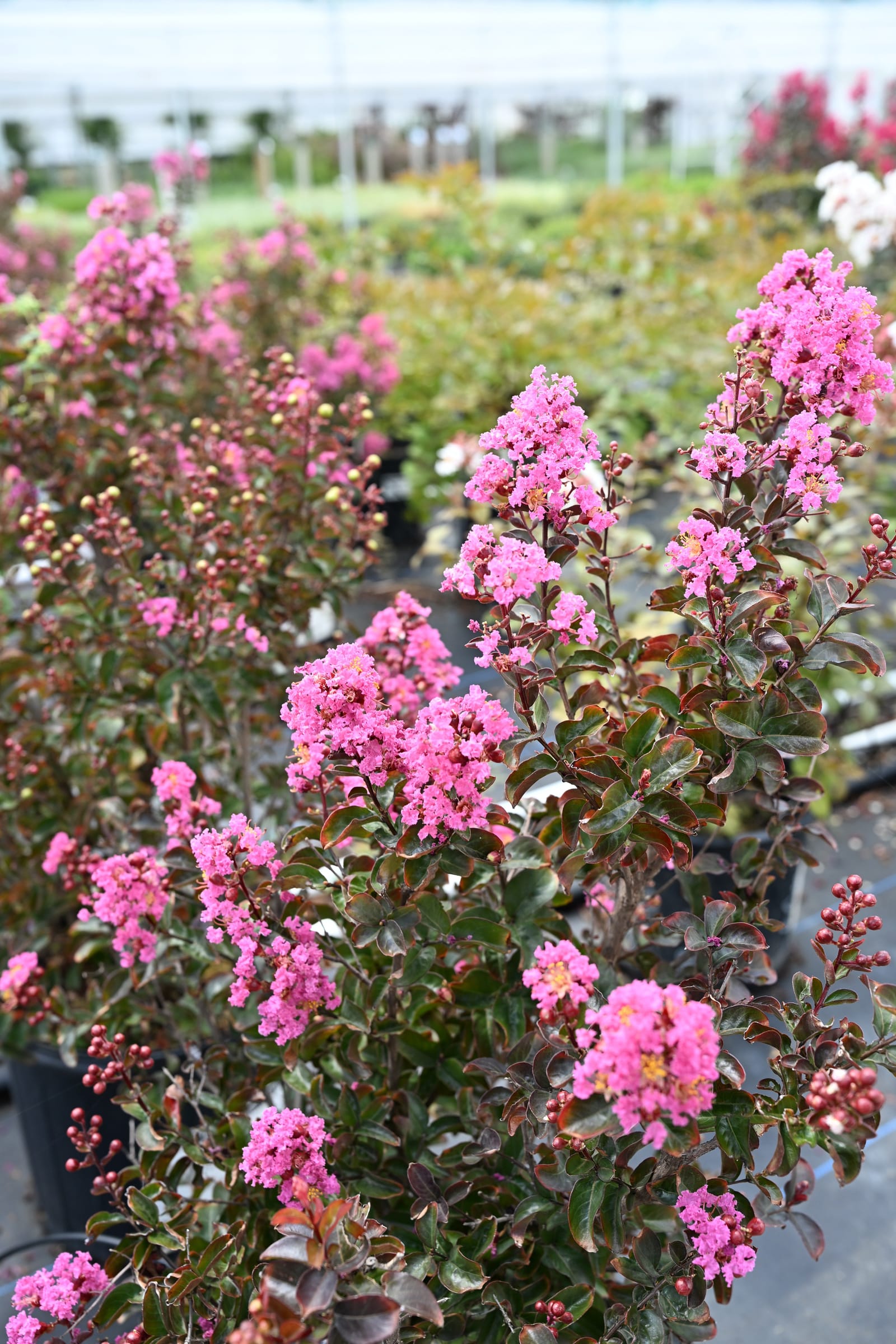
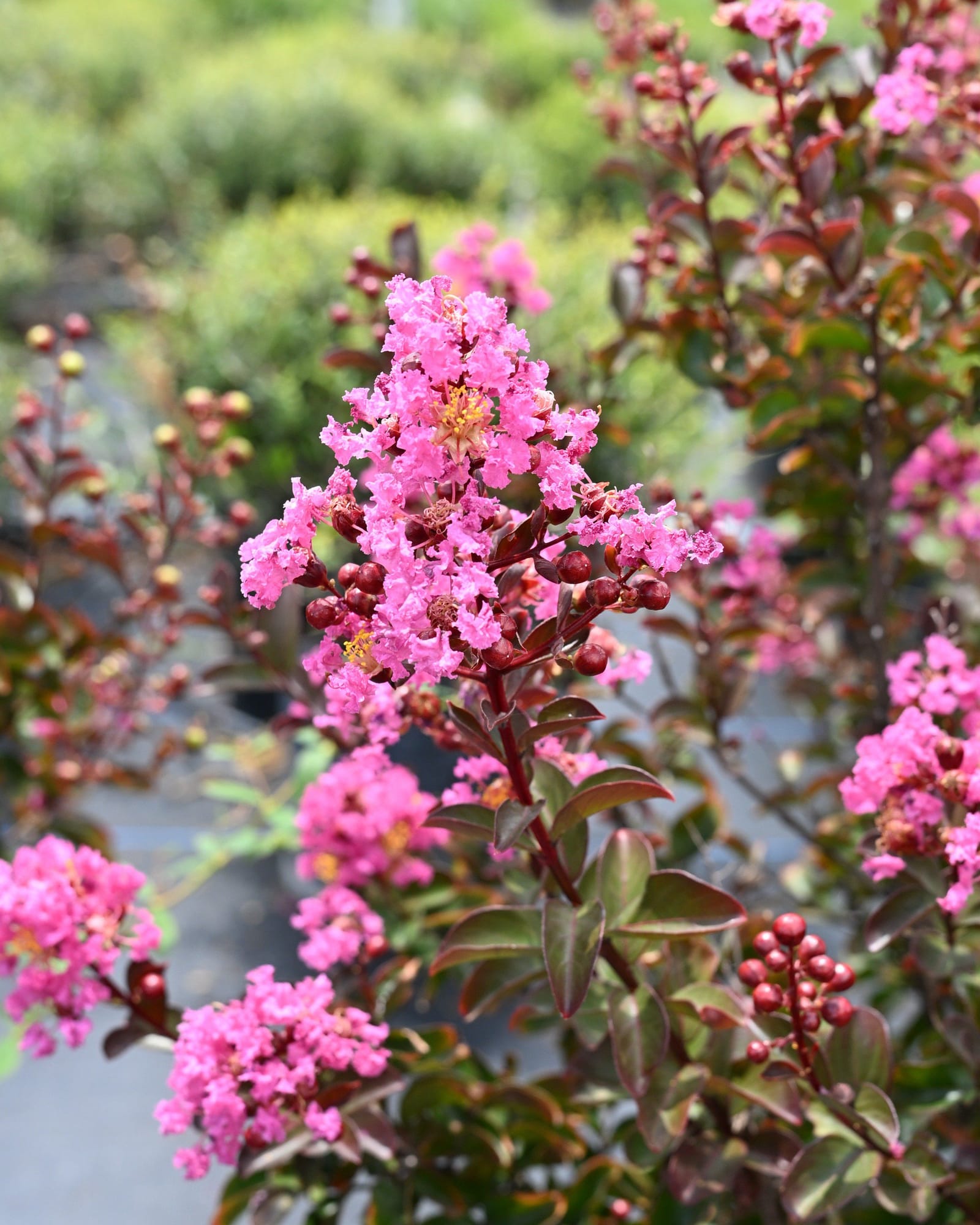
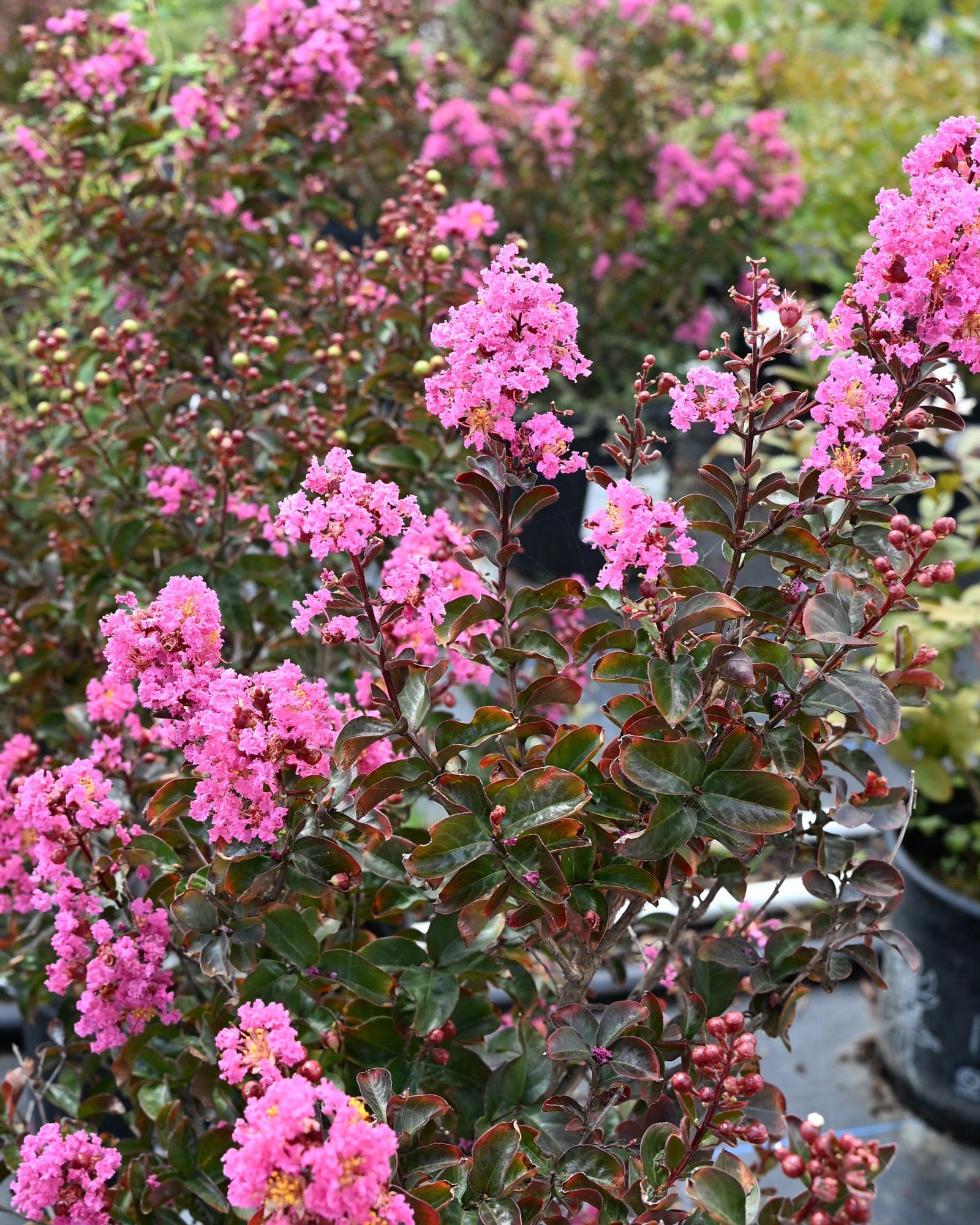
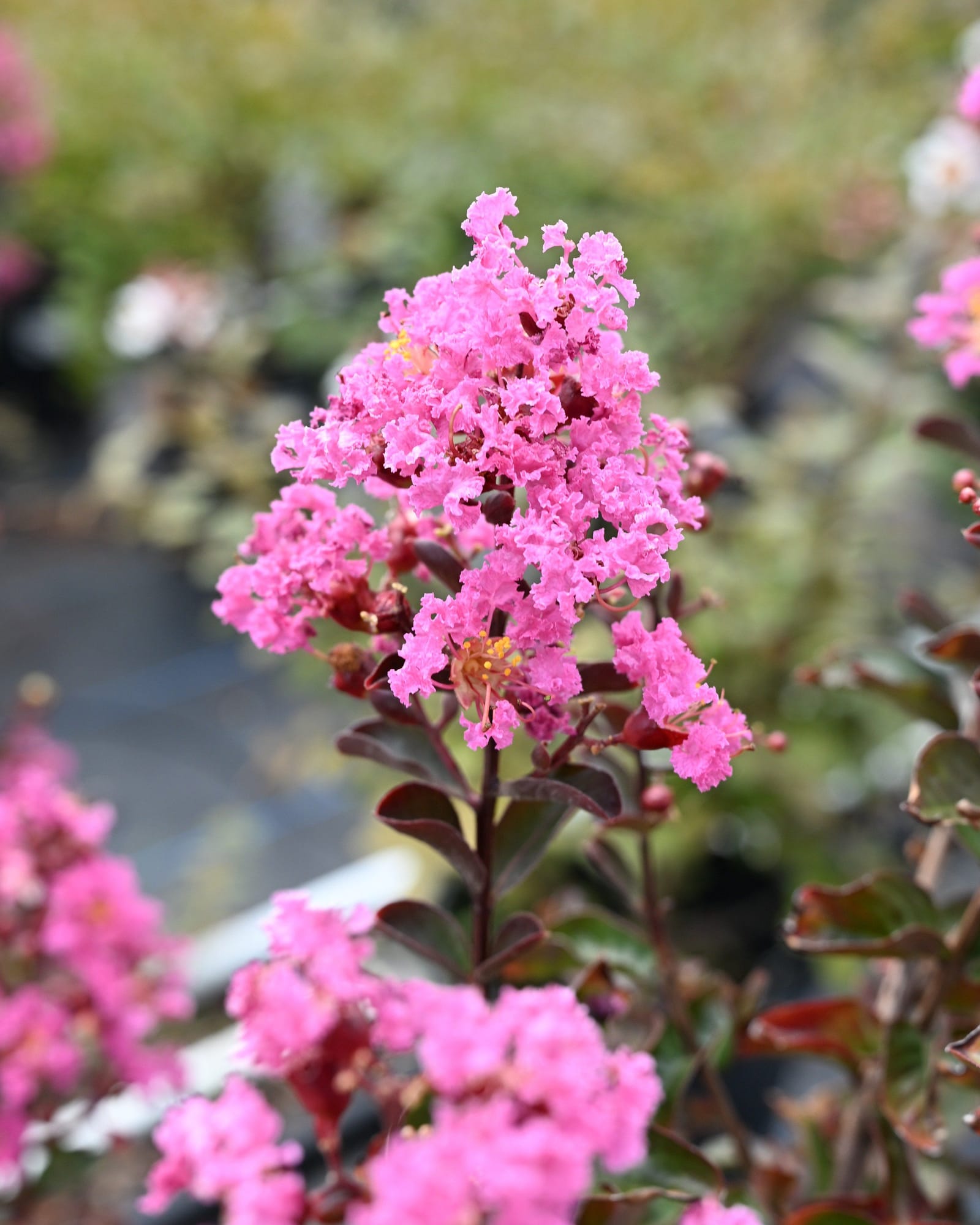
Enduring Lavender Crape Myrtle
Maturity: 4' H x 4' W
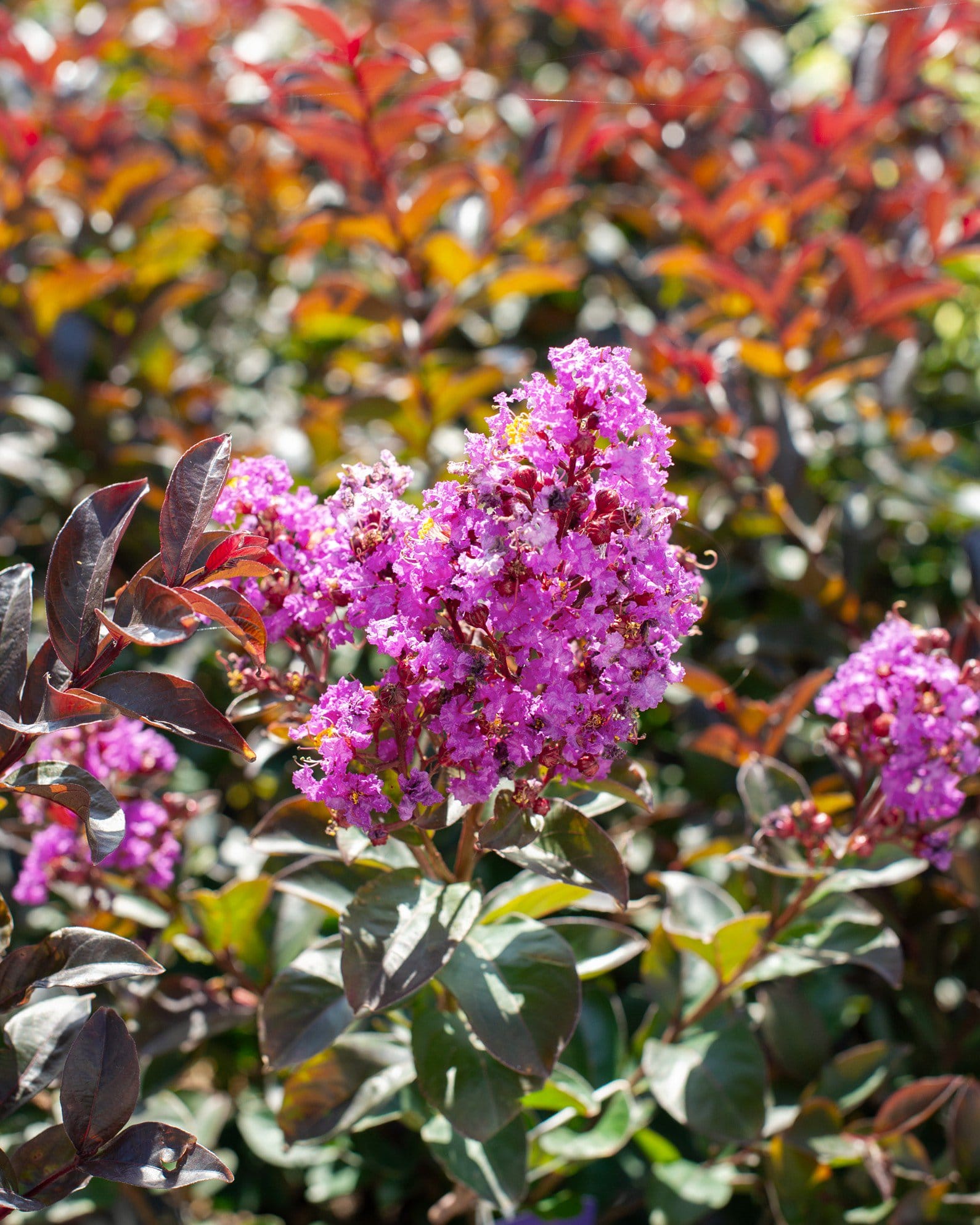
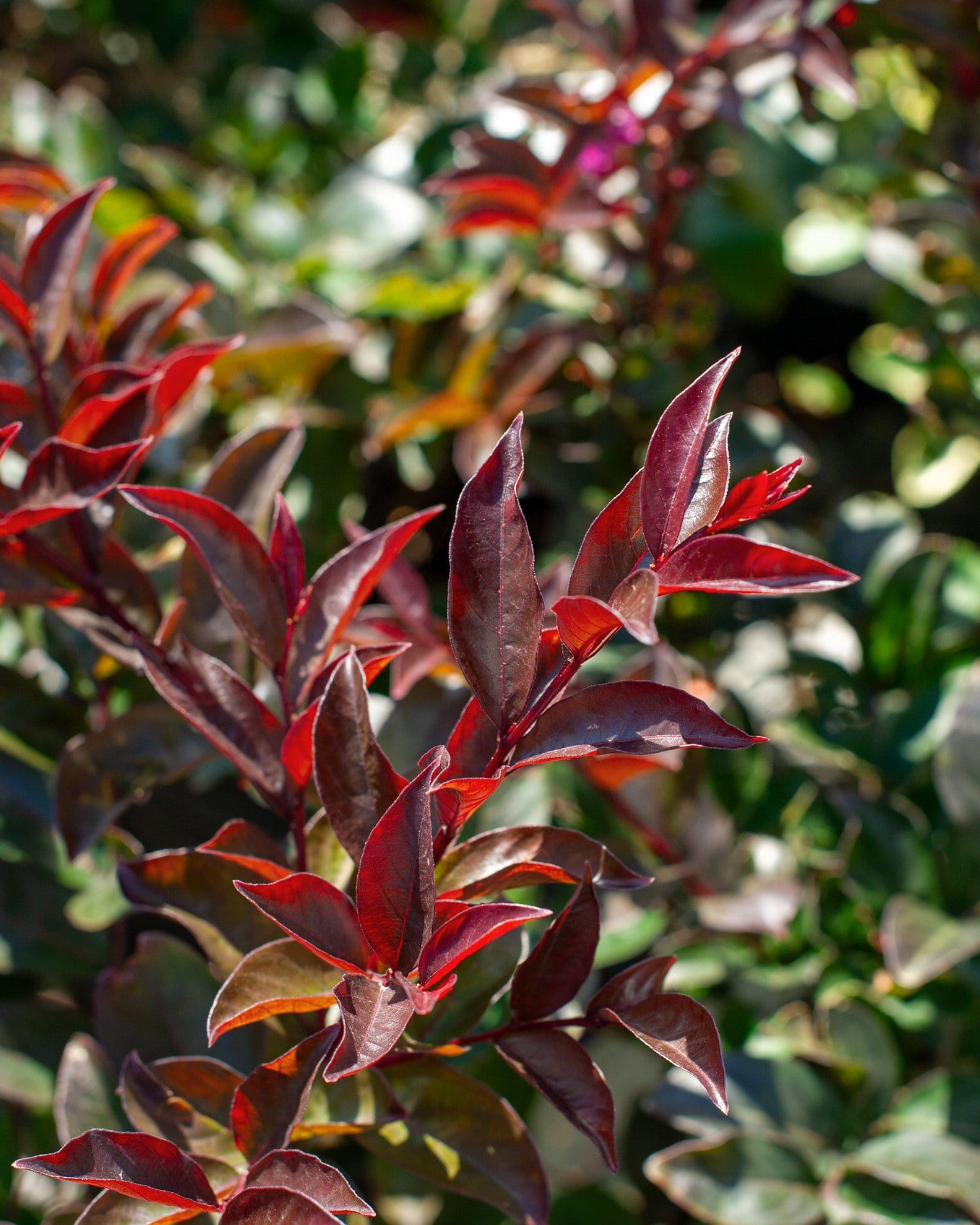
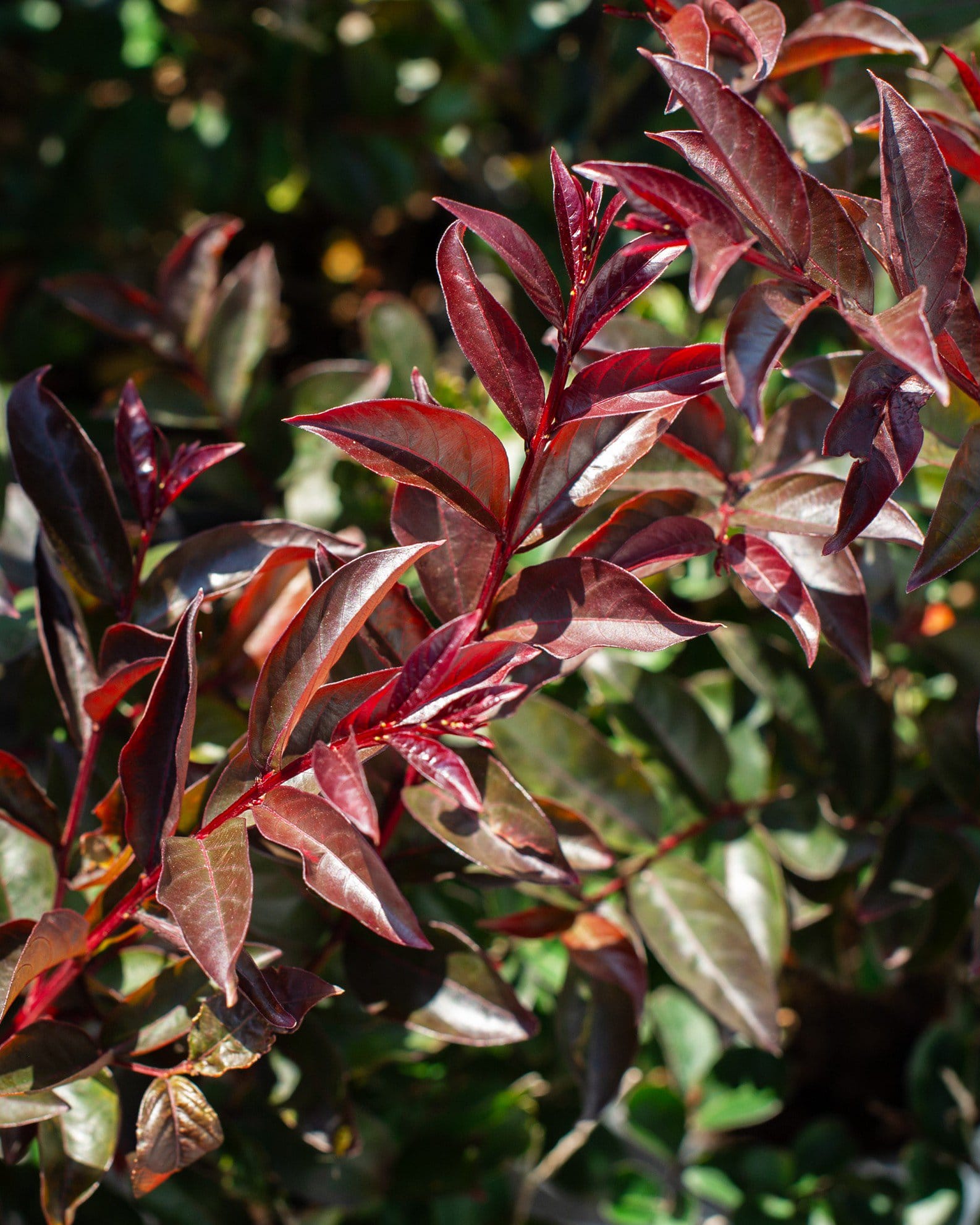
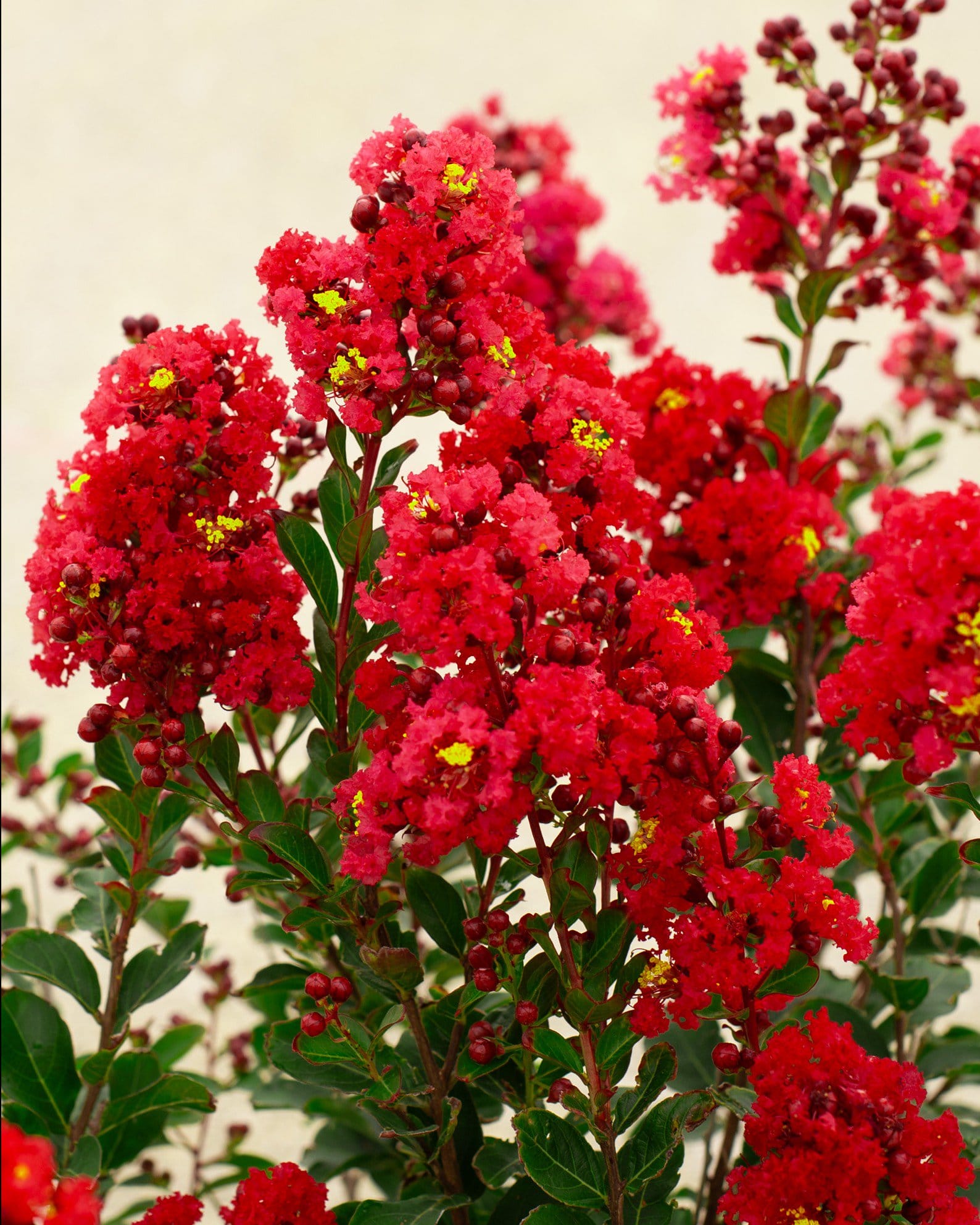
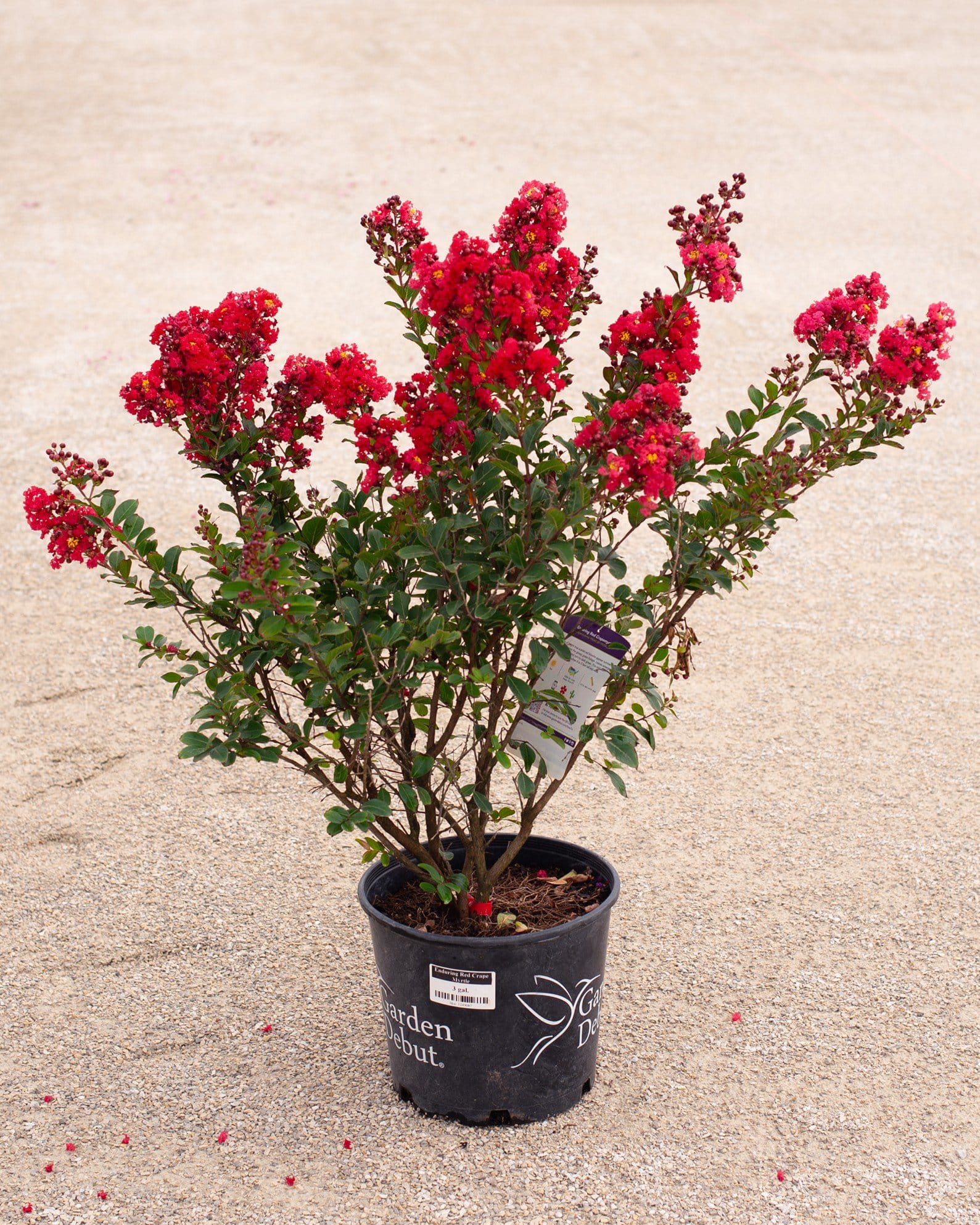
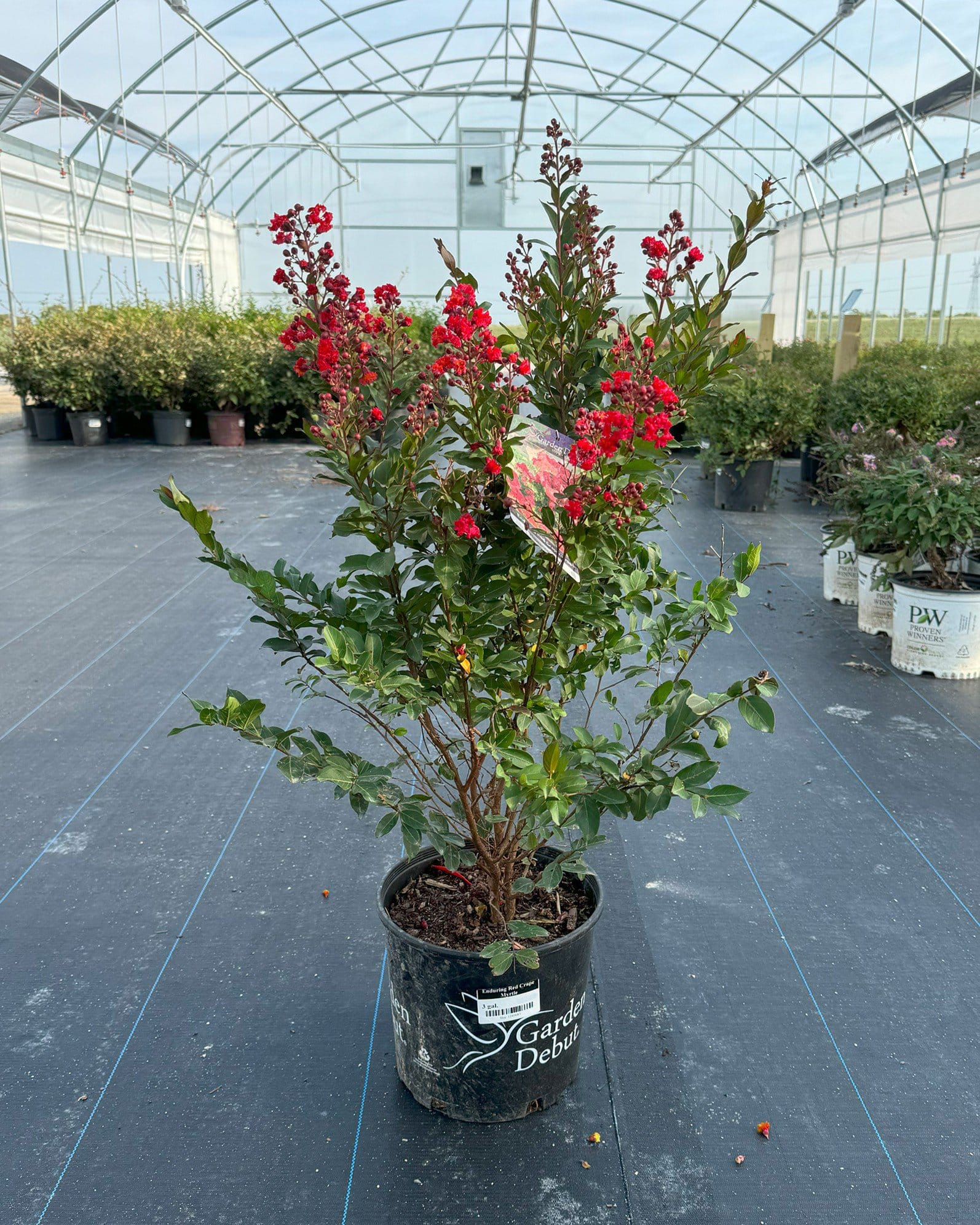
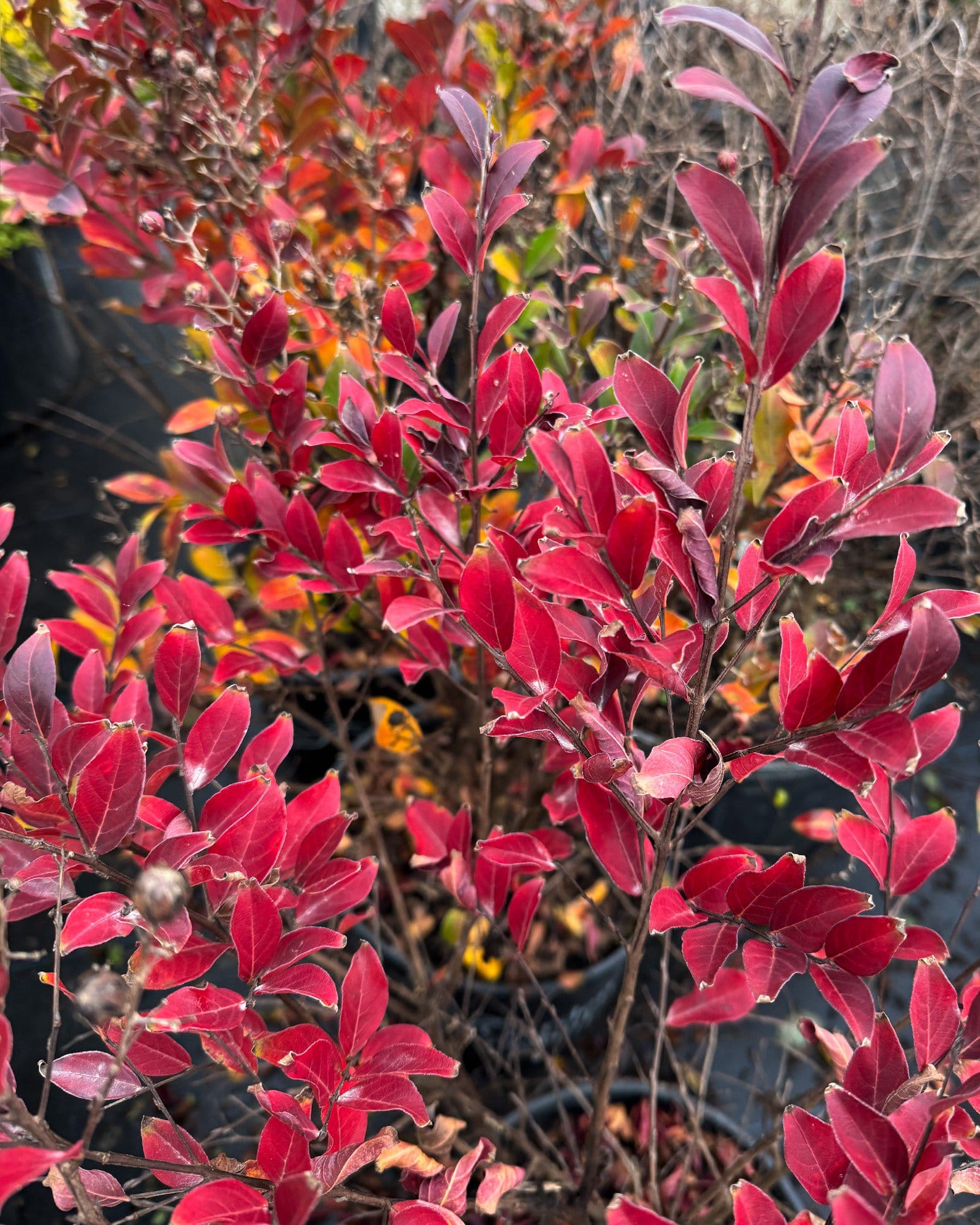
Enduring Red Crape Myrtle
Maturity: 4' H x 4' W
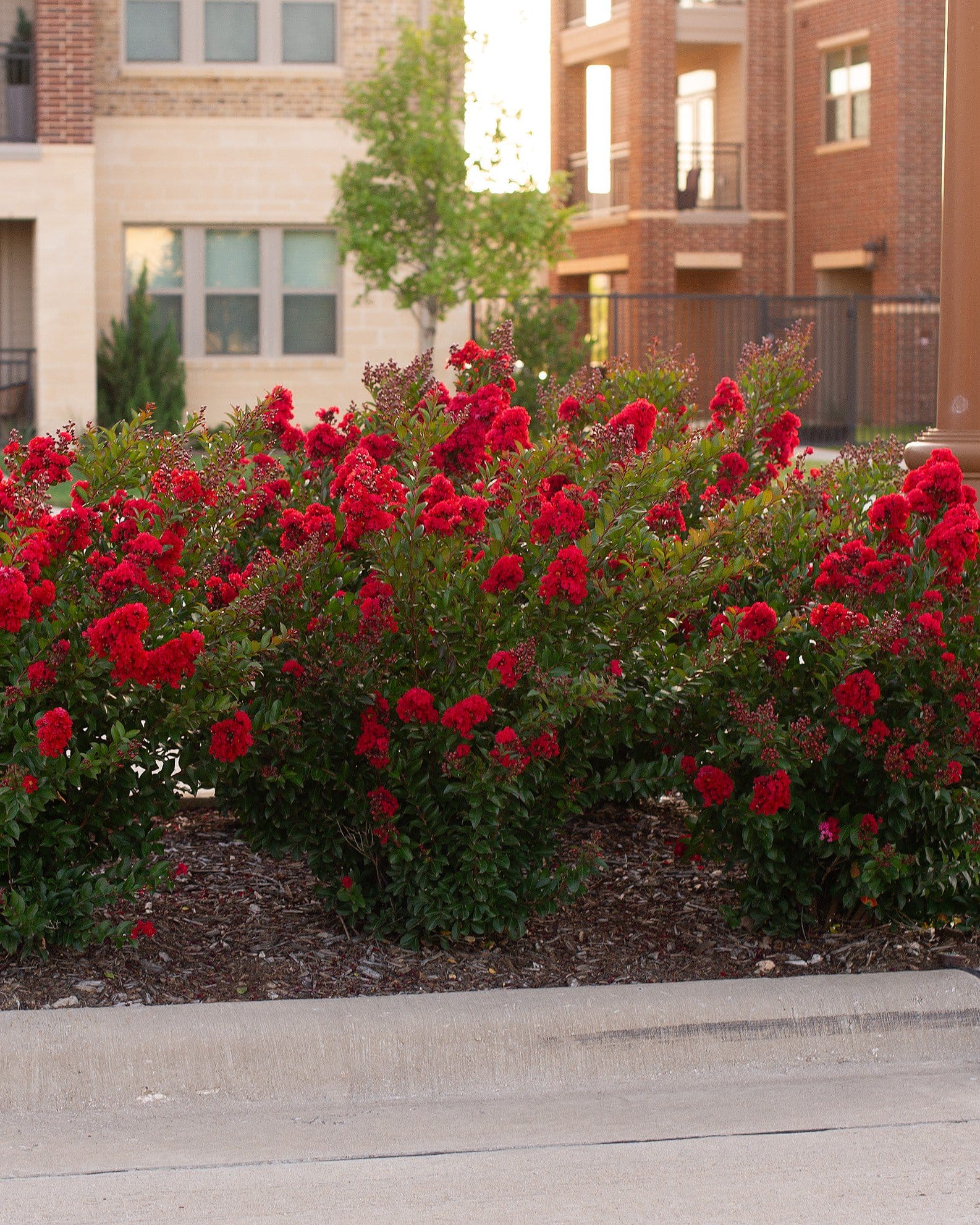
French Vanilla Crape Myrtle
Maturity: 2' H x 2' W
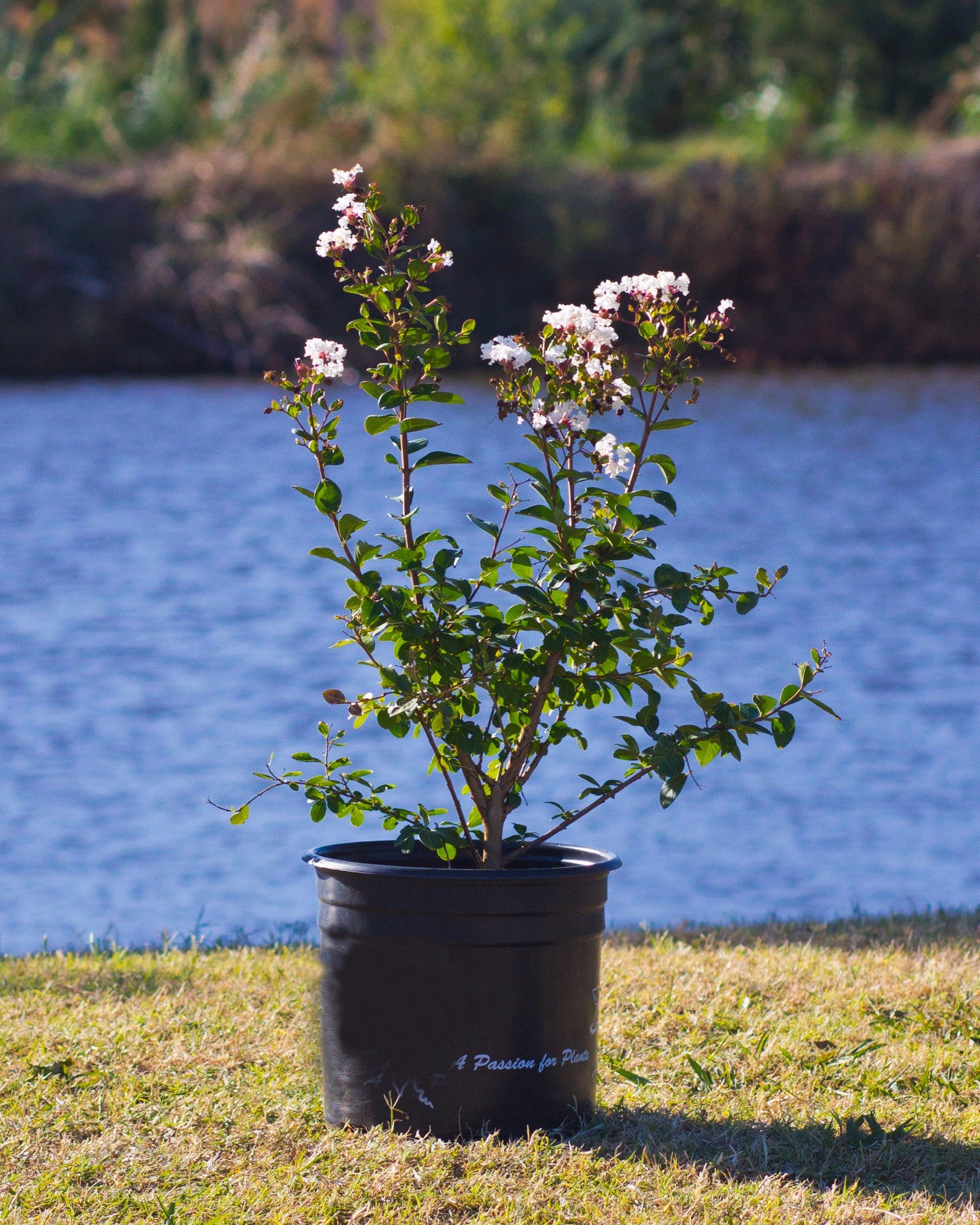
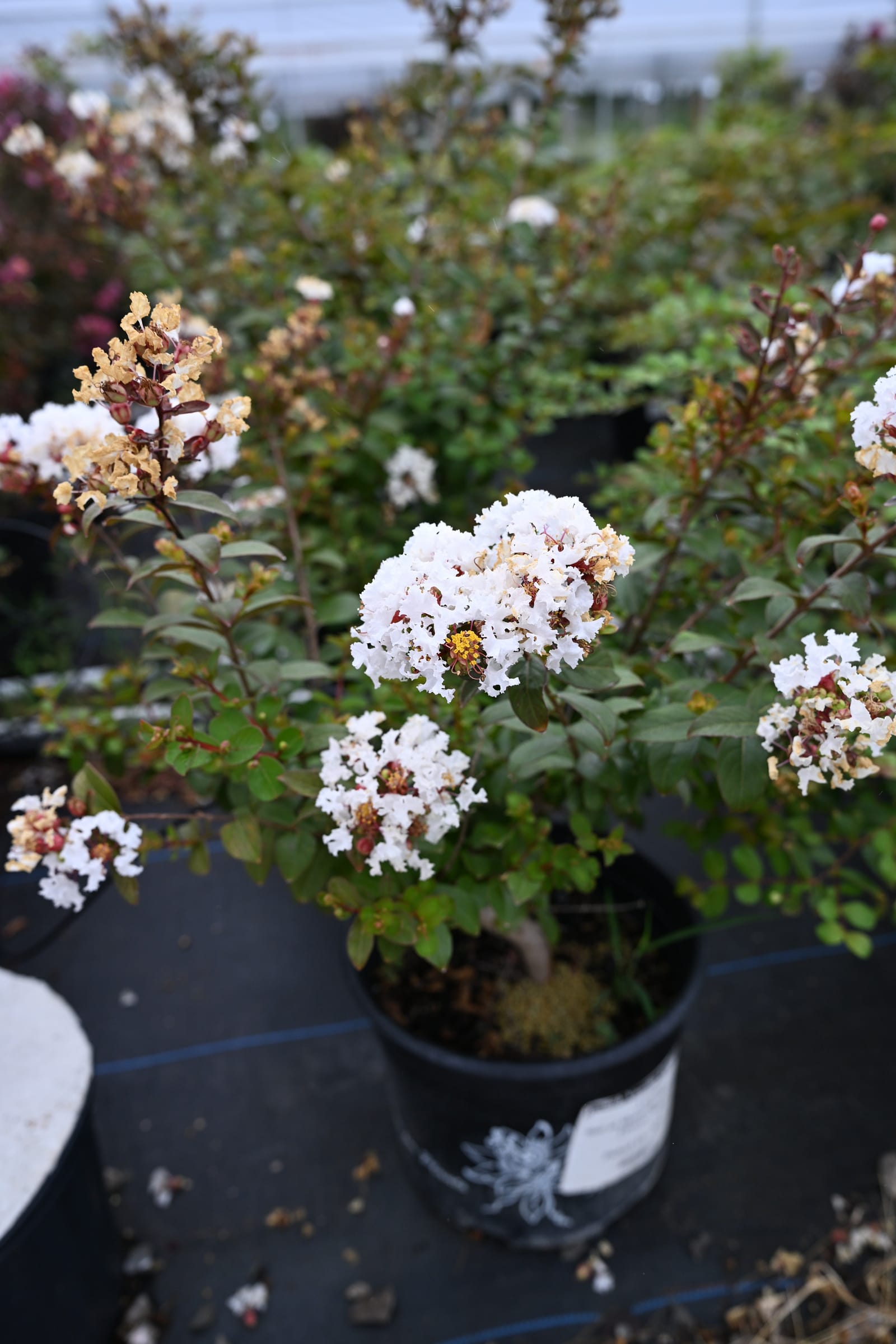
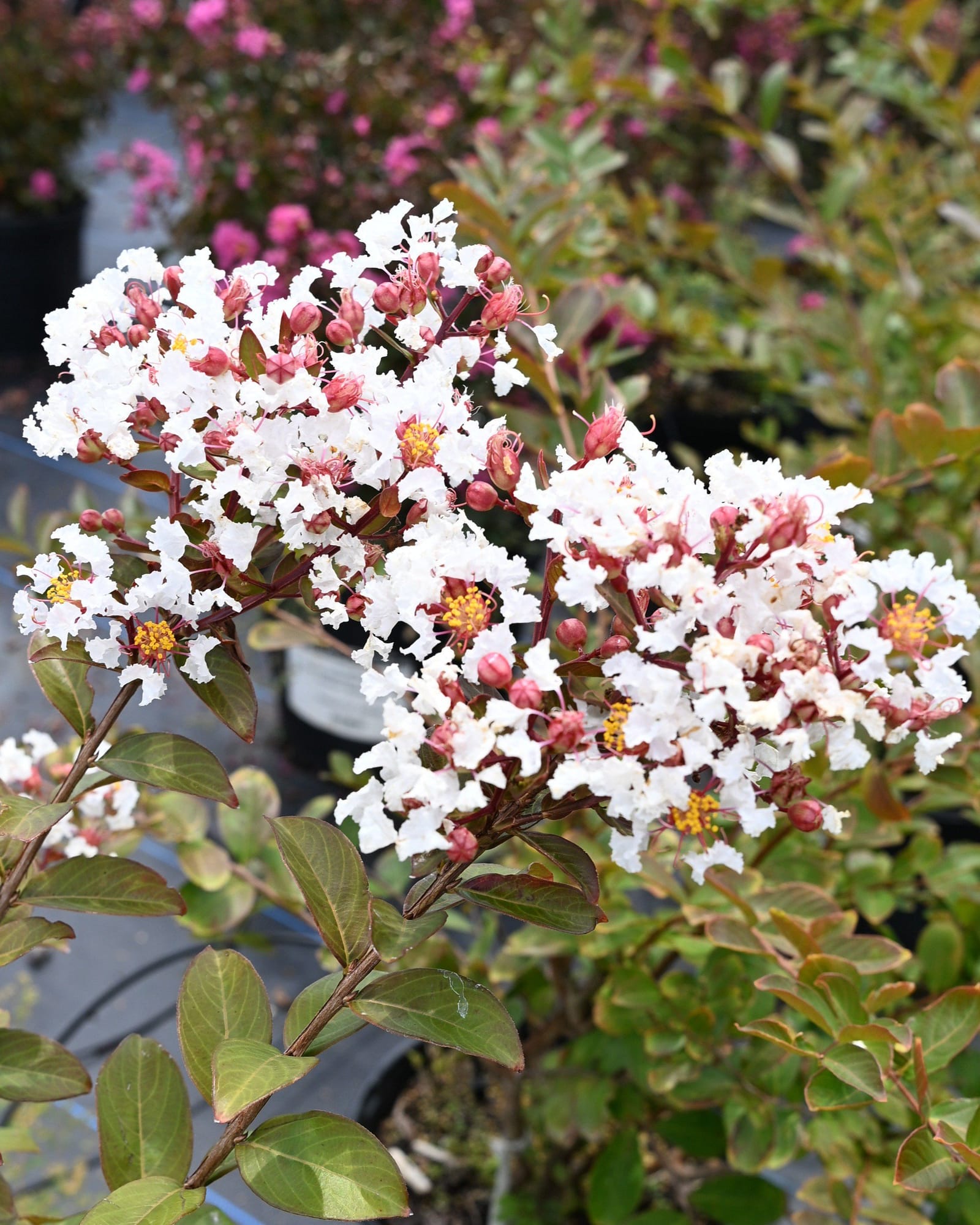
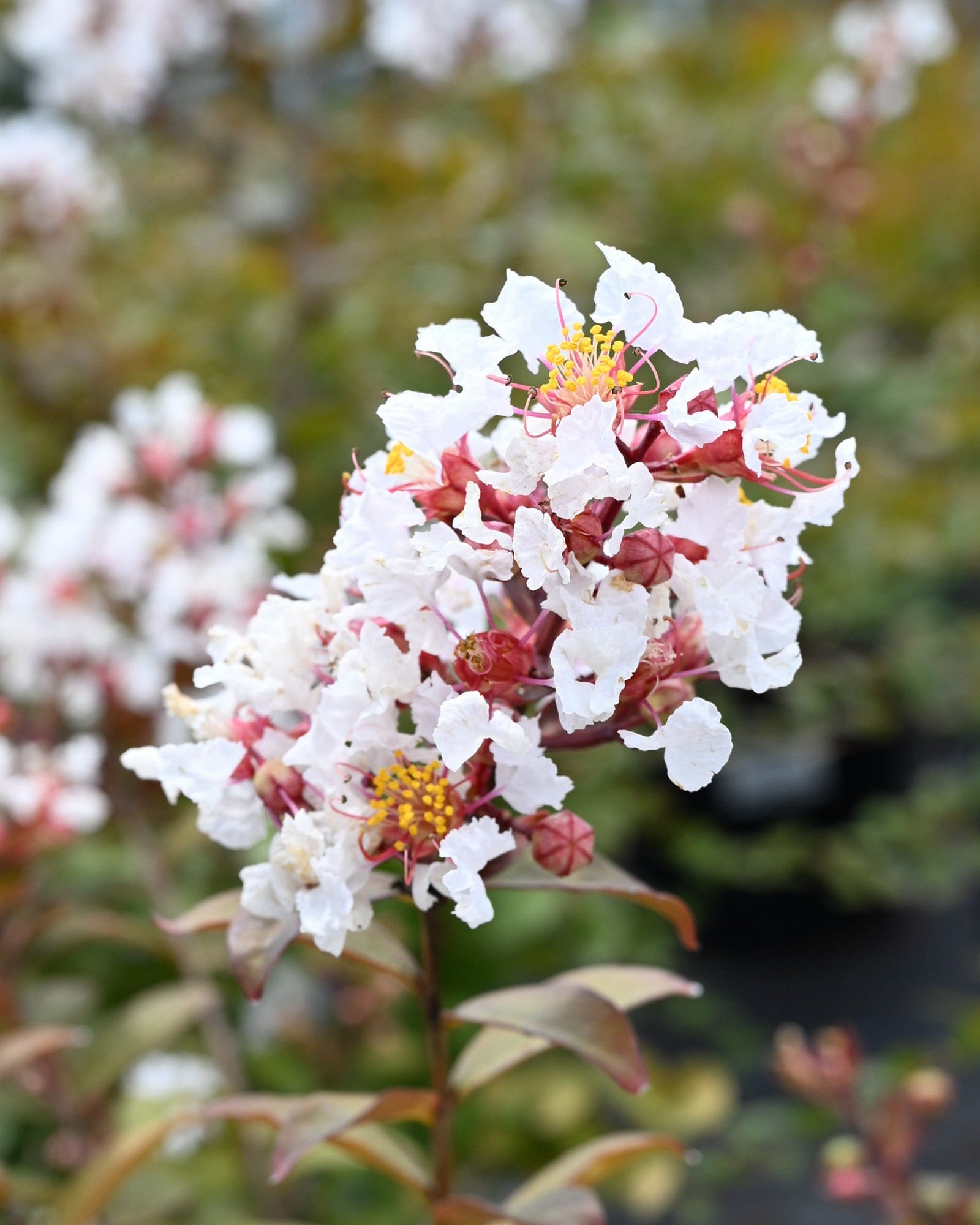
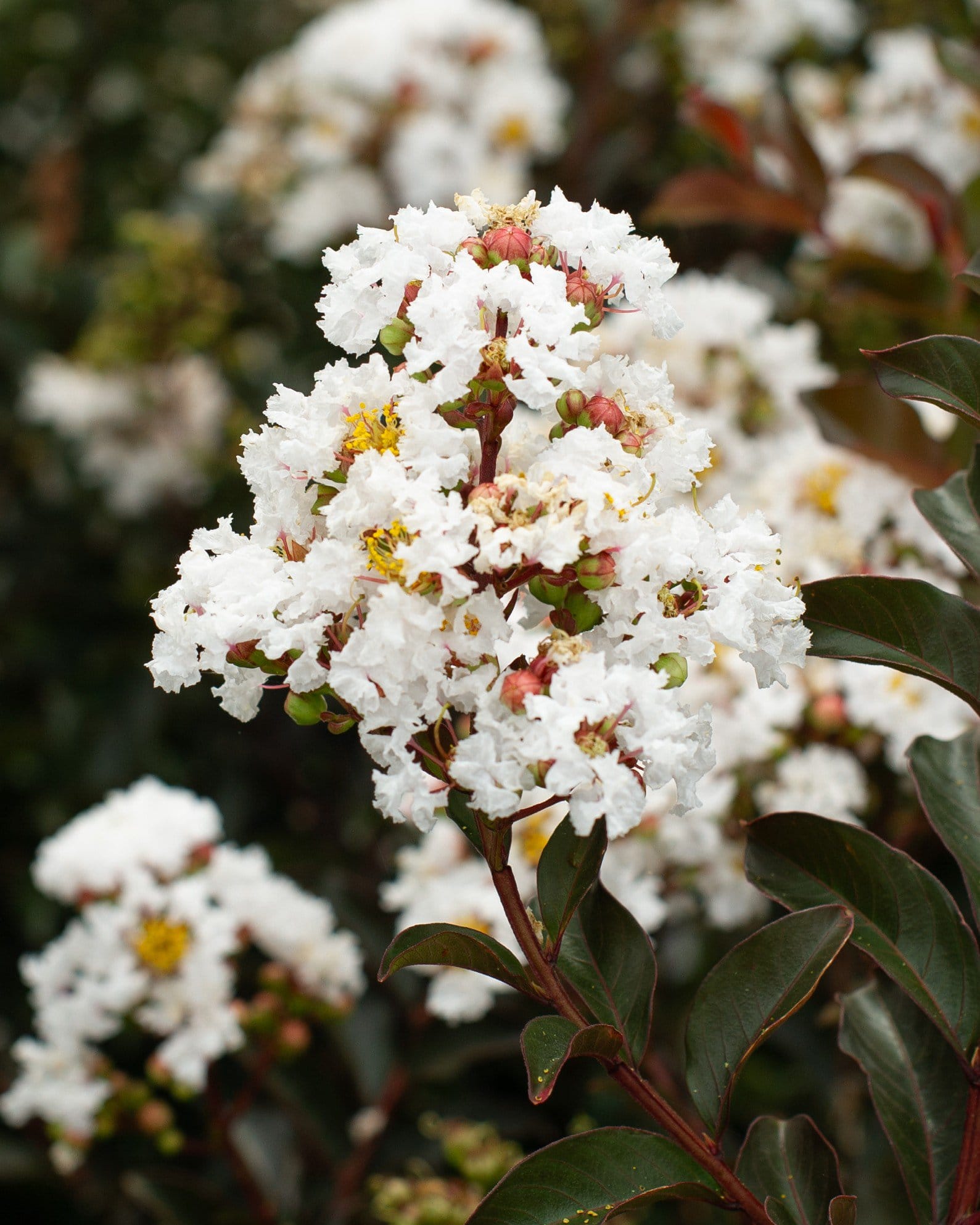
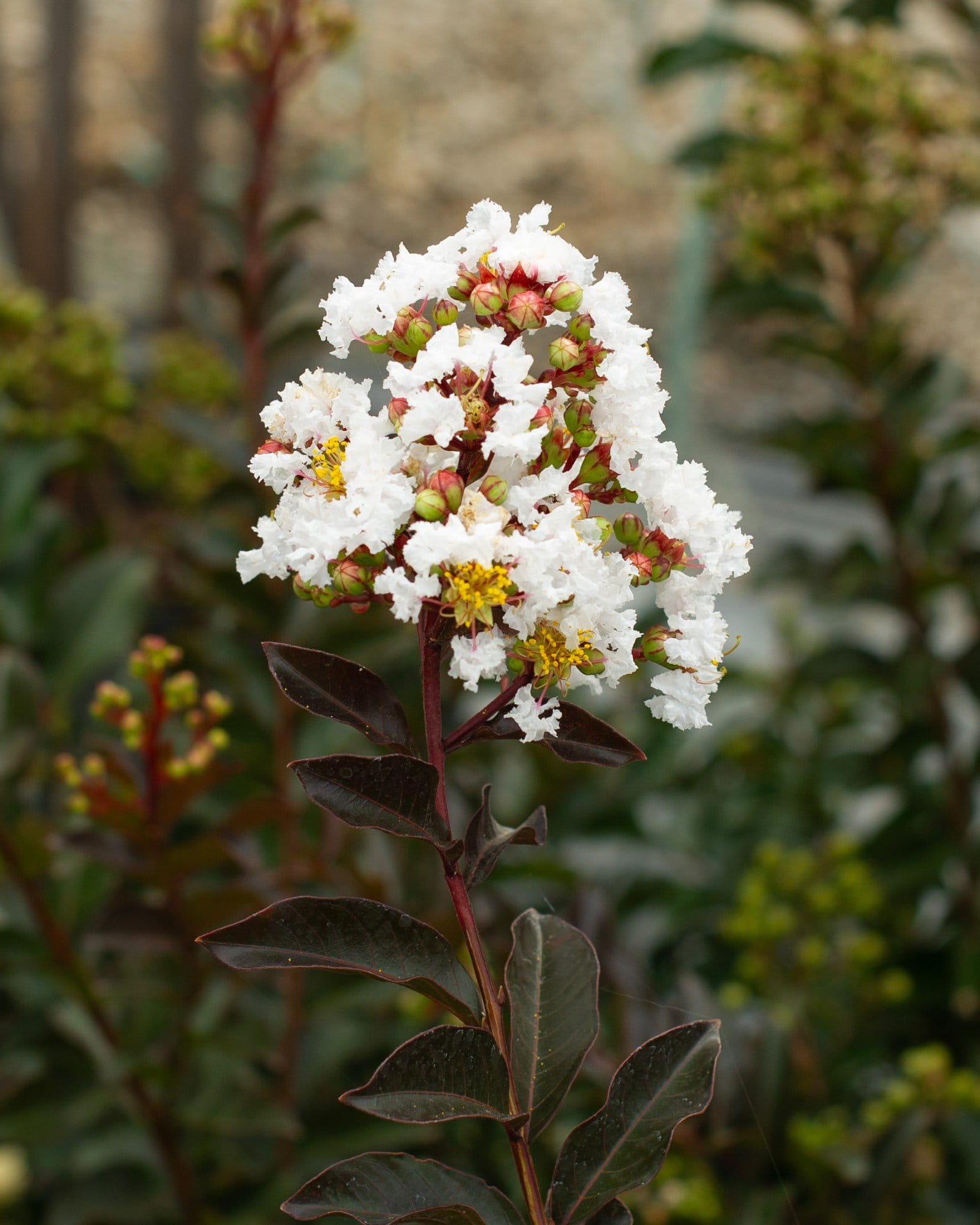
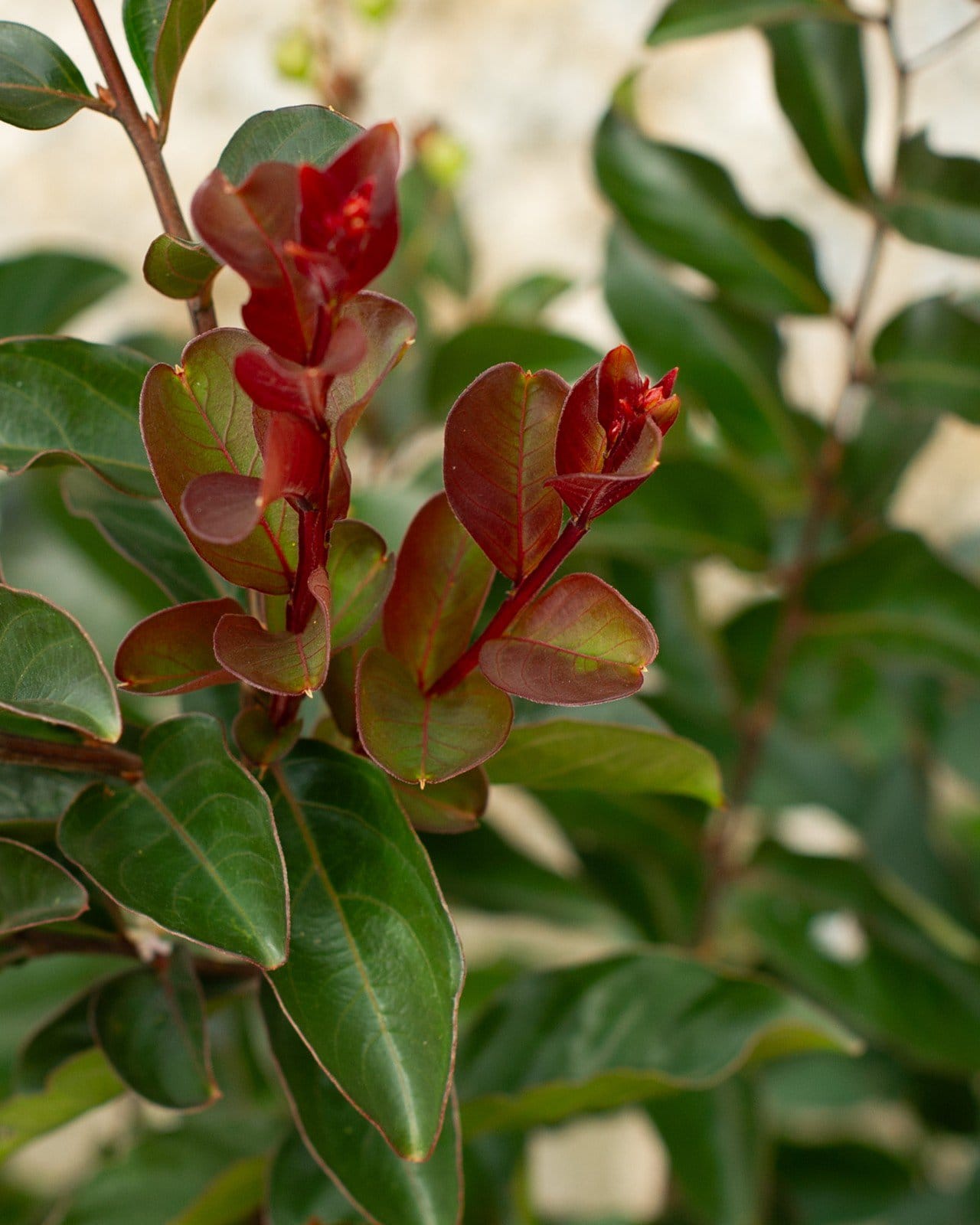
Like a Latte Crape Myrtle
Maturity: 3' H x 3' W
Compare Similar Plants
Orange Rocket Barberry This plant | ||
|---|---|---|
| Scientific Name | Berberis thunbergii ‘Orange Rocket’ | Berberis thunbergii ‘Crimson Pygmy’ |
| Size at Maturity | 4' H x 2' W | 2' H x 2' W |
| Leaf Retention | Deciduous | Deciduous |
| Fall Color | Red | Red |
| Flower Color | Yellow | Yellow |
| Bloom Times | Spring | Spring |
| Sizes Available | 1.5, 3 gal | 3 gal |


Our 1-Year Planting Guarantee
We take pride in our plants and installation services. If any plants or trees installed by Treeland fail to thrive within the first year, we'll provide a replacement credit in accordance with our guarantee program.
Learn More About Our Guarantee