
 Popular
Local DFW Delivery Only
Product Details
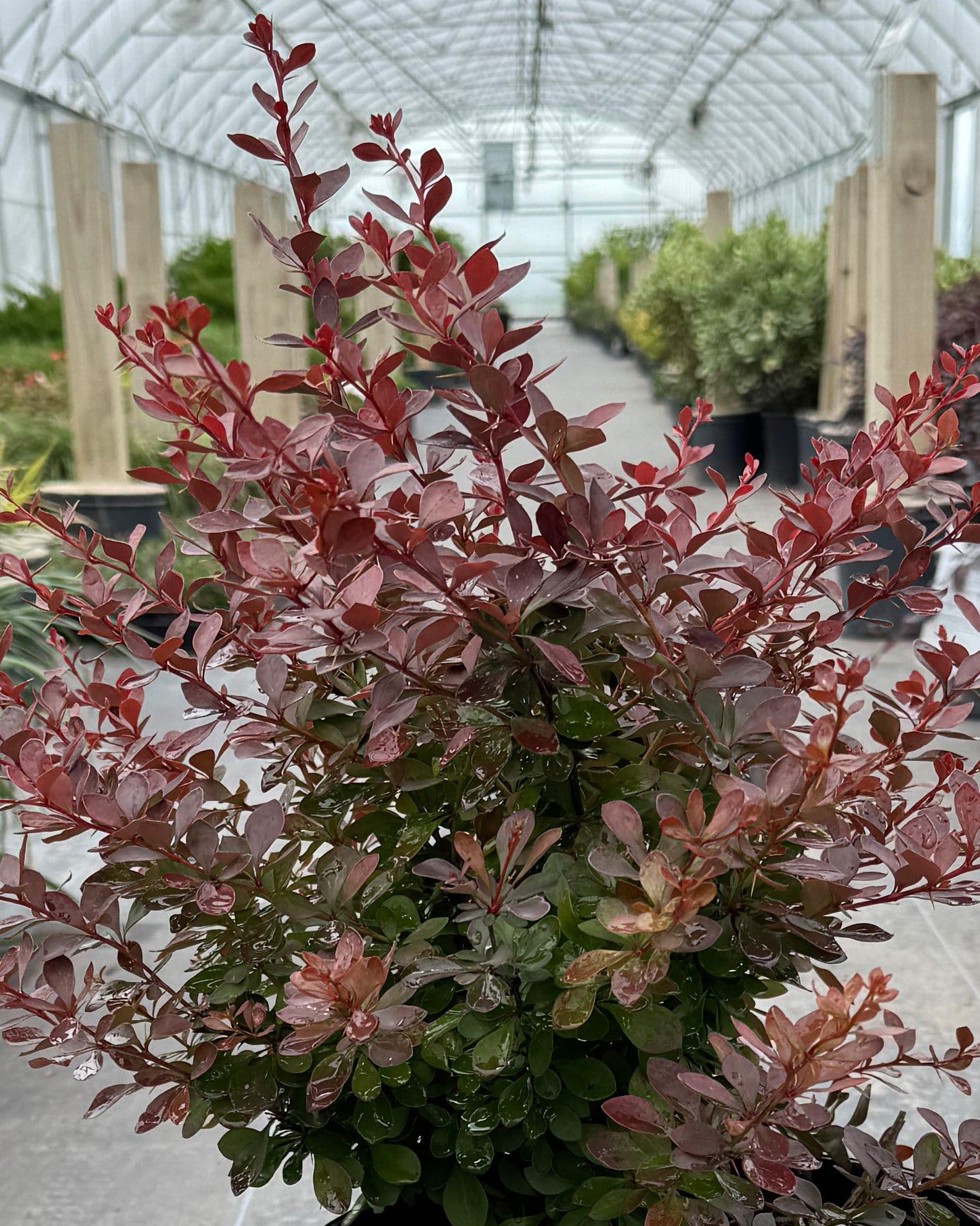
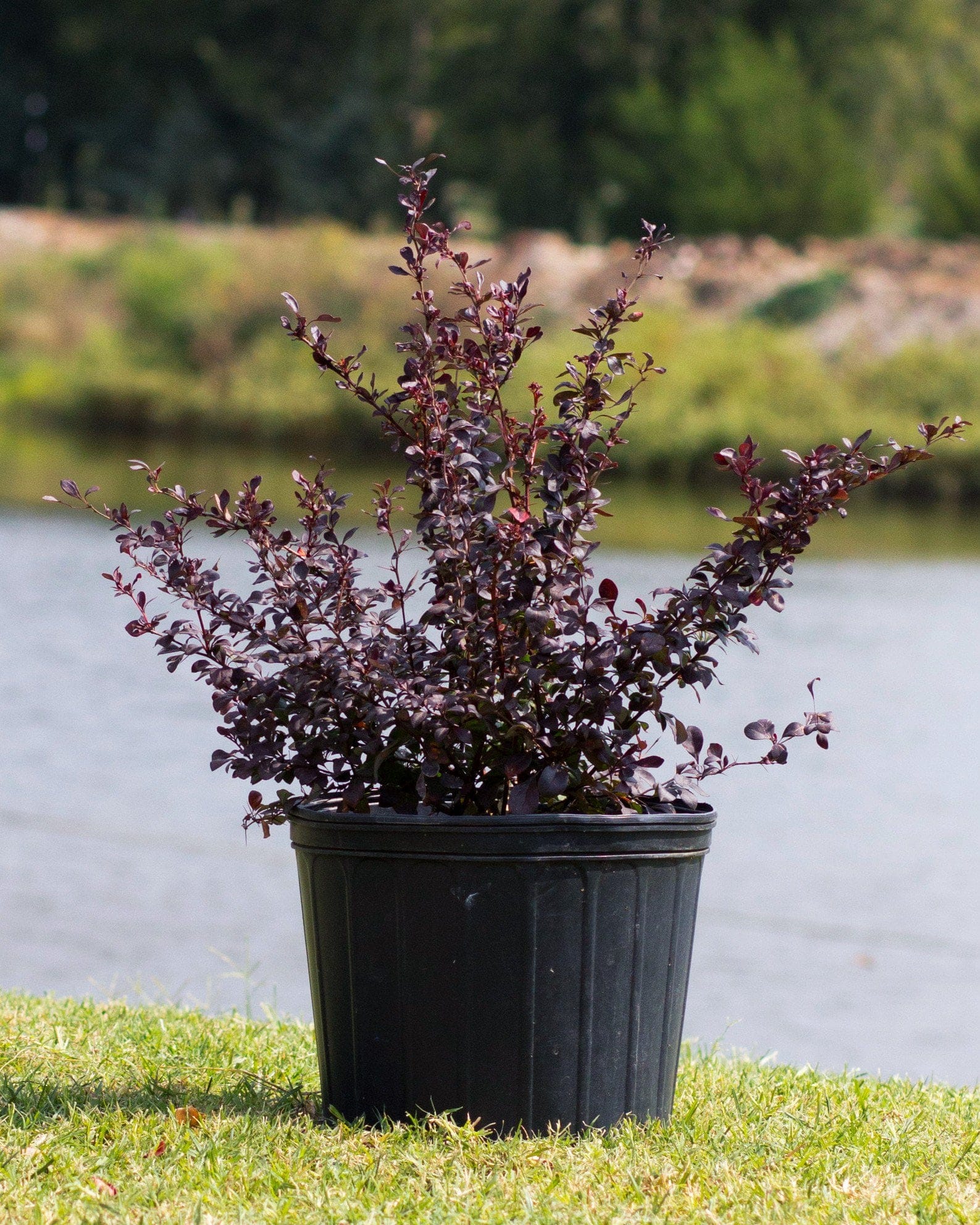
Crimson Pygmy Barberry
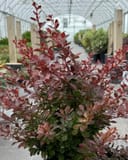
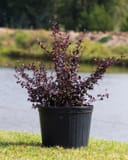
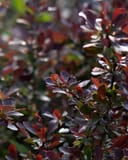
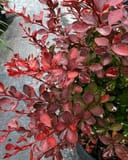
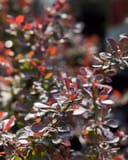
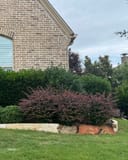
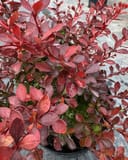
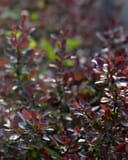
Berberis thunbergii ‘Crimson Pygmy’Crimson Pygmy Barberry is a dwarf, deciduous shrub known for its rich crimson foliage and compact, rounded shape. Reaching just 2 feet in height and width, this plant adds bold color, structure, and texture to landscapes and containers. Its vibrant red leaves hold their color through the growing season, turning even more vivid in fall. Tiny golden flowers bloom in spring, red berries appear in autumn, making this plant both ornamental and seasonally dynamic.
- Deciduous shrub
- Slow growth rate
- Deep crimson foliage that intensifies in fall
- Small yellow spring blossoms and inedible berries in autumn
- Great for borders, edging, and foundation beds
This shrub thrives in fully sunny spots but can tolerate partial shade. It’s adaptable to a range of soils and is both heat- and drought-tolerant once mature. Hardy in USDA zones 4 through 8, it’s a reliable, vibrant performer for a wide range of climates, including North Texas and most of the country as well.
Crimson Pygmy Barberry requires minimal maintenance but benefits from consistent seasonal care.
- Watering: Water regularly during the first growing season to help the roots establish. Once mature, Crimson Pygmy is highly drought-tolerant and only needs deep watering during extended dry spells. Avoid overwatering, as soggy soil can lead to root issues.
- Pruning: Prune in late winter or early spring before new growth emerges to maintain shape and encourage dense branching. Light shearing after flowering can help refine the mound and keep the plant compact. Avoid cutting back into old wood, as barberries don’t regrow from bare stems.
- Fertilizing: Apply a balanced, slow-release fertilizer in early spring if growth seems sluggish or foliage color appears dull. Mature plants typically need little feeding if grown in healthy soil. Avoid excessive fertilizer, which can produce soft, weak growth.
- Mulching: A layer of mulch around the base helps conserve moisture, suppress weeds, and regulate soil temperature. Keep mulch a few inches away from the crown to prevent rot.
- Spacing: When planting multiple shrubs, space them 2 to 3 feet apart for an attractive hedge or ground border.
Common Issues and How to Take Care of Them
Crimson Pygmy Barberry is known for its toughness and pest resistance, but a few minor issues can arise:
- Leaf Spot: Fungal spots can develop in humid or poorly ventilated areas. Improve air circulation, water at the base, and remove affected leaves to prevent spread.
- Aphids: Small insects that cluster on new shoots, causing curling or distortion. Rinse them off with water or use insecticidal soap if infestations persist.
- Scale Insects: Appear as small, raised bumps on stems. Treat with horticultural oil during dormancy to smother overwintering eggs.
- Powdery Mildew: May occur in shady, damp conditions. Increase airflow and prune to open the center of the plant if needed.
- Root Rot: Caused by standing water or poorly drained soil. Plant in well-draining conditions and avoid overwatering.
Proper sunlight, well-drained soil, and light pruning are usually all that’s needed to keep Crimson Pygmy Barberry healthy, compact, and colorful year after year.
It grows slowly to moderately, adding 4-6 inches per year.
Early spring or fall is best, giving the plant time to establish before heat or frost.
Yes, its dense, compact form makes it perfect for low hedges, borders, and foundation plantings. Light shaping helps maintain symmetry.
Yes, once established, it thrives in dry conditions and requires minimal supplemental watering. Its deep root system allows it to withstand prolonged periods of drought, making it an excellent choice for low-maintenance gardens.
Absolutely. Deer tend to avoid it because of its thorny stems and tough, dense foliage. This makes it a reliable option for creating protective hedges or borders in areas where deer browsing is a concern.
Yes, it performs beautifully in containers as long as the soil drains well. Water when the top inch of soil feels dry.
Yes, it’s deciduous. Leaves drop in fall, revealing its attractive twiggy structure before new foliage returns in spring.
This can be due to poor drainage, lack of sunlight, or nutrient deficiency. Improve light exposure and check for soggy soil or overwatering.
With proper care, it can live 20 years or more, maintaining its rich color and compact habit throughout its lifespan.
Yes, the Crimson Pygmy barberry has thorny stems. These sharply spined stems are a distinctive feature that helps make the plant deer-resistant and ideal for use as a barrier.
Special Features
You might also like
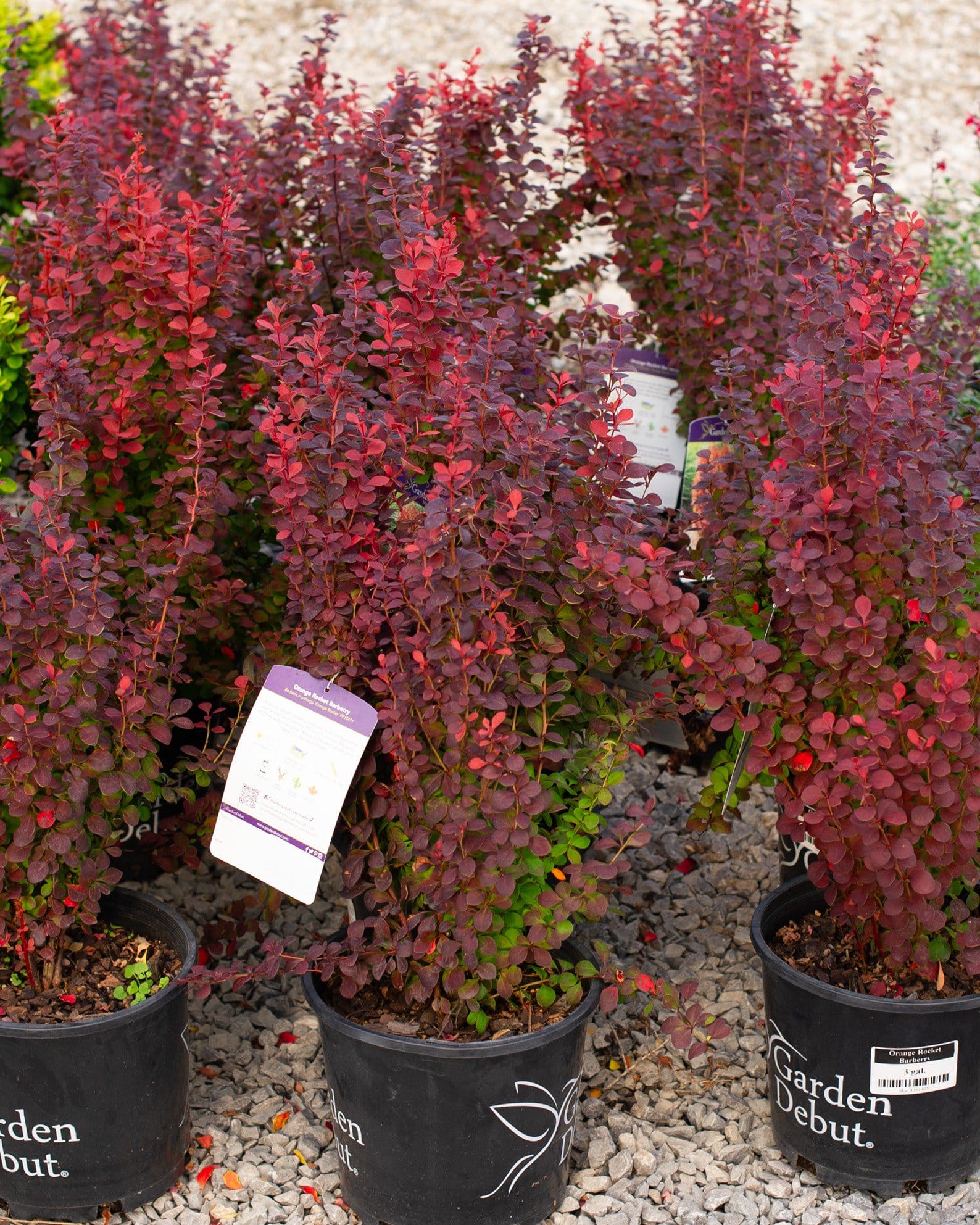
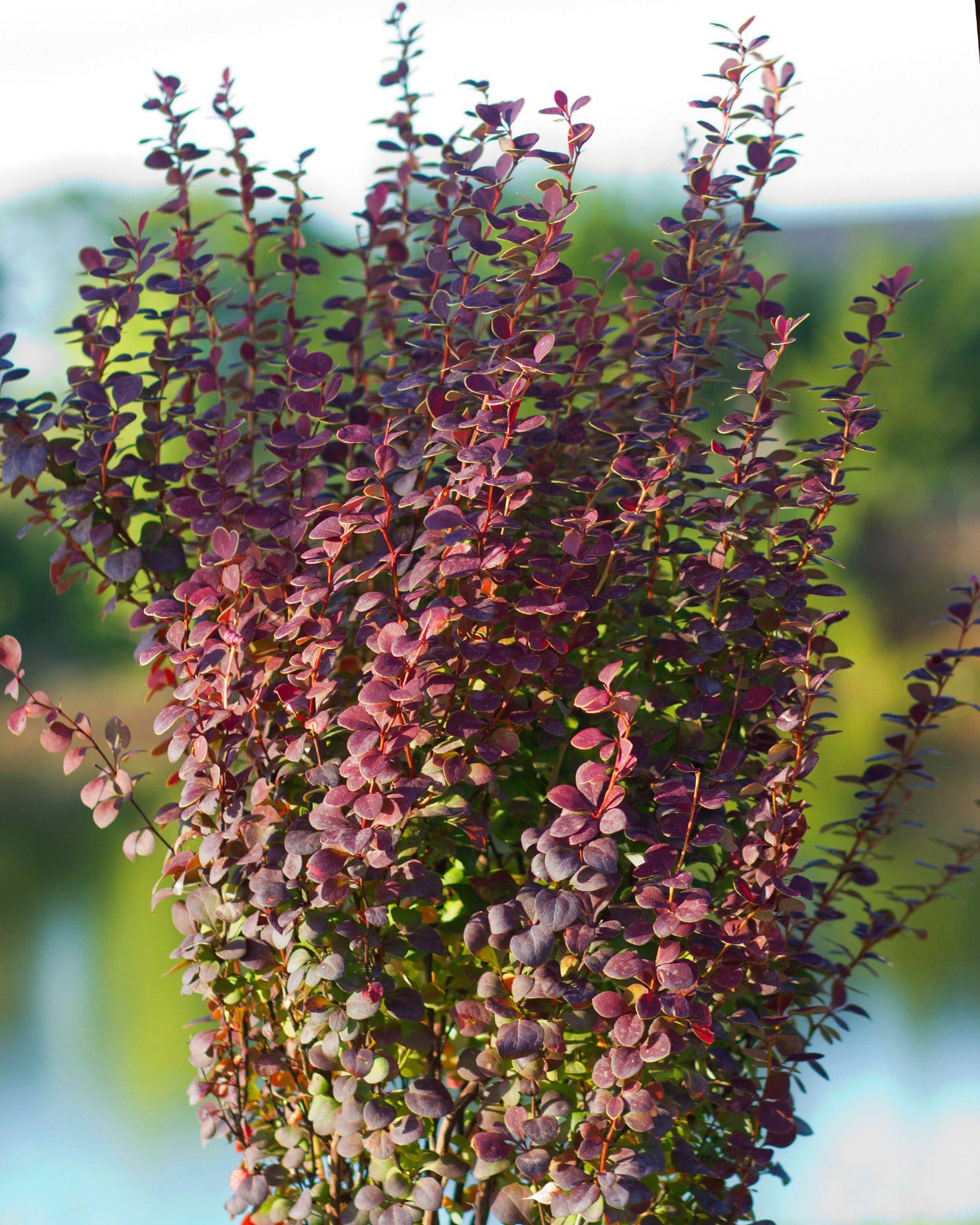
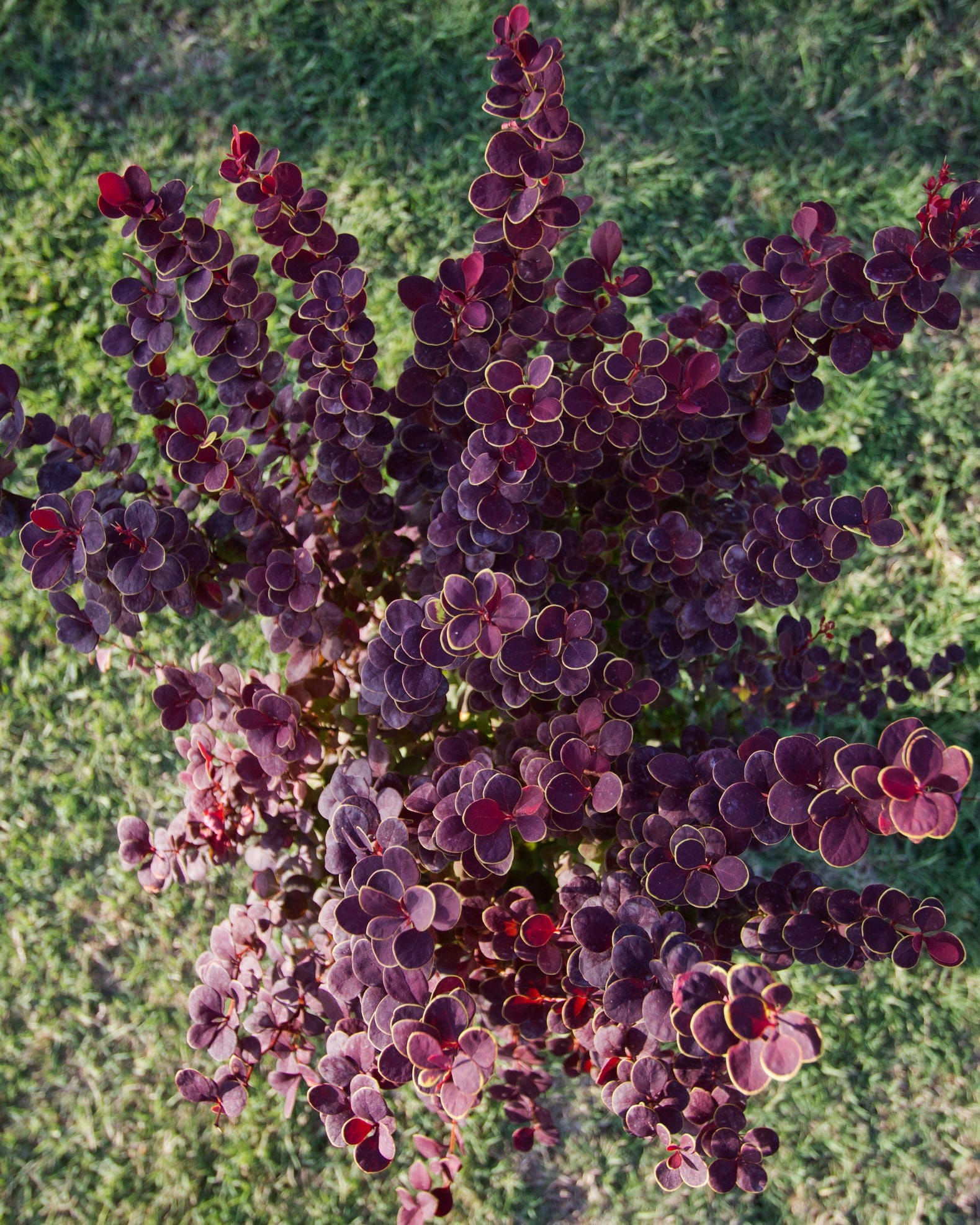
Orange Rocket Barberry
Maturity: 4' H x 2' W
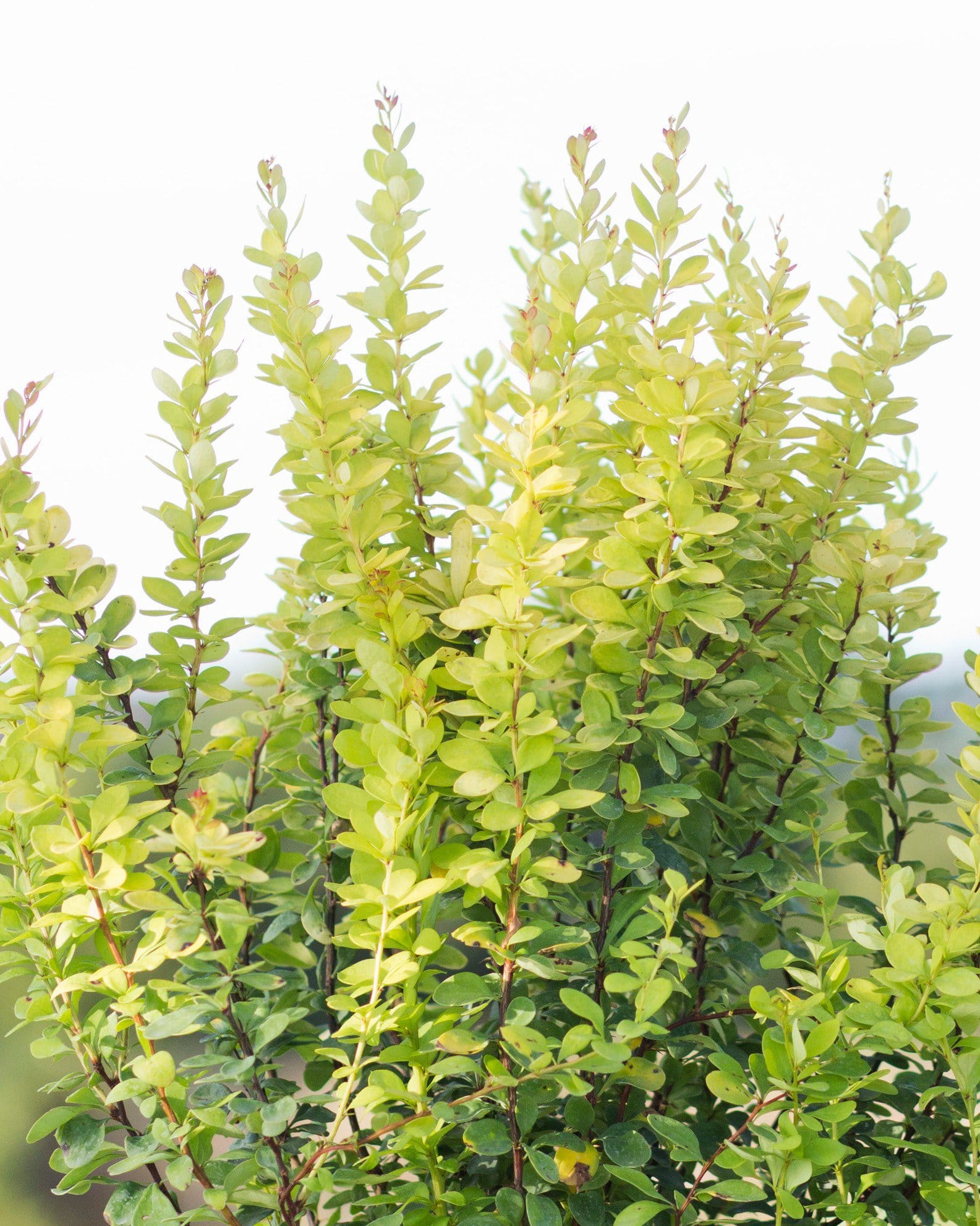
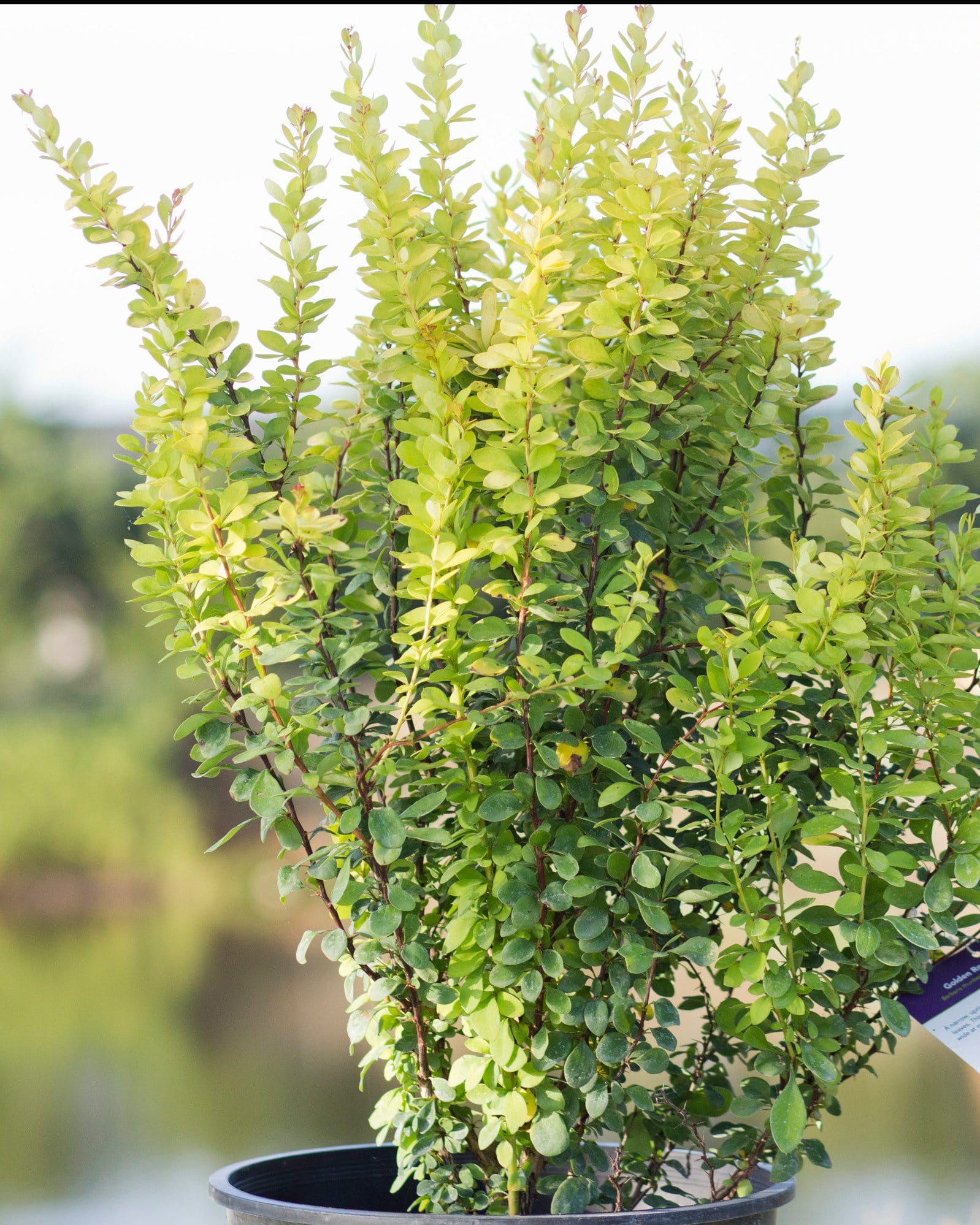
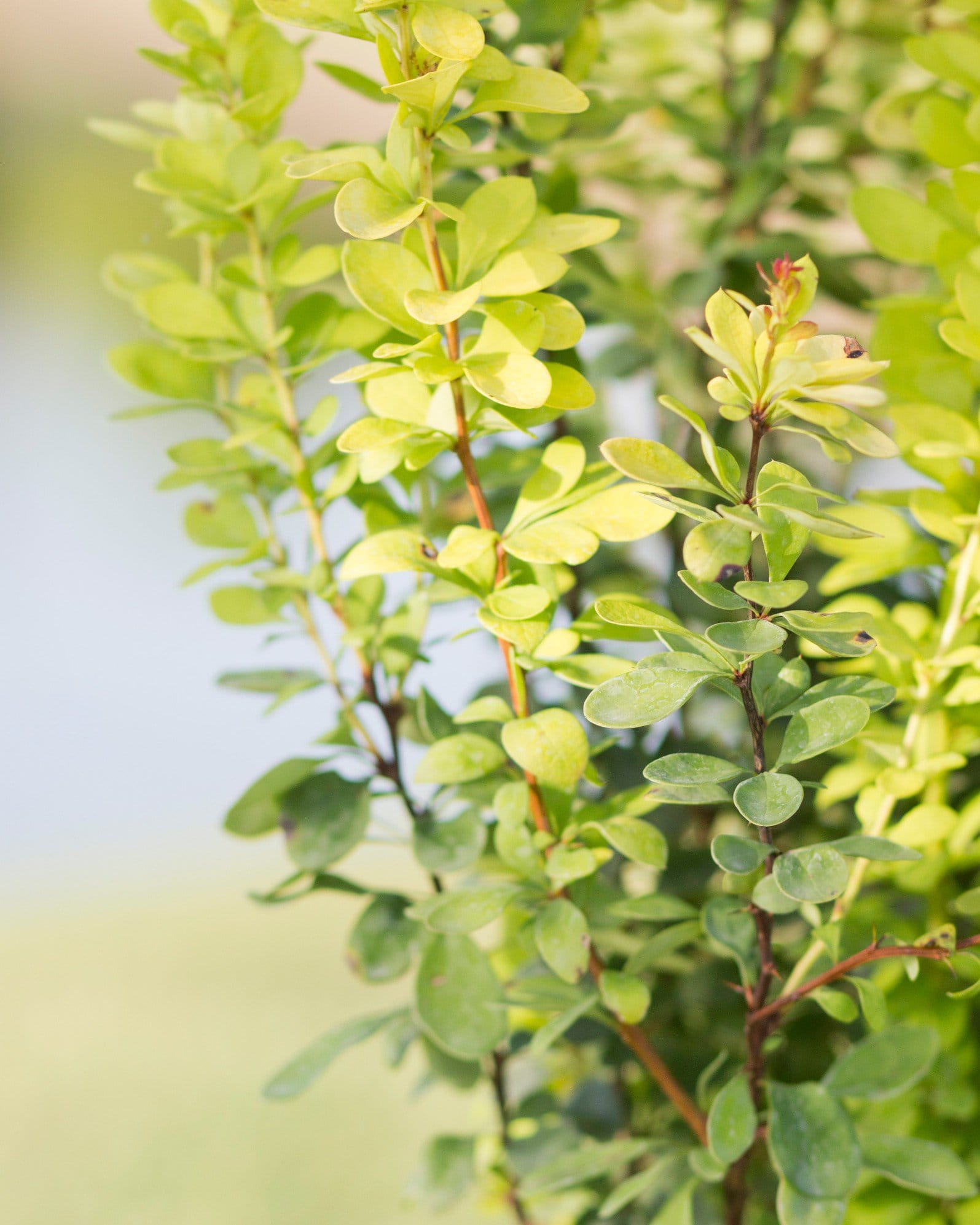
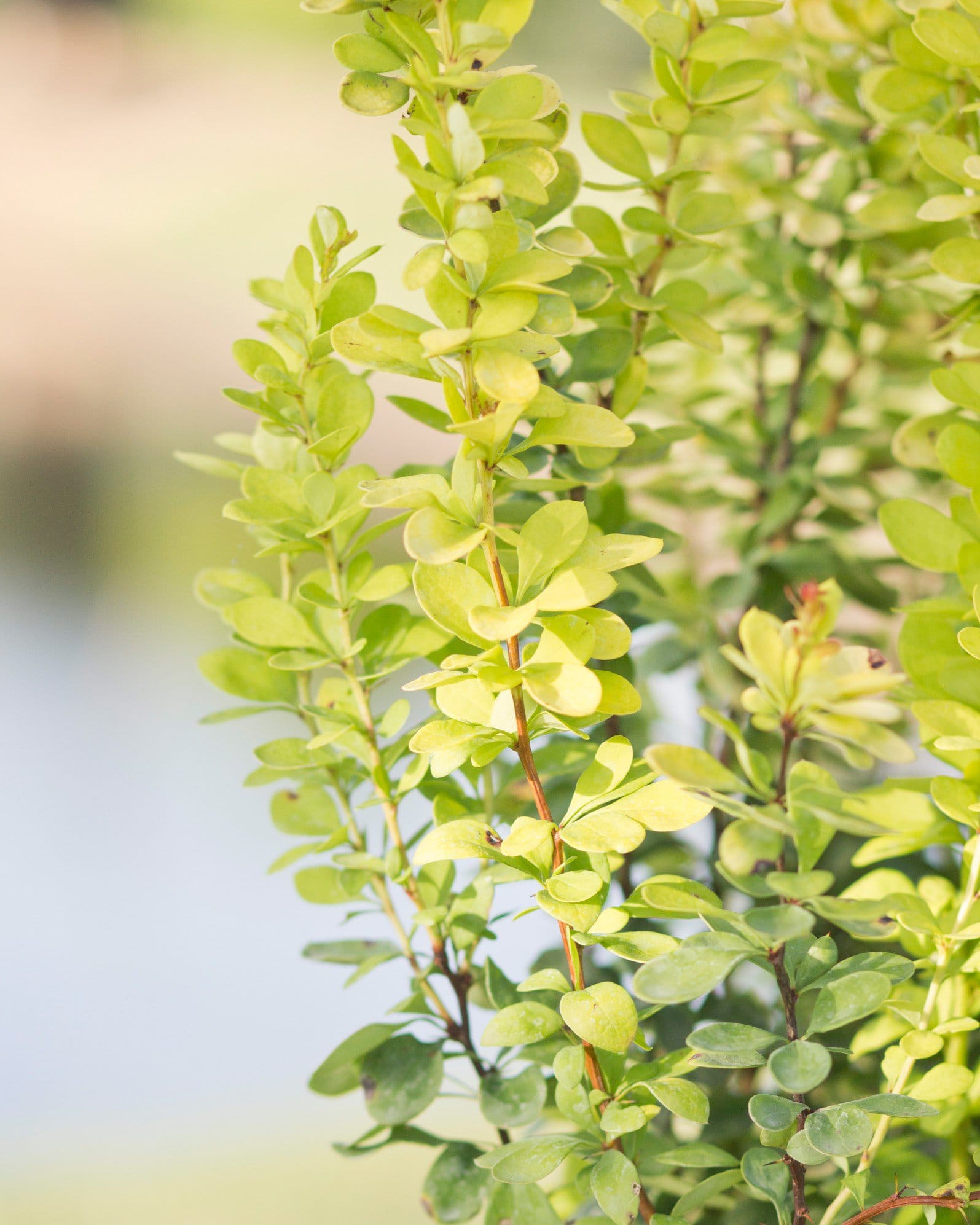
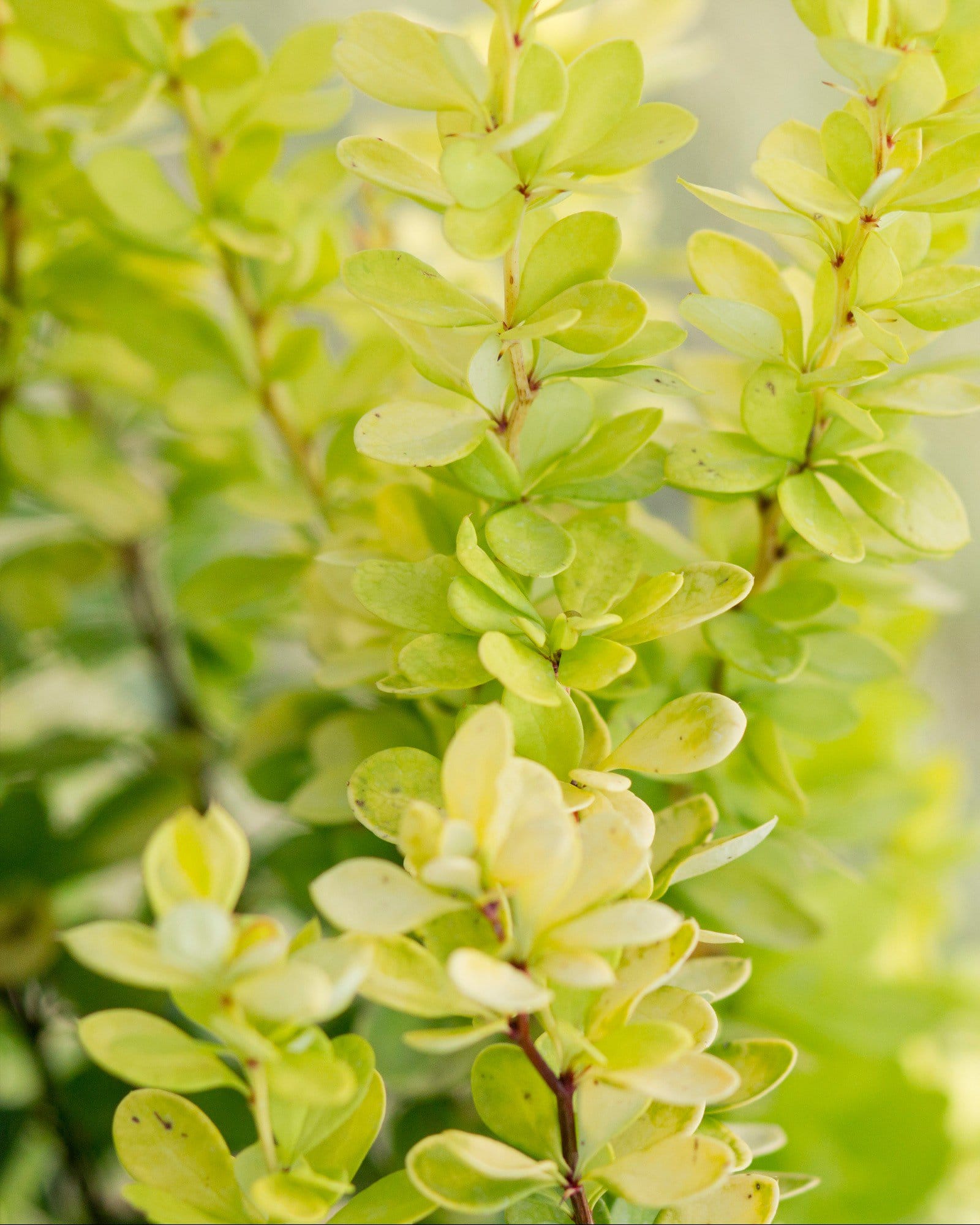
Golden Rocket Barberry
Maturity: 4' H x 2' W
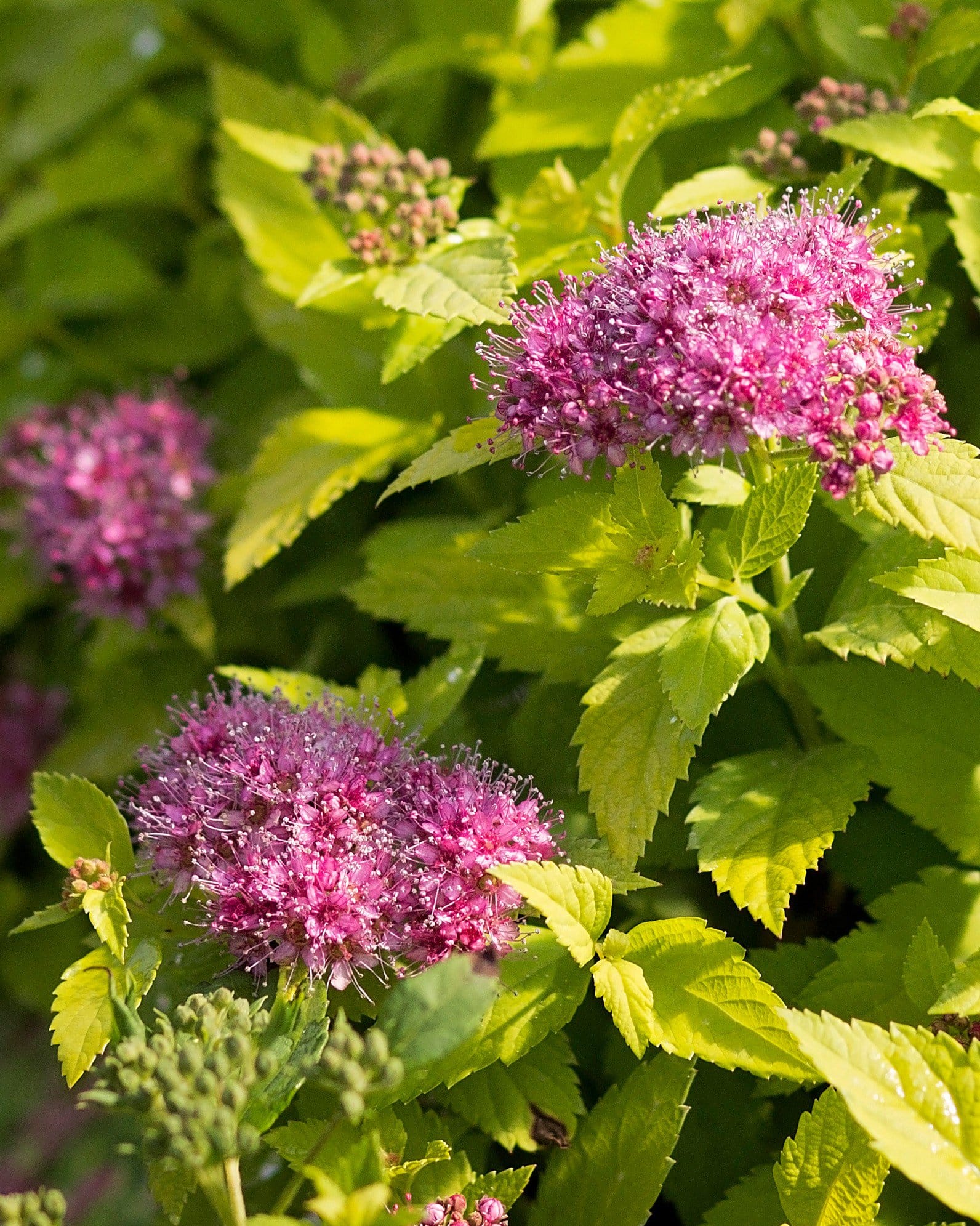
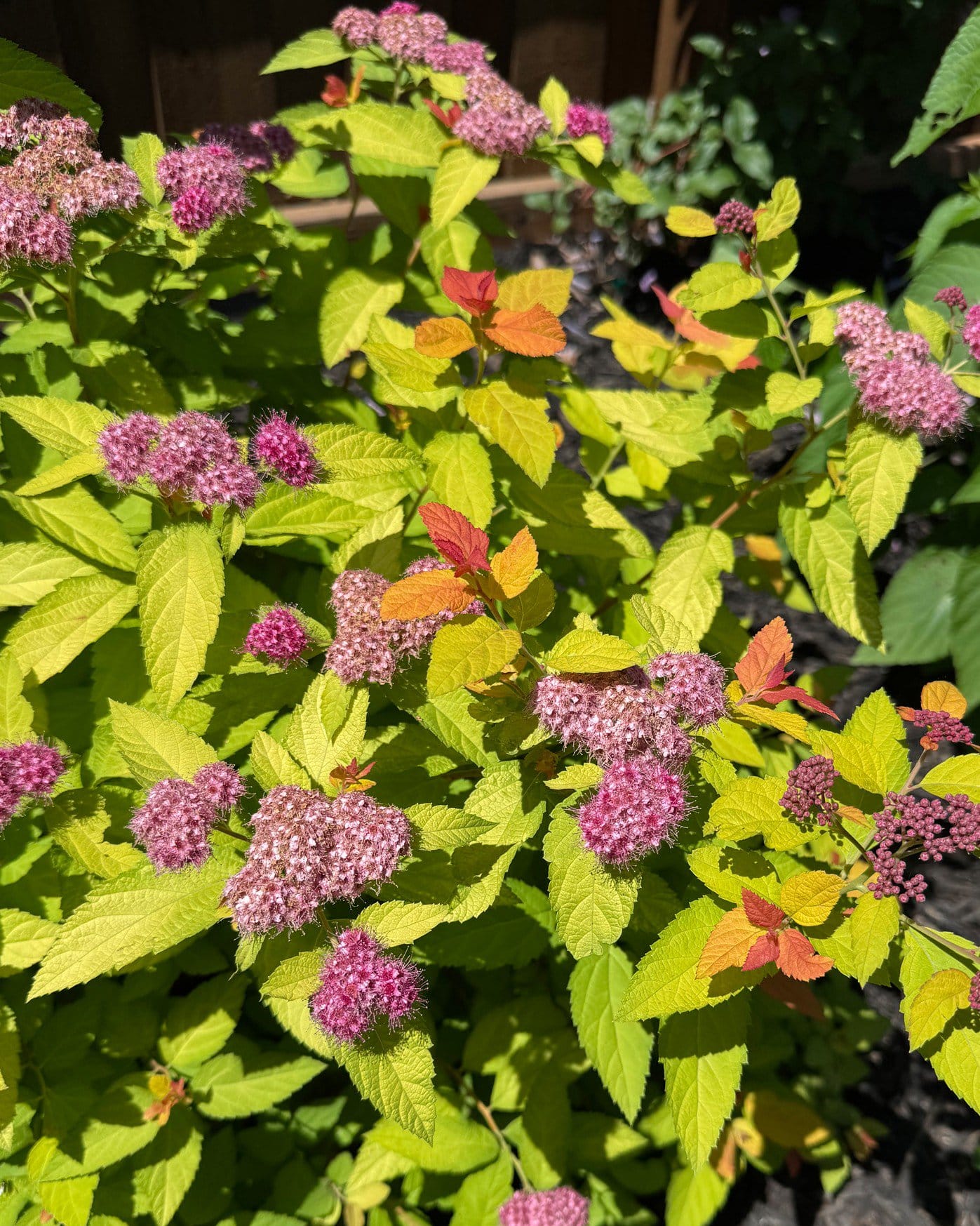
Double Play Candy Corn Spirea
Maturity: 2' H x 2' W
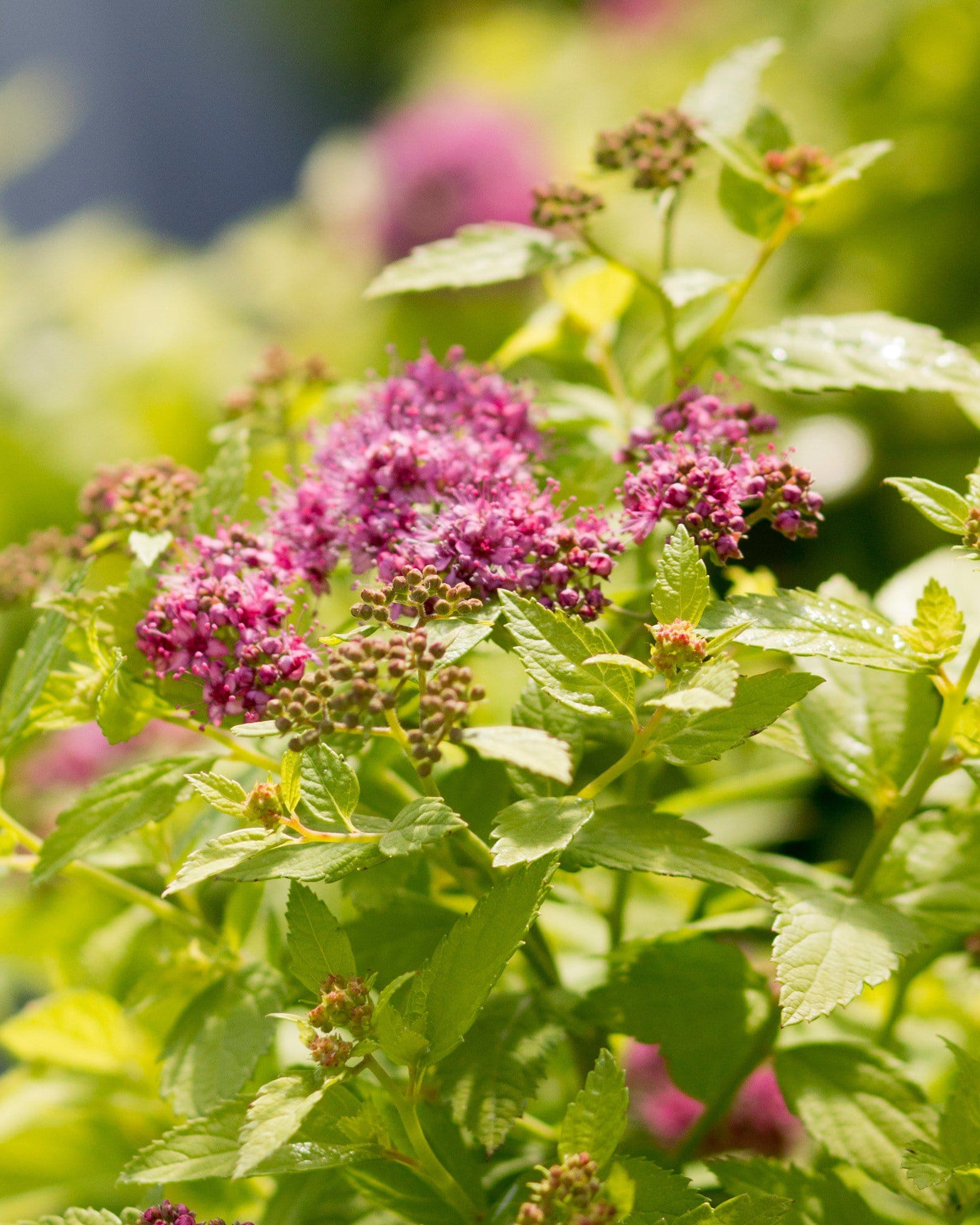
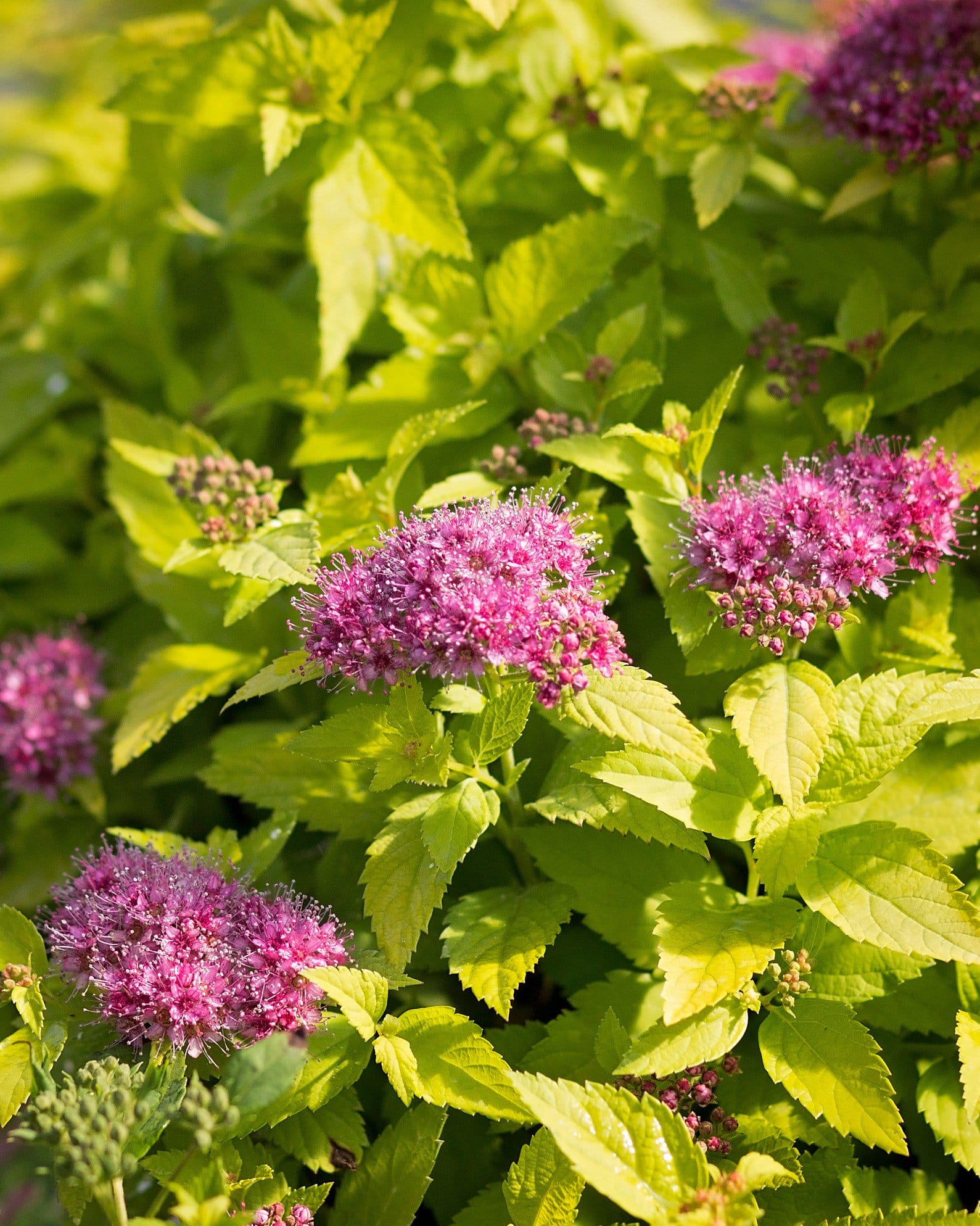
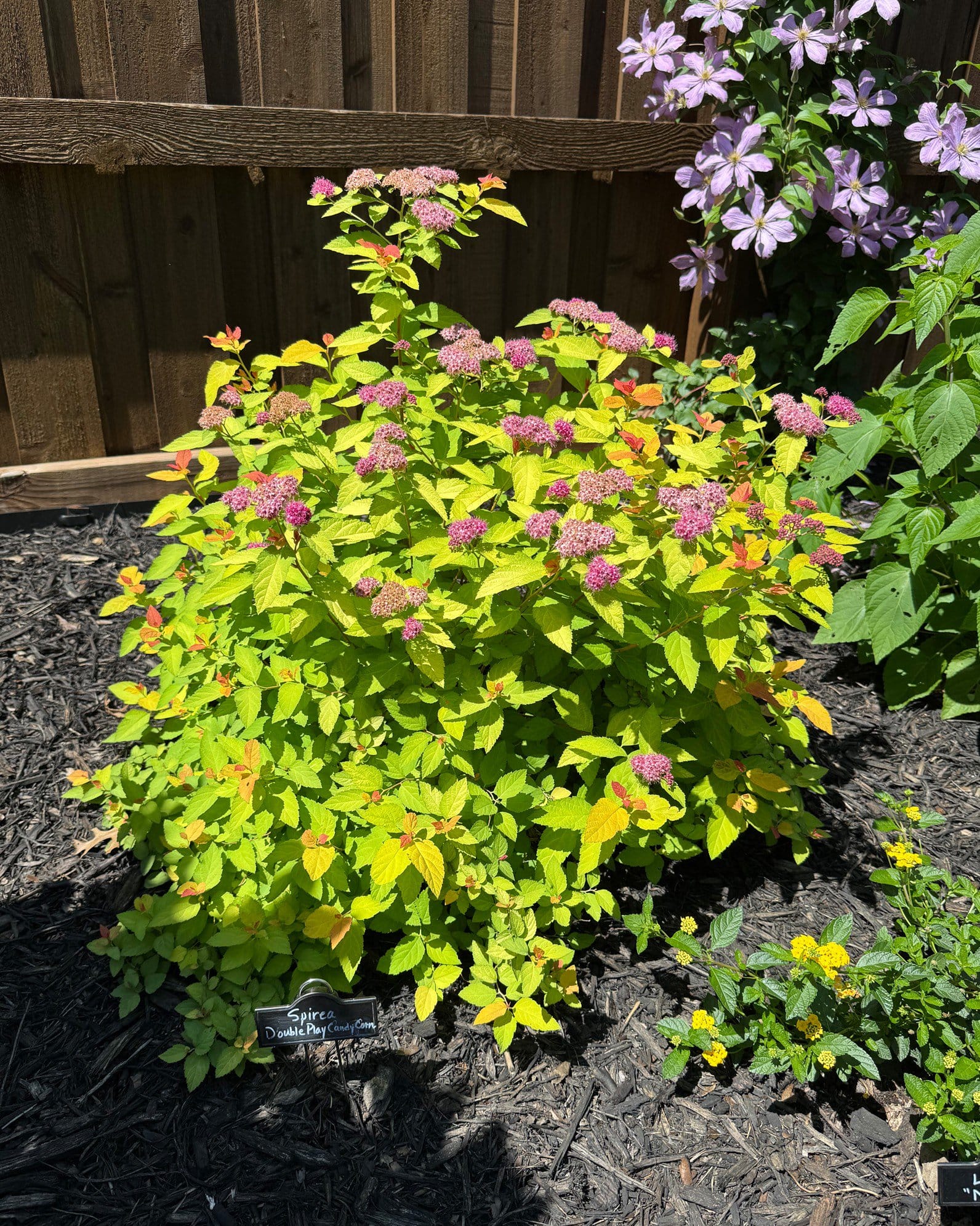
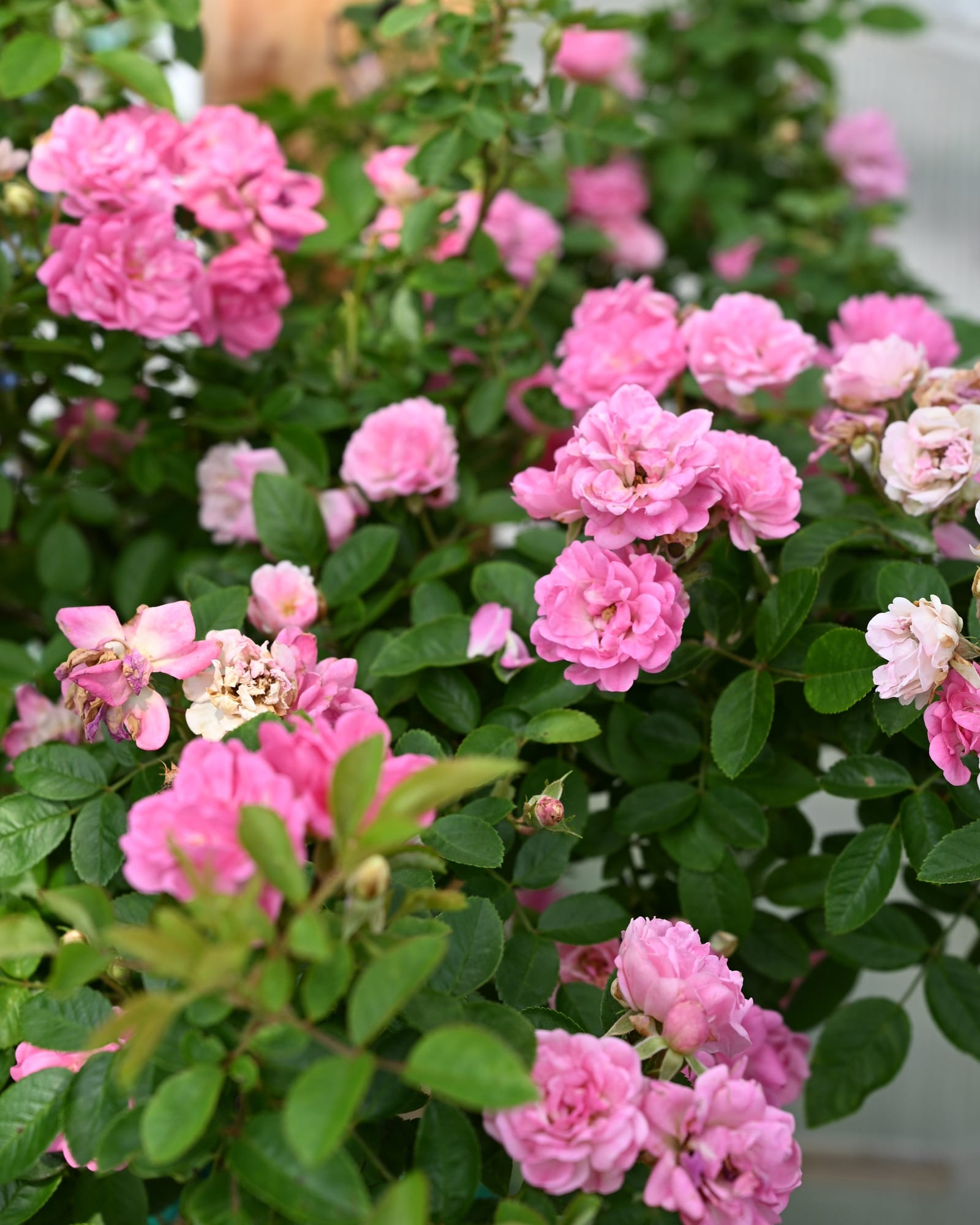
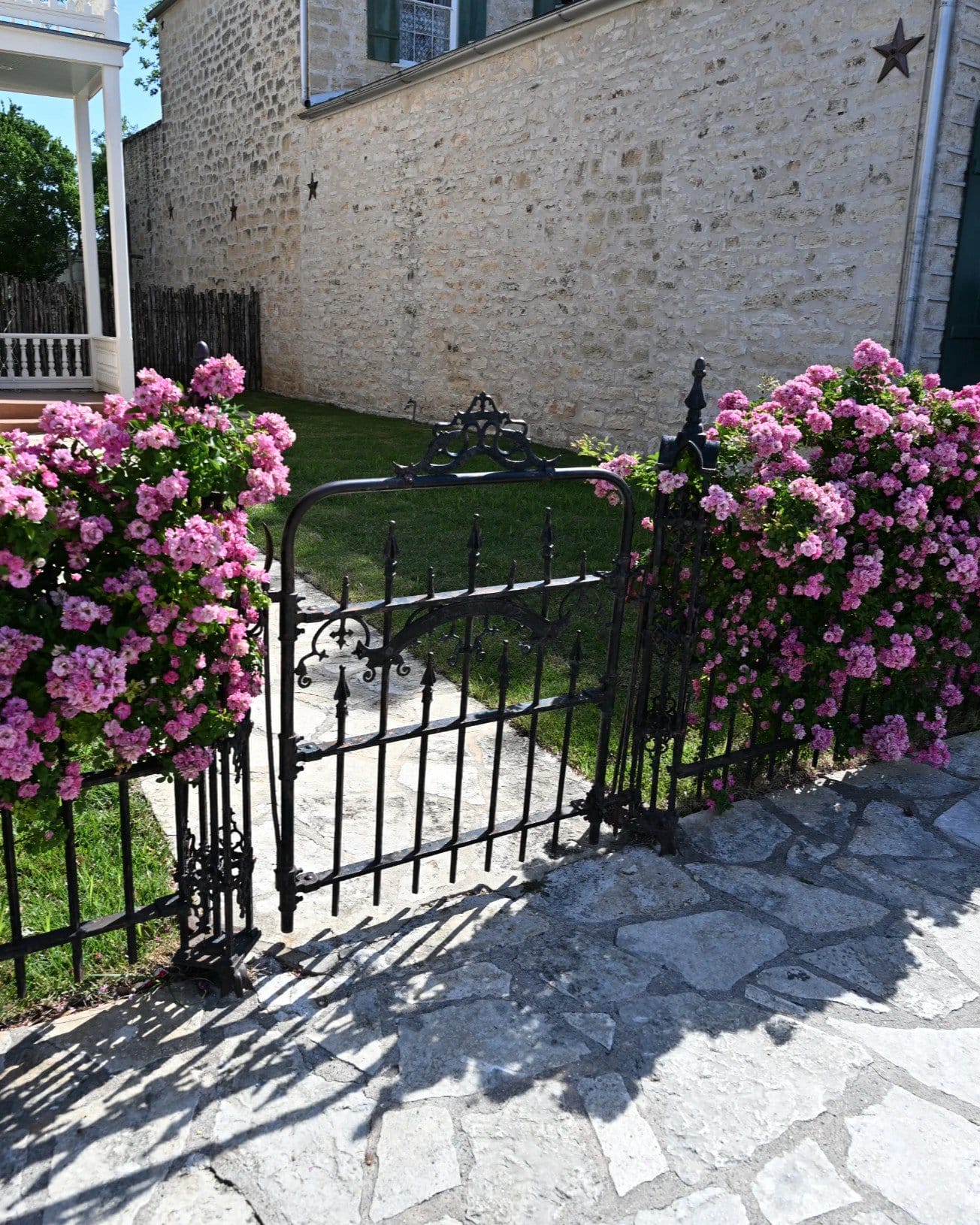
Peggy Martin Climbing Rose
Maturity: 15' H x 6' W
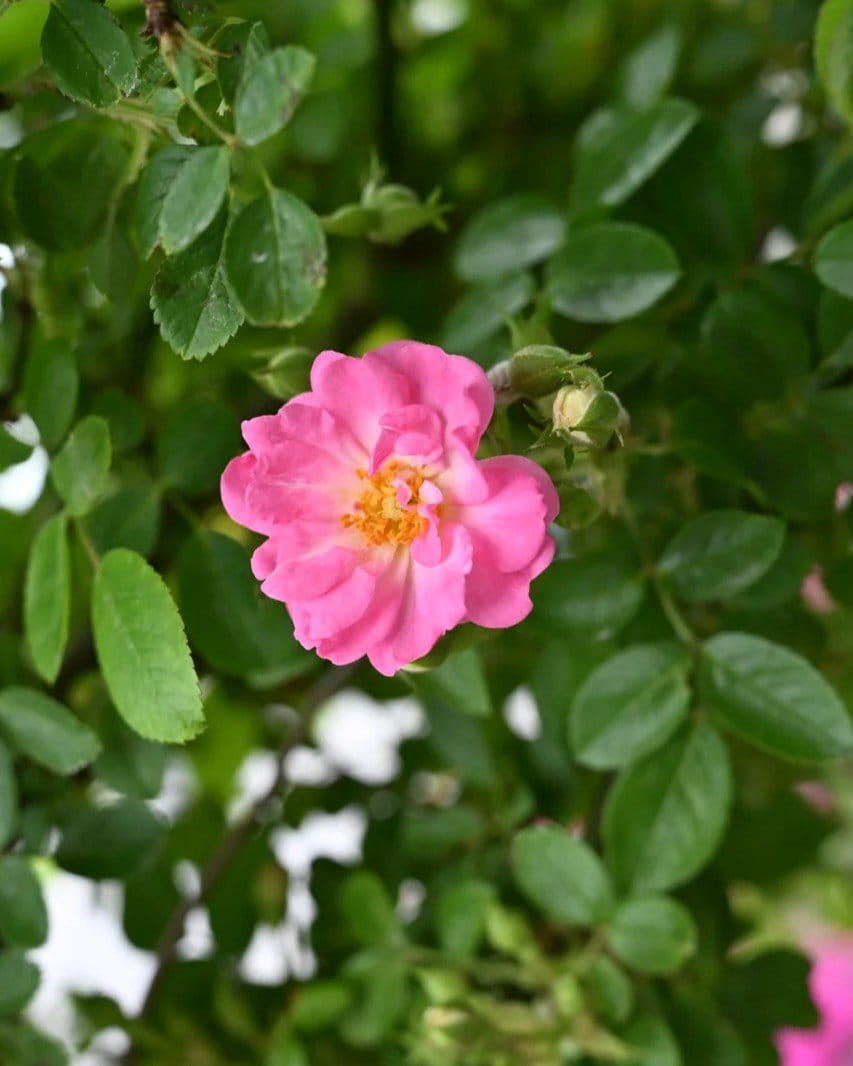
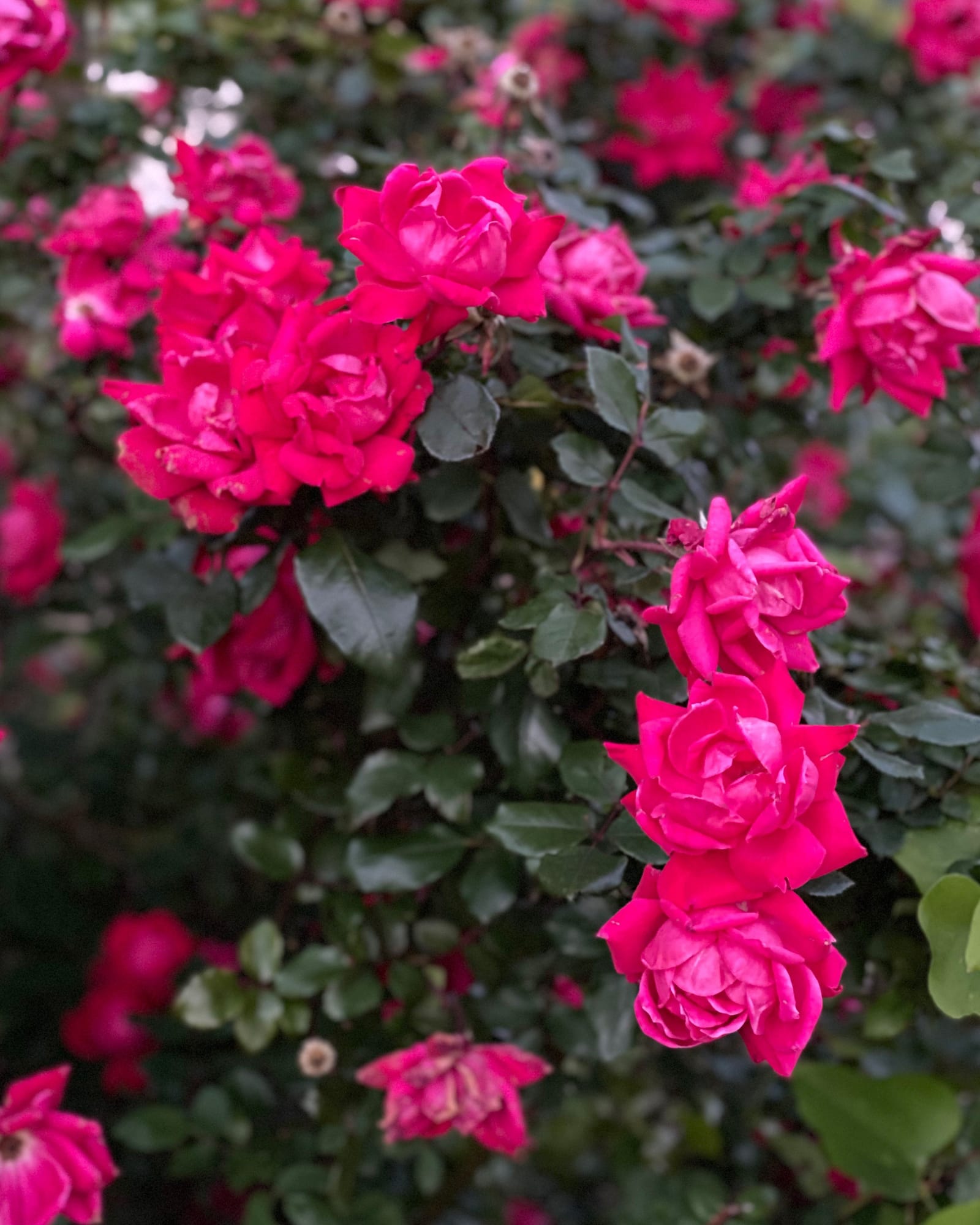
Pink Double Knock Out Rose
Maturity: 3' H x 3' W
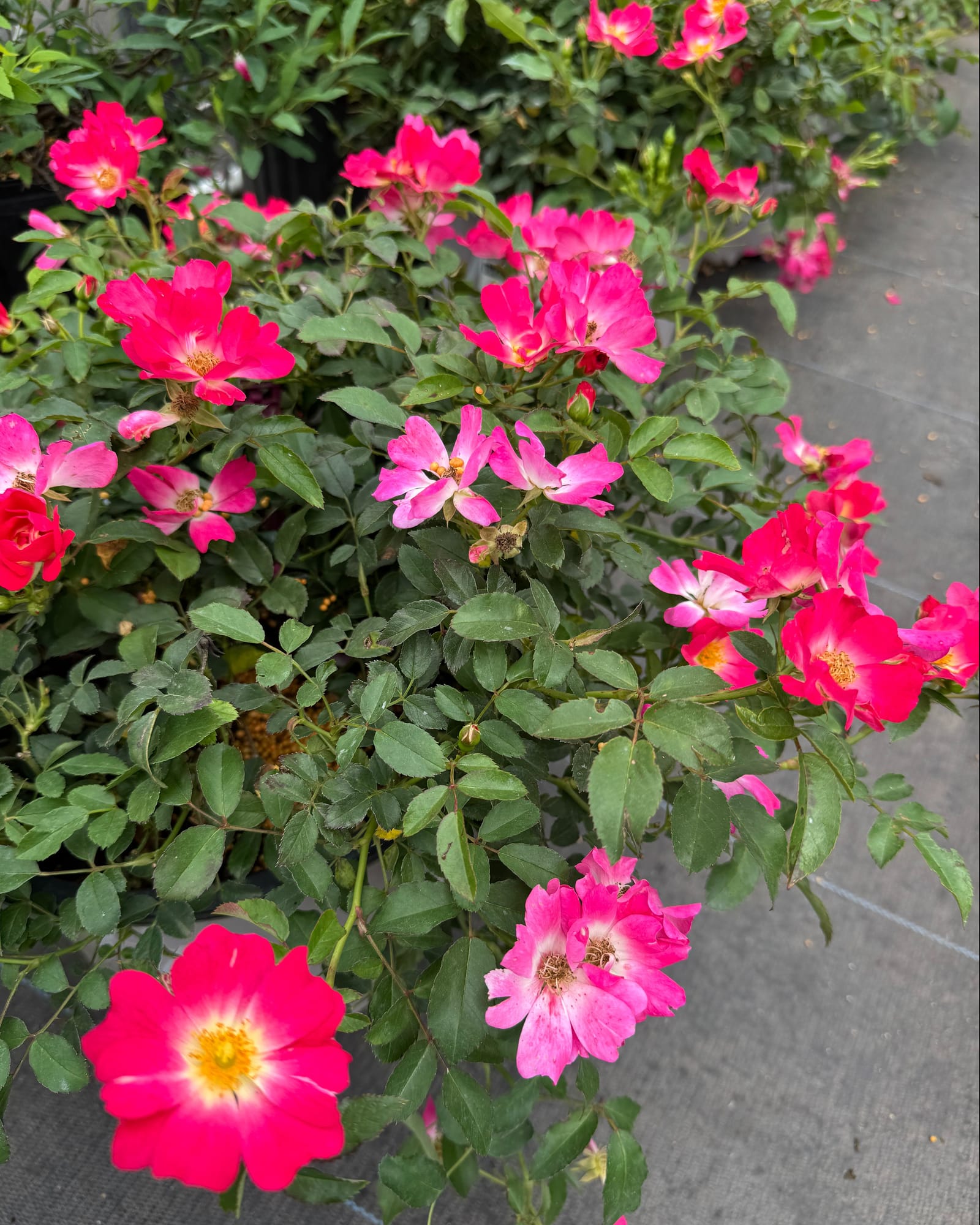
Pink Drift Rose
Maturity: 1' H x 2' W
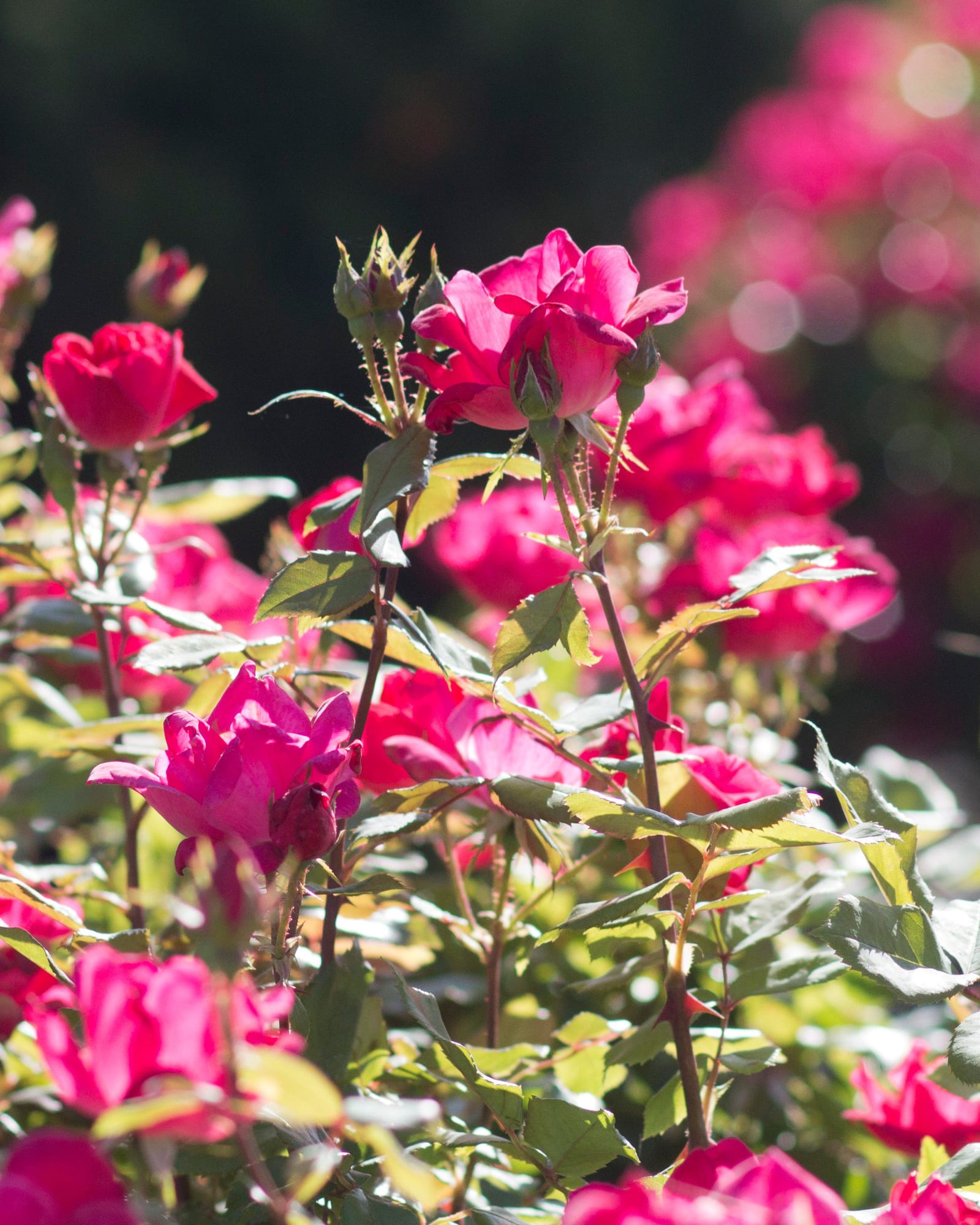
Red Double Knock Out Rose
Maturity: 3' H x 3' W
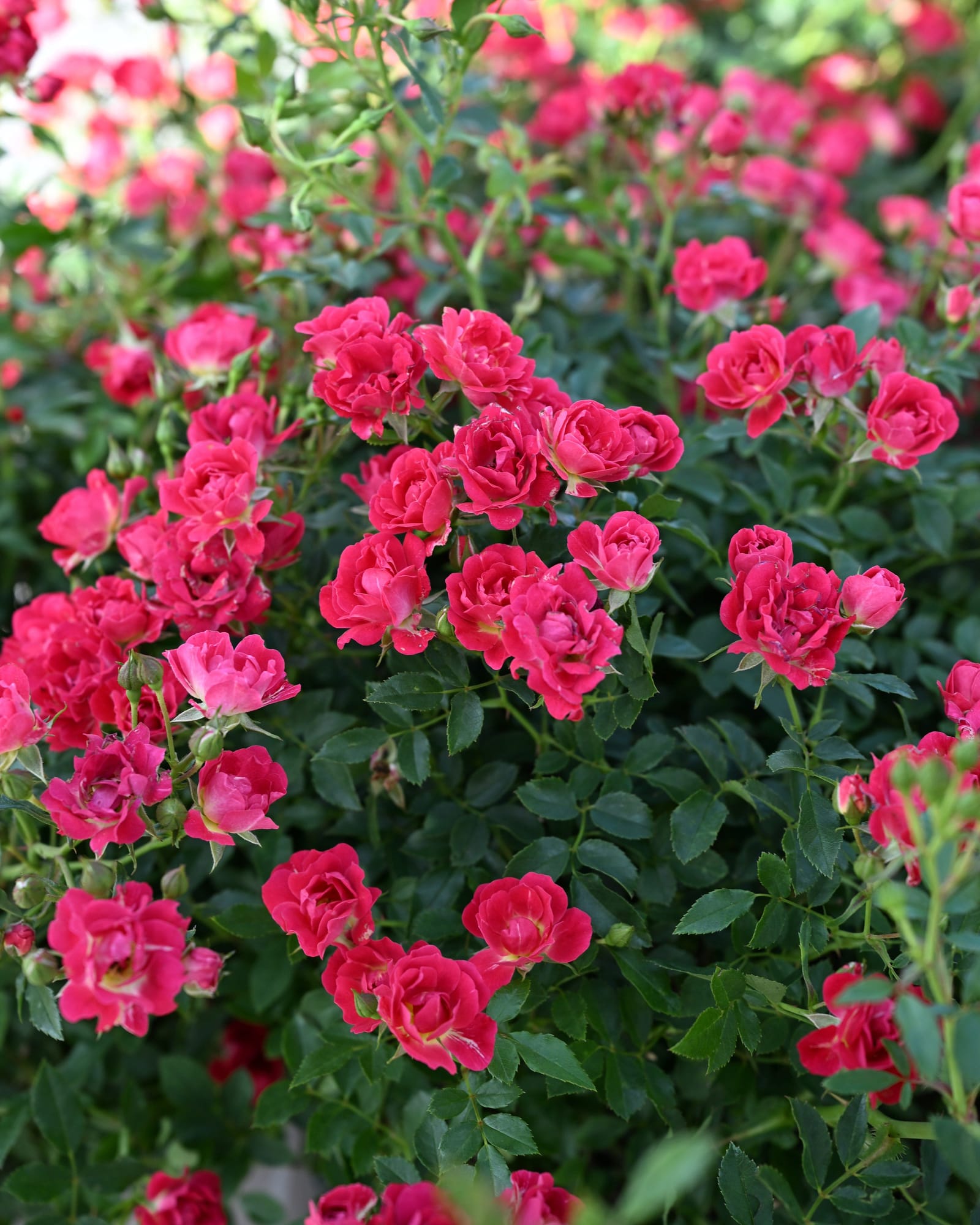
Red Drift Rose
Maturity: 1' H x 2' W
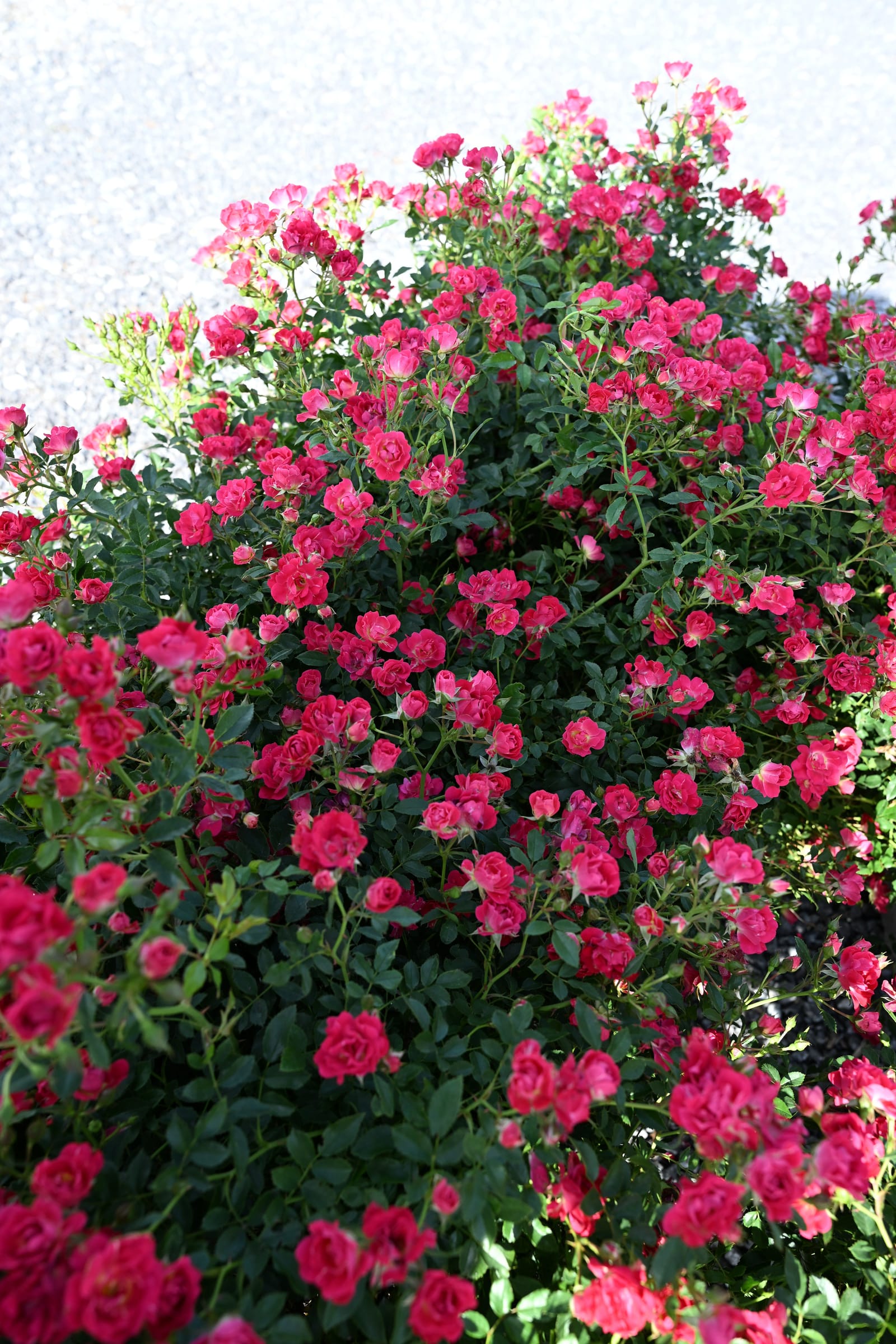
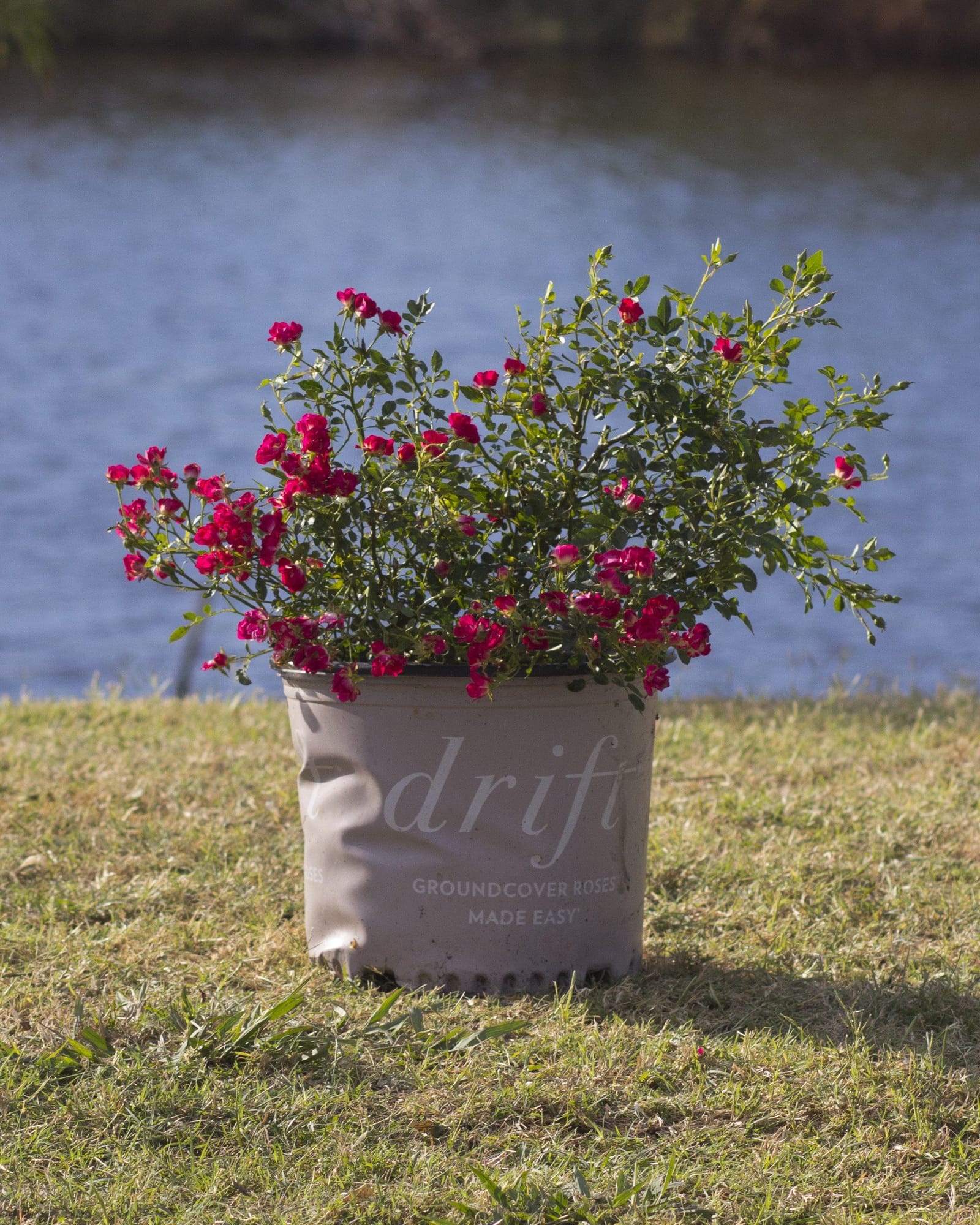
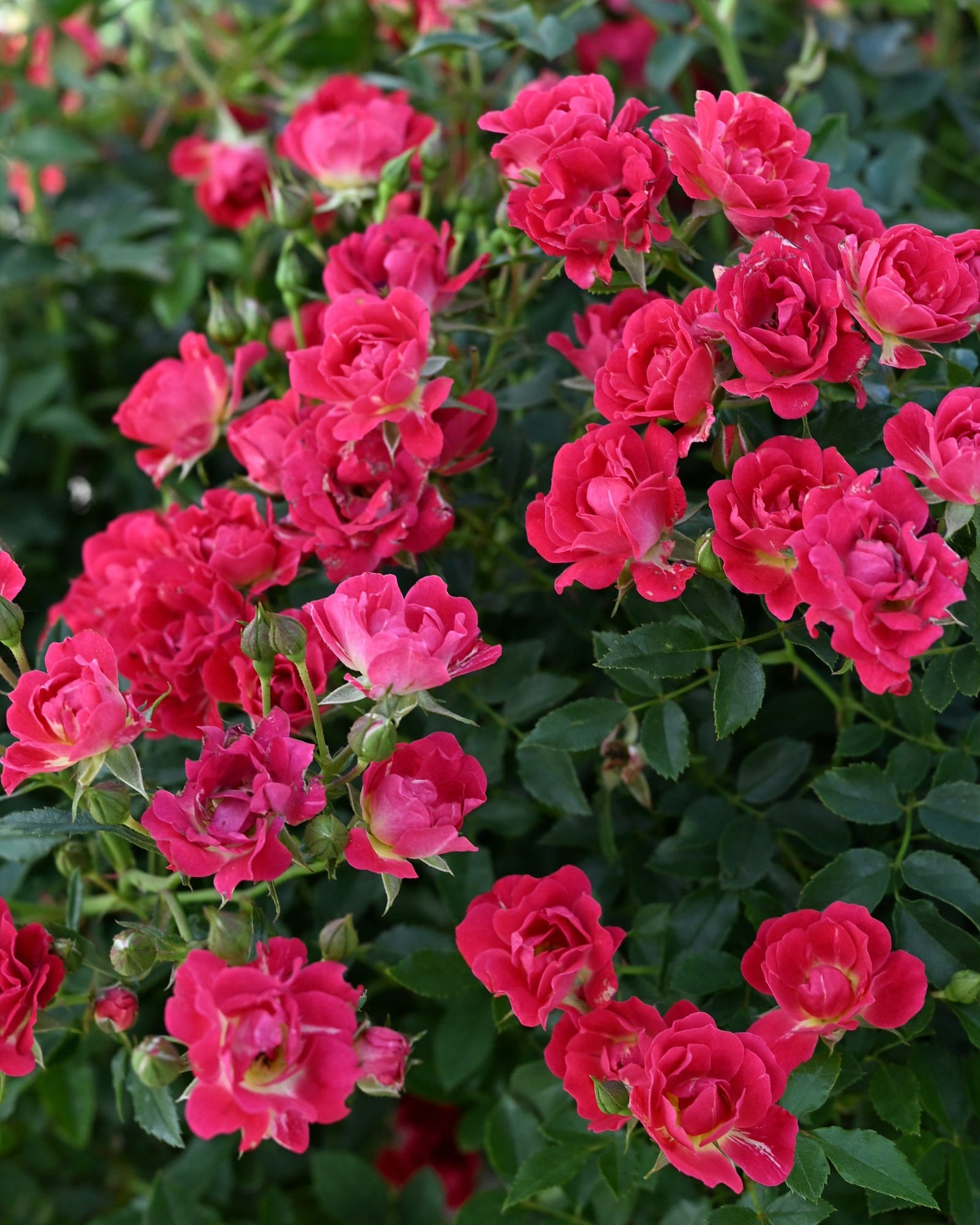
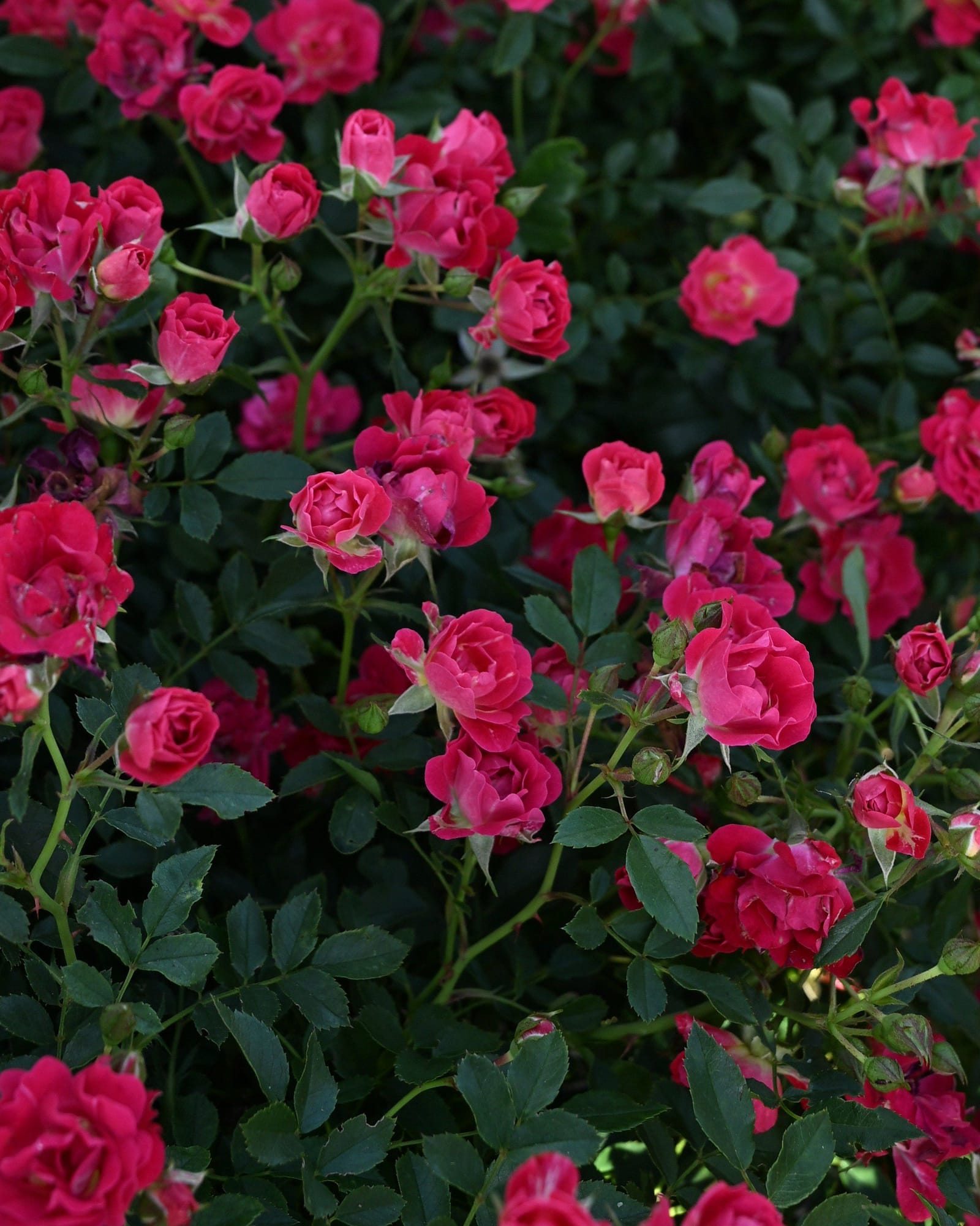
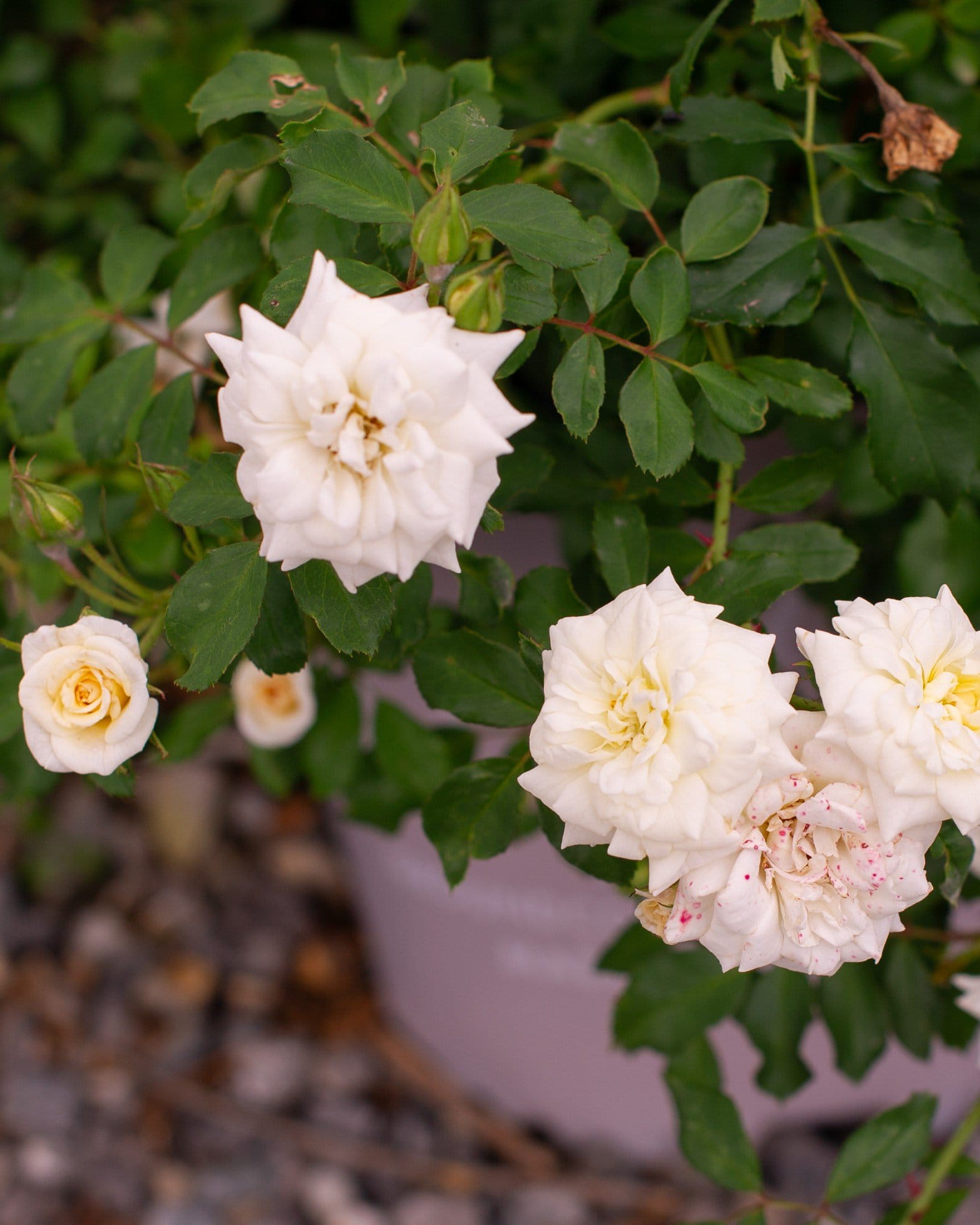
White Drift Rose
Maturity: 1' H x 2' W
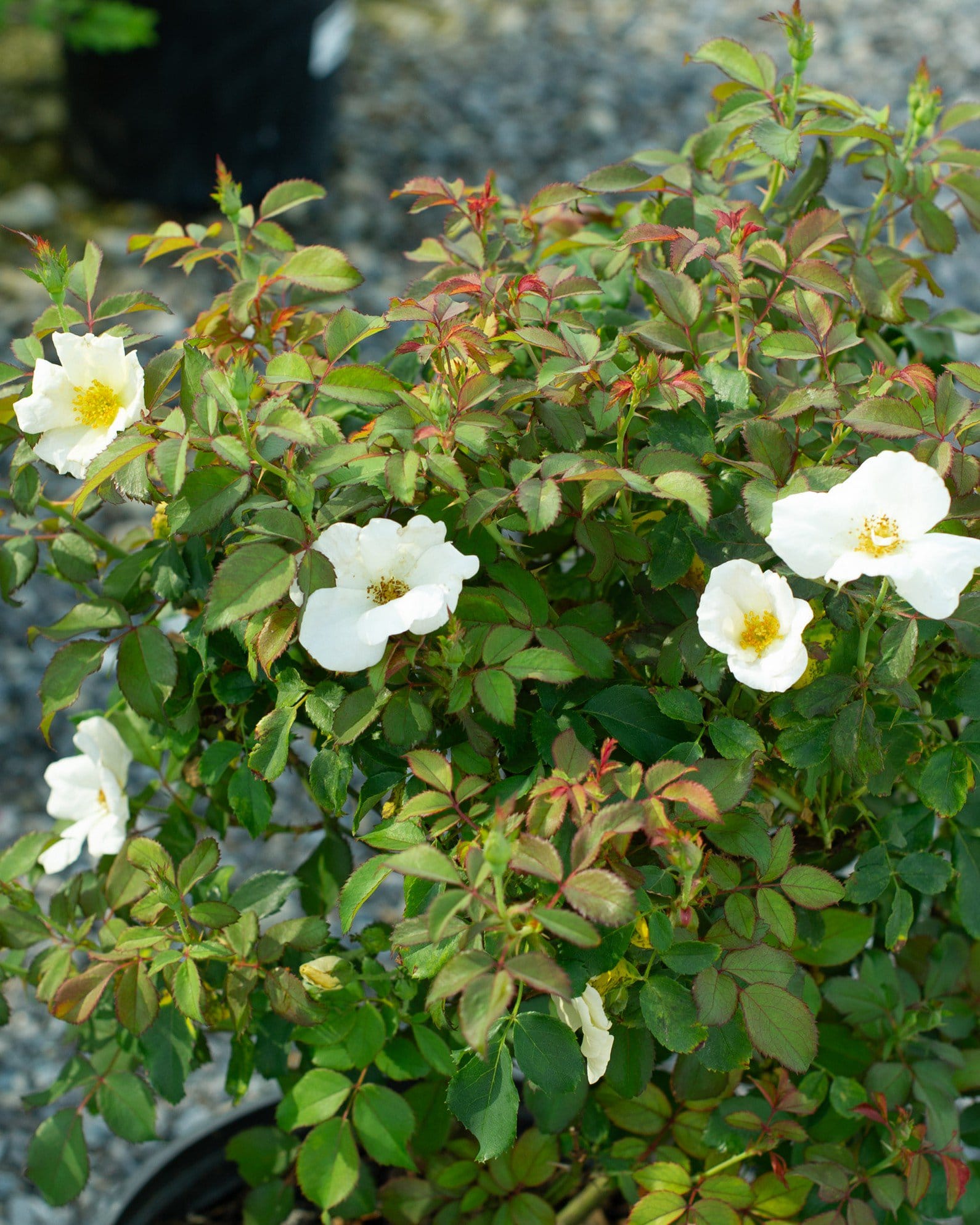
White Knock Out Rose
Maturity: 3' H x 3' W
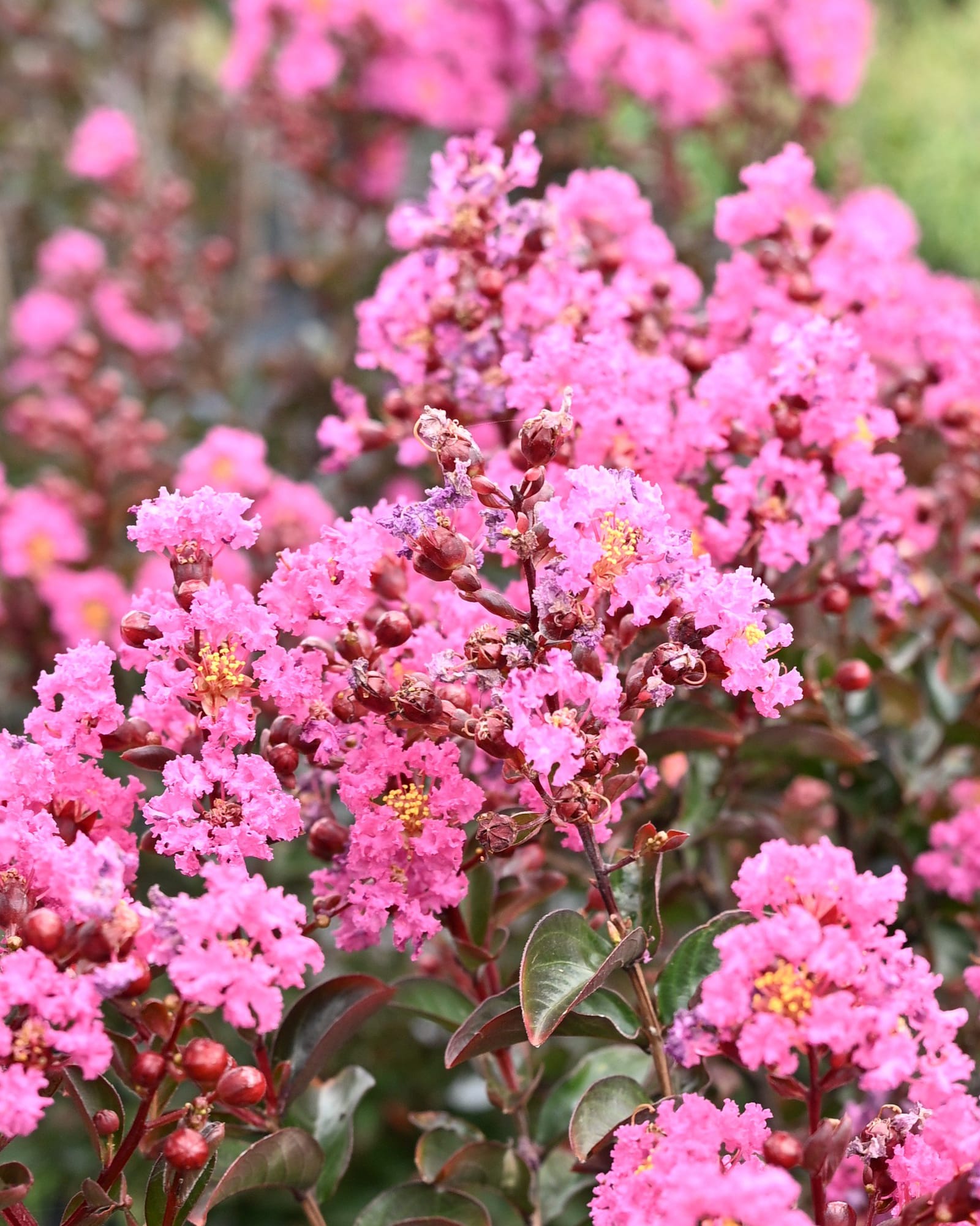
Dark Roast Crape Myrtle
Maturity: 3' H x 3' W
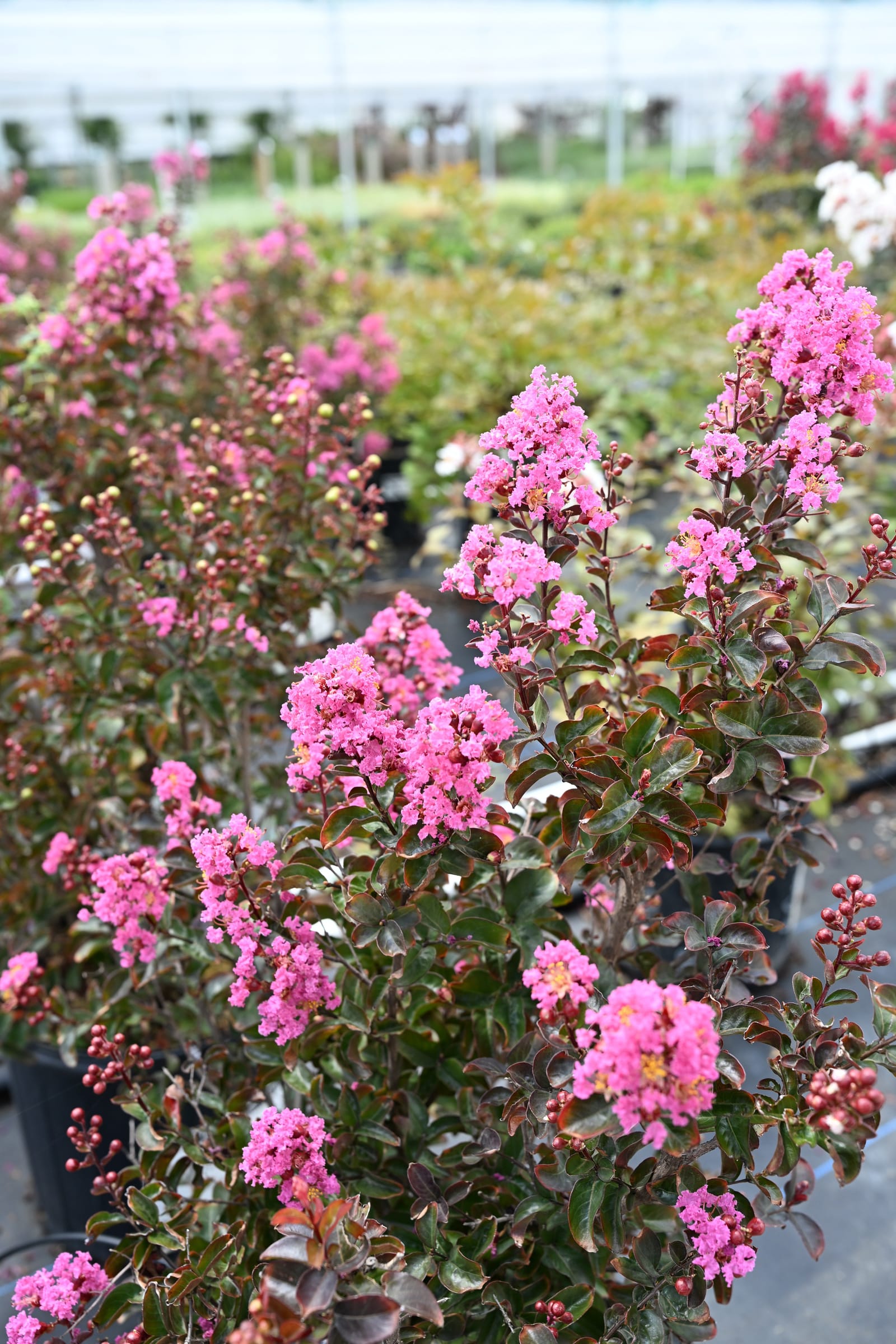
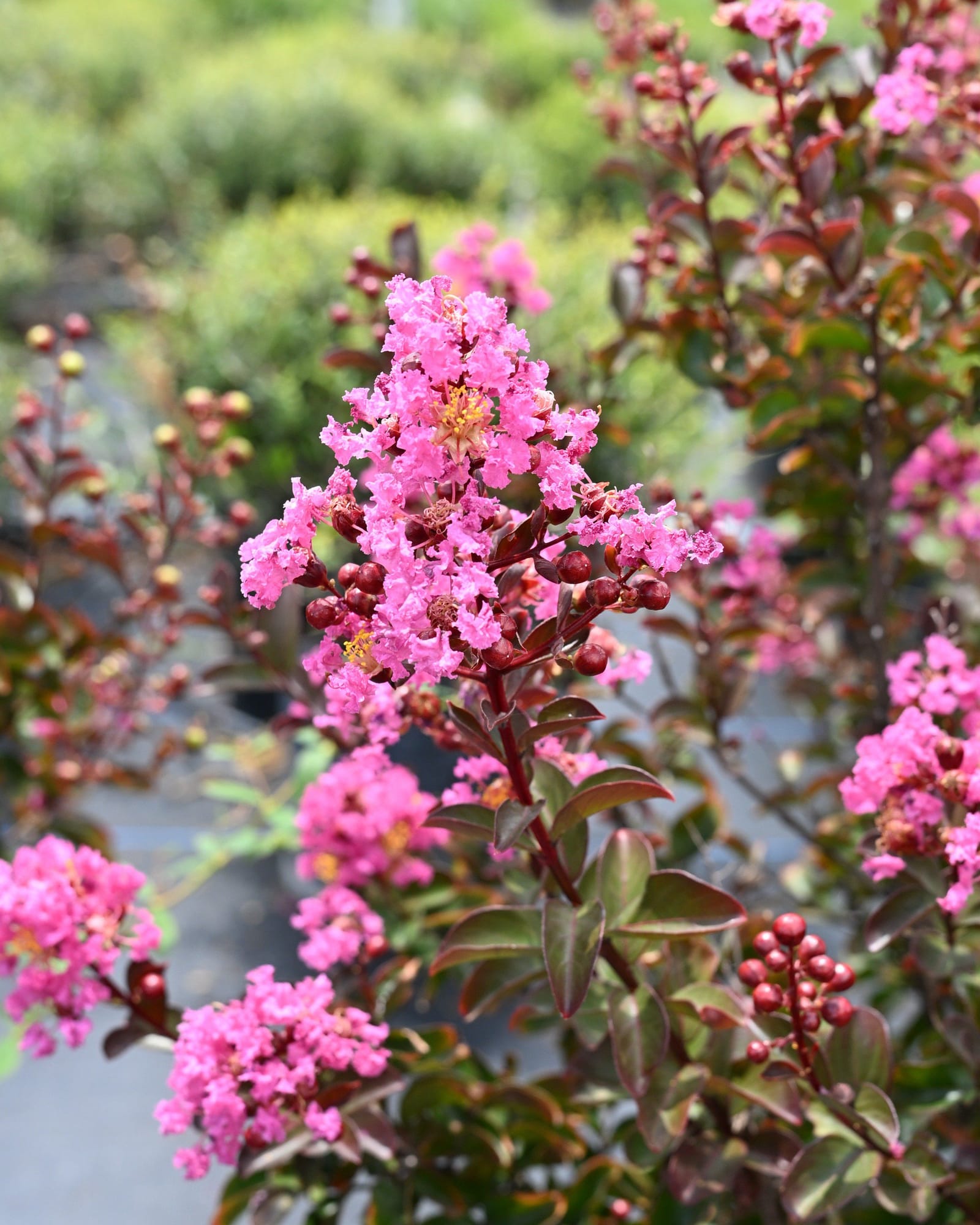
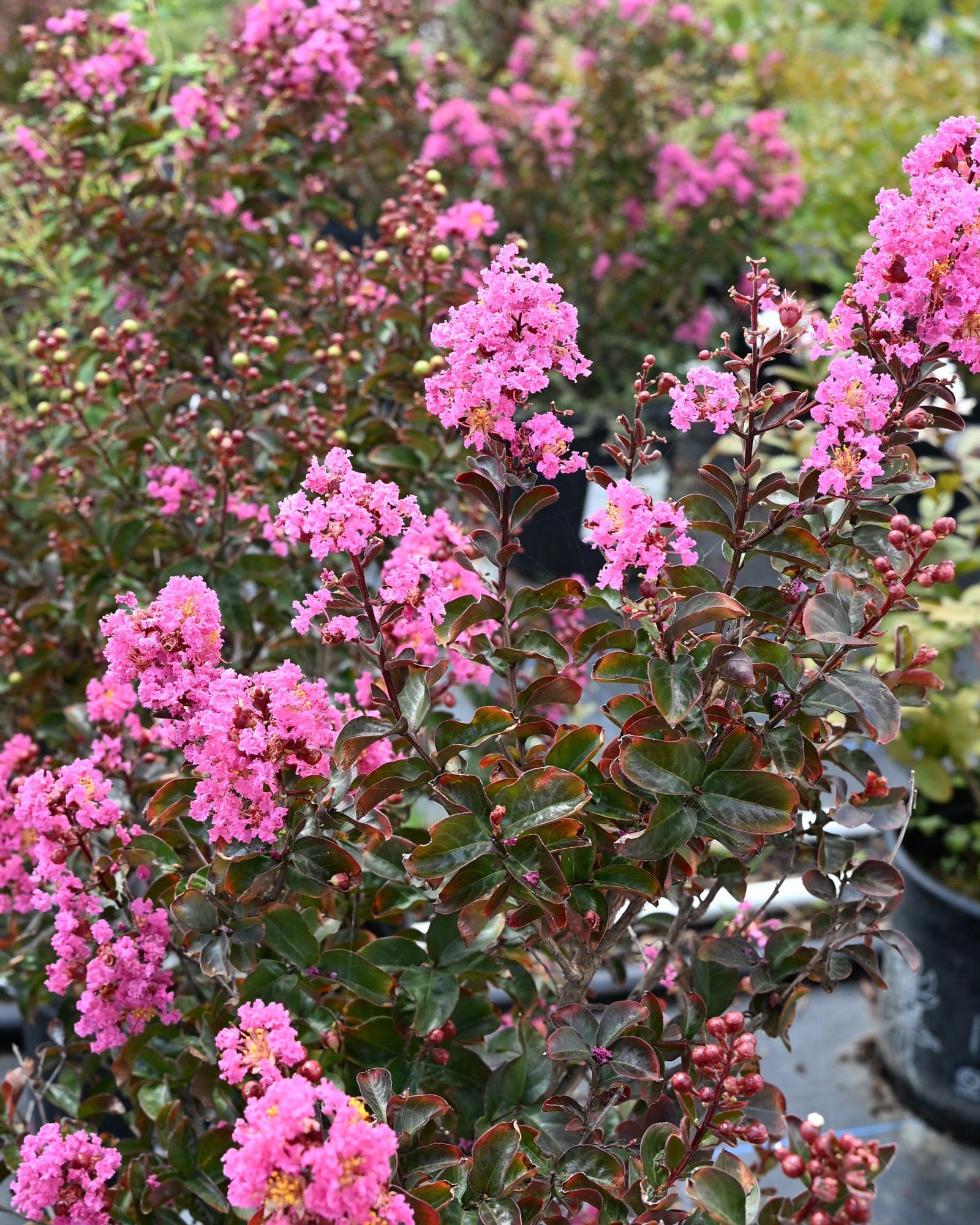
Enduring Lavender Crape Myrtle
Maturity: 4' H x 4' W
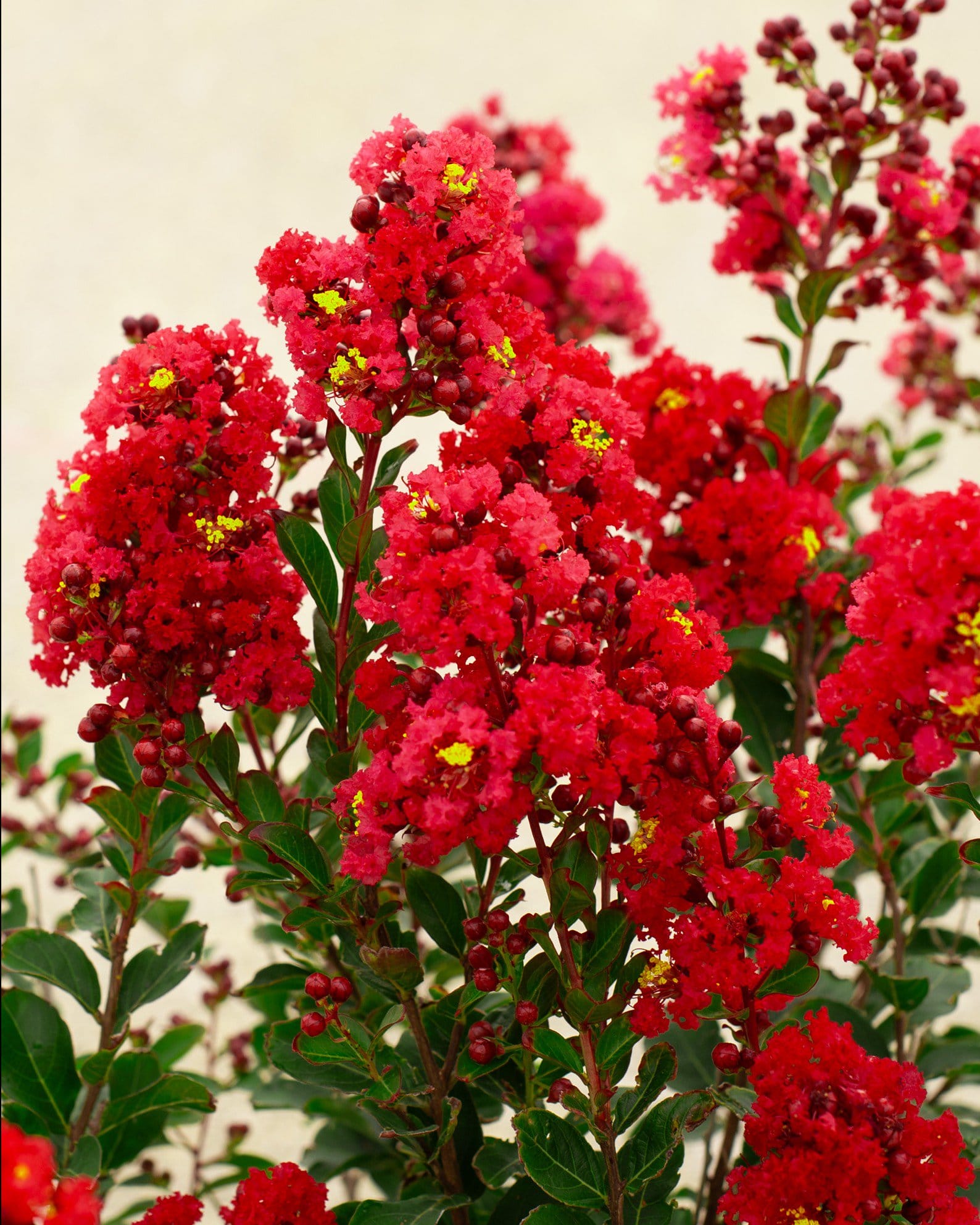
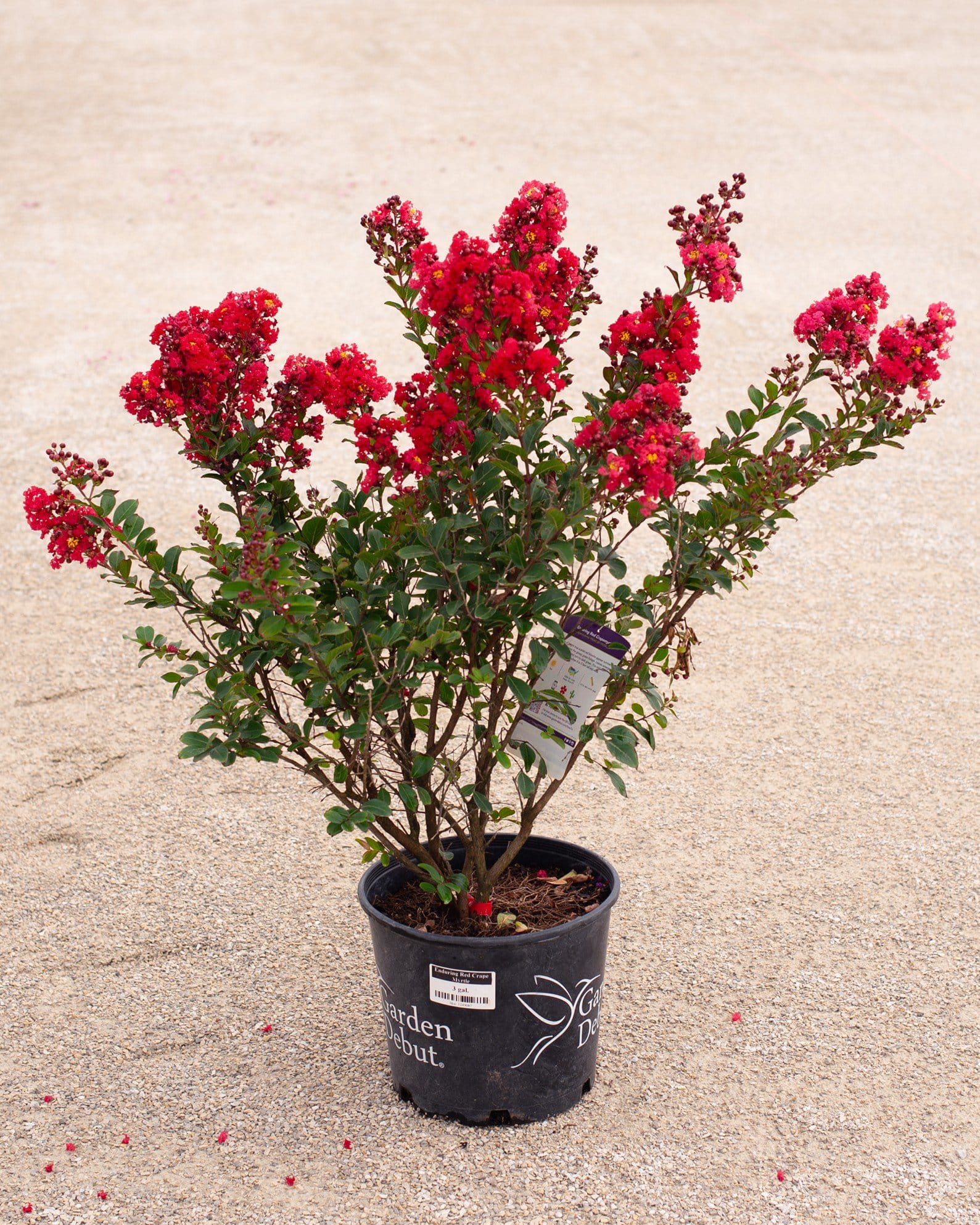
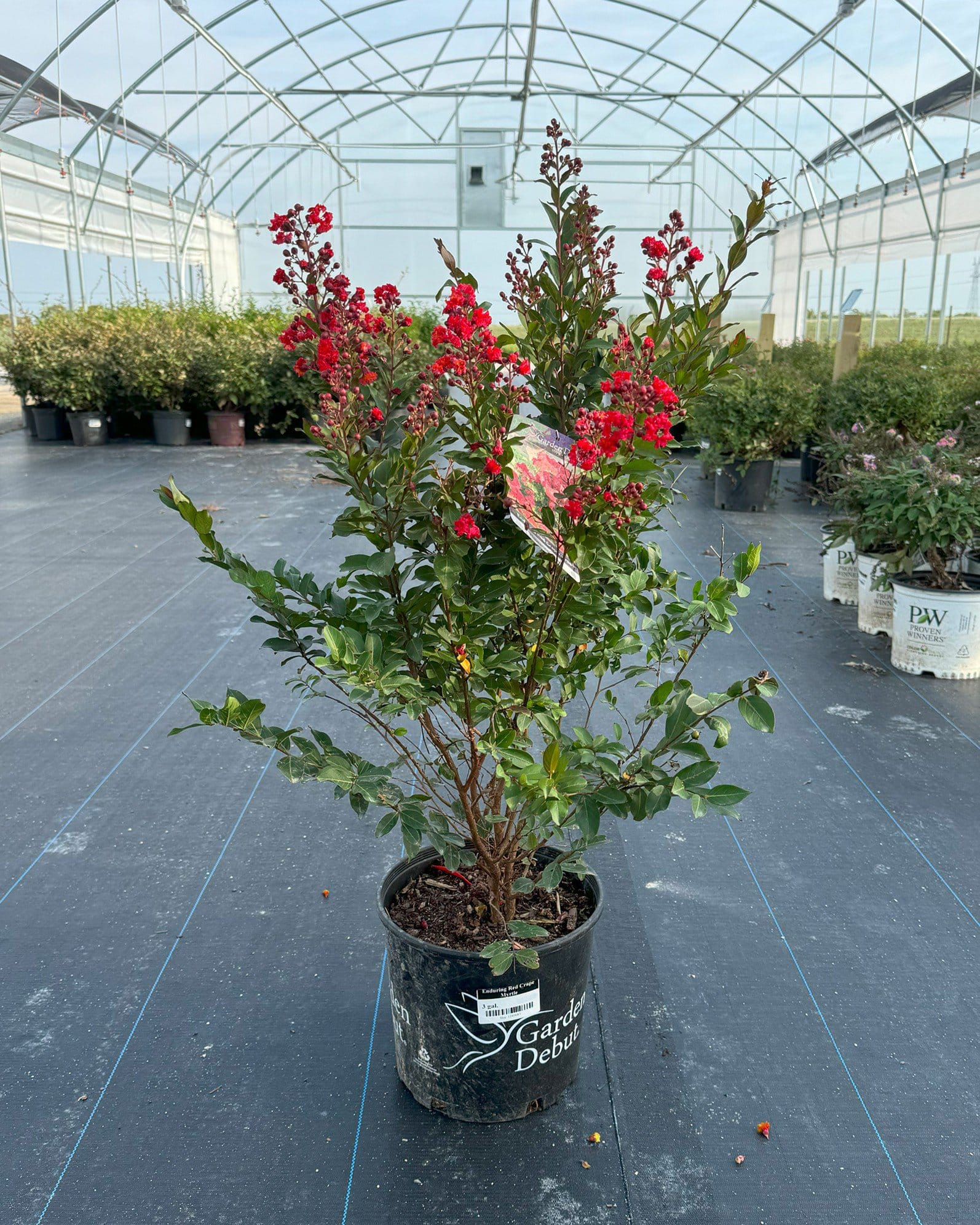
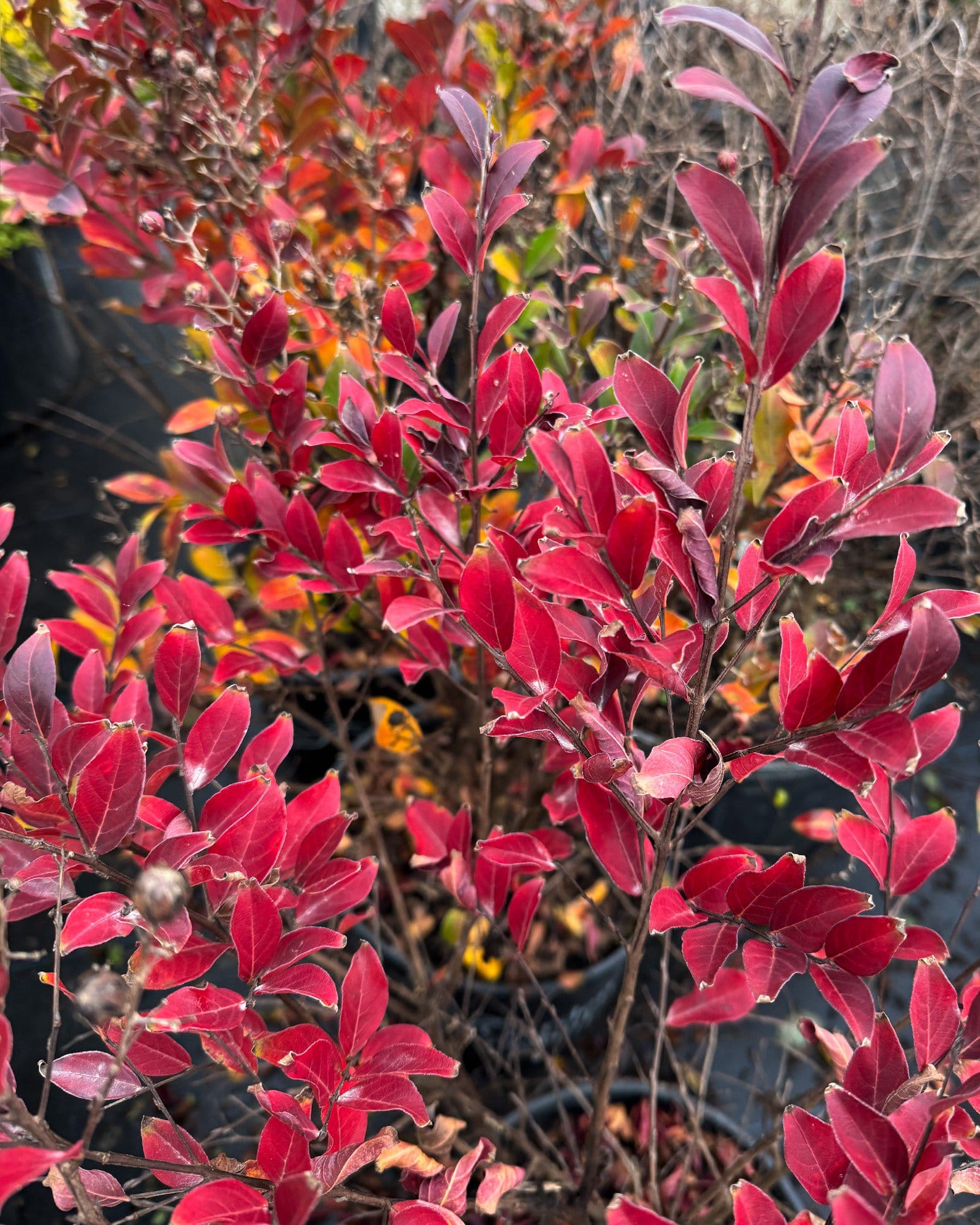
Enduring Red Crape Myrtle
Maturity: 4' H x 4' W
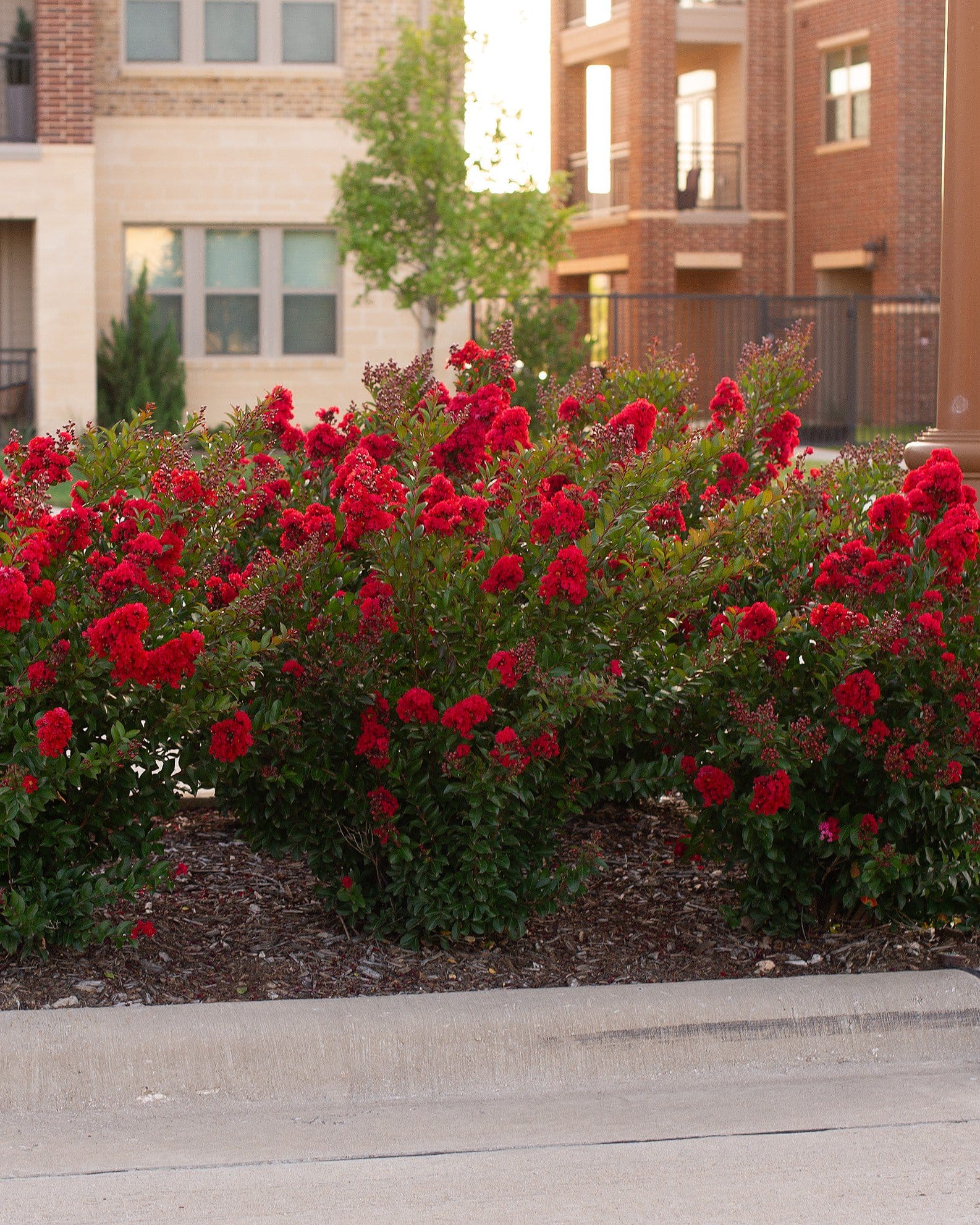
French Vanilla Crape Myrtle
Maturity: 2' H x 2' W
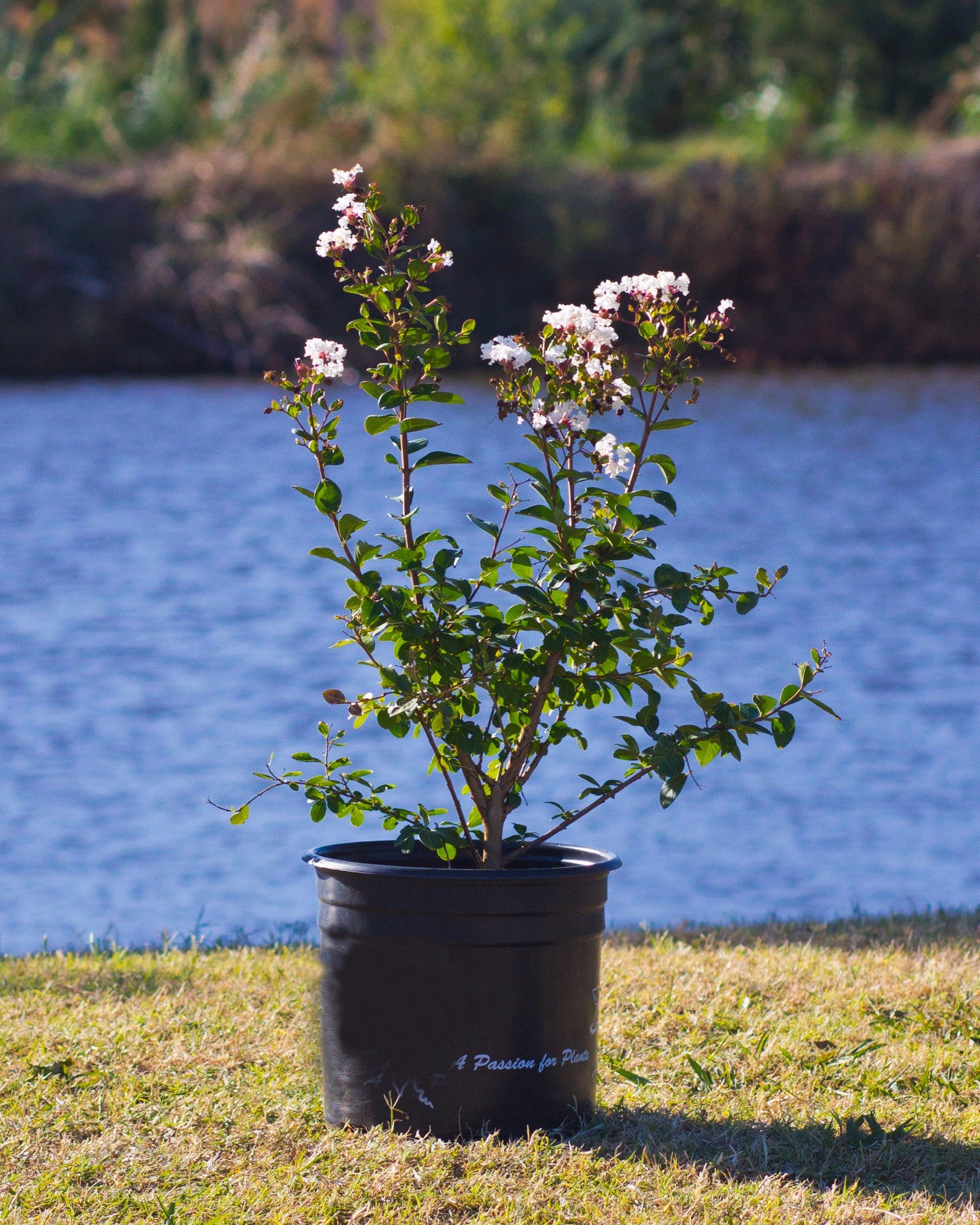
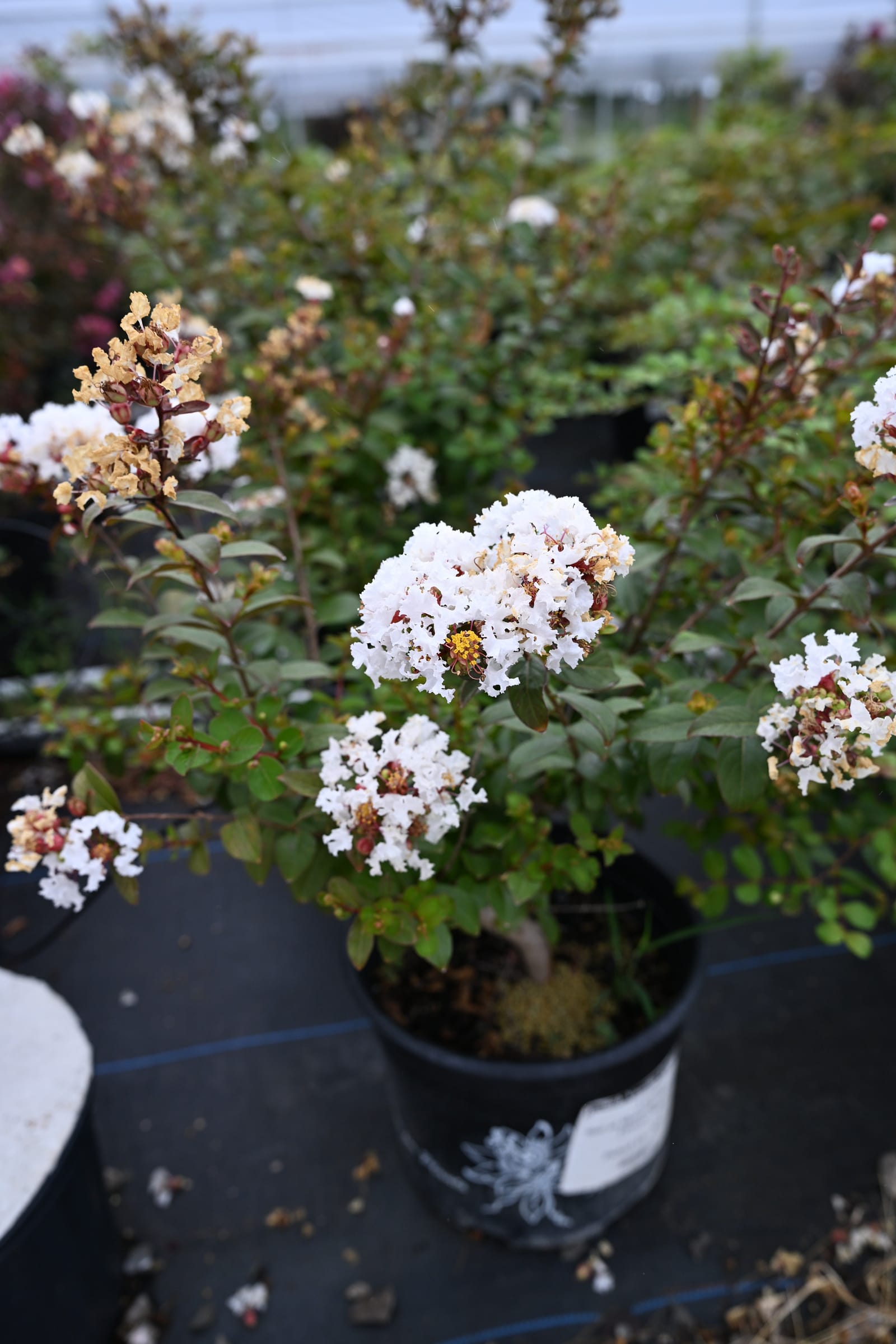
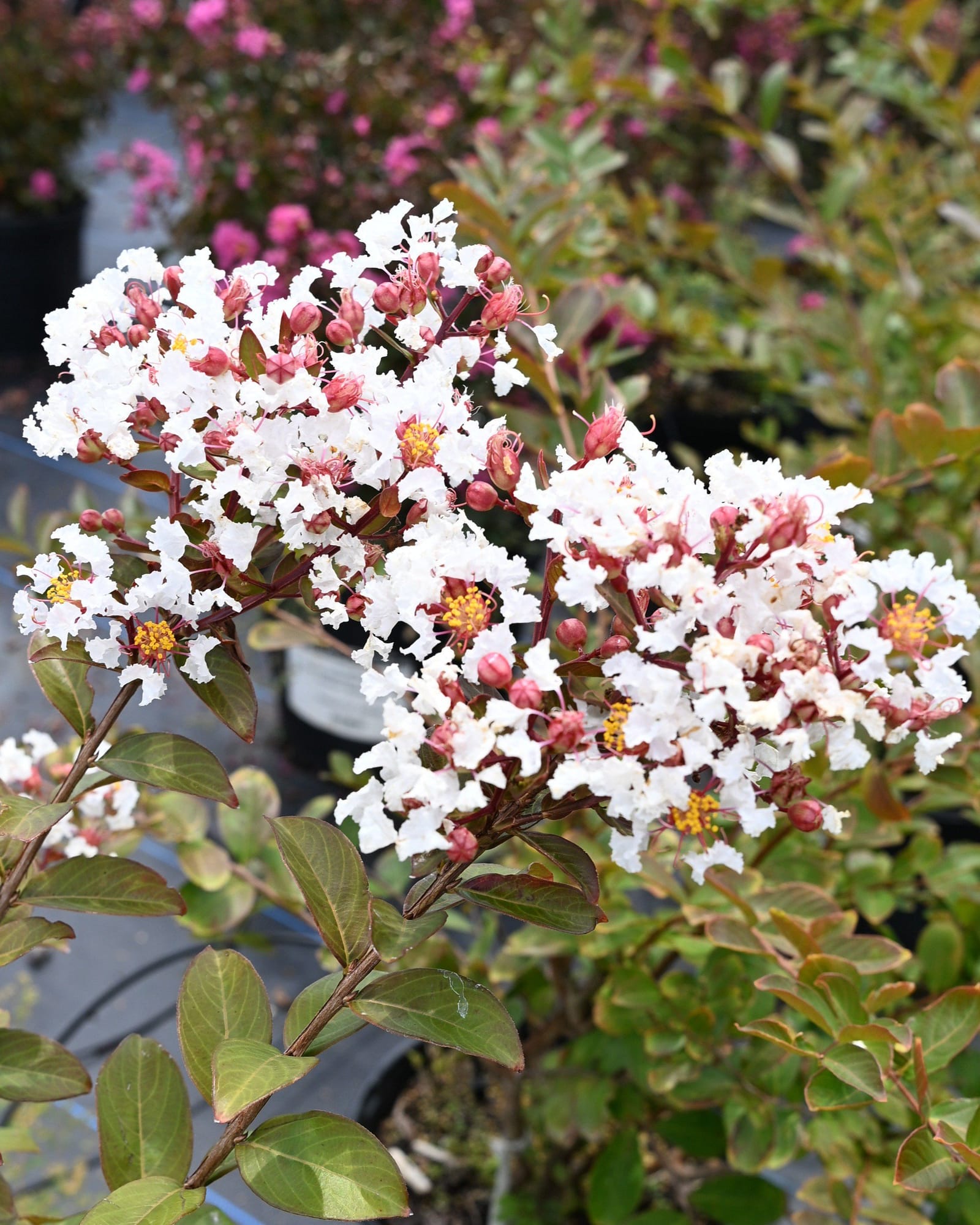
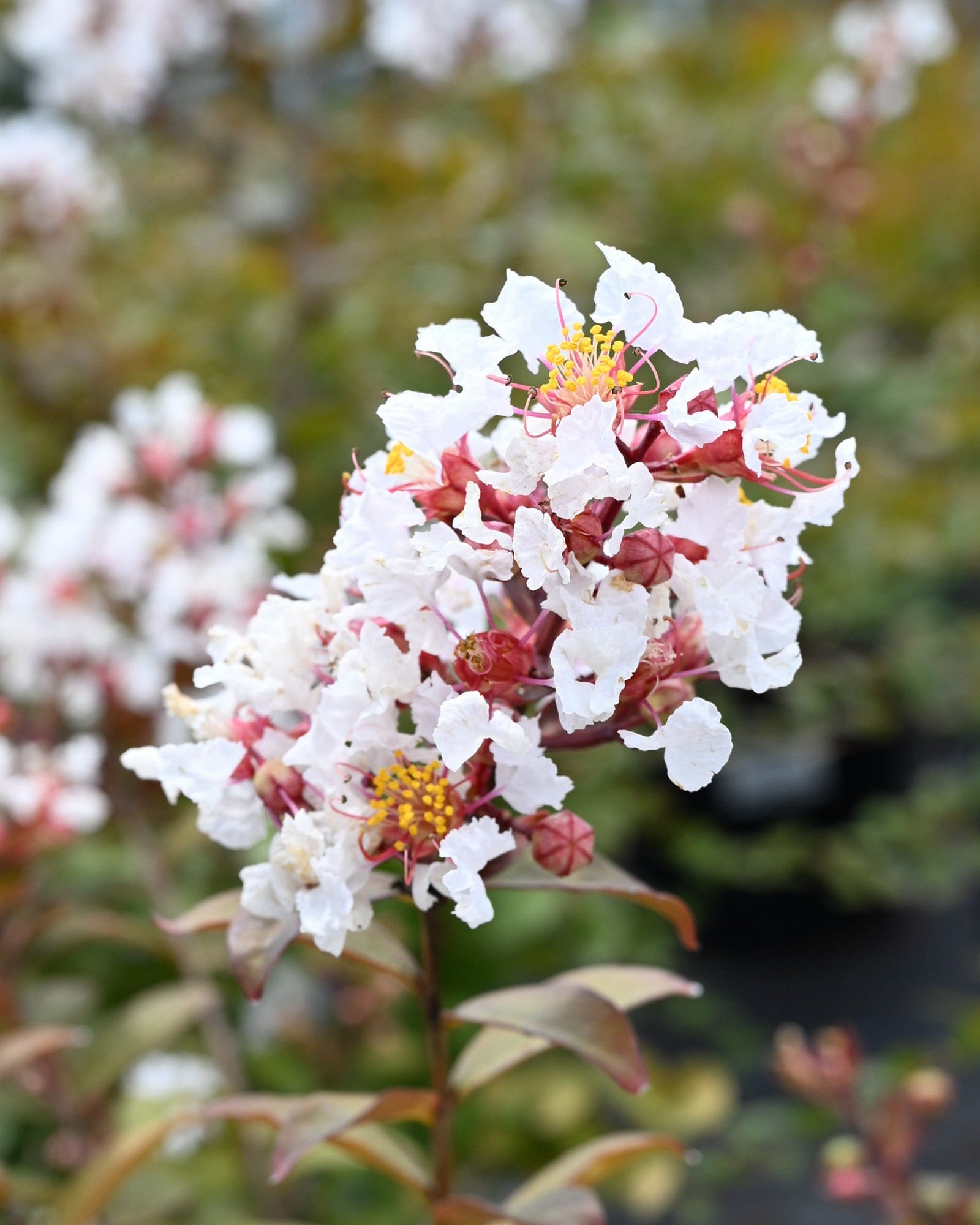
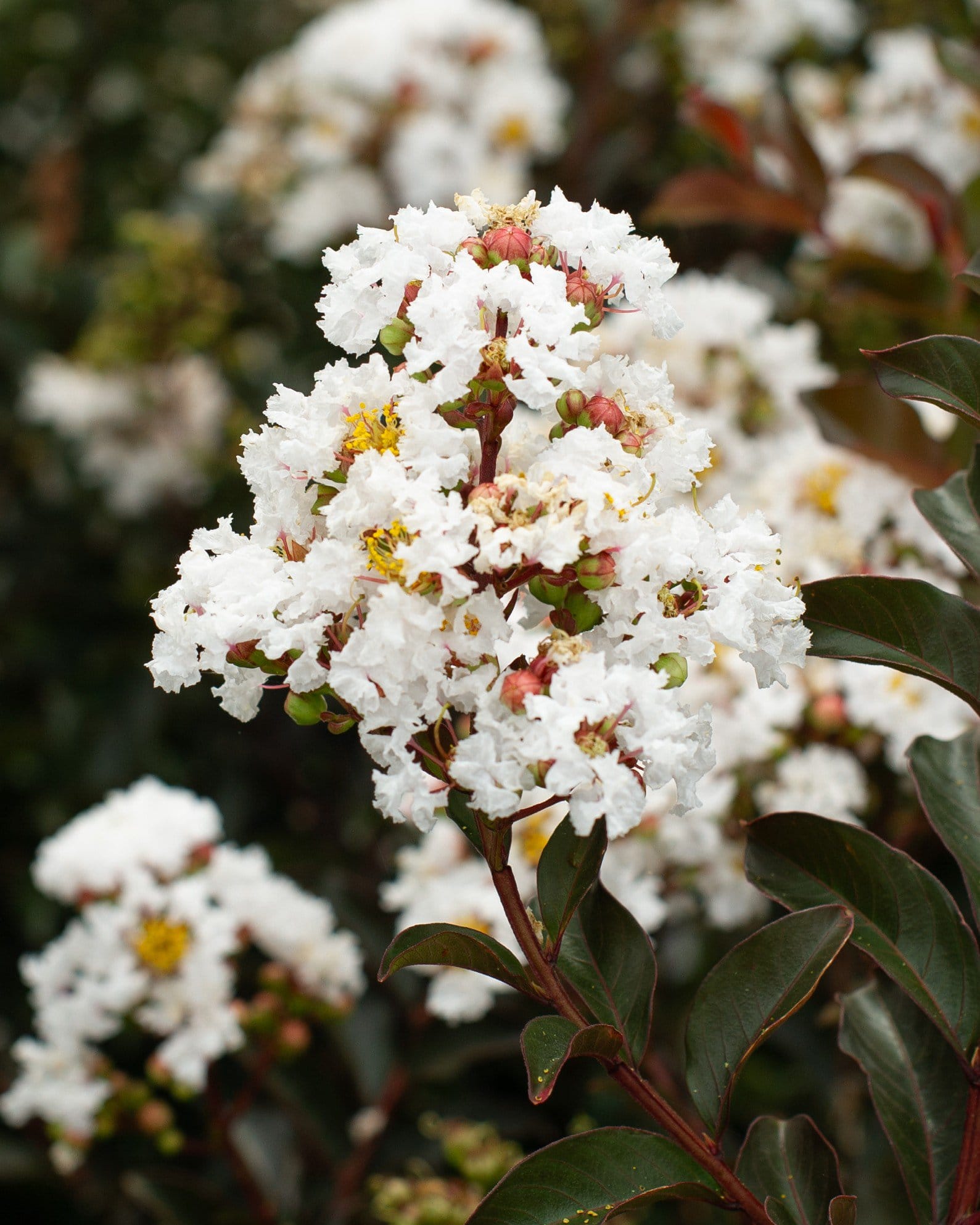
Like a Latte Crape Myrtle
Maturity: 3' H x 3' W
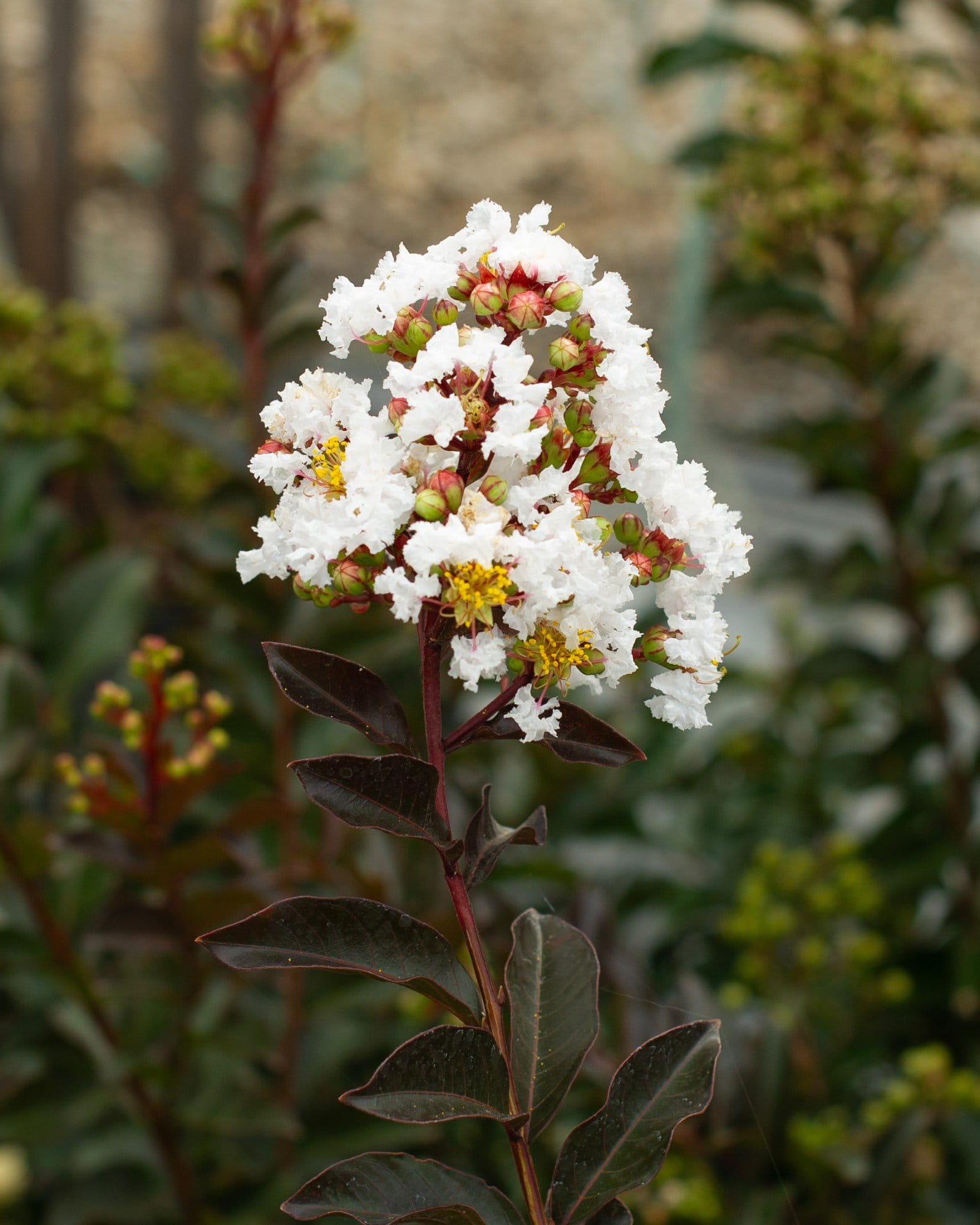
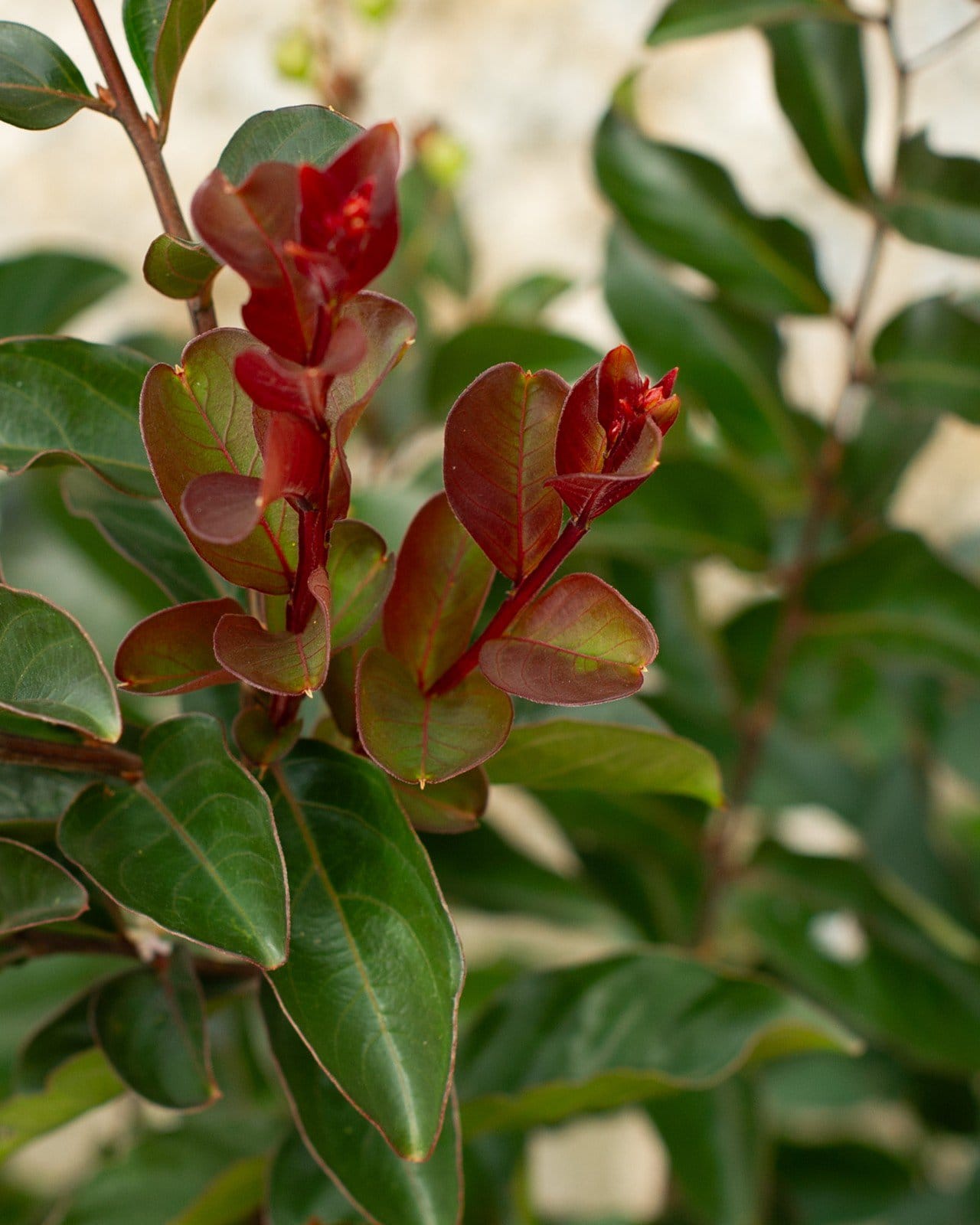
Compare Similar Plants
Crimson Pygmy Barberry This plant | ||
|---|---|---|
| Scientific Name | Berberis thunbergii ‘Crimson Pygmy’ | Berberis thunbergii ‘Orange Rocket’ |
| Size at Maturity | 2' H x 2' W | 4' H x 2' W |
| Leaf Retention | Deciduous | Deciduous |
| Fall Color | Red | Red |
| Flower Color | Yellow | Yellow |
| Bloom Times | Spring | Spring |
| Sizes Available | 3 gal | 1.5, 3 gal |


Our 1-Year Planting Guarantee
We take pride in our plants and installation services. If any plants or trees installed by Treeland fail to thrive within the first year, we'll provide a replacement credit in accordance with our guarantee program.
Learn More About Our Guarantee