

 Popular
Peggy Martin Climbing Rose
Rosa ‘Peggy Martin’Local DFW Delivery Only
Product Details
Peggy Martin Climbing Rose
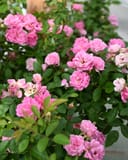
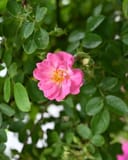
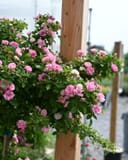
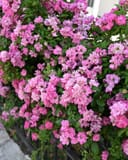
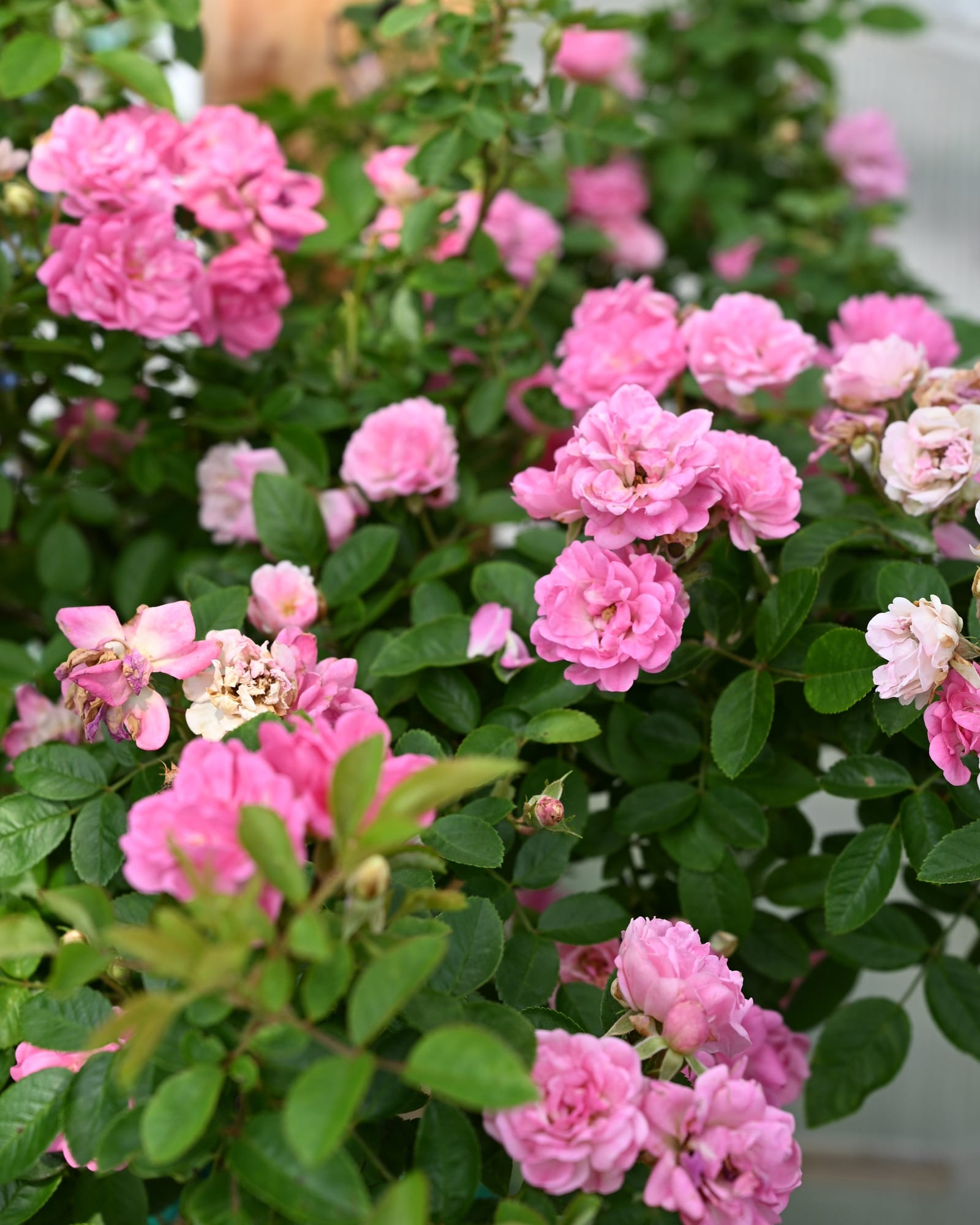
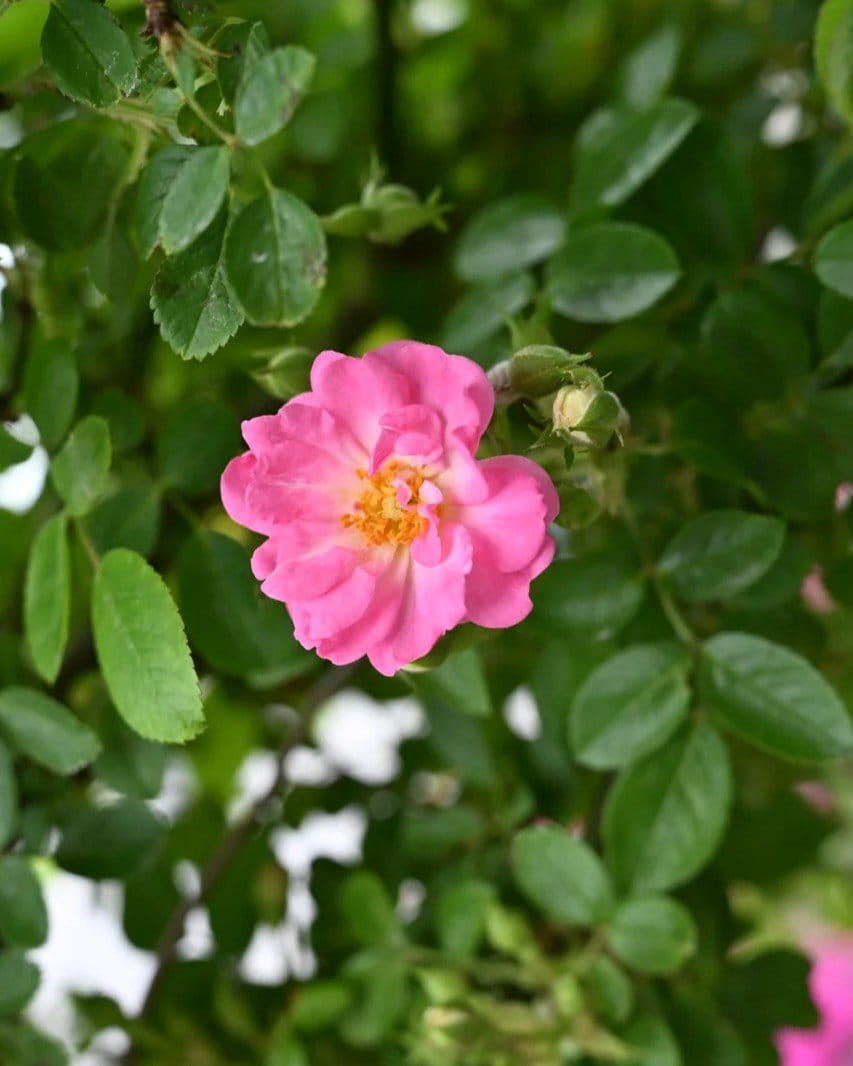
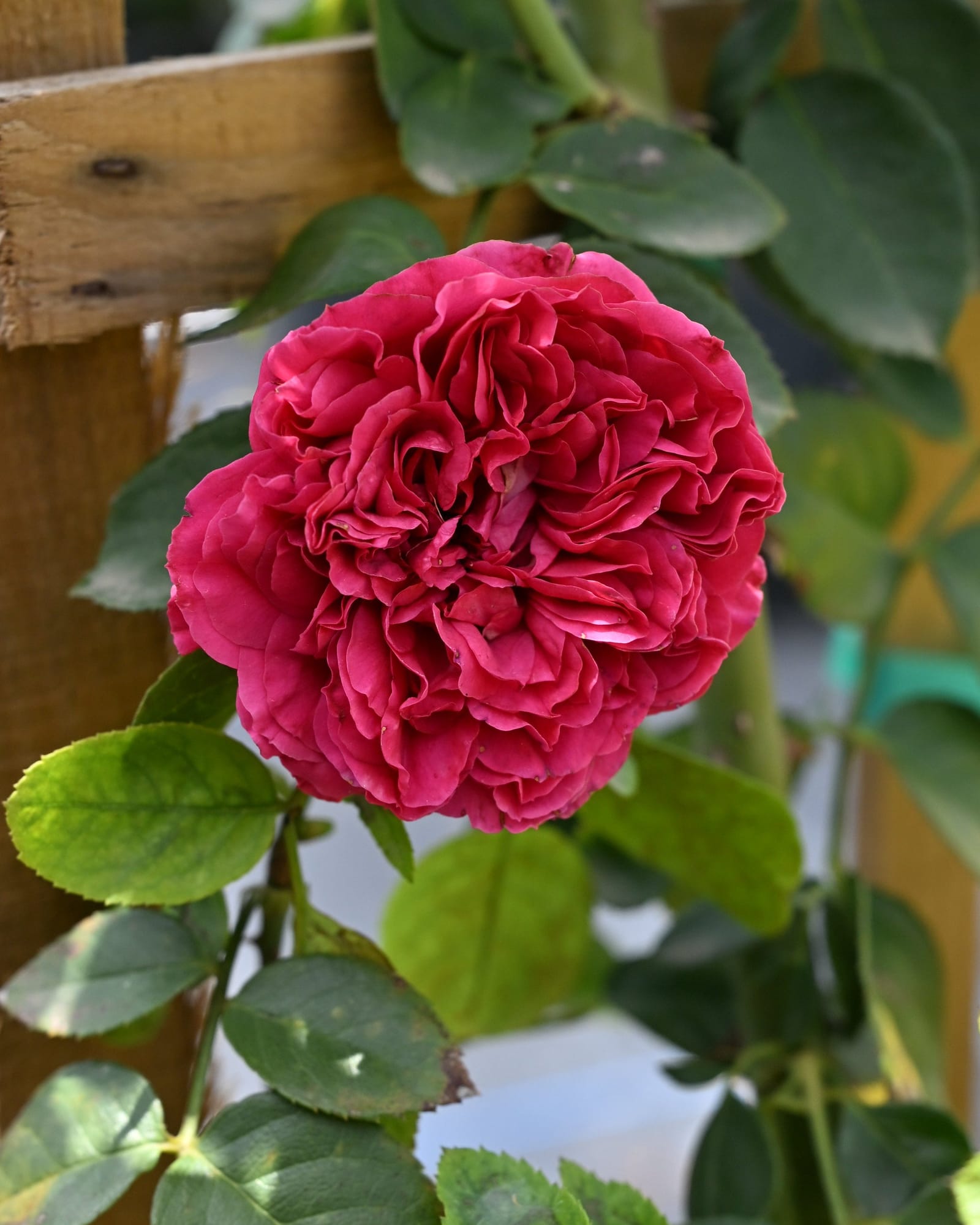
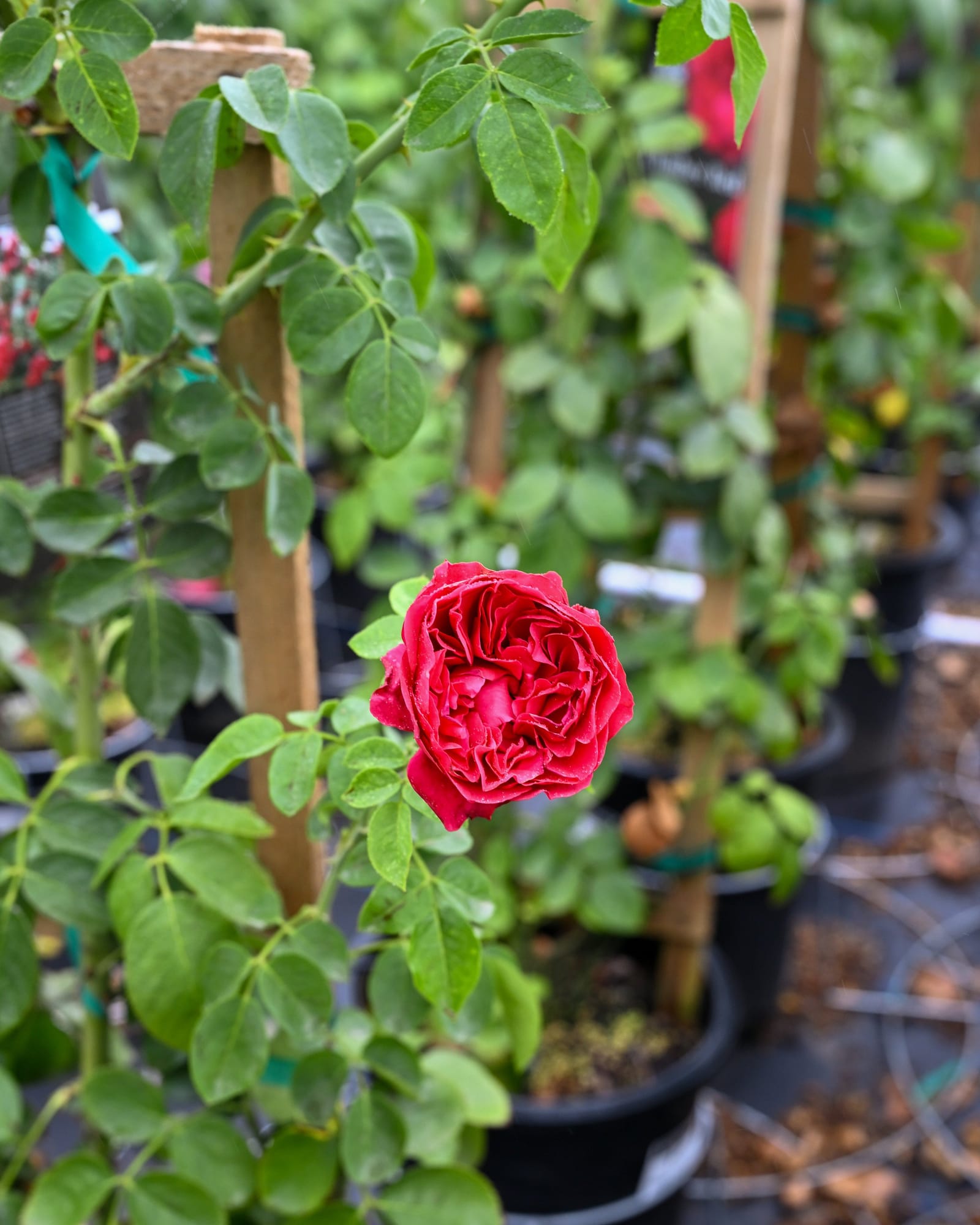
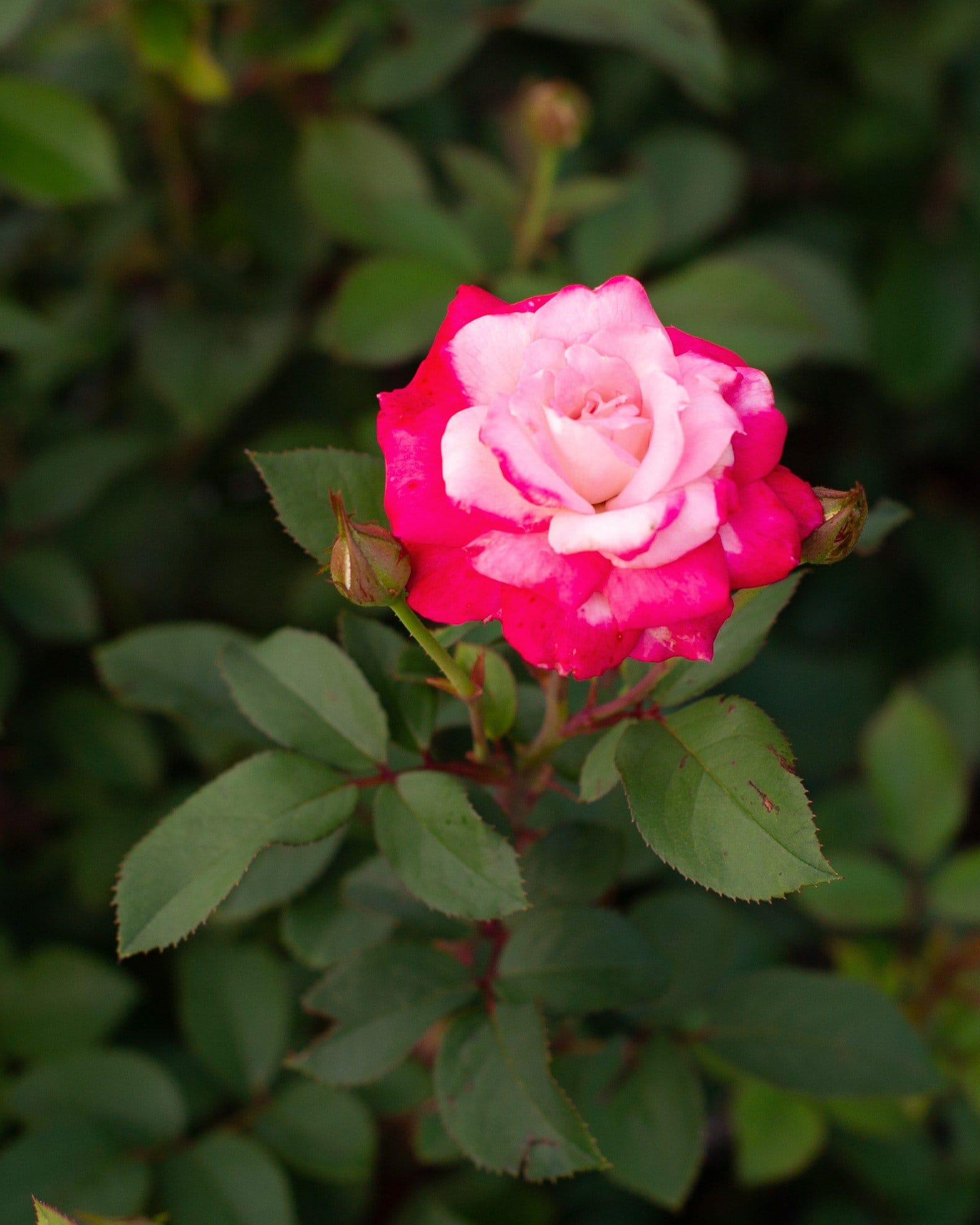
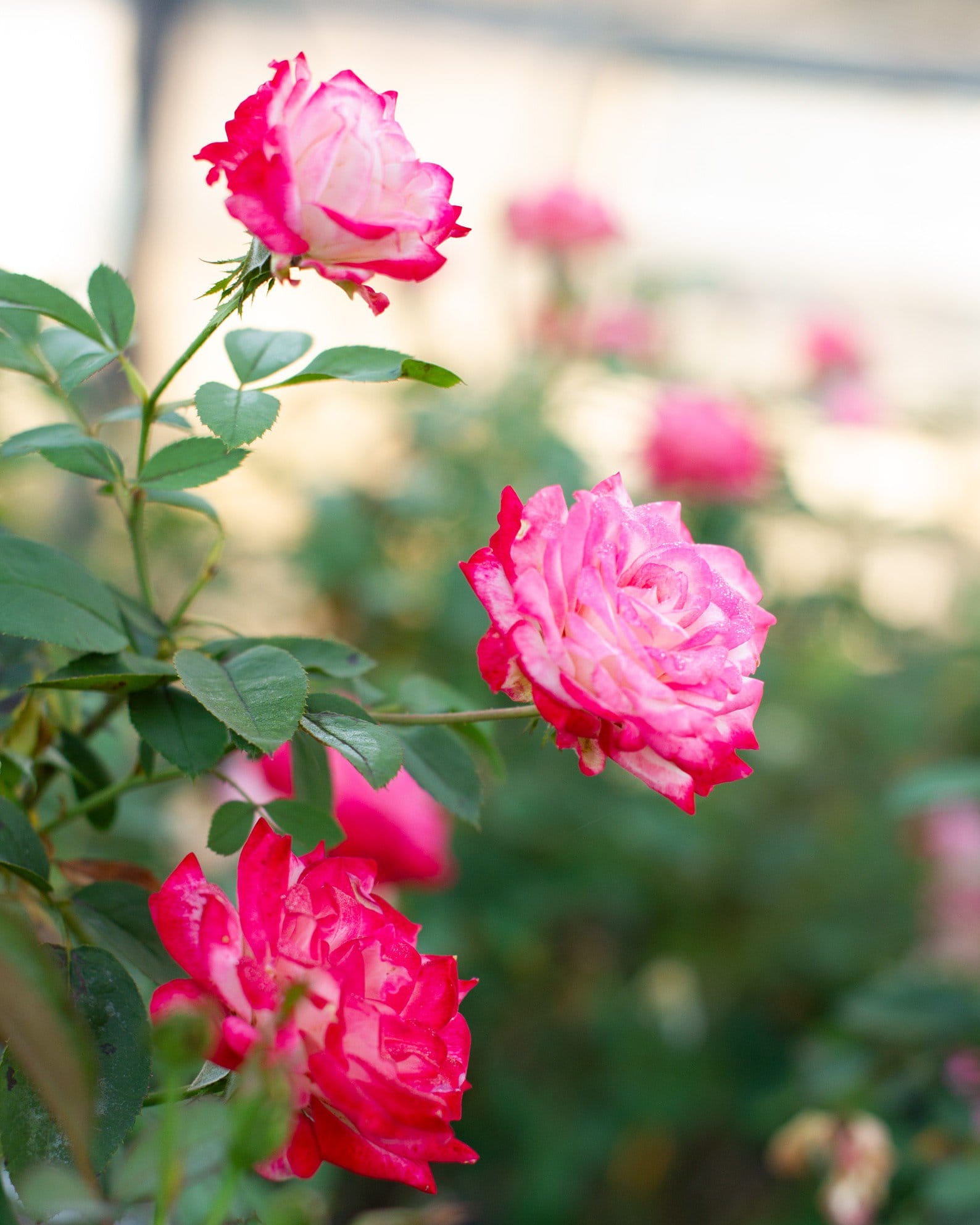
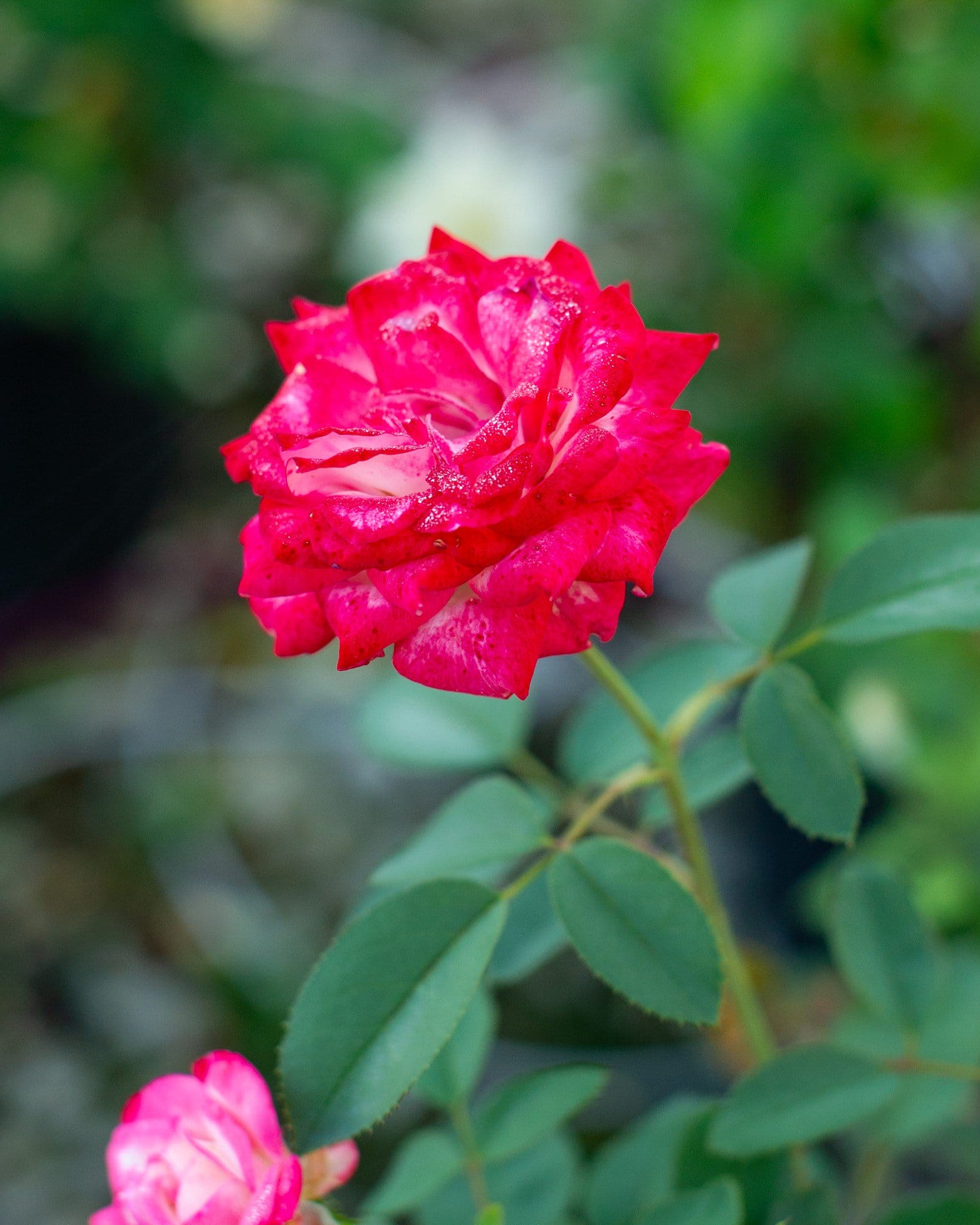
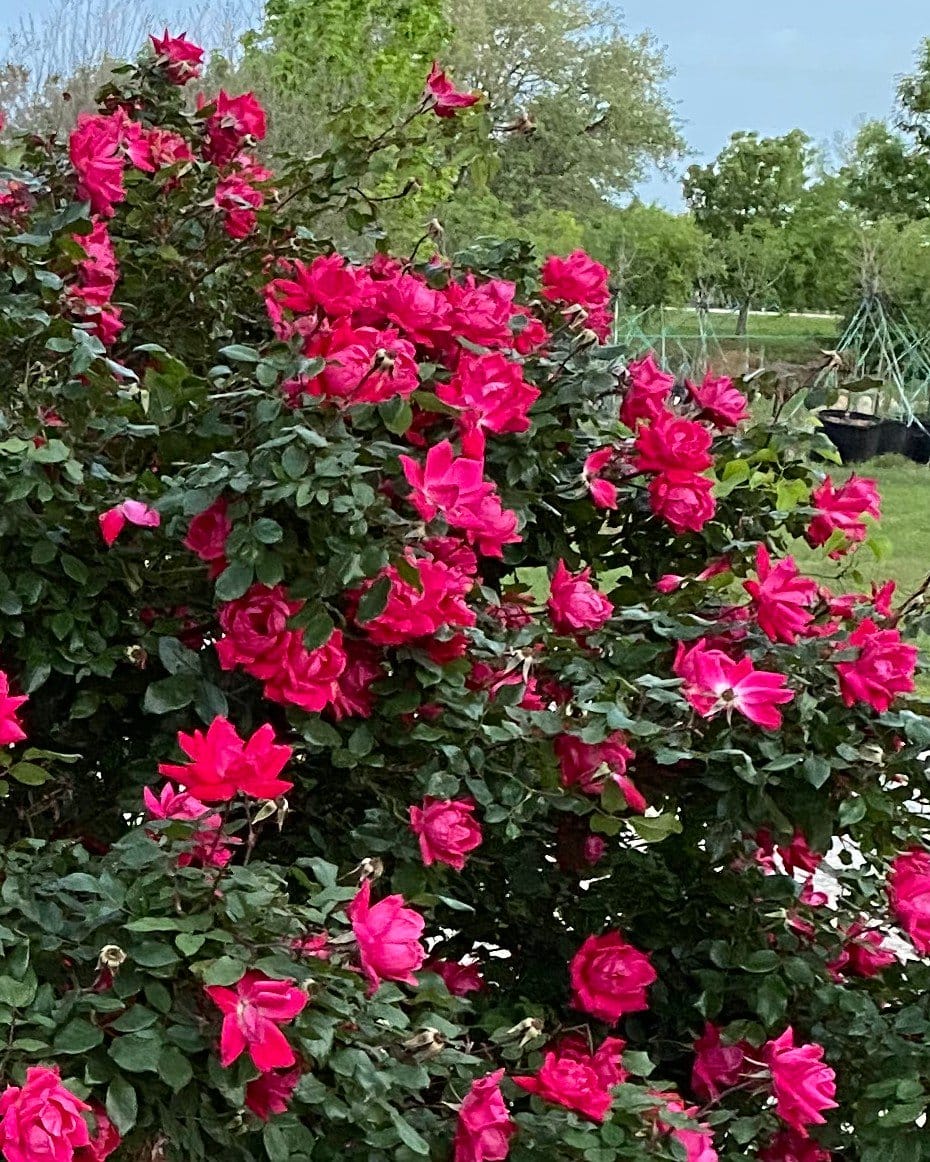
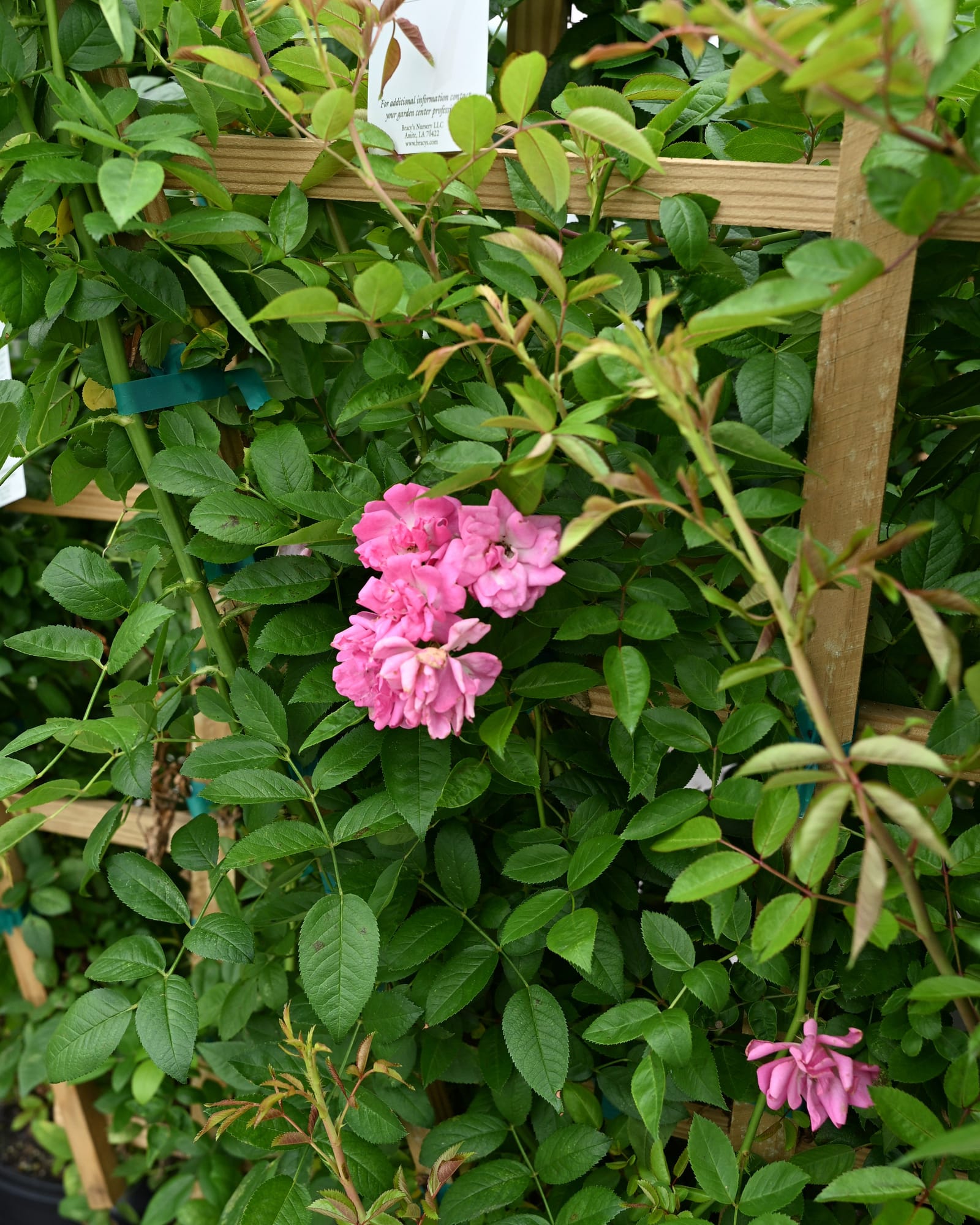
Rosa ‘Peggy Martin’Peggy Martin Climbing Rose brings vibrant color and classic romance to vertical spaces. This vigorous, nearly thornless climber reaches about 15 feet in height and spreads around 6 feet wide, producing generous clusters of bright pink flowers that bloom through spring, summer, and into fall. Its graceful, arching canes lend soft movement and a charming cottage feel to arbors, pergolas, and fences.
- Deciduous climbing rose
- Moderate to fast growth rate with an airy, arching habit
- Abundant clusters of pink flowers bloom across three seasons
- Thornless canes make training and shaping simple
- Perfect choice for trellises, entryways, or as a vertical accent
Thriving in full sun and well-drained soil, Peggy Martin Climbing Rose handles Texas heat and seasonal changes beautifully. Hardy in USDA zones 6 through 9, it’s an ideal option for North Texas flower beds and landscapes, offering months of color, classic style, and graceful height with minimal fuss.
Maintenance
Peggy Martin Climbing Rose is beloved not just for its prolific blooms, but also for its low-maintenance nature and forgiving temperament. This is all it needs:
- Watering: Water regularly during the first growing season to help roots establish deeply. Once mature, Peggy Martin Climbing Rose is remarkably drought-tolerant and requires only occasional deep watering during extended dry spells.
- Pruning: Prune in late winter or very early spring before new growth emerges. Remove dead, damaged, or crossing canes, and shape the plant as desired. Unlike many climbing roses, it blooms on new wood, so light pruning encourages even more flowers. After flowering, a quick trim helps maintain neatness and stimulate reblooming.
- Fertilizing: Apply a balanced, slow-release fertilizer in early spring as growth begins, and again lightly after the first bloom cycle to encourage continued flowering. Avoid excessive nitrogen, which can lead to leafy growth at the expense of blooms.
- Mulching: Spread a 2-3 inch layer of mulch around the base to retain moisture, regulate soil temperature, and suppress weeds. Keep mulch a few inches away from the crown to prevent rot and improve airflow. Refresh annually in spring.
- Winter care: Peggy Martin Climbing Rose is hardy and resilient, but a protective mulch layer around the roots in late fall helps safeguard against extreme cold. In particularly cold zones, wrapping canes in burlap or tying them gently to prevent wind damage can provide extra protection.
Common Issues and How to Take Care of Them
Peggy Martin Climbing Rose is known for its exceptional disease resistance, but here are a few potential issues and how to handle them:
- Black Spot: Rare but possible in persistently humid conditions. Remove affected leaves and improve airflow; a sulfur-based fungicide can help prevent recurrence.
- Powdery Mildew: A white coating on leaves in humid or crowded areas. Prune to increase air circulation and avoid overhead watering.
- Aphids: Small green or black insects that cluster on buds and new shoots. Wash them off with a firm spray of water or treat with insecticidal soap if populations grow.
- Spider Mites: These tiny pests may cause stippling on leaves during hot, dry weather. Misting foliage occasionally and using horticultural oil helps deter them.
- Cane Dieback: Can occur after pruning or winter injury. Prune affected canes to healthy tissue and apply a sealant if desired to prevent further infection.
- Root Rot: Avoid overwatering or compacted soil to prevent standing moisture that can weaken roots.
With good care, it can thrive for decades - often 20 years or more. Its sturdy constitution and disease resistance make it one of the longest-lived climbing roses for Southern gardens.
It’s a vigorous grower, typically reaching maturity within 2 to 3 years. Once established, it can quickly cover trellises, fences, or arbors with lush, cascading blooms.
Yes - one of its most loved qualities is that it’s completely thornless, making it easy to train, prune, and enjoy up close without worry.
Absolutely. Bees and butterflies are drawn to its abundant pink flowers, adding life and movement to the garden throughout the season.
Yes, deer generally avoid it. Its foliage has a tough texture and mild scent that make it less appealing to browsing animals.
Yes - while it performs best in the ground, it can also thrive in large, deep containers with sturdy supports. Choose a pot at least 20 inches wide and provide regular feeding and pruning to keep growth balanced.
Exceptionally well. It was bred and discovered in the Gulf Coast region, so it thrives in Southern climates where many roses struggle.
It has a light, sweet fragrance - not overpowering, but enough to add gentle perfume to garden breezes.
Yes - cut one-third of the oldest canes to the ground in early spring to stimulate new, vigorous shoots. The plant will quickly fill out again with lush growth.
It’s famously known as the “Hurricane Katrina Rose,” the only survivor from a garden submerged under 20 feet of seawater for two weeks. Its resilience and vigor have since made it a symbol of strength and hope in gardens everywhere.
Special Features
You might also like
Lady Banks Climbing Rose
Maturity: 15' H x 6' W
Red Eden Climbing Rose Trellis
Maturity: 15' H x 6' W
Pink Double Knock Out Rose
Maturity: 3' H x 3' W
Pink Drift Rose
Maturity: 1' H x 2' W
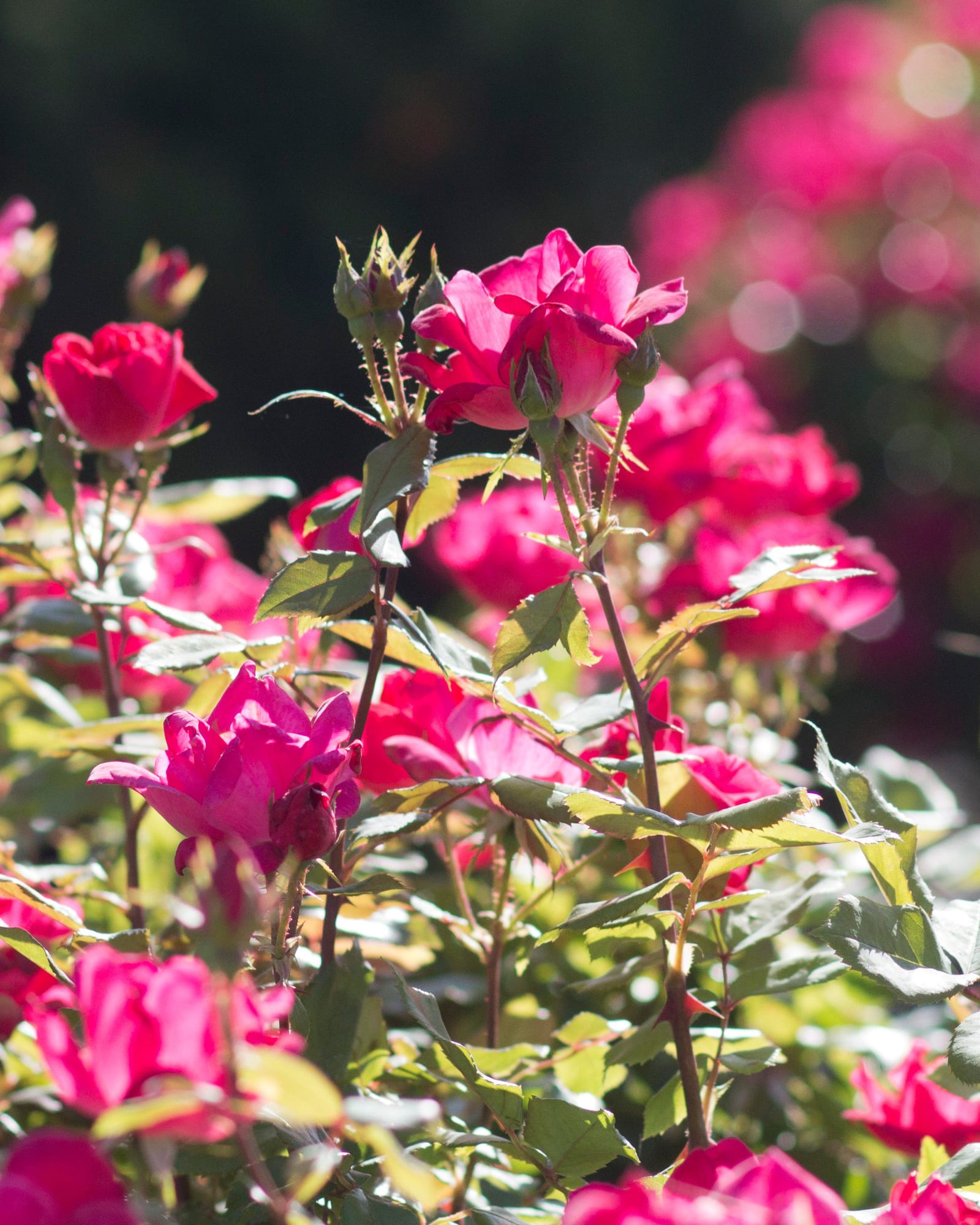
Red Double Knock Out Rose
Maturity: 3' H x 3' W
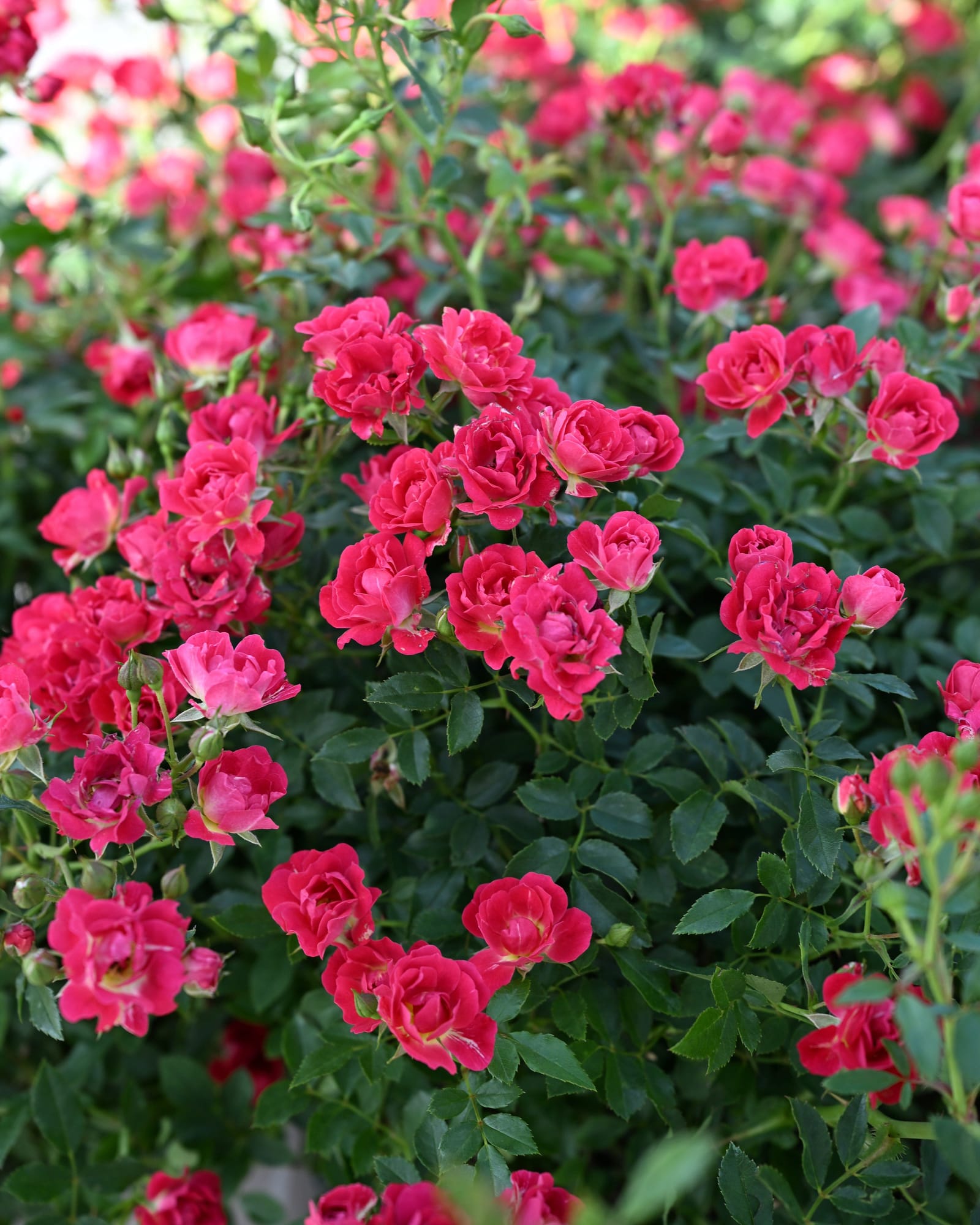
Red Drift Rose
Maturity: 1' H x 2' W
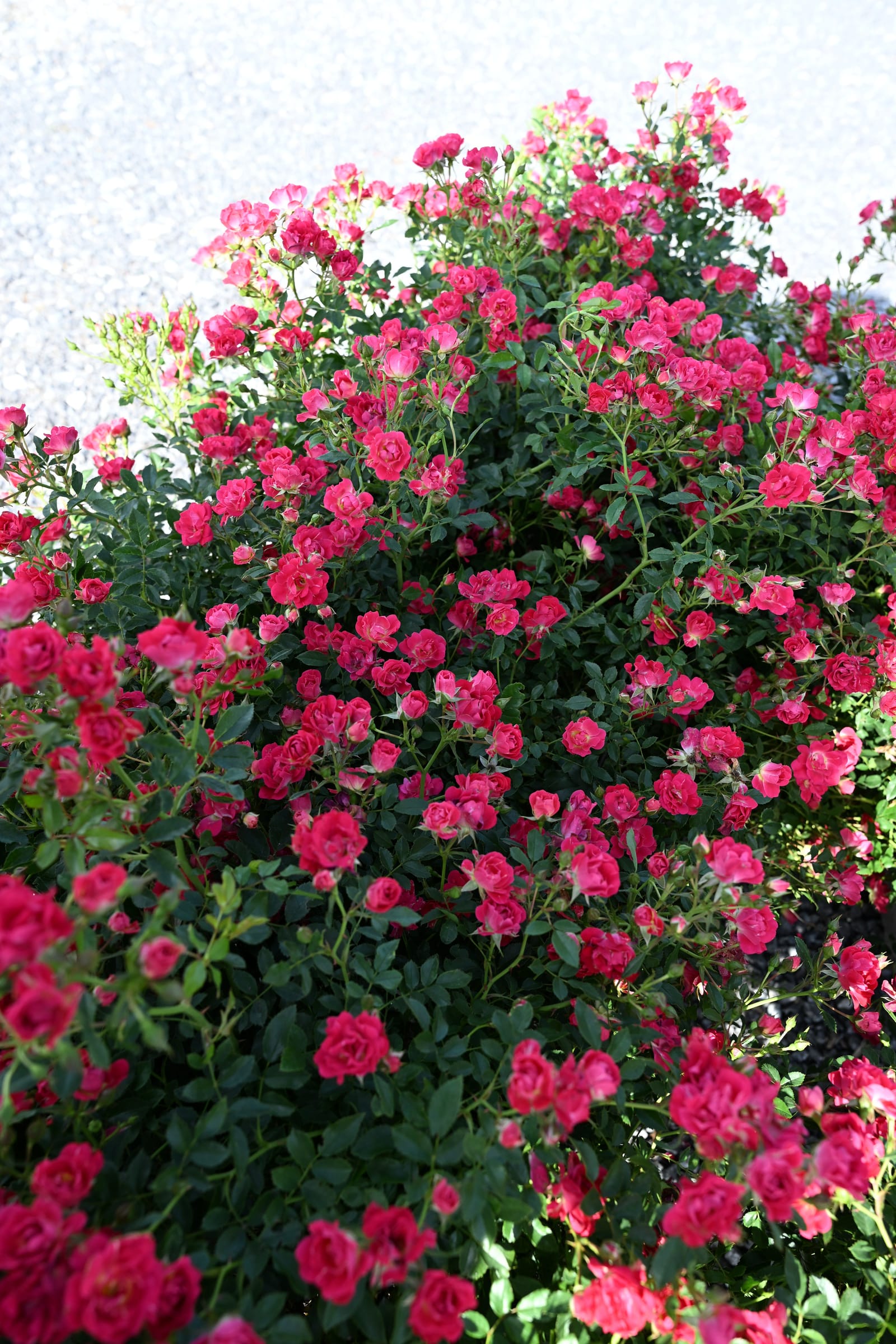
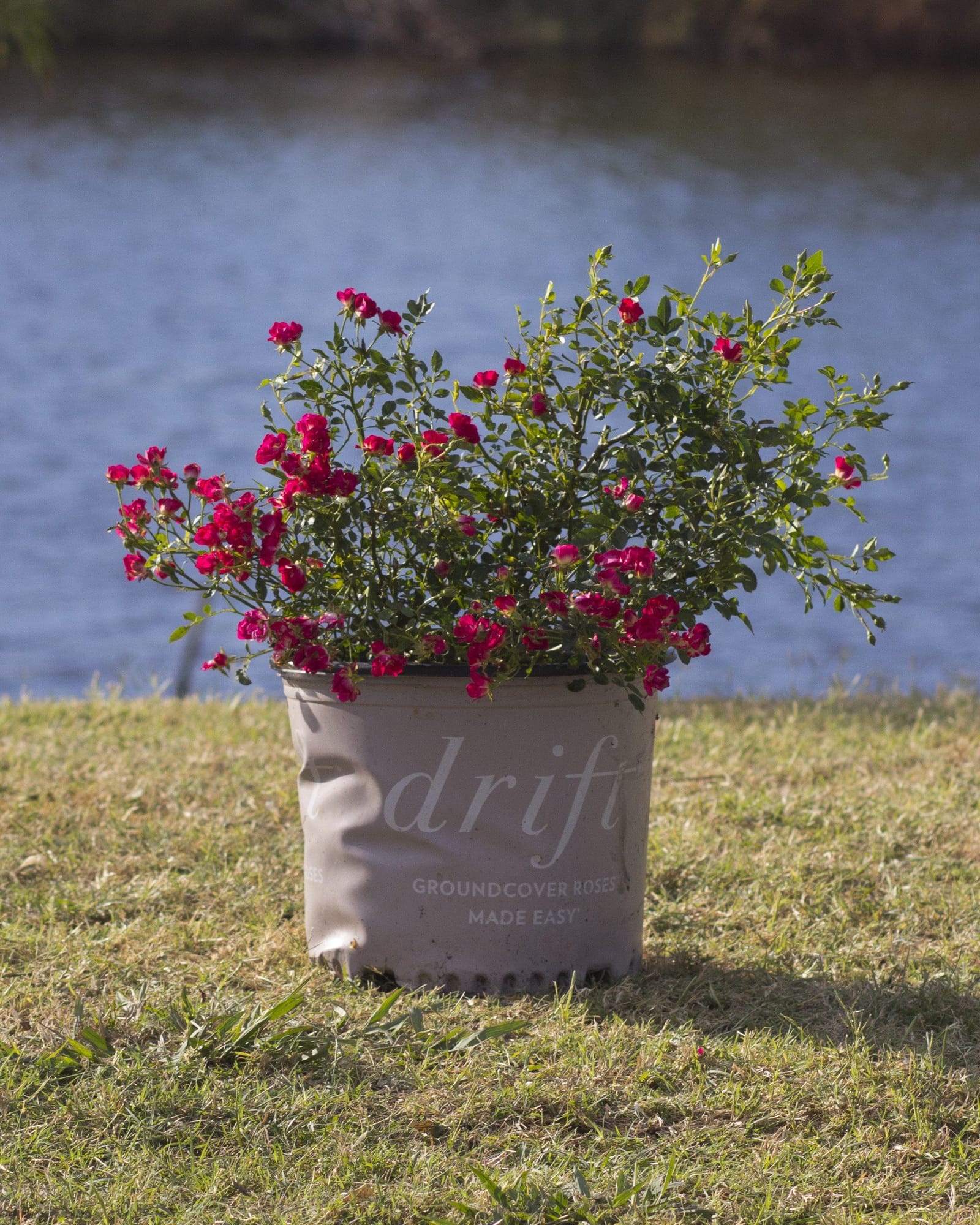
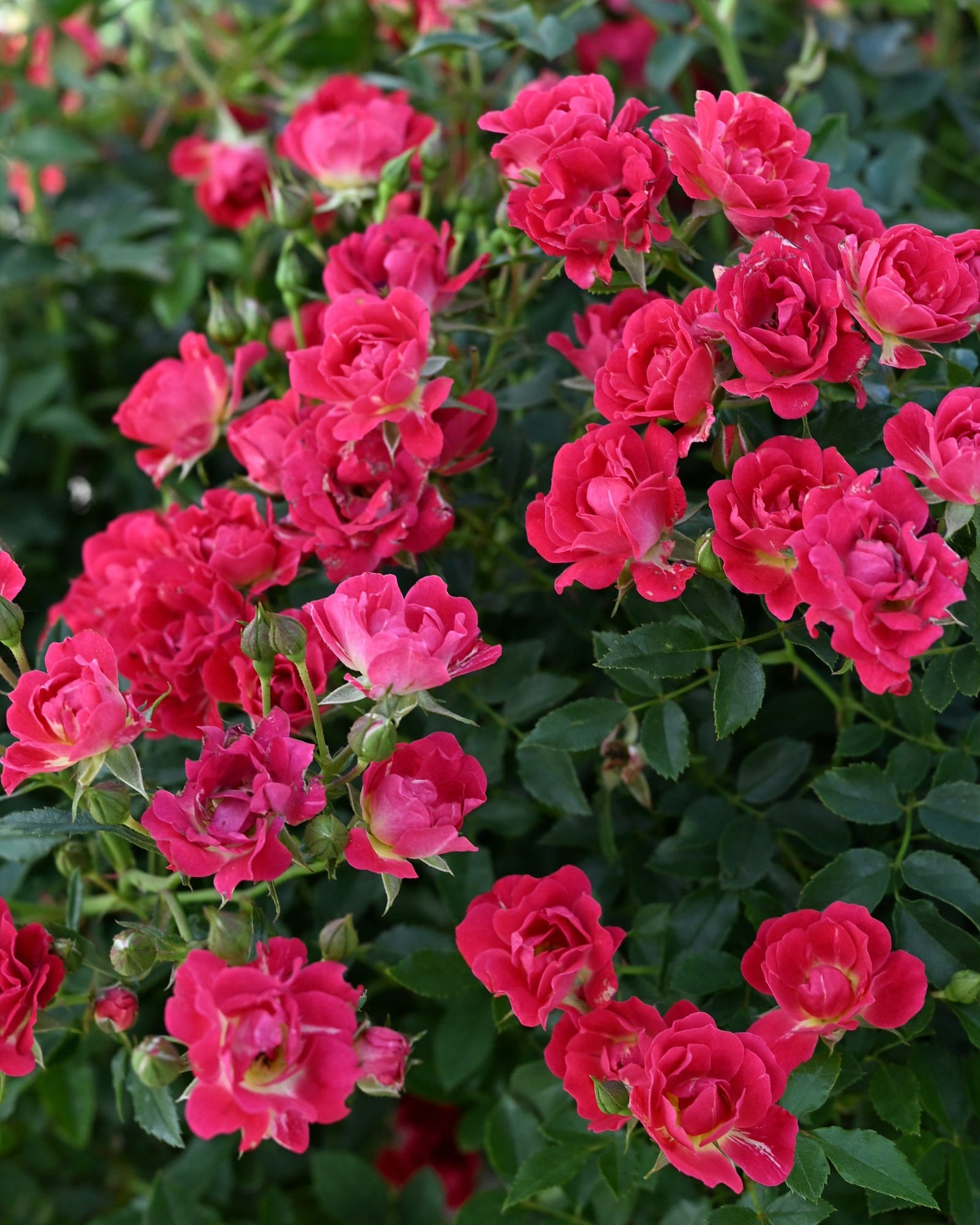
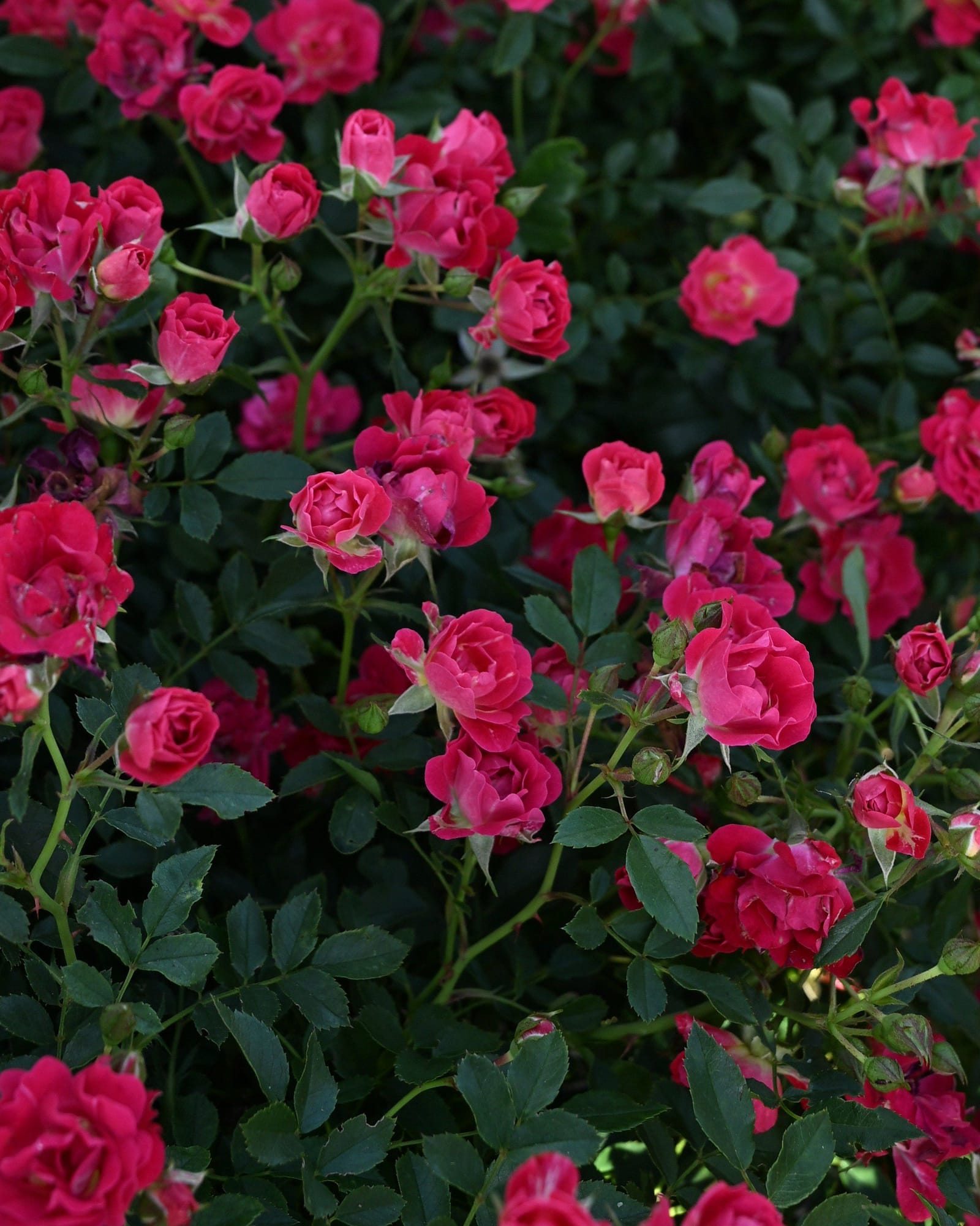
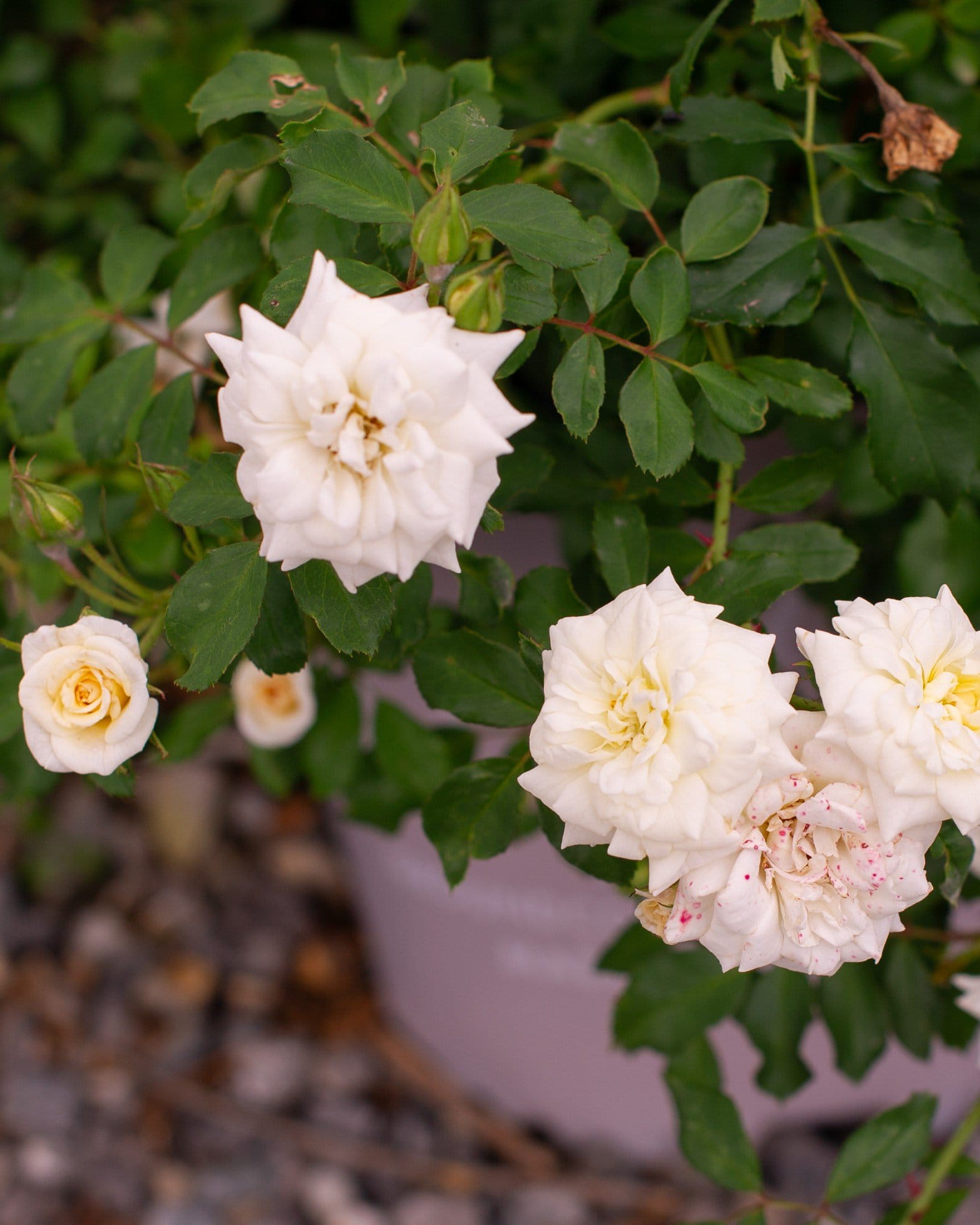
White Drift Rose
Maturity: 1' H x 2' W
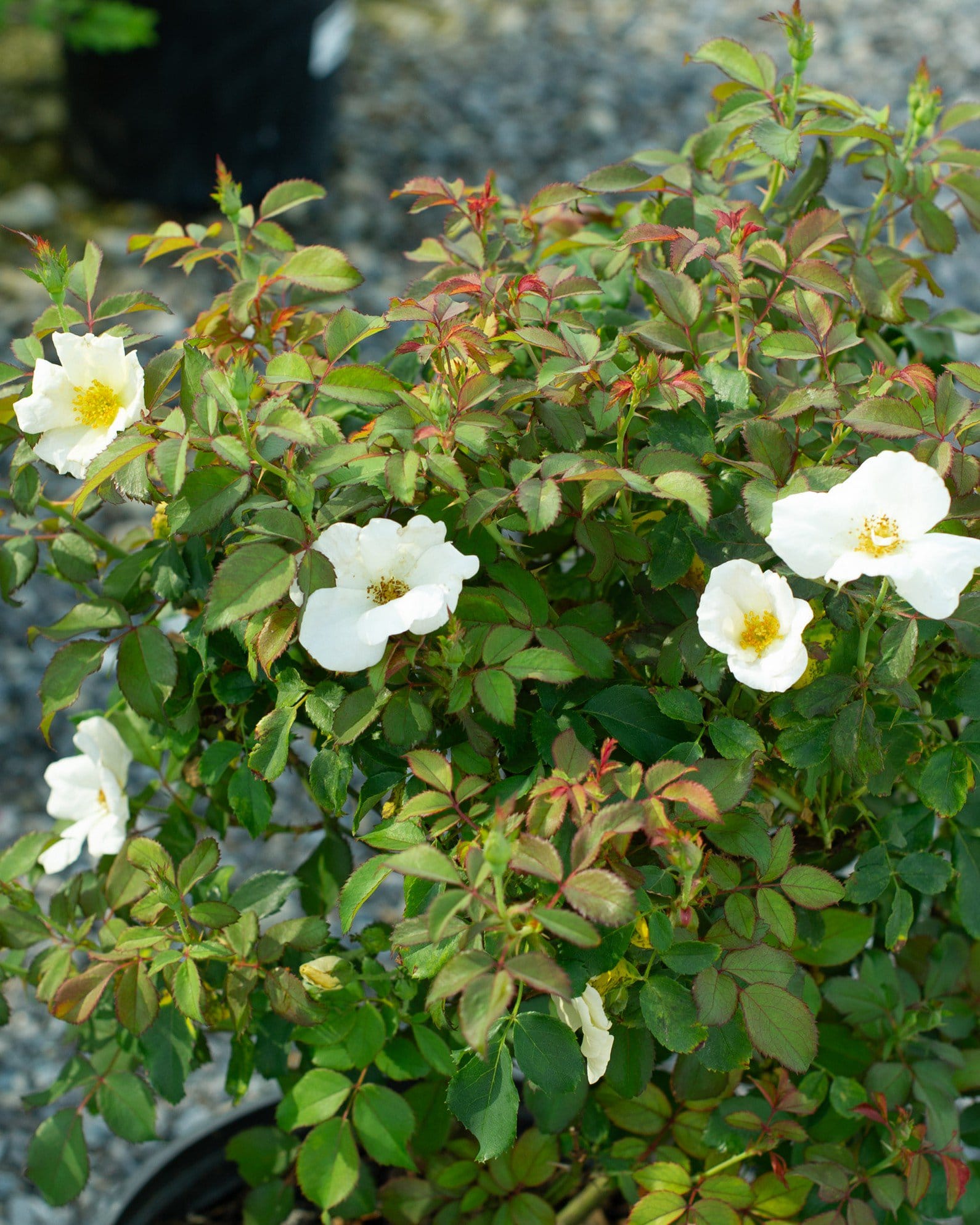
White Knock Out Rose
Maturity: 3' H x 3' W
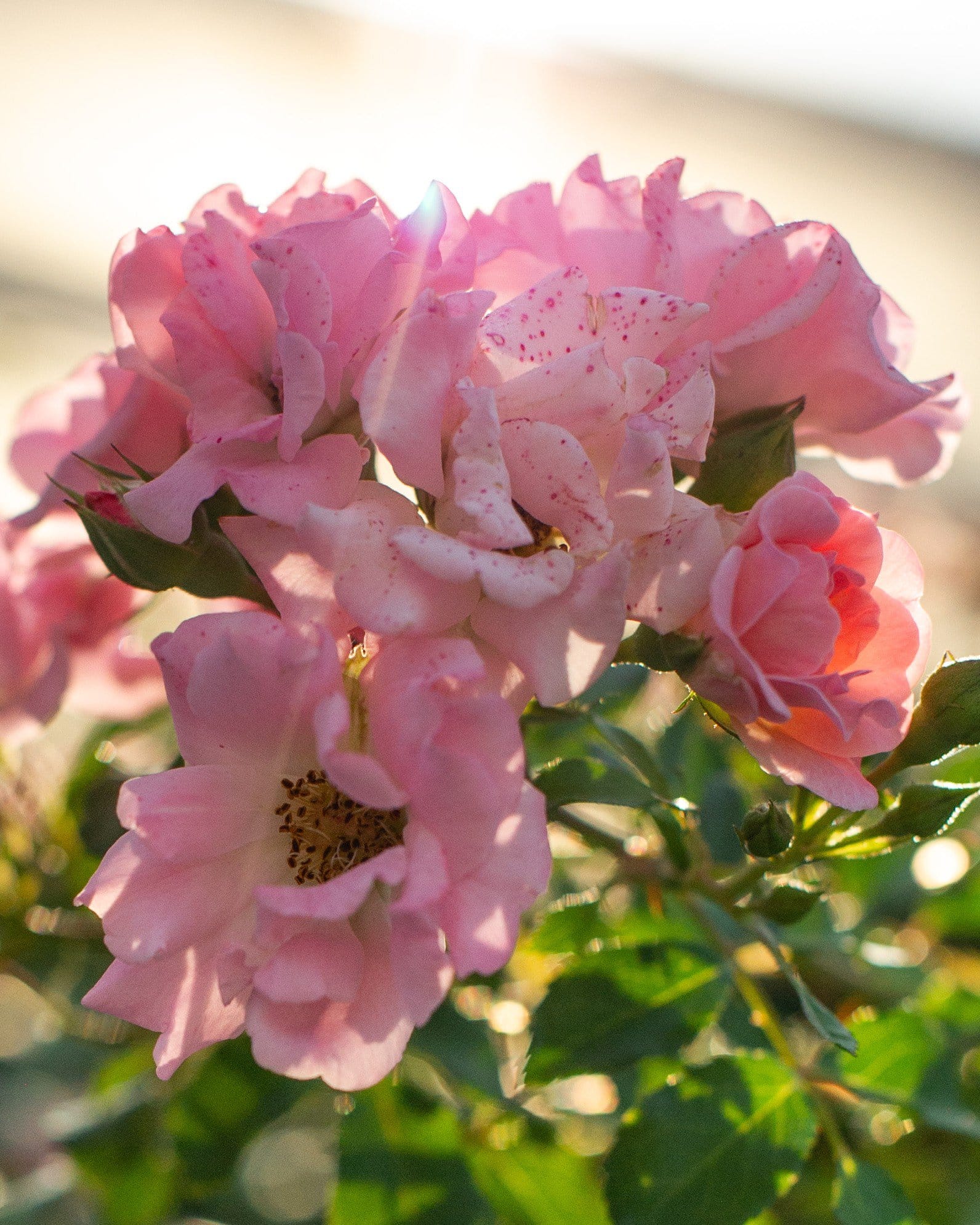
Blushing Drift Rose
Maturity: 1' H x 2' W
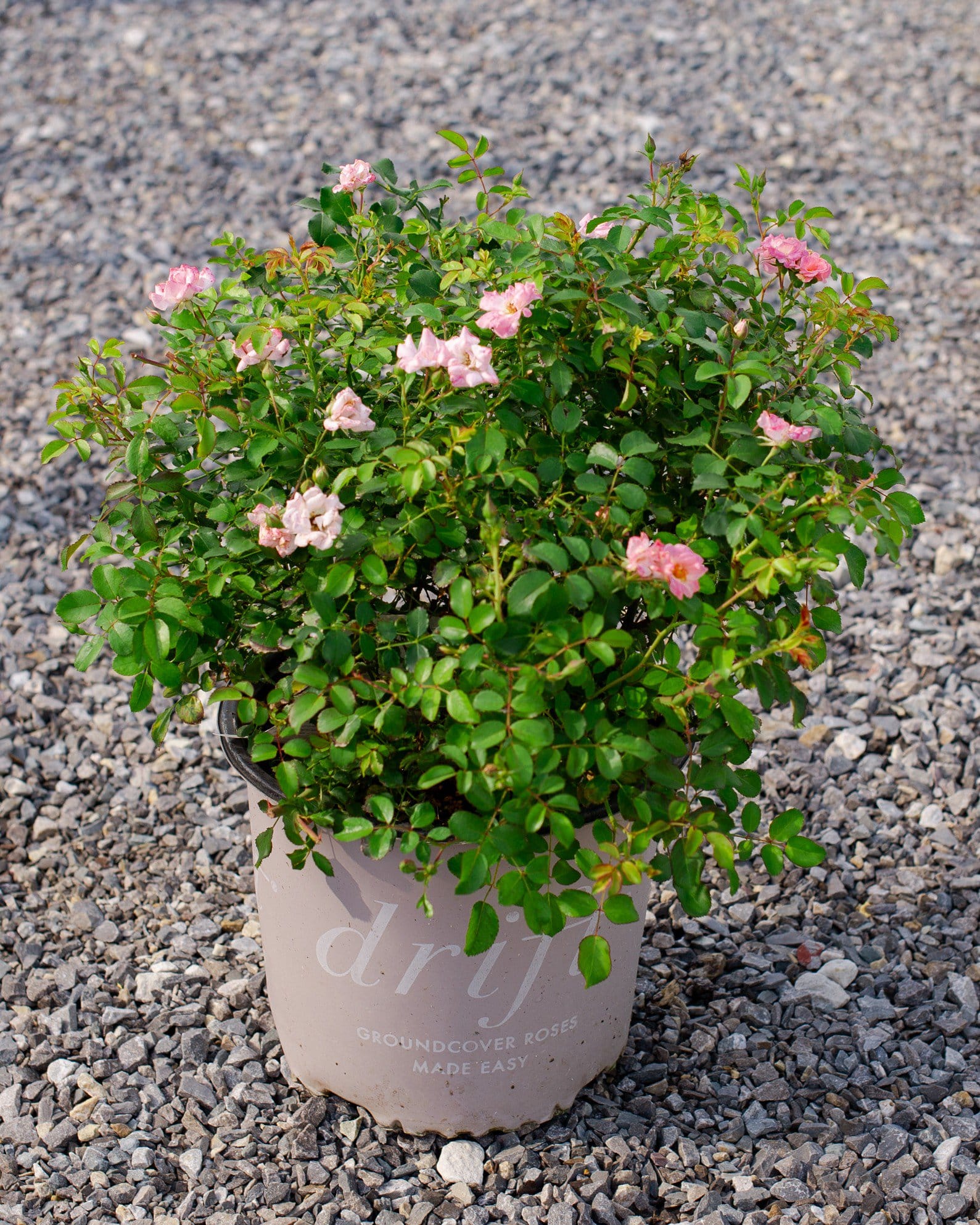
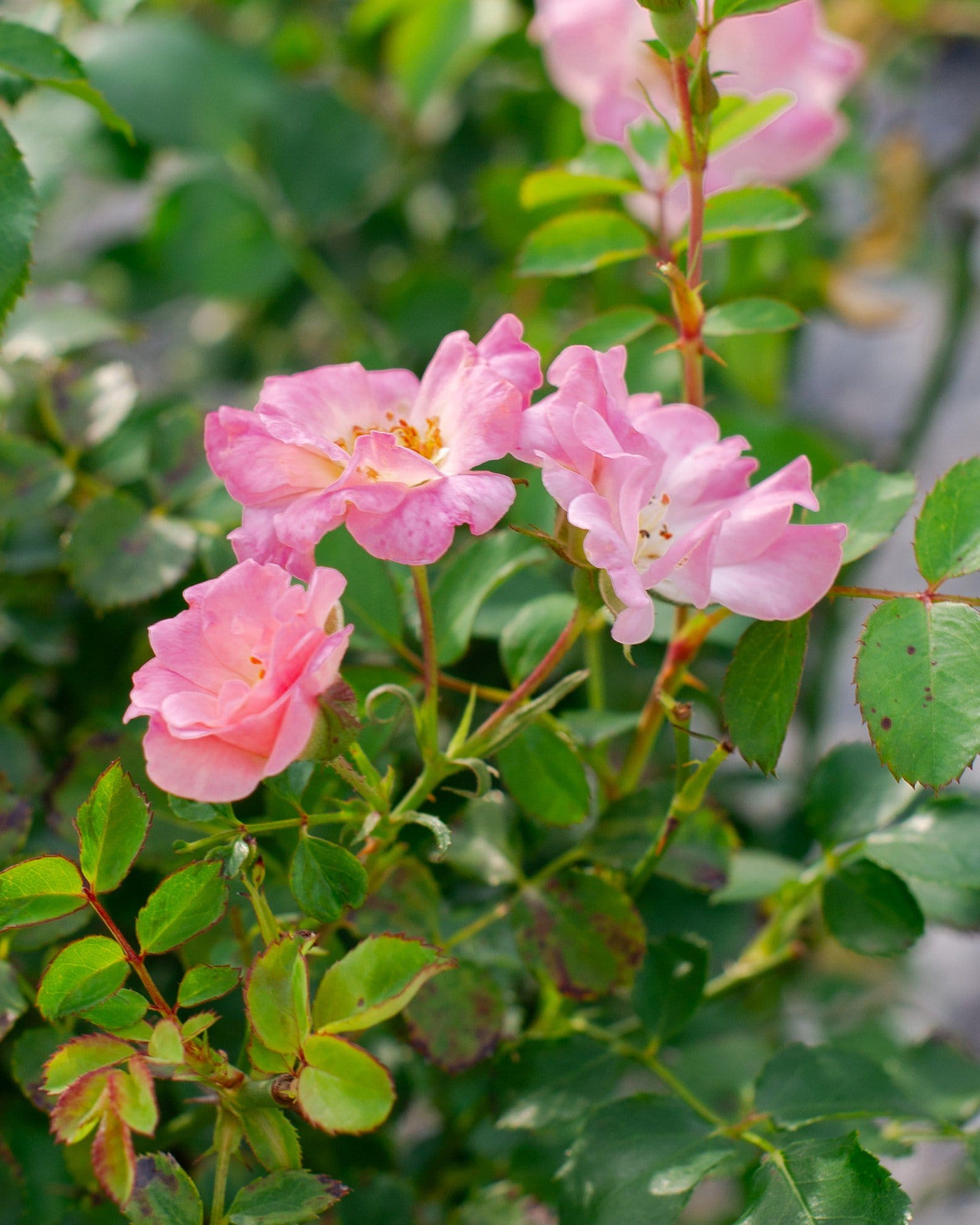
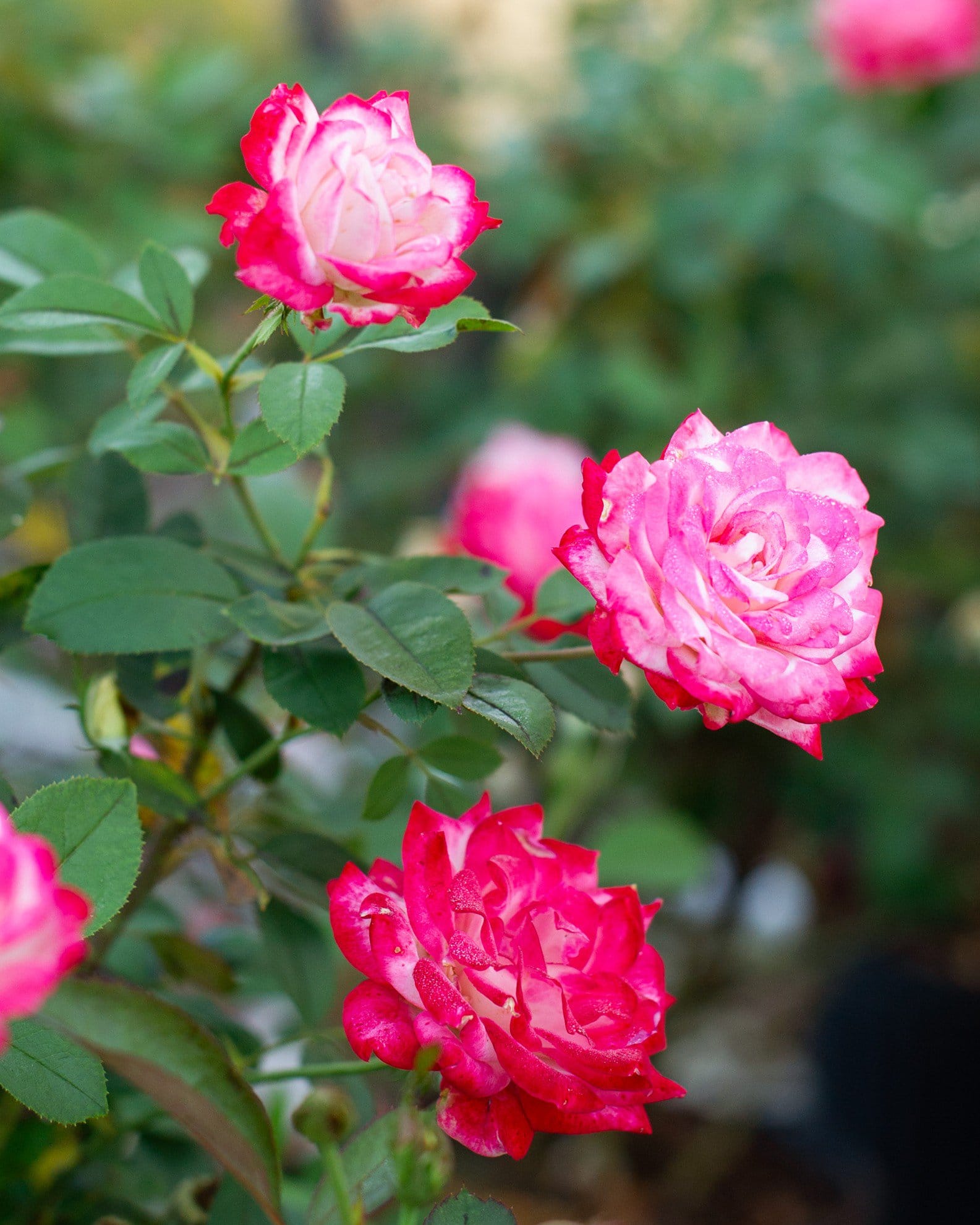
Candy Cane Cocktail Rose
Maturity: 3.5' H x 4' W
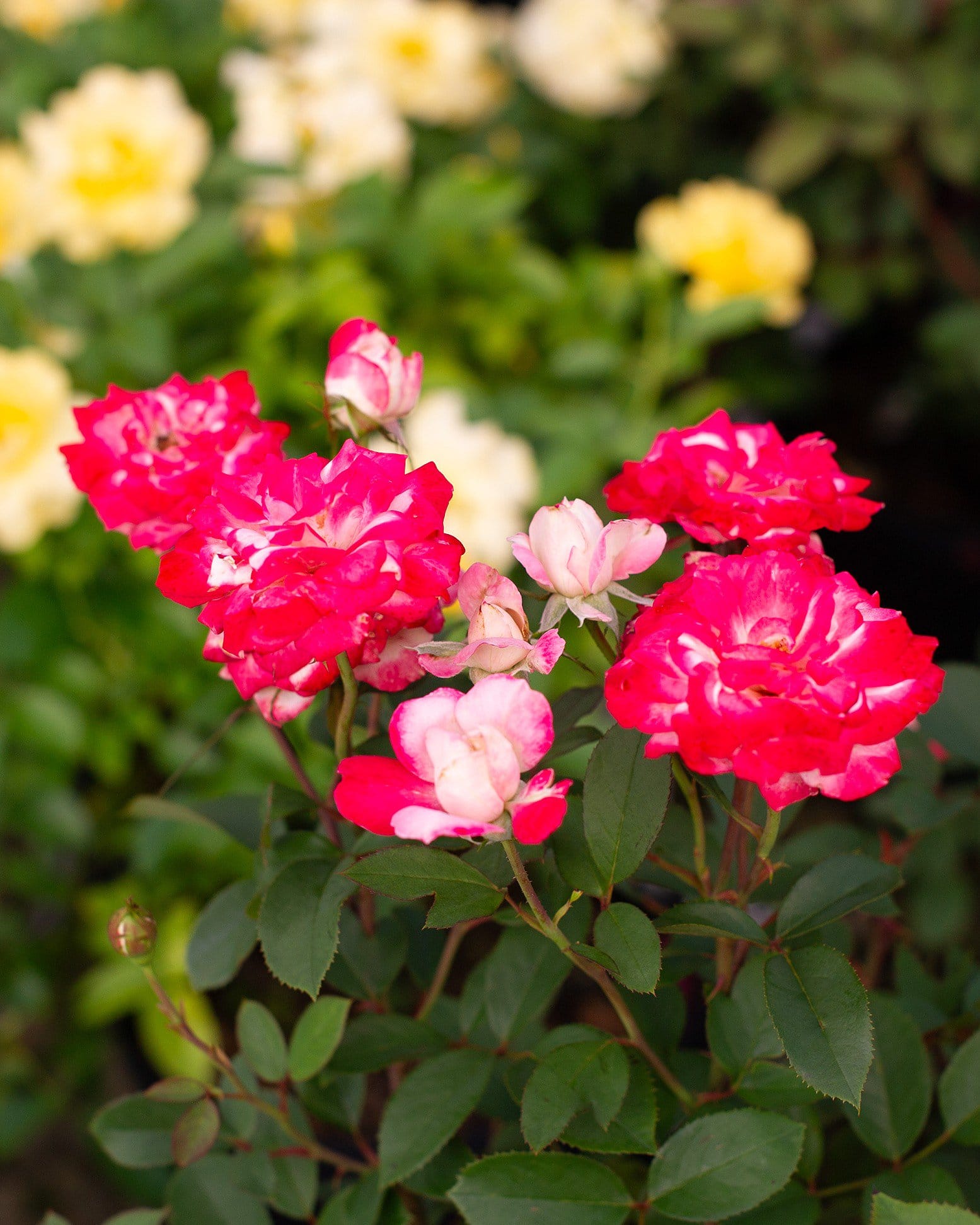
Knock Out Rose
Maturity: 3' H x 3' W
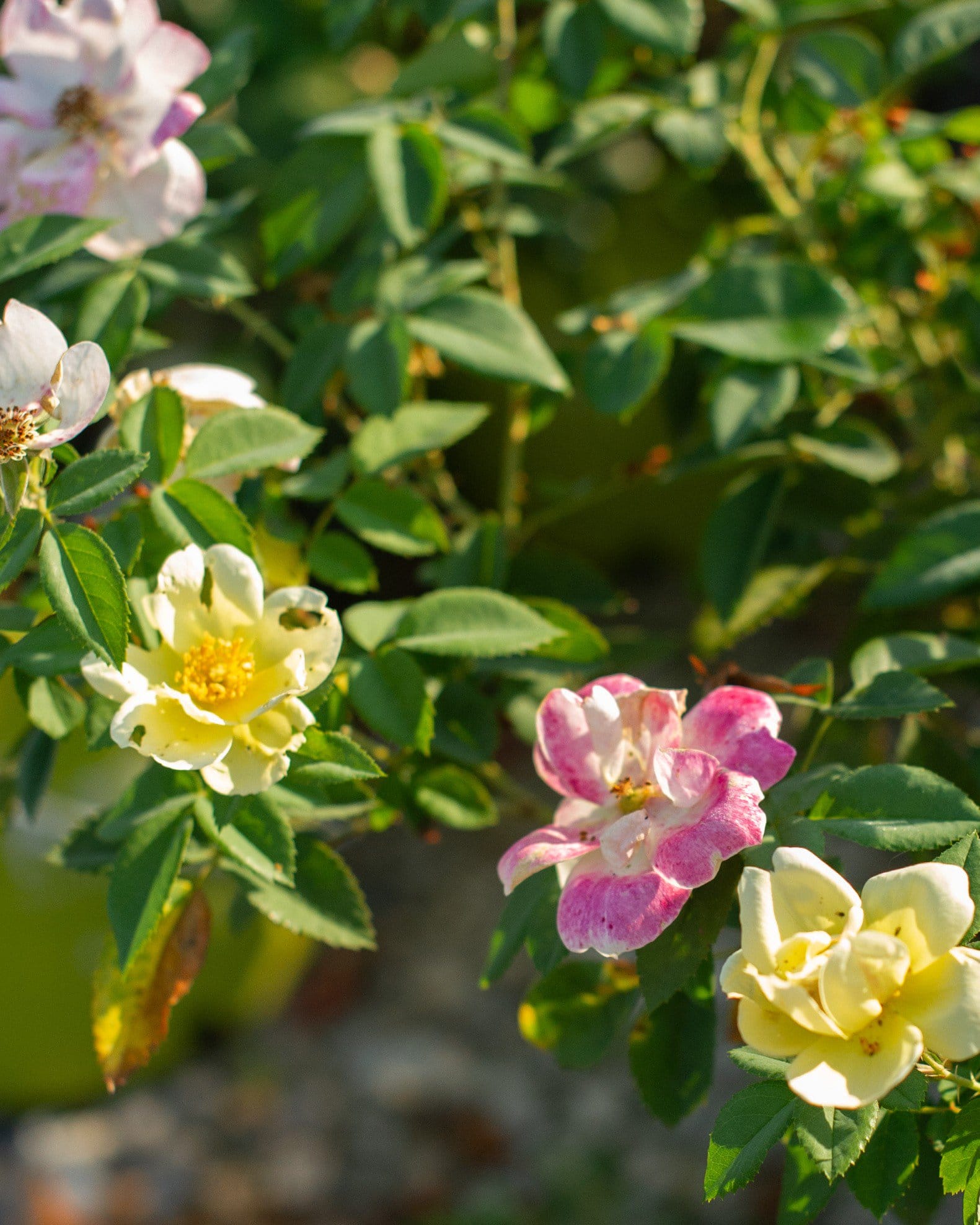
Peach Lemonade Rose
Maturity: 2' H x 2' W
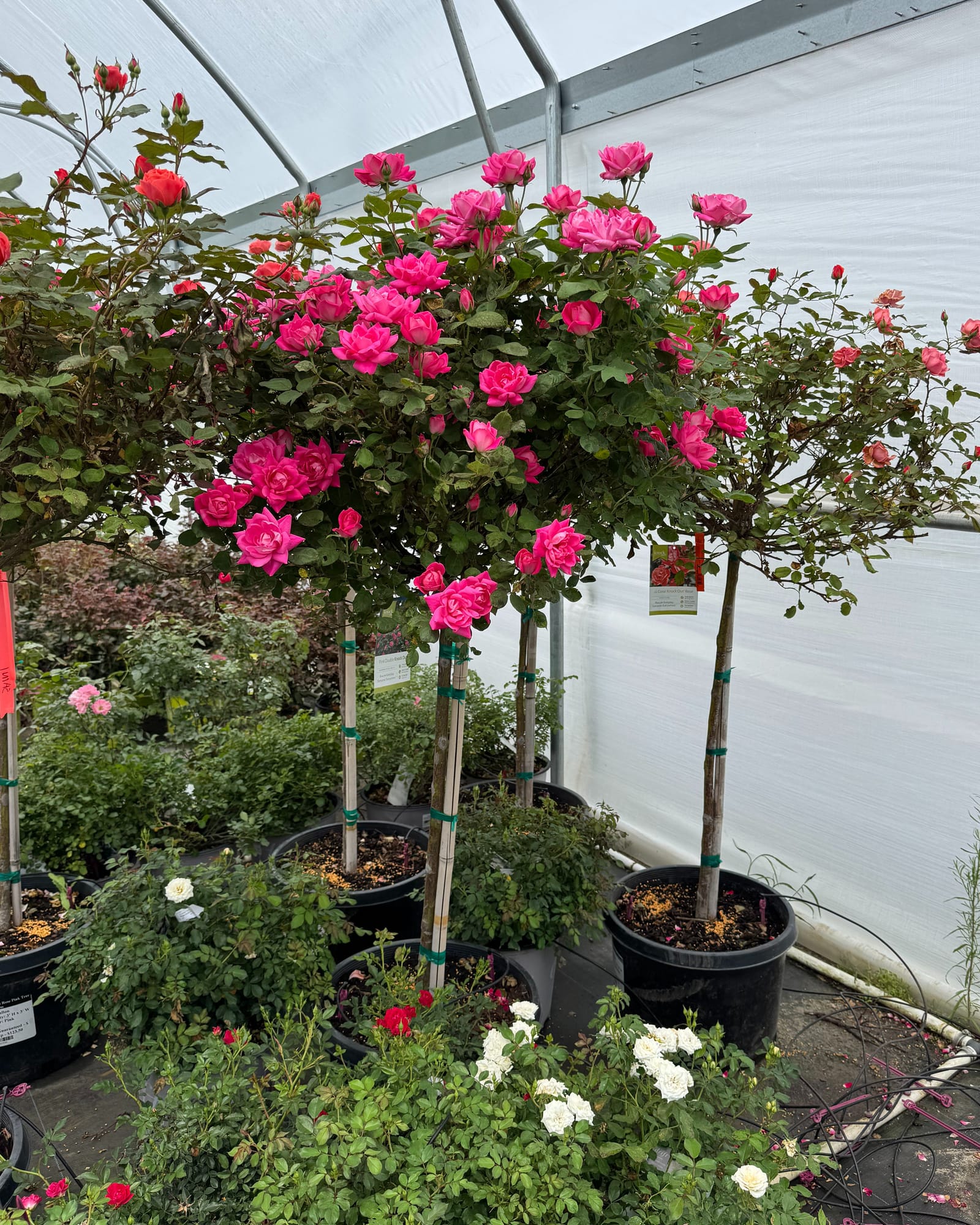
Pink Double Knock Out Rose Tree Form
Maturity: 3' H x 3' W
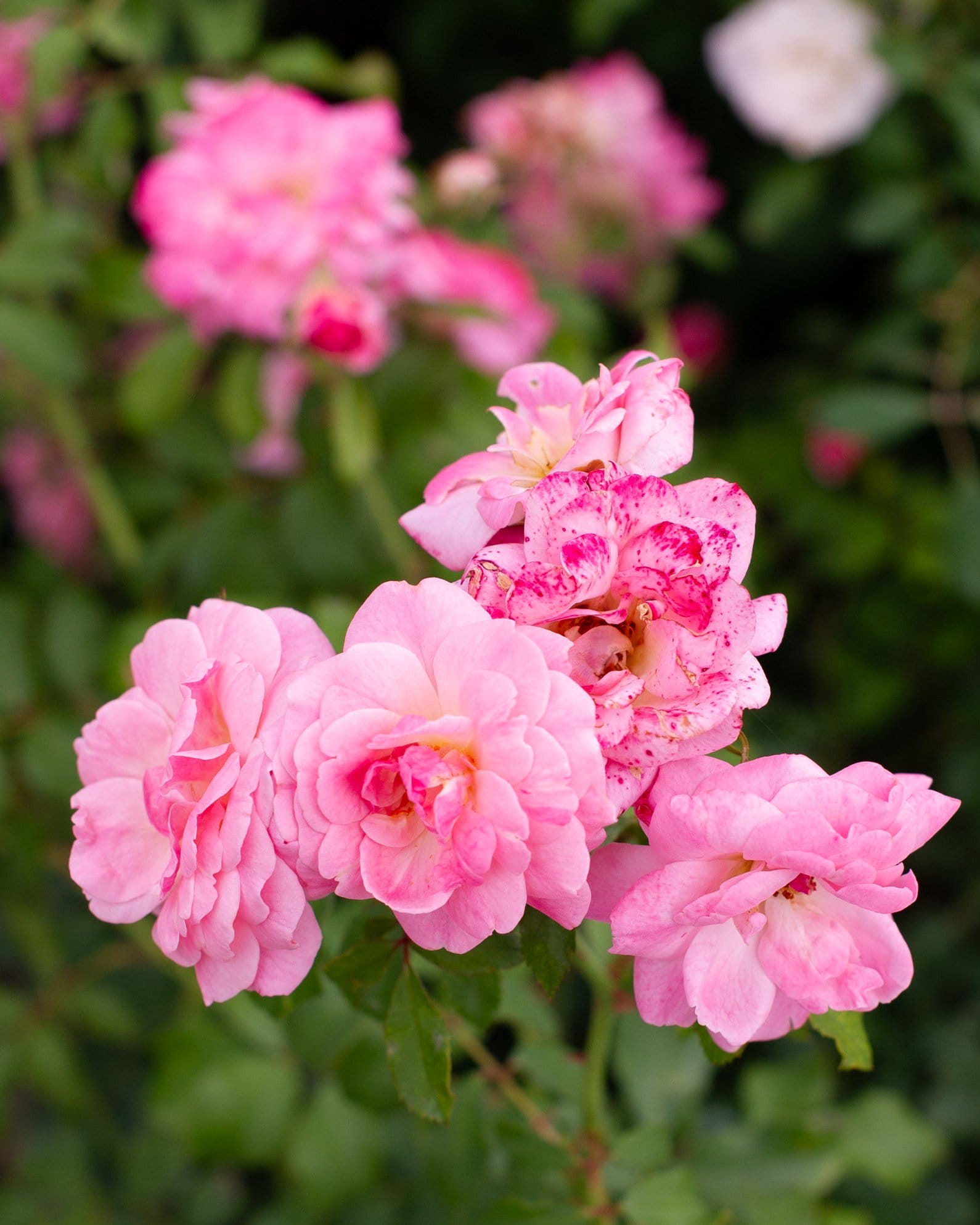
Sweet Drift Rose
Maturity: 1' H x 2' W
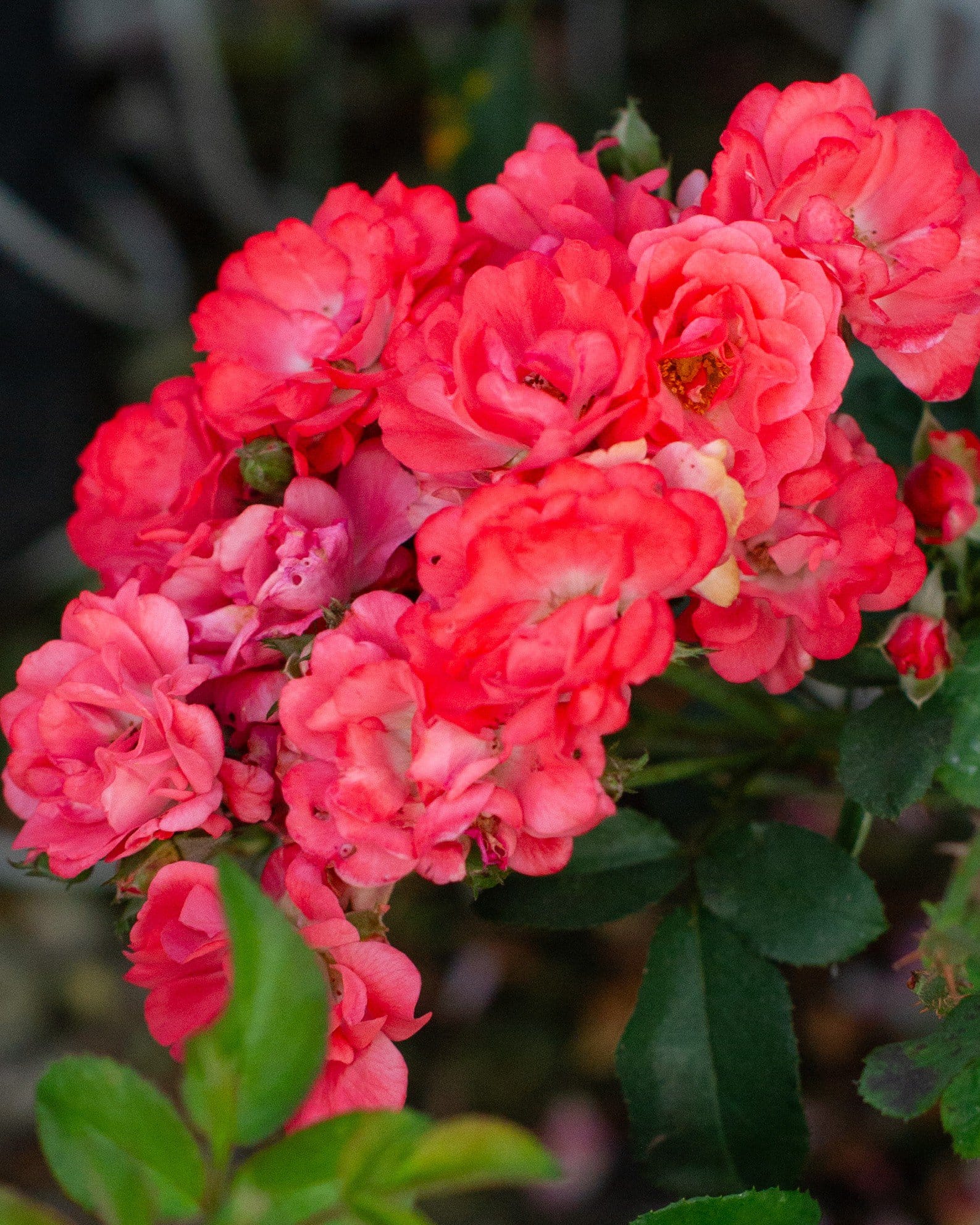
Coral Drift Rose
Maturity: 2' H x 2' W
Compare Similar Plants
Peggy Martin Climbing Rose This plant | ||
|---|---|---|
| Scientific Name | Rosa ‘Peggy Martin’ | Rosa ‘Peggy Martin’ |
| Size at Maturity | 15' H x 6' W | 15' H x 6' W |
| Leaf Retention | Deciduous | Deciduous |
| Flower Color | Pink | Pink |
| Bloom Times | Spring, Summer & Fall | Spring, Summer & Fall |
| Sizes Available | 3 gal | 5, 7 gal |


Our 1-Year Planting Guarantee
We take pride in our plants and installation services. If any plants or trees installed by Treeland fail to thrive within the first year, we'll provide a replacement credit in accordance with our guarantee program.
Learn More About Our Guarantee