
 Texas Native
Oklahoma Redbud
Cercis canadensis var. texensis 'Oklahoma'Local DFW Delivery Only
Product Details
Oklahoma Redbud
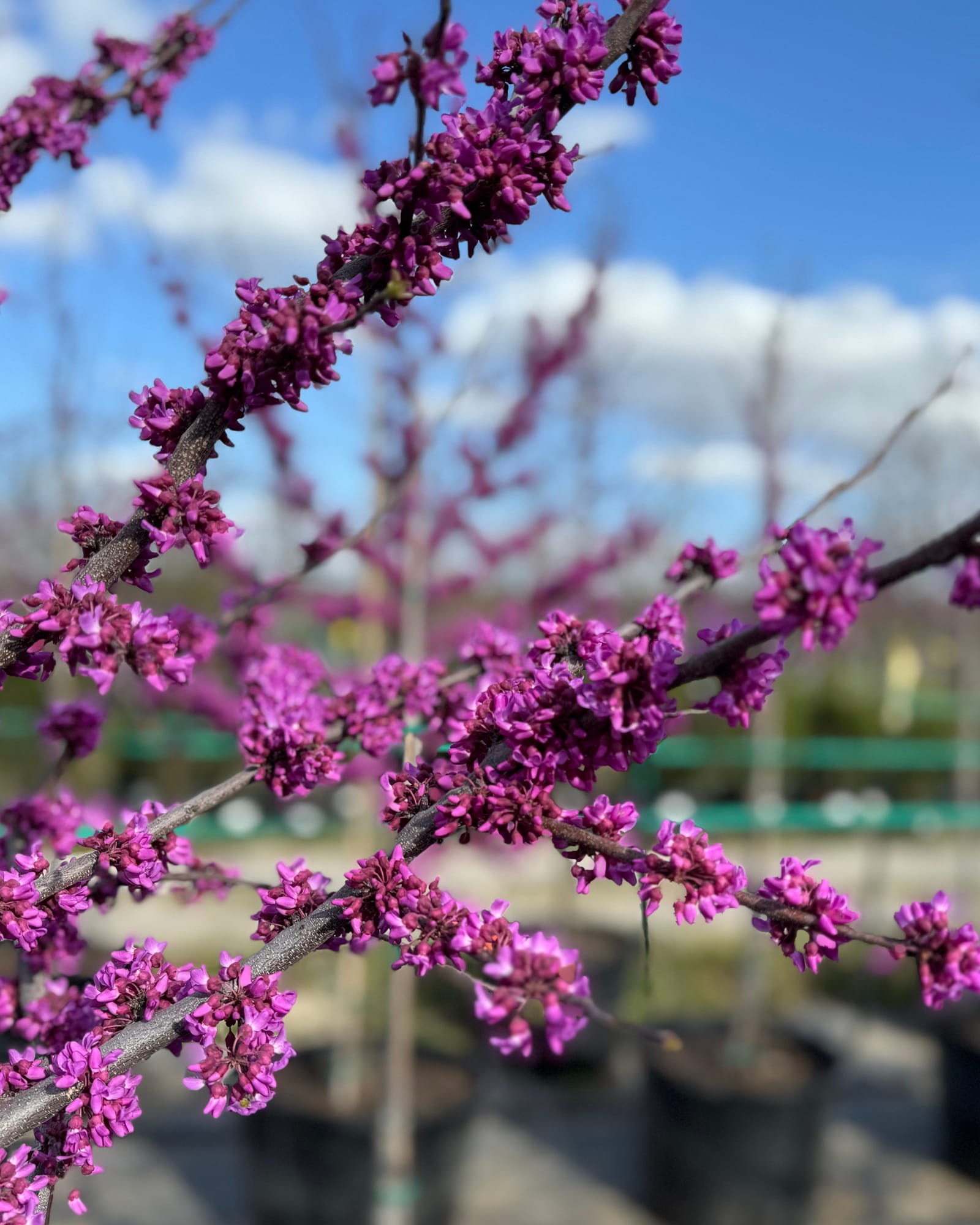
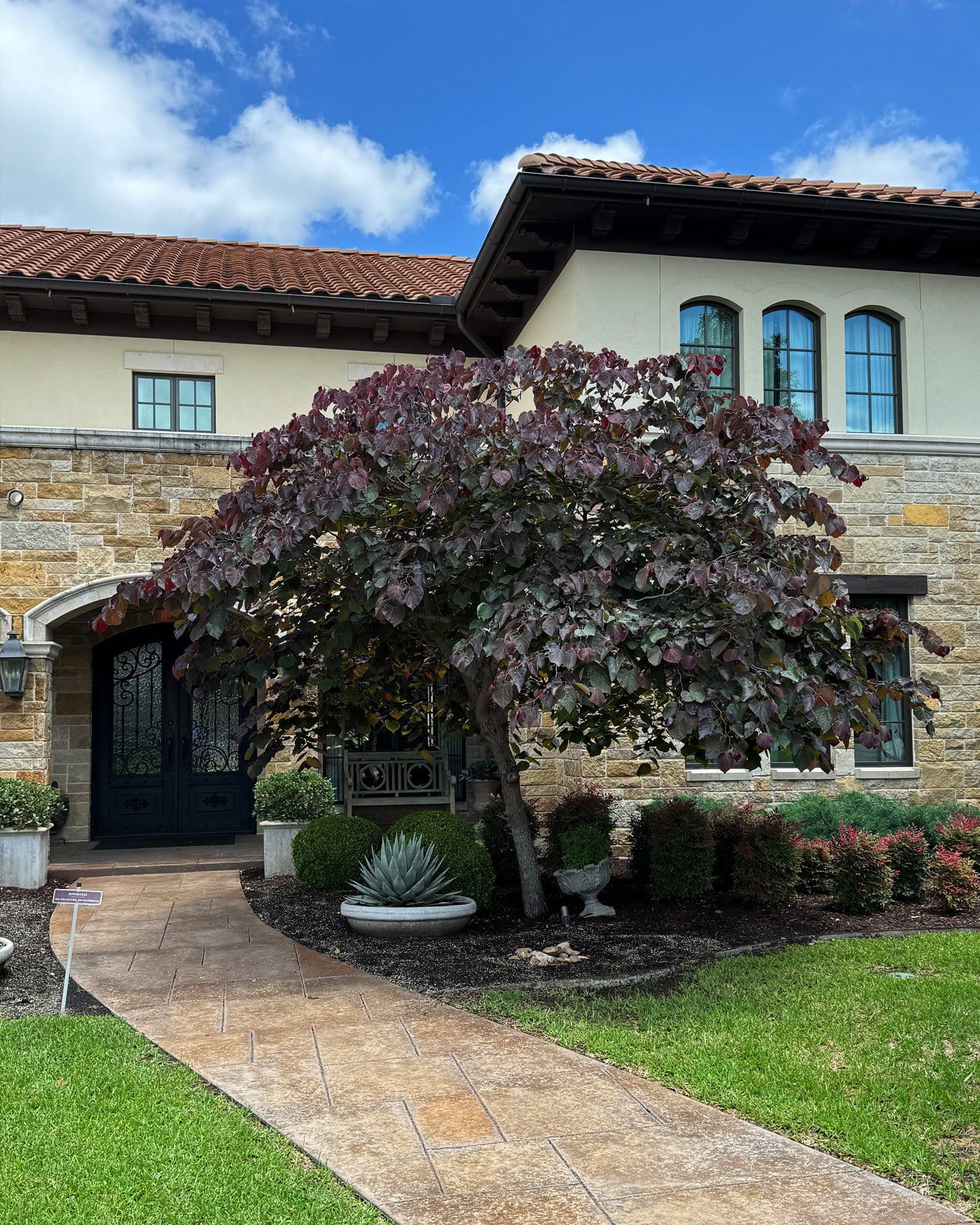
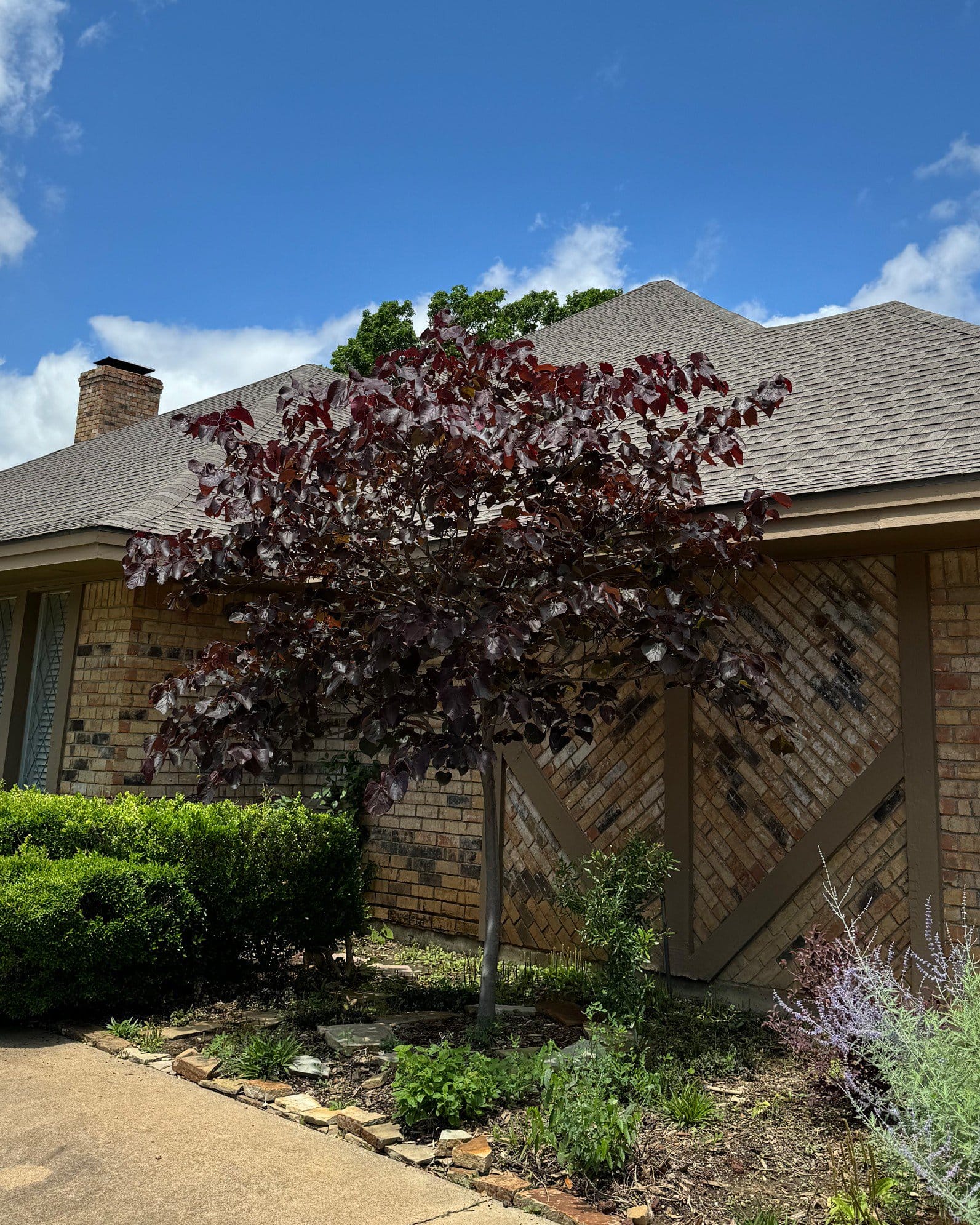
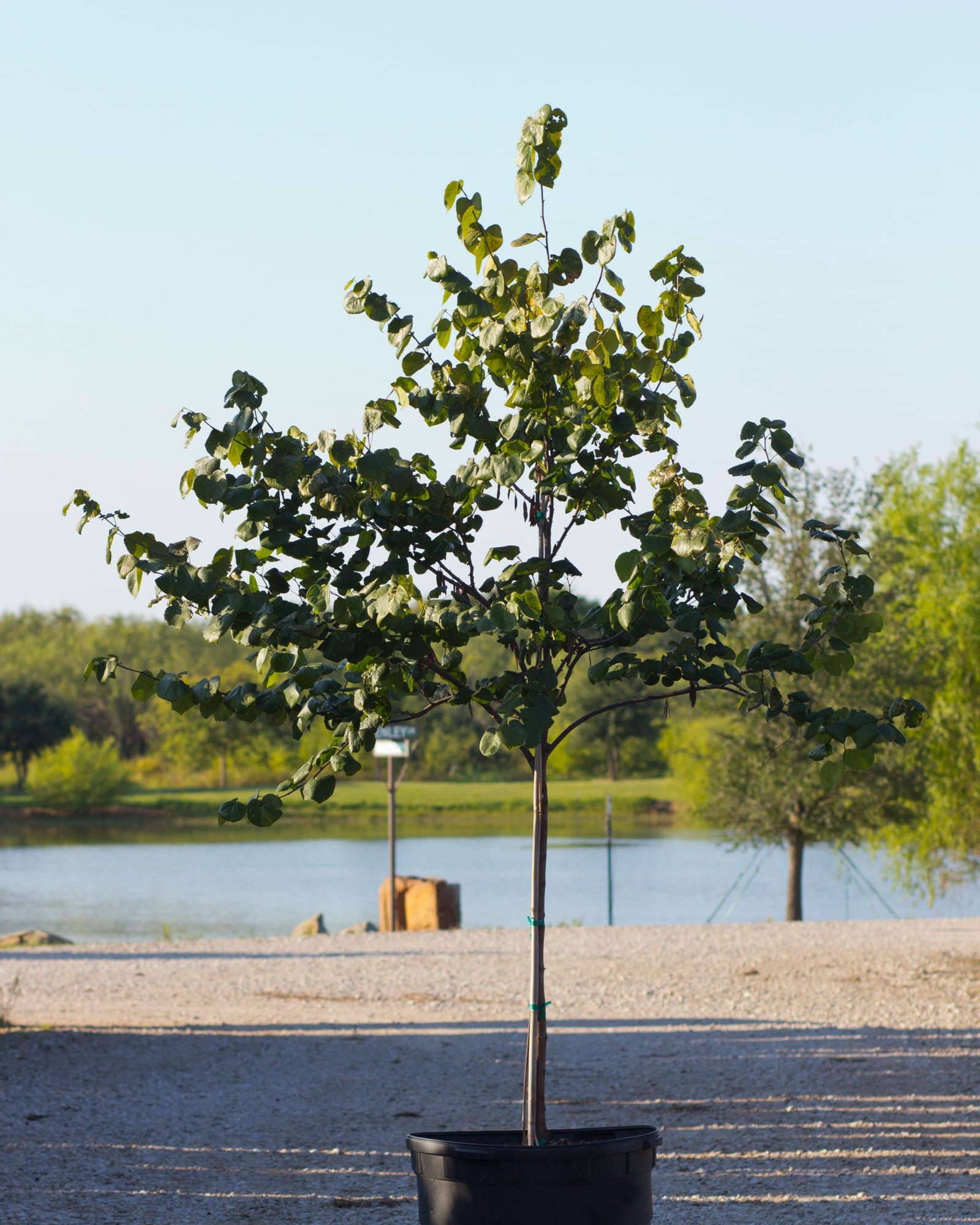
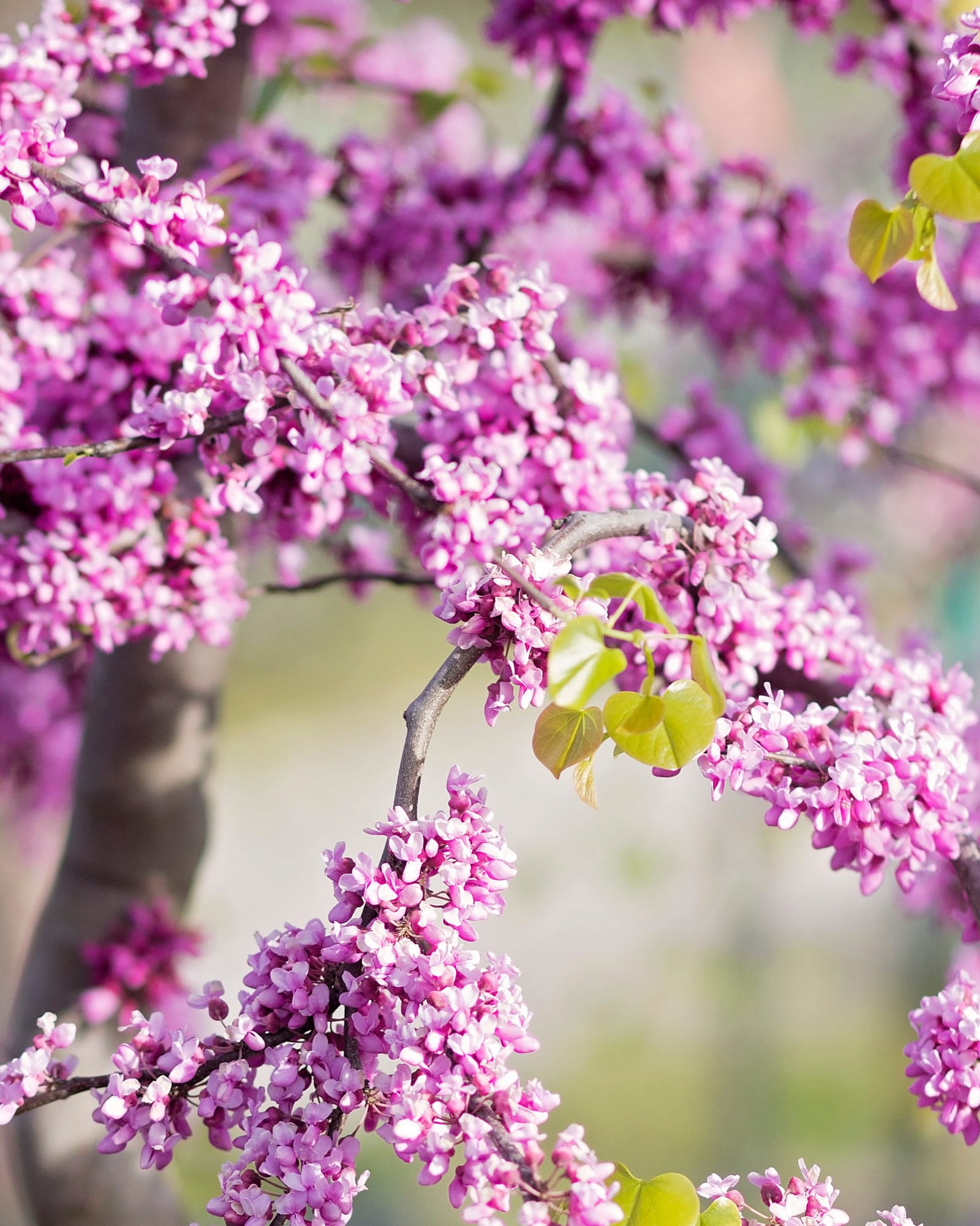
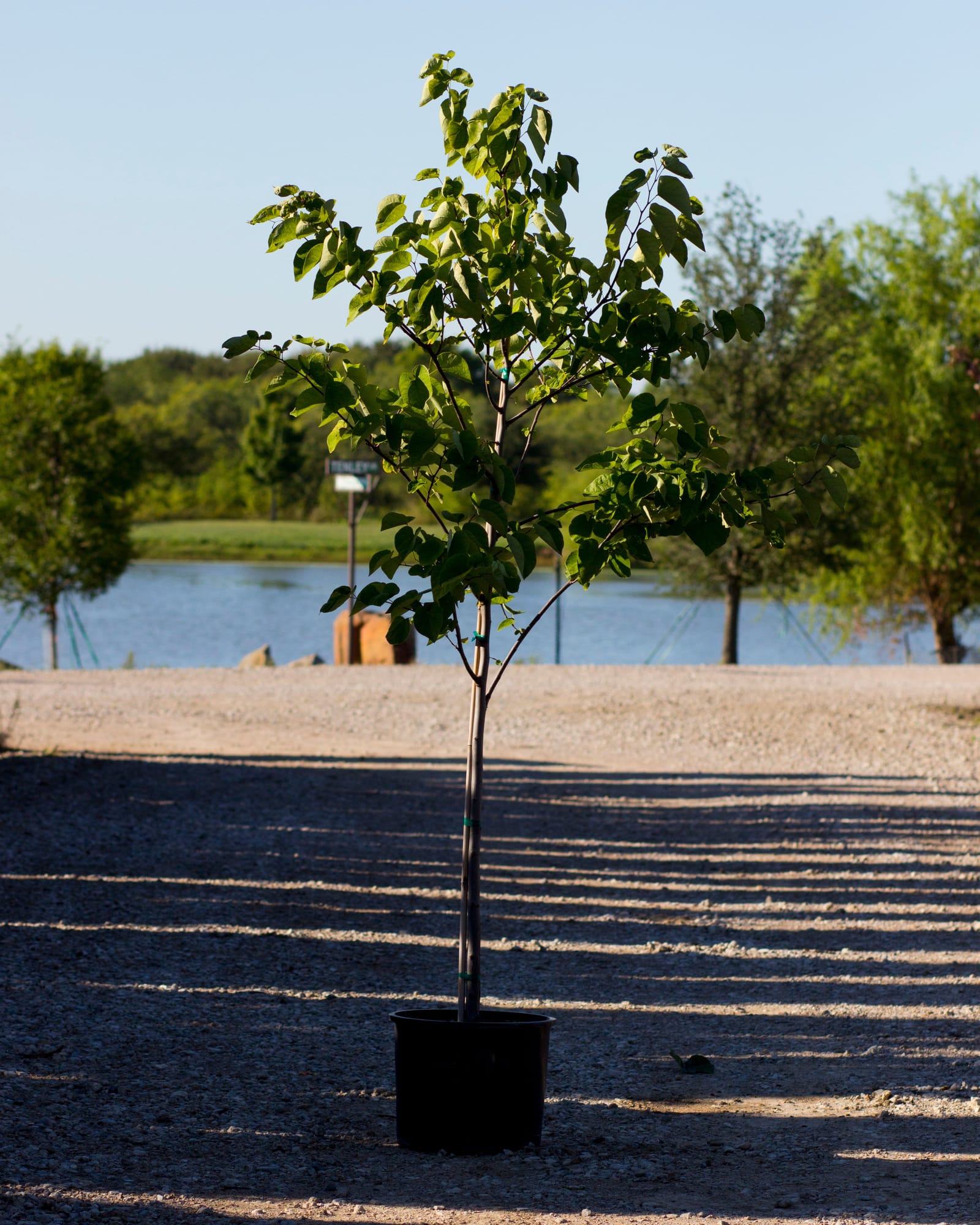
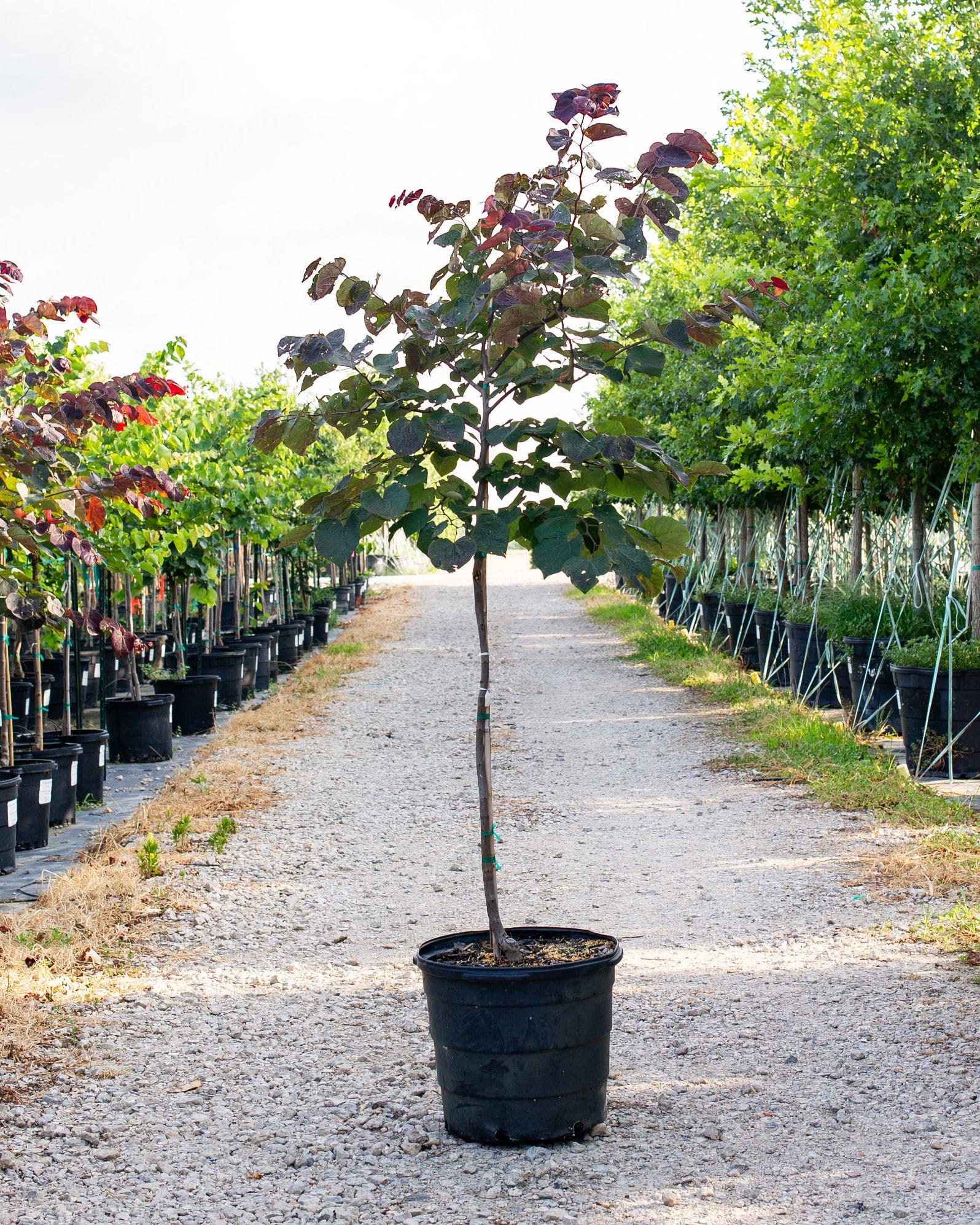
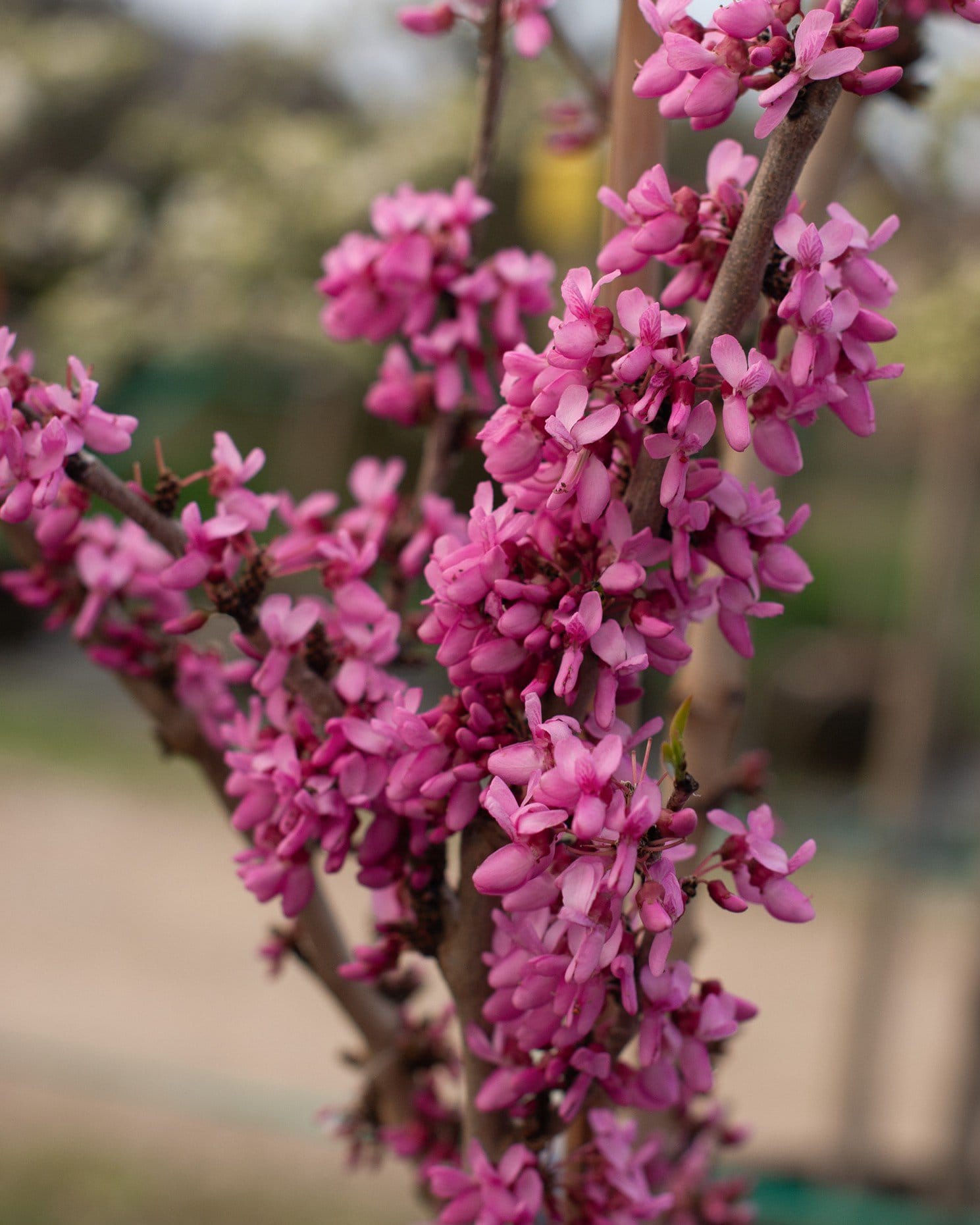
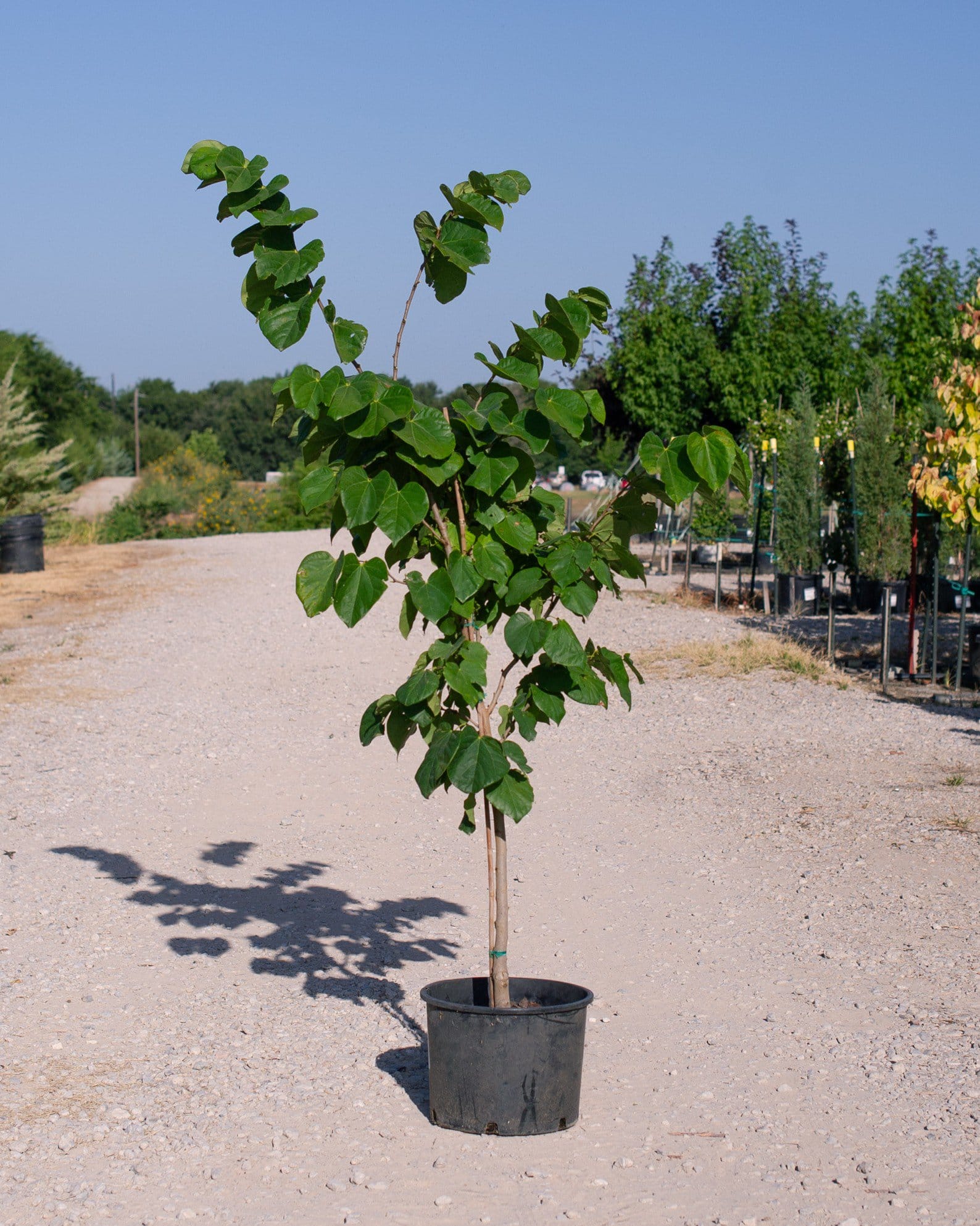
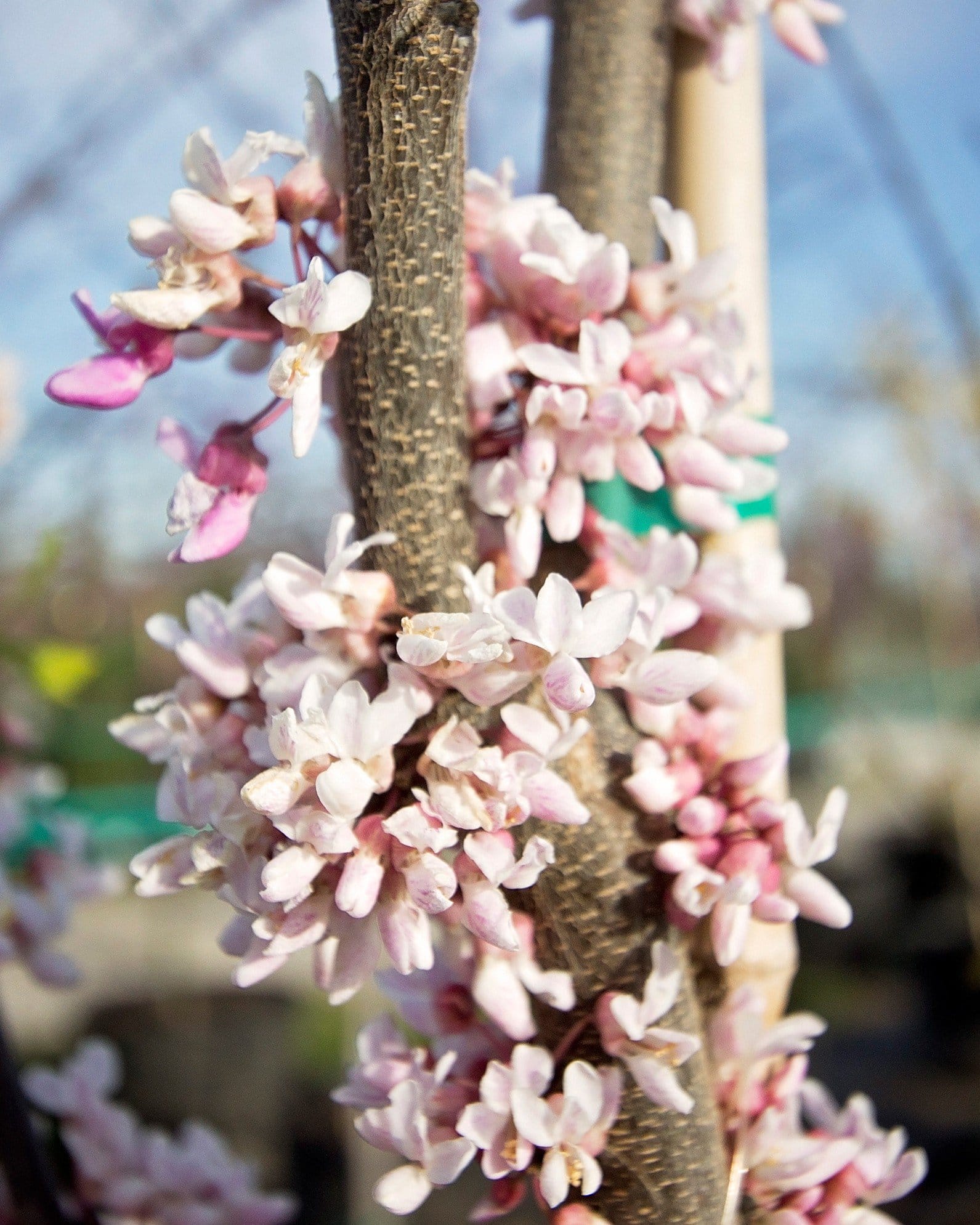
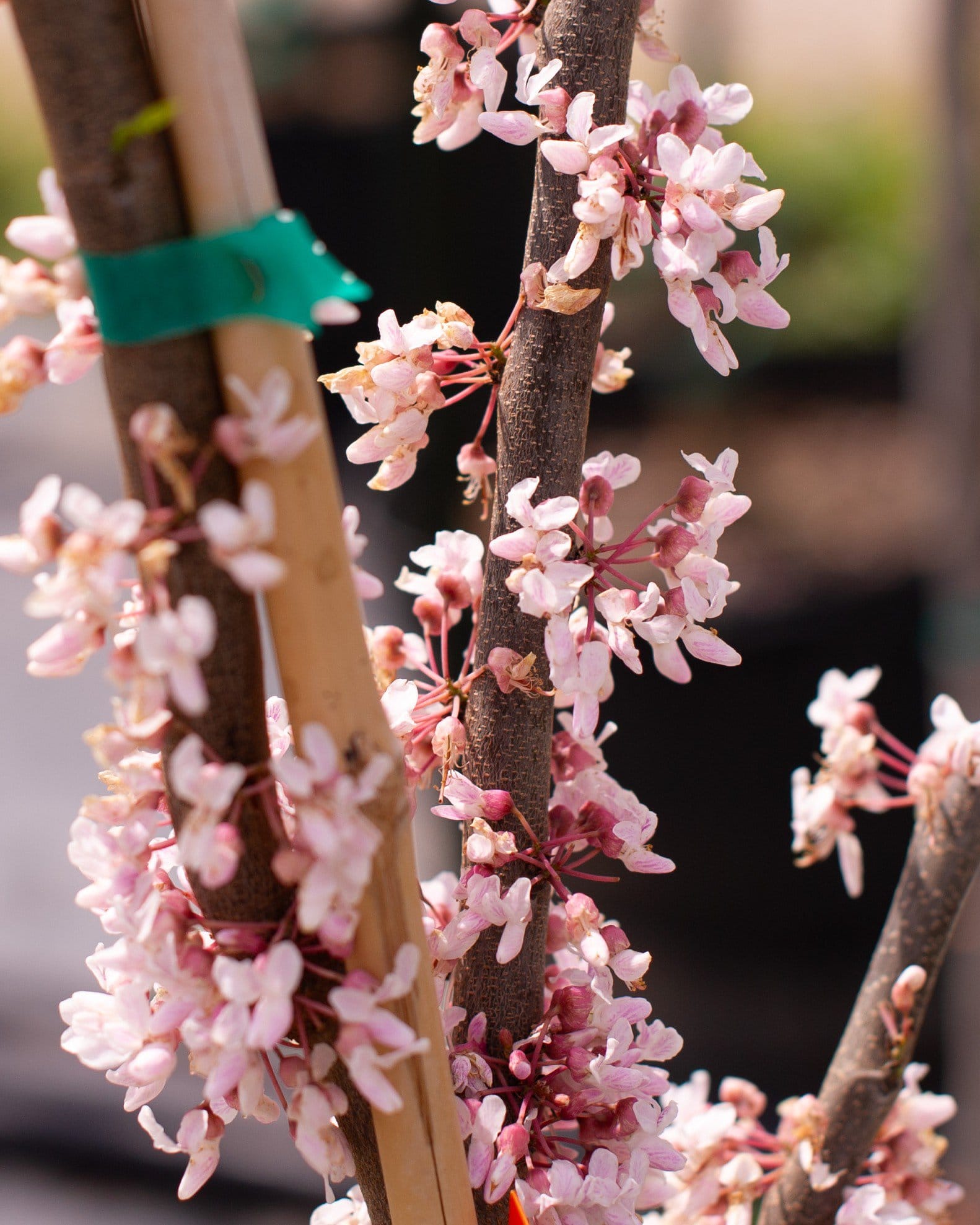
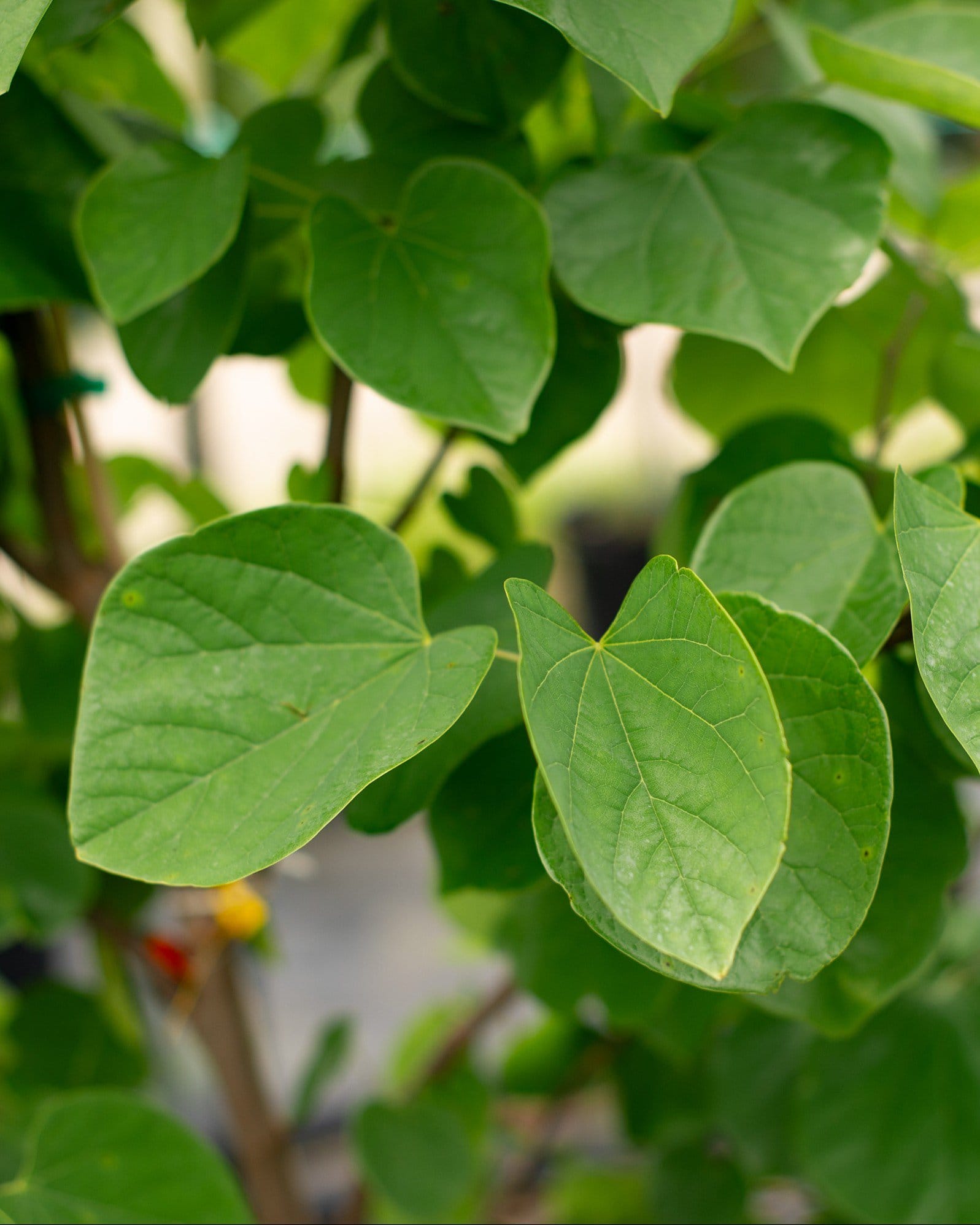
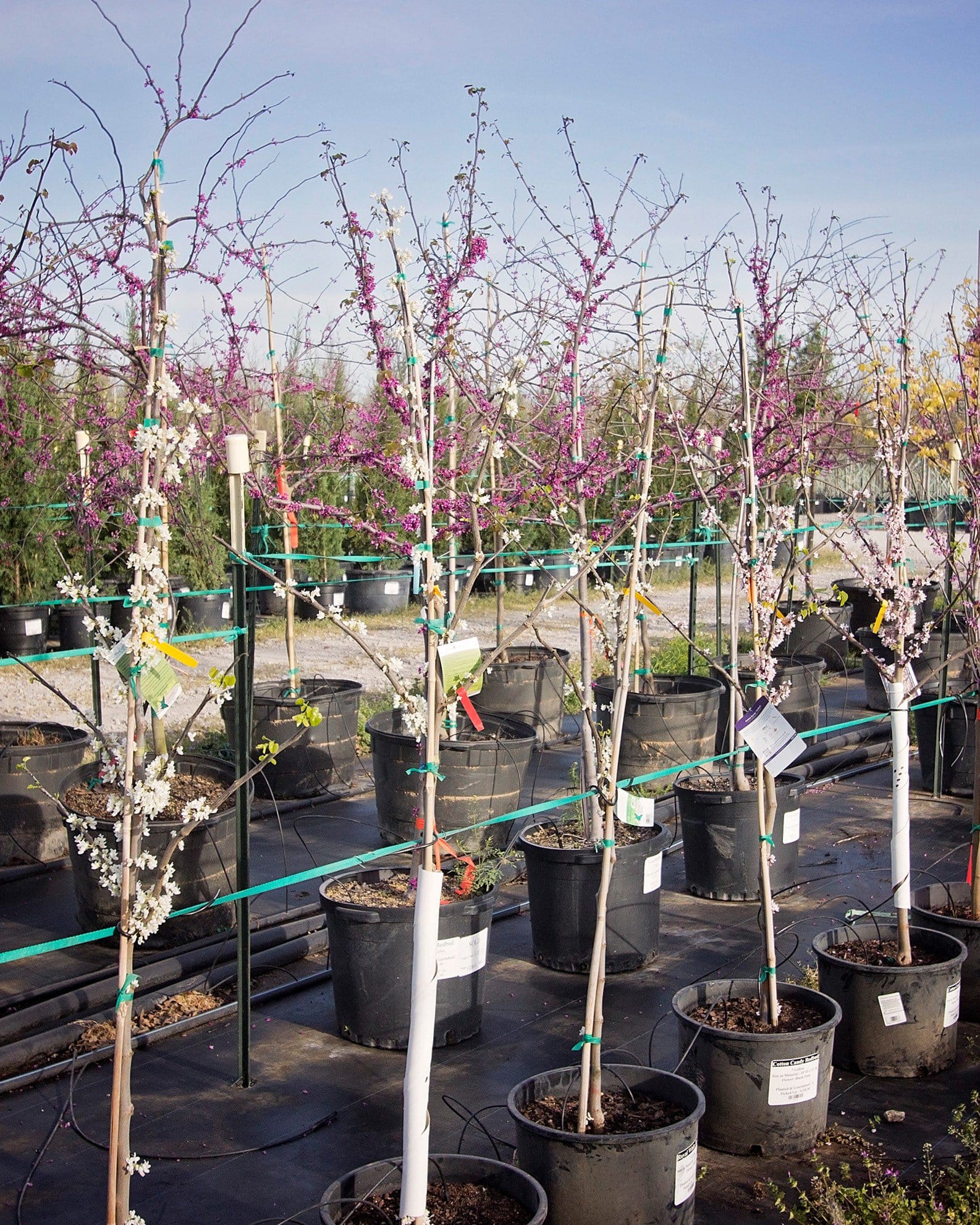
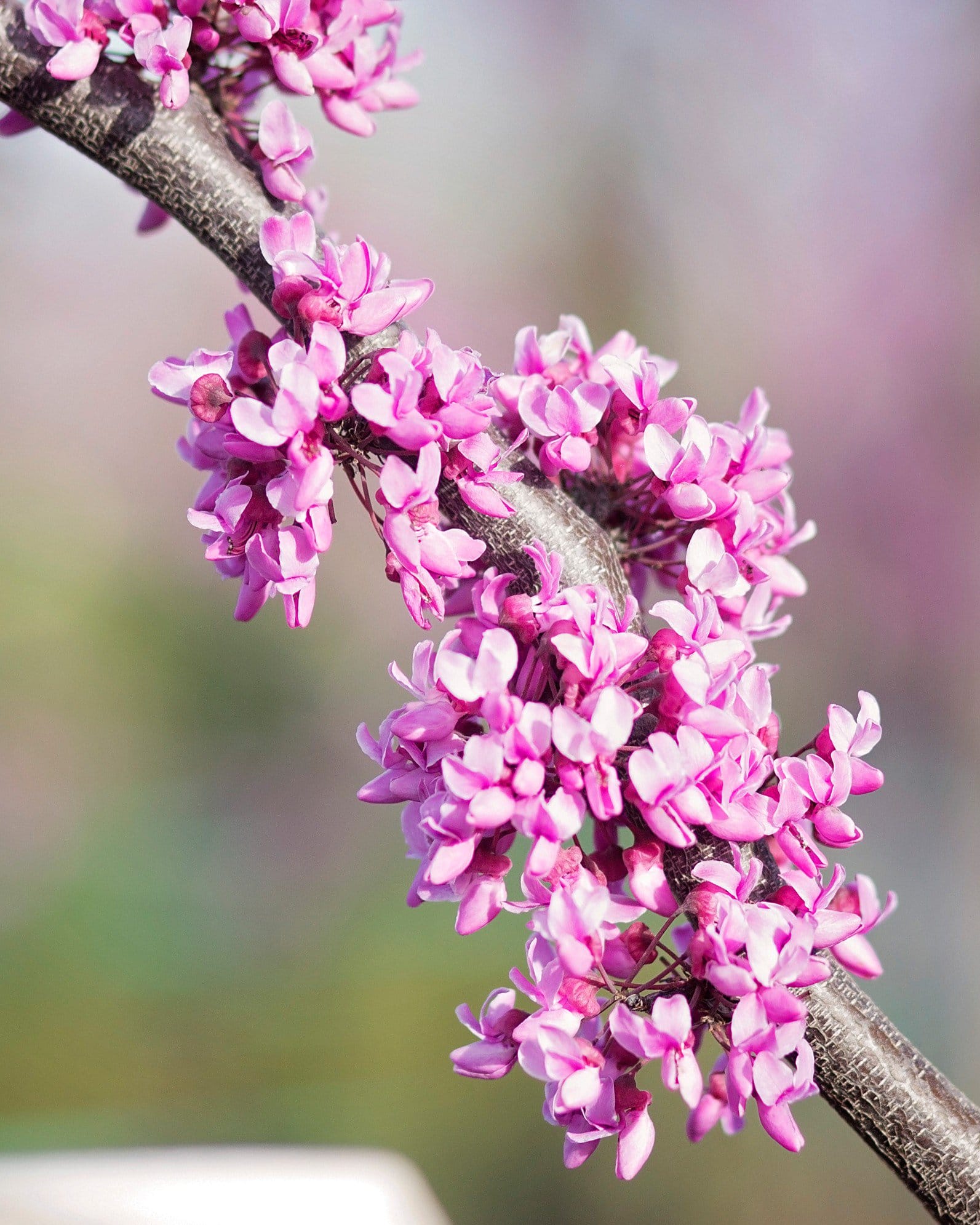
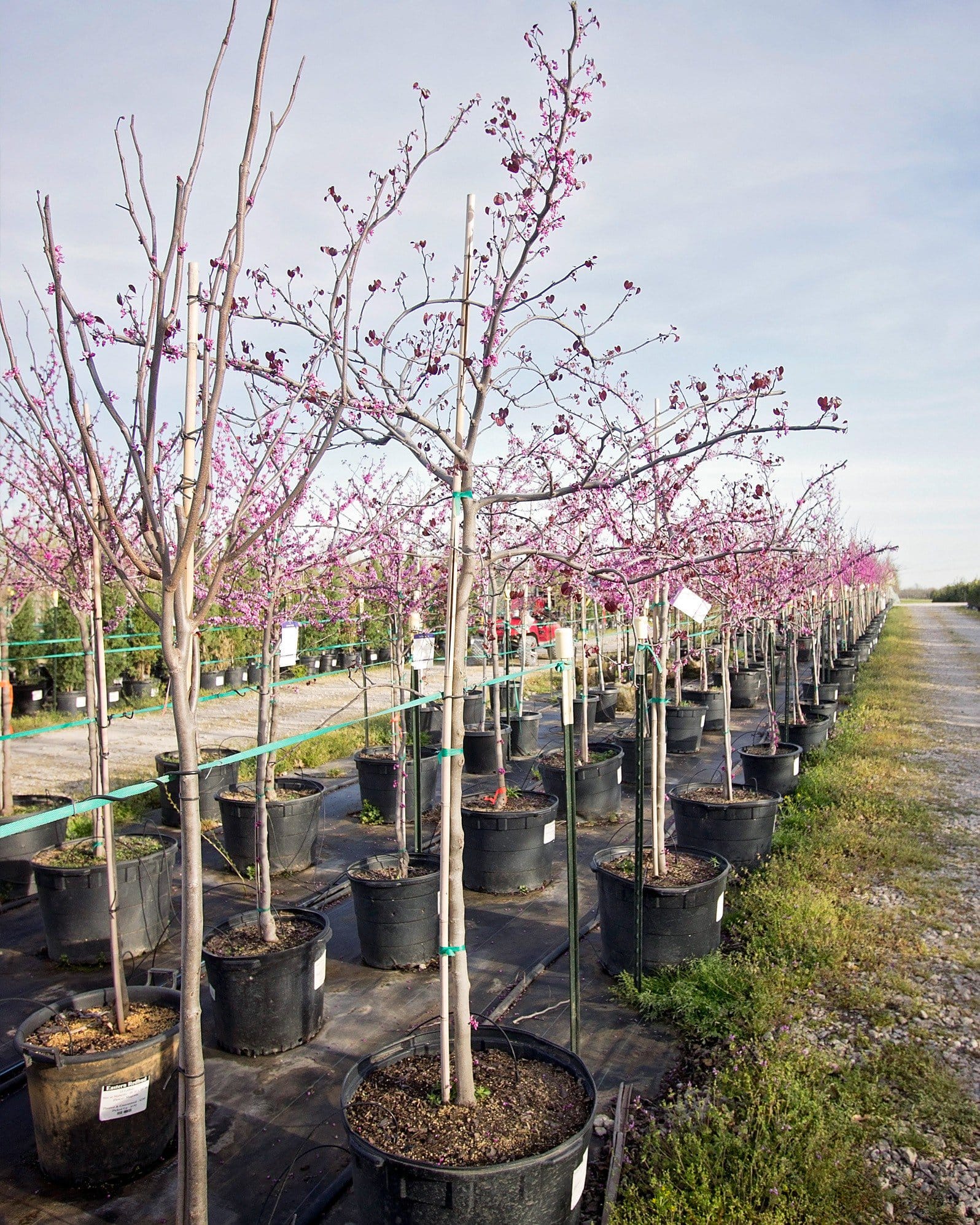
Cercis canadensis var. texensis 'Oklahoma'Oklahoma Redbud is a sturdy and attractive tree that offers abundant seasonal color and a classic silhouette. Growing up to 30 feet tall and 20 feet wide, this deciduous tree forms a broad, spreading canopy perfect for providing dappled shade and visual interest in flower beds and borders. In early spring, it produces a profusion of vivid pink flowers that cover the bare branches, signaling the arrival of spring with a burst of cheerful color.
- Deciduous tree
- Moderate growth rate
- Bright pink flowers
- Adds structure and color to medium to large flower beds and landscapes
- Versatile and resilient for a range of landscape uses
Oklahoma Redbud thrives in full sun to partial shade and prefers well-drained soil. Its generous size and striking blooms make it a standout choice for North Texas and similar climates, bringing beauty and durability to flower beds and open spaces. Hardy in USDA zones 5 through 9.
Oklahoma Redbud offers deep magenta blooms while remaining easy to maintain once established. Here’s everything it needs to thrive beautifully:
- Watering: Provide deep, regular watering during the first several years to help establish a resilient root system. Once mature, Oklahoma Redbud becomes notably drought-tolerant, though occasional watering during prolonged heat keeps foliage lush and vibrant.
- Pruning: Prune in late winter to remove crossing, damaged, or low-hanging branches and to create a clean, balanced canopy. Heavy reshaping is rarely required due to its naturally tidy, rounded form.
- Fertilizing: Apply a light dose of slow-release fertilizer in early spring to support new growth and abundant flowering. Compost or organic amendments improve soil texture and promote long-term vigor. Avoid excessive nitrogen, which may reduce bloom density.
- Mulching: Maintain a 2-3 inch mulch layer around the base to conserve moisture and protect shallow roots from heat stress. Keep mulch slightly away from the trunk to prevent rot and refresh annually for best soil conditioning.
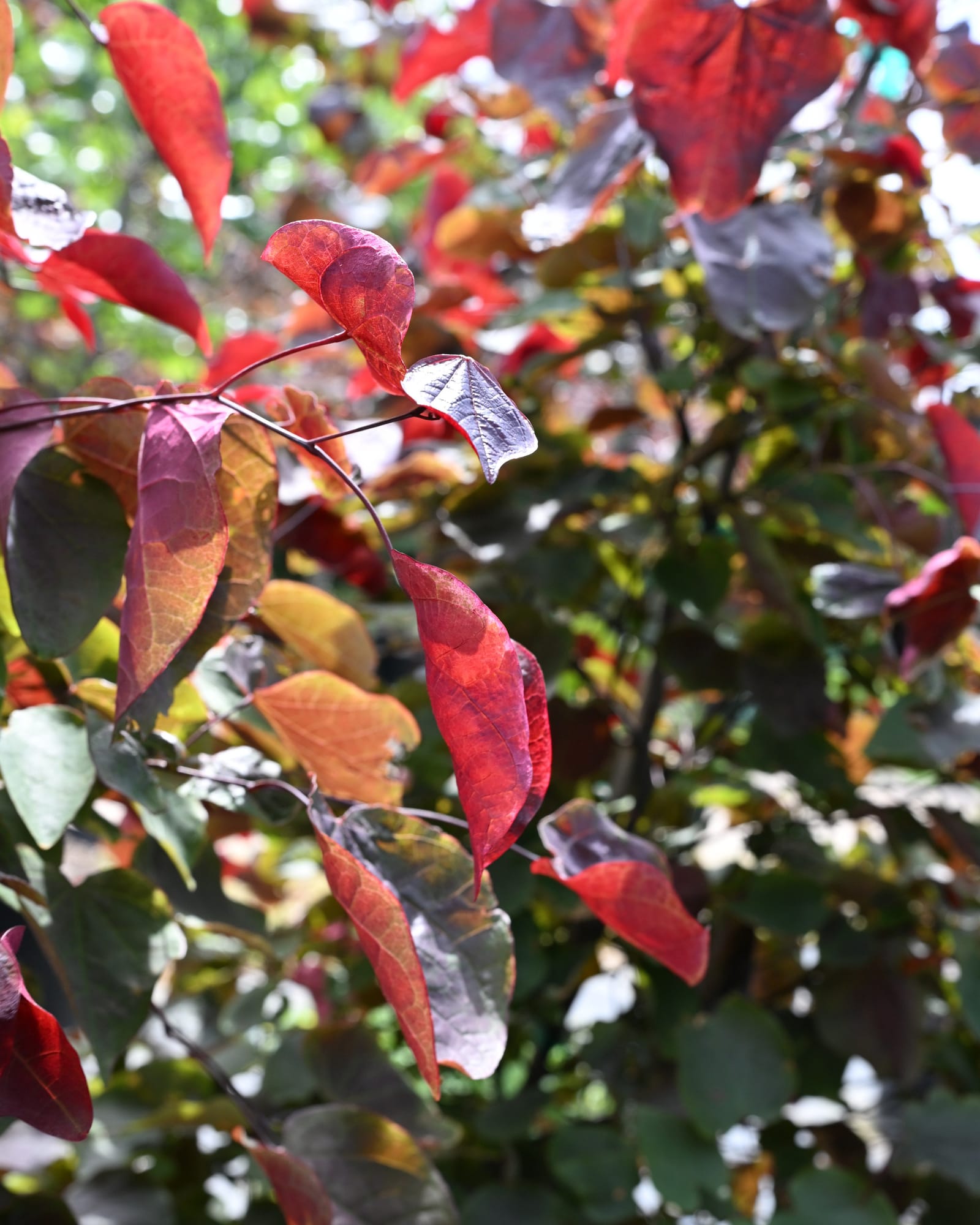
- Winter Care: Oklahoma Redbud is cold-hardy across much of the southern and central U.S., recovering well from typical winter conditions. Young trees may benefit from some shelter from strong winds during their first year. Remove any winter dieback during late-winter pruning.
This cultivar is known for its toughness, yet a few manageable issues may arise under environmental stress:
- Leaf Spot: Brown or irregular blotches may appear during humid stretches. Improving airflow and removing fallen leaves helps reduce future outbreaks.
- Canker: Sunken or darkened bark patches signal canker infection. Prune affected branches promptly and minimize stress to promote recovery.
- Verticillium Wilt: Sudden wilting or dieback may occur in soils containing the fungus. Removing infected limbs and improving soil conditions can help slow progression.
- Aphids: Sticky honeydew or curling young leaves indicate aphid activity. Rinse foliage or apply insecticidal soap to restore healthy growth.
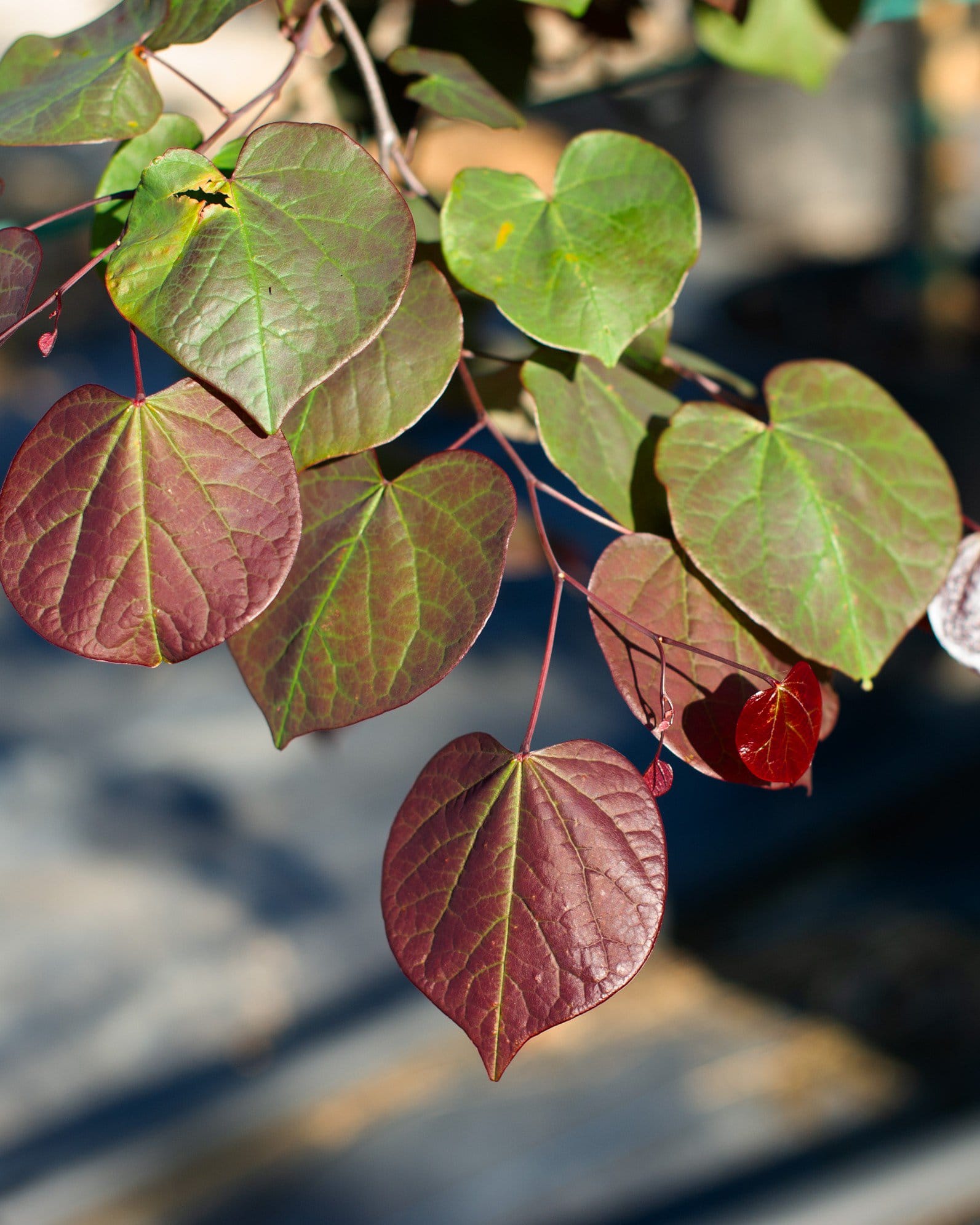
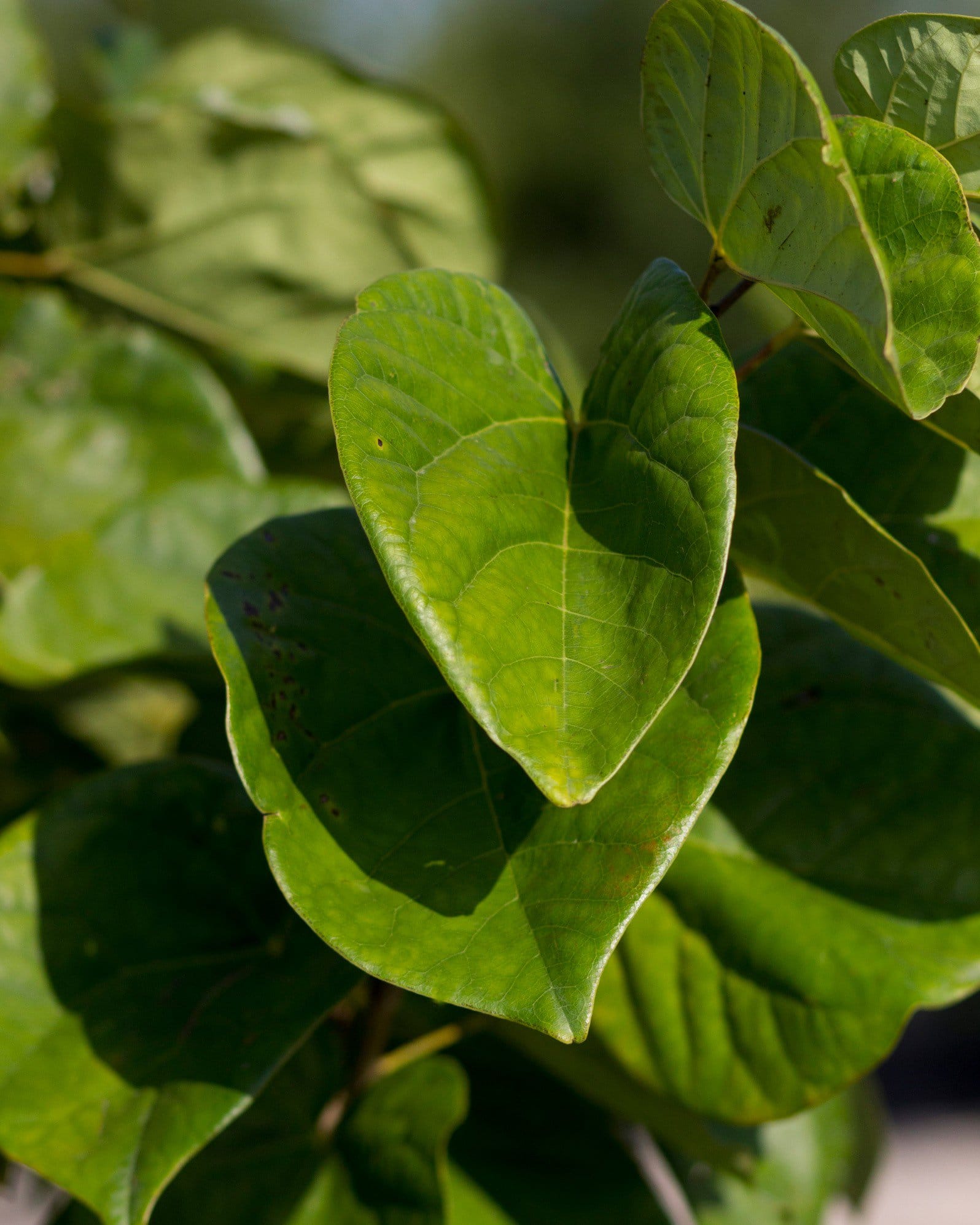
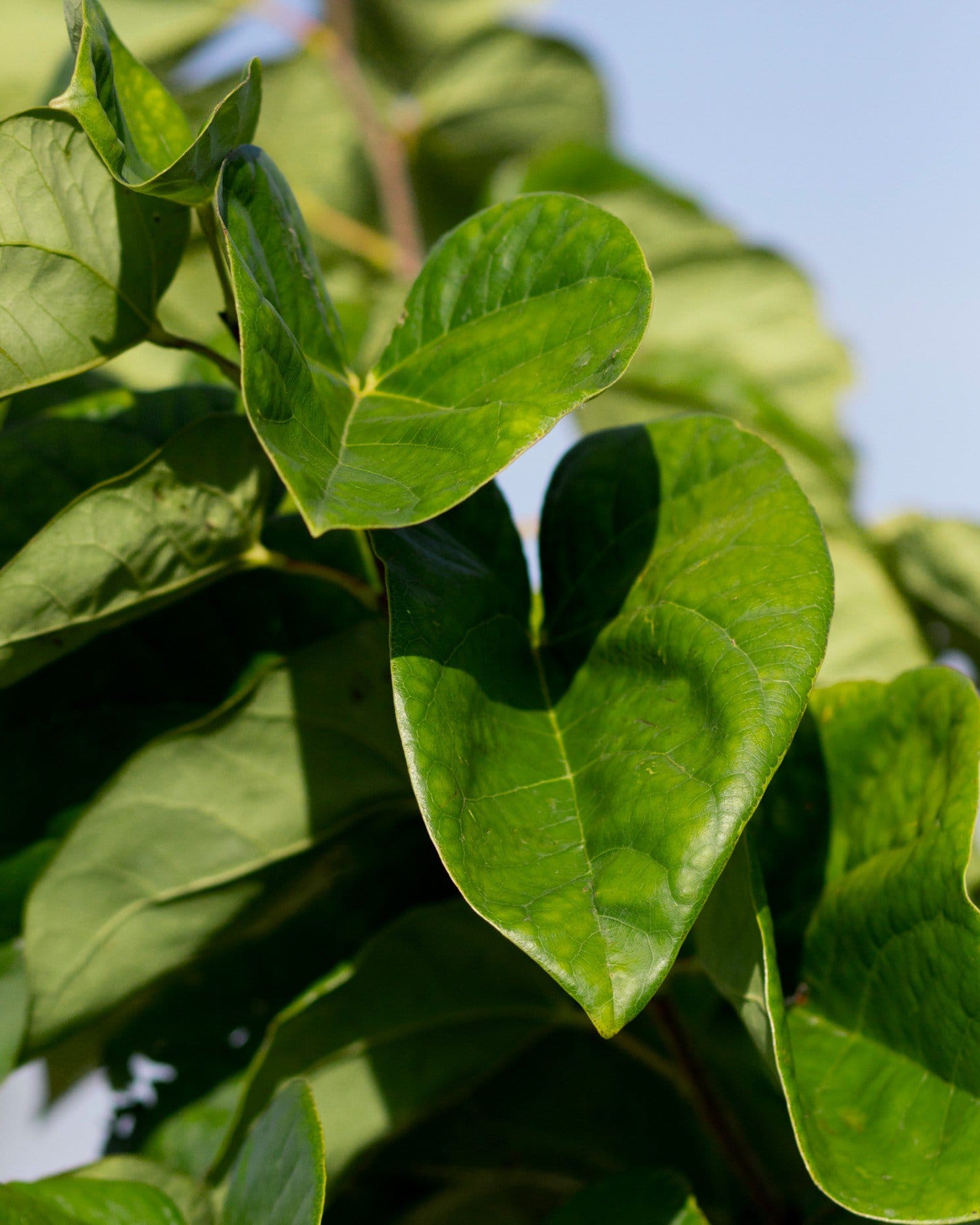
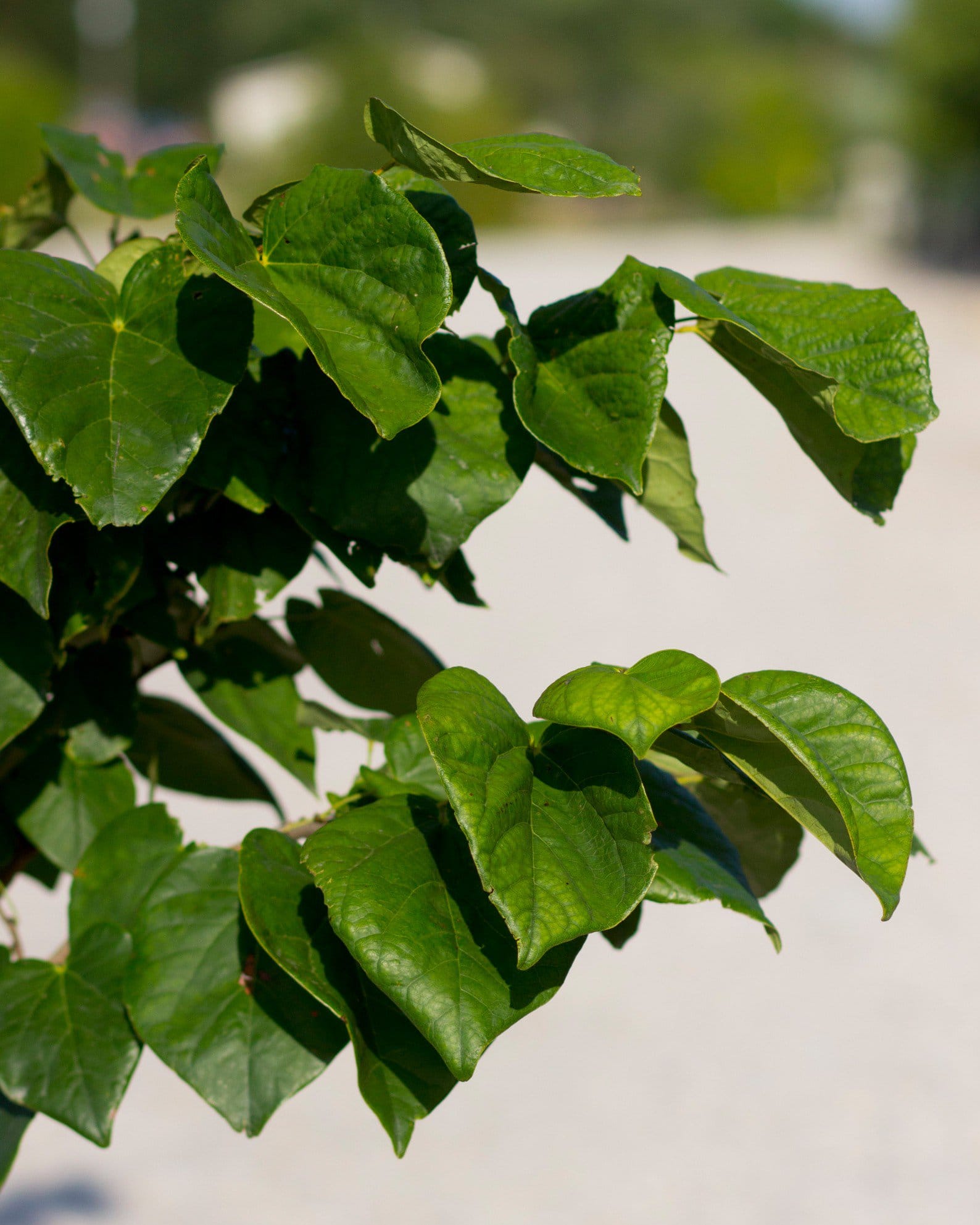
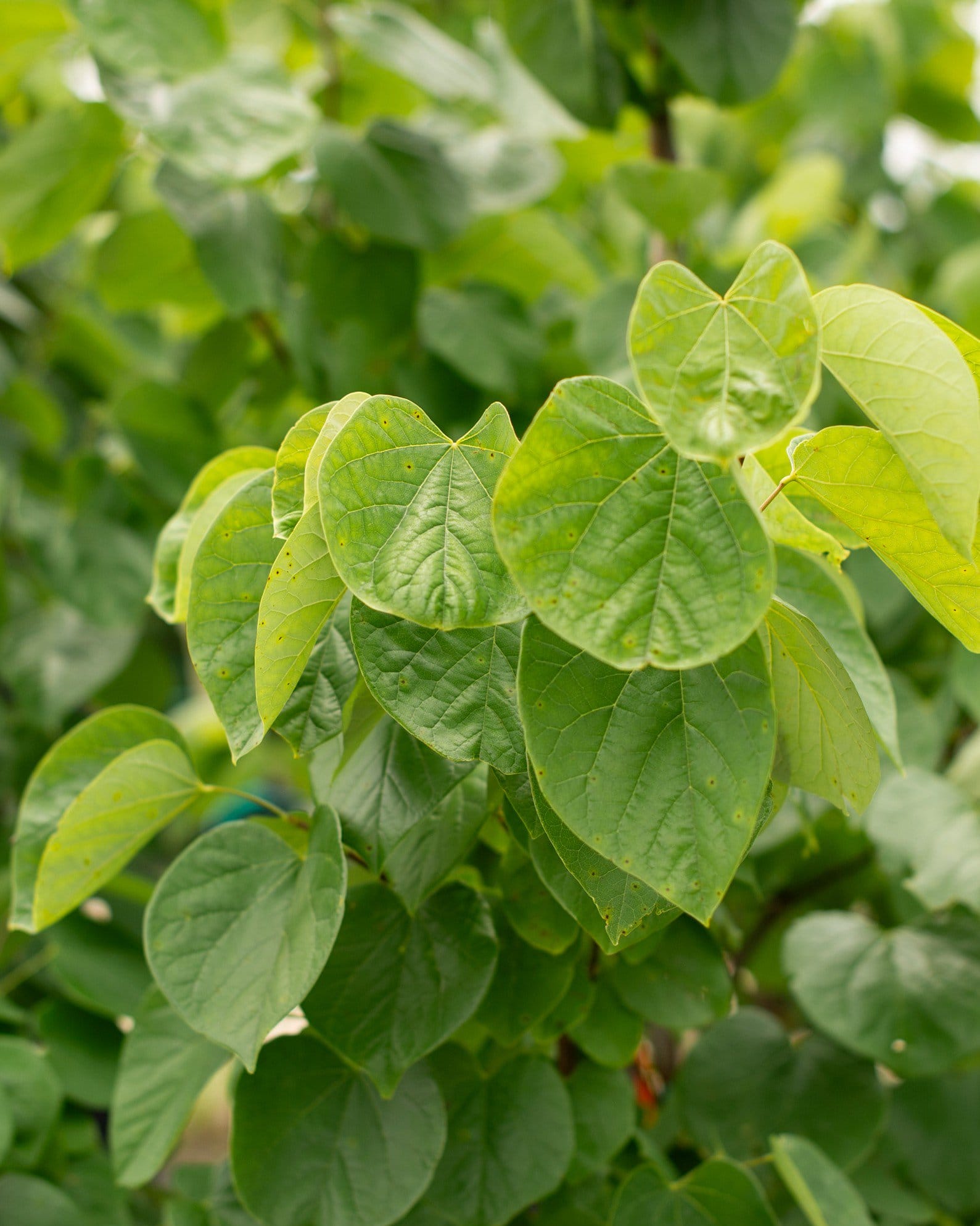
The difference between the Texas Redbud (Cercis canadensis var. texensis) and the Oklahoma Redbud (Cercis canadensis var. texensis 'Oklahoma') is that the Oklahoma Redbud is a cultivar of Texas Redbud. Both share the key traits of the Texas variety, such as a larger stature than the Eastern Redbud, excellent drought and heat tolerance, and the signature glossy, thick, and leathery leaves that are adapted to alkaline, well-drained soils. However, the Oklahoma Redbud was specifically discovered and selected in the Arbuckle Mountains of Oklahoma for its enhanced ornamental qualities. These improvements include a more consistently rounded, and dense growth habit, making it ideal for larger gardens; darker, richer wine-red to magenta flowers that are more striking than the general Texas Redbud population; and exceptionally glossy, dark green foliage that gives the tree a refined, polished look throughout the growing season. In essence, the Texas Redbud is the naturally occurring variety, while the Oklahoma Redbud is the commercially preferred selection that accentuates the best features of that variety.
Oklahoma Redbuds typically live 20-40 years in favorable conditions. With steady moisture, healthy soil, and periodic pruning, many specimens remain impressive landscape trees well into maturity.
It grows at a moderate rate of about 1-2 feet per year. Most trees reach full canopy structure and consistent bloom quality within 5-7 years.
Yes - its early spring flowers draw bees, butterflies, and other pollinators. The tree becomes an important nectar source before many shrubs and perennials begin blooming.
Its modest size and upright-rounded shape make it ideal for smaller yards, front entries, and intimate garden spaces. Even a single tree becomes a standout centerpiece.
It can be container-grown during its juvenile years, making it an option for patios or decorative displays. Long-term health is best achieved when planted in the ground, where roots can expand freely.
Deer occasionally sample new foliage but generally leave mature leaves alone. Light early protection typically prevents any meaningful damage.
Pair it with ornamental grasses, Hydrangeas, Heucheras, Hostas, Dogwoods, or evergreen shrubs to highlight its brilliant blooms and glossy foliage. These combinations create multi-season beauty.
Yes - grouping several together enhances the dramatic color impact of the spring blooms. Mass plantings create a vivid ribbon of color across large landscape areas.
Young trees transplant well when moved during late winter or early spring. Proper watering afterward helps them establish quickly in their new location.
Special Features
You might also like
Forest Pansy Redbud
Maturity: 20' H x 20' W
Texas Redbud
Maturity: 30' H x 20' W
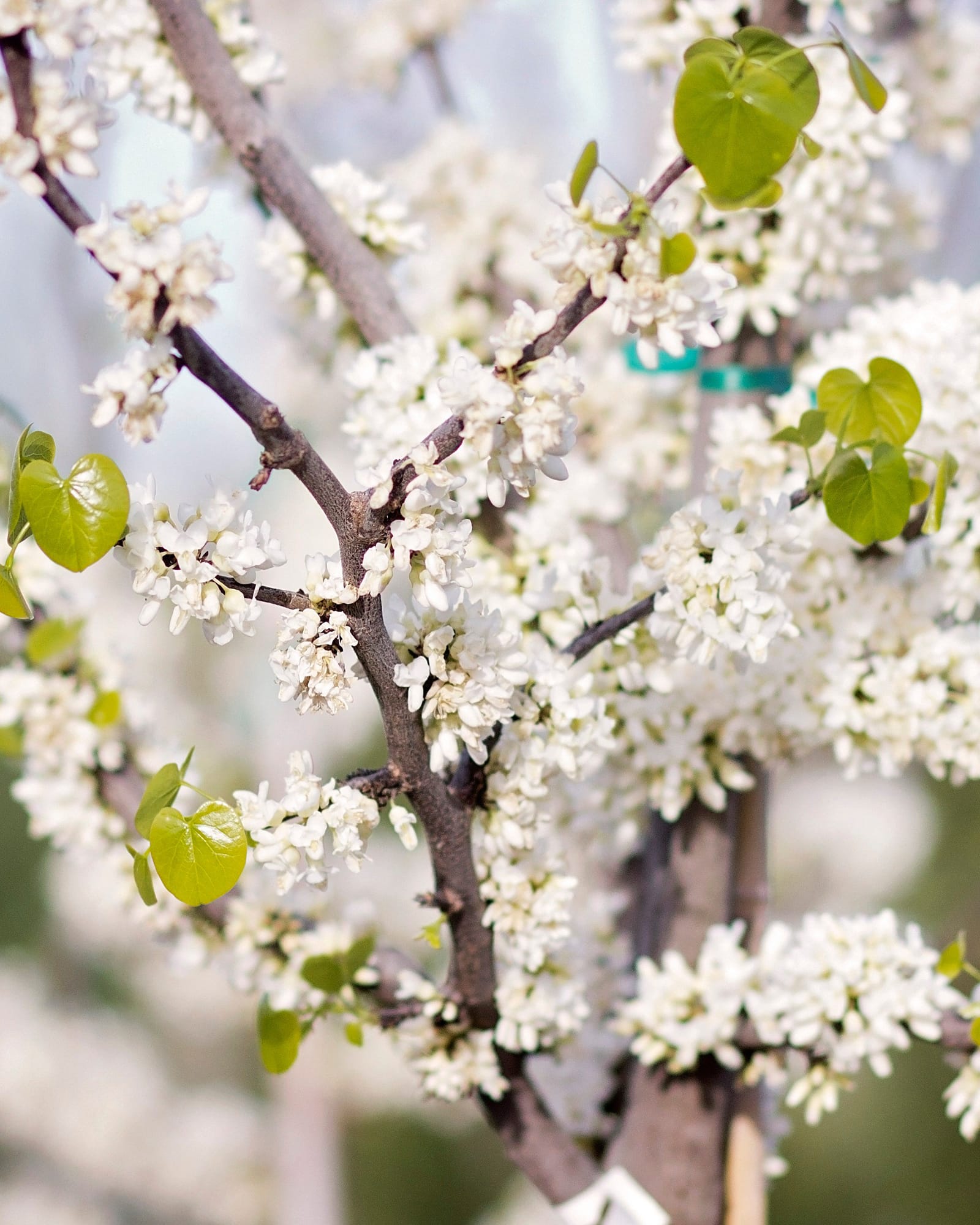
Texas White Redbud
Maturity: 20' H x 15' W
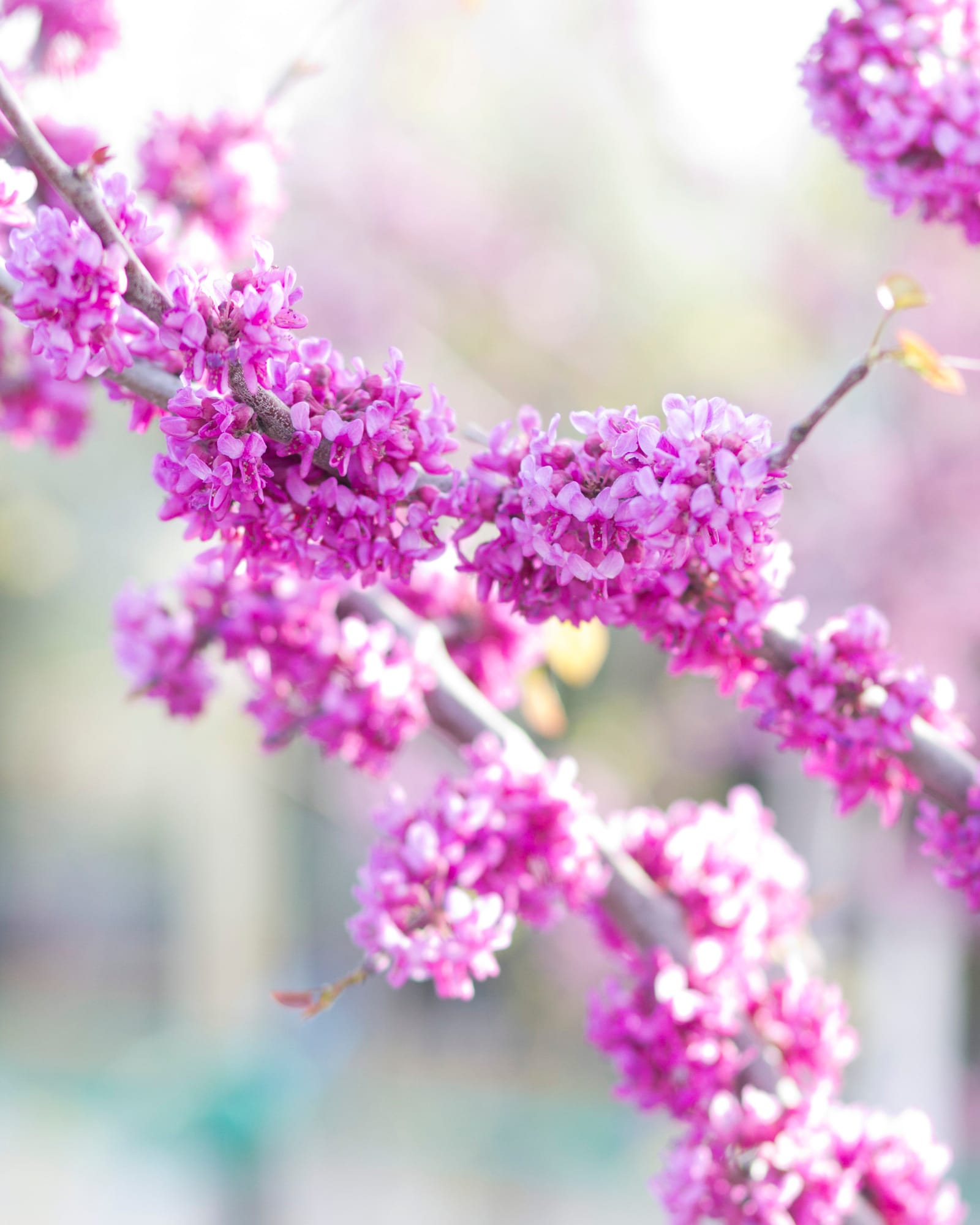
Merlot Redbud
Maturity: 15' H x 15' W
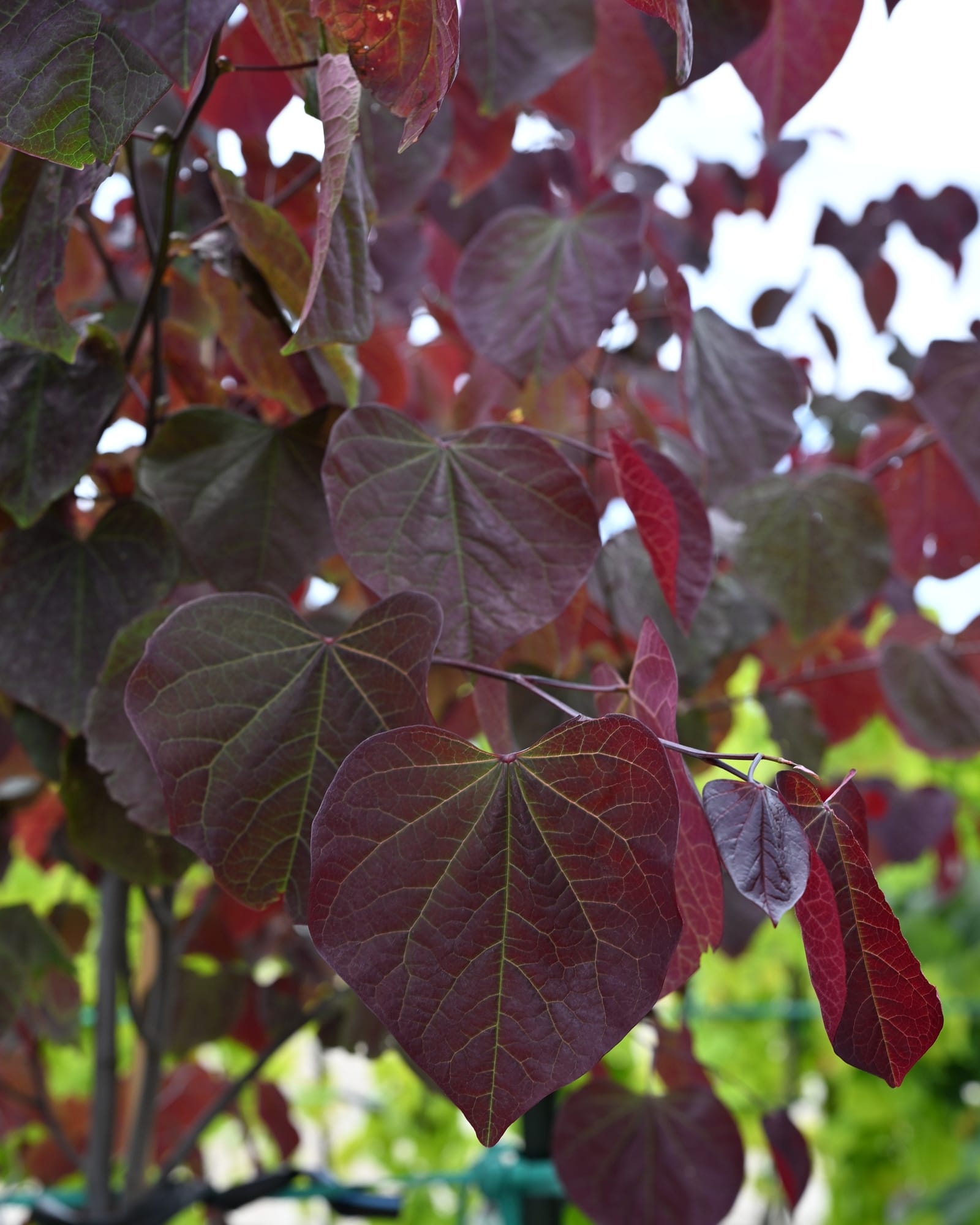
Midnight Express Redbud
Maturity: 15' H x 15' W
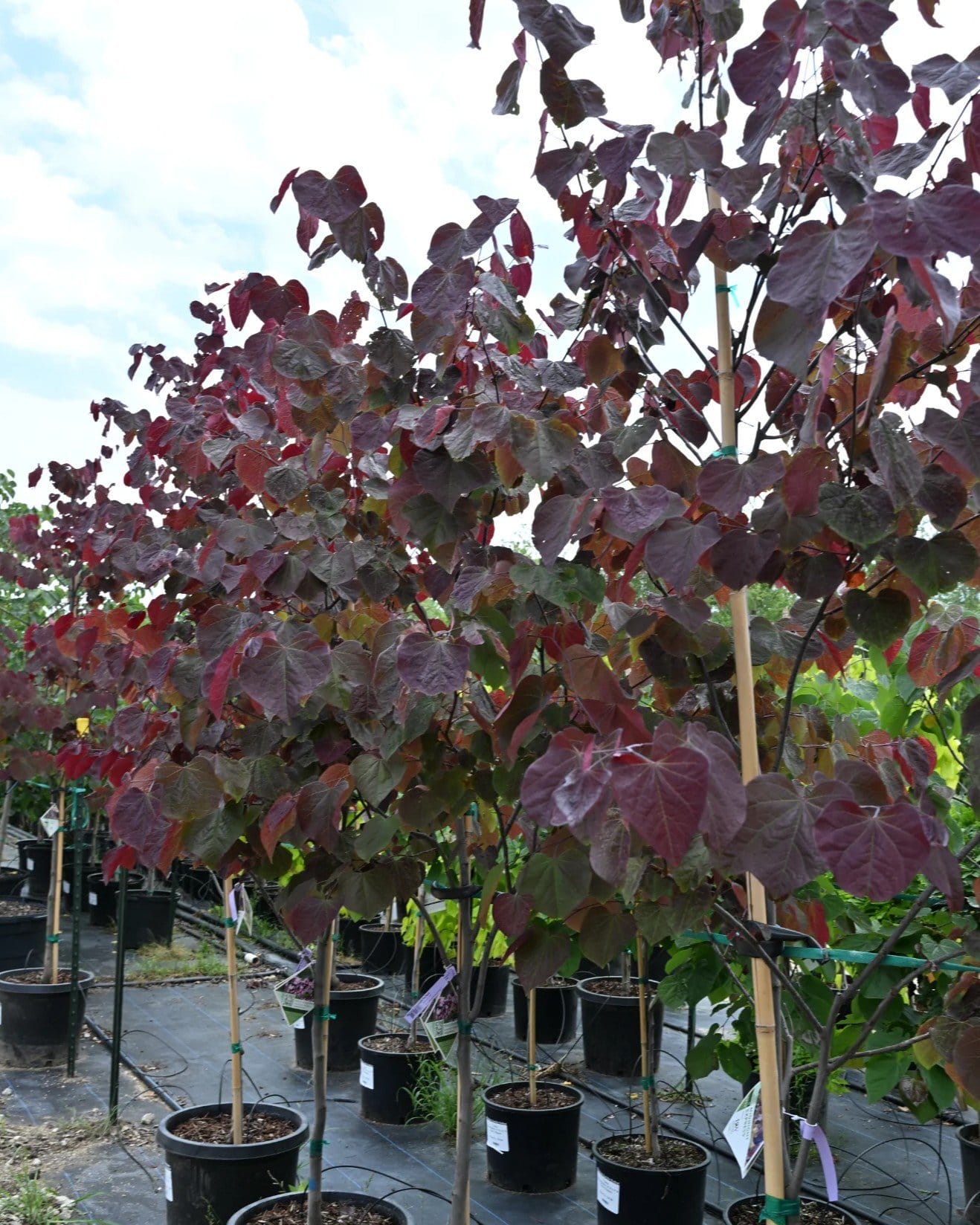
Purple Rain Weeping Redbud
Maturity: 8' H x 8' W
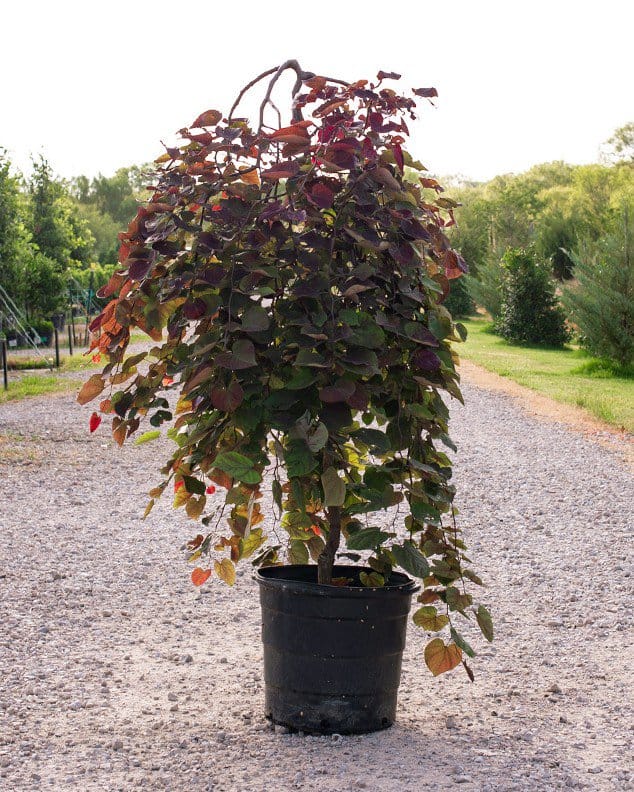
Ruby Falls Weeping Redbud
Maturity: 6' H x 10' W
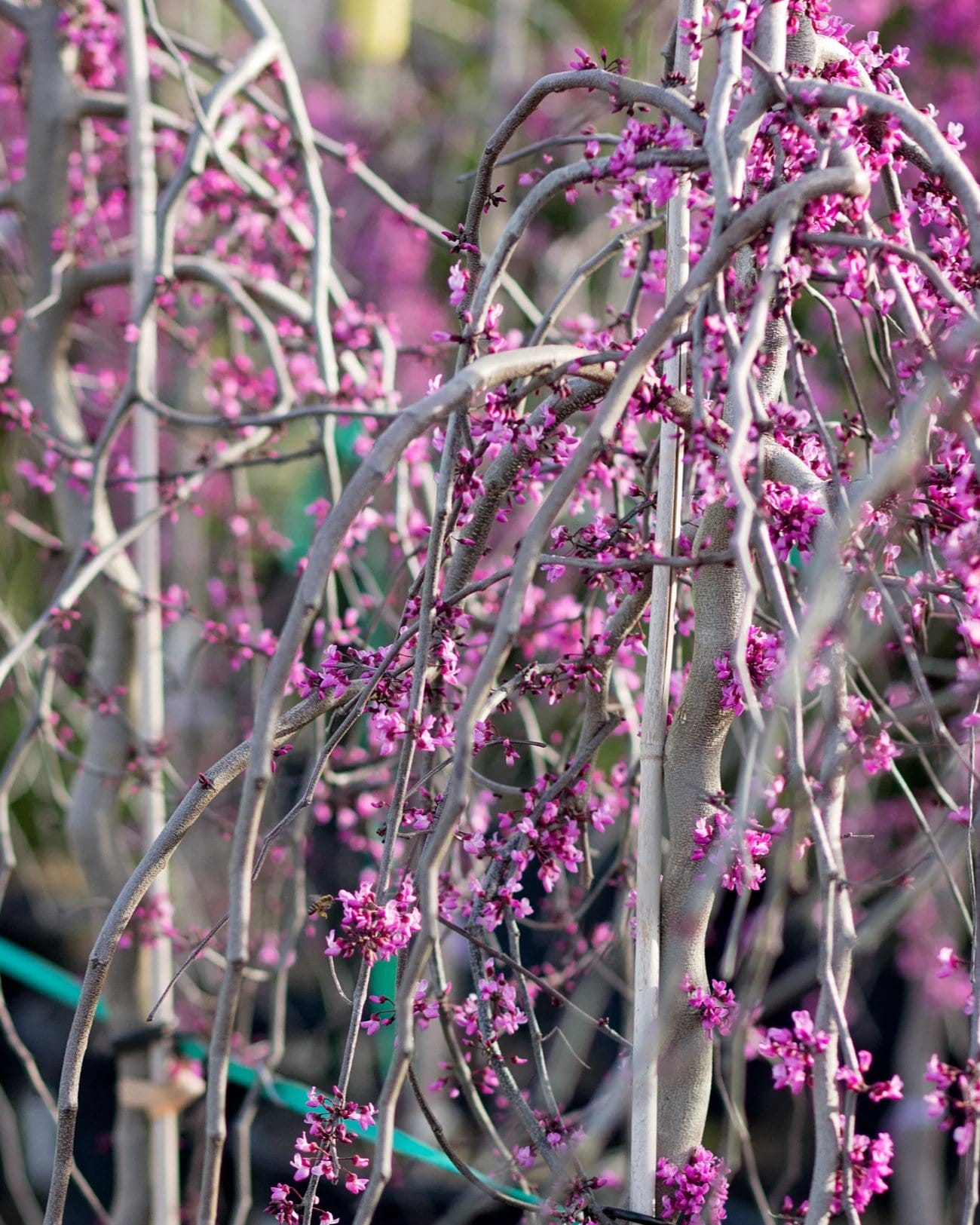
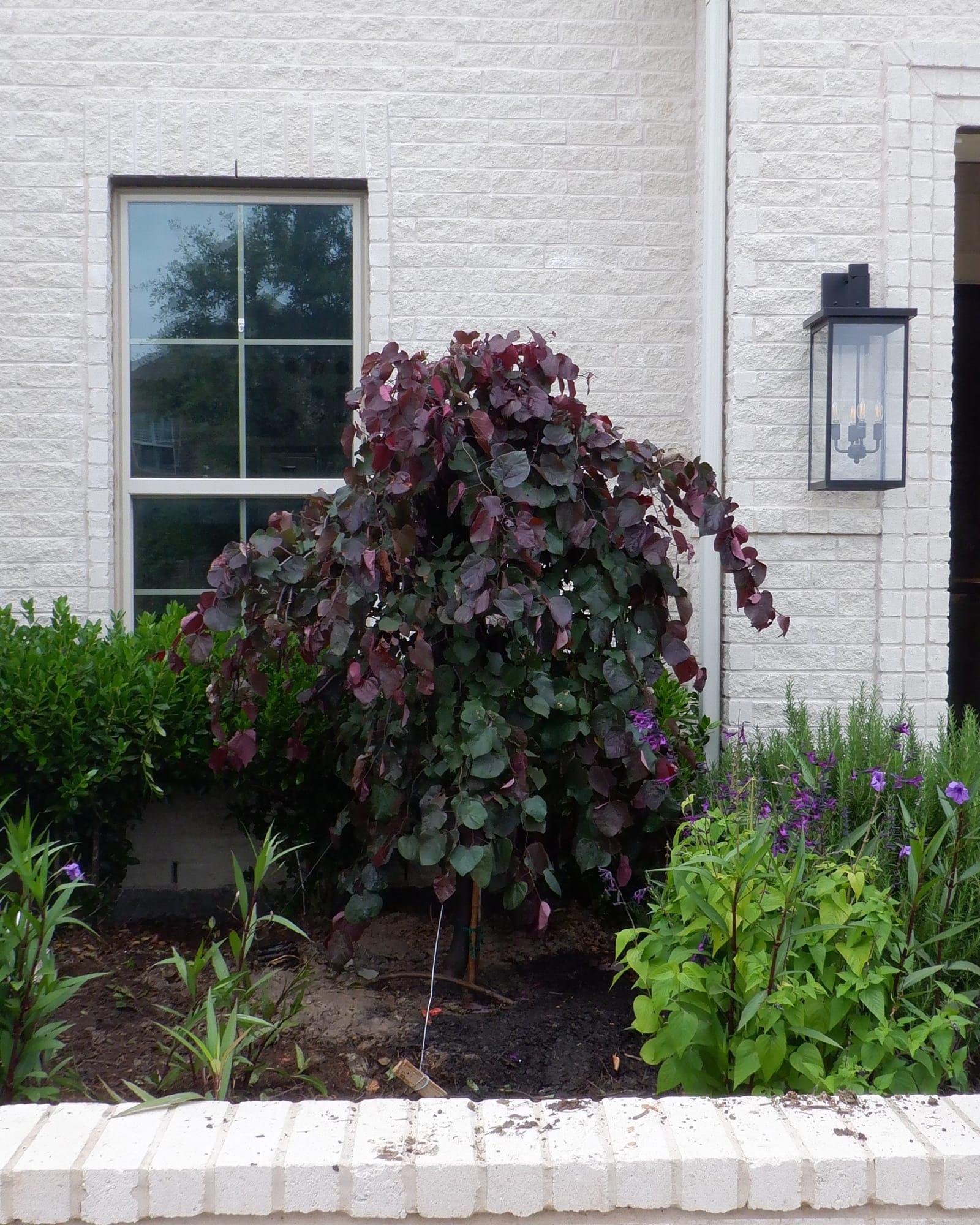
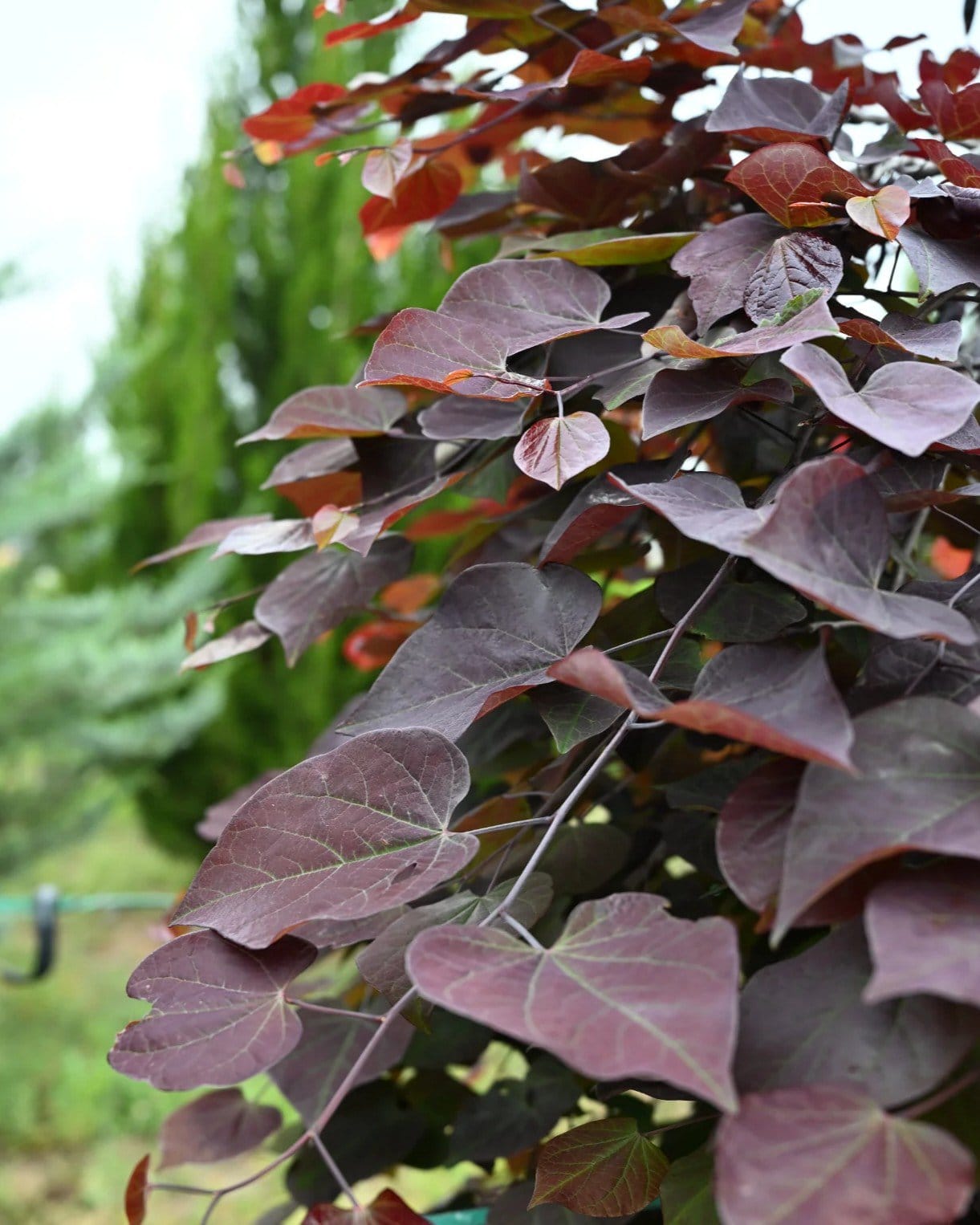
Traveller Weeping Redbud
Maturity: 5' H x 10' W
White Pom Poms Redbud
Maturity: 15' H x 15' W
Amethyst Redbud
Maturity: 8' H x 8' W
Black Pearl Redbud
Maturity: 20' H x 20' W
Bubble Gum Redbud
Maturity: 15' H x 12' W
Carolina Sweetheart Redbud
Maturity: 20' H x 15' W
Cotton Candy Redbud
Maturity: 20' H x 15' W
Eastern Redbud
Maturity: 20' H x 20' W
Compare Similar Plants
Oklahoma Redbud This plant | ||
|---|---|---|
| Scientific Name | Cercis canadensis var. texensis 'Oklahoma' | Cercis canadensis ‘Forest Pansy’ |
| Size at Maturity | 30' H x 20' W | 20' H x 20' W |
| Leaf Retention | Deciduous | Deciduous |
| Fall Color | Orange & Yellow | Orange & Red |
| Flower Color | Pink | Pink |
| Bloom Times | Spring | Spring |
| Sizes Available | 7, 15 gal | 7, 15, 45 gal |


Our 1-Year Planting Guarantee
We take pride in our plants and installation services. If any plants or trees installed by Treeland fail to thrive within the first year, we'll provide a replacement credit in accordance with our guarantee program.
Learn More About Our Guarantee