
LSU Purple Fig
Ficus carica 'LSU Purple'Local DFW Delivery Only
Product Details
LSU Purple Fig
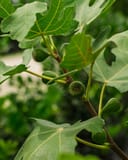
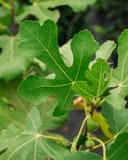
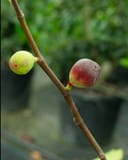
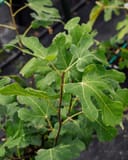
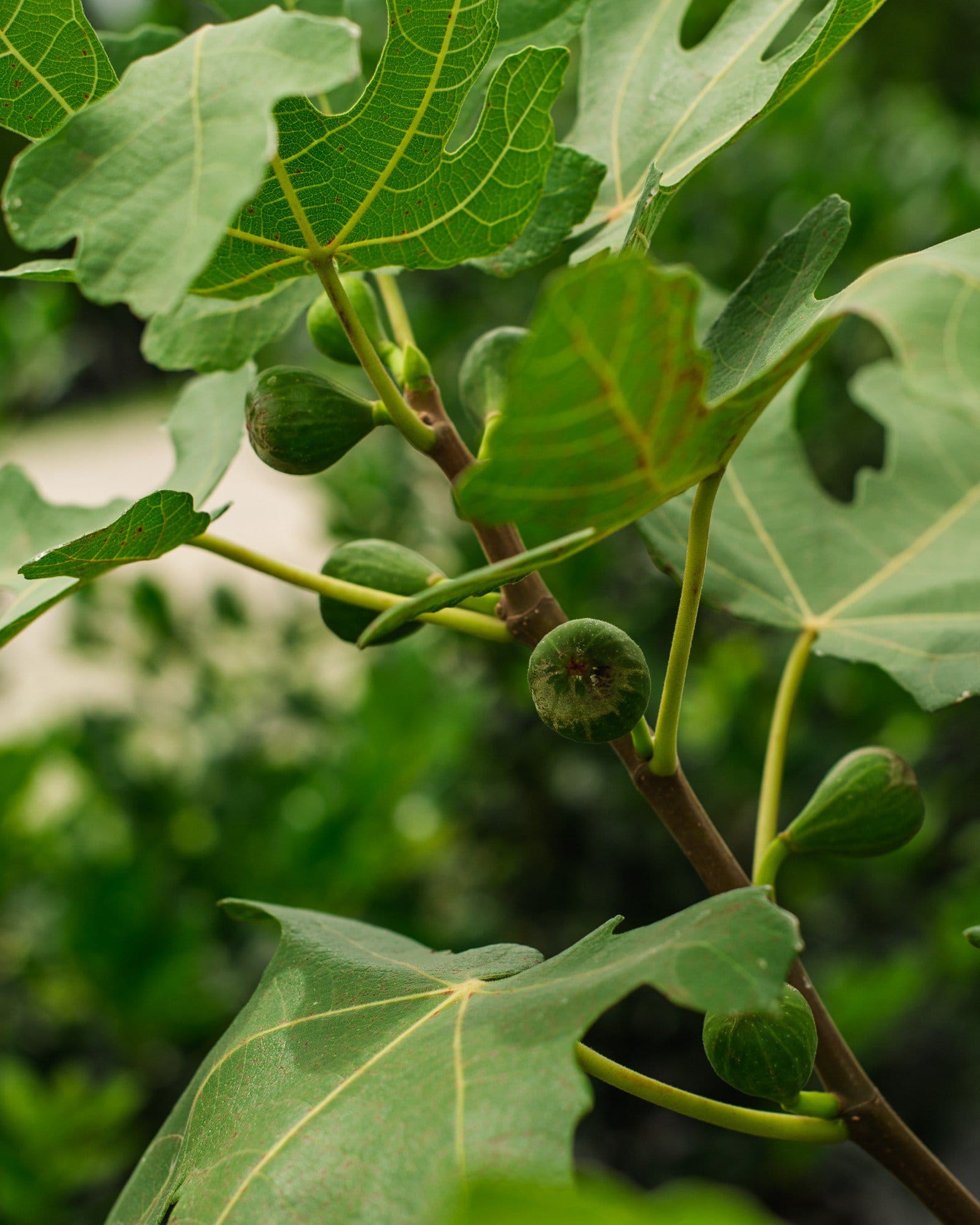
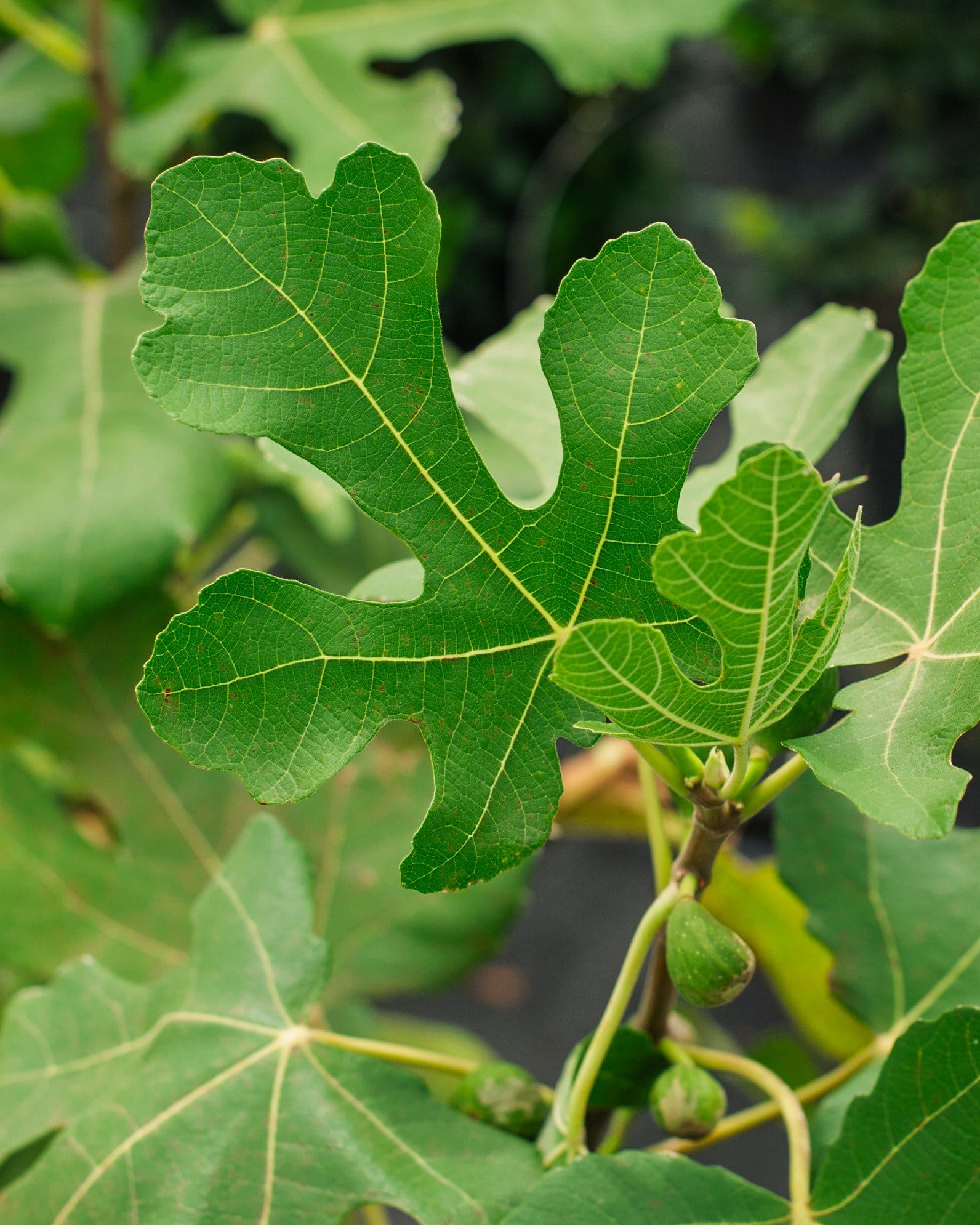
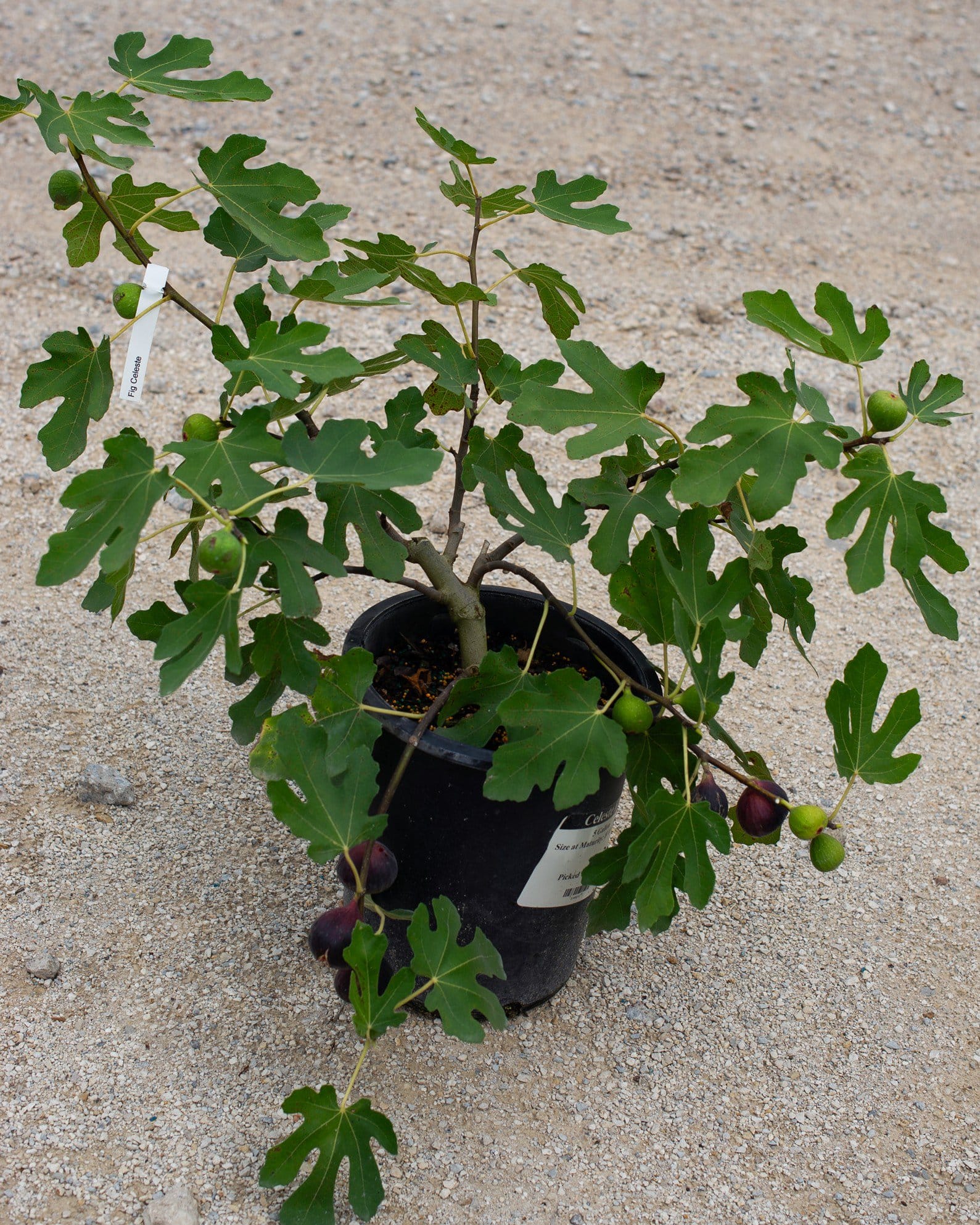
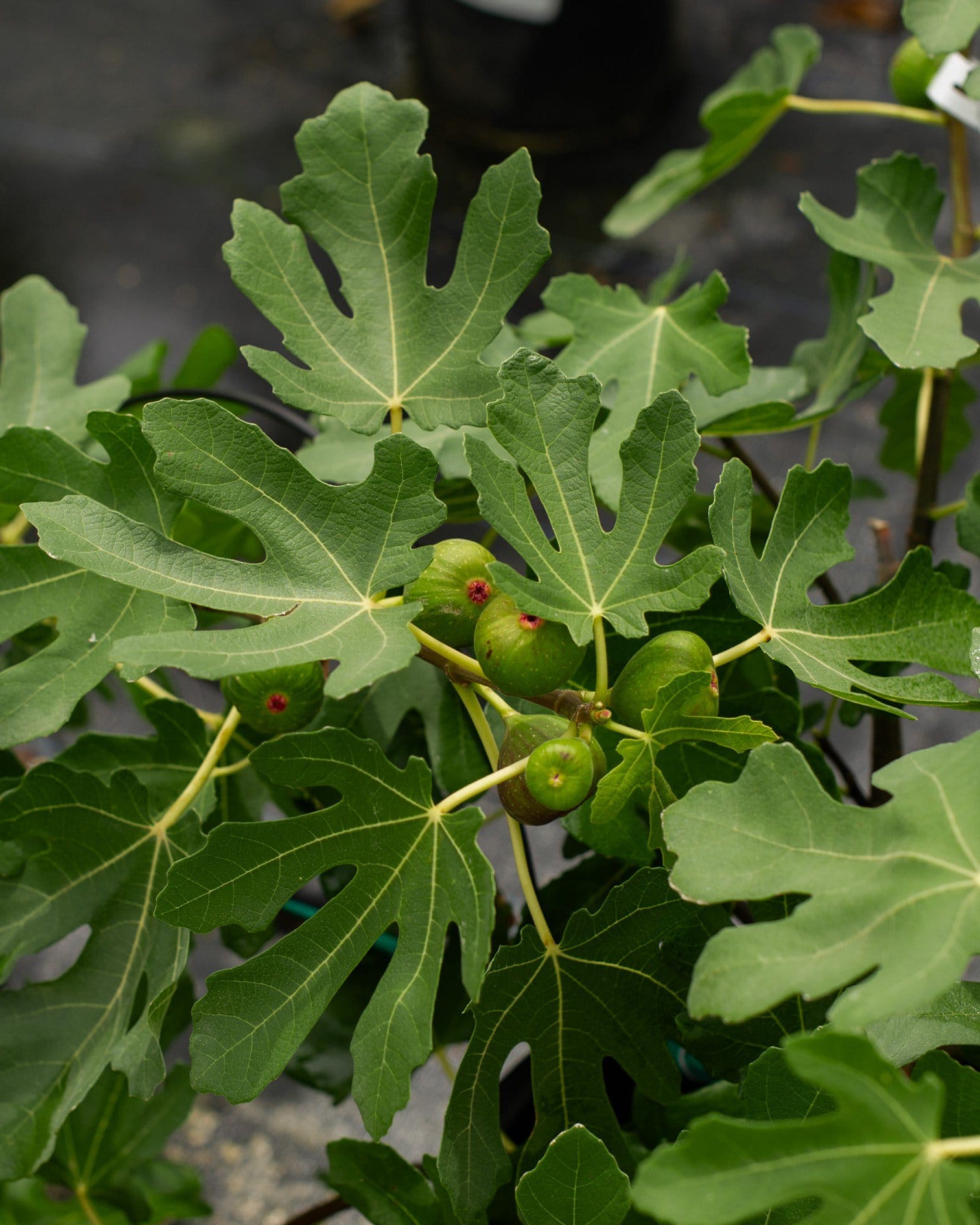
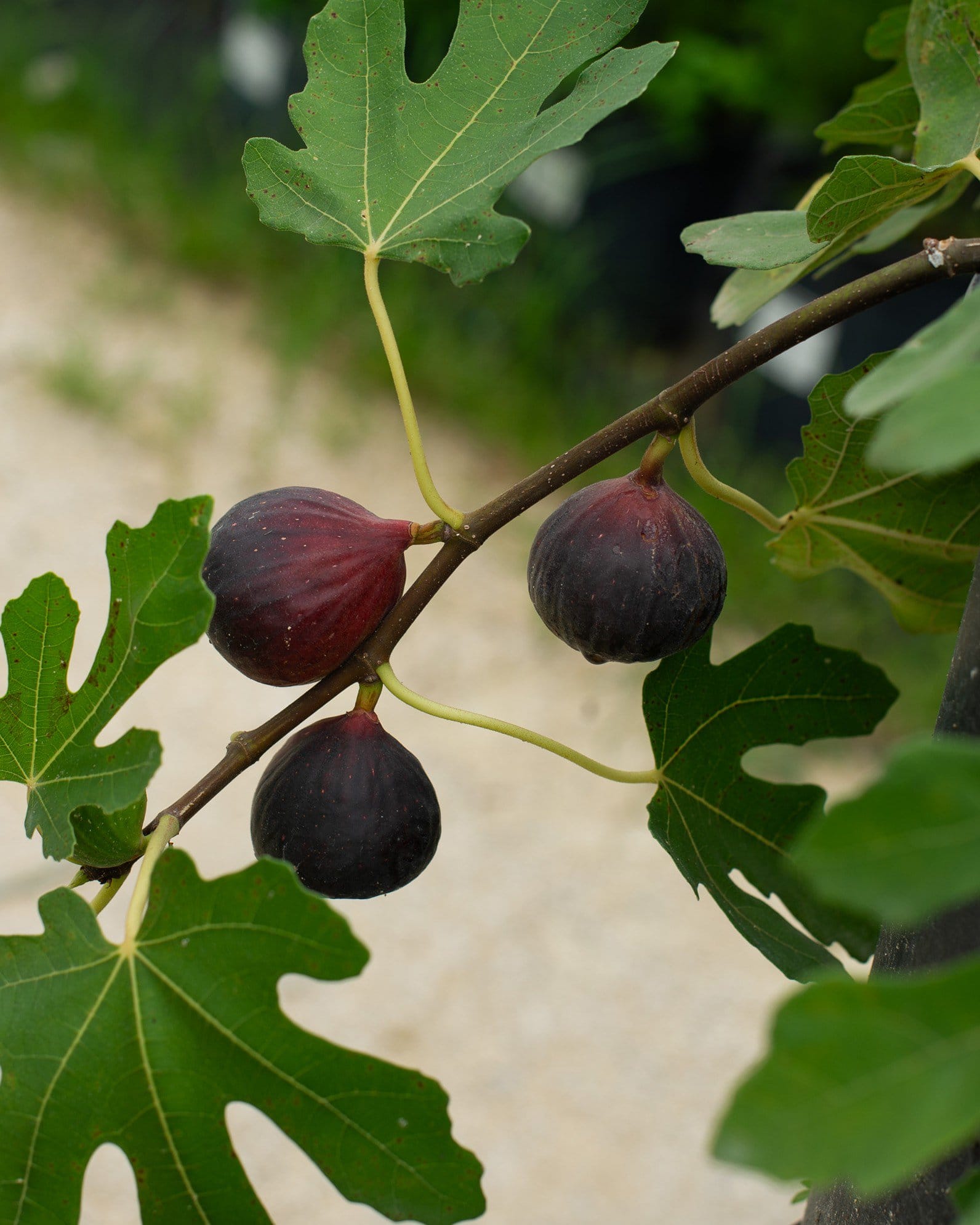
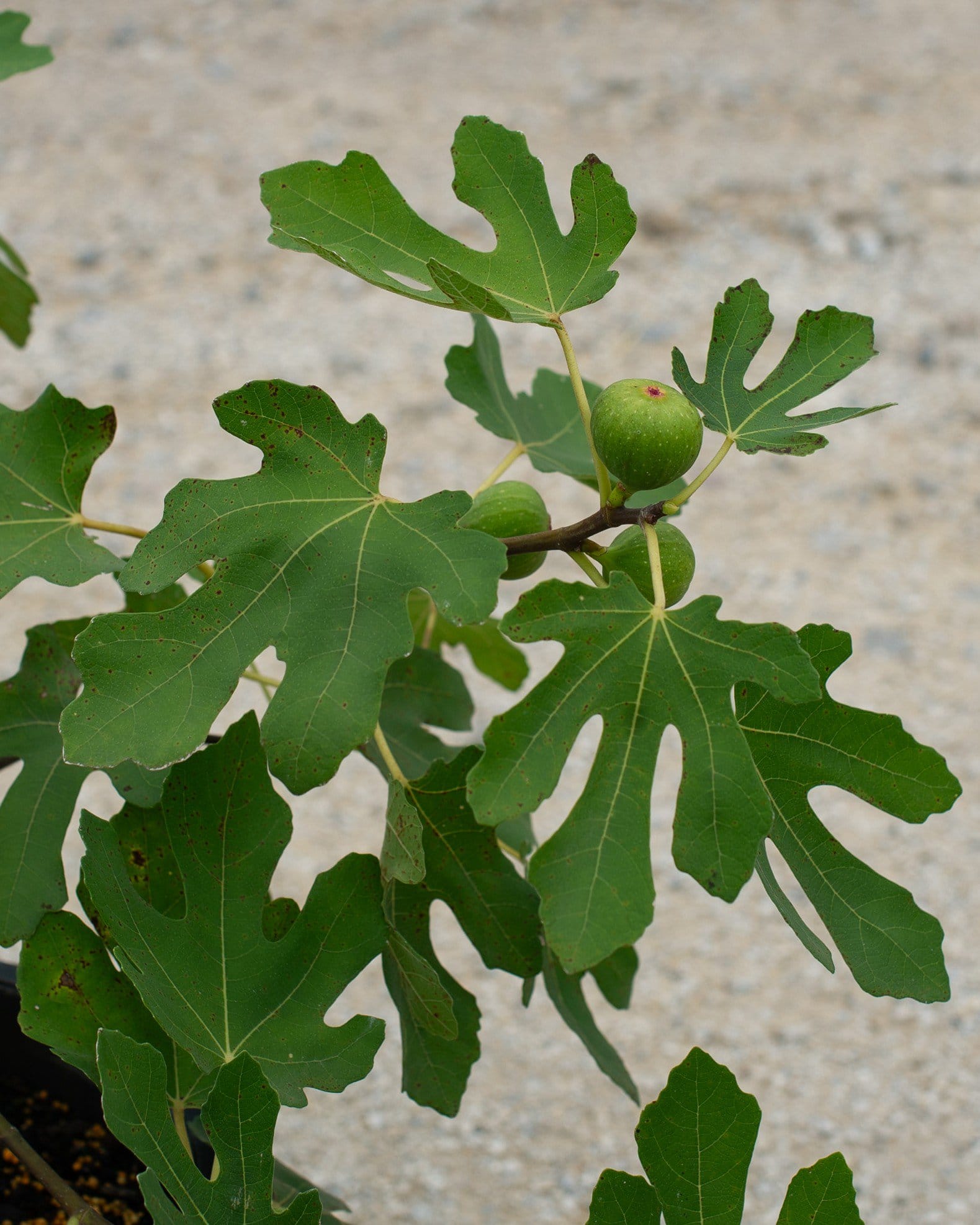
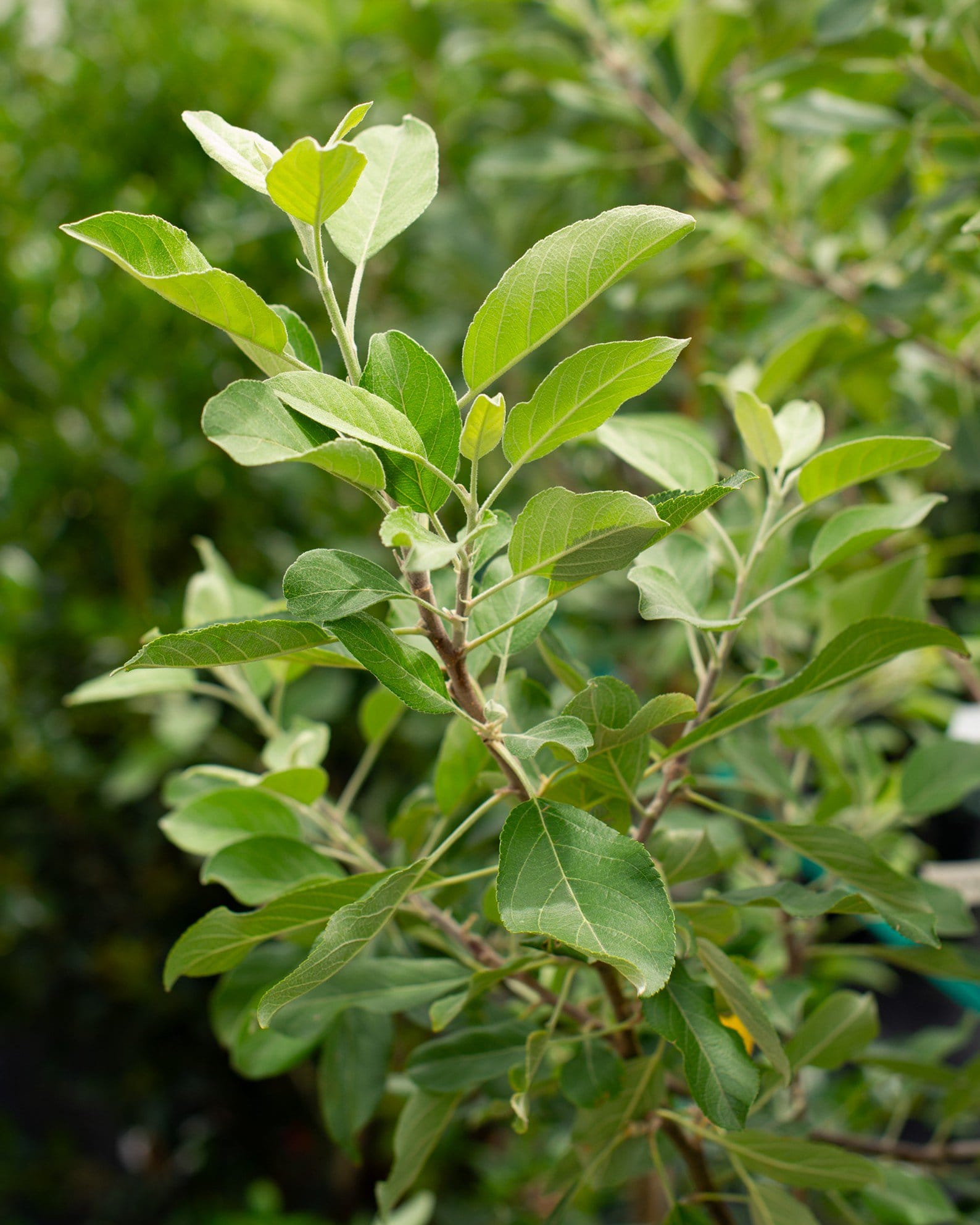
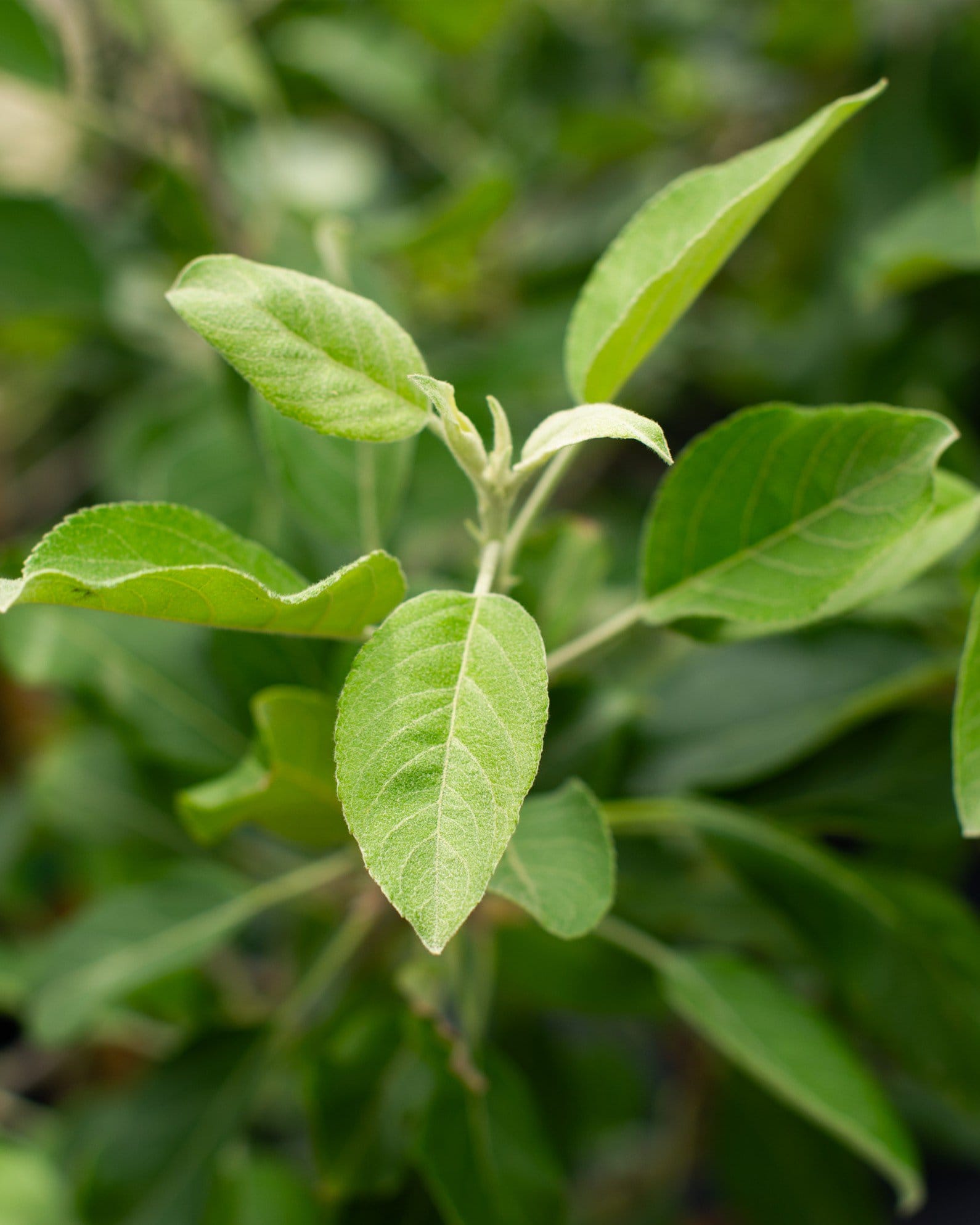
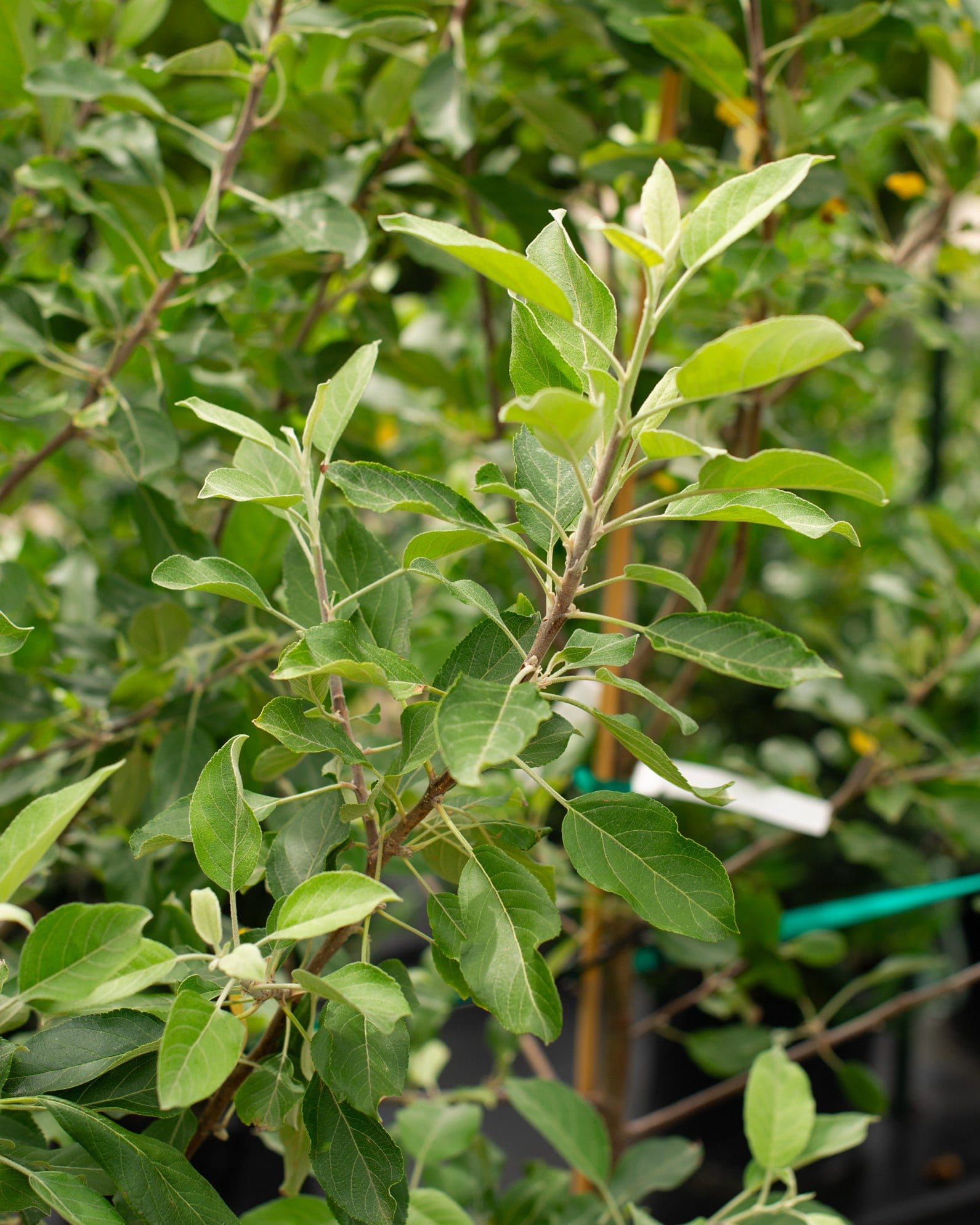
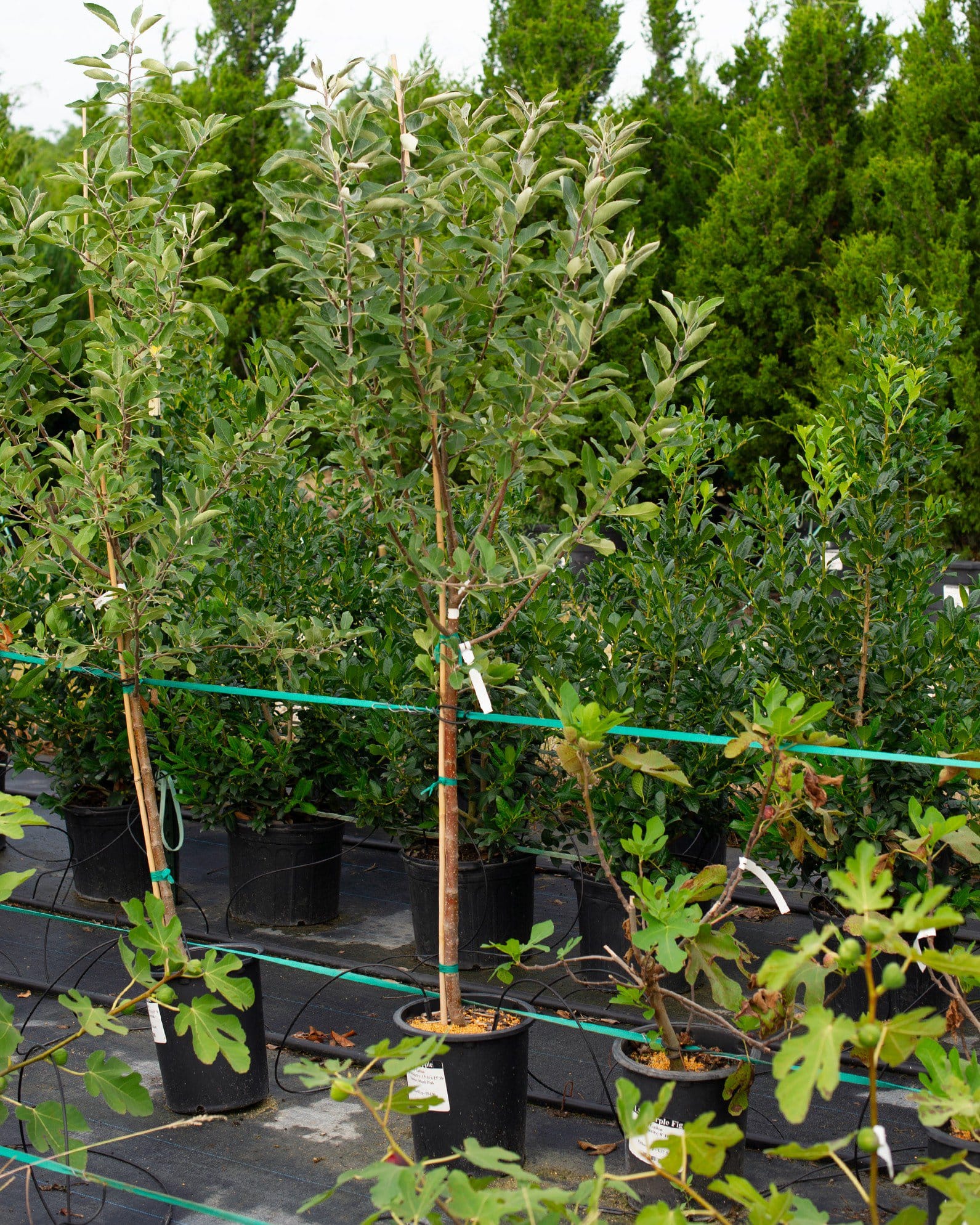
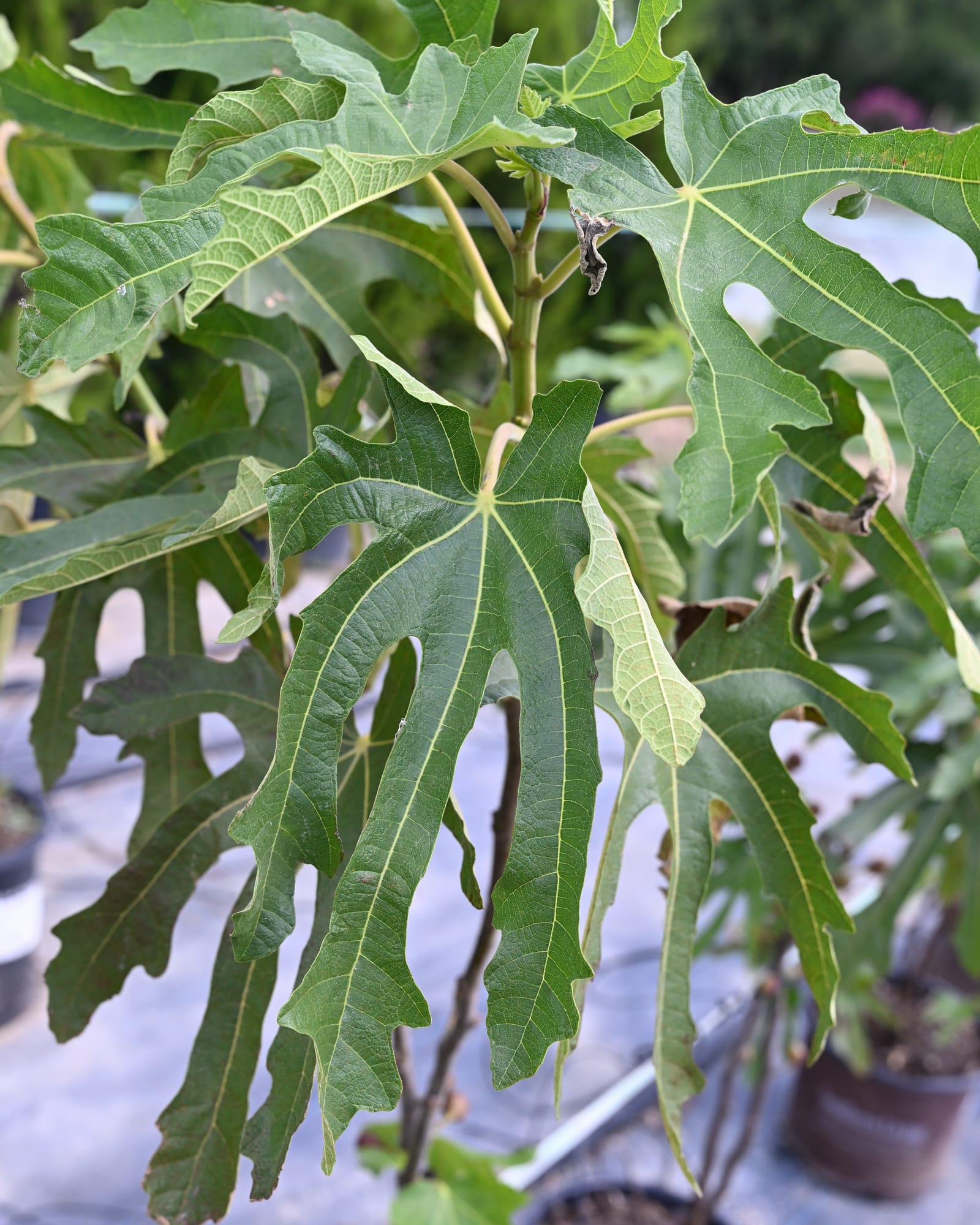
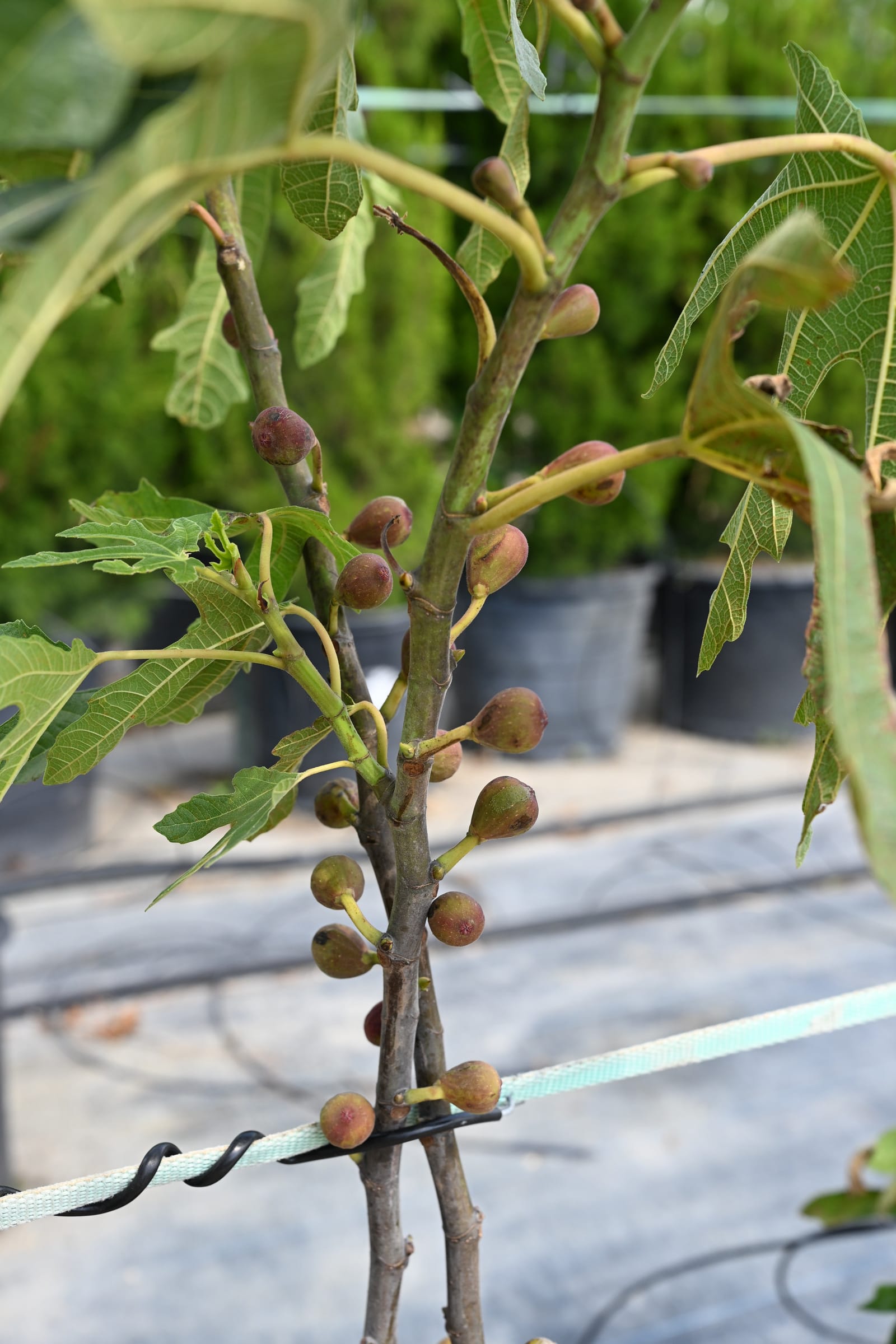
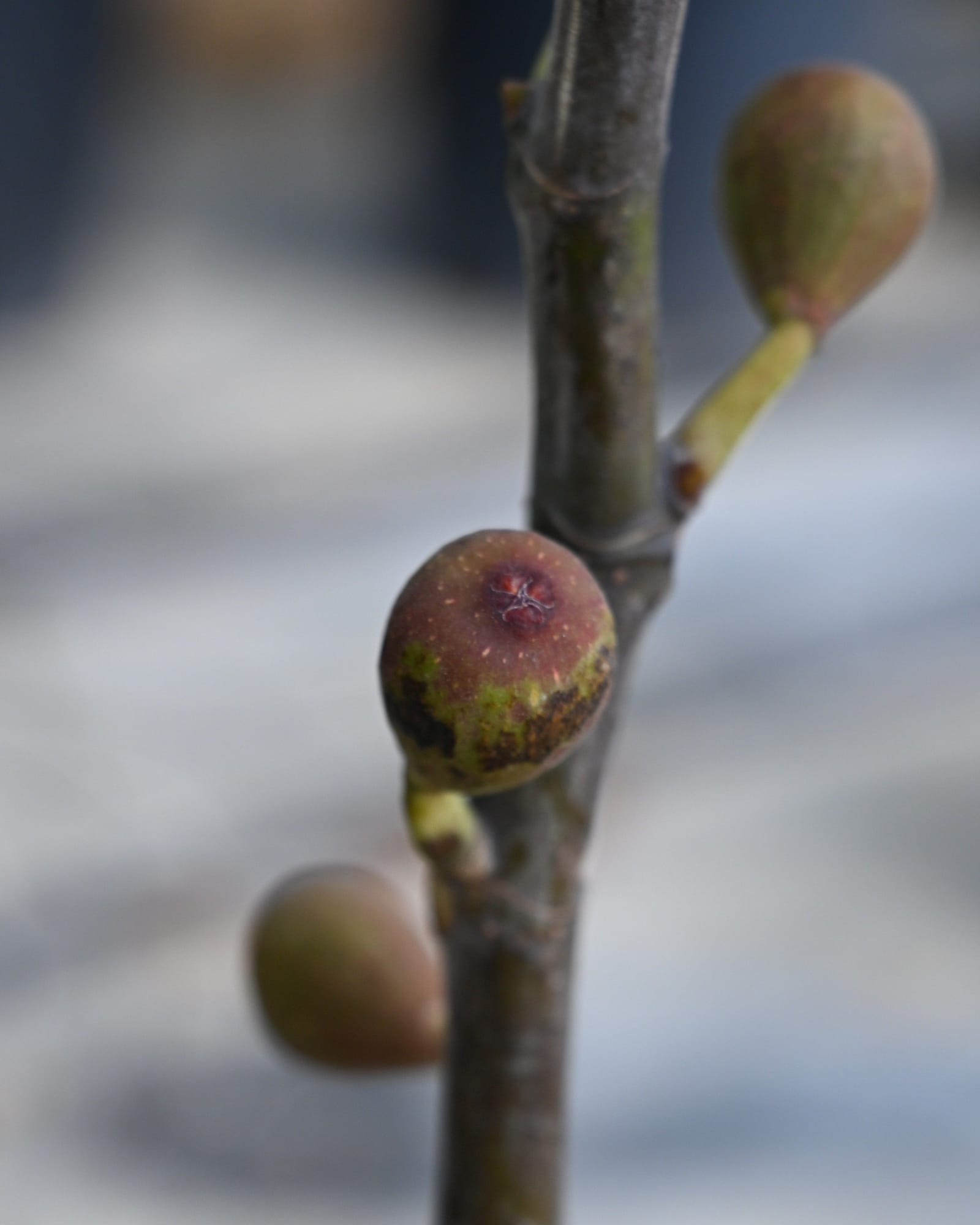
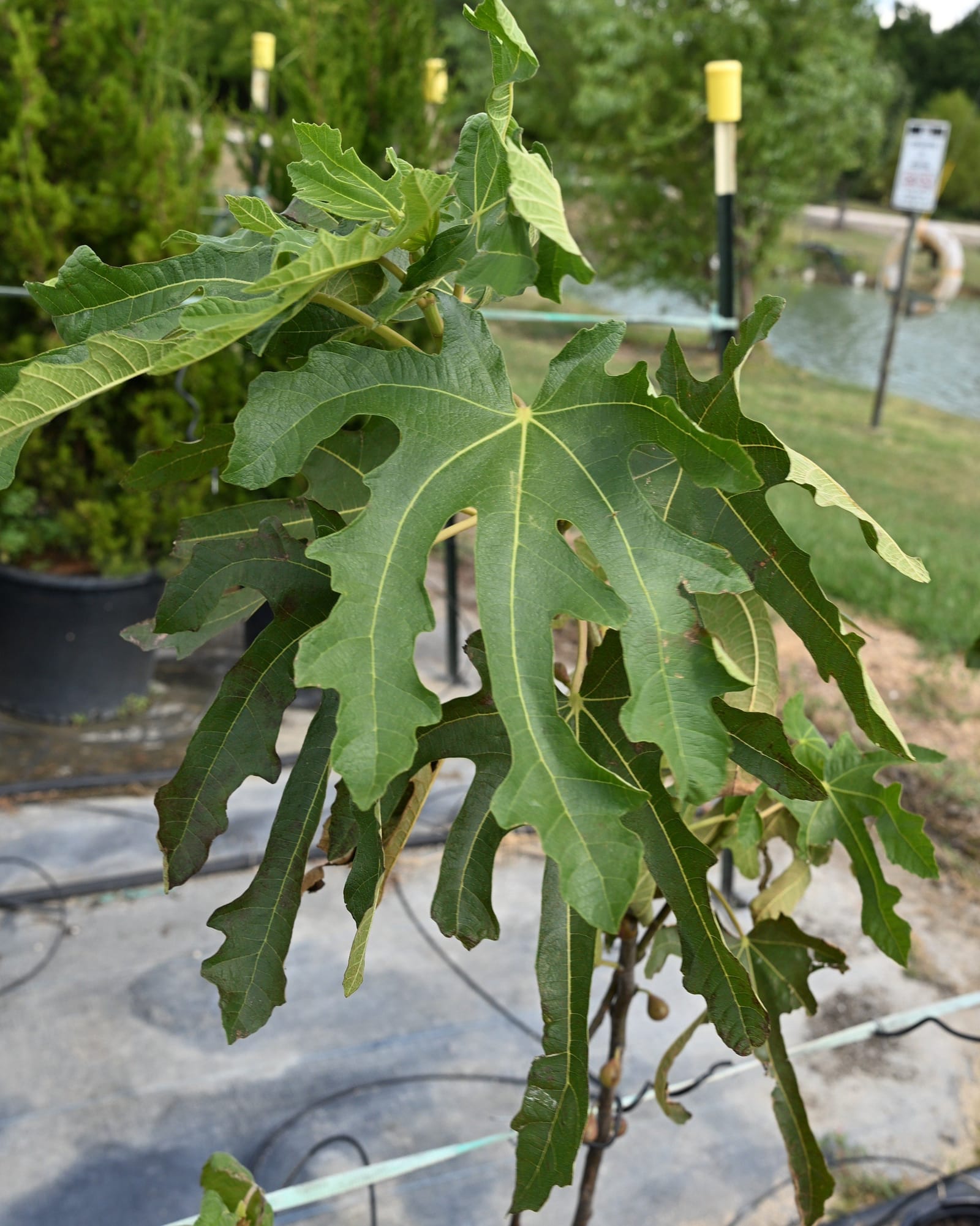
Ficus carica 'LSU Purple'LSU Purple Fig is a medium-sized, deciduous tree that grows to 8 feet in height and the same size across. It's most famous for its sweet, juicy figs it produces across three fruiting seasons. The figs are medium sized, with dark purple skin. The foliage is bright green and large, as with many fig trees.
- Deciduous tree
- Fast growth
- Medium-sized
- Sweet, juicy fruit in shades of purple
- Thrives in full sun
This is a great choice for your orchard, although it fares well in containers, too. It's important to plant it in full sun, in well-drained soil. Fertilize it before the new growth emerges. Take good care of your LSU Purple Fig, and it will grant you delicious fruit across all fruiting seasons, from late spring to late fall.
LSU Purple Fig is very low-maintenance, needing very little to grow beautifully. Here’s what you’ll need to do:
- Watering: Water deeply and consistently during the first growing season to establish strong roots. Once mature, LSU Purple prefers evenly moist soil - water thoroughly whenever the top few inches begin to dry. Avoid overwatering or letting the tree sit in soggy soil, as this can cause root rot or fruit cracking.
- Pruning: Prune in late winter while the tree is dormant to shape and open the canopy for better airflow and sunlight. Remove crossing or weak branches, and trim to maintain a balanced structure. After harvest, you can lightly thin out vigorous water sprouts if needed.
- Fertilizing: Feed in early spring with a balanced fruit tree fertilizer or organic compost. A light midseason feeding after the first crop can enhance late-season fruiting. Avoid overfertilization - excessive nitrogen encourages leafy growth and fewer figs.
- Mulching: Apply a 2-3 inch layer of mulch around the base to help conserve moisture and regulate soil temperature. Keep mulch a few inches away from the trunk to prevent rot and pest issues. Refresh mulch annually.
- Winter Care: LSU Purple Fig is semi-deciduous and more cold-sensitive than Celeste, though it can tolerate light frost. In cooler zones, protect young trees with mulch around the root zone and wrap trunks with burlap or frost cloth.
Though LSU Purple Fig is hardy and resilient in the Southern climate, a few manageable issues may appear during extreme weather or prolonged humidity:
- Fig Rust: Appears as yellow or rusty spots on leaves in late summer. Improve air circulation by thinning dense growth, water at the base to keep foliage dry, and remove fallen leaves promptly. Apply copper fungicide if outbreaks recur.
- Fruit Splitting: Often caused by irregular watering or heavy rainfall during ripening. Maintain consistent soil moisture and use mulch to buffer moisture levels.
- Aphids: Small sap-feeding insects that gather on new growth. Rinse them off with a strong stream of water or use insecticidal soap. Encourage ladybugs for natural control.
- Ants and Fruit Beetles: May target ripe figs. Harvest fruit promptly and use sticky barriers on trunks to prevent climbing pests.
- Cold Damage: Foliage or branch tips may brown after frost, but the tree typically regrows quickly from healthy wood. Prune damaged areas in early spring once new growth appears.
With proper care, it can live 40 years or more. Annual pruning and consistent watering help maintain health and productivity over time.
It’s a vigorous grower that can begin fruiting within 2-3 years of planting and reach full productivity within 5 years.
No - it’s self-pollinating and produces abundant fruit without needing another fig nearby.
Partially. Deer may browse young shoots but typically leave mature trees alone once established.
Yes, it’s one of the best fig varieties for pots. Choose a container at least 20–25 gallons with excellent drainage, and prune annually to manage size.
Yes, young trees thrive in sunny patios and can be overwintered indoors in cooler climates. Just provide full sun and regular watering during the growing season.
Yes - bees and butterflies visit its flowers, and birds may occasionally sample the ripe fruit, so consider netting near harvest time.
Yes. In late winter, cut back up to one-third of the oldest branches to promote new growth. The tree will respond with vigorous shoots and renewed fruiting.
Absolutely. Its heat, humidity, and salt tolerance make it ideal for city gardens, courtyards, and coastal properties.
Its combination of heat tolerance, long harvest season, and rich, honey-sweet fruit make it a standout Southern performer. Unlike many figs that decline in humidity, LSU Purple keeps producing clean, flavorful fruit through the toughest summer conditions - a perfect balance of beauty, resilience, and exceptional taste.
Special Features
You might also like
Celeste Fig
Maturity: 8' H x 8' W
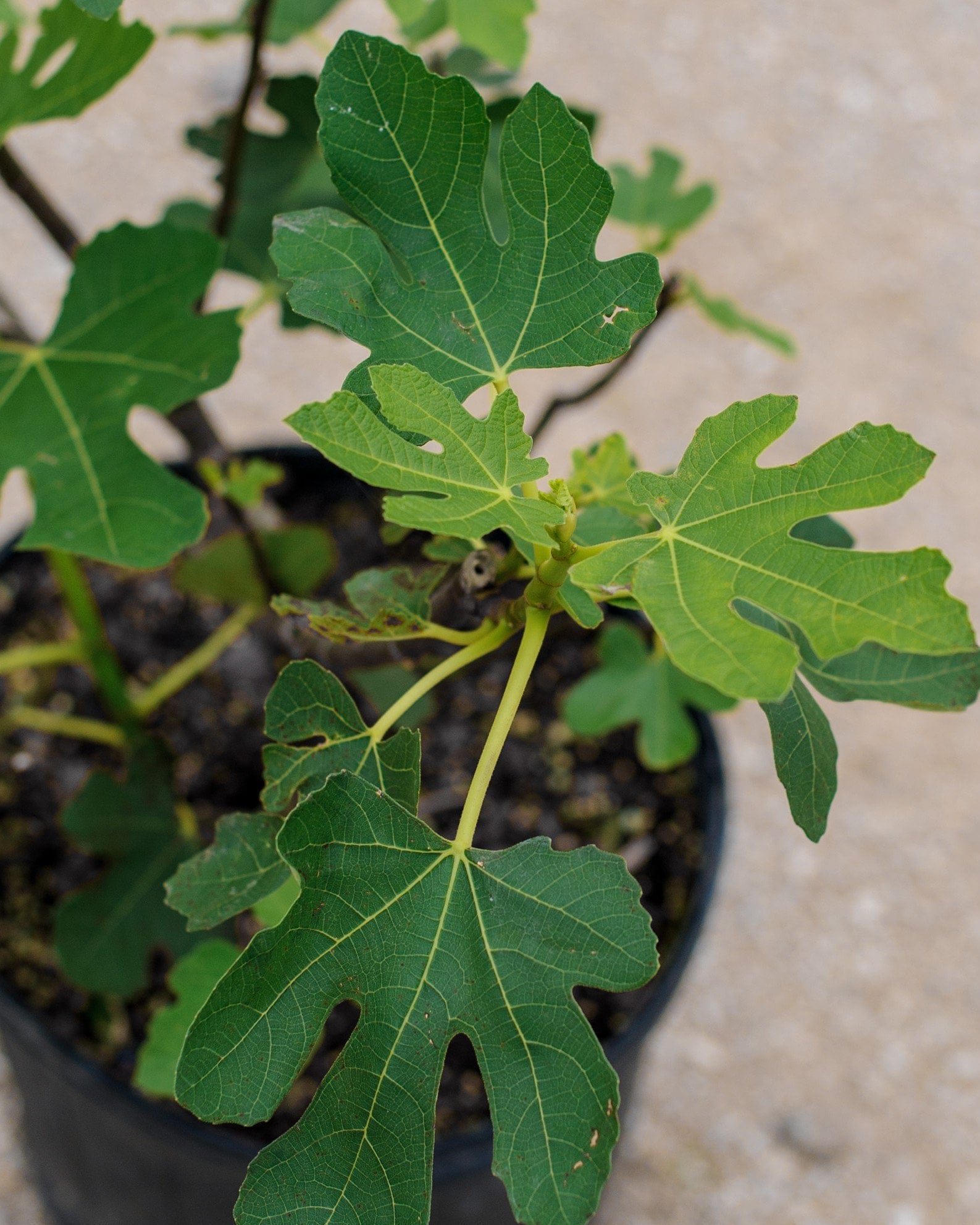
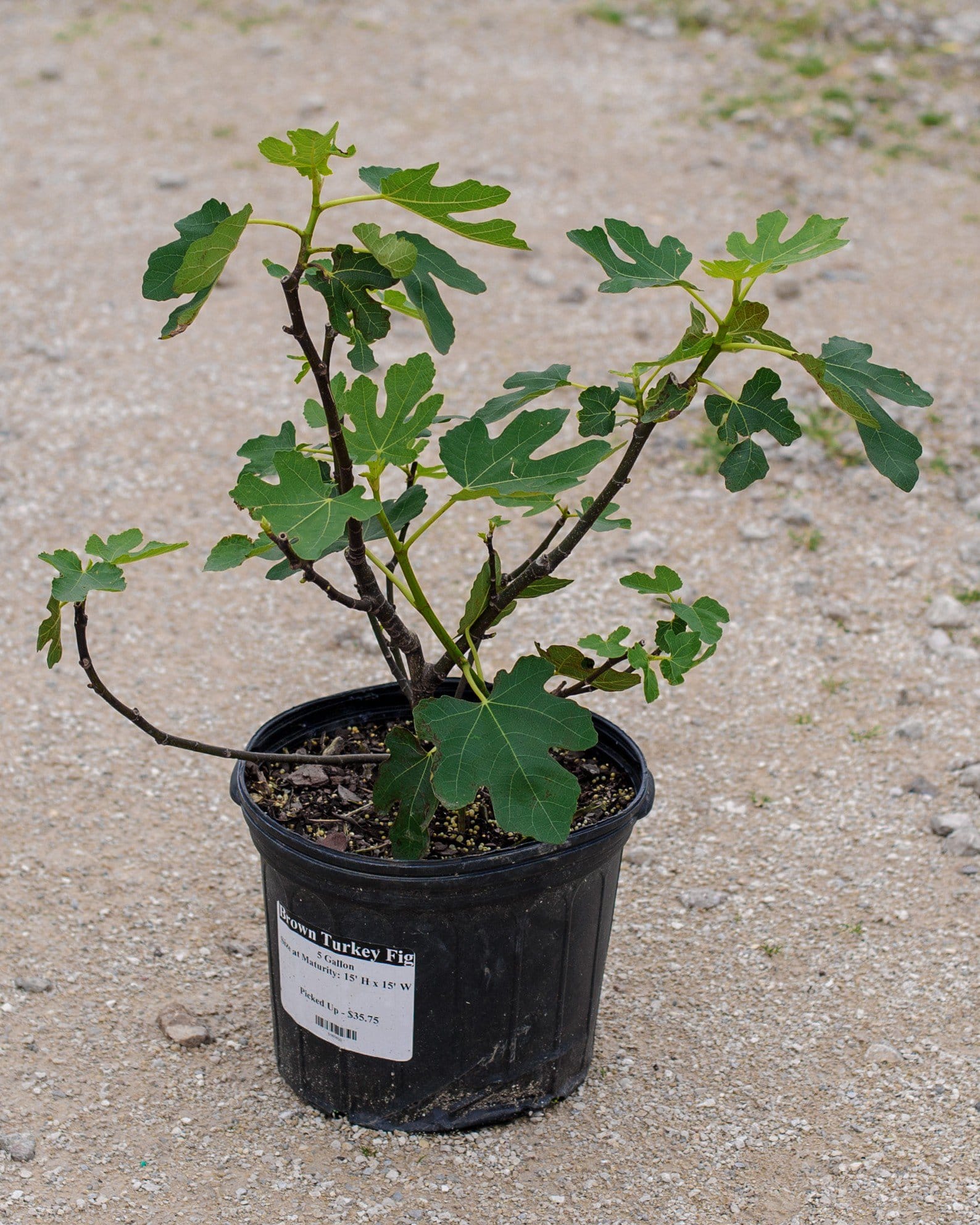
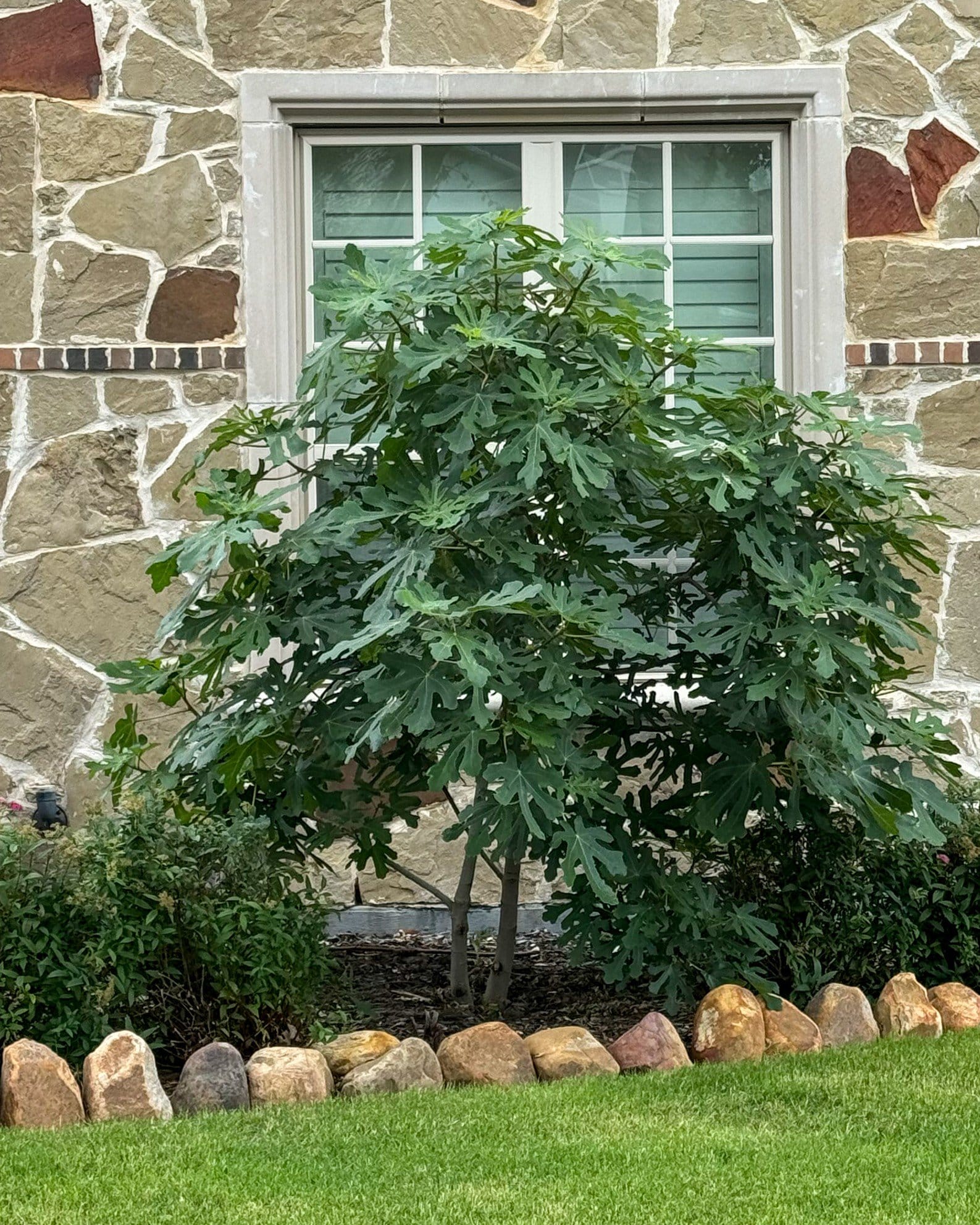
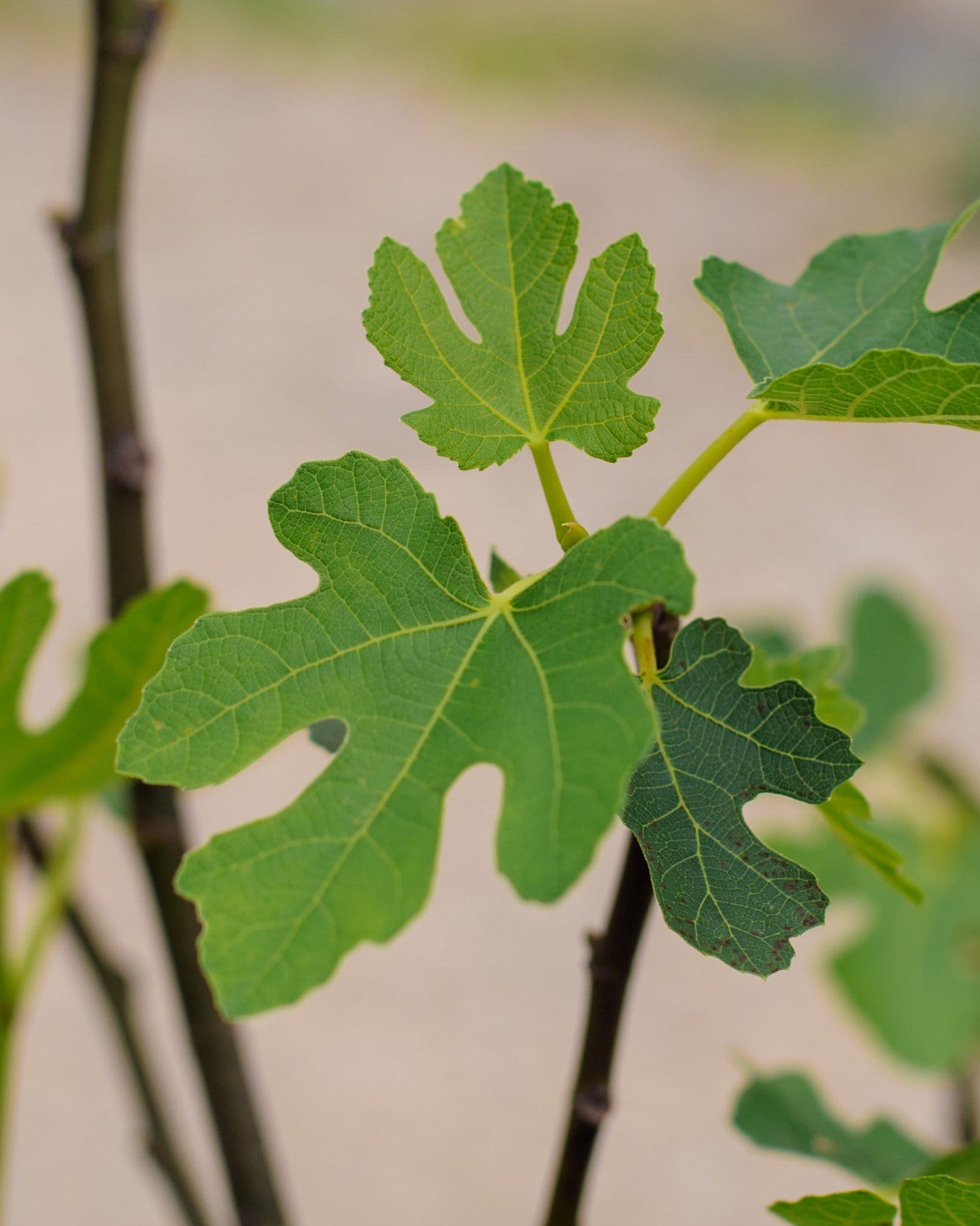
Brown Turkey Fig
Maturity: 15' H x 15' W
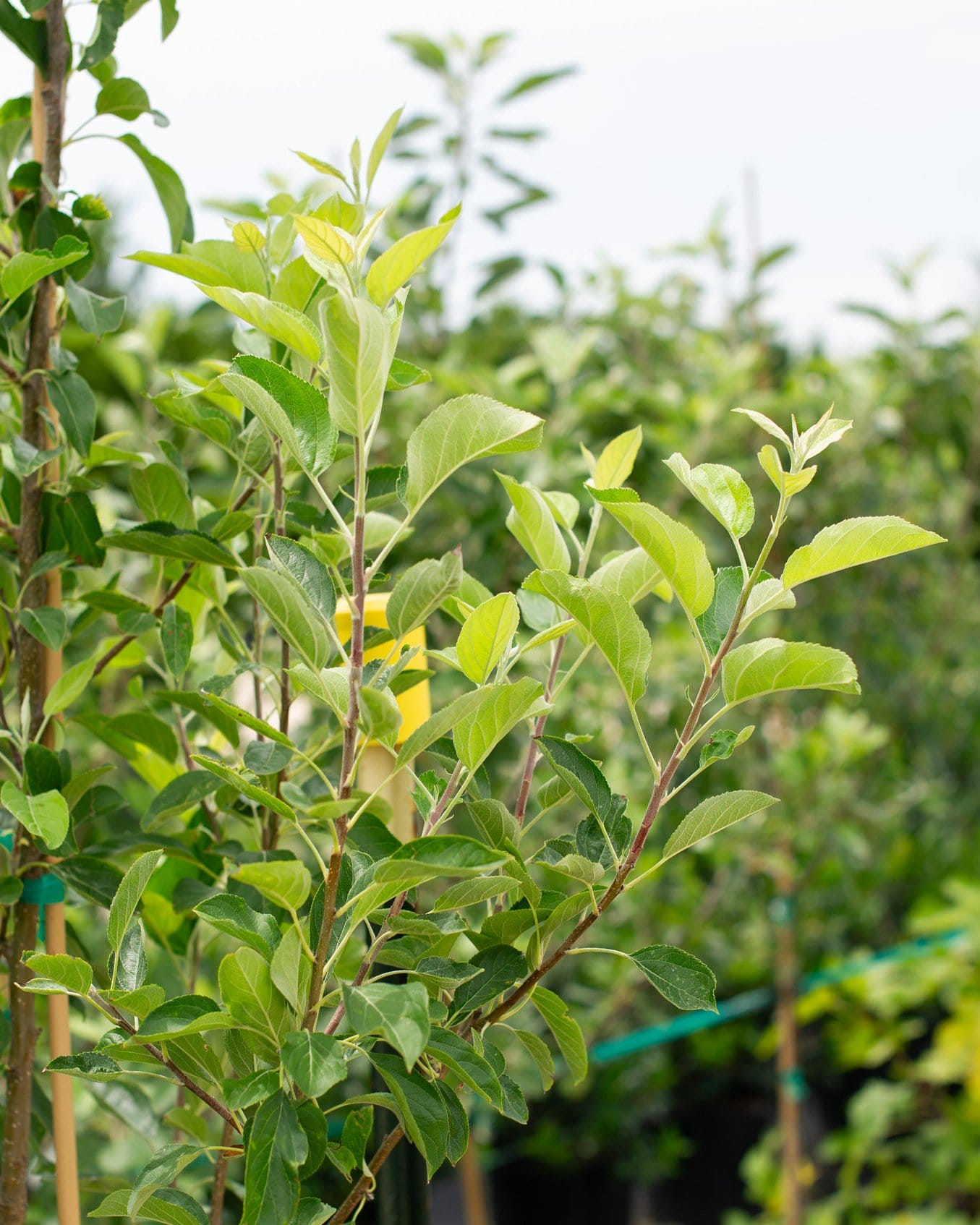
Anna Apple
Maturity: 15' H x 15' W
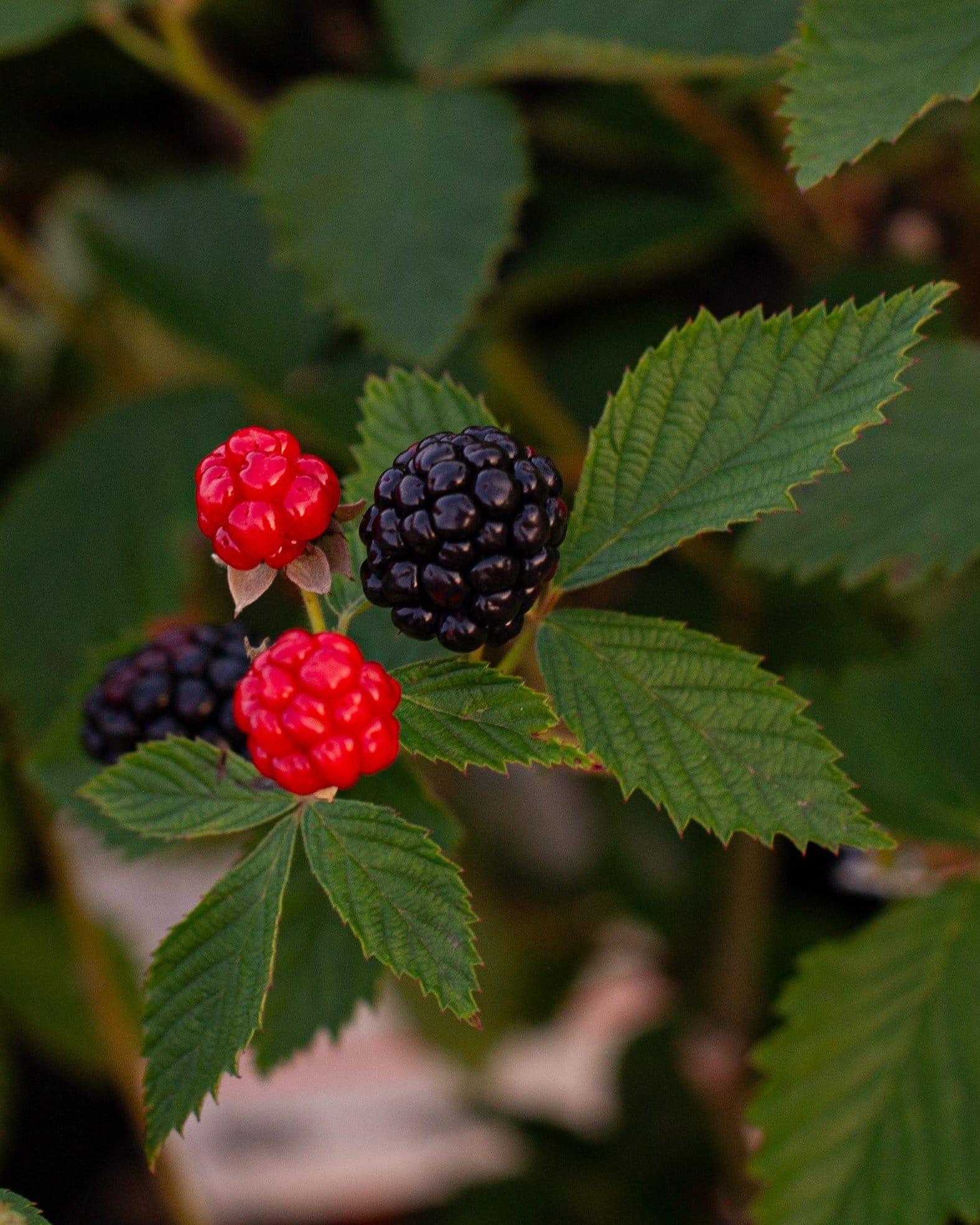
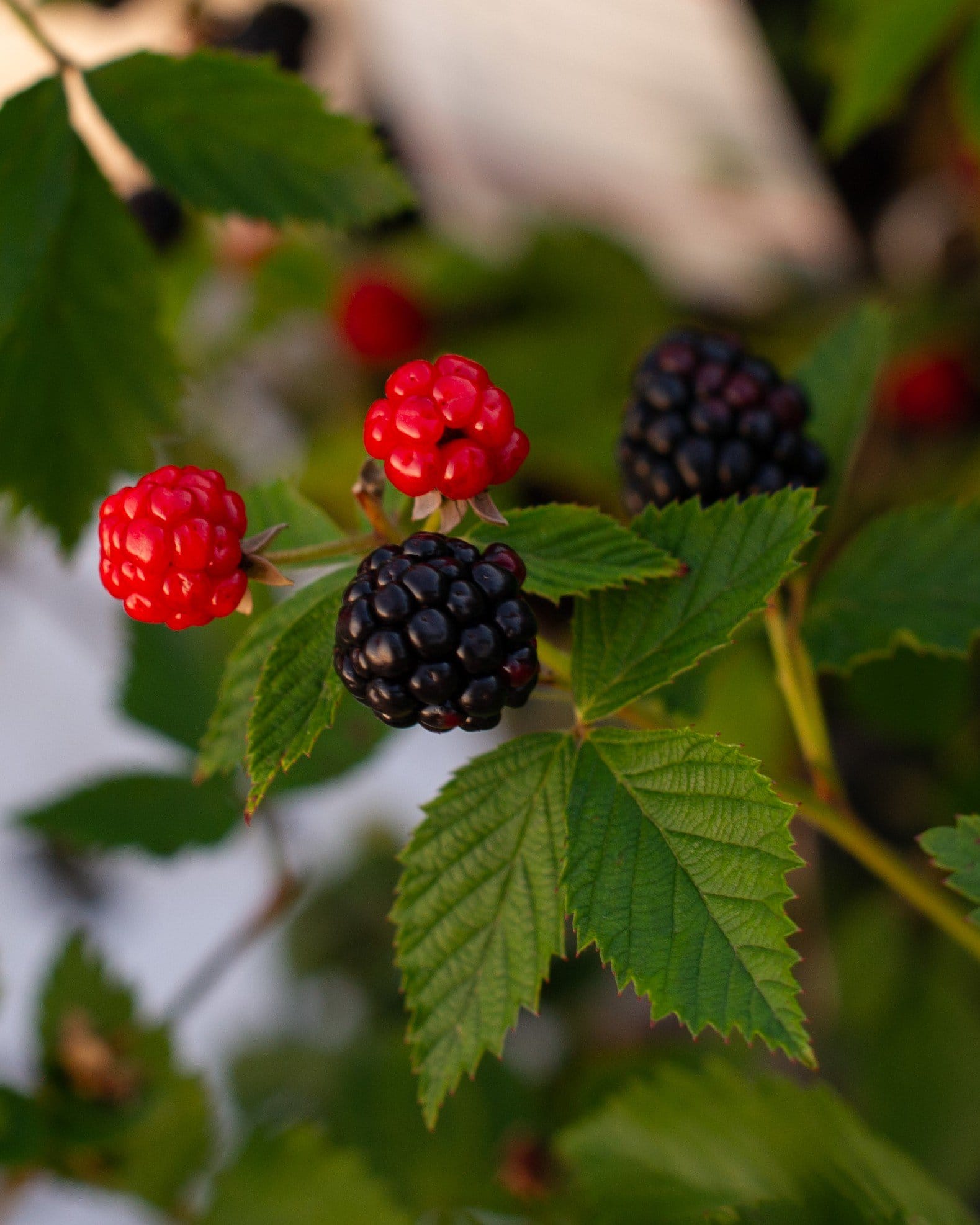
Arapaho Blackberry
Maturity: 4' H x 3' W
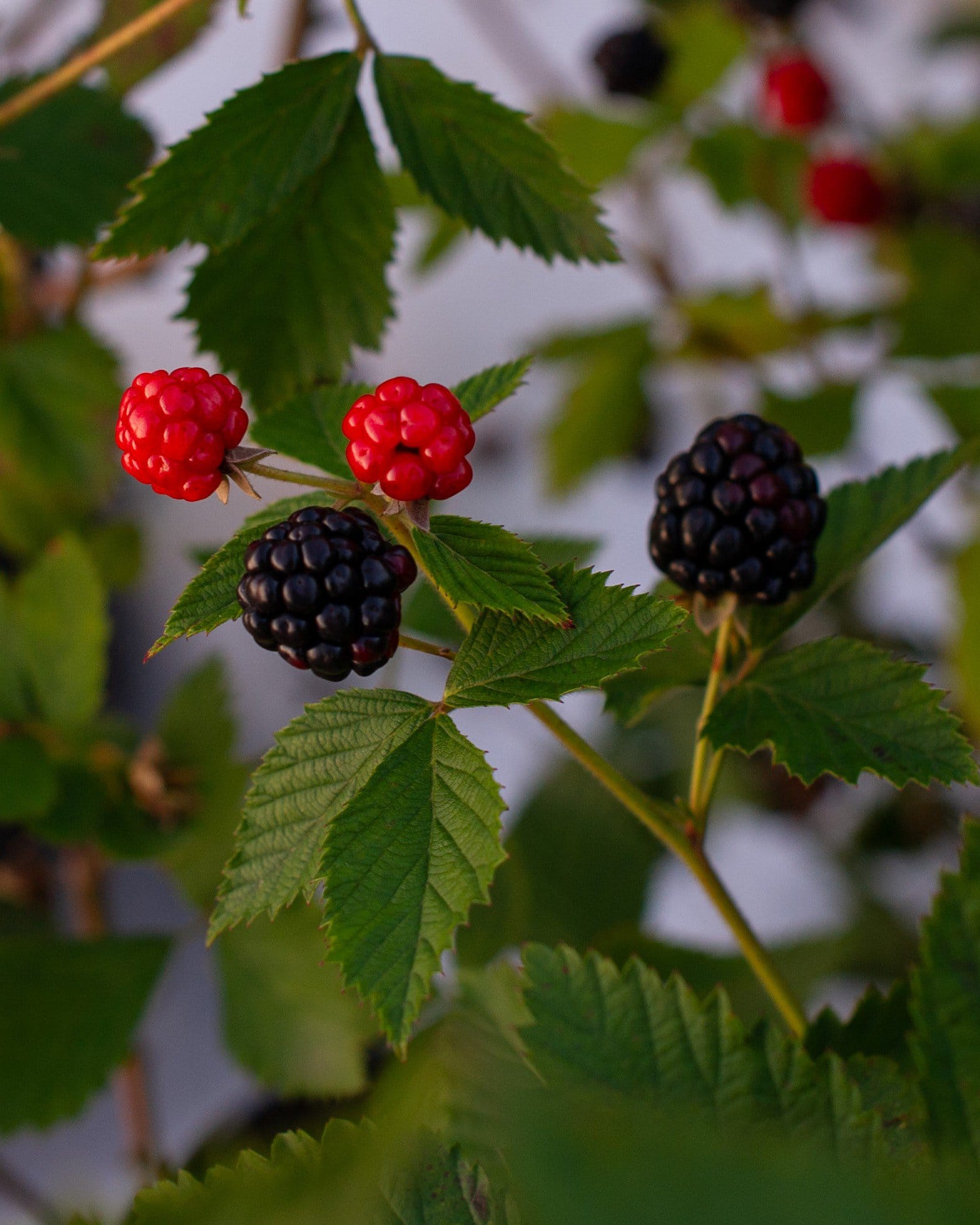
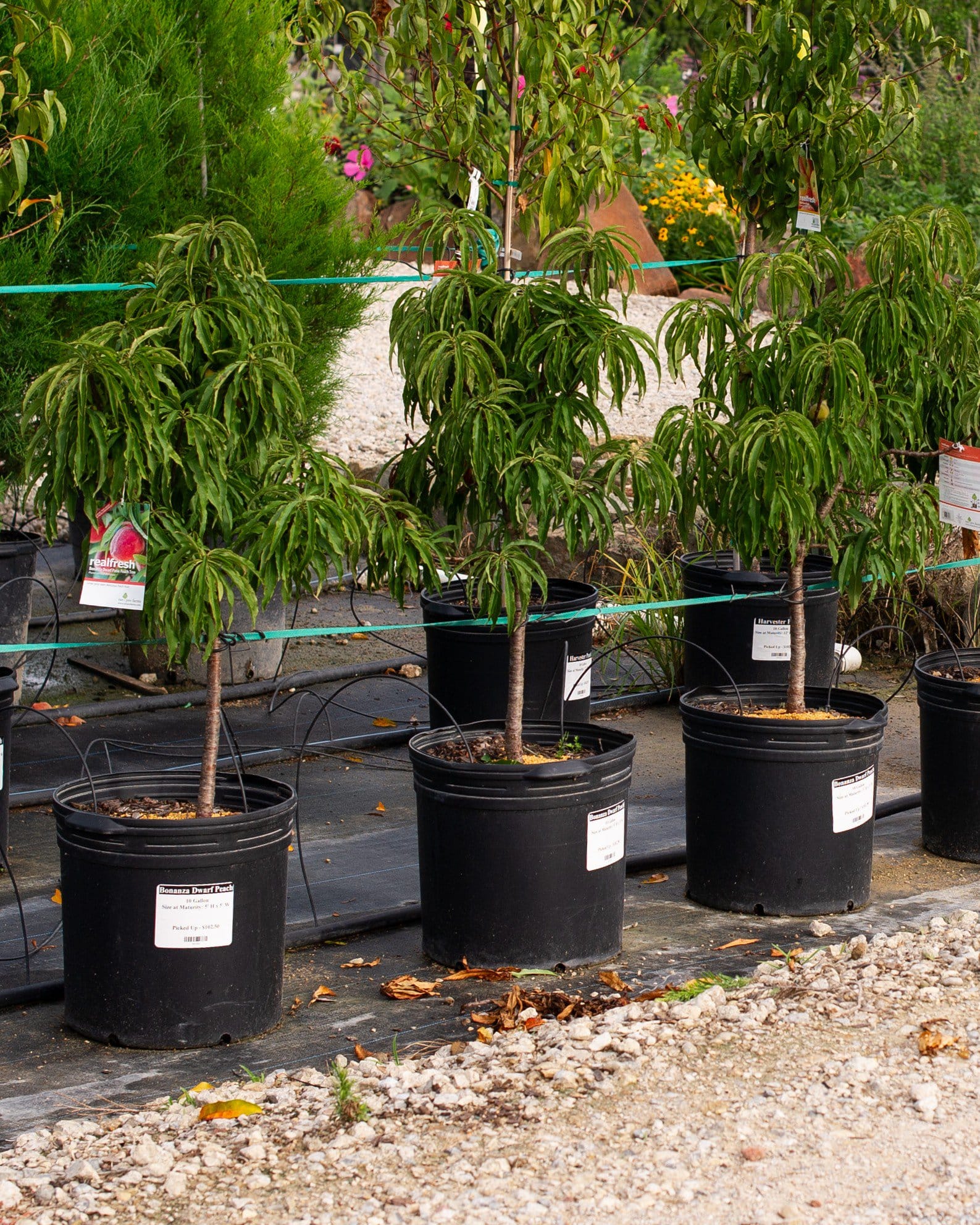
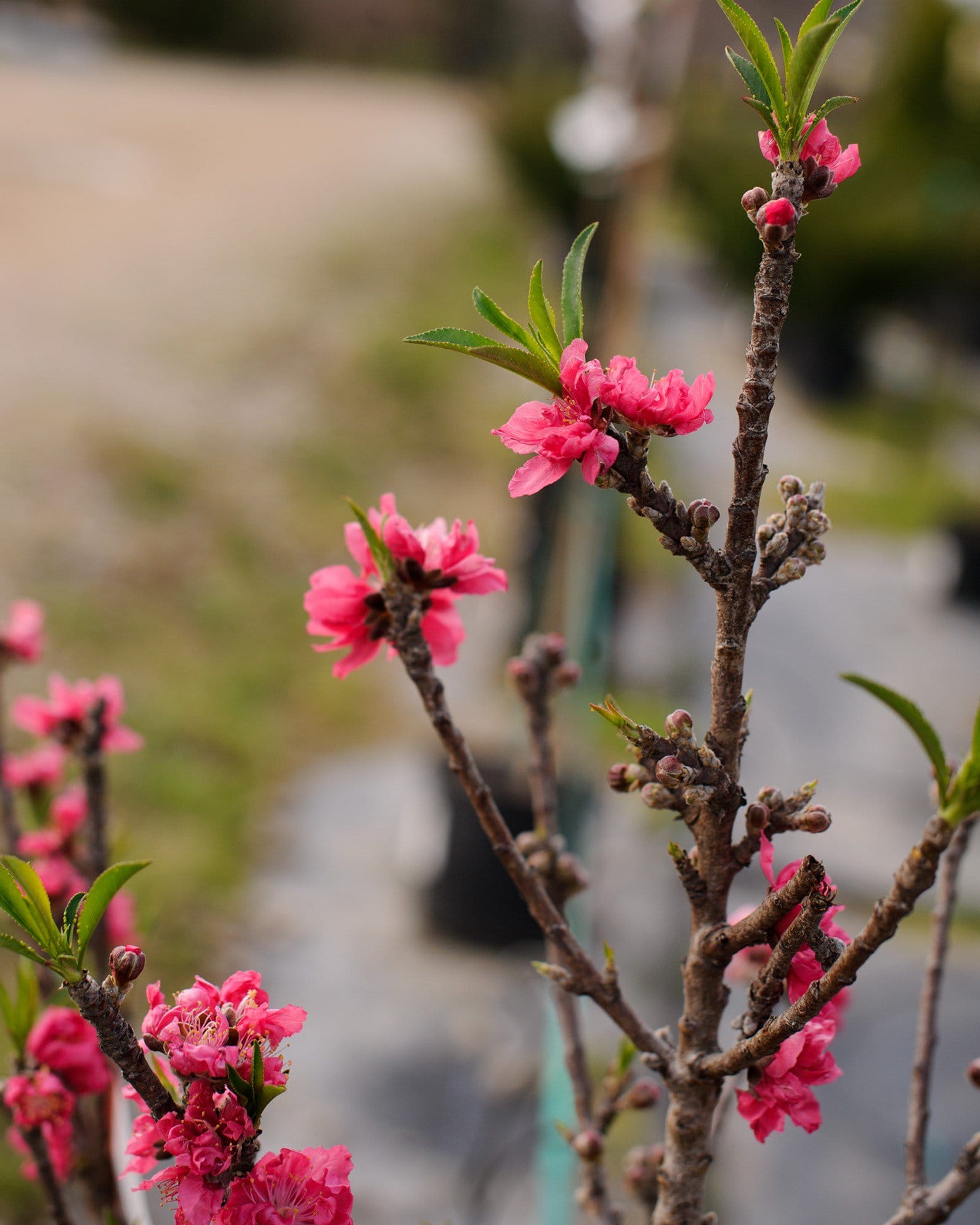
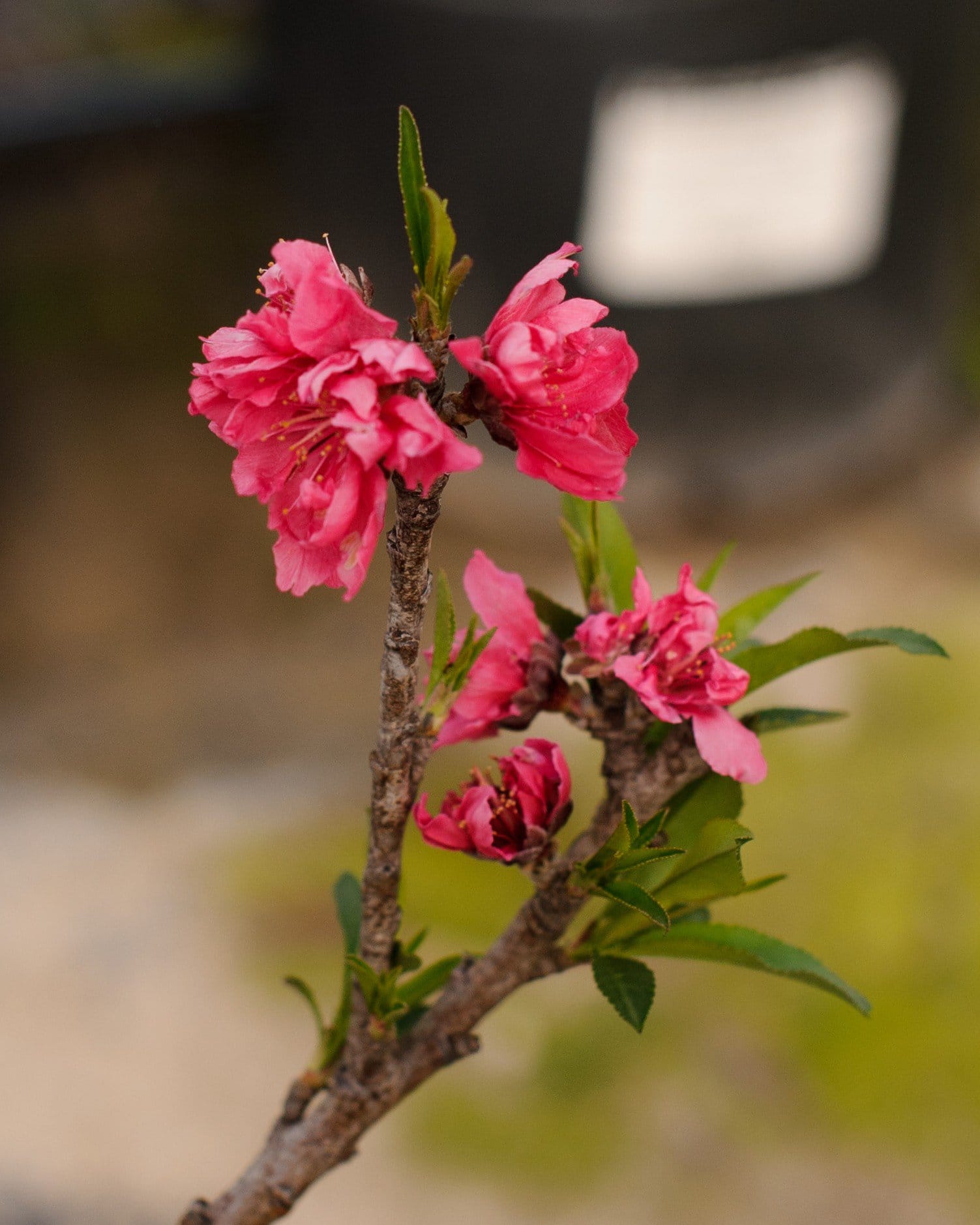
Bonanza Dwarf Peach
Maturity: 5' H x 5' W
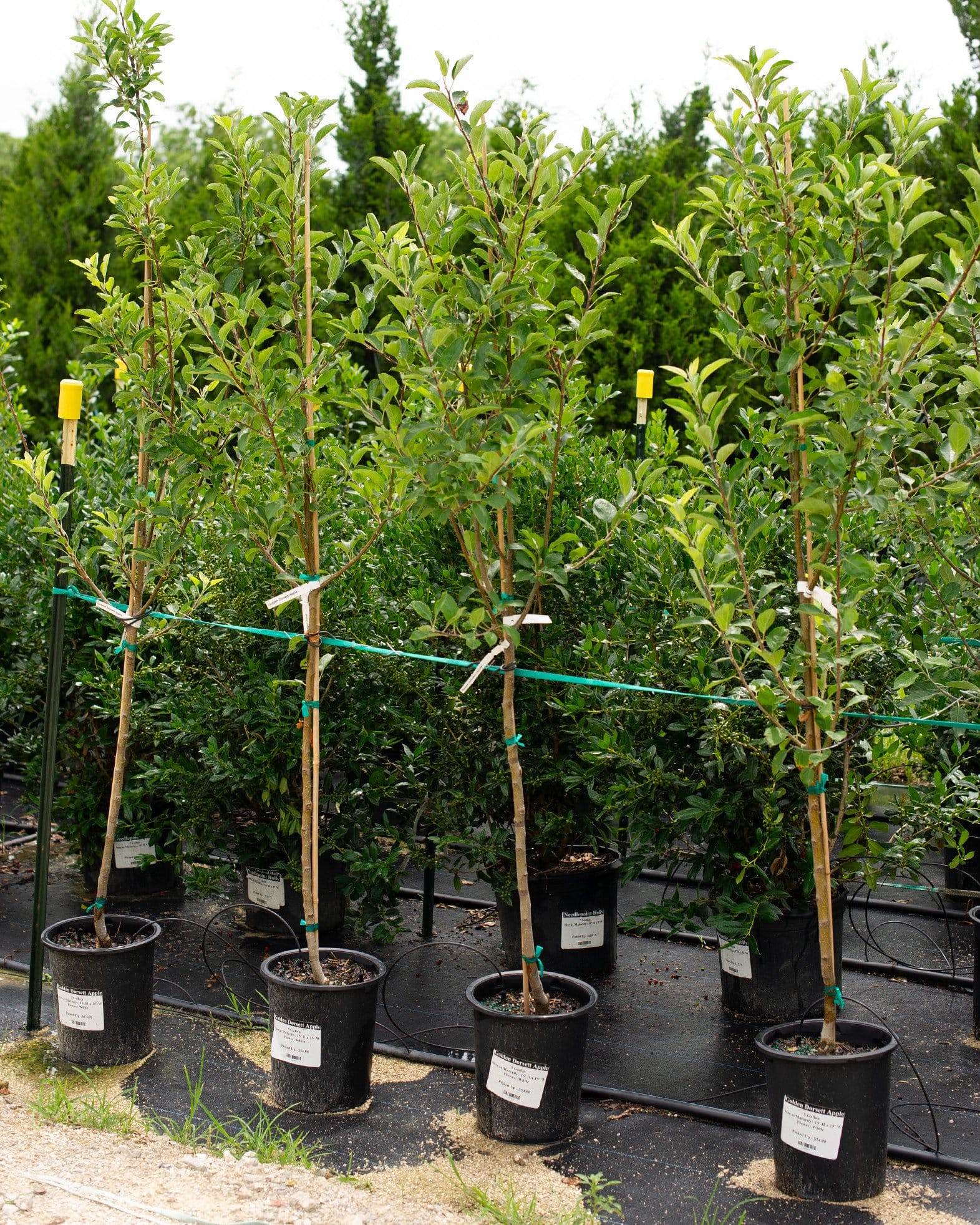
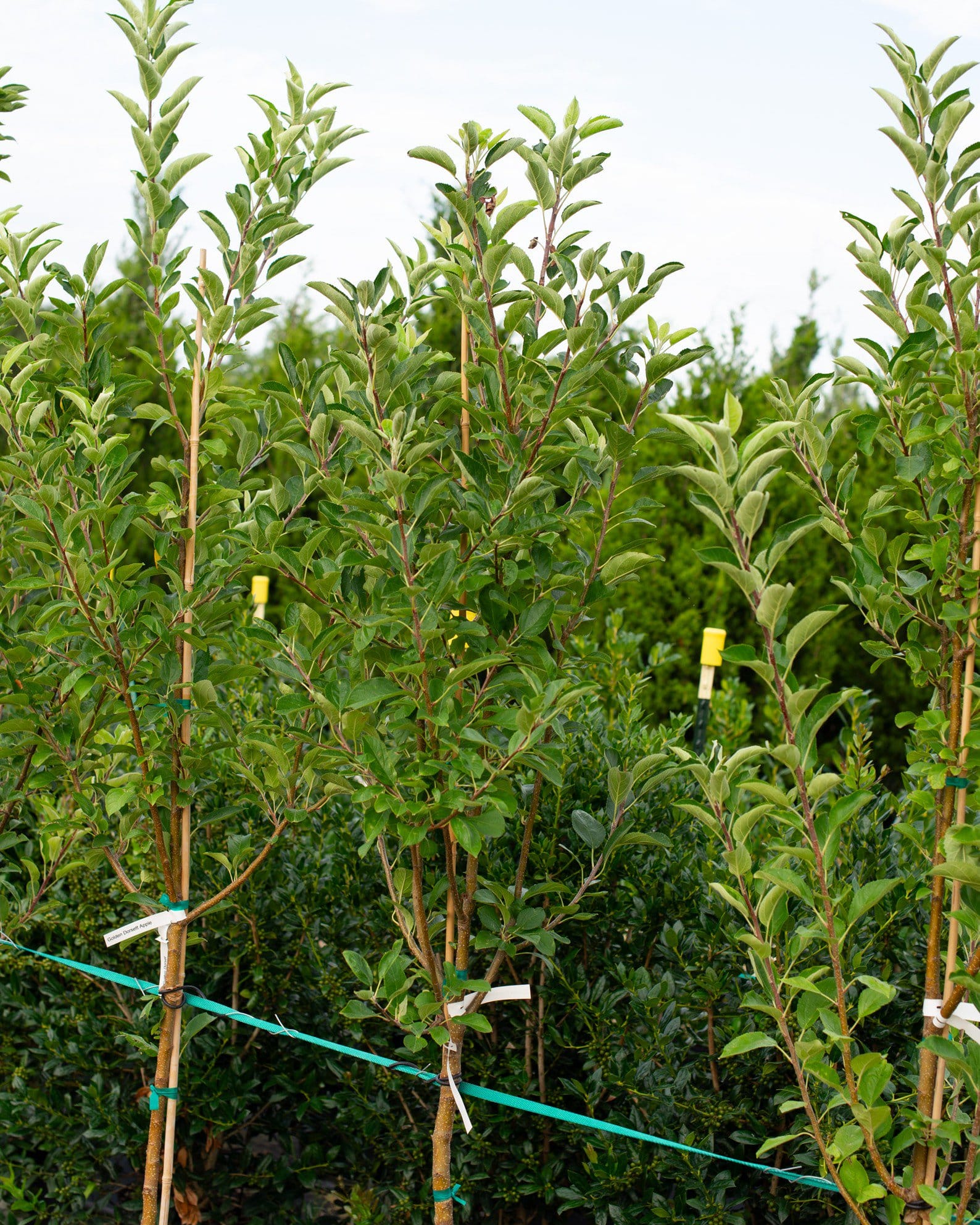
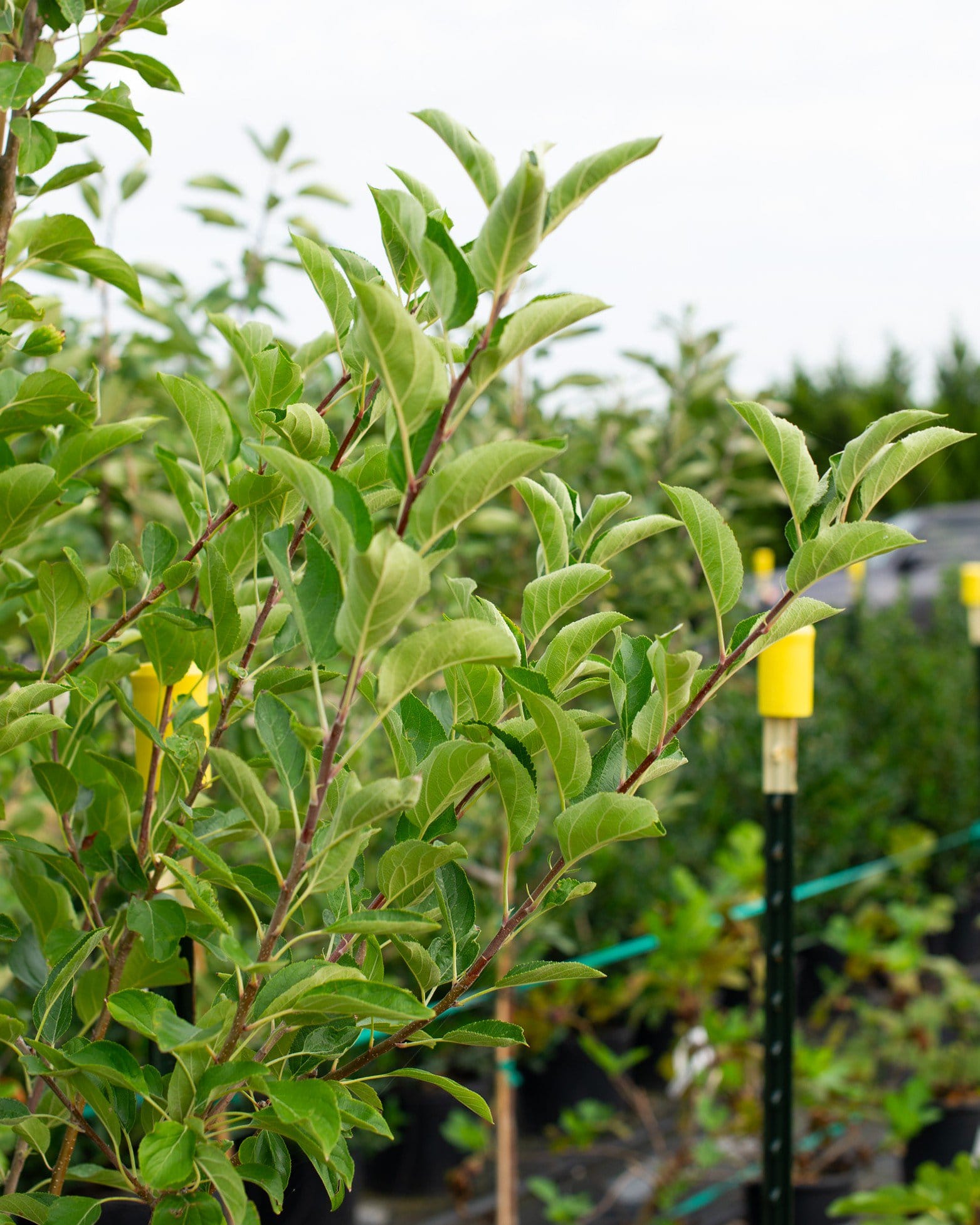
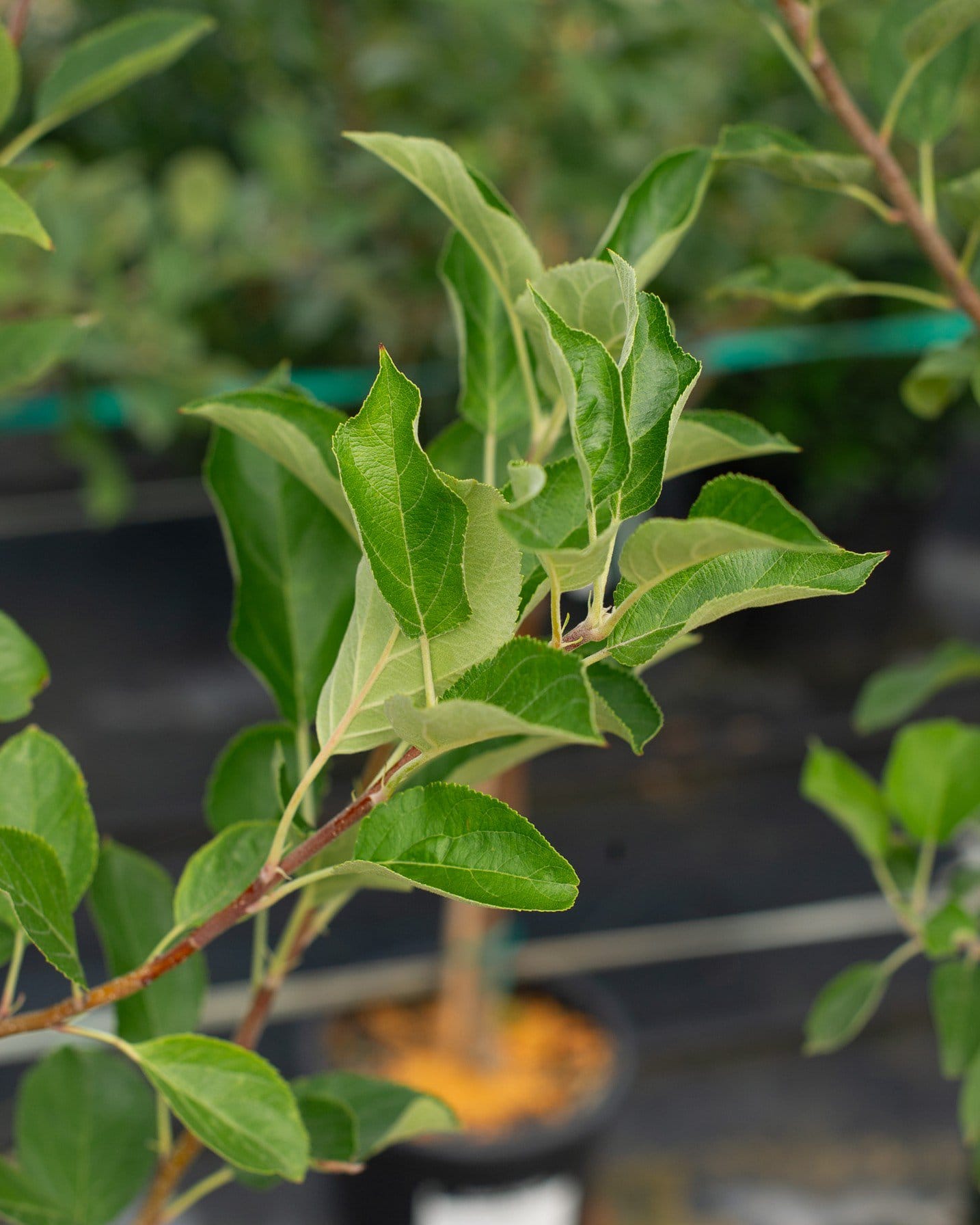
Golden Dorsett Apple
Maturity: 15' H x 15' W
Hale Haven Peach
Maturity: 12' H x 12' W
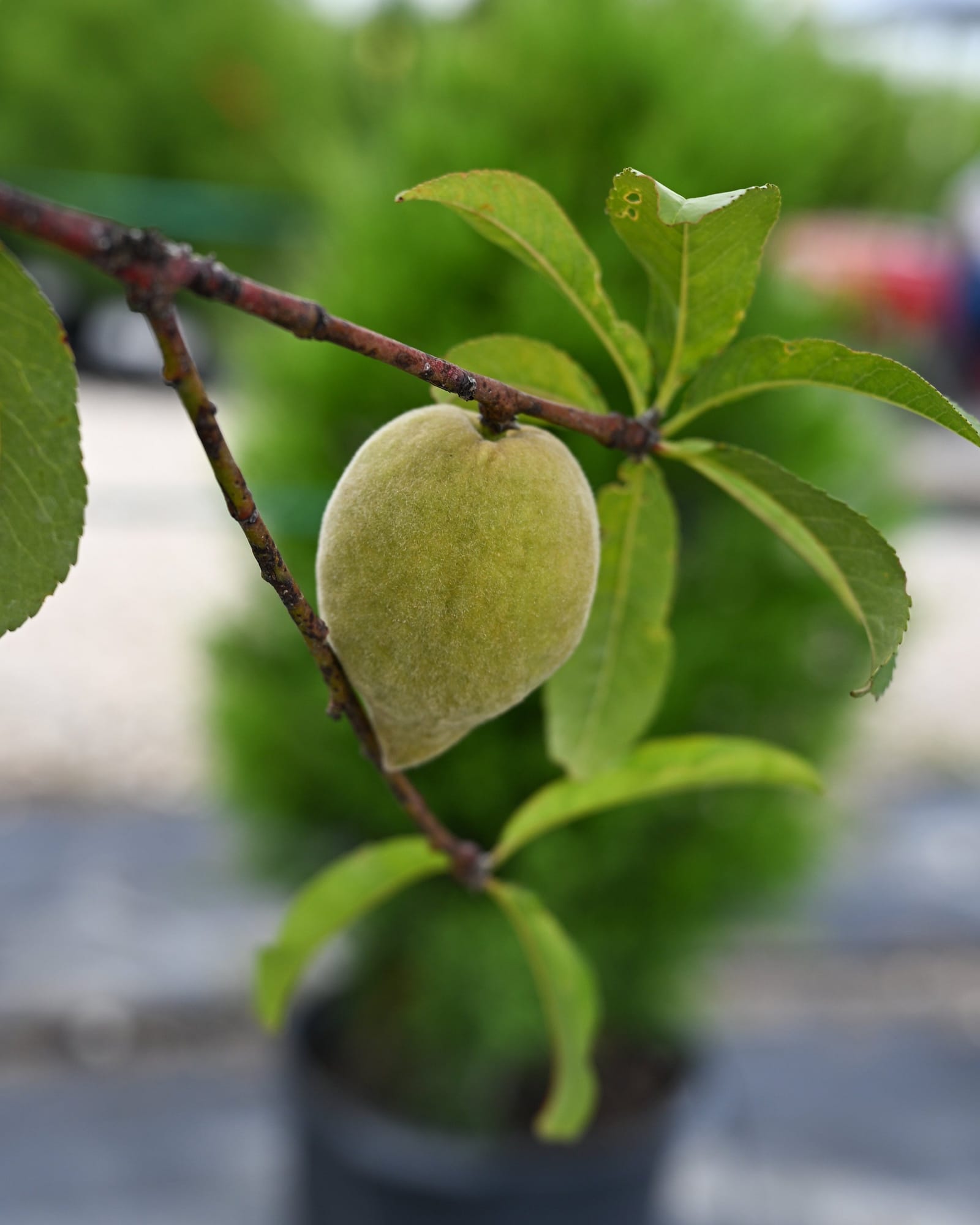
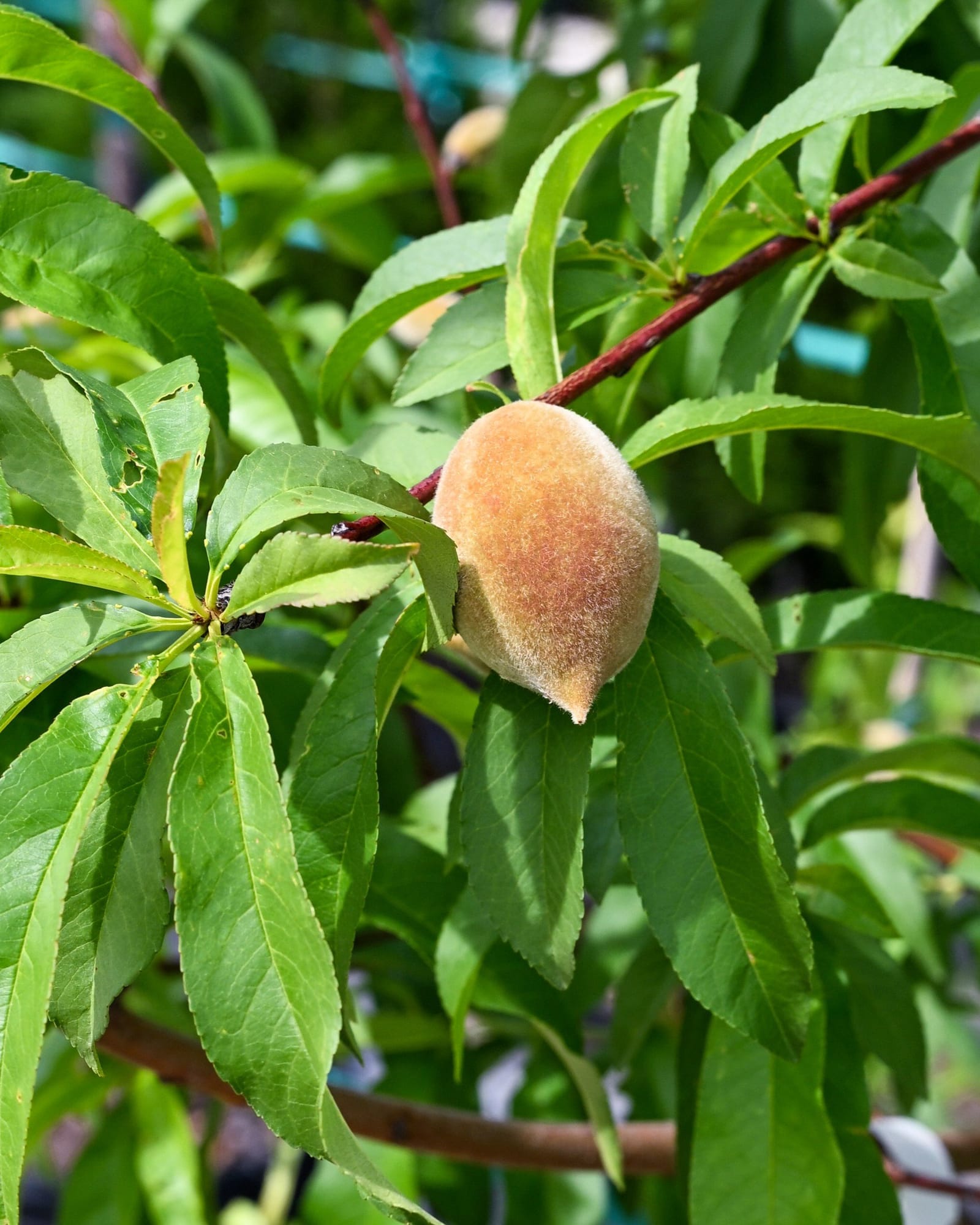
Harvester Peach
Maturity: 12' H x 10' W
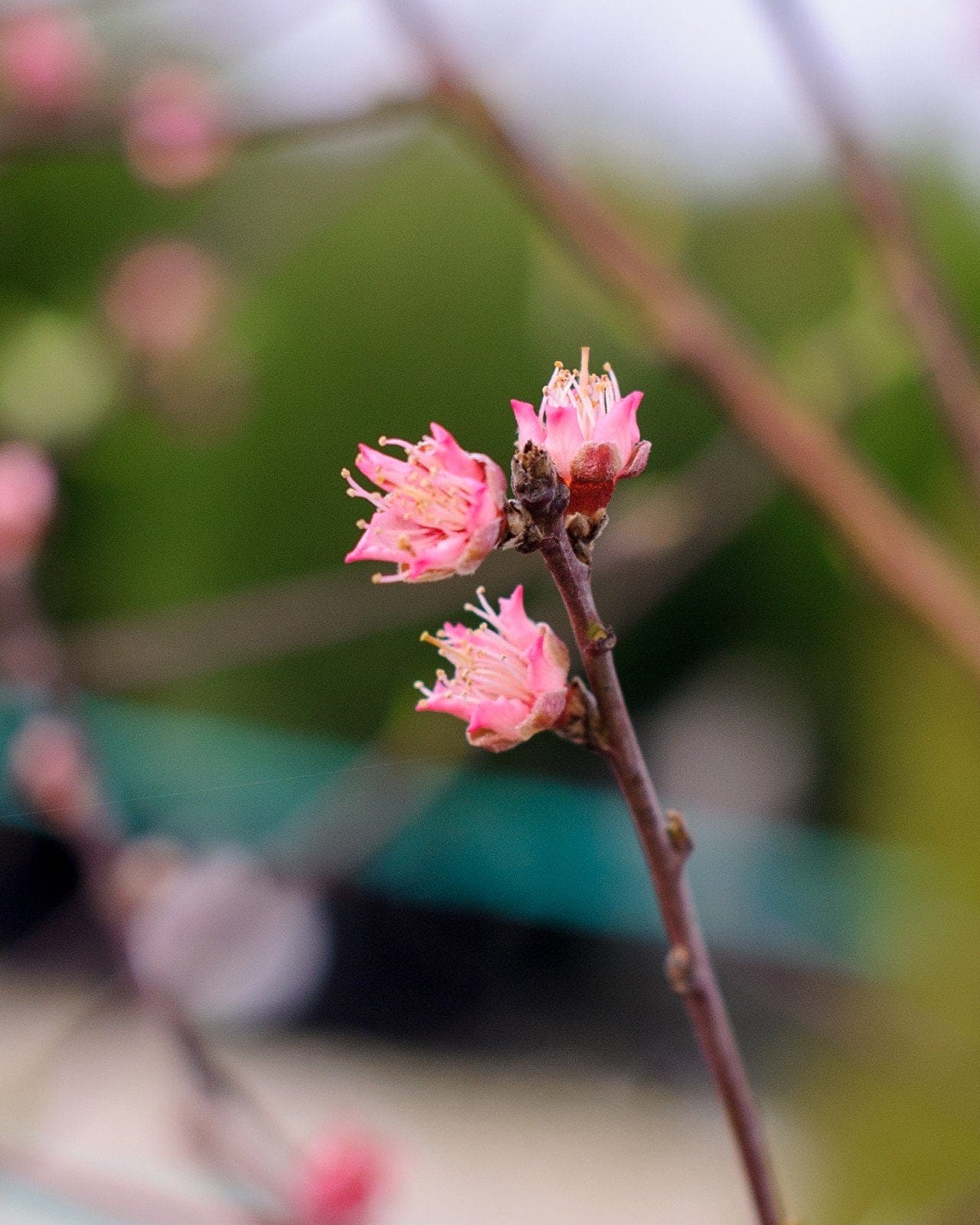
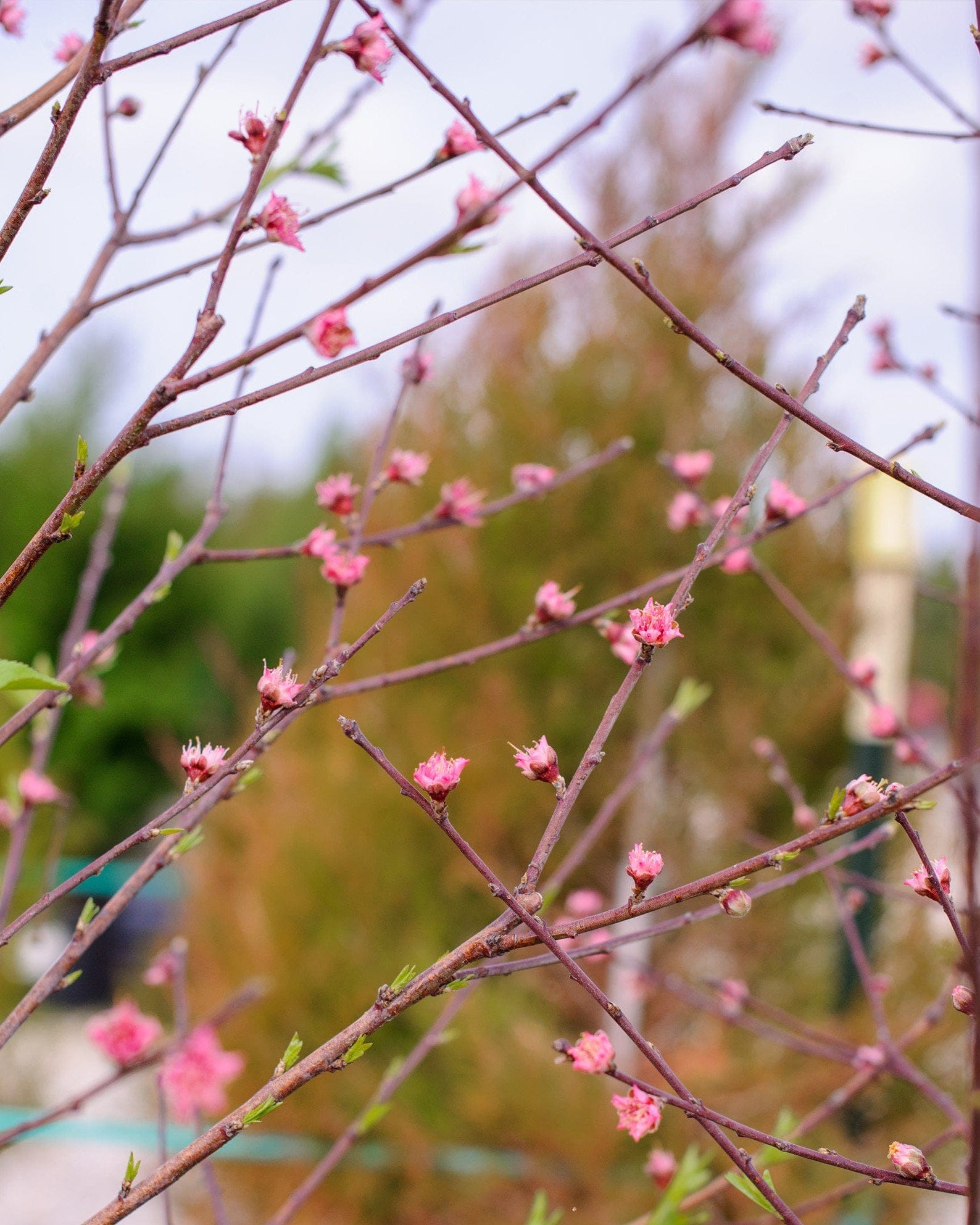
Kiowa Blackberry
Maturity: 4' H x 3' W
Little Miss Figgy Fig
Maturity: 4' H x 3' W
Methley Plum
Maturity: 10' H x 10' W
Santa Rosa Plum
Maturity: 15' H x 15' W
Arbequina Olive
Maturity: 15' H x 15' W
Blenheim Apricot
Maturity: 15' H x 15' W
Improved Meyer Lemon
Maturity: 6' H x 8' W
Compare Similar Plants
LSU Purple Fig This plant | ||
|---|---|---|
| Scientific Name | Ficus carica 'LSU Purple' | Ficus carica ‘Celeste’ |
| Size at Maturity | 8' H x 8' W | 8' H x 8' W |
| Leaf Retention | Deciduous | Deciduous |
| Fall Color | Yellow | Yellow |
| Sizes Available | 3, 5 gal | 5 gal |


Our 1-Year Planting Guarantee
We take pride in our plants and installation services. If any plants or trees installed by Treeland fail to thrive within the first year, we'll provide a replacement credit in accordance with our guarantee program.
Learn More About Our Guarantee