
Celeste Fig
Ficus carica ‘Celeste’Local DFW Delivery Only
Product Details
Celeste Fig
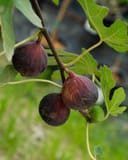
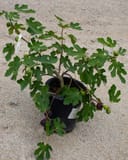
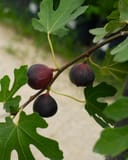
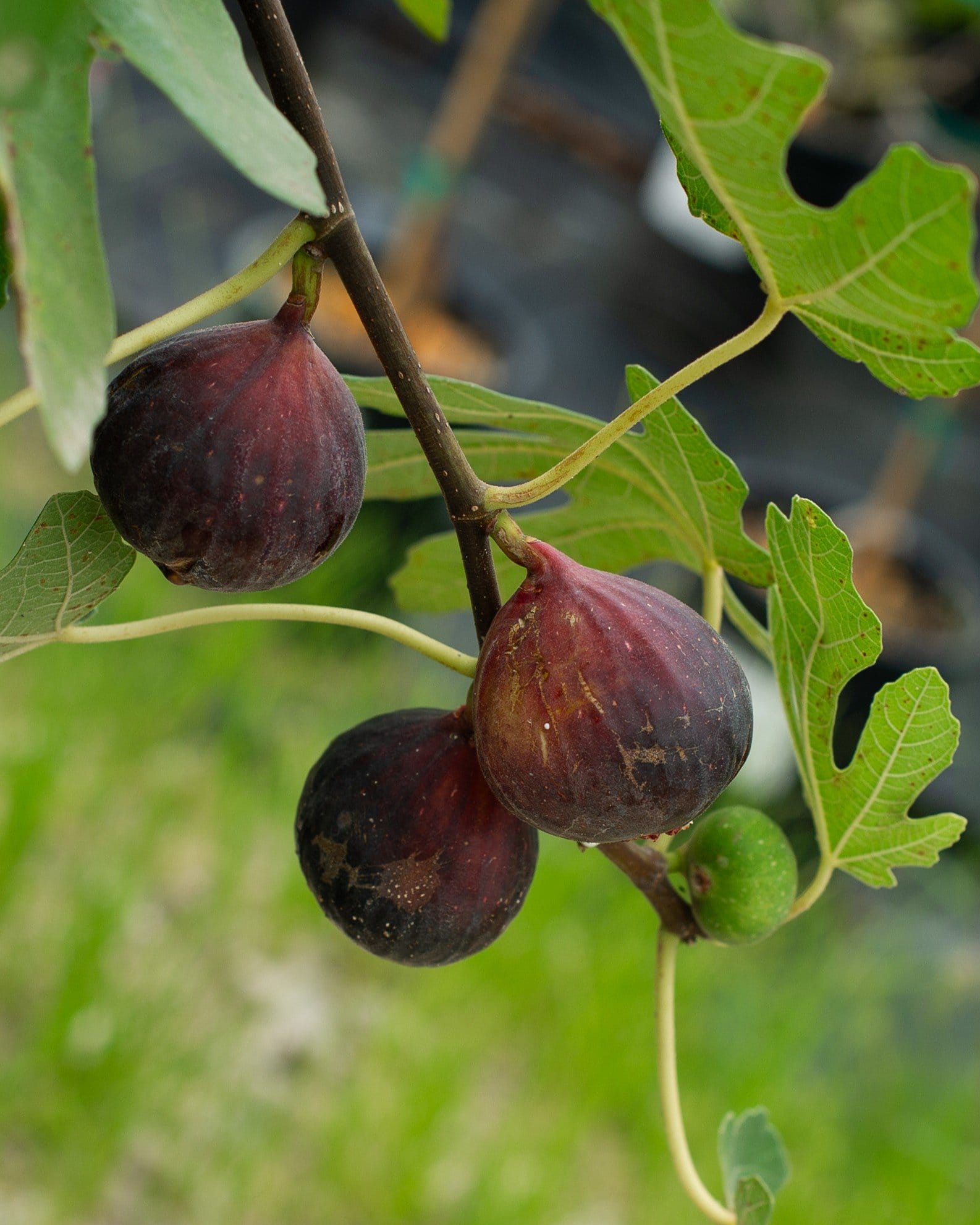
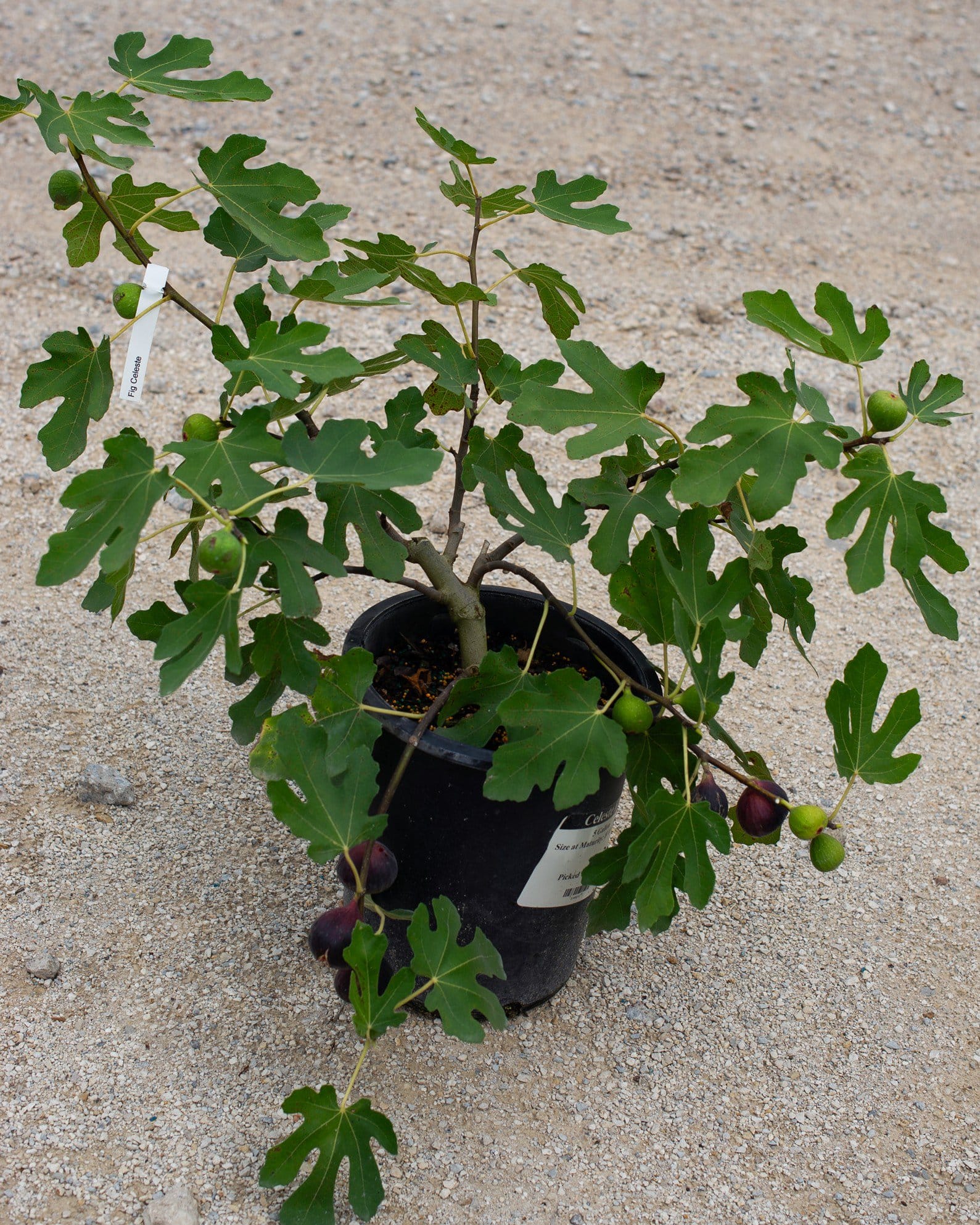
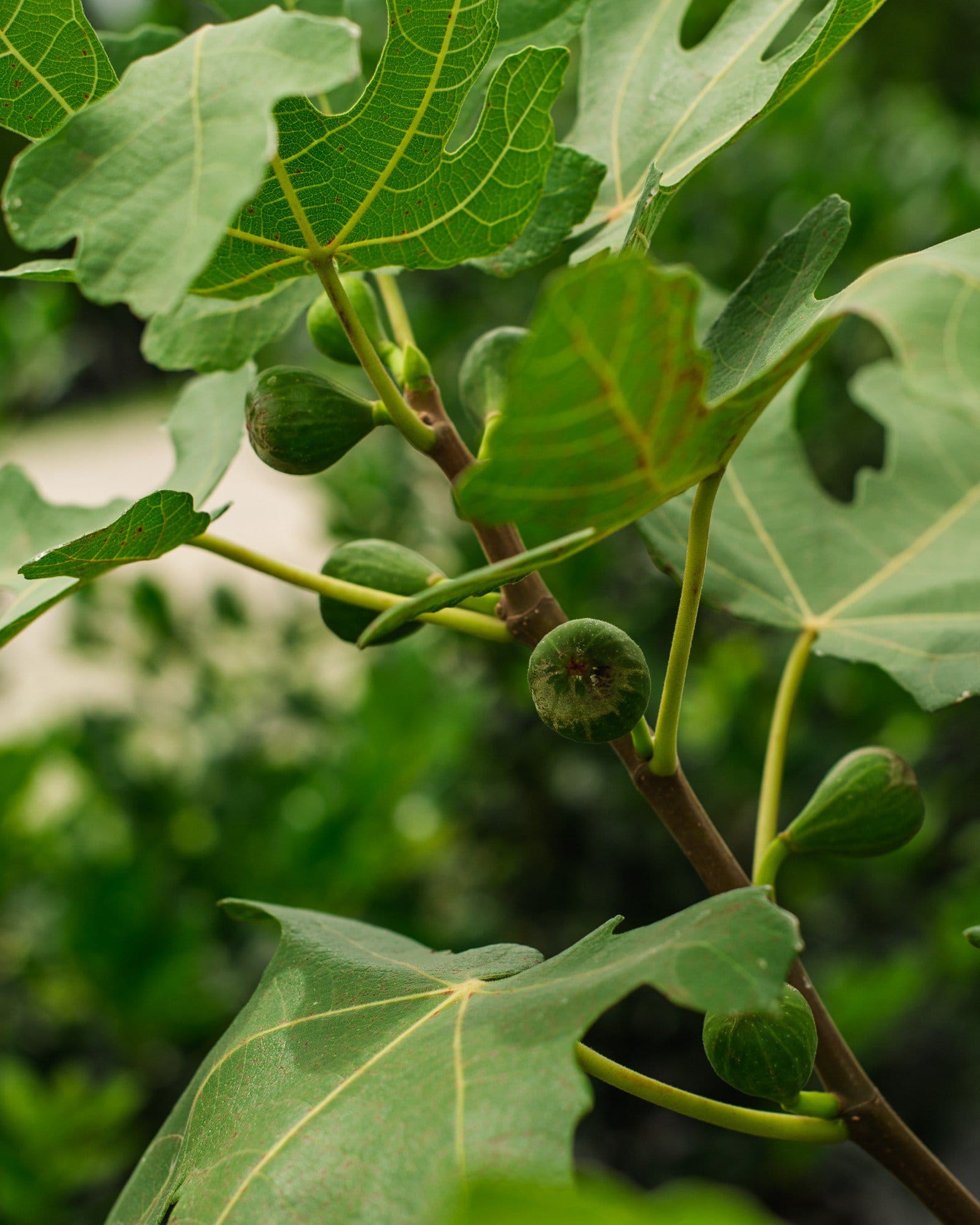
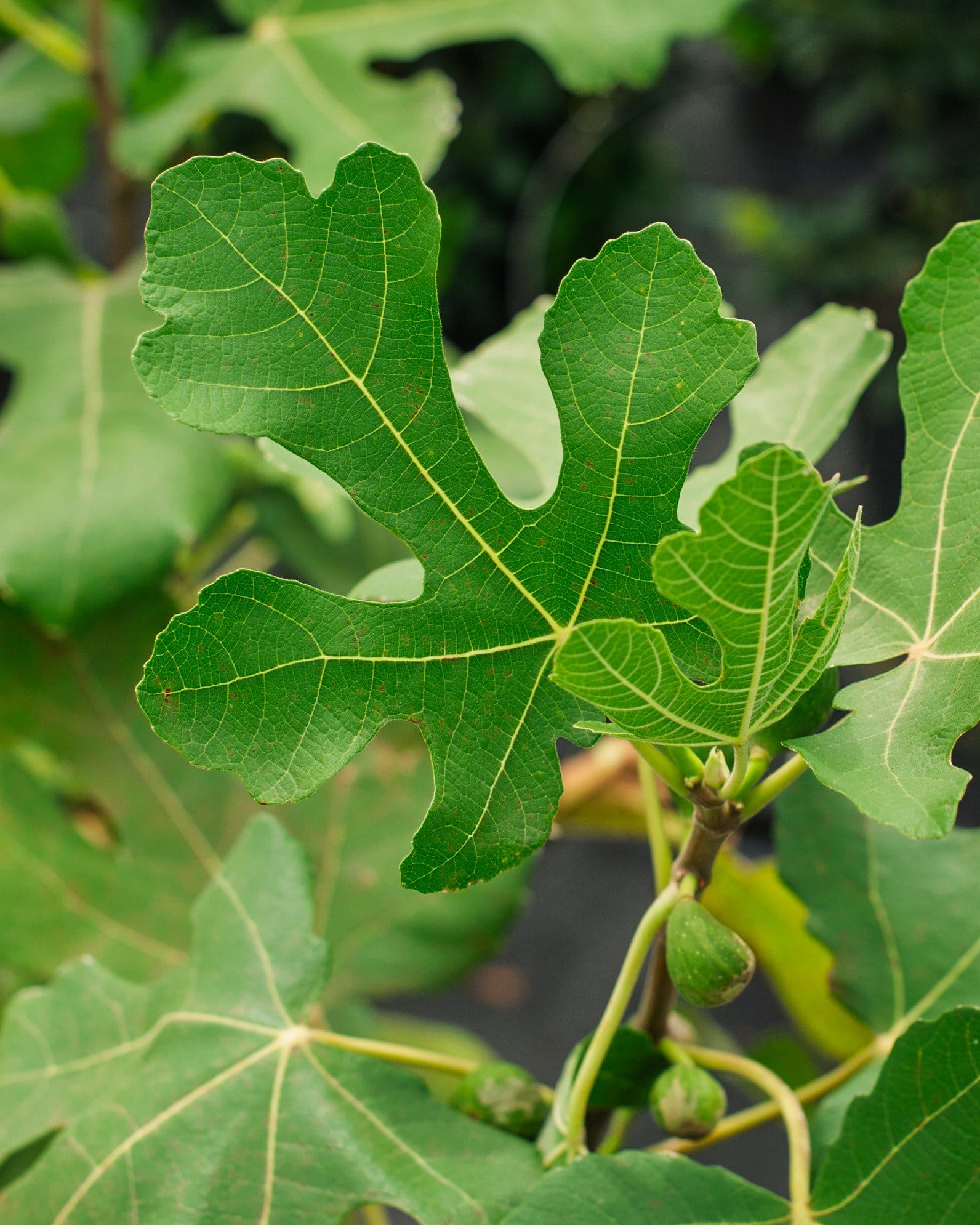
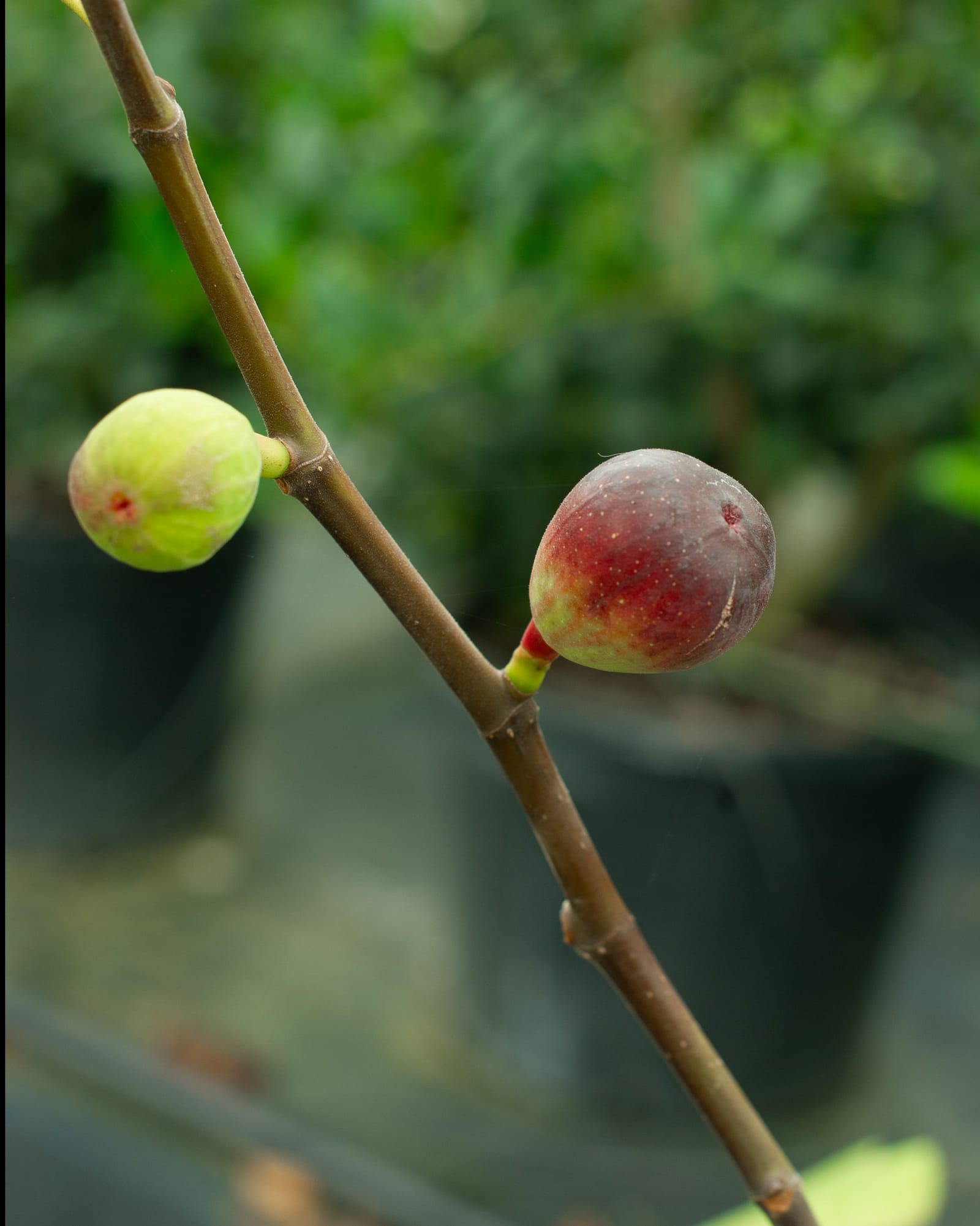
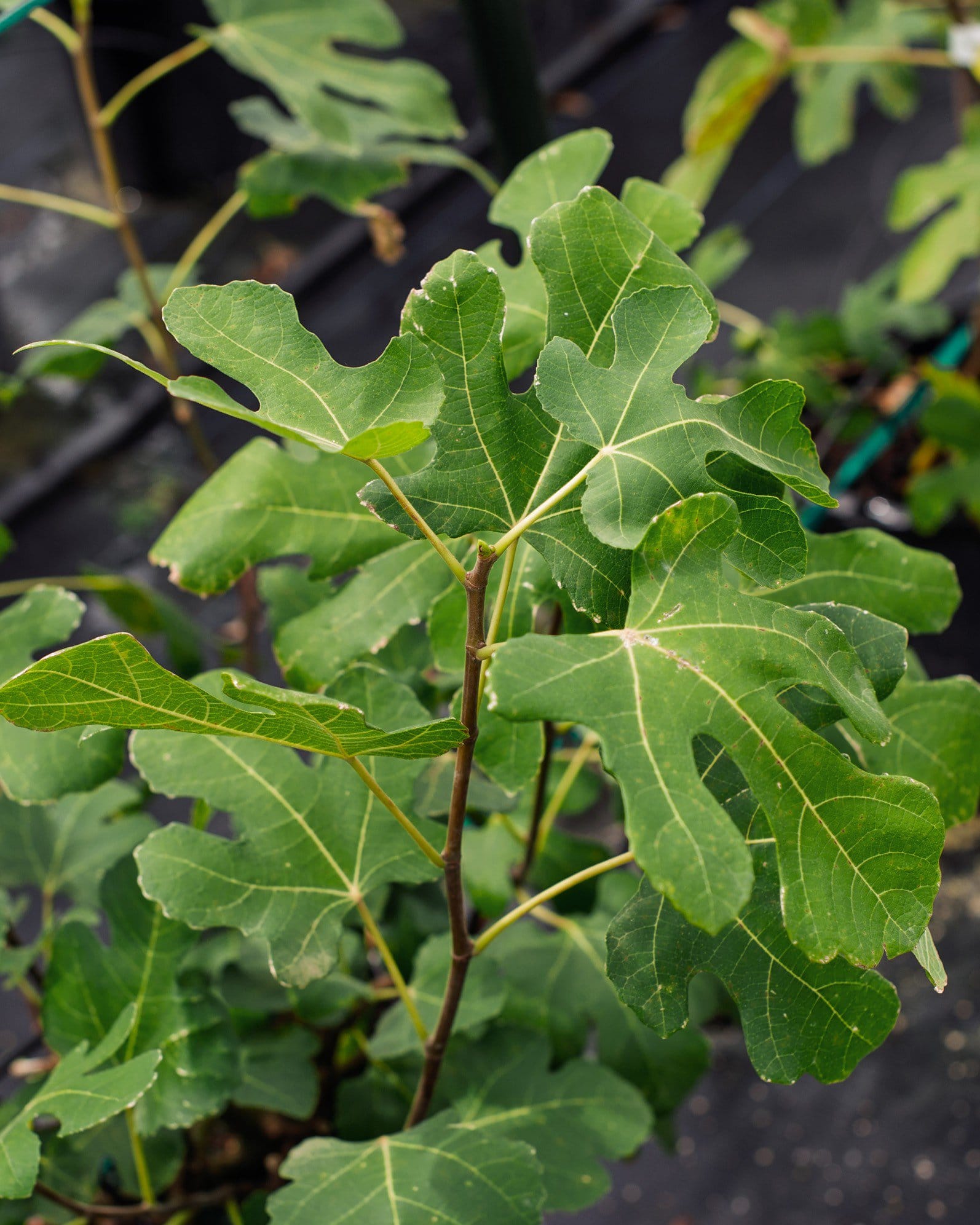
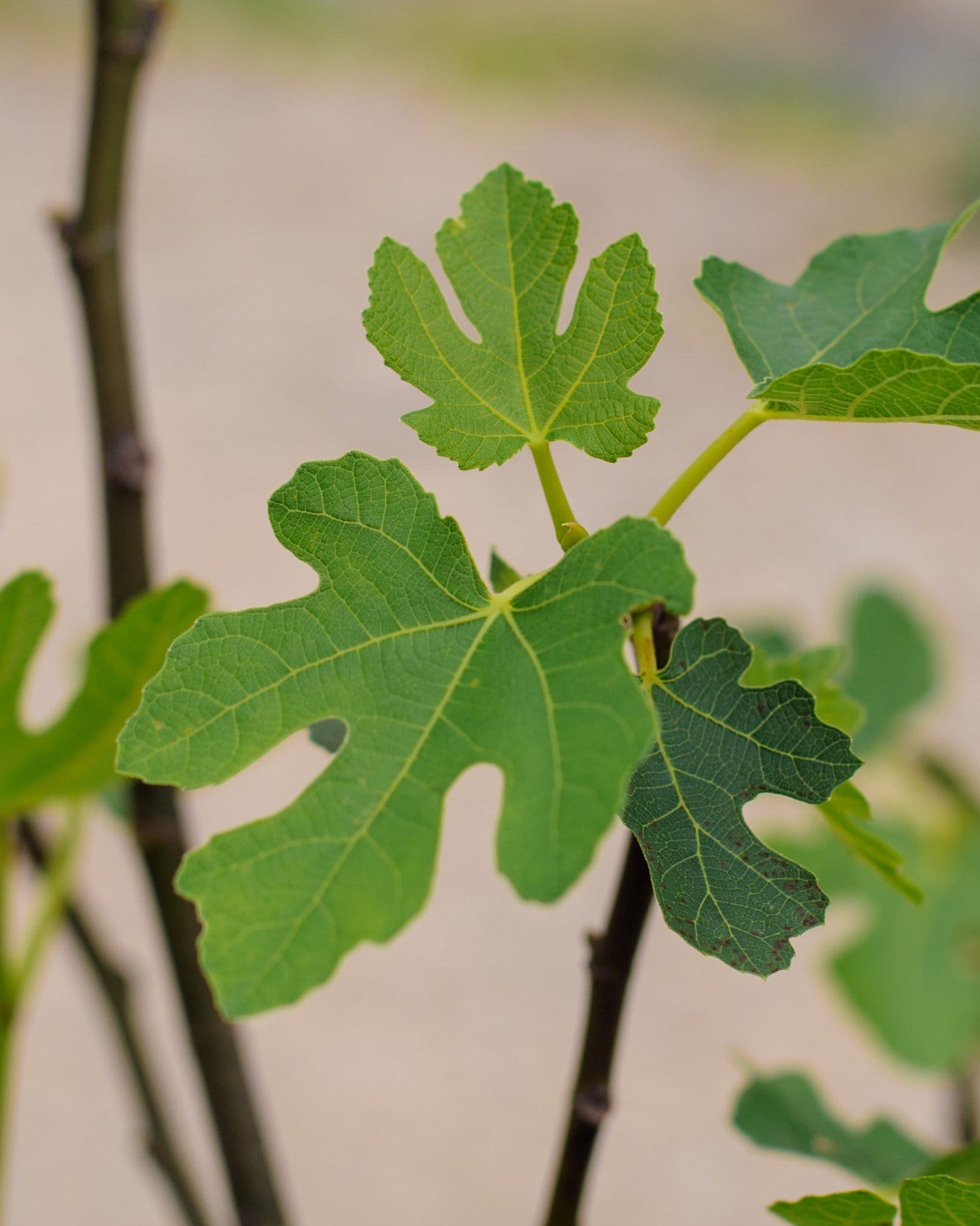
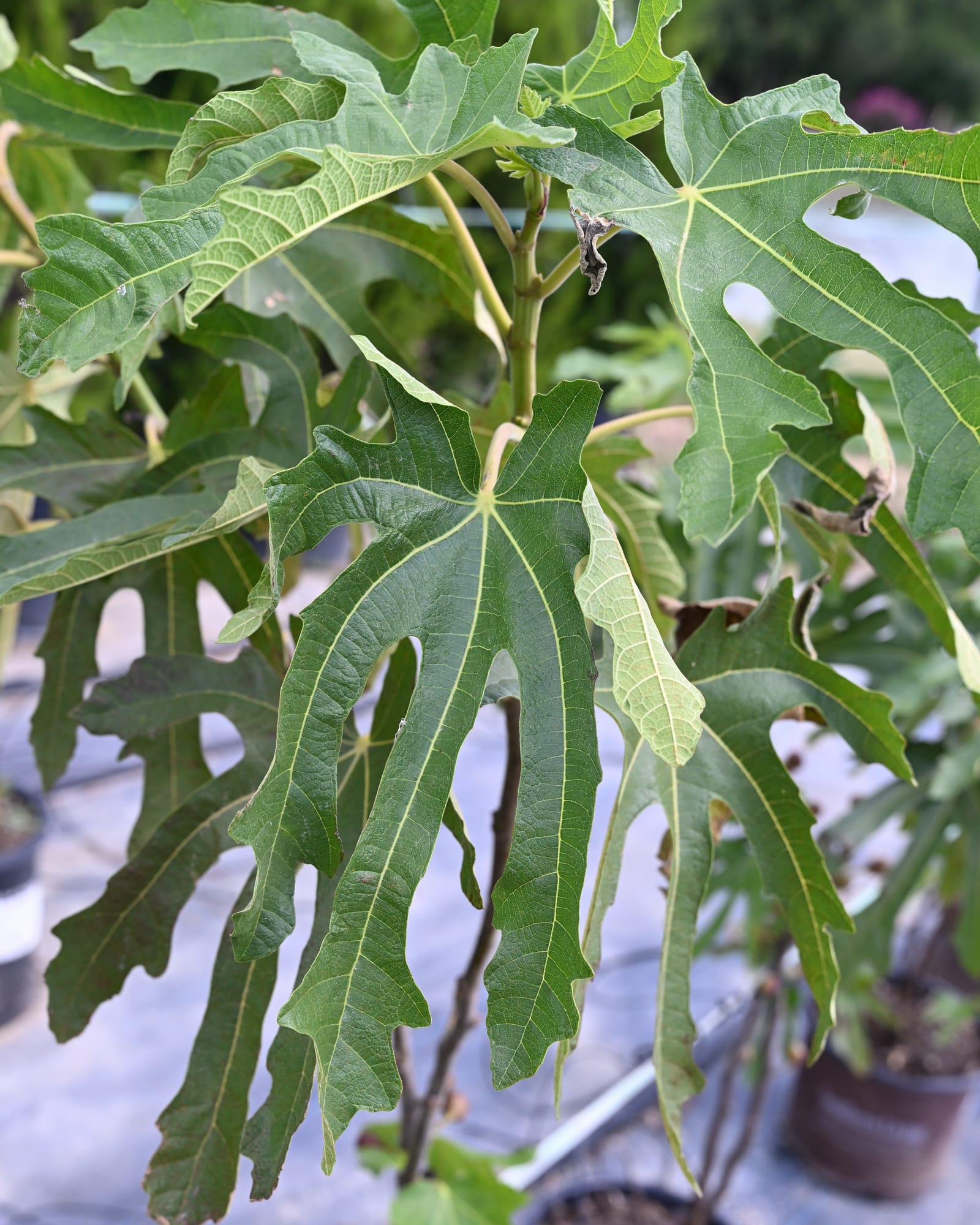
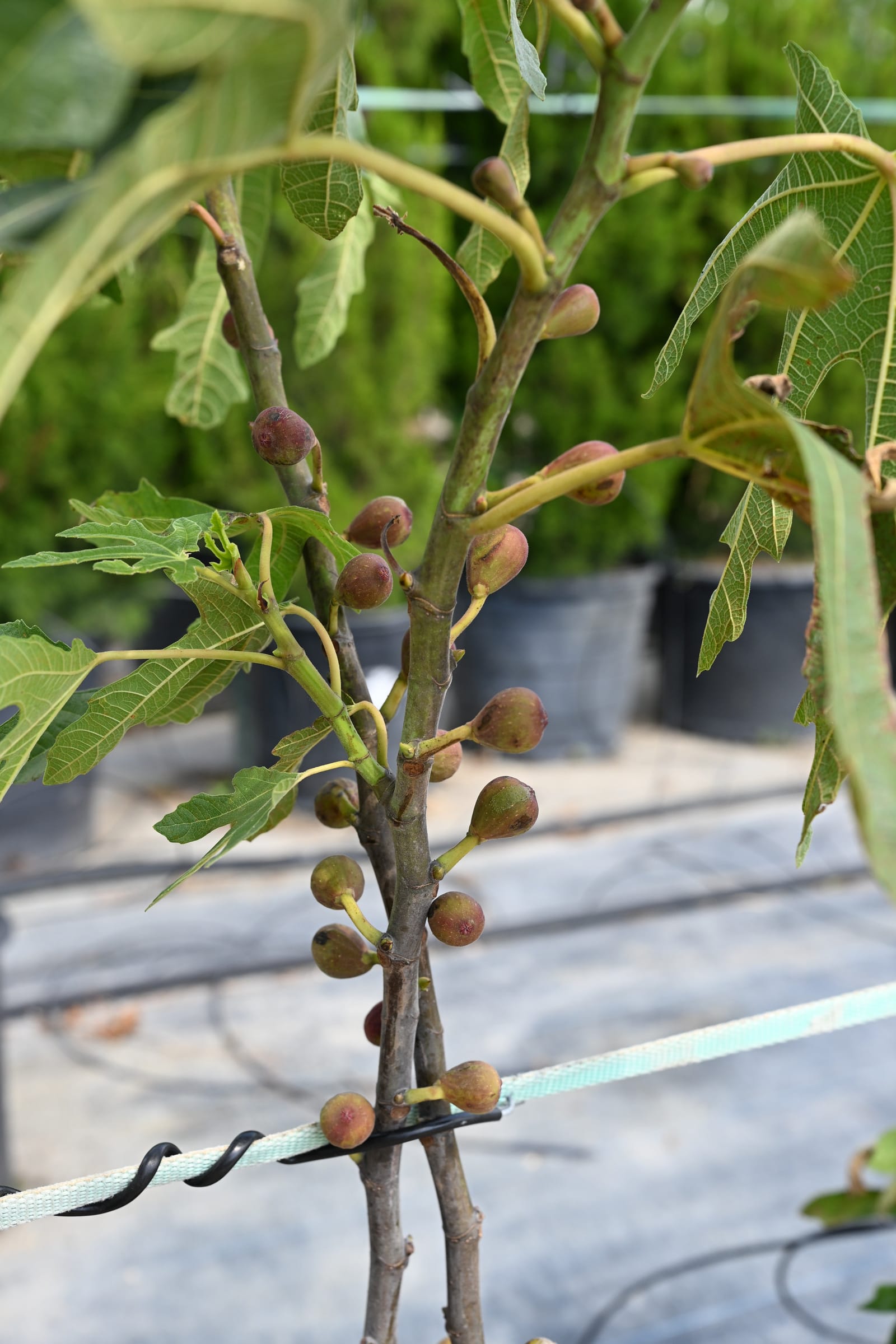
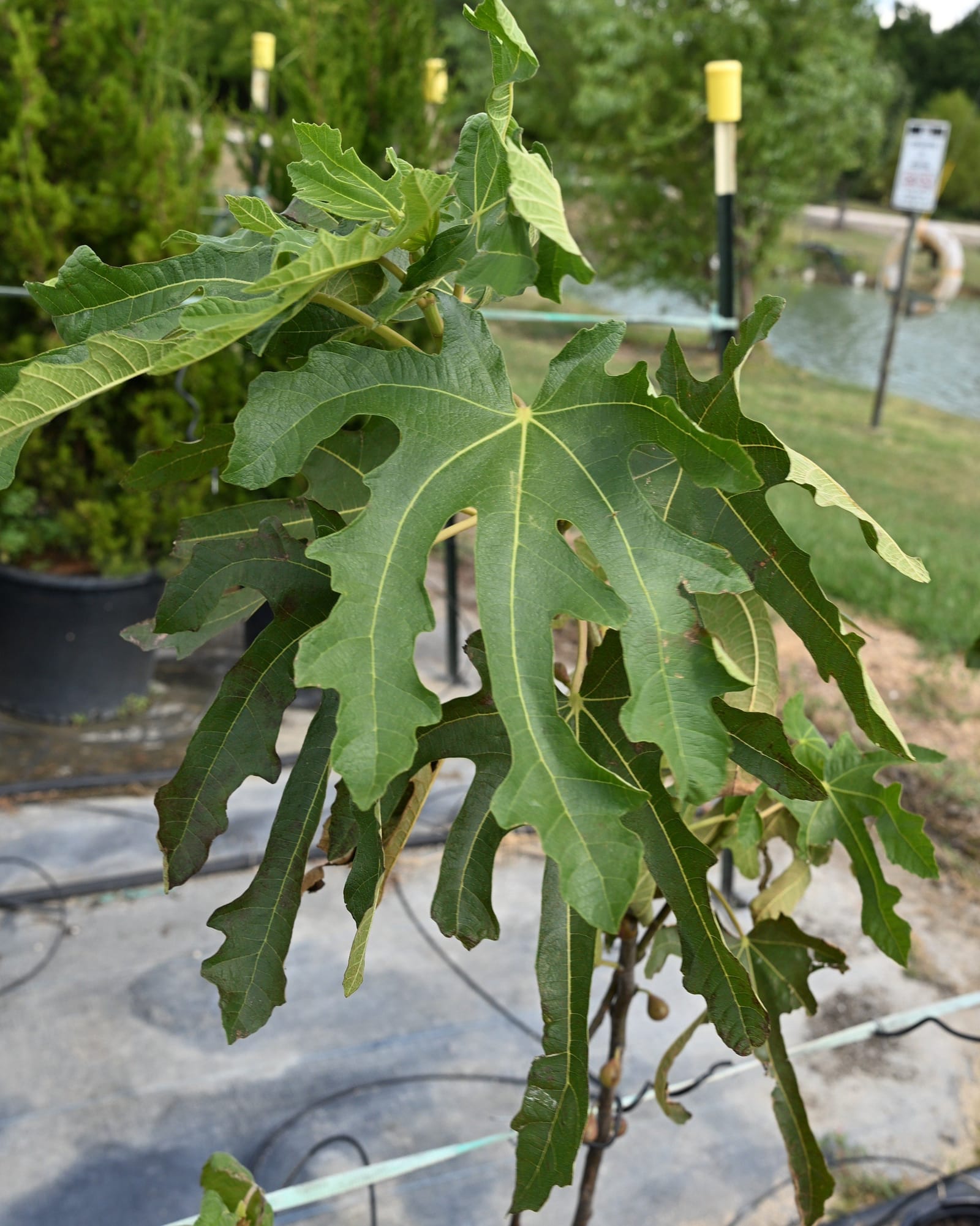
Ficus carica ‘Celeste’The Celeste Fig is a wonderful addition to your landscape. It does well in both containers and orchards. It is a fairly rounded tree, reaching 8 feet in height and the same size in width. Its gorgeous, large foliage captures attention, and so does the sweet, juicy fruit that ripens in late summer.
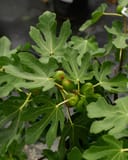
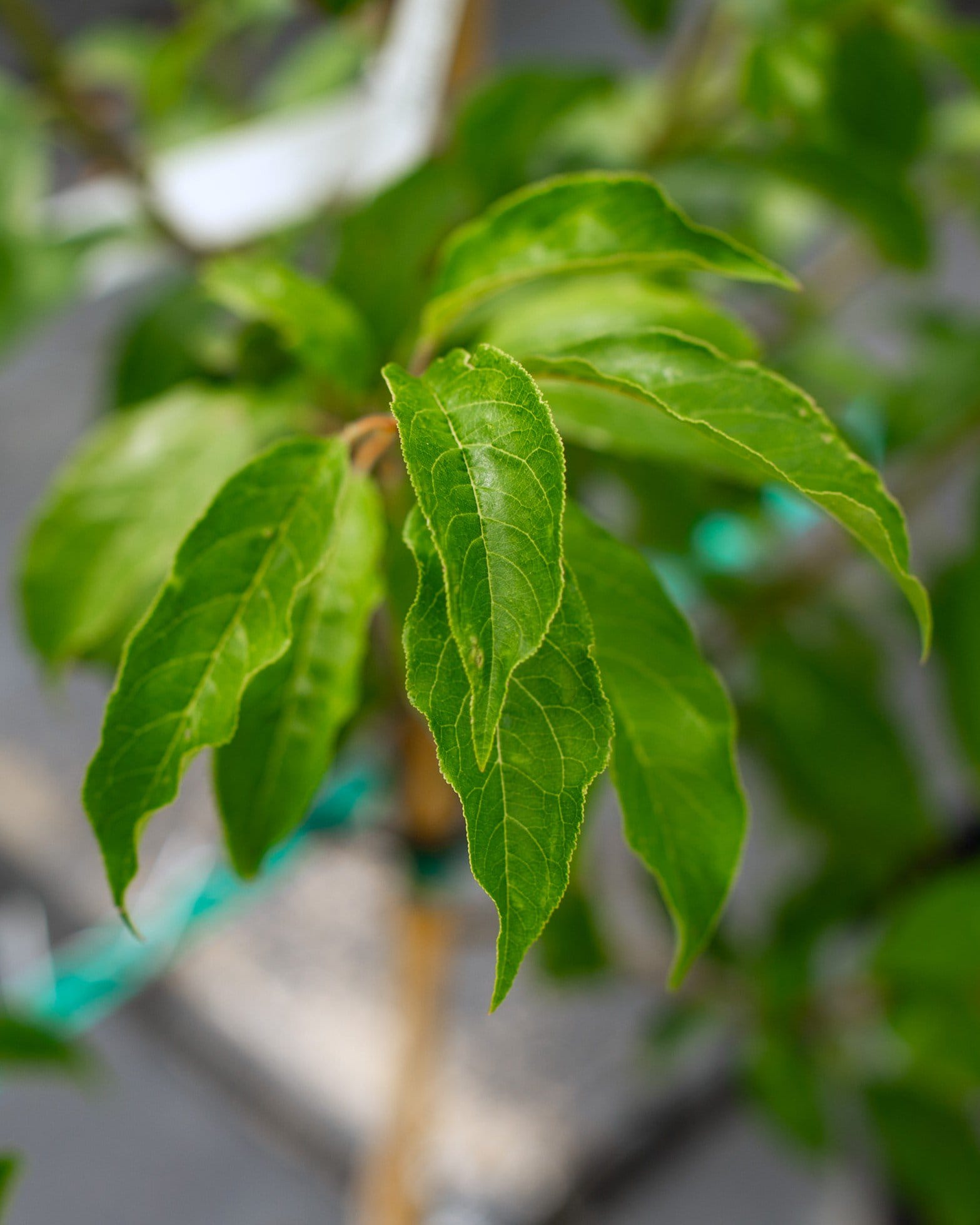
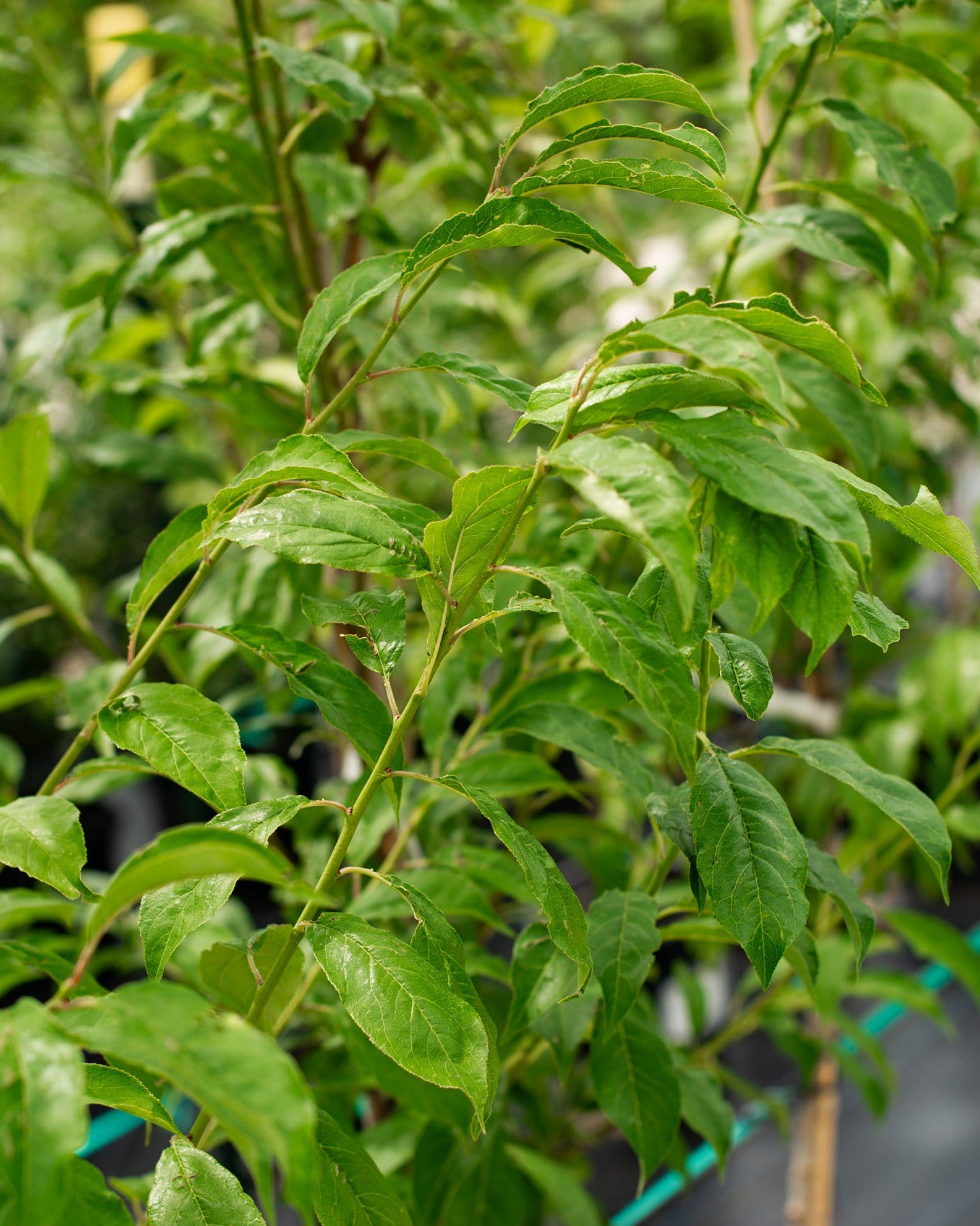
- Dark green, thick foliage
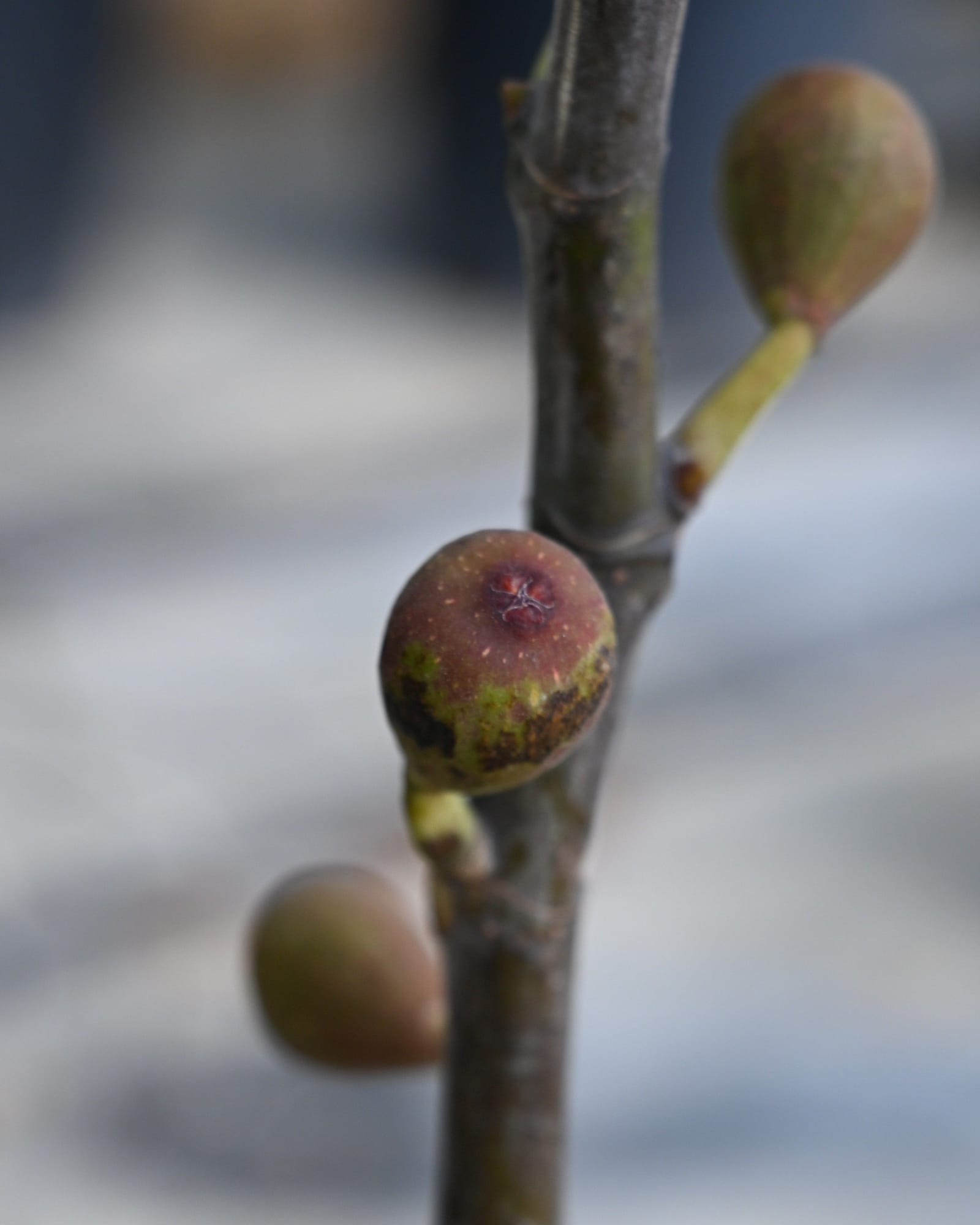
- Sweet fruit in shades of purple and green
- Suitable for containers
- Moderate growth rate
- Thrives in full sun
The Celeste Fig enjoys direct sun exposure, which makes it an excellent choice for the North Texas climate. Plant it in well-drained soil and remove any damaged or dead branches before new fruit starts to grow. Maintain your Celeste Fig properly, and enjoy a delightful tree and sweet, ripe figs in late summer.
Celeste Fig is incredibly easy to care for, and here’s everything it needs to grow beautifully:
- Watering: Water regularly during the first growing season to establish a strong root system. Once mature, Celeste Fig is moderately drought-tolerant but produces the best fruit with consistent moisture, especially during hot, dry periods. Water deeply once or twice per week, allowing the top few inches of soil to dry slightly between sessions.
- Pruning: Prune in late winter while the tree is dormant to maintain a balanced shape and promote airflow. Remove crossing, weak, or crowded branches. Celeste Fig naturally forms a neat, rounded canopy and requires minimal shaping. Avoid heavy pruning in early spring.
- Fertilizing: Feed in early spring with a balanced, slow-release fertilizer or an organic compost mix. Avoid overfertilizing, as too much nitrogen can cause vigorous leafy growth with fewer fruits. A light midsummer feeding after the first harvest helps maintain energy for the next flush.
- Mulching: Apply a 2-3 inch layer of mulch around the base to conserve moisture, regulate soil temperature, and suppress weeds. Keep mulch a few inches away from the trunk to prevent rot. Refresh annually as it breaks down.
- Winter Care: Celeste Fig is one of the most cold-hardy figs available, often surviving brief freezes that damage other varieties. In regions with harsh winters, protect young trees with a thick mulch layer or wrap the trunk with burlap.
Celeste Fig is famously resilient, but like all fruit trees, it can experience a few manageable issues under stressful weather or poor soil conditions:
- Fig Rust: A fungal disease causing yellow or brown spots on leaves. Improve airflow by thinning dense growth, avoid overhead watering, and apply a copper-based fungicide if the issue persists.
- Splitting Fruit: Caused by irregular watering or heavy rain after dry periods. Keep watering consistent and avoid overfertilizing, which can lead to rapid fruit expansion.
- Aphids: Small green or black insects that feed on new shoots. Rinse off with water or treat with insecticidal soap. Natural predators like ladybugs help keep them in check.
- Ants: Often drawn to ripe fruit or honeydew from aphids. Manage aphids first, and use sticky barriers on trunks to keep ants from climbing.
- Root Knot Nematodes: Microscopic pests that can affect roots in sandy soil. Add organic matter and rotate planting sites if replanting in infested soil.
With proper care, it can live 50 years or more. Many established trees continue to produce fruit for generations.
It grows moderately fast, reaching maturity and bearing fruit within 2-3 years after planting. Mature trees can produce abundant harvests every summer.
No. It’s self-pollinating, so a single tree will produce plenty of fruit on its own.
Partially. While deer may nibble young shoots, the mature tree’s thick leaves and milky sap make it less appealing.
Yes. Dwarf or young trees thrive in large containers (at least 20-25 gallons). Use well-draining soil, water consistently, and prune annually to control size.
Exceptionally well. It’s one of the best figs for the humid South, maintaining fruit quality even in hot, muggy summers.
Yes, for part of the year. It can overwinter indoors in bright light near a south-facing window or under grow lights.
Yes. Prune out dead or crossing branches in late winter and feed with compost or a balanced fertilizer. Within a season or two, new shoots and improved fruiting will return.
Absolutely. Its compact growth habit, self-pollination, and minimal maintenance needs make it ideal for courtyards, patios, and suburban gardens.
Its combination of sweetness, cold hardiness, and reliability sets it apart. The fruit’s honey-like flavor, closed eye (which resists pests), and consistent yields make Celeste one of the finest all-around figs for Southern and coastal climates - a perfect blend of beauty, toughness, and taste.
Special Features
You might also like
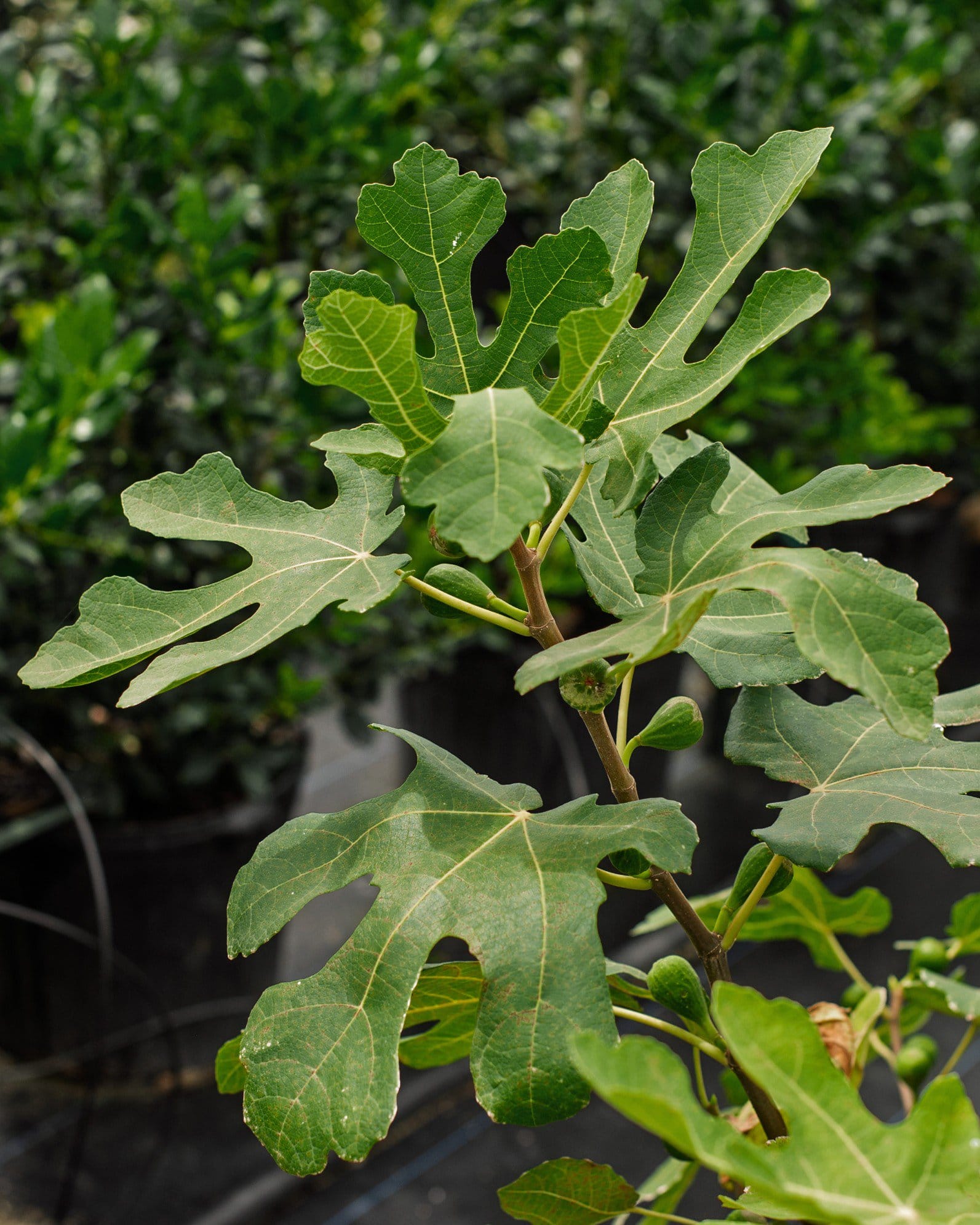
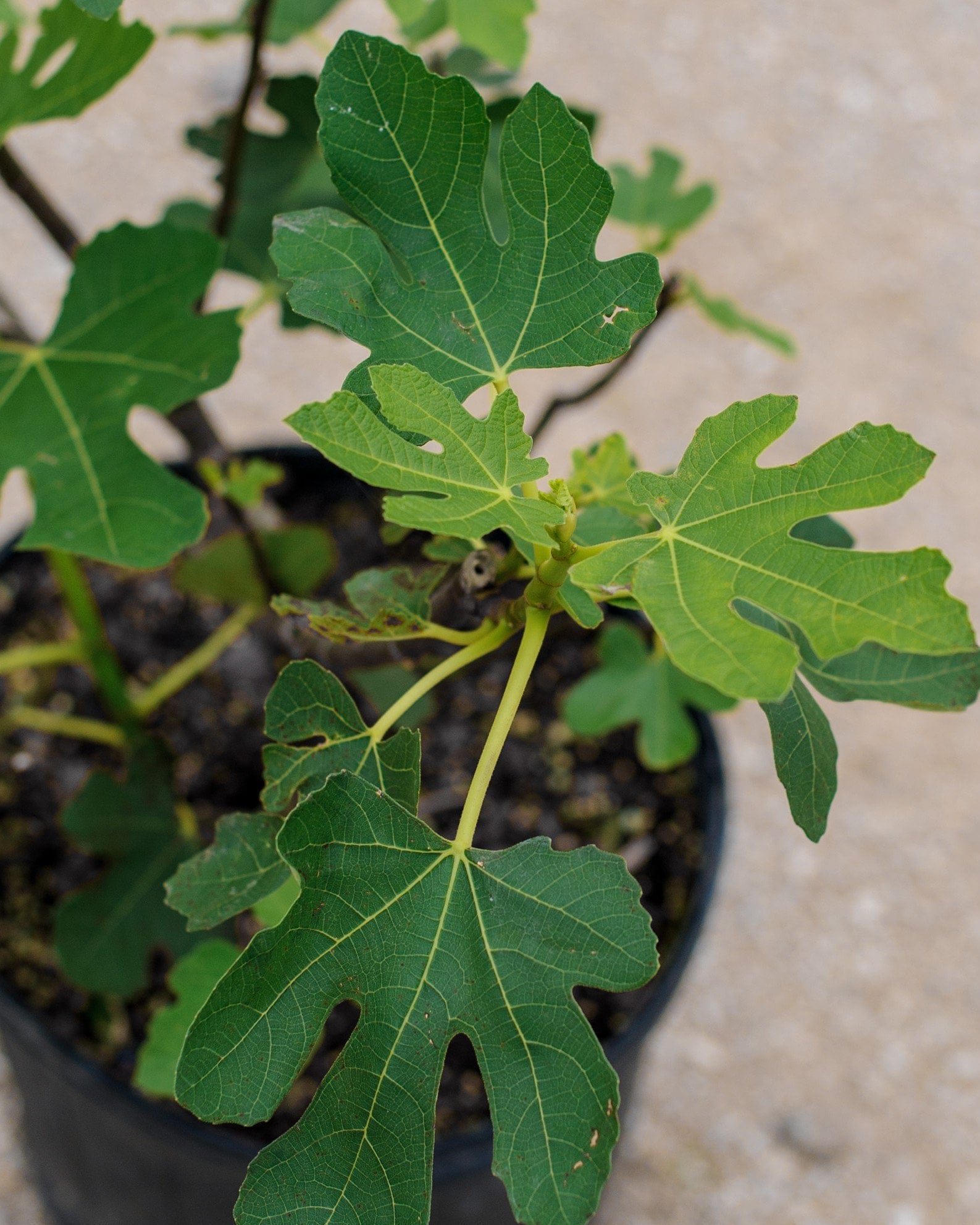
LSU Purple Fig
Maturity: 8' H x 8' W
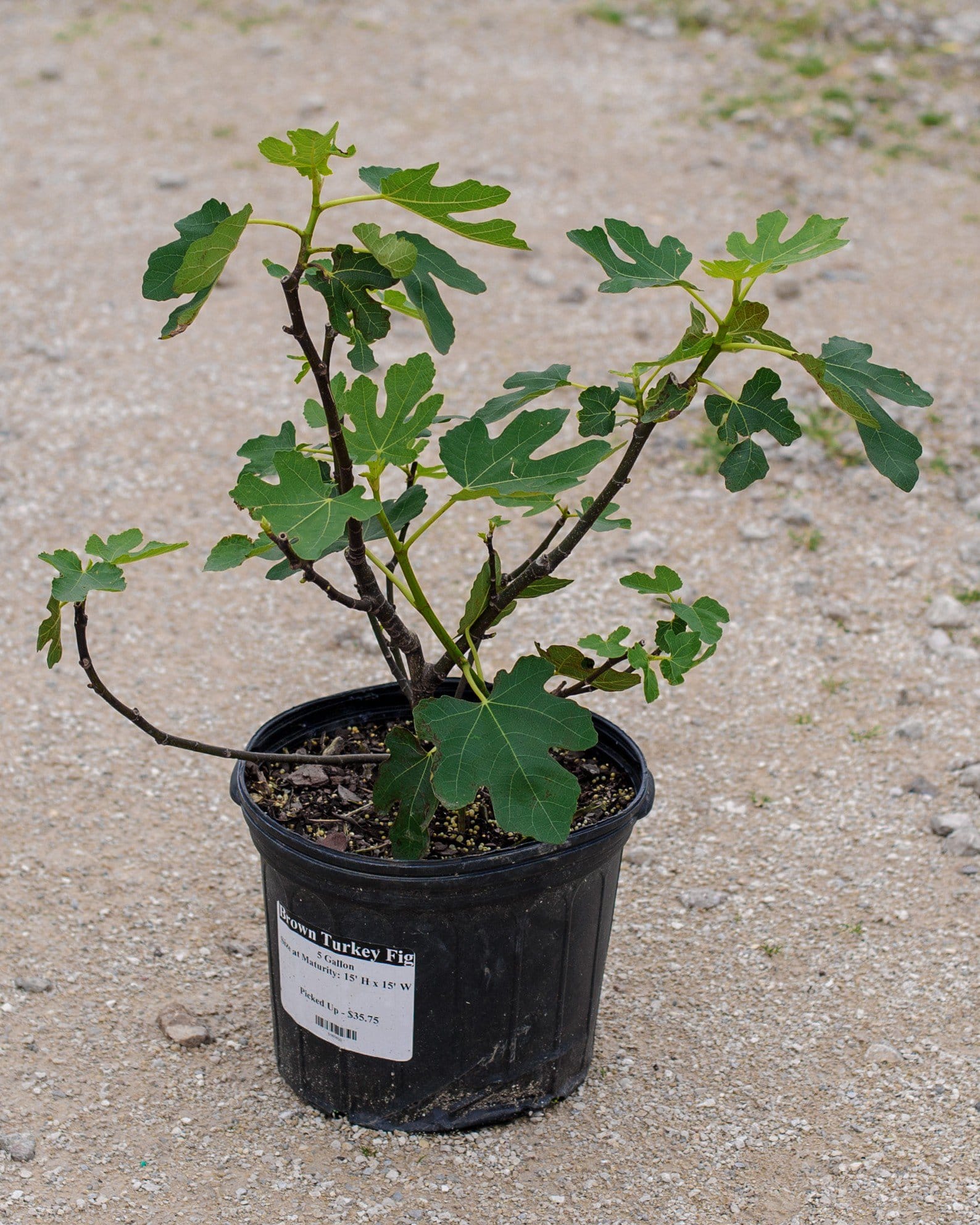
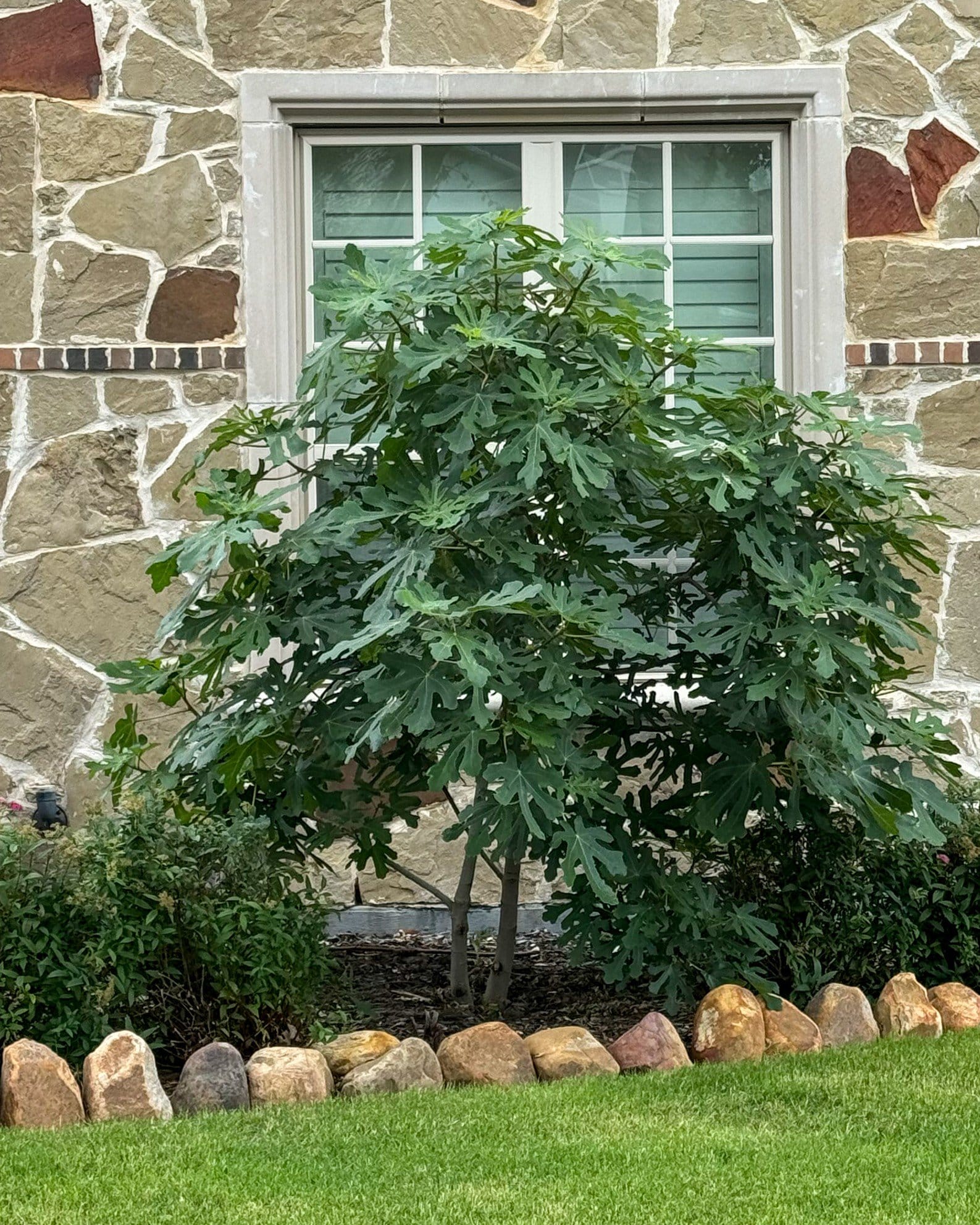
Brown Turkey Fig
Maturity: 15' H x 15' W
Anna Apple
Maturity: 15' H x 15' W
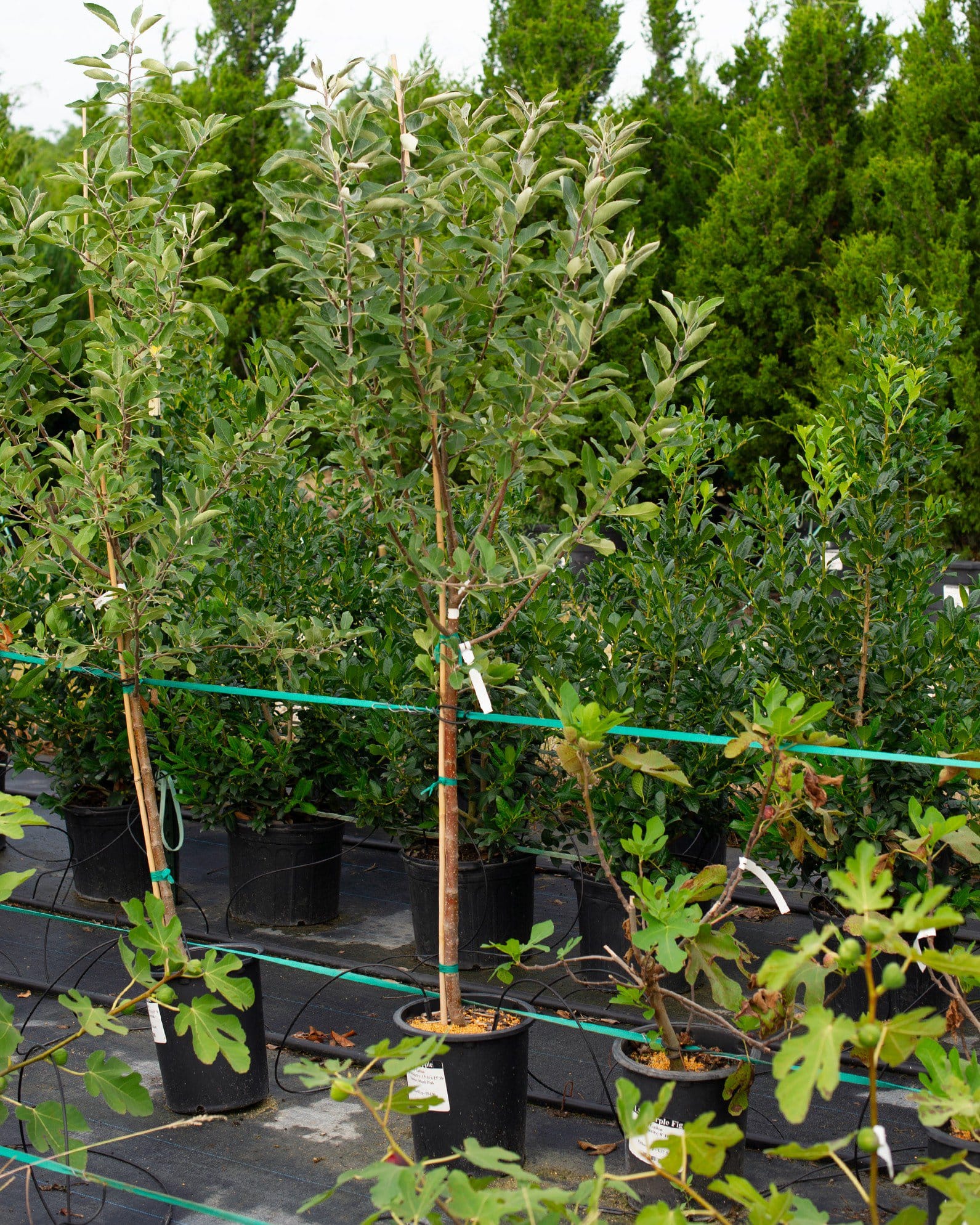
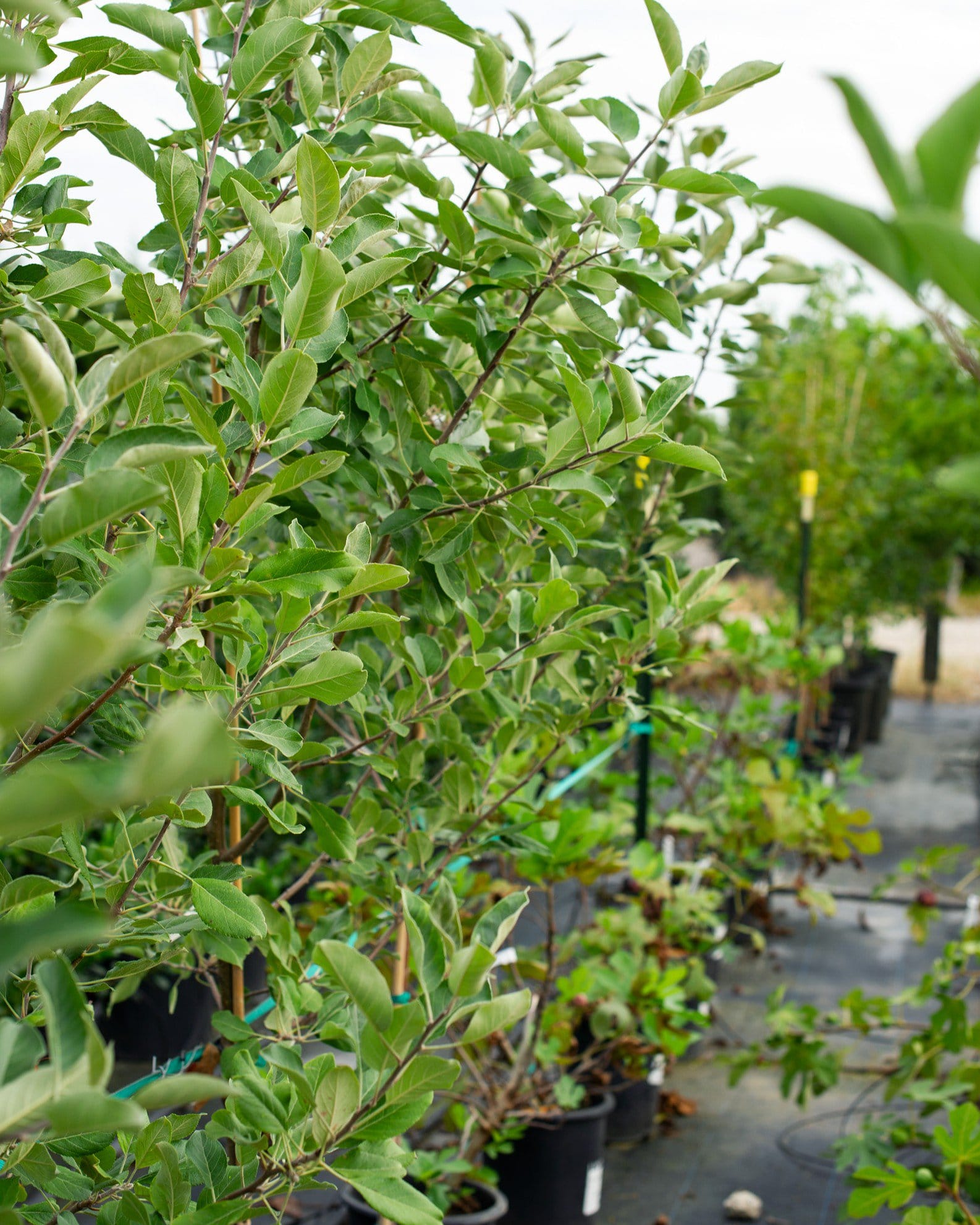
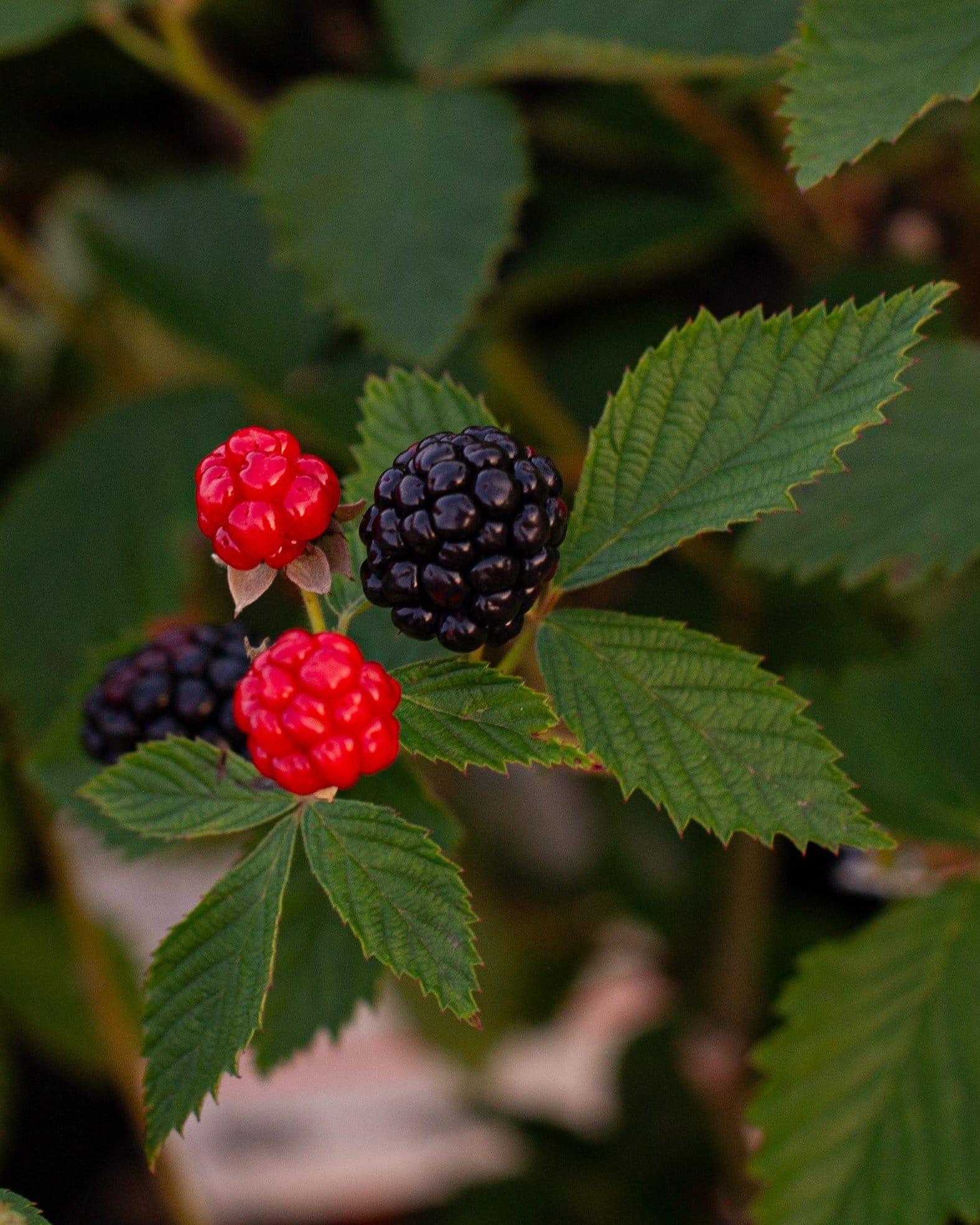
Arapaho Blackberry
Maturity: 4' H x 3' W
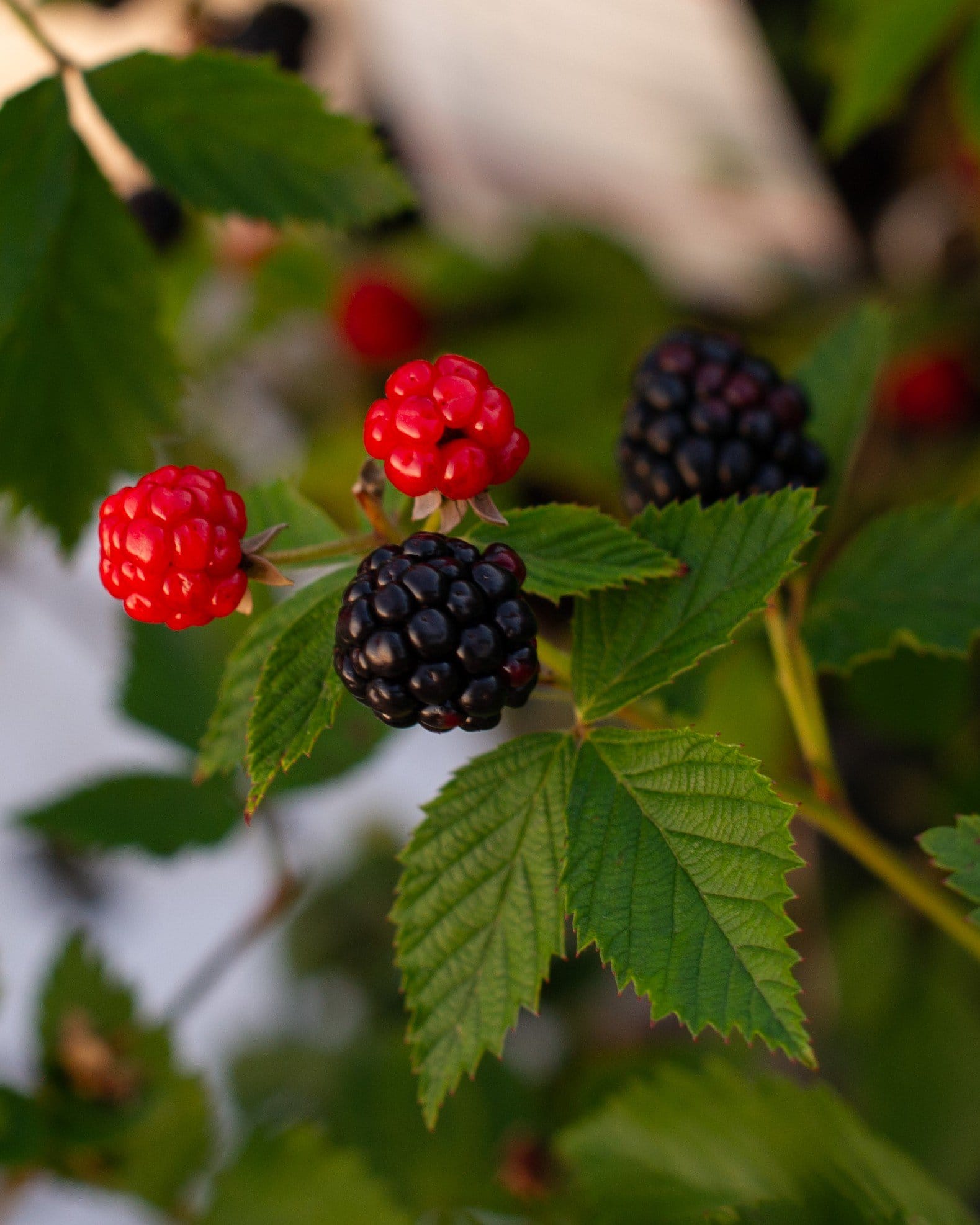
Bonanza Dwarf Peach
Maturity: 5' H x 5' W
Golden Dorsett Apple
Maturity: 15' H x 15' W
Hale Haven Peach
Maturity: 12' H x 12' W
Harvester Peach
Maturity: 12' H x 10' W
Kiowa Blackberry
Maturity: 4' H x 3' W
Little Miss Figgy Fig
Maturity: 4' H x 3' W
Methley Plum
Maturity: 10' H x 10' W
Santa Rosa Plum
Maturity: 15' H x 15' W
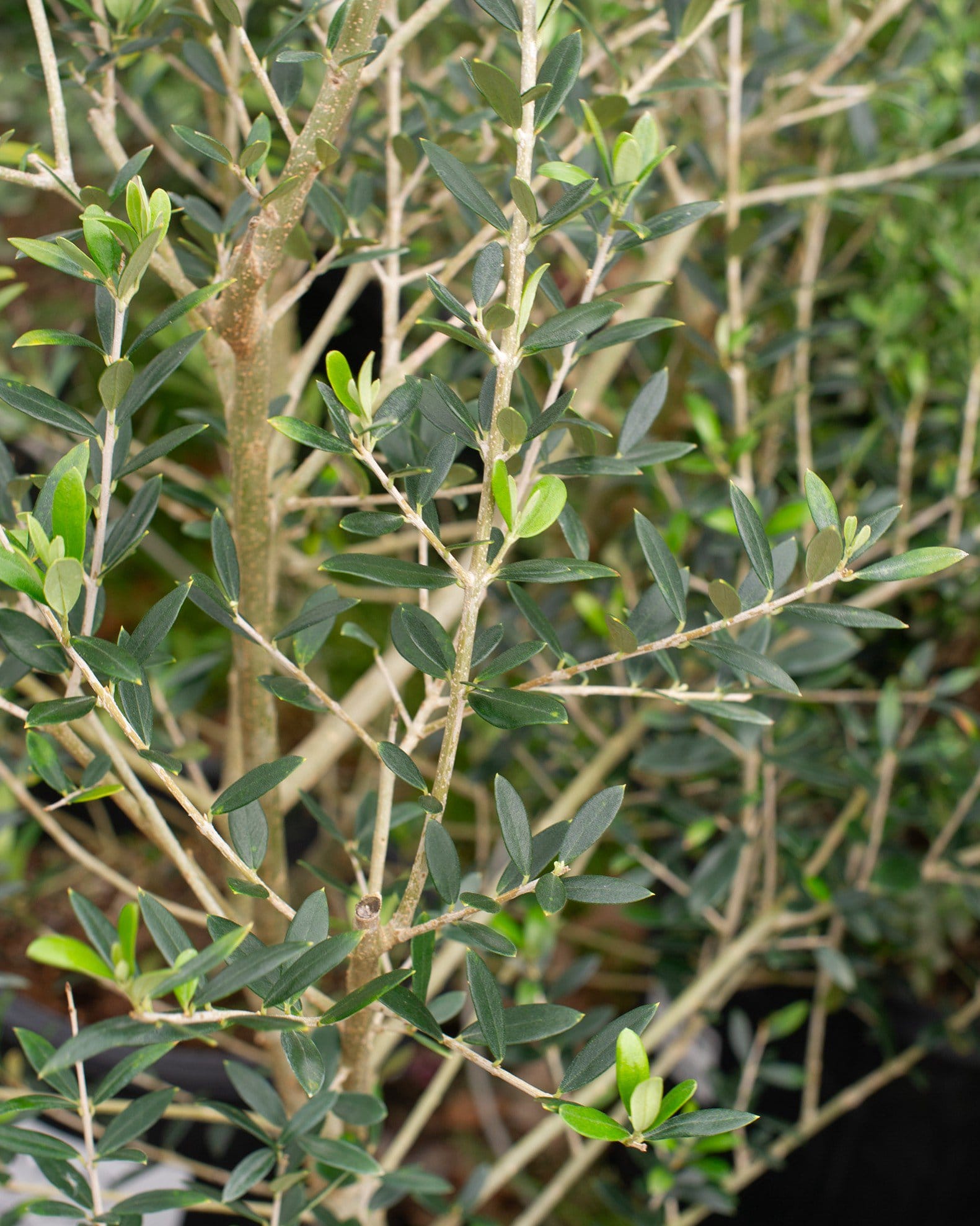
Arbequina Olive
Maturity: 15' H x 15' W
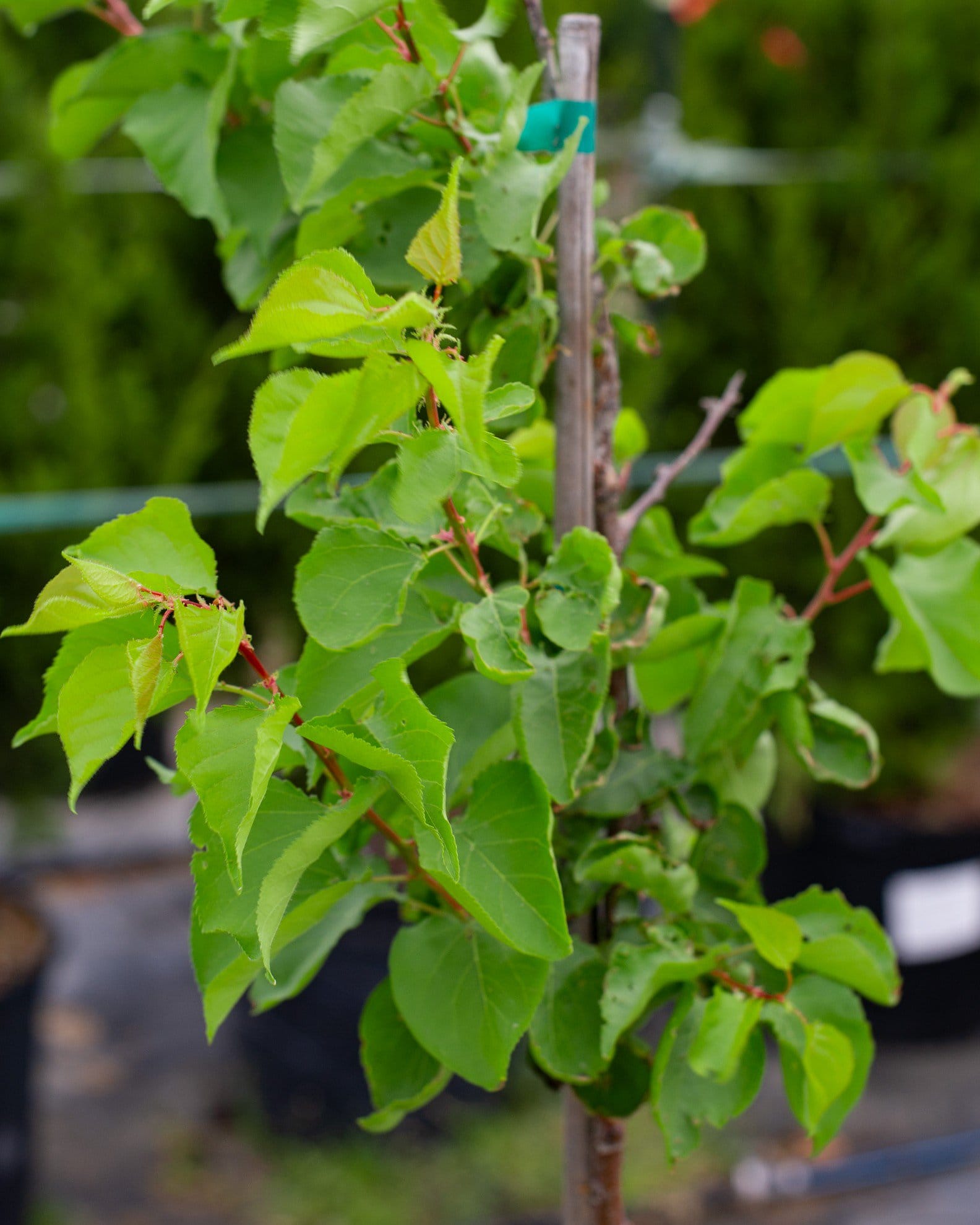
Blenheim Apricot
Maturity: 15' H x 15' W
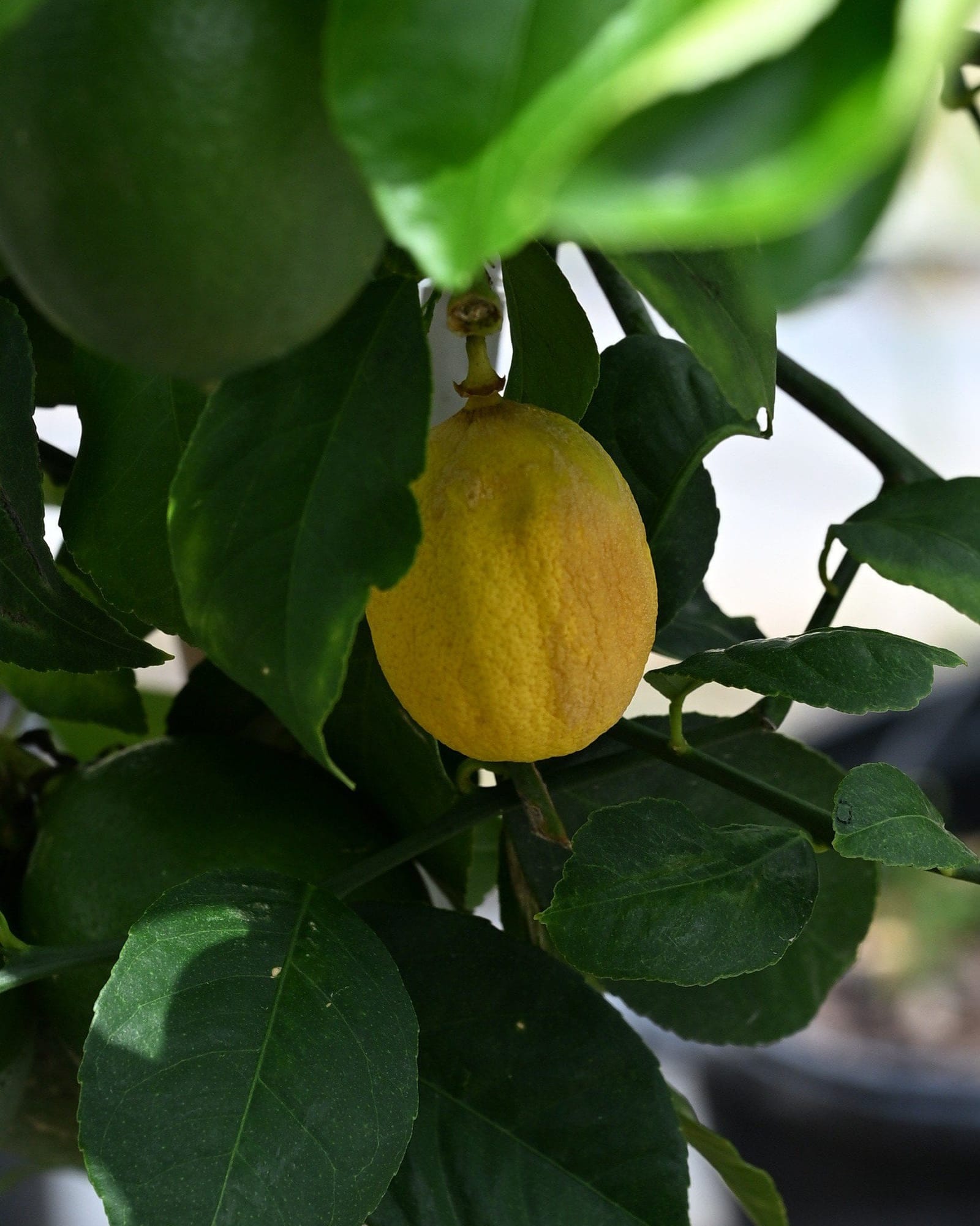
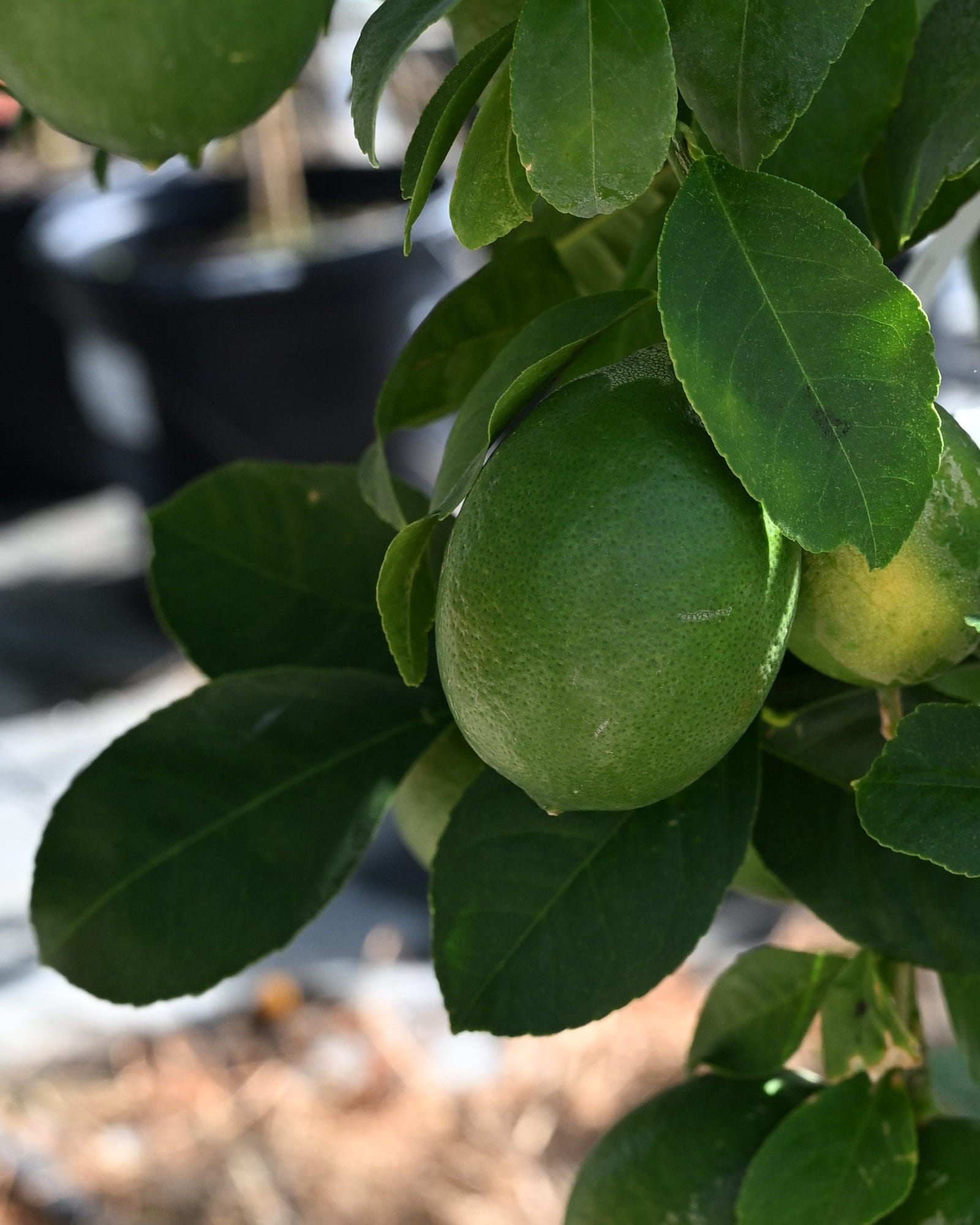
Improved Meyer Lemon
Maturity: 6' H x 8' W
Compare Similar Plants
Celeste Fig This plant | ||
|---|---|---|
| Scientific Name | Ficus carica ‘Celeste’ | Ficus carica 'LSU Purple' |
| Size at Maturity | 8' H x 8' W | 8' H x 8' W |
| Leaf Retention | Deciduous | Deciduous |
| Fall Color | Yellow | Yellow |
| Sizes Available | 5 gal | 3, 5 gal |


Our 1-Year Planting Guarantee
We take pride in our plants and installation services. If any plants or trees installed by Treeland fail to thrive within the first year, we'll provide a replacement credit in accordance with our guarantee program.
Learn More About Our Guarantee