
Little Zebra Miscanthus
Miscanthus sinensis ‘Little Zebra’Product Details
Little Zebra Miscanthus
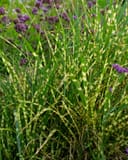
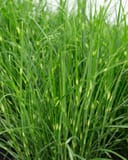
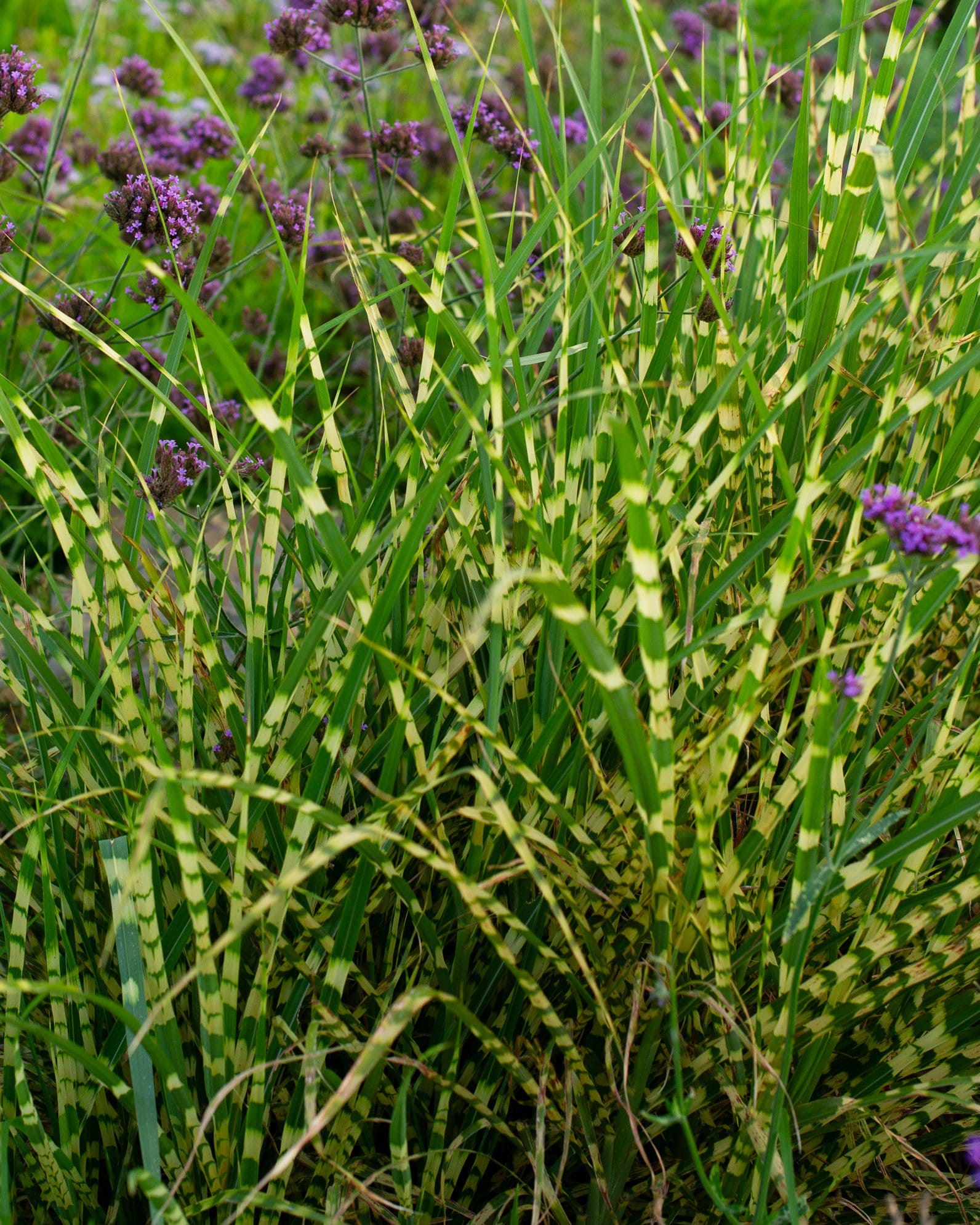
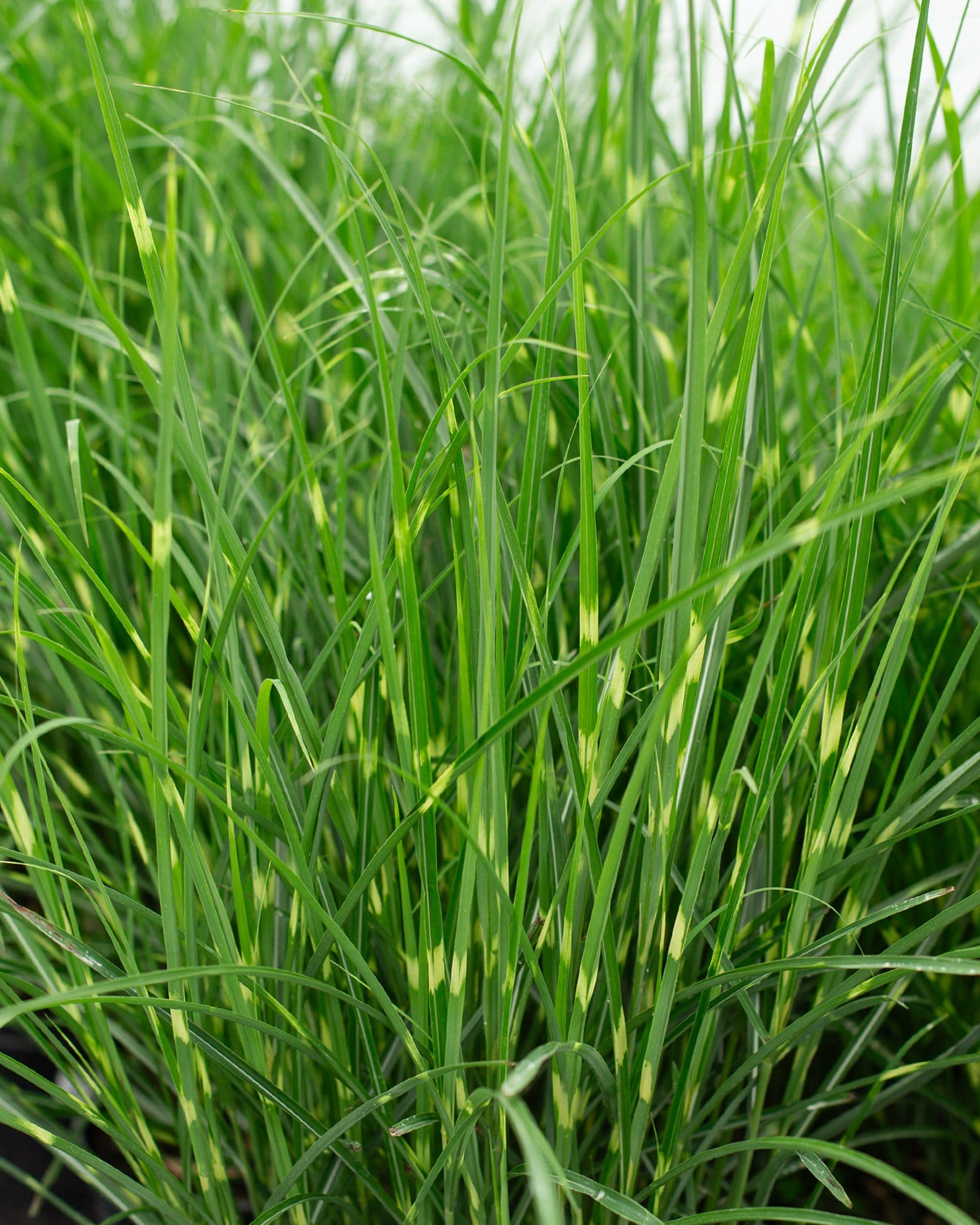
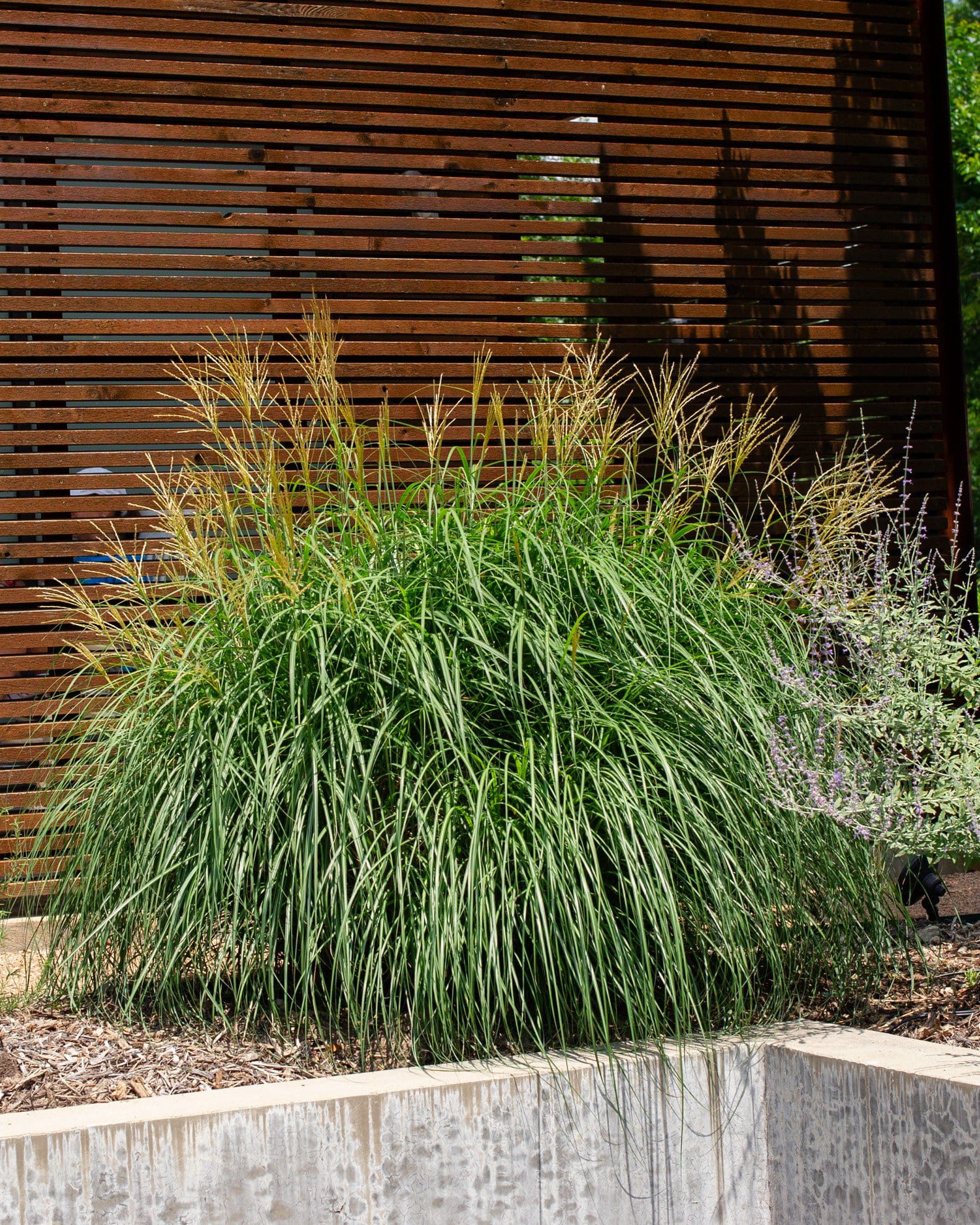
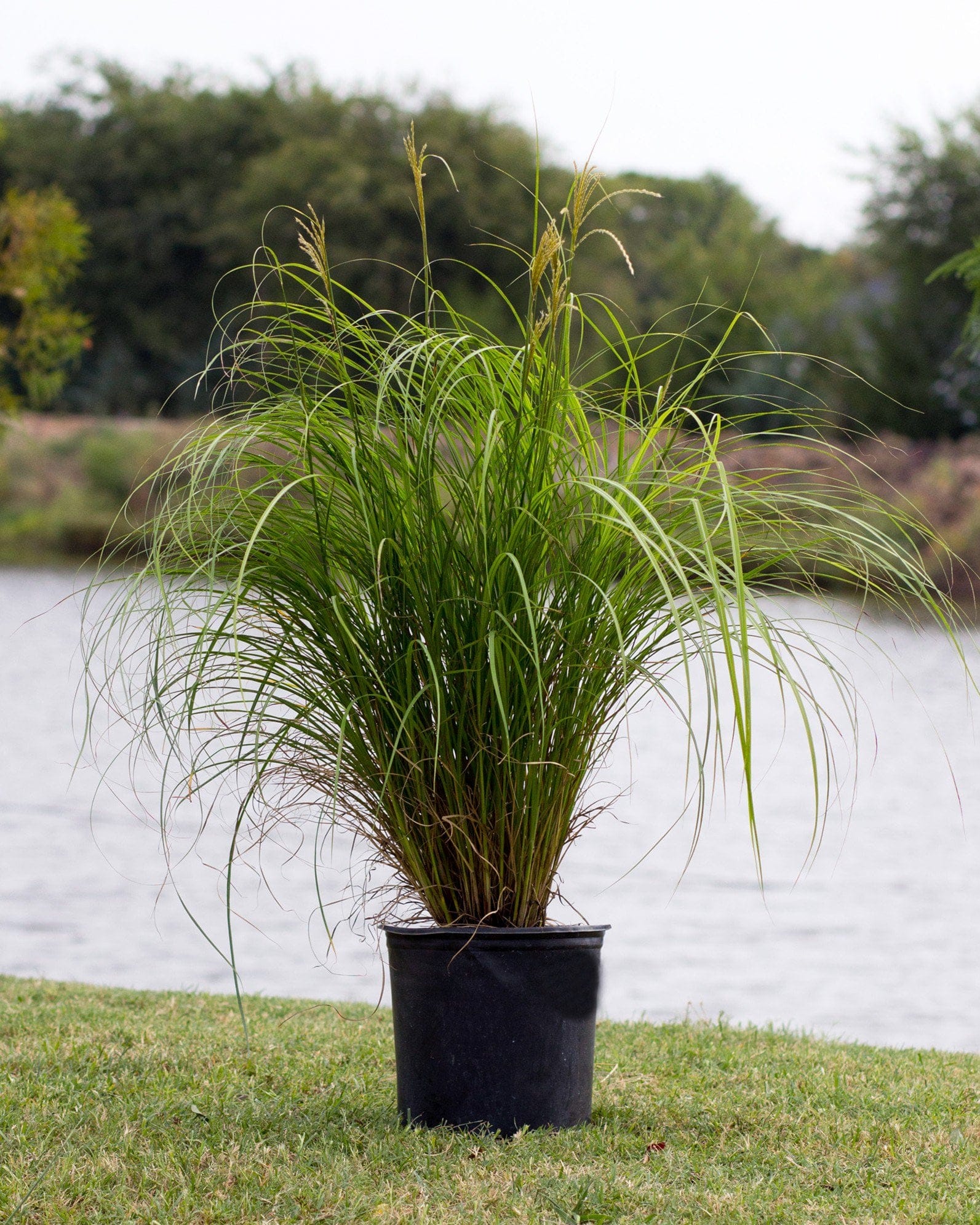
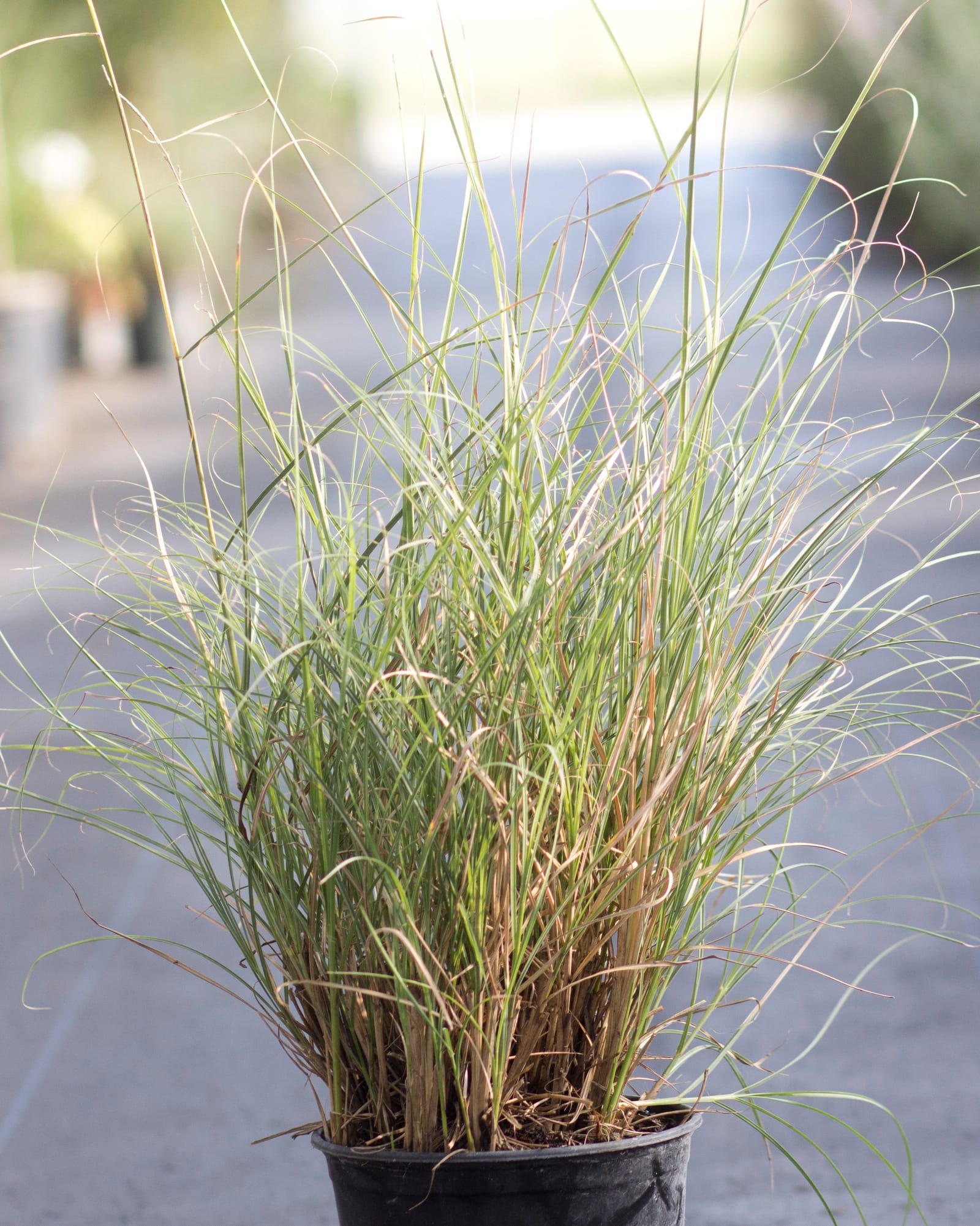
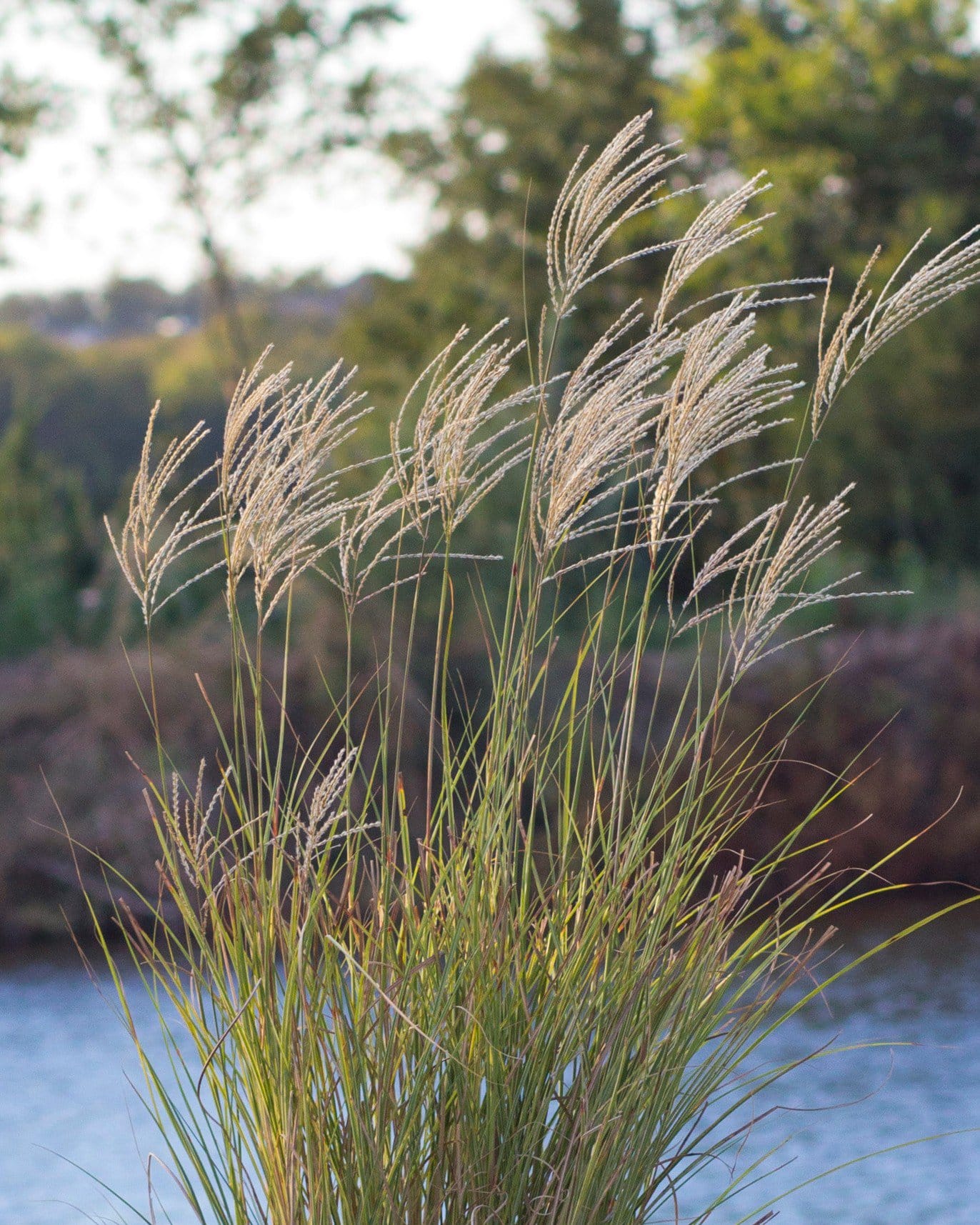
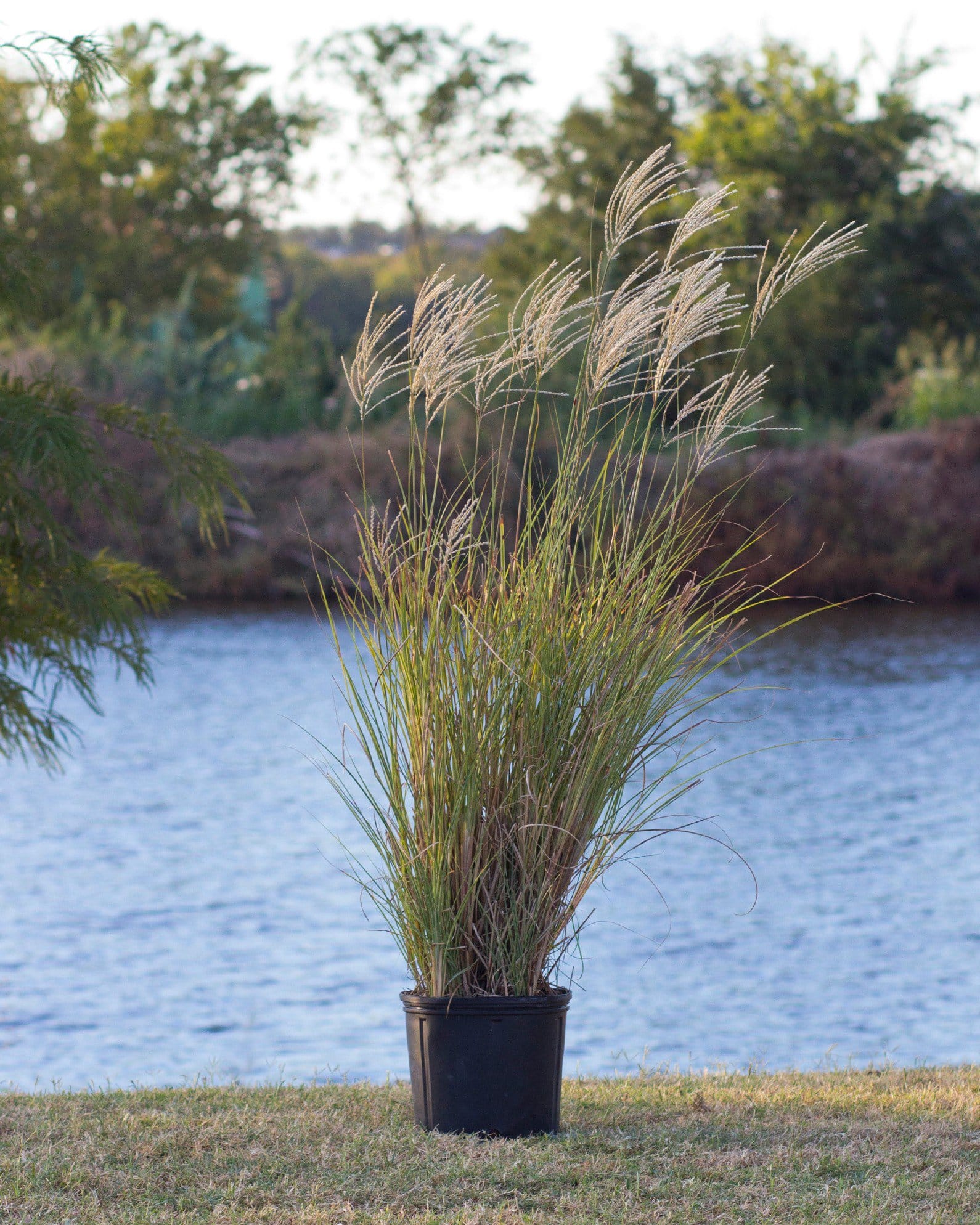
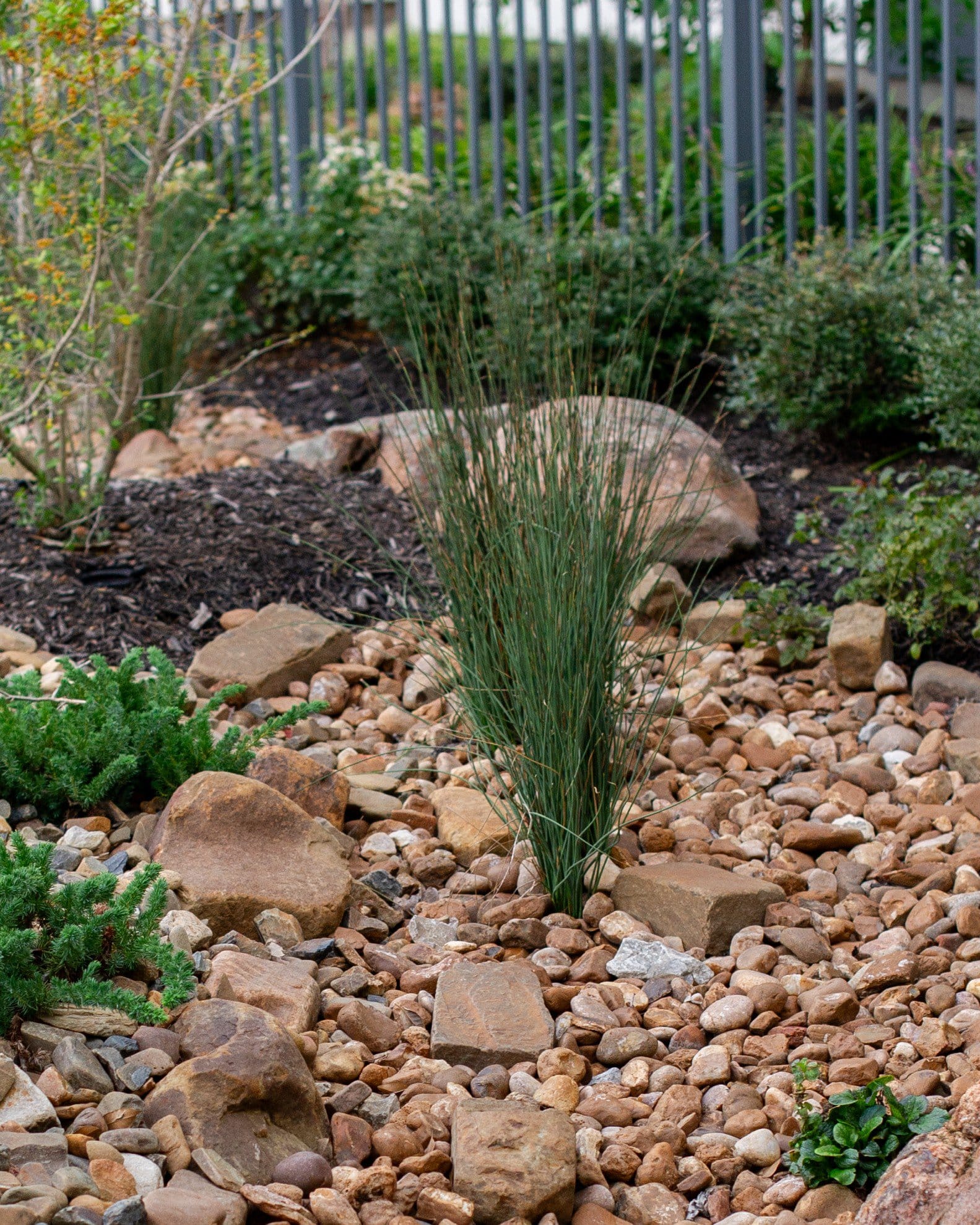
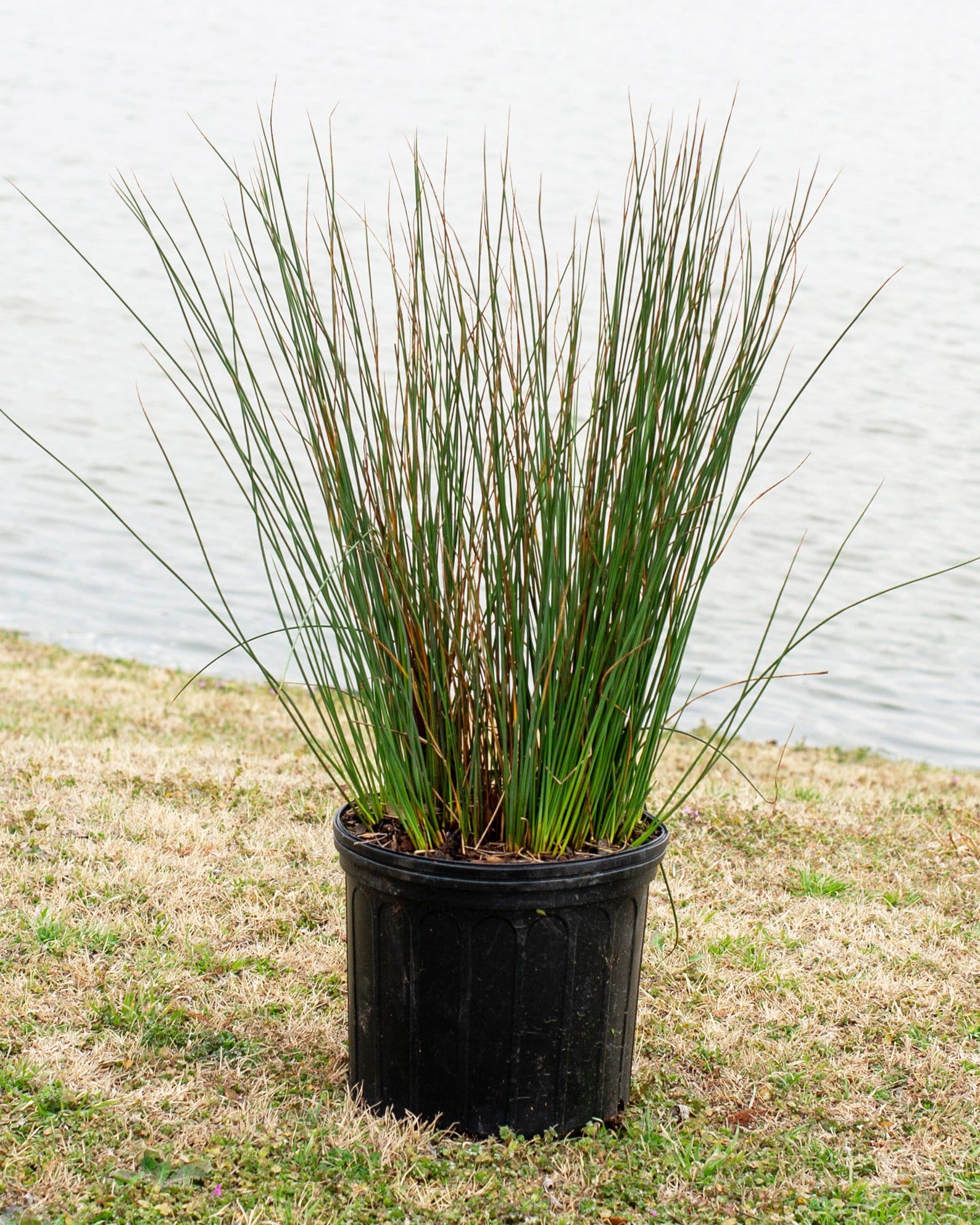
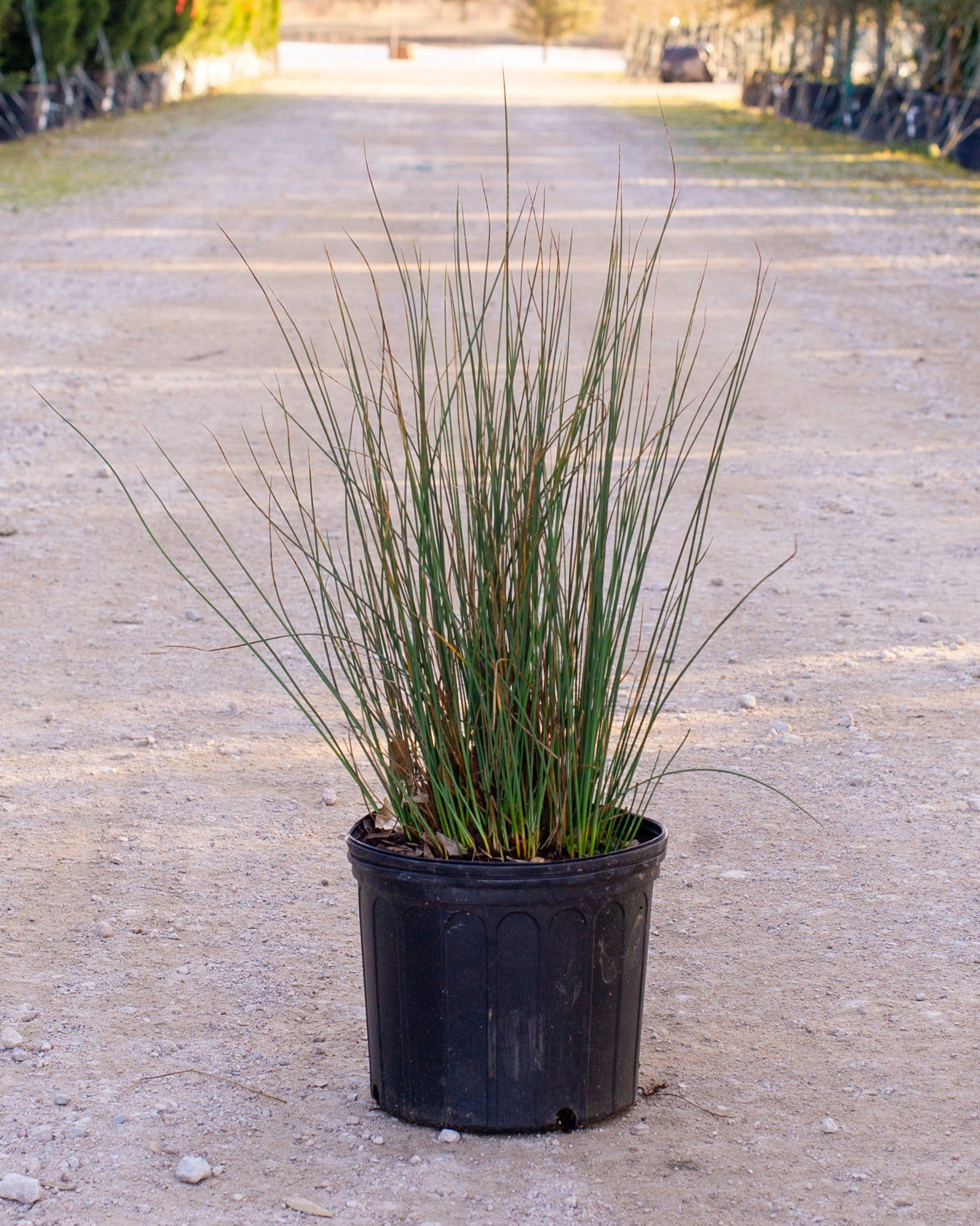
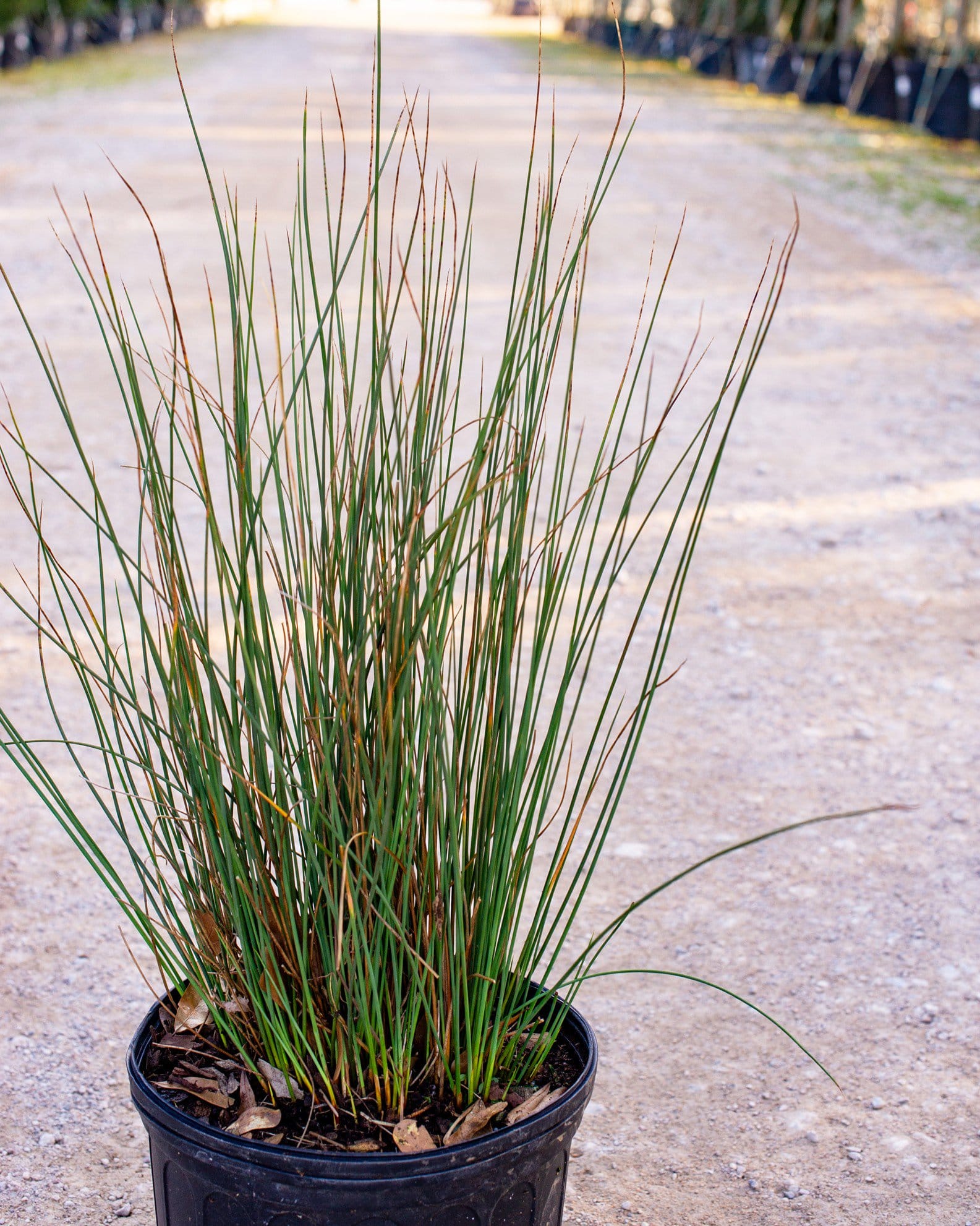
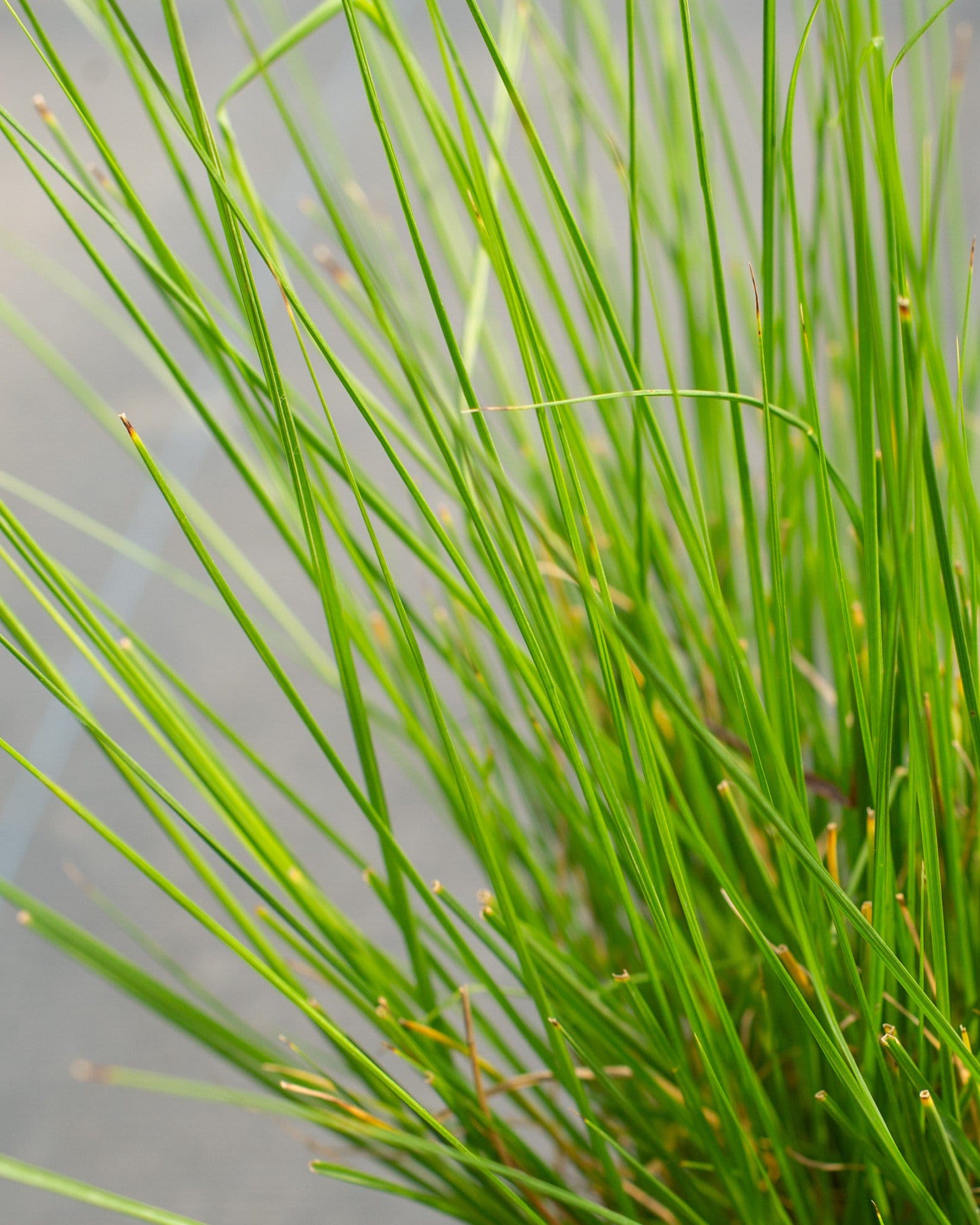
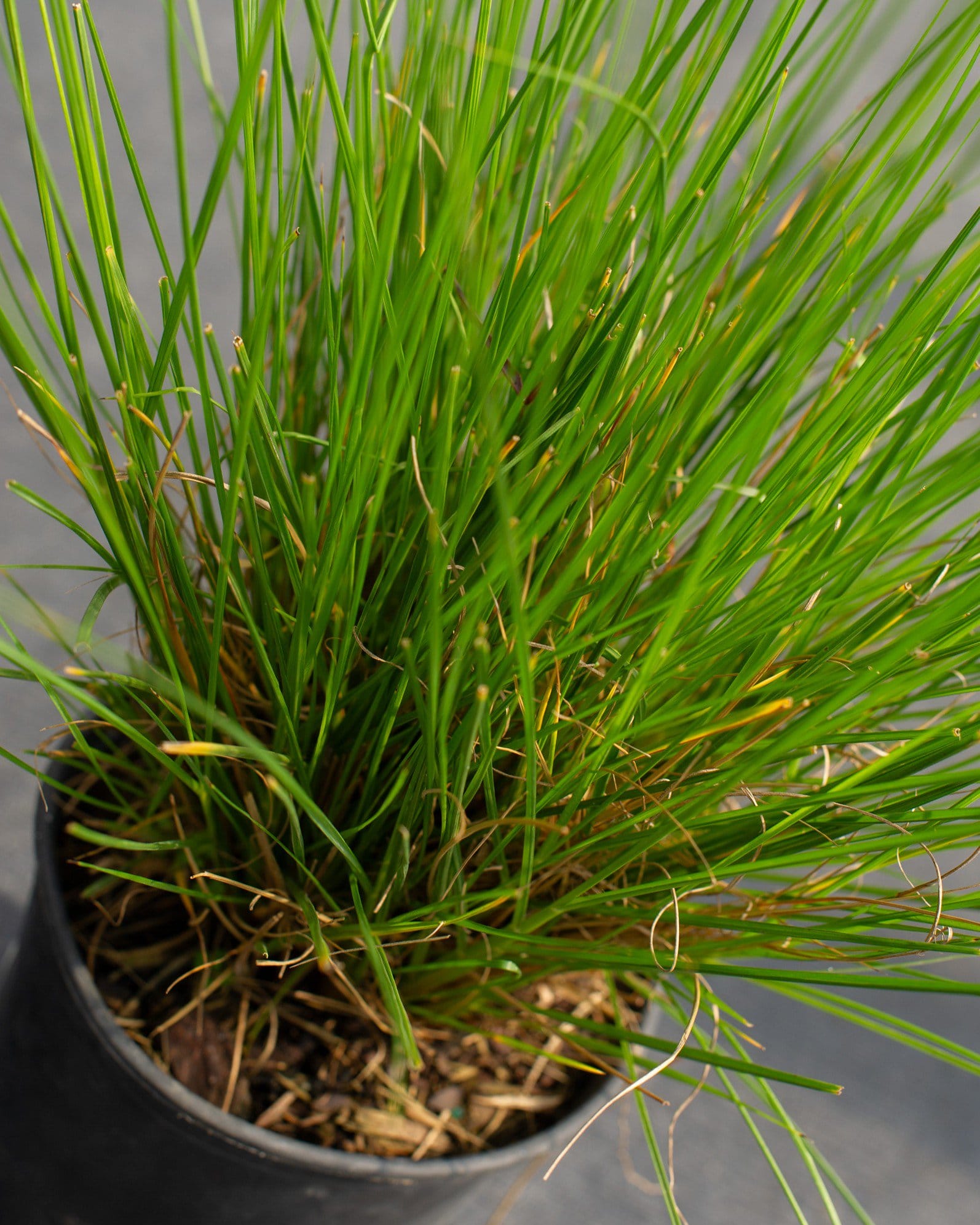
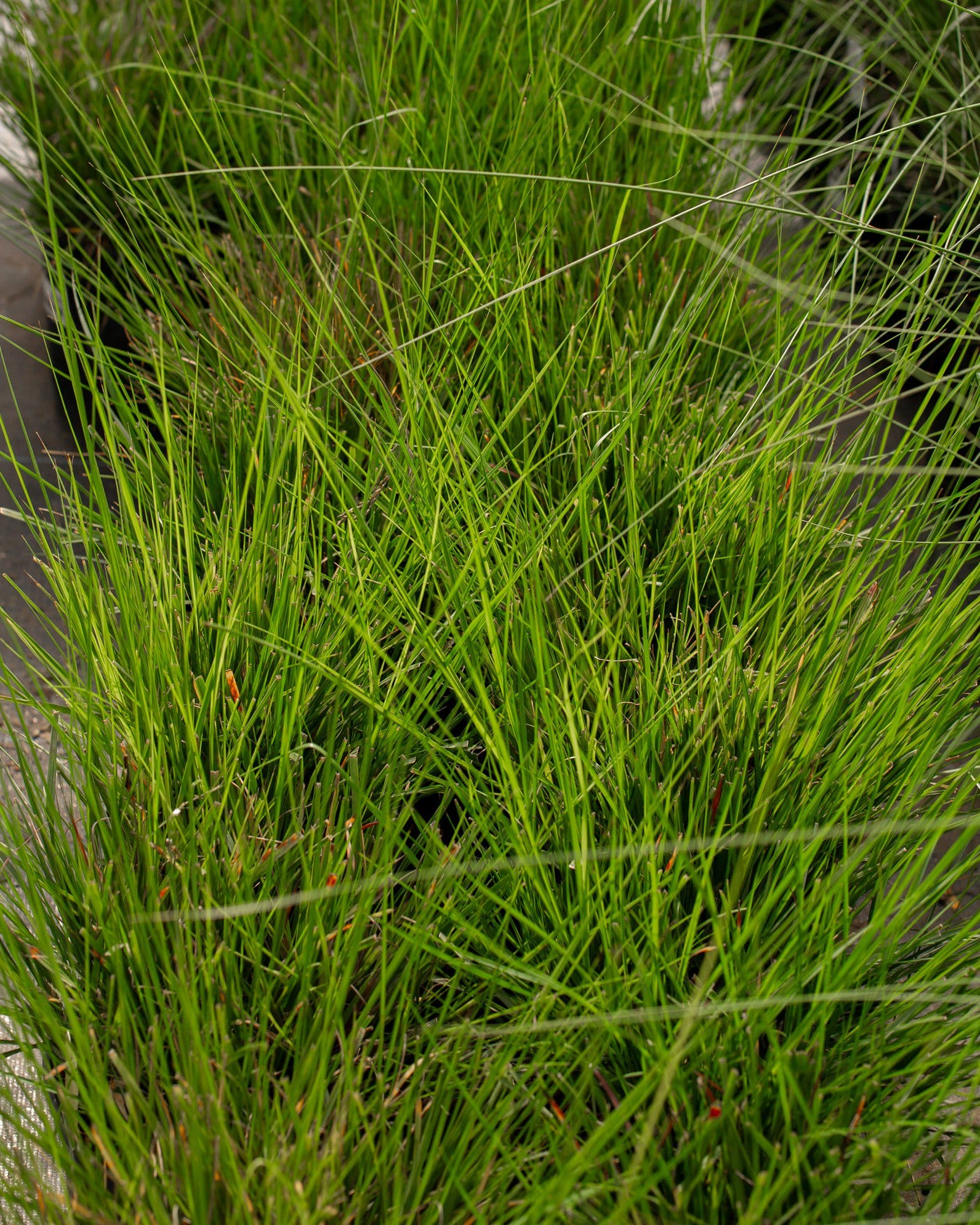
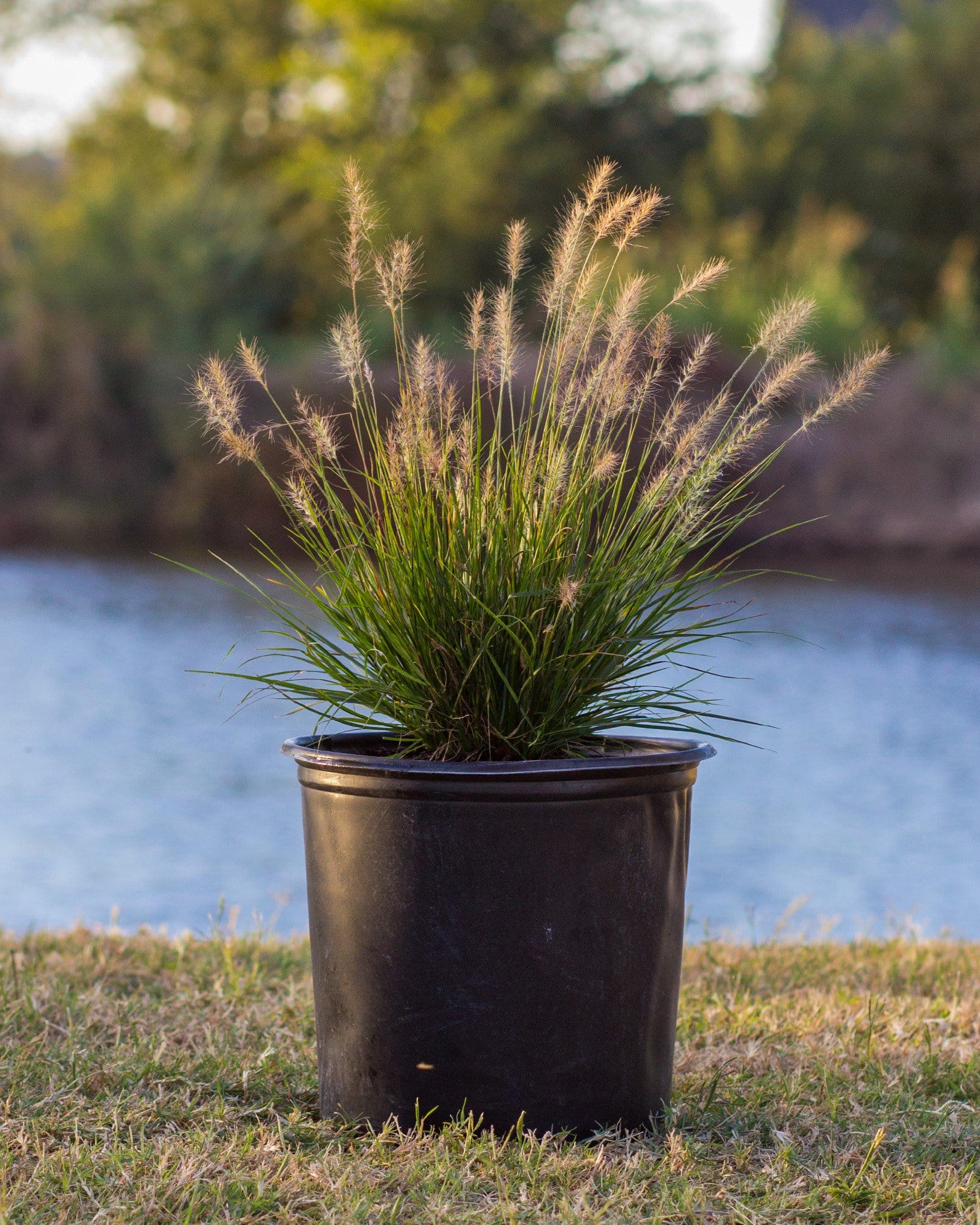
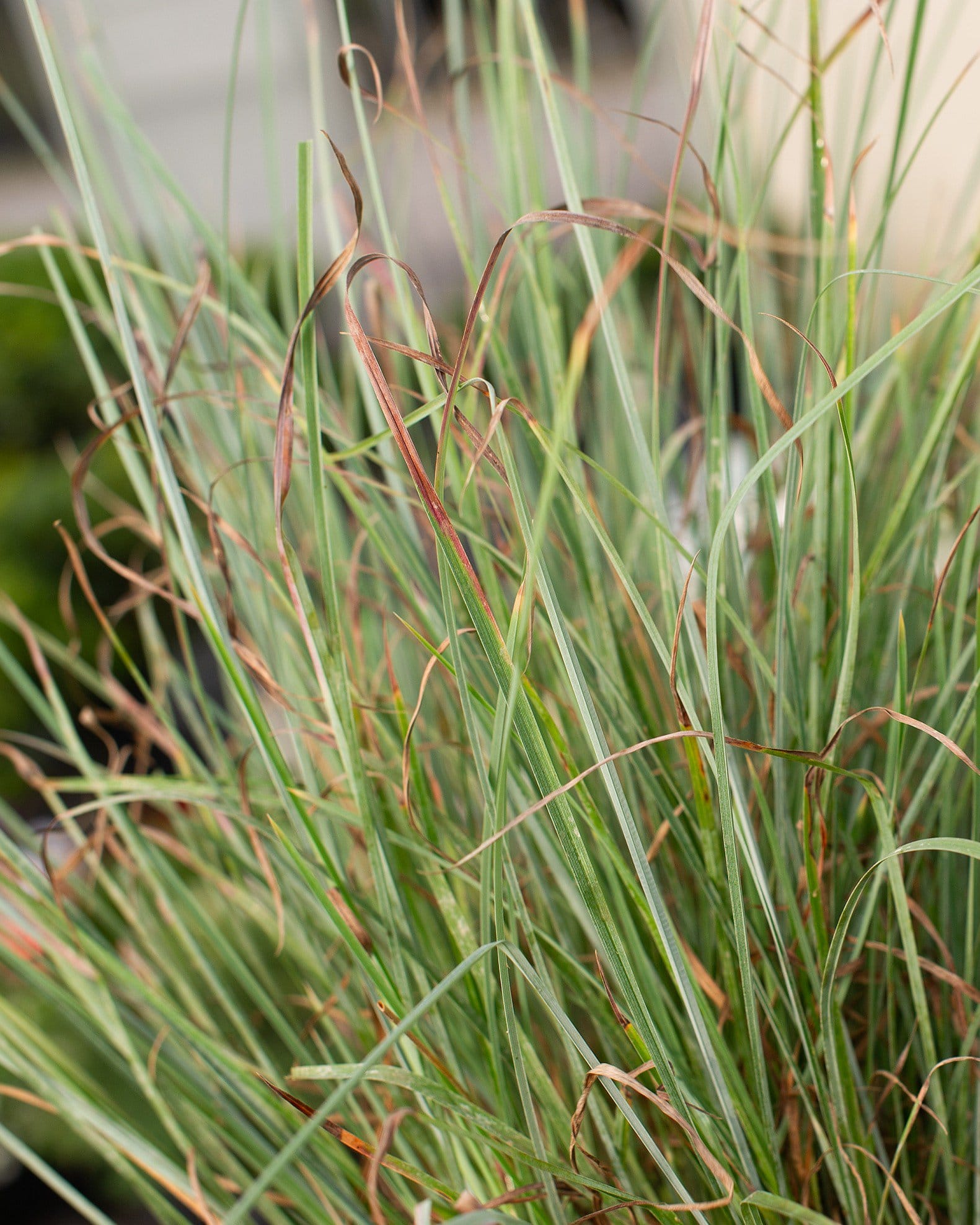
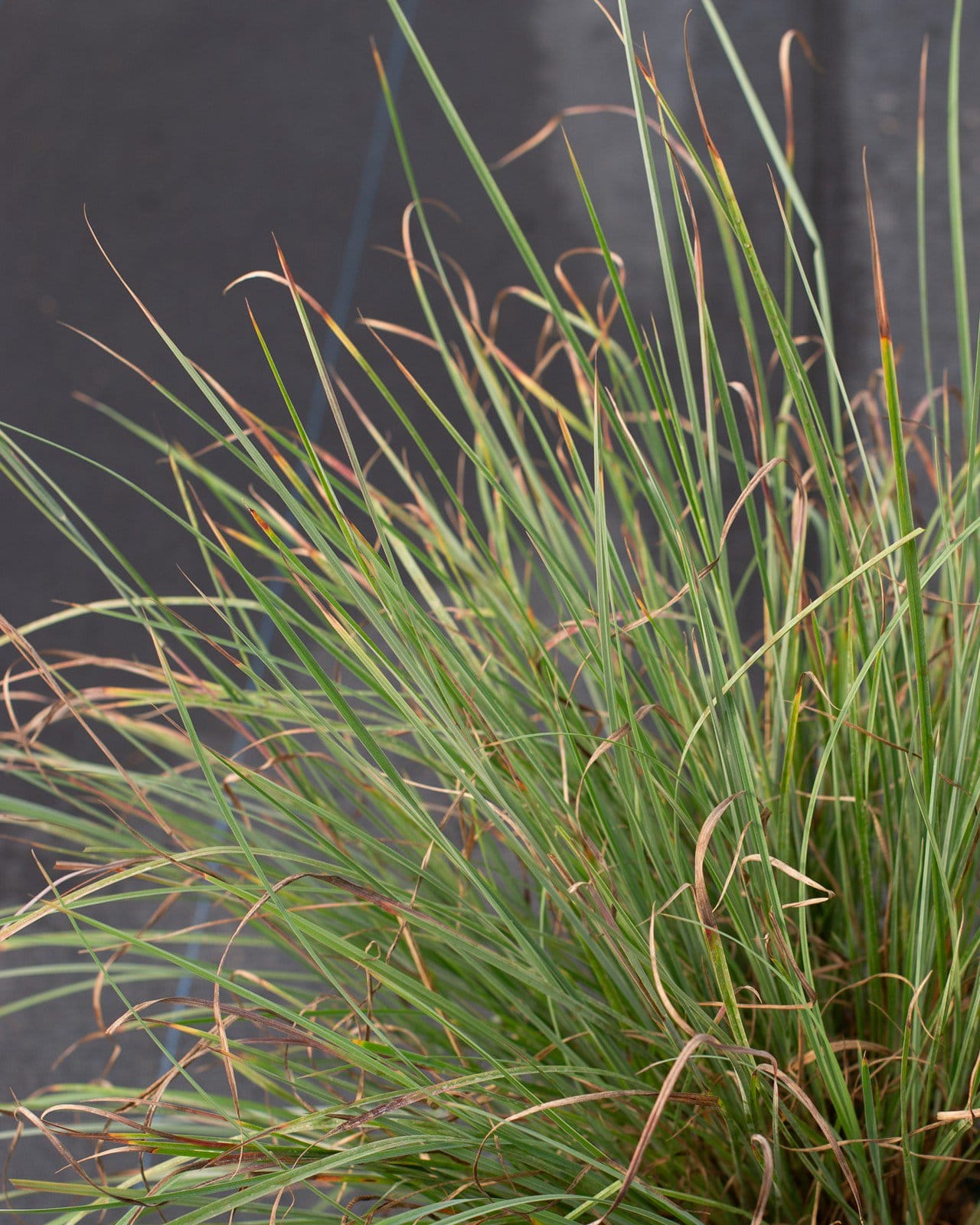
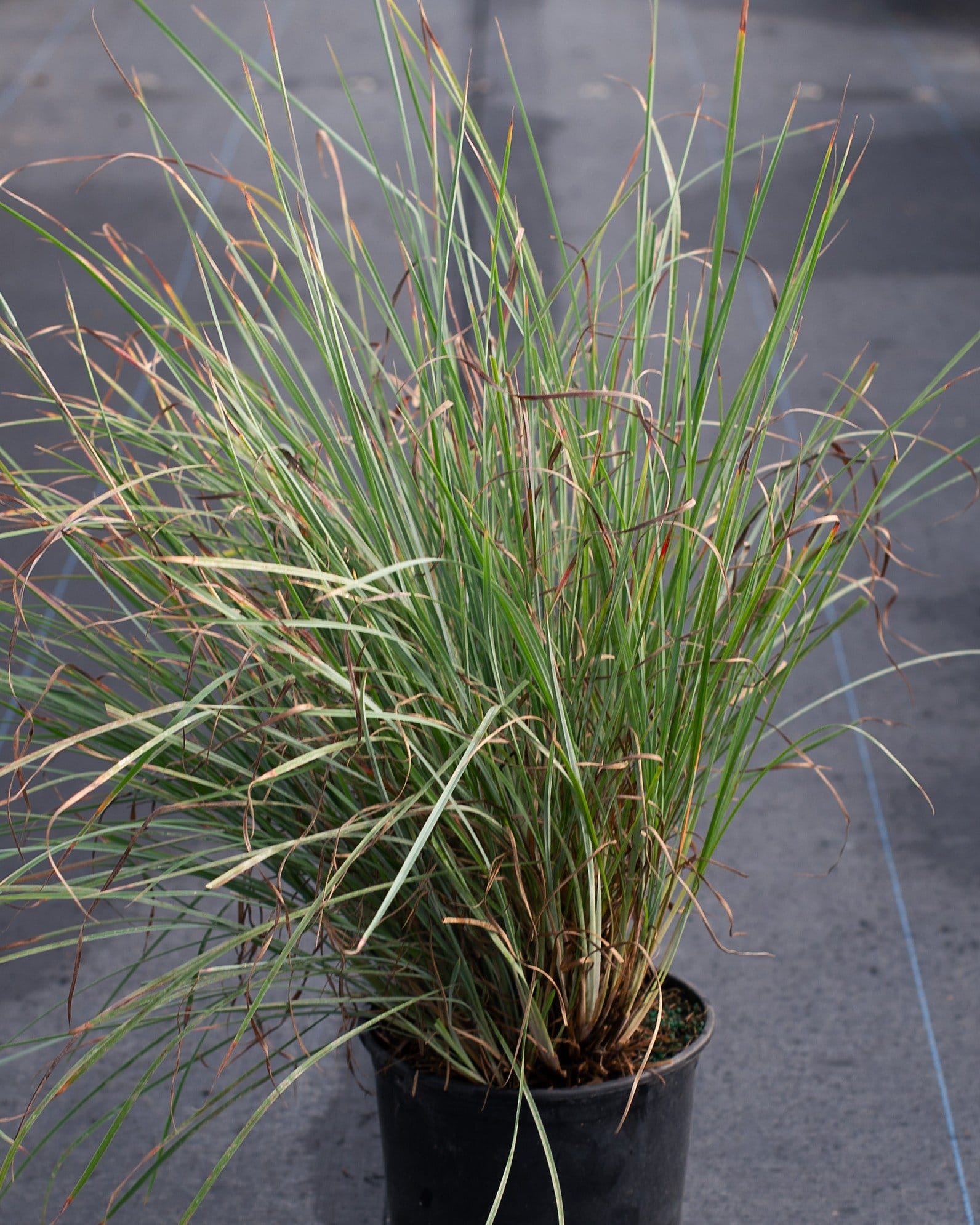
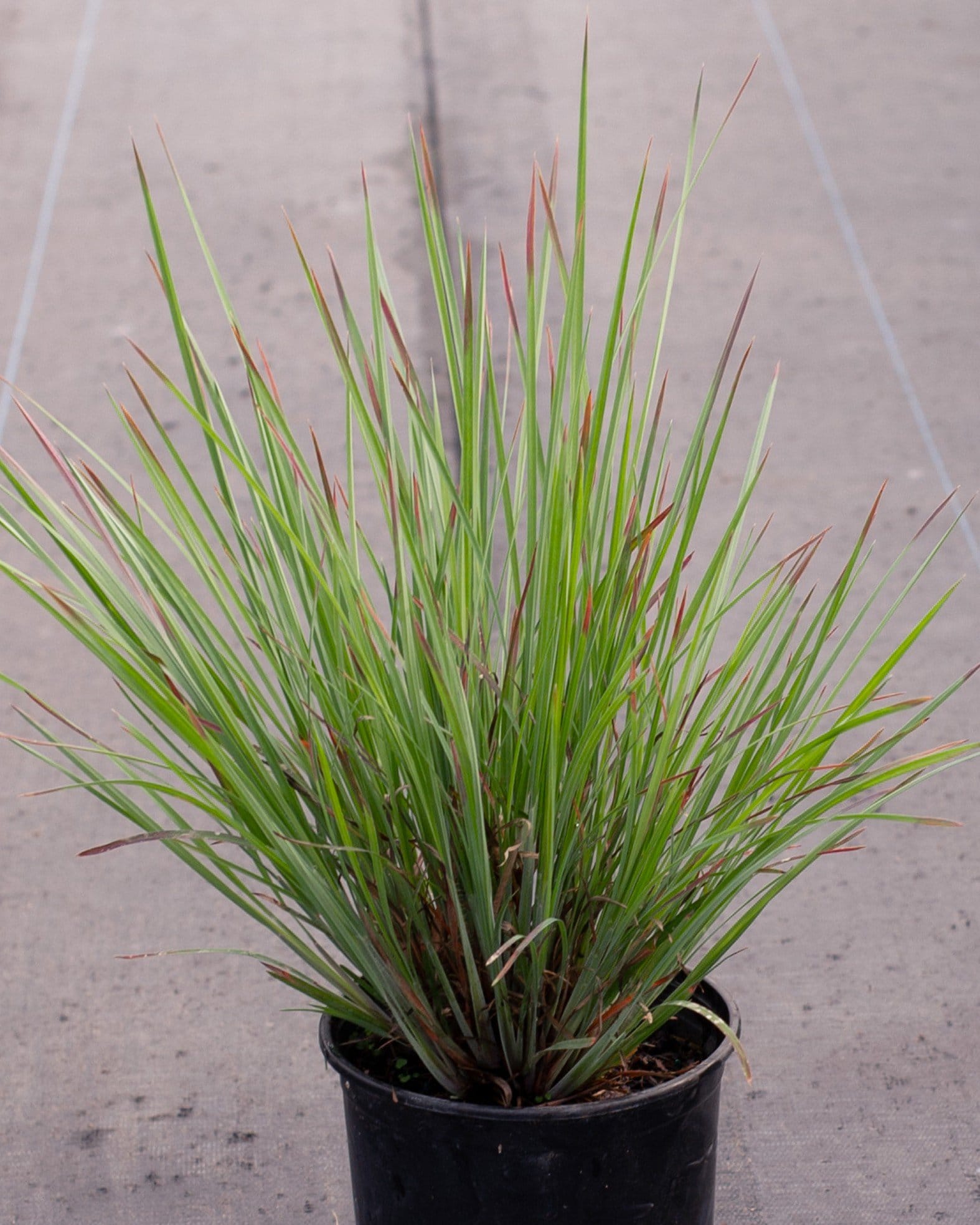
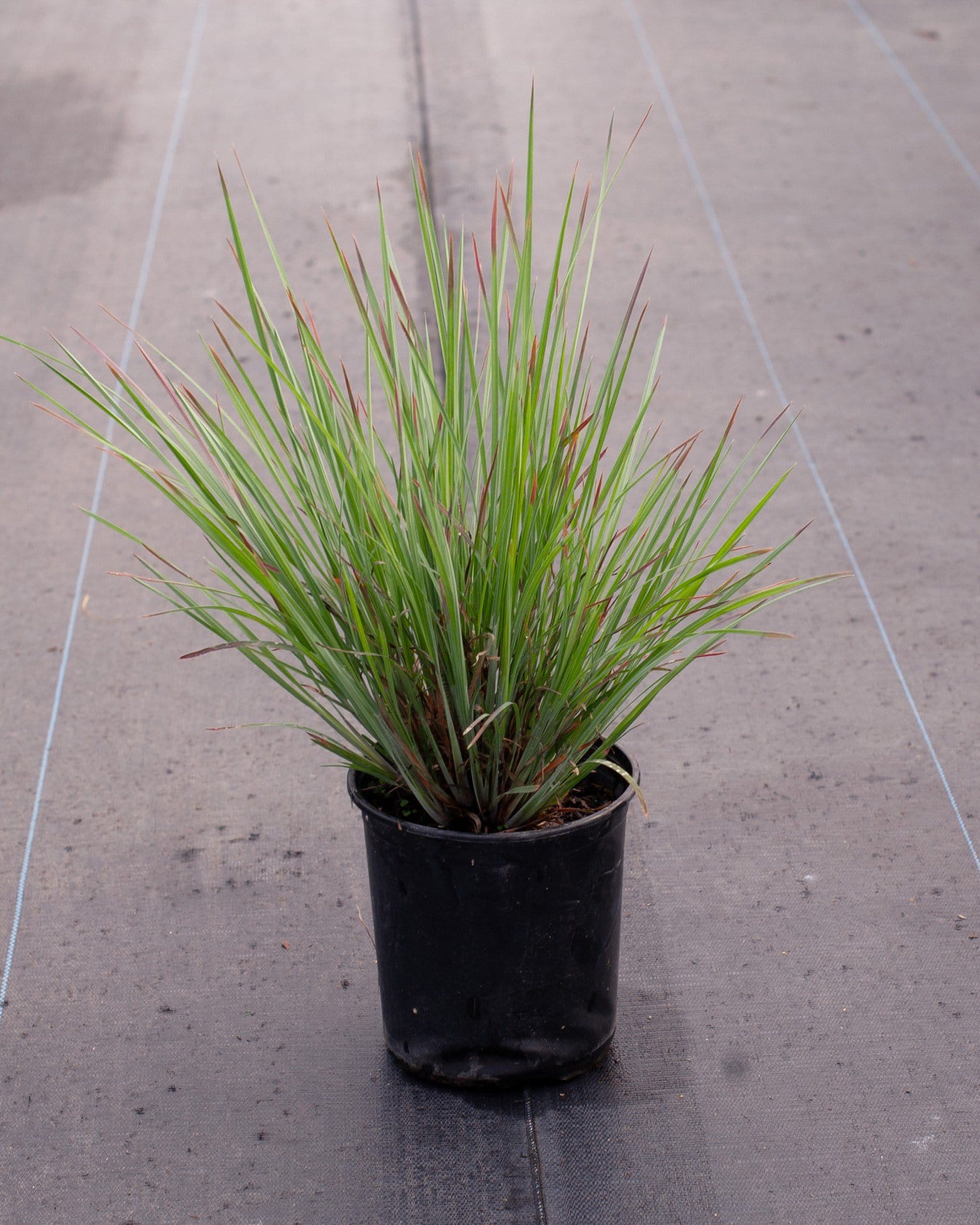
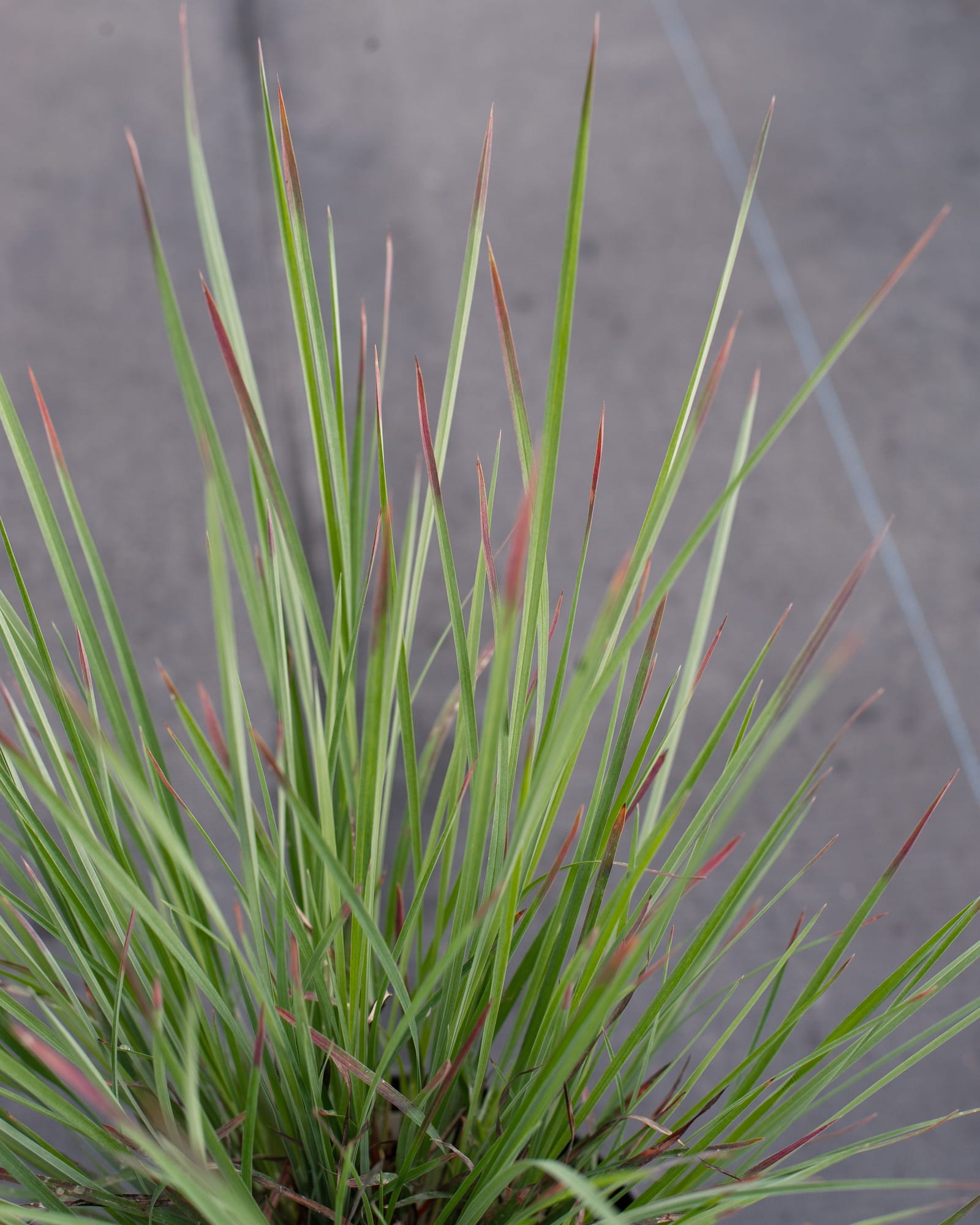
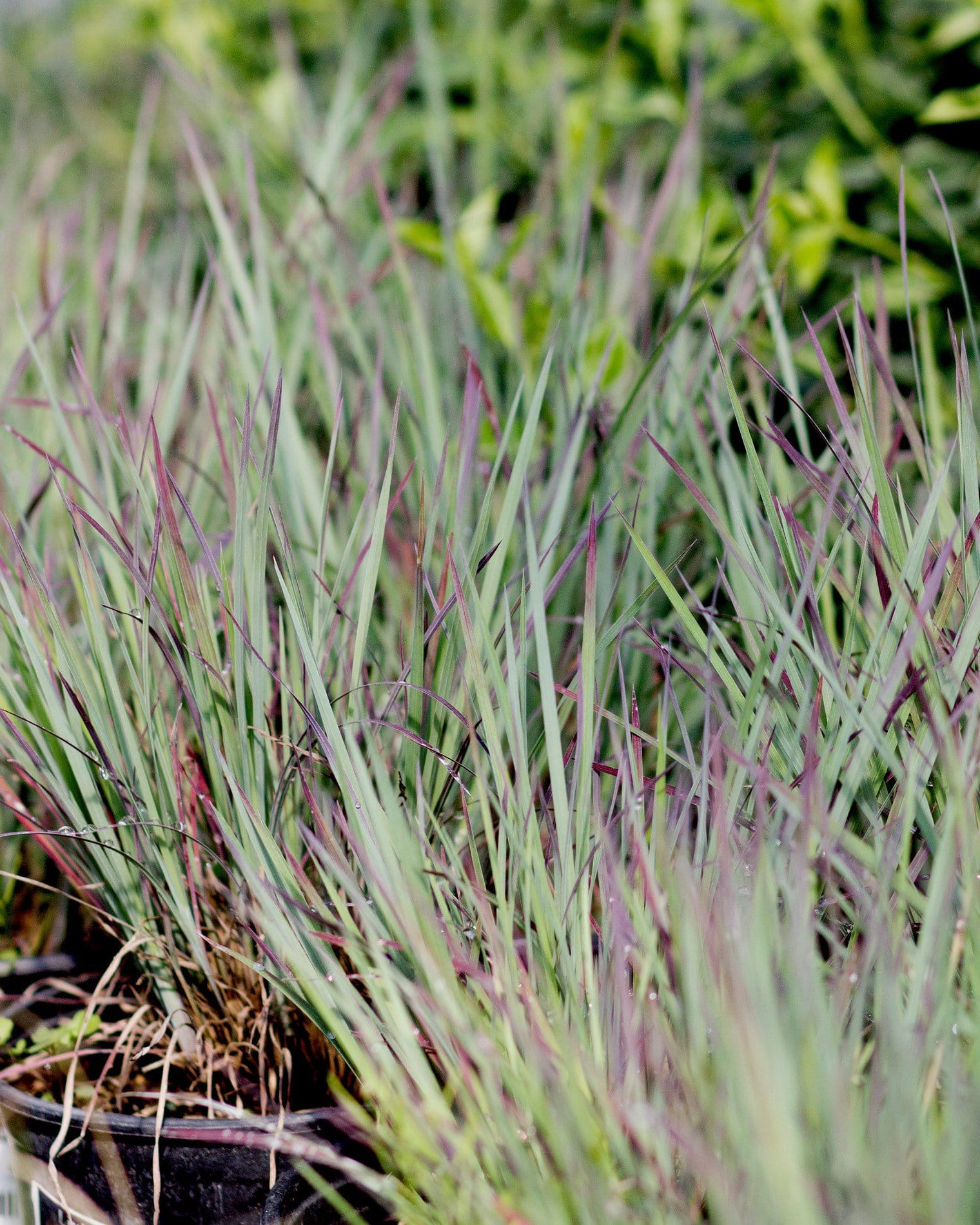
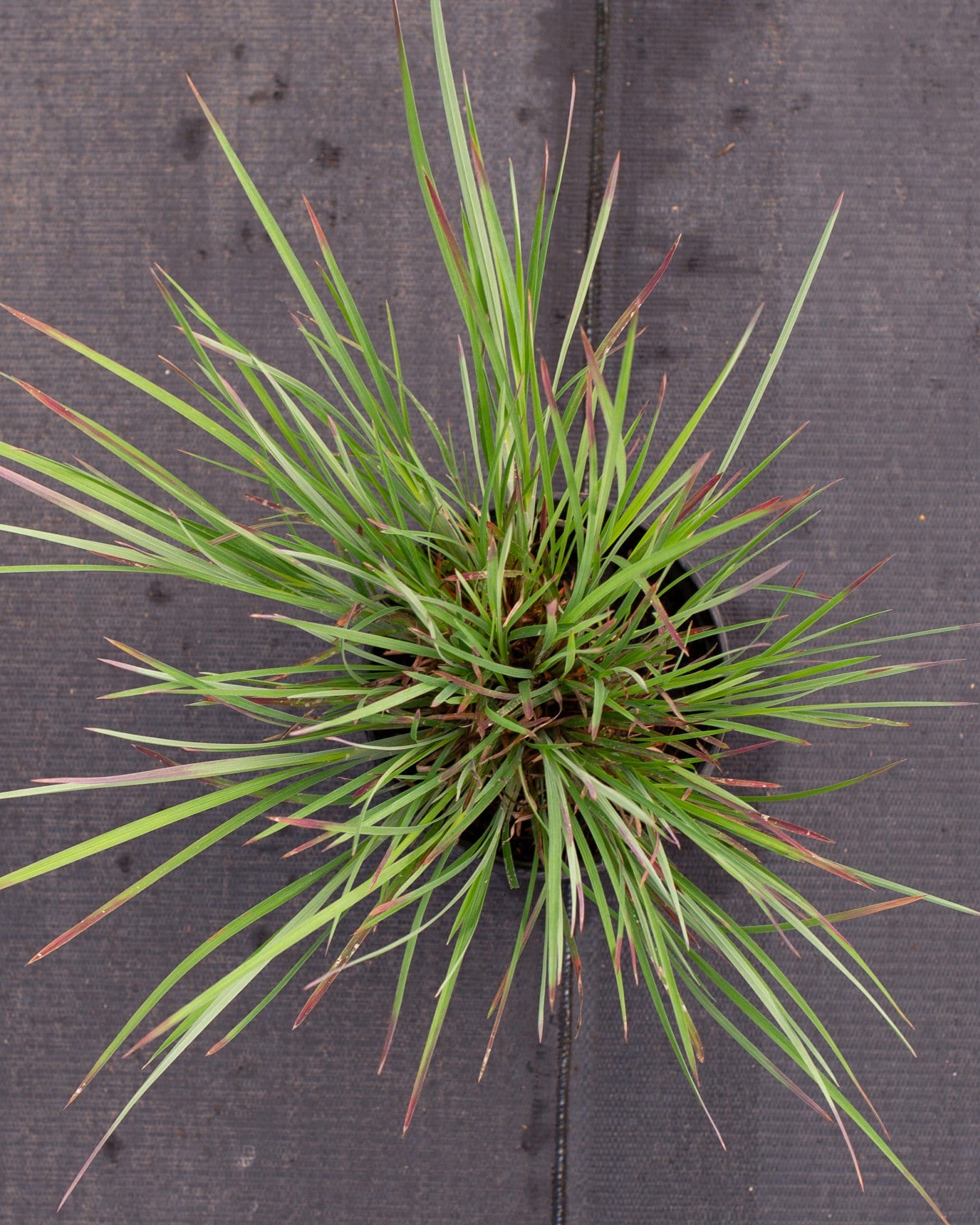
Miscanthus sinensis ‘Little Zebra’The Little Zebra Miscanthus is an excellent ornamental herbaceous grass variety, growing to 3 feet tall and 2 feet wide at maturity. It features long emerald blades with distinctive blonde horizontal highlights. This unique look makes the Little Zebra Miscanthus a great choice for borders, flower beds, and containers where a pop of green is needed.
- Herbaceous ornamental grass variety
- Moderate growth rate
- Clumping growth habit
- A versatile choice, suitable for everything from flower beds to planters
- Adaptable
This grass variety grows well in zones 5 through 9, making it a strong fit for North Texas. It’s hardy, tolerates occasional drought, and thrives in full sun. Plant in average, well-drained soil that stays moderately moist. To maintain its form and visual appeal, trim as needed.
Little Zebra Miscanthus is a compact ornamental grass prized for its striking gold-banded foliage and upright habit. It’s low-maintenance once established, needing only the following to grow well:
- Watering: Water regularly during the first growing season to help roots establish. Once mature, Little Zebra Miscanthus is quite drought-tolerant but appreciates supplemental watering during extended dry spells. Avoid overwatering or poorly drained soil, as excessive moisture can lead to root rot.
- Pruning: Cut back old foliage to 3-4 inches above the ground in late winter or very early spring before new growth emerges. This refreshes the plant and keeps the clump tidy. Remove spent flower stalks as desired to maintain appearance.
- Fertilizing: Fertilization is rarely needed. If growth appears weak or foliage lacks vibrancy, apply a balanced, slow-release fertilizer in spring. Avoid excessive nitrogen, which can cause floppy growth.
- Mulching: Apply a 2-3 inch layer of mulch around the base to conserve soil moisture and suppress weeds. Keep mulch away from the crown to prevent rot.
- Winter Care: Little Zebra Miscanthus is hardy and performs well in cold climates. Leave dried foliage standing through winter for texture and wildlife shelter, then cut back in late winter before new shoots appear.
- Flopping or Weak Growth: Often caused by too much shade or overly rich soil. Plant in full sun and avoid over-fertilizing to maintain upright form.
- Rust or Leaf Spot: These fungal diseases may appear in humid conditions. Improve airflow, water at the base, and remove affected leaves if needed.
- Root Rot: Occurs in soggy soils. Ensure well-draining conditions to prevent this issue.
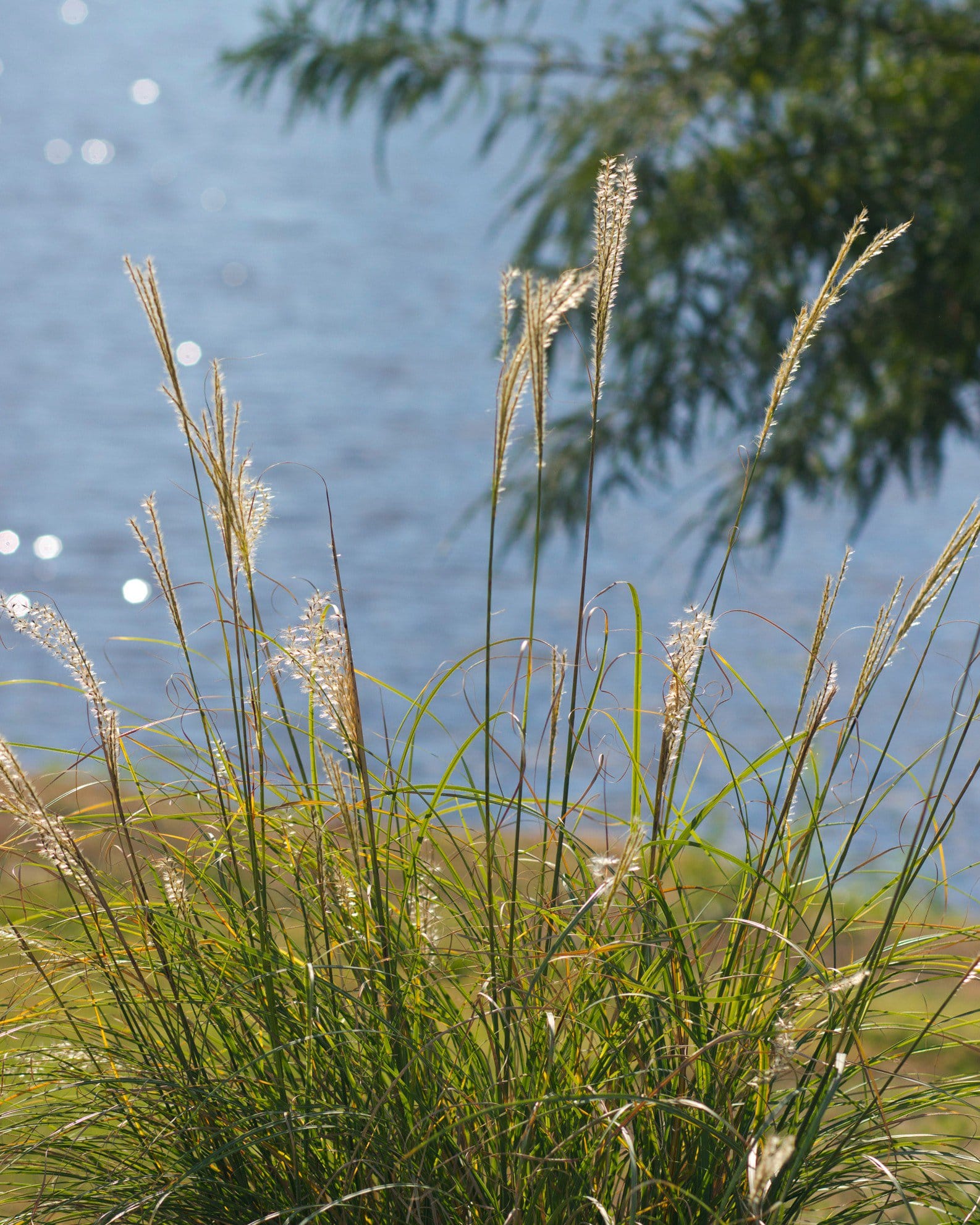
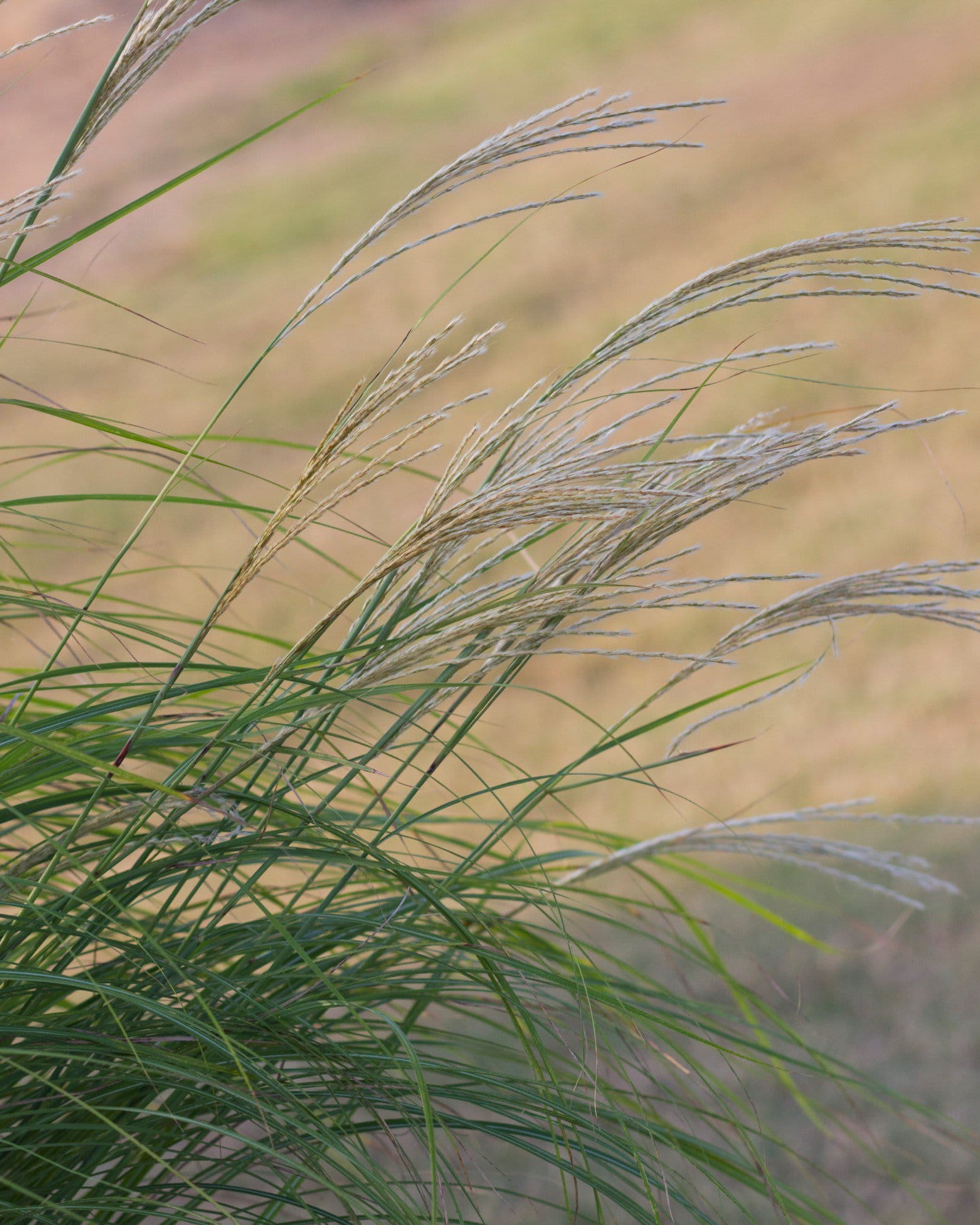
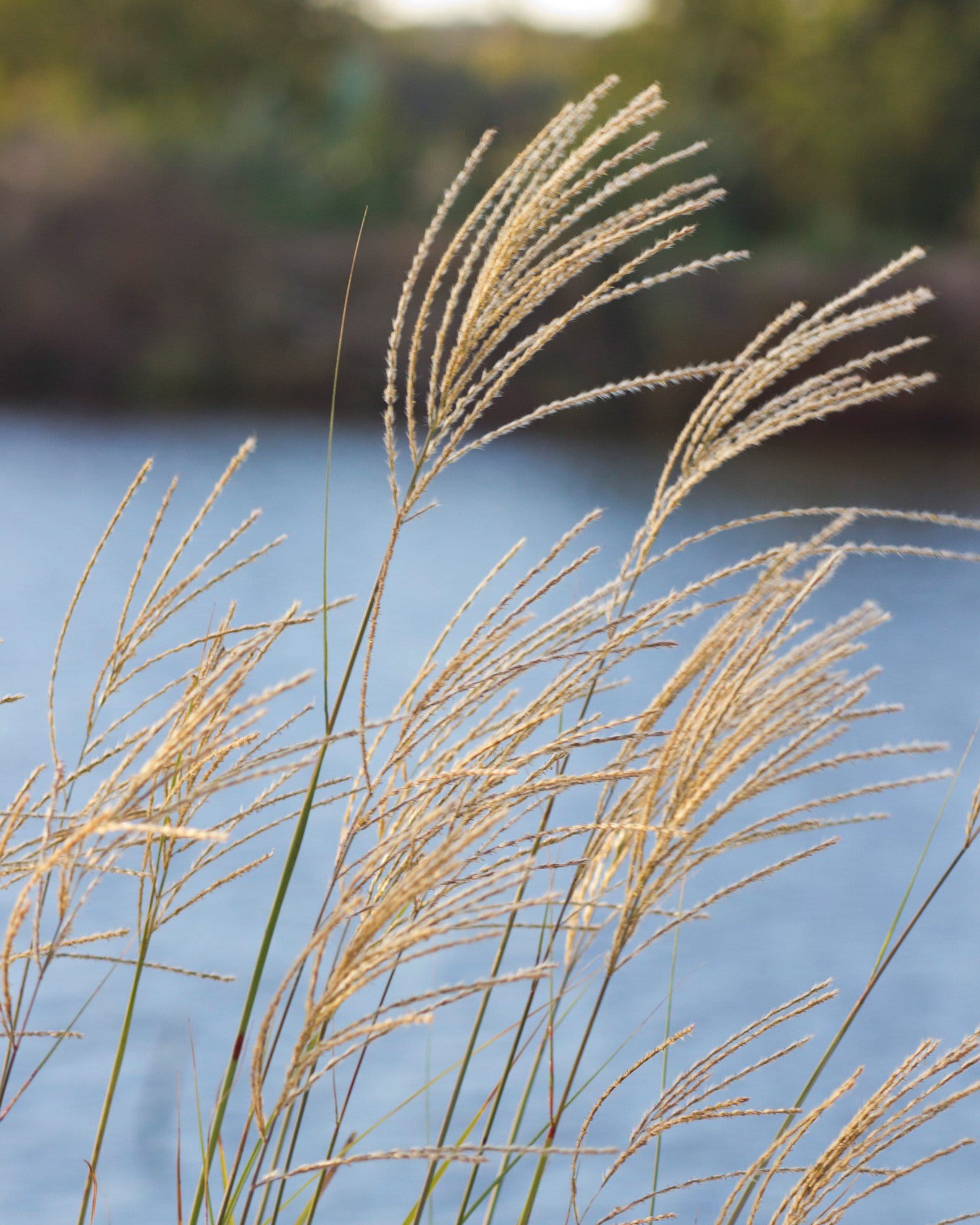
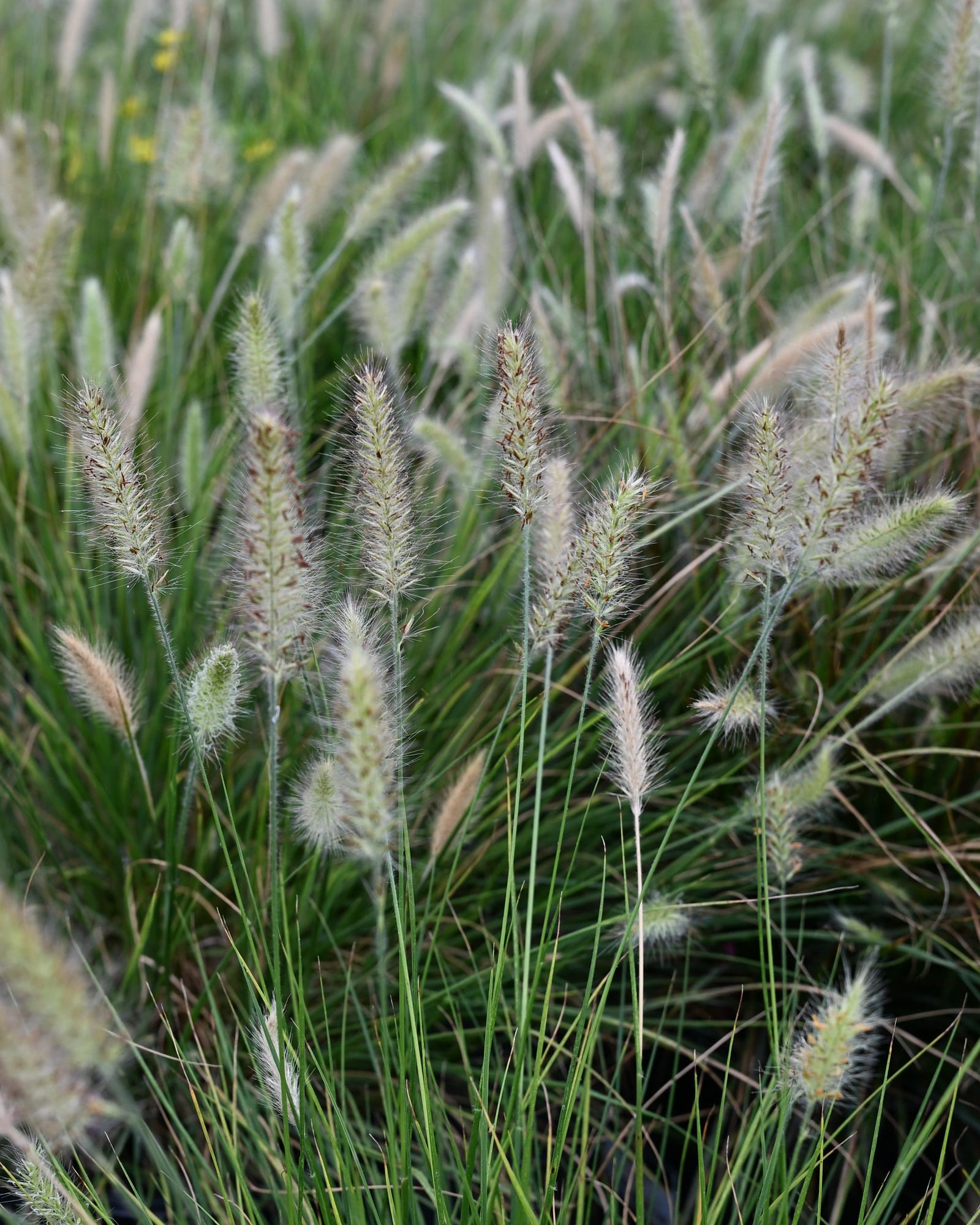
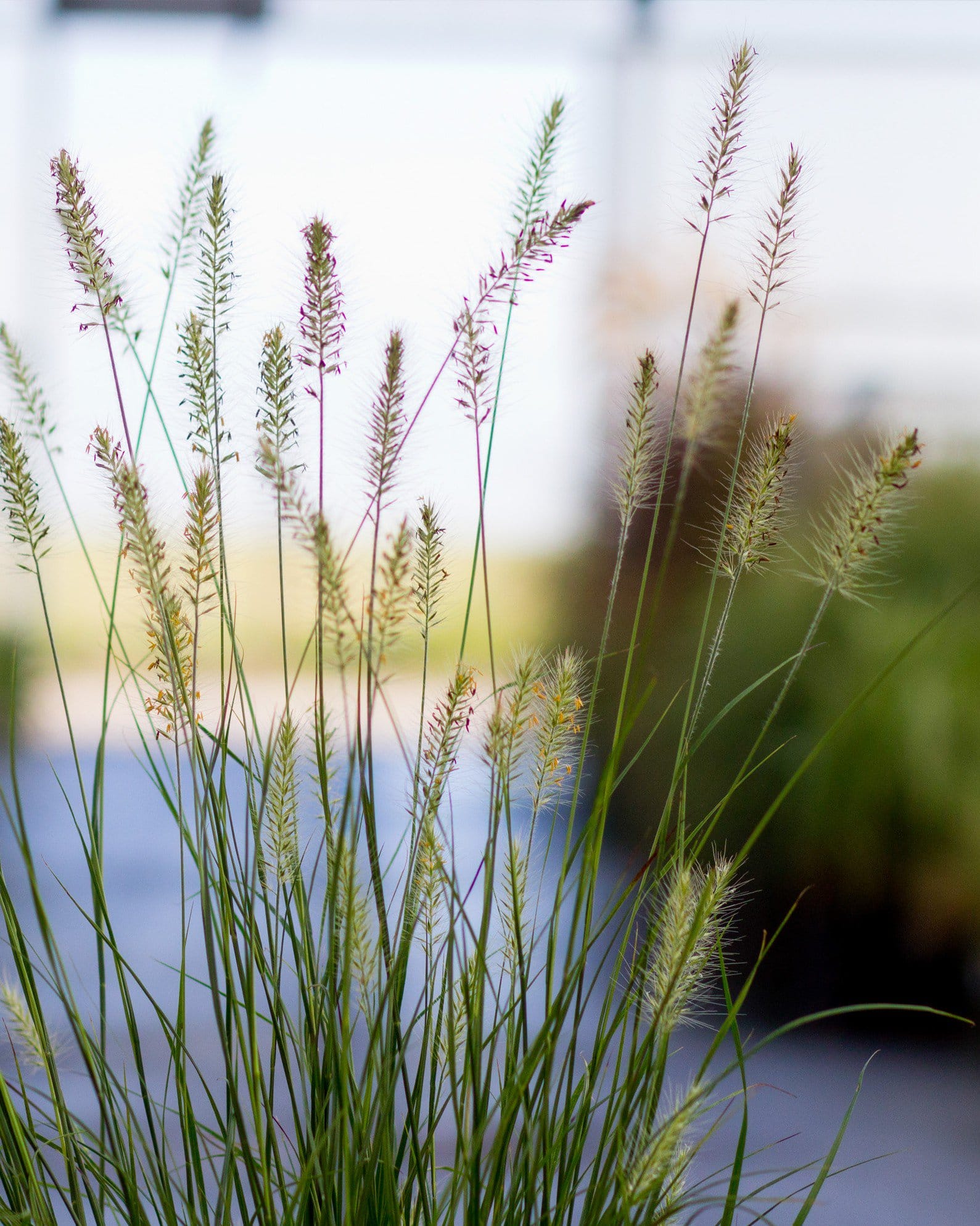
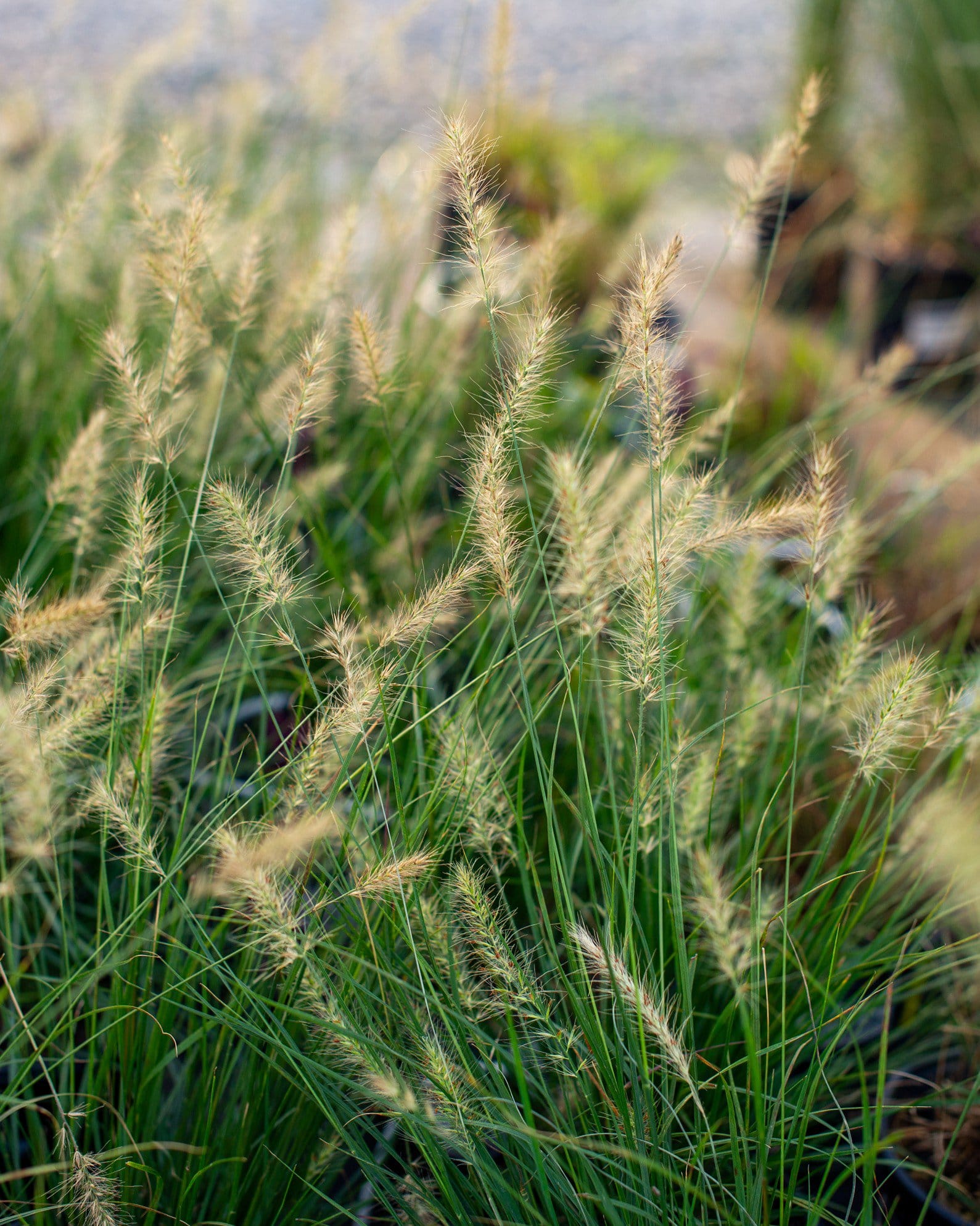
With minimal care, Little Zebra Miscanthus adds year-round interest with its bold stripes in summer and attractive seed plumes and golden hues in fall and winter.
It typically reaches 3-4 feet tall and about 2-3 feet wide, forming a compact, upright clump ideal for smaller gardens or borders. Its height makes it perfect for accent planting without overwhelming nearby plants.
Spring or early fall is ideal, allowing roots to establish before extreme weather. Fall planting ensures strong spring growth, while spring planting gives the grass a full growing season to settle in.
Water regularly while establishing, then only during extended dry periods. Once mature, it thrives with occasional deep watering, especially in hot or sandy soils.
Yes, its compact size makes it suitable for large containers, where it adds texture and movement to patios or entryways. Container-grown plants may require more frequent watering.
Yes, Little Zebra Miscanthus is generally deer-resistant due to its tough, fibrous leaves, making it a reliable choice in areas with browsing pressure.
Yes, its dense root system helps stabilize slopes and prevent erosion while adding ornamental value to challenging sites. It’s especially useful for sunny banks and areas where other plants may struggle to establish.
With proper care, Little Zebra Miscanthus can live 10 years or more. Dividing every 4-5 years helps rejuvenate the clump and maintain vigor.
Yes, dividing every few years in spring improves airflow, prevents overcrowding, and encourages healthy new growth. This process also allows you to create additional plants for other areas of your garden or to share with friends.
Yes, it is generally low-maintenance once established. Annual pruning in late winter or early spring keeps the clump tidy, encourages vigorous growth, and removes old foliage to make way for new shoots.
Yes. While the foliage may die back in winter, the root system survives and produces fresh growth in spring.
Special Features
You might also like
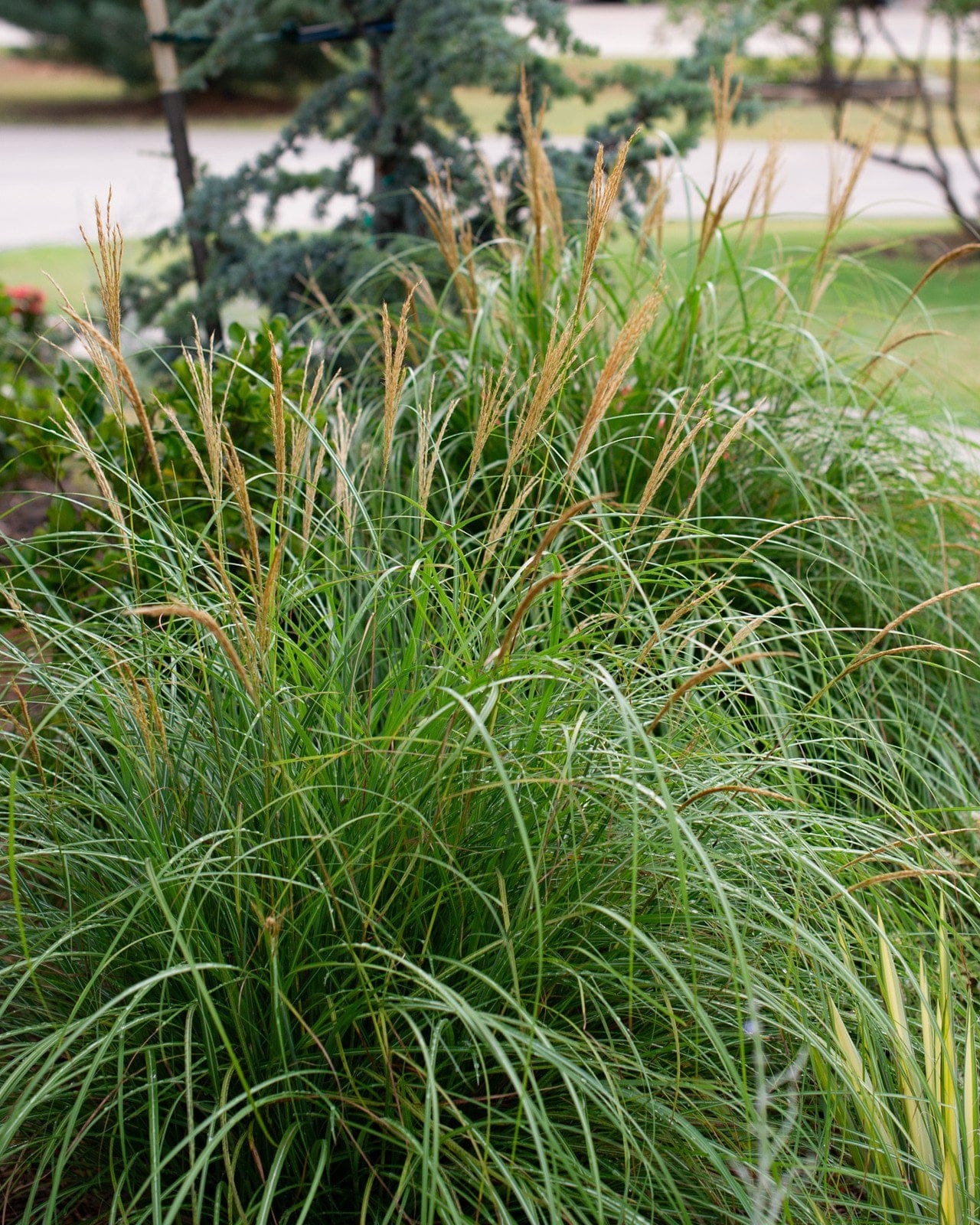
Adagio Miscanthus
Maturity: 3' H x 3' W
Little Kitten Miscanthus
Maturity: 2' H x 1' W
Morning Light Miscanthus Maiden Grass
Maturity: 4' H x 3' W
Berkeley Carex Sedge
Maturity: 1' H x 2' W
Blue Arrows Rush
Maturity: 3' H x 1' W
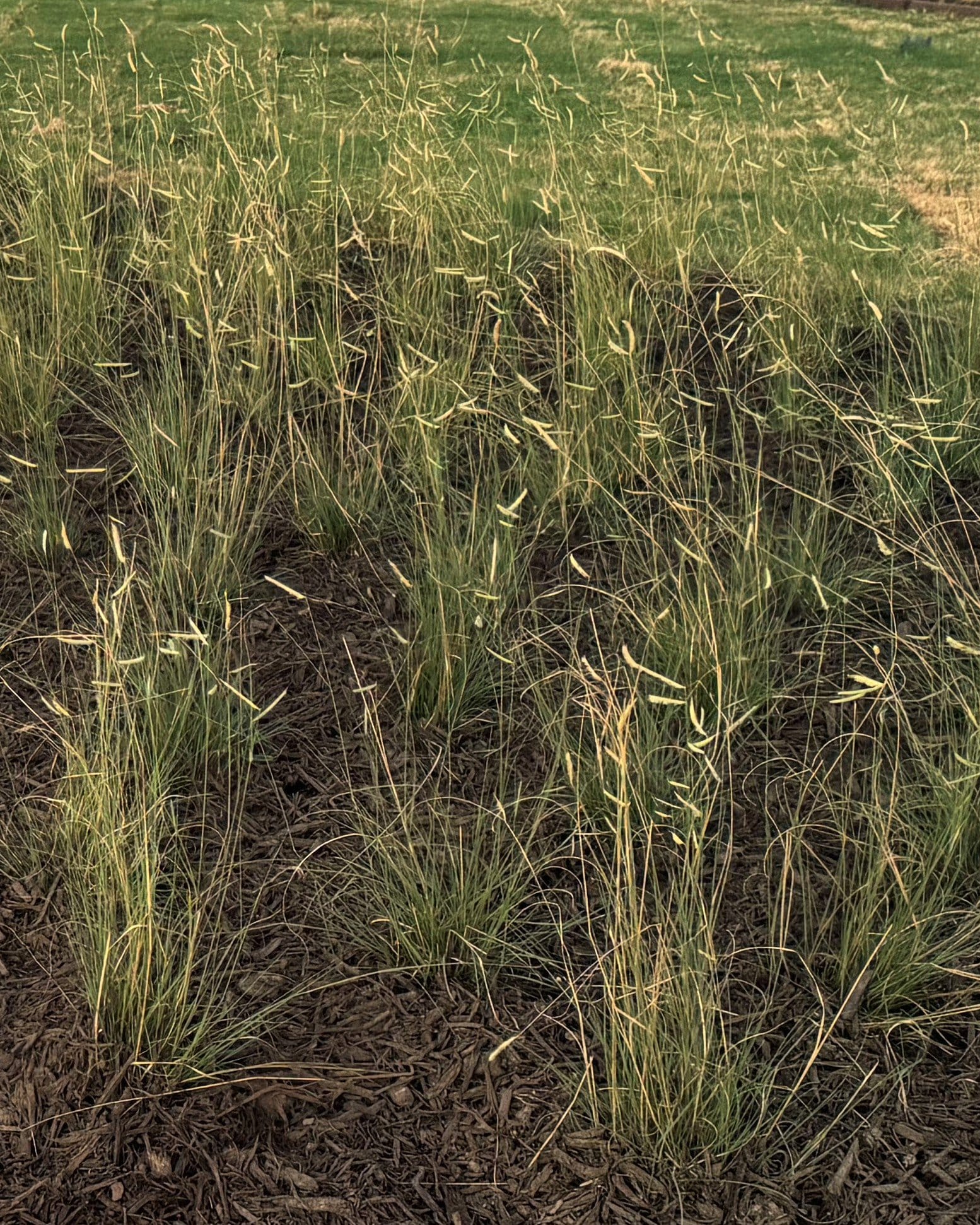
Blue Grama
Maturity: 1.5' H x 2' W
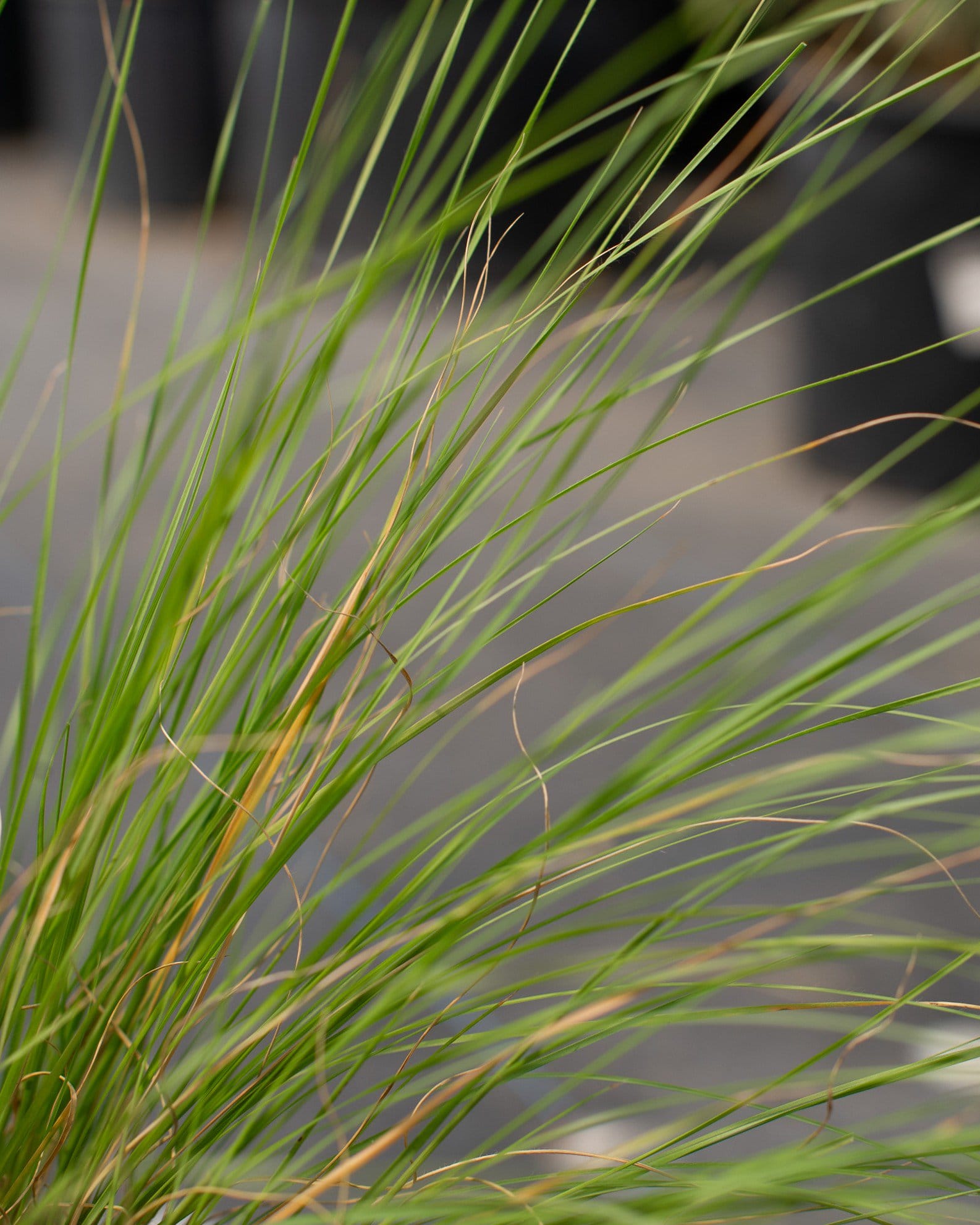
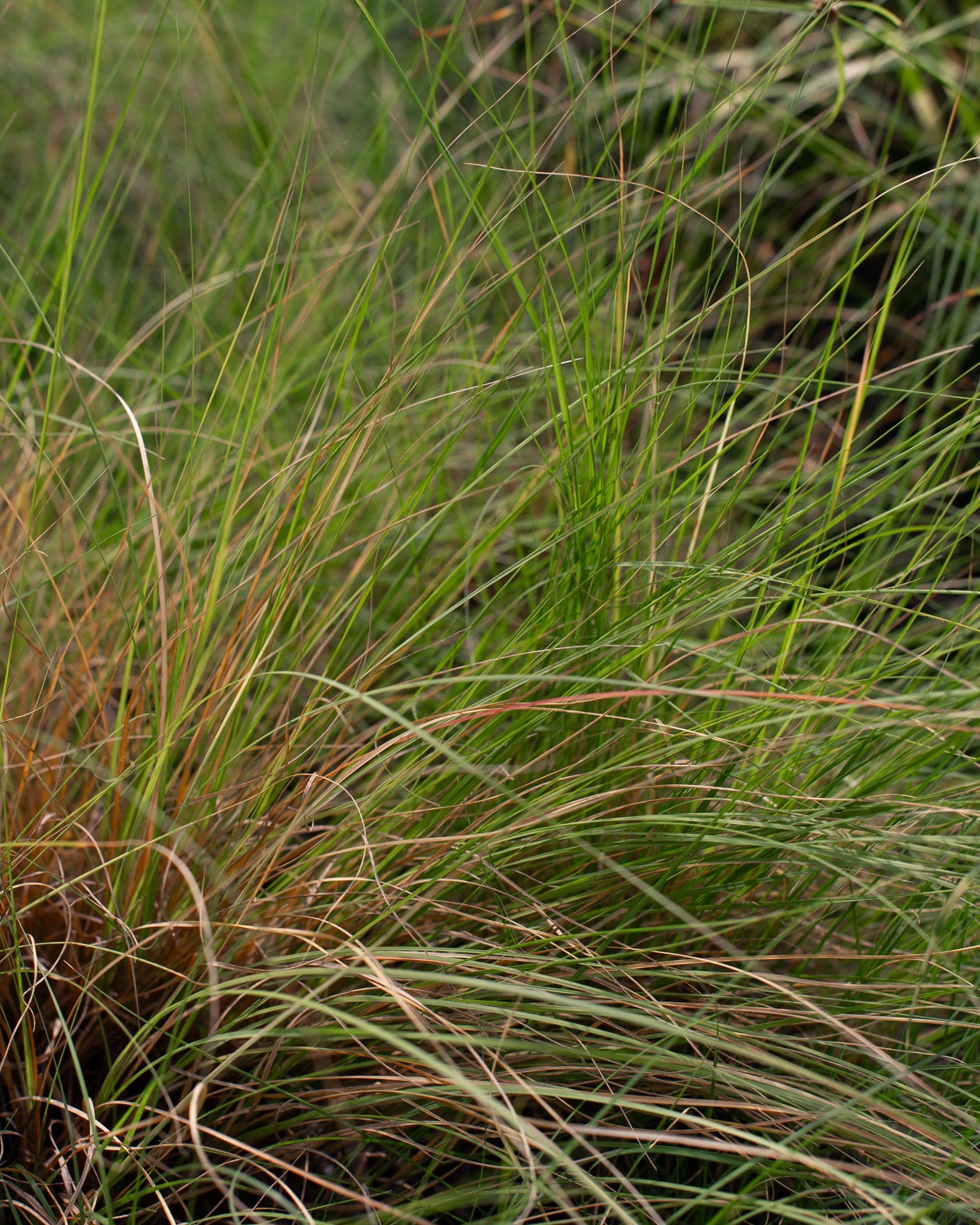
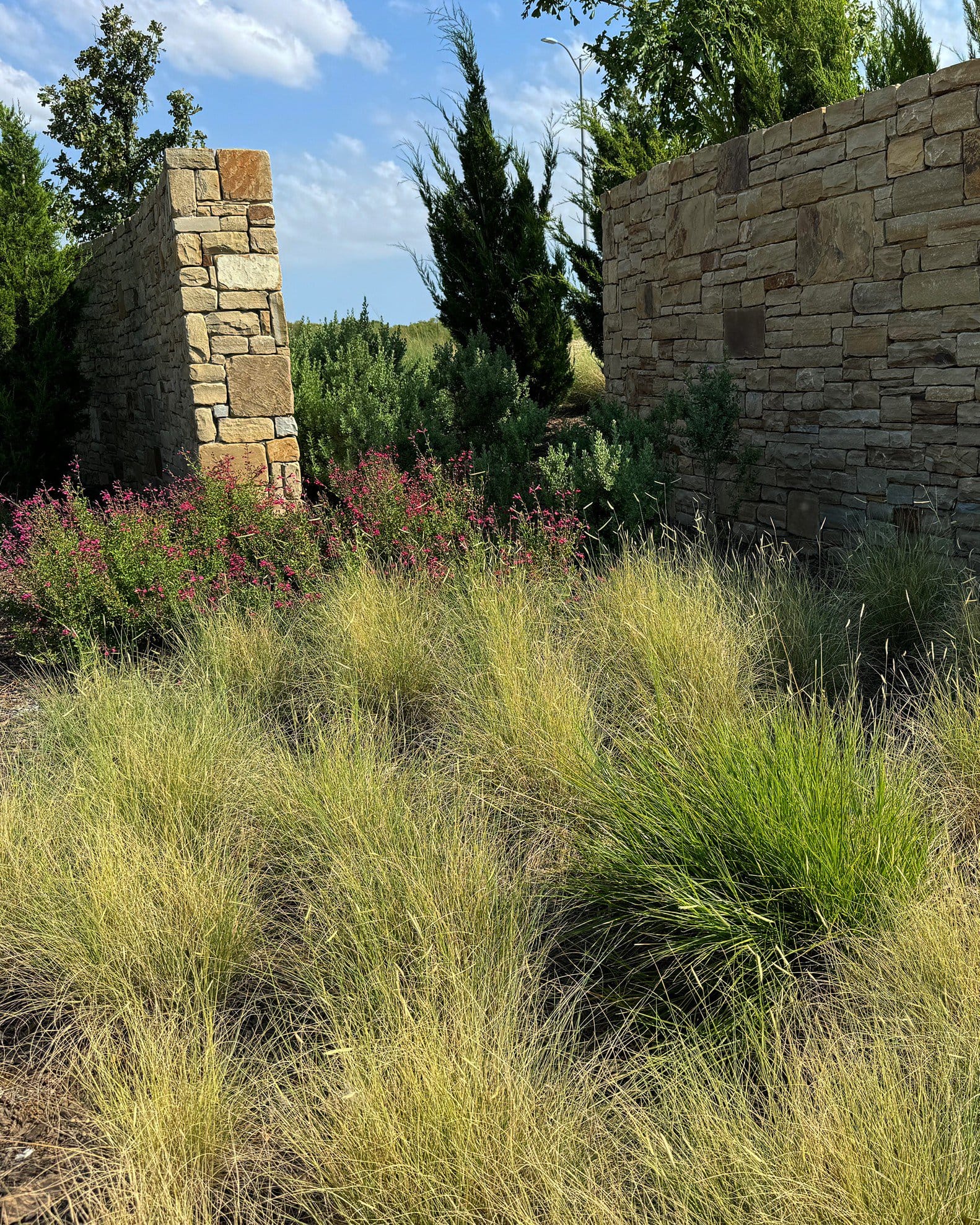
Blue Grama Blonde Ambition
Maturity: 3' H x 3' W
Cassian Fountain Grass
Maturity: 2' H x 2' W
Dwarf Hameln Fountain Grass
Maturity: 2' H x 2' W
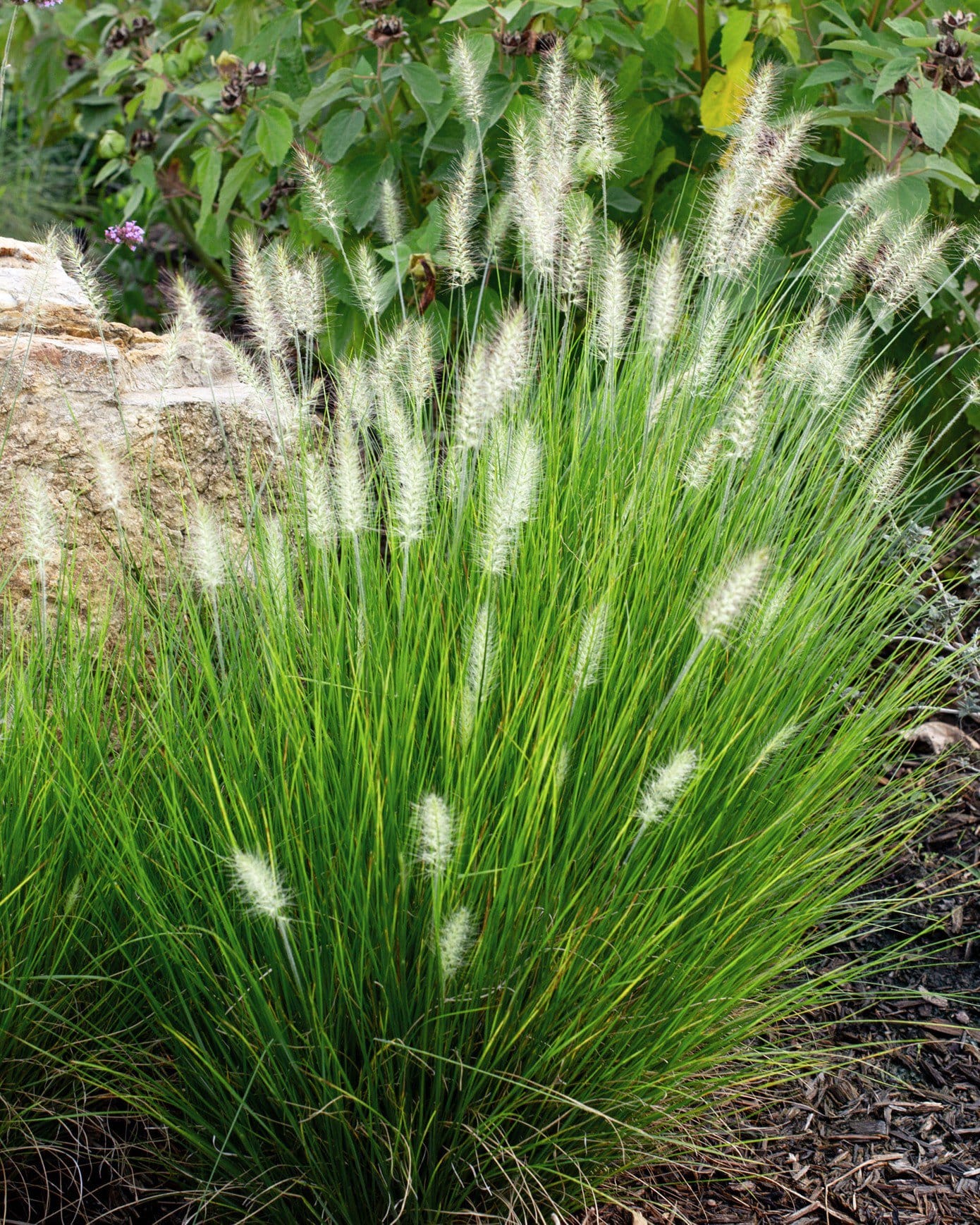
Dwarf Little Bunny Fountain Grass
Maturity: 1' H x 1' W
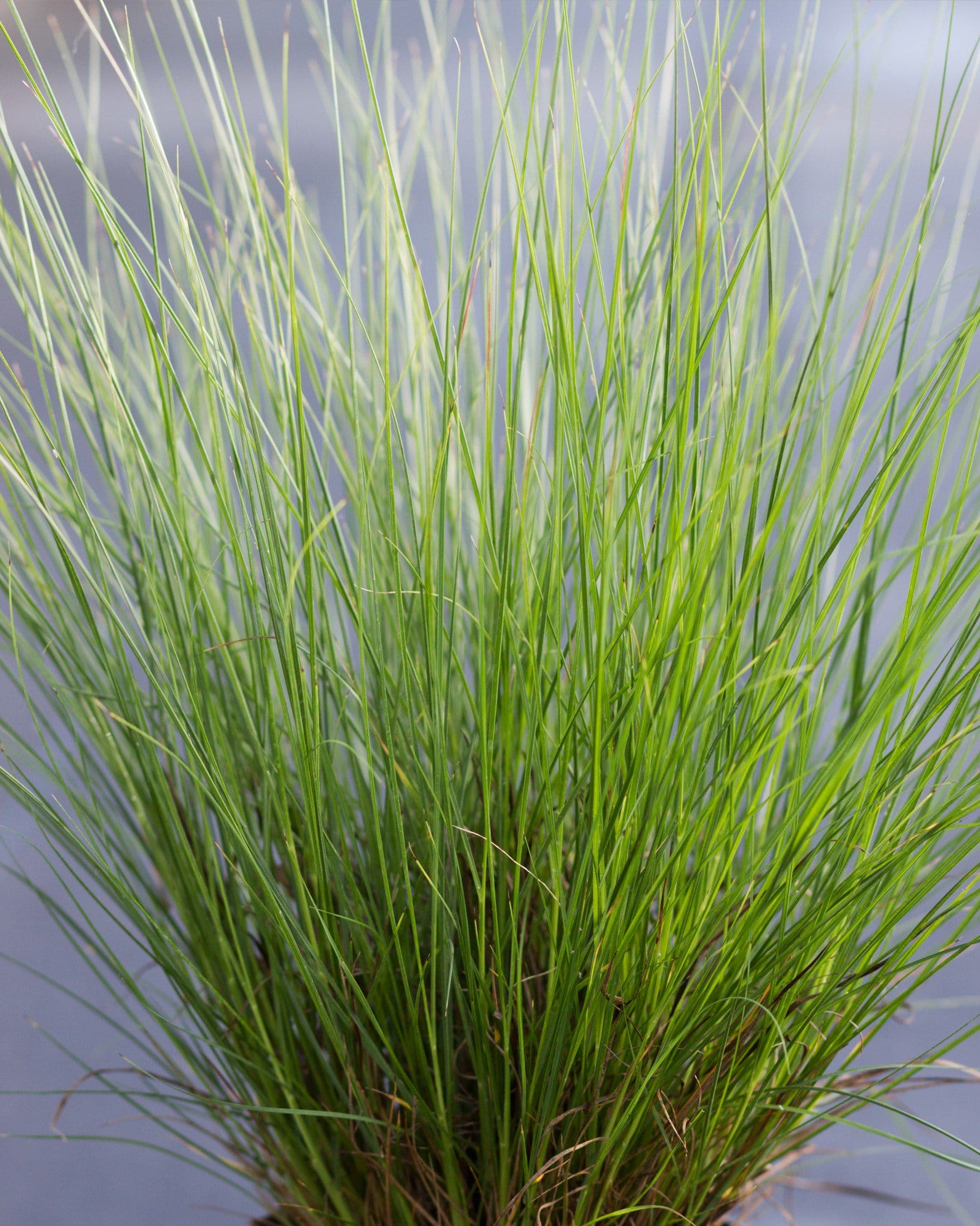
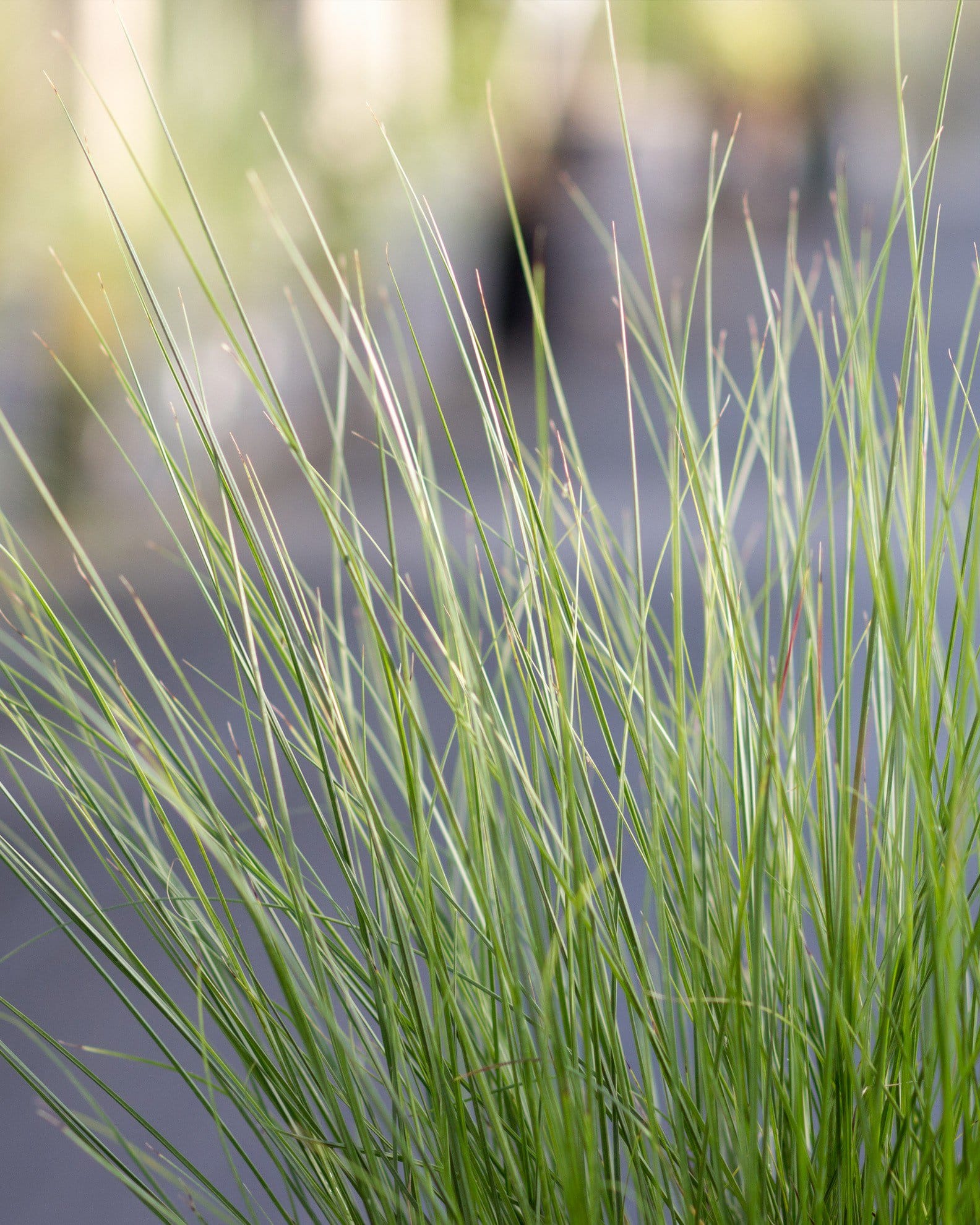
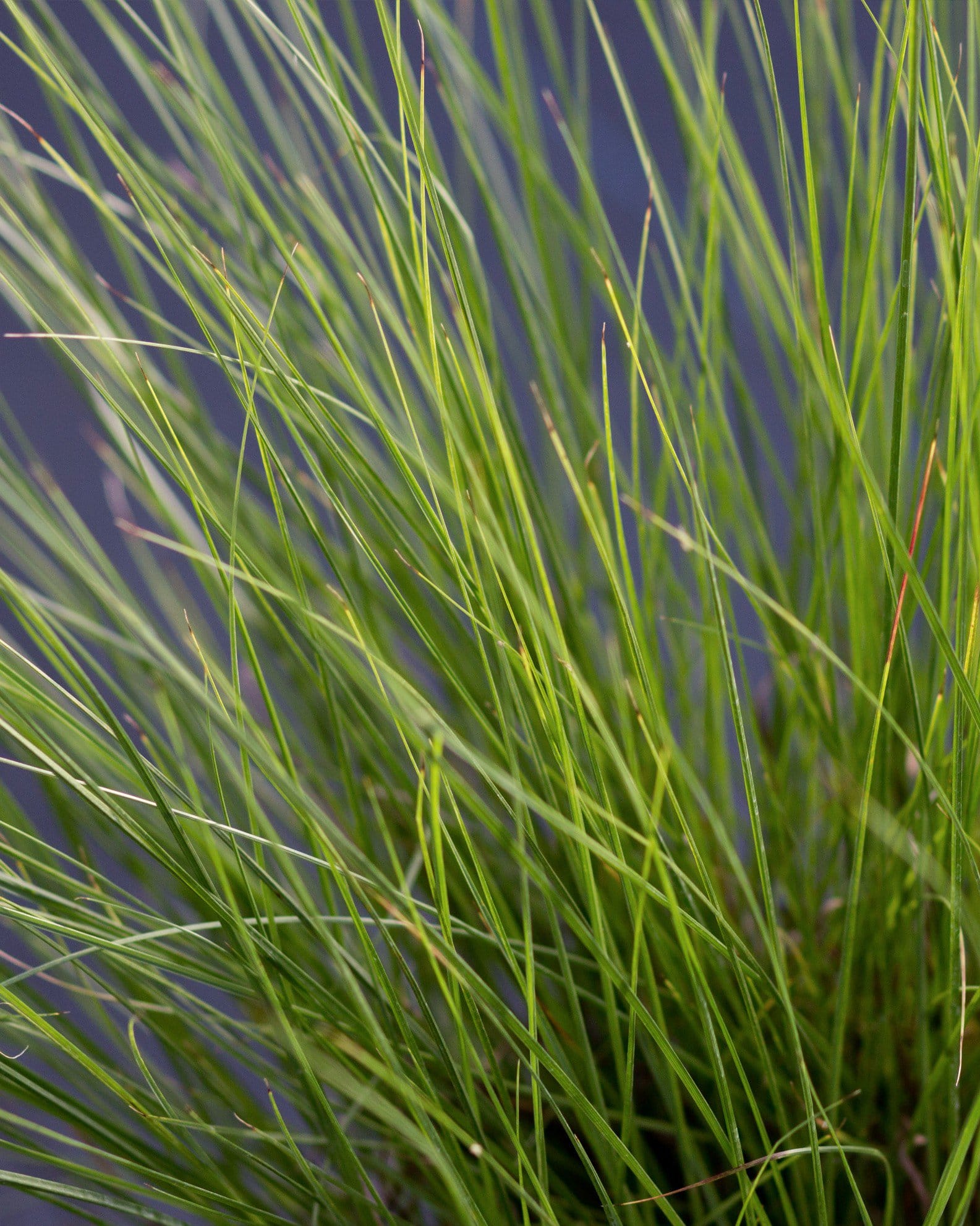
Karl Foerster Feather Reed Grass
Maturity: 4' H x 2' W
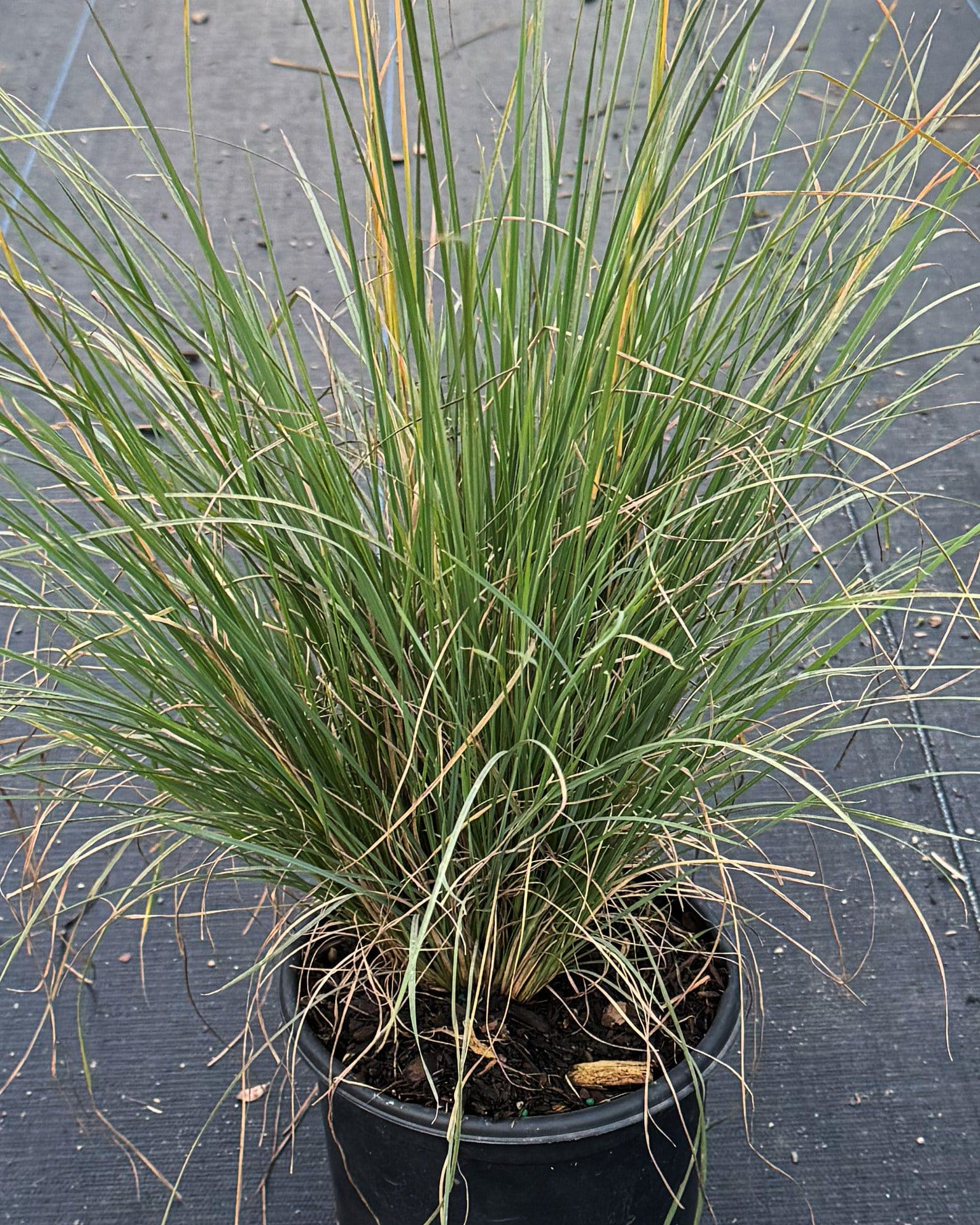
Lindheimer Muhly
Maturity: 3' H x 3' W
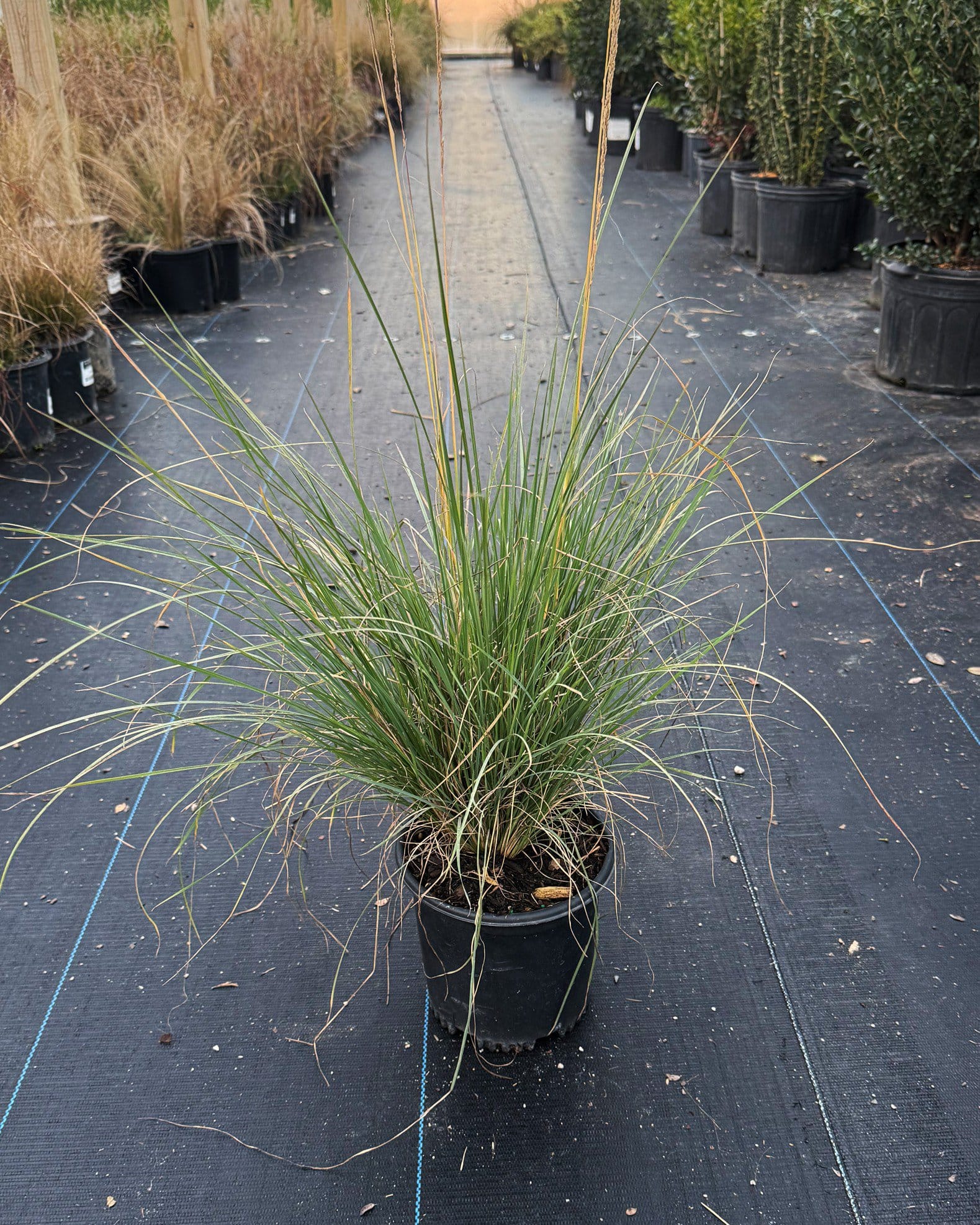
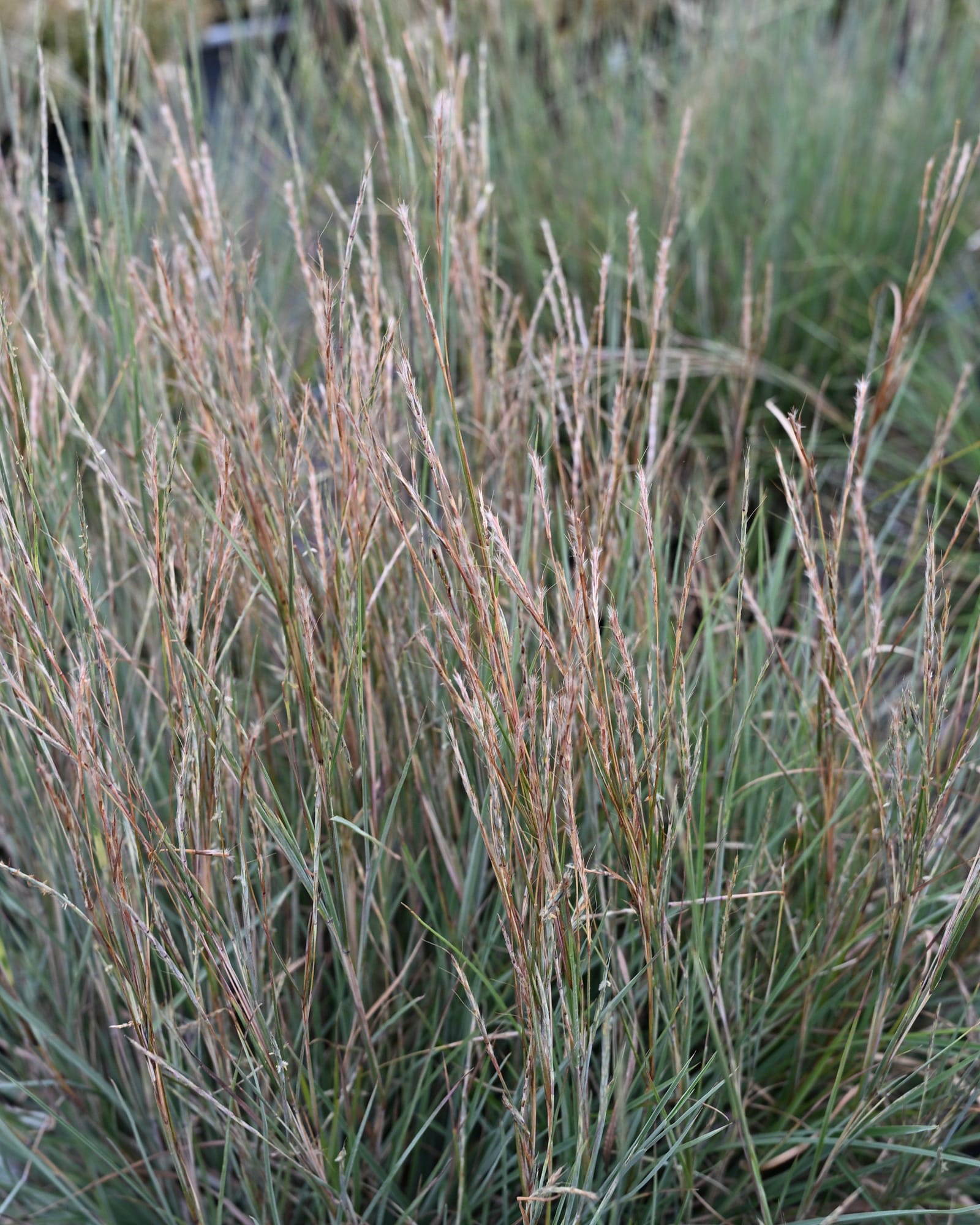
Little Bluestem
Maturity: 2' H x 2' W
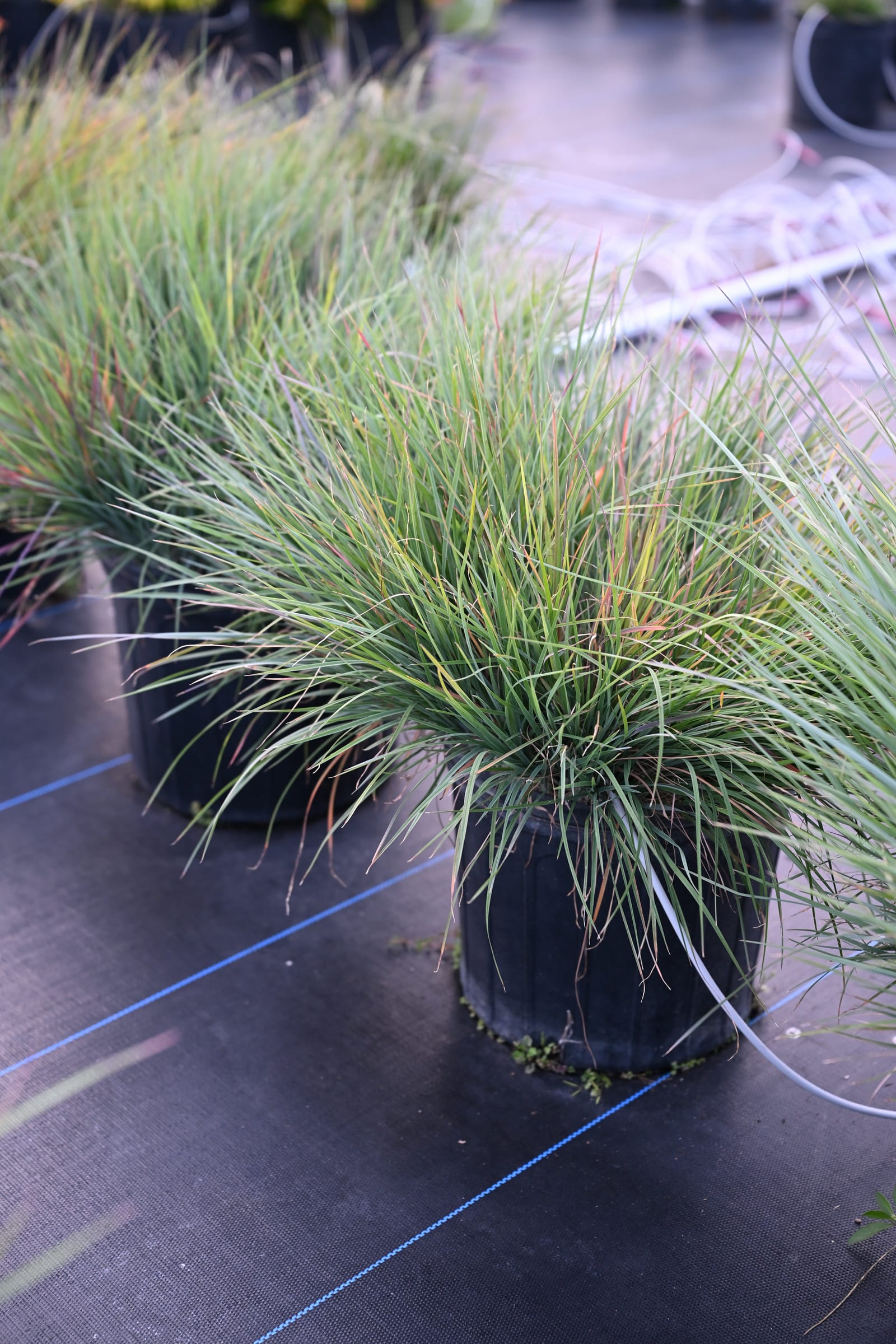
Little Bluestem Prairie Blues
Maturity: 3' H x 2' W
Little Bluestem Standing Ovation
Maturity: 2' H x 1.5' W
Compare Similar Plants
Little Zebra Miscanthus This plant | ||
|---|---|---|
| Scientific Name | Miscanthus sinensis ‘Little Zebra’ | Miscanthus Sinensis 'Adagio' |
| Size at Maturity | 3' H x 2' W | 3' H x 3' W |
| Leaf Retention | Herbaceous | Herbaceous |
| Sizes Available | — | 1, 3 gal |


Our 1-Year Planting Guarantee
We take pride in our plants and installation services. If any plants or trees installed by Treeland fail to thrive within the first year, we'll provide a replacement credit in accordance with our guarantee program.
Learn More About Our Guarantee