
Indian Hawthorn Redbird
Rhaphiolepis indica 'sPg-3-003'Product Details
Indian Hawthorn Redbird
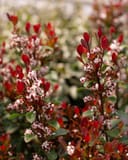
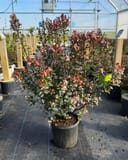
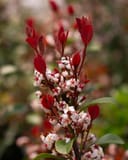
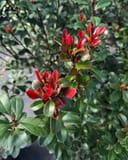
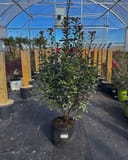
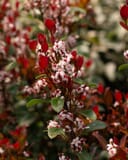
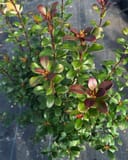
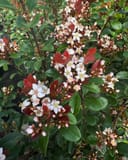
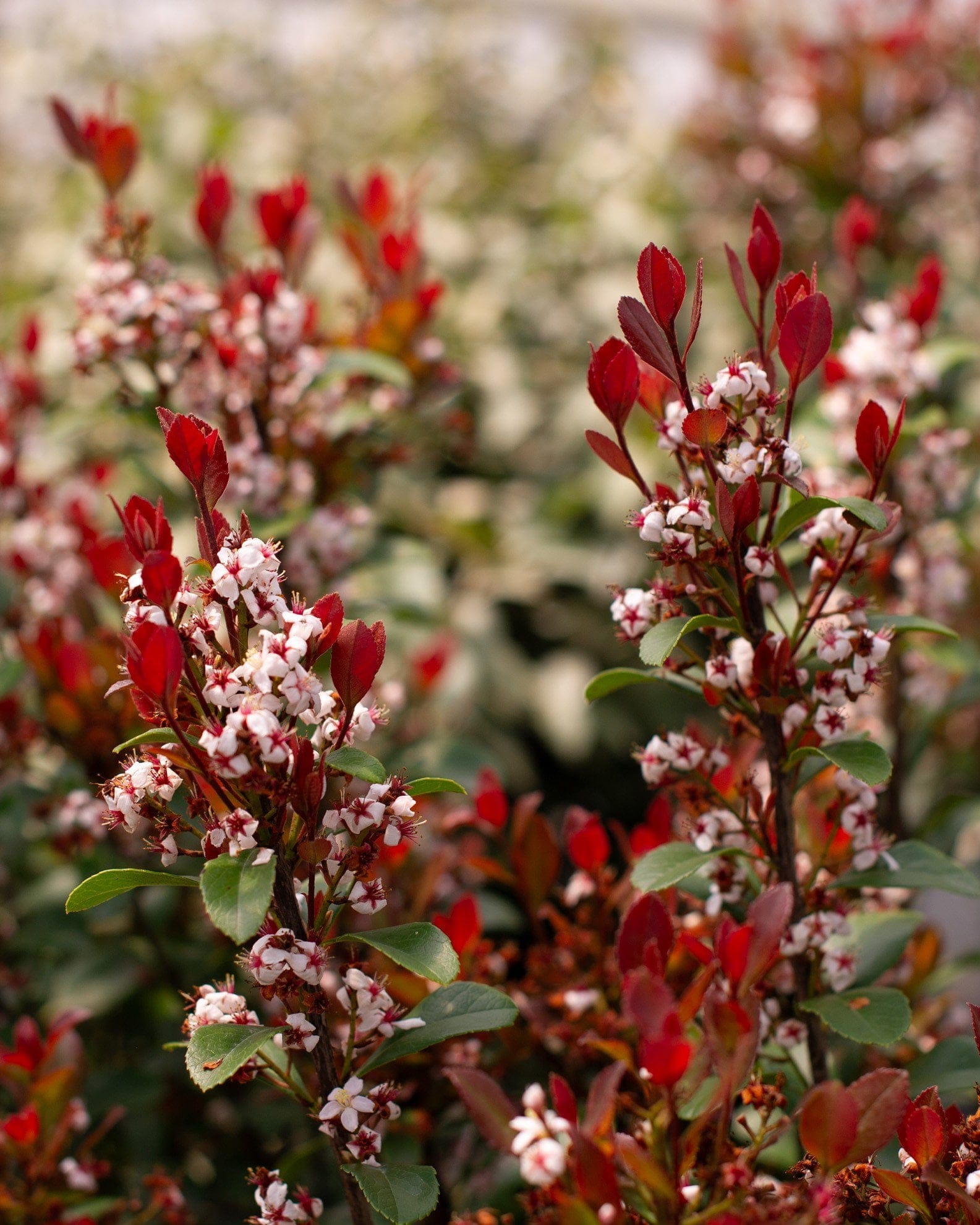
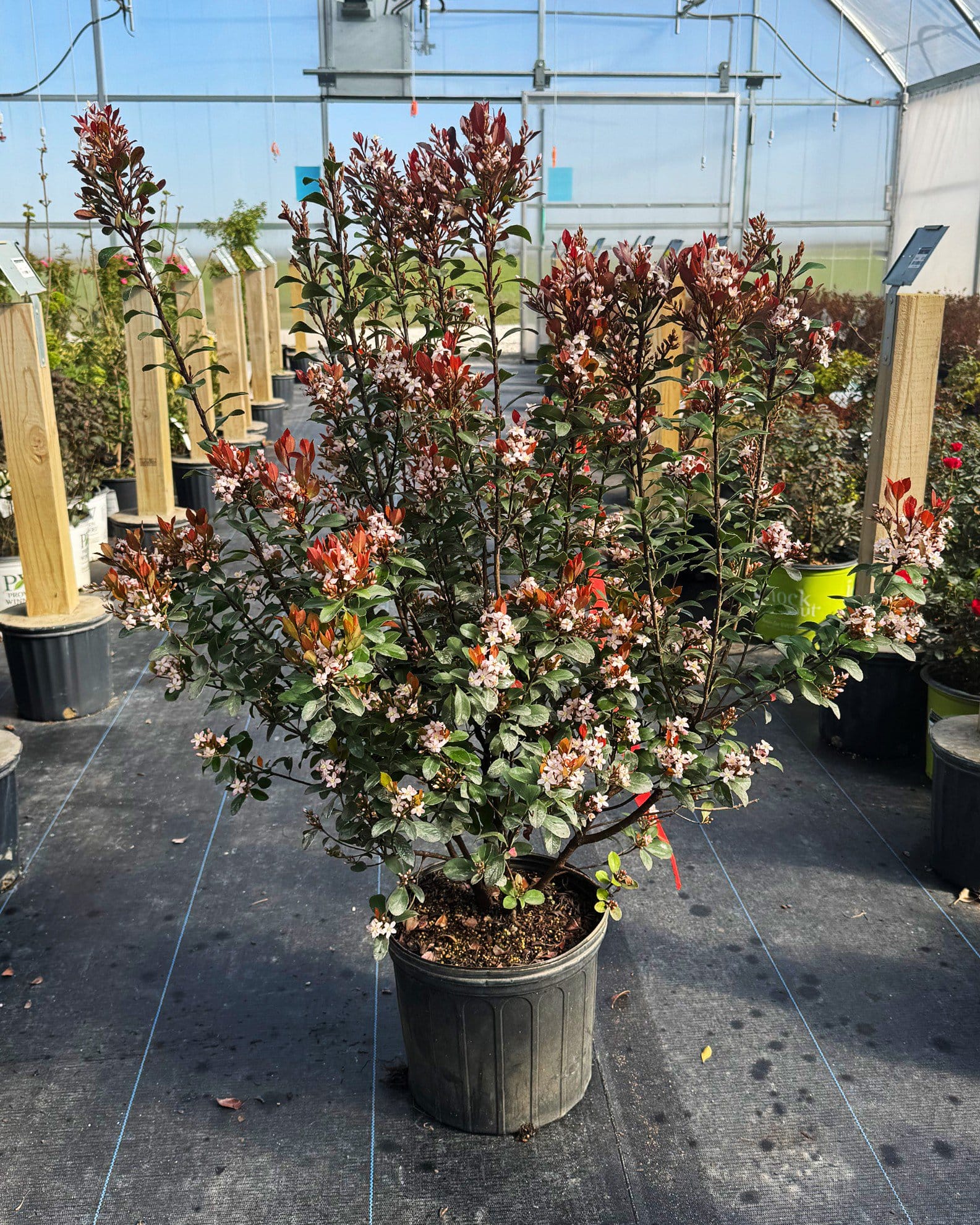
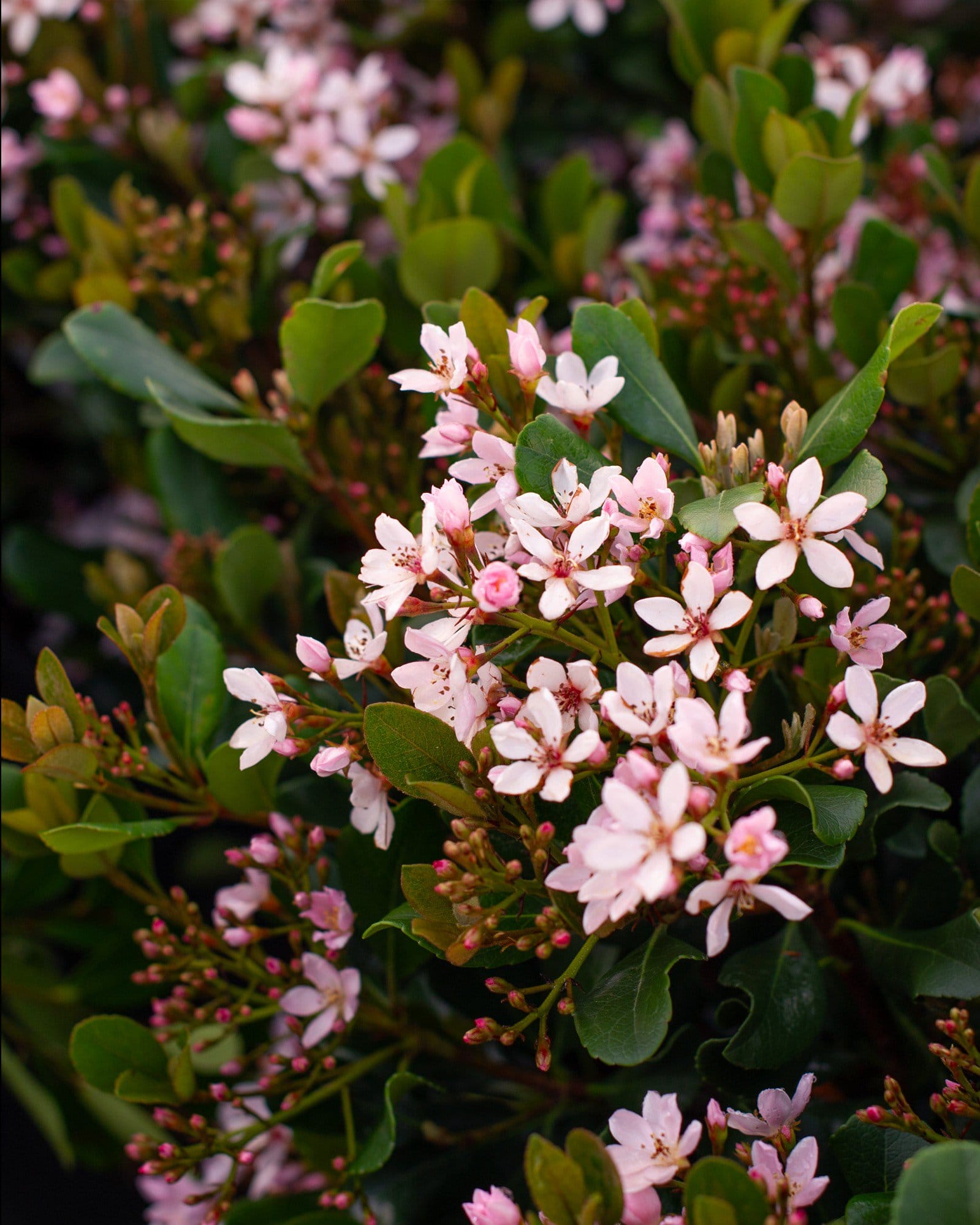
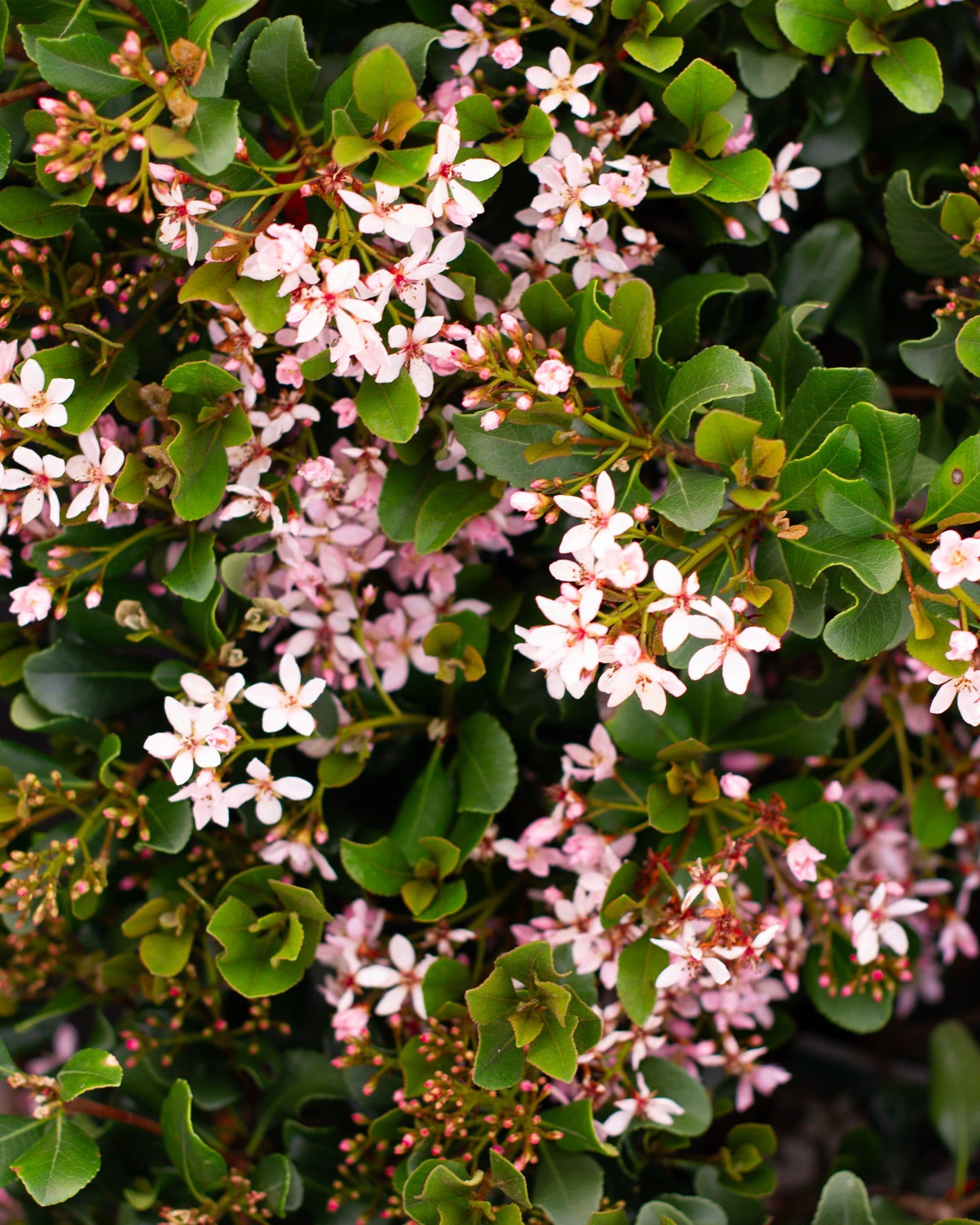
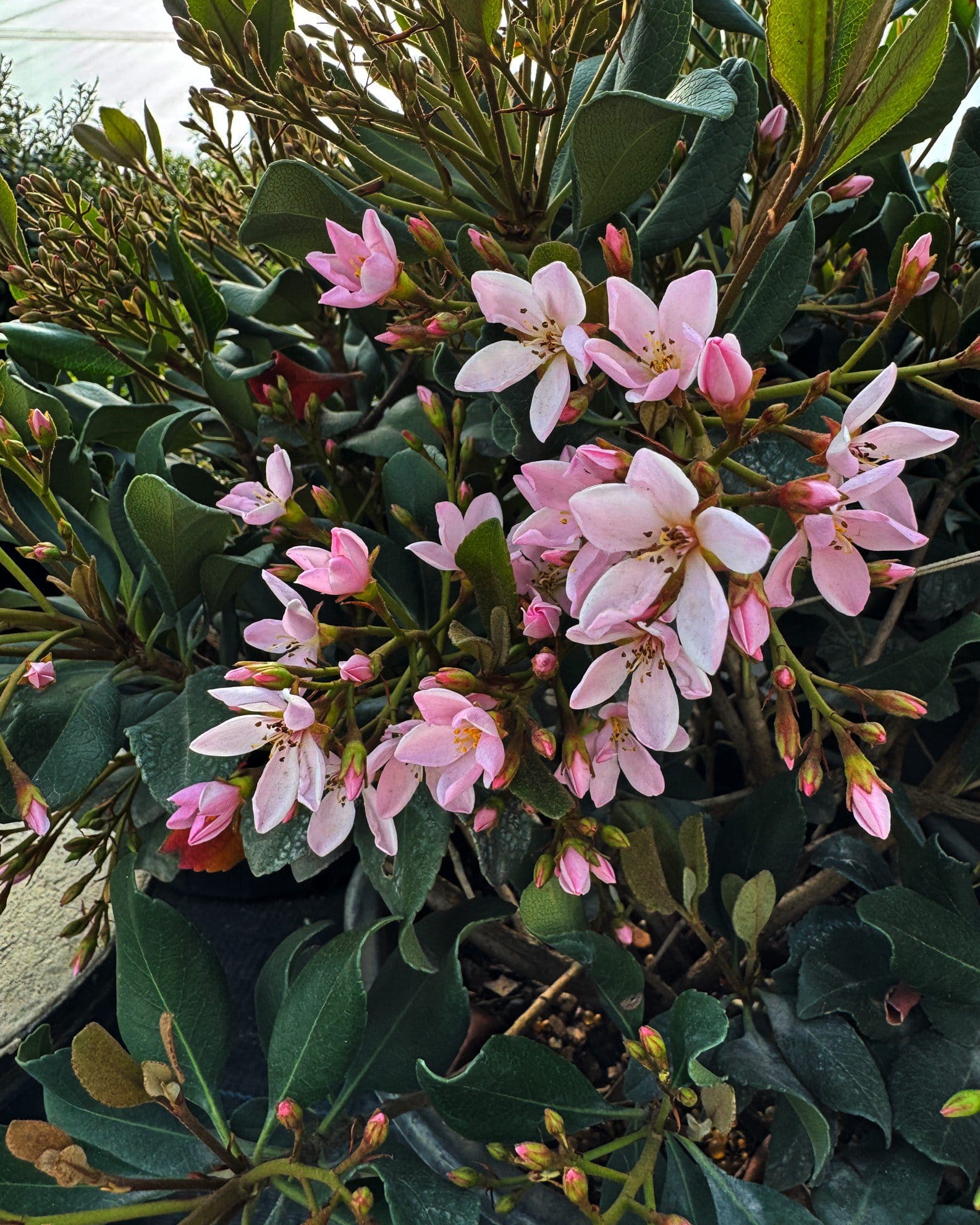
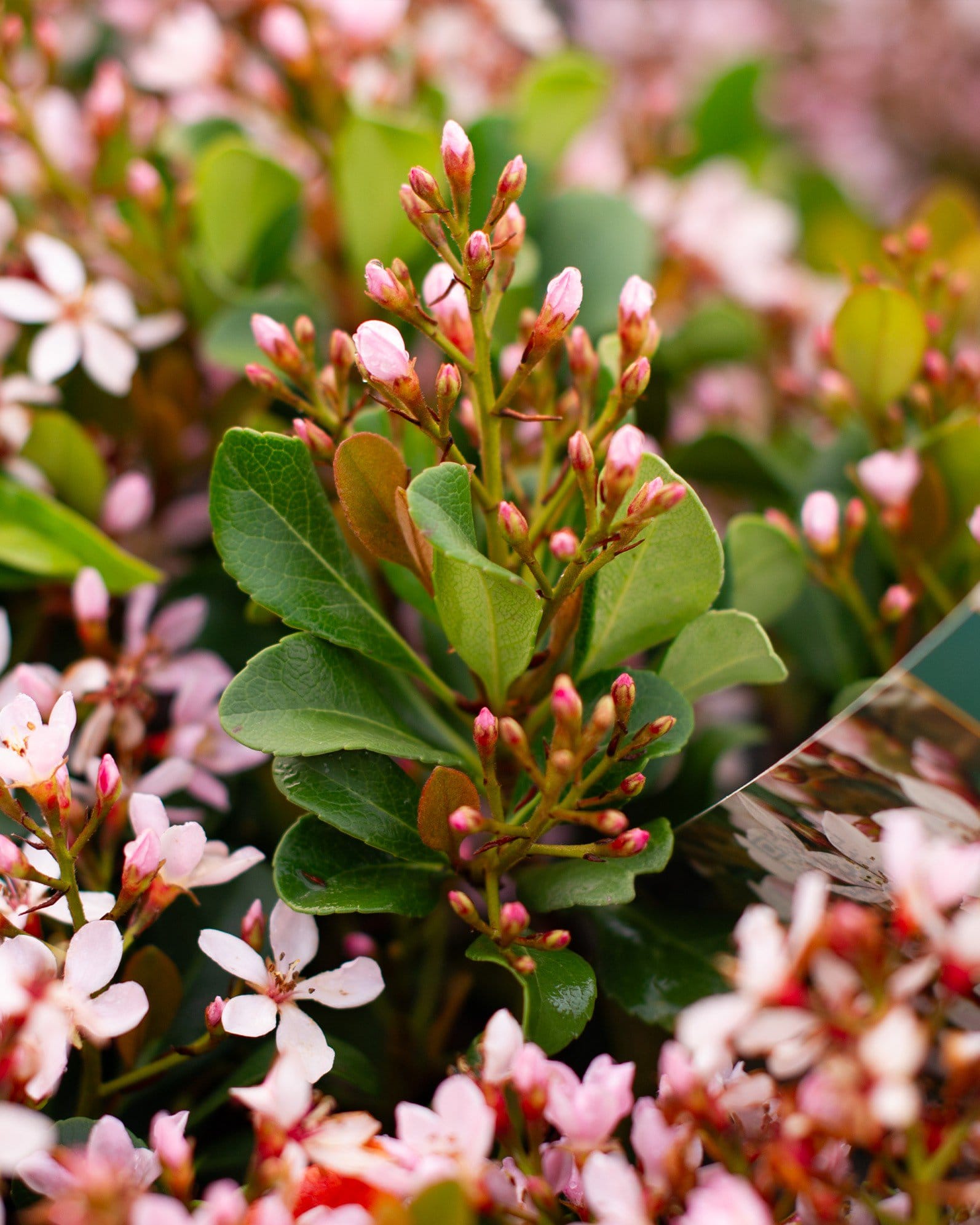
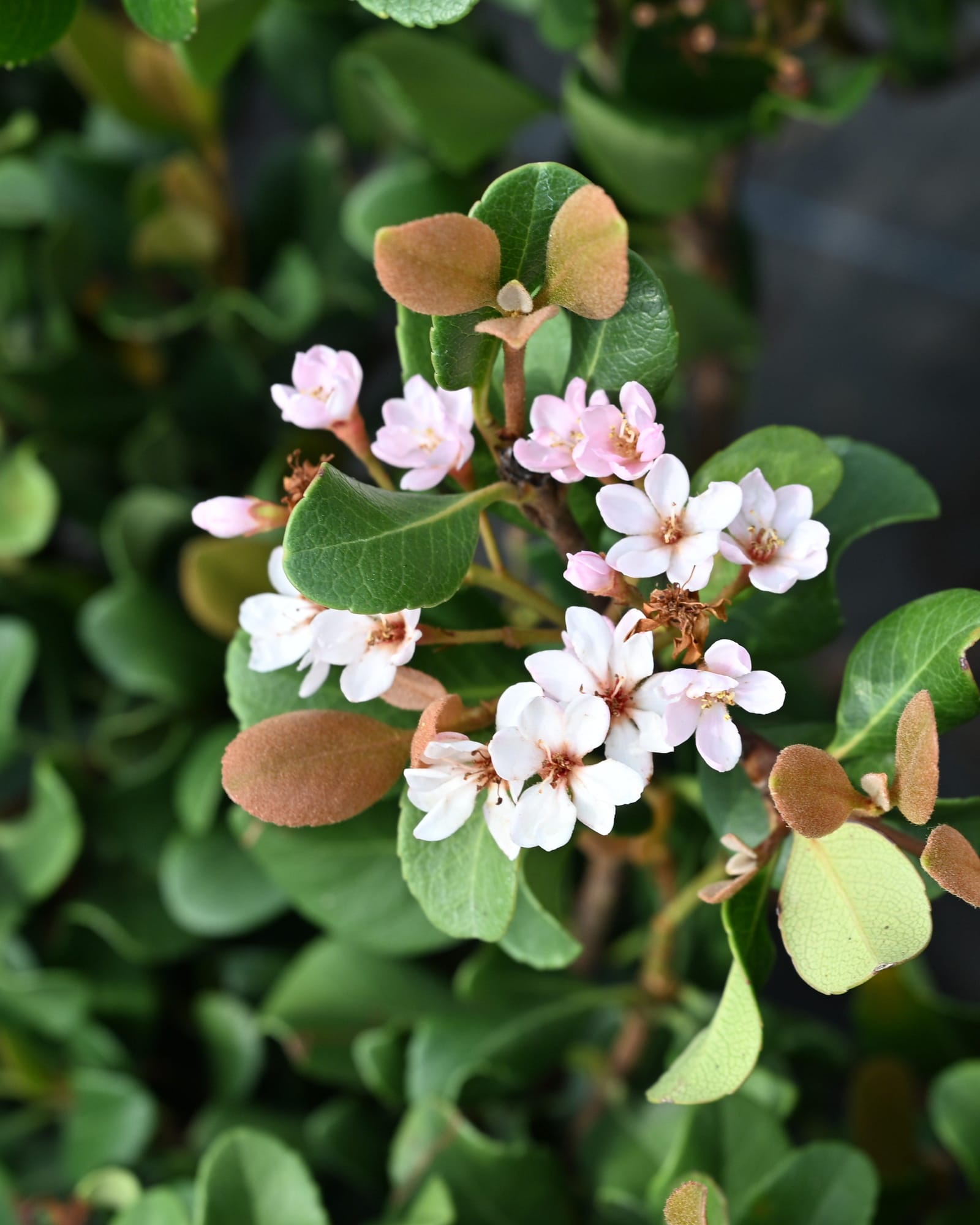
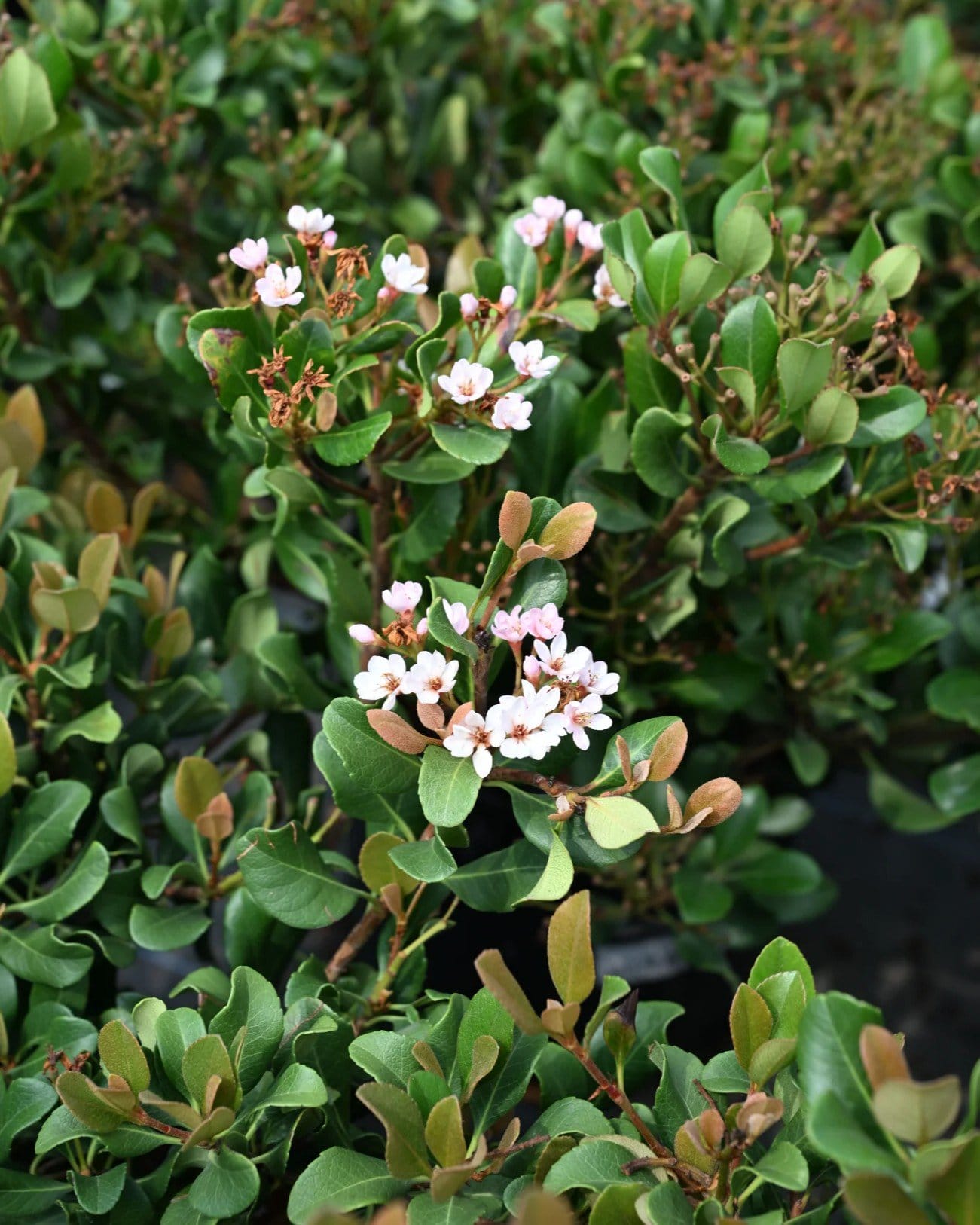
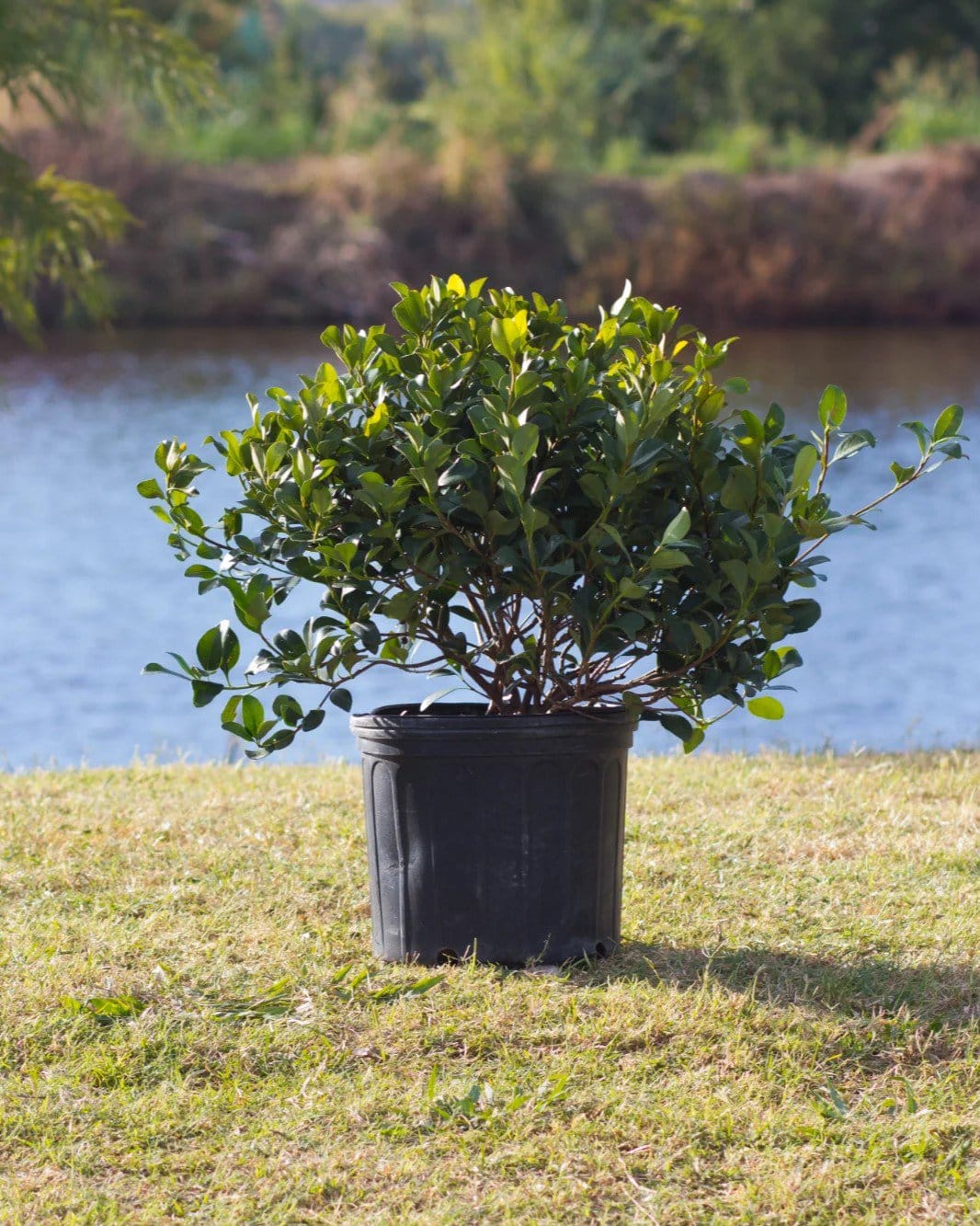
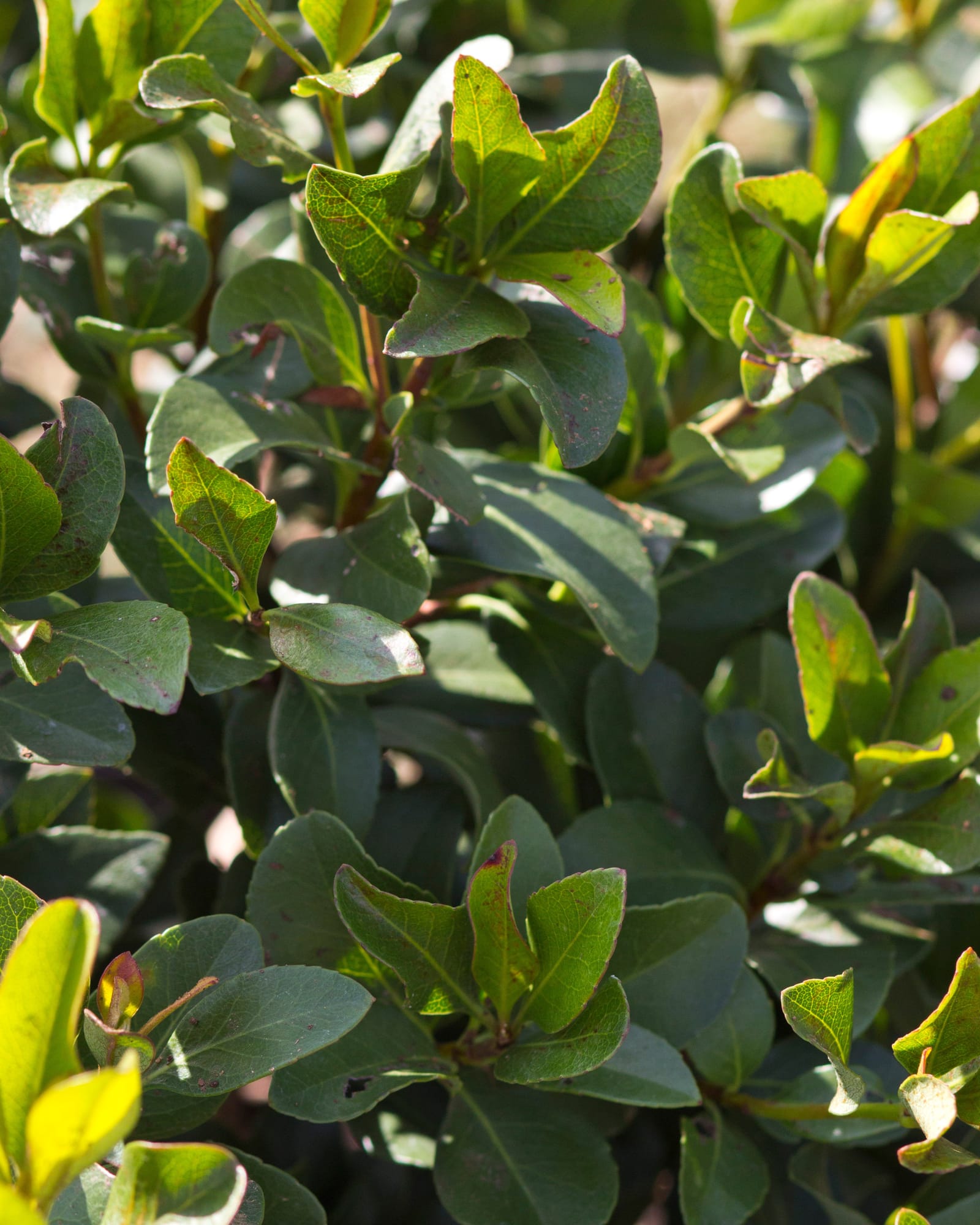
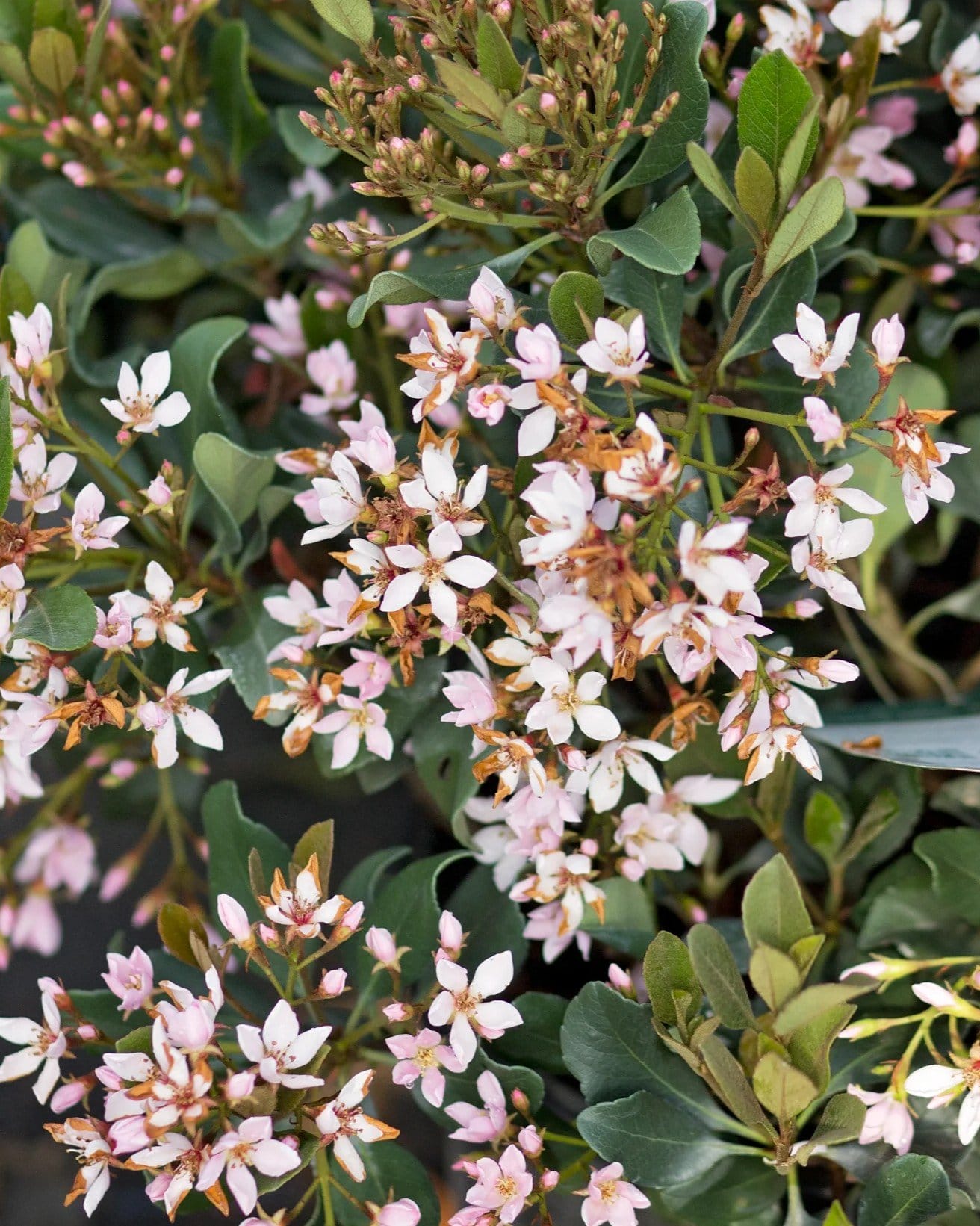
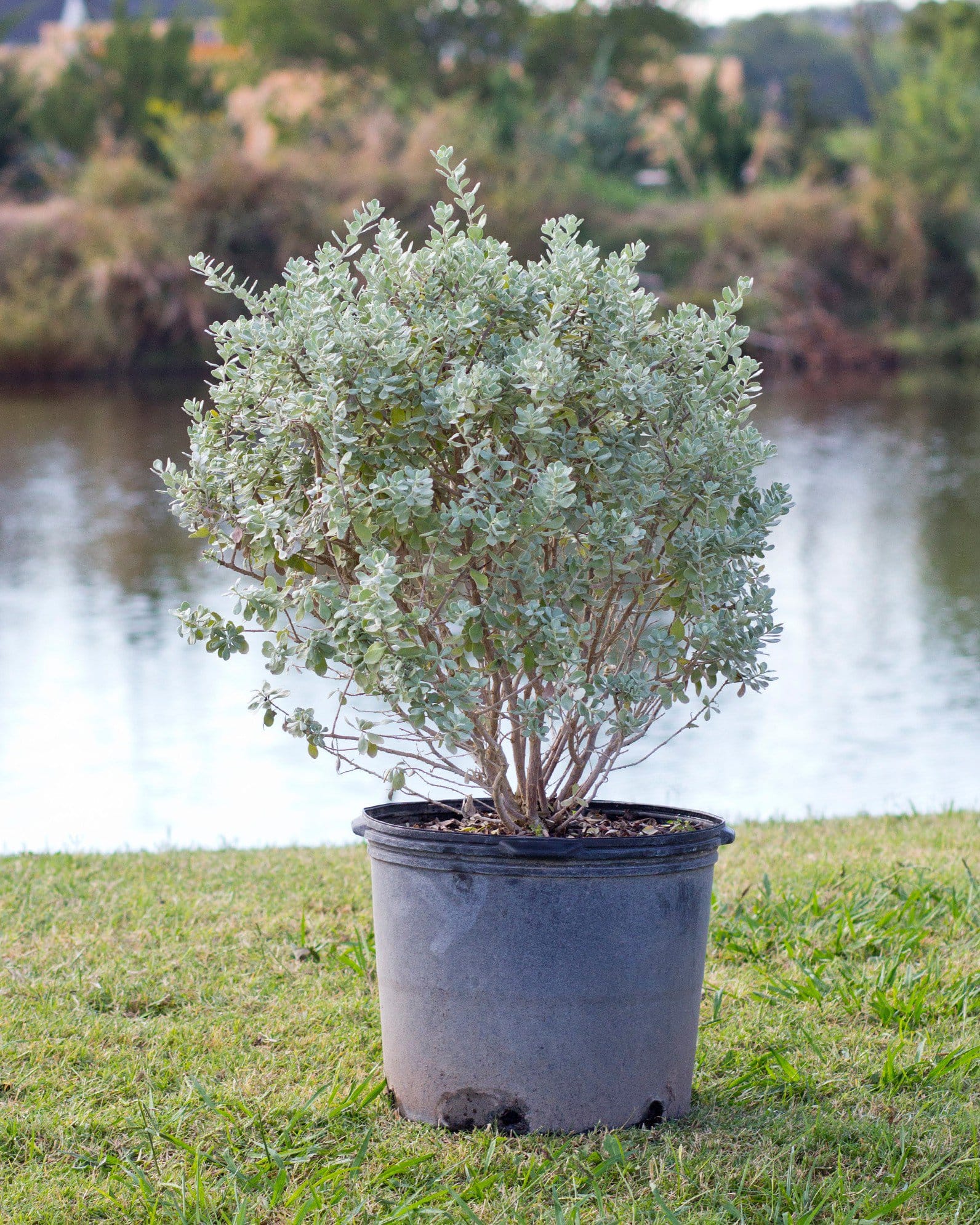
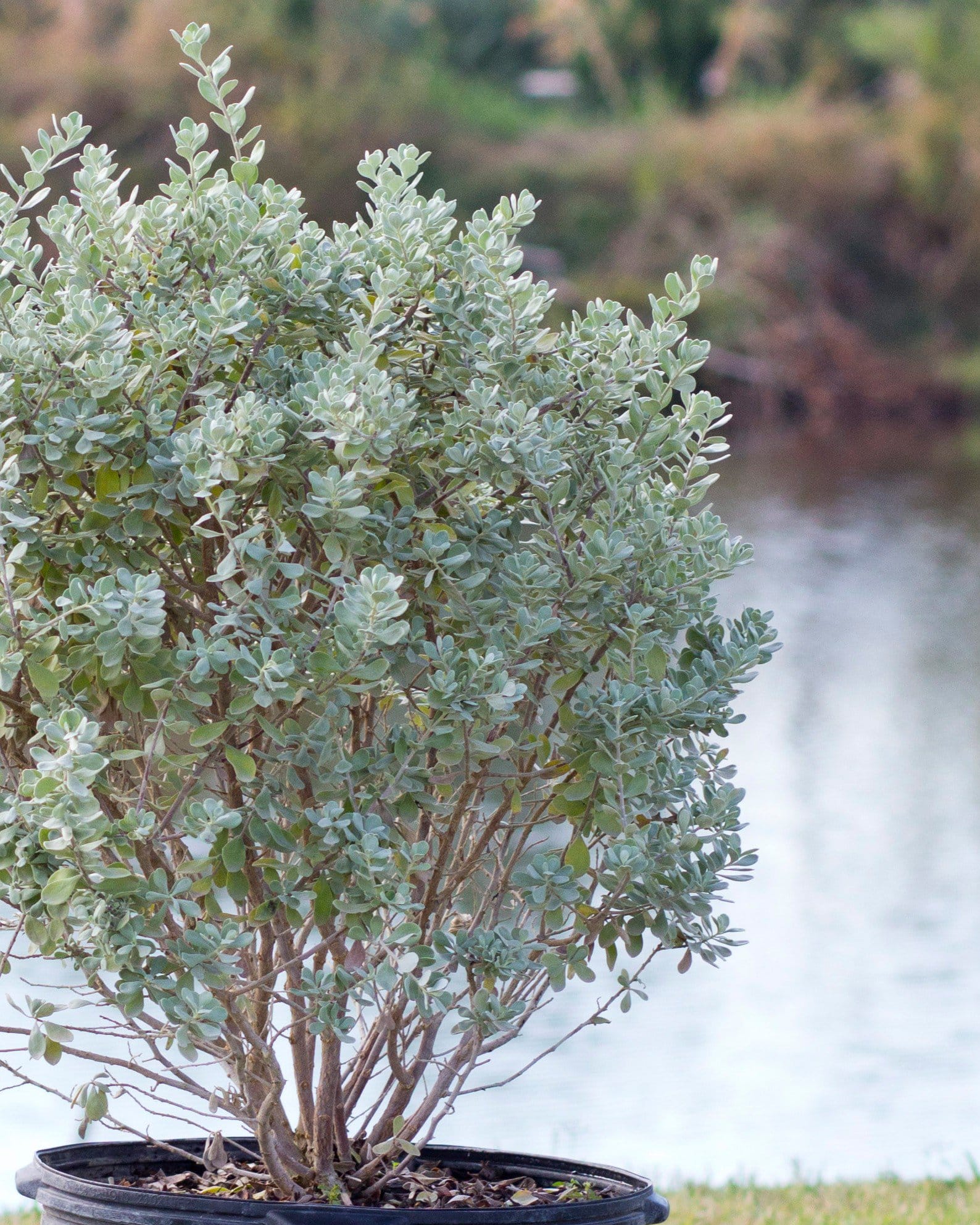
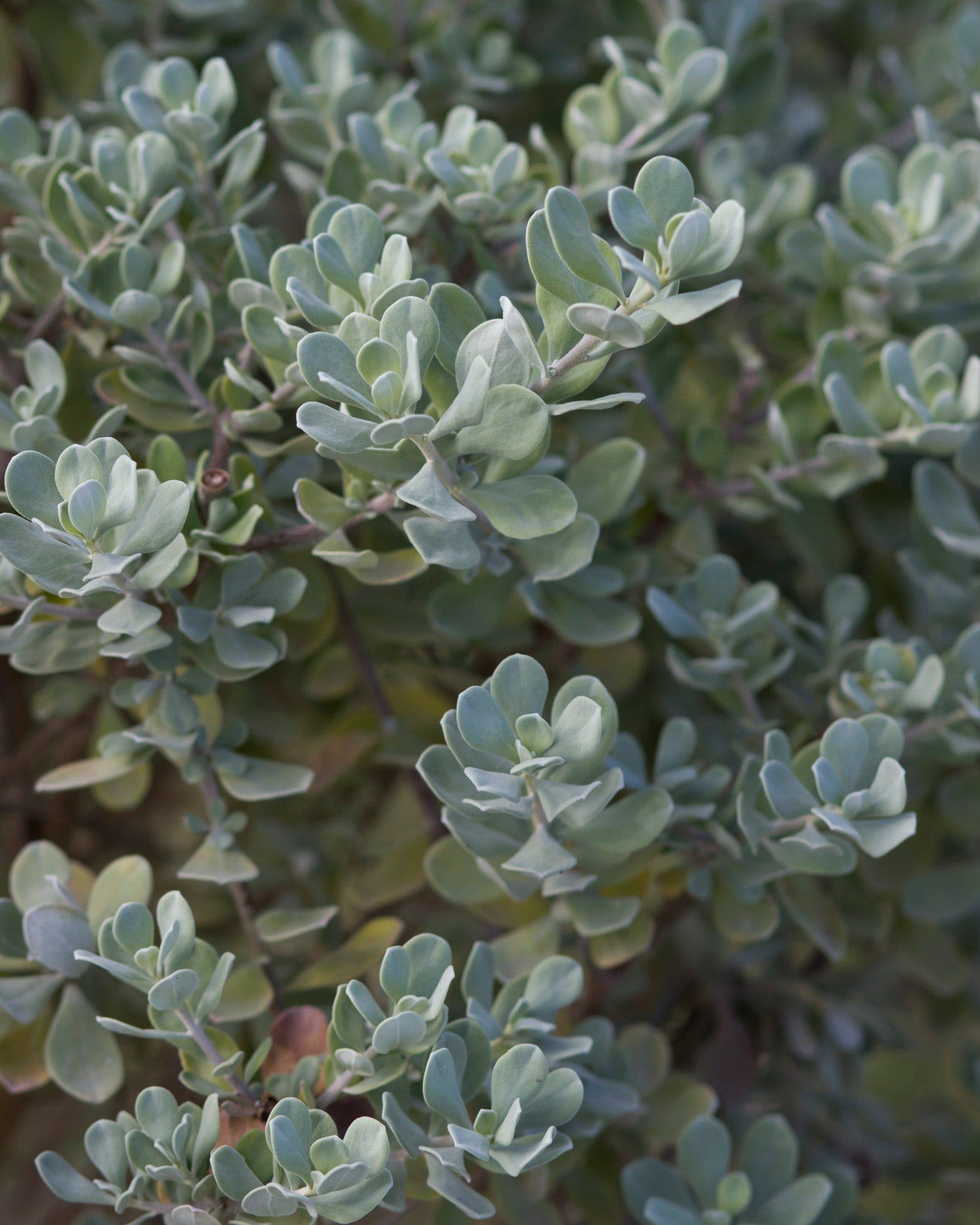
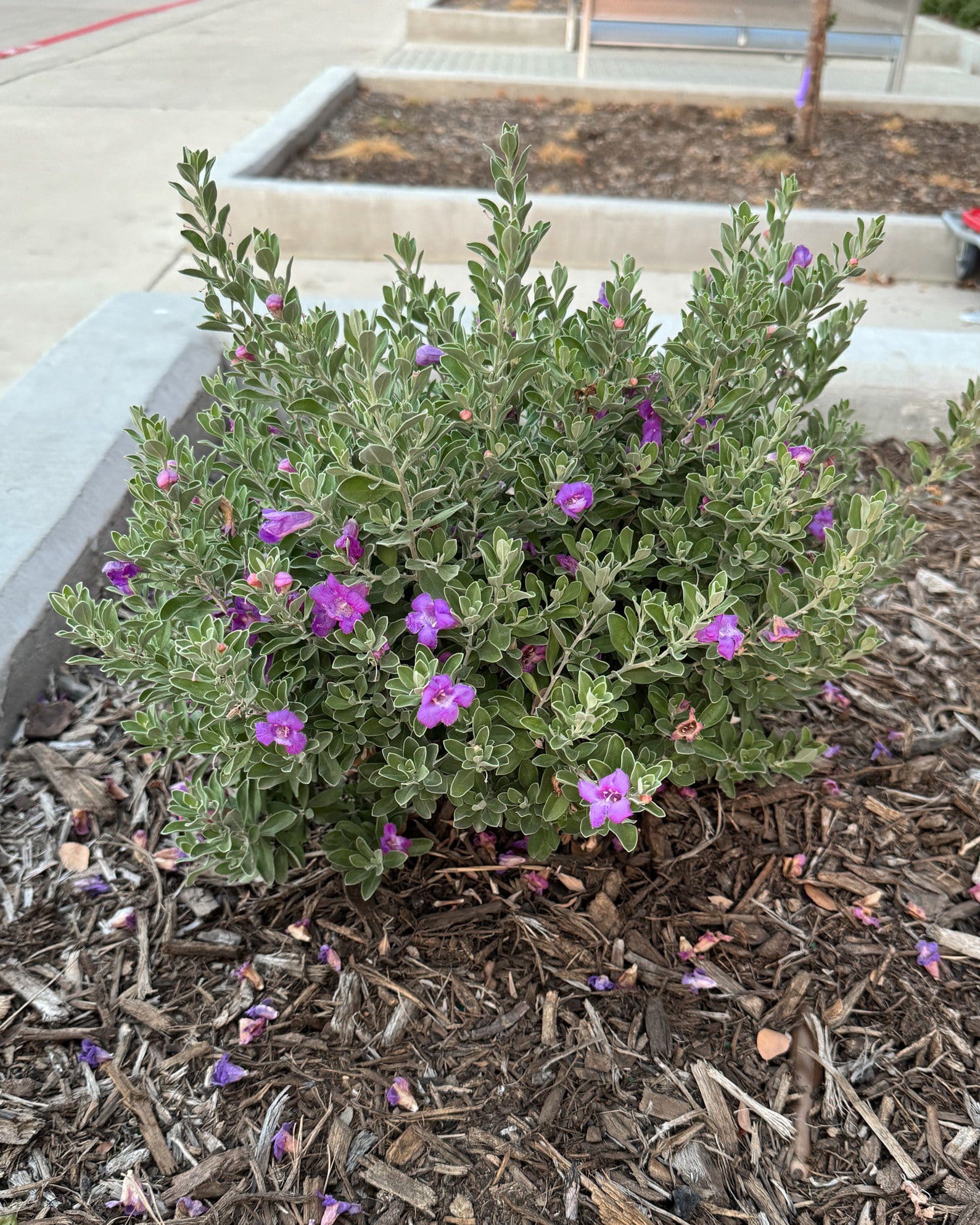
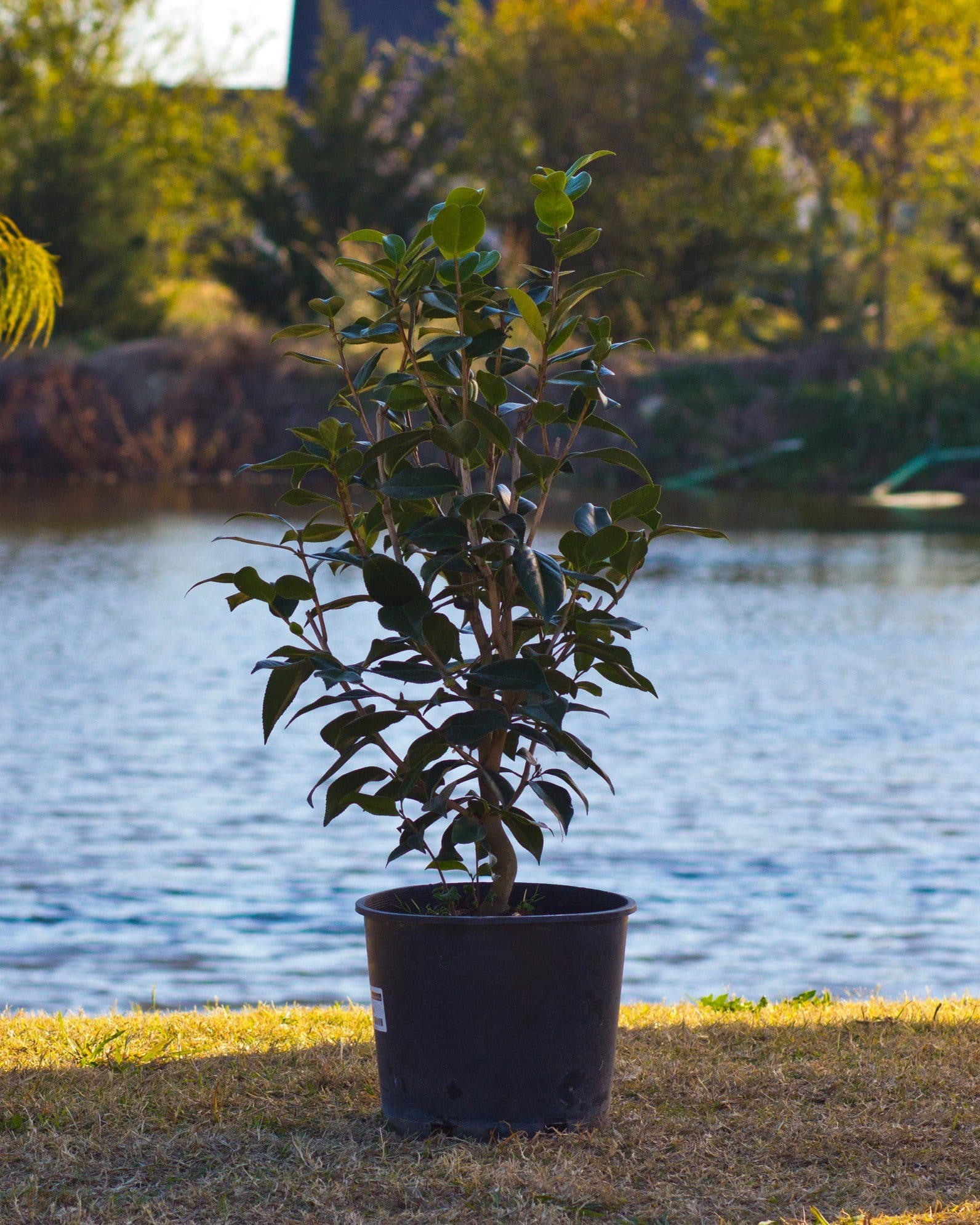
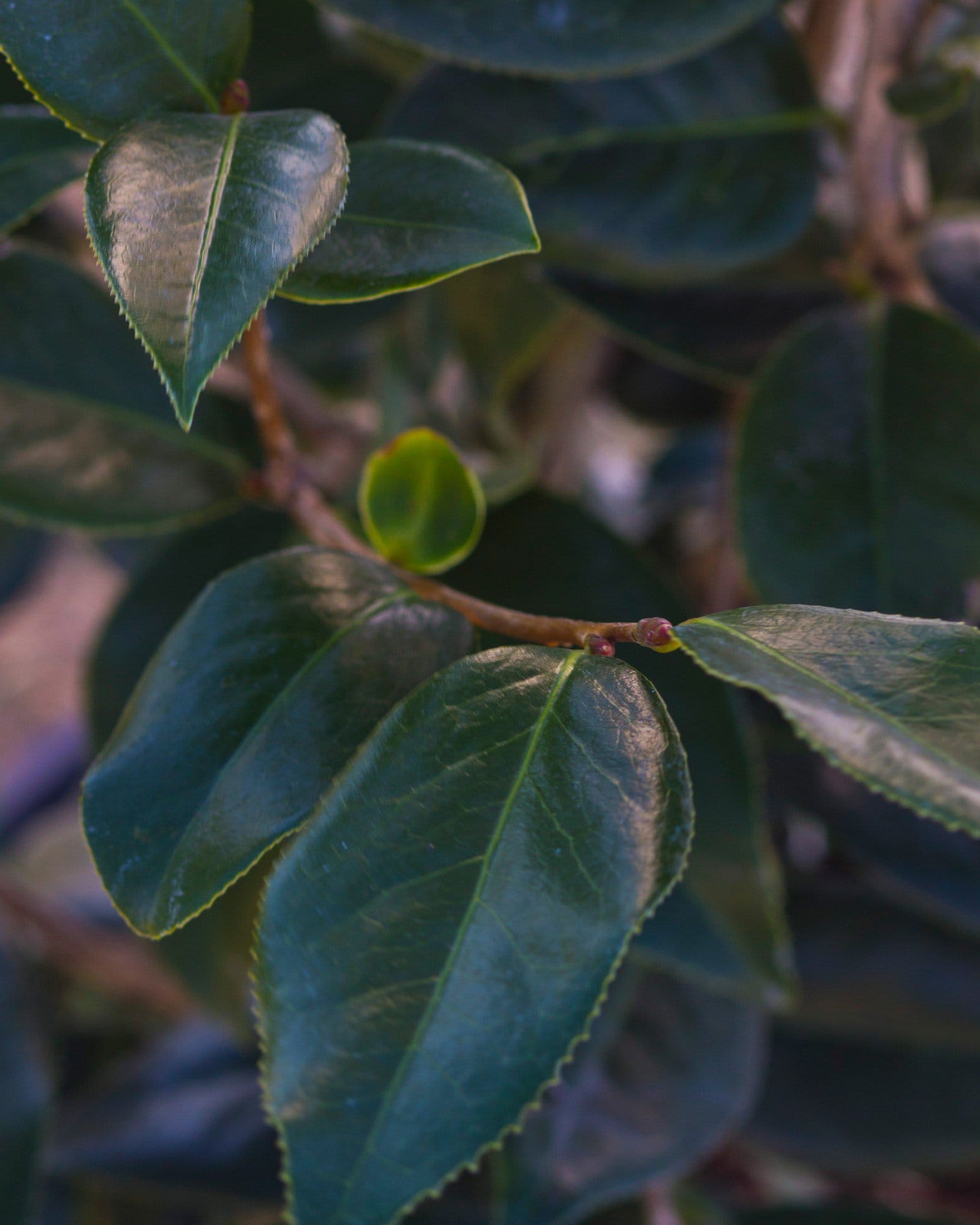
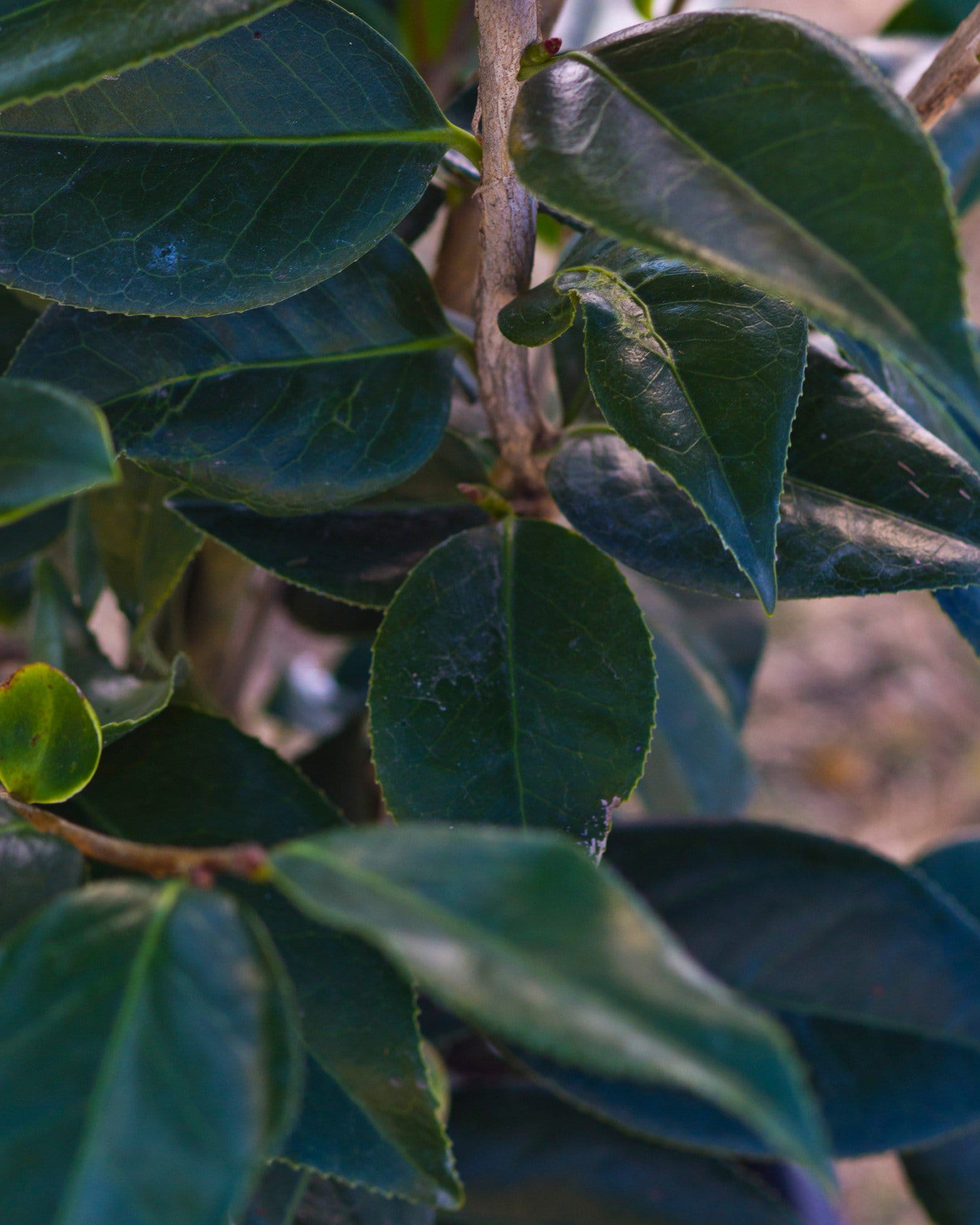
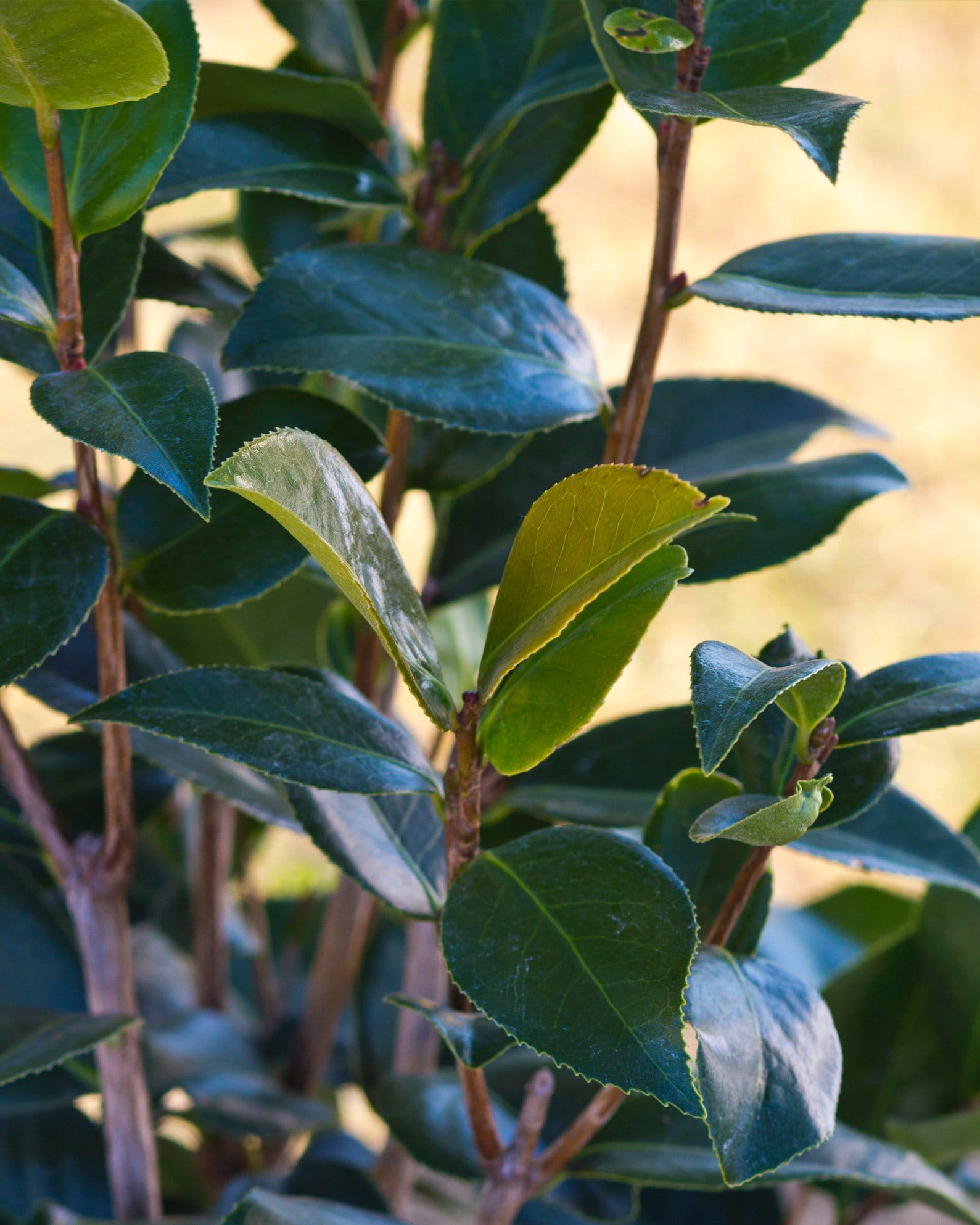
Rhaphiolepis indica 'sPg-3-003'Indian Hawthorn 'Redbird' brings graceful structure and seasonal beauty to any landscape. Each spring, it displays lovely blush pink flower clusters that gently complement its dense, dark green leaves. Growing to about 6 feet tall and equally wide, it forms a broad, rounded silhouette that works beautifully as a flowering hedge, grouped in mass plantings, or as a striking standalone feature. Beyond its spring blooms, the evergreen foliage keeps your outdoor space vibrant year-round, providing lasting texture and color.
- Evergreen shrub
- Broad, rounded growth habit
- Moderate growth rate
- Blush pink flowers blooming in spring
- Great for hedges, mass plantings, or accent use
Hardy in zones 7–10, Indian Hawthorn 'Redbird' is well-suited for North Texas landscapes. Thrives in full sun to partial shade and prefers well-drained soil. With just a bit of seasonal care, it offers reliable beauty and structure season after season.
Indian Hawthorn Redbird is a standout choice for large-scale plantings in warm climates where low-maintenance beauty is needed. Here’s all it needs to thrive in Texas:
- Watering: Water regularly during the first growing season to establish a strong, fibrous root system. Once established, Indian Hawthorn Redbird is moderately drought-tolerant but performs best with consistent moisture during extended dry periods and intense summer heat.
- Pruning: Prune lightly after flowering to maintain shape and remove damaged or crossing branches. Avoid heavy pruning, as Redbird naturally develops a dense, attractive form without frequent cutting.
- Fertilizing: Apply a balanced, slow-release fertilizer in early spring to support healthy foliage and strong flower production. In sandy or nutrient-poor soils, a second light feeding in late spring helps maintain vigor and leaf color.
- Mulching: Apply a 2-3 inch layer of mulch around the base to conserve moisture, regulate soil temperature, and suppress weeds. Keep mulch pulled back a few inches from the stems to prevent moisture-related stem problems.
- Winter Care: Indian Hawthorn Redbird is cold-hardy within its growing range and typically requires no winter protection once established. In colder edge climates, winter mulch helps protect roots during temperature fluctuations.
Indian Hawthorn Redbird is durable and low-maintenance, though a mix of environmental stressors, pests, and diseases may occasionally appear:
- Entoosporium Leaf Spot: Dark purple or black spots may develop on leaves, sometimes leading to thinning foliage. Removing infected leaves and improving airflow helps reduce future outbreaks.
- Freeze Burn: Leaves may bronze or scorch after sudden hard freezes. Plants usually recover in spring, and protected planting locations help minimize damage.
- Spider Mites: Fine stippling or a dull appearance may develop during hot, dry weather. Rinsing foliage and maintaining consistent moisture helps control infestations.
- Iron Deficiency: Yellowing leaves with green veins may appear in alkaline soils. Applying chelated iron and improving soil conditions restores healthy coloration.
- Poor Drainage Stress: Slow growth or leaf drop may occur in poorly drained soils. Improving drainage and avoiding overwatering support long-term plant health.
Indian Hawthorn Redbird typically lives 30-50 years with proper care. Its evergreen habit and dense branching support long-term landscape structure. Mature plants often become more resilient and fuller over time.
It grows at a moderate rate, adding approximately 8-12 inches per year. Light flowering usually begins within the first few years, with full size and mature density reached in 6-8 years. Growth remains balanced and dependable as it matures.
The vibrant spring flower clusters attract bees and other beneficial insects. Blooming aligns with rising pollinator activity. Group plantings increase visibility and visitation.
Indian Hawthorn Redbird is considered moderately deer-resistant. Browsing may occur when food sources are scarce. Established plants typically recover quickly from minor damage.
It can be grown in large containers during its early years. Containers allow controlled placement near patios or entryways. Long-term performance is best when planted in the ground.
Division is not recommended due to its woody growth habit. New plants are best established from nursery-grown stock. Attempting division may weaken the shrub.
Mass plantings create bold evergreen structure with enhanced spring color impact. Repetition provides clean lines in both formal and informal designs. Groupings deliver consistent year-round coverage.
Indian Hawthorn Redbird pairs beautifully with liriope, ornamental grasses, dwarf yaupon holly, and flowering perennials. Contrasting textures enhance visual depth. These combinations maintain interest across seasons.
Indian Hawthorn Redbird maintains a tidy, non-invasive growth habit. It does not spread aggressively or sucker. Minimal pruning keeps growth well controlled.
Once established, it requires little care beyond occasional pruning and watering. Its evergreen form reduces seasonal maintenance needs. Reliable performance makes it a landscape favorite.
Special Features
You might also like
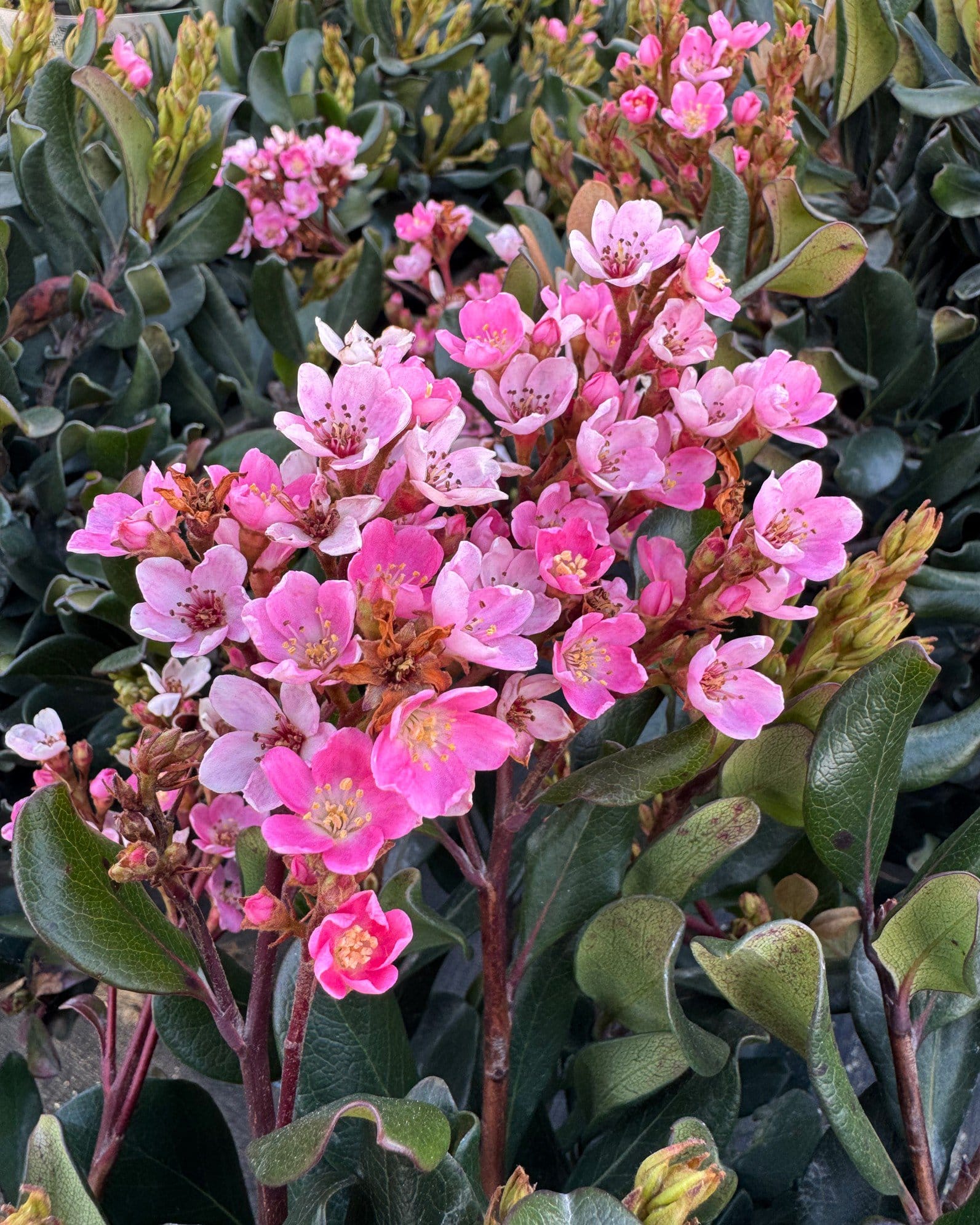
Indian Hawthorn Calisto
Maturity: 3' H x 3' W
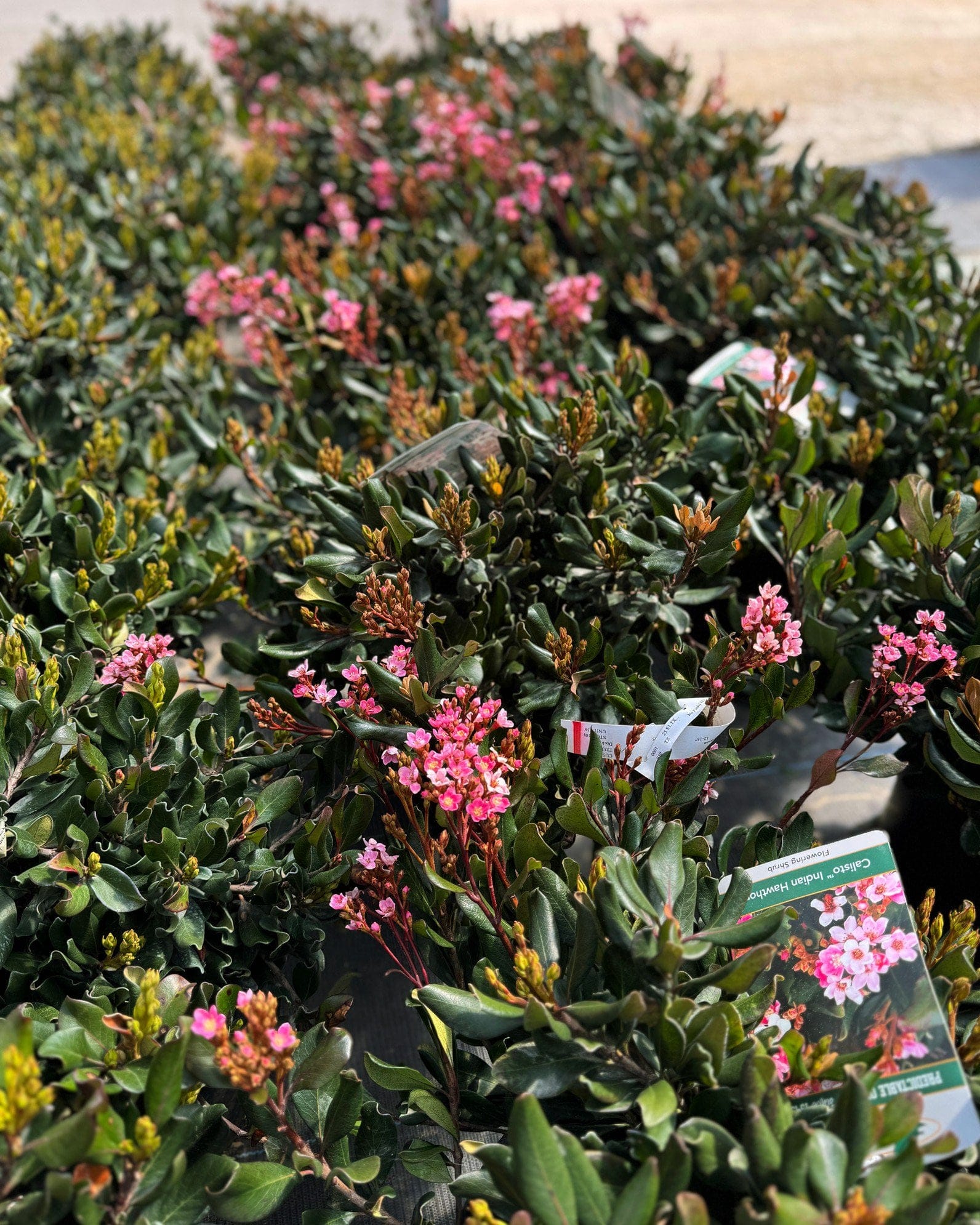
Indian Hawthorn Eleanor Tabor
Maturity: 3' H x 4' W
Indian Hawthorn Pinkie
Maturity: 2' H x 3' W
Indian Hawthorn Clara
Maturity: 4' H x 4' W
Indian Hawthorn Dwarf Umbellata
Maturity: 3' H x 3' W
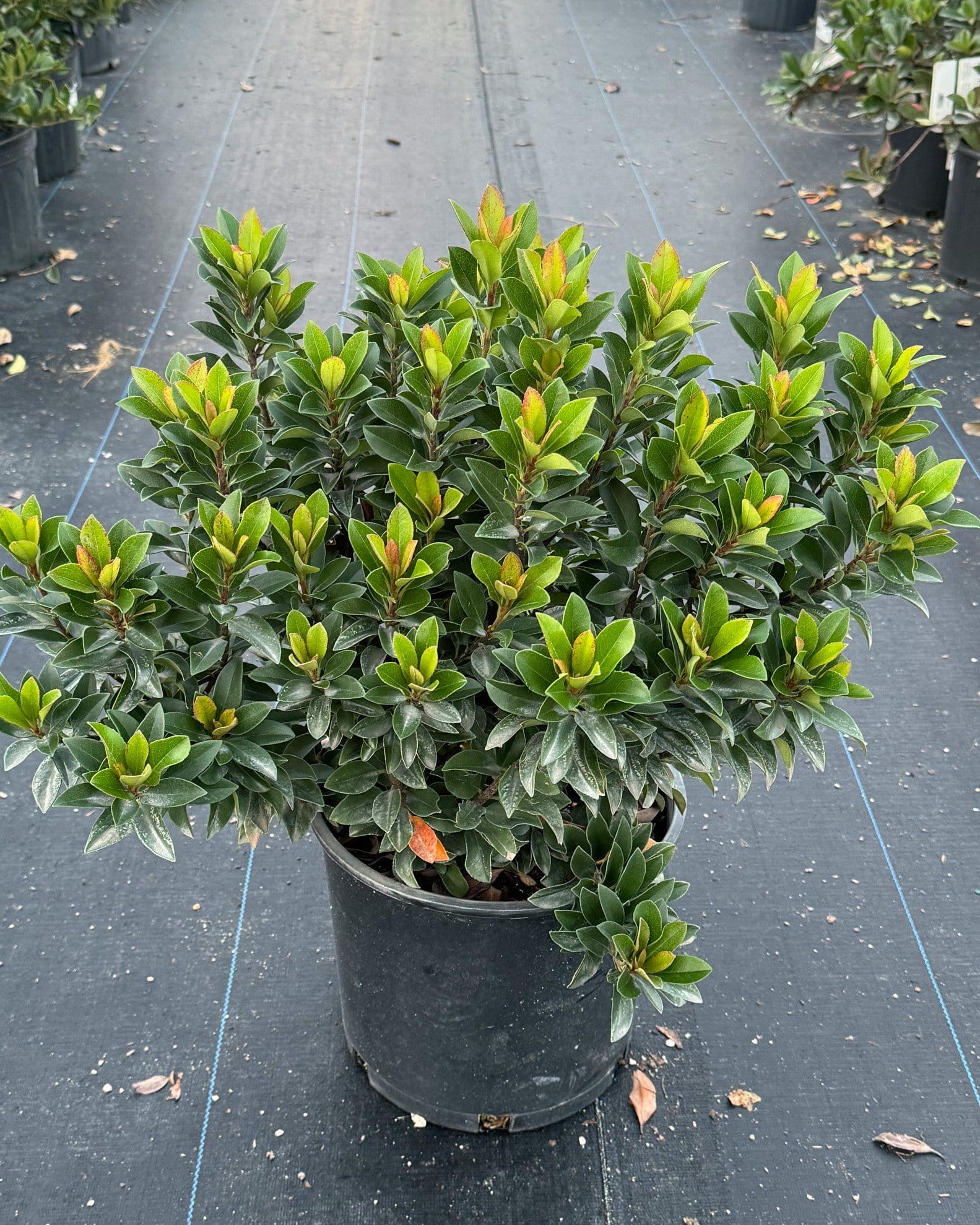
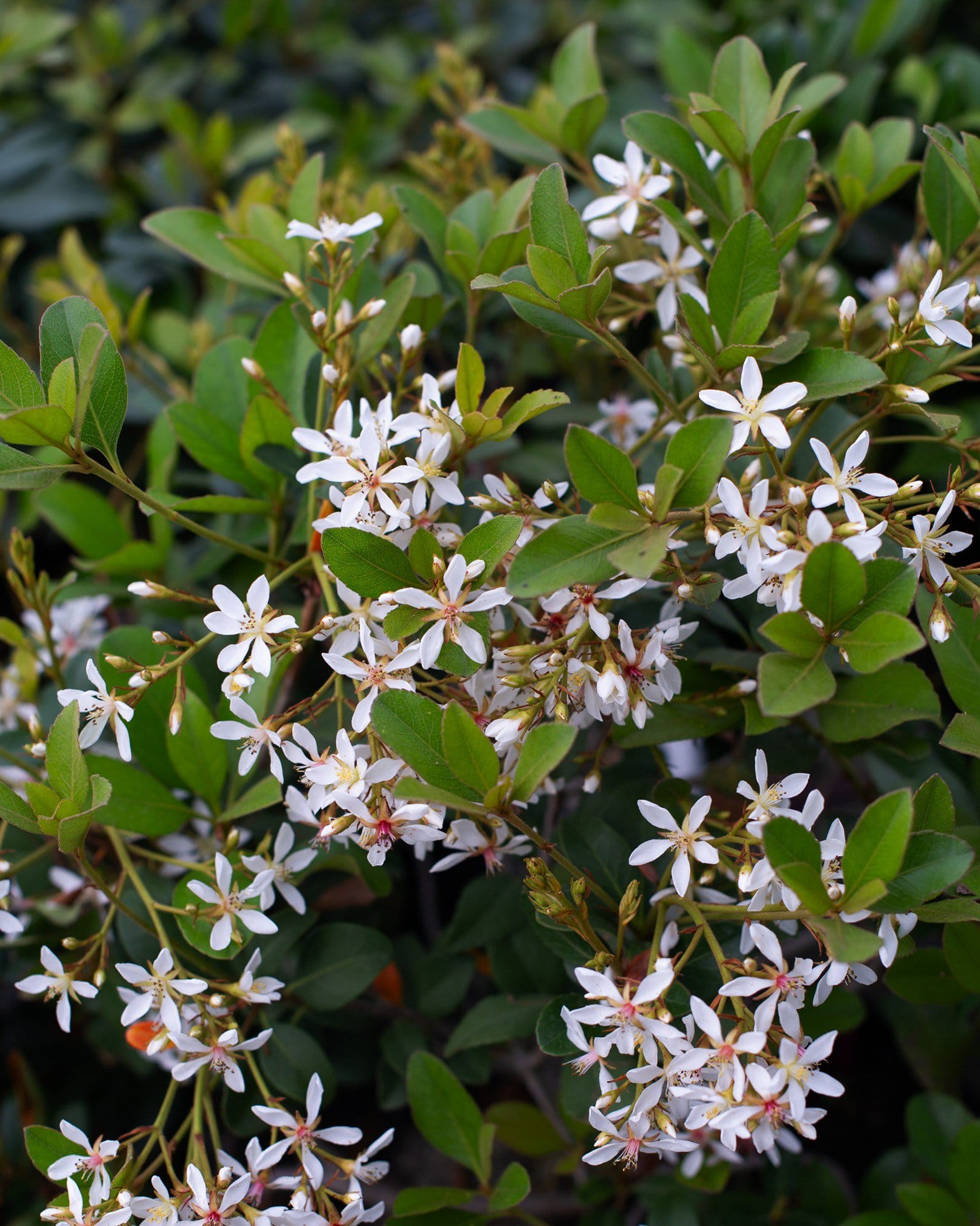
Indian Hawthorn Snow White
Maturity: 3' H x 3' W
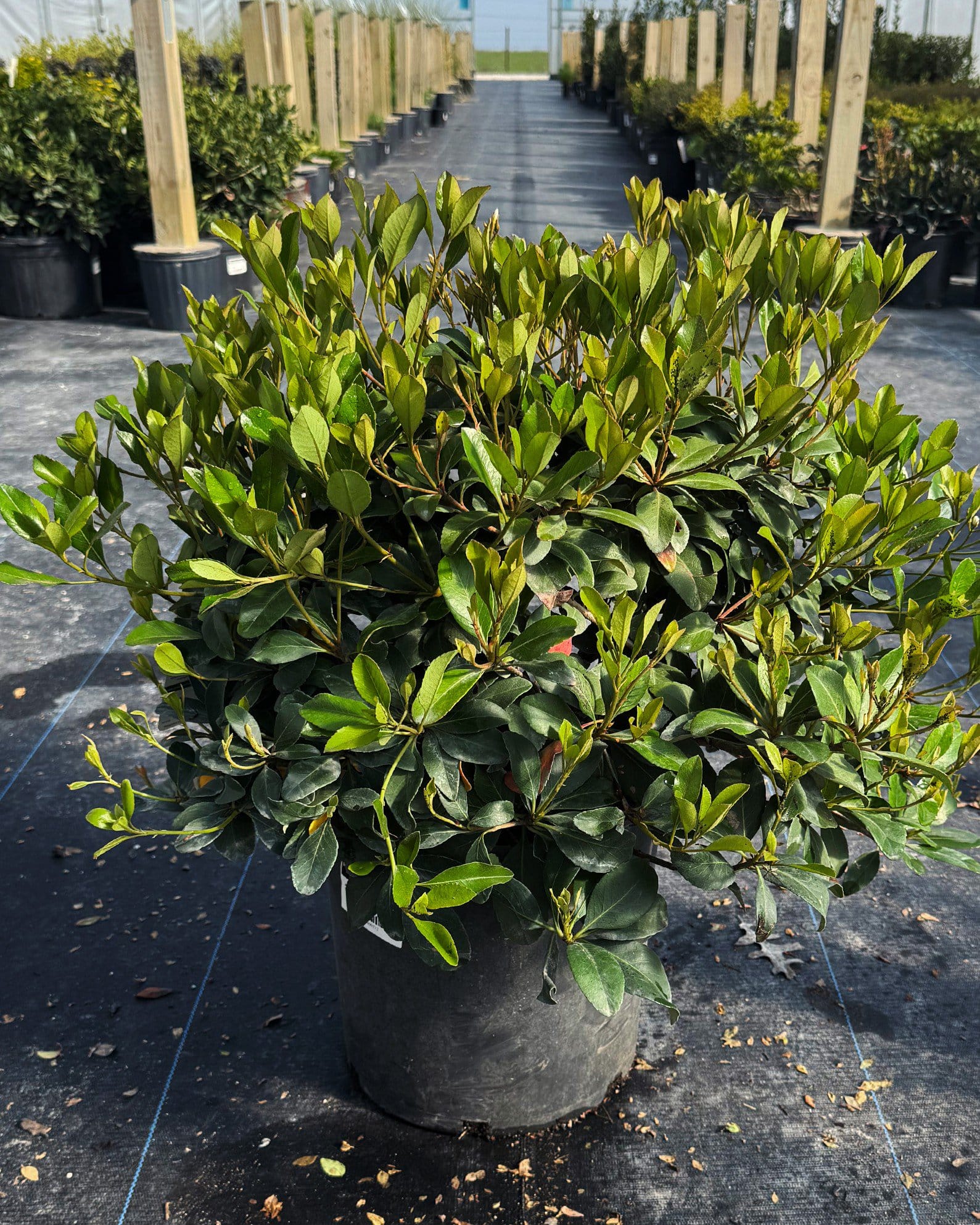
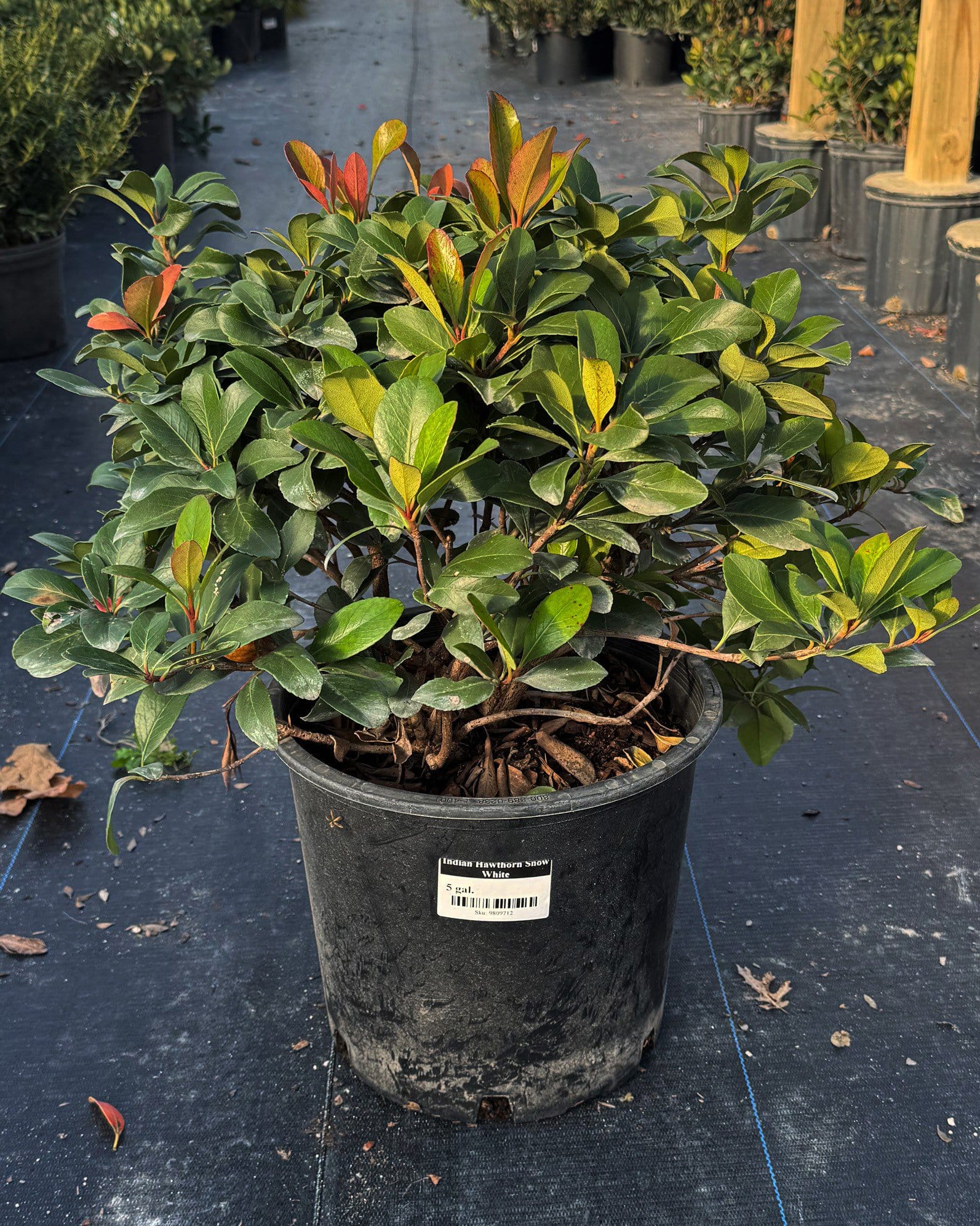
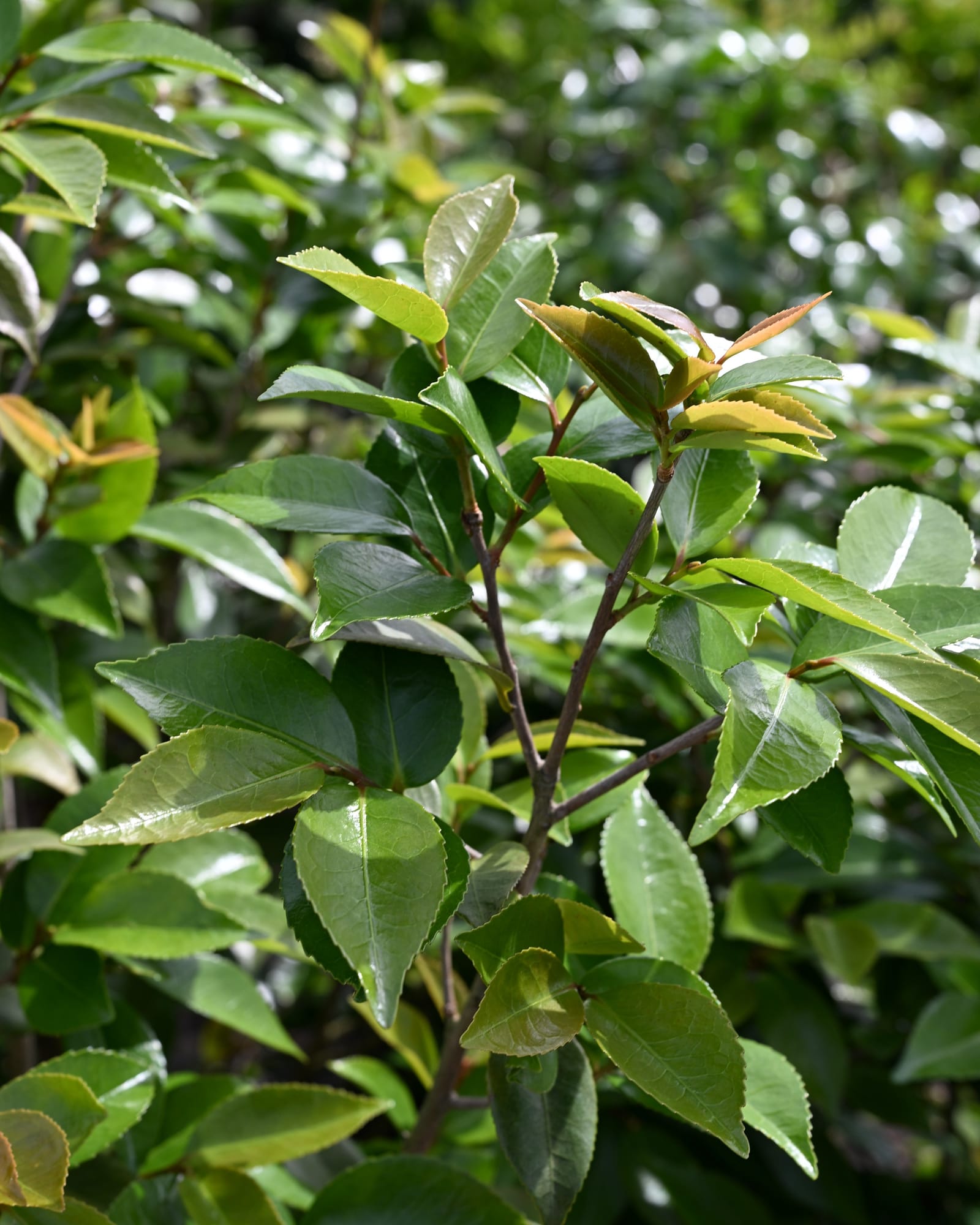
High Fragrance Camellia
Maturity: 8' H x 6' W
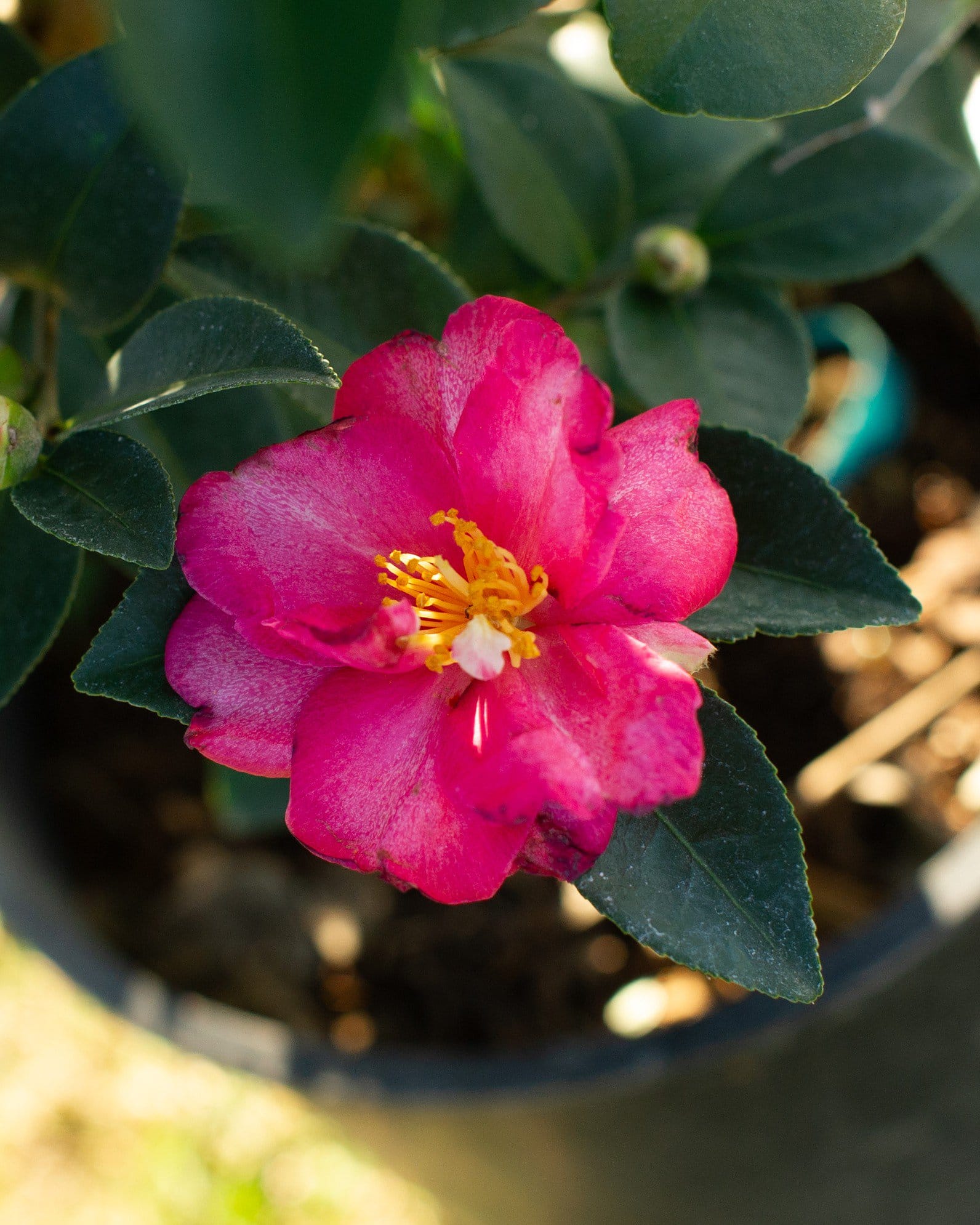
Kanjiro Camellia
Maturity: 8' H x 6' W
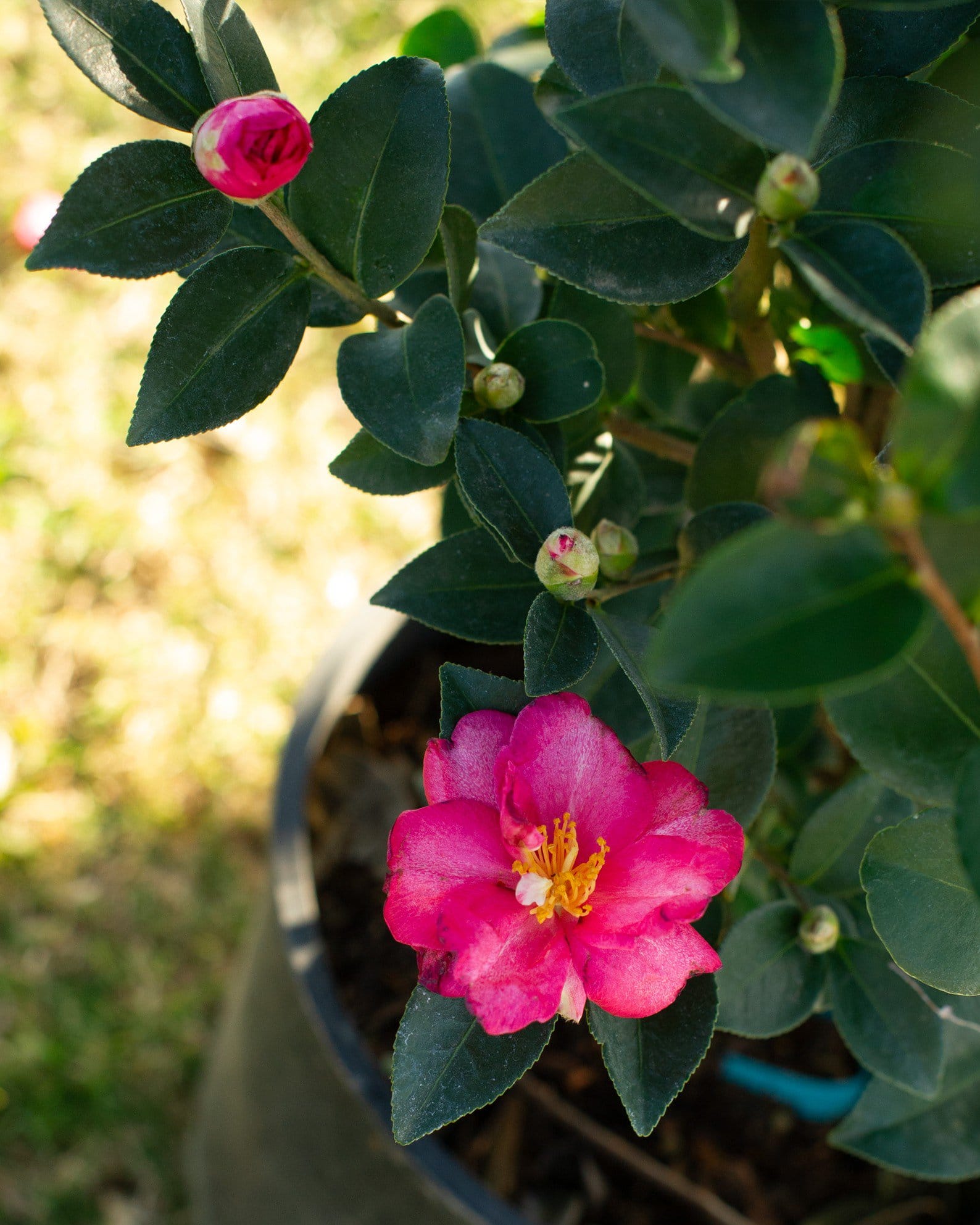
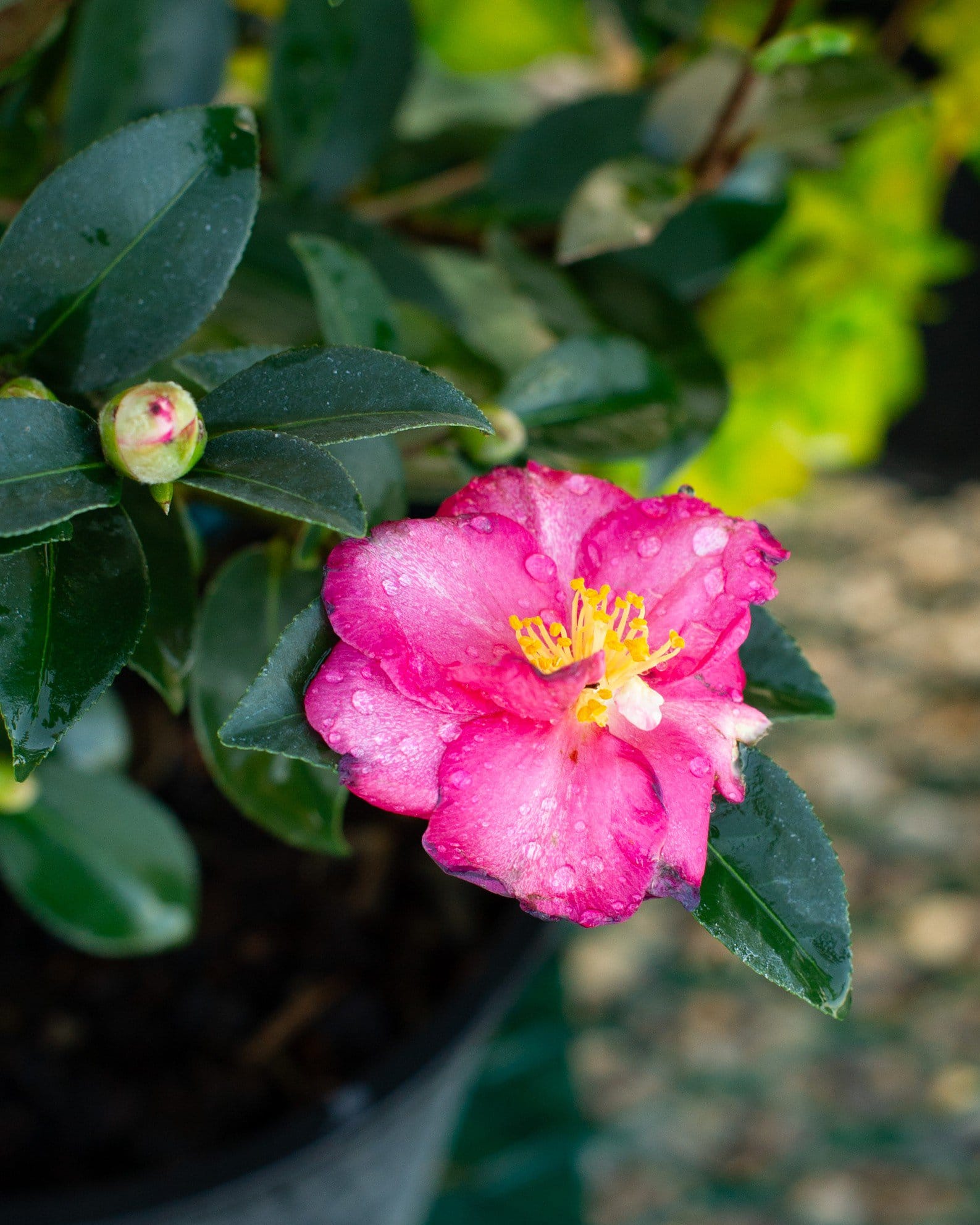
Shishi Gashira Camellia
Maturity: 4' H x 6' W
Compacta Texas Sage
Maturity: 3' H x 3' W
Desperado Texas Sage
Maturity: 6' H x 4' W
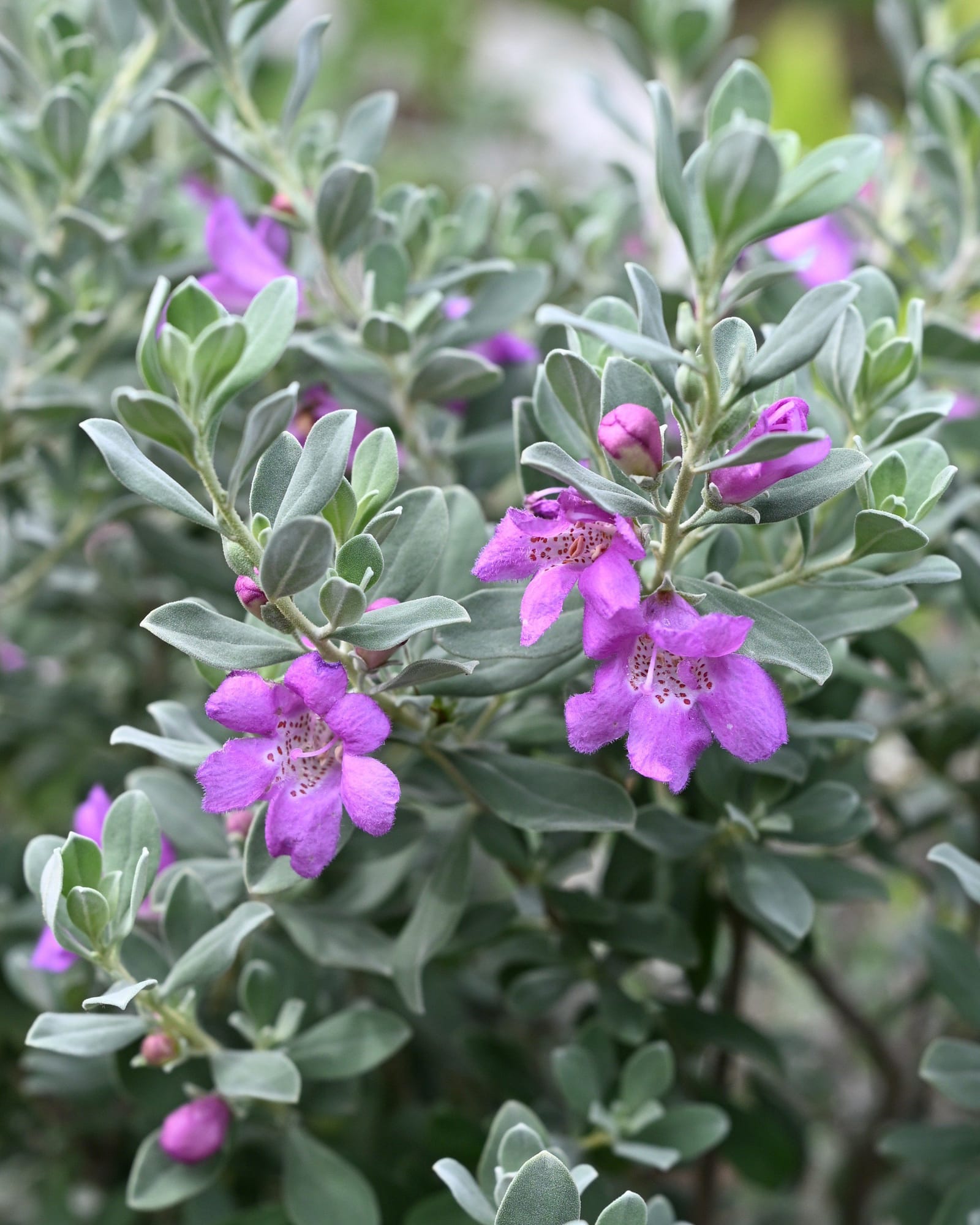
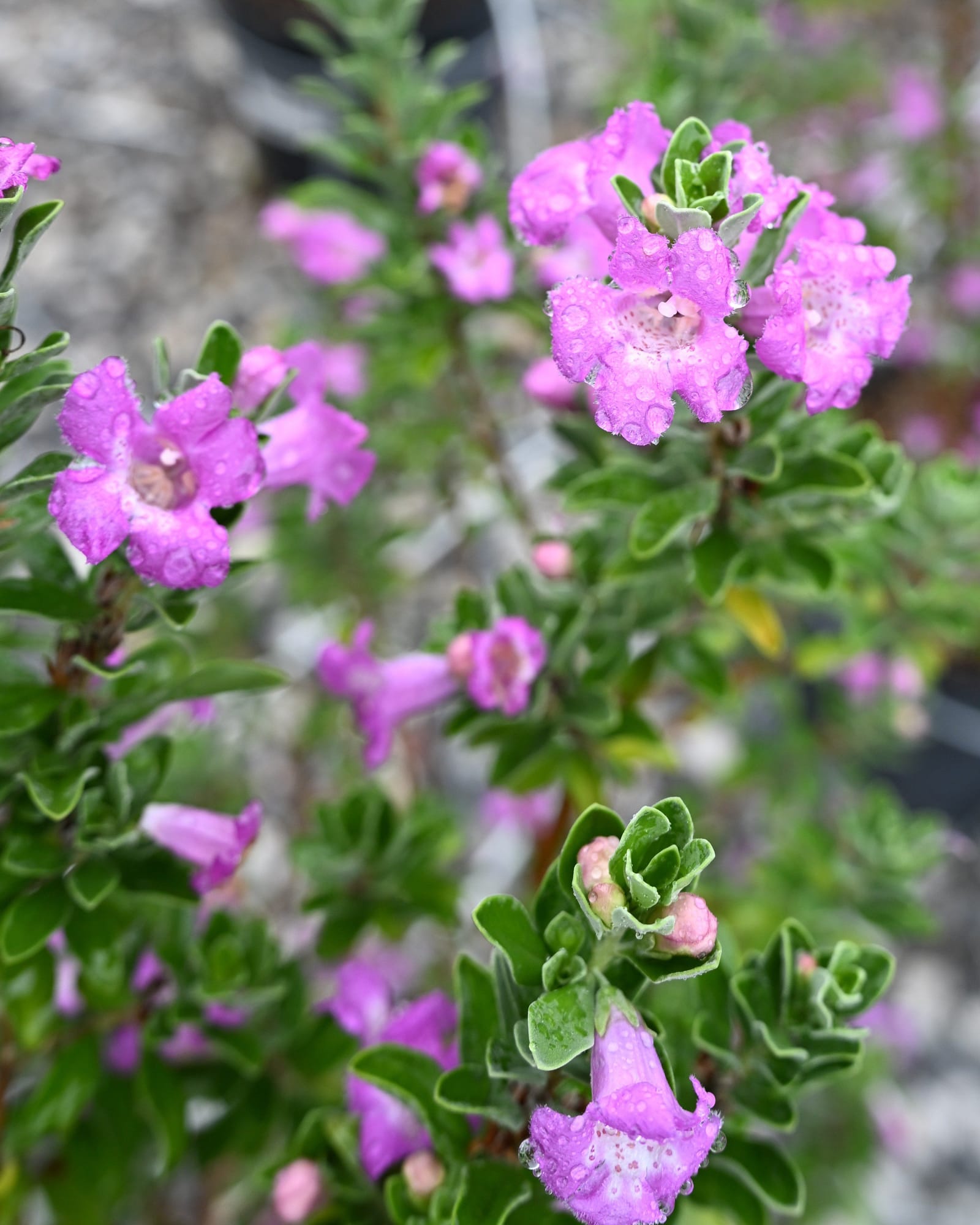
Green Cloud Texas Sage
Maturity: 6' H x 6' W
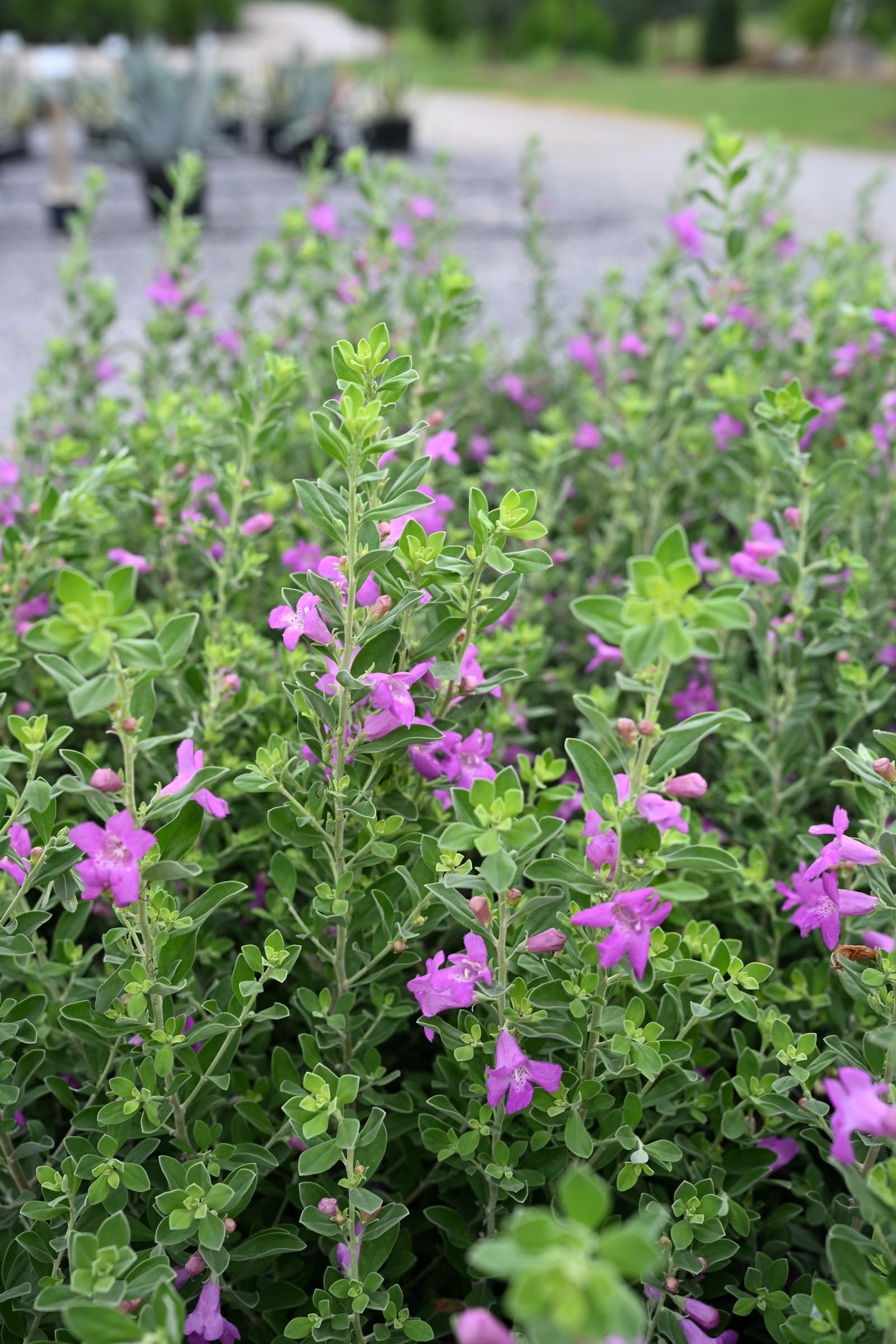
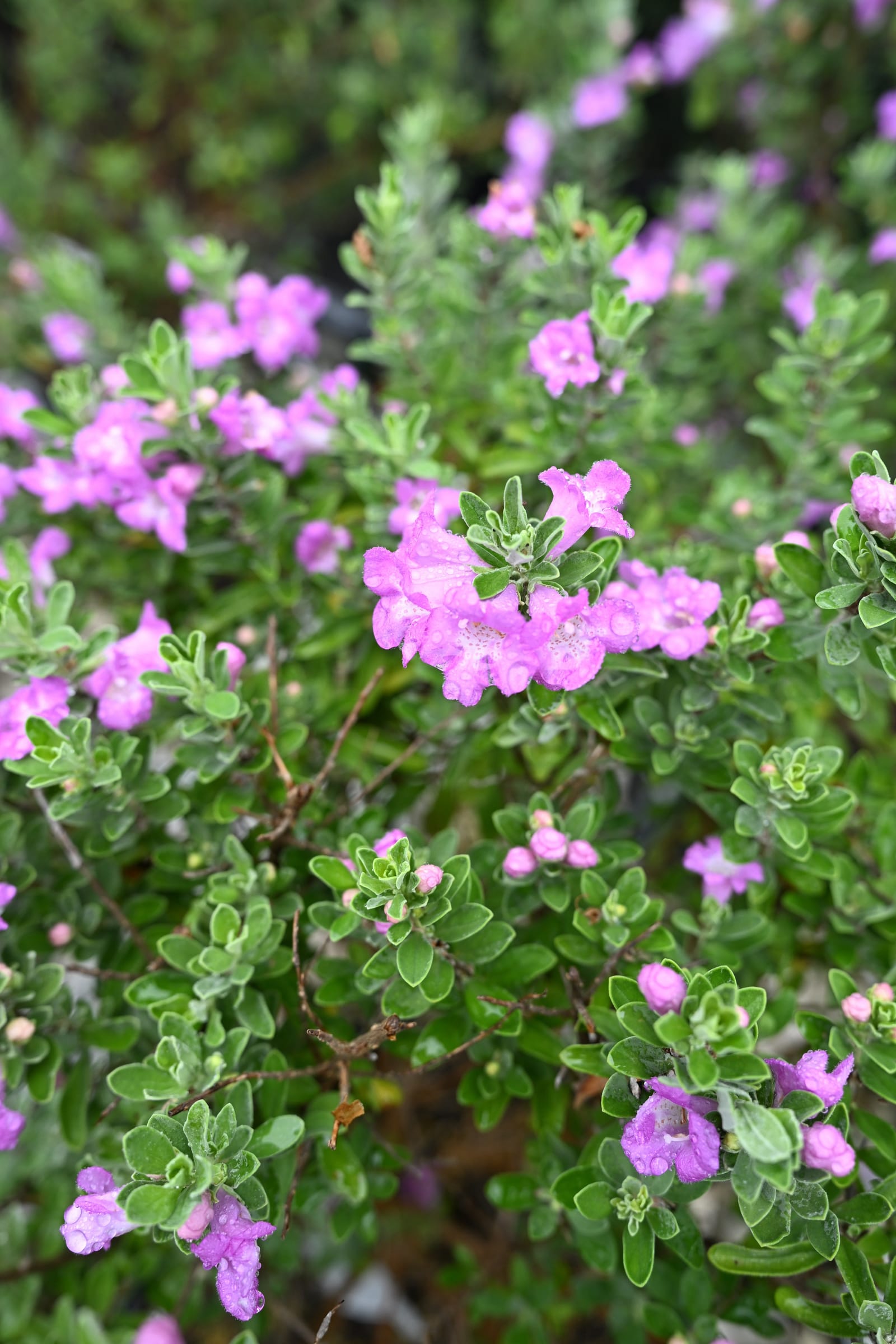
Heavenly Cloud Texas Sage
Maturity: 6' H x 5' W
Royal Velvet Camellia
Maturity: 6' H x 6' W
San Antonio Texas Sage
Maturity: 4' H x 4' W
Compare Similar Plants
Indian Hawthorn Redbird This plant | ||
|---|---|---|
| Scientific Name | Rhaphiolepis indica 'sPg-3-003' | Rhaphiolepis indica ‘Calisto’ |
| Size at Maturity | 6' H x 6' W | 3' H x 3' W |
| Leaf Retention | Evergreen | Evergreen |
| Flower Color | Pink | Pink |
| Bloom Times | Spring | Spring |
| Sizes Available | — | 3 gal |


Our 1-Year Planting Guarantee
We take pride in our plants and installation services. If any plants or trees installed by Treeland fail to thrive within the first year, we'll provide a replacement credit in accordance with our guarantee program.
Learn More About Our Guarantee