
 Texas Native
Desperado Texas Sage
Leucophyllum frutescens 'Greado'Local DFW Delivery Only
Product Details
Desperado Texas Sage
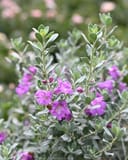
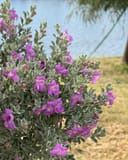
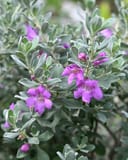
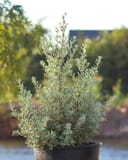
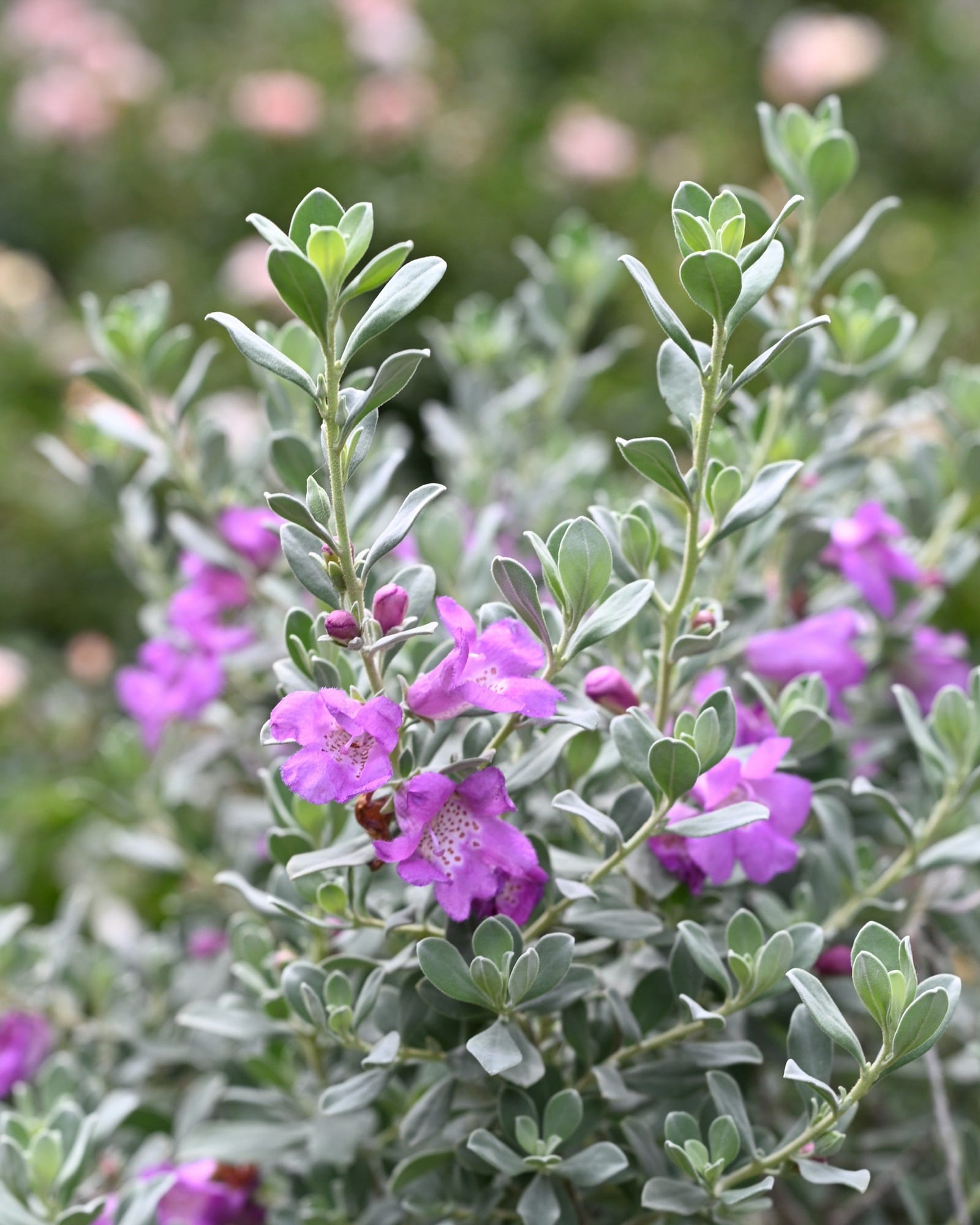
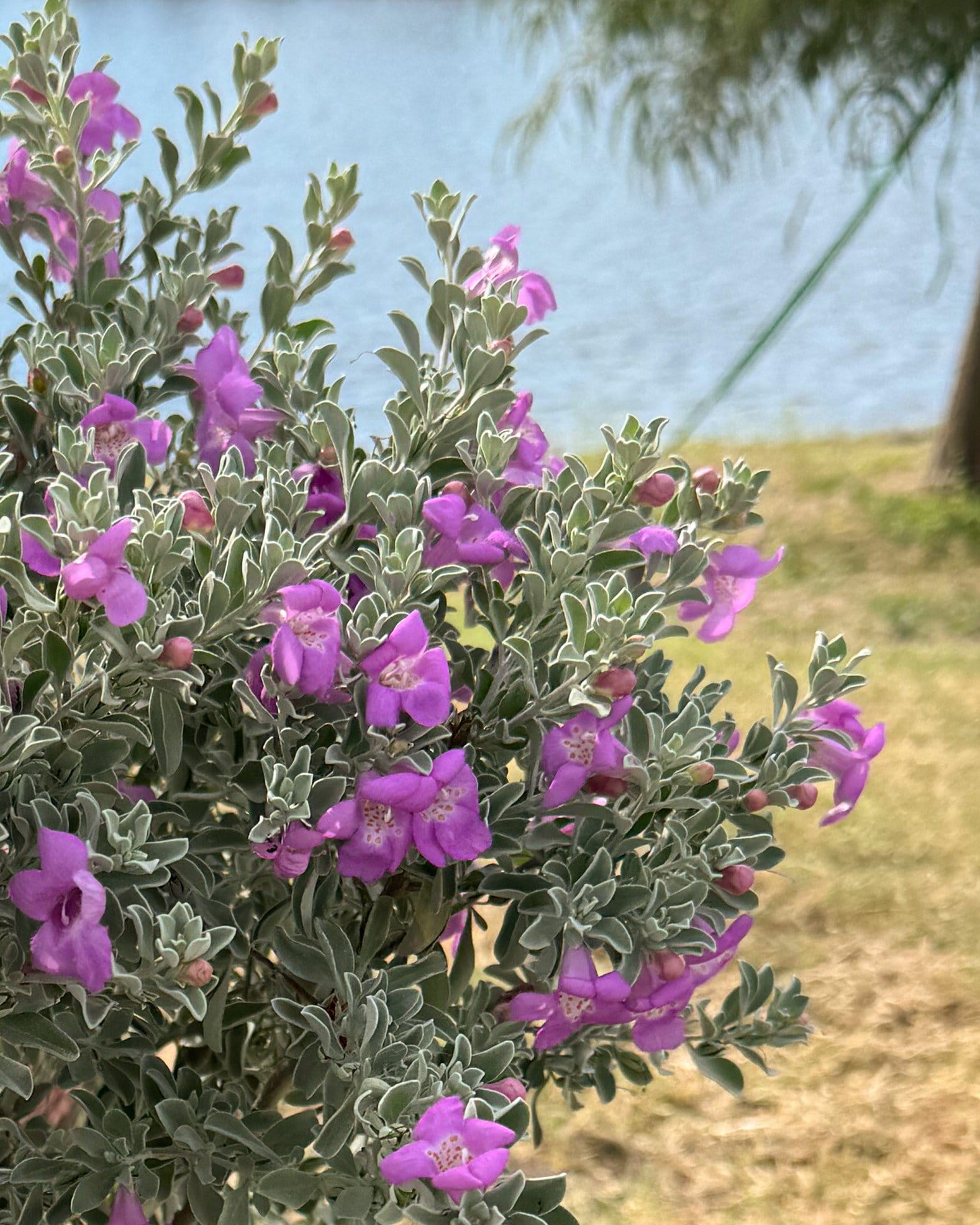
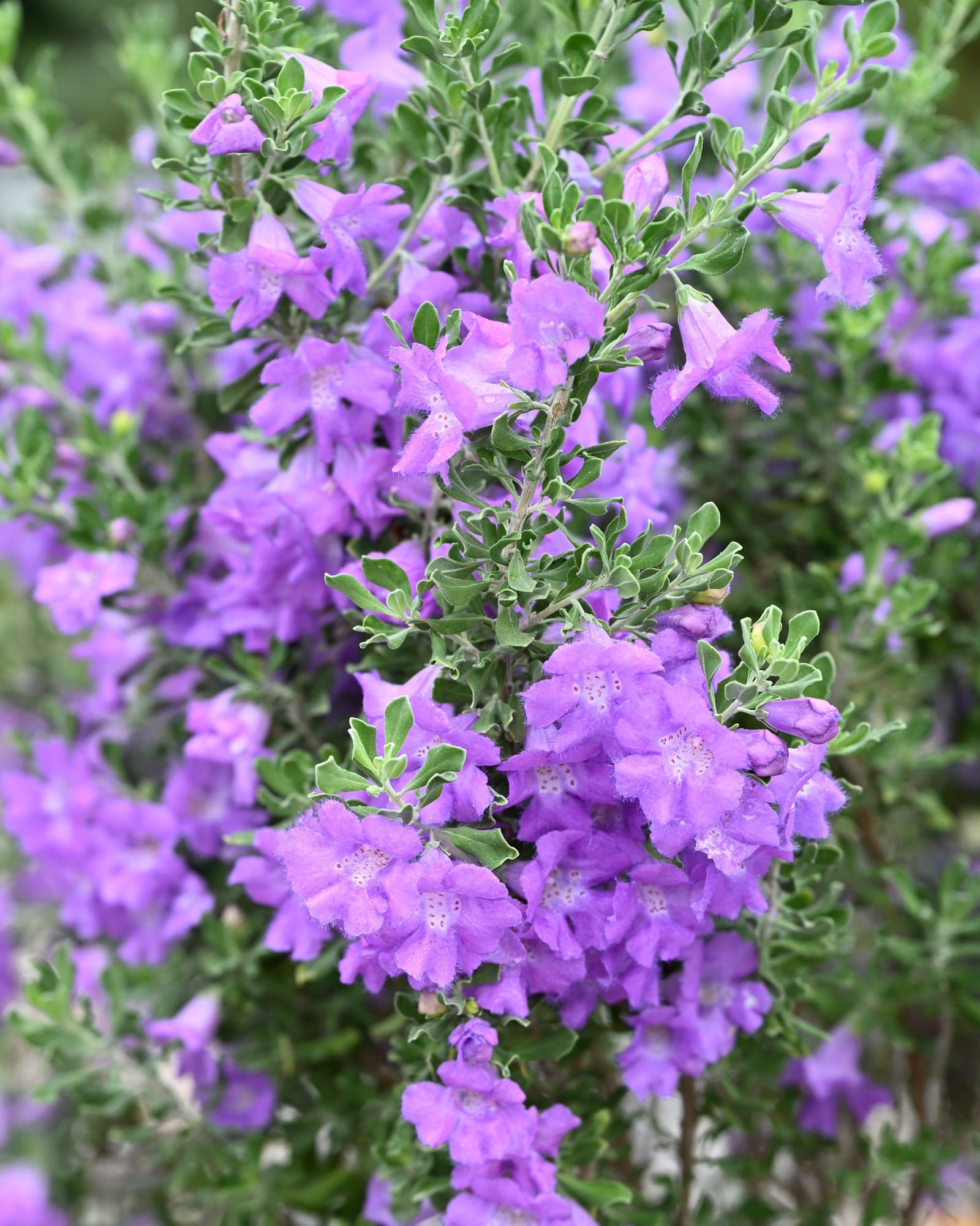
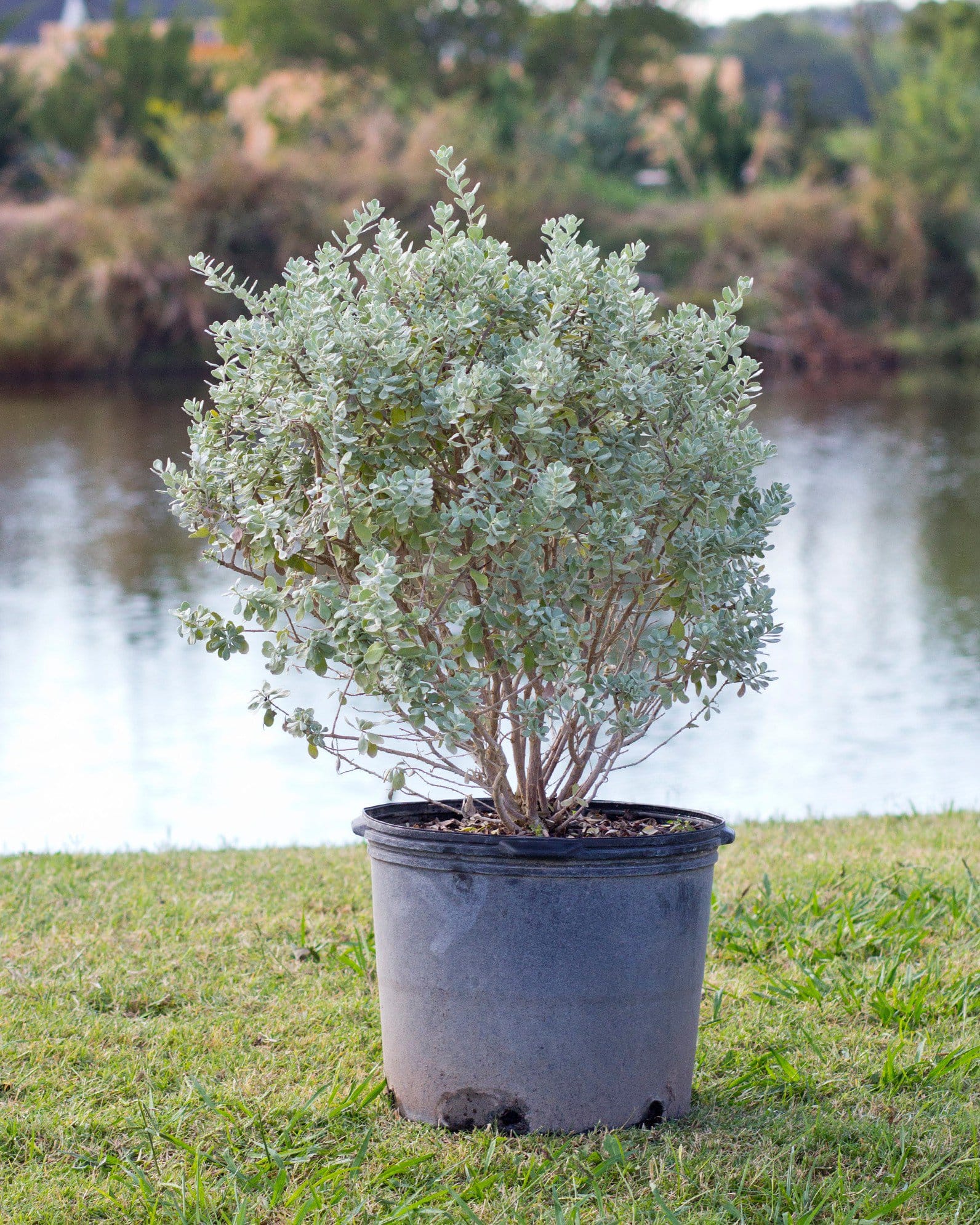
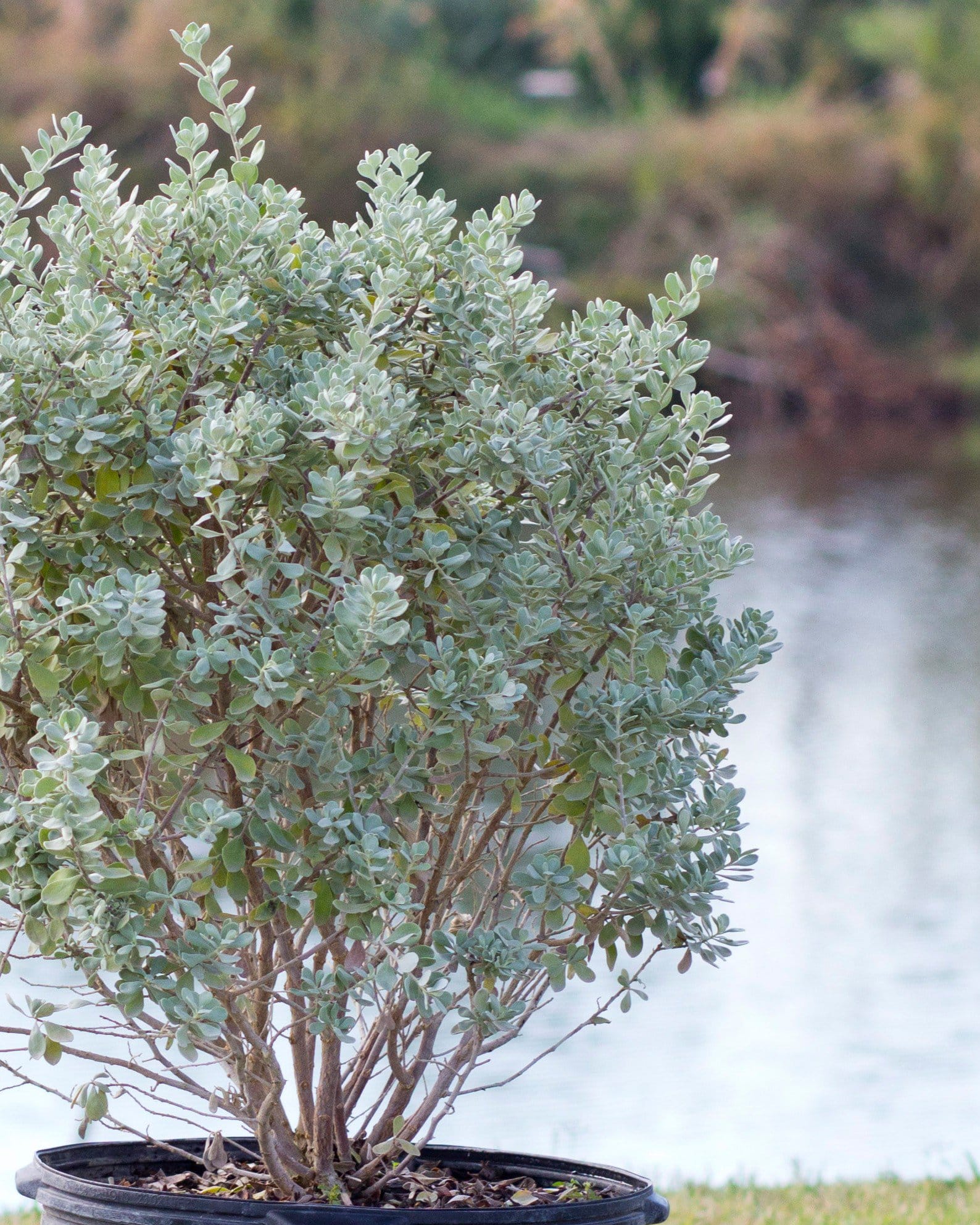
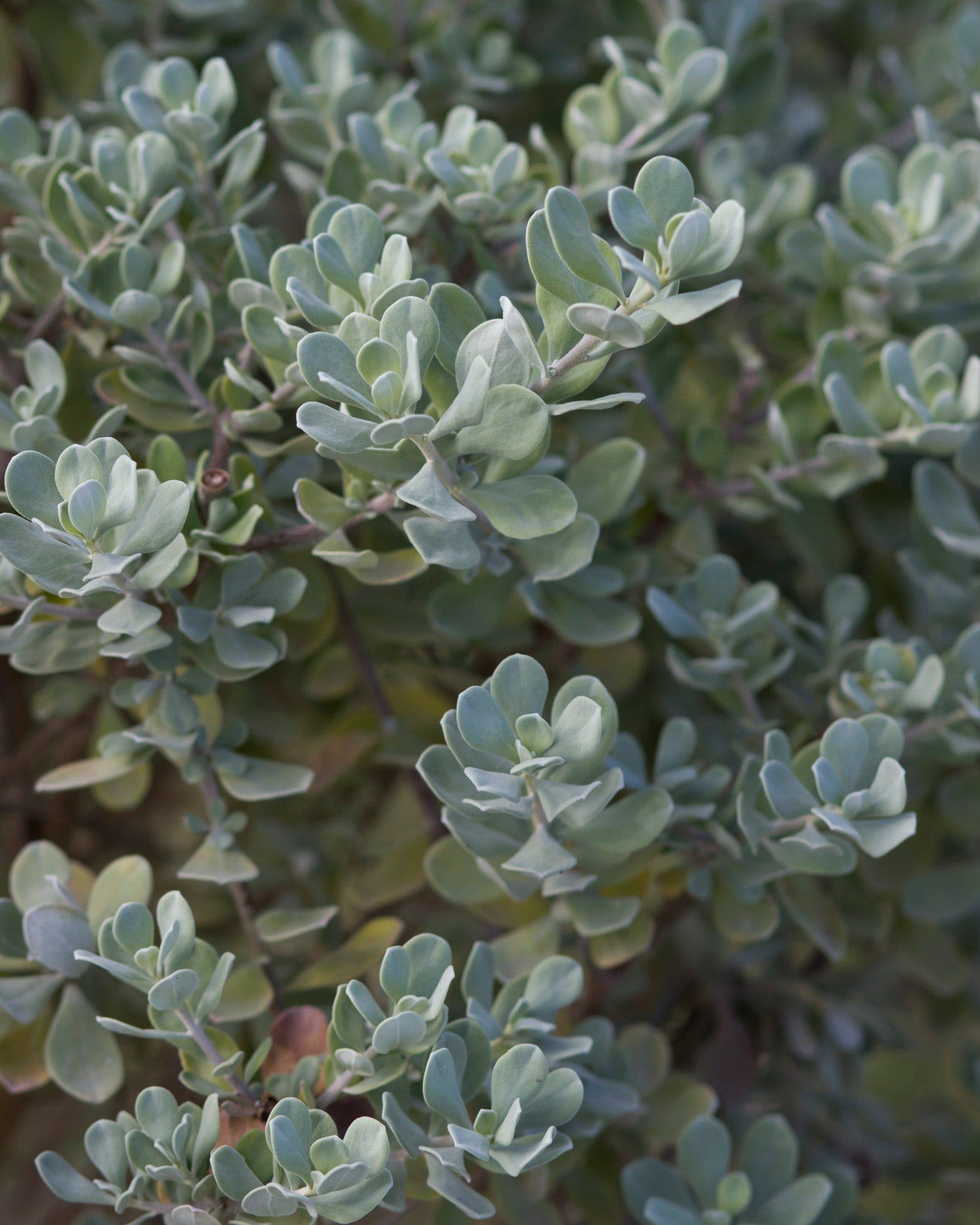
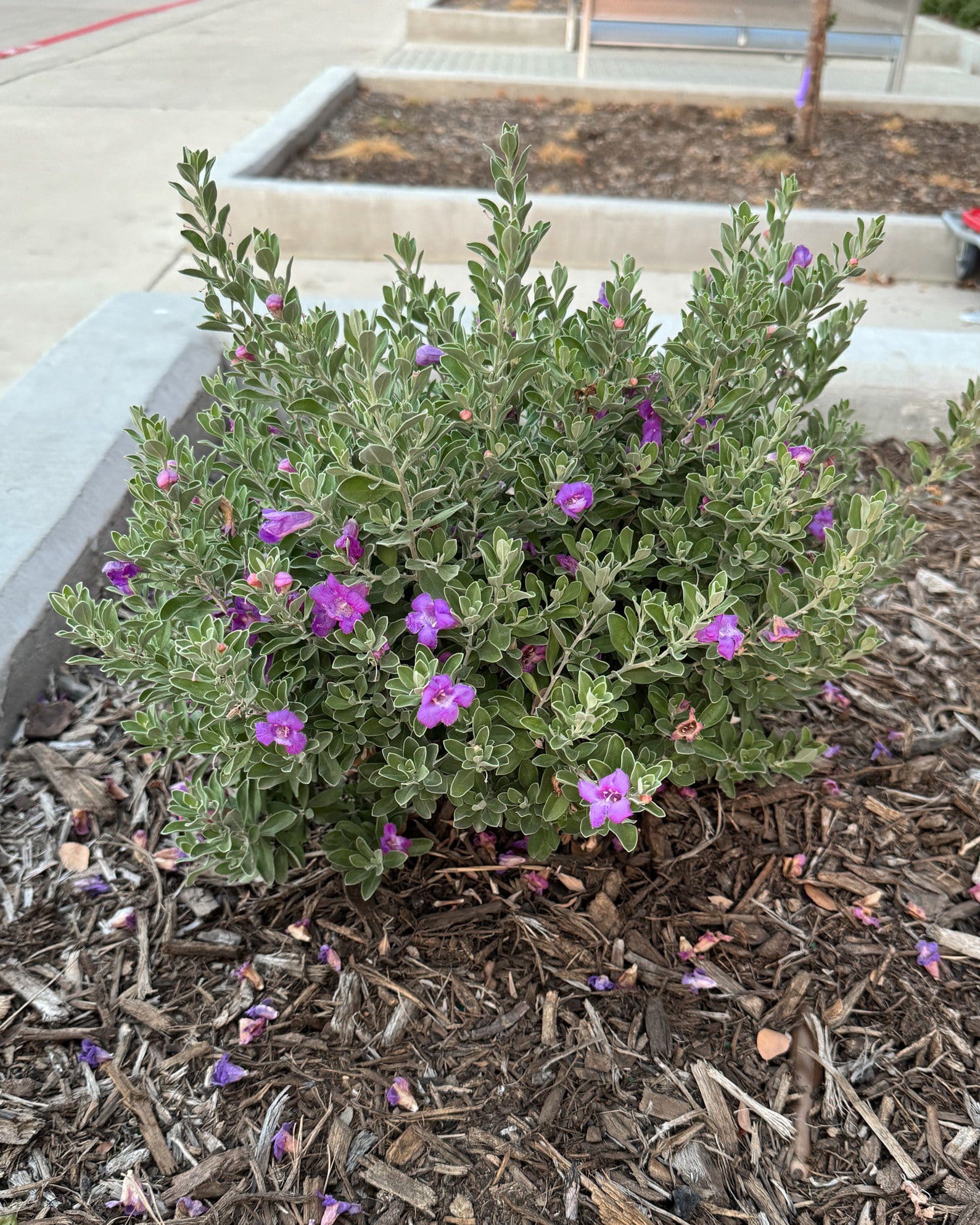
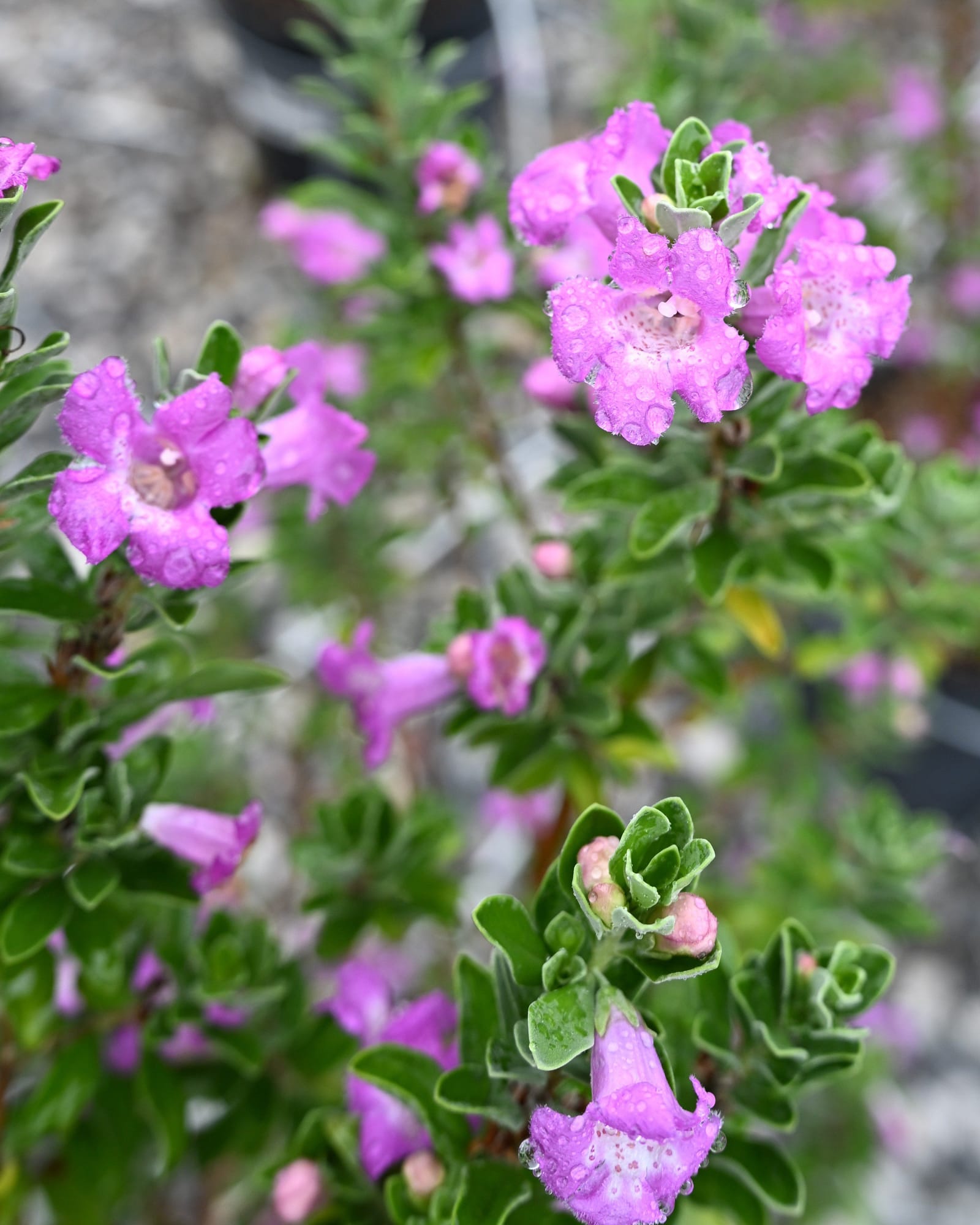
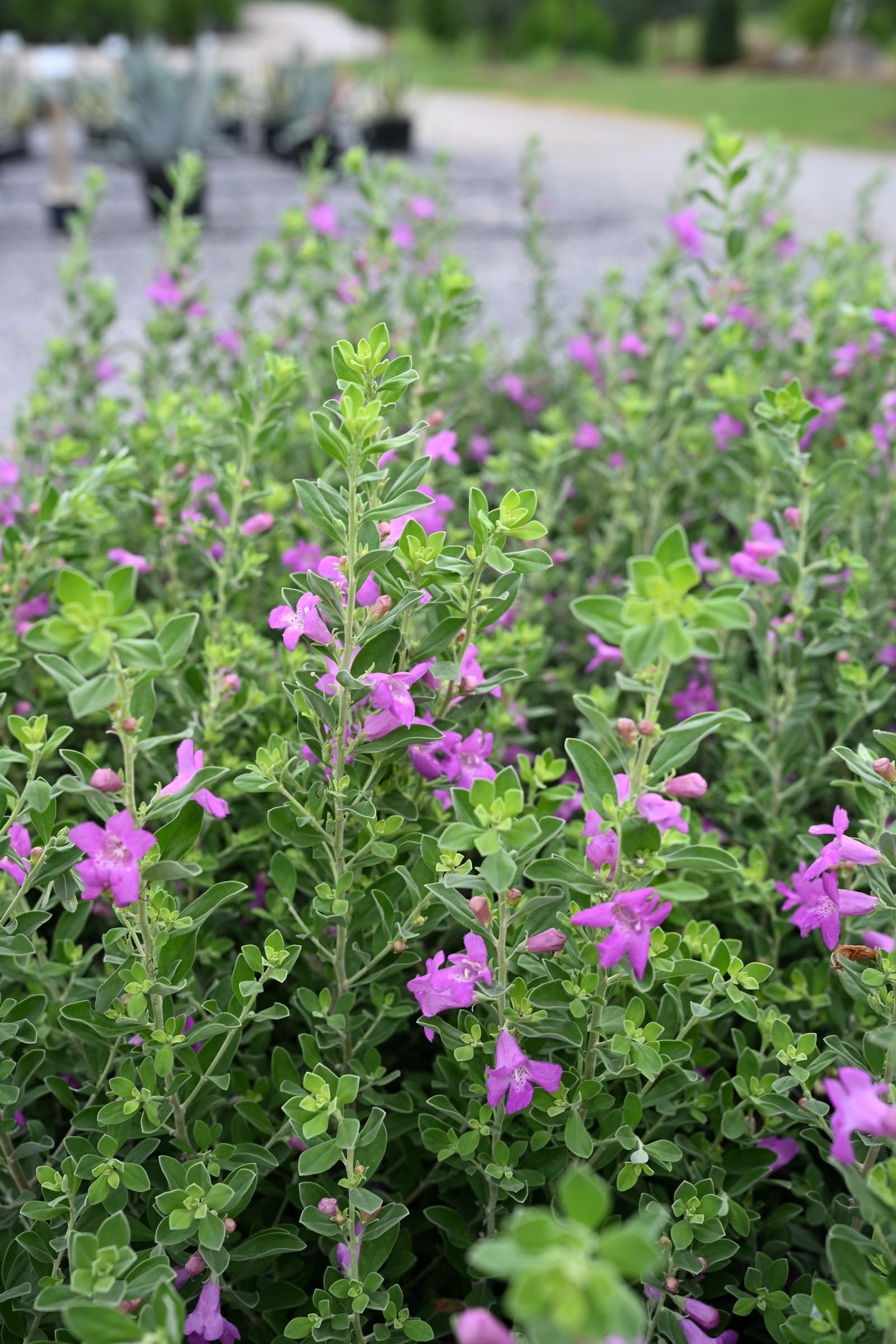
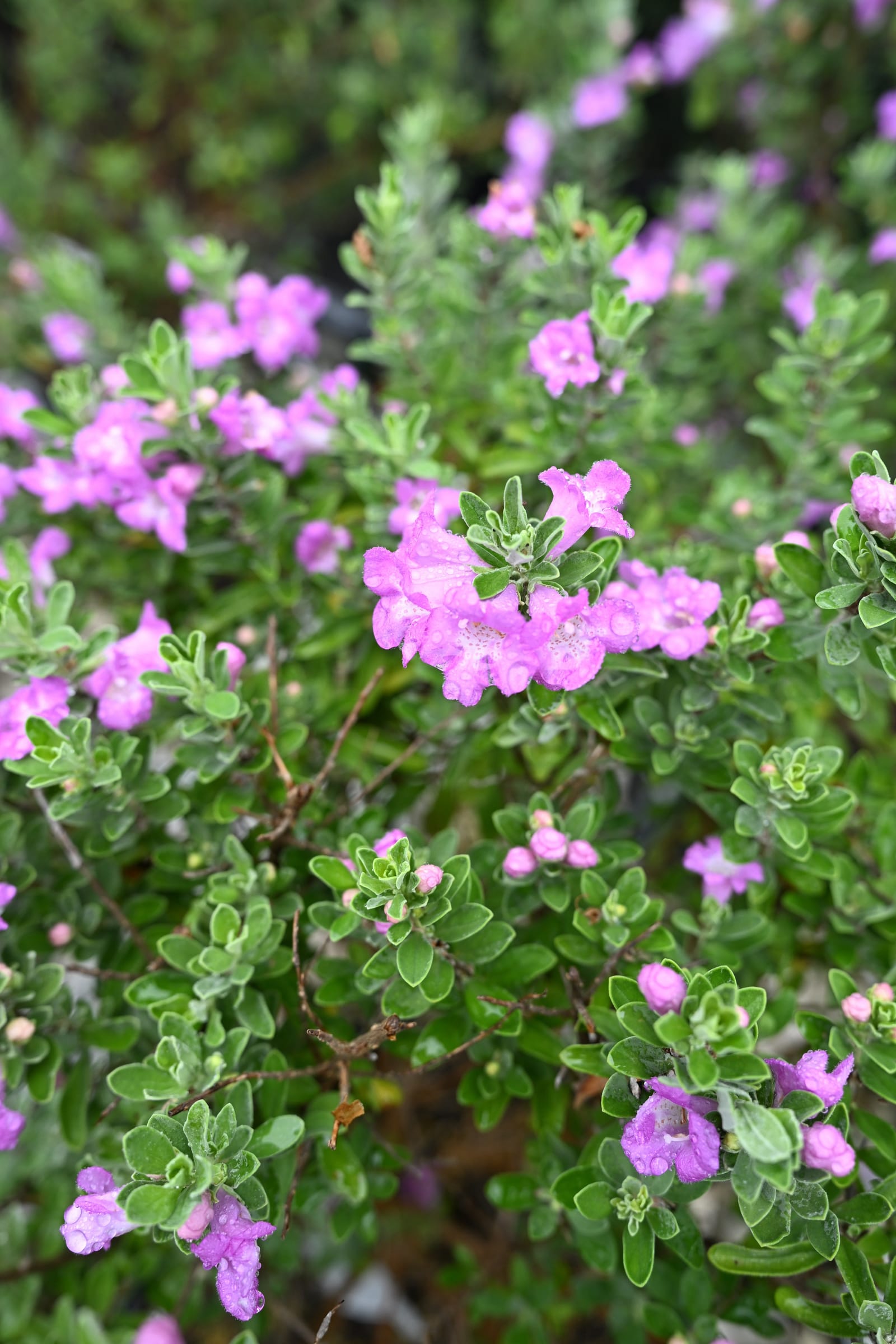
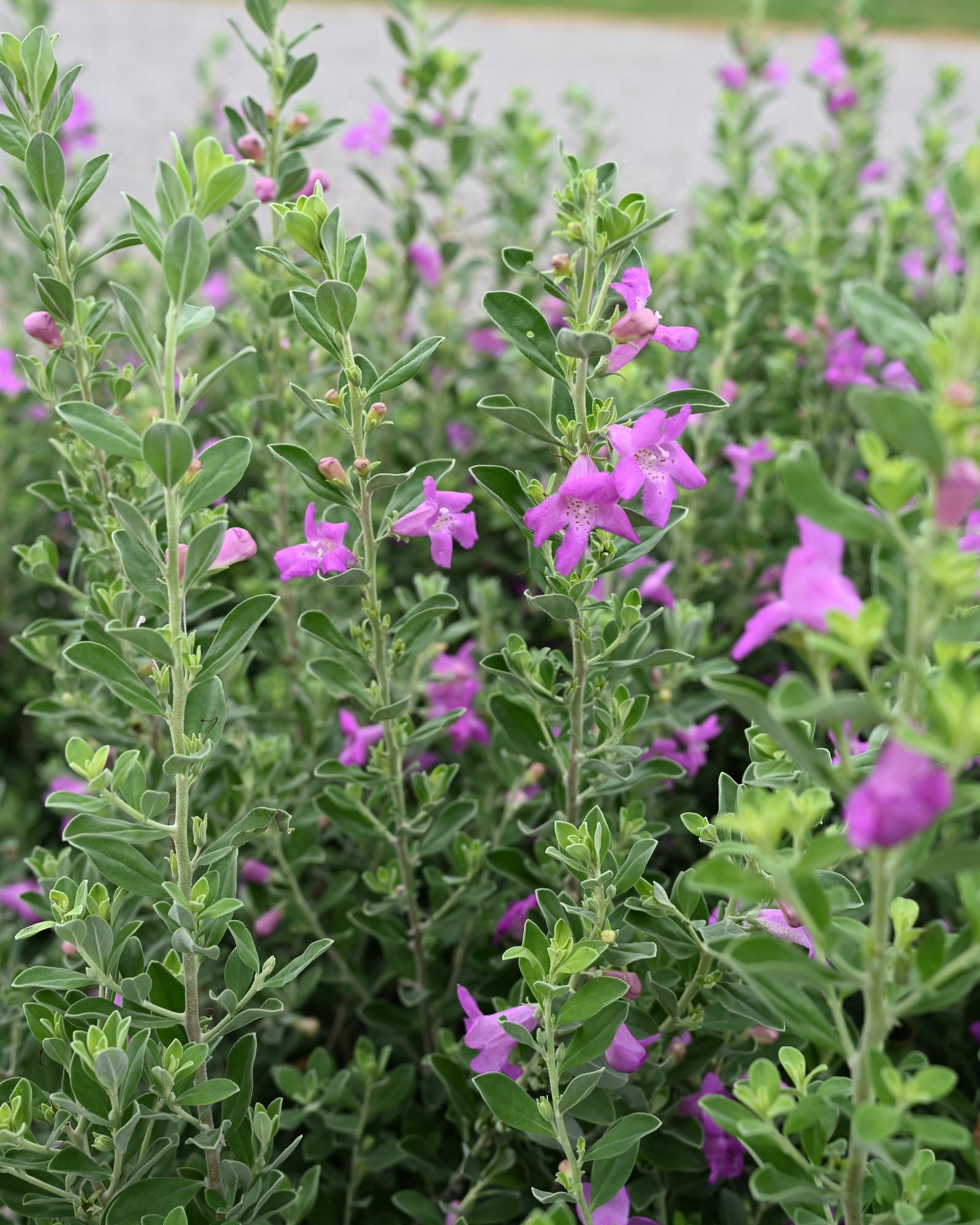
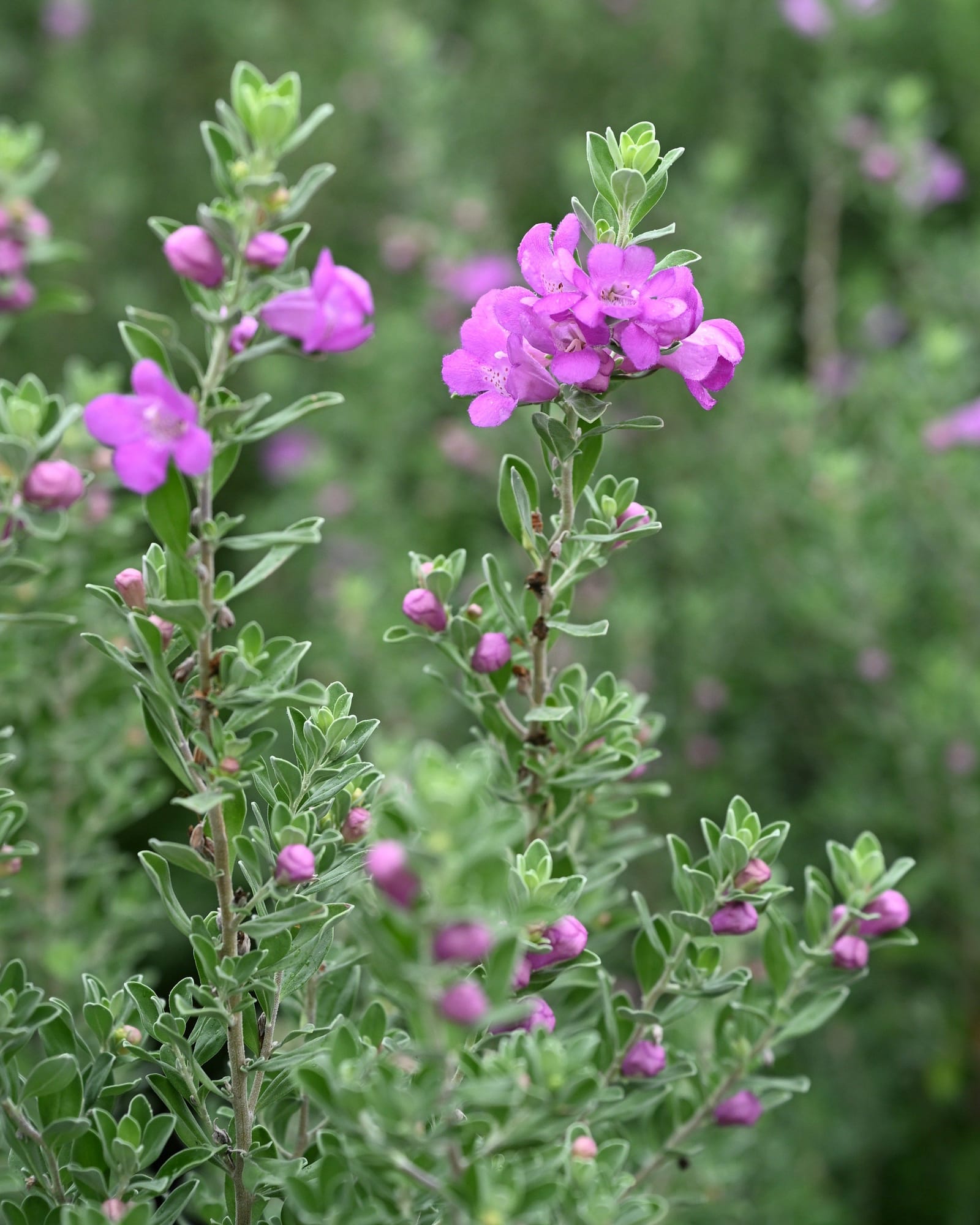
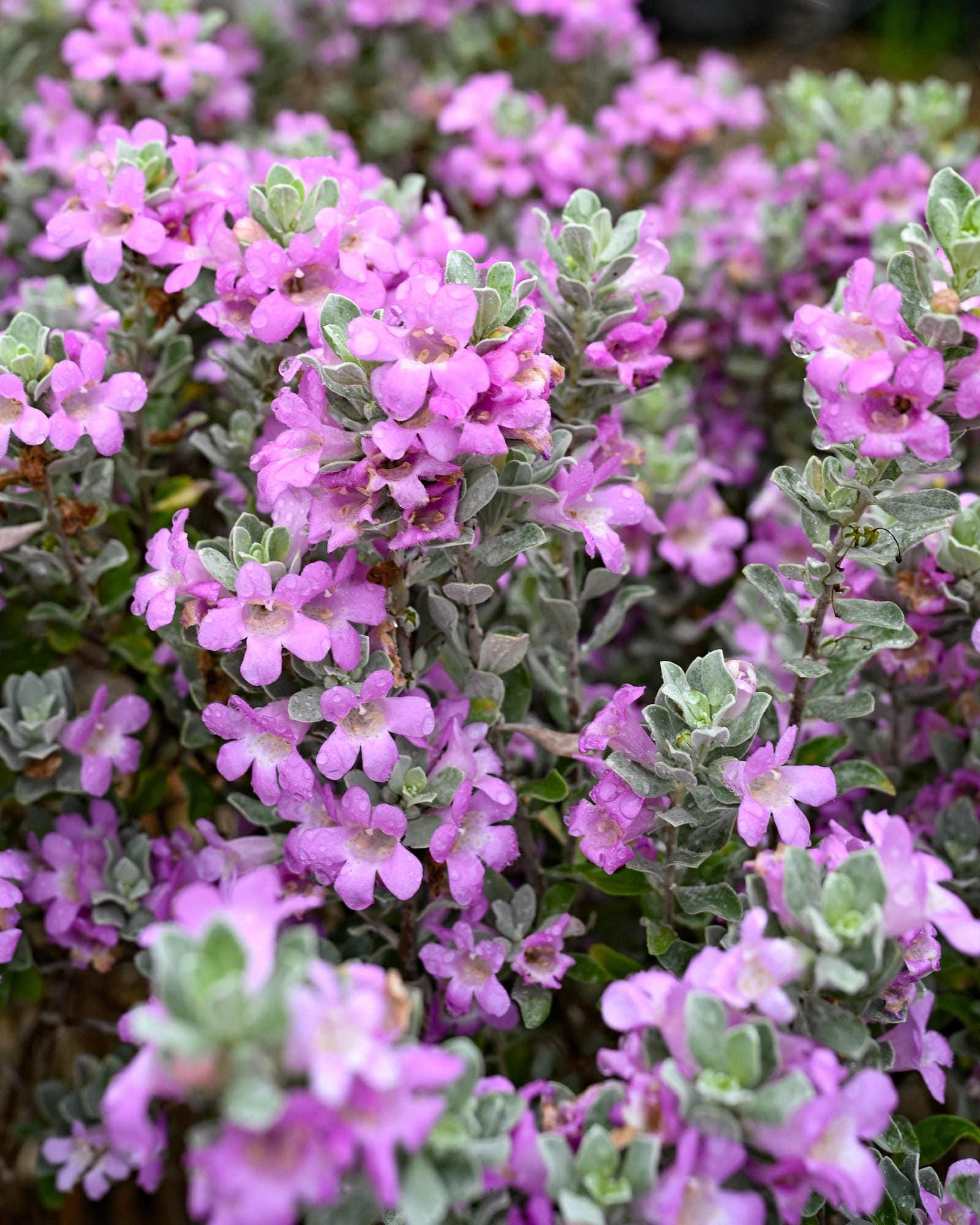
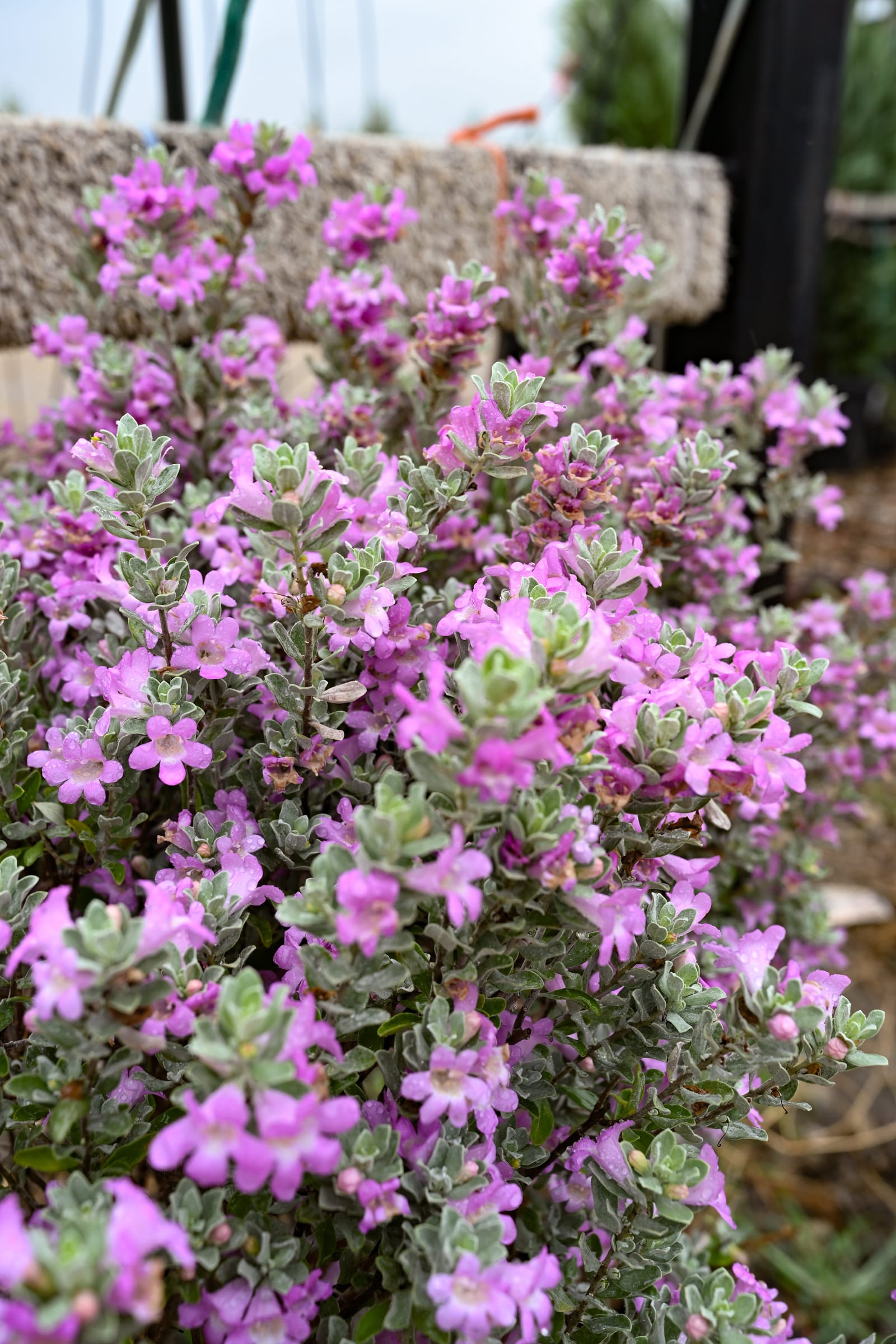
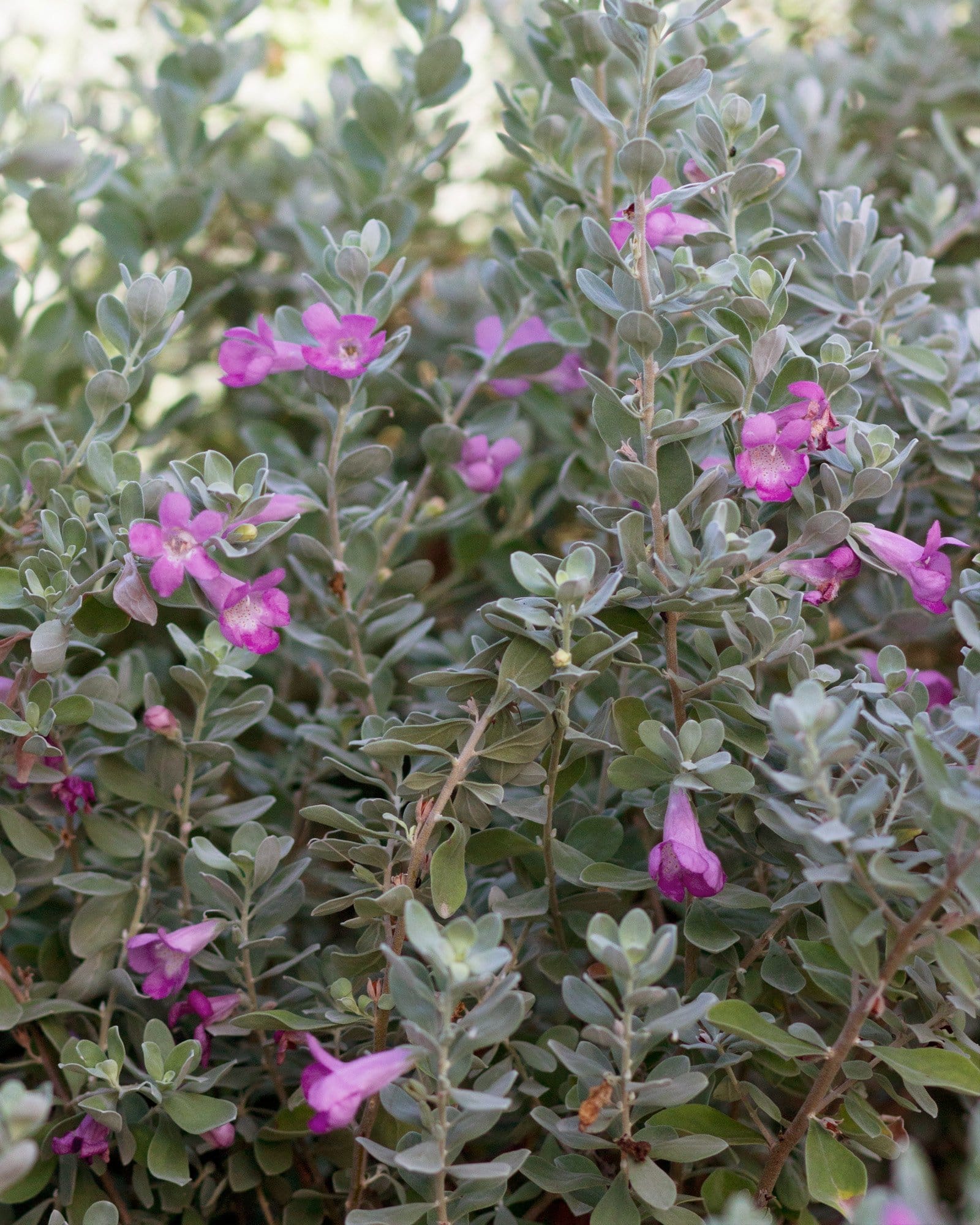
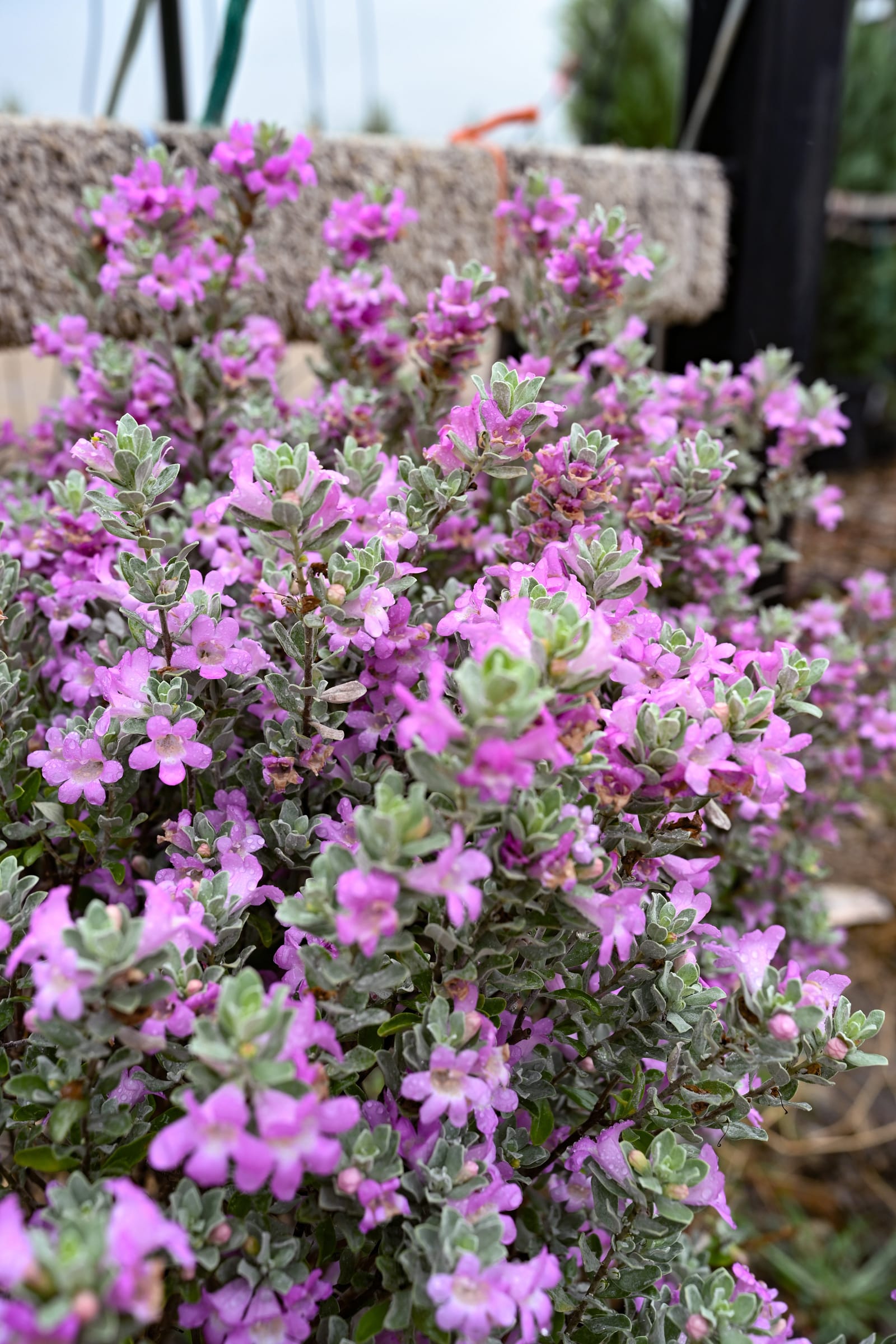
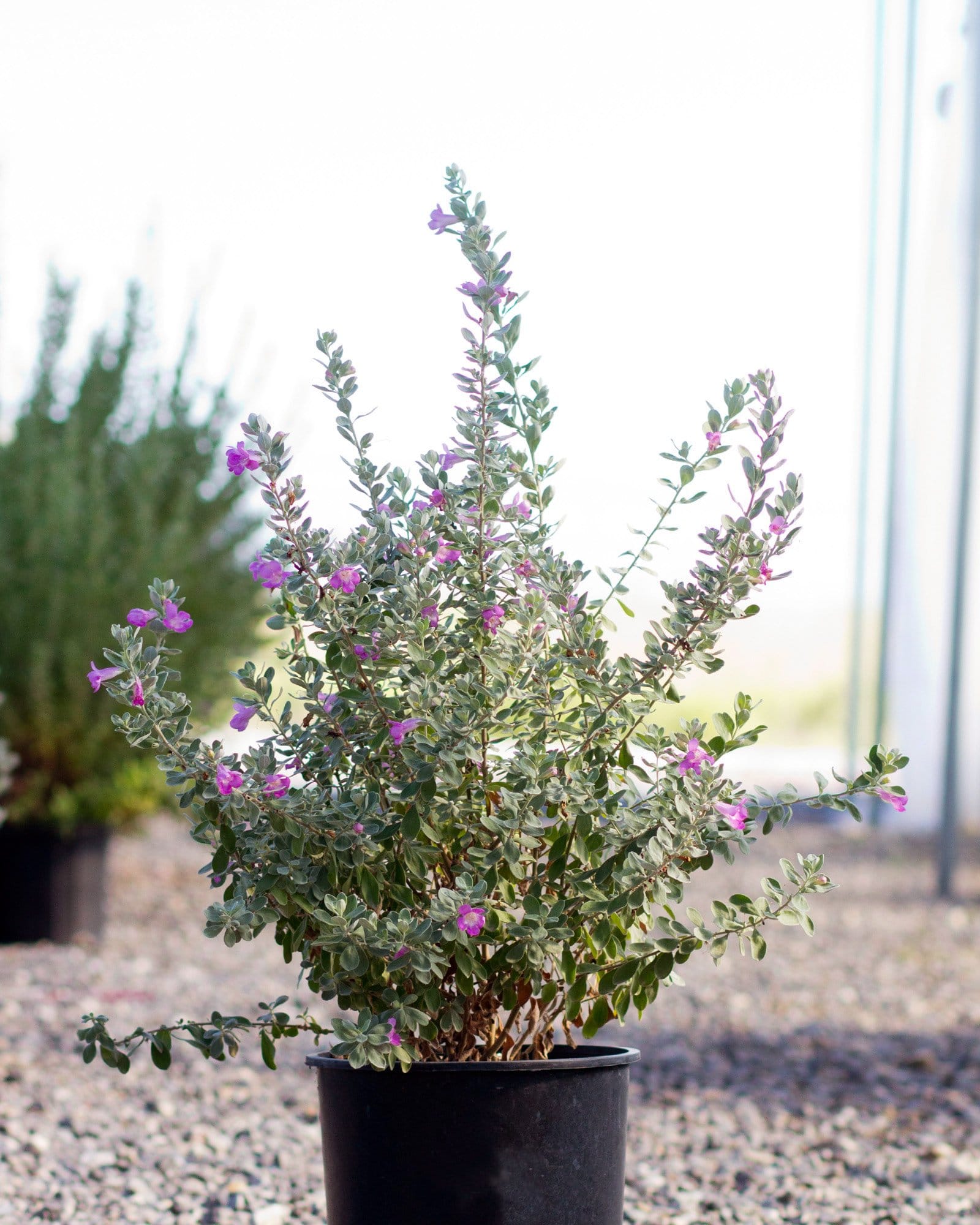
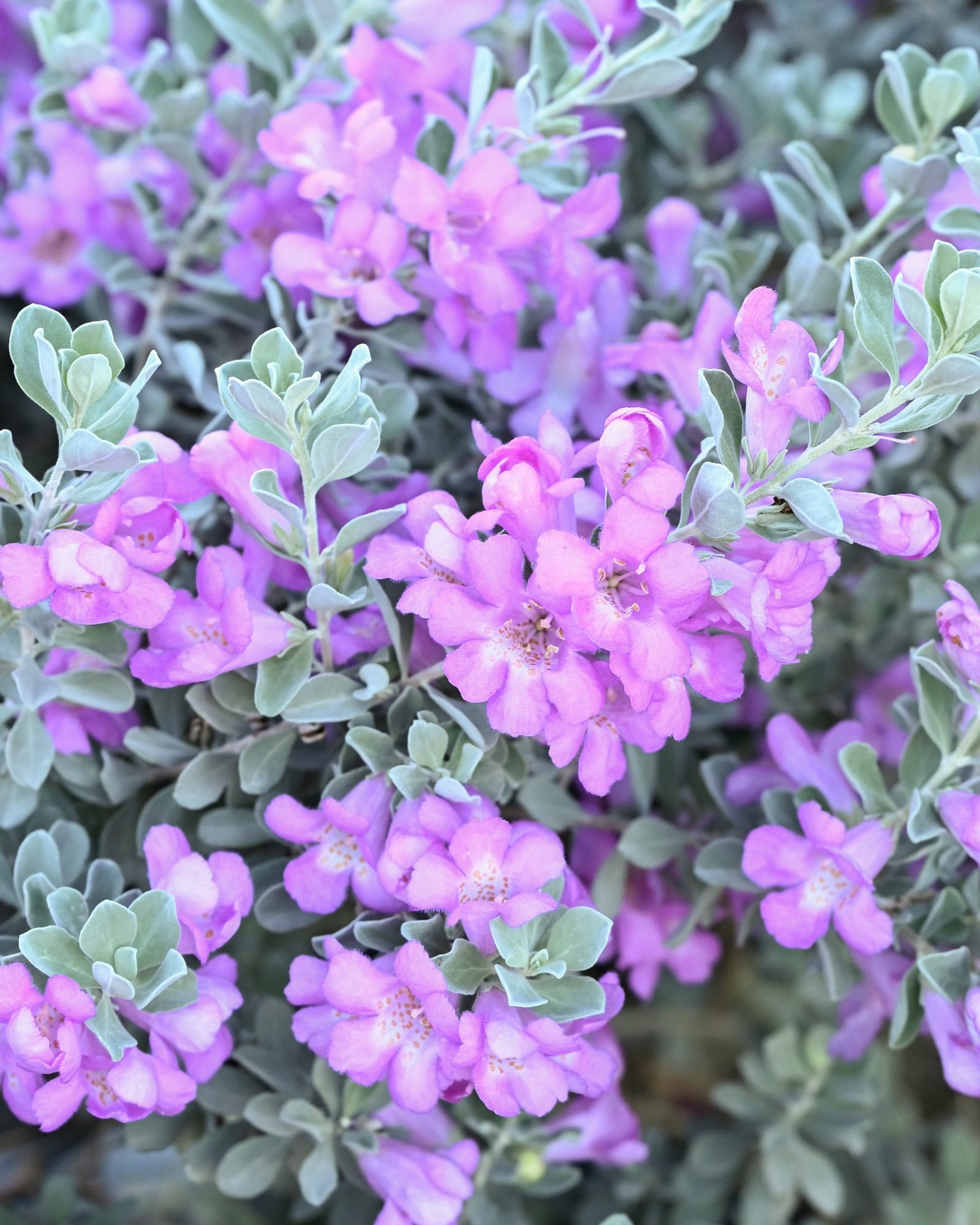
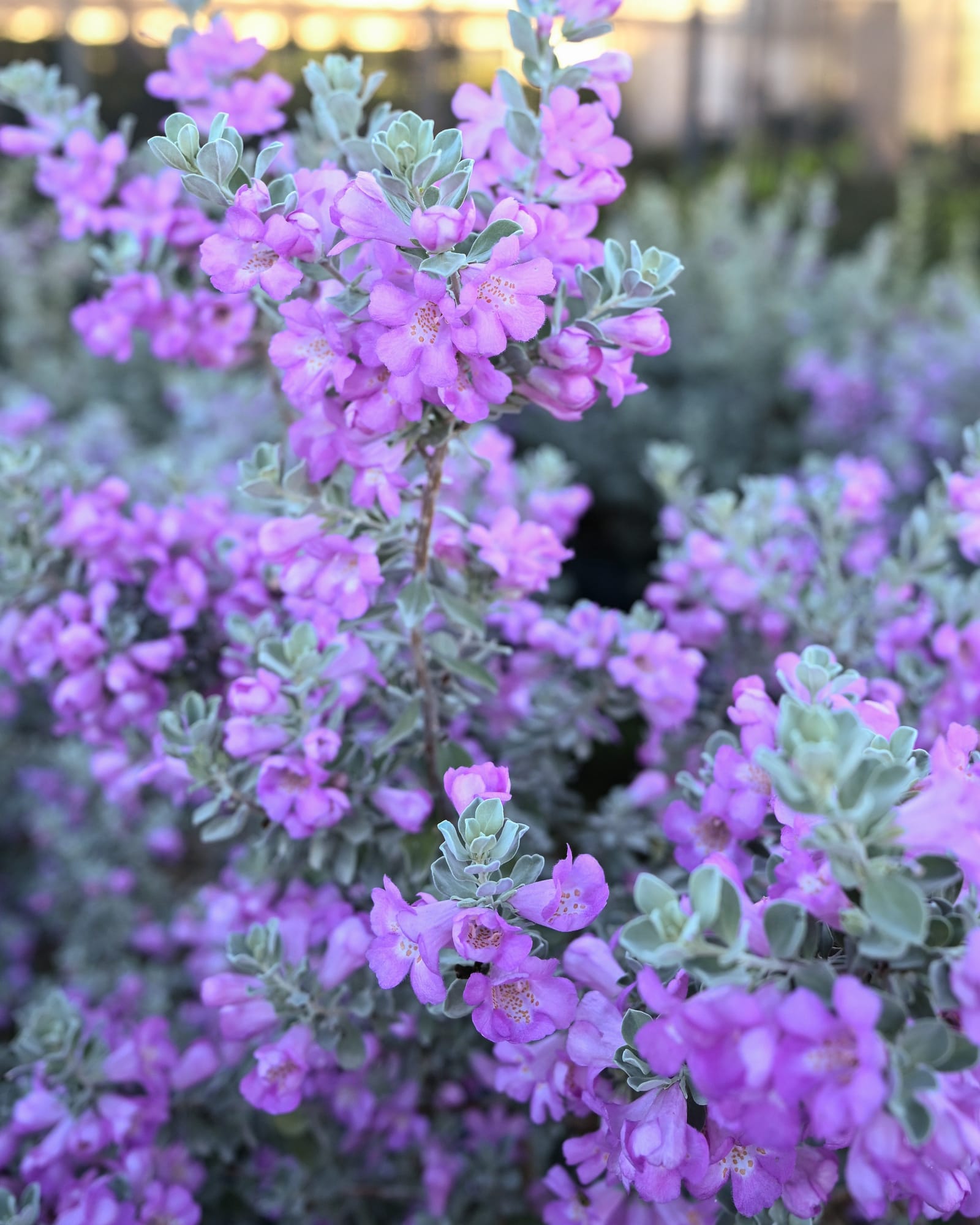
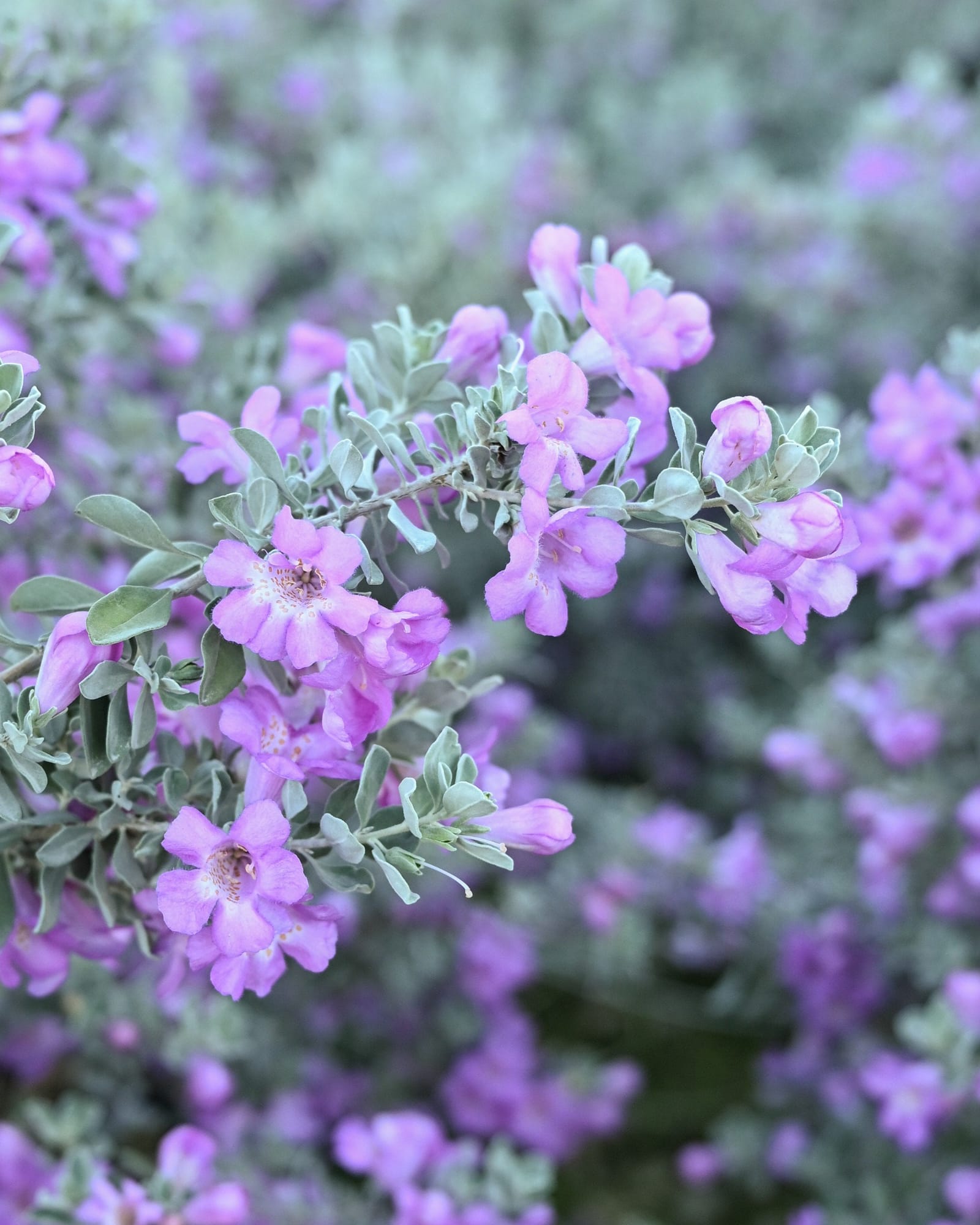
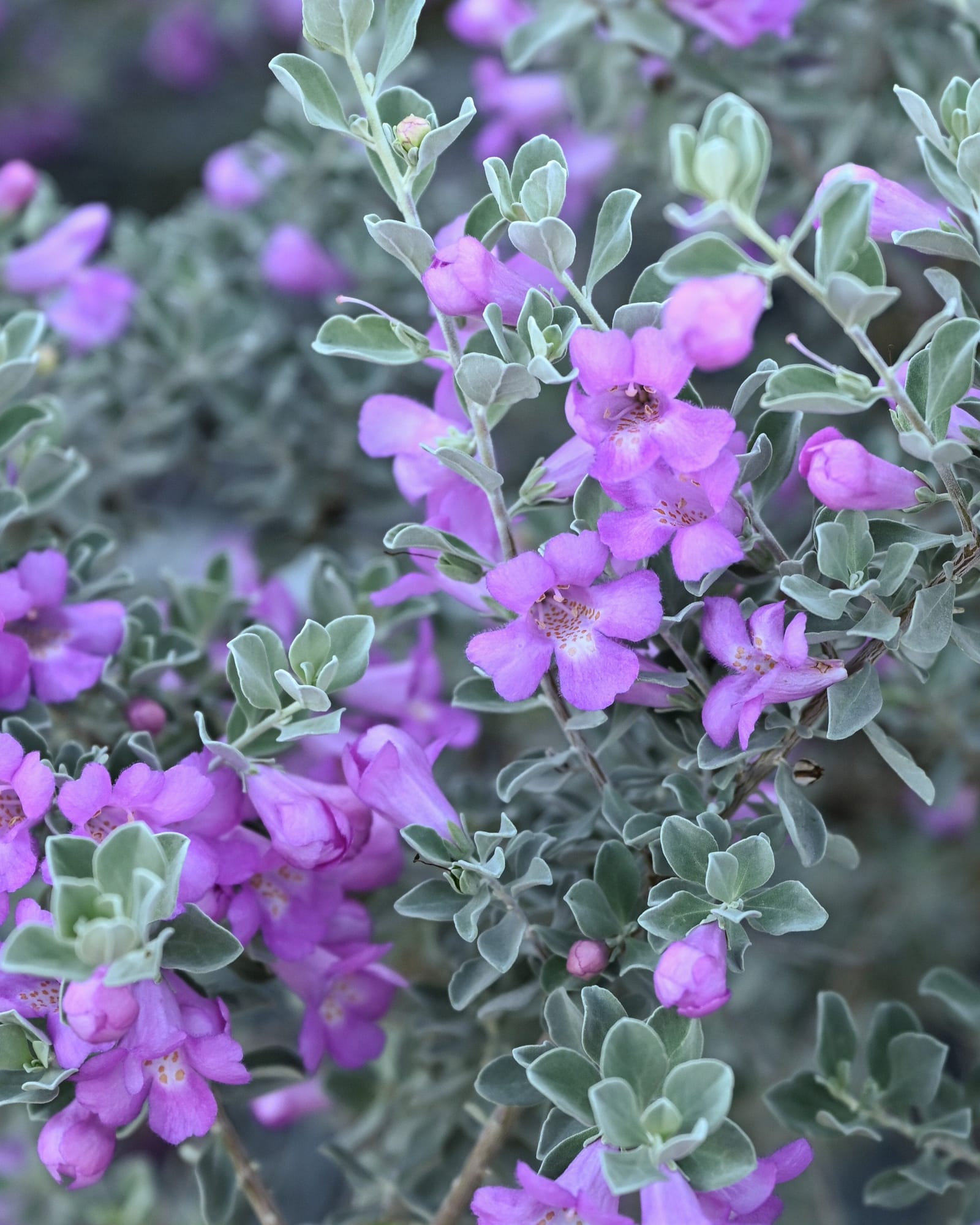
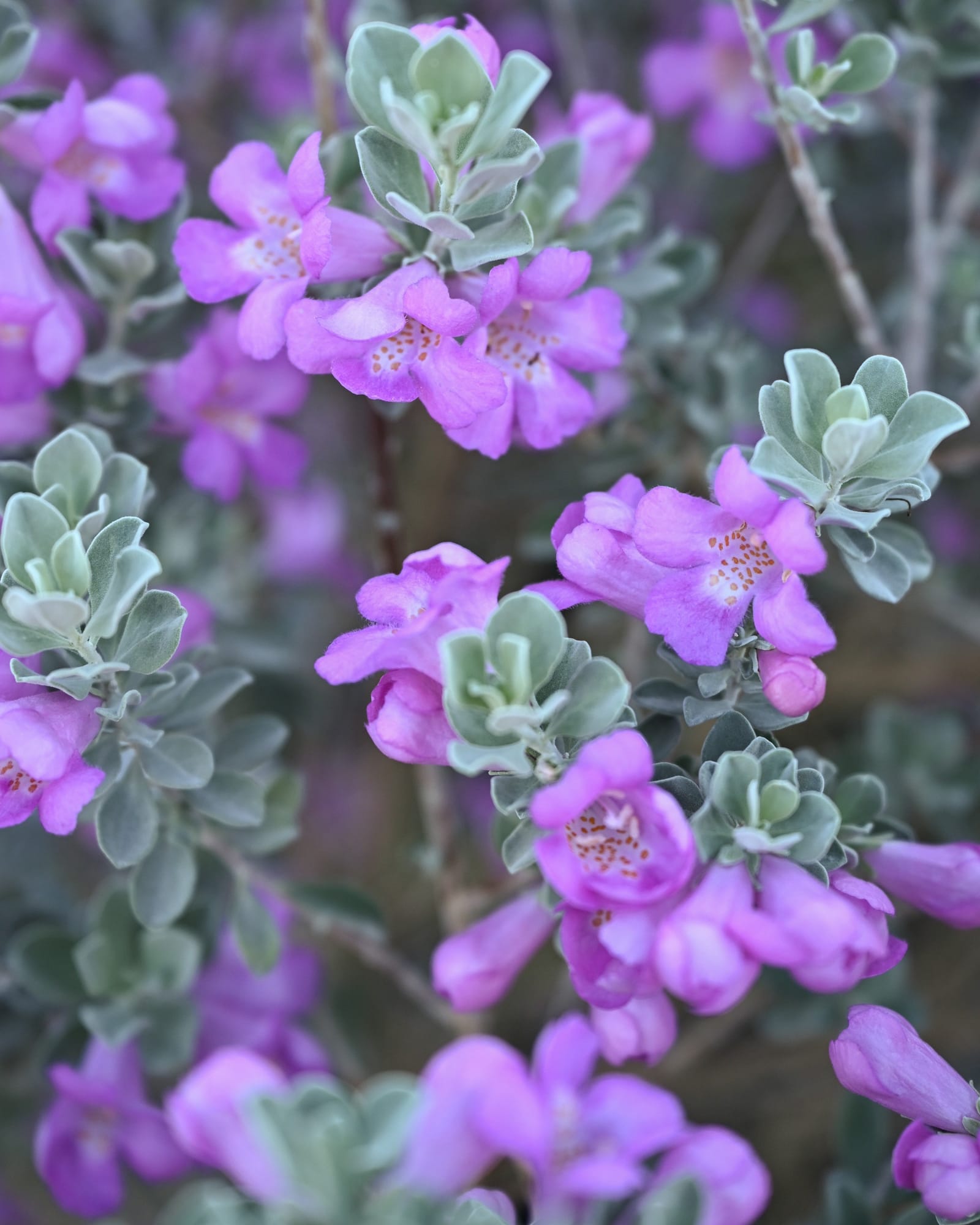
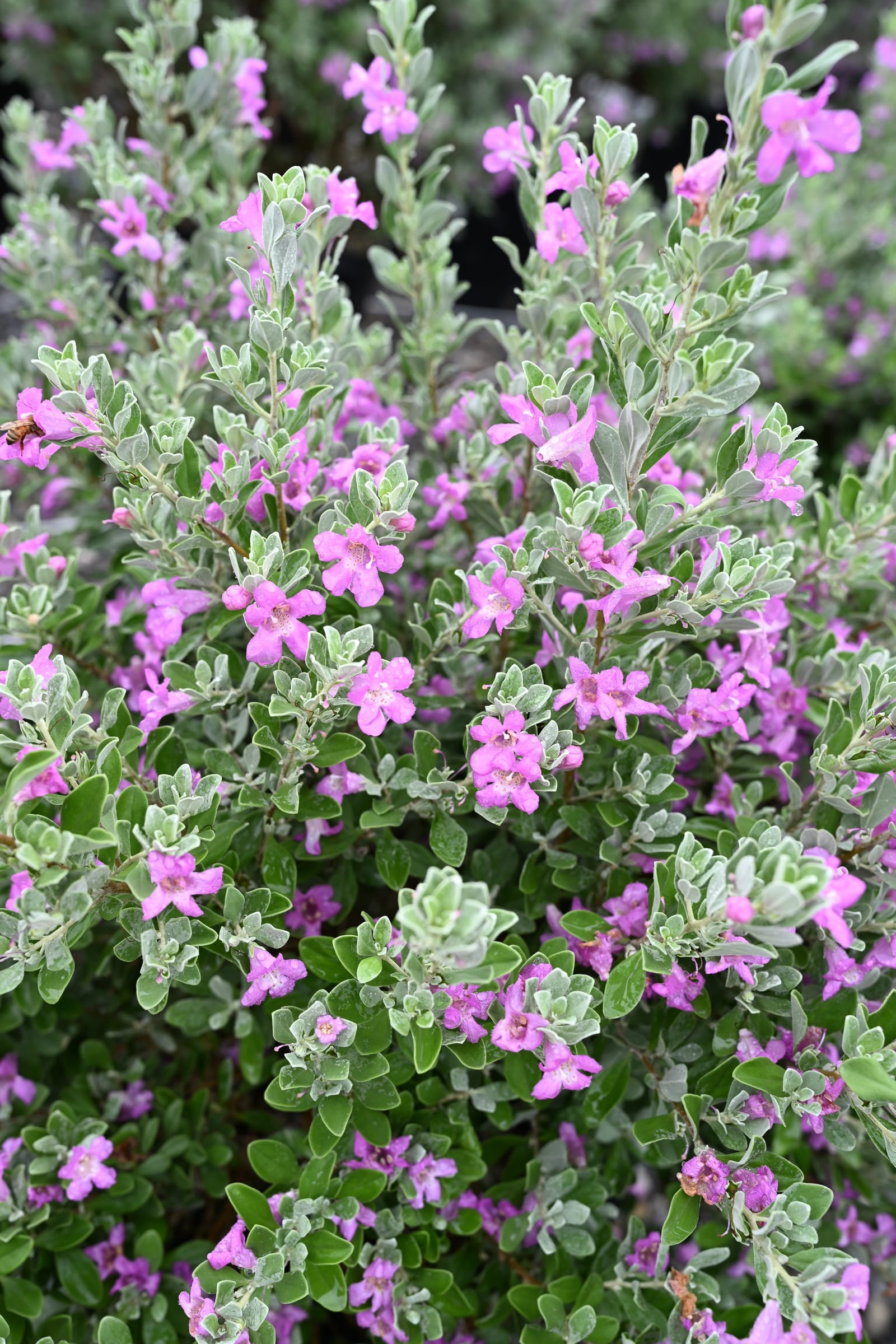
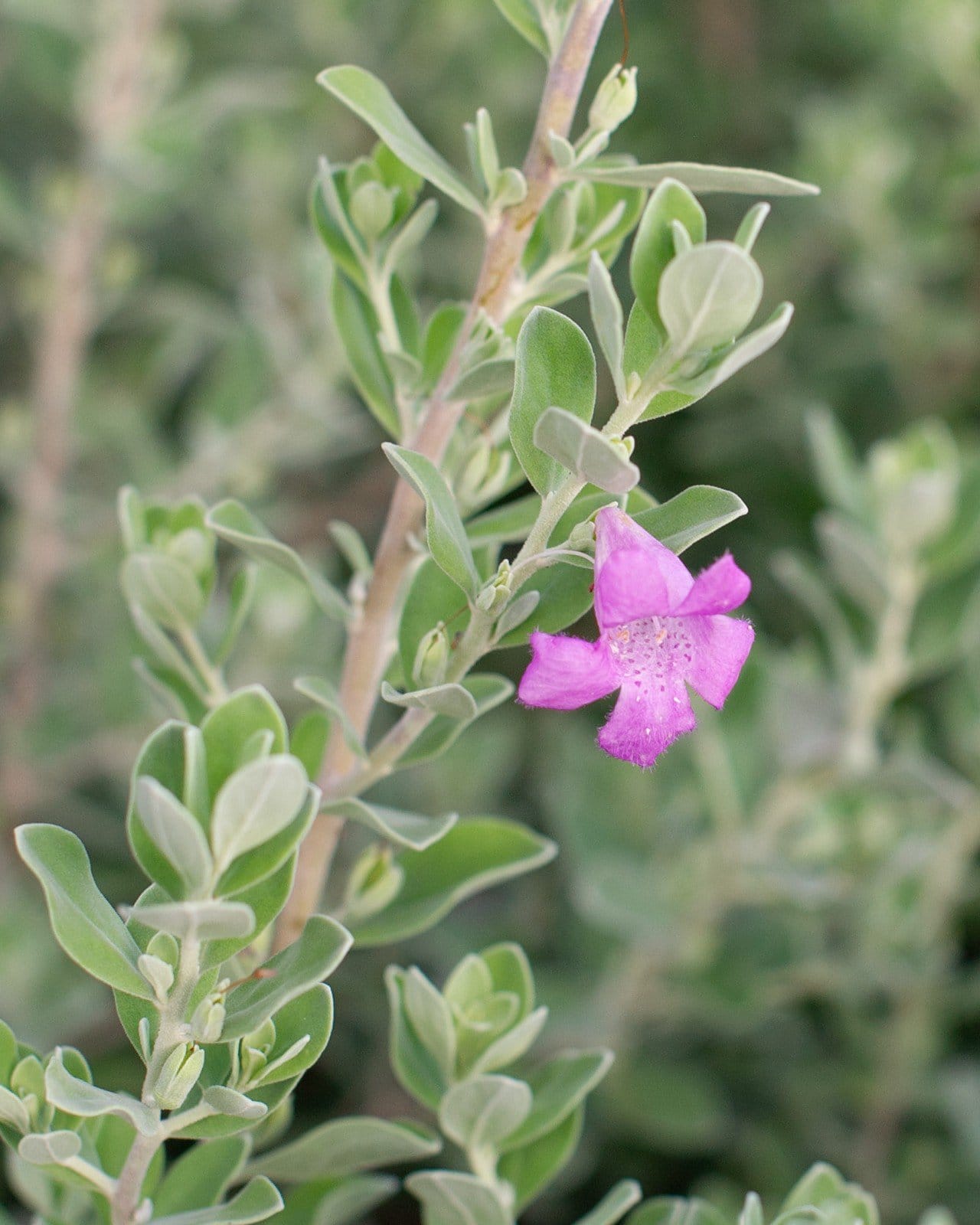
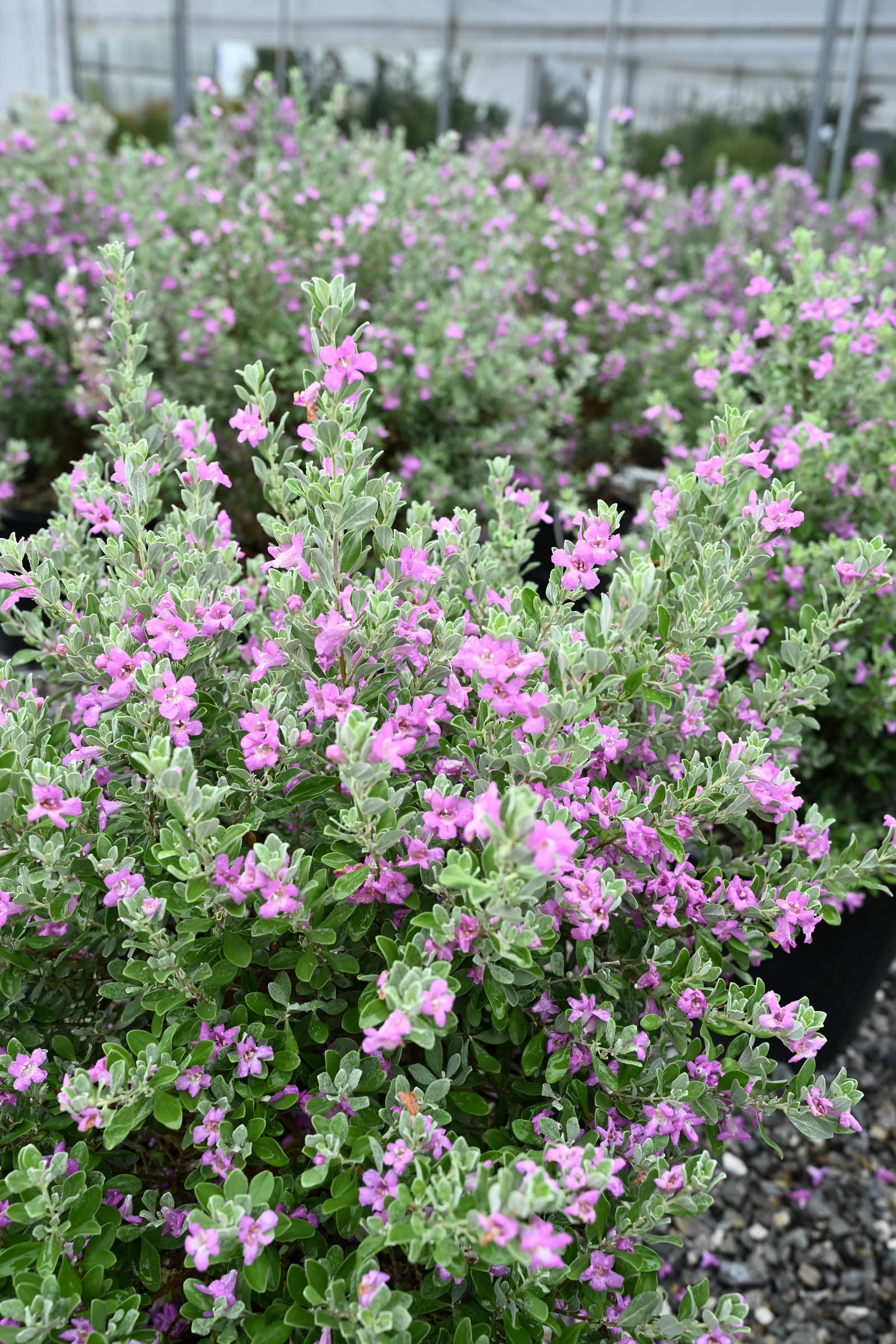
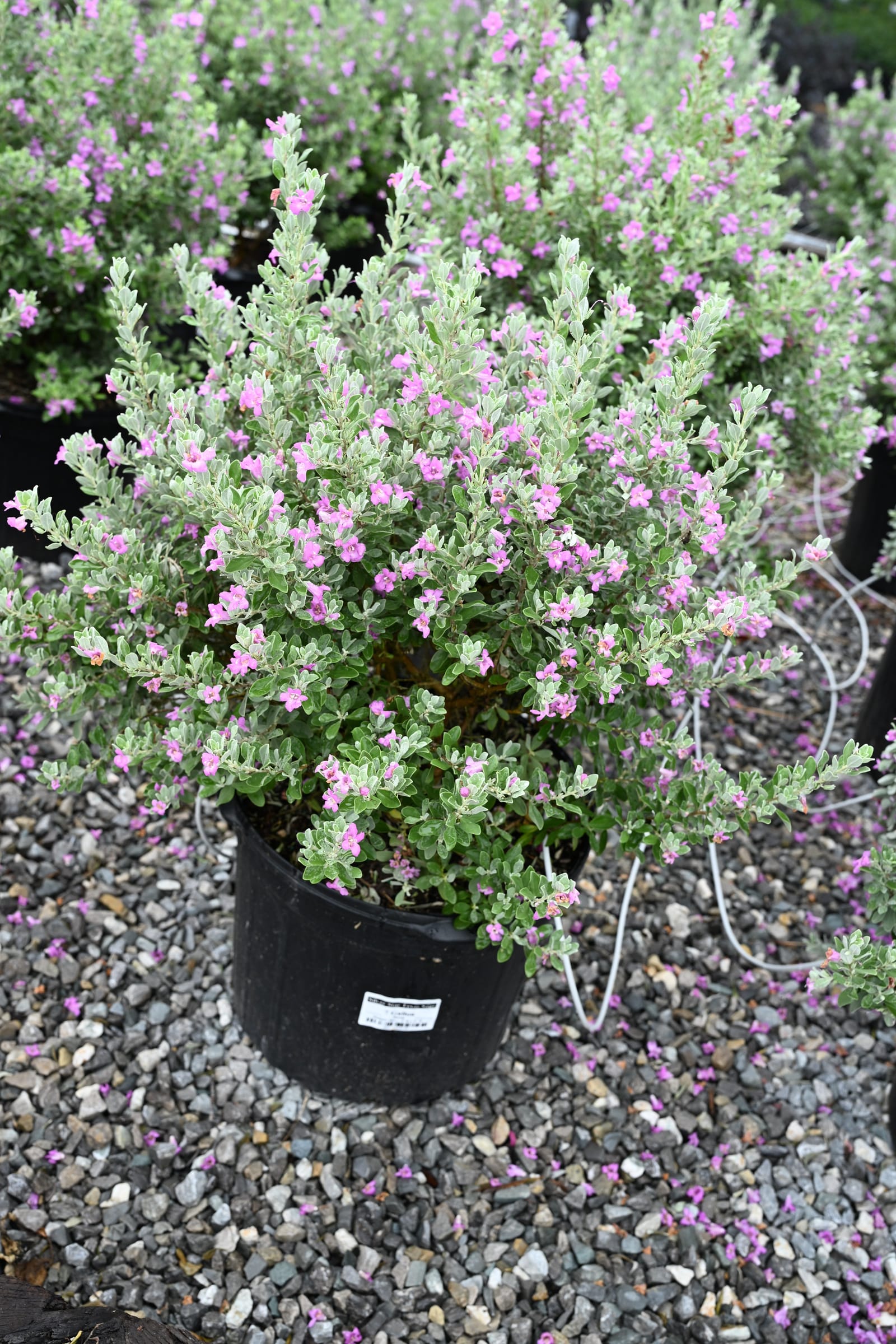
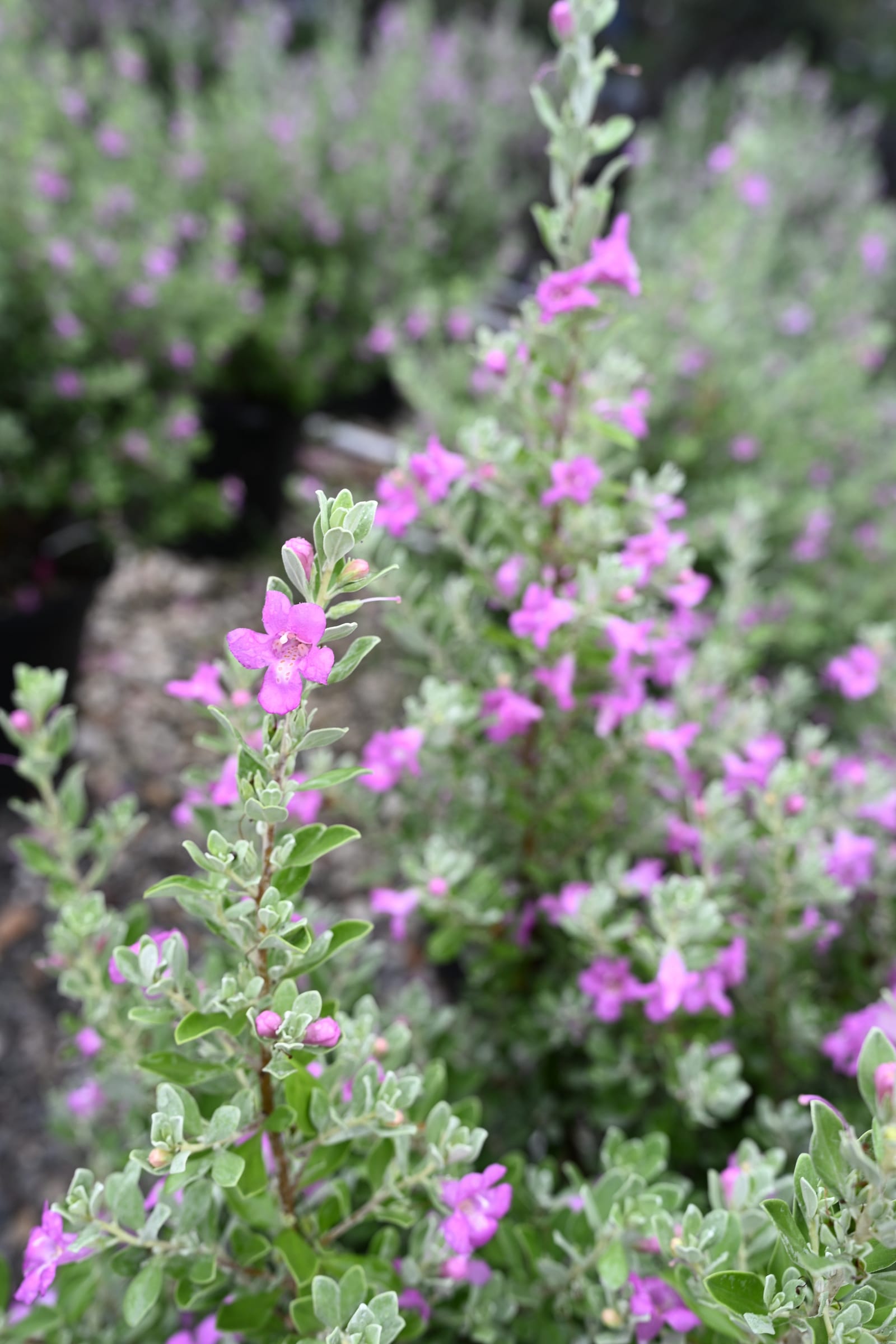
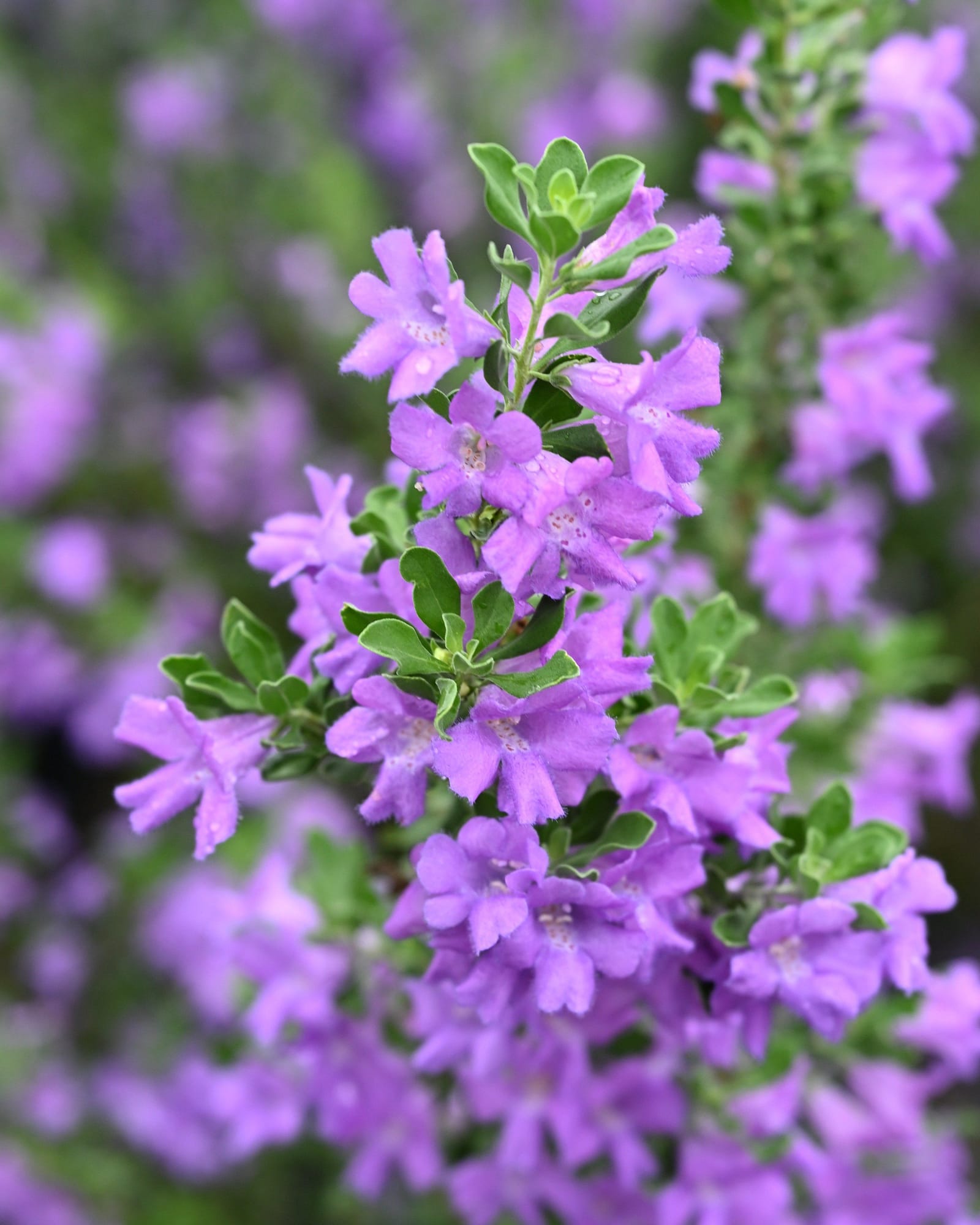
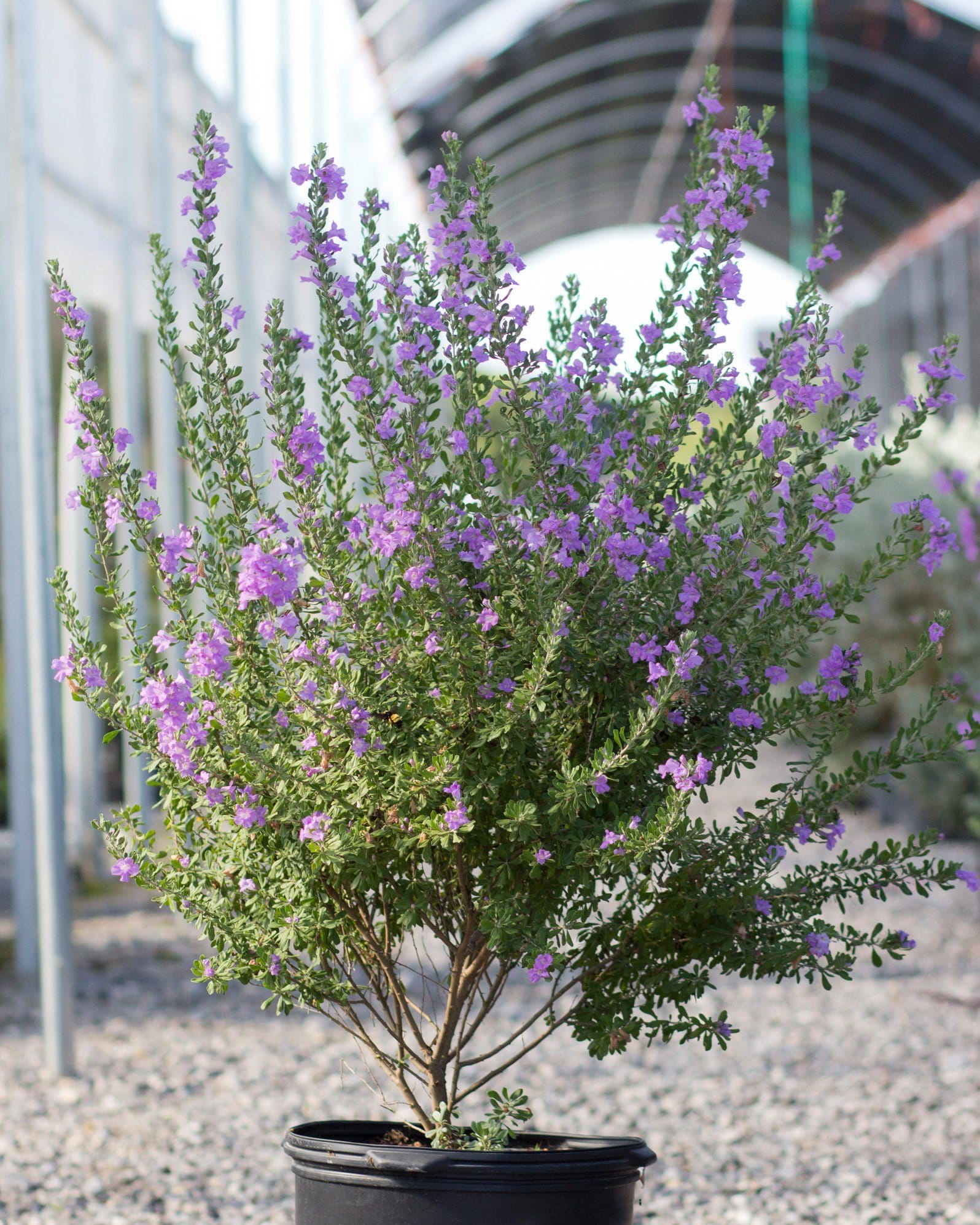
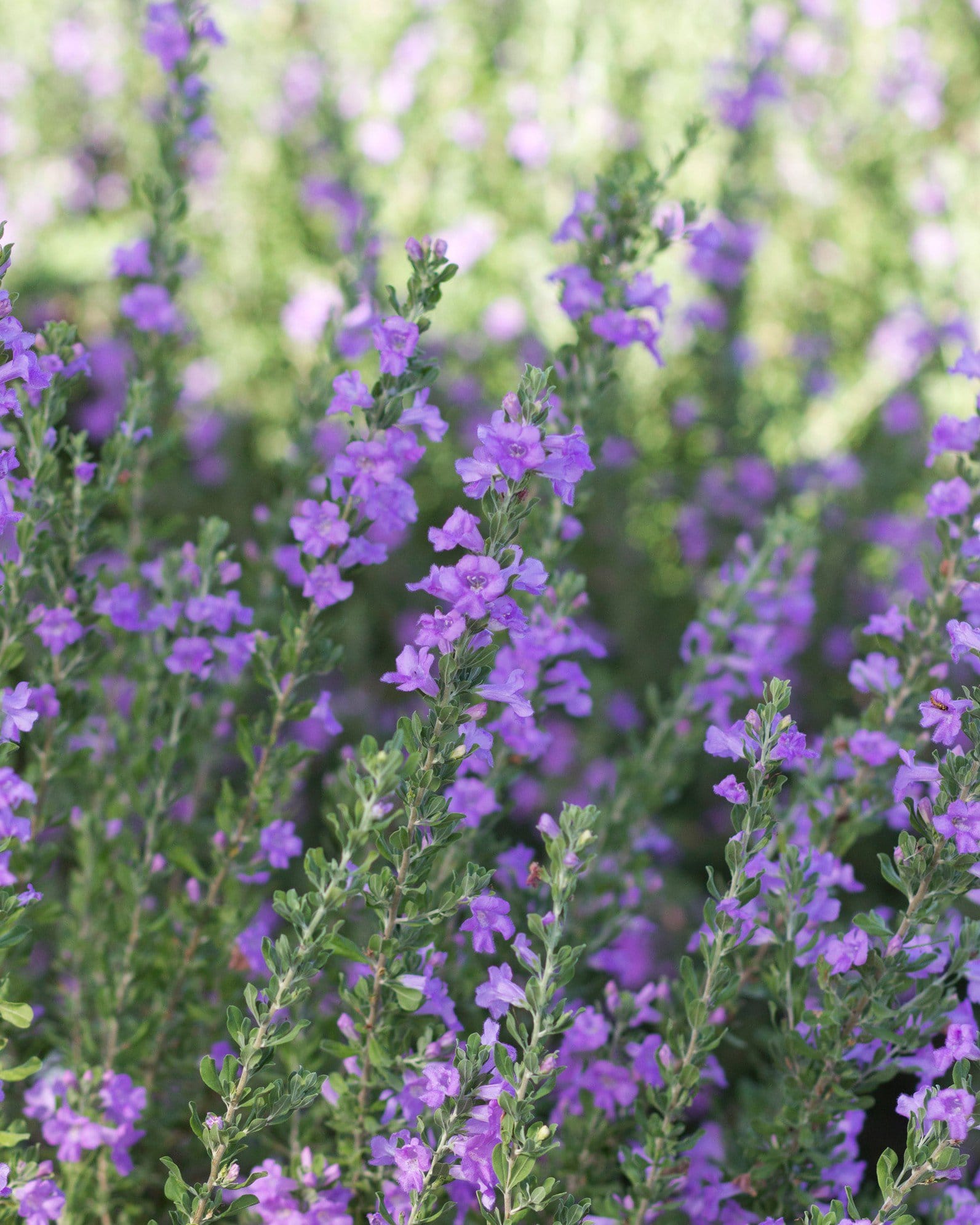
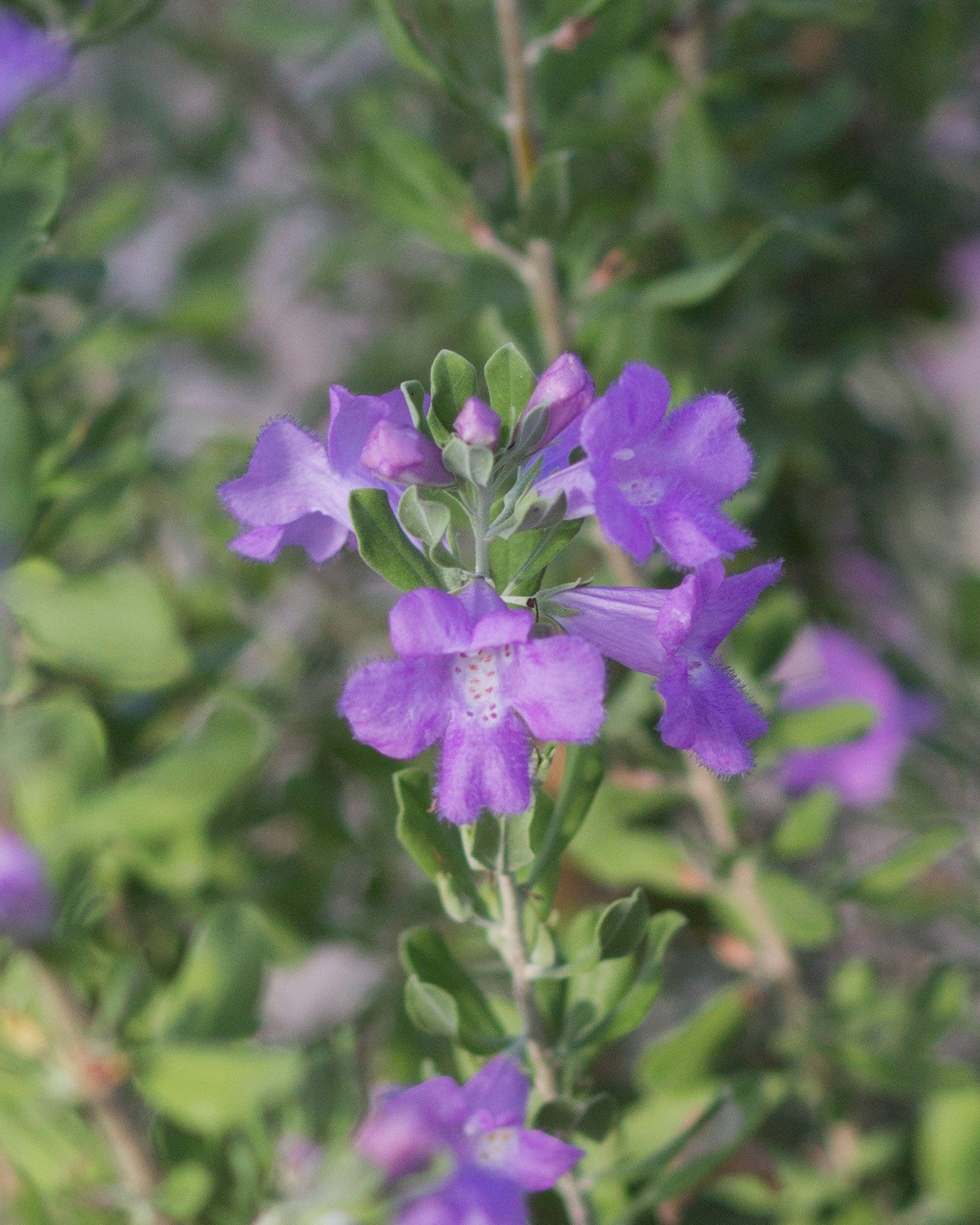
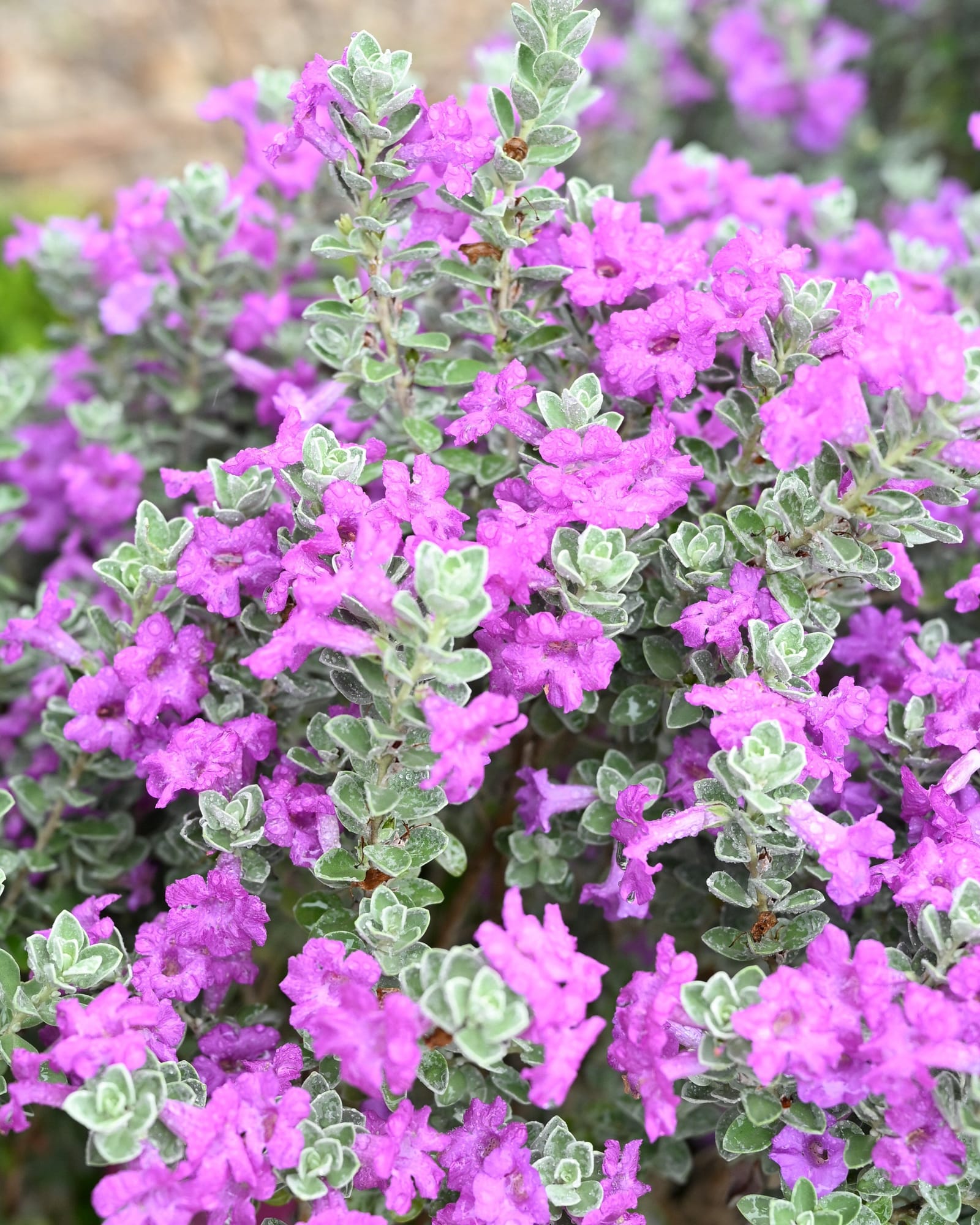
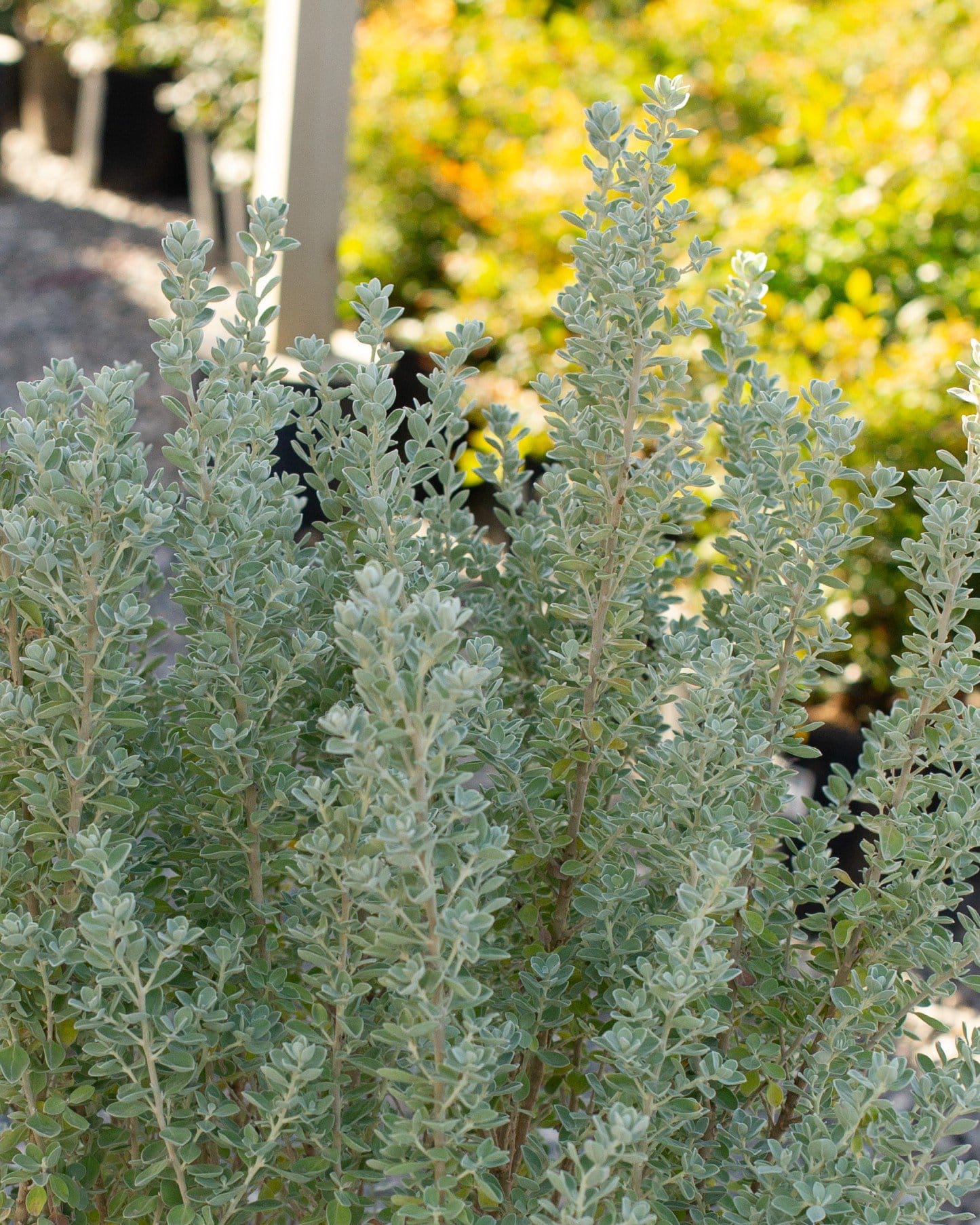
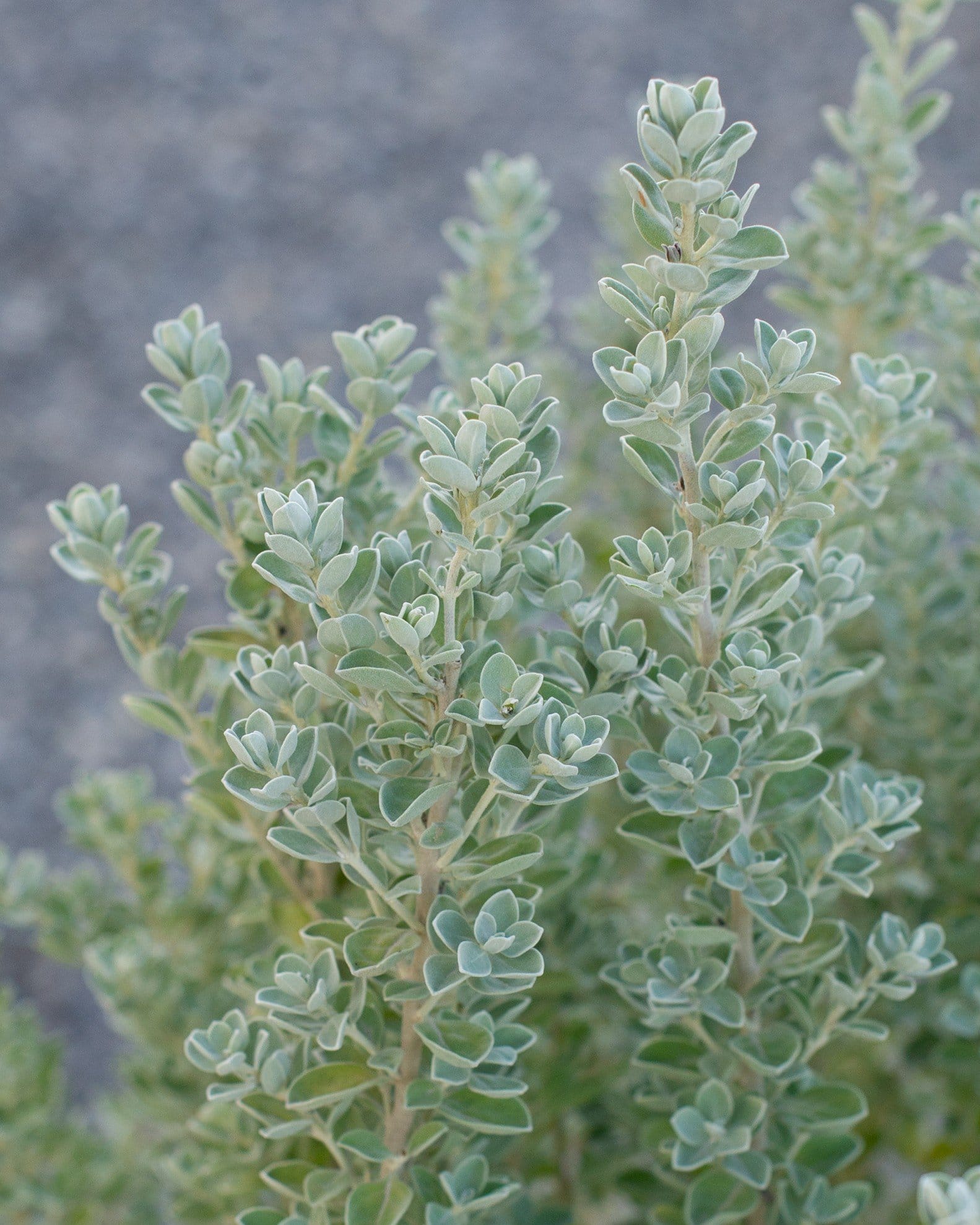
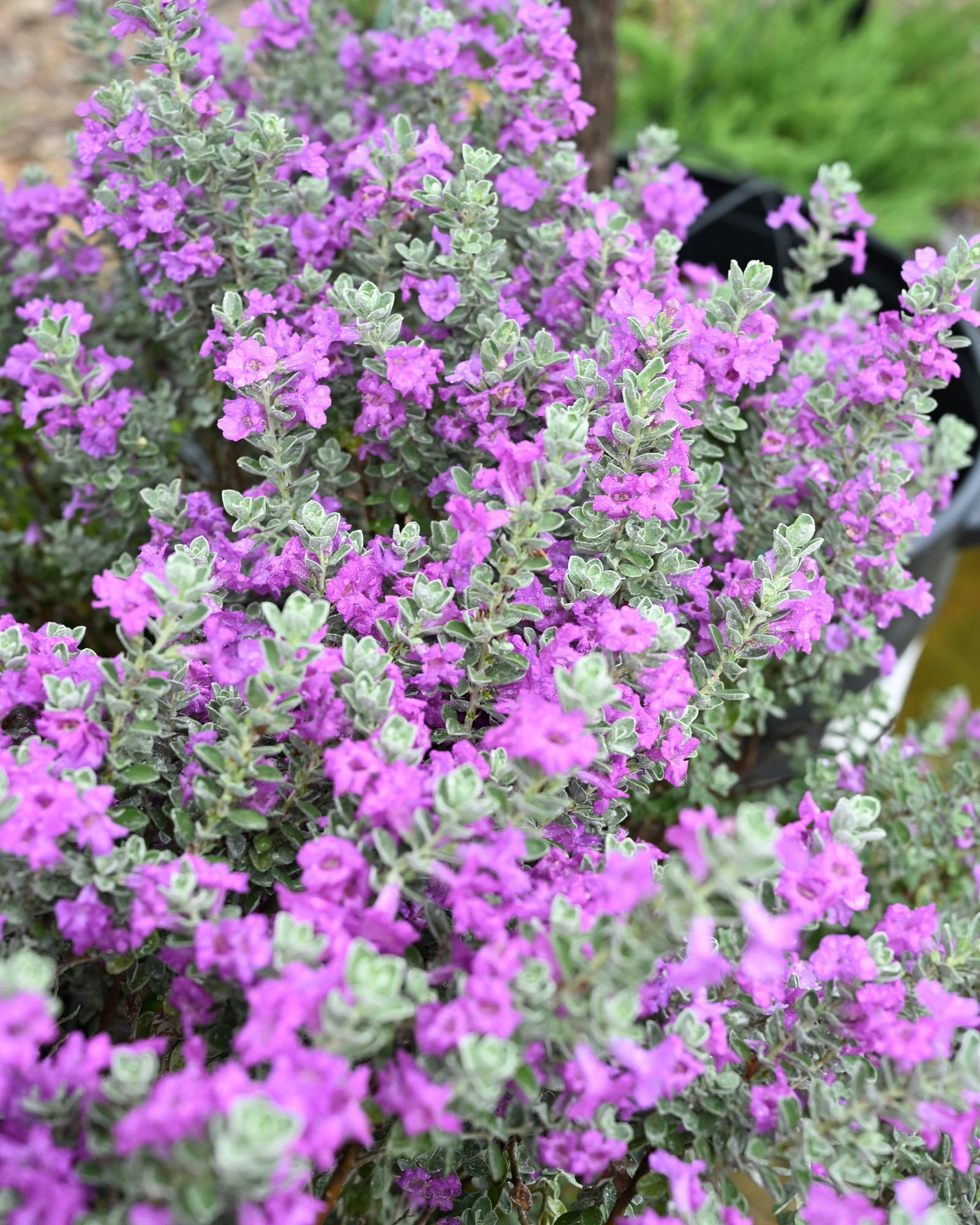
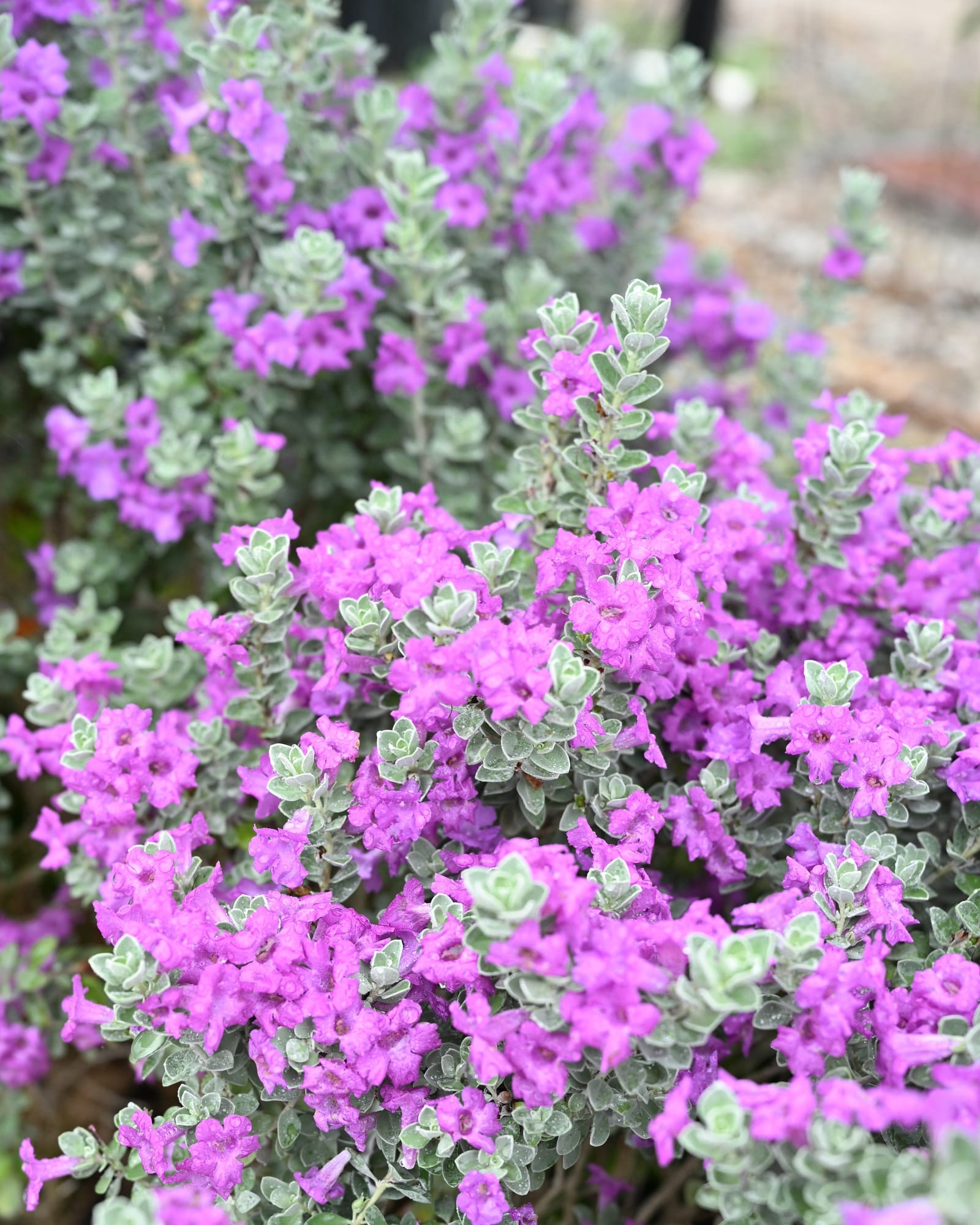
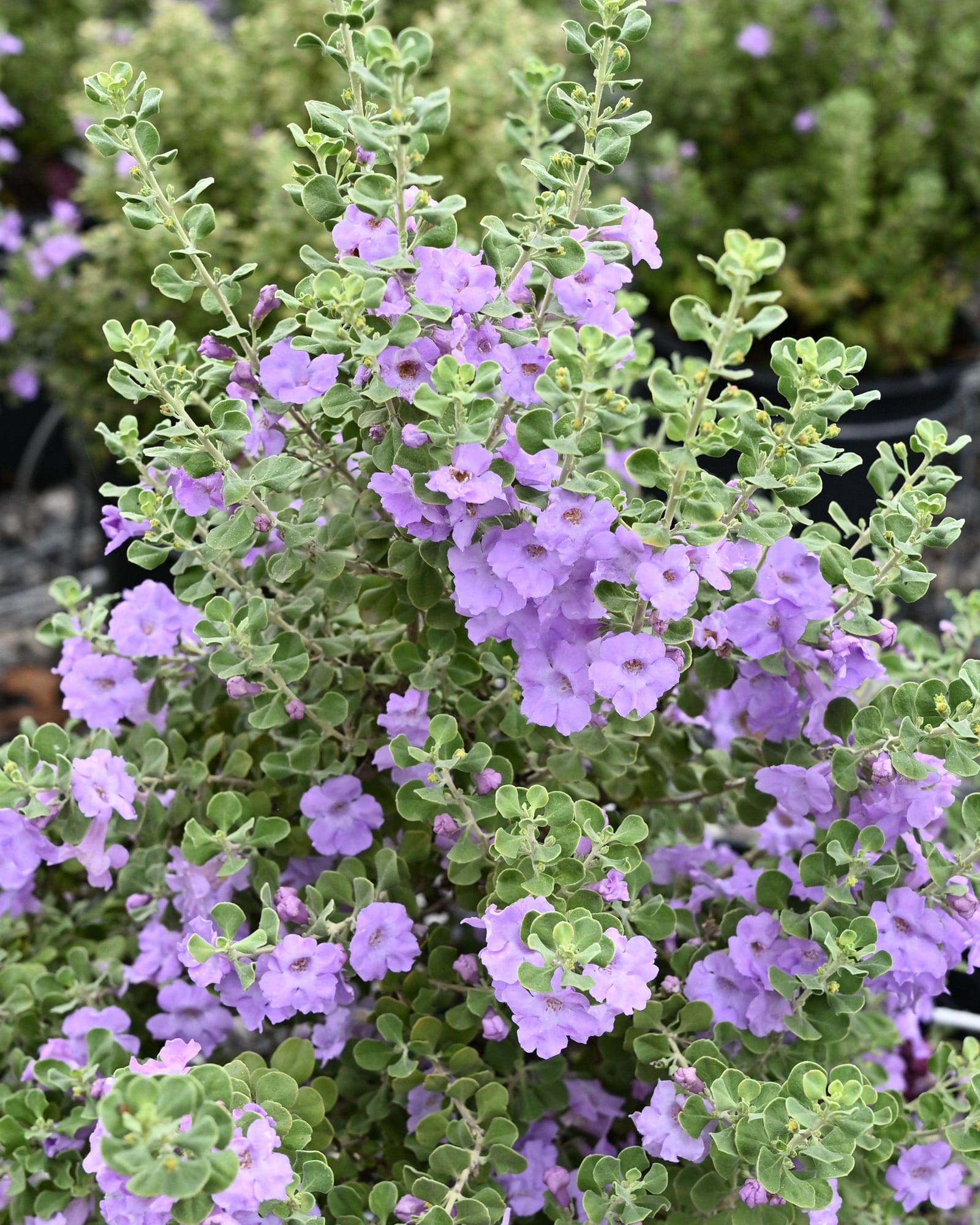
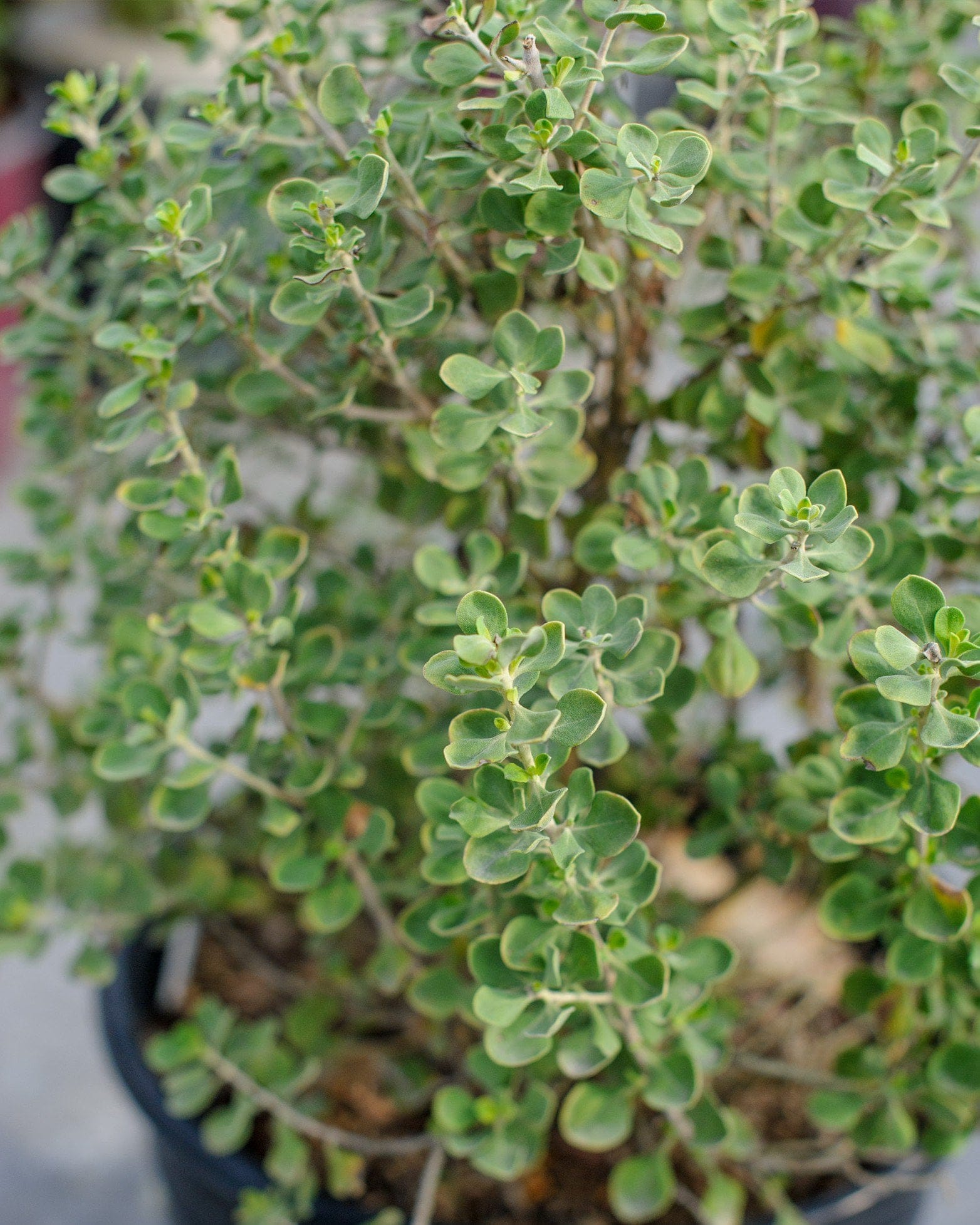
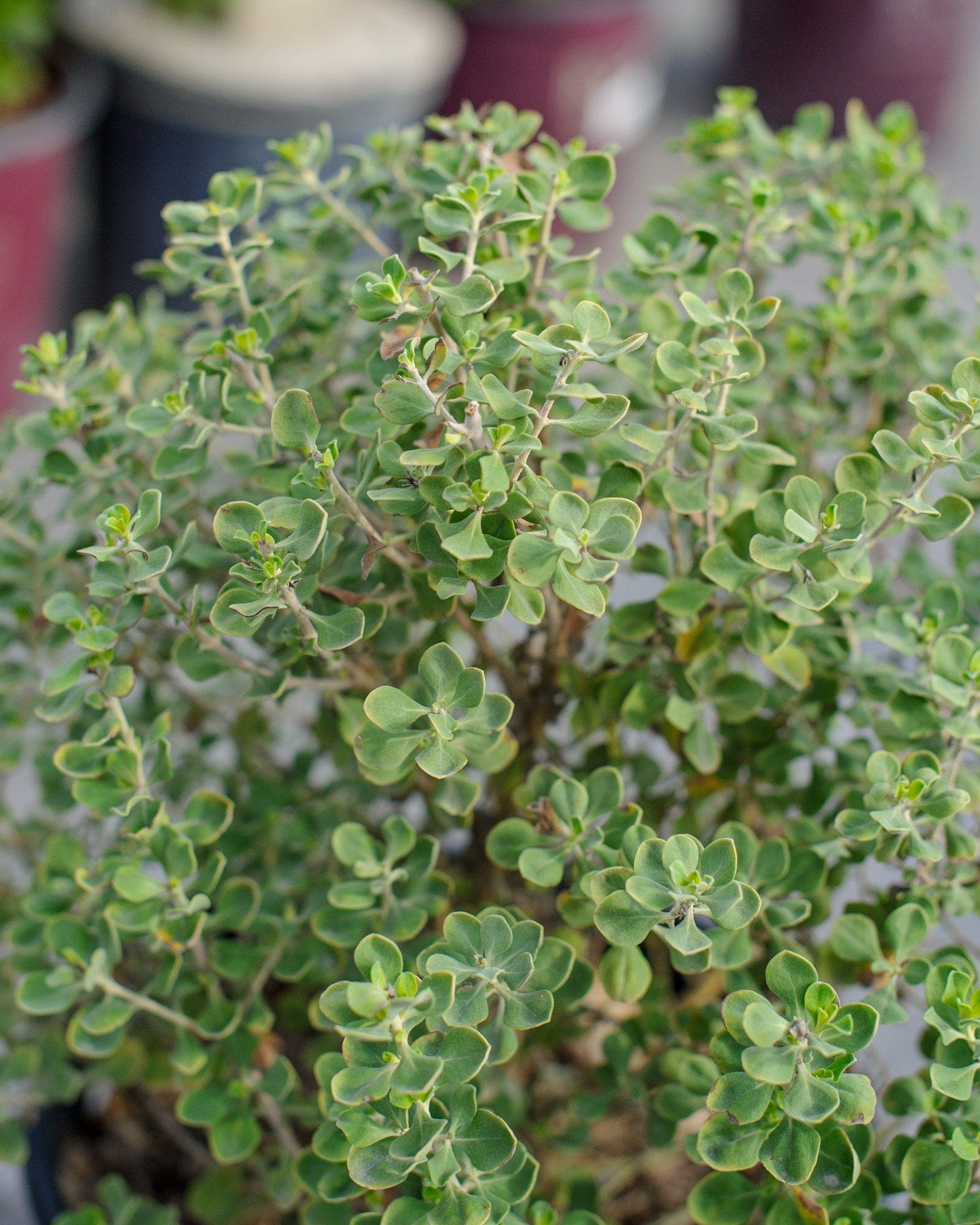
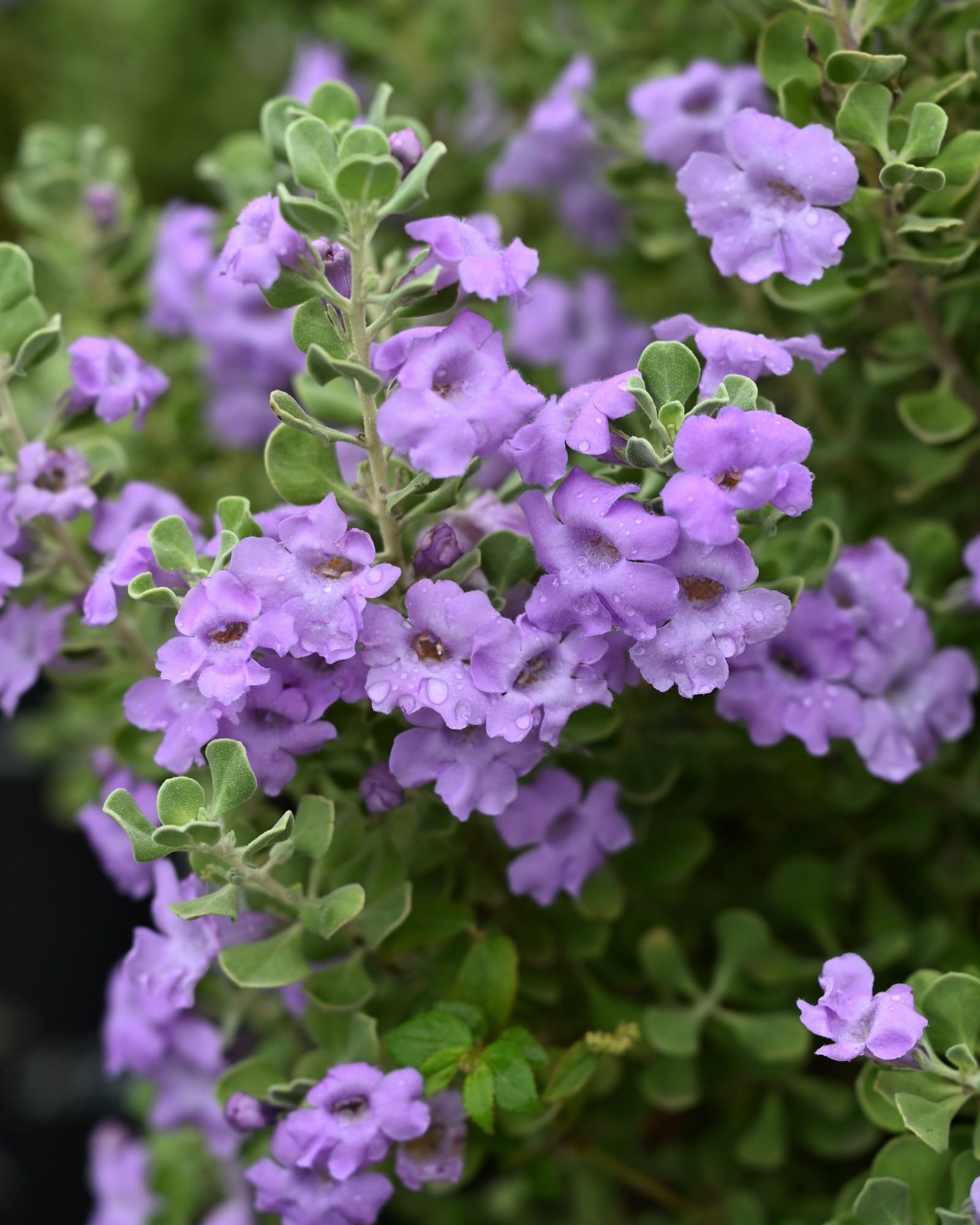
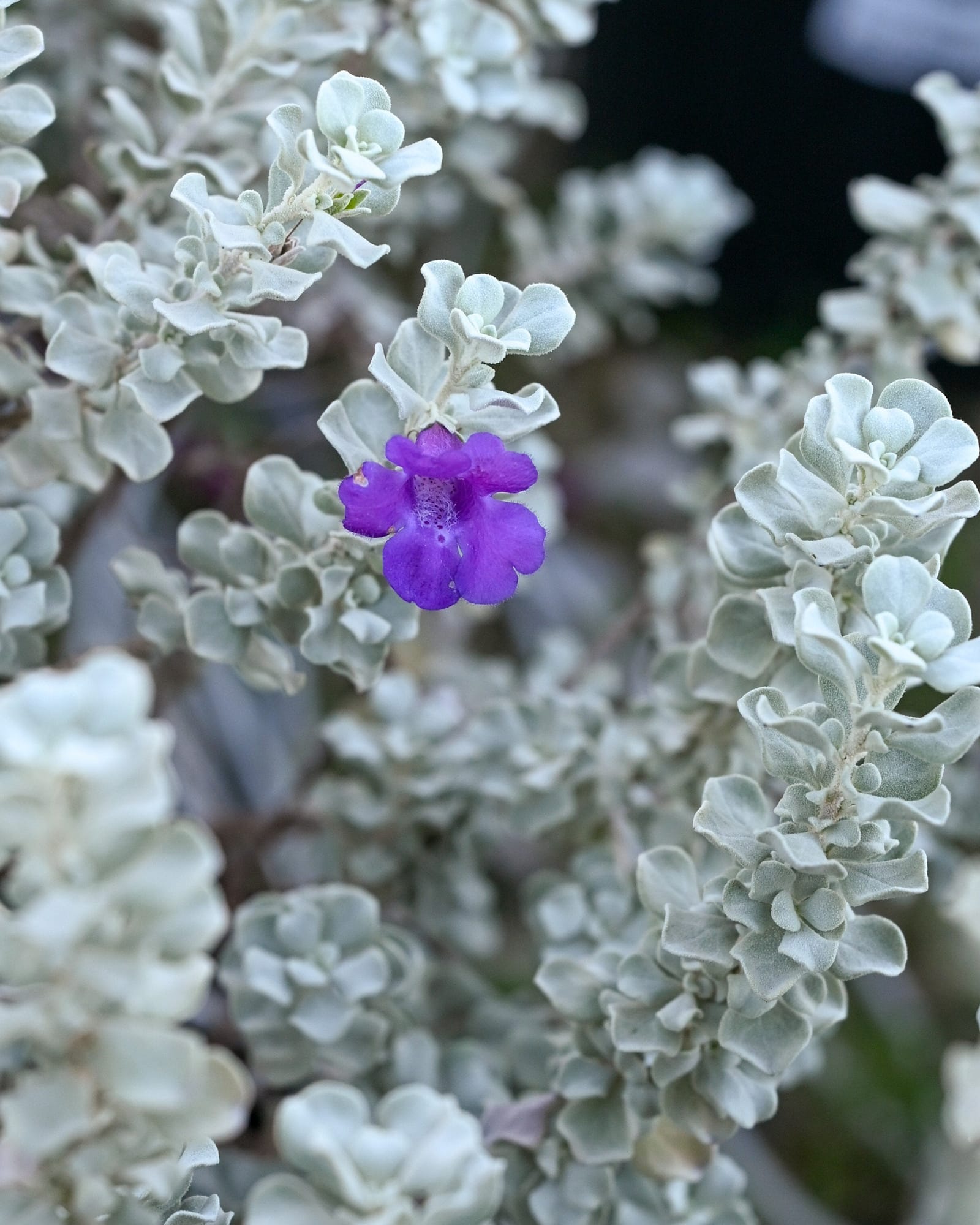
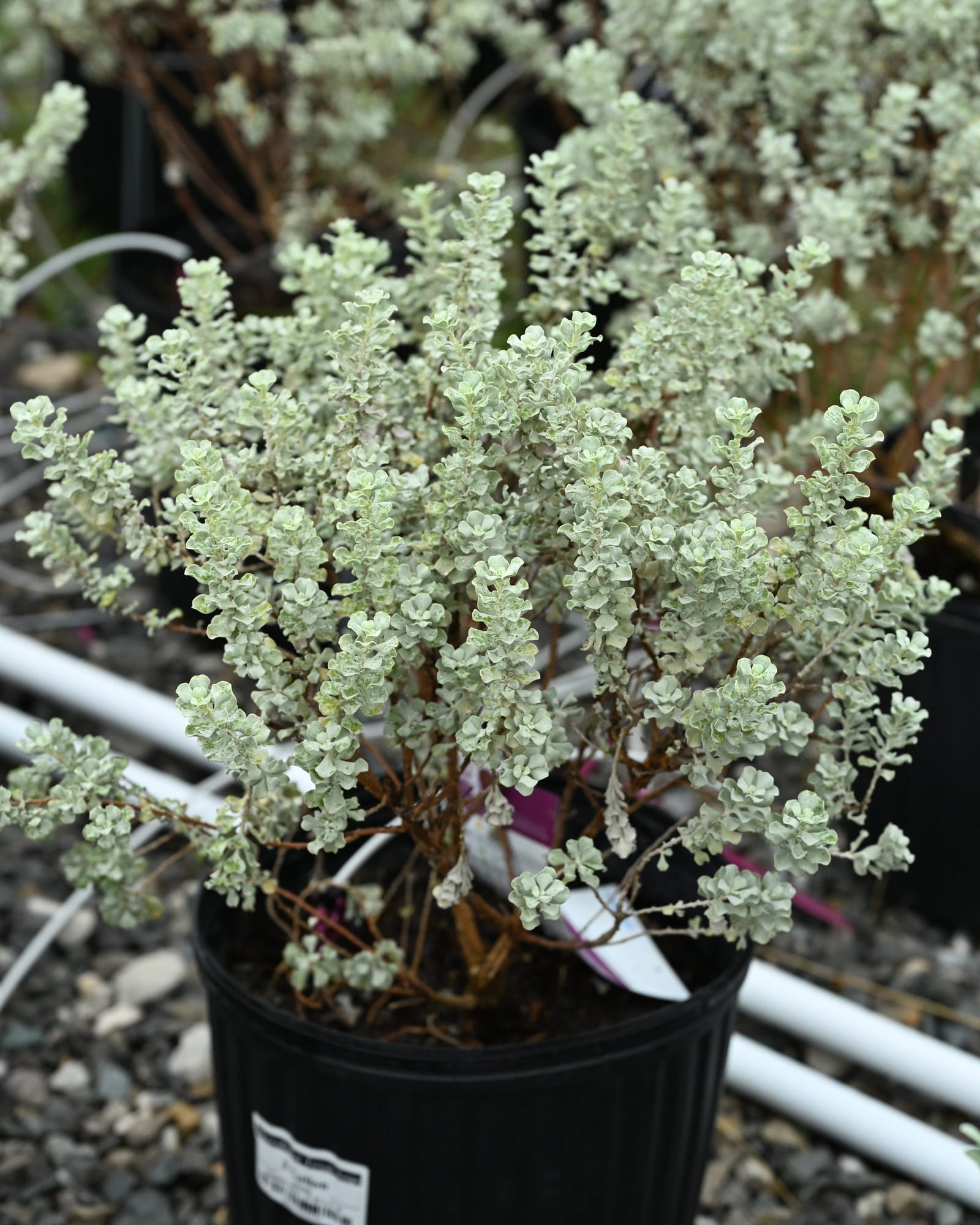
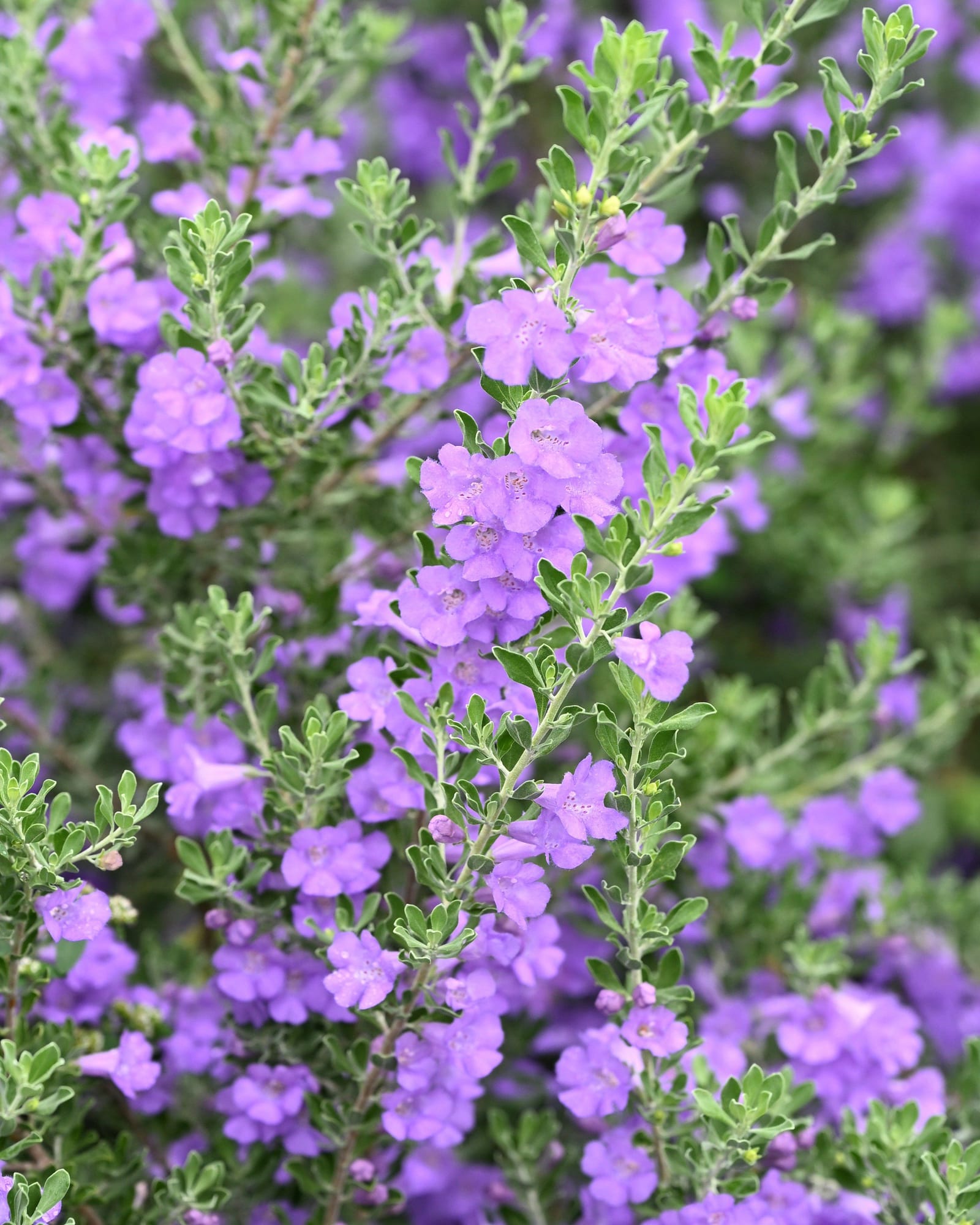
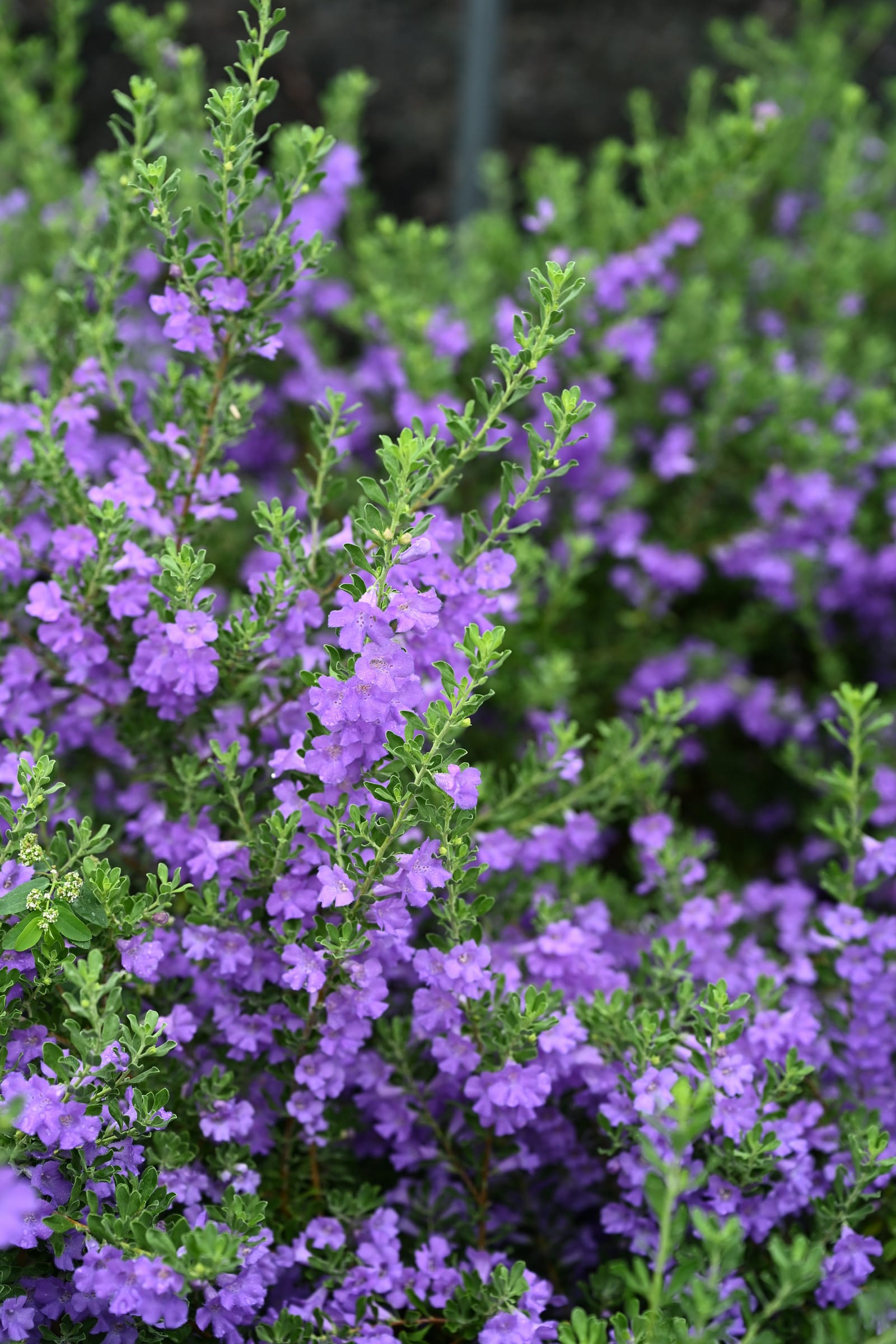
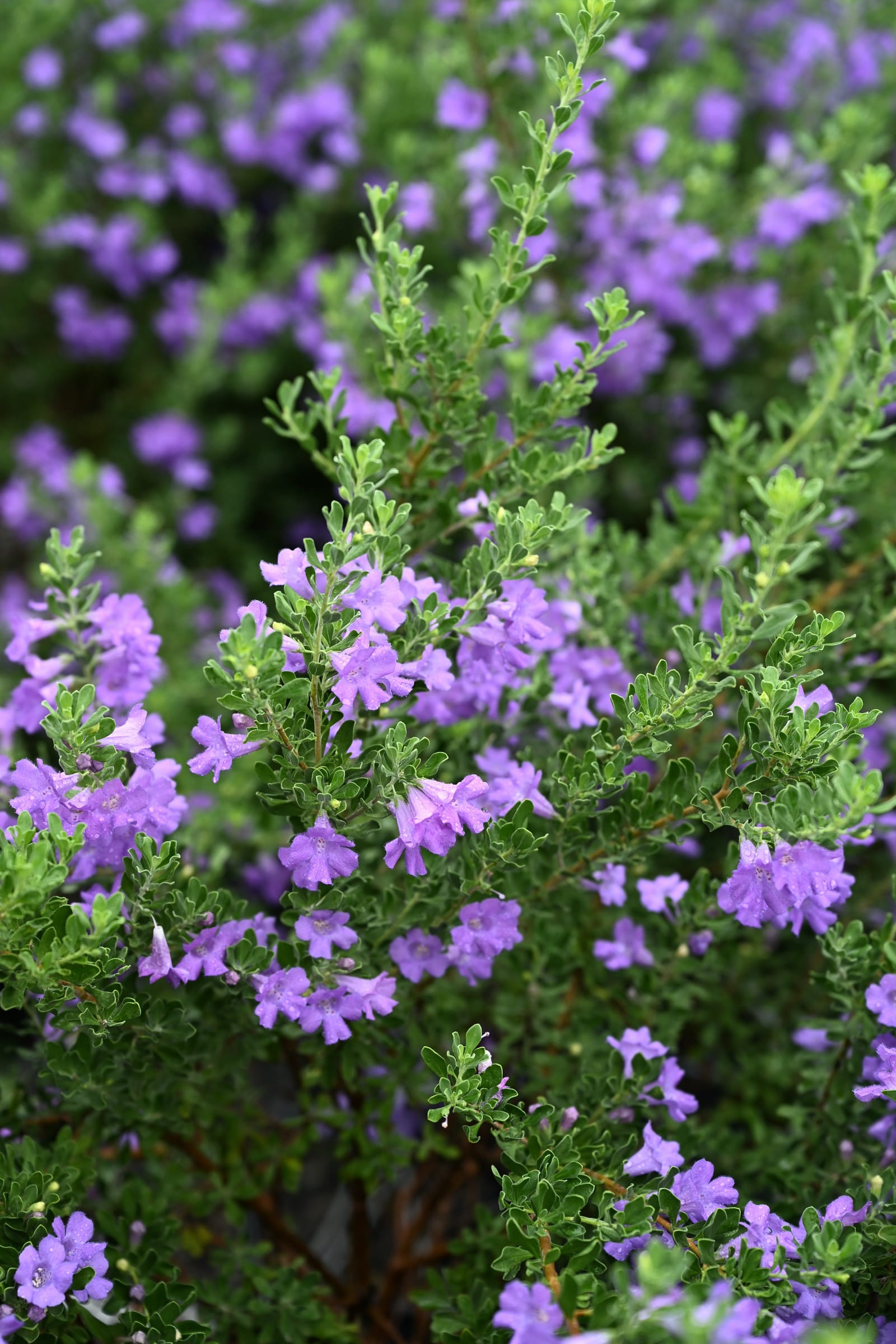
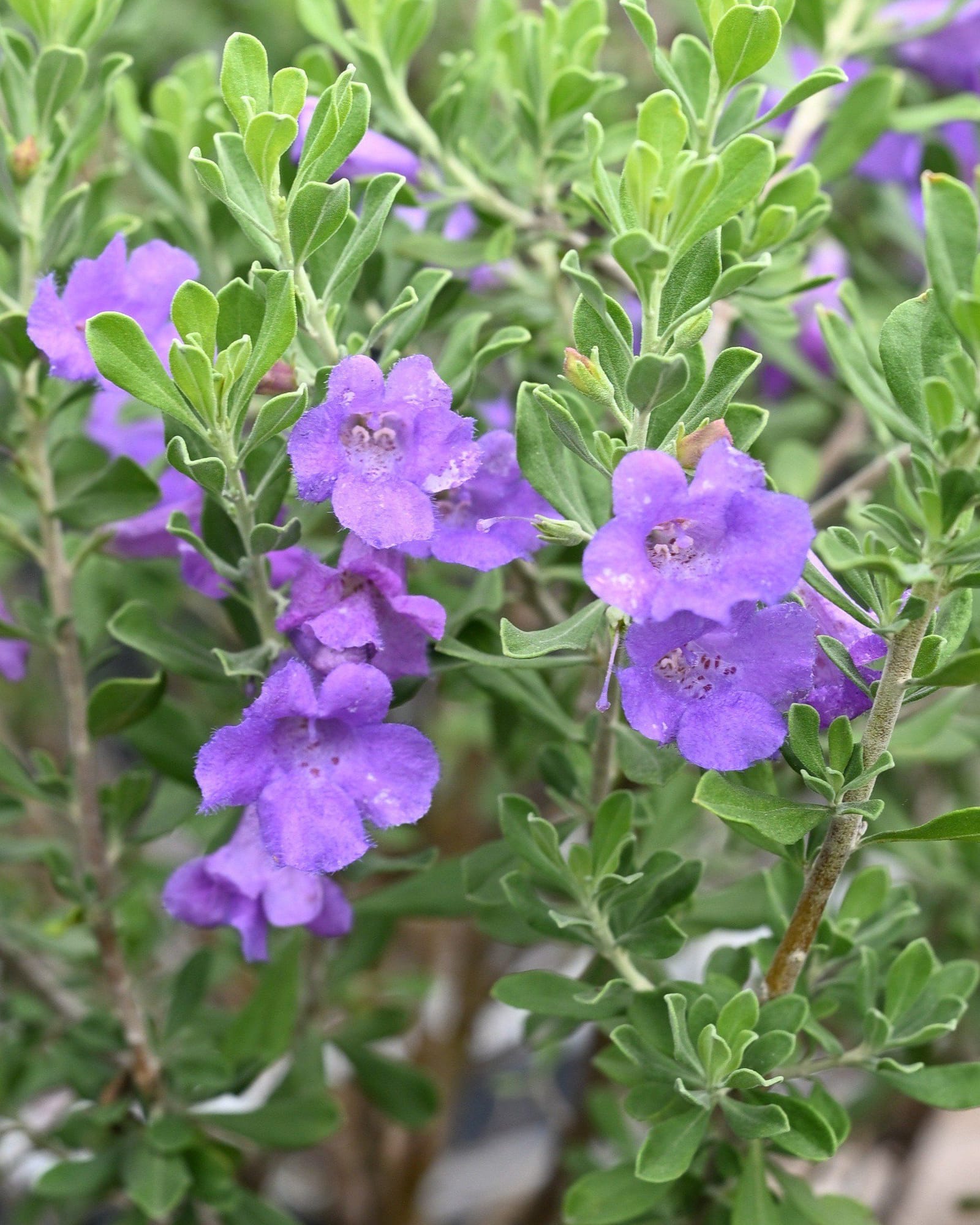
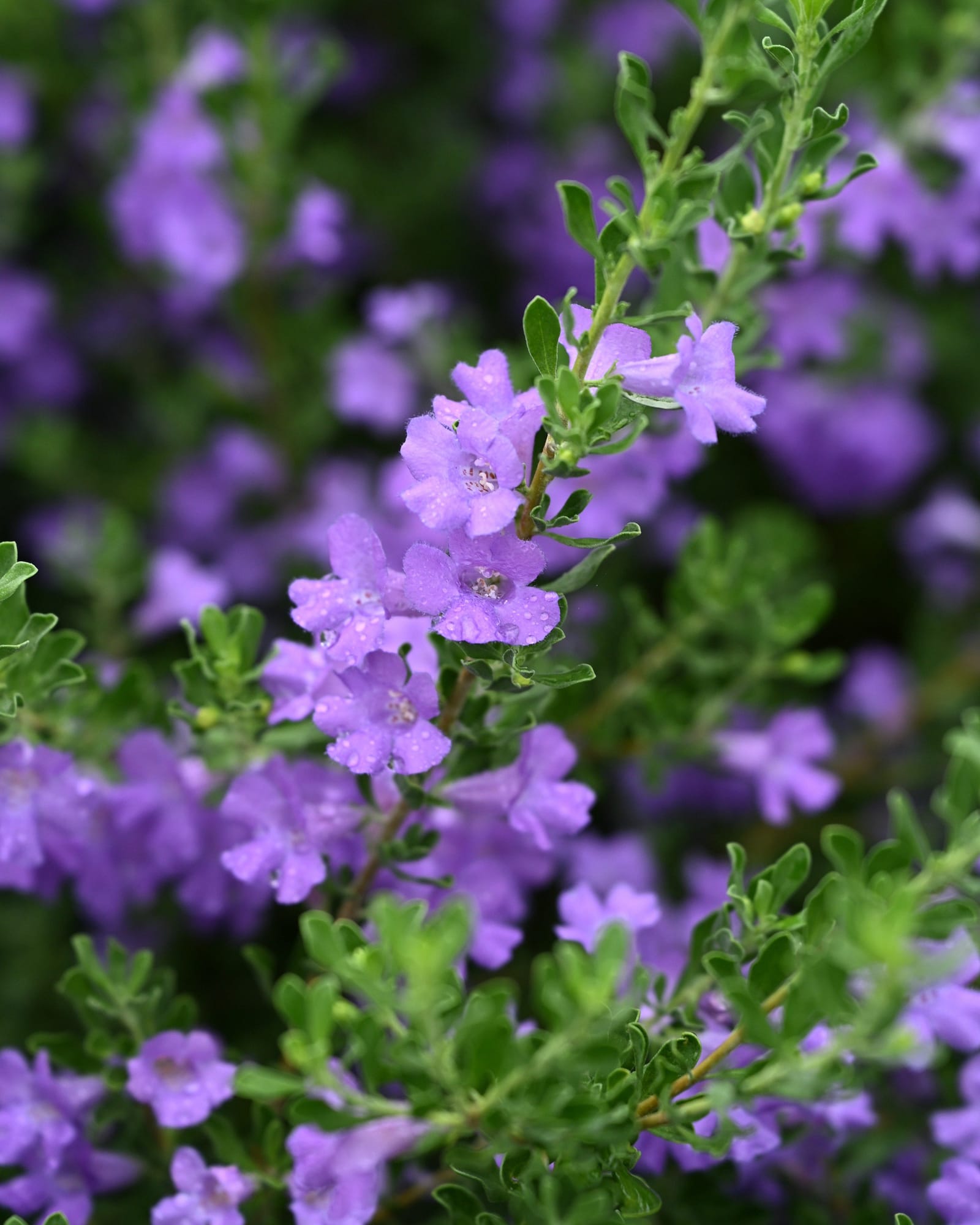
Leucophyllum frutescens 'Greado'Desperado Texas Sage is a striking evergreen shrub that brings year-round interest and seasonal color to your landscape. Its dense, silvery foliage provides a beautiful contrast to bright purple flowers that bloom in summer and fall. With its upright, rounded growth habit, it fits perfectly into larger borders, spacious containers, or as a bold accent in flower beds. At maturity, it reaches up to 6 feet tall and about 4 feet wide, making it ideal for adding structure and vibrant color to your outdoor space.
- An evergreen shrub
- Upright, rounded growth habit
- Moderate growth rate
- Purple flowers blooming in summer and fall
- Great for borders, large containers, and flower beds
Hardy in zones 8-10, Desperado Texas Sage adapts well to the North Texas climate. Plant it in full sun to encourage the best flowering, ensuring it receives at least 6 hours of direct sunlight daily. Use well-drained soil to support healthy growth and enjoy its seasonal bursts of color year after year.5
Once established, Desperado Texas Sage thrives on minimal intervention, making it an excellent choice for low-water and low-maintenance landscapes:
- Watering: Water deeply but infrequently during the first growing season to encourage deep root development. Once established, Desperado Texas Sage is highly drought-tolerant and prefers dry conditions between waterings. Overwatering is the most common cause of decline, so allow the soil to dry thoroughly before irrigating again.
- Pruning: Pruning should be minimal and purposeful, focusing on removing dead or crossing branches. Light shaping after flowering helps maintain a clean, upright form. Avoid frequent shearing, which weakens the structure and reduces flowering.
- Fertilizing: Fertilizer is rarely needed and often unnecessary. If growth appears weak, a very light application of low-nitrogen fertilizer in early spring is sufficient. Excess fertilizer encourages soft growth that is more prone to damage.
- Mulching: Apply a thin 1-2 inch layer of gravel or organic mulch to reduce weeds and moderate soil temperature. Keep mulch well away from the trunk to prevent moisture buildup. In xeric designs, inorganic mulch complements its natural habitat.
- Winter Care: Desperado Texas Sage is cold-hardy in its recommended range but may experience leaf drop during severe freezes. Avoid pruning after mid-summer to prevent tender growth going into winter. Plants typically rebound quickly in spring with new growth.
Desperado Texas Sage is exceptionally tough, but problems usually arise when it receives too much care rather than too little:
- Root Rot: Leaves yellow and drop while branches soften at the base. Reduce irrigation immediately and improve drainage to prevent prolonged soil moisture.
- Freeze Damage: Leaves turn brown or drop after hard freezes. Wait until spring to prune damaged growth once new shoots appear.
- Sparse Flowering: Plants produce few blooms despite healthy foliage. Reduce watering and avoid fertilizer to encourage flowering.
- Leggy Growth: Branches stretch unevenly and lose density. Prune selectively to restore structure and avoid excessive irrigation.
- Leaf Drop: Sudden leaf loss occurs during cold snaps or stress. This is normal, and foliage typically returns with warmer weather.
- Poor Air Circulation: Dense interiors lead to twig dieback. Thin selectively to improve airflow and maintain plant health.
With proper placement and minimal irrigation, it typically lives 25-40 years. Its longevity improves when grown in dry, well-drained conditions. Mature plants become increasingly resilient over time.
It grows at a moderate pace of about 8-12 inches per year. A full, upright form usually develops within 4-6 years. Growth remains controlled and sturdy rather than fast and weak.
Flowering is often triggered by humidity changes and rainfall rather than seasonal timing. Blooms may appear suddenly after summer rains. This natural response gives the plant its nickname, “barometer bush.”
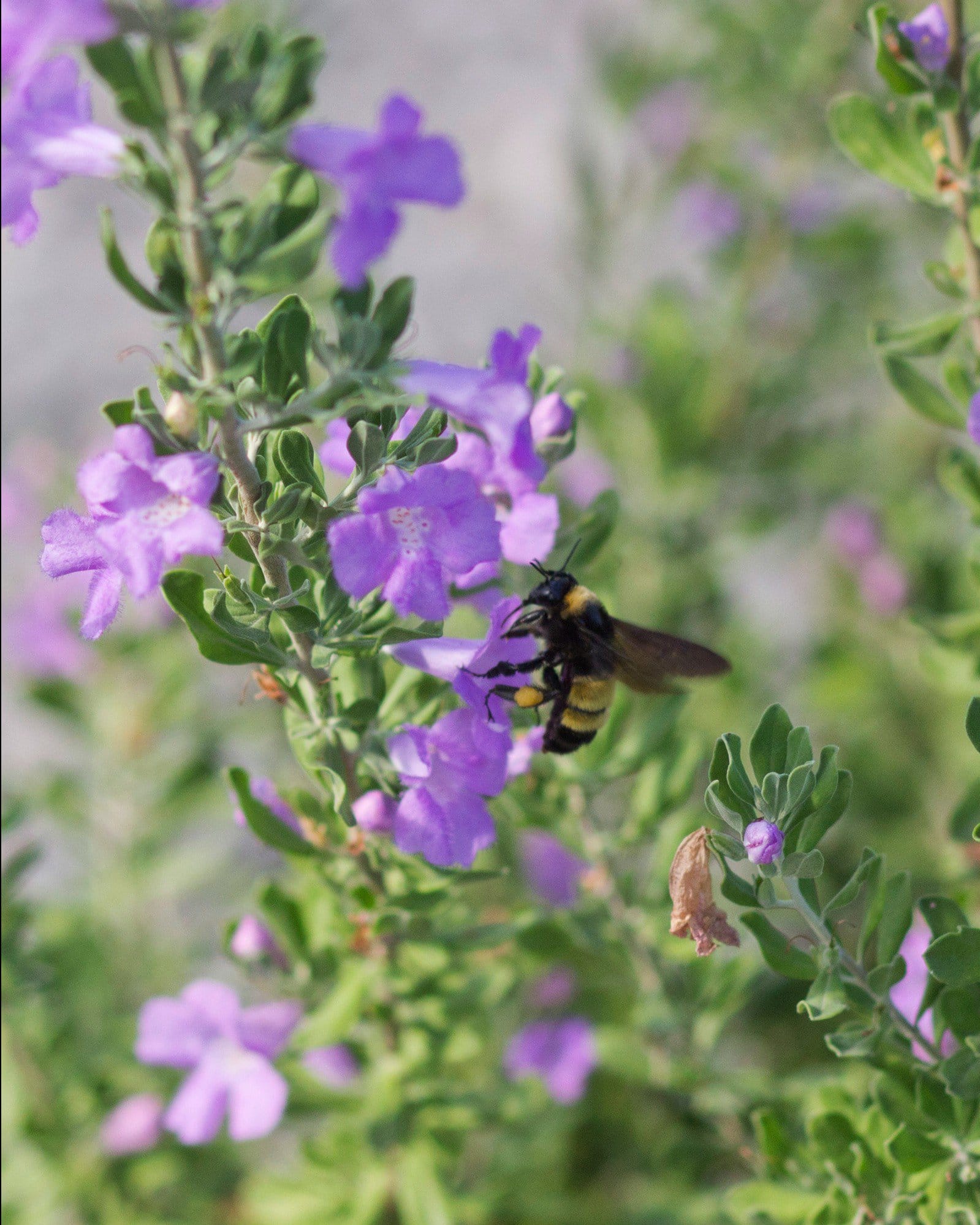
Its purple flowers attract bees and native pollinators. Blooms provide nectar during hot months when few shrubs are flowering. Pollinator activity adds life to xeric landscapes.
Deer generally avoid this shrub due to its aromatic, fuzzy foliage. Occasional browsing is rare. Established plants are usually left untouched.
It can be grown in large containers when young. Containers must drain extremely well to prevent root rot. Long-term container culture requires careful watering restraint.
Division is not recommended due to its woody structure. Propagation is best done through cuttings. This preserves the plant’s upright habit and vigor.
It performs exceptionally well in mass plantings and rows. Grouped plants create a bold, uniform look with very low maintenance. Mass plantings also reduce irrigation needs.
It pairs beautifully with other drought-tolerant plants like lantana, agave, and ornamental grasses. Companion plants should share similar low-water needs. This creates cohesive, resilient landscapes.
Its ability to thrive on neglect sets it apart from most flowering shrubs. Silvery foliage, sudden blooms, and extreme toughness define its appeal. Desperado offers beauty with almost no demand.
Special Features
You might also like
Compacta Texas Sage
Maturity: 3' H x 3' W
Green Cloud Texas Sage
Maturity: 6' H x 6' W
San Antonio Texas Sage
Maturity: 4' H x 4' W
Silver Dream Texas Sage
Maturity: 6' H x 4' W
Silver Star Texas Sage
Maturity: 4' H x 4' W
Heavenly Cloud Texas Sage
Maturity: 6' H x 5' W
Laredo Texas Sage
Maturity: 6' H x 6' W
Silver Snow Texas Sage
Maturity: 6' H x 4' W
Lynn's Legacy Texas Sage
Maturity: 5' H x 5' W
Microburst Texas Sage
Maturity: 3' H x 3' W
Purple Rain Texas Sage
Maturity: 5' H x 5' W
High Fragrance Camellia
Maturity: 8' H x 6' W
Kanjiro Camellia
Maturity: 8' H x 6' W
Royal Velvet Camellia
Maturity: 6' H x 6' W
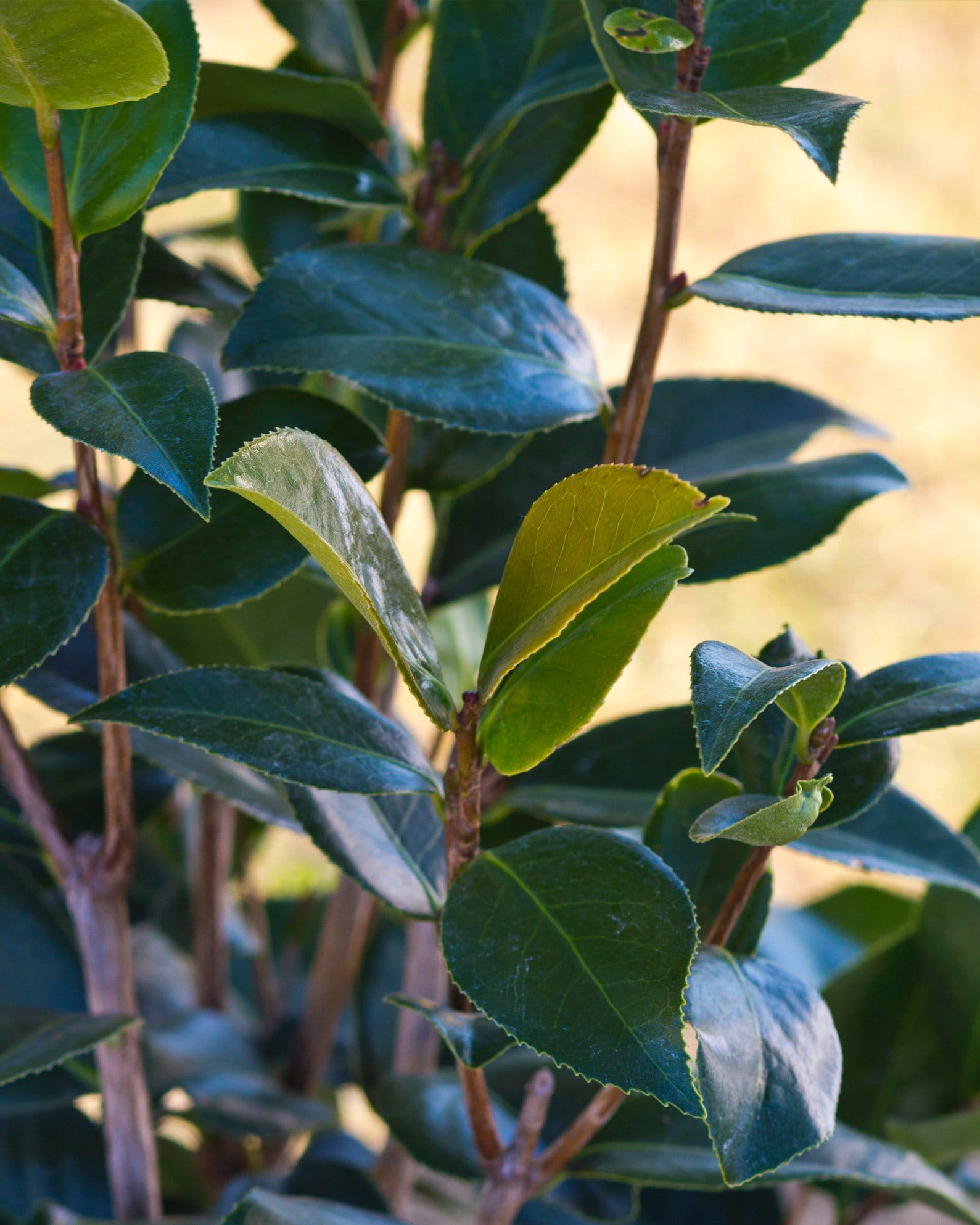
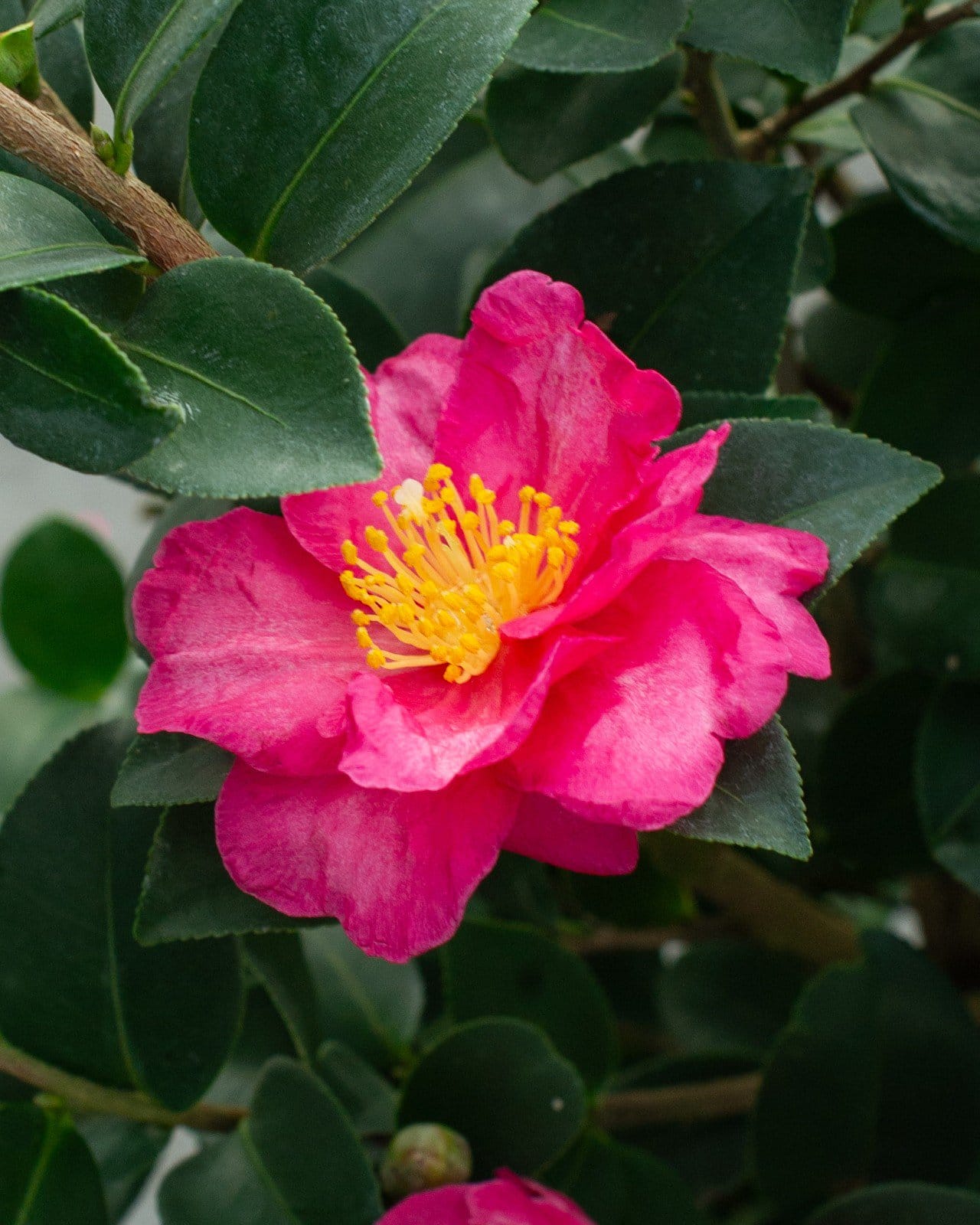
Shishi Gashira Camellia
Maturity: 4' H x 6' W
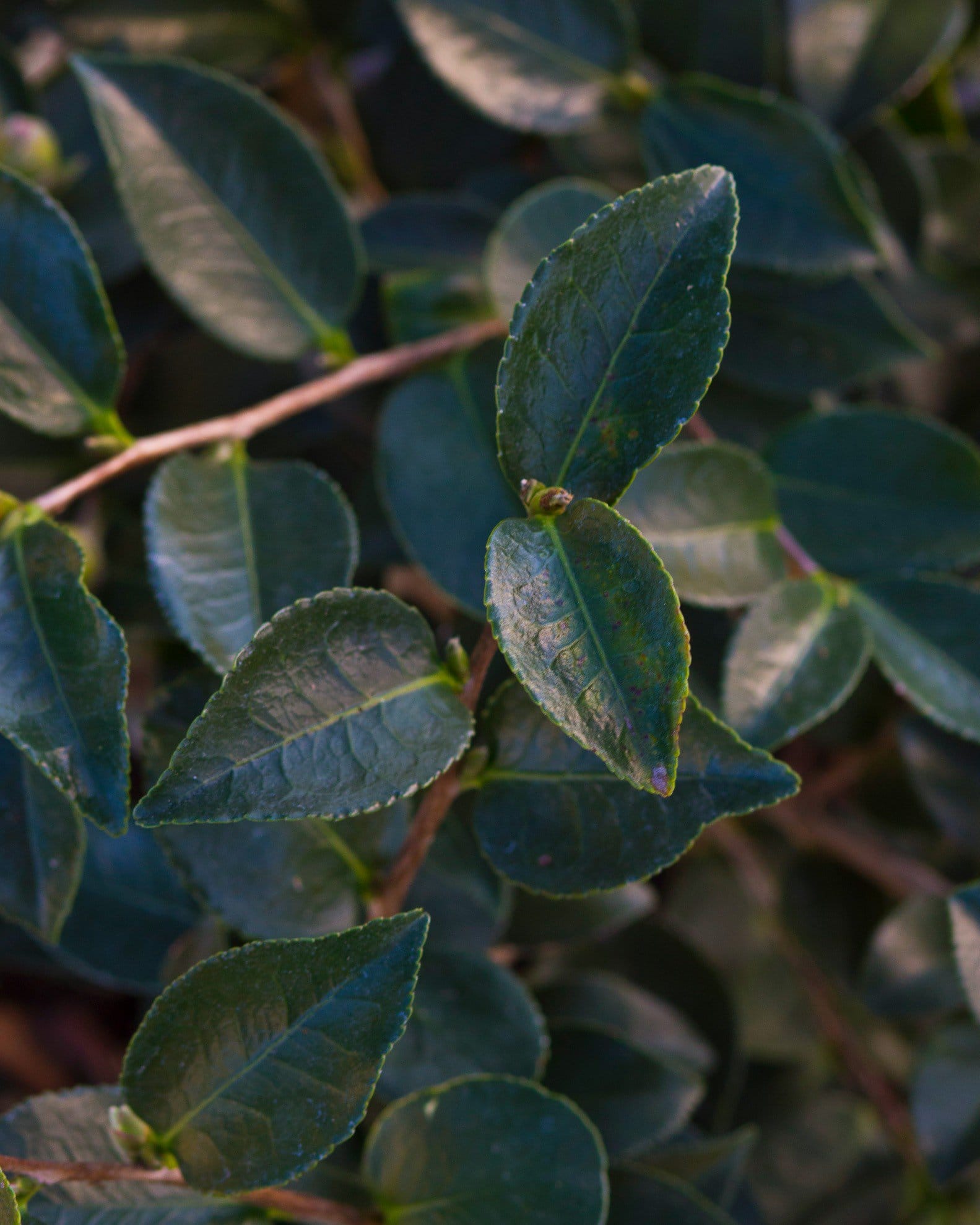
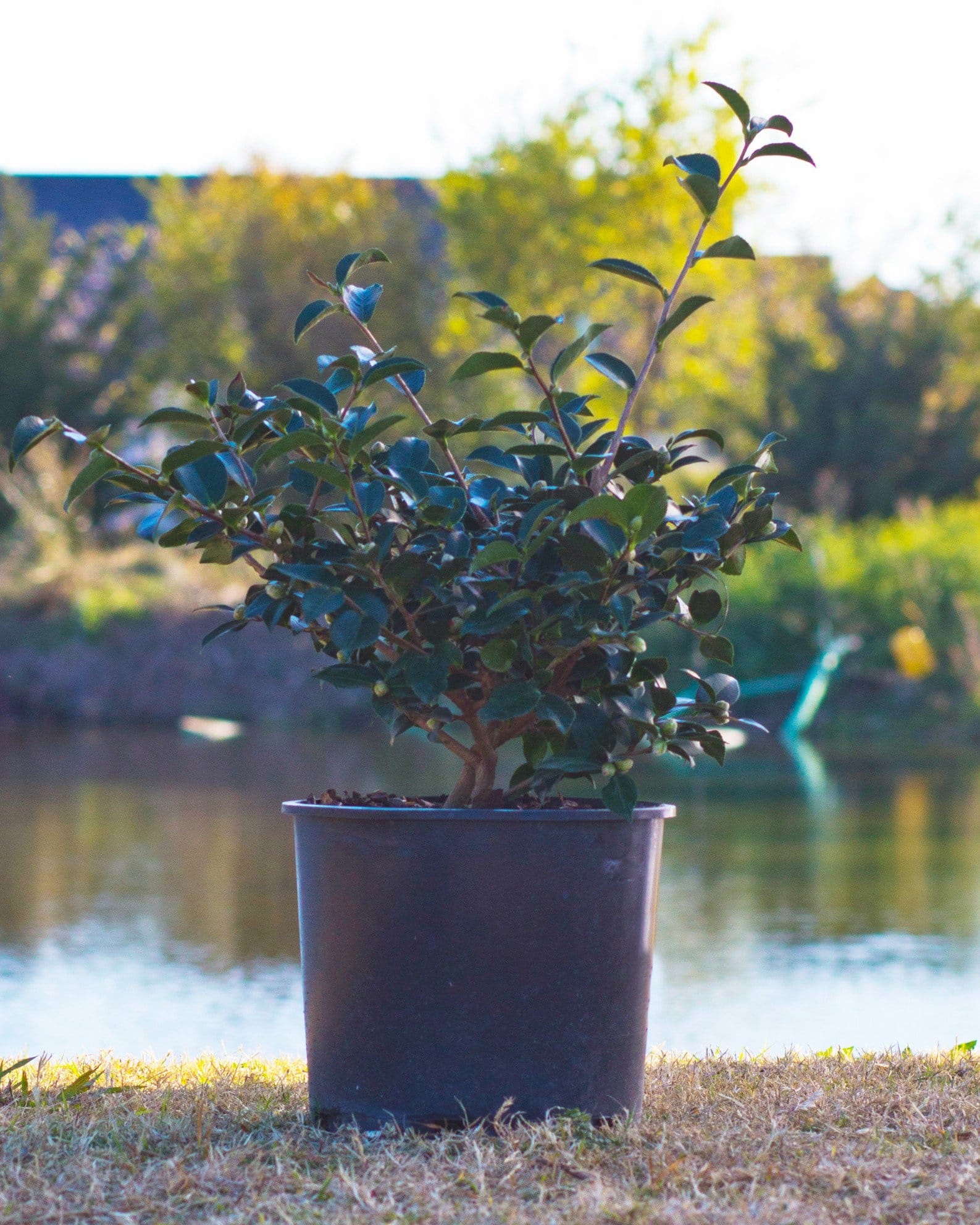
Compare Similar Plants
Desperado Texas Sage This plant | ||
|---|---|---|
| Scientific Name | Leucophyllum frutescens 'Greado' | Leucophyllum frutescens ‘Compacta’ |
| Size at Maturity | 6' H x 4' W | 3' H x 3' W |
| Leaf Retention | Evergreen | Evergreen |
| Flower Color | Purple | Purple |
| Bloom Times | Summer & Fall | Summer & Fall |
| Sizes Available | 3, 7 gal | 3 gal |


Our 1-Year Planting Guarantee
We take pride in our plants and installation services. If any plants or trees installed by Treeland fail to thrive within the first year, we'll provide a replacement credit in accordance with our guarantee program.
Learn More About Our Guarantee