
 Texas Native
San Antonio Texas Sage
Leucophyllum frutescens 'San Antonio Rose'Local DFW Delivery Only
Product Details
San Antonio Texas Sage
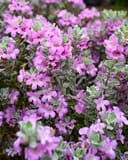
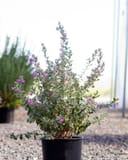
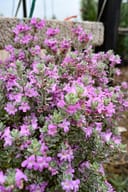
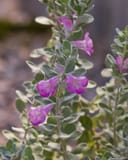
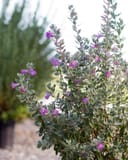
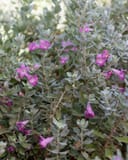
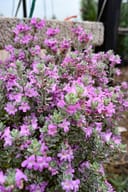
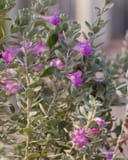
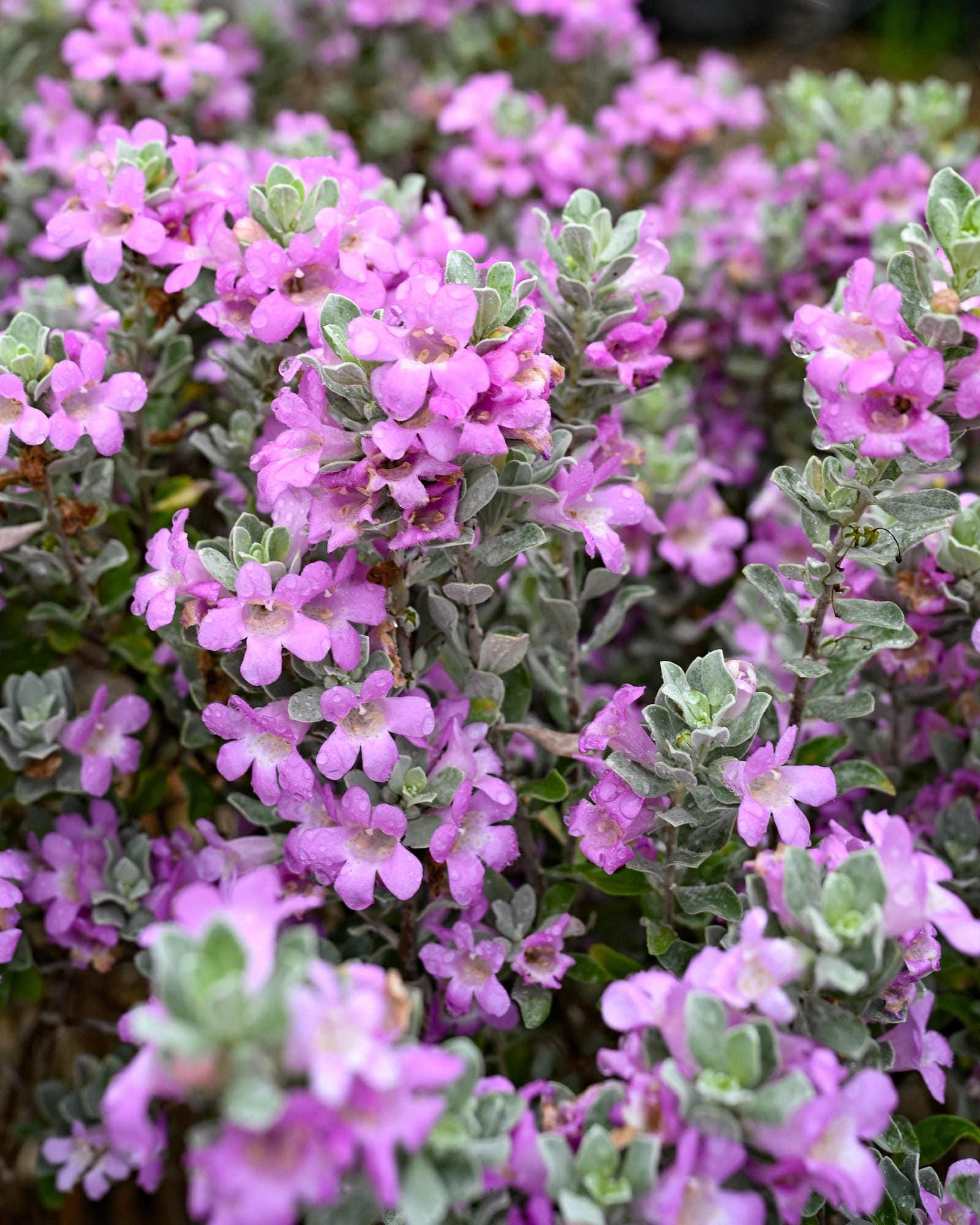
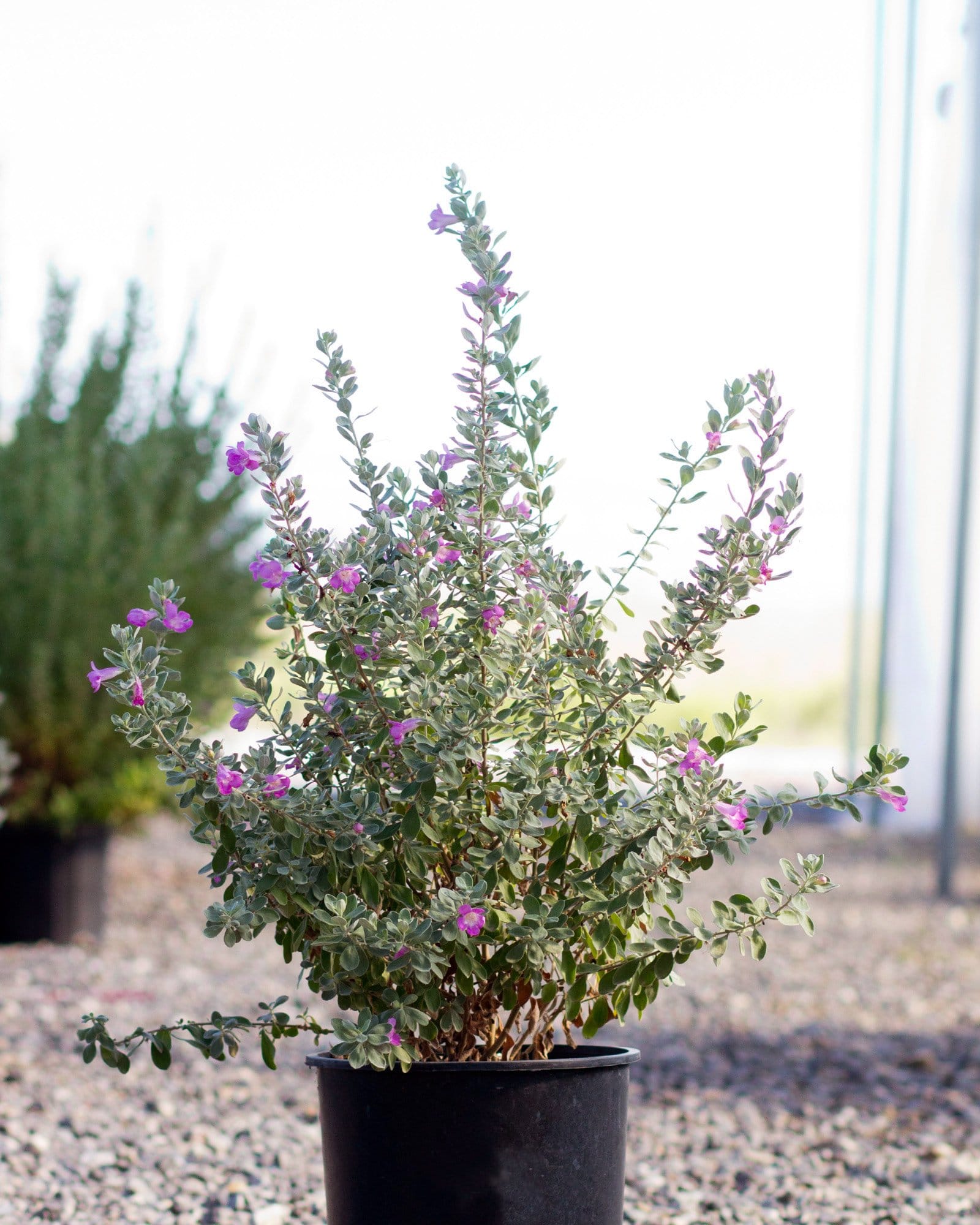
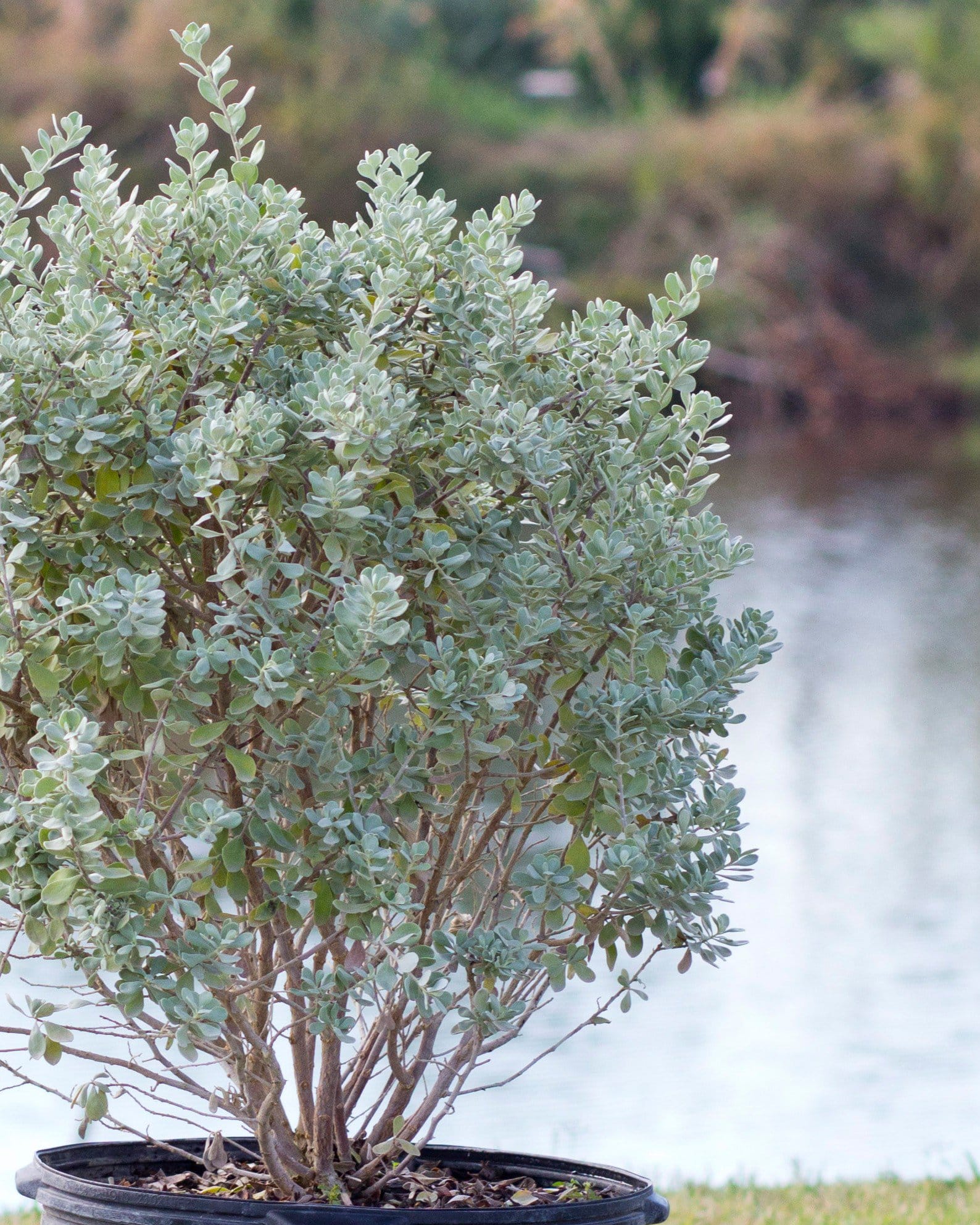
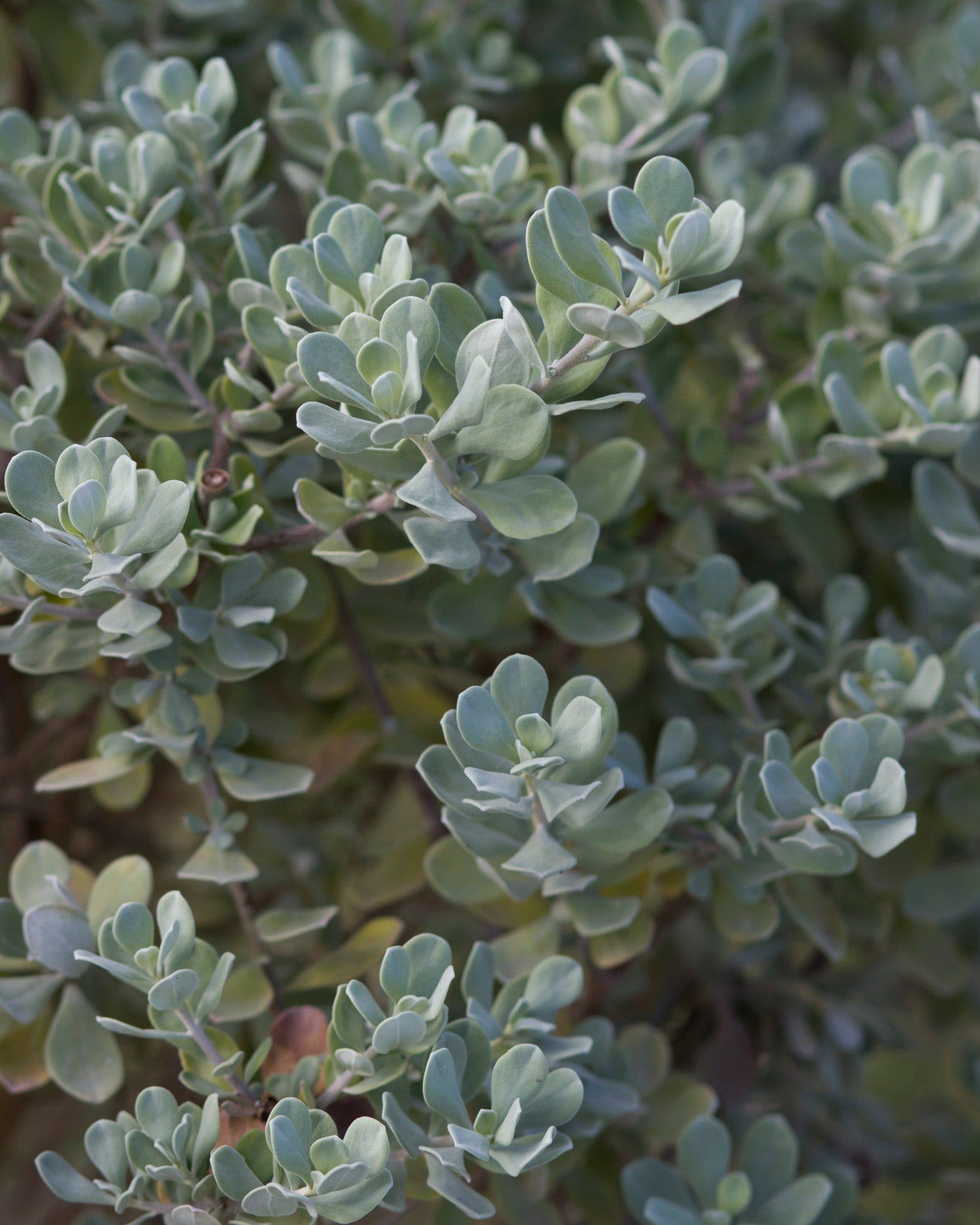
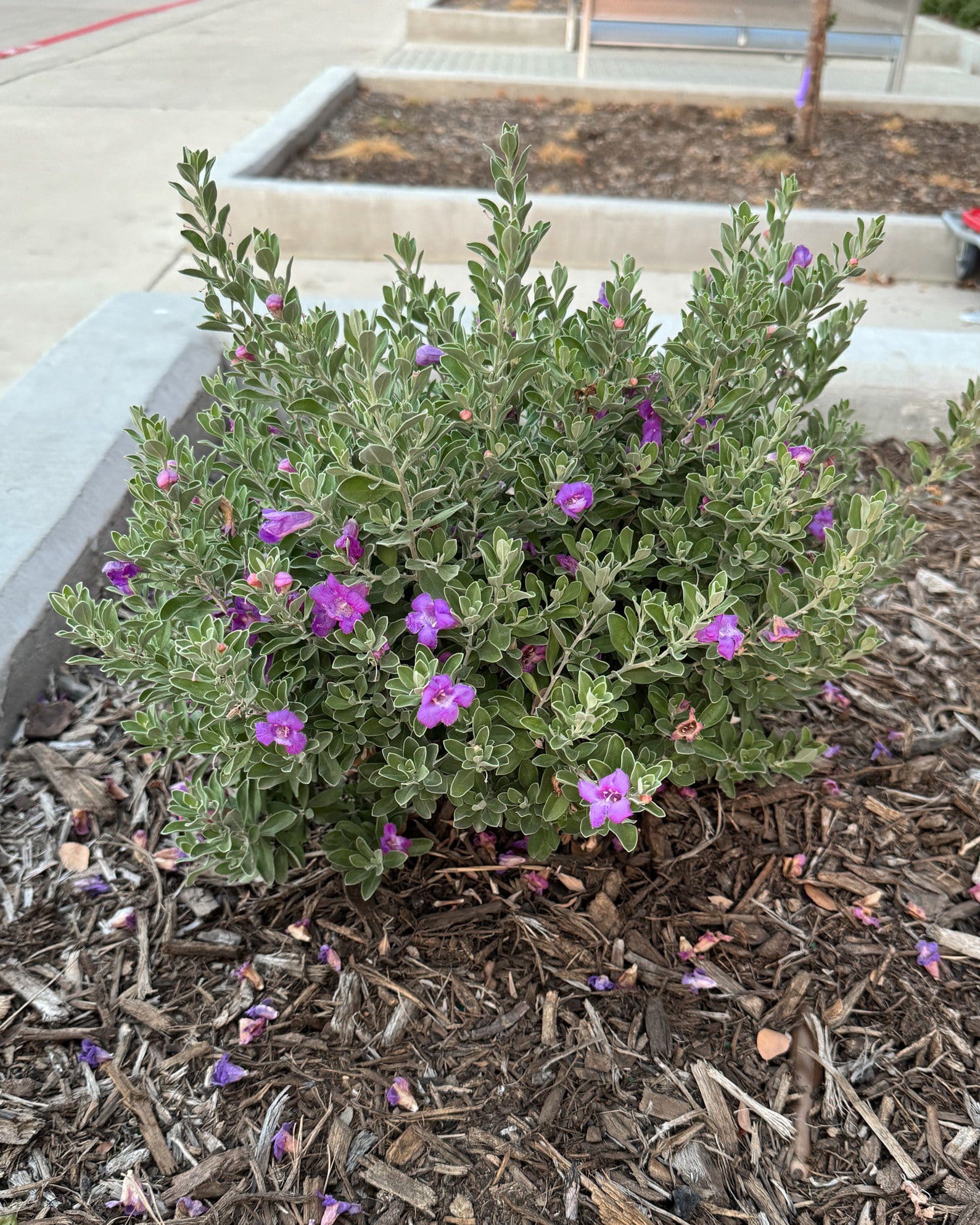
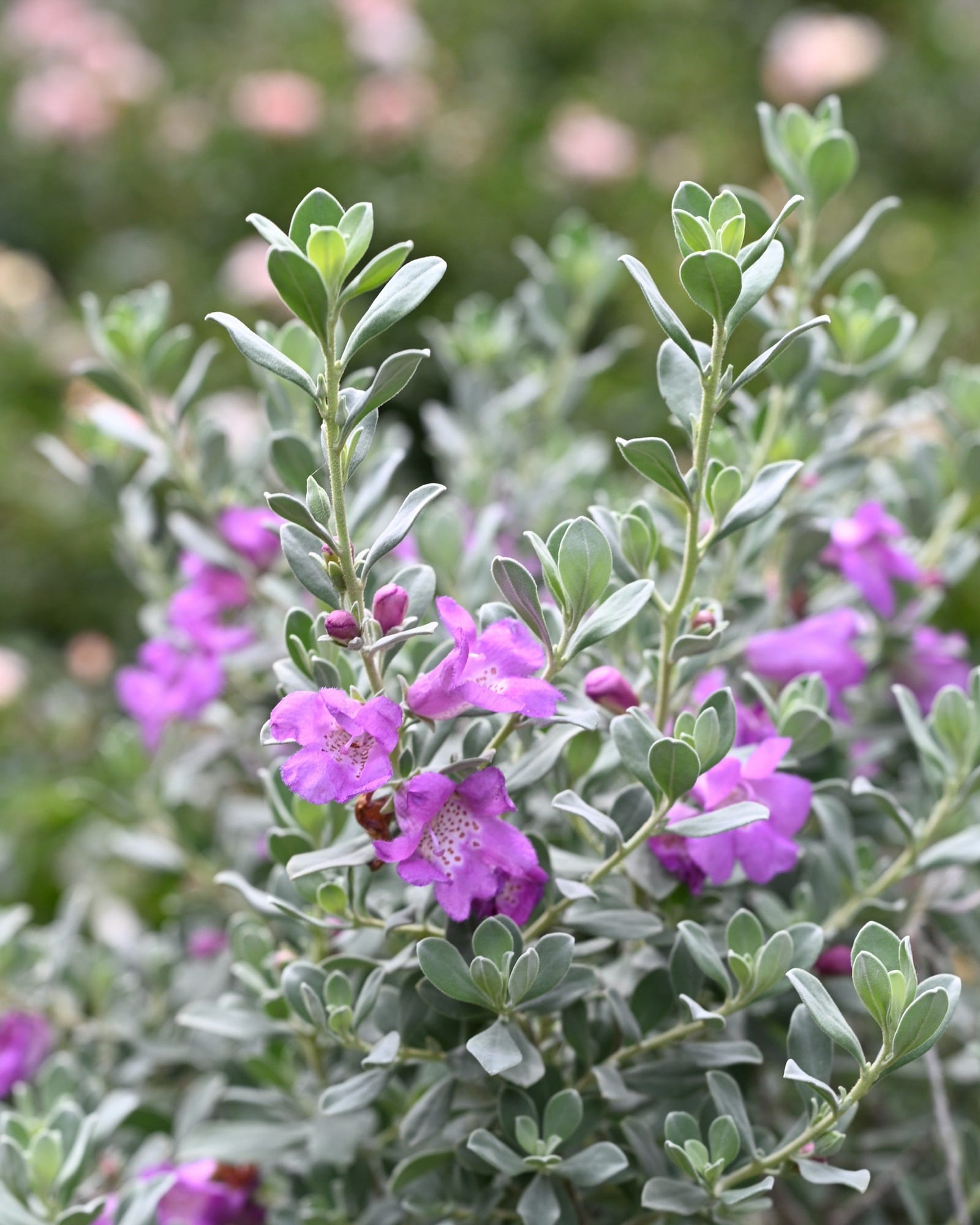
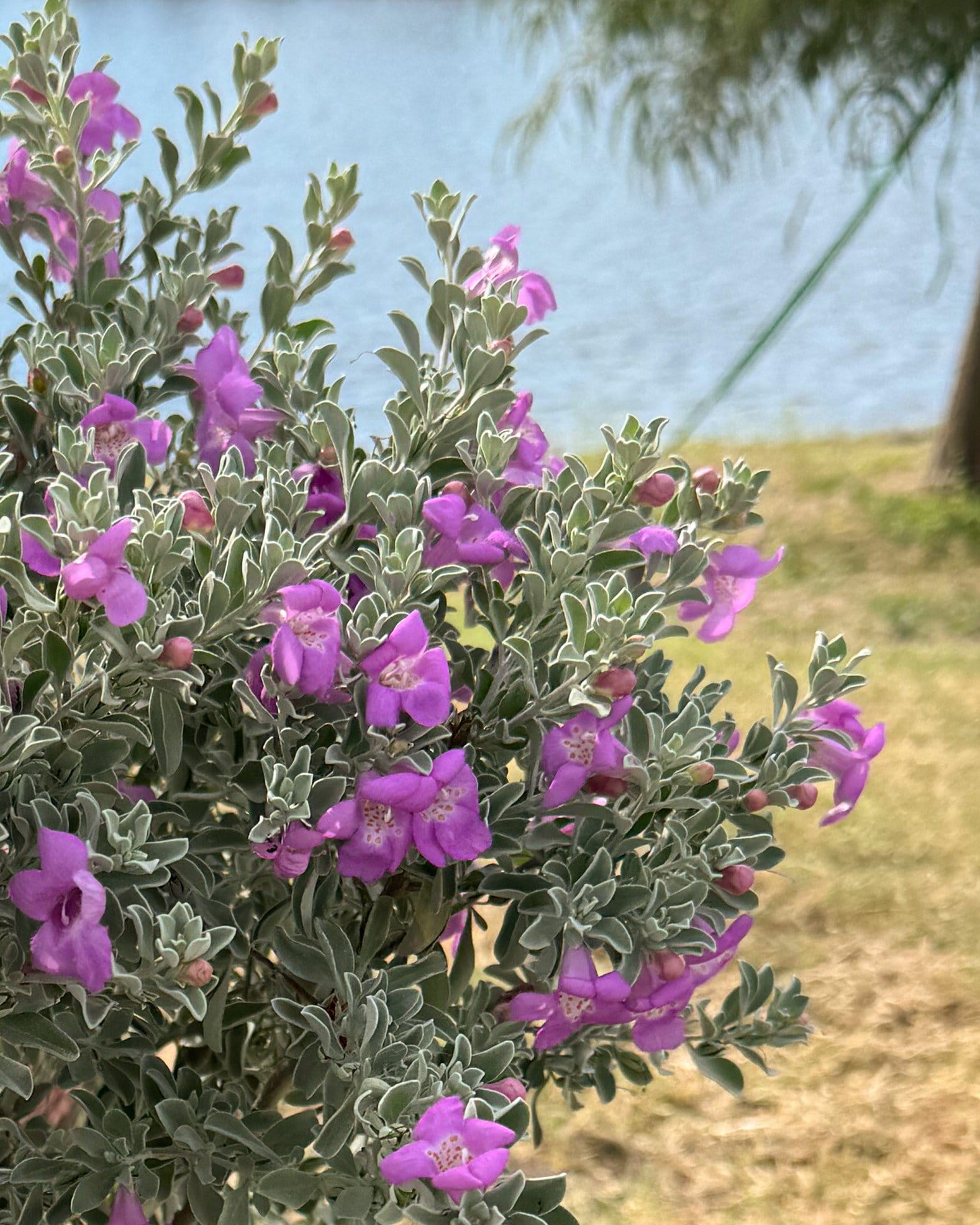
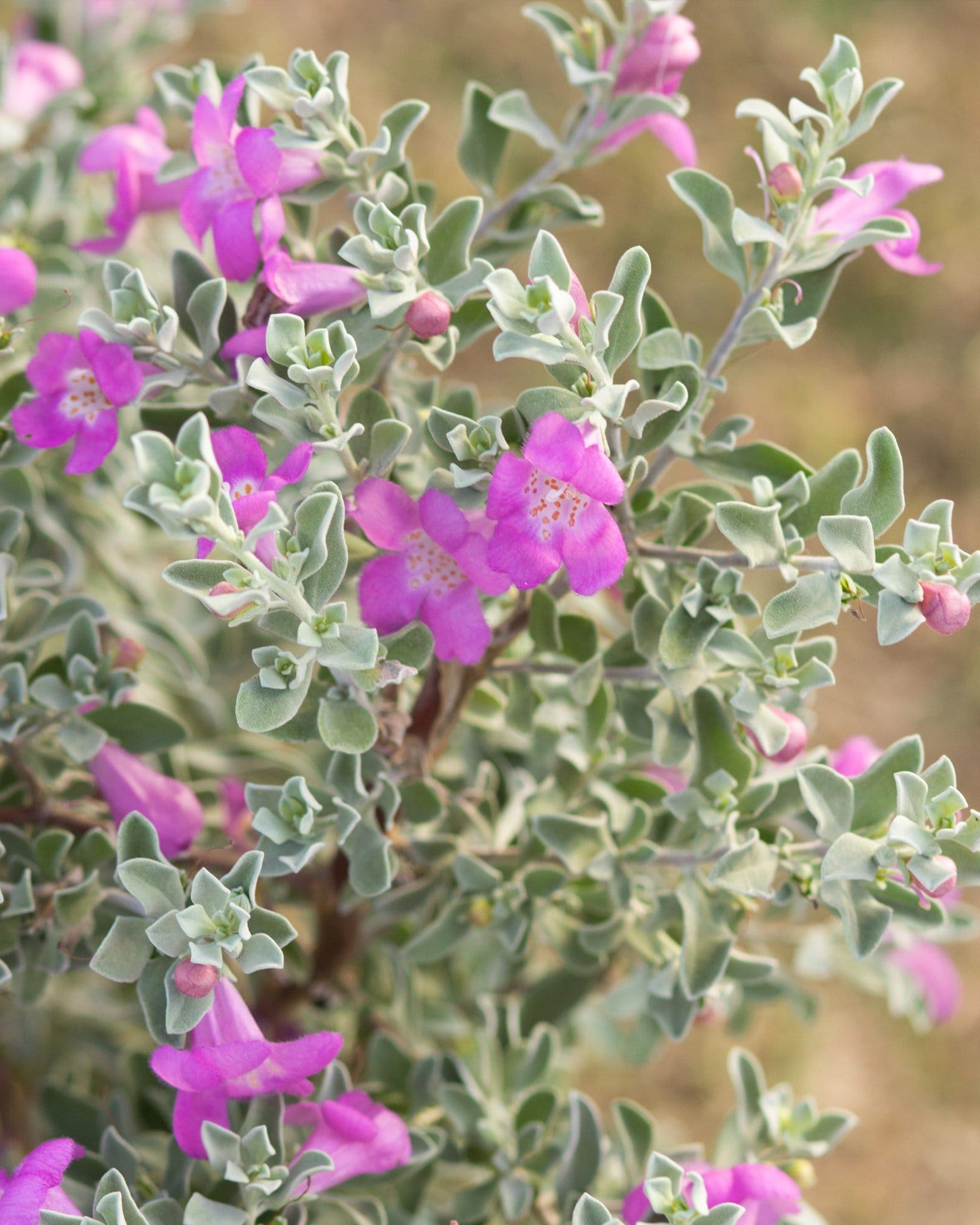
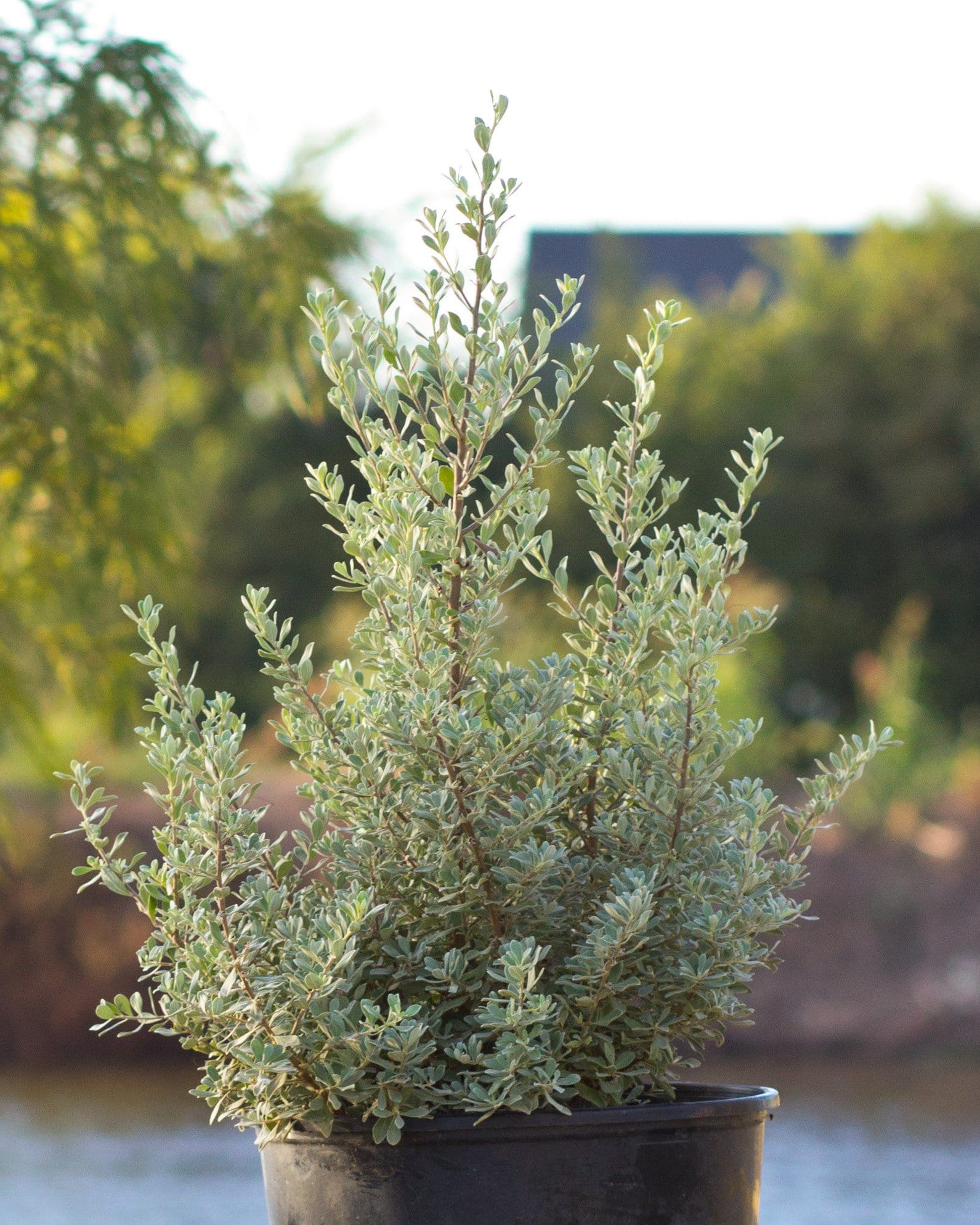
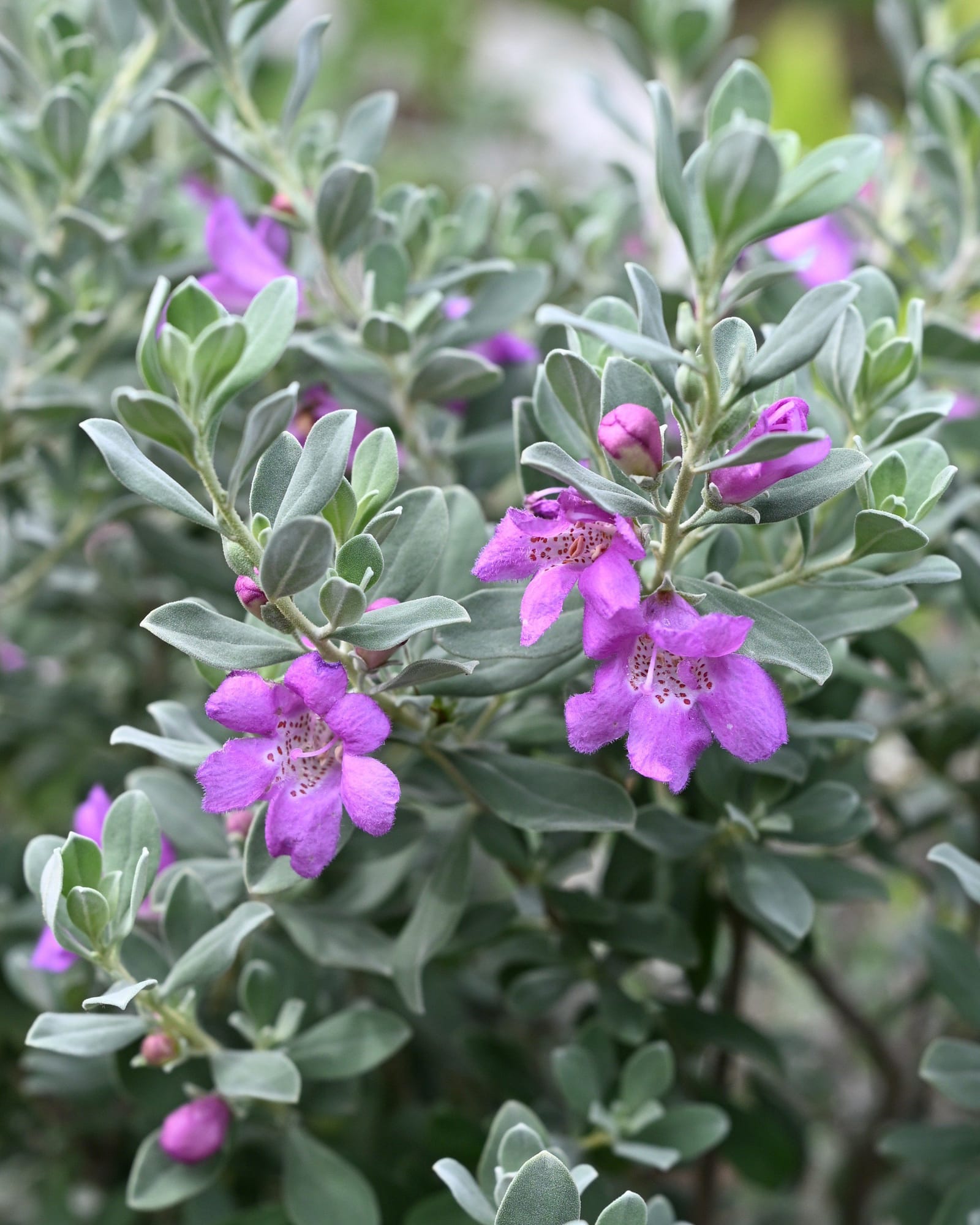
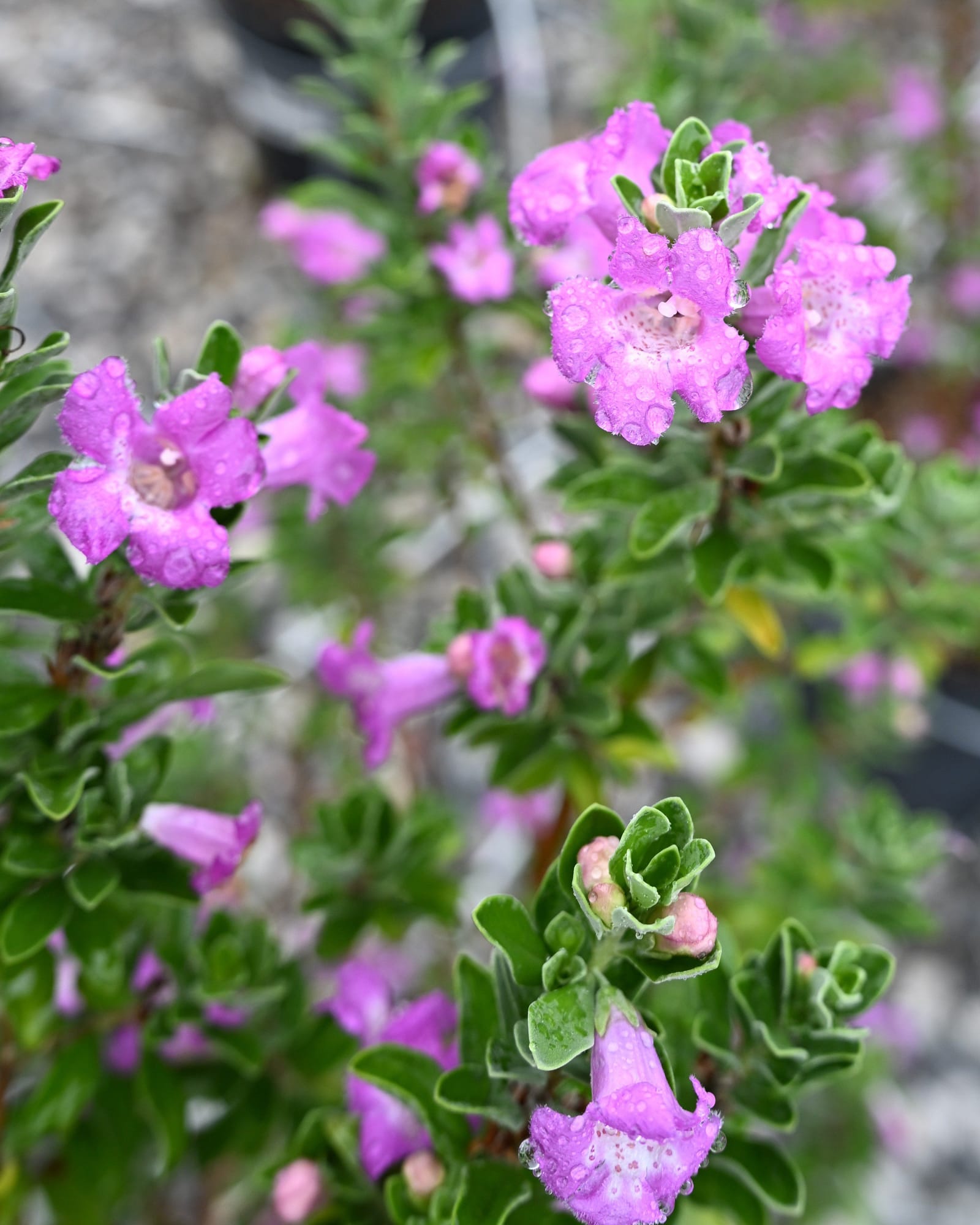
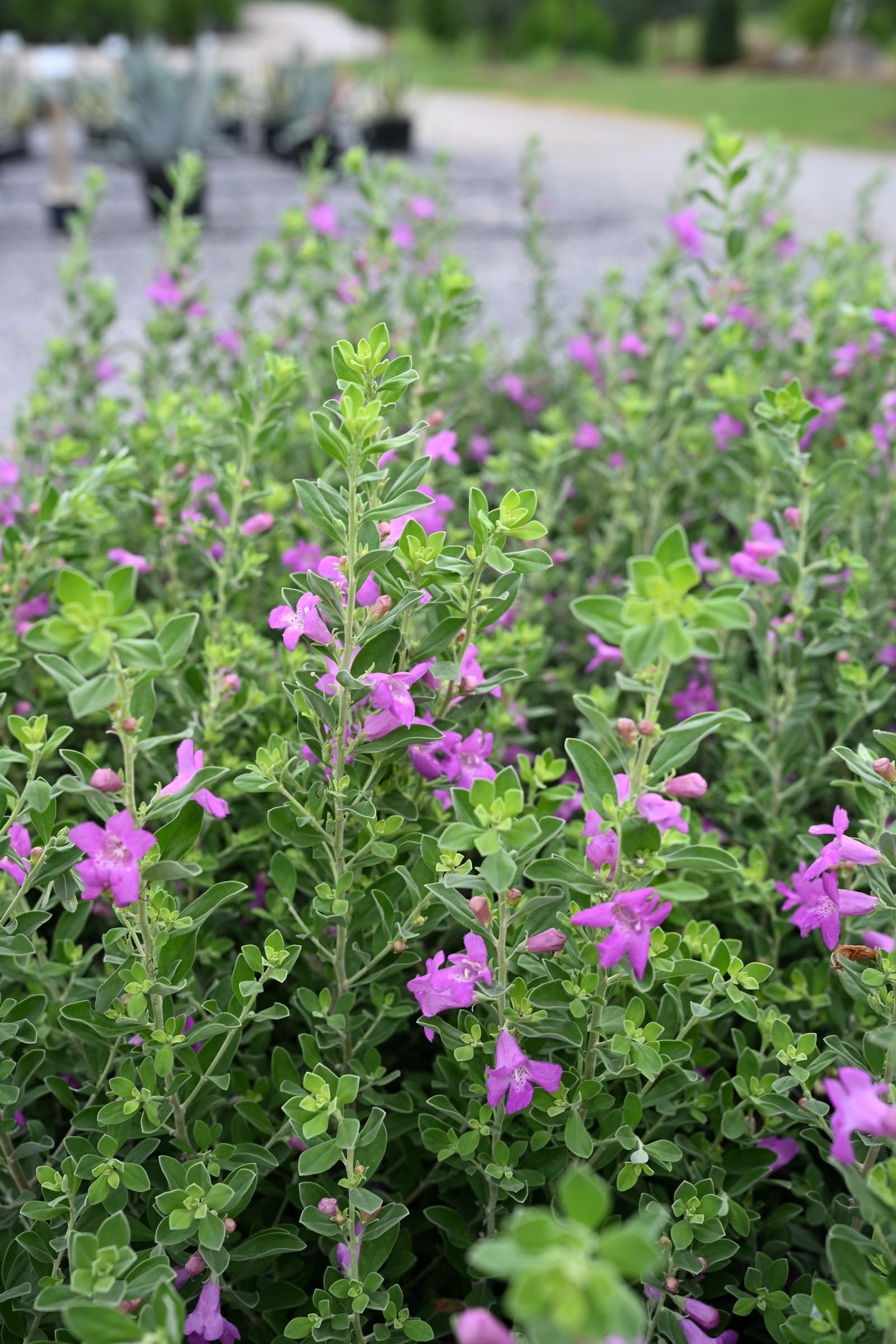
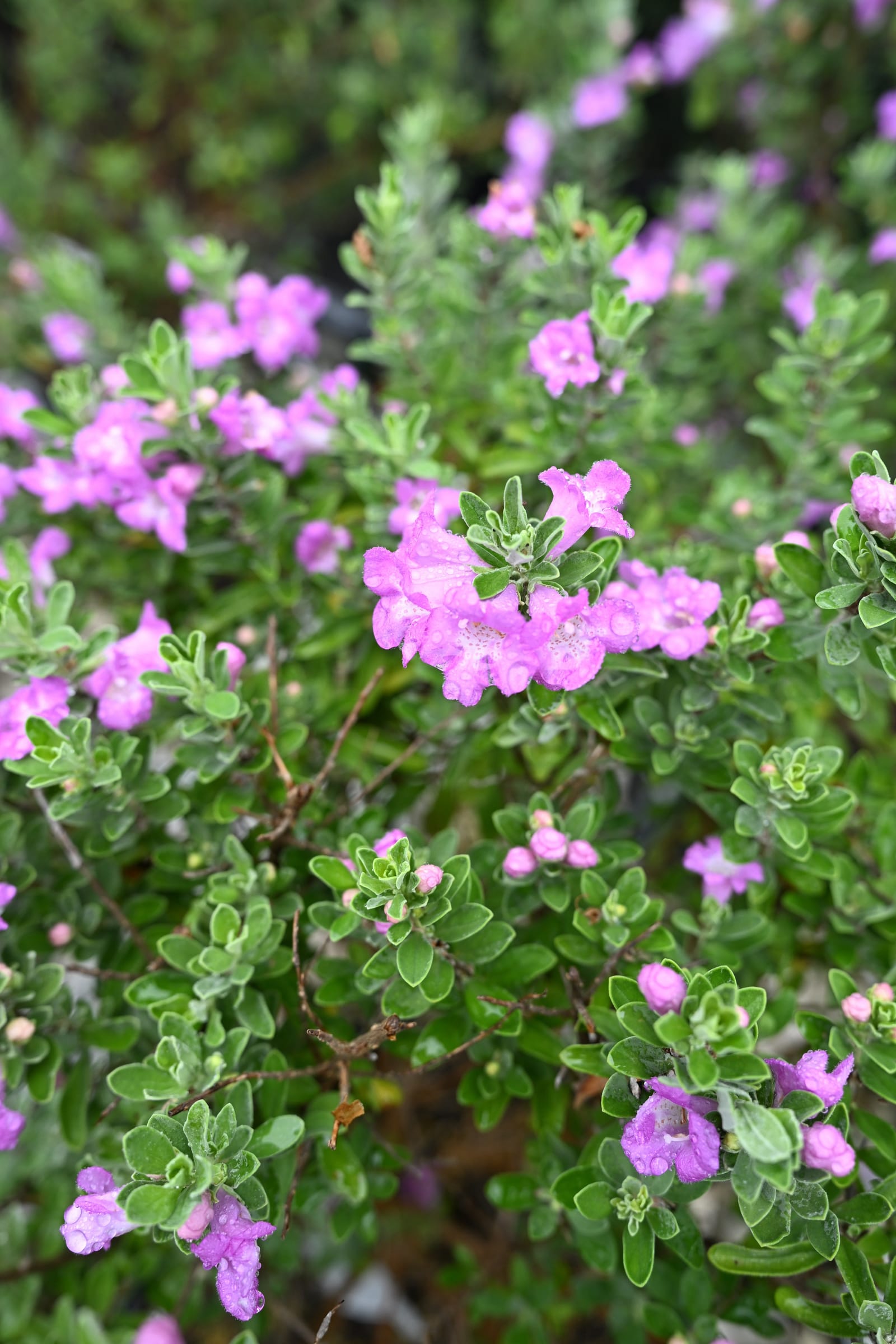
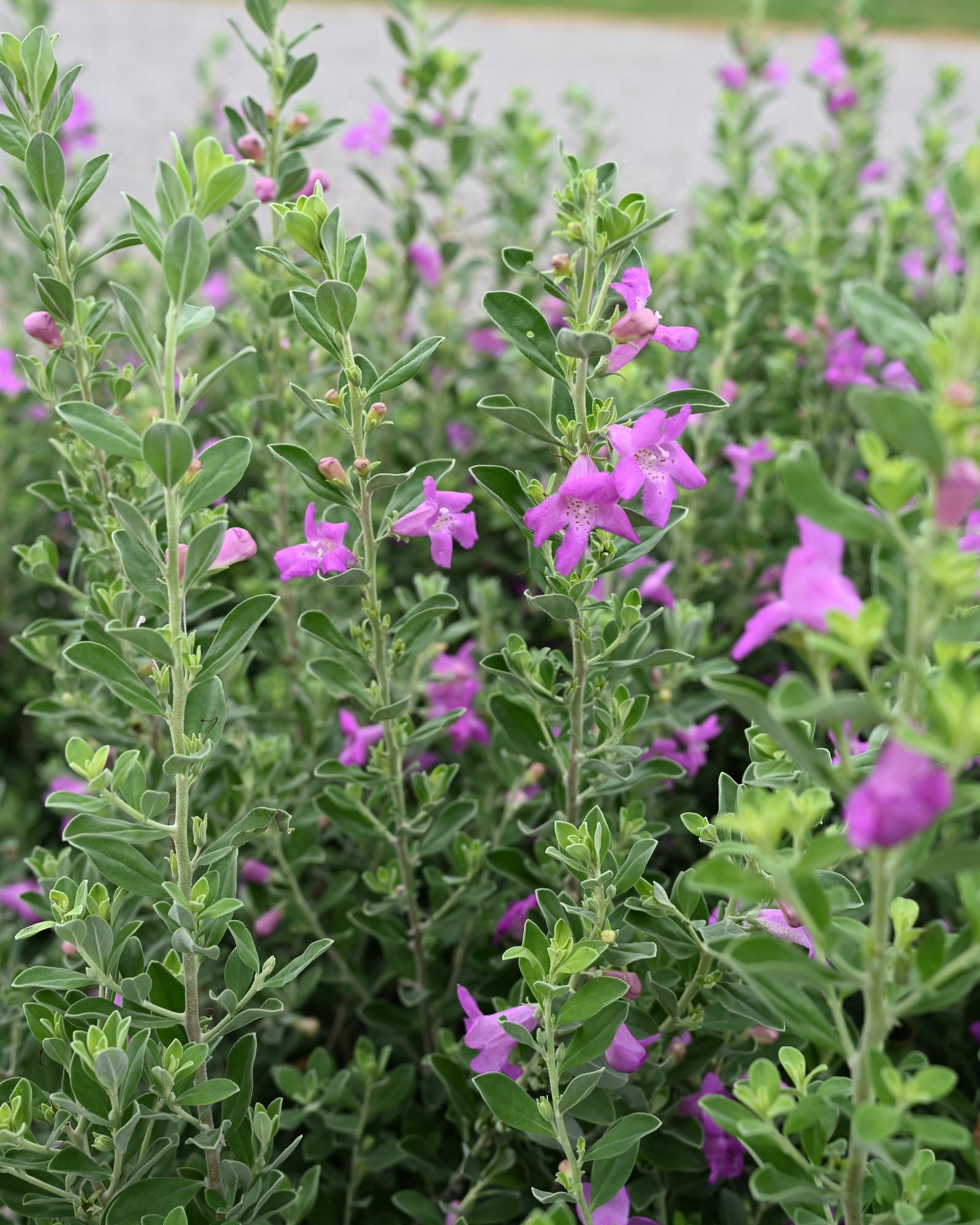
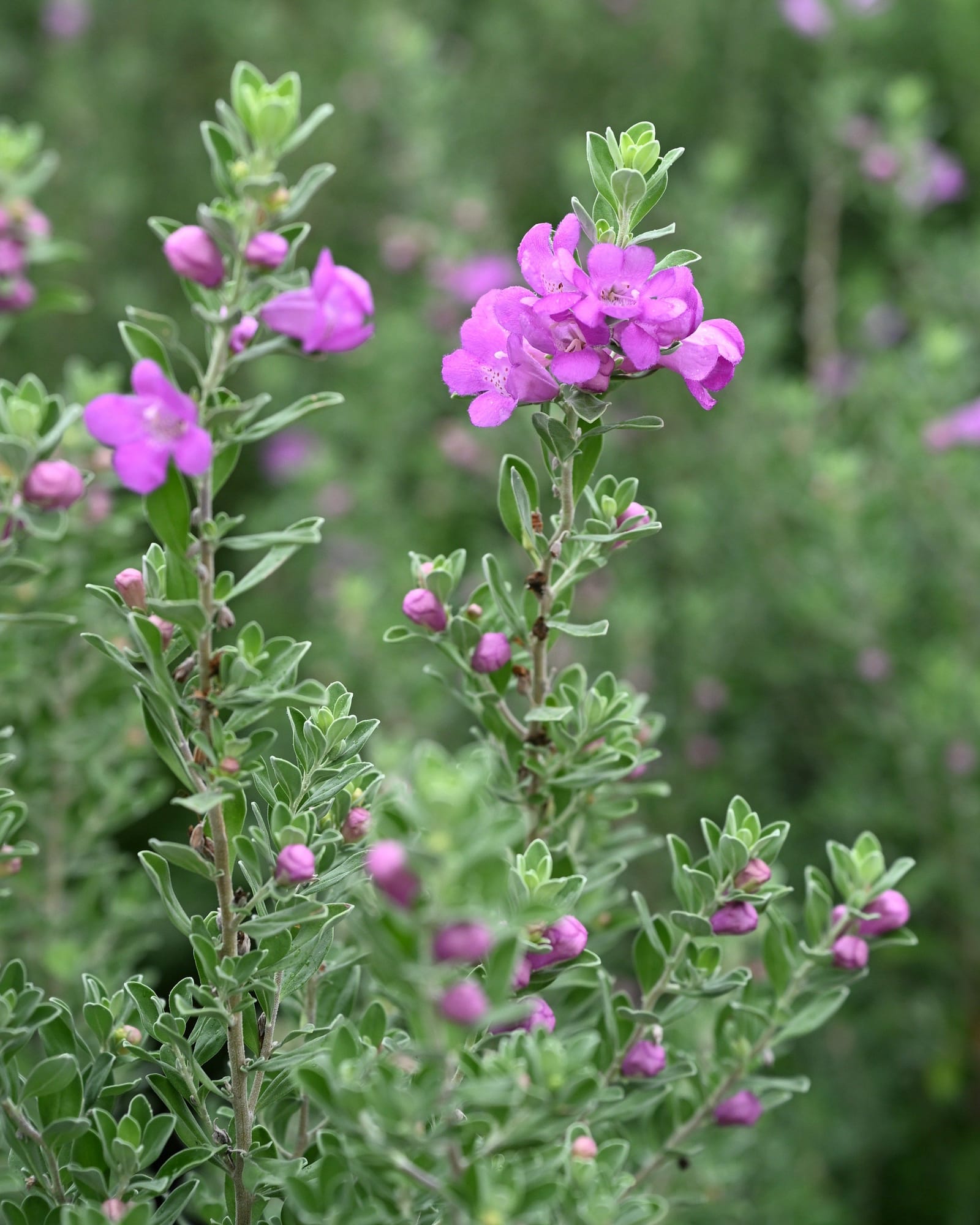
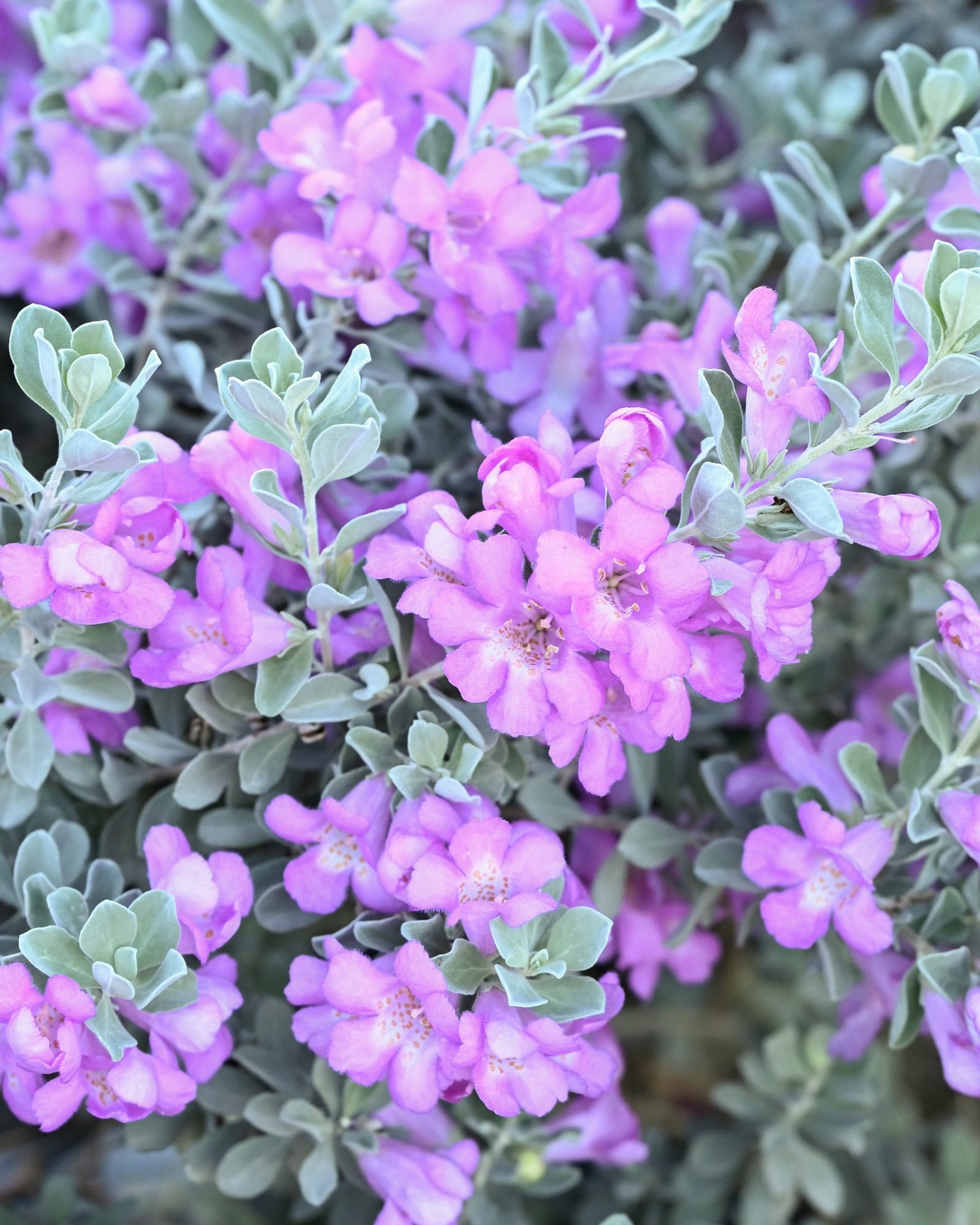
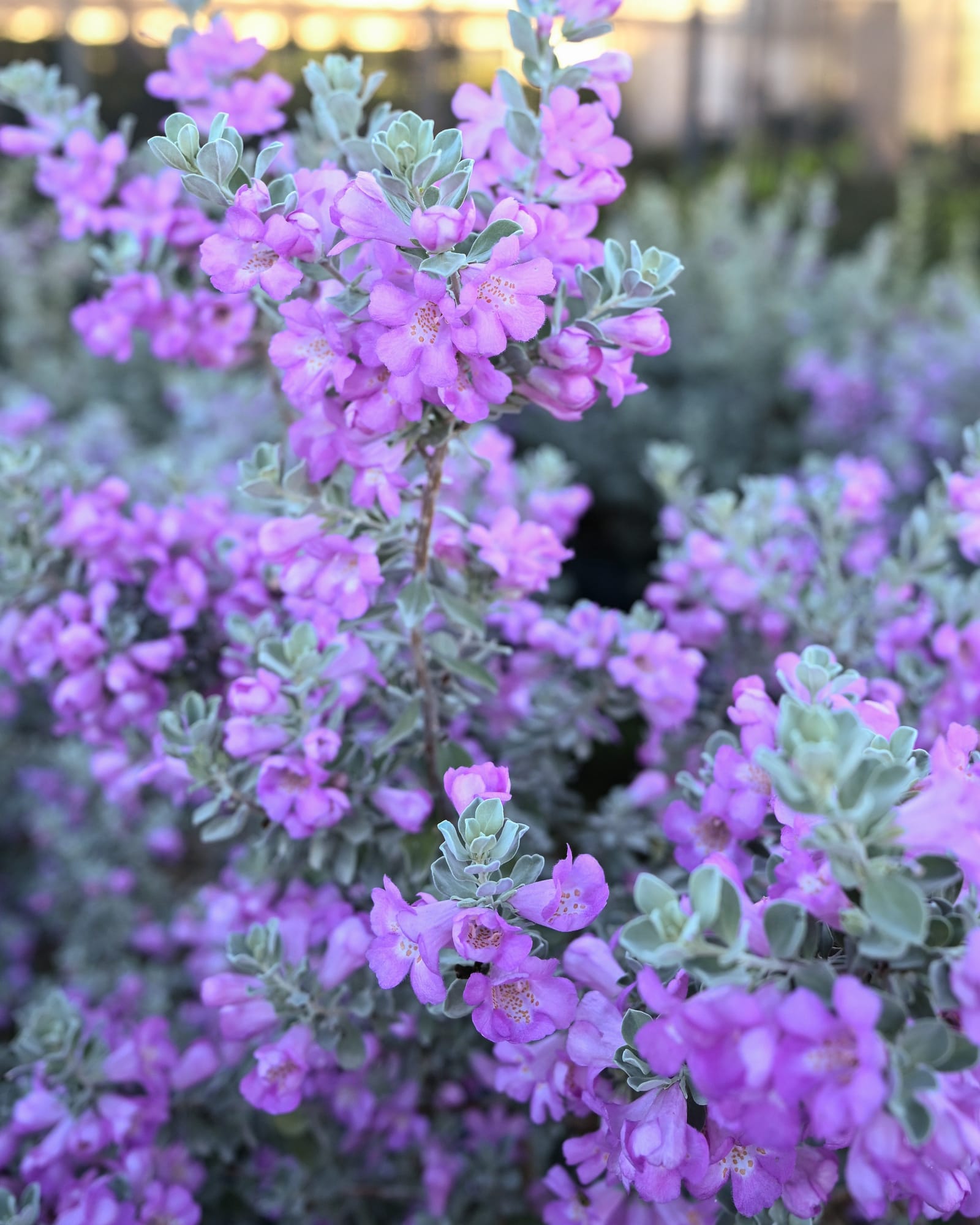
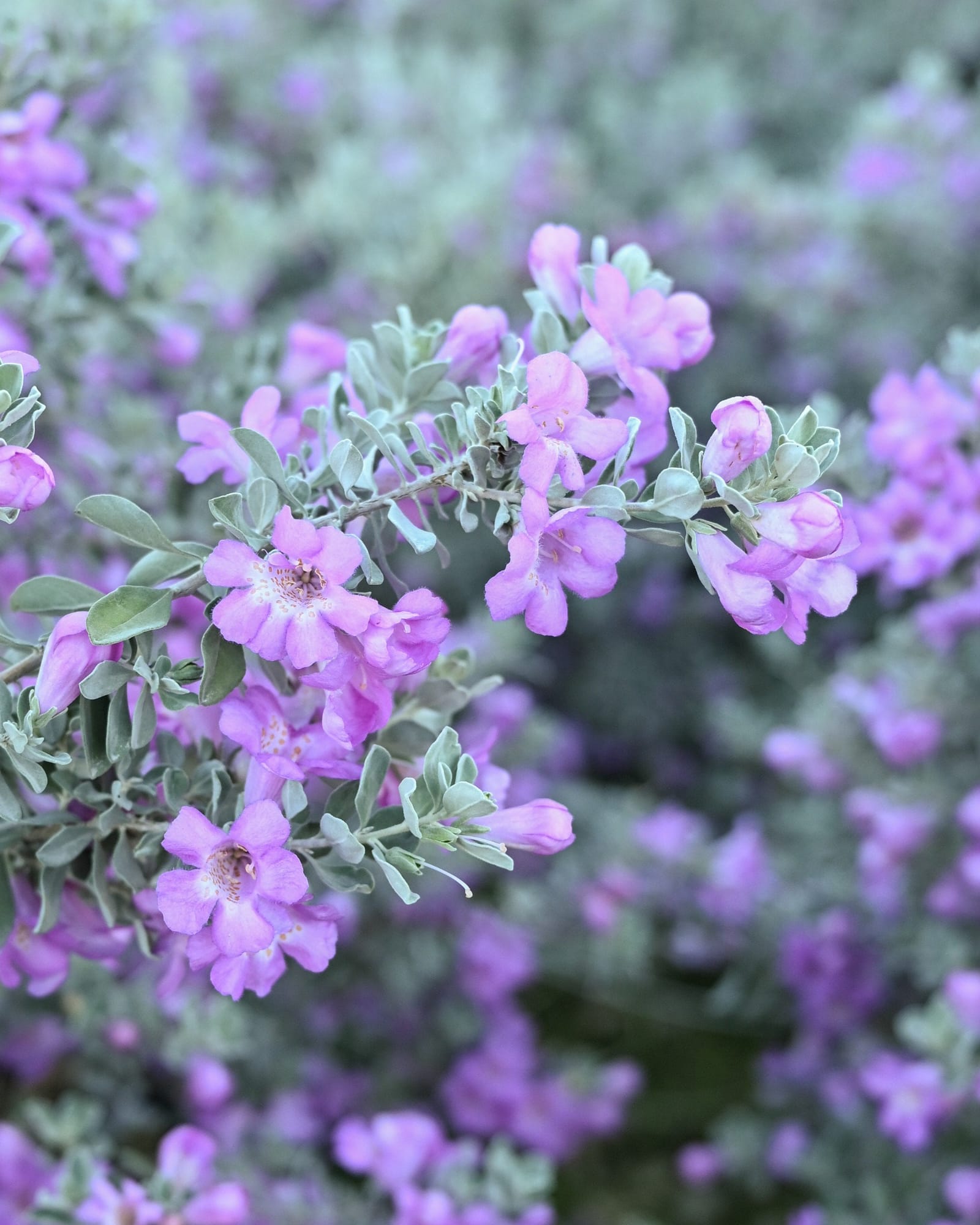
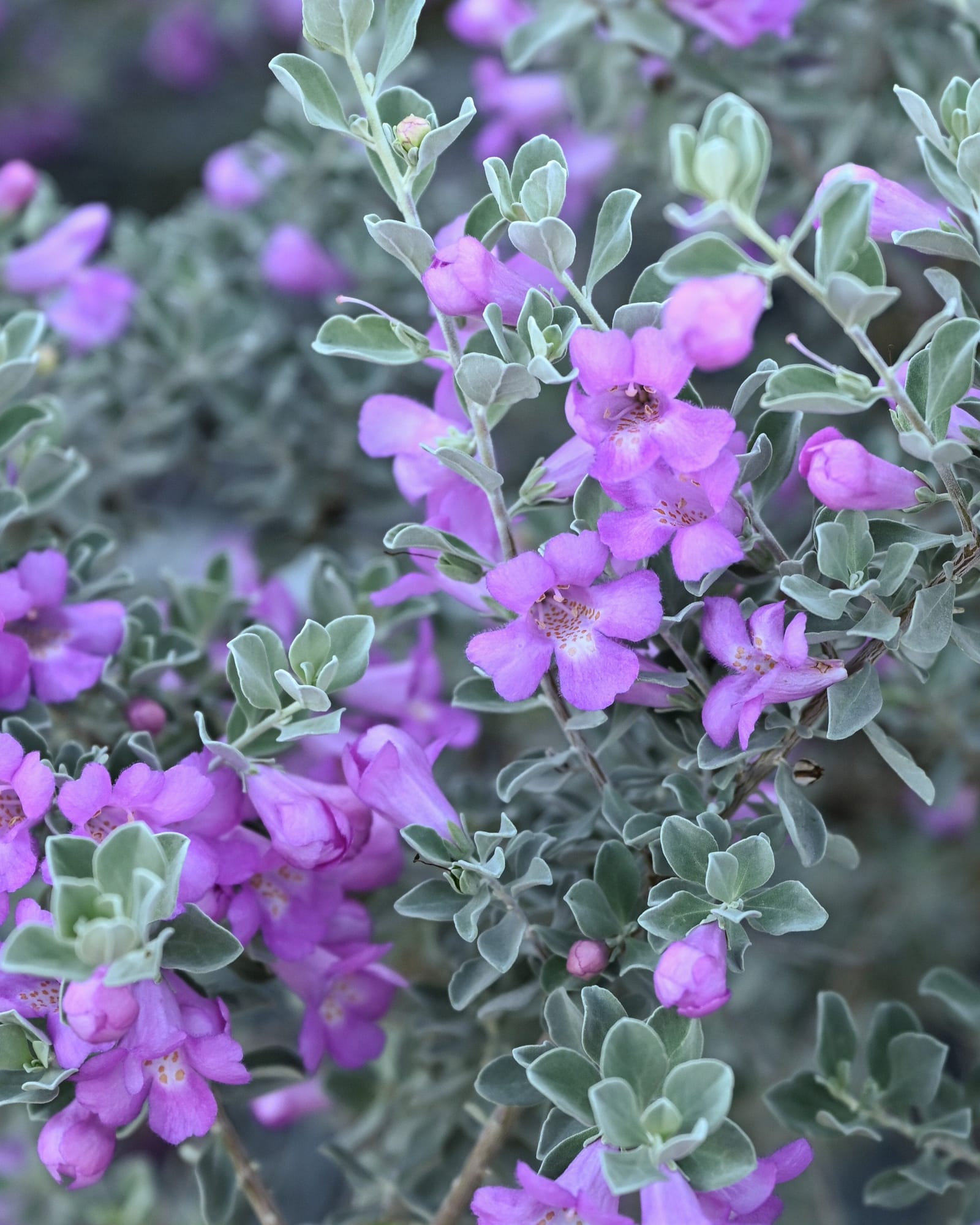
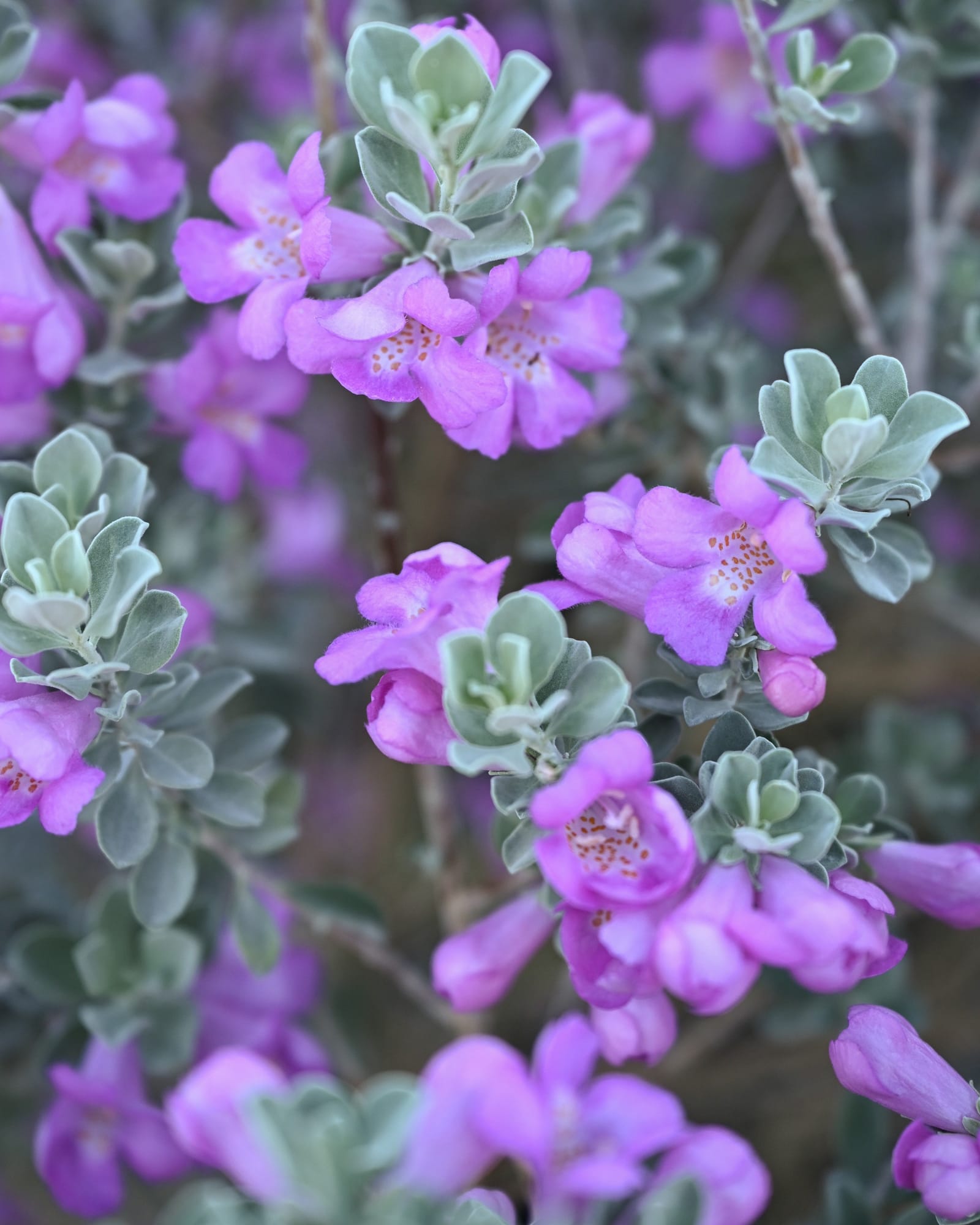
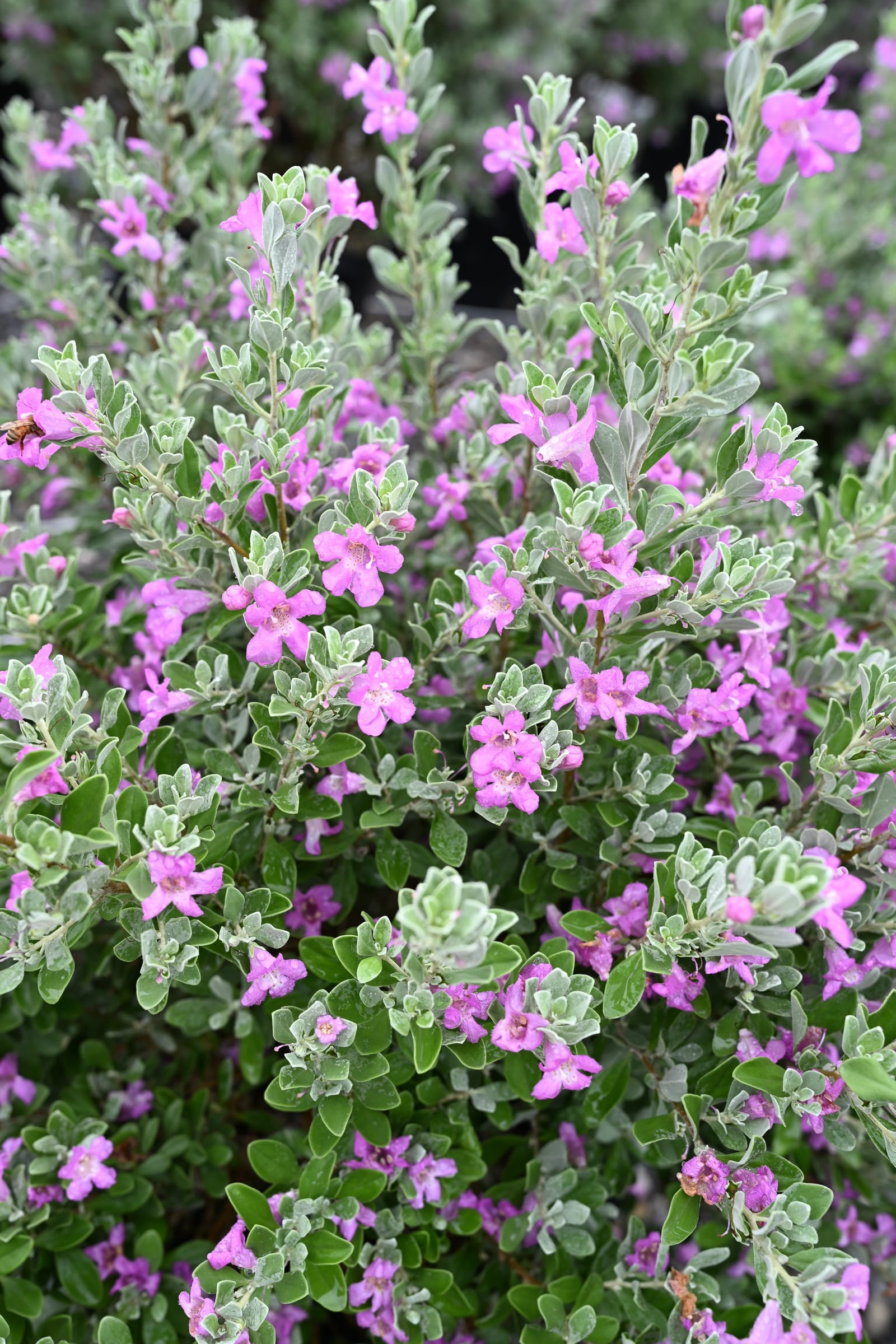
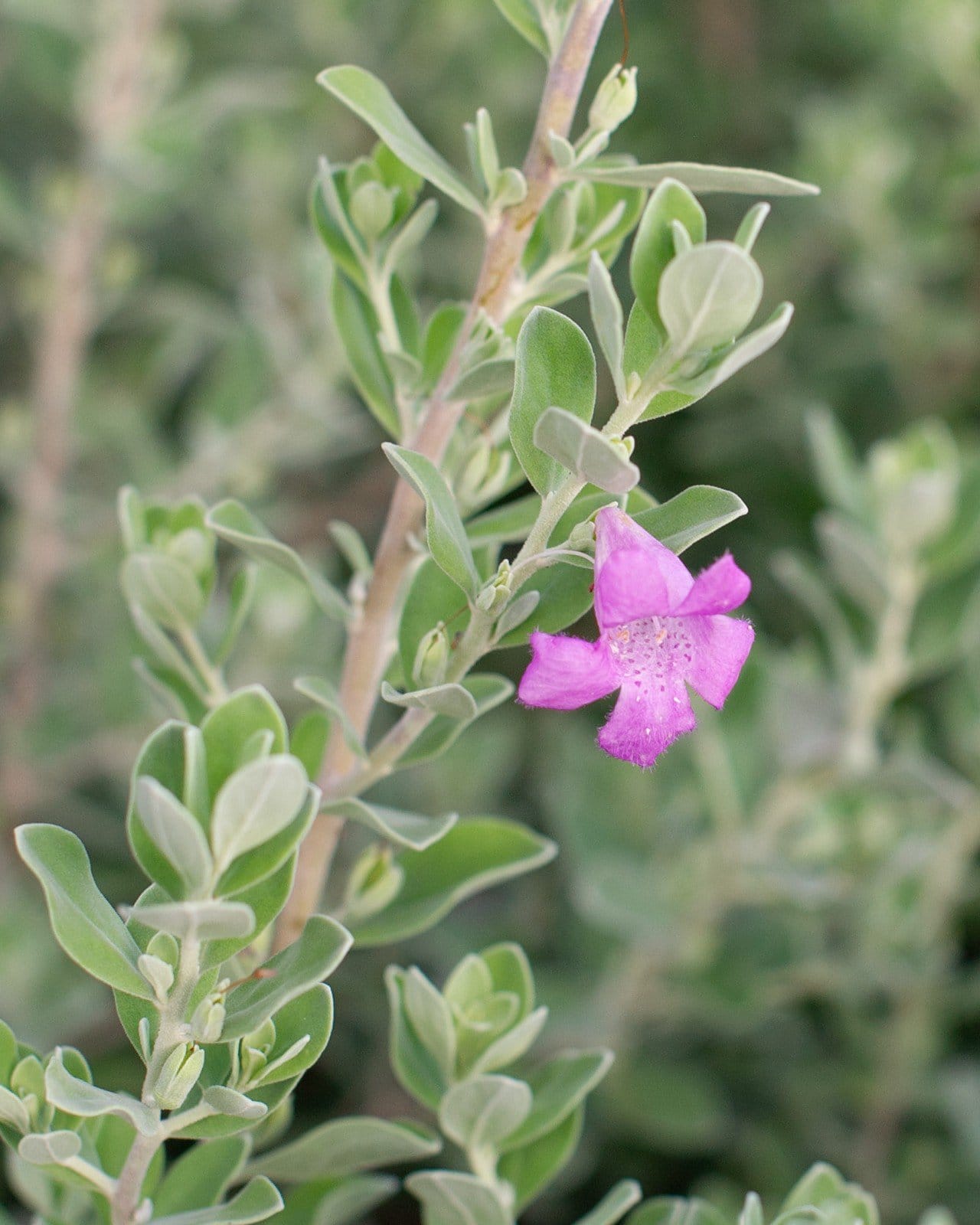
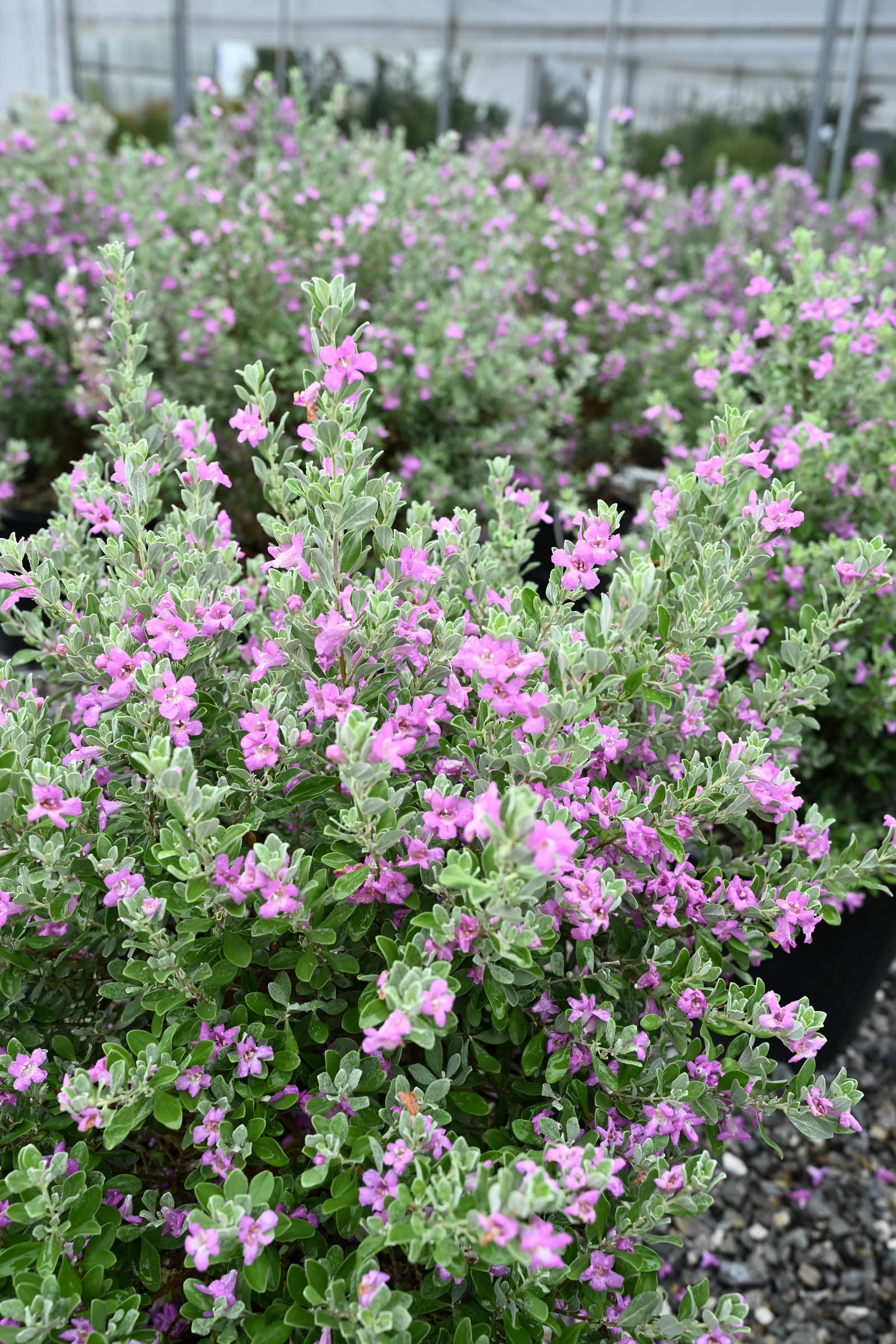
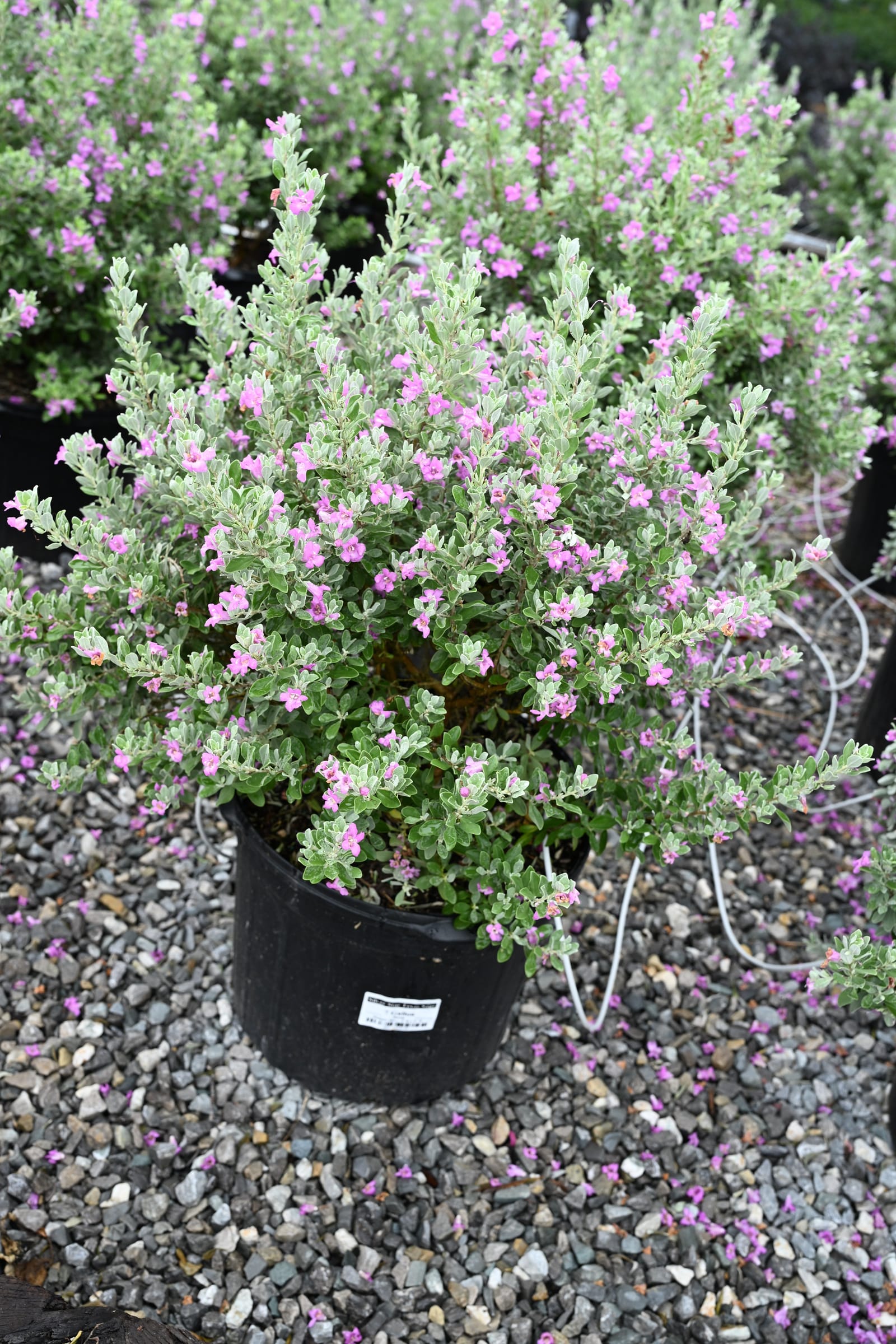
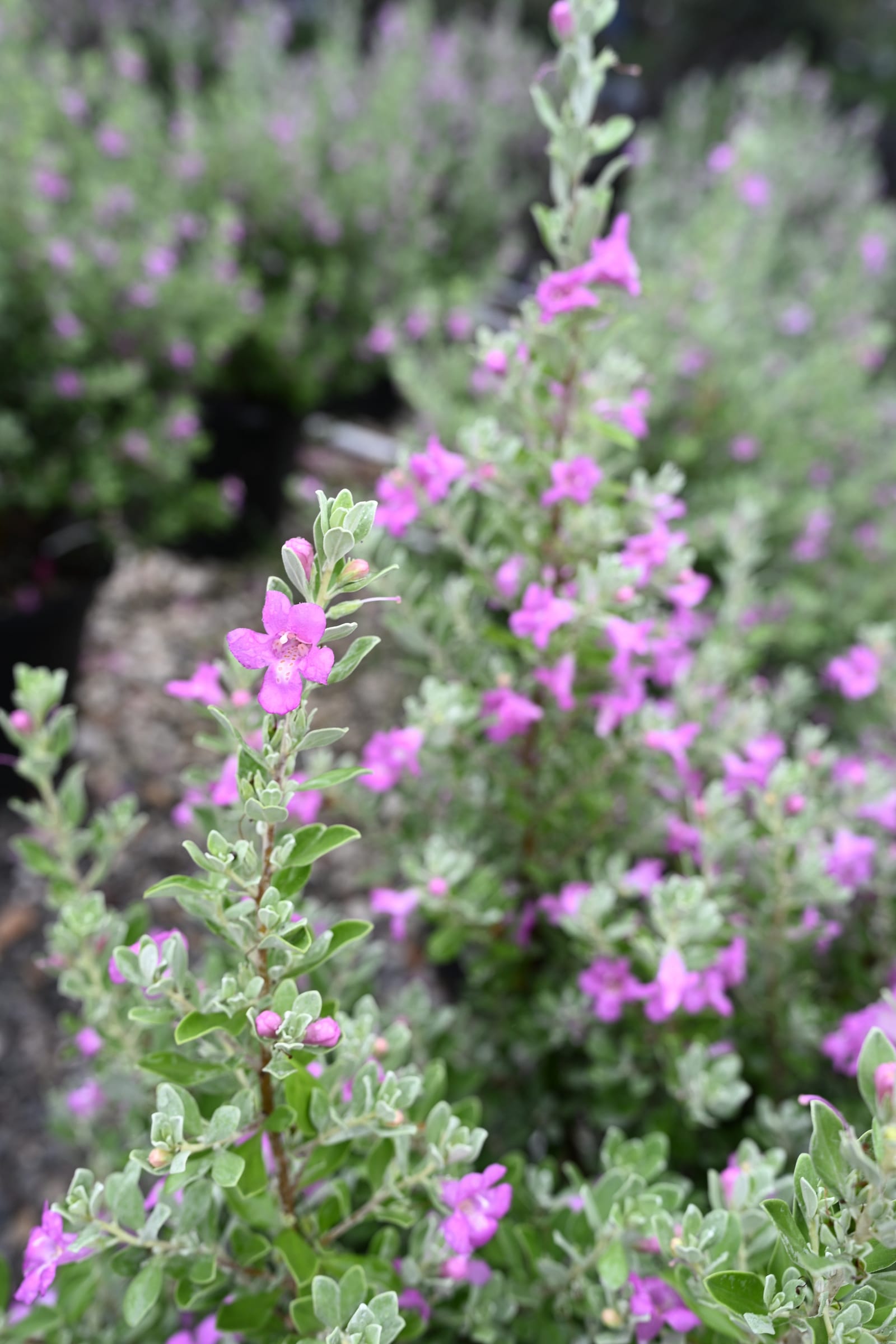
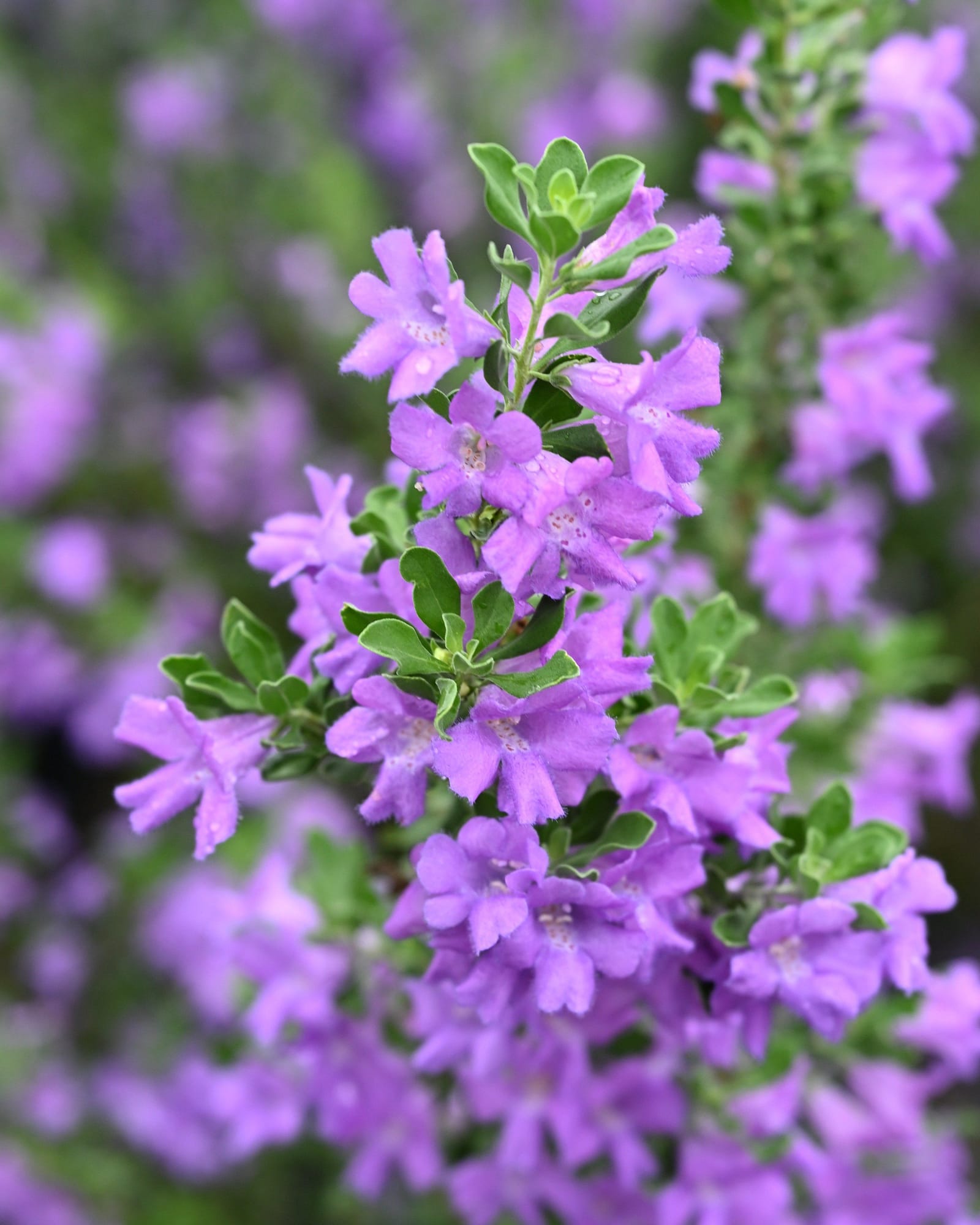
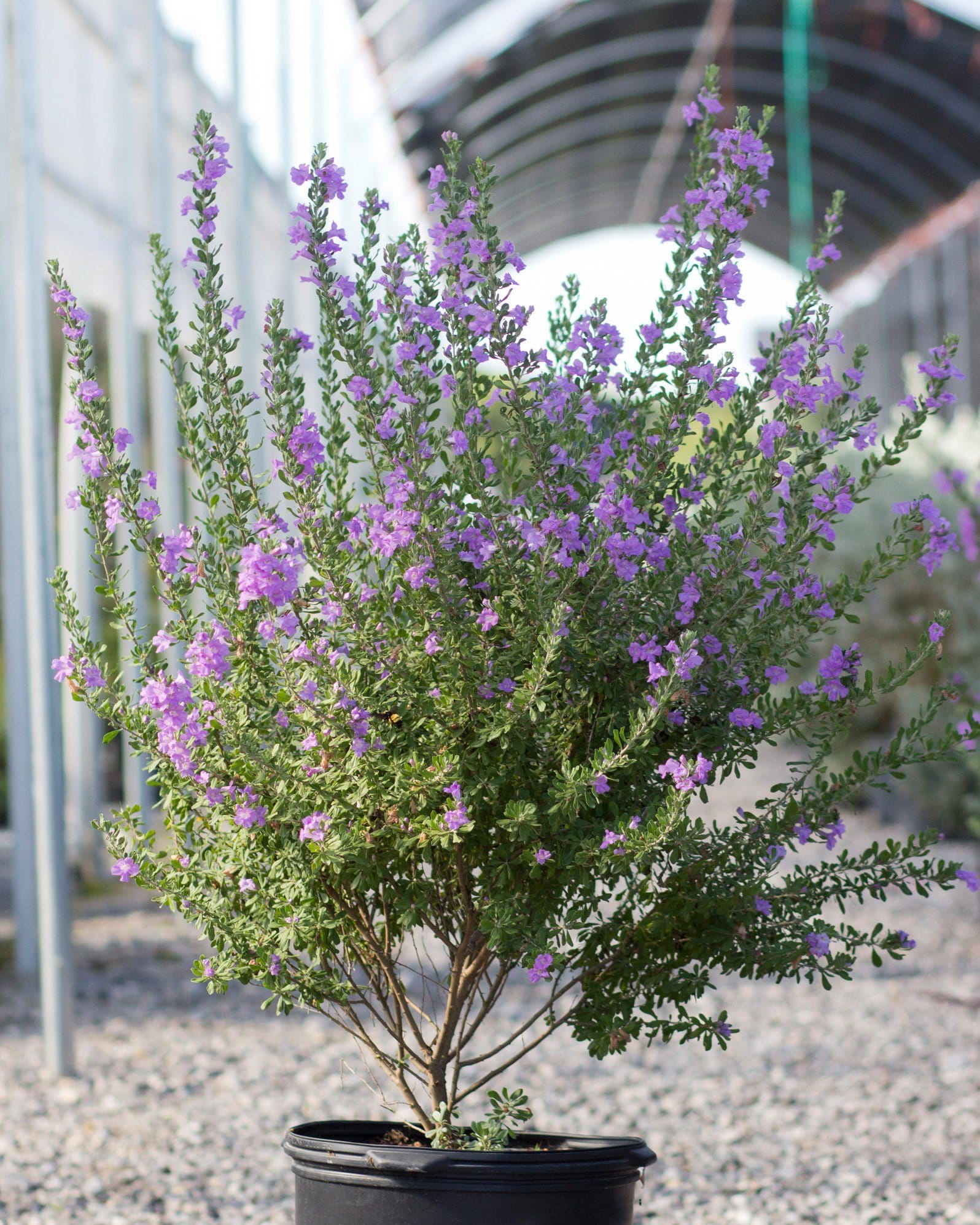
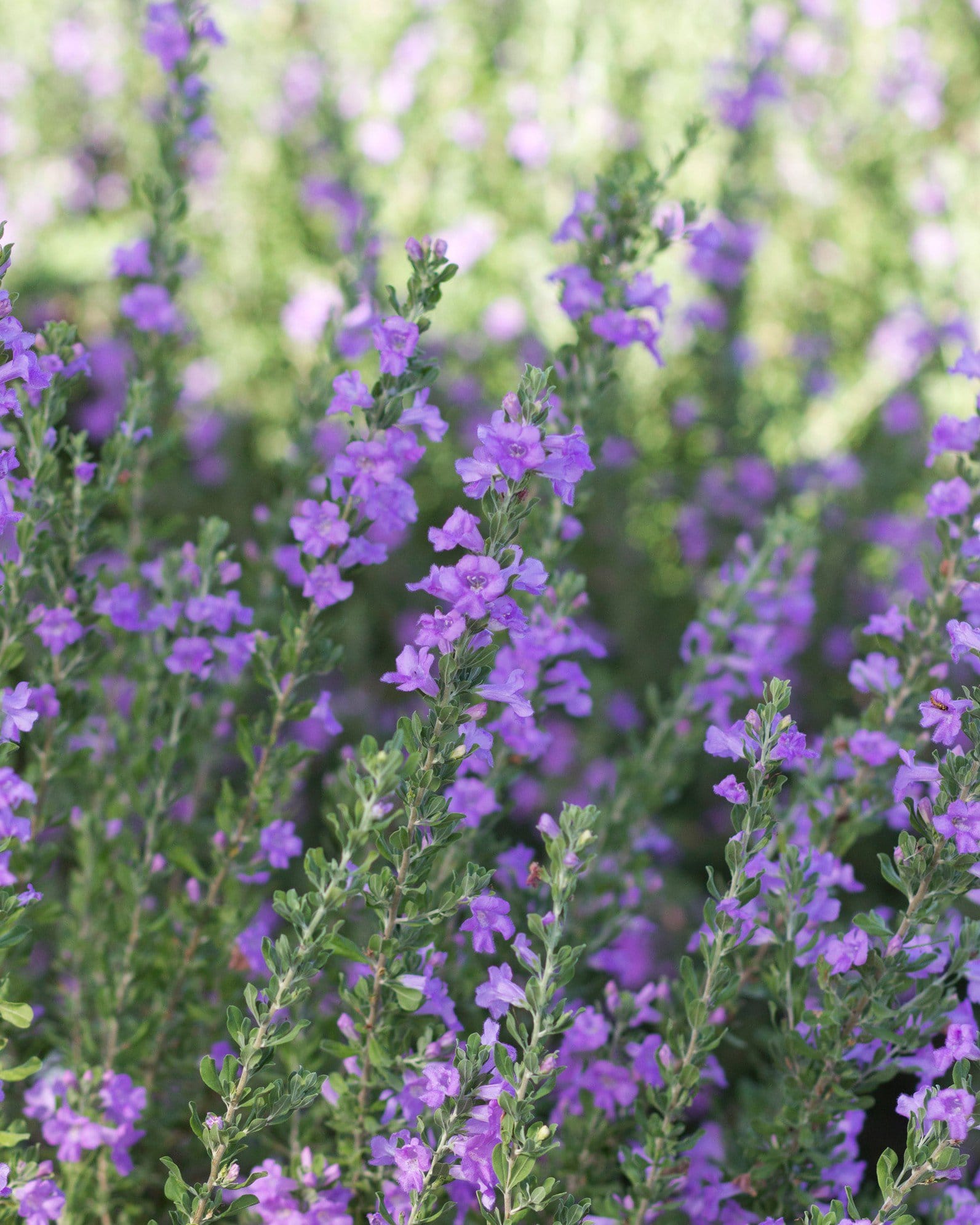
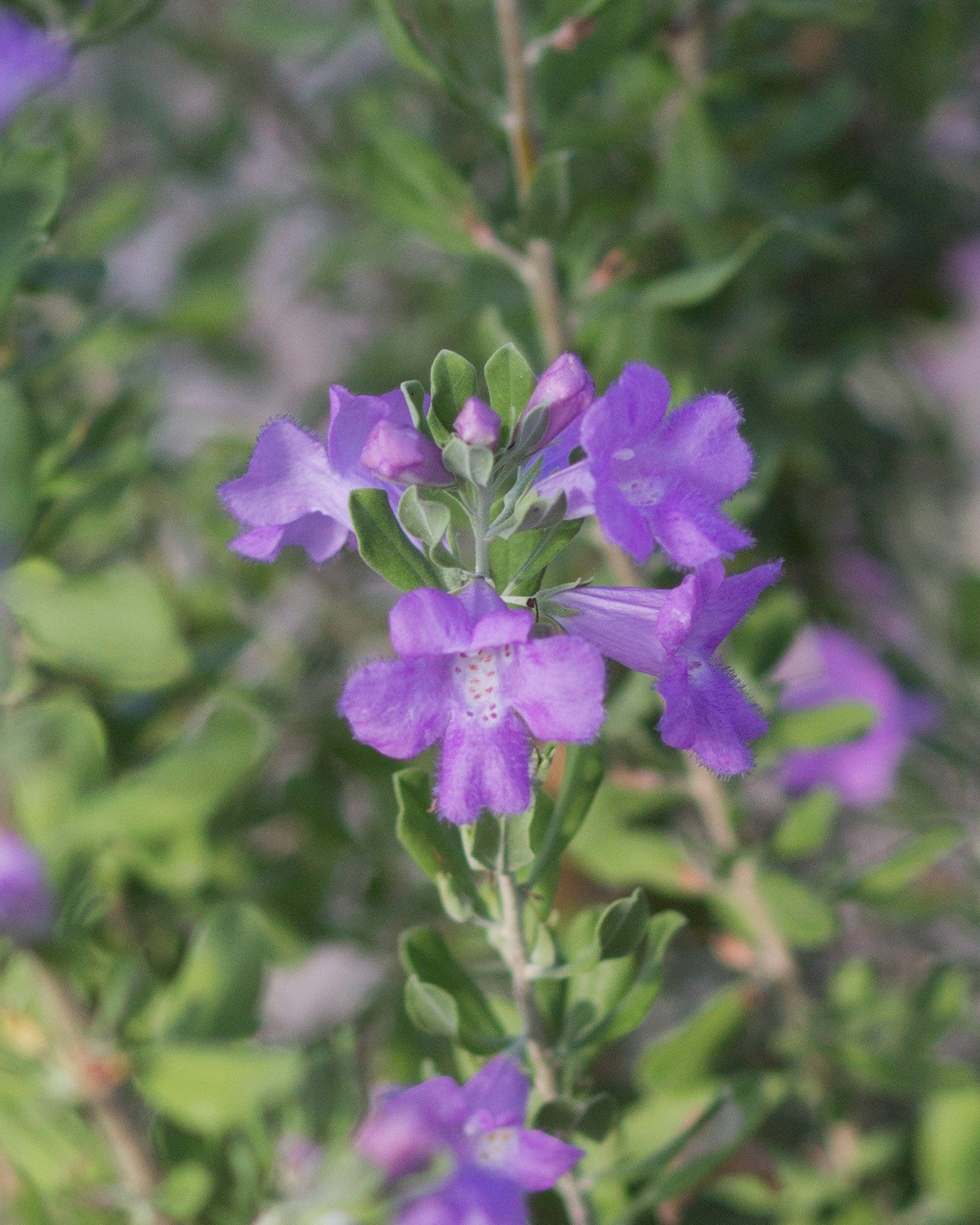
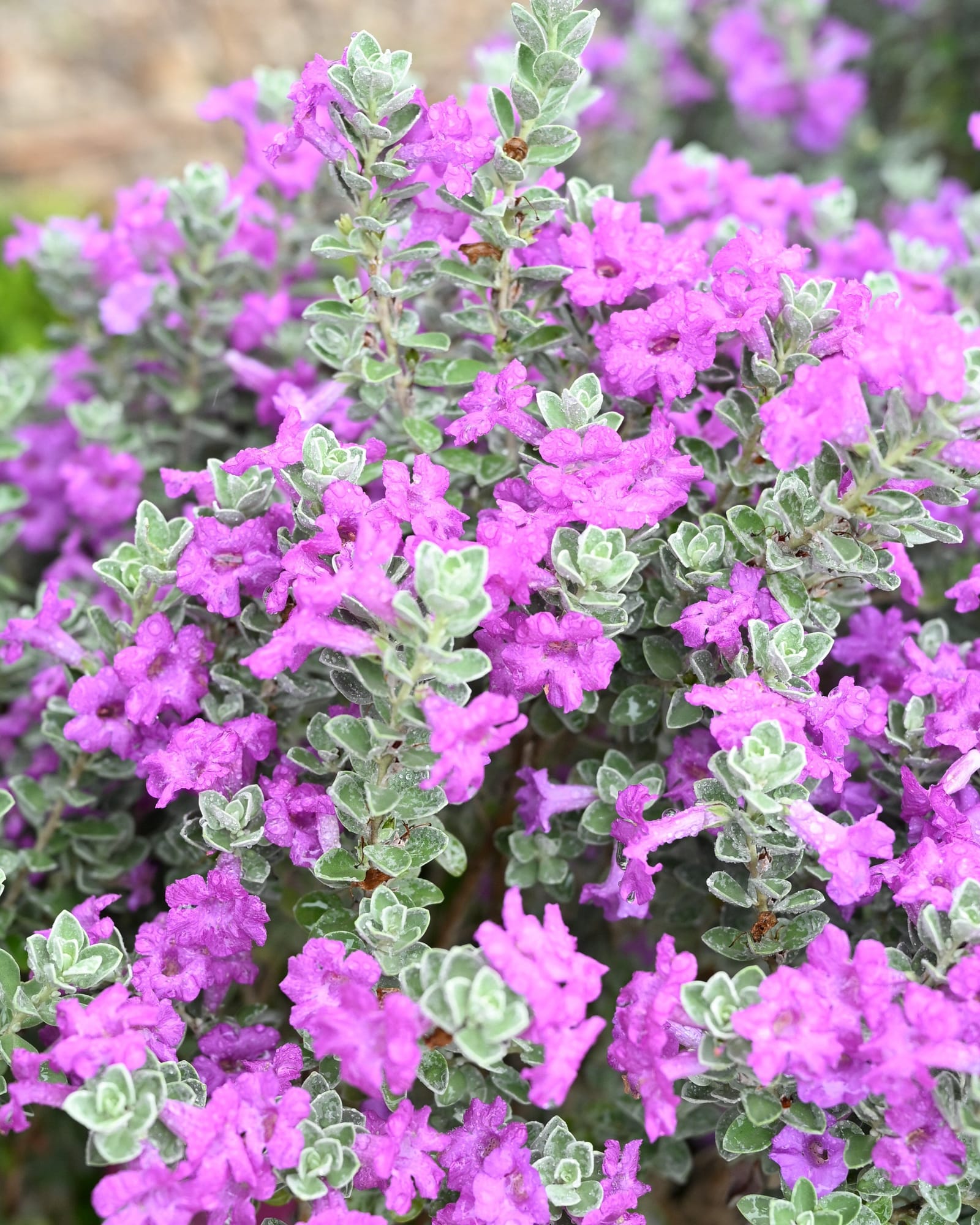
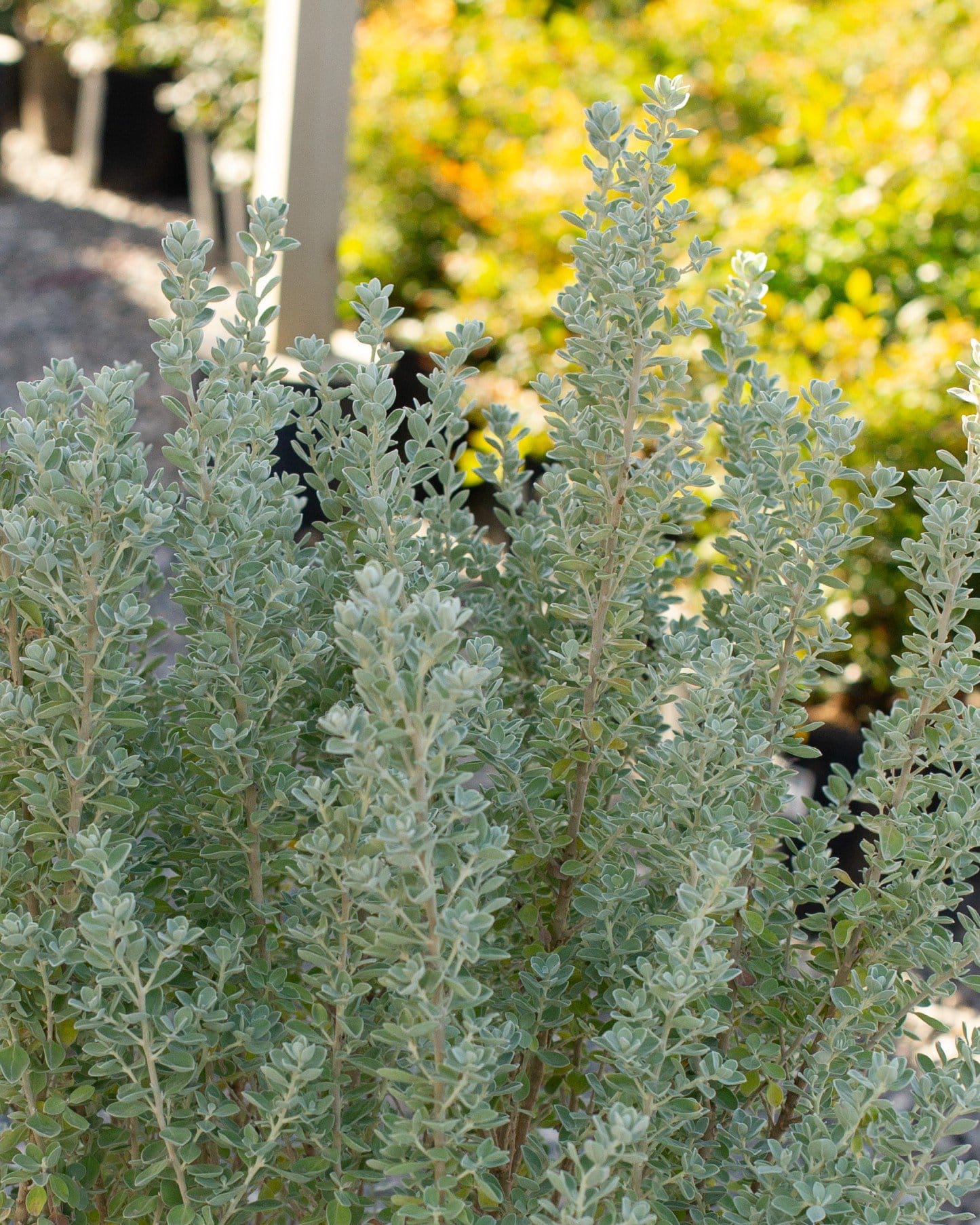
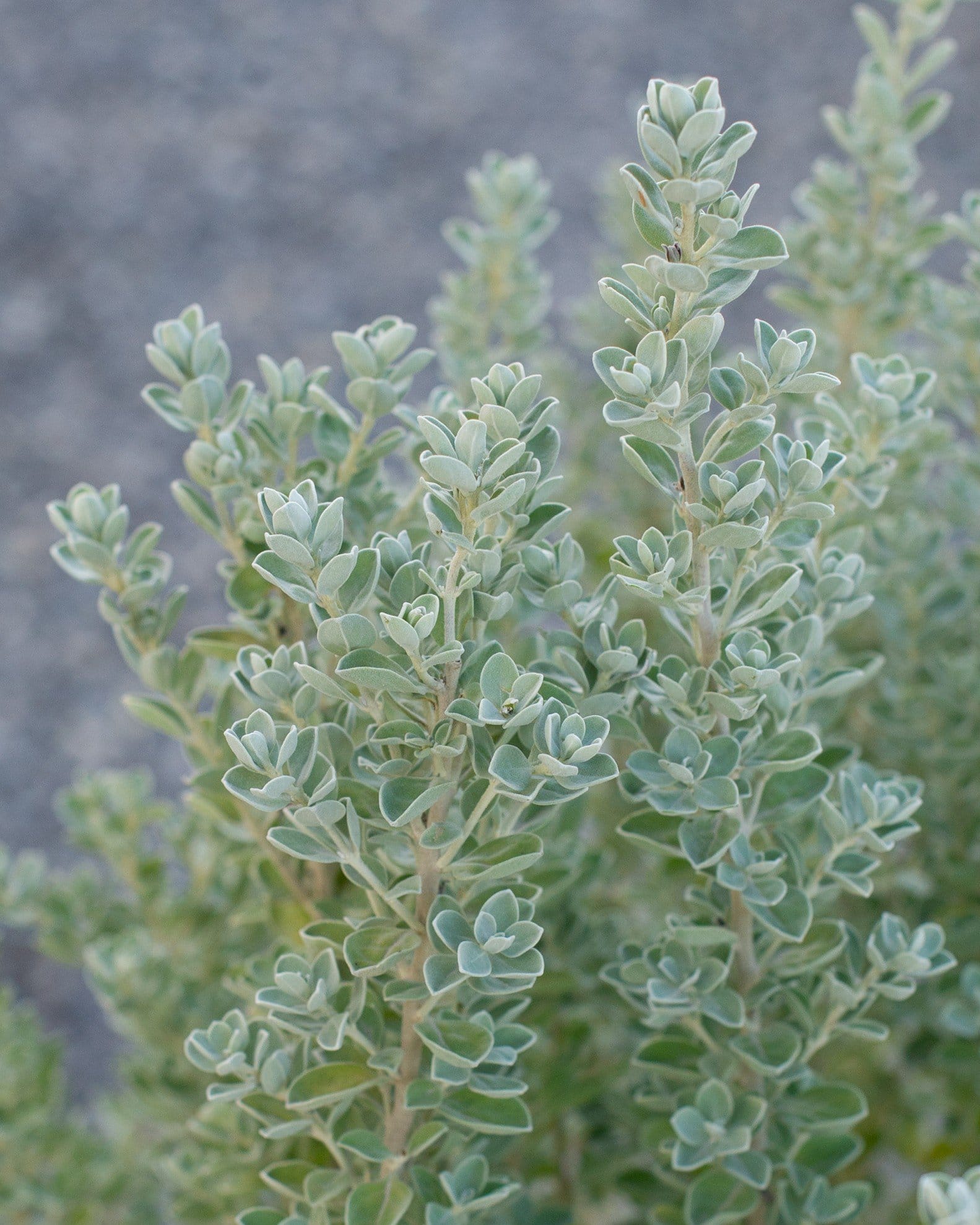
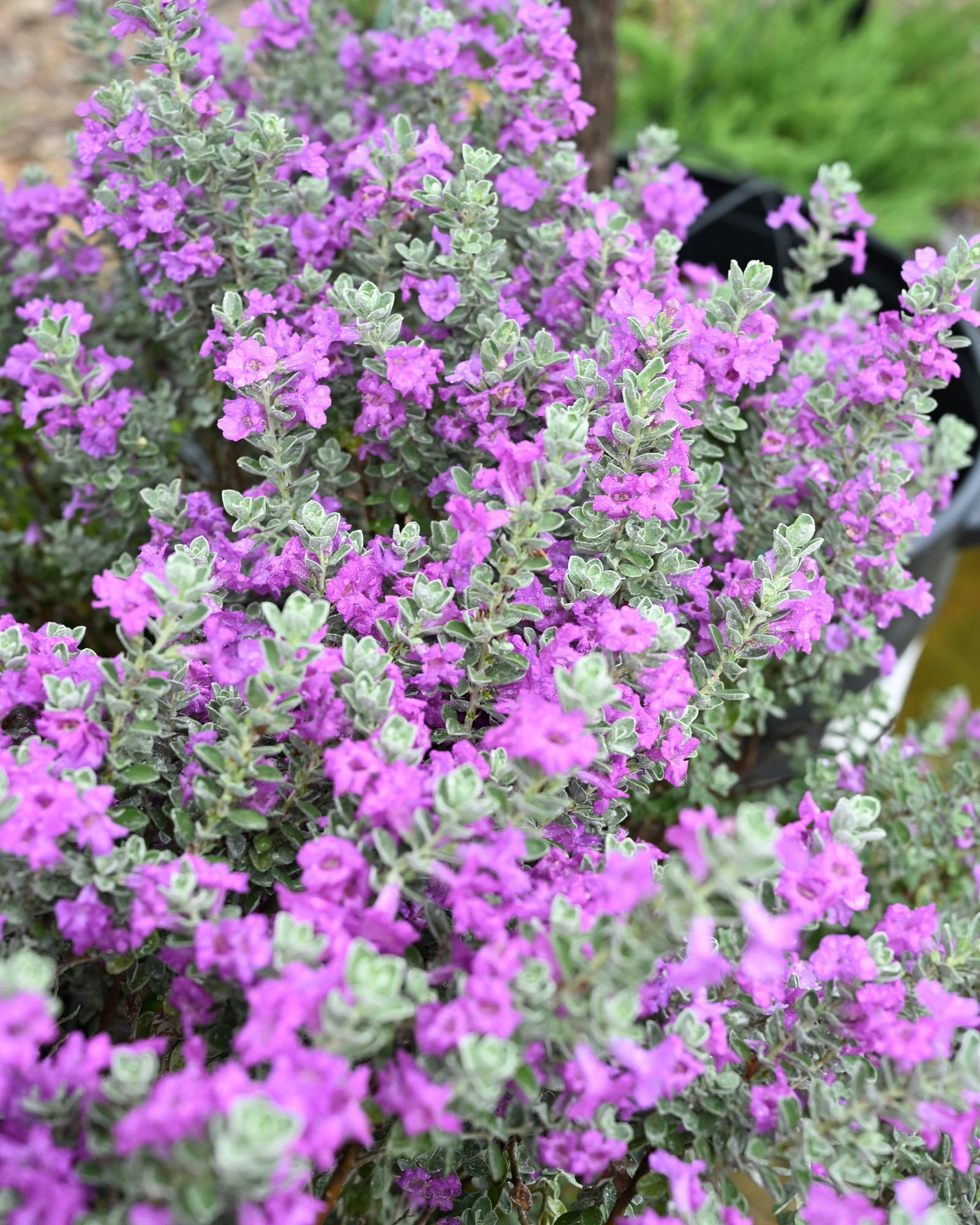
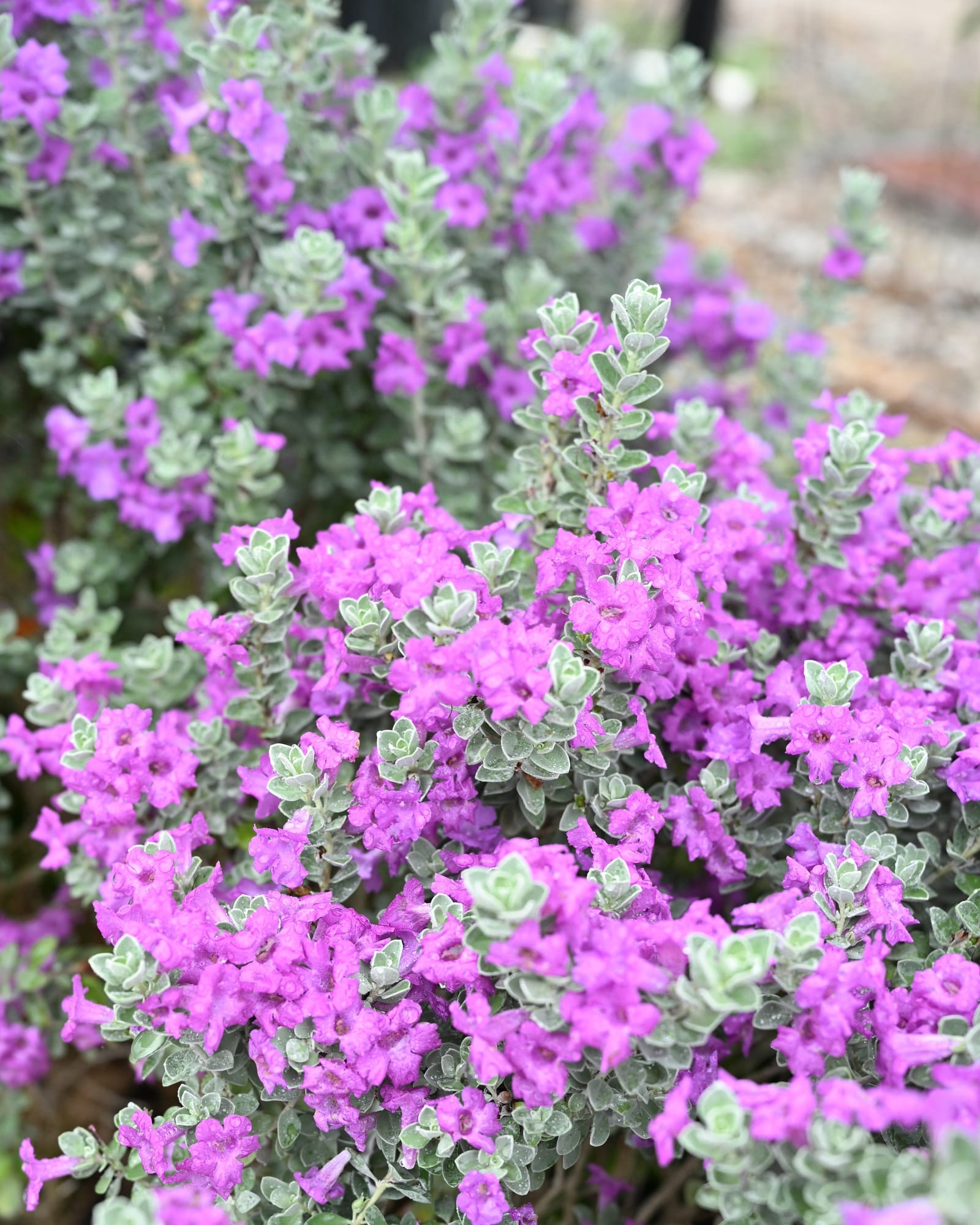
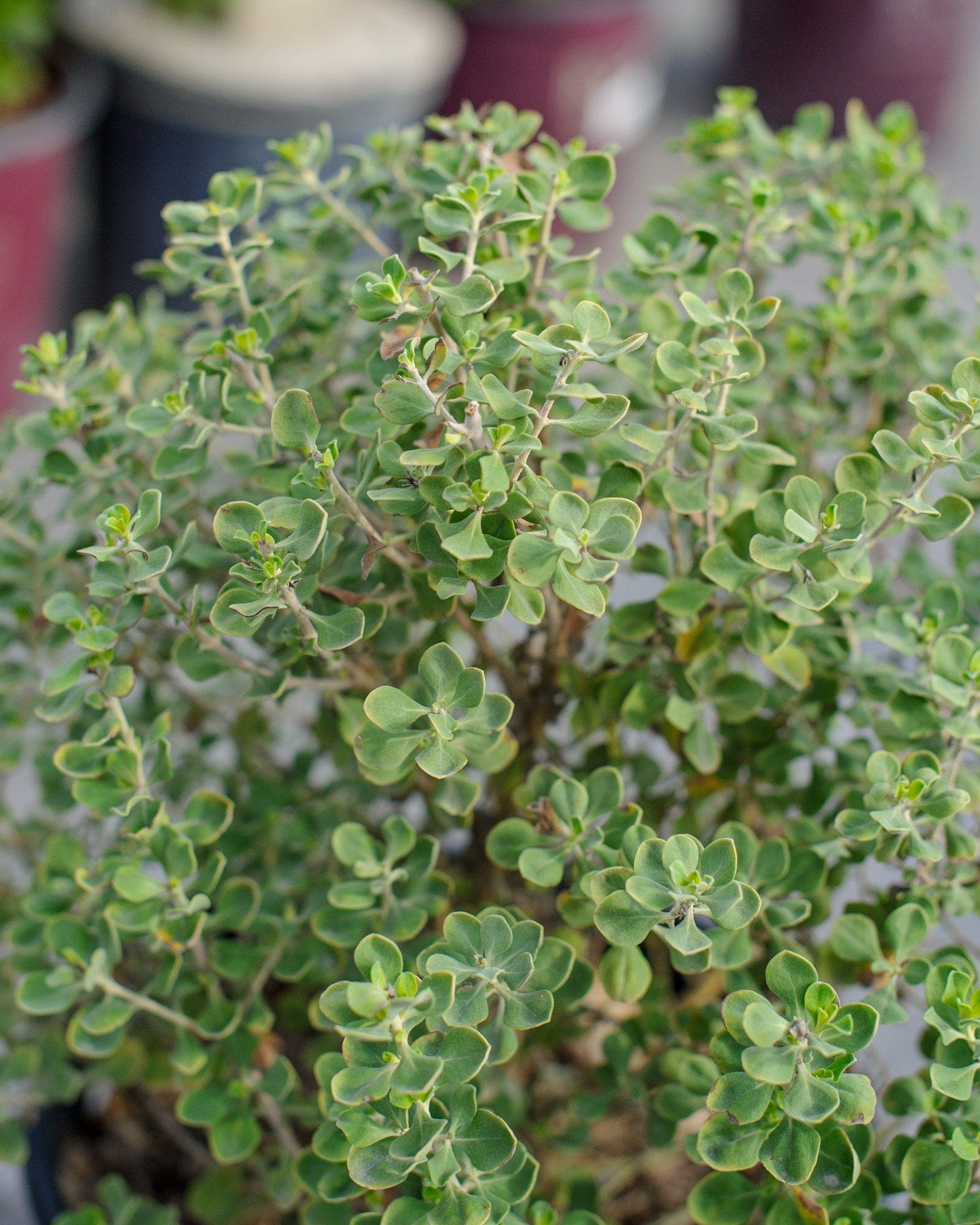
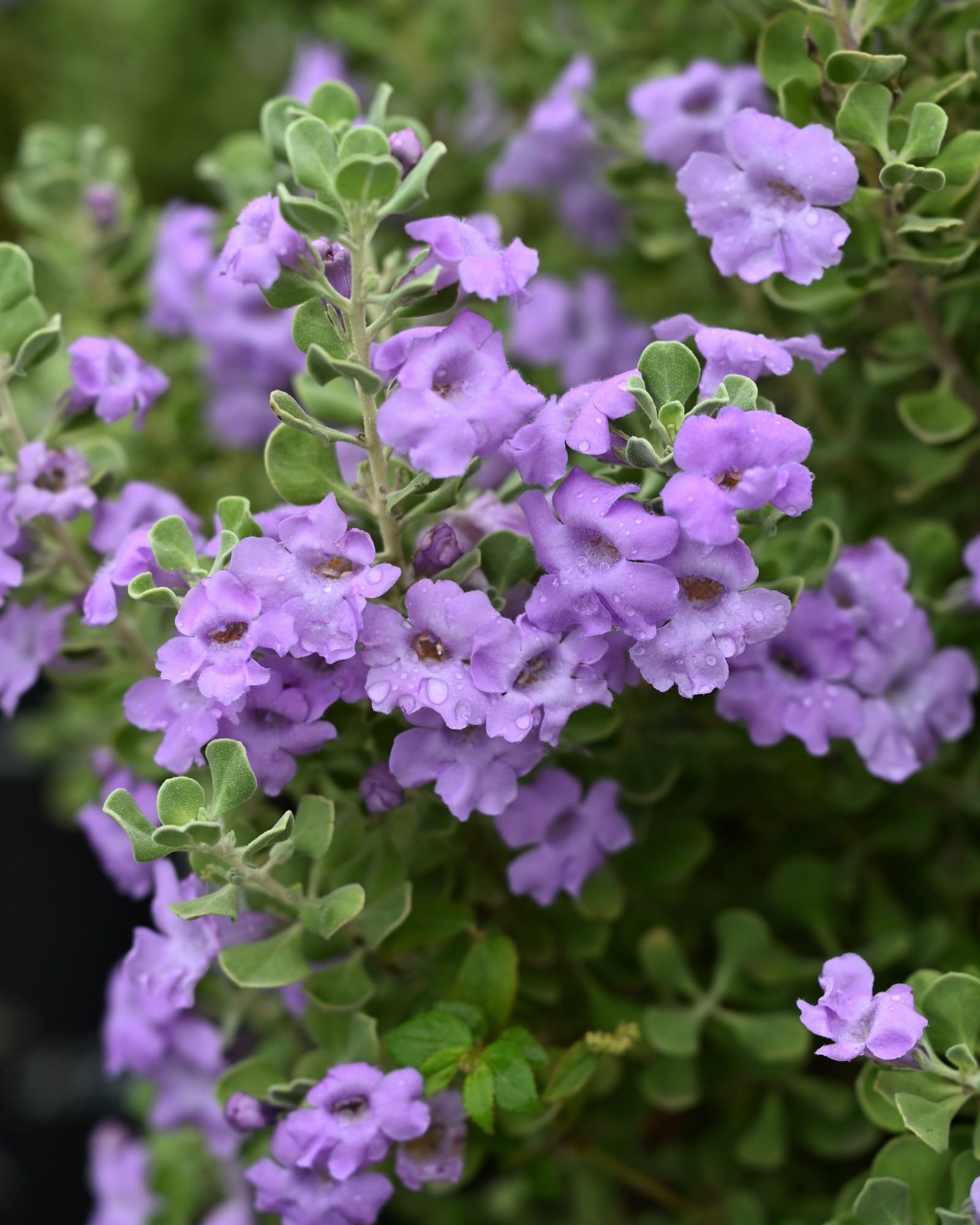
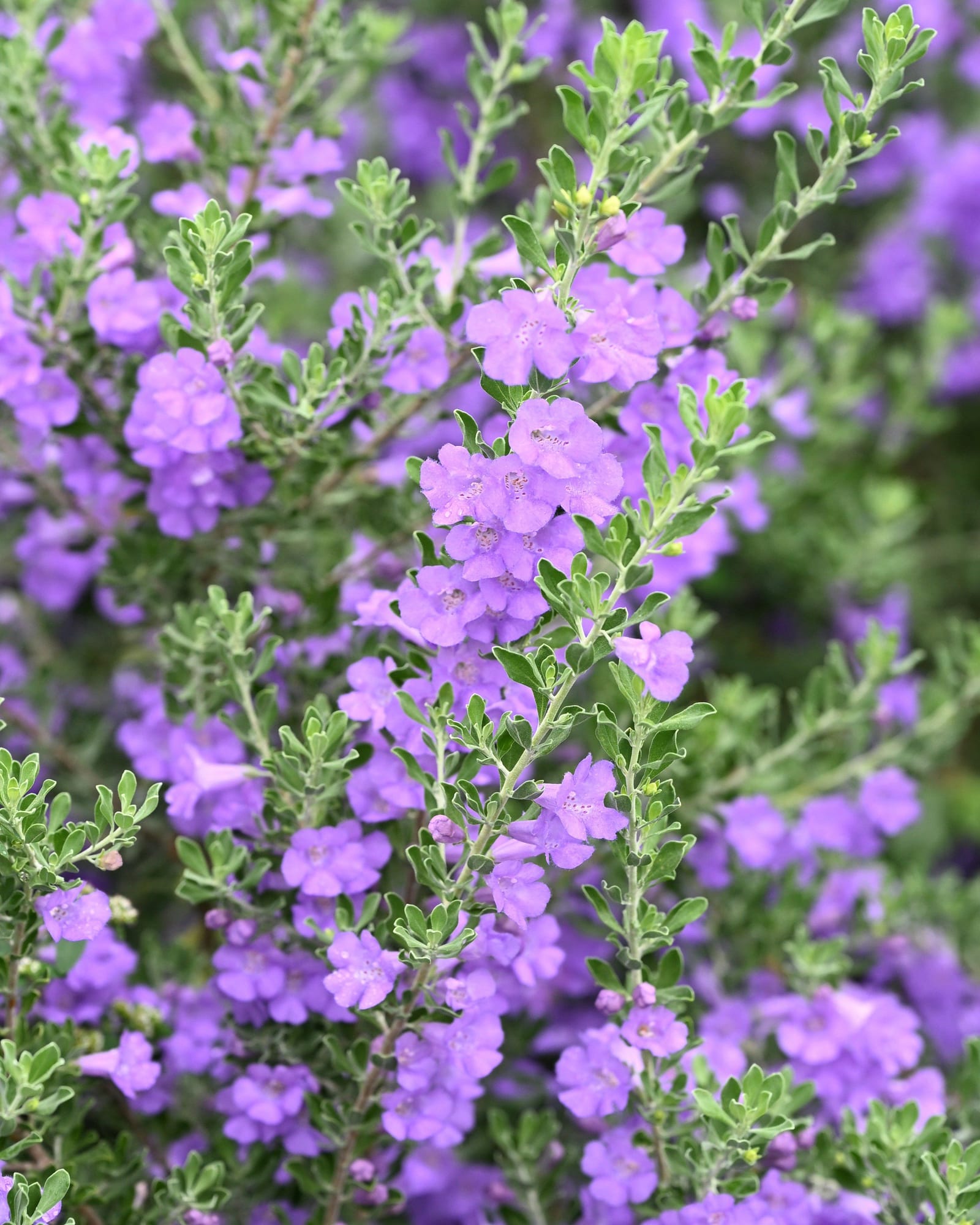
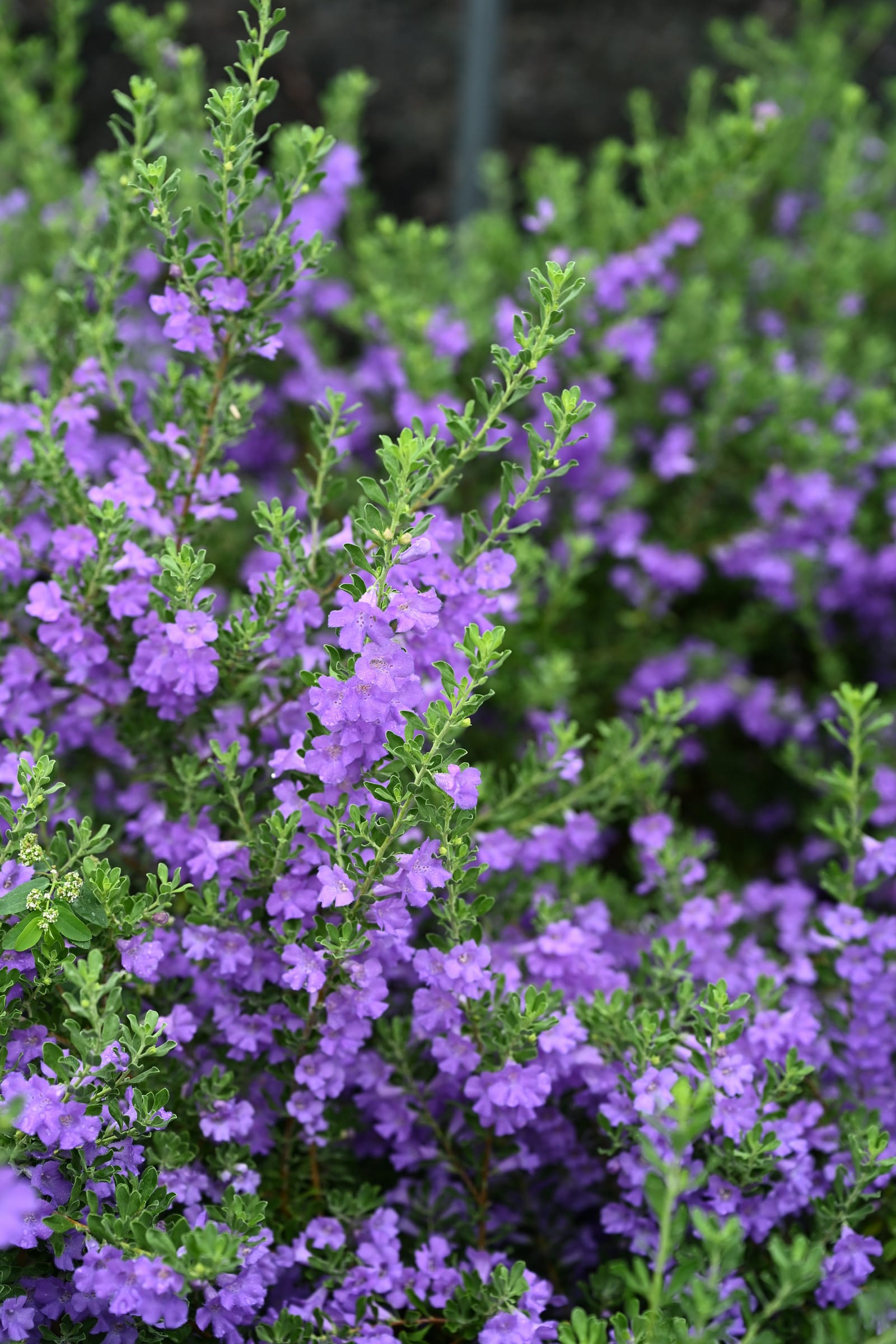
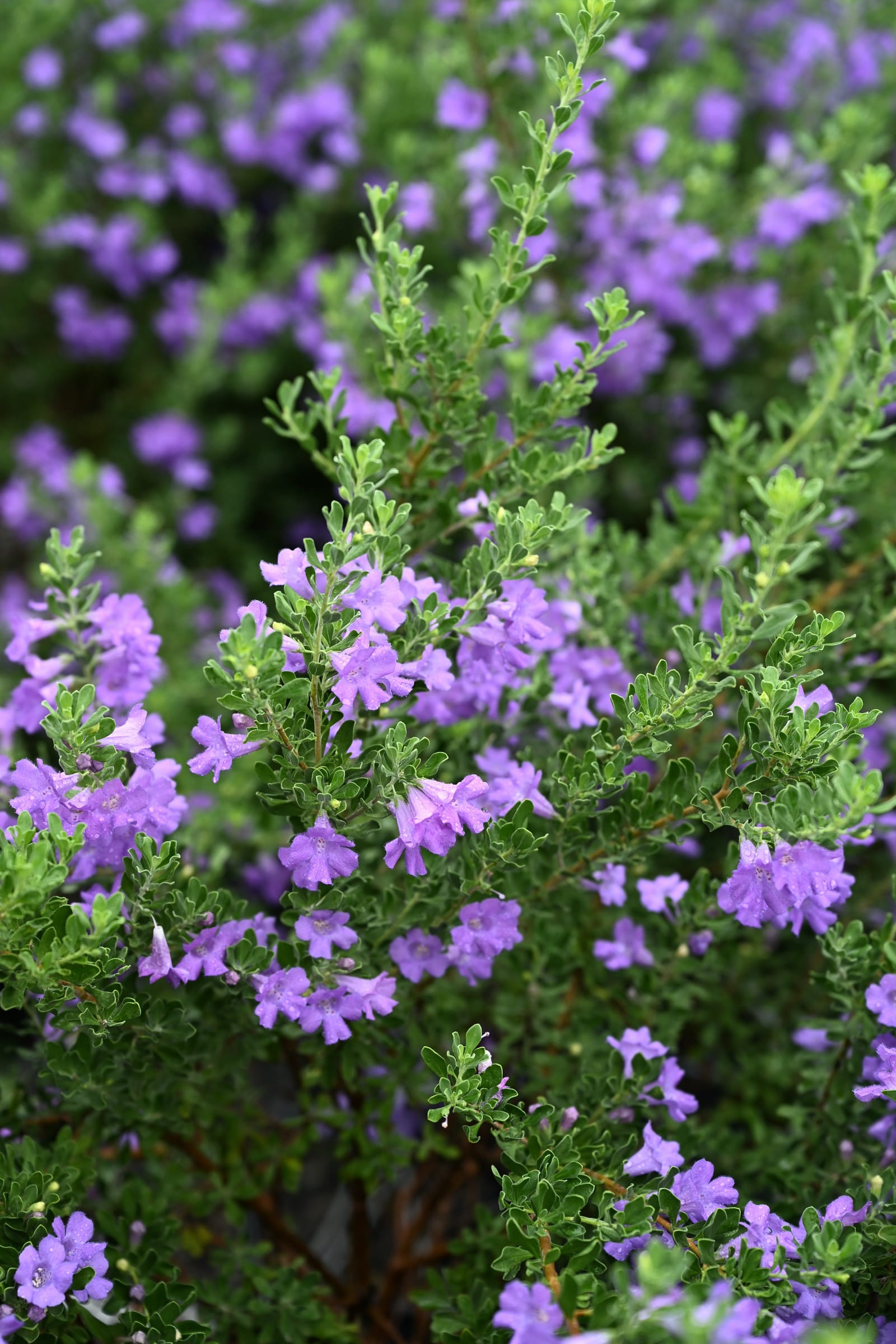
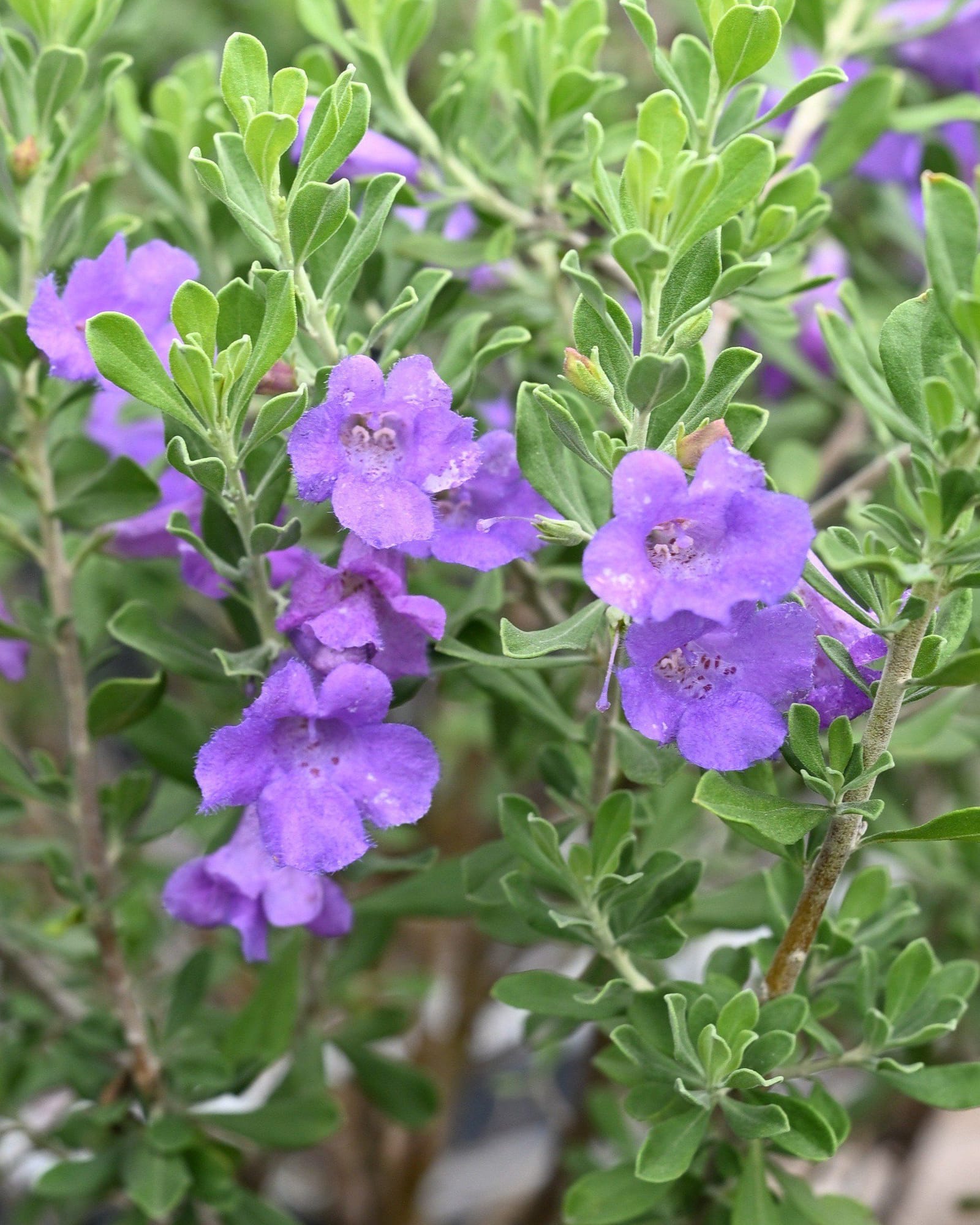
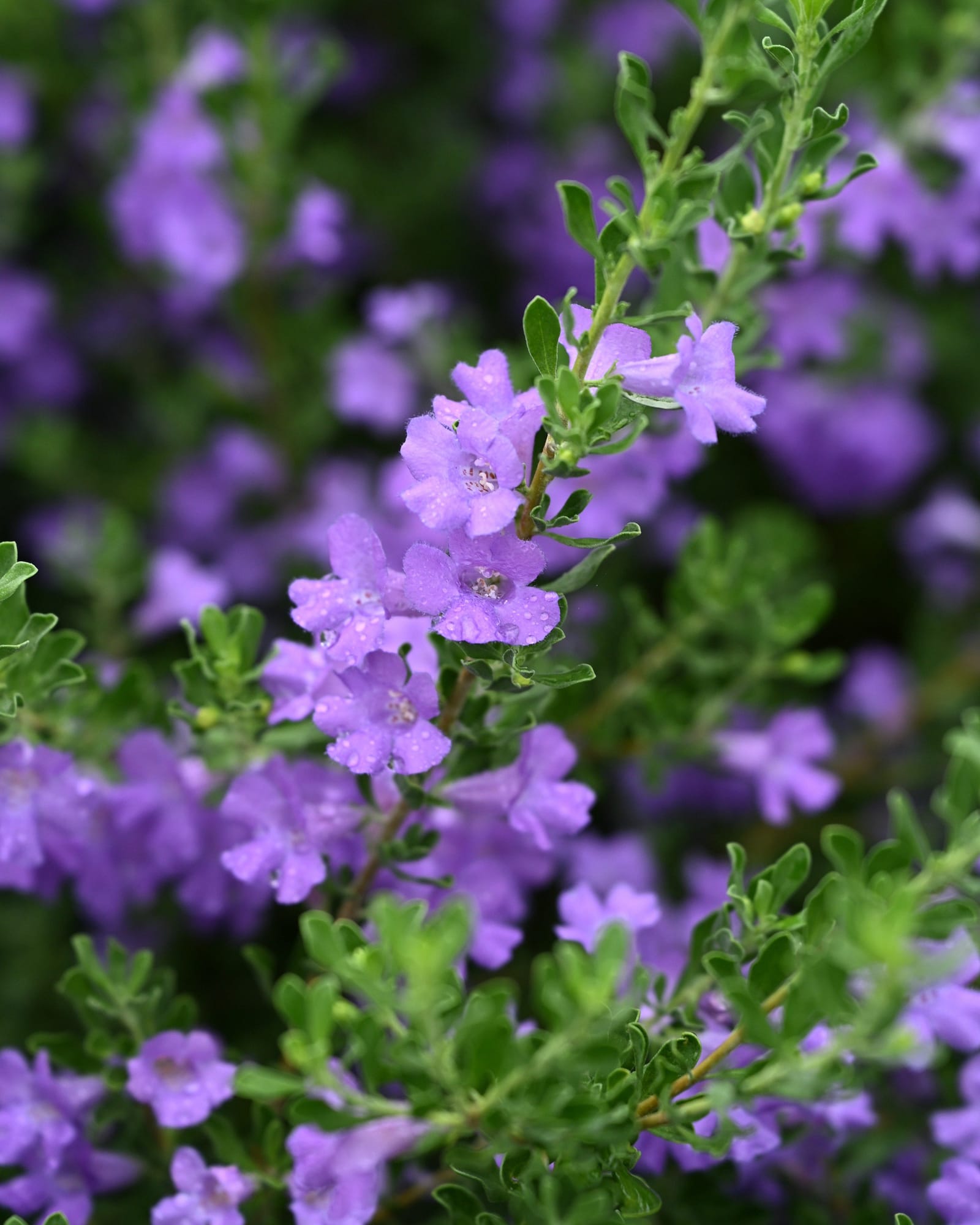
Leucophyllum frutescens 'San Antonio Rose'San Antonio Texas Sage is a dramatic evergreen shrub - bursting into vibrant magenta-purple blooms whenever the humidity rises or rain rolls in. Its dense, silvery-gray foliage provides year-round color and contrast, while its naturally rounded shape makes it an ideal fit for hedges, borders, or accent plantings in tough Texas conditions. It grows about 4 feet in both height and width at maturity.
- Evergreen shrub
- Moderate growth rate
- Rich purple flowers appear after rain
- Grows well in heat and drought
- Great for screens, accents, or massing
Plant in full sun and well-draining soil to encourage best flowering and form. Hardy in USDA zones 7 through 11, San Antonio Texas Sage is a reliable favorite for water-wise beds across the state. Once established, it’s extremely drought-tolerant and thrives with little to no supplemental watering.
Once established, San Antonio Texas Sage thrives with very little intervention, making it ideal for low-water, low-maintenance landscapes:
- Watering: Water deeply but infrequently during the first growing season to encourage deep, drought-adapted roots. Once established, San Antonio Texas Sage prefers extended dry periods between waterings and performs best with minimal supplemental irrigation. Overwatering is the most common cause of decline, so allow soil to dry thoroughly before watering again.
- Pruning: Pruning should be minimal and selective, focusing on removing dead, damaged, or crossing branches. Light shaping after flowering helps maintain a tidy, upright form without sacrificing blooms. Avoid frequent shearing, which weakens structure and reduces flowering.
- Fertilizing: Fertilizer is rarely needed and often unnecessary. If growth appears weak, apply a very light, low-nitrogen fertilizer in early spring. Excess fertilizer encourages soft growth that is more susceptible to breakage and cold damage.
- Mulching: Apply a thin 1-2 inch layer of gravel or coarse organic mulch to suppress weeds and moderate soil temperature. Keep mulch well away from the trunk to prevent moisture buildup. In xeric designs, inorganic mulch closely matches its native conditions.
- Winter Care: San Antonio Texas Sage is cold-hardy within its recommended range but may experience temporary leaf drop during severe freezes. Avoid pruning after mid-summer so new growth can harden before winter. Plants typically rebound quickly in spring once temperatures stabilize.
San Antonio Texas Sage is extremely resilient, and most problems occur when it receives too much water or care:
- Freeze Damage: Leaves brown or drop after hard freezes. Wait until spring to prune once new growth reveals living wood.
- Twig Dieback: Small branch tips dry out due to stress or poor airflow. Remove affected tips and thin lightly to improve circulation.
- Spider Mites: Fine stippling appears on leaves during extreme heat and drought. Rinse foliage occasionally to reduce populations.
- Salt Buildup: Leaf edges brown due to mineral accumulation in soil. Occasionally flush soil deeply to leach excess salts.
- Over-Pruning Stress: Plants struggle to recover after aggressive shaping. Use light, selective pruning and allow natural form to dominate.
With proper placement and minimal irrigation, it typically lives 25-40 years. Longevity improves when the plant is allowed to grow naturally. Mature shrubs become increasingly resilient over time.
It grows at a moderate rate of about 8-12 inches per year. A full, upright form usually develops within 4-6 years. Growth remains sturdy rather than fast and weak.
Flowering is often triggered by changes in humidity and rainfall rather than a strict seasonal schedule. Blooms may appear suddenly after summer rains. This unpredictable display is part of its appeal.
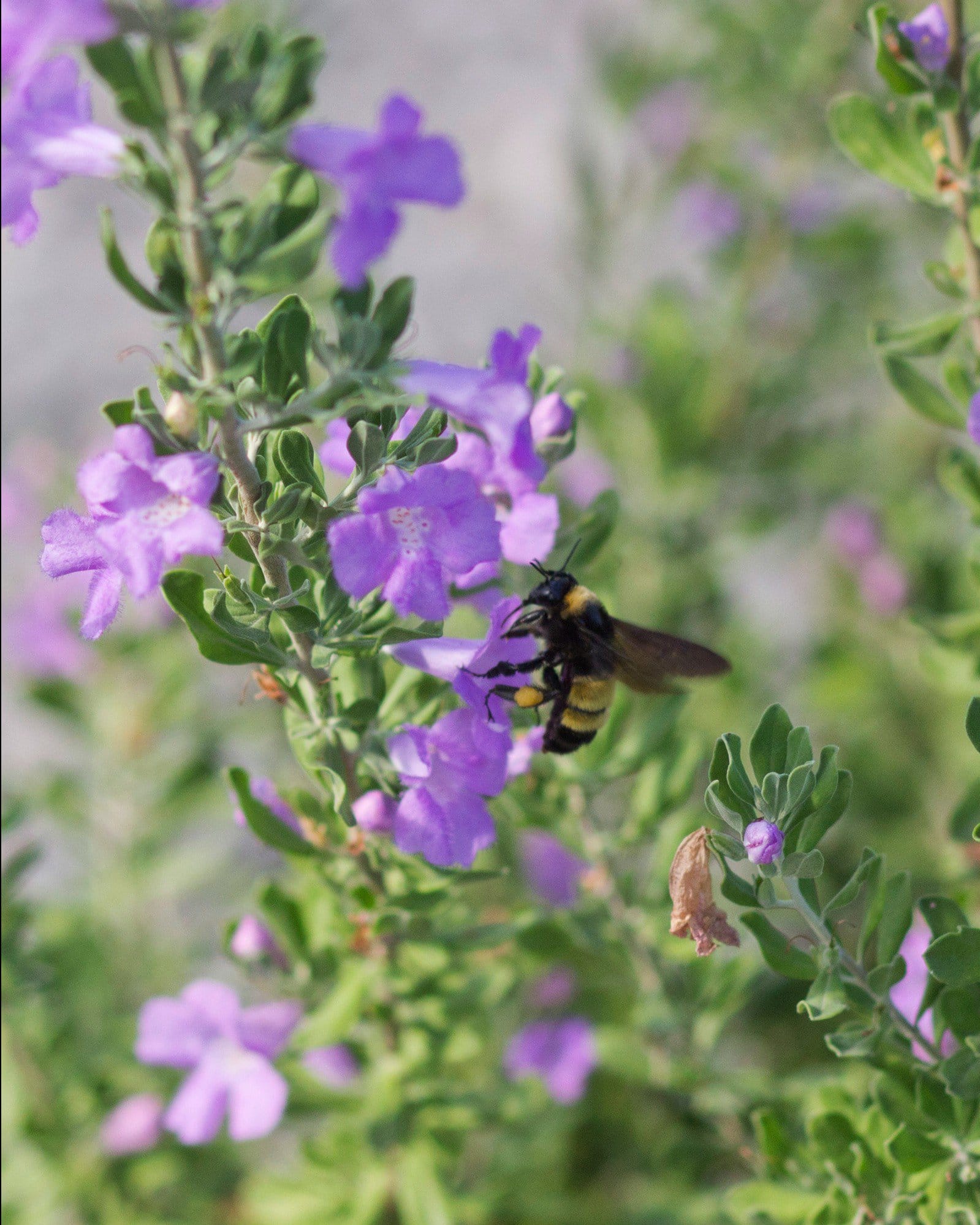
Its lavender-purple flowers attract bees and native pollinators. Blooms often appear during hot periods when few shrubs are flowering. Pollinator activity adds life to drought-tolerant landscapes.
Deer generally avoid this shrub due to its aromatic, fuzzy foliage. Browsing is uncommon even in rural areas. Established plants are rarely disturbed.
It can be grown in large containers when young. Containers must drain extremely well to prevent root problems. Long-term container success requires careful watering restraint.
Division is not recommended due to its woody structure. Propagation is best done through cuttings. This ensures uniform form and vigor.
It performs exceptionally well in mass plantings and informal rows. Grouped plants create a clean, cohesive look with minimal maintenance. Mass plantings also reduce irrigation needs.
It pairs beautifully with other drought-tolerant plants such as lantana, agave, yucca, and ornamental grasses. Companion plants should share similar low-water requirements. This creates resilient, cohesive designs.
Its reliable upright habit and consistent performance make it a landscape staple. Silvery foliage, sudden blooms, and extreme toughness define its value. San Antonio Texas Sage delivers dependable beauty with minimal effort.
Special Features
You might also like
Compacta Texas Sage
Maturity: 3' H x 3' W
Desperado Texas Sage
Maturity: 6' H x 4' W
Green Cloud Texas Sage
Maturity: 6' H x 6' W
Silver Dream Texas Sage
Maturity: 6' H x 4' W
Silver Star Texas Sage
Maturity: 4' H x 4' W
Heavenly Cloud Texas Sage
Maturity: 6' H x 5' W
Laredo Texas Sage
Maturity: 6' H x 6' W
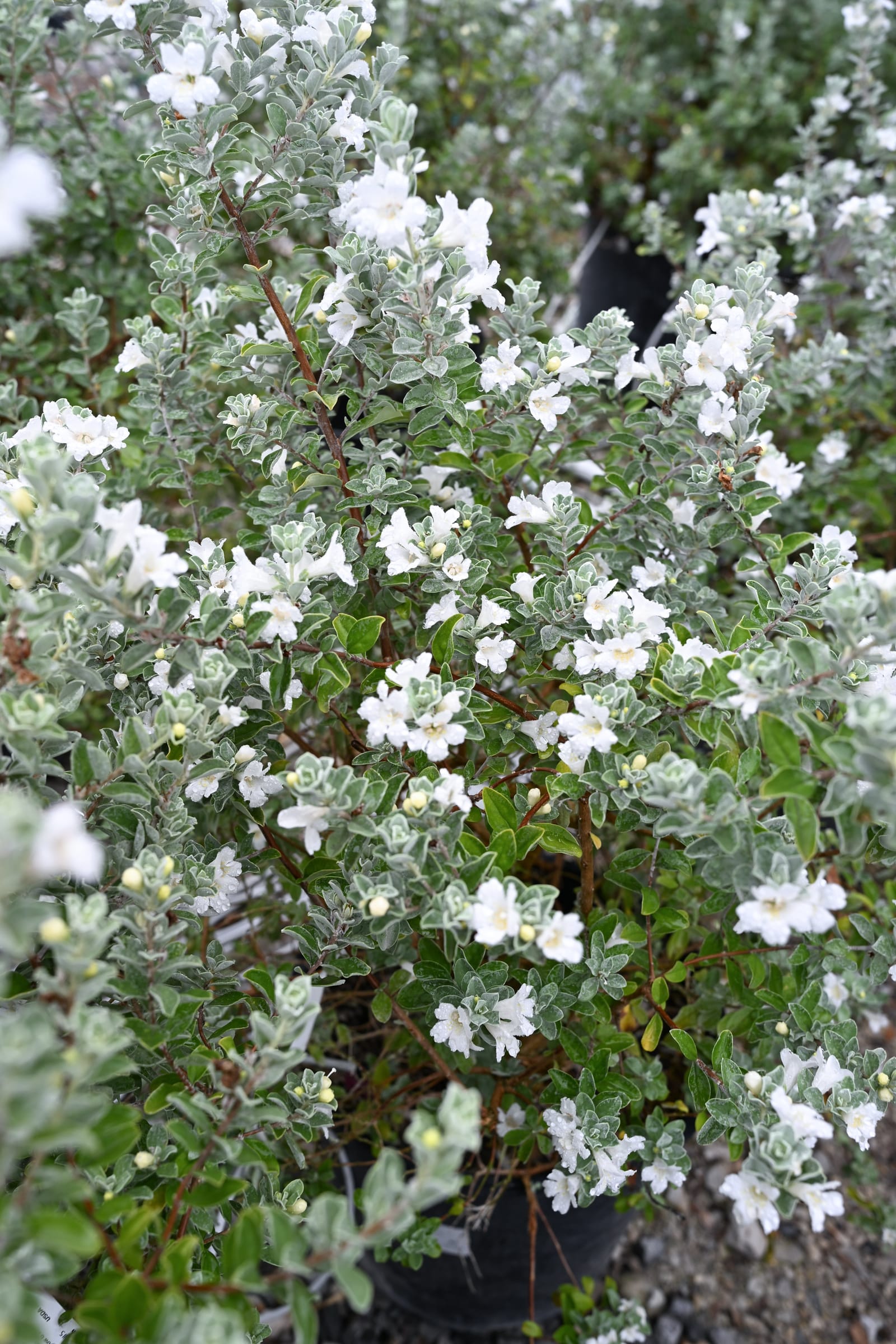
Silver Snow Texas Sage
Maturity: 6' H x 4' W
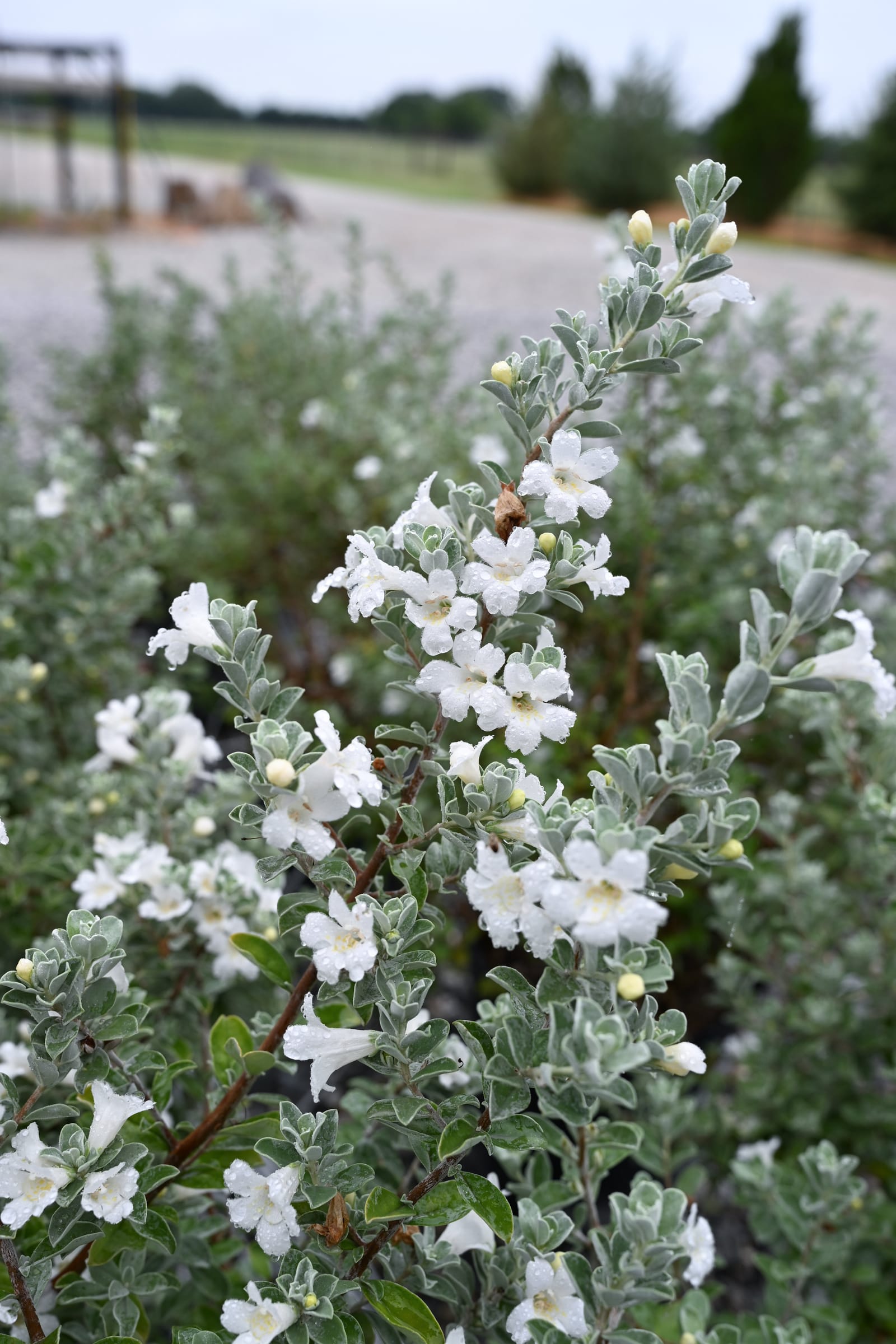
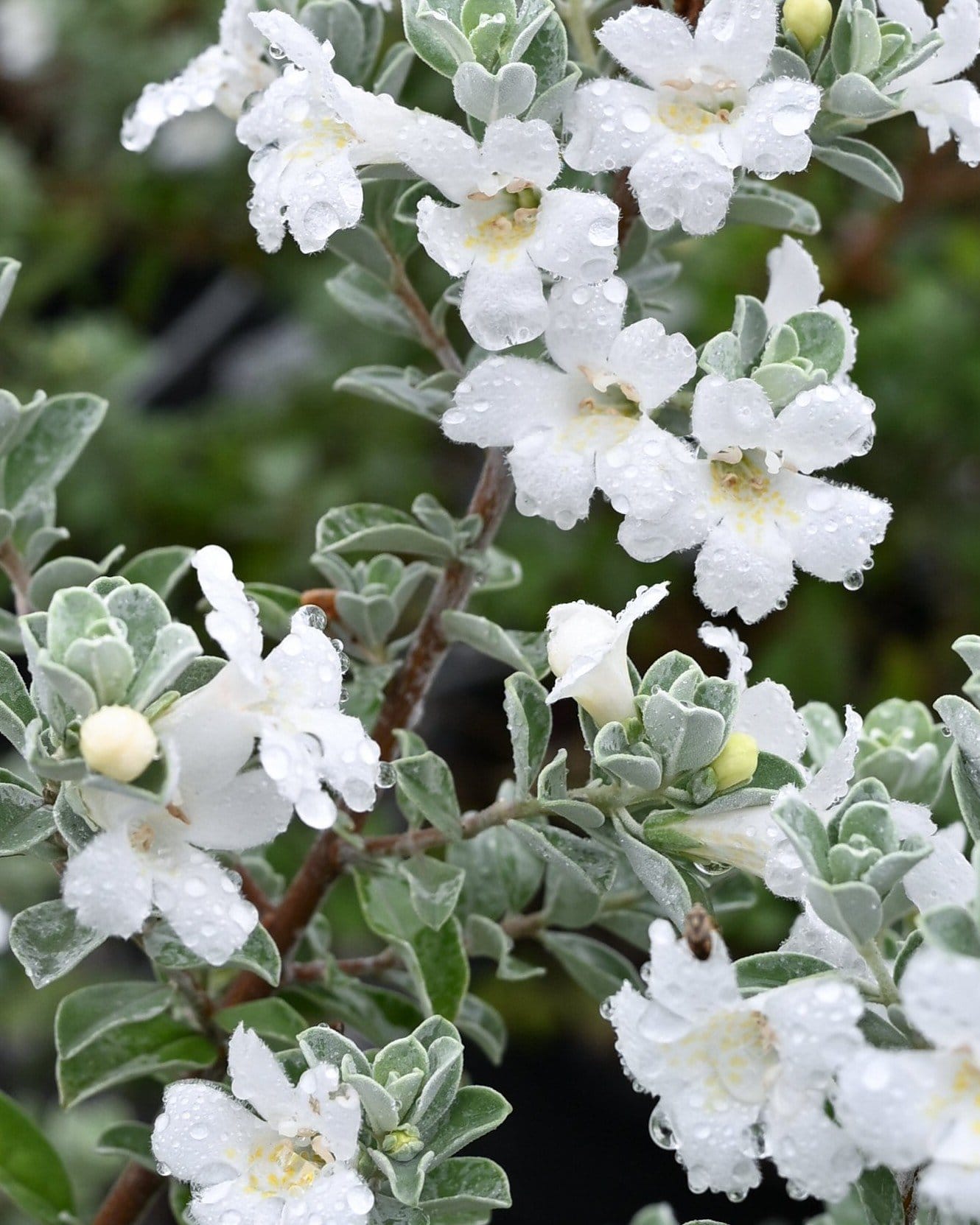
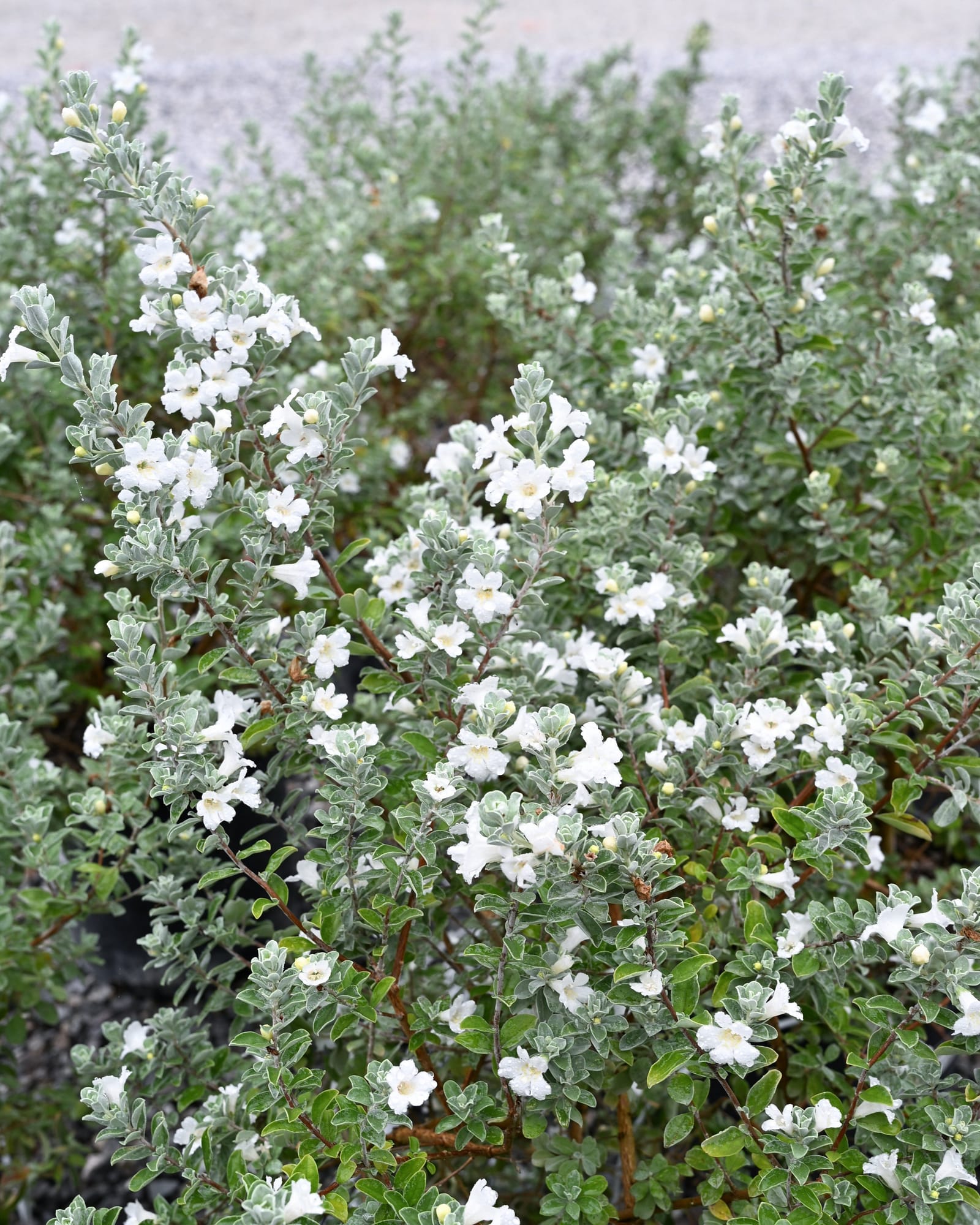
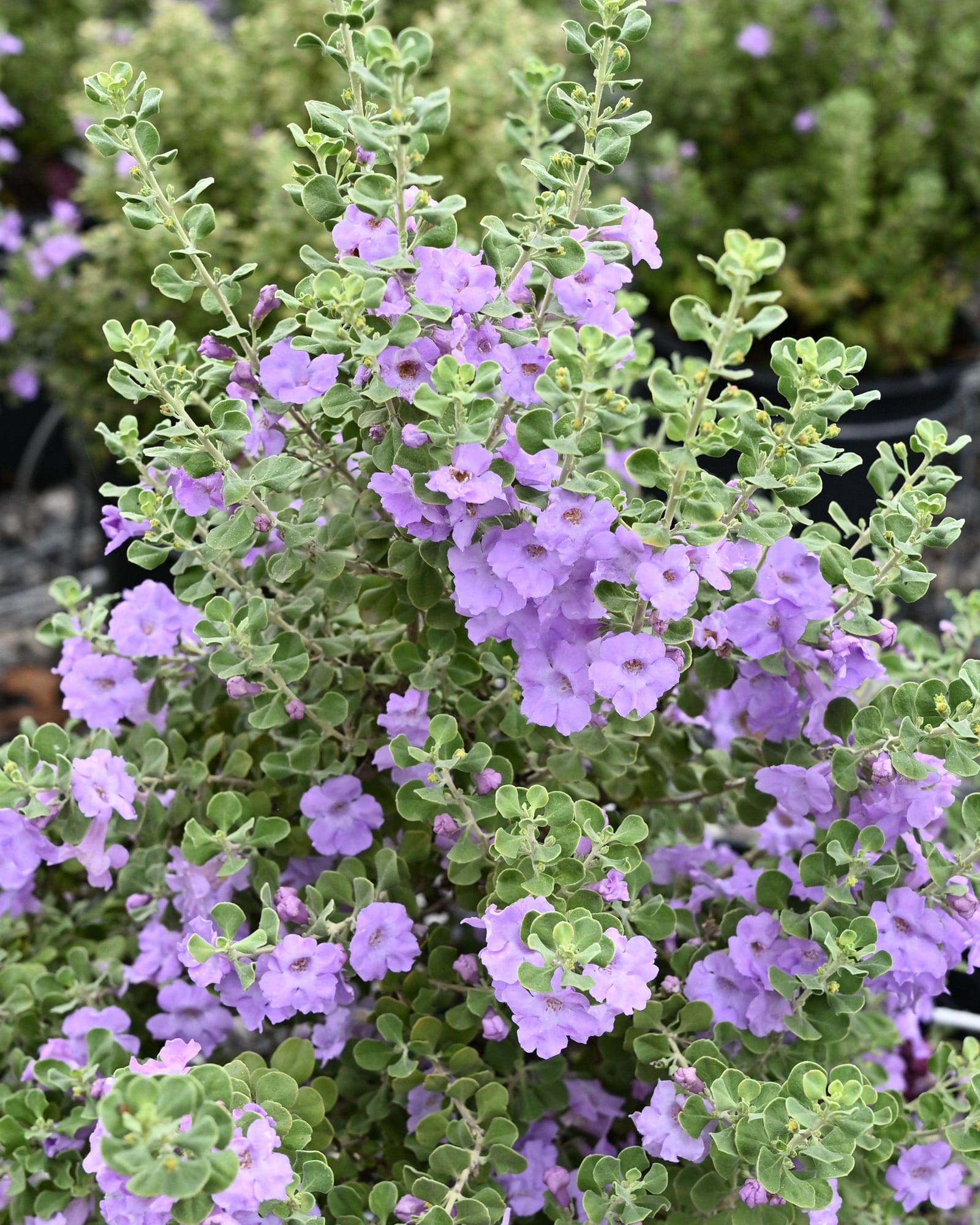
Lynn's Legacy Texas Sage
Maturity: 5' H x 5' W
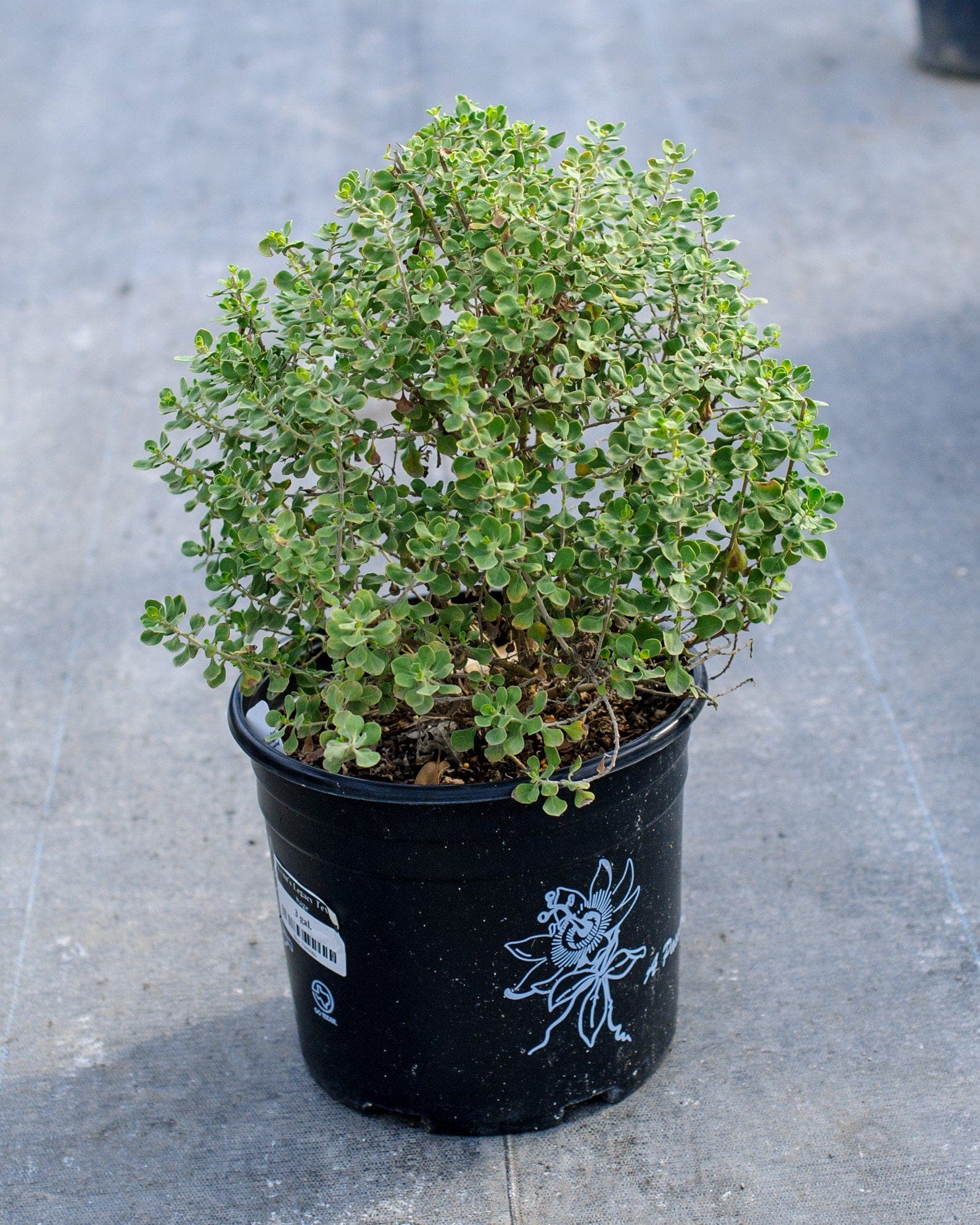
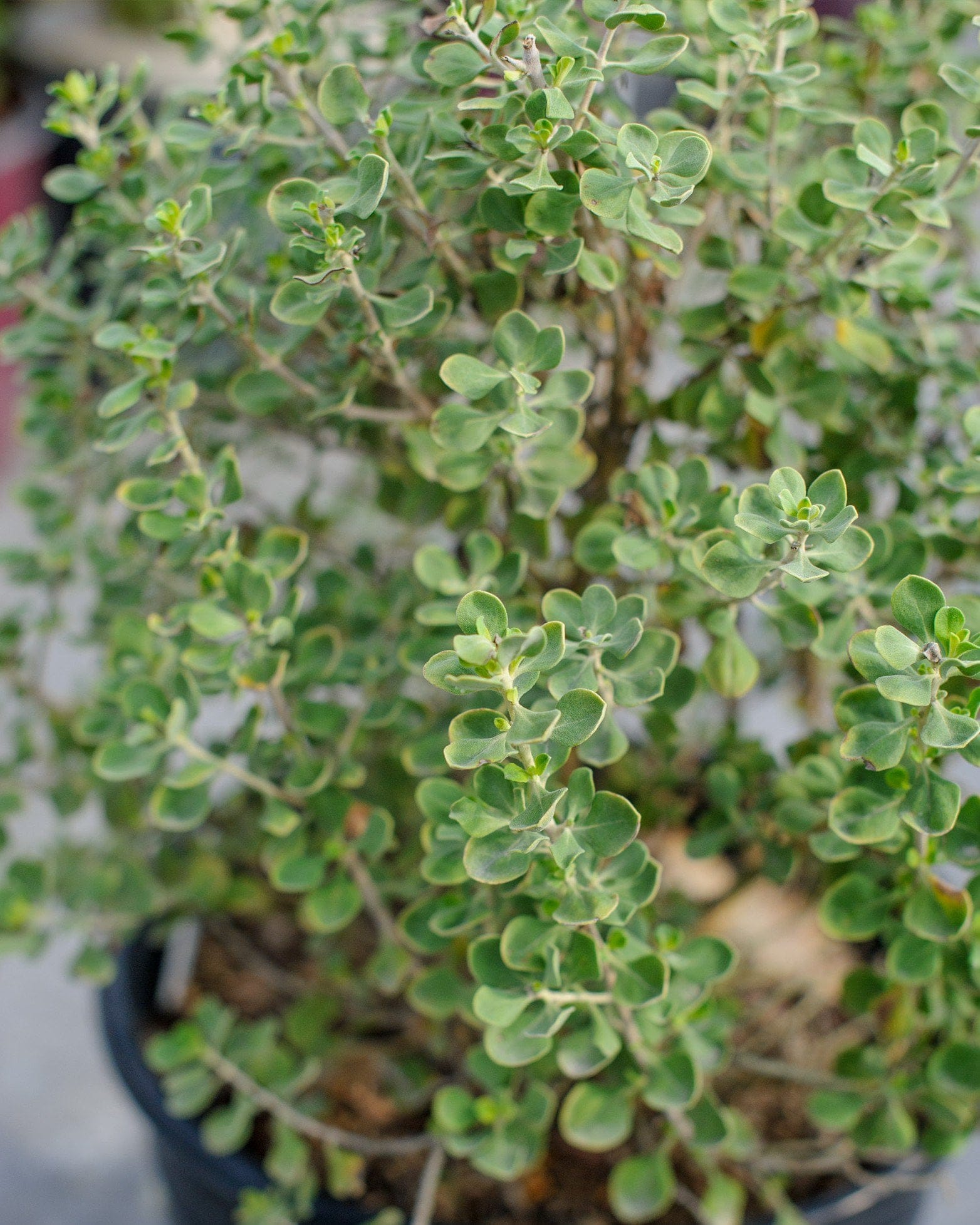
Microburst Texas Sage
Maturity: 3' H x 3' W
Purple Rain Texas Sage
Maturity: 5' H x 5' W
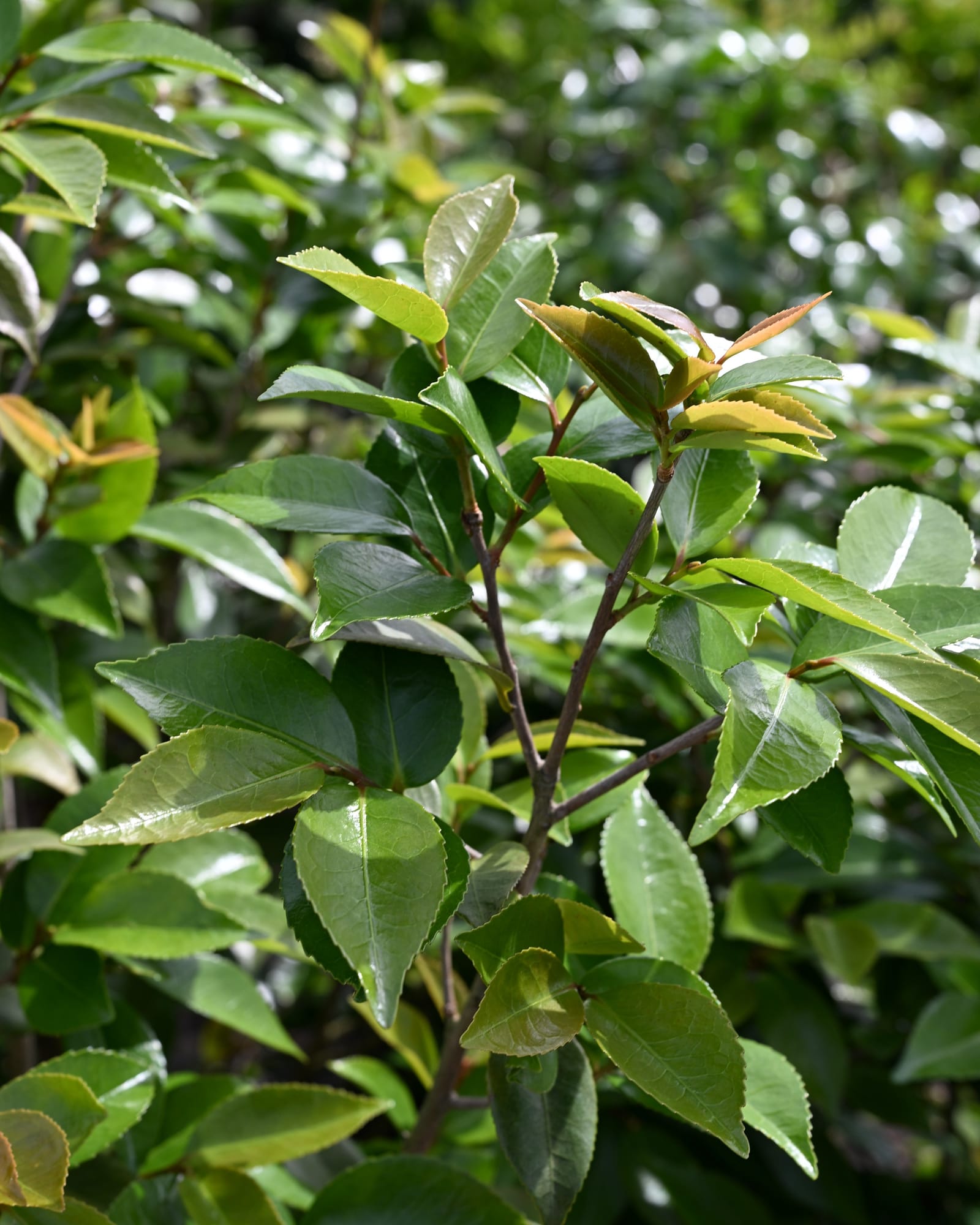
High Fragrance Camellia
Maturity: 8' H x 6' W
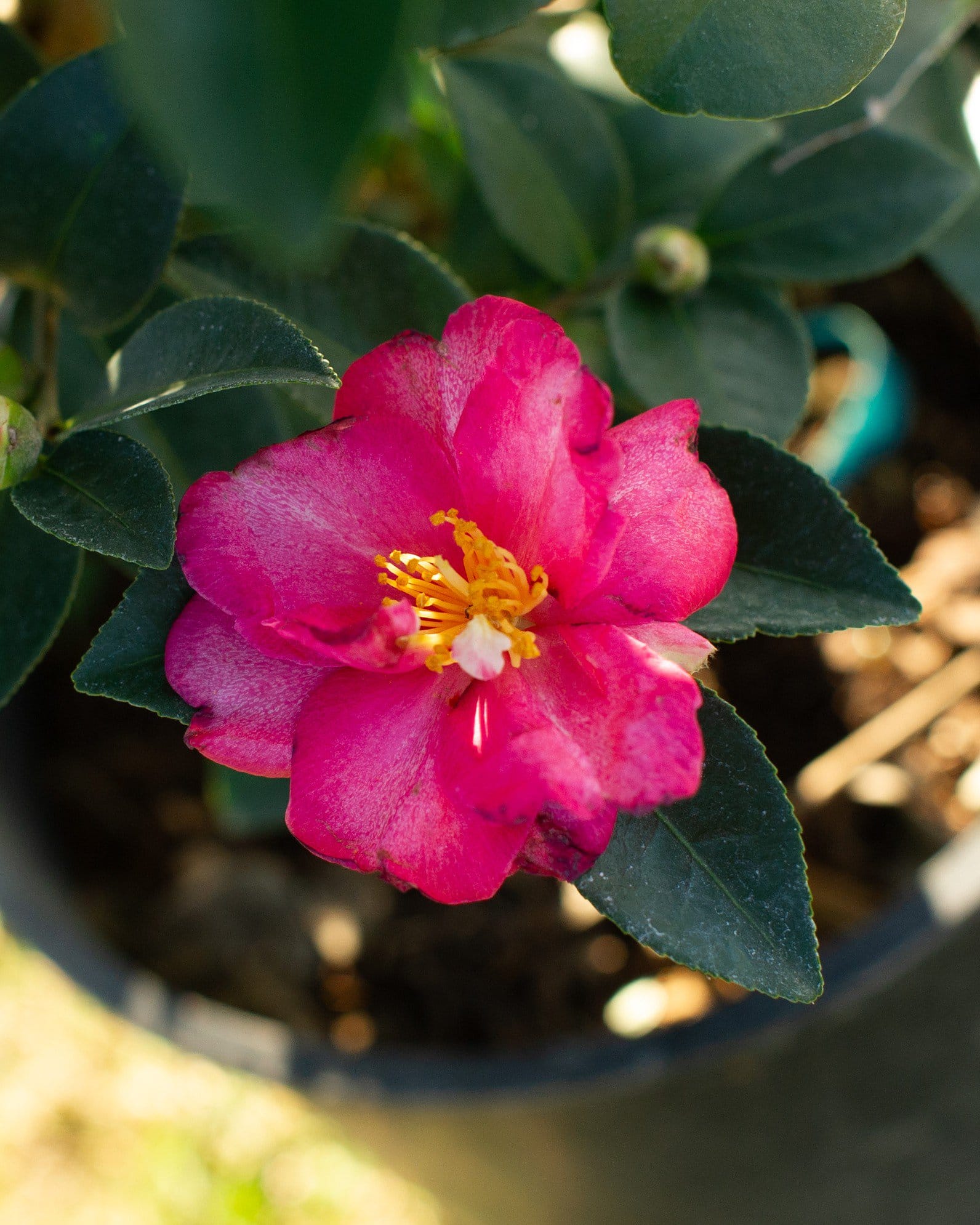
Kanjiro Camellia
Maturity: 8' H x 6' W
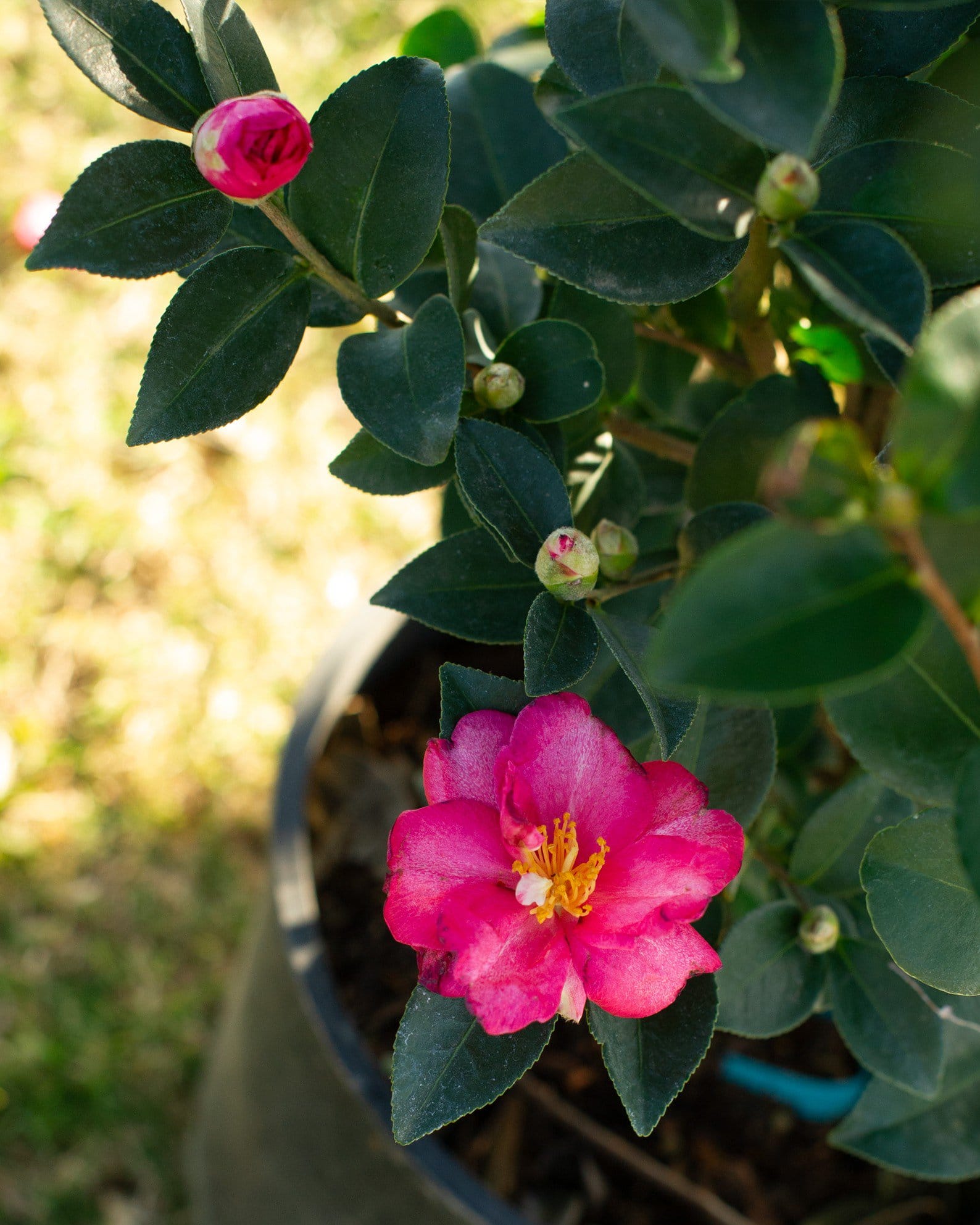
Royal Velvet Camellia
Maturity: 6' H x 6' W
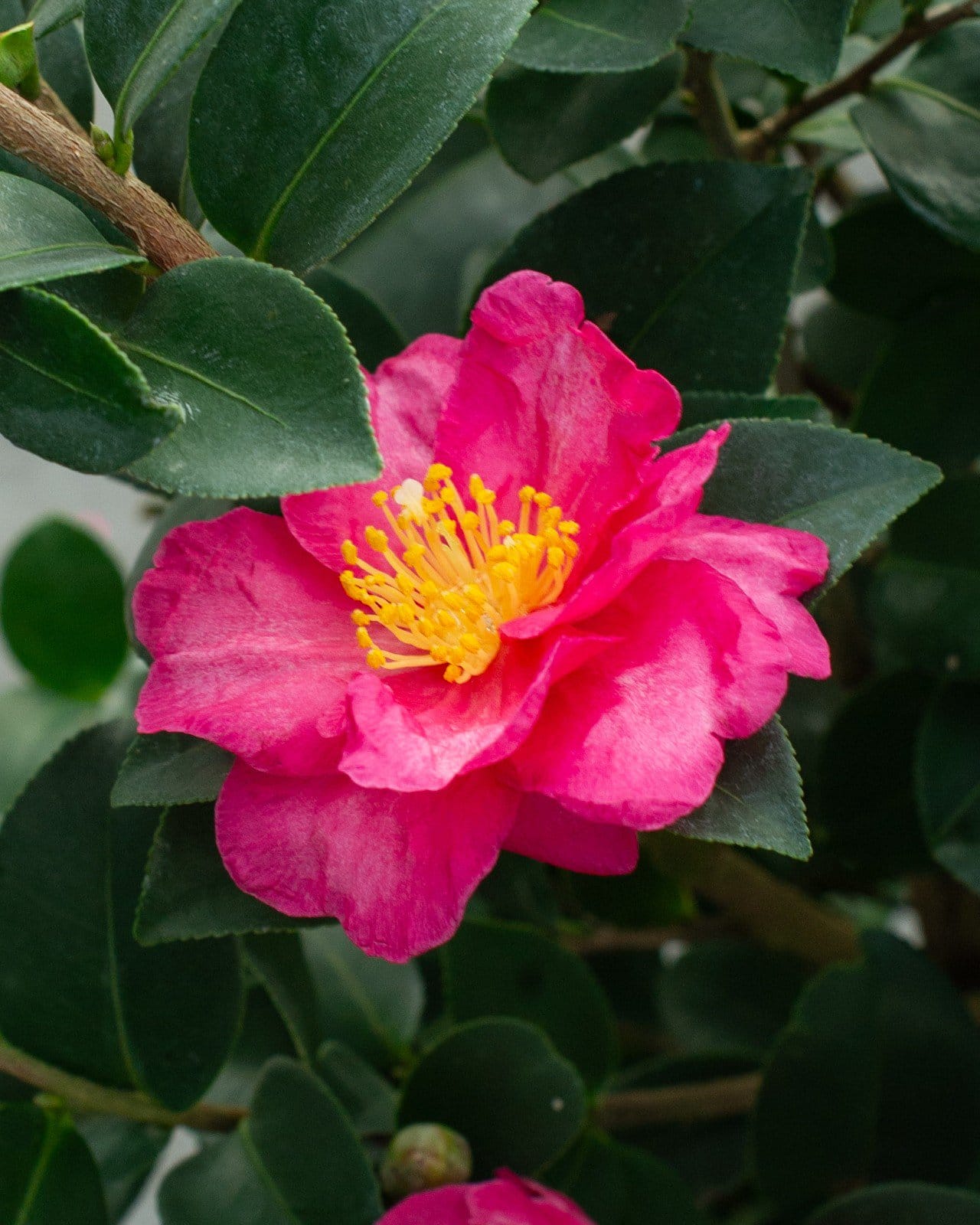
Shishi Gashira Camellia
Maturity: 4' H x 6' W
Compare Similar Plants
San Antonio Texas Sage This plant | ||
|---|---|---|
| Scientific Name | Leucophyllum frutescens 'San Antonio Rose' | Leucophyllum frutescens ‘Compacta’ |
| Size at Maturity | 4' H x 4' W | 3' H x 3' W |
| Leaf Retention | Evergreen | Evergreen |
| Flower Color | Purple | Purple |
| Bloom Times | Summer & Fall | Summer & Fall |
| Sizes Available | 3, 7 gal | 3 gal |


Our 1-Year Planting Guarantee
We take pride in our plants and installation services. If any plants or trees installed by Treeland fail to thrive within the first year, we'll provide a replacement credit in accordance with our guarantee program.
Learn More About Our Guarantee