

Indian Hawthorn Pinkie
Rhaphiolepis indica 'Pinkie'Local DFW Delivery Only
Product Details
Indian Hawthorn Pinkie
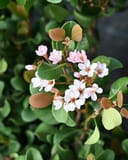
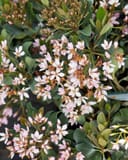
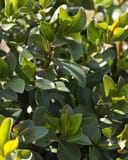
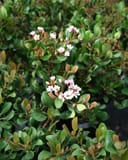
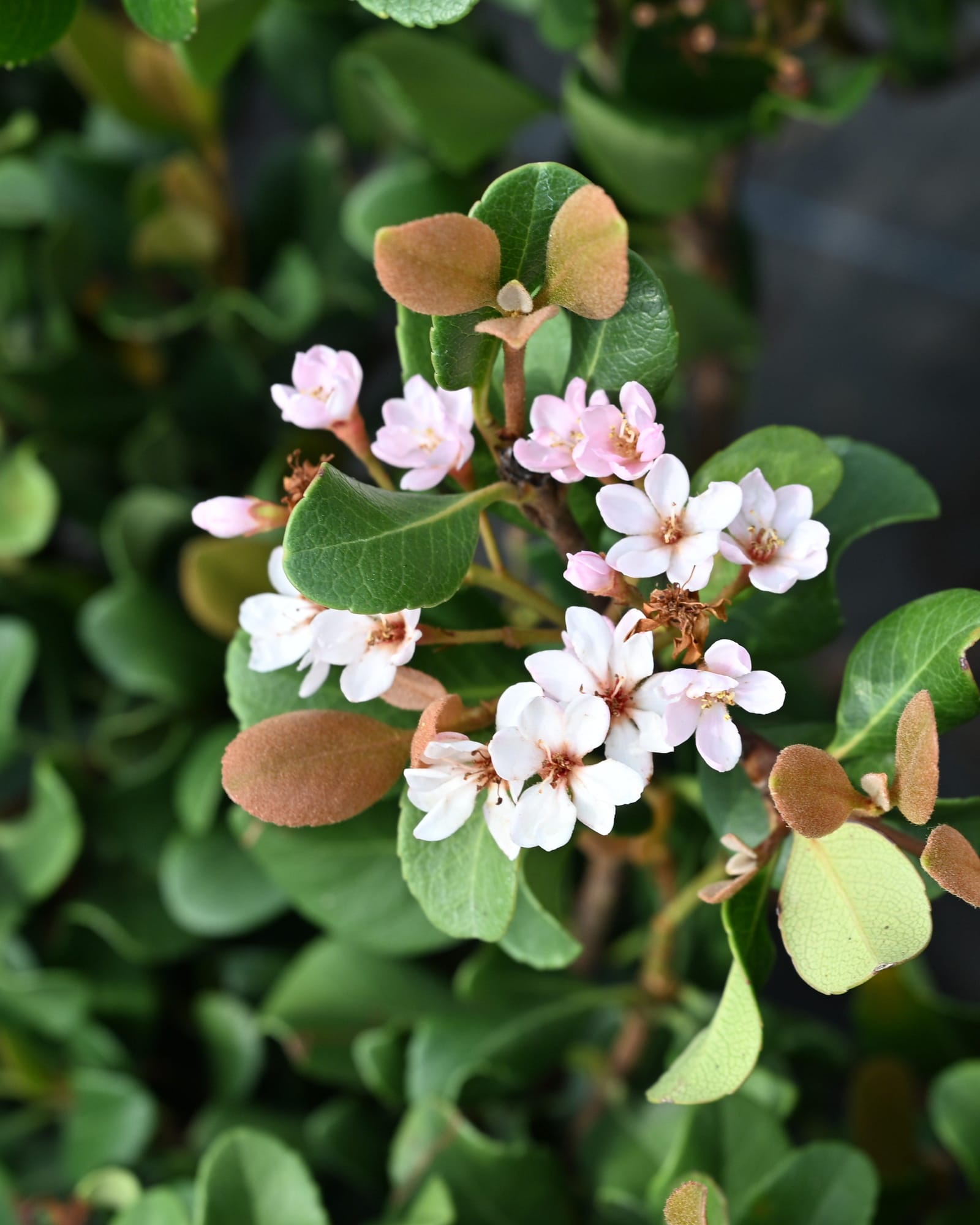
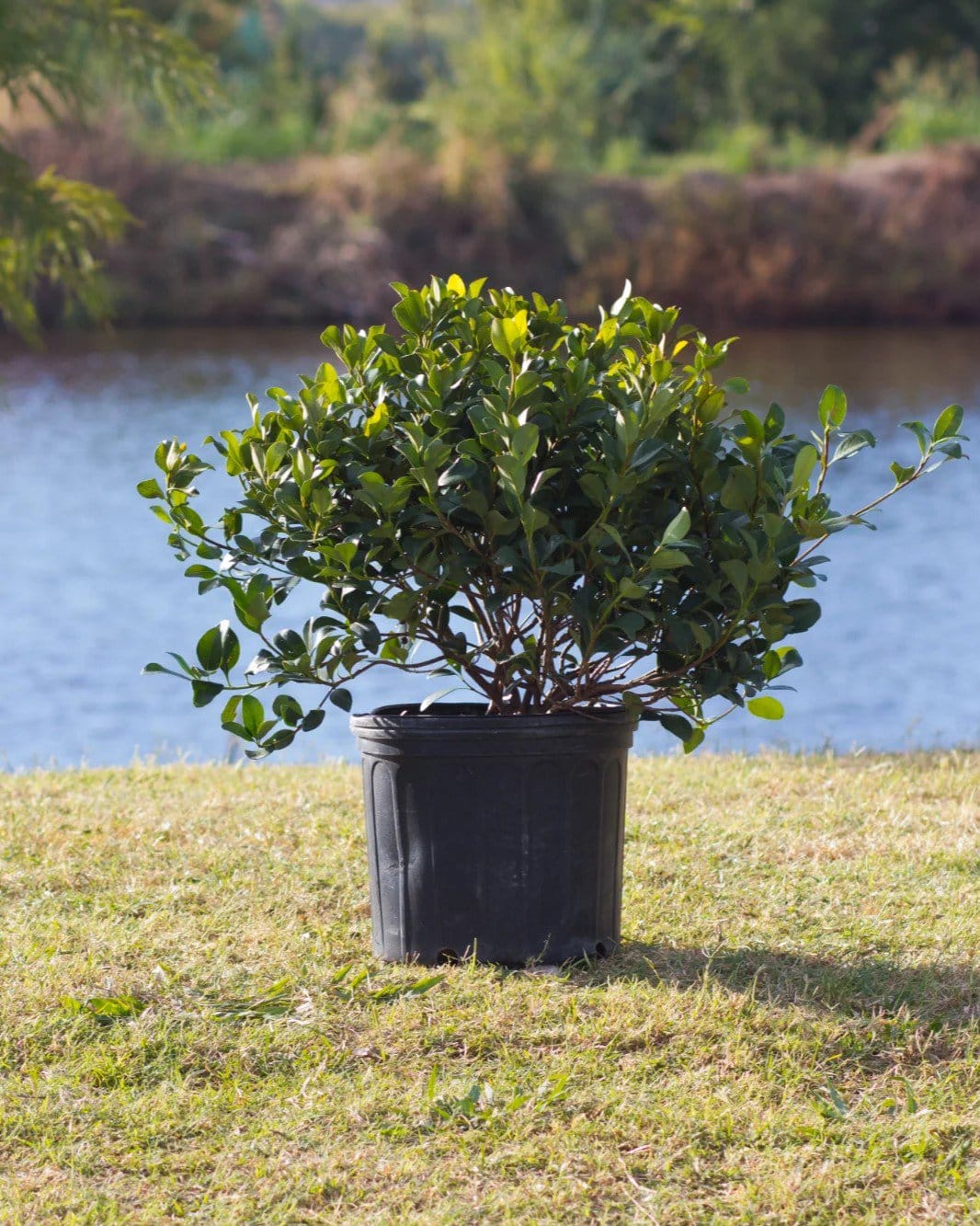
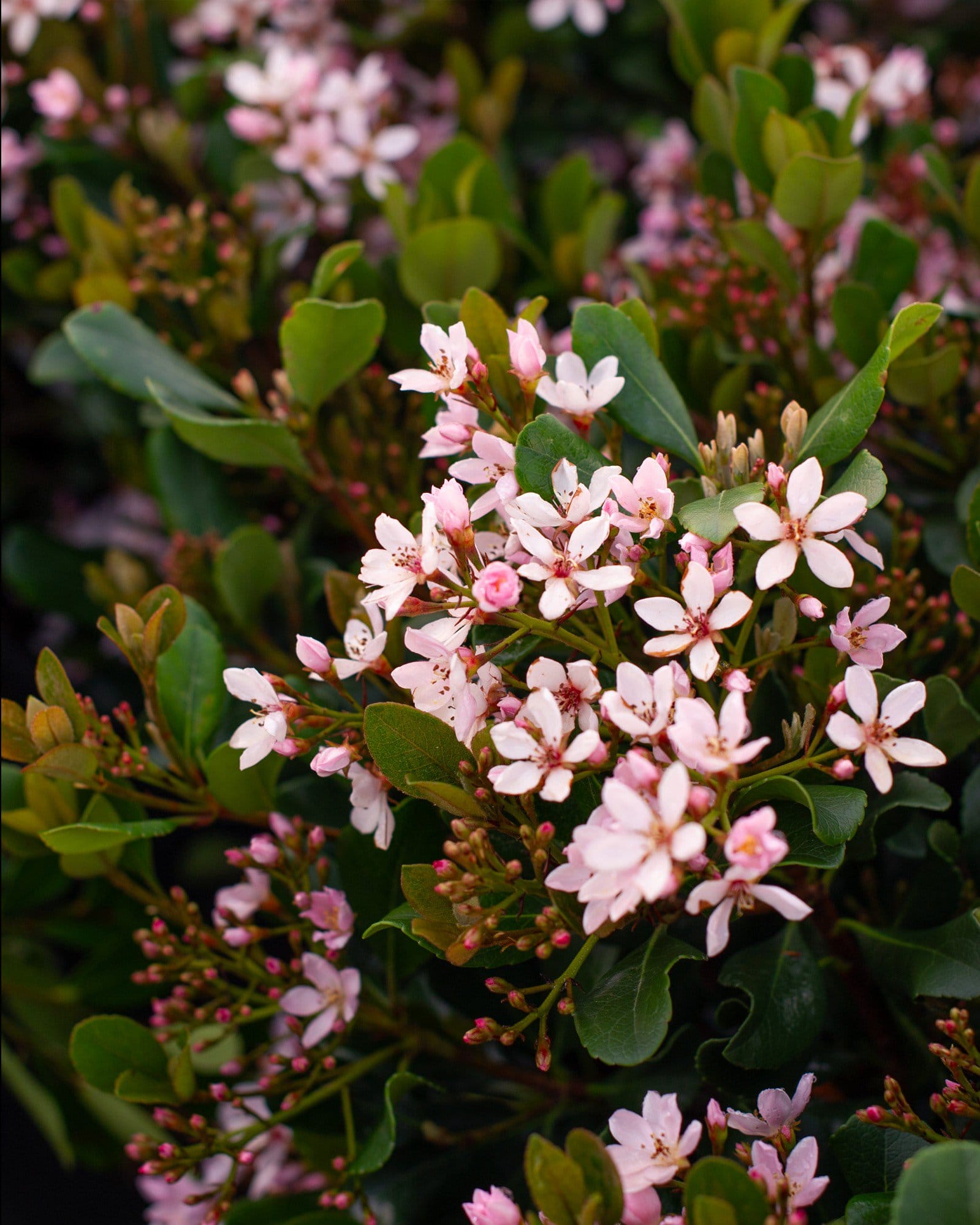
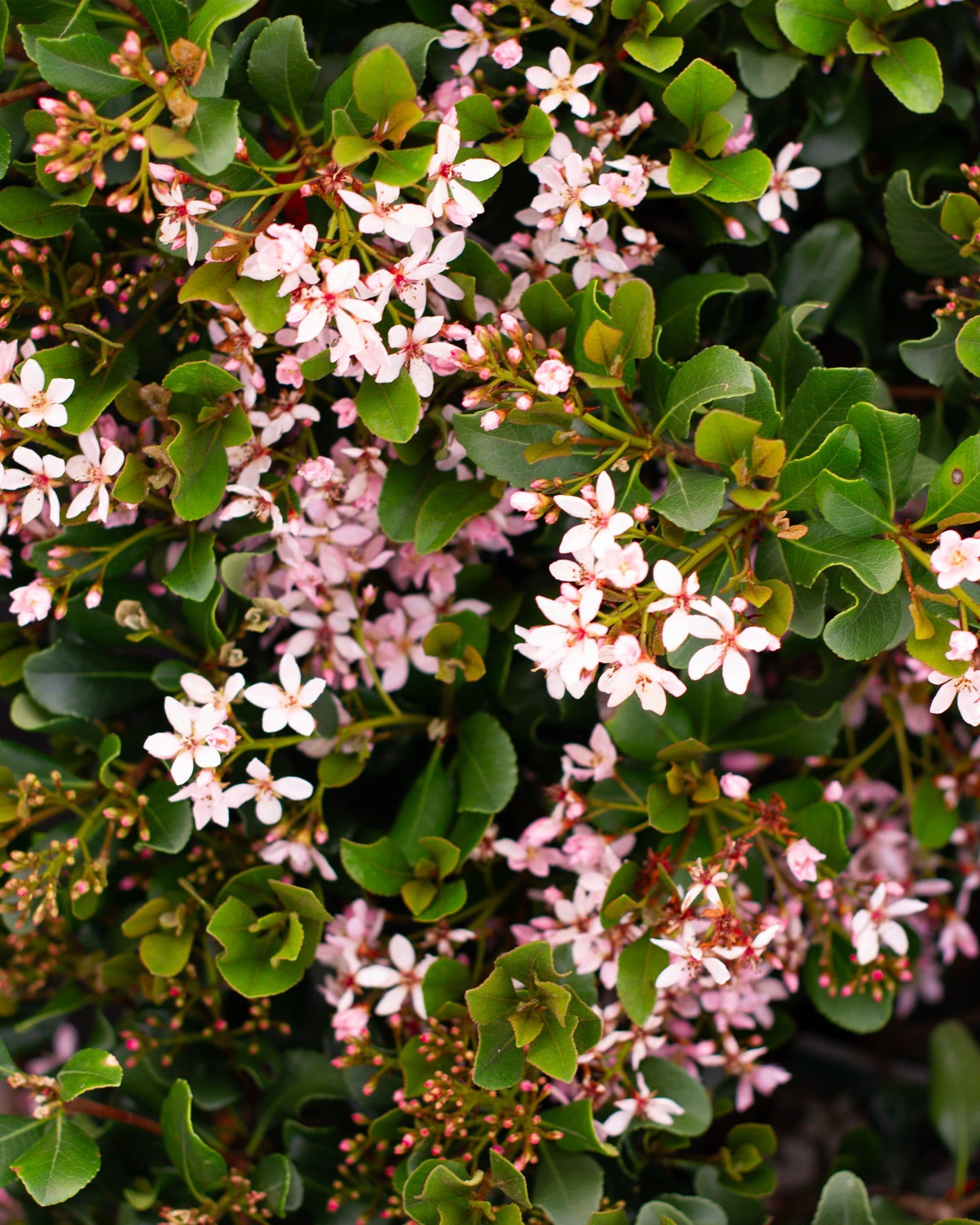
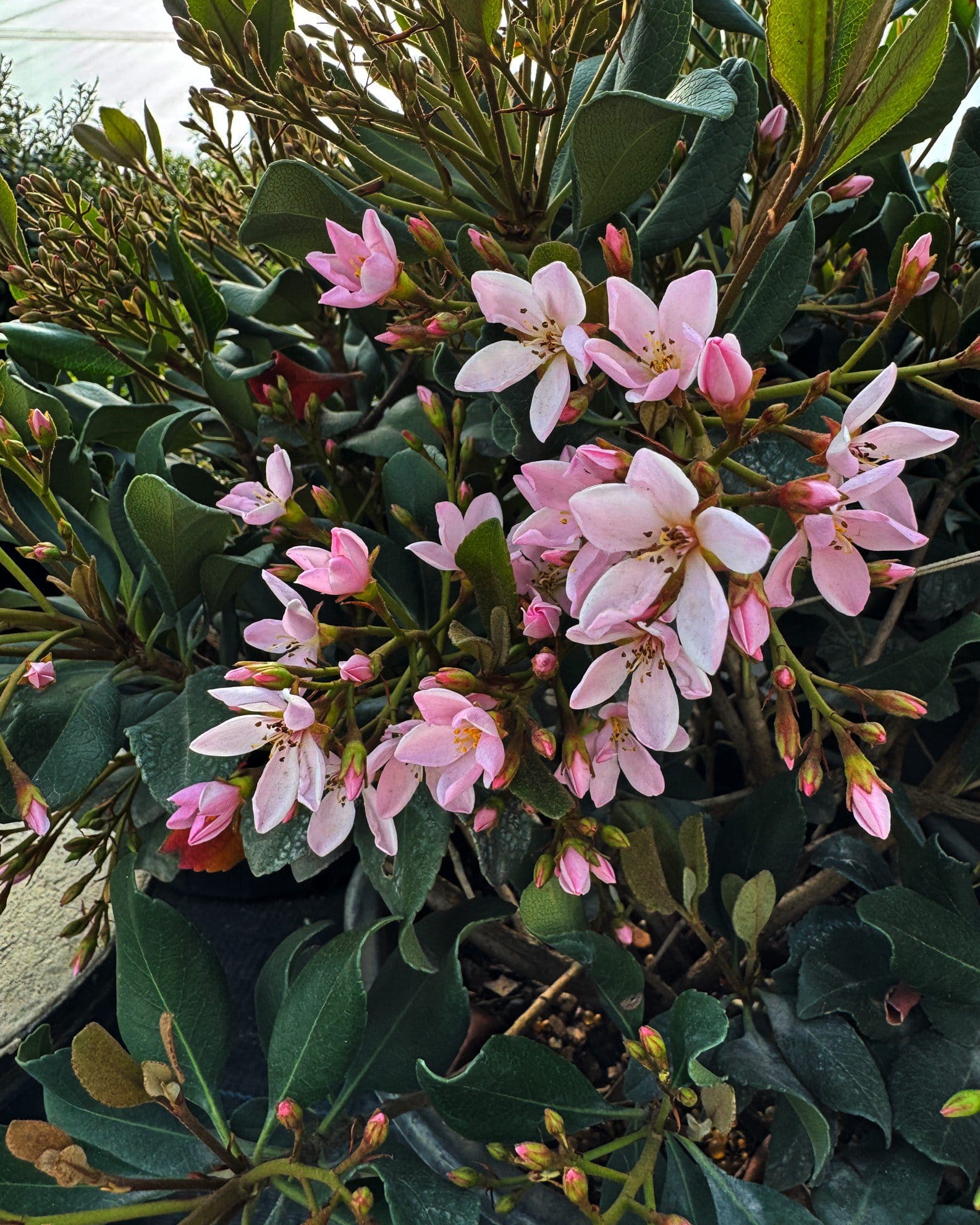
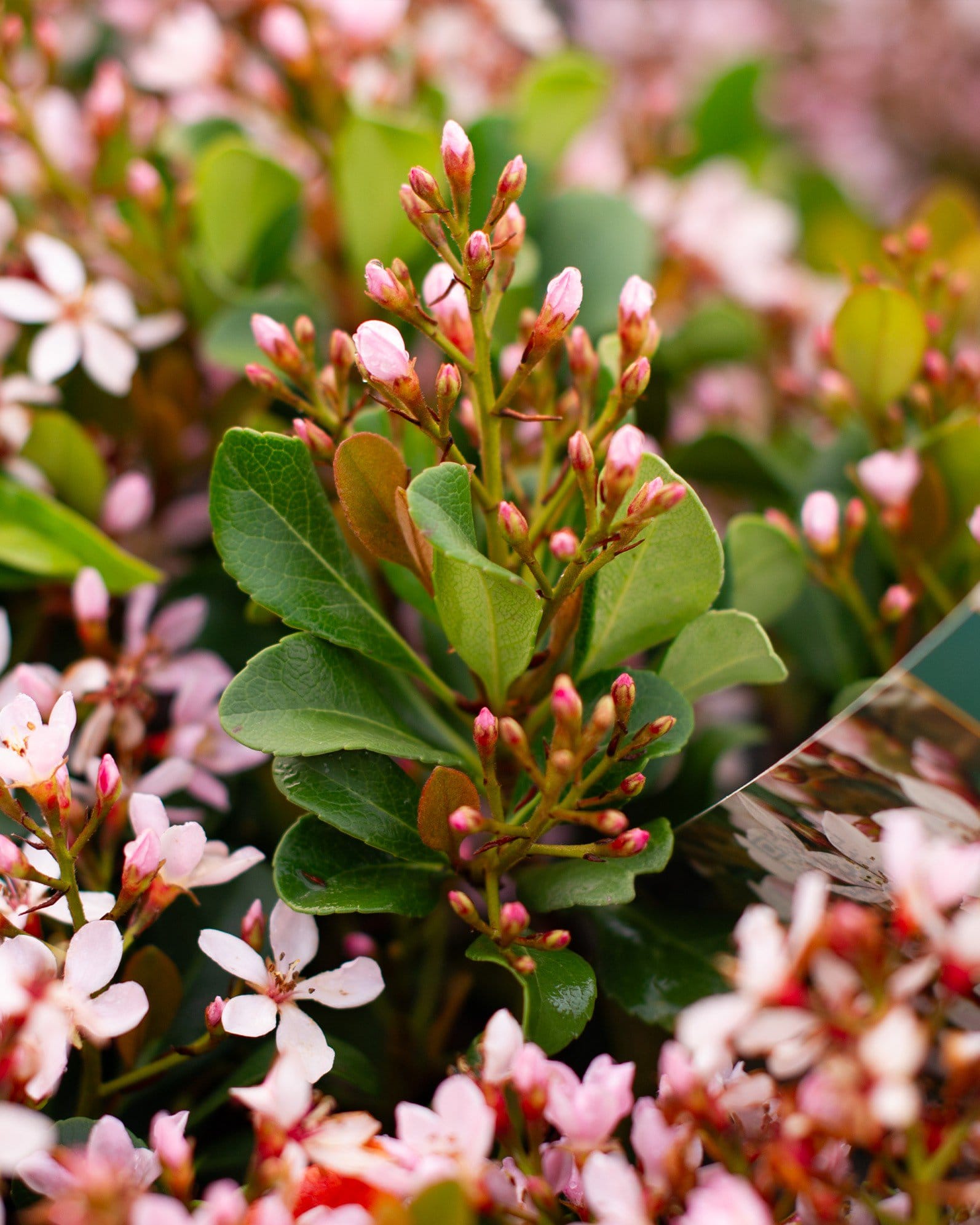
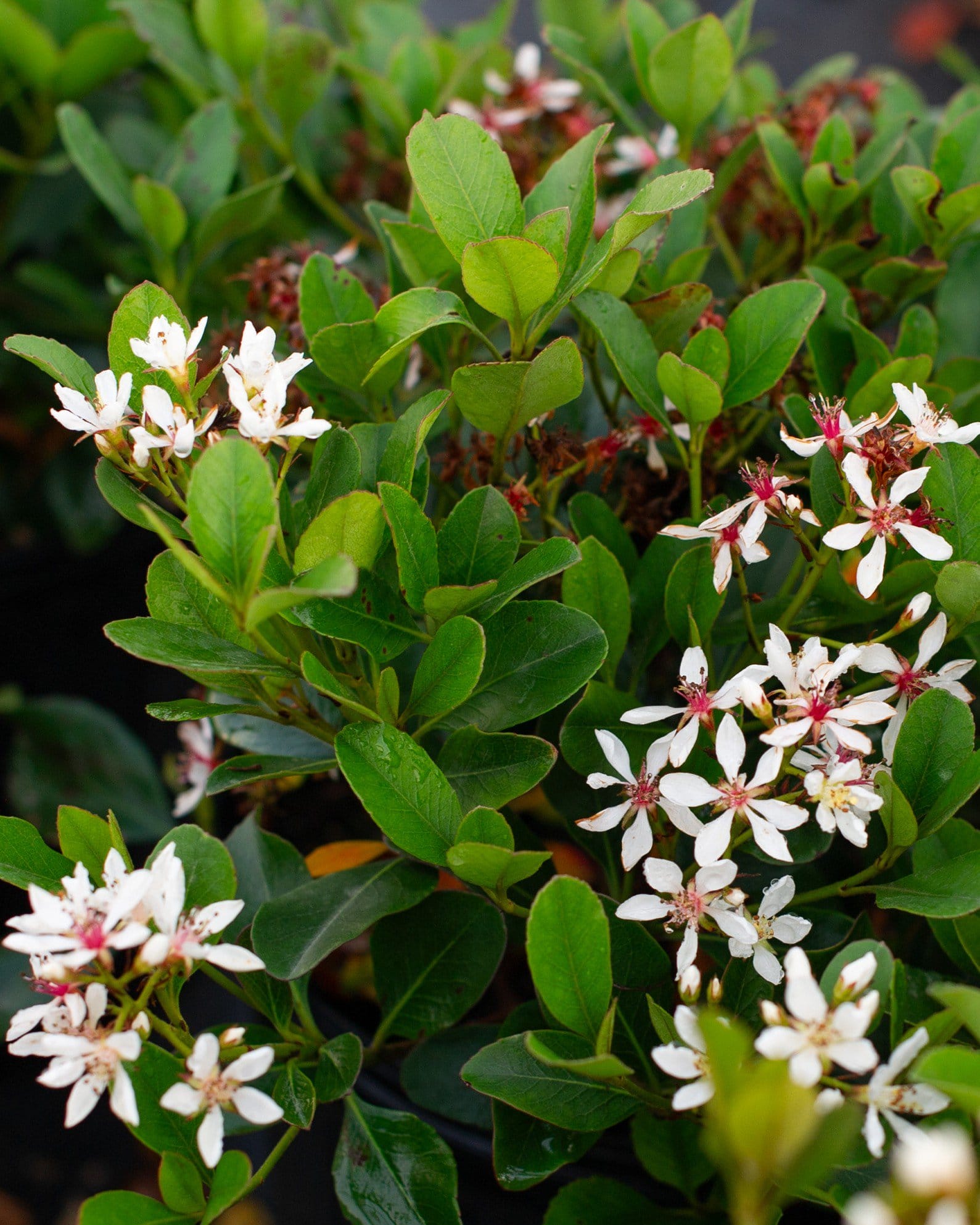
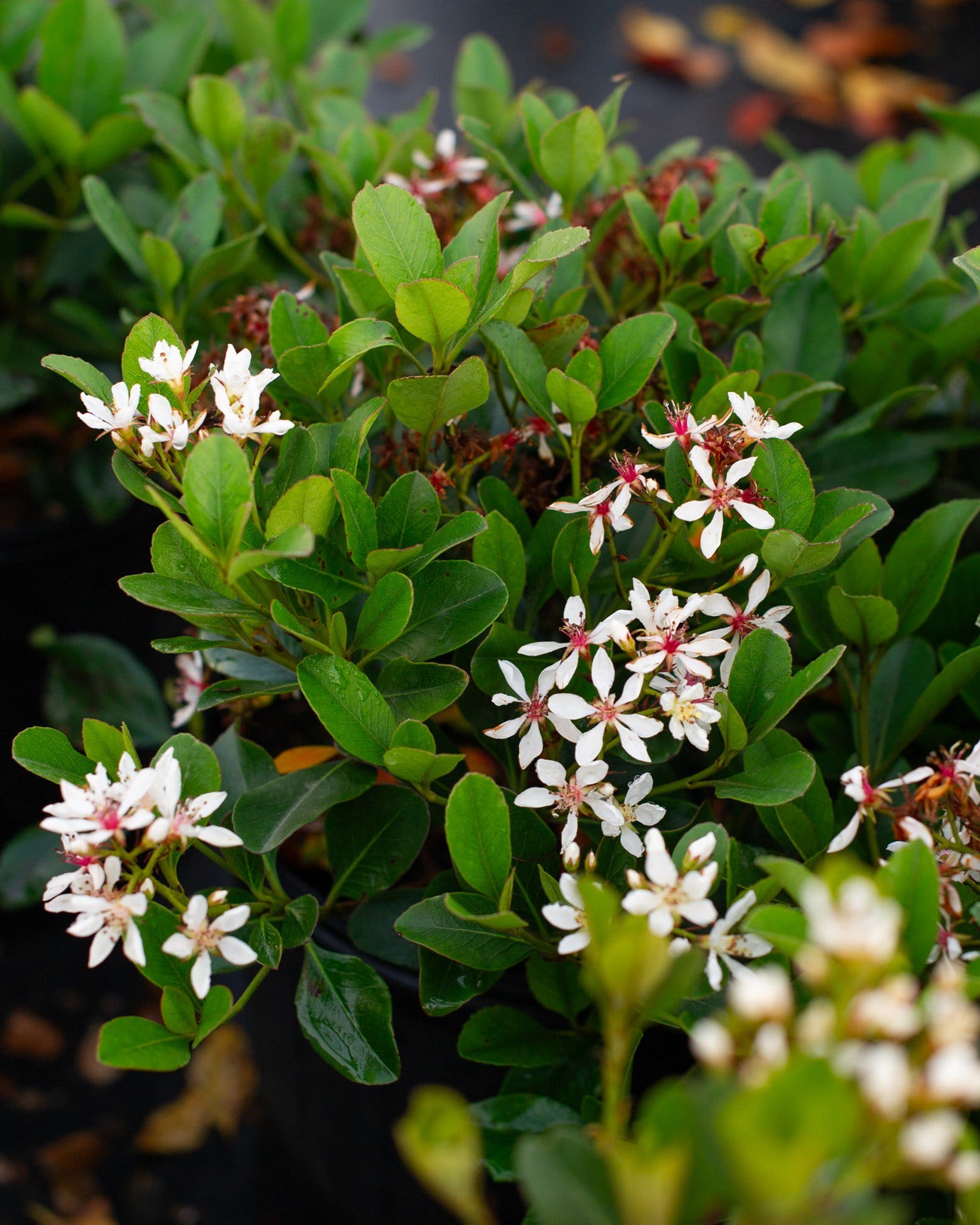
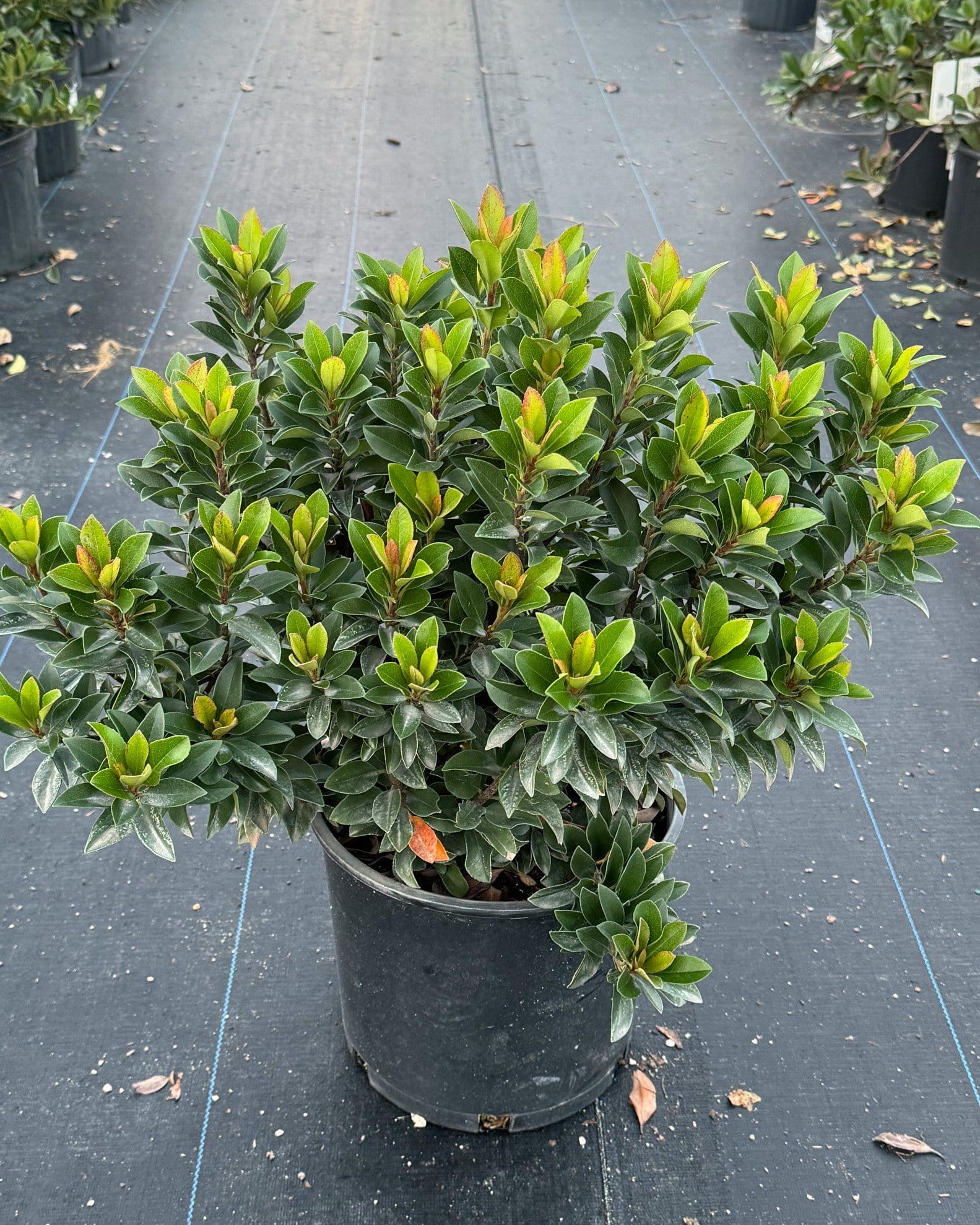
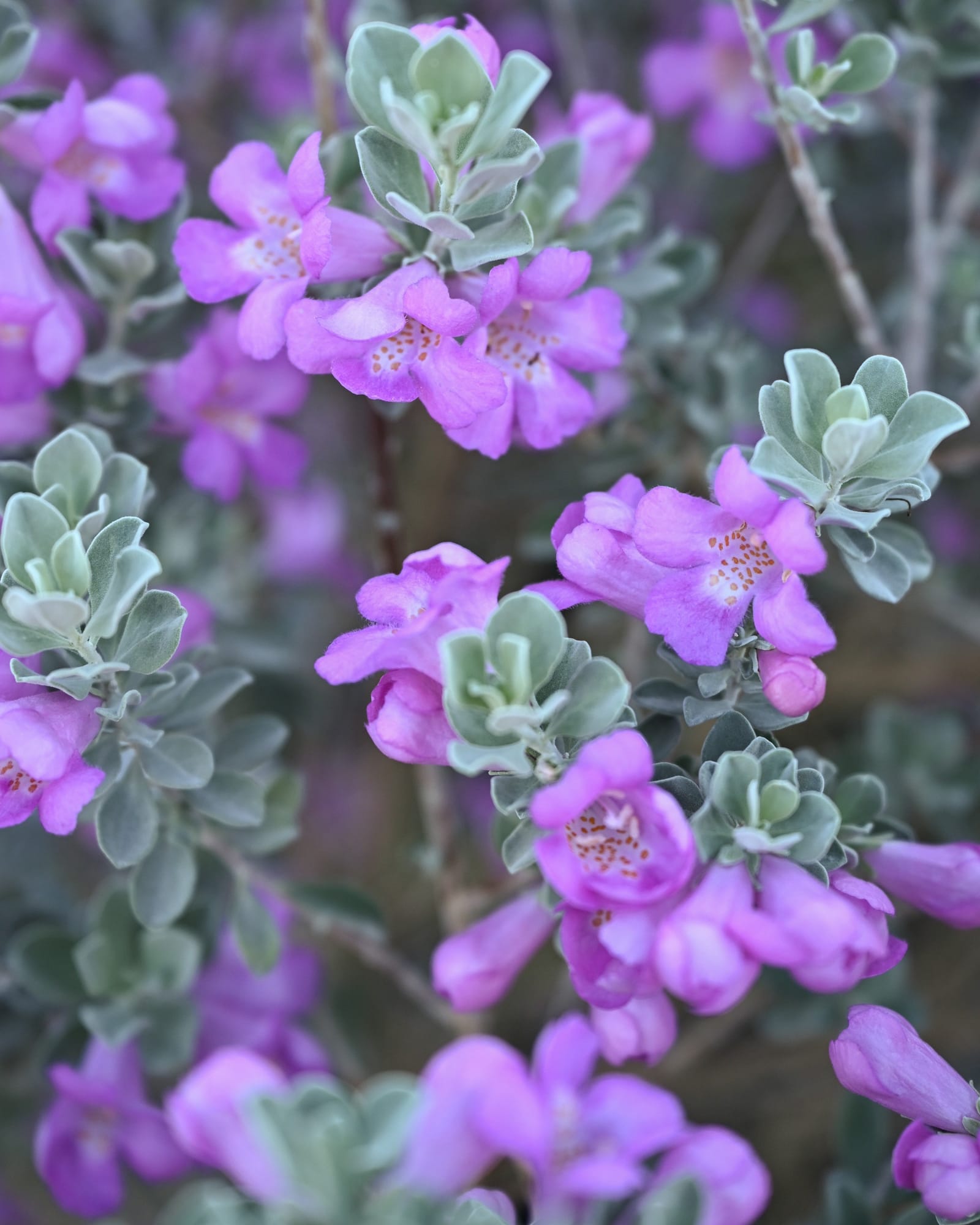
Rhaphiolepis indica 'Pinkie'Indian Hawthorn 'Pinkie' is a charming, low-growing shrub that brings a delicate touch of color to your landscape. In spring, it bursts into bloom with light pink flower clusters that create a gentle contrast against its rich, dark green leaves. Growing up to 2 feet tall and 3 feet wide, its compact size and rounded habit make it ideal for defining edges, adding interest to borders, or tucking into smaller spaces where a hint of color is needed. Beyond the spring blooms, its evergreen foliage keeps your landscape looking fresh and vibrant all year long.
- Evergreen shrub
- Compact, rounded growth habit
- Moderate growth rate
- Clusters of light pink flowers blooming in spring
- Perfect for borders, edging, and foundation plantings
Hardy in zones 7–10, Indian Hawthorn 'Pinkie' fits beautifully into North Texas landscapes. It grows best in full sun to partial shade and prefers well-drained soil. With minimal care, it delivers lasting color and texture season after season.
Indian Hawthorn Pinkie is an excellent choice for warm-climate landscapes. With its easy-going nature, it thrives in Texas beds with minimal maintenance. Here’s all it needs:
- Watering: Water regularly during the first growing season to establish a strong, fibrous root system. Once established, Indian Hawthorn Pinkie is moderately drought-tolerant but performs best with consistent moisture during extended dry periods and high summer heat.
- Pruning: Prune lightly after flowering to maintain shape and remove any damaged or crossing branches. Avoid heavy pruning, as Pinkie naturally maintains a compact, rounded form with minimal intervention.
- Fertilizing: Apply a balanced, slow-release fertilizer in early spring to support healthy foliage and abundant flowering. In nutrient-poor soils, a second light feeding in late spring helps maintain color and vigor.
- Mulching: Apply a 2-3 inch layer of mulch around the base to conserve moisture, regulate soil temperature, and suppress weeds. Keep mulch pulled back a few inches from the stems to prevent moisture-related stem issues.
- Winter Care: Indian Hawthorn Pinkie is cold-hardy within its growing range and typically requires no winter protection once established. In colder edge climates, winter mulch helps protect roots during temperature fluctuations.
Indian Hawthorn Pinkie is generally low-maintenance, though a mix of environmental stress, pests, and diseases may occasionally appear:
- Entomosporium Leaf Spot: Dark purple or black spots may develop on leaves, sometimes leading to premature leaf drop. Removing affected foliage and improving air circulation helps reduce recurrence.
- Cold Damage: Leaves may bronze or scorch following hard freezes. Plants typically recover in spring, and proper siting helps minimize exposure.
- Spider Mites: Fine stippling or dull foliage may appear during hot, dry weather. Rinsing leaves and maintaining consistent moisture helps control infestations.
- Iron Chlorosis: Leaves may yellow while veins remain green in alkaline soils. Applying chelated iron and improving soil conditions restores healthy color.
- Root Stress: Poor drainage may cause slowed growth or thinning foliage. Improving soil structure and avoiding overwatering support long-term health.
Indian Hawthorn Pinkie typically lives 30-50 years with proper care. Its evergreen habit supports long-term structure in the landscape. Mature plants often become denser and more resilient over time.
It grows at a slow to moderate rate, adding approximately 6-10 inches per year. Light flowering often begins within the first few years, with full size and mature density reached in 5-7 years. Growth remains compact and well-controlled as it matures.
The spring flower clusters attract bees and other beneficial insects. Blooming coincides with increasing pollinator activity. Group plantings enhance visibility and insect visits.
Indian Hawthorn Pinkie is considered moderately deer-resistant. Browsing may occur when food sources are limited. Established plants typically recover quickly from light damage.
Indian Hawthorn Pinkie performs well in containers due to its compact size. Containers allow flexible placement near patios or walkways. Consistent watering is essential for container-grown plants.
Division is not recommended due to its woody growth habit. New plants are best established from nursery-grown stock. Attempting division can weaken the shrub.
Mass plantings create clean, uniform evergreen coverage with cheerful spring color. Repetition enhances structure in both formal and informal designs. Groupings provide long-lasting visual consistency.
Indian Hawthorn Pinkie pairs beautifully with liriope, ornamental grasses, dwarf yaupon holly, and seasonal perennials. Contrasting textures add depth and interest. These combinations provide year-round appeal.
It maintains a tidy, non-invasive growth habit. It does not spread aggressively or sucker. Minimal pruning keeps it well contained.
Once established, it requires little care beyond occasional pruning and watering. Its evergreen structure reduces seasonal upkeep. Reliable performance makes it a landscape staple.
Special Features
You might also like
Indian Hawthorn Calisto
Maturity: 3' H x 3' W
Indian Hawthorn Eleanor Tabor
Maturity: 3' H x 4' W
Indian Hawthorn Clara
Maturity: 4' H x 4' W
Indian Hawthorn Dwarf Umbellata
Maturity: 3' H x 3' W
Indian Hawthorn Snow White
Maturity: 3' H x 3' W
High Fragrance Camellia
Maturity: 8' H x 6' W
Kanjiro Camellia
Maturity: 8' H x 6' W
Shishi Gashira Camellia
Maturity: 4' H x 6' W
Compacta Texas Sage
Maturity: 3' H x 3' W
Desperado Texas Sage
Maturity: 6' H x 4' W
Green Cloud Texas Sage
Maturity: 6' H x 6' W
Heavenly Cloud Texas Sage
Maturity: 6' H x 5' W
Royal Velvet Camellia
Maturity: 6' H x 6' W
San Antonio Texas Sage
Maturity: 4' H x 4' W
Silver Dream Texas Sage
Maturity: 6' H x 4' W
Compare Similar Plants
Indian Hawthorn Pinkie This plant | ||
|---|---|---|
| Scientific Name | Rhaphiolepis indica 'Pinkie' | Rhaphiolepis indica ‘Calisto’ |
| Size at Maturity | 2' H x 3' W | 3' H x 3' W |
| Leaf Retention | Evergreen | Evergreen |
| Flower Color | Pink | Pink |
| Bloom Times | Spring | Spring |
| Sizes Available | 3 gal | 3 gal |


Our 1-Year Planting Guarantee
We take pride in our plants and installation services. If any plants or trees installed by Treeland fail to thrive within the first year, we'll provide a replacement credit in accordance with our guarantee program.
Learn More About Our Guarantee