
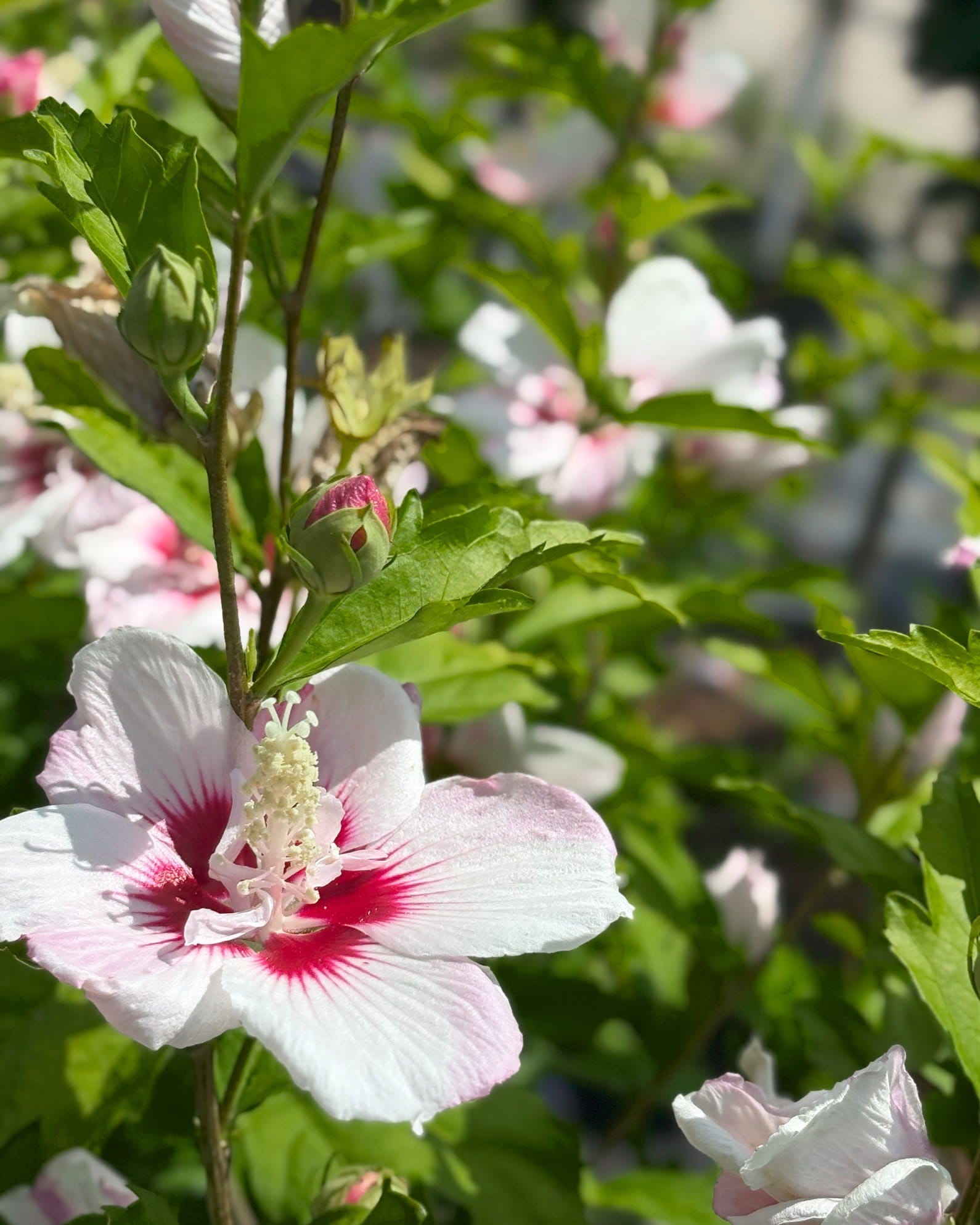
Fiji Althea
Hibiscus syriacus 'Minspot'Local DFW Delivery Only
Product Details
Fiji Althea
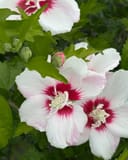
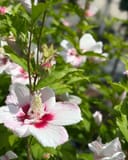
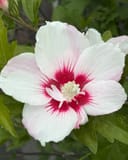
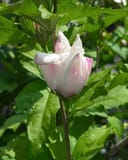
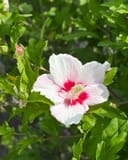
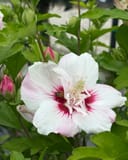
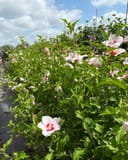
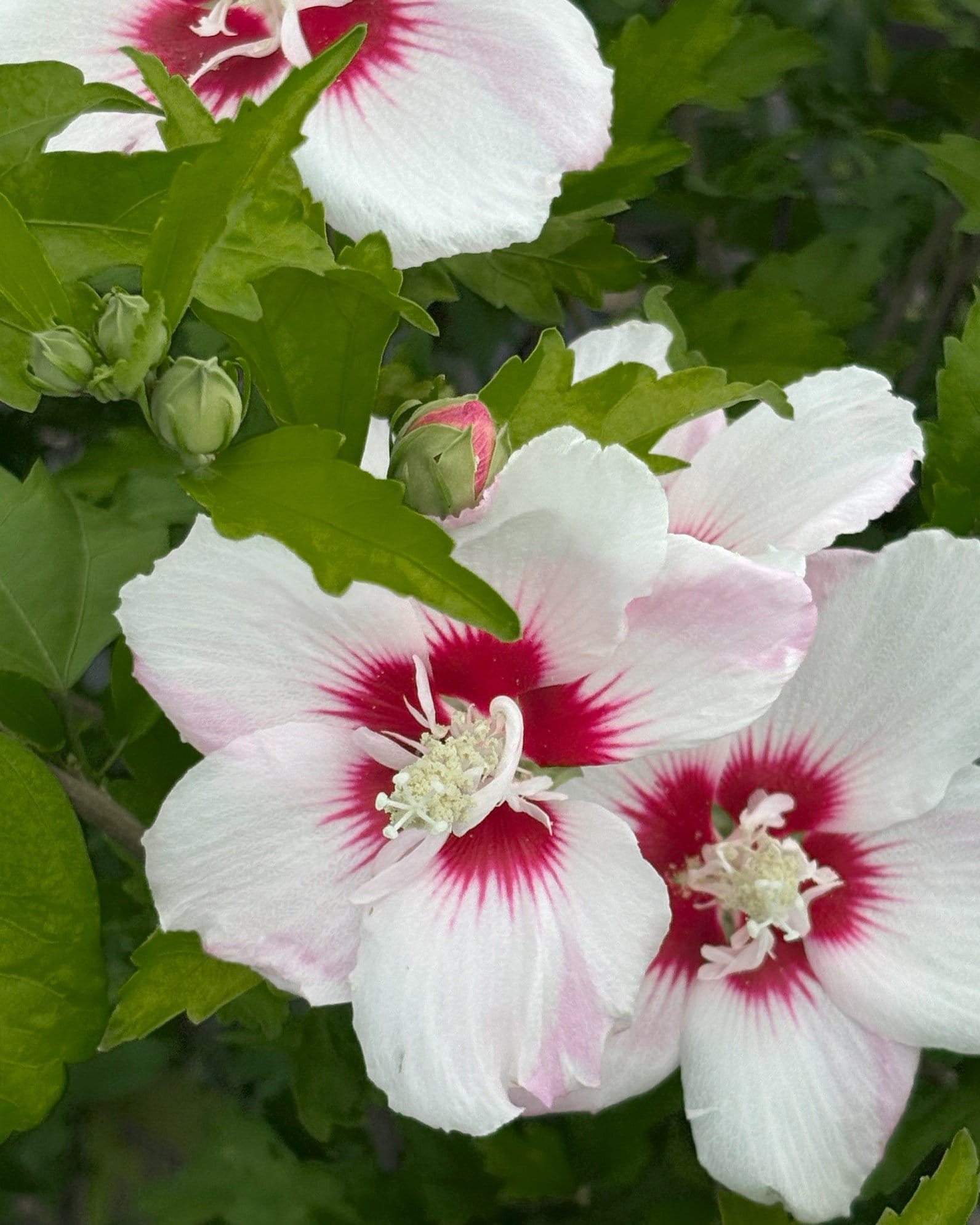
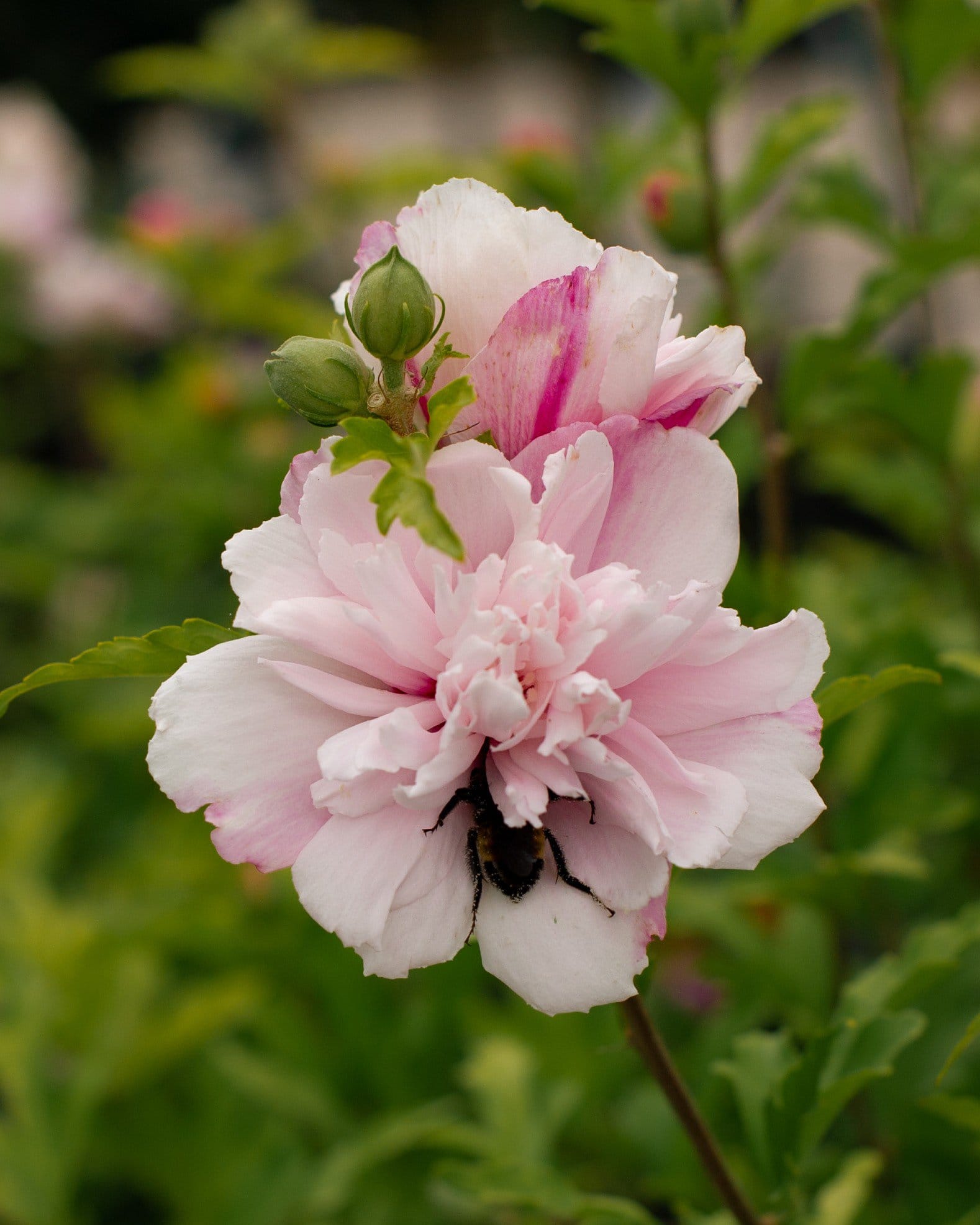
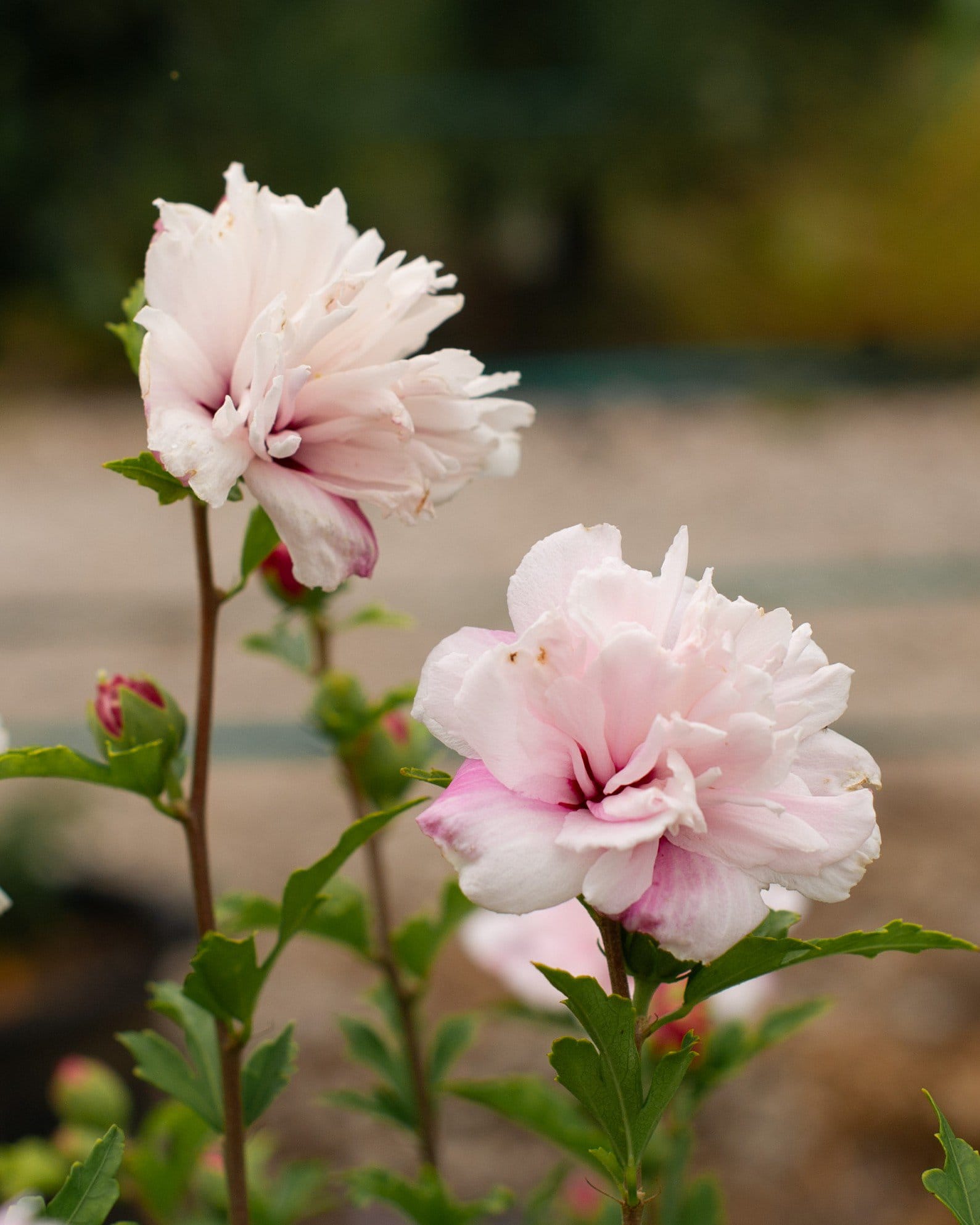
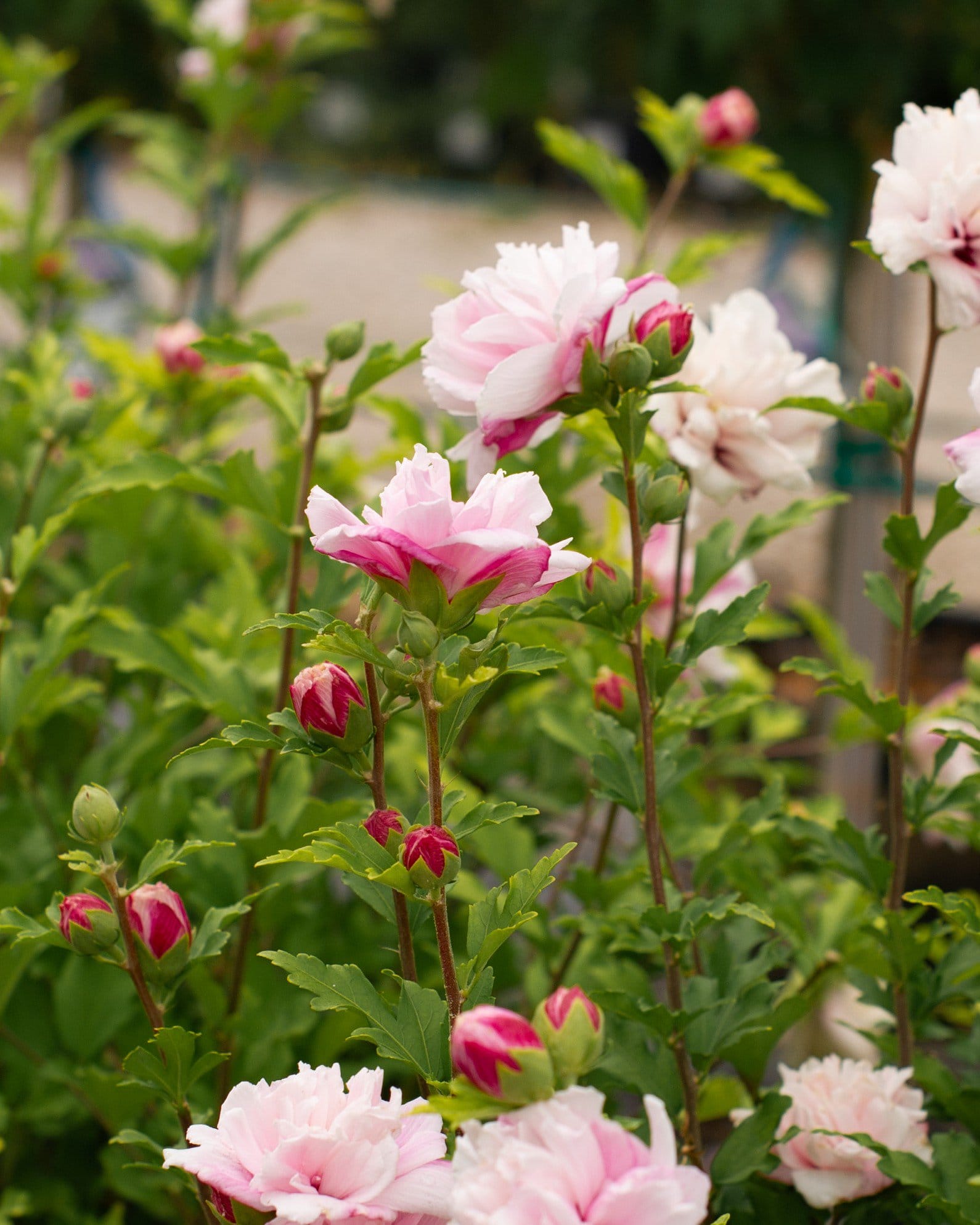
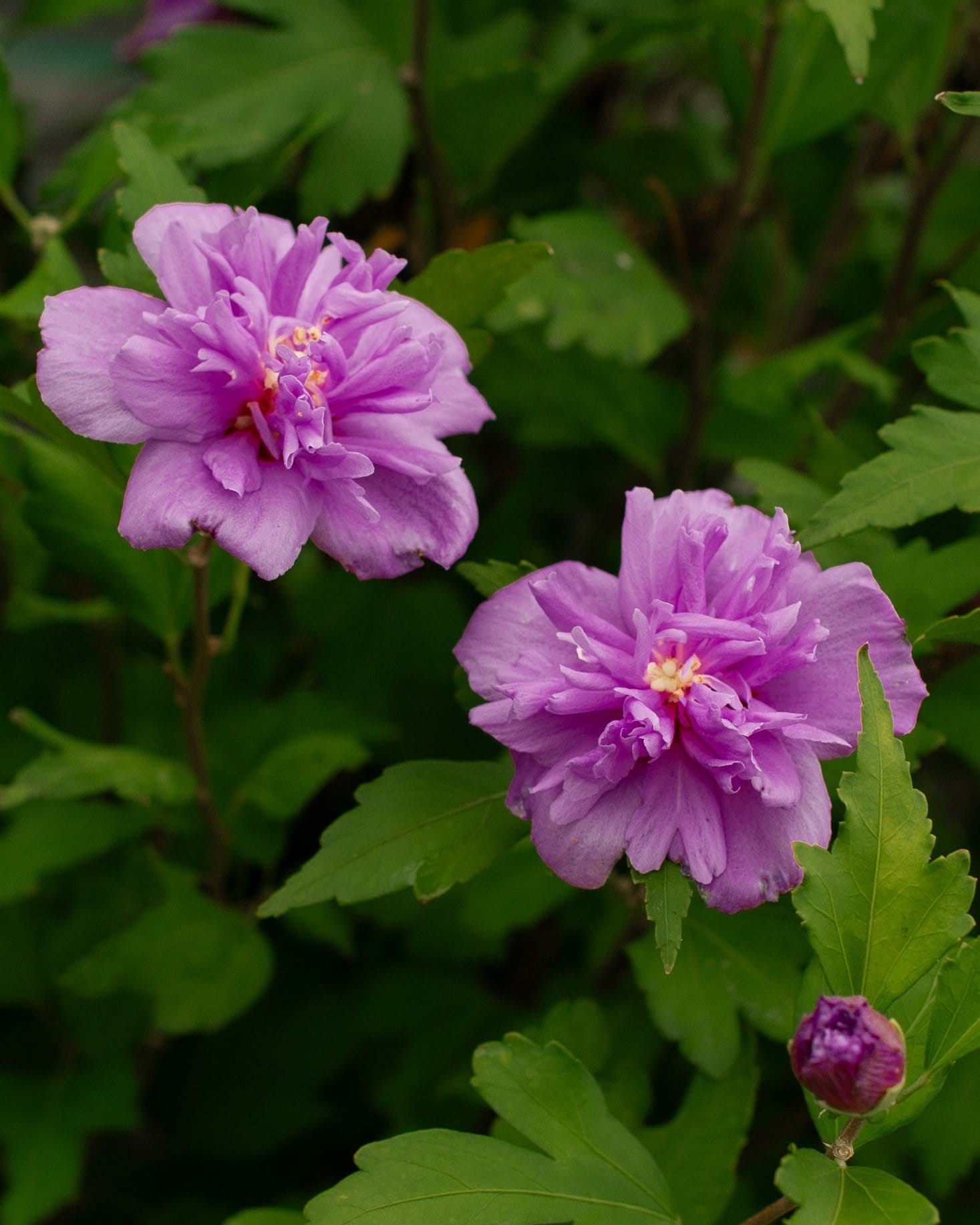
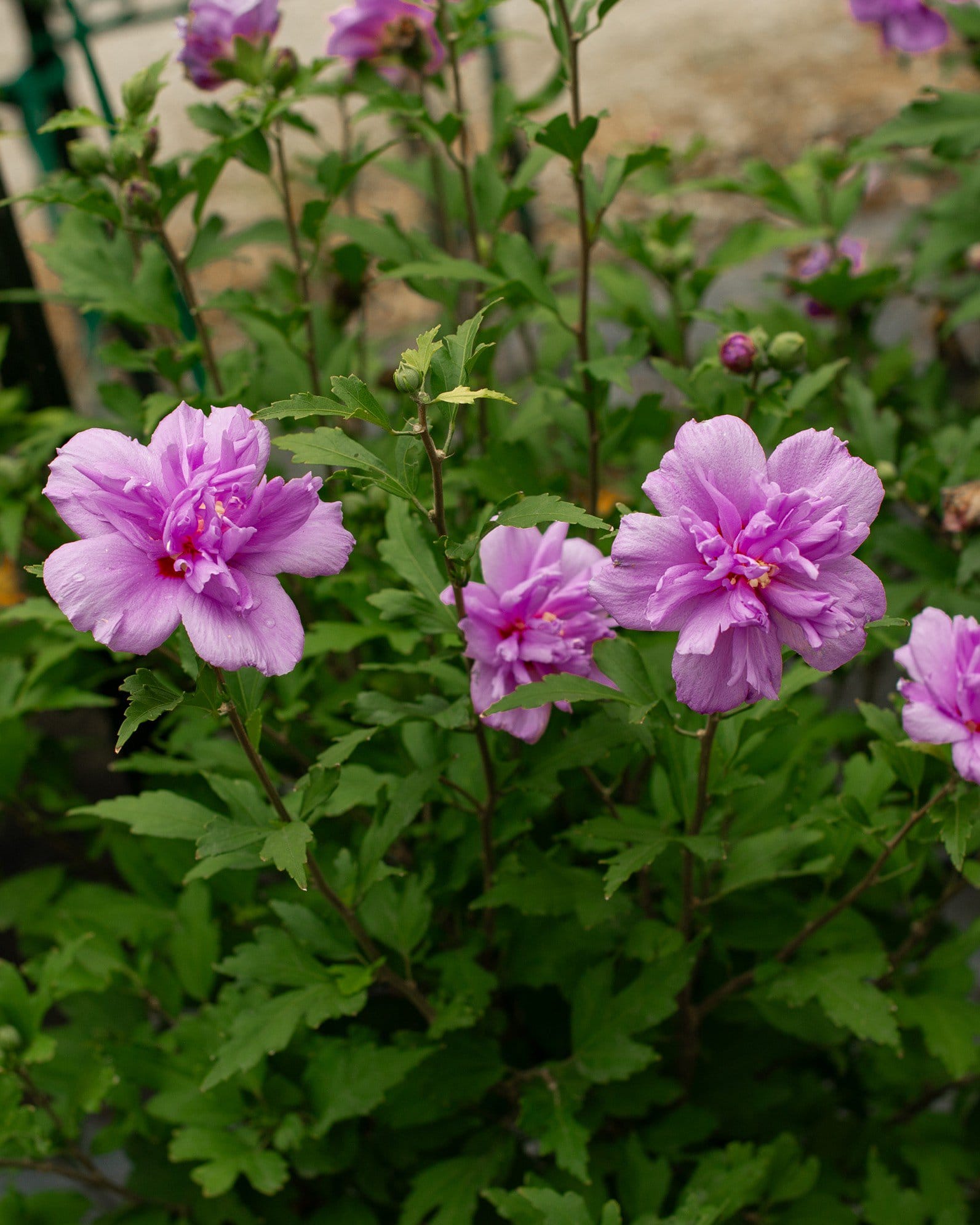
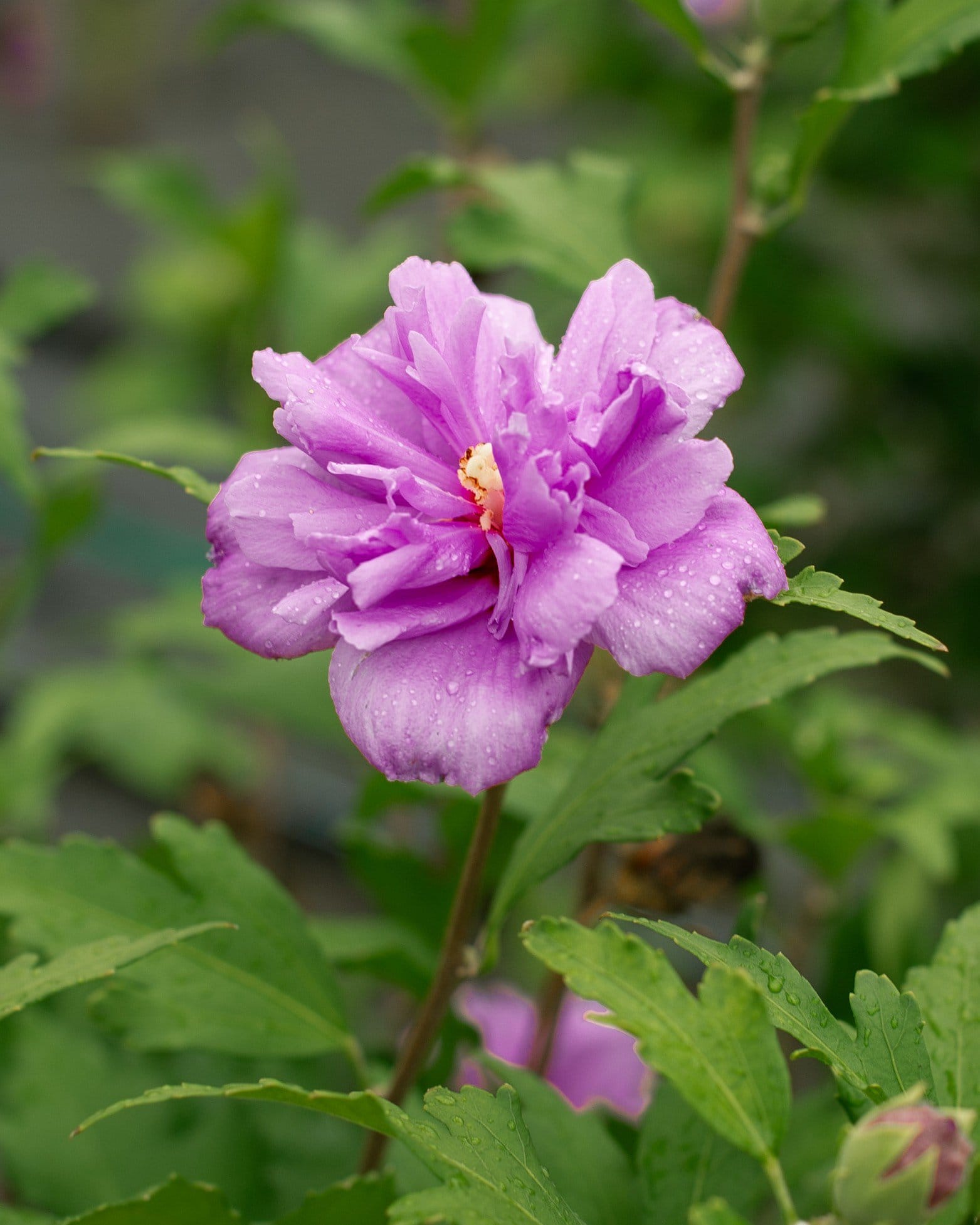
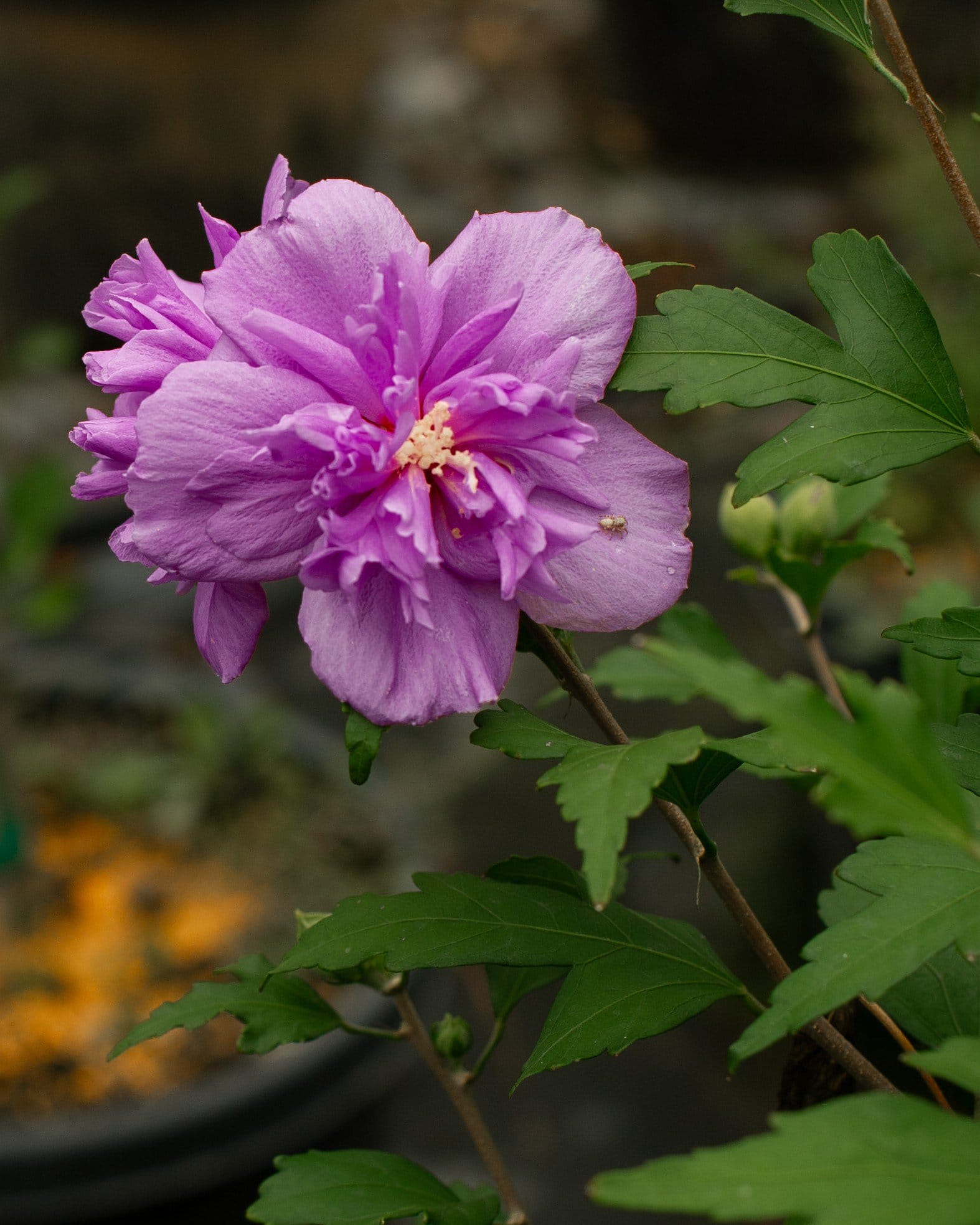
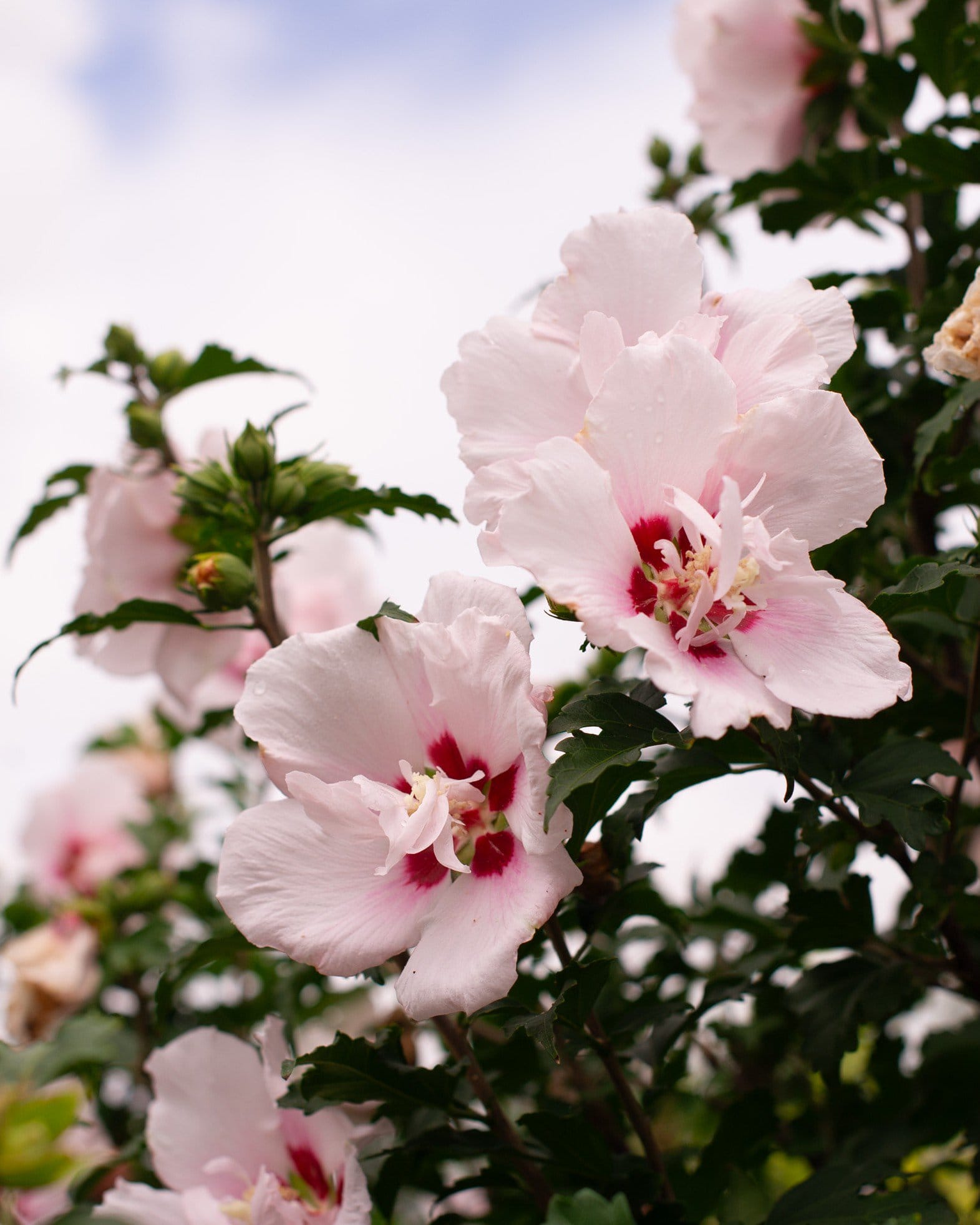
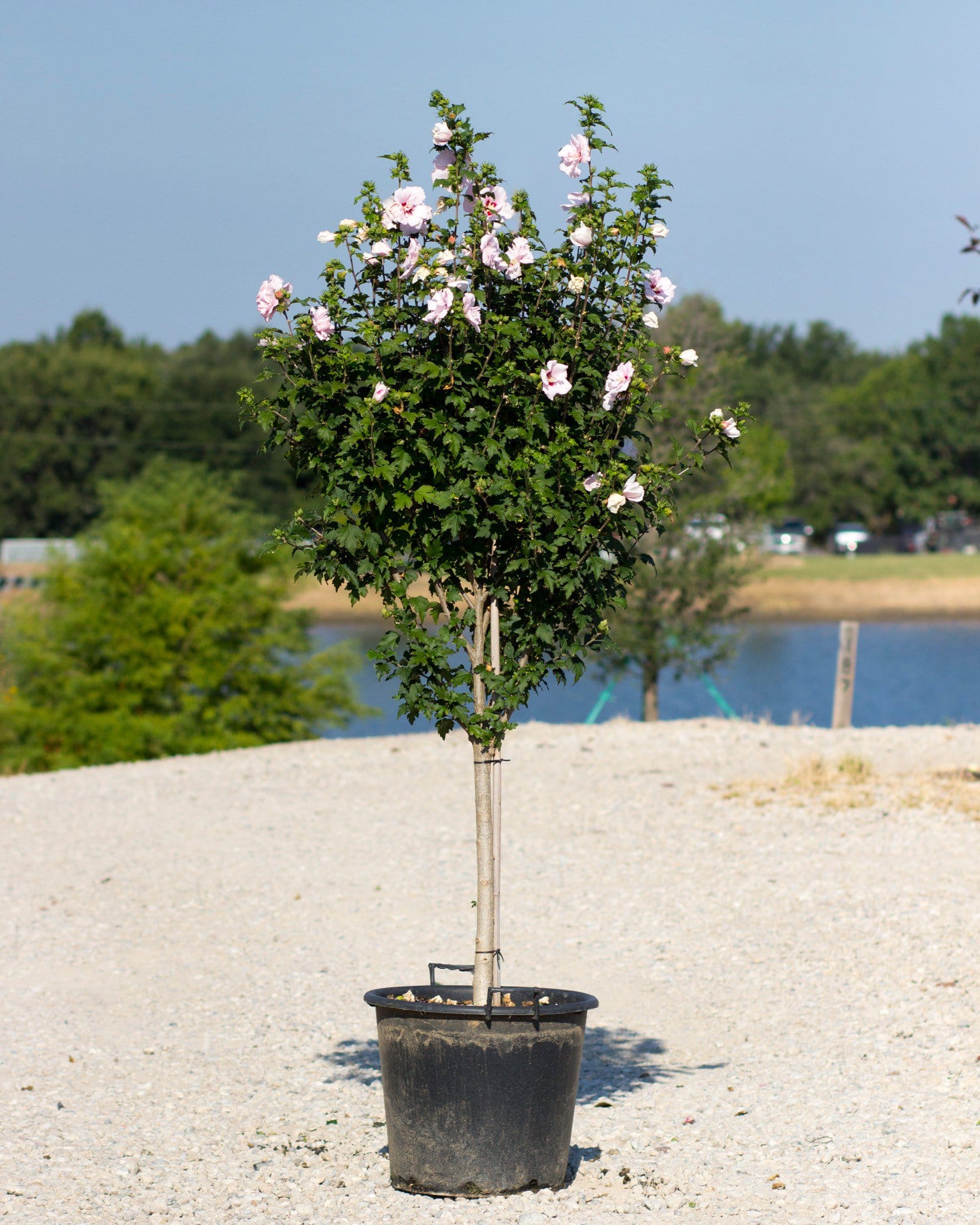
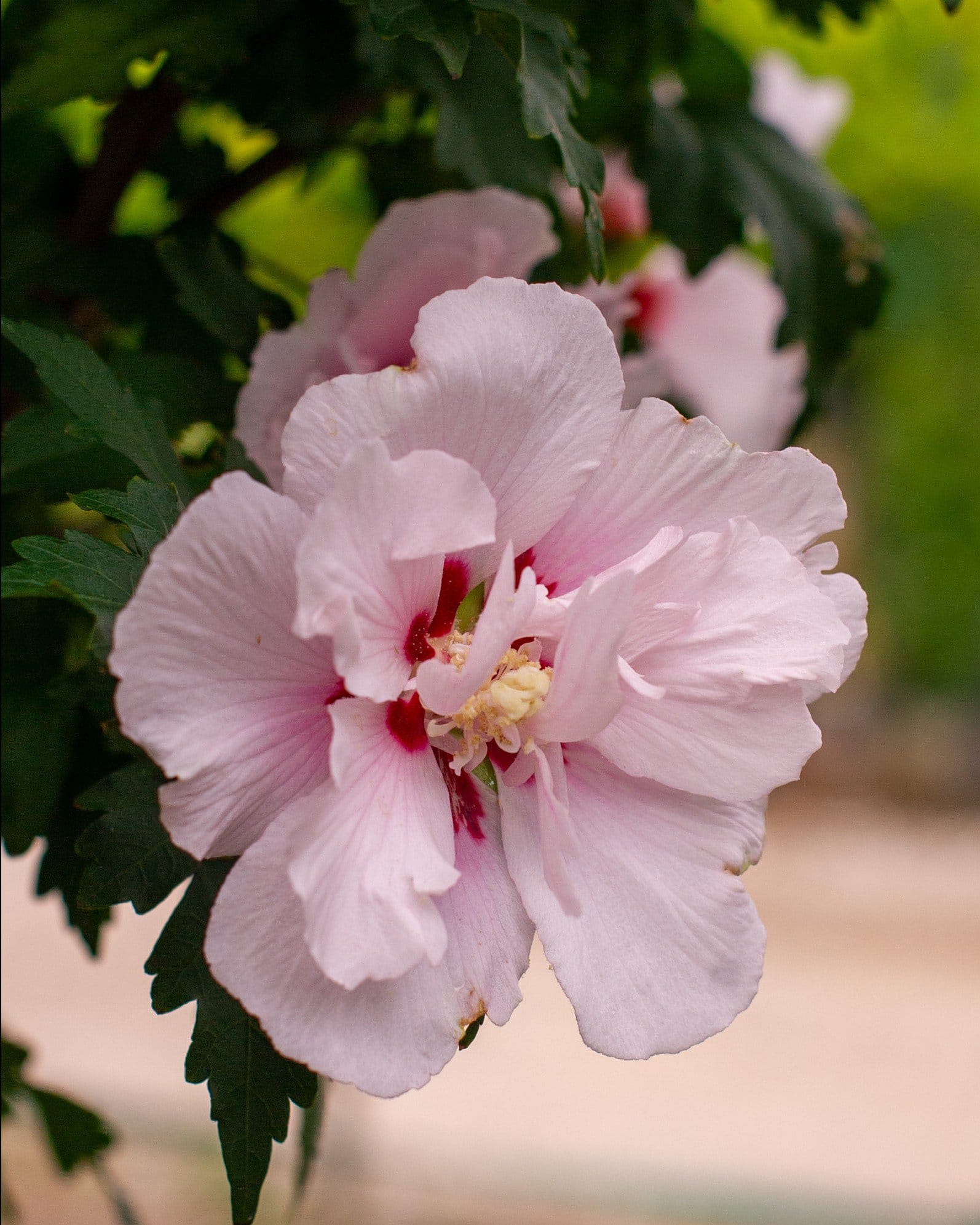
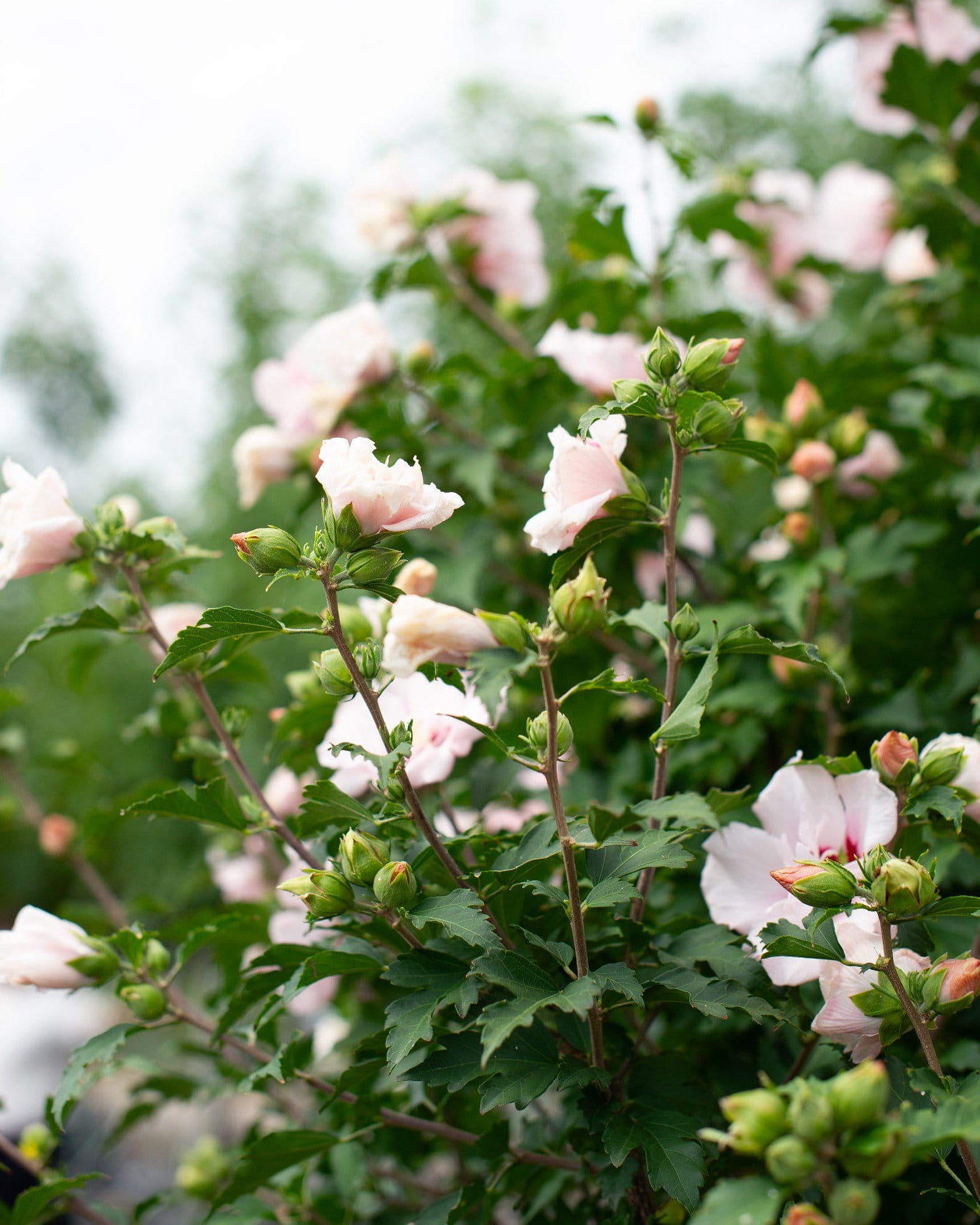
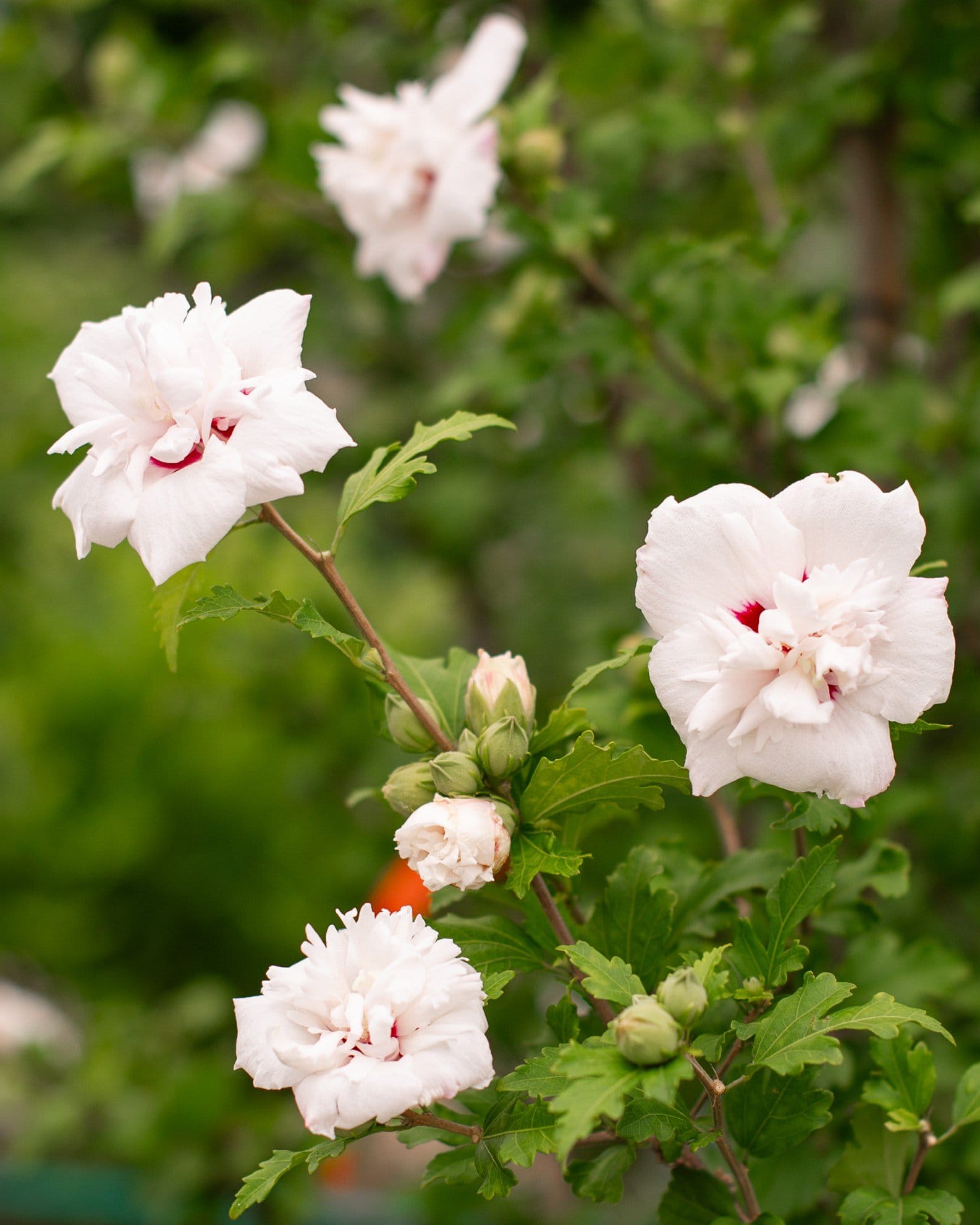
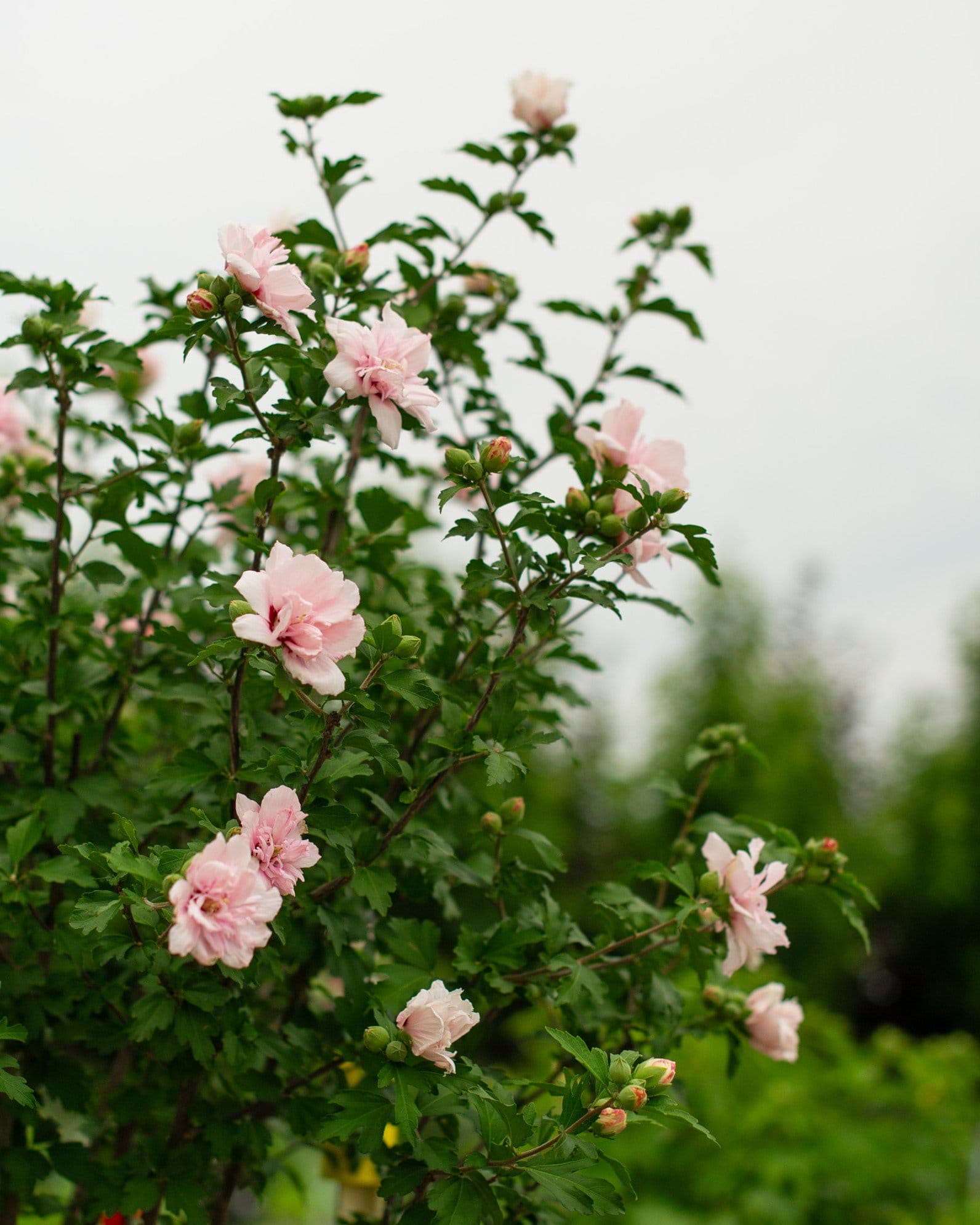
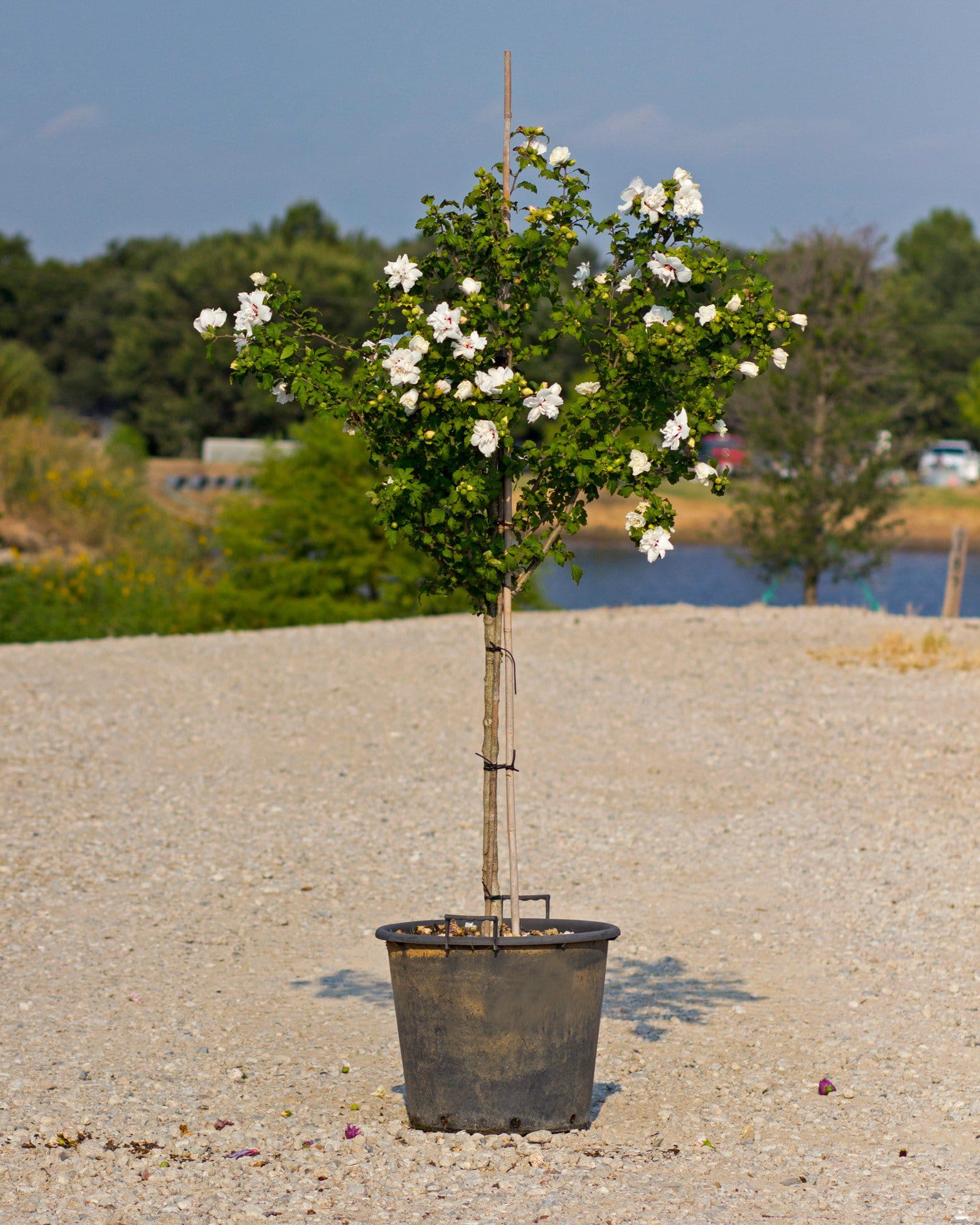
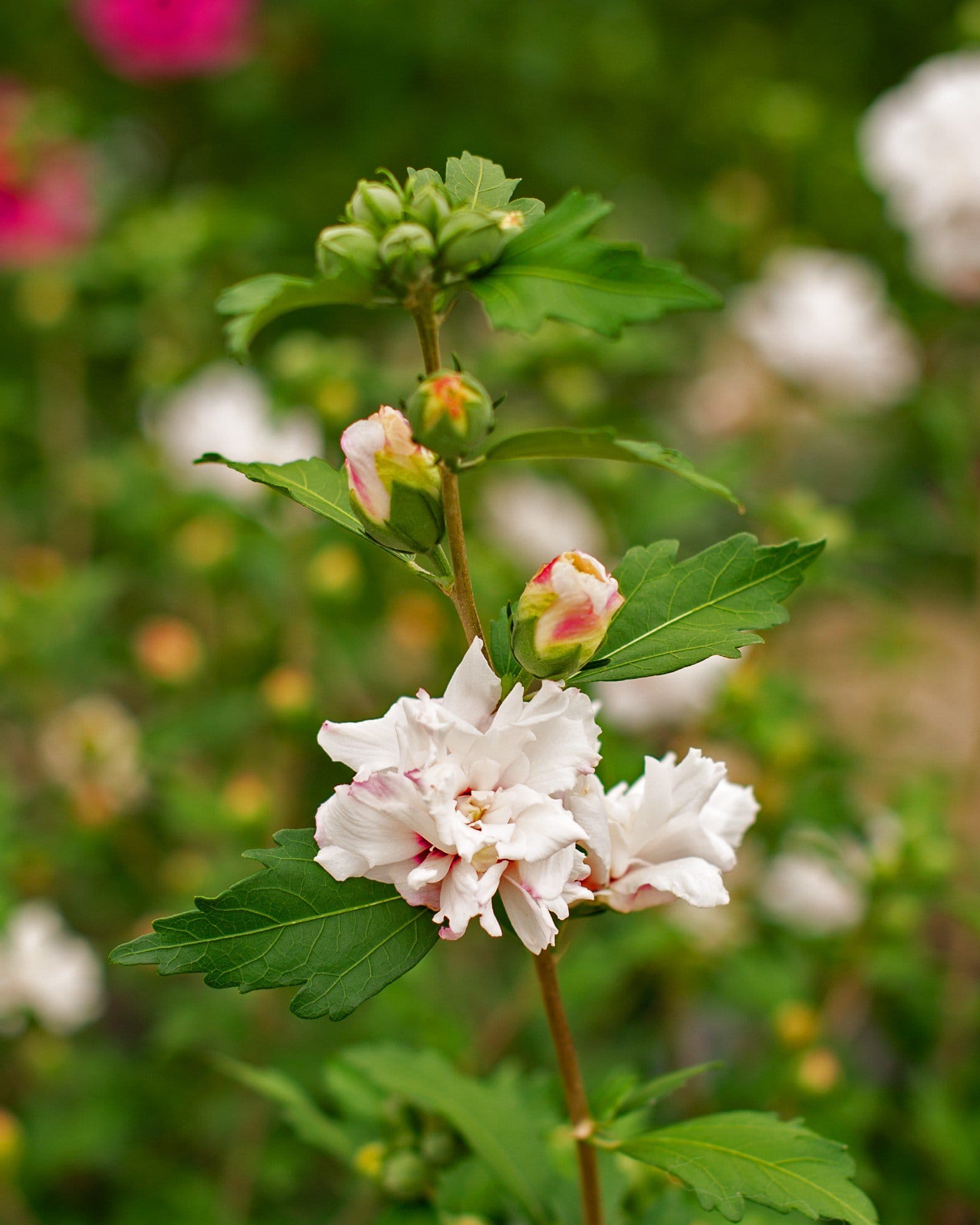
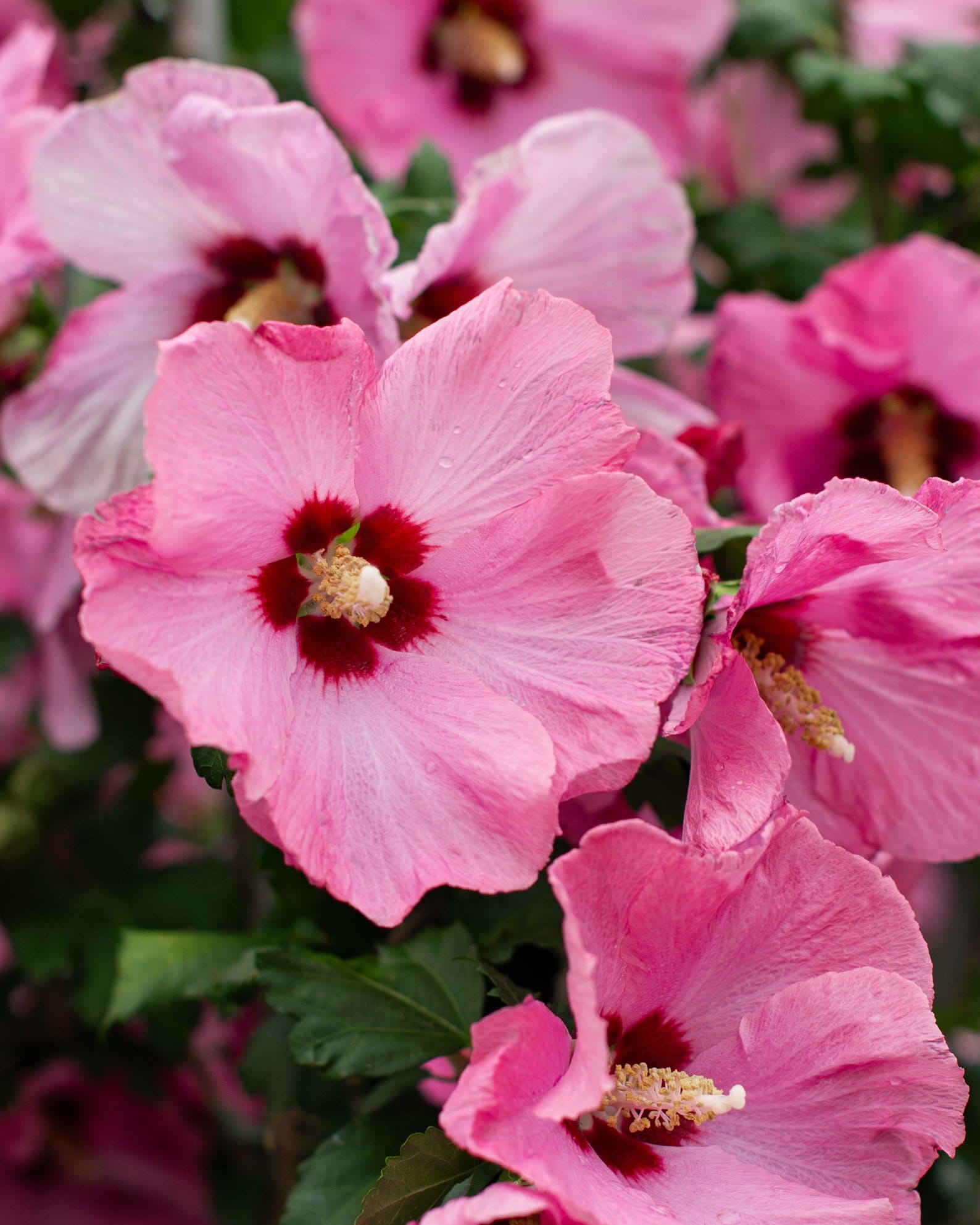
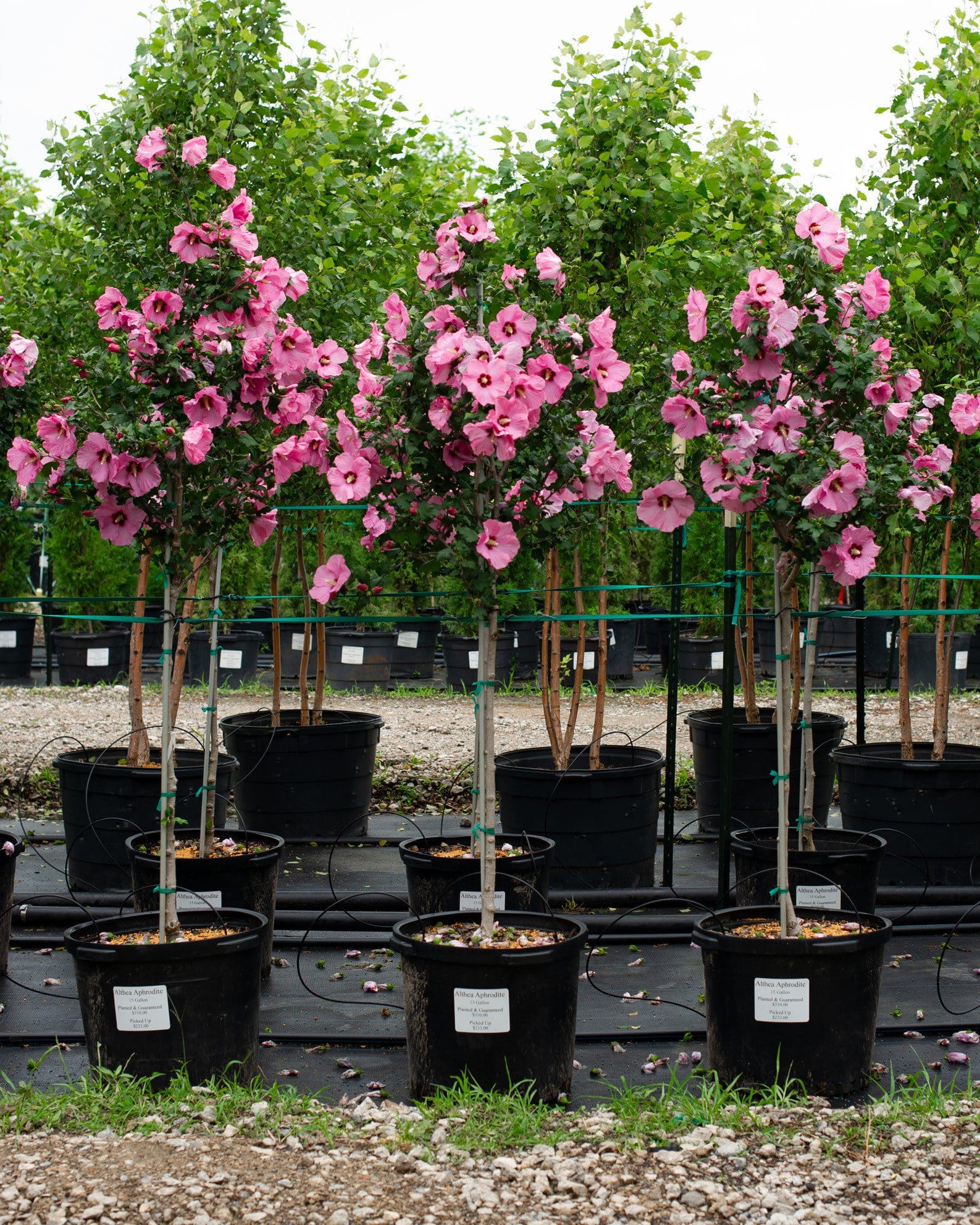
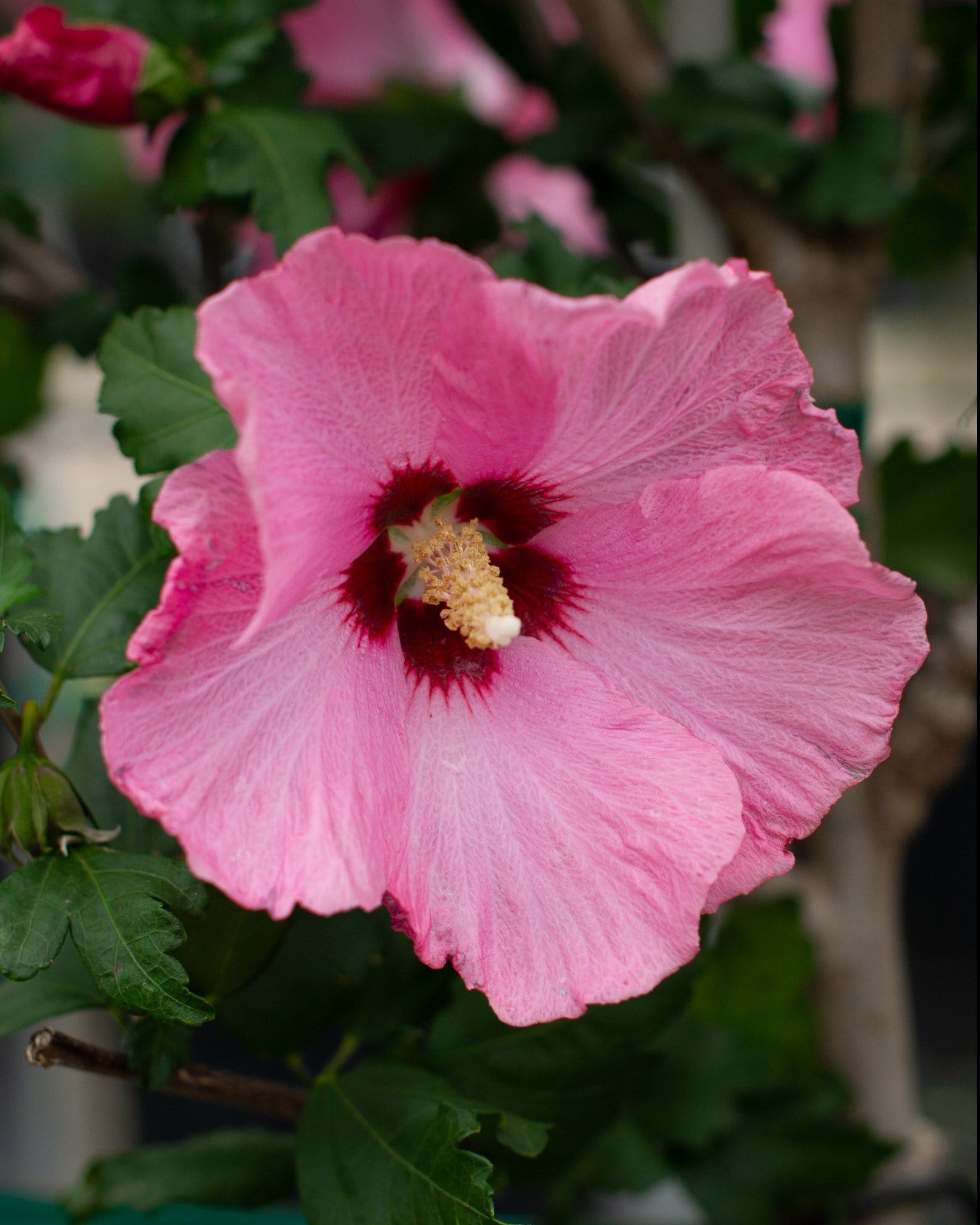
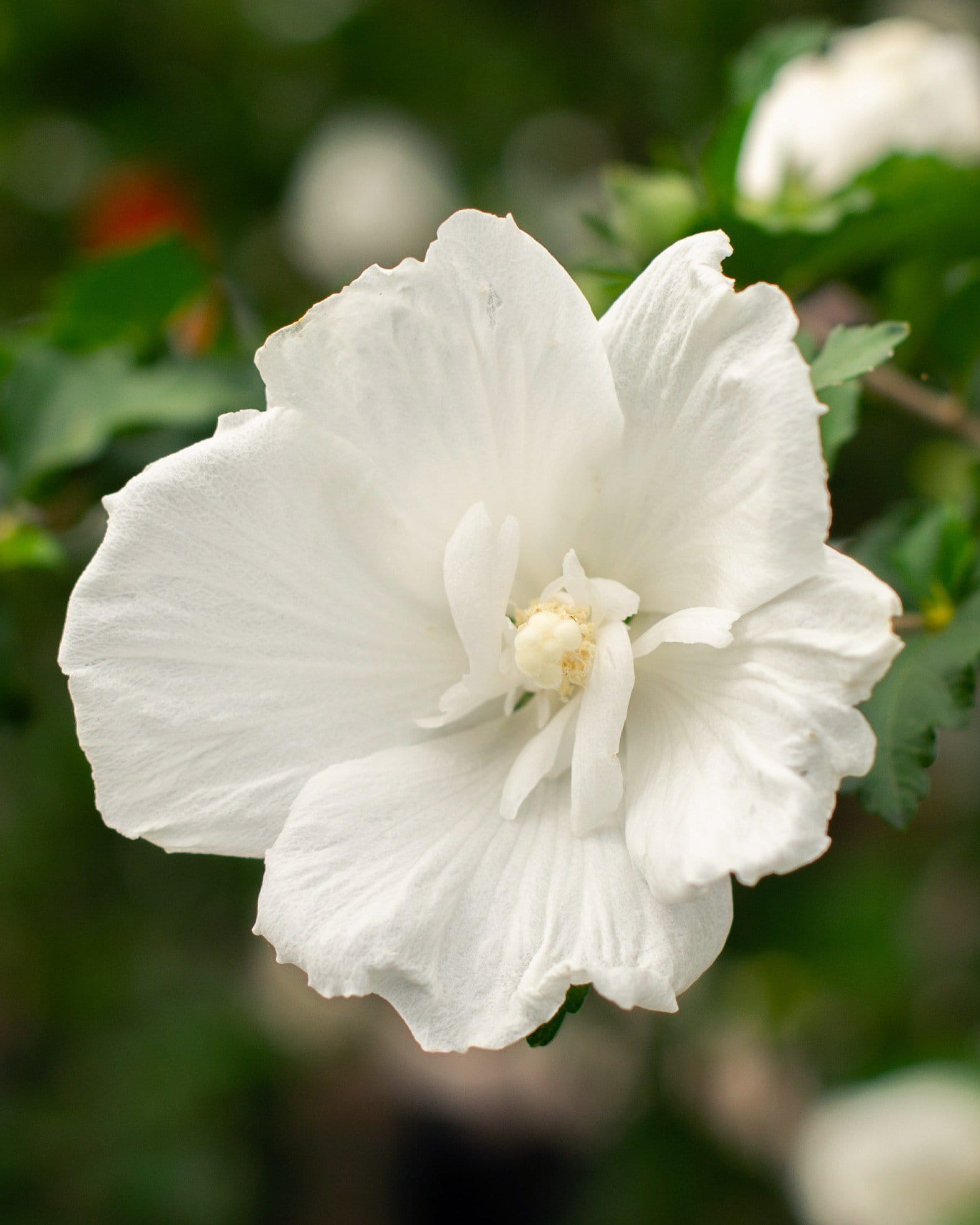
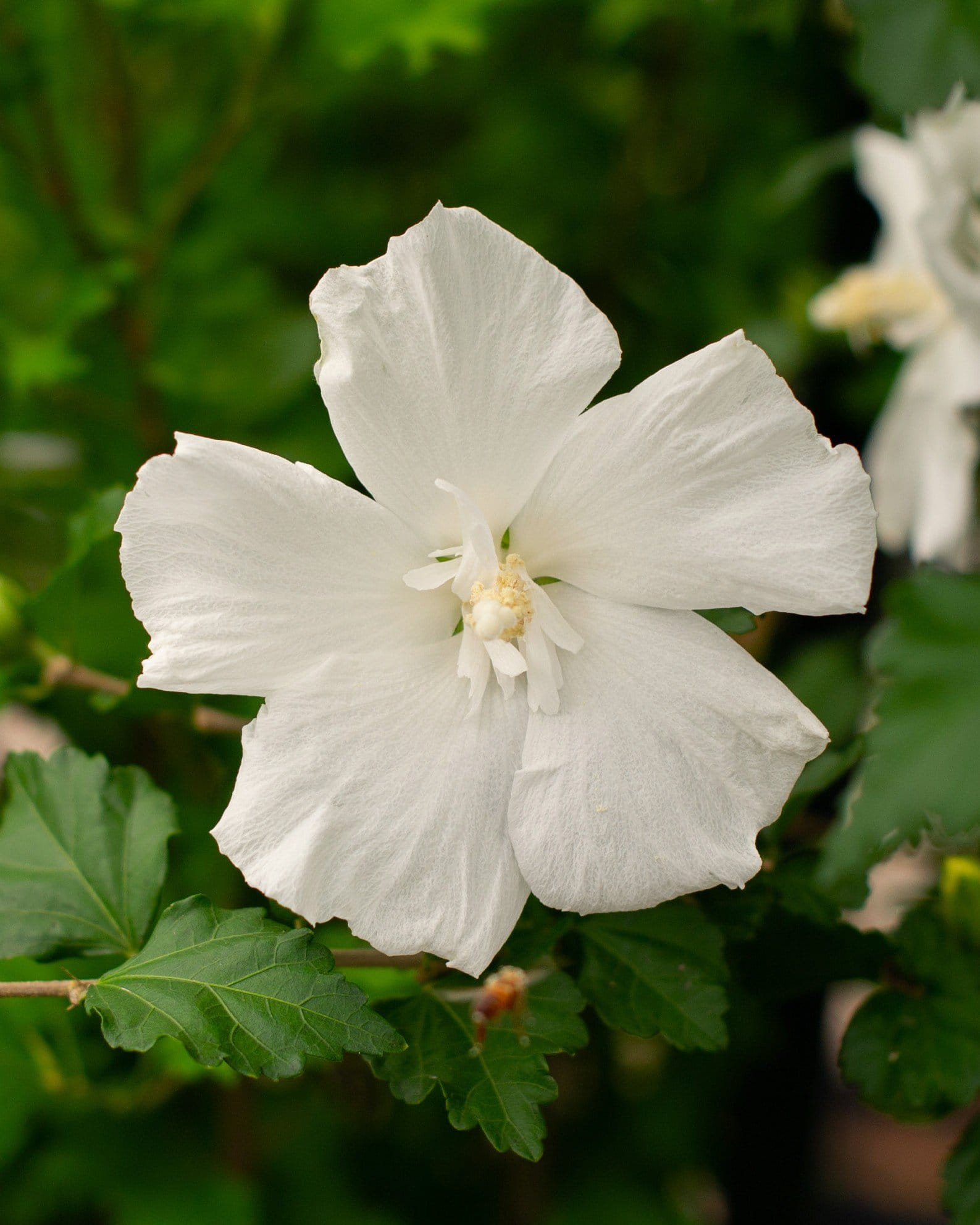
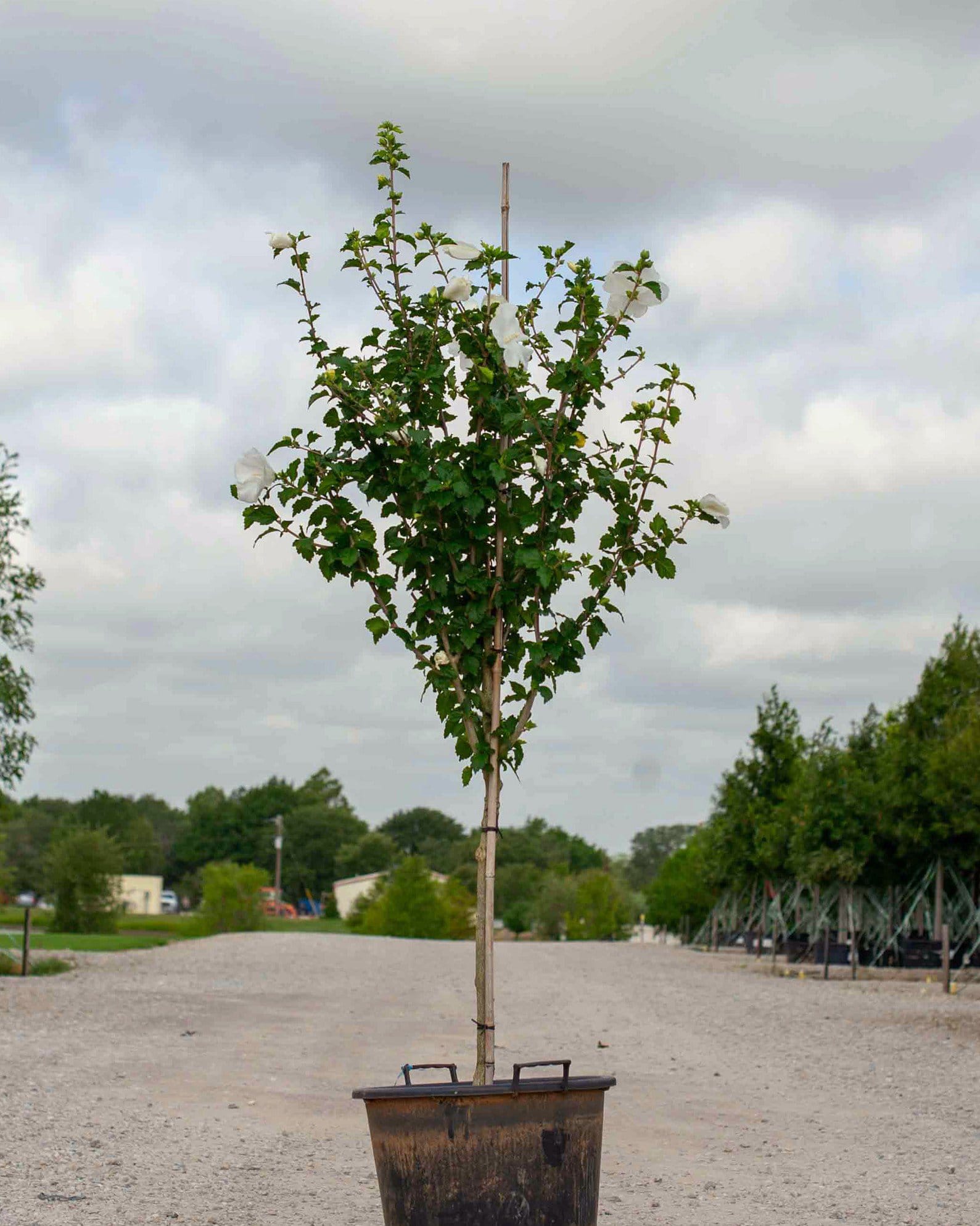
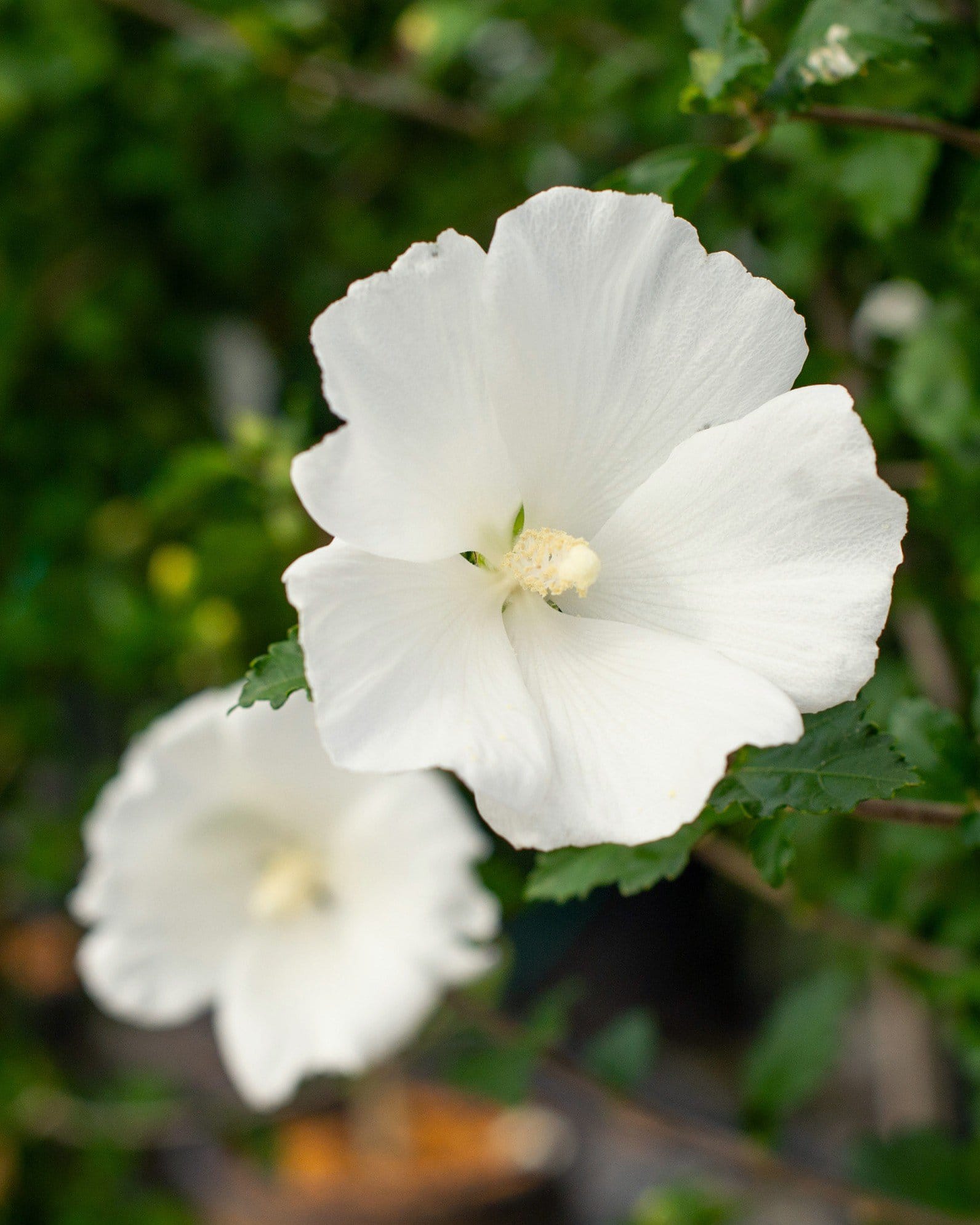
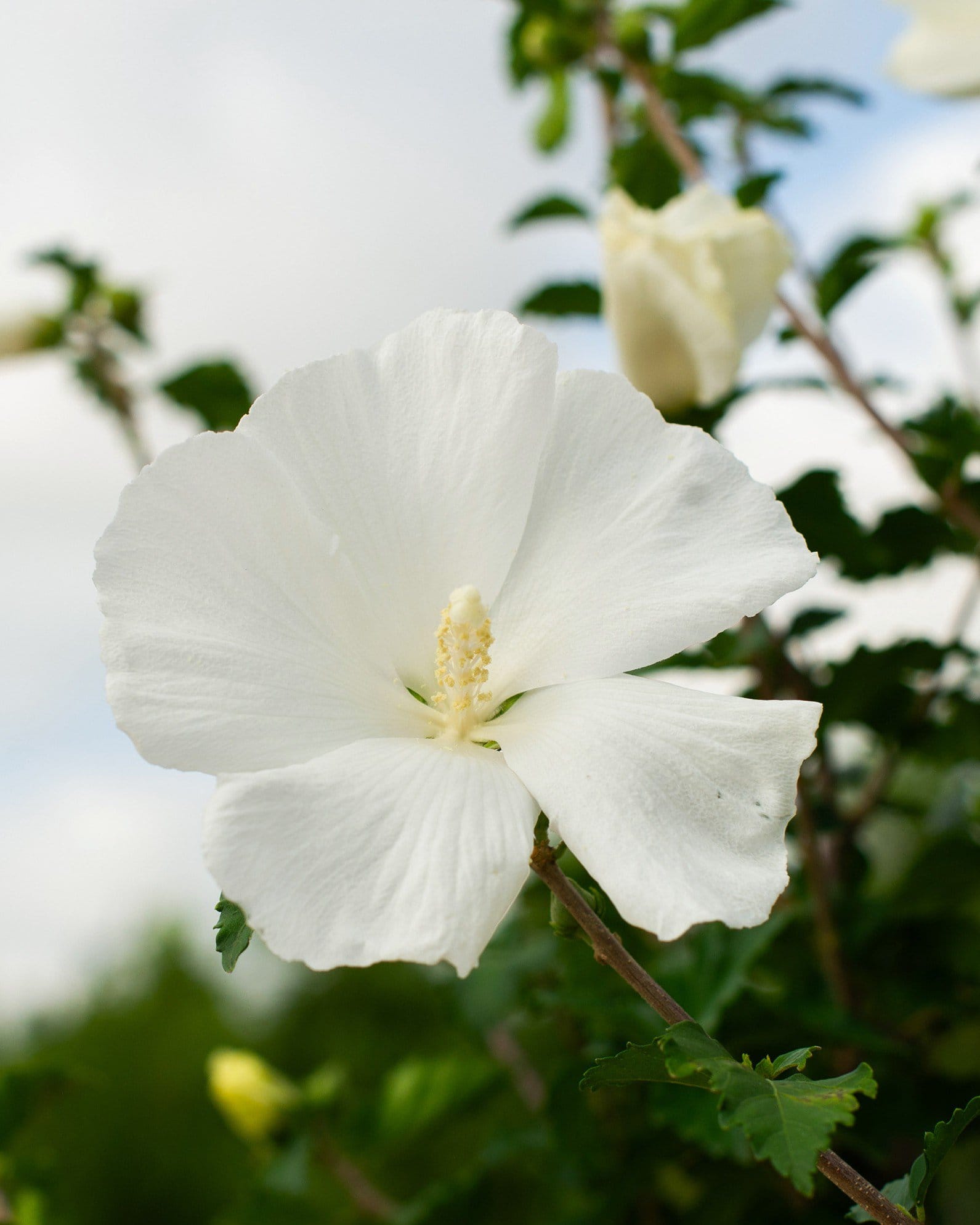
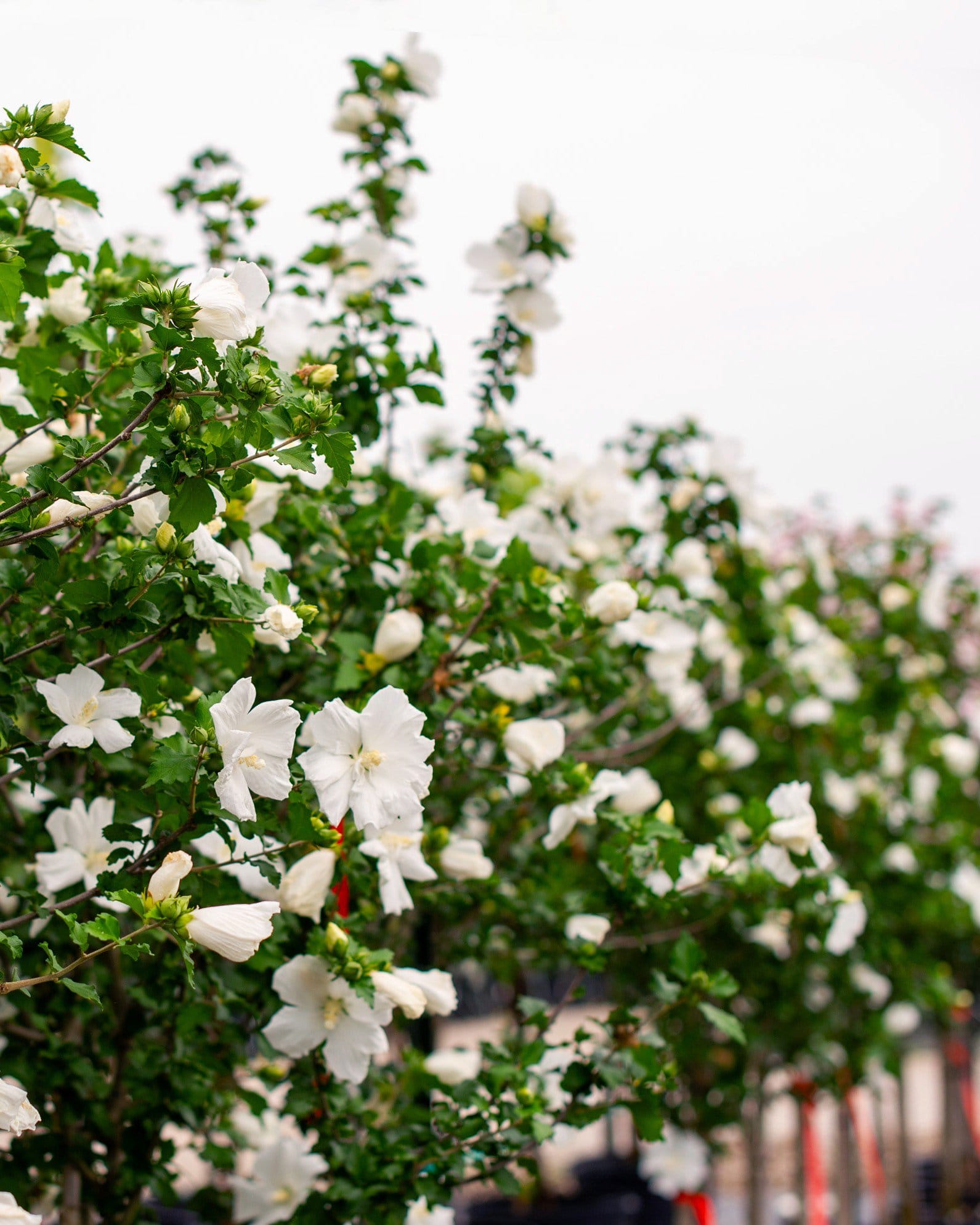
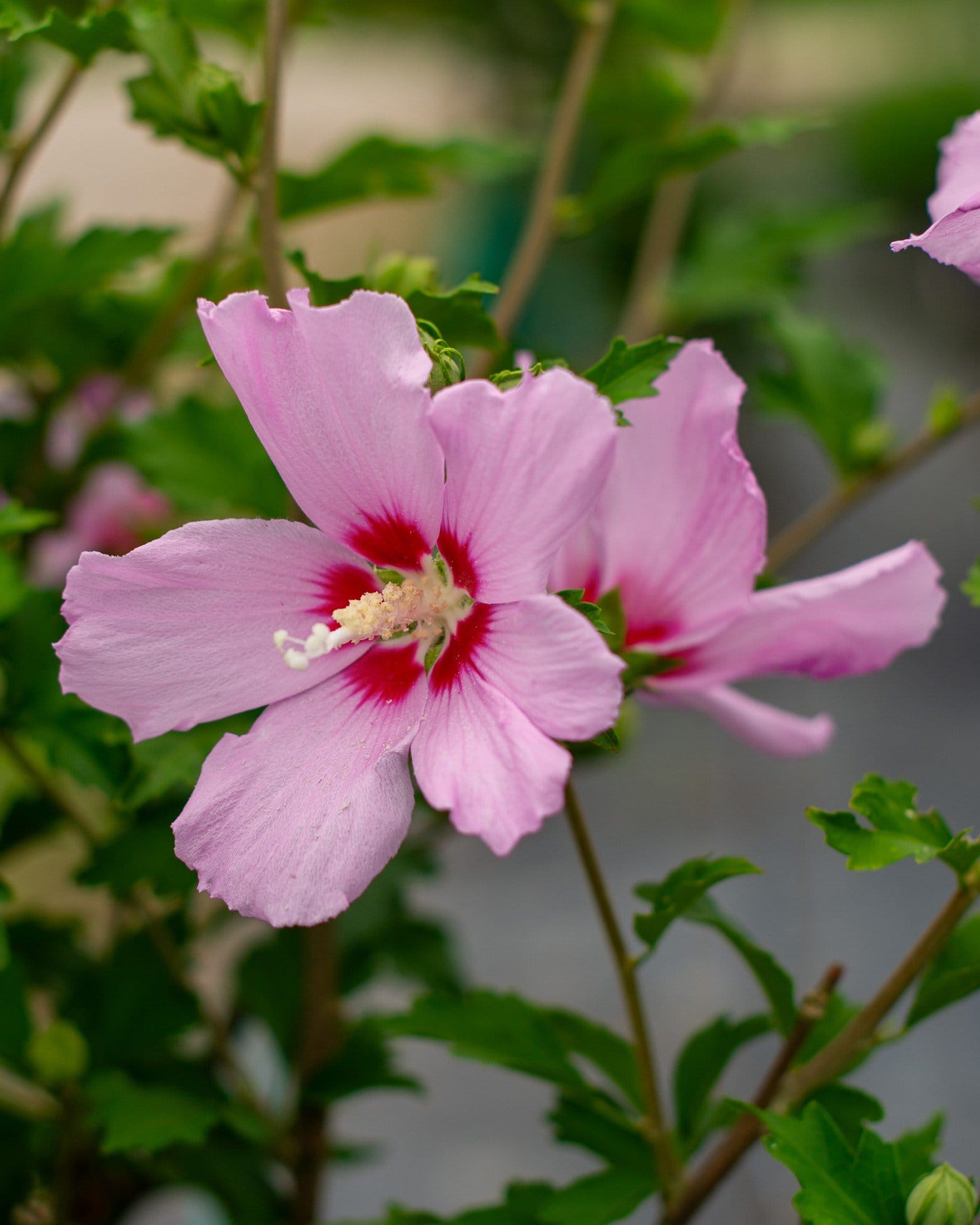
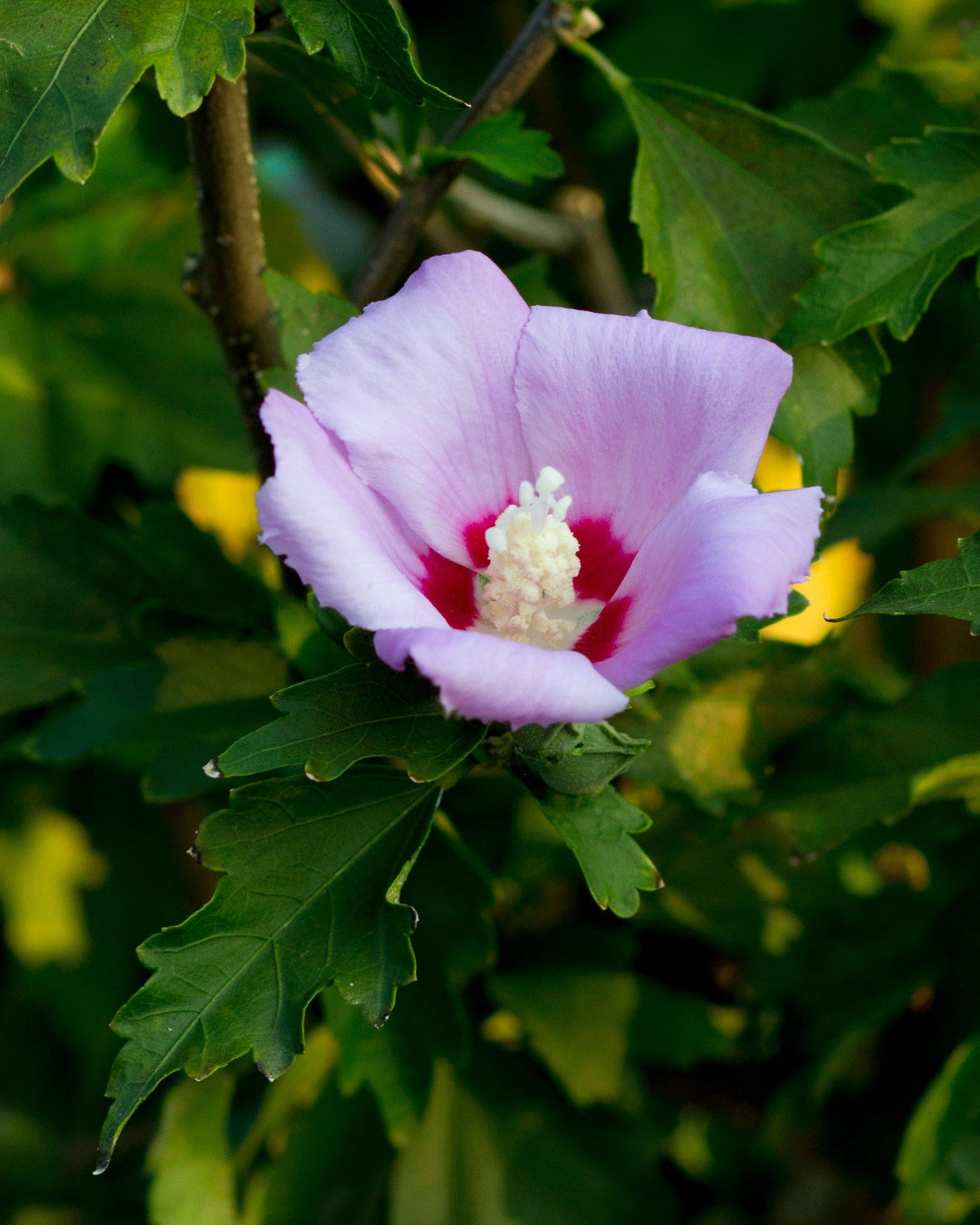
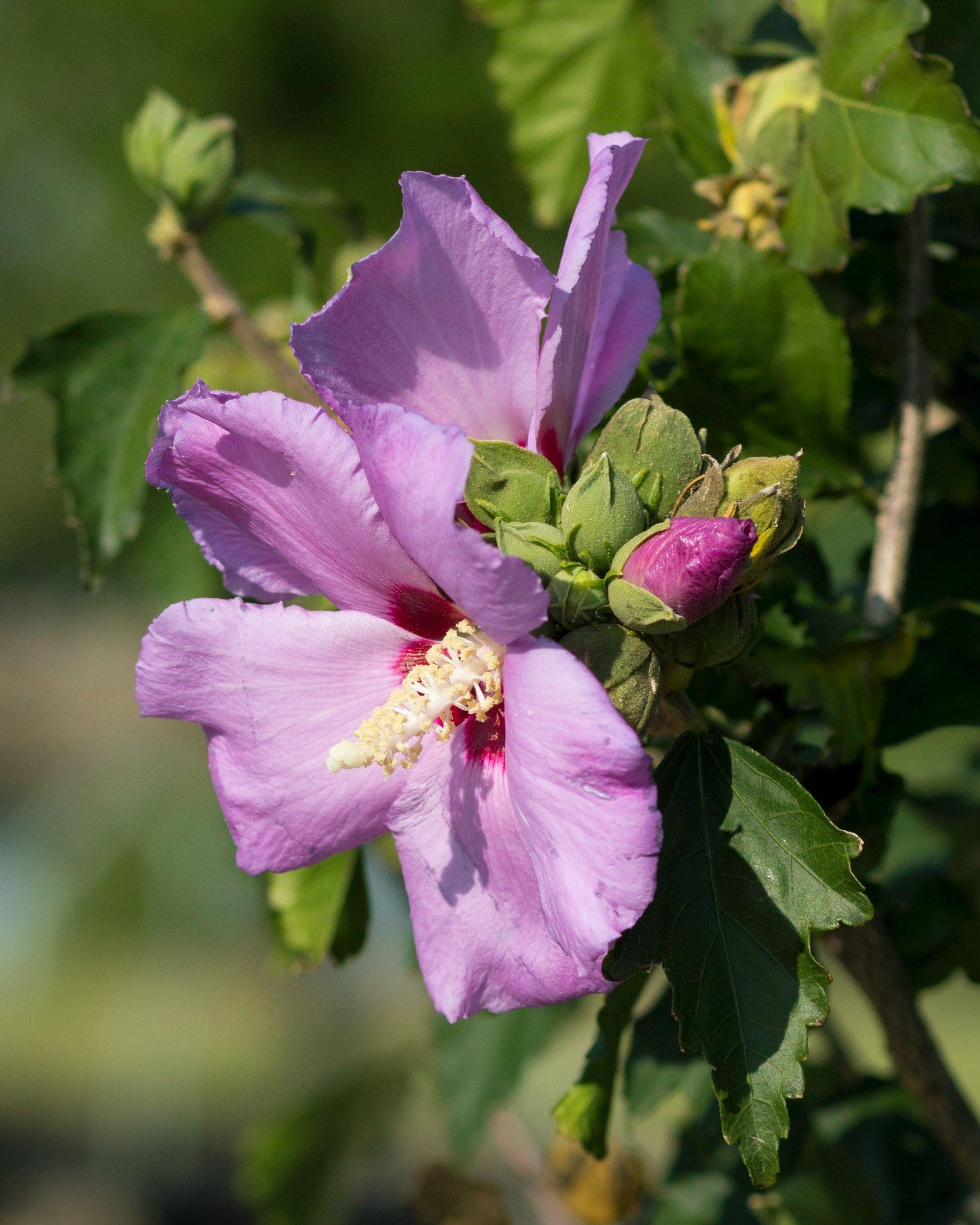
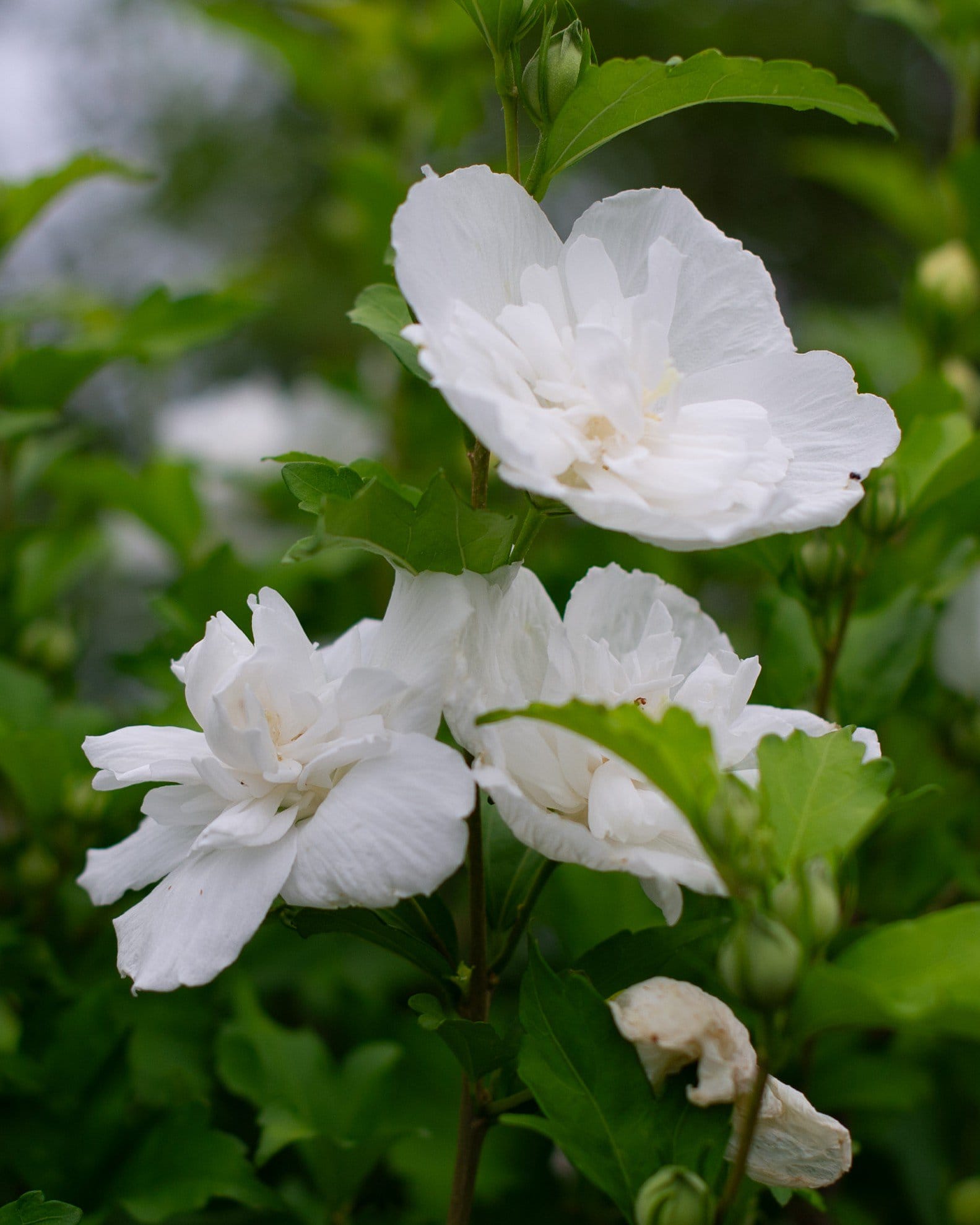
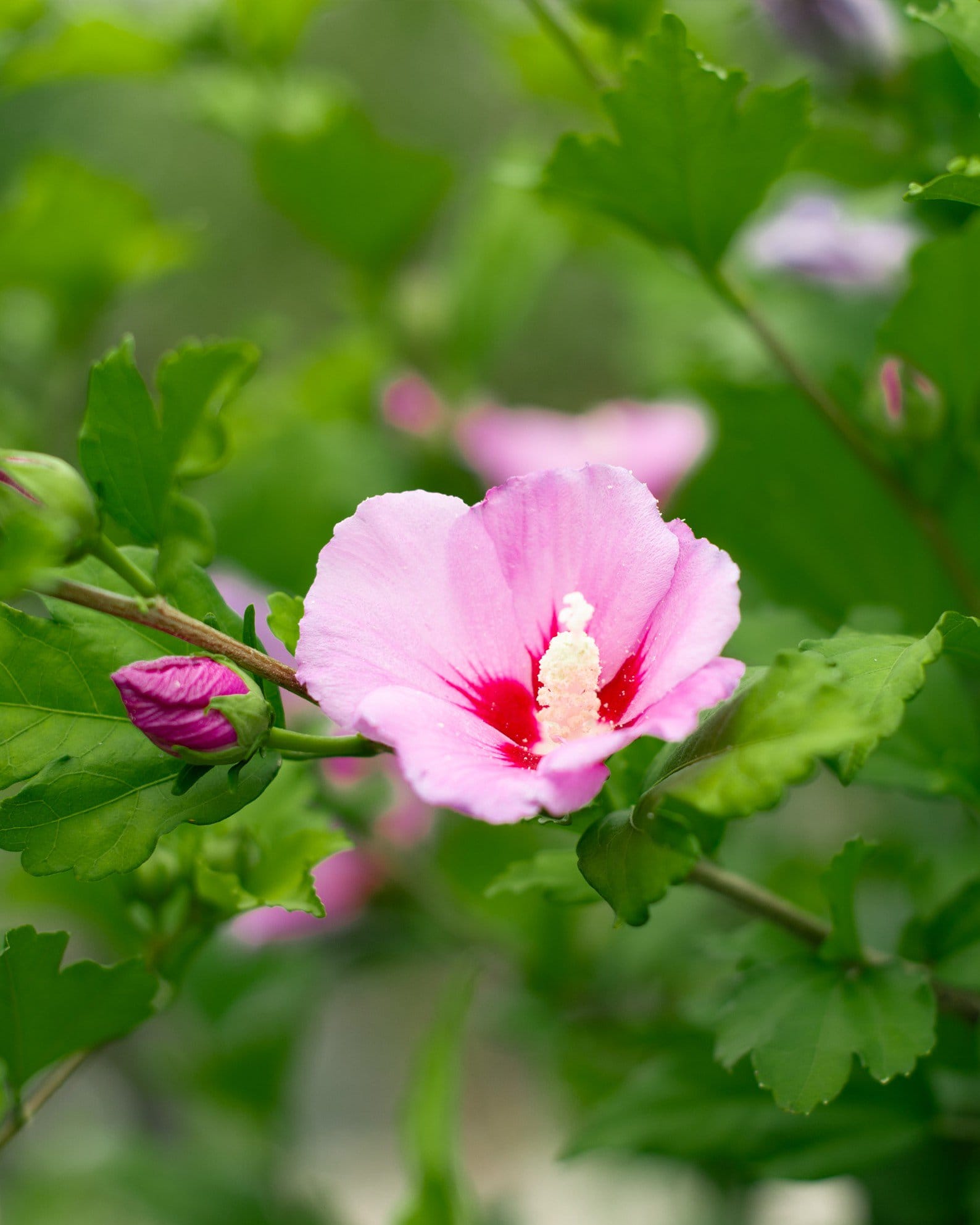
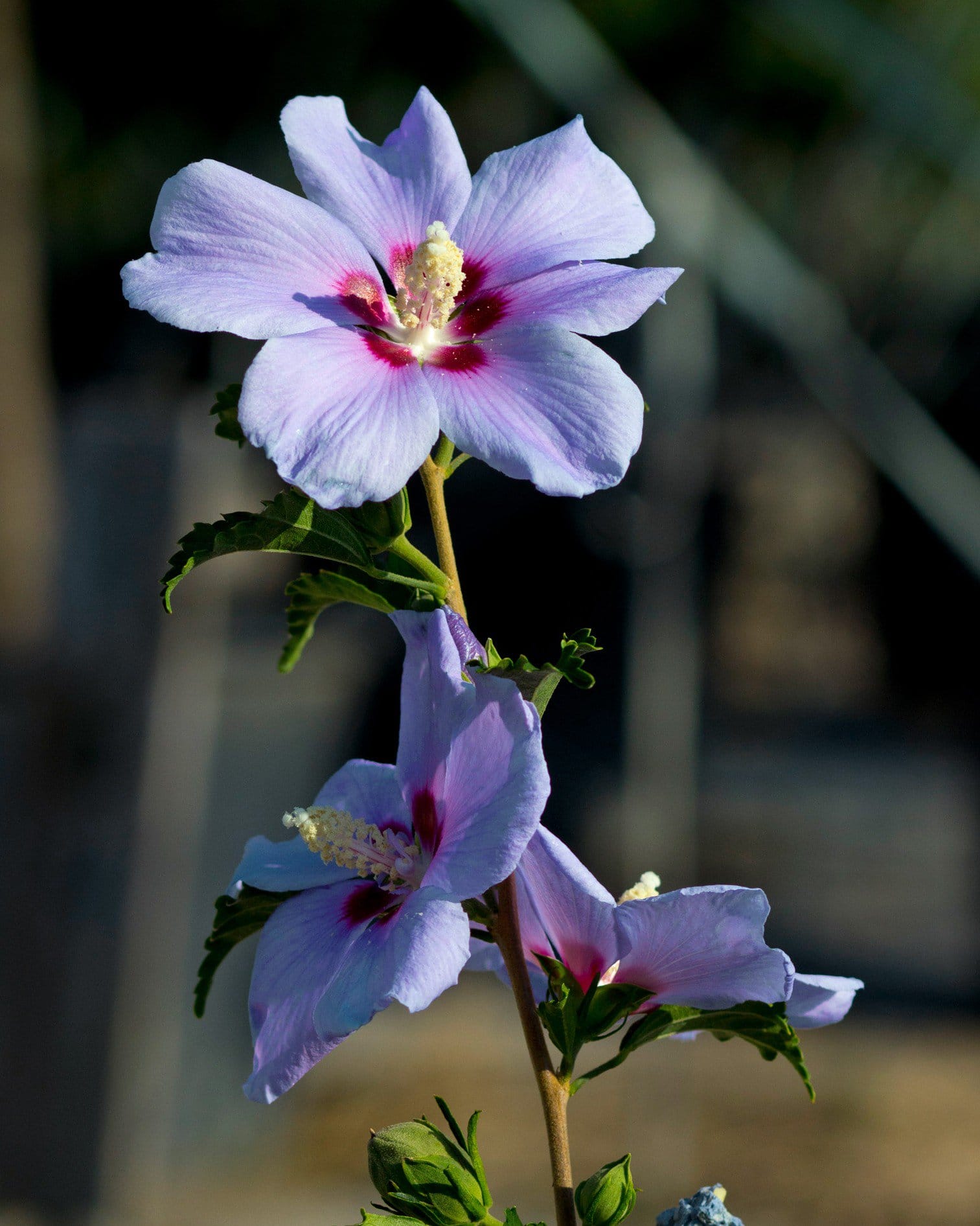
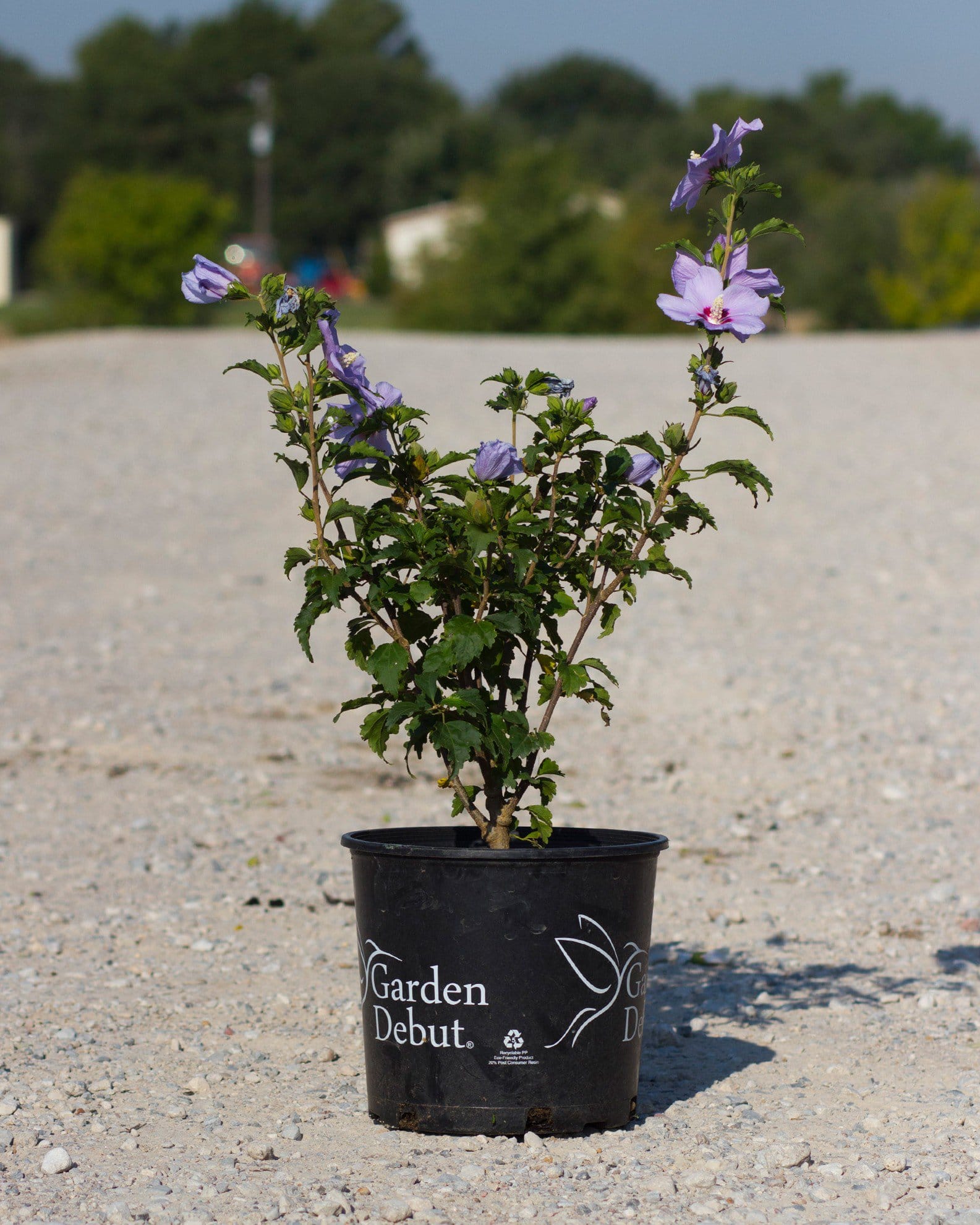
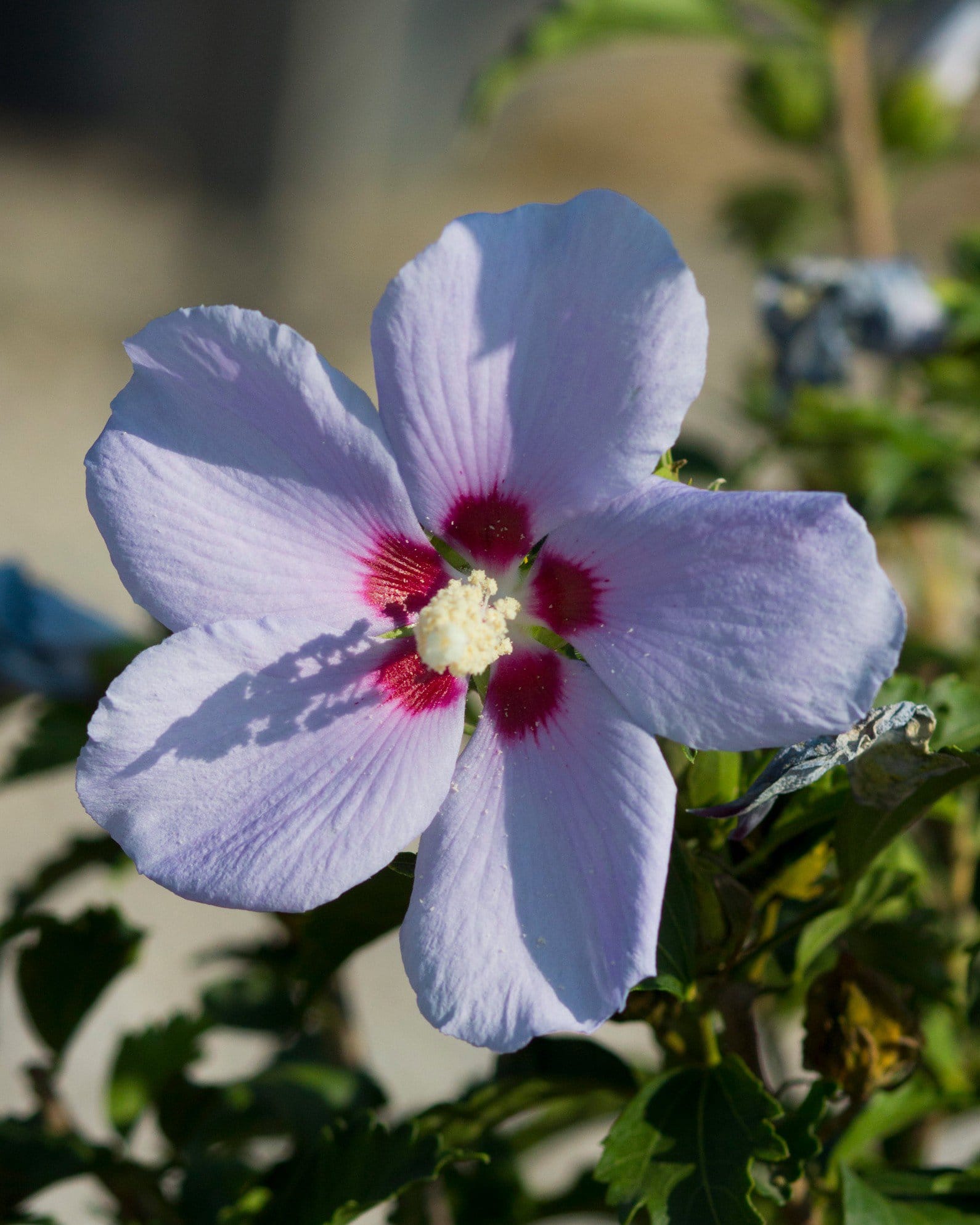
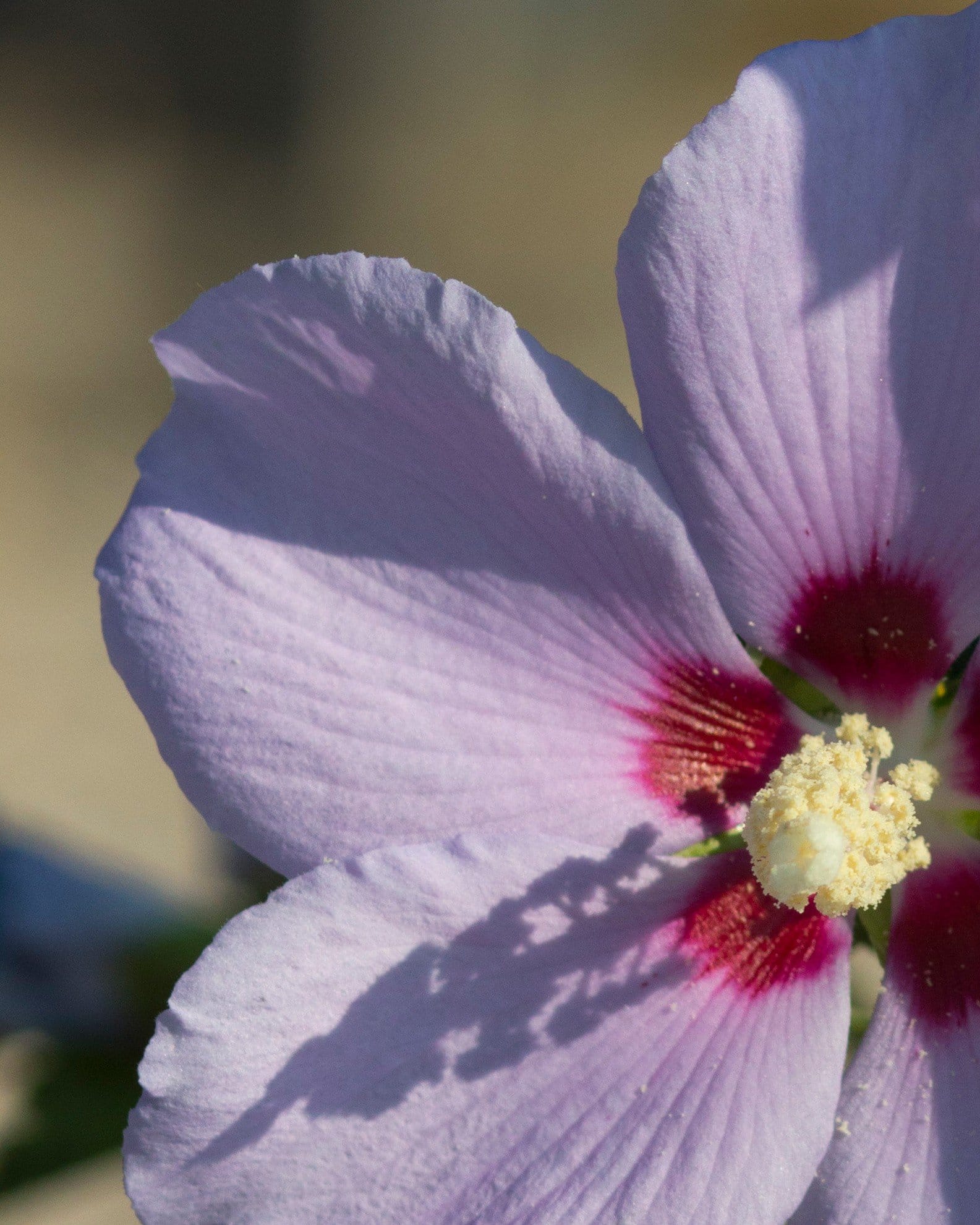
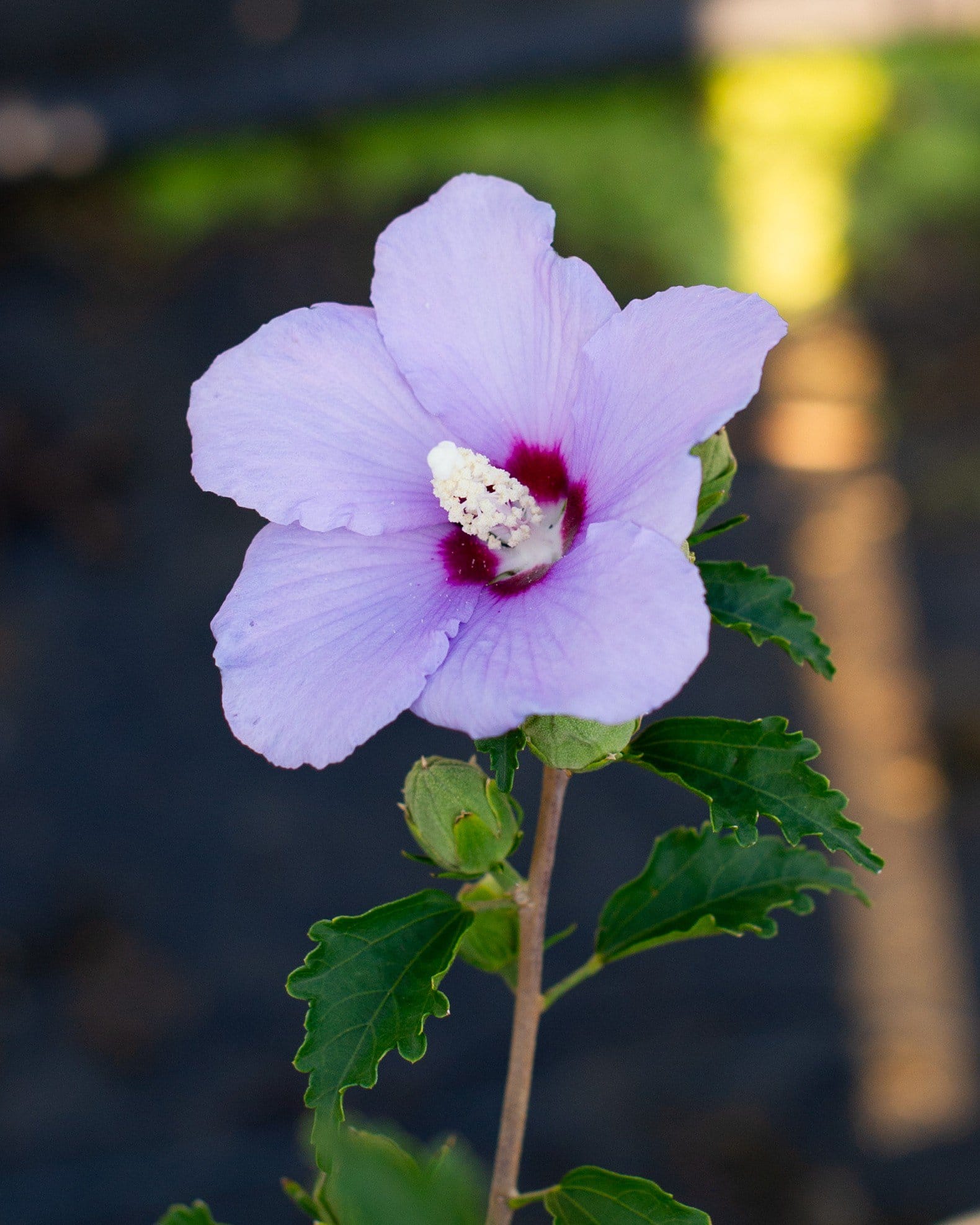
Hibiscus syriacus 'Minspot'The Fiji Althea is an elegant, upright flowering tree that delivers a tropical feel with minimal fuss. Its semi-double white blossoms, each adorned with a maroon eye, bring a burst of charm in spring and summer. It grows 8 feet in height and 5 feet in width at maturity. With its columnar habit, Fiji is a great fit for tighter spaces, mixed borders, or as a showy flowering hedge. It’s also well-suited to containers and urban beds thanks to its tolerance of pollution, heat, and drought once established.
- Deciduous tree
- Moderate growth rate
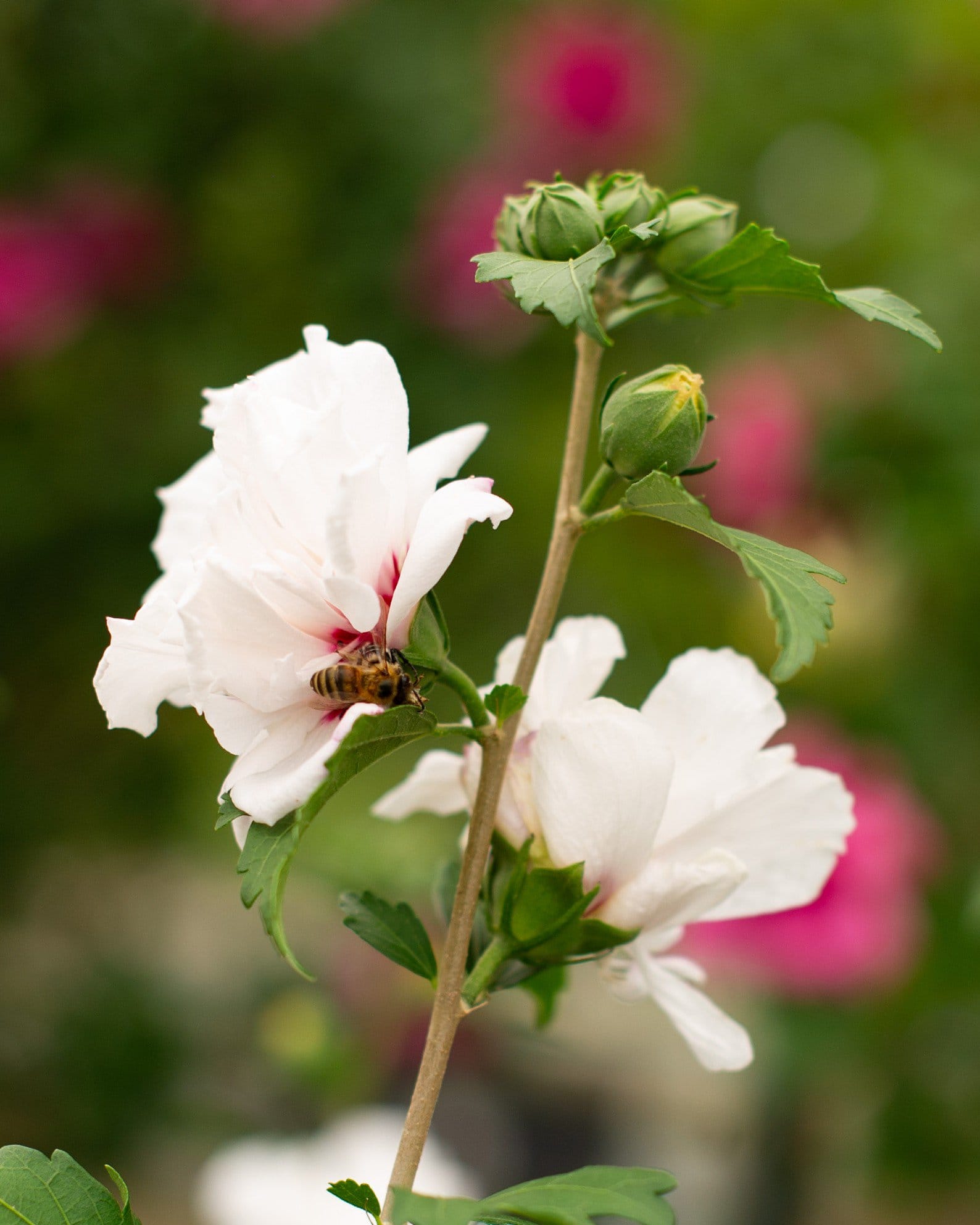
- Semi-double white blooms with bold maroon centers
- Upright, narrow form ideal for smaller spaces
- Blooms from spring through summer
Plant in full sun and well-drained soil. Trim in late winter or early spring to encourage dense growth and abundant flowering. Fiji Althea brings bright, joyful energy wherever it’s planted. Hardy in USDA zones 5 through 8, it's perfect for beds and landscapes across North Texas.
Fiji Althea is a low-maintenance deciduous flowering shrub valued for its adaptable nature, making routine care simple and manageable in most landscapes. Here’s all it needs:
- Watering: Provide deep watering during the first growing season to establish a strong root system. After establishment, it tolerates moderate dry spells but benefits from supplemental irrigation during prolonged summer heat.
- Pruning: Prune in late winter or very early spring before new growth begins. Light thinning of interior stems improves airflow and encourages vigorous new flowering shoots.
- Fertilizing: Apply a balanced, slow-release fertilizer in early spring as growth resumes. Avoid excessive nitrogen, which may promote foliage at the expense of blooms.
- Mulching: Maintain a 2-3 inch layer of mulch around the root zone to conserve moisture and regulate soil temperature. Keep mulch slightly away from stems to prevent moisture buildup against bark.
- Winter Care: Mature plants are reliably hardy and typically require minimal winter protection. Newly planted shrubs benefit from root-zone insulation during their first winter in colder regions.
Fiji Althea is generally resilient, though occasional pests and environmental stresses may appear.
- Aphids: Small insects may cluster on new growth, causing mild leaf distortion and sticky residue. A strong water spray or insecticidal soap application usually controls infestations effectively.
- Powdery Mildew: A fine white coating may develop on foliage during humid, stagnant conditions. Improving air circulation and avoiding overhead watering helps prevent recurrence.
- Japanese Beetles: Chewed foliage with a lacy appearance may occur during peak feeding season. Hand removal or traps placed away from the shrub reduce damage.
- Leaf Chlorosis: Yellowing leaves with green veins may signal nutrient imbalance in alkaline soils. Applying an iron supplement or soil amendment can restore healthy coloration.
- Root Stress from Compaction: Slowed growth and reduced vigor may develop in heavily compacted soils. Loosening the surrounding soil and maintaining proper drainage improve root health.
With proper care, it commonly lives 20-30 years. Longevity depends largely on healthy root conditions and routine structural maintenance. Established shrubs remain dependable bloomers for decades.
Growth averages 12-24 inches per year under favorable conditions. Most shrubs reach mature structure within 3-5 years. Flower production increases steadily as branching develops.
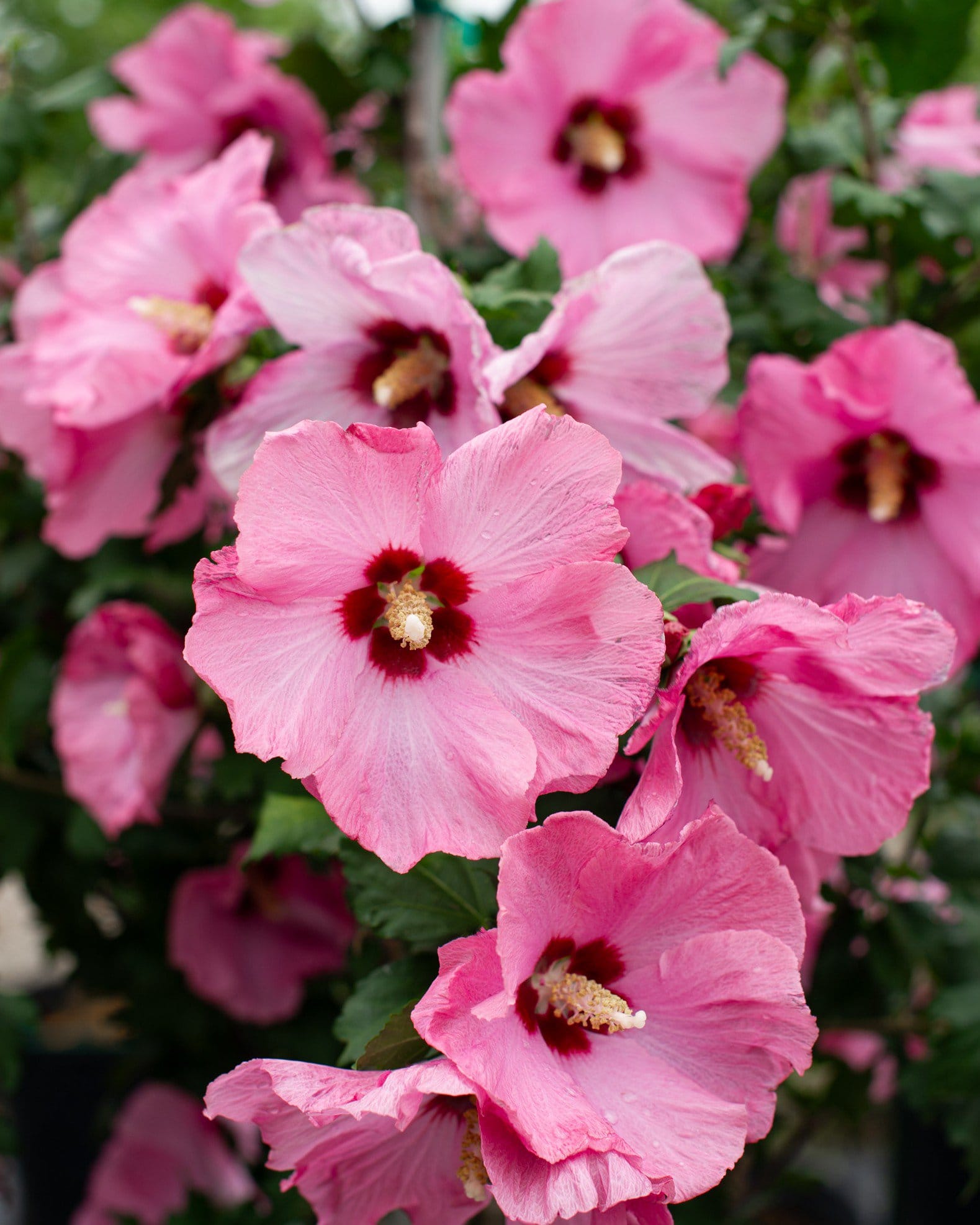
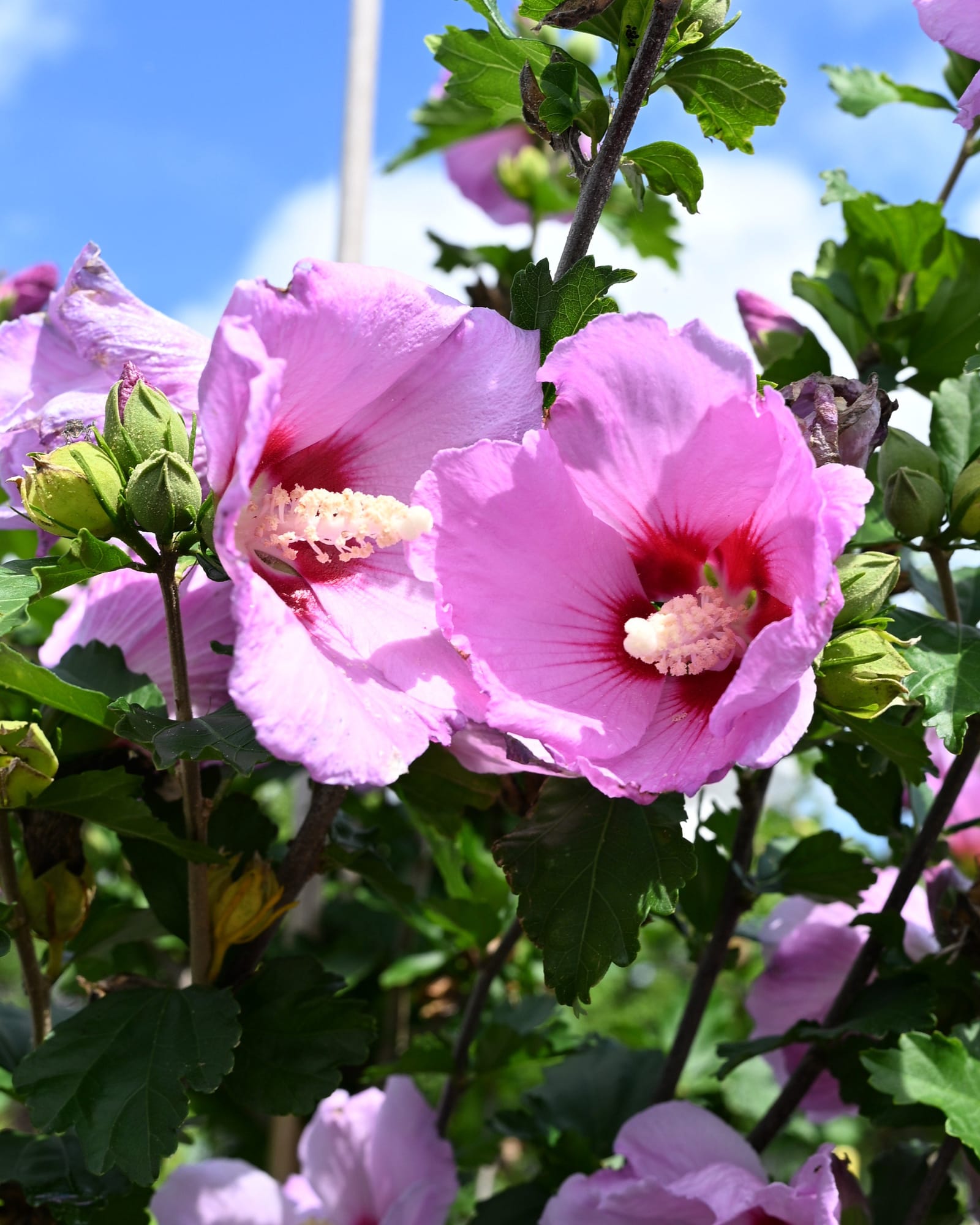
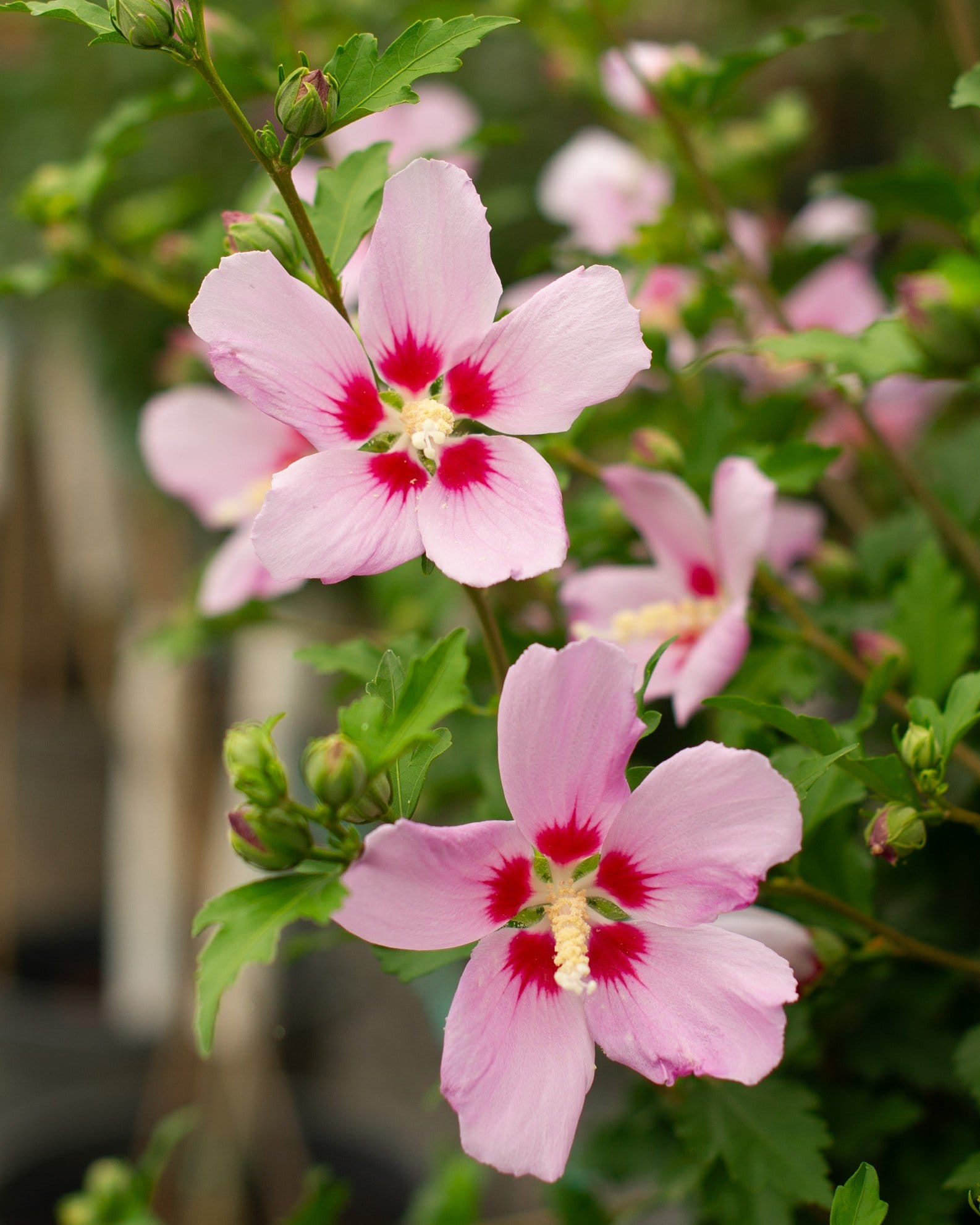
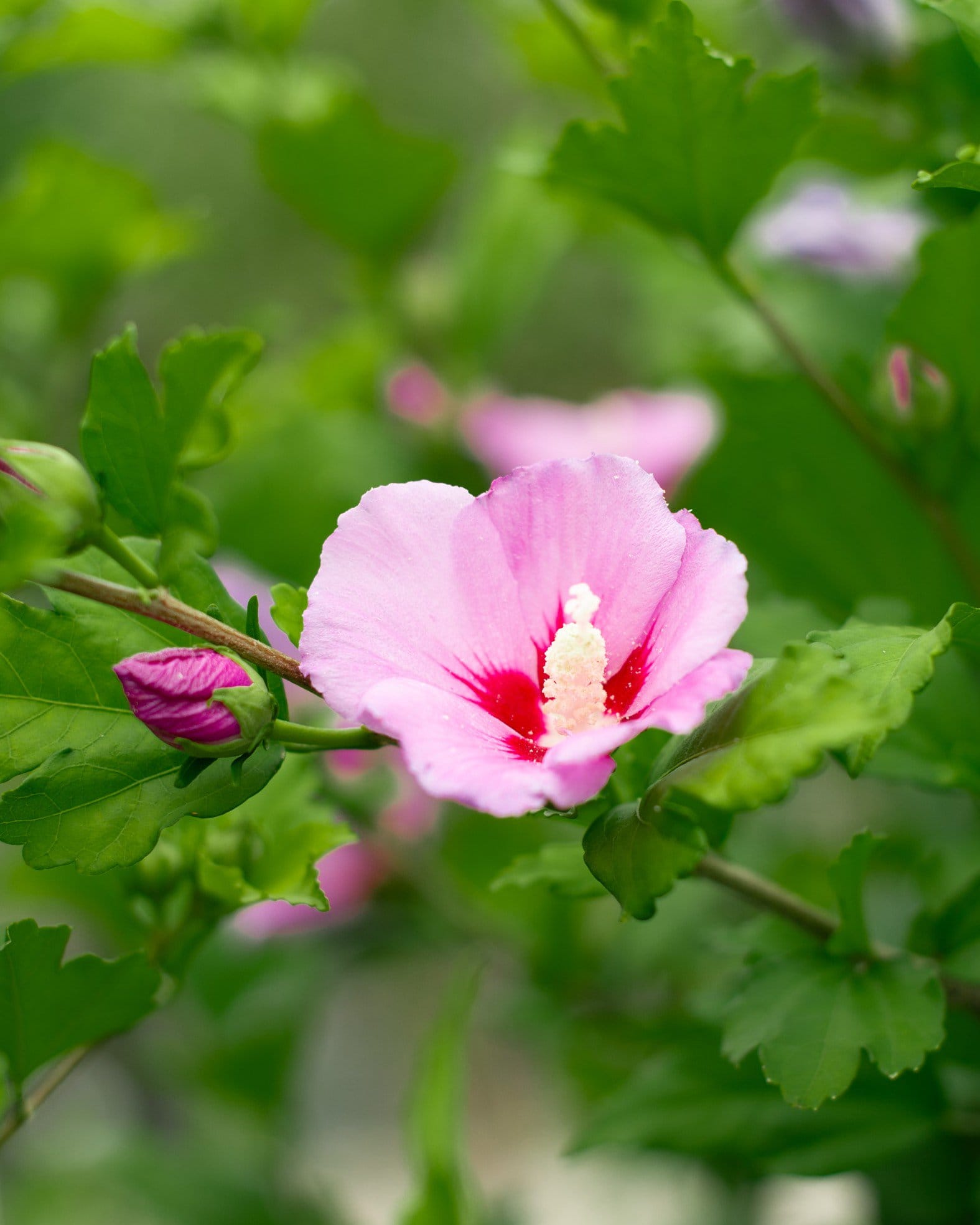
It is appreciated for its vibrant, saturated bloom color and refined growth habit. The flowers often feature bold central contrast that stands out in mixed plantings. Its strong visual presence makes it a reliable summer focal point.
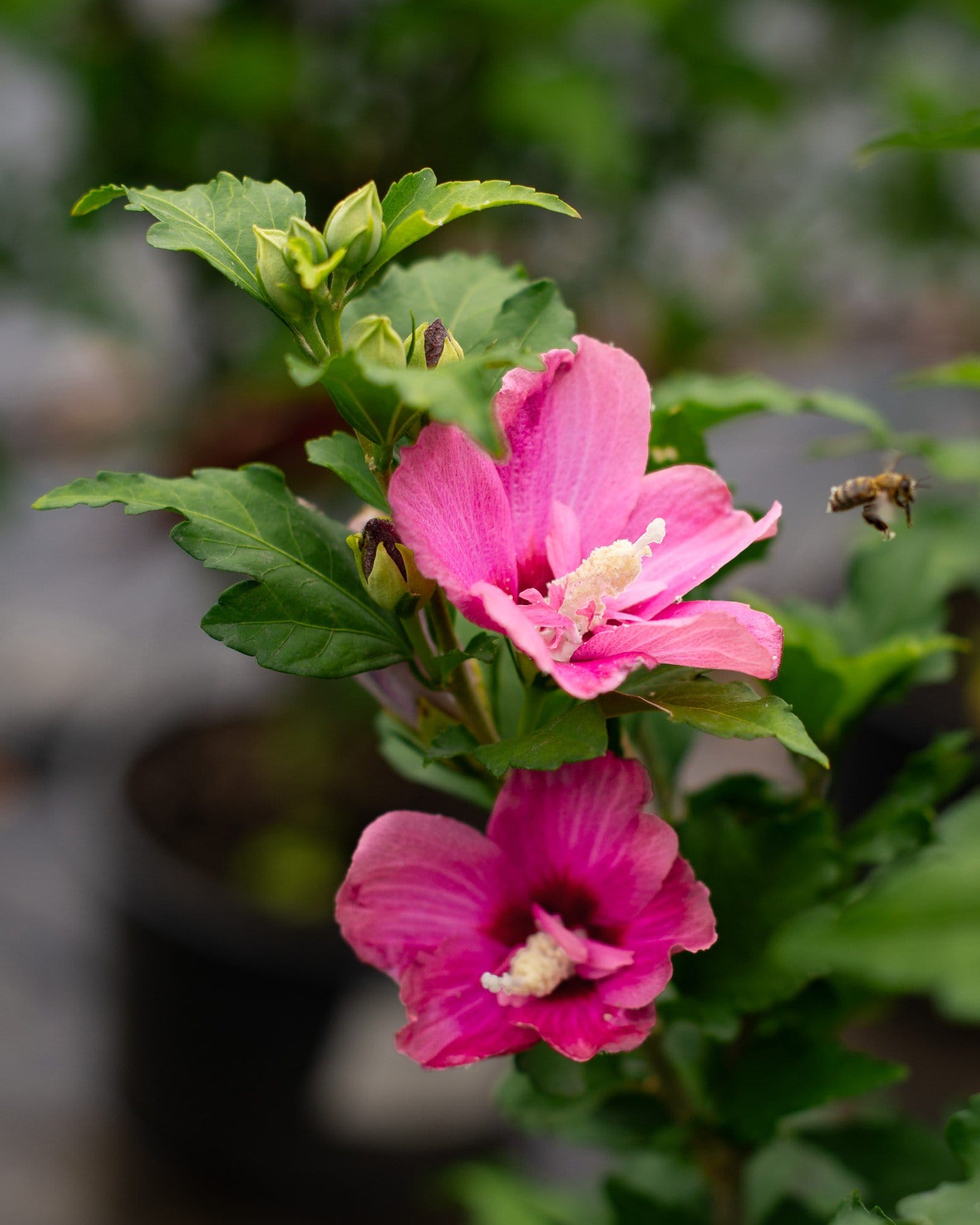
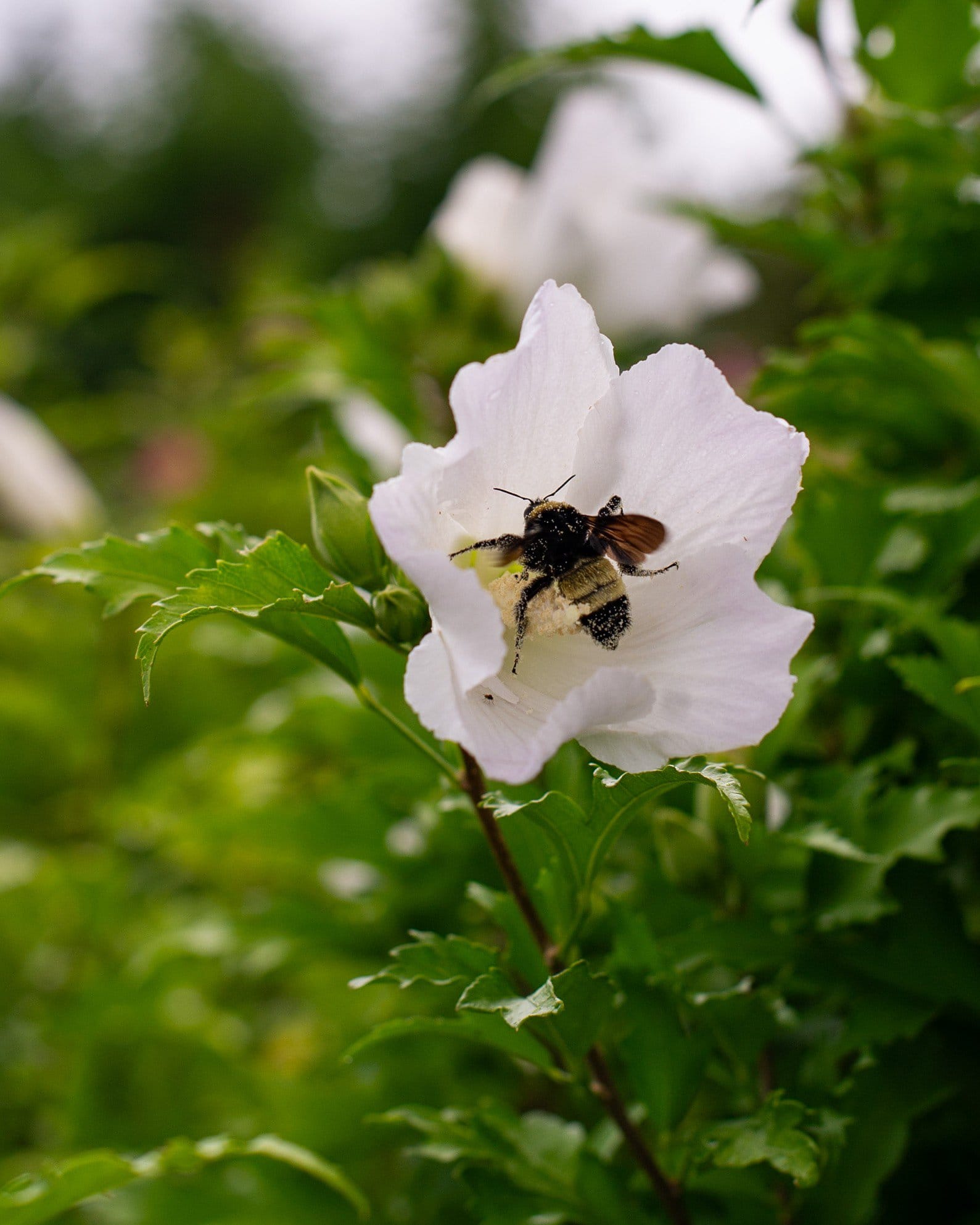
Bees and butterflies are frequent visitors during their flowering period. The open flower centers provide accessible nectar and pollen. It supports pollinator activity later in the growing season.
It is considered moderately deer-resistant. While not completely immune to browsing, it is less commonly targeted than softer ornamental shrubs. Protective measures may still be needed in high-pressure areas.
It adapts well to city environments, including reflected heat and moderate air pollution. Once established, it remains resilient in challenging urban sites. Consistent watering during extreme heat improves performance.
Seed capsules may form after flowering if blooms are not removed. In most maintained landscapes, self-seeding remains limited and manageable. Removing spent flowers can further reduce seed development.
It tolerates light salt exposure once established. Protection from direct salt spray improves long-term health. Well-drained soil remains important in coastal settings.
Because it flowers on new wood, it responds well to significant late-winter pruning if needed. Fresh growth typically develops vigorously in spring. Recovery is usually noticeable within one season.
Over time, it forms an upright, moderately dense framework. Periodic thinning maintains airflow and encourages strong flowering shoots. Its branching habit supports a balanced overall shape.
Special Features
You might also like
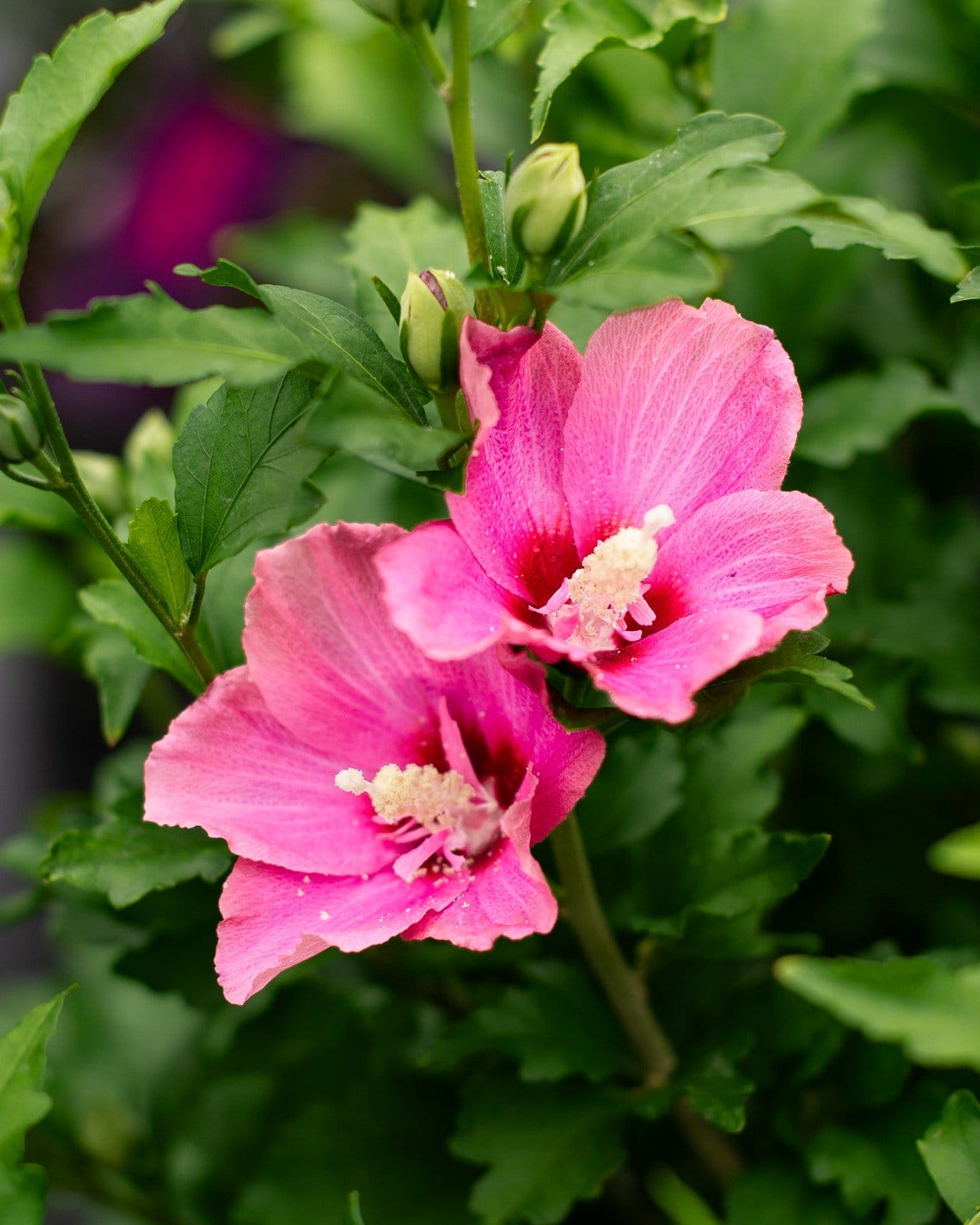
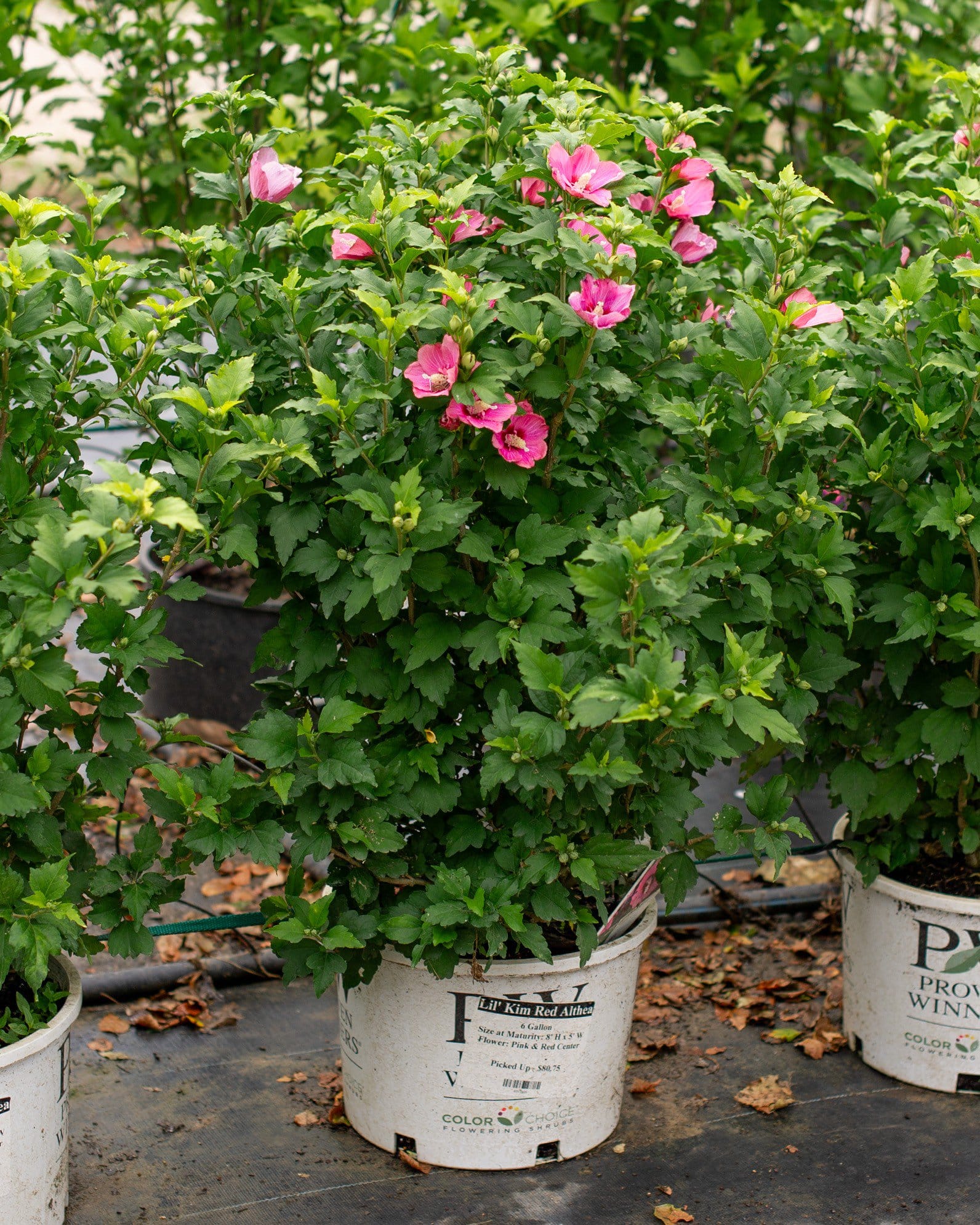
Lil' Kim Red Althea
Maturity: 8' H x 5' W
Purple Pillar Althea
Maturity: 10' H x 4' W
French Cabaret Blush Althea
Maturity: 8' H x 5' W
French Cabaret Purple Althea
Maturity: 8' H x 5' W
Lady Stanley Althea Tree Form
Maturity: 8' H x 5' W
Morning Star Althea Tree Form
Maturity: 8' H x 5' W
Aphrodite Althea Tree Form
Maturity: 8' H x 6' W
Diana Althea
Maturity: 8' H x 5' W
Diana Althea Tree Form
Maturity: 8' H x 5' W
Minerva Althea Tree Form
Maturity: 8' H x 5' W
White Chiffon Althea Tree Form
Maturity: 8' H x 6' W
White Pillar Althea
Maturity: 10' H x 4' W
Woodbridge Althea
Maturity: 8' H x 5' W
Woodbridge Althea Tree Form
Maturity: 8' H x 5' W
Blue Angel Althea
Maturity: 8' H x 6' W
Compare Similar Plants
Fiji Althea This plant | ||
|---|---|---|
| Scientific Name | Hibiscus syriacus 'Minspot' | Hibiscus syriacus 'SHIMRR38' |
| Size at Maturity | 8' H x 5' W | 8' H x 5' W |
| Leaf Retention | Deciduous | Deciduous |
| Fall Color | Yellow | Yellow |
| Flower Color | Red & White | Pink & Red |
| Bloom Times | Spring & Summer | Spring & Summer |
| Sizes Available | 6 gal | 3, 6 gal |


Our 1-Year Planting Guarantee
We take pride in our plants and installation services. If any plants or trees installed by Treeland fail to thrive within the first year, we'll provide a replacement credit in accordance with our guarantee program.
Learn More About Our Guarantee