
Lil' Kim Red Althea
Hibiscus syriacus 'SHIMRR38'Local DFW Delivery Only
Product Details
Lil' Kim Red Althea
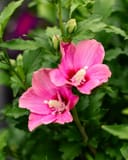
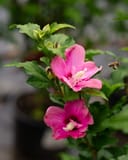
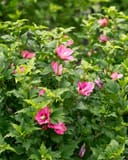
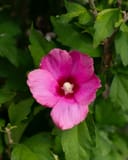
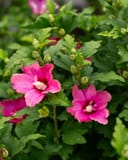
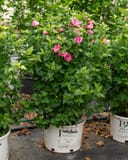
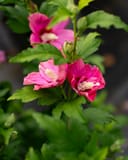
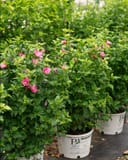
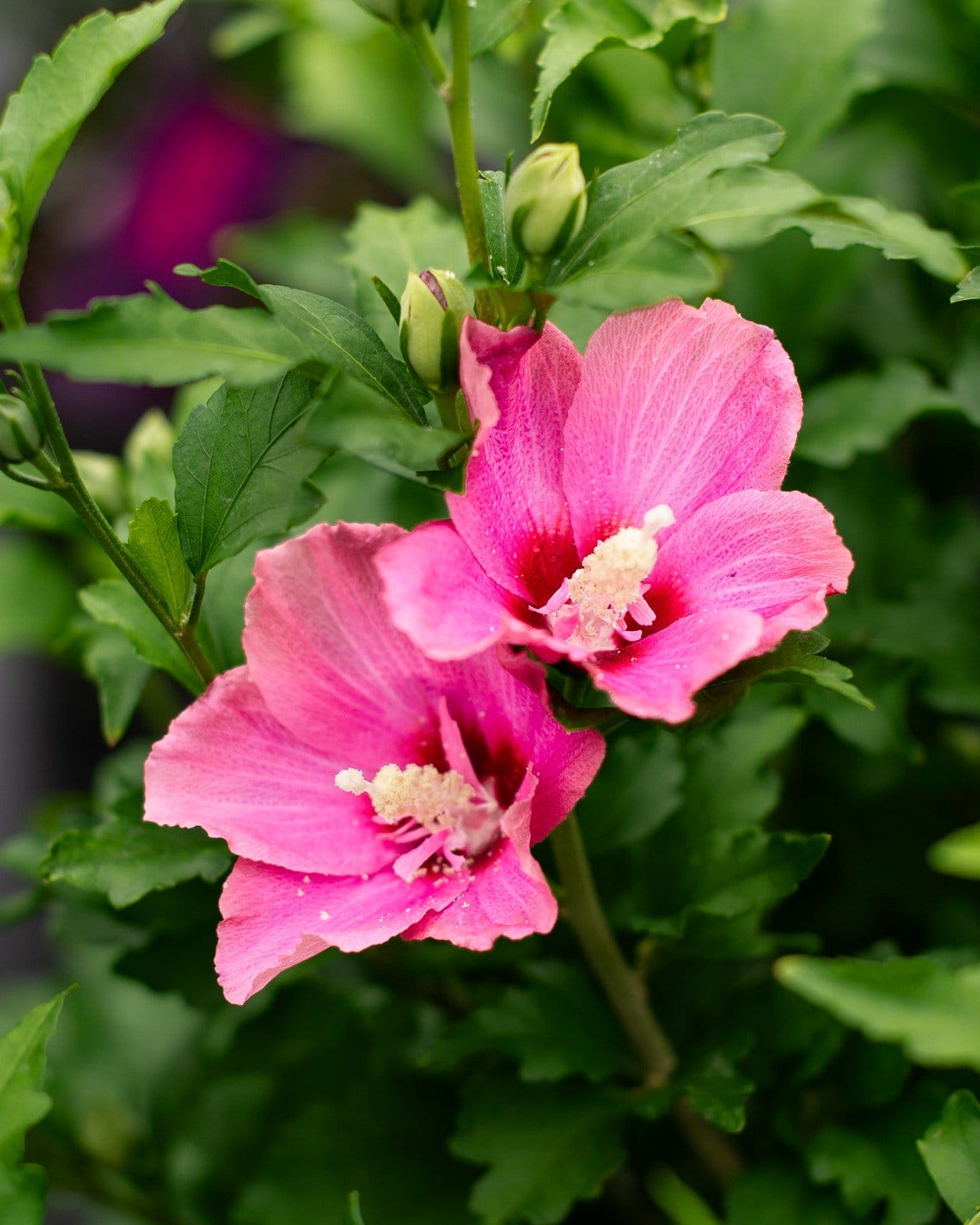
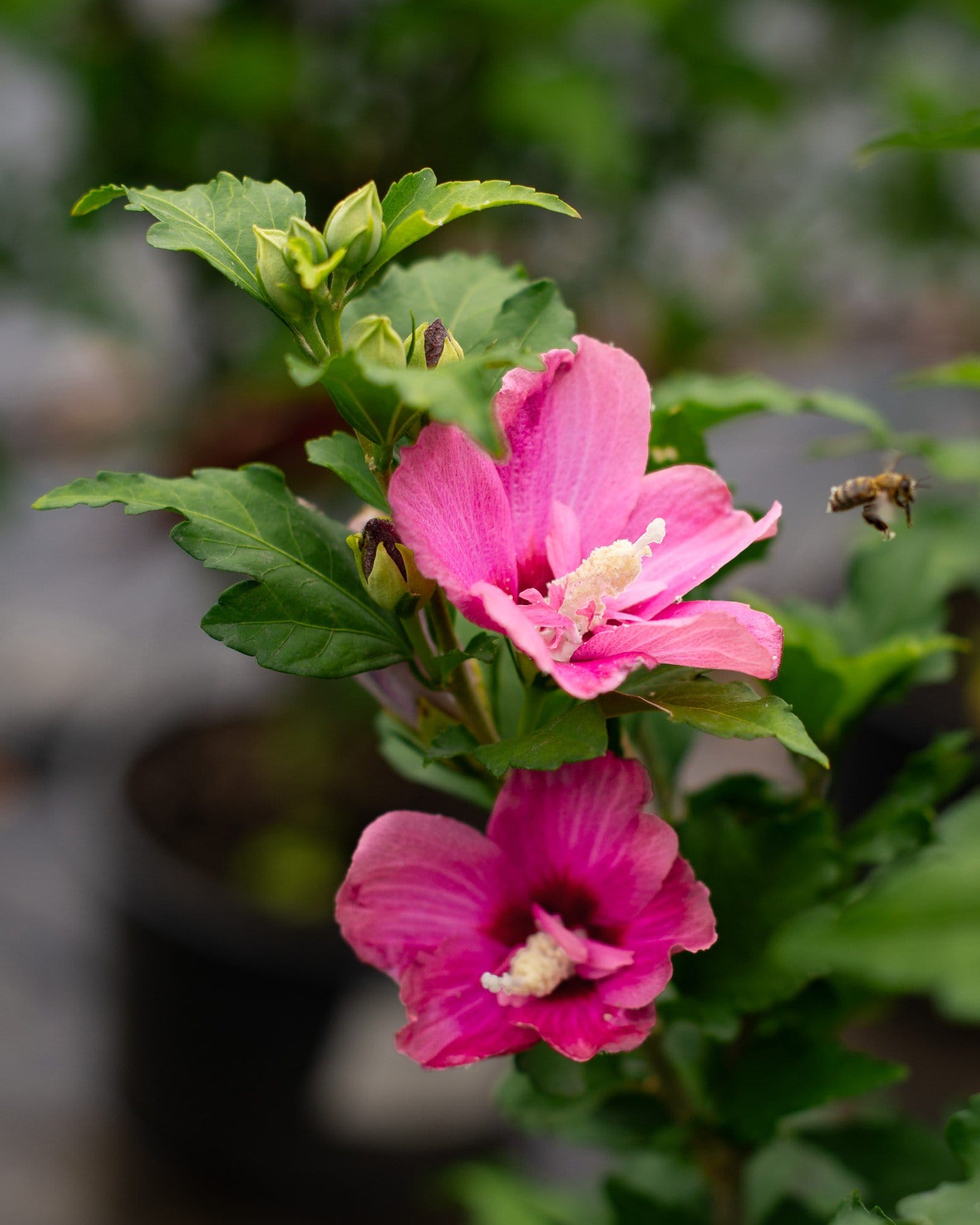
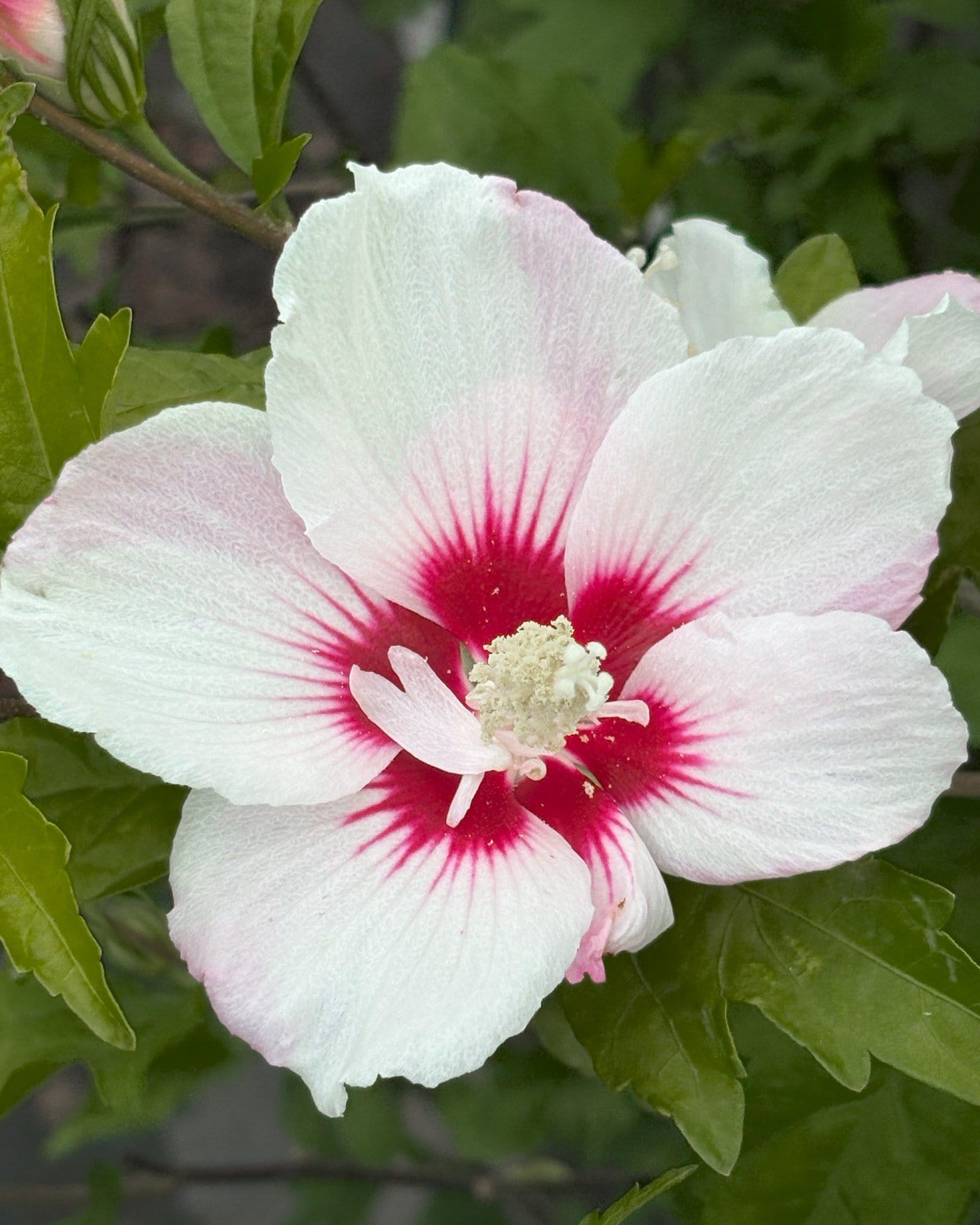
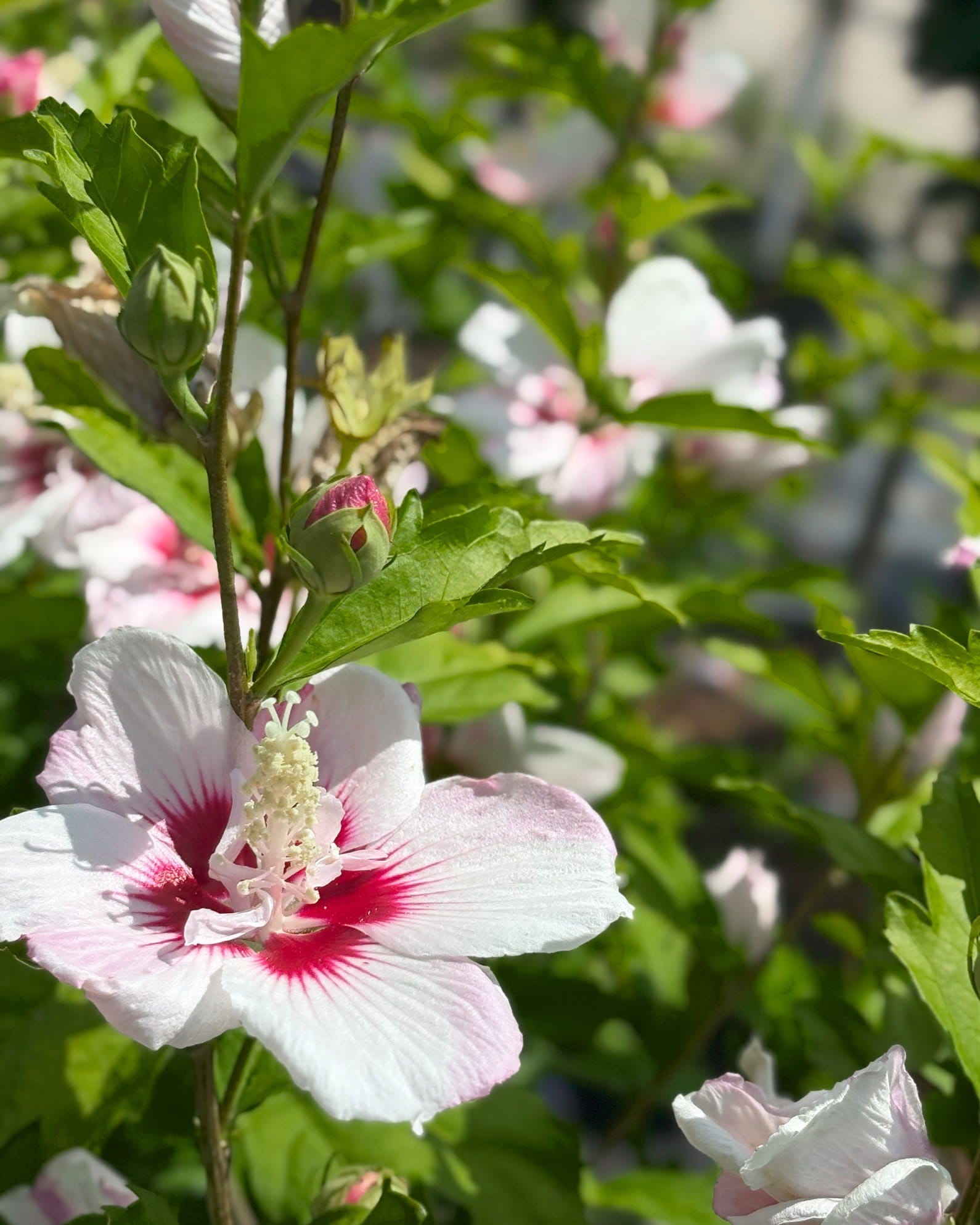
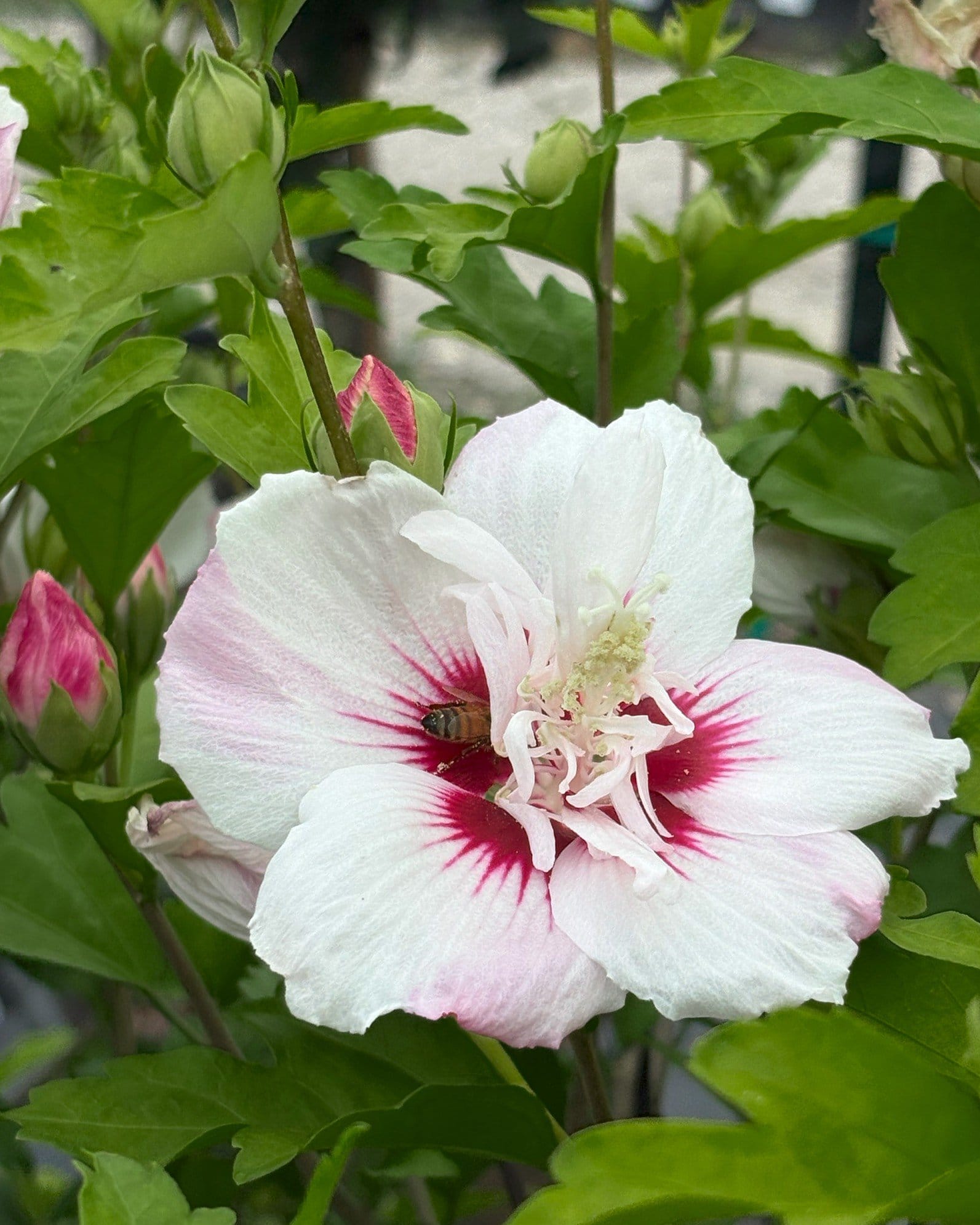
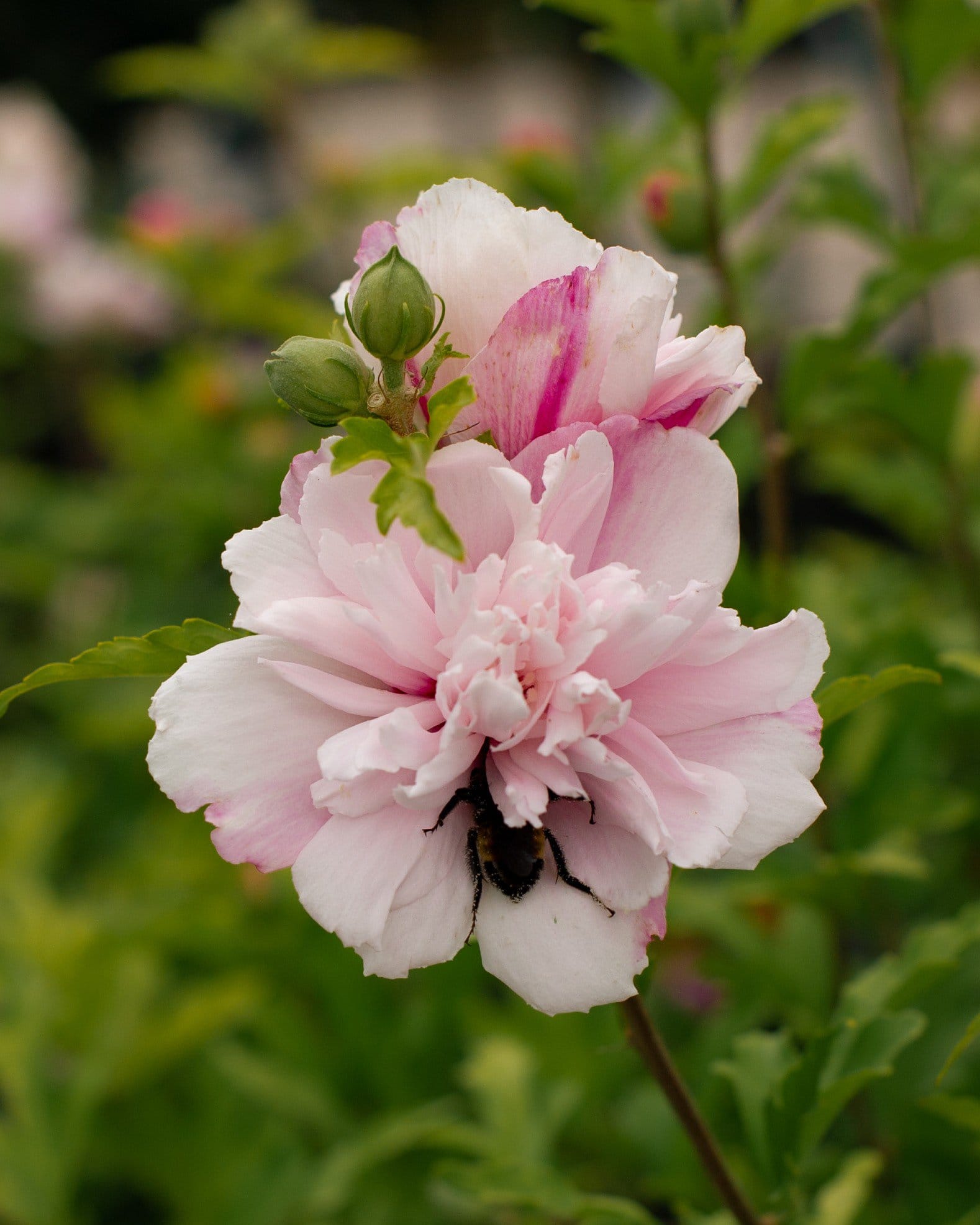
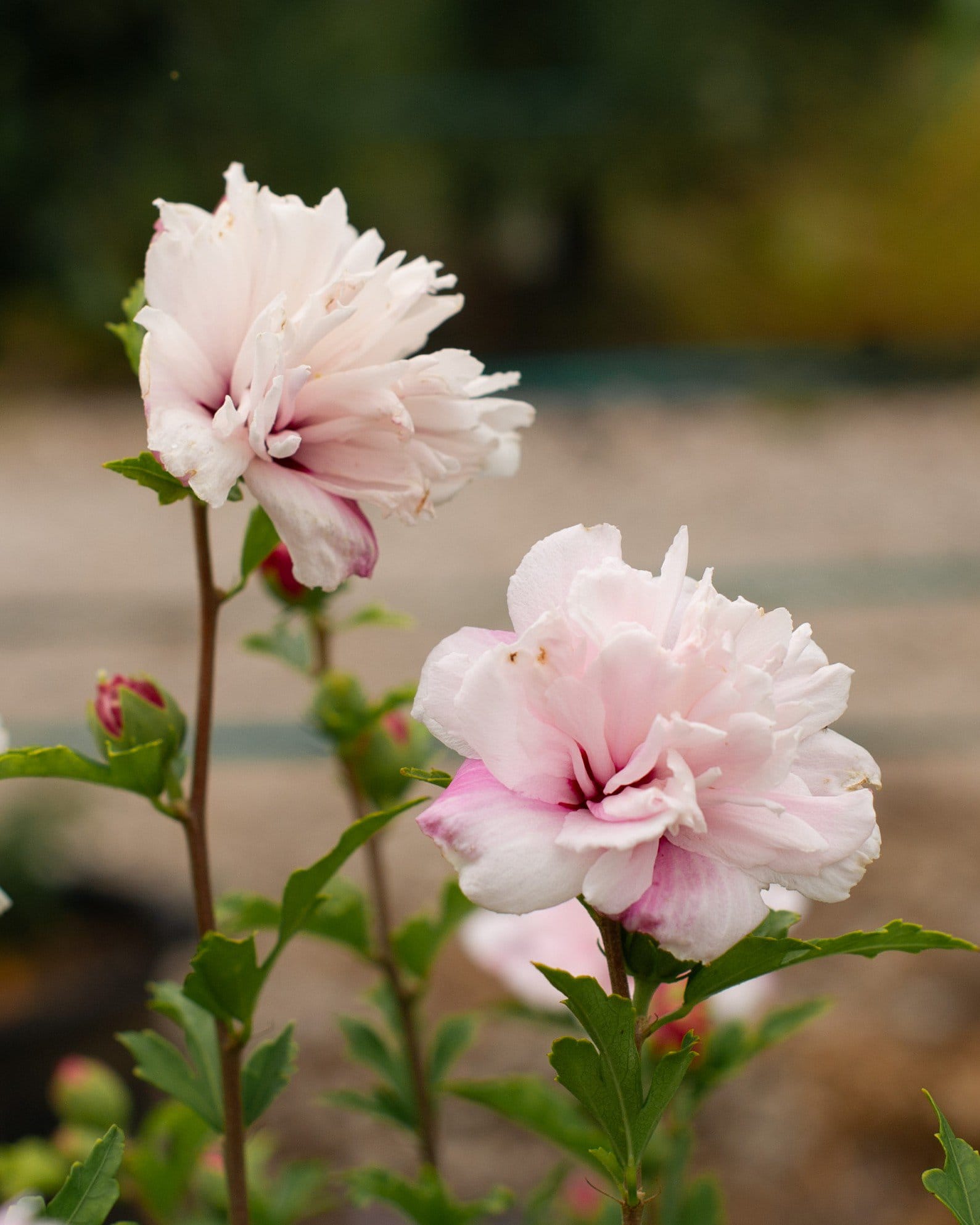
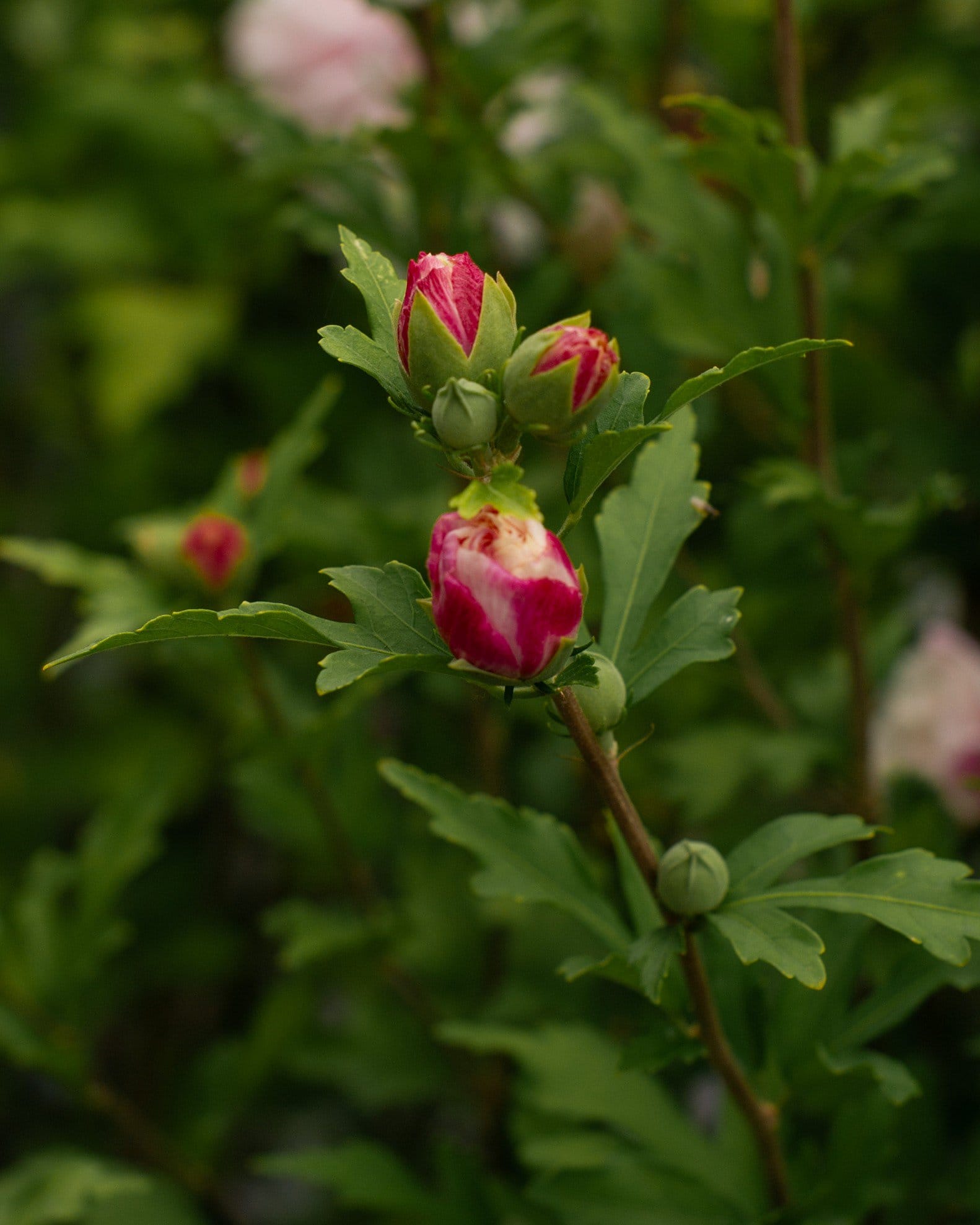
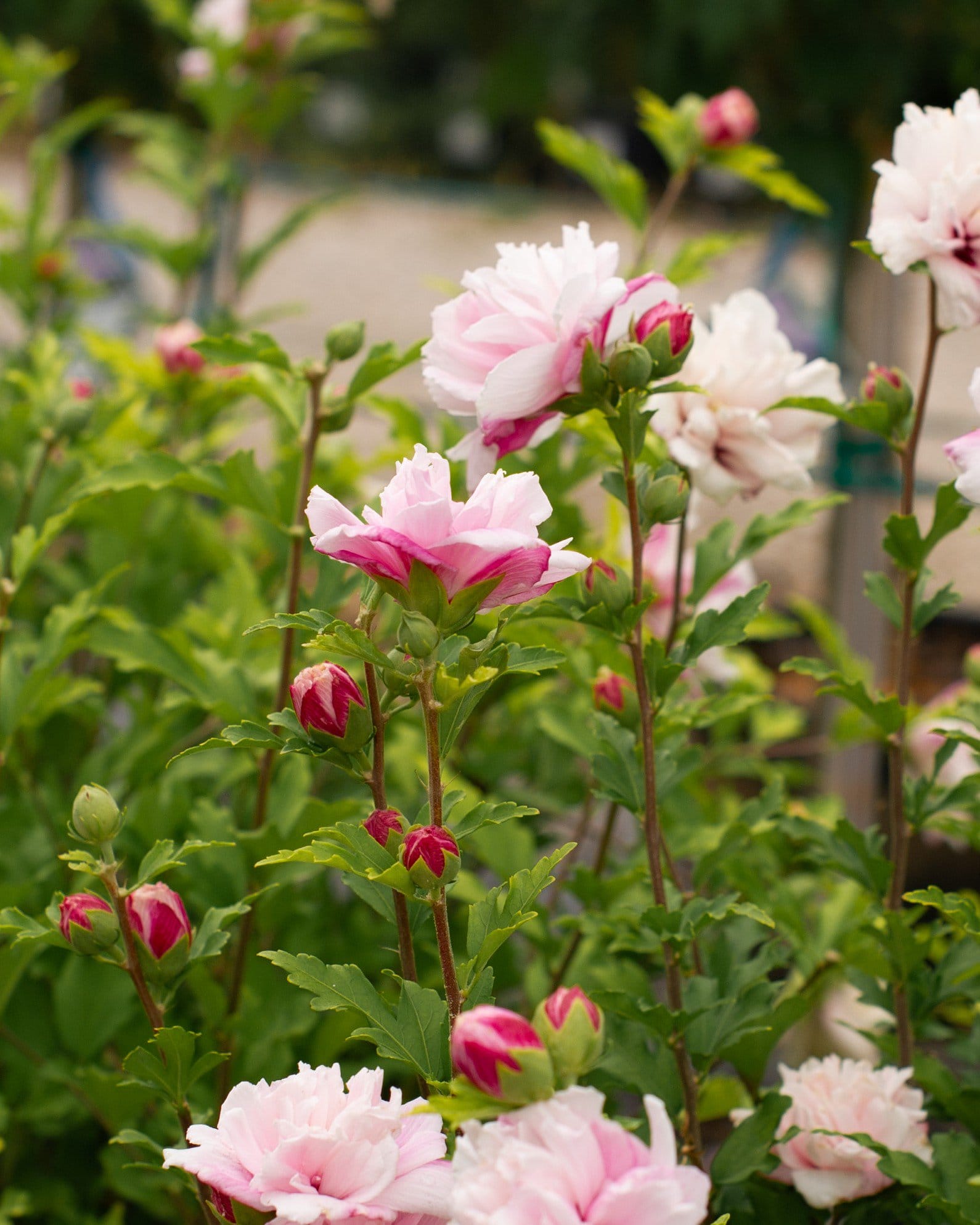
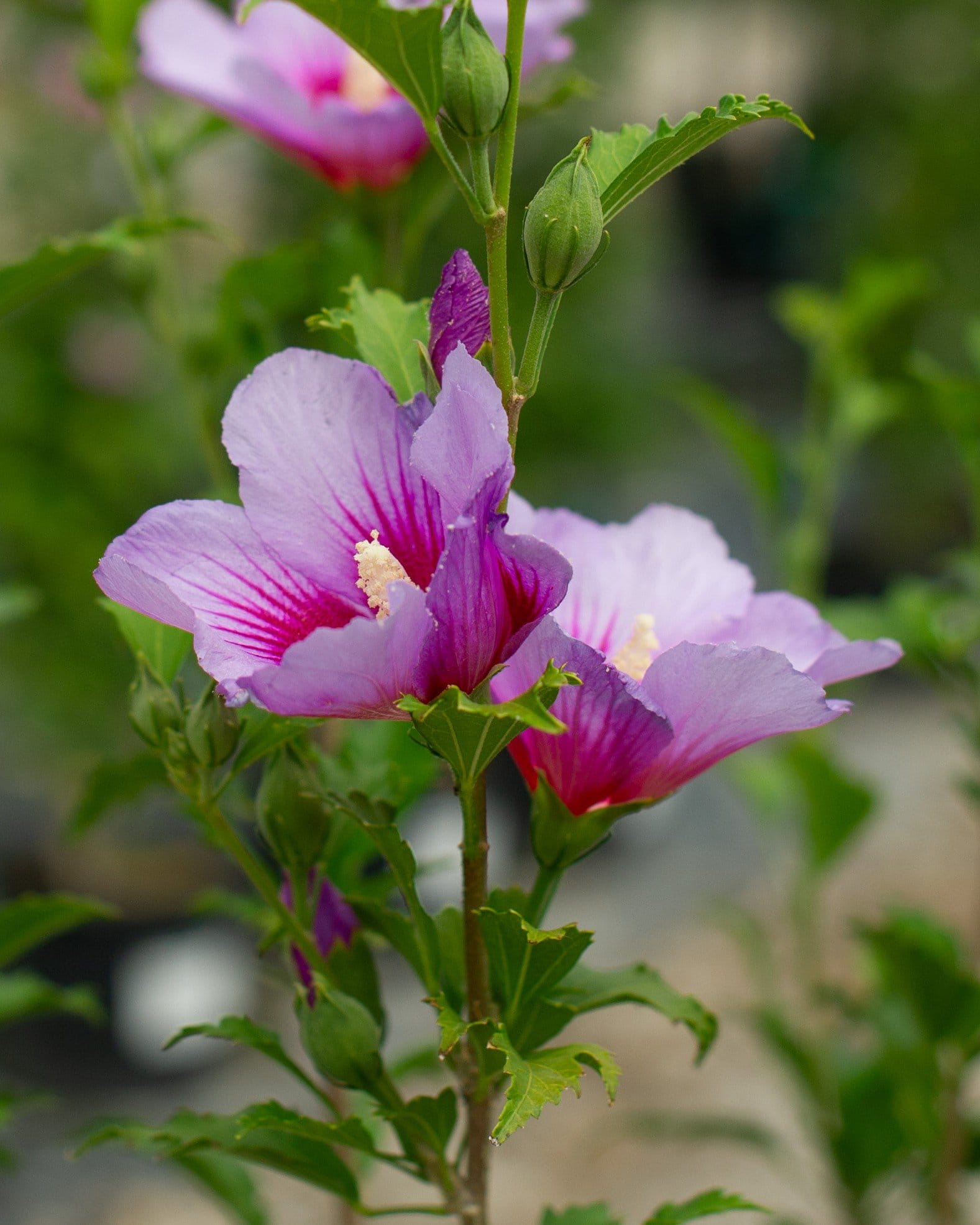
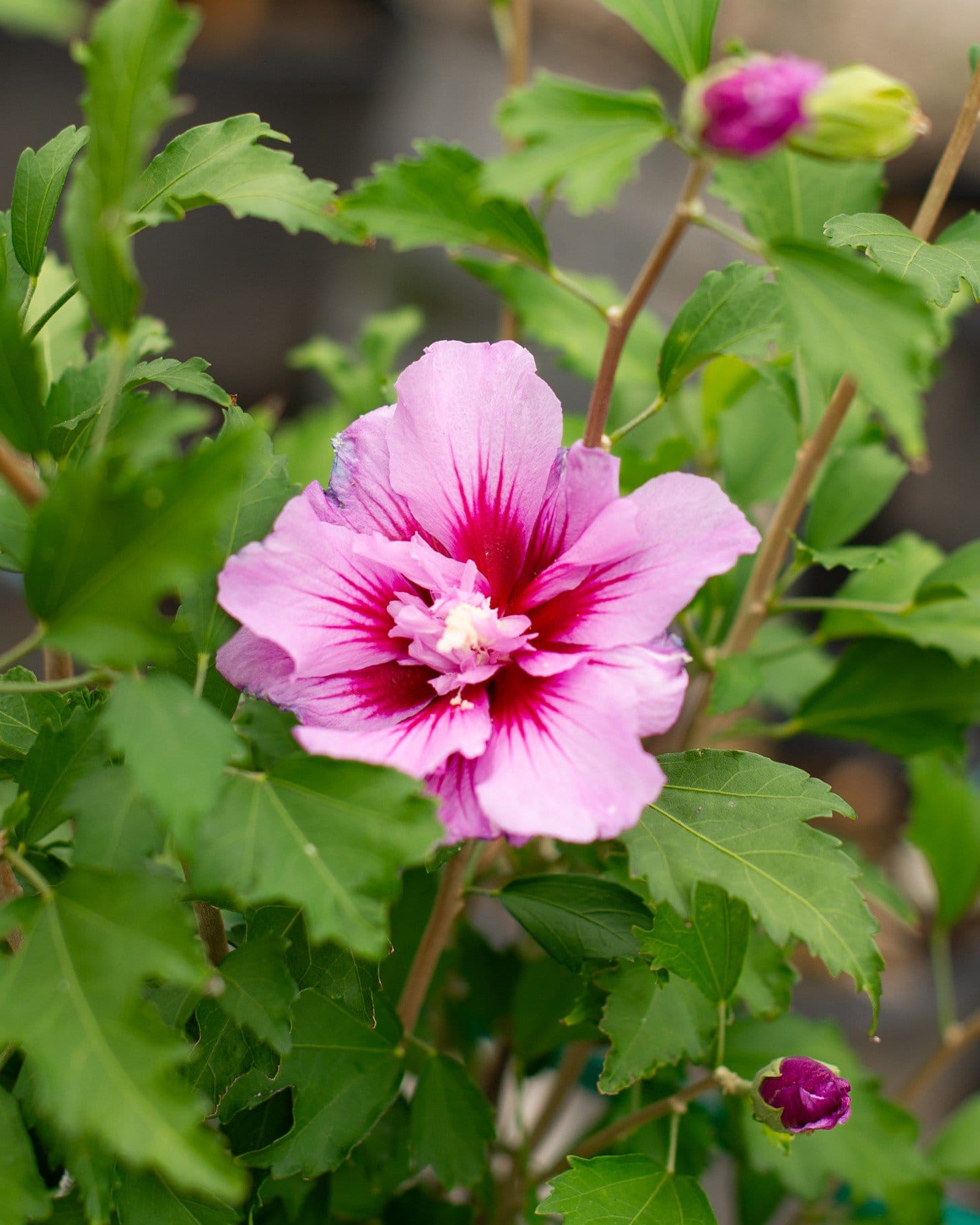
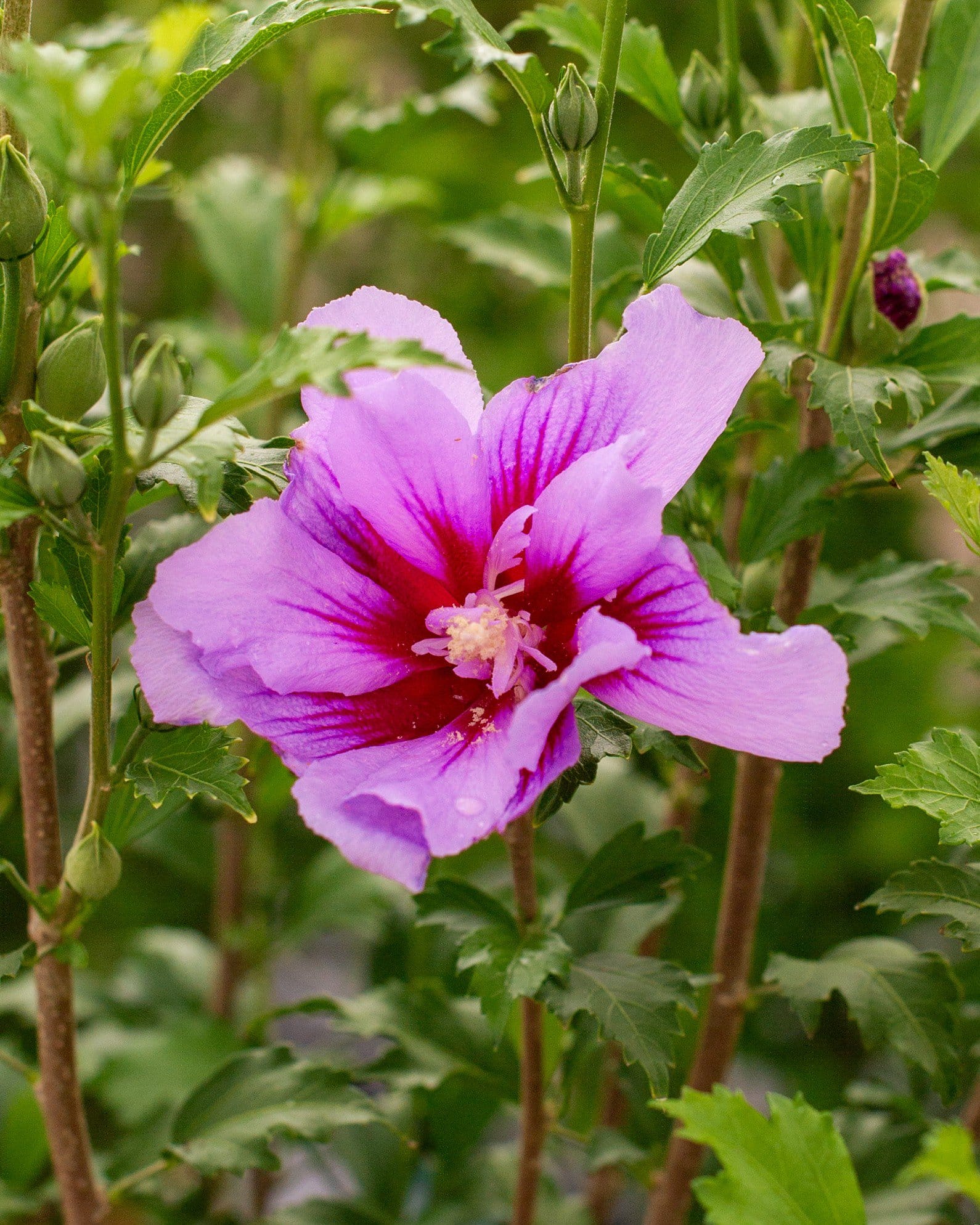
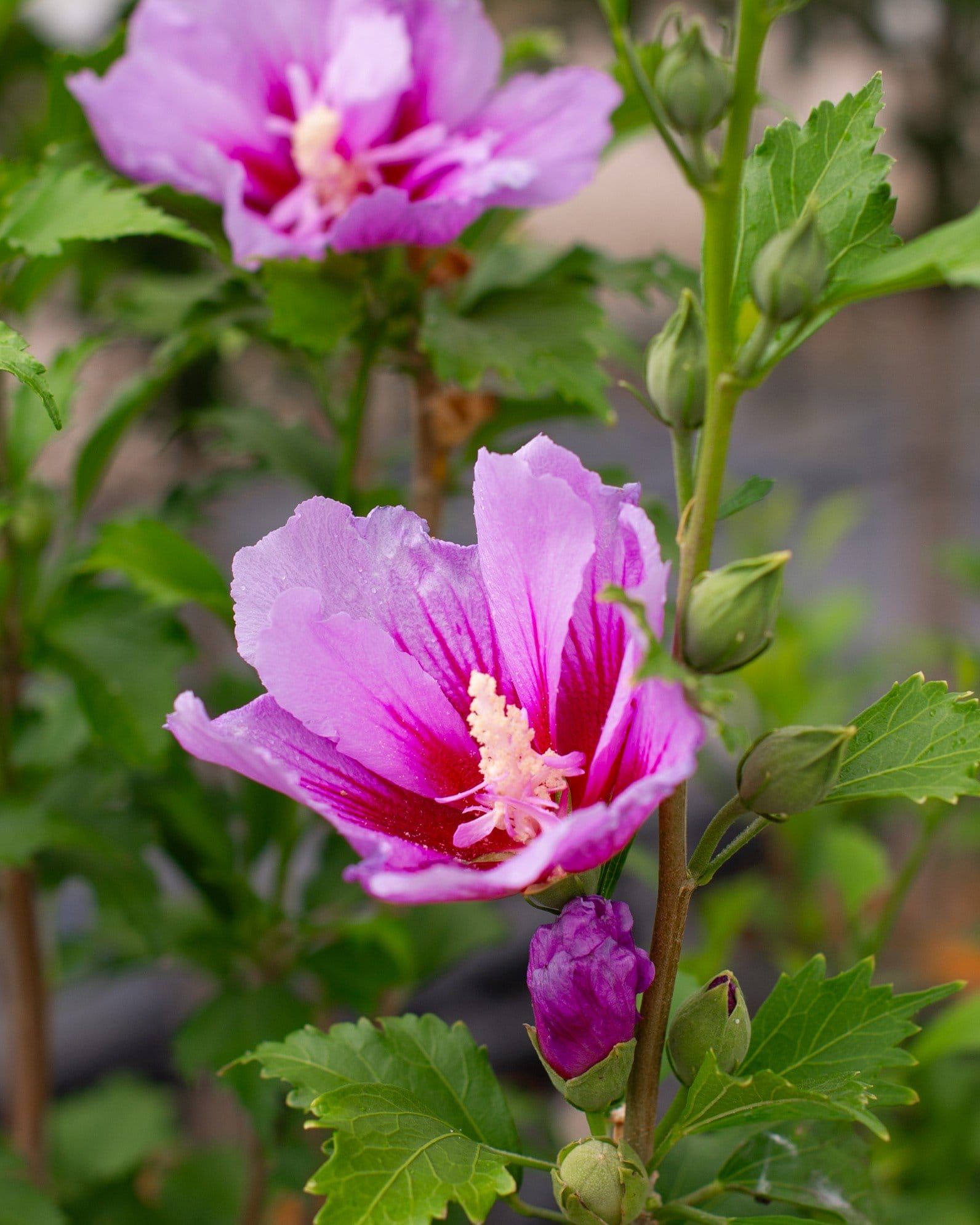
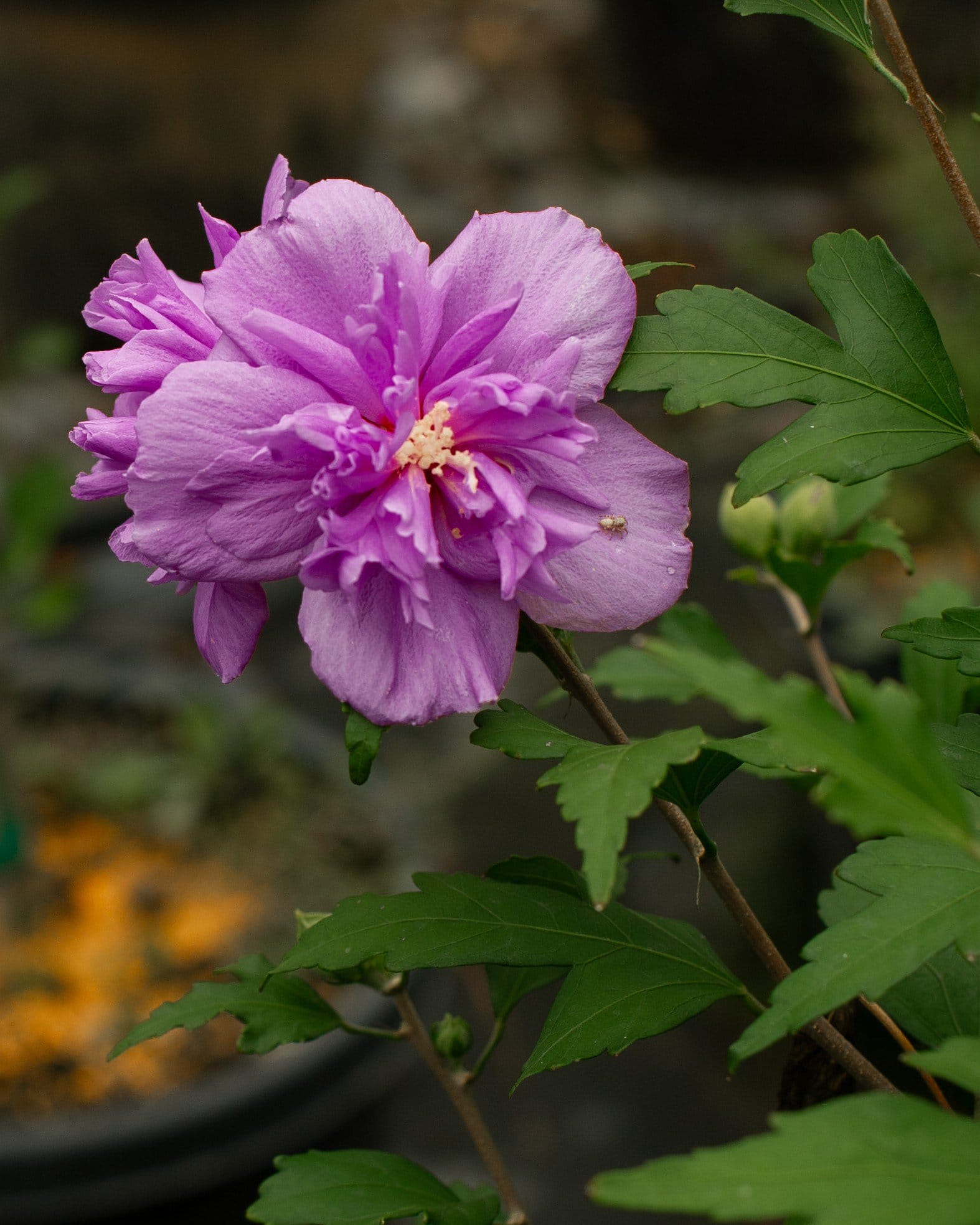
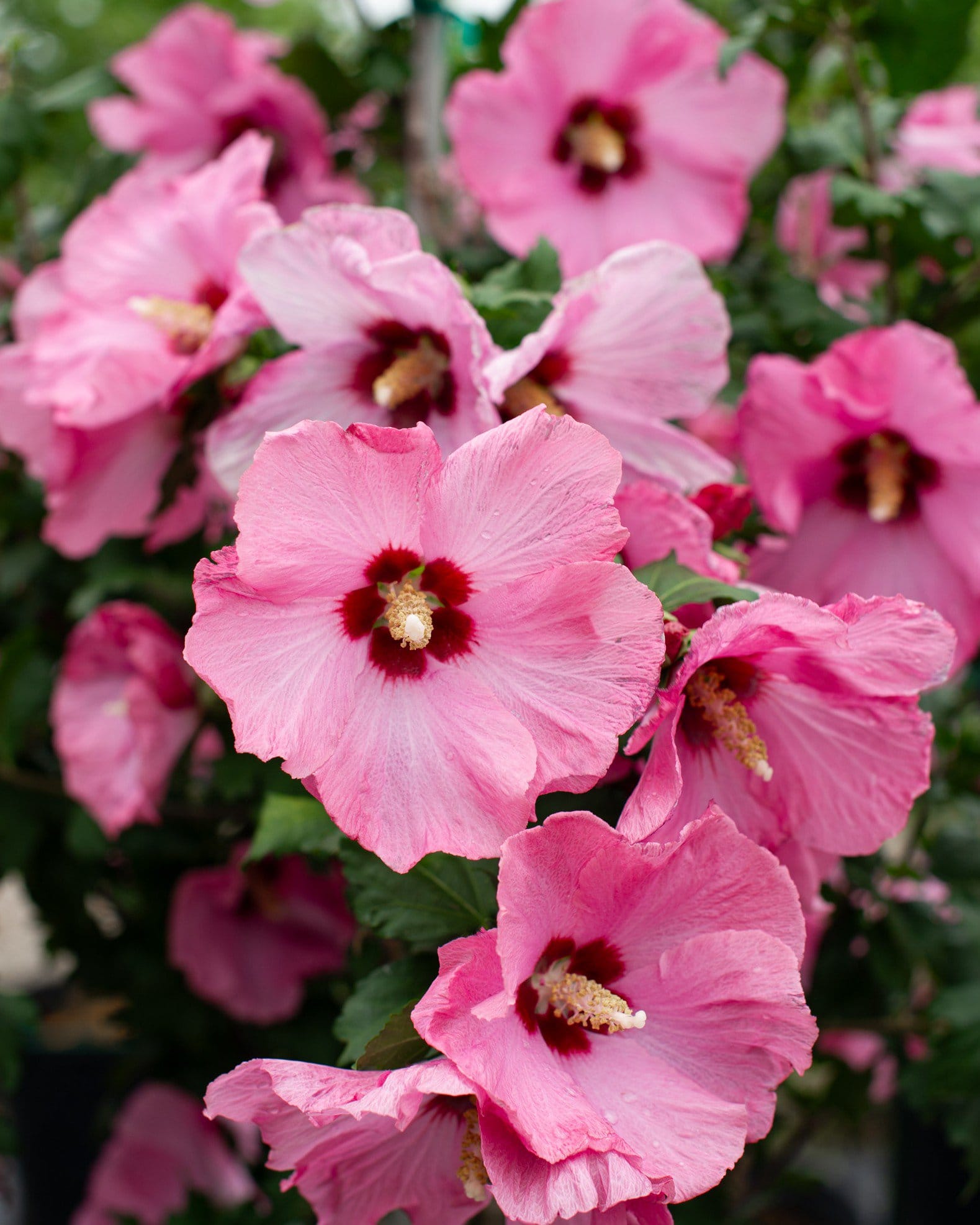
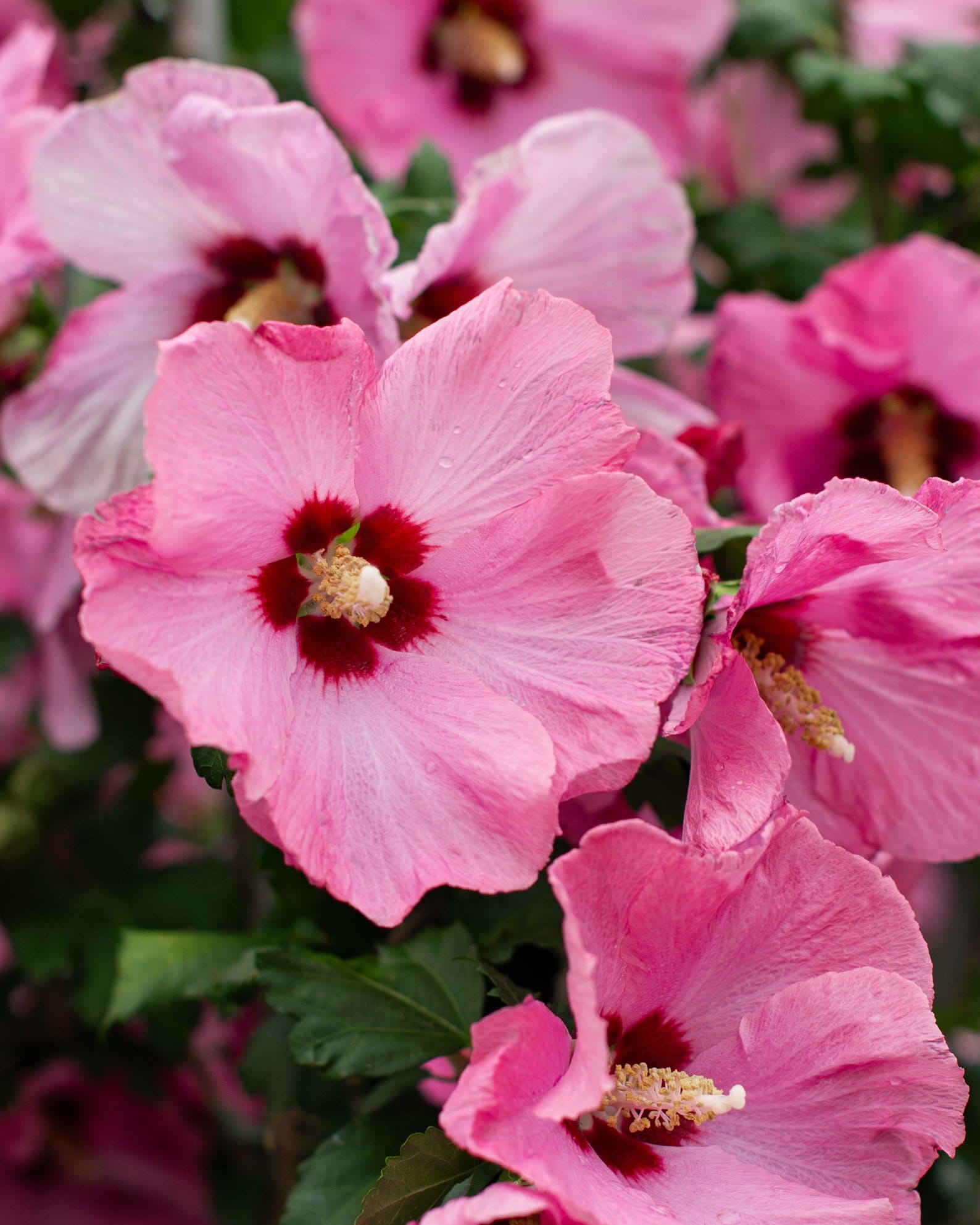
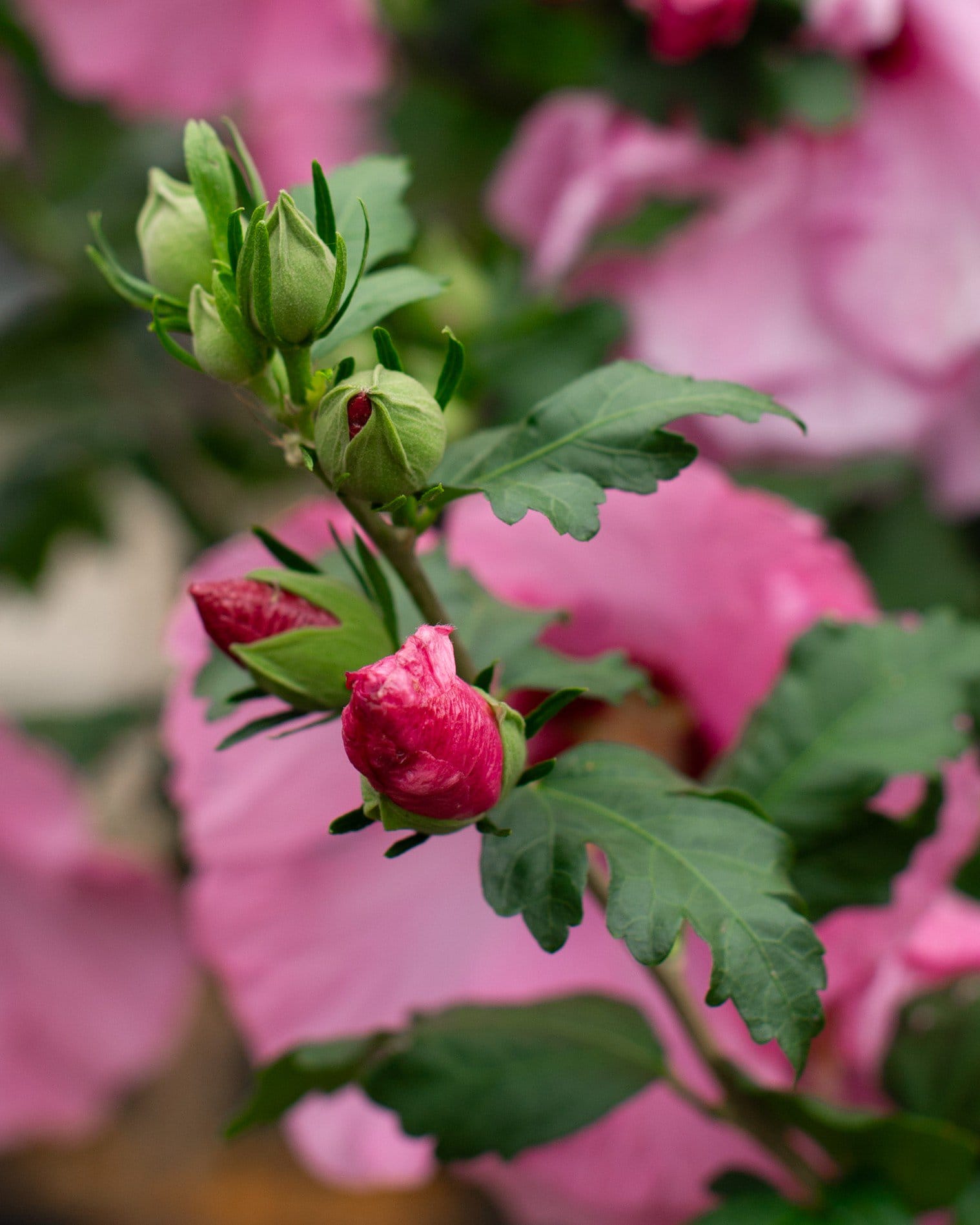
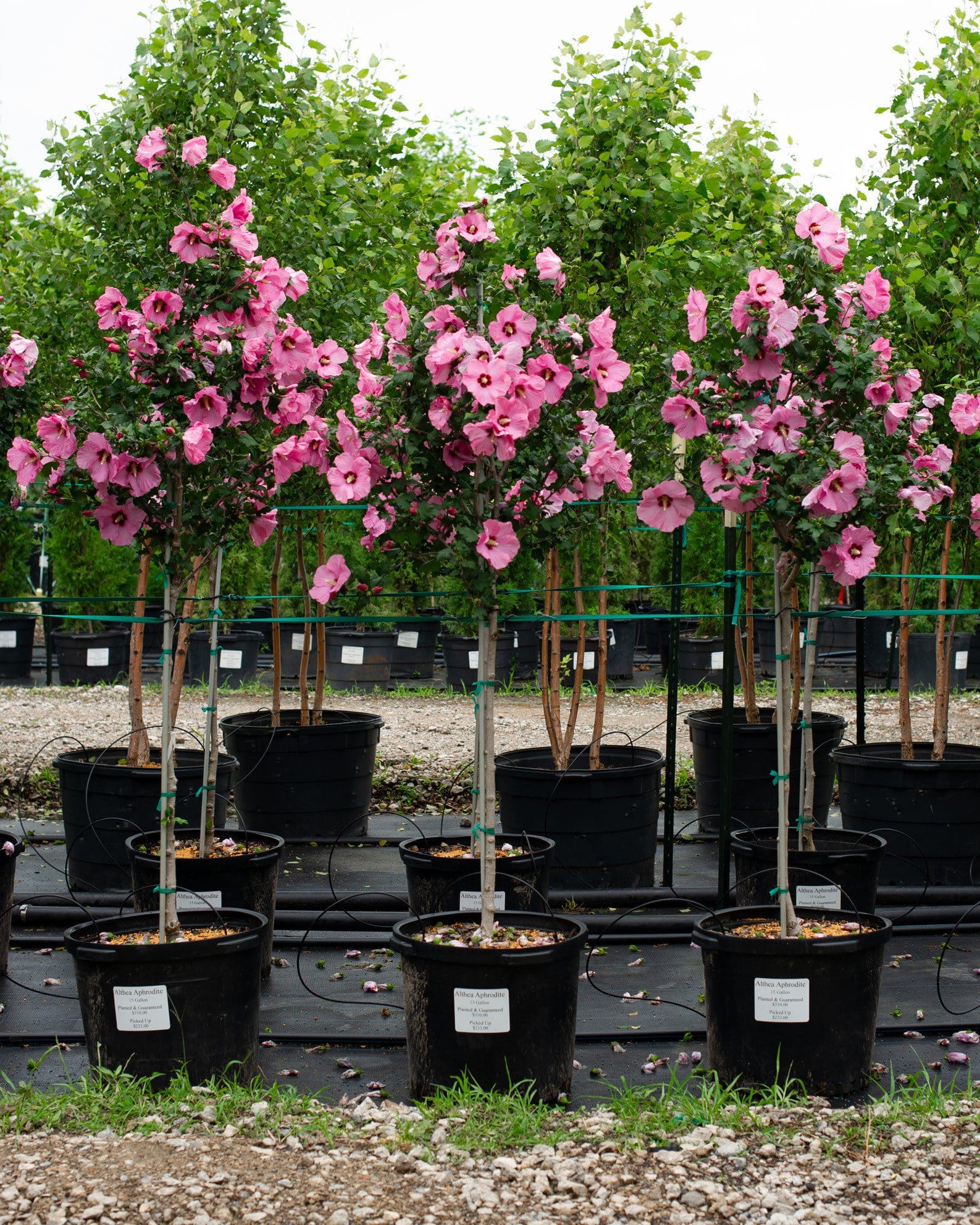
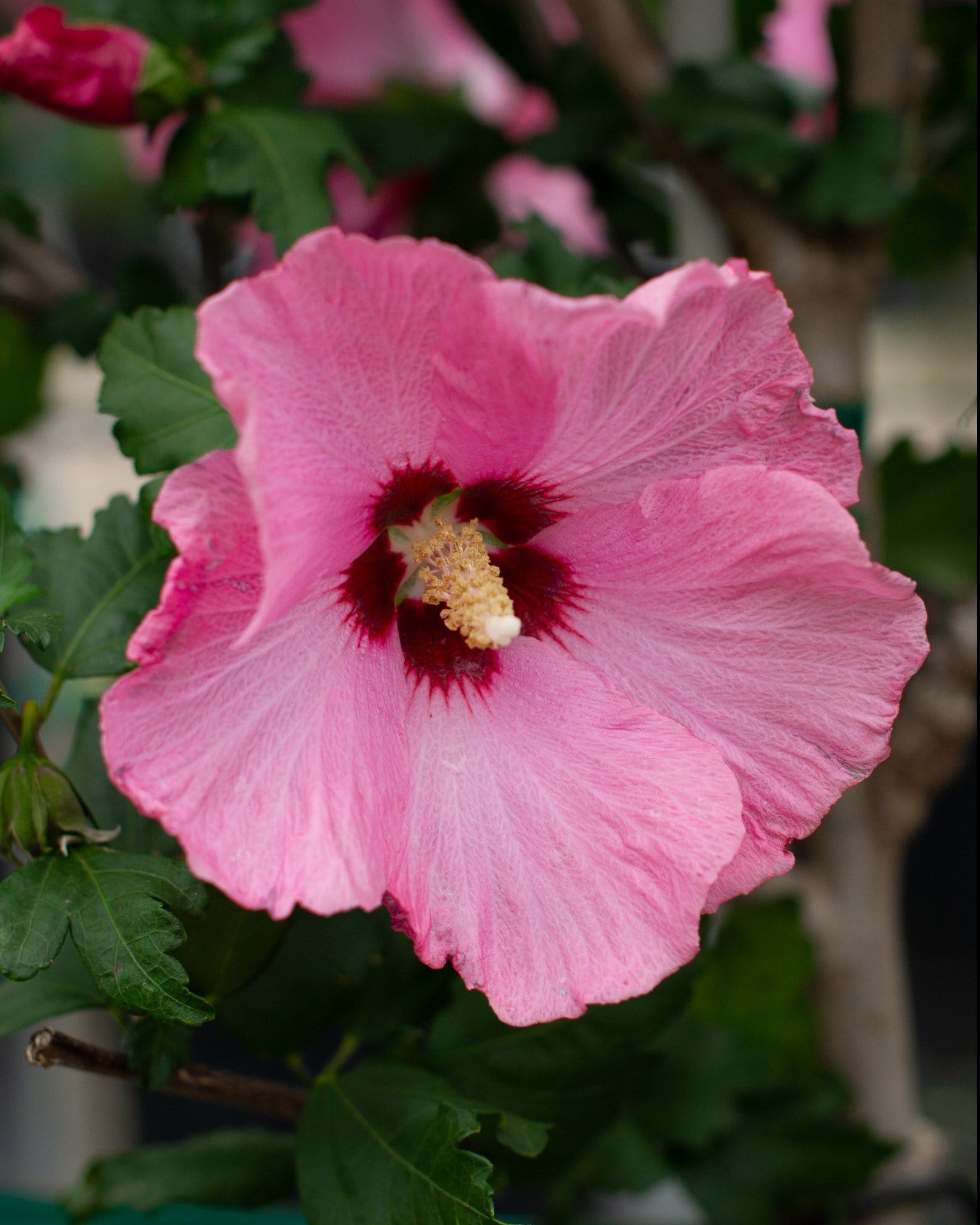
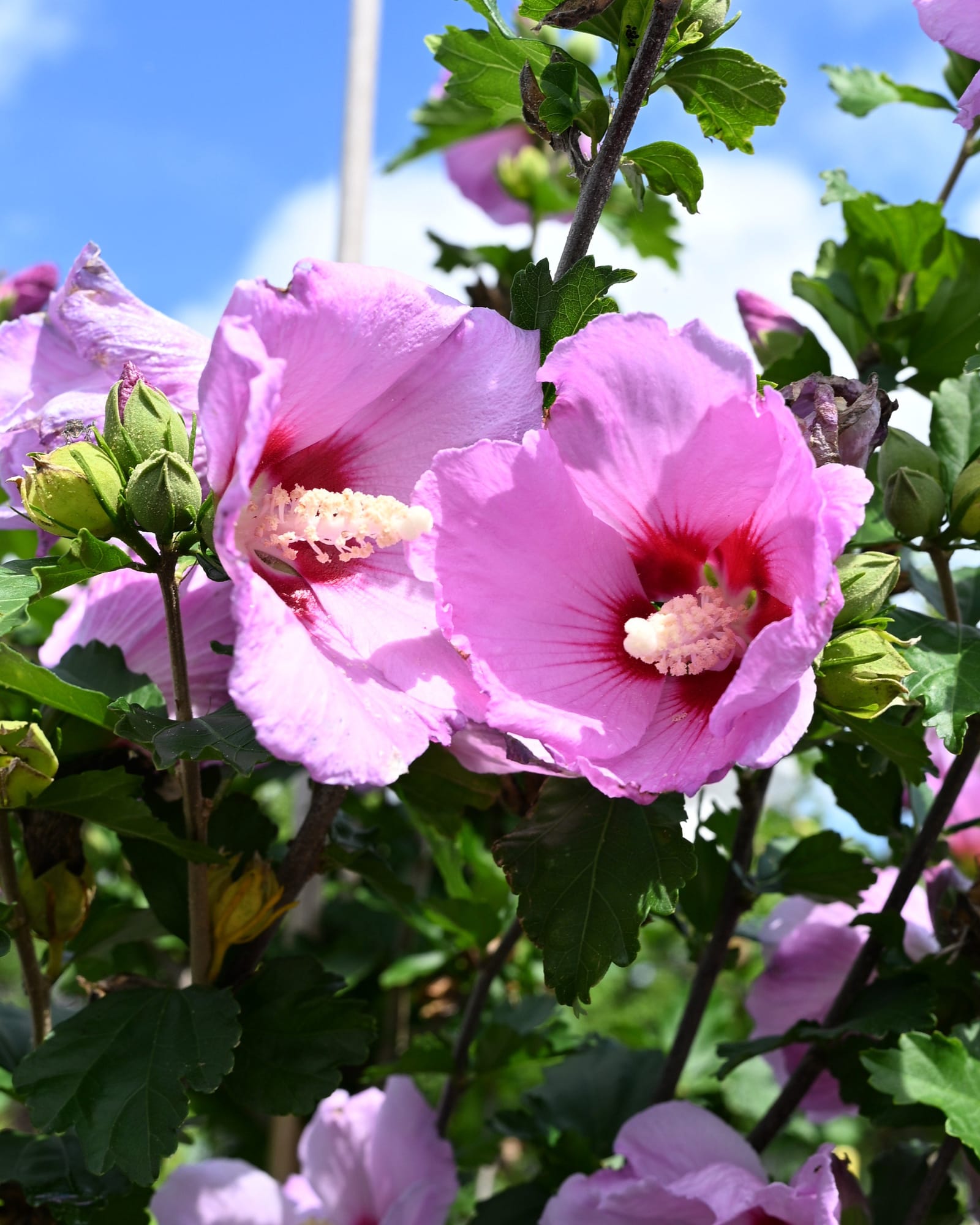
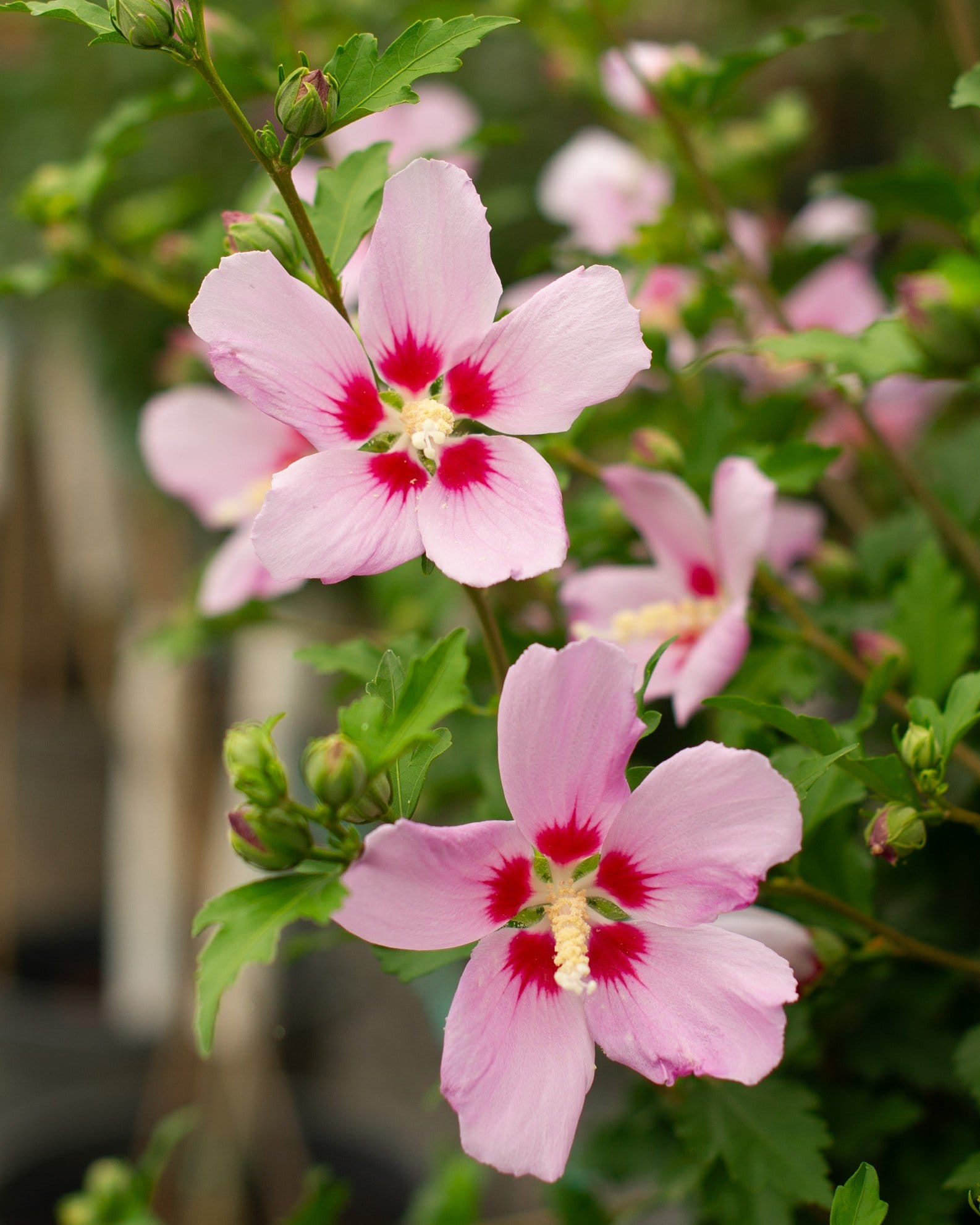
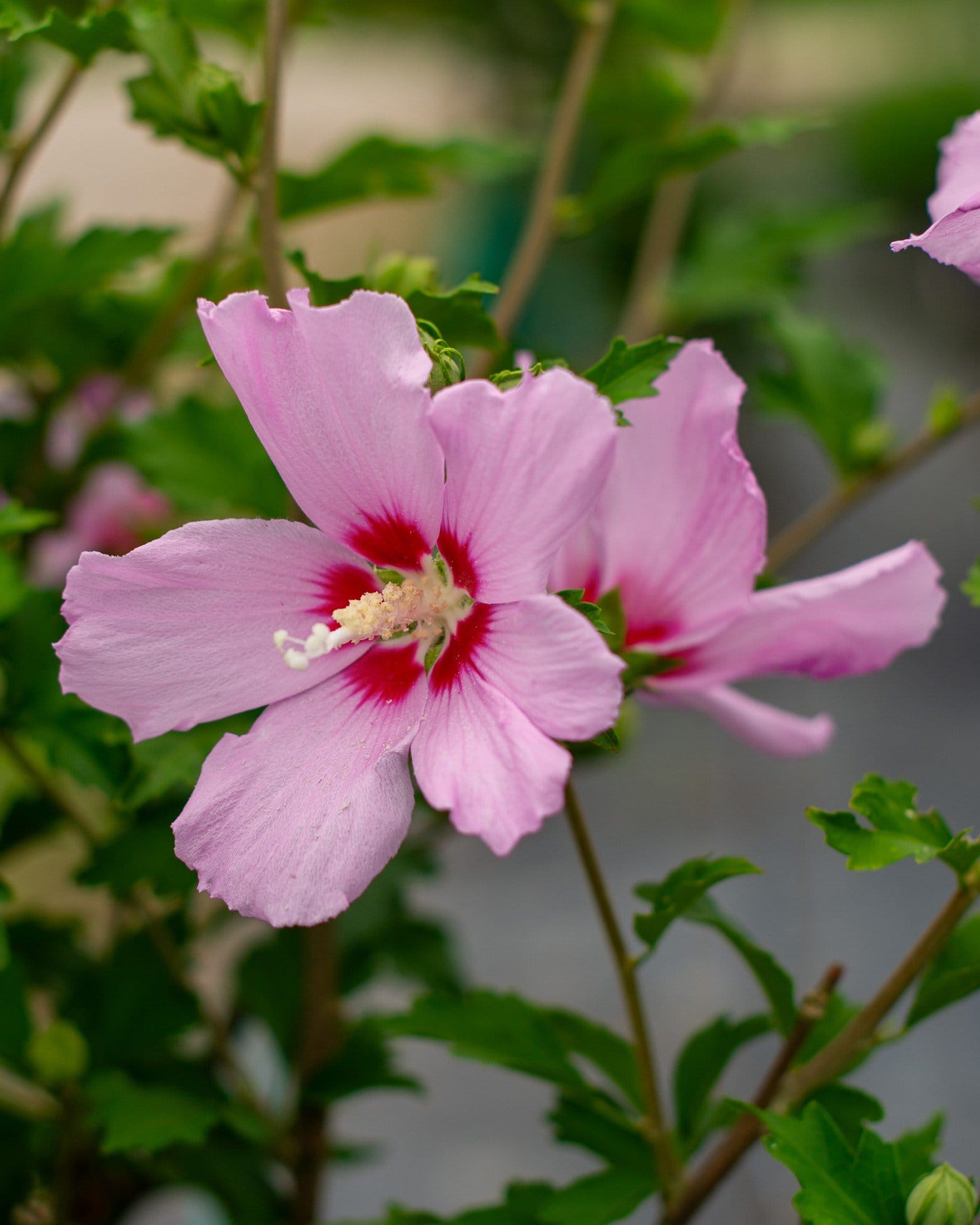
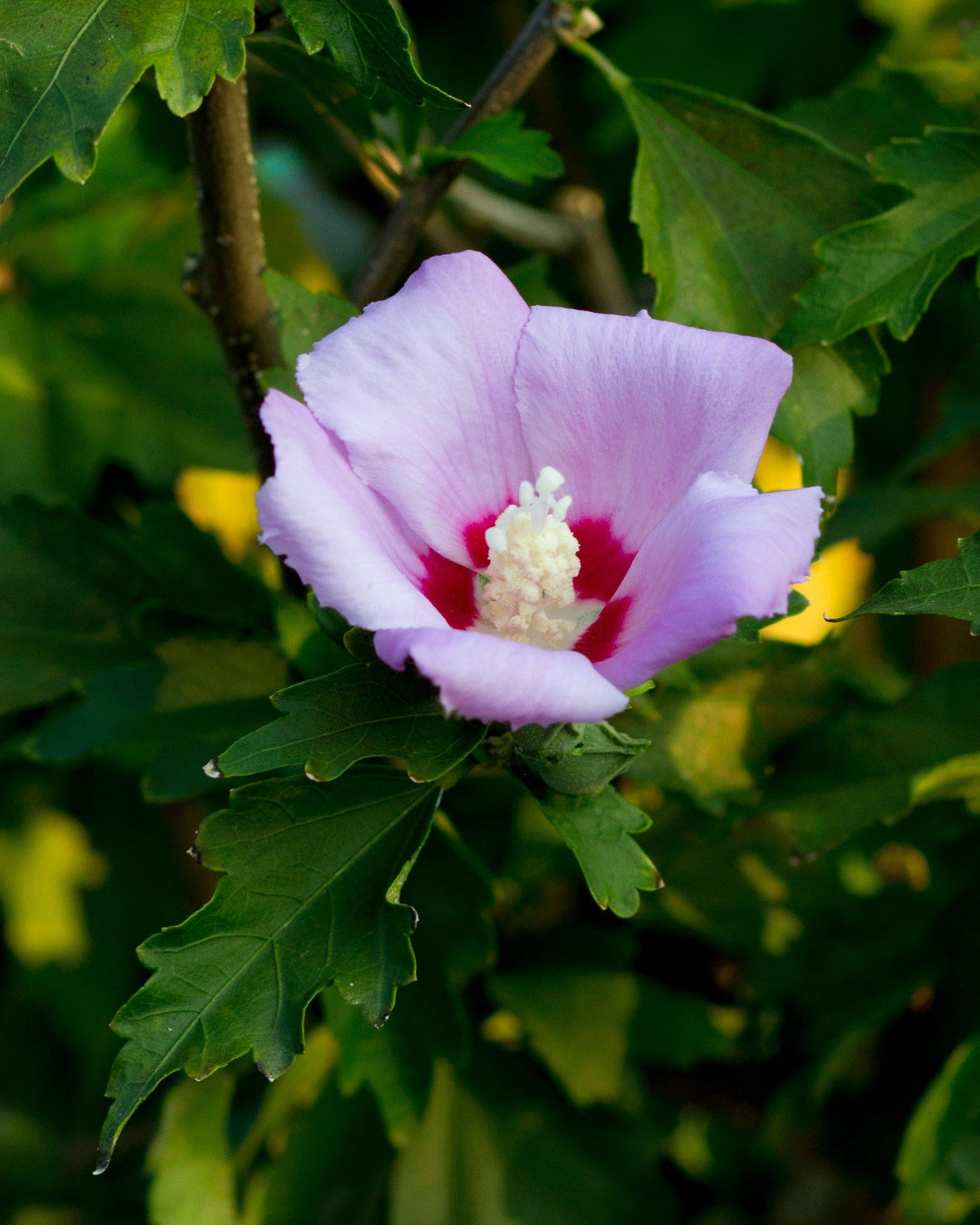
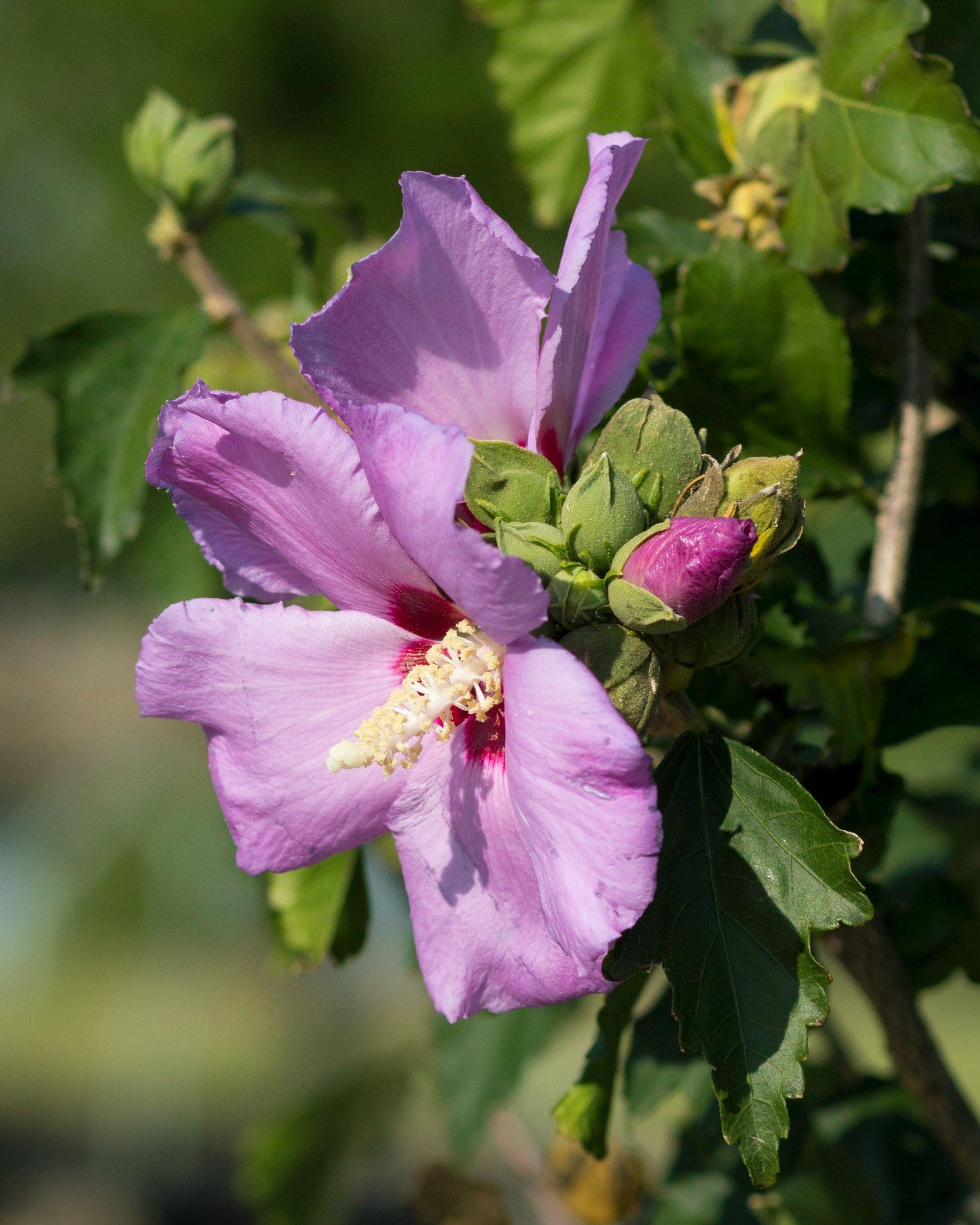
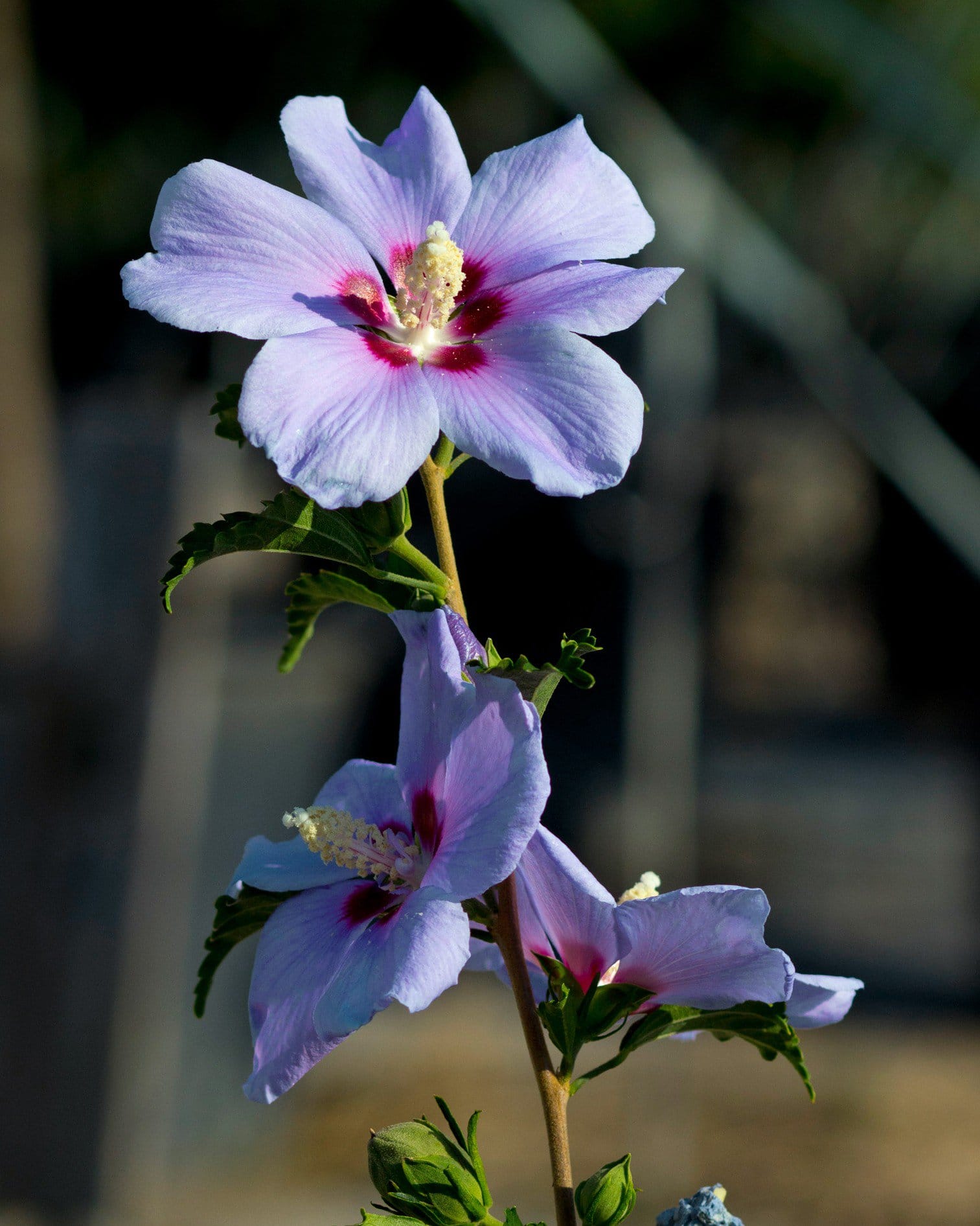
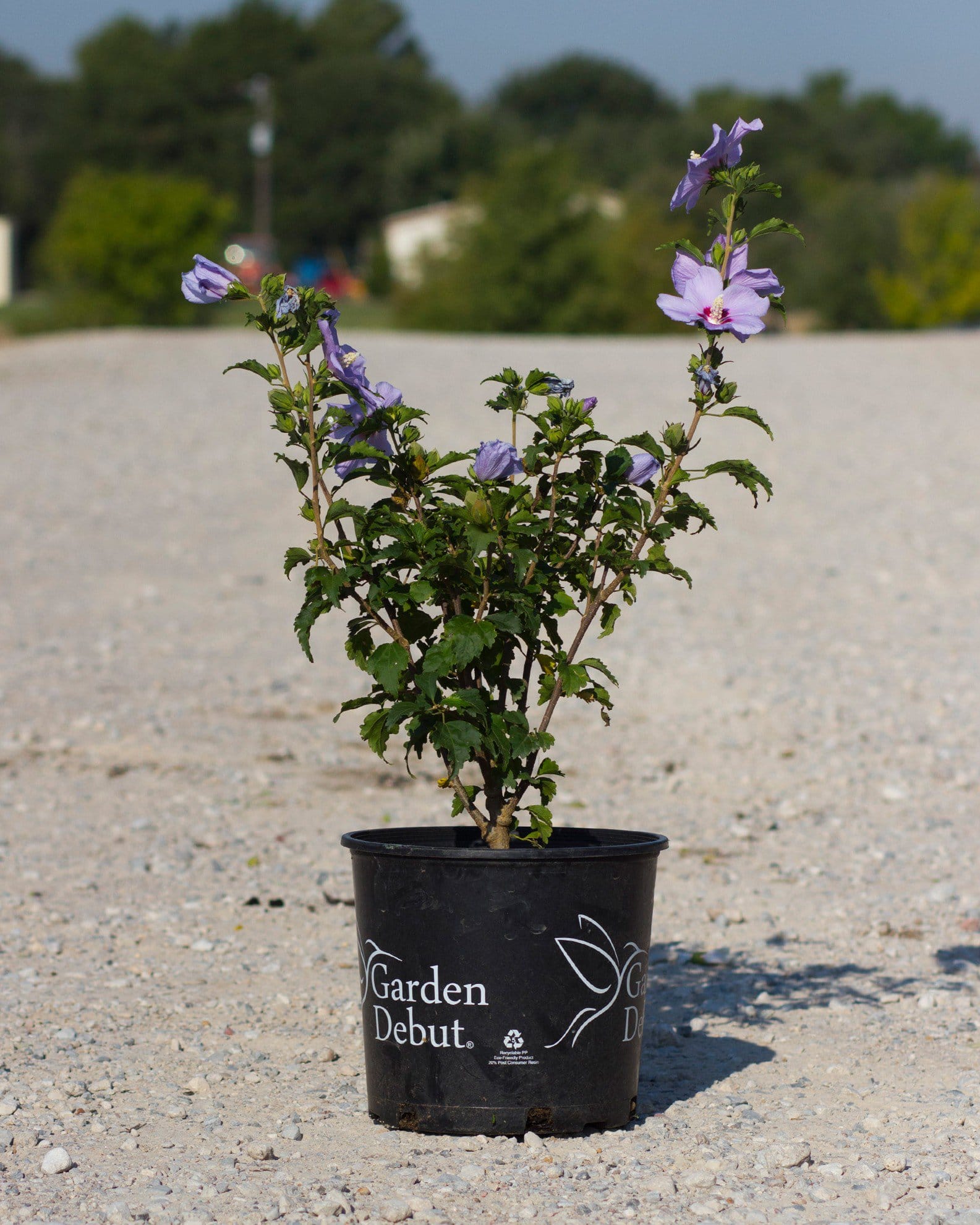
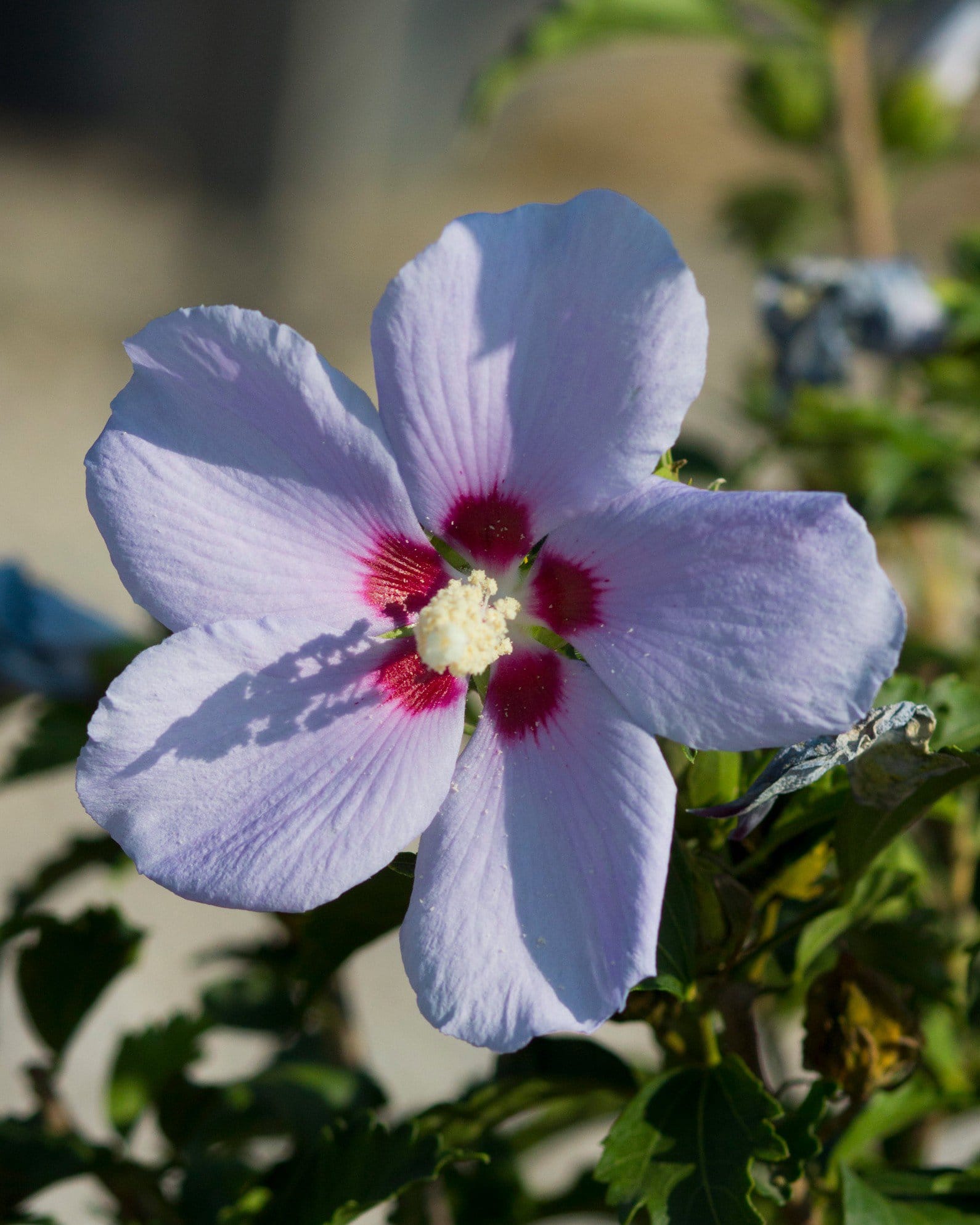
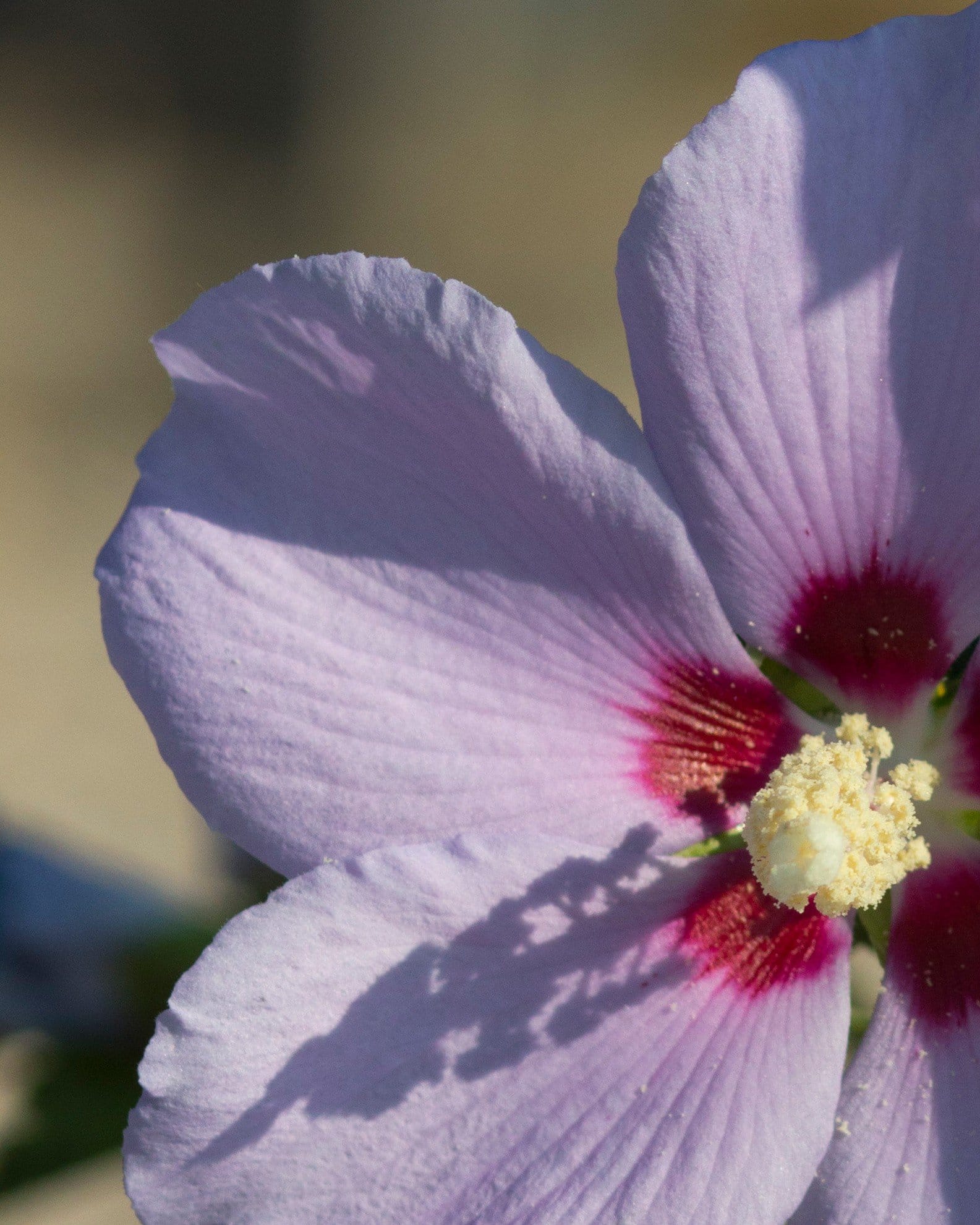
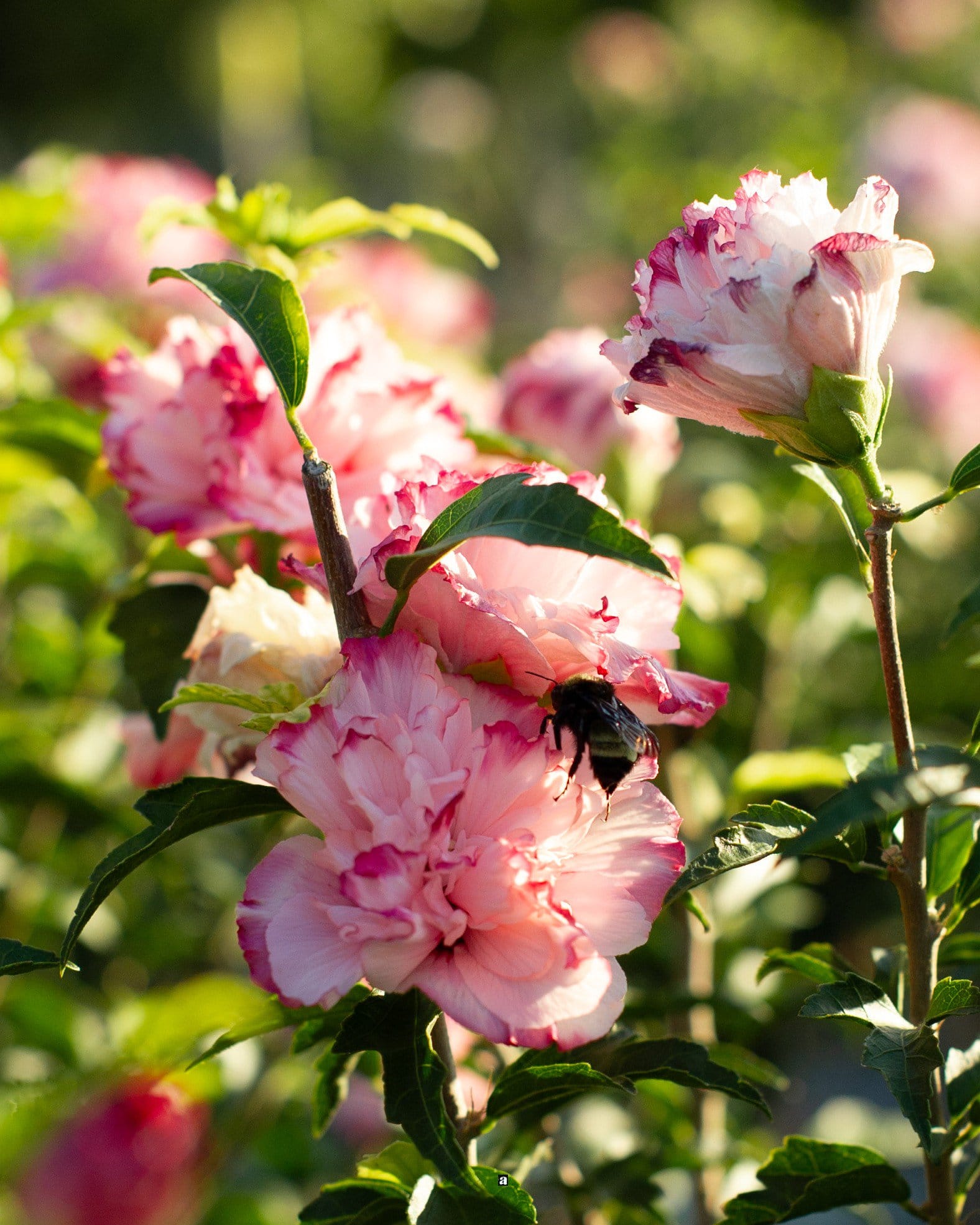
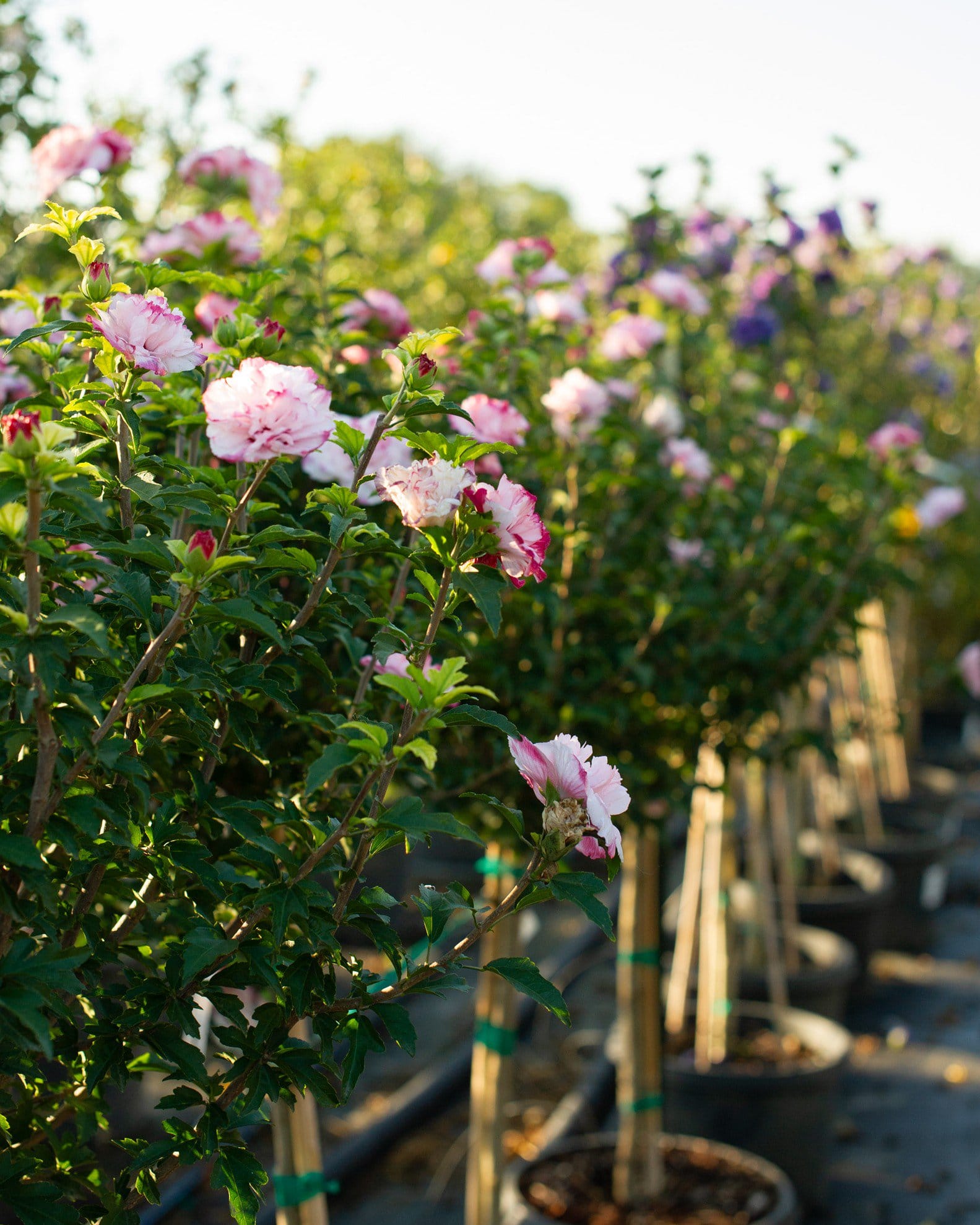
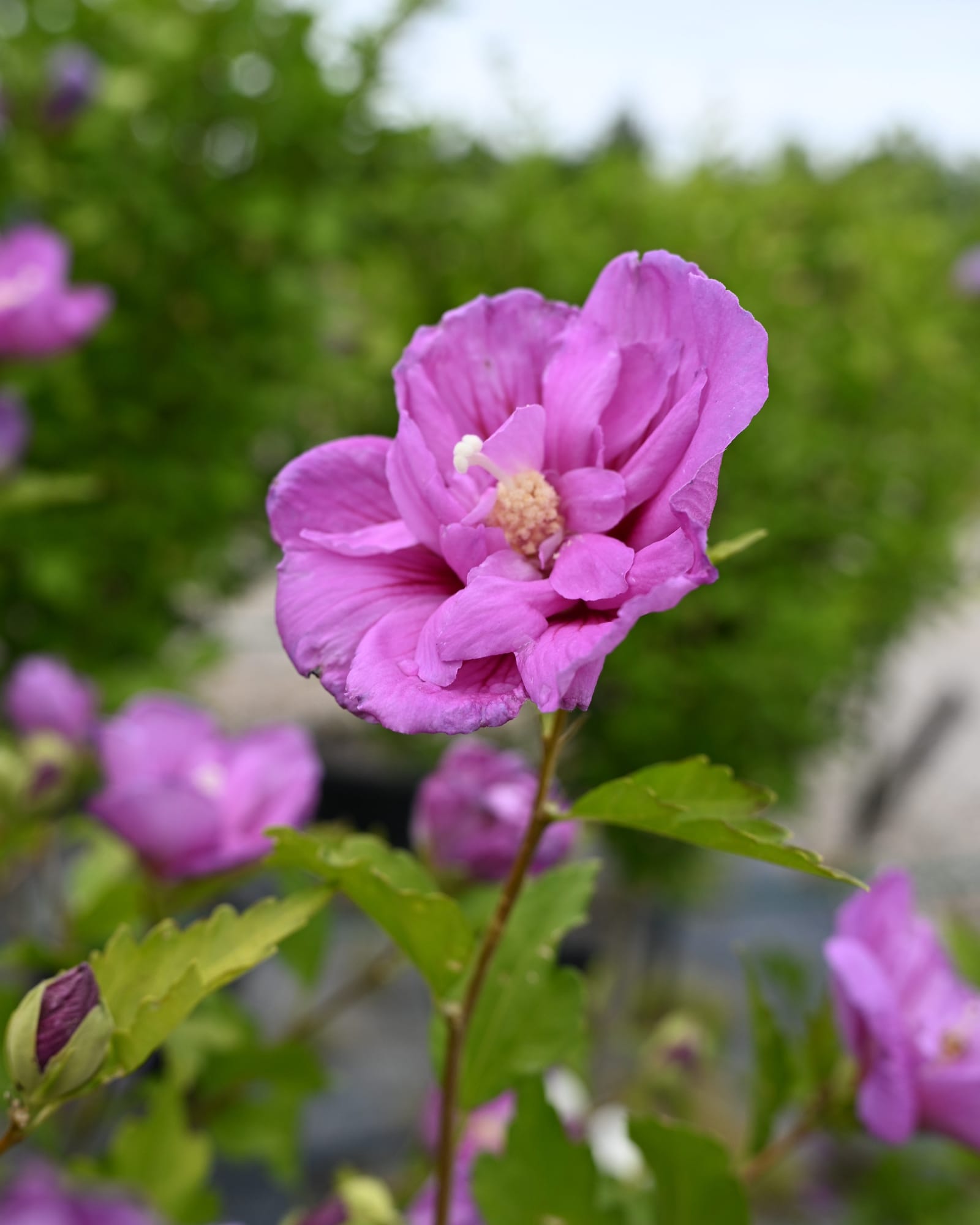
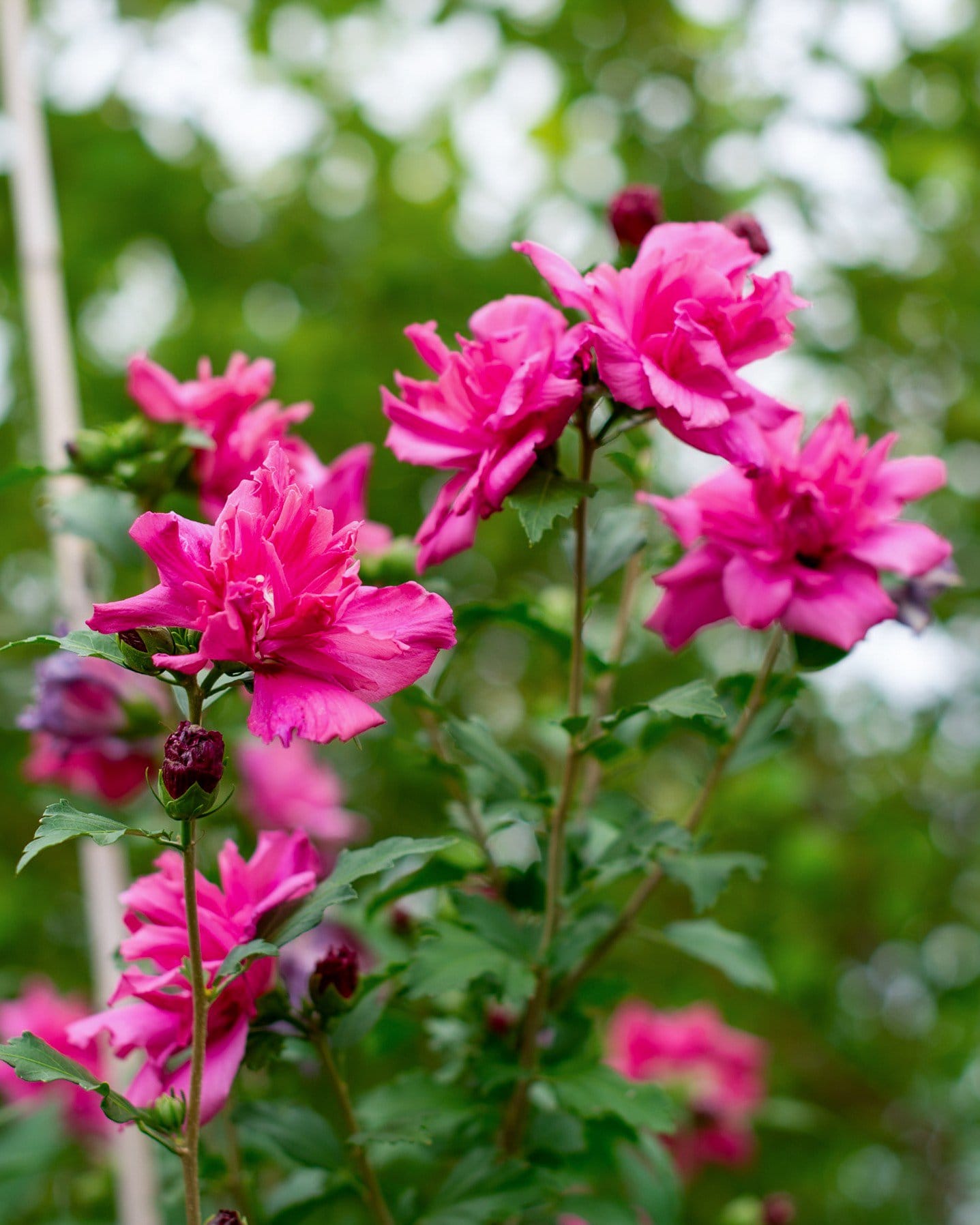
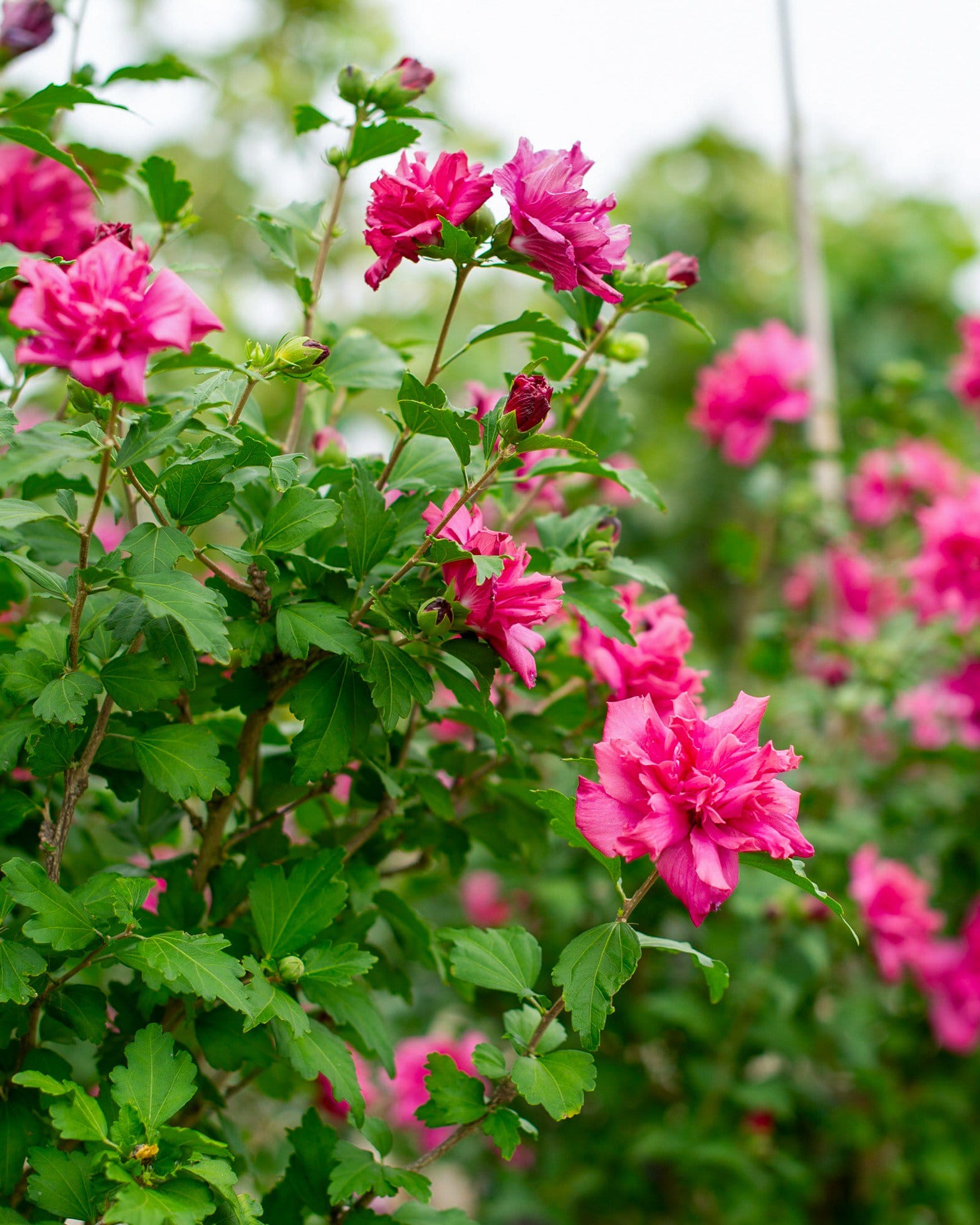
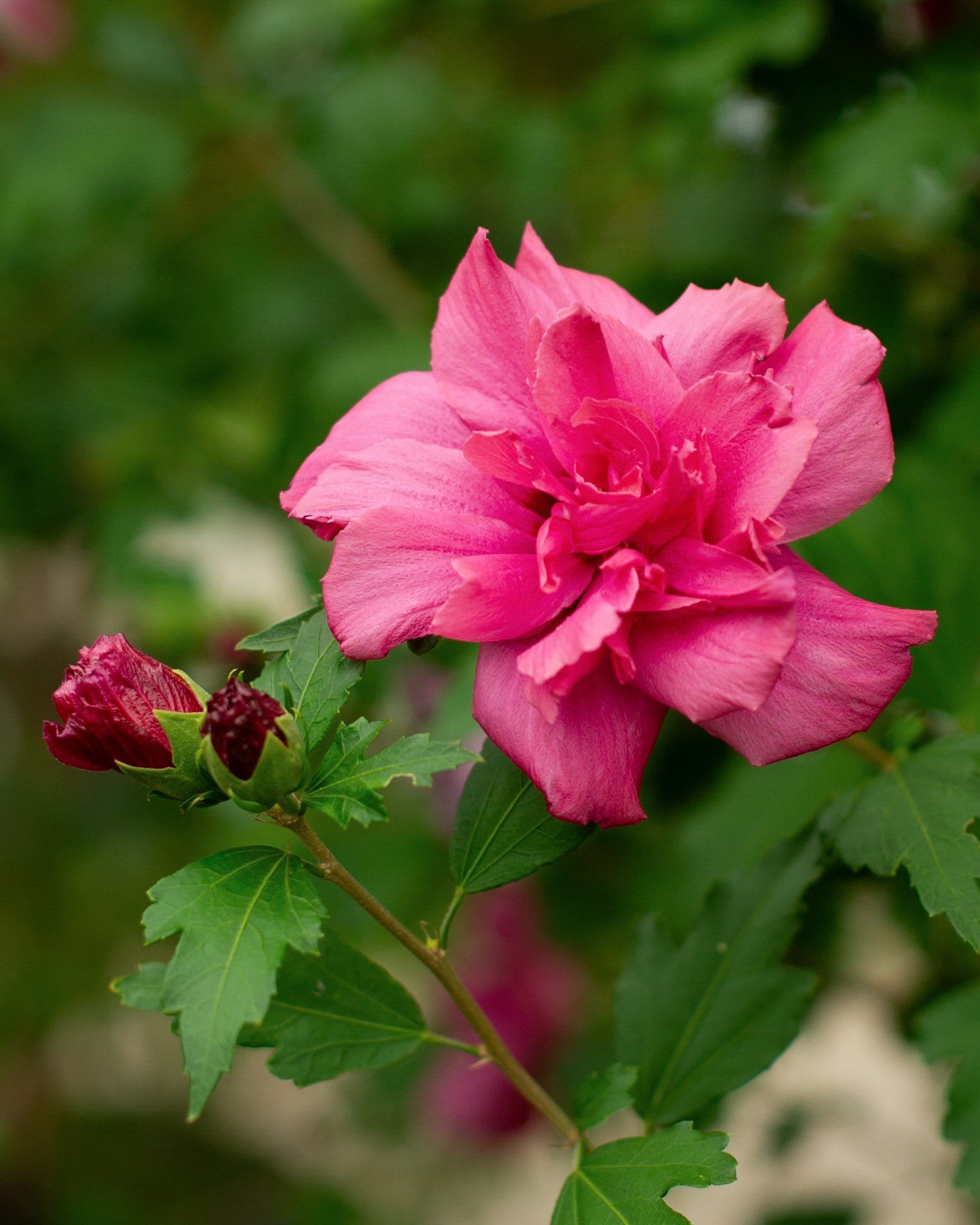
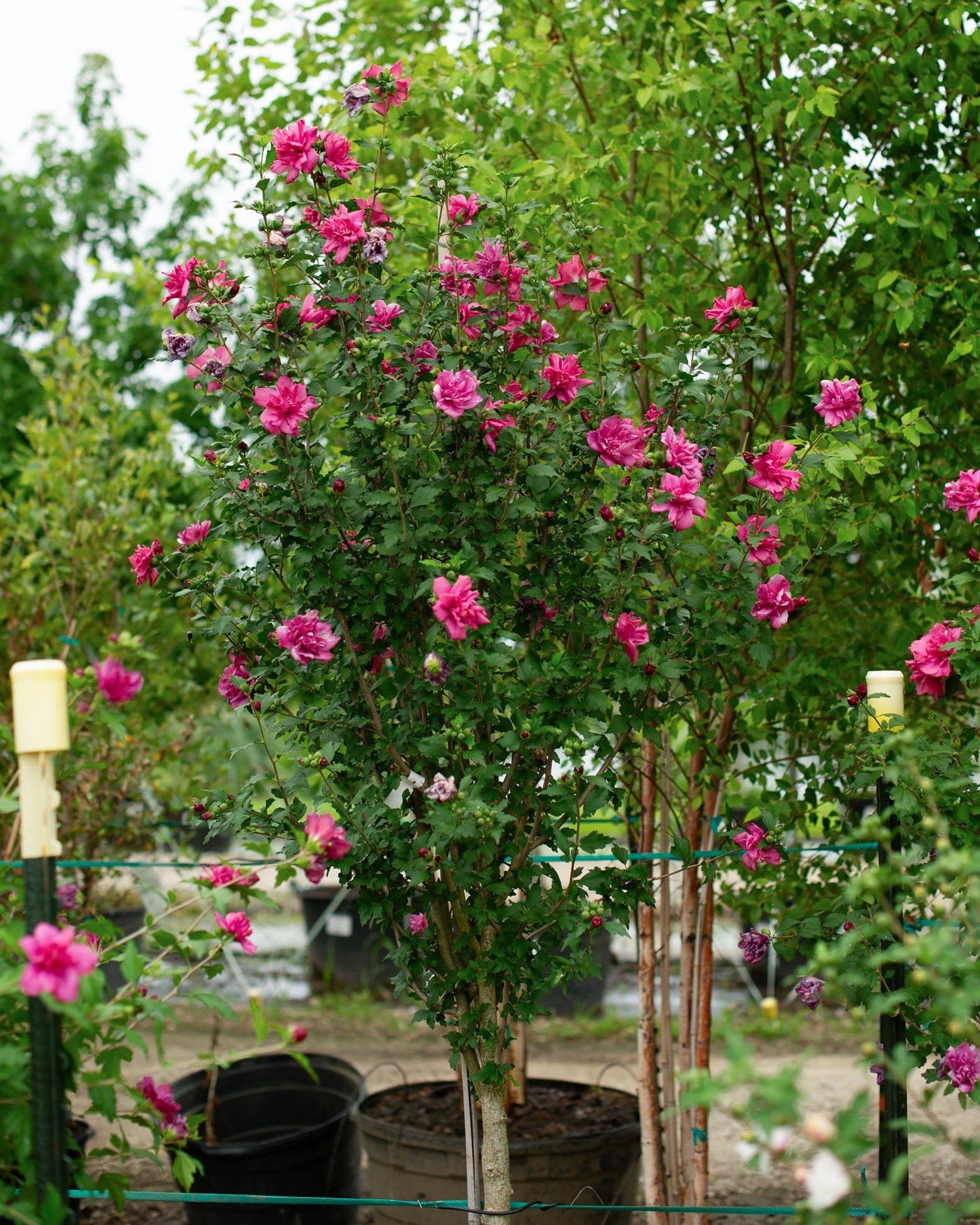
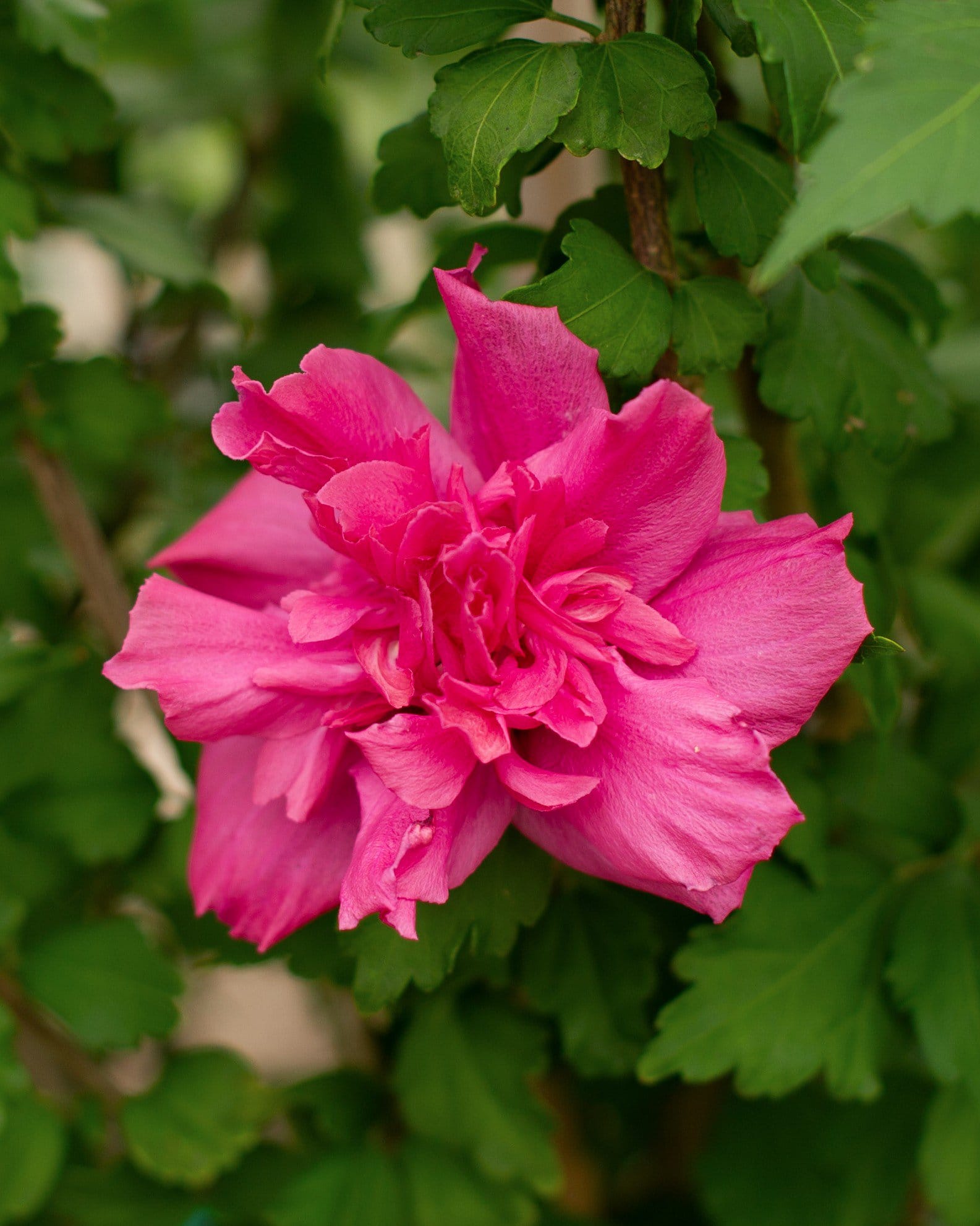
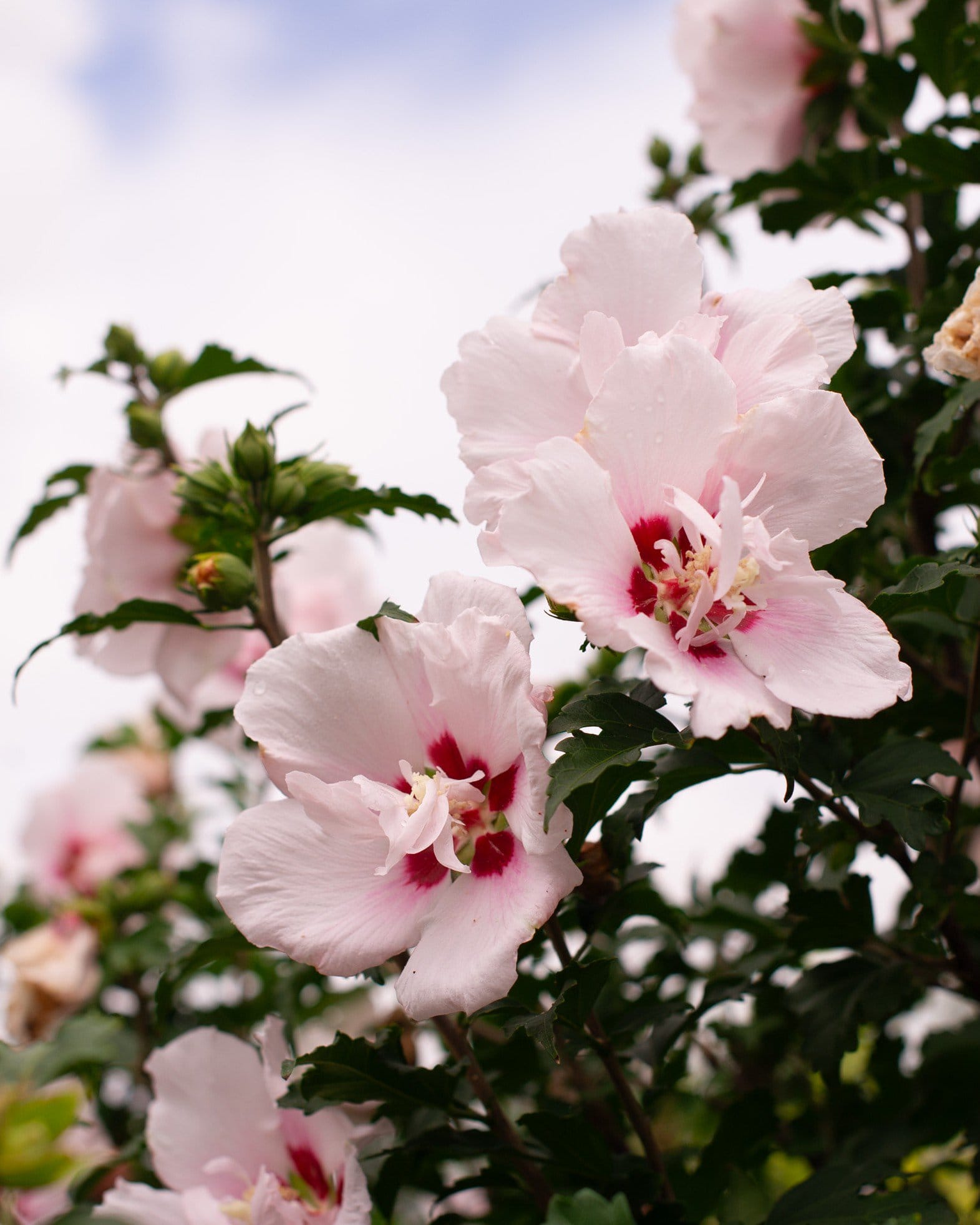
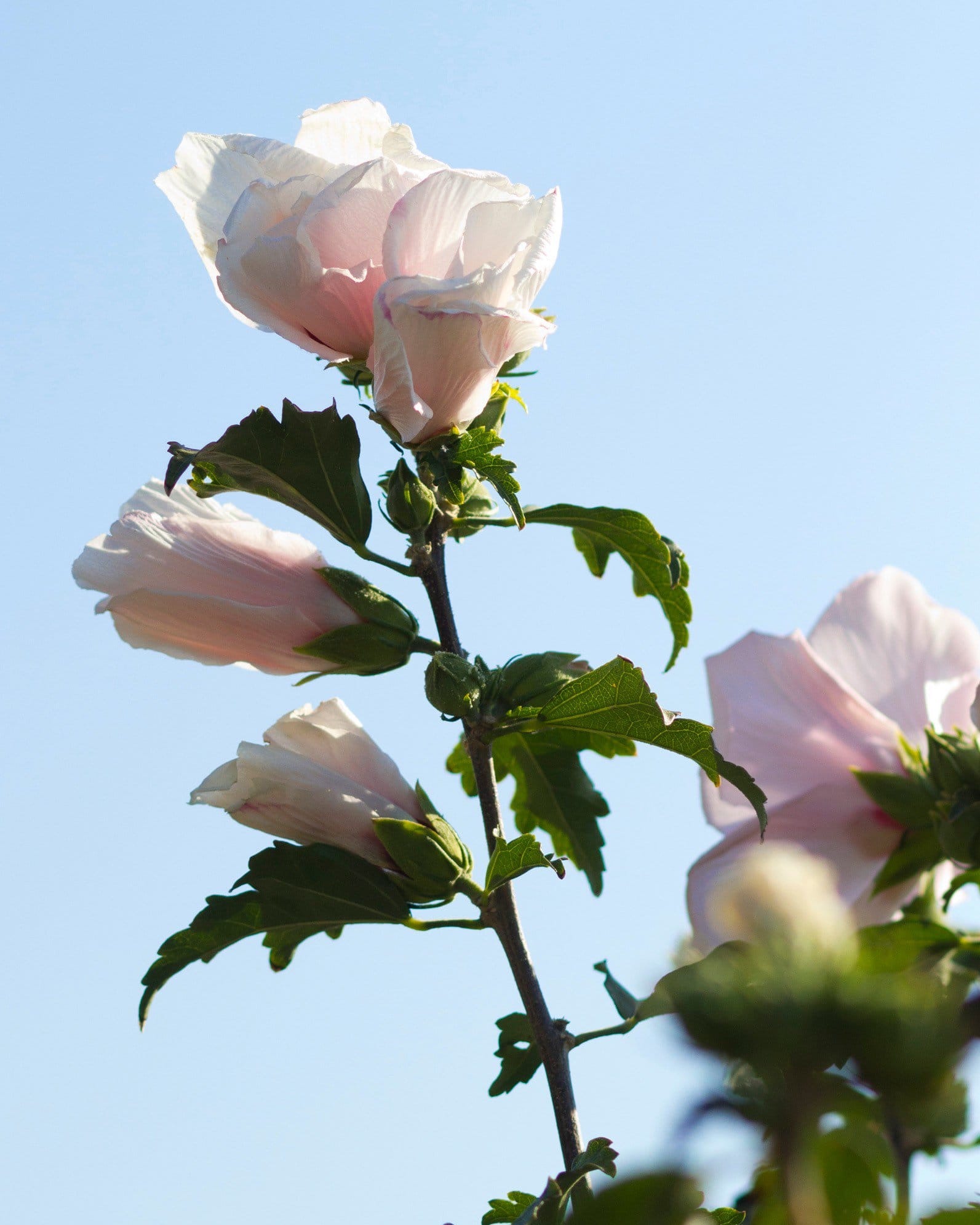
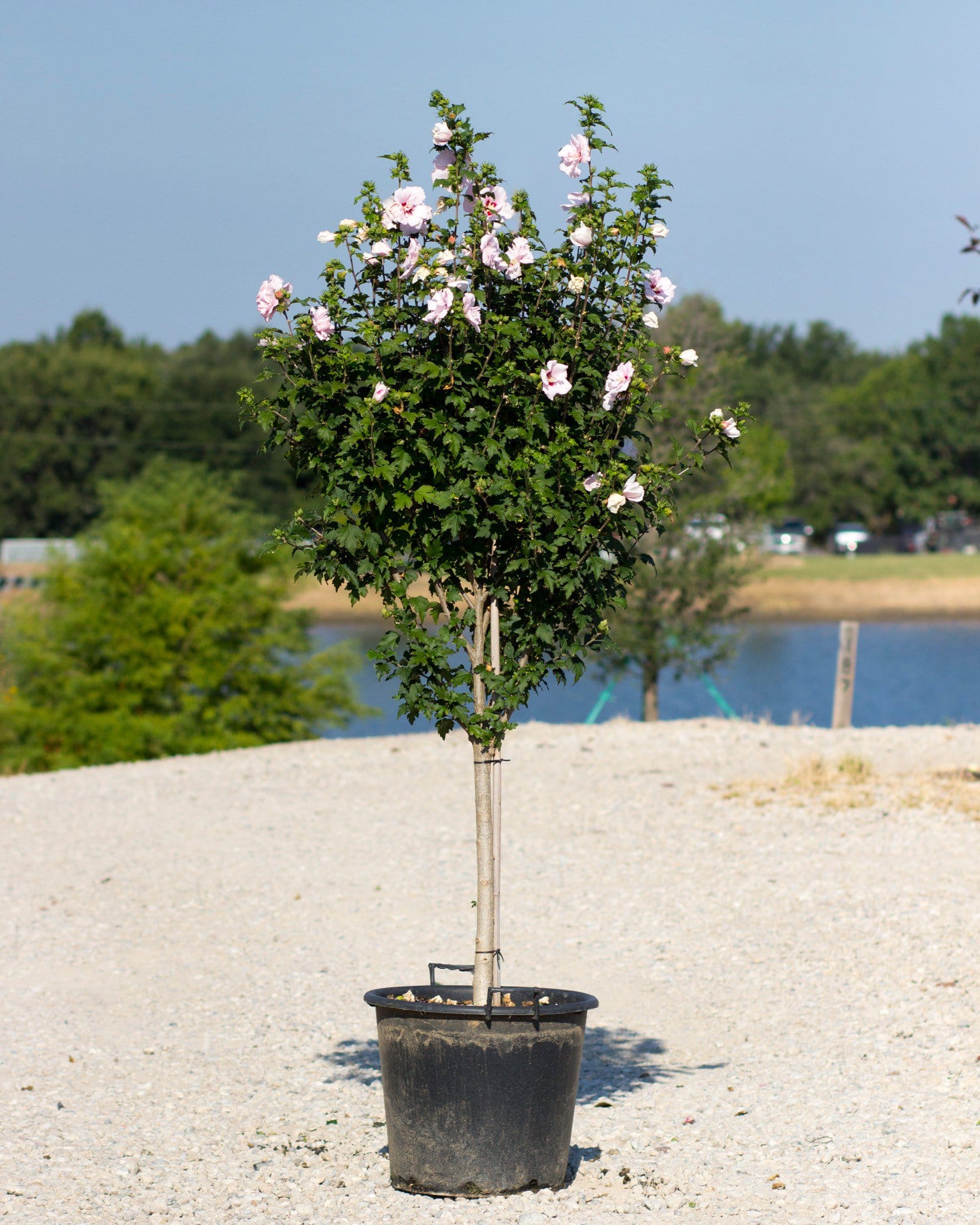
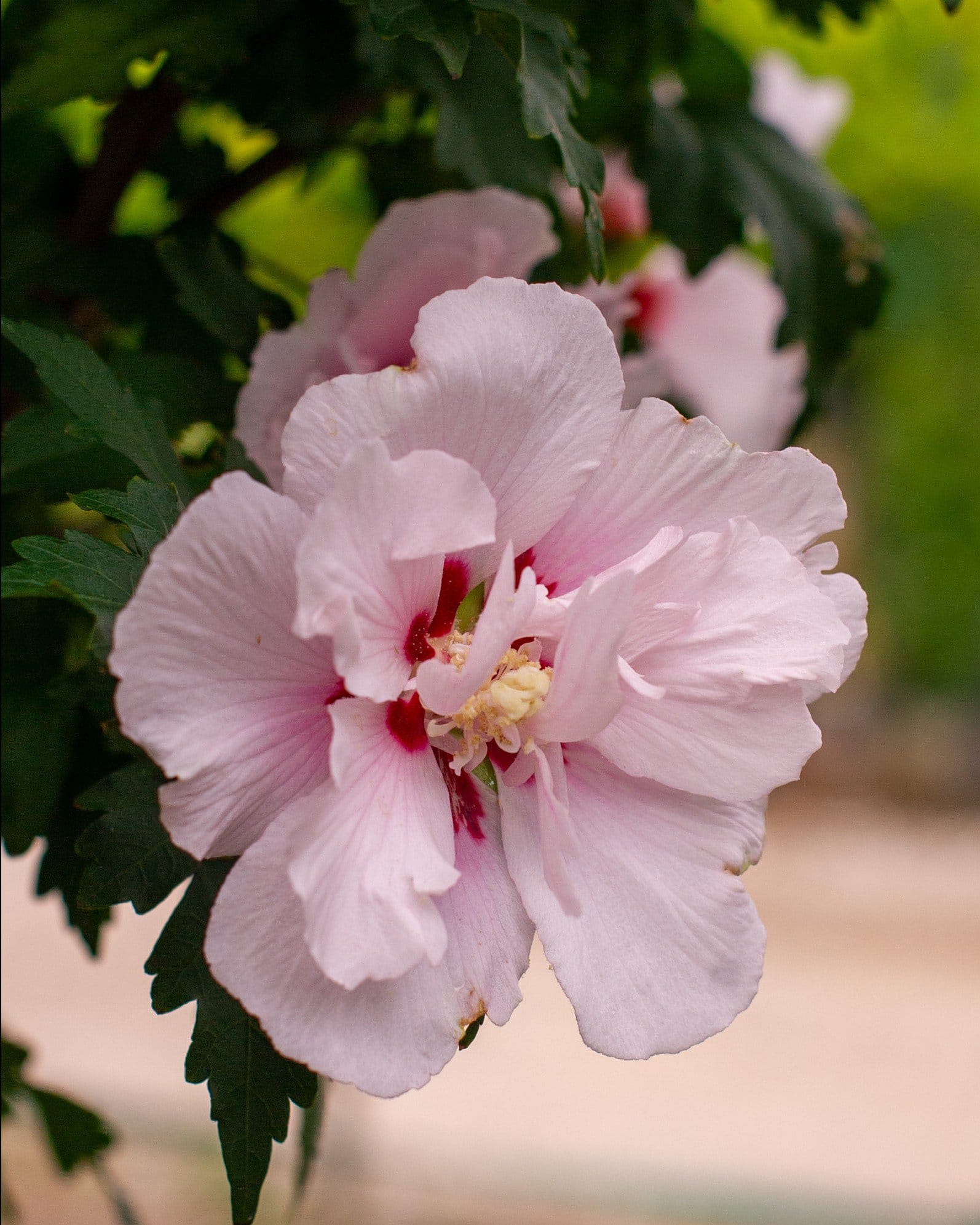
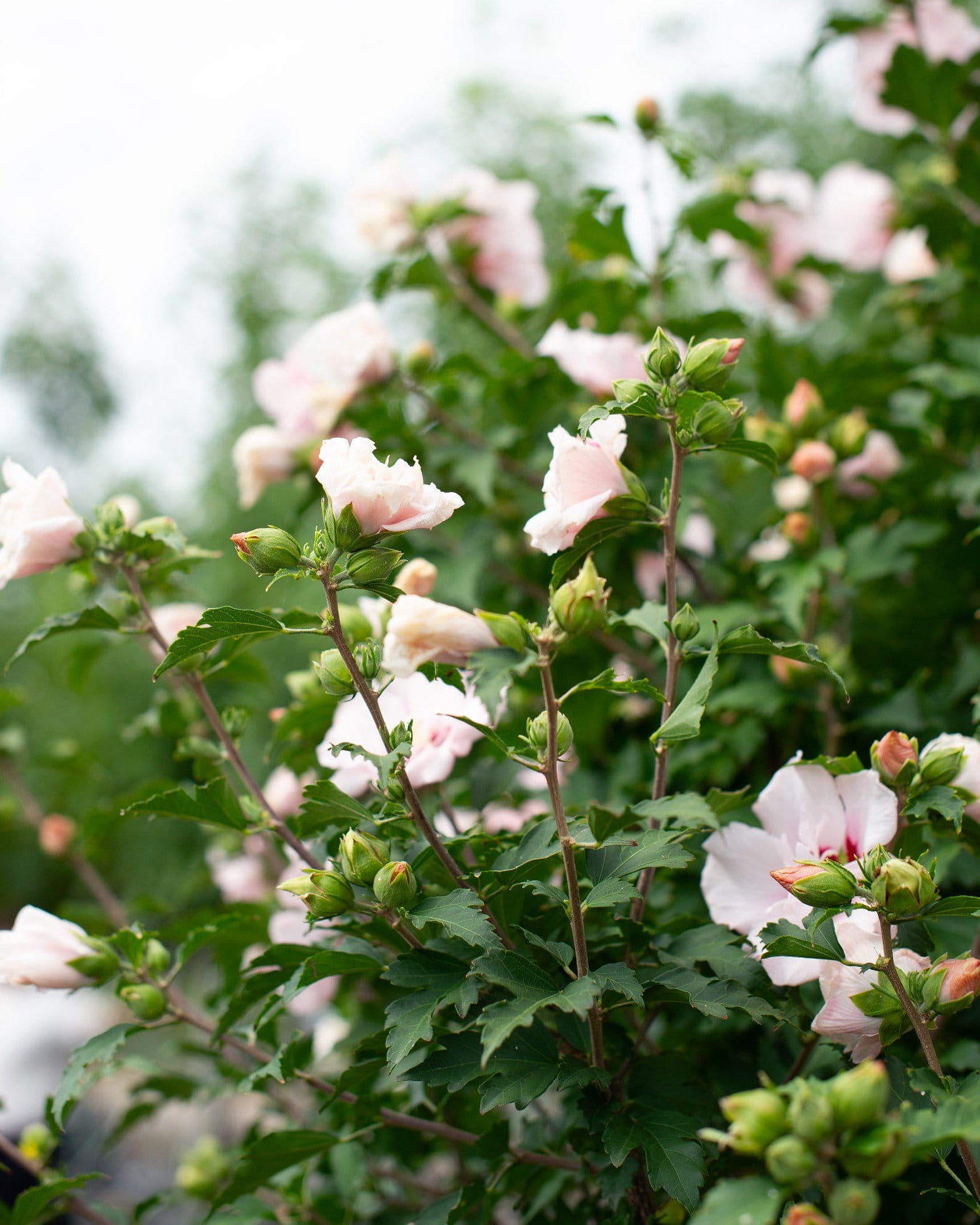
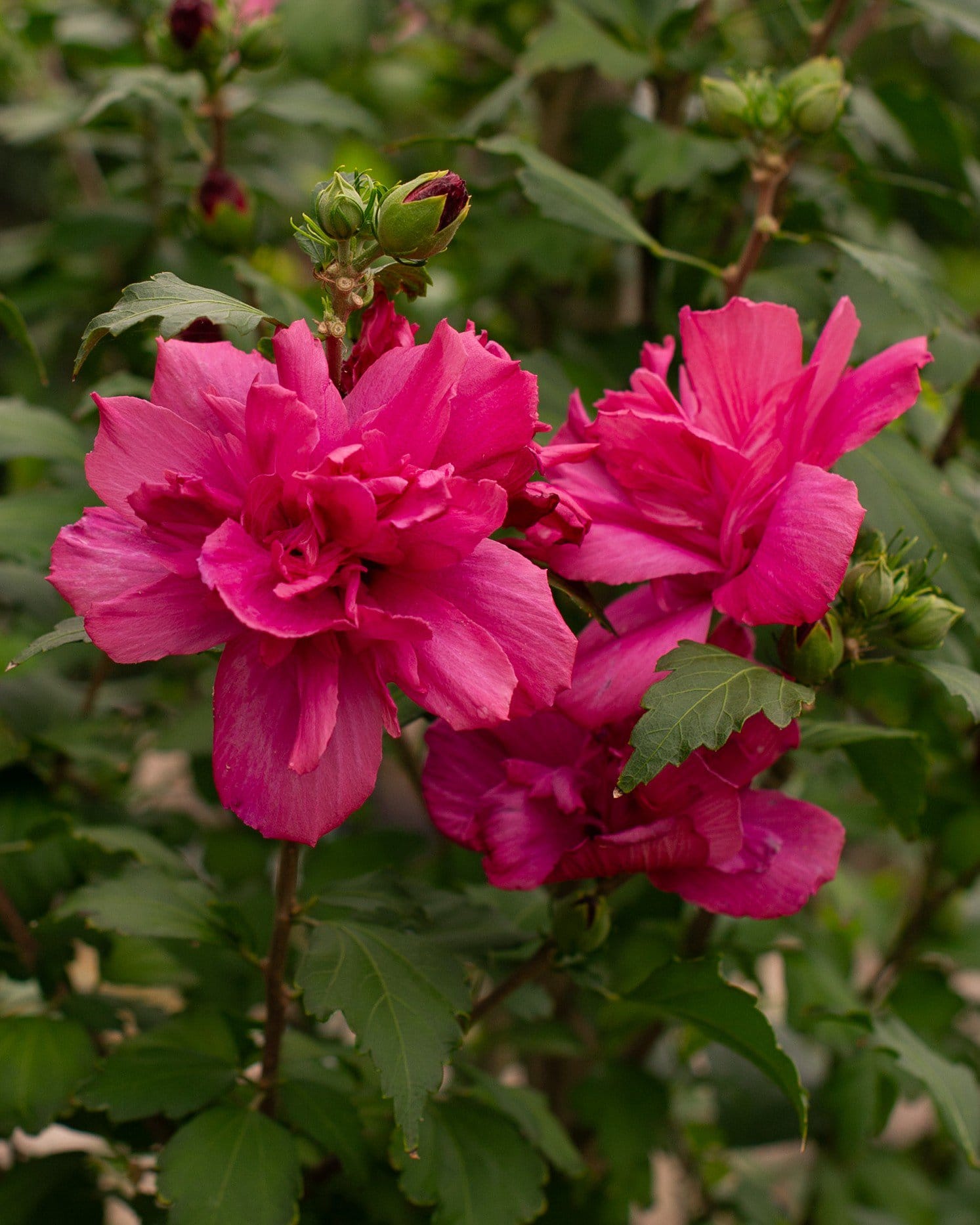
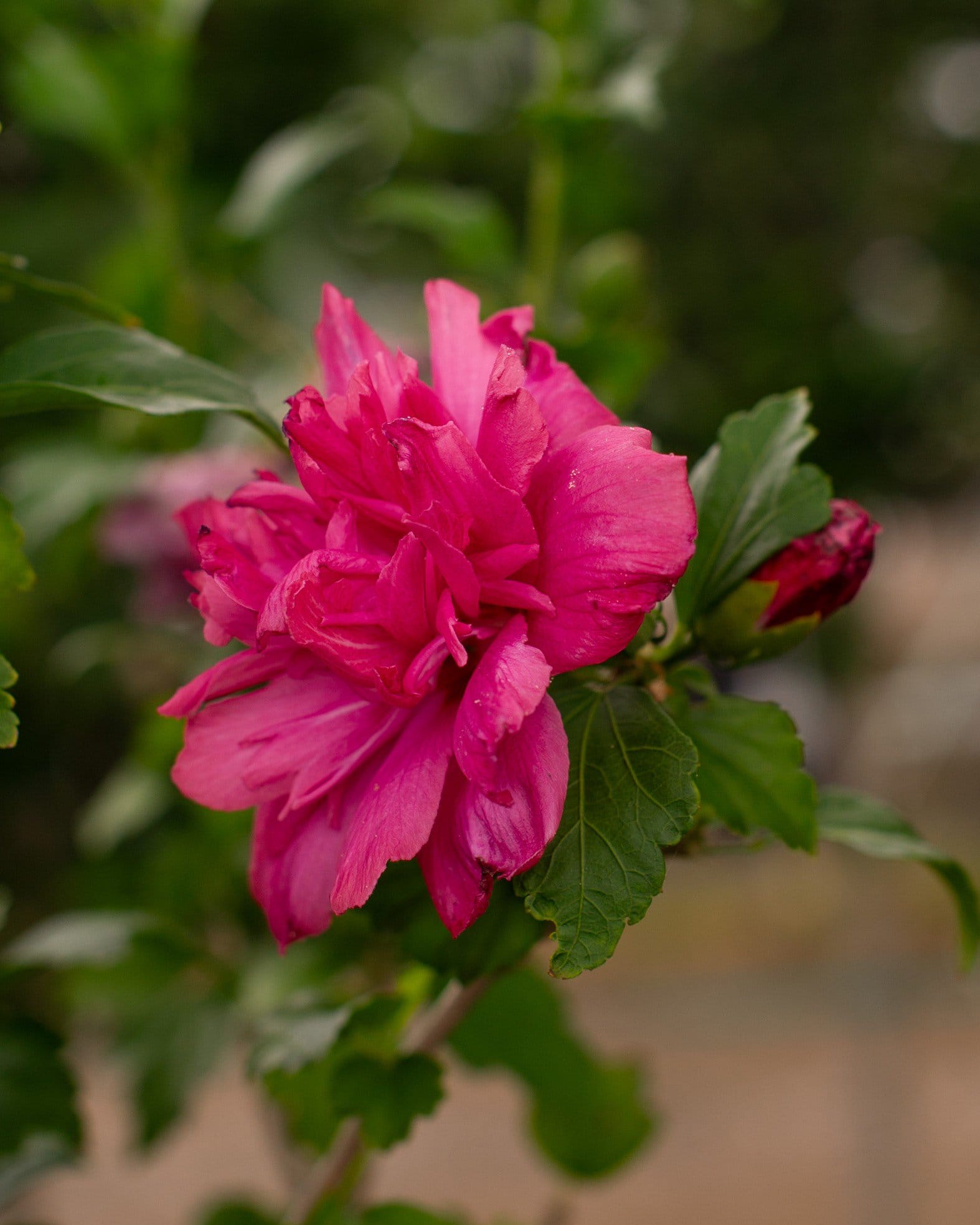
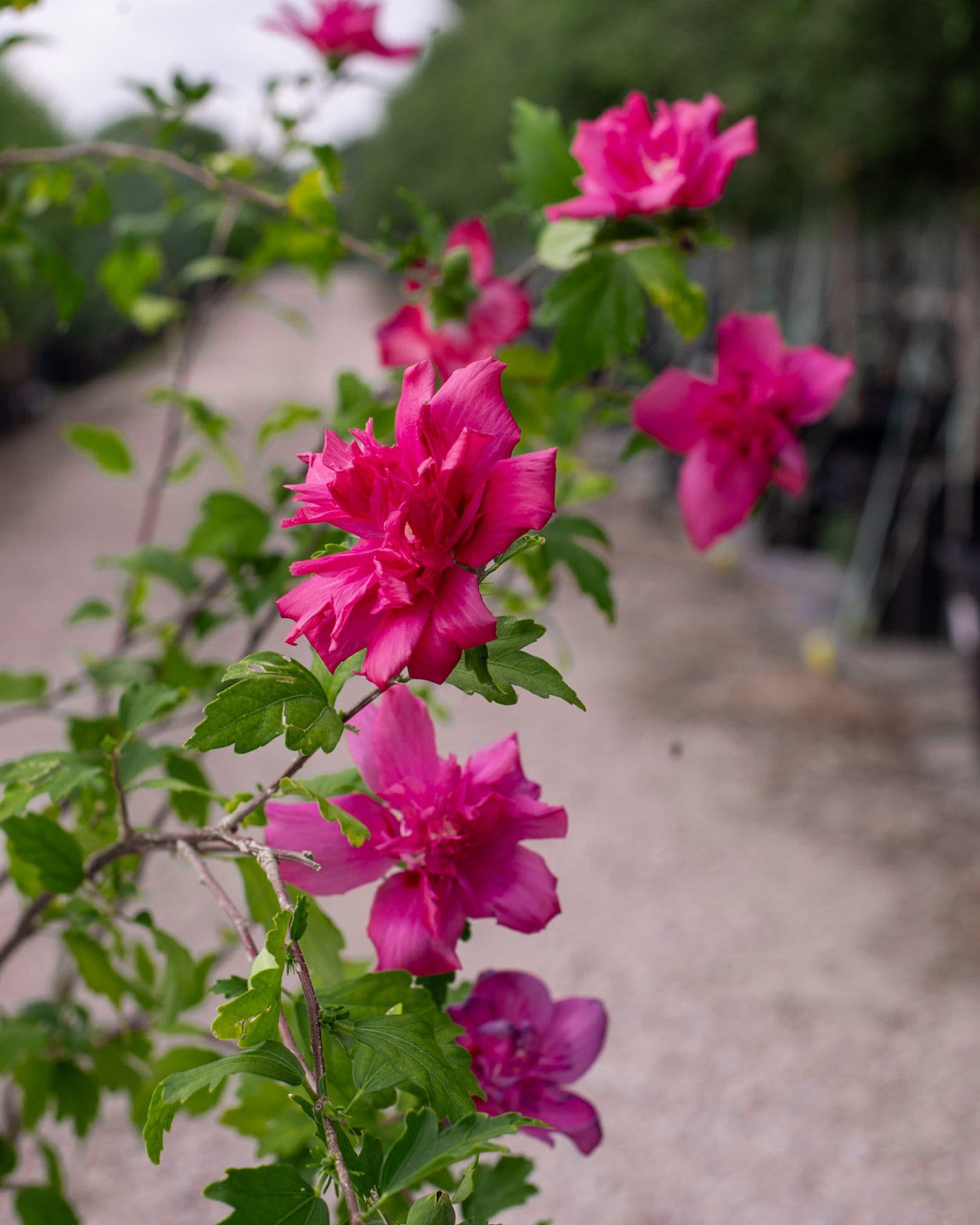
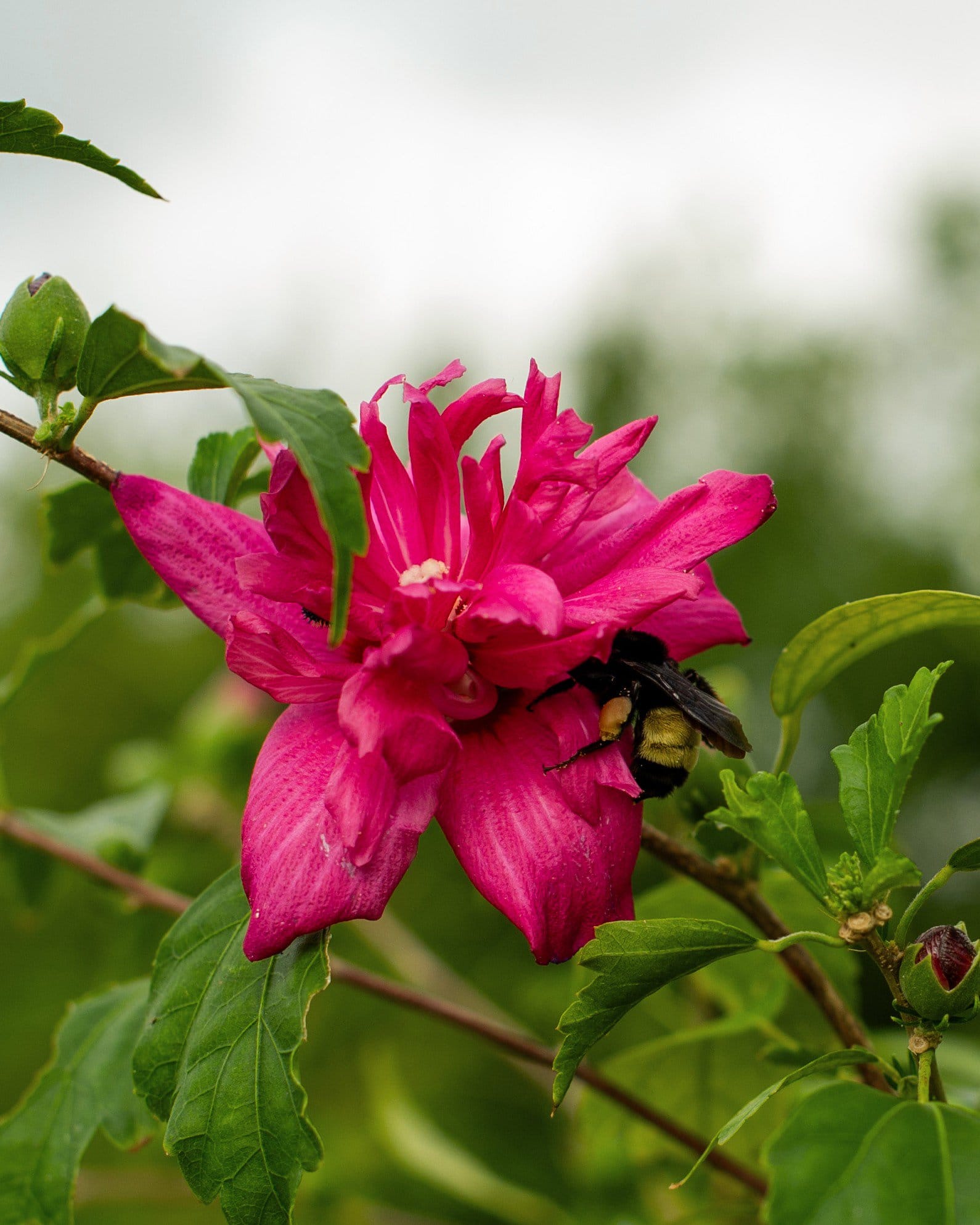
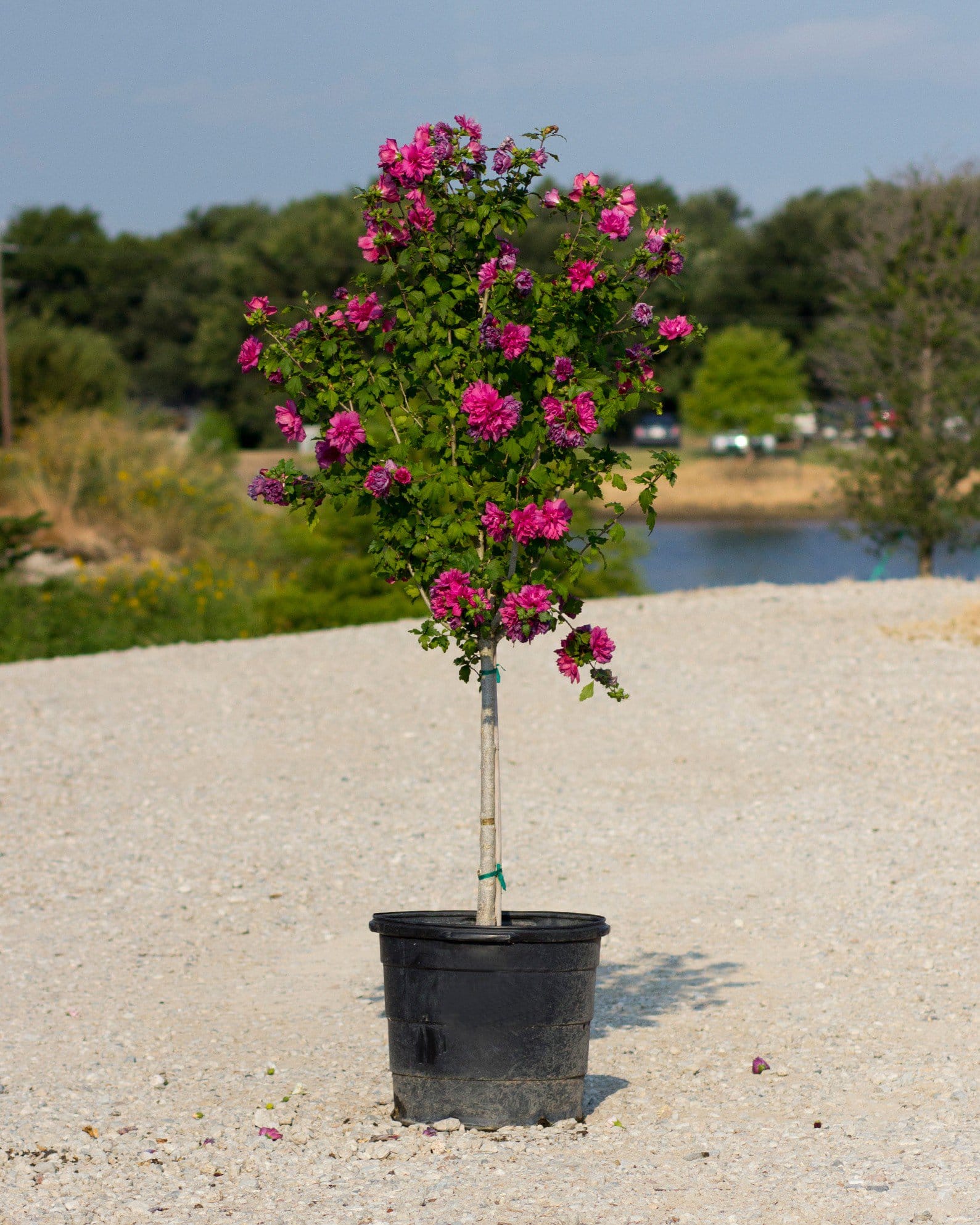
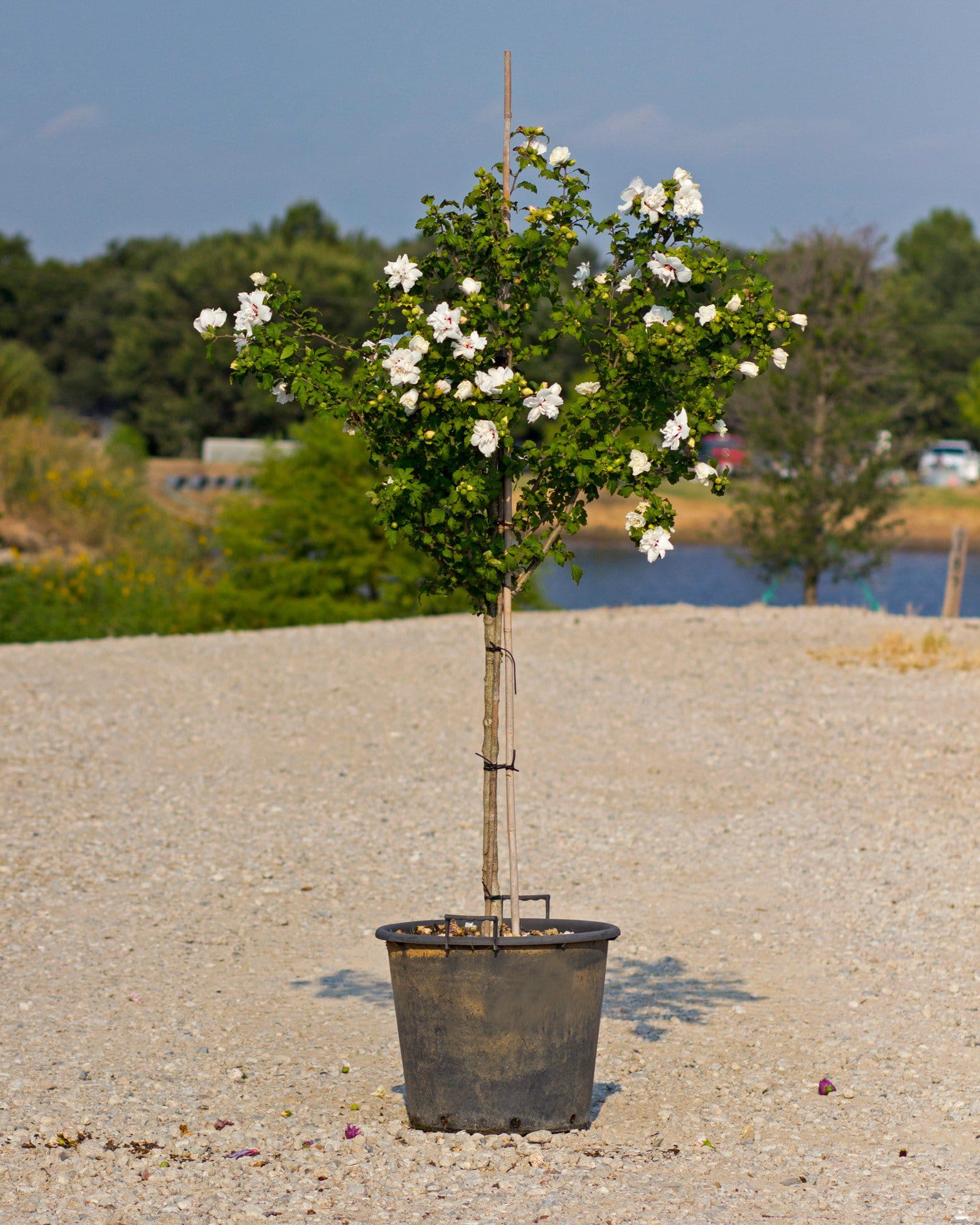
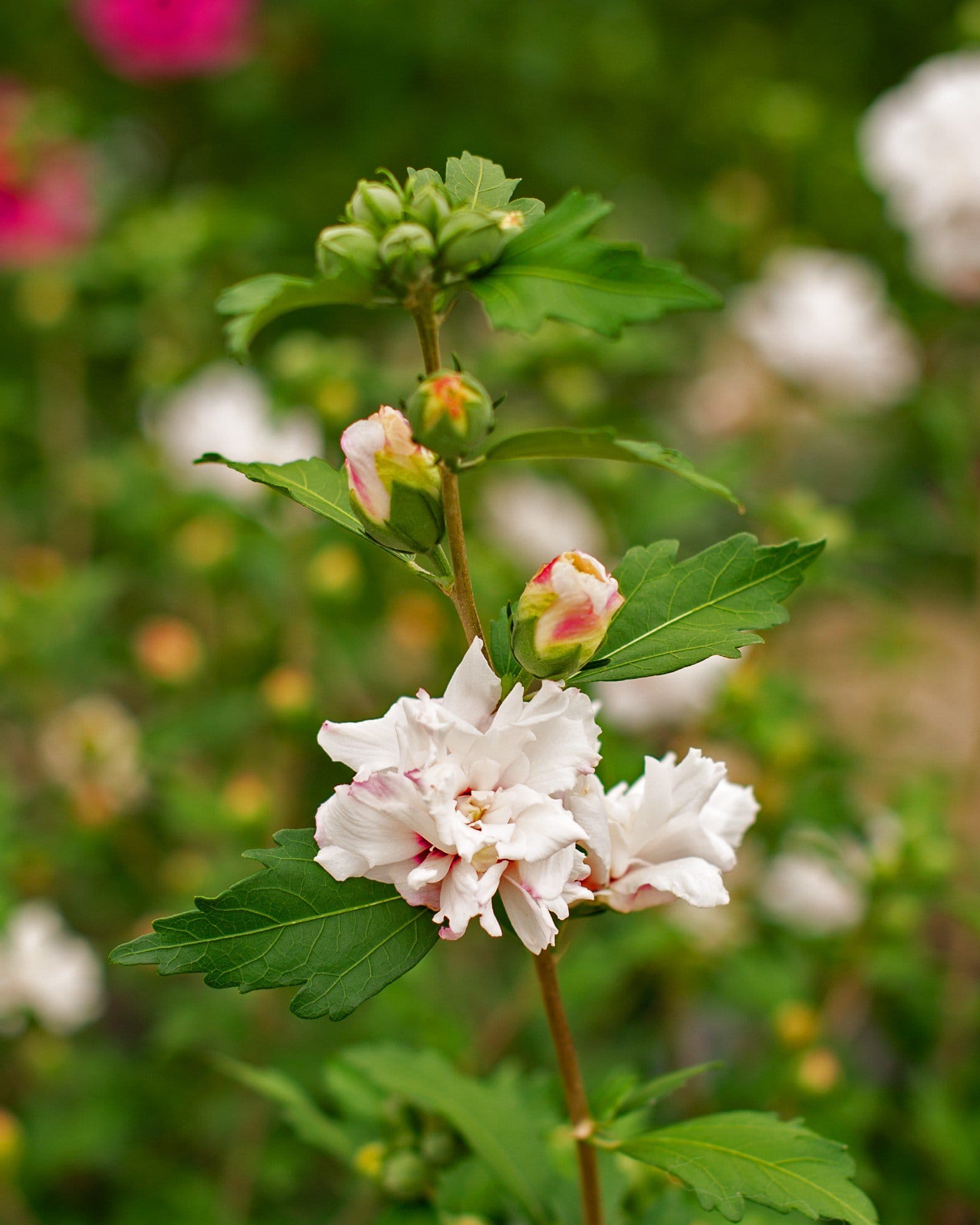
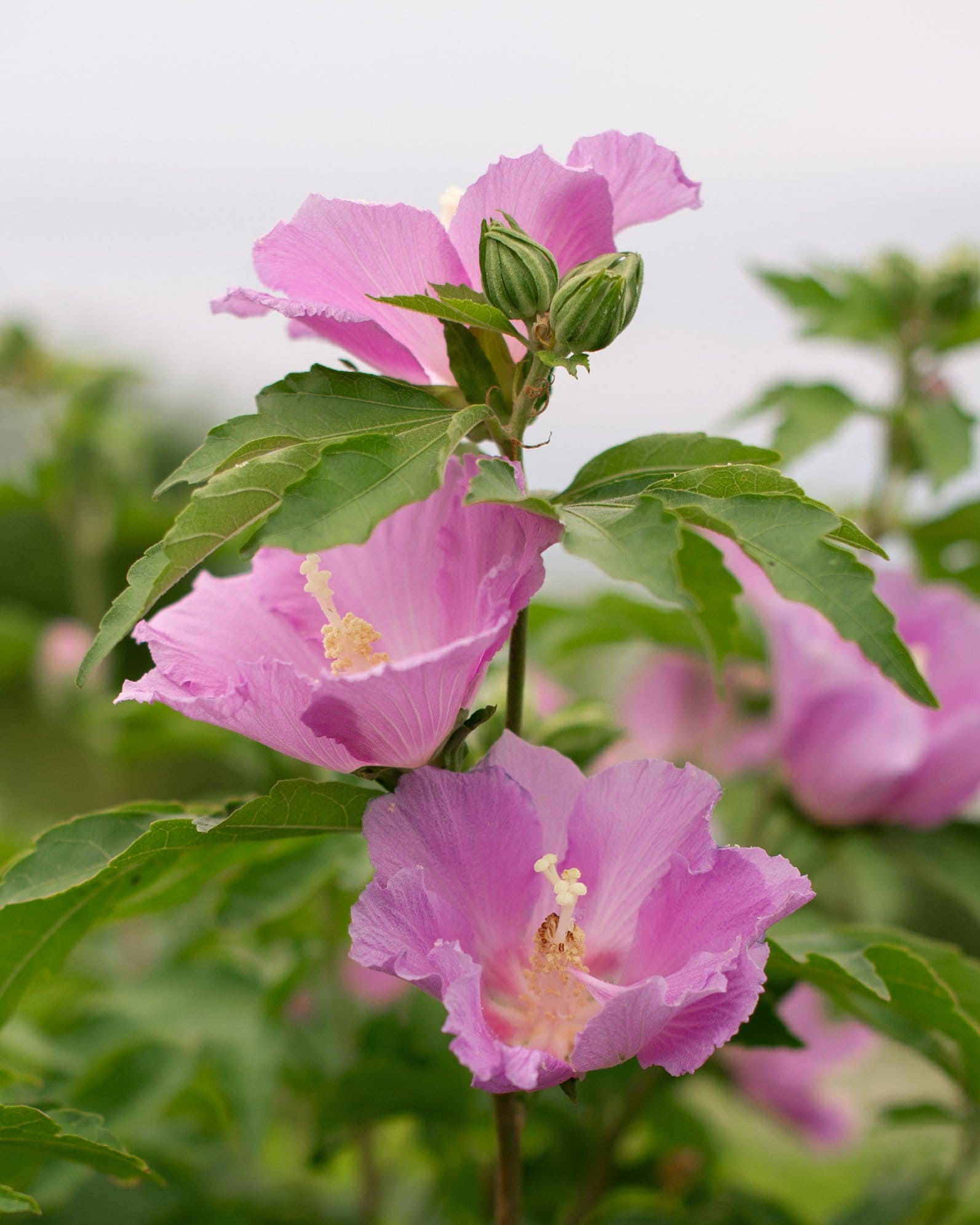
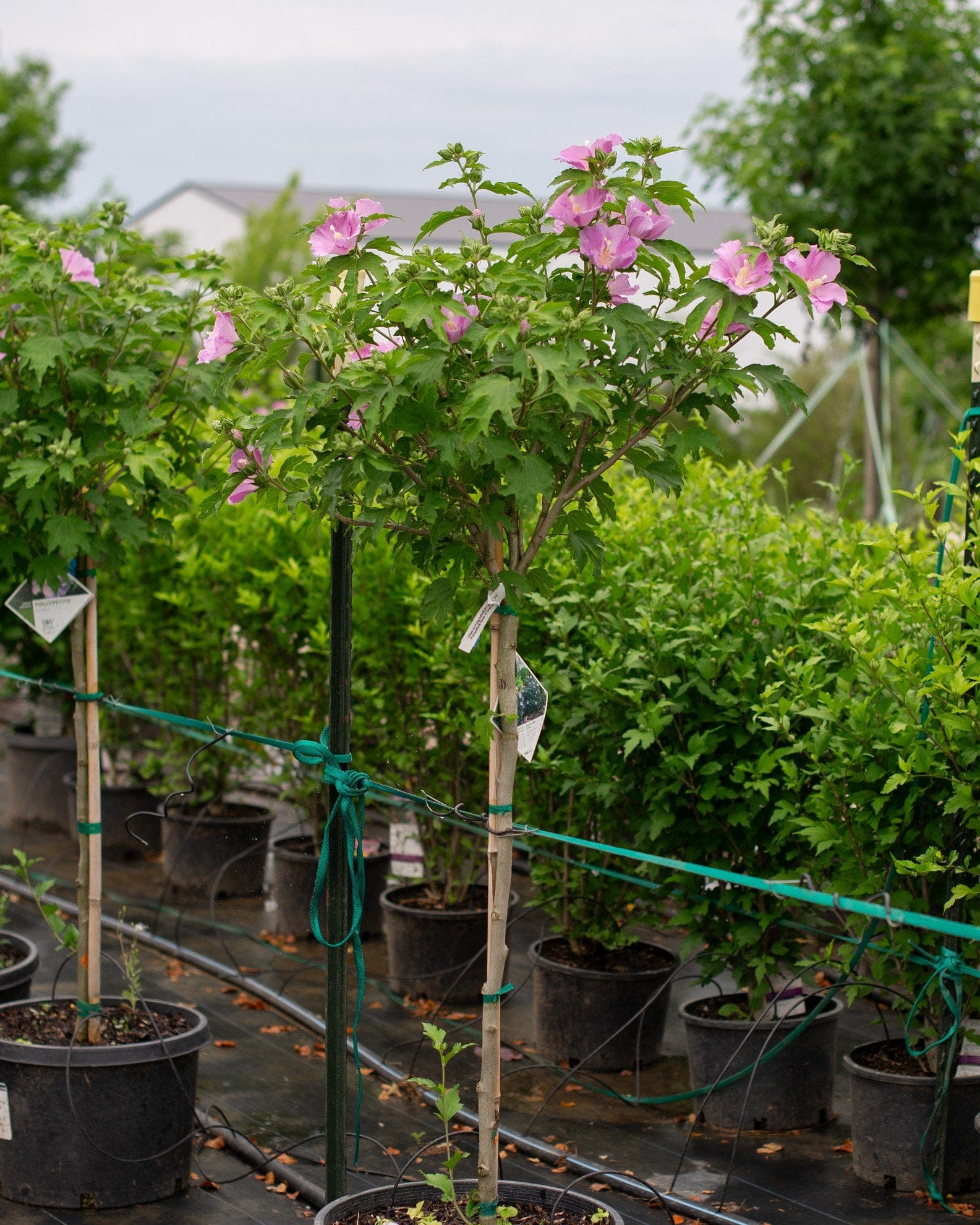
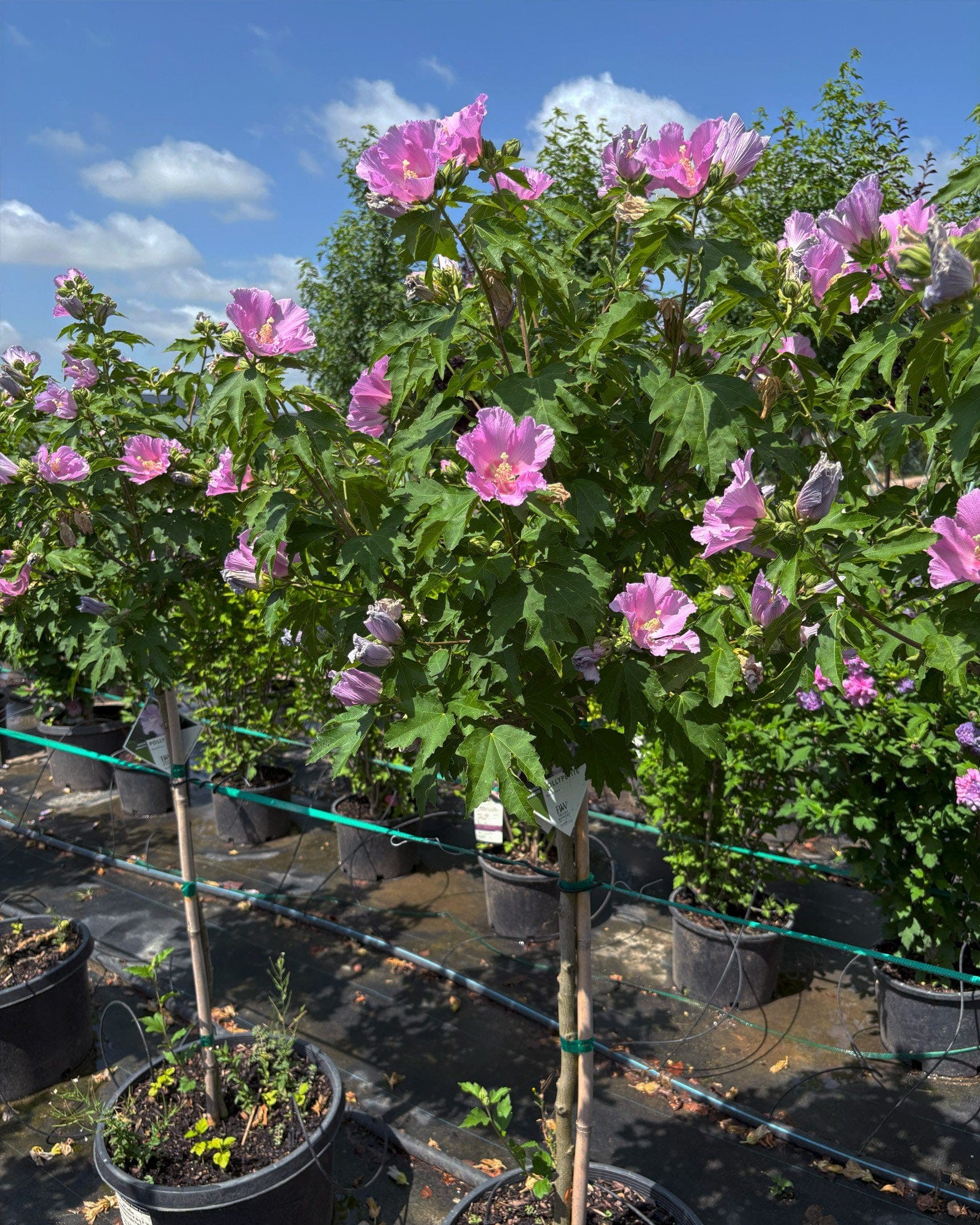
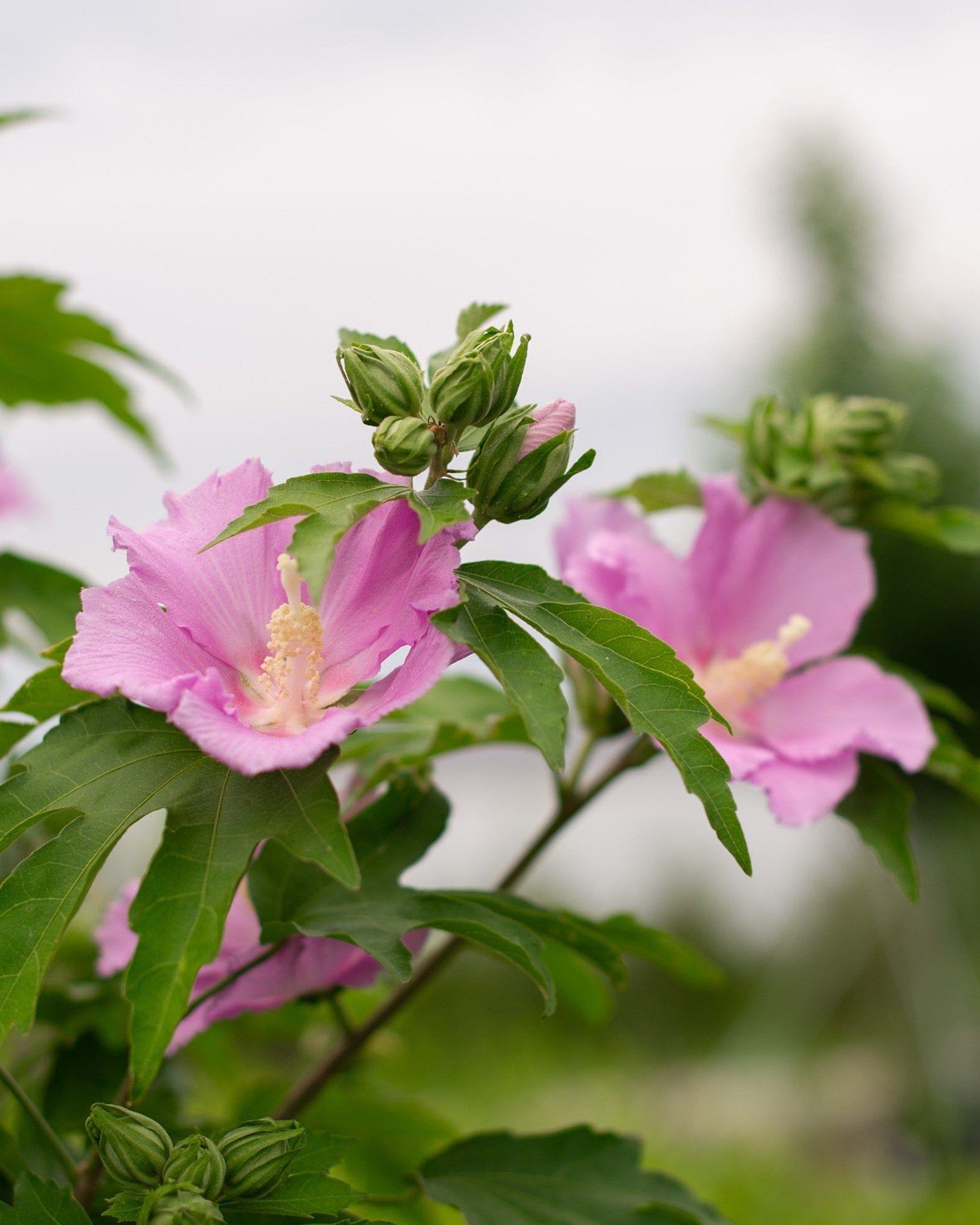
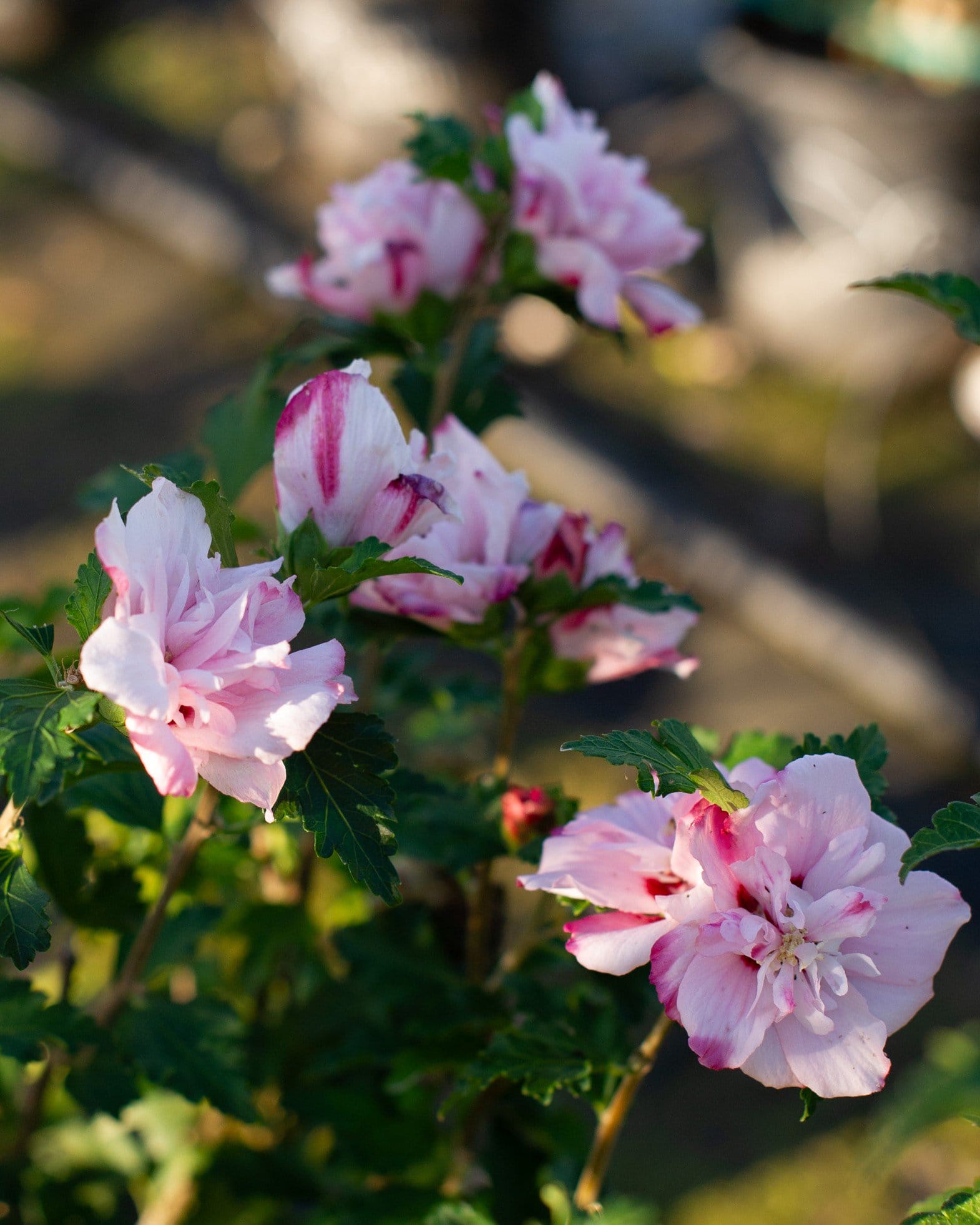
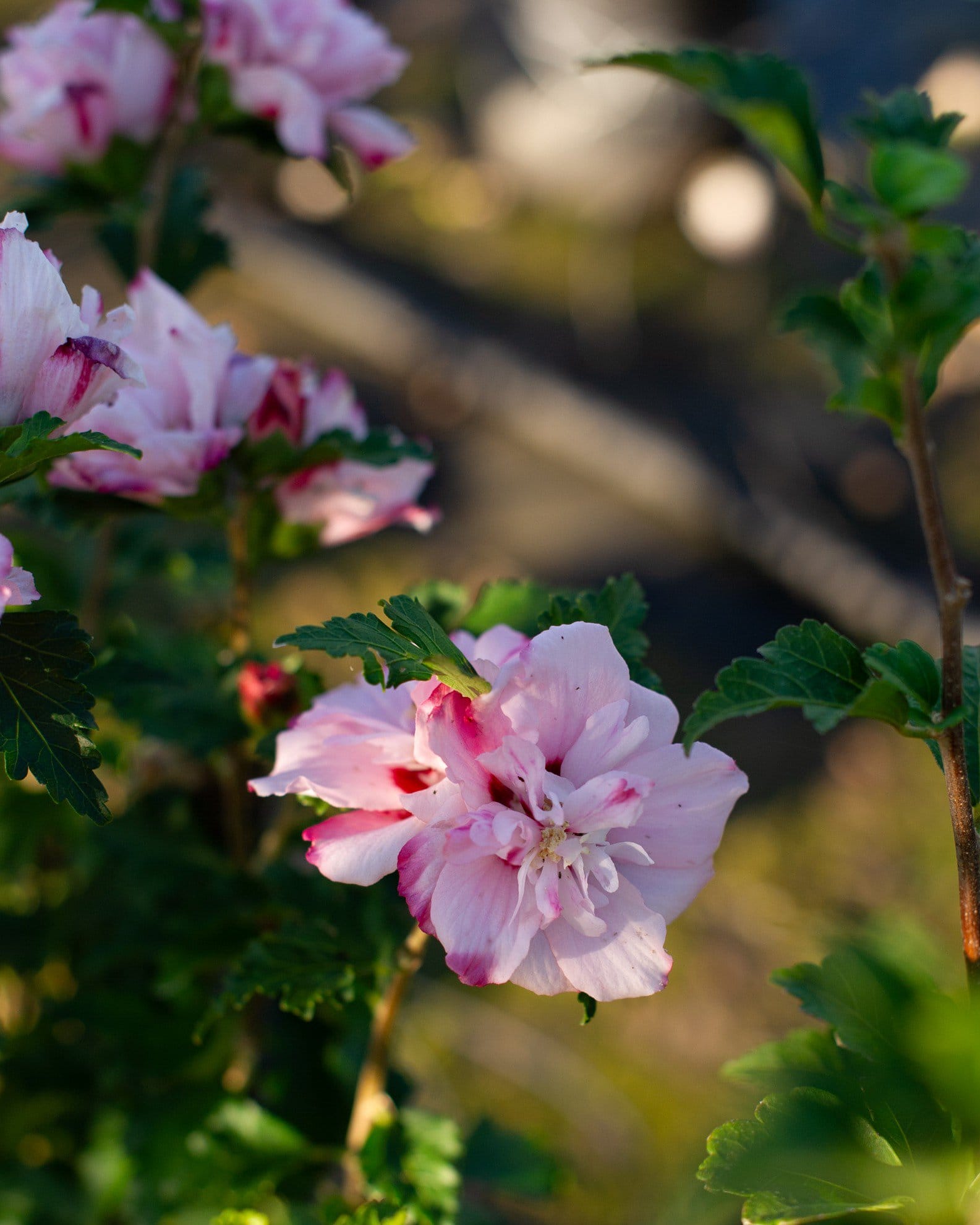
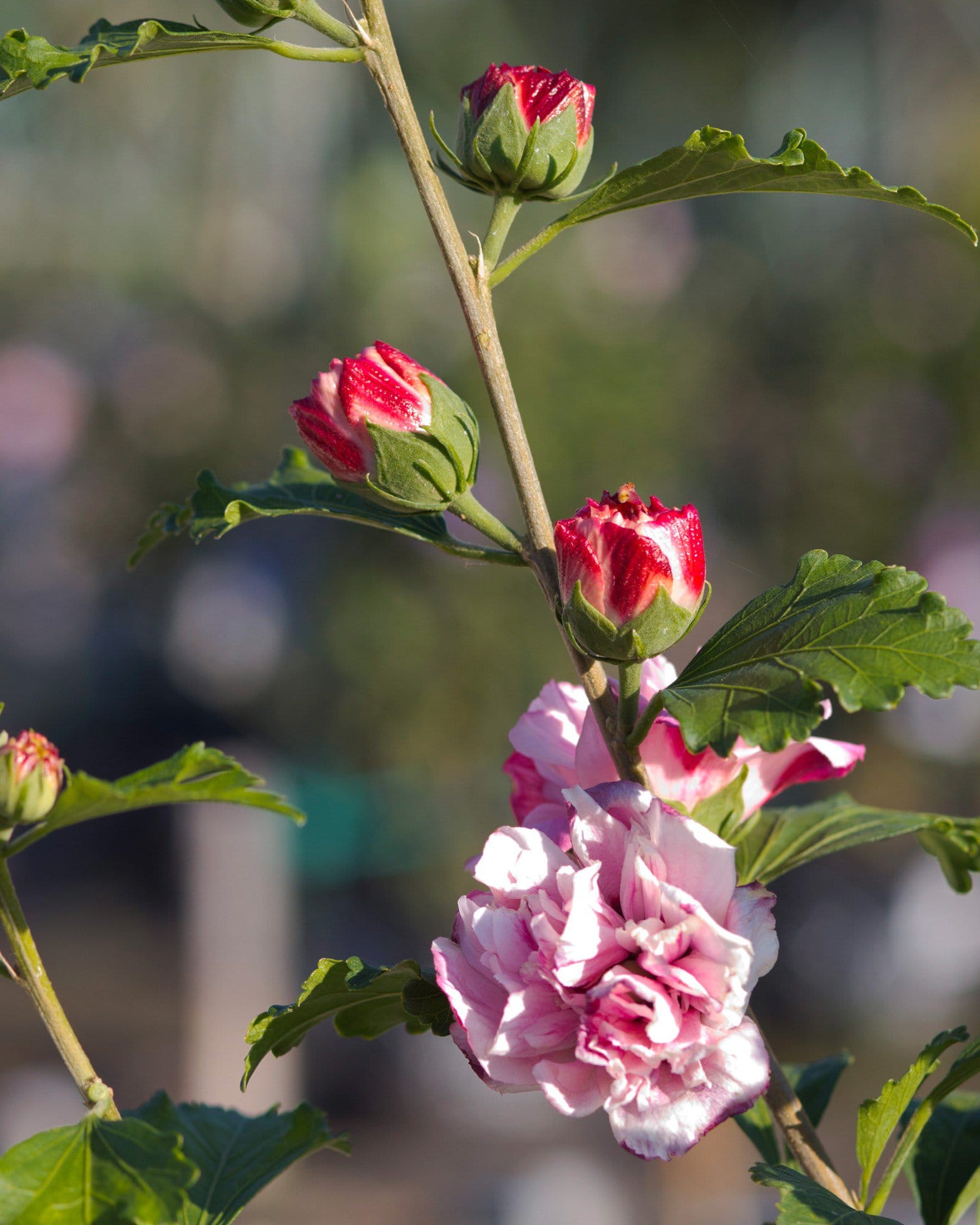
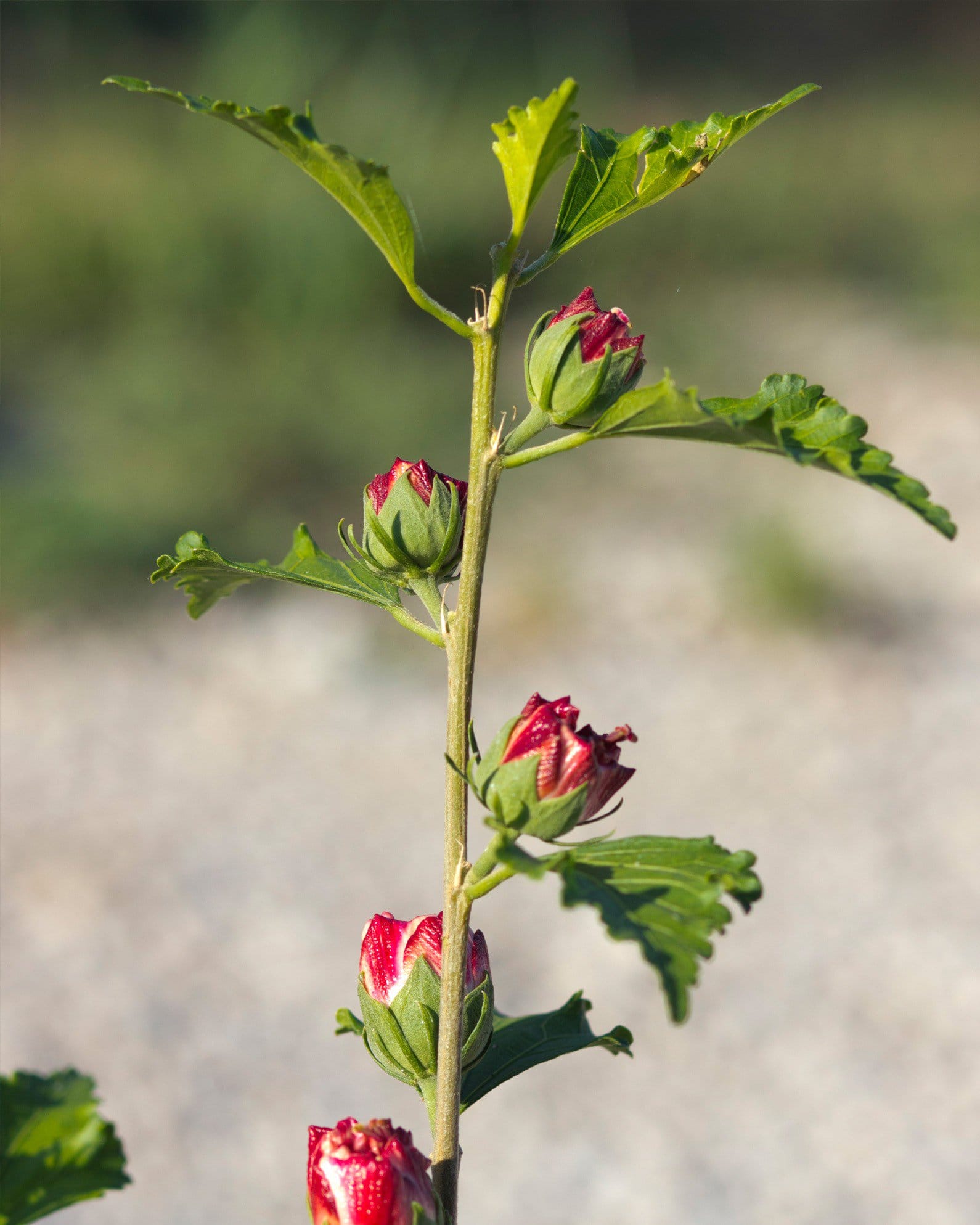
Hibiscus syriacus 'SHIMRR38'Lil' Kim Red Althea is a pint-sized powerhouse that brings big energy in a small, manageable package. This variety of Rose of Sharon is adored for its eye-catching pink blooms with vivid red centers that radiate warmth and contrast beautifully against dark green foliage. The flowers appear nonstop from early spring through summer. This tree grows 8 feet in height and 5 feet in width. Ideal for tight spots - think patios, porch containers, small beds, or mixed borders.
- Deciduous tree
- Moderate growth rate
- Striking bicolor blooms: red centers with pink petals
- Petite habit perfect for containers or small beds
- Long blooming season from spring into summer
Plant in full sun to part shade, give it a bit of room to breathe, and enjoy months of effortless beauty. Hardy in USDA zones 5 through 9, it's a great choice for beds across North Texas and beyond.
Lil’ Kim Red Althea has a naturally smaller stature and tidy growth habit to simplify routine care, needing minimal maintenance to thrive in Texas landscapes. Here’s all you need to know:
- Watering: Water deeply during the first growing season to establish a stable root system. Once established, it tolerates moderate dry periods but benefits from supplemental watering during extended heat to maintain steady blooming.
- Pruning: Prune in late winter or early spring before new growth begins. Light thinning improves airflow and encourages vigorous flowering shoots, since blooms develop on new wood.
- Fertilizing: Apply a balanced, slow-release fertilizer in early spring as growth resumes. Avoid excessive nitrogen, which can encourage foliage growth at the expense of blooms.
- Mulching: Maintain a 2-3 inch layer of mulch around the root zone to retain moisture and moderate soil temperature. Keep mulch slightly away from the base of stems to prevent moisture buildup.
- Winter Care: Established plants are reliably hardy and rarely require additional protection. Newly planted shrubs benefit from extra mulch over the root zone during their first winter.
Lil’ Kim Red Althea is generally resilient, though occasional pests or environmental stress may appear. Monitoring early growth helps prevent minor issues from escalating.
- Aphids: Tender new shoots may curl slightly and feel sticky from insect feeding. A firm spray of water or insecticidal soap usually resolves the issue quickly.
- Japanese Beetles: Leaves may show lacy feeding damage during peak summer activity. Hand removal or traps placed away from the shrub reduce ongoing pressure.
- Powdery Mildew: A white film may form on foliage during humid conditions with poor airflow. Thinning dense stems improves circulation and limits recurrence.
- Bud Drop: Flower buds may fall prematurely during inconsistent watering. Maintaining steady soil moisture during heat stabilizes development.
- Root Stress: Yellowing leaves and slowed growth may indicate poorly drained soil. Improving drainage and adjusting irrigation restores vigor.
With proper care, it commonly lives 20-30 years in the landscape. Healthy root conditions and consistent structural maintenance support long-term performance. Even compact varieties maintain strong vigor over decades.
Growth typically averages 8-18 inches per year, making it slightly slower than standard altheas. Its mature structure generally develops within 3-4 years. Flowering becomes increasingly consistent as the branching framework strengthens.
It combines vivid red blooms with a naturally compact growth habit. This allows gardeners to enjoy bold summer color without accommodating the size of traditional altheas. Its balanced proportions make it particularly adaptable in smaller landscapes.
It develops a naturally upright, moderately dense branching structure. Occasional thinning helps maintain airflow, but the plant rarely becomes unruly. Its growth habit tends to remain balanced over time.
Its compact size makes it easier to integrate into tighter spaces without overwhelming nearby plantings. It provides vertical interest and seasonal color while remaining proportionate. This makes it especially useful in contemporary garden layouts.
Seed production is typically limited compared to older, more vigorous varieties. Volunteer seedlings are uncommon in well-maintained garden settings. This reduces unwanted spread over time.
The bloom color remains vibrant throughout its flowering period. Intense heat may soften tones slightly, but overall color stability is strong. Consistent moisture supports the richest coloration.
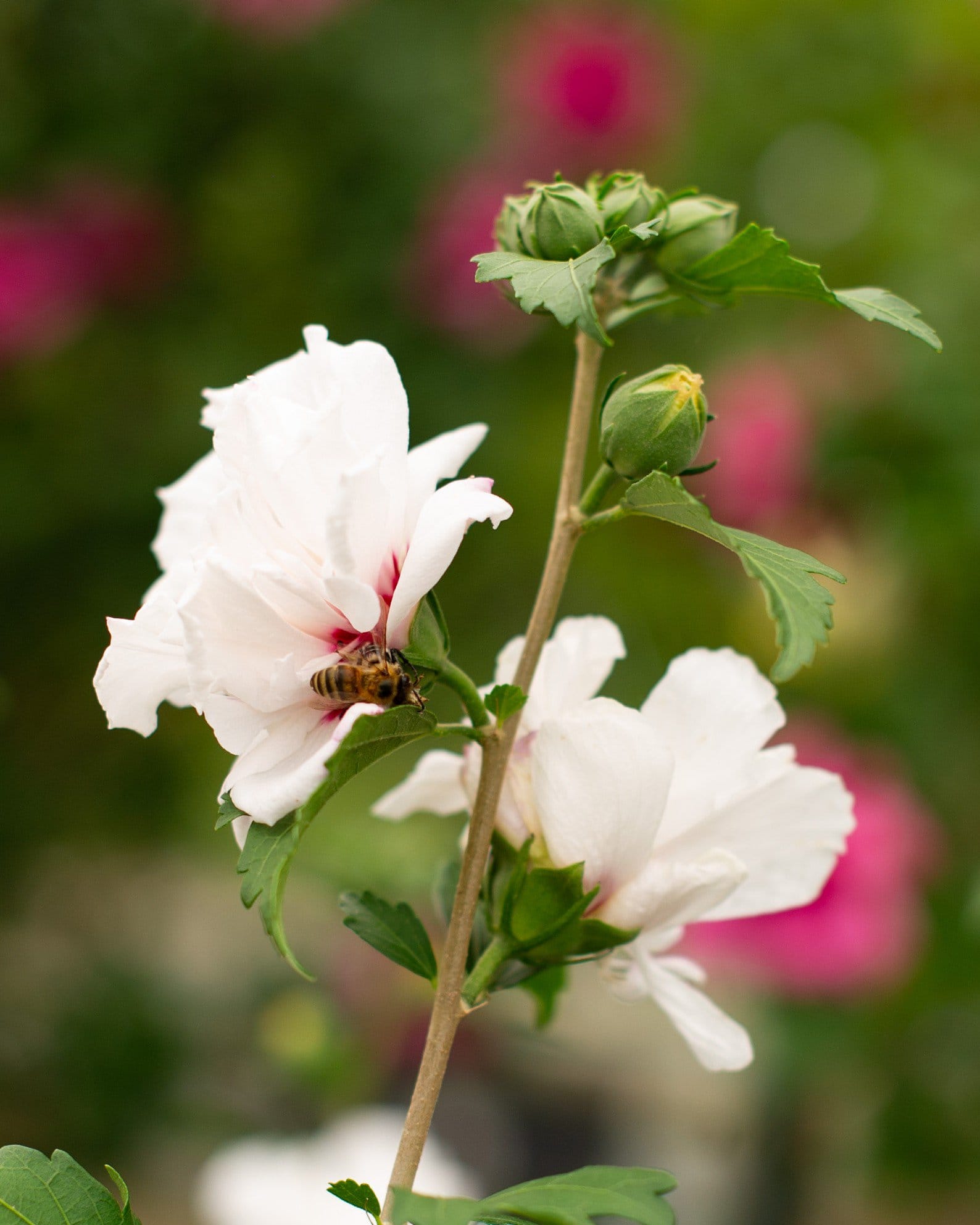
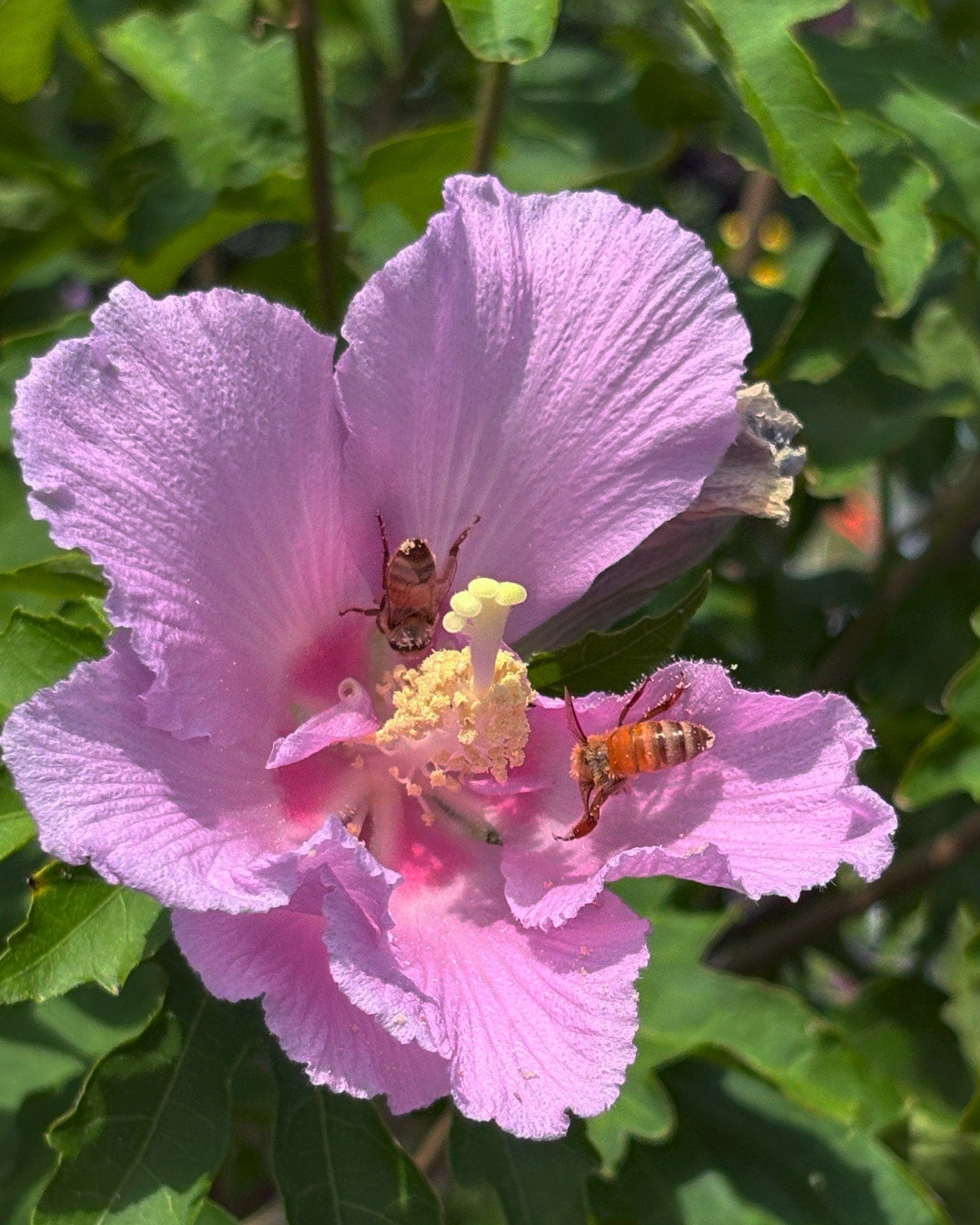
Bees and butterflies frequently visit its open blooms during peak flowering. The flowers provide accessible pollen and nectar late in the season. It contributes ecological value without becoming invasive.
Moderate branch breakage can typically be corrected with clean pruning cuts. Because it flowers on new wood, recovery growth is usually vigorous. Proper structural balance reduces future wind stress.
Once established, it forms a stable, moderately deep root network. Deep watering during establishment encourages stronger anchoring. Good drainage remains essential for long-term root health.
Special Features
You might also like
Fiji Althea
Maturity: 8' H x 5' W
French Cabaret Blush Althea
Maturity: 8' H x 5' W
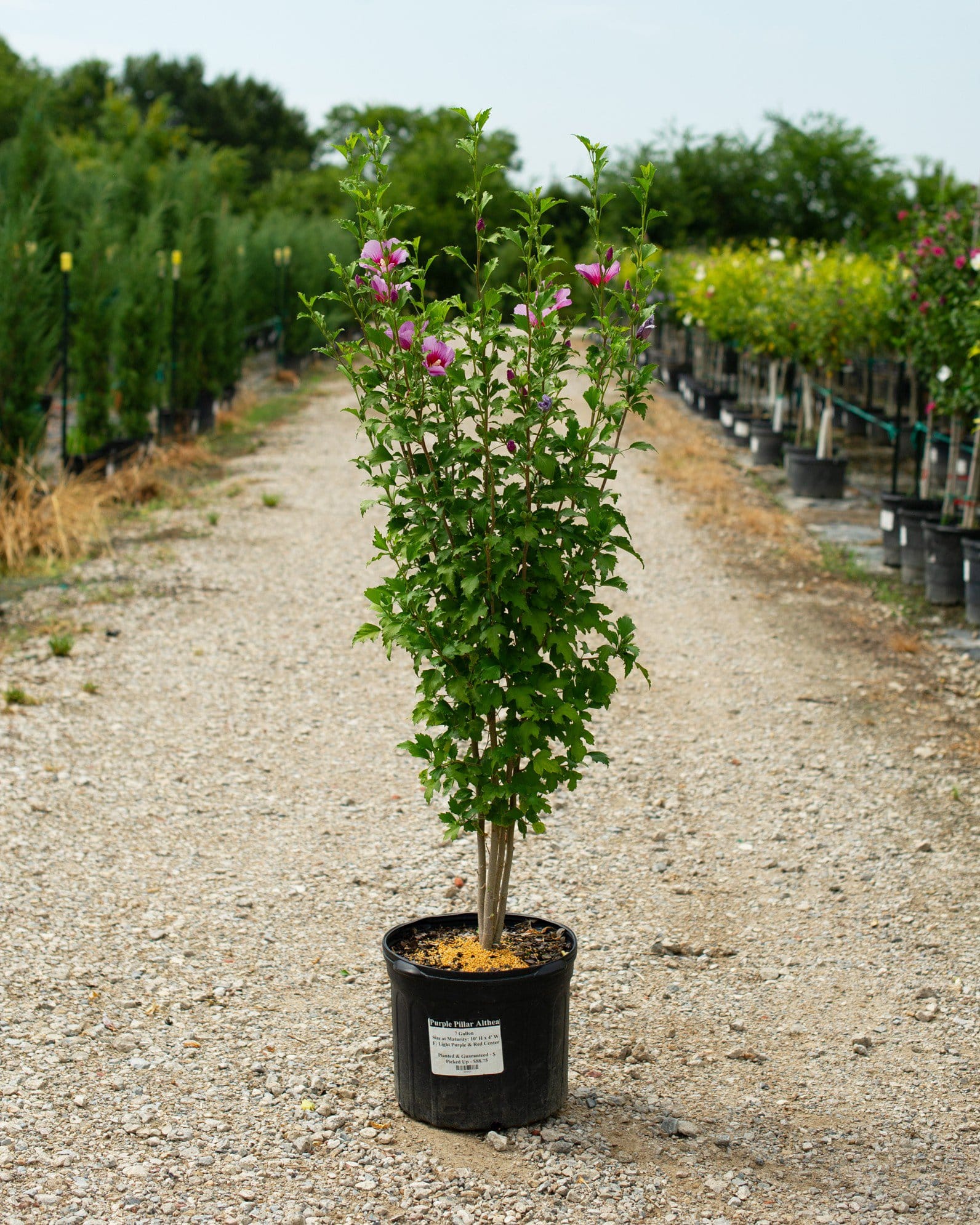
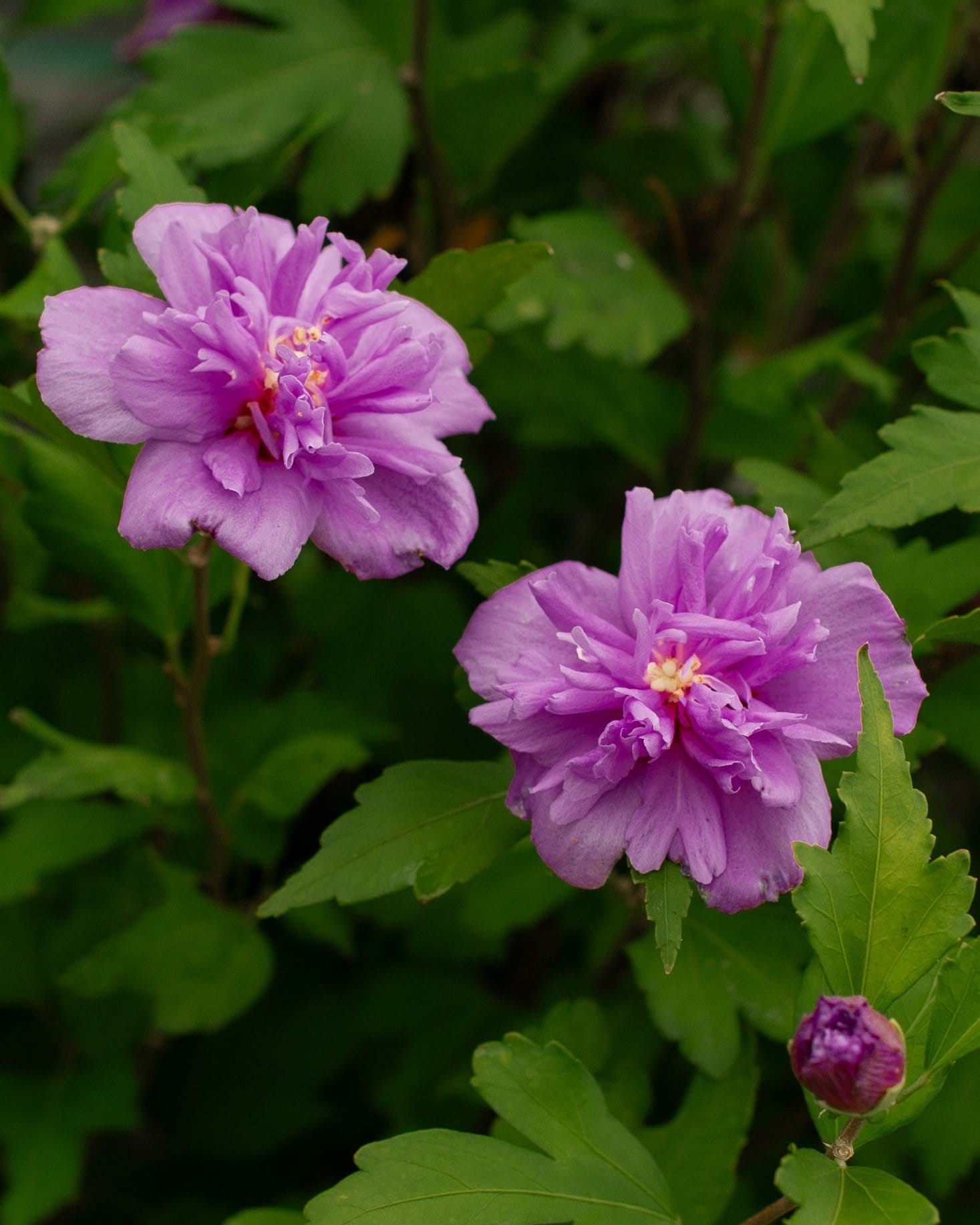
Purple Pillar Althea
Maturity: 10' H x 4' W
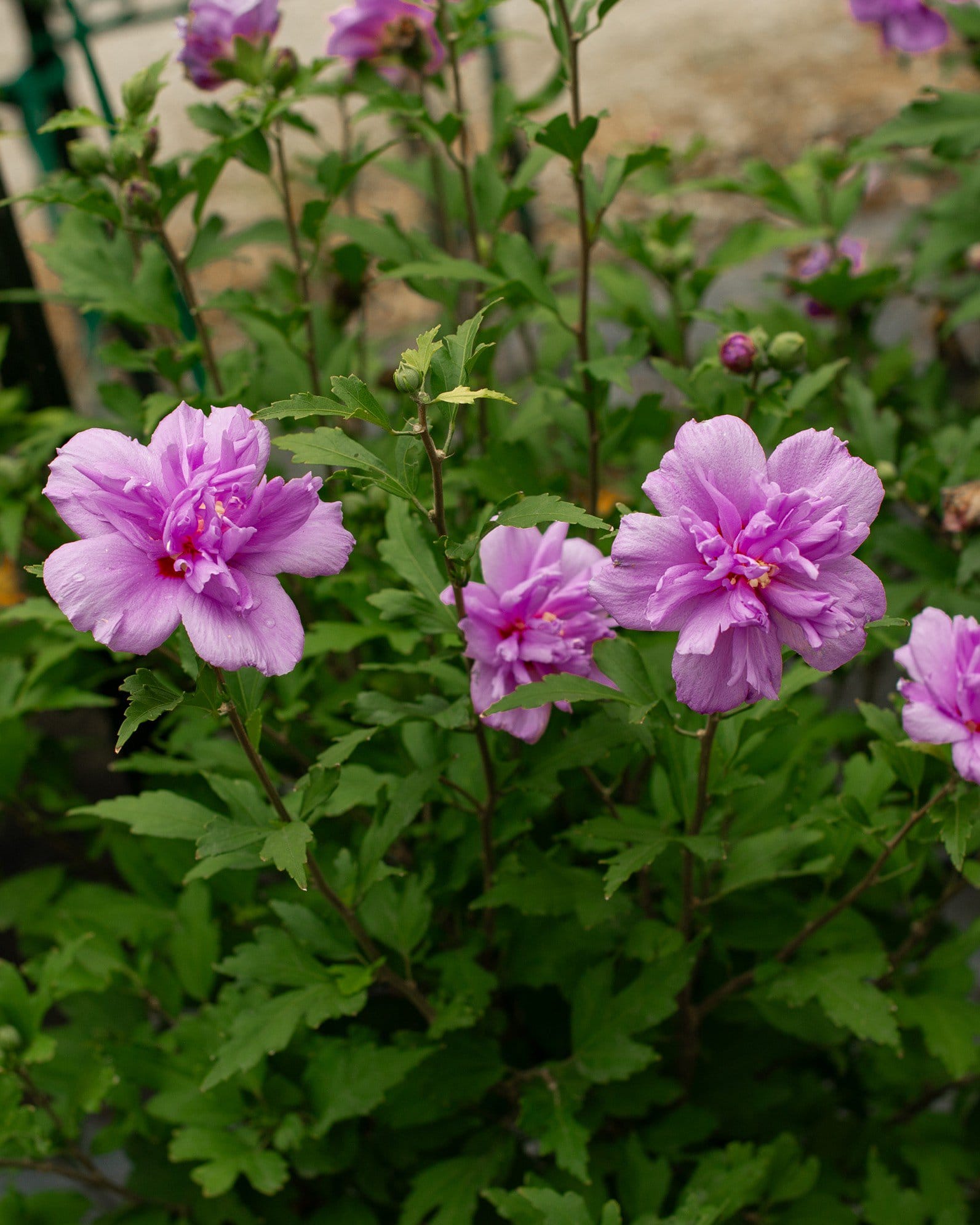
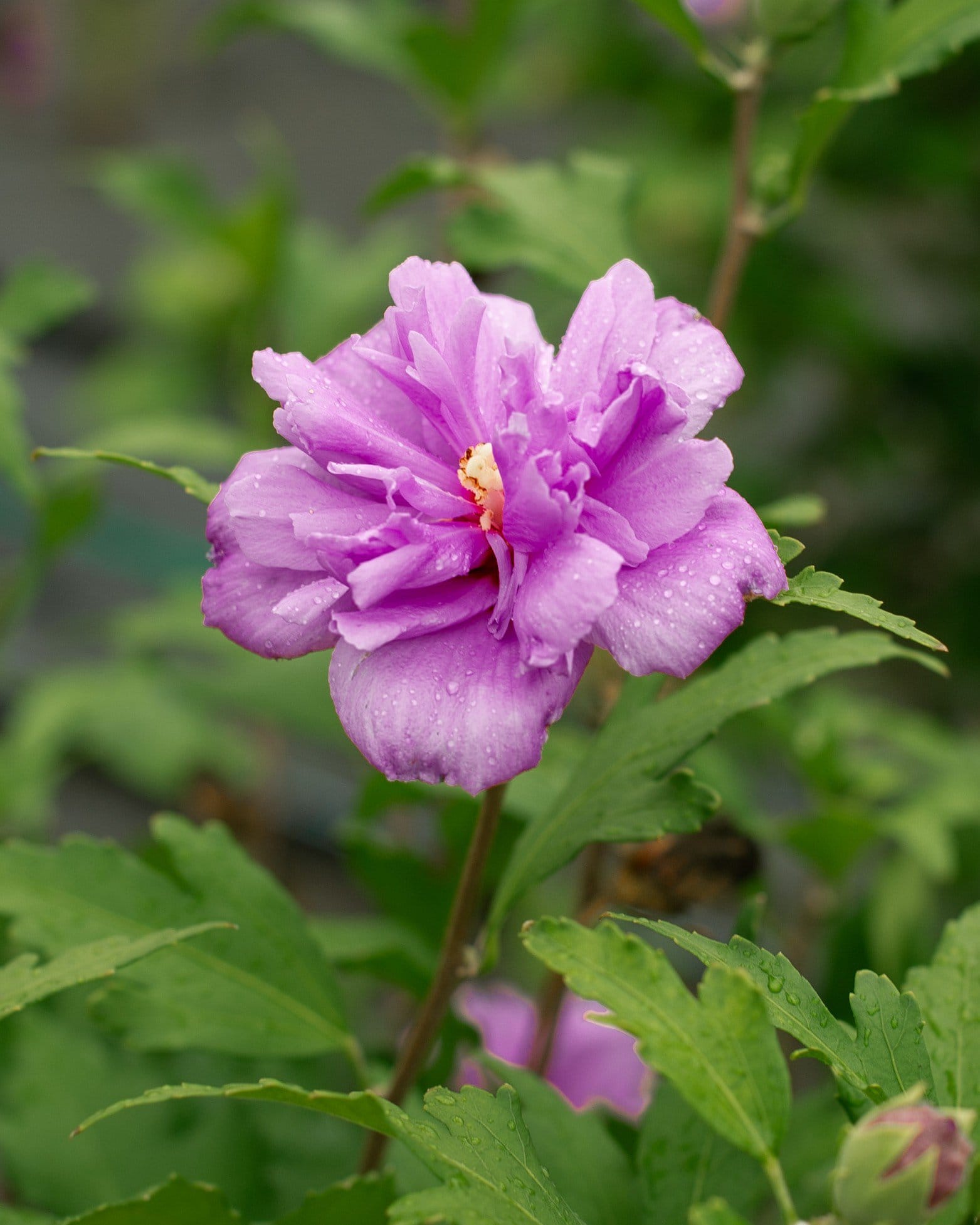
French Cabaret Purple Althea
Maturity: 8' H x 5' W
Aphrodite Althea Tree Form
Maturity: 8' H x 6' W
Minerva Althea Tree Form
Maturity: 8' H x 5' W
Blue Angel Althea
Maturity: 8' H x 6' W
Danica Althea Tree Form
Maturity: 8' H x 5' W
Dark Lavender Chiffon Althea
Maturity: 8' H x 6' W
Double Red Althea Tree Form
Maturity: 8' H x 5' W
Lady Stanley Althea Tree Form
Maturity: 8' H x 5' W
Lucy Althea Tree Form
Maturity: 8' H x 5' W
Morning Star Althea Tree Form
Maturity: 8' H x 5' W
Pollypetite Althea Tree Form
Maturity: 8' H x 5' W
Smoothie Fusion Althea
Maturity: 8' H x 6' W
Compare Similar Plants
Lil' Kim Red Althea This plant | ||
|---|---|---|
| Scientific Name | Hibiscus syriacus 'SHIMRR38' | Hibiscus syriacus 'Minspot' |
| Size at Maturity | 8' H x 5' W | 8' H x 5' W |
| Leaf Retention | Deciduous | Deciduous |
| Fall Color | Yellow | Yellow |
| Flower Color | Pink & Red | Red & White |
| Bloom Times | Spring & Summer | Spring & Summer |
| Sizes Available | 3, 6 gal | 6 gal |


Our 1-Year Planting Guarantee
We take pride in our plants and installation services. If any plants or trees installed by Treeland fail to thrive within the first year, we'll provide a replacement credit in accordance with our guarantee program.
Learn More About Our Guarantee