
 Texas Native
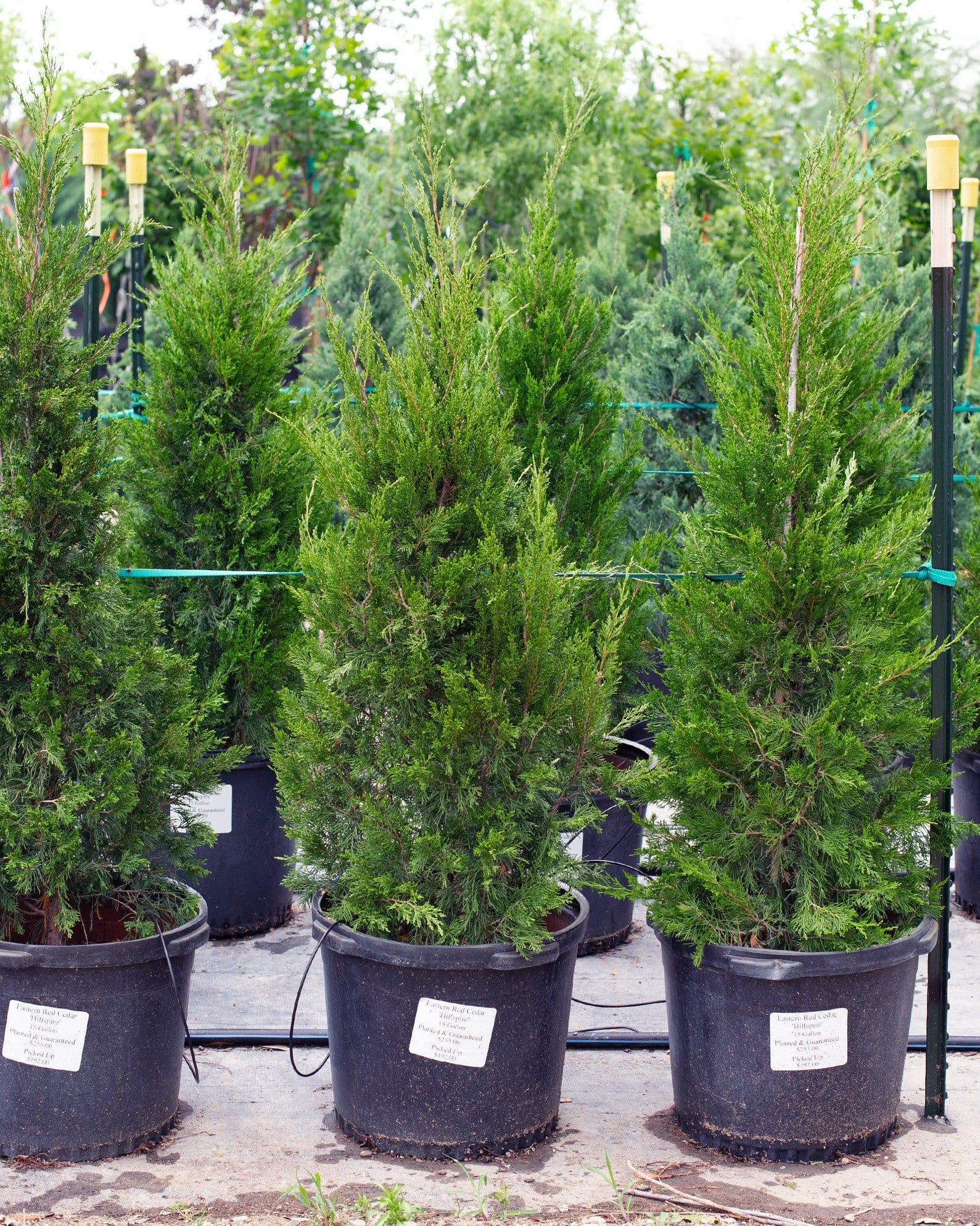
Eastern Red Cedar Hillspire
Juniperus virginiana ‘Hillspire’Local DFW Delivery Only
Product Details
Eastern Red Cedar Hillspire
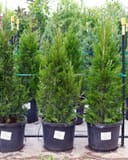
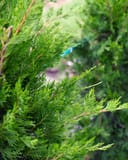
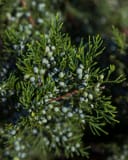
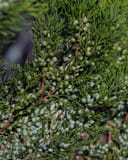
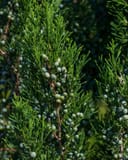
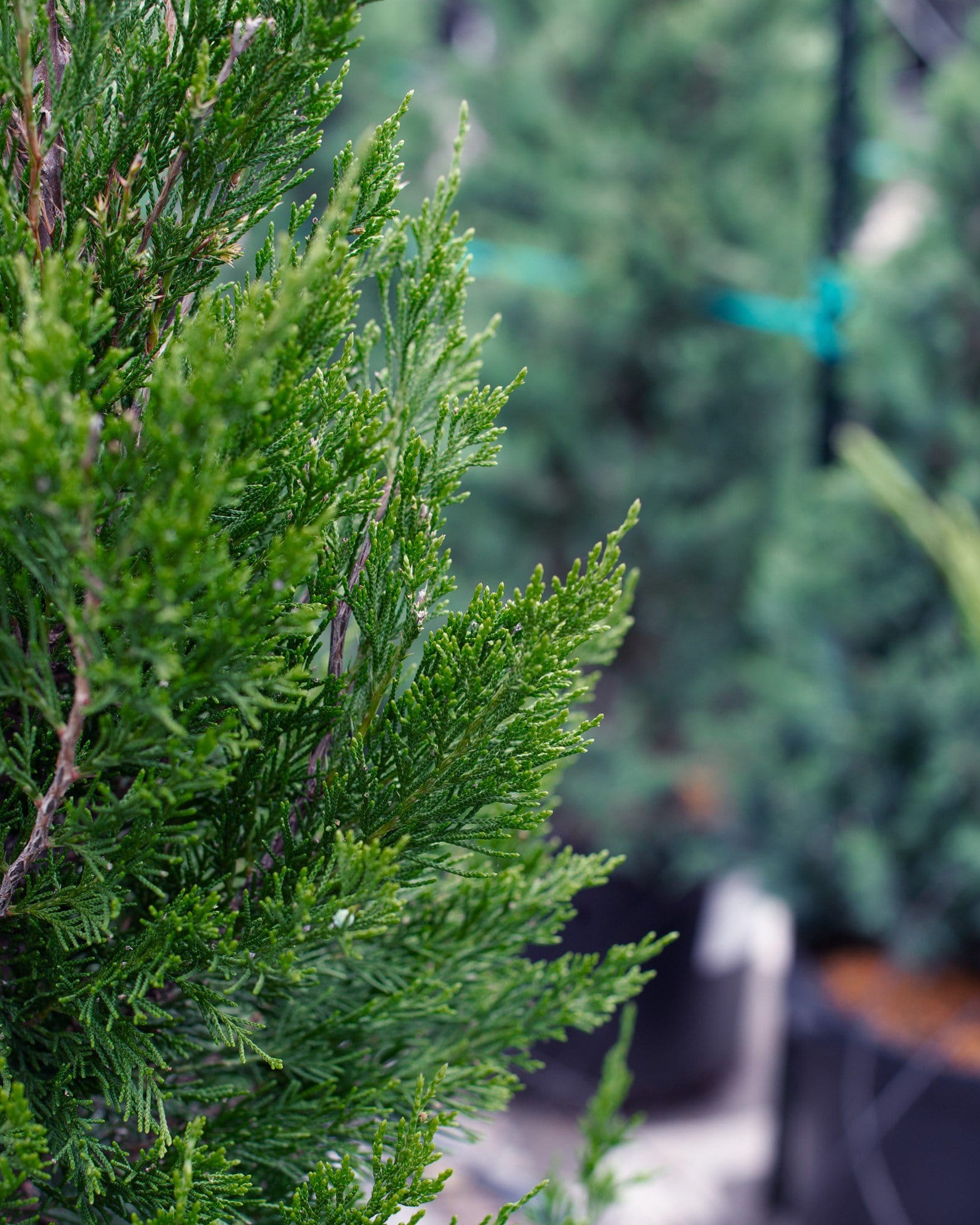
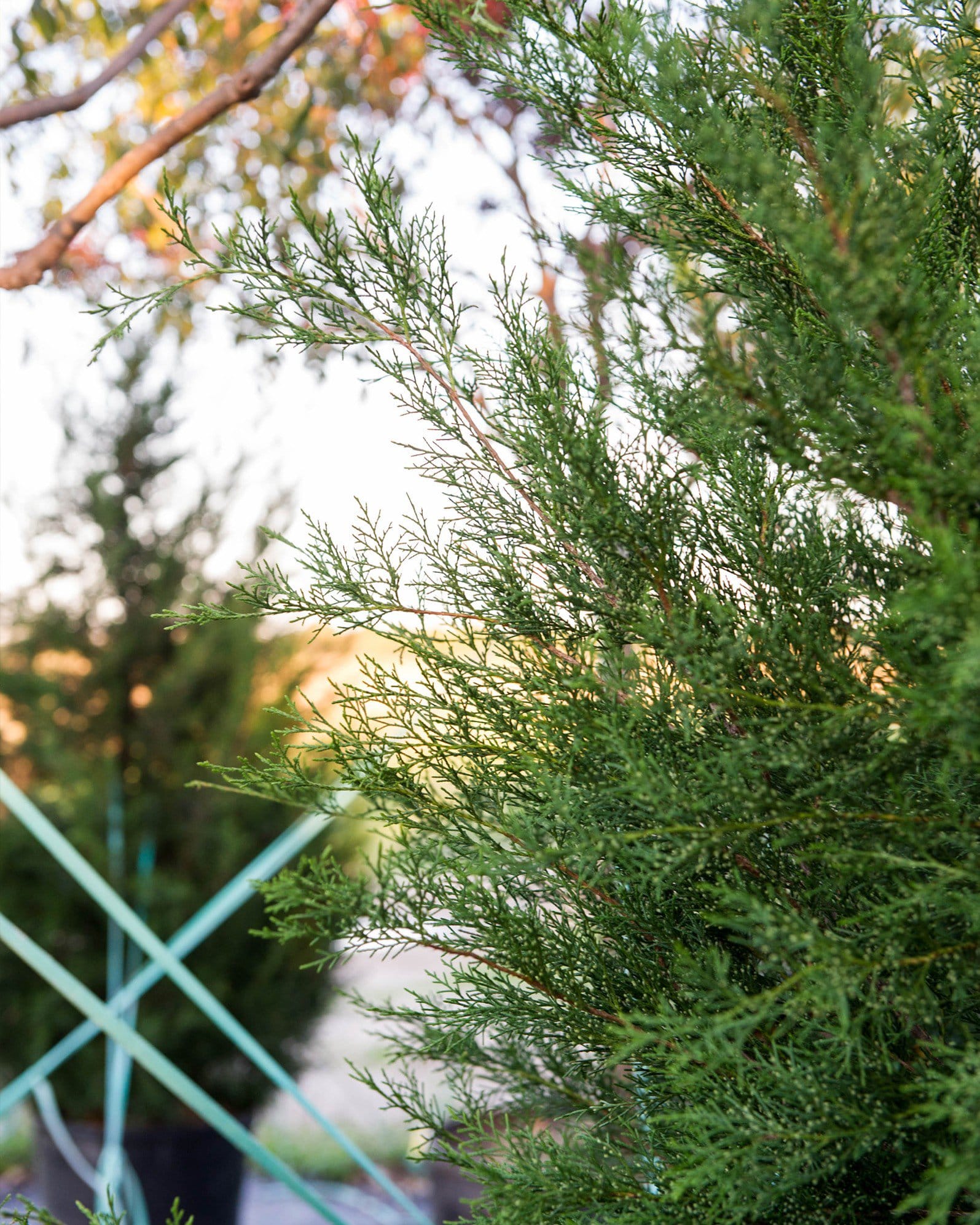
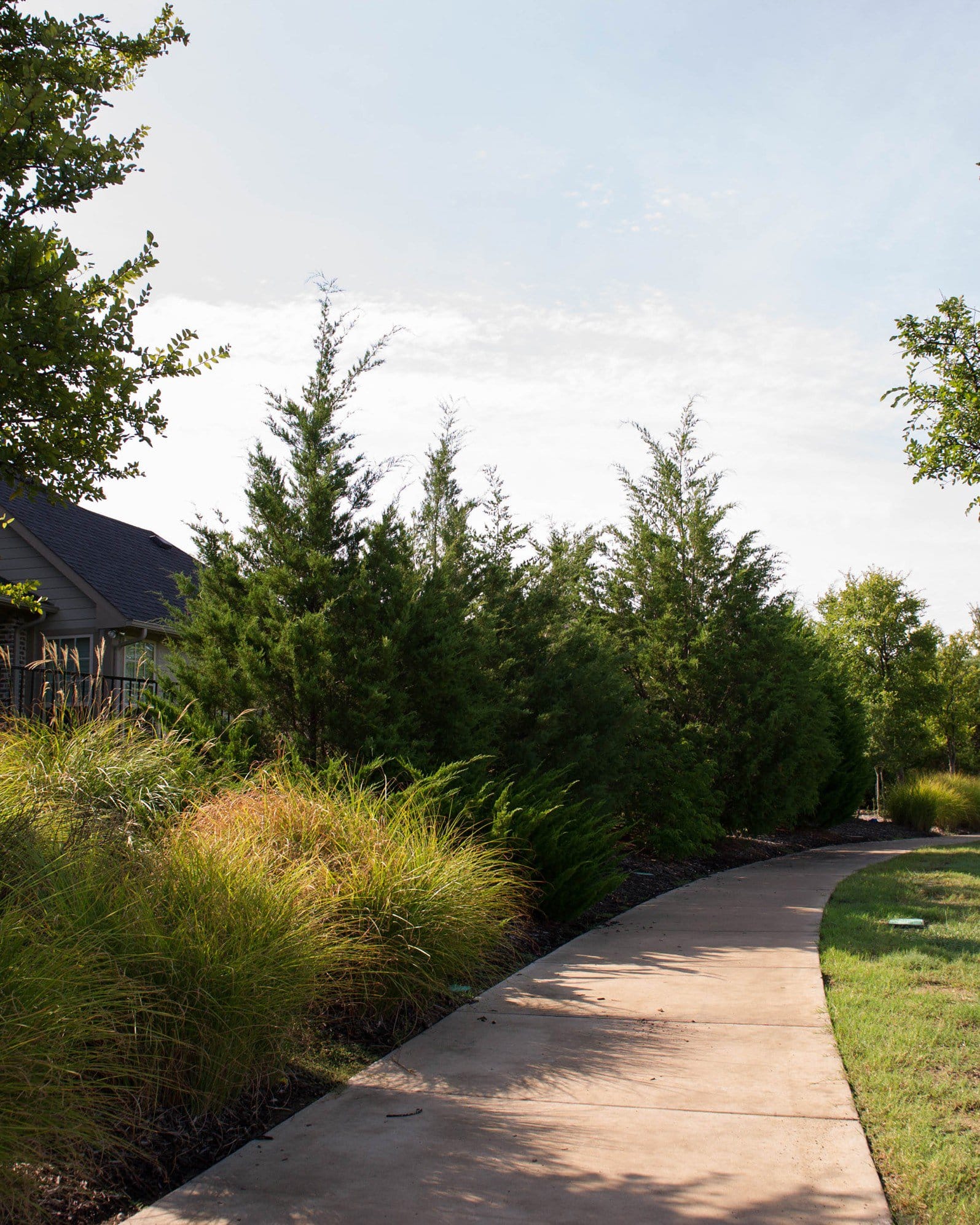
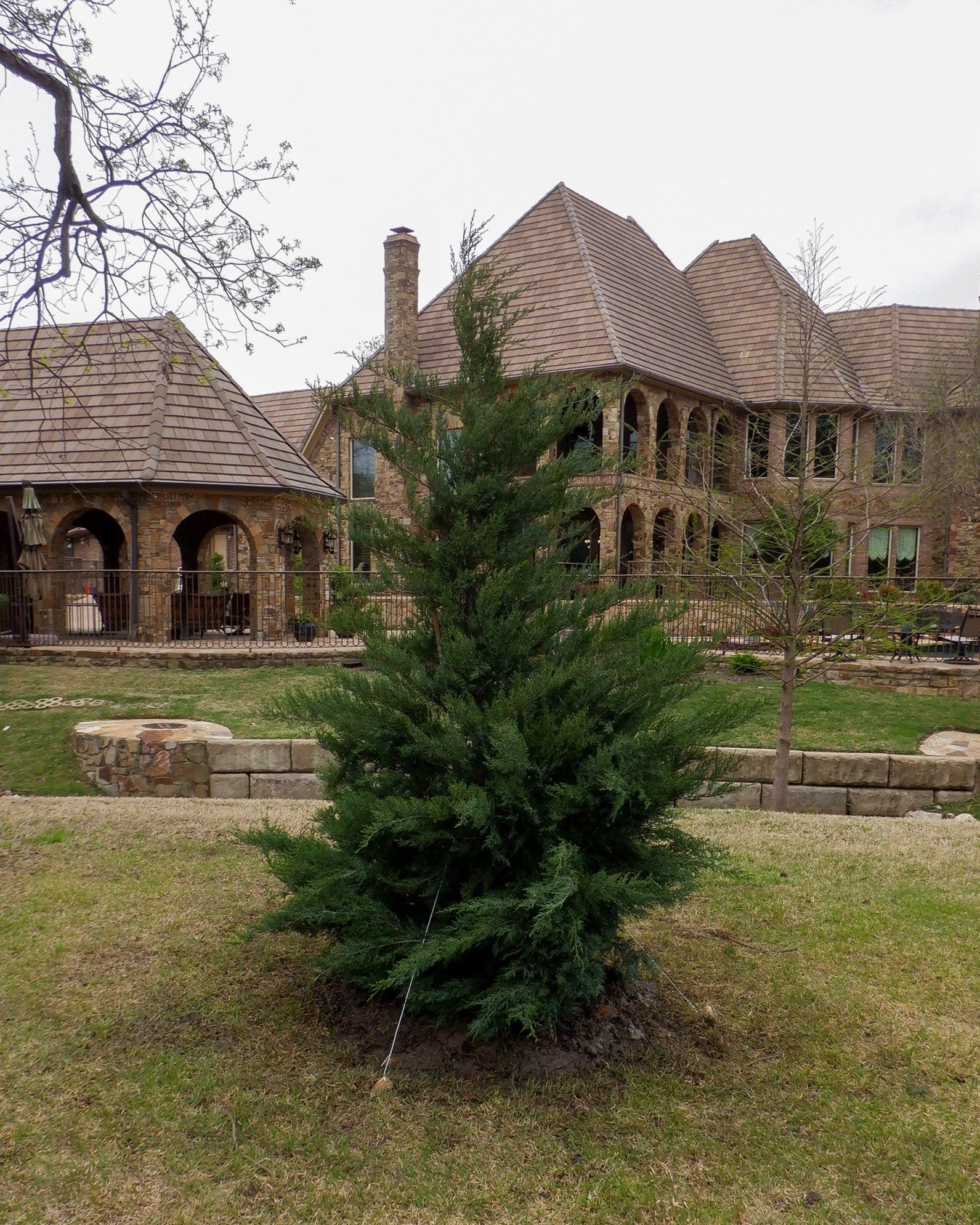
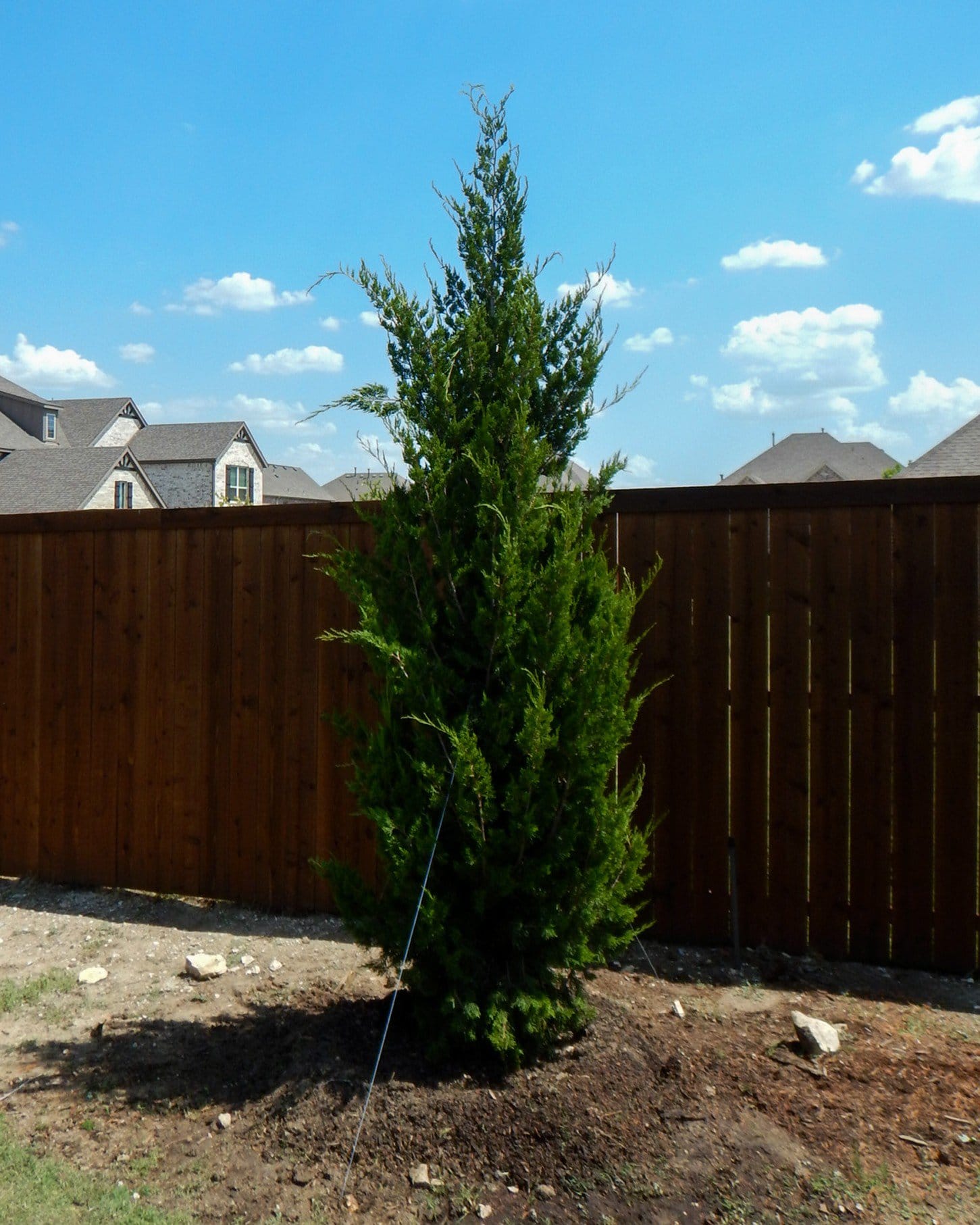
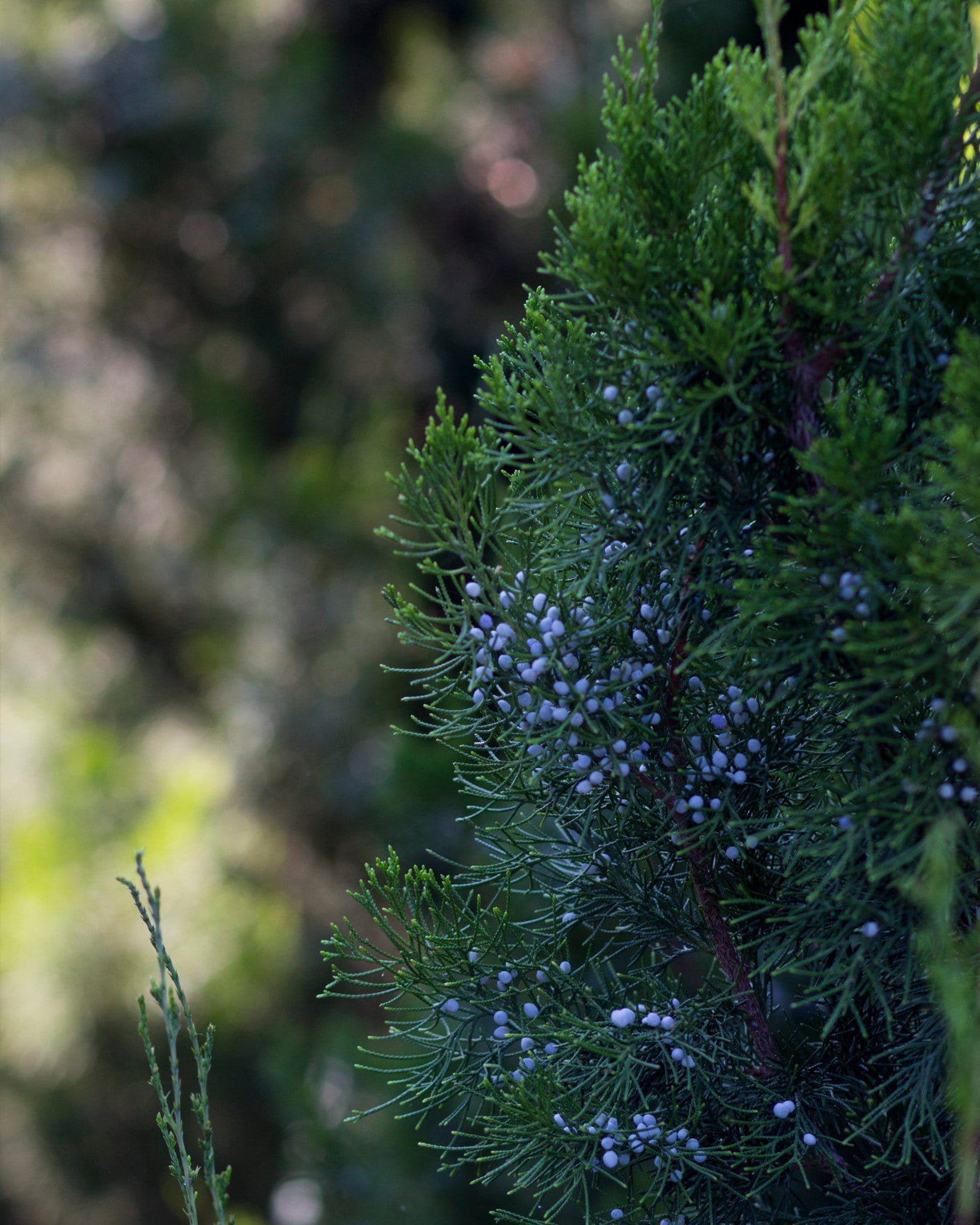
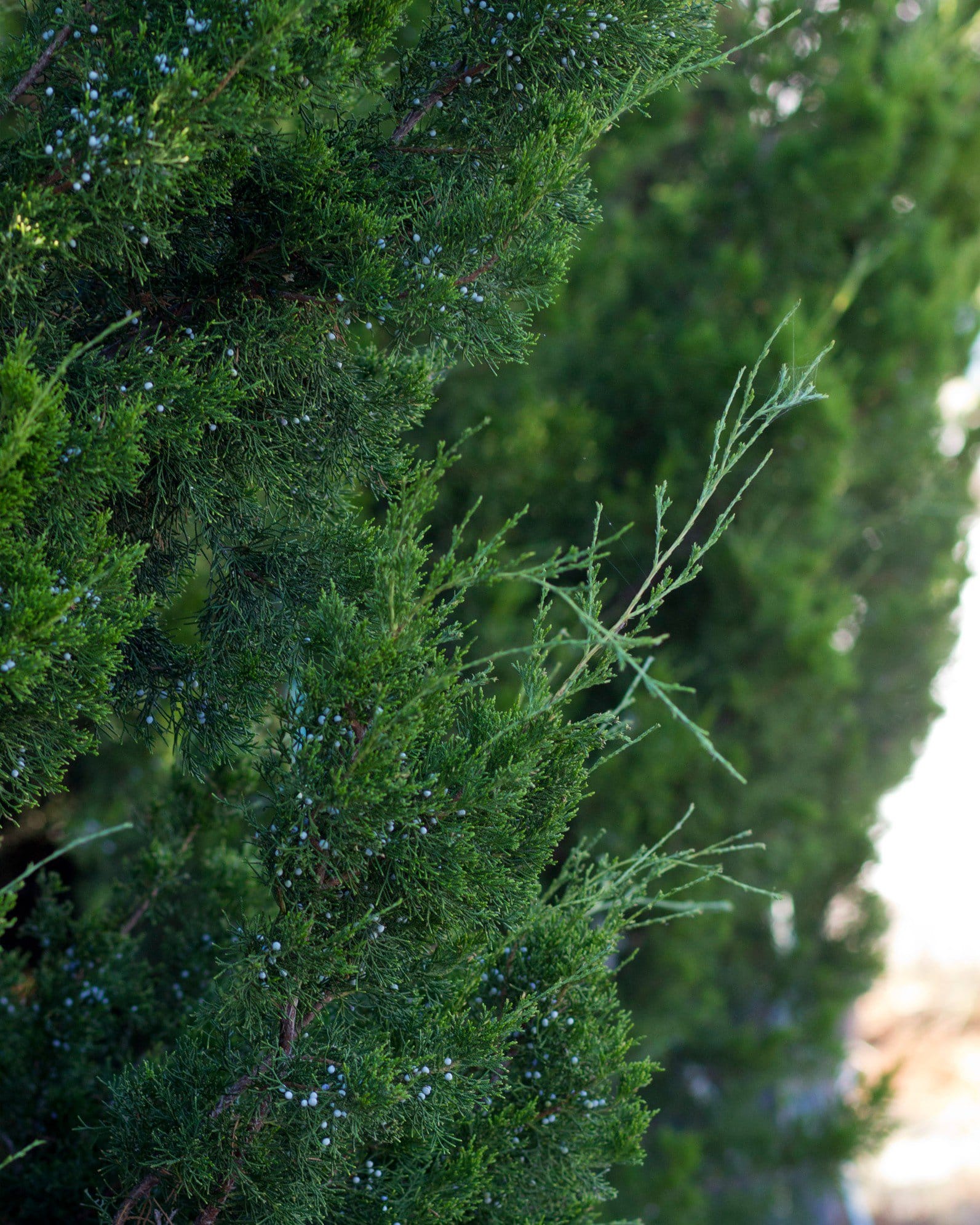
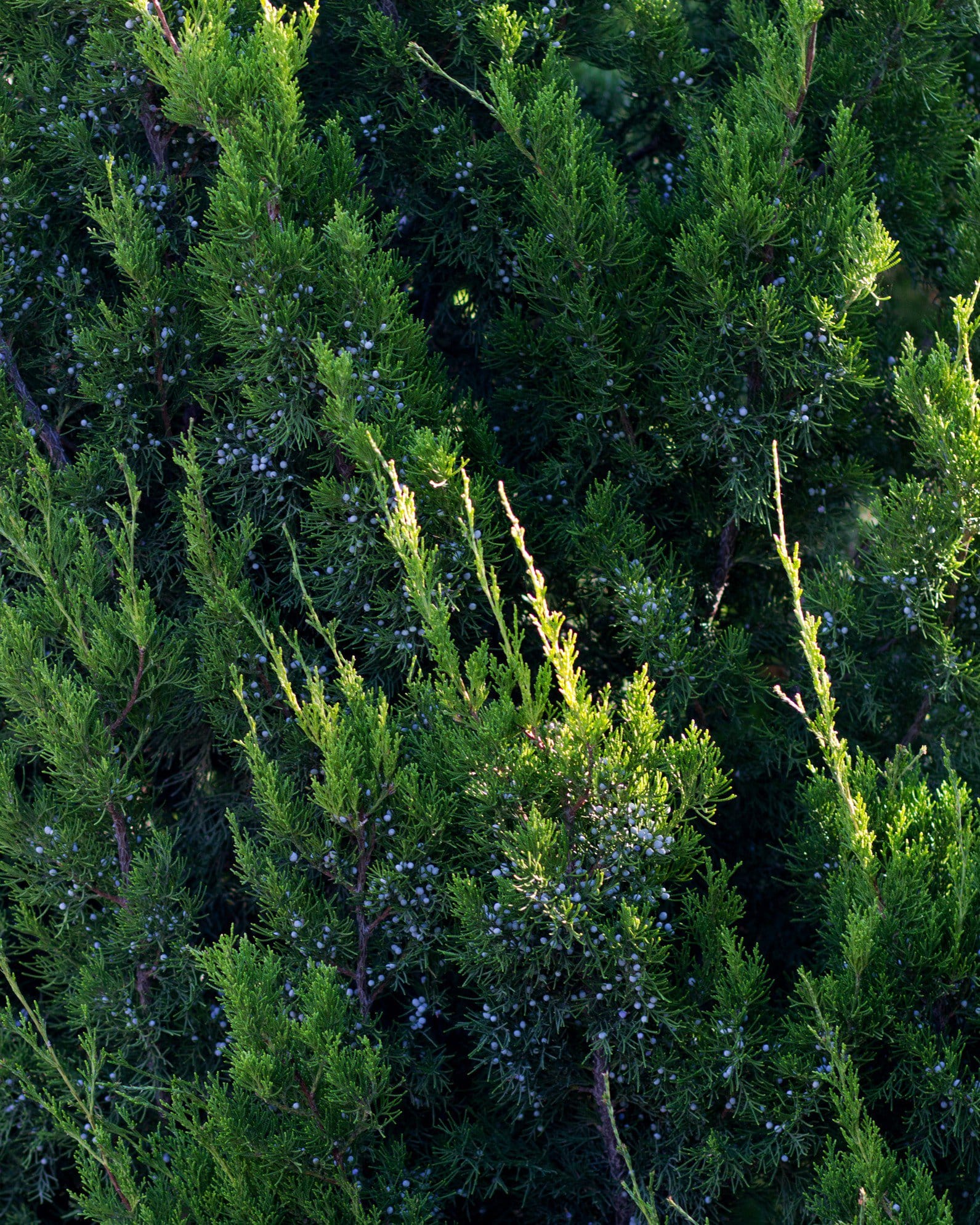
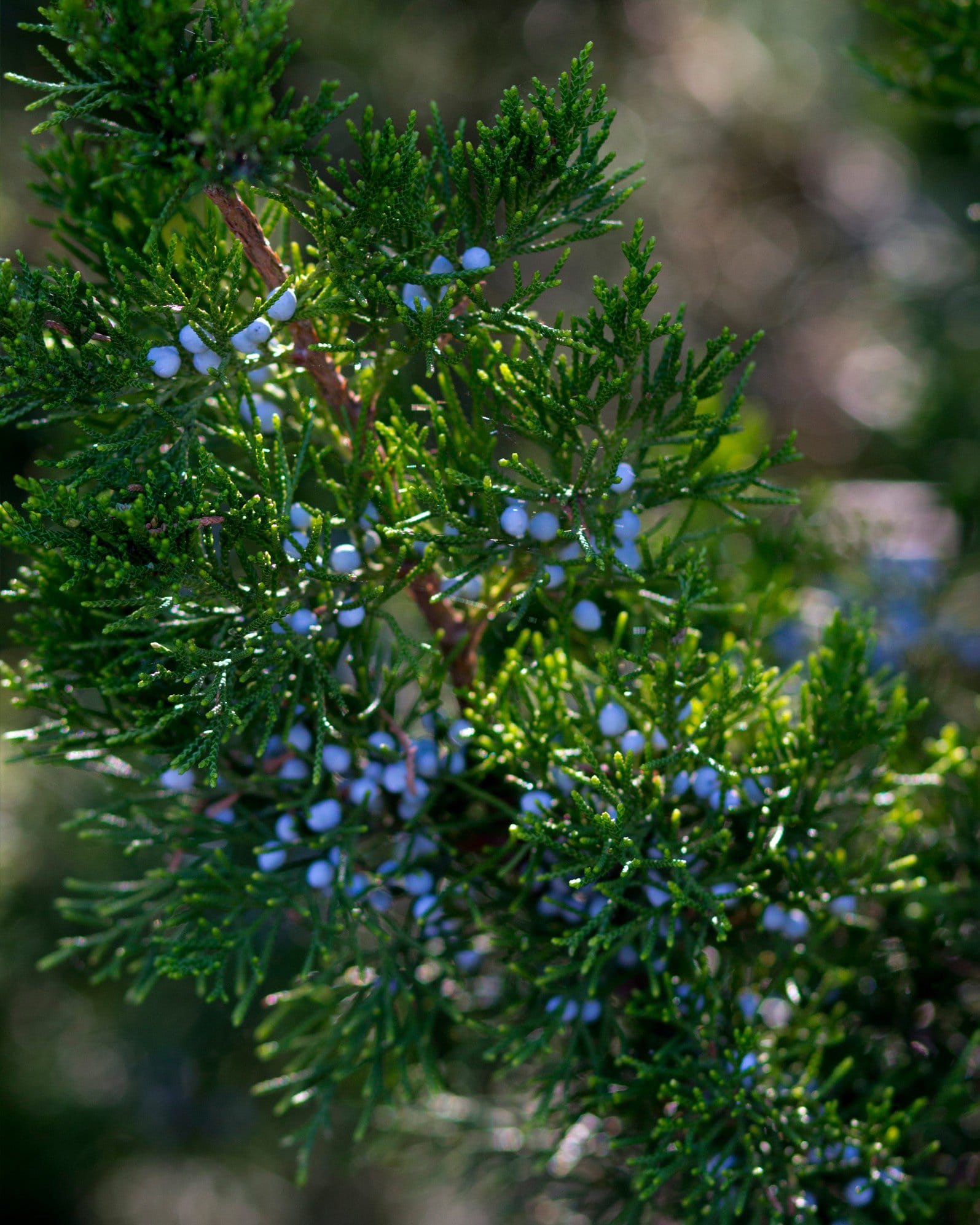
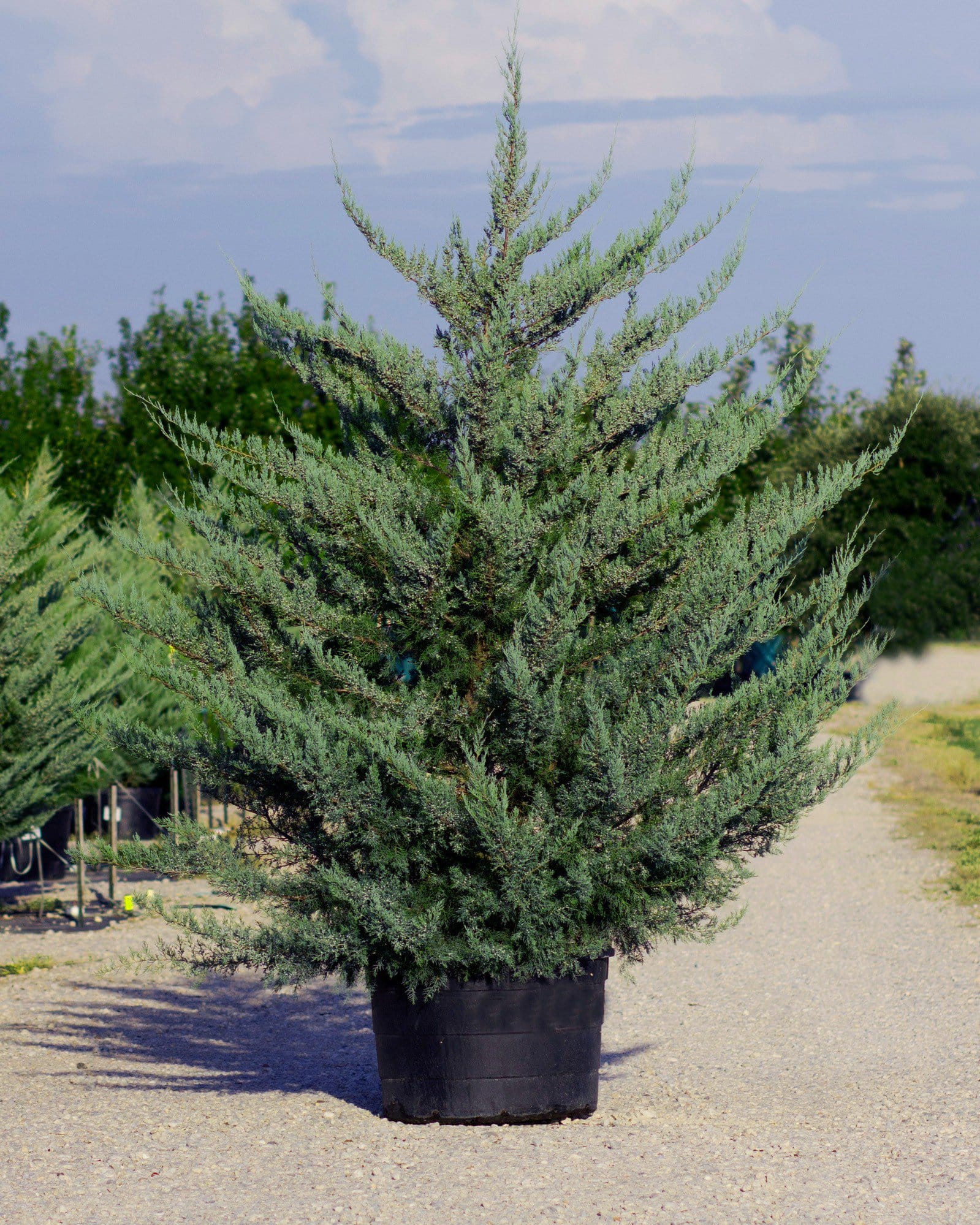
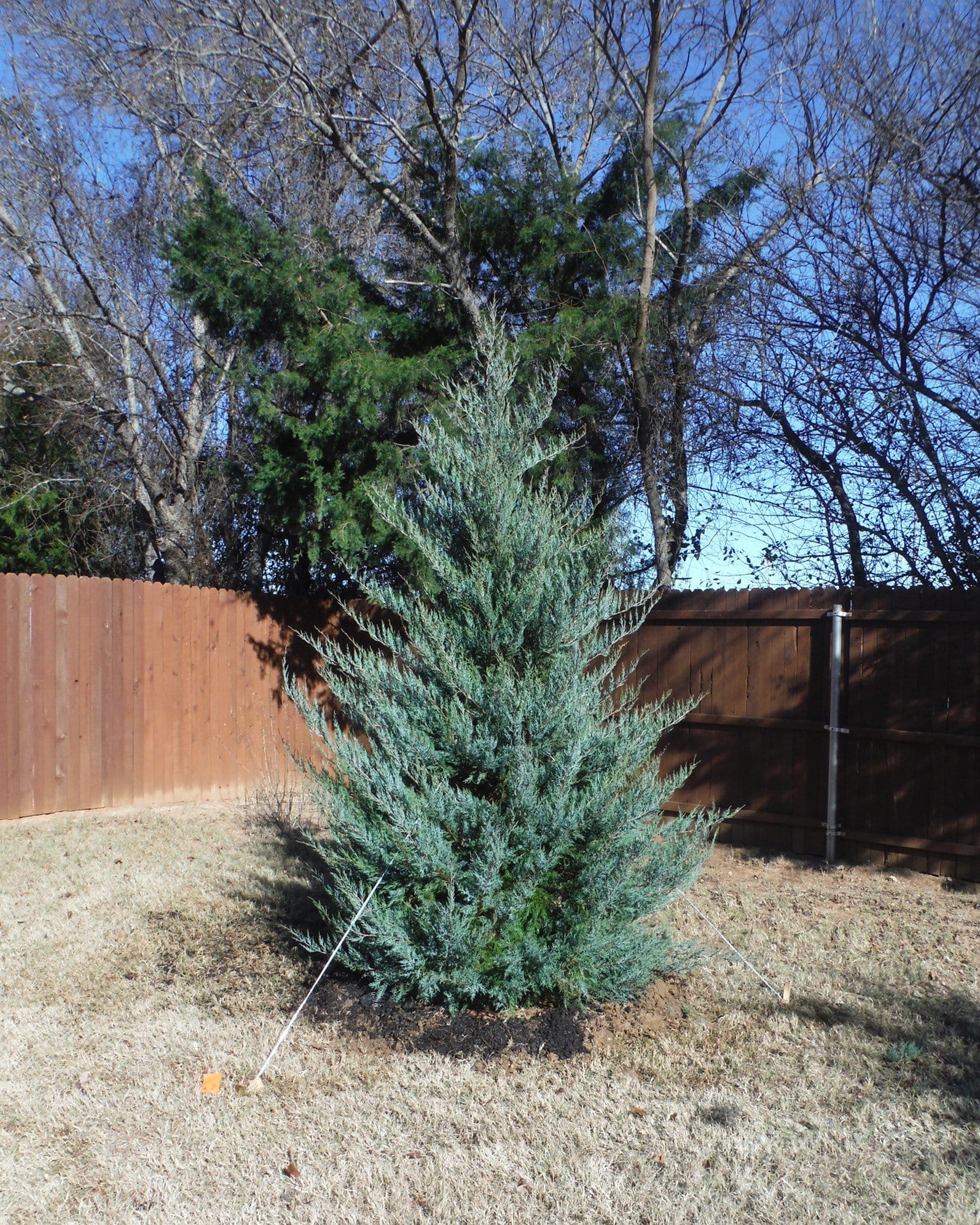
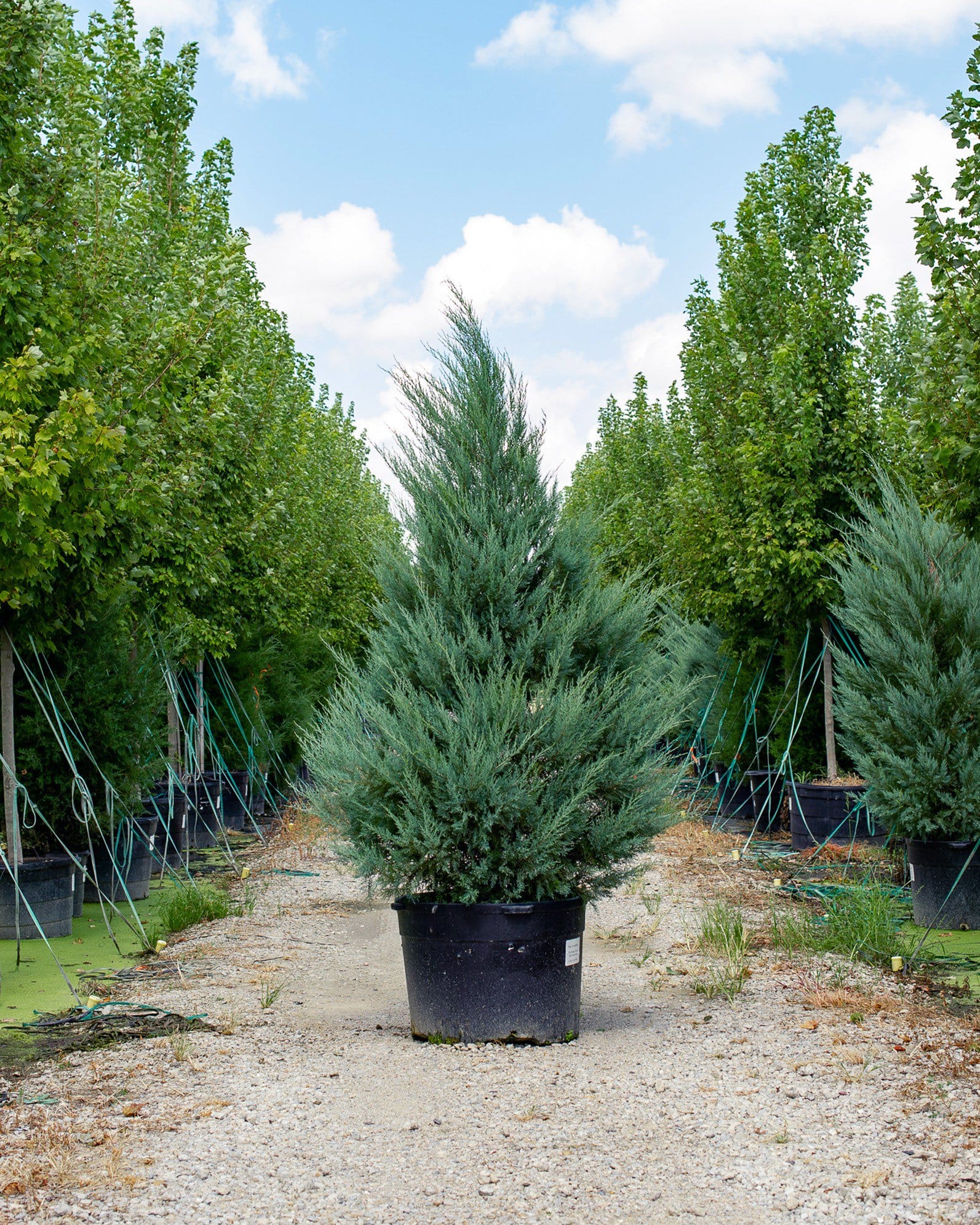
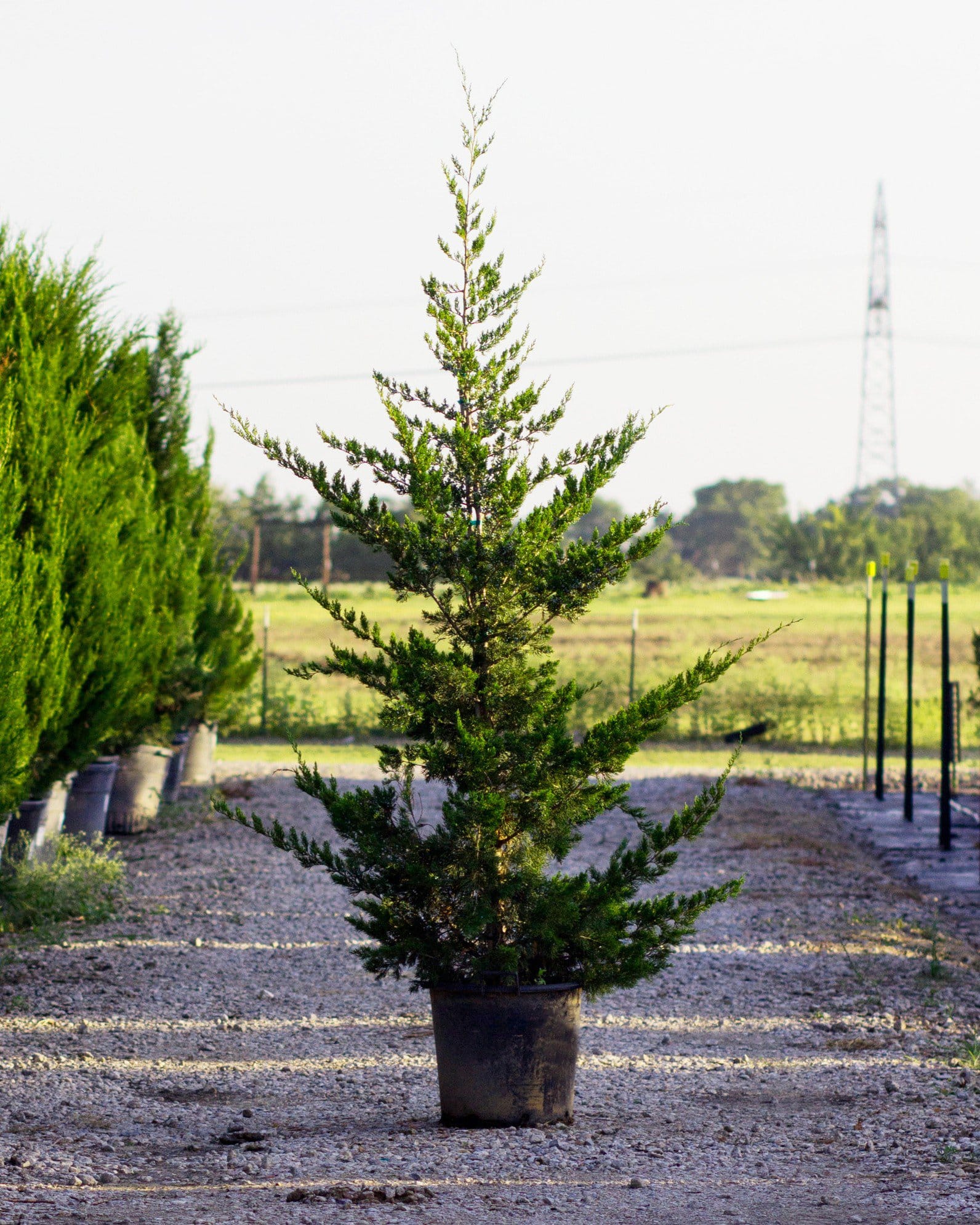
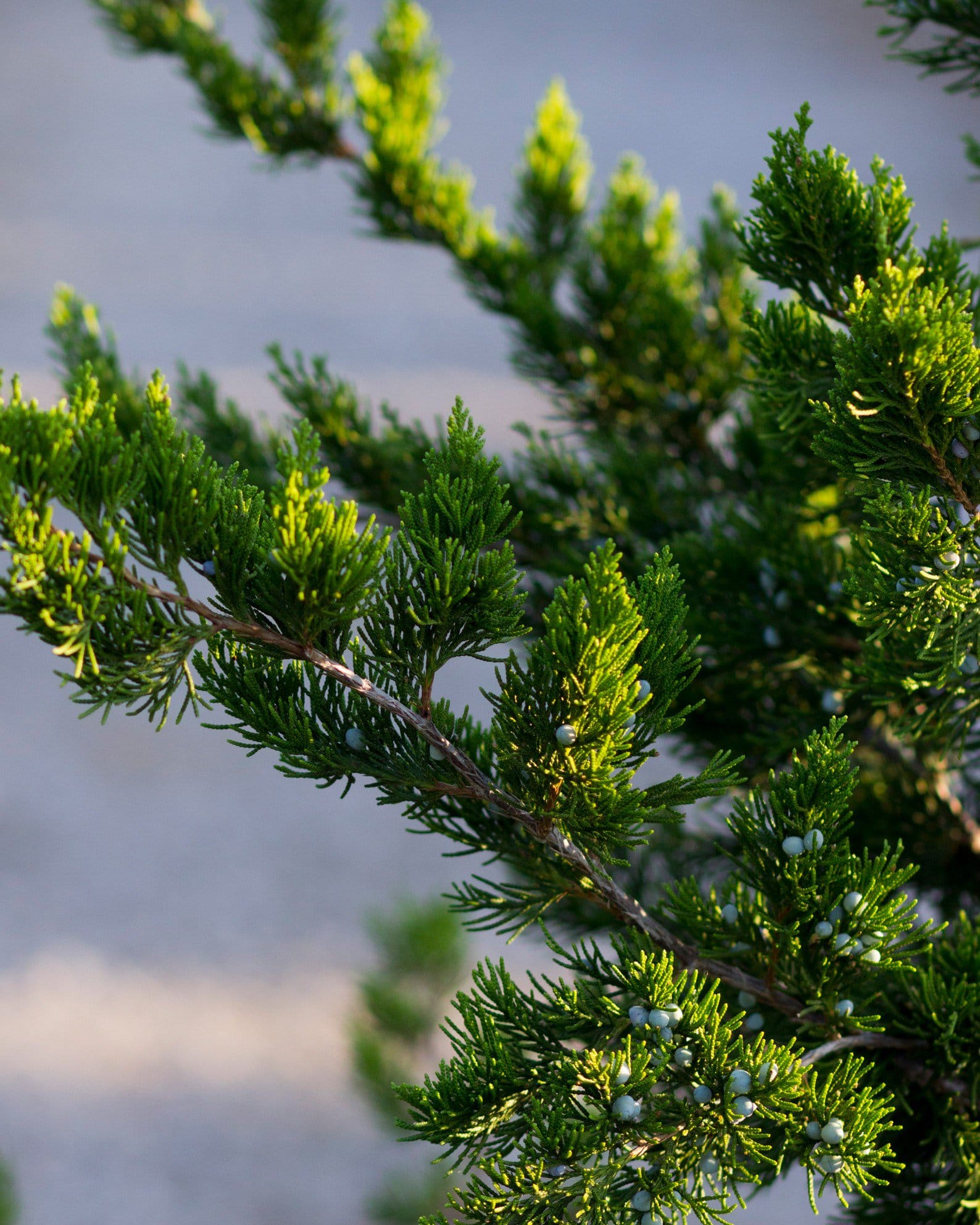
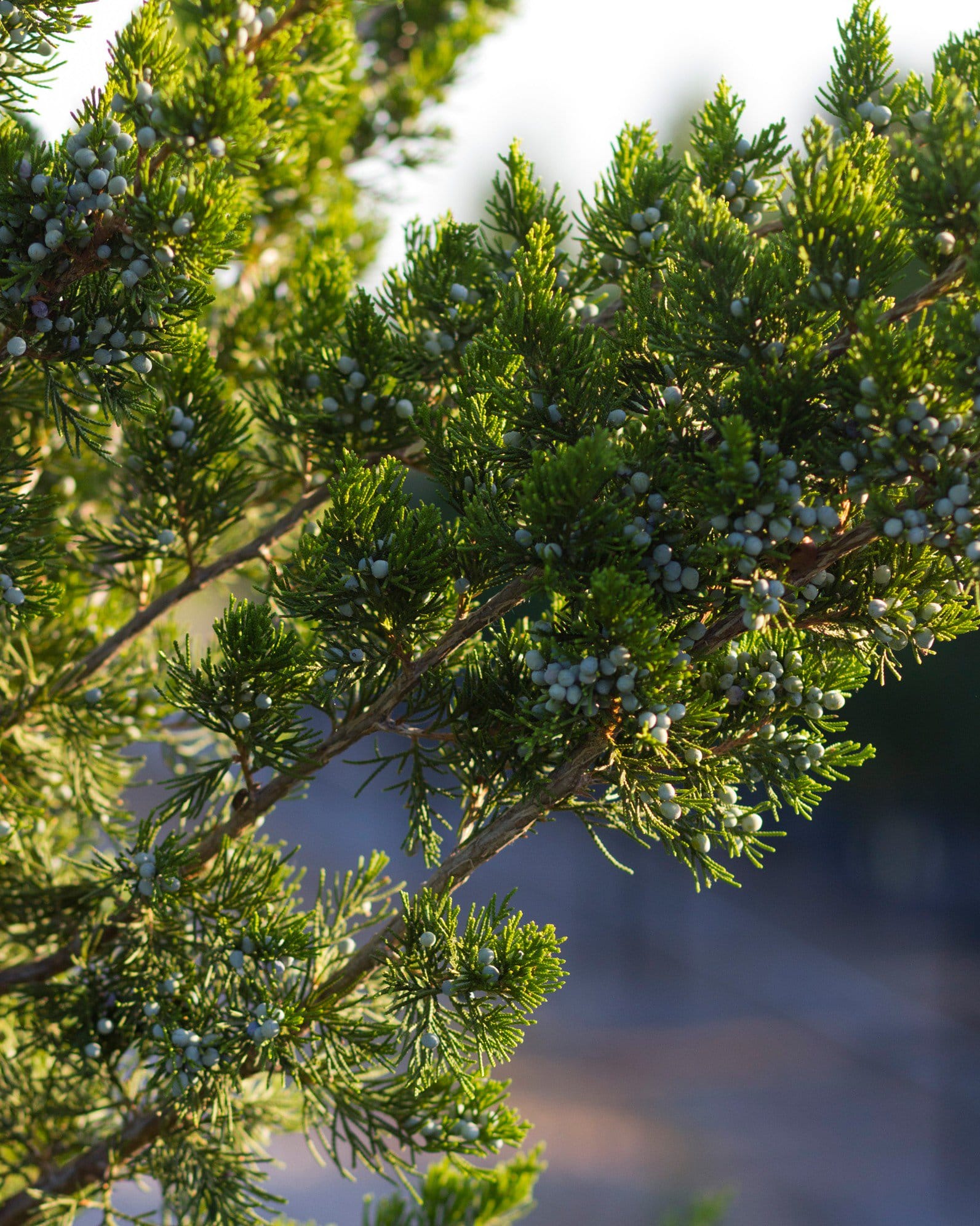
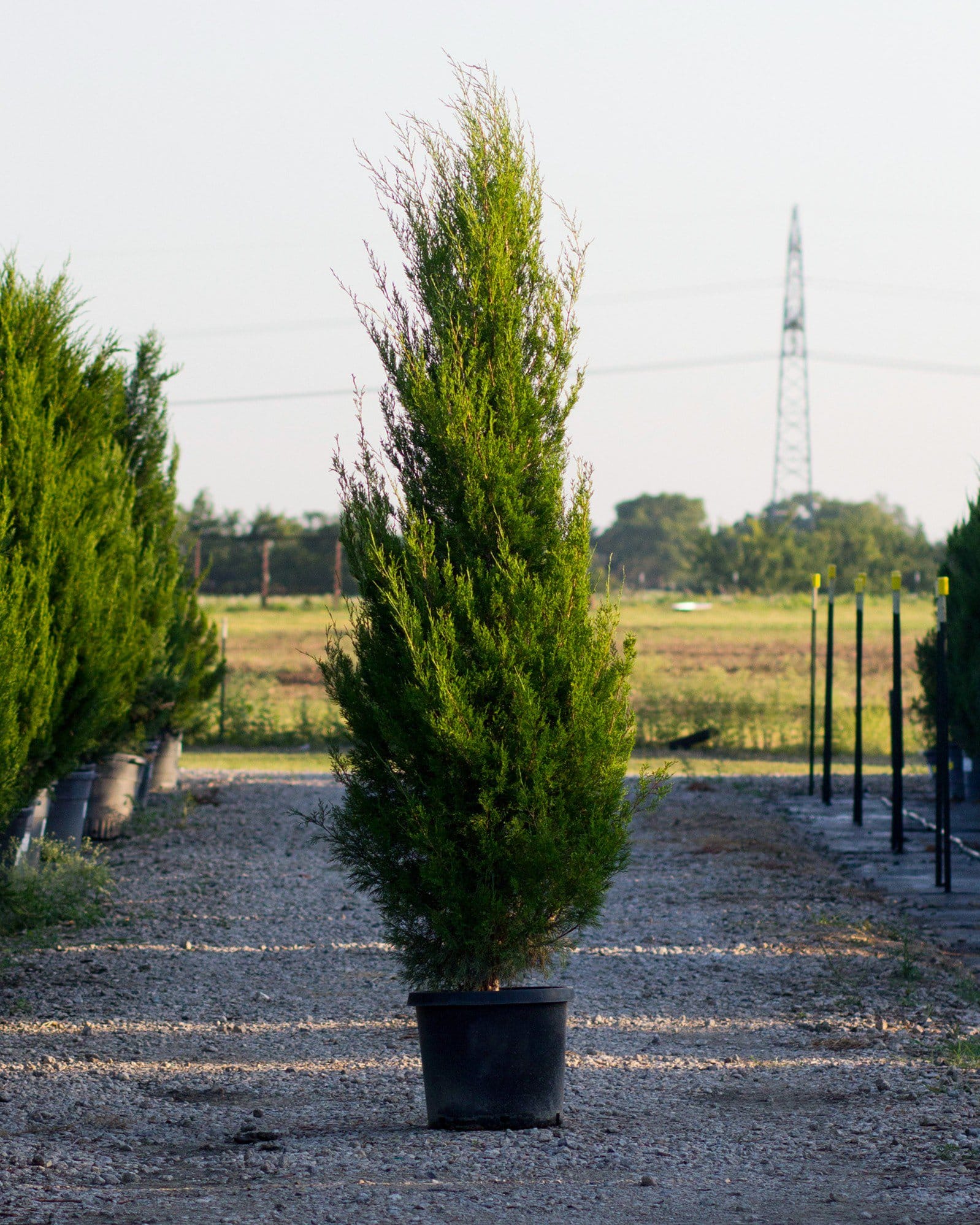
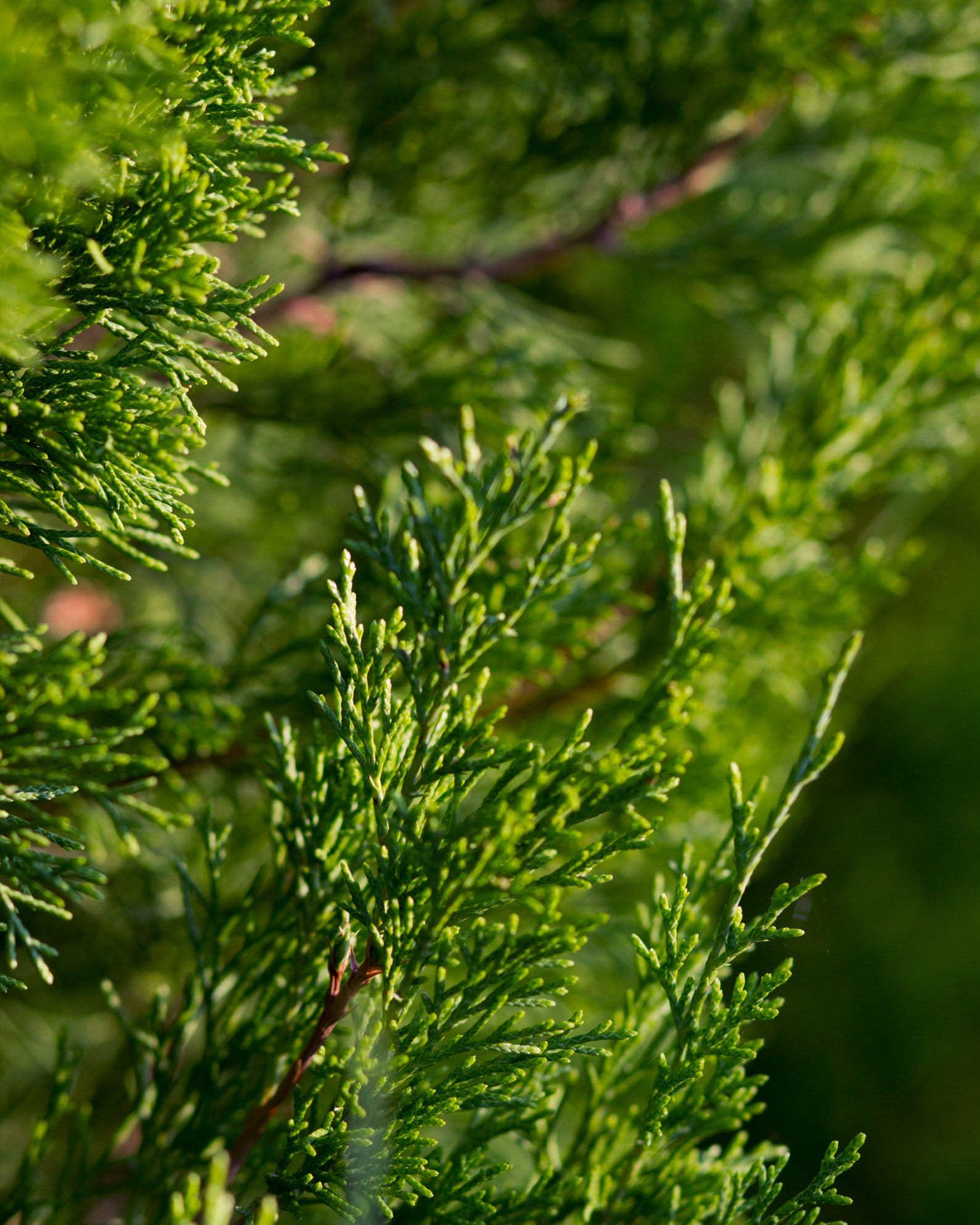
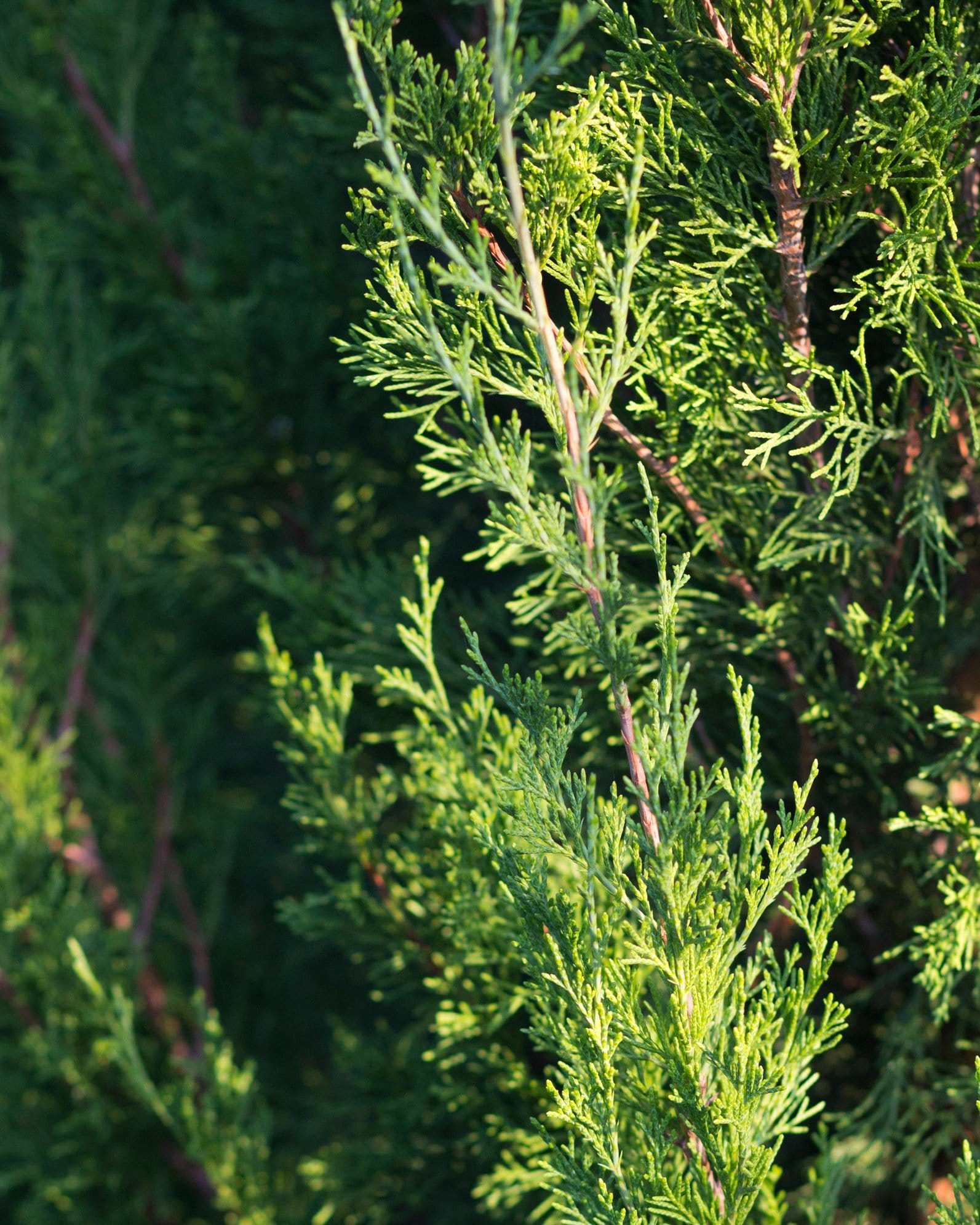
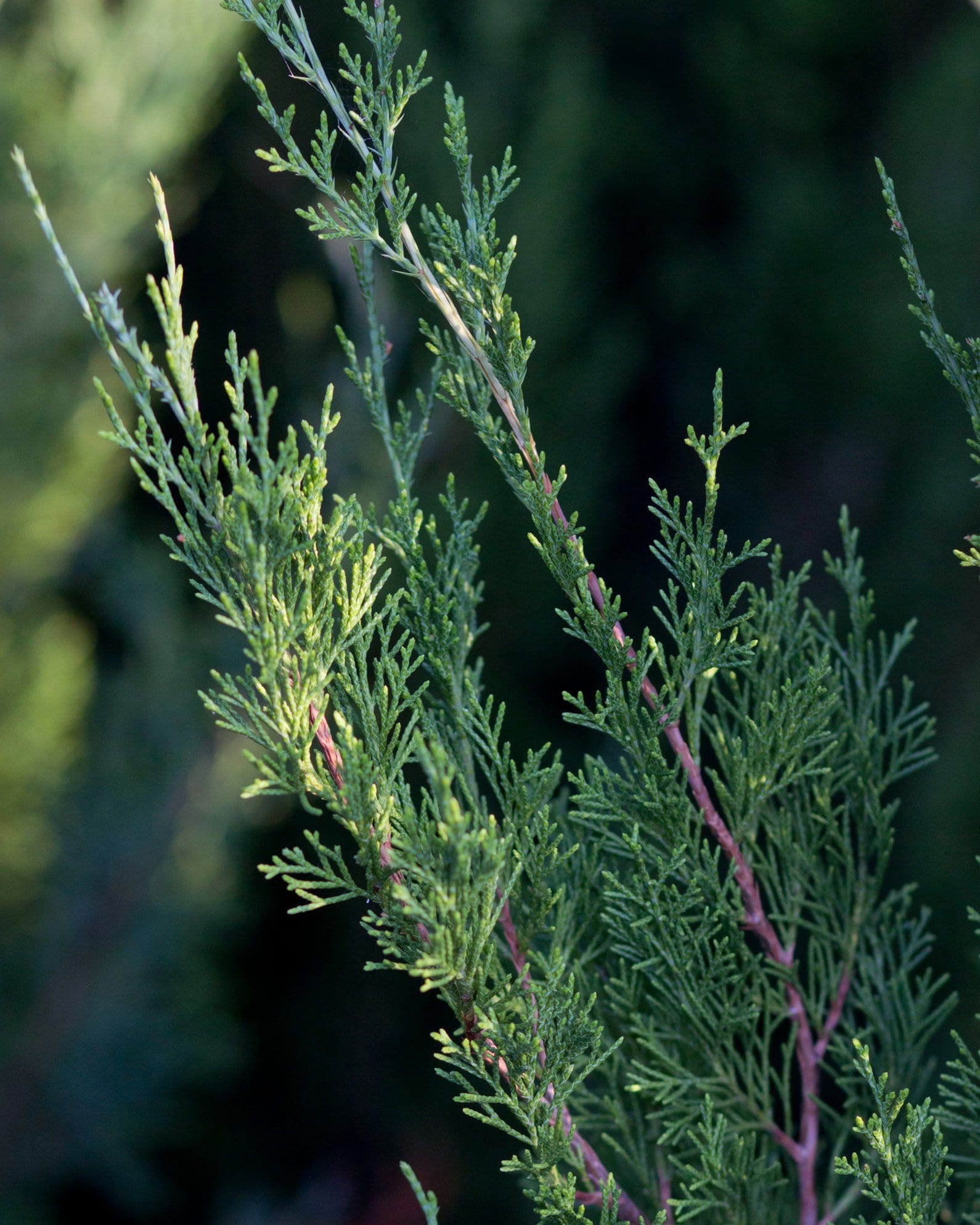
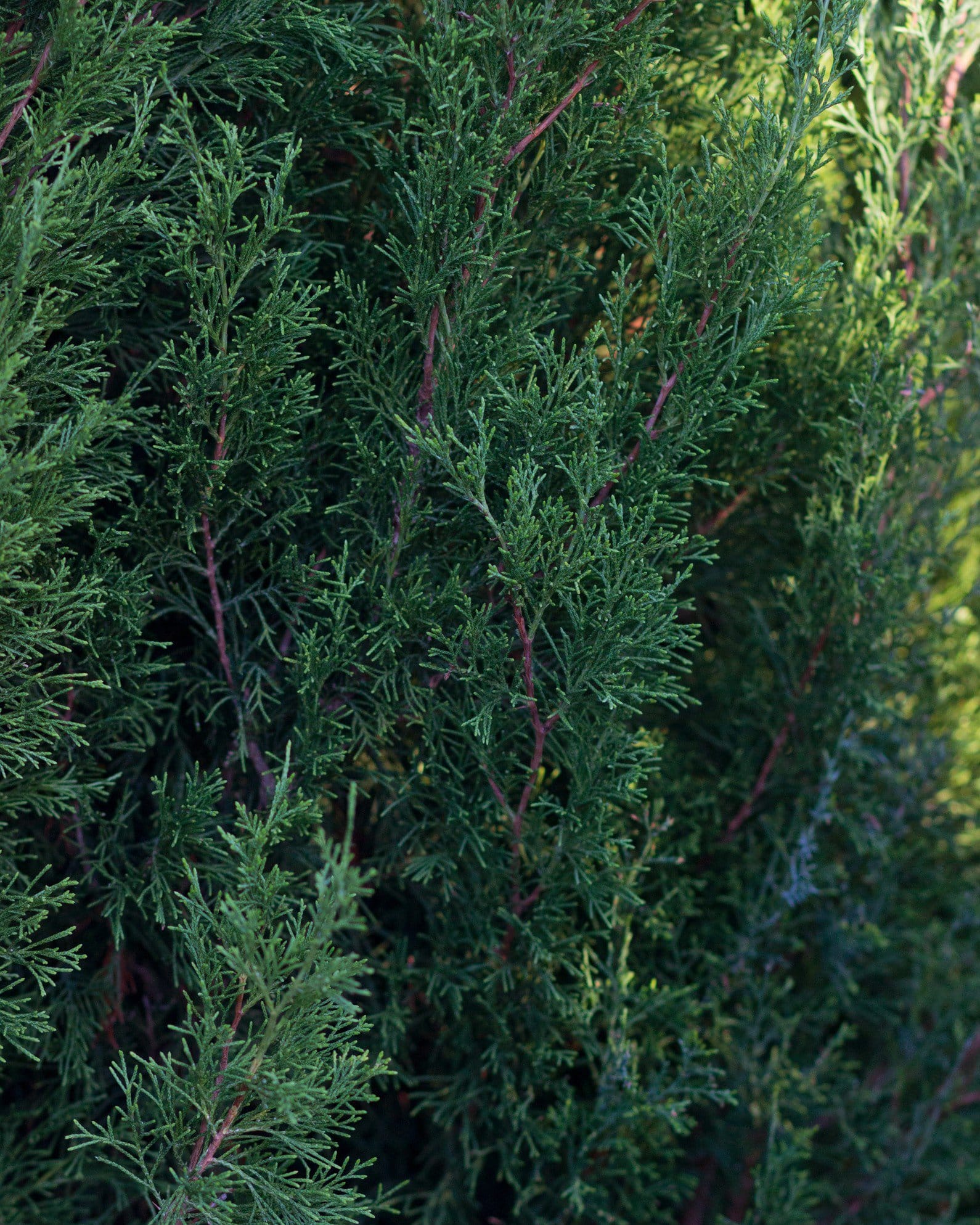
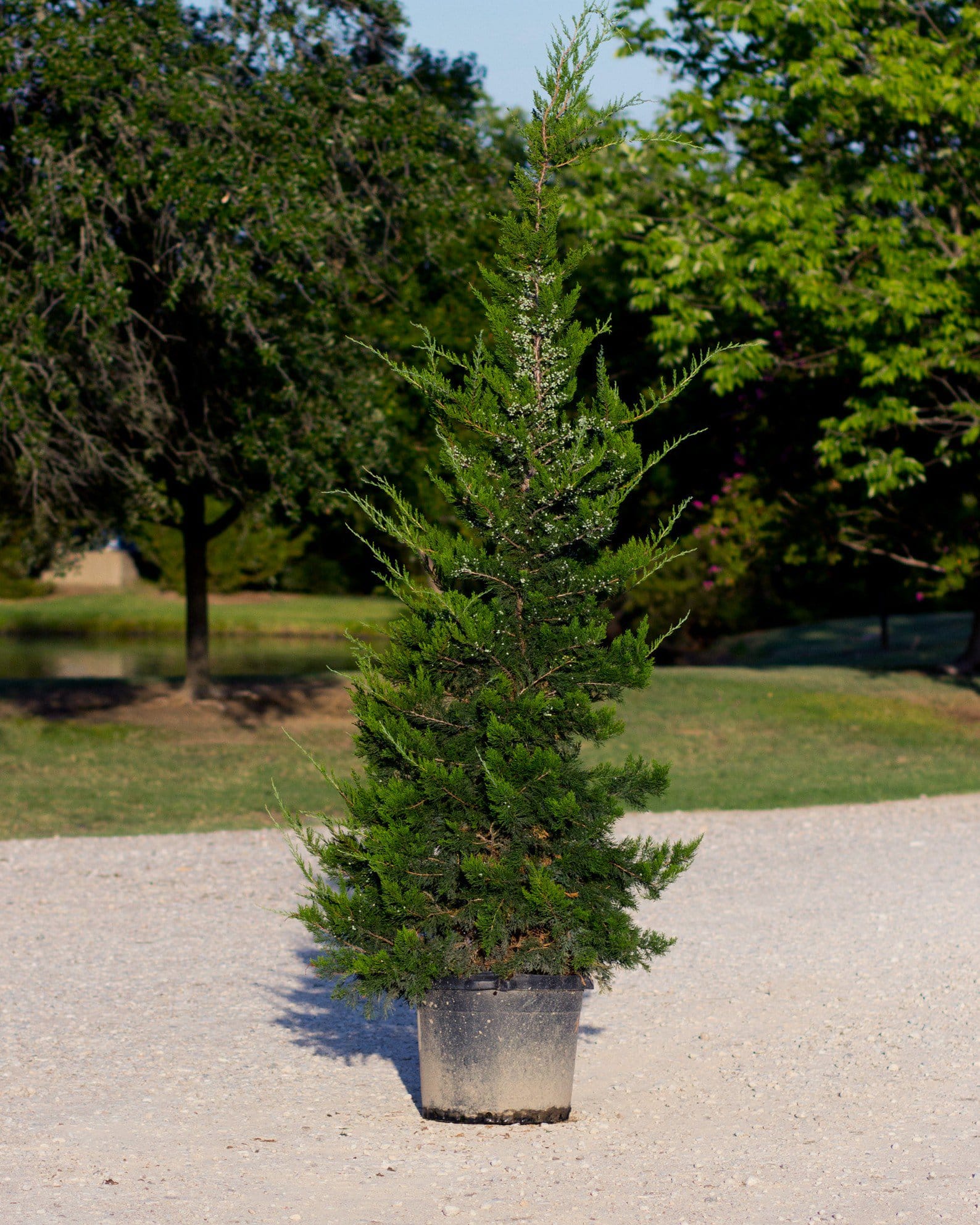
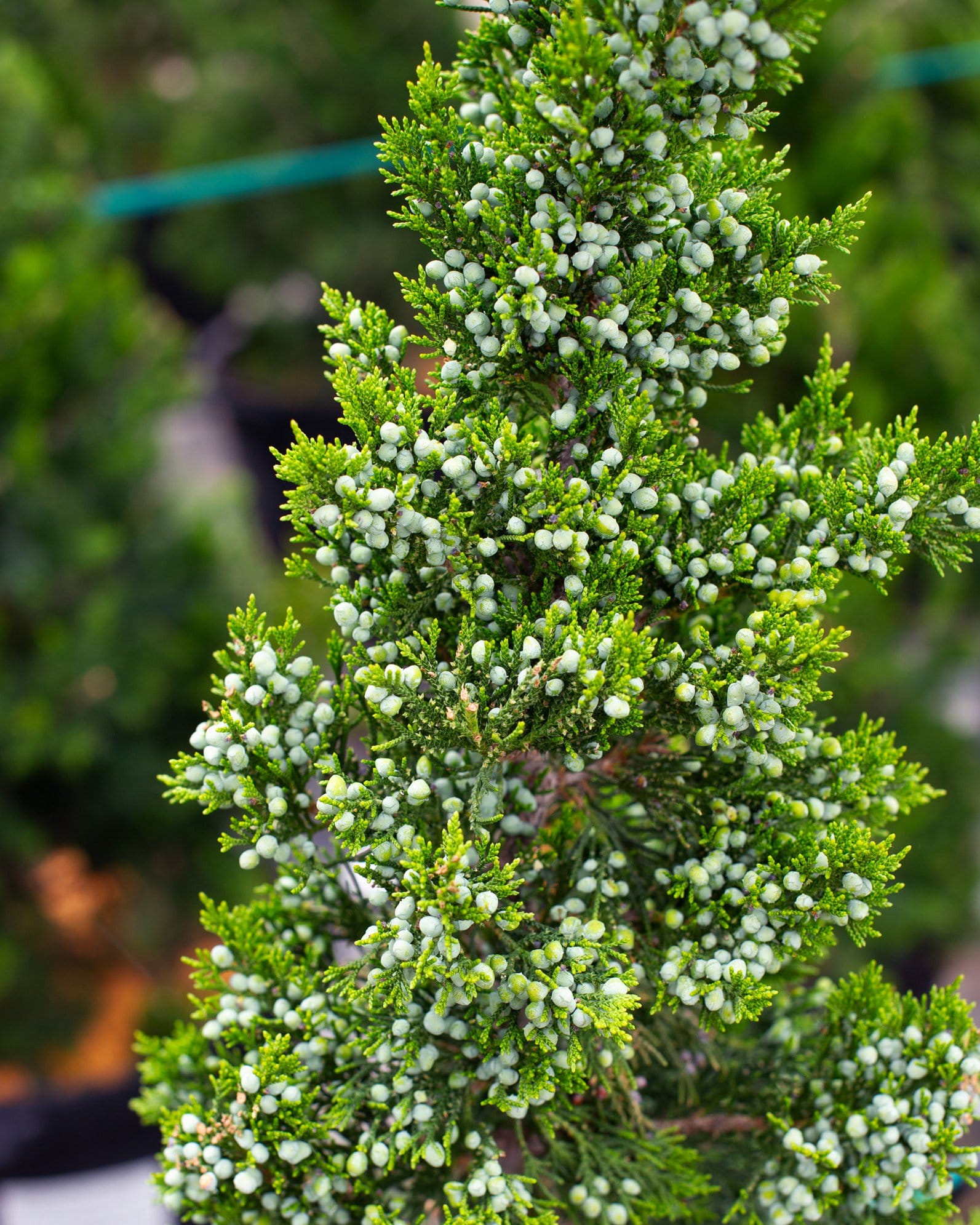
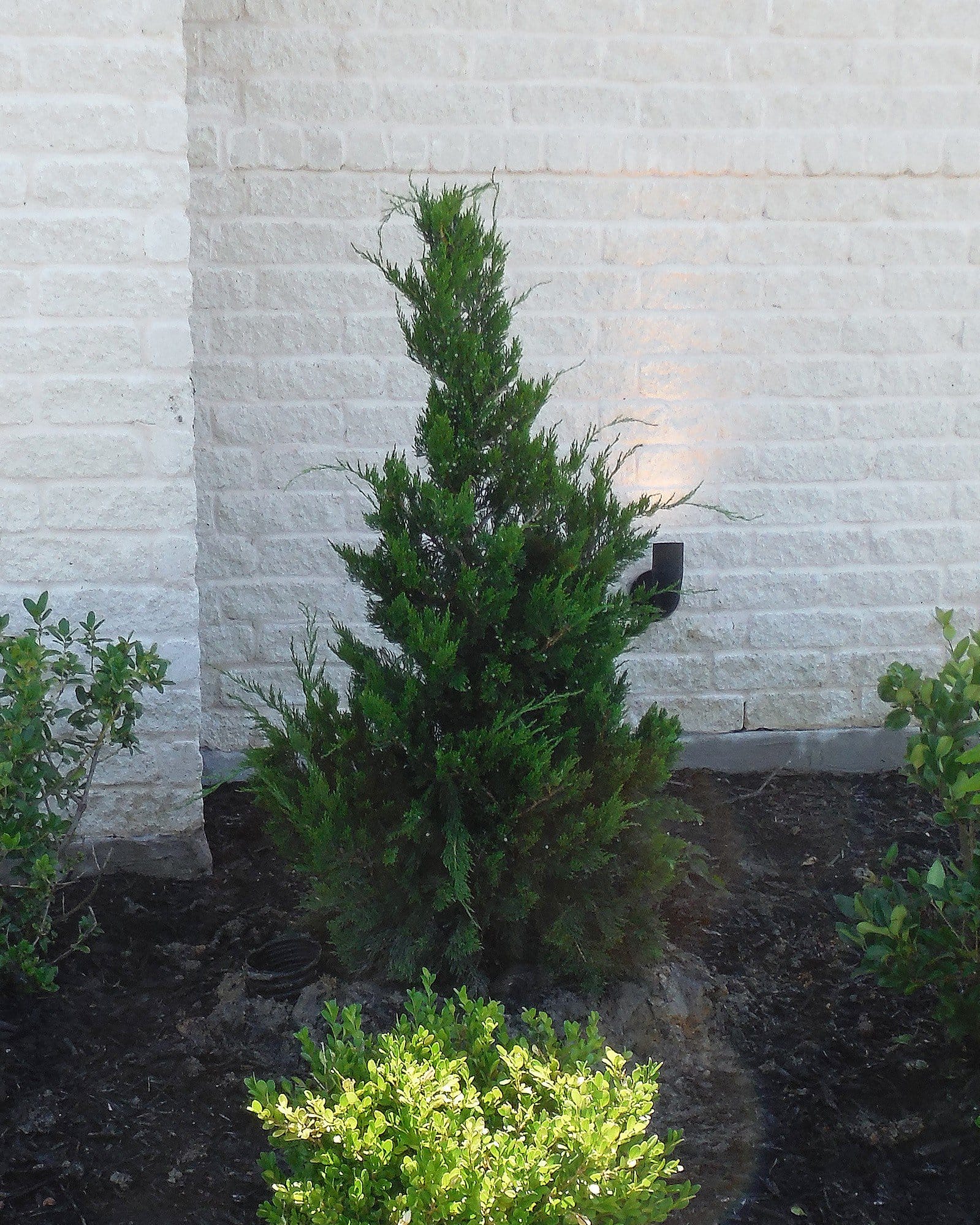
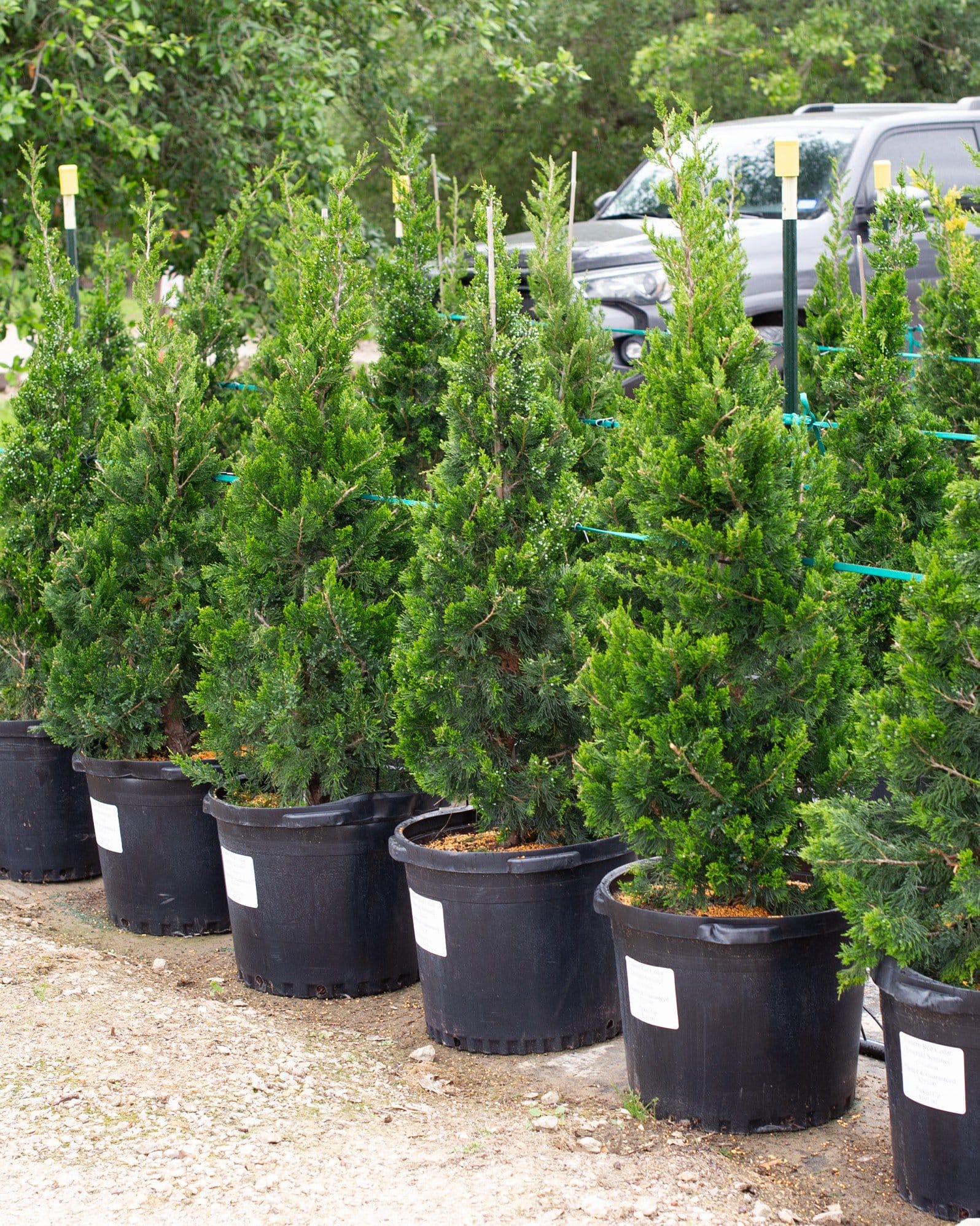
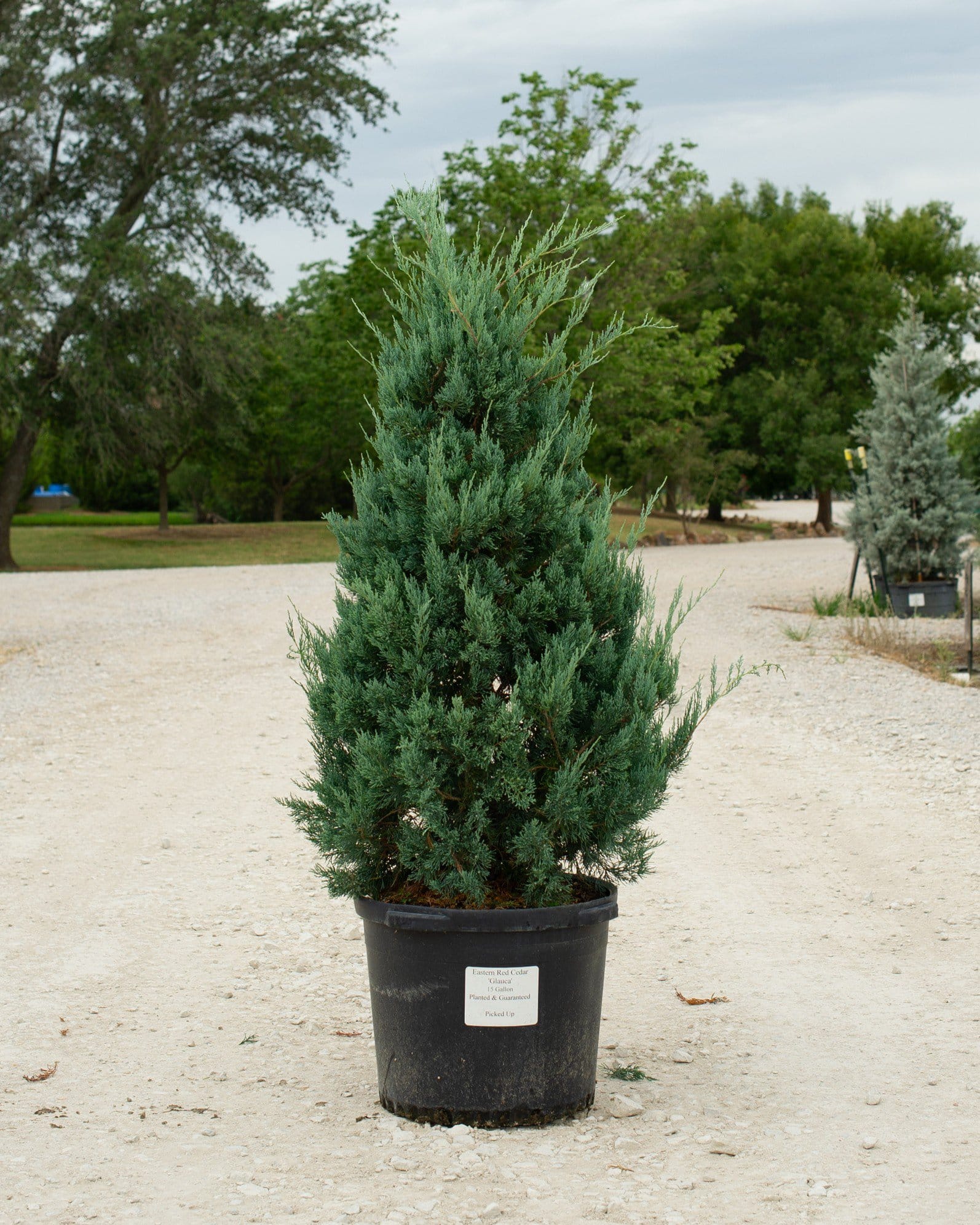
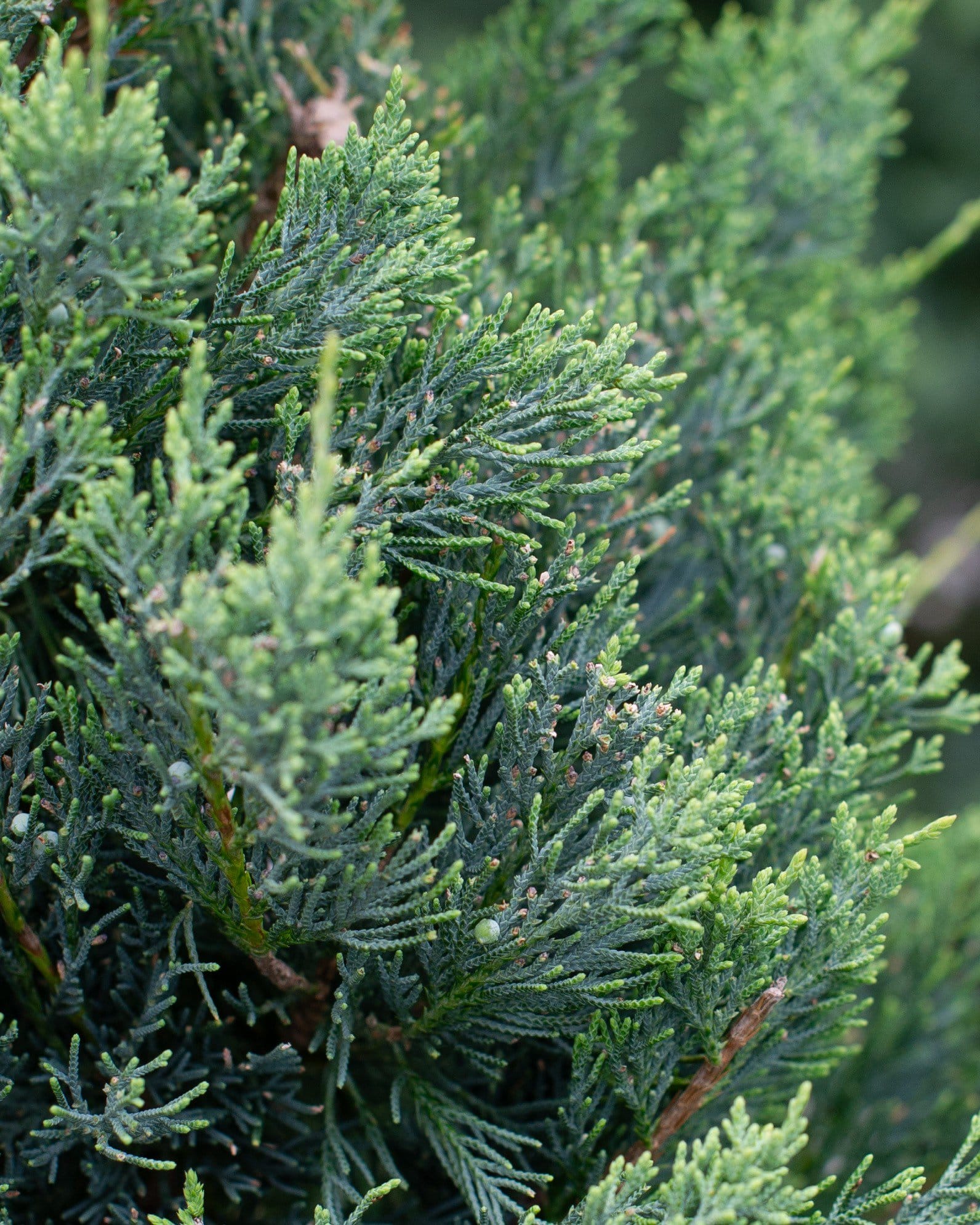
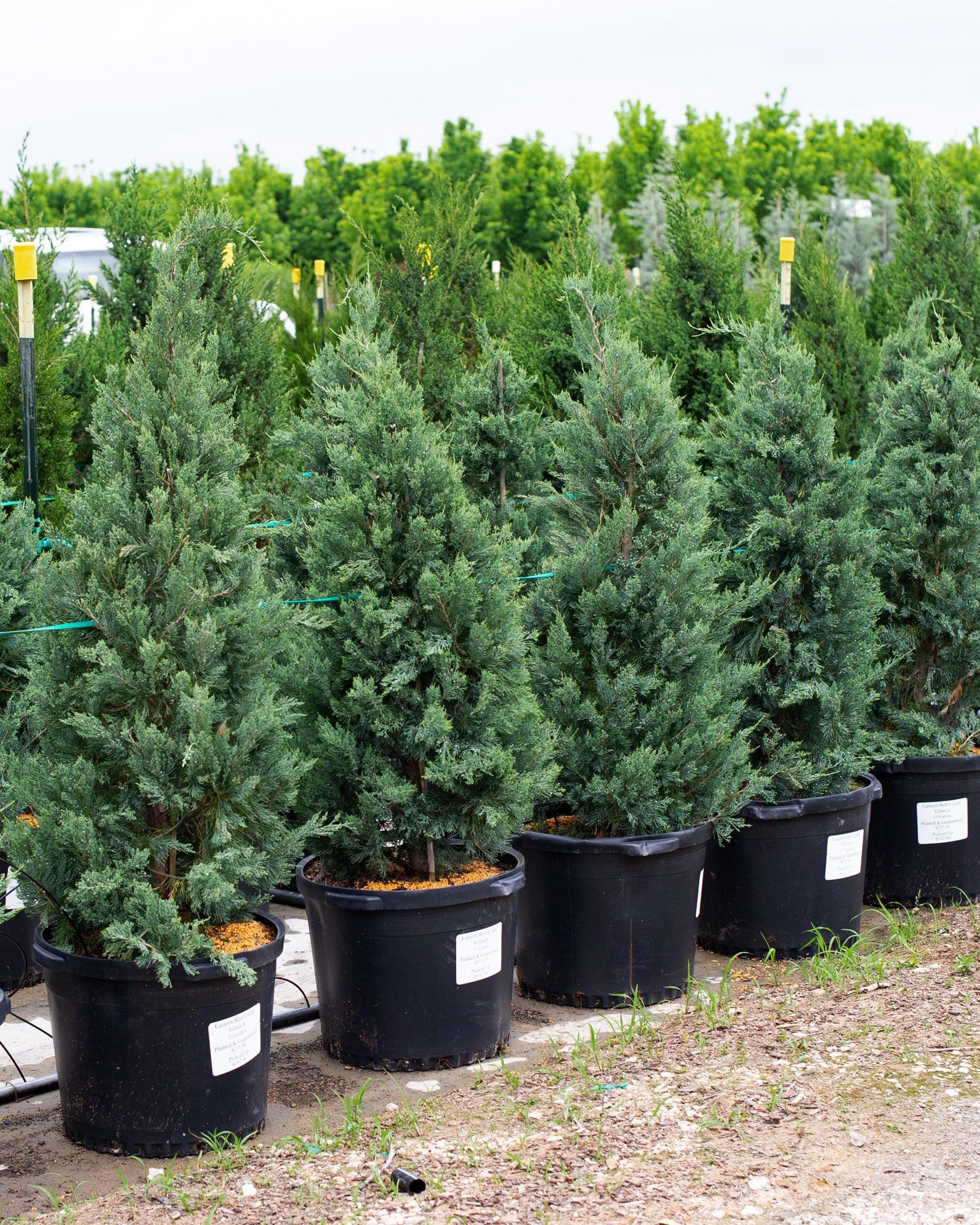
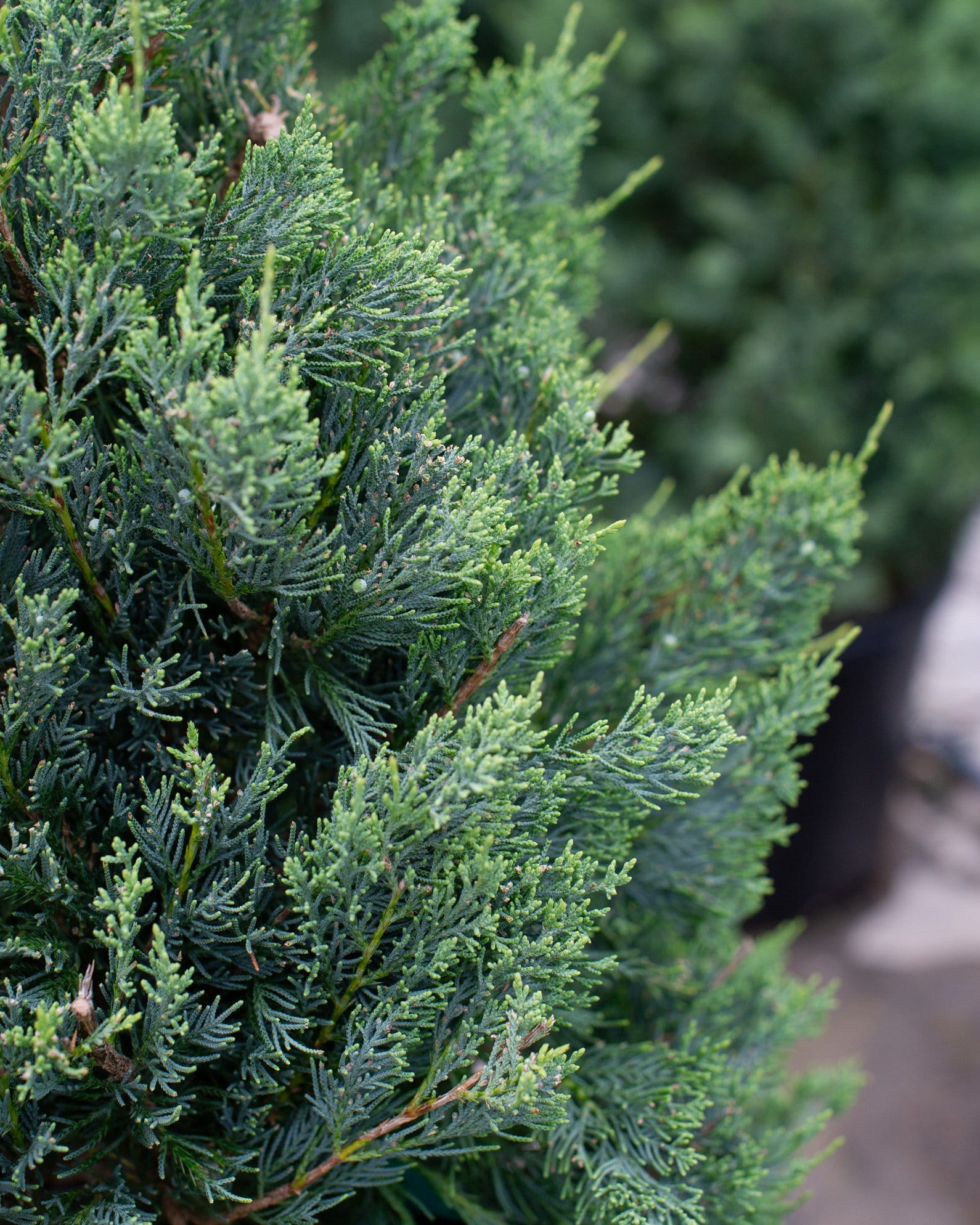
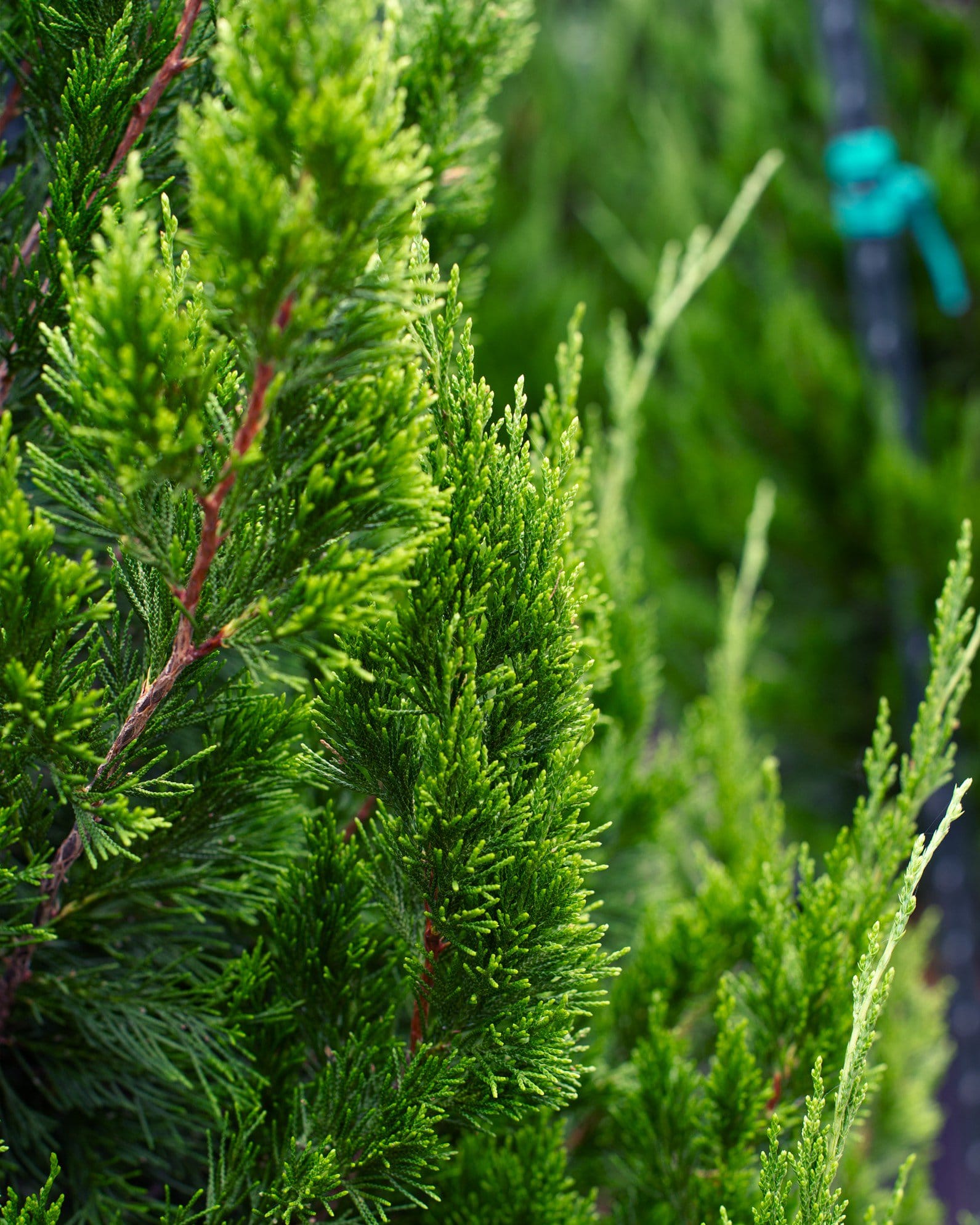
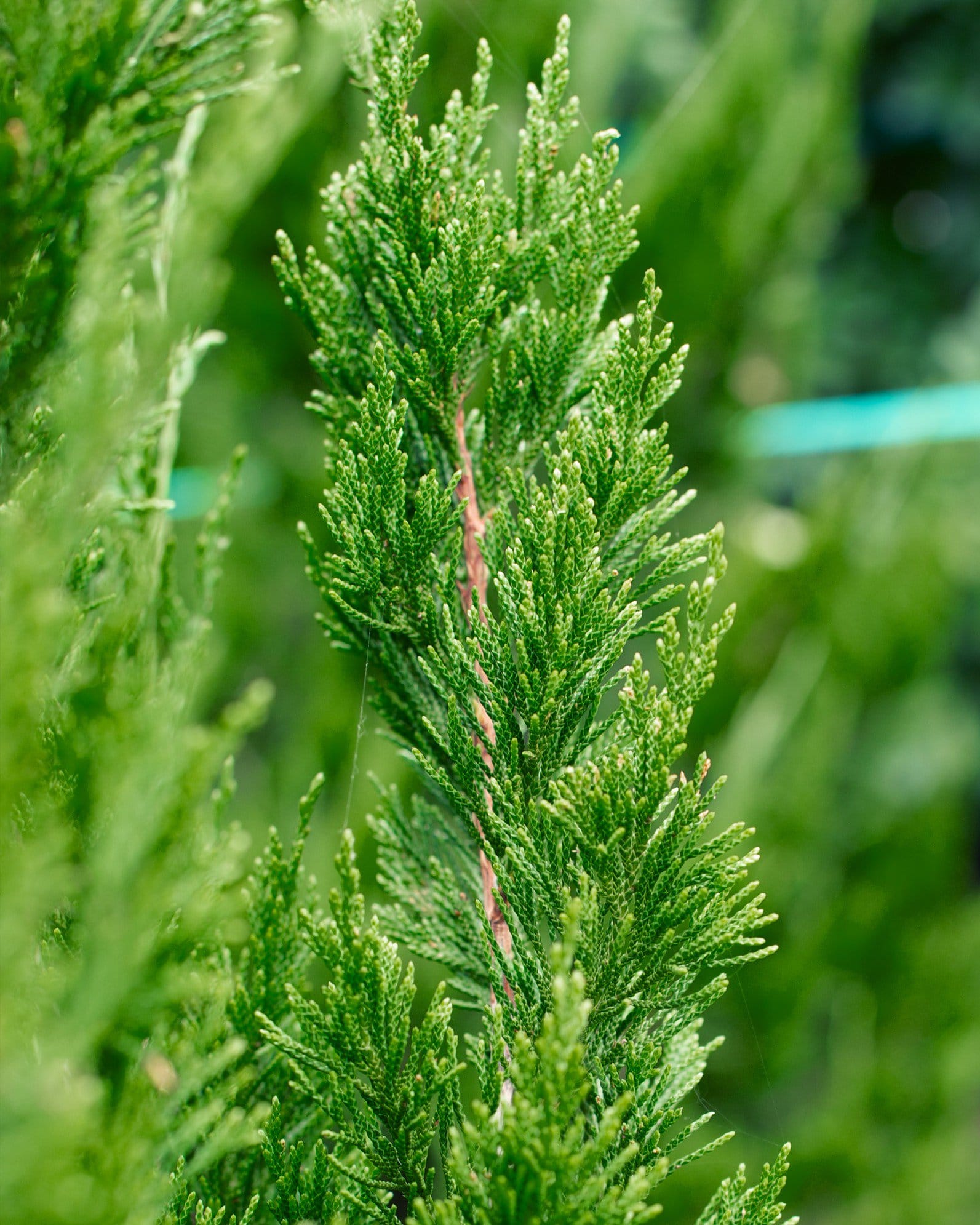
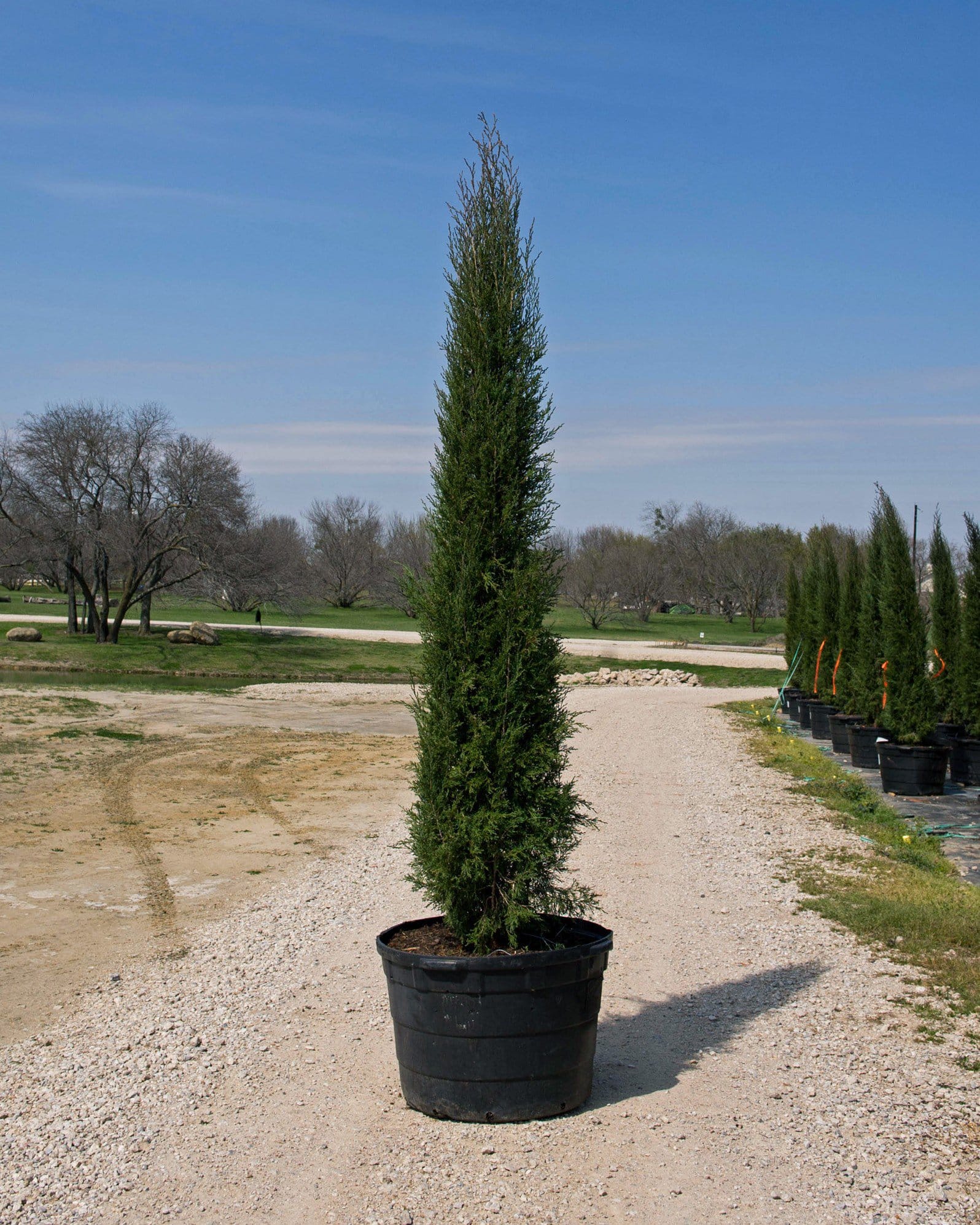
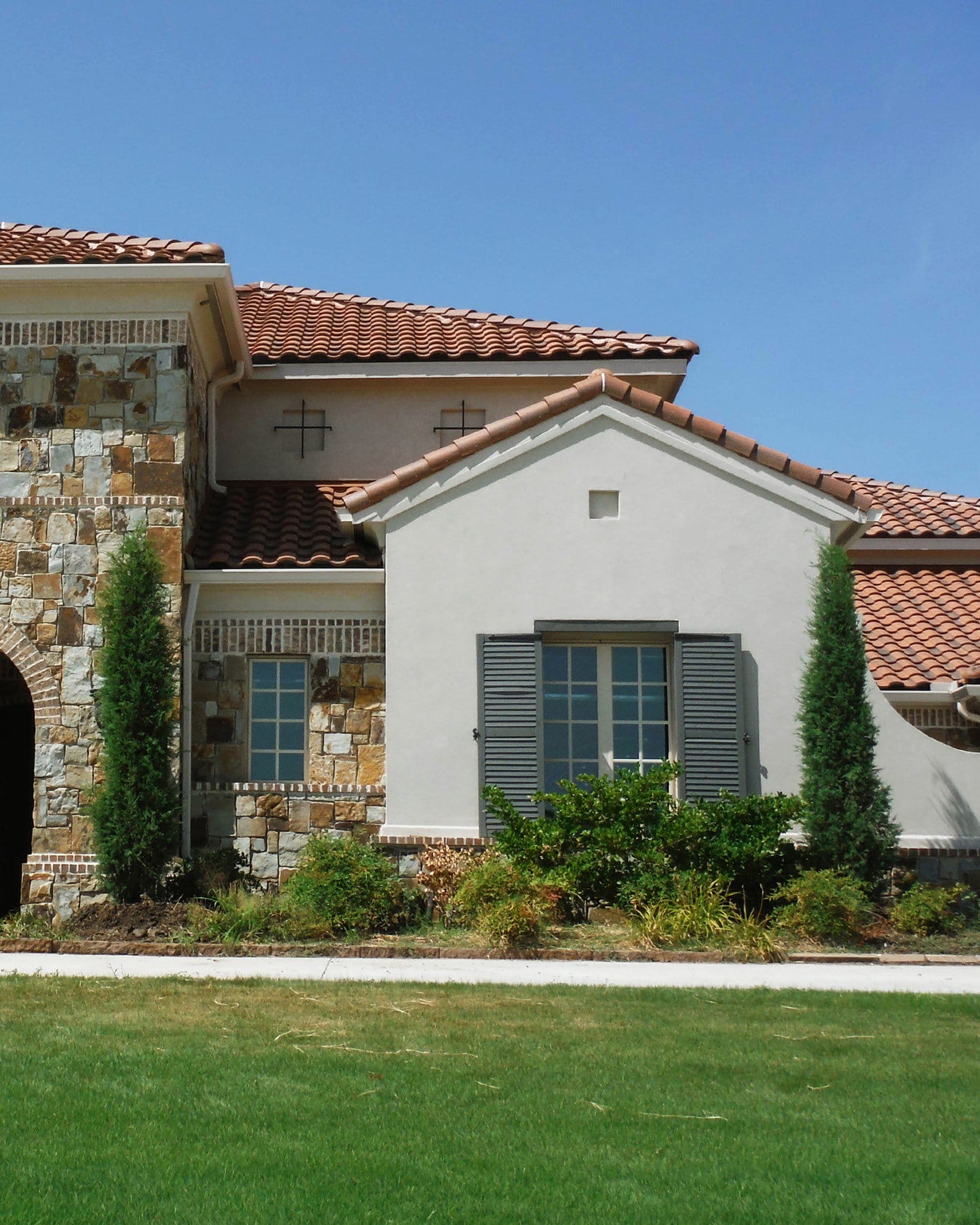
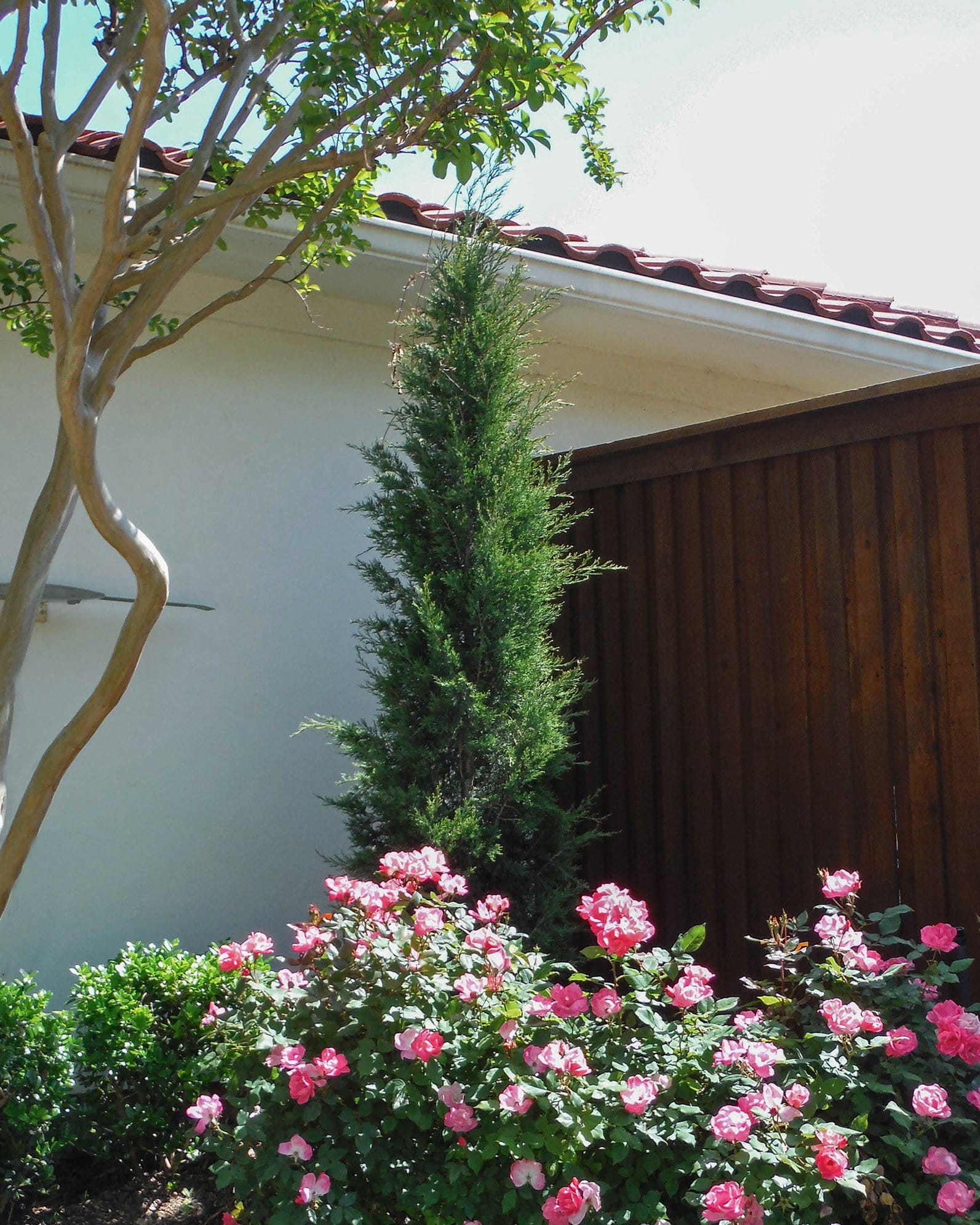
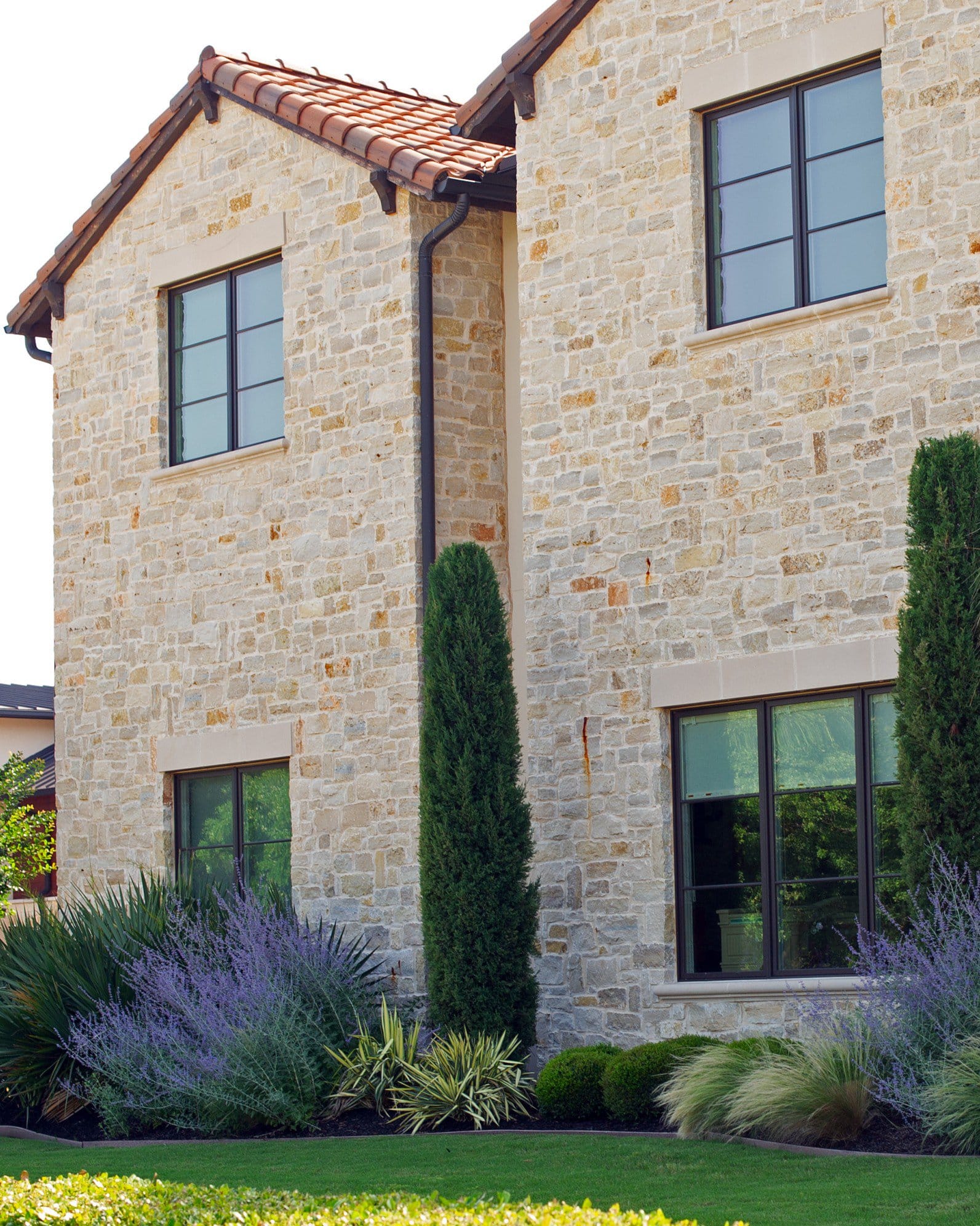
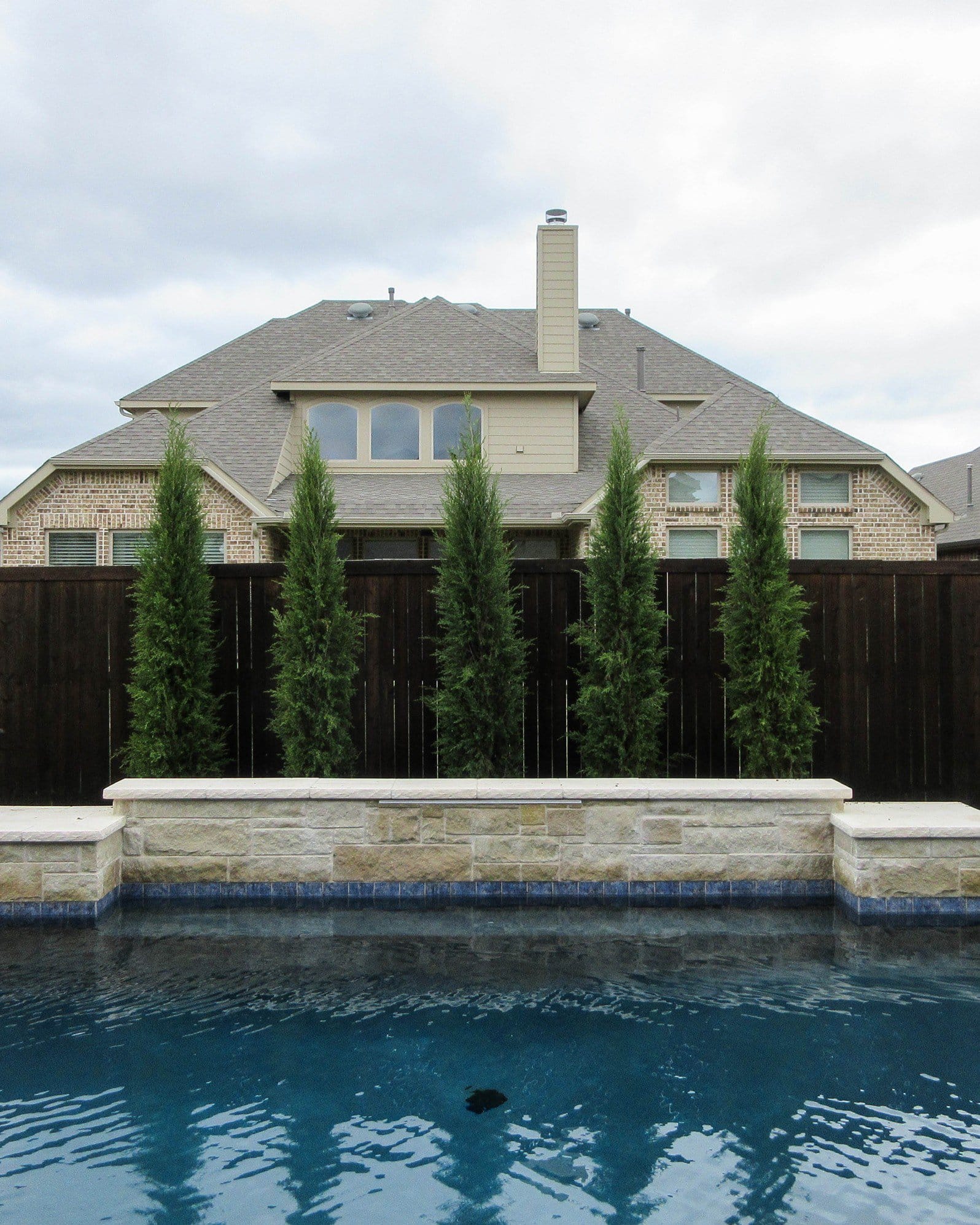
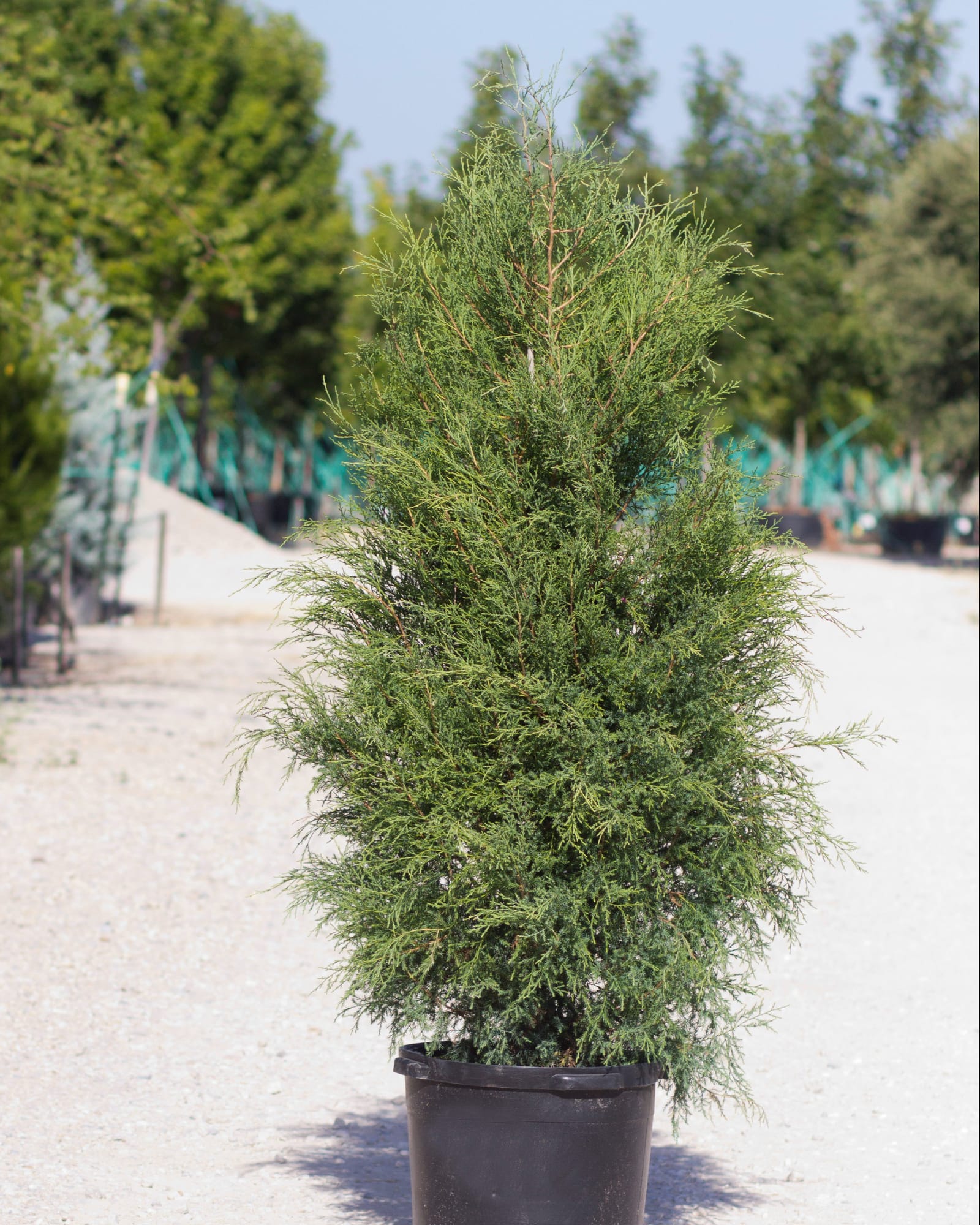
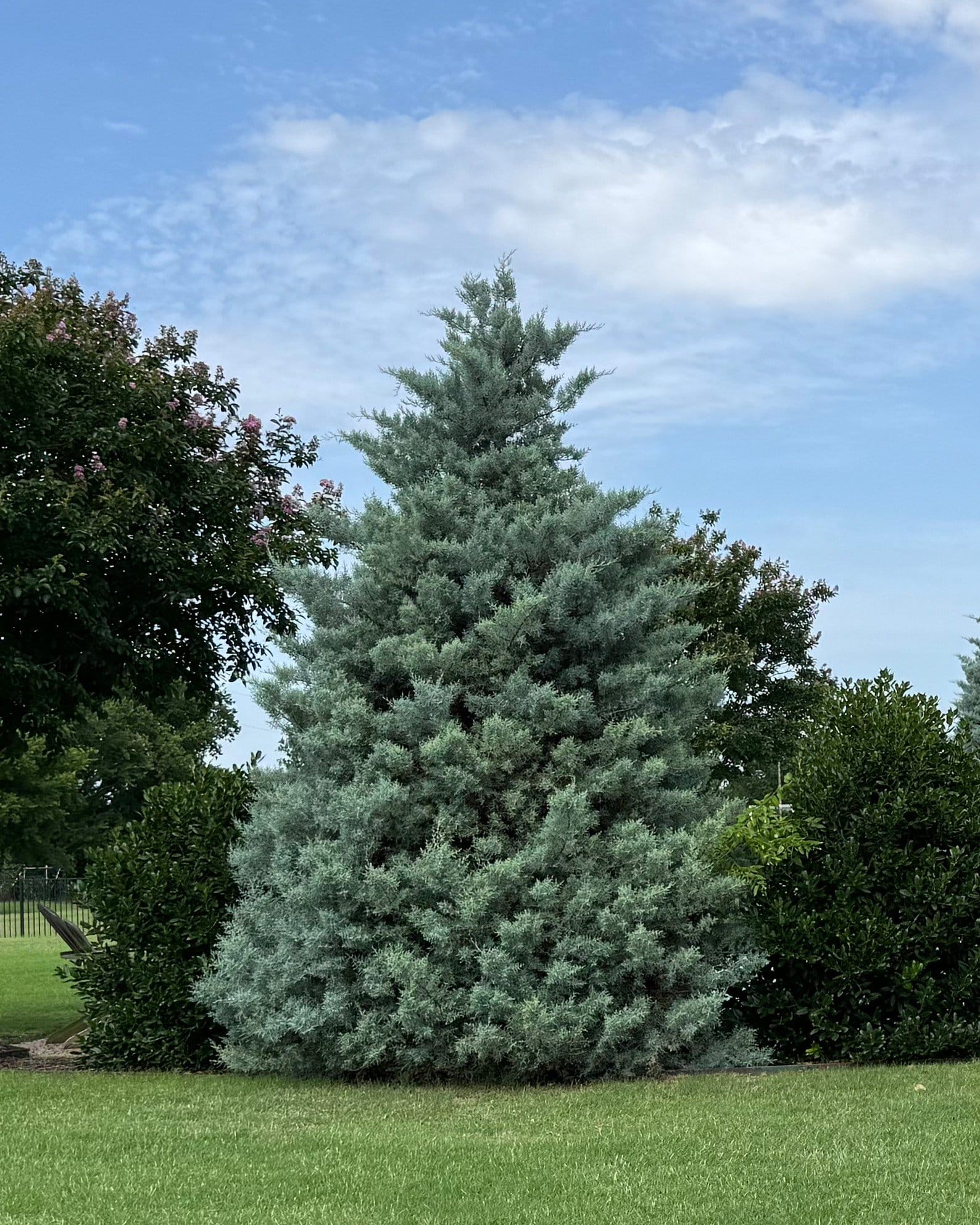
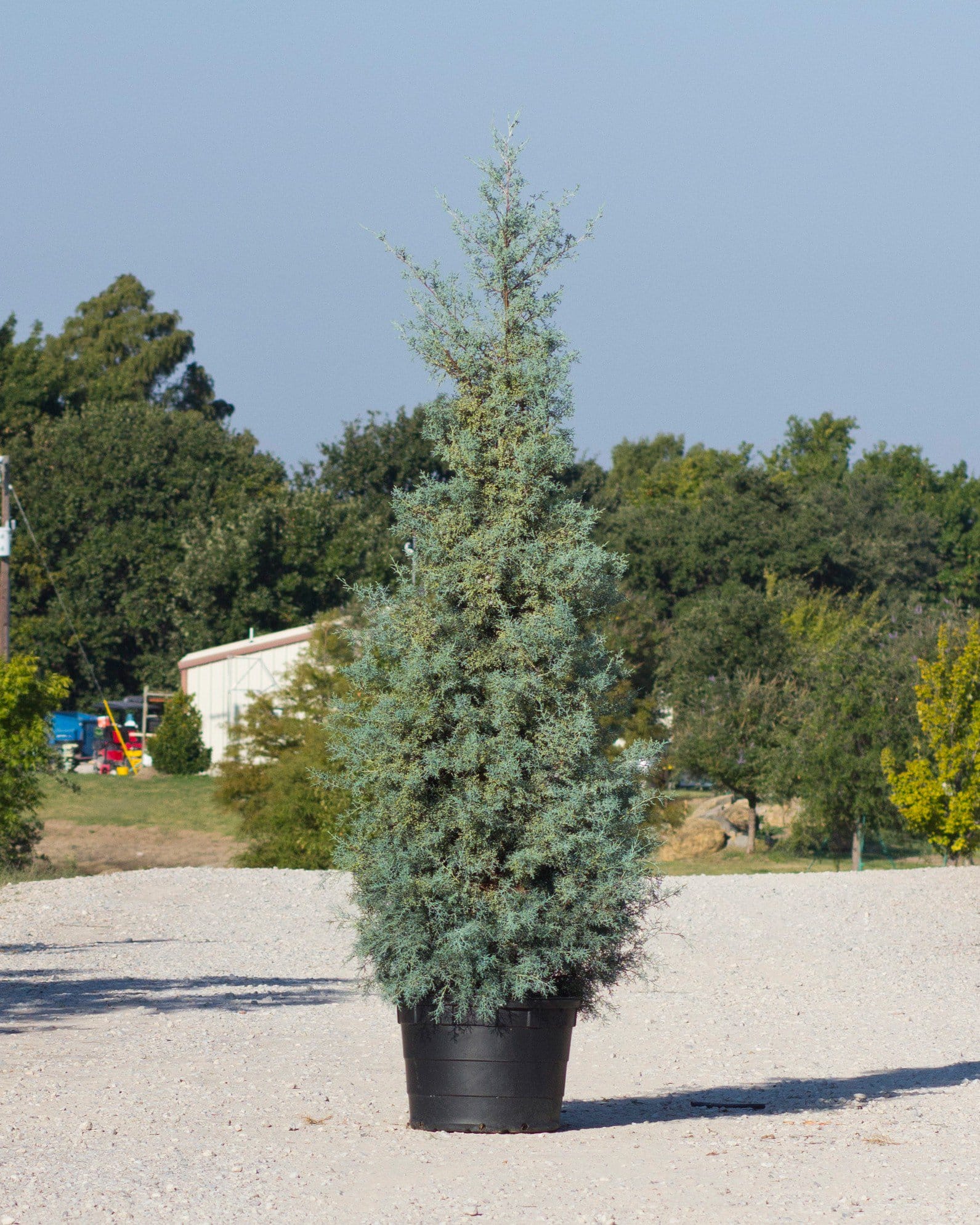
Juniperus virginiana ‘Hillspire’Eastern Red Cedar Hillspire is a stately evergreen loved for its columnar shape and green foliage that holds its color all year long. With a height of 20 feet and 15 feet width, it’s perfect for rows to create privacy or as a vertical accent. Its dense branching offers protection, making it a favorite for both residential and commercial plantings.
- Evergreen tree
- Moderate growth rate
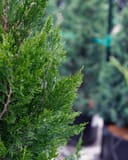
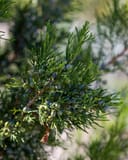
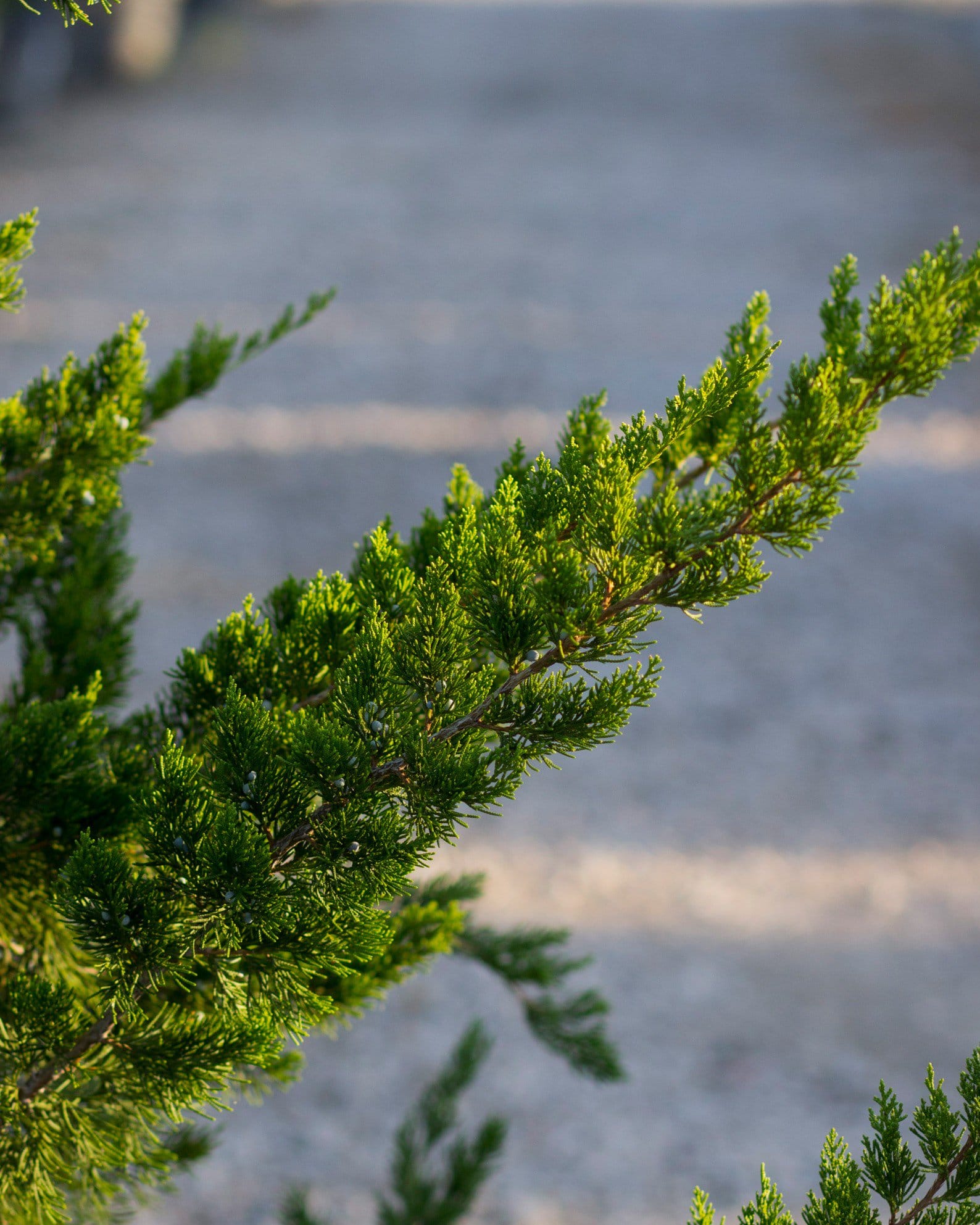
- Deep green foliage year-round
- Ideal for narrow spaces and vertical accents
- Splendid for privacy screens
Hillspire performs best in full sun and well-drained soil but is highly adaptable too. Drought-tolerant once established. Hardy in USDA zones 2 through 9, it’s an excellent choice for Texas landscapes needing structure, greenery, and screening. A perfect addition to any bed or landscape.
With steady early care, Eastern Red Cedar Hillspire quickly becomes a durable, low-maintenance evergreen that excels in both formal designs and naturalized plantings:
- Watering: Water deeply and regularly during the first 1-2 years to establish a deep, drought-tolerant root system. Once mature, ‘Hillspire’ requires only occasional supplemental watering during extended drought.
- Pruning: Pruning needs are minimal thanks to its naturally tight, upright habit. If shaping is required, prune lightly in late winter to remove damaged or wayward branches, taking care to preserve its dense, vertical form.
- Fertilizing: This cultivar thrives in lean soils and often needs little or no fertilizer once established. If foliage appears dull or growth slows, a light application of slow-release, balanced fertilizer in early spring will restore vigor without causing overly lush, floppy growth.
- Mulching: Apply a 2-3 inch mulch layer around the base to conserve moisture, reduce weed competition, and insulate surface roots. Keep mulch a few inches away from the trunk to prevent moisture-related bark issues, refreshing annually for optimum soil health.
- Winter Care: ‘Hillspire’ is extremely cold-hardy and requires no winter protection in typical conditions. In very harsh winters, young plants may show slight bronzing or windburn, but they recover quickly with spring growth.
Although exceptionally resilient, ‘Hillspire’ can experience a few manageable issues, especially in humid or poorly drained sites:
- Cedar Apple Rust: Bright orange, jelly-like galls form on branches during spring rains. Remove infected twigs and avoid planting near apple or crabapple trees to lower disease pressure.
- Bagworms: Cone-shaped, silk-wrapped bags appear on branches and cause defoliation. Hand-remove bags in winter or apply Bt treatments in early summer to stop larvae before they feed heavily.
- Spider Mites: Fine stippling, dull needles, and light webbing develop in hot, dry weather. Rinse foliage, increase humidity, or treat with horticultural oil to restore healthy growth.
- Root Rot: Wilting and browning occur when planted in heavy or waterlogged soil. Improve drainage and adjust watering to protect the root system.
- Tip Blight: Browning at branch tips occurs during long periods of humidity or fungal pressure. Prune out affected tips and improve airflow around the tree to prevent recurrence.
These evergreens commonly live 50-80 years, maintaining a strong structure and rich color throughout their lifespan. Their longevity makes them excellent long-term screening and architectural choices.
It grows at a moderate rate of 12-18 inches per year and typically reaches its mature columnar form in 8-15 years. This steady growth helps maintain density and balance in both residential and commercial landscapes.
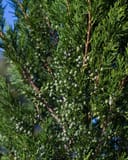
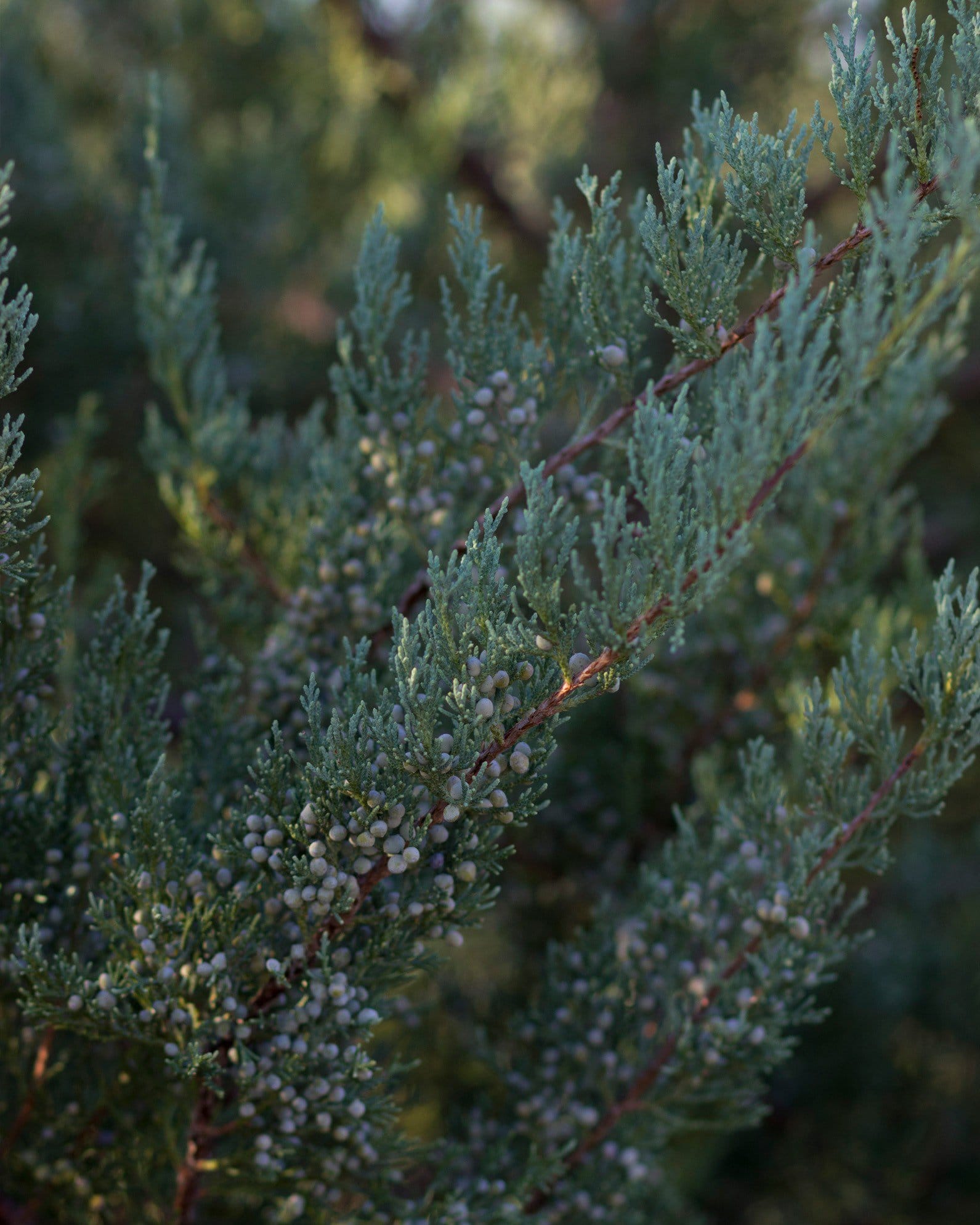
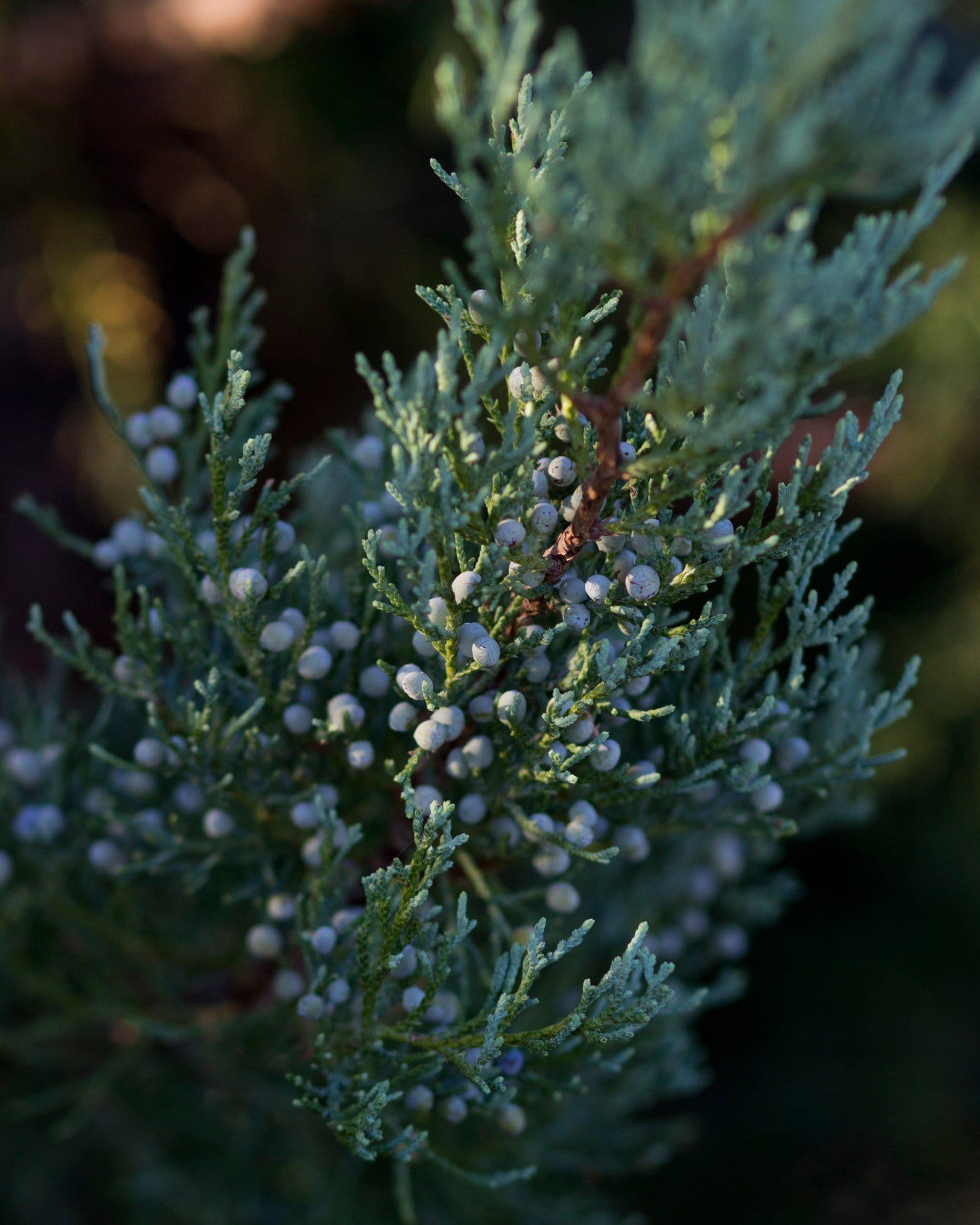
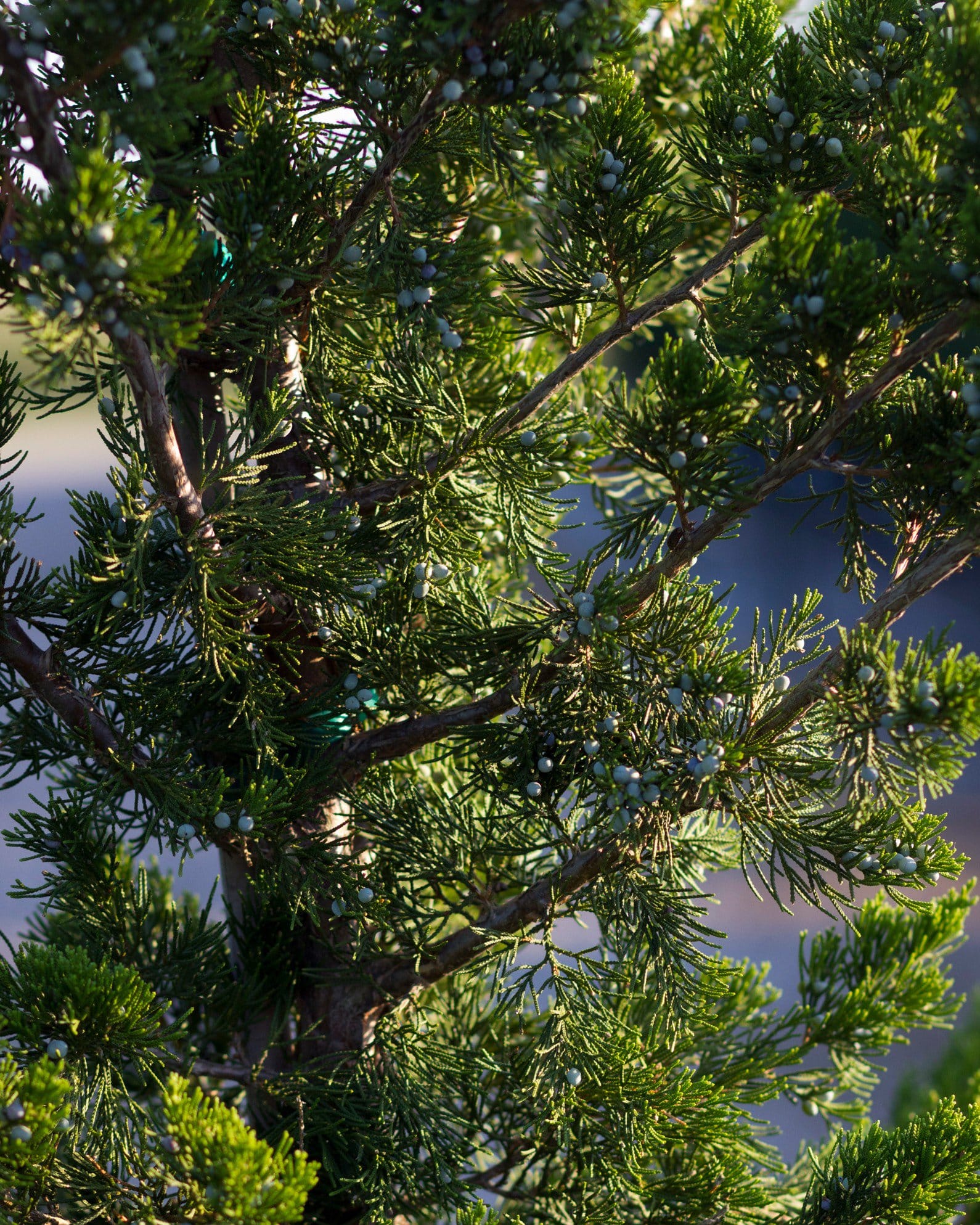
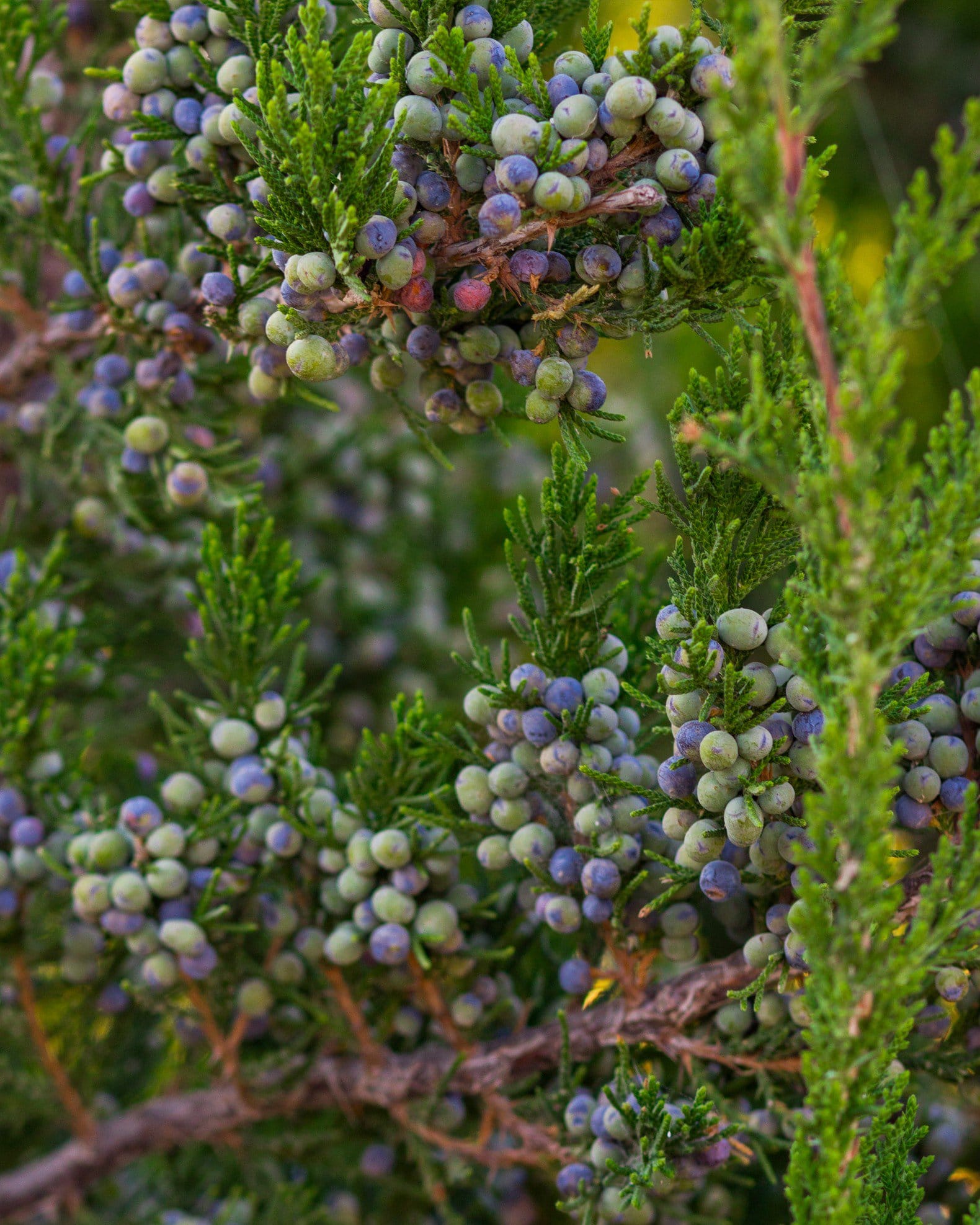
Its berry-like cones are favorites of birds, while its dense evergreen structure provides excellent year-round shelter. ‘Hillspire’ supports winter wildlife and enhances habitat diversity.
Yes - its aromatic, resinous foliage is generally unappealing to deer. Young trees may still benefit from protection in high-pressure areas.
It performs well in containers during its youth thanks to its narrow growth habit. Ultimately, it thrives best when planted in the ground where roots have space to expand.
It handles heat very well when planted in well-drained soil, and it benefits from deep occasional watering during extended drought. Mulching helps maintain moisture and protect needle color in hot climates.
It cannot be divided, as it forms a single woody trunk and cohesive root system. New specimens must be planted individually.
Absolutely - its narrow, upright form and dense branching make it ideal for privacy screens, windbreaks, and formal rows. Repeated plantings create elegant vertical lines and evergreen structure.
Companions like Switchgrass, Blue Fescue, Dwarf Yaupon Holly, Abelia, and native grasses complement its vertical form. These combinations create layered, four-season landscapes with excellent contrast and texture.
Its tight, columnar habit and rich green foliage give it a refined, architectural presence distinct from broader or looser forms. ‘Hillspire’ offers a reliable combination of elegance, durability, and year-round structure.
Special Features
You might also like
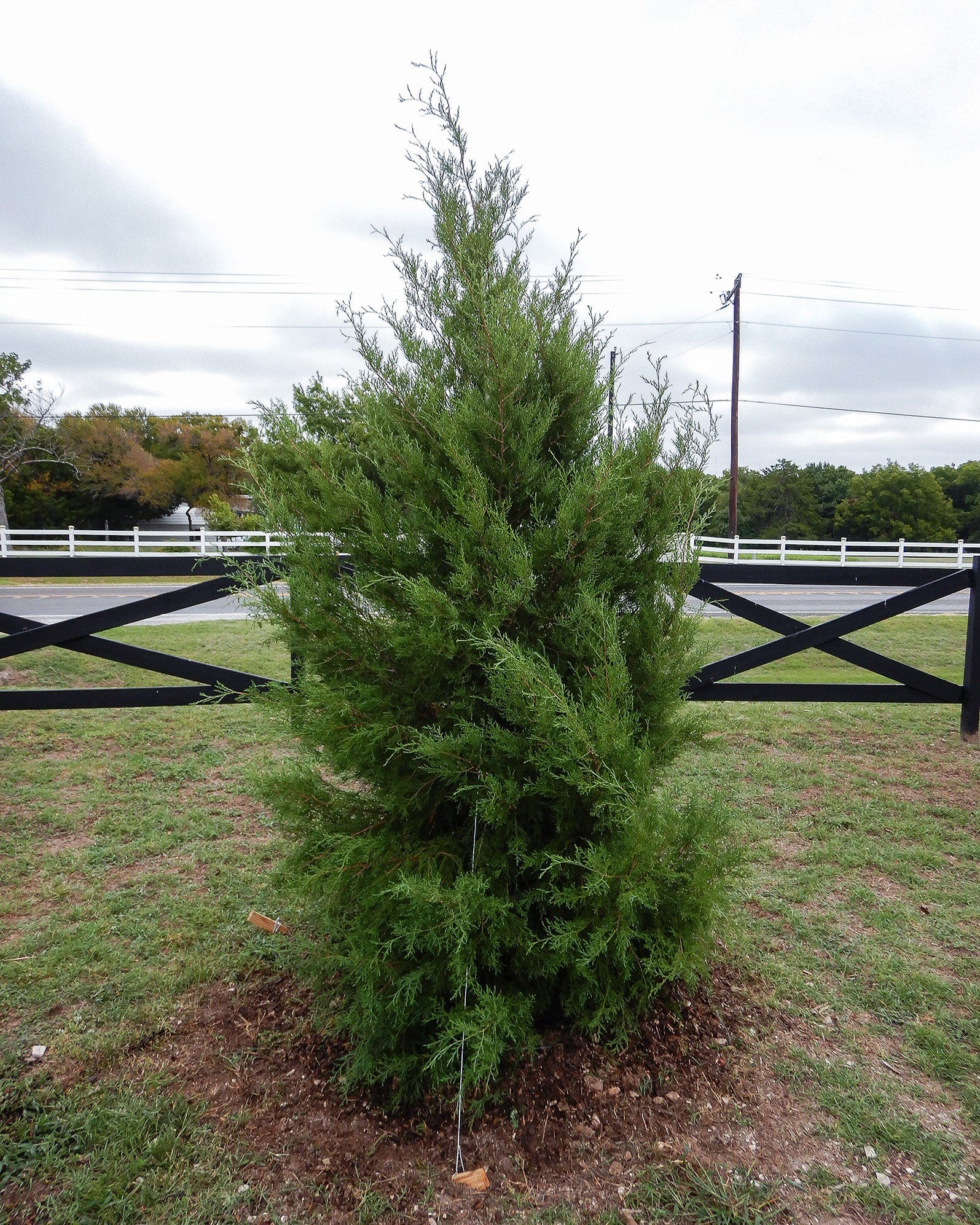
Eastern Red Cedar
Maturity: 30' H x 20' W
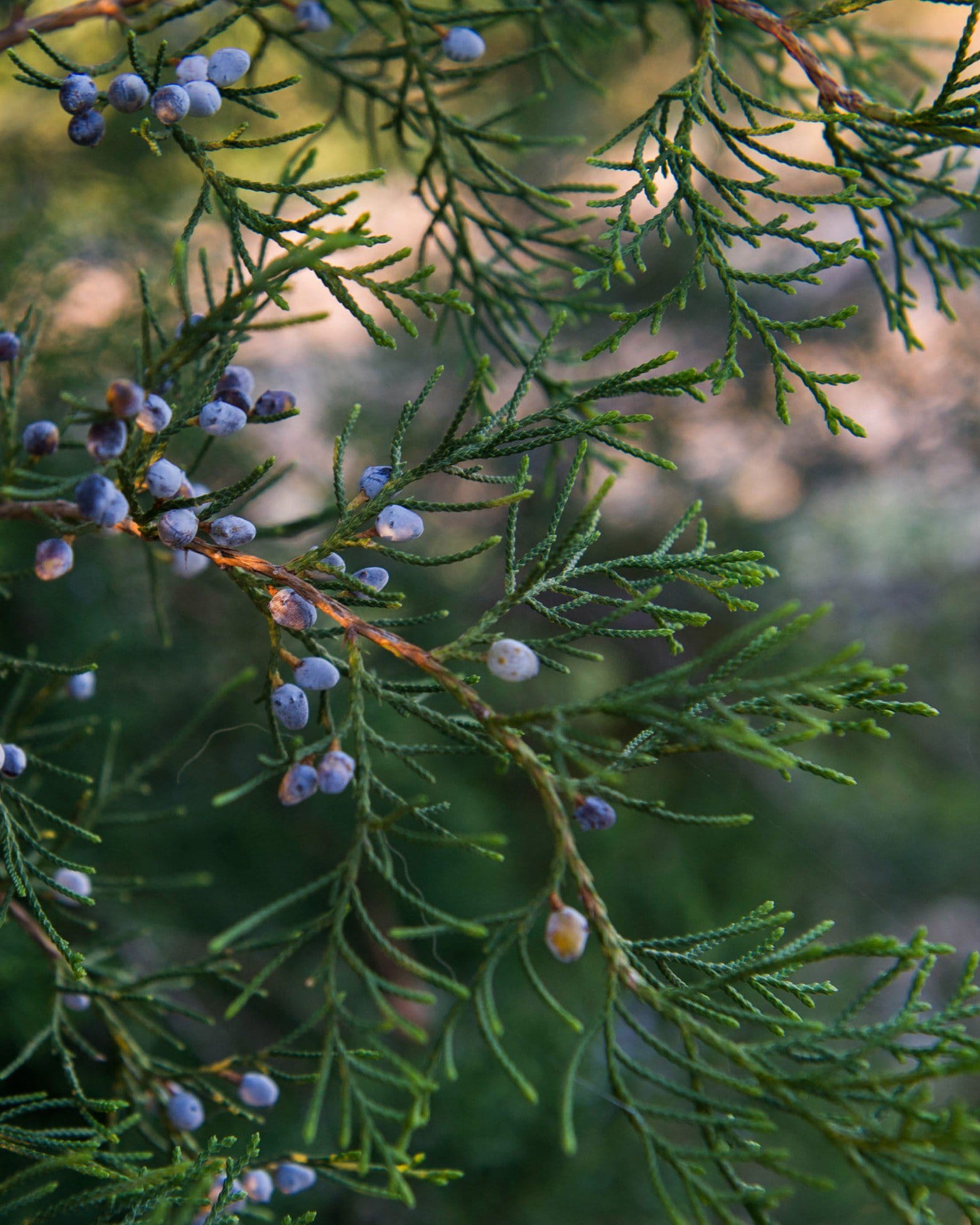
Eastern Red Cedar Brodie
Maturity: 25' H x 12' W
Eastern Red Cedar Burkii
Maturity: 25' H x 20' W
Eastern Red Cedar Canaertii
Maturity: 25' H x 20' W
Eastern Red Cedar Emerald Feather
Maturity: 12' H x 5' W
Eastern Red Cedar Emerald Sentinel
Maturity: 15' H x 7' W
Eastern Red Cedar Glauca
Maturity: 20' H x 6' W
Eastern Red Cedar Idyllwild
Maturity: 15' H x 7' W
Eastern Red Cedar Taylor
Maturity: 25' H x 4' W
Southern Red Cedar Fuzzy Wuzzy
Maturity: 35' H x 25' W
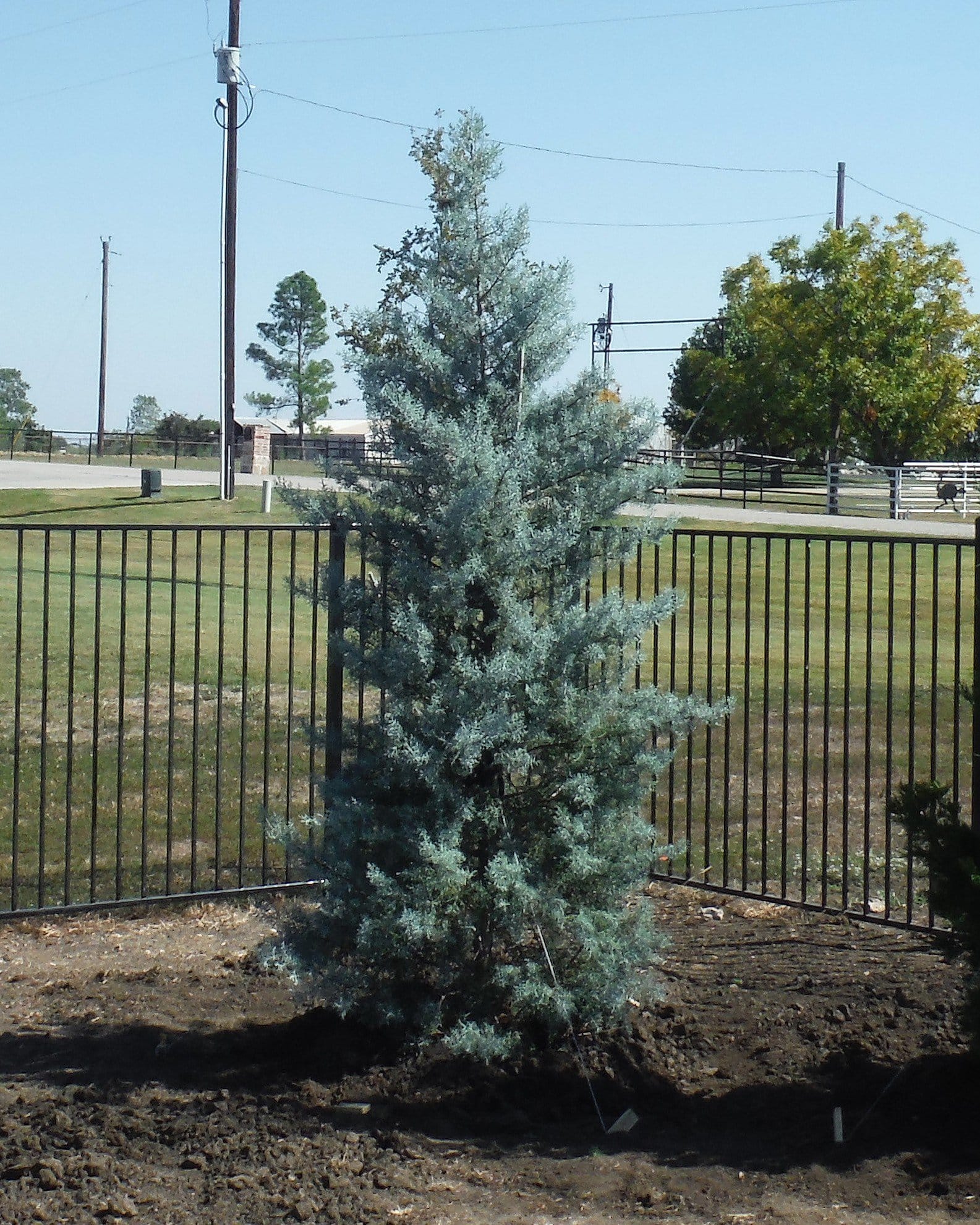
Arizona Cypress Blue Ice
Maturity: 25' H x 15' W
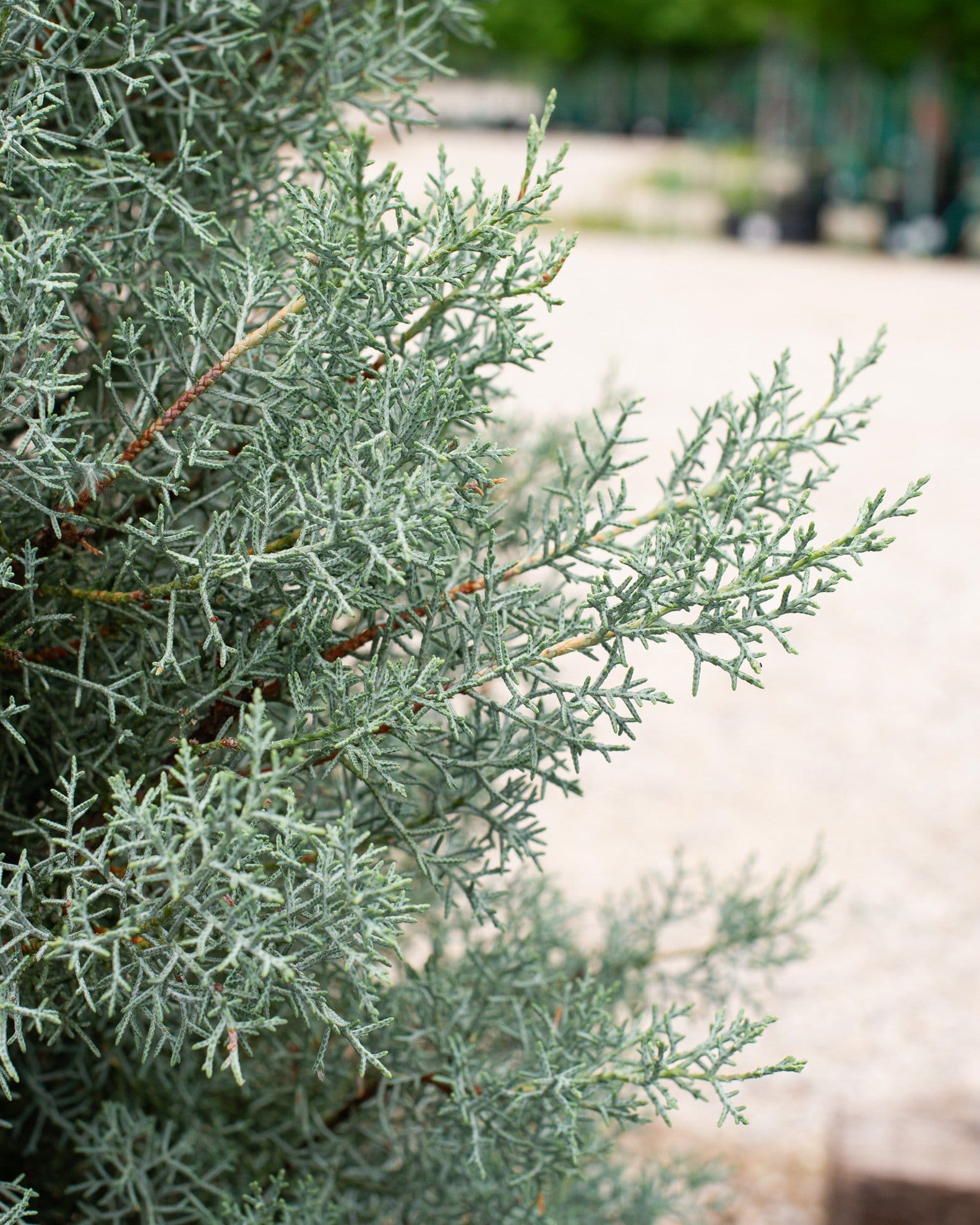
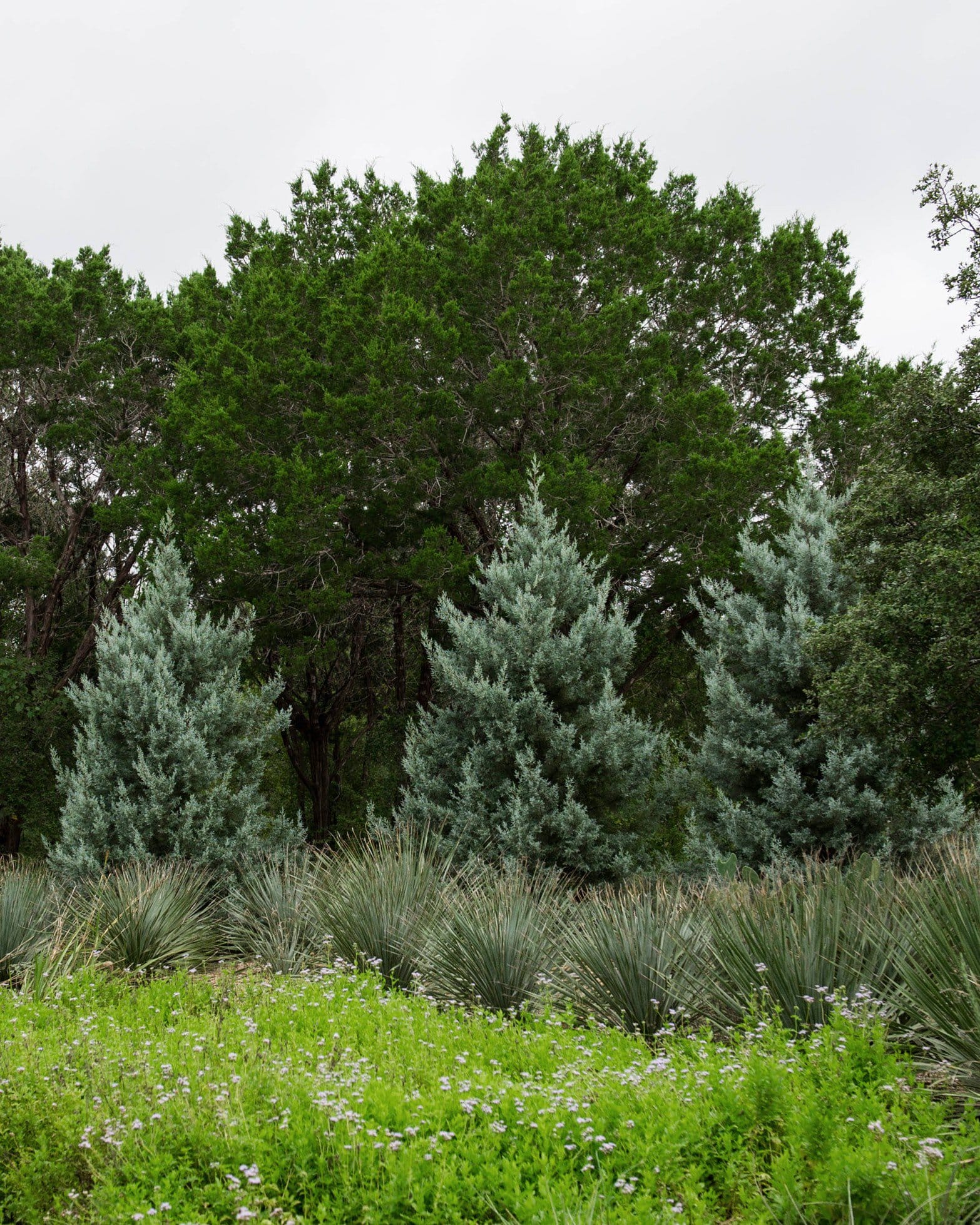
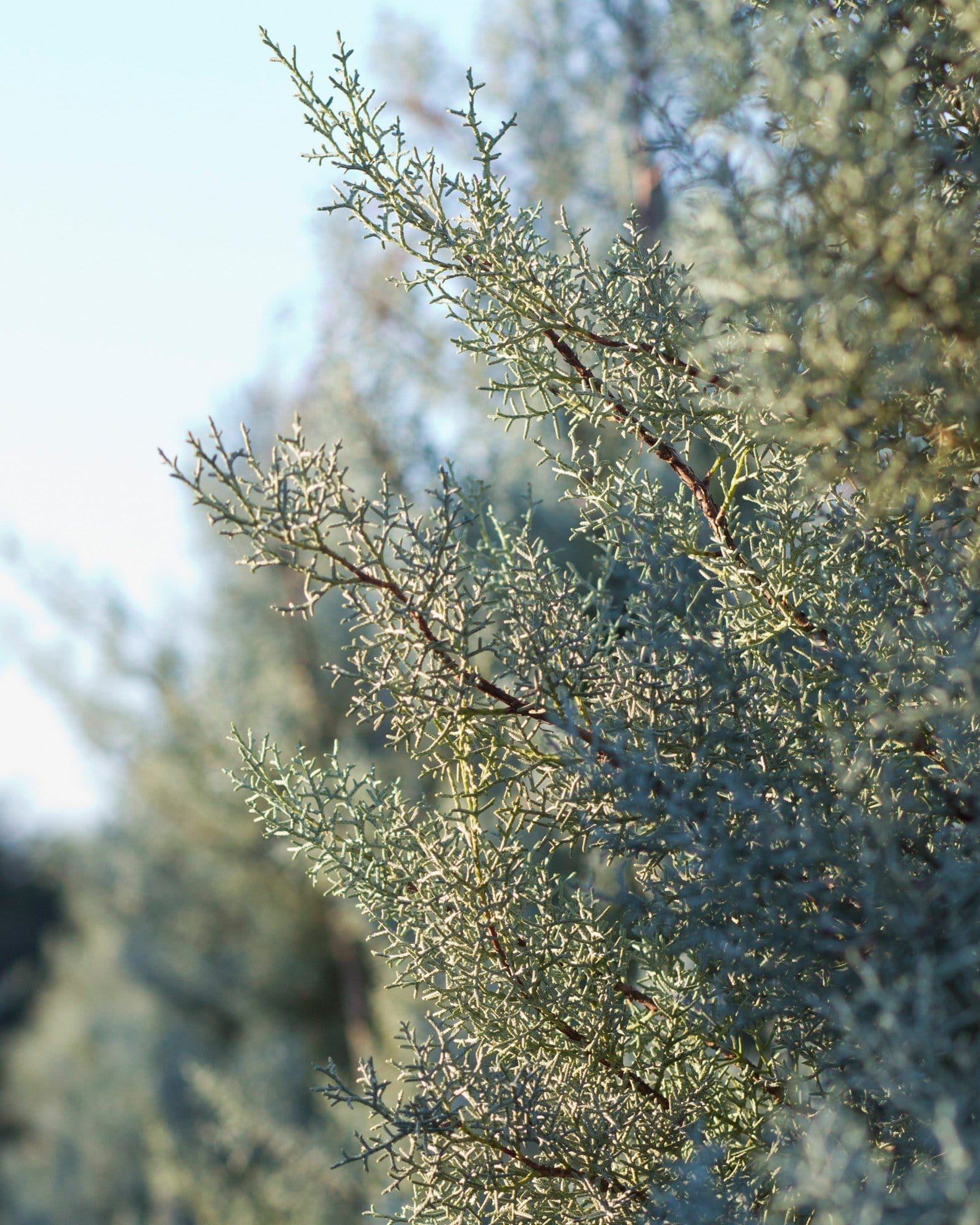
Arizona Cypress Carolina Sapphire
Maturity: 30' H x 20' W
Deodar Cedar Patti Faye
Maturity: 30' H x 25' W
Woodward Juniper
Maturity: 20' H x 4' W
Alta Magnolia Tree Form
Maturity: 40' H x 20' W
Compare Similar Plants
Eastern Red Cedar Hillspire This plant | ||
|---|---|---|
| Scientific Name | Juniperus virginiana ‘Hillspire’ | Juniperus virginiana |
| Size at Maturity | 25' H x 15' W | 30' H x 20' W |
| Leaf Retention | Evergreen | Evergreen |
| Sizes Available | 15 gal | 3, 7, 15, 30, 45 gal |


Our 1-Year Planting Guarantee
We take pride in our plants and installation services. If any plants or trees installed by Treeland fail to thrive within the first year, we'll provide a replacement credit in accordance with our guarantee program.
Learn More About Our Guarantee