
Chi Chi Ginkgo
Ginkgo biloba ‘Chi-Chi’Local DFW Delivery Only
Product Details
Chi Chi Ginkgo
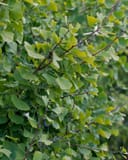
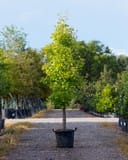
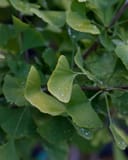
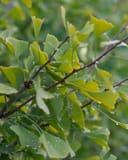
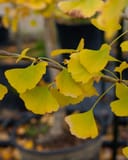
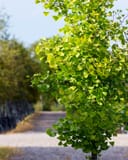
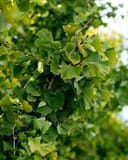
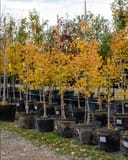
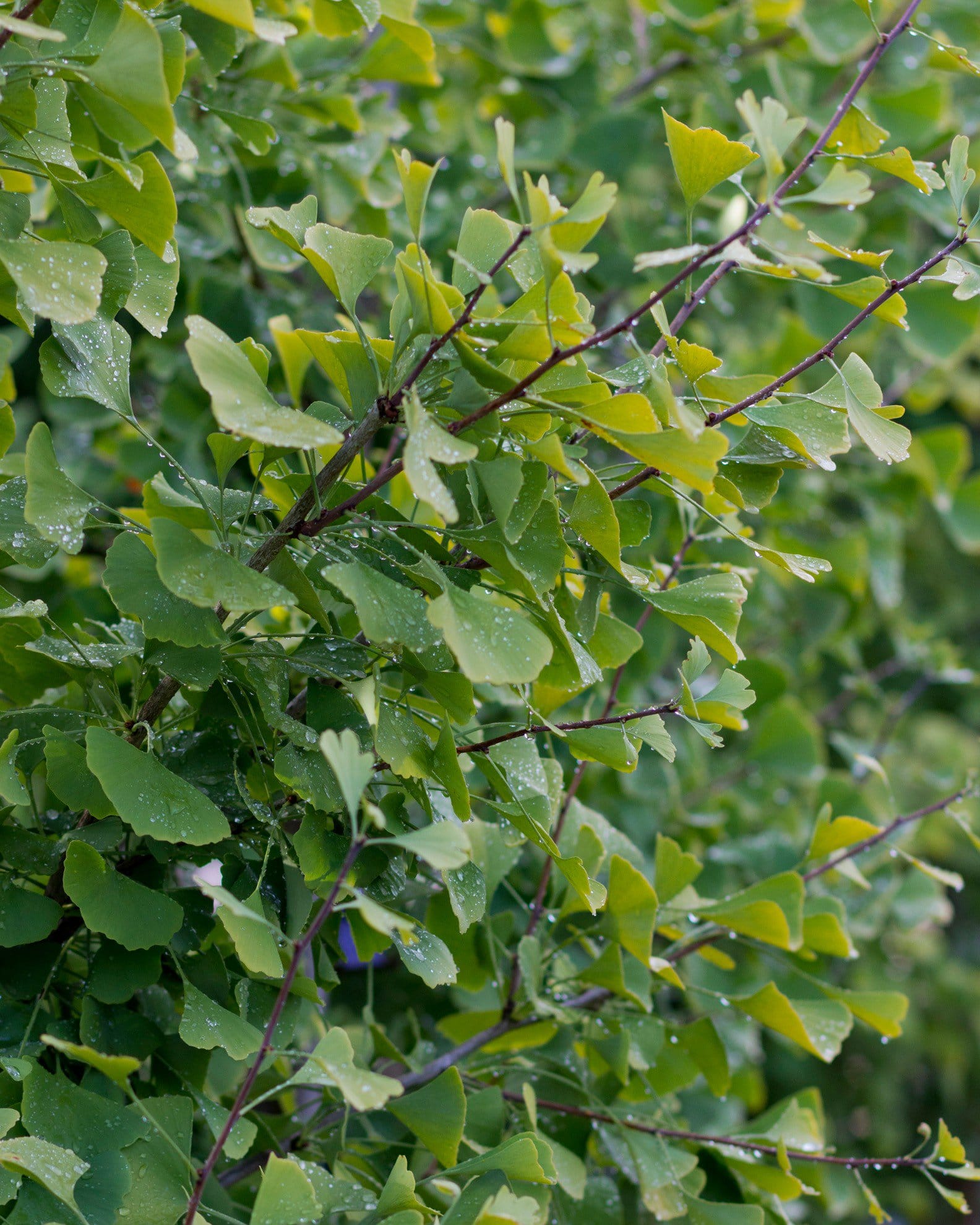
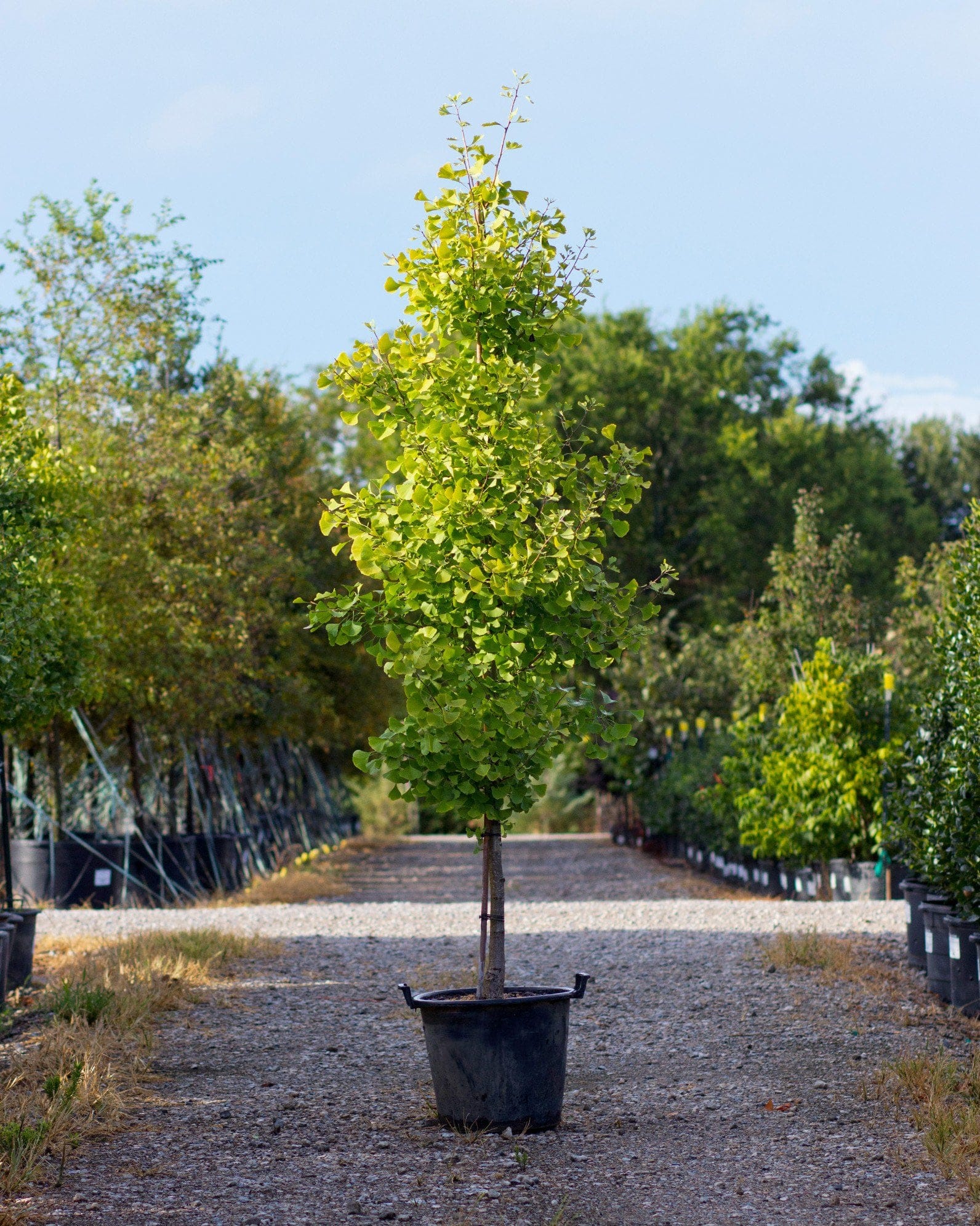
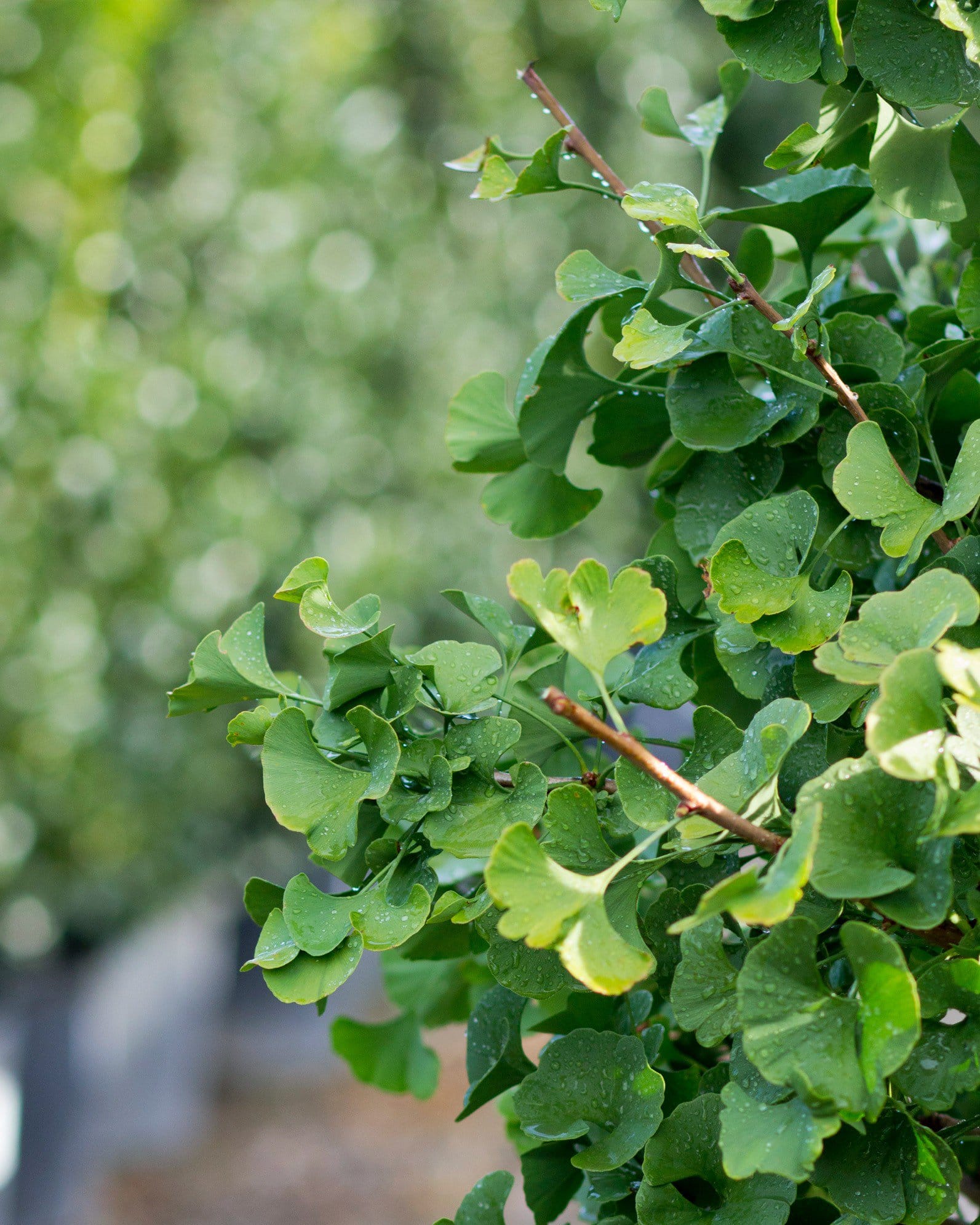
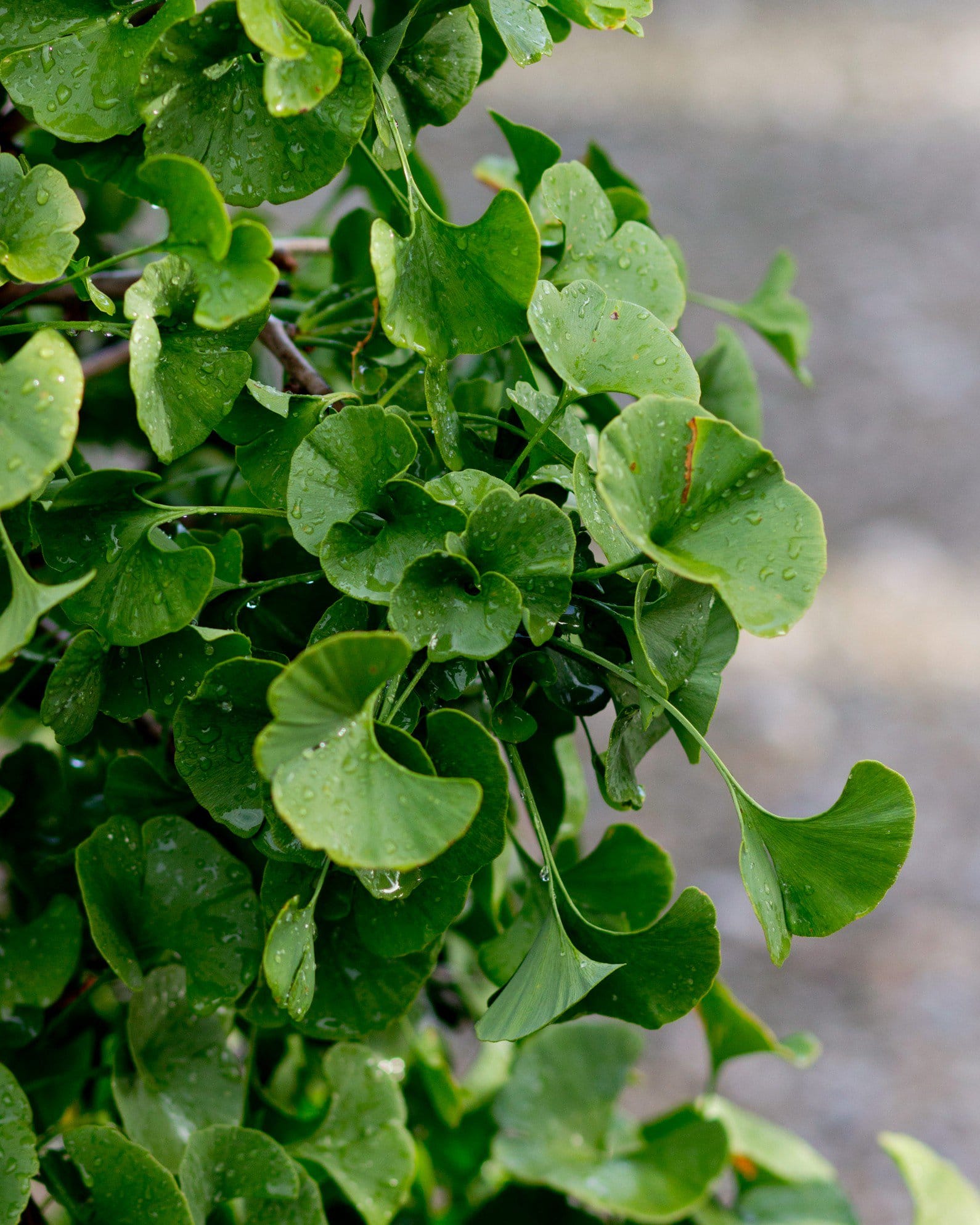
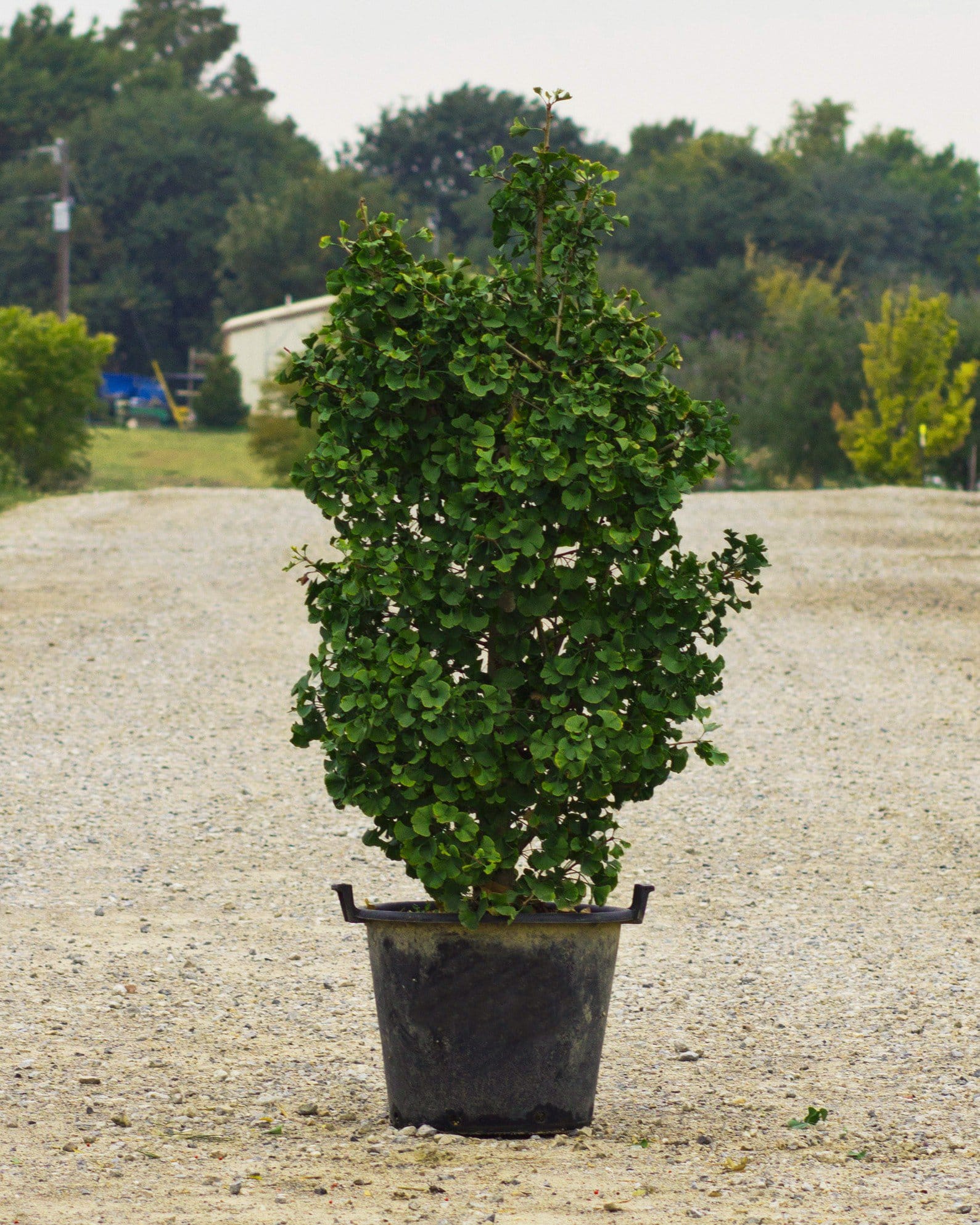
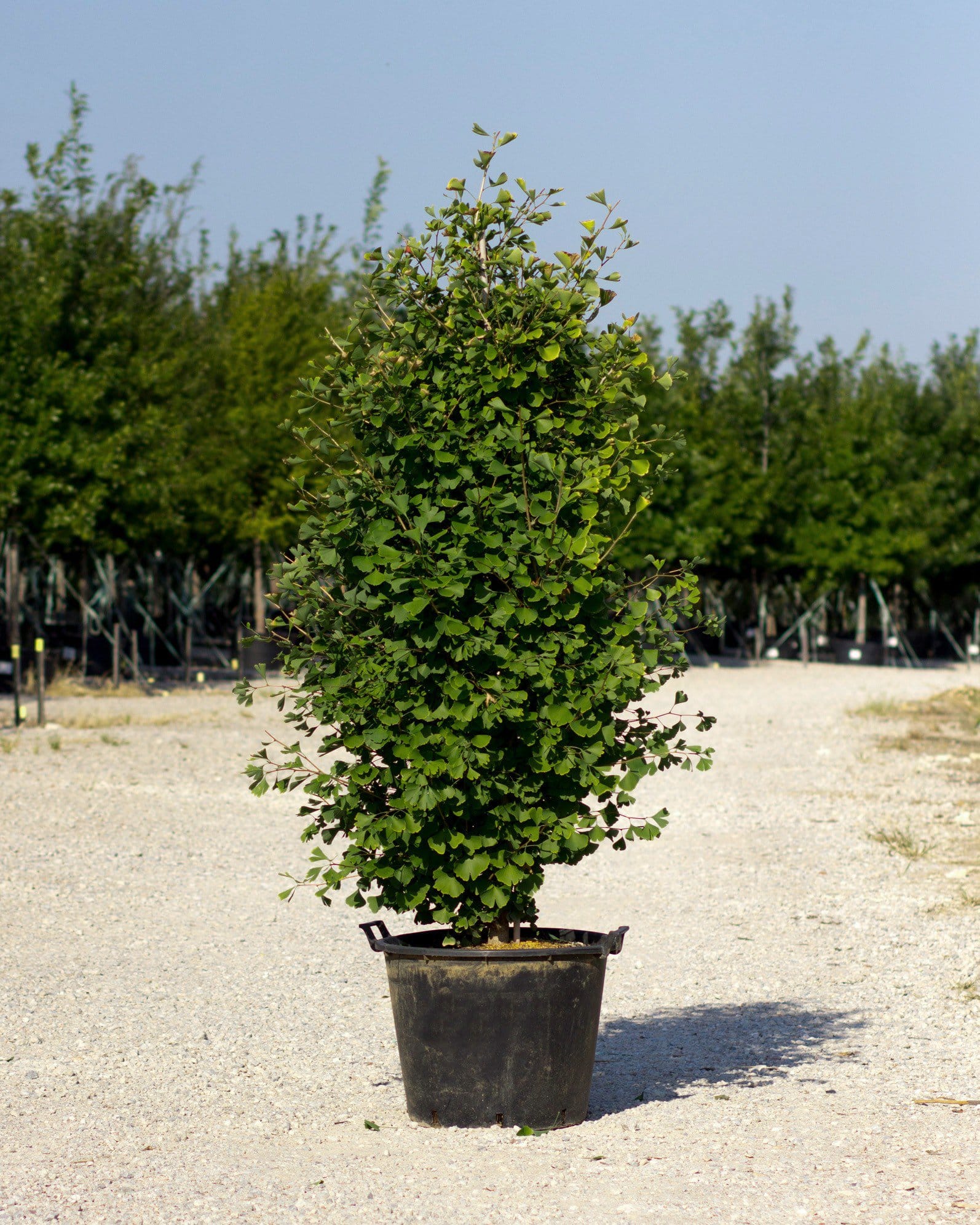
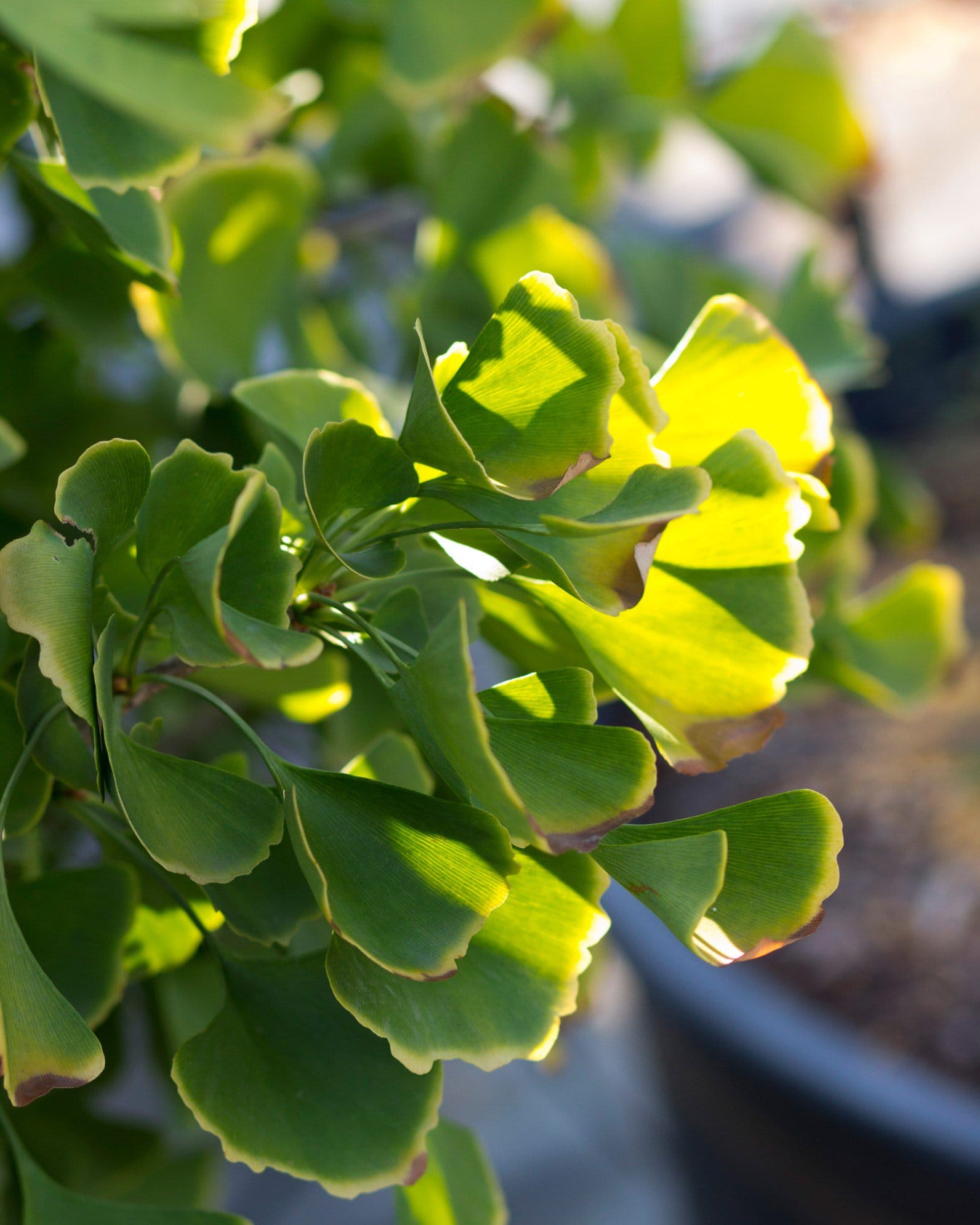
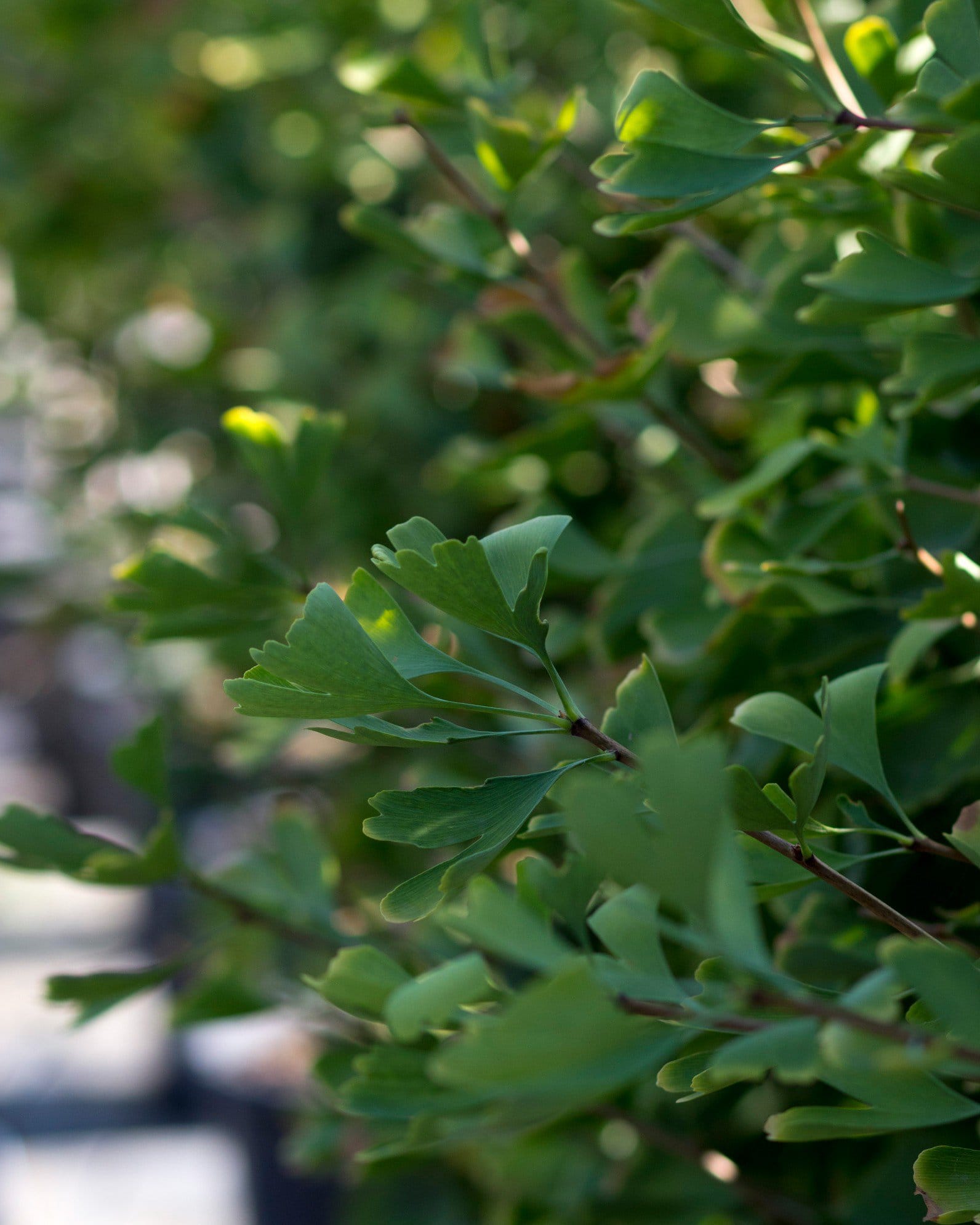
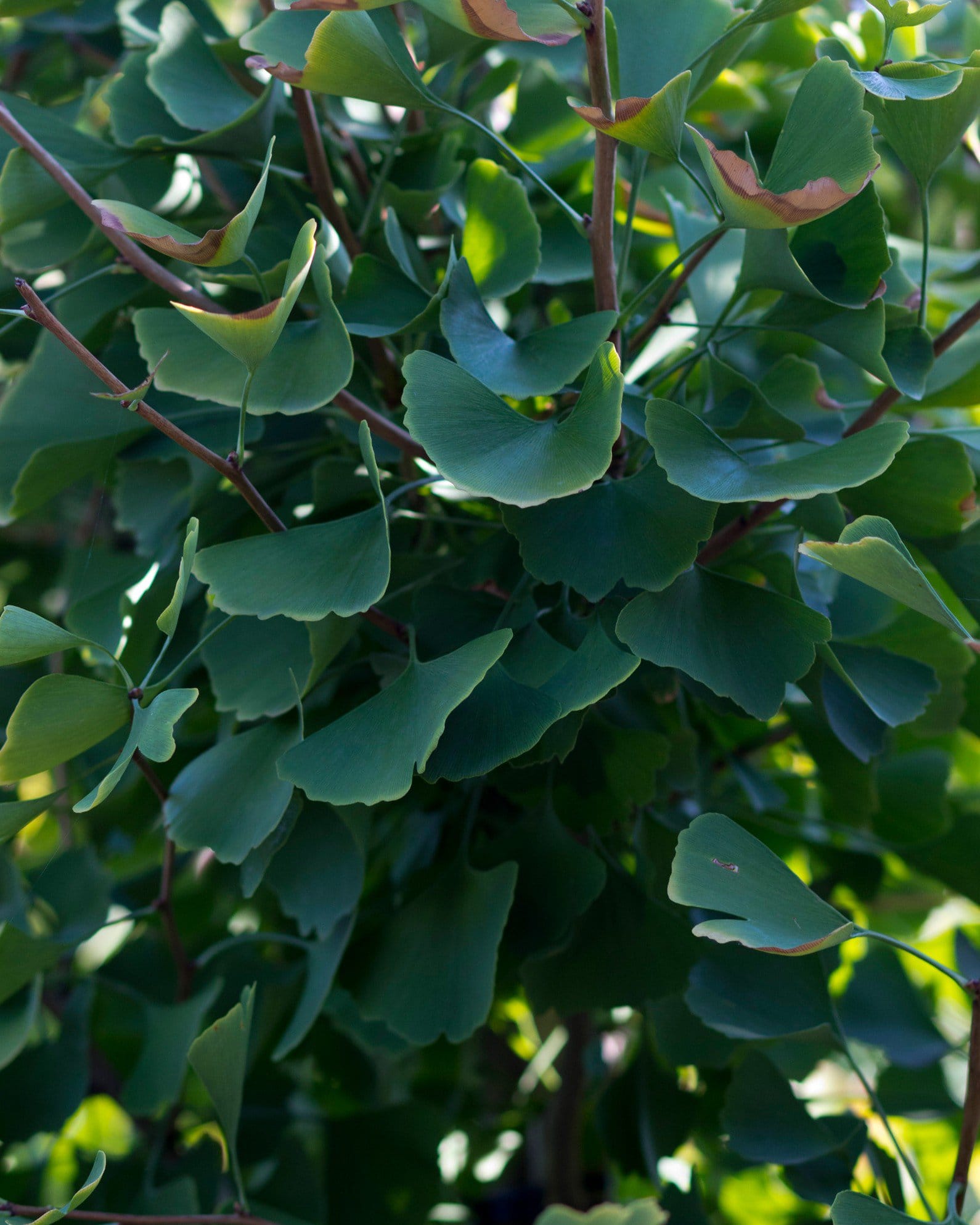
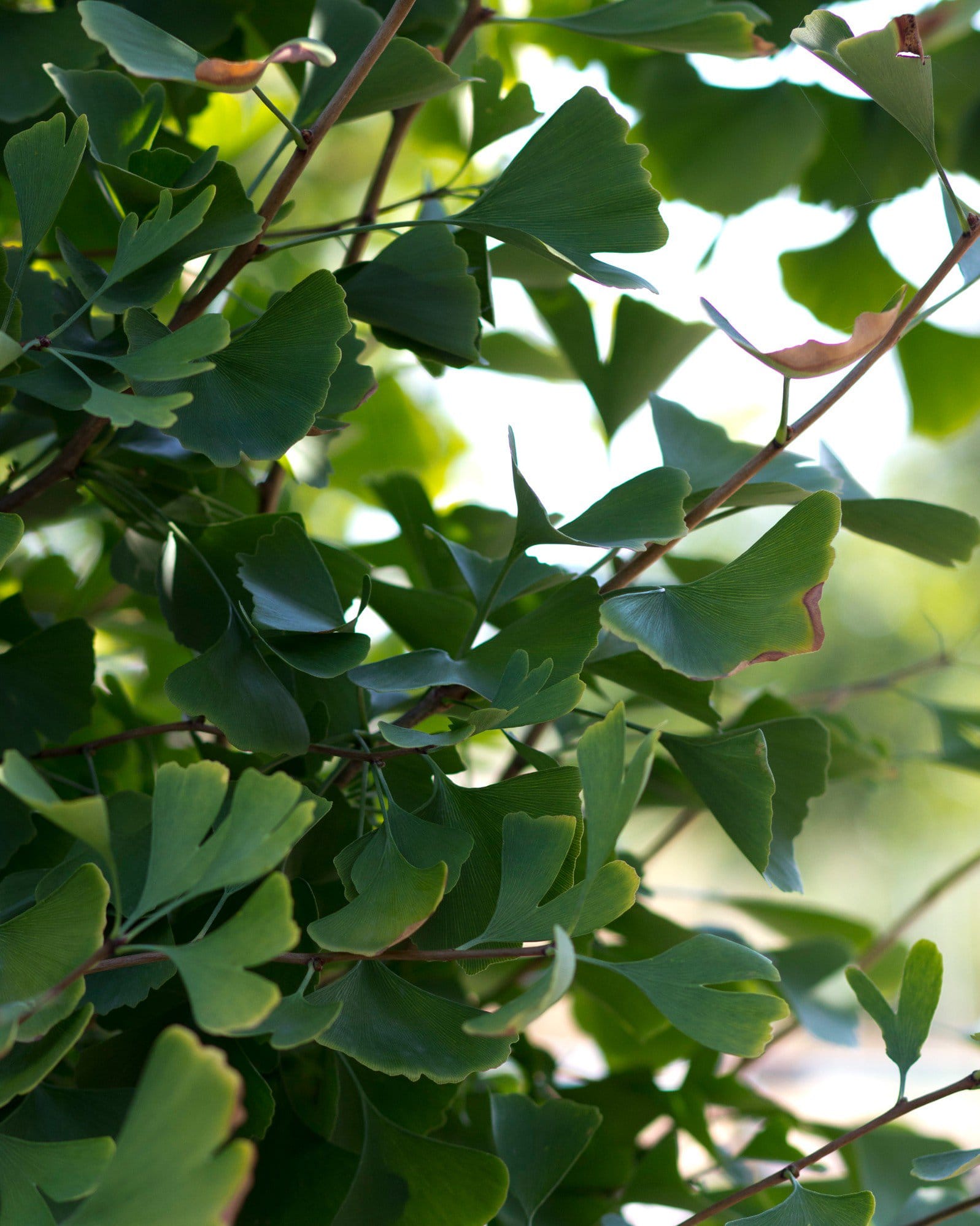
Ginkgo biloba ‘Chi-Chi’Chi Chi Ginkgo is a slow-growing, dwarf variety of the ancient Ginkgo biloba tree, selected for its tidy size and sculptural appeal. Its signature fan-shaped leaves emerge bright green in spring, turning a rich golden yellow in fall before dropping cleanly. This tree grows only 10 feet in height and 5 in width. It forms a dense, upright shape with short branching and interesting bark texture, often producing knobby growths along the stems.
- Dwarf deciduous tree
- Very slow growth rate with upright, irregular form
- Fan-shaped green leaves with brilliant yellow fall color
- Male cultivar (non-fruiting)
- Unique branch texture adds winter interest
Chi Chi Ginkgo is a great no-fuss option for smaller landscapes or urban settings. It prefers full sun and well-drained soil and is highly tolerant of heat, pollution, and a variety of soil types. Hardy in USDA zones 3 through 8, this compact ginkgo adds history, beauty, and bold structure to any space.
Once established, Chi Chi Ginkgo becomes notably low-maintenance and develops into a resilient landscape tree that requires only modest seasonal care. This is all it needs to grow beautifully:
- Watering: Water regularly during the first growing season to help establish a strong root system. After establishment, occasional deep watering during extended dry periods supports healthy growth and canopy development.
- Pruning: Pruning is typically minimal and limited to removing damaged or crossing branches. Light structural pruning during late winter helps maintain balanced growth as the tree matures.
- Fertilizing: Fertilizer is rarely required in average soils. If growth appears slow, applying a balanced fertilizer in early spring can support stronger seasonal development.
- Mulching: Maintain a 2-3 inch mulch layer around the root zone to conserve soil moisture and regulate soil temperature. Keep mulch slightly away from the trunk to prevent excess moisture accumulation against the bark.
- Winter Care: Established trees tolerate seasonal cold within their growing zones without special protection. Young trees benefit from mulch around the root zone during their first winters to help stabilize soil temperatures.
Chi Chi Ginkgo is generally durable and resistant to most pests and diseases. Occasional environmental stresses may appear, though serious problems are uncommon.
- Leaf Scorch: Browning leaf edges may develop during prolonged drought or extreme heat. Deep watering during dry periods helps reduce stress.
- Transplant Stress: Newly planted trees may grow slowly during the first season as roots establish. Consistent watering helps the plant adjust to its new environment.
- Soil Compaction: Heavy foot traffic near the root zone may restrict root growth. Maintaining mulch around the base helps protect soil structure.
- Minor Branch Damage: Strong winds may occasionally break small branches. Removing damaged limbs helps maintain the tree’s structure.
- Nutrient Imbalance: Pale leaves may appear if soil nutrients are insufficient. Applying a balanced fertilizer can help restore healthy growth.
Chi Chi Ginkgo is an exceptionally long-lived tree. Under favorable conditions, ginkgo trees can survive well over 100 years. Some specimens may persist for several centuries.
Growth generally averages about 12-24 inches per year. Noticeable canopy structure develops within the first decade. Full maturity often occurs within 25-40 years.
This cultivar is best known for the unusual growths that form along its trunk and branches. These projections give the tree a distinctive sculptural appearance. Mature specimens can become striking focal points in landscapes.
These structures are called chi-chi, which are woody projections that develop on older trunks. They resemble rounded or elongated knobs along the bark. Over time they become one of the tree’s most distinctive features.
Many landscape selections are male trees and therefore do not produce fruit. Male cultivars are often preferred because they avoid the odor associated with female ginkgo fruit. This makes them cleaner for garden use.
The unusual trunk structures give the tree a sculptural quality rarely found in other species. This makes it visually intriguing even outside the growing season. Many gardeners appreciate its unique character.
The bark gradually becomes more textured as the tree ages. Mature trunks often develop rugged ridges and patterns. These features contribute to the tree’s visual interest.
Yes, ginkgo trees are among the longest-lived ornamental trees commonly planted in gardens. Their durability allows them to thrive for many decades. This longevity makes them excellent legacy plantings.
The tree’s unusual trunk formations create strong visual character. Its architectural presence stands out among surrounding plants. Mature specimens often become conversation pieces in gardens.
When leaves drop, the sculptural trunk and branching structure become more visible. The unusual chi-chi projections stand out clearly during the dormant season. This creates striking winter interest in the landscape.
Special Features
You might also like
Gnome Ginkgo
Maturity: 5' H x 3' W
Goldspire Ginkgo
Maturity: 15' H x 6' W
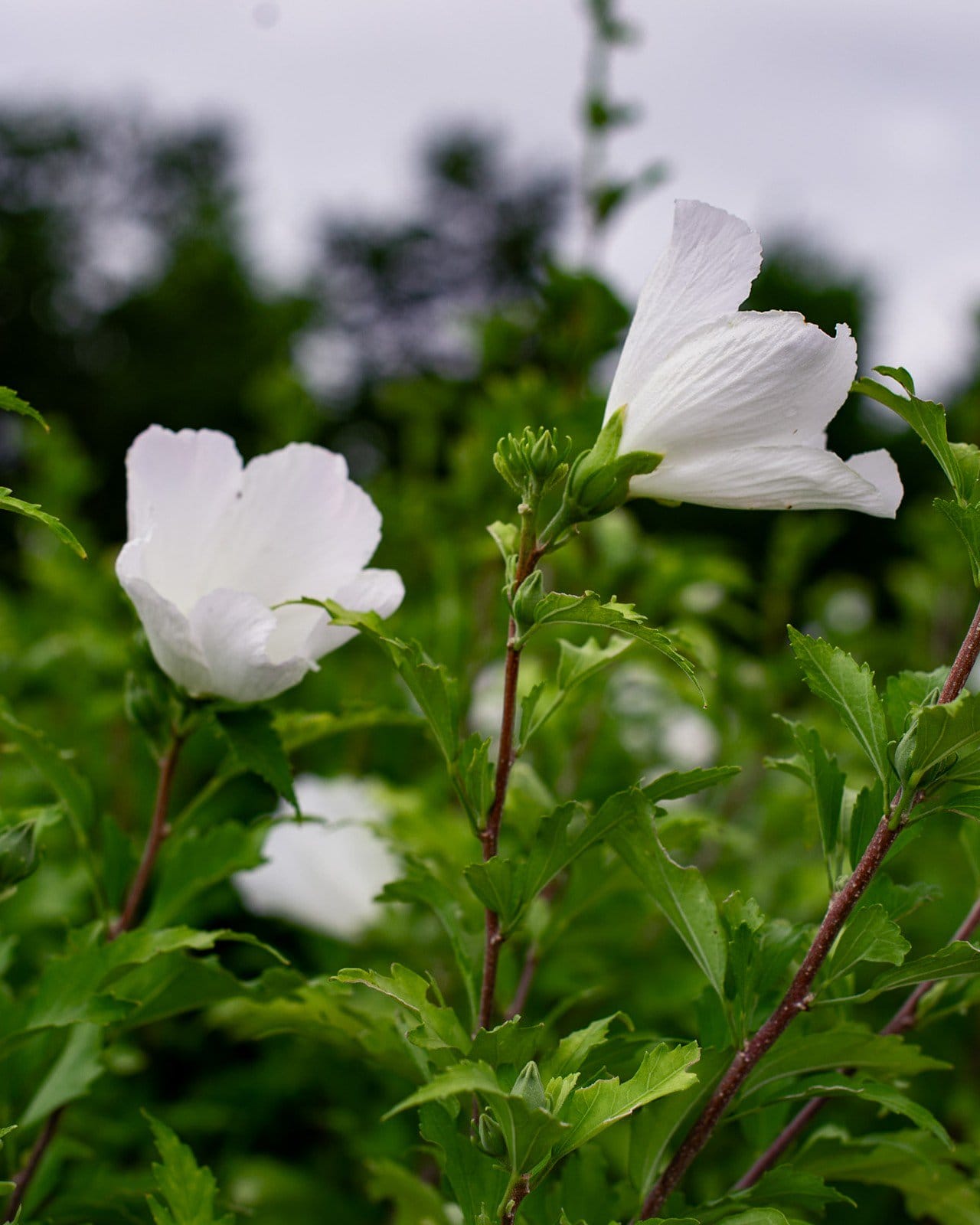
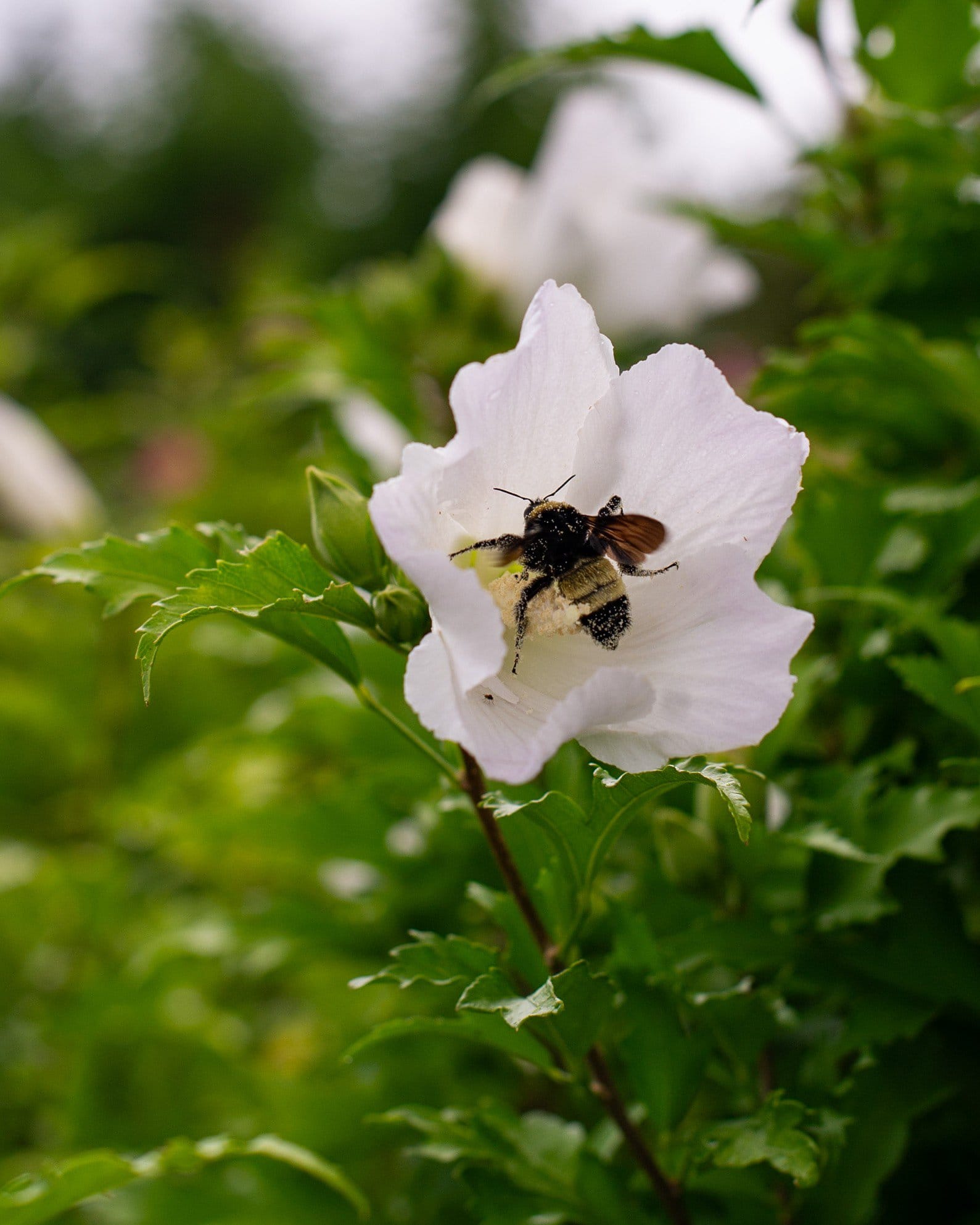
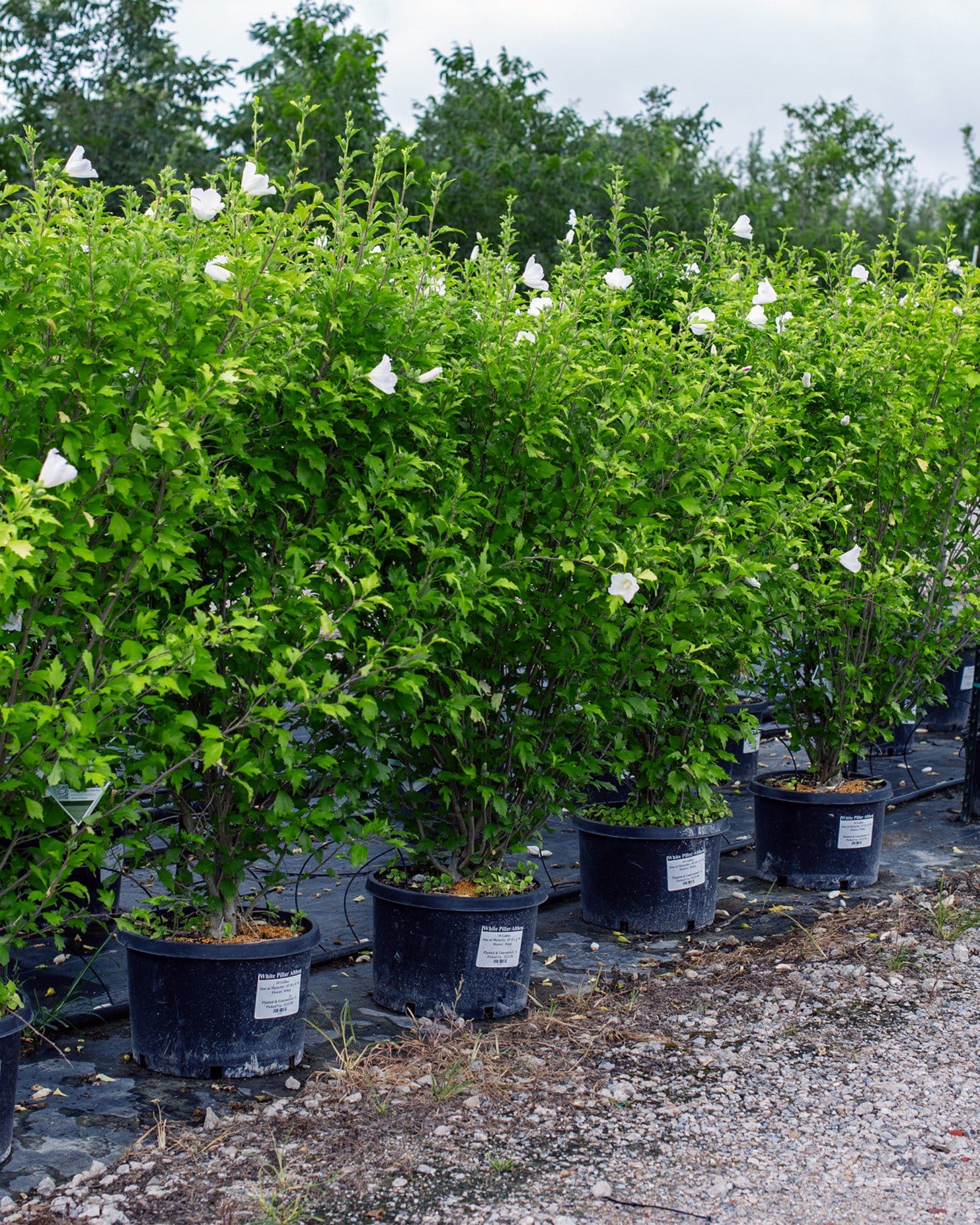
White Pillar Althea
Maturity: 10' H x 4' W
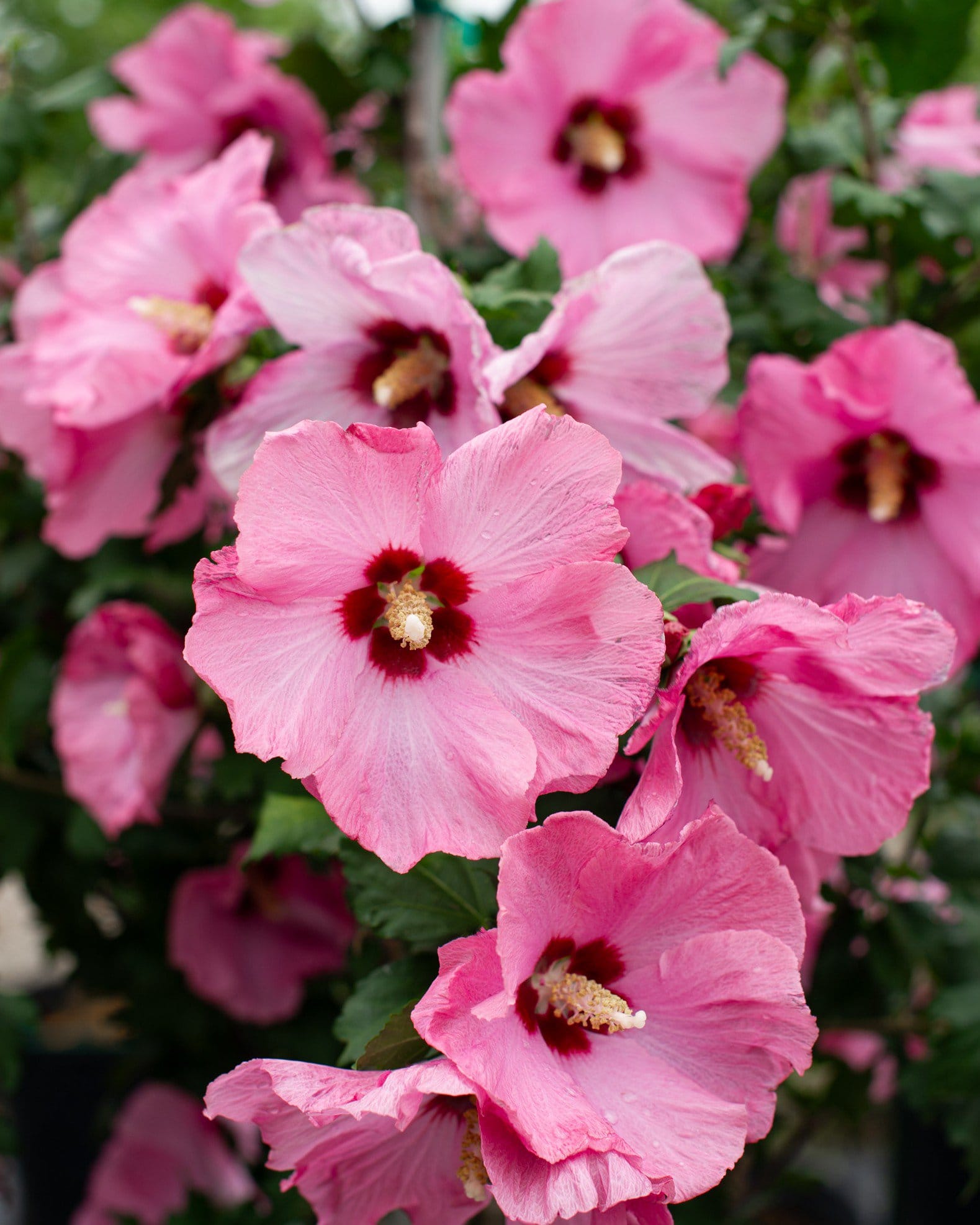
Aphrodite Althea Tree Form
Maturity: 8' H x 6' W
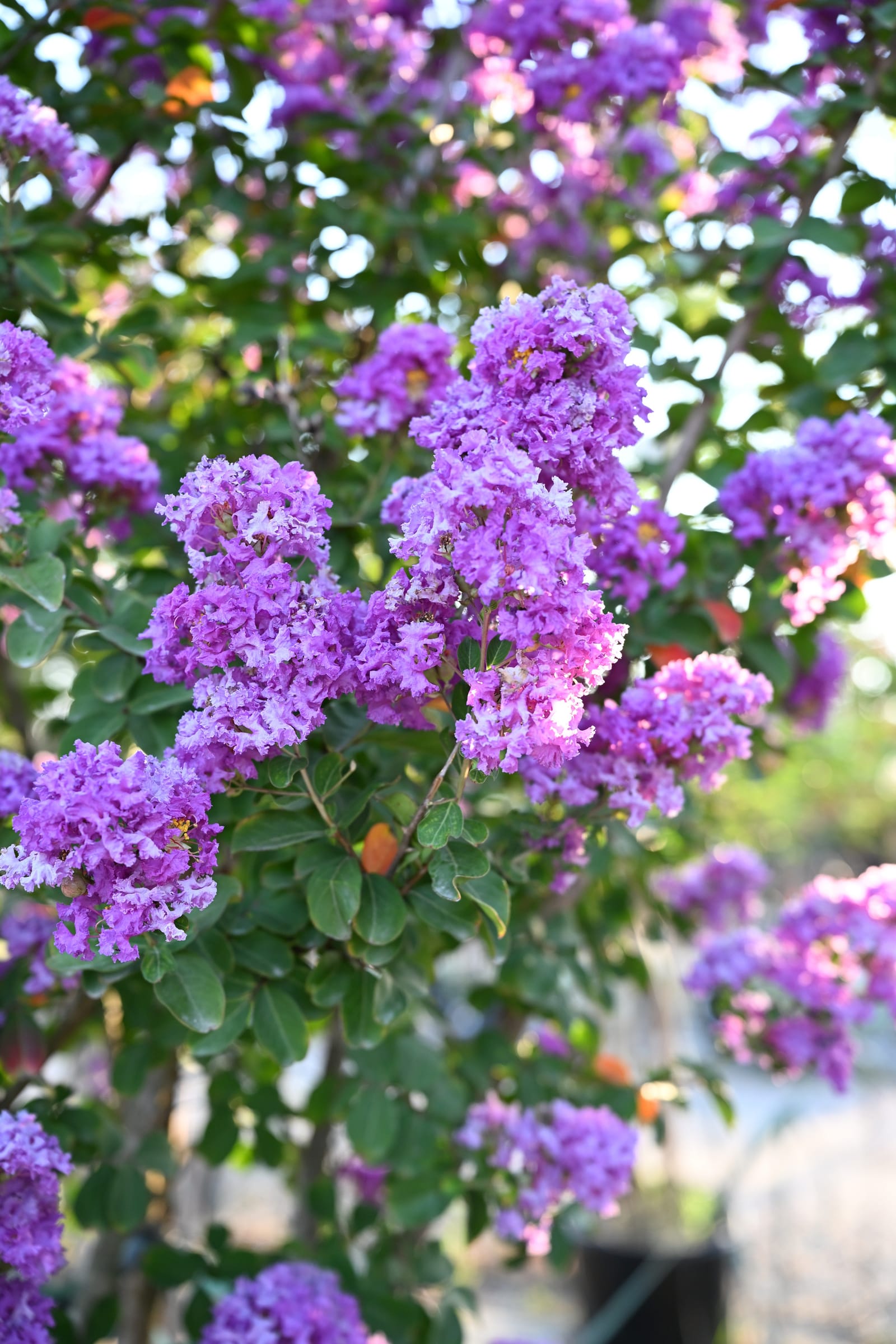
Autauga Crape Myrtle
Maturity: 20' H x 12' W
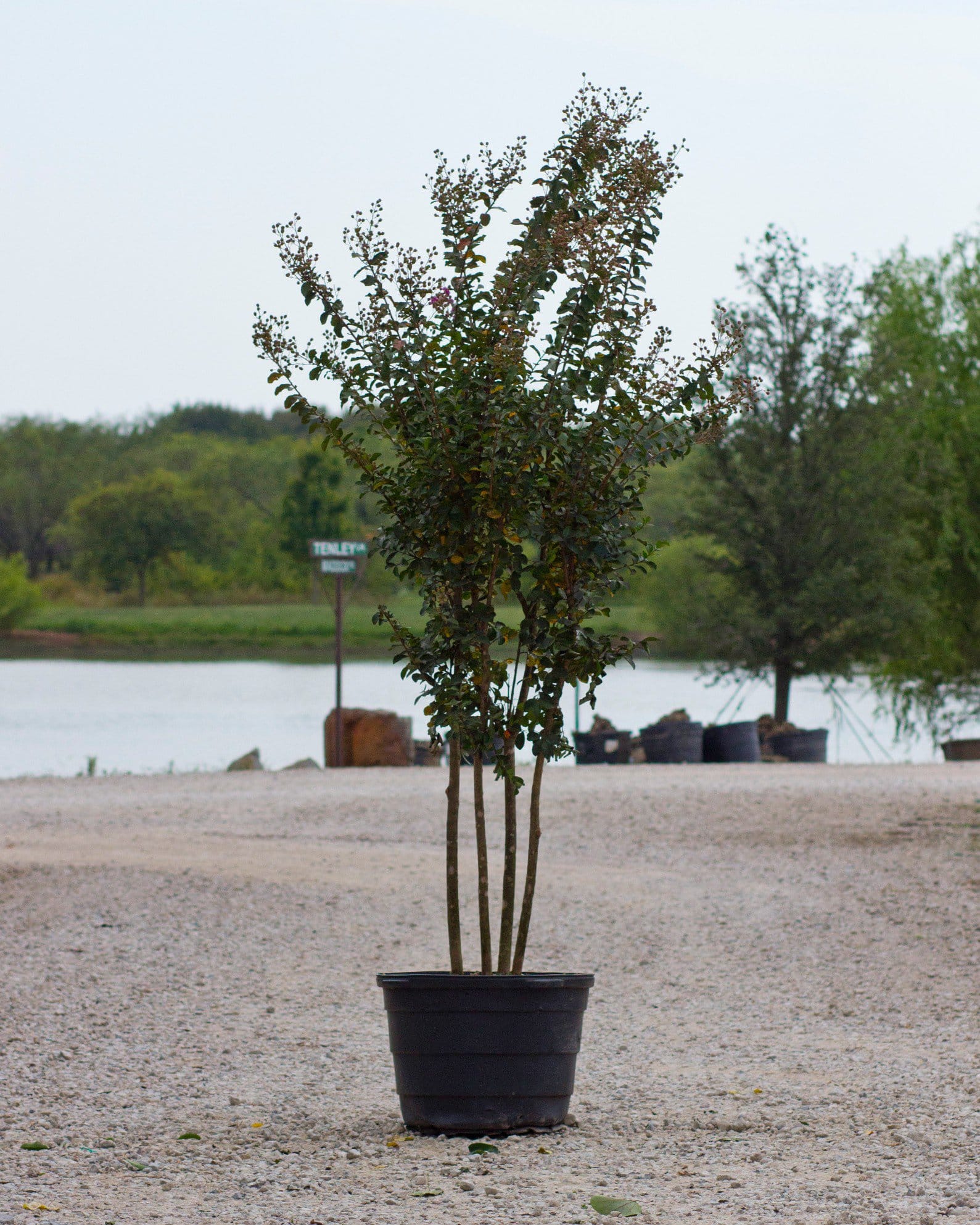
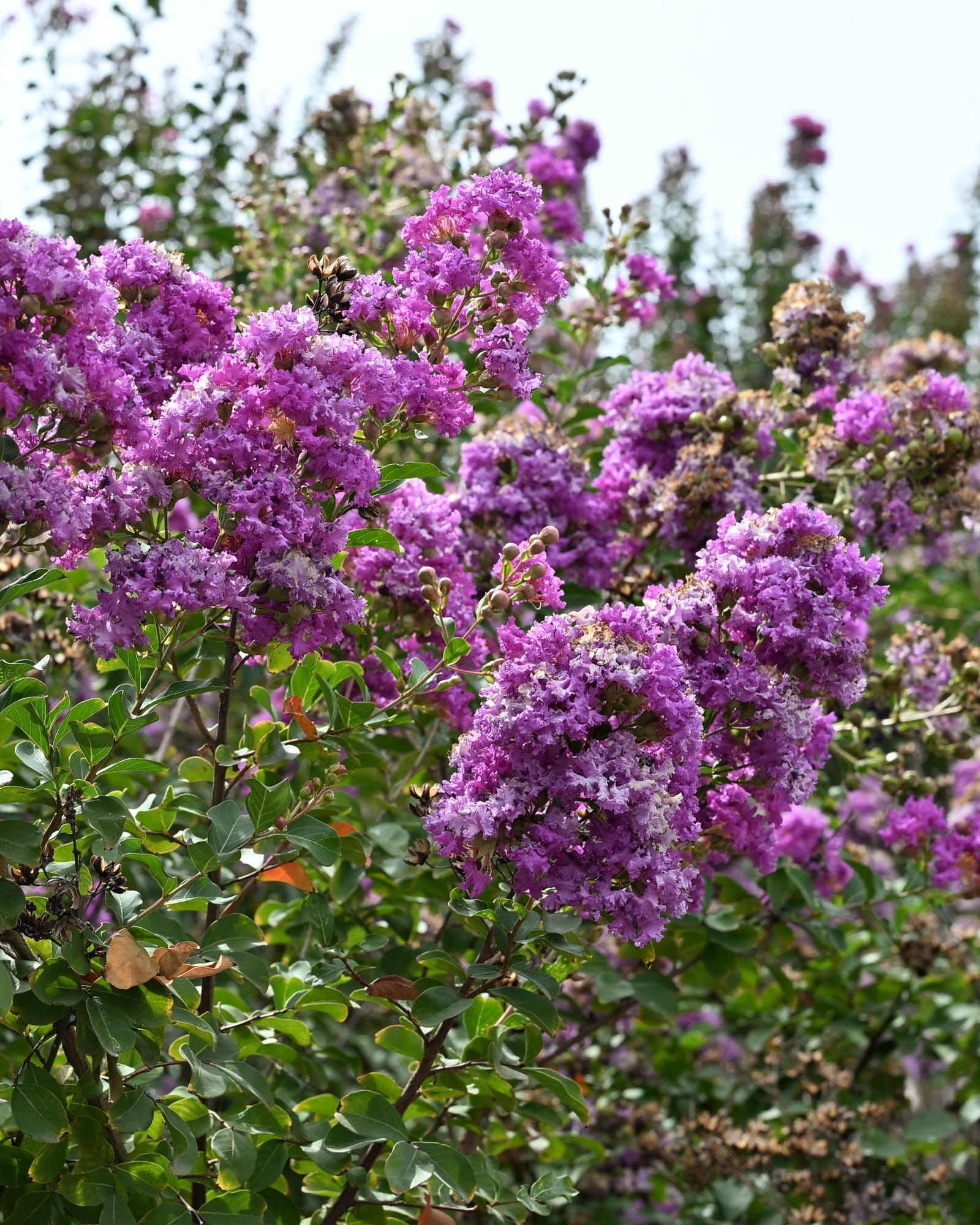
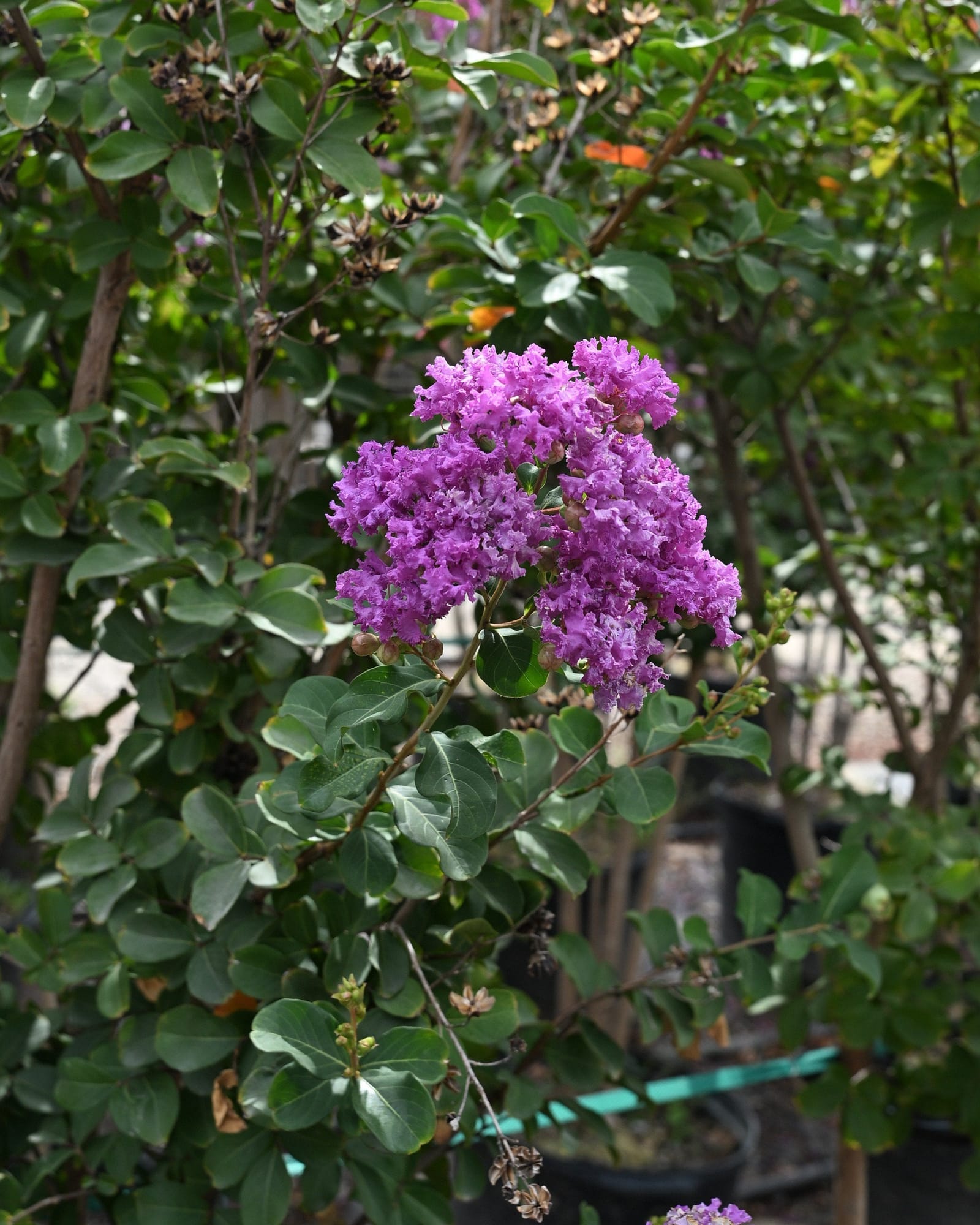
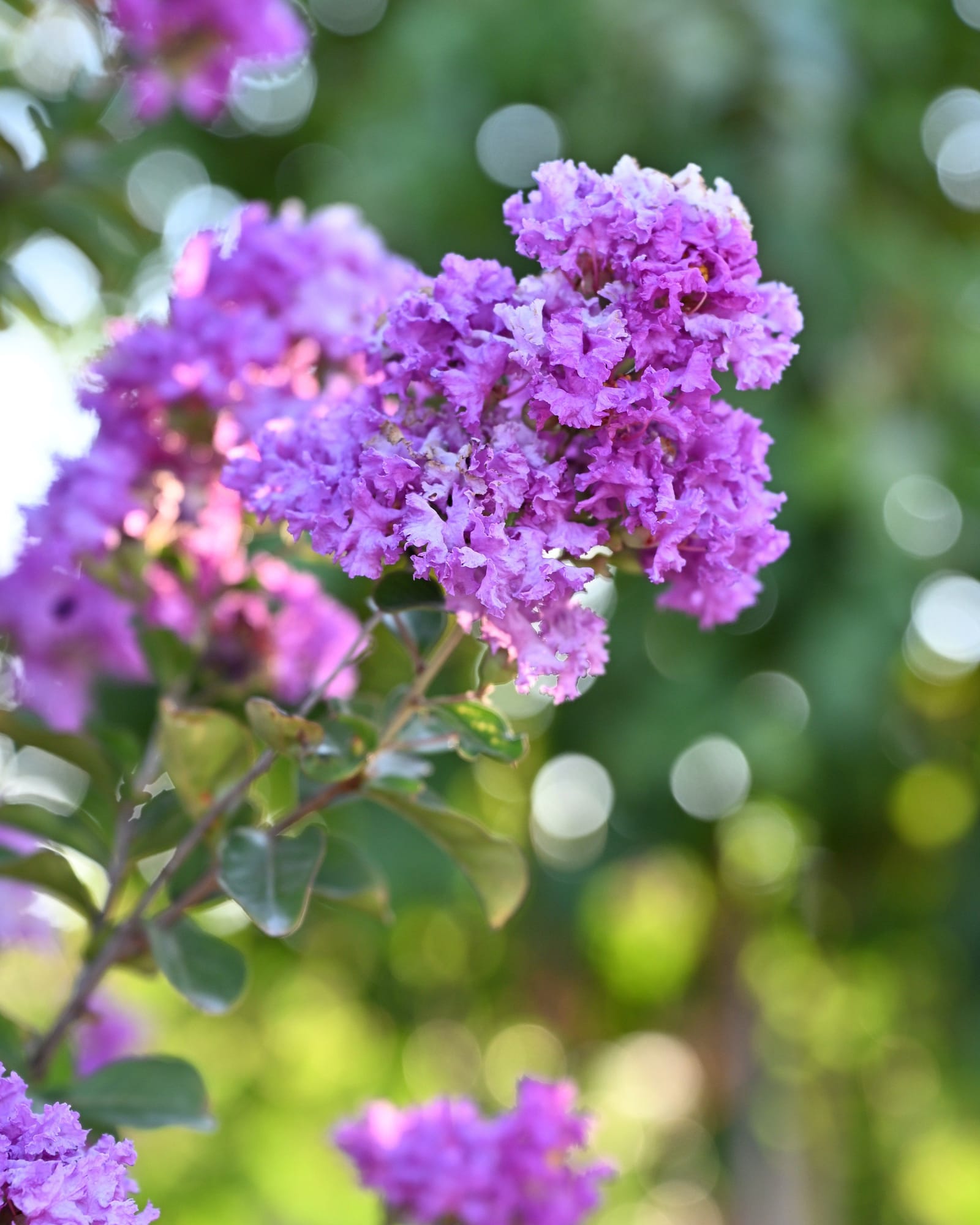
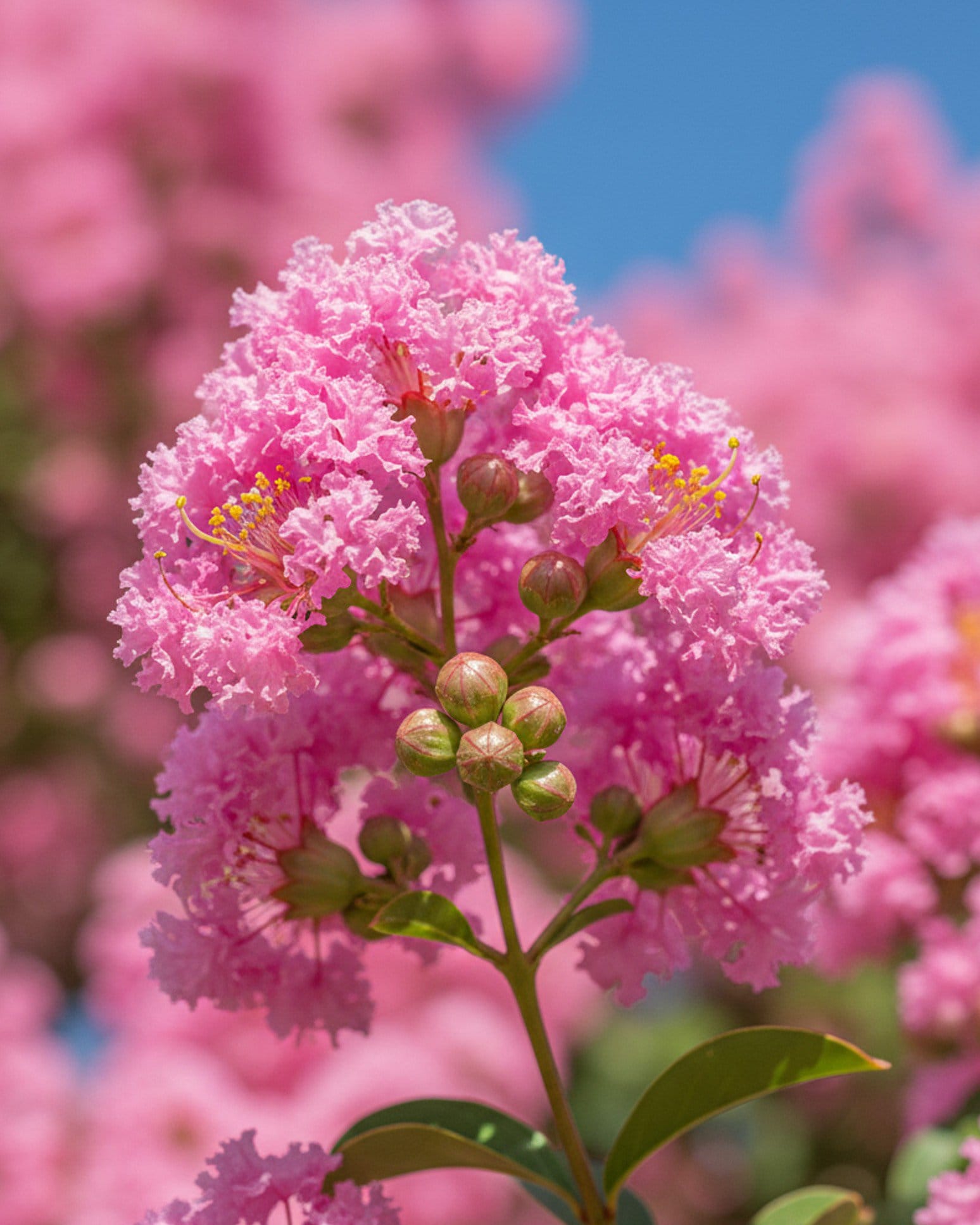
Basham's Party Pink Crape Myrtle
Maturity: 20' H x 15' W
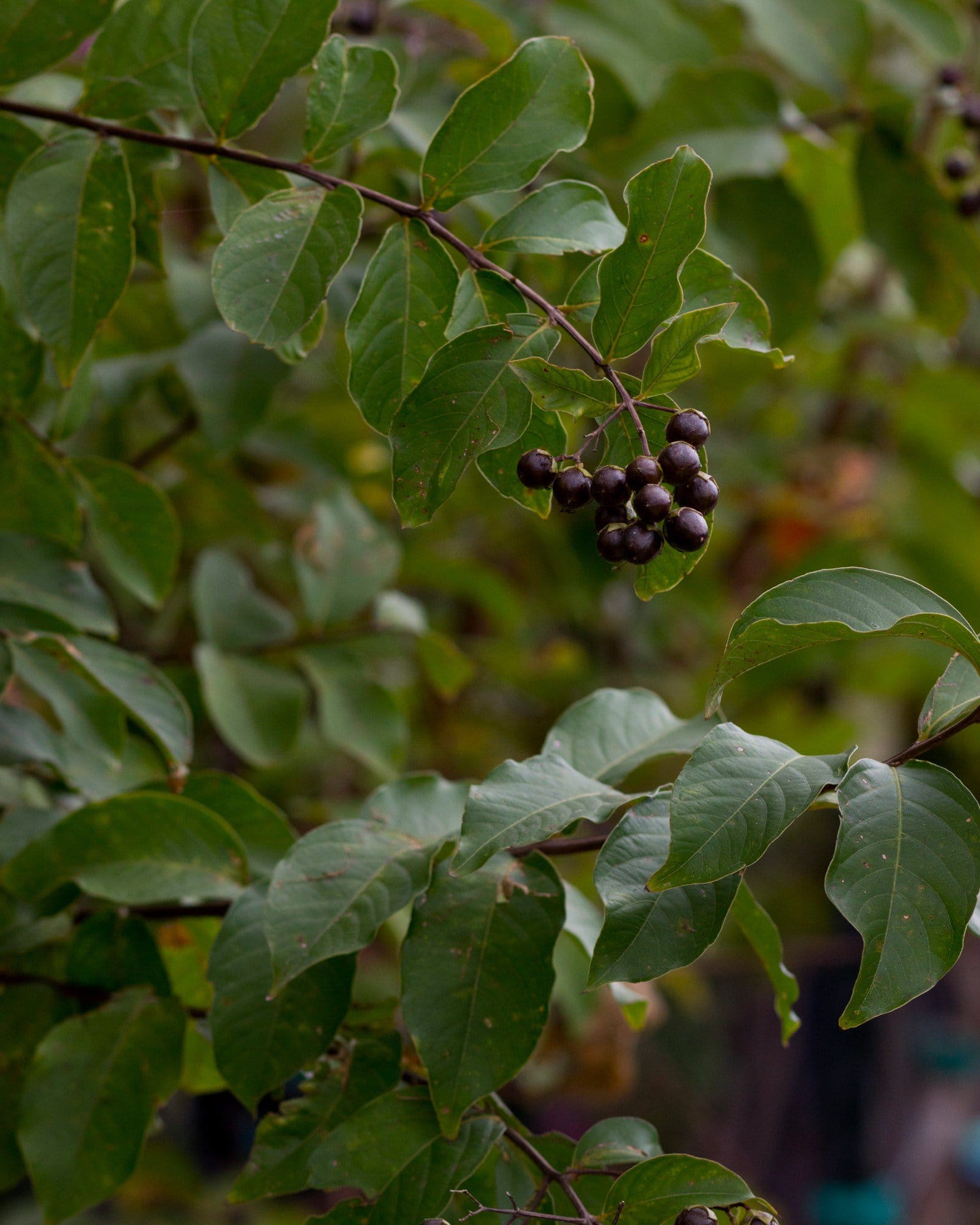
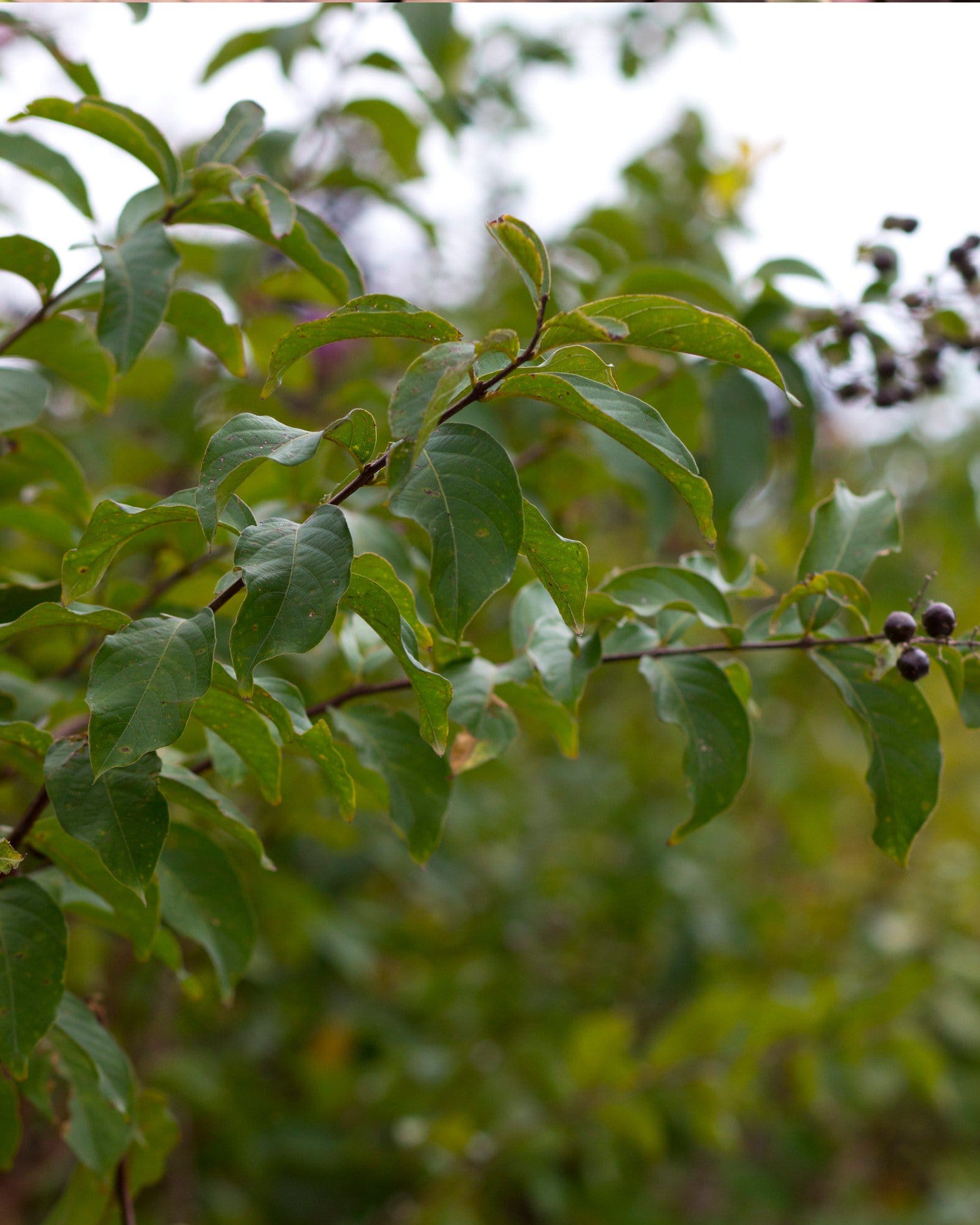
Biloxi Crape Myrtle
Maturity: 20' H x 15' W
Blue Angel Althea
Maturity: 8' H x 6' W
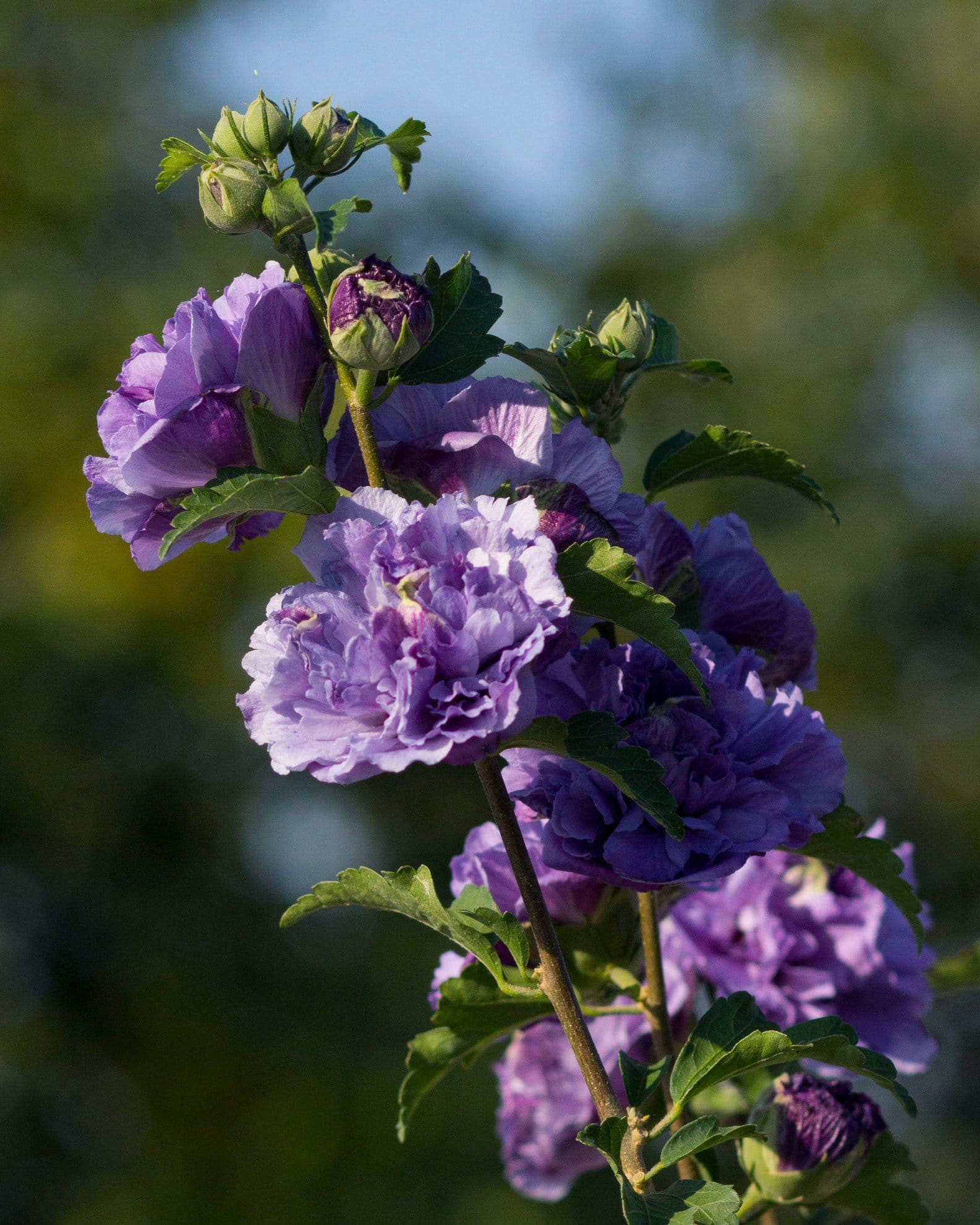
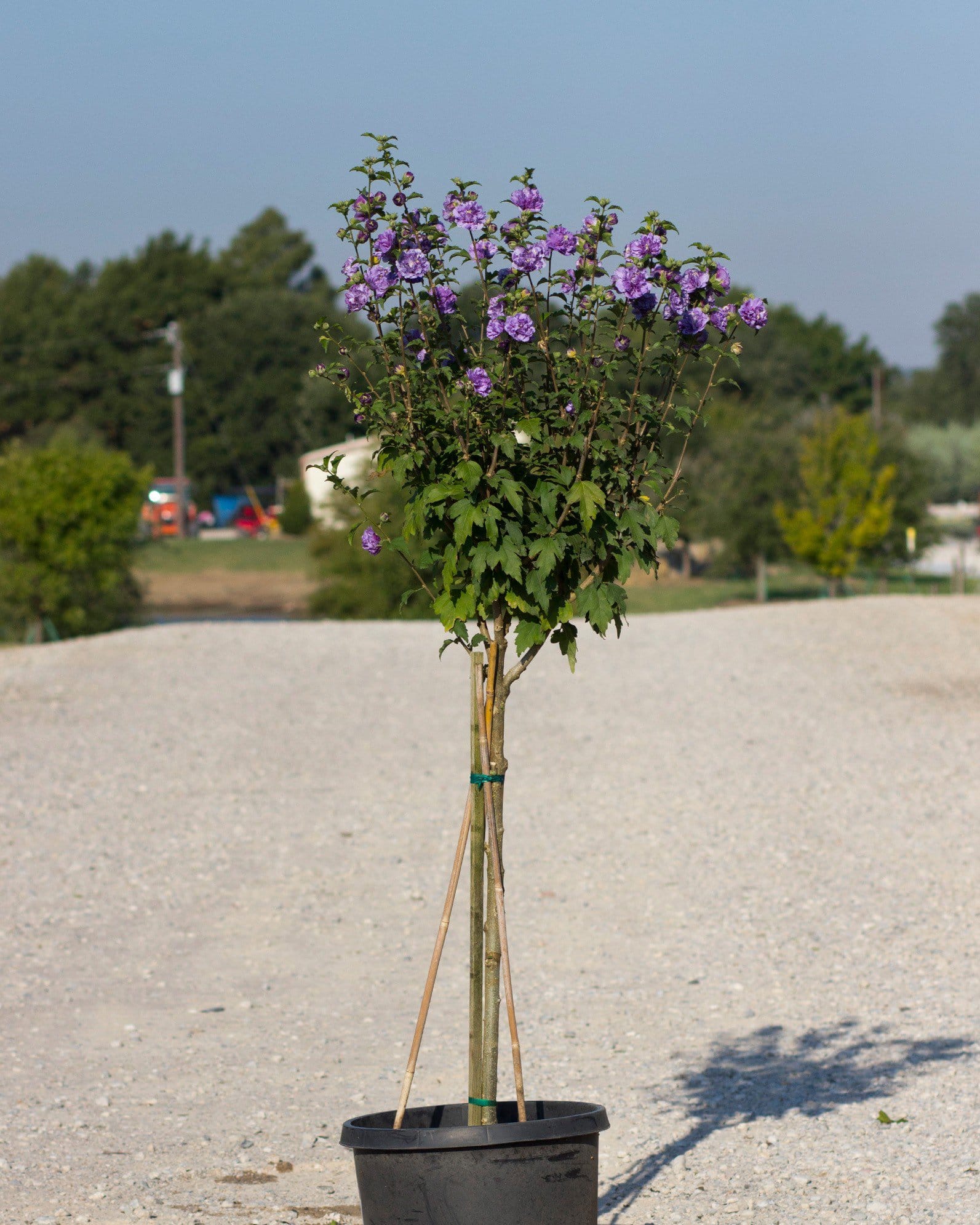
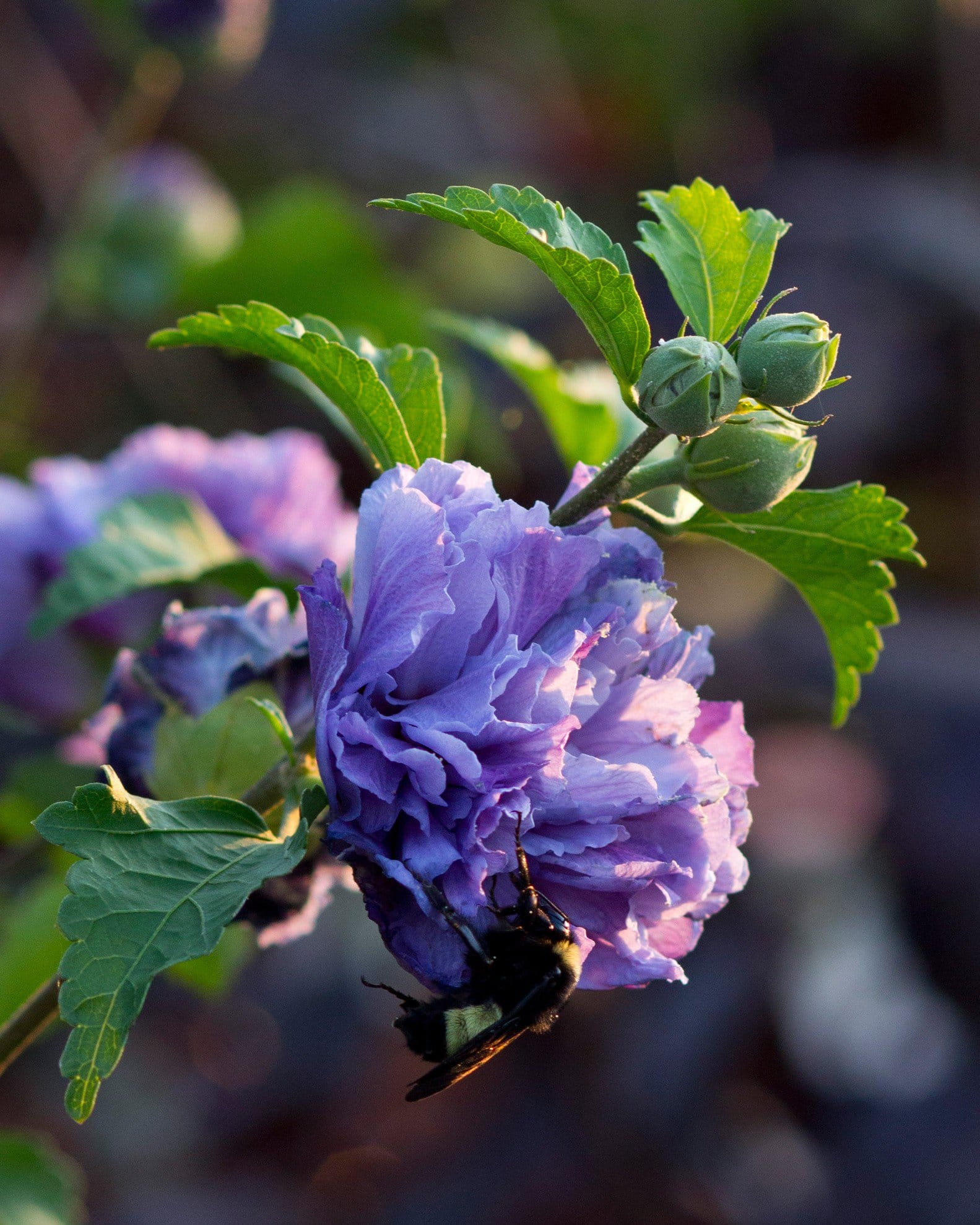
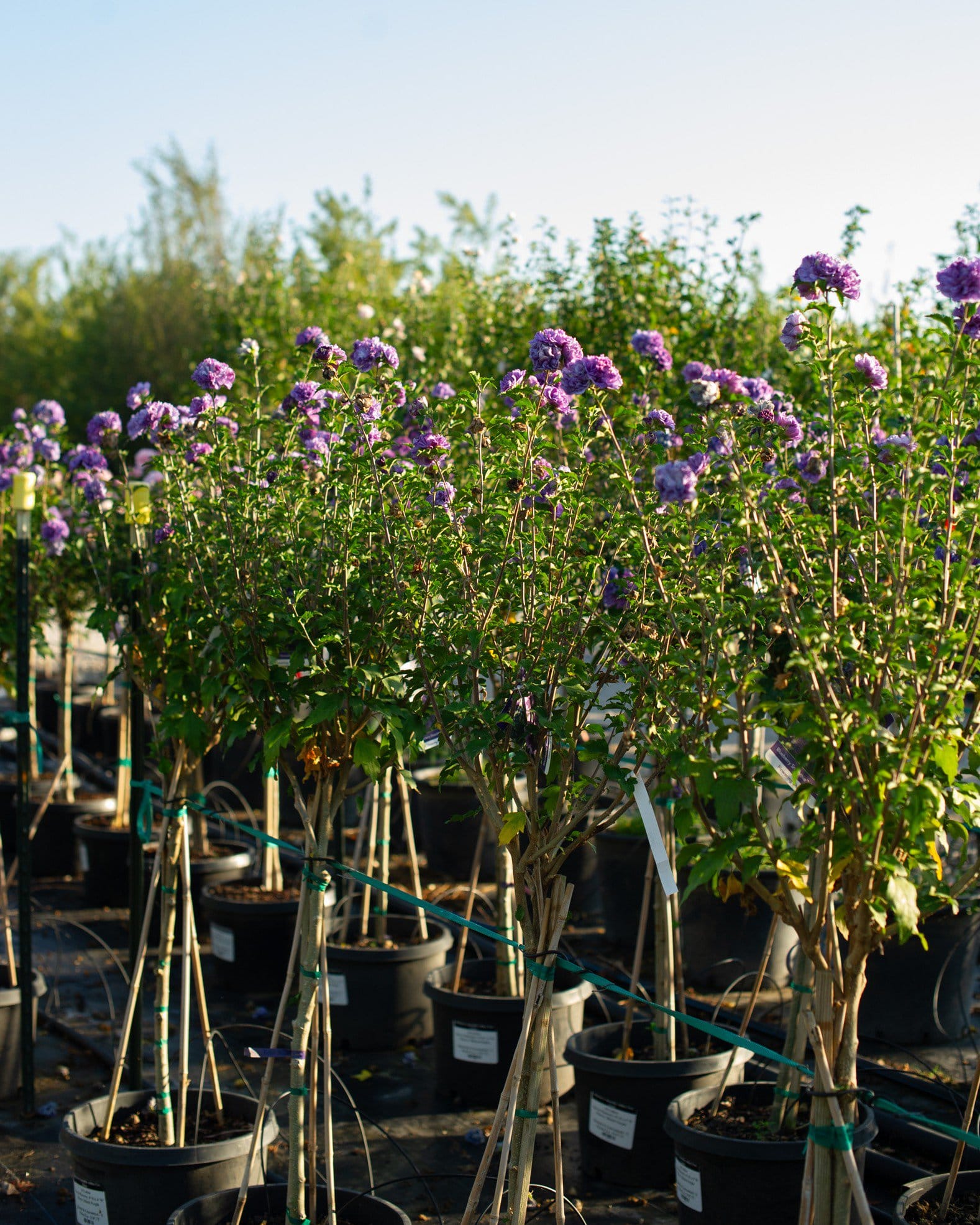
Blueberry Smoothie Althea Tree Form
Maturity: 8' H x 4' W
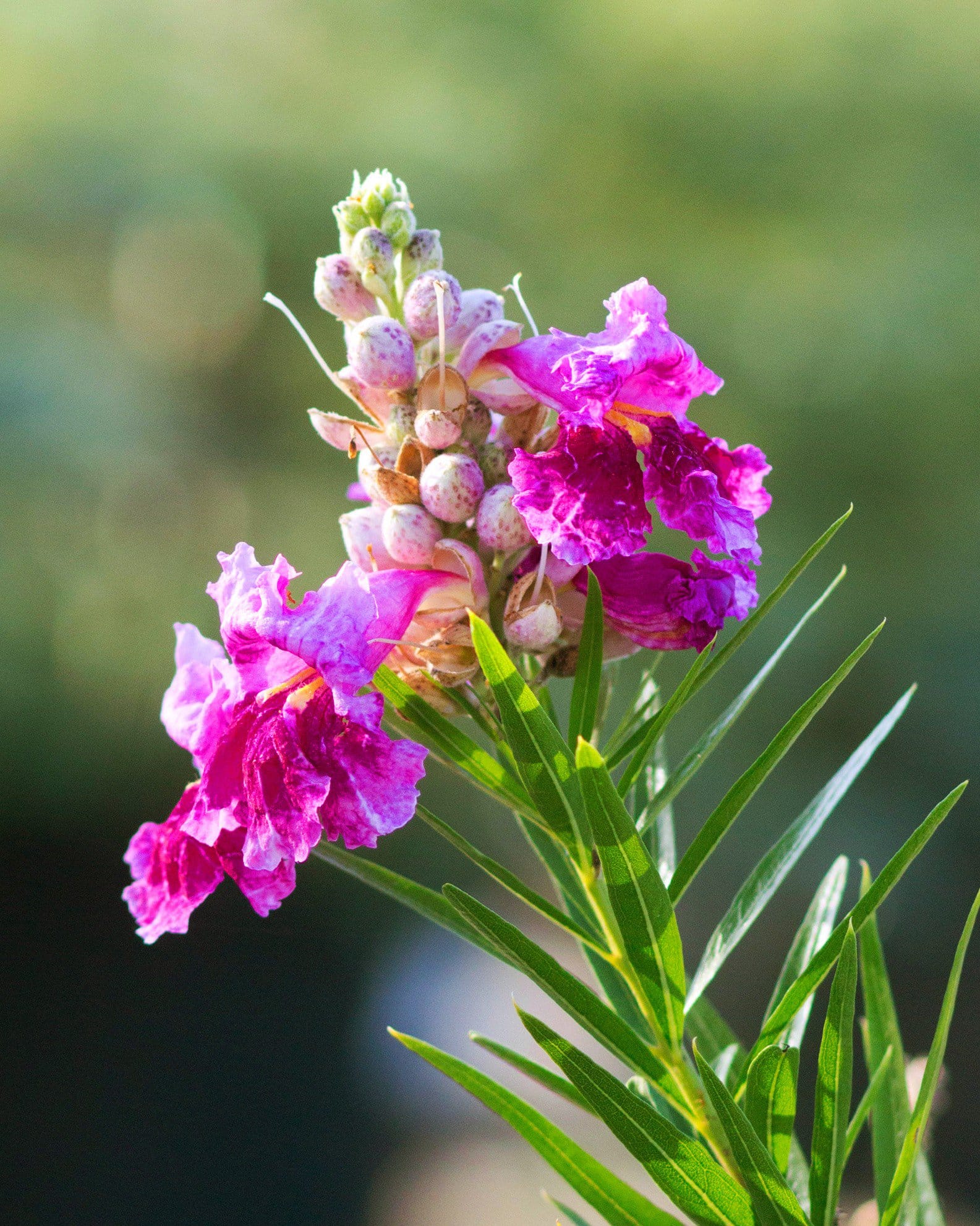
Bubba Desert Willow
Maturity: 15' H x 15' W
Colorama Coral Crape Myrtle
Maturity: 20' H x 12' W
Colorama Ivory Crape Myrtle
Maturity: 20' H x 12' W
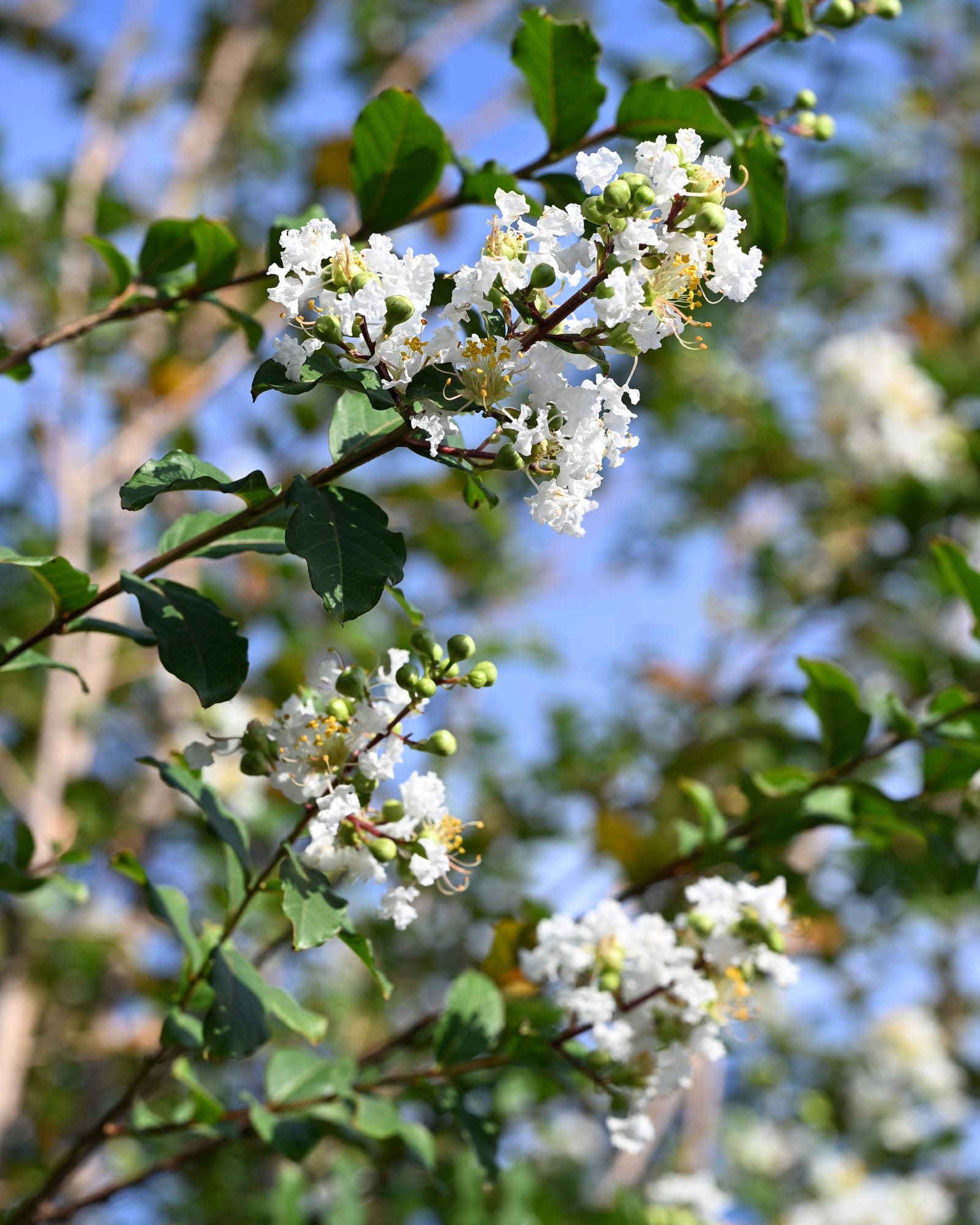
Colorama Pearl Crape Myrtle
Maturity: 20' H x 12' W
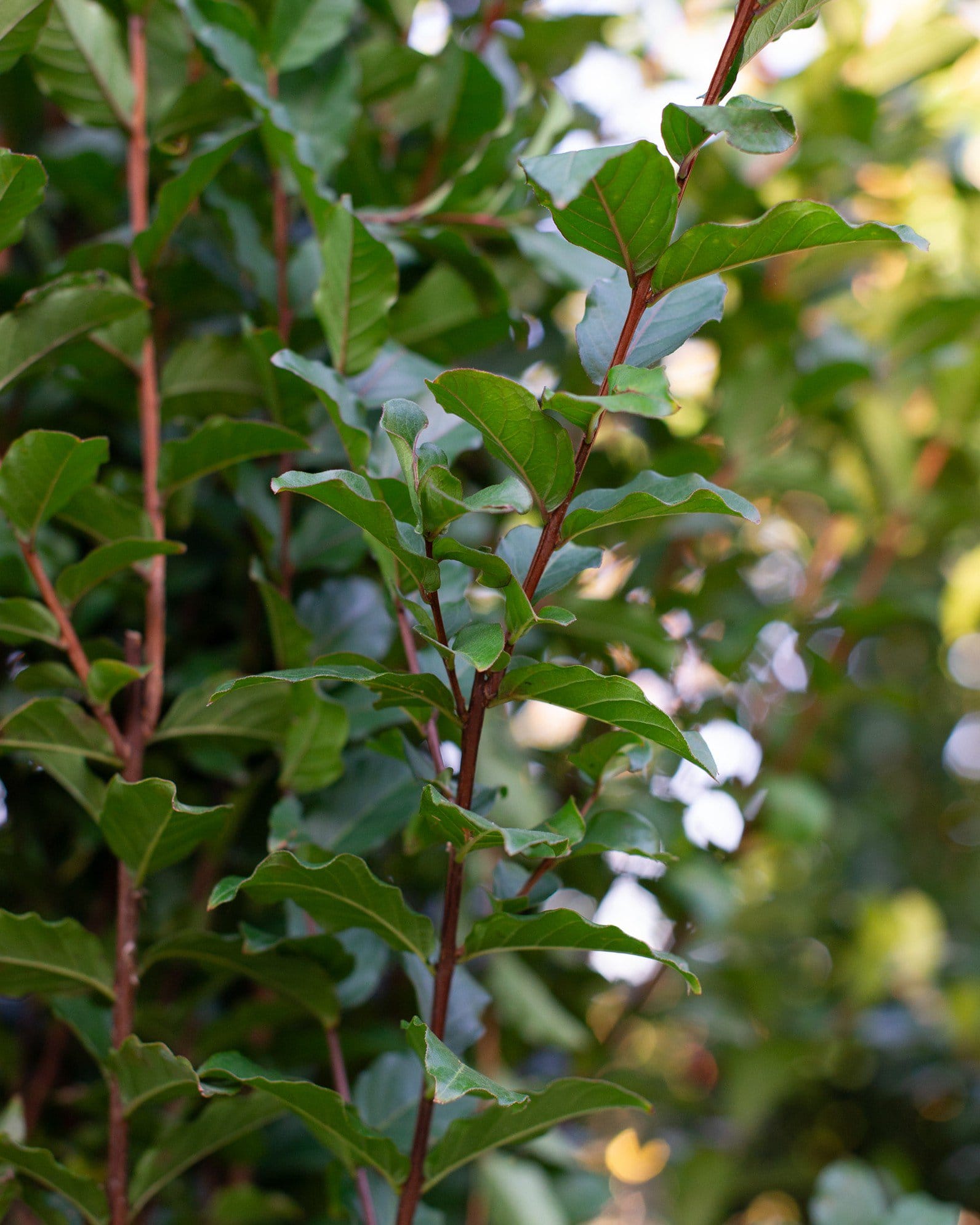
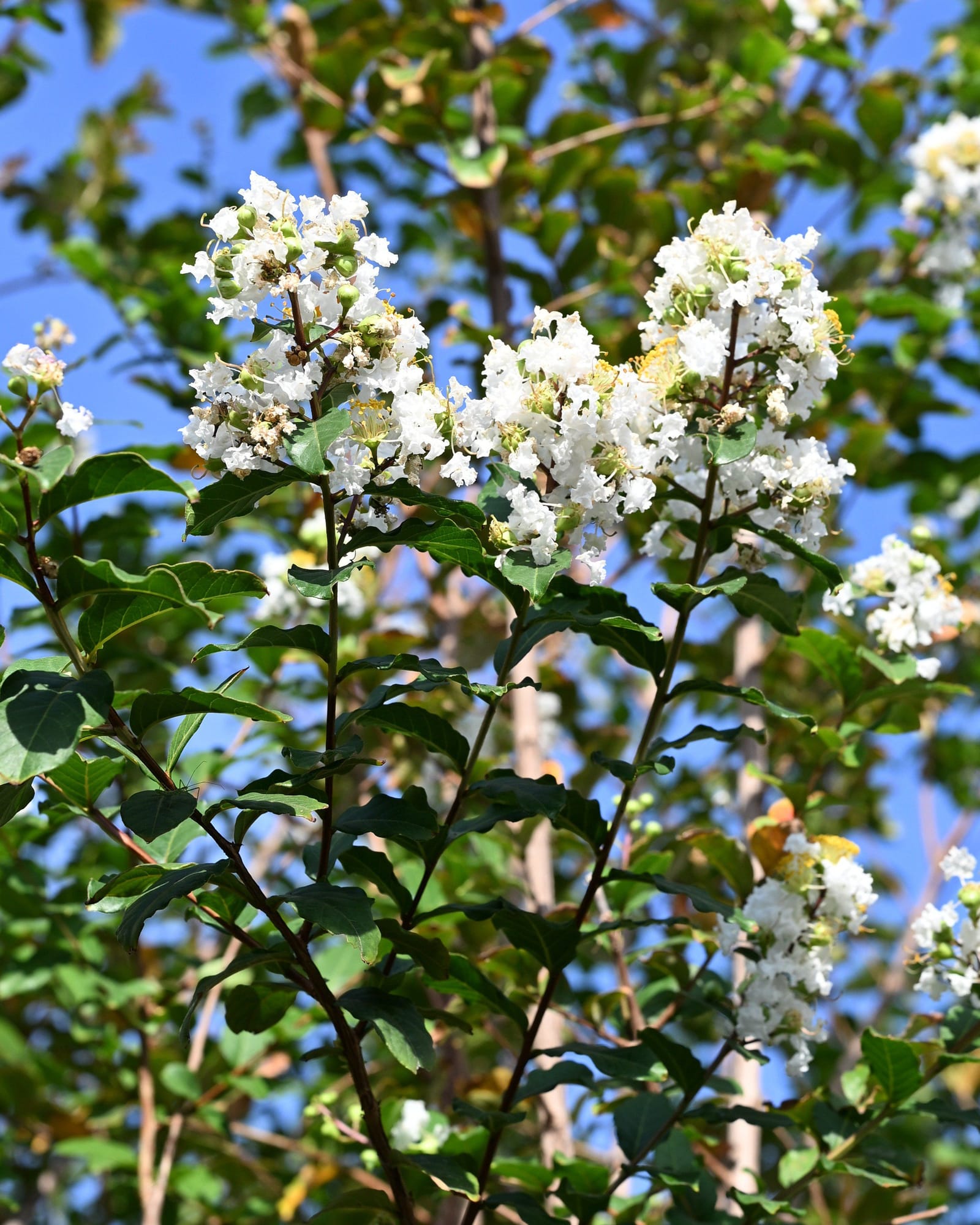
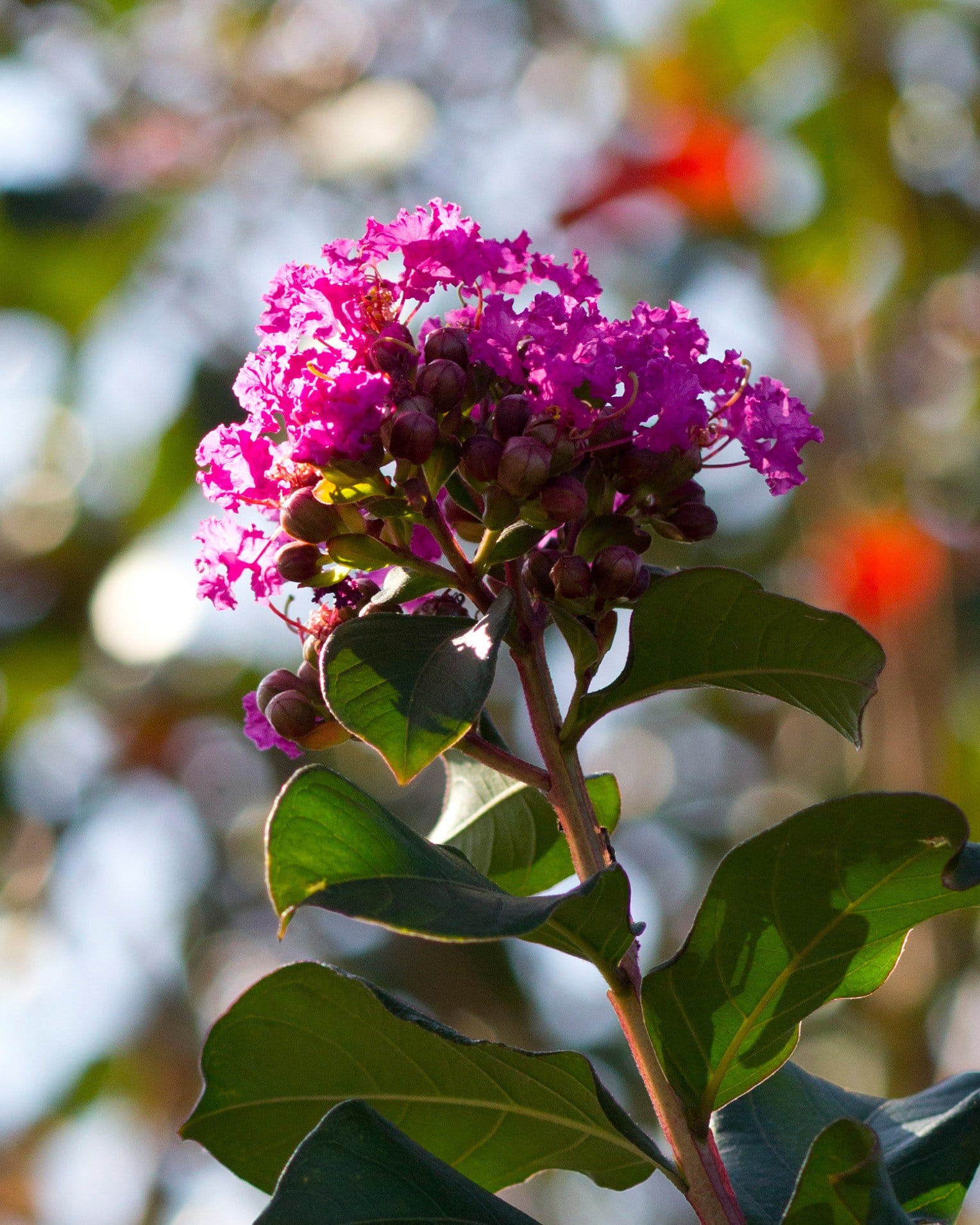
Colorama Purple Crape Myrtle
Maturity: 20' H x 12' W
Danica Althea Tree Form
Maturity: 8' H x 5' W
Compare Similar Plants
Chi Chi Ginkgo This plant | ||
|---|---|---|
| Scientific Name | Ginkgo biloba ‘Chi-Chi’ | Ginkgo biloba ‘Gnome’ |
| Size at Maturity | 10' H x 5' W | 5' H x 3' W |
| Leaf Retention | Deciduous | Deciduous |
| Fall Color | Yellow | Yellow |
| Sizes Available | 15, 30 gal | 15 gal |


Our 1-Year Planting Guarantee
We take pride in our plants and installation services. If any plants or trees installed by Treeland fail to thrive within the first year, we'll provide a replacement credit in accordance with our guarantee program.
Learn More About Our Guarantee