
 Popular
Local DFW Delivery Only
Product Details
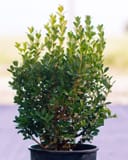
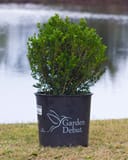
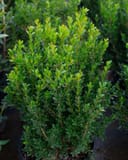
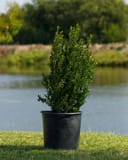
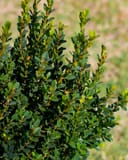
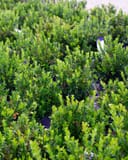
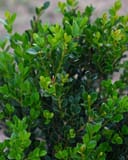
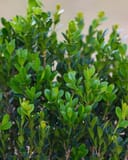
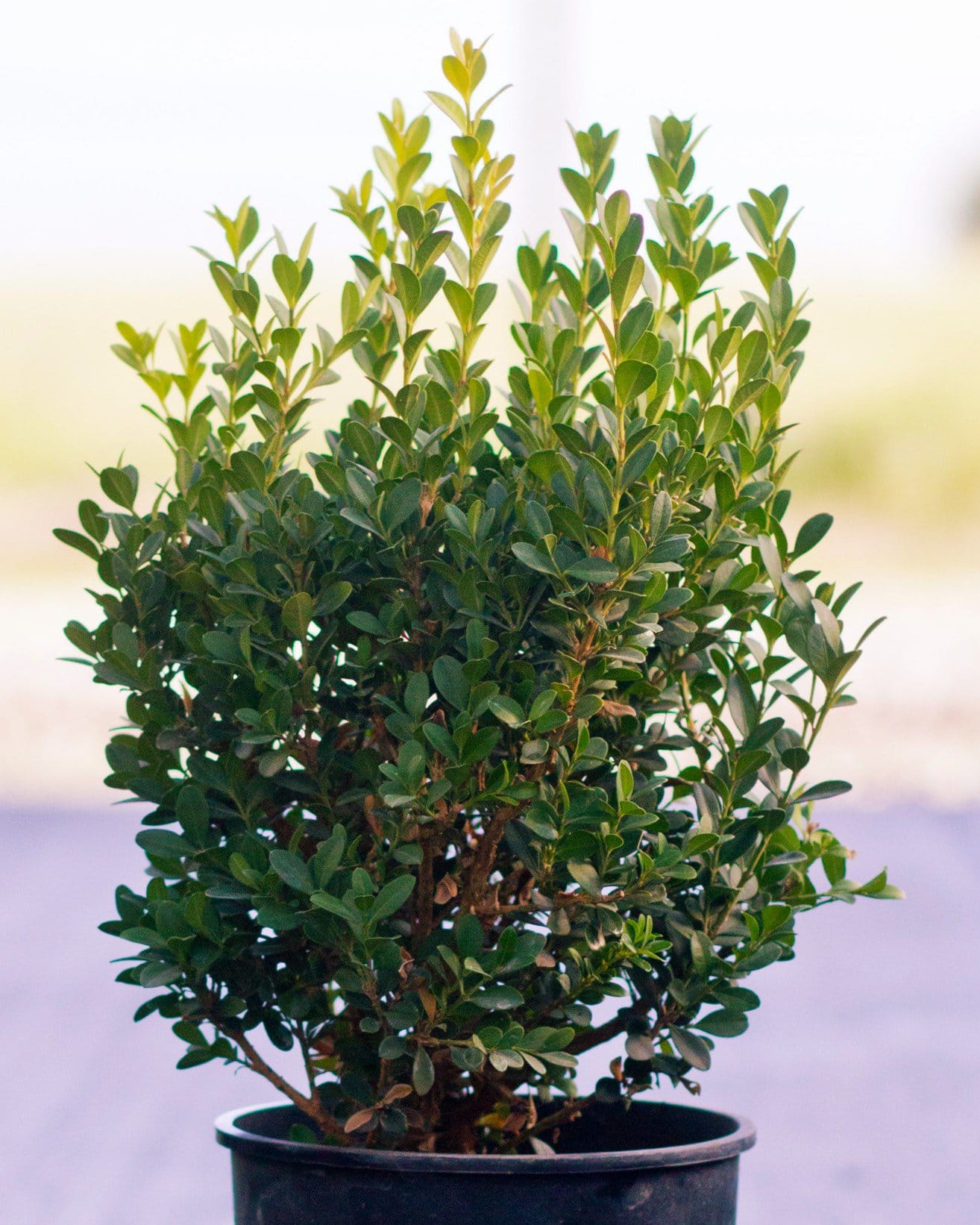
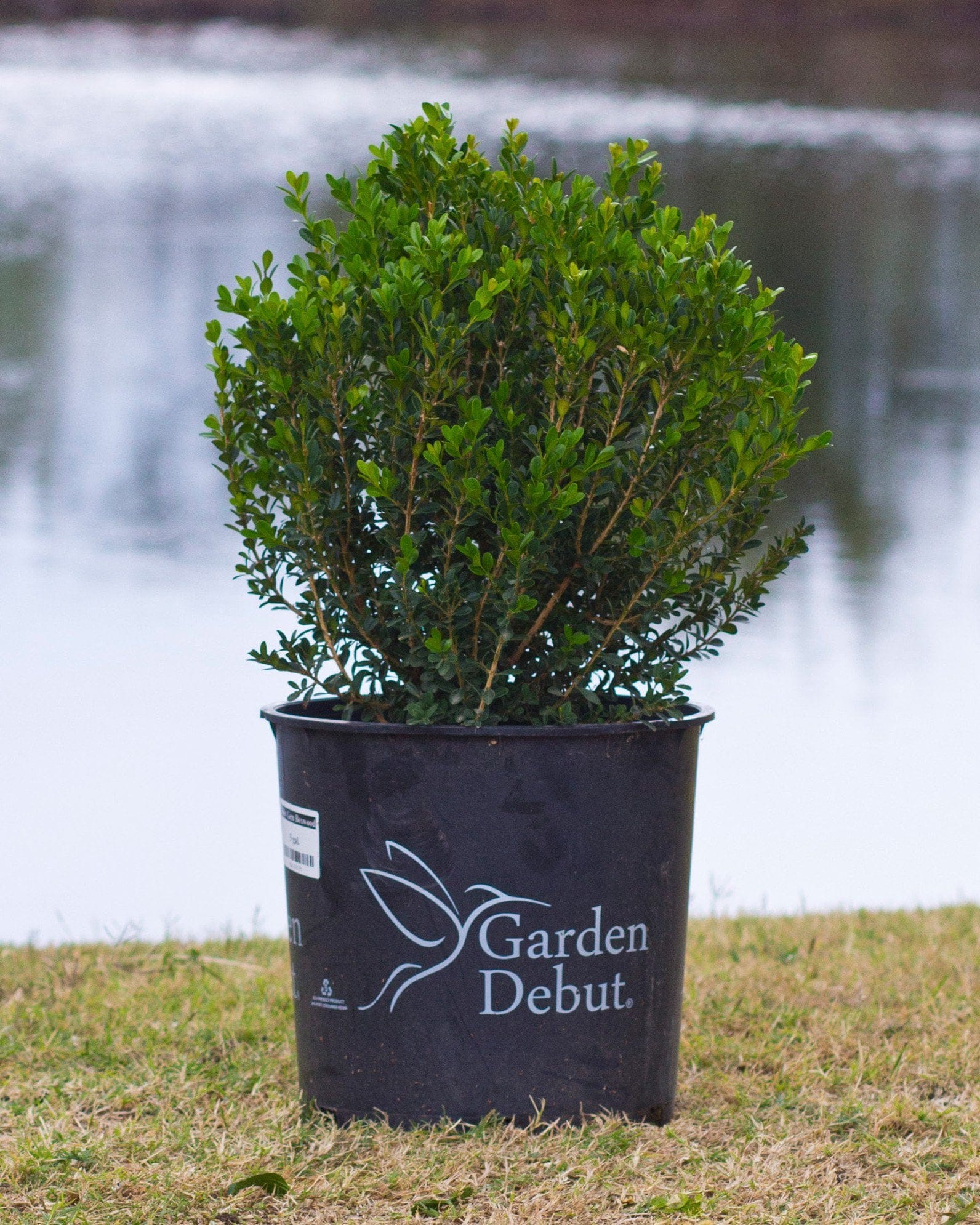
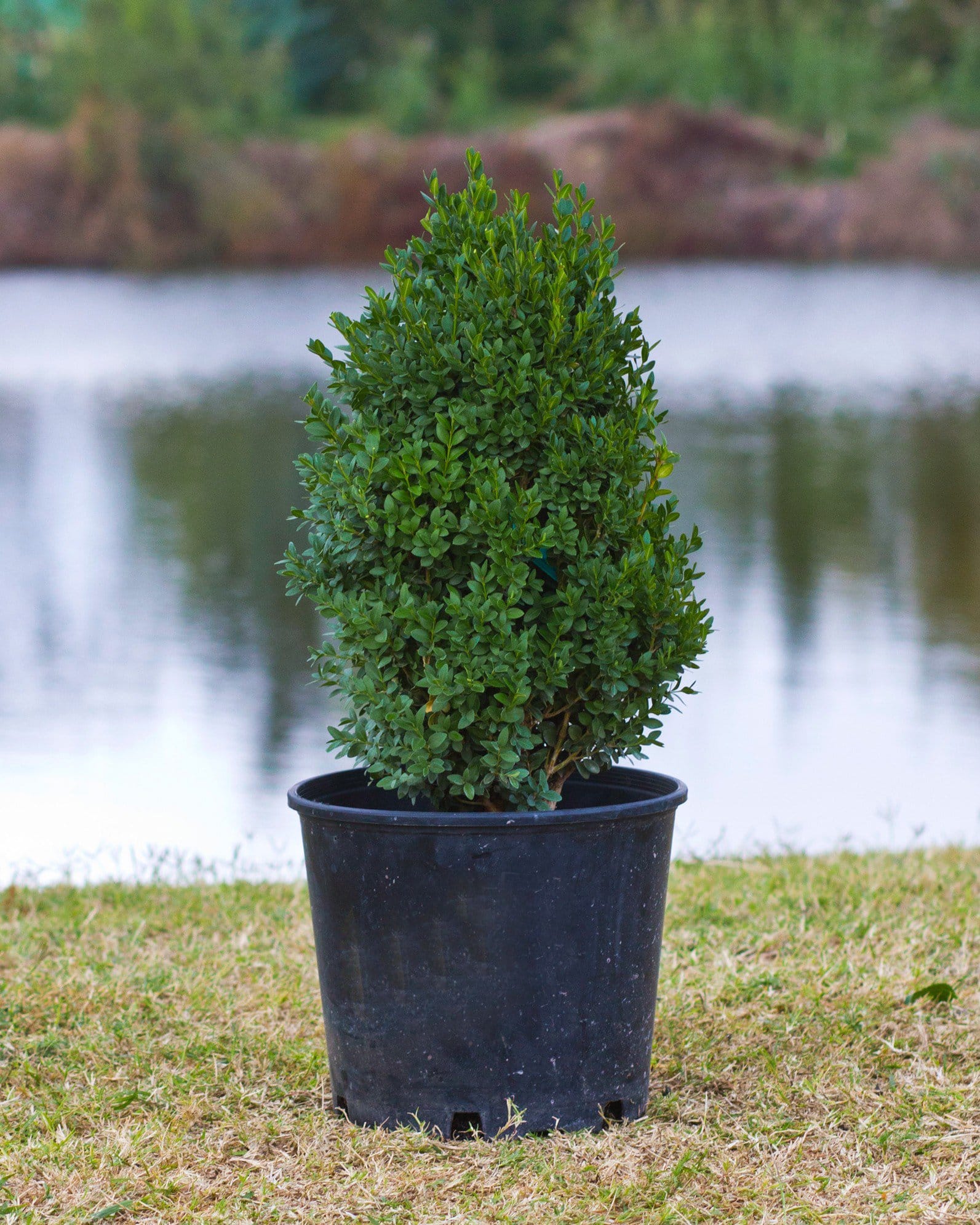
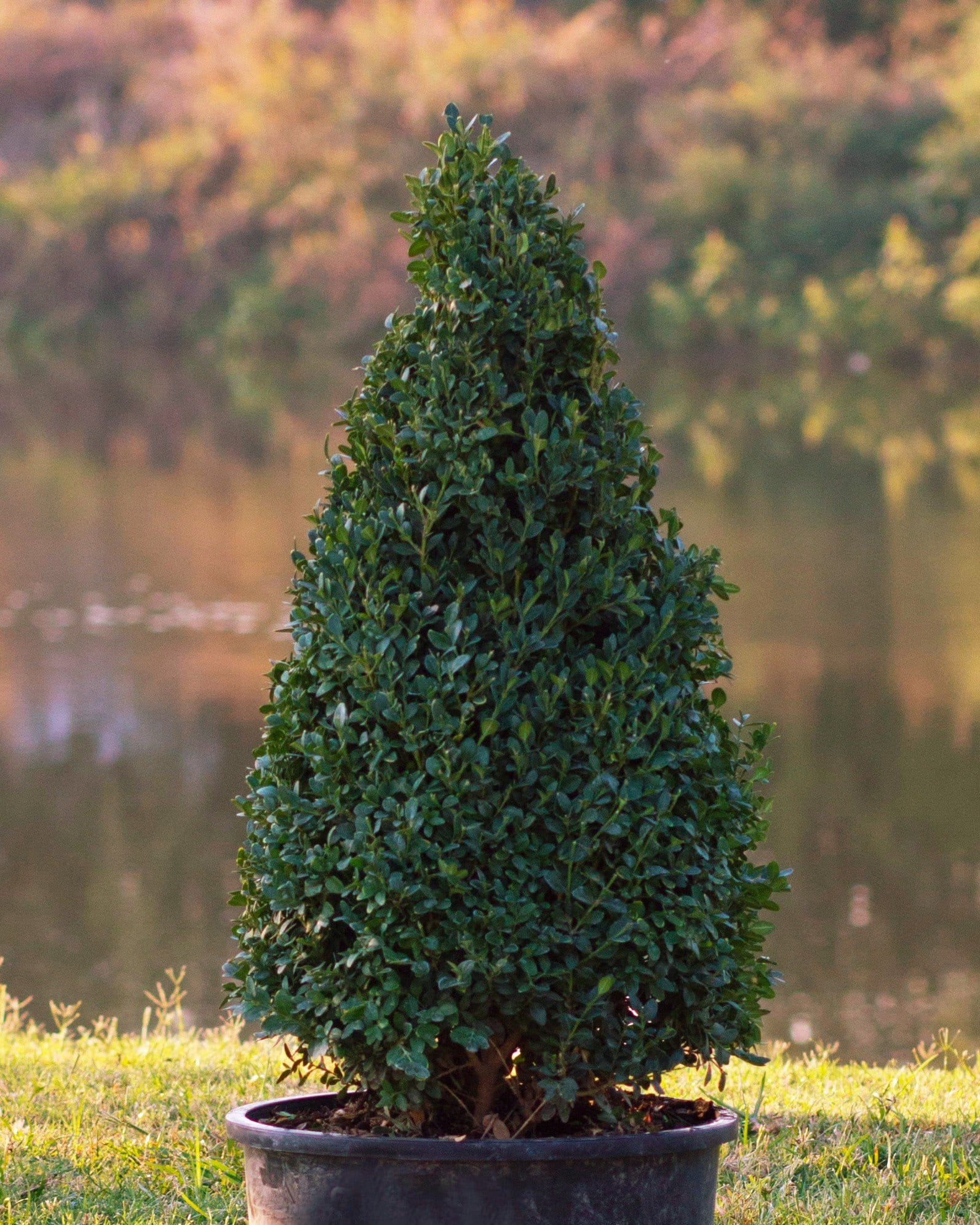
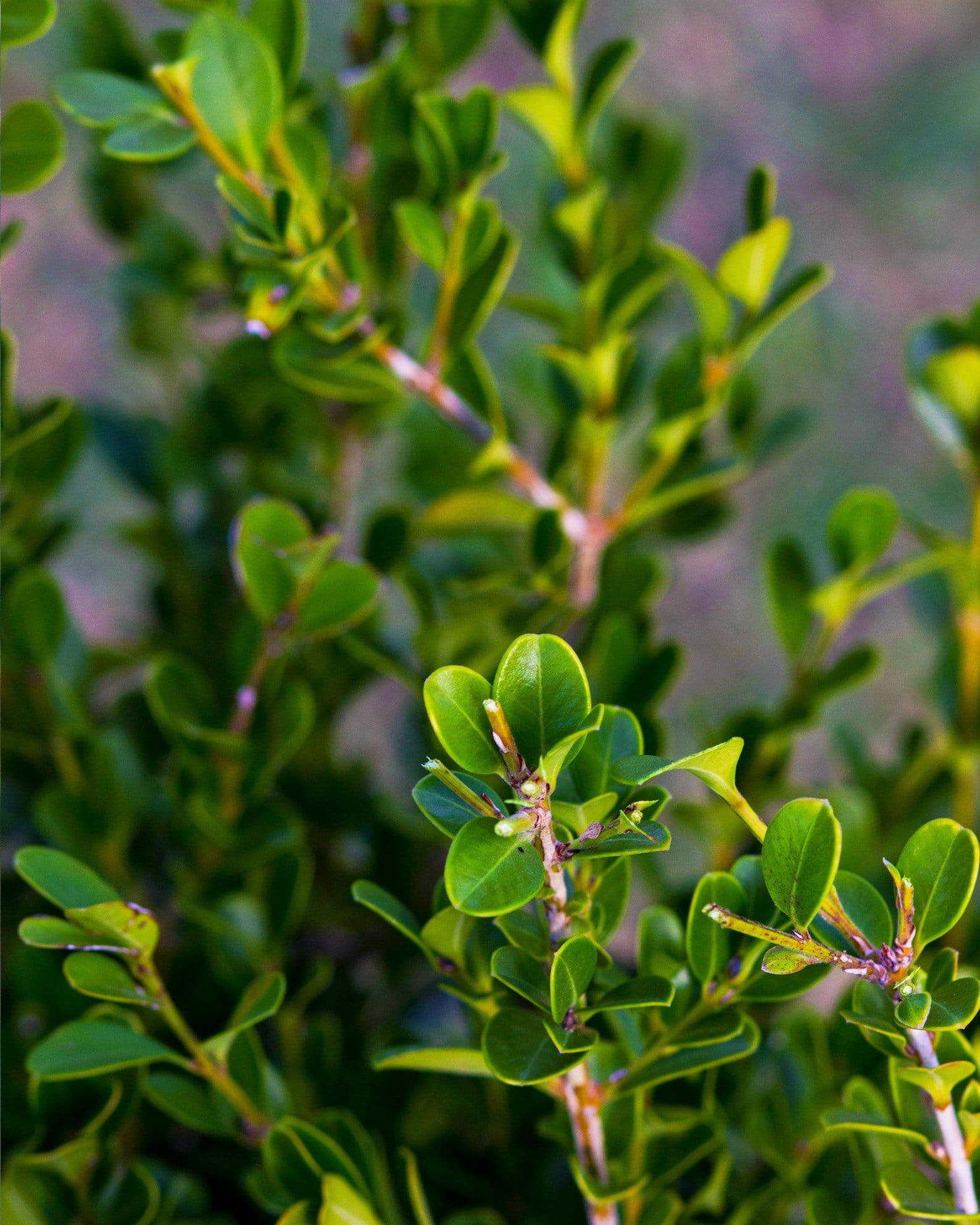
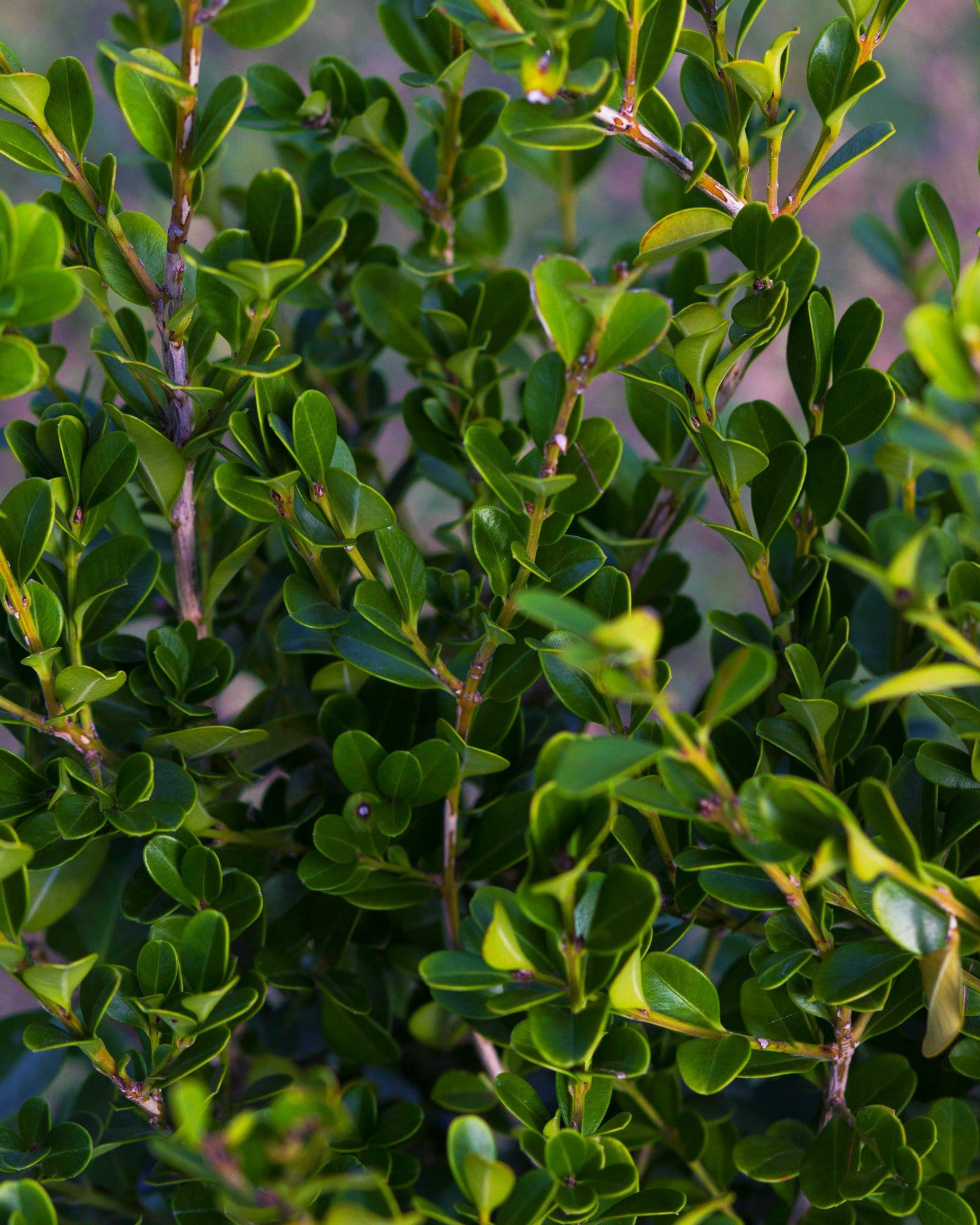
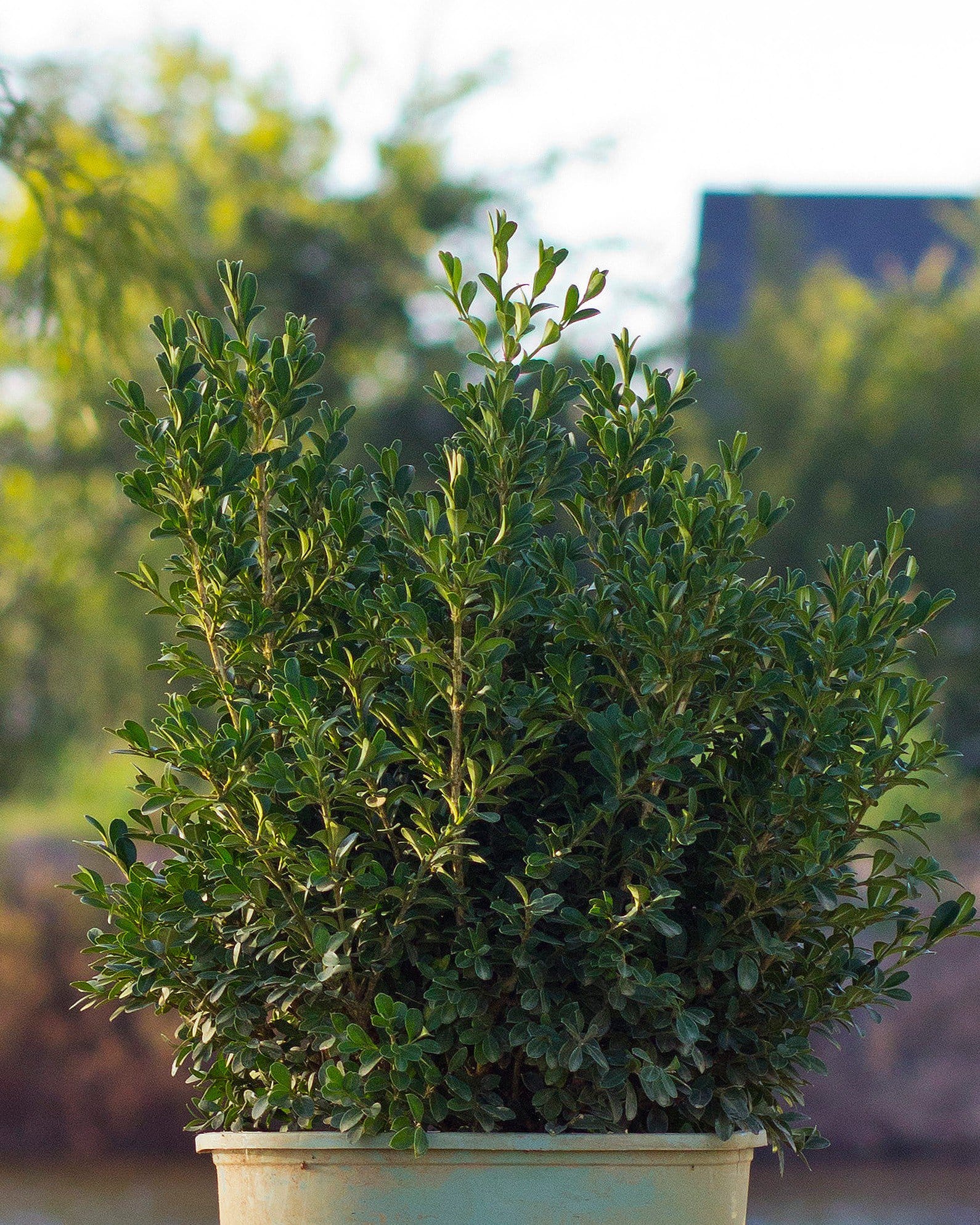
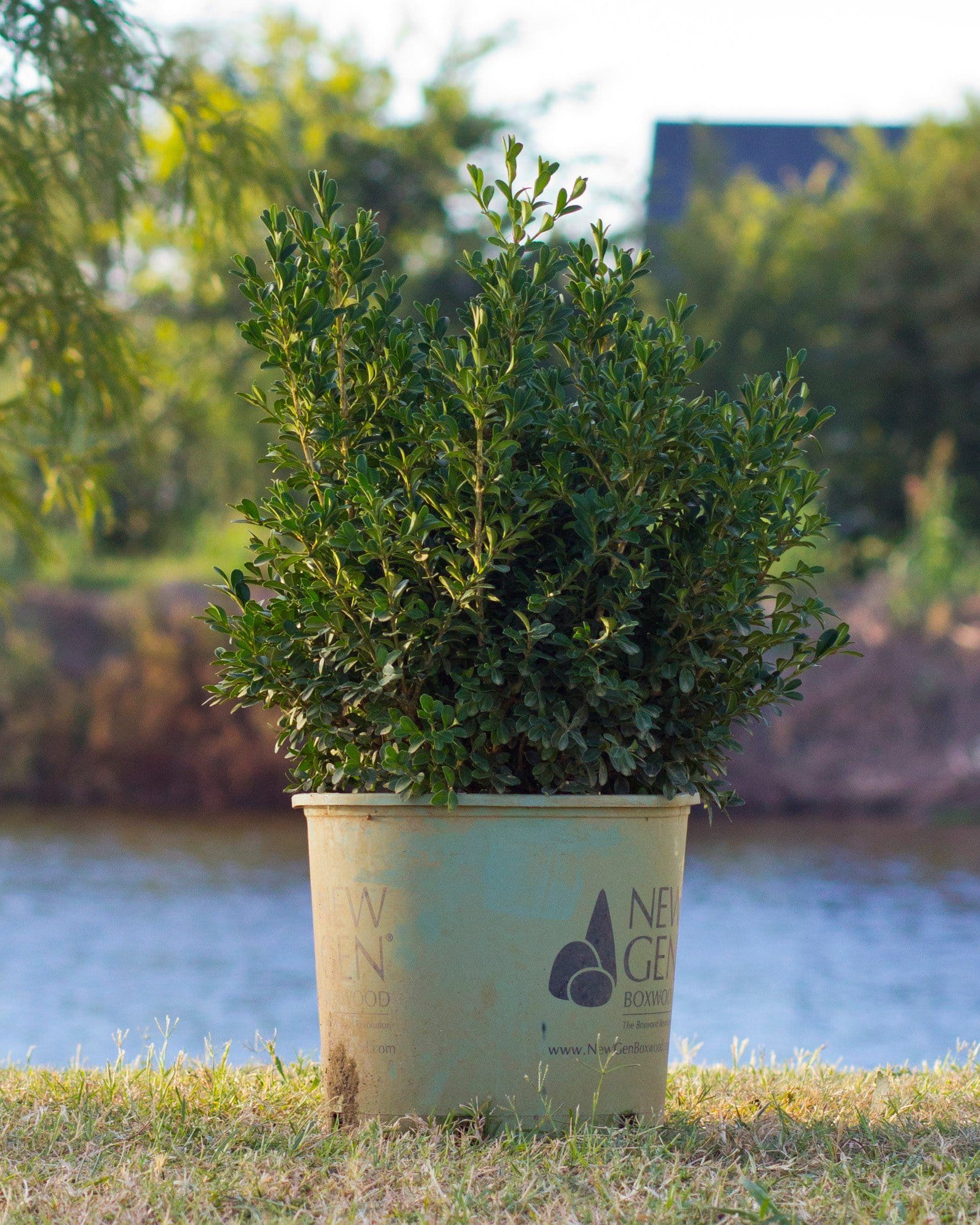
Baby Gem Boxwood
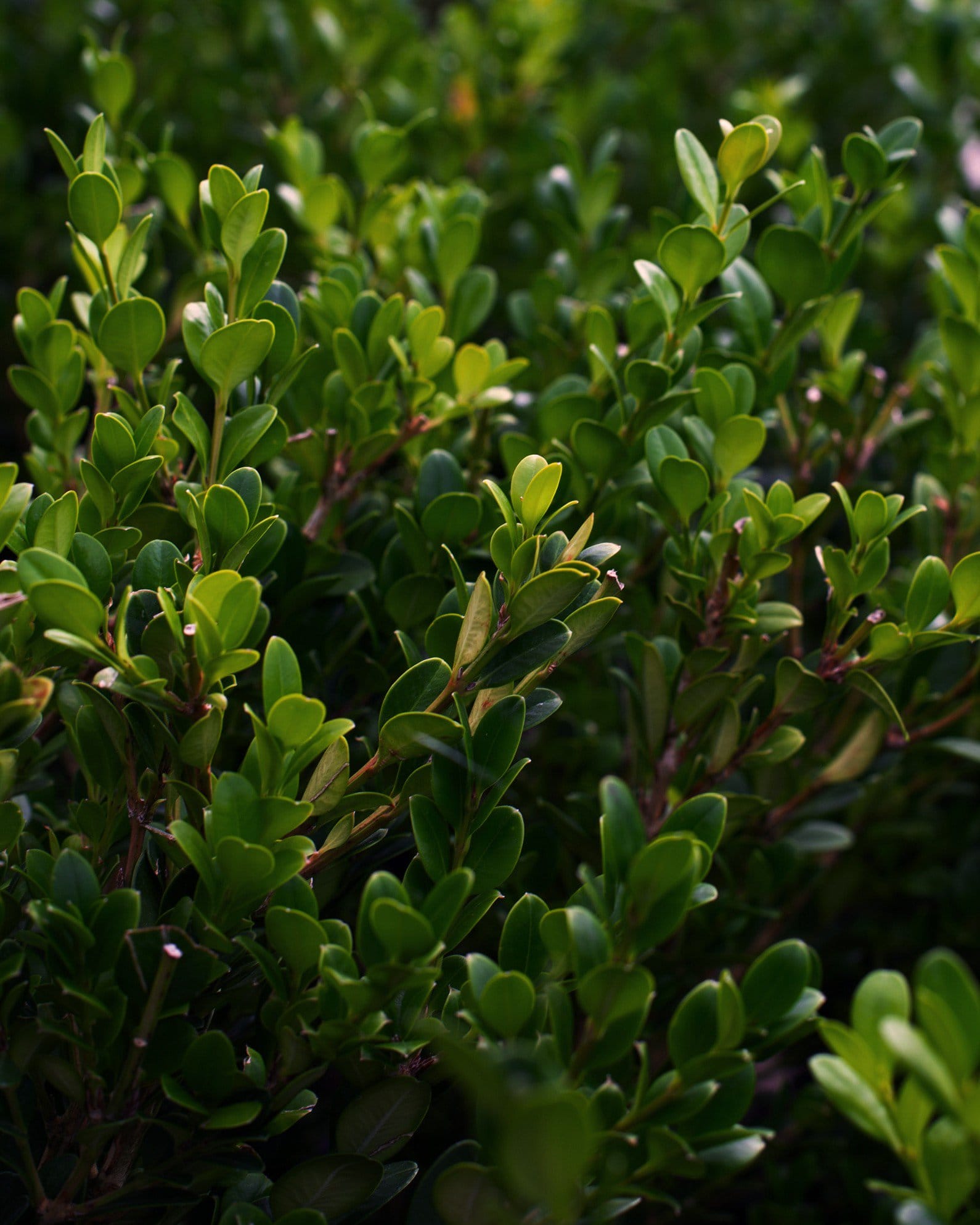
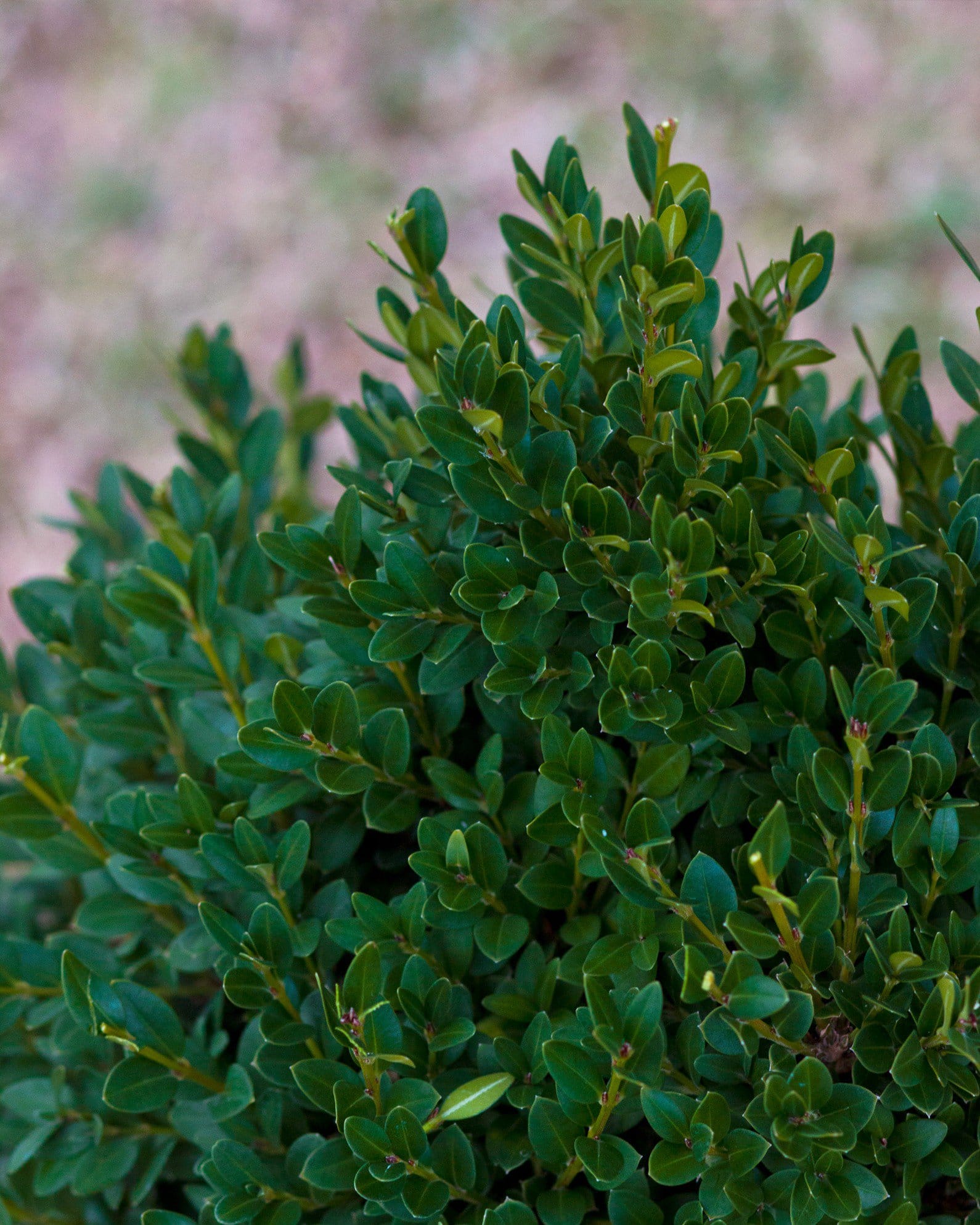
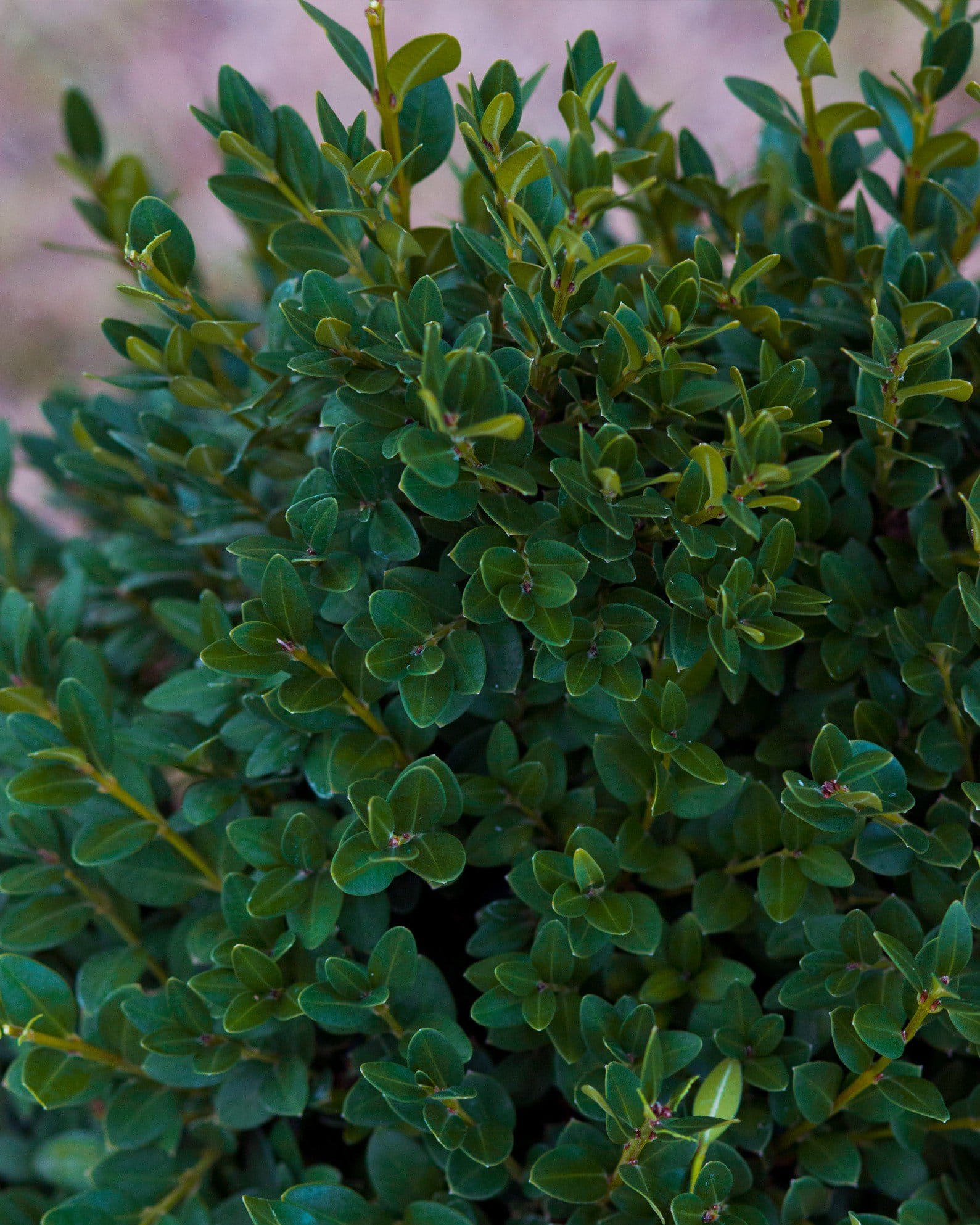
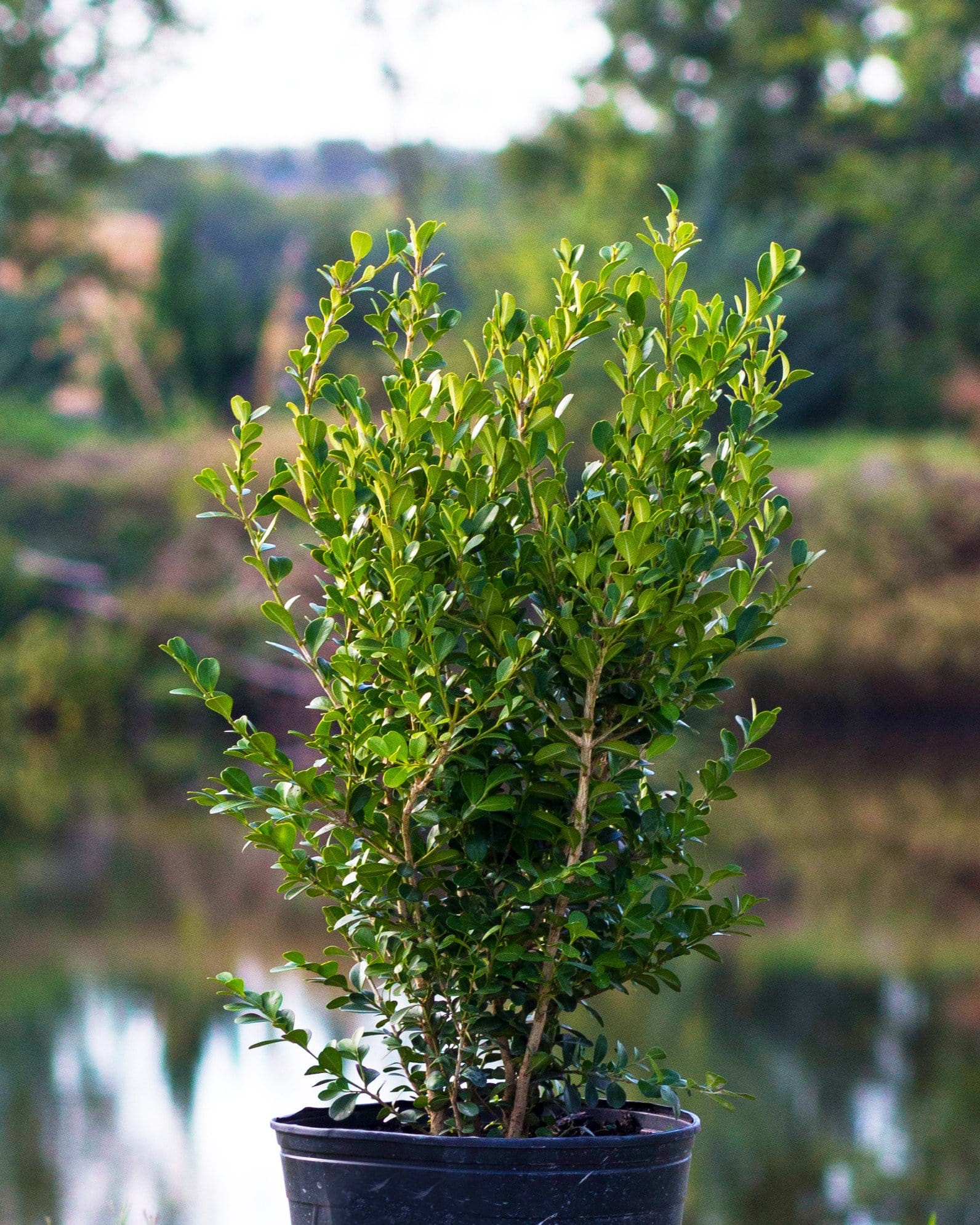
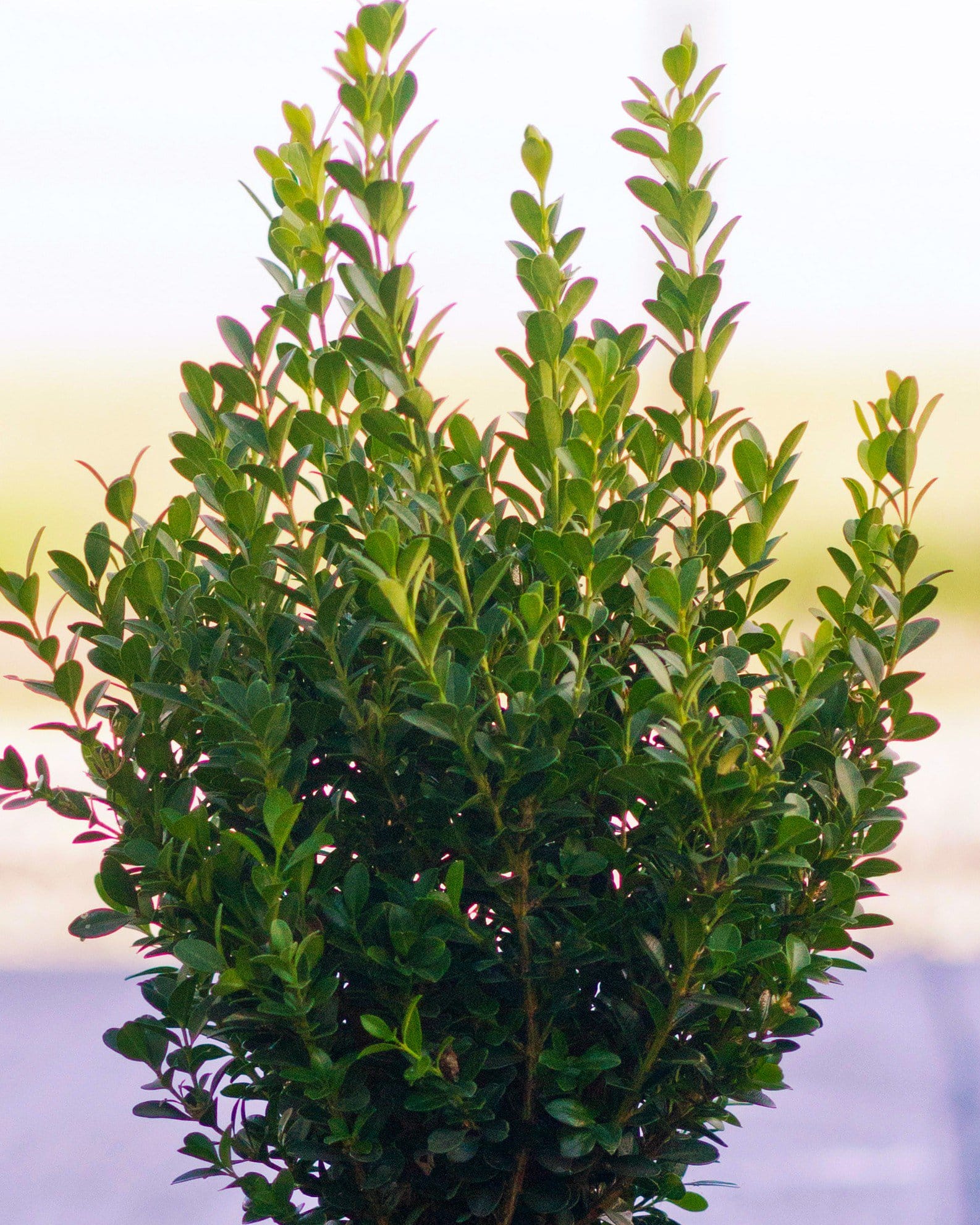
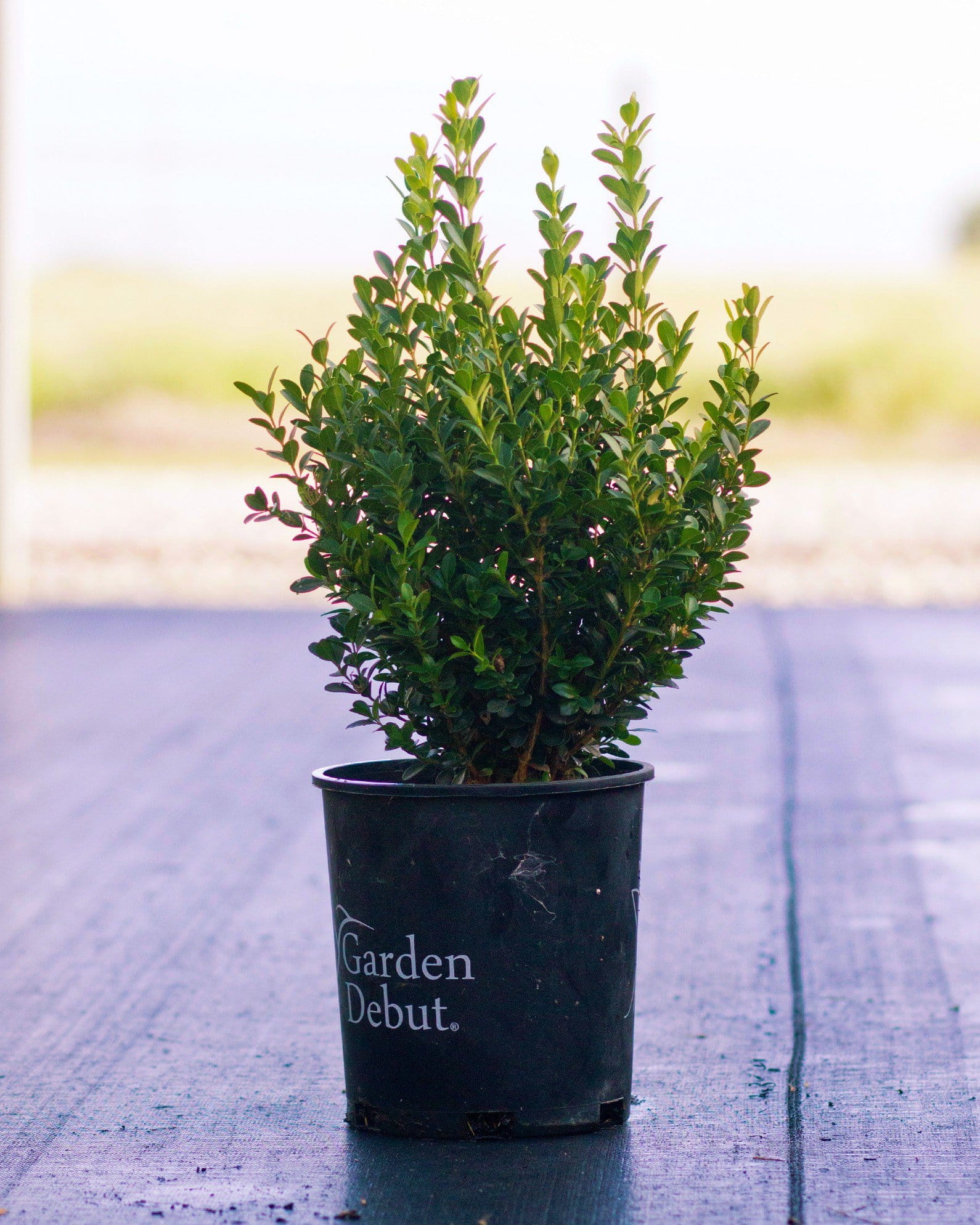
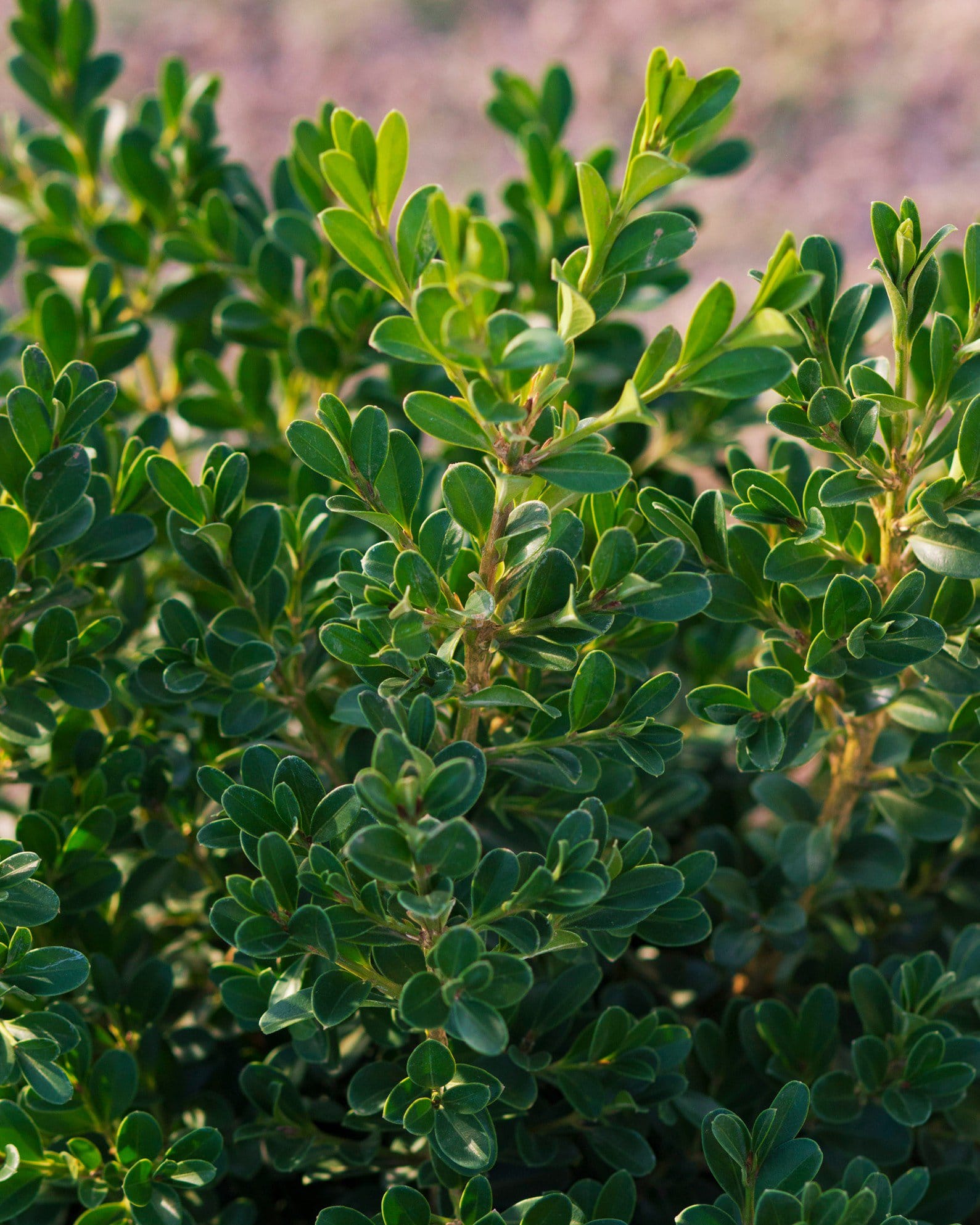
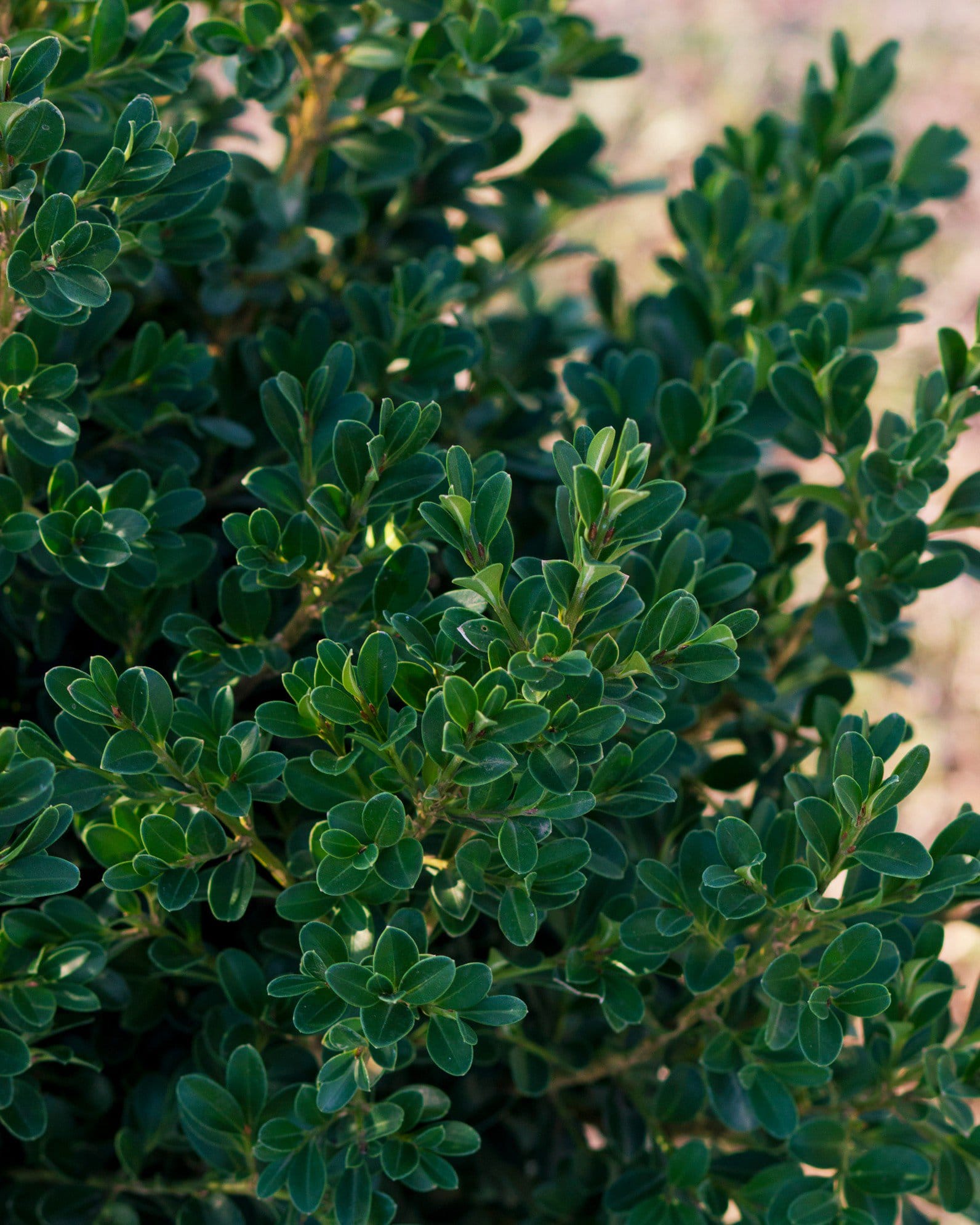
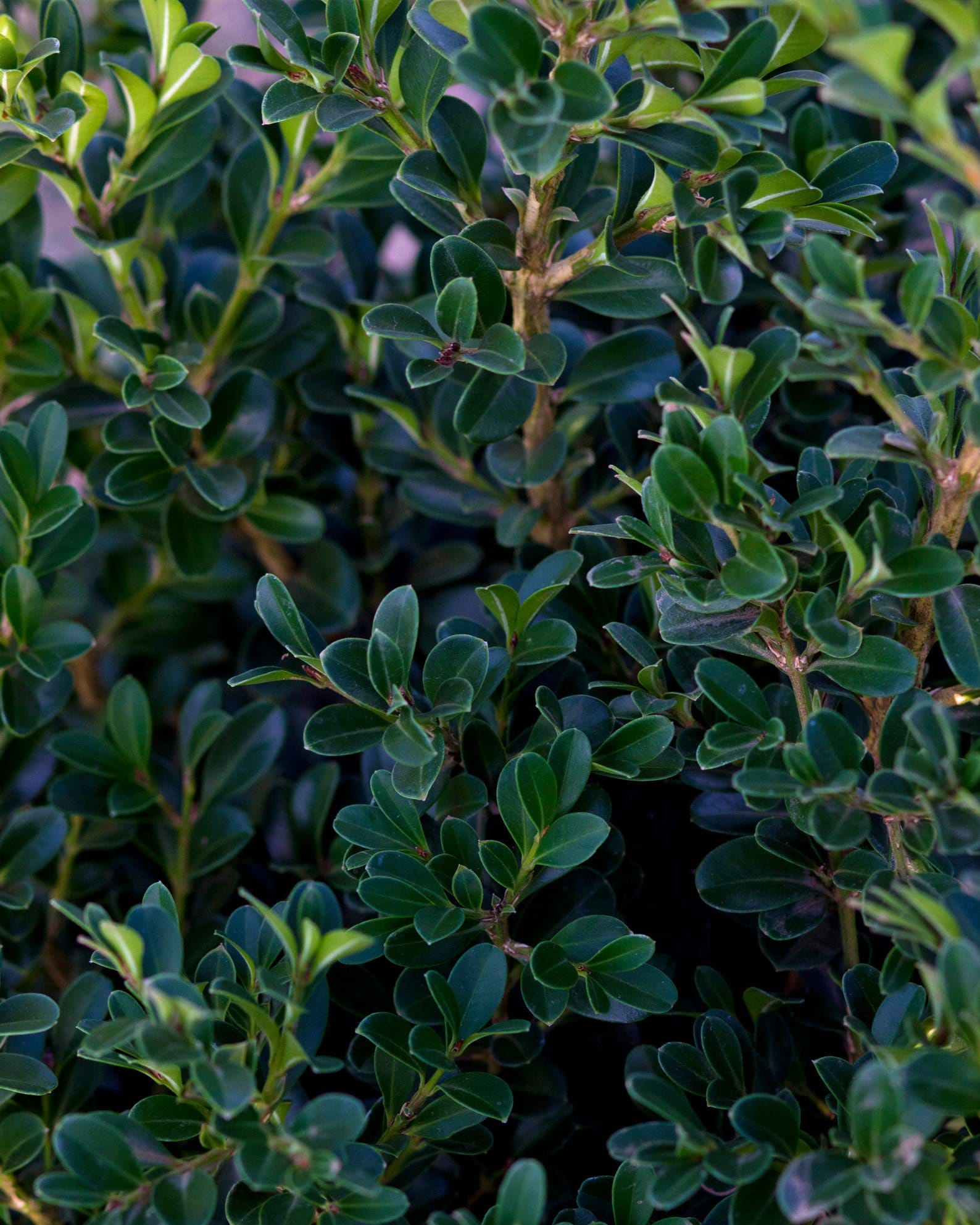
Buxus microphylla 'Gregem'Baby Gem Boxwood is a compact evergreen shrub prized for its dense branching and small, glossy green leaves that hold their color year-round. Its naturally rounded, tidy shape makes it especially useful for low hedges, foundation plantings, mass plantings, and formal borders. Reaching up to 2 feet in height and about 3 feet in width at maturity, it provides structure and rich green color to any landscape, large or small.
- An evergreen shrub
- Dense, rounded growth habit
- Slow to moderate growth rate
- Small, glossy, rich green foliage year-round
- Excellent choice for borders, hedges, and containers
Baby Gem Boxwood is hardy in zones 5-9, and will feel right at home in your North Texas landscape. It thrives in full sun to partial shade and prefers well-drained soil. With minimal care and occasional feeding in spring, Baby Gem Boxwood will keep your landscape looking crisp and elegant all year.
Even though low-maintenance once established, here are a few Baby Gem Boxwood maintenance directions to keep in mind:
- Watering: Water regularly during the first growing season to help roots establish. After that, Baby Gem prefers consistent moisture but not soggy soil. Deep watering once a week is enough during dry spells.
- Pruning: Light pruning in late spring after new growth has emerged keeps its shape dense and rounded. Avoid heavy pruning in late summer or fall, as new growth may not harden before winter.
- Fertilizing: Apply a balanced slow-release fertilizer in early spring to encourage lush green foliage. Avoid high-nitrogen fertilizers, which can make foliage tender and prone to burn.
- Mulching: Spread a 2-3 inch layer of mulch around the base to conserve moisture and regulate soil temperature, but keep it 6 inches away from the stems to prevent rot.
- Spacing: If planting multiple Baby Gems as a hedge, space them about 2 feet apart for a continuous look or 3 feet apart for defined individual shapes.
Common Issues and How to Take Care of Them
Baby Gem Boxwood is generally resilient but can still face a few common pests and diseases, especially in humid climates. Here’s what to watch out for:
- Boxwood leafminer: Tiny larvae that feed inside the leaves, causing blisters and yellowing. Prune and destroy affected areas and apply horticultural oil in early spring.
- Boxwood blight: Fungal disease causing leaf spots, defoliation, and black streaks on stems. Remove infected plants immediately and disinfect tools to prevent spreading.
- Volutella blight: Another fungal disease leading to dieback and orange-pink spores on leaves. Prune out infected branches and improve airflow around the shrub.
- Boxwood mite: Causes stippling and bronzing on leaves. Use horticultural oil or insecticidal soap if infestations are severe.
- Root rot: Caused by poorly drained soil and excess moisture. Make sure your boxwood is planted in well-draining soil and never allow it to sit in standing water.
Most issues can be avoided by promoting airflow, avoiding overhead irrigation, pruning with clean tools, using insecticides and fungicides, and raking fallen foliage aside from planting in ideal conditions.
It grows slowly to moderately, adding about 2-3 inches of growth per year. With that in mind, it reaches maturity in about 5-10 years.
Absolutely! Baby Gem Boxwood can be kept small through regular pruning and shearing to maintain size and shape. While it's not naturally tall to begin with, consistent trimming helps control the growth.
Once or twice a year is enough. Lightly shear in late spring to maintain shape and again in midsummer if needed. Avoid trimming late in the season because new growth doesn't have the time to harden before winter, making it susceptible to damage.
Early spring or early fall, when temperatures are mild and roots can establish before extreme heat or cold. This is also a great time because soil is very workable.
Wintergreen is a larger specimen, ideal for hedges, and tolerates sun a lot better than Baby Gem. It's also a vigorous grower with brighter green foliage. On the other hand, Baby Gem Boxwood is a slow-growing dwarf featuring darker foliage, and it's a great choice for low borders and container gardens.
Ensure it gets enough sunlight, water deeply but infrequently, and mulch to keep roots cool. Also, avoid over-fertilizing, which can damage roots and dull foliage color.
Yes, boxwoods are naturally unappealing to deer, making them an excellent choice for landscapes prone to browsing.
Yellowing can be caused by overwatering, poor drainage, or nutrient imbalance. Check the soil moisture and adjust watering before fertilizing.
With proper care, it can live for 20 years or more, especially when pruned and fed consistently.
Absolutely. Choose a well-draining pot, use quality potting mix, and water regularly. Container-grown boxwoods will need more frequent watering in summer.
Special Features
You might also like
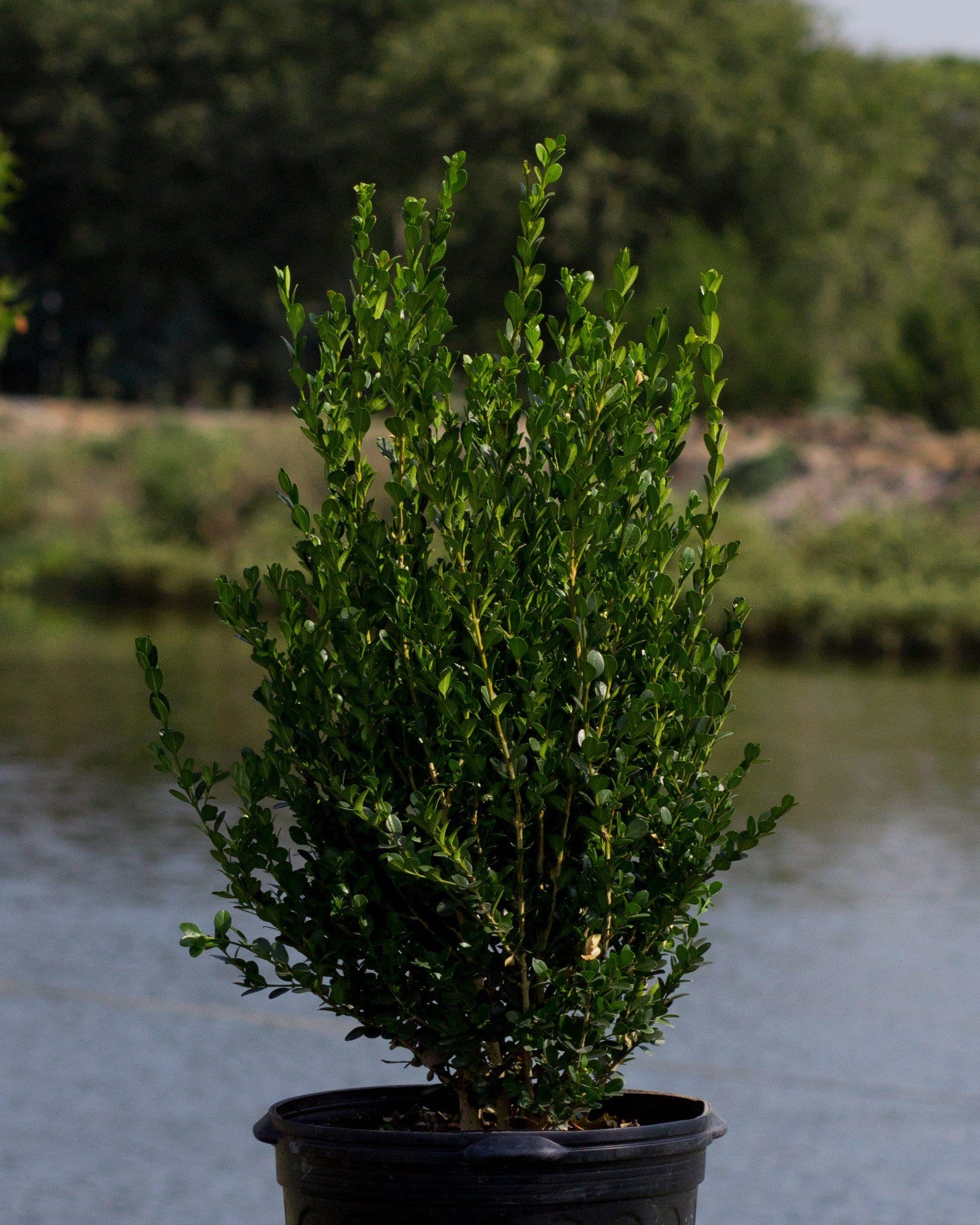
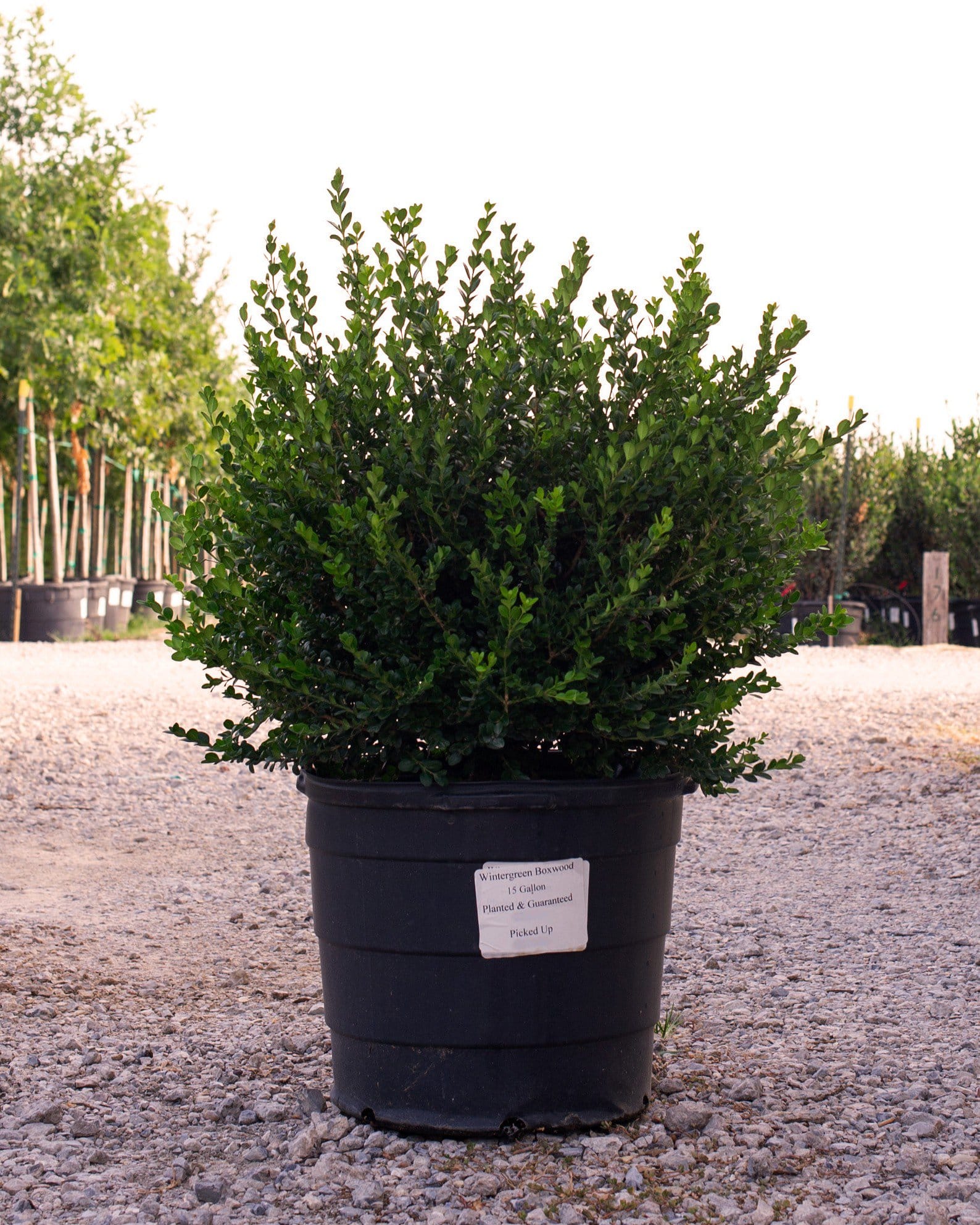
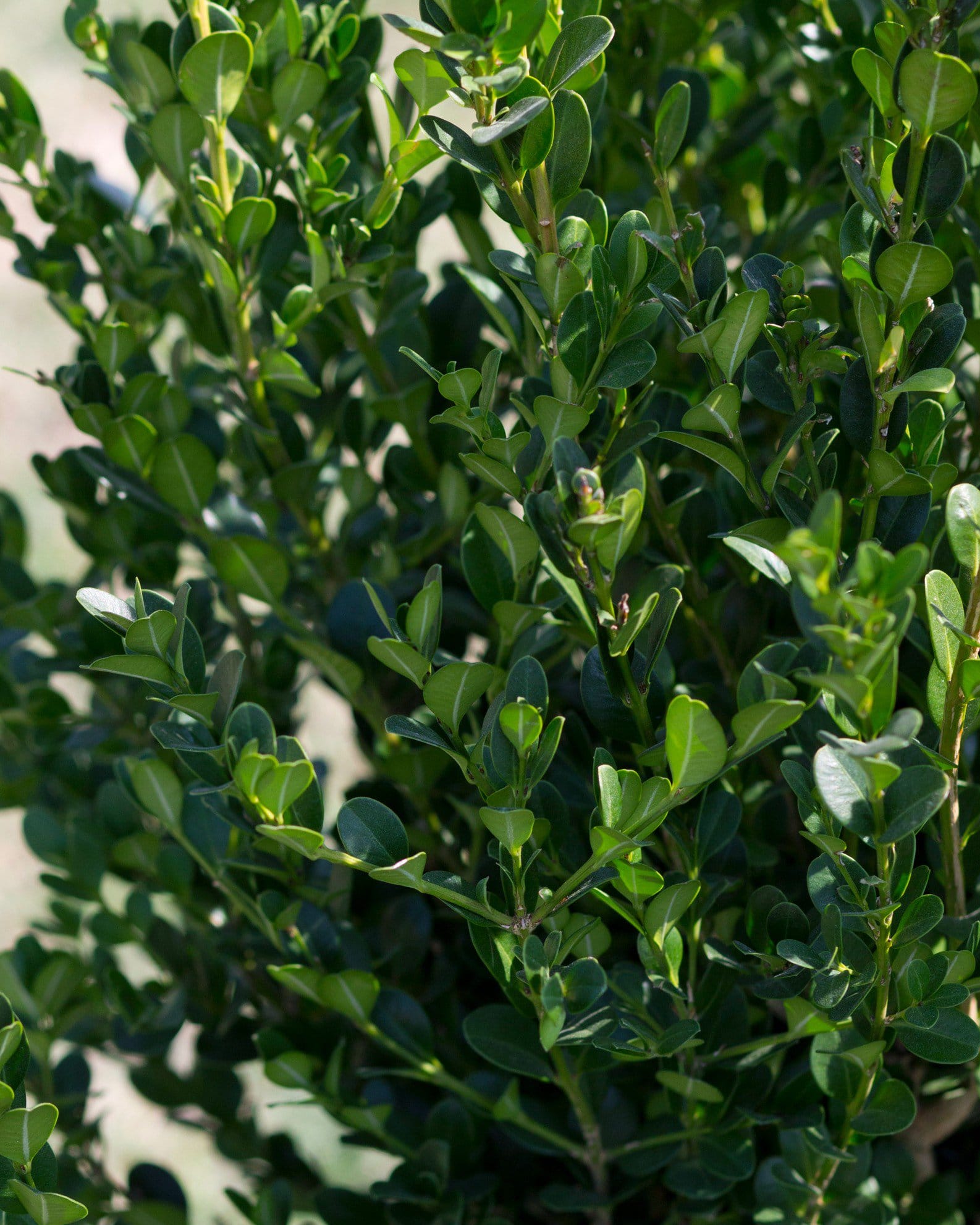
Wintergreen Boxwood
Maturity: 4' H x 4' W
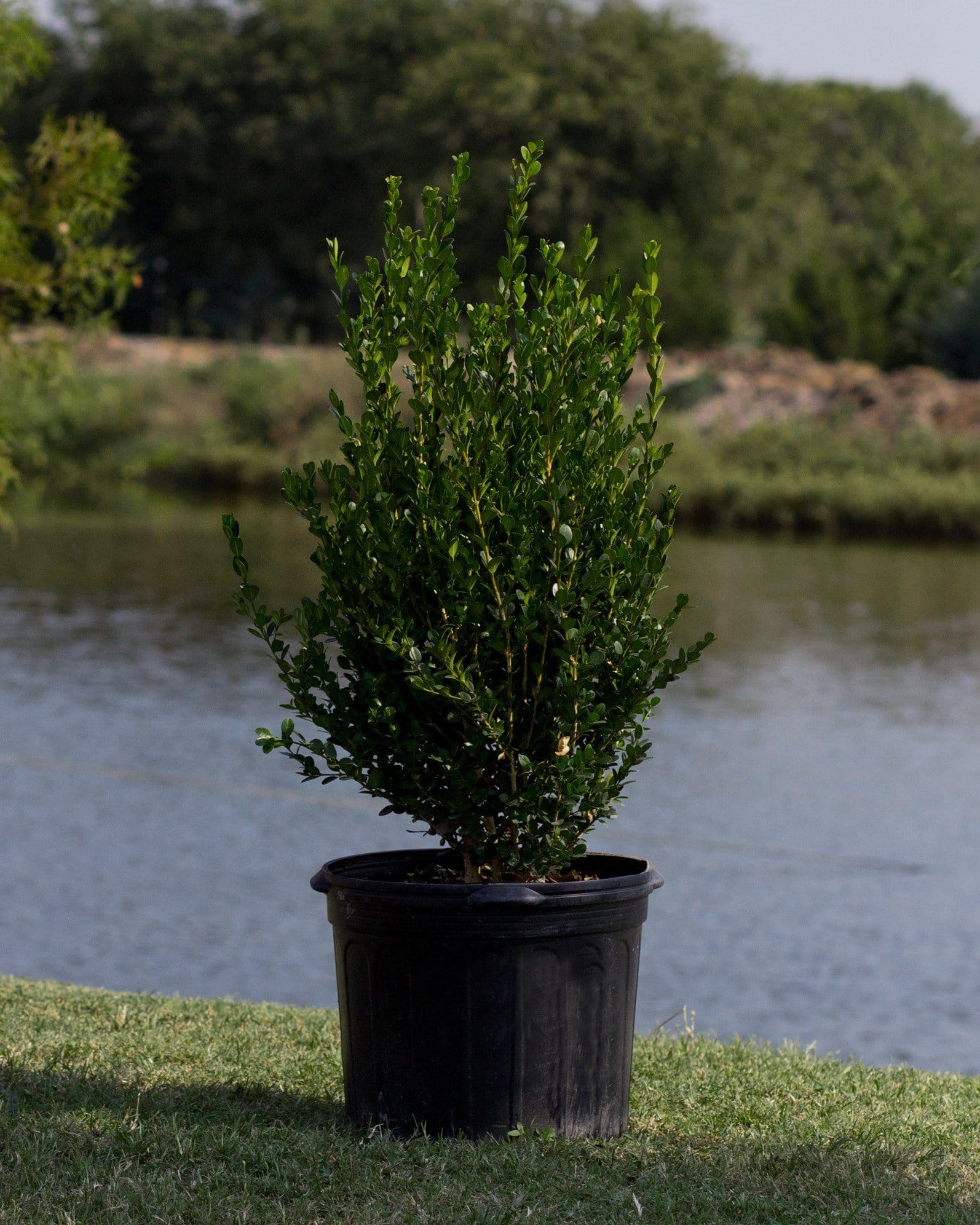
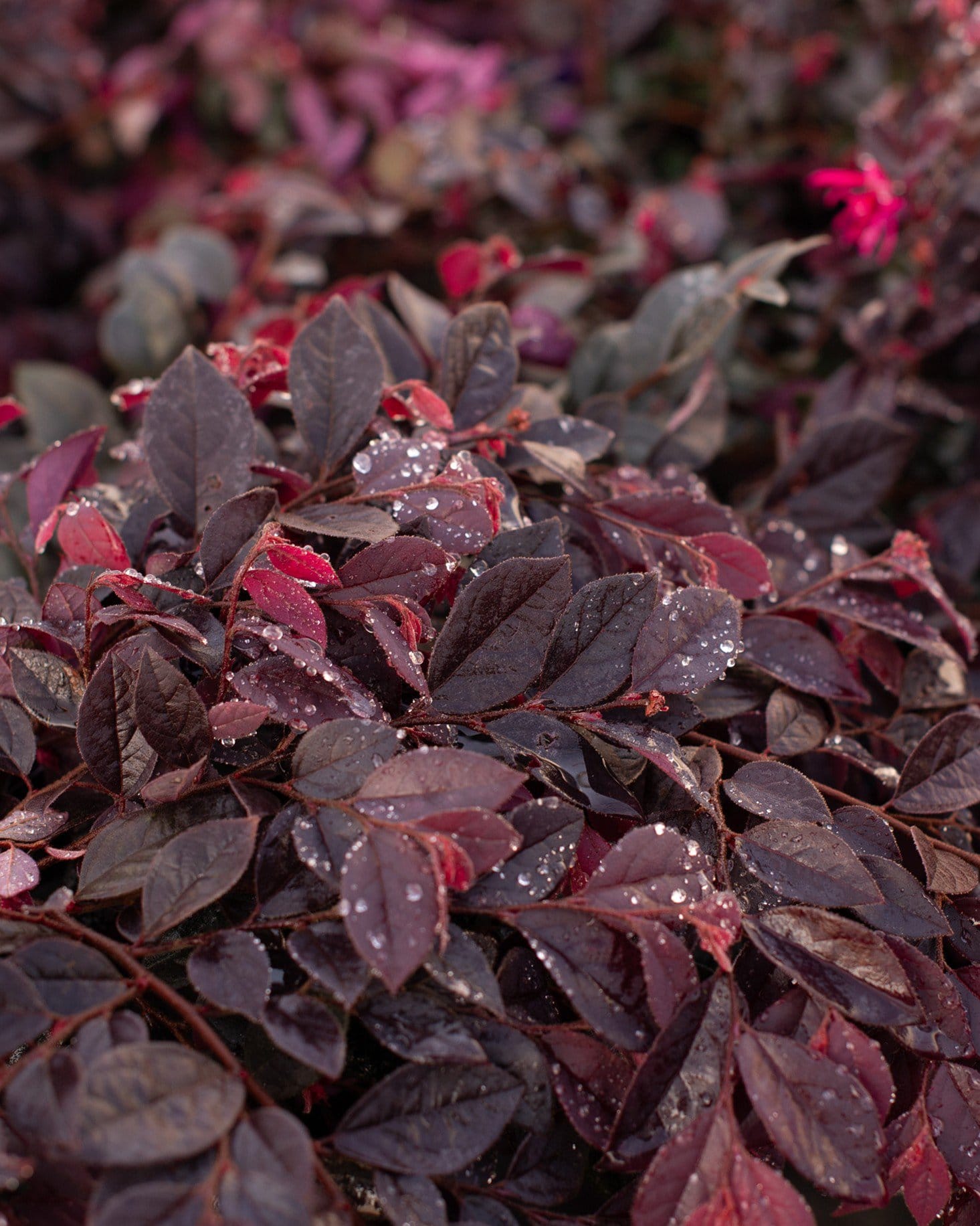
Cerise Charm Loropetalum
Maturity: 3' H x 3' W
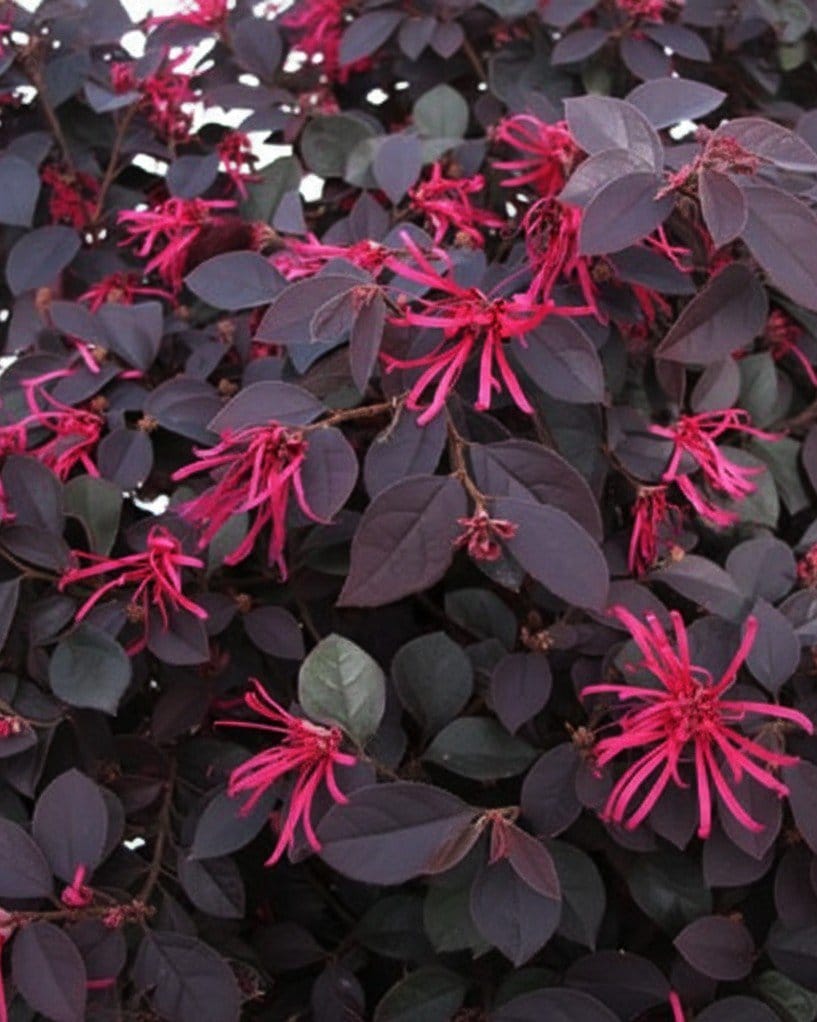
Cherry Blast Loropetalum
Maturity: 6' H x 6' W
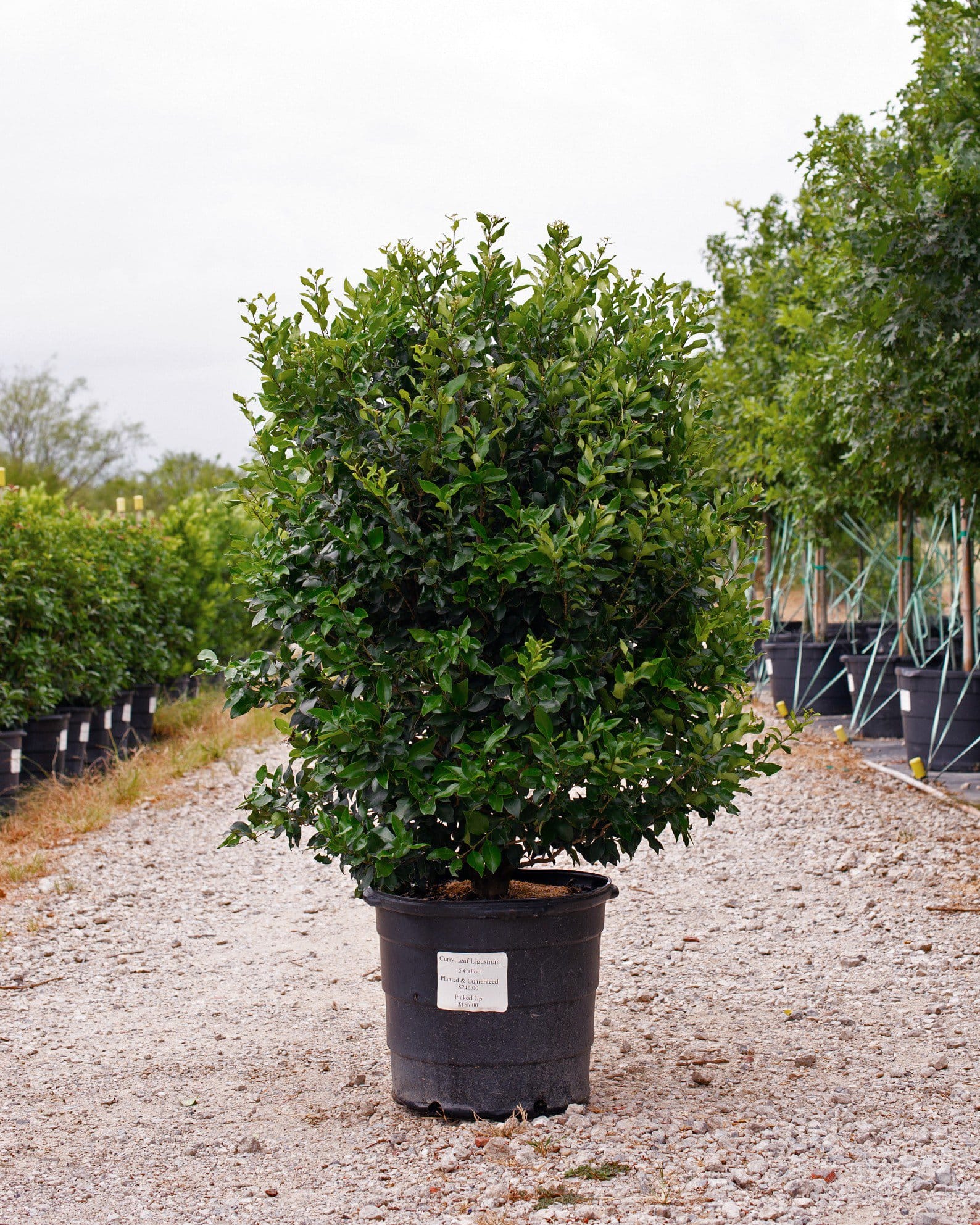
Curly Leaf Ligustrum
Maturity: 8' H x 6' W
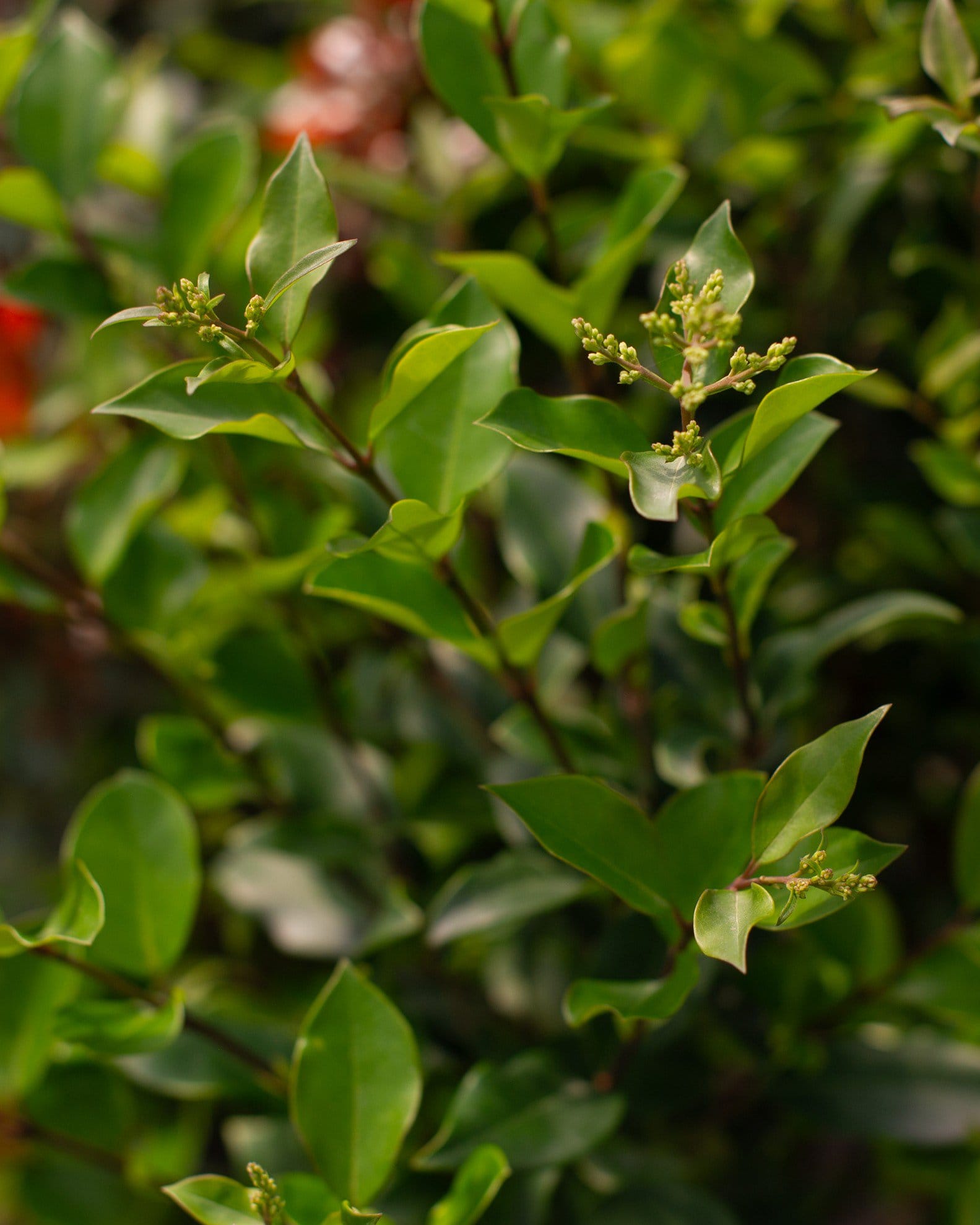
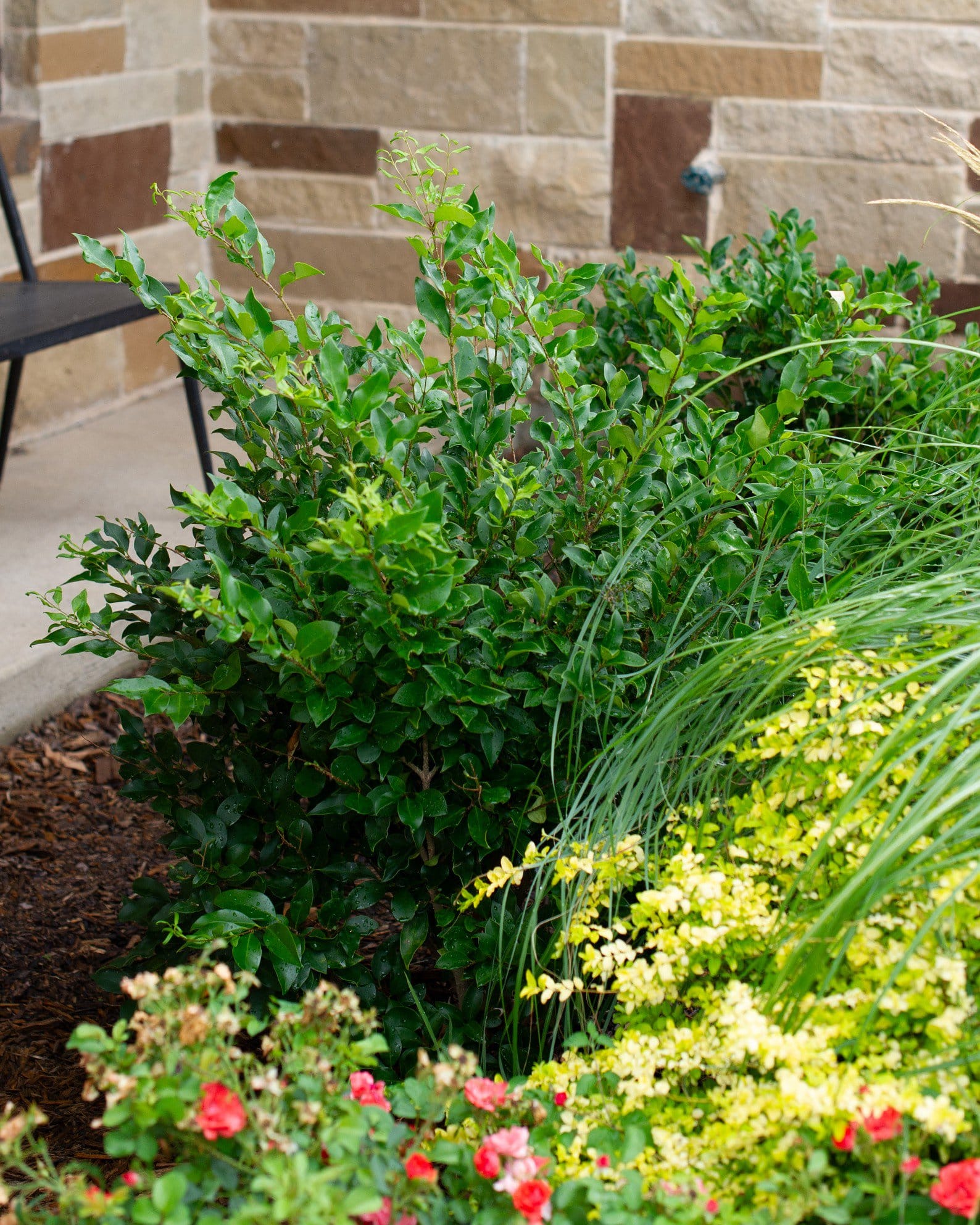
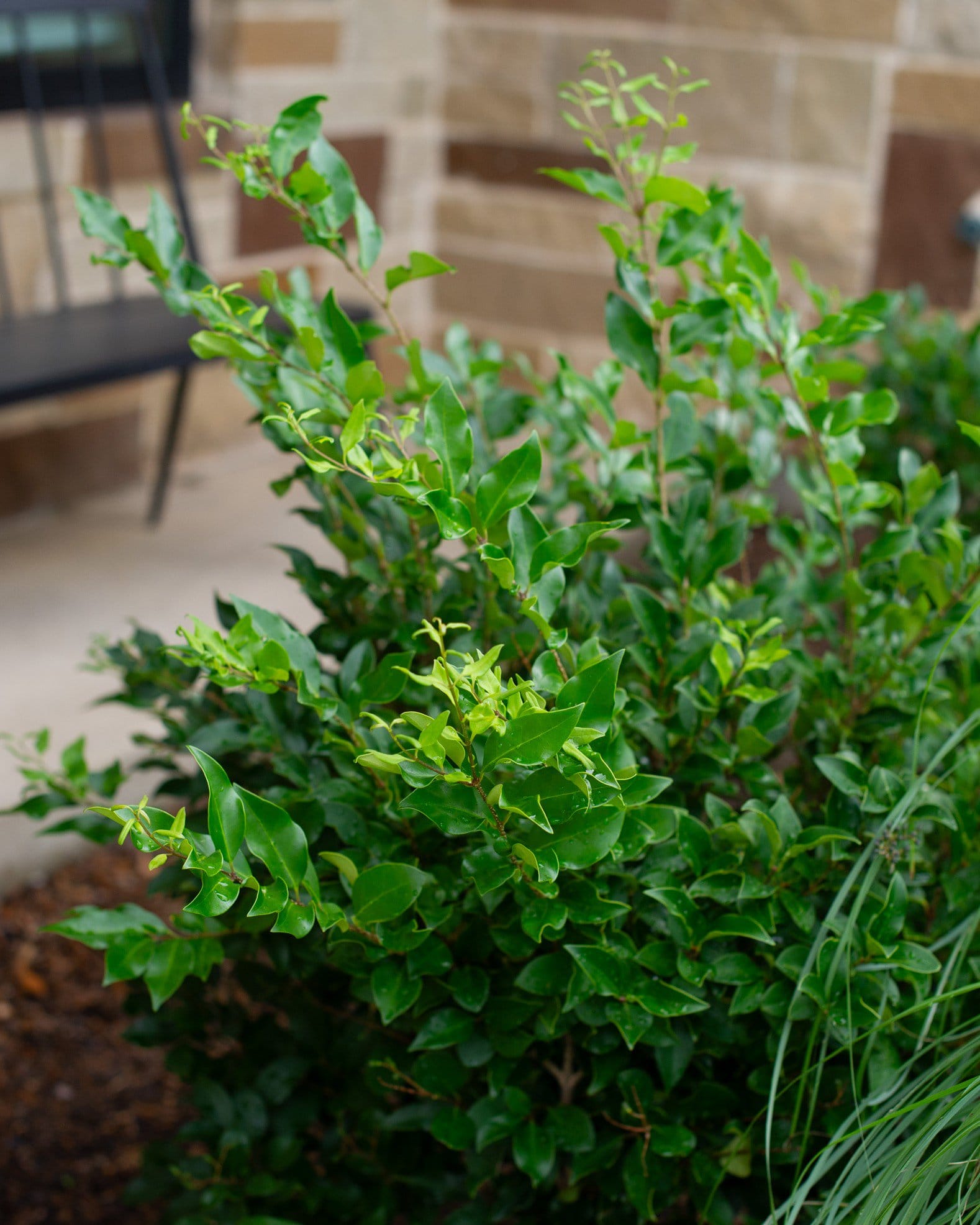
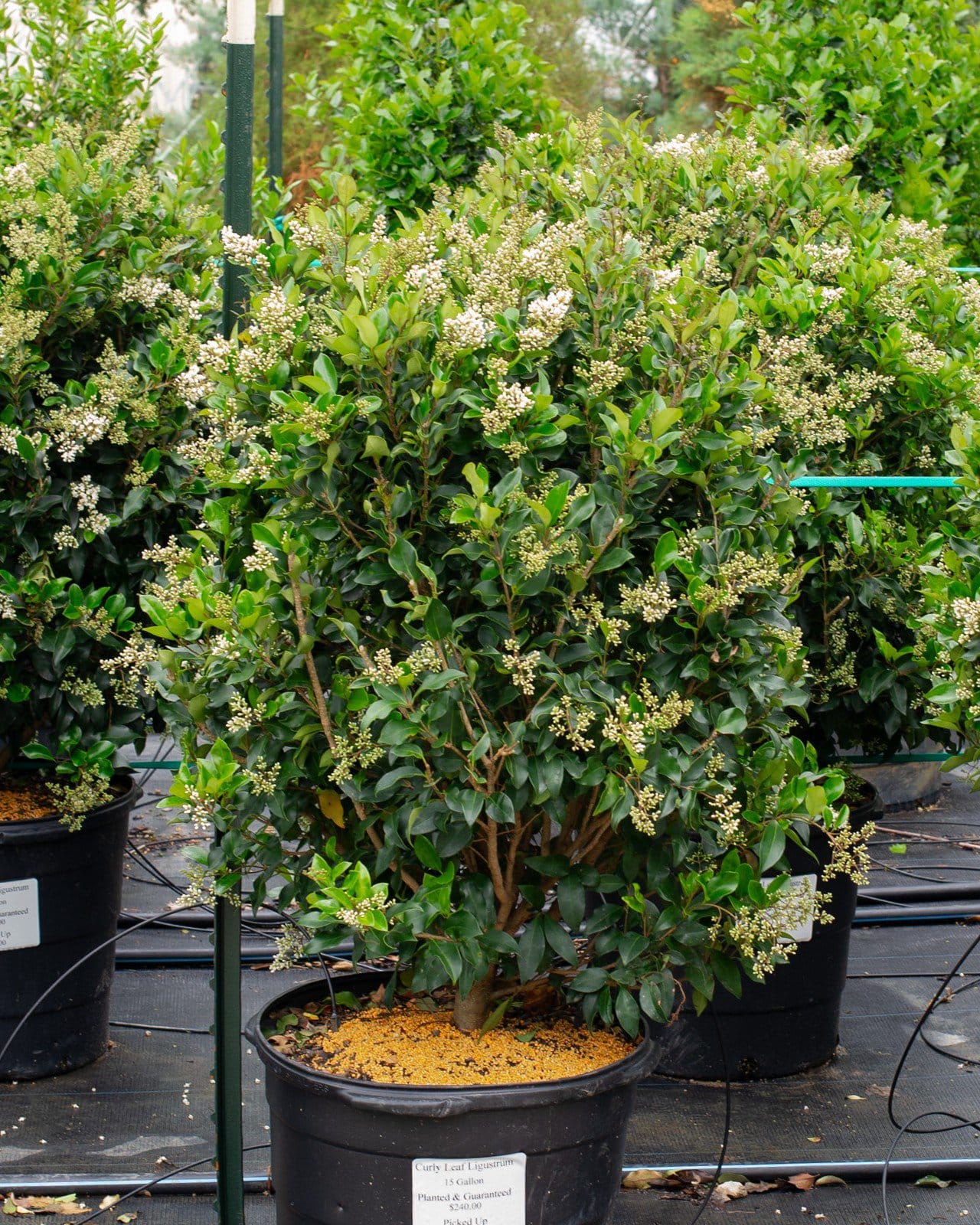
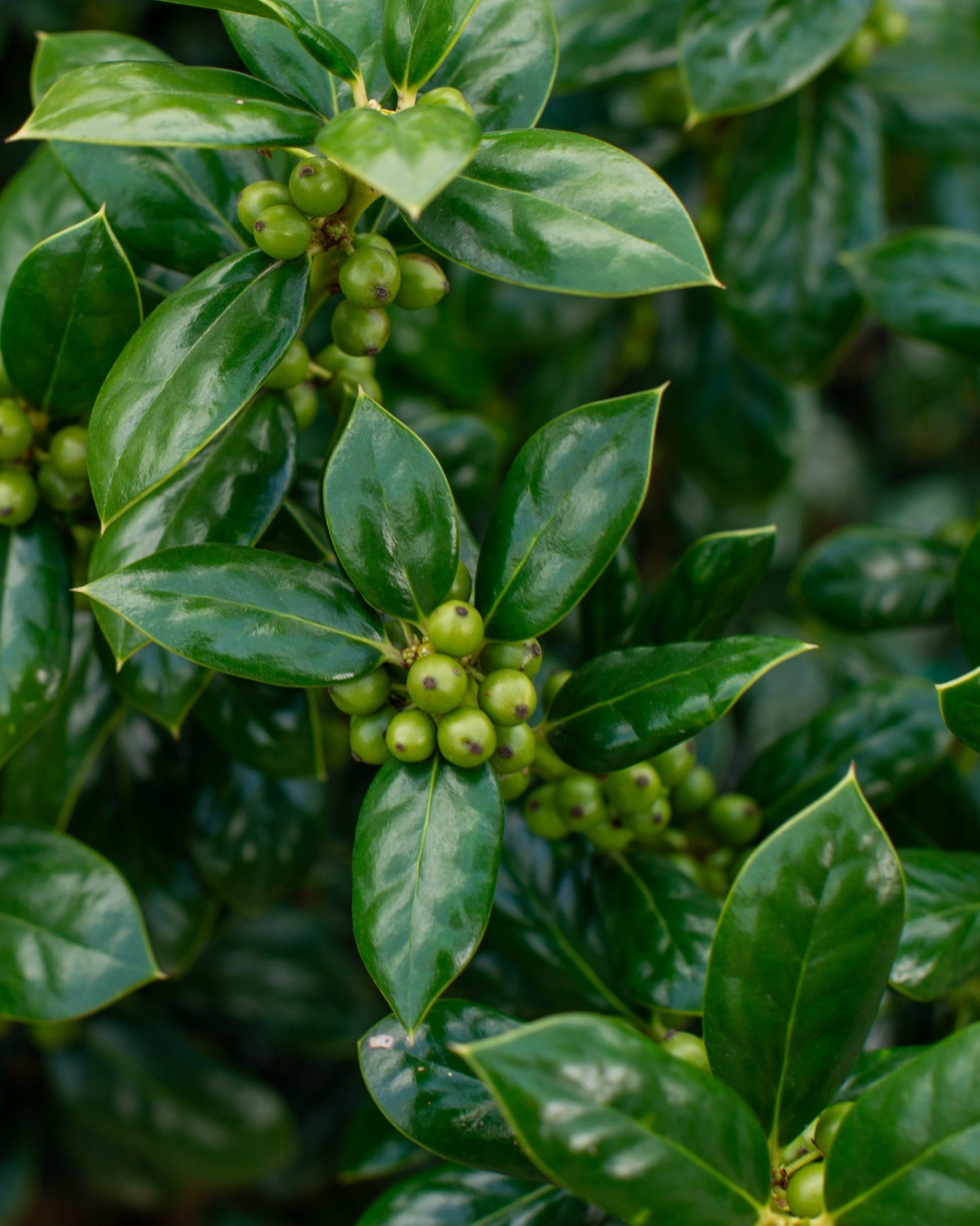
Dwarf Burford Holly
Maturity: 7' H x 7' W
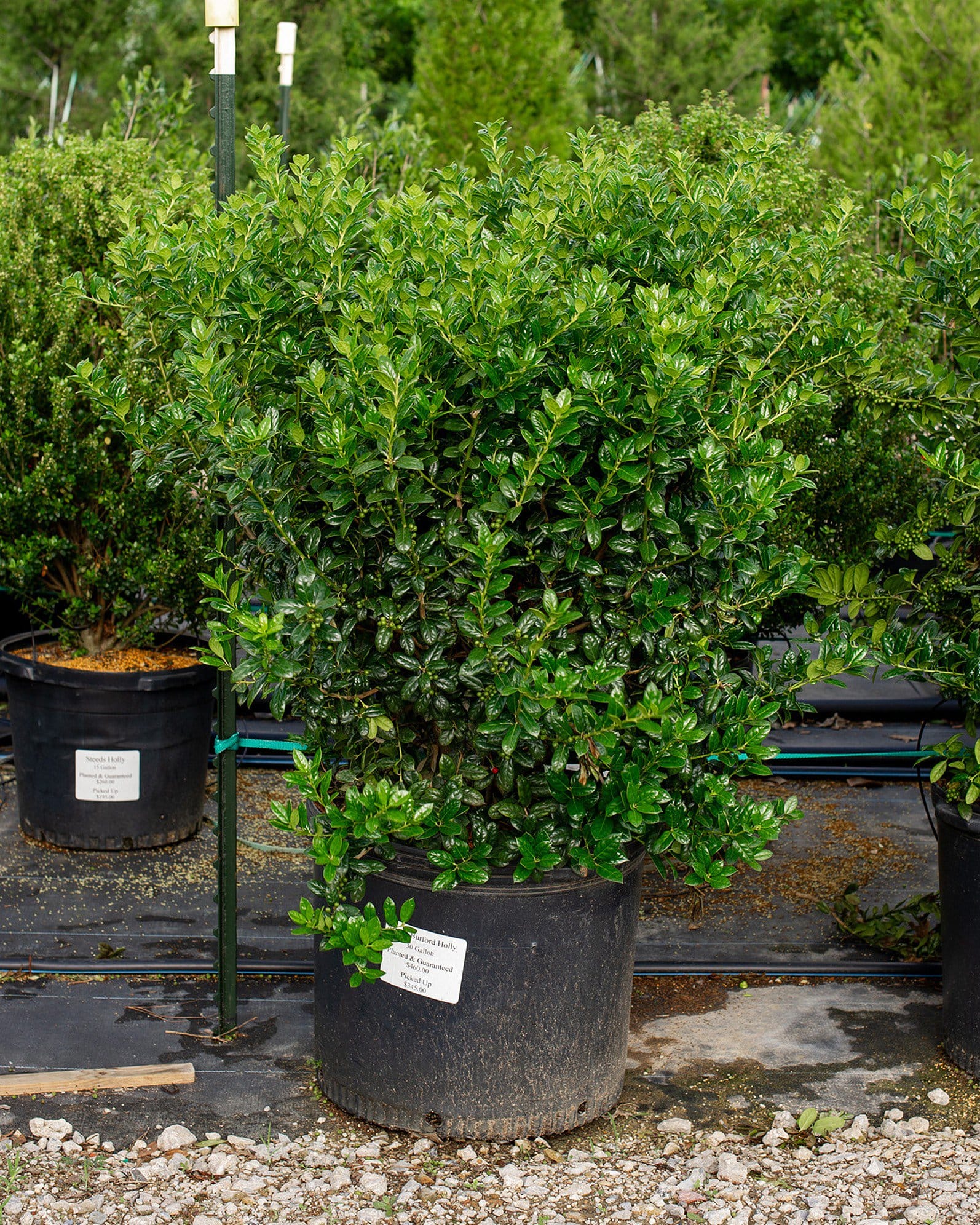
Dwarf Yaupon Holly
Maturity: 3' H x 3' W
Firepower Nandina
Maturity: 2' H x 2' W
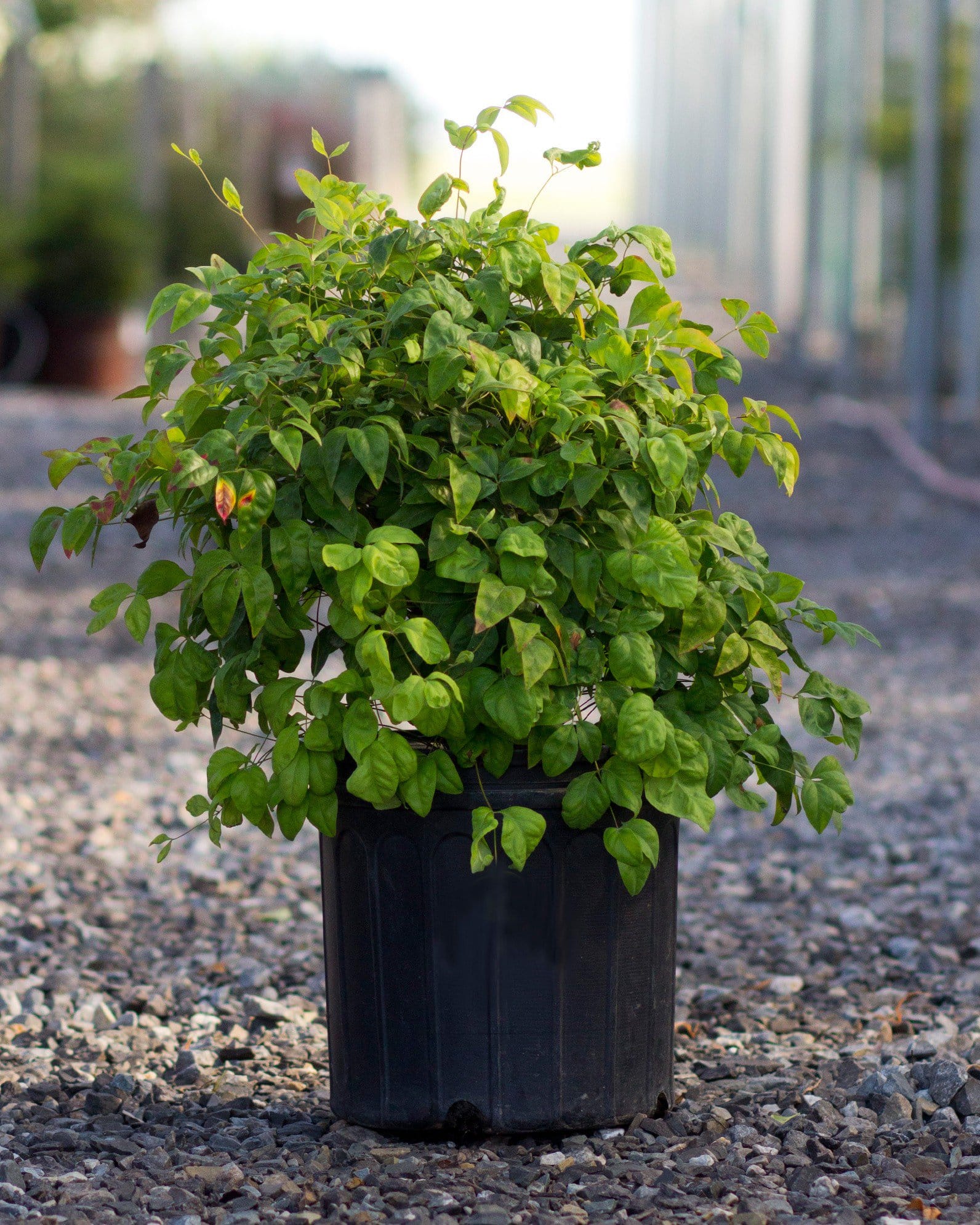
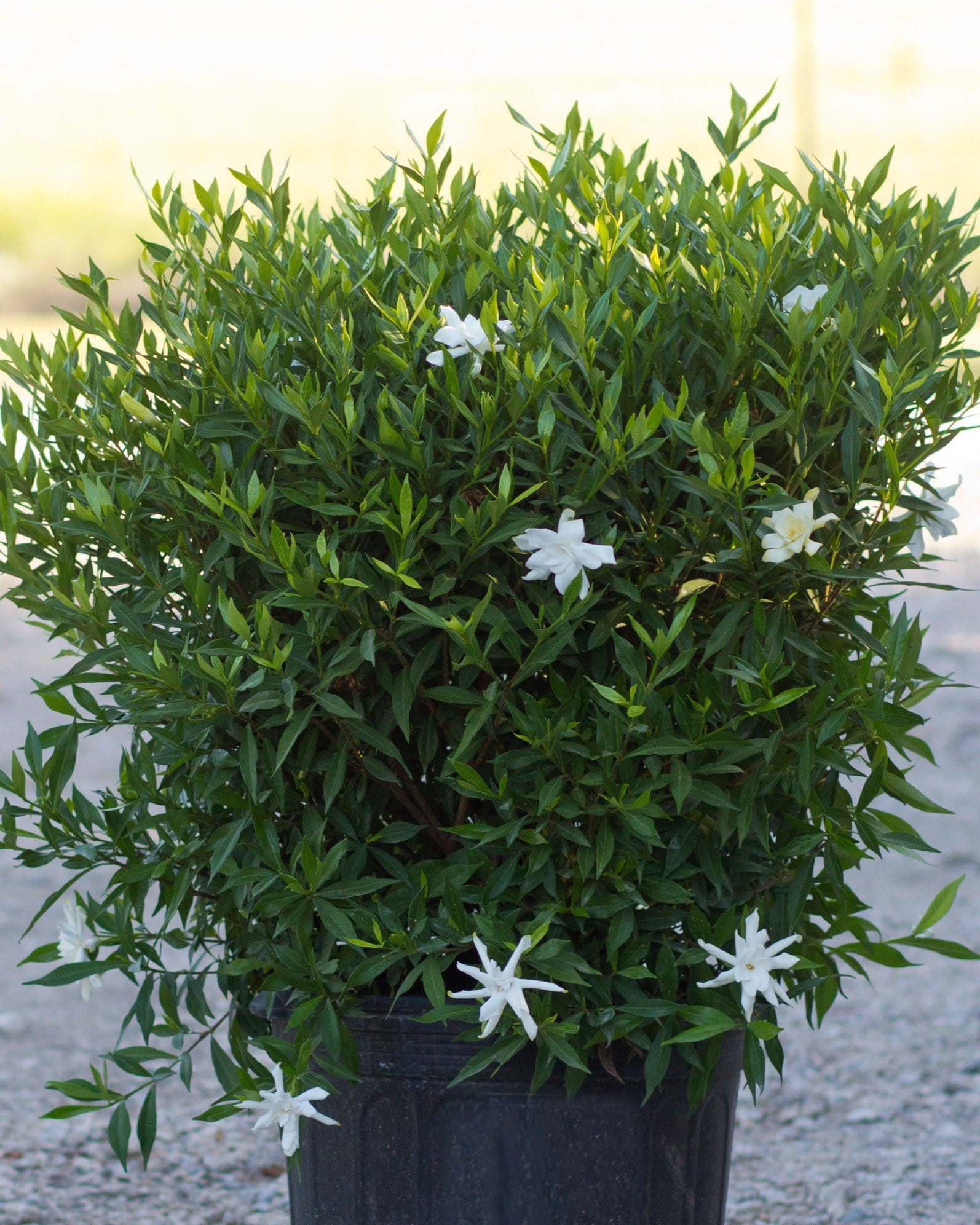
Frost Proof Gardenia
Maturity: 3' H x 3' W
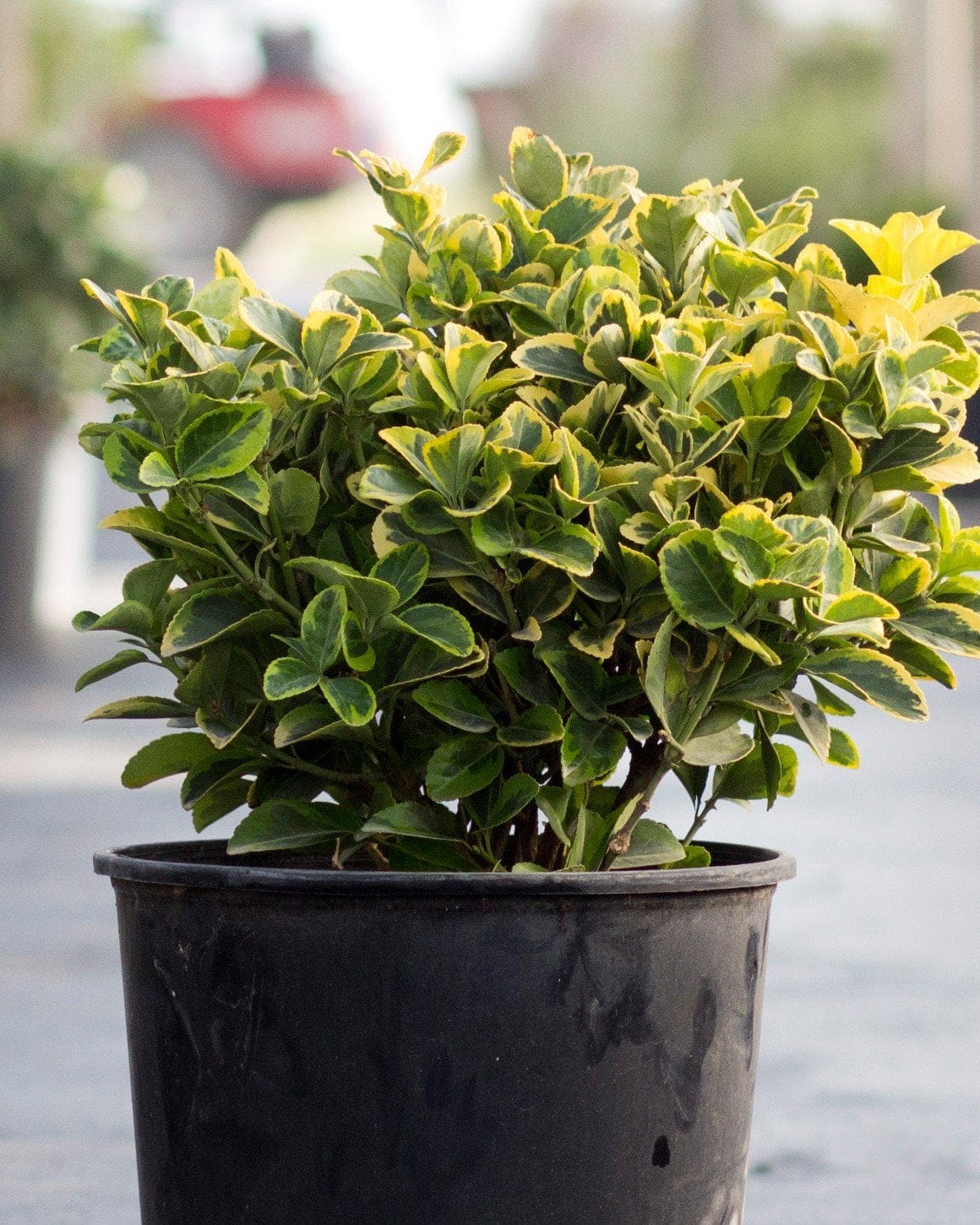
Golden Euonymus
Maturity: 4' H x 2' W
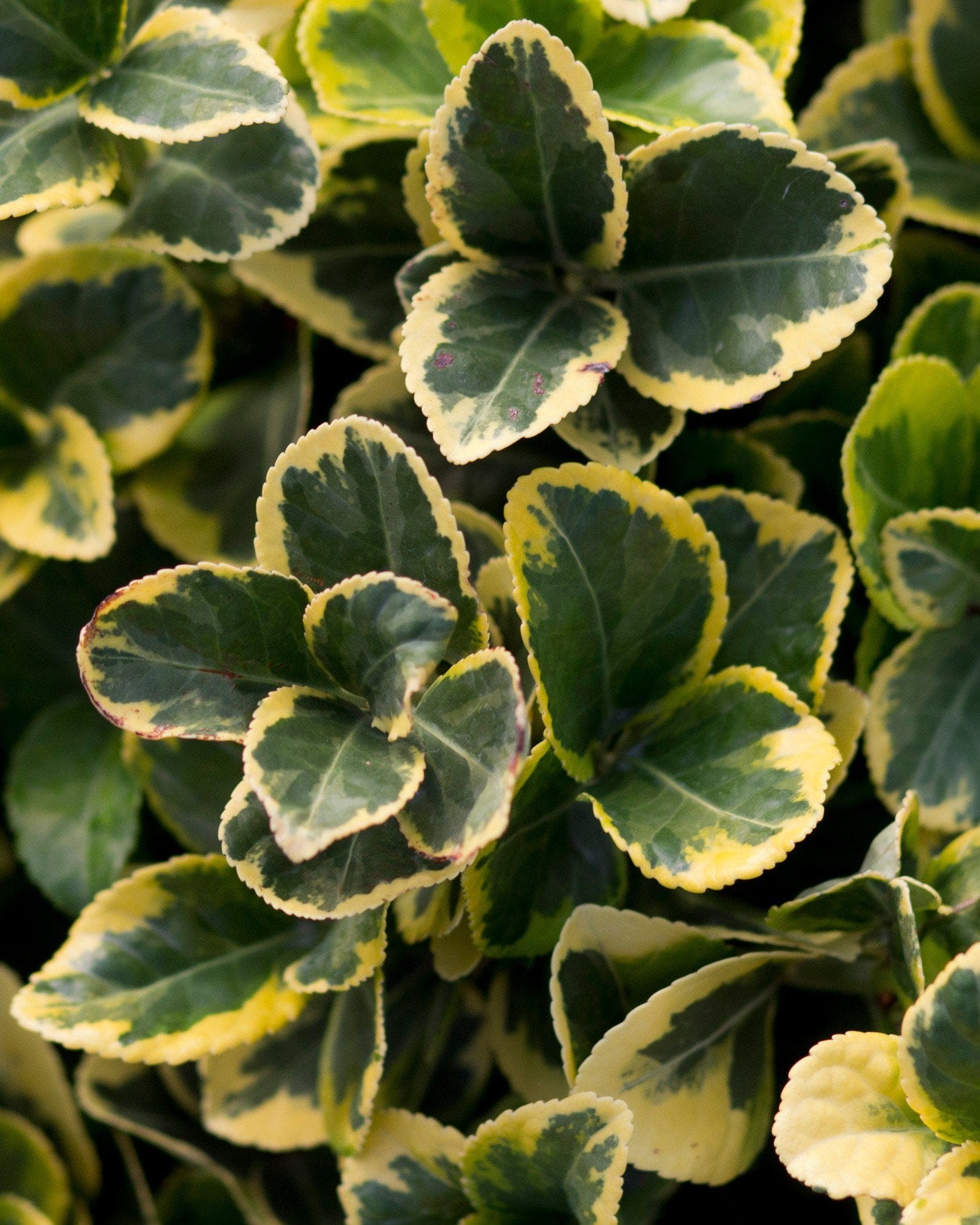
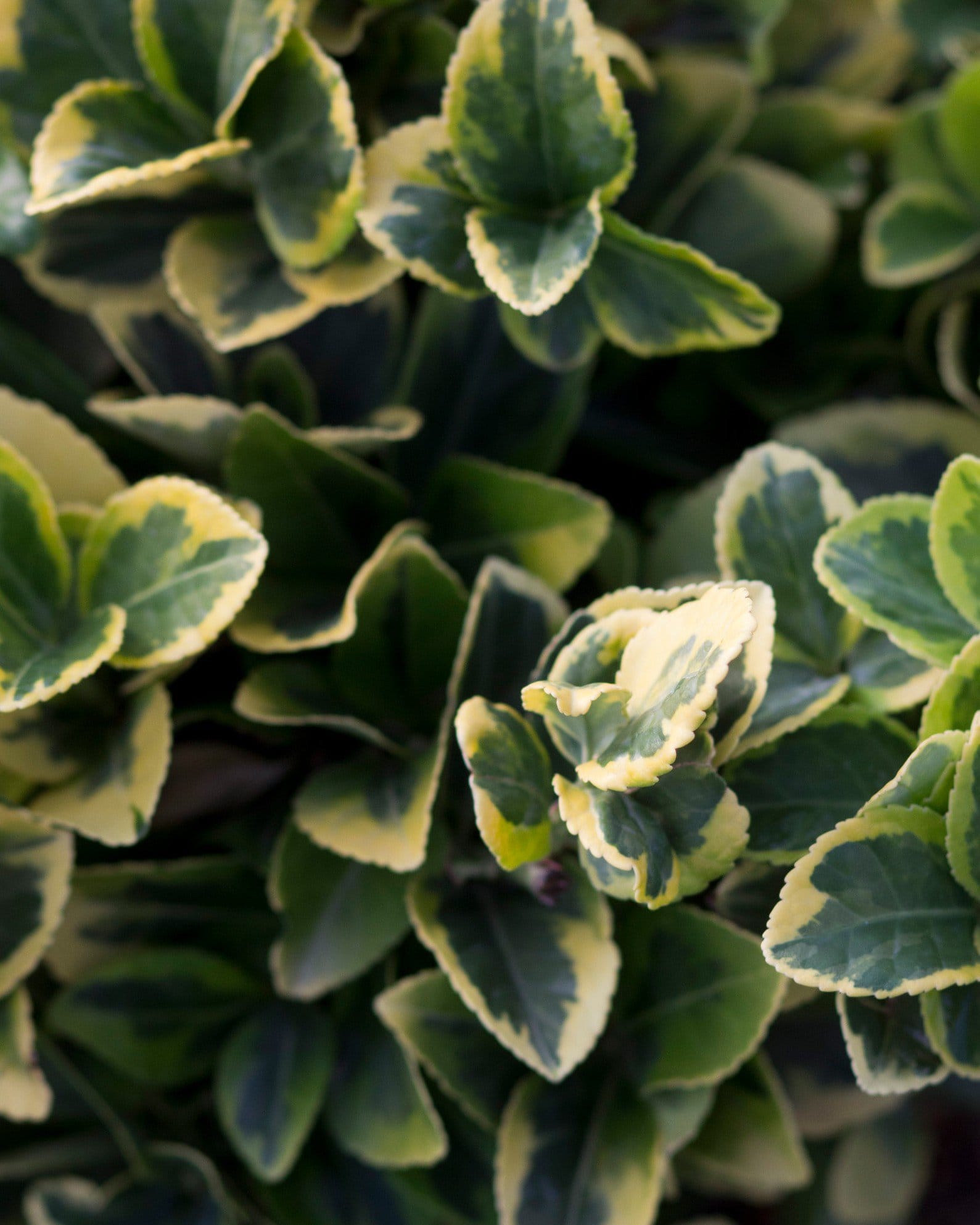
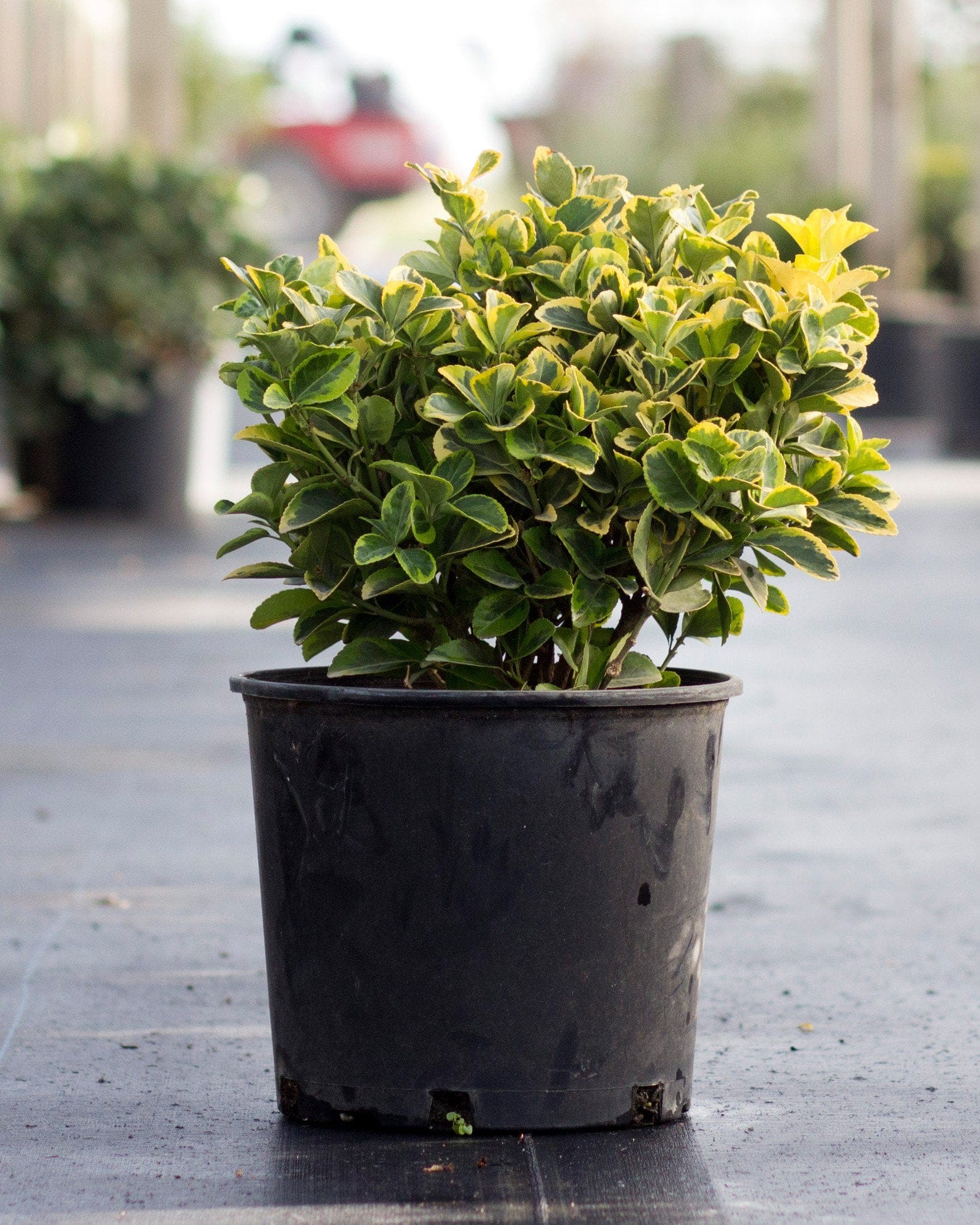
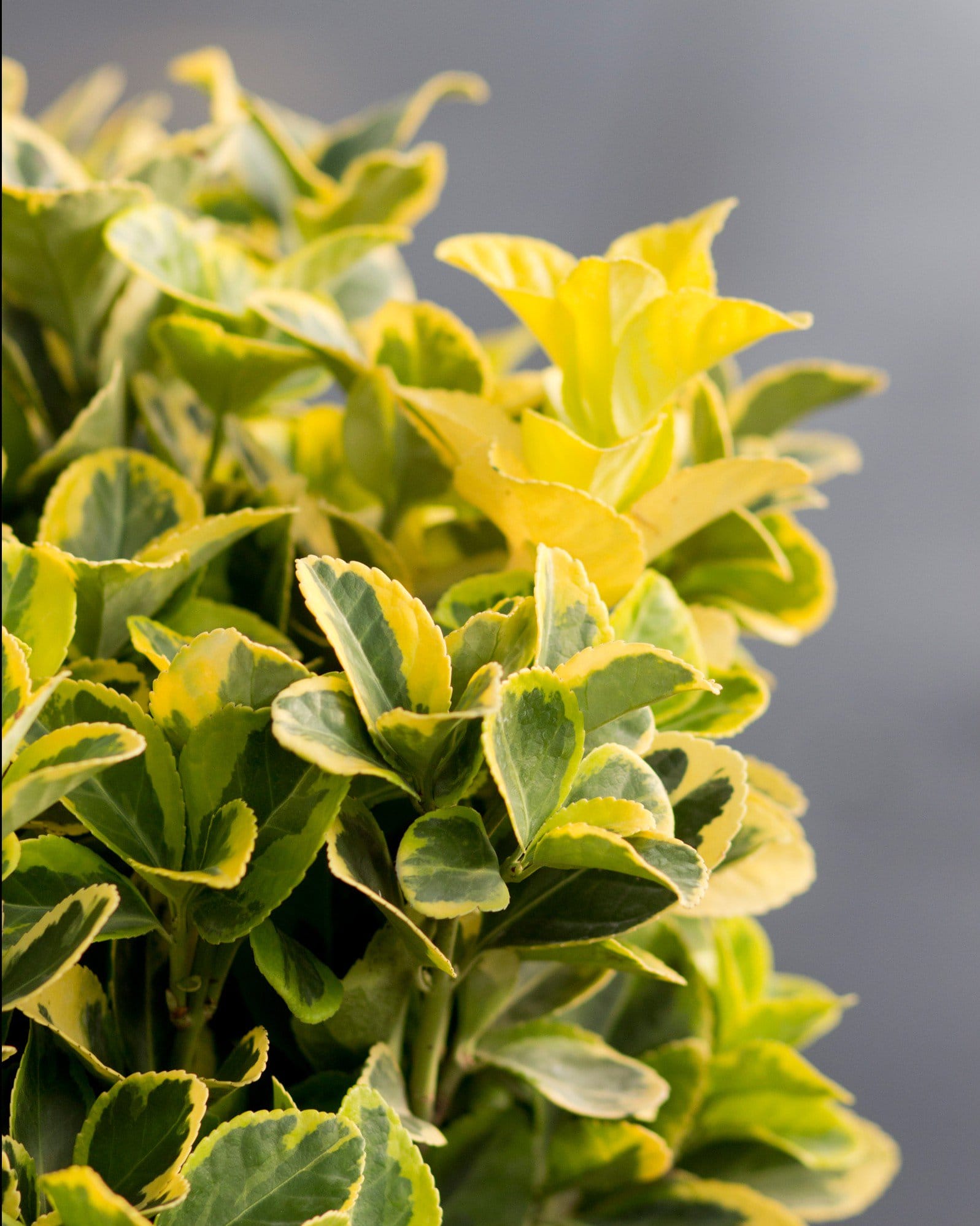
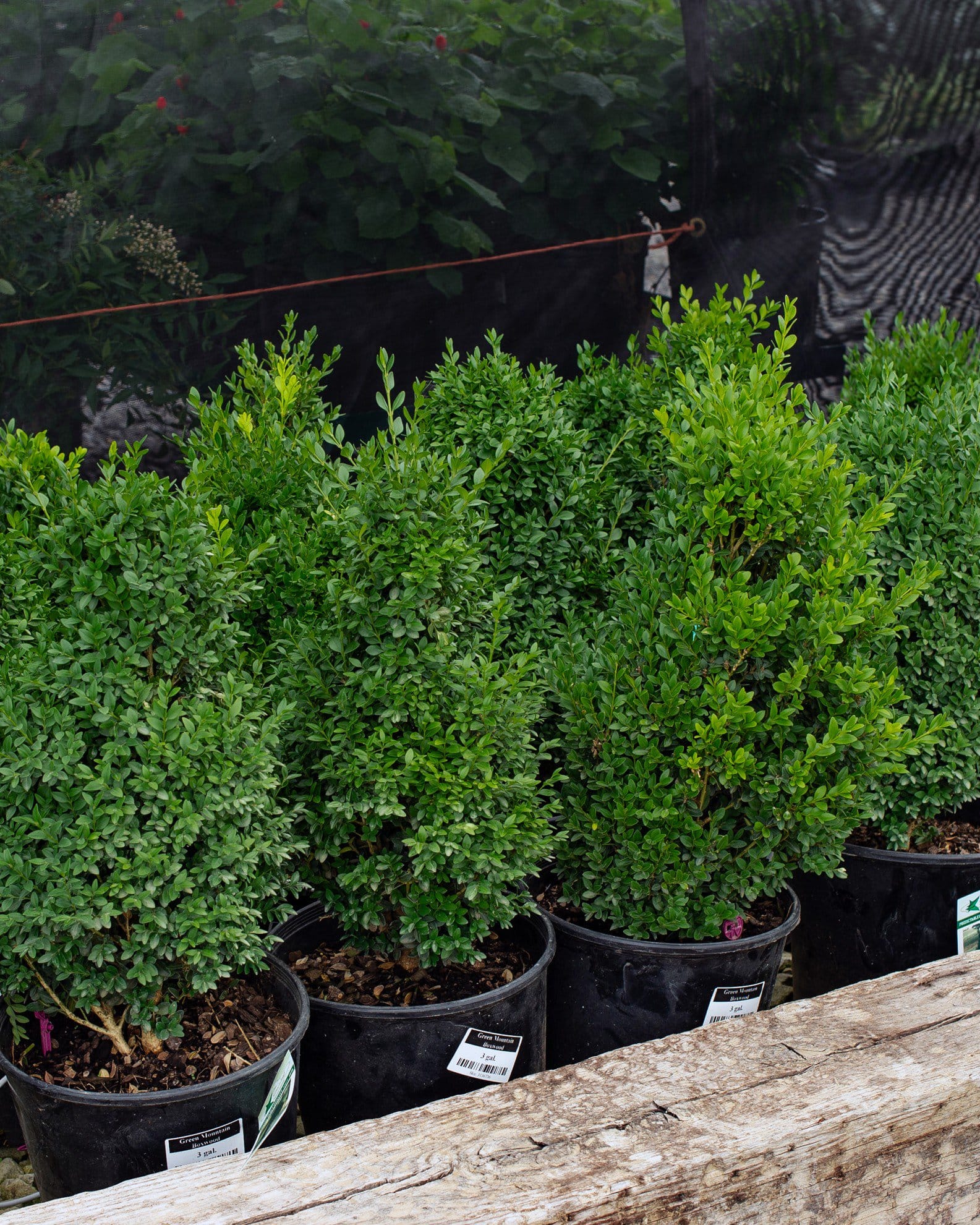
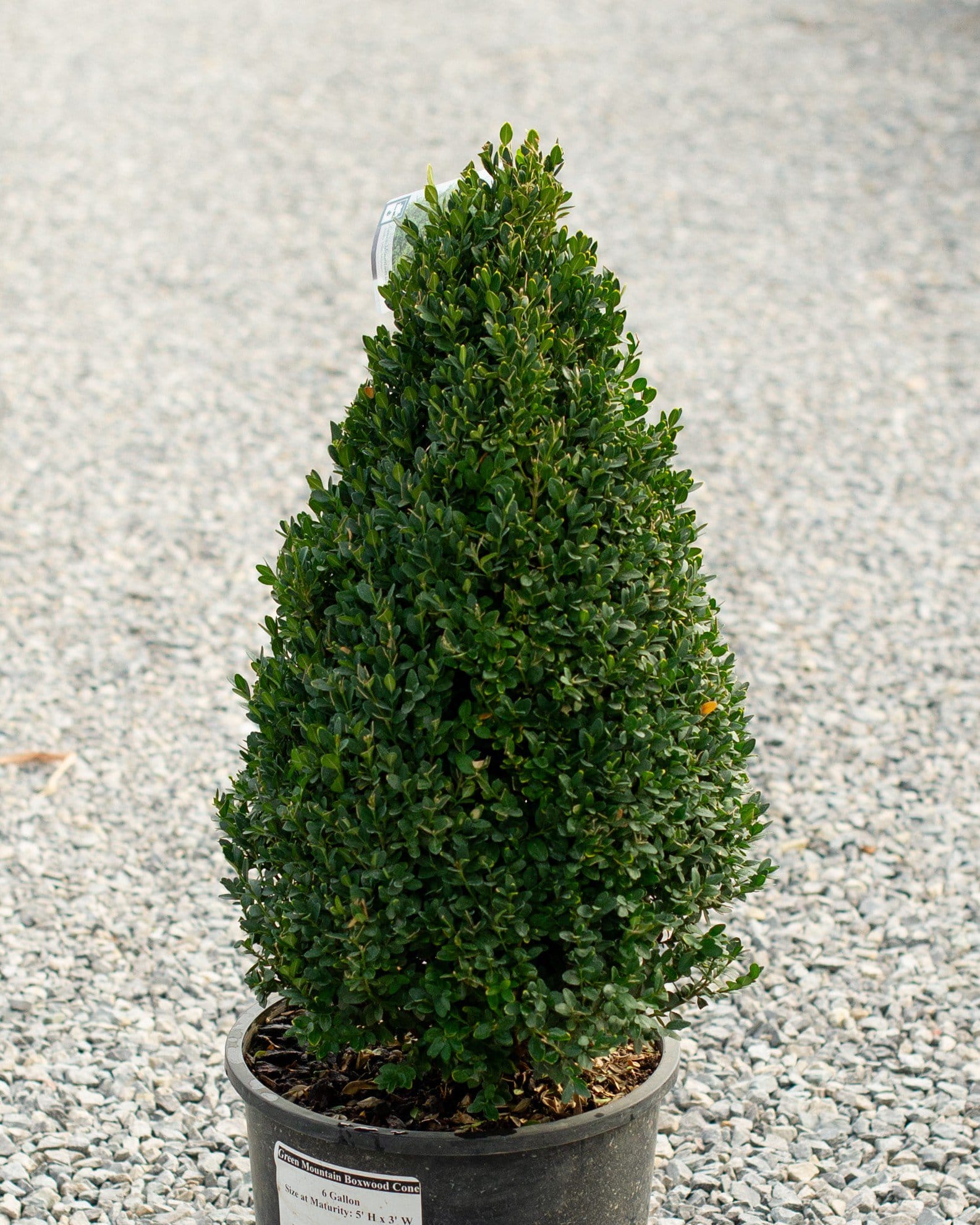
Green Mountain Boxwood
Maturity: 5' H x 3' W
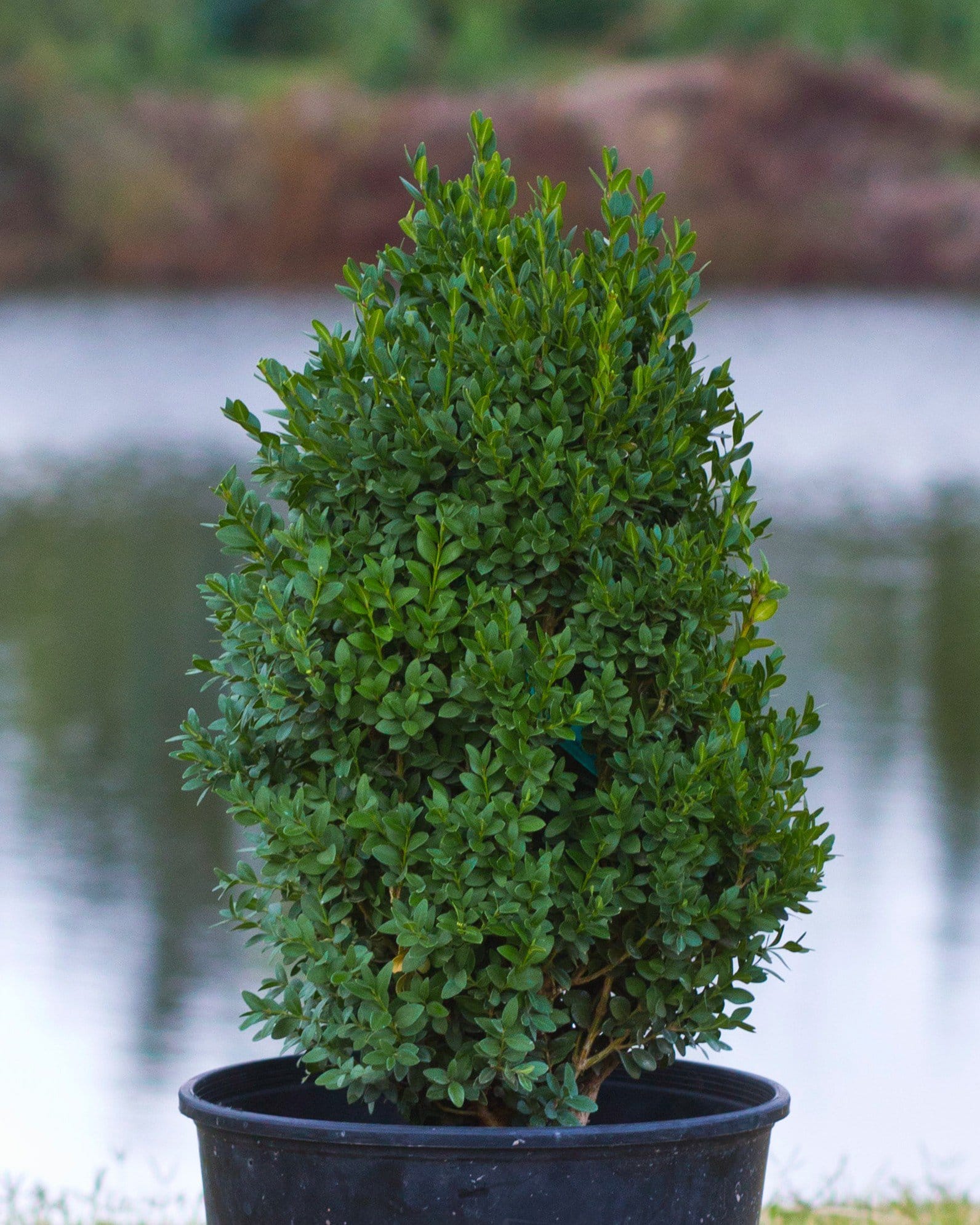
Green Mountain Boxwood Cone
Maturity: 5' H x 3' W
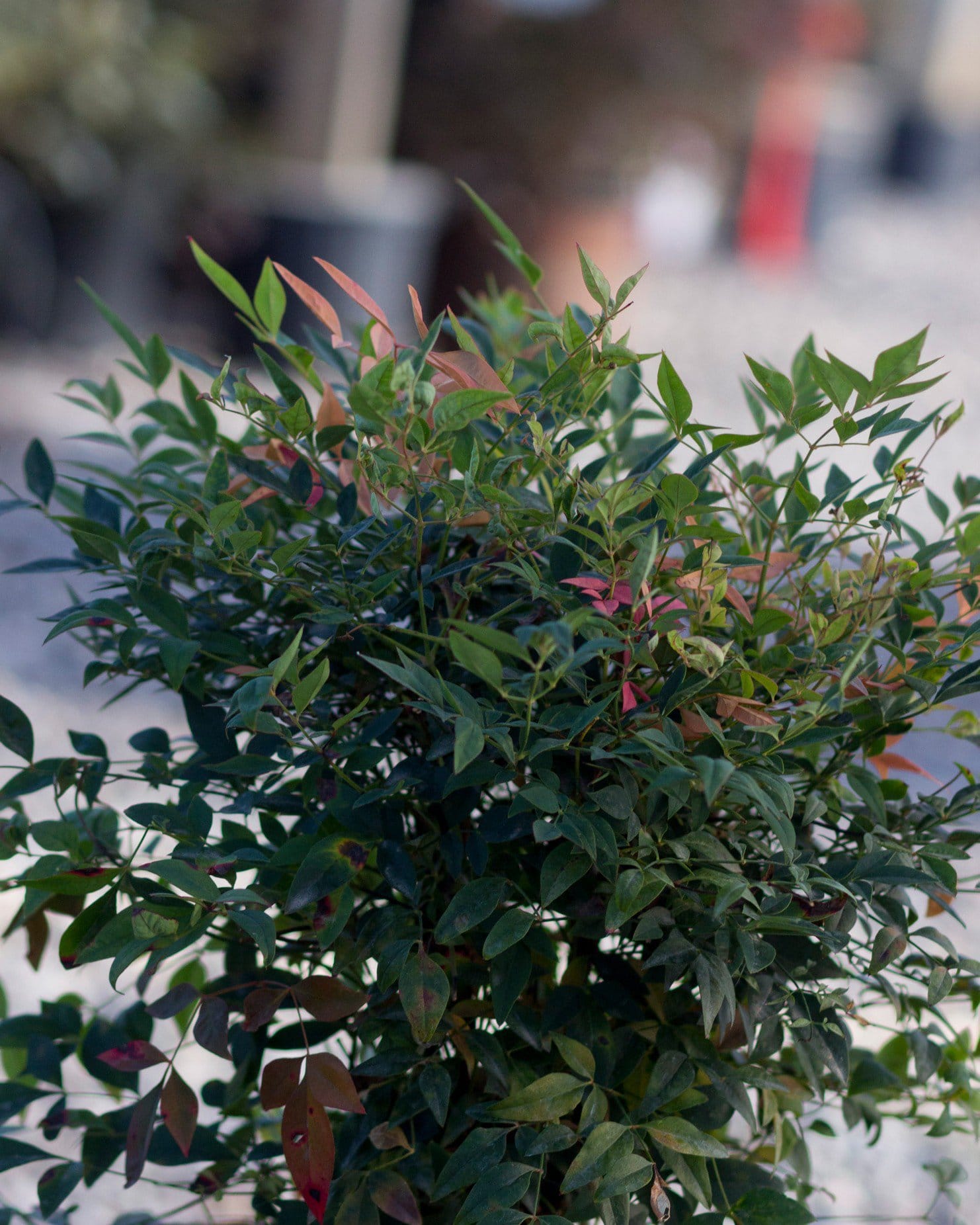
Gulf Stream Nandina
Maturity: 3' H x 3' W
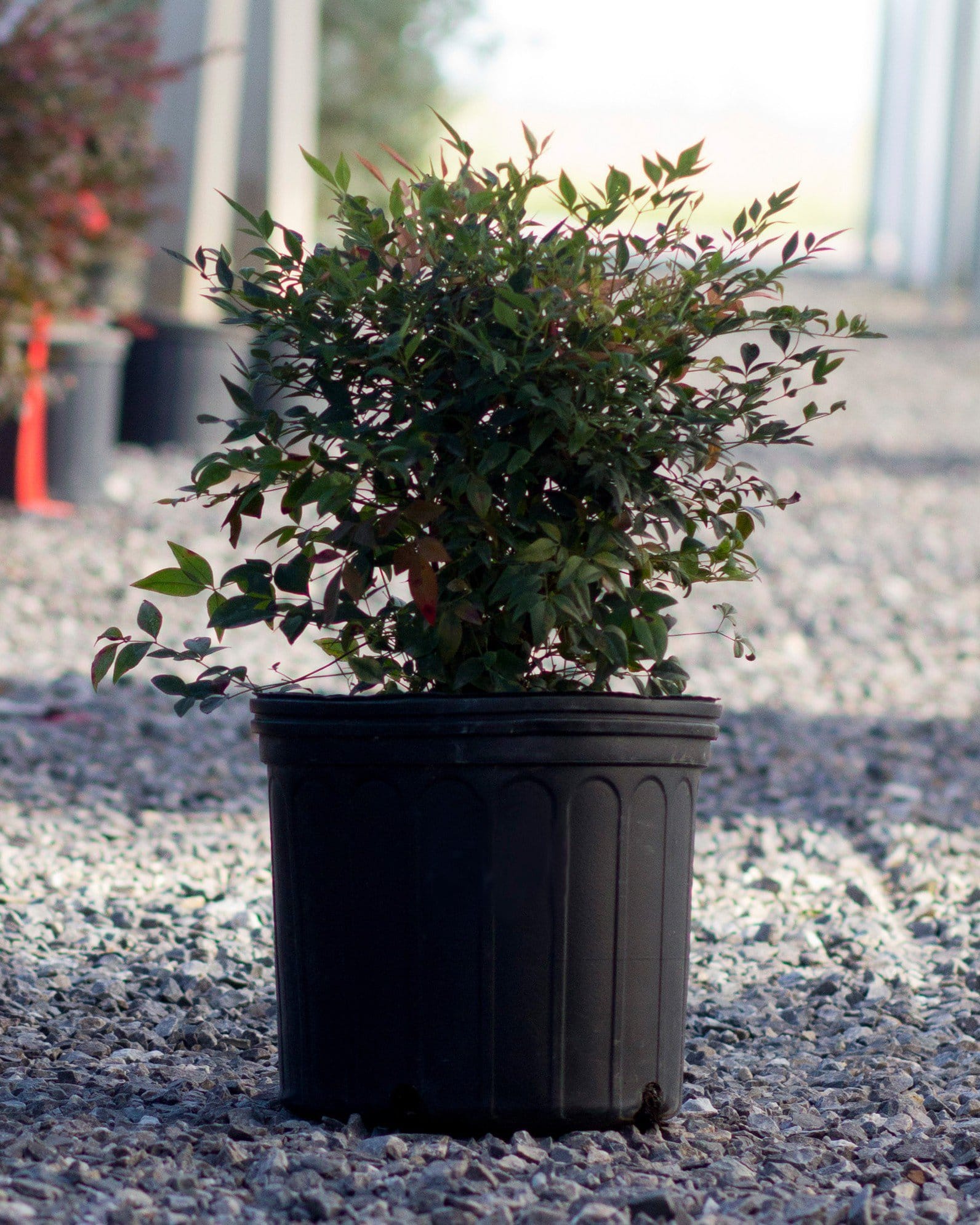
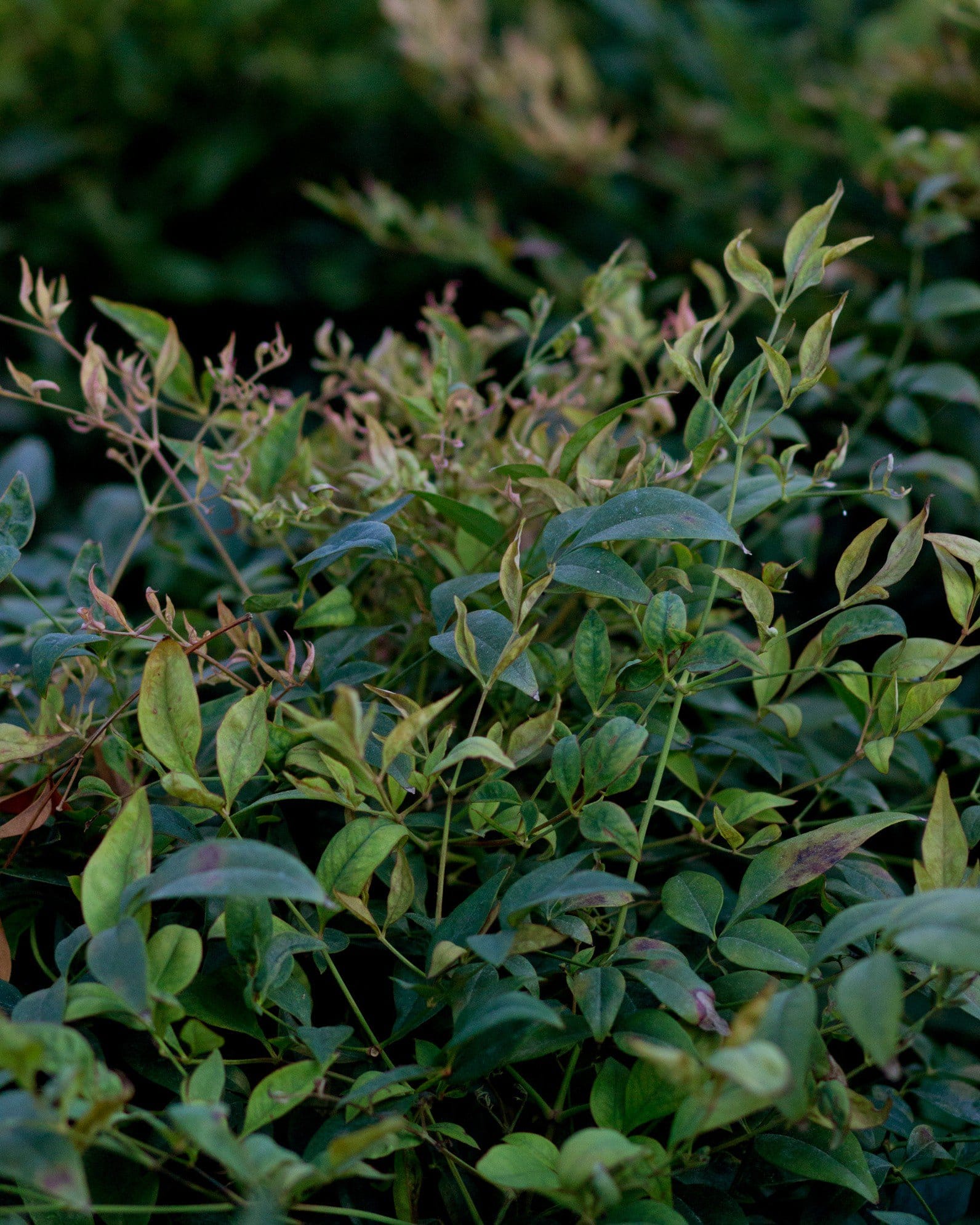
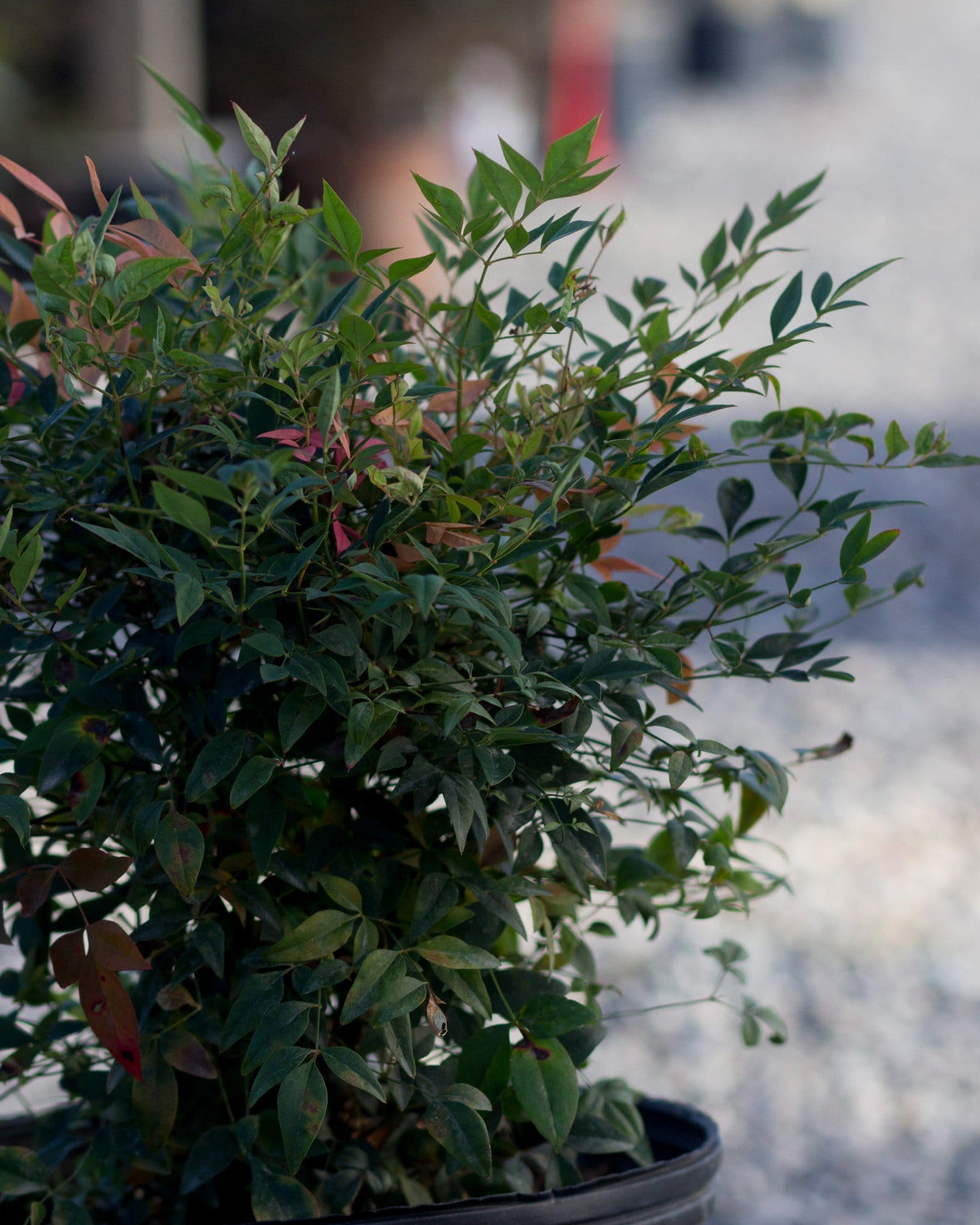
Japanese Boxwood
Maturity: 4' H x 3' W
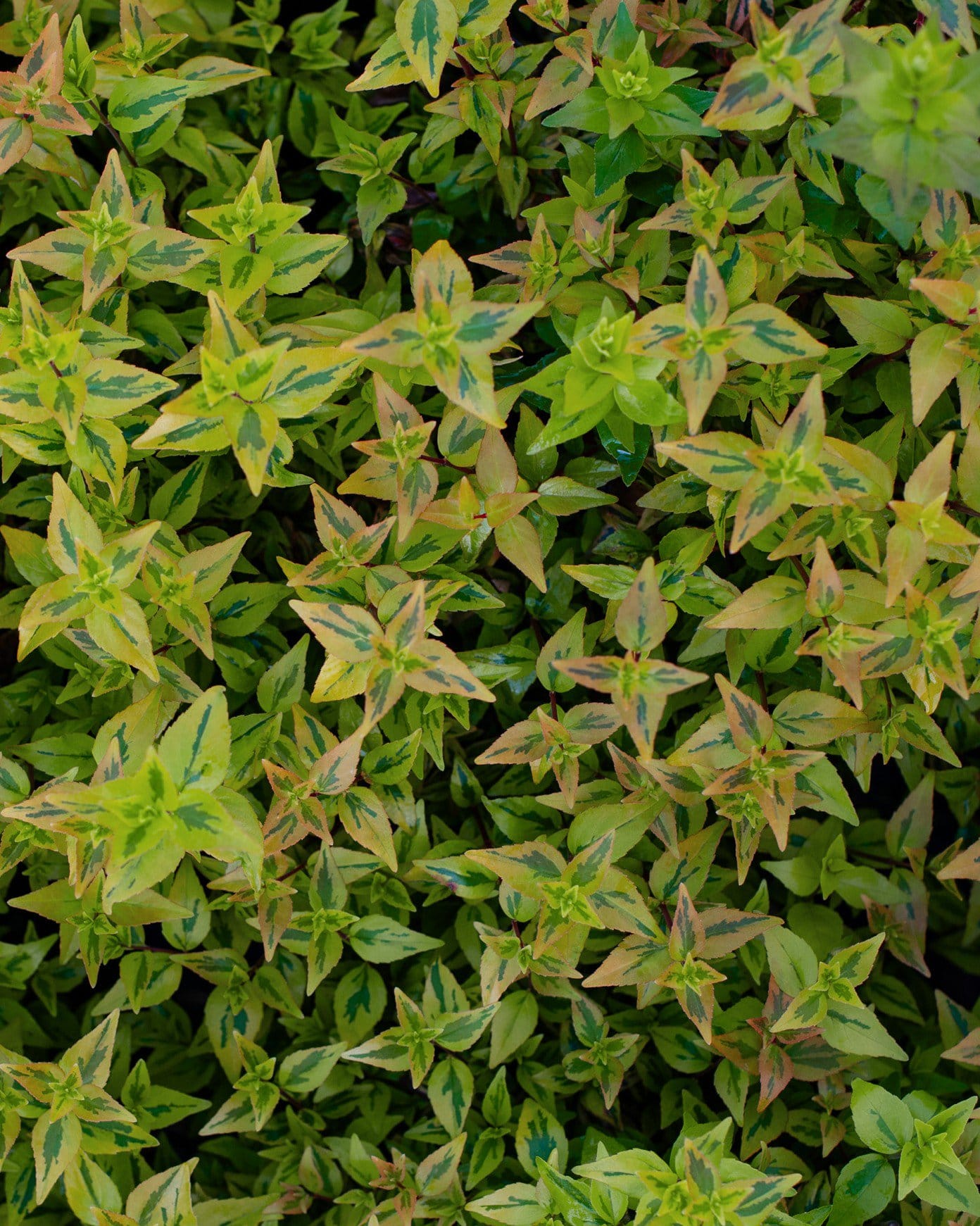
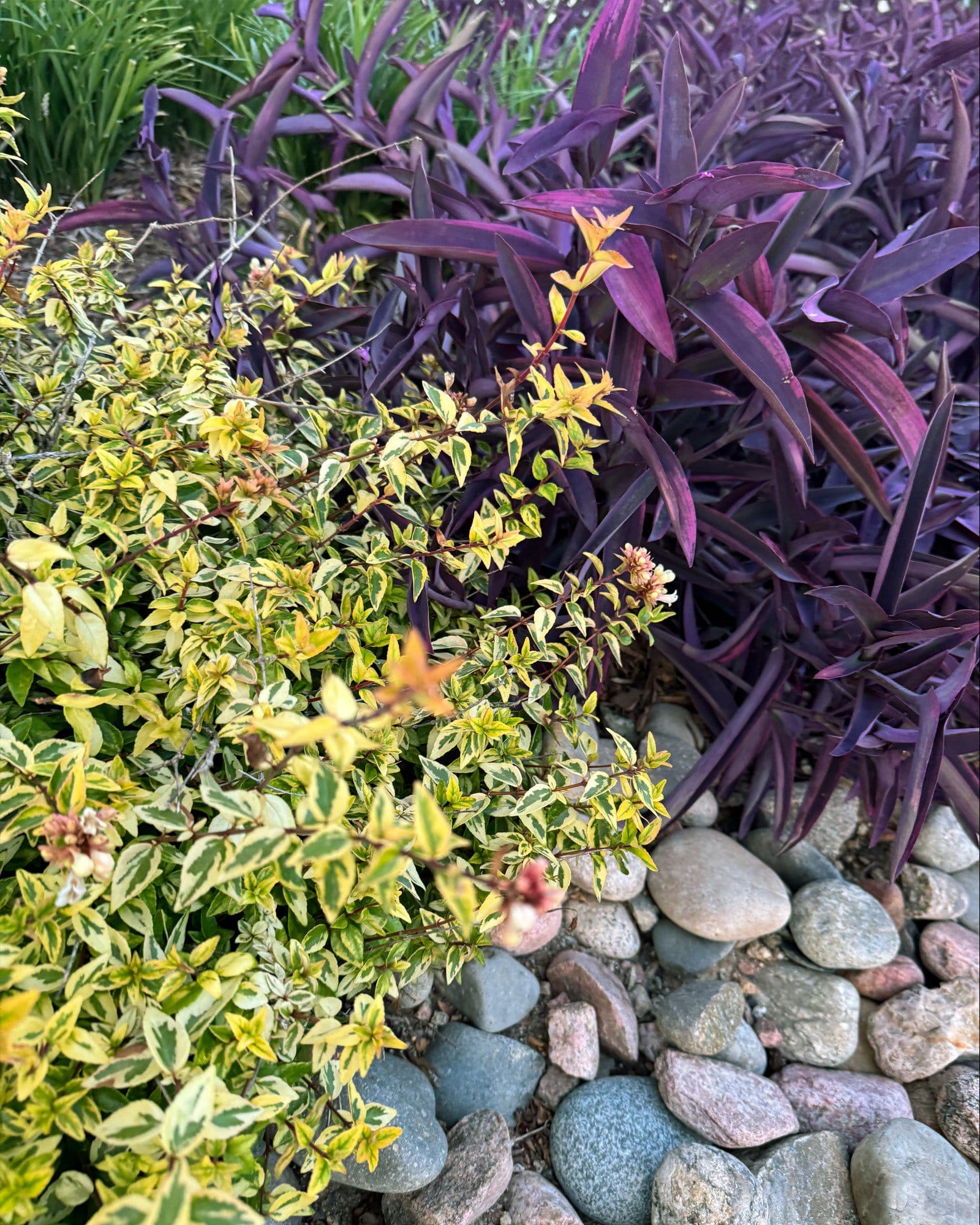
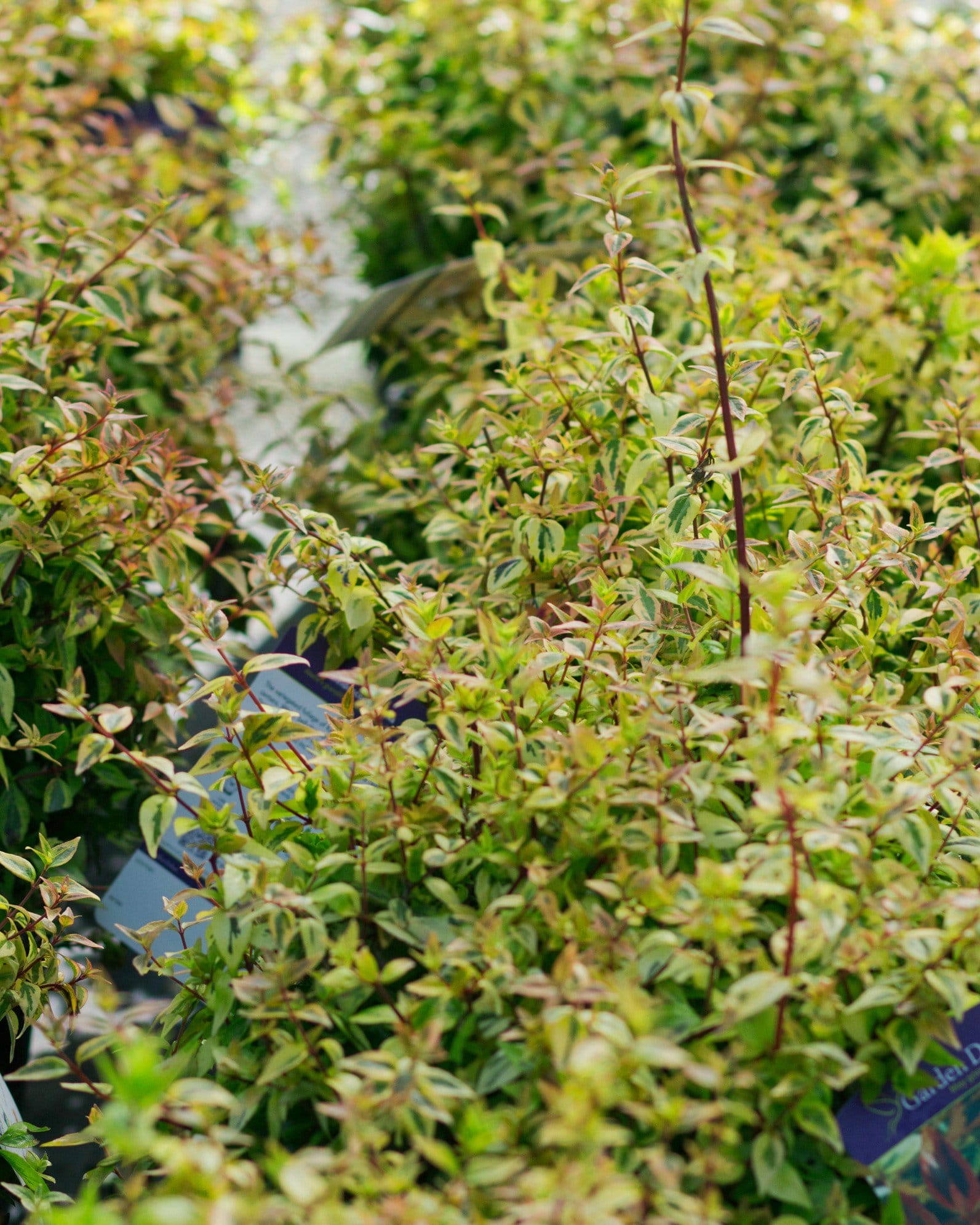
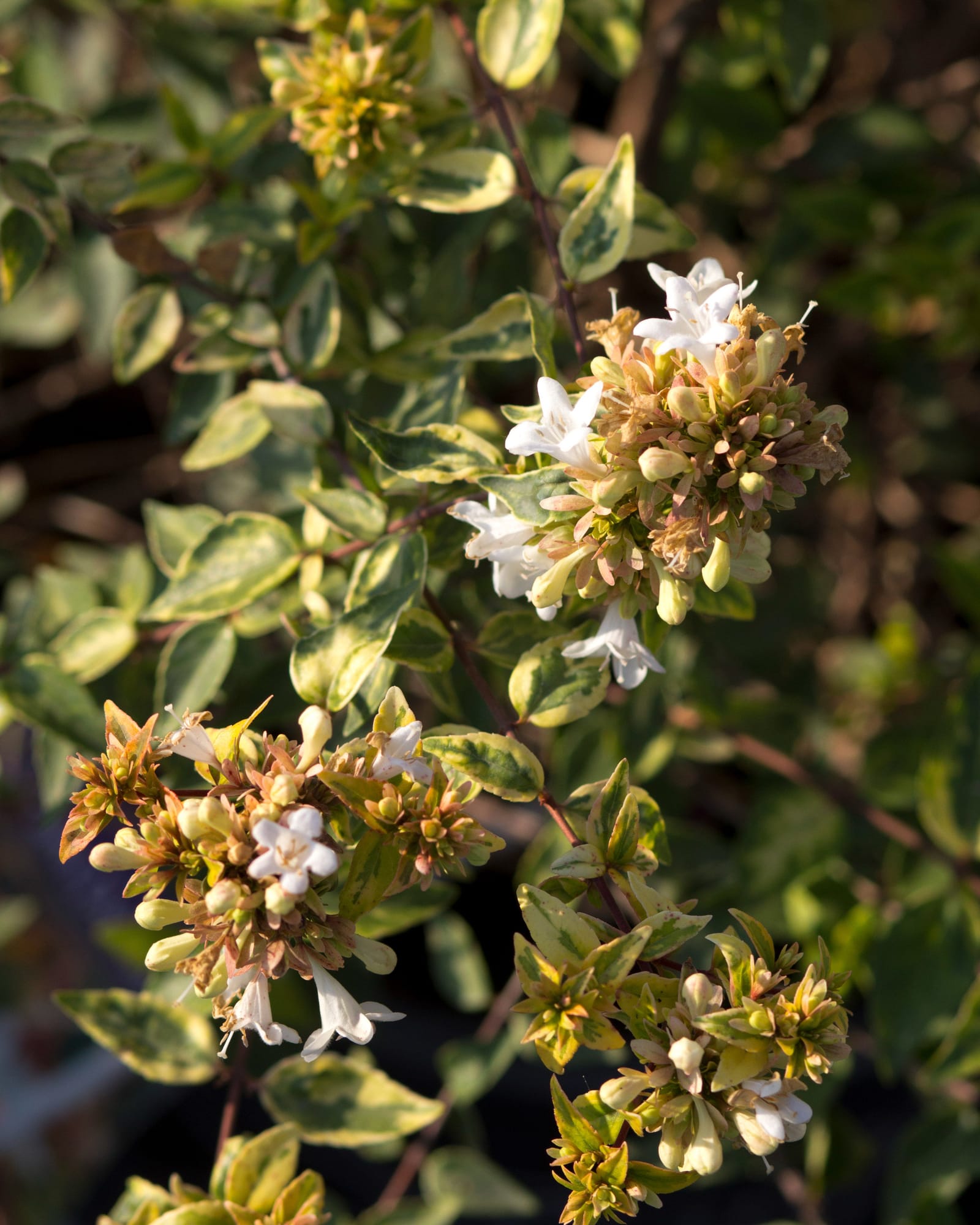
Kaleidoscope Abelia
Maturity: 2' H x 3' W
NewGen Independence Boxwood
Maturity: 3' H x 3' W
Compare Similar Plants
Baby Gem Boxwood This plant | ||
|---|---|---|
| Scientific Name | Buxus microphylla 'Gregem' | Buxus sinica var. insularis ‘Wintergreen’ |
| Size at Maturity | 2' H x 3' W | 4' H x 4' W |
| Leaf Retention | Evergreen | Evergreen |
| Flower Color | — | — |
| Bloom Times | — | — |
| Sizes Available | 1, 2, 3, 5 gal | 1, 3, 7 gal |


Our 1-Year Planting Guarantee
We take pride in our plants and installation services. If any plants or trees installed by Treeland fail to thrive within the first year, we'll provide a replacement credit in accordance with our guarantee program.
Learn More About Our Guarantee