
Japanese Boxwood
Buxus microphylla japonicaLocal DFW Delivery Only
Product Details
Japanese Boxwood
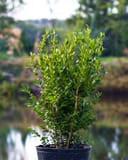
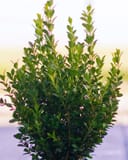
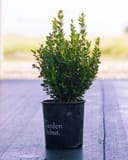
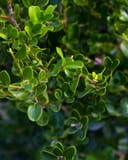
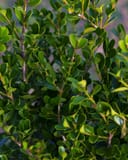
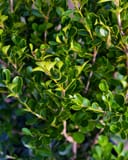
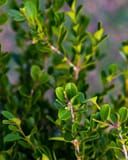
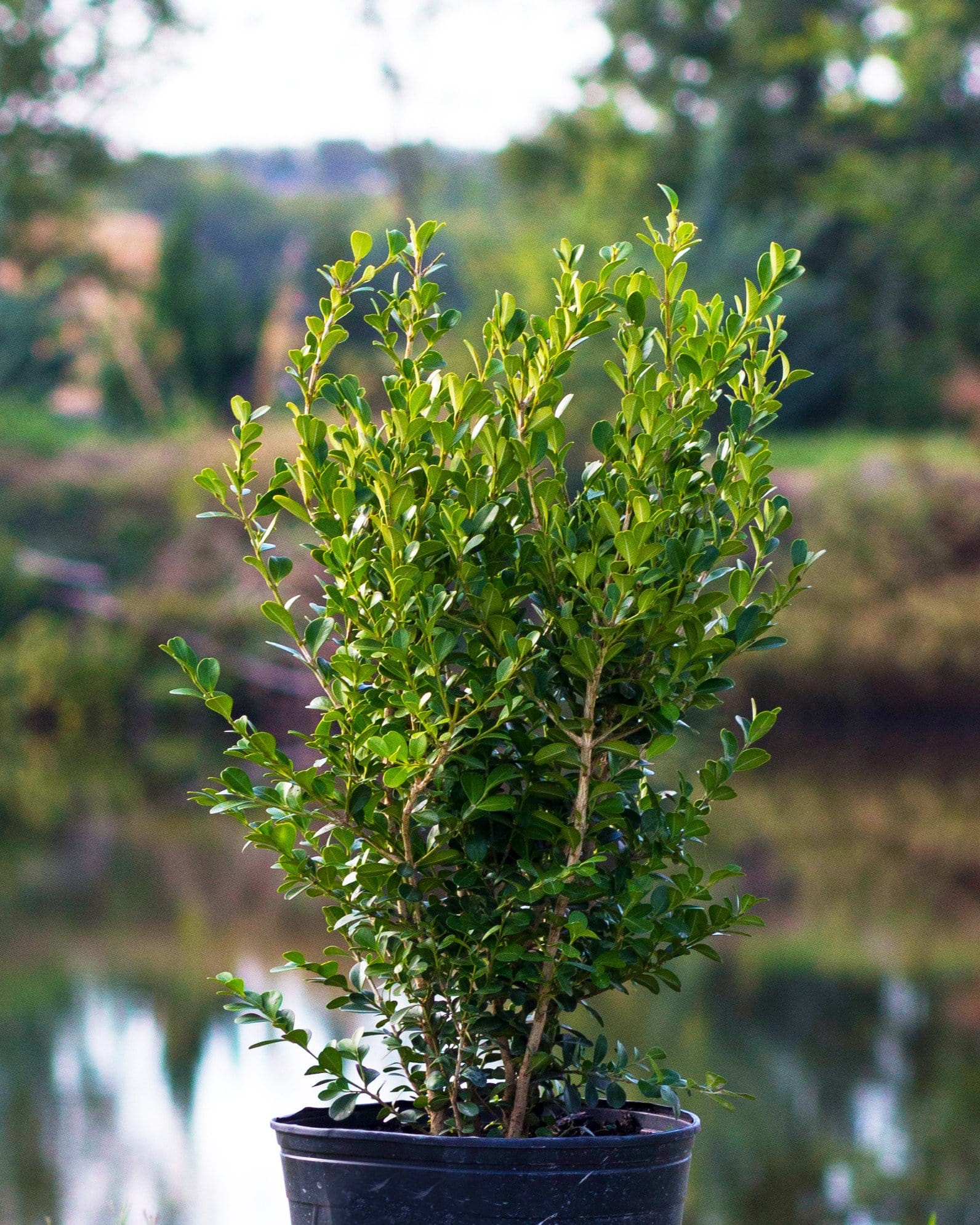
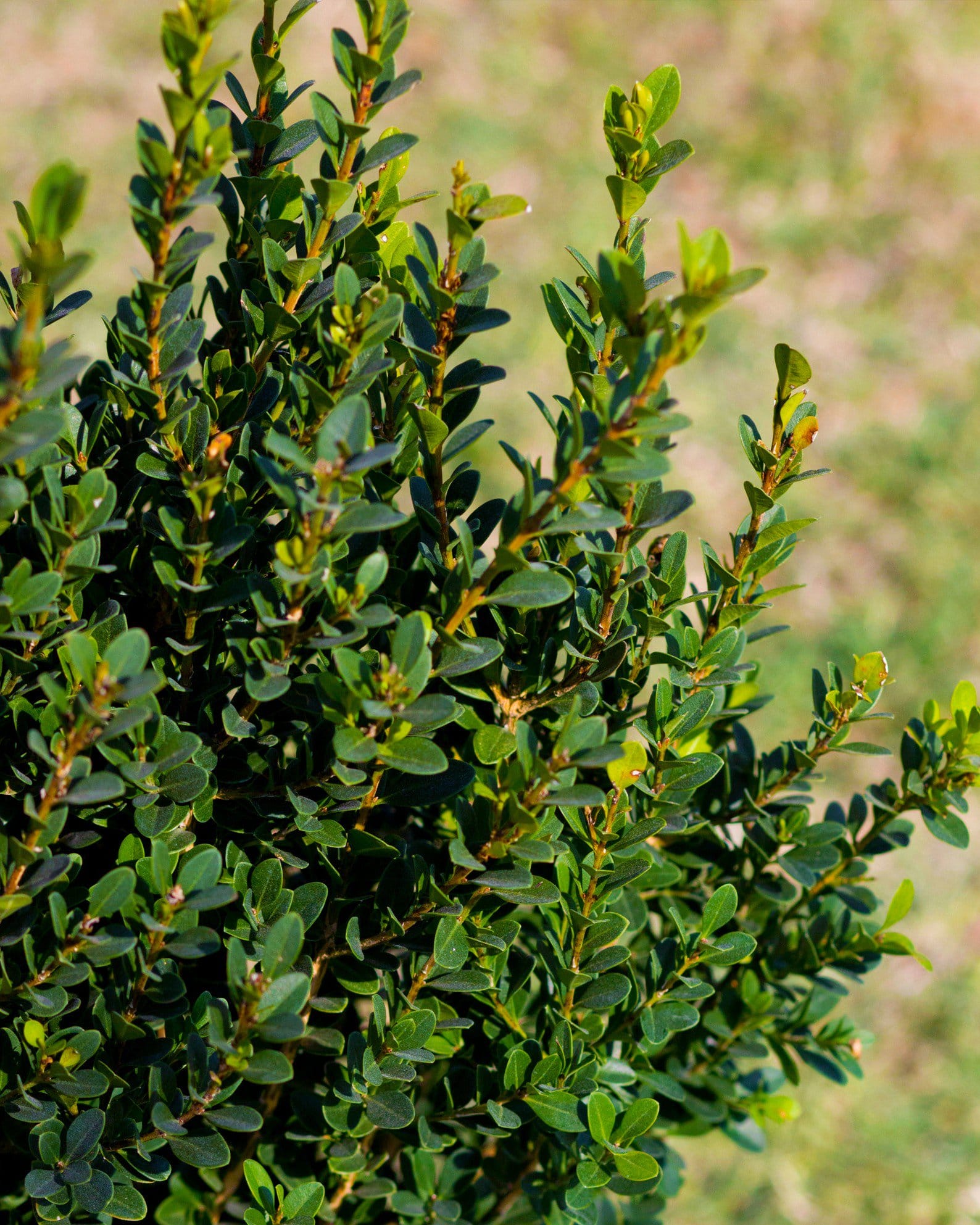
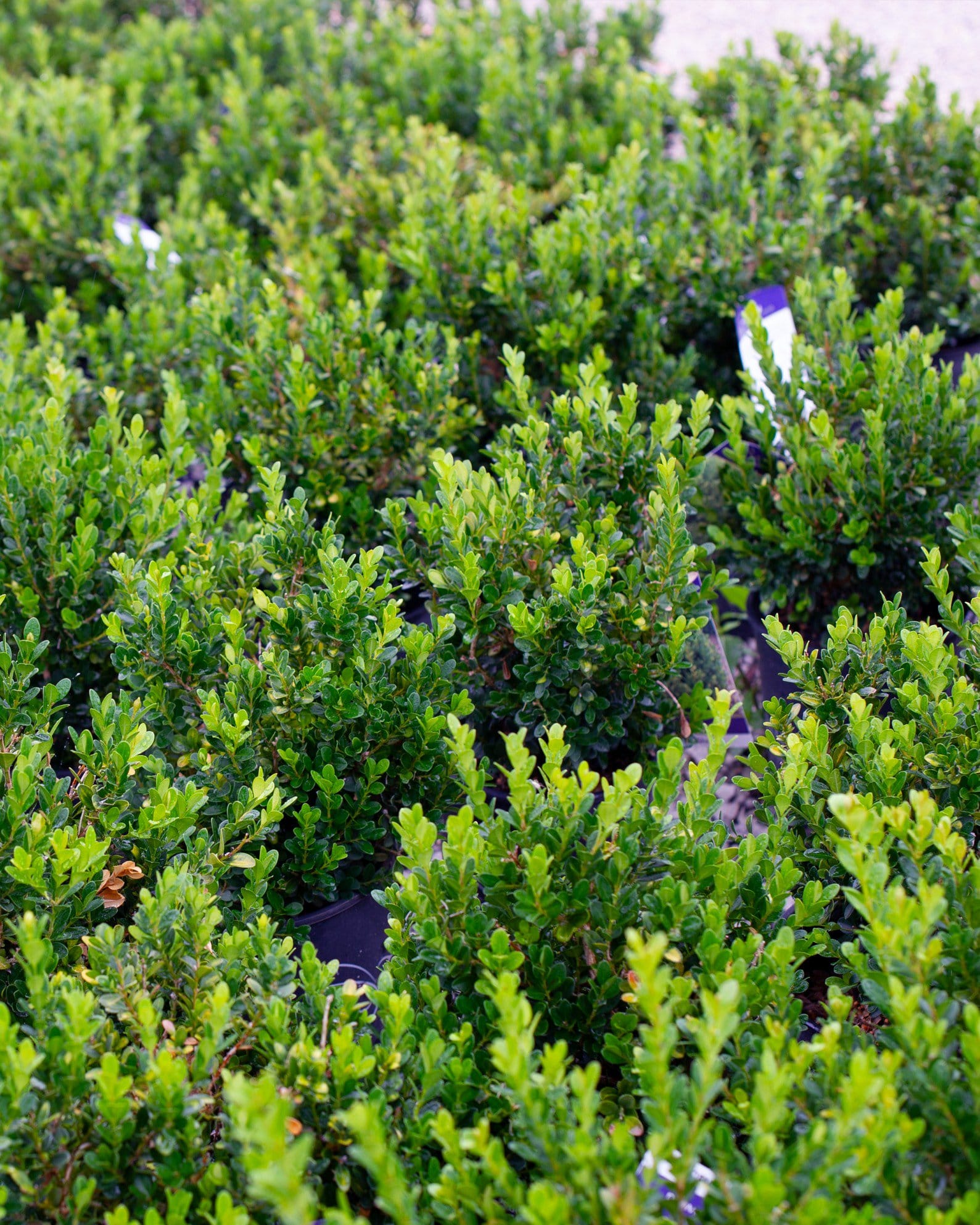
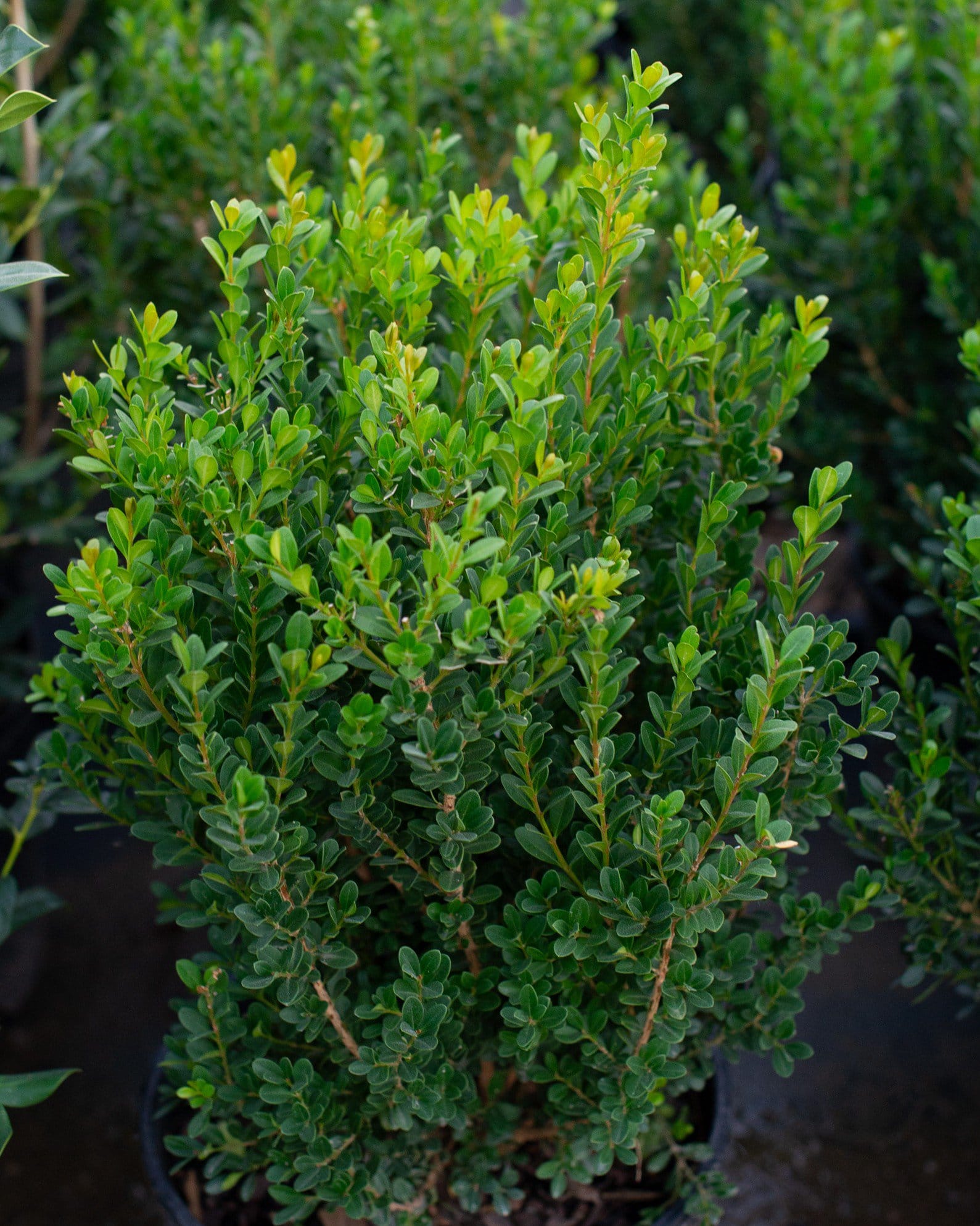
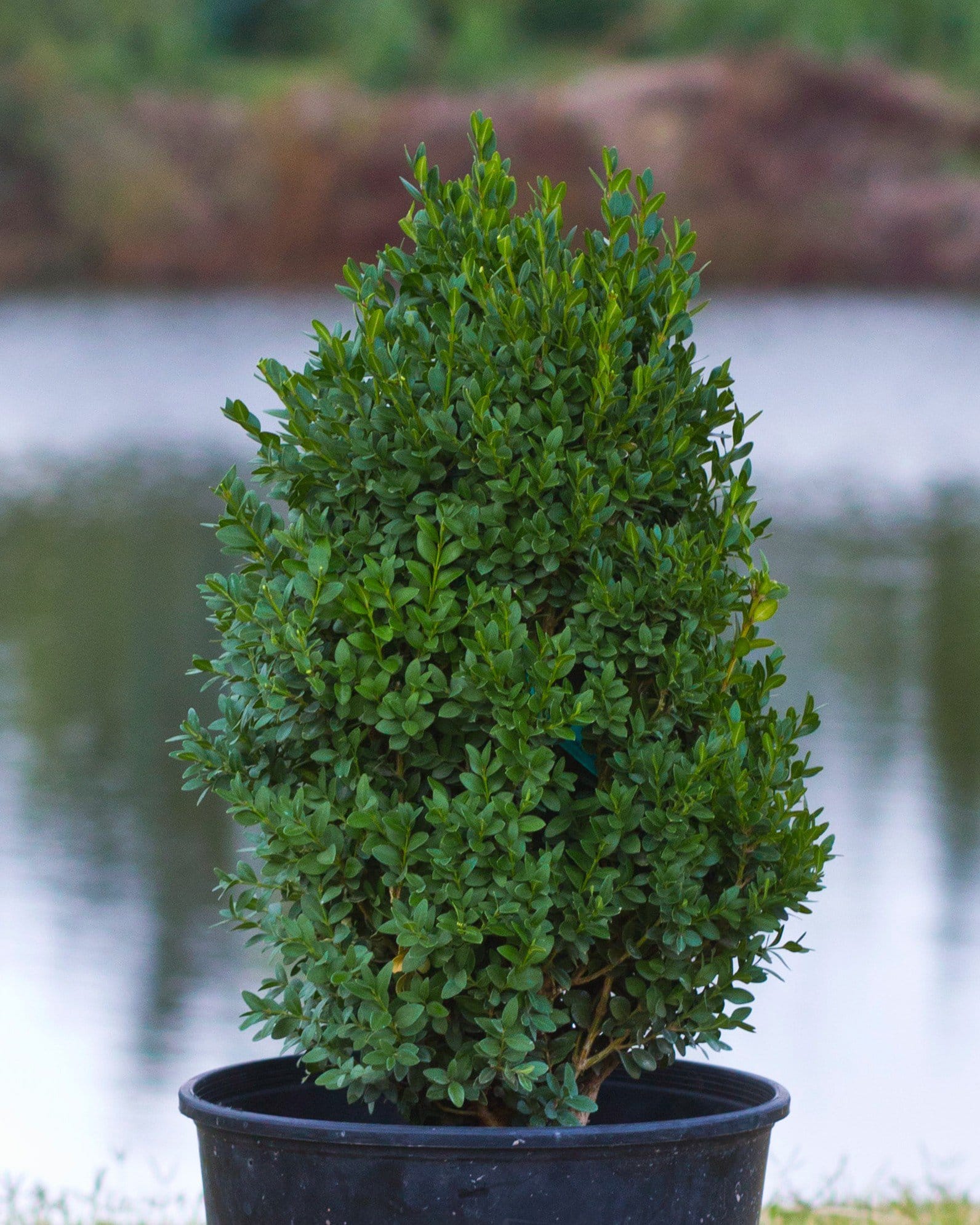
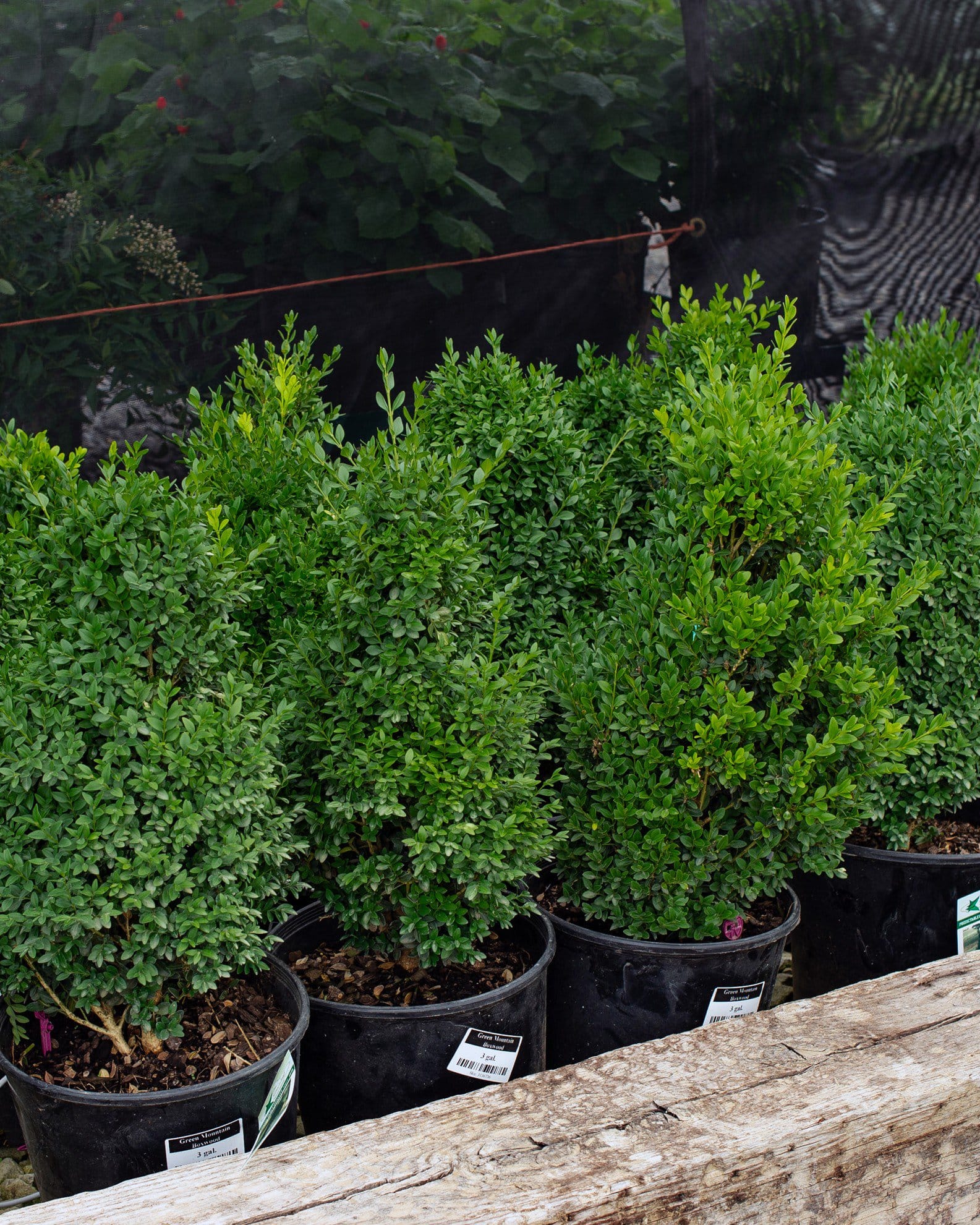
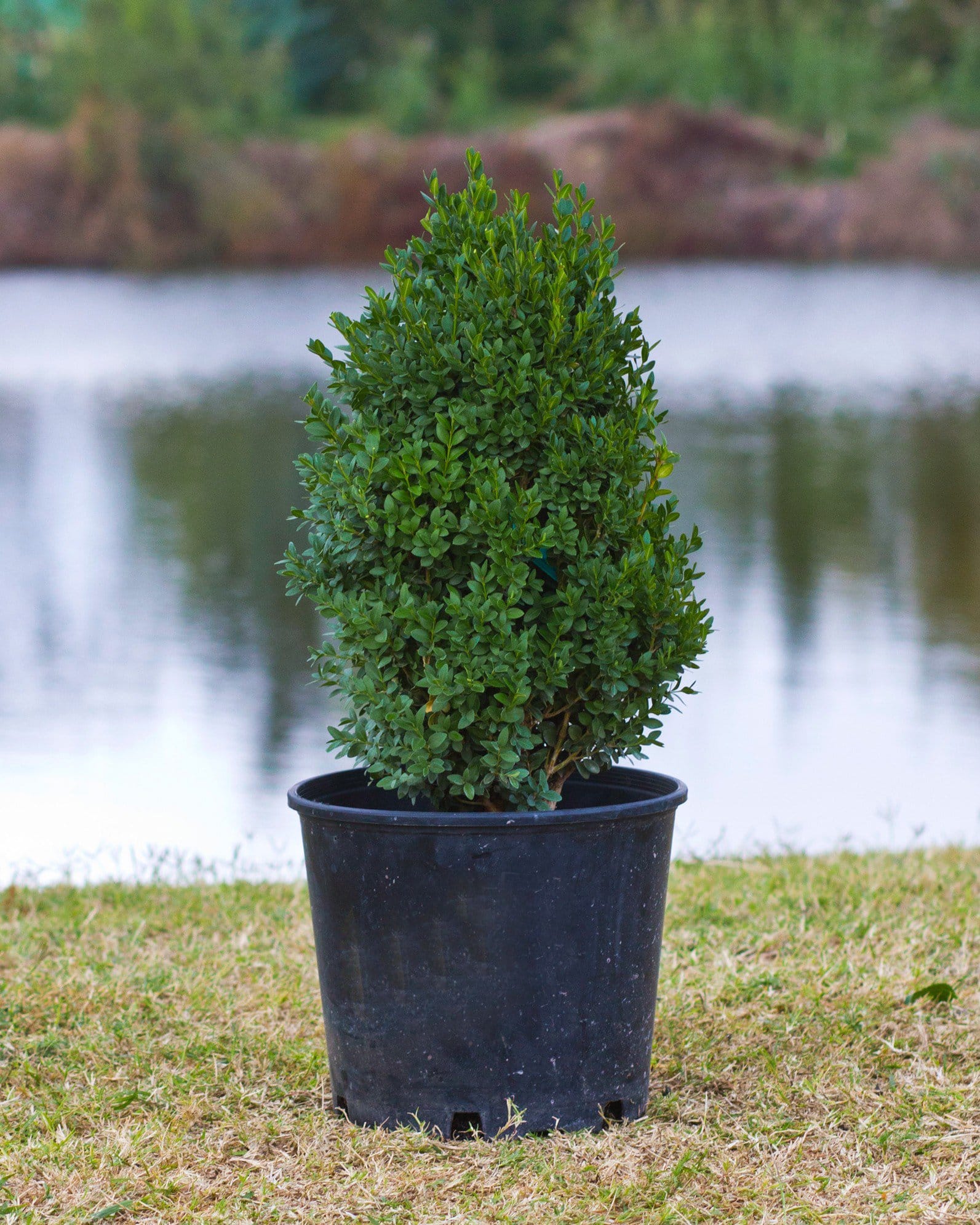
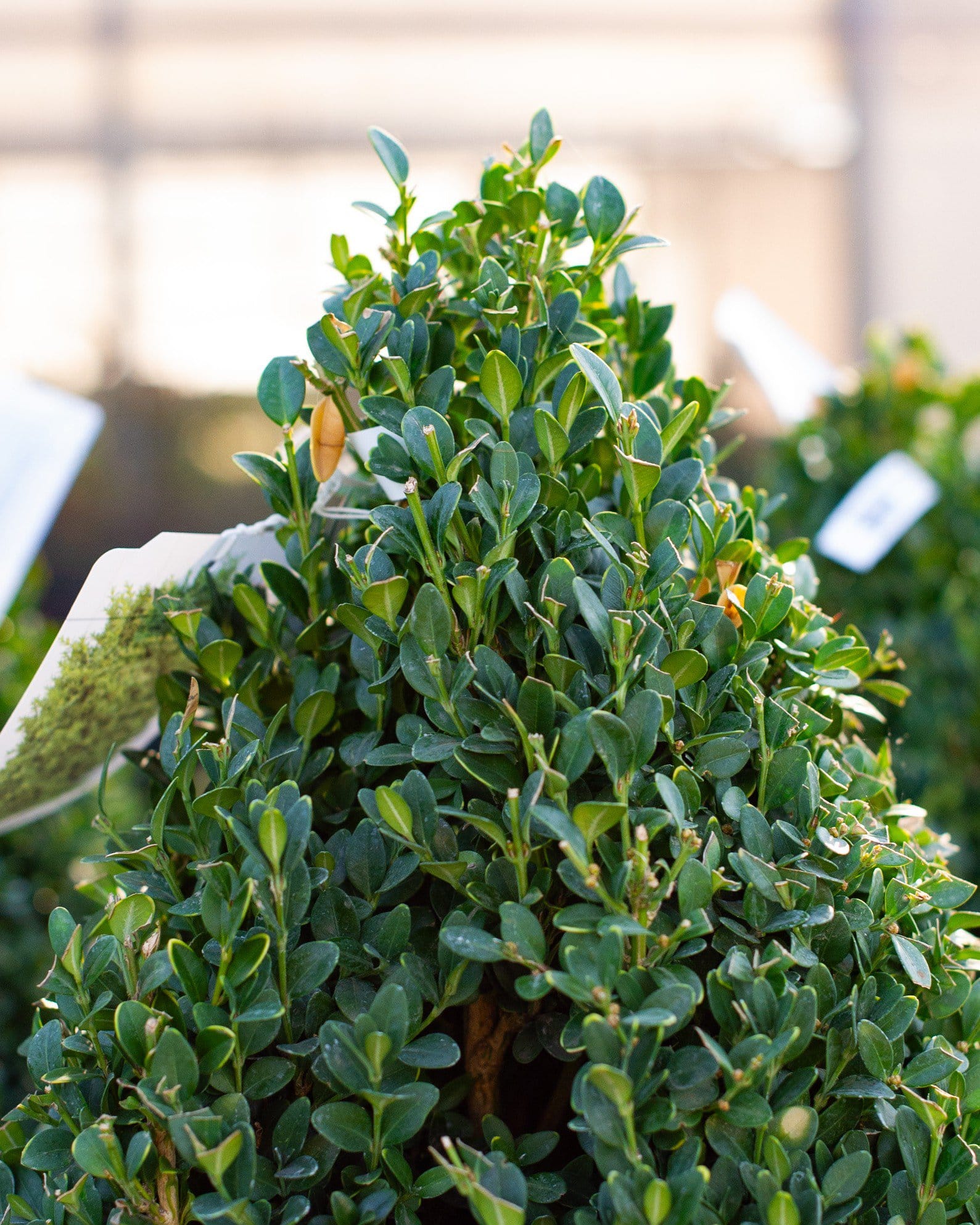
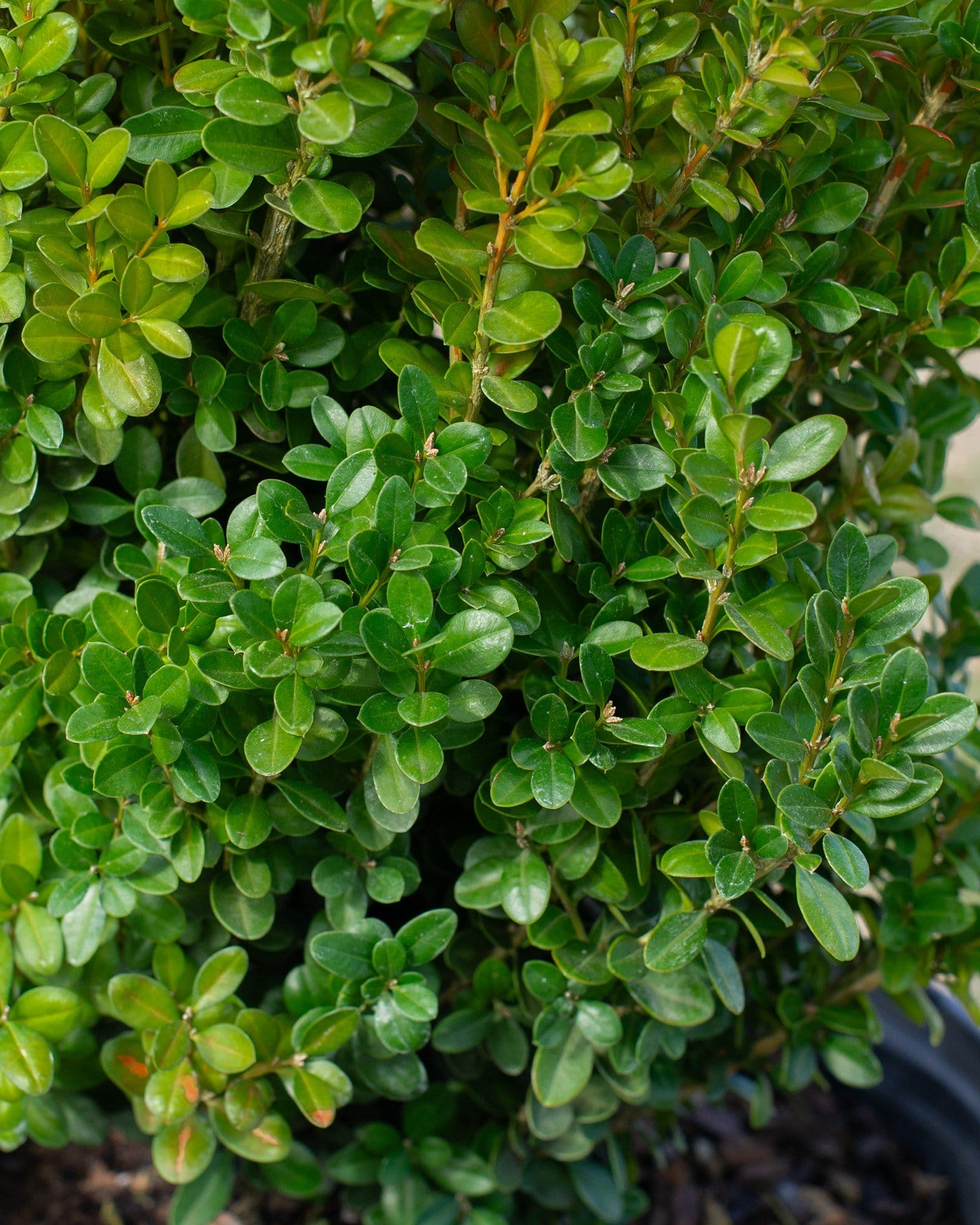
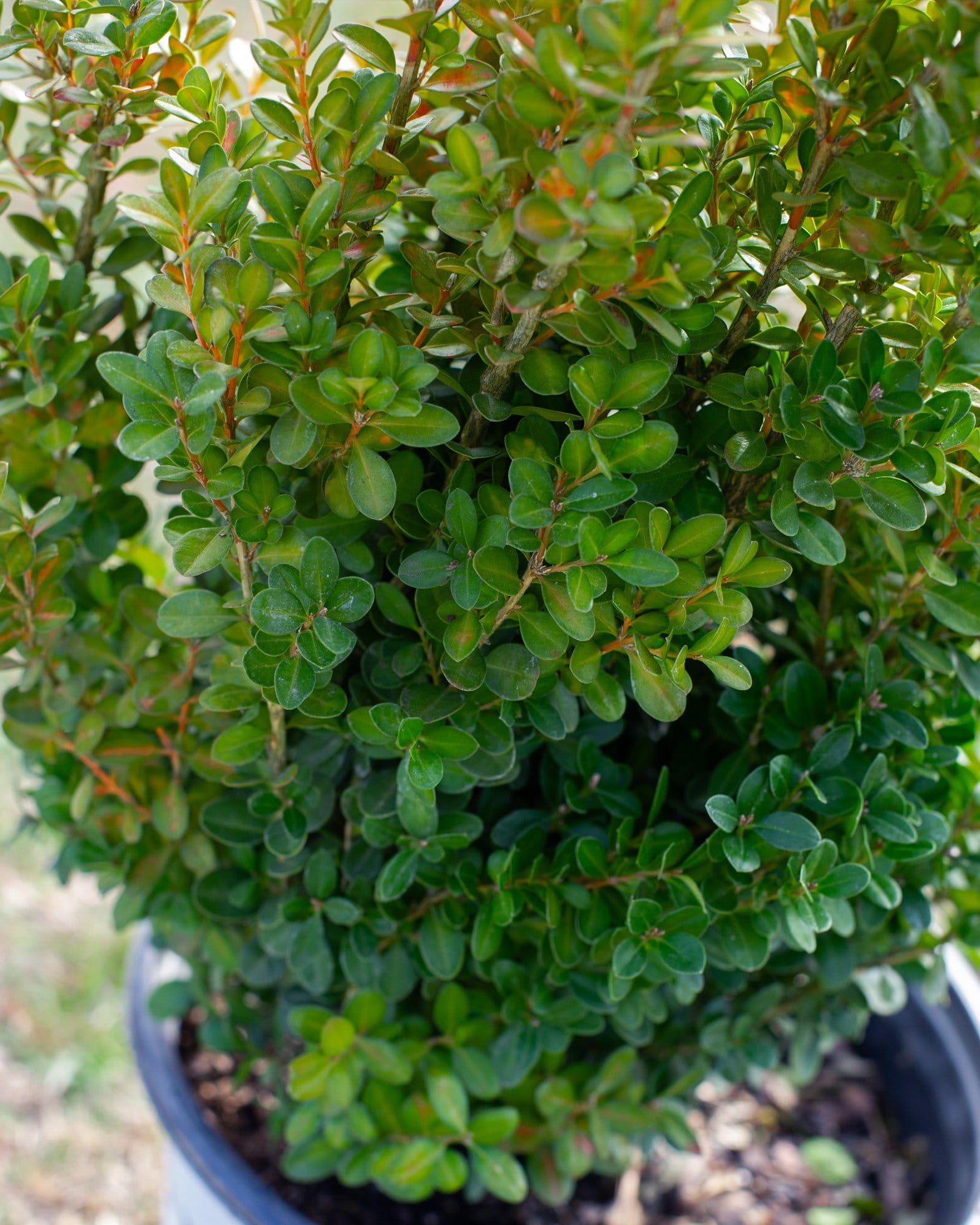
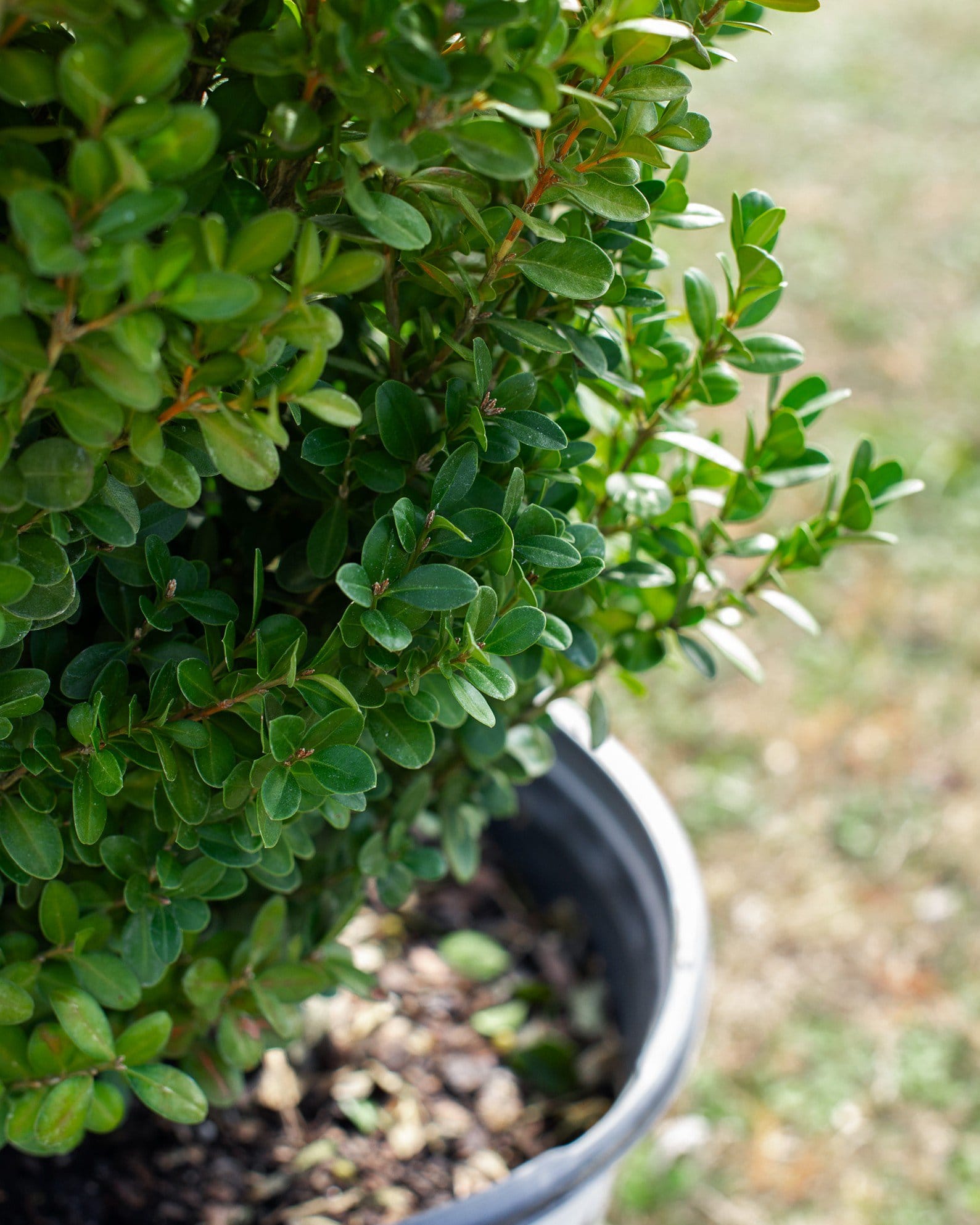
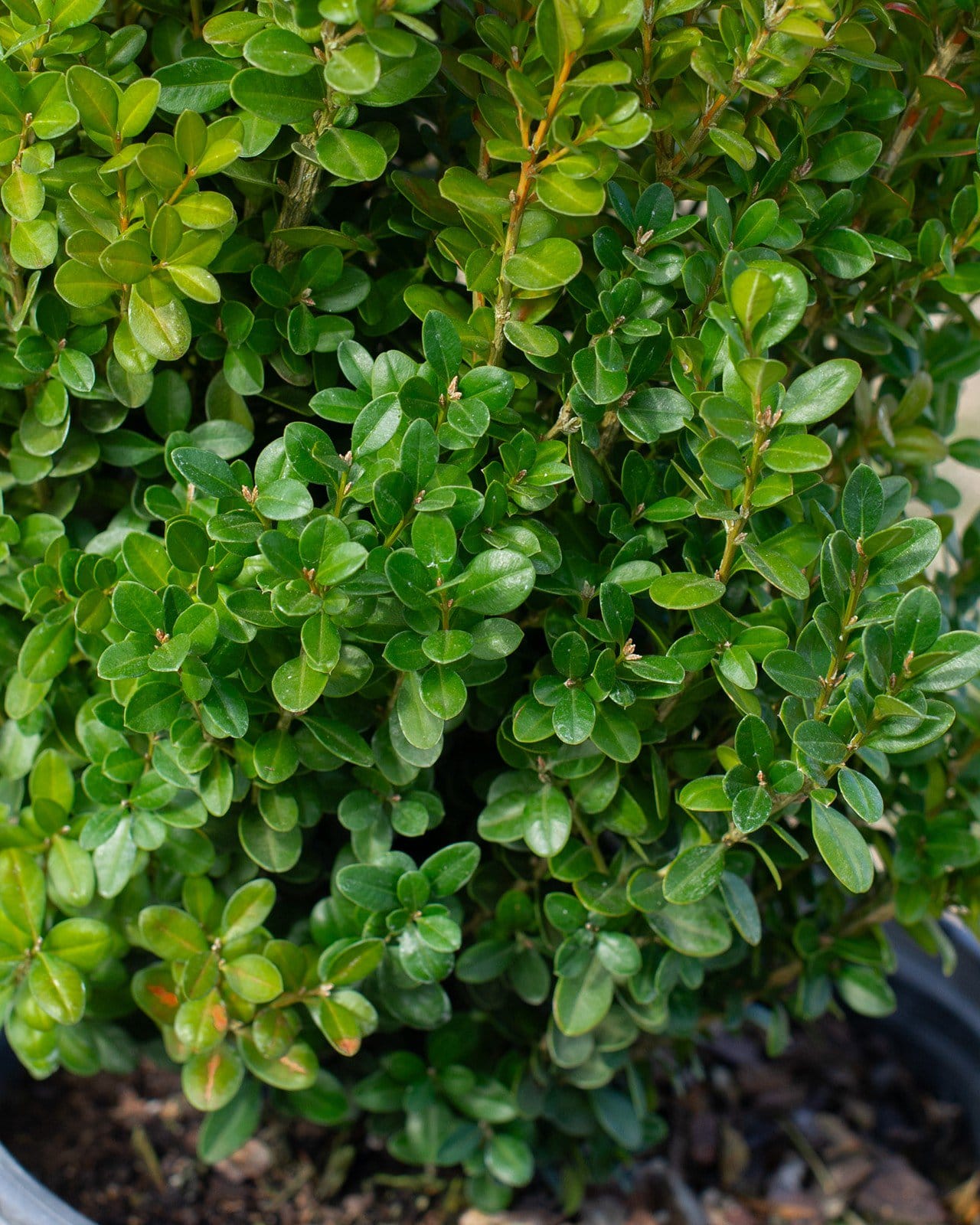
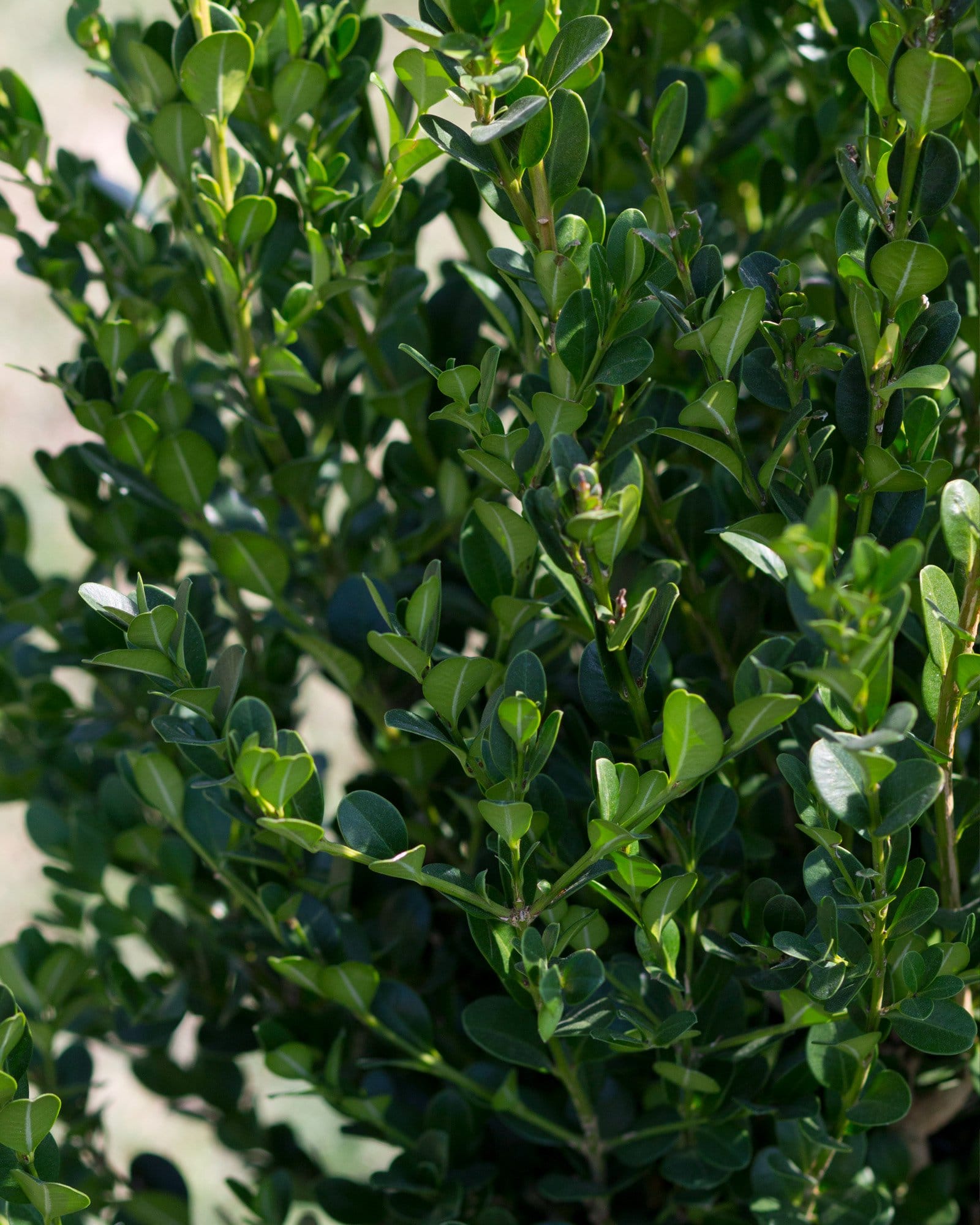
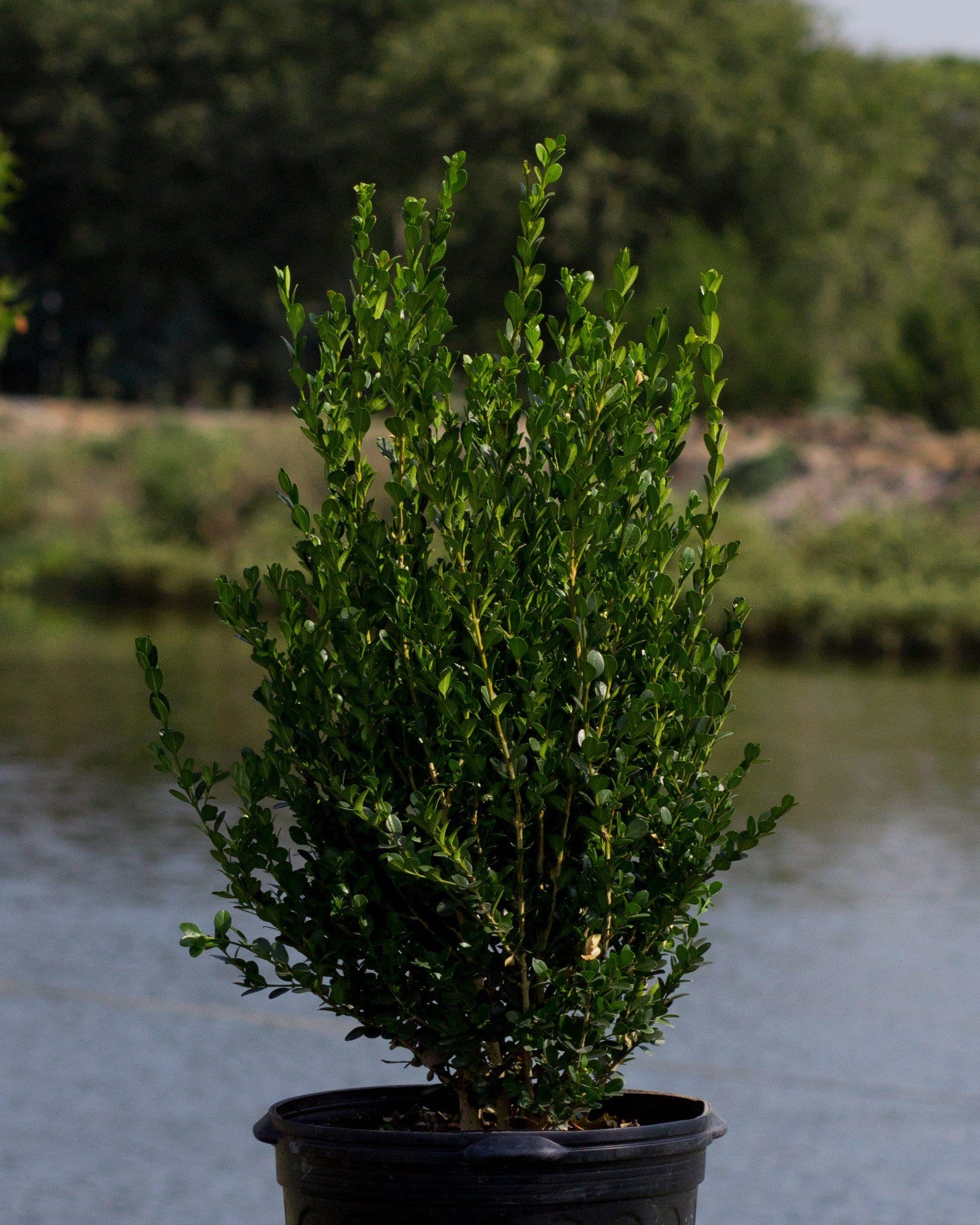
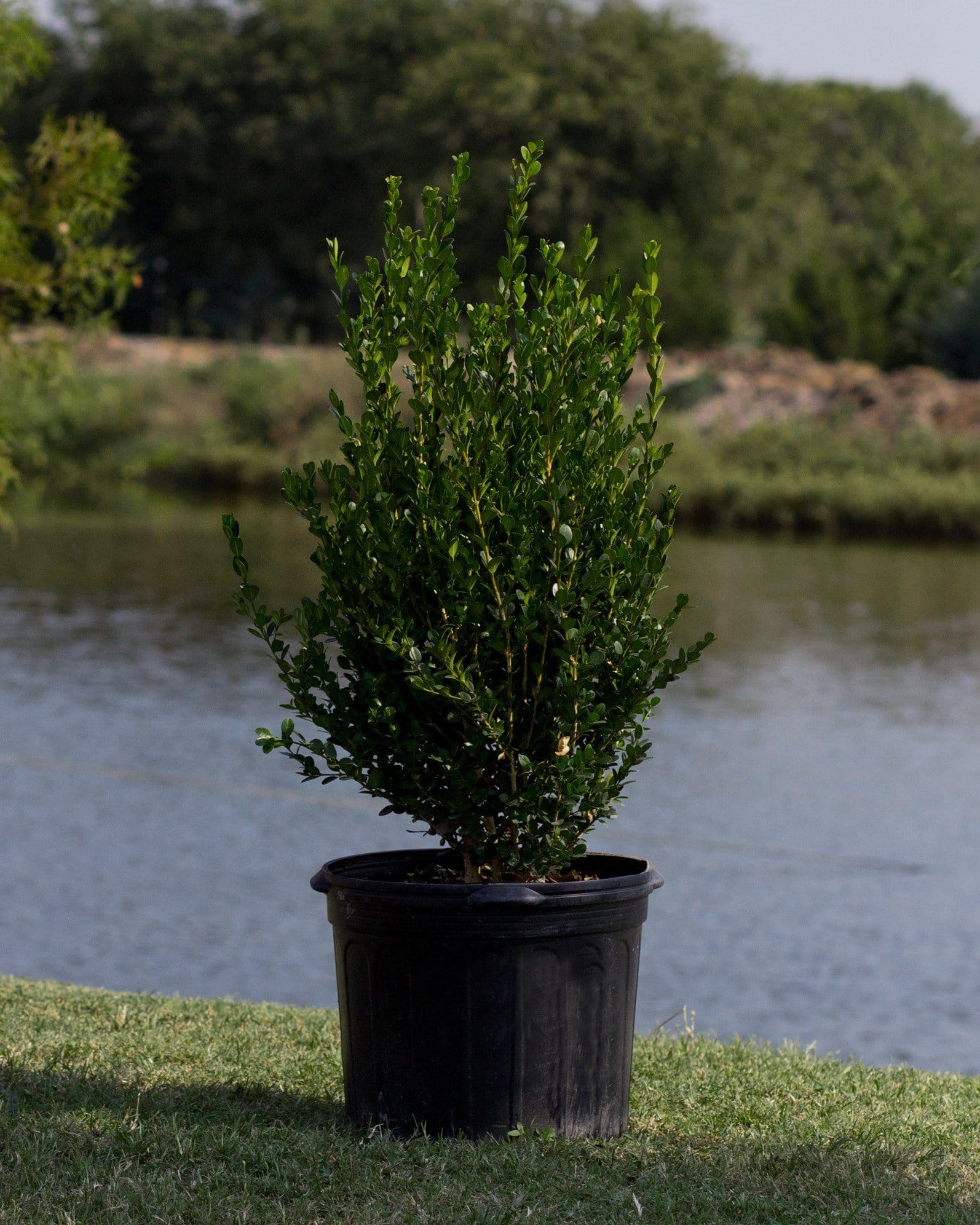
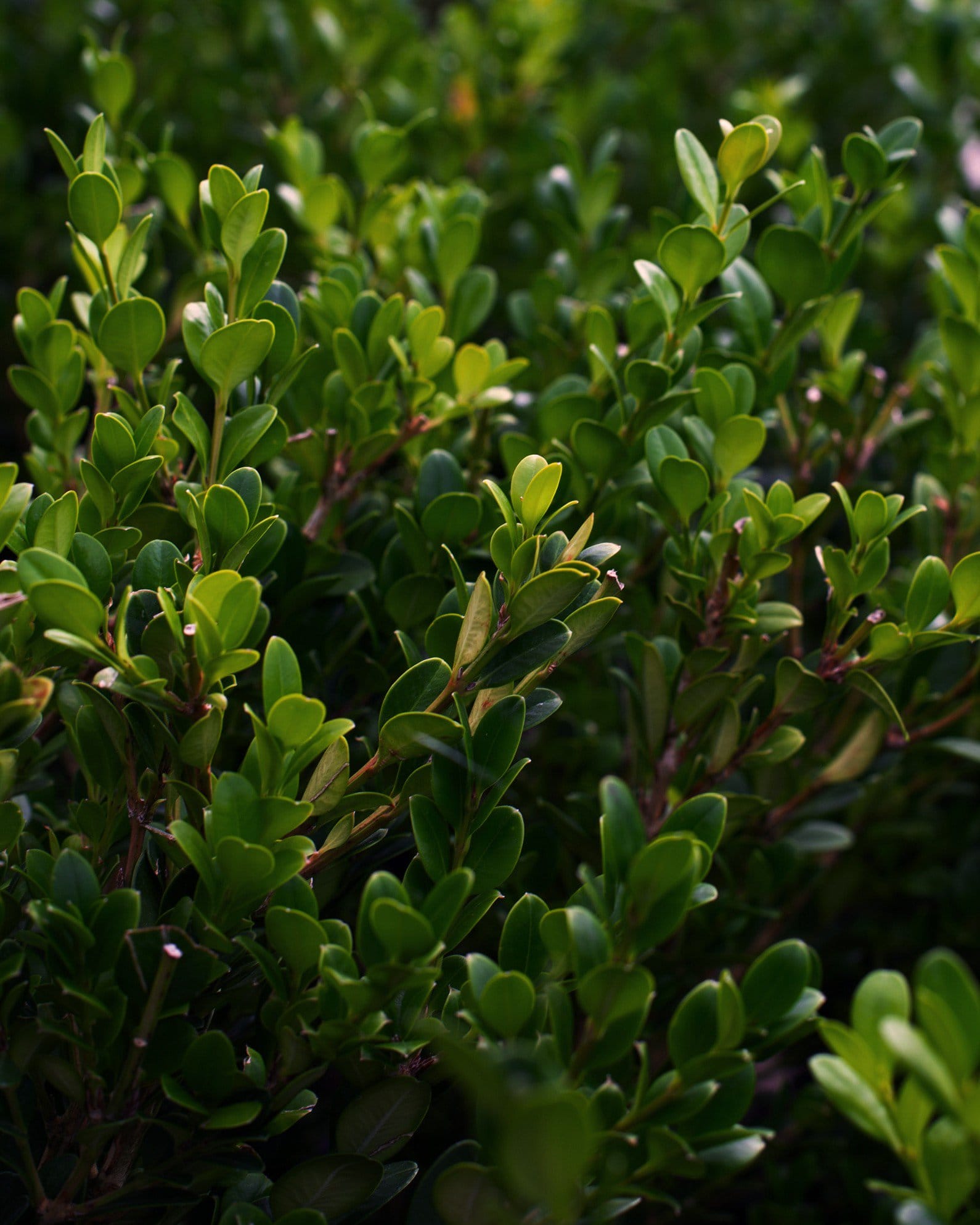
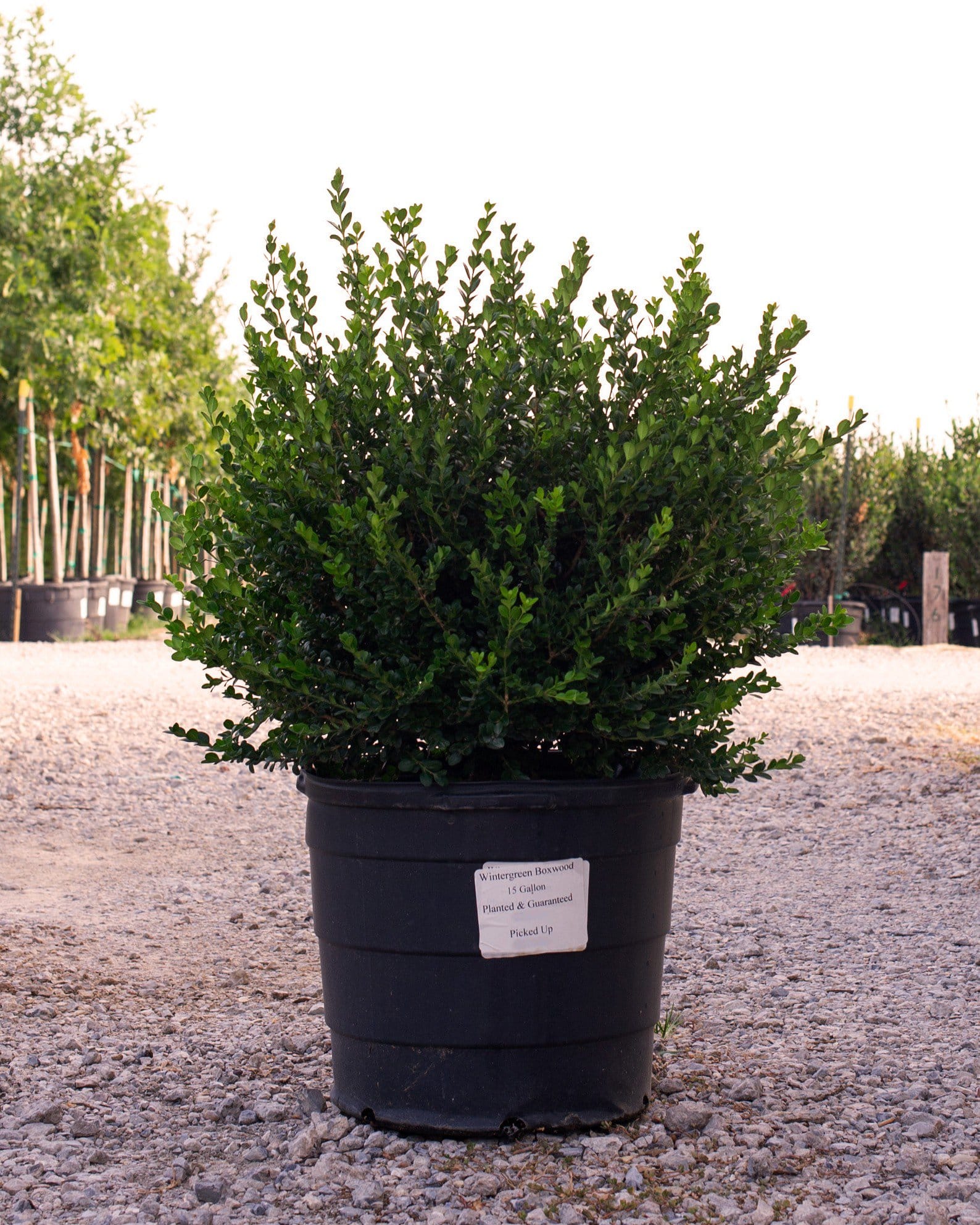
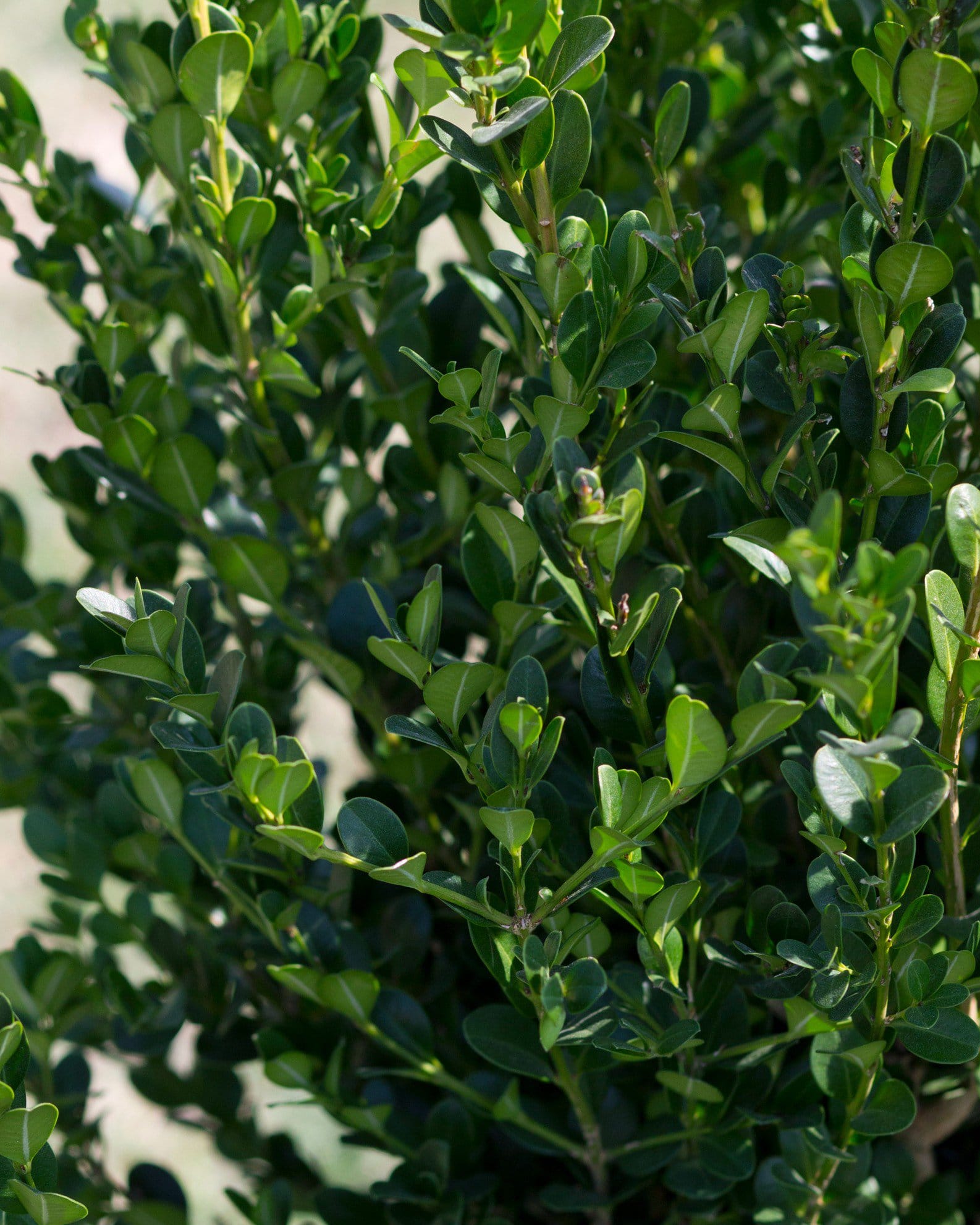
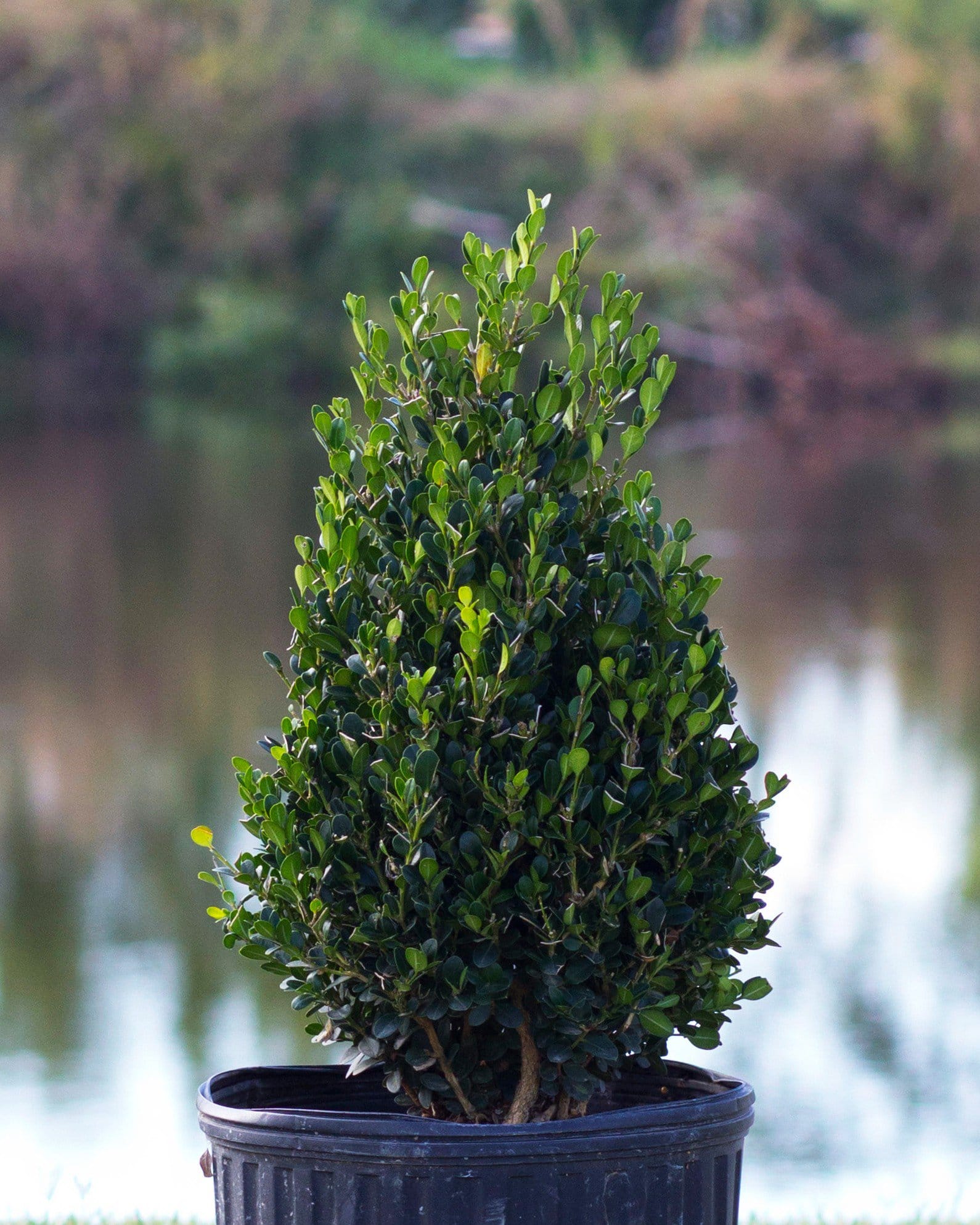
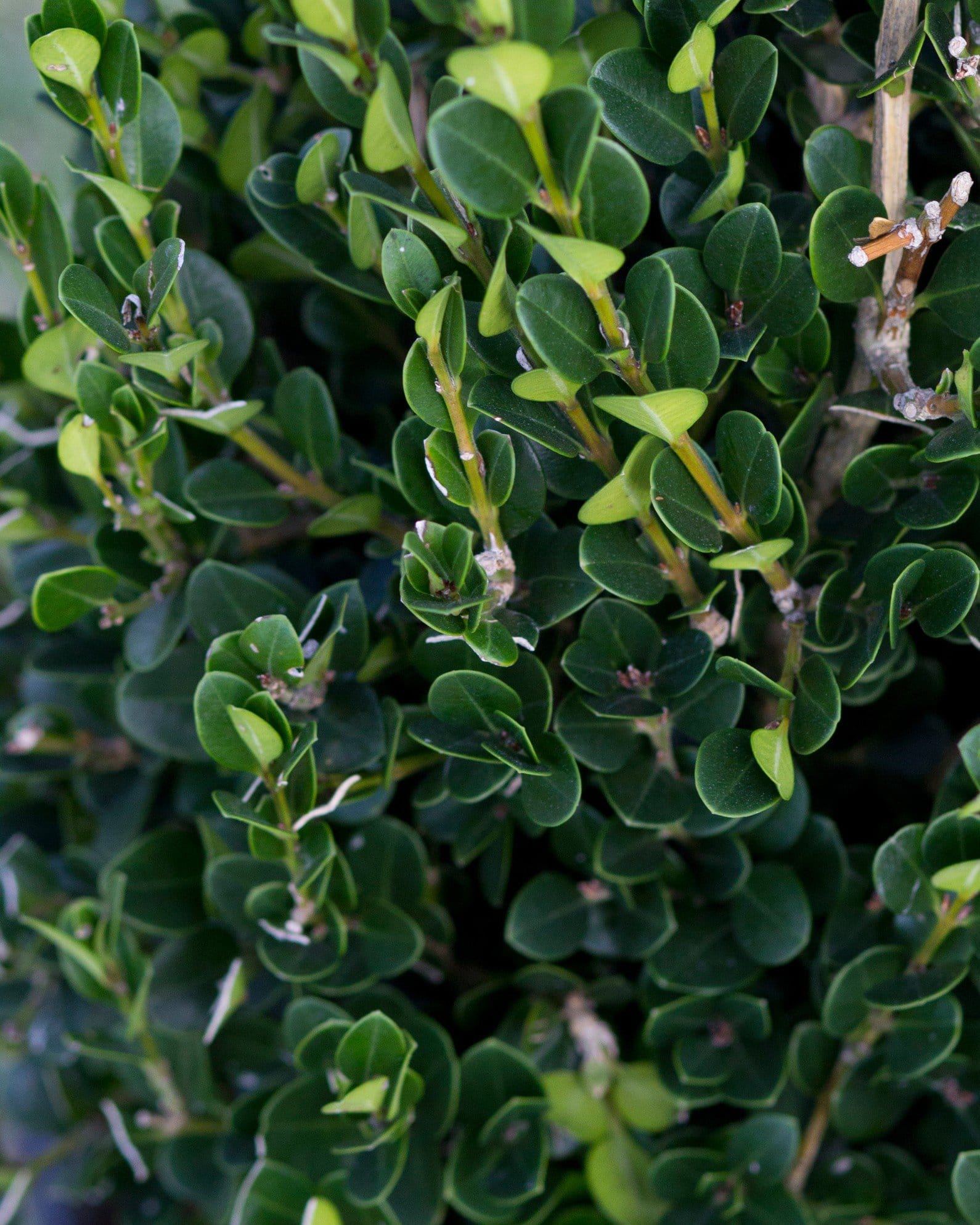
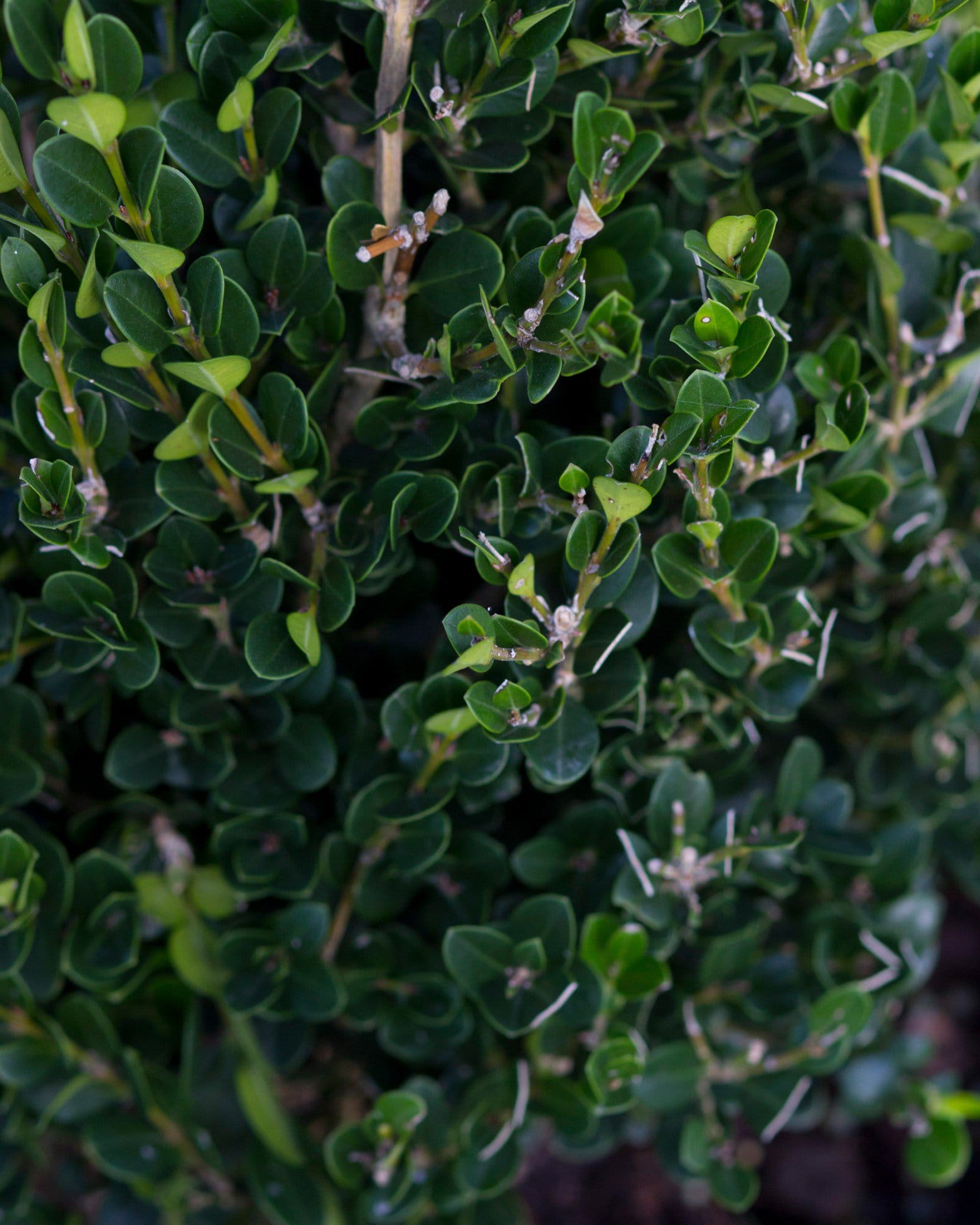
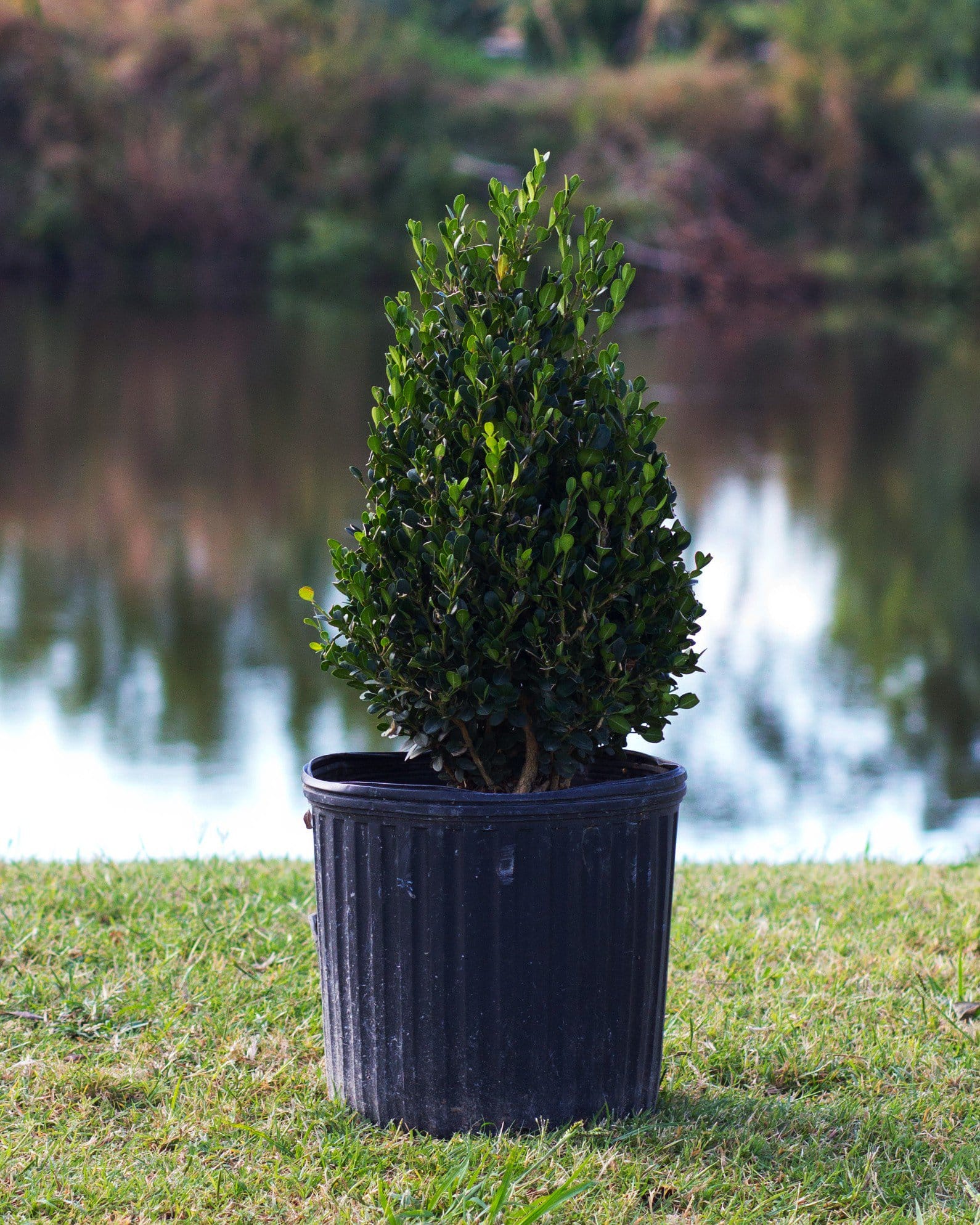
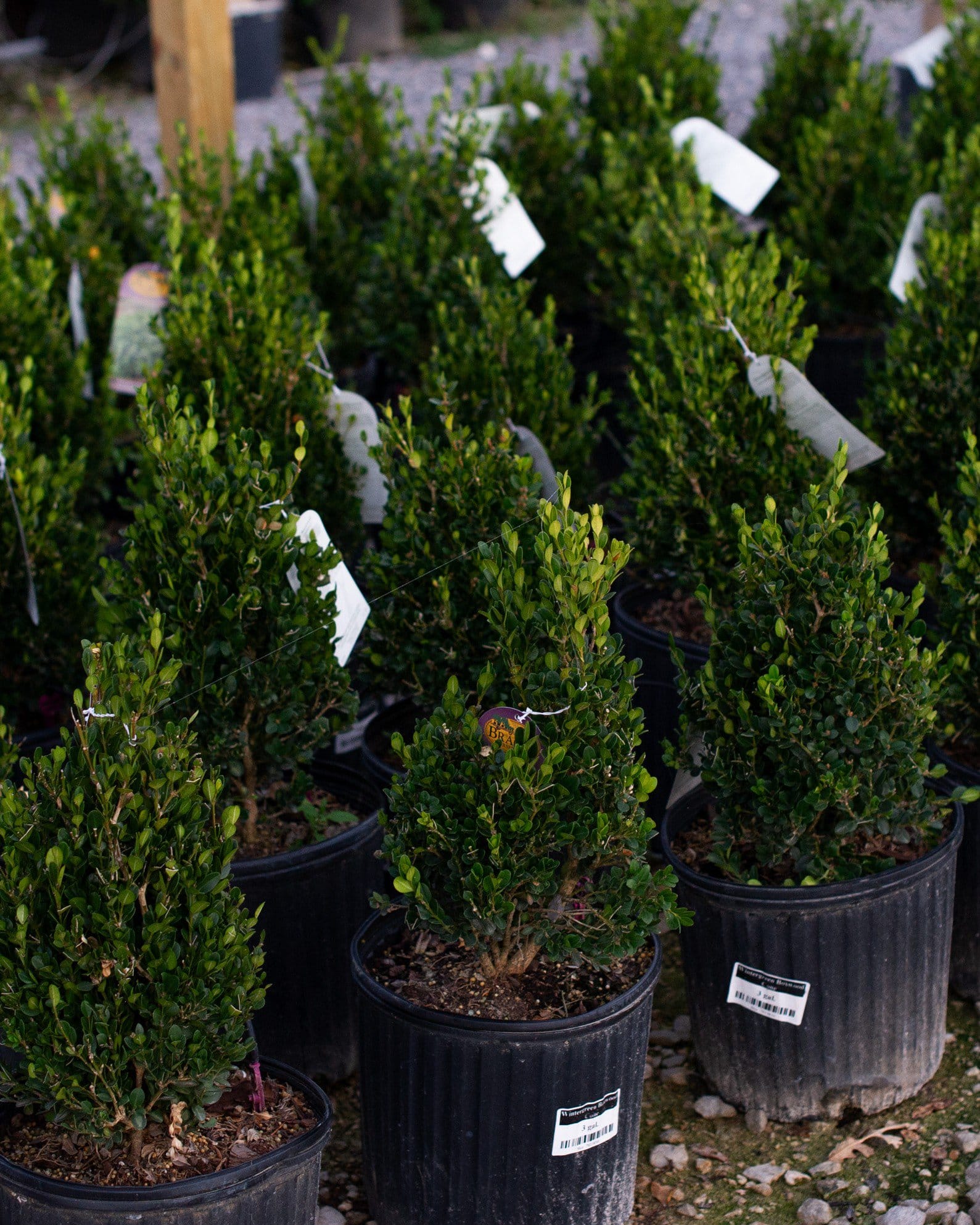
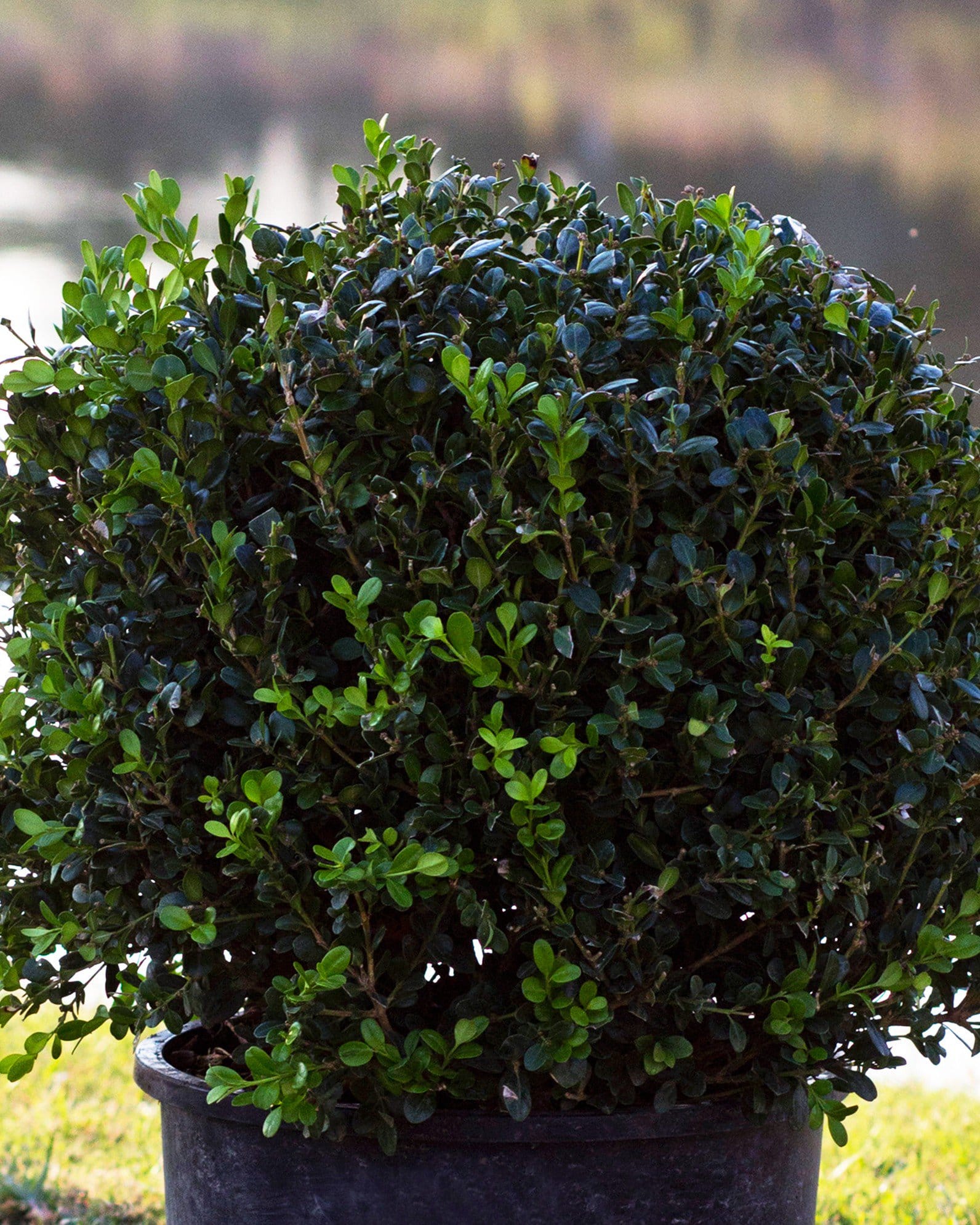
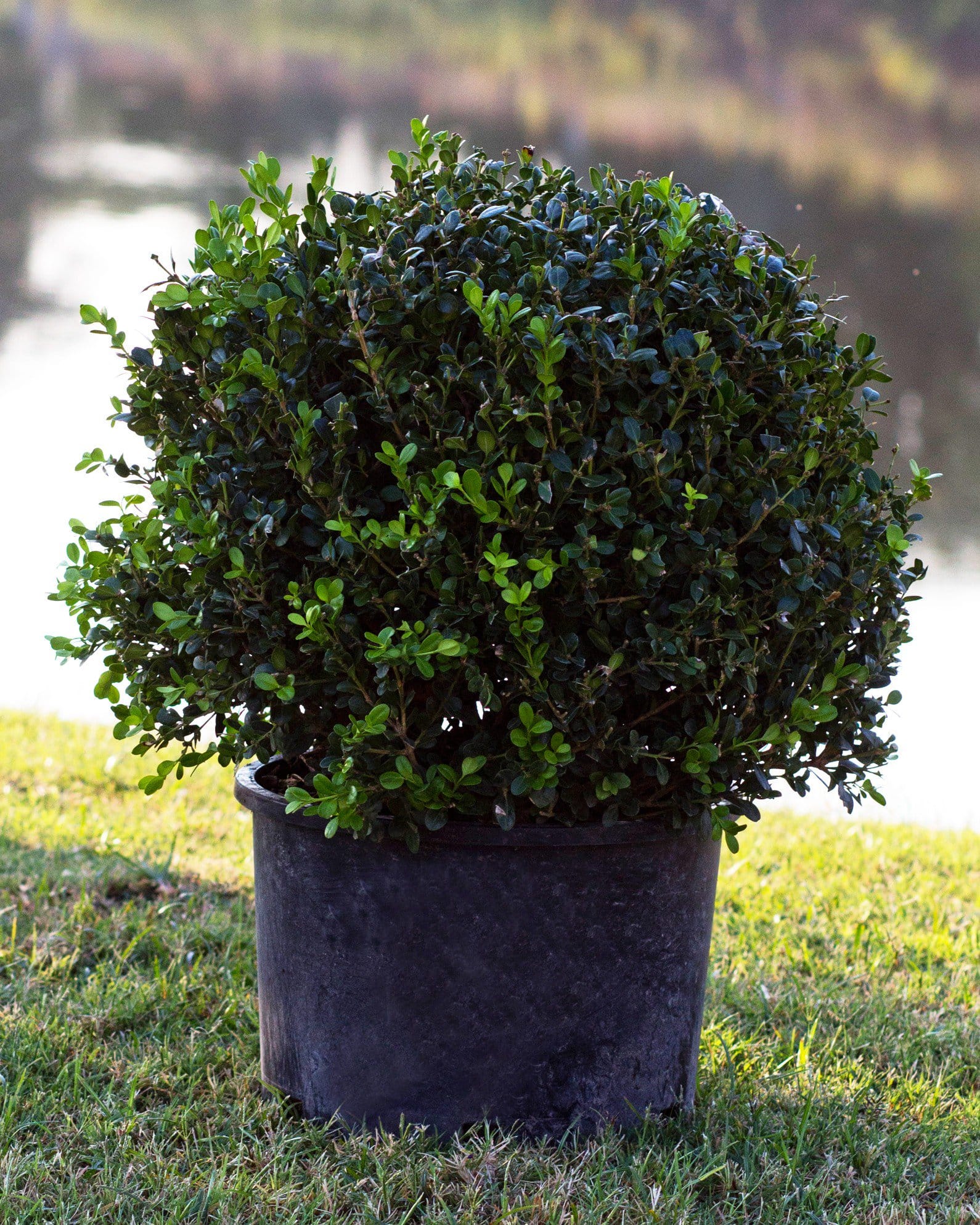
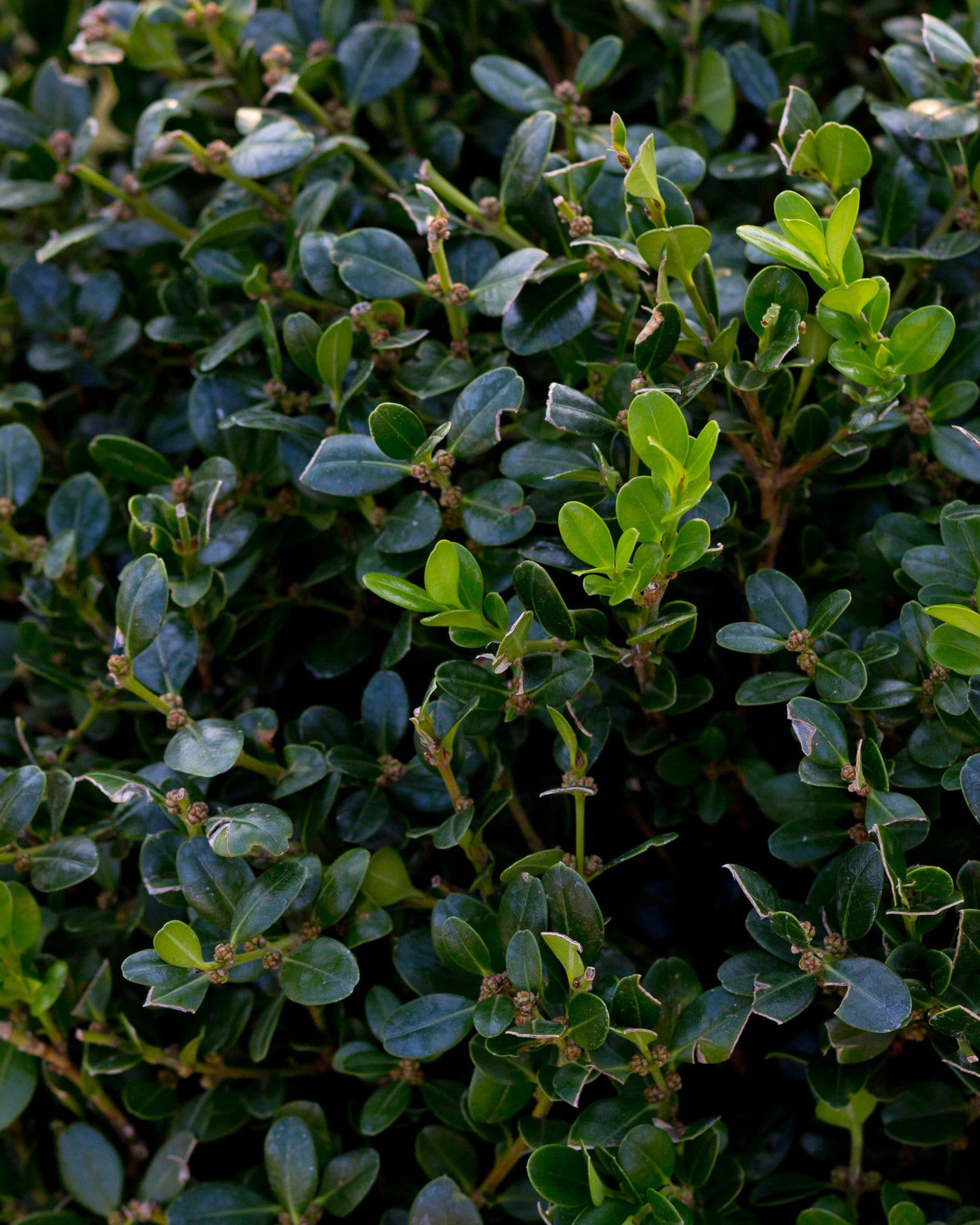
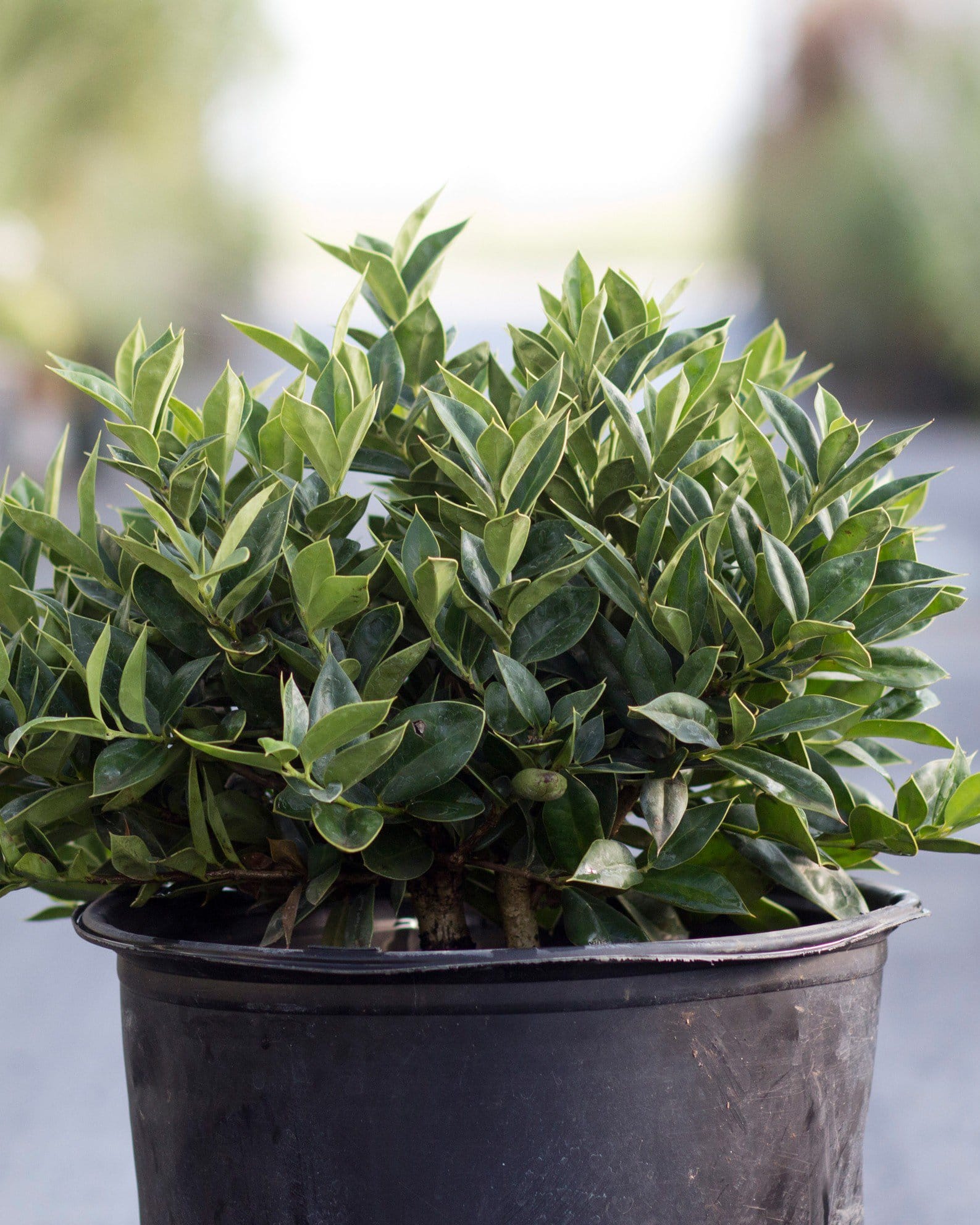
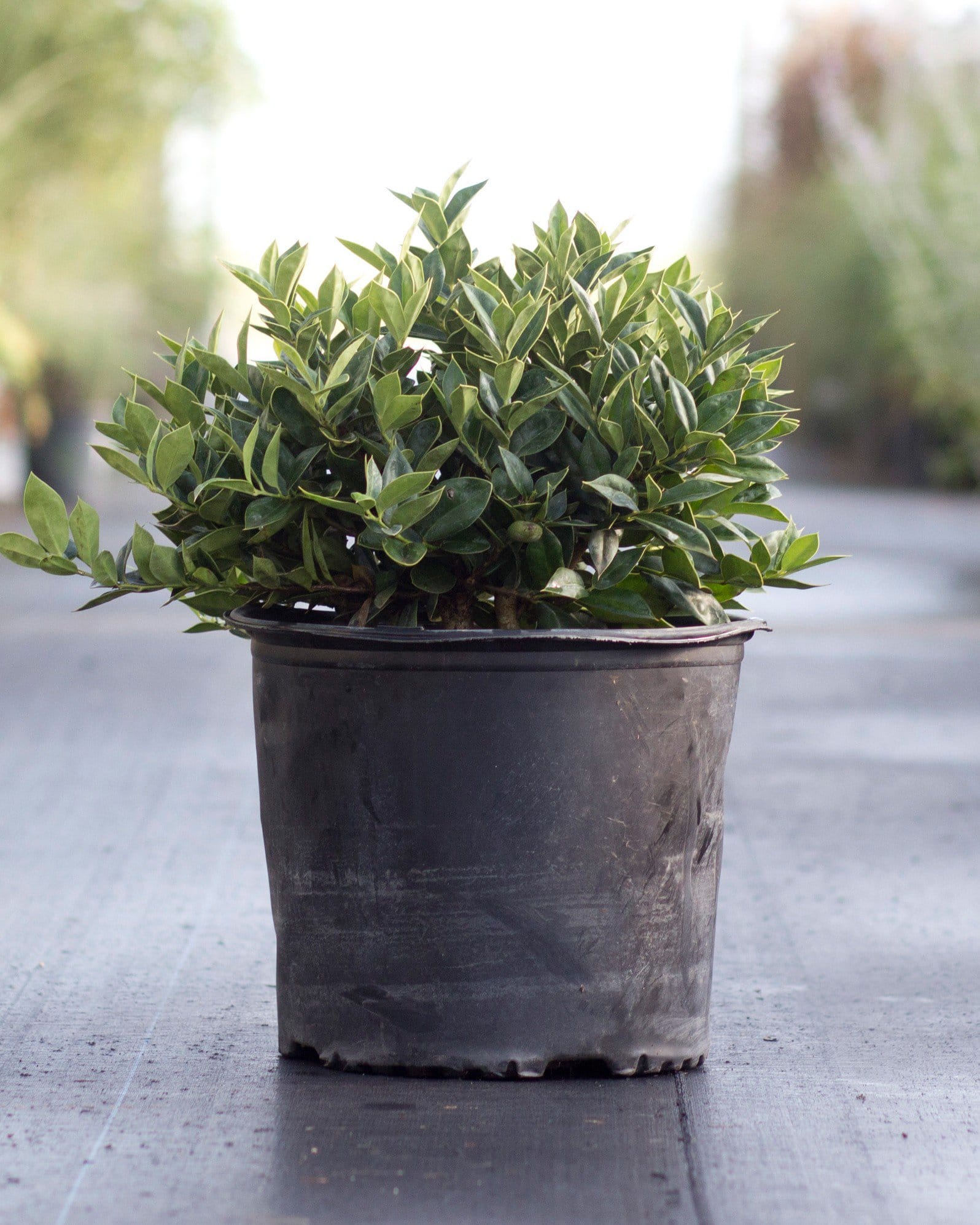
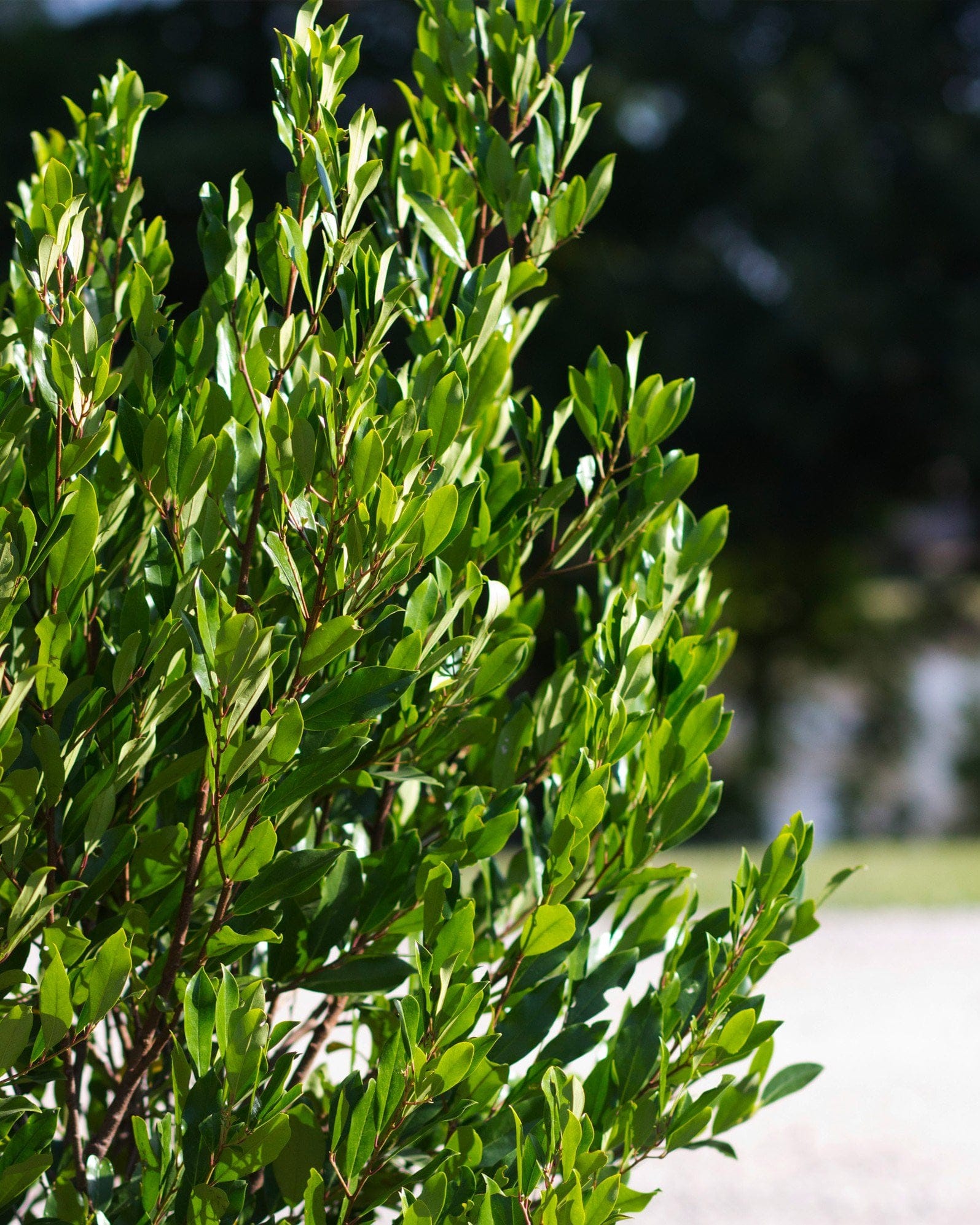
Buxus microphylla japonicaJapanese Boxwood is a versatile evergreen shrub valued for its tidy, dense branching and soft, light green foliage that keeps its color year-round. Its naturally rounded shape makes it a reliable choice for low hedges, foundation plantings, borders, or mass plantings. Growing up to 4 feet in height and about 3 feet in width at maturity, it’s compact enough for smaller spaces while still making a noticeable impact in the landscape.
- An evergreen shrub
- Compact, rounded growth habit
- Moderate growth rate
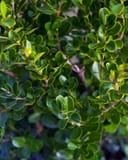
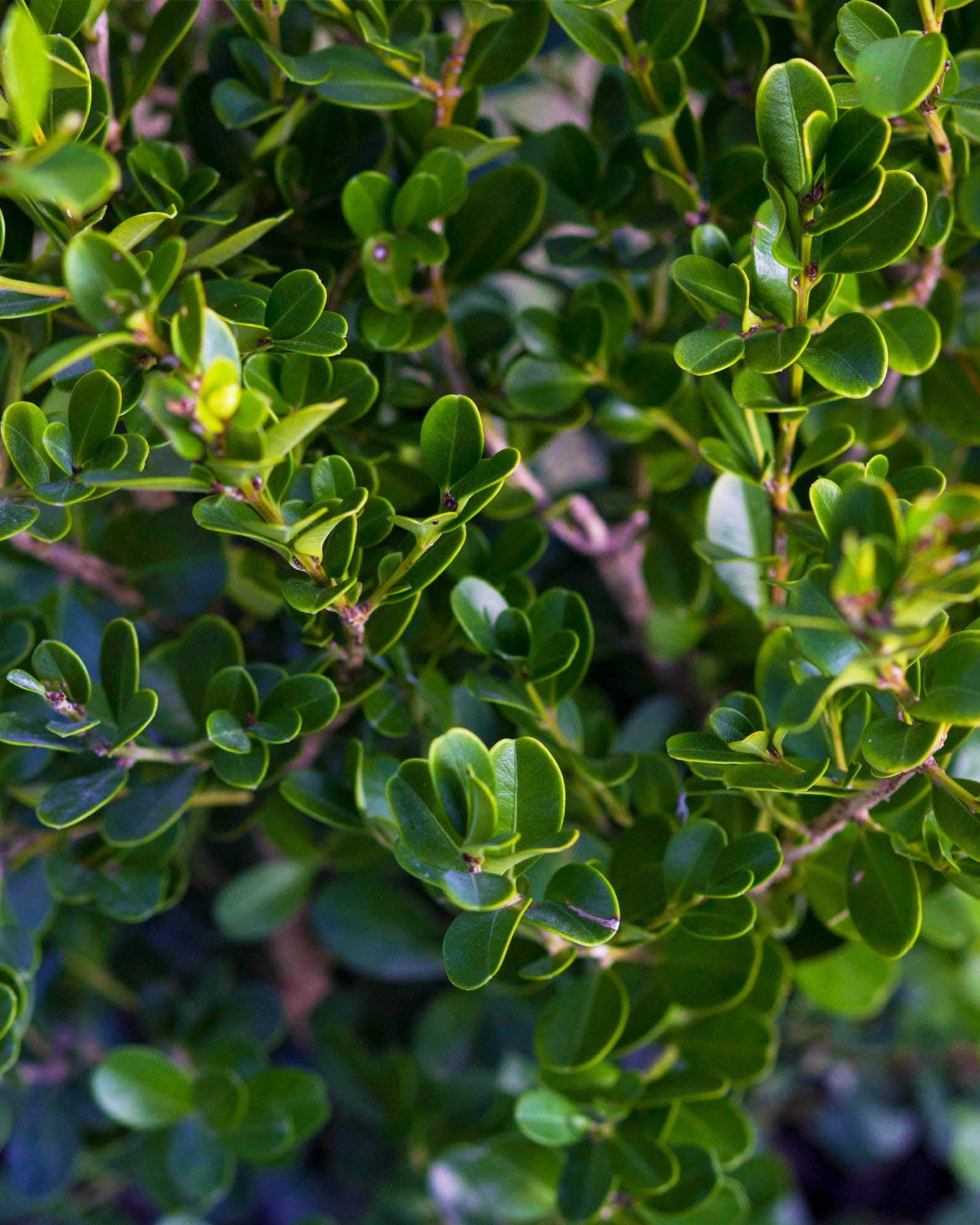
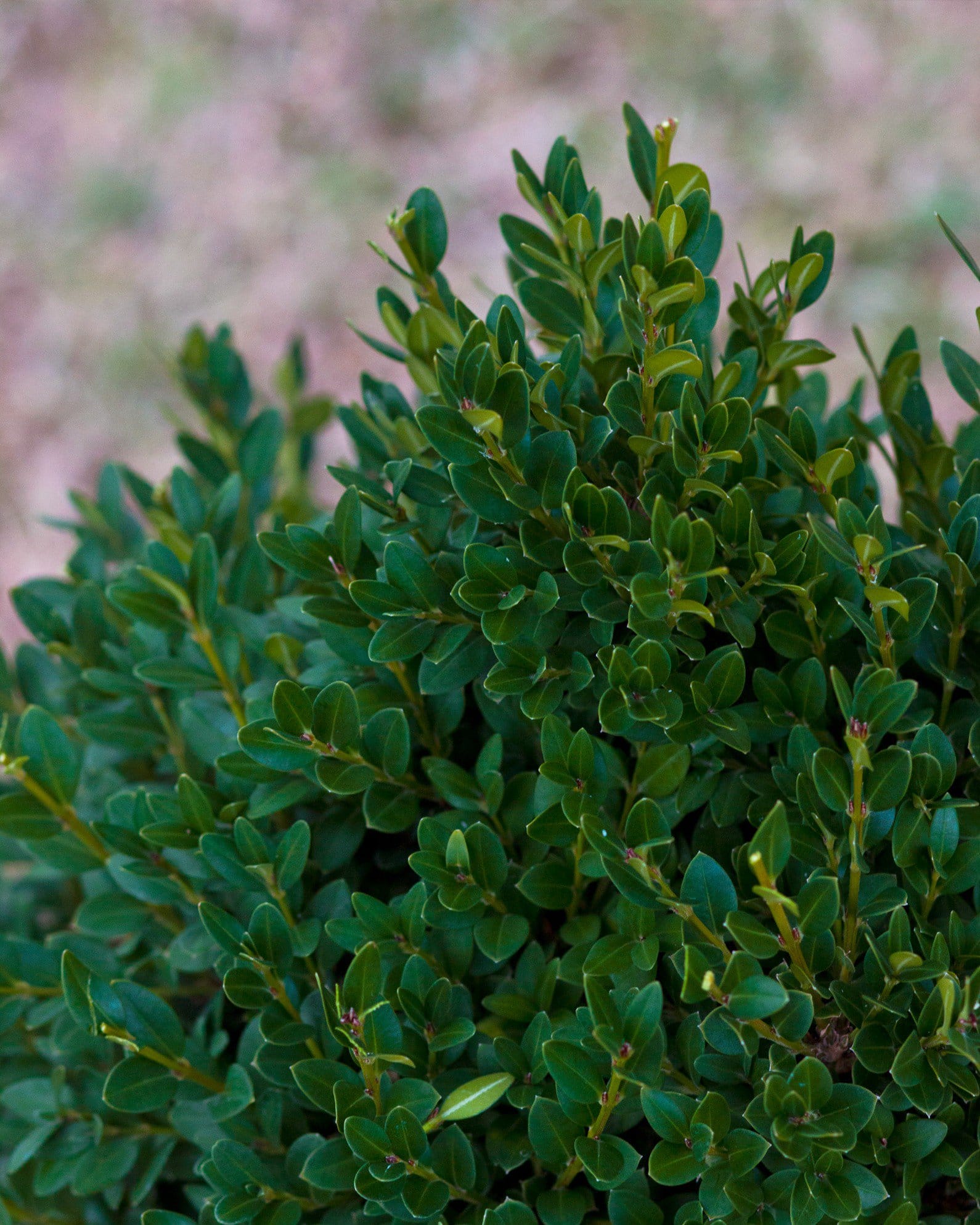
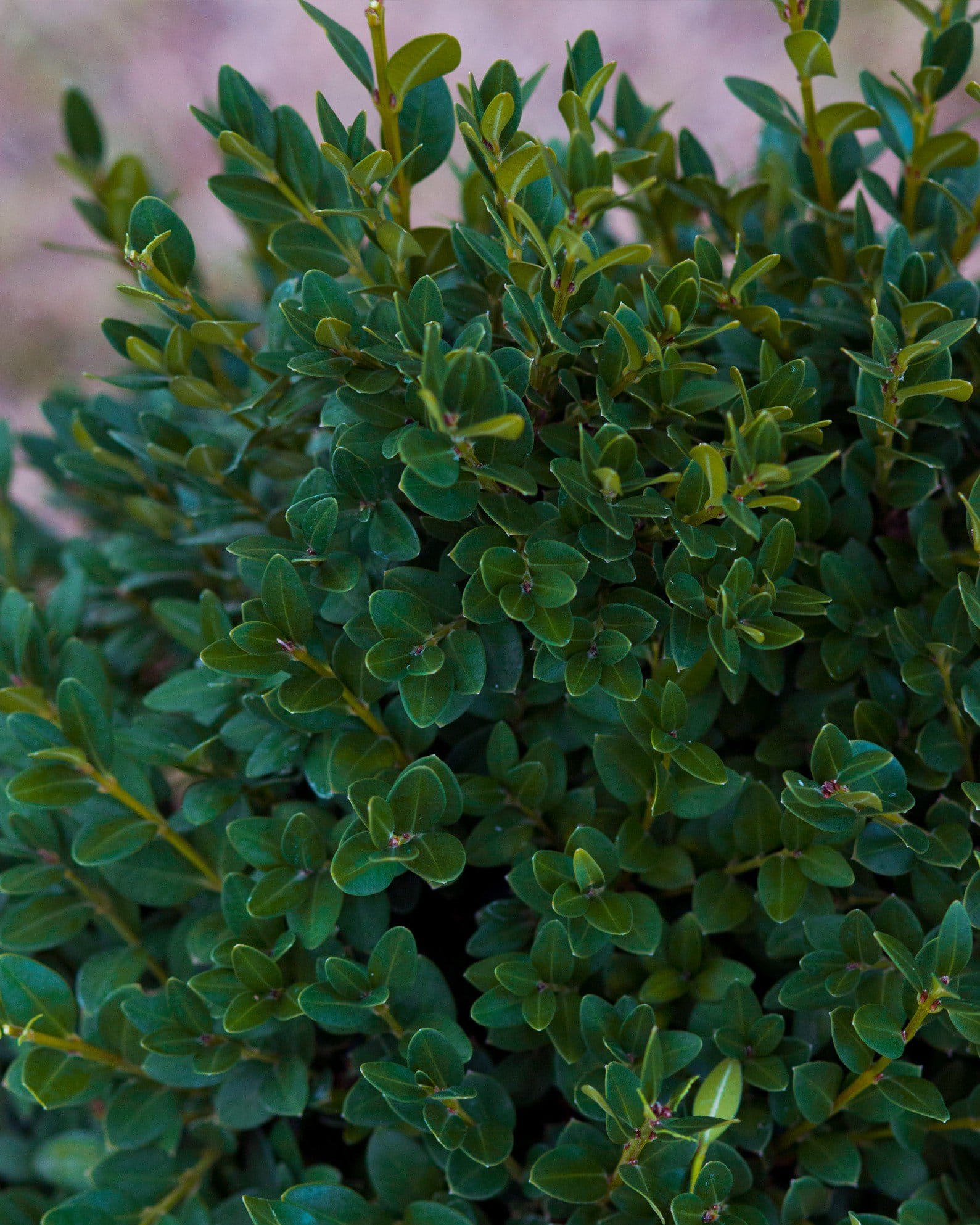
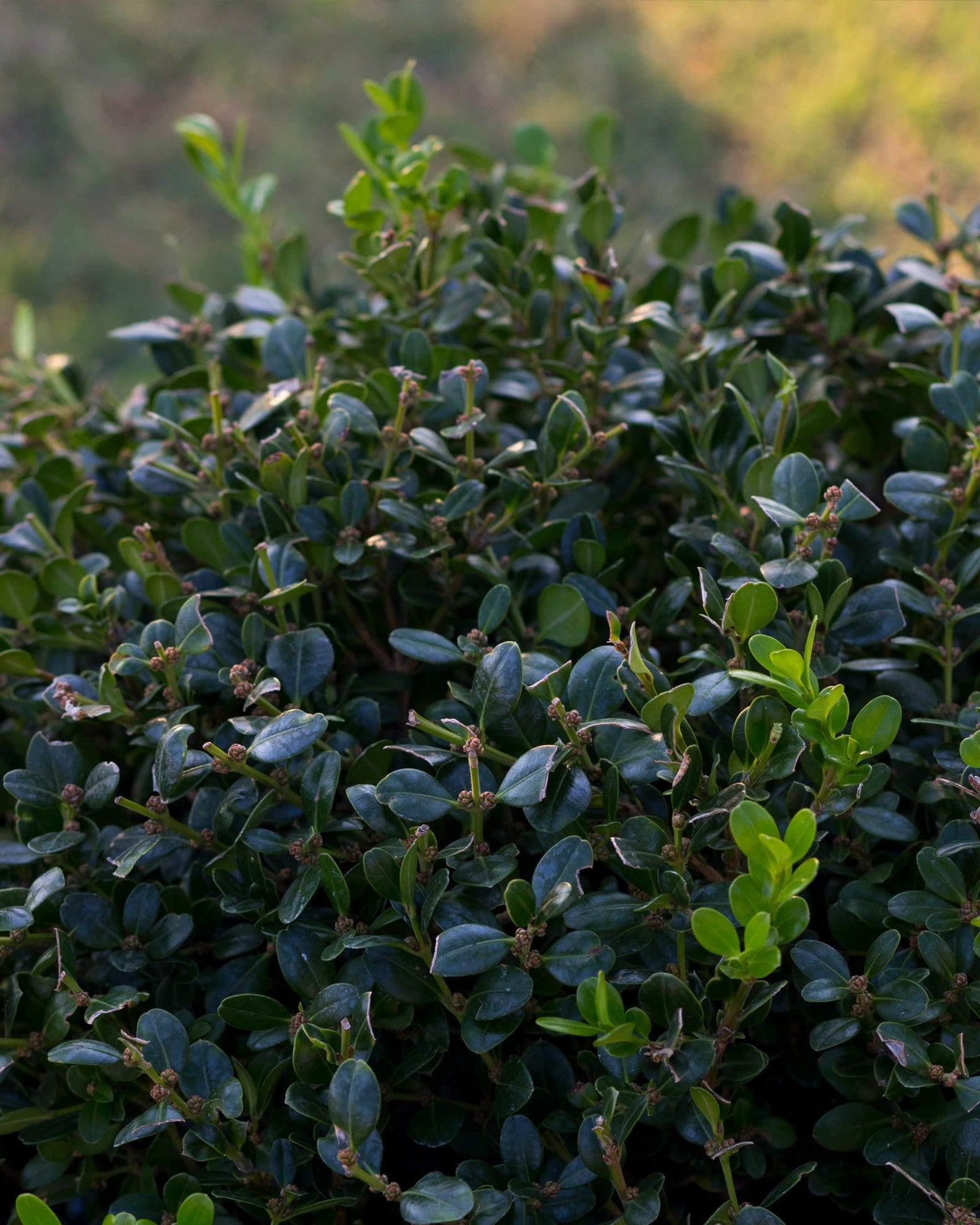
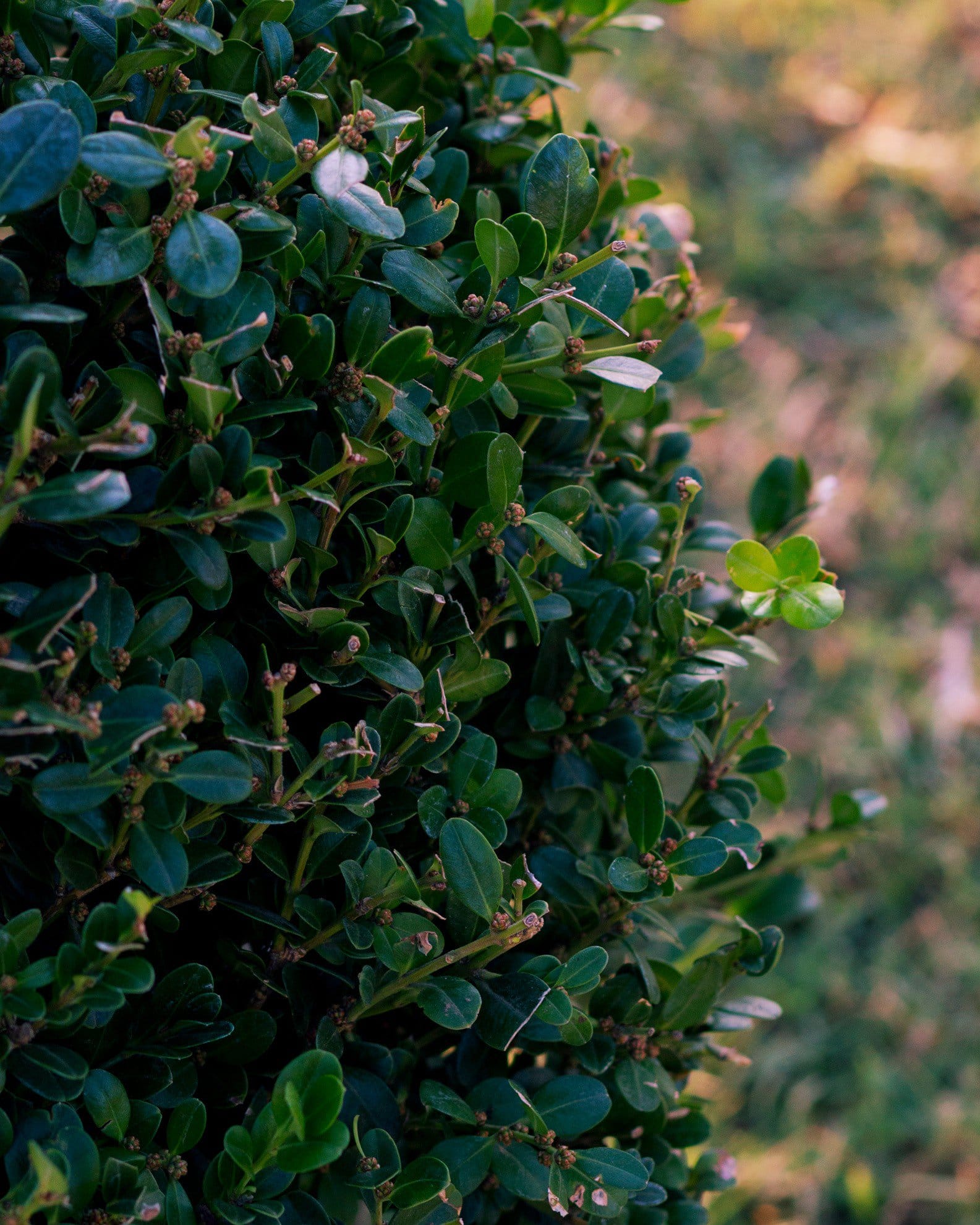
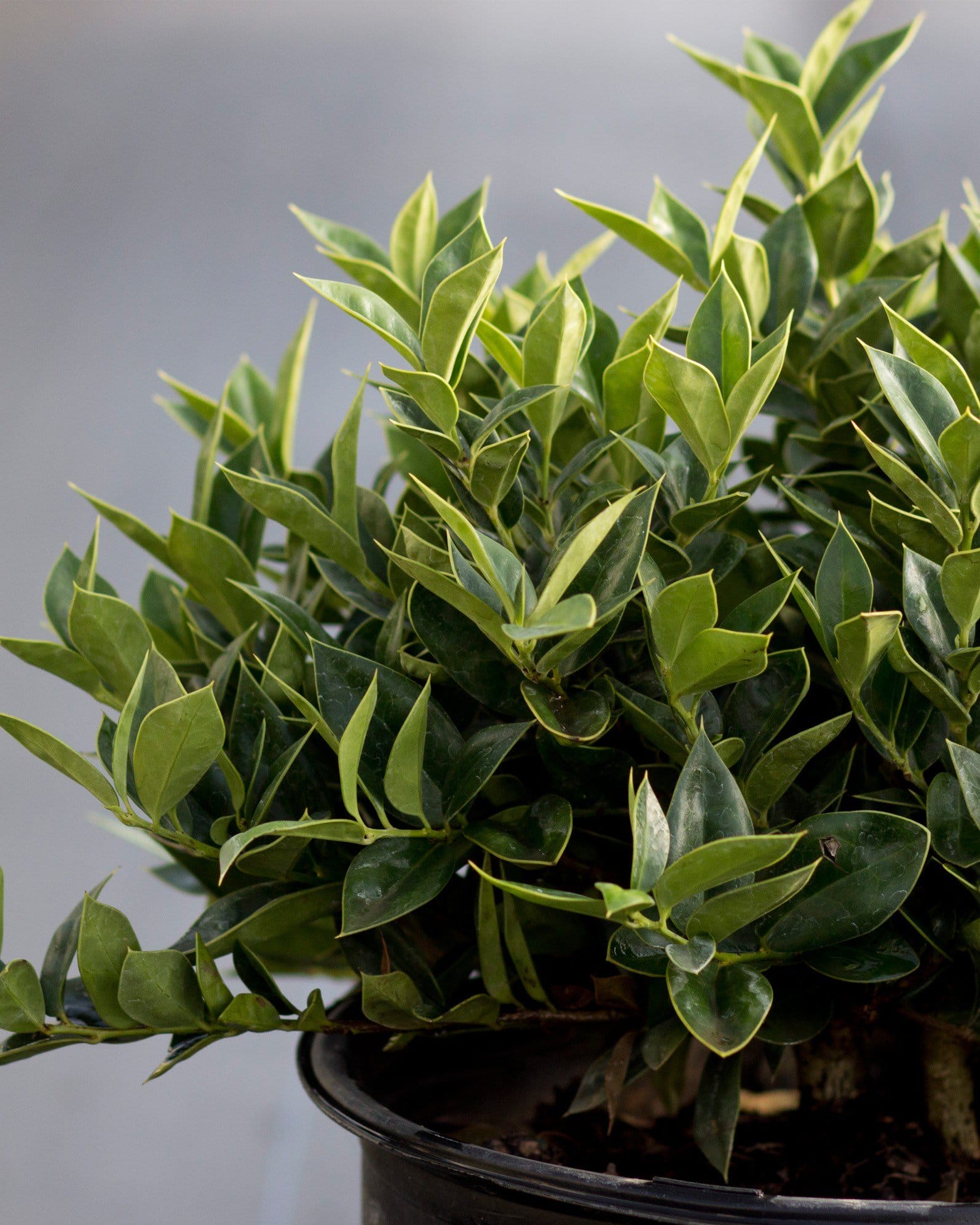
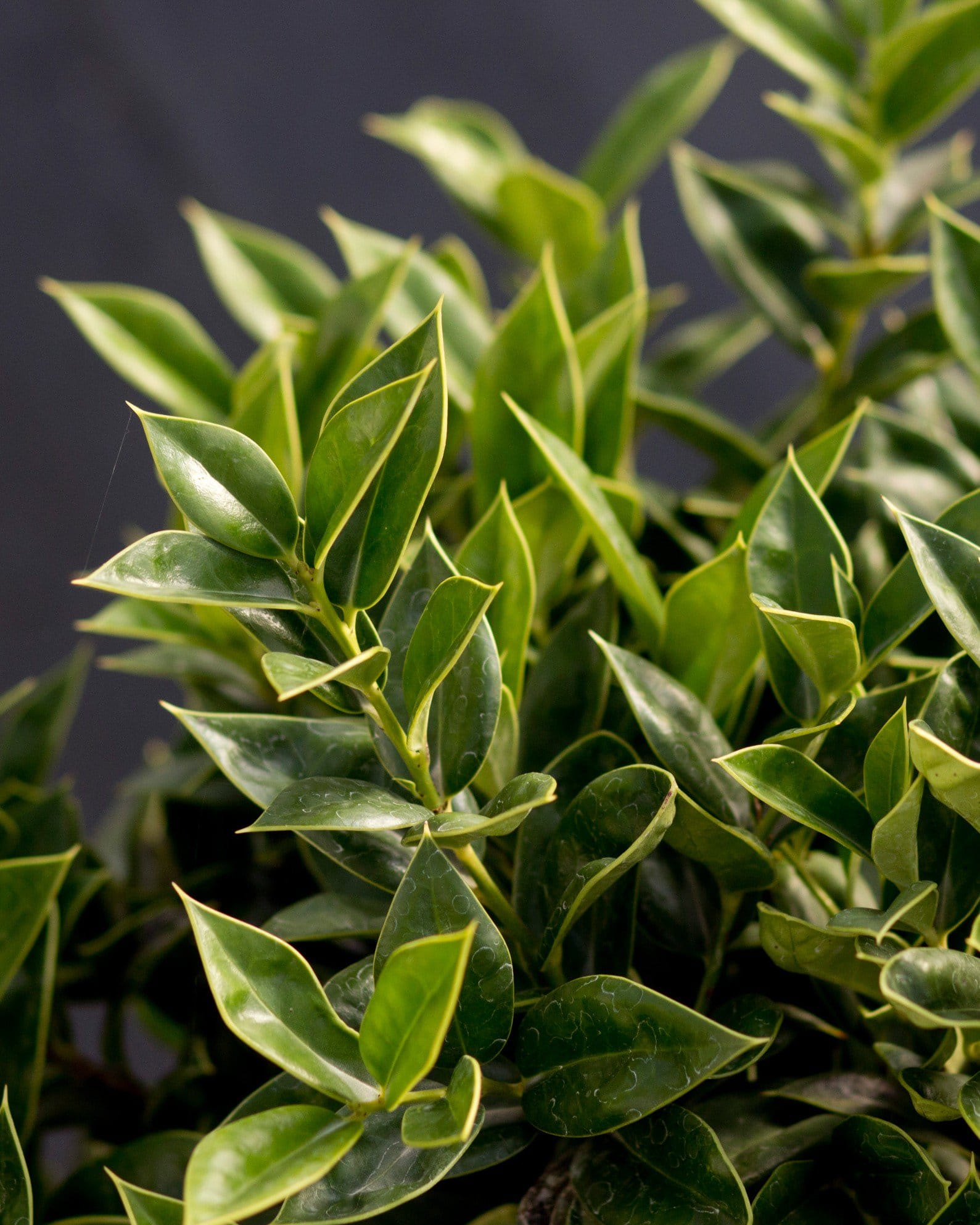
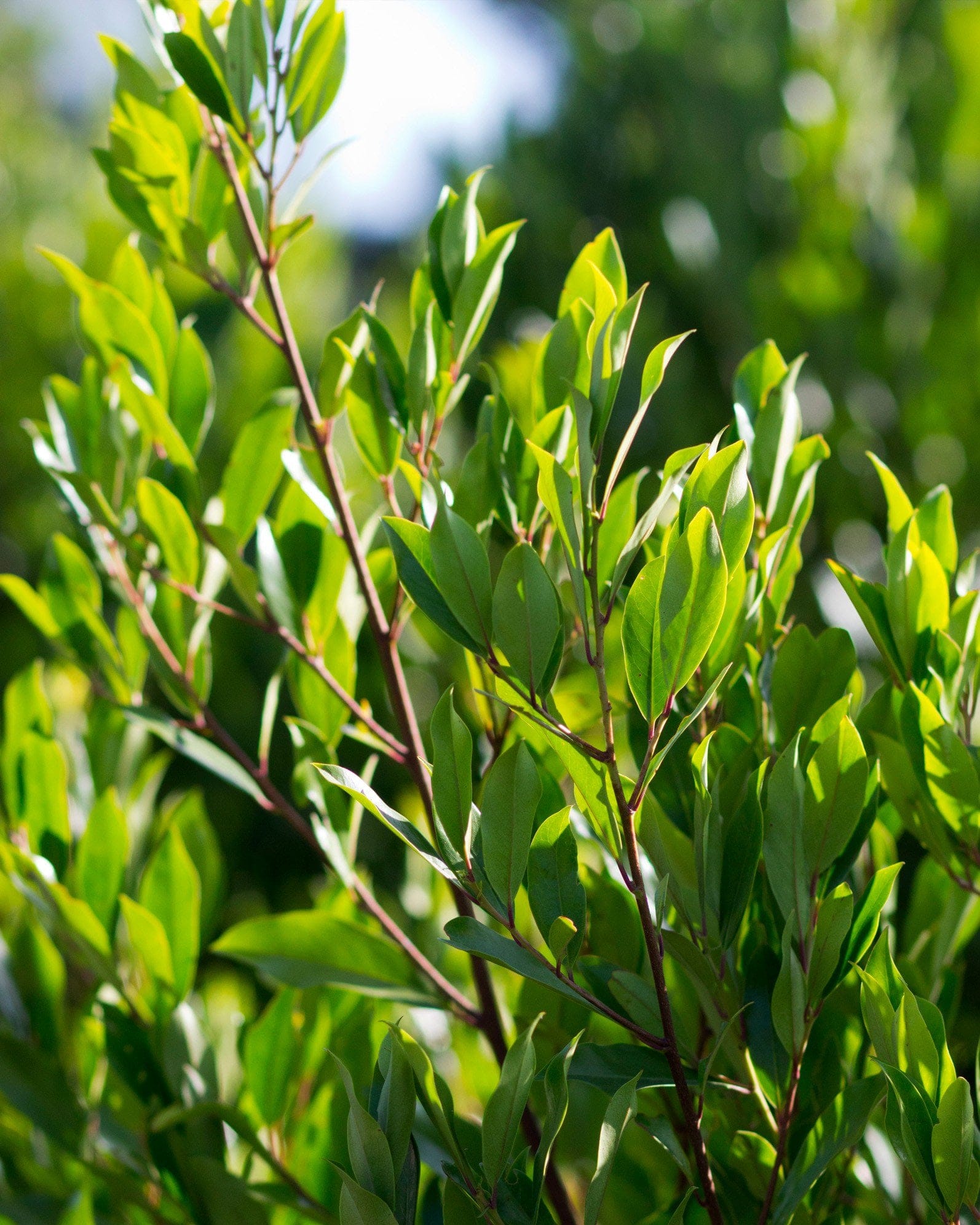
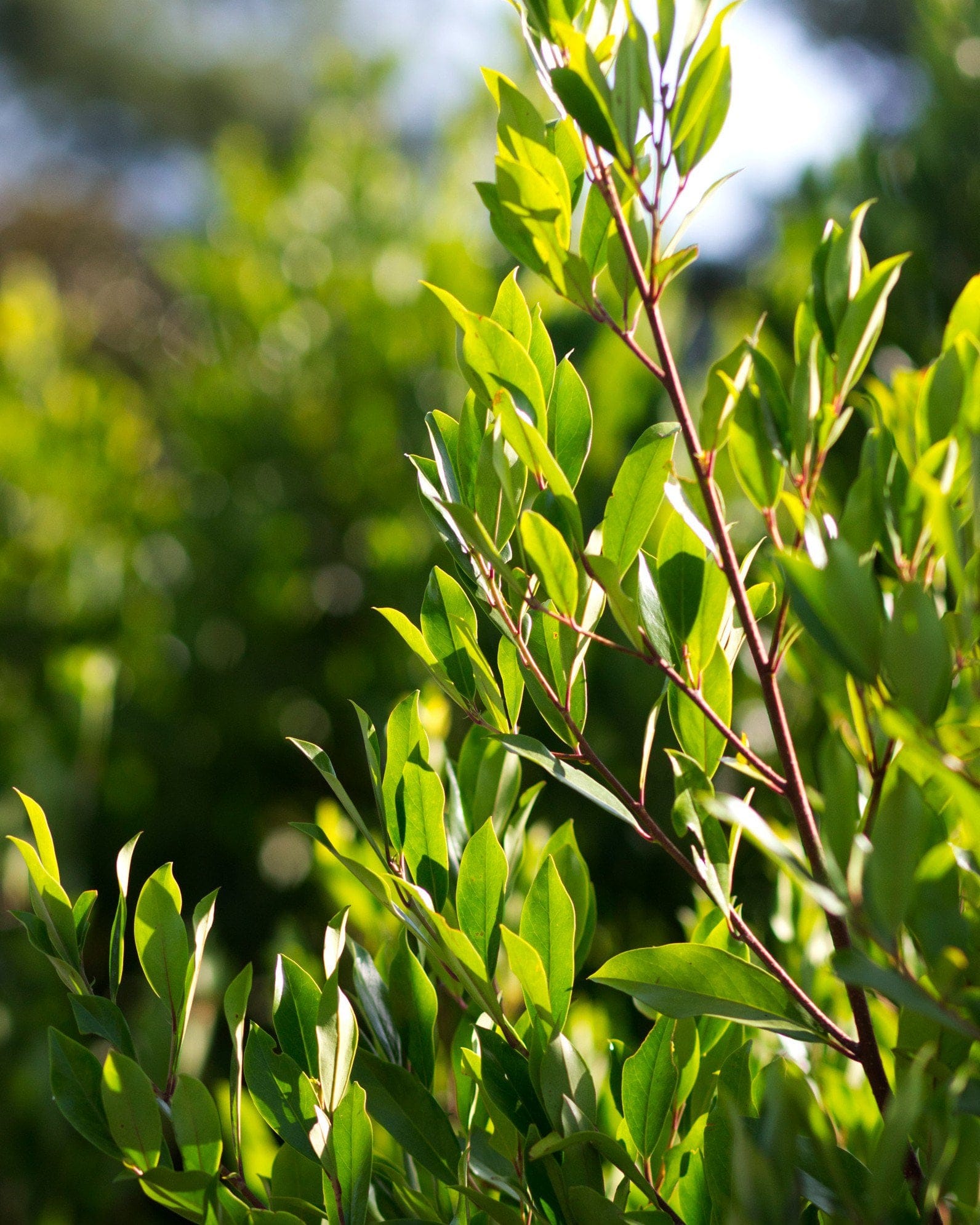
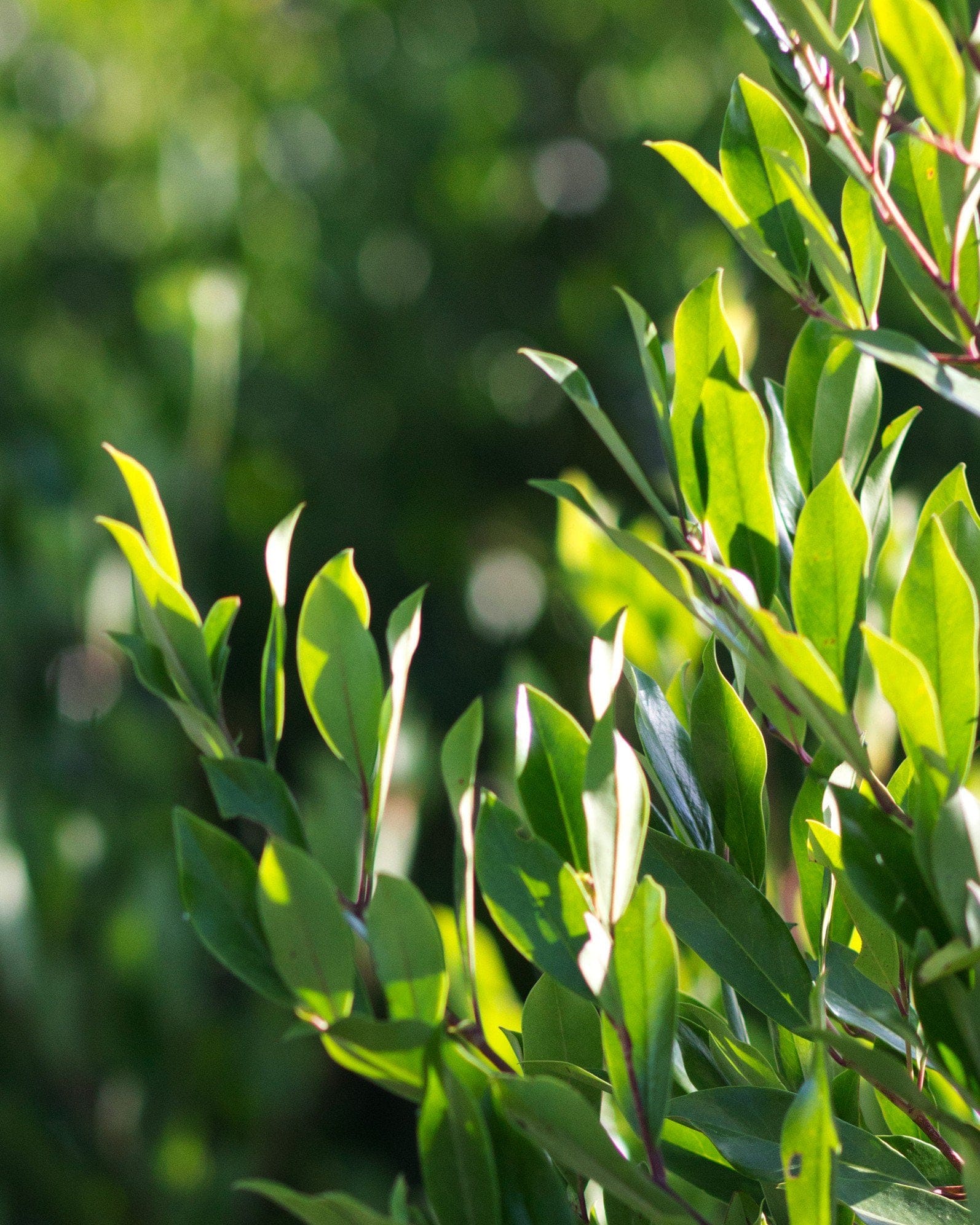
- Light green, oval foliage that stays colorful year-round
- Great for borders, hedges, and containers
Japanese Boxwood is hardy in zones 6–9 and will thrive in your North Texas landscape. It performs best in full sun to partial shade and prefers well-drained soil. With minimal care and occasional feeding in early spring, Japanese Boxwood brings lasting structure and soft green color to your outdoor spaces.
Japanese Boxwood is a low-maintenance favorite across Texas landscapes, thriving on little care. Here’s all it needs:
- Watering: Consistent watering is important during the first 1-2 growing seasons to establish a healthy root system. Once established, Japanese Boxwood is moderately drought-tolerant but benefits from deep watering during prolonged dry spells. Avoid saturated soils, which can lead to root stress or decline.
- Pruning: Pruning needs are minimal thanks to the plant’s naturally compact, rounded form. Light trimming in late winter or early spring keeps the shrub dense and shapely. Occasional light shaping during the growing season may be done for formal hedges or topiaries, but heavy pruning is unnecessary and can damage new growth.
- Fertilizing: Japanese Boxwood thrives in moderately fertile soils. A slow-release, balanced fertilizer applied in early spring supports steady growth and preserves vibrant foliage color. Avoid over-fertilization, which can encourage soft growth that is more susceptible to pests and winter injury.
- Mulching: A 2-3 inch layer of organic mulch around the root zone helps retain soil moisture, suppress weeds, and moderate temperature fluctuations. Keep mulch slightly away from the trunk to prevent rot and refresh annually to maintain soil health.
- Winter Care: Japanese Boxwood is cold-hardy and generally requires no special winter protection. In exposed locations, young plants may benefit from burlap wrapping or light wind protection. Minor winter bronzing of foliage is common and usually resolves naturally in spring.
Japanese Boxwood is generally resilient but may encounter a few manageable problems:
- Boxwood Leafminer: Larvae feed inside leaves, causing blistering or yellowing. Remove affected foliage or apply an appropriate insecticide in early spring to control infestations.
- Boxwood Mites: Fine stippling, bronzing, or dulling of foliage may indicate mite activity. Spray leaves with water or treat with horticultural oil if infestations persist.
- Scale Insects: Small bumps on stems or sticky residue signal scale presence. Apply horticultural oil or insecticidal soap to reduce populations.
- Winter Burn/Browning: Foliage may bronze or brown during harsh winters, especially on exposed branches. Mulching and protecting young plants from wind help minimize winter injury.
- Root Stress: Wilting, yellowing, or slowed growth can result from compacted soil or poor drainage. Improve soil structure and ensure consistent, proper watering to maintain healthy roots.
It grows slowly to moderately, gradually forming a dense, rounded shrub that requires minimal shaping over time.
Yes. Its compact, dense growth and naturally tidy form make it ideal for formal hedges, foundation borders, or structured garden beds.
Yes. Its dense foliage responds well to careful trimming, making it suitable for geometric shapes, small topiaries, or rounded accent forms.
Yes. It tolerates moderate pollution and confined root zones, making it suitable for city landscapes, patios, or courtyard gardens.
Generally, deer avoid it, although young plants in high-deer areas may require occasional protection until established.
Propagation is possible via semi-hardwood cuttings in summer, though nursery propagation ensures consistent quality and form.
Yes. Its rich green foliage remains attractive year-round, providing consistent structure and color even in winter.
It tolerates short periods of wet soil, but prolonged waterlogging can stress roots. Well-draining soil is essential for long-term health.
Yes. Its uniform growth habit and compact form make it ideal for repeating patterns, low hedges, foundation plantings, or layered garden designs.
Its slow, dense growth, fine-textured foliage, adaptability to various climates, and naturally tidy habit make it a reliable, low-maintenance evergreen for structured and elegant landscapes.
Special Features
You might also like
Baby Gem Boxwood
Maturity: 2' H x 3' W
Green Mountain Boxwood
Maturity: 5' H x 3' W
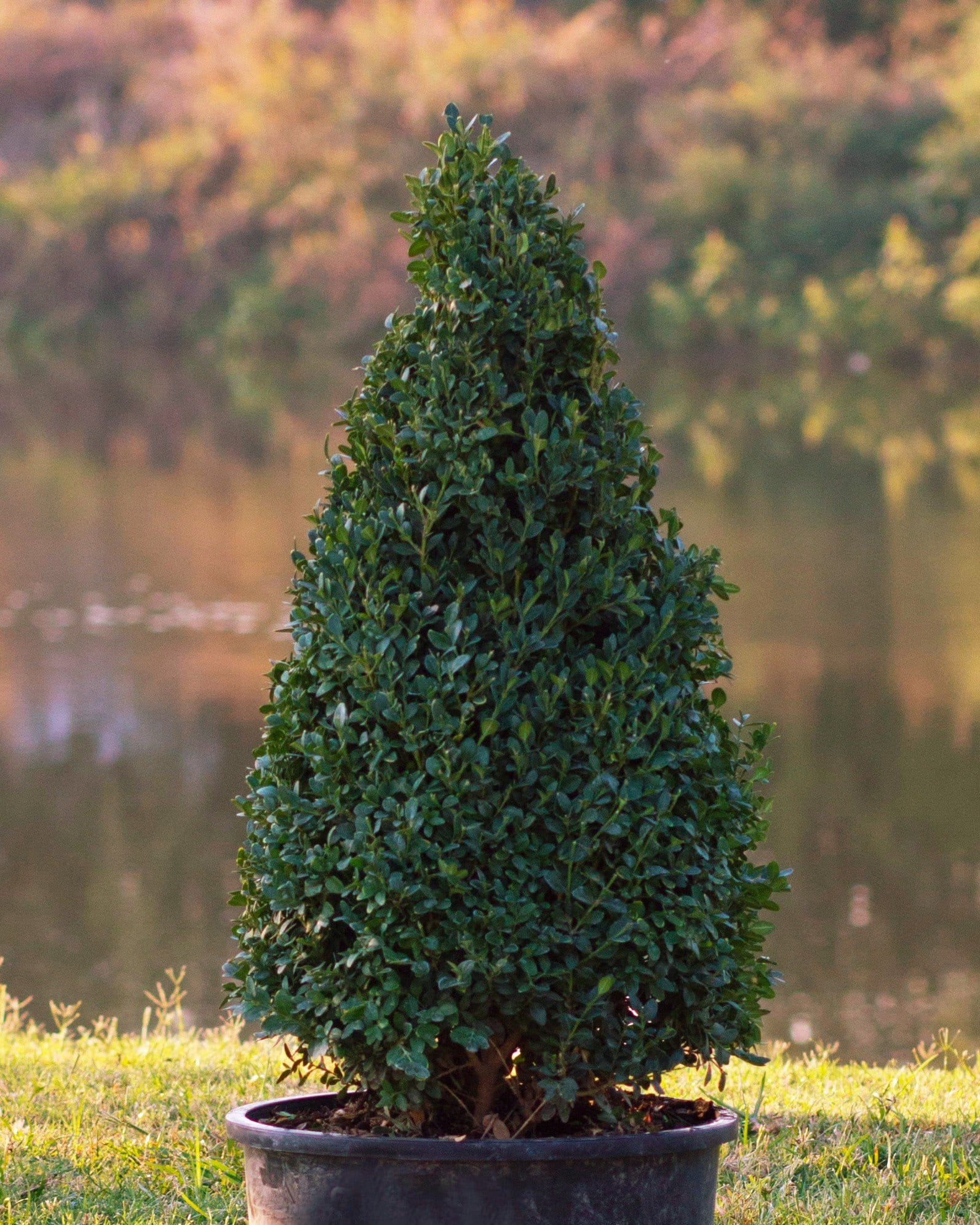
Green Mountain Boxwood Cone
Maturity: 5' H x 3' W
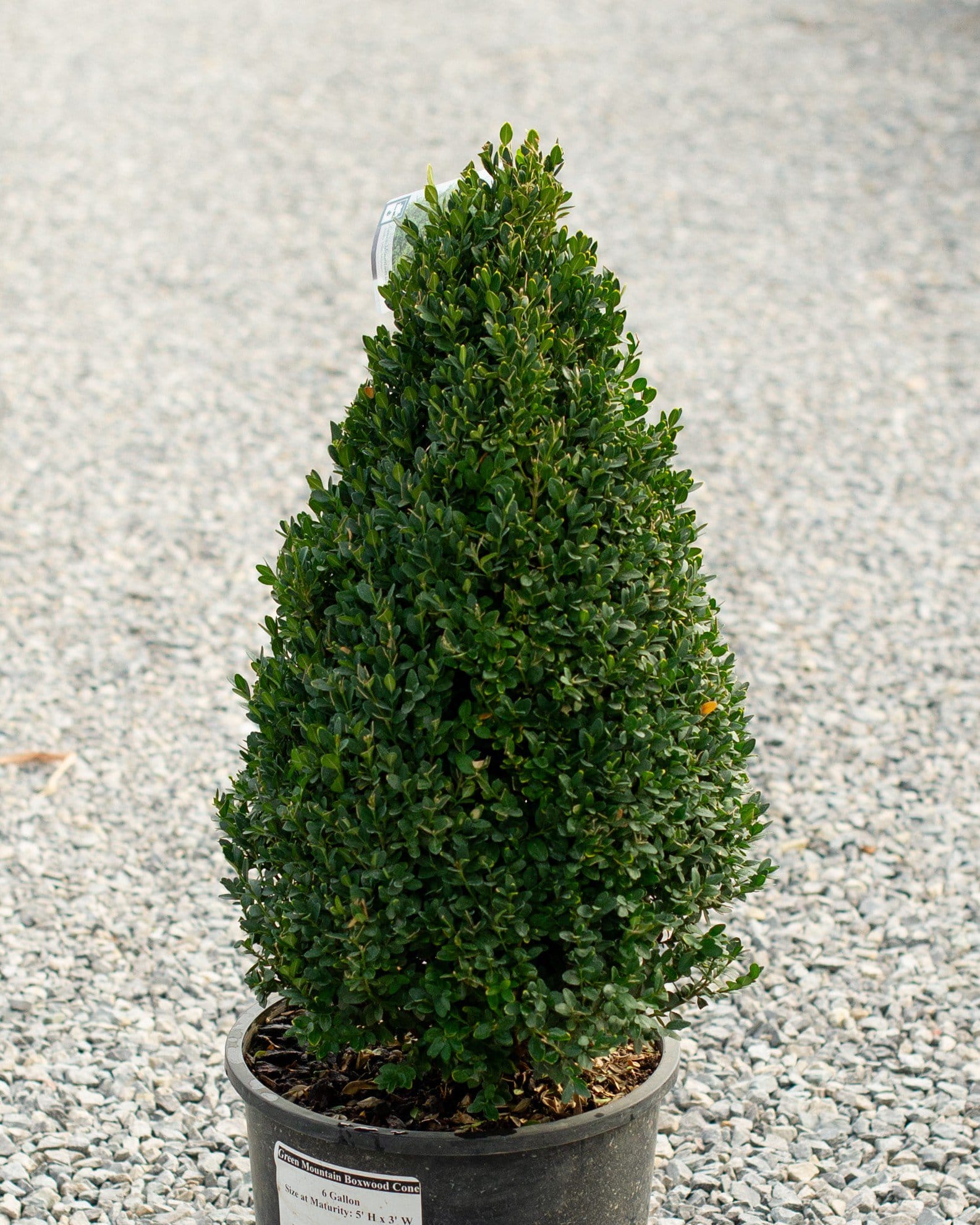
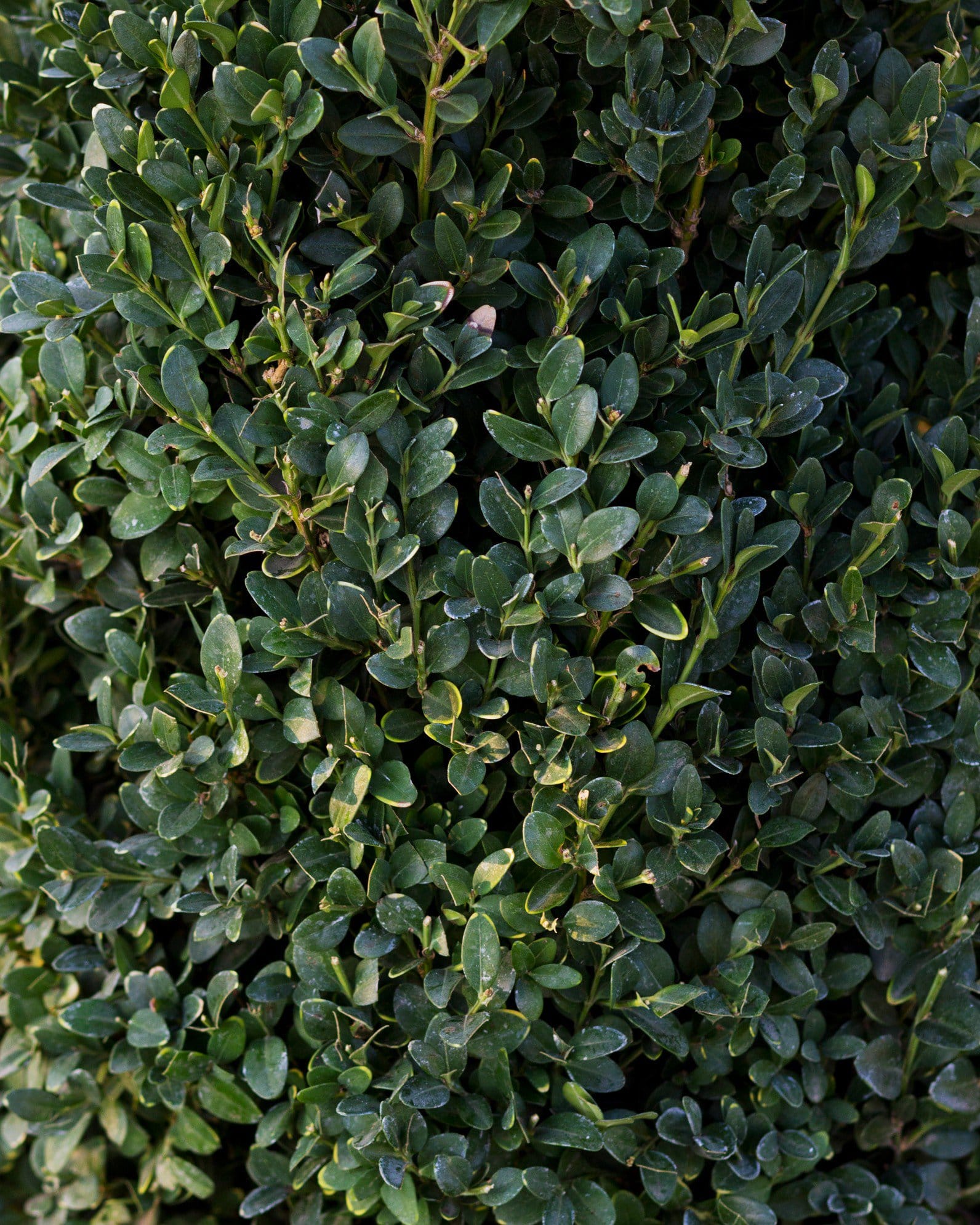
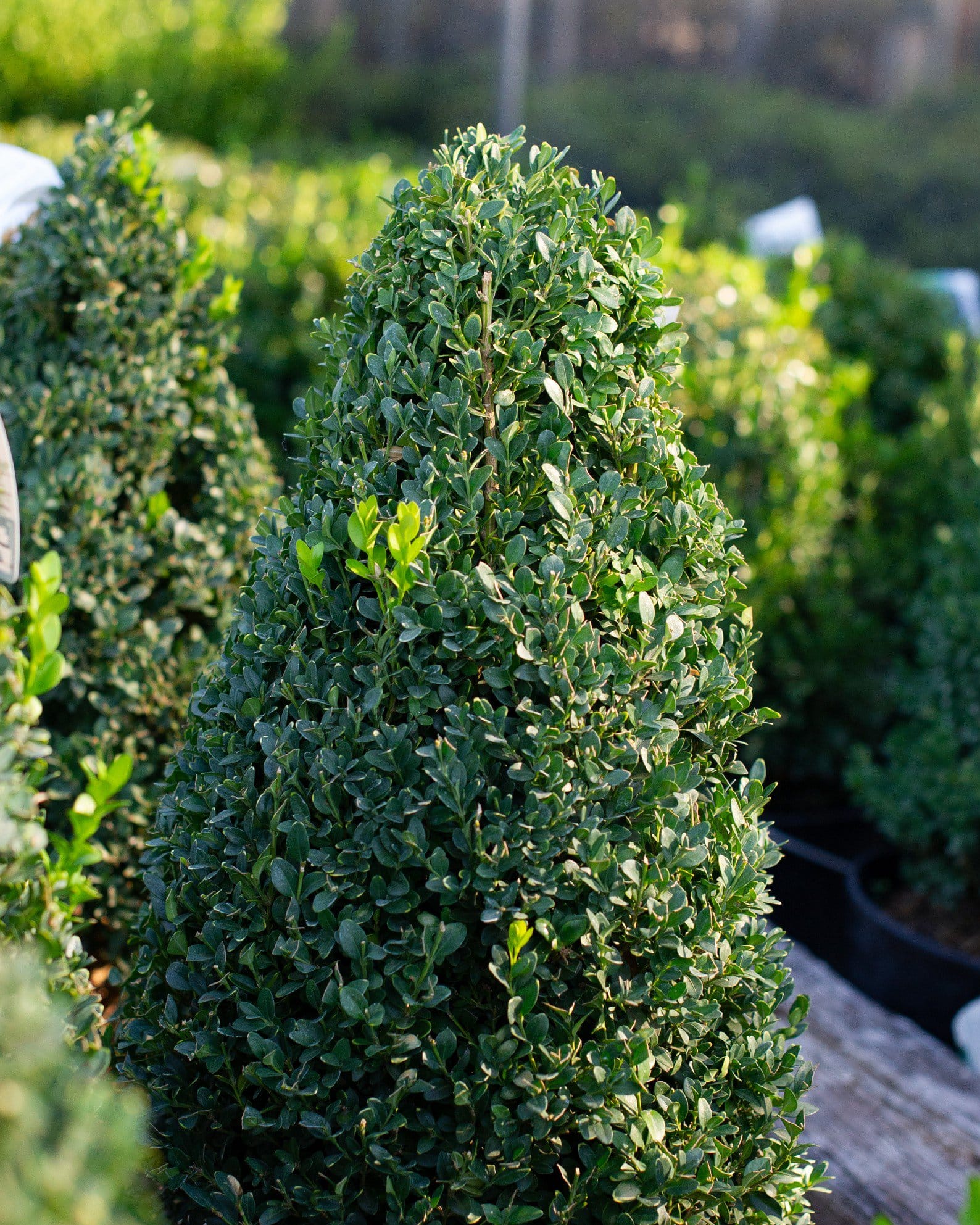
Sprinter Boxwood
Maturity: 4' H x 4' W
Winter Gem Boxwood
Maturity: 4' H x 4' W
Wintergreen Boxwood
Maturity: 4' H x 4' W
Wintergreen Boxwood Cone
Maturity: 4' H x 4' W
Wintergreen Boxwood Globe
Maturity: 4' H x 4' W
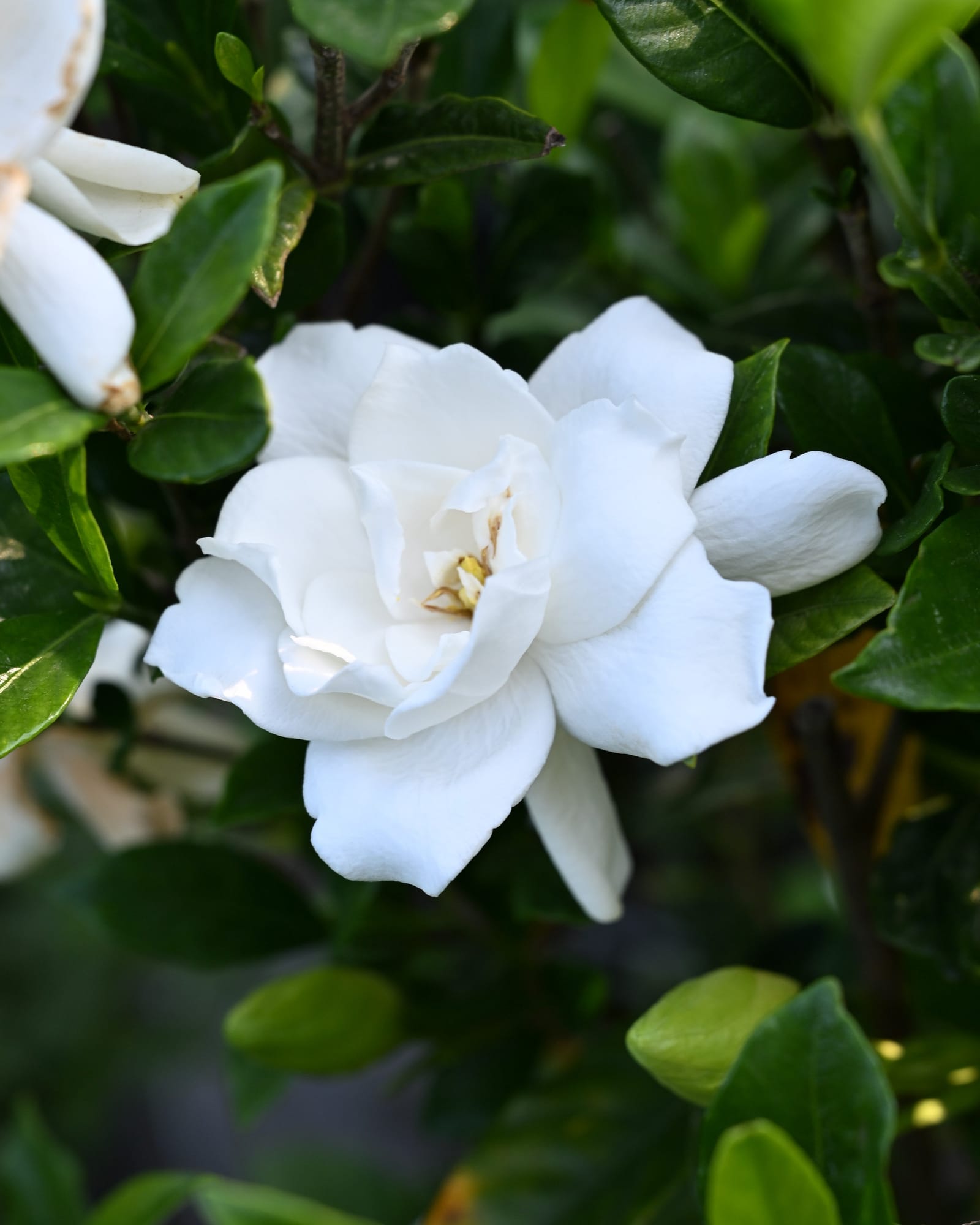
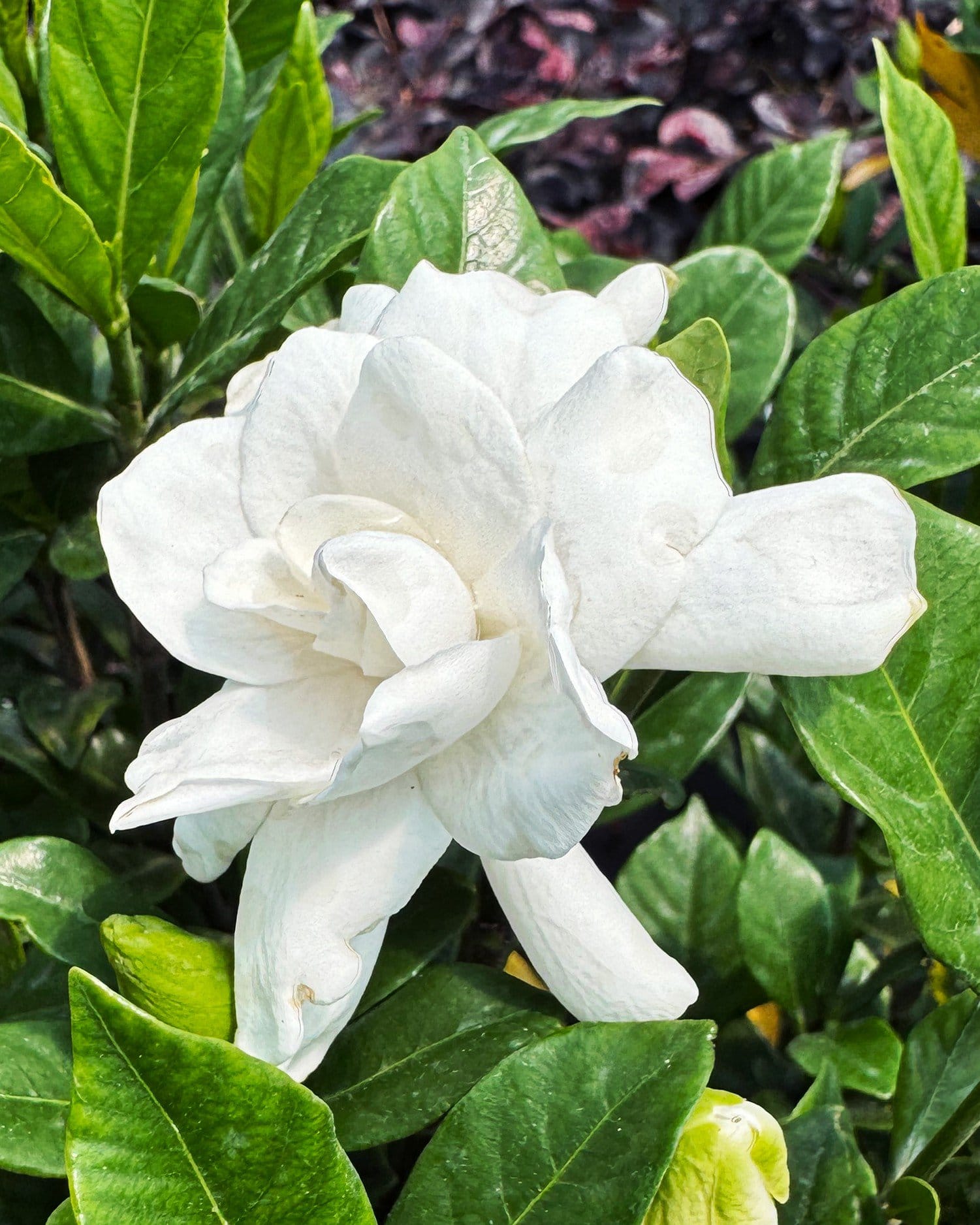
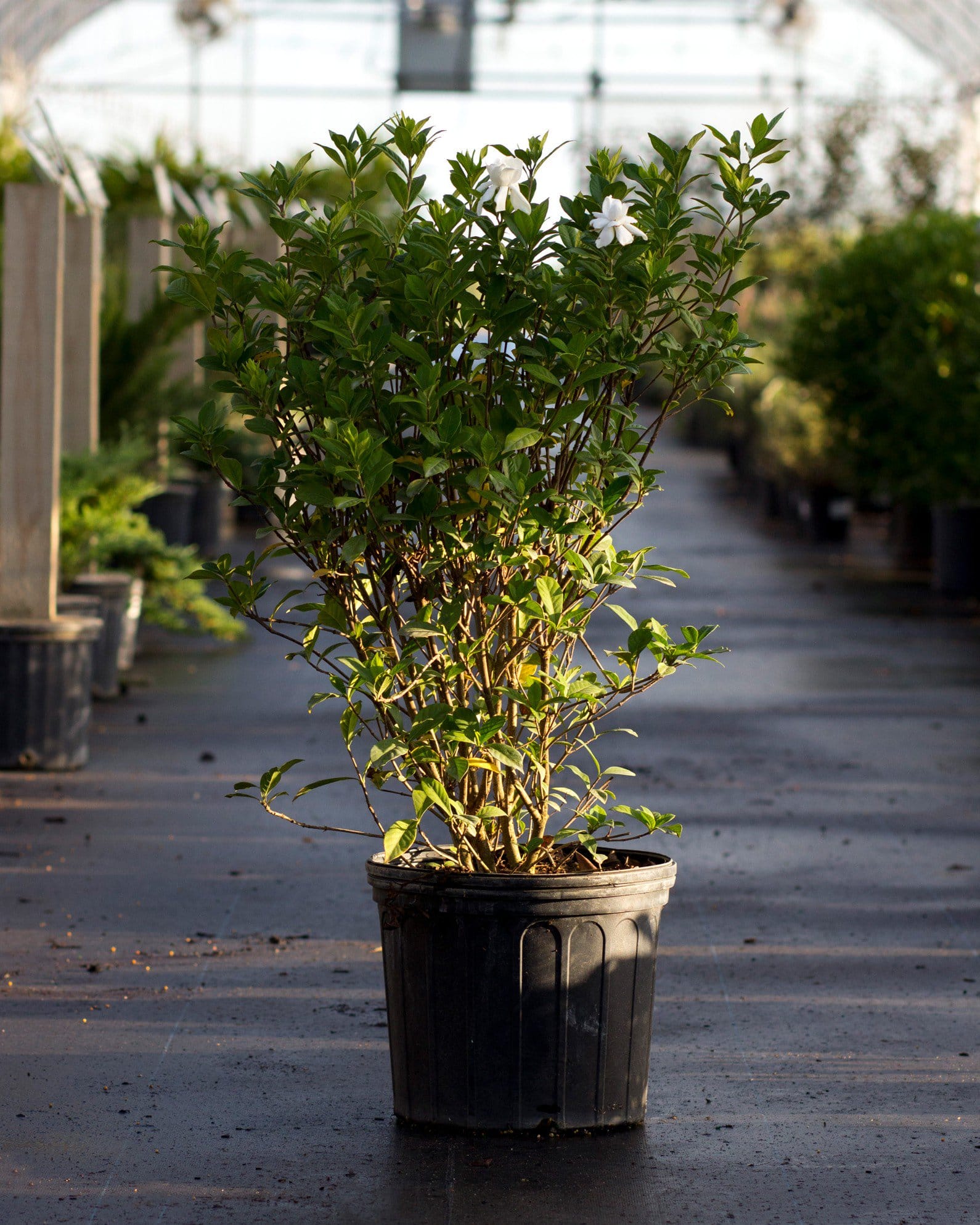
August Beauty Gardenia
Maturity: 4' H x 3' W
Blush Pink Nandina
Maturity: 2' H x 1.5' W
Canyon Creek Abelia
Maturity: 3' H x 3' W
Carissa Holly
Maturity: 3' H x 4' W
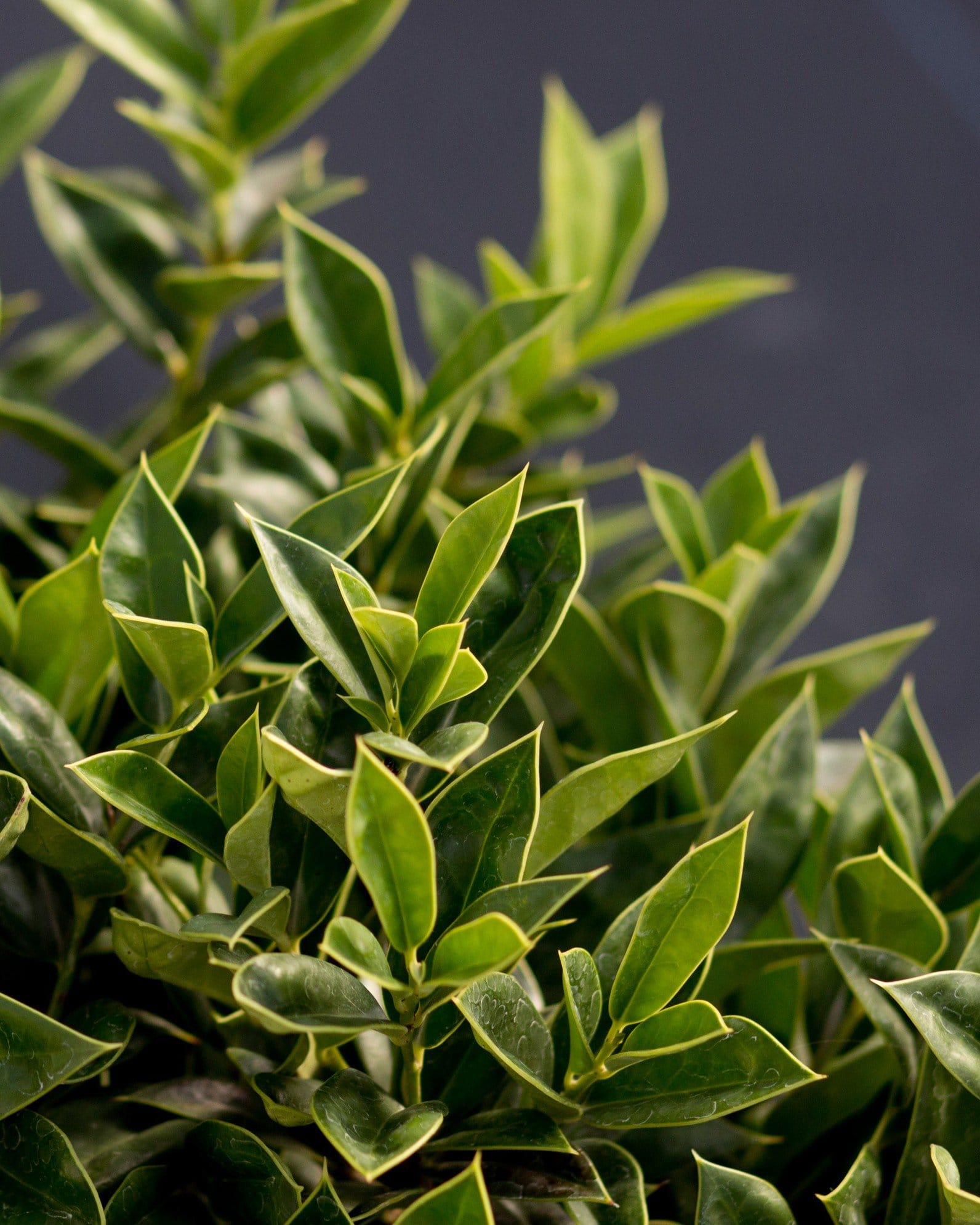
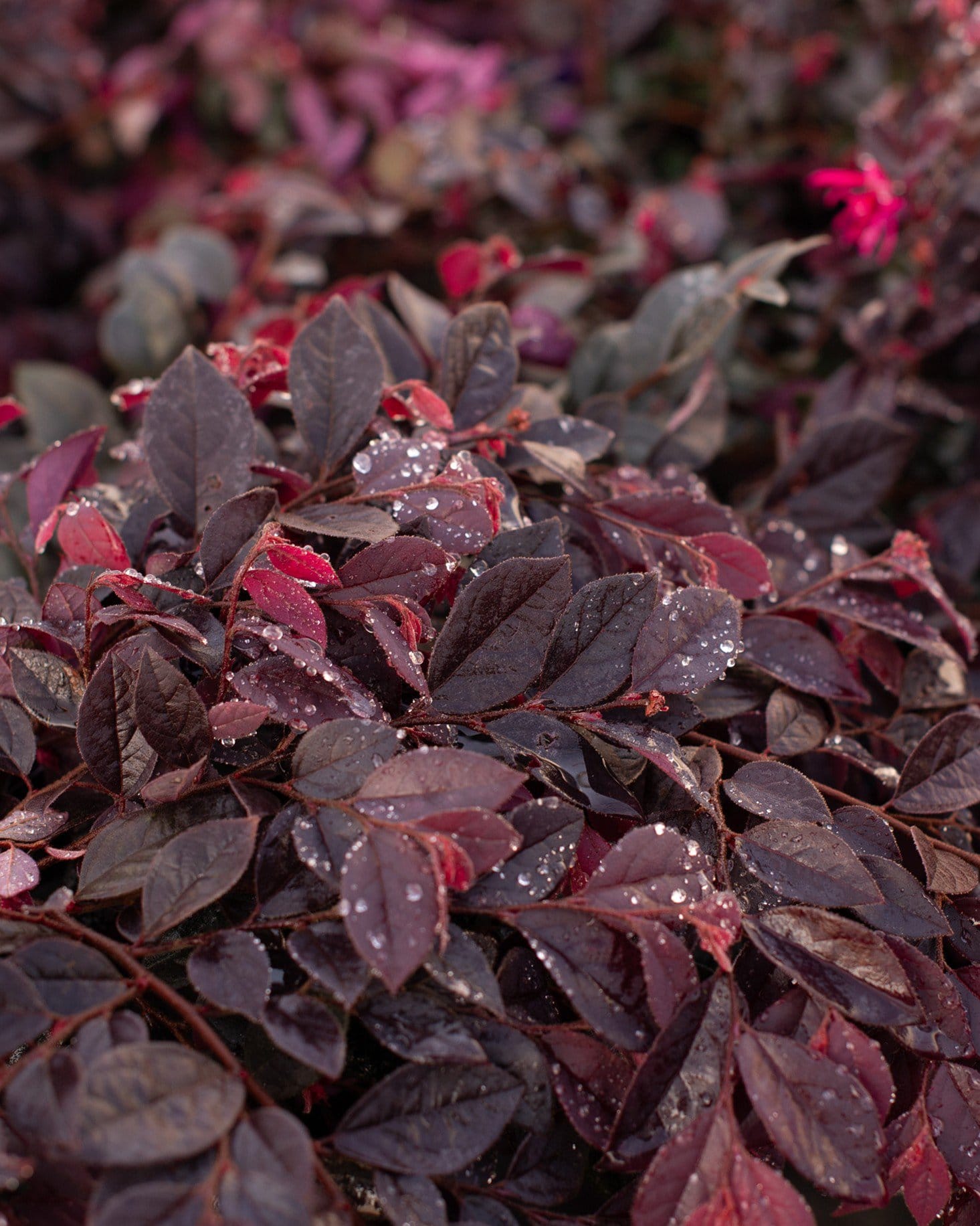
Cerise Charm Loropetalum
Maturity: 3' H x 3' W
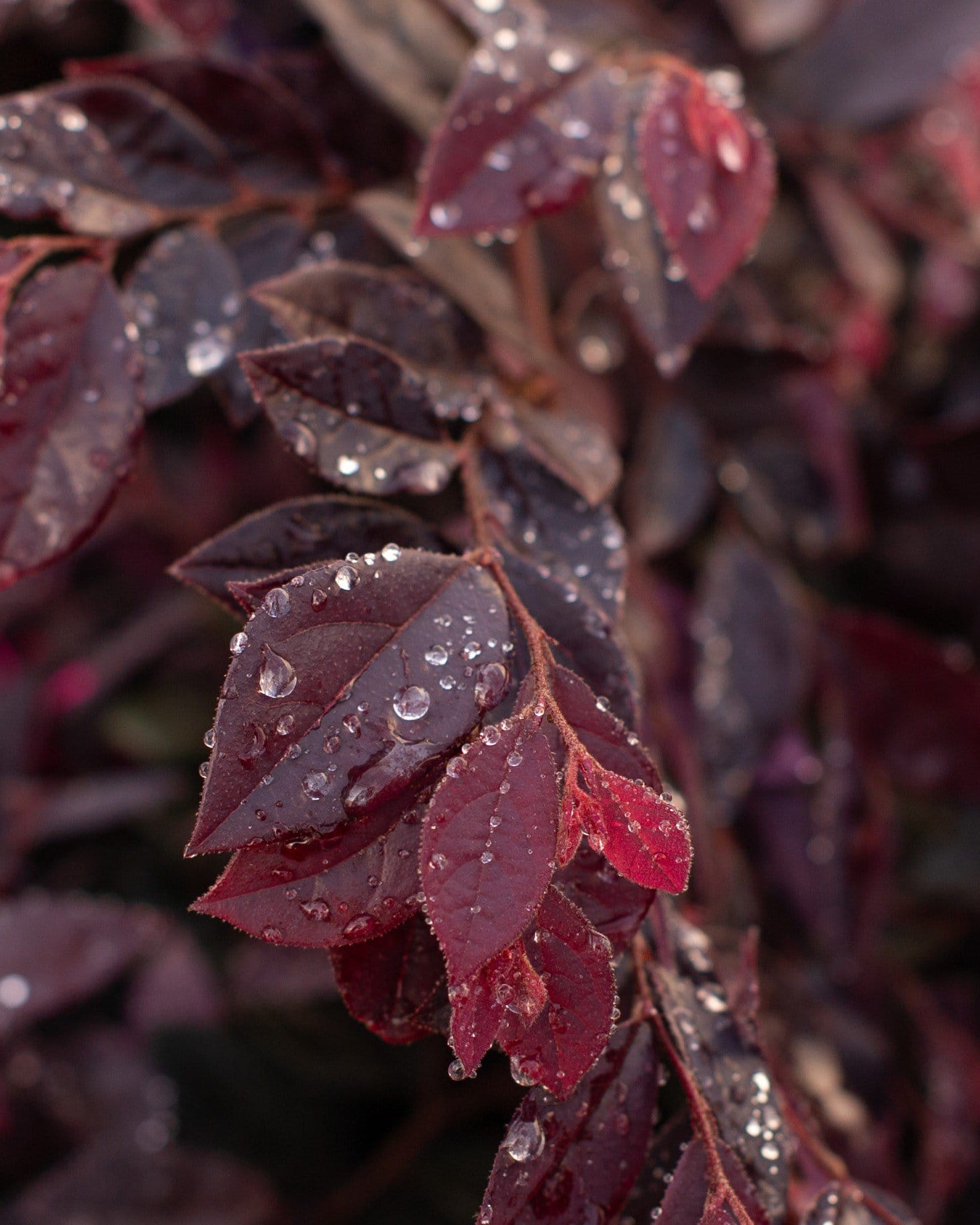
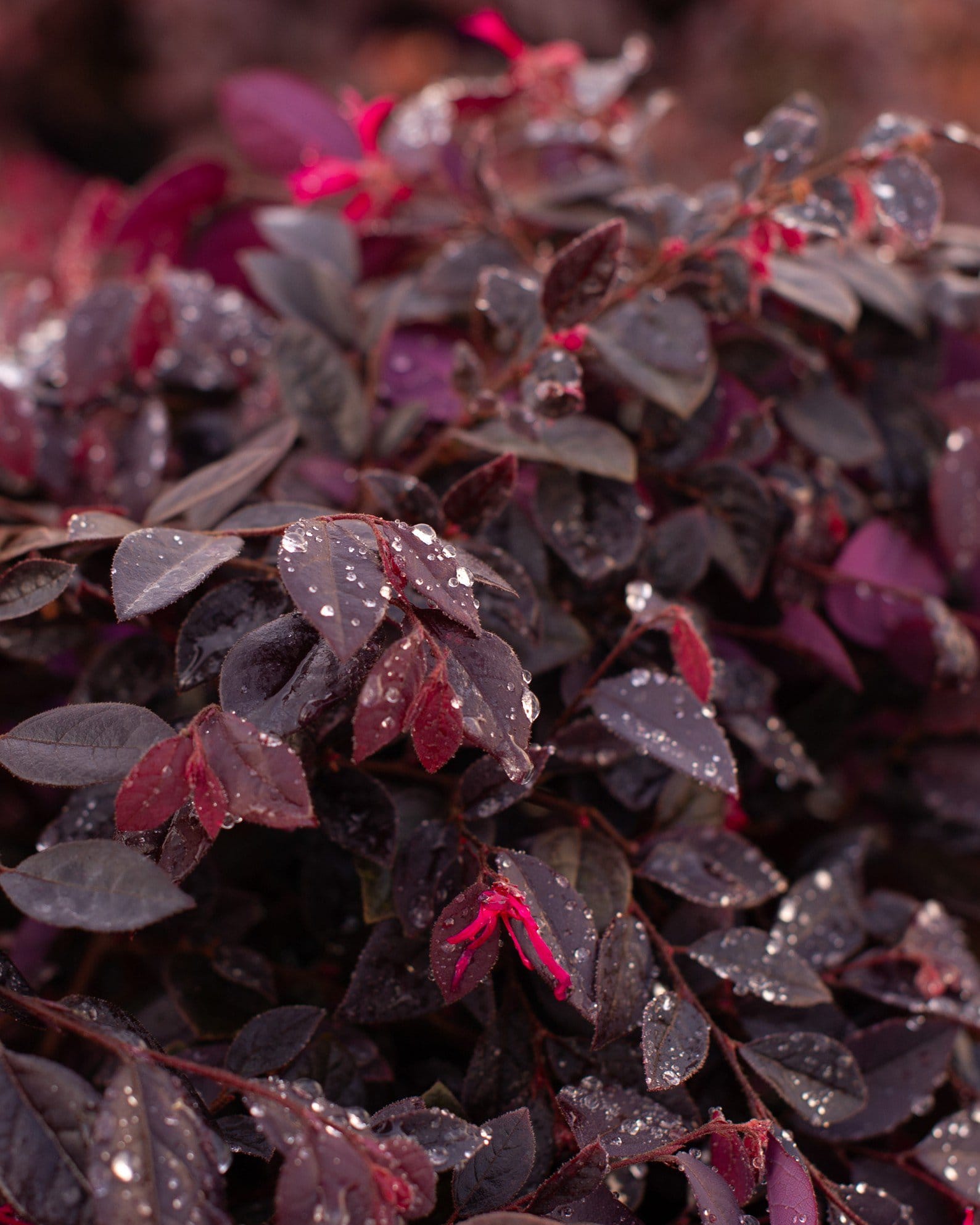
Cherry Blast Loropetalum
Maturity: 6' H x 6' W
Cherry Laurel Compacta
Maturity: 8' H x 6' W
Compare Similar Plants
Japanese Boxwood This plant | ||
|---|---|---|
| Scientific Name | Buxus microphylla japonica | Buxus microphylla 'Gregem' |
| Size at Maturity | 4' H x 3' W | 2' H x 3' W |
| Leaf Retention | Evergreen | Evergreen |
| Sizes Available | 1, 3, 7 gal | 1, 2, 3, 5 gal |


Our 1-Year Planting Guarantee
We take pride in our plants and installation services. If any plants or trees installed by Treeland fail to thrive within the first year, we'll provide a replacement credit in accordance with our guarantee program.
Learn More About Our Guarantee