
 Popular
Local DFW Delivery Only
Product Details
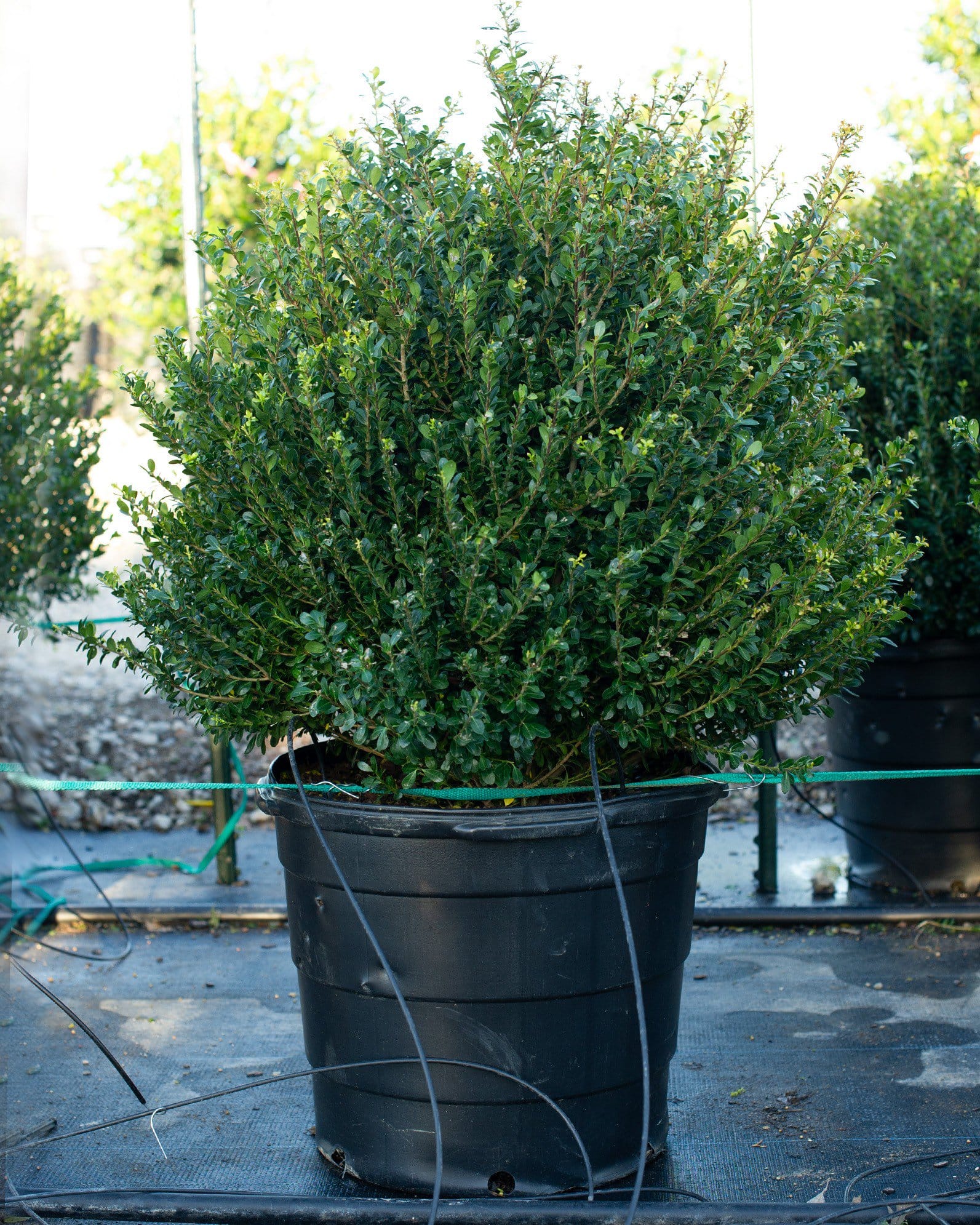
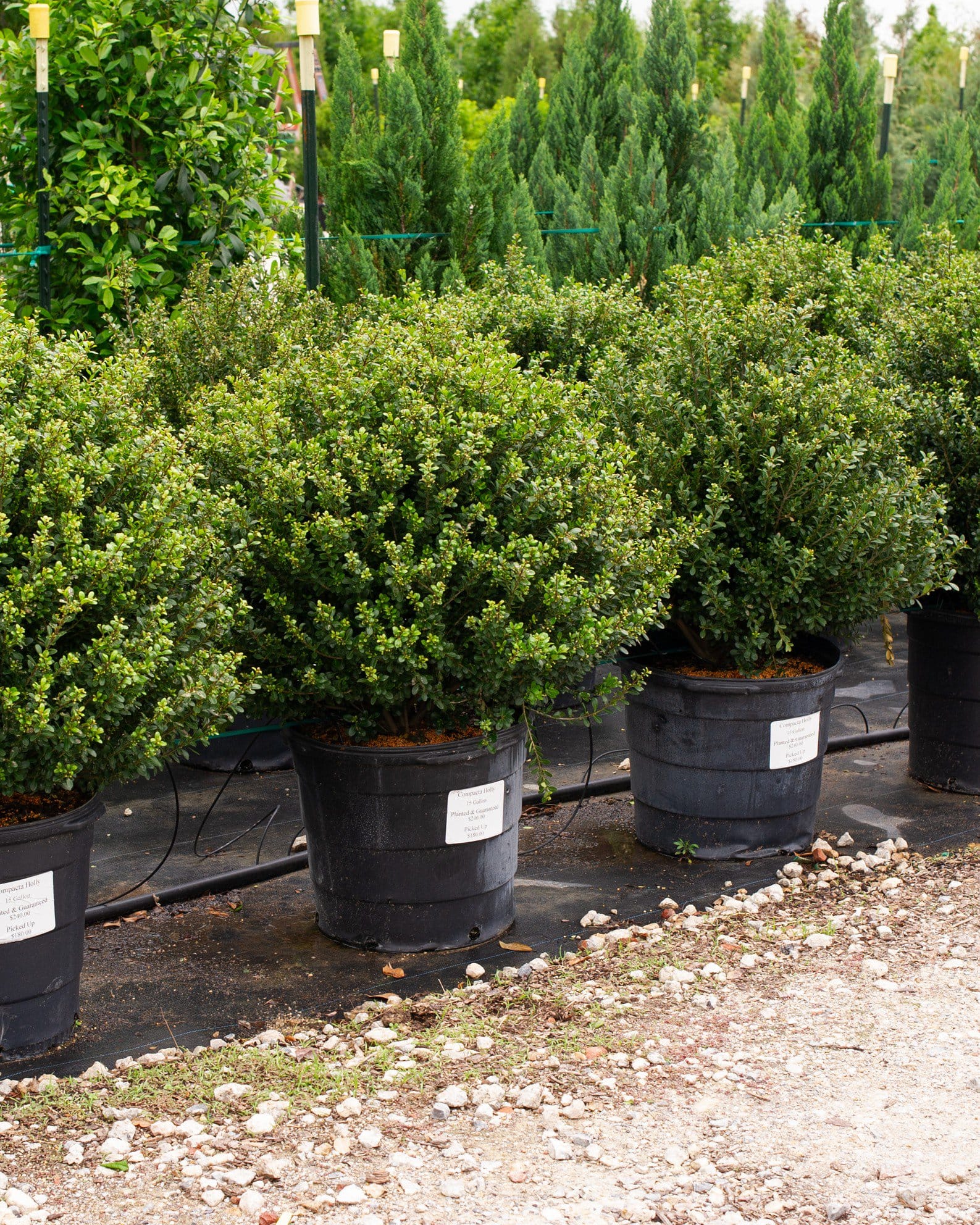
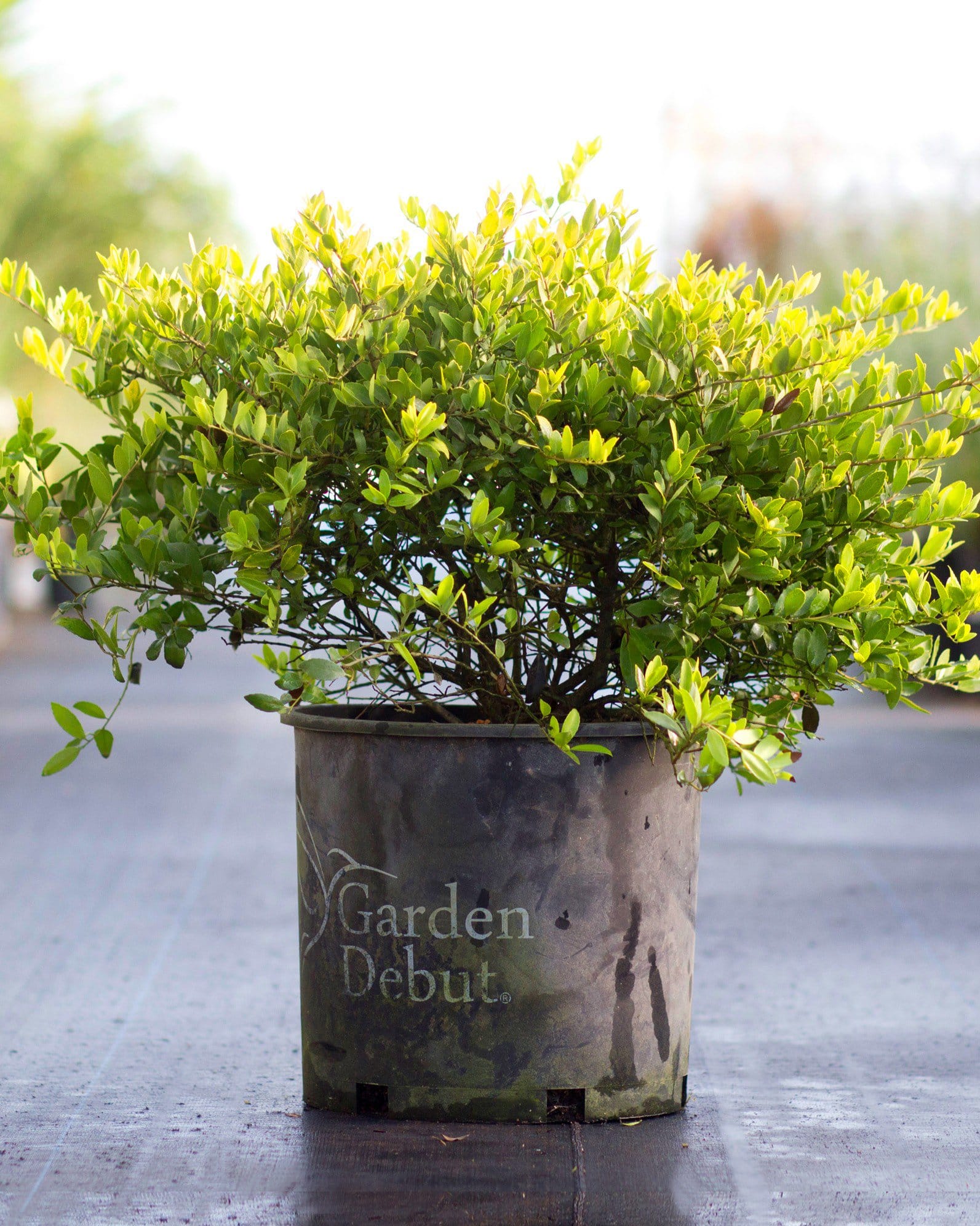
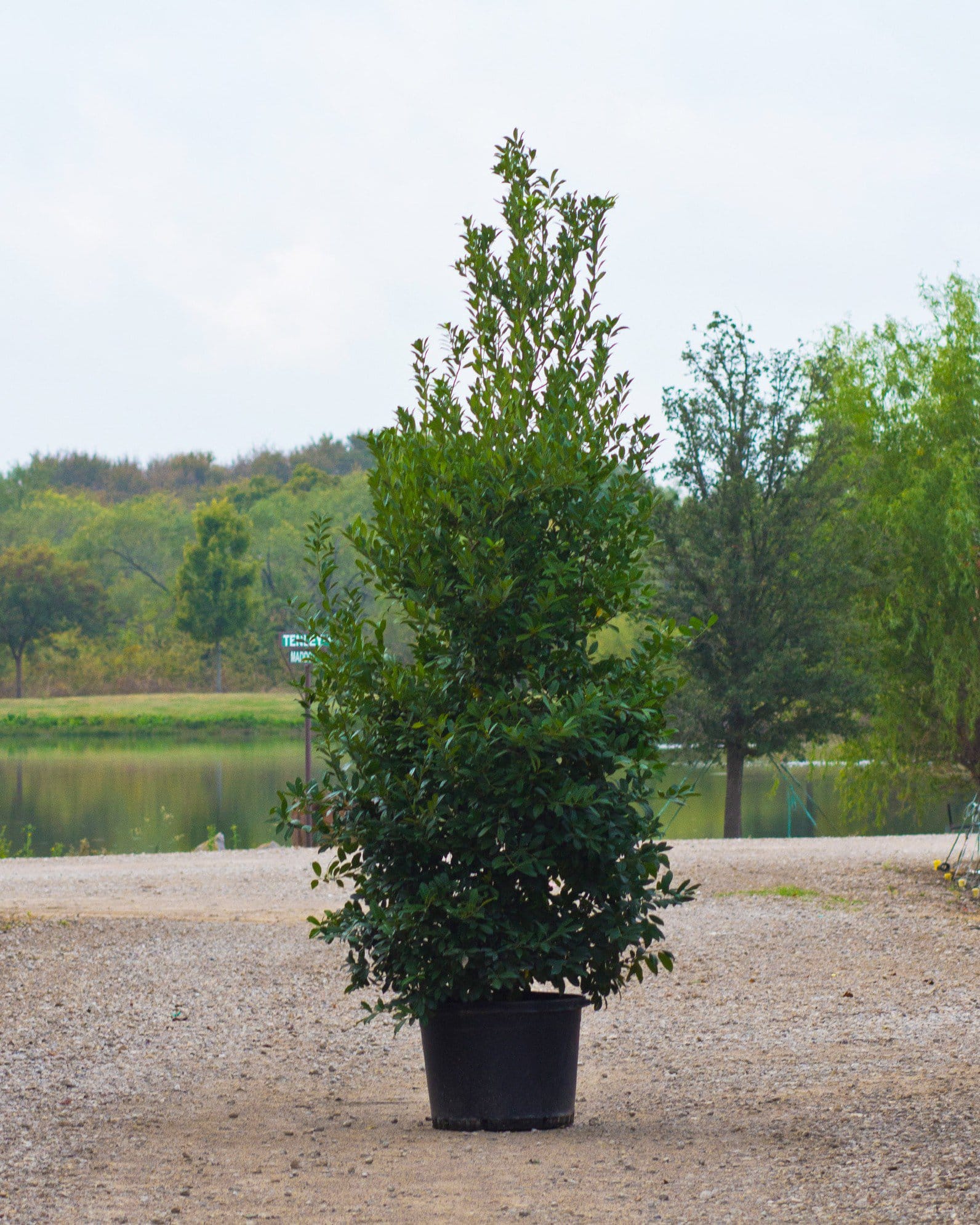
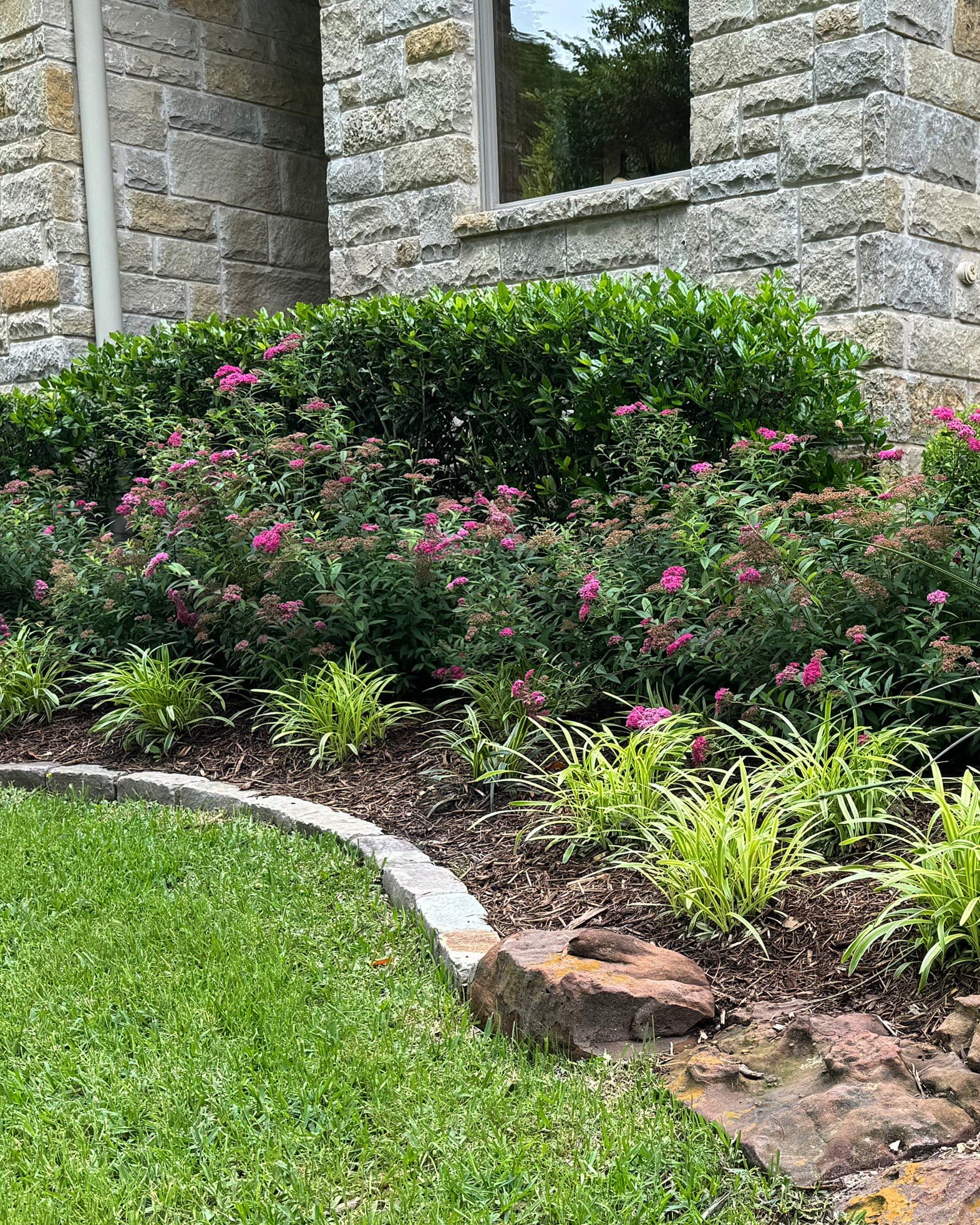
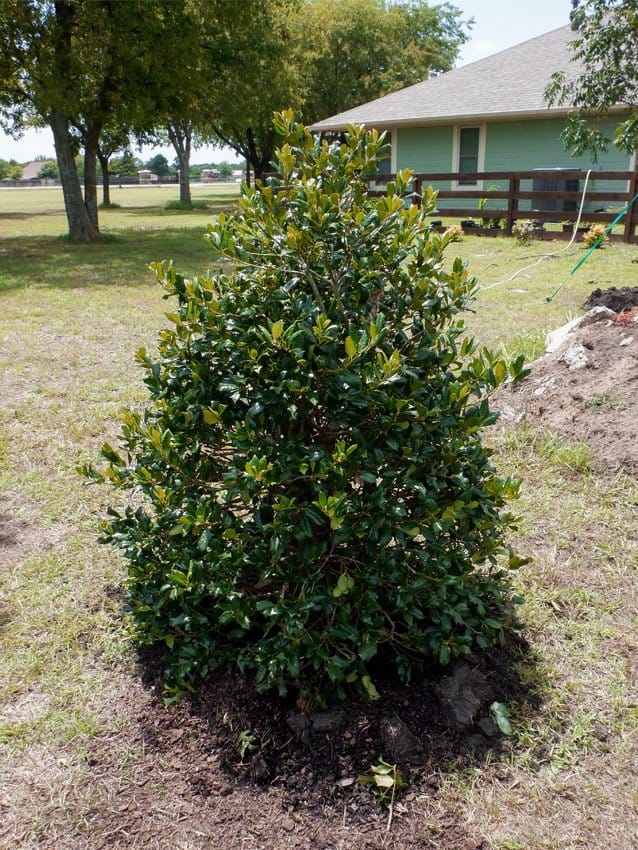
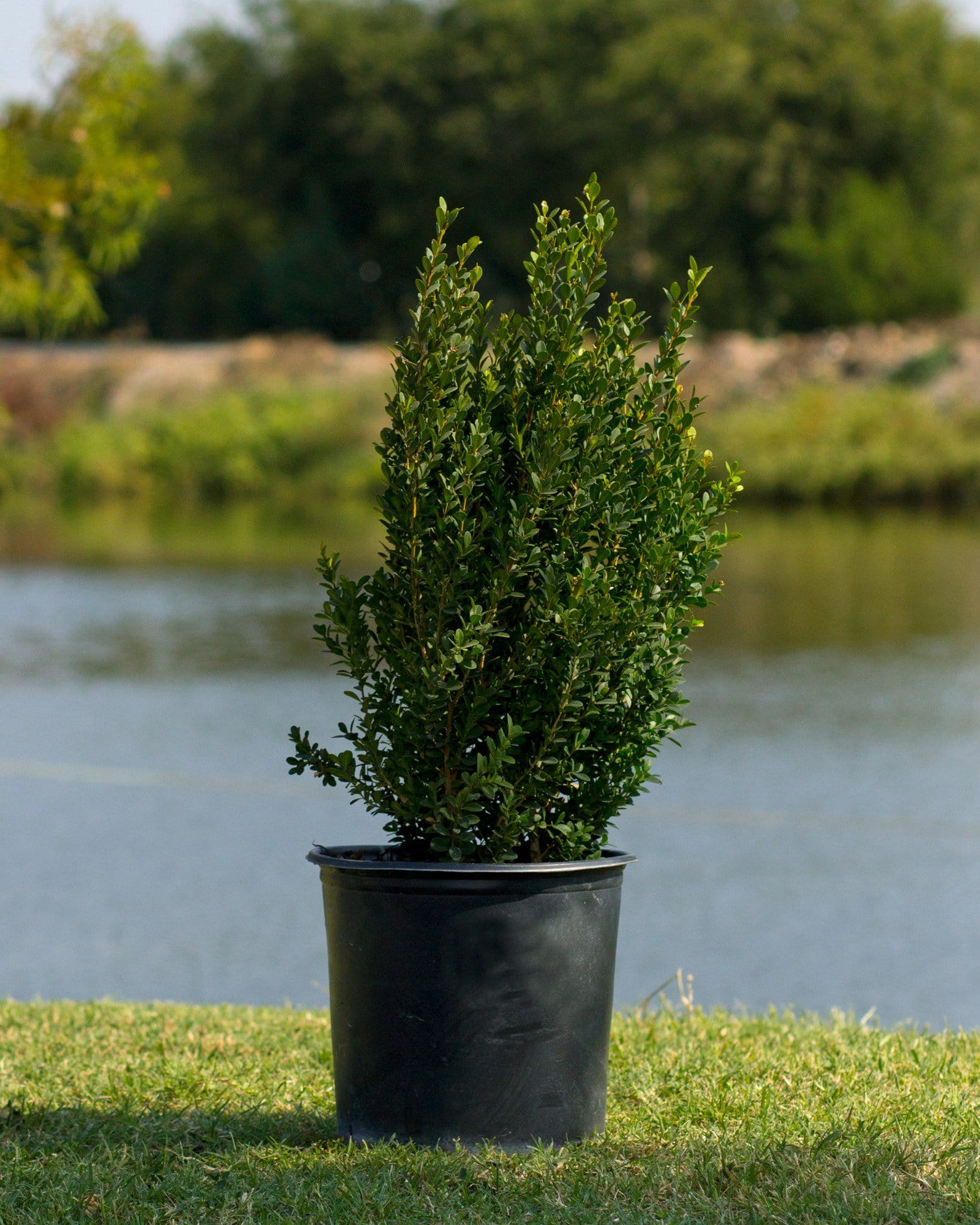
Dwarf Burford Holly
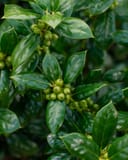
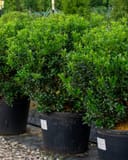
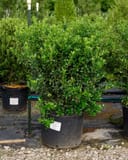
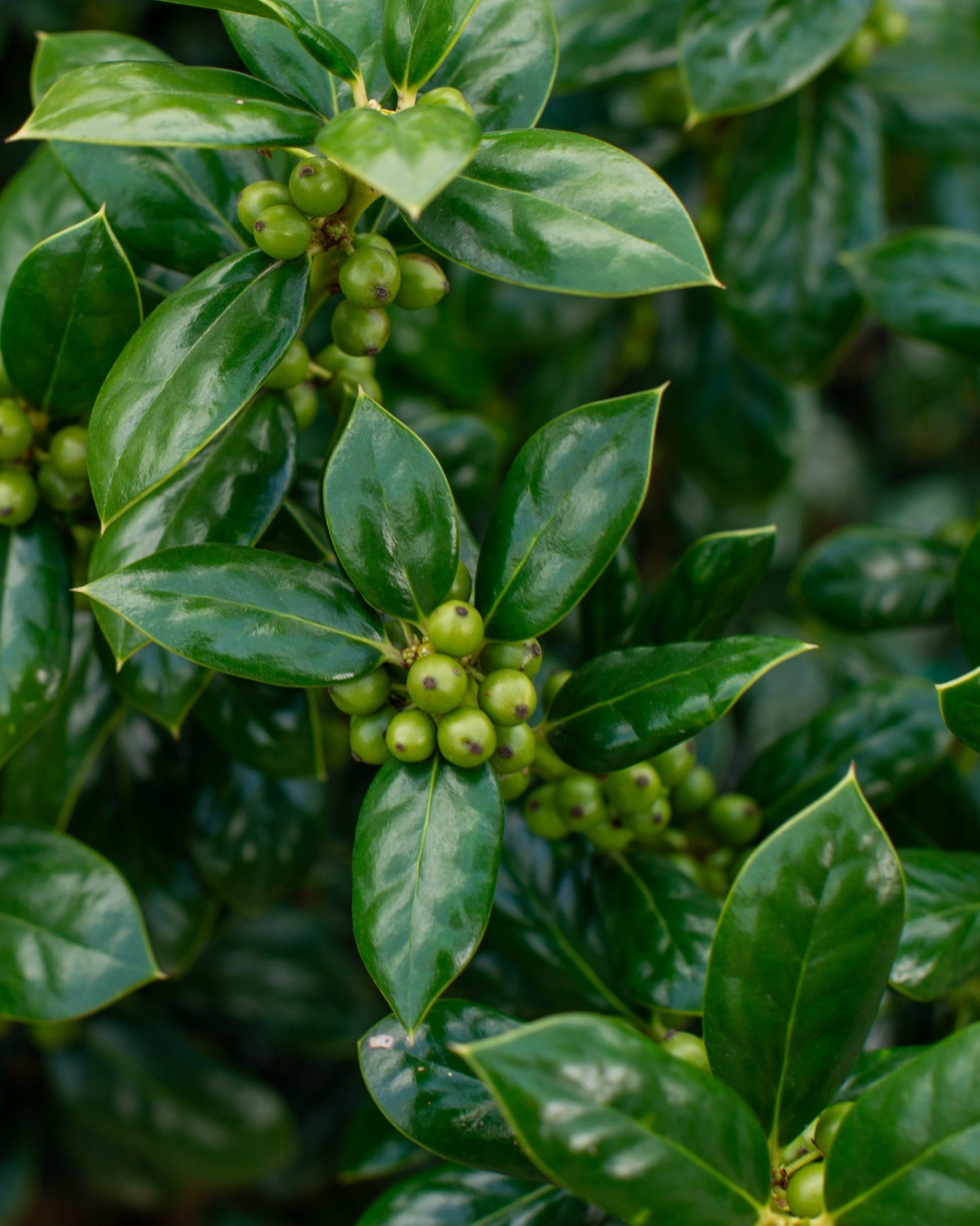
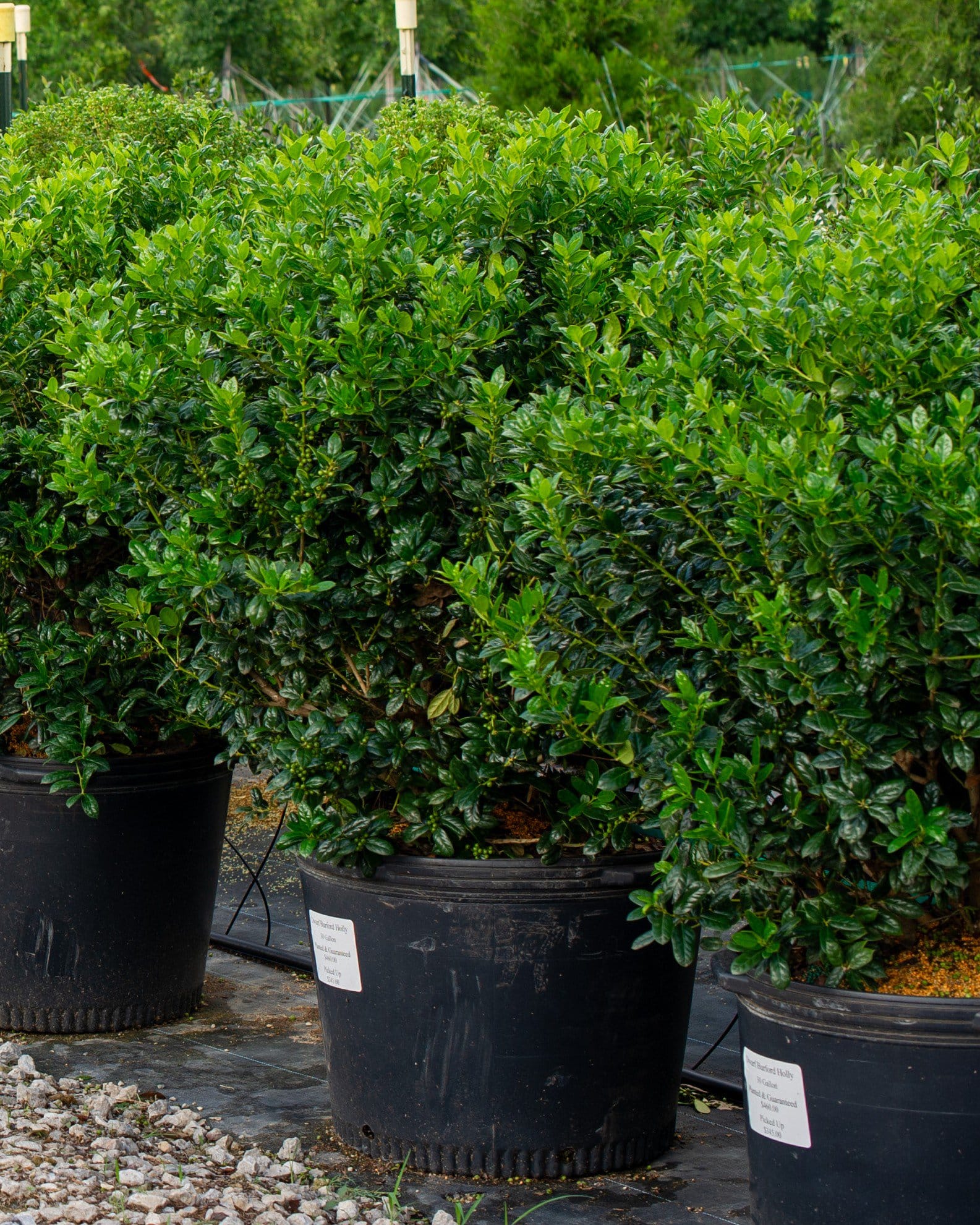
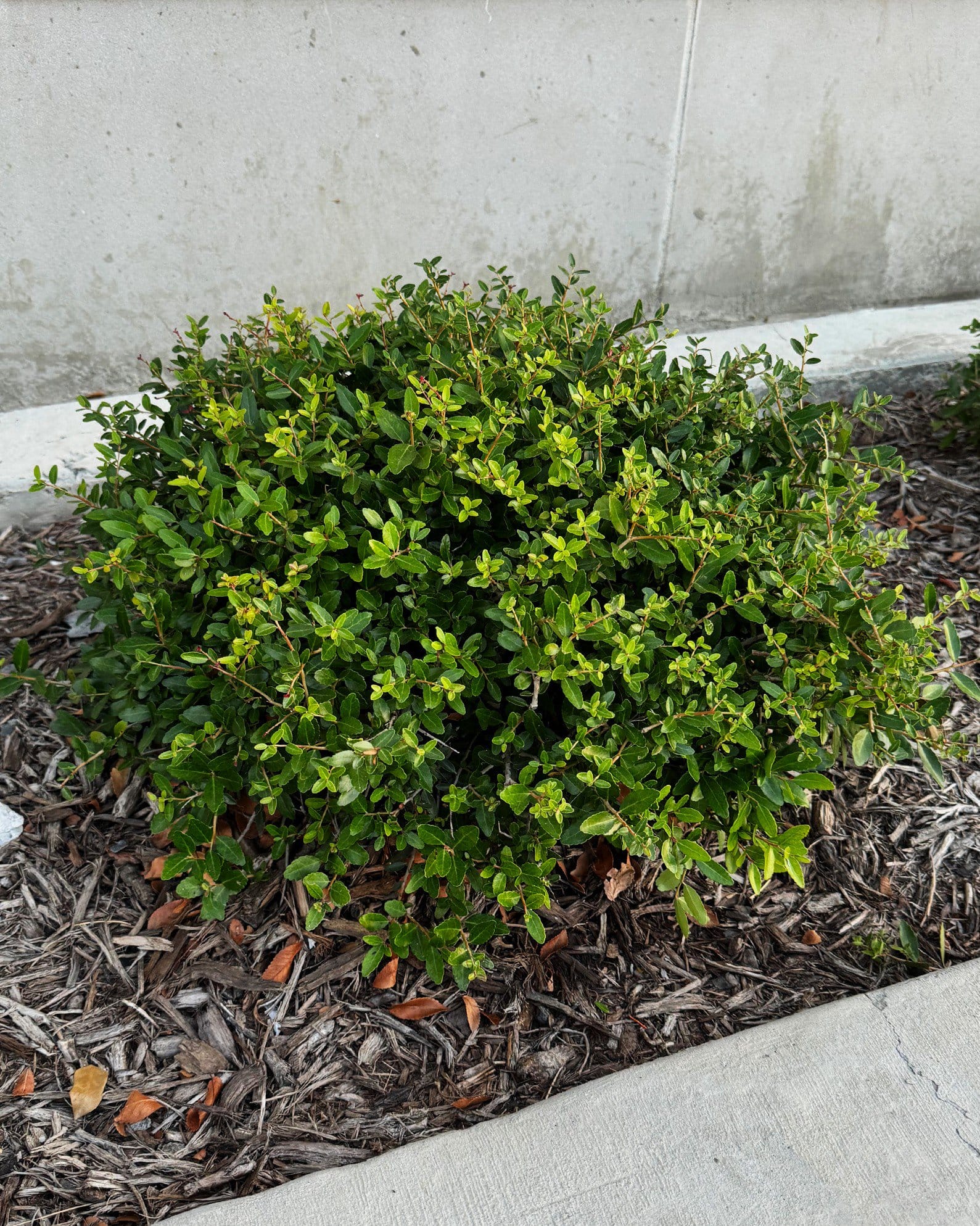
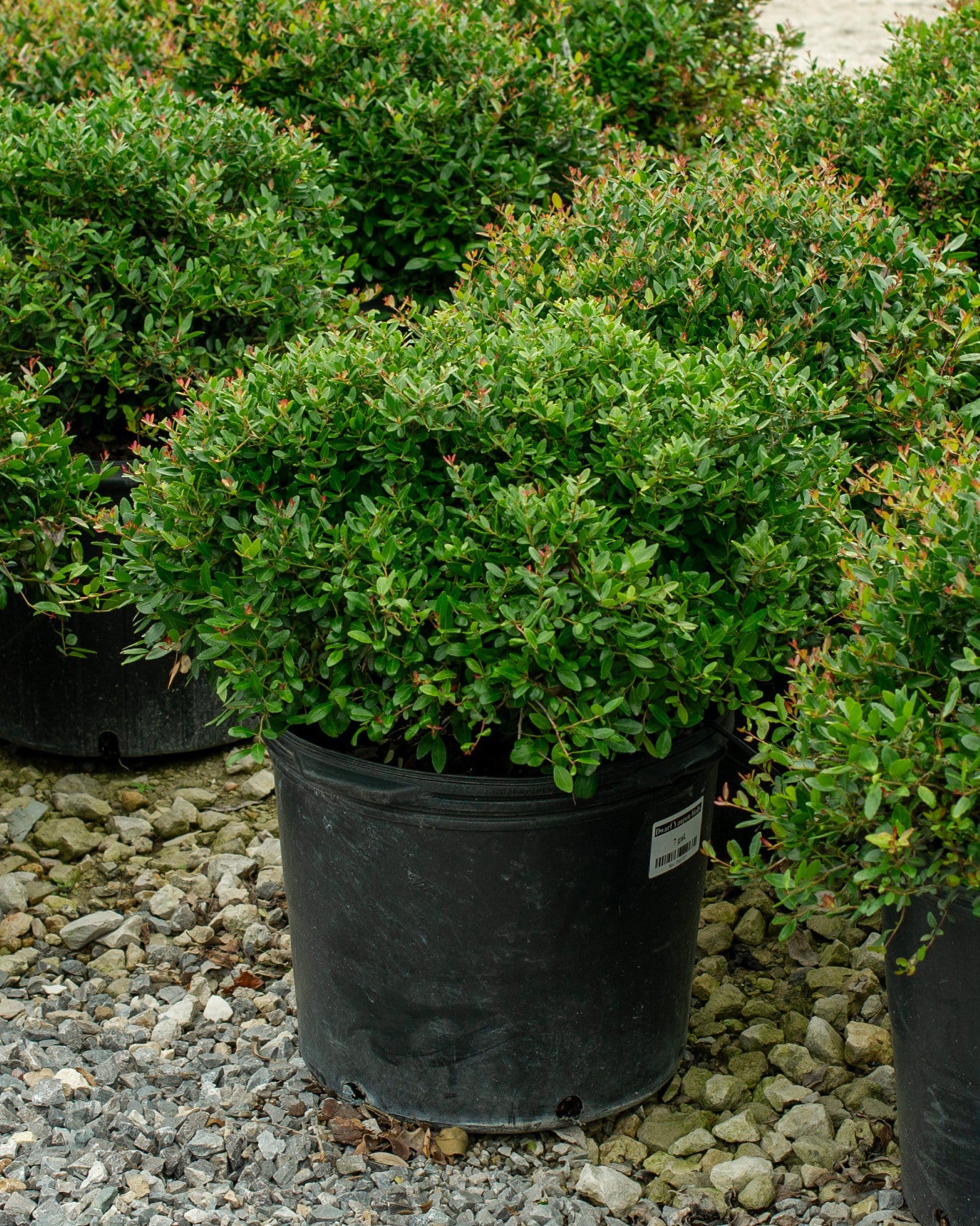
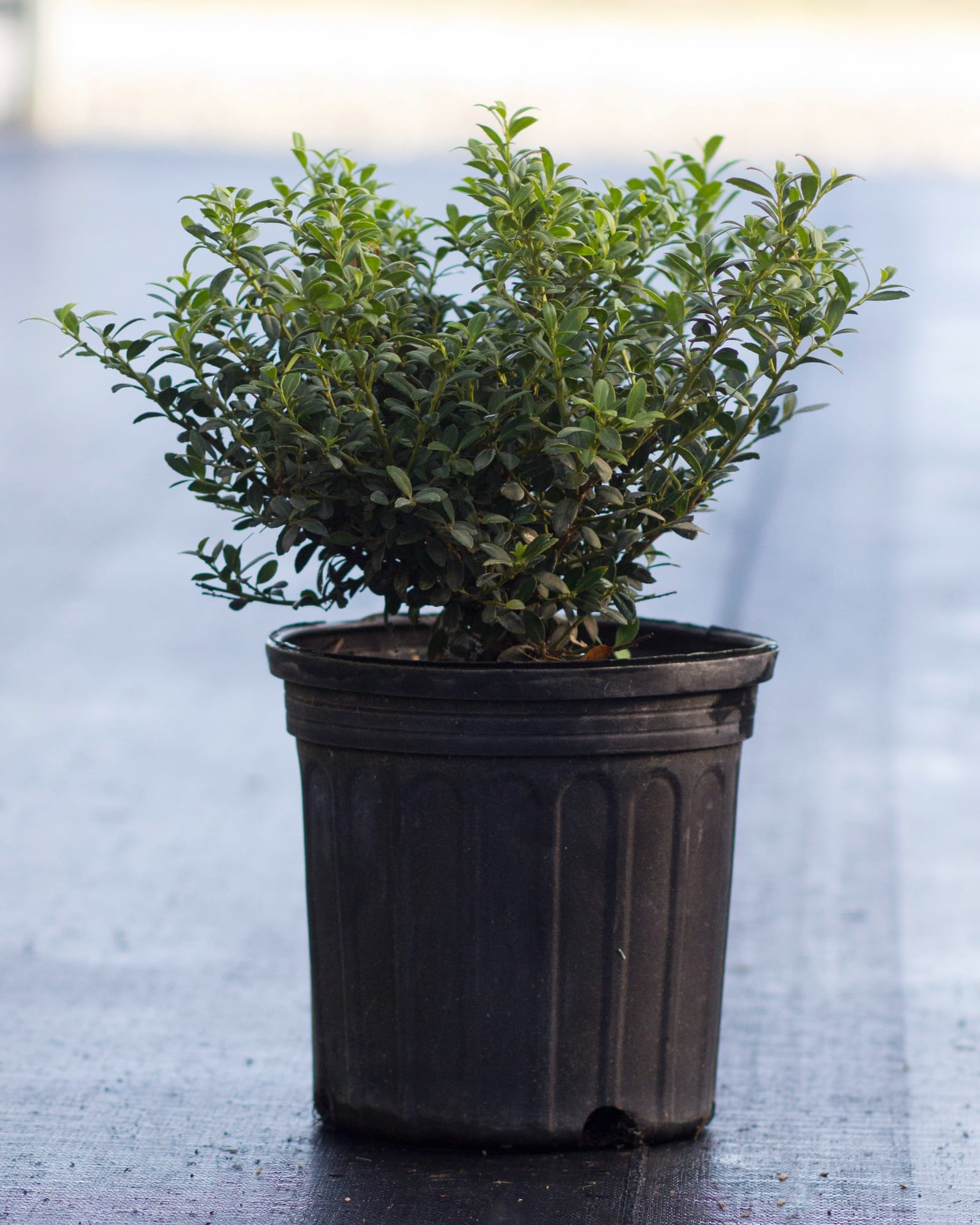
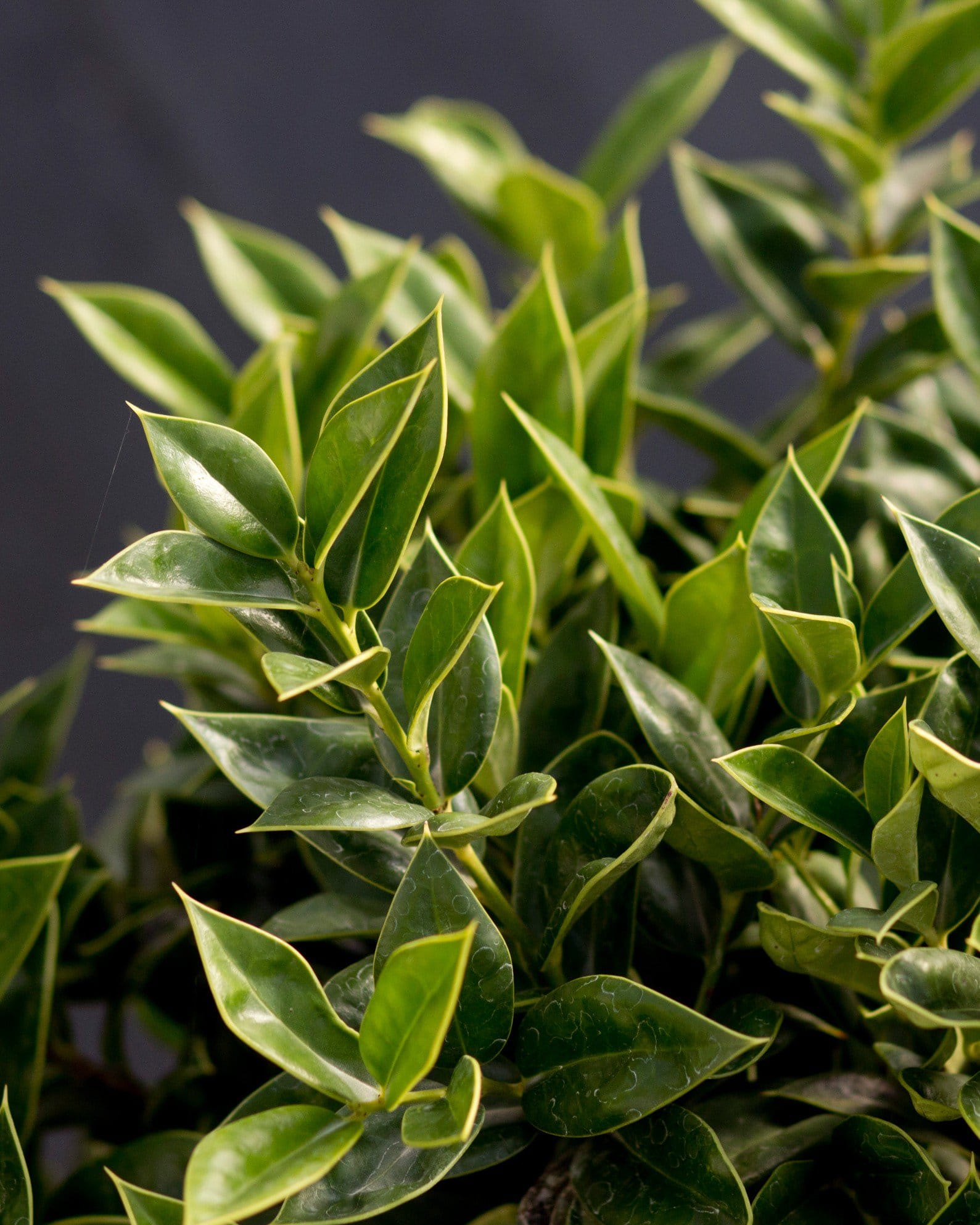
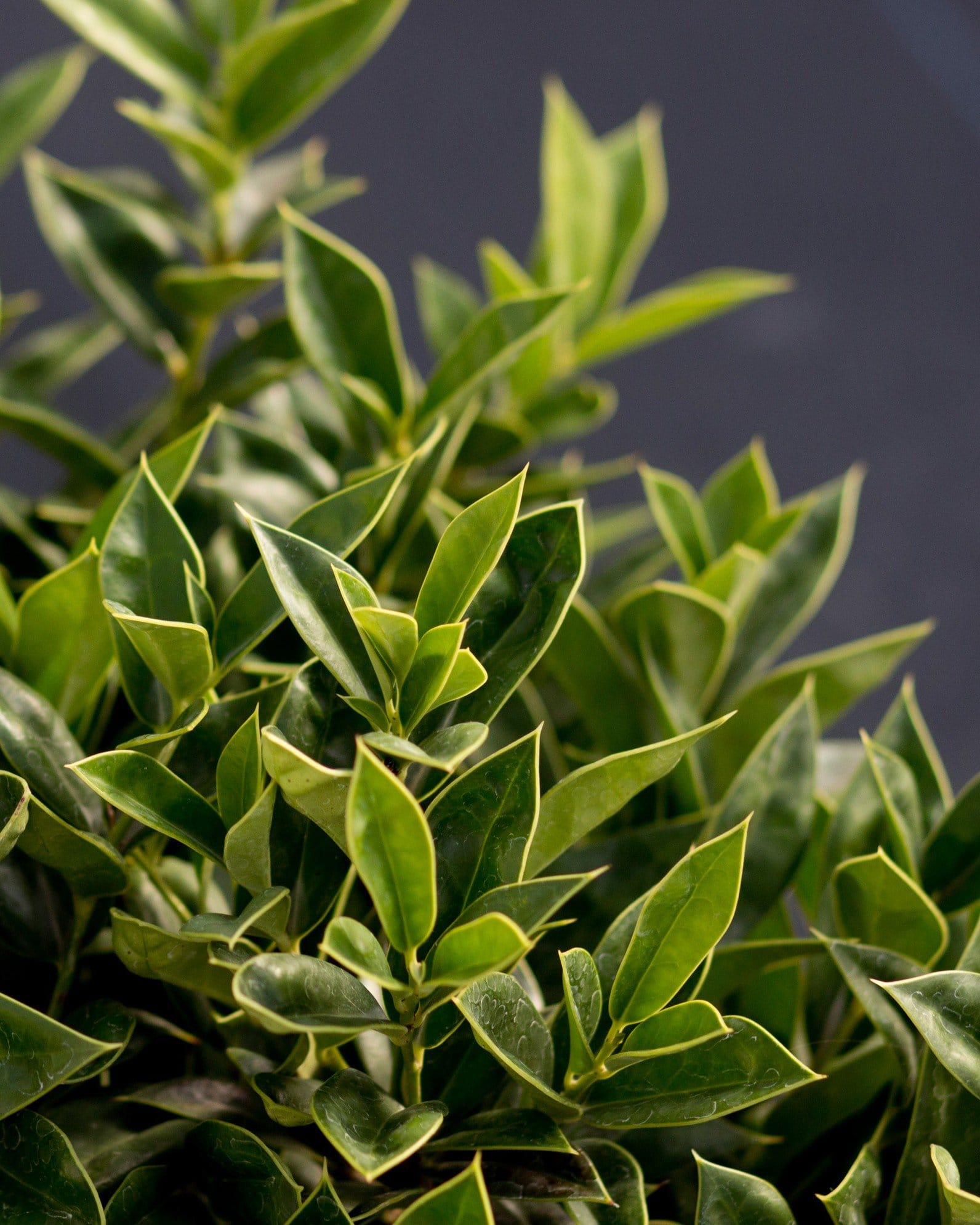
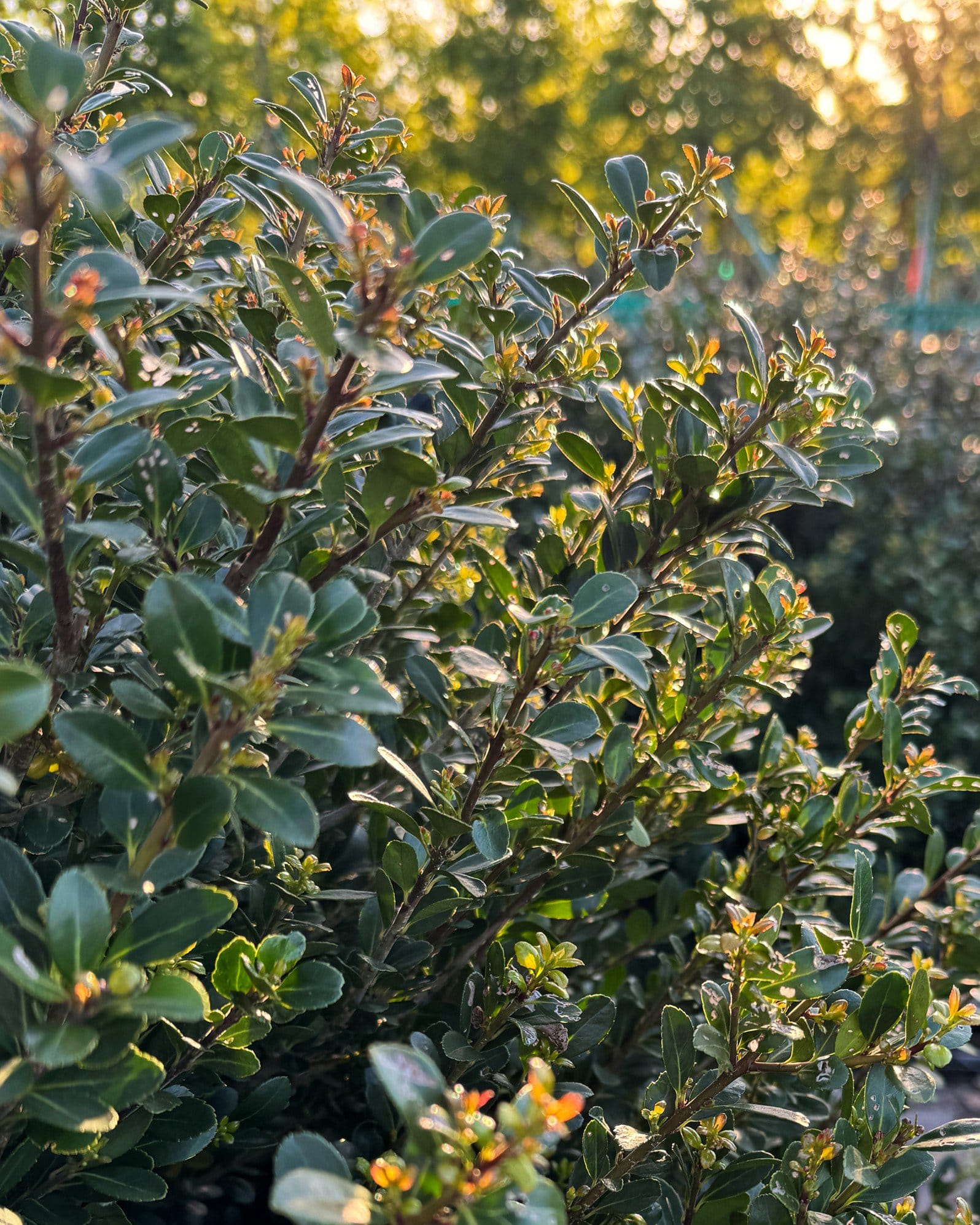
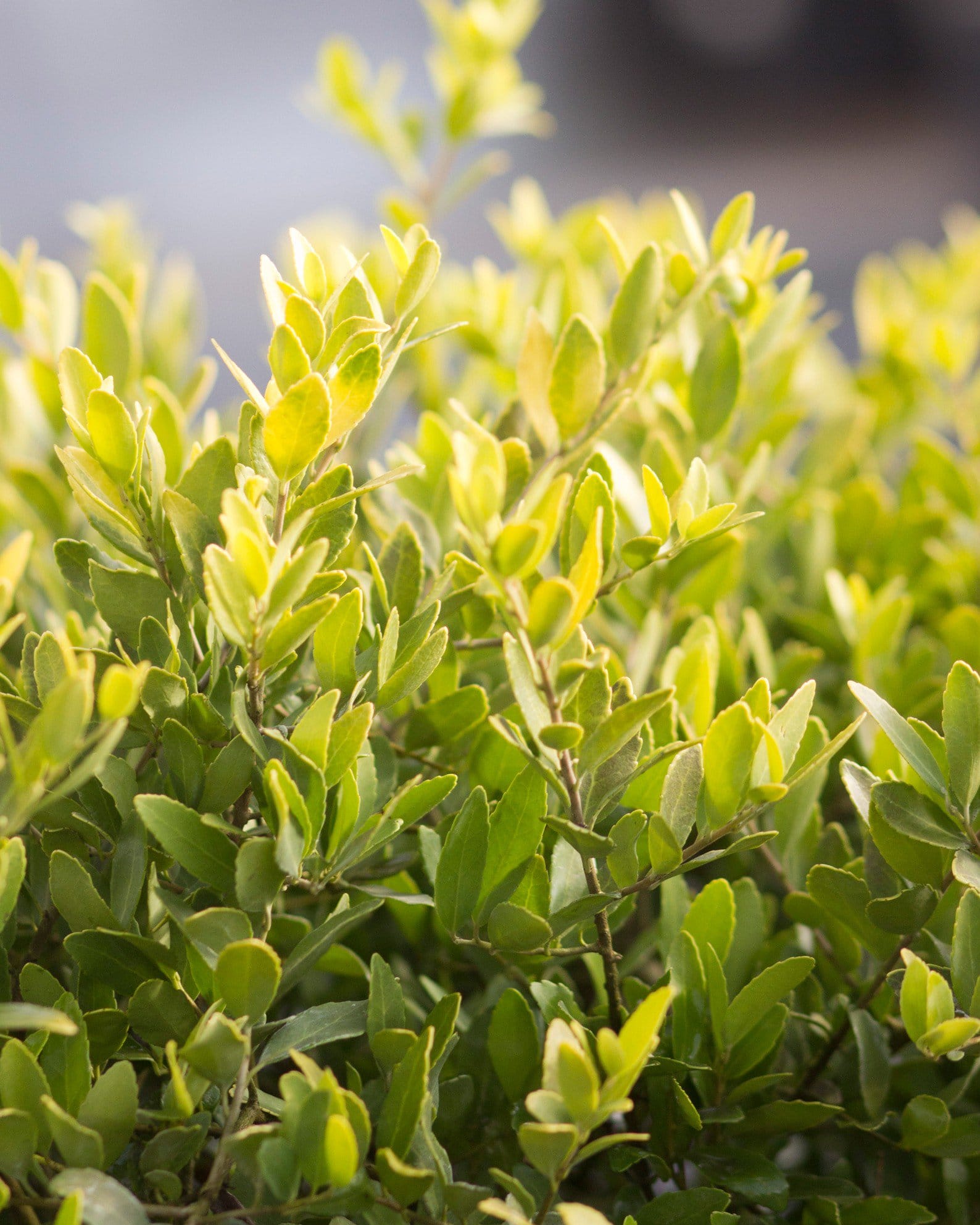
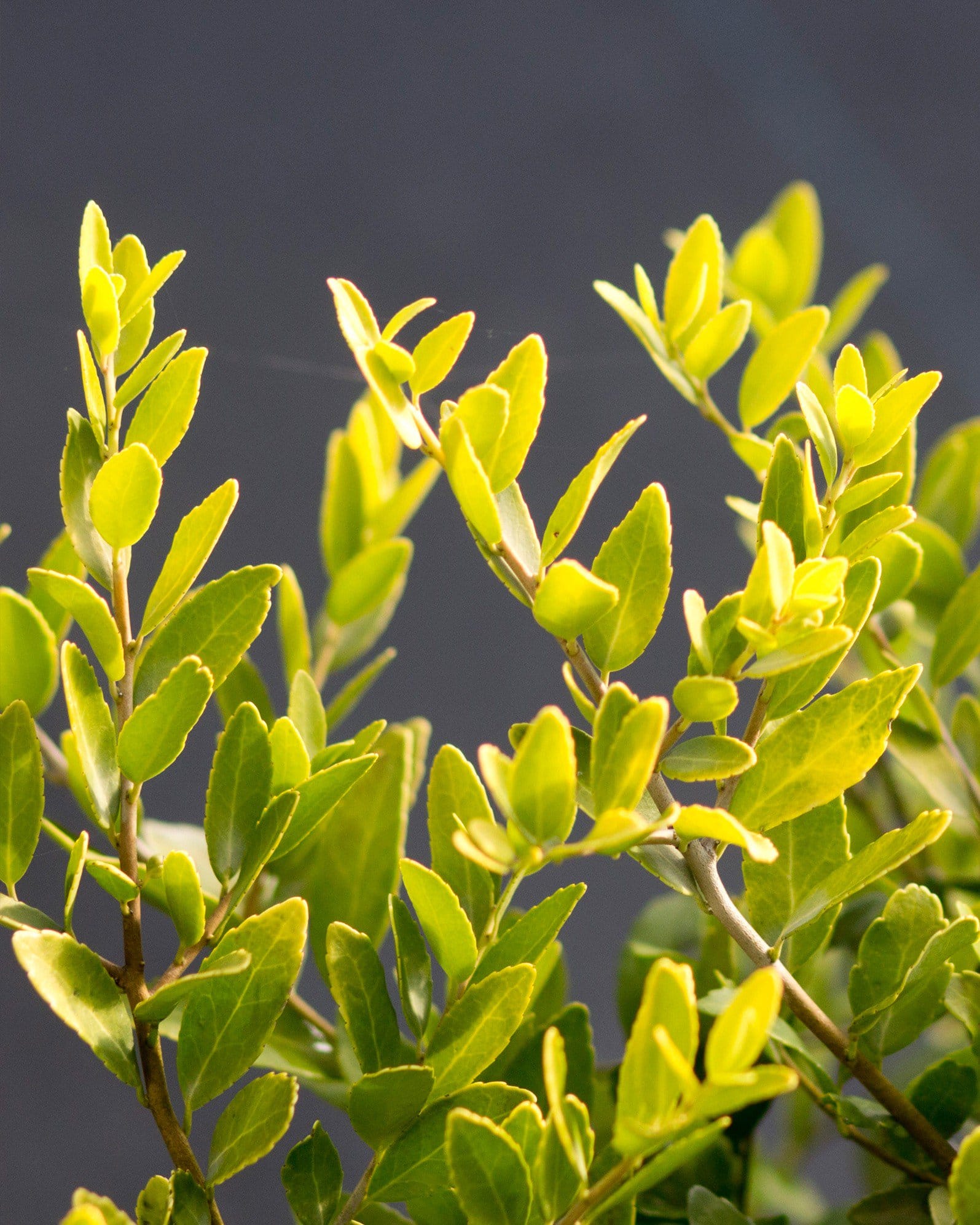
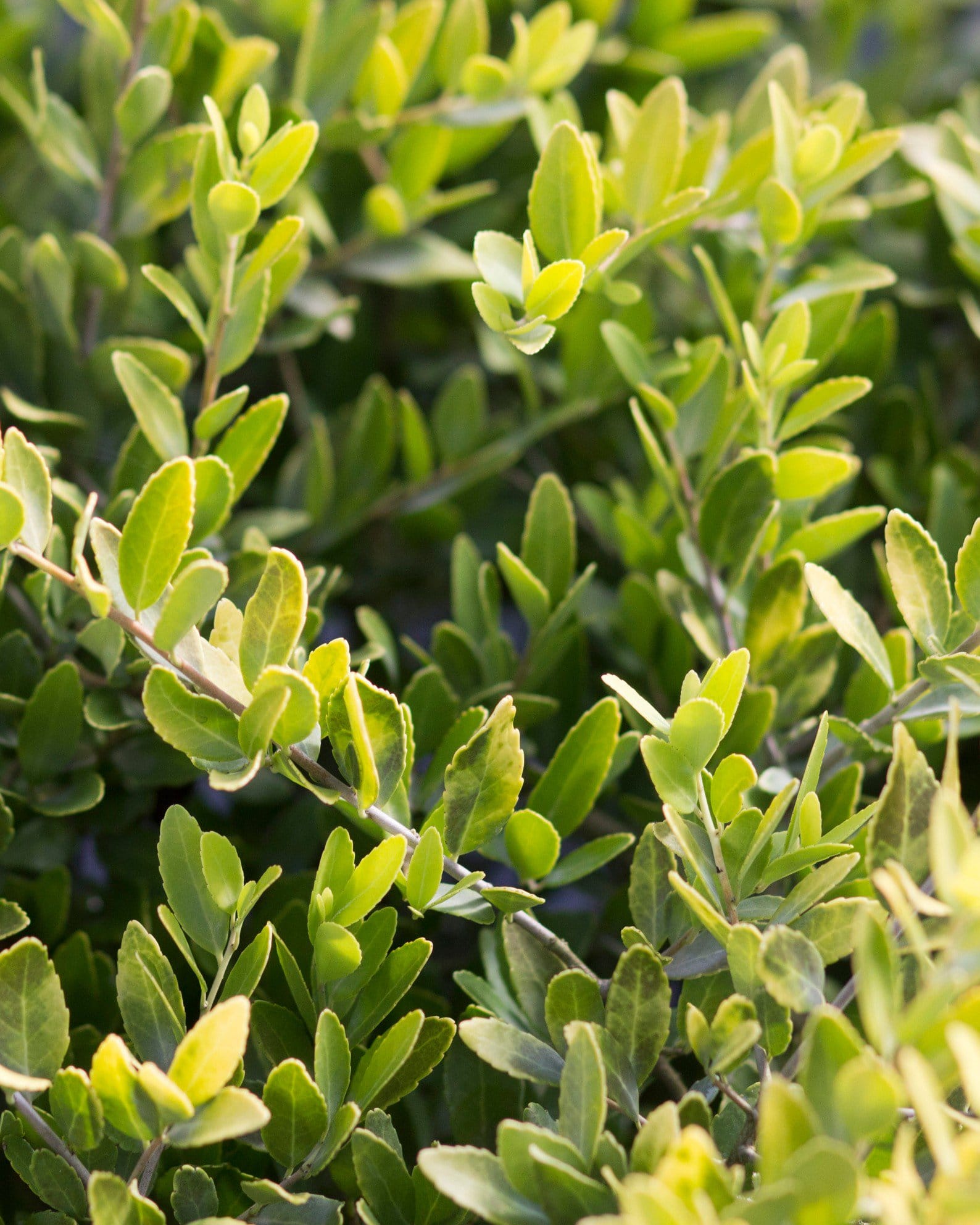
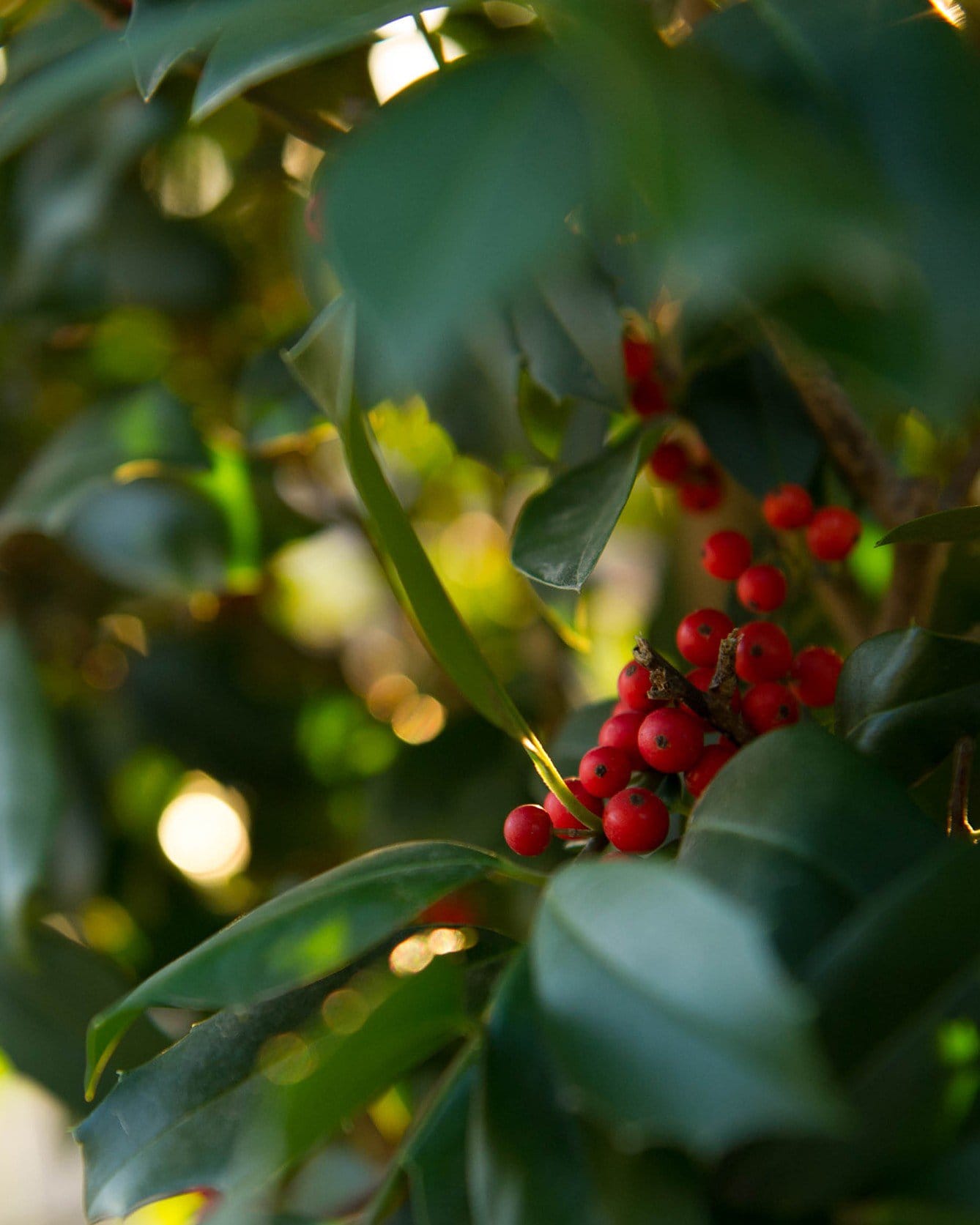
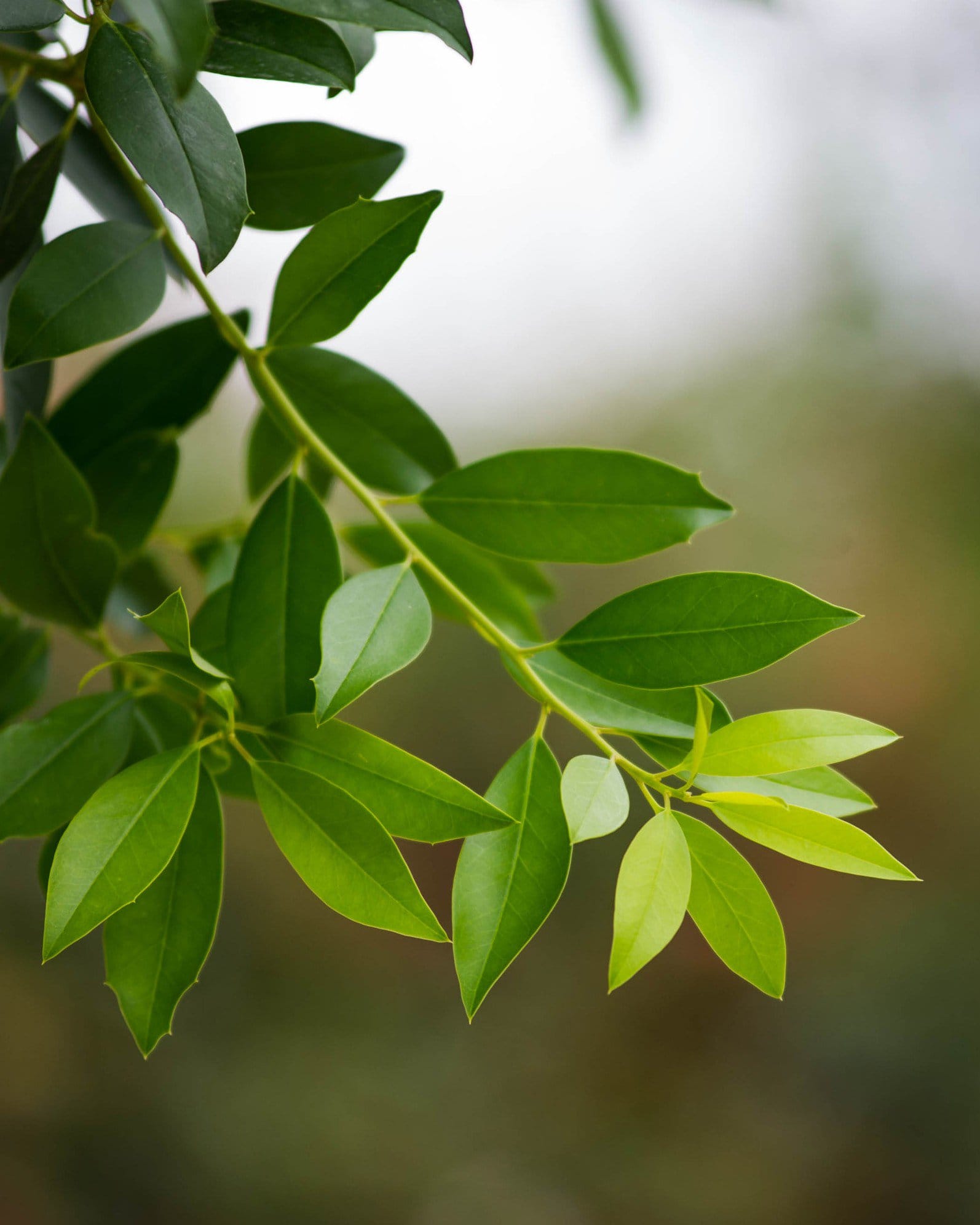
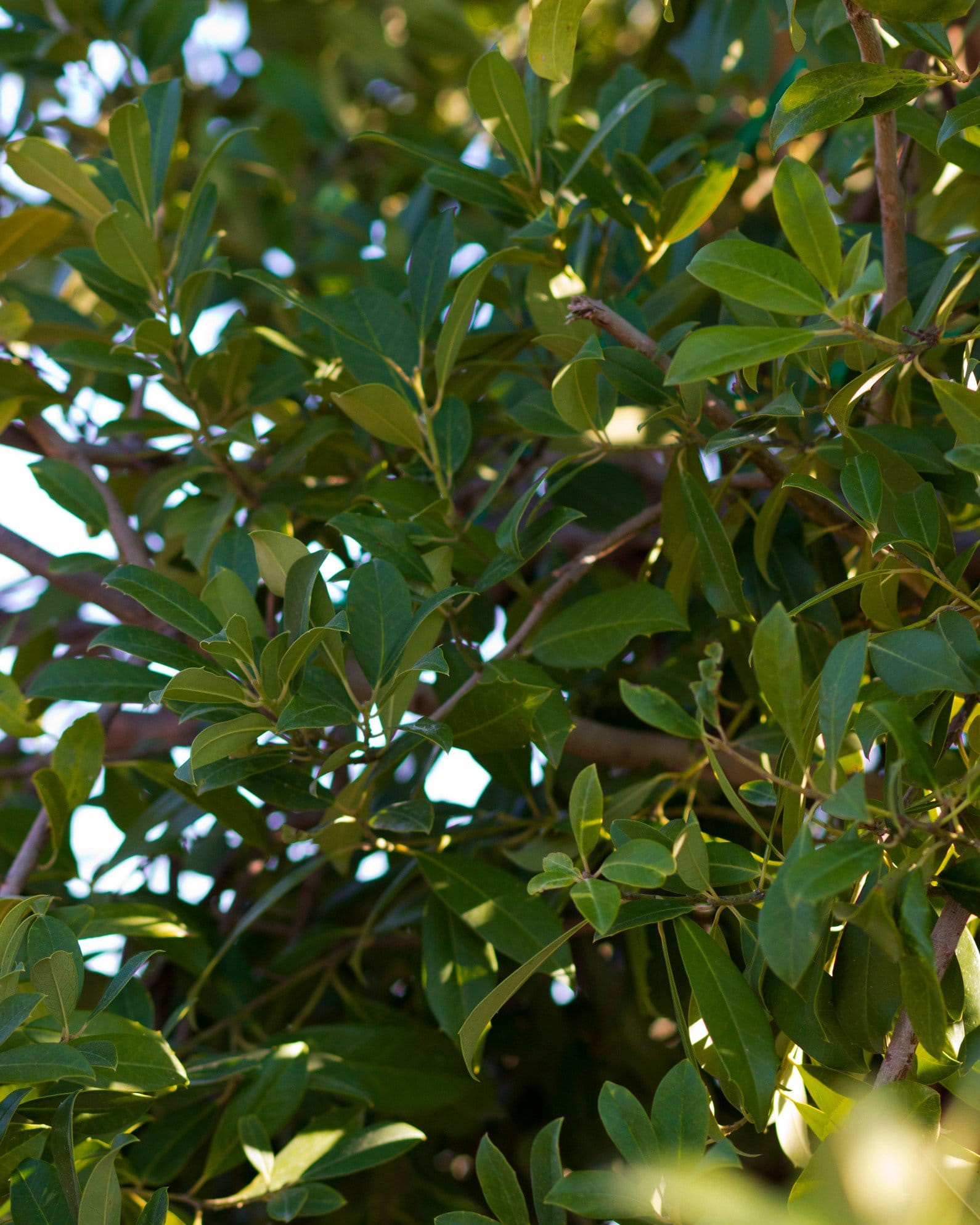
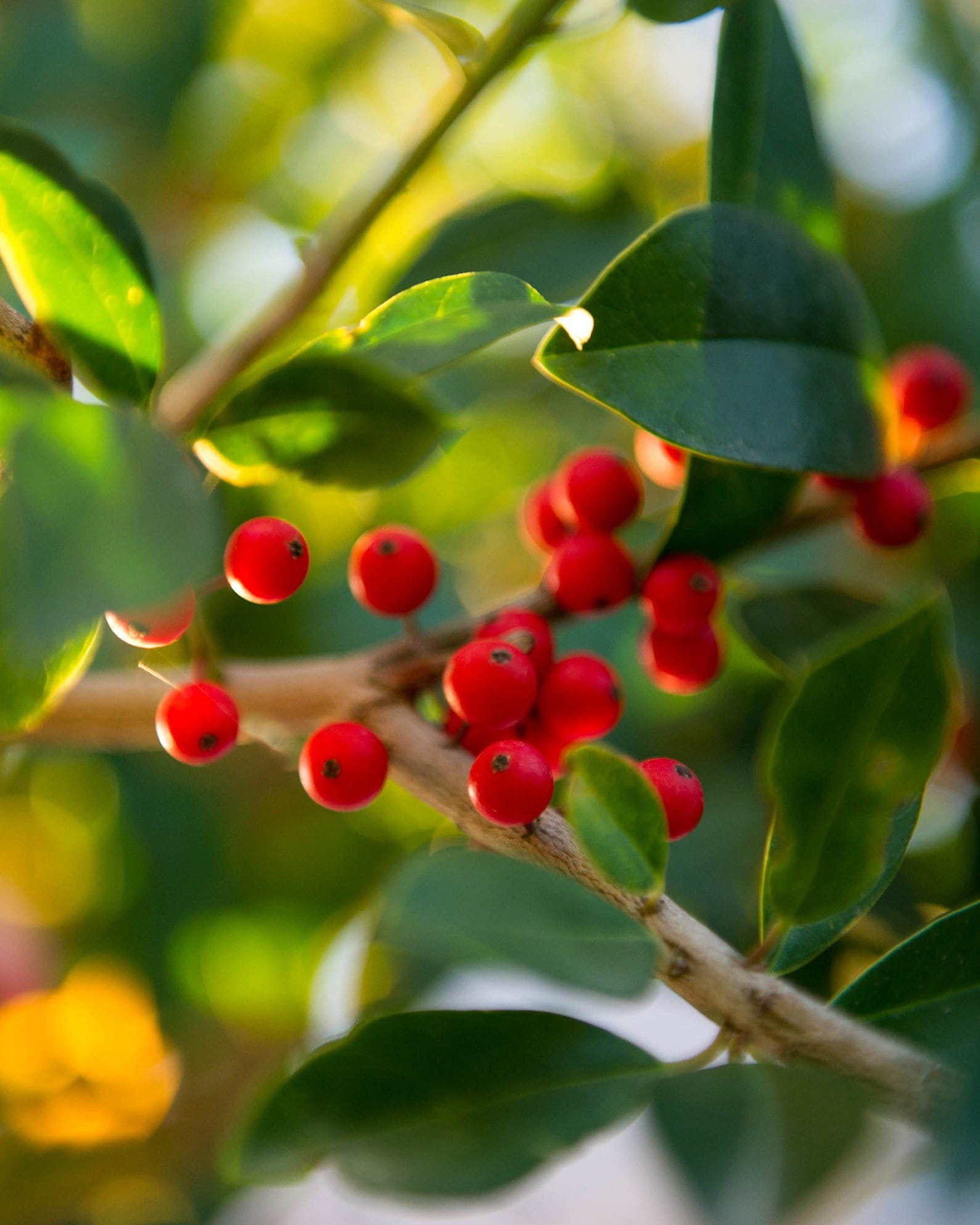
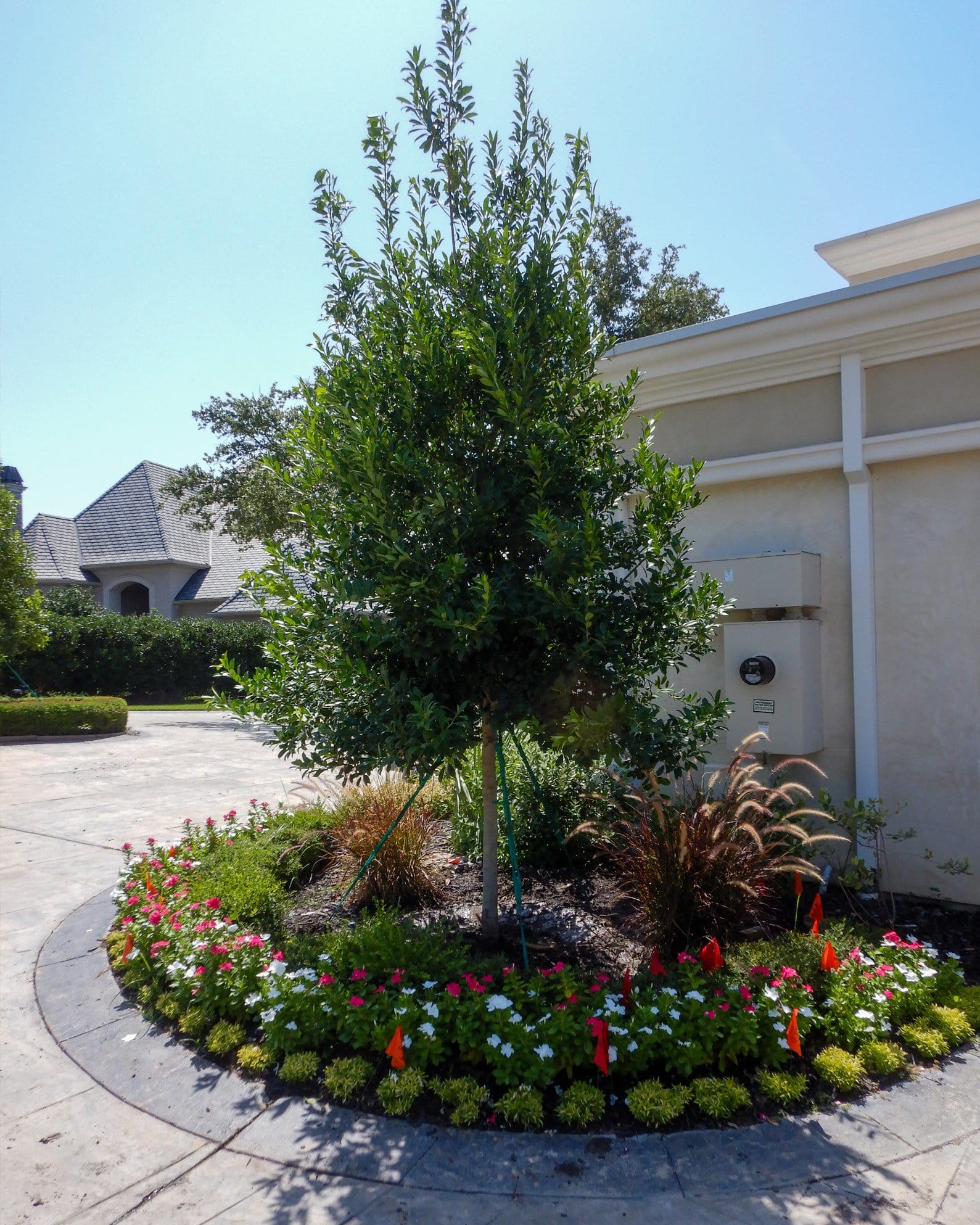
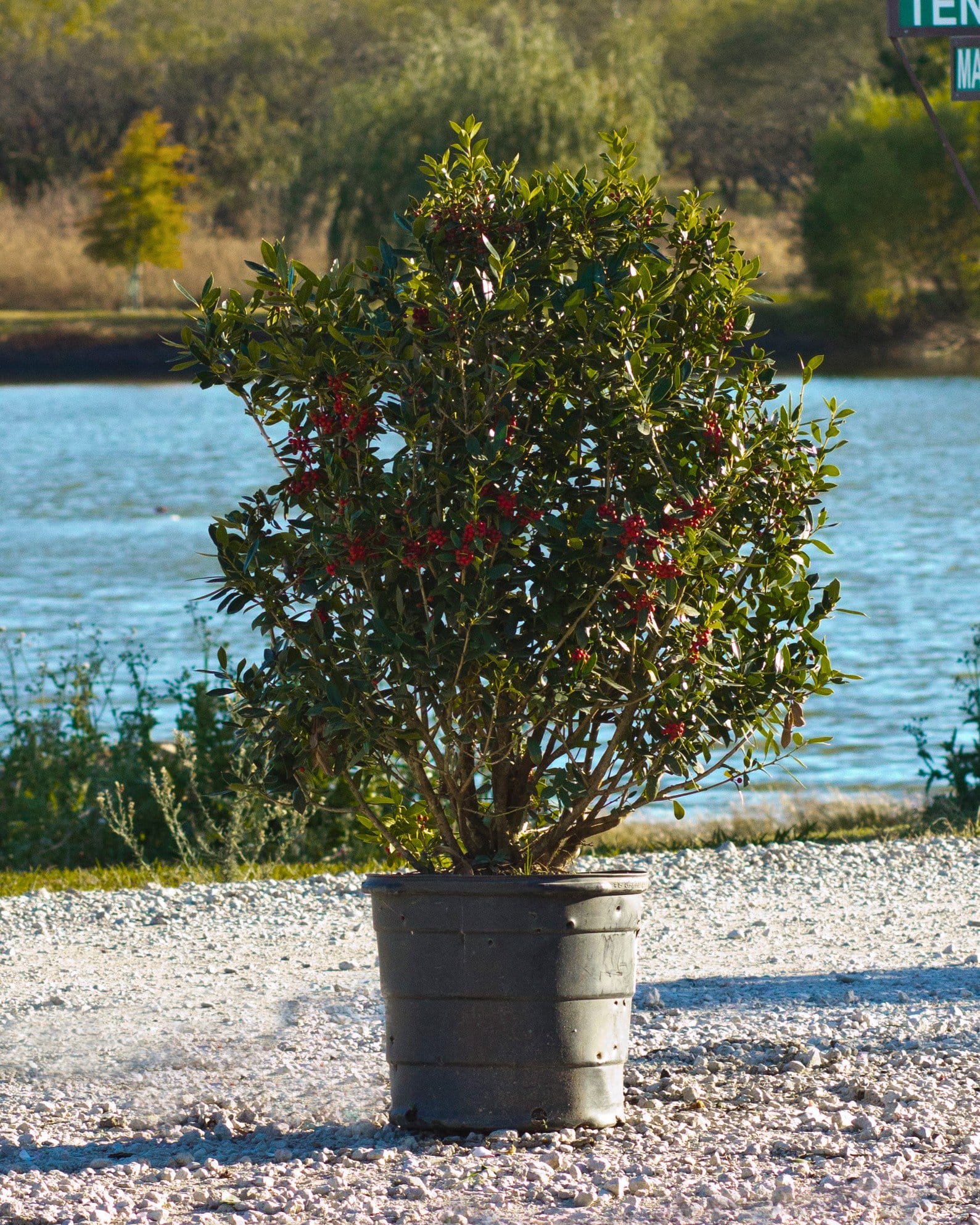
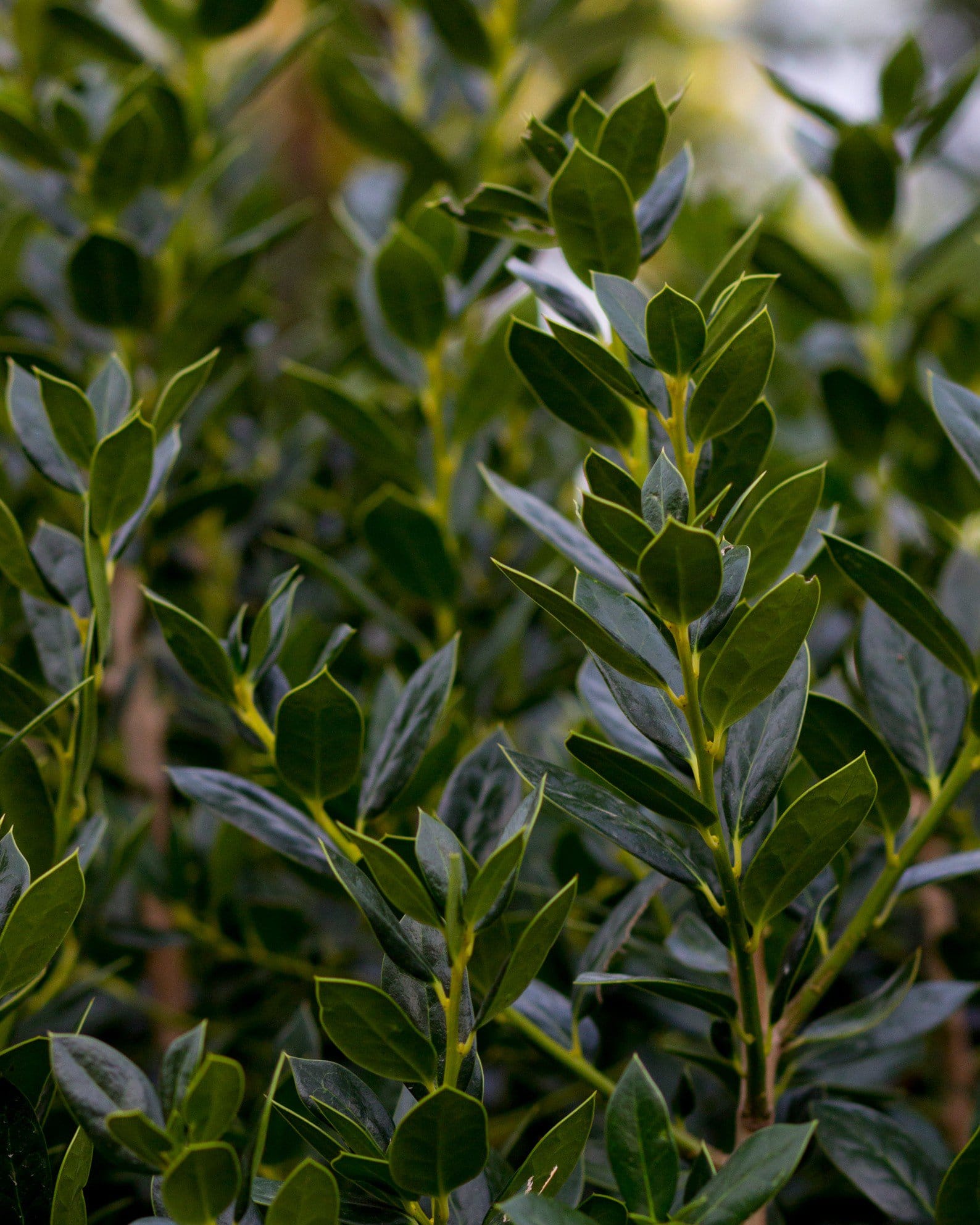
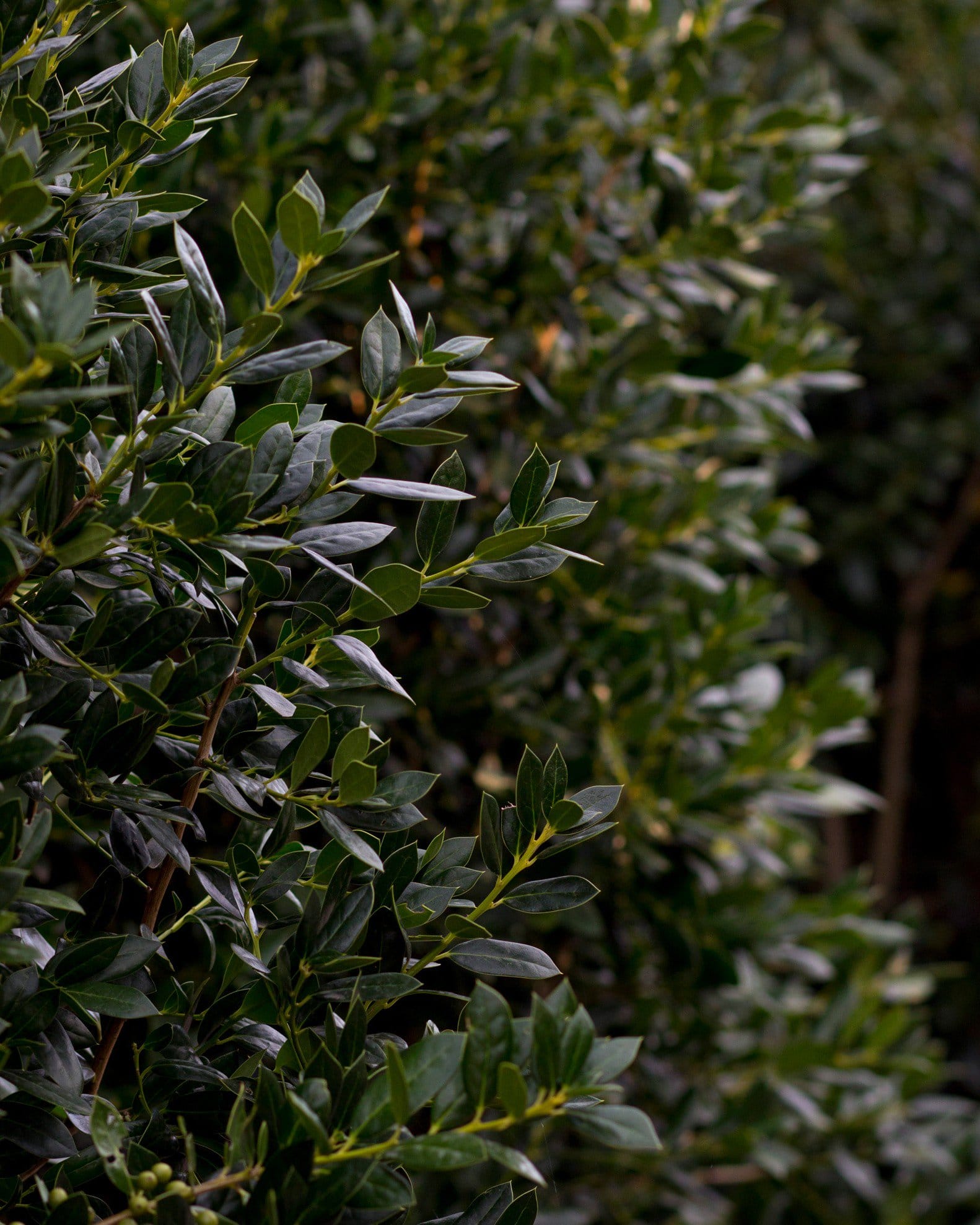
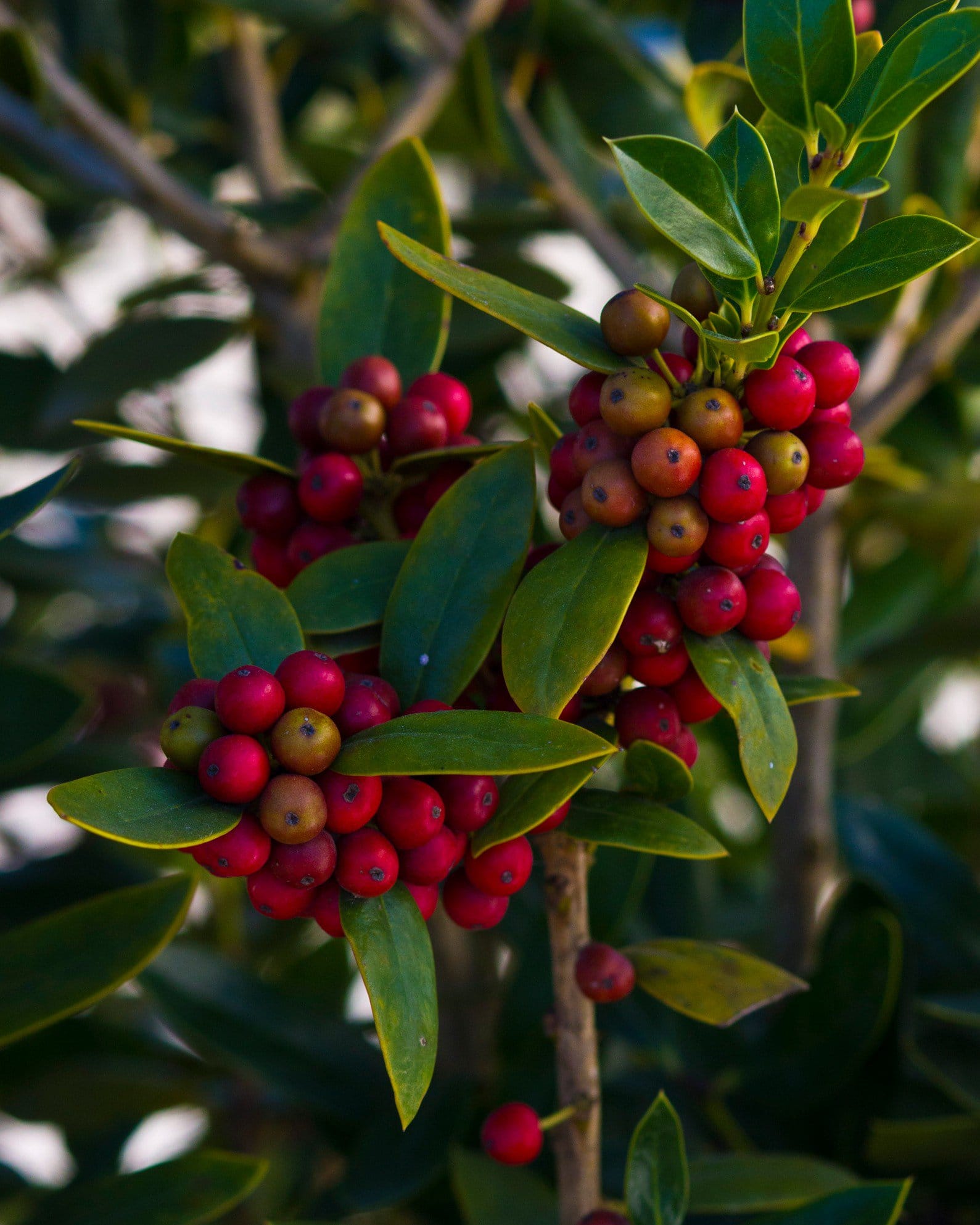
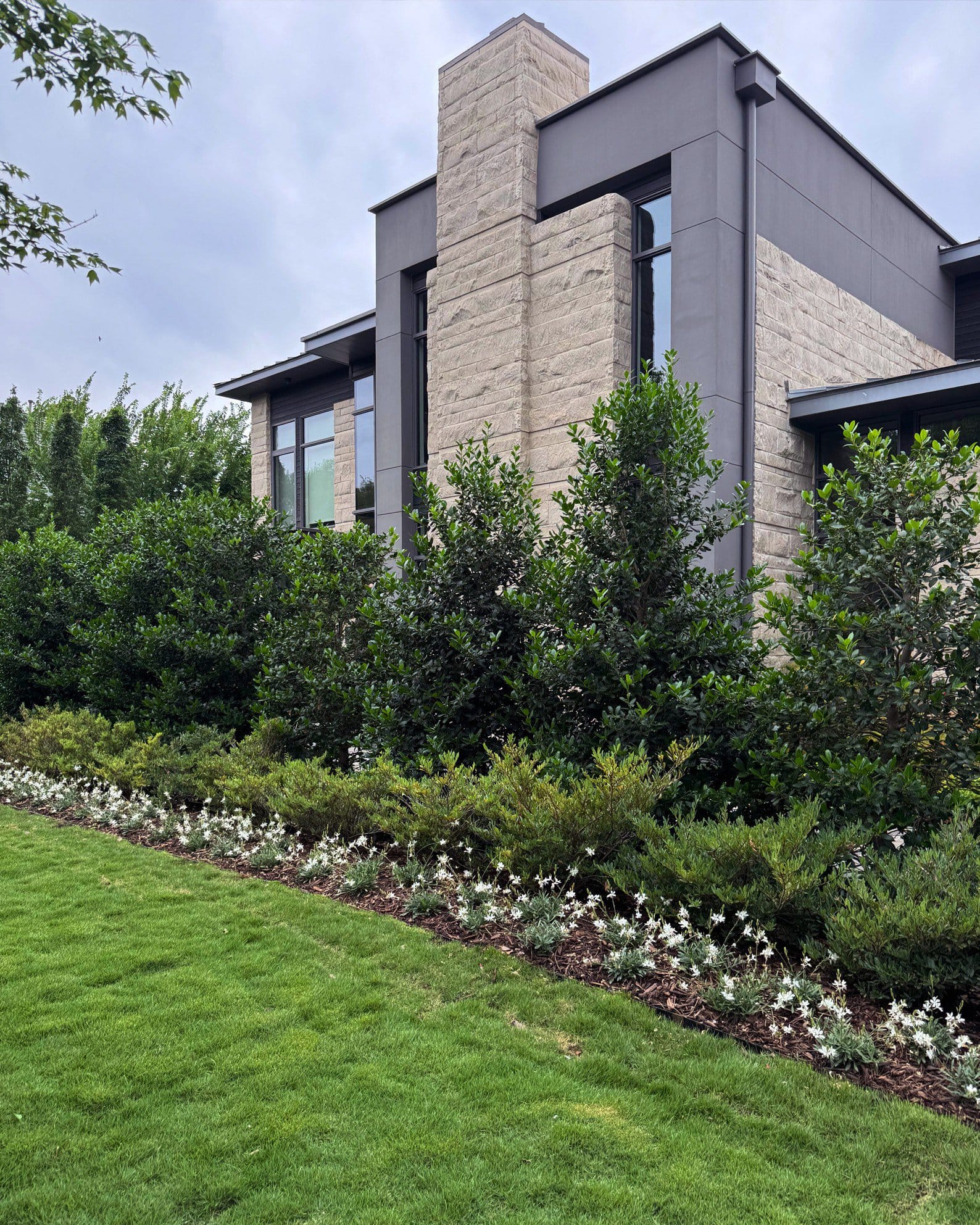
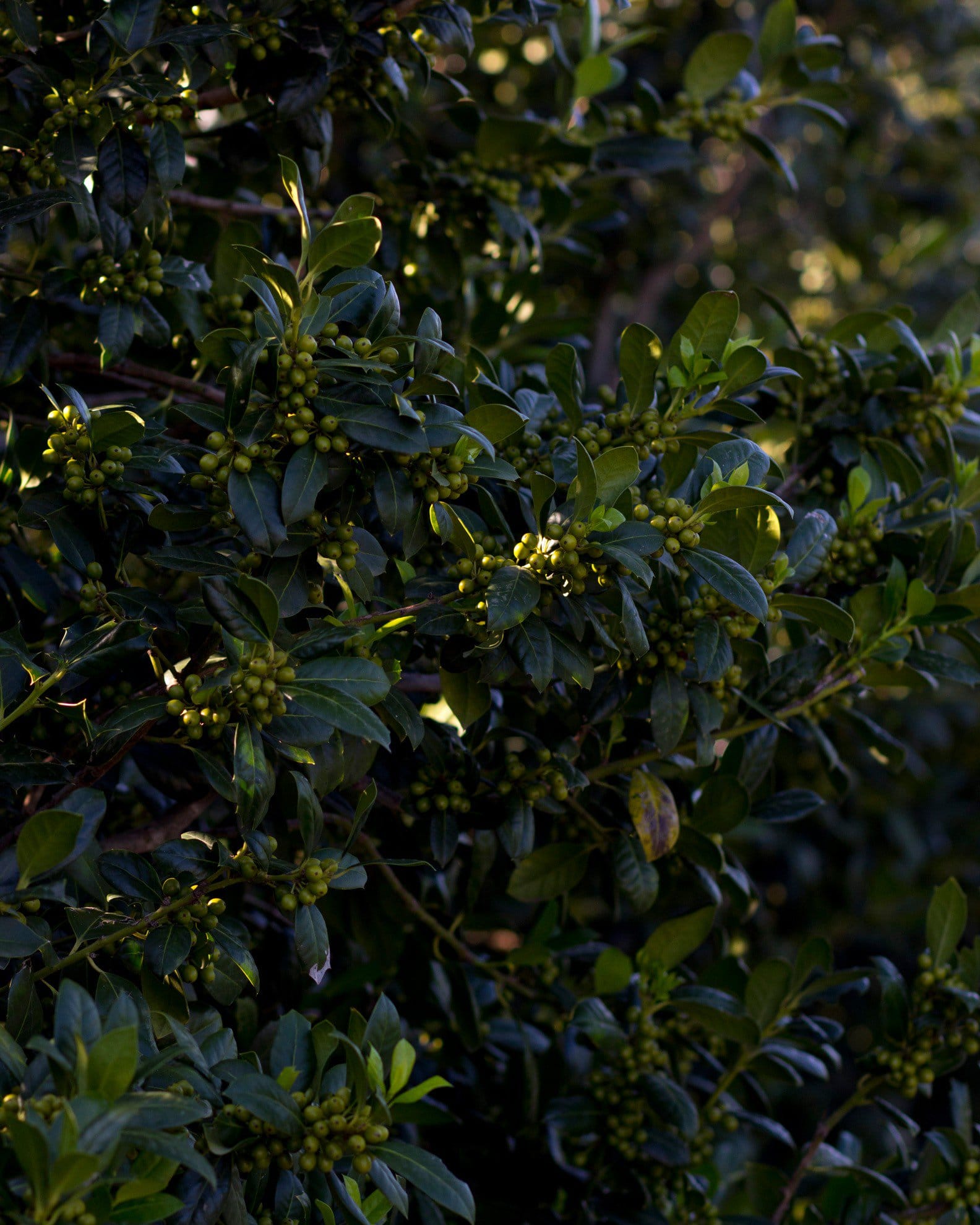
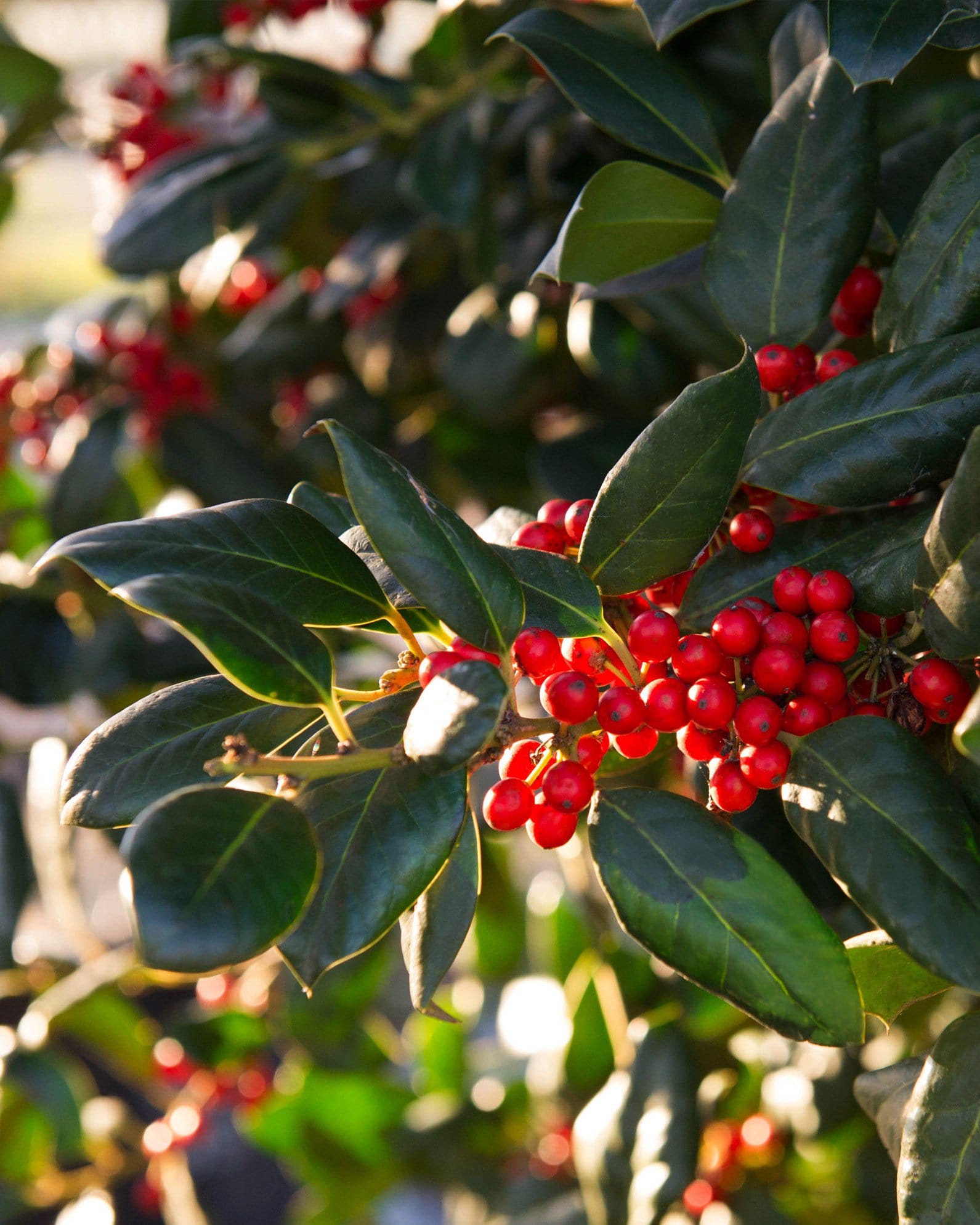
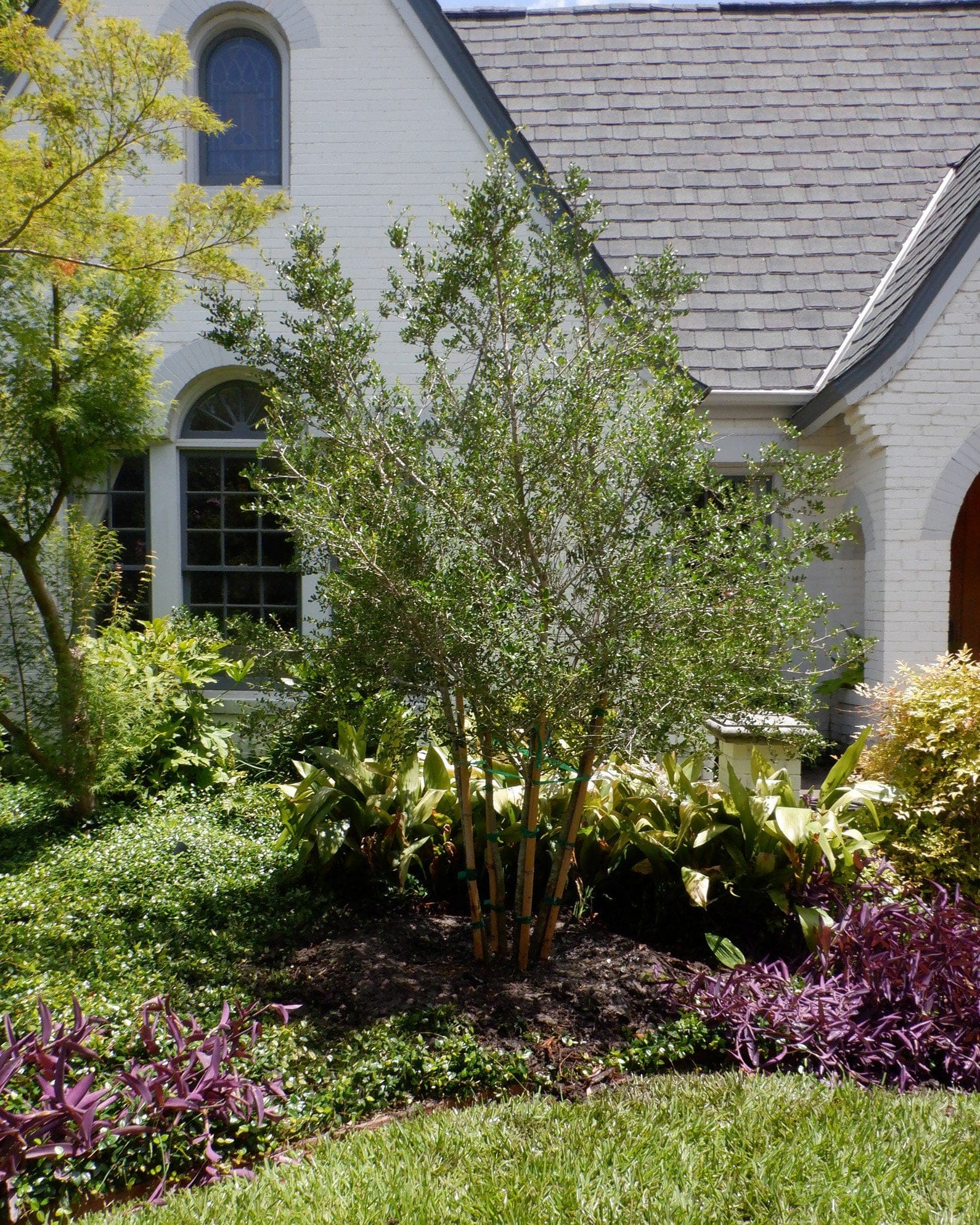
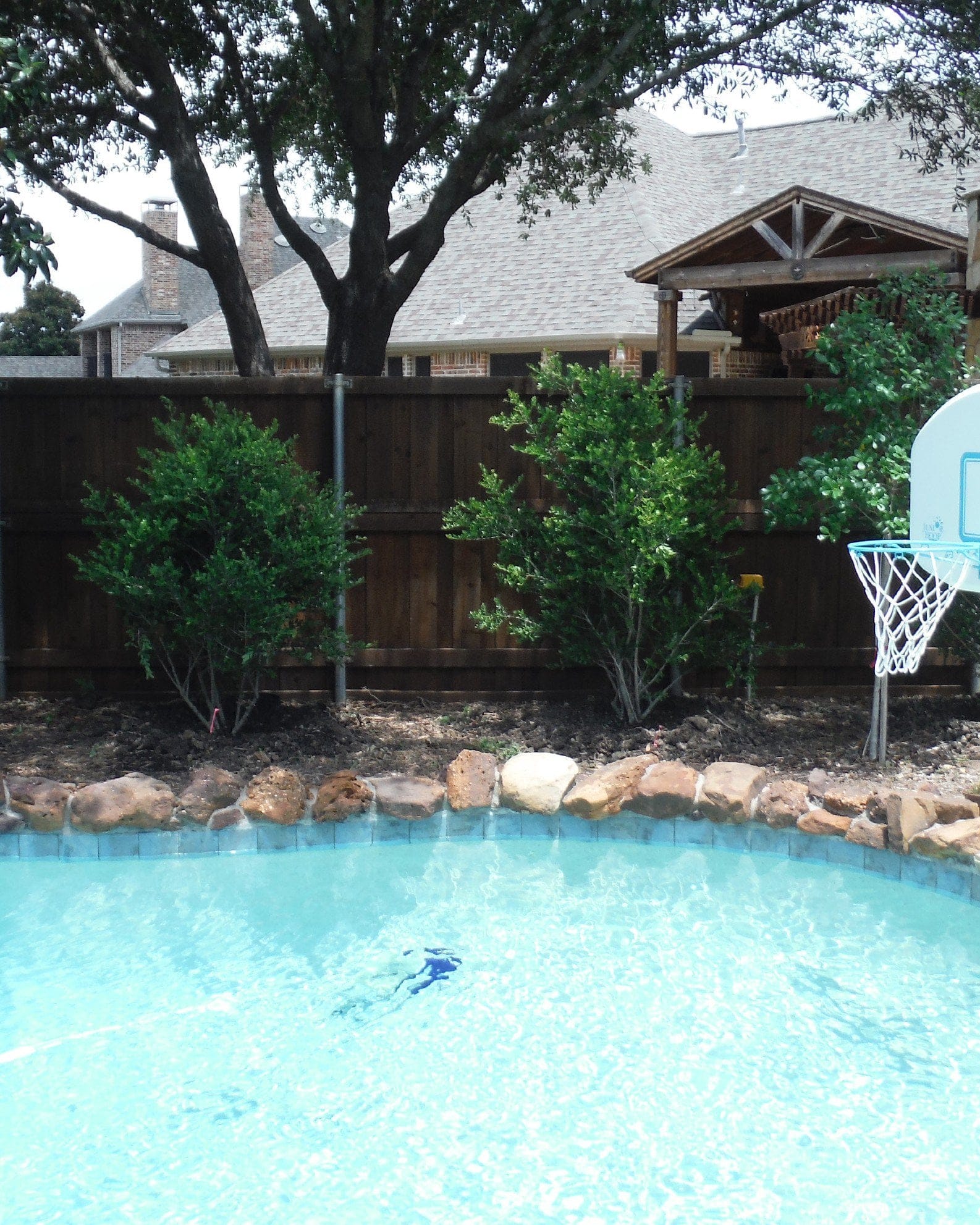
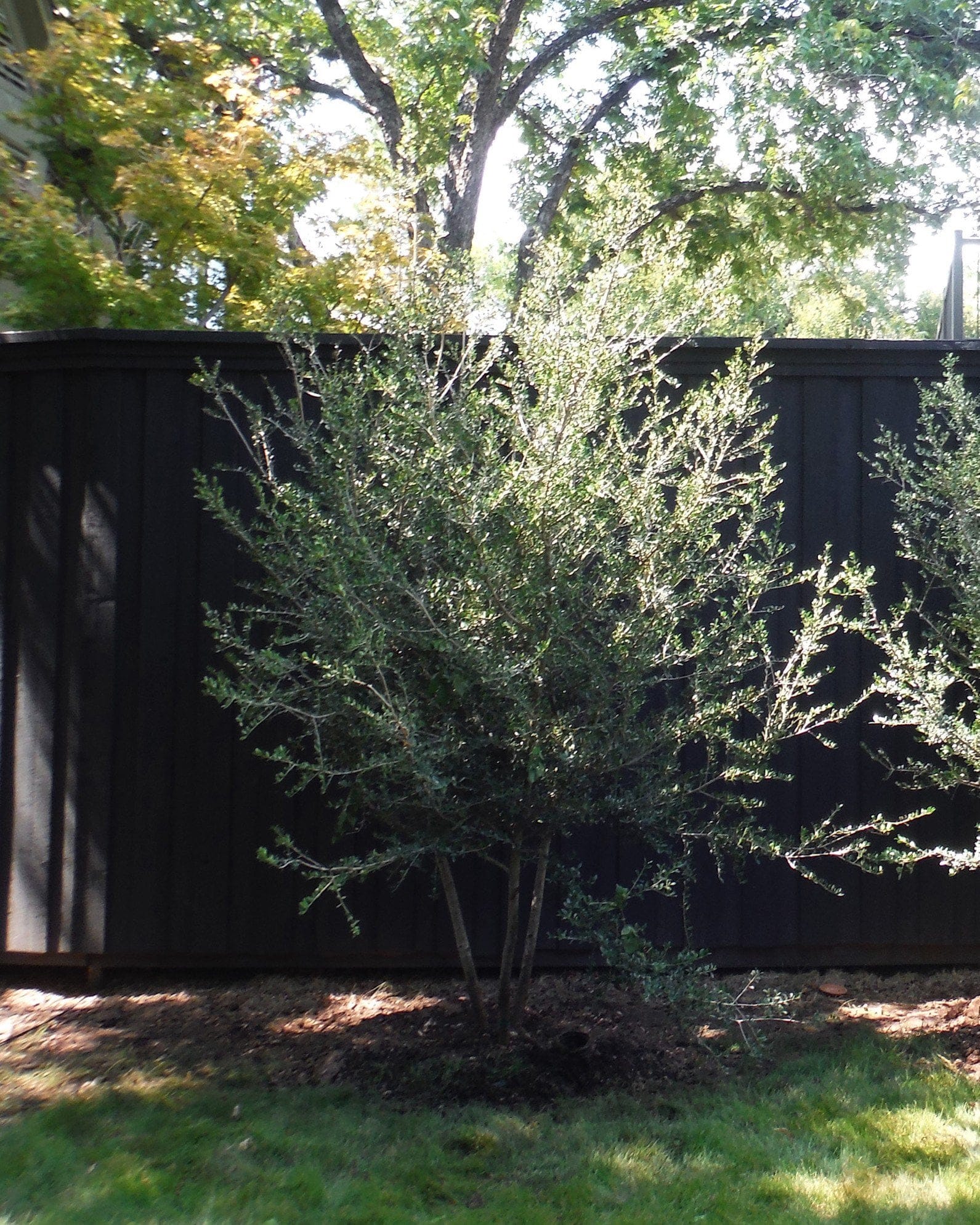
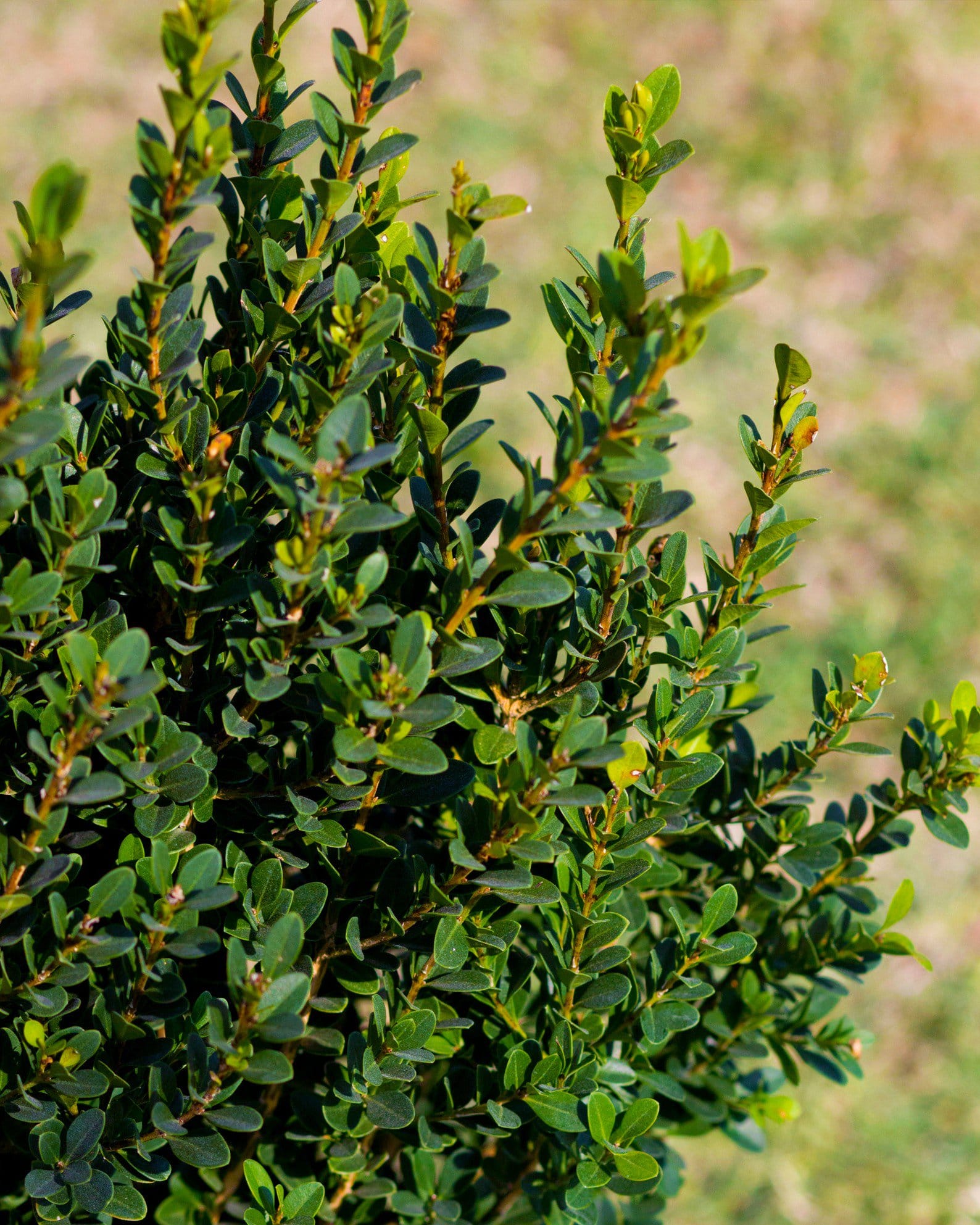
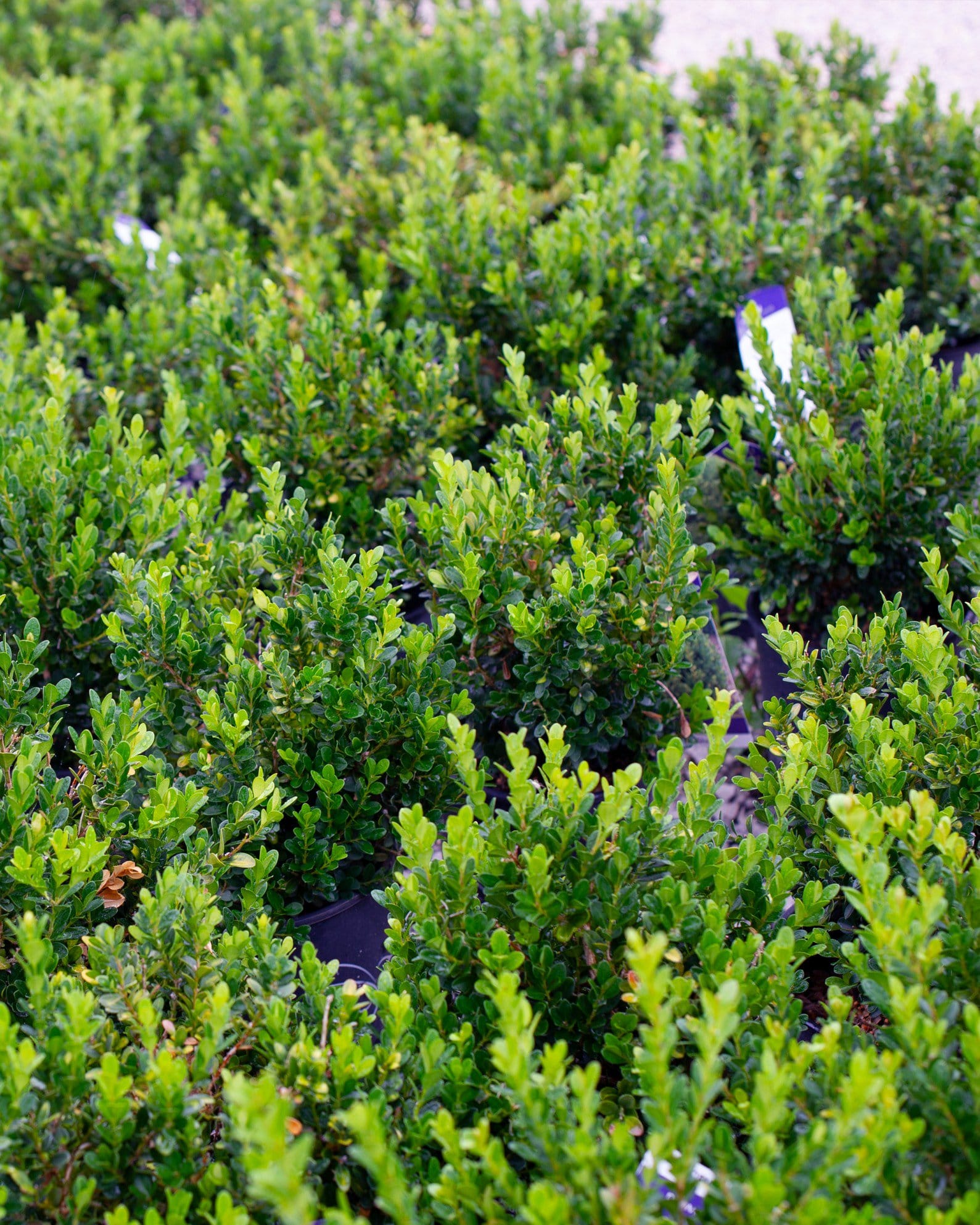
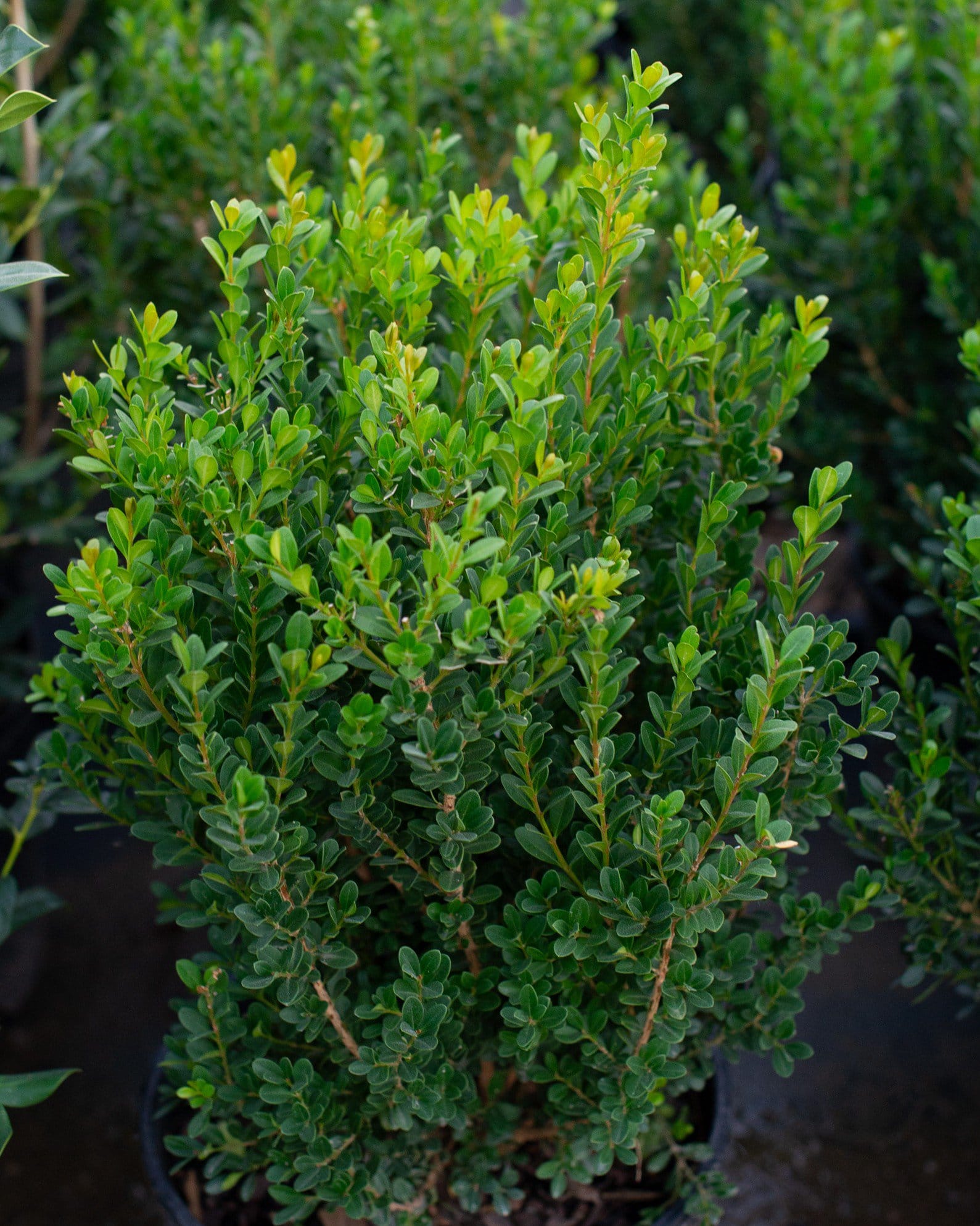
Ilex cornuta ‘Burfordii Nana’Dwarf Burford Holly is a popular evergreen shrub, prized for its dense foliage and year-round appeal. It features green, glossy leaves with a single soft spine at the tip, and in fall and winter, it's adorned with clusters of bright red berries. This shrub matures at 7 feet in height and width, forming a neat, rounded shape that works beautifully as a hedge, screen, or accent plant in formal or naturalized landscapes.
- Evergreen shrub
- Slow to moderate growth rate with dense, rounded habit
- Glossy green foliage
- Bright red berries in fall and winter
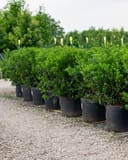
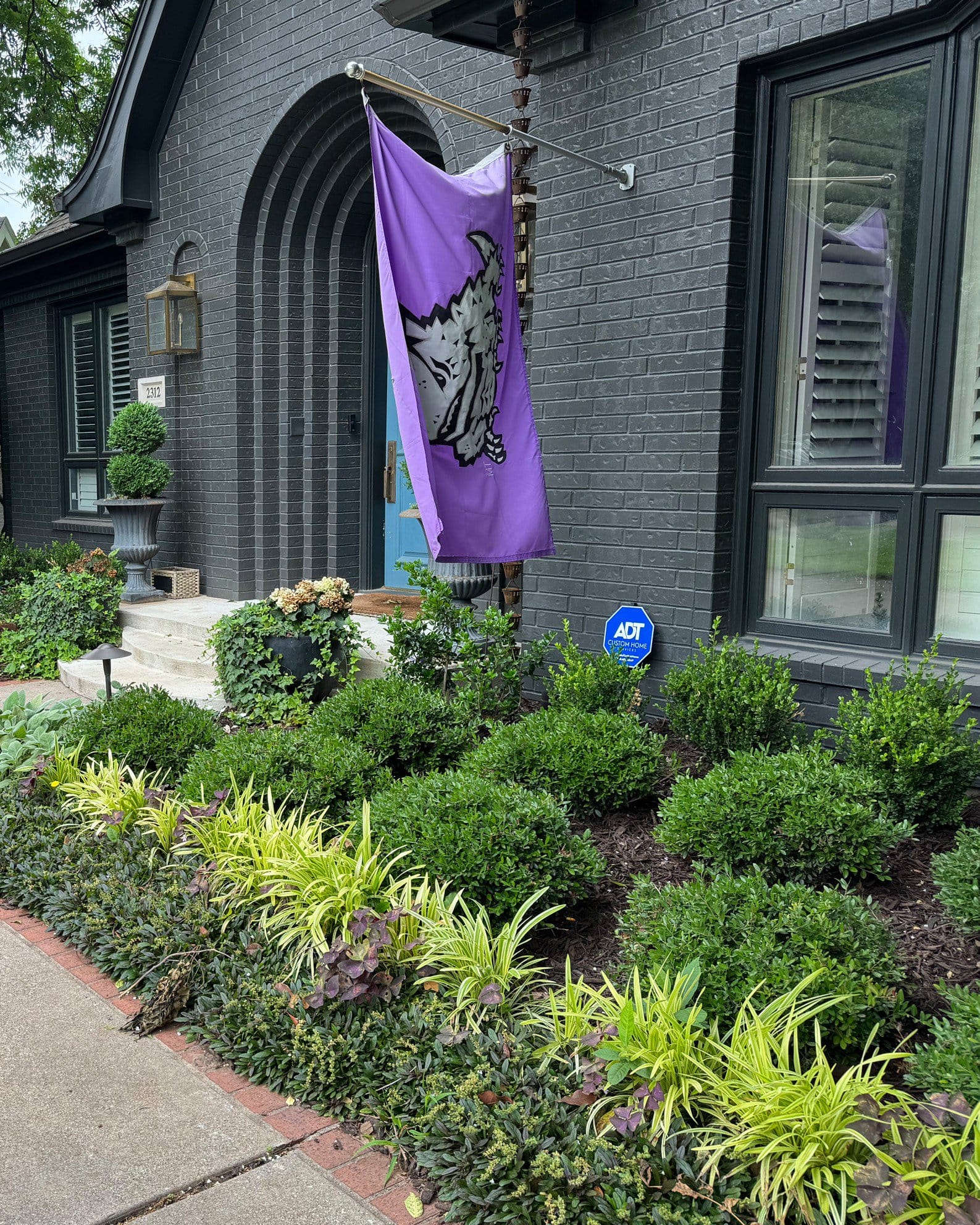
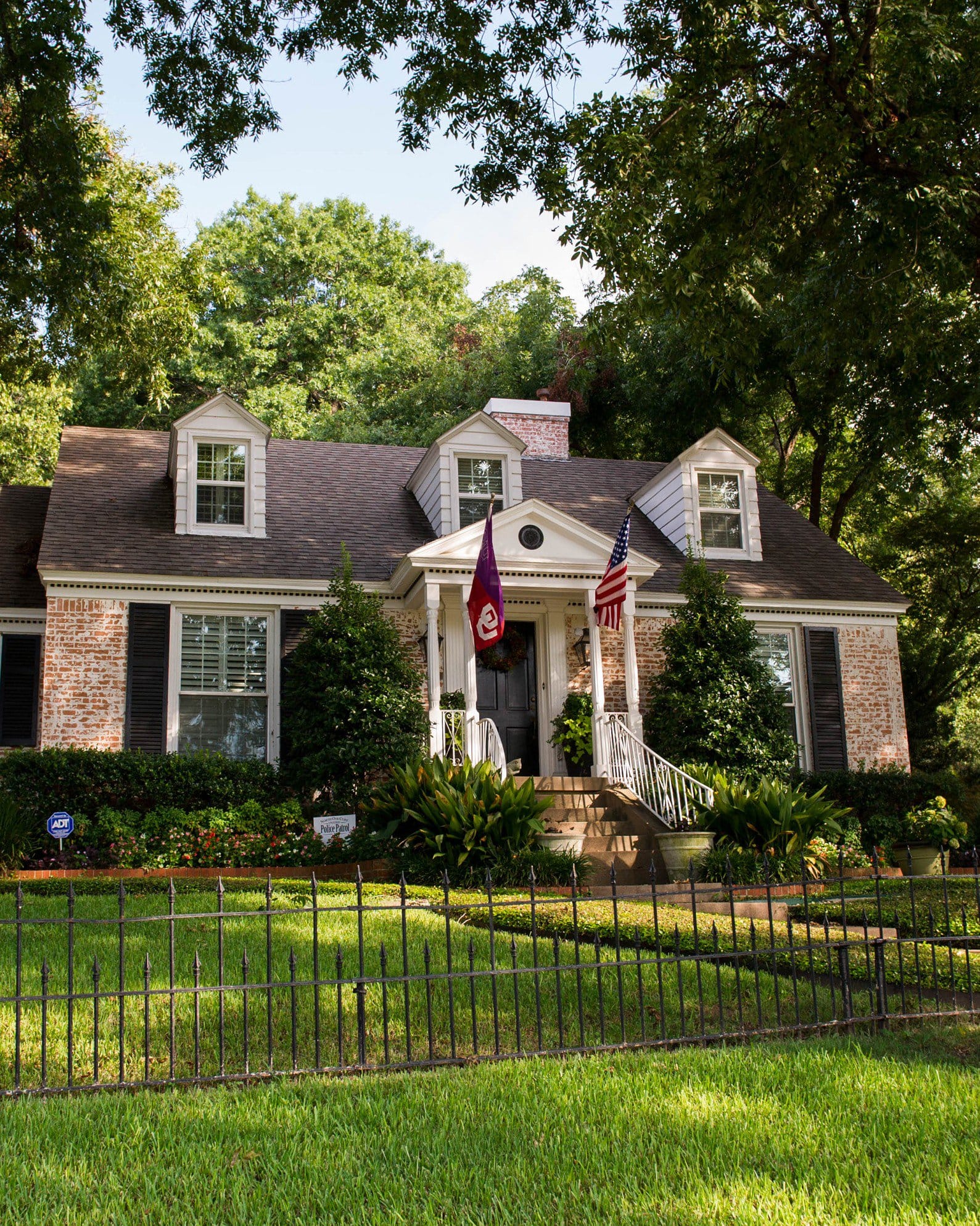
- Great for hedges, borders, and foundation plantings
Dwarf Burford Holly thrives in full sun to partial shade and prefers well-drained soil. It’s heat-tolerant, drought-resistant once established, and requires minimal care to maintain its form. Hardy in USDA zones 7 through 9, it's an excellent choice for adding structure, texture, and seasonal interest to your Texas landscape.
Dwarf Burford Holly is easy to care for once established, thriving with minimal effort while keeping its neat, glossy appearance year-round. Here’s how to help it stay at its best:
- Watering: Keep soil consistently moist during the first growing season to encourage deep root growth. Once established, it becomes moderately drought-tolerant but still benefits from deep watering during long dry spells. Avoid overwatering, as this can lead to root issues.
- Pruning: Prune in late winter or early spring before new growth begins. Trim to maintain shape or remove any dead or crossing branches. Light pruning throughout the year helps preserve its dense, tidy form, especially if you’re using it as a hedge or foundation plant.
- Fertilizing: Feed in early spring with a balanced, slow-release fertilizer formulated for acid-loving plants. A second, lighter application in midsummer can help maintain lush foliage and steady growth.
- Mulching: Spread a 2-3 inch layer of mulch (pine bark, pine straw, or compost) around the base to retain moisture and regulate soil temperature. Keep mulch about 6 inches away from the trunk to prevent rot.
- Spacing: When planting multiple hollies, space them 3-4 feet apart to allow proper air circulation and maintain their natural form.
Common Issues and How to Take Care of Them
Dwarf Burford Holly is generally resilient and resistant to most pests and diseases, but a few occasional issues can arise:
- Spider mites: These tiny pests cause stippling on leaves and can make foliage look dull. Rinse leaves with a strong spray of water or apply horticultural oil if the problem persists.
- Scale insects: These sap-feeding pests appear as small bumps on stems or leaves. Treat with horticultural oil or insecticidal soap to suffocate the insects.
- Leaf spot: Brown or black spots on leaves may appear in warm, humid conditions. Remove and dispose of infected foliage and avoid overhead watering to reduce spread.
- Chlorosis (yellowing leaves): This can occur if the soil isn’t acidic enough. Apply an acid-based fertilizer or soil acidifier containing iron or sulfur.
- Root rot: Caused by poor drainage or excessive watering. Ensure soil drains well and avoid letting roots sit in standing water.
- Holly Leaf Miner: Larvae that tunnel within the leaves, creating blotches. While usually not severe, they can cause stunted or deformed new leaves. Treat by removing and destroying invested leaves in fall and winter to reduce the next generation.
Overall, keeping the soil slightly acidic, watering deeply but infrequently, and pruning for airflow will prevent most issues before they start.
Dwarf Burford Holly grows at a moderate rate, adding 6 to 18 inches of new growth per year in ideal conditions. At this rate, it reaches maturity in about 5-7 years.
Yes! Female plants produce bright red berries in fall and winter - a favorite for birds and a gorgeous seasonal accent.
No, Dwarf Burford Holly is self-pollinating, so it will produce berries even without a male pollinator.
Early spring or fall, when temperatures are mild and roots can establish before extreme weather hits.
For a dense hedge, plant your Dwarf Burford Holly at 2-4 feet apart. When planting as individual specimens, feel free to keep your shrubs 8-10 feet apart instead.
Water deeply every 10-14 days during dry spells. Regular rainfall is usually enough for established plants.
To protect your Dwarf Burford Holly in winter, simply mulch to insulate roots and water deeply before the ground freezes. For young specimens in windy locations, feel free to use a burlap screen to protect from wind.
Yes - choose a large, well-draining container and water regularly, especially during summer. It makes a lovely accent plant on patios or entryways.
With proper care, this shrub can live 40-50 years or more.
Regular light pruning, adequate sunlight, and annual feeding in early spring will keep the growth tight and lush.
Special Features
You might also like
Dwarf Yaupon Holly
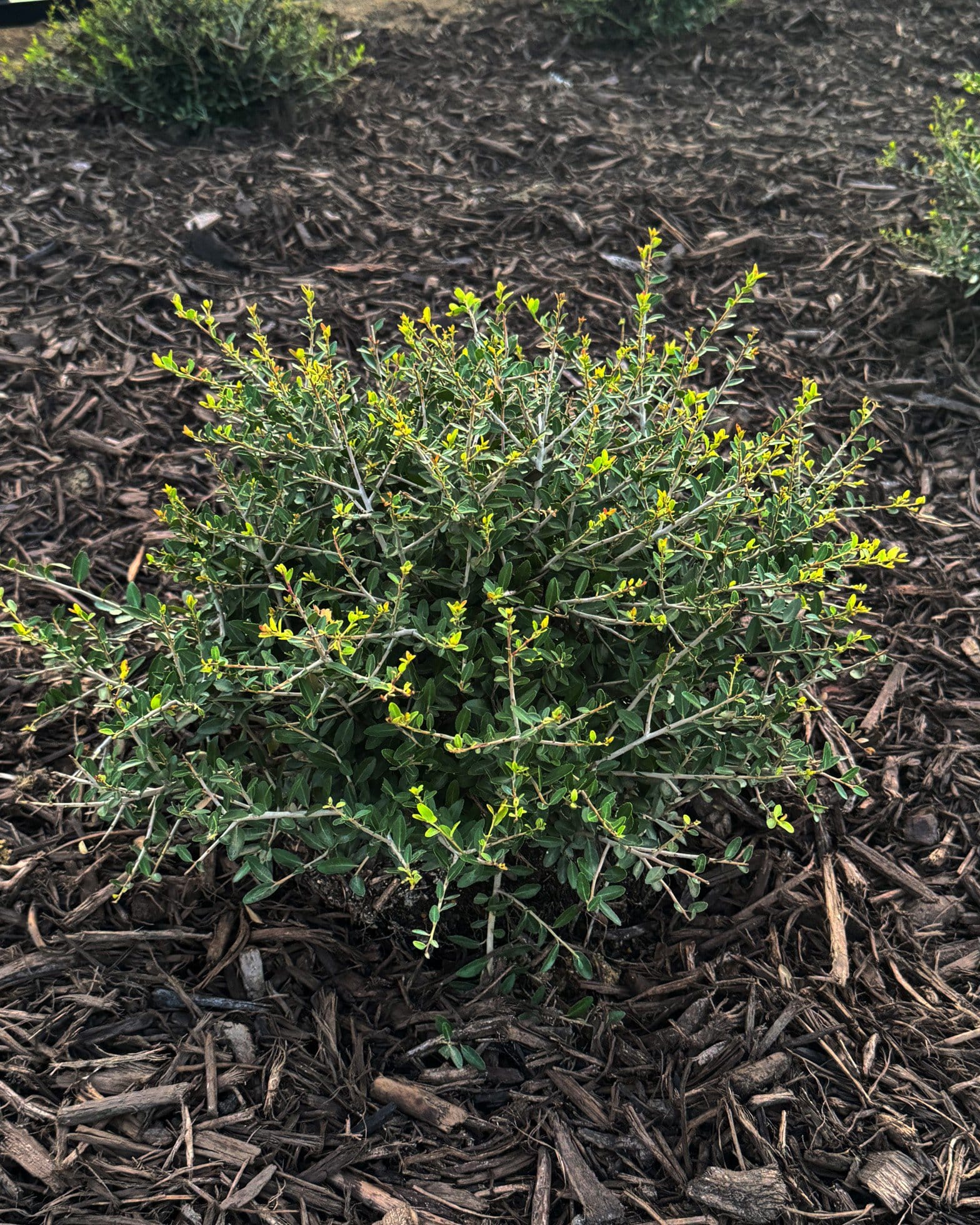
Maturity: 3' H x 3' W
Soft Touch Holly
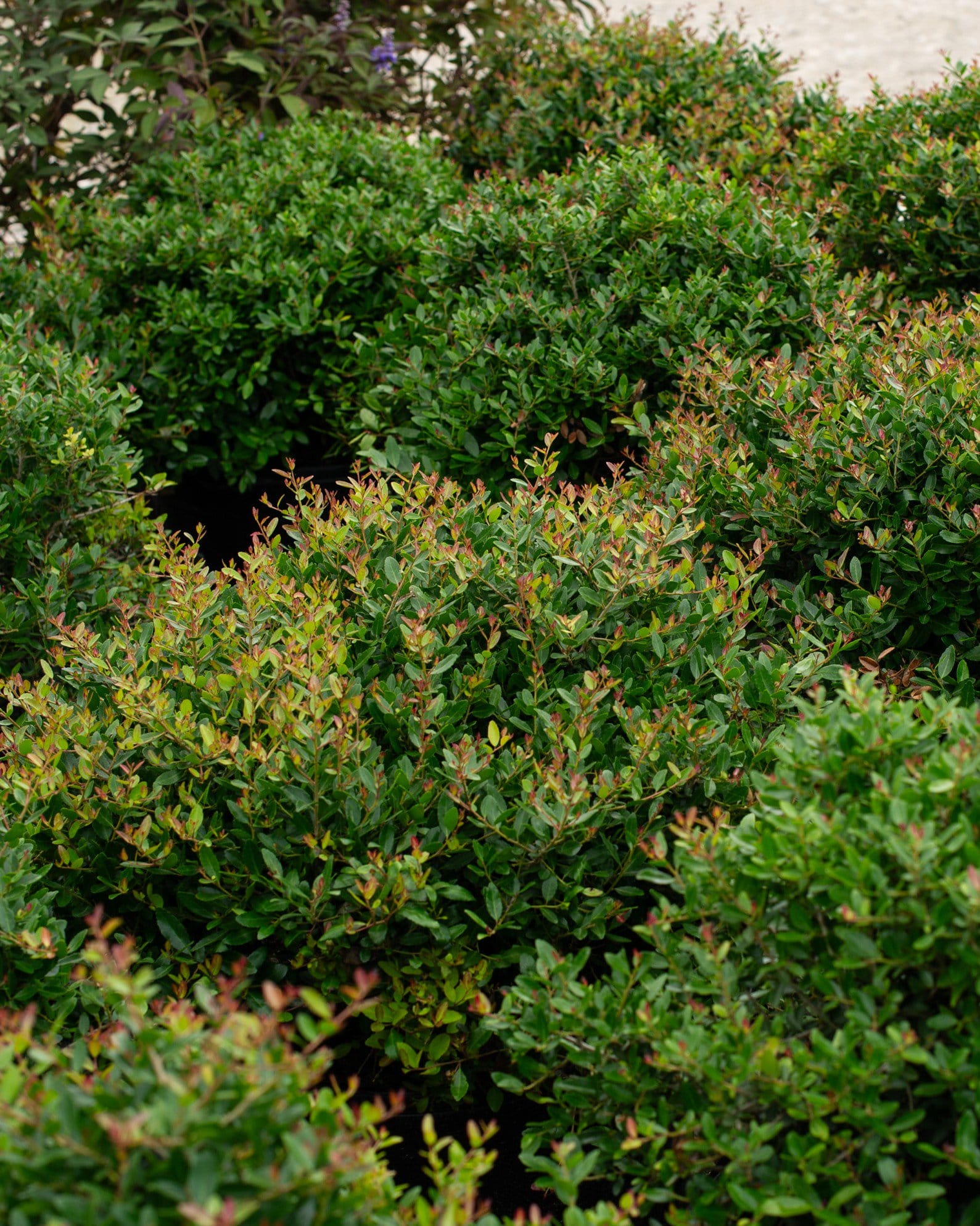
Maturity: 2' H x 2' W
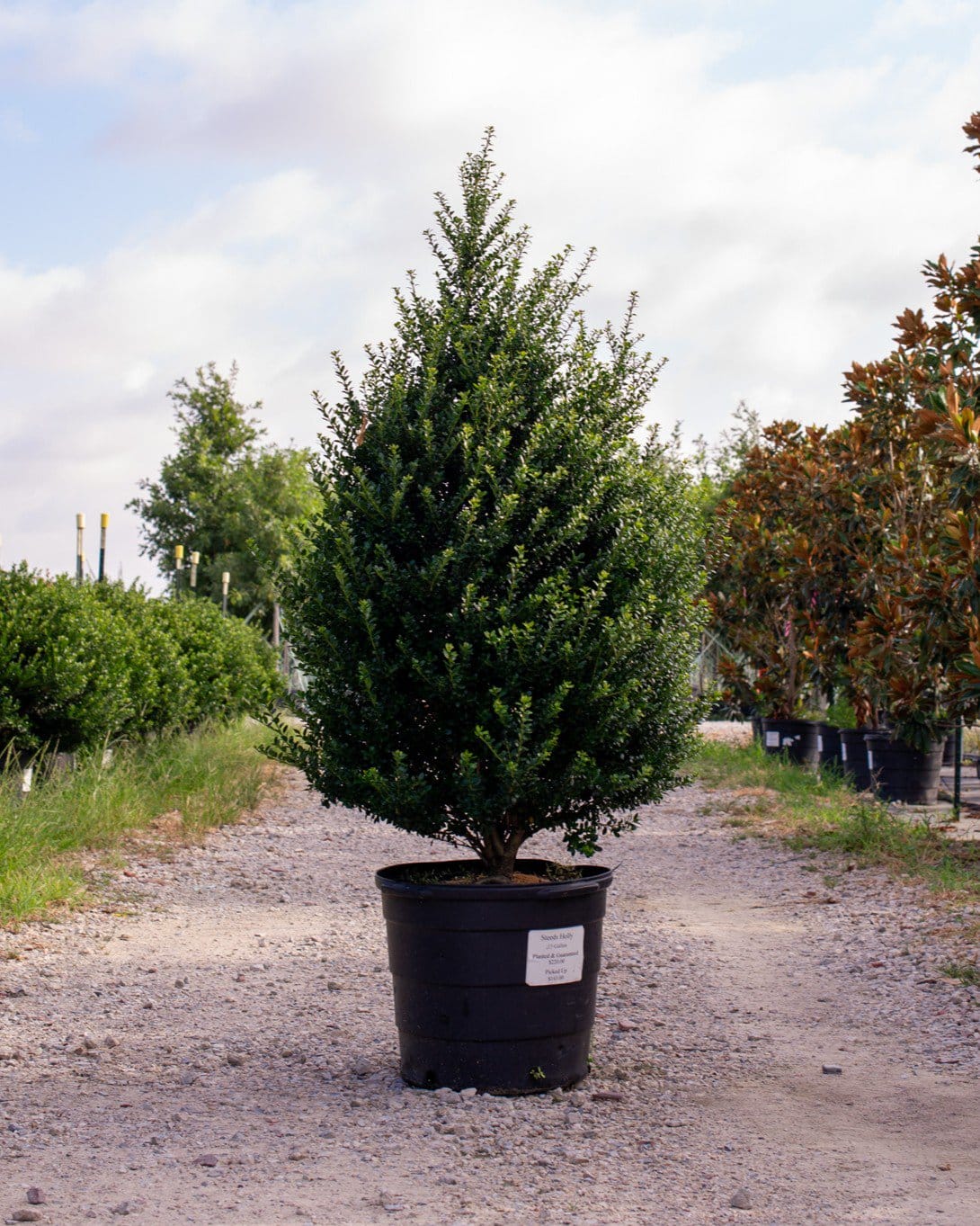
Steeds Holly
Maturity: 7' H x 5' W
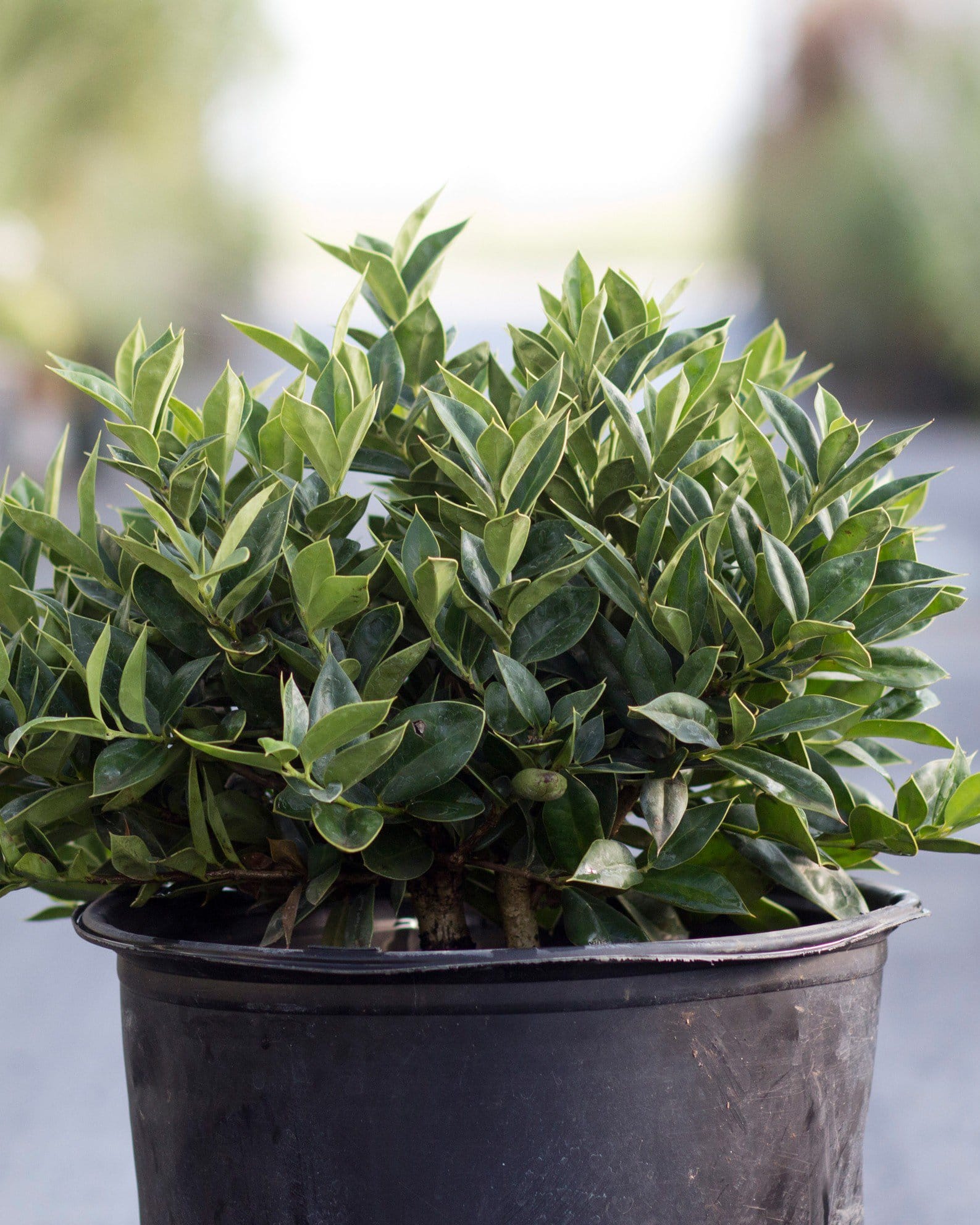
Carissa Holly
Maturity: 3' H x 4' W
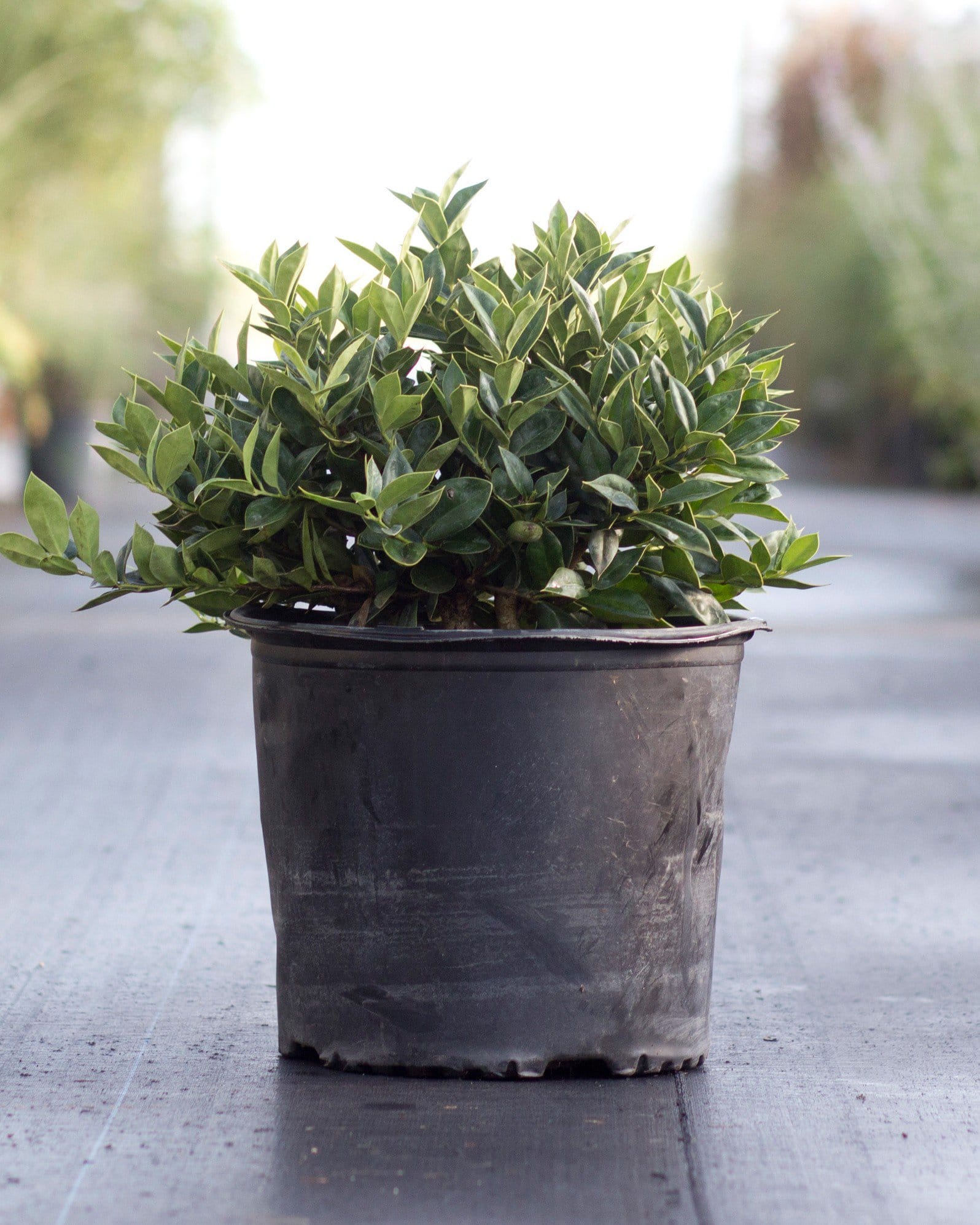
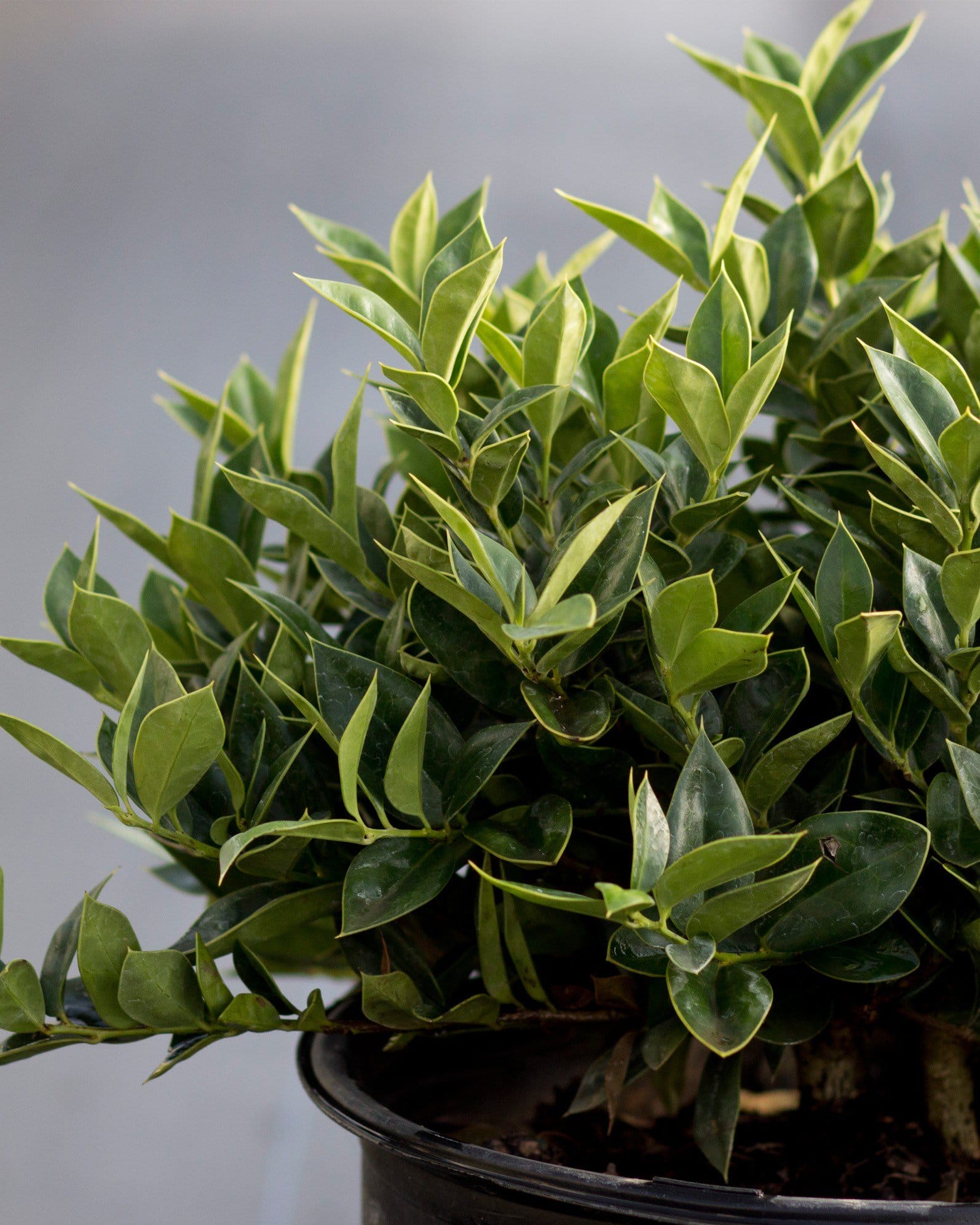
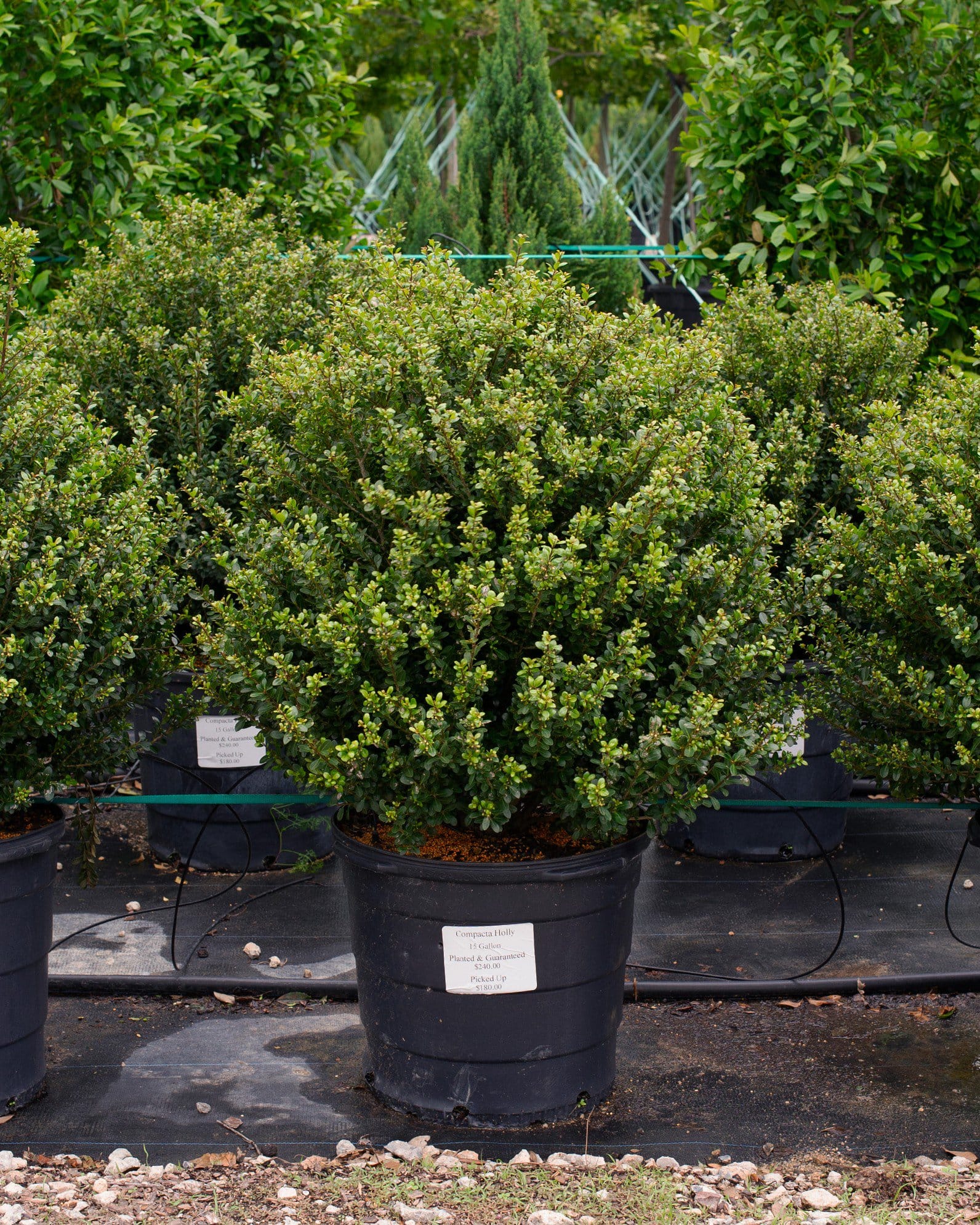
Compacta Holly
Maturity: 5' H x 5' W
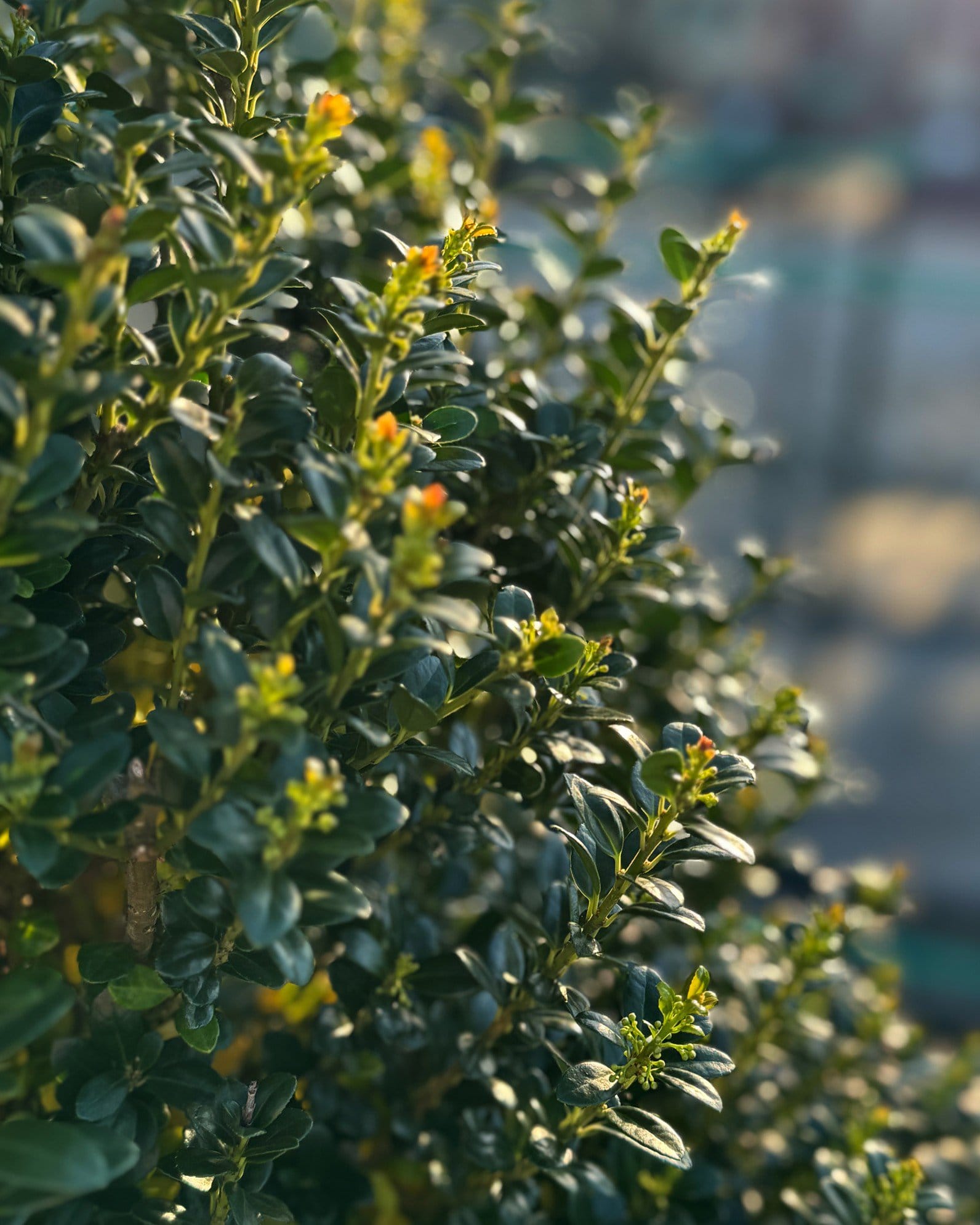
Dwarf Yaupon Holly Eureka Gold
Maturity: 4' H x 4' W
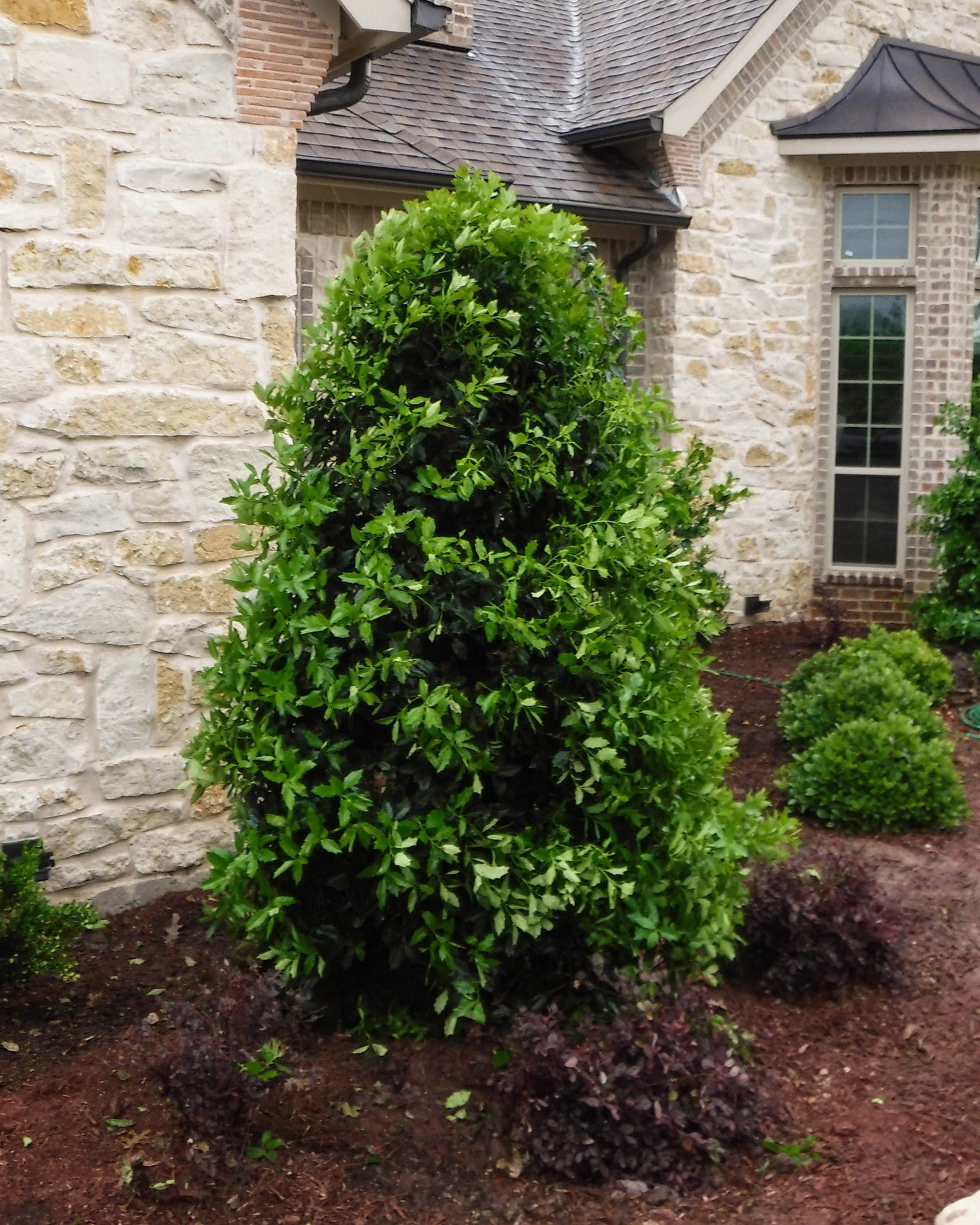
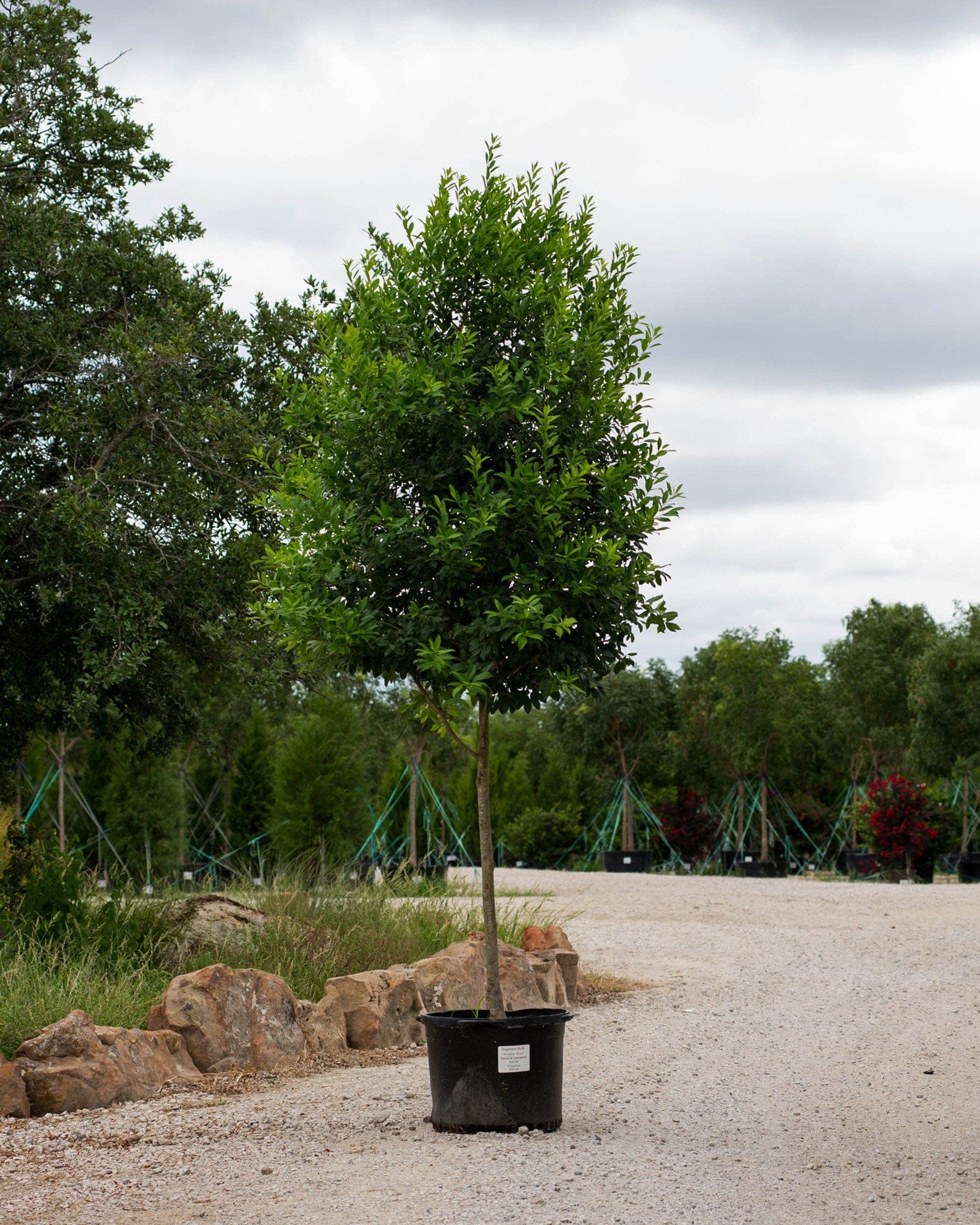
Eagleston Holly Full to Ground
Maturity: 20' H x 14' W
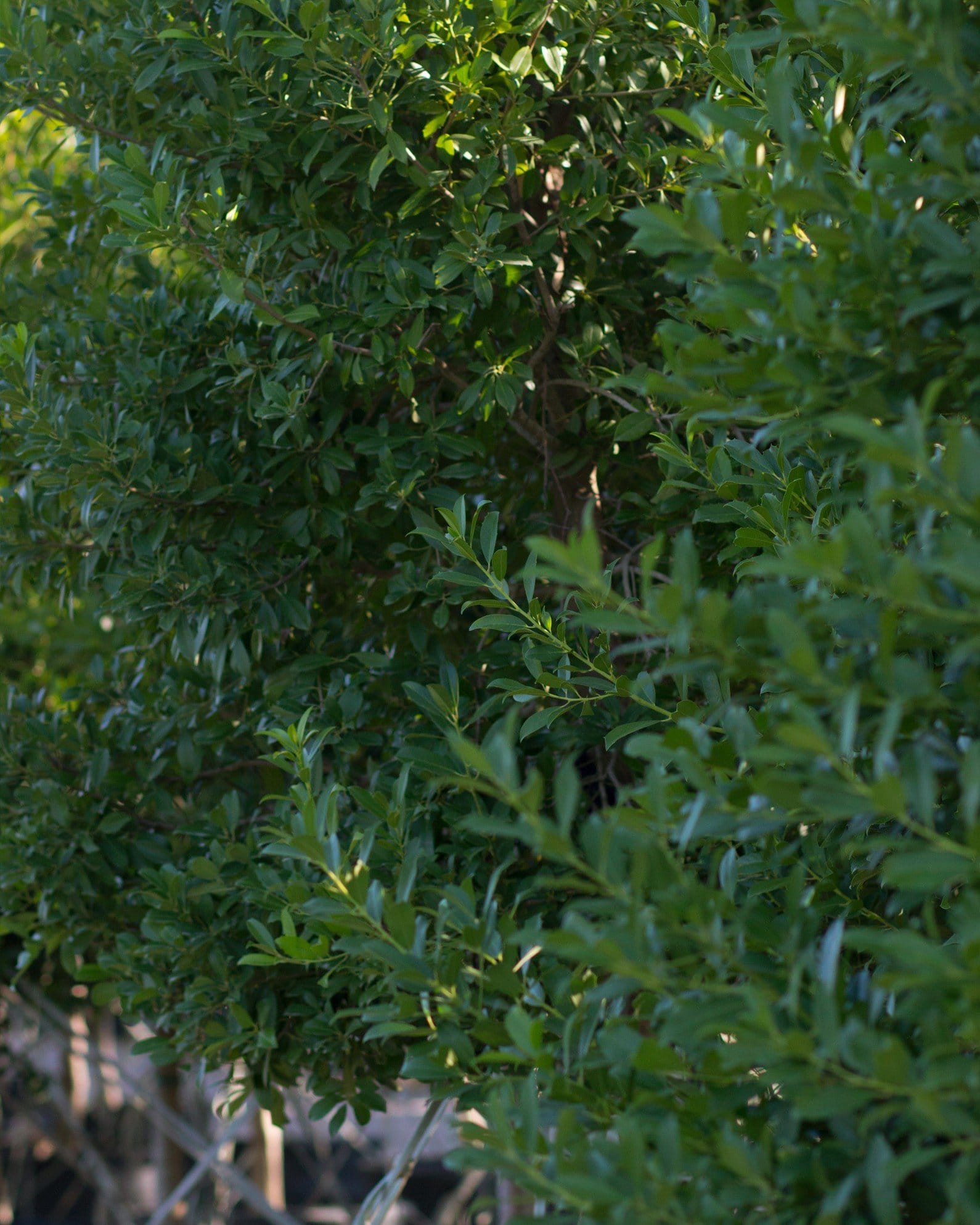
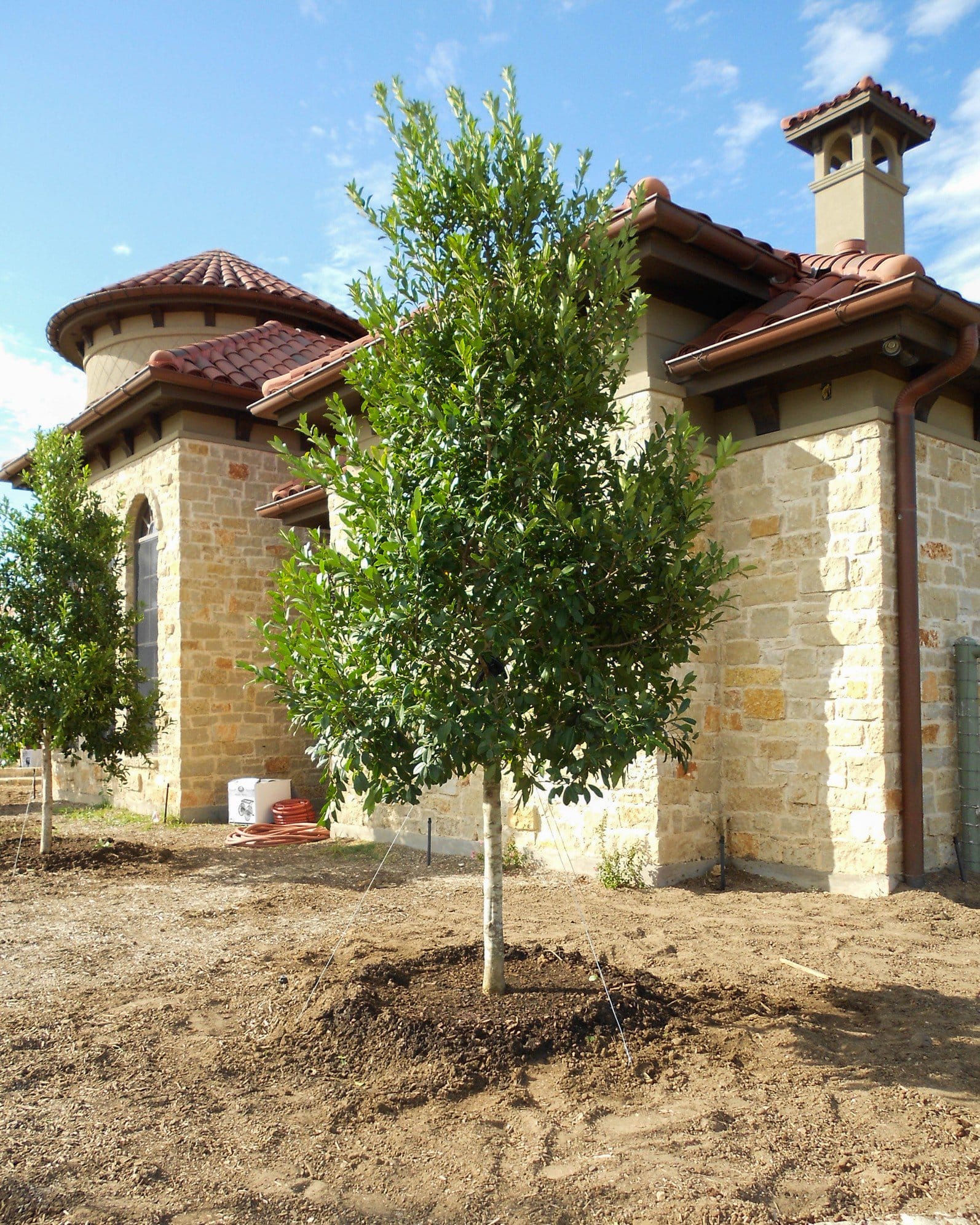
Eagleston Holly Tree Form
Maturity: 20' H x 14' W
Micron Holly
Maturity: 1.5' H x 2.5' W
Needlepoint Holly
Maturity: 10' H x 8' W
Nellie R Stevens Holly
Maturity: 20' H x 14' W
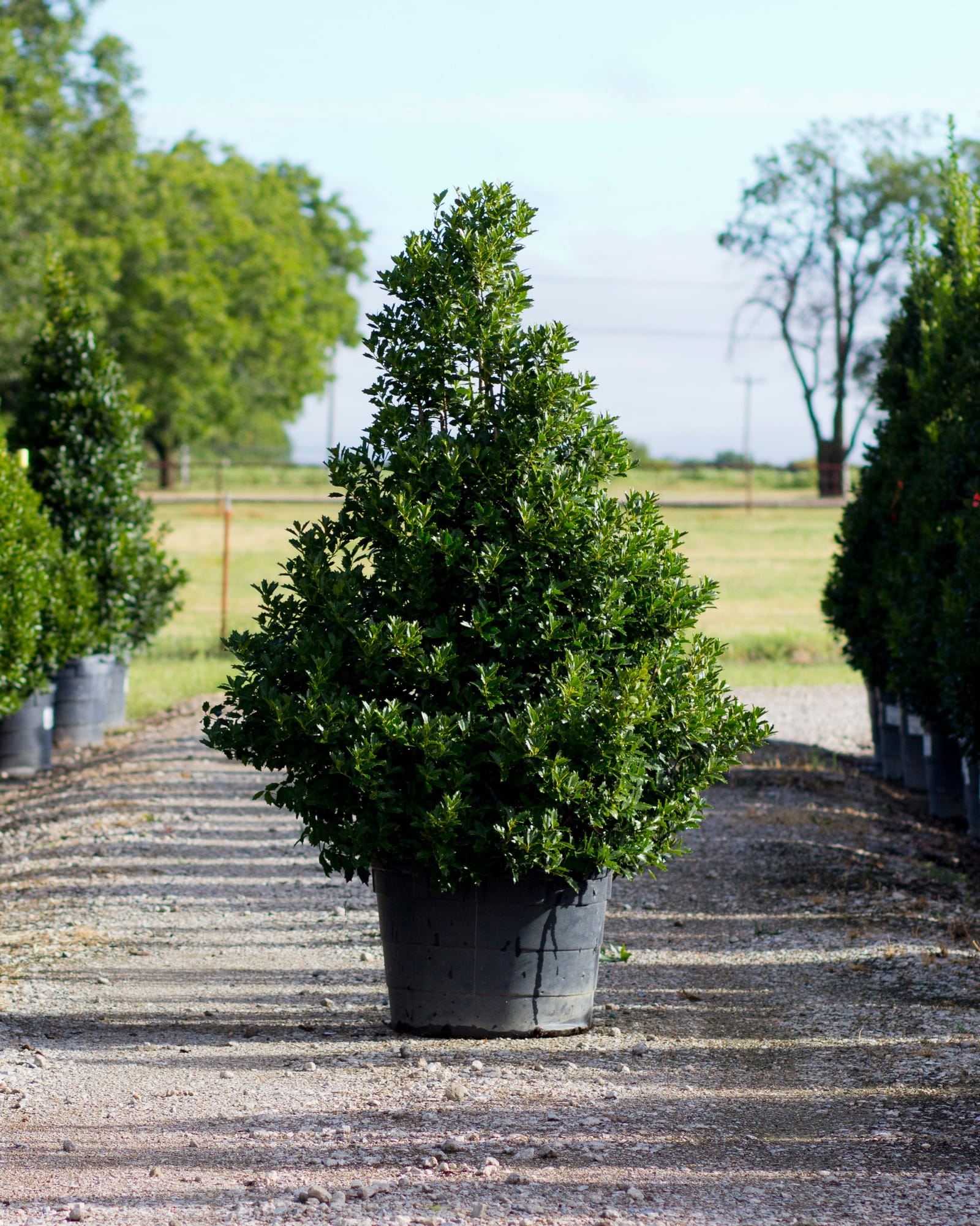
Oakland Holly
Maturity: 16' H x 7' W
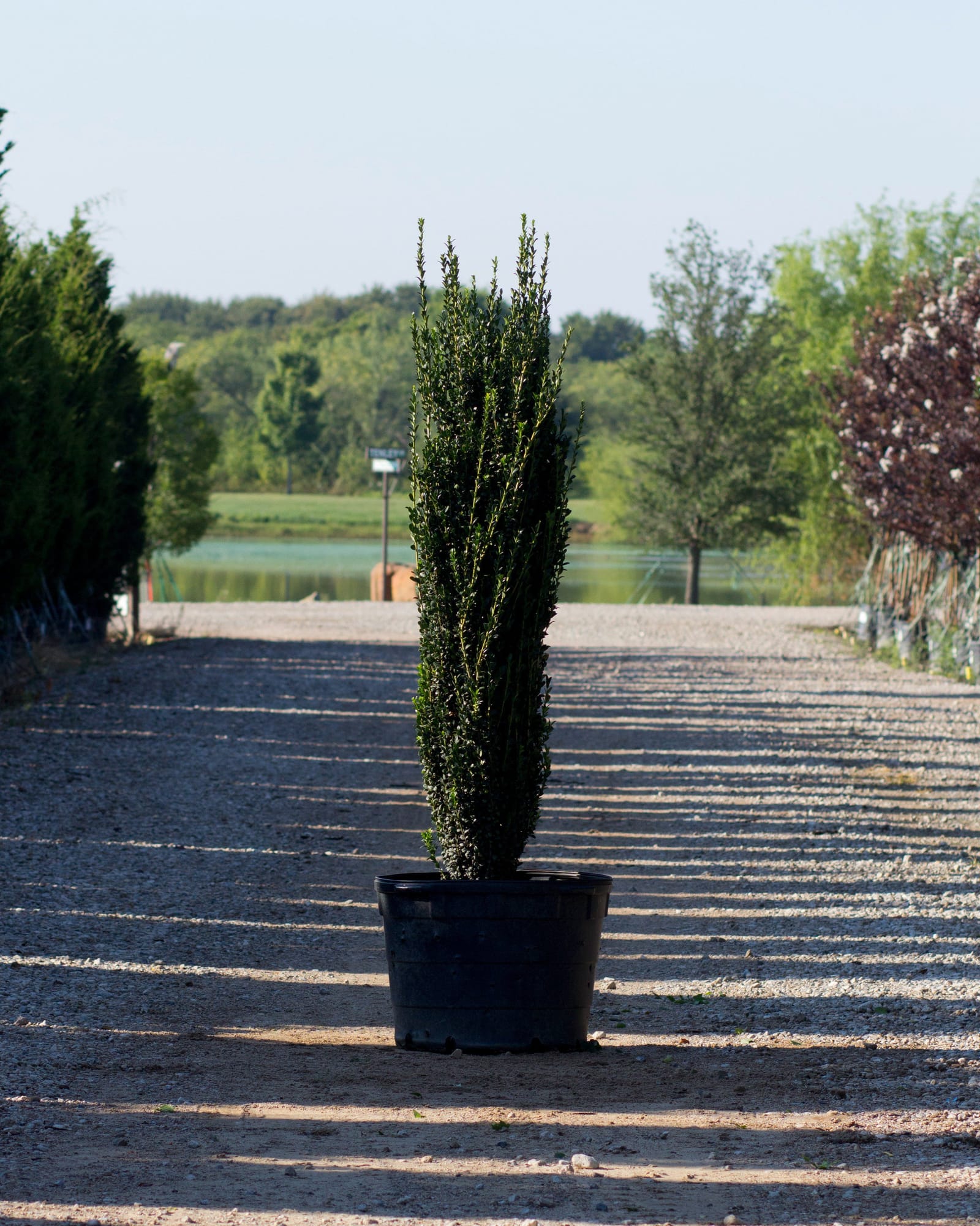
Sky Pencil Holly
Maturity: 15' H x 3' W
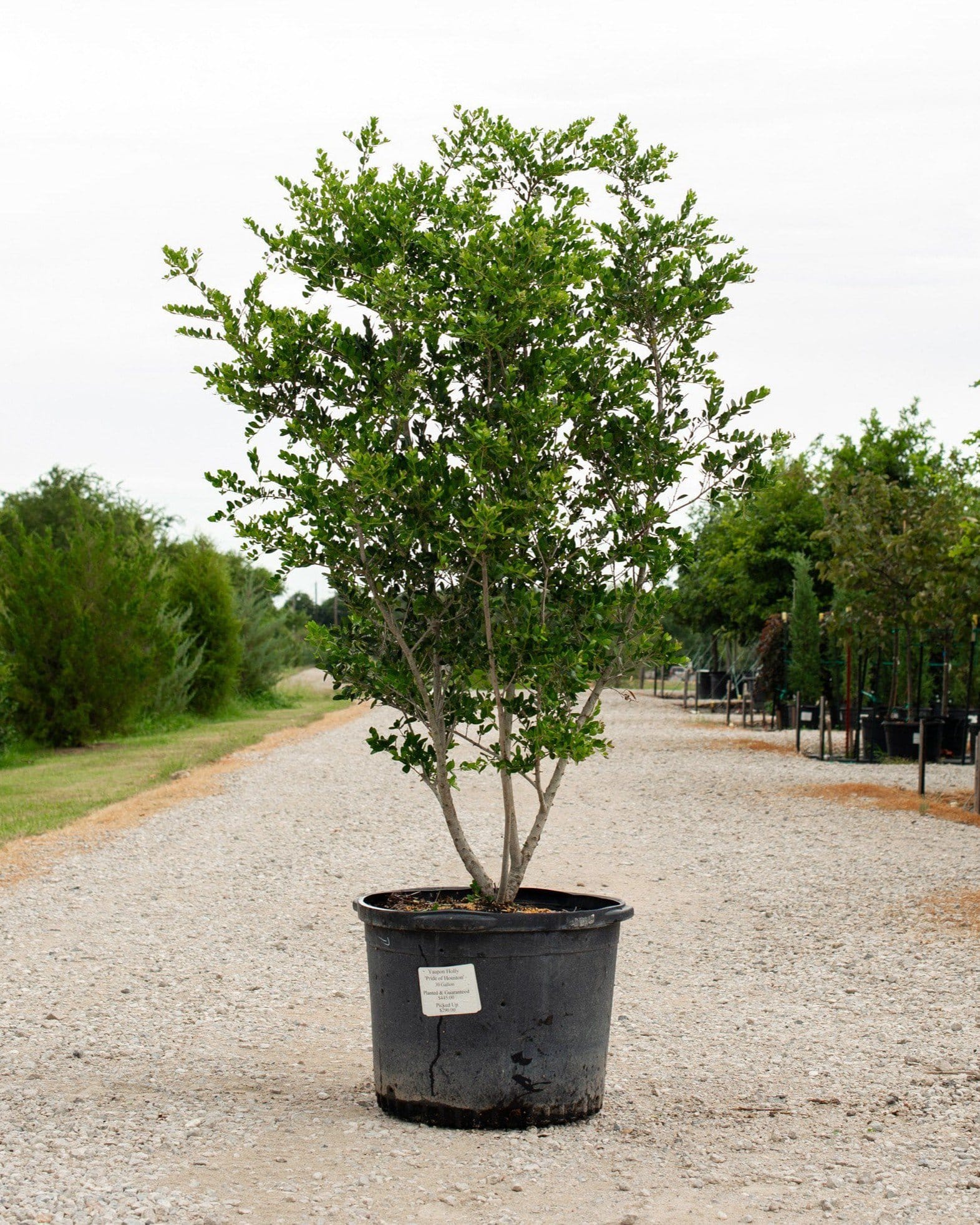
Yaupon Holly Pride of Houston
Maturity: 20' H x 15' W
Baby Gem Boxwood
Maturity: 2' H x 3' W
Compare Similar Plants
Dwarf Burford Holly This plant | ||
|---|---|---|
| Scientific Name | Ilex cornuta ‘Burfordii Nana’ | Ilex vomitoria ‘Nana’ |
| Size at Maturity | 7' H x 7' W | 3' H x 3' W |
| Leaf Retention | Evergreen | Evergreen |
| Sizes Available | 3, 7, 15, 30 gal | 1, 3, 7 gal |


Our 1-Year Planting Guarantee
We take pride in our plants and installation services. If any plants or trees installed by Treeland fail to thrive within the first year, we'll provide a replacement credit in accordance with our guarantee program.
Learn More About Our Guarantee