
 Texas Native
Texas White Redbud
Cercis canadensis var. texensis 'Texas White'Local DFW Delivery Only
Product Details
Texas White Redbud
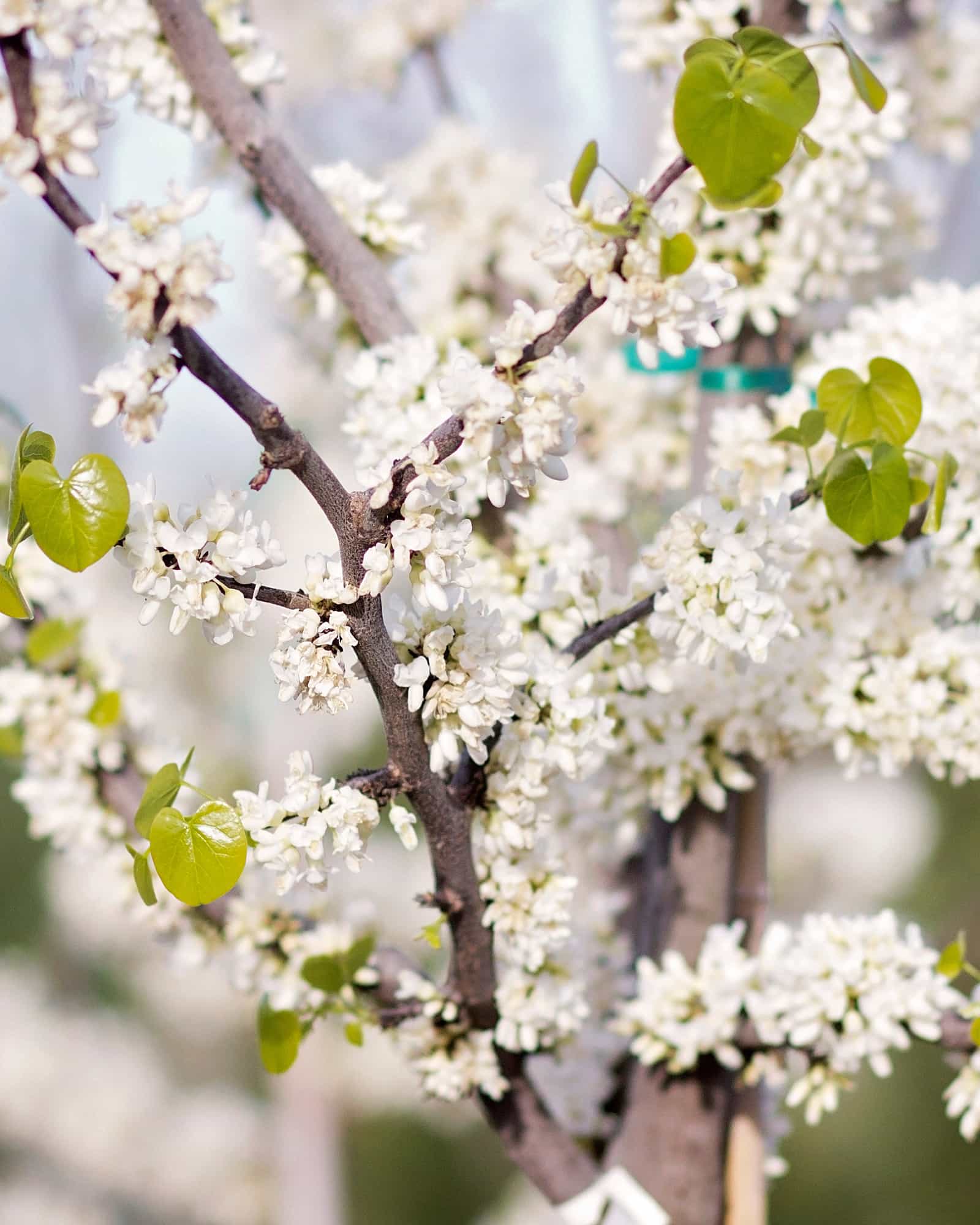
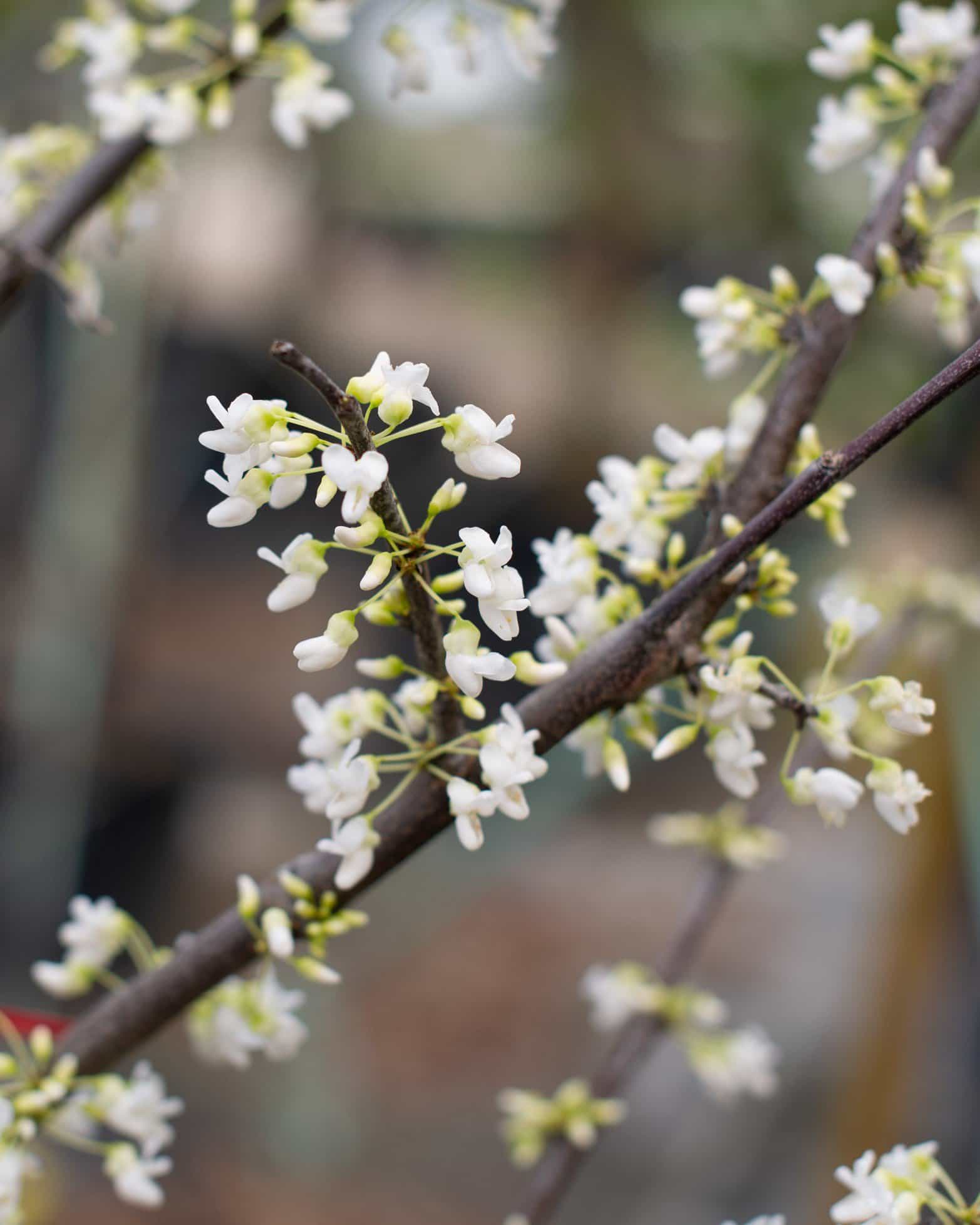
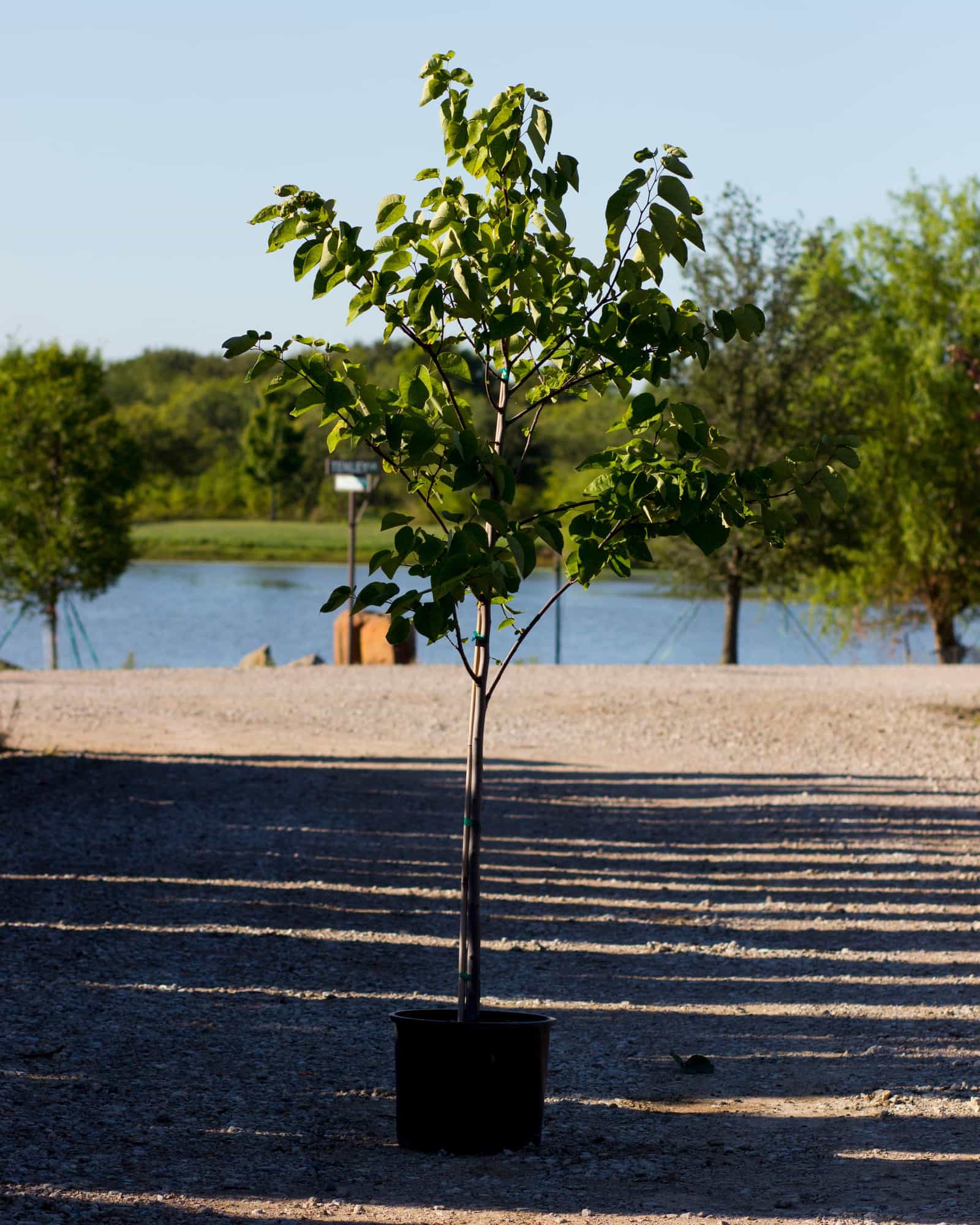
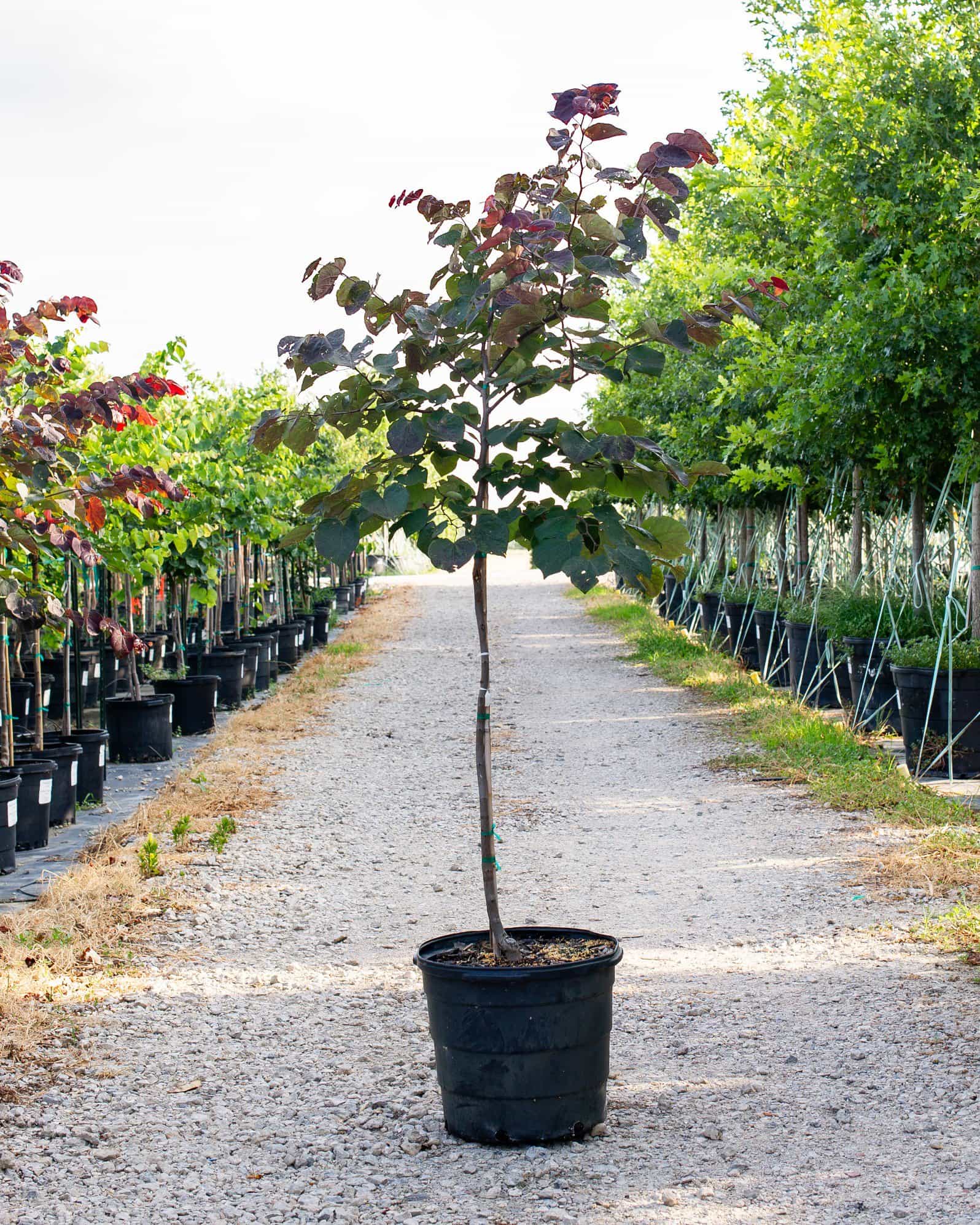
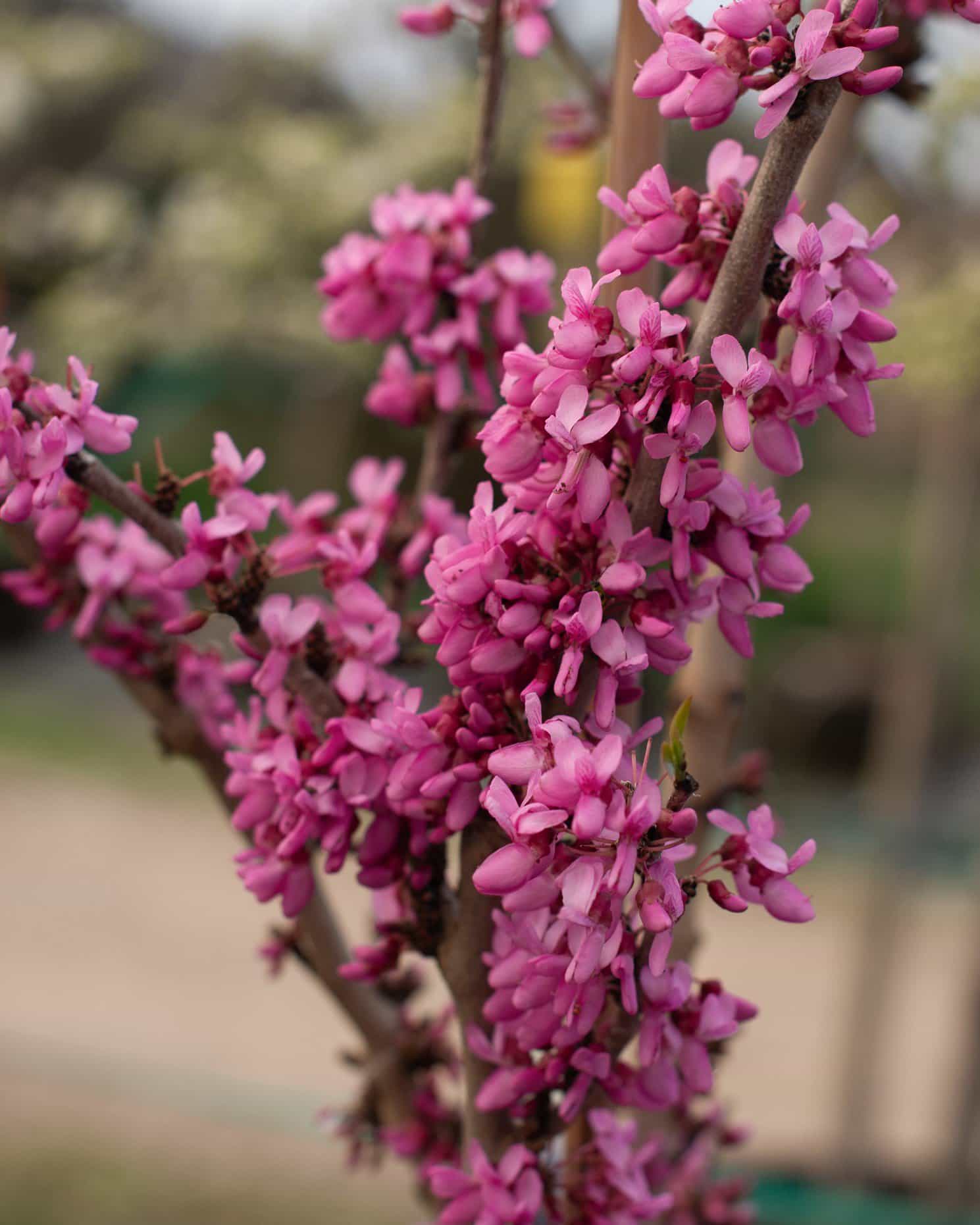
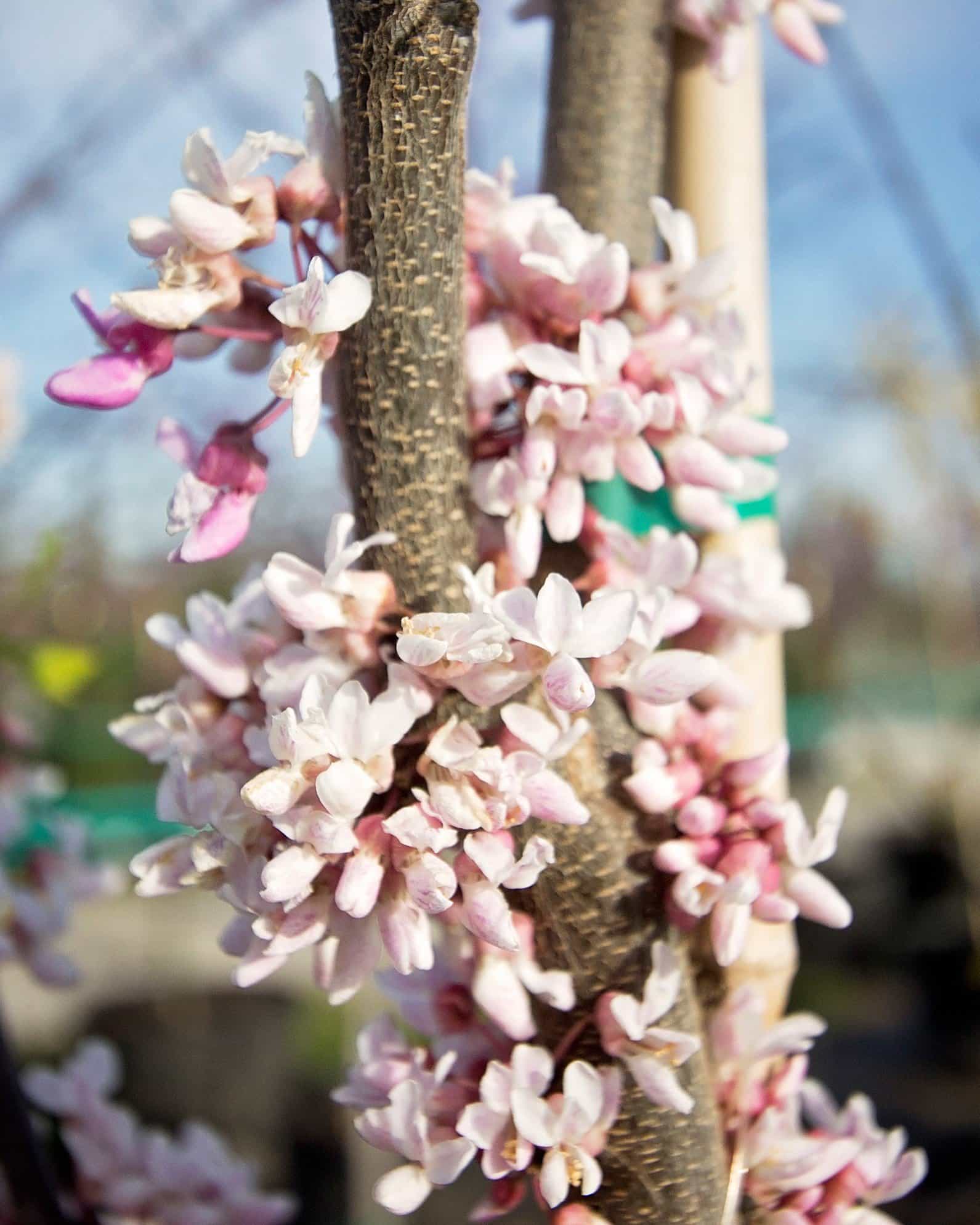
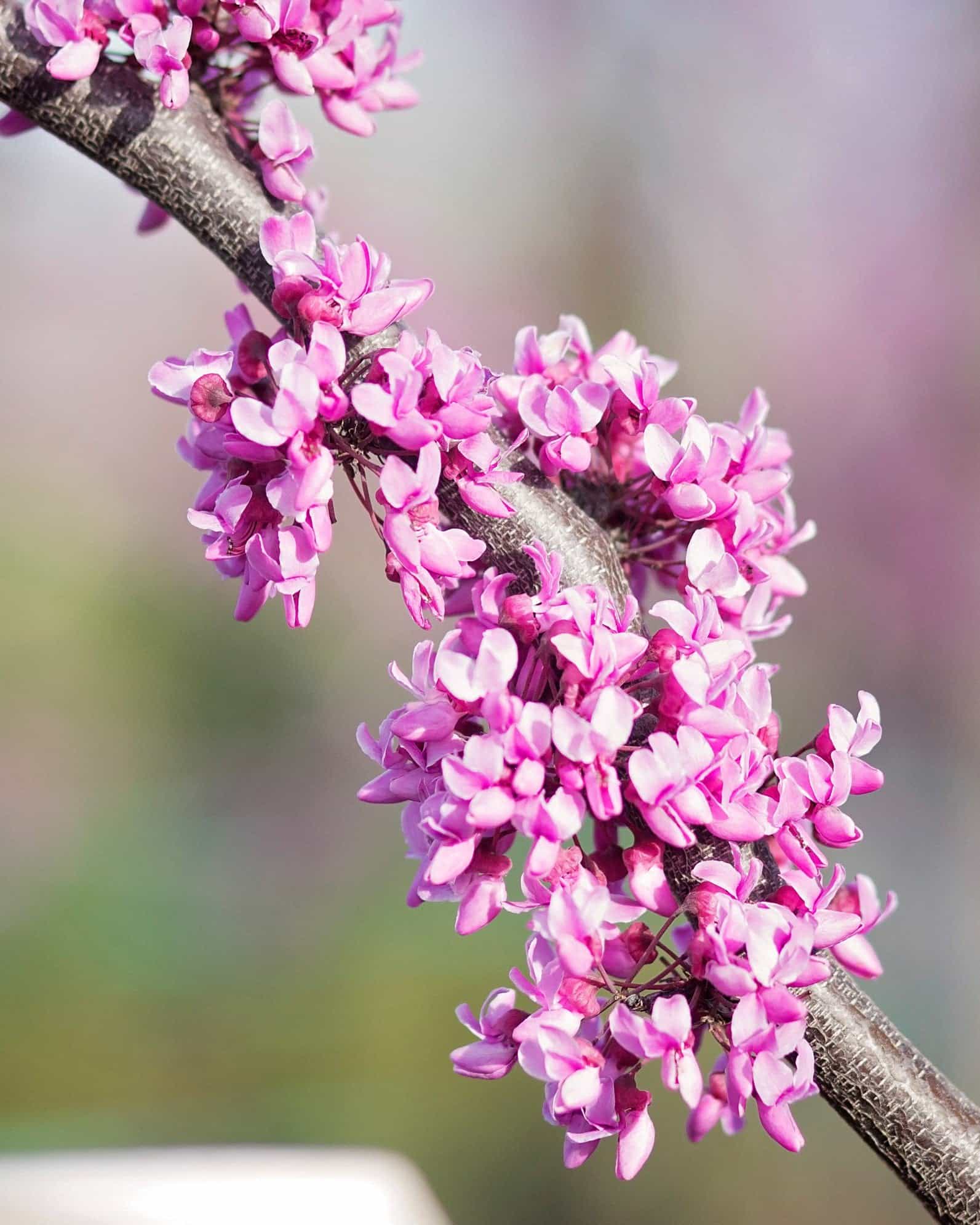
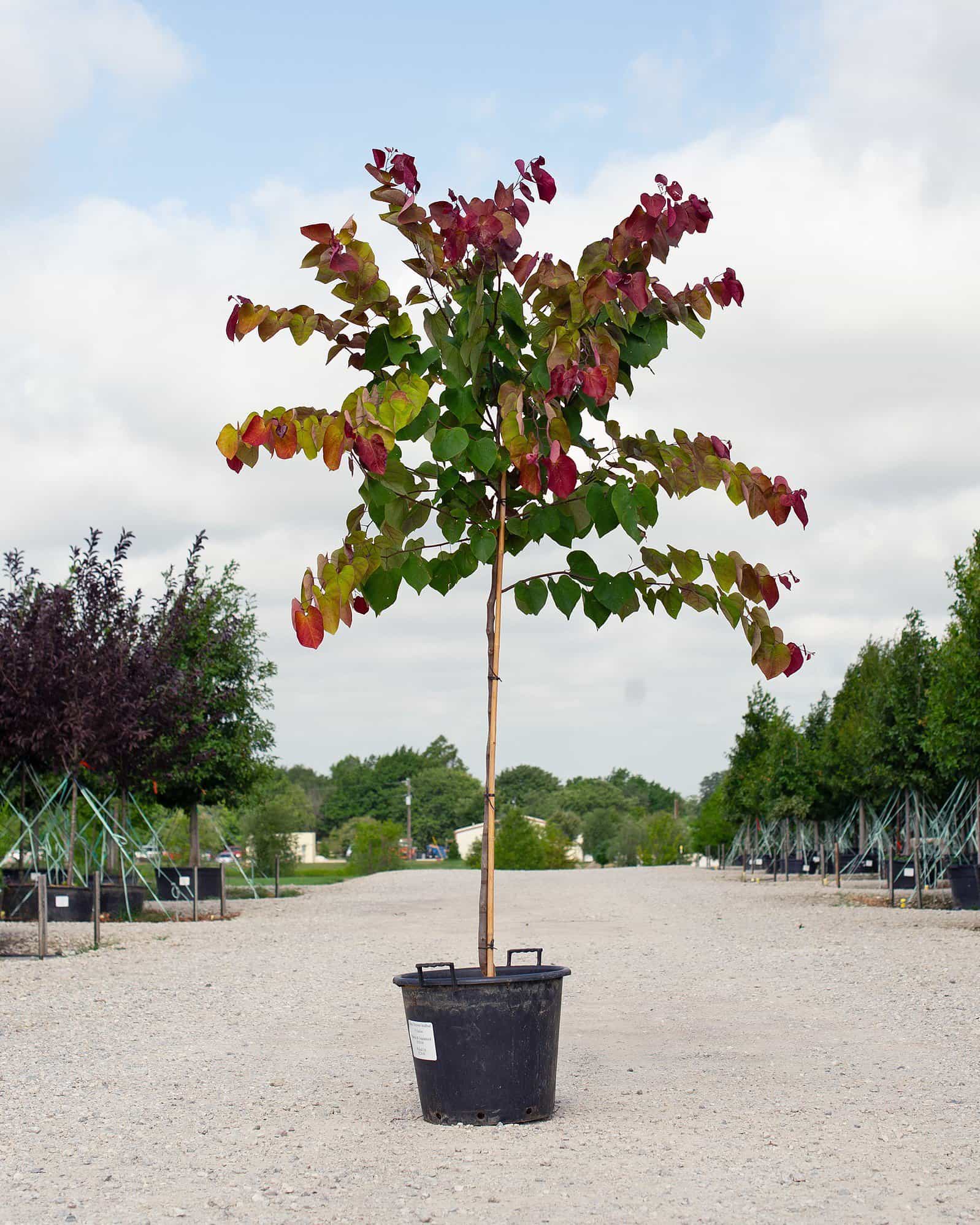
Cercis canadensis var. texensis 'Texas White'Texas White Redbud brings native strength and refined beauty together in one elegant tree. A rare white-flowering form of the Texas Redbud, it bursts into bright white blooms in early spring, standing out against bare branches and deepening into a striking seasonal display. Glossy, heart-shaped leaves follow, offering fresh green color through summer and golden tones in fall. Compact and resilient, this tree grows 20 feet in height and 15 in width, with a naturally rounded canopy. Its heat tolerance, drought resistance, and native roots make it perfect for landscapes that don’t sacrifice on charm.
- Deciduous tree
- Moderate growth rate
- Pure white spring flowers
- Glossy foliage with seasonal color changes
- Native, drought-tolerant, and perfect for water-wise beds
Plant Texas White Redbud in full sun to partial shade with well-drained soil. Hardy in USDA zones 5 through 9, it’s a graceful, dependable addition to North Texas beds with timeless appeal.
Texas White Redbud remains wonderfully low-maintenance once established. Here’s all it needs to thrive throughout years:
- Watering: Provide deep, consistent watering during the first several years to promote a resilient, drought-tolerant root system. Mature trees handle dry periods well, though balanced moisture results in a fuller bloom display each spring.
- Pruning: Prune in late winter to remove crossing, damaged, or low-hanging branches, and to maintain a clean canopy structure. Because this variety naturally forms a rounded crown, only light shaping is typically needed.
- Fertilizing: Apply a slow-release, balanced fertilizer in early spring to support robust growth and strong flowering. Adding compost to the surrounding soil helps maintain soil health and improves long-term vigor.
- Mulching: A 2-3 inch mulch layer helps conserve moisture and regulate soil temperature, especially during establishment. Keep mulch a few inches away from the trunk to prevent bark issues and refresh as needed.
- Winter Care: Texas White Redbud is cold-hardy and handles winter conditions reliably. Young trees may benefit from wind protection in their first season, and any minor winter dieback can be pruned away in late winter.
Texas White Redbud is tough and adaptable, though a few manageable issues may appear under stress:
- Leaf Spot: Small brown or irregular patches may appear during humid weather. Remove affected leaves and improve airflow to help prevent recurrence.
- Canker: Darkened or sunken bark lesions indicate canker infection. Prune out affected areas and reduce environmental stress to improve recovery.
- Verticillium Wilt: Sudden branch wilting or dieback may occur in infected soils. Improve drainage and remove affected limbs to help limit the disease’s impact.
- Scale Insects: Waxy bumps or sticky residue on stems indicate scale activity. Horticultural oil applications help suppress populations.
- Aphids: Curled leaves or sticky honeydew signal aphid feeding. A strong water spray or insecticidal soap quickly restores healthy foliage.
- Leaf Scorch: Dry or browned edges may occur during drought. A consistent watering routine and mulching help prevent future scorch.
Texas White Redbud typically lives 25-40 years, especially when planted in well-drained soil and maintained with seasonal care. Many become long-lasting focal points in residential landscapes.
It grows at a moderate rate of roughly 1-2 feet per year. Most trees develop their full canopy shape and reliable bloom performance within 5-7 years.
Yes - its early white blossoms are excellent nectar sources for bees and other pollinators emerging in late winter or early spring. The tree’s branching structure provides seasonal cover for small birds as well.
Its thicker, leathery leaves make it less appealing to browsing animals than many redbuds. Young plants may still need initial protection until they are well established.
Its clean white blooms and rounded silhouette complement cottage gardens, native plantings, xeric designs, modern landscapes, and foundation accents. It excels anywhere a bright, elegant spring highlight is desired.
Evergreen hollies, ornamental grasses, salvias, abelias, nandinas, hydrangeas, and native perennials pair beautifully with its white flowers and glossy leaves. These combinations create layered, multi-season interest.
It performs well in large containers as a young plant, allowing it to serve as a focal accent near patios and entries. As it matures, planting in the ground ensures long-term strength and root development.
Young trees transplant well when moved during late winter or early spring. With proper watering afterward, they reestablish quickly and resume normal growth.
Its bright white blooms create a striking display when grouped, but the tree also shines as a standalone specimen. Even small clusters produce a luminous spring presence in the landscape.
Its pure white blooms, thick glossy leaves, and strong southwestern adaptability distinguish it from standard Eastern Redbud cultivars. These traits give it a refined elegance and exceptional resilience in warmer climates.
Special Features
You might also like




Our 1-Year Planting Guarantee
We take pride in our plants and installation services. If any plants or trees installed by Treeland fail to thrive within the first year, we'll provide a replacement credit in accordance with our guarantee program.
Learn More About Our Guarantee